Autumn means apples!





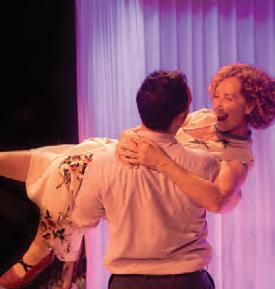


Enda Markey presents Becoming Eliza Saturday 29 April at 8pm Incy Wincy Promotions presents Hania Rani Wednesday 26 April at 7pm Di Smith & Arts on Tour present Wild Thing Thursday 20 April at 8pm shake & stir theatre co presents Roald Dahl’s The Twits Saturday 6 May at 1pm Orange Theatre Company presents School of Rock 12 – 21 May at various times Bookings: 02 6393 8111 www.orange.nsw.gov.au/theatre Orange Civic Theatre Details correct as of 13.04.2023 - for all shows and updates please visit our webpage www.orange.nsw.gov.au/theatre • 2023 season brochure and membership is open for purchase. Please contact the box office for more information. FREE — STARTS ON PAGE
23
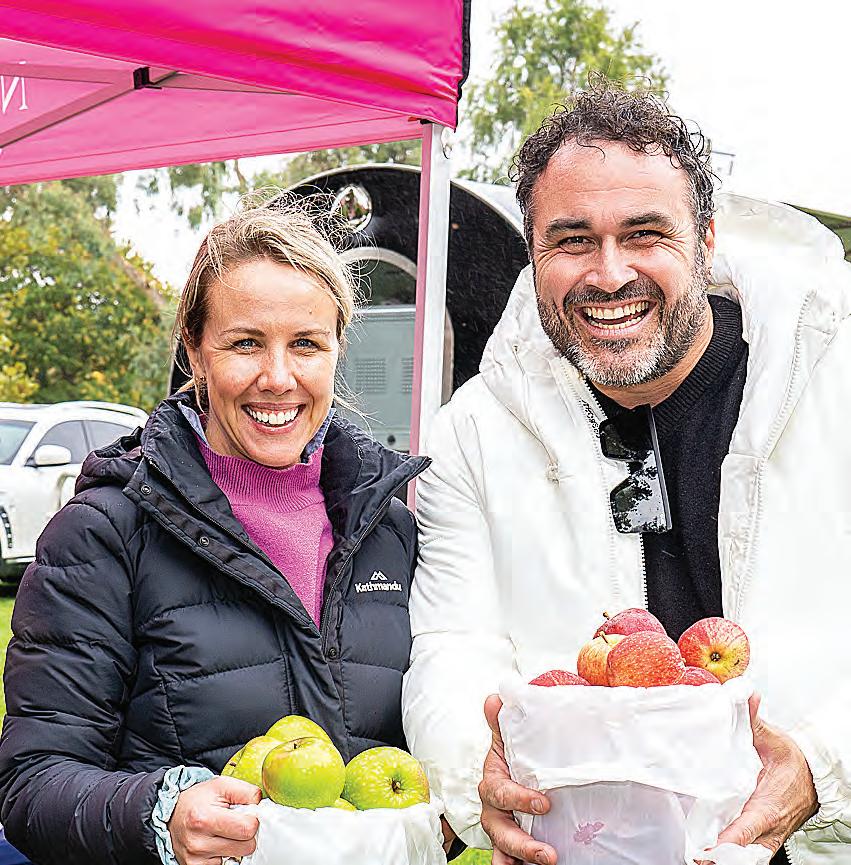
The cold autumn weather didn’t stop people from getting out to enjoy the Orange Farmers Markets on Easter Saturday. Enjoying some of the delicious autumn produce available were Michelle Armstrong and celebrity chef and co-host of Network Ten’s The Living Room, Miguel Maestre.

2 ORANGE CITY LIFE | APRIL 13 — 19, 2023
02

reception@oclife.com.au



www.orangecitylife.com.au


www.facebook.com/orangecitylife
Thank you to our Sponsors:





Orange City Life is grateful to the following sponsors for their ongoing support over many years. These sponsorships, among others things, have enabled us to bring our readers a lot more enjoyment to our publications than would otherwise be possible. In return, we ask you to please support them as often as you’re able.
I hope everyone enjoyed their Easter long weekend, although the weather certainly could have been a little friendlier! As for myself, I came down sick and the ambitious list of things I had planned to do remains undone.

As promised, this week we have more on our Volunteer of the Month, Boss Du , who has become an invaluable member of the team out at Riding for the Disabled and just loves it. You can read our chat with Boss on page 4. And please send in your nominations for Volunteer of the Month. It could be a volunteer in your charitable organisation or sporting group, or even a caring neighbour. Send us their contact information along with details of their good deed, and they will be in the running to be rewarded with a $100 gift voucher thanks to Ashcroft’s IGA. Write to us at Suite 3, 241 Lords Place, Orange NSW 2800, email us at reception@ oclife.com.au with the subject line “Volunteer of the Month”, or drop your nomination into our o ce.


Speaking of volunteers doing great things, I was pleased to read that our Council are going to give a token of appreciation to David Conyers, for his work out in Eugowra. We wrote about refrigeration mechanic David and his team of volunteers in our March 30 issue, after they had installed their 100th new air-conditioner in the flood-ravaged community - all free of charge!
For the NRL fans out there, this week you have the opportunity to win four grandstand tickets to the Penrith Panthers V Wests Tigers in Bathurst on April 29, thanks to Bathurst Regional Council. See page 6 for details.

And keep an eye out next week for details of our new weekly movie ticket giveaway competition in partnership with our local Odeon 5 Cinemas!

ORANGE CITY LIFE | APRIL 13 — 19, 2023 3
SpiritWE CAPTURE THE OF ORANGE
Suite 3/241 Lords Place ORANGE
6361 3575
Win tickets to the footy! Glowing Canowindra... STYLE SHEET 02 6361 4155 enquiries@orangepropertyplus.com.au www.orangepropertyplus.com.au 1/202 Anson Street Orange Perhaps it’s time to make your next right move. So give us a call at OPM+ today! Are YOU happy with your current Managing Agent? Are YOUR calls being returned? Are YOU kept informed regarding your property? Are YOUR requests attended to? Are YOU made to feel that your business is important? WED TO SAT 4PM-8PM 0401 072 027 Check our Facebook for the Menu 37 William Street ORANGE Ph 6362 8611 Pauls @ CoCos DINE IN OR TAKEWAY Pizzas ~ Wings ~ Pasta ~ Chips ~ DimSim CoCo’s CAFE Closed Public Holidays 6362 8611 Delicious! catering available, eat take way. Portuguese chicken Salad wraps Poached Eggs and yogurt Berry muesli Black Bean Vegetable Burger with Sweet Potato Crisp Pumpkin Fetta Tart Sweet potato fish cake with seeded pumpkin fetta salad MEAL DEAL $50 2 Pizzas, Barramundi Bits & 1.25 litre Soft Drink 6 17 Jonathan Roe Contents
EDITOR’S note
OCL’s Volunteer of the Month — Boss Du
Orange City Life is proud to be able to award our next volunteer ‘Volunteer of the Month’ to Riding for the Disabled (RDA) Orange volunteer Albert “Boss” Du .
The Volunteer of the Month is just a small way we can thank and highlight the deeds, big and small, of the many people in our community who go out of their way to help or volunteer their time to make our city a better place to live.
“How can I describe him… He’s an absolute treasure,” says Riding for the Disabled Orange President Robyn Livermore,
“He is interested in the horses, the children — and he’s the main person behind the maintenance team. They’ve been putting in new fences, troughs… He’s just one of those really handy blokes.
“He came in here probably four years ago or five maybe and just took to the whole thing in a very genuine way. He’s a very genuine man and very humble.”
As well as regularly travelling out to Clifton Grove to check on the horses, Boss is also
an assistant coach and loves passing on his extensive horse experience to the kids.
“He had to do some courses to get through that, and he’s done that… he’s just so valuable to our centre,” continues Robyn.
Boss is there every week first thing on a Wednesday morning to get the horses out of their paddocks, up to the stables where he then manages the volunteers who assist with grooming, checking feet and saddling ready for the morning riding session.
Boss heads up RDA’s Maintenance Committee and Horse Committee and has actively taken to improving the maintenance of the 50-acre facility, whether it be fencing, weed control, mowing or installing new troughs and watering systems.
And he is always eager to promote what RDA Orange do, whether it be selling ra e tickets in the shopping centre, manning the barbeque for their sausage sizzles, or holding the bucket for donations at local shows.
“He’s just one of those special people that come up every now and then,” says Robyn. For Boss, who was given the name by his dad when he was ‘just a little ankle-biter’, volunteering with RDA Orange has been a rewarding way to spend his retirement.
“I grew up on the land, up on a big property between Molong and Orange and been around Orange on di erent farms up until I retired — and then I got bored!” says Boss, whose wife eventually stepped in to get him out of the house.


“She said, ‘How about going down to Riding for the Disabled and see if you can help out there.’ So I’ve been here five years now. I just love it!
“Like I said, it gets me away from the house for a couple of days and gives me something else to think about and it’s beaut working with the kids and horses! I grew up on horses, but with the kids and everything like that, it’s just great. I really love it!”
Do you know someone who goes out of their way to make life better in our community?
It could be a friend, neighbour, colleague, committee member or co-worker — we want to hear from you!
To nominate a person you deem worthy for our Volunteer of the Month, send us their contact information along with details of their good deed, and they will be in the running to be rewarded with a $100 gift voucher from Ashcroft’s IGA.
Write to us at Suite 3, 241 Lords Place, Orange NSW 2800, email us at reception@oclife.com.au with the subject line “Volunteer of the Month”, or drop your nomination into our o ce.
4 ORANGE CITY LIFE | APRIL 13 — 19, 2023 Community LiFE
Farewe to ‘a national easure’ AVIATION PIONEER MAX HAZELTON DIES AGED 95
Aviation pioneer and Hazelton Airlines founder, Max Hazelton AM OB, passed away peacefully here in Orange on Sunday night.
Max, who was three weeks short of his 96th birthday, had long been regarded as Australia’s greatest living aviation pioneer, whose legendary exploits revolutionised regional and agricultural aviation.

From humble beginnings in a paddock at Toogong, near Orange, Max planted the seeds of his aviation dream as a crop duster pilot, pioneering the spraying of cotton crops at night to avoid the winds that made daytime flying near impossible.
His exploits in rural aviation led to the development of Hazelton Airlines which grew to become a major regional operator employing 270 people and carrying 400,000 passengers a year to 23 remote
and regional centres.



Along the way, his leadership and e ective lobbying of the then Department of Civil Aviation led to a raft of regulatory changes which helped fast-track the development of both agricultural and regional aviation.
While his ongoing battles with the bureaucracy were making headlines it was his 1954 real-life struggle for survival after crashing his four-seater Auster Aiglet in bad weather near Oberon, NSW which thrust him into the spotlight.
It sparked what was then the largest search in Australian history and with each passing day, hopes of finding him alive began to fade. Lost and alone, Max walked 100 kilometres through rugged terrain before eventually emerging from the bush six days later much to the astonishment of a captivated nation.

Max set flying endurance records, locked horns with Bob Hawke and the ACTU by defying a union ban to fly live merino sheep out of Australia, flew medical mercy flights, fought bushfires and campaigned vigorously for Sydney Airport’s third runway. Along the way, he brought safe, a ordable and reliable air services to regional areas.
In light of his contribution to aviation, Max was awarded an OBE in 1980 and in 1991 an AM.
Hazelton Airlines, along with Kendell Airlines, was eventually absorbed by Ansett not long before the carrier collapsed in 2001 with Rex emerging from the wreckage the following year.

Rex Deputy Chairman and close friend, the Hon John Sharp AM, said Australia had lost “a true national treasure.”
Mr Sharp said Max was a quiet, humble man who would be forever remembered for his unbridled passion for, and love of, both aviation and his family.
He said Max wasn’t afraid of hard work, with his dedication, determination and drive underpinning his many extraordinary achievements.
“Max’s heart was always in the country which is why this sentiment is emblazoned on our aircraft and remains the ethos on which this company has been built.
“Today, though, Rex’s heart aches more than a little at the loss of someone very special who meant so much to so many,” Mr Sharp said.

“We extend our sympathies to his wife Laurel and their children Toby, Carolyn (deceased) and Max’s grandchildren.”




ORANGE CITY LIFE | APRIL 13 — 19, 2023 5 Community LiFE The VicToria hoTel 336 Summer St, Orange | Tel 6362 6386 WHAT’S ON AT THE VIC... POKER TUESDAY from 7pm SATU RDAY from 3.30pm Registration on arrival Registration on arrival BISTRO Daily Specials WEDNESDAYSATURDAY Lunch 12 - 2pm Dinner 6 - 9pm Book your Functions & Special Events! with our Menu Packs to suit your needs
Find the footy and win grandstand tickets to Panthers v Wests Tigers in Bathurst!
Penrith Panthers are heading back to their Bathurst home ground on April 29 where they will face Wests Tigers in Round 9 of the NRL Competition.


As it stands at the end of Round 6, the back-to-back NRL Premiership-winning Penrith Panthers are sitting second on the competition ladder, while Wests Tigers are desperate to redeem themselves after a disastrous six losses to open their 2023 season.
Orange City Life, thanks to Bathurst Regional Council, are giving you and three of your mates the opportunity to win tickets to see this blockbuster match from the sold-out grandstand at Carrington Park on April 29!
For your chance to win four (4) grandstand tickets to the Panthers match simply find the footy hidden somewhere in
the pages of this magazine and let us know. Send your entries to reception@oclife.com.au, message us on Facebook, or drop them into the o ce by 12pm Tuesday, March 18.
We will notify the lucky winner who can then share the good news with their friends or family!
Local junior league players will also have an opportunity to get up close and personal with some of their NRL idols at the free ‘Play Like a Panther Superclinic’ 4–5.30pm Thursday, April 27.
Open to children 5-12 years of age, the free clinic at George Park, Bathurst will cover all the important Rugby
SATURDAY29APRIL
League skills and drills including passing, catching and kicking; but most importantly, it’s about having plenty of fun with your friends. Registrations are a must (www. bathurstnrl.com.au/what-s-on)
Ahead of the Saturday match, on Friday, April 28, is the annual Bathurst Sportsman’s Lunch, a two-course dining experience not to be missed. Get insight into the season ahead with an exclusive ‘Q&A’ with Premier-winning coach, Ivan Cleary, and Panthers Co-captains, Nathan Cleary and Isaah Yeo.
And all proceeds from the Sportsman’s Lunch ra e will be donated to Bathurst Junior Rugby League Clubs. Call 123 Tix to secure your tickets on 6881 8632.
CATEGORY PRICE
AdultGeneralAdmission(16+)
ConcessionGeneralAdmission
ChildGeneralAdmission(5-15years)
FamilyGeneralAdmission
Grandstand -SOLDOUT
CorporateHospitality(18+) -SOLDOUT
UltimateFootyPass
Four(4)AdultGAtickets,one(1)HotFood GrazingBoxtoshareandtwelve(12)beverages plusexpressbarservice.
BATHURSTNRL.COM.AU






$40 $25 $25 $90 $55 $250 $420

6 ORANGE CITY LIFE | APRIL 13 — 19, 2023 Community LiFE
CARRINGTONPARK,BATHURST GATESOPEN:3PM|NRLKICK-OFF:7.35PM TICKET SONSALENOWAT123TIX.COM.AU
Changes to parking in arrangements in Lords Place
Orange City Council wants residents to be aware of new parking arrangements in Lords Place South, between Summer and Kite Streets.
As part of the redevelopment of the street, a range of new shared spaces are being created in an e ort to make the precinct more pedestrian-friendly.

The new parking arrangements include 16 parallel parking spaces and 28 rear-to-kerb, 60-degree parking spaces, and three disabled spaces. New daytime parking time limits (8.30am–6pm Monday to Friday and 8.30am–noon Saturdays) will be for 15 minutes in the precinct’s parallel parking spaces and 30 minutes in the 60-degree parking spaces.
Along with the new parking arrangements in Lords Place, there will be changes to time-limited parking in the Ophir Car Park. In the coming weeks paid parking will return in most of the Ophir Car Park once signage and line marking is updated.
New two-hour limits will also come into force on the Kite Street and Lords Place sides of the car park. The two-hour spaces are free parking.
The all-day zone of the car park costs $3 a day, $44.50 a month, $133.50 for three months or $272.50 for six months.
“As part of creating a pedestrian-friendly CBD, the aim is to encourage people to drive to a convenient car park and then walk to a shop from there,” Orange Deputy Mayor Gerald Power said.
“Like any change, it will take some time to adjust to this new way of using Lords Place South so I’m asking people to be patient while we all get used to this change.”





Council is currently exploring options to build a multi-level car park to double the amount of parking available at the Ophir Car Park.
Revised plans for multi-storey apartments on exhibition
Orange City Council has placed revised plans for a residential flat building and townhouse development in Prince Street on exhibition for community comment.

The project, on the western half of the former base hospital site, proposes a building with 16 townhouses, a building with 60 apartments and an open public park.
The project was first on exhibition in June 2022. The matter was then considered by the Western Region Planning Panel in November 2022 which resolved to request the applicant address certain design matters.
The changes include: the relocation of the basement entry to the eastern boundary o the proposed shared pedestrian/vehicular accessway; removal of one townhouse; removal of three units; dropping the development from 63 to 60 apartments; positioning the building further back from Prince and Sale Streets; reducing the size of the public park in the middle of the block; and alterations to external finished materials.
While Orange City Council is dealing with the public exhibition of the DA, the size of the development means approval will be handled by the Western Regional Planning Panel (WRPP).

The new project documents are available at the Orange City Council website and open for comments until 5pm Friday, April, 14.

Youth Week in Orange
“Connect. Participate. Celebrate.” is the theme for Youth Week 2023 and there are plenty of activities for local young people to enjoy planned for Orange from April 19.
To mark Youth Homelessness Day, there’s a Skate Park Jam planned for John Lomas Skate Park on Wednesday April 19. It’s open to all ages, from 12pm to 3pm and is free.


On Thursday April 20 free ‘Fun Day’ is scheduled to take place at the Orange Showground with alive DJ, a rock-climbing wall, inflatable games, a makeup workshop, and 25 information booths catered towards youth. Then, at 4.30pm Friday, April 21, the Sporadic Bin Rats will kick o a full line-up of bands at the CWA Hall in Robertson Park, closing with Central Coast headline act, Hollow Point.

For more youth week activities visit: www.orange.nsw.gov.au/youth/comealong-for-youth-week-in-orange

ORANGE CITY LIFE | APRIL 13 — 19, 2023 7 Community LiFE 9AM - 11AM I THURSDAY 4 MAY TRY KINDER DAY ALL WELCOME REGISTER ONLINE
child
the whole point A fun, FREE morning for preschoolers (and their parents) to try out ‘big school’
the whole
is
Orange Festival of Arts collection online
Aunique collection of 1300 photographs, posters, programs and documents relating to the Orange Festival of Arts has been digitised and added to the Central West Libraries’ Recollect Central West website.

The festival ran for about 20 years between 1965 and 1985 and became one of the largest of its kind to take place outside of an Australian capital city.


Orange Deputy Mayor Gerald Power recently launched the collection at Orange City Library with former festival supporters and members of the Orange Regional Arts Foundation, which funded the digitisation project to the tune of $10,000.
Exclusive to Danmar Jewellery
“Orange these days is a very exciting place where community festivals happen throughout the year, but back in the 1960s, 70s and 80s, it was very di erent,” Cr Power said.
“This collection is a significant addition to the Recollect website and gives a valuable insight into a unique festival and a unique period in Orange’s history.”
The Orange Festival of Arts brought creative arts and cultural events to the region including experimental theatre, ballet, recitals, one-act plays and opera, and was sometimes controversial in its social commentary. It raised greater awareness and interest in the creative arts and was a major contributing factor in building Orange’s prominence as a vibrant cultural centre.
Recollect Central West was launched about a year ago to capture and share the history, heritage and stories of the region and is an important resource for the community.

It provides online access to a rich store of heritage material relating to Central West NSW, its people, places and events and is continually growing as new material is added by Central West Libraries sta and members of the public.
View the Orange Festival of Arts collection at centralwest.recollect.net.au
Recollect Central West
OPEN 7 DAYS
PHONE 6369 1513
www.danmarjewellery.com.au








8 ORANGE CITY LIFE | APRIL 13 — 19, 2023 Community LiFE
132 KITE STREET ORANGE


ORANGE CITY LIFE | APRIL 13 — 19, 2023 9 WHOLESALE PRICES - OVER 10,000 POTS UP TO 40% OFF STONELITE POTS OPEN 7 DAYS 8:30am — 5:30pm 213 McLachlan Street, Orange | Phone: 6362 3191 | www.thomsonsgardencentre.com.au HUGE RANGE OF GIFTWARE, CANE WARE AND GIFT VOUCHERS PLUS MUCH MUCH MORE! HUGE RANGE OF OF TREES, SHRUBS, PERENNIALS AND VEGETABLES MAGNOLIANEWVARIETYEVERGREENSUPERGEM CONTEMPORARY WHITEPOTS TEAKGARDENBENCHES ATLANTIS POTS TRIPOD INDOORPOTS CASTIRONFIREBOWLS AUTUMN POTCOLOUR CREPEMYRTLE FABULOUSGIFTIDEAS
Podcasts – tried and tested from children, for children
Podcasts have quickly become a popular choice of entertainment for adults, but these Easter holidays why not introduce your children to these wonderful kid-friendly podcasts to keep them entertained at home or in the car.
For inquisitive children Short and Curly is an ABC podcast hosted by Carl Smith and Molly Daniels. It’s recommended for upper primary school-aged children through to tweens. It questions the ethics of dilemmas and gets children thinking about what makes something right or wrong.
Brains on! is a podcast hosted by Molly Bloom and a di erent child co-host each week. It’s an award-winning US kids podcast that covers big and small curiosities in the world of science and history.
Homeschool History is a spin-o of the popular BBC podcast, Your Dead to Me. Presented by none other than Greg Jenner, the chief nerd behind Horrible Histories, it’s a great way to get children excited to learn about the past.

The award-winning Busy Bodies with Mr Snotbottom is a hilarious podcast all about the human body! Hosted by the famed children’s entertainer and comedian, Mr Snotbottom, each episode focuses on a part of the human body, from the brain, to the heart, to bones —It even explores kids’ emotions.

Meet two curious kids on a mission to find out all the cool facts about, well, everything, in the podcast, The Fact Detectives. In this award-winning podcast, hosts Anika and Esther take their very big questions to some very smart grown-ups who know lots of very
interesting stu … like, do killer butterflies really exist? Why do we fart? Did monster kangaroos really hop all over Australia? Is it ladybirds, ladybugs or ladybeetles? What’s the di erence between a glow-worm and a firefly, and where does light come from?
The award-winning LiSTNR podcasters and ABC Kids stars, The Beanies, bring a combination of joy, song and education wrapped up in a glorious rainbow! Each week, Laura, Mim and Michael share a special new episode – it may be a fun and silly adventure, or a Show and Tell. They’ve met a teeny tiny spider who learns how to be brave; visited the superhero training Academy; met a very royal puppy, and found out how unicorns get their horns! They also welcome questions from little podcast listeners!

The podcast, Bedtime Explorers Magic

Glasses! helps children see the world through a positive lens of hope. With their imaginations and ‘magic glasses’, little explorers discover wonderful possibilities in a magic garden, a flying car and a hidden door to another world. The multi-awardwinning podcast, renowned for helping children drift into a peaceful night’s sleep, has been downloaded more than 23 million times and is loved by children and families all around the world.
And what of those children who want nothing more than just a nice story read out loud to them? Well, Borrowbox is your audiobook library in an app — o ering free eBooks and Audiobooks for anyone with a library membership. Visit centralwest.borrowbox.com
10 ORANGE CITY LIFE | APRIL 13 — 19, 2023 Community LiFE
Lonely Mountain Ultra early-bird tickets on sale now
Early-bird registrations are now open for the Lonely Mountain Ultra as they prepare to repeat the success of their inaugural race in 2022.
The trail running event will return to the wooded slopes of Mount Canobolas on October 14-15, 2023. All events begin and end at the event site located at the foot of the mountain.

Distances on offer will include; Kids 2k and 4k, and for the adults; 11k, 22k, 32k, 50k, 50 miles, 104k relay and the 104k. The race will take them through different terrain, and elevation levels.
Not for the faint of heart, but a fun and rewarding challenge the 104k ultra trail race will potentially see racers run through the night.
“The fastest runners could potentially do the 104k run in 10 to 11 hours – possibly even faster, but we’ve
got a very generous cut-off time – we’re allowing over 24 hours to complete the 104k race,” President of the Lonely Mountain Ultra committee, Sam Collins said.
“It’s pretty gruelling to take on 100ks out at Mount Canobolas – there’s so much elevation, they’re challenging trails and they’ve got to get their nutrition and hydration right too so they’ve got all that to think about and prepare for.”
Fortunately for race participants, there’s a large number of volunteers who dedicate their time to ensure all participants reach the finish line safely.
“Last year we had over 130 volunteers, which we were extremely grateful for,” Sam said.
The committee also hires the help of ESS (Event Safety Services) to be able to provide first aid if needed. “It’s a really safe way of giving it a go.”
The event is sure to bring in visitors from all over,

but Sam believes that locals could even learn a few new things about what our region has to offer during the event.
“It’s a really good opportunity to just explore the trails and what we have on offer. There’s a ton of people who, even locally, have no idea how beautiful these trails are that we have right on our doorstep.” Sam encourages anyone interested in trail running to sign up, whatever the distance.
“We’ve had a lot of runners just sign up for one of the shorter runs, and have just fallen in love with the trails – it’s just the beauty of the mountain.”
To register for the Lonely Mountain Ultra, scan the QR code.
ORANGE CITY LIFE | APRIL 13 — 19, 2023 11 Community LiFE
**PHOTO CREDIT Creative Soup Media
with EMILY THOMPSON
THE GOOD ENOUGH Parent AN EASTER TRIP… TO THE LOUNGE ROOM


Miss Eight and Miss 14 got a metric tonne of chocolate for Easter, while hubby got COVID for the first time, testing positive on the second last day of term one.
While I initially suspected him of faking it (he conveniently got out of attending Easter parades AND being involved in the traditional make-the-teacher-presents session — a bunny out of a large Cadbury egg, cardboard, googly eyes, pipe cleaners and toxic glue for them to…..eat?), he got pretty sick.
And so, like how I caught COVID last year on Christmas Eve, our April holiday turned from a camping trip with family into a week at home…
Thursday:
Miss 14: “I’ve got a sore throat”. I instruct her to do a RAT, which is negative. Her story evolves into a headache, then a cough that’s reminiscent of Zoolander’s “I’ve got the black lung, Pops”, then finally ends on anxiety about Dad and the last day of term as her bestie won’t be there.
“I’ll help you clean the kitchen if you let me stay home,” she pleads. I had already decided to give her the day o , but agree to these conditions happily.
Miss Eight: “I don’t NEED to go to school, because I know everything already, but I love my friends and I think it would be a sad day for everyone in my class if I wasn’t there. But I know heaps of two timeses.”
Me: “What’s two times seven?”
Miss Eight: “No. I mean like two times two, two times five, two times ten…”
Me: “What’s two times ten?”
Miss Eight “Ten!” she replies confidently. I send her to school and attempt to care for Hubby, help Miss 14’s anxiety and somehow fit eight hours of work into five.
Good Friday:
Miss Eight asks “Why is it called Good



Friday if Jesus died?” I let her know that’s an excellent question for her scripture teacher when school goes back.
Miss 14 inquires about what our plans are for today. “Decompressing after a long term, taking care of Dad, emptying out school bags and washing uniforms,” I reply.
Miss Eight’s school bag contains 127 rocks, 35 seed pods, 4 sticks, 2 drink bottles but zero hats or jumpers. “Maybe I left them on my chair?” she wonders out loud.
Easter Saturday, 4.37am: “MUM! WAKE UP! THE EASTER BUNNY FORGOT US!” Miss Eight shouts in my face in a panic. I guide her back to bed and let her know she’s 27 hours too early.
However, now I can’t get back to sleep and so as the time the heroes at Bill’s Beans are opening up, I’m waiting outside. We pop next door to the incredible “producer’s garage sale” and buy local tomatoes, strawberries, garlic and apples.
Inspired by such beautiful produce I slip into my pre-child role of domestic goddess and bake a loaf of bread and slow-roast tomatoes with garlic for lunch. Miss Eight, who adores tomatoes and is completely unused to homemade bread fresh from the oven declares it the best lunch she’s ever eaten. I decide to go back each week and embrace slow cooking.
Easter Sunday, 6.07am: “MUM! WAKE UP! THE EASTER BUNNY REMEMBERED US!” Miss Eight shouts in my face in a pre-sugar high.
We do an egg hunt outside and Hubby manages to join us with a mask on. Miss Eight’s delight is contagious and leads to a beautiful day filled with chocolate and craft. Miss 14 and I set up a Barbie “camp” in the dining room and I play with Miss 8 all afternoon.
It’s not the Easter we planned, but it’s been beautiful regardless.
12 ORANGE CITY LIFE | APRIL 13 — 19, 2023 Shop 19, Orange Central Square, Summer Street, Orange P 6362 1267 E orange@blooms.net.au W bloomsthechemist.com.au FLU VACCINATION SEASON Blooms The Chemist offers Pharmacist-administered vaccinations and health services in-store, no prescription necessary TAKE OUR ONLINE SLEEP QUIZ WITH THE QR CODE Book yours Today SLEEP APNOEA TESTING, SALES AND SUPPORT
OCL
LiFESTYLE
George brings home a haul in our Easter Colouring Competition


Our Easter holiday colouring competition attracted a large number of amazing artworks from talented little local artists. It was incredibly difficult to narrow down the choices, but in the end there can only be one winner, and that winner was seven-year-old George Alexander.

George’s Mum tells us he was super excited and couldn’t stop talking in the car on the way to pick up his prize, but it seems he was struck speechless on being handed his chocolate loot in the Orange City Life office last week.

Luckily his three siblings were more than happy to vocalise their offers of assistance to help empty the basket of eggs.
Congratulations to George and everyone else who entered!
ORANGE CITY LIFE | APRIL 13 — 19, 2023 13 Community LiFE
New men’s group that doesn’t just talk about ‘footy and s**t’
 By Lydia Pedrana
Anew community group that o ers men a safe space to share and be heard in a confidential environment is coming to Orange.


The Men’s Tables, made up of between eight and 12 members, meet for monthly dinners to connect and discuss the highs and lows of life, ultimately creating a greater sense of belonging and camaraderie.
The concept of The Men’s Table (TMT), which is now a registered not-for-profit organisation, was started by a group of 12 men in Sydney who decided to have dinner with the intention of connecting with other males and chatting about life.

Today, they still meet every month to talk, laugh and share, and have created similar Tables for men all around the country.
Sydneysider Eric Balinghasay has been attending a Men’s Table in West Ryde for almost two years, and after admiring
the work of the organisation he began volunteering as a regional host and marketing o cer.
Responsible for building groups in Orange and Dubbo, Mr Balinghasay said the Tables have the potential to have huge impact in regional areas.
“The mission of The Men’s Table is about men supporting men; we want to build healthy men, health masculinities and healthy communities,” he said.
“The Western NSW Local Health District reached out to The Men’s Table requesting if we could consider building local Tables because there are not many community groups for men, and a couple which had emerged in the past years during the bushfires no longer exist.

“With increasing incidences of isolation, there is a need for more community groups like these and we had a very positive response when asked in social media
community pages in Dubbo and Orange if they wanted a new community for men locally.”

There are a few house rules, or table manners, expected at the Tables: No Fixing (only giving advice when asked for); you must uphold the concept of The Vault (a man’s story is his to share, nobody else’s); and ‘No talking about footy and s**t’ (as these are conversations you can have easily with others outside the Table setting).
With males accounting for 75 per cent of all suicides in Australia, Mr Balinghasay said these Tables help men realise they are not alone.
“Men are often accused of not talking or expressing what they feel, but based on what we observe in The Men’s Table, men do talk and express what they feel when there is a safe space to share where there is no judgment, fear of reprisal or even ‘fixing’.
“The Men’s Table provides a place where a
man can just talk, and other men learn how to listen with care and compassion.”
For him personally, it provides “regularity and consistency in what can be a chaotic, messy life”.
The first step to joining The Men’s Table is to attend an “Entrée, or introductory dinner, to suss out whether it’s something you are interested in.
The Orange Entrée is scheduled for Monday, May 8, 6-9pm at Hotel Canobolas, and there’ll be one in Dubbo on Tuesday, May 9, at 6-9pm at the Milestone Hotel.

To register, visit www.themenstable.org.
For the initiative to be a success, Mr Balinghasay urged the community to spread the word – tell others, especially men, about the Entrees and encourage them to sign up.
“Some men just need some nudging, and those who do sign up, end up thanking the nudgers afterwards!”
14 ORANGE CITY LIFE | APRIL 13 — 19, 2023 Community LiFE SORE TIRED PAINFUL FEET? SEE A PODIATRIST TODAY PODIATRIST Patrick Raftery 121 Sale St Orange 6362 1453 Book your appointment now PENSIONER RATES AVAILABLE Home Visits by Appointment only Visiting Cowra & Canowindra MEDICARE REFERRALS VETERAN AFFAIRS REFERRALS ACCEPTED Supporting the local community... Proud sponsors of OCLife’s “Volunteer of the Month” Award www.orangehearingcentre.com.au 1/256 Anson Street, Orange NSW 2800 02 6360 1884 Hear the difference YOUR LOCAL INDEPENDENT HEARING CENTRE KAY MCINTOSH AUDIOLOGIST • Diagnostic Hearing Assessment • Excellent Hearing Aid Fittings • Superior level of client service • Valuable ongoing support • Latest technology • All manufacturers • Private and Australian Government Hearing Services Program clients • Employment / Pilot Testing ALL STAFF COVID19 VACCINATED
Eric Balinghasay has been attending a Men’s Table for the last two years. Photo: Supplied.
& Planetarium
√ 24 hour rescue helicopter service for Orange and region



√ $14 million for highway upgrades between Lithgow and Orange
√ Bat/hail netting funding for local orchardists

√ $1.2 million for CCTV in Orange, Bathurst and Wellington
√ 47 mobile phone towers and base stations across Calare

CONGRATULATIONS 3RD ORANGE SCOUT GROUP!

As a former scout it was great to be supporting 3rd Orange Scout Group at their Annual Review Presentation!
I even got to wear my scout supporters scarf that MPs were presented with at Parliament House recently!

hard to give our young Australians the wonderful opportunity of being involved in the scouting movement!
Well done 3rd Orange Scout Group on a terrific and very busy year!
Thank you to all of our scout leaders and parents who work so
Thank you to all of our scout leaders and parents who work so
P.S - They do a pretty mean snag sizzle as well!
GREAT JOB, JOE!
Recently in Parliament, it was great to catch up with Kinross-Wolaroi student Joe Denman who is one of this year’s ABC Heywire winners!

The competition, for high school students in regional Australia, celebrates stories about growing up in the bush.
Joe’s brilliant piece about finding hope when things get tough is a beautiful bit of writing.
Part of his prize was the chance to jump into an ABC studio to record his story
HAY FOR HILL END STILL NEEDED
With the cold weather setting in, we are still desperately trying to get hay and feed up to the Hill End area that has been devastated by the recent bushfires.

A big thank you to everyone who has given so generously to date.
How can you help?
If you can spare any feed, please call Penny Hundy on 0417 629 708 who will co-ordinate with local farmers in need. Any help will be greatly appreciated.
If you don’t have feed but would


like to donate to help buy some for farmers, this is how you can do it through our local Lions Clubs:
Lions District 201N4 Fire & Flood Account
National Australia Bank BSB 082 811
A/C 130 866 857
Mark it “Hill End Fire”
Once funds are received, Anne Jones from the Geurie Lions Club will organise the hay.
professionally, which has been played all across the country!
I caught up with Joe on his week-long visit to Canberra alongside the other very talented winners of the ‘23 Heywire competition from every corner of Australia. Great stuff, Joe!
You can read and listen to Joe’s story here: www.abc.net.au/heywire/heywire-winner2023-joe-central-west-nsw/101670452
CAN YOU HELP?
Geoff and Judy Foreman had their home destroyed in the storm and floods that hit Eugowra in November last year.

While initially given hope by their insurer, that door was cruelly slammed shut on them in circumstances that does great discredit to the insurance industry (and which is being followed up separately).
While the Back Home grant has allowed some work to be carried out, it’s been a hard slog and the house has a long way to go before it’s liveable again.
To get things moving at Geoff and
Judy’s place, they could really use a hand getting a kitchen.
They had one measured up - but the insurer has pulled the pin.
If you are able to help with a kitchen, or you know someone who can, please give Judy a call on 0427 663 331.
Thank you very much to everyone who has given so generously to help Eugowra to date.
It’s vital that no-one gets left behind during this rebuilding and reconstruction process and any assistance with a kitchen would make a real difference and be very much appreciated.
ORANGE CITY LIFE | APRIL 13 — 19, 2023 15 For regular updates and news, follow me on Facebook and Instagram @andrewgeecalare Authorised by Andrew Gee MP, Suite 1/179A Anson Street, Orange, NSW 2800. 1/179A Anson Street PO Box 673 ORANGE 2800 (02) 6361 7138 andrew.gee.mp@aph.gov.au www.andrewgeemp.com.au ORANGE ELECTORATE OFFICE Andrew GEE MP FEDERAL MEMBER FOR CALARE Your Country Your Voice RUNS ON THE BOARD FOR ORANGE √ $54.8 million for the new CSU medical school and research centre √ $34.8 million for Dixons Long Point Crossing √ $54 million in water security pipelines around the Central West √ $1.9 million for The Orchard crisis accommodation centre √ $2 billion for Great Western Highway upgrade √ $3.8 million for the raising of Suma Park dam wall at Orange √ Federal Regional Investment Corporation established and based in Orange √ $12 million for the Southern Feeder Road project √ Dept of Infrastructure branch moved to Orange √ $2 million for the Forest Road Bridge duplication √ $14.7 million for Mission Australia’s Benjamin Short Grove Aged Care facility √ $100,000 for new stadium seating at Wade Park √ $3 million for a second radiotherapy unit at Orange Health Service √ $10 million for the Orange Conservatorium
For regular updates and news, follow me on Facebook and Instagram @andrewgeecalare Authorised by Andrew Gee MP, Suite 1/179A Anson Street, Orange, NSW 2800.
Farmland in the Hill End region decimated by the March 2023 bushfires
Andrew with members of the 3rd Orange Scout Group
Andrew with Eugowra local resident Geoff Foreman
Andrew at the ‘Scarf Up for Scouting’ ceremony at Parliament House
Andrew with Heywire winner Joe Denman
MASSIVE EASTER MARKETS AT MOLONG


Molong was bursting with visitors on Easter Monday as over 100 stalls and food vendors lined Dr Ross Memorial Recreation Ground. And all along Bank Street, shops were open and flowing with market day customers. Popular guests at the market day were two gorgeous miniature donkeys named Sadie and Luna.

16 ORANGE CITY LIFE | APRIL 13 — 19, 2023 OCLife SCENE
Michael and Cheryn Johnson
Galane De Gouvello, Molly Yeh and Pablo Riveros
Harper, Angela, Chris and Emme Howard
Ezekiel, Kirsty, Kayleigh, Gail and Ezra Parker
Shea, Brian and Ruby Worrell
Dave and Phyllis Taberner
photos by Henry DeRooy
Cabonne Community Glow







this Saturday, April 15
Cabonne’s famous balloon challenge is back for another glowing year!
On Saturday, April 15, it’s the signature event of the Canowindra International Balloon Challenge – The Cabonne Community Glow.
Fifteen hot air balloons will inflate just after sunset and light up the sky over the Canowindra Sports Oval, synchronising their lights to a mix of the best music over the last 20 years.


As well as the dazzling hot air balloon spectacle there will be a range of local food and wine on o er at the Cabonne community night markets with entertainment provided by 2022 Golden Guitar winners, Darlinghurst, supported by local talent, Clancy Pye and Plus One. Gates open at 3pm.
Tickets are $10 per adult and $2 for people under 18 (plus booking fee).


Book your ticket now at: www.123tix.com.au/ events/35649/2023-canowindra-balloon-challengecabonne-community-glow






Nerida Cuddy and Bruce Watson in Concert
This Friday, April 14, see Canowindra’s own Nerida Cuddy join forces with renowned folk songwriter Bruce Watson from Melbourne for a fun and engaging concert at Perennialle Plants in Canowindra’s main street.

Described as an Australian folk hero: a wordsmith, a teller of tales, a spinner of yarns who tells with passion and integrity,”Bruce has produced eight albums, played at over 200 music festivals, and received a stack of songwriting awards.
Local singer/songwriter Nerida Cuddy lives and breathes the landscape of Australia in her story-based songs. Nerida is about to start work on her sixth album, as well as preparing for her first tour of the UK in July/Aug.

Bruce and Nerida’s performances will weave together for one really entertaining event, 7.30-10pm on the Friday night of the Canowindra International Balloon Challenge.
Tickets are $20, and while they will be available at the door, it would be preferred if you could order online via Humanitix, where you will also find more details about the concert. events.humanitix.com/songwriters-concert-bruce-watsonand-nerida-cuddy-x3cvhhtn
ORANGE CITY LIFE | APRIL 13 — 19, 2023 17 Let us Entertain YOU OPEN 7 DAYS | 107 BYNG STREET | 6362 1353 | WWW.THEMETROPOLITANHOTELORANGE.COM.AU PLEASE RING FOR BOOKINGS PROUD TO BE A PUB THURSDAY, FRIDAY & SATURDAY AT 8PM Live Music ✴✴✴✴✴✴✴✴✴✴✴✴✴✴✴✴✴✴✴✴✴✴✴✴✴✴✴✴✴✴✴ Free Entry MEGA MONDAY LAMB CUTLETS CRUMBED crumbed lamb cutlets monday $18 or mash & veg with gravy with the purchase of a beverage mega WEDNESDAYS SCOTCH FILLET COOKED TO YOUR LIKING WITH your choice of sauce scotch fillet wednesday $18 + chips & veg or mash & veg with the purchase of a beverage ON SPECIAL ALL MONTH ON TAP & TAKEAWAY HAHN BEER PRODUCTS Hahn Super Dry Hahn Super 3.5 Stubbies Hahn Super Dry GF Hahn Super Dry pints $8
for
glowing weekend
Canowindra ready
a
Coming Events:
April 21
Orange City Bowling Club
Mums Gone Wild
The Victoria Hotel Jam Sampler
Heifer Station Winery Friday Night
Lights | Gabe Music
The Palms, Canowindra

Monthly Twilight Markets
April 22
Orange Ex Services Club AV Trio
April 26
Orange Civic Theatre Hania Rania
April 29
Orange Civic Theatre Becoming Eliza
Orange Function Centre
The Wiggles: Live in Concert
May 6
The Greenhouse
Mumfest Central West 2023
Victoria Hotel 4 on the 4loor
May 13
Orange Show
Saturday April 15
Orange Civic Theatre
The Robertson Brothers 2pm and 8pm

Orange City Bowling Club
Country by the Green from 8pm

Emus Rugby Club
A Day for the Ladies 2pm
Canowindra Sports Oval
Cabonne Community Balloon Glow from 3.30pm
The Greenhouse
Kent Eastwood in the Piano Bar from 6pm
Friday April 14
Tamburlaine Organic Wines, Millthorpe
Neil Gill Live @ Sam’s Bar from 6pm
Perennialle Plants Canowindra
Songwriters concert from 7.30pm
The Greenhouse
Kent Eastwood in the Piano Bar from 6pm
Barrabas on the lawn from 7pm

Sunday April 16
Orange Civic Theatre
Cirque Mother Africa 6pm

The Royal Hotel
JAM Orange Royal Sundays with Nerida Cuddy and Bruce Watson from 2pm
The Greenhouse
Clancy Pye on the lawn from 12pm
Musical bingo from 3pm
Kent Eastwood in the Piano Bar from 6pm
18 ORANGE CITY LIFE | APRIL 13 — 19, 2023 What’s HAPPENiNG
THE GREENHOUSE • APRIL 14 Barrabas
ORANGE CIVIC THEATRE • APRIL 16 Cirque Mother Africa
THE GREENHOUSE • APRIL 15 Robbie Mortimer on the lawn from 7pm
See the Robertson Brothers at the Orange Civic Theatre this Saturday, April 15 at 2pm and 8pm. Tickets at Ticketek or call 63938111.

Becoming Eliza
In 2016, Anna O’Byrne won the role of a lifetime when she was hand-picked by Dame Julie Andrews to play Eliza in the 60th Anniversary production of My Fair Lady, which played at Sydney Opera House. After enchanting audiences across the country, winning rave reviews along the way, Anna won the coveted Helpmann award for her extraordinary performance.

In Becoming Eliza, Anna O’Byrne reflects on her unique experience and shares stories about working intimately with an internationally adored icon, and what it is to share a role, created sixty years apart as well as the lessons she learned from both Dame Julie and Eliza.
This acclaimed concert evening features iconic songs from beloved musicals of stage and screen including ‘Camelot’, ‘Mary Poppins’, ‘The Sound of Music’, ‘Victor/Victoria’ and, of course, ‘My Fair Lady’.
See Becoming Eliza at the Orange Civic Theatre on Saturday, April 29. To book your tickets go to Ticketek or call 63938111
Australia’s Kings of Variety Television in Orange this Saturday!
Following their National Tour in 2022, Australia’s ‘Kings of Variety Television’, The Robertson Brothers, are thrilled to be performing their new heart-warming and uplifting 1960s Variety TV Show at the Orange Civic Theatre on Saturday, April 15.

Variety TV Show fans will be excited to know the multitalented Simon Brook McLachlan, from the original Australian cast of Jersey Boys will return in 2023 to thrill us with his very special tributes to Frankie Valli and The Four Seasons as well as Neil Sedaka, together with a brand new Variety Show tribute to the much loved 1960s superstar… Sir Cliff Richard.
Another huge bonus this year for the Robertson Brothers 1960s Variety TV Show fans is the addition of Australia’s internationally acclaimed number one Roy Orbison tribute artist… Dean Bourne! Dean will perform his very special Variety Show tribute to the one and only ‘Big O’ and his biggest hits from the 1960s.
Unlike anything you have ever seen before, this 150-minute ground-breaking and interactive theatrical TV experience is filled with all the fun, music and longforgotten memories of the fabulous 1960s. The Variety TV Show audience is taken on a unique and emotional journey back to the best years of their lives.
Orange Theatre Company bringing their rocking rendition of School of Rock to Orange’s stage this May

Based on the hit film, this hilarious new musical follows Dewey Finn, a failed, wannabe rock star who decides to earn a few extra bucks by posing as a substitute teacher at a prestigious prep school. There he turns a class of straight-A students into a guitar-shredding, bass-slapping, mind-blowing rock band!
Featuring 14 new songs from Andrew Lloyd Webber and all the original songs from the movie, this high-octane smash delivers face-melting guitar riffs and touching romance in equally awesome doses!
See the the Orange Theatre Company’s School of Rock at the Orange Civic Theatre on various dates between Friday, May 12 and Sunday, May 21. Book your tickets at Ticketek or call 63938111.
ORANGE CITY LIFE | APRIL 13 — 19, 2023 19 Let us Entertain YOU
ORANGE FARMERS MARKETS AT THE NORTHCOURT
It was a cold and windy morning, but that didn’t stop the crowds from flocking to the Orange Farmers Markets at the Northcourt on Saturday, April 8, where there was plenty of hot food to warm visitors’ bellies and entertainment from Wickes and Watts to take their minds off the autumn chill.


20 ORANGE CITY LIFE | APRIL 13 — 19, 2023 OCLife SCENE
Mel Schroeder, Devon Walton, Emett Walton (in Mel’s arms) and Wesley Walton (Front).
Narelle, Dot and Ross Beasley with Fiona Marr.
Louis Fardell, Claudia, Miguel and Morgan Maestre with Hayley Fardell and Maggie Newport.
Katherine Zhu, Jessica Lam and Dana Luo
Graham and Margaret Houston, (from Victor Harbor, SA) with Janet and Peter Gray.
Mohi Kahram, Majid and Maya Asnarandi
Mary Doheny, Antonella Schiller and Giuliana Hannelly
Ann (Delicious) Dib and Anne Mooney (Rotary)
photos by Henry DeRooy
Susie Fenton and Sasha Skinner
Alina-Alexandra and Daniel Piloiu
Nartayliah, Shannay and Harlynn Vandyk
HOME COOKING with
RUBEN LOPEZ MESA
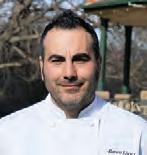
Get your spoons ready: stock making masterclass.
The cold weather is upon us and that means soon we will start to feel like eating more things with a spoon. Those who know me well will know that eating with a spoon is my favourite way of eating. In professional kitchens, there is a golden rule that says, ‘you can tell the quality of the establishment by looking at the stockmaking section in the morning. The more pots simmering delicious types of broth, the better the place is’.
A few weeks ago I was asked in an interview for a podcast about what I miss from home. They asked if there was anything during my last trip to Spain, to Madrid, that made me realise the culinary di erences between Australian and Spanish home-cooking habits?
This was my answer:


‘My Mum lives on the fourth floor of a building. Every day I went for an early walk around 8 am in order to be active. I didn’t take the elevator, instead, I walked down the stairs. On the third floor, I could smell a couple of pressure cookers already with vegetarian food. On the second floor, more pressure cookers with meat broths. On the first floor some type of fish broth and potatoes. I was obviously in heaven, it became a daily sensory game for me’.
I need to say that my Mum’s apartment building is not particularly ‘foodie’ as some of you may be thinking. But, home cooks over there take their stocks, braises and soups quite seriously and they prioritise them in their daily chores. In Spain, eating with a spoon is in our DNA; we all associate it with our mothers or grandmas. Plus, it’s economical, very healthy and really, really yummy!
So yep, that was the moment I realised a fundamental di erence between Australia and Spain. In Spain, making stock at home is an act of love. Cooking is how we look after our family and the food we cook is how we show them we love them; knowing the soup you serve to your kids is full of flavour and fresh ingredients, which takes care and time. Here in Australia, I’ve found that not as many people prioritise cooking at home for the family. So, for that reason (and now that the nights are getting a bit cooler) I reckon we should talk about one of the basics of cooking, either at home or in a professional kitchen: It’s time to talk about stocks!
I hope this will help those of you who
didn’t know you can make delicious stock at home. And, by doing so, your family budget will improve as well!
(FYI for those kids studying hospitality here in Orange, please take notes; This will be a massive part of your assignments!)
Ok, the first thing to remember is that you can make stock at home really easily, but using a large pot and knowing that for each litre of water, use 500g of bones, 100g of veggies (garlic, onion, leeks, carrots, celery, cabbage or kale leaves, etc..) and some fresh herbs known as a ‘bouquet garni’.
Knowing that, the next question to ask yourself is, do I want to make a WHITE or a BROWN STOCK? What is the di erence you think? The intensity of flavour is the answer. Remember the more colour in your stock, the more flavour.
So what is the di erence in making each? In order to make a white stock you want to blanch all the bones and skim the scum to clarify your liquid. Then add your vegetables and herbs and simmer for four to five hours.
For the brown stock, you want to add colour to your bones by roasting them and add colour to your veggies by frying them in the pot. You will see how once everything is together the liquid becomes really dark after simmering for four to five hours and the flavour will be stronger as well.
In terms of protein, you can use either chicken bones, beef bones, veal bones, etc…
If you are a pescatarian, it’s important to remember to use white fish bones and don’t overcook your fish stock. This stock will be ready in 20 minutes or so.
Finally, if you are vegetarian I recommend you to get colour on the skin of your vegetables, plus add a lot of mushrooms, cabbage, kale or spinach leaves, etc.
White Stock recipe

INGREDIENTS:
1 kg Beef, veal or chicken bones
60 g Onions
100 g Carrots
40 g Celery
1 Bouquet garni (bay leaves, thyme, parsley stalks..)
6 Peppercorns
2.5 L Water
METHOD:
1. Place the bones in the pot, and cover with cold water. Blanch and refresh.
2. Put the bones in a clean stock pot. Cover with water and bring to the boil.
3. Skim the surface. Add the washed and peeled veggies, the bouquet garni and peppercorns.
4. Re-boil and then simmer for 4 to 5 hours and skim as required (3 hours for chicken).
5. When stock is ready, strain it and use it straight away or cool it in the fridge.
6. Remember to skim o the fat before and boil and simmer for 15 minutes before using it.
7. You can freeze it as well.
Brown stock recipe
NOTE: same amounts, all veggies roughly cut. Add some crushed garlic and some fresh tomatoes for extra love.
METHOD:
1. Brown the bones either by roasting them in an oven, under a broiler or even frying in the same pot. Remove excess fat if necessary.
2. Fry the veggies with a bit of olive oil until they get colour. Once they get colour add the browned bones, the herbs and top up with water.
3. Simmer for 4 to 5 hours.
4. Skim and then strain into a new container or pot.
5. Serve immediately or cool quickly.
6. When completely cool, cover and store it in the fridge. Remember to boil and simmer for 15 minutes before using it.

7. If you are not going to use it within 48 hours, put it in the freezer.
I hope your house starts filling with the aromas of freshly made stocks; you’ll see how your kids love it!
Happy c king!
ORANGE CITY LIFE | APRIL 13 — 19, 2023 21
@eat_spanish @rubenlopezmesa
@atableof10
Got a cooking question you need answered? Any suggestions on what topic Ruben should tackle next? Get in touch with us at OCLife or with Ruben directly @rubenlopezmesa











































22 ORANGE CITY LIFE | APRIL 13 — 19, 2023 IGANS13090_120423 ON SALE FROM WEDNESDAY 12 TH APRIL UNTIL TUESDAY 18 TH APRIL 2023 Specials available from Wednesday 12/04/23 until Tuesday 18/04/23 or while stocks last. Retail quantities only. No trade supplied. We reserve the right to correct printing errors. Pictures used for illustration purposes only. IGA Liquor supports the responsible service of alcohol. Tobacco and alcohol not sold to under 18’s. 210 PEISLEY STREET, ORANGE NSW 2800 | 6362 7233 OPEN 7 DAYS: MON TO SAT 6AM-9PM | SUNDAY 7AM TO 8PM WWW.IGA.COM.AU 82 SUMMER ST, ORANGE NSW 2800 | 6362 0775 OPEN 7 DAYS: MON TO SAT 7AM-9PM SUNDAY 8AM TO 8PM WWW.IGA.COM.AU AUSTRALIAN IMPERIAL MANDARINS $5 kg Hot PRICE! New Season Arnott's Shapes 130-190g Selected Varieties Steggles Chicken Breast Tenders 400g Selected Varieties $12.50 per kg $175 ea $5 ea Golden Crumpet Rounds 6 Pack Selected Varieties 67¢ per 100g $2 ea Rexona Advanced Protection Spray 220mL Selected Varieties *excludes Travel Size & Low Prices Every Day $1.93 per 100mL $425 ea 50% Off Rexona* Coca-Cola 30x375mL Selected Varieties $2.79 per Litre Bega Cheese Slices 500g Selected Varieties $19 per kg Supercoat Smart Blend Dry Dog Food 6.7-7kg Selected Varieties $3140 ea SAVE $14.70 $2240 ea SAVE $9.60 $950 ea SAVE $2 Maximus Sports Drink 1 Litre Selected Varieties $1.85 per Litre Purina Felix Wet Cat Food 12x85g Selected Varieties 93¢ per 100g SAVE $1.70 $185 ea $950 ea SAVE $4 Libra Invisible Pads 10-12 Pack Selected Varieties $320 ea OMO Laundry Liquid 2 Litre, Powder 2kg or Capsule 28 Pack Selected Varieties $13 ea Darrell Lea or Life Savers Share Pack 120-280g Selected Varieties $245 ea 220mL
PROPERTY OF THE WEEK BROUGHT TO YOU BY...


6 PARNOO PLACE
Perfect Parnoo
MICHAEL WRIGHT 0421 360 948

Here is an opportunity to buy a home that is a little bit French Provincial, a little bit Hamptons and whole lot of WOW. 6 Parnoo Place is framed by beautiful, colourful gardens that are manicured and landscaped and nestled in a quiet cul-de-sac in one of Orange’s most sought after locations. Offering four bedrooms and a gorgeous renovation, this home is a real showstopper. Upon entry you are met with a stunning kitchen offering everything the home-chef could possibly desire; including beautiful shaker cabinetry, a huge island bench with wine fridge, heaps of drawers, modern appliances and walk-in pantry. Upstairs are three bedrooms and two of the loveliest bathrooms you have ever seen. You’ll love the herringbone rustic tiles, feature walls and black tapware. There is a second living area with access to a separate courtyard and there is a third toilet off the laundry. Outside, you can sit underneath the wisteria and take in the private garden oasis. The 6.6kw solar panel system is an added bonus.
Price: $965,000


ORANGE CITY LIFE | APRIL 13 — 19, 2023 23 ORANGE
for inspection: Saturday
422
PROPERTY MARKET Open
15 April 12.30 — 1.00
BEST PROPERTIES BEST AGENTS FOR THIS WEEK’S LATEST LISTINGS www.orangecitylife.com.au
39 SALE STREET, ORANGE | 6363 1000 | PFISHER.COM.AU

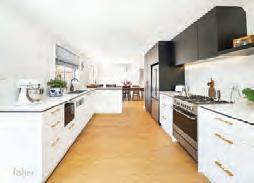
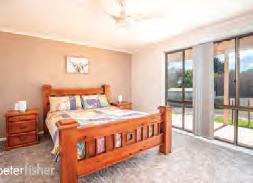
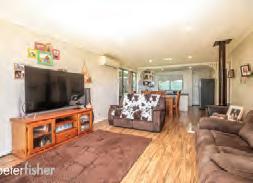
Cute and Compact
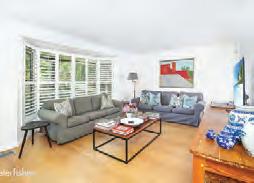
Tucked away down a quiet and private lane, this home is cute and compact in design but bright and airy with a sense of spaciousness that is surprising for its size. The combined living, dining and kitchen area is nicely zoned and the two bedrooms with built-ins are a great size.

View by appointment
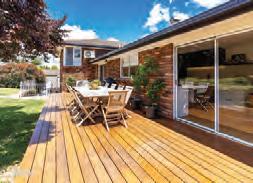
A Hidden Gem
This is an exceptional family home that perfectly balances modern luxury with practicality. There is plenty of space for family gatherings and entertaining guests and a wonderful indoor-outdoor flow between the house, the covered al fresco area and the north facing backyard beyond. Don’t miss your chance to secure this hidden gem.
Open Homes: Saturday 15 April 10.15-10.45

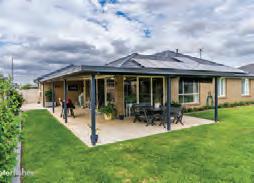


Grand Design, Grand Proportions
This impressive home is set on 2621m2 of beautifully private manicured grounds with outstanding district views. For those luxurious lifestyle lovers searching for a relaxing retreat, this beautifully maintained home, in the premier Wentworth Estate, might just be it. If you’ve been looking for a really special home the wait is over.
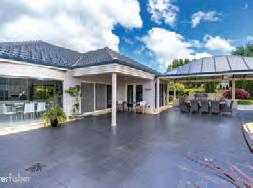
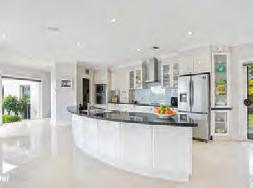
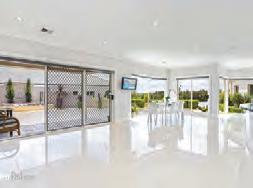

View by appointment
Feels Like Home
This beautiful home is a total dream package. Fully and tastefully renovated from top to bottom, inside and out you can move in with nothing to do but enjoy the luxury on offer. You will love the sense of space and high end finishes and features and it will truly feel like home. Contact: Jacob
Open Homes: Saturday 15 April 11.00-11.30




Price Guide: $1,150,000-$1,250,000

24 ORANGE CITY LIFE | APRIL 13 — 19, 2023
Contact: Jacob Evans 0428 130 789
$379,000 211 14 NORMAN
NEW LISTING
Price:
LANE, MOLONG
Chris Mason
629 417
$879,000 422 88 DIAMOND DRIVE
Contact:
0438
Price:
Evans 0428 130 789
532
WIRRUNA
16
AVENUE
Adam Savage 0419 232 416
435 10 CLAREMONT WAY
Contact:
Price: Contact Agent
39 SALE STREET, ORANGE | 6363 1000 | PFISHER.COM.AU

Great Value Home
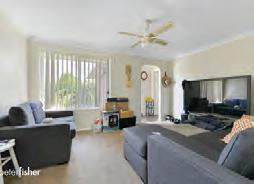
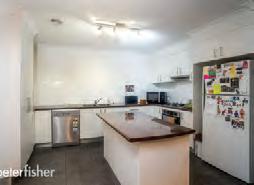
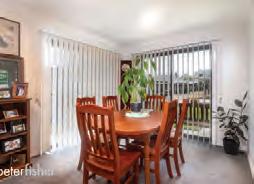
Close to Orange High School and located in a quiet cul-de-sac with leafy walkways and parks close by this home would make a great first home or a sound investment. With its neat kitchen and good sized loungeroom, it’s a great value home in a well-established area and won’t last long.

Open Homes: Saturday 15 April 11.45-12.15


Surprisingly Spacious
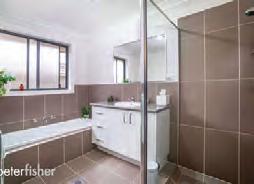
This surprisingly spacious unit is a rare find with a simple and practical layout plus three bedrooms and two bathrooms. With a living and dining area that can easily be zoned into usable spaces and wellappointed kitchen, this would make a lovely first home or retirement option or a good investment. Contact:

Open Homes: Saturday 15 April 9.30-10.00

It’s All Here
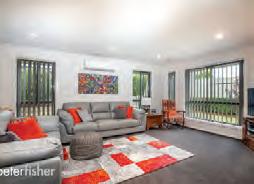
Tucked away on a battle axe block, es privacy, peace and quiet is ensured. The home has a sense of spaciousness through the open plan living area that’s flooded with natural light. This is the ideal home if you’re downsizing or want an easy care home to live in.


Open Homes: Thursday 13 March 4.30-5.00
As Good as New
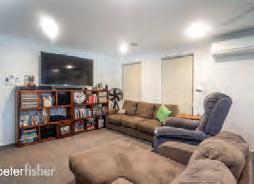
This gorgeous home has it all, it’s been meticulously maintained and presents like new. You feel welcome instantly as you enter with the high ceilings, lovely neutral colour palette, spacious rooms and quality inclusions throughout setting the tone. Move in and put your feet up, there won’t be any work to do! Contact:

Viewing by appointment
ORANGE CITY LIFE | APRIL 13 — 19, 2023 25
Evans 0428 130 789
Jacob
321
Price: $620,000
9/211 HILL STREET
Adam Savage 0419 232 416
Guide: $709,000-$729,000 322
Contact:
Pric
7A GARNET STREET
Adam Savage 0419 232 416
422
Price: $1,150,000
25 ROBINSON COURT
Michael Wright 0421
$559,000 311
Contact:
360 948 Price:
25 RAWLE AVENUE
39 SALE STREET, ORANGE | 6363 1000 | PFISHER.COM.AU

Do You Love to Entertain?
Located in a lovely and elevated position is this spacious family home, equipped with a robust floorplan perfect for the family. This is a home that you can grow into with two living areas, large kitchen, fabulous master suite and smashing entertaining area in the private backyard.
Open Homes: Saturday 15 April 10.15-10.45

Tricky to Spell but Easy to Live In
This modern home offers style and practical living with nothing to do inside but to move in and add your personal touch of colour and style to the stunning canvas provided. Don’t miss out on the opportunity to make this home yours and enjoy the best of North Orange living.
Open Homes: Saturday 15 April 9.30-10.00
Flexible Floorplan
Tucked away in a cul de sac in the popular Rosewood Estate, this home has a very flexible floorplan lending itself to many different living styles for the multi-generational family, for someone to work from home or to create a studio or workshop area.


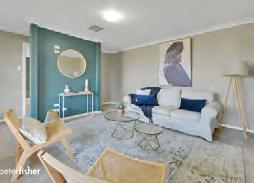
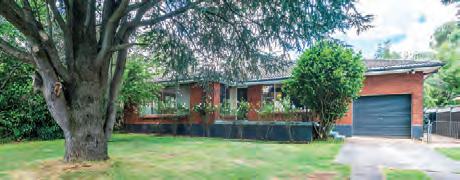
Plenty of Potential
This traditional brick bungalow with many original features, including timber floors, fireplace, high ceilings and decorative cornices, offers plenty of potential to make a sweet and cosy home for someone. With some planning and hard work, it would be possible to achieve an appealing blend of new and old.
Come and See it For Yourself
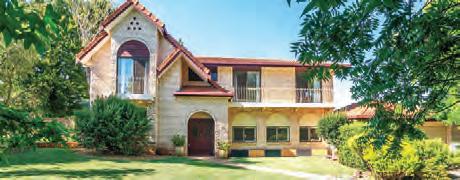
Located in one of Orange’s most popular areas, this huge house is all about the flexible space it offers. This home has character about it from its unique façade to the features included inside. This home is hard to put into words, you really must see it for yourself.
127 Phillip Street
Price: $779,000

Snap this Up!
This neatly packaged house is sure to delight the first time buyer, downsizer or investors alike. It is packed full of features for its size and being set in a great school zone in a sought after area you really can’t go wrong with a property like this.

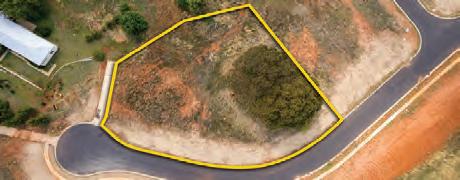

Premium West Orange Land
Are you looking for the perfect location to build your dream home? Look no further than this stunning vacant block located in beautiful West Orange. With an expansive area of 2,752 sqm, this elevated new development boasts breathtaking 360-degree views over Orange and the surrounding areas. Make your dreams a reality!
Open Homes: Saturday 15 April 11.00-11.30

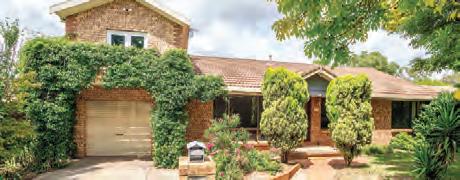
Happy Living Starts Here
Contact: Michael Wright 0421 360 948 431
Within easy walking distance of Bletchington School and backing onto Bletchington Oval, this well presented home is perfect for the growing family with large north facing lounge room, generous kitchen and dining area plus four bedrooms and three bathrooms. Huge backyard with garage with drive through access.
26 ORANGE CITY LIFE | APRIL 13 — 19, 2023
22 Spring Street Price: $699,000 Contact: Jacob Evans 0428 130 789 3 1.5 0 View by appointment
22 Kanzi Close Price: $779,000 Contact: Chris Mason 0438 629 417
4 Simpson Close Price Guide: $749,000-$769,000 Contact: Adam Savage 0419 232 416 42 3 Open Homes: Saturday 15 April 9.30-10.00
NEW PRICE
$849,000 424 4 TURQUOISE WAY
Contact: Chris Mason 0438 629 417 Price:
Contact: Michael Wright 0421
948 Price: $785,000 422 13 SOPHIE DRIVE
360
16 Panpande Crescent Price: $979,000 Contact: Jacob Evans 0428 130 789 4 2.5 2 View by appointment
105 Forbes Road Price: $635,000 Contact: Jacob Evans 0428 130 789 321 Open Homes: Saturday 15 April 10.15-10.45
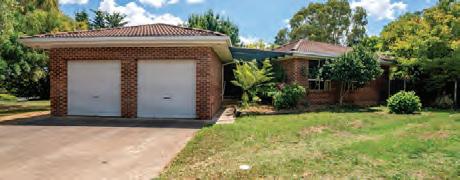
Renovated to perfection, this family home encompasses easy living and effortless functionality over two light filled levels and is simply stunning. The superb attention to detail runs right through the home. Once you see everything that’s on offer you will fall in love and never want to leave.

There is so much to love about this sweet cottage in the wonderful community of Molong. With its terrific floor plan, the lounge and living area face North which creates that lovely feeling of light and space that brings the entire cottage to life. This one won’t disappoint!
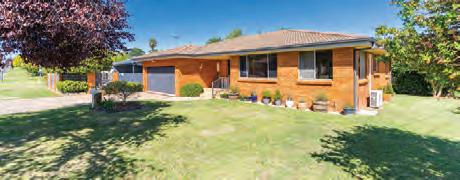






Nestled in one of Orange’s most desired cul-de-sacs, this lovely home has been recently updated and is surrounded by established gardens. The landscaping, courtyards, gardens and attractive home with flexible floorplan combined with wonderful lifestyle on offer make this a dream home come true.


Here’s the ideal family home with an abundance of space throughout including two living areas, large kitchen and some recent upgrades. There’s a lovely big pergola area to entertain and relax under whilst taking in views over the surrounding countryside. Bring the family and see it for yourself.
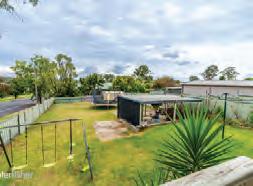
This home, with its tastefully updated kitchen and bathroom, is perfect for a first home buyer or investor. The big jobs inside have been done and the block is a very manageable 493 sqm in size. The backyard has a great shed with a covered patio area offering a shady spot to sit in summer.
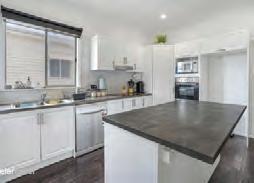

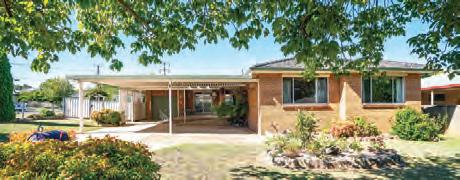
For families seeking comfort and a convenient location, this property will certainly tick those boxes. The lounge room is bright and airy, and the well-equipped kitchen at the heart of the home. This is a perfect opportunity to secure an attractive and practical home you can be proud of.

ORANGE CITY LIFE | APRIL 13 — 19, 2023 27 39 SALE STREET, ORANGE | 6363 1000 | PFISHER.COM.AU Could this be your Dream Home? This spacious family home is perfect for the buyer looking for a low maintenance lifestyle in an attractive area close to the gorgeous Botanic Gardens and North Orange Shopping Centre. This property has so much to offer and really could be your new dream home. 21 Roselawn Drive Price Guide: $829,000-$849,000 Contact: Chris Mason 0438 629 417 422 Open Homes: Saturday 15 April 11.00-11.30 A Lovely Start for your Family Conveniently located within easy walking distance to parks and nearby schools, this spacious four-bedroom, two bathroom, two living area home is perfect for the growing family, or a good addition to your investment portfolio. Well-maintained, the property is a credit to its owner. 6 Thomas Brosnan Way Price: $639,000 Contact: Michael Wright 0421 360 948 424 View by Appointment Nice Home, Great Shed
33 North Street Price: $399,000 Contact: Jacob Evans 0428 130 789 221 View by Appointment
Home Delight
Dream
30 Goldfinch Way Price: Contact Agent Contact: Chris Mason 0438 629 417 4 2.5 1.5 Open Homes: Saturday 15 April 12.00-12.30 View by appointment
Twinkle
Twinkle
Contact: Michael Wright 0421 360
Price: $435,000 311
by appointment
Stunning
948
55 RIDDELL STREET, MOLONG
View
Simply
Contact: Jacob Evans 0428 130 789 Price: CONTACT AGENT 4 2.5 2 5 NOONAMEENA DRIVE
Family Home
Large
6 Sophie Drive Price Guide: $799,00-$819,000 Contact: Adam Savage 0419 232 416 422 Open Homes: Thursday 13 April 5.15-5.45
Ticks the Boxes
23 Paling Street Price Guide: $649,000-$679,000 Contact: Chris Mason 0438 629 417 412 Open Homes: Saturday 15 April 1.00-1.30


28 ORANGE CITY LIFE | APRIL 13 — 19, 2023 39 SALE STREET, ORANGE | 6363 1000 | PFISHER.COM.AU PETER FISHER Property Management TEAM Our goal is to maximise your return through: 3 Expert knowledge 3 A proactive approach 3 Strong communication 3 Comprehensive marketing campaign 3 Problem solving 3 Continuous improvement 3 Streamlined processes using specialised technology 3 Dedication to maximising your asset We believe that experience, knowledge and communication are the most important elements of successfully managing an investment property. Our philosophy is simple: To look after your property as if it were our own For a list of available rental properties scan here: 6363 1000 Orange Property MARKET Meet your new family home! Neat as a pin and close to everything! 59 Coronation Drive $979,000 Tastefully renovated and set on a large leafy block close to town, this four-bedroom, feature-filled family home at 59 Coronation Drive, Orange is the complete package.
“You will be just as impressed with this lovely home as I was when I first saw it,” says Blowes Real Estate Residential Sales Manager, Chris Tyack.
“The owners have been there for over 20 years, they love the house but are retiring and want to downsize,” says Chris, adding that the love and care that has been put into this home is evident throughout.
Three of the four bedrooms have built-in robes and there is a good-sized ensuite attached to the master. The modern

main bathroom includes a bath and shower, and the spacious kitchen includes welcome finishing touches such as soft-close cabinetry and a breakfast bar.
The three living spaces are all warm, inviting and very comfortable. The entire home is heated by a floor-vented ducted gas system, but you can also cosy up to a wood heater in the sitting room and attached library. The main living area also includes a large split-system air conditioner for those warm summer days.
“The owners have done substantial work on the property,” says Chris, “The big one is they replaced the whole roof with what’s actually a black terracotta tile. They had them replaced approximately three years ago.”
Also recently installed are the stunning Luxaflex window shutters you’ll find on every window in the home.
“Another standout feature is its location to the city, how close it is to Orange High School, Cook Park, Duntryleague and Wentworth golf clubs and the town,” says Chris.

“It’s a very good size block, over 900 square metres and it’s the complete package – everything is done! So here is your chance to purchase this great property that the owners have put so much into!”
For more information, contact Chris Tyack on 0438 258 590
390 Phillip Street, Orange
One For The Investors And Developers
Offering to the market for the first time in over 72 years.
Superbly located just off the Northern distributor, this block is prime for development. Block size 1.81* ha.


• Situated in Orange city councils R2 zone, large lot residential
• 3-bedroom older weatherboard home
• Near new steel frame shed, 18m x 12m x 4m, 4.5m bays with sliding doors

• Town water to the boundary
Ideally located in Northeast Orange, lending itself to further subdivision in the rapidly growing regional city of Orange.
146 Canobolas Road, Orange
Small Acreage situated in very close proximity to the Orange CBD
Auction Friday 5th May, 10:30am
Venue 152 William St, Bathurst
Inspect Sat 15th April 9.45-10.15am
Ben Redfern 0457 770 062
Peter Bromley 0404 037 729 eldersem.com.au * Approx.
Terrific opportunity to secure some acreage on the doorstep of Orange, situated on 15* ha/ 37* acres, this property is prime for further development. Features include:

• Near level block with established pasture

• 2 Spring fed dams, offering water security
• 1 bedroom brick veneer house, suitable to live in while you build your dream home
• Mature and establish trees and windbreaks

• Sealed access, only minutes from the Orange CBD
Auction Friday 5th May, 10:30am
Venue 152 William St, Bathurst Inspect Sat 15th April 9.00-9.30am
Ben Redfern 0457 770 062
Peter Bromley 0404 037 729 eldersem.com.au * Approx.
ORANGE CITY LIFE | APRIL 13 — 19, 2023 29
Orange Property MARKET
...Another standout feature is its location to the city, how close it is to Orange High School, Cook Park, Duntryleague and Wentworth golf clubs...


30 ORANGE CITY LIFE | APRIL 13 — 19, 2023 NEW LISTING NEW LISTING NEW LISTING NEW LISTING NEW LISTING NEW LISTING Suite 7, Level 2, Centrepoint Arcade 230 Summer St, Orange PH. 6362 9560 PRICEGUIDE ContactAgent OPEN Saturday15thApril,12:00-12:30pm ASHBROWN0417663687 AUCTION 6thMayat2:00pm OPEN Saturday15thApril,12:45-1:15pm ASHBROWN0417663687 AUCTION 6thMayat2:00pm OPEN Saturday15thApril,3:00-3:30pm ASHBROWN0417663687 PRICEGUIDE $680,000-$720,000 OPEN Saturday15thApril,2:00-2:30pm ASHBROWN0417663687 PRICEGUIDE $725,000-$750,000 OPEN Saturday15thApril,10:00-10:30am ASHBROWN0417663687 AGENCY ONE ORANGE 59AMoulderStreet,Orange 106EdwardStreet,Orange 62AutumnStreet,Orange 46ByngStreet,Orange 933IcelyRoad,Orange 6 2 2 4 4 4 2 1 2 2 1 1 2 1 PRICEGUIDE $825,000-$875,000 OPEN Saturday15thApril,1:30-2:00pm CAMERONFOLEY0429775680 11NoonameenaDrive,Orange 3 22
MEWS’ 99 BATHURST ROAD, ORANGE
A BETTER LIFESTYLE AWAITS YOU HERE IN THIS NEW GATED COMPLEX

FOR SALE
217 DALTON STREET
FOUR BEDROOM HOME WITH GREAT POTENTIAL

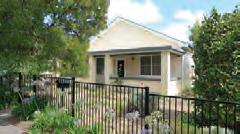
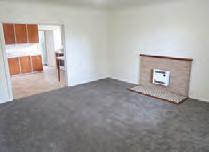
Just listed on the market so don’t miss out on the opportunity here.
This neat clad home set on a huge 1,492 m2 block and is waiting for new Owners to renovate and make it theirs or for developers to take advantage of the land size (subject to Council approval).



A large four car garage (6m x 12m) would be ideal for the hobbyist or for the car enthusiast alike. The location is close to Primary Schools and the Alpine Shopping Centre is an easy walk if you need to grab some milk, take away food or a haircut.
FOR SALE
16 FOX AVENUE, ORANGE RIGHT ACROSS FROM THE SCHOOL
A fantastic family location in a small, quiet and leafy street around a one minute walk to Bletchington School’s main gate.
With 3 bedrooms, this home is well presented both inside and outside with the living areas featuring a separate loungeroom with gas heating, a bright and an airy family room with wall to wall built in storage and reverse cycle air-conditioning.

Other features include a double garage and workshop, garden shed and a rainwater tank. $590,000
COMMERCIAL FOR LEASE



FIRST FLOOR OFFICE SPACE – VERY CENTRAL

A pleasant light and airy premises consisting of three separate offices plus a large open plan reception/ working area.



Separate kitchen/staff room with your own private bathroom amenities . Very handy location with views over Robinson Park.

RENT: $27,000 P.A. + GST

Refurbished with new carpets and freshly painted throughout, this home is located in a quiet small street within easy walking distance to the new Department of
RENT: $500 PER WEEK

Few homes are offered for lease exuding the quality presentation as this three bedroom fully renovated home does yet still retains the charm of yesteryear. The stunning kitchen has a butler’s pantry, dishwasher, timber benchtop and opens to a large dining area with plentiful natural light and a lovely outlook. Other features include a formal loungeroom, extra bench space and cupboards in the laundry, central reverse cycle air conditioning, ceiling fans throughout and an attractive bathroom. There are verandas, both front and back, to sit in quiet and enjoy. The large yard allows privacy and at the back is a 9m x 6m shed ideal for a workshop or storage. Positioned in popular East Orange and very handy to schools and an easy drive to the CBD.
RENT: $550 PER WEEK



CALL NOW, JOHN 0417 887 738 or CHRIS 0417 626 361


ORANGE CITY LIFE | APRIL 13 — 19, 2023 31
RESIDENTIAL FOR LEASE
QUALITY RENOVATED & CHARMING CLOSE TO KINROSS WOLAROI SCHOOL RESIDENTIAL FOR LEASE
DEAL
–
SALE
COST !
IF YOU WOULD LIKE YOUR PROPERTY
WITH THE LOCALS WITH LONG EXPERIENCE IN REAL ESTATE
NO
NO
Primary Industries complex and very handy to the CBD of Orange too. The living areas include a separate lounge room and an open plan kitchen/dining room both with electric heating, as well as a North facing sunroom with separate outside access. There are three good sized bedrooms and all have built-in wardrobes. CENTRAL THREE BEDROOM HOME WITH FOUR CAR GARAGE / WORKSHOP A new development consisting of two and three bedroom villa units and town houses. Designed for your security and peace of mind. A heated indoor communal swimming pool for your enjoyment. NOW SELLING ‘KINROSS
OPEN HOUSE SAT 15TH APRIL 12.00pm - 1.00pm OPEN HOUSE SAT 15TH APRIL 11.00am - 11.30am
OPEN HOUSE SAT 15TH APRIL 10.00am - 10.30am
LJ HOOKER; RURAL SALES & LEASING SPECIALISTS

WHERE CAN YOU GET 200 ACRES FOR $750,000 ? STUART TOWN !


NEW LISTING
NEW TO MARKET
170 Farnham Road Farnham FOR SALE $750,000


311 a b c a b c a b c
Charming cottage on 208* acres at Stuart Town
This two bedroom home is situated on 208* acres of undulating land suitable for mixed grazing. Watered by a creek and two good-sized dams, the property is well-fenced and secure. Situated in a quiet and private location, it offers the capacity to return income as a grazing block. Less than 10 minutes from Stuart Town. The property is a short drive to the recreational features of Lake Mookerawa. An approximate 4o-minute drive to Orange, this farmhouse is perfect for those looking for a peaceful and secluded living space while still being less than an hour’s drive from Orange. The property is also around 45 minutes from Lake Burrendong with its myriad water activities including skiing and fishing and is around 30 minutes to Wellington.
1 Church Street Cudal
311 a b c a b c a b c
NEW PRICE $385,000
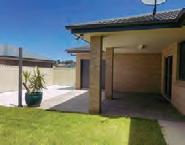
Great start for the first home buyer at Cudal
This four bedroom home has potential as first home buyers or it would make a great rental with solid returns. The modern kitchen is functional and light-filled and adjoins a great family area with views to the handy undercover area. The family bathroom has a separate toilet for convenience while the living area is spacious and light-filled.
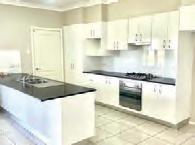
131 Nashdale FOR LEASE $1300
This beautiful 5 bedroom, 2.5 bath homestead comes fully furnished with the option of leasing the house only or the two bedroom cottage also fully and tastefully furnished. Set on approximately 51 acres of carefully manicured gardens and picturesque, landscaped garden plantings, this amazing property will delight you with its spectacular views and seclusion yet proximity to Orange. The homestead itself has been impeccably furnished and decorated, boasting 5 large bedrooms many with amazing views.
OWNER COMMITTED ELSEWHERE
OPEN HOUSE
VICTORIA MUNRO SCOTT MUNRO

FAMILY OWNED AND OPERATED
3 Agate Street Orange
521 a b c a b c a b c
FOR SALE $875,000
Five bright and beautiful bedrooms in North Orange
Within an easy drive of Bunnings, North Orange Shops, The Botanic Gardens, the Adventure Playground and Waratah sporting grounds. This lovely home has been designed with livability in mind. The pleasing neutral palette and nine foot ceilings emphasize the light and airy feel of this lovely home. Offering plenty of space , this generous home includes a formal lounge/dining room adjoining the lightfilled foyer. which could also be used as a media room.
SATURDAY 11.00 - 11.30am
OWNER SAYS SELL !
28 Seymour Street Orange
FOR SALE $670,000
Stylish and sophisticated on Seymour
This classic home has been faultlessly renovated so there’s nothing for you to do- just move in and enjoy the open living spaces, contemporary colour scheme and design and beautifully landscaped garden with its attractive al fresco area.You will be amazed by this home!
OPEN HOUSE
SATURDAY 10.00 - 10.30am
NEW TO MARKET
Euchareena, NSW

422 a b c a b c a b c
CONTACT AGENT
Spacious family home in Euchareena
This lovely home is situated on a generous 2023sqm block in the lovely village of Euchareena which is approximately 30 minutes to the main centre of Orange and around a 20 minute drive to Molong. The spacious home has four good-sized bedrooms all with built ins while you will adore the upstairs parents’ retreat with ensuite, walk in robe and balcony where you can relax and enjoy the peaceful surroundings. A lovely al fresco area gives you plenty of options for entertaining while the huge backyard has shady and established plantings.



LJ HOOKER ORANGE
THE HOME OF PERSONAL PROPERTY MANAGEMENT
THINKING OF CHANGING YOUR PROPERTY MANAGEMENT BUT IT ALL SEEMS TOO HARD?
LEAVE EVERYTHING TO US!
We guarantee:
• regular inspections
• any maintenance issues dealt with in a timely manner
• up to date communication about your valuable asset


LH Hooker Orange- the local agency with a BIG vision

Terms and conditions apply, for more information, please visit ljhooker.com.au/Qantas
311 a b c a b c a b c Ph
EARN 10,000 QANTAS POINTS* WHEN YOU LEASE YOUR RESIDENTIAL PROPERTY, AND APPOINT LJ HOOKER AS YOUR EXCLUSIVE PROPERTY MANAGER

32 ORANGE CITY LIFE | APRIL 13 — 19, 2023
0428 650 675
24 Sale Street, Orange
ljhooker.com.au Email scott.munro@ljhooker.com.au website ww.orange.ljhooker.com.au
Address
scottmunro.
Rare Opportunity to Lease Dress Circle
per week
5 2.5 2 a b c a b c a b c
15
BURTON STREET, BLAYNEY
308 ORCHARD RD, SPRING TERRACE
434LANDSIZE: 5.4 HECTARES $1,650,000


Beautiful built and set up for entertaining. Great all electric kitchen, induction cooktop. Views from every room – landscapes, trees, garden, no neighbours’ houses visible.

House has 4 beds, three bathrooms, three lounge areas, Brick veneer, corrugated roof, 6.5kW micro-inverter solar panels to cut electricity costs.
Reverse cycle air conditioning throughout, wood burning heater in one lounge, plus large gas fireplace in the main lounge. American style barn with two internal stables, concrete floor, power and water connected. Separate two stables in addition with day yards. Water troughs in each paddock.

Good dam, never dry in the drought. Two rainwater tanks total 170,000 litres. Plus 5.4ha ((13.4 acres) for space & privacy. Less than 10km to hospital, less than 15km to Orange and less than 5km to airport.
CONTACT: TOM SHEEHAN 0414 418 232, tom@williamsmachin.com.au
82
GUYONG RD, BLAYNEY
332633 $730,000 - $780,000 $3,000,000
Offering instant street appeal thanks to its rejuvenated yet timeless façade, the home opens to interiors that will immediately tug at the heart strings. Accented by original features whilst delivering spaces that have been reconfigured to meet the demands of today. At the heart of the home, an incredibly impressive gourmet kitchen is bound to delight even the fussiest of hosts.
CONTACT: KATIE CHRISTOPHERSON 0400 637 559, katie@williamsmachin.com.au
LANDSIZE: 23 HECTARES
A tree lined driveway leads to this impressive property, occupying 58 (approx.) picturesque acres of top-quality grazing country running onto the Belubular River. What you’ll quickly discover is that there are two separate residences on the property - the spacious main house and a two-bedroom cottage. In addition, you will find various sheds with ample storage, several varying sized paddocks, abundant water supply and excellent infrastructure in place, placing you well on your way to keeping livestock.
CONTACT: TOM SHEEHAN 0414 418 232, tom@williamsmachin.com.au

ORANGE CITY LIFE | APRIL 13 — 19, 2023 33
37 SALE STREET, ORANGE WWW.WILLIAMSMACHIN.COM.AU
PH 02 6362 6966
The Perfect Family Haven
56 Centennial Crescent, Orange
Large approx. 3000sqm block of land with plenty of space for outdoor activities and gardening


Spacious 4-bedroom house with multiple living areas & ample natural light
Modern kitchen with stainless steel appliances, gas cooktop, and ample storage space

Three modern bathrooms, including a main bathroom with a separate shower and bathtub, and an ensuite in the master bedroom
Built-in wardrobes in all bedrooms, providing ample storage space.

Ducted air conditioning throughout the house for year-round comfort
Ducted vacuum system throughout.
PROUDLY RAY WHITE

Kurt Adams
0428 747 050 0457 792 800
James Taylor
Ray White Townsend Real Estate
raywhitetre.com.au
34 ORANGE CITY LIFE | APRIL 13 — 19, 2023 Ray White Townsend Real Estate
Lords Place, Orange NSW raywhitetre.com 02 6362 4016 SALE
203
AUCTION
32 Queen Street, Blayney

Positioned on a large 1,076sqm block only 140m from Blayney High School and a 6 minute walk to the main street, this elegant home presents an exciting opportunity to reside in a fantastic location with subdivision potential *.

Impeccably crafted with light airy interiors interiors and attention to detail, this beautiful home has been built to a high standard, with beautiful cornicing, plantation shutters, and solar panels, this property is sure to please on inspection.
WHY WAIT?
AUCTION
28 Olympic Drive, Orange
This beautiful and spacious family home is located in a highly sought-after area, offering both comfort and convenience. With multiple bedrooms and bathrooms, this home is perfect for a large family looking for ample space to spread out and enjoy.
The interior boasts an open and airy floor plan, with plenty of natural light flooding the space. The large living room provides a cozy space for family movie nights, while the dining room is perfect for hosting dinner parties with friends and loved ones and the additional living space at the back of the house would make for a great toy room.
WHY WAIT?
Auction
5th May 23 From 10:30am
Quest Auction Rooms 132 Kite Street, Orange NSW
Emma Chapman 0423 658 101 emma.chapman@raywhite.com
Ray White Townsend Real Estate raywhitetre.com
Auction
19th May 23 From 10:30am
Quest Auction Rooms 132 Kite Street, Orange NSW


Nora McNamara 0431 230 320 nora.mcnamara@raywhite.com
Ray White Townsend Real Estate raywhitetre.com

ORANGE CITY LIFE | APRIL 13 — 19, 2023 35 Ray White Townsend Real Estate 203 Lords Place, Orange NSW raywhitetre.com 02 6362 4016
AUCTION
28 Riddell Street, Molong
This mid century house for sale is a true gem of its era, boasting classic architectural features and a timeless design that is sure to impress. With clean lines, ample natural light, this home embodies the mid century modern aesthetic. The kitchen is large and neat as a pin, featuring a beautiful custom made table built by the owner, this space is ready for an update to suit a modern family! A cozy dining room off the kitchen provides a comfortable space for relaxation and entertainment by the open fireplace. The large sunroom is bathed in light and a perfect space to relax with a good book and a cup of tea with a reverse split system to keep you comfortable all year round. Located in a desirable street, this mid century house is a rare find and an opportunity not to be missed in beautiful Molong!

WHY WAIT?
Rural
Auction 5th May 23 From 10:30am
Quest Auction Rooms 132 Kite Street, Orange NSW
Nora McNamara 0431 320 230 nora.mcnamara@raywhite.com
Ray White Townsend Real Estate raywhitetre.com
AUCTION
'Tralee' 487 Stapletons Road, Molong via Boomey
• Exceptional tidy small holding 15mins* NE of Molong with 600m* of absolute Bell River frontage, bore, 2 dams, 5 paddocks + Bell River self-watering lucerne flats

• Renovated, modern 4 bdm, 2 bath homestead with 3 expansive living areas, set in maintained lawns & gardens + additional storeroom / hut in the garden
• Large, undercover deck overlooking the salt-water pool & Bell River
• Perfect small farm within easy driving distance of Molong & Orange


WHY WAIT?
Auction 5th May 23 From 10:30am
Quest Auction Rooms 132 Kite Street, Orange NSW


Stephen Townsend 0427 631 957 stephen.townsend@raywhite.com
Ray White Townsend Real Estate raywhitetre.com


36 ORANGE CITY LIFE | APRIL 13 — 19, 2023 Ray White Townsend Real Estate 203 Lords Place, Orange NSW raywhitetre.com 02 6362 4016
AUCTION
109 Lone Pine Avenue, Orange
As you step inside, you'll be greeted by a warm and inviting atmosphere, new carpet, and a fresh coat of paint. The living room is perfect for relaxing or entertaining guests, with a reverse cycle air conditioner and plenty of space for seating.

The kitchen is complete with electric cooking and ample space with the dining area ideal for family meals, and easy access to the backyard.
Auction
19th May 23 From 10:30am at Quest Auction Rooms, Orange
Open Emma Chapman 0423 658 101
Saturday 15th April 11:00am
raywhitetre.com
AUCTION
16 Derowie Street, Manildra
Featuring 3 generously sized bedrooms in a Federation Home located in a family, friendly neighborhood
Short distance from local schools, shops, parks and cafes
Beautifully landscaped front yard, low maintenance backyard with a double carport, shed, garden shed and enclosed dog yards

Featuring an enclosed courtyard which is surrounded by established gardens that bloom season after season

Auction Open James Taylor 0457 792 800
5th May 23 From 10:30am at Quest Auction Rooms, Orange
Appointment raywhitetre.com
SALE
58 Graham Road, Blayney
Characterised by a grand aesthetic and captivation, this magnificent fourbedroom home is in a league of its own with sweeping views of the picturesque rural landscapes and established gardens. Set on just over five acres in one of Blayney's best lifestyle estates, this immaculate near new property radiates elegant charm that cannot be ignored. Featuring wide hallways and a beautifully styled garden Atrium on entry. This property exudes elegance and a wonderful sense of tranquility in a generously proportioned light filled interior.
Sale
Contact Agent
Open Emma Chapman 0423 658 101
Saturday 15th April 12:30pm
raywhitetre.com

AUCTION
8 Linden Avenue, Orange

Poised within an established street in prized position, this elegant home presents an exciting opportunity to reside in a fantastic location that does not come around often. In a superb setting right near Duntryleague Golf Club, this home is enviably situated amid lush trees with a picturesque frontage making a truly ever lasting impression. Impeccably crafted with bespoke interiors and attention to detail, this beautiful home has been renovated to a superior standard.
Auction Open Emma Chapman 0423 658 101
5th May 23 From 10:30am at Quest Auction Rooms, Orange
By Appointment raywhitetre.com
ORANGE CITY LIFE | APRIL 13 — 19, 2023 37 Ray White Townsend Real Estate 203 Lords Place, Orange NSW raywhitetre.com 02 6362 4016
By
Orange Property MARKET
Reduce your energy use and save this winter
Save Power Kits available to borrow from your local library
With already high power bills set to skyrocket even further this winter, there is no better time to look at how you can reduce your energy use around the home.
There are many things we can all do at home to reduce our energy bills and make our homes more comfortable this winter. Simply opening curtains during the day to let in the winter sun and closing them at night can cut down on heat losses and save you as much as $50 a year.
And did you know that 25 per cent of the winter heat loss from your home happens through cracks and gaps in and around windows, doors and walls, which can be dealt with by installing draft seal strips, or sealing gaps with caulk.
Or that turning o all unused appliances at the wall could cut 5 per cent o your power bill.
To help you identify just where you can
save money, Orange City Library and other Central West Libraries branches are o ering residents the opportunity to borrow a ‘Save Power Kit’, which includes tools and information to help you measure how you use power at home.
The Kits come with a Power-Mate power usage meter to test the power use of appliances on stand-by, thermometers to check for draughts and heating and cooling, a stopwatch and light meter.

The kits also include a resource pack with all the instructions you need to get started and an action plan to allow you to record results and plan improvements and savings.
The project is supported by the NSW Department of Planning, Industry and Environment’s Sustainable Councils and Communities Program (SCC). Orange City Council is one of 37 councils across NSW that are members of the program, which focuses on improving energy e ciencies
of councils and supporting community initiatives to cut energy bills.
Environmental Sustainability Community Committee Chair Cr David Mallard said many residents were looking for ways to reduce their energy use amid the rising cost of living.
“There are simple actions that households can take to save money, power and reduce their impacts on the environment,” Cr Mallard said.
The Save Power Kit can help identify the biggest users of electricity in your home and describes many easy, low-cost things we can do at home to use less power and save money on bills, without changing your lifestyle.
The Save Power Kits are in high demand and so it’s best to contact Orange City Library on 6393 8132 to reserve one when available.
A few simple tips to cut your energy usage at home:
✓ Have shorter showers
✓ Upgrade your home insulation and window coverings
✓ Switch o appliances at the wall
✓ Switch o lights when you leave a room
✓ Close curtains and doors at night
✓ ‘Zone’ your home by heating only the rooms you use the most
✓ Use door snakes to stop draught
✓ Rug up and use blankets
✓ Washing clothes in cold water
✓ Hang out your clothes instead of using a dryer
You can find more information and handy tips at: energysaver.nsw.gov.au/households

42.9sqhome,fullyinsulatedwithreversecycleairconditioningandsplitsystemscreatingyearroundtemperatecomfort.
Formallounge/diningroomthatcanbeclosedoffandopenplancasualdiningfamilyroomall boastinganortherlyoutlook.Separateofficewithinternetconnectionpluschildren'srumpus room Allbedroomsarespaciouswithbuilt-ins,whilethemainbedroomhasawalk-inrobeandensuite.
Well-designedthree-waybathroomfeaturingseparatebath,shower,separatevanity,and separatetoilet.Largelaundrywithgoodstorage,benchspaceandexternalaccess Thegarageisarealbonuswithplentyofspace,amezzaninelevelandaseparatetoiletandwash basinandhasundercoveraccesstothehouse.
HappyValleyisa54.9*hectare,135.6*acrepropertysetamongtherollinghillseastofthehistoricvillageofMillthorpeontheCentralTablelandsofNSWbeingofferedtothemarketforthefirsttimeafter60yearsoffamilyownershipinatightly held,highlydesirableandproductivedistrict.


Thepropertyoffersa4bedroom,2bathroombrickveneerhome(circa1991),excellentsheddingviaalockablemachineryshed(withbuiltincoolroomandmeathouse)andalargehayshed,productivebasaltsoils,andastockanddomesticbore.

Thehomefeaturesanopenplankitchenanddiningwithfloatingtimberfloorboards,aseparatelivingarea,builtinwardrobesinallbedrooms,masterbedroomwithadjacentensuite,three-waybathroomwithseparatebathandshower,anda doublelock-upgarage.
Farminfrastructureincludesthe25x10*metresteelframemachineryshedwithconcretefloor,singleshearingstand,andthreephasepower;30*tonnesilo;steeldualpurposesheepandcattleyards;fourbay20x10*metrehayshed;aspring feddam;andthestockanddomesticborewhichcanpump2500*gallonsofwaterperhourtoa10000*gallonheadertank.
HappyValleyhasmostrecentlybeenrunasasheepgrazingoperationbutalsohasahistoryofproducingbeefandpotatoesbeingapprox.33%arableandsuitabletofarming.Thebalanceisqualitygrazingcountrysubdividedintoatotalof14 mainpaddocks. Fencingismainlygoodtosoundandpredominantlyhingejoint;pasturesarehighlightedbyexcellentstandsofPhalaris,aswellasclovers,ryegrass,andothernativespecies;andtimbersaremainlyscatteredwhiteandyellowboxtrees.

*Approx

38 ORANGE CITY LIFE | APRIL 13 — 19, 2023 FORSALE Utilities 4BedI2BathI4Car AUCTION AUCTION 'HappyValley'863VittoriaRoad,Millthorpe TomCampbell 0459022477 Contact Friday21stApril10am
119 Peisley Street Orange NSW 2800 02 6362 4755 www.awn.net LIVESTOCK &PROPERTY Utilities 4 Bed I 2 Bath I 6 Car 27 Dog Trap Lane, Forest Reefs NSW 2798 Marie Fox 0412 166 132 Contact Perfect family haven Price Contact Agent FORSALE 660 Kerrs Creek Road, Kerrs Creek TomCampbell 0459022477 Contact $785,000 Price Land 178Acres A 178 acre lifestyle block set 35km from Orange in Central West NSW with the potential to build your dream home. Enjoy peaceful living and picturesque views as well as good improvements and reliable water. Improvements include a 3 bay 18x9 metre machinery shed with one enclosed bay housing a bathroom and kitchenette, and steel cattle yards with crush and loading ramp. Water comes via 6 dams, 2 semi-permanent creeks, and a rainwater tank Well fenced into 4 undulating paddocks with the potential to run some livestock as well as having some arable country suited to a small scale cropping program. Perfect to build and live, or as a weekender, given its proximity to both Orange and Lake Burrendong. Opportunity awaits….arrange your inspection today!! OPEN Saturday 15th April 11.00 - 11.30am
93 Sale Street, Orange
OWN YOUR OWN SLICE OF PADDINGTON IN ORANGE!
This central terrace cottage has been in the same family for around 55 years and is looking for new owners. The property dates to the 19th century and features 3 bedrooms, lounge, open plan kitchen/dining and a second comfortable living area at the rear. You will love the modern kitchen with soft close furniture, dishwasher, gas cooktop and under bench oven, and it looks great sitting on the beautiful timber floating floor.
With only around a 450m walk to the CBD, DPI and many other attractions, you could ditch the car. The rear yard is very private, on an approx. 404sqm block, plus an attached large single garage with auto door and entry into house. Call for an inspection, you will love its charm.


CONTACT Chris Tyack 0438 258 590
318 Lords Place, Orange
A REAL

LORDS PLACE LOVELY!
If you want central, and you want classy, then this could be the property you are looking for. This lovely property has been well maintained by the owner and presents beautifully. Currently run as an Airbnb, it is showing a good return and would also be a great property for you to call home. From the great facade to the polished floorboards and period features there is a lot to love about this home.
• Three bedrooms, good size living area, light and airy
• Great street appeal, established gardens front and rear

• Combined kitchen and dining, classy bathroom and ducted heating
• All furniture and appliances can be purchased with the property
CONTACT Chris Tyack 0438 258 590
$850,000 - $890,000
This beautifully presented property in lovely Millthorpe is a must to inspect. Located in a quiet street and only 280m from the centre of town, this property oozes style and character. The 920mm doors throughout make it disabled friendly, with access through the rear. There are plantation shutters throughout as well as ducted heating and cooling, plus both bathrooms boast underfloor heating. There is also a pull-down ladder to the loft in the ceiling for extra storage. The 5kw solar panels on roof, established gardens and studio at rear of garage just add that extra touch.
CONTACT Chris Tyack 0438 258 590
$1,195,000
SOUGHT AFTER EAST ORANGE!
This lovely property has the classic late Federation/Inter-war facade and features 3 bedrooms all with pressed metal ceilings along with the hallway and formal lounge room. It has just had a full re-paint internally with light modern colours and looks nice and fresh. You will love the eat in kitchen and the rear extension featuring the second living area, as well as the federation style bathroom with a great claw foot bath plus shower. Only 800m to the CBD and surrounded by similar lovely homes on an approx 613sqm block, don’t miss your opportunity on this one!
CONTACT Chris Tyack 0438 258 590

$749,000
ORANGE CITY LIFE | APRIL 13 — 19, 2023 39 Celebrating50yearsinrealestatein2022 CnrLordsPlandKiteSt,Orange 0263621233 BLOWESRE.COM.AU cnr lords place + kite street 02 6362 1233 Cornerblockwith2xroadaccesses Landareaapprox.1,406Ha,buildingareaapprox.1,620m² 2gantrycranes ZonedGeneralIndustrial OfferedwithVacantPossession Formoreinformationorforaninspection,contactGaryBlowes 0418635248|gary@blowesre.com.au Celebrating50yearsinrealestatein2022 CnrLordsPlandKiteSt,Orange 0263621233 2-4ASHSTREET,ORANGE Auctiononsite11am23/02/2022 BLOWESRE.COM.AU cnr lords place + kite street 02 6362 1233
$799,000
3 1 1
3 1 1
137 Edward Street, orange
3 1 1
MODERN EXECUTIVE STYLE HOME IN MILLTHORPE
29 Pilcher Street, Millthorpe
3 2 2
OPEN INSPECTIONS

with ORANGE PROPERTY MARKET

for more details on these great properties scan the qr code to go directly to our website


40 ORANGE CITY LIFE | APRIL 13 — 19, 2023
9:30-10:00pm 11 Grove St, Springhill 7 2 2 $850,000 - $900,000 10:30-11:00am 6 Eungella Place 5 2 3 $780,000-$820,000 11:15-11:45pm 59 Autumn Street 2 1 3 $600,000 - $620,000 12:00-12:30pm 13 McLachlan Street 3 1 1 $600,000-$620,000 12:45-1:15pm 2/97 Kenna Street 2 1 1 $320,000 1:30-2:00pm 11 Noonameena Drive 3 2 2 $825,000 - $875,000 10:00-10:30am 568 Borenore Road 3 2 2 $1,100,000 - $1,200,000 11:00-11:30am 11 Spencer Lane 5 2 3 $1,790,000 12:00-12:30pm 59a Moulder Street 6 4 3 Contact Agent 12:45-1:15pm 46 Byng Street 4 2 1 AUCTION 1:45-2:15pm 3 John Carroll Ln, Windera 4 2 2 Contact Agent 3:00-3:30pm 933 Icely Road 4 2 2 AUCTION 4:00-4:30pm 49 Crowson St, Millthorpe 4 2 6 $1,500,000 - $1,600,000 10:00-10:30am 27 Matthews Avenue 3 1 1 Contact Agent 10:45-11:15am 7 Glasson Drive 3 1 1 $590,000-$610,000 11:30-12:00pm 4 Moulder Street 7 4 4 Contact Agent 12:15-12:45pm 8 Anzac Place 3 1 2 $599,000 to $630,000 2:30-3:00pm 29 McLachlan Street 3 1 1 $530,000-$570,000 10:00-10:30am 62 Autumn Street 2 1 1 $725,000 - $750,000 11:00-11:30am 18 Diamond Drive 4 3 4 Contact Agent 12:00-12:30pm 16 Mountain Vista 5 3 2 $950,000 1:00-1:30pm 22 Nile Street 2 1 1 Contact Agent 2:00-2:30pm 106 Edward Street 2 2 1 $680,000 - $720,000 3:00-3:30pm 3 Garema Road 2 1 1 $325,000-$345,000 11:45-12:15pm 65 William Maker Drive 3 2 2 Contact Agent 12:45-1:15pm 34 Paling Street 4 1 3 AUCTION 1:45-2:15pm 50 Orange Rd, Blayney 3 1 3 Contact Agent 10.00-10.30am 161 Spring Street 3 1 2 $439,000 10.00-10.30am 36 Spring Street 3 2 3 Auction 10.15-10.45am 5 Myrtle Close 4 2 2 $820,000 - $849,000 10.45-11.15am 43 Endsleigh Avenue 3 1 4 $ 598,000 10.45-11.15am 16 Thoopara Place 4 2 2 $ 929,000 11.00-11.30 am 129 Gardiner Road 3 2 1 $ 639,000 11.30-12.00pm 185 Clinton Street 3 1 1 $ 609,000 11.30-12.00pm 44B William Maker Drive 3 1 1 $ 599,000 11.45-12.15pm 10/16 Warrendine Street 3 1 1 $ 675,000 12.15-12.45pm 2/184 Hill Street 3 1 1 $ 519,000 12.30-1.00pm 11 Cianfrano Place 4 1 2 $ 735,000 1.30-2.00pm 9 Chapel Hill Ln, Lucknow 4 1 2 $675,000 - $695,000 9.30-10.00 4 Simpson Close 4 2 3 $749,000-$769,000 9.30-10.00 4 Turquoise Way 4 2 4 $849,000 9.30-10.00 9/211 Hill Street 3 2 1 $620,000 10.15-10.45 13 Sophie Drive 4 2 2 $785,000 10.15-10.45 88 Diamond Drive 4 2 2 $879,000 10.15-10.45 105 Forbes Road 3 2 1 $635,000 11.00-11.30 21 Roselawn Drive 4 2 2 $829,000-$849,000 11.00-11.30 172 Phillip Street 4 3 1 $779,000 11.00-11.30 16 Wirruna Avenue 5 3 2 $1,150,000-$1,250,000 11.45-12.15 25 Rawle Avenue 3 1 1 $559,000 12.00-12.30 30 Goldfinch Way 4 2 2 Contact Agent 12.30-1.00 6 Parnoo Place 4 2 2 $965,000 1.00-1.30 23 Paling Street 4 1 2 $649,000-$679,000 10.00 - 10.30am 16 Fox Avenue 3 1 1 $590,000 12.00 - 1.00pm 99 Bathurst Road Contact Agent 11.00 - 11.30am 217 Dalton Street 4 2 4 Contact Agent 12.30 - 1.00pm 17 Alkira Way Orange 3 1 2 $749,000 9.30 - 10.00am 8 El Paso Place Orange 3 2 2 $649,000 - $679,000 11.30 -12.00pm 137 Edward Street 3 1 1 $749,000 10.30 - 11.00am 59 Coronation Drive 4 2 2 $979,000 11.00 - 11.30am 3 Agate Street Orange 5 2 2 $875,000 10.00 - 10.30am 28 Seymour Street 3 1 1 $670,000 12.30 - 1.00pm 58 Grahanm Rd Blayney 4 2 2 Contact Agent 10.30 - 11.00am 56 Centennial Crescent 4 3 2 AUCTION 11.45 - 12.15pm 87 Glasson Drive 4 2 2 Contact agent 1.00 - 1.30pm 28 Riddell Street Molong AUCTION 10:00 - 10.30am 8 Linden Avenue 4 2 2 Contact Agent 1.30 - 2.00pm 32 Queen Street 3 2 2 AUCTION 11.00 - 11.30am 28 Olympic Drive 4 2 2 AUCTION 11.00 - 11.30am 109 Lone Pine Avenue Contact Agent Ray White Townsend Real Estate 203 Lords Place, Orange NSW raywhitetre.com 02 6362 4016 White Townsend Real Estate Orange NSW raywhitetre.com 02 6362 4016
TryKinder Day at Kinross
Is Kinross Wolaroi School the right school for you? We understand that parents increasingly feel out of their depth when deciding what educational excellence looks like or how to choose the right school. We start by helping parents to first evaluate what type of educational experience they want for their child.

On Thursday, May 4, we are offering parents and their preschoolers a special Kinder experience at our TRY KINDER day: meet our lovely teachers, have fun with Beebot coding, visit the library for a story, experience a literacy class and participate in a movement workshop. While the kids have a fun recess with a Kinder buddy, we’ll provide a delicious morning tea for parents and share information about preparing your child for a smooth transition to school.
With specialist teachers, a dedicated learning enhancement team and small class sizes, every student at our Junior School is known and supported. We believe a solid foundation in early numbers and early literacy is the key to strong academic progress; we enrich the learning of our students with broad extracurricular opportunities and extend their learning at our outdoor campus, Windermere – where learning comes alive.
If your child is almost ready for school, join us for our free Try Kinder Day on Thursday, May 4, 9am – 11am. Limited spaces are available. Book your spot here:
The Samaritans Purse Operation Christmas Child working bee
is on Saturday, April 15 at Kenna Hall from 10am to 3pm. We will be making items for the shoeboxes. Please bring your own lunch. Morning tea will be provided.
For more information call Robyn on 0427 653 431
School Holiday Craft Activities
On Sunday, April 16 3.30 - 6.30pm the Orange Church of Christ will be holding a school holiday craft activity family service special!
Two-plus hours of fun activities for all the family in a Christian faith atmosphere. The day will include craft, games and activities to suit all ages with parental involvement. Food and drink provided. Event is free but please book and inform us of any allergies or other concerns. There is a short time of Christian celebration as part of this event. No unaccompanied children will be allowed.
Rotary Daybreak draws Harley Davidson raffle winner


Rotary Orange Daybreak drew the winner of their 11th annual Harley Davidson motorcycle raffle at Victory Lane Motorcycles in Orange on Saturday, April 1. Valued at $38,000 the sought-after prize attracted huge interest with the $100 tickets selling out fast.

But there can only be one winner, which this year was Mark Morris from Cowra.
All proceeds from the raffle will be donated to Central West Cancer Clinical Trials which is run in Orange by Rob Zielinski. The annual raffles have raised more than $200,000 for the cause over the past years.
ORANGE PROSTATE CANCER SUPPORT GROUP
Members of our group recently travelled to Dubbo to attend a Regional Prostate Cancer Conference. Members who had received treatment 20 years ago were amazed at the pre-treatment now, available in the form of PET scans, imaging and biopsies before radiation treatment that members were shown by specialist speakers. Members also enjoyed talking to members from all over NSW, Victoria and Queensland.
A most enlightening and enjoyable weekend.
Then the next day we learnt that Orange was to have the services of a PET scan soon. We will now have all the facilities in Orange for men diagnosed with prostate cancer by a simple PSA blood test to have all the services like major cities.
We had a speaker for our next meeting, but that has been cancelled due to the holidays. We are endeavouring to engage another speaker, however, we have several items to discuss, so come along and enjoy the evening and help others.
The next meeting is on Tuesday, April 18 at 6pm in the meeting room at Café
Connect 107 Prince Street Orange. For further information contact Ray on 63625257.
ORANGE CITY LIFE | APRIL 13 — 19, 2023 41 YOUR SPACE reception@oclife.com.au Have something of interest to share?
Peter Perriman, Darren Jeffrey (Managing Director at Victory Lane Motorcycles) and Colin Nayda
Steve Millard and Graham McClean
Graham McLean, Steve Millard (Manager Clinical Trials), Stephen Kay, Peter Perriman, Ruth Thompson, Colin Nayda and Stuart Smith




42 ORANGE CITY LIFE | APRIL 13 — 19, 2023 Where are OLDIES ? all the Seniors Happy Life They’re probably all at home reading It’s 100% ENJOYMENT and it’s BRILLIANT Why wouldn’t they be? Here’s where to pick up your copy: Orange City Centre Newsagency Greengate Newsagency Ashcrofts IGA stores North Orange News and Gifts Orange Central Newsagency (near Coles) Newsagents and Subscriptions, see our SPECIAL OFFERS at: www.seniorshappylife.com.au $4 ONLY
HISTORY TALKING with HELEN McANULTY
Chance Conversations
Some of the fascinating things about collecting Oral History are the unexpected links that occasionally occur.

This happened to me some years ago when I was living in the small country town of Gulgong in the Central West. When the town celebrated the centenary of the hospital, I was asked to investigate and write about its history.
First I spoke to the amazing woman who had been the matron of the hospital in those early years. She told me about the procedures performed in the operating theatres by general practitioners because there was no access to specialist surgeons.
“I remember in the early 1940s the doctor amputated a man’s leg”, she told me.
“I was the theatre nurse and he passed it to me. I was really surprised at how heavy it was!”
There were, of course, no antibiotics in those days and careful nursing was paramount to the patient’s recovery.
I could only hope that he survived
TIME WARP with
his ordeal.
A little while later I was talking to a man who lived in the town but had worked for some years in the mines nearby.
He had one leg!
He told me how his leg had been badly smashed in a mine collapse in the 1940s and had to be amputated in the local hospital.
I replied that I already knew about the operation and the story of his leg and how much everyone involved had cared for him.
He was delighted.
My research into the history of the hospital revealed another story. A young married couple who had met at Sydney University where they were both studying medicine, decided that they would like to live and work in the country.
It was rare for women to go to University in those days and even less likely for them to study medicine, but they were an unusual pair and had a great desire to practise in a country town.
Dr Les. Tunley had enlisted to fight in the First World War by putting his age
ORANGE AND DISTRICT HISTORICAL SOCIETY
up and had served in the horrifying battles on the Somme and VillersBretonneux.
His young wife, Dr Marjorie Tunley was one of only 12 women amongst 143 men in her year to study medicine, her family giving her permission as long as she didn’t fail in any exam. Which, of course, she didn’t!
They arrived in Gulgong not long after the end of the First World War and stayed for 36 years. The townspeople remembered Dr Les and Dr Marjorie with great affection and I decided to try to find out what had happened to them after they left town.
After quite a bit of detective work, I managed to track down Dr Marjorie who was in a nursing home in Sydney and the days of living in Gulgong remained vividly in her mind. She very kindly shared her memories and told me that, when she was working in a Sydney hospital just after graduation, unlike the men in her year, she was expected to work for nothing. This attitude also applied to the patients she was able to see.
“I was able to treat only women and children and my husband looked after
the men and those who lived out of town.”
Then the Second World War broke out and Dr Les, who had seen action in WW1, joined up and everything changed.
“I was the only doctor in town and had to look after everyone,” said Dr Marjorie.

“I didn’t drive but, after farewelling my husband at the railway station when he was called up, a friend tossed me his car keys and said ‘Here are the keys, now drive the car!’ Which I did!
“I remember going out at night into the bush in a horse and sulky, because of petrol rationing, and saying to myself: “Who’s winning this war?”
When I left that country town and came to Orange, I still remembered the story of Dr Les and Dr Marjorie.
Imagine my surprise when I met Jenny Hazelton in Orange who, upon hearing where I had come from, said: “My grandparents were doctors in Gulgong.”
And, unbelievably, her grandparents were Dr Les and Dr Marjorie!
Copyright HelenMcAnulty 2023
Boxing clever
Back in the 1950s when orcharding was the mainstay for many Orange district residents, apple, pear and stone fruit crops brought in a substantial revenue to the city. Wangarrie sawmill in Sharpes Road was flatout in 1958 manufacturing fruit cases for the huge apple and pear crops that year. About 1000 cases a day were produced at the Orange mill and another 400 a day at the company’s Hampton mill near Jenolan. The photo shows case-maker Les Bowhay of McLachlan Street.
Photo courtesy CWD Negative Collection, Orange & District Historical Society. The society holds a working day each Wednesday from 10.30am to 4pm, with a lunch break from 12.30-1.30pm, at 148 March Street. Volunteers are available to answer inquiries at that time.
ORANGE CITY LIFE | APRIL 13 — 19, 2023 43
PUZZLES…. PUZZLES…. PUZZLES….
Quick Crossword Quiz
ACROSS
1 Those who derive pleasure from inflicting pain (7)
5 Former kingdom in northern Germany (7)
9 Worsen (9)
10 Refrain from enforcing (5)
11 Of the eye (6)
12 Prehistoric stone monument (8)
DOWN
No.
1 Time of the year (6)
2 Carved wooden watercraft (6)
3 Ocean (8)
4 Cicatrix (4)
5 District governed by a prefect (10)
6 Open (6)
7 Curved sword (8)
8 Semi-precious stone (8)
1 Was US athlete Mickey Mantle a famous:
a) basketball player
b) baseball player or
c) football player?
2 What was the debut album of UK band Arctic Monkeys?
3 Joan of Arc lived in which century?
4 Which Chinese city is further north: Beijing or Shanghai?
5 In what year did the West Coast Eagles play their first AFL match?
6 Jada Pinkett Smith (pictured) provides the voice of which character in the Madagascar film franchise?

7 The name of which Adelaide suburb is a palindrome?
8 Scampi is a dish prepared from the tails of what?
9 What is the world’s driest continent after Antarctica?
10 What is the most abundant metallic element found on Earth?
14 A poetic unit of three lines (6)
15 Admirers (4)
19 Game console (4)
20 Republic established in 1948 (6)
24 Indian term for a woman in a position of authority (8)
25 Internal organ (6)
27 Fosters (5)
28 Incapable of being seen (9)
29 Heckles (7)
30 Determination (7)
Wordfind
CORIOLANUS CRESSIDA
GLOBE
13 Exercises (10)
16 Contradictory or incongruous phrase (8)
17 One who shares accomodation (8)
18 Fierce storms (8)
21 Bondman (6)
22 Small rodent (6)
23 Sternutation (6)
Sudoku No. 079
079 5x5 F A S N U A O E U E T E S
Crossmath
No. 079
+ + = 20 –× + × × = 36 + × + + × = 12 = = = 6 270 11
Edgeword
No. 079
Place each of the tiles of letters into the blank jigsaw below to create four six-letter words going across and down.

Drop Down
Fill
in the blank cells using the numbers from 1 to 9. Each number can only appear once in each row, column and 3x3 block
17 84 91 84 7
641 8 82 1 357
71 2 76 95 78
No. 079
Starting with the seven-letter word, drop a letter and form a six-letter word. Continue in this manner until you reach the single letter at the bottom. You can rearrange the letters in each step, if necessary.
9-Letter
DI SA
TE UN YL LU
AS UM
There may be more than one possible answer.
There may be more than one possible answer.
Today’s Focus:
15 words: Good
22 words: Very good
30 words: Excellent
L VE O T
D E
Reference: Macquarie Dictionary
Sat 0502
44 ORANGE CITY LIFE | APRIL 13 — 19, 2023
26 Allege as a fact (4) 079
Using the nine letters in the grid, how many words of four letters or more can you list? The centre letter must be included and each letter may only be used once. No colloquial or foreign words. No capitalised nouns, apostrophes or plural words ending in “s”. Y D
No. 079
Insert each number from 1 to 9 in the shaded squares to solve all the horizontal and vertical equations. Multiplication and division are performed before addition and subtraction.
HAMLET LEAR MACBETH MIDSUMMER OTHELLO RICHARD ROMEO SHREW TEMPEST TITUS TRAGEDY TROILUS VENICE VERONA
ANDRONICUS
The leftover letters will spell out a secret message.
Theme: Shakespeare No.
Solutions QUICK CROSSWORD SUDOKU 239764158 961852374 123578469 754381926 372146895 497623581 618295743 845937612 586419237 9-LETTER deed, delve, delved, devote, devoted, DEVOTEDLY, dole, doled, dote, doted, dove, dyed, eddy, eyed, leet, levy, lode, love, loved, teddy, teed, toddle, toed, toyed, veldt, veto, vetoed, vole, vote, voted QUIZ 1. b) baseball player 2. Whatever People Say I Am, That’s What I’m Not 3. 15th 4. Beijing 5. 1987 6. Gloria 7. Glenelg 8. Langoustine (lobster) 9. Australia 10. Aluminium WORDFIND 5x5 Secret message: The Bard of Avon PUzzLESANDPAGINATION © PAGEMASTERS P TY LTD | pagemasters.com F E A R S E N D U E A N O D E S U R E R T I E R S DROPDOWN HURDLED HURLED LURED RUDE RUE RE E EDGEWORD SAUNAS, SALUTE, ASYLUM, TEDIUM CROSSMATH 8 + + 5 7 20 –× + 4 × × 9 1 36 + × + 2 + × 6 3 12 = 6 270 11 H E U R D L E D 140423 Dubbo & Orange
Insert the missing letters to make 10 words – five reading across the grid and five reading down.
Congratulations to last week’s winners
Find Pinny - Gaynor Gibson


Loony Lotto - Laslo Rochas
Mini Golf - Bailey B and Cassie Gray
Argonuts: Owen Murray
Call into the OCLife o ce to collect your prize
Volunteer of the Month
We have a $100 gift voucher to give away each month from Ashcroft’s Supa IGA and their charity Let’s Make Better.
To enter, simply nominate a person you deem worthy of the award, along with details of their good deed, and they will be in the running to be rewarded with a $100 gift voucher from IGA. Send their contact details to the address below, or email us on reception@oclife.com.au
“subject line - Volunteer of the Month”.
Find Pinny
We have a voucher for Orange Tenpin Bowl valued at $60 to give away each week, so the family can go bowling!

Each week we’ll hide a small version of “Pinny” (pictured) somewhere in OCLife. It could be anywhere. To enter, simply find him, write your name and phone number on the back of an envelope, along with the page number you found him on, and send in...
Looney Lotto
Win a voucher to the value of $20, to use at Coco’s Cafe or Paul’s @ Coco’s


TO WIN: If you have a personal or business phone number with these 4 numbers appearing in any order within it, put in an entry and we’ll draw a winner from among all correct entries each week.
“Many a mickle makes a muckle”, “a penny saved is a penny earned”, “take care of the pence and the pounds will take care of themselves” and “a stitch in time saves nine.”
These sayings were often used in our household as I was growing up in the 30s. This Scottish frugality meant never being short of a quid. Of course, on the other hand, there was McTavish who dropped a 50-pence coin and it hit him on the back of his head. I had always known of my Scottish and Irish ancestry, but recently it was confirmed with a DNA profile: Scottish and Irish with a touch of German way back.

These thousands of years of Scottish and Irish culture gives me carte blanche to tell Irish and Scottish stories without fear or favour. It also makes me proud of our wonderful wordsmiths past and present. It allows me to tell you of Murphy who was so strong he could hold himself out at arm’s length. Or of the young Irish girl who confided in her Grandmother, “Grandma, I think I’m pregnant.” To which Grandma replied, “I wouldn’t worry too much my darlin’, it may not be yours.” And Padric O’Shaunessy, in gaol for supplying guns to the IRA, who wrote to his wife, “Whatever you do Maeve, don’t go near the back paddock.” On her next visit she told him, “Paddy the Police came with bulldozers and dug up


the whole back paddock. What shall I do?” To which Padrich replied, “Plants potatoes.”
I have always had a liking for witty one-liners. Like the lady politician who was given a hard time by a member of the opposition and she told him, “I would love to engage in a battle of wits with you but I see you are unarmed.” Or the American classic, “Candy’s dandy but Liquor’s quicker.” Recently a bombastic fellow was telling a group of ladies that “God created Adam first because he did not wish to be told how to do it.” To which one lovely, quiet old lady replied, “That’s incorrect, when God created Adam first she was only practising.”
Of course, we all know the German sense of humour is no laughing matter and Wagner’s music is better than it sounds. There is nothing more enjoyable than a good German Oktoberfest, qua ng beer and singing ‘In München steht ein Ho räuhaus’at the top of one’s voice to a good Bavarian band!
I doubt I shall ever see that green and pleasant land of my forebears but maybe, just maybe, I’ll come back as a leprechaun and wander hills, dales and byways and make a little mischief.
ORANGE CITY LIFE | APRIL 13 — 19, 2023 45
Ned. Deliver or post entries to: Orange City Life Suite 3/241 Lords Place, Orange or Email: reception@oclife.com.au and mark each entry with the competition name, your name and phone number. Entries close 12 noon Tuesday. PLEASE NOTE: YOU NEED X 7, 1 X 9, 1 X 5, AND X 6 TO WIN THIS WEEK 7956 WED TO SAT 4PM-8PM 0401 072 027 Check our Facebook for the Menu 37 William Street ORANGE | Ph 6362 8611 Pauls @ CoCos DINE IN OR TAKEWAY Pizzas ~ Wings ~ Pasta ~ Chips ~ DimSim CoCo’s CAFE TRADING HOURS Monday to Friday 6.30 4.00pm Saturday 7am 1pm Closed Public Holidays www.cocosorange.com.au 37 William Street ORANGE Ph 6362 8611 Delicious! Best known for their delicious fresh food burgers, coffee and yummy desserts. With both daily & weekly specials they have something to tickle your taste buds. CoCo’s offers a wide range of gluten free, home cooked meals, all day breakfast and catering available, eat in or take way. Portuguese chicken Salad wraps Poached Eggs with Avo smash and yogurt Berry muesli Black Bean Vegetable Burger with a Sweet Potato Crisp Pumpkin Fetta Tart Sweet potato fish cake with seeded pumpkin fetta salad GET OUR APP MEAL DEAL $50 2 Pizzas, Barramundi Bits & 1.25 litre Soft Drink
Regards
OCL ifeCOMPETITIONS reception@oclife.com.au Try your luck today and be a WINNER
MEMORIES
SCOTTISH AND IRISH
with Ned
Fond

Thomsons Garden Centre
WOULD SUIT
17 to 19 year olds in gap year required for casual positions in a garden related retail outlet. Applicants will need to be reliable and have good communication skills. Business operates seven days and hours are rostered and flexible. The work will include maintaining shop displays, sales and unpacking stock. Some heavy lifting is involved so the applicant needs to be fit and strong and have the ability to follow correct lifting procedures.
Resumes to be emailed to: sales@greenwest.net.au

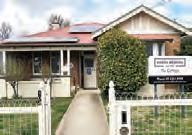
Position Vacant: Experienced Copyeditor with Journalism Background, part-time





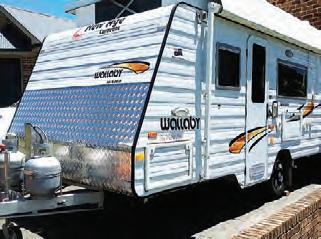
Are you a detail-oriented, deadline-driven professional with a passion for journalism? Orange City Life is currently seeking a qualified copyeditor to join our team and help uphold the quality of our content.

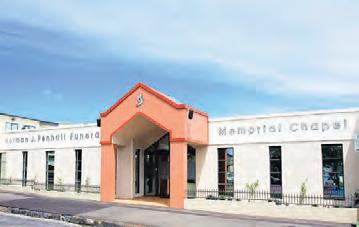
As a reputable newspaper in the industry, we pride ourselves on delivering accurate, engaging and thought-provoking news to our readers. Your experience as a journalist will be invaluable in maintaining the high standards our readers expect. This position is planned to be permanent part-time, working two days a week, Monday and Tuesday.
Key Responsibilities:


• Review and edit articles for grammar, spelling, punctuation, and style consistency, using our online Content Management System


• Collaborate with our team of journalists to develop, refine, and fact-check stories
• Ensure adherence to style guidelines and uphold our editorial standards
• Meet tight deadlines without compromising on quality
• Communicate effectively with colleagues to address queries

and provide feedback
Preferred qualifications and experience:



• A qualification in Journalism, Communications, or a related field is highly desirable


• At least three years of experience as a journalist, preferably in the newspaper industry




• Exceptional editing, proofreading and writing skills

• Familiarity with style guidelines, journalistic ethics and legal requirements for news reporting
• Strong organisational and time management skills



• Ability to work collaboratively in a fast-paced environment


If you have the skills and experience we’re looking for, send your resume, cover letter and a portfolio of your published work to: The Manager, opportunity@oclife.com.au with the subject line “Copyeditor Application”.
Applications close on April 30.
48 ORANGE CITY LIFE | APRIL 13 — 19, 2023 CLASSIFIEDS 6361 3575
credit card
o ce
Suite 3, 241 Lords Place,
PUBLIC NOTICES
To book your ads simply phone and use your
or call into our
at
ORANGE
sale
sale PROUDLY SPONSORED BY Remember Your Loved Ones Here In Thanks to Norman J. Penhall Funerals Norman J. Penhall Funerals Norman Penhall ORANGE & DISTRICT 6361 7777 or 6362 3751 Office & Chapel, 31-35 William Street, Orange
positions vacant positions vacant for
for
your loved ones here in FOND MEMORIES
to Norman J. Penhall Funerals
Fond Memories Remember
thanks
Memories is a thoughtful and cost effective service from Orange City Life. Your message will be seen by up to 35,000 readers including on our website. Notices for our next issue close 12 noon on Monday. Cost starts at a low $25 For more information or to book, call 6361 3575. NEW AGE CARAVAN 18FT 2016 BUILD Queen Bed, Shower, Toilet Phone 0427 894 581
GAP YEAR STUDENTS
POND FILTER ClariTec 5000 Brand new, and pump CALL KIM PH: 0409 620 791
ANSON MEDICAL 298 Anson Street 6361 8448 www.ansonmedical.com.au • New patients welcome • Recently expanded rooms with more GPs • All GPs are FRACGP qualified Bulk-billing available for: • Pensioners • Health Care Card holders • DVA • Children 16 years & under *Proof of eligibility is required LOOKING FOR A GP? TRAINING Ph: 0422 313 785 “Franklin” Gorgeous straight haired Cavoodle puppy Ready for his family now $POA Breeder no B000851222 CLASSIC POCKET WATCH COLLECTION 80 Watches in 10 Cases plus watch info CALL TREVOR PH: 0458 157 848





















ORANGE CITY LIFE | APRIL 13 — 19, 2023 49 CLASSIFIEDS 6361 3575 To book your ads simply phone and use your credit card or call into our o ce at Suite 3, 241 Lords Place, ORANGE PUBLIC NOTICES TRADES&SERVICES TRADES&SERVICES HOMERENOVATION Wecanhelpyou: Increasethevalueofyourhome Renovateyourbathroomorkitchen Buildanoutdoorkitchen CreateadedicatedspaceforWFH Buildapergola Buildadeckforentertaining Andmuchmore!Justaskus! 0404612120 Lic.No.192680C www.repairsandrenos.com.au www.lindfieldgroup.com.au Call 6360 1136 24 HOURS 7 DAYS A WEEK PLUMBING Emergency Maintenance Plumbing Service Available Homestyle Cooking & House Cleaning for the time poor person 0435 522 998 barbscleanandcook@gmail.com Barb’s Clean & Cook Service • 24hr Emergency Service • Commercial & Residential Locks • Window Locks and Deadlocks • Master Keying and Restricted systems • Automotive and Computerised keys • Locally Owned and Operated for over 30 years Canobolas Locksmiths 169 March Street, Orange Call Ian: 0417 204 176 or Dale: 0417 491 936 keys4u@bigpond.com MASTER LICENSE NUMBER 407 966 923 24 Hour Mobile Service When you have lock problems – call us! Also deadlocks and window locks for houses and cars supplied and installed 151 Peisley St, Orange 6369 1222 or 0417 204 176 Canobolas Locksmiths keys4u@bigpond.com WE FIX LOCKS! NEW LOCATION Lawn Mowing & Rubbish Removal ORANGE AND SURROUNDS 0417 706 613 Central West Mini Moves CALL RICHARD 0428 303 104 • Small to medium local moves • Facebook, Gumtree and Recycle Shop purchases delivered straight to you • Home, garage and under-house clean ups • Tip runs and always kind prices cwminmoves.com ABN and fully insured BLOCKED EARS? Specialist Clinicians - Gentle - No syringing - All Ages MICRO-SUCTION WAX REMOVAL CLINIC Visiting May 8th, 9th and 10th Anson Medical Centre - 298 Anson St, Orange contact@ear2ear.com.au 0455 629 905 • Installations • Renovations • Repairs Residential & Commercial 30 plus years exp Quality works FREE quotations LECTRICIAN Licence EC36903 Phone Phil 0412 860 854 CJ BRICKLAYING Bricklaying - Small jobs only Lic. No. 104973c Phone 0428 136 803 0417 313 494 Call Malcolm: Specializing in general home and hobby farm maintenance You can trust us for prompt & quality work www.malhandyman.com.au MAL’S HANDYMAN SERVICES MOWING CALL PETER - 0487 139 983 • Gardening • Gutters Pruning Rubbish Removal FAST RELIABLE SERVICE Over 25 years experience • Domestic • Rural • Commercial • New installations or maintenance Call Scott 0407 414 609 scott@sdselectrical.com.au J K ADAMS ROOFING Call Jeff 0407 151 419 • Roof repairs Tile,Tin or Slate • Re-guttering and fascia • Re-roofing • Quality Leaf Screening Systems 40YRS EXPERIENCE LIC. 159748C Anywhere Skips “The mobile skip bin solution” We deliver. You fill. We empty. Fred Palmer 0447 966 838 Domestic Waste Specialist - Locally owned and operated, servicing Orange and surrounding areas Email: anywhereskips@gmail.com www.anywhereskips.com.au jeremy@redshawplumbing.com 0410 477 942 CONTACT JEREMY REDSHAW plumbingservices experienced builder SpecialiSing in... •Renovations • Kitchens • Restorations •General Maintenance G A & r l bruce Lic. No. 203054C Phone Geoff on 0427 422 816 E robynandbruceg@bigpond.com PUBLIC NOTICES New & DesignerRecycledClothing Ph: 63600706 145 KITE STREET, ORANGE (THE OLD CINNABAR) OPEN TUES-FRI 10-5pm • SAT 10-3pm’ish Beautiful Designer Clothing, Shoes & Handbags. Frockwork has a Fabulous array of After Five Wear, Stunning Dresses for Weddings & Graduations. All Sizes & styles. TIBETAN BUDDHISM www.kysl.org/events Ph: Rose – 0403 29 5556 Come and learn about the Buddha’s philosophy for living and traditional Tibetan meditation techniques from Lama Chewang, a Buddhist Monk and Sutra Master: resident teacher at KYSL Centre, Molong. Classes in Orange and Molong. 0437 211 614 0417 904 328 Awesome THAI MASSAGE Thai Traditional Massage Swedish Massage Deep Tissue Massage Warm Coconut Oil Massage Thai Remedial Massage + Hot Stones Neck, Back, Head and Shoulders Philippa Mitchell Professional Bra Fitter By Appointment Mob: 0499 991 650 www.thefittingstudio.com.au Bras for all women through every stage of life Call Victor w 0455 299 043 PICTURE FRAMING Shop 18, 212 Anson St Plaza Orange saucedesign.com.au/framing www.orangelimousines.com.au info@orangelimousines.com.au • Wine Tours • Weddings • Function Transfers • Airport Transfers Orange Limousines Excellence. Luxury. Style. Phone: 02 6365 3713 Mobile: 0419 535 444 02 6365 3731 | 0419 535 444 GEOFF GRANT | 0418 637 661 www.chemdryorange.com.au Locally owned and operated - Orange and surroundings districts Deep-cleaning carbonation and proprietary products for Stains • High traffic patterns • Allergens • Pet Urine
CROSS purposes













OUR GLORIOUS DEAD






 With Kenan Milham


It’s been over a year since Putin invaded Ukraine. The now famous battle cry: “Glory to Ukraine! Glory to the heroes!” has been printed all around the world. In a culture that idolizes the glitz of The Bachelor and measures importance in Tik Tok followers, “Glory to Ukraine” feels… di erent.
At home, we describe the ANZACS as our “glorious dead.” Why? Dying as one among thousands in the blood and mud of a foreign land doesn’t seem particularly glamorous. Show me the Instagram models volunteering for that!


And yet… deep down we know that those men’s sacrifice is more significant than the social media numbers of all the Kardashians put together.


In the Bible, Jesus is described as having “no beauty or majesty to attract us to him.” In fact, he was “despised and rejected by mankind, a man of su ering.” So… not someone who took selfies with adoring fans in front of a Bugatti. And yet this rejected man “poured out his life unto death… [and] bore the sin of many.” Jesus isn’t worth knowing because of empty glitz and celebrity, but because his death was glorious. Because he gave his life for someone else. You and me.

50 ORANGE CITY LIFE | APRIL 13 — 19, 2023
• Undercover • Safe clean secure dog kennels for boarding use. • Individual exercise yards. Dog B&B Shangri La Amaroo Rd Molong 6366 8789 0447 468 789 PETS&LIVESTOCK TRADES&SERVICES CLASSIFIEDS 6361 3575 To book your ads simply phone and use your credit card or call into our o ce at Suite 3, 241 Lords Place, ORANGE Residential - from one room to the whole house New houses to repaints, No job too big or too small Fully licenced and Insured Local family business 0448 600 095 upanddownpainting@gmail.com Lic. No. 340514c PAINTING UP& D WN BLIND SHUTTERS & AWNINGS HIGH QUALITY AT AN AFFORDABLE PRICE Most products carry a 5 - 25yr warranty BUDGET BLINDS & AWNINGS A local Orange business est. 2012 servicing the Central West Call Milissa for a free measure & quote 02 6369 0173 or 0437 10 60 60 www.bbao.com.au - info@bbao.com.au • From small to large jobs – one room to full house • Internal and External • New homes or repaints • Maintenance Call Glenn 0467 599 668 ghbpaintingmaintenance@gmail.com GHB PAINTING & Maintenance Lic. 330255C ORANGE 23 Cameron Place ORANGE 0418 869 897 TRADES&SERVICES TRADES&SERVICES 0421 861 262 • From one wall to full house • New houses to repaints • Free quotes • Fully licensed and insured • Interior and Exterior • Specialising in Restora�on • Dulux Accredited BUILDER For your: w Addition w New Home w Alteration or Heritage H 40 years experience H FOR ALL ENQUIRIES PHONE Max 0492 803 983 Lic: R79571 “If you got a hole in the wall you know who to call” Drywall Plasterer and Carpenter • 35 YEARS EXPERIENCE • 0418 671 854 P & V Building Services Call Paul Lic. No. 77917C WASP treatment From $150 25 years experience Call Craig... 0447 002 193 Eagle Eye Pest Control Lic. no. 4558 100%NESTELIMINATED GUARANTEED wanted WANTED: VERY OLD NEWSPAPERS If you have copies of very old newspapers, and no longer want them, I’d love to get my hands on them. I’m interested in any newspapers from anywhere, only those printed in English, and especially anything pre-1980s. If you can help me, call me 0412 501 706 or email bob@southernphone.com.au Contact David on 0402 259 891 orangeonfarmbutchers@outlook.com Find us on Facebook OrangeOnFarmButchers For all your home-kill needs, we come to you. • Fully qualified butcher • We can butcher to your requirements • Servicing Orange and surrounds Advertise in this space. Get results with great rates Call the team today on 6361 3575
A BIG THUMBS DOWN to the dog owner on Sunday, April 2, who thought it OK to let his dog o lead to run around and then jump into one of the ponds in the Botanical Gardens. The ducks, going about their business, were frightened right out of the pond! This is not the first time we have witnessed this behaviour. Responsible pet owners like ourselves, know and respect that this is not a dog-free area. Come and join us by respecting the beautiful fauna and flora that makes the garden such a lovely place to walk through.
THUMBS UP While I was shopping at North Orange Woolworths today a meat item that I wanted was sold out. Cathy, an employee, was busy restocking the meat cabinets so I asked if or when the product might be back in store. She politely told me that she was unsure and I continued my shopping. Quite some time later, Cathy sought me out as she had found what I was looking for and had taken a trip around the store to see if I was still shopping. Thank you, Cathy, for going above and beyond! Woolworths, you have a gem on sta .
THUMBS UP to Bloomfield Medical Group for o ering a great service to patients outside of normal hours. It is very much appreciated by your patients. Many thanks to Dr Ben Milne who corrected my trainwreck foot, Dr Wu who took away all pain and everyone at Dudley who looked after me. Not my first visit to Dudley, but everyone there is great. I always feel not just cared for, but also cared about. Hospital stays are not necessarily pleasant, but Dudley manages to make it as good as possible.
A BIG THUMBS UP to Derek from ALDI. He went above and beyond assisting me after I lost my balance and dropped some of my groceries. He was very polite and a complete gentleman. Thank you, Derek.
A HUGE THUMBS UP to Grant, the postie for Westlea. He takes pride in his work and does it e ciently and with friendliness.
THUMBS DOWN to the old man in a golden Toyota near the Metro Hotel roundabout. Slow down, you nearly hit my car while I was trying to park.
THUMBS DOWN to the low-life idiot driving a silver sedan who hit the back of my car on Monday, April 3 at the tra c lights corner of Lords and Summer Street near the Commonwealth Bank who did not bother to stop. You need to start doing the right thing. Get some common sense and start caring about other people and their property.
A HUGE THUMBS UP to the Orange Regional Conservatorium for the magnificent concert “Australian Dreaming” on April 1. Congratulations to all who participated in this stunning event displaying the enormous talent, commitment and professionalism of the Con.
BIG THUMBS UP to Spring Hill school students who hand-delivered handmade Easter cards to residents. A lovely gesture. Thanks, too, to the sta at the school for escorting the kids and creating a good community vibe.
THUMBS UP to Jen at Sussan clothing shop. She is always so helpful and happy. We need to support our great local shops rather than shop online.
THUMBS UP to all the sta in St. Vincent De Paul. I would like to say thank you for your support and kindness to Ronnie. For looking after her all the times you did. And thank you Jan for being a great receptionist to all the customers. Happy Easter St. Vincent De Paul! God Bless you all.


THUMBS UP to the council for maintaining the remaining part of the old Country Club golf course on Forest Road. Keeping the grass cut and removing debris from trees fallen in the storms. Such a beautiful area to be able to walk and relax in such lovely surroundings.
THUMBS UP to the business, “I’ve got Wood” who were so helpful and helped me with a good wheelbarrow of wood on Tuesday, April 4. Will be back!
THUMBS DOWN to the people who continually park in the spaces reserved for parents with prams.
General disclaimer: Whilst every care is taken in preparing this publication, we cannot be held responsible for errors or omissions. The publisher accepts no responsibility for letters, notices and other material contributed for publication. The submitter accepts full responsibility for material, warrants that it is accurate, and indemnifies the publisher against any claim or action. All advertisers, including those placing display and classified or advertorial material, warrant that such material is true and accurate and meets all applicable laws and indemnifies the publisher against all liabilities that may arise from the publication of such material. Opinions expressed in the publication are not necessarily those of the publisher. Senior Journalist, Jonathan Roe, accepts responsibility for election comment. Articles contain information of a general nature – readers should always seek professional advice relevant to their particular circumstances.



Complaints: Orange City Life has a policy of correcting mistakes promptly. If you have a complaint about published material, contact us in writing. If the matter remains unresolved, you may wish to contact the Australian Press Council.



© Copyright 2023 Orange City Life Pty Ltd. Copyright in all material – including photographs and ads – is held by Orange City Life Pty Ltd or its providers and must not be reproduced in any form without prior written permission from the Publisher. Printed for the publisher at the News Print Centre, 26-52 Hume Highway, Chullora 2190.

ORANGE CITY LIFE | APRIL 13 — 19, 2023 51 THUMBS EMAIL: reception@oclife.com.au | FACEBOOK: inbox “orangecitylife” | SMS 0459 022 084 this is a text only number standard SMS rates apply The Thumbs represent thoughts and opinions of readers and do not necessarily reflect those of Orange City Life. Every care is taken not to publish thumbs that are considered derogatory or defamatory in nature . Please note that thumbs may be edited for clarity, space or legal reasons.
Published by Orange City Life Pty Ltd ABN 14 649 575
333
WED TO SAT 4PM-8PM 0401 072 027 Check our Facebook for the Menu 37 William Street ORANGE | Ph 6362 8611 Pauls @ CoCos DINE IN OR TAKEWAY Pizzas ~ Wings ~ Pasta ~ Chips ~ DimSim CoCo’s CAFE TRADING HOURS Monday to Friday 6.30 – 4.00pm Saturday 7am – 1pm Closed Public Holidays www.cocosorange.com.au 37 William Street ORANGE Ph 6362 8611 Delicious! Best known for their delicious fresh food burgers, coffee and yummy desserts. With both daily & weekly specials they have something to tickle your taste buds. CoCo’s offers a wide range of gluten free, home cooked meals, all day breakfast and catering available, eat in or take way. Portuguese chicken Salad wraps Poached Eggs with Avo smash and yogurt Berry muesli Black Bean Vegetable Burger with a Sweet Potato Crisp Pumpkin Fetta Tart Sweet potato fish cake with seeded pumpkin fetta salad GET OUR APP SAVE TIME ORDER ONLINE MEAL DEAL $50 2 Pizzas, Barramundi Bits & 1.25 litre Soft Drink “Where
Take time to discover the vast array of goodness in our gourmet pantry
our customers are the heart of the community”
section gourmet pantry
MAFIA MAMMA














































































































































ODEON 5 MOVIE CLUB - $20 PER YEAR, AND ALL MOVIES (EX 3D) ARE THEN DISCOUNTED TIMES SUBJECT TO CHANGE WITHOUT NOTICE • BOOKINGS RECOMMENDED Parking available at rear, enter March or Byng Streets • ALL CINEMAS HAVE WHEELCHAIR ACCESS 43 WILLIAM ST ORANGE • 6362 0213 (ADMIN) SUBSCRIBE AT WWW.ODEON5.COM.AU TO HAVE PROGRAMME EMAILED WEEKLY. *HEARING/VISUAL IMPAIRED EQUIPMENT AVAILABLE Programme for Thurs 13th - 19th April 2023 redeem your vouchers for OdeCinema gift cards. ������ only redeem ORDER TICKETS ONLINE WWW.ODEON5.COM.AU DAILY 10.00 SHAZAM! FURY OF THE GODS 146 MINS DAILY 10.15 ARGONUTS 110 MINS Thurs 13 th 10.00, 12.15, 2.30, 4.45, 6.00 * Fri 14 th 10.00, 12.15, 2.30, 4.45, 6.00 * Sat 15 th 10.00, 12.15, 2.30, 4.45, 6.00 * Sun 16 th 10.00, 12.15, 2.30, 4.45, 6.00 * Mon 17 th 10.00, 12.15, 2.30, 4.45, 6.00 * Tues 18 th 10.00, 12.15, 2.30, 4.45, 6.00 * Wed 19 th 10.00, 12.15, 2.30, 4.45, 6.00 * 108 MINS 102 MINS Thurs 13 th 1.00, 3.30, 6.00, 8.15 Fri 14 th 1.00, 3.30, 6.00, 8.15 Sat 15 th 1.00, 3.30, 6.00, 8.15 Sun 16 th 1.00, 3.30, 6.00, 8.15 Mon 17 th 1.00, 3.30, 6.00, 8.15 Tues 18 th 1.00, 3.30, 6.00, 8.15 Wed 19 th 1.00, 3.30, 6.00, 8.15 116 MINS
102 MINS Thurs 13 th 1.00, 5.00, 8.15 Fri 14 th 1.00, 5.00, 8.15 Sat 15 th 1.00, 5.00, 8.15 Sun 16 th 1.00, 5.00, 8.15 Mon 17 th 1.00, 5.00, 8.15 Tues 18 th 1.00, 5.00, 8.15 Wed 19 th 1.00, 5.00, 8.15 118 MINS THE POPE ’ S EXORCIST FOR MORE INFO CONTACT CINEMA NEW 102 MINS Thurs 13 th 10.30 *, 3.30, 7.45 Fri 14 th 10.30 *, 3.30, 7.45 Sat 15 th 10.30 *, 3.30, 7.45 Sun 16 th 10.30 *, 3.30, 7.45 Mon 17 th 10.30 *, 3.30, 7.45 Tues 18 th 10.30 *, 3.30, 7.45 Wed 19 th 10.30 *, 3.30, 7.45 127 MINS AIR 102 MINS Thurs 13 th 11.00, 2.00, 7.30 Fri 14 th 11.00, 2.00, 7.30 Sat 15 th 11.00, 2.00, 7.30 Sun 16 th 11.00, 2.00, 7.30 Mon 17 th 11.00, 2.00, 7.30 Tues 18 th 11.00, 2.00, 7.30 Wed 19 th 11.00, 2.00, 7.30 149 MINS DUNGEONS & DRAGONS HONOR AMONG THIEVES 102 MINS Thurs 13 th 12.30, 4.00, 7.30 Fri 14 th 12.30, 4.00, 7.30 Sat 15 th 12.30, 4.00, 7.30 Sun 16 th 12.30, 4.00, 7.30 Mon 17 th 12.30, 4.00, 7.30 Tues 18 th 12.30, 4.00, 7.30 Wed 19 th 12.30, 4.00, 7.30 184 MINS JOHN WICK CHAPTER 4
