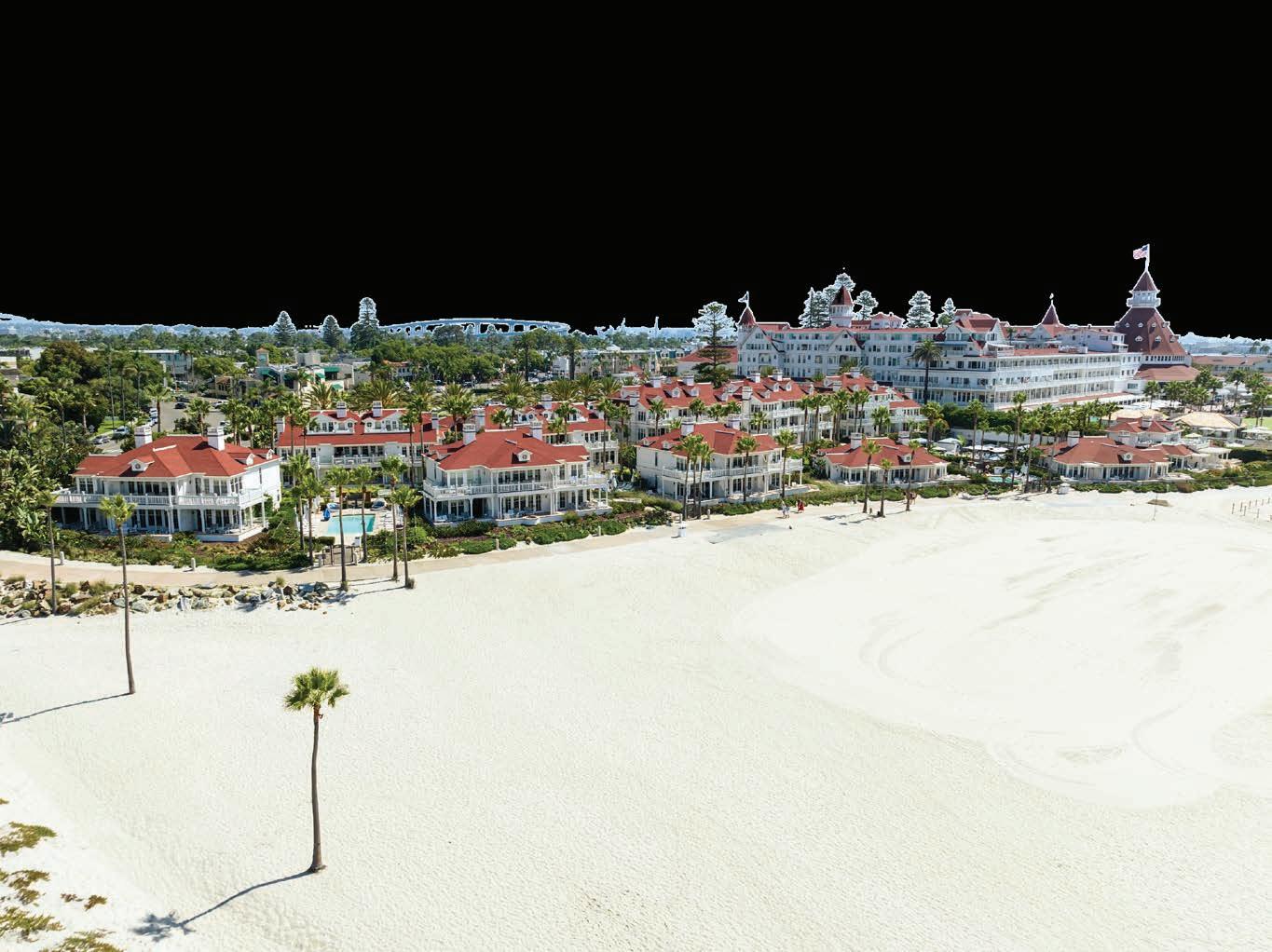
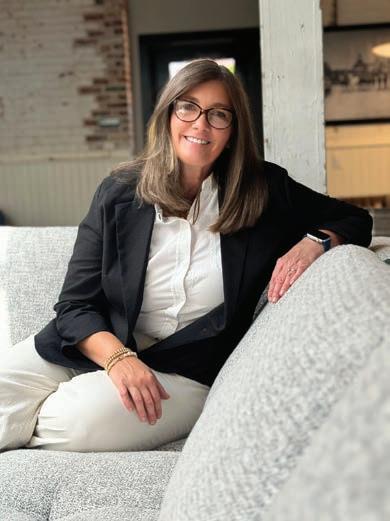
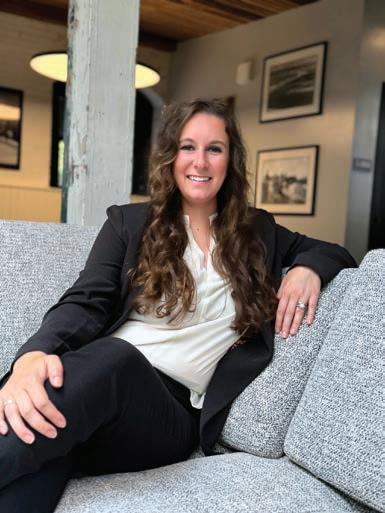
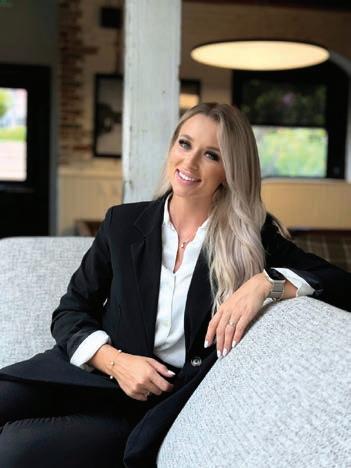
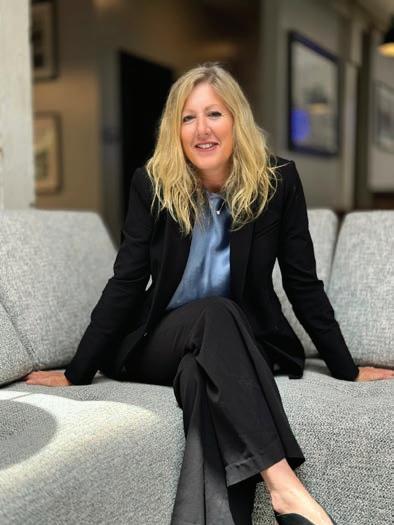
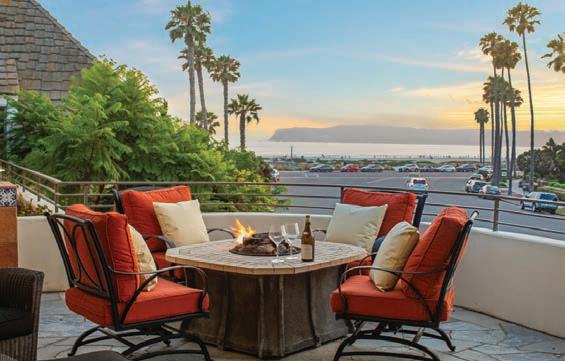
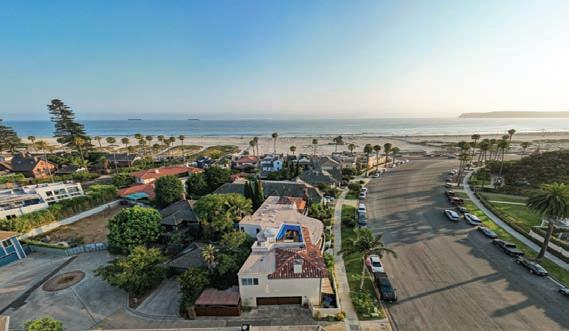
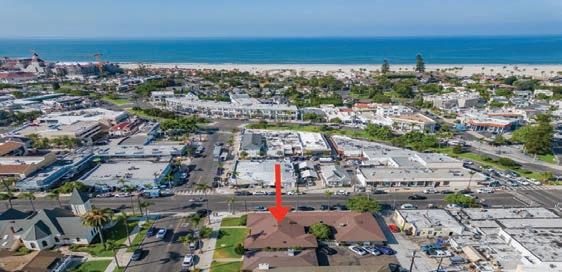
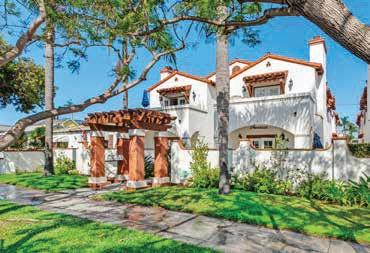
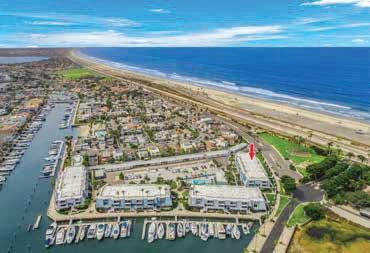
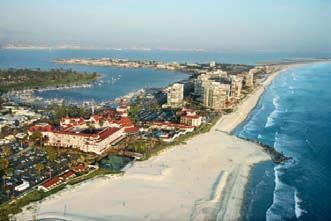
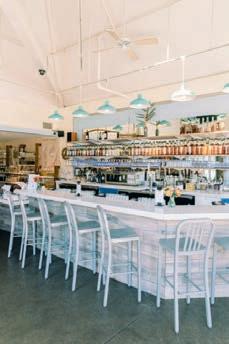
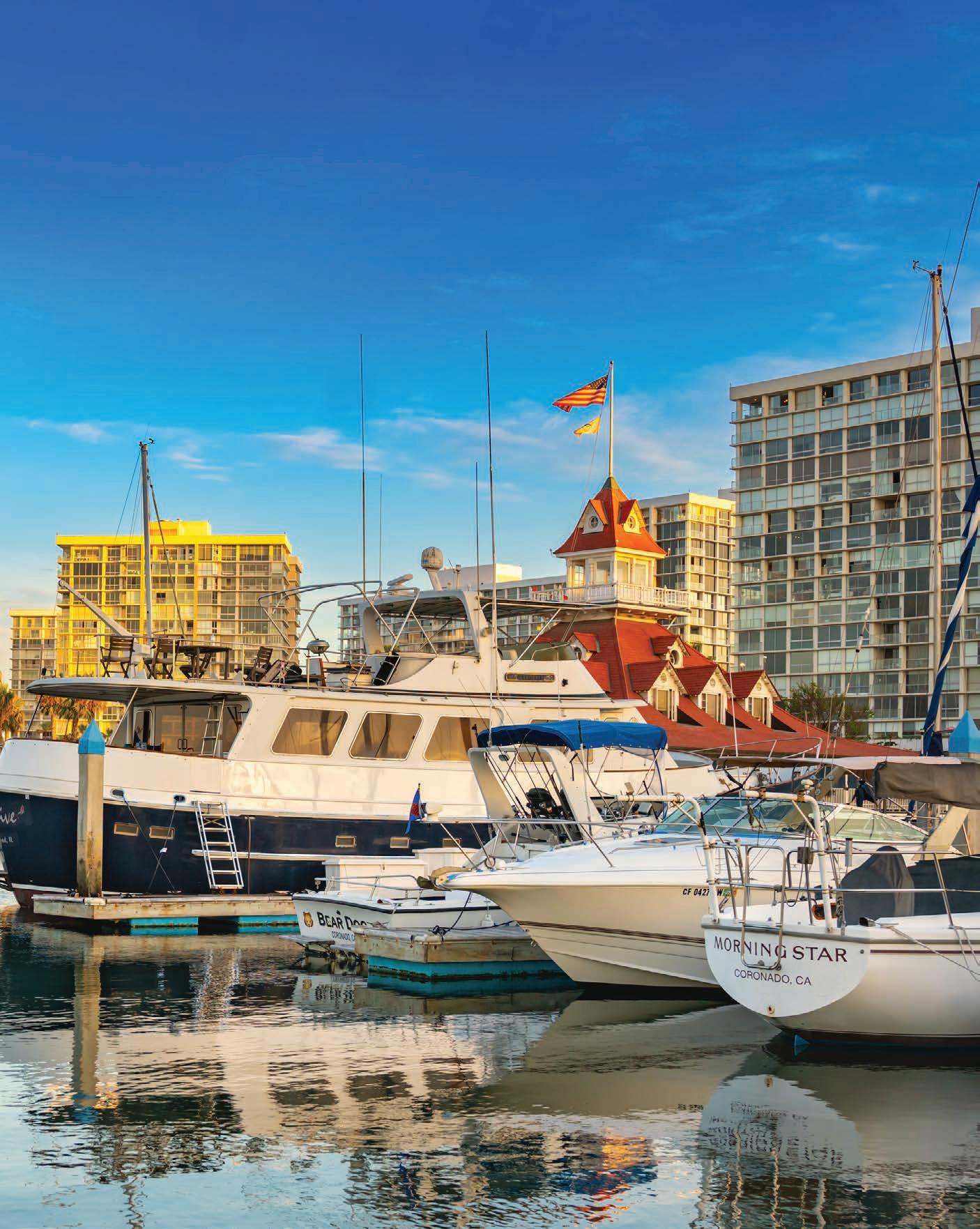
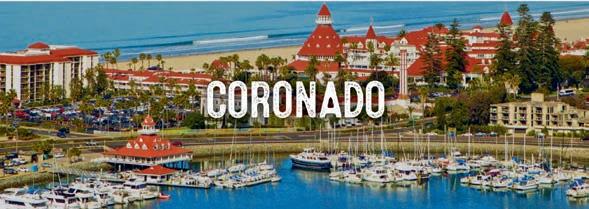
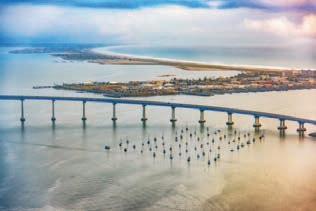
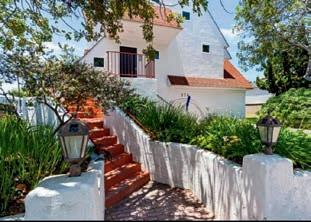
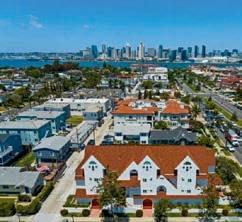
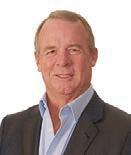
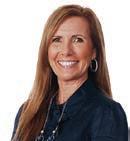
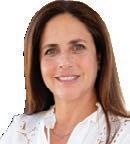
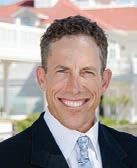
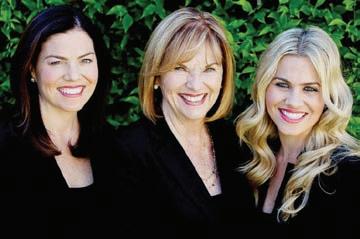
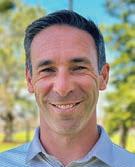
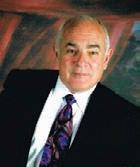
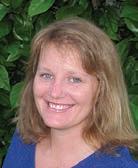
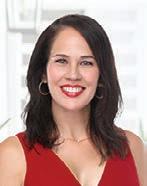
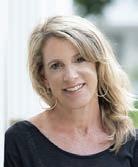
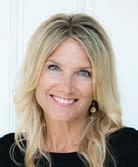
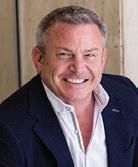
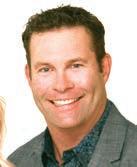
Del Coronado Realty is a full service boutique brokerage specializing in Concierge-level real estate in Coronado, CA and the surrounding Coastal San Diego Areas
Are you ready to make a significant move in your real estate journey?
Our dedicated team is here to help you find not just a house, but a home that will become your legacy Imagine a place where you can create lasting memories, build traditions, and establish a foundation for future generations
We specialize in finding homes that cater to your unique needs and desires Purchasing a property at The Del is not simply buying real estate; it's investing in a storied legacy This iconic establishment and the island itself boast over a century of rich history and luxury, set against the picturesque shores of Coronado Island As an owner at The Del, you are embracing a tradition steeped in grandeur, surrounded by a vibrant, enduring community with world-class amenities
The island's breathtaking views, warm locals, and superior facilities offer an unparalleled living experience If you ’ re in search of a place that epitomizes the essence of a perpetual vacation, look no further than Coronado Immerse yourself in the local charm, relish the peaceful yet vibrant lifestyle, and watch as your new vacation home appreciates in value in this peerless location. Why just visit when you can live the dream every day? Coronado Island awaits, ready to welcome you
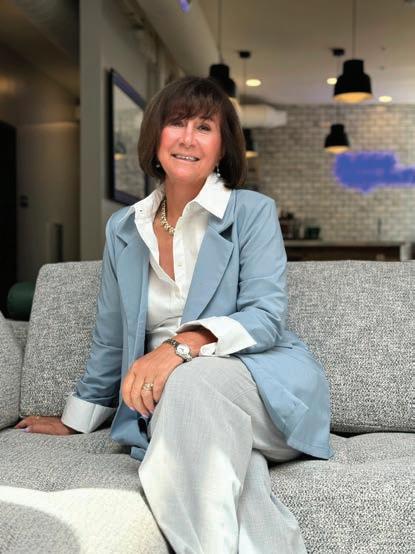
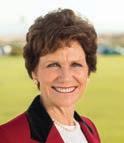
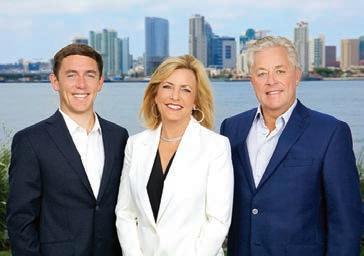
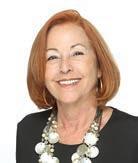
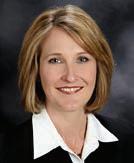
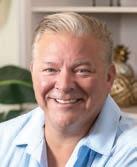
For a seamless real estate experience and expert guidance, reach out to Ruth Ann Fisher and the Del Coronado Realty team Discover exceptional properties and unparalleled service today where your dream home becomes a reality!
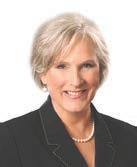
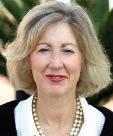
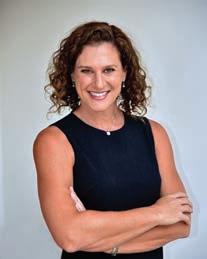
Broker
Ruth Ann Fi DRE #01281
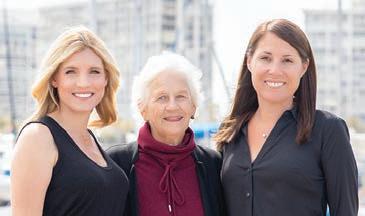
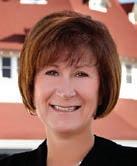
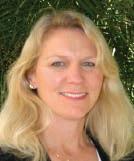
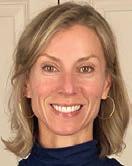
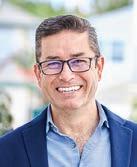
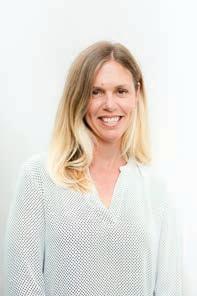
Broker Associate
Stephanie Basden DRE #01783387 Realtor
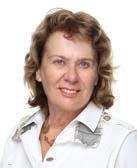
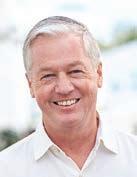
Nellie Harris-Ritter DRE #02077055
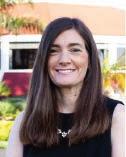
Realtor
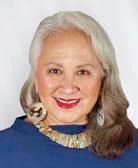
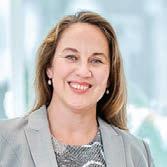
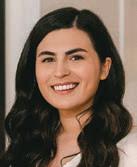
Abigail Baker DRE #02231818
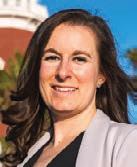
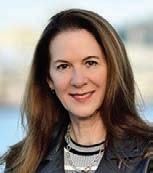
Broker Associate
Cassandra Goldberg DRE #02100680
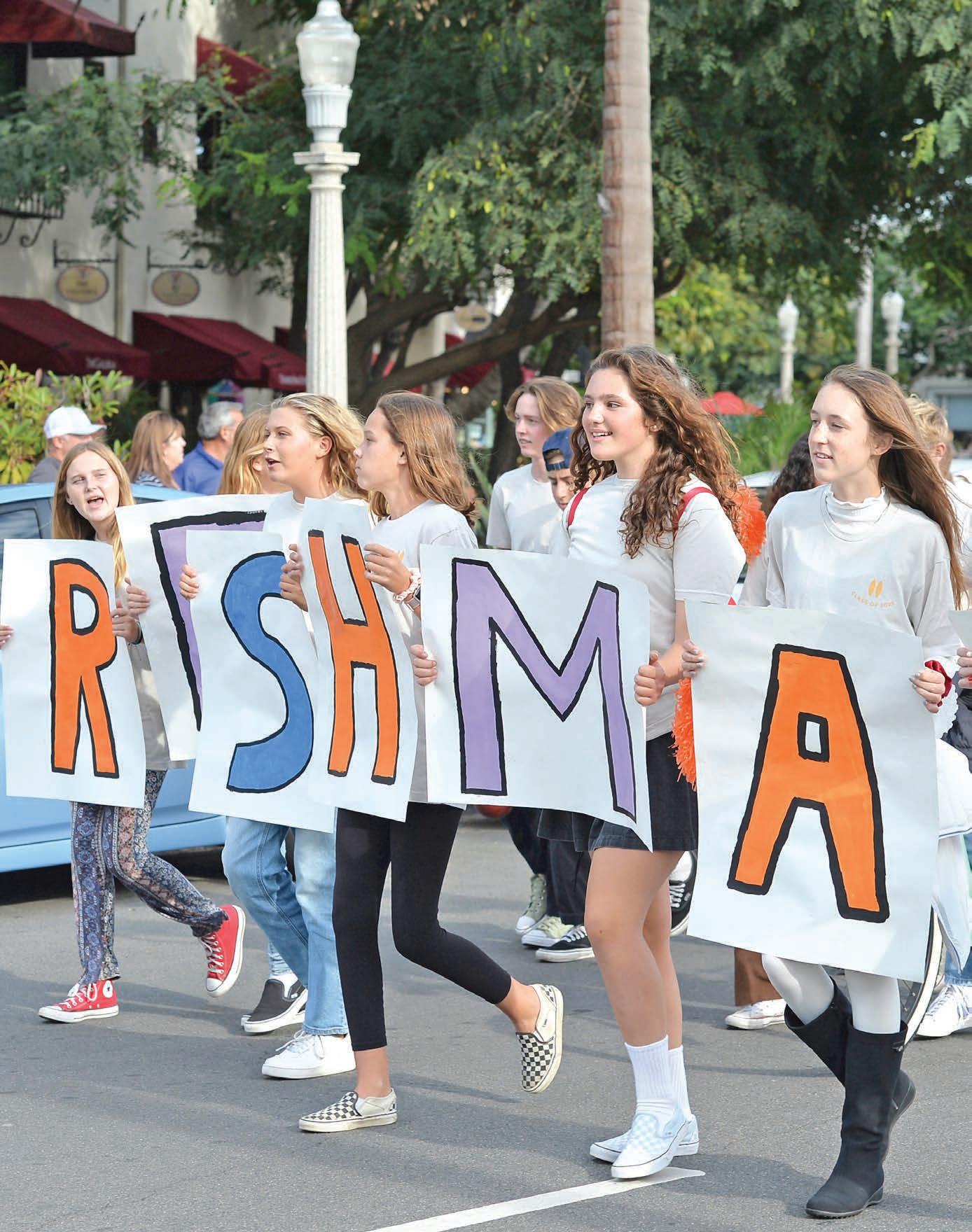
In 2021, they were fresh-faced-frosh, enjoying their first Coronado High School Homecoming Parade. Now, they are the CHS Class of 2025, entering their final year of high school (and they’re on the cover of the Coronado Magazine)… my how time flies.
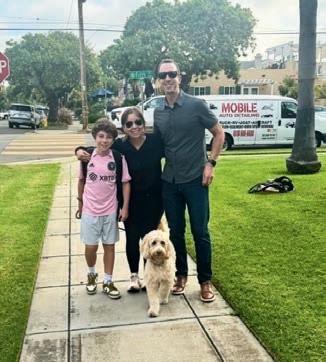
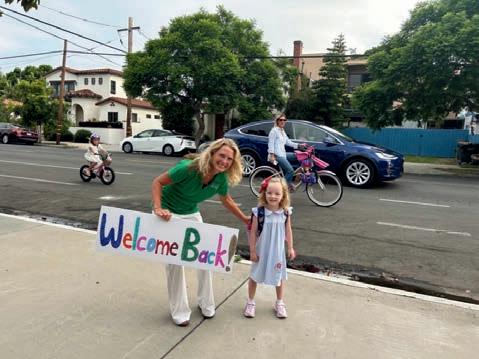
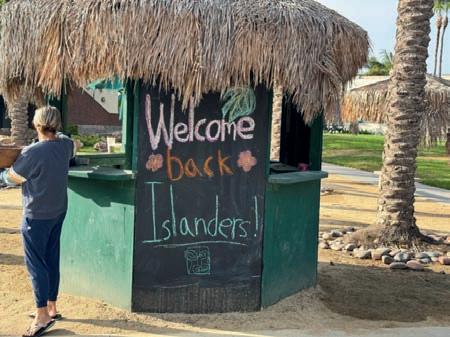
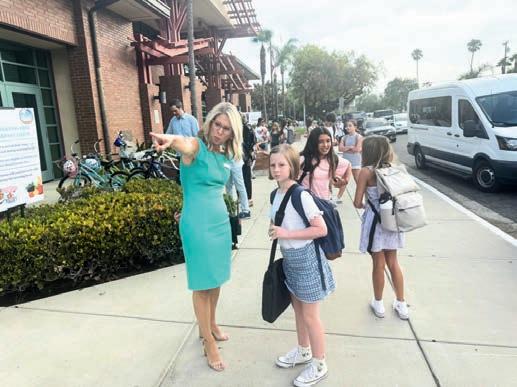
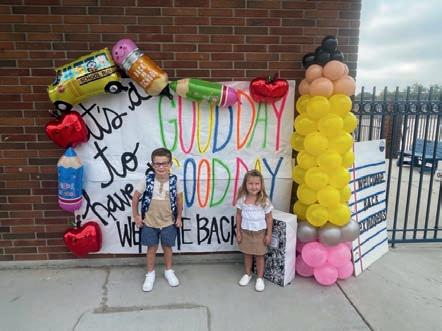
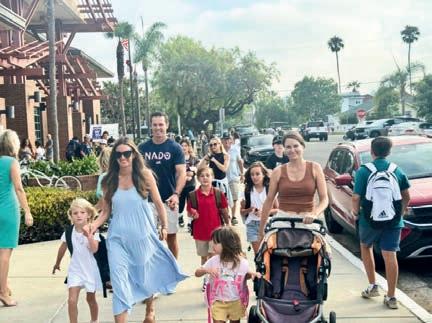
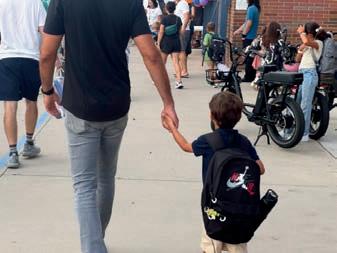
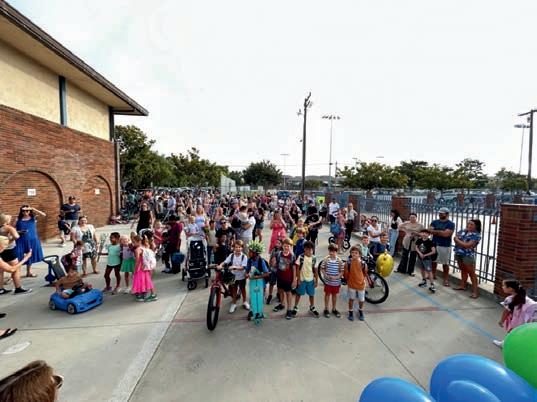
September marks our transition from summer to fall, and school is back in session here in Coronado.
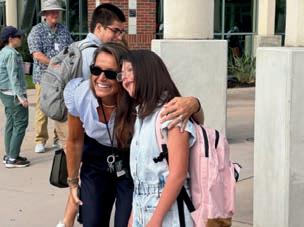
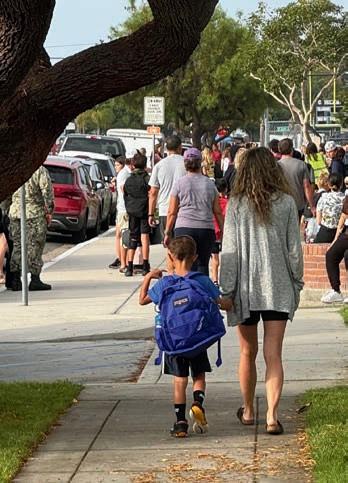
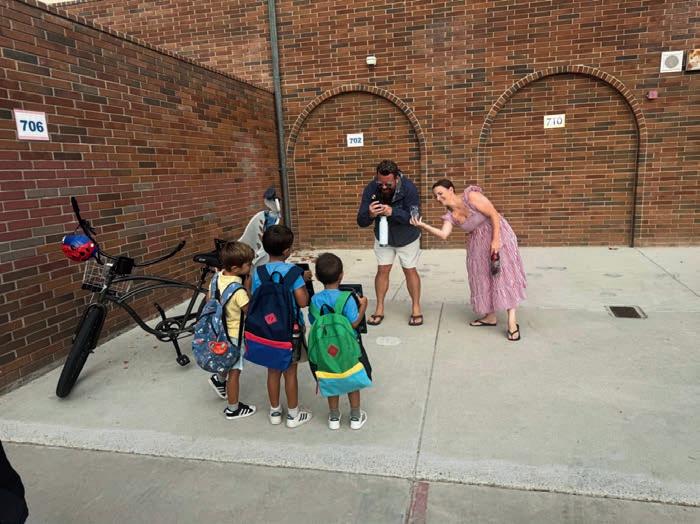
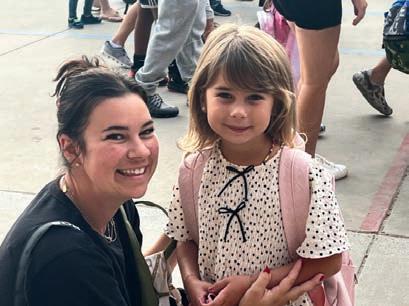
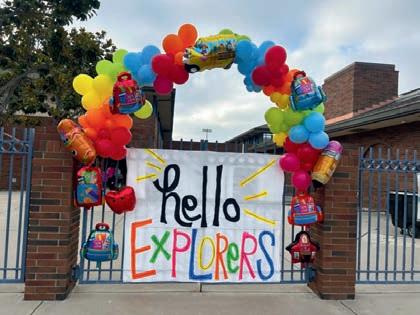
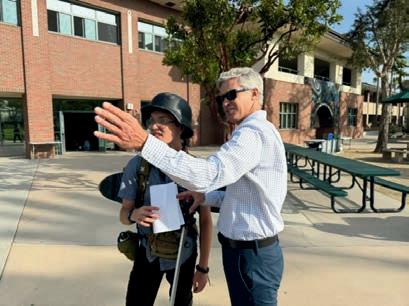
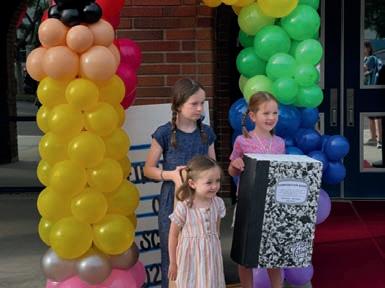
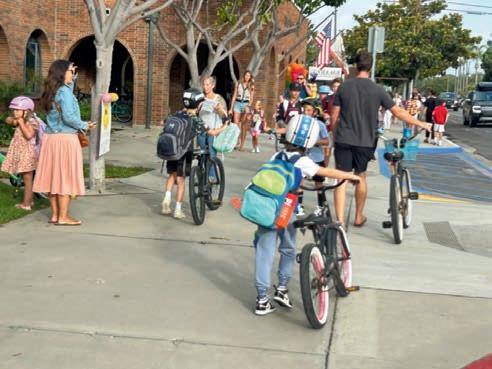
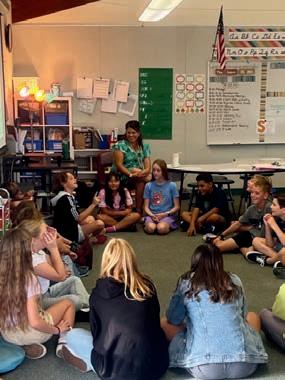
Hattie is ready to get back into the swing of things as the kiddos head back to school, … the first day back in Coronado was August 22, and we take a moment to enjoy the Magic of New Beginnings at CUSD. Mary Palumbo brings the colors of fall to the dining table with some delights that are a feast for the eyes. Christine says Goodbye to Summer with the Honey Deuce … enjoyed best with a little tennis!
CHA takes us on a trip to Montgomery, Alabama … and shares with us some reflections from those who traveled together. Safe Harbor Coronado reminds us of the power of open conversations .. something that can help us all get through the day.
Summer, Hello Honey Deuce!
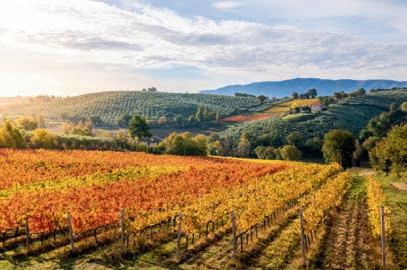
Sonoma Valley - More Than Just Great Wine
Join Belinda and the Coronado Chamber of Commerce for a little jaunt uptown … a little gosh, a little shopping, and a little fun, Coronado offers a little something for everyone! And, finally, Kris takes us on a trip through the Sonoma Valley, more than just a place for great wine!
Fall is a great time in Coronado, so get on out and enjoy a dinner with a bay-side view, and a Coronado High School football game!
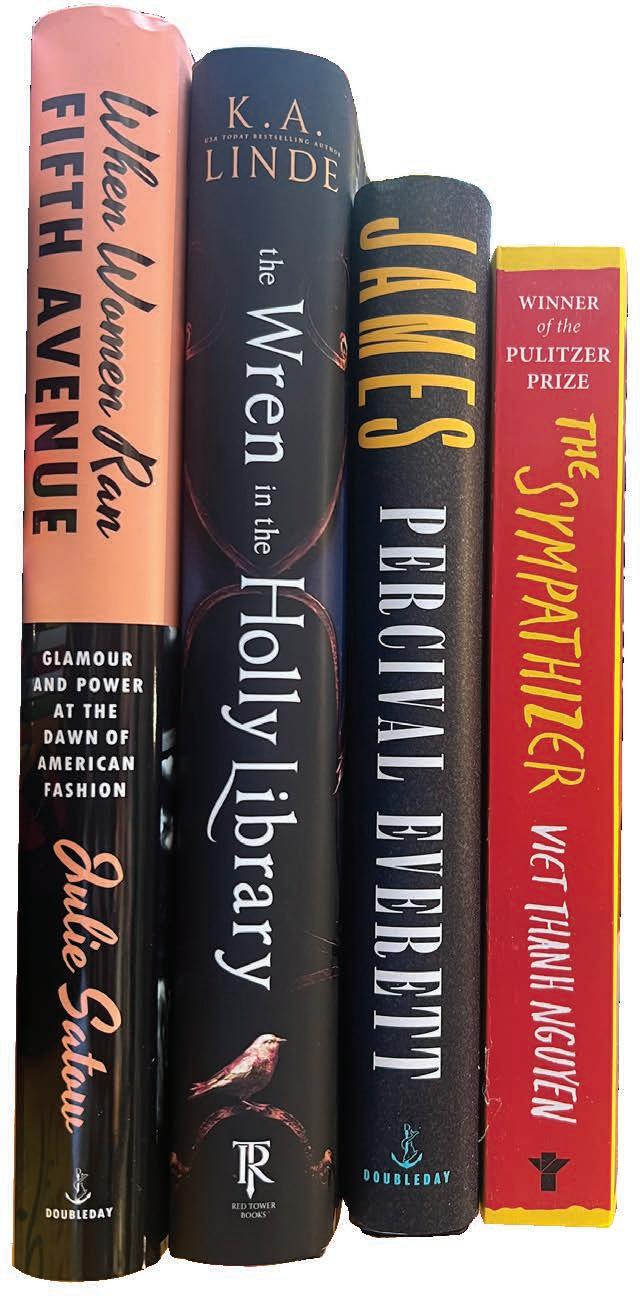
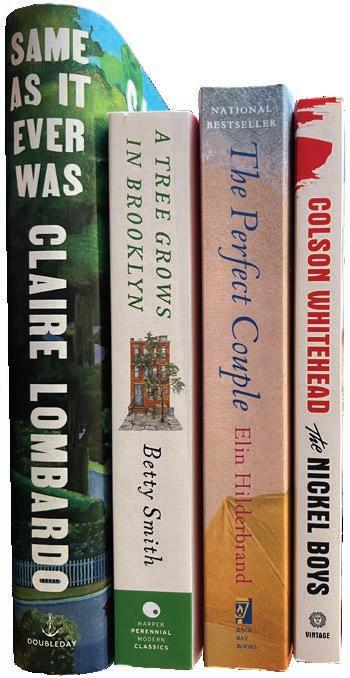
Julia Ames, after a youth marked by upheaval and emotional turbulence, has found herself on the placid plateau of mid-life. But Julia has never navigated the world with the equanimity of her current privileged class. Having nearly derailed herself several times, making desperate bids for the kind of connection that always felt inaccessible to her, she finally feels, at age fifty-seven, that she has a firm handle on things.She’s unprepared, though, for what comes next: a surprise announcement from her straightarrow son, an impending separation from her spikey teenaged daughter, and a seductive resurgence of the past, all of which threaten to draw her back into the patterns that had previously kept her on a razor’s edge.Same As It Ever Was traverses the rocky terrain of real life—exploring new avenues of maternal ambivalence, intergenerational friendship, and the happenstantial cause-and-effect that governs us all. Delving even deeper into the nature of relationships—how they grow, change, and sometimes end—Lombardo proves herself a true and definitive cartographer of the human heart and asserts herself among the finest novelists of her generation.
A Tree Grows In Brooklyn
By Betty Smith
A moving coming-of-age story set in the 1900s, A Tree Grows in Brooklyn follows the lives of 11-year-old Francie Nolan, her younger brother Neely, and their parents, Irish immigrants who have settled in the Williamsburg section of Brooklyn. Johnny Nolan is as loving and fanciful as they come, but he is also often drunk and out of work, unable to find his place in the land of opportunity. His wife, Katie, scrubs floors to put food on the table and clothes on her children’s backs, instilling in them the values of being practical and planning ahead.
When Johnny dies, leaving Katie pregnant, Francie, smart, pensive, and hoping for something better, cannot believe that life can carry on as before. But with her own determination and that of her mother behind her, Francie is able to move toward the future of her dreams, completing her education and heading off to college, always carrying the beloved Brooklyn of her childhood in her heart.
When Elwood Curtis, a black boy growing up in 1960s Tallahassee, is unfairly sentenced to a juvenile reformatory called the Nickel Academy, he finds himself trapped in a grotesque chamber of horrors. Elwood’s only salvation is his friendship with fellow “delinquent” Turner, which deepens despite Turner’s conviction that Elwood is hopelessly naive, that the world is crooked, and that the only way to survive is to scheme and avoid trouble. As life at the Academy becomes ever more perilous, the tension between Elwood’s ideals and Turner’s skepticism leads to a decision whose repercussions will echo down the decades.
Based on the real story of a reform school that operated for 111 years and warped the lives of thousands of children, The Nickel Boys is a devastating, driven narrative that showcases a great American novelist writing at the height of his powers and “should further cement Whitehead as one of his generation’s best” (Entertainment Weekly).
The Perfect Couple
By Elin Hilderbrand
It’s wedding season on Nantucket. The beautiful island is overrun with summer people - an annual source of aggravation for year-round residents. And that’s not the only tension brewing offshore. When one lavish wedding ends in disaster before it can even beginwith the bride-to-be discovered dead in Nantucket Harbor just hours before the ceremony - everyone in the wedding party is suddenly a suspect. As Chief of Police Ed Kapenash digs into the best man, the maid of honor, the groom’s famous mystery novelist mother, and even a member of his own family, the chief discovers that every wedding is a minefield - and no couple is perfect. Featuring beloved characters from The Castaways and A Summer Affair, The Perfect Couple proves once again that Elin Hilderbrand is the queen of the summer beach book.
Back In Session
By HATTIE FOOTE
The weather is gorgeous, the tourists are mostly gone, and just as locals’ summer arrives, it’s back to school for our Coronado kiddos. It’s bittersweet saying goodbye to the slow days and ice cream for dinner, but it’s time because I can only hear skibiddi rizz Ohio slay so many times before I lose my mind. If you have no idea what I’m talking about, count your blessings because the youth are talking crazy these days. It’s always such a huge readjustment getting back into the swing of things; I feel like I need a secretary to figure out schedules for fall sports and activities. I have made the mistake of overcommitting to too many things in the past, so this year, I said we are only doing one sport each. Well, that didn’t last long, but the thought was nice while it lasted!
My son Hunter had been begging to try boxing, so my husband Chris called up Coronado’s boxing expert, Dan Boyle, to set up a private lesson at Roundhouse Fitness. I wasn’t sure what to expect going into it, and Hunter started panicking as we were parking that he was going to have to fight someone; I wasn’t confident it was going to go well. After 30 minutes, Hunter was hooked, especially after not being initiated into an underground fight club, and he looks forward to it every week. In addition to private lessons, they are offering two great classes this fall, Empowered Girls, which is geared towards grades 3-5 and focuses on kickboxing and self-defense. There is also a coed class for middle schoolers in grades 6-8. If you would like more information, check out www.rhfcoronado.com.
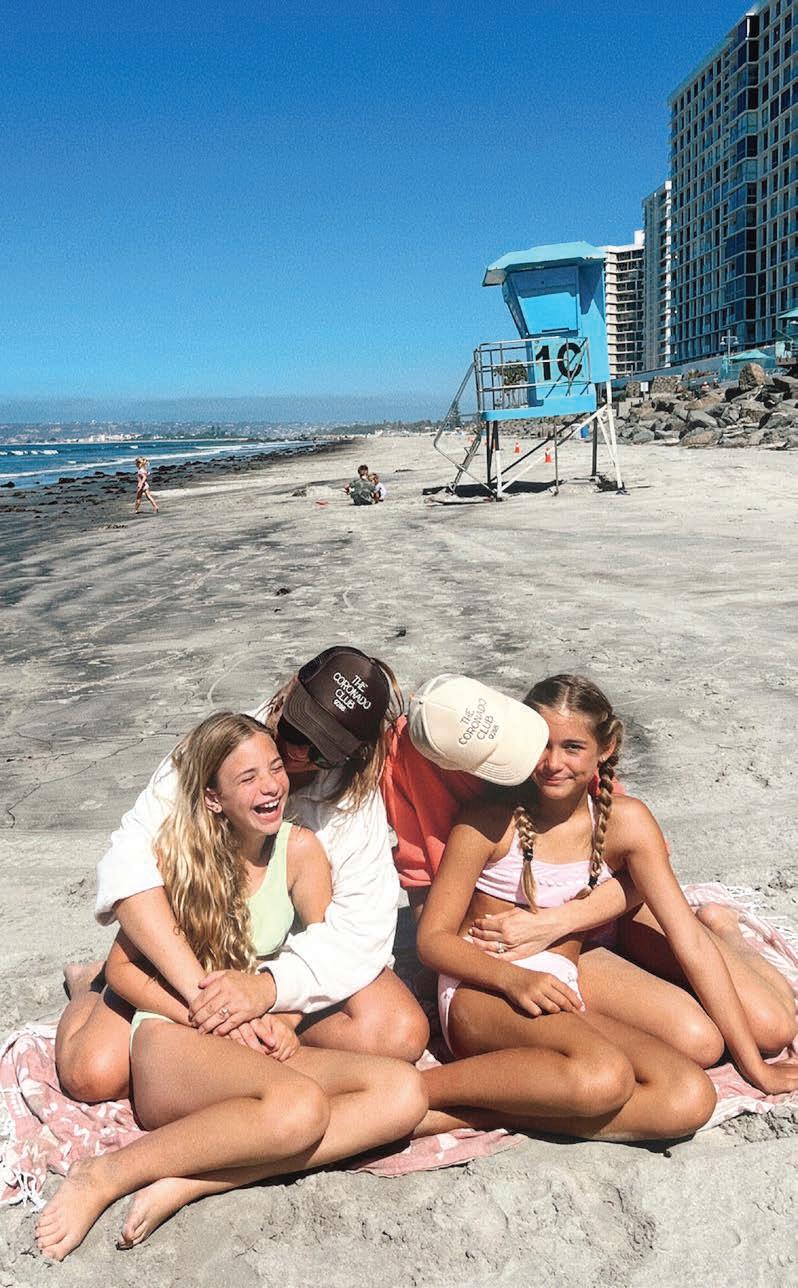
Okay, now that activities are settled and the children are in class, we can talk about fun adult things, like politics! Kidding! I want to talk about one of my current favorite things, something I wear to drop off and pick up more than I should, and I’m not the only one. The first time I wore a hat from The Coronado Club, I was met with so much intrigue, “what is this mysterious club?” people would ask. Listen, I am not about to gatekeep the island’s hottest accessory, so I reached out to the founder of the local brand to get the scoop. First, after a quick social media investigation I quickly knew I liked Margeaux James and wanted her to be my friend. She is cool but not unapproachable. She has gorgeous taste and is funny and smart, AND a Swiftie! Love her. “I wanted to create elevated Coronado clothing outside of what you could find in the souvenir shops. With a background in and love for fashion, I started to curate a collection that could be loved by both locals and tourists,” Margeaux explains. “I chose the name, The Coronado Club, because it perfectly
describes the amazing community that is Coronado. Sometimes people will ask, ‘Is it an actual club?’ — I would say the answer is yes and no. The Coronado Club is the feeling of belonging. It’s driving over the bridge and finally feeling like you are home. Its sun-kissed days and sunset-filled nights. It’s biking to breakfast. It’s year-round freckles, a sandy house, and the sound of waves. Waving at your neighbors and watching the tourists come and go. It’s local summer, everyday luxury — it’s life on the island.”
She also revealed that a fall collection is on the way and kids’ items soon! Be on the lookout for an upcoming pop-up, but in the meantime check out www. thecoronadoclub.com or @thecoronado. club on Instagram.
As much as I miss the kids, I am excited to focus on myself again. I am ready to get back into Coronado Fitness Club, so many great classes are on the schedule at The Studio, and don’t forget childcare is available for those who still have littles at home (lucky)! I
am also involved in PTO for my second year, and I highly encourage families to get involved, it is so important for our schools. And I’ll be doing this all in my The Coronado Club gear, one might say I’m in my club era! I hope everyone has an amazing school year. Don’t blink. It will be summer before we know it.
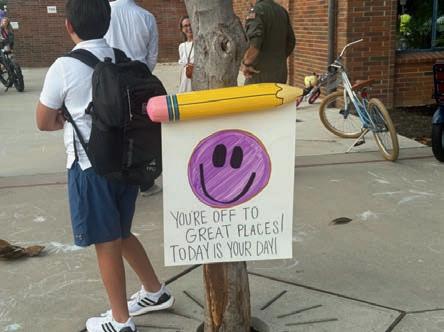
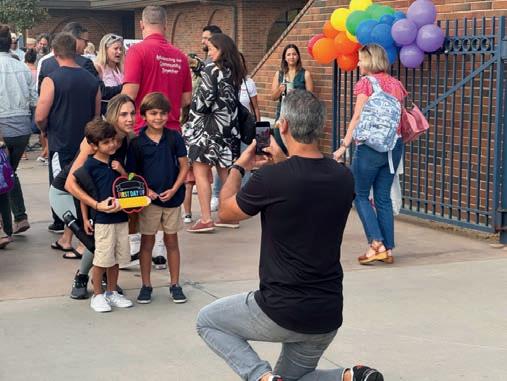
Back To School: The Magic of New Beginnings
Coronado Unified
First Day Of School ~ August 22nd
Photos courtesy of CUSD
Coronado Unified Schools Focus On Nutrition
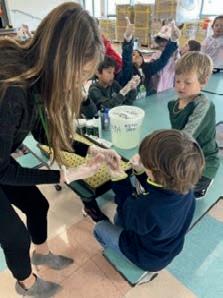
Under the leadership of two innovative Registered Dietitians, the Coronado Unified School District Child Nutrition Services (CNS) Department is providing students not just healthy meals, but nutrition education and an opportunity to expand tastes and experience new foods.
CNS Director Charity Campbell, MS, RD, SNS, and CNS Supervisor Amanda Tarantino, MDA, RD, SNS, have brought a variety of new programs and initiatives to their expanded department.
In 2022, California became the first state to implement a statewide Universal Meals Program for school children. The state mandate requires schools to provide daily breakfast and lunch, not just to children with economic hardship, but to all children enrolled in school.
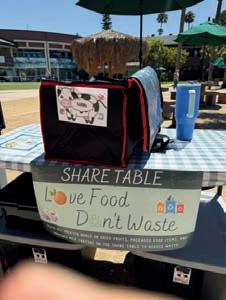
Campbell and Tarantino have embraced the expansion of their department. They have implemented a ‘Try It Tuesday’ program, scratch made entrees, nutrition education presentations at all grade levels, and farmers markets and hydroponic farming lessons at the elementary level. On ‘Try It Tuesday’ the department prepares organic recipes using seasonal and local ingredients obtained from San Diego County farms.
Salad Bar
School meals at all sites include an unlimited salad bar for both breakfast and lunch. Students are encouraged to come back as often as they want for more fruits and vegetables if they are still hungry. The salad bars include a different local, organic produce item each month.
Salad bars at CUSD schools feature new items every week. The district partners with San Diego County farmers to provide seasonal organic produce.
Hydroponic Farming
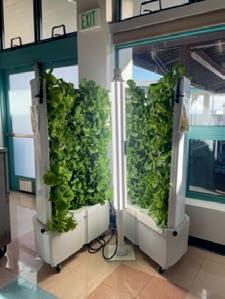
One of the most exciting initiatives has been the introduction of hydroponic farming. Last year second grade students at Silver Strand Elementary School grew and harvested leafy greens in their hydroponic garden. Eventually the program will expand to other school sites.
Meal Planning
CUSD families can access an interactive menu called Meal Viewer in which viewers can see menu options with photos and descriptions, as well as allergy and nutrition information. Snacks too have been taken up a notch, offering middle and high school students healthy a la carte snacks during breaks. All snacks meet specific nutrition standards including low fat, low saturated fat, and low sugar.
CUSD Nutrition Services received an Innovation in Nutrition Education award from the USDA Action for Healthy Kids program. The award celebrates schools that have made significant improvement to nutritional quality of their school meals and spotlight innovative practices with student engagement. In addition to national and local recognition, the award includes a travel stipend to the 1st National healthy Meals Summit this October. Director Charity Campbell and Supervisor Amanda Tarantino will attend the summit.
Innovation
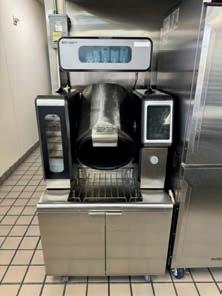
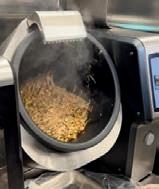
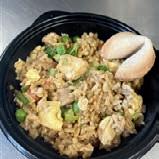
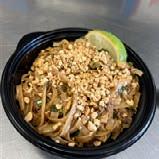
CUSD is the first district in the nation to work with ‘Robot Robby’ in a pilot program. The robot chef ensures that every batch of food prepared is standardized so meals comes out the same regardless of quantities needed. The robot is also minimal maintenance with a self-cleaning mechanism and ability to cooks a large batch in mere minutes, greatly reducing cook time. Robby helps the department to increase scratch cooking to give students the best quality food possible. Last year the CNS staff and Robby experimented with cooking menu items such as Beef Pad Thai, Chicken Fried Rice, Philly Cheesesteak Subs, and Scrambled Eggs.
The hydroponic farming initiative at Silver Strand Elementary School is both educational and nutritious.
Chef Robot Robby
Silver Strand students enjoying hydroponically grown lettuce.
Coronado Unified Partners with the City & Coronado Police to Keep Kids Safe
The School Resource Officer (SRO) program at Coronado Unified is sponsored by the City of Coronado through the Coronado Police Department. CUSD SRO, Brittany Palmore, is a full-time patrol officer currently serving on special assignment to with the district. Palmore participates in the development of school site safety plans, works closely with school principals, and provides first response in any law enforcement activity related to the schools. Palmore is active at all four schools and teaches a class called Crown City Safety Ambassadors to 4th and 6th grade students.
officers collaborate with Coronado Middle School and Safe Harbor Coronado to host an annual drug prevention day long assembly for 6th graders.
CPD, California Highway Patrol, and other first responders and law enforcement agencies collaborate with Coronado High School to host the bi-annual ‘Every 15 Minutes’ program. The two-day event is a powerful and emotional student experience designed to deter drunk and drugged driving.
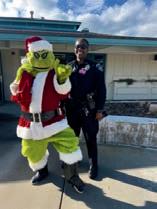
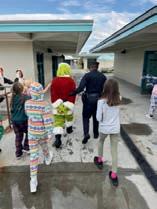
Just before Winter Break last year, the Grinch was found causing mischief on the Silver Strand Elementary School campus. School Resource Officer Brittany Palmore apprehended the naughty Grinch, who was able to return to school later, after his heart grew three sizes!
The City of Coronado supports the Safe Routes to School program and provides crossing guards at four different intersections leading to the village schools before and after school Monday through Friday. Crossing Guard Schedules can be found on the City’s website (coronado.ca.us) under Safe Routes To School.
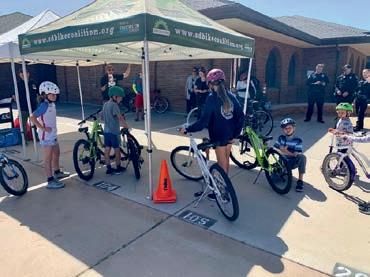
The City also collaborates with the district on Bicycle Safety education. There has been a rapid rise in students riding E-bikes, and safety education around the use of powered bikes continues to develop.
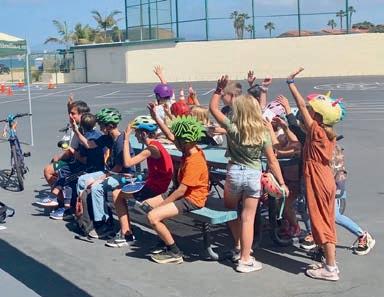
CUSD and CPD work collaboratively to host bike safety rodeos throughout the year.
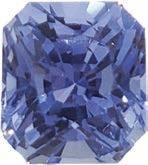
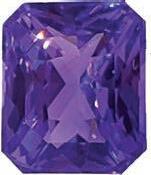
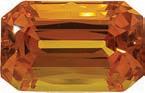
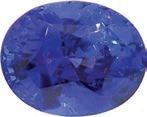
September is Sapphire month and they aren’t all blue! Al l natural sapphires.
The colors of fall will arrive soon, bringing thoughts of gathering together, and comfort foods that make us feel warm and cozy. Table inspiration always starts with the season and simple touches of nature’s bounty.
Making Beautiful Things...
~Mary Palumbo
We eat with our eyes first. Adding organic herbs and edible flowers along with colorful fruits, vegetables and cheeses, are a simple way to make your plate look pleasing to the eye, and is a delicious presentation.
Purple potato gnocchi seasoned with herbs, a perfect starter or side dish. fresh Figs with burrata cheese dressed with extra virgin olive oil and finished with orange zest and rosemary, a perfect combination of savory and sweet.
Make a statement for dessert. A pumpkin pie decorated with cut out fall leaves baked to just the right amount of color and presented on a natural wood, give the feeling of crisp fall air. relax and enjoy.
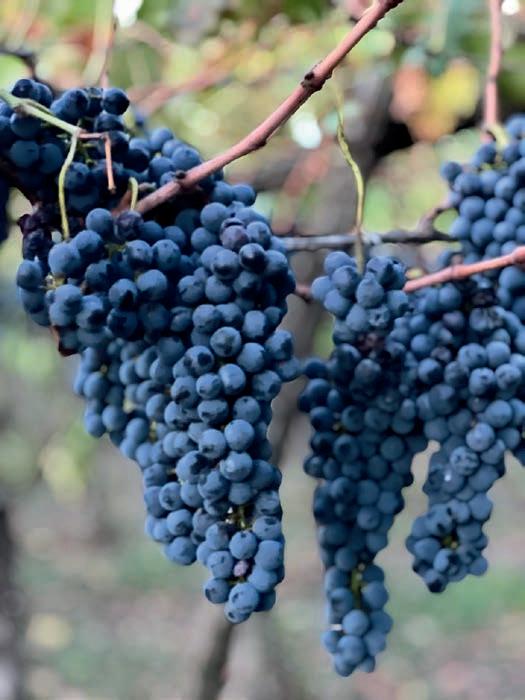
Let nature be your inspiration when planning your next gathering. gorgeous grapes and pumpkins along with flowers and herbs for colors and flavors. It might be as close as your backyard.
NIGHT & DA Y CAFE
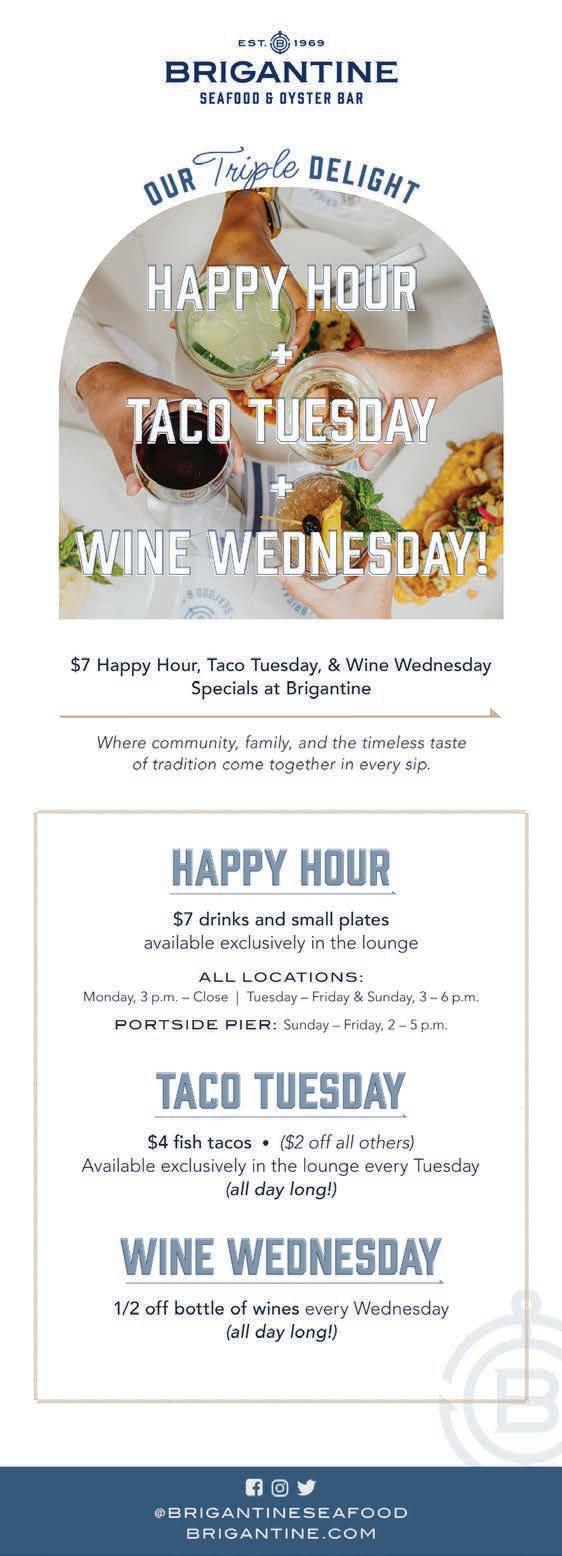
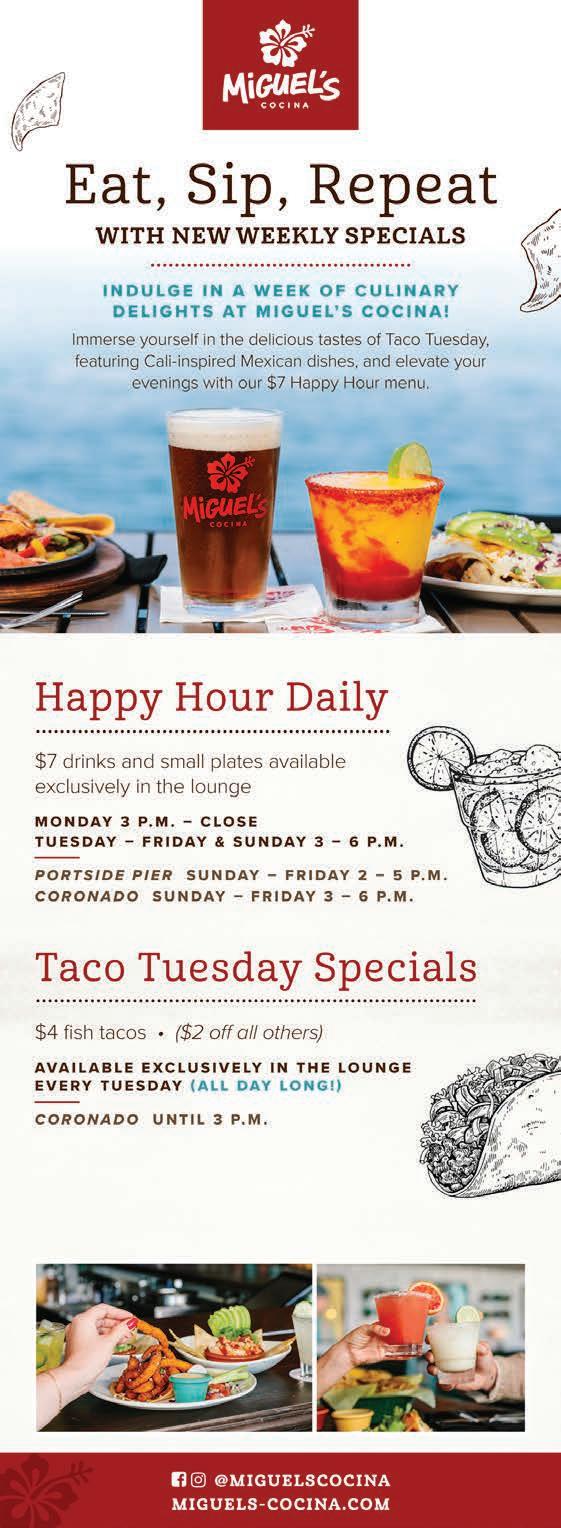
JOIN US FOR OU R NEW HAPPY HOUR ! 7 DAYS A WEEK 3PM-5P M & TACO T UESDA Y ALL DAY TUESDAY
Silver Strand Exchange At Loews Resort (619) 424-4000
Smokehouse at the Del (619) 435-6611
Spiro’s Greek Café Ferry Landing (619) 435-1225
Stake Chophouse + Bar 1309 Orange Ave. (619) 522-0077
Subway 1330 Orange Ave. (619) 435-8272
Villa Nueva Bakery Cafe 956 Orange Ave. (619) 435-1256
Village Pizzeria Bayside Ferry Landing (619) 437-0650
Village Pizzeria 1206 Orange Ave. (619) 522-0449
Vom Fass Ferry Landing (619) 534-5034
Which Wich 926 Orange Ave. (619) 522-9424
Yummy Sushi 1330 Orange Ave. (619) 435-2771
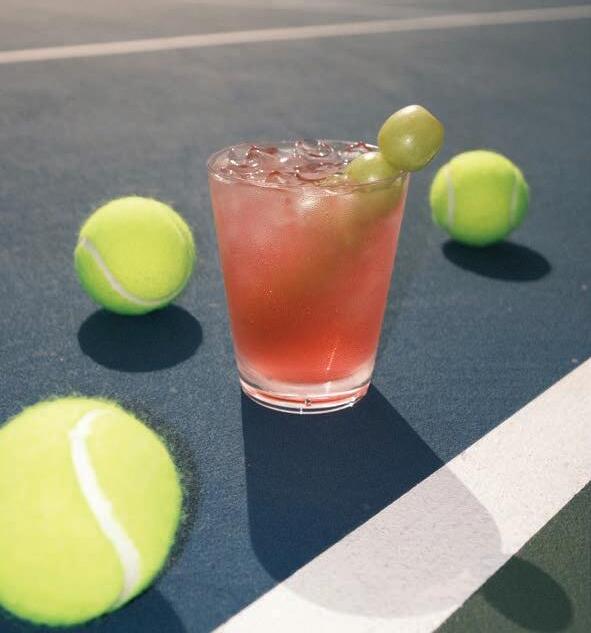
Goodbye Summer, Hello Honey Deuce!
By CHRISTINE JOHNSON
Photo by HATTIE FOOTE
What is it about sporting events that inspire great cocktails? There are Mint Juleps for the Kentucky Derby, Pimm’s Cup for Wimbledon, and The Azalea cocktail for The Masters. The month of September gives us another delicious and refreshing cocktail inspired by a very popular sport in Coronado: TENNIS!
The U.S. Open tennis tournament is held annually in New York (Flushing Meadows, to be exact), and in 2024 is from August 19 through September 8. Known as the “fourth major” in tennis circles, it signifies the end of the professional tennis season and two weeks of partying for tennis fans and New York City. If you have never been to the Open, it is the experience of a lifetime. Picture sitting in a football-sized stadium watching a tennis tournament. Now, envision the crowd being as rowdy as a football crowd. It is a spectacle that, for the last two decades, has its own trademark cocktail.
The (Grey Goose) “HONEY DEUCE” is the official drink of the U.S. Open. It’s not only a fun drink that represents the game, but it’s the perfect drink for the end of summer.
The drink gets its name from 40/40…which is the deuce score in a tennis game. The garnish on the cocktail is honeydew melon balls, which perfectly replicate tennis balls and make you feel like you are at the Open. It’s a true celebration of the tournament, whether you are sitting in New York or on your couch at home supporting your favorite player. Time to sit back, relax, and pour yourself a Honey Deuce.
INGREDIENTS
1 ¼ ounce Grey Goose vodka
3 ounces fresh lemonade
½ ounce raspberry liqueur (Chambord)
Three honeydew melon balls
MIXOLOGY
Fill a chilled highball glass with cubed ice and add Grey Goose vodka. Top with fresh lemonade and raspberry liqueur. Garnish with a skewer of one or multiple honeydew melon balls.
Reflections on Montgomery, Alabama
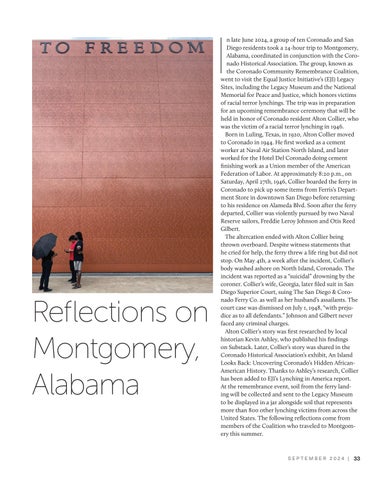
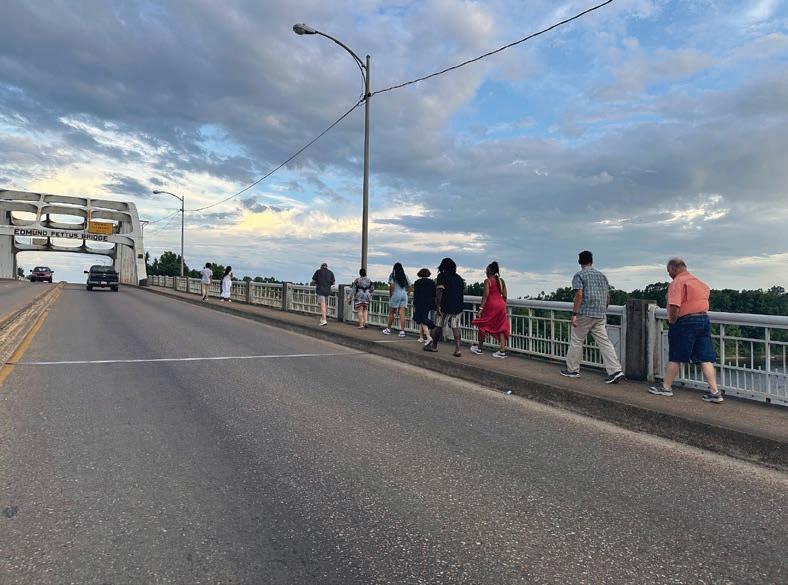
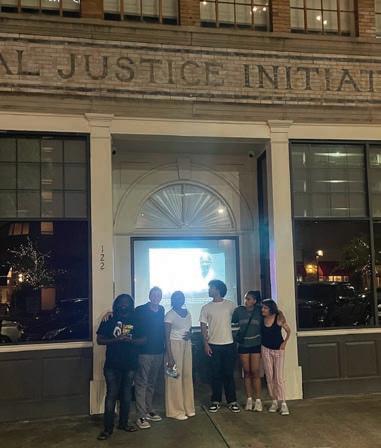
In late June 2024, a group of ten Coronado and San Diego residents took a 24-hour trip to Montgomery, Alabama, coordinated in conjunction with the Coronado Historical Association. The group, known as the Coronado Community Remembrance Coalition, went to visit the Equal Justice Initiative’s (EJI) Legacy Sites, including the Legacy Museum and the National Memorial for Peace and Justice, which honors victims of racial terror lynchings. The trip was in preparation for an upcoming remembrance ceremony that will be held in honor of Coronado resident Alton Collier, who was the victim of a racial terror lynching in 1946.
Born in Luling, Texas, in 1920, Alton Collier moved to Coronado in 1944. He first worked as a cement worker at Naval Air Station North Island, and later worked for the Hotel Del Coronado doing cement finishing work as a Union member of the American Federation of Labor. At approximately 8:20 p.m., on Saturday, April 27th, 1946, Collier boarded the ferry in Coronado to pick up some items from Ferris’s Department Store in downtown San Diego before returning to his residence on Alameda Blvd. Soon after the ferry departed, Collier was violently pursued by two Naval Reserve sailors, Freddie Leroy Johnson and Otis Reed Gilbert.
The altercation ended with Alton Collier being thrown overboard. Despite witness statements that he cried for help, the ferry threw a life ring but did not stop. On May 4th, a week after the incident, Collier’s body washed ashore on North Island, Coronado. The incident was reported as a “suicidal” drowning by the coroner. Collier’s wife, Georgia, later filed suit in San Diego Superior Court, suing The San Diego & Coronado Ferry Co. as well as her husband’s assailants. The court case was dismissed on July 1, 1948, “with prejudice as to all defendants.” Johnson and Gilbert never faced any criminal charges.
Alton Collier’s story was first researched by local historian Kevin Ashley, who published his findings on Substack. Later, Collier’s story was shared in the Coronado Historical Association’s exhibit, An Island Looks Back: Uncovering Coronado’s Hidden AfricanAmerican History. Thanks to Ashley’s research, Collier has been added to EJI’s Lynching in America report. At the remembrance event, soil from the ferry landing will be collected and sent to the Legacy Museum to be displayed in a jar alongside soil that represents more than 800 other lynching victims from across the United States. The following reflections come from members of the Coalition who traveled to Montgomery this summer.
Maria Grant:
The voices I heard at the EJI sites in Alabama continue to echo and reverberate, even as I have returned home to enclave Coronado. The Legacy Sites told the truth of America, from the impacts on Indigenous people, who were forcibly removed from their lands via the Trail of Tears, to the extensive horrors of slavery through which 13 million African people were kidnapped, forced onto ships, and trafficked across the Atlantic Ocean. Walking through actual quarters where enslaved people lived, now standing adjacent to beautiful works of African and African American art created by Kwame Akoto-Bamfo and Kehinde Wiley, laid bare history in a heart-wrenching, profound way.
Seeing jars filled with soil from locations where named black people were lynched, drowned, and beaten solely because of the color of their skin, juxtaposed with installations that conveyed the crimes of segregation and the injustices of modern-day incarcerations, un-
derscored the thread of racism that runs through human actions, institutions, and events, even today. This experience, while in many instances stark, sad, and solemn, clarified the imperative goal of working for racial and restorative justice. Also, of great note — the works of art created by black artists that are showcased at the EJI sites are exquisite and bring to light the creativity, talent, and insights that we should all know about. The very existence of The Legacy Sites, open to any person who wants to learn and grow, gives me hope that through understanding and concerted effort, we can continue our forward moves. Alongside a visit to the EJI sites, I highly recommend a quiet walk across the Pettus Bridge as a way to both commemorate past heroes and to invigorate personal justice efforts. This experience will impact my work as an educator and will influence my own daily moves — today and always.
Seth Mallios:
As a San Diego State anthropology professor who has dedicated decades of his professional career to the archaeology and history of race relations in America, I was thrilled to be invited as part of the Coronado Community Remembrance Coalition to visit the EJI legacy sites. It had been over 25 years since I had last been to Alabama, and the Montgomery landscape has recently been transformed with EJI’s Legacy Museum, National Memorial for Peace and Justice, and Freedom Monument Sculpture Park. Each is brilliantly constructed, impactful for visitors on a deeply personal level, and transformative about how Americans must come to terms with the historical realities and current ramifications of race-based slavery, segregation, and incarceration… wherever we live.
That EJI could make Montgomery, Alabama—the former capital of the Confederacy, a city that historically witnessed hundreds of thousands of enslaved individuals pass through its streets (in 1860, 66% of its population was enslaved!), and a modern-day state capital that still teems with markers, monuments, and other misleading messages of the Lost Cause—is astounding. Montgomery is now a beacon for freedom.
My lasting takeaway from this trip is simple: if they can do it in Montgomery, we can do it anywhere. And if we can do it anywhere, then we should do it everywhere.
Dr. Fern Nelson:
Black female going to the Deep South? Thank you, but no. This had been my lifetime stance until going to Montgomery and Selma with the Coronado Historical Association. Now I feel that every American, of all races, ages, creeds, identifications, and otherwise, MUST go. It should be mandatory. With knowledge based on irrefutable evidence housed in beauty and grace, presented in a non-threatening and understandable manner, America may be able to become whole and live up to her lofty goals.
Had my ancestors been sold from the very auction block that I stand on now? Is that my great-grandfather cowed and in chains? Do I hear the screams of my Auntie in labor begging for help? I am a child of those that survived.
These are the places that you must visit: Montgomery Greyhound station, Rosa Parks Library and Museum, Dexter Ave King Memorial Baptist Church and Parsonage Museum, Civil Rights Memorial & Center, Alabama Department of Archives and History, Equal Justice Initiative, Legacy Pavilion and Museum, and walk the Edmund Pettus bridge.
Rocky Stone:
The trip was a good reminder that while we’ve come a long way with race relations in the U.S., we still have a long way to go. It is important to acknowledge the injustice faced by African Americans throughout our nations history. These injustices have pervaded to this very day. As a people, we need to be aware of and acknowledge these injustices. Only by acknowledging the atrocities experienced by people like Alton Collier can we begin to move forward to a more inclusive and just culture.
David Grant-Williams:
Visiting the Legacy Museum, National Memorial for Peace and Justice, and Freedom Monument Sculpture Park brought a whole new perspective to the topic of slavery and inequality in America. The Legacy Museum told the whole story of slavery in America and tied in how it effects modernday black people, especially when it comes to mass incarceration. The National Memorial for Peace and Justice gives some closure to lynching victims through acknowledgment and shows that there are still needed efforts to be made to recognize many more forgotten victims.
The murder of Alton Collier, former resident of Coronado, will be the third recognized California lynching by the Equal Justice Initiative, which sounds like a
Asante Sefa-Boakye:
There were many moments in Montgomery where it was difficult to smile. The time spent witnessing the history and hearing the stories of those that resemble myself, my peers, and even my family members are what especially grounded me as a human and an African-American man. My deep connections to the United States and to the African Continent brought many conflicting realizations of the suffering and resilience we have endured on a global scale. It was a blessing to be invited on this trip and a blessing to share this experience with all of the bright souls and supporters who made it all possible.
I frequently found myself entering deep states of reflection while passing through the roads of Alabama, while walking through the EJI Legacy Museums and Memorials, and from standing at the historic bridge in Selma where our people endured so much torture, turmoil, and injustice. As hard as
very low number given how many people have lived in California over the last 150 years. The Sculpture Park shows how modern-day black artists interpret the impacts and effects of slavery and also offers moving personal accounts from former slaves. A common positive detail that was implemented into all these sites was the color orange. Orange is known as a symbol of optimism and happiness. The curators of the Legacy Sites successfully conveyed the morbid effects of slavery, but they also made a concerted effort to tell the stories of leaders that have made it their life’s work to reverse these effects. If I should take away only one thing from this trip, it’s that there are still massive hurdles for us all to overcome.
it was to sit with these emotions, my only solution was to remember to walk in gratitude that my people have still come so far and still choose to contribute so much beauty to our communities.
Despite all the darkness we have endured, my smile lies in the reality that people like my fellow Coronado and San Diego residents, as well as organizations such as the EJI and the Coronado Historical Association, choose to be on the side of history that aims to both do, and be, better as a people. I smile because it is those people that persevere the faith, and the hope that our future will be brighter than our past ever was. I smile because there are still people today that recognize justice, and choose to tell the stories of those worthy of recognition that have tragically passed on. Montgomery was a moving experience that I am so grateful to have been a part of.
Yvette Porter Moore:
Arriving at the Legacy Sites in Montgomery and experiencing the historical interactive exhibits of chattel slavery, lynching, racial terror, discrimination, the civil rights movement, police violence, and the plight of the Black Africans of America in less than 24 hours was overwhelming, to say the least. I walked away with more than two semesters of Black History Studies in a short amount of time.
Being born on April 8, 1968, is significant. I was born four days after Martin Luther King Jr. was assassinated. I was adopted on August 8, 1968, because my biological grandparents were racist, and my birthmother was not allowed to bring a black child home. I was raised by my parents, who both experienced racism and discrimination and advocated for the right to live in predominately white neighborhoods outside of the redlined communities and worked in the educational system to ensure that people of color had the same opportunities as those who went to schools in the more affluent neighborhoods. Because people fought for our rights to have more than what my ancestors had, I have benefitted by not having to experience what they had to endure and have been afforded the opportunities of a better life.
Our purpose for visiting the Legacy Sites was to go to the Legacy Museum to see the soil samples representing the African Americans who were lynched in the South and other areas of the U.S. Each jar held the soil from the location in which the person had been murdered. On the jar, their name and location were labeled on the outside. We were here to honor Alton Collier, who had been murdered on the Coronado Ferry by two white Navy sailors who got away with racial terror and murder. We went to prepare ourselves for the moment in which we honor and remember Mr. Collier for his life that was taken before his natural time.
As I walked through each legacy site, I felt lots of emotion. I was sad, angry, and thoughtful, and I imagined what my own ancestors had to endure. Two exhibits that I could personally identify with were the memorial of the large bell-like artifacts hanging that represented lynchings of individuals. On these large structures, the name of the county and state were engraved along with the person’s name. I saw familiar names and locations where my ancestors resided, and I could only imagine these people may have been related to or being known by my ancestors. I felt the same way when I saw the large outside walls before leaving the Sculpture
Garden of those who had been enslaved. So many surnames that are connected to my ancestry were on that wall. Some surnames such as Culley, Porter, and Paulette were there. We all have been affected by chattel slavery, one way or another.
We cannot separate ourselves from this time in history. We cannot separate ourselves from America’s stain of racial terror. We either stand for it or against it. We cannot be silent. We must stand up for justice and truth. Truth to tell the whole story, not just what feels good. We had the opportunity to walk the famous Edmund Bridge that Martin Luther King Jr., John Lewis, and many other well-known civil rights leaders crossed so that all people would have the right to vote. To think that where we stood and walked that history was made in that same spot.
I am grateful to the Coronado Historical Association for organizing this trip and helping some of us to get to Montgomery to learn about the history that many will not learn about in school. These museums opened my eyes to the reality that history is not always sweet. However, if we know our history, we are less likely to repeat that which is negative.
Kevin Ashley:
I had never been to the Deep South before, but as a lay historian, knew that Montgomery was hallowed ground for all Americans concerned with the struggle for Civil Rights.
Montgomery was a major slave trading center in the antebellum period, where African American men, women, and children were bought and sold, and who endured generations of unspeakable cruelty. During the first year of the Civil War, Montgomery was the capital city of the Confederacy.
After the collapse of Reconstruction, Jim Crow segregation became the law of the land for nearly 80 years until African Americans began to fight back. In 1954, Rosa Parks started the Montgomery Bus Boycott, which was supported by a new young preacher who had just begun his first full-time pastorship in Montgomery by the name of Martin Luther King, Jr.
The politicians and lawmen of Alabama were quick to use force against protestors: In 1961, the Freedom Riders were attacked and beaten by a mob at the Montgomery Bus Station, and in 1965, Bloody Sunday took place on the Edmund Pettus Bridge in Selma when the first voting rights march from Selma
to Montgomery took place.
All of this history was a lot to take in in just two days, and yet the work of the Equal Justice Initiative has done an incredible job bringing this history to life and even going to great lengths to connect it to the conditions that African Americans live in today. This organization has played a key role in the economic revitalization of the city by creating world-renowned museums and memorials, which are now must-see destinations for those traveling on the Civil Rights Trail in the South.
Among EJI’s most moving memorials is the National Memorial of Peace and Justice, which honors over 4,000 victims of racial terror lynching. Our visit to Montgomery was in preparation to honor one such victim. Equal Justice Initiative has designated Alton Collier, a Coronado resident who was racially targeted and killed while riding the Coronado Ferry in 1946, a racial terror lynching victim, and his name will be just the third Californian thus designated such at EJI. It is our honor to work with EJI as we prepare for a Soil Collection Remembrance for Alton Collier in September.
Ruthie Grant-Williams:
Our trip to the legacy site was truly a transformative experience. Just arriving in Montgomery you could feel the eerie history that had taken place. Reading about our country’s involvement in slavery is much different than seeing it presented at the Legacy Sites through sculptures, pictures, words, and voices of enslaved people. Seeing newspaper clippings sent out by people separated from their family members because of slavery in hopes they would find their lost family members was heartbreaking. The museum tells a complete, comprehensive history of the Black American experience. Starting with enslavement on ships and continuing to the current day, with the Black Lives Matter movement — showing all the history and not straying away from telling the truth. Apart from visiting the three sites in Montgomery, we additionally walked over the bridge where Bloody Sunday occurred. Walking that bridge made me realize the power, courage, and unity civil rights activists had. It also made me realize how it wasn’t that long ago this all occurred. Our country still has a lot of work to do compared to the current inequities we see today. I believe the Legacy Sites museum is a place for Americans to understand and learn more about the Black American experience and what this country has done in order to understand the changes the country needs to make.
The Power Of Open Conversations: QPR Training
By ANNIE GARDNER
Sometimes it’s the hardest things that we need to talk about the most and the loudest. September is suicide awareness month – a topic that is hard to discuss and one that is usually whispered about in hushed tones in grievance after the fact. Though the topic may be heavy, and discussions can be uncomfortable, feel embarrassing, or seem intrusive, bridging the gap and asking hard questions and having hard conversations could literally save a life. For this
reason, we need to normalize safe conversations around self-harm and suicide, and train everyone on how to respond in crisis.
The Coronado Bay Bridge forces the Coronado community to confront suicide on a regular basis. Unfortunately, most people know someone or know of someone who has taken their own life. Suicide is far too prevalent in our culture to keep quiet about. We need to have the hard discussions, ask blatant questions and make resources readily available. Fortunately, there is hope. There are strategies we can use to help
those in need. There are resources. There are people who care. No matter how dark it seems, there is light.
One of the best ways to train to help those in crisis is to take a QPR course. Like CPR, QPR, which stands for Question, Persuade, Refer, is a national program designed to be an automatic response to crisis. It is a simple, direct method that is easily recalled when needed to save lives. QPR aims to teach participants how to listen carefully for direct and indirect statements, as well as how to notice behavioral and environmental clues that may be indicators of suicide ideation or mental crisis, and then it teaches ways to respond. The goal is to educate, to foster an atmosphere and culture of safety where individuals feel seen, heard and cared for, and to offer hope.
One of the biggest misconceptions around suicide is that talking or asking directly about it plants the seed and makes it more likely someone will follow through on the act. In fact, the prevalence of suicide in our culture makes it unlikely people are unaware of this issue. People are either thinking about it, or they are not. Thus, the only way we can know for sure what someone is thinking about is to ask direct questions. QPR teaches what questions to ask and how to ask them. From there, it teaches how to respond and ways to offer resources.
By addressing the issue head on and being unafraid to ask direct questions, we create an environment of safety and awareness. We create a community and build caring networks
of connection. There is hope, there is help, and there are strategies. See the QR code below to join QPR training at the library on September 11th and learn ways to respond to mental crisis. It’s worth a little discomfort to save a life.
If you or someone you know is in crisis, call 988 for immediate help.
Safe Harbor Coronado provides low-cost counseling, youth and parenting programs, and community education. For more information go to SafeHarborCoronado.org, sign up for the e-newsletter, and follow us on social media @ SafeHarborCoronado to stay connected and make sure you never miss a Safe Harbor Event!
Coronado’s unique island life offers both beachy village vibes (Downtown) and a breezy bayside experience (Uptown)!
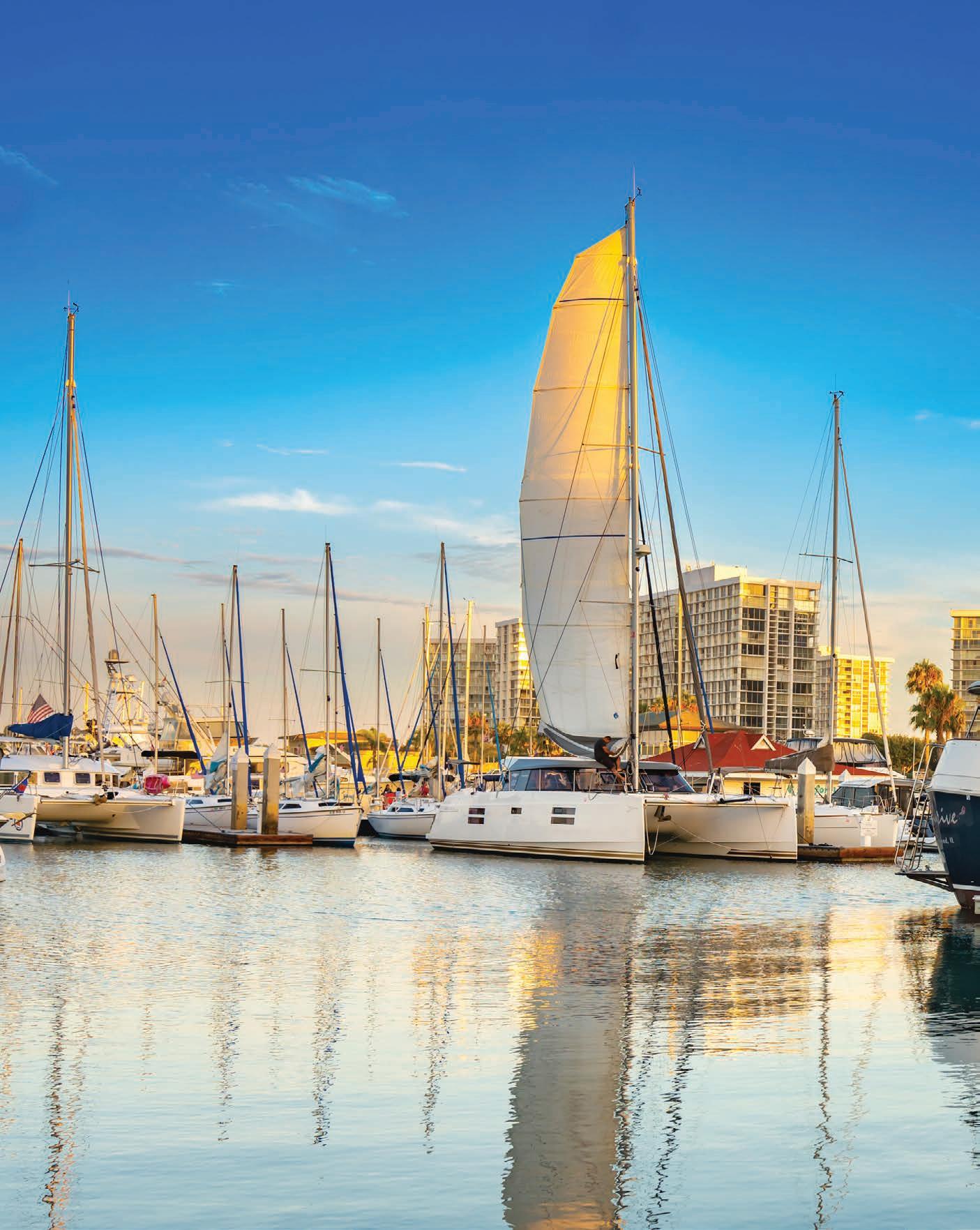
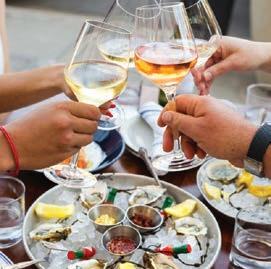
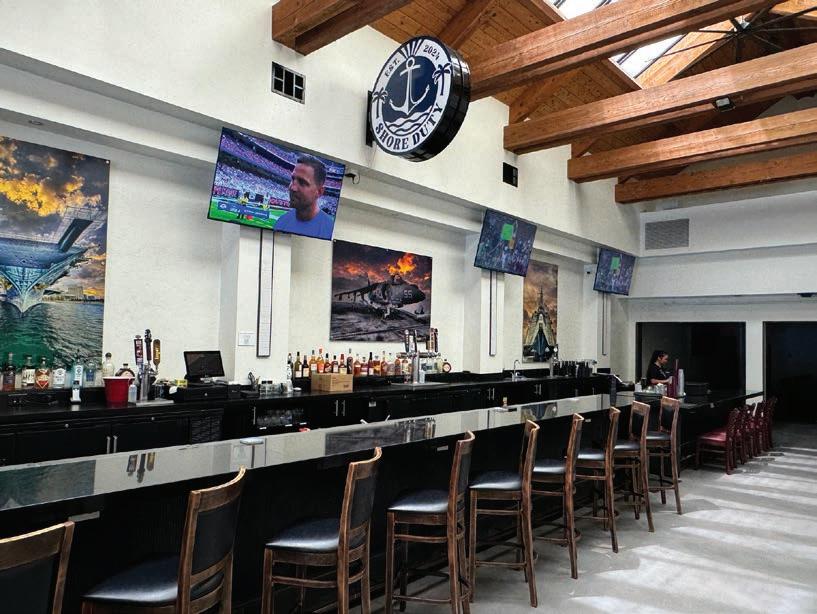
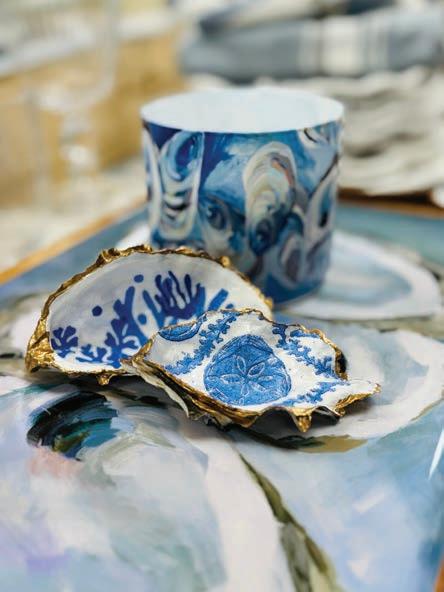
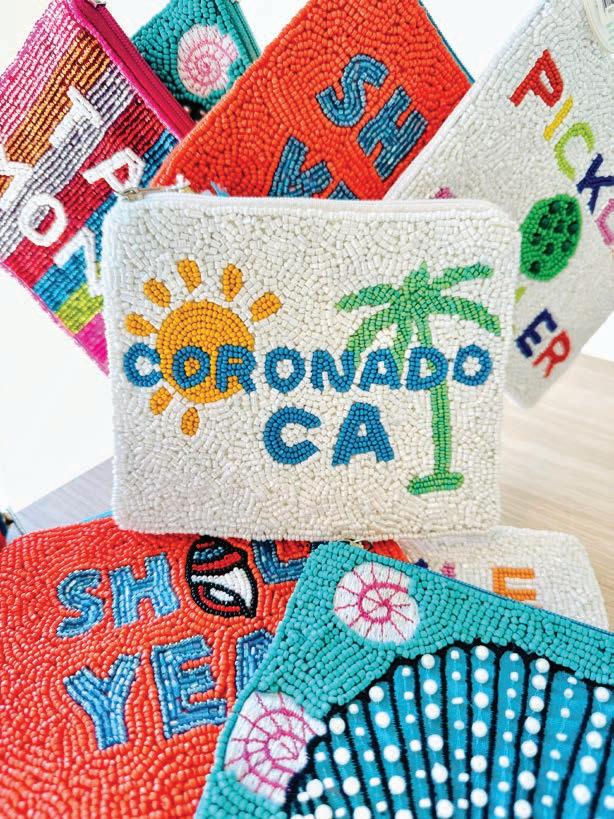
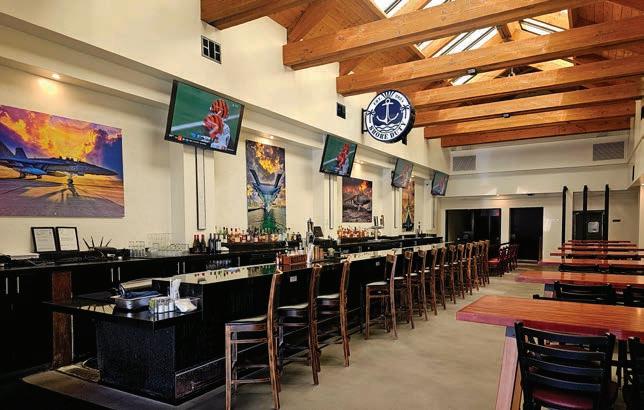
One of the bliss-inducing advantages of Uptown* is that you almost always catch a glimpse (or full panorama) of the brilliant blue of the bay. Hop aboard the Island Express to discover new watering hole Shore Duty (Happy Hour 1:455pm M-F), take a speedboat out on the bay with San Diego Jetski & Boat Rentals, shop Sea La View Living for oyster-themed home accents, or treat yourself to the real thing at Jolie restaurant - fresh daily with a +$1 50 option to add caviar!
*UPTOWN encompasses Coronado’s bay front, Ferry Landing and all the attractions from Second/Orange Ave, right down to the water’s edge!
15% OFF for military & first responders every day!
Uptown Coronado Events
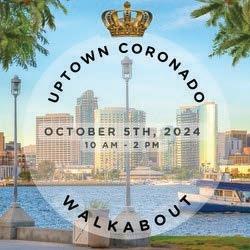
Join in Uptown’s first annual scavenger hunt from 10am-2pm on Saturday October 5th. Visit each of the 15-stops on the map to be entered to win $750 in Uptown gift cards!
This fun, family-friendly event includes FREE Hair tinsel and braids at Salon On First Champagne toast at Jolie (for adults!)
Oil & vinegar tasting at Vom Fass
Chance to name a cat & dog at PAWS
Kids’ face-painting & bubble machine
DJ Dance Party for all from 1-2pm
UPTOWN SIP & SHOP
The Coronado Chamber invites you to enjoy a glass of prosecco while perusing island home accents at Sea La Vie Living First 20 shoppers receive $10 gift card 4-5pm on Friday, September 20th
UPTOWN SERENADE
Every weekend in September, enjoy live music beside a glimmering bay from 2-5pm. Styles range from the dixieland ditties of Crown Island Jazz Band (Sat 7) to the Moonlight Serenade Orchestra (Sun 22) More info at coronadoferrylanding com
Uptown Guide brought to you by the Coronado Chamber of Commerce
Jolie by@sterling
Uptown Nado
Take a fresh look …
Uptown Style
UptownHound
K9 treats in Uptown 92118
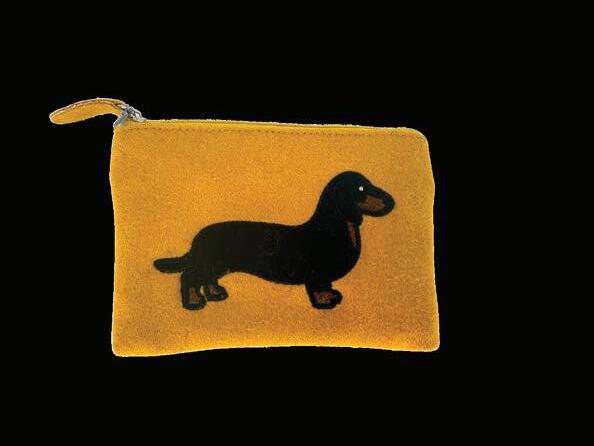
Collar charms & Rescued with Love bandana at Coronado Mercantile Dog bowl, treat jar, biscuit cutters, sign and rope toy at Sea La Vie Living
Chow Time
NICKY ROTTENS
Pup cup
$2
Dog patty
$8
Deluxe + bacon
Grilled chicken
Veggie platter
$12
$8
$4
ALBACA at MARRIOTT
Chicken or beef plus rice & veg bowl
$9
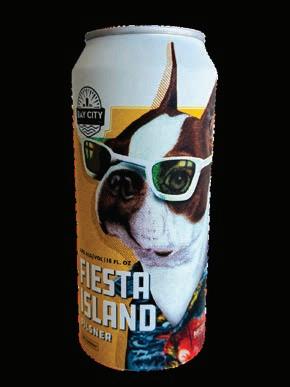
Point Loma brewery Bay City has FIESTA ISLAND
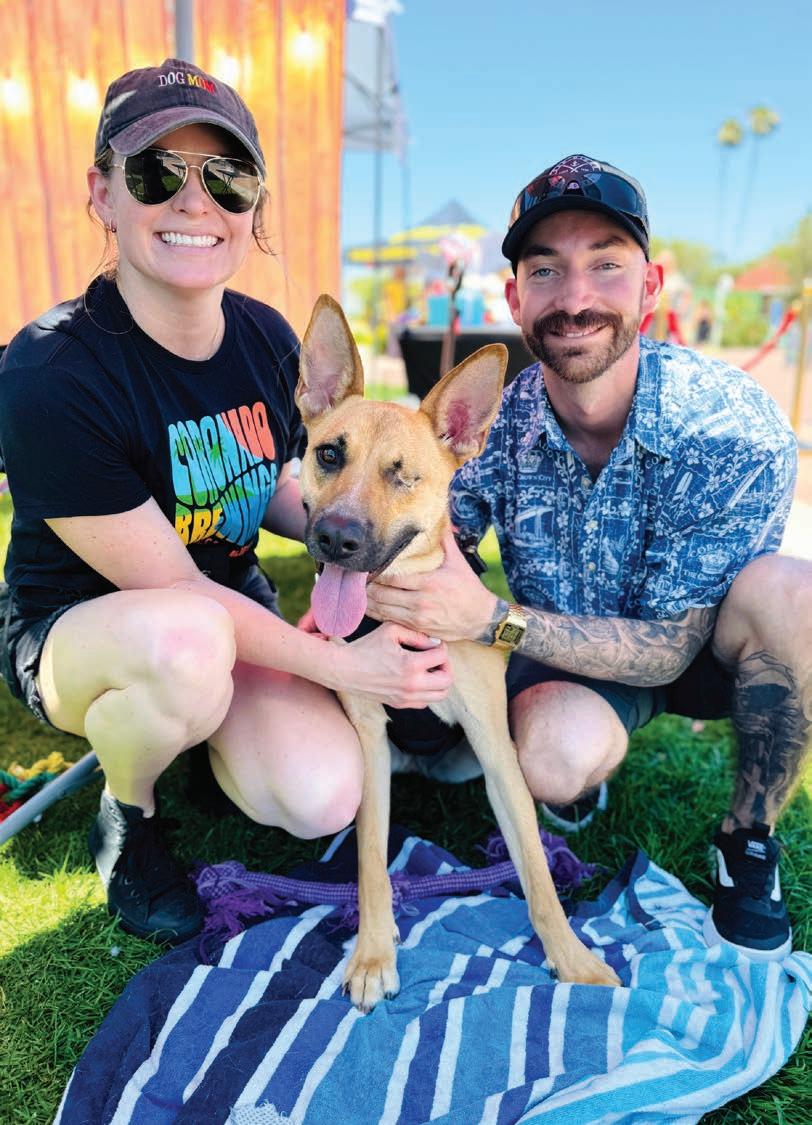
Pilsner on tap and in cans at CORONADO TASTING ROOM Every summer they donate a % of profits to PAWS, and sales rep Billy helps walk the pups there while they patiently wait for someone to fall madly in love with them
Sonoma ValleyMore Than Just Great Wine
From historic parks to botanical gardens, I discovered lesser-known treasures in the “Valley of the Moon.”
By Kris Grant
One of the pleasures of travel that I sometimes experience is visiting a destination and finding its history so compelling that I want to dig deeper once I return home. Happily, it becomes somewhat like an extended vacation. Such was my visit to Sonoma Valley, and particularly discovering the life of American novelist, journalist and activist Jack London, who settled there in “his later years.” Those would be the years when Jack was in his thirties, as this prodigious writer and adventurer died at the age of just forty.
Jack London packed all his writing into
a career that spanned 17 years, including hundreds of short stories published in national magazines and more than 50 fiction and nonfiction books, including Call of the Wild, White Fang and The Sea-Wolf. He was the first writer in American history to earn more than a million dollars from his craft.
Sonoma Valley, about an hour and a half north of San Francisco, is comprised of three towns: Glen Ellen, Kenwood, and Sonoma. London lived, wrote and is buried at his former ranch, which he dubbed “Beauty Ranch” in Glen Ellen that is now Jack London State Historic
Park. It is indeed beautiful, from the eucalyptus-lined roads that lead up to the ranch, to the oak-covered rolling hills and stone buildings within. All overlook Sonoma Valley, which London dubbed “The Valley of the Moon.”
Well before my time and yours, Jack London led a rag-to-riches life filled with adventure. He hopped trains and tramped across the country, headed north to Alaska to seek his fortune in the gold fields of the Yukon, worked as a war correspondent in China, Japan and Manchuria, and sailed the South Seas, navigating by the stars.
The Monet-style gardens of Coursey Graves Estate vineyards overlook Sonoma Valley. Photo by Kris Grant.
He worked hard and played hard his entire life, beginning with paper routes in the morning (rising at 3 a.m. for this job) and afternoon in his hometown of Oakland, California to help supplement his family’s small income.
After dropping out of high school at age 15, Jack turned to oyster pirating on San Francisco Bay, smoking and carousing with his fellow pirates in the saloons along the Oakland waterfront, today a popular tourist venue entitled Jack London Square. From these waterfront connections, he was invited on his first sea adventure, a seal-hunting trip off the coast of Japan.
I dug deeper into his life when I got home by checking out a book Jack London An American Life by Earle Gardner from our local library. I recommend it to you, as well as a visit to Jack London State Historic Park.
Jack London State Historic Park is just one of the many reasons a visit to Sonoma Valley is rewarding. There’s history here at every turn, from Sonoma Plaza to Sonoma Botanical Gardens. And, oh yes, there are more than 80 wineries producing some of California’s most revered vintages.
The Sherry Barn was used to house Jack London’s horses at his Glen Ellen ranch that had once been home to the Kohler & Frohling winery. The barn was built by Chinese laborers about 1884, and was originally used to age and store sherry wine. Photo by Kris Grant.
Jack London, wearing a rain slicker and with cigarette in hand, aboard The Roamer, his riverboat that he used to explore San Francisco Bay and the Sacramento Delta.
What made Jack London a celebrated writer?
It wasn’t just adventure. From his earliest years, Jack was a voracious reader, finding that adventures in books could take him away from his hardscrabble life. He first visited the Oakland Public Library when he was ten years old and had the good fortune to be mentored by the library’s director, Ina Coolbrith, who guided his reading. Coolbrith was also an accomplished poet and named California’s first poet laureate in 1915.
Jack’s mother Flora was a spiritualist who supported the family by giving piano lessons, conducting séances, and working as a seamstress. His probable biological father was William Chaney, Flora’s first husband, if they were indeed married as Flora attested; birth records were destroyed in the 1906 San Francisco earthquake and subsequent fire.
Meanwhile, Jack’s adoptive father, John London, was a positive influence in his life, taking him on camping trips and teaching him to sail. However, John London had lung damage sustained from measles and two bouts of pneumonia during his Civil War duty; a later railroad accident left him in fragile health.
Keenly aware of her son’s knack for telling good yarns, Flora encouraged Jack to write. It was she who saw an announcement of an essay contest on October 27, 1893 in the San Francisco Call (the newspaper was purchased by Claus Spreckels and his son Rudolf just two years later). With a deadline fast approaching, Jack wrote three days and nights straight about his seal-hunting trip that had taken place the previous spring. It was Flora who boarded a ferry to San Francisco to deliver the manuscript on deadline day.
Jack won the contest and its $25 prize. Inspired, Jack returned to high school, earned a diploma and even went on to study for a time at the University of California, Berkeley. But he dropped out when he no longer could afford tuition.
Besides, he was just as inclined to fuel his writing with true life adventures. He began submitting stories to newspapers, magazines and book publishers but, alas, received rejection after rejection. Then came a story placement for $40, and then The Atlantic for $120. He was off.
I’m going to fast forward now past London’s meteoric rise to fame and past his first marriage to Elizabeth Maddern that lasted only four years; the couple did have two children, Joan and Bessie.
London married Charmian Kittridge in 1905. He had indeed found his life partner, a fellow writer who matched his spirit of wanderlust.
Charmian and Jack were a remarkable team. Jack would write a minimum of 1,000 words a day, then Charmian would read, edit and, as necessary, retype pages of his manuscripts. She also kept prodigious diaries and authored a story about their South Sea adventures. Their working office at their Beauty Ranch Cottage home has been recreated.
Jack and Charmian thought it would be a splendid idea to sail around the
“If typewriters hadn’t been invented by the time I decided to write, I doubt if the world would have ever heard of Jack London,” wrote the author. Despite his ill health, Jack wrote aboard the Snark, sending dispatches to newspapers and magazines when he landed at the next port. This typewriter on display at House of Happy Walls museum was used on his world travels. Photo by Kris Grant.
Jack London rushed up to the Yukon Territory to search for gold. He didn’t find any, but instead made a fortune writing about the adventure in his early novels, Call of the Wild and White Fang.
world together. So they had a twomasted yacht, the Snark, designed and built and took off with a crew of three in the spring of 1907 from San Francisco Bay for their first stop, Hawaii. It wasn’t the picnic they envisioned, as the entire crew experienced severe seasickness on their one-month sail. They also found their ketch leaked just about everywhere. But they enjoyed an extended stay in the islands, and while their boat underwent repairs, they were treated like visiting rock stars.
The Londons pressed on to Tahiti, somehow losing the majority of their drinking water on the way there. Jack rationed all aboard to a quart a day, not much in the sweltering South Seas heat. If not for a Pacific storm that replenished their supply, they would not have made it.
Next came a sail through the Solomon Islands, where they encountered an erupting volcano and declined to go ashore on several islands due to, dare I say it, reports of beheadings and cannibalism.
But it was their failing health, Jack’s in particular, that caused the abrupt end to the trip. Jack suffered from all forms of ailments, including malaria, extreme flaking of skin that he feared might have been from contracting leprosy during a visit to the Hawaiian Island of Molokai (it wasn’t), hands swollen to nearly twice their size and other maladies that I politely won’t mention here, but which required surgery in Australia.
They arrived in Australia in November 1908 and over several months Jack’s health improved. They sold the Snark for a fraction of its cost to build and in April, boarded a tramp steamer bound for Ecuador. After traveling through Panama, where construction was underway on the canal, the Londons returned to the states, docking in New Orleans.
The Londons arrived home to their ranch, a former and long dormant vineyard, in Glen Ellen on July 24, 1909 more than two years after their voyage began.
Jack and Charmian aboard the Snark. Photo courtesy of Jack London State Historic Park.
Original copies of Jack London books are displayed at the House of Happy Walls. His works can be purchased at the museum bookshop.
Photo by Kris Grant.
From plowing the seas to plowing the land
Now London’s dreams centered on agrarian excellence. He adapted many of the farming techniques he discovered in Asia at his ranch. In many respects, he was ahead of his time, practicing organic farming and introducing sustainability initiatives at his ever-expanding Beauty Ranch.
He summed up his new mission: “I am rebuilding worn-out hillside lands that were worked out and destroyed by our wasteful California pioneer farmers. I believe the soil is our one indestructible asset, and by green manures, nitrogengathering cover crops, animal manure, rotation of crops, proper tillage and draining, I am getting results which the Chinese have demonstrated for forty centuries.”
He designed what he called a “Pig Palace” for his prize-winning pigs. The round stone building featured sterile concrete floors and a central feedery;
each pig and her sows had their own quarters with outside access.
London also loved horses, especially big, strong horses. He bred the largest breed, Shire stallions, and also had several riding horses. Charmian also was quite a horsewoman who refused to ride side-saddle; she designed her own split skirts to ride astride.
The Londons had a 15,000-squarefoot home with 26 rooms and nine fireplaces designed for their ranch by noted San Francisco architect Albert Farr. In August 1913, just when it was nearing completion, Wolf House burned to the ground. It was not until 1995 that a team of forensic scientists determined that the house fire was due to spontaneous combustion of linseed oil rags that had been left in a pile after the interior paneling had been polished with the oil. (Side note: In 1996, a fire broke out along the side walkway of my own
After Wolf House burned at their Glen Ellen ranch and following her husband’s death, Charmian London had a smaller home of the same arts & crafts style constructed on the property. Per her wishes, it later became the House of Happy Walls museum. Photo by Kris Grant.
Jack and Charmian on the porch of The Cottage, their home Glen Ellen. Photo courtesy of Jack London State Historic Park.
Coronado home. Firefighters quickly doused the flames and determined the cause to be rags soaked in linseed oil, found in a trash can. Mea culpa! And thank you, Coronado Fire Department!)
Much of London’s later works – Burning Daylight (1910); Valley of the Moon (1911) and Little Lady of the Big House (1916) – centered on the pleasures of his country life, away from the stresses and congestion of the city. He continued writing and planning with boundless enthusiasm almost up to the day he died, Nov. 22, 1916. His cause of death was gastrointestinal uremic poisoning.
Charmian inherited the property and lived there until her death in 1955. Thirty-nine acres, including the House of Happy Walls, the Wolf House ruins, and the Londons’ gravesite were gifted to the State of California in 1959. In 1979, the state purchased an additional 756 acres including their cottage and the
ranch outbuildings. In 2001, 600 acres of Sonoma Developmental Center land, including the historic orchard, were transferred to the park. Today the park encompasses approximately 1,570 acres.
The property was declared a California Historical Landmark and dedicated as a State Park in 1960. It was made a National Historic Landmark in 1962.
Sites within the park include:
• The Wolf House Ruins Only the massive stone walls of the Londons’ dream home remain.
• The House of Happy Walls Museum Built after Jack London’s death, Charmian designed a new home, smaller yet reminiscent of Wolf House. Her will stated that she would like it to become a museum. It houses artifacts and displays that tell the Londons’ story, as well as Charmian’s Steinway piano.
• The Cottage was the Londons’ principal home. The modest home was
to be a temporary abode; it was enlarged when Wolf House burned.
• Historic Ranch Buildings include the Pig Palace, Sherry barn, silos and winery ruins.
• Jack London Grave Site Jack and Charmian London and Jack’s step-sister Eliza Shepard are buried in a simple gravesite surrounded by a wooden picket fence.
More than 29 miles of trails roam through mixed forests, redwood groves, oak woodlands, and grassy meadows on Sonoma Mountain. Free docent-guided tours are available on weekends. Guided horseback tours are offered through Triple Creek Horse Outfit concession. Food is not sold in the park but visitors are invited to bring food; picnic tables are located throughout the park.
Eucalyptus trees, introduced by Jack London, turned out not to be useful in construction, but they make for a beautiful entrance to his ranch today.
Photo by Kris Grant.
Just a stone’s throw from Jack London State Park in Glen Ellen, I made a turn into Sonoma Botanical Garden. A friendly staff person led me on a golf-cart tour of this unexpected hillside oasis that is an enchanting mix of temperate climate Asian plants and California native flora.
Over a century ago, the 67 acres that make up Sonoma Botanical Garden was once nothing more than a sandstone quarry used for road foundations. Quarry operations resulted in a landscape pocked with holes that filled with water during heavy rains, creating a stream with ponds and waterfalls.
After sitting dormant for years, in 1964 much of the area burned in what was called the Nuns Fire.
Four years later Jane Davenport Jansen of San Francisco purchased 61 acres
including the former quarry, all sitting on Coastal Miwok land, where she envisioned building a vacation home on the hillside and establishing a small vineyard of cabernet grapes on the valley floor. Jansen’s husband, Vernon Jansen, was a wealthy businessman involved in the shipping industry. After his death, Jane inherited a significant fortune, which she used to fund her philanthropic endeavors, particularly in the field of botany.
As she began designing the uncultivated land, Jansen worked with landscape professionals including Dr. Peter H. Raven, then director of the Missouri Botanical Garden, in creating a hillside botanical garden that featured California native plants and rarities from China and other parts of Asia.
In 1987 she sponsored the first of
many seed-gathering expeditions to Asia. The purpose of these missions, often to remote and challenging regions of the Himalayas, China and Japan, was strategic. Many of the region’s plants were highly endangered due to habitat loss and environmental changes. Her garden became one of the few places in the world where these plants could be preserved and studied outside their native habitats, with the goal of conserving rare and endangered species.
In 1988 a nursery was established and a cooperative relationship between Jansen’s nonprofit garden enterprise, then named Quarryhill Gardens, and London-based Royal Botanical Gardens, Kew Gardens and the Howick Arboretum began. Additional acres were purchased, and planting began in 1990. That was 34 years ago. As I toured the
East meets West at Sonoma Botanical Garden
gardens, I found that the lushness, color, bubbling brooks and multi-specied tree canopy turned this otherwise hot summer day into a cool refreshing experience.
The landscape, with its steep hillsides, rocky outcrops and natural ponds, was meticulously designed to mimic the native environments of the plants, creating a harmonious blend of natural beauty and horticultural excellence.
The garden’s annual seed collection expeditions to Asia continued through 2017. It has grown several hundred plants from seeds in pots and then replanted them on the grounds. The garden’s collection today includes approximately 20,000 wild origin plants, representing over 1,500 individual species.
The goal was to create an in-situ collection of rare and endangered plants to preserve, study and celebrate biodiversity. An example is a rose that’s endangered in the wilds of China, Rosa rugosa. It is now widely planted at the garden.
This oasis is home to many species of rhododendrons, native to both Asia
and California. In addition to rare and endangered plants, the garden includes comprehensive collections of wild Asian roses, oaks, maples, magnolias, lilies, conifers and dogwoods.
Jane passed away quite suddenly at age 60 in the year 2000; two years later Quarryhill Botanical Garden opened to the public.
In 2017, another huge fire lapped at three sides of the garden. Also called the Nuns Fire, it broke out when high winds knocked an alder tree into a power line. The blaze ultimately burned 88 square miles and destroyed 407 homes in the Glen Ellen region, but the garden, save for the loss of some grapevines, was unscathed.
This summer, as I drove through bucolic Glen Ellen, I saw no signs of the fire’s aftermath. In its stead is a picturesque community where age-old oak trees gracefully line roadways, their branches often arching overhead to create a canopy that filters sunlight into a soft, dappled glow. But rest assured, residents are on constant alert for fire; today handy online apps, particularly Watch Duty that debuted in 2021, provide real time information about fire movement.
In 2021, the garden changed its named to Sonoma Botanical Garden and expanded its mission to include
conservation of California native plants. Open daily, 10 a.m. to 5 p.m. except for major holidays and the afternoons preceding them, garden admission is $15 for adults, with discounts for seniors, teens, active military and students. Children 4 and under are free. Both self-guided and docent-led tours are available. A gift shop at the entrance features a variety of gifts for botanicallovers, and some limited packaged snacks. Picnics are encouraged.
On Wednesdays through Oct. 30, and beginning again in May, the garden extends its hours to 8 p.m. with live music in the amphitheatre, lawn games and special family-friendly activities. Dogs on leashes are welcome during this time only and attendees are also invited to bring picnic dinners.
I was delighted by the current exhibit of 23 whimsical, larger-thanlife frog characters placed in vignettes throughout the garden. If you hurry you can see the Ribbit Exhibit, too. Sure to make you smile, it has been extended through Sept. 29.
The playful sculptures were handcrafted by North Carolina artist Andy Cobb. The copper figures with a natural greenish patina include “Zenny,” meditating on a leaf in the garden’s pond, and Edward the Tree Frog, you guessed it, perched in a tree. The garden has a handy frog-finder map.
Through the end of this month, the Ribbit Exhibit’s friendly frogs can be found in surprising places throughout the garden. Photos by Kris Grant.
Sonoma Plaza...the heart of the community
Sonoma Plaza, at eight and a half acres, is the largest town square in California and it is truly special. It’s also one of the most historic, a National Historic Landmark, that was laid out in 1835 by Mariano Guadalupe Vallejo, the founder of Sonoma.
Vallejo’s life spanned the evolution of governments in both Mexico and California. That he was able to navigate the various wars and uprisings and ultimate transition of land to U.S. government rule is a testament to his people skills.
Vallejo was born in 1807 in Monterey, California. As a commander under Mexican rule, Vallejo established Sonoma as a strategic military outpost to counter Russian expansion in the region. He constructed the Presidio of Sonoma, which became the northernmost Mexican military outpost in California. Vallejo played a crucial role in securing the area and promoting its agricultural development.
Following the Bear Flag Revolt in 1846, which briefly declared California an independent republic, Vallejo supported California’s transition to American governance, becoming an influential figure in the new state. He contributed to the region’s growth by managing land grants and fostering a sense of community. In later years his wealth and land holdings were greatly diminished, and he confined his political affairs to the local level, serving as Sonoma’s mayor for two terms. Although he lost much of his lands, he retained his Sonoma home, now a state historic park, where he and his wife lived for 35 years.
Sonoma Plaza’s central park features an amphitheatre, duck pond, and children’s playground equipment. At the center is the town’s city hall, an early 20th Century building dedicated in 1908. The former Carnegie Library is now the town’s Visitor Center. An immense tree canopy provides plenty of shade for picnicking with plenty of tables provided.
At El Dorado Kitchen, I enjoyed a robust seafood paella, while Barbara was delighted with perfectly seared and succulent scallops.
The Plaza is a shoppers’ and foodie paradise, with old adobe storefronts, meandering alleys and courtyards offering an eclectic mix of restaurants, boutiques, art galleries, wine tasting rooms at the vintage Sebastiani movie house. Two of my favorite shops on the plaza are Chateau Sonoma, a home, garden and gift shop specializing in hand-picked items from France, and Sign of the Bear, a home goods store with an extensive collection of cookware and kitchenware. And just a block off the plaza is the grand-daddy of kitchenware stores, Williams Sonoma, occupying the entire building where Chuck Williams opened his first store in 1956 (and lived just behind it with his mother).
I stayed at the historic El Dorado Hotel & Kitchen on the plaza. Built in 1843 for the brother of Mariano Vallejo, the two-story adobe building has been updated with modern amenities while still maintaining its charm, including balconies off most rooms, including mine. There’s also a small solar-heated saltwater pool tucked away in the back, and you can order food to be enjoyed there from the hotel’s famous Kitchen. By the way, this being a historic hotel, you should know that there is a grand staircase to the second floor, but not an elevator. No worries, bellhops are at your service.
El Dorado Kitchen is a destination for Sonoma residents and visitors alike who appreciate its farm-driven California cuisine. For dinner, I ordered the seafood paella, served sizzling hot with shrimp, calamari, mussels, market fish
The art deco Sebastiani Theatre on Sonoma Plaza is celebrating its 90th year. All photos by Kris Grant.
The flagship Williams Sonoma store, a block from Sonoma Plaza, was built in 2014 on the site of Chuck Williams first store; one of its bays recreates Chuck’s original store with its checkerboard floor.
with a tangy chorizo saffron and lemon plus crispy bomba rice. My cousin Barbara was equally thrilled with her perfectly seared scallops, served over a bed of citrus segments, golden raisins, capers, almond, spinach, and Yukon gold potatoes with a cauliflower curry púree. It was a memorable meal with impeccable service.
On another evening, we drove over to Glen Ellen for dinner to dine at the girl and the fig, although we could have hopped across the street at the plaza to go to the second restaurant of the same name. But we made the right choice – the little French bistro in tiny downtown Glen Ellen is absolutely delightful. The setting is one large room, with banquettes along the window, tables in the center and an antique bar on the opposite side. Artwork is displayed throughout, including paintings by “the girl,” Sondra Bernstein, who established the restaurant in 1997, moving to its present site in 2000.
The menu changes seasonally, featuring garden vegetables and herbs presented in a rustic Provencal-inspired style. I love figs and have two fig trees on my property that are now beginning to ripen. So of course I ordered the signature Fig & Arugula Salad, prepared with arugula, goat cheese, pancetta, pecans and grilled fresh figs in season. I paired it with a California Rhône varietal. You can also order wine flights and pair them with local cheese here, making for a nice light meal. Entrees feature local seafood, lamb, rabbit and duck, pastas and grains. I’m happy to report that everything is quite reasonably priced. I ordered the scallops, served with roasted corn, baby broccoli, corn velouté and basil pistou. The dish was so flavorful and the scallops so succulent, that I do believe that’s why my cousin chose scallops as her entrée at the El Dorado Kitchen the following night.
Of course,
this is wine country!
I visited three Sonoma wineries and one distillery, the latter yielding a nice surprise, more on that on the next page, but let’s start with the wineries.
At Sangiacomo Family Wines, I enjoyed the Signature five-flight tasting that included a nice charcuterie box as I relaxed on the outdoor patio overlooking the vineyards. Sangiacomo’s first vineyards were planted in 1969; now the family also farms vineyards in Carneros, Napa and along the Sonoma Coast. Its 2021 Chardonnay is top-rated by Wine Spectator with a 93 rating and it was superb. But let me be more specific by deferring to Wine Spectator’s evaluation: “with aromas of Asian pear and white peach mingling with citrus blossom and white pepper. Crisp yet weighty on the mid-palate with flavors of apricot, ripe peach, baked apple, and lemon curd, this enticing chardonnay is mouthwatering with a mineral-driven finish.” Yeah, it was all that!
Coursey Graves Estate wine tasting was an elevated experience, with a winding drive ascent of 1,500 feet overlooking the Bennett Valley at the northeast corner of Sonoma Valley. Here the
emphasis is French, beginning with the Monet-style gardens and pond on this private estate where all tastings are by appointment. Then it was on to a tasting of Bordeaux-style wines – a 2021 Cabernet Sauvignon, a 2021 Bennett Mountain Estate (a smooth and superb blend of Cabernet Sauvignon, Malbec and Merlot) and a 2022 Syrah – all complemented with local cheese. I made a quick stop at Sebastiani Winery, just a couple of blocks from Sonoma Plaza. It’s one of the largest and oldest of Sonoma’s wineries, and even made sacramental wines for the nearby mission through Prohibition. Samuele Sebastiani emigrated from the Tuscany region of Italy in 1895 and started Sebastiani nine years later. A stonemason by trade, he quarrymined the Sonoma hills for cobblestones that were used to build the streets of San Francisco. (Could it be the same quarry that is now Sonoma Botanical Garden?) Sebastiani’s barrel room features antique redwood tanks and original wine making tools.
Coursey Graves Estate vineyards feature Bordeaux-style wines, with beautiful Monetstyle gardens. Photo by Kris Grant.
I enjoyed a crisp Chardonnay while overlooking Sangiacomo’s vineyards. Photo by Kris Grant.
When I met the owner of Hanson of Sonoma Distillery, I did a double take. Scott Hanson was a name and a face that I recognized from – could it be – 36 years ago? Yes! Scott, who owned several West Coast art galleries at that time, was my client when I worked at San Diego’s largest public relations firm. His gallery on Prospect in La Jolla represented and hosted receptions for world-famous artists like Leroy Neiman and Thomas McKnight. Scott still has his original Sausalito Gallery and some of his own art hangs at the spacious Hanson of Sonoma distillery. Scott and his wife Judy were approached in 2012 by their four children – Brandon, Alanna, Chris and Darren – who asked them if they’d be willing to bootstrap a new family
business featuring a unique organic artisan vodka. It would be hand-crafted in small batches and distilled from organic grapes, rather than potatoes. Mom and Dad were in. Two years of research and development followed, with the family crew developing and testing 155 separate batches, using different grape varietals, distillation techniques and filtration methods. In 2013, the distillery participated in blind taste tests at the Spirits International Prestige Awards in London where it won Best in Show and a Platinum Award. Since then, awards have kept coming. For example, its Mandarin organic vodka scored 94 points, best vodka, double gold at a San Diego International Spirits Challenge.
I sampled four flavors – Original, Meyer Lemon, Pink Grapefruit and Mandarin. They say that vodka should be tasteless, but what makes it great is a silky mouth feel, which came through on the Original. My favorite was the Meyer Lemon, which I learned featured Meyer lemons sourced from a local Sonoma Valley farm, then hand peeled and given a long maceration in Hanson’s Original Organic Vodka. The result was a sweet yet tart lemon flavor with a bit of spice. I bought two bottles and, hmm, I might just open one shortly.
Say Cheese!
On my last day in Sonoma, I participated in my first ever cheesemaking class. We gathered at the Epicurean Connection, tucked away in an artsy industrial park community. Sheana Davis welcomed us, invited us to have some juice, water, or wine (guess what I chose) as we waited for all the class participants to arrive. Then our group of 14, including several couples, chose our battle stations, which had been outfitted with hot plates, mixing crocks, utensils and recipes. Sheana has been making cheese for nearly 30 years, (some of her cheese has been featured at The French Laundry) and for this class she was assisted by her husband, wine connoisseur Ben Sessions. We began with Sheana’s demonstration of how heavy cream whips up to whipping cream, then mascarpone cheese, used in desserts such as tiramisu, and then butter.
Then we made Crème de Ricotta. Who knew that ricotta cheese, which I pay a fortune for at the grocery store, is simply a mixture of whole milk, cream, distilled white vinegar and kosher salt? After we prepared about three pounds each, we divided the finished product into smaller portions and flavored them with a variety of herbs, sweet and savory. They made for perfect souvenirs to share with family and friends. Good thing I had a cooler in the car.
Novice cheese-makers whip up Crème de Ricotta at Epicurean Connection.
How fun it was to reconnect with an old friend and former client, Scott Hanson, CEO of his family-run Hanson of Sonoma Distillery.
Hanson of Sonoma Distillery features fruit-forward organic vodkas. All photos by Kris Grant.
IF YOU GO…
Sonoma Valley Visitor Bureau
Visitor Center on the Plaza 453 First Street East www.sonomavalley.com
Recommended Accommodations
El Dorado Hotel & Kitchen
405 First Street West (Sonoma Plaza) Sonoma www.eldoradosonoma.com
DRE#01105050 Willis Allen Real Estate Olga Stevens (619) 778-8011
Olgaminvielle1@gmail.com OlgaCoronado.com
Taylor Smith (619) 762-8815
TaylorSmithRealEstate.com
Taylor@willisallen.com
DRE# 02076557
Willis Allen Real Estate
Suzanne Fahy (619) 841-5870
seashorepropertiescoronado@gmail.com
DRE#01454055
Lisa Davenport
lindadavenport007@gmail.com
DRE#01422713 (619) 261-5963
Jill Lehr
DRE#02035838 (619) 981-2750 lehrpad@yahoo.com
Hope Baker
DRE#02030667 (480) 221-0516 hopebake4@aol.com
Seashorepropertiescoronado.com
Seashore Properties
Tom Tilford (619) 300-2218 tom@tomtilfordre.com
DRE#01897051
Better Homes & Gardens Real Estate Napolitano & Associates
Berkshire Hathaway HomeServices CA Properties Zulema Ugarte 619-254-2934
DRE#: 01420331 ZulemaM@bhhscal.com
Wine Dinner
chris@christoogood.com
DRE#01882388
Chris Toogood Jeanmarie Gallagher Toogood Realty
jeanmarie.gallagher1@gmail.com DRE # 02065457
Barbara Wamhoff (619) 517-8880 barbarawamhoff@gmail.com
DRE#01225350
eXp realty
Emily Wendell (619) 348-9212
emilywendell@bhhscal.com
DRE#02032915
Berkshire Hathaway HomeServices CA Properties
DRE#00840495
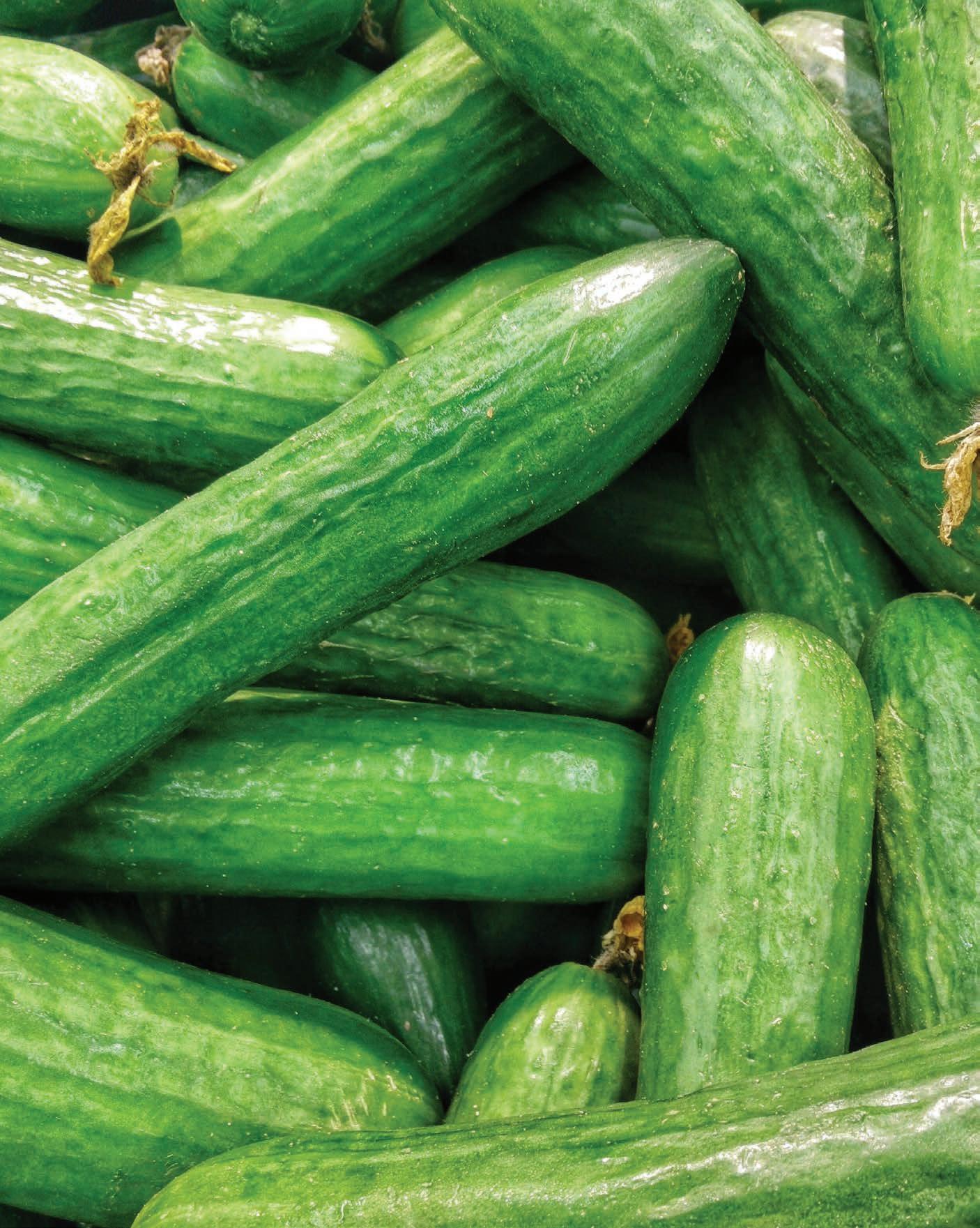
As we say goodbye to summer and begin to usher in early autumn, new, fresh produce is hitting peak season. This list includes the cucumber, which is in peak season for the next few months. While often considered a vegetable, cucumber is actually a fruit because of its flowers and seeds.
The cucumber is thought to originate from India and has been cultivated for at least 3,000 years across Western Asia. They also spread quickly to Europe, first in Greece and Italy. During the 16th century, European trappers introduced the first cucumbers to North America in the region of the Rocky Mountains and Great Plains.
Beyond their rich history, cucumbers are also rich in nutrients. They are low in calories, high in vitamins C and K, and contain potassium, magnesium, manganese, and dietary fiber. They are also composed mostly of water, making them great for hydration and detoxification. Cucumbers are also known to regulate blood pressure, aid in digestion and weight loss, benefit your skin, hair, and nails, prevent bad breath, and even reduce your risk of cancer.
The refreshing and crisp flavor of cucumbers makes them the perfect addition to your late-summer dishes and drinks. Cucumbers can be pickled, juiced, pureed, added to salads or sandwiches, stirred into cocktails or soups, or simply enjoyed raw alongside your favorite charcuterie board items. No matter how you choose to enjoy the nutritious and delicious cucumber, you are bound to relish it! (Pun intended!)
MOLLY HAINES MCKAY BROKER ASSOCIATE
619.985.2726
DRE# 01876062
MollyHainesMcKay@gmail.com
MollyHainesMcKay.com
CARRIE MICKEL SALES ASSOCIATE
619.630.3570
DRE# 01999494
CarrieMickel@bhhscal.com
ShopNadoHomes.com
LINDSEY LYONS
619.405.9208
DRE# 01993229 lindseyblyons@gmail.com
GO PACK GO (but all fans accepted!)
Call to schedule your free Invisalignconsultation today!
Sweater and pumpkin spice latte weather Sunday football with your favorite team playing A clear aligner system backed by over 20 years of innovation