
Epoxy flooring
Buying a bull dozer
Bathrooms without tiles
Concrete batching plants

Epoxy flooring
Buying a bull dozer
Bathrooms without tiles
Concrete batching plants
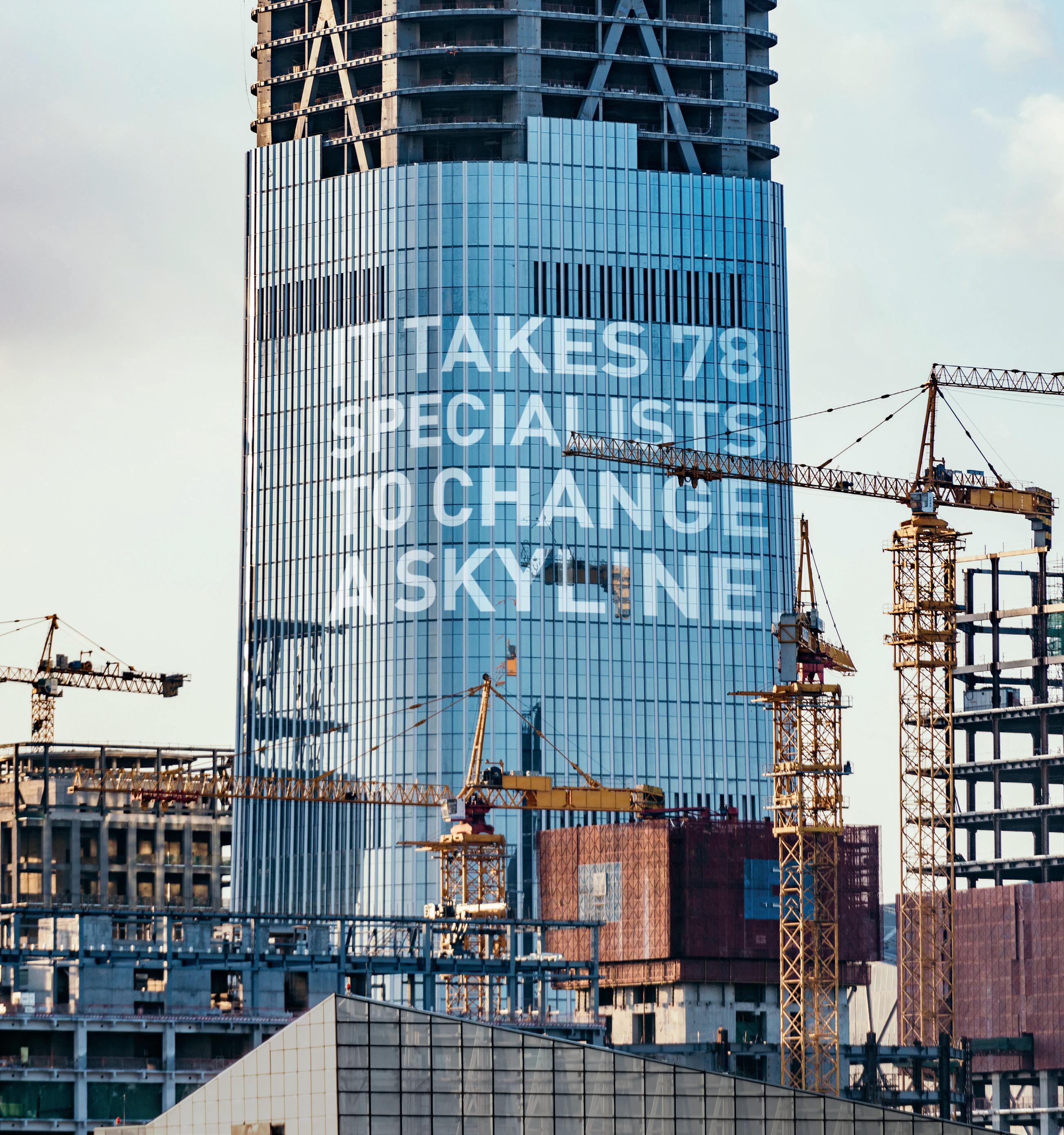
Behind every modern marvel is a team of experts who take innovation to the next level. In insurance, having a risk solutions partner that understands your business the way you do is crucial to protect it. With over 101 years of experience and being the leaders in specialist underwriting across a broad range of industries, you can be sure we’ll use our technical expertise to offer you quality insurance solutions to protect your business. Santam. Insurance good and proper.
Santam is an authorised financial services provider (licence number 3416).
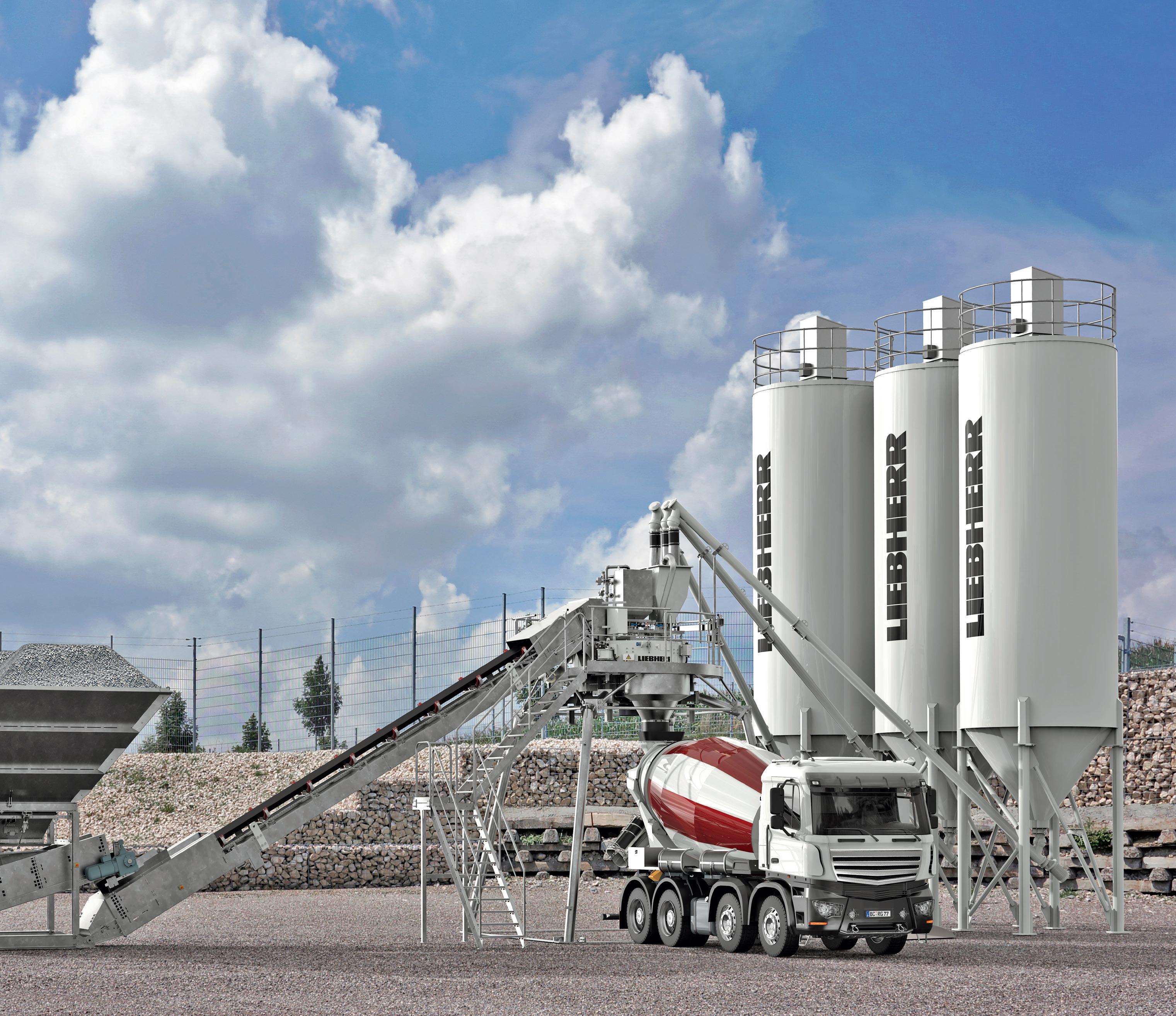
LCM 1.0 – an economic mixing plant with unique advantages
Efficient concrete production with high reliability
Easy and intuitive control system via laptop
Cost-efficient transport in 2 x 40ft. HC containers
Quick and easy assembly leads to minimal foundation work
MANAGING EDITOR
Robert Barnes
DEPUTY MANAGING EDITOR
Francis Makari
EDITOR - in - CHIEF
Dennis Ayemba
COUNTRY EDITORS
Uganda - Betty Nabakooza
Nigeria - Boladale Ademiju
South Africa - Jimmy Swira
WRITERS, Pascal Musungu, Anita Anyango, Patrick Mulyungi
WEB & GRAPHIC DESIGN
Gerald Oswald
Sales and Marketing Manager
Faith Mburu
ADVERTISING
Kenya: William Mutama, Lilian Khavosa, Joyce Ndamaiyu, Wendy Kinya
South
South Africa: Thuli Nkosi, Winnie Sentabire, Angeline Ntobeng,
Uganda: Nobert Turiyo, Selina Salumah Namuli
Botswana: Dickson Manyudza, Gerald Mazikana
Ethiopia: Haimanot Tesfaye, Ruth Girma
Tanzania: Tom Kiage
Malawi: Anderson Fumulani
Ghana: Samuel Hinneh, Caleb Donne Hadjah
Zambia: Susan Kandeke
Zimbabwe: Chiedza Chimombe
Rwanda: Collison Lore
Nigeria: Seni Bello
China:Weng Jie
The editor accepts letters and manuscripts for publication from readers all over the world. Include your name and address as a sign of good faith although you may request your name to be withheld from publication. We reserve the right to edit any material submitted .
Send your letters to: info@constructionreviewonline.com
Construction Review is published eleven times a year and is circulated to members of relevant associations, governmental bodies and other personnel in the building and construction industry as well as suppliers of equipment, materials and services in Africa, the Middle and Far East. The editor welcomes articles and photographs for consideration. Material may not be reproduced without prior permission from the publisher. The publisher does not accept responsibility for the accuracy or authenticity of advertisements or contributions contained in the journal. Views expressed by contributors are not necessarily those of the publisher.
© All rights reserved.

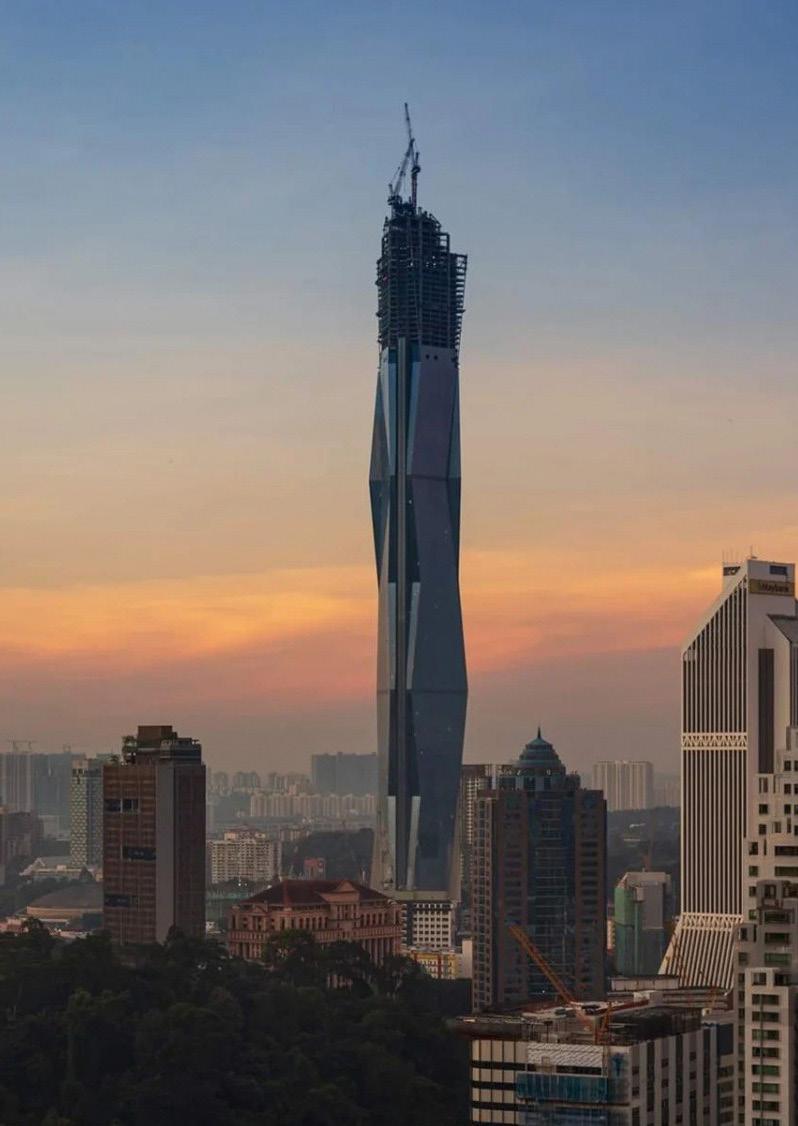
the Merdeka 118 tower, a 118-storey, 644-metre (2,113-foot)
Head Office and for all enquiries: P.O. Box 10109
Nairobi 00100 Kenya, Tel: +254 722525326 +254-208000307 Email: info@groupafricapublishing. com

China's giant water diversion project
The South-North Water Transfer/Diversion Project is an over US$79bn multi-decade infrastructure mega-project in China
The firm that wants to foster free thinking and give people the opportunity for growth

14
Buying a bull dozer
When it comes to a buying a bulldozer most people have little or no clue what to look for

Tel: +251 118 955 855, Cell: +251 930 099 152
Email: ethiopia@groupafricapublishing.com
Ghana Agent
Image Consortium
1st Floor, The Ecobank Building, Tesano.
Tel: 233(0)30 223 2728 I 233(0)274807127 I +233(0)206299159
Fax: 233(0)24 882 8286
Email: ghana@groupafricapublishing.com, Calebhadjah@gmail.com
Kenya Agent
Northwest Ventures Ltd
P.O. Box 16414 - 00100
G.P.O
COP26 has come and gone. It was an international UN summit with over 190 attendees collaborating to combat climate change.
Buildings are responsible for almost 40% of global energy-related carbon emissions and 50% of all extracted materials.
The building and construction sector’s demand on natural resources accelerates climate change, and inefficient, unhealthy buildings negatively impact human health and wellbeing.
According to the World Green Building Council goals that need to be addressed include by 2030, all new buildings, infrastructure and renovations will have at least 40% less embodied carbon with significant upfront carbon reduction, and all new buildings must be net zero operational carbon.
By 2050, new buildings, infrastructure and renovations will have net zero embodied carbon, and all buildings, including existing buildings, must be net zero operational carbon.
The building and construction industry needs to come together and seriously embark on these goals
Nairobi, Kenya
Tel: +254 20 2679808
Email: kenya@constructionreviewonline.com, info@northwest.or.ke
Nigeria Agent Rahma Associates
B23/24, Aishetu Emoewa Plaza, 196, Iju Water Works Road, Ifako Ijaye Lga,Agege, Lagos. Tel: 234-1-7347860
Email: nigeria@constructionreviewonline.com
Rwanda Agent
Kolline & Hemed Inc., B.P. 3328, Kigali, Rwanda E-mail: rwanda@constructionreviewonline.com
Zambia Agent Dayflex Limited, Dedan Kimathi Road, Lusaka, Zambia. Email: zambia@constructionreviewonline.com
Tanzania Agent: Group Africa Publishing Ltd tz@constructionreviewonline.com Dar-es-salaam

GREEN Solar Academy recognizes that training is only the first step towards finding a job in the Solar Industry and it is therefore going one step further in its commitment to preparing installers for a successful career in solar energy by launching an internship program together with Peak Power Solutions, a well-established solar company based in Pretoria, Gauteng.
Peak Power Solutions is headed by Willem van Schalkwyk, a GREEN alumni who started his career in the solar industry by participating in a GREEN training course in 2014, and who knows about the struggles new solar installers face.
This collaboration is a pilot program that will be rolled out with companies of other GREEN Alumni in the future.
GREEN’s commitment to helping participants get started in a career in solar energy extends beyond the short, professional courses they provide and into extra services such as networking meetings and forums where new installers can learn from industry stalwarts and get direct access to wholesalers.
The partnership benefits both parties, in that the intern may well go on to secure permanent employment with the internship company, and the industry gains another solar professional with solid experience.
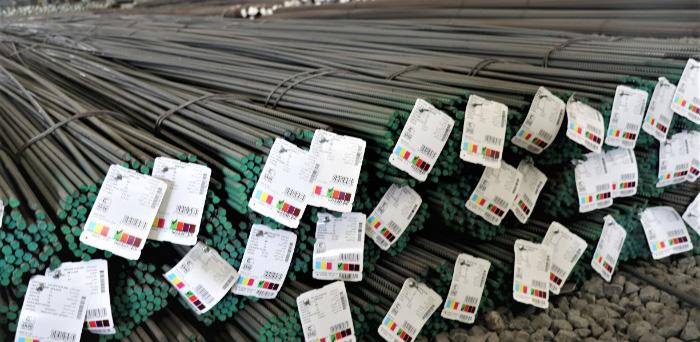
Emirates Steel, the leading integrated steel manufacturer in the Middle East, adopted UK CARES’ state-of-the-art Dynamic QR Code verification technology to assure fast and seamless traceability of its rebar products as part of its major drive to digital assurance. Emirates Steel is the first manufacturer to automatically upload the product test data using a dedicated Application Programming Interface.
Rebar customers seeking comprehensive information about materials sourced from Emirates Steel can now access CARES Dynamic QR Code for a direct link to Emirates Steel’s uploaded product test data on the CARES Cloud.
Engineer Saeed Ghumran Al Remeithi, CEO of Emirates Steel, commented: “We have enjoyed a long and successful relationship with UK CARES and have followed their rapid expansion into digital assurance with great interest. By adopting this innovative Dynamic QR Code solution, we will make sure that the customers have accurate information at their request for a critical structural material such as rebar,” said Al Remeithi.
“It is important for Emirates Steel to remain at the forefront of technological innovation and make product data available to all stakeholders throughout the construction value chain,” continued Al Remeithi.
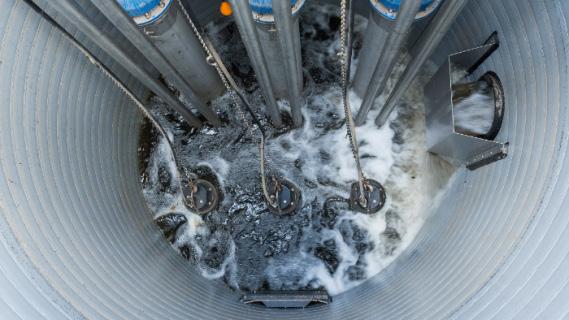
As conserving water and maintaining high water quality become increasingly critical issues for South Africa, wastewater systems will need to perform more reliably and safely.
According to Bennie Thiart, Grundfos sales director water utility South Africa, the Grundfos SE/SL range of wastewater pumps are now fitted with the Open S-tube® impeller for greater durability and reliable performance.
“As the level of solids in our wastewater rises, this innovative pump design can make wastewater plants and pump stations much less susceptible to stoppages and overflowing,” says Thiart. “Our design allows even stringy material like rags to be passed quickly through the pump without causing a
blockage or shutdown of the motor.”
He highlights that wastewater treatment plants and pump stations operated by municipalities or industry can cause considerable environmental harm when they overflow due to pump stoppages. When there are unexpected disruptions to pumping, waste water can flow into rivers and wetlands – that leads to contamination of groundwater aquifers.
“We can expect stricter enforcement of environmental legislation, as South Africa’s water resources are currently under pressure,” he says. “Wastewater treatment plants, for instance, can no longer afford the risk of spillages.”
The Grundfos SE/SL range with its semi-open hydraulic design
will equip these facilities for higher levels of performance and operational security. The first generation of these pumps has been well received in southern Africa since the early 2000s, he says, and the market is ready for these added features.
In its fifth edition, from 17-19 March 2022, Egypt Projects, the leading international exhibition for construction and building materials will host 350+ exhibiting companies and attract 20,000+ trade professionals from the entire construction industry sectors. 3 days full of opportunities, face-to-face interaction, and networking with potential new partners to boost your business in the most attractive market in the middle east and Africa.
EGYPT PROJECTS is the number one leading show in the building industry in Africa. All the decision-makers meet the contractors to choose their partners and find products/services for the buildings of today & tomorrow.
In 2022, EGYPT PROJECTS will combine to offer the complete range of products and solutions suited to the construction market in Egypt and the Middle East. The events are organized by Arabian German for Exhibition & Publishing, the premium event organization in the Middle East.
Buildexpo Africa is the only show with the widest range of the latest technology in building material, mining machines, construction machinery and heavy equipment. At the 23rd edition of Buildexpo, East Africa’s largest building and construction fair, we bring you, exhibitors, from over 40 countries who are the finest in infrastructure development.
Find what suits you best from about 14.3 million business prospects during the three-day event, with over 10,000 products, equipment and machinery on display across an expanse of more than 10,000 square meters. The last event witnessed international pavilion participation from India, Turkey, China, Italy, Malaysia and Germany.
Over the years, we have grown to cater to the demands of not just the Kenyan market, but of the whole region of East Africa. This mega expo is the ideal forum for international players to showcase their products and services to the huge market in Africa.
Kenya
- Architectural Association of Kenya
- Institute of Quantity Surveyors of Kenya
- Institute of Engineers of Kenya
- Association of Consulting Engineers of - Kenya
- Association of Professional Societies of East Africa APSEA)
- Kenya Property developers Association
- Institution of Surveyors of Kenya
-Town and County Planners Association of Kenya (TCPAK)
South Africa - ASAQS - SAICE
- South African Council for the Quantity Surveying Profession
- Khuthaza ( Women for Housing)
- Concrete Manufacturers Association
- Green Building council of SA
- South African Property Owners Association
- Master Builders South Africa
Uganda
Institute of Surveyors of Uganda
Uganda Institute of Professional Engineers (UIPE) & Uganda society of Architects
- Institute of Botswana Quantity Surveyors
Ethiopia
- Association of Ethiopian Architects
- Ethiopian Association of Civil Engineers
- Construction Contractors Association of Ethiopia
Zimbabwe
- Zimbabwe Institute of Quantity Surveyors
- Zimbabwe Institute of Engineers
- The Construction Industry Federation of Zimbabwe (Cifoz)
Ghana
- Ghana Institute of Engineers
- Architects Registration Council
- Ghana Institute of Surveyors
- Ghana Green Builders Association
- Ghana Institute of Planners
- Association of Building and Civil Engineering Contractors of Ghana
Namibia
- Institute of Namibian Quantity Surveyors
The Big 5 Construct Kenya 24th to 26th November 2021
Totally Concrete Kenya brings expertise, technology, and products together for an exchange of ideas and innovations. Opening the door to exciting developments in the world of concrete and cement equipment to the region’s key decision-makers, this co-located showcase welcomes an international line-up of top-tier manufacturers and distributors .
We bring over 8,000 construction professionals to you under one roof, over three days. The Big 5 Construct Kenya ensures that you meet with key decision makers and distributors at the event.
We help you achieve your business objectives and increase your sales pipeline with our Lead-Retrieval app. Scan and capture details of all visitors to your stand and achieve ROI through tangible leads..
- Association of Consulting Engineers of Namibia
Tanzania
- Tanzania Institute of Quantity Surveyors
- Construction Regulation Board (CRB)
- Tanzania’s Registration Board of Architects and Quantity Surveyors (AQSRB)
- Association of Consulting Engineers Nigeria
- Association of Professional Women Engineers Of Nigeria
- Council of Registered Builders of Nigeria
- The Nigerian Institute of Architects
- American Association of Petroleum Geologists Africa Region
- Nigeria Society of Engineers
- Nigeria Institute of Architects
- Building and Construction Skilled Artisans Association of Nigeria (BACSAAN)
- Zambia Institute of Architects (ZIA)
- Association of Building and Civil Engineering Contractors (ABCEC).
TheMerdeka 118 tower is a 118-storey, 644-metre (2,113-foot) tall skyscraper being constructed in Kuala Lumpur, Malaysia. As at October 2021, it was the tallest structure under construction in Malaysia. Surpassing the Petronas Towers, the tower will become the tallest building in Malaysia and in the Southeast Asian region. It will also become the second-tallest building in the world once completed, surpassing the 632 m (2,073 ft) Shanghai Tower, taking the title by virtue from its 144-metre-tall (472 ft) spire. The Merdeka 118 project is developed by Permodalan Nasional Berhad (PNB) with a budget worth RM5 billion. It will comprise of 400,000 square metres (4,300,000 square feet) of commercial, residential and hotel space.
The project will consist of 100 storeys of rentable area, as well as 83 office space storeys, 5 storeys hotel residences, hotel rooms of 12 storeys, The View At 118; observatory floors which will become the highest observation deck in Southeast Asia, a retail business centre; 118 Mall, all surrounded by a 4-acres urban and linear park; Merdeka Boulevard At 118. The non-rentable space comprises of elevators, maintenance and recreational facilities, and furthermore parking areas for up to 8,500 cars. 60 from the 80 storeys of office space will be reserved for project's developer; Permodalan Nasional Berhad and its subsidiaries.

The tower is designed with a mixture of diamond shaped glass facades to show the Malaysian diversity. The steel and glass building with a spire was inspired and to resemble a unique silhouette of Tunku Abdul Rahman lifting his hand while chanting "Merdeka!", when he proclaimed the Malaysian independence in 31 August 1957. The building's cladding will include 114,000 square-metre of glass, 18,144 panels and 1,600 tonnes of window frame extrusions. It will consist the 118 Mall, Grade-A offices, hotels, and residential spaces. Leslie E. Robertson Associates and Robert Bird Group were the project's structural engineers.The tower will be equipped and illuminated with 8.4 km of LED light strips at night that would gradually move to different corners. Environmental Design and Engineering firm Neapoli Group was hired to offer consultancy services on achieving platinum rating with three Green Building certification bodies: Green Building Index and GreenRE and Leadership in Energy and Environmental Design (LEED).






The piling and foundation work for the scheme was awarded to Pintaras Geotechnics Sdn Bhd. Six groups were shortlisted by the Permodalan Nasional Berhad for various construction jobs. They included Malaysian Resources Corp Bhd-China State Construction Engineering Corp, Samsung C&T-UEM Group Bhd, IJM Corp Bhd-Norwest Holdings Sdn BhdShimizu Corp, TSR Capital Bhd-Daewoo Group, WCT Bhd-Arabtec Construction LLC and Seacera Group Bhd-Spaz Sdn Bhd-Sinohydro Corp-Shanghai Construction Group. The companies were to present their bids by January 28, 2015. A Finnish group, KONE was supplying around 87 elevators and escalators for the scheme.
On 23 November PNB reported a contract worth RM 3.4 Billion had been awarded to Samsung C&T and UEM Group Bhd joint venture. Later in 2017 November, PNB aimed to raise up to RM2 billion fund for the scheme through green sukuk with 15-year tenure. The sukuk, which is also known as Merdeka Asean Green SRI Sukuk Programme, covered the development of its 83-storey office space, which forms part of the tower. It is the first adopter of the Asean Green Bond Standards launched by the Securities Commission Malaysia that validates PNB commitment to develop the project as a sustainable and environmentally-friendly project.
On 27 February, it was revealed that Park Hyatt will open up a franchise in Merdeka 118. The Park Hyatt Kuala Lumpur will be occupying the top 17 floors of the tower; It is slated to have 232 units, as well as 28 suites and 30 apartments.
2020.



The Movement Control Order in Malaysia brought by the COVID-19 pandemic halted the construction, which later resumed in mid-May.

By early August 2020, the development's concrete core topped out at 118 floors becoming the tallest building in Southeast Asia surpassing the Vincom Landmark 81. PNB president, Ahmad Zulqarnain Onn, on 25 October 2020, stated that the first and second phases are expected to be completed in 2022 Q2 rather than 2021 due to the COVID-19 pandemic. Phase 3 is set to complete in 2024 or 2025. The project was on phase 1 which focused on the tower.
As of June, the tower was 81% completed, with the glass facade installation in progress at Level 108 and had successfully reached Level 118 with its spire already 50% assembled along with the retail podium construction ongoing.
Turner International are development's project Management Consultants. By 12 October 2021, the Merdeka 118 tower had architecturally topped out, with the aviation obstruction light installation done at its tip that can be seen from afar during the night.
TheSouth-North Water Transfer/Diversion Project is an over US$79bn multi-decade infrastructure mega-project in China whose objective is to divert approximately 44.8 billion cubic meters of fresh water annually from four rivers in the Southern region of China i.e. the Yangtze River, the Yellow River, the Huaihe River, and the Haihe River, to the more arid and industrialized northern region via three diversion routes (the Eastern, Central and Western routes) that cut across the eastern, central and western parts of the Asian country.
The Eastern Route Project (ERP) which is completed involves the upgrade of the Grand Canal and will be used to divert between 8.9 and 14.8 km3/year of the total flow of the Yangtze River (between 600 and 956 km3 per year) to Northern China.
Water from the Yangtze River will be drawn into the canal in Jiangdu, where a giant 400 m³/s (12.6 billion m3/year if operated continuously) pumping station was built back in the 1980s.
The water will then be pumped by stations along the Grand Canal and through a tunnel under the Yellow River and down an aqueduct to reservoirs near Tianjin.
The diversion will be slightly over 1,155km long and involves the construction of 23 pumping stations with the installed capacity of 453.7MW in the first stage alone to complement the seven existing ones, which will themselves be rehabilitated and upgraded.
This part of the project will also include nearly 9km of tunnels, from the outlet of Dongping Lake to the inlet of the Weilin Canal, including a 634m long siphon section, together with two 9.3m diameter horizontal tunnels 70m under the Huanghe riverbed.
The central route is also known as the middle route will divert water from the Danjiangkou reservoir on the Han River via new canals near the west edge of the Huanghuaihai Plain to flow through Henan and Hebei Provinces to Beijing, a diversion route totaling up to approximately 1,267km in length. The nearby city of Tianjin
Hebei Province.
This route involves the construction or rather raising the height of the Danjiangkou dam by increasing the dam crest elevation from 162 m to 176.6 m above sea level. It also involved the construction of a canal to push water all the way from the Danjiangkou Reservoir to Beijing, without the need for pumping stations, and two tunnels of 8.5m internal diameter some 7km long, with a flowing design of 500m³/s.
Construction of the western route, which traverses the Qinghai-Tibet Plateau between 3,000m–5,000m above sea level involves overcoming some major engineering and climatic challenges. Once completed in 2050, the project will bring 4 billion cubic meters of water from three tributaries of the Yangtze, that is the Tongtian, Yalong, and Dadu rivers, nearly 500km across the Bayankala Mountains and then on to northwest China.

Developer: South-to-North Water Transfer Project Company
Pre-project construction work: Hanjiang Water Resources and Hydropower
Project management: State Development and Planning Commission, the Ministry of Water Resources, the Ministry of Construction, the State Environment Protection Administration, and China International Engineering Consultant Corporation.
Infrastructure development plans: GCW Consulting
Design and planning for the Eastern Route: Haihe Water Resources Commission and Tianjin Hydroelectric Investigation and Design Institute
Design and planning for the Western Route: Yellow River Conservancy Commission
Design and planning for the Central route: Changjiang Water Resources Commission
Construction for the Eastern Route: Hanjiang Water Resources and Hydropower
Construction for the Central route: Danjiangkou Water Resources and Hydroelectric








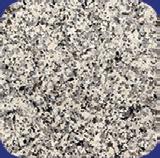
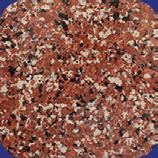


VARIETY OF COLOURS AVAILABLE

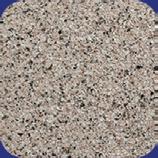
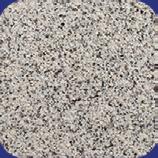

Here is everything you need to know about Crown Granite Finish Paint, its properties and why it is the latest innovation everyone will be on the lookout for:
a) What is Crown Granite Finish Paint?
This is a new generation of environment-friendly, water based and high efficiency stone imitation paint. It imitates the effects of granite stone with a smooth finish without mining many stone mountains as a result saves on natural resources. The granite effect is achieved using high end Silicon German technology and can be applied on almost any surface.
b) What really drove Crown Paints to innovate this product?
The first thing that draws one to a house is the paintwork/colors and effects. In the endeavor to look exclusive architects, contractors, quantity surveyors and homeowners are constantly looking for new painting solutions that are not only aesthetically pleasing but also have protective properties for their interior and exterior surfaces. Our target market is also looking for a paint that brings natural beauty, texture and style to people’s homes. These are the insights behind the launch of Crown Granite Finish Paint.
c) What are the key benefits that comes with Crown Granite Finish Paint?
The new paint comes in a four-pack paint system which includes Granite Undercoat, Granite Flakes, Granite Bonding Agent and Granite Silicone Topcoat. It is super weatherproof, water and dust resistant, retains color, bridges cracks, and is non-combustible. It is specially designed to care for the environment as it has low volatile organic compounds with no added heavy metals such as chrome, mercury and lead.
d) Who is Crown Paints targeting for this new product?
Our main target are the architects, contractors, quantity surveyors and homeowners who desire a premium finish without mining many stone mountains and saving natural resources. Currently the country is experiencing an increase in residential and commercial projects, and we anticipate the product will tap into this growing property market as it offers multiple surfaces application.
e) What is so unique about the product that makes it stand out in the market?
High-end Silicone German technology has been employed in manufacturing this paint to achieve a granite effect which can be applied on any surface such as wood, plastics, gypsum boards, metal,concrete and bricks. Granite countertops, slabs and tiles have become a popular way of bringing natural beauty, character, and style into people’s homes. However, natural granite is quite expensive, heavy and requires a lot of care to remain appealing. Crown Granite finish paint is 100 percent an alternative to natural granite and it costs only a fraction of the price of natural granite. It is also exceptionally good for both interior and exterior surfaces.
Nopractice has the desire to disrupt the architectural and interior design industry like Grasp Design. Grasp is determined to dismantle the status quo by crafting a rather revolutionary modus operandi. “We are a firm that wants to foster free thinking and give people the opportunity for growth,” says Gurmukh Singh Panesar, Founder and Principal Architect at Grasp Design Ltd.


There are good reasons why Panesar believes the architectural and interior design industry is ready for change. For decades, most of the industry has not kept up with international best practices in regards to design, documentation and sustainability. .. This cuts across from design to construction where there is generally a lack of relevant continuous training for staff to keep up to date and compete globally in an ever evolving industry.
When Panesar founded Grasp in 2016, it was thus a decision informed by a strong desire to change how things are done from an elemental level. Having gained useful and relevant experience while in university and after graduation, Panesar was convinced that for the industry to thrive, fresh ideas and fostering a paradigm shift in thinking was paramount.
As per the description on their website they describe themselves as “a studio for architecture, masterplanning and interior design founded with an aim to create functional, sustainable, contextual and unique experiences. This it does by striving to fully understand the needs of the user and the socioenvironmental impacts of each solution. Combining local craft, cutting edge technology and robust technical knowledge allows the firm to continuously innovate for the evolving needs of communities.”
“We shy away from the traditional hierarchical approach for our design process,” avers Panesar. He adds that Grasp strongly believes in group participation from all members of the team, be it the director or the student intern.
“This allows for a broader more collaborative approach that lends itself well to exploration and helps create a consistently evolving design language,” he notes.
At the time Grasp entered the market, the country was already in an electioneering mood. The uncertainty that often hovers whenever Kenya is heading for elections meant that most developers were cautious on projects. For Grasp, this meant that the majority of the projects the firm worked on were interior fitout jobs at the time. This helped develop their detail oriented approach further and thus complimenting the architectural consultancy side of the firm. They use local materials and skills in unique ways allowing for local artisans and suppliers grow.


Being an architectural, master-planning and interior design firm, Grasp offers the whole spectrum of services targeting clients across all sectors like hospitality, tourism, commercial buildings, residential, industrial, educational, health facilities among others. They are also very strong in the affordable housing sector; having worked on the affordable housing policies for the Rwandan government and done various proposals locally. By fostering free thinking for its team of architects, interior designers and consultants, the firm is able to come up with unique solutions that are aesthetically pleasing, sustainable, and practical. The team is very technical and develops prototypes and samples with contractors and suppliers. “We are a very hands-on firm,” explains Panesar. He adds the aim is not only to ensure clients get value for money but also deliver beyond the obvious.

The firm has internal workshops for the team or ‘crash courses’ as they call them to quickly deliver knowledge on certain topics within the team. This has proved beneficial in ensuring a consistent skill pool within the office. ‘We prefer hiring graduates from local universities with little or no experience and have them learn the correct way of doing things based on international standards’ mentions Panesar.
It thus did not take long for Grasp to clinch the one contract that would be both a game changer and a breakthrough project. For Grasp, the client was Microsoft and the year was 2020. “We got a breakthrough with Microsoft. It was a big boost for us,” notes Panesar. He adds that in an industry where the biggest challenge was breaking into a competitive and well established market and where you need jobs to get experience and need experience to get jobs, it came at the opportune moment
At the start of the global pandemic, Grasp quickly had to figure out how to work effectively remotely. They were able to do this via robust IT investments and a cloud based operation that ensures data security and accessibility from anywhere in the world. The firm has grown quickly within the past two years andhas sufficient capacity for large masterplanning, architecture and interior design projects.
Currently with a workforce of 10 employees, five consultants and representatives in Rwanda, Uganda, South Sudan, Sudan and Morocco, Grasp is focusing on deeper market penetration. It has put in place the necessary foundation anchored by its technical abilities, commitment to delivering projects fast and efficiently as well as optimizing technology to come up with outstanding designs. Grasp are currently at par with international best practice in BIM and have two in-house BIM Managers.

Another strong attribute about Grasp is the firm’s passion for sustainability. Indeed Grasp is a founding member and administrator of the local chapter of the Architects Declare Climate and Biodiversity Emergency, an organization founded in the United Kingdom with the objective of putting sustainability at the core of every project. With a presence in 25 different countries and bringing together over 6,000 architectural practices, the organization among other things aims to establish climate and biodiversity mitigation principles as the key measure to the industry’s success.
Research and development is another area where the firm is interested; from energy efficiency simulations, novel sustainable materials and additive manufacturing.


Grasp has chosen successful international practices as a good case study on growth and success. One major lesson it has learnt is the need to create a system for growth. “We want young graduates to grow within the company and eventually become directors,” says Panesar.
Driven by a revolutionary mindset, Grasp believes that it is on the right track not only in internal growth but also disrupting the status quo across the industry. “Our goal is that over the next five years we should have doubled our staff and be able to compete for projects not just locally but internationally,” concludes Panesar confidently.
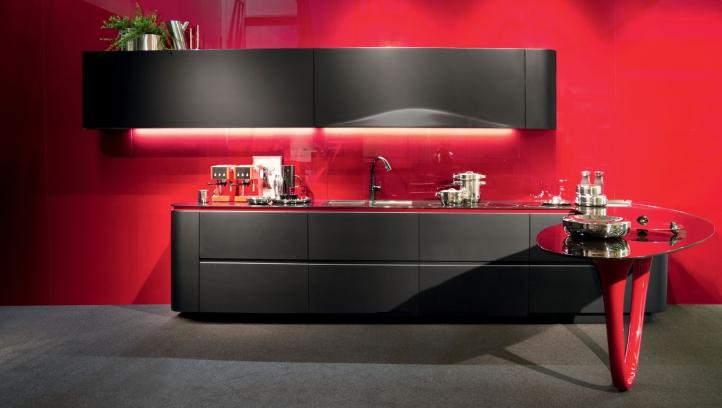
KITCHENS WARDROBES BATHROOMS TILES
+2547 07 222 999 www.kitchensandbeyond.co.ke
The Promenade (General Mathenge Drive)
The Address, Muthangari P.O. Box 21073-00100, Nairobi, Kenya. Tel: 0721/0734 720975
particle & mdf boards osb boards
gloss & matt boards
kitchen worktops furniture ttings edge banding at pack cabinets
bedroom solutions
kitchen solutions
Email: info@arkconstruction.co.ke Website: www.arkconstruction.co.ke WE
• Building construction and associated civil works
• Office and shop fit-out
• Metal and timber fabrication
• General renovation works
• Landscaping OUR SERVICES
living room solutions ofce solutions







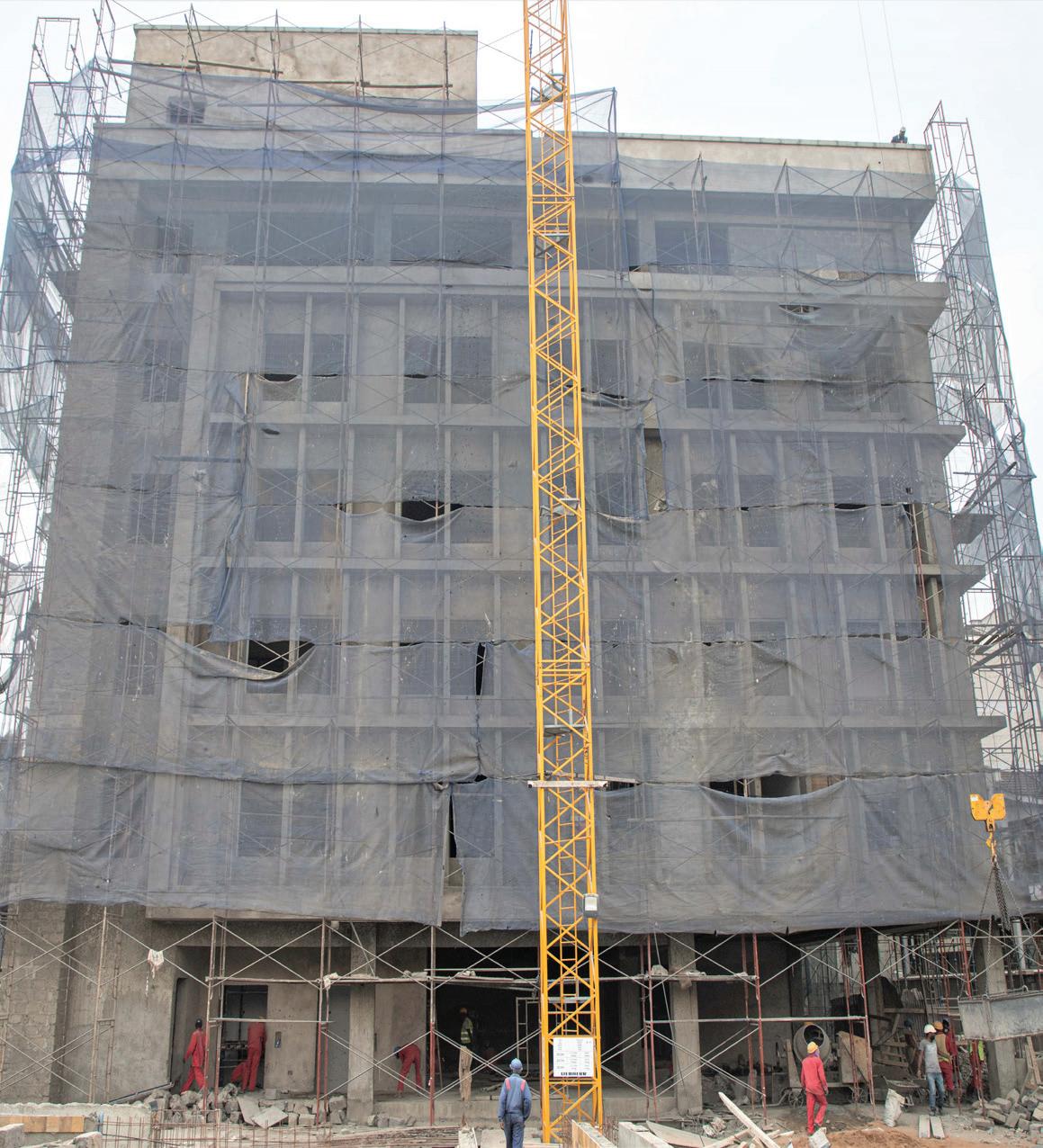
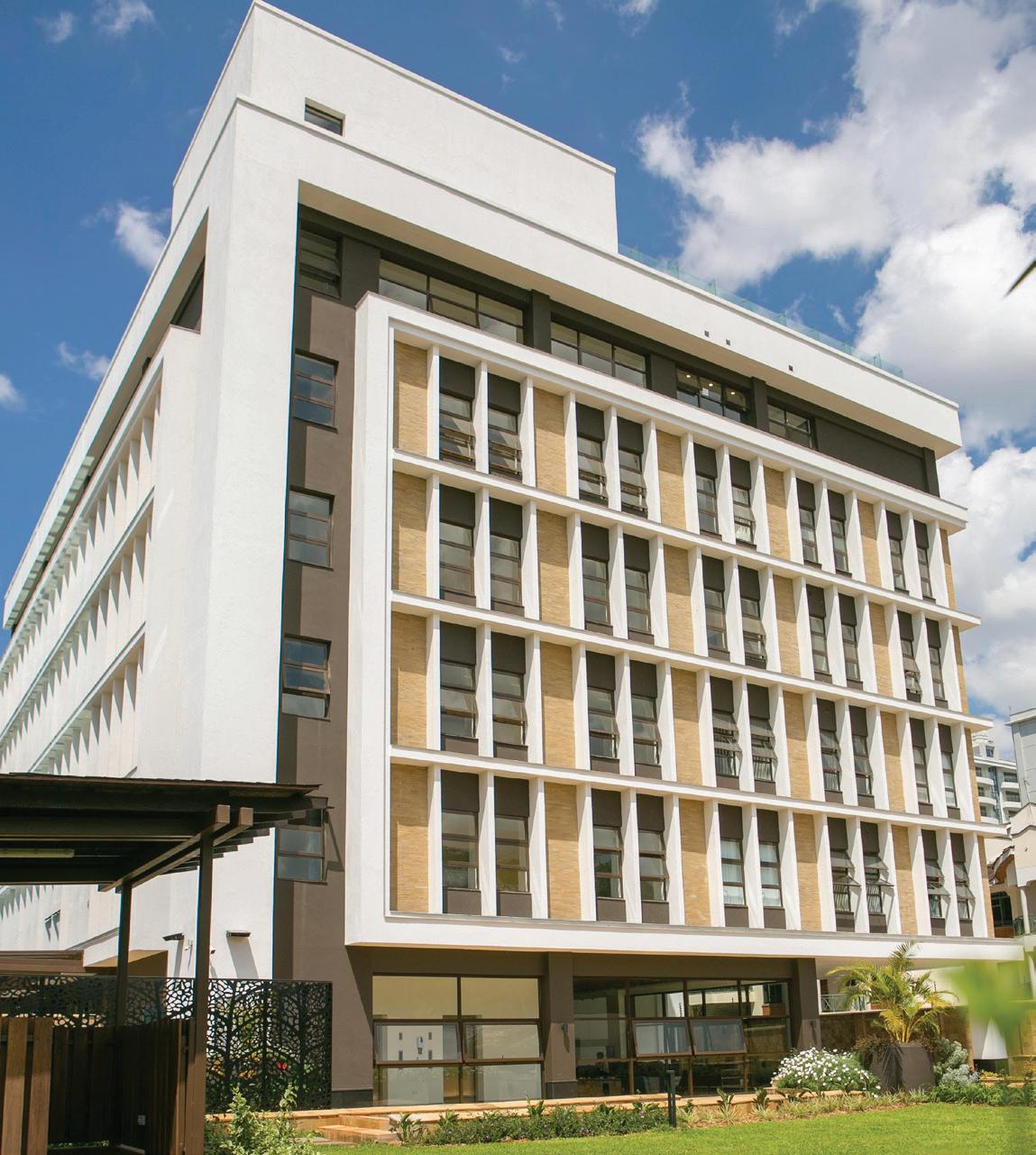
The building and construction industry in Kenya is awash with projects that went awfully wrong. The number of projects that have stalled, are mired in disputes or even buildings that have collapsed have largely one common denominator – failure by the developer to follow due process. In fact, in most cases it boils down to failure to appoint a professional project manager to oversee the project from conception to completion.
Yet, project managers are the brains that determine the success of projects. This is because in an ideal situation, project managers determine the viability of a project and are responsible for developing its business plan that not only looks at the financial aspect but more critically the appointment of the implementation team including architects, quantity surveyors, contractors among others. Indeed, project managers are central from project inception through to design and construction processes, programming, cost planning and monitoring of project deliverables.
“Ideally we should be one of the first people appointed on a project but this doesn’t always happen,” says Naomi Manasseh, International Project Planning and Management (IPPM) Consultants’ Managing Director. She adds that, it is critical to carefully advise the client and ensure compatibility of the entire team working on the project.
This has been the core business for IPPM, which was established in 1995. The firm has two core divisions – project management and urban planning. Under project management, IPPM offers clients services cutting across corporate, programme, project/construction and operations management. In urban planning, the firm offers physical planning and development control services like physical and land use development plans, master plans, building plan assessment and approvals, sub-division and amalgamations schemes as well as change of user and lease extensions.
IPPM is the brainchild of Jane Manasseh who is now the firm’s chairlady. Jane, a celebrated urban planner who was the first female registered planner in Kenya and who rose through the ranks to the position of deputy planning director at the defunct Nairobi City Council, founded the practice owing to

her passion in the building and construction sector. Having been brought up by parents in the sector (her father had interests in construction), Naomi was indoctrinated into the industry and from an early age she knew she wanted to follow in her parents’ footsteps. “I grew up seeing what my mother was doing. My dad also had an interest in construction and used to take me to sites. I started to get interested and ended up following their footsteps,” she explains.
Naomi, who holds a Bachelor of Science in Construction Management from the University of Oxford Brookes and a Masters of Science in Project Management from the University of Westminster, started her career in the United Kingdom. Most of her projects in the UK were interior fit outs with one notable massive project that she was privileged to have participated in was the construction of the Emirates Stadium, the home of Arsenal Football Club.


When she came back to Kenya, her first job was a project manager at Pinnacle Projects Limited where she stayed for slightly over a year before joining Planning & Construction Management, a company of the Aga Khan Development Network. It was here that her acumen as a project manager was tested. At the time, the Aga Khan was implementing a $53 million project for the construction of the Aga Khan Academy in Mombasa and Naomi was the project manager on site.
Among other things, the project involved the construction of eight large buildings, including two dormitories, a massive dining hall that can seat 1,000 people, state of the art kitchen and underground parking. “It was a highpressure job considering we had to complete works within the school calendar and meet high standards set by his Highness The Aga Khan ,” recalls Naomi.
The success of the project was a hallmark in Naomi’s career and acted as a springboard to becoming a respected professional in the industry. In fact, when she joined Planning Project Management Limited as the managing director, Naomi was ready to take on any project irrespective of its cost and magnitude. One such project was Tatu City, a 5,000-acre mixed-use development with special economic zone status. Still ongoing, Tatu City has been a nerve testing project owing to its enormous infrastructural projects and different amenities and facilities cutting across residential homes, schools, shopping malls, playing fields to industrial parks among others. Its complexity was exacerbated by the fact that it is a change of use project considering the land was initially for agricultural use.
On the Tatu City project, Naomi was head of the local project management team managing the local multidisciplinary consultants team mandated to deliver the engineering design, regulatory approvals process and construction of infrastructure. The team was charged with the design/master planning of the new city that would accommodate 60,000 residents and attract a possible 30,000 day visitors. The team was responsible for driving the master planning process that included development of building guidelines, obtaining statutory approvals, infrastructure design and the supervision of the earthworks that have been completed for the first phase of the project.
Having followed in the footsteps of her parents, it was natural that Naomi would join the family practice, which she did in 2013 when she joined IPPM taking over from her mother as the managing director. “We are a family-owned business,” she says. Despite being a relatively small practice, years of experience and rocksolid training makes IPPM a force to reckon with in the project management field. “We are a small team but very powerful,” explains Naomi who believes in efficiency. “I was trained to be efficient based on the systems you have in place and how you structure projects,” she avers.

IPPM, whose core values are time, cost and quality, has been involved in numerous projects. Notable projects include Chiromo Lane Medical Center (commercial and health), Nova Pioneer (academic), Kenya Women and Children's Wellness Center (health) and Mpesa Foundation Academy.
As project managers, IPPM is in charge of the project. This process starts with a brief from the client after which the firm is supposed to come up with what is akin to a business plan that holistically describes the project including its


viability and costs. “We determine if it’s a viable project then we help the client appoint the rest of the team,” explains Naomi. She adds that apart from managing the design process, IPPM oversees the tendering, prequalification and appointment of the contractors. The firm is also responsible for managing the construction process once the contractor is on site.
While IPPM has been involved in numerous projects, the Chiromo Lane Medical Center stands out for Naomi. “Chiromo was a lovely project. Great client, great team, great contractor – worked seamlessly. I see the place being used the way we had envisioned with the Client,” she states. For Jane, who mainly oversees the urban planning division of the practice, Tatu City stands out. “We have seen Tatu City develop from a coffee estate and today is a futuristic mixed-use development,” she observes. IPPM’s scope of work in Tatu City involved the preparation of the master plan, precinct plans and development guidelines. IPPM also obtained statutory approvals for development applications such as change of use, amalgamation, and subdivisions. Recently, IPPM also prepared an integrated Local Physical and Land Use Development Plan (LPDP) for Tatu City phase 1 and phase 2 and obtained planning approvals from the Ministry of Lands and Physical Planning as part of the requirements for declaration of Tatu City as a Special Planning Area.
In urban planning, IPPM has also undertaken a major project for Tilisi Developments. IPPM provided local input in the design of the original
Local Physical and Land Use Development Plan. IPPM also revised the LPDP and obtained approval from the County Government of Kiambu.
Other urban planning projects that IPPM has been involved in include Vipingo development. IPPM were appointed as local Urban and Land Use Planners and provided local insight in the design of the master plan for Vipingo. IPPM also applied for development approval of the masterplan and change of use. Other projects include World Trade Centre Nairobi, UN-Habitat Housing, Ruera Estate, Oaklands, Edenville Housing, andAvic International Real Estate among others. .
Despite the existence of many project management firms in Kenya, IPPM has become a reputable practice. It has managed to achieve this feat because it does not compromise and always strives to offer clients the best. For this reason, 90 per cent of the firm’s jobs come from referrals by happy clients. Indeed, in a field where fees undercutting is the norm to get business, IPPM has maintained a high degree of professionalism making it possible to charge based on the work.
Having built a strong name in the industry, IPPM is confident of growth in the coming years. In fact, the firm intends to expand to development, an area with vast opportunities. With the building and construction sector projected to recover after being ravaged by a slowdown on economic growth and the Covid-19 pandemic, IPPM is optimistic of the sector picking up.

P.O. Box 3713-00506 Nairobi, Kenya
Tel: +254 20 2679822/231 6553
Email: info@esteelconstruction.com


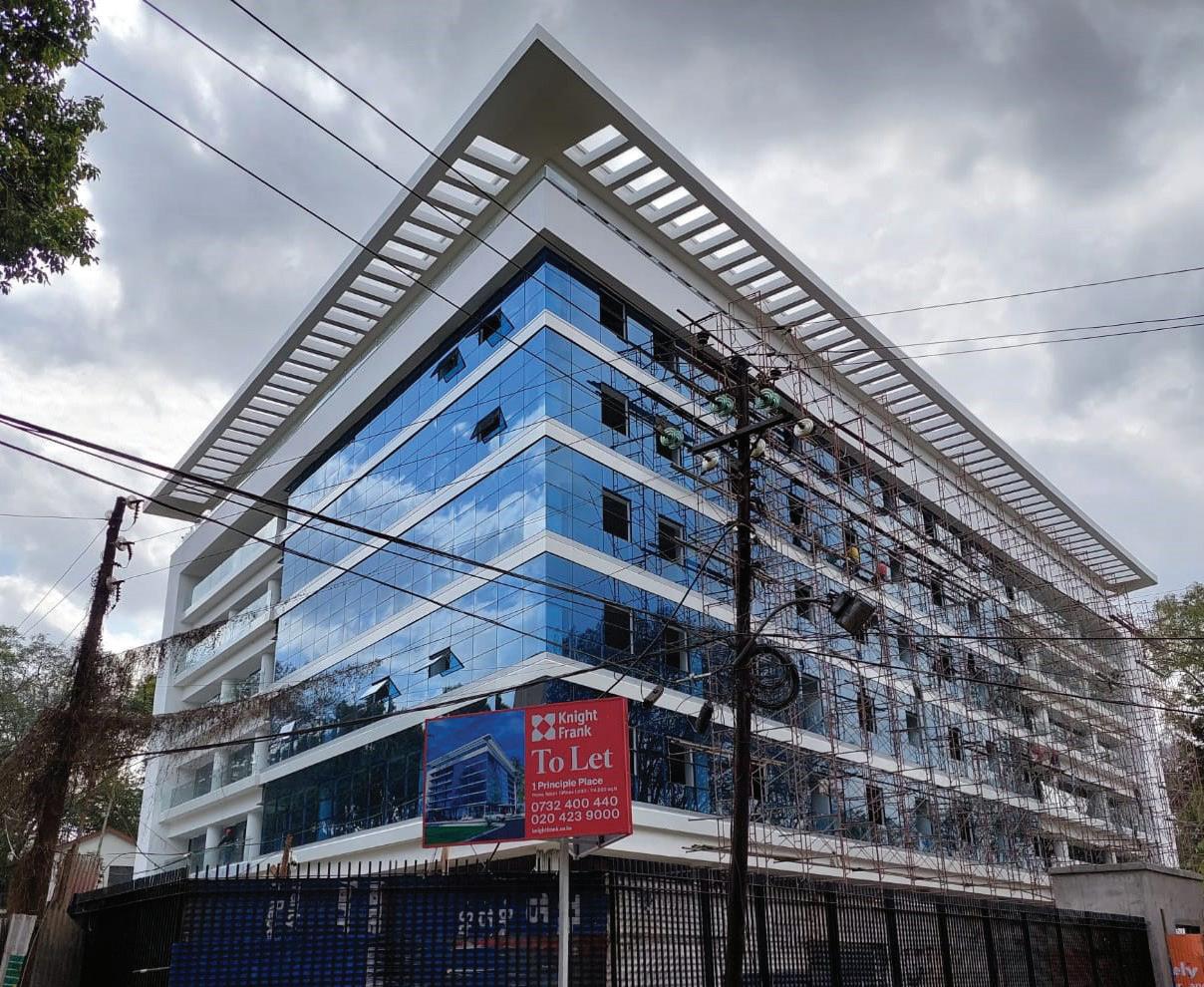
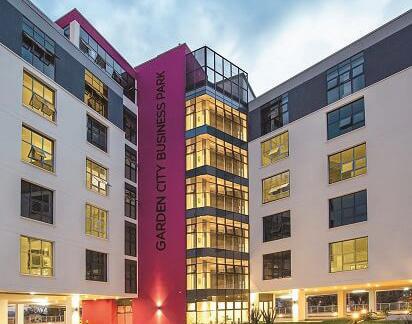


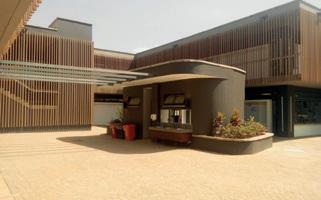

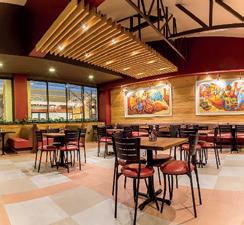


The Covid-19 pandemic disrupted global travel significantly. Images of deserted airport terminals with the occasional traveler and grounded planes are still vivid in people’s minds. However, as vaccines become more widely available and travel restrictions are eased, aviation is gradually regaining a sense of normalcy.
In Kenya, the Kenya Airports Authority (KAA) registered an appreciable recovery in air traffic movements at the close of the year 2020/2021.
Aircraft movements also performed well, recovering to about 73% of the 2019/2020 level. For passenger traffic, the recovery was at a lower level of 49.5% over the same period, mainly on account of the slow growth of transit passengers as the global economy continued to be devastated by the pandemic. In particular, COVID-19 variants continued to present major challenges in certain major destination markets such as India, some countries in Europe and the Far East.
In the domestic market, shut down of some counties for some time during the year also affected the rate of recovery of air movements and more so for airports that depended to a large extent on Jomo Kenyatta International Airport (JKIA).

Despite this situation, aviation projects that had been planned earlier by the KAA are continuing. In recent years, the Authority has undertaken numerous improvements at various airports around the country to improve passenger experience at the various facilities.
In the Coastal region, KAA is rehabilitating the airfield ground lighting system and aircraft pavement in Moi International Airport in Mombasa. Plans are also underway to expand Malindi, Ukunda and Lamu Airstrips to enable them handle larger aircraft.
In the Northern region, KAA is currently rehabilitating Nanyuki and Isiolo Airports to accommodate larger and cargo flights.
In the West, KAA is constructing new runways in Kitale and Migori Airstrips. The Kakamega Airstrip is also being upgraded to accommodate Code 1C Aircraft.
At the Jomo Kenyatta International Airport (JKIA), the country’s main international airport and a regional aviation hub, the projects include refurbishment of Terminals 1B and C.
The scope of this project by KAA technical personnel comprises the following:
a) Level ‘0’ works that consist of the creation of a central screening to serve both Terminals 1B and 1C.
b) Level ‘1’ works consisting of:
- Spatial re-organization of retail spaces to increase process efficiency through Pin Ball/openplan retail design concept.
- Re-design of departure lounges to adopt open gates concept
- Standardization of shop design and branding to ensure uniformity
The works will be complete by the end of this year. The designer’s brief was to bring out a sustainable design that incorporates modern technology and general airport ambience without losing the local look and feel. KAA says once the new look terminals are opened, the following outcomes are expected:

• Improved passenger experience in the airport from processes, better navigation, great airport ambience and an overall enhanced customer retail experience.
• Stimulating retail experience and unique product offer to encourage the passenger to spend
• Diversified mix of products/services available to appeal to a larger portion of customers.

Brickehaus Limited
Suite 20
Karen Connection Office Park
Nairobi
Tel: +254 722 877904
Email: info@brickehaus.com
Website: https://brickehaus.com/


The works are currently at 85% and expected to be completed by February 2022. This first phase only included departures. The next phase will see similar facelift to arrivals.
Prior to the new works at JKIA, the KAA completed a brand new terminal (1A) which increased passenger capacity and improved passenger comfort. “We saw JKIA receive most improved Airport Award from ACI,” says the Authority. “The survey is completed by our customers and showed the expansion had a positive impact.”
JKIA Terminals 1B&C Team
Architect-
Arch. Winnie C. Kalya, KAA
Interior designer -
Brickehaus/China Jiangxi International Economic and Technical Cooperation Co. Ltd
Main ContractorCJIC


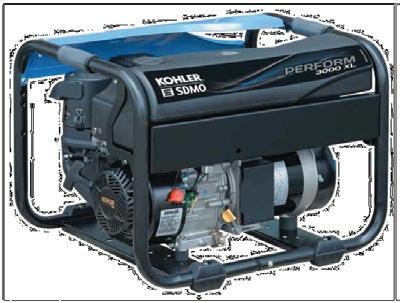
Market leader in Generator sales, installations and back up support in Kenya.

An Authorized Distributor for KOHLER-SDMO(France) POWER GENERATORS over 25 years in the entire region of Kenya.

The advantages of a bathroom without tiles are several, whether the space is new or in case of restructuring. Today the market offers various innovative solutions that overtake the traditional tiles in both performance and aesthetics.
Some of the available renovations techniques include;
Synthetic varnish or restructuring paint
Renovating the bathroom with synthetic varnish or waterproof paint coatings is an economically convenient choice. The wide range of colours and effects is an additional advantage; however, these solutions lead to an only partial renovation, because they don’t allow for an aesthetic change.
Stoneware tiles
Covering the old floor with thin stoneware tiles guarantees e low thickness, a high abrasionand wear-resistance, a good durability over time, a reduced maintenance and a wide range of formats and finishes. This material is not porous and is therefore good in terms of hygiene and cleanliness.
Coating the bathroom with an epoxy resin guarantees a high humidity resistance and a
good hygiene of the material. The great possibility of customization with colours and decorations along with the contemporary appeal defined the success of this solution in the past few years. It is however necessary to replace any broken or missing tile.
very nice and warm from an aesthetic point of view, but this material hardly withstands humidity and is therefore not appropriate for the bathroom area. In case of direct contact with water, a quick wipe is necessary.
Coating a bathroom with microcement implies several advantages compared to more traditional solutions. Microcement is a decorative and extremely ductile concrete-based material with a minimum thickness of 3 mm, which allows to create innovative seamless surfaces: floors, walls, ceilings but it can also be used to coat shower stalls, tubs and pieces of furniture.
Coating the bathroom with Ideal Work®’s Microtopping® microcement allows you to obtain a seamless contemporary space characterized by a unique and customized design.It is Finely designed, thanks to its seamlessness this product is able to make your bathroom look bigger
on one hand and to guarantee a more hygienic and easy-to-clean space on the other.
Thanks to the manual application, it is greatly customizable through a wide choice of colours and effects. It’s also a very versatile solution; it matches many different decor styles and its seamlessness visually enlarges the spaces; microcement is therefore suitable for small bathrooms too.
Attentively designed, Ideal Work®’s Microtopping® microcement is resistant to wear, water and chemical agents. Compared to traditional tiles, it’s practical and easy to clean. Microcement modern solutions represent a convenient choice because they are humidity and wear-resistant, long-lasting and easy to clean.
To coat an entire wall with microcement there are some steps to follow: first the surface has to be cleaned and prepared for the installation; then, a first base coat is given. Once the surface has dried, it is sanded and cleaned; a first coat of finish follows, and if necessary a second coat of finish is also applied. After a few days a coat of protective resin is applied to finish the job. With just a few steps and in a few days the work is done!

Choosing a bathroom without a ceramic tiles coating is convenient for several reasons:
Trend
the innovative bathroom has no tiles; tiles represent in fact the traditional bathroom and are therefore old-fashioned. Modern bathrooms are characterized by a new idea of space.
Seamlesssness and hygiene
A seamless floor visually enlarges the space and allows a better cleanliness; joints tend to blacken and to accumulate dirt if not properly and frequently cleaned. A bathroom without tiles,coated with a seamless surface is easy and quick to clean.
Stop to demolitions
Renovating the floor without removing the old tiles is now possible; with Ideal Work solutions it’s possible to cover the old tiles and therefore to avoid annoying and expensive demolition works. This way the renovation works are shorter and the environment is kept cleaner. Moreover, the risk of damage (such as pipe breakdowns) is minimum.
Shorter restoration times
Covering the bathroom without removing the tiles optimize the building site’s time; in a
few days it’s possible to obtain a new modern bathroom without major problems.
A bathroom with tiles needs some spare tiles in case some of them are damaged, for replacement. However, sometimes it happens that those tiles are no longer available on the market. A bathroom without tiles is easy to renovate and doesn’t need any replacement part.
Tiles require to be cut and applied. This may lead to inaccuracies and flaws in the perimeter next to the wall; in case of incorrect cut, in fact, tiles may result too big for the space to fill, causing unpleasant visual effects.
There are many ideas for an original bathroom renovation. One of those could be to match a modern facing such as microcement with tiles. For example one could cover just a wall, creating an interesting contrast between different styles and techniques. Thanks to its dynamism, microcement is a versatile material, perfect for unusual combinations and able to satisfy any aesthetic taste.
Choosing the colour of a bathroom without tiles
In comparison with tiles, when the right colour
is not always easy and quick to find, microcement is suitable for a wide chromatic exploration whose aim is to create one’s own desired shade. Not to mention the possibility to choose the colour up to the very last moment before the application, unlike the tiles choice, which has to be made in advance.
The possibility to customize the bathroom space is therefore very wide:Ideal Work®’s Microtopping® microcement coatings offer a wide range of combinations of colours and effects, where shades and intensity can be customized too.
This is possible thanks to Ideal Work®’s authorized applicators’ manual installation. From white to grey and brighter colours, with a rough concrete, a wood or a polish effect. Possibilities are endless with Ideal Work®’s Microtopping® microcement. This material of a high visual impact can also be applied to other parts of the house to create a smooth continuity among its different spaces.
To give the bathroom a great brightness and finesse, along with a visual enlargement effect, pure white is the ideal colour. With a wooden decor or some metal details, silver gray is perfect. Black gives the bathroom an elegant touch, sky blue is suitable for a beach house or, combined with white, for an ocean style interior. Terracotta highlights a classic or rustic environment and lavender makes unique a shabby-chic bathroom.
Having the option of not touching certain objects has always been important, especially when we talk about public spaces. As we live, the existence of this option has gained new relevance.
When exists the necessity to use a public bathroom, it is normal that we want to avoid touching when unloading the toilet.
With this need in mind, OLI develops toilets that allow the discharge to be carried out only with the approach of the hand, avoiding contact and transmission of bacteria. We talk about Hydroboost, a sustainable technology that allows you to generate energy through the entry of water into the flush.
Electronic flush plates, such as the Electra III model, also have the advantage of having a system that makes it resistant to eventual acts of vandalism, which is also ideal for bathrooms in public spaces such as shopping centres or airports.
Ultra-thin thick glass flush plates are another of the options available in various colours and follow the latest trend because they have LED light to activate the discharge.
The first porcelain flush plate winning 4 world prizes, Moon, completes the wide range of OLI products where unloading into the toilet can also be activated without resorting to touch.
Thinking about who wants to renovate the bathroom without having to resort to deeper works, maintaining the No-Touch feature to activate the unloading, OLI has developed a solution with the most demanding quality standards on the market - QR-INOX. The best option for rapid remodelling of the bathroom. It doesn't require intervention on the walls and you can use the existing water inlet and outlet connections.
OLI is the largest cistern manufacturer in Southern Europe. Its brand is present in 80 countries on five continents. Over the years, OLI has created products that have, on a global scale changed the daily experience in the bathroom. Their “Inspired by water” signature concept embodies the company’s mission to place innovation at the service of water conservation, aiming to make the world a better place, thus protecting the planet and all life.
OLI is recognized for constantly studying new and better solutions that increase water efficiency and accessibility for people with reduced mobility. Committed to sustainable development, the brand develops versatile solutions with a contemporary design for application in new construction, rehabilitation and renovation projects. OLI believes in a water-efficient bathroom that is comfortable, accessible and safe for all to use. OLI will continue to be defined by innovation.
OLI is looking for business partners and projects to join their portfolio in Africa.


batching plant has become an essential piece of equipment in construction because it provides an efficient and consistent supply of concrete for use on a project.
Inputs embodied in concrete mixing are the combination of water, air, sand, rock, gravel, silicon dioxide fume, cement, ash etc.
These are mixed and combined together in a perfect ratio with the different types of mixers such as cement batchers, mixture batchers, conveyors, radial stackers, mixture bins, cement bins, heaters, chillers, cement silos, batch plant controls, and mud collectors.
Important part of concrete batching plant
The important part of this plant is its mixer. There are many sorts of mixers which are used to make concrete such as Tilt Drum, Pan, Planetary, Single Shaft, and the dual shaft mixer. These will guarantee a fair mixture of concrete through the employment of high HP motors, whereas the lean combineer offers a relatively giant batch of concrete mix. The aggregate batching stores and batch the sand, crushed stone or gravels and thus known as aggregate bins of the concrete plants.
There also are many sorts of mixture batchers, however most of them measure mixture by deliberation, some use the deliberation hopper, some use the deliberation belt. Ready mix concrete (RMC) is concrete that’s factory-made in a very batch plant, in line with a collection designed combine style.
Premix concrete is generally delivered in 2 ways in which :
First is the barrel truck or in–transit mixers. This kind of truck delivers concrete in an exceedingly plastic state to the positioning.
The second is the meter machine. This delivers
the prepared combine in an exceedingly dry state and so mixes the concrete on the site.
Concrete batching plants work with the help of a machine control system. Concrete batch plants use computer-aided management to help in quick and correct mensuration of input consist or ingredients. With concrete performance these are obsessed on correct water mensuration, systems typically use digital scales for building materials used in construction and aggregates, and wetness probes to live mixture water content because it enters the mixture batcher to mechanically catch up on the combination style water/cement quantitative relation target.
Several producers realize wetness probes work well solely within the sand and with marginal results on larger sized mixtures the system regulates the operating of the machine.
Method of batching a concrete should completely depend upon the size of project you have. The method should depend upon the production rate required on a daily basis. Choose a concrete method wisely which is sustainable, durable and economical. These above facts are much more important to consider while choosing the right concrete batching plant manufacturers for constructing your site.
Nilkanth engineering works provide you with the best quality work for the same with appropriate mixing and expertise. So that you can always get satisfaction for the concert products you get from us simply with no wastage and less costing.

One of the major components of a construction project is preventive maintenance and this is where epoxy flooring comes into play. If well done, preventive maintenance can help save money in the long run. Many consumers prefer epoxy floors thanks to their strength and resilience. In addition to protecting your building, epoxy floors also have several benefits to building owners seeking to have long-lasting floors. Below are the top reasons to invest in Epoxy floors.
It is relatively easier to install epoxy floors compared to other industrial floors. Although it is not an entirely DIY project, this type of flooring can be installed with less hassle. These types of floors are installed on a concrete slab although any other porous surface can be used.
Epoxy resin is fully sealed from moisture and resistant to scuff, stain, scratch, heat, and impact. These floors are therefore more durable and have unparalleled strength. They are able to withstand heavy, repetitive weight loads from mobile as well as stationary machinery. These types of floors do no crack or chip.
The high durability saves costs associated with the repair, maintenance, and replacement.
Epoxy flooring creates a seamless surface that is very easy to clean and maintain. In addition, the surface is impenetrable and able to repel water, grease, and oil. Dirt, dust, and grim can also be easily swept away.
The seamless surface is also resistant to chemicals and repels mildew hence it sterilizes efficiently. It, therefore, reduces the amount of time spent on janitorial duties as well as supply and maintenancerelated repairs.
Epoxy floors are one of the most attractive available on the market. It helps transform traditional plain, dull concrete floors into a sophisticated and attractive, sleek, three-dimensional floor. The availability of customizable options enables one to select from a variety of colors, artful metallic, plus other personalization.
Epoxy floors also allow you the flexibility of adding high gloss shine and multiple color schemes and
branding in order to get an impressively looking floor. Epoxy floors also reflect a lot of light making the entire room brighten. This reduces the need for luxury lighting and saves money.
With employee safety becoming a major discussion in many organizations, businesses are investing in office designs that guarantee a safe working environment. Epoxy floors have enough friction and a firm grip to prevent sliding or falling over. In addition to providing anti-slip surfaces, epoxy floors are also heat and fireresistant.
Currently, consumption is tied to environmental conservation and many consumers are seeking eco-friendly solutions. Epoxy floors pose no threat to the environment making them ideal

There are several options that come with epoxy coating making the cost per square foot relatively cheaper. In addition, it is easy to add epoxy coating over pre-existing surfaces hence saving you time and money. There are no prerequisites needed before applying the epoxy coating.
There is no doubt that epoxy flooring has become one of the latest trends in building construction.
Depending on where it is applied, you need to apply an epoxy primer and finisher coat. Epoxy primer is applied the same way as paint and is allowed several hours before applying the epoxy.
The primer is applied after covering the floor with a thin layer of water. A roller tied on a pole is then used to spread the epoxy in a thin layer over the whole floor. The first layer is allowed to dry before applying the second one. The primer is applied at the same time as a finisher.

Xylem covers the full spectrum of your dewatering needs. Let’s solve water!.


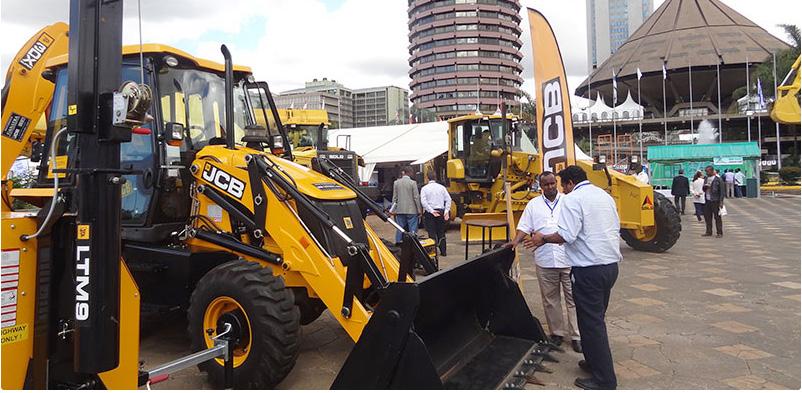
Whenit comes to a buying a bulldozer most people have little or no clue what to look for. Most people are worried about the price but there is a lot more that goes into making the right decision to buy a bulldozer.Here are some tips on what to look for
Check the undercarriage
One must always put into consid eration the undercarriage of a bulldozer based on the terrain and environment you wish to operate on. The most common undercarriage includes Standard and Heavy duty. A standard undercarriage is more suitable for construction, landscaping and similar works. It needs improvement on oil-seals to lengthen their lifespan and durability. Heavy duty, on the other hand, has all the features of a standard undercarriage but has enhanced components such as steel plating for maximum strength.They are mostly used in rough terrains such as rocky or sloped environments. Before buying a bulldozer one has to know exactly which terrain they will work on.

so always make sure you have someone who knows what they are doing when it comes to maintenance and fixing of the bulldozer.
Check the hydraulics and the attachments
One should check and confirm that the hydraulics and the attachments are working smoothly before buying a bulldozer. The controls should be easy to manage and the attachments and the hydraulics should be fast enough. Mostly check that the rippers and the blades are functioning properly.
Ensure that your dealer has all the specific parts that go into the dozer during maintenance and repairs. It will also be a good thing if your dealer can offer you services such as maintenance, support and warranties. It is highly advisable to buy a bulldozer from a trusted vendor and to ensure that the terms and process of the warranty are clearly outlined. It is important to realize that it is hard to fix a problem on a dozer
One has to know the size of the bulldozer they need. Do you want a small bulldozer or a big bulldozer? It is easier to transport a small bulldozer.One has to know exactly what you need from the bulldozer before you decide on the size. The size of a dozer also determines the suitability of the ground one plans to work on.
Check the hours on the bulldozer
This mostly applies when one is buying a used bulldozer. A bulldozer with 5,000 hours can still have a useful life span but always make sure the undercarriage and the engine have been replaced before you buy it. As long as an old a bulldozer has been maintained well, you can still use it for a long time
This is a huge issue, especially on construction sites.When buying new heavy
equipment you need to make sure that the attachments are up to the latest standards. One needs to ensure that they are guidelines on how to operate the equipment especially if one has not operated the machine before. When it comes to used equipment ensure that there are no specific off-book mods that will affect the safety or usability of the equipment. It is always good to ask the previous owner the specific mode of operation he/she used on the device. Also, ensure there is no wear and tear on the safety features of the dozer.
Check the cost
Whether one is buying a used or a new dozer it is good to ensure that you get the total value of what you are buying. Used equipment is most likely to cost less but one must make certain they are buying it from a trusted vendor and it is in good condition. A new dozer is relatively more expensive but if properly maintained it can be a great asset. The main difference between the two is that a used equipment has a few dents here and there (cosmetic flaws) but such minor issues are not bound to affect the bull dozer’s performance.


…But it may have been, had the Romans purchased insurance from Hollard Guarantees. Our Construction Guarantees ensure that building projects – no matter how complex – are completed on schedule.
Just as all roads lead to Rome, our Trade Guarantees provide the freight forwarding, clearing and logistics industries with the peace of mind that their businesses are covered, no matter which route their cargo takes.
Major benefits of insurance-backed guarantees include:
• Comfort from non-performance of contractual obligations
• Increased cash flow and working capital
• Protection against non-payment of retained funds
Hollard Guarantees: we help you get it done – guaranteed.
Speak to our team today: