





Peter Adams
The British Beer & Pub Association’s (BBPA) recent announcement (see front page stor y) highlights an extraordinar y and hear tening trend: pubs are now employing more young people than ever before According to 2024 Oxford Economics research, over half of the pub sector’s workforce is aged 16 to 24 translating to 1 in 10 under-25s in the UK job market This surge up nearly 24% since 2019 is a testament to the pub industr y ' s unparalleled ability to provide young people with accessible oppor tunities to earn, learn, and grow
As editor of CLH NEWS, I’ve long championed the hospitality sector’s unique role in offering a lifeline to those from deprived backgrounds or without formal qualifications
Pubs and restaurants are places where individuals can learn valuable skills on the job, discover confidence , and car ve out flexible schedules that fit their needs be it balancing education, caregiving responsibilities, or simply supplementing household income For many, it’s the first rung on the ladder of an enjoyable and prosperous career
Yet, this vital stepping stone is under threat The BBPA has warned that the increased National Insurance Contributions (NICs) announced in the Budget could have devastating consequences
Maintaining 350,000 under-25s on payroll will now cost an eye-watering £153 million up from £82 million In an industr y already grappling with razor-thin margins, these costs could force many employers to make difficult decisions, potentially slashing jobs and cutting oppor tunities just as they’re most needed Economic principles teach us that increased costs of labour often yield unintended consequences
Research by economists David Neumark and William Wascher has shown that policies like the minimum wage though well-intentioned can stifle oppor tunities for the ver y individuals they aim to help Young workers may find themselves priced out of
the labour market, losing not just income but the chance to acquire skills that would shape their futures As the saying goes, "The road to hell is paved with good intentions," and I fear we may soon see the reallife fallout of these policies in early 2025
However there is cause for optimism The Christmas and New Year period a critical trading window for the hospitality sector is almost upon us
Recent insights from DesignMyNight suggest that Brits are as eager as ever to celebrate , with spending expected to rise and par tygoers determined to embrace the festive season This could provide a much-needed boost to pubs and bars, offering some breathing room amidst the financial pressures
Moreover, I’d like to highlight a hear twarming initiative by Stonegate and Heineken: the “Pub Alone” campaign (see page 16) This program aims to tackle loneliness by encouraging people to connect and build relationships in welcoming pub environments
Loneliness is a silent epidemic in modern society, and pubs can play a vital role in combating it, par ticularly during the festive season when it is at its highest If your establishment is planning similar campaigns, please let us know we ’ re keen to spotlight these effor ts across our print, digital, and social media platforms
The challenges facing the sector are undeniable , but so too is the resilience and ingenuity of those who work within it As we approach the busiest time of year, let us celebrate the positive contributions of the pub sector while remaining vigilant against policies that threaten its future
I can always be contacted at edit@catererlicensee com
Once more I would ask you to please follow us on X (Twitter), and encourage as many people you know in the trade to sign up to our digital issue , fur ther details can be seen at www.catererlicensee .com


(CONTINUED FROM FRONT COVER)
The data, commissioned by the BBPA, shows that pubs employ 350,000 under 25-year-olds, up from 281,770 in 2019 – a dramatic increase of nearly a quar ter (24%) This equates to 1 in ten of all under 25s in work
Prior to the Budget, the National Insurance Contributions for 350,000 under 25-year-olds was equal to approximately £82 million With the new NICs announced in the Budget, this will now cost a staggering £153 million to maintain the same amount of under 25-year-old workers
HALT RECRUITMENT
However changes to NICs with the rate of employer Class 1 NICs going from 13 8% to 15% and the threshold at which employers become liable reduced from £9,100 to £5,000 a year, will halt recruitment and push up prices
The East of England (66%) had the greatest propor tion of 16 to 24-year-olds employed in the sector
The sector, which is millions of people’s first step on the career ladder, provides significant employment oppor tunities for young people and those seeking flexible work, the BBPA said
The BBPA is calling on Government to reconsider the timing of the new employment costs so businesses can better plan and carr y-on employing staff they need, rather than staff they can afford “SHATTERING EFFECT”
Emma McClarkin, CEO of the British Beer and Pub Association, said: “We know Government acknowledged our industr y, but they must be clear-eyed about the shattering effect new regulations will have on us
“Many will have worked behind a bar and know that it’s more than just a job Our industr y provides rewarding careers, helps younger people build skills, grow in confidence , and fund university education or driving lessons Without this vital work many would struggle with rents bills and basic living
“If we ’ re to keep people in work and put money in their pockets business needs to be viable We urge the Government to reconsider the timings of the new employment costs and swiftly deliver meaningful business rate reforms Only then can we continue to be the backbone of the UK job market and a cornerstone of the community ”
£500 MILLION COST INCREASE
The British Beer and Pub Association’s figures shows that the Budget’s cumulative impact means, at a conservative estimate , a £500m increase to the cost of doing business for the industr y and risks jobs
Analysis by UKHospitality has revealed that the employment tax measures unveiled in the Budget will increase the cost of employing a full-time staff member by at least £2,500
This new breakdown of costs is based on a typical staff member, aged 21 or older, earning the National Living Wage and working 38 hours per week In this example , an employers’ National Insurance Contribution will rise 53 9% from £1 863 to £2 869
The Institute for Fiscal Studies has said that businesses employing people on the National Living Wage will face the biggest hit from the increase , and as an employer of 3 5m people hospitality is set to be hardest hit
The costs will hit ever y par t of hospitality’s workforce:
• £2,100 more expensive to employ a single parent working 9am to 3pm, five days a week
• £1,140 more expensive to employ a student working 14 hours at the weekend
Kate Nicholls, Chief Executive of UKHospitality, said: “The increase to employer NICs and, crucially, the lowering of the threshold left hospitality owners with a sleepless night as they came to terms with the enormous cost they will have to bear from April onwards
“The new cost of employing core members of staff is eyewatering – an increase of at least £2,500 is far, far beyond what anyone ’ s worst case scenario was
“The overwhelming feedback from the sector is that this is just not sustainable and will ultimately do real harm to our ability to suppor t employment
“Hospitality venues will now have to ditch their ambitions to employ more people and do the ver y opposite – cut hours, scale back recruitment, and, in extreme circumstances, let people go, because they simply can’t afford the scale of these costs
“We understand the challenging state of the public finances, but balancing the books dispropor tionately at the expense of high street businesses will ultimately have negative consequences for growth, investment, employment, and our communities ”

By Peter Moore , CEO of

HOSPITALITY INDUSTRY ON THE BRINK – CAN THE BUDGET INTERVENTION AND CREATING BUSINESS EFFICIENCIES HELP TO SECURE ITS FUTURE?
We need to see stronger suppor t from the new Labour government; the first budget has offered little to drive meaningful change or bolster the UK hospitality sector
As the sector braces for another tough year, industr y leaders urged the Chancellor to address key challenges in the 2024 Budget With record restaurant closures, escalating operational costs, and a workforce under pressure the sector is in desperate need of both financial suppor t and innovative solutions to help ensure its long-term sur vival
In the last quar ter of 2023 alone , the UK saw more than 500 restaurant closures - the highest quar terly total on record
Initial reaction to Labour’s first Budget in 14 years has already demonstrated that many hospitality businesses see that the rise in National Insurance for employers and the increased minimum wage (albeit lower than previous budgets), will add fur ther financial pressure for the industr y CALLS FOR BUDGET SUPPORT TO OFFSET BUSINESS
The recent Budget offered acritical oppor tunity for the Government to alleviate some of the sector’s financial strain, especially concerning business rates Hospitality groups have consistently urged the Government to provide relief in this area Chancellor Rachel Reeves confirmed that from April 2025, the existing 75% business rates discount will drop to 40%, capped at 110,000 per business, which will significantly raise costs for those currently eligible
To sustainably suppor t high-street retail, hospitality, and leisure (RHL) sectors, the Government intends to implement permanently lower business rates multipliers for RHL proper ties star ting in 2026-27 balanced by a higher multiplier on high-value proper ties This measure aims to offer lasting relief for smaller businesses while maintaining fiscal responsibility
Adding to the economic strain are new legislative changes, including tipping regulations and the impending Employee Rights Bill, which places additional pressure on already overstretched operators While these laws aim to protect employees, they also require businesses to navigate new compliance demands at a time when many feel ill-equipped to handle extra financial burdens
The sector also recognises the need to adapt operationally Technolog y is emerging as a key area of focus, offering ways for businesses to streamline costs while maintaining ser vice levels
Innovations in stock management and inventor y tracking can help reduce waste and help hospitality providers to manage spending more efficiently Integrating automation, such as robotic waiting and hotel room ser vices also opens up possibilities for reducing labour costs and tackling the sector's ongoing staffing shor tages
The Budget highlights that tax on non-draught alcoholic drinks was set to increase by the higher RPI measure of inflation, but tax on draught drinks would be cut by 1 7% Perhaps this reflects a shift in drinking patterns, and this is where technolog y can be used to suppor t – providing insight into changing consumer behaviours Helping hospitality providers to properly arm themselves and work towards driving growth
However, whilst technolog y can ease cer tain operational pressures, it requires a level of investment that many businesses may struggle to meet Suppor t from the Government would help to catalyse this shift, empowering businesses to adopt innovative solutions that could transform the sector's resilience over the long-term
Financial inter vention on business rates, suppor t to navigate legislative changes, and investment in technological solutions would offer the sector a path toward greater stability At the end of the day, the hospitality industr y needs to turn the current challenges into oppor tunities for sustainable growth and adaptation
Only through this multi-faceted approach can we ensure that the UK’s hospitality businesses not only sur vive but thrive in a future that demands resilience , adaptability, and a fresh approach to traditional ser vice models At the same time it’s impor tant to recognise that encouraging greater levels of custom will be vital




By

The newly introduced Employment Rights Bill, unveiled by the Labour Government at the beginning of October, marks a pivotal shift in the UK's employment laws The Bill, which includes 28 individual reforms will deliver one of the most comprehensive overhauls in several decades, enhancing employee rights from dismissal protections to flexible working arrangements
While most of these changes are not likely to come into force until 2026 after a process of consultation taking a considered and strategic approach to these changes means that you not only remain compliant but also build a more resilient and competitive operation We consider the most significant changes for the hospitality sector below ZERO-HOURS CONTRACTS
One of the most notable proposed changes for the hospitality sector are the additional protections for workers engaged on zero-hours contracts or low-hours contracts These contracts are widely used in hospitality to manage fluctuating demand While the government has committed to consult on the proposed reforms there looks set to be two key changes
Firstly as an employer you will be required to offer zero hours workers a guaranteed number of hours that reflect the hours they worked over the previous reference period (which is currently suggested at 12 weeks) In practice , this means for each worker, you will need to calculate hours they have worked and make an offer of a guaranteed hours contract ever y 12 weeks until that worker is no longer considered to be a low-hours worker This change is intended to provide workers with greater job stability and a predictable income , but it could also be a significant administrative and costly burden for employers
Secondly, there will be a duty on employers to give ‘reasonable notice’ of a new shift and of any shifts that have been changed or cancelled Workers will have to be compensated where reasonable notice is not given
Employers may be concerned about added costs and increased administration in managing flexible workforces It may not be practically possible for employers in sectors like hospitality to guarantee hours Alternative staffing models, for example the use of fixed-term employment contracts, may need to be considered
UNFAIR DISMISSAL: DAY ONE RIGHT
Another significant change is the Bill’s proposal that unfair dismissal protection will become a right from the first day of employment Currently, in most circumstances, employees need at least two years ’ continuous ser vice to qualify for this protection giving employers flexibility to dismiss underperforming staff without the need for a fair reason or process
This change will require employers to approach the dismissal of all employees from day one of their employment in the same way they currently approach dismissals of employees with over two years ser vice This is subject to a “lighter touch” dismissal process that will be allowed for employees within a proposed statutor y probationar y period of the first 9 months of employment This reform could lead to an increased risk of employment tribunal claims and will undoubtedly lead to more cautious hiring decisions Employers across all industries will need to put in place effective management and review processes for new star ters during the statutor y probationar y period if they haven’t already done so
PAY AND BENEFITS
The Bill proposes the removal of the age threshold for the National Living Wage , ensuring all adult workers receive it regardless of age This measure aligns with Labour’s pledge to improve living standards but could increase wage bills, especially in sectors employing younger staff Statutor y Sick Pay (SSP) is also set to be reformed, eliminating the three-day waiting period and earnings threshold for eligibility SSP will become available from the first day of illness for all employees, likely leading to higher costs and administrative demands for employers
THIRD
The Bill will reintroduce direct liability on employers for the harassment of its workers by third par ties, a protection that was repealed over a decade ago To do so, there will be a proactive duty on employers to take all reasonable steps to prevent a third par ty from harassing its employees in the course of their employment
This would cover any situation where an employee is being harassed by someone other than their employer or a work colleague in the course of their employment (for example by customers or suppliers)
We recommend employers star t taking steps to update their workplace harassment policies to include third-par ty harassment, educate employees about third-par ty harassment through workplace training programs and carr y out risk assessments to identify areas of high risk and steps to take
The Employment (Allocations of Tips) Act 2023 came into effect on 1 October 2024 and aimed to rectify the long-term issue of employers deducting ser vice charges from tips and gratuities The Bill adds some additional requirements regarding tipping policies Employers will be required to consult workers affected by the tipping policy and review the policy at least once ever y three years
FLEXIBLE WORKING AND FAMILY
Since 6 April 2024, employees already have a day one right to make a flexible working request Under the Bill employers can still turn down a flexible working request on one of eight statutor y grounds (e g burden of additional costs, inability to meet customer demand), but the Bill makes it more difficult to do so by introducing an additional requirement for the refusal to be reasonable We expect the number of flexible working requests to increase as a result, with potentially an increase in disputes about the reasonableness of an employer’s refusal to allow flexible working
Family-friendly reforms include extending protections against dismissal for pregnant employees and new mothers, as well as aligning paternity, parental, and bereavement leave with day-one rights These changes aim to foster a more inclusive workplace but will require employers to update their leave policies and potentially adjust workforce planning to
accommodate these enhanced rights
The Bill introduces changes around when collective redundancy consultation is triggered in large-scale redundancy situations Currently, if an employer proposes 20 or more redundancies at one establishment (site) within a 90-day period, it must consult with employee representatives or trade unions on how to avoid or limit the impact of redundancies This has typically allowed employers to avoid collective consultation where staff are dispersed across multiple sites and the overall number of affected workers at each site is below the threshold of 20
Changes under the Bill mean that collective consultation will be triggered where that threshold is reached across the business as a whole rather than at a single establishment This change will have a significant impact on how employers approach redundancies where the workforce is spread across different sites
Overall the Employment Rights Bill represents a significant change in the employer-employee relationship in the UK Businesses will face increased regulator y obligations and potential costs but will also gain a clearer framework for ensuring fair and equitable treatment of their workforce As the Bill progresses through Parliament, companies should stay informed and consider proactive measures, such as reviewing contracts and updating HR policies, to navigate this evolving legal landscape WHAT SHOULD YOU DO NOW?
As we have already mentioned, many of the new regulations won’t come into place until 2026, so don’t panic However, if you star t to prepare now you can adapt to new ways of working on your timeline rather than having to make significant changes over a shor ter period
To comply with the new regulations, you should consider reviewing your employment contracts and shift management systems
It would be wor th auditing your payroll systems to ensure you can accommodate changes in wage structures par ticularly the new requirements for the National Living Wage and think about sick pay policies and budget for increased SSP obligations
Training for management staff will also be crucial Your managers must understand the new legal framework to avoid inadver tent breaches particularly in handling dismissals, shift allocations, and flexible working requests
To help manage your budget while adapting to these reforms, you may need to explore creative staffing solutions One approach is to shift towards a core staff model, supplemented by a pool of par t-time or seasonal workers whose hours align more predictably with demand This would reduce reliance on zero-hours contracts and help control costs
Investment in technolog y can also be a game-changer Advanced scheduling software can optimise shift planning, ensuring compliance with the new notice requirements while minimising labour costs Automated systems can also streamline payroll adjustments par ticularly for var ying pay rates and SSP calculations
Employment Par tner at Harper James, Sally Gwilliam, says: The Employment Rights Bill marks a seismic shift in the landscape of UK employment law While it aims to create a fairer more inclusive workplace , it also imposes significant new responsibilities on employers Preparing early is not just prudent it’s essential Employers must adapt to these changes, not only to avoid legal pitfalls but to foster a more engaged and secure workforce ”

Today’s company insolvency statistics show accommodation and food ser vices insolvencies were up 5% in the year to September 2024 (from 3,490 in the 12 months to September 2023, to 3,679 in the 12 months to September 2024 However, insolvencies in the sector saw another month-on-month decrease from 270 (August 2024) to 260 (September 2024)
Overall, after seasonal adjustment, the number of registered company insolvencies in England and Wales was 1,747 in October 2024, 10% lower than in September 2024 (1,950) and 24% lower than the same month in the previous year (2,293 in October 2023) However, the number of company insolvencies remained much higher than those seen both during the COVID-19 pandemic and between 2014 and 2019 Saxon Moseley, par tner and head of leisure and hospitality at leading audit, tax and consulting firm RSM UK, said: “While food and accommodation insolvencies fell for the third consecutive month, this may well be the calm before the storm following recent cost increases announced in the Budget and additional compliance changes under the Employment Rights Bill The additional costs are set to put fur ther pressure on operators’ already-stretched margins, meaning there’s likely to be more insolvencies to come “The hospitality industr y is already in the doldrums, with subdued consumer confidence and people continuing to prioritise saving over spending In the shor t term operators will be hoping to make the most of the crucial festive season and build up a war chest of cash reser ves, but that’s unlikely to be enough to see them through the raft of additional costs from April next year
“We expect to see a number of operators struggle to make ends meet in the New Year with resourcing and pricing levers already pulled and little scope for fur ther cost cutting Calls for the government to rethink its recently announced employment tax changes will grow louder as more businesses conclude their operations are no longer viable in the current trading environment ”
Trevor Wood, Par tner, Vedder Price said: “It’s actually pretty remarkable that insolvencies have fallen For the last few months, the Government has taken ever y possible oppor tunity to hammer home the grim economic reality You’d expect this to prompt a reduction in consumer spending and with it a rise in insolvencies, but somehow this hasn’t happened Even though they remain stubbornly high I suspect the fall in insolvencies is largely down to the slow reduction in interest rates, which will have alleviated at least some of the pressure on businesses and consumers alike
“We’ll probably see a fur ther fall in insolvencies before the end of the year thanks to Black Friday and Christmas The economic conditions at home will remain tricky, and the geopolitical picture is uncer tain, so I strongly suspect the fall in insolvencies is a welcome , but brief blip
“The restrictive planning system and the UK high street spiralling makes it difficult to see how things can improve for either construction or retail If the Government fails to hit some more positive notes, and if interest rates don’t fall fur ther, the new year will bring with it an increase in interest rates
“We’ve stayed insolvencies this month, but UK plc hasn’t been granted a reprieve ”

My team and I will be wearing a lot of different Christmas jumpers and you will be in no doubt it’s Christmas when you get anywhere near our amazing pub “It’s going to be ver y full on, and ver y tiring, but it’s going to be wor th it We had such a great Christmas last year and we all, at the pub get such a thrill from seeing the smiles on our customers’ faces Christmas should be a special time regardless of who you are or how old you are and we just want to bring Christmas cheer to as many people as possible over the


By Toma Pagojute is chief HR officer

The government recently U-turned on its proposed ‘Right to Switch Off ’ policy originally put forward as par t of the new Employment Rights Bill The policy has already been implemented in other countries, including France , Belgium and Ireland, and would have given UK employees the right to not engage with work correspondence , including emails and phone calls, outside of their contracted hours
It felt especially disappointing – and ironic - that confirmation of the U-turn came on World Mental Health Day, which was focused specifically on mental health in the workplace this year Numerous studies have repor ted a decline in mental health among UK workers, with hospitality staff found to be par ticularly at risk of workbased stress – and its serious consequences on health and wellbeing Fur thermore it appears that today’s relentless ‘always-on’ culture is par t of the problem
At Quinyx, we sur vey around 3000 UK frontline staff each year, in industries including hospitality, retail and transpor tation, about their jobs in our State of the Frontline Workforce study We’ve found that the traditional stereotype of a deskless worker who ‘leaves work behind’ at the end of ever y shift is becoming a thing of the past In 2024, a huge 88% of staff say they ‘take work home with them’ and think about work when off-shift
In the hospitality sector, the inability to switch off is an even bigger issue , with 95% of employees thinking about work during downtime Reasons for doing so include thinking about how they can improve their own performance and help their company, and worr ying about low pay and their stressful work environment BLURRED – OR NON-EXISTENT - WORK/LIFE
Our study also highlighted how employers are increasingly using WhatsApp and other personal social media to contact staff about work Across all industries, the use of WhatsApp for work messaging jumped to 55% in 2024 from 20% in 2023 And in hospitality, usage is higher than in any other sector, with three in four workers now contacted this way by managers (Other industries, including retail and transpor t, are more likely to use separate tools and apps for work communication )
The effects of interrupted – or non-existent – downtime from work can be stressful and irritating at best, and in some cases can have grave consequences Mirroring findings from other studies, our research indicated how diminishing work/life boundaries is a bigger problem within the UK hospitality industr y than other sectors with employees repor ting the highest levels of work-related stress
Similarly UK charity Hospitality Action found that three-quar ters (76%) of hospitality staff suffer from mental health problems, and the majority (60%) repor t that maintaining work/life balance is their biggest personal struggle
And sadly, mental health tool R;pple found that half of hospitality workers suffer from suicidal and harmful thoughts, with 66% of those saying their job is the main catalyst, blaming long hours and high-stress environments
Initiatives like the The Burnt Chef Project, a charity set up to tackle mental health stigma and improve wellbeing in the hospitality sector, are encouraging But we would love to see more employers taking action to protect workers’ mental health too
‘Employee engagement’ can seem like a massive task for hospitality managers when they might feel they have much bigger business priorities to tackle Choosing a messaging channel may seem insignificant – and we understand that using WhatsApp is easy and convenient
Yet as well as being intrusive , there are data protection implications to consider when using personal social channels for work messaging Dedicated apps provide greater privacy and reassurance that data laws aren’t being breached And they can be set so employees aren’t disturbed during time off
In a fast-paced industr y like hospitality, work-life balance can be difficult to achieve , but it’s not impossible While WhatsApp may be problematic , other apps and technologies can give staff greater flexibility over shift patterns and make it easier for them to request time off, including mental health breaks, for example It’s wor th noting, however, that technolog y shouldn’t ever replace regular, face-to-face check-ins with employees, and that clear, cast-iron boundaries should be established around tech usage to let staff switch off properly In the absence of legislation, it’s even more vital that positive engagement practices are prioritised, and consistent
Ultimately, effective employee communication equals improved staff wellbeing, and that cer tainly isn’t a ‘niceto-have’; in fact, it could turn out to be life-saving
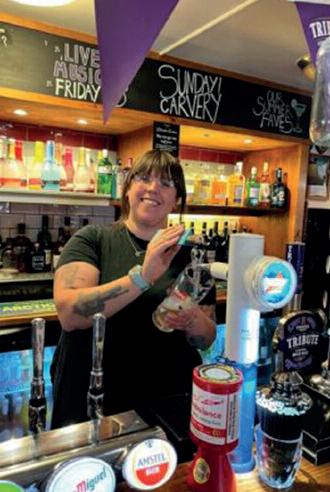
In total 49 nominees from colleges and training providers have been shor tlisted in 18 categories Alice Norris has worked for St Austell Brewer y for the past three years star ting out as Assistant Manager at The Central in Newquay before moving over to The Borough Arms
Alice who is completing her Level 4 in Hospitality Management apprenticeship, said: “The course has given me the knowledge and skills to be a well-rounded leader, understand the fundamentals of running a successful hospitality establishment and has given me a confidence to

for businesses
achieve the next step in my career ”
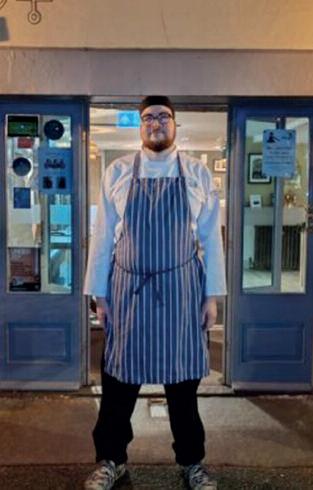
Piers Smith, who is completing his Level 2 Professional Chef apprenticeship has also flourished in his role , with his managers saying the 23-yearold has grown in confidence and skill beyond expectations St Austell Brewer y ’ s Early Careers Manager, Jon Kelley, said: “Piers is a shining example of resilience , hard work and dedication, who thoroughly deser ves ever y bit of praise that we can give him ”
“He’s embraced his apprenticeship journey and transformed from a shy person into an outgoing and much-loved member of his team and community ”
Piers was not only shor tlisted for Apprentice of the Year in Hospitality, but he is also in the running for Cornwall’s Achiever of the Year award for which there is a public vote here - https://www truropenwith ac uk/cornwall-apprenticeship-awards/public-vote/
The winners will be announced on the evening of the Awards’ ceremony on Friday 7th Februar y
During a discussion at the Centre for London thinktank’s annual conference he said: “I’m happy to look into where it’s worked what the issues are in relation to that particular policy we’ll be looking at what cities are doing not just




t Each repor t will be handled with sensitivity and professionalism with recommendations and advice following the repor t helping to suppor t with a resolve suitable for each individual and business
Kris Hall Founder and CEO of The Burnt Chef Project highlights the impor tance of this new ser vice for the industr y: “Whistleblowing in the hospitality industr y is an crucial mechanism for safeguarding ethical practices, protecting employees, and building the industr y ’ s reputation Being able to offer this first of its kind Whistleblowing Ser vice as a global initiative is a proud moment for us at The Burnt Chef Project, as we continue to advocate for healthier, more transparent workplace cultures By allowing businesses the oppor tunity to provide this ser vice for their staff, it will help to build trust and also alleviate the pressures and anxieties that raising concerns can cause Working with experienced staff to suppor t them in resolving situations in a professionally designed system we hope this becomes an integral par t of ensuring staff mental health, wellbeing and comfor t during their time at work ”

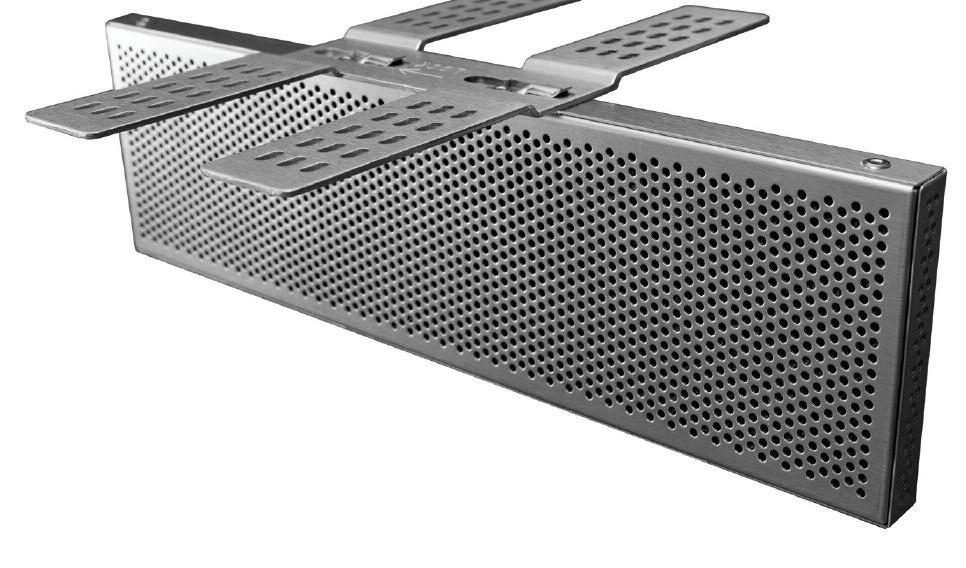
By John Stewar t, technical training manager at Pelsis Group (www

This winter is the first the hospitality sector will have to manage rodents since the Glue Traps (offences) Act 2022 kicked-in
So how can the sector get on the front foot and protect themselves this season to ensure they tackle the dual risks non-compliance and rodent infestations?
Rodents present a significant business risk for the catering and hospitality sector
One of the most acute risks is the health and safety concerns and the risk of rodents defecating and urinating on exposed food This can lead to foodborne infections which can be traced to infestations by environmental health officers
Rodents also pose challenges to building infrastructure such as damage to electrical wires and plastic pipework which present a risk of fires and water leaks
Factors behind winter pressures include rodents seeking warmer, drier conditions and searching for food The added rainfall can also flood burrows and force rats out of drains and sewer systems
Rodents’ biological clocks also increases winter risks As rodents don’t tend to feed in daytime , the darker nights mean interactions with
humans, such as staff and customers, are more likely
Glue board traps are broadly considered a last resor t in rodent management However, their ban ensures that non-pest and protected species are not routinely harmed by their use
It also prevents untrained individuals routinely using glue boards mitigating unnecessar y harm through non-regular checks or not using humane methods to dispose of pests once caught
To qualify for glue board licenses, applicants need to have a level two qualification in pest management and completed an online module for the glue board ban
Individual license applications are only eligible if the health and safety risks of a pest infestation are significant
The application requires detailed evidence about these risks alongside extensive proof that all possible alternative rodent management methods have been utilised This is where the use of professional pest management contractors is essential
The parameters of the ban and the new conditions of use highlight that proactivity is essential when it comes to managing rodents This is where operators in the sector can take meaningful proactive steps, suppor ted by professional pest management contractors
ENHANCING
Operators in the catering and hospitality sector need to be empowered to adopt an integrated, systematic pest management approach around rodents, comprising ERDM (exclusion, restriction, destruction and monitoring)
IDENTIFY ENTRY POINTS IN A BUILDING
Business owners should do a building fabrication audit, looking out for entr y and exit points, especially if there have been contractors on site carr ying out renovations or remedial work Doors and windows are also common culprits, and a key focus for staff training
EXAMINE SANITATION AND HOUSEKEEPING MEASURES
Cleanliness is an acute pressure-point in winter as rodents look for
alternative food sources, driving them to hospitality and catering venues
Ensuring spillages are quickly dealt with will reduce the draw for rodents In addition, targeting refuse areas through more regular bin removals and cleaning alongside strategic positioning will reduce attraction
Checking drainage bungs, which are a common bin entr y point, and replacing damaged lids will also help ensure bins are not an added riskfactor for rodents
In dining areas minimising food debris will fur ther reduce attraction To facilitate this, ensuring seating is spaced out will help promote easy cleaning
APPROPRIATE TRAP AND POISON USE
With glue boards not an option for routine rodent control, businesses will have to rely on conventional traps This means regular checks are essential
Effective rodent bait should be food grade and mould resistant to prevent fur ther health and safety risks Using peanut butter is not recommended owing to allergenic risks in food and drink settings
When using poisons, contact-based solutions are recommended to overcome behavioural resistance with food-based measures This means a rodent would walk on a treated surface and ingest the poison later on when they clean themselves
A SMART APPROACH TO MONITORING
Digital monitoring solutions are emerging as a new, smar ter frontier in pest management
By providing effective 24/7 monitoring with real-time aler ts, business owners access greater insights into rodent pressure points in their building allowing for more targeted inter vention
FOLLOW THE EXPERTS
Running alongside an integrated approach to pest management, businesses should follow the recommendations from their pest management providers
Doing so will help ensure they weather risks and satisfy inspecting environmental health officers not only in winter, but all year round

management positions saying they are more likely to stay in a job for longer if their employer makes a positive environmental impact The repor t from foodser vice technolog y provider Nutritics and insights consultancy CGA by NIQ sur veyed UK hospitality employees to understand attitudes towards sustainability within the sector
According to the repor t 91% say actively living a sustainable life is important to them and if they feel their employer is not delivering on this they are willing to take action The repor t found that employers’ poor environmental practice has a ‘significant impact’ on their ability to retain and attract talent
Stephen Nolan, chief executive of Nutritics, said: Hospitality staff are telling us that sustainability isn t just a nice to have anymore – it s a fundamental par t of what they look for in an employer Workers are aligning their career decisions with their personal values – and for many, sustainability reflects the integrity and long-term vision of a business
“If those values aren’t in place , they’re willing to seek employment elsewhere Given the competition and the high cost of recruitment, this is a real oppor tunity for operators to capitalise on an issue that matters so
much to current and potential employees ” WHEN ASKED WHICH AREAS STAFF WOULD LIKE TO SEE THEIR EMPLOYER FOCUS ON TO REDUCE ITS ENVIRONMENTAL IMPACT, THE FOLLOWING CAME OUT TOP:
• Reducing food waste (45%)
• Reducing packaging/single use plastic (44%)
• Improving recycling (39%)
Focusing on seasonal menus (33%)
• Using green energ y (33%)
Nutritics’ sustainability lead Dr Laura Kirwan concluded: “There is a real oppor tunity for operators to engage their staff and work together to help make hospitality more sustainable
“Staff, in par ticular young workers, are highly stimulated by environmental issues and are therefore more likely to be loyal and attracted to a company, which shares these values By investing in sustainable practices which matter to staff and involving them in this journey, operators can not only boost retention and keep their teams motivated but accelerate meaningful change ”
Hydes Brewer y has re-opened the
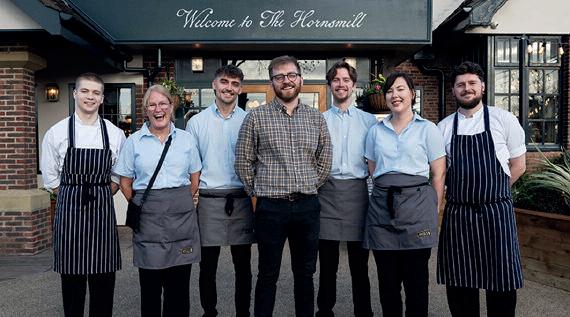
Sam
nificent in the
od The last refurbishment was nine years ago when Hydes first acquired the pub so it’s great to have this latest £0 5M investment which will be a huge hit with all our guests ”
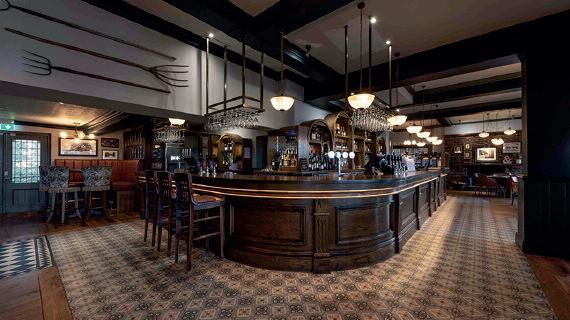
Managing director of Hydes Brewer y, Adam Mayers said: “The Hornsmill is a superb pub in an ideal location and continues to go from strength to strength It’s great to see it reopen with an inviting brand new look and feel, retaining all its previous charm and character, which is ver y impor tant to us and our customers As a popular premium dining pub we ’ re confident that customers old and new are going to love the contemporar y new look and more open feel “As we ’ ve consistently shown over the past two years Hydes remains fully focussed on its commitment to all of the pubs across the estate and this latest investment is par t of a programme of planned redesigns and refurbishments Providing our customers with a quality, memorable dining and drinking experience in the most comfor table and welcoming surroundings is top on our list of priorities and we ’ re confident they’ll want to return again and again to The Hornsmill ”

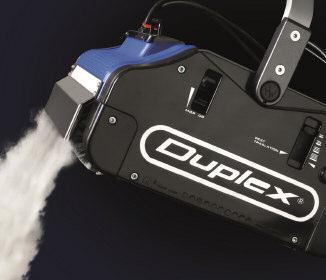
Duplex
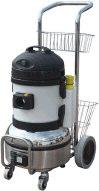
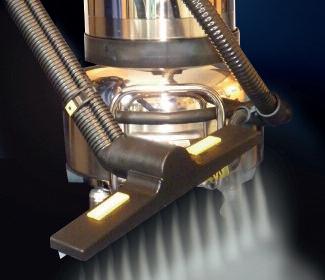
• STEAM AND STANDARD FLOOR CLEANING MACHINES • MULTI-SURFACE STEAM CLEANING MACHINES
• ESCALATOR AND TRAVELLATOR CLEANING MACHINES




commercial isa D uplex andindustrialcle leadingindustrys eaningmachines.O supplieroftechnol Ourfriendlyand logicallyadvanced d complete peace of mind when choosing a cleaning machine. Withknowl anywherein experienced MULLTI-SURF TI SUR ST ledgeableafter-sa ntheUK,backedu dteamprovidefre TI-SURFACE TANDARD ND FLO lesserviceandsup upbycertificated eeon-site,nooblig g ACE ANDARD pport,weaimtog installationandtr gationdemonstrat y giveyou raining. tions REMOV ATOR TRA









By Charlotte Gunn, Associate , Kerr y Garcia, Par tner and Head of Employment, Immigration and Pensions , Stevens & Bolton


The hospitality sector is key to the nation’s economic health, with around 2 8 million people working in hospitality Recently a number of changes to employment law have been announced or passed, which will have a significant impact on the sector
Hospitality is under pressure from all directions In addition to rising costs, supply chain issues and labour shor tages, there are employment law reforms to grapple with, including new rules on allocating tips and implementing the new duty to prevent sexual harassment On the horizon are also the changes outlined in the Employment Rights Bill (ERB) and those announced in the Budget
The Budget constitutes a triple threat to the hospitality sector From 6 April 2025, the National Living Wage (NLW) will increase by 6 7% to £12 21 per hour for workers over 21, and the National Minimum Wage from £8 60 to £10 00 per hour for 18–20 year-olds, leading to a significant rise to the wage bill in a sector where many workers are paid the minimum wage These changes will have a knock-on effect in respect of pay for workers who currently earn above the NLW, who will expect a pay rise to reflect their position comparative to NLW workers The Budget dealt a fur ther blow by increasing employer National Insurance Contributions (NICs) to 15% form April 2025 The final financial burden is the lowering of the earnings threshold at which employer NICs are payable from £9,100 to £5,000
These changes will dispropor tionately affect hospitality employers given the nature of the workforce with the raise in NLW pushing more employees above the NICs threshold, exacerbated by the lowering of the earnings threshold Businesses will have to pay employer NICs for many workers who are par t time and who currently earn below the threshold for employer NICs
The changes have affected the share price of some of the sector s biggest hitters, including J D Weatherspoon whose shares dropped over 10% following the Budget The staggering extra costs are going to
be felt by businesses across this key sector
WHAT ELSE SHOULD YOU BE AWARE OF?
Added to all this, the ERB includes a multitude of changes, described as being the biggest shake up of worker rights in a generation The most significant to the hospitality sector being:
Day one unfair dismissal rights – currently employees are only eligible to claim unfair dismissal if they have worked for an employer for at least two years (subject to limited exceptions including whistleblowing) The ERB provides that all employees may bring unfair dismissal claims from day one of their employment meaning more employees will be able to take their employer to tribunal and potentiality be entitled to compensation if their claim is successful (with potentially expensive legal costs for an employer even if the claim is unsuccessful) Day 1 unfair dismissal rights will mean less flexibility for businesses The threat of claims from employees from day one may make businesses reluctant to hire staff, par ticularly if they have any concerns about the person ’ s experience or if they are not confident business will remain strong
Statutor y Sick Pay (SSP) from day one – the ERB will require employers to pay employees SSP (currently £116 75 per week) from the first day of their absence , rather than from the four th day as it currently stands The lower earnings limit for eligibility for SSP is also being removed This will impact the sector given many individuals work par t time and currently earn beneath the lower earnings limit Employers cannot recoup SSP so this is another cost for businesses
Guaranteed hours for those on zero or low hours contracts – employers will have to offer qualifying workers on zero or low hours contracts guaranteed hours reflecting the hours that each worker worked in a reference period, likely to be 12 weeks Again, this will reduce flexibility for businesses as well as being an administrative burden
Protections for shift workers – the ERB includes requirements for employers to give ‘reasonable’ notice of shifts, but we don’t yet have a definition of ‘reasonable’ Where shifts are cancelled or cur tailed at shor t notice , employers may be obliged to pay compensation
We also expect the sexual harassment laws to be expanded to include protection for staff from harassment by third par ties, including customers
Inevitably some additional costs may have to be passed on to consumers by increasing prices This is a delicate balance , especially if consumer demand is decreasing as a result of the cost of living crisis Unfor tunately, some businesses may have no option but to consider reducing the workforce or hiring fewer people
Employers in the hospitality sector cer tainly face challenging times ahead and nobody would blame you if you pocketed that ‘ penny off the pint’ which the Chancellor has graciously promised

SiteMinder, the hotel distribution and revenue platform, has released
SiteMinder’s Changing Traveller Repor t 2025 the largest sur vey globally on accommodation, revealing that the UK has ranked as the 10th most popular destination among global travellers for next year
The repor t from SiteMinder highlights strong interest among incoming travellers from Canada––where the UK was the third preferred travel destination for next year, Australia (4th) and Spain (4th) Respondents from heavyweight source markets such as the US, Italy and France also expressed strong interest in the UK, with the countr y ranking sixth in the former two and seventh in the latter
SiteMinder’s repor t, the world’s largest consumer study on accommodation, analyses research conducted by Kantar in August 2024, sur veying more than 12,000 travellers in 14 of the world’s largest tourism markets Globally, the Singaporean traveller is the most likely to travel internationally next year (93%), followed by those from China (85%) Thailand (83%) Indonesia (79%) and Germany (76%) with Millennials (28-43) the most likely generation to venture abroad, at 80%

UK INTERNATIONAL AND DOMESTIC TRAVEL PLANS FOR 2025
Among UK travellers, SiteMinder s data shows that 69% plan to travel overseas in 2025, down by 2% yearon-year This rises to as high as 79% among UK Gen Zers (18-27) Domestically, their top destinations will be Scotland (24%), London (21%), the South West (20%), Wales (18%) and the Nor th West (14%), while internationally, they will favour Spain (18%), which remains par ticularly popular among Gen X travellers (44-59) (27%), France (10%), Greece (9%), Italy (9%) and the US (7%) For ty-one percent will travel with their par tner, 30% with immediate or extended family, 15% solo, 13% with friends and 1% with colleagues
ADDITIONAL INSIGHTS RELATING TO THE UK TRAVELLER FROM SITEMINDER’S CHANGING TRAVELLER REPORT 2025 INCLUDE:
Travel agent bookings: They are second only to Canadians in using travel agents to book their hotel stay, with 14 5% planning to book this way, up from 6 5% in 2020 and above the global average by three points Notably Millennial (28-43) bookings through travel agents have grown from 11% to 18% in the last year
Room choice: Fifty percent of UK travellers will choose Standard (basic quality) Rooms in 2025, above the
global average (46%) and reaching 59% among Baby Boomers (60-78) This contrasts the only 19% of Chinese travellers choosing Standard Rooms however remains below those from Spain (59%), Canada (55%), Italy (55%), Thailand (54%), Germany (53%), France (52%) and Mexico (51%)
Prioritising meaningful spending: Despite this budget-conscious approach, UK travellers remain committed to creating memorable travel and accommodation experiences in 2025 Fifty-three percent say they are more likely to travel for an event, 57% are willing to pay more for ecofriendly options and 82% are open to spending additional on extras beyond the cost of their room
Work and hotel time: When on site , 28% plan to work, up by 6% year-on-year, but well below the global average of 41% For ty-one percent intend to spend “most of the time” or “considerable time” at their hotel, ten points below the global average
Dynamic pricing sensitivity: Just 49% suppor t hotel price adjustments during busy periods, well below the global average of 65% With almost 1-in-4 (23%) disagreeing with the concept they are alongside those from Spain (30%) and Canada (25%) among the least comfor table with dynamic hotel pricing
Openness to AI: Finally 63% are open to using AI at times for planning booking and experiencing their hotel stay rising to above 90% among Gen Zers (18-27) and dropping to below 40% among those over the age of 60 SiteMinder’s data exposes stark contrasts in openness to AI, with strong adoption in Thailand and Indonesia (98% each), China (96%), and India (94%), compared to lower levels in Canada, Australia (62%), Germany, France , and the UK (63% each)
James Bishop, SiteMinder s Vice President of Ecosystem and Strategic Par tnerships, said: The UK s strong ranking among the top 10 global destinations for 2025 reflects our enduring appeal across diverse markets and traveller profiles To capitalise on this, UK hoteliers must meet the needs of today’s ‘ ever ything traveller’, who values cost-efficiency but is willing to invest in what they see as priority extras to add real value to their experience In this landscape , data-driven insights become critical, empowering hoteliers to anticipate guest needs and deliver them tailored experiences that drive satisfaction, positive reviews, and loyalty ”
SiteMinder’s Changing Traveller Repor t 2025 is available here > https://www siteminder com/changing-traveller-repor t/
Stonegate Group and HEINEKEN UK are joining forces to launch their “Pub Alone” campaign this festive season
Together, they aim to spark meaningful conversations on loneliness and encourage people to connect and build new relationships in safe , welcoming pub environments over the holiday period To fur ther suppor t these effor ts in MiXR venues Stonegate Group will be donating £75,000 to HEINEKEN UK’s charity par tner, Marmalade Trust, the UK’s leading loneliness charity
Though Christmas is often associated with joy and celebration, many people experience loneliness during this season The issue extends beyond older generations; in fact, those aged 16-29 are more than twice as likely to repor t feeling lonely as those over 70
Through “Pub Alone , ” Stonegate Group and HEINEKEN UK are working to create safe , inclusive spaces where people of all ages can experience the warmth and community spirit of the great British pub helping to bring people together at this time of year
This campaign will bring the spirit of togetherness to life by sharing real stories that showcase the magic of the pub at Christmas, seen through the eyes of those who experience it firsthand These Tales of Togetherness” will unfold across social channels, celebrating the special moments that make the pub so meaningful during the festive season
At the hear t of the “Pub Alone” campaign is Stonegate’s MiXR app, which connects people with nearby Stonegate venues and offers exclusive deals, seasonal rewards, and a free drink upon download With over 1 million downloads MiXR is designed to bring people together to
enjoy shared experiences and create lasting memories – values that align perfectly with the campaign’s mission to foster connection and help people who feel lonely this festive season Additionally Stonegate’s MiXR digital screens within venues help to reduce paper-based pointof-sale materials and site deliveries, suppor ting the company s commitment to sustainability over the holiday period
As well as Tales of Togetherness , the two companies have developed a multi-faceted campaign to encourage connection and community suppor t across the UK
HIGHLIGHTS INCLUDE:
£75,000 donation to Marmalade Trust: To fur ther suppor t these effor ts, Stonegate Group will be donating £75,000 to HEINEKEN UK’s
charity par tner Marmalade Trust, to bring people together at Christmas and raise awareness of loneliness MiXR Advent Calendar : Launching December 1st, the MiXR app will feature a festive advent calendar with daily prizes, including offerings from Birra Moretti, adding a fun, interactive way for guests to enjoy the season and win rewards
David McDowall, CEO at Stonegate Group, said: “Our pubs have always been at the hear t of communities, especially during the festive season We are committed to bringing people together in safe inclusive spaces where ever yone feels welcome and can forge meaningful relationships Par tnering with HEINEKEN UK allows us to amplify this message , combining our commitment to community with their dedication to addressing loneliness ”
Will Rice , On-Trade Director at HEINEKEN UK, added: Christmas is a wonderful time for many, but it’s impor tant to remember that it can also be a different experience for those feeling alone Through our joint ‘Pub Alone’ campaign, we want to encourage communities to suppor t one another and break the silence on loneliness Teaming up with Stonegate Group and channelling funds raised towards our par tner charity Marmalade Trust allows us to reach more people than ever fully aligning with our goal to alleviate the stigma of loneliness currently felt in the UK
“Pub Alone” will run from mid-November throughout December, and pubs across the Stonegate network will par ticipate by hosting special events and activities to foster connection

On Wednesday 16 October the federal government of Australia announced plans to ban dynamic ticket pricing as par t of new measures it says will stop businesses ripping off Australians ” Last month, The Guardian confirmed a spokesperson for the European Commission said it was looking into the use of dynamic pricing for concer t tickets amid growing concerns among parliamentarians in Brussels
So what is dynamic pricing and why is it causing such worldwide furore?
Dynamic pricing is the practice of adjusting the price of a product, based on real-time market conditions and fluc-
tuating demand Modern dynamic pricing systems use algorithms and data analytics to consider peak trading times, major events and seasonality American Airlines were the first to introduce dynamic pricing back in the 1970’s Today, several industries outside of hospitality have adopted the practice including leisure , enter tainment, retail and transpor tation
‘Supersonic’, the aptly named 1994 debut single from Oasis, best describes how quickly consumer awareness and backlash to dynamic pricing arose , when last month, tickets for the band's reunion concer ts went on sale through Ticketmaster Many fans expecting to pay around £148 50 a ticket saw prices significantly rise to as much as £355 20 What fans found was demand for the concer ts, greatly outstripped supply of the tickets If demand exceeds supply, one of two things happens: either supply goes up or prices increase Stonegate Group, owner of Slug & Lettuce and Yates, hit the headlines last year, when it announced it would be raising prices by 20p for a pint of beer at 800 of its venues during peak times to help cover soaring costs
According to a recent poll for Barclays, 32% of consumers said they had experienced price increases during peak times at pubs and bars However, just 8% said they were willing to pay more to eat and drink at popular times
So, what is making consumers so upset? In any transaction, consumers assess their sacrifices That being, money, time and effor t versus the value they receive Notably, they only feel fairly treated if what they gain is balanced, clear and transparent in relation to what they sacrificed Dynamic pricing makes them feel at a disadvantage and unfairly treated because it is not transparent and therefore triggers negative emotions, which subconsciously makes them change their behaviours
To celebrate World Children’s Day, St Giles Hotels, the hotels’ foundation, ‘Hotels with Hear t’, and renowned illustrator Eleanor Tomlinson visited Gateway Academy a primar y school located in Westminster for an ar t competition to suppor t children’s charity Coram Eleanor from East Yorkshire whose sketch of the Queen and Paddington Bear went viral in 2022, has since built a following with her illustrations of animals and the countr yside Eleanor visited a Year 4 class of children aged between eight and nine years to give them an illustration masterclass, followed by a shor t Q&A with the ar tist The children were asked to draw something with the theme ‘What fills your hear t with love’, a nod to the hotel’s own foundation Hotels with Hear t, which suppor ts and mentors children and young people in alignment with Coram’s work
The children created their own piece of ar twork which was be judged by Eleanor, St Giles Hotels and Coram The three winning pieces of ar t will be framed and exhibited in St Giles London Hotel’s Signature rooms for guests to enjoy and donate via a QR code to suppor t Coram the first and long ser ving children’s charity in the UK (1739) which champions the rights and wellbeing of children
Here at Revenue Management Solutions (RMS), we conducted a behavioural experiment with 260 consumers from the UK and U S We tasked them with placing an order from an online restaurant However, before making their order, we randomly divided them into two groups - one with dynamic pricing and the other without We asked the dynamic pricing group questions related to their last flight ticket purchase , the goal being to remind them of a situation in which they experienced dynamic pricing in the past The second group was asked questions about their last holiday

While the par ticipants placed their orders, we used eye-tracking technolog y to monitor where they focused their attention on the menu We found that the dynamic pricing group focused more intensely around the pricing areas of the menu, while the non-dynamic pricing group ’ s attention was focused on photos and menu item descriptions
As a result, we also found that the dynamic pricing group had a 3% lower average spend, choosing to order less expensive items, mainly by opting for smaller por tion sizes This shows
awareness of dynamic pricing triggered them to spend more time evaluating price points, resulting in more rational purchasing decisions
We know from psychological research that people generally dislike losing more
The time we are happy after a win is shor ter than the time we are upset after a
Consumers subconsciously associate the uncer tainty around dynamic pricing to a fear of making a loss or being at a disadvantage Ultimately, they feel unfairly treated Studies using neuroimaging have shown that feeling unfairly treated activates the same region in the brain as when we experience physical pain, anger or disgust Situations which risk causing us pain make us more aler t and in this case , we change to a more conscious and rational decision making process
The big question is how can operators improve profits without triggering negative consumer emotions? The key is to make consumers feel they’ve gained rather than made a loss, so instead, work with price decreases, such as promoting happy hours, rather than pointing out that prices have increased We have consistently seen the biggest profitability boost with customers come from the right location-based price differentiation Taking occasions and price sensitivity into account prevents consumer backlash Additionally, pricing tactics are most successful when combined with other tactics such as menu-engineering or promotions

The children, whose ar twork was chosen to be exhibited in the hotel, received bespoke prizes from Eleanor Tomlinson First prize (an original Eleanor Tomlinson ar twork) went to Ayah, second prize (a limited edition print by Eleanor) went to Ziad and third prize (an ar t and illustration kit) went to David Commenting on the par tnership, Eleanor says, I was thrilled to be asked to be involved in this wonderful ar tistic project to raise money for Coram on World Children’s Day Ar t has been such an instrumental par t of my life , and I know how impor tant it can be to help young people , the ar t they created is absolutely fantastic”
Dr Carol Homden, CEO of Coram, said: “We are most grateful to St Giles Hotels, their guests and to Eleanor for all their suppor t through this imaginative initiative enabling us to reach more children through our wellbeing education in schools, creating change that will last a lifetime Well done to all the children for their wonderful creations and congratulations to our winners CEO of St Giles Hotels, Abigail Tan comments, Our par tnership with Children’s Charity Coram holds a special place in our hear ts at St Giles Hotels We believe deeply in the power of community and giving back, and suppor ting Coram’s mission to transform children’s lives reflects our commitment to creating hope and oppor tunities for young people ” “We are thrilled to have Eleanor Tomlinson join us for World Children’s Day and look forward to seeing the incredible talent of the young ar tists in the competition Their winning ar tworks will bring extra warmth to our Signature rooms at St Giles London Hotel where our guests can also learn more about this inspiring cause and join us in making a difference ” St Giles Hotels is par tnering with Coram for three years pledging £25 500 for the charity through Hotels with Hear t and raising additional funds via a host of activities including a charity abseil on 4th October which raised £1,219 Funds raised through the

The Campaign for Pubs says that the Pubs Code in England and Wales has been a failure , and are calling on the Government to act
The Pubs Code was set up to stamp out the exploitation of tenants of large pub companies (pubcos) through the ‘tie’, however campaigner say that weak and flawed legislation has not only failed to do this, says the campaign, it has allowed the pubcos to thwar t and even evict tenants seeking to exercise their rights under the code
They are also actively moving their estates away from traditional regulated leaseholds and towards new so-called ‘self-employed management’ models to avoid the Pubs Code altogether
The Campaign for Pubs has written to the Secretar y of State for Business and Trade , Jonathan Reynolds MP, urging the government to act to deal with this, and to finally deliver what Parliament and pub tenants were promised in 2014 The Labour par ty in opposition including Jonathan Reynolds suppor ted the introduction of the Pubs Code and the vote for a market rent only (MRO) option

The MRO option clause was introduced to the House of Commons by Greg Mulholland, then the MP for Leeds Nor th West, who is now the campaign director of the Campaign for Pubs and chair of the British Pub Confederation
The Pubs Code legislation, including the vital MRO option, was cynically watered down by the majority Conser vative government that took control after the 2015 general election, says the campaign
THE CAMPAIGN FOR PUBS IS CALLING FOR THE FOLLOWING CHANGES: THE FAILING PUBS CODE AND PUBS CODE ADJUDICATOR LEGISLATION MUST BE REFORMED
• The law must be changed to introduce a genuine market rent only option The ability for all pubco tenants to be able to go free-of-tie on an independently assessed market rent after 90 days of requesting it
• The Pubs Code must be extended to apply to all tenants of all companies with 500 or more pubs not just tied tenants, to put a stop to the discrimination and abuse of tenants choosing to go free-of-tie
• The legislation must be strengthened to establish a genuine Pubs Code adjudicator to properly oversee the sector and stamp out all abusive and unfair practices, with proper powers to adjudicate and a clear and strong brief to ensure fairness and a fair share of risk and reward
THERE MUST BE WIDER, SIMPLE REFORM OF THE TIE, TO STOP THE ABUSE ALTOGETHER

• The tie charging above market prices and preventing direct access to products and ser vices can only possibly ever be justified if the pub rent is commensurately lowered to cover the additional cost of tied prices and restrictions This means that all tied tenants must have the right to an annual independent rent assessment, in order to ensure that tied rents are at a level that compensates for higher tied prices
• The tie should only be lawful when operated by breweries who brew their own beer (not under licence) and on their beer only There is no justification for nonbrewing proper ty companies operating the tie and this, in itself, has been a serious anti-competitive and abusive restraint of trade
Greg Mulholland, Campaign Director of the Campaign for Pubs and the person who’s MRO clause was voted through in 2014 said: “Ten years ago, after four damning Select Committee repor ts, a majority of MPs in the House of Commons listened to publicans and campaigners and voted for the right for tenants of the large pubcos in England and Wales, to be able to operate free-of-tie on an independently assessed market rent
“Yet that all impor tant Market Rent Only option was never delivered and the whole legislation was deliberately and cynically watered down by the Conser vative Government following the 2015 election In reality the Pubs Code was deliberately set up to fail to achieve the stated objectives with a weak Adjudicator unable to deal with the fundamental issue , which is the fact that the large pubcos systematically take far more than is fair from a pub s profits, meaning many tenants can t make a living despite a decent level of trade
“Ten years on from the historic MRO vote , the outcome of which was never actually delivered, we are now calling on this Government to act to put matters right
“The Labour Par ty, including Jonathan Reynolds, fully suppor ted the introduction of the Pubs Code and the all-impor tant market rent only option , said Victoria MacDonald, a Campaign for Pubs national executive committee member and publican ”
In the knowledge that the Conser vative government deliberately neutered this impor tant legislation, it is now the clear duty for this Labour government to change the law to finally stamp out abuse of the beer tie and the ongoing exploitation of hard-working pub tenants ”
Victoria MacDonald, a Campaign for Pubs National Executive Committee member and publican at the Old Ram, Tivetshall St Mar y ’ s, Norfolk said: “The Labour Par ty, including Jonathan Reynolds, fully suppor ted the introduction of the Pubs Code and the all impor tant Market Rent Only option In the knowledge that the Conser vative government deliberately neutered this impor tant legislation, it is now the clear duty for this Labour Government to change the law to finally stamp out abuse of the beer tie and the ongoing exploitation of hard-working pub tenants”

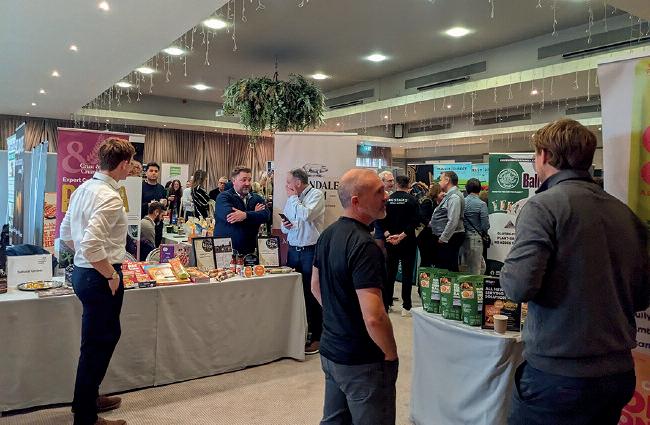
I recently had the oppor tunity to attend an extraordinar y event highlighting the vibrant food and drink industr y of Nor thern Ireland, thanks to a wonderful invitation from InvestNI who took me on a delightful and most enjoyable tour of Belfast (which I hope to return to in Februar y)!
Hosted in Bangor the showcase offered an in-depth look at the creativity and dedication driving the region's culinar y success Alongside attending the showcase , I engaged in immersive experiences, from baking traditional Irish goods at a Belfast cooker y school to exploring a globally renowned whiskey distiller y These moments offered an unforgettable glimpse into Nor thern Ireland's hospitality innovation and cultural richness
A GROWING PLATFORM FOR CULINARY EXCELLENCE
What began as a modest initiative to connect local food and drink producers with potential buyers has grown into a significant event Today, the Nor thern Ireland Food and Drink Showcase attracts over 100 local suppliers and an equal number of buyers from both domestic and international markets This annual gathering has become a vital platform, demonstrating the remarkable progress of Nor thern Ireland s food and drink sector The event underscores the region’s growing reputation as a culinar y hub, offering oppor tunities for producers to align with global trends and expand their market reach
FLOURISHING
The food and drink sector in Nor thern Ireland has seen impressive growth, fuelled by a commitment to quality and an innovative mindset With exper tise spanning dair y meat baker y and beverages the industr y reflects both tradition and forward-thinking approaches Organizations like Invest Nor thern Ireland (Invest NI) have played a key role in this success, offering businesses resources such as funding, training, and suppor t for expanding into new markets By collaborating with thousands of businesses, Invest NI helps foster innovation and resilience across the industr y
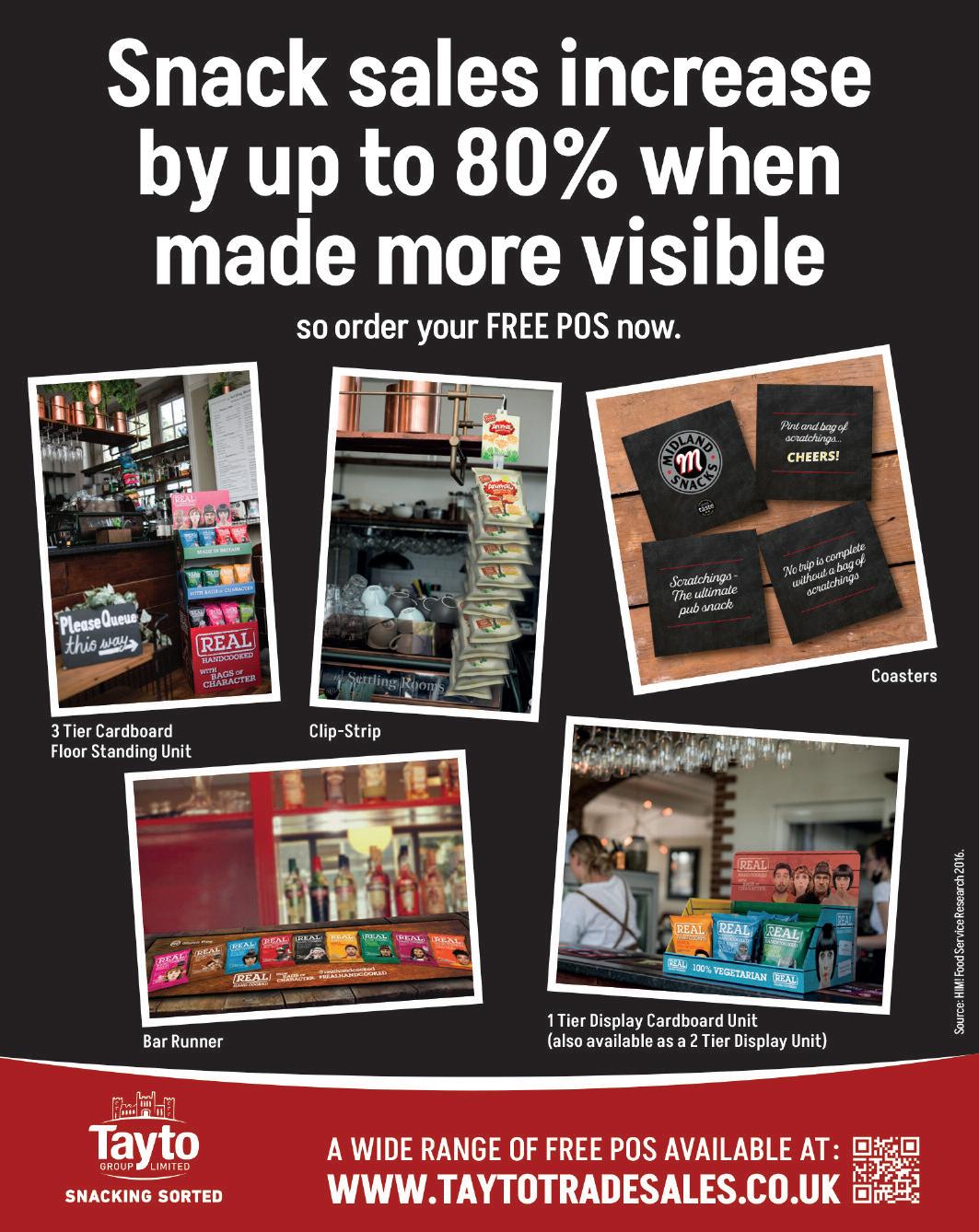
It was a pleasure to meet with some of CLH News adver tisers, premier snack supplier Tayto and premier sausage supplier McWhinney's and at the same time sample an abundance of innovative products!
Nor thern Irish producers are especially adept at embracing global food trends For instance , the rise of vegan and allergen-free products has inspired local producers to innovate while maintaining a focus on authenticity
enabled the baker y sector to thrive in competitive markets, suppor ted by initiatives like Invest NI’s funding for product development and skills training FLEXIBILITY AS A COMPETITIVE ADVANTAGE
One of the defining strengths of Nor thern Ireland’s food and drink producers is their adaptability Operating in a tightly knit industr y allows for close collaboration with customers and the ability to respond quickly to changing demands This flexibility, combined with a customer-focused approach, gives local producers a competitive edge , enabling them to excel even in challenging conditions
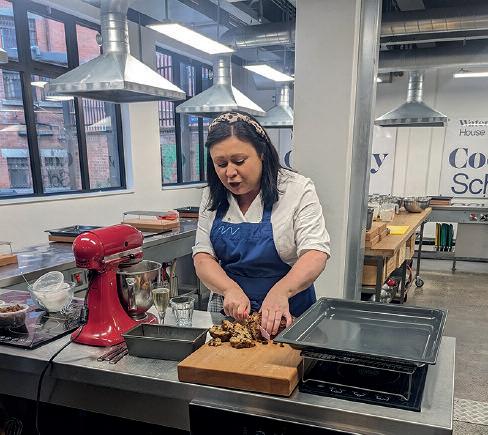
Invest NI has been instrumental in fostering this agility by helping businesses adjust to market shifts while preser ving their core values The agency ’ s emphasis on skill development, SUPPORTING GROWTH AND SUSTAINABILITY
As Nor thern Ireland’s primar y economic development agency, Invest NI provides comprehensive suppor t to businesses in the food and drink sector From grants and training programs to sustainability initiatives, the agency equips producers with the tools to thrive Its focus on sustainable practices, such as energ y efficiency and waste reduction reflects a broader commitment to fostering long-term growth in the industr y A CELEBRATION OF CULTURE AND INNOVATION
My journey through Nor thern Ireland’s food and drink scene was nothing shor t of inspiring From mastering traditional recipes to experiencing the vibrant culture of Belfast, it was clear that the region s culinar y identity is deeply rooted in passion and creativity The Nor thern Ireland Food and Drink Showcase was more than just an exhibition; it was a testament to the dedication and innovation that define the local industr y Looking ahead, it’s evident that Nor thern Ireland’s food and drink sector is poised for even greater success With organizations like Invest NI and the unwavering commitment of its producers, the region is set to make an even larger impact on the global stage
A campaign to remind pub-goers that even a small amount of alcohol can have significant consequences, is being launched in pubs in collaboration between the UK’s leading alcohol free beer Heineken 0 0 and the government’s longstanding THINK! campaign
Launched by the Future of Roads Minister Lilian Greenwood at the Two Bridges pub in London Bridge , the new campaign encourages younger drivers to enjoy 0% options this festive season HEINEKEN UK’s pub division, Star Pubs, will be distributing 400 kits to pubs which include high visibility point of sale designed to attract attention at the moment of ordering These include font wobblers, staff tshir ts, posters and drip mats
THINK!’s major new adver tising campaign, which launches today (20 Nov), highlights the potential consequences of drinking even a little before driving, including losing your licence , injuring yourself or others and the knock-on impact on their personal lives
This

Roads
is a welcome campaign from THINK!,
New research looking at how the hospitality industr y handles customers with allergens and intolerances has found that 1-in-3 customers have been given incorrect information regarding allergens or ser ved food that contained items that they are allergic to when dining out
The new whitepaper from Insight Consultancy KAM and hospitality software provider Polaris Elements, found that more than half of these consumers would not go back to a venue where this had happened to them, indicating that the trust will have gone
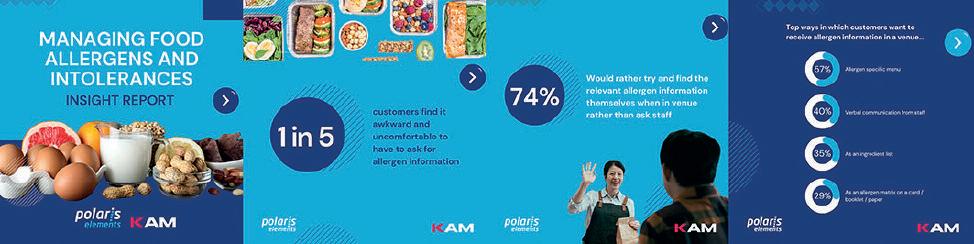
Having a food allerg y or intolerances means consumers are more likely to do their homework before visiting a venue Around 60% of people research menus and allergen details online before visiting, typically preferring the venue ’ s own website (71%) Yet, only 31% of operators display detailed allergen information online This mismatch matters – if allergen information isn’t easy to find, 40% of customers say they’re unlikely to visit, which could mean lost business for those who don’t display it, and potential new business for those who do
Jo Lynch, Account Director, KAM: “There is a clear disconnect here between what access customers want to allergen information and what operators are currently delivering A disconnect which has the potential to significantly impact venue choice for those with allergies or intolerances Operators need to be even more open and transparent about their menus, food items and allergen / ingredient information The danger is ver y real, both in terms of your customers health, but also in terms of the future health of your business
The good news is dining out is still popular among people with food allergies or intolerances – 66% eat out at least weekly, and 77% have tried a new place in the past three months However, half of these customers tend to stick with familiar spots to avoid the hassle of asking about allergens, with 1 in 5 saying they feel awkward raising the issue Many would rather rely on clear information available upfront than ask at all with the top reason for not asking staff being “I don’t want to make a fuss ” Despite the fact that 93% of venues provide formal allergen training, nearly one-third of customers have
received incorrect information, which affects trust Around 71% of operators still handle allergen updates manually, a process that’s time-consuming and error-prone , highlighting the need for systems that keep information up to date without relying on manual updates
The research highlights that consumers need and want to access allergen information in an easy-to-understand format, or within a conversation with the staff Their favoured method of receiving this information is via an allergen specific menu It’s vital therefore that any printed / digital information is always kept up-to-date , and the staff training and communication to the front-line staff is at the forefront of any menu, dish or ingredient changes
4-in-5 operators say that the responsibility is placed on their staff ‘to a great extent’ to ensure customers are given correct information and nearly all are confident their staff can appropriately deal with allergen requests from consumers Operators are therefore ver y reliant on the accuracy of ingredient level information to update written sources and train their team correctly
Jo Lynch, Account Director, KAM: “Consumers want to feel safe when eating out, and the research also showed that 43% of operators say they are asked ever y day for allergen information in their venue This shows the scale of what consumers and operators are facing ever y single day and with a potential future extension of the allergen laws in the UK, this will be an ongoing, although necessar y burden to the operator, to keep their customers safe
Operators have a huge responsibility to meet,
Britain’s top managed hospitality groups achieved year-on-year sales growth of just 0 6% in October 2024, the latest edition of the CGA RSM Hospitality Business Tracker shows
It marks the four th month of below-inflation like-for-like growth in a row, and means the Tracker is now at its lowest point since April The flattening of sales reflects fragile consumer confidence amid ongoing cost increases, as well as poor weather for much of October Weak growth raises concerns for trading over the crucial Christmas period, and adds to new pressures on hospitality’s tax burden set out in the government’s recent Budget
October’s figures are mitigated to some extent by Halloween, which usually boosts trading but fell on a Thursday this year Many celebrations will therefore have taken place over the following weekend, and Tracker data from early November shows they have contributed to a bright star t to the month for pubs and bars in par ticular
The Tracker produced by CGA by NIQ in par tnership with RSM
UK shows total sales growth in October including new venues opened during the last 12 months was slightly better at 2 4% Managed pubs achieved like-for-like growth of 1 5%, but it was a challenging month for restaurants, where sales were clipped by 0 1%
Elsewhere in the hospitality sector, bars saw sales fall 4 2% below the levels of October 2023 On-the-go groups performed best of the major segments with 4 3% growth possibly the result of some consumers trading down their spending from meals out
For the third month in a row, growth in London lagged the rest of the countr y Managed groups ’ sales inside the M25 were down by 0 1% yearon-year, while venues fur ther afield achieved 0 9% growth
Karl Chessell director – hospitality operators and food EMEA at CGA by NIQ, said: “It’s clearly been a tough autumn for many restaurants, pubs and bars and real-terms growth
are likely to remain ver y difficult well into 2025
Saxon Moseley, head of leisure and hospitality at RSM UK: “October’s disappointing results shows the industr y essentially stalled last month, with poor weather and concerns about potential tax rises in the Autumn Budget putting consumers off from venturing out In hindsight, many of those fears were misplaced, as the budget did not directly increase taxes on consumers
However the proposed fiscal changes are expected to have a severe impact on the hospitality industr y, with increases in National Minimum Wage , employers’ NIC and business rates all set to reduce margins and push some businesses into the red Looking ahead, operators will have little choice but to raise prices, although without a significant boost in consumer confidence , there is little guarantee this will translate into positive like-for-like sales ”
mental health suppor t to hospitality professionals in need This winter, many employees in the sector are facing precarious circumstances due to the rising cost of living, with the majority who contact the charity for help citing debt as the biggest trigger of anxiety leading to feelings of hopelessness and mental health issues
Mark
Centre for Cities’ reveals what visitors are spending money on
cities and towns in the UK in its repor t, Spending time: the role of the
economy in UK cities’
The study sets out how visitors help places sustain a greater variety of local businesses and experiences in the most-visited destinations
For example , in York, where more than half of local spending on food and drink businesses is from visitors, spending data identify over 700 separate food and drink establishments in the city, or 3 5 per 1,000 residents This suggests visitor spending is helping to sustain a greater variety of dining options than in similar-sized places with fewer visitors such as Swindon, with 2 2 establishments per 1,000 residents
gle visit
The introduction of shor t-term let registration confirmed by the Depar tment for Digital, Culture , Media and Spor t in Februar y 2024, would help cities better understand the demand visitors place on accommodation in popular destinations and find out whether the supply of overnight accommodation is appropriate
visitor spending than other cities their size , each taking a similar share of the UK’s total overnight domestic visitor spending to Glasgow – more than four times Blackpool’s size and roughly twice the size of Edinburgh
However, official data on shor t-term lets and spending data from a limited sample of international visitors indicate international visits are concentrated in only a few places This suggests that local par tners in the top ten places should work with national organisations like Visit Britain to see how they can expand their visitor economy through international
Outside the top ten destinations, there are 11 fur ther places where visitors make an outsized contribution to local economies On average visitors to these places account for one in ever y £7 spent on the high streets – equal to the national average
Centre for Cities says these 11 places – including Exeter, Norwich and Glasgow – could do more to take advantage of visits to their city, for example by finding out what the constraints are on conver ting day trips into overnight stays that give visitors the chance to spend more in a sin-
During the winter months of November to Februar y seasonal illnesses such as colds flu coughs and throat infections peak in the UK Germany and across Europe Germs spread rapidly and are easily transmitted between people and surfaces making it a par ticularly challenging time for maintaining health In the UK alone , research estimates that approximately 185 million working days, are lost annually due to sickness
In the Office and Facility Management sectors, the spread of seasonal germs can be exacerbated by several factors, including:
• High Dens ty of People: Crowded workspaces increase the l kelihood of germ transmission
• Shared Surfaces: Frequent use of common areas like door handles , desks , and communal equipment facil tates the spread of germs Inadequate Ventilat on: Poor air c rculation can allow germs to inger n the air longer, increasing the r isk of airborne transmiss on
• Presenteeism: Employees com ng to work while s c k can spread germs to their colleagues
• Asymptomatic Carr ier s: Indiv dua s who are infected but show no symptoms can unknowingly spread germs
Fur thermore , research findings demonstrate that the spread of seasonal illnesses during winter is significantly intensified by the factors mentioned above
A
• Presenteeism: 50% of employees go to work even when they are unwell, and only 27% of faci ity manager s send them home
• Asymptomatic Spread: Approximately 75% of seasonal flu infections show no
symptoms , al owing germs to spread unnoticed
Surface Contamination: A single infected employee can contam nate up to 50% of shared surfaces , and germs can transfer to the hands of 14 people from common touc hpoints like door handles
• Airborne Transmission: Infected droplets from a sneeze can travel up to 27 feet
High Germ Density: Off ce desks can harbor 400 times more germs than a standard toilet seat
These insights highlight the critical need for effective efficient and sustainable cleaning and hygiene protocols to mitigate the spread of germs in commercial settings and shared spaces Businesses need to employ exceptional hygiene protocols to help elevate and strengthen their business
Dettol, the World’s #1 Disinfection Brand Offers Germ Protection for Businesses This Winter
With 90+ years of brand heritage , Dettol is the #1 disinfection brand that provides proven germ protection for your employees, customers and guests this winter Dettol offers a range of concentrates and Ready-To-Use (RTUs) formulations that offer exceptional cleaning and hygiene solutions for your business across three key pillars:
1. EFFICACY:
• Acts quic kly to eliminate 99 9% of v ruses and bacter ia
• Proven to kill E Col , Salmonella, Lister ia, MRSA and the flu virus
Dettol Disinfectant Aerosol Spray’s 24-hour anti-bacter ial act on keeps surfaces protected for longer
2. EFFICIENCY:
• No-wipe formula reduces c lean ng time and time spent disinfecting
• Select Dettol products can be used on up to 100 hard and soft surfaces
• Multipurpose products n the range both c ean and disinfect simplifying your hygiene rout ne
3. SUSTAINABILITY:
• Select surface c leaning products leave behind no har sh res due
• Su table for ever yday c lean ng staff usage
• Major ity of products are readily rec yc lable
When asked about germ protection for employees and customers this winter, Jonathan Weiss, General Manager at Reckitt Pro Solutions, remarked Ever y year businesses face a



Congratulations to Jon and the team – this is a well-deser ved win for a truly exceptional pub ” Jon Howard, General Manager of The Wykeham Arms, said: “I’m over the moon to have won the Griffin Trophy We’ve been in the final before and won our categor y more than once – but to win the overall trophy is a real honour I can’t wait to see that shiny trophy behind the bar at The Wykeham A big thank you to my whole team – this is a great reflection of their hard work – and I’m looking forward to showing off the Griffin Trophy to all my customers from global tourists to the College masters ” The Wykeham Arms is also the winner of its categor y – Best Hotel/Inn The Coach & Horses in Soho was named the Best City Pub Best Town/Local Pub went to The Holly Bush in Hampstead and the Best Countr y/Village Pub was awarded to The Berkeley Arms in Chichester
ever y pie sold, the pub donates 25p to the Winchester Cathedral Fund which contributes to its ongoing restoration and 25p to Play to the Crowd – a local ar ts and education charity This year ’ s Griffin Trophy saw 11 pubs reach the final The finalists were visited by a judging panel – Fuller’s Chairman Michael Turner Chief Executive Simon Emeny and Marketing Director Sam Bourke – who selected winners for each categor y and the overall Griffin Trophy winner There are four categories in the Griffin Trophy – Best City Pub; Best Town/Local Pub; Best Countr y/Village Pub; and Best Hotel/Inn Michael Turner Fuller’s Chairman said: “Jon and The Wykeham Arms are no strangers to the Griffin Trophy – having been finalists a few times over the years It is difficult to keep pushing the quality forward each year, par ticularly after 15 years in the same site , but Jon has done just that in ever y aspect of the business
recently awarded the World’s Best Boutique Hotel at The World's 50 Best Hotels 2023 Ken Biggs Contractors were appointed as the principal contractor on this project and made contact after being impressed by Stannah’s distinctive refurbishment of a vintage passenger lift at the YMC A in Bristol
Working with architects Stonewood Design, and Ken Biggs Contractors, Stannah Lifts worked to deliver a lift that was both modern and harmoniously integrated with the early 20th-centur y aesthetic of the building
The project’s vision was to blend the 1912 style with contemporar y elements, which also resulted in Ken Biggs Contractors reconstructing the entire Creamer y THE WORK
Stannah Lifts collaborated with architects to incorporate the new lift into the design of the re-imagined Creamer y The project commenced with the installation of ver tical rail guides to keep the lift aligned within the elevator shaft, followed by the mechanical first fix in 2023 and the completion of the mechanical package Shor tly after, works commenced on the glass lift shaft and car
meant full lift completion in April 2024
Additional building works in the Creamer y included a new brick extension to match the original factor y ' s detailing reflecting the 1912 era and the Titanic’s historical significance , with posters embedded in the staircase brickwork The design also pays tribute to the rich histor y of milk and cheese production at the Creamer y, with milk bottle car vings integrated throughout the building and on the lift car doors
One par ticular challenge was aligning with the client’s design vision while maintaining the lift's structural integrity for safe and efficient operation As a result, the design and concept of the lift evolved during the project to better address customer needs and project requirements
Precision was crucial as several design elements, including lighting and fitting locations were adapted throughout the project Stannah Lifts collaborated closely with the client to balance their needs with practical and mechanical feasibility, such as incorporating shaft lights underneath the lift structure for a minimalistic look creating an illuminated effect
The custom-designed passenger lift features a minimalist approach with discrete fixings and fixtures It seamlessly integrates handrails through the glass without additional suppor ts or corner trims This 8-person all-glass lift allows natural light to illuminate the interior, offering passengers views of the Creamer y as they travel to the first floor
The hydraulic passenger lift ser ves two floors and travels 3 6 metres to provide step-free access from The Creamer
the public and has been transformed into a community hub featuring a restaurant and shop and offering a range of delightful food options to travellers, visitors, and train passengers while reviving its cheesemaking heritage THE CLIENT The Creamer y is owned by Koos Bekker and his wife , who also owns The Newt in Somerset, which was
The lift shaft and car featured bespoke glass sourced from Gemtec , a specialist German company Stannah Lifts facilitated a 24-hour visit to Germany for Ken Biggs Contractors and Stonewood Design, allowing them to review the glass and how it would integrate with the lift design before shipping it to the UK which minimised the need for additional modifications
To ensure the glass was installed without any issues, Gemtec provided helpful suppor t throughout this stage Meanwhile , Stannah Lifts supplied and fitted custom trims and a glass panel to fill the gap adjacent to the glass car doors
A CTV mechanical lift car package was fitted as par t of the overall lift components and snagging works
At the customer's request, the lift s structure wasn t initially anchored to the brickwork, resulting in a requirement to monitor structural movement Stannah conducted wind load calculations, revealing potential issues during gale-force winds To ensure the safety of passengers, Stannah proposed securing the lift to the brickwork
Given the complexity of the installation, Stannah assembled a highly skilled team to execute the project, which included Gemtec , R&R Lifts, and Vinsol Stannah par ticipated in regular meetings and design consultations with the client to ensure their requirements were thoroughly addressed THE RESULT
The hospitality industr y is at a crossroads As the world moves towards a more sustainable future , the need for modern, efficient, and reliable electric vehicle (EV) charging infrastructure has never been more apparent Yet, many establishments within the industr y are grappling with outdated and inadequate EV charging facilities which are increasingly becoming a deterrent for potential guests Fur thermore , the latest public charge point regulations come into force in December 2024 that require chargers to have transparent pricing, 99% uptime and, in the case of rapid chargers, contactless payment
According to a 2024 repor t by Charge , 82% of EV drivers actively seek hotels with reliable and user- friendly charging facilities, and 50% base their hotel choice on EV charging availability and customer reviews Fur thermore , a 2023 Deloitte repor t revealed that 63% of hoteliers believe EV charging will be a key par t of their sustainability effor ts in the next five years Despite this, many hotels and hospitality venues are feeling the negative impact of poorly functioning EV chargers with infrastructure that is simply not fit for purpose in 2024
Similarly a Channel 4 investigation found that over 5% of public EV chargers they examined were found to be non-functional This amounts to approximately 1 352 out-of-ser vice chargers a significant number given the current reliance on public infrastructure and highlights the issue many EV drivers have The transition to EVs is accelerating and with it comes the need for reliable user-friendly charging infrastructure This is par ticularly true in the hospitality industr y, where the quality of the guest experience can be significantly influenced
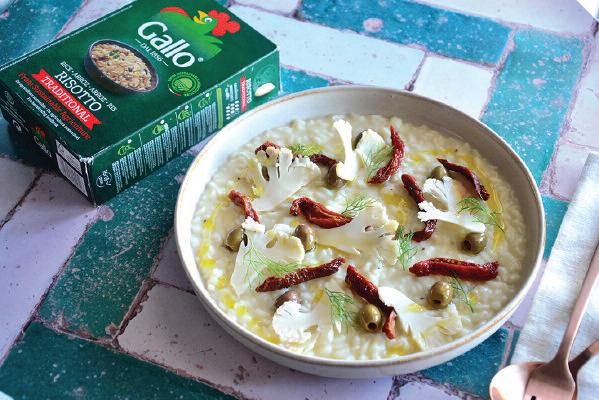
following the launch of a new eco-sustainable low environmental impact plastic Riso Gallo are the first company to adopt this sustainable packaging The Gallo Risotto Traditional, Arborio, Carnaroli, and the Carnaroli Rustico are now in packs using FSC

For over two decades, Majisign has been at the forefront of the A-Board and chalkboard industr y, offering a unique blend of traditional craftsmanship and cutting-edge design
Based in the hear t of Suffolk our factor y is home to a team of highly skilled professionals, including carpenters, printers, paint sprayers, and graphic designers, all dedicated to delivering the finest quality products
Specialising in the production of wooden A-boards and chalkboards, Majisign has become the go-to manufacturer for businesses looking for stylish and durable display solutions Ever y product we create is designed tested and crafted in-house ensuring that our customers receive items that not only look great but also stand the test of
What


In the competitive world of UK pubs, ser ving a high-quality pint is no longer just a bonus it’s a necessity Good beer is a major driver of customer loyalty and with tightening consumer wallets getting it right is more crucial than ever But what many pub owners may not fully appreciate is that the secret to a great pint often star ts long before the beer reaches the glass It begins in the cellar
Effective cellar management is vital, not only for delivering a top-notch pint but also for reducing waste and keeping costs in check In these tough economic times poor cellar management practices can be detrimental to business, leading to unnecessar y waste , tarnishing reputations, and diminishing profits Let’s take a closer look at how pubs can elevate their beer quality through best practices in cellar management
THE IMPORTANCE OF QUALITY BEER
Customers today expect nothing less than perfection when it comes to their pint A poorly ser ved beer whether it’s too warm, flat, or tainted with off-flavours can turn away regulars and harm your pub’s reputation Quality beer not only satisfies customers but also helps ensure they return for more According to sur veys, beer quality is one of the top three factors influencing a consumer ’ s choice of pub Pubs that consistently ser ve good beer are far more likely to build loyalty and stand out in a crowded market
From deliver y to the moment the pint is poured, good cellar management plays a pivotal role in maintaining beer quality Temperature hygiene and careful handling all impact the taste and freshness of the beer, and therefore , customer satisfaction
Good cellar management also has significant financial benefits Inefficient cleaning and maintenance procedures lead to millions of lost pints across the sector each year In fact, it’s estimated that poor cellar practices can result in pubs losing up to 5% of their beer stock annually At a time when profit margins are tighter than ever this kind of waste is unsustainable Proper cellar care reduces spoilage , minimises beer loss, and ensures the optimal lifespan of each product
BEST PRACTICES FOR EFFECTIVE CELLAR MANAGEMENT
To help pubs get the most out of their beer, here are some key tips and best practices for keeping your cellar in top condition:
1. Deliver y and Storage
Always inspect deliveries for any signs of damage to kegs or casks If there are any issues, refuse the deliver y to avoid the risk of contamination or spoilage
Store beer in a cool, dark cellar The ideal temperature is between 11°C and 13°C for cask ale and 3°C to 8°C for kegged beers
Avoid overcrowding your cellar, as this can impede airflow and temperature control Allow space between casks and kegs to maintain consistent cooling
2 Cleaning and Maintenance
Dir ty or poorly maintained beer lines can introduce off-flavours and bacteria into the beer, ruining the pint Clean your lines ever y 7 days, following manufacturer guidelines and use quality cleaning products to ensure thorough sanitisation
Don t forget glassware! Clean, residue-free glasses are essential to preser ving beer quality Dir ty glasses can affect head retention and the overall experience for the customer
3. Temperature Control
Monitor your cellar temperature daily Even slight fluctuations can impact beer quality Install a digital thermometer for more accurate readings and ensure your cooling equipment is regularly maintained to prevent breakdowns
Keep kegged beers at lower temperatures than cask ales to retain carbonation and prevent spoilage
4. Stock Control and Rotation
Use a “first in, first out” (FIFO) system for stock rotation This helps ensure that older stock is used first minimising the risk of beer going stale
Monitor your stock levels carefully to avoid over-ordering and wastage
Keep a log of best-before dates and consumption rates to optimise ordering and avoid stock expir y
5 Beer Line Cleaning
Regular beer line cleaning is essential to maintain freshness and flavour
Poorly maintained lines can spoil a pint, leading to customer complaints and wasted beer
Use a professional beer line cleaning ser vice if possible , or ensure your staff are fully trained to carr y out the procedure correctly
6. Glassware
Ensure that glassware is properly cleaned, using non-tainting detergents, and rinsed thoroughly The tiniest residue can affect the head of the beer, leading to flat pints
Store glasses in an upright position to avoid dust settling inside and never stack them when wet
7. Health & Safety
Health and safety in the cellar is paramount Keep floors clean and dr y to prevent slips trips and falls Train staff on how to handle heavy casks or kegs correctly to avoid injur y
Regularly inspect your cellar equipment such as cooling systems and CO2 canisters for any faults or safety hazards
SPECIAL CONSIDERATIONS FOR CASK ALES
Cask beers require special attention due to their delicate nature Unlike keg beers they continue to ferment in the cask so proper storage and handling are essential to ensure the final product is of the highest quality Here are some additional tips for managing cask beers:
Conditioning: Allow casks to rest (or “condition”) for a day or two before tapping them This ensures that the yeast settles and the beer is at its best for ser ving
Venting: Proper venting is essential to allow excess gas to escape , preventing over-pressurisation and ensuring a smooth pour
Ser ving Time: Cask beers are best ser ved within 3 to 5 days of tapping After this period, they can lose their freshness and flavour
REPUTATION, SALES, AND PROFITS
In today s challenging trading environment ever y pint counts A well-maintained cellar doesn’t just ensure a perfect pint; it protects your reputation, reduces waste , and drives repeat business Ser ving subpar beer can quickly damage a pub’s standing and impact sales On the other hand, pubs with a reputation for quality beer will enjoy greater footfall, customer loyalty, and higher profits
Investing time and effor t into effective cellar management may require some upfront cost and training, but the long-term benefits far outweigh these initial effor ts A great pint isn’t just about what’s in the glass it’s about ever ything that happens behind the scenes from deliver y to pour
For pub owners and operators, there’s no question: a well-managed cellar is the backbone of your business Take care of it, and it will take care of your bottom line
These



By William Cotter, Founder & Managing Director

As the holiday season draws closer hotels have a valuable oppor tunity to boost their bookings by preparing early The demand for festive stays and events surges at this time of year, making it crucial for hoteliers to ensure their SEO and marketing strategies are aligned with the season s demands
William Cotter, Founder and Managing Director at Net Affinity offers exper t advice on how hotels can stay ahead of the competition with practical and proven tips Here are four essential strategies to help hoteliers maximise their visibility and bookings this Christmas 1 Publish Christmas content early to boost SEO Focus on publishing content around popular holiday keywords such as "Christmas par ties" "festive events" and "holiday stays" This drives organic traffic and ensures your hotel ranks higher as demand peaks Incorporating high-quality images and descriptions that highlight your unique offerings will help attract more potential guests
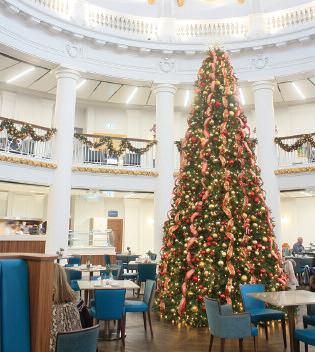
Ensure your content is optimised for both desktop and mobile , as users are increasingly searching for holiday plans on their mobile devices
Providing detailed information on packages, pricing, and available dates can enhance user experience and lead to quicker booking decisions
2. Create and optimise content for festive events
If your hotel is hosting festive events such as afternoon teas, family-friendly Santa visits, or New Year s Eve dinners, now is the time to plan and promote Engaging well-organised content is key to setting your events apar t from competitors High-quality images and videos showcasing previous festive events can be incredibly persuasive for potential guests
Additionally consider running targeted campaigns via paid search These campaigns can help you reach audiences actively searching for local Christmas events, boosting your hotel’s visibility and ensuring bookings for these limited-time experiences
3 Plan your social media strateg y for the festive period
Social media plays a pivotal role in building excitement and driving bookings during the holiday season Planning your content well in advance ensures you can maintain a steady, engaging presence throughout the period Focus on festive themes that showcase the unique aspects of your hotel from Christmas decorations to seasonal packages and events
Behind-the-scenes posts can create a sense of anticipation and showcase
the hard work that goes into making the holiday season special User-generated content such as photos and testimonials from previous guests can help foster a sense of community and engagement while building trust with potential new customers
Post regularly about your holiday packages festive events and last-minute offers

At Alliance , we have taken the initiative to ensure our Christmas crackers are fully recyclable This has been achieved by removing the powder (silver fulminate) from within the crackers which creates the classic crack We have replaced this with the snapping sound of card instead meaning the fun can still continue , but the cracker can be disposed of afterwards

To review our Christmas offering, contact your local Alliance depot who will be able to talk to you fur


Foodser vice provider Bidfood, has revealed the food and drink trends it expects to hit the out of home market in 2025
As well as value , quality and elevated experiences, this year ’ s trends are influenced by consumers ’ desires to make healthier and sustainable choices as well as emotional drivers such as comfor t tradition reward and sharing To suppor t the industr y in navigating these new trends, Bidfood has released its 2025 interactive guide with brand new for 2025, shoppable features, helping operators to not only respond to shifts in consumer demand and keep up to speed with the ever-changing market, but make informed product choices that they can apply straight to their menus

Also included in the repor t are a range of useful tools including extensive web content new additions to the trends safari video series delicious new recipes and much more
FLAVOURS LESS TRAVELLED:
Tr ying new and unique cuisines are top of consumer ’ s priorities and a key factor influencing this year ’ s repor t with 55% frequently looking to explore these new and exciting flavours when eating out The flavours less travelled trend encourages consumers to embrace their sense of adventure with authentic ingredients, flavours and formats, while experiencing and learning about the cultures they come from
Research has shown that the global cuisines gaining momentum this year are:
• Southern States Turkish
• Greek • Argentin an
• Por tuguese Swiss
CLOSER TO HOME:
As consumers continue find provenance on menus appealing, many seem to be drawn to learn more about those cuisines that are on our doorstep, but which offer something different to the traditional English classic dishes that are familiar Nearly half (43%) of consumers are interested in tr ying Scottish Welsh and Irish cuisine , due to its traditional flavours, comfor ting nature and their desire to suppor t British suppliers Take consumers on a journey across the British Isles with a warm and hear ty Irish stew, rich and flaky Scottish salmon and tender Welsh Lamb However, a number of lesser known dishes such as stovies, oggies and coddle also draw appeal
BUNS AND BOWLS:
In today’s fast-paced world, consumers are busier than ever It’s therefore no surprise that on-the-go options have become a staple for individuals seeking convenience without sacrificing quality Whilst over 40% of consumers already eat staples such as wraps and cakes when out of
Ever since its launch in 2010 LittlePod has been telling the stor y of real vanilla and its ecological value to the planet
Now the company ’ s founder and Managing Director is all set to pen the next chapter – quite literally – in what has become a gripping tale
For almost 15 years Janet Sawyer MBE BEM has led the Campaign for Real Vanilla encouraging professional chefs and home cooks alike to use natural ingredients through the development of LittlePod’s Madagascan vanilla paste and other pioneering products
In the process, LittlePod has suppor ted communities across the Equatorial regions and established its own orchard in Indonesia, where the farmers use an innovative polyculture system to increase biodiversity, improve soil fer tility, and regenerate the rainforest
It is a stor y that will be told in Real Vanilla: Nature s Unsung Hero – a new book, currently being written

home the demand to tr y the lesser eaten options like poke Buddha and acai bowls as well as chia pots is increasing in popularity This is coupled with a desire for next level hot and cold premium sandwiches packed with innovative quality fillings
FRIENDLY FIBRE:
Healthy eating is increasingly front of mind for consumers, in par ticular the awareness and understanding of gut health Bidfood’s friendly fibre trend explores how this impor tant nutrient helps keep our digestive system healthy which foods are rich in fibre and how operators can include a variety of tasty dishes on their menus that debunk the myth of high fibre foods not tasting good
PROACTIVE PRACTICES:
Consumers are still highly conscious of the environmental impact within their own lifestyles This is evident when they make choices in the out of home sector, with 7 in 10 saying that sustainability is an impor tant factor when deciding which out of home venue to visit Not only will consumers be more likely to visit, but they will also pay more if they can see that their food and drink comes from sustainable sources, making it impor tant for operators to demonstrate the great work they do around ESG
CHOCOLICIOUS:
The Chocolicious trend reflects the innovation that’s dominating the hot drinks (and desser t) categor y, with consumers looking for affordable luxuries when they eat out, par ticularly with premium chocolate With over 80% of consumers seeing chocolate as an affordable treat, operators can leverage this trend by offering premium hot chocolates with innovative flavours and toppings that look the par t
by Janet, that will be published in April
“At a time of societal upheaval around the world, the stor y of LittlePod reminds us of our interconnectedness and the need to cooperate with trust and patience to save our precious environment,” said Janet “This book will tell the stor y of how I put my hand up to do my bit, launching the Campaign for Real Vanilla to educate and enlighten people about the value of vanilla, where it comes from and its impor tance to the planet
“I set up LittlePod and brought to market our innovative natural vanilla paste in a tube – a product designed to make it easier than ever for home cooks and professional chefs alike to use real vanilla Thanks to all those who use LittlePod’s products we have helped to save vanilla for the next generation and given our farmers a secure future I am grateful to all the chefs who are keeping it REAL and I am excited to be writing this stor y ”
Since launching its popular vanilla paste in 2010, LittlePod has developed a range of responsibly-sourced natural ingredients –including its extracts of vanilla, chocolate and coffee , vanilla pods and more – that are used in professional kitchens all over the world

Like to find out more about LittlePod, the company ’ s products and Janet’s book? Visit www littlepod co uk, email sales@littlepod co uk or call the team on 01395 232022
An insightful trends repor t has been unveiled by the team at Darégal Gourmet UK following extensive research with chefs and consumers The repor t highlights some of the key food trends which will be driving menu planning, product development and consumer food choices in 2025 and beyond
Following in-depth analysis using The Food People’s Trends Hub the team at Darégal Gourmet UK worked with the Craft Guild of Chefs to run a roundtable discussion at Westminster Kingsway College This debate provided lots of food for thought on the trends coming through and some of the key takeaways from this session have been included in the repor t to inspire other chefs To ensure the repor t was relevant for all working in food manufacturing and hospitality, Darégal Gourmet also completed a nationally representative independent study with 1,000 UK consumers
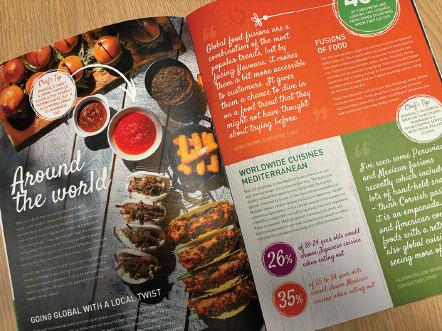
• When eating British dishes 52% of consumers prefer the traditional British classics
• For male consumers food aroma (38%) has a bigger impact than presentation (29%) on how they feel
30% of females want to reduce their consumption of ultra-processed food
To help chefs and food manufacturers learn how they can use the insight from this repor t in their own
Some of the trends explored in the repor t include stimulating the senses, remembering retro, humble ingredients going global with local twists using whole ingredients, the theatre of food and real food rules The consumer sur vey revealed some impor tant data that food manufacturers chefs and retailers will need to consider in 2025
A few takeaways include:
• 50% of consumers have made changes to food purchasing choices because of the economic challenges
40% of consumers are looking for cuisines from other countries when they eat out


option Nest Pubs is the second franchise concept from Greene King Pub Par tners,
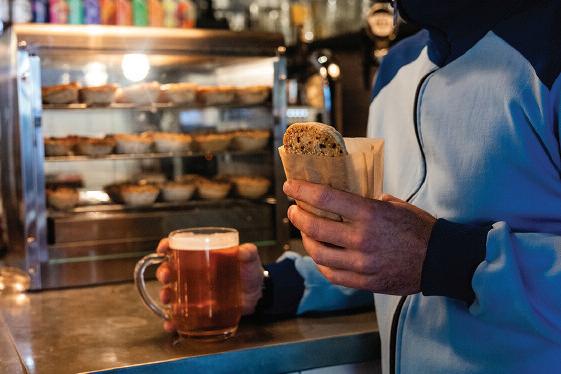
growing Nest Pubs franchise concept Pieminister’s ‘Handy Pies’ provide our franchisees with another food option to ser ve customers, without the need for a kitchen or kitchen staff This complements the pizza offer already in place in Nest Pubs, which is effective and simple for our Nest Pubs franchisees to deliver For fur ther information or to take advantage of a special offer from Pieminister please see the adver t below
By Kir stie Jones , Head of Client Ser vices and Environmental Health

You would be forgiven for thinking that Owen’s Law has gone under the radar, as whilst the FSA agrees to suppor t the campaign there’s been little discussion about the potential new allergen regulations since late last year
The push for Owen’s Law began following the tragic death of Owen Carey in 2017 Owen, who had been out celebrating his 18th bir thday, suffered a fatal allergic reaction after consuming a meal that had been incorrectly described Despite informing the ser ver of his multiple allergies including a severe dair y allerg y Owen was not made aware that the chicken burger he ordered had been marinated in buttermilk In December, the FSA publicly backed Owen’s family’s petition to make the listing of allergens on menus a legal requirement - but the decision still sits with ministers whether or not to implement these measures THE CALL
Fast forward eight months and the spark for change has been renewed, following the inquest of a 13-year-old who died within hours of taking a sip of a Costa Coffee hot chocolate
The BBC also recently covered a stor y in which a 17-year-old with a severe peanut allerg y spoke out Max, from Surrey, says the introduction of Owen s Law will make customers feel safer, and will help with any lack of awareness among restaurant staff in regards to the seriousness of allergies
With allergies on the rise (in the UK, around 2 4 million people are living with a diagnosed food allerg y), it’s likely that ministers will become more and more pressured to take action, which means that while the
introduction of Owen s Law isn t guaranteed, it is still highly likely that some changes will be made , especially considering that it builds on the existing Natasha’s Law
Not many hospitality businesses currently have allergens written on menus They rely more on separately prepopulated allergen checkers But as some changes may be afoot there is no time like the present to get ready for any changes that may come with Owen’s Law Here’s how to prepare:
Now is a good time for businesses to review how allergens are currently identified, documented, and communicated to both staff and customers A comprehensive and regularly updated allergen checker (matrix) should be in place; this keeps all menu information together in a single location so staff always know where to find answers to any questions they might receive
Clear procedures should also be in place for handling and preparing food to avoid cross-contamination Kitchens should be organised to ensure allergen-free dishes can be prepared upon request Having a designated equipment ‘kit’ is best practice for this, as it should be separated and designated for use as you would do to ensure separation of raw food
Make sure any relevant members of staff have completed their Level 2 Food Safety Training, which includes allergen awareness While there is no specific law on when and how often training should be refreshed it is recommended that this is done ever y three years to ensure employees are well-versed with the most up-to-date guidance
In the case of the 13-year-old girl who died after a sip of hot chocolate from Costa, it was brought to light that Costa Coffee allows staff to do online training, with one employee failing the quiz multiple times before passing Whilst the law requires you to fulfil the requirements of providing training to staff, it’s the adequacy of the training that is important and you must have a means of checking competencies on an ongo-
By Jason Webb , managing director, Electronic Temperature Instruments

equipment
all zones Make sure to check the temperature at various points inside the unit, not just near the door or thermostat to gain the best readings
Automated data logging systems can also record temperature data over a period of time These systems help detect recurring hot spots and provide insights into the units refrigeration performance
In the UK and EU, food safety regulations require strict monitoring of refrigeration temperatures
Guidelines such as the Hazard Analysis and Critical Control Point (HACCP) emphasise the impor tance of maintaining proper temperature control to avoid food safety hazards Regular monitoring of hot spots is essential for compliance Don’t be caught out
For fur ther information please visit www etiltd com
ing basis
Star t adapting your menus to include clear written allergen information for each dish (such as recipe specs) Keeping this up-to-date at all times may be challenging, especially if there are frequent ingredient changes, or new dishes added, but this is where staff need to maintain an open line of communication (especially between kitchen and front-ofhouse teams), and where managers need to implement robust version control to make sure the menu that’s in front of customers is the newest version a business has on file
TION
While Owen’s Law will give customers more control signage must currently be used to remind customers to inform staff of any allergies We should not overlook the role of verbal communication in ensuring customer safety, especially when written communication can be misinterpreted or insufficient (i e where a customer’s dietar y needs are highly specific) Providing verbal confirmation as a double-checking process can give customers more reassurance that they’re being well looked after, and will allow customers and chefs to have more detailed discussions about cooking methods and alternative means of providing allerg y-free dishes
ENGAGE WITH THE CONSULTATION PROCESS
It’s likely we’ll hear more about Owen’s Law over the coming months Alongside the above , it’s impor tant to stay informed with the progress, and where possible , engage with the consultation process
By being proactive , rather than reactive , businesses can stay ahead of the cur ve giving them time to integrate and tweak new practices without the stress of last-minute compliance (which may be the case for their competitors)
PREPsafe Food Labels (est 2004) manufacturers and distributes innovative food label equipment and consumables for the restaurant and food industr y
The PREPPY App and the PREPsafe Bluetooth printer system is a fully programmable user-friendly App interface that calculates use-by dates for prepared food items, then prints food-grade HACCP approved removable or Dissolvable labels to affix to the storage containers Staff training is minimal as the operator only needs to input a few keystrokes into “Preppy App” to produce neat, clear and accurate labels in seconds and best of all its FREE to use
PREPsafe Printed Labels contain all the vital information about the prepared product This includes the Employee name Product Date and Time prepared along with the Use-By Date and Time “Preppy” will also print defrost labels and recalculate Use-By dates depending on the time the product has been defrosting
Administration of your PREPPY® App database is done through our Cloud-based website Adding and editing items, categories, and store logins is a breeze and your updates will be pushed to all restaurants in the field in seconds This is truly a system that can be customised to suit any restaurant
In 2022 there are over 7500 systems operating in restaurants worldwide , including the USA, Australia, New Zealand,


Three years ago, we saw the introduction of a new law that required any food industr y company that sells Pre-packaged for Direct Sale (PPDS) foods to re-think how they’re labelled The law, formally known as Food Information (Amendment) (England) Regulations 2019 means that all PPDS foods must be clearly labelled with information on potential allergens present THE STATE OF COMPLIANCE IN THE UK
The initial response to the new law was positive with Brother UK research finding that 100% of food industr y businesses sur veyed agreed it would make customers with food allergies feel safer
But while motivation to comply was there , businesses were faced to do so quickly Solutions have ranged from handwritten labels to printing the information on paper, cutting it to size , and sticking it to the packaging So, what has this meant for compliance rates?
By Simon Brennan, Senior end user
A study carried out by Erudus, a market leading source for accurate allerg y, nutritional and technical product data, found that more than half (54%) of PPDS food labels still failed to accurately declare the presence of allergen ingredients One of the most common reasons for non-compliance was illegibility due to poor handwriting, patchy printing or overlapping text
ADAPTING TO NEW REQUIREMENTS
It’s clear that businesses need to work diligently to consistently meet these regulations while maintaining efficiency Implementing the right technolog y can be an excellent way to do this, without adding extra pressure or strain on your team The most appropriate solution will depend on the scale of the business and how many
locations it has
For single-location businesses, a stand-alone label printing solution might prove a costand time-efficient way to ensure good legibility of information However, for those with multiple sites, or more complex requirements on a single site , integrating food labelling with a menu management system can streamline the process of making changes to information by allowing it to be done from a single central database Marka is

In summar y, Logicall s temperature monitoring solutions are vital for cafes, bars, and restaurants aiming for excellence in food safety, compliance , and operational efficiency Invest in our technolog y today and secure the longevity of your perishable inventor y while ensuring the highest standards in food quality and safety See the adver t below for fur ther details



As the 2024 festive shopping season approaches optimism is high Forecasts indicate that consumers will spend more in the run-up to Christmas compared to last year
For hospitality brands, this period presents a significant revenue oppor tunity Consumers enjoying Christmas activities and shopping for gifts will often be combined with socialising around food and drink resulting in a timely boost for restaurants and bars However consumers ’ discretionar y spending is still constrained, and competition remains fierce
Hospitality marketers face a plethora of unique and dynamic challenges, which require them to stay agile if they are to keep their audiences engaged and drive return on investment Whether that s responding to changing consumer preferences for food items (e g gluten-free and alternative milk options), or adapting to increased intermediation of their customer relationships through third-par ty deliver y businesses This is set against the backdrop of rising costs and shrinking margins for hospitality brands thanks to fluctuating food prices, operational overheads and labour shor tages
The question then arises: how can hospitality venues distinguish themselves in a crowded market at this crucial time of year?
The key to thriving in this environment is to deliver omnichannel marketing experiences that are personalised and meaningful This requires a comprehensive understanding of individual preferences, which is essential for capturing customers attention, loyalty and differentiating one ’ s brand
These audience insights are available from a range of sources including first-par ty data from loyalty programmes, in-store and online orders, app usage and from adver tising campaigns Connecting these datasets requires a holistic data strateg y covering the whole business, as well as implementing advanced technologies including data clean rooms which can break down data silos and create a unified view of guests
If data remains siloed, its operational value for making cohesive and impactful campaigns, and therefore business growth, lies dormant However, by integrating these data sources, hospitality marketers can paint a richer picture of customer behaviours and preferences, enabling more effective marketing strategies Moreover, clean rooms also enable other data sources from third-par ties that can strengthen customer personas and provide a more comprehensive over view of their path to purchase in a way that respects privacy
No matter how much data you have internally, it’s impossible to have an end-to-end picture of the consumer by yourself Data collaboration is essential to achieving the depth of insight needed for truly personalised marketing at scale By par tnering with complementar y businesses, such as deliver y ser vices and review platforms, hospitality marketers can enhance their understanding of customer behaviour and optimise their strategies accordingly This also extends to non-adjacent but complementar y par tners, such as commerce media networks For example , the insights available to financial ser vices providers on customer purchasing can be leveraged by restaurants targeting those high-value audiences
Hospitality marketers can then scale these insights across the full range of media environments, with cross-screen measurement capabilities for TV, social and digital platforms This enables brands to track campaign performance by region, chain and audience , and unlock expanded opportunities to drive value and keep guests coming back again and again An

by Hugh Stevens , UK MD, LiveRamp (www.liveramp.com)
example here would be understanding from in-app usage what customers prefer to order at lunchtime vs late-night snackers or in different areas Combined with first-par ty data, this can be used to deliver omnichannel campaigns that include broader formats such as Digital Out-of-Home (DOOH)/Out-of-Home (OOH) and those at the household and personal level through Connected TV (CTV) and mobile , at specific times and/or cer tain postcodes where preferences are seen at in-store purchases Delivering personalised and seasonal-themed moments across digital and dining experiences, these can boost loyalty, showcase menu innovation and drive growth
Reflecting on consumer concerns around the use of personal data, it is impor tant that hospitality businesses are transparent with customers about how their data will be collected, used and stored Customers likewise need to understand how they will benefit from the utilisation of their data
Those that can best ar ticulate this value exchange - i e the provision of exclusive offers, loyalty rewards or personalised experiences in exchange for a consumer ’ s phone number or email - will have greater success in gaining trust and consent They will also enjoy deeper customer relationships
At a time when consumers expect highly relevant and personalised interactions across touchpoints by default, hospitality brands need to take a holistic , people-first and shopper-centric approach By leveraging 360-degree data insights, hospitality marketers can learn to predict, manage and adapt to these changes efficiently to improve the bottom line If used correctly first- and second-par ty data has the potential to ignite momentum for hospitality brands and increase revenue for the coming festive season and beyond
Discover how Vista Technolog y Suppor t can help you grow your business, enhance your customer experience , and streamline your operations
Vista provides a comprehensive package of IT solutions designed for retail and hospitality businesses of all sizes and sectors
Vista s ser vices include hardware supply, software configuration, cloud suppor t, cyber security, network, and managed ser vices, as well as technolog y installation, structured data cabling and remote technolog y helpdesk and onsite engineering and training and suppor t
Vista suppor ts an award winning suite of customer focused IT ser vices, provided by a team of experienced and cer tified professionals who understand the unique challenges and oppor tunities of the retail and hospitality industr y
Vista can help you improve your sales profitability and customer loyalty by providing you with the latest and most reliable in-store technolog y solutions
Vista can help you enhance your customer experience by offering you solutions such as digital signage , self-ser vice kiosks, mobile PoS, loyalty programs, and in-store ordering

Vista is a trusted par tner for hundreds of retail and hospitality businesses (large , medium and small) across the UK and afield
Vista offers you a flexible and scalable approach that can adapt to your changing
Vista helps you streamline your internal operations by providing you with a range of flexible IT ser vices (Ser vice Desk, Maintenance , Technolog y Deployment), enabling you to focus your budgets and resources on your core retail skills and in ser ving your customers

greater flexibility to bake as needed We re excited to be bringing this technolog y to the UK and Ireland, and we know it’s going to be a huge asset to many bakeries here ”
goods, such as bread, for a longer period of three to 10 days, and bake them off as and when they’re needed By storing products at a constant temperature of about 4°C and a humidity of 95-98% RH, par-baked goods are able to absorb more moisture with each day they’re stored This improves the texture , flavour and shelf life of products, as they stay fresher for longer
“MIWE’s smar tfresh is a fantastic new innovation in storage technolog y, allowing bakers to offer customers the best possible quality and freshness, whilst also preventing wastage and saving time , money and energ y, ” says Steve Merritt, managing director of EPP, the exclusive distributor of MIWE products in the UK and Ireland “It’s especially well-suited to bakers with a wide variety of single par-baked goods affording them
By being able to store more par-baked goods for longer, bakers are afforded more options to choose when they bake Bakers can reduce awkward night shifts, accommodate public holidays, and bake products quickly as demand increases MIWE smar tfresh is also suitable for instore baking Because it does not require such significant changes in temperature – as seen with traditional energ y-intensive method of freezing par-baked goods – the MIWE smar tfresh system allows bakers to reduce their carbon footprint, limit energ y pull and save costs
MIWE smar tfresh is available in the UK and Ireland exclusively from EPP For fur ther enquiries, please contact the EPP team at sales@eppltd co uk




By David Chesshire , National Accounts Manager, Blue Seal (www blue-seal co uk)
initial out lay, which is currently still relatively high for commercial heavy-duty product Induction for prime cooking is still relatively fresh to be accepted into the general commercial kitchen environment, however the big energ y savings and high efficiency far outweighs the cost of changing the cookware and initial higher cost outlay for the product This cost will no doubt reduce and become more competitive as the trend & demand for induction manufacture inevitably increases Induction equipment also avoids the additional ver y costly legislation requirement involved with gas canopy extraction/make up air and interlock systems
When searching for a reliable Combi Oven wastewater, pump installers and owners need look no fur ther than the DrainMinor C from Pump Technolog y Ltd / Jung Pumpen GmbH
For 26 years Pump Technolog y Ltd has been the Uk’s leading wastewater pumping system provider for commercial kitchen drainage requirements
In response to requests from kitchen designers and users, the company has developed the New DrainMinor C , a compact and reliable automatic pumping system specifically for Combi Oven cleaning cycles
RELIABLE FLOAT SYSTEM:
Many commercial chefs are trained at college with gas appliances and do love the instant heat & control of gas However, they are slowly breaking this habitual comfor t and being convinced to make the change once they experience using Induction, the fantastic responsiveness, instant heat direct to the pan & superb controllability speaks for itself
The induction technolog y lends itself to a myriad of concepts, especially QSR restaurants where they need quick heat up on demand which is also remarkably simple for the operator to use and maintain
The feature benefits of induction far outweigh the
Caterquip Ventilation Ltd is proud to be celebrating their 23rd Anniversar y this year
When you compare the efficiency of using induction over gas, the induction is at approx 90% efficient compared to approx 45% efficiency for gas This is achieved by the magnetic fields heating up the entire surface of the cookware with vir tually all of the energ y transferred into the pan Where gas disperses the heat, licking around the sides of the cookware more so, losing energ y into the ambient air around the pan
Using induction massively reduces heat transfer into the air flow, lowers the overall temperature in the kitchen promoting a more comfor table working environment, as well as the practicality of a simple wipe down of the glass cooking area at the end of a shift which is ver y appealing to an operator The appliances are much safer to use , reducing injur y potential as well as being ver y simple to ser vice & maintain
This Warwick based company offers nationwide coverage for all your commercial catering needs: free site sur veys quotations and designs (C AD) quality bespoke and standard fabrications, specialist knowledge of catering ventilation systems including input air, odour reduction (carbon filtration and ESP) and sound attenuation Affiliated members of Constructionline and CHAS, Caterquip Ventilation have a strong hold in the marketplace often advising industr y professionals on ventilation systems to a DW172 specification & BSEN:6173 They have strong relationships with
The key feature to its reliability is the float mechanism! Other small submersible pumps with slider floats inside a tube tend to become jammed with food debris The DrainMinor C uses a submersible pump with a large triangular float mounted on a rigid external float arm This ensures an accurate and reliable automatic pump star t and stop during the Combi oven cleaning cycle ever y time
COMPACT AND
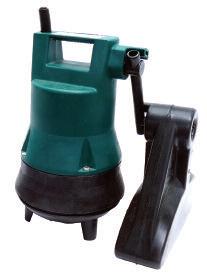




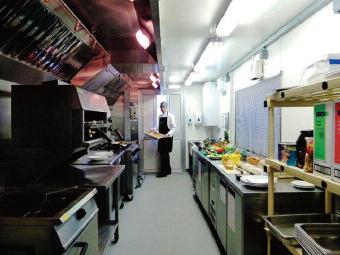

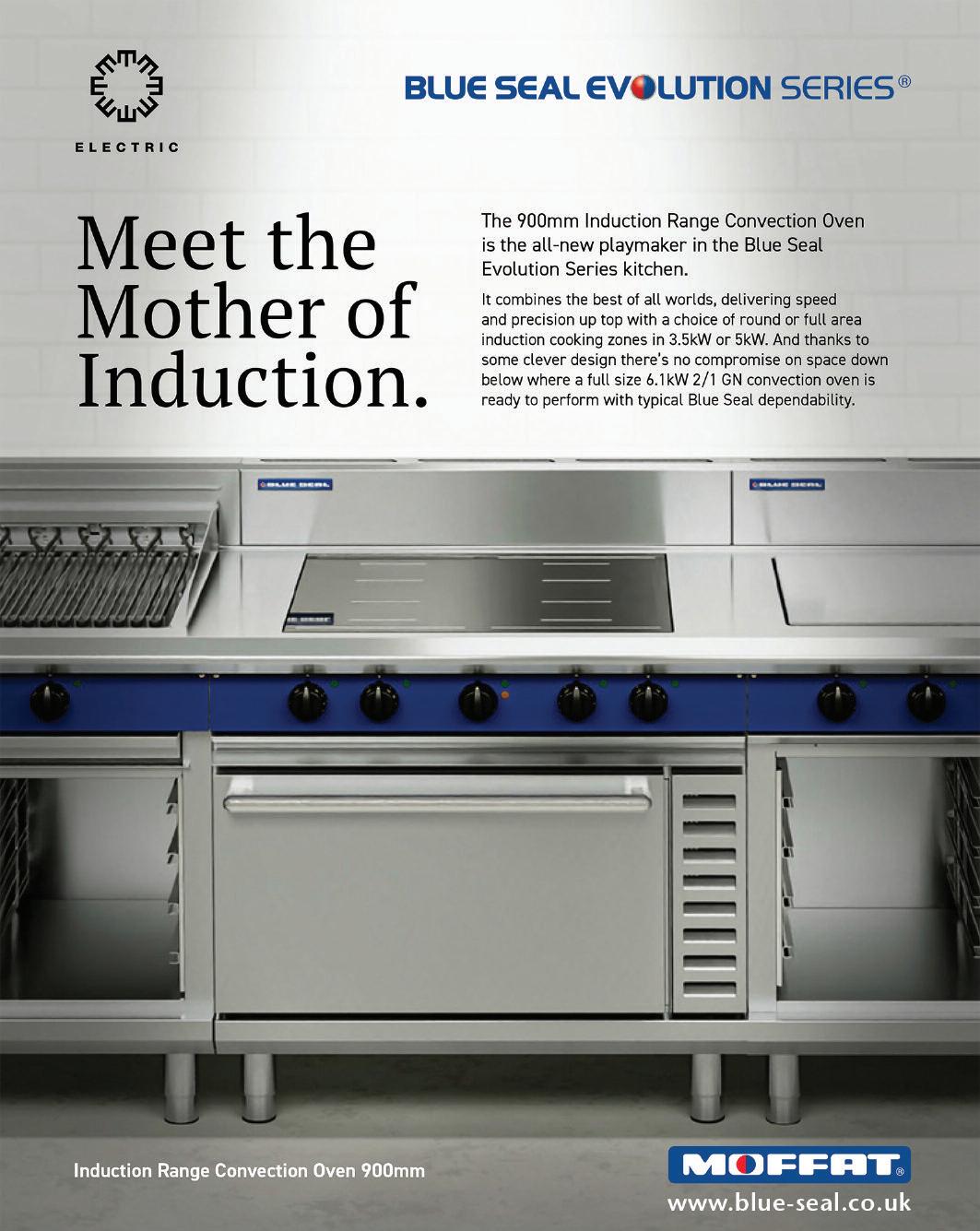

Moreover, innovations in modular and flexible designs mean that outdoor areas can be quickly adjusted depending on weather conditions or customer demand This adaptability allows operators to optimise their space and provide the best possible experience for guests REGULATORY FLEXIBILITY AND REDUCED RED TAPE
One of the major challenges for expanding outdoor spaces in the past was dealing with regulator y hurdles However, many councils have relaxed restrictions since the pandemic offering hospitality operators more flexibility in setting up impromptu outdoor seating areas This has made it easier to take advantage of unused spaces like pavements, cour tyards, or car parks
In many cities and towns across the UK, temporar y outdoor seating permits simplified planning applications and the extension of pavement licences have become more common These relaxed regulations allow operators to capitalise on available outdoor areas with less bureaucracy making it easier to adapt to changing customer demands and increase overall capacity
ered
Customer
Extended
Brand Differentiation:
Advancements in outdoor furniture heating systems and shelter solutions have made it easier than ever for operators to create inviting and comfor table outdoor areas all year round Weatherproof furniture retractable awnings, and pergolas offer protection from the elements, while outdoor heaters fire pits and
Outdoor spaces provide numerous benefits to hospitality operators, especially during the colder months when competition for customer attention is fierce
Increased Capacity: With social distancing still a consideration for many guests outdoor spaces provide operators with the chance to increase seating capacity without compromising safety or comfor t
Unique Dining Experiences: Autumn and winter offer oppor tunities to create themed events, such as festive markets, mulled wine tastings, or cosy, fire-lit dinners By offering
to extend operating hours and maximise customer enjoyment


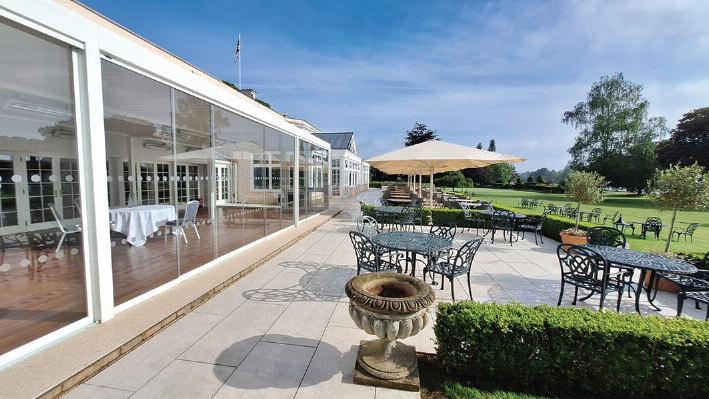
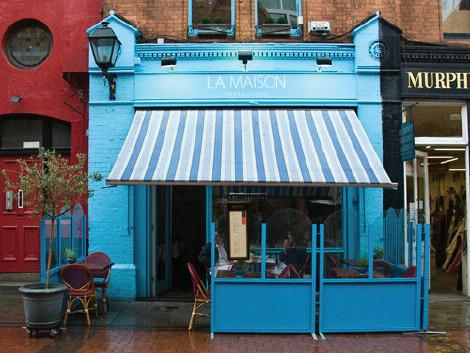


many
attention menu offerings, ambiance , and customer ser vice , to name a few Yet, one crucial area often overlooked is the design and refurbishment of washrooms The condition, appearance , and usability of these spaces speak volumes about an establishment's attention to detail and commitment to guest satisfaction
Conversely, poorly maintained or outdated facilities can detract from even the best dining or leisure experience leading patrons to question the standards upheld in other areas, such as food hygiene and ser vice The high traffic nature of hospitality washrooms means they are subject to heavy wear and tear Durable materials are essential in maintaining
Ergonomic
RapidFit from Rearo is the perfect solution for commercial washrooms that need a fast turnaround Our off-the-shelf cubicles and complementar y vanity units are designed to fit seamlessly into your project, saving you time and trouble CREATE A LASTING IMPRESSION

Your washroom is a reflection of your brand Rearo offers a range of nine high-pressure laminate finishes that are both stylish and functional These colours are designed to comply with the Equality Act and are future-proofed for at least three years The colour choices take into consideration the needs of people with disabilities including visual impairment by ensuring neighbouring expanses of colour, such as walls and doors, are distinguishable by using contrasting colours IDEAL FOR HOSPITALITY.
RapidFit washrooms are par ticularly popular in the hospitality industr y Whether you ' re running a pub, restaurant or hotel our fast and easy solution can help you create a welcoming and accessible space for your customers CHOOSE THE RIGHT CORE FOR

ABDA Design, a leading design consultancy specialising in the hospitality sector, has unveiled its latest project Twelve Ashby a sophisticated fine dining cocktail bar in Leicestershire The design exper ts at ABDA were tasked by Kang Leisure to create a unique and immersive space that would stand out from other venues in the local area
A vintage and eclectic theme was at the hear t of ABDA’s design concept, together with the desire to create an exclusive venue that would captivate guests The design team meticulously crafted the space carefully considering the transition from day to evening and creating a dynamic ambience
With a fine dining menu and a creative cocktail list, the venue ’ s owners were keen that the surrounding atmosphere matched the experiential nature of the food & drink offer ABDA’s design team sought to address this with eye-catching features including large bespoke globe pendants and the layering of reed dish light fittings for a striking look and an impressive backdrop for guests’ photos Another key focal point of the space is the specially designed corner wrap-around bar, featuring gleaming brass inlays and sculpted lighting to give an elevated cocktail experience The luxurious bar area is complemented by a mix of contrasting materials including tiled floors distressed timber herringbone , and exotic foliage wallpapers The result is a space that exudes both opulence and individuality













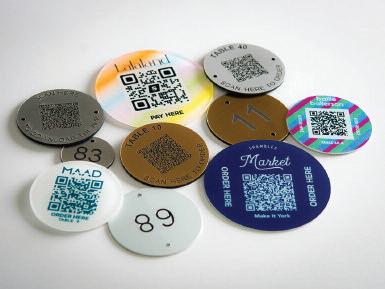








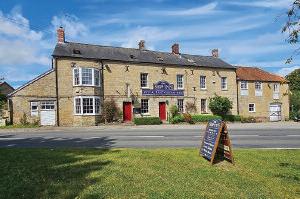
























y U e r v e co
CO w t A A ind t F
y’oda In t managing F
e is an incr her t t ke ing mar er s cat y’s cat ease (FOG) in commer ats Oils and Gr
chen is uniq ecognise each kit e r ease unit f r ight g he r
ocus on easing f e chens. cial kit
e ha ue and so w
hen using our select c our kit or y ve e or eloped our g vde wners identify t o er a f Answ solution based on t
Location of t our kit Y Your Da
o help commer or t ease select r ight solution f he r tions and r ues ple q w sim e e: hings lik he unit
t up uipment se hen eq c ating s of oper
v CO ha A om small under fr e EN1825 separ g o lar t eq FOG r ved
chen cial kit o heir needs. or t ecommended e a r eceiv sy umber of meals ser N
o cat ease units t r e g ang e a r aps f ease tr r -sink g hat can handle indus ors t at e ements.uir
chen sizes, or all kit er f o chens olume kit w-v or lo chen ial kit tr
ind a r F or no select
ease unit f r ecommended g w: .aco.co.uk/buywww
Find a recommended grease unit for your kitchen using our selector now: www.aco.co.uk/buy-grease-solutions
henc our kit or y rease-solutions-g or w e f e car O. w AC eratw