
EDITOR
Peter Adams
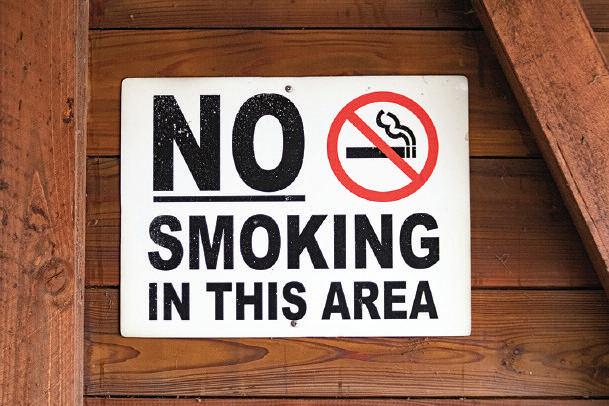
is considering banning smoking in outdoor spaces like pub gardens and restaurant terraces After all, I’ve personally enjoyed the cleaner, smoke-free air indoors since the 2007 smoking ban But here’s the thing I’m not
This isn’t about smoking , at least to me , it’s about freedom, choice , and how much power we hand over to our elected officials without a second thought
Let’s not kid ourselves: the original indoor smoking ban, which I accepted, was based on solid arguments about public health and the rights of non-smokers Secondar y smoke is a real danger, and no one should have to inhale it against their will
Back then, the hospitality sector spent significant time and money creating designated smoking areas outside These accommodations have worked remarkably well smokers and non-smokers have peacefully coexisted, each respecting the other’s space
Now, it seems the government wants to move the goalposts again The proposed ban on smoking in outdoor spaces strikes me as a step too far
Why? Because this time , I haven’t seen any convincing evidence that such a ban would have any meaningful impact on public health Instead, it feels like a solution in search of a problem or worse a distraction as we edge closer to the October budget
The liber tarian in me is outraged When we elect MPs we do so with the understanding that they will govern but within reasonable limits The idea that a small group of people can make sweeping decisions about personal behaviour without direct public consultation is troubling
What happened to democracy? Shouldn’t we have a say before such far-reaching policies are enacted? Especially when the Government s justification is as flimsy as this one appears to be?
Let’s consider the context The hospitality industr y has been through the wringer over the past few years
The lockdowns were disastrous more so than I believe many will ever acknowledge and the sector is still struggling to recover from high inflation, skyrocketing energ y costs, and declining consumer demand down to high cost of living
Introducing yet another obstacle to profitability like a smoking ban in outdoor areas seems not only ill-conceived but downright ludicrous
And who would benefit? Cer tainly not the pubs and restaurants tr ying to get back on their feet If anything, the supermarkets might see an uptick in beer sales as smokers choose to stay home , where they can light up freely without being penalized
I won’t dive into the costs versus benefits debate it’s one that others are better suited to handle
My point is simple: some decisions should not be imposed by the government without broader consultation, especially when they infringe on individual choice And in this case , I m hard-pressed to see who this ban would really help, except perhaps the bureaucrats who like to think they know what’s best for ever yone
As we approach the next budget, let’s keep an eye on stories like this They may be more about distraction than action, ser ving to diver t our attention from what’s really going on behind the scenes
In the end, the choice should be ours not theirs I can always be contacted at edit@catererlicensee com
Once more I would ask you to please follow us on X (Twitter), and encourage as many people you know in the trade to sign up to our digital issue , fur ther details can be seen at www catererlicensee com




The proposed new legislation will make it an offence for anyone born on or after 1 Januar y 2009 to be sold tobacco products – effectively raising the smoking age by a year each year until it applies to the whole population This has the potential to phase out smoking in young people almost completely as early as 2040 PREVENTABLE DEATHS
Asked about the repor t during a visit to Paris, the Prime Minister did not deny the plans My star ting point on this is to remind ever ybody that over 80,000 people lose their lives ever y year because of smoking,” he said
“That is a preventable death it’s a huge burden on the NHS and of course it is a burden on the taxpayer So yes, we are going to take decisions in this space , more details will be revealed, but this is a preventable series of deaths and we ’ ve got to take action to reduce the burden on the NHS and the taxpayer ”
Measures are presently being considered by ministers according to an ar ticle in the Sun Newspaper and are being proposed as par t of a toughened-up version of the last government’s Tobacco and Vapes Bill which was introduced in Parliament but fell once the general election was called
The King s Speech at the state opening of Parliament last month promised to reintroduce the legislation to increase progressively the age at which people can buy cigarettes NANNY STATE?
Michael Kill CEO NTIA Says: “Following the Government leak which revealed plans to extend the smoking ban to outdoor areas such as beer gardens, spaces outside nightclubs, restaurant terraces and Shisha bars have understandably caused concern across the sector Although smoking rates have seen a significant decline , many have switched to vaping a trend that according to these leaks may also fall under new regulator y scrutiny ”
“This raises the critical question: Are we on the brink of becoming a nanny state? What is next? While these measures may rightly be driven by public health considerations, they risk dividing opinion and imposing yet another regulator y burden on businesses already facing considerable challenges At a time when our industr y desperately needs the freedom to trade the last thing we need is fur ther barriers ”
“Although many will not be personally affected by these potential changes it’s impor tant to recognise that 6 4 million people in the UK still smoke , many of whom enjoy doing so in social settings like beer gardens These leaked regulations could significantly impact their lifestyle choices and the businesses that ser ve them ”
“As we consider the implications of these potential restrictions, we must question whether such an approach is truly in the public interest or whether it risks over-regulation at the cost of personal freedom and business viability
ECONOMIC
Kate Nicholls, Chief Executive of UKHospitality, said: “A ban on smoking in outdoor spaces comes with the


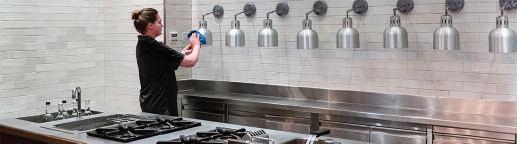
U C I lamps have been specifically designed to be energy efficient for use in the catering industry They are use in heated counters and serveries of establishments such as restaurants, hotels pubs, hospitals, schools, prisons, army bases, universities etc
This low pressure design offers along service life of 8000 hrs! that s 60% longer than other manufacturers
The catering heat lamps are available in two overall lengths of 118mm & 220mm, and supplied in 200 300 and 500W power ratings
Accessories available The novel design features give them stability in catering environments at competitive prices
All lamps are CE approval and manufactured to EN60335-1:2005 and EN60335-2-30:2003, the Low Voltage Directive 2006/95/EC and the RoHS Directive
Our heat lamps will keep food warm at a constant temperature which can be controlled by the use of a variable power controller
prospect of serious economic harm to hospitality venues You only have to look back to the significant pub closures we saw after the indoor smoking ban to see the potential impact it could have
“This ban would not only affect pubs and nightclubs, but hotels, cafes and restaurants that have all invested significantly in good faith in outdoor spaces and continue to face financial challenges ”
The government must embark on a full and detailed conversation with affected par ties on the impact of such a ban before any legislation is laid It must also assess whether such a ban would achieve its aims of meaningfully reducing smoking or simply relocate smoking elsewhere , such as in the home
Steve Alton, BII CEO commented: “Since the smoking ban in 2007, our members have made significant adaptations to their venues, to accommodate all of their customers These changes included huge investments in outdoor spaces and diversifying their offer to be able to welcome ever yone to their pubs The significant effects from the pandemic in 2020 are still being seen today including heavy increases in food, drink, labour and energ y but pubs have time and time again adapted in order to thrive
Any fur ther disruption to their businesses would be incredibly damaging, par ticularly for our small, drinks led, community pubs, who provide essential connection in villages, towns and high streets across the UK They have already weathered so much and with only 1 in 4 making a clear profit currently, the impact of increased regulation and restrictions on their ability to sur vive and thrive could be devastating
“Our pubs need suppor t investment and a fair and level playing field to be able to remain at the hear t of their communities Without them, their essential role across the UK is at risk ”
William Lees-Jones, the head of JW Lees Brewer y, which owns and operates 150 pubs, inns and hotels mainly in nor th-west England and nor th Wales said the idea was a “bolt from the blue” that had not been discussed with industr y He said it would be “really bad for business” and could “shut a lot of pubs”
“People who smoke are pretty determined and will walk 10 yards down the road and smoke there , which will annoy other people , ” he said
The Depar tment of Health and Social Care said it did not comment on leaks but was considering a range of measures to “finally make Britain smoke-free”
A spokesperson said: “We do not comment on leaks Smoking claims 80,000 lives a year, puts huge pressure on our NHS, and costs taxpayers billions
“We are determined to protect children and non-smokers from the harms of second-hand smoking
“We’re considering a range of measures to finally make Britain smoke-free ”



The tragic death of 13-year-old Hannah Jacobs, after drinking a takeaway hot chocolate that she believed to be made with soya milk, is another reminder of the huge responsibility that ever y person in the food industr y has in relation to food safety This comes on the back of equally sad and avoidable deaths of Natasha Ednan-
Laperouse , aged 15, from an allergic reaction to sesame in a shopbought baguette in 2016 and of Owen Carey, who died in 2017 celebrating his 18th bir thday after consuming a restaurant meal containing buttermilk
Highly experienced food safety consultant Alec Kyriakides, Chair of the Safe to Trade Technical Standards Committee (TSC)www.safetotrade .org.uk, the first voluntar y, third-par ty assurance scheme for the hospitality industr y that puts people’s health first, shares his view on the cruciality of effective allergen management in the hospitality sector and offers guidance
As a food safety professional who has established and enforced allergen policy throughout the supply chain for a major grocer y retailer and who has advised Standards bodies in their third-par ty food safety management cer tification schemes, I have seen the real challenges ever yone faces in managing and communicating allergen risks I also have a par ticular vested interest in getting this right as my wife has a severe allerg y to nuts and peanuts something that presents her with the daily challenge of making life-or-death decisions about what she eats I know this sounds somewhat dramatic , but any person with a severe food allerg y has to do this with ever y food they consume on ever y occasion for their entire life I have only experienced one occasion when my wife consumed nuts and I can tell you that had it not been for the fact it happened in hospital, after the bir th of our first child, my wife would not have sur vived Of course , had she not eaten a vegetable bake at the hospital restaurant, which she was assured did not contain nuts (but actually contained ground almonds), then this would not have happened at all but this was definitely a case of being eternally grateful for the quick action of the A&E depar tment to rectify the mistake of the catering depar tment
So, I am somewhat uniquely positioned to understand the challenges to both the food industr y, and also the consumer regarding managing and communicating allergens You will notice that I refer to the challenge as “managing and communicating” because this is essentially how I see this issue I know that impor tant work is ongoing to understand the basis of the underlying reasons for allerg y and severe allerg y and to employ therapies to modulate the immune response and temper the adverse effects of exposure , but this is a ver y longterm aspiration and there will always be a need to manage and communicate risk
FOOD SAFETY MANAGEMENT SYSTEMS ARE KEY
Given my background, I am bound to say that strong, underpinning food safety management processes within businesses are necessar y to rise to the challenge including understanding and, where possible , eliminating or reducing allergen risk from ingredients, during processing/preparation and when sold or ser ved to consumers Fundamental to this is effective supply chain management and manufacturing/catering/retail processes with
food safety management systems to ensure a business knows what allergens are in their products and that they are effectively managed and, where appropriate , communicated to consumers through on-pack labelling or point of purchase/consumption information
The large number of allergen recalls in manufactured products are testimony to the fact that there is more to do to get this right but, in the most par t, these are generally a consequence of the food manufacturer or retailer identifying the allergen labelling error (as it is mostly a labelling issue) before anyone has suffered a reaction and then conducting a precautionar y withdrawal or public recall It is a good thing that this is spotted and rectified, and effective verification processes and incident management are ver y impor tant elements of a businesses’ food safety management processes It is also impor tant that businesses encountering such issues under take root cause analysis to identify the underlying reason that allowed the issue to occur and put measures in place to ensure this cannot reoccur Many of the deaths due to allergen consumption have occurred in hospitality/food ser vice where the food is ser ved/sold directly for consumption, and consequently where the entire management of the allergen risk is essentially discharged to the individual preparing the food in the establishment
Whether in manufacturing, retail or hospitality, no one actively seeks to put the consumer at risk So, is this just about having good food safety management systems, labelling, menus, training and inspection/audit? These are unquestionably impor tant and I am a huge advocate for all of them but they have one thing in commonthey all rely on people Unless someone feels a sense of responsibility to deliver safe foods, these elements become things to comply with or tick boxes Have you ever been in a restaurant or shop and asked the waiter or assistant about an allergen and been given a response of “I think ” or “I’m pretty sure ” or a vague look that tells you that you cannot really trust their advice? Contrast that with someone who says “I don’t know but let me get the allergen sheet ” or “There are no nuts in the recipe but we handle them in the kitchen ” Your confidence is driven as much by how much someone cares, as by how much they know, and this is in turn driven by the culture in the business
The real answer is that these system-based solutions have to be aligned with a culture in an organisation that makes food safety management and, in this case allergen management, second nature This is not easy to achieve but something that comes with effective training, great systems including documentation, clear labelling and communication and, impor tantly, reinforcement My experience is that colleagues respond positively to role modelling by their peers and managers of the right behaviours and being praised for their deliver y This constant reinforcement suppor ts the deliver y of the correct food safety (and allergen) behaviours
And, as a customer, this can also work by praising the attentiveness and responsiveness of staff in food businesses who display these behaviours by giving feedback with a quick “Thank you for asking about my allergies ” to online feedback about how well a business manages allergens
We can all make a difference to improve allergen management and communication if we truly believe we are all in this together
opened,

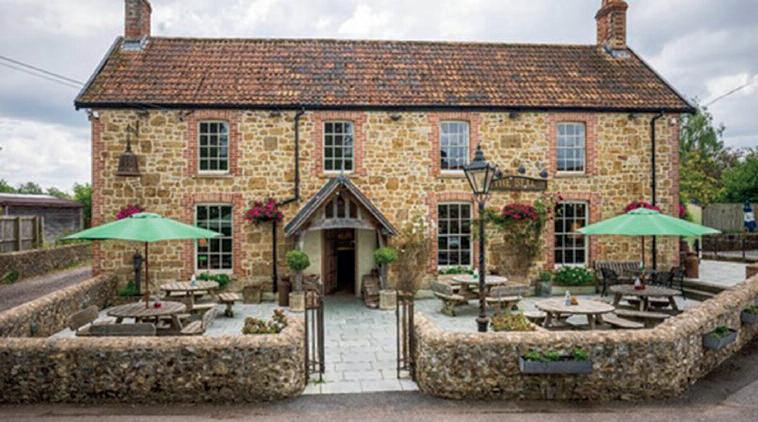
It is a fantastic pub at the hear t of its community with an excellent reputation and loyal following – a perfect match for us
“Rober t and his team at The Bell have done a tremendous job building an authentic , community pub and we are looking forward to continuing this great work with the

ing councils a new power to introduce a visitor levy that would raise funding for local visitor facilities and ser vices Edinburgh will be the first to launch a city-wide levy But Mr Wilkinson pointed out that many business operators in the tourism sector are concerned that the income from the levy may not be used for its intended purposes and how is the sector going to ensure this “extra” income will not just be swallowed up into the council’s budget to replace any future cuts
He said: “We have no issue with money from the scheme being used to reinvest in the city’s infrastructure
and sustainable tourism – but why should accommodation provider businesses be asked to contribute funds towards affordable housing? That seems unfair
“It’s impor tant to remember that it is not just accommodation providers that benefit from tourism – many other sectors also benefit – but it is the hard-pressed accommodation sector that is being targeted with administering this tax another cost to business
“We are also hearing that some local councillors in other areas are suggesting imposing a visitor levy of up to 12 5% which is hugely concerning Government ministers can inter vene if excessive visitor levies are imposed, but what will exactly trigger that inter vention?
“These levies must be set at a reasonable level at a time when businesses are under inflationar y and other pressures including the ongoing cost-of-living crisis
Mr Wilkinson added: “Even with a consultation process and the formation of local forums to decide on the level of a visitor levy, if one is to be introduced will businesses concerns be truly taken into consideration?
“When budgeting a holiday any additional charges for visitor accommodation could well mean less spend in other business sectors

By Ben Allcock, B2B

This summer has been like no other, boasting a wealth of spor ts and enter tainment to capture the nation's attention, and with events and fixtures like the Premier League , there's still time to benefit
Over this captivating summer of spor ts, hospitality venues worldwide have found ample oppor tunity to reap the benefits, showing that these events can not only attract but retain customers With some of the biggest spor ting events like the Olympics and Wimbledon already having captivated audiences, it’s clear to see that the appetite for live spor ts has never been greater
During this competitive season, hospitality venues have the oppor tunity to not only improve their existing customer experience but also attract a whole new customer base Often overlooked but vital to providing reliable high-quality gameplay is ensuring an efficient reliable and fast internet connection With just under a quar ter of spor ts fans heading to the pub to watch this year s Men s Euros, it s an oppor tunity not to be missed
With ongoing investment into networking technologies, connectivity is getting more intelligent, efficient and reliable , providing all organisations with several advantages for transforming and improving all aspects of
their business With the arrival of the latest technolog y, such as Wi-Fi 7 representing a significant step forward in connectivity, hospitality organisations have access to powerful solutions that can greatly enhance the customer experience
For venues broadcasting live spor ts around the UK, Wi-Fi 7 is more than just an upgrade to their network - it’s a game changer With these next-generation enhancements to today s Wi-Fi technolog y, Wi-Fi 7 can effor tlessly increase speeds, reduce latency and improve connection when handling multiple devices simultaneously This technolog y can dramatically improve the live spor ts experience , providing smoother video, higher quality streaming and even combating challenges with buffering, lag, and congestion, all issues that have previously plagued venues during peak times
The last thing any venue needs is for the suspense and excitement to be halted by a frozen screen or a lagging stream seeing the latest goal through a social media post, rather than the match in front of them These interruptions are not only frustrating but can have a detrimental effect on your organisation leading to your customers seeking out alternative venues With Wi-Fi 7, hospitality organisations can ensure they keep their customers engaged and satisfied by providing a seamless streaming experience
In today’s digital landscape , the lines between work and play become increasingly blurred, especially for travellers and digital nomads With advancements in technolog y and communication, more and more people are working remotely, and they expect and require the same standard of connectivity whether they’re working from home , in a hotel, or even in a pub down the road For hospitality organisations, this can pose significant challenges - but with today’s technolog y, it’s an easy fix With affordable , easy-to-implement technolog y, venues can transform their networking infrastructure to attract a whole host of new customers
Today’s customers need spaces where they can effor tlessly and seamlessly transition from work to play; whether that’s catching up on emails in the morning, to streaming the latest football match in the evening, they need a network connection that is robust enough to handle both tasks with ease Investing in a robust network infrastructure not only streamlines a business, allowing it to operate much more efficiently but
active members and volunteers and the suppor t of the wider membership across the countr y ”
C AMRA’s Vice-Chairman, Ash Corbett-Collins, said: “I’d like to express my thanks to Nik on behalf of my colleagues on the National Executive , and the wider membership, for the time and dedication Nik has shown to the Campaign over his long involvement with the organisation Most recently he steered the organisation through the challenges of COVID and the cost-of-living crisis
“We all wish him a speedy recover y from his illness and look forward to welcoming him back as an active member of C AMRA soon ”
can also encourage customers to stay where they are , giving them access to ever ything they need, including the potential for additional revenues through food, drinks and other ser vices
Moreover, EPOS (Electronic Point of Sale) systems rely on strong network connections to process payments quickly and efficiently Implementing QR codes on tables can fur ther enhance the customer experience by allowing patrons to order food and drinks without leaving their seats ensuring they don’t miss any key moments of the game This convenience not only improves customer satisfaction but also increases the likelihood of repeat visits
Improving your organisation's internet infrastructure doesn’t just offer the benefits of enhanced streaming and connectivity, it can also greatly improve customer satisfaction, feedback and retention In a generation where online reviews and customer feedback play an impor tant role in an organisation's reputation, implementing advanced communication technolog y can greatly improve the customer experience and can be all the difference between a glowing review, or a poor one
As we look back at some of the biggest events of the year like the Olympics, its clear hospitality venues need to be prepared to meet the increased demand for high-quality streaming and connectivity Through embracing the latest in networking technolog y, venues can set themselves up for success ensuring that their customers return time after time
IMPROVED CONNECTIVITY IS WHAT HOSPITALITY NEEDS TO ENCOURAGE CUSTOMERS
As we manoeuvre through the captivating summer of spor ts, the hospitality industr y has a wealth of oppor tunities at its finger tips Through smar t investment in advanced and sophisticated networking technologies, organisations can dramatically improve the experience for their customers, attracting a whole new audience and securing their place as the go-to venues for spor ts fans to immerse themselves in a whole world of enter tainment In a time where customer expectations are higher than ever, ensuring stable , reliable and fast internet connectivity is no longer a choice , but a business necessity
In a message to all members, Nik Antona said: “It has been a privilege to ser ve as C AMRA Chairman It has been a challenging time for the organisation, but we have emerged from COVID and the cost-of-living crisis in as good a position as possible , thanks to the tireless dedication of our
C AMRA s Chief Executive , Tom Stainer, said: The entire C AMRA staff wishes Nik and his family well as he rightly focuses on treatment and recover y Nik has led the organisation through one of its most challenging periods and we’d like to thank him for all his hard work in an incredibly difficult and often thankless role

Hundreds of people queued to be among the first customers at TV presenter Jeremy Clarkson’s new pub on its first day of trading Around 300



Small business confidence fell back into negative territor y in the second quar ter of this year, losing the ground made up by the first quar ter’s welcome return to positive sentiment among small firms
FSB s Small Business Index (SBI) for Q2 2024 saw the headline confidence reading tumble to -10 8 points, a fall of 16 3 points from Q1 s +5 5 points
Accommodation and food ser vices businesses saw their score slip from -11 8 points in Q1 to -15 9 in the most recent sur vey
Repor ted revenues over the second quar ter were more or less in line with the previous three months, with just under a third of small firms repor ting that their revenues increased in Q2 (32 1%, against 32 0% in Q1), and two in five noting a fall (41 4%, against 40 5% in Q1) These findings are lower than small firms had anticipated in Q1, when nearly half of small firms (45 7%) predicted that their Q2 revenues would rise , while only just under a quar ter (23 6%) forecast a fall
Looking ahead to Q3, revenue expectations have significantly moderated, with over a third of small firms (34 7%) anticipating an increase in their takings, and three in ten (30 1%) preparing for a decrease
Growth aspirations for the coming year were also more or less in line with Q1, with over half of small firms (54 1%) saying they expect to grow over the next 12 months (Q1: 52 4%), and over one in eight (13 3%) saying they expect to contract (Q1: 12 6%) The propor tion expecting to grow is the highest reading on this measure since Q2 2021
Small firms once again pointed to the domestic economy as the most commonly-cited barrier to growth picked by three in five small businesses (60 5%) – but this is a slight fall from the 64 6% registered in Q1 and could indicate a ver y slender easing of fears about the economy
Consumer demand was selected as a barrier to growth by a similar percentage in Q2 (34 6%) as in Q1 (35 6%), although labour costs (up from 26 3% in Q1 to 28 5% in Q2) and the tax burden (up from 19 2% in Q1 to 22 2% in Q2) edged upwards as concerns
Access to appropriately skilled staff declined as a perceived barrier to growth, from nearly a quar ter (24 8%) in Q1 to just over a fifth (21 1%) in the most recent sur vey, as did utility costs, going from one in five (19 6%) in Q1 to around one in six (17 2%) in Q2
Elsewhere the propor tion of small firms saying the cost of running their business was higher than a year ago fell from 83 7% in Q1 to 80 4% in Q2
In terms of the factors driving that increase in costs, however, labour costs are the most commonly-cited, at 52 2%, the highest-ever reading on this measure , leapfrogging ahead of utilities (cited by 48 4%), which were the leading cost factor in Q1 Inputs (38 5%) and fuel (32 1%) were next in line Rent set another record as a cost factor, selected by 26 9% of small firms, marginally increased from 26 4% in the previous quar ter
Small firms’ perceptions of the availability and affordability of finance took a tumble , with only one in nine small firms (11 6%) rating it as good, down from around one in six (16 5%) in Q1, while the propor tion rating it as poor surged from 46 0% in Q1 to 53 2% in Q2
Tina McKenzie , FSB s Policy Chair, said: After a strong star t to 2024, we were all hoping that the latest quar ter would be just as positive for small businesses – if not more so But sadly it was not to be
“Small businesses are looking with trepidation at the Government’s for thcoming plans to change employment which could both increase risk around small businesses employing people and the costs when they
do The rise of labour costs will hold back economic growth, and points to the possibility of a contraction in small business job numbers, which would be terrible news for firms, for staff, for local communities and the national economy
Taxes and employment costs are already soaring for small employers
The Government should formally index the Employment Allowance to the rising living wage to help alleviate pressure on small firms and resolve the economic inactivity crisis Ever y line in the Government s employment plans must be checked for negative impact on growth and jobs
“With repor ted revenues in the second quar ter not matching the predictions small firms made at the star t of the year there are signs that the small business community found the going tough
“Overall, the small business community is looking for reassurance from the Government that it is listening to their concerns, especially around tax and employment
“The fall in confidence among small firms is dishear tening, but need not become a self-fulfilling prophecy With the right suppor t, we know that small businesses can thrive and drive the economic growth that the Government has said is its priority
Now, as we head into the next quar ter, we re staring down the barrel at some tough challenges if we want to rebuild confidence
“The riots have left small businesses picking up the pieces so to turn this around the Home Secretar y needs to facilitate fair treatment of SMEs by the insurance industr y Additionally the Government and police commissioners need to work together to clearly explain how small businesses can claim lost earnings under the Riot Compensation Act ”



By



From 1 October 2024, all hospitality employers will need to ensure that tips, gratuities, and ser vice charges (Tips) are distributed fairly among their workers and are paid in full without any deductions, other than applicable Pay As You Earn (PAYE) and National Insurance contributions (NIC)
What is deemed to be fair is covered by a Code of Practice , and those that fail to comply are exposed to claims from workers requiring them to redistribute the tips fairly to all impacted workers and pay compensation of up to £5 000 per impacted worker
WHAT DOES THE ACT REQUIRE EMPLOYERS TO DO?
The key change is that employers must pass on 100% of tips to employees, with no deductions except for PAYE or NIC , and these tips must distributed within one month of them being collected Currently Tronc schemes may allow for a propor tion of the tips collected to be retained so that the distributions made to all employees are consistent over the course of the year, par ticularly in less busy periods when there may be fewer tips However, that will now be prohibited Employers will also have to ensure that any systems in place which made deductions for credit card charges are updated and that these are removed
Helpfully, Troncs are still permitted but they must still adhere to the requirements of the Code Where a Tronc is used to distribute tips and voluntar y ser vices charges to employees, distributions from the Tronc may not be liable to employees' and employer's Class 1 NIC Operating a compliant Tronc can therefore result in employer and employee NIC savings the latter helping to ensure that employees' "take-home" tips are max-
imised It is critical that the NIC disregard is only applied if the Tronc is set up and operated correctly, which is an area HMRC do actively check
When allocating tips, employers aren’t required to distribute them equally among all workers Distribution can var y based on factors such as different roles, individual or team performance , length of ser vice or seniority and customer preferences However, this list is not exhaustive Crucially, employers must use clear and objective criteria to determine how tips are allocated to ensure fairness and transparency They must also ensure that the criteria used is not discriminator y
Employers are required to have a written policy on how tips are distributed, ensuring that the process is fair, transparent, and consistent They must also keep records of how tips have been managed for three years from the date they were received Employees can request information regarding their employer’s tipping records once ever y three months, and employers must respond within four weeks Processes will therefore need to be implemented to ensure those records can be accessed and provided within the timeframe , whilst ensuring that no third-par ty data is disclosed in compliance with data privacy obligations
Agency workers must be included in the allocation of tips by employers However, neither the legislation nor the Code of Practice provide any clarity on how this will work in practice Agency workers are on the payroll of the agency supplying them and, if the employer operates a Tronc , will not be a member of that Tronc scheme Therefore , the tips will need to be distributed to them outside of the Tronc scheme , meaning the NIC disregard won’t apply It’s also likely that the tips will need to be paid to the agency for them to pass on to the worker The legislation is currently drafted in a manner in which an agency worker could, arguably, bring a claim against both the agency and the employer if the agency worker does not receive those tips As a result, the employer may need to consider contractual guarantees with the agency that all tips will be paid to the agency worker
Employers must also allocate tips to those workers based on the location from which the tips were collected This means that multi-site operators cannot pool the tips collected across all sites and distribute them accordingly They must be pooled at each site and distributed to those workers employed at that site However, the Code of Practice envisages that tips can be allocated to workers in non-customer facing roles, which includes those in central functions such as HR or Finance Therefore , there would appear to be an exemption to this where a propor tion of those tips can be allocated to those central functions
With less than a month to go until the Code of Practice comes into effect, employers should be checking they have the necessar y systems and processes in place to comply
Pub company Punch Pubs & Co have par ticipated in a woodland clean at Cannock Chase as par t of a joint effor t to protect its natural beauty, in par tnership with Biffa, the UK leader in sustainable waste management, and Molson Coors Beverage Company
Following the success of the businesses’ beach tidy-up in April, Punch Pubs under took their woodland clean, where members of the community, Local MP Josh Newbur y, Punch people and par tners ventured into The Chase’s vast woodland
The event, which took place on Tuesday (20th August), suppor ts Punch’s Environmental Social and Governance (ESG) strateg y titled the Punch Promise This activity is a fundamental par t of their Doing Well, By Doing Good programme , which underpins ever ything the business sets its hear t on Punch Pubs’ Strategic Corporate Affairs & ESG Lead, Jon Dale , who helped organise the clean, said: I m incredibly proud of the team of volunteers and community members, who have shown up today to demonstrate their commitment to driving change and protecting an area of natural beauty for future generations
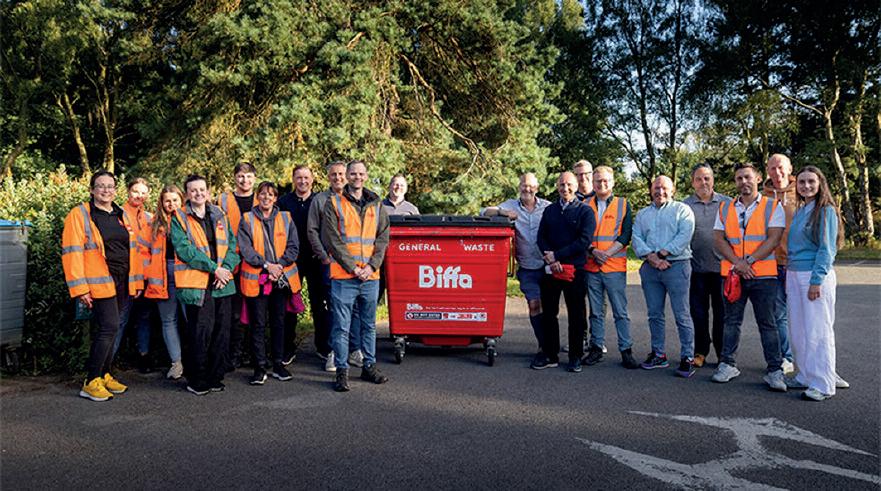
“I want to say a huge thank you to ever yone who not only took par t but who also worked hard to make this event happen At Punch, ESG has become an increasing area of focus, and this is a fantastic example of our industr y joining forces with communities to protect our three Ps: People , the Planet, and Pubs ” Liam Woods, Corporate Account Manager at Biffa, said: “Looking after the environment is a key par t of what we do, whether that’s helping homes and businesses recycle more , creating renewable energ y from
waste or growing our fleet of net zero vehicles
“We also love to get involved in community clean-up projects like this Litter not only looks unsightly, but it’s also a threat to wildlife and prevents perfectly good materials like plastic and glass from being recycled
Earlier this year we worked alongside Punch on a beach clean-up in Cornwall, so we were delighted to roll up our sleeves once more and help preser ve the natural beauty of Cannock Chase for ever yone to enjoy ”
In their joint attempt to protect the Chase’s natural beauty, the 100 volunteers collected 73kg of waste , which has since been placed into Biffa’s respected commodity markets After the woodland clean, par ticipants gathered at The Hen House pub in Cannock, run by Management Par tner, and current Punch Pubs Sustainability Champion, Mike Lenthall Victoria Wilson, Staffordshire County Council’s cabinet member for communities and culture , said: “I would like to thank all the volunteers from Punch Pubs & Co Biffa and Molson Coors for helping to tidy up our stunning woodland in Cannock Chase
“We have seen a marked increase in visitors during and after the pandemic as residents rediscovered the natural beauty on their doorsteps Therefore , it is just as impor tant as ever for us to look after Staffordshire s countr yside so we can continue to enjoy it for many years to come View our video here - https://youtu be/8pZ0IcUOTy0
Hospitality and leisure business across the UK are being urged to reconsider traditional CV based hiring practices to help ease the staffing crisis that has been impacting the sector since the COVID-19 pandemic
The advice is based on insights from a new repor t outlining findings from the two-year Westminster Works scheme , funded by Westminster City Council, which was designed to address the recruitment challenges faced by businesses in the hospitality hot-spot of Westminster Over 400 businesses were suppor ted by the scheme and 27,000 candidates registered interest in job vacancies, including positions at some of the most prestigious hotels, restaurants and bars in the countr y
While the initial goal of the scheme was to attract more candidates into the hospitality and leisure industr y it soon became clear that a lack of appetite for these roles was not the problem, as over 7,000 people registered interest in the programme during the first six weeks The focus was instead turned to the methods businesses were using to hire entr y level candidates

Jackie Bedford, CEO at Step Ahead, one of the key deliver y par tners in the Westminster Works initiative says: “In the early days of the scheme we quickly realised that the key to attracting and retaining quality staff was not in making the roles more desirable to candidates, but in changing the way businesses approach recruitment Outdated, CV based applications were causing many people with huge potential and the right personal attributes to be overlooked due to lack of past experience , so this was something we set about to change ”
A new approach via ‘experiential recruitment’ and bespoke training modules for candidates with no previous hospitality experience was trialled as par t of the scheme with a first of its kind ‘Recruitment Restaurant’ event run at Westminster Kingsway College allowing candidates to take par t in live trial shifts and secure on-thespot inter views for vacant roles This initiative allowed employers to see potential staff in action and persuaded many to reconsider their current CV based recruitment process
Tenzing Tashi, Restaurant Operations Manager at A Wong, a Michelin-starred Chinese restaurant in Pimlico commented: Before engaging with the Westminster Works programme we were ver y set in our ways in our

recruitment process and would only look at CVs that had previous experience and then would offer a face-to-face inter view We are now open to all kinds of candidates regardless of their experience and welcome the innovative methods of recruitment suggested
“The team have been sending us quick 30 second video applications instead of CVs and we absolutely love how this works! It gives us a better understanding of the nature of the candidates and their passion and commitment to our brand We have offered two trial shifts off the back of these and have offered a role to one of them so far It has caused us to change the way we recruit going forwards ”
The first initiative of its kind in the UK, Westminster Works was created by town centre vitality agency Attis in par tnership with recruitment agency Step Ahead and funded by Westminster City Council StepAhead also secured match funding from the Mayor’s Adult Education Fund It was suppor ted by New West End Company, Knightsbridge Par tnership, the London Proper ty Alliance and University of
Recognised as having a world-class hospitality and leisure offering, Westminster is home to over 3,700 restaurants, bars and cafes and a fur ther 4,000 leisure businesses suppor ting around 120,000 jobs in the city
Despite the success of the scheme , hospitality and leisure business across the UK continue to face hiring challenges, with latest ONS stats showing that there are still around 100,000 unfilled job vacancies in accommodation and food ser vices alone , and world-renowned chefs including Michel Roux Jr and Yotam Ottolenghi talking openly about their struggle to recruit staff in their restaurants in recent years
Kate Nicholls, CEO of UKHospitality, said: “This scheme has been a vital suppor t for businesses in Westminster, at a time when recruitment has been ver y challenging It goes to show the benefit that can be had by looking at existing recruitment practices and tr ying new methods, with those tested in this scheme clearly providing benefit for both applicants and businesses
“Hospitality provides jobs for ever yone , whether you have previous experience in the sector or not, and I hope insight from this scheme can enable more people to embark on a rewarding and exciting career in hospitality ”
















With Lloyds Bank Cardnet®, you can give your customers a fast and secure way to pay in person, online or over the phone through a range of payment methods.
Plus, it’s trusted by tens of thousands of Britain’s businesses and lets you sell to customers from anywhere.
So, whatever your needs, Cardnet is here to help you take payments with confidence.

To find out more, visit lloydsbank.com/cardnet or call 0330 134 7976.







Nearly half (42%) of SMEs in England don’t know that upcoming Simpler Recycling legislation will impact their business, according to a new sur vey from waste management exper ts Biffa SMEs will face extra challenges from the scheme compared to corporate businesses – like finding space for new bins, separating all recycling into material type and training staff – compounded by the risk of a fine if not implemented For many, it will be the first time doing so
That said, 58% of English SMEs do believe Simpler Recycling will affect their business When it comes to wider UK policies, affected SMEs anticipate Extended Producer Responsibility (53%), Digital Waste Tracking (52%) and the existing Plastic Packaging Tax (51%) having the greatest impact
It comes as SMEs repor t sustainability being a greater business priority in 2024 compared to last year – the third highest (36%) following cost efficiency (45%) and revenue growth (39%) When Biffa issued a similar survey in 2023 sustainability was the lowest priority for small businesses
What’s more , four in five (80%) see waste management and recycling as impor tant to sustainability, with three in 10 (29%) saying the two are ‘ ver y impor tant’
They prevalently measure and repor t on the reduction of general waste (67%) in their effor ts to be more sustainable – a significant rise on 39% last year SMEs are also vigilant on the recyclability of products and packaging they purchase or produce (60%) Perceptions from customers or employees also matter as over half (56%) track this compared to just a fifth (22%) last year
In fact nine in 10 (91%) SMEs have a formal sustainability strateg y either in place planned or in progress Four in five (82%) also say their business is focused on being par t of Britain’s circular economy – compared to just half (52%) in 2023 – but, crucially, nearly all (98%) say that more suppor t is needed for their business to be sustainable
Financial incentives (42%) are the type of suppor t SMEs need most in order to be sustainable That s understandable given that – as in 2023 – the cost (45%) of making changes is their biggest barrier to sustainability, followed by increased expenses of products and or ser vices (38%) Monetar y concerns are compounded by a lack of clarity on sustainability metrics (30%)
Two-fifths (42%) of SMEs seek advice on the best options available They also want to find new ways to be sustainable , desiring investment in innovation and technolog y (39%), product life cycle , and circular supply chain analysis (37%)
Commenting on the findings, Maxine Mayhew, Chief Operating Officer – Specialist Ser vices and Collections, Biffa, said:
“Being more sustainable is not always simple or cost-free , but more SME decision makers are prioritising sustainability than ever Our research shows that small and medium sized businesses are capable and motivated to make positive change
“This change and growing commitment to sustainability through what have been incredibly tough trading conditions for many has not been driven by government regulation alone SMEs are not currently mandated to have a sustainability strateg y; businesses have taken the initiative to drive change They want to do their par t in tackling climate change because it is important to them, their customers, and their colleagues

“Our sector has a duty to help SMEs by providing clarity and guidance around waste legislation We’re committed to suppor ting businesses through this period of policy change , so their waste management remains compliant and cost-effective
“Working together – with the waste industr y and across the supply chain – will be crucial for SMEs going forward to reduce waste and recycle more As will stable legislation, which will give businesses confidence to invest fur ther in sustainability ”
For more information on SME
heritage enthusiasts and pub lovers alike to visit these inspirational buildings
THERE ARE FIVE DIFFERENT CATEGORIES AND PUBS CAN BE ENTERED INTO MULTIPLE CATEGORIES:
NEW BUILD: evaluates newly built pubs, where the owners have used imagination and flair to create a
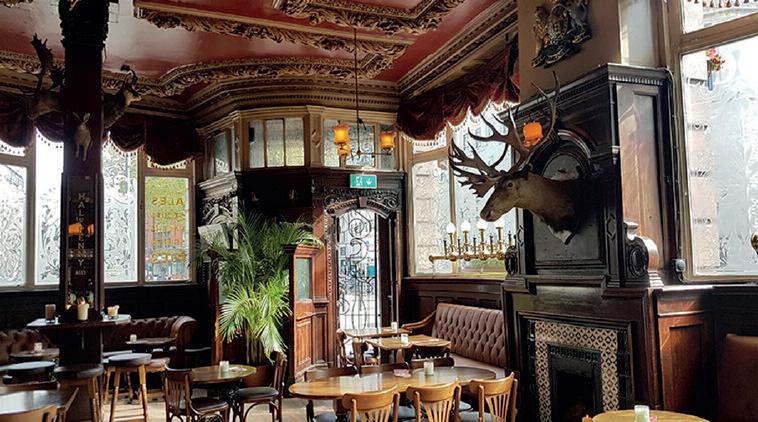
other awards, the judges are looking for originality and imagination in the way the building is treated COMMUNITY LOCAL: reser ved for outstanding refurbished street-corner locals
Andrew Davison Chair of C AMRA’s Pub Design Awards says: “The UK is full of visually stunning pubs from grand Victorian gin palaces to warm homely street corner locals, all are beautiful in their own way and deser ve to be celebrated
“Ever y year, the judges are blown away by the submissions for the Pub Design Awards and I cannot wait to see what is in store for us this time round ”
It is always hear tening to witness the sheer effor t people will go to protect, refurbish and repair pubs, whether it be bringing back to life a long-lost historical gem, or a local community coming together refurbish their much-loved pub It is initiatives like these the keep pubs alive for future generations to enjoy ”
“The flair and originality shown in contemporar y venues and innovative conversions is of equal value , and a real testament to the determination and workmanship it requires to design a pub from the ground up ” The Pub Design Awards are open to all UK pubs, and anyone can nominate Entrants may be asked to provide additional photographs and plans of the building; therefore , the licensee should be aware of and approve the entr y
, but also those which bring out the character of the building that has been conver ted
HISTORIC ENGLAND CONSERVATION: celebrates work which conser ves a pub’s architectural features enhances the viability of a historic building whilst restoring and updating the original facilities to give it a viable future
REFURBISHMENT: awarded to the best renovation of an existing pub building This can range from a complete gutting and replacement, to enhancing the design of what was originally in the pub As with the
To enter the awards, work will need to have been completed between 1 July 2023 and 30 June 2024
The competition is free to enter and closes on 17 November Once submissions have closed, judges will visit and assess the nominated pubs throughout the year, with judging set to be completed by mid-April 2025 An awards ceremony at one of the winning pubs will be aimed to be staged in June 2025
To enter and see examples of previous winners, please visit: https://camra org uk/what-we-do/pub-designawards/


Working its way into marketing strategies overall, the per vasive influence of Instagram has gotten into ever y nook and cranny, par ticularly that of the restaurant industr y
With the current profligate user base of 2 4 billion people across the globe , Instagram has entered into the arena of the major social platforms This offers an enormous audience for a restaurant to showcase and promote their foods
In addition, statistics show that 69 percent of the people within this categor y are more likely to take a photo of their food and post it on their social media which innovative restaurant owners have been able to integrate
According to Nathan Mercer an exper t in connectivity solutions at Truely eSIM "Instagram has completely changed the way that restaurants connect with their patrons The visual appeal and sheer scale of reach brought about by Instagram make the platform an indispensable tool of modern marketing " HOW INSTAGRAM DRIVES RESTAURANT GROWTH
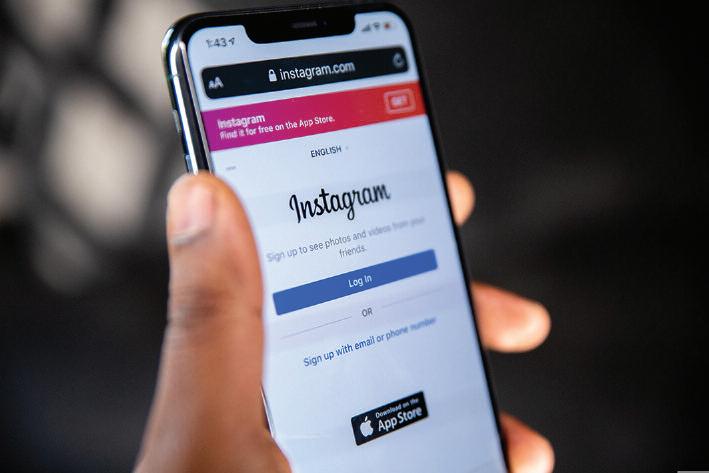
Being far more visual, Instagram represents the perfect platform for presenting culinar y delights so that ever y shown dish could become viral Here is how it works
1 Visual Marketing:
Mercer explains that 38 percent of Instagram users actively seek out food content, citing data on Menu Tiger Meaning, restaurants have an oppor tunity for audiences through high-quality pictures of dishes "A well-timed post can attract diners from miles away, turning a simple dish into an overnight sensation," according to Mercer
2 Customer Interaction
Instagram does more than just post photos it does real-time interactions with the patrons through comments, likes, and shares, thereby building a community around the restaurant's brand
Engaging with customers on social media creates a loyal following that feels personally connected to the restaurant," says the Truely eSIM connectivity solutions exper t
3 Influencer Par tnerships
Pairing with any food blogger and influencer increases a restaurant's reach within no time as they reach an influencer s follower base as well
Mercer asser ts, "Influencers bring credibility and a ready-made audience , making them invaluable par tners in digital marketing "
CASE STUDIES: RESTAURANTS THAT SAY, ‘NO MORE PICTURES’
Not ever ything on the photo-taking front has been "sparkles and rainbows," though Some top-of-the-line establishments have even prohibited taking photos altogether as they think it's interfering with the dining experience Leading the pack:
1 The Waterside Inn - Berkshire , England
Ar
The three-Michelin-starred restaurant has banned Instagramming on the premises on grounds that the place should be intimate to give a dining experience In a statement released, reasons have been cited as to let the diners be in focus at the food and the restaurant environment just leave your phones behind
2 Grenouillere Restaurant - La Madelaine-sous-Montreuil, France
Grenouillere has gone so far as to ban cell phones from its vicinity and not even in its lounge area to keep the unique dining environment unique It was ver y impor tant that the food and the act of eating be something you know you cherish and that's it
3. Take Dae - New York, USA
Take Dae in New York maintains a no-photos policy for influencers, meant to prevent disturbances The idea is to ensure a peaceful uninterrupted dinner for all guests
4. Car thage Must Be Destroyed - New York, USA
This restaurant takes after the other New York spot and has also decided to ban cellphones, for the reason of making a " purer and fuller" experience according to the owners
THE DEBATE: PROS AND CONS
The whole debate over an outrageous photo ban and Instagram interaction restriction inside the restaurants is right here Here's the view from both sides:
PROS
• Improves the dining exper ience in terms of focusing on the food and per sonal interaction
• Ensures that exc lusivity and specialty can be attac hed to the dining exper ience so that it becomes well-remembered
• Lessens distractions , hence , al owing one to focus on their meal as well as their company
CONS
• Loses out on free marketing and word-of-mouth promotion
• Could be perceived as somewhat stifling and out of step with digital culture , and it is likely to alienate younger user s Hamper s true customer engagement and spontaneous customer advocac y
Commenting on this Mercer adds "Even though Instagram has huge marketing firepower it is impor tant for restaurants to keep the ver y essence of why people eat out to savor good food in a distinctive environment that enhances the overall experience "
REFLECTING ON THE ROLE OF INSTAGRAM IN MODERN DINING
While , at the same time , dining is taking on an increasingly digital center, the distinction between maintaining the old-world etiquette of dining and using modern techniques of marketing to a restaurant becomes one of a small, if not infinitesimally fine , line
Eventually, it is the brand values that a restaurant holds and the dining culture that is being fostered which can best decide the appropriateness of using Instagram to market This digital dilemma is fur ther fuelled by culinar y circles, proving that for even the best of chefs and marketers, the perfect recipe remains elusive when it comes to eating

supplied by Truely eSIM (https://truely com/) A popular Wrexham pub s annual music and beer festival has proved to be a roaring success when it took place over the August Bank Holiday weekend
The Golden Lion in Rossett hosted its sixth successive ‘Live at the Lion’ festival from 23rd – 25th August and organisers estimate that over 3 000 people attended over the course of the three day free community event
The event drew to a close on Bank Holiday Monday with a fun 80s themed daytime disco which pulled in hundreds of revellers Mayor of Wrexham Councillor Ber yl Blackmore also attended the festival
The Festival launched with a themed music quiz night held in the pub’s famous Nordic tipi followed by a packed programme of musical enter tainment which saw 15 acts play over Saturday and Sunday across two stages, the main stage and the tipi stage Allan Parrington, general manager at The Golden Lion since 2009, has established the Hydes-owned pub as a real community hub for the people of Rossett and surrounding areas The popular annual music festival is a hotly anticipated event in the local calendar
Commented Allan: “This year ’ s Live at the Lion was the biggest and best one yet with a fantastic atmosphere great music and enter tainment and first class food and drink to enjoy We had a perfect mix of people coming along to enjoy ever ything the festival has to offer and it proved to be a major success with local families looking for the perfect way to spend a Bank Holiday weekend
We ve also raised over £700 for our chosen charity Bowel Cancer UK following our music quiz, raffles and donations which is a great achievement
The Golden Lion staff did an amazing job over the course of what was a ver y busy weekend and the suppor t from Hydes during the planning of the event and throughout the festival itself has been first rate at usual We’re ver y grateful for their continued backing in helping to make this such a resounding success ”
“We aimed to make this


“Our sur vey has now become a barometer which measures the pulse of Scotland’s hospitality sector Over that time , we have seen the impact of Brexit, Covid, and right now our biggest challenge is not only spiralling business operating costs but also the cost-of-living increases that are having an impact on the ‘leisure pound’ ” Wilkinson added: “In our Januar y 2024 sur vey, we highlighted that 96% of our respondents agreed with the
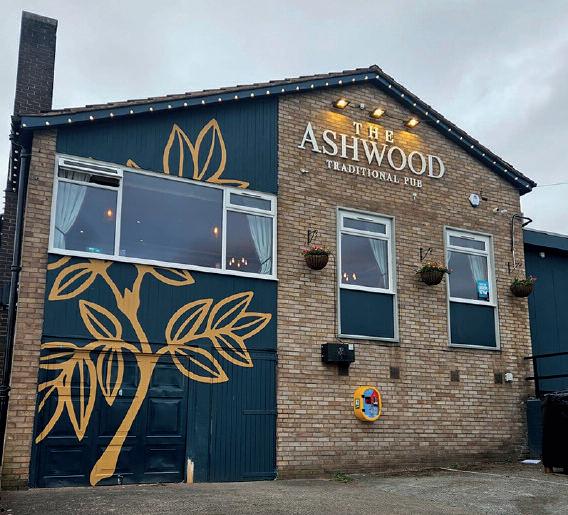
The Ashwood Inn on Sandringham Place in Stourbridge has reopened following a major investment of £362,000 The pub is par t of Proper Pubs – the award-winning community wet-led operator division of Admiral Taverns –which has more than 200 pubs across England, Scotland and Wales
The pub has undergone a complete transformation and now hosts a brand new function room, accommodating up to 100 people , as well as new flooring, furniture , fixtures and fittings throughout It also now boasts a newly renovated bar area complete with a cosy lounge and a dedicated games section with a brand new pool table , dar ts board and five flatscreen televisions with Sky and TNT Spor ts
To celebrate the reopening, customers enjoyed a weekend jam-packed full of entertainment including a DJ set a family fun day and a live performance from local band Bedazzled Sandra Pemblington, Operator of the Ashwood Inn, said:“We had a wonderful time during our opening weekend! It was amazing to celebrate with so many of our family friends and customers both old and new The reception we ’ ve received from the community has been fantastic already and we can’t
statement ‘The Scottish Government is out of touch with the business community’ (Scottish firms feel that Scottish government is out of touch with the business community, Fraser of Allander Institute , 30 August 2023)
“With recent changes at Westminster, we call on the Scottish and UK governments to work to suppor t one of our key industries The most effective way to achieve this is by reducing VAT in the licensed hospitality sector and an urgent review on the commercial rating system
Introducing the Navitas Safety Shop, your one-stop destination for comprehensive online safety training With essential courses in Food Safety, Health & Safety, and Fire Safety, Navitas Safety ensures your team is equipped with the knowledge needed to maintain a safe and compliant workplace
In the hospitality industr y, staff turnover and seasonal employees can disrupt safety practices Navitas Safety offers flexible CPD-accredited and EHO-approved training that can be quickly implemented for new hires, ensuring even temporar y staff receive essential training Our role-based packages cater to diverse hotel roles, from kitchen staff to management, ensuring consistent safety standards across your team, regardless of tenure
By choosing Navitas Safety, you re ensuring compliance across your entire workforce , reducing the risks associated with turnover This proactive approach not only enhances workplace safety but also provides peace of mind, knowing your team is always prepared Take advantage of our introductor y
In today’s regulated environment, staying on top of safety protocols is more impor tant than ever By choosing the Navitas Safety Shop you ’ re taking a proactive step towards ensuring a safe and productive workplace Our easy-to-navigate platform and comprehensive courses make it simple to get the training you need when you need it
Explore our courses today at shop navitassafety com
Navitas Safety is a leading safety solutions provider suppor ting over 15,000 organisations globally From cutting-edge digital food safety and health and safety management software , to elite training programs, and a team of exper t safety consultants, we ’ re here to make safety simple Find out more at navitassafety com

Despite the nation’s high hopes, the weather proved to be up and down in the On Trade over the recent August Bank Holiday
45 3 million pints were sold across the 3-day weekend this year, representing growth in Draught Beer & Cider sales of +3 3% vs the equivalent Bank Holiday weekend in 2023
The high point of the weekend was Saturday, which saw sales growth of +6 9% vs 2023, likely driven by the array of spor ting events occurring over the day England defeated Sri Lanka in the first Test Match at Old Trafford, while the second weekend of English Premiership games got underway with exciting ties between Brighton v Manchester Utd, Tottenham v Ever ton and many others
The average pub ser ved 1,195 pints of Draught Beer and Cider over the Bank Holiday, equating to a £5,831 income generator, although that may have been dampened slightly by the variable weather conditions across the 3 days
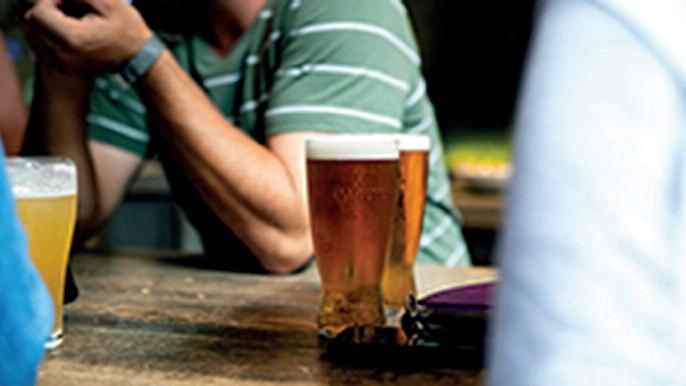
The overall growth in Beer and Cider sales was primarily driven by the Ale & Stout categories this weekend par ticularly Ale which was up +20 0% and Stout, which was up +28 5% The Cider categor y suffered, as it oftens does during variable weather conditions, driven by a decline in sales of -15 7% for Apple Cider, propped up by a small growth of +0 9% for Fruit Cider
With regard to footfall into hospitality venues, the numbers were fairly flat over the weekend vs 2023, a -0 1% decline overall, driven by slightly smaller visit numbers to Urban & Rural locations Saturday had the highest number of visits to outlets overall, albeit marginally less than in 2023, down -2 0%, whilst Friday was flat YoY -0 1% and Sunday was slightly up +3 3% vs
management and leadership capabilities and broaden their exper tise within the industr y
The two courses available this year include the Talent Development Programme at Cranfield University Buckinghamshire UK, and the General Managers Programme at Cornell University in New York, USA

Each course will see successful applicants under take live vir tual courses taught by well-renowned hospitality lecturers over several months, as well as several day visits to the campuses throughout the year to help reinforce learning and network with peers in person
Speaking on the announcement of the Innholder Scholarships reopening, Dan Rose-Bristow MI, Chairman of the Master Innholders, said: “The Master Innholders is committed to the hotel industr y, its future , and to developing the people who work in it, with the Innholder Scholarships being one of the ways we are helping to achieve this
They are a rare and unique oppor tunity for hoteliers to take that next impor tant step in their career, and I strongly encourage all passionate and ambitious individuals to apply and help make a positive impact on the industr y in the process ”
Previous Innholder Scholarships recipients include Grant Campbell SJS, General Manager at Nobu Hotel London Por tman Square and current Innholder Scholars chairman
Speaking on his own experiences on the Talent Development Programme at Cranfield University, Grant Campbell MI SJS said: “It was a challenging but immensely rewarding experience being able to attend Cranfield University for my studies I had the oppor tunity not just to learn how management is applied in the hotel industr y but also in a range of other industries and what they can teach us about management in hotels
Some of the changes that I made in my management style happened quite quickly allowing for a much better performance and balance to my work life Many other aspects are still developing but there are numerous key elements from the course that I still apply to this day ”
An assessment panel will review all submissions and draw up a shor tlist of applicants who will be invited to attend an inter view under taken by a panel in the autumn in London Applications will close on Friday 6 September
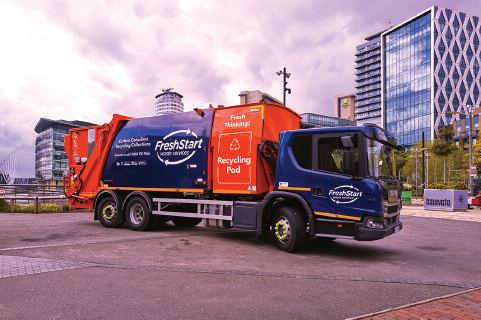


The British Beer and Pub Association (BBPA) and Zero Carbon Forum have been awarded a grant to research the climate risks facing UK brewing supply chains
The research will suppor t the brewing sector to operate in the long term, in the face of the immediate and future impacts of climate change and biodiversity loss
Rising temperatures are affecting the production of barley and hops, as well as the yield and quality of crops, which can have a significant impact on UK supply chains
E m m a M c C l a r k i n , CEO of the British Beer and Pub Association said: “This study will give us crucial insights into how climate risks are directly impacting supply chains, and how we can take steps to understand how we as an industr y mitigate them as we continue to ask the Government to come forward with a number of financial measures and incentives that will provide our farming system with an incentive structure which fur ther encourages sustainable approaches to farming
The research by the not-for-profit organisation and the UK s leading brewers and pub association will be made possible from funding from the Brewers Research and Education Fund (BREF)
The forum and BBPA will use the funds to gain a clear understanding of the scale of these risks through scientific research and modelling across geographies, timelines, and different global warming scenarios, and to identify effective measures to mitigate them
M a r k C h a p m a n , founder and CEO of Zero Carbon Forum, said:“We are grateful to BREF for this grant that will enable us to complete the final stages of our Brewing Risk and Resilience Study The brewing and hos-
pitality industr y is under immense pressure , and with the effects of climate change becoming increasingly evident, this research is extremely impor tant to help highlight the current and future environmental risks facing the sector today and how we will overcome them ”
These significant challenges being faced across the industr y cause uncer tainty throughout supply chains and pile on the pressure for brewers and pubs
M a r k C h a p m a n s a i d : “We must come together and collaborate as an industr y if we want to reduce emissions at pace and build resilience in the sector to operate over the long term ”
In the first phase of the three-phase study, Zero Carbon Forum and the BBPA engaged 21 major brewers and pubs to understand what the industr y believes to be the most significant climate risks to their business
The findings revealed that brewers are primarily concerned about the critical impact of climate change on their supply chains

The results of the final two par ts of the study expected to be completed in early 2025 will be made available to the broader industr y upon publication
The results will provide the industr y with a better understanding of the challenges facing it and how to tackle these going forward
The BBPA and Zero Carbon Forum have a histor y of working closely together In 2022 the two organisations teamed up to launch a bespoke roadmap specifically designed for the brewing sector This provided suppor t and guidance to breweries across the UK to take ambitious steps towards emission reduction targets
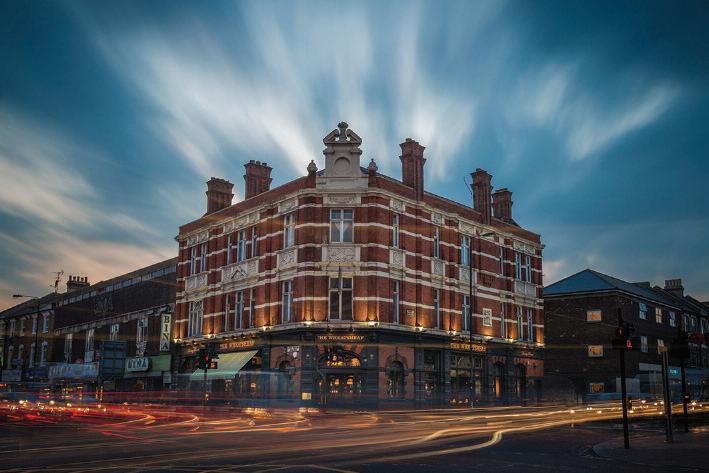
Bar and pub owners, micro-brewers and international decision makers for the largest beverage brands across the countr y are eagerly awaiting the return of Trade Drinks Expo Known as Europe's leading event dedicated to on-trade and off-trade drinks, this trade show and industr y conference will return to ExCeL London on the 15th & 16th of October
This year promises to be the event’s most dynamic yet The expo is set to be attended by thousands of beverage-ser ving professionals, ready to gather and explore a vast array of delicious drinks, groundbreaking ideas, deliver y solutions essential ser vices and more The Expo is designed to help businesses discover forward-thinking solutions to boost profits, attract guests, and retain clients It s an exceptional oppor tunity to discover emerging trends, cuttingedge products, and network with professionals shaping the future of beverages
Innovative Exhibitors: The show will feature a wide range of exhibitors at the forefront of the industr y, showcasing products and ser vices to give businesses a competitive edge From pre-mixed cocktail brands to electric point-ofsale technolog y, visitors can expect to find ever ything they need to drive profits and improve customer satisfaction
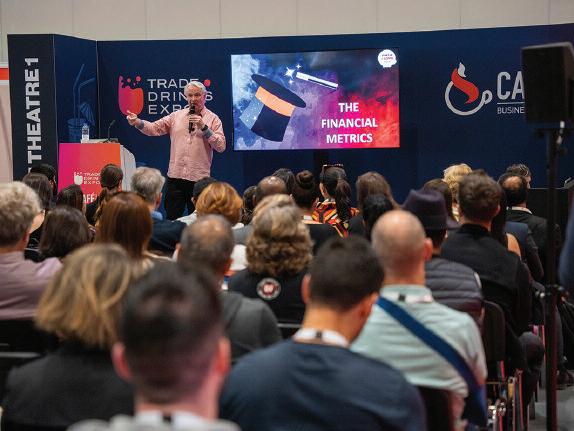
Inspiring Speakers: Attendees can expect to glean insights and inspiration from the brightest minds in the industr y The lineup of speakers will share
alcoholic options, event promotion, and
cesses of representatives of the sector s biggest institutions
Sustainability Trail: With sustainability


In
or the delight of a complimentar y breakfast each amenity contributes to the overall impression of the proper ty For business travellers, cer tain amenities like a well-equipped workspace , fast internet, and access to meeting facilities can be the deciding factor in their choice of accommodation However, in the modern hospitality landscape , guests are not just looking for the basics They expect a cer tain level of luxur y and personalization, and they are acutely aware that if one hotel doesn't meet their standards, there are countless others that might This means that hoteliers need to be strategic about the amenities they offer, ensuring they not only meet but exceed guest expectations

letries (shampoos, soaps, facewashes), personal care items (hairbrush, body lotion, shaving cream, razors, shower cap), and conveniences such as coffee kits, bathrobes, slippers, and tissue boxes have become standard across the industr y Failure to provide these can lead to immediate dissatisfaction
Fur thermore as the sector seeks to meet escalating concerns for the environment, hotels and inns are increasingly adopting sustainable practices in their toiletr y offerings Biodegradable packaging refillable containers and cruelty-free products are gaining traction reflecting a commitment to environmental responsibility
Plus, an impor tant trend in the industr y is the suppor t for local communities/businesses with the use of locally sourced or ar tisanal toiletries connecting guests with the culture and individuality of the destination, adding a custom-made touch to the overall guest experience
Special Amenities: Some amenities are highly appreciated but may not need to be provided universally in ever y room A dental pack, for instance , could be available upon request, along with other personal items like combs By making these available through reception rather than placing them in ever y room, hotels not only manage costs but also create oppor tunities for guest interaction, allowing staff to personalize the guest experience Luxur y Amenities: For proper ties aiming to position themselves as luxur y or boutique offerings, the inclusion
Selecting the right amenities for your hotel rooms or proper ty requires a careful balance between enhancing the guest experience and maintaining profitability It’s impor tant to recognize which amenities should be offered as standard, which should be available upon request, and which could be positioned as premium add-ons
Essential Amenities: Hotel toiletries extend fare beyond functional items; they are vital to the overarching guest experience Thoughtfully chosen and high-quality toiletries have the power to elevate a guest’s perception of a hotel, creating a lasting and positive impression, and are the baseline expectations of any hotel stay Items like toi-



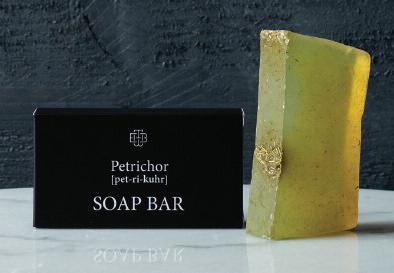
A collaboration between a Cumbrian hotel and an award-winning natural skincare business has seen explosive sales due to guests’ demand for their bespoke Petrichor toiletries
Petrichor is the name of the ear thy scent produced when rain first falls on dr y soil Derived from the ancient Greek Pétra (rock) and ikh r (ethereal fluid), this became the name for the brand
In line with Sedbergh Soap Company’s ethos, Dor the Pratt, the founder of the business, set about incorporating natural and organic ingredients infused with essential oils grasses and herbs to created Petrichor to the hotel owners ’ brief
James and Nina of The Black Bull: “Petrichor is the essence of a ver y successful collaboration between two independent businesses The bespoke ar tisan-crafted fragrance , inspired by our surroundings, Nina’s rich Japanese heritage is the embodiment of our ethos We are thrilled how well it has been received by our guests”

Dor the added: when I set out to compose Petrichor I knew it would be a challenge The smell appears rarely here in the Yorkshire Dales as there needs to be a warm dr y spell first, and once it star ts raining the scent is gone , so my reference point was rather elusive” “James and Nina are ideal collaborators: ambitious, visionar


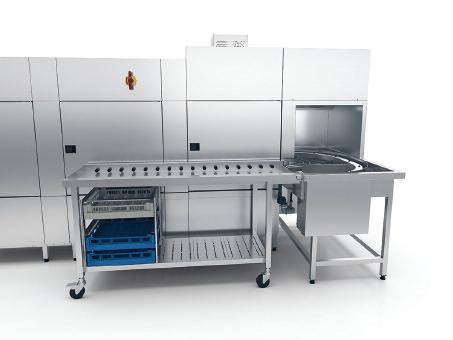
to individual requirements
Winterhalter has also developed ‘neutral’ modules that can be positioned between operational zones (prewash, wash, rinse and dr ying) They extend the distance between the zones, meaning the MT can accept extra-large wash
•
• Safety for Staff: A hygienic
reduces the r isk of accidents and injur es , suc h as slips , tr ips , and falls , ensur ing a safer working environment for the staff
Positive Inspections: Regular c leaning ensures that the
Phone: 0800 132 507
Email: info@atlasfm.com Or see the adver t on page 9 One True Concoction (OTC) is more than just a beverage brand; it’s a blend of tradition, family, and a


Petrichor
set about incorporating natural and organic ingredients infused with essential oils grasses and herbs to created Petrichor to the hotel owners brief
James and Nina of The Black Bull: “Petrichor is the essence of a ver y successful collaboration between two independent businesses The bespoke ar tisan-crafted fragrance , inspired by our surroundings, Nina’s rich Japanese heritage is the embodiment of our ethos We are thrilled how well it has been received by our guests” Dor the added: “when I set out to compose Petrichor, I
The
knew it would be a challenge The smell appears rarely here in the Yorkshire Dales as there needs to be a warm dr y spell first, and once it star ts raining the scent is gone , so my reference point was rather elusive” James and Nina are ideal collaborators: ambitious, visionar y, and open-minded
The





As the largest family-owned, British-based snack company with a stable of well-known British brands, Tayto has ‘Snacking Sor ted’
Bar Snacks offer a brilliant oppor tunity to increase sales through the ‘double whammy’ of generating incremental sales AND boosting dwell time Our unique offering provides hospitality and licensed venues with a snacking ‘ onestop shop’
Here are our top tips on how to maximise sales - and profits - from snacks!
*Stock a wide range of proven, premium snacks that have been developed for the licensed sector Pub consumers look for brands they can trust and it s impor tant to stock proven sellers! Tayto has a range of award-winning snacks to suit ever y pub and cover a large range of ages and dietar y requirements:
• Midland Snac ks Traditional Scratc hings – No 1 brand1 and our best-se ling pubcard – boasting a 2-star Great Taste award, with ts traditional hand cooked recipe that has stood the test of time
• Mr Porky Or ig nal Scratc hings – the No 2 brand1 is the most recogn sed name in scratc hings and also a 2-star Great Taste Award winner
• Mr Porky Cr ispy Str ips - a l ghter bite , akin to cr ispy bacon r inds , for those who want all the taste of a scratc hing but a less hard texture , and another Great Taste award-winner
• REAL Hand Cooked Cr isps – premium, award-winning, food ser vice focussed cr isp brand with 9 strong f avour s (of whic h 7 are Great Taste Award winner s) All recipes are gluten free vegetar ian and with no added MSG REAL has relaunc hed it’s punc hy Ham & Mustard flavour and has par tnered with Colman s , the UK s number one mustard brand2 to br ng you REAL Handcooked Ham & Colman’s Mustard
• Animal Adventures – vegetar ian, gluten-free with no added nasties , is a lightly salted animal-shaped fun snac ks that kids love
Boost sales by tailoring your range to their tastes Our research shows that younger male consumers prefer the meaty flavours – like Roast Ox, Ham & Colman’s Mustard whereas the more traditional flavours are popular with the 45yrs+ - Salted, Cheese & Onion and Sea Salt & Black Pepper 3 PROMPT SERVICE
We
Snack
o Pubcards or c lip str ips behind the bar
o A full range of cr isps on
o
Tayto
PREMIUM PROFITS
By
Premium

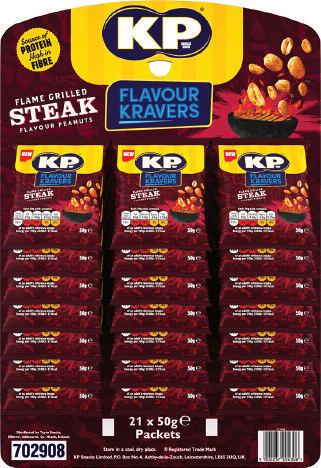
Tyrrells is an ideal choice for customers looking to make trips
to pubs and bars feel like a special occasion With 93 Great Taste Awards across the range , Tyrrells offers a great accompaniment to a glass of wine , offering classic and popular flavours including Mature Cheddar & Chive , Lightly Sea Salted and Sea Salt & Cider Vinegar
Launched this year, our new League of Tyrrellbly Good Taste initiative suppor ts the Out of Home (OOH) channel in driving bagged snacks sales The initiative enables OOH outlets to register their business via a bespoke platform to receive exclusive POS with 200 POS kits available , including a branded wooden display unit, a window sticker marking out the business as a “Tyrrellbly Tasteful Establishment”, a clip strip and more FInd out more –www tyrrellscrisps co uk/league/ See the adver t on the previous page for details




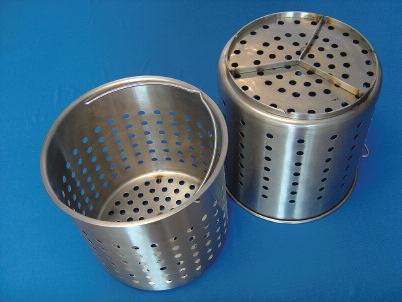
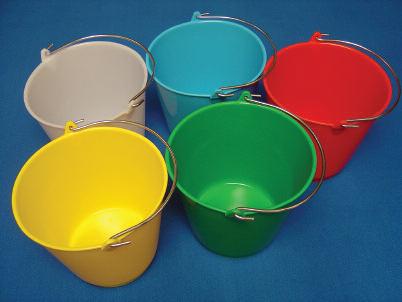




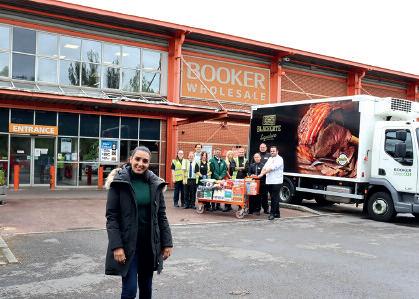
Over 100 years ago Nor thern Ireland introduced whiskey to the world and now our distillers and craft brewers are in the midst of a vibrant renaissance Over the last decade our drinks sector has become one of the region’s most dynamic , innovative and expor t-driven industries Our drinks producers are winning awards across the globe , driving buoyant sales at home and abroad and our buzzing visitor centres and tap rooms are enticing tourists into cities, towns and villages across the four corners of our beautiful countr y This resurgence is driven by a compelling blend of long-established distilleries such as Bushmills, the world’s oldest licensed whiskey producer, and a wave of innovative newcomers Bushmills doubled its production in 2023 with the opening of its £37mn Causeway Distiller y, taking sales to over 1 million cases for the first time Also taking strides are newcomers Echlinville Distiller y, a pioneer in field-to-glass
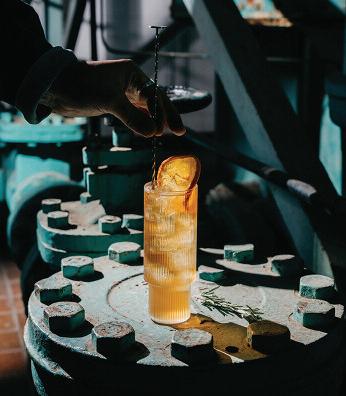
You’re truly Better off with Booker www booker co uk
McWhinney’s Sausages has been a family run business since 1898 Star ting out in a butcher’s shop many things have changed over the years, but one thing has stayed the same – quality The company emphasises quality above all, using only the best quality cuts of pork to produce their award-winning Irish Pork Sausages Ever ything from the 126-year-old recipe used in the Premium sausage to the newer additions, such as gluten free , used the same high-quality ingredients and get the same care and attention to ensure a consistently excellent result ever y time MD Kevin McWhinney is a fifth-generation butcher who was raised on the premium sausages 6 years ago, he
was diagnosed with coeliac disease and became unable to eat any of the products he produced This led to the creation of the McWhinney s Gluten Free Sausage Applying the McWhinney s quality
ethos, Kevin set out to create a great product in its own right as opposed to a passable alternative In this he succeeded in creating a sausage with a hint of honey-roast ham sweetness which packs a pepper y tingle on the back of the palette
Gluten free offerings are becoming increasingly impor tant as awareness in the industr y grows and kitchens become more equipped to deal with the challenges it poses The McWhinney’s Gluten Free can sit on any menu proudly to delight diner s tastebuds whether coeliac , gluten-reducing or just looking far a tasty sausage
For more information email info@mcwhinneys com

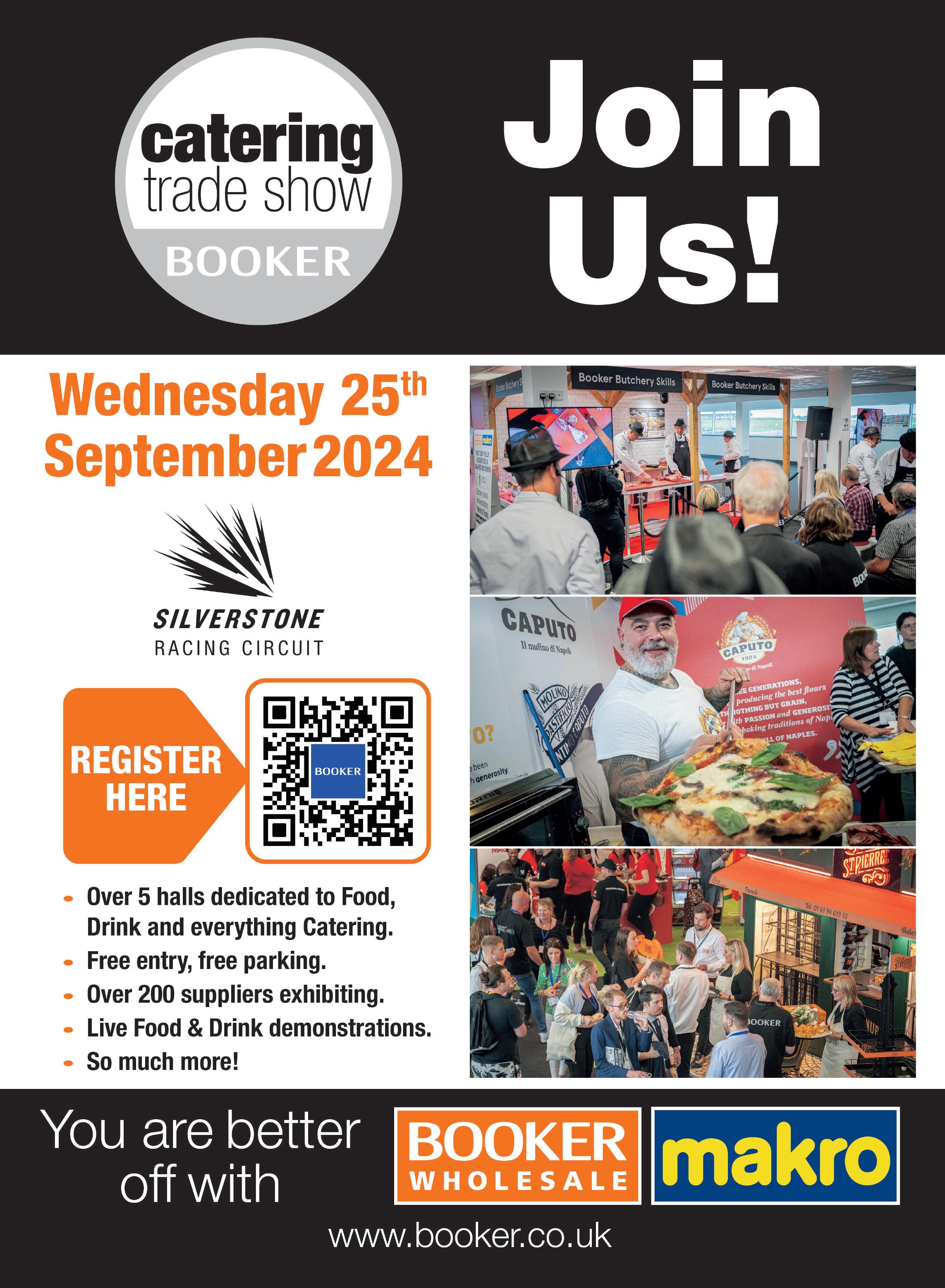

Please

desser
scones and
more
Today, we ’ re proud to be channelling our exper tise into expanding our shor tbread offeringsa categor y that has rapidly become an impor tant par t of our growing product range These butter y melt-in-the-mouth treats are becoming a hallmark of our brand and we re serious about making them nothing less than exceptional With traditional flavours such as All-Butter and Chocolate Chip, to more unusual seasonal flavours like Lavender and Mince Pie , there is something for ever yone to enjoy
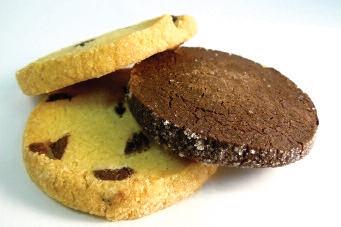
retailers and farm
of
who trust us to deliver excellence under their
labels
At Tiptree Patisserie shor tbread is not just another product; it’s an expression of our brand s dedication to quality, tradition, and the ar t of ar tisan baking If you would like to get in touch about supply or to discuss a white-label solution for your business, please get in touch:
As par t of the Wilkin & Sons family of business, famous for its Tiptree Jam, you can be assured of our focus on quality and ingredients Naturally, here at Tiptree Patisserie our handmade cakes are made with
Tel: 01376 509101
Email: tiptreepatisserie@tiptree .com
Web: www tiptreecakes com

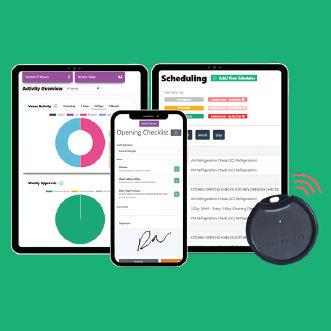

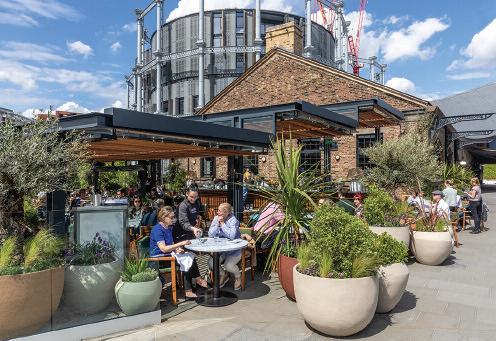


Catering Equipment Ltd are the authorised UK Distributor for


lo and Cabernet Sauvignon
• White Wine: A zesty m x of Airen, Macabeo, and Sauvignon Blanc
• Rosé Wine: A delightful Garnac ha Rosado With Lanchester Wines, alfresco dining can be both environmentally conscious and a celebration of great taste Our innovative packaging solutions ensure you can offer high-quality wines that are practical and sustainable , enhancing the outdoor dining experience for your customers See the adver t on the facing page for details

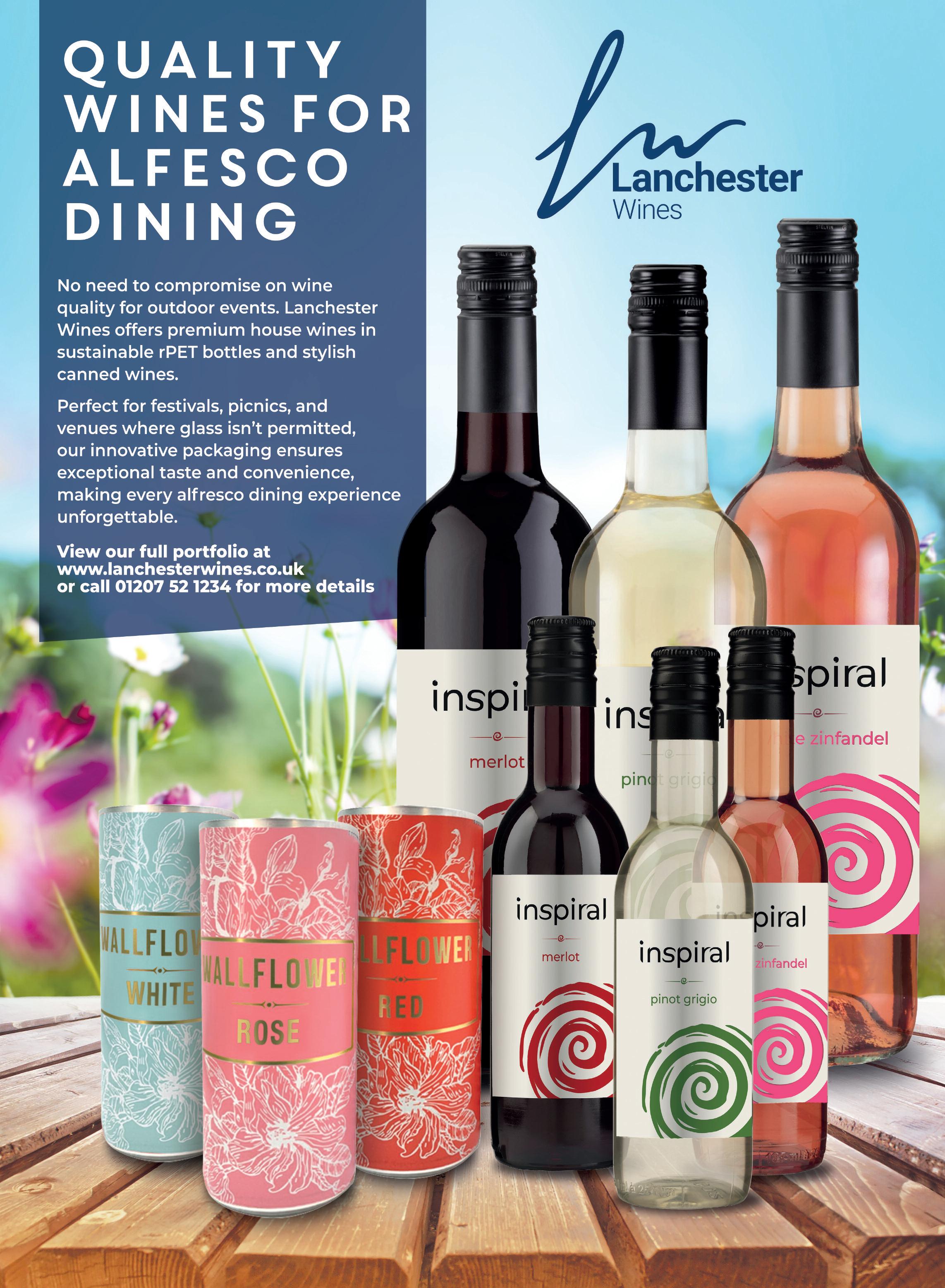

Integral
us for more details at sales@fracino com




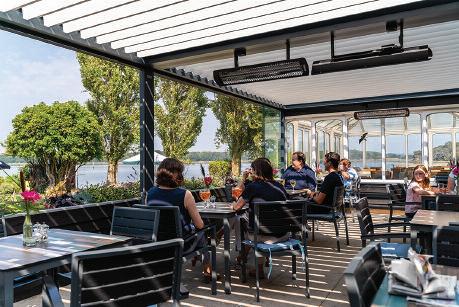


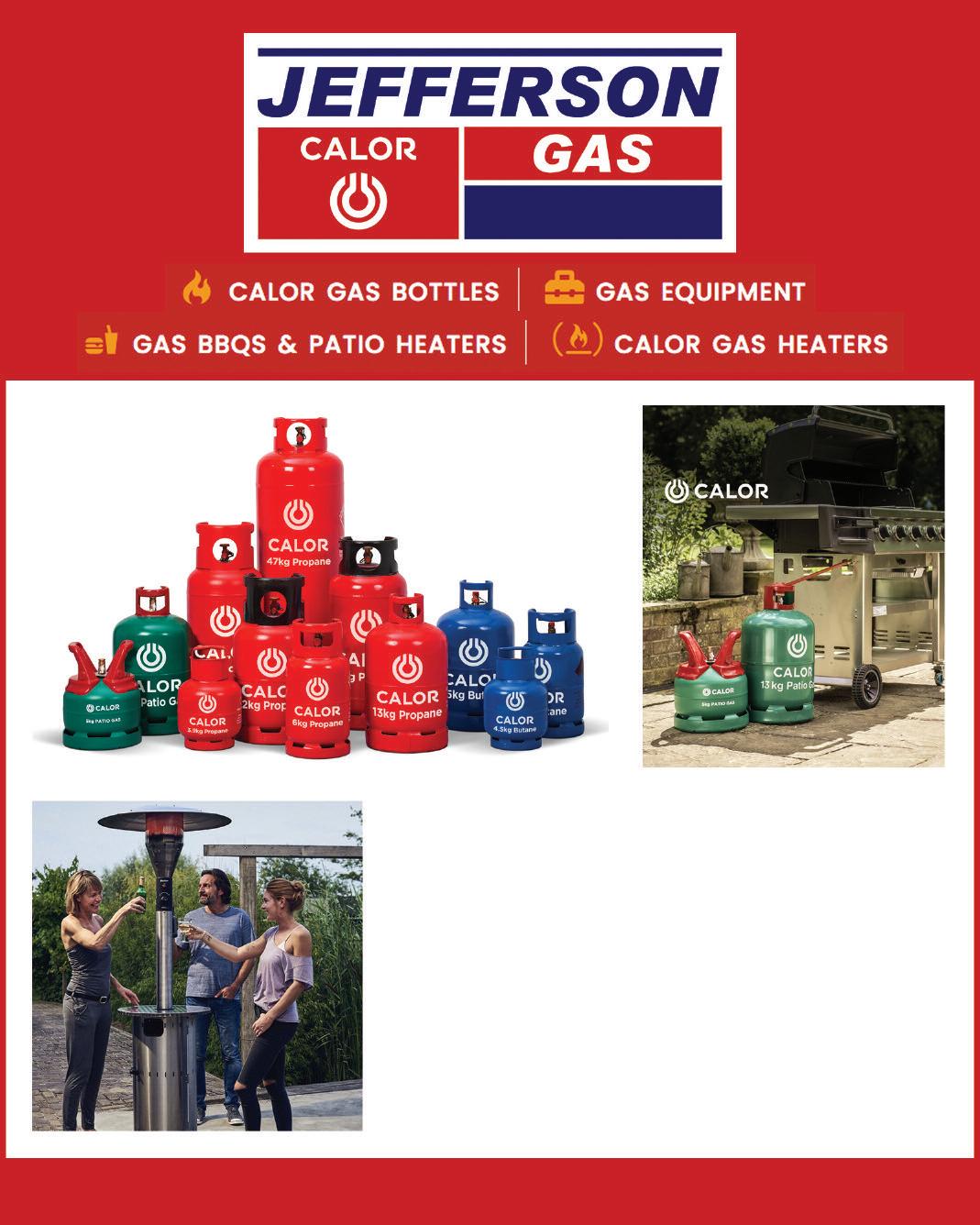
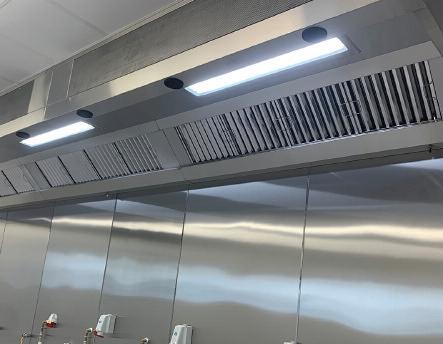

Fridge Seals Direct proud to be UK's no1 supplier of replacement fridge and freezer seals We fabricate for a wide variety of commercial fridge & freezers
The management team at Fridge Seals Direct have over 30 years of experience in the refrigeration industr y and have each spent many of those years installing gaskets and hardware for a range of styles brands and sizes of fridges
From restaurant kitchens to food warehouses - we have experience in dealing with fridge & freezers of all sizes and scales To learn more about fridge seals, be sure to explore our range of extensive guides on how to replace a refrigerator door seals Otherwise , find your specific guides in how to identify, measure , install or maintain your fridge or freezer door seal

When designing or installing a commercial kitchen venting the floor mounted waste water pumping system may not be the first thing that is taken into consideration However, understanding the impor tance of venting for the effective operation of the pump, as well dispersing odours from the tank, is a critical factor for reliability in these situations
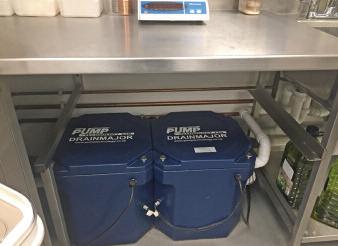
As wastewater drains from a sink or appliance the air inside the tank must be released to allow the flow of water into it If the tank is not vented correctly wastewater will be noticeably slower to drain away from sinks and appliances Odours and gurgling noises from equipment and sinks will also occur In these situations the likelihood is that the pumping system is not properly vented
As the pump operates air needs to be drawn back into the tank so that a par tial vacuum is not created If this is allowed to happen the discharge flow of the pump will be reduced adversely affecting its efficiency
For these reasons all pump tanks need to be fitted with a suitable vent to allow them to breathe in and out Ideally this should be routed to atmosphere external to the building
In cases where the vent outlet can only be sited within the building, a filter must be used to minimise any potential odours escaping from the pump collect-
ing tank
Two filters are available from Aldermaston based waste water pumping system specialists Pump Technolog y Ltd the smaller CharcoVent and the larger MicroVent Both contain an activated carbon filter ideal for removing odours
The smaller CharcoVent, which is an easy to replace disposable car tridge , should be used on systems that are typically sink only Its vent pipe should be 1 1/4”
The larger MicroVent, which features a replaceable cartridge , should be used on systems that have multiple wastewater inlets, or with appliances
Our reputation in the industr y along with our commitment to providing a high-quality gasket without having to buy from the factor y allows us to have competitive pricing and fast turnaround time
Tr y us out, order your door gaskets from us and discover a better way to do business We are here to help you
www fridgesealsdirect co uk

• Be ready for your inspections
• Damaged fridge seals are unhygienic
• Make your fridge more energy efficient with a good seal on your fridge
• We provide custom seals for cold rooms, discontinued models, and units with no identification information
• Next-day delivery service
• Discounted prices on large orders
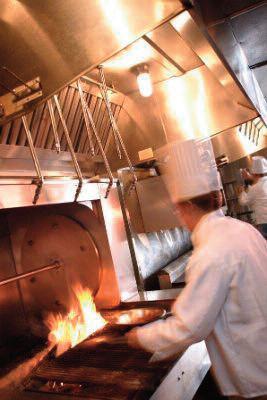
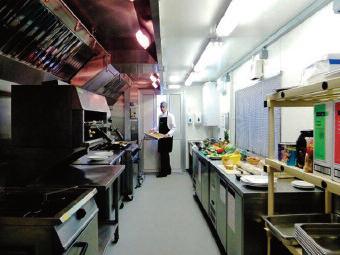





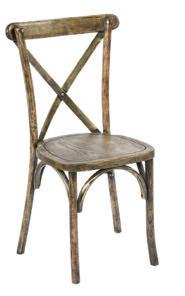








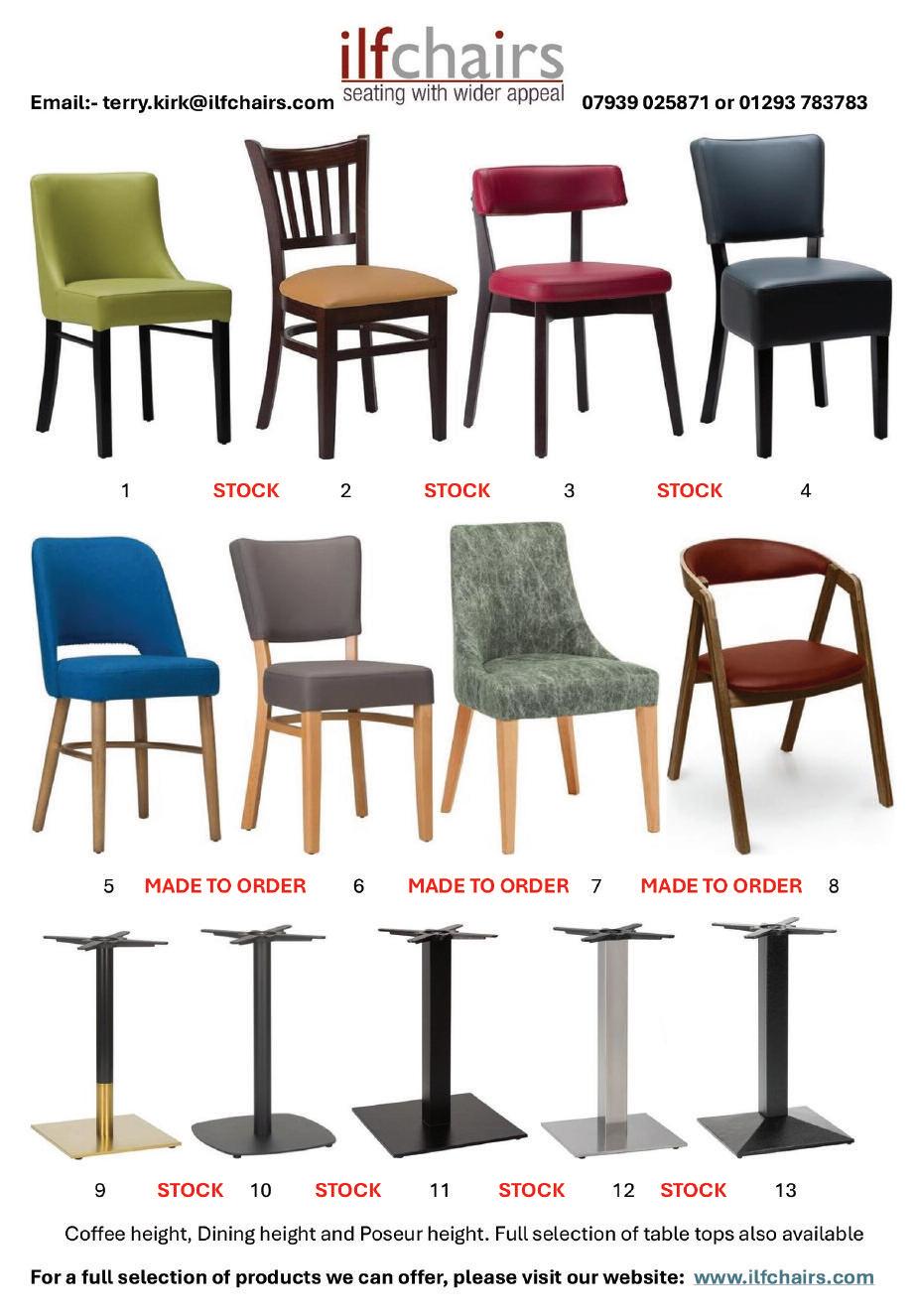


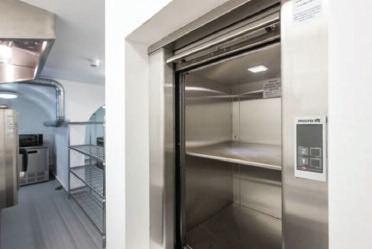

H
Cer tified Timber (FSC-C009500)
Providing
info@havwoods com +44 (0)1524 737000 www havwoods com/uk






The
set of new skills that are now needed more than ever From ‘’Managing the Managers’’ through to Ser vice and Kitchen staff, your team needs careful and skilful Management, Motivation, guidance and Development MARKETING
We will help you build a workable , planned Marketing Strateg y From Digital Marketing, such as Social Media marketing, Websites, eMail Marketing and online advertising to print design Promotions and offline adver tising, your Hospitality business should be constantly working on ‘’ all things Marketing’’ If your