




EDITOR
Peter Adams
With just days until Chancellor Rachel Reeves delivers her Budget, the warnings from our sector have reached fever pitch. And rightly so.
As our front-page coverage demonstrates, hospitality leaders are sounding the alarm about the catastrophic impact of relentless cost increases - closures are mounting, jobs are being lost, and businesses that have served their communities for generations are hanging on by their fingernails.
But here's the bitter irony that should make every policymaker sit up and take notice: as we reveal on page 7, the Government's beloved "sin taxes" are actually collecting LESS revenue for HMRC. Who would have thought that the more you tax something, the less the Treasury collects? Well, apparently not the mandarins in Whitehall. These taxes are regressive, plain and simple. They were designed for one reason onlyto extract more revenue from the Treasury's favourite cash cow.
But as the evidence now clearly shows, this strategy is spectacularly backfiring. The Institute of Economic Affairs has stated unequivocally a few years back that there should be "no debate about whether taxes on food, alcohol, tobacco and soft drinks are regressive." Their research argues that these levies "can cost poor families up to ten times more than they cost the wealthy." Another unintended consequence that hits the very people politicians claim to want to protect.
I remember discussing this very issue years ago when Denmark introduced its notorious "Fat Tax" in 2011, taxing foods with saturated fat content above 2.3%. The policy lasted just 15 months before its unintended consequences became too blatant to ignore. Many Danes simply absorbed the costs by making savings elsewhere in their budgets or buying cheaper versions of the same products. The tax failed on every measure - it didn't change behaviour, it hurt the poorest hardest, and it was quietly abandoned.
tion, however,
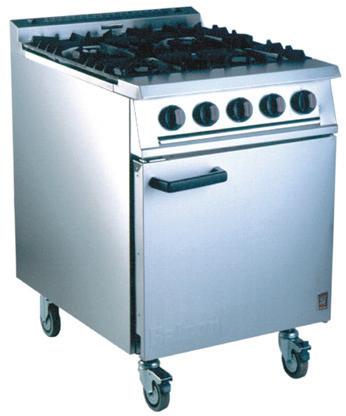
At The Commercial Oven Store, we take great pride in being your go-to destination for all your commercial oven needs.
We understand that when it comes to running a successful business, having the right equipment is crucial. That’s why we have dedicated ourselves to providing top-notch products, coupled with expert advice, to help you make informed decisions and achieve your goals.
As a supplier of commercial ovens, we have established strong partnerships with leading manufacturers in the industry. By working closely with these renowned brands, we ensure that our customers have access to a wide range of high-quality ovens that meet the diverse needs of various businesses.
Whether you’re in the food service, hospitality, or catering industry, we have the perfect oven to suit your requirements.
Yet here we are in 2024, seemingly determined to repeat the same mistakes.
And now, as if the hospitality sector hasn't suffered enough, we learn the Chancellor is preparing to give local authorities the power to implement a tourist tax - another ill-conceived levy that will "rip off" the already cash-strapped British public.
Let's look at the numbers. According to VisitBritain, Brits took over 89 million overnight trips in England in 2024, staying for a total of 255 million nights. A 5% holiday tax would cost the public an eye-watering £518 million in additional taxation.
But here's where it gets truly egregious. Holiday taxes are charged on top of accommodation costs, like VAT. The combination of 20% VAT, a 5% holiday tax, PLUS the VAT charged on the tax itself, would create an effective 27% VAT rate for consumers on their holidays - making it one of the highest in Europe.
Yes, many European cities charge tourist taxes. But those cities also charge significantly lower VAT rates for hospitality. That would NOT be the case in England. This isn't tax policy - it's a tax scam.
Our sector has been battered by years of rising costs: soaring energy bills, increased wages, spiralling food costs, and now threats of further employer National Insurance increases. Businesses are closing at an alarming rate, and skilled workers are leaving the industry in droves.
The message to Chancellor Reeves is simple: ENOUGH IS ENOUGH.
The hospitality sector cannot be treated as an endless source of revenue to plug gaps in the public finances. We need a Budget that recognizes the vital role this industry plays - not just in GDP terms, but in employment, community cohesion, and the fabric of British life.
Leave something in the wallets and purses of the overtaxed public. Give businesses breathing space to invest, to grow, to employ. Otherwise, we won't have a hospitality sector left to tax.
The Chancellor has a choice: support a thriving industry that generates real, sustainable revenue through growth and employment, or continue down this path of punitive taxation that delivers diminishing returns and destroys jobs.
For the sake of our pubs, our restaurants, our hotels, and the millions who work in them - make the right choice, Chancellor. Our sector is on its knees. We cannot take any more.
I would encourage all our readers to follow us on X/Twitter @CLHNews and visit our website at www.catererlicensee.com to sign up for our twice weekly e-newsletter.
I can always be contacted at edit@catererlicensee.com




Sales data from the CGA RSM Hospitality Business Tracker reinforces the fall in late-night spending.
September’s Tracker figures show year-on-year growth of 2.5% for drink-led pubs, but a sharp drop of 6.8% for bars, which usually operate later into the night. Across all hospitality channels, the 5pm-to-7pm slot has now overtaken 7pm-10pm as the biggest earning trading period of the average day.
RESTRICTIVE POLICIES
The latest wave of closures reflects the restrictive policies and neglect endured by the late-night economy, alongside rising operational costs in rent, wages, energy, licensing fees and other areas. They are also the result of a shift in consumers’ habits towards earlier evenings, driven by worries over safety and the declining availability of reliable late-night transport. Data from the Night Time Economy Market Monitor shows around a quarter (24%) of high-tempo night-goers now consider security when planning visits, while even more (28%) weigh up transport options, often leaving venues emptier after midnight.
These concerns have created sharp contrasts between the fortunes of Britain’s late-night and evening economies. While late-night venue numbers have tumbled, the Monitor shows licensed premises in the evening economy increased by 0.9% in the 12 months to September, and they now sit only 7.4% behind the level of March 2020.
Smaller, independent venues have been particularly hard hit by the long-term financial and environmental squeeze, the Monitor reveals. The number of independently run late-night sites has fallen by 30.6% since the start of the pandemic – double the decline of 14.5% among larger hospitality groups, who have been better able to absorb inflation and regulatory burdens. As the Chancellor’s Budget nears, the crisis highlights the urgent need to deliver the late-night infrastructure that is needed to support the late-night economy.
The Night Time Economy Market Monitor delivers many more insights into the late-night sector, including an uneven geography of resilience in the late-night sector, with bars performing better than nightclubs, and northern cities and Scotland sustaining a higher proportion of pre-COVID venues than London.
Mike Kill, CEO of the Night Time Industries Association, said: “For too long, government policies have suppressed a vital part of Britain’s cultural and social life. The late-night economy is an engine for jobs, tourism and community vibrancy, but it is being systematically squeezed. Rising costs, safety fears and unreliable latenight transport are creating barriers to spending and closing doors. The Budget is a chance to reverse this trend and recognise the late-night sector as the cultural and economic powerhouse it truly is.”
Reuben Pullan, CGA by NIQ’s senior insight consultant, said: “These numbers are more proof of the huge pressures facing late-night businesses. While many have responded well to seismic changes and challenges, others – especially smaller operators – have found it impossible to recover from COVID and its aftershocks. Consumers remain eager to go out, and demand for hospitality experiences is changing rather than collapsing. Christmas and New Year trading will bring a much-needed boost, but we’re likely to see more closures into

2026 unless the late-night economy gets the support from central and local government that it deserves.”
This latest “call for action” follows a warning from trade bodies that more than half of hospitality businesses warn they will be forced to take drastic action if they do not receive adequate support in the Budget next week.
According to a new national survey by hospitality trade bodies, 58% of businesses say they will have to reduce the number of staff they employ and/or increase prices if the Budget does not deliver necessary business support.
The warning from members of UKHospitality, the British Institute of Innkeeping (BII), the British Beer & Pub Association (BBPA) and Hospitality Ulster comes at a time when hospitality is under intense financial pressure, with jobs, livelihoods and communities already hit hard by the impact from last year’s Budget.
The survey reveals that almost three-quarters (73%) of businesses have less than six months of cash reserves. Three in 10 businesses (29%) report they have no cash reserves – a record high.
Members also reveal that:
• Half of businesses have been forced to cut staff and 60% have reduced staff hours. On average, the number of hours available to staff has decreased by 8%, compared to this time last year.
• 70% of respondents have already increased prices since April, when £3.4bn of additional annual cost hit hospitality. On average, prices have increased by 5% since April.
The worsening economic situation facing hospitality businesses requires ‘urgent action’, the group said, with members citing the maximum possible business rates discount (61%), amending April’s changes to employer NICs (54%) and a cut in VAT (84%), as the Government actions that can help their business.
In a joint statement, the trade bodies said: “The situation facing our local pubs, neighbourhood restaurants and other hospitality venues is becoming increasingly perilous.
“Economic pressures are mounting at every turn and businesses have been forced to make tough decisions to cut jobs, reduce staff hours and put up prices. Many have already had to close the doors for the last time, leaving communities without the support local hospitality venues provide as a local hub.
“For those surviving, the situation is becoming more worrying. Cash flow is becoming a serious issue, with three-quarters of businesses with less than three month’s cash reserves. Those with no cash reserves - a critical safety net - has reached a record high.
“This is an urgent situation that demands urgent action at the Budget.
“No one wants to see jobs and communities hit even further, but it’s clear that they will once again be impacted if there is not adequate support for our sector at the Budget next week.
“Lower business rates, amendments to employer NICs and a cut to VAT are the measures that will deliver the relief and stability that hospitality desperately needs. We urge the Chancellor to act next week to protect cherished local venues, which support local jobs, economies and communities.”

By Fiona Dickie – Pubs Code Adjudicator (www.pubscodeadjudicator.org.uk)

The Pubs Code Adjudicator’s annual tied tenants’ satisfaction survey results were released this summer. For tied tenants with the six largest pub companies in England and Wales – Admiral, Greene King, Marston’s, Punch Pubs, Star Pubs, and Stonegate – it’s a must-read.
An average of 61% of tenants are satisfied with their relationship with their pub company. The overall level of satisfaction is stable from last year. So, without much change to overall satisfaction levels year-on-year, what can the PCA, pub companies and tied tenants learn from this? One important thing to note is that there is significant variance in tenant satisfaction between pub companies. Another is changes in tenant satisfac-
tion by pub company that have taken place over time.
This year’s survey showed that overall, Admiral and Greene King tied tenants are the most satisfied (at 79% and 78% respectively). Lowest satisfaction ratings were for tenants of Punch (61%) and Stonegate group (43%). Marston’s has seen a 7% drop in tenant satisfaction year on year, while over the last two years Star has seen a 15% jump.
While we carefully monitor compliance with the Pubs Code, for example, through self-reported breaches, annual compliance reporting, and compliance disputes brought to arbitration, surveying how satisfied tied tenants are tells us a lot about how smoothly the tied relationship is working.
Tied tenants have important rights under the Pubs Code. These rights exist to ensure fair dealing from the pub company, and include fairness when taking on a new agreement, transparency in rent negotiations, and the right to choose whether to go free of tie when renegotiating the rent under the Pubs Code. It is clear to see that fairness is the golden thread that runs throughout the Code. These rights are based on two core Code principles – fair and lawful dealing by pub companies towards their tied tenants, who should be no worse off than if they were free of tie.
There are many external economic factors which may affect tied tenant satisfaction, but if the spirit as well as the letter of the Pubs Code are embedded in all areas of pub company practices, I would expect to see this reflected in tied tenant attitudes to their relationship with their pub company. Every day we are working to enforce the Pubs Code – and
having insight from across the tied industry helps us to know where to focus that attention. For the regulated pub companies, there are lessons to be learned from this year’s data – and I look forward to repeating this exercise next year to see the results of pub company efforts to improve their scores results. The question they should ask themselves – are we confident our tied tenants are being treated fairly in every dealing with us? If the answer is not yes, these are critical areas to address in how they run their tied business.
To find out more about the Pubs Code, please visit our website
Every year the PCA (via IPSOS the independent research company) runs this survey to understand the views of 1,200 tenants tied to the six largest pub companies in England and Wales – Admiral, Greene King, Marston’s, Punch Pubs, Star Pubs, and Stonegate – whose rights are protected by the Pubs Code. Our findings represent 15% of the tied pub estate.
In November 2025, the PCA published new, in-depth data tables from its 2025 Annual Tied Tenants Survey, on each of the six regulated pubowning businesses who are subject to the Pubs Code. The new detailed data release represents the biggest publication of data on tied tenant satisfaction that the PCA has ever issued.
You can read all the results from this year’s survey on the PCA website
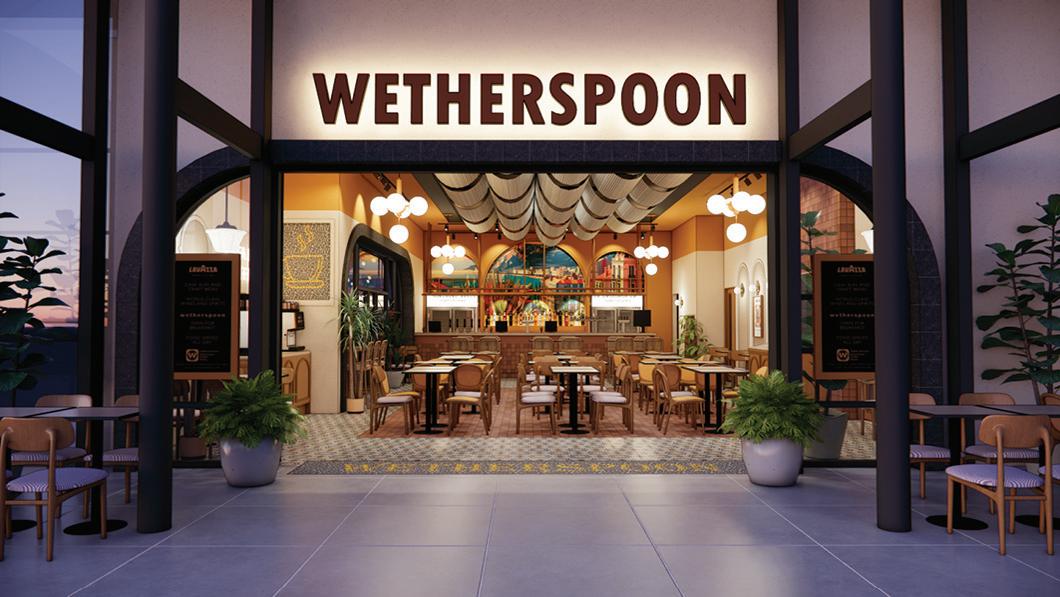
JD Wetherspoon has revealed plans to launch its inaugural continental European operation at Alicante-Elche Miguel Hernandez Airport in Spain, marking a significant milestone for the pub operator.
The venue, named Castell de Santa Bàrbera, is scheduled to open by the end of January 2026 representing the chain’s first venture outside the UK and Ireland in its 45-year history.
The new establishment will occupy approximately 1,000 square feet across a single level in the airport’s airside departures area. Operating hours will run from 6am to 9pm daily, with food service available until one hour before closing an external terrace will provide additional customer seating.
Company founder and chairman Tim Martin expressed enthusiasm about the development, stating his anticipation for the first overseas opening and confidence in its appeal to travellers departing from Alicante Airport, saying: “We are very much looking forward to opening our first overseas pub.
“We believe it will be popular with people travelling home from Alicante Airport.” The menu will predominantly feature items found in Wetherspoon’s UK establishments, including breakfast
options, burgers and pizzas. Spanish specialities such as garlic prawns and tortilla will also be available. Beverage offerings will combine familiar UK products with local Spanish selections, though traditional cask ales will be replaced by bottled alternatives.
The venue takes its name from Santa Bàrbara Castle, a historic Alicante landmark, providing a local connection. Interior design will incorporate Spanish tiles rather than the chain’s characteristic patterned carpets seen in British locations.
This opening forms part of broader international ambitions for the company. The operator intends to utilise its Dublin-based subsidiary, JD Wetherspoon Europe, to facilitate EU expansion, following successful domestic franchise partnerships with Haven holiday parks and universities in Hull and Newcastle.
The expansion comes as the UK pub sector faces challenges, with the company reporting increased operational costs following recent budget measures affecting national minimum wage and employer National Insurance contributions.
Further overseas locations are anticipated in the months and years ahead, particularly at airports serving British holidaymakers, though specific details remain under consideration.
SLTA has welcomed calls for special dispensation for pubs and bars to show matches during next summer’s World Cup following Scotland’s stunning victory over Denmark.
Colin Wilkinson, SLTA managing director, said: “In congratulating Scotland’s national football team, the SLTA (Scottish Licensed Trade Association) wholeheartedly welcome calls by the Scottish LibDem leader Alex Cole-Hamilton for special dispensation for pubs and bars to show matches during next summer’s World Cup in the event that they are scheduled for late at night.
“This stunning victory by Steve Clarke’s side at Hampden has lifted the whole country and given everyone something positive to look forward to at a time when most of the news headlines are depressing.
“We urge local authorities and licensing boards across Scotland to put spe-

cial measures in place to enable the nation to share in our national football team’s success in reaching their first World Cup for 28 years and hope that our pubs and bars will be allowed to open and show games late at night.
“The best place for fans to watch these games will be in our local pubs and bars where the atmosphere will be electric, you’ll be among friends and will no doubt make new ones. After all, not everyone will be able to travel to the USA, Canada or Mexico.
“Amid the current doom and gloom weighing down the whole of the UK, Scotland’s victory has given us all something to smile about and for our pubs and bars struggling with the ongoing cost of living crisis and cost of doing business, to be able to open for a few extra hours during the World Cup will bring a massive boost to many businesses, particularly the small, independent operators.”
Company insolvency statistics show accommodation and food services insolvencies were flat month-on-month at 265 in September 2025, and only up slightly from 262 in September 2024.
Saxon Moseley, partner and head of leisure and hospitality at leading audit, tax and consulting firm RSM UK, said: “The flattening out of hospitality insolvencies suggests businesses are holding on to see through trade during the festive season. After a prolonged period of disappointing sales, many are hoping the Christmas period delivers a much-needed boost, so they can build up their depleted cash reserves.
“Consumer demand remains subdued for the most part, with pubs being the main beneficiaries of a “flight to value” by households. Consumers still want to socialise, but are doing so in the most costeffective way. The risk is that the fear of the unknown of what will be
announced in the budget causes them to stop spending completely, which would be a further setback for the industry.
“The future of many hospitality businesses will be dependent on the upcoming budget. If hit with more tax hikes, on top of April’s rise in staff costs, it will inevitably be the end of the road for some. But if offered targeted support and an injection of investment, this will provide a lifeline for many businesses at the heart of the UK economy.
“With some operators taking a “wait and see” approach in the lead up to the budget, standing completely still could have a negative knock-on impact. Understandably it’s difficult to make investment decisions until businesses get more certainty. However, operators must focus on conserving cash, maintaining the customer experience and cost cutting, including renegotiating prices with suppliers to get the best deal possible.”
A barman, who pulled his first pint at Britain’s highest pub more than 40 years ago, is celebrating after being given a new role at the iconic inn. Hamish Bell, from Kirkby Stephen, Cumbria, was just a child when his father first took him to the Tan Hill Inn, 11 miles away, in Swaledale, following a walk across the moors.
“A stop at the Tan Hill always meant a packet of crisps and lemonade or a small glass of very weak shandy when we were older,” he said, “and to my brother and I, it was the highlight of the walk.
“The then landlord and author Neil Hanson invited me to pull a pint for my dad – which I thought was brilliant at the time.”
Years later, after spending a few years travelling, Hamish returned to the Tan Hill and has worked there on and off, as cellarman, barman, front of house “and just about everything really,” ever since.

But now he has been given a new task, as archivist and historian for the current pub, which dates to the early 17th century and sits on the site of an earlier pub, the King’s Pit, in a

landscape whose history spans more than 2000 years.
Sitting in an isolated spot on the moors, 1732ft above sea level, the Tan Hill has found fame over the years, not only for being the highest pub in Britain, but having appeared in a variety of TV shows and films. Now, 55-year-old Hamish is digging even further back in time to uncover the stone-built building’s history.
Current owner Andrew Hields bought the pub in 2018 and has since invested 750k, largely on infrastructure, to ensure the Tan Hill continues to welcome visitors for the next 300 years.
He refurbished the pub’s nine bedrooms – many of which are dog friendly – and also tastefully updated the barn for use as a wedding venue – the Tan Hill being the first pub in the country to obtain a licence to hold weddings, when laws changed in 1995.
“And I think the secret to its success is that it hasn’t been gentrified or changed too much,” said Hamish.
By Rebecca Hughes, Associate in the employment team at Birketts

Movember serves as a prompt for employers to reflect on the broader scope of men’s health, which encompasses not only physical conditions such as prostate and testicular cancer but also mental health and suicide prevention.
Within the hospitality industry, employees are frequently exposed to long working hours, high-pressure environments, and emotionally demanding roles. It underscores the need for hospitality employers to take proactive steps in recognising and responding to the mental health challenges faced by their workforce, ensuring that legal obligations and best practice standards are met.
Identifying mental health concerns can be difficult, especially in fast-paced environments. Subtle changes in behaviour, such as irritability, withdrawal, frequent absences, or a decline in performance, may signal underlying issues. Without timely intervention, these can escalate, affecting not only the individual but also team dynamics and overall productivity.
HR professionals should encourage regular wellbeing check-ins. One effective method is asking staff to rate their wellbeing on a scale of one to ten. Scores at the lower end should prompt a private, compassionate conversation, creating a safe space for disclosure and support.
Under the Equality Act 2010, employers have a duty to make reasonable adjustments for employees with disabilities, which can include mental health conditions.
Employers should avoid asking pre-employment health questions unless necessary for assessments or adjustments. Any medical information shared must be treated with strict confidentiality and only disclosed with informed consent.
PRACTICAL SUPPORT: WHAT EMPLOYERS CAN DO
Employers should conduct stress risk assessments and consult with staff to identify workplace stressors. These may include workload, control over tasks, support from colleagues and managers, interpersonal relationships, clarity of role, and organisational change. Addressing these factors can help prevent mental health issues from developing or worsening.
Practical support is essential. New employees should be introduced to available mental health resources, such as Employee Assistance Programmes and private health insurance. In today’s challenging economic climate, financial stress can compound mental health issues, making these resources even more critical. Offering support that addresses both emotional and practical concerns helps employees feel valued and secure.
Employers should actively participate in awareness campaigns and demonstrate commitment through action. Open dialogue should be encouraged, but only if employees feel comfortable sharing and without applying pressure
Line managers must be equipped to recognise signs of distress and hold supportive conversations. Training managers to foster compassionate conversations is essential. Wellbeing action plans and stress risk assessments can guide the implementation of appropriate interventions and adjustments. Workplace culture also plays a critical role. Comments that belittle mental health, such as calling someone a “snowflake” or accusing them of “playing the mental health card”, are unacceptable and may constitute harassment under the Equality Act 2010. Policies on bullying and harassment must explicitly include protections for mental health.
Employers should ensure that employees have access to occupational health services. These services can assess an individual’s fitness for work and recommend necessary adjustments. Peer support networks can also be valuable, as they help staff feel less isolated and more understood.
Managing absence due to mental health requires sensitivity and planning. Employers should agree on communication during time off, plan phased returns, and remain flexible. Adjustments such as modified duties or altered hours can make a significant difference in helping staff reintegrate successfully.
Movember is more than growing a moustache; it is a call to action to prioritise men’s health and create psychologically safe workplaces where staff feel able to speak up and seek help.
With compassionate leadership, robust policies, and practical support, real progress is possible.
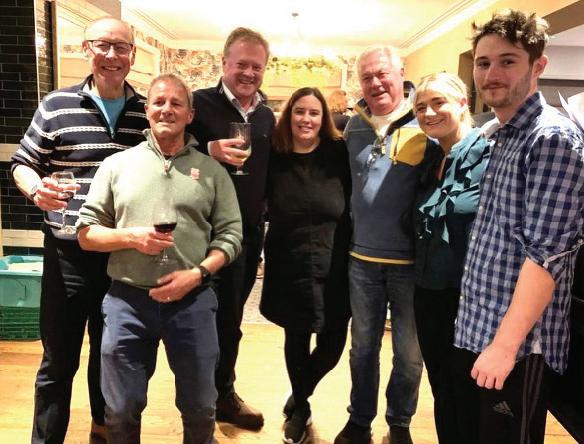
Lindford pub The Royal Exchange celebrated its 10th anniversary last Saturday (15 November) with a party to thank its customers and staff – and offered selected drinks at 2015 prices during a ‘back to the future’ session in the evening.
The celebrations marked 10 years since The Royal Exchange reopened in 2015, after it was saved from permanent closure by a strong Save the Pub campaign by the local community.
Around 100 people, including Gregory Stafford, MP for Farnham and Bordon, filled the Brakspear pub on Liphook Road to enjoy food, drink and retro entertainment from local band ‘Rock of 80s’. During the price drop session, some pints of beer were selling at just £3.60, resulting in a very busy bar!
Chloe King, one the pub’s three business owners with Aaron Morris and Amy Pieri, said: “The three of us started working at The Royal Exchange around seven years ago, with the aim of creating a warm, welcoming ‘home
The winner of KP of the Year 2025 has been announced, and taking home the trophy is Ram Meadows, the head kitchen porter of Liverpool Football Club.
2025 is the 11th time the competition has been run since being started by Winterhalter back in 2013. Ram takes home the award for being the lynchpin of Liverpool’s kitchen team, which on match days will often serve more than 10,500 covers, covering everything from street food to fine dining as part of Anfield Stadium’s food offerings.
As well as the KPOTY trophy, Ram won vouchers, and a celebratory meal. In addition, the club receives a piece of Winterhalter equipment worth up to £10,000.
The club’s in-house catering operation is on a huge scale. On match days, Ram oversees around 70 kitchen porters working alongside 200 chefs across 11 kitchens. His nomination praised his ability to liaise with his colleagues not just in the kitchen and front of house but with stadium operations, retail, maintenance and safety too, ensuring that everyone is working together to “make the magic happen.”
“Ram’s work rate is phenomenal, he just doesn’t stop,” says Paul Cuttill, Liverpool FC’s chief operating officer. “I think it’s infectious to some degree – if anyone’s head goes down he picks them up and puts a smile back on their face. He’s a morale booster in the kitchen!
“Having people like that around is special, because you're going to hit
from home’ for everyone who comes through the doors.
“We are delighted that our vision for the pub has become a reality, and hugely grateful to everyone who has made it happen: our brilliant team whose hard work and dedication front of house and in the kitchen is the heart of the pub, and the reason why customers return time and again. And our fantastic, loyal customers who have filled the pub with laughter and life and supported us through highs and lows.
“We raise a glass to all of you. Here’s to 10 brilliant years behind us and many more ahead!”
Gregory Stafford said: “It was lovely to celebrate The Royal Exchange’s 10th Anniversary – a local pub at the heart of Lindford. Well done to Amy, Chloe and Aaron for all their hard work to keep the pub going. As many of our pubs are facing a difficult time at the moment, it is wonderful to see their dedication matched with strong local support, and I look forward to being back for a drink very soon.”
points where there is pressure. You need a Ram who’s going to sort stuff out, and that’s what you get with him.”
Winterhalter UK’s head of sales, Glenn Roberts, presented the award. “Ram clearly goes over and above to support his team and the entire operation at Anfield,” he says. “Everybody working at such an iconic site is committed 100% to providing the very best they can for customers and fans.”
“It’s a surprise to win this award,” says Ram, “But it’s nice to have your hard work recognised. KP’s need to have a lot of patience and be prepared to work hard, but when you have good people around you on your team, it’s easy.”

As well as the main winner, two highly commended finalists will receive a trophy and vouchers. They are Jose Farinha of the Honourable Society of Lincoln’s Inn, London, and Venetia Wisher of Genuine Dining.
The judging panel for the 2025 KP of the Year consisted of Dipna Anand, chef-owner, Brilliant Gastro; Kate Brooke-Green, head of food, Mollie’s Motels; Steve Groves, group development chef, Restaurant Associates Venues; Kerth Gumbs, head chef, Fenchurch at the Sky Garden; Lisa Jenkins, chief executive, Royal Academy of Culinary Arts; and Stephen Kinkead, managing director, Winterhalter UK.
Winterhalter provides a total solution for dishwashing and glasswashing, from pre-sales advice to after-sales service, training and maintenance, with sustainability fitted as standard. Alongside its market-leading dish washers and glass washers, the company’s range includes utensil washers, advanced water treatment machines, and cleaning detergents and rinse aids.
For further details, call Winterhalter on 01908 359000, visit www.winterhalter.com/uk-en/ or email info@winterhalter.co.uk.
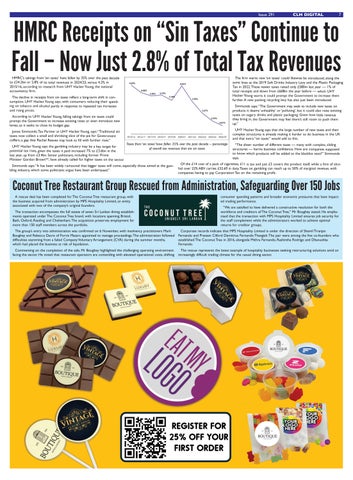
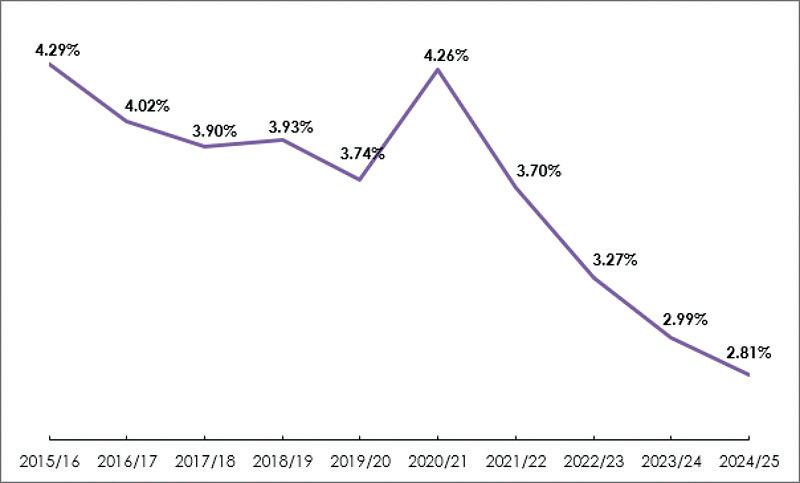
HMRC’s takings from ‘sin taxes’ have fallen by 35% over the past decade to £24.2bn or 2.8% of its total revenues in 2024/25, versus 4.3% in 2015/16, according to research from UHY Hacker Young, the national accountancy firm.
The decline in receipts from sin taxes reflect a long-term shift in consumption, UHY Hacker Young says, with consumers reducing their spending on tobacco and alcohol partly in response to repeated tax increases and rising prices.
According to UHY Hacker Young, falling takings from sin taxes could prompt the Government to increase existing rates or even introduce new levies, as it seeks to close its budget gap.
James Simmonds, Tax Partner at UHY Hacker Young, says: “Traditional sin taxes now collect a small and shrinking slice of the pie for Government coffers, a gap that Rachel Reeves may look to fill with further rises.”
Taxes from
UHY Hacker Young says the gambling industry may be a key target for potential tax rises, given the taxes it paid increased 7% to £3.6bn in the last year, up from £3.4bn. Senior politicians, including former Prime Minister Gordon Brown**, have already called for higher taxes on the sector. Simmonds says: “It has been widely rumoured that bigger taxes will come, especially those aimed at the gambling industry, which some politicians argue have been undertaxed.”
The firm warns new ‘sin taxes’ could likewise be introduced, along the same lines as the 2019 Soft Drinks Industry Levy and the Plastic Packaging Tax in 2022. These newer taxes raised only £580m last year — 1% of total receipts and down from £608m the year before — which UHY Hacker Young warns it could prompt the Government to increase them further. A new packing recycling levy has also just been introduced.
Simmonds says: “The Government may seek to include new taxes on products it deems ‘unhealthy’ or ‘polluting’, but it could also raise existing taxes on sugary drinks and plastic packaging. Given how little revenue they bring in, the Government may feel there’s still room to push them up.”
UHY Hacker Young says that the large number of new taxes and their complex structures is already making it harder to do business in the UK and that extra “sin taxes” would add to this.
“The sheer number of different taxes — many with complex, sliding structures — harms business confidence. How are companies supposed to know which products will be added to the blacklist next?” Simmonds says.
Of the £14 cost of a pack of cigarettes, £11 is tax and just £3 covers the product itself, while a litre of alcohol over 22% ABV carries £32.69 in duty. Taxes on gambling can reach up to 50% of marginal revenue, with companies having to pay Corporation Tax on the remaining profit.
A rescue deal has been completed for The Coconut Tree restaurant group, with the business acquired from administration by MPS Hospitality Limited, an entity associated with two of the company’s original founders.
The transaction encompasses the full estate of seven Sri Lankan dining establishments operated under The Coconut Tree brand, with locations spanning Bristol, Bath, Oxford, Reading and Cheltenham. The acquisition preserves employment for more than 150 staff members across the portfolio.

The group’s entry into administration was confirmed on 6 November, with insolvency practitioners Mark Boughey and Rebecca Dacre of Forvis Mazars appointed to manage proceedings. The administration followed difficulties stemming from a failed Company Voluntary Arrangement (CVA) during the summer months, which had placed the business at risk of liquidation.
Commenting on the completion of the sale, Mr Boughey highlighted the challenging operating environment facing the sector. He noted that restaurant operators are contending with elevated operational costs, shifting
consumer spending patterns and broader economic pressures that have impacted trading performance.
“We are satisfied to have delivered a constructive resolution for both the workforce and creditors of The Coconut Tree,” Mr Boughey stated. He emphasised that the transaction with MPS Hospitality Limited ensures job security for the staff complement while the administrators worked to achieve optimal returns for creditor groups.
Corporate records indicate that MPS Hospitality Limited is under the direction of Shamil Tiranjan Fernando and Praveen Cliford Demitrius Fernando Thangiah. The pair were among the five co-founders who established The Coconut Tree in 2016, alongside Mithra Fernando, Rashintha Rodrigo and Dhanushka Fernando.
The rescue represents the latest example of hospitality businesses seeking restructuring solutions amid an increasingly difficult trading climate for the casual dining sector.


The pressure on UK pubs and restaurants has never been higher, with approximately two closing their doors every day in 2025. Increased costs caused by the National Insurance hikes, business rates and inflation, coupled with labour shortages, are necessitating hospitality operators to make painful cuts, and sometimes completely halt their operations.
Closures often follow a similar pattern. Soaring costs e,at into profits and hiring plans. Staff are overworked, and guests notice a significant dip in service quality. These pressures continue to snowball and compound, until the business becomes non-viable. These aren’t new challenges, and traditionally the hospitality industry has managed to be resilient to them, from economic spirals to pandemics, but this particular climate feels different.
The issue is that these problems are systemic. Operators simply can’t keep up when costs are rising faster than customer spending, and the traditional ways of managing labour and stock aren’t fit for purpose.
Operators need to juggle the crucial guest experience with profitability, staffing, and compliance. For years, technology and innovation in hospitality have focused on removing the human aspect of hospitality with self-service kiosks and delivery services. However, looking forward, the next phase of innovation will certainly see AI as the key initiator of change. AI shouldn’t be about replacement but should be looked at as reinforcement. hospitality operators need to put their focus on helping people make faster, smarter decisions that are based on better insight.
Enter, Agentic AI. Instead of replacing the people who make up the UK’s hospitality sector, it helps them. It offers a layer of support that is based on insights that allow operators to anticipate and provide agility to respond to change in real time. This adjusting schedules based on demand, predicting busy shifts, or alerting operators when a compliance risk is about to occur. All these systems enable managers to be ahead of the curve and be proactive opposed to reactive.
WHAT ARE AI AGENTS DOING?
Agentic AI gives operators a look at the whole board. Being able to show all the business’s data sets, make recommendations, and then act while keeping humans in the loop. For hospitality, this can mean showing better ways of optimising the restaurant floor and automating the back office.
Agentic AI is already showing its value by helping major hospitality providers analyse sales trends, staff availability, and local events. By generating efficient and compliant rotas that balance both cost efficiency and demand. AI agents are also able to flag potential issues before they happen, such as over-scheduling and missed
By Ayesha Ansari, Director of AI and Analytics at Harri (www.harri.com)
breaks, with both being causes that can lead to burnout or fines
Previously, managers had to rely on masses of fragmented data whilst managing regulation and compliance. Now they can ask simple questions, whilst in a discussion with the AI, such as “Can you tell me where I am overspending on labour?” or “Which upcoming shifts next week are most likely to be understaffed?” and in return get actionable, insight-led responses which can help them plan on a day-to-day basis.
These systems learn over time. Agentic AI can spot patterns that humans might miss such as the weather’s impacts on footfall or connections between customer satisfaction and staffing levels. AI is then able to make a recommendation on small operational changes that, when put together, can make a big difference to the bottom line.
It might sound cliché, but it is essential to design effective technology that brings people towards the business, rather than away. Managers can waste less time managing rotas and compliance. By alleviating the burdens of administration, AI provides managers with the freedom to focus on interacting with guests, training staff, and maintaining standards that set their venues apart.
The uniqueness of hospitality is the focus on people. Unlike back-end automation industries, guests often come for human warmth, conversation, and service. And however hard you try; you can’t automate that.
Tech will never replace people, but AI can take on the brunt of the mental load of scheduling and compliance. This frees up teams to put their focus on what they do best and that is creating memorable guest experiences. Managers shouldn’t be buried in paperwork but actually should be on the floor during peak times, helping staff and engaging with customers. The true ROI of AI comes isn’t just in savings, but in happier teams and better service.
As extreme as it sounds, for many operators, adopting AI for efficiency is about survival. Rising costs and closures are putting pressure on businesses, and any tool that can prevent compliance penalties, cut waste, and optimise resources is now essential.
The potential of AI’s pushing beyond scheduling. It can help with predictive ordering, energy management, and avoid a crisis in recruitment by identifying when a location is likely to face staff turnover. In the long run, AI can help the industry pivot from firefighting to futureproofing, ensuring that the hospitality industry stays a viable and vibrant part of the UK economy and culture.
As it has always been, the hospitality industry is about the people. With the correct application of AI, businesses can navigate the pressures, making them stronger for longer. The next generation of hospitality leaders will still need to rely on their experience and instinct but now they’ll be supported by intelligent systems that will help in decision-making every step of the way.
The Steeplechase on Bridge Street in Uttoxeter has reopened following a phenomenal investment of more than £305,000. The pub is part of Proper Pubs, the community wet-led operator division of Admiral Taverns, which operates more than 220 pubs across England, Scotland and Wales.
The pub officially reopened on Friday 7th November and celebrated with an exciting evening of live entertainment with a performance from ‘Just for the Craic’, followed by a live set from DJ Adam Young. The entertainment continued on throughout the weekend with an additional performance from local singers, Paul Dunne and Charlotte Bettson.
Adam Hollinshead, operator of The Steeplechase, said: “I’m absolutely thrilled with how the refurbishment has turned out – the pub looks absolutely amazing and it was such a joy welcoming the community back through the doors last week. I’d like to thank everyone, including the team at Proper Pubs, for all their
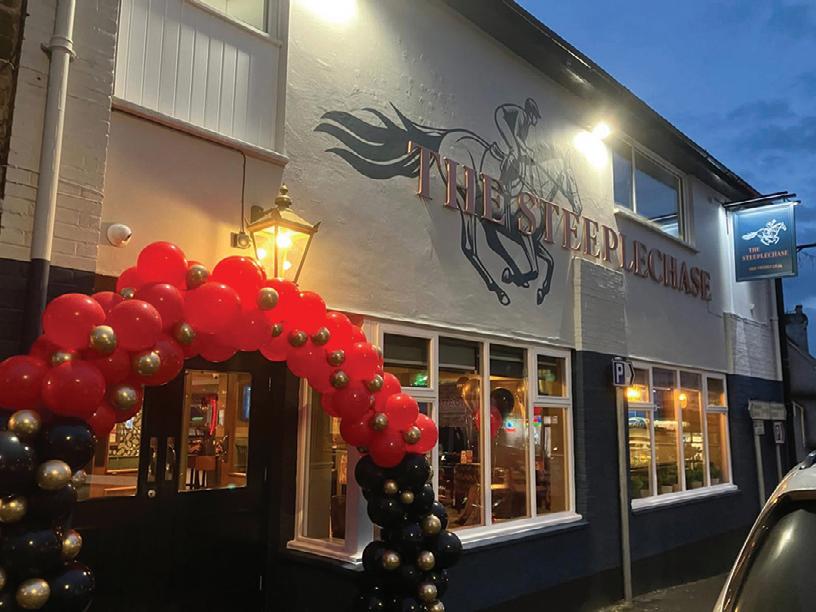
support in helping me to bring this transformation to life. I look forward to everything the future holds!”
Adam will be supporting an array of important community initiatives close to his heart. To start with, he will be collecting food to donate to the local foodbank and raising money to have a lifesaving defibrillator installed at the pub. Moving forward, he hopes to host a series of charity events in aid of Admiral Taverns’ chosen charity partner for 2025, Claire House.
Matthew Gurney, Operations Director for Proper Pubs, said: “I’m really pleased to welcome Adam to The Steeplechase – his energy and passion for the pub is fantastic and he has been great to work with throughout this entire process. His extensive experience, coupled with his commitment to creating a community hub cherished by local residents, will be key to unlocking this pub’s full potential. I wish him the very best of luck for the future”
• Weekend escape at St Ermin’s, London – Two-night weekend stay for two in a Deluxe room
• Chef at Home experience – Private dinner for eight by Chef Paul Leonard

• 3-Michelin-star dining – Three-course lunch or dinner for two at The Waterside Inn,
to win an overnight stay for two at The Montague on the Gardens, London.
All funds raised will go directly to Hospitality Action, the leading charity supporting hospitality professionals across the UK who are facing financial and mental wellbeing challenges. With the rising cost of living continuing to affect workers in the sector, many are struggling to make ends meet, particularly during the festive period, and that’s where Hospitality Action come in.
Mark Lewis, Chief Executive of Hospitality Action, said:
“The Winter Online Auction is one of our favourite annual events. It’s a wonderful way for supporters to enjoy something special while making a real difference to those in hospitality who are struggling. This winter, many of our colleagues face tough choices often between heating, eating and paying bills. Every bid helps us provide the lifeline they need, so please help us to make a difference this Christmas.”
With over 40 auction lots on offer bid generously and support those who make our hospitality experiences so special.
The Winter Auction opens at 10 am, Wednesday 19 November and closes at 2 pm, Wednesday 3 December 2025.
Browse and bid on the incredible prizes here: https://app.galabid.com/wow2025/items
BrewDog has issued an urgent appeal to the Treasury for enhanced support for Britain’s hospitality sector, cautioning that escalating operational costs are putting thousands of pubs and breweries at risk of closure.
The Aberdeenshire-based brewing company’s chief executive James Taylor has revealed that the UK’s pub and brewing industry has absorbed additional expenses exceeding £1 billion during the last year, with operators grappling with surging energy tariffs, wage increases, rising ingredient costs, and mounting tax obligations.
Taylor outlined the financial pressure facing businesses across the sector: “Energy and utilities expenses, staff wages, National Insurance payments, raw material costs, packaging expenses and compliance charges have all risen significantly within a 12-month period. Our analysis suggests these combined increases have imposed costs of over £1 billion across the entire industry.”
According to BrewDog’s calculations, pubs and breweries would need to sell approximately 950,000 additional pints every hour simply to offset these heightened expenses.
The company has recently implemented redundancies, closed several UK bar locations, and divested its Lost Forest estate located near Aviemore as part of a strategic restructuring programme.
Taylor defended the difficult choices: “These decisions were challenging but necessary. They enable us to concentrate on our core strengths – producing exceptional beer, operating outstanding bars and serving our cus-
tomer base and shareholder community.”
The brewer emphasised that the upcoming autumn Budget represents a pivotal moment for Britain’s brewing and hospitality sectors.
“April’s tax increases, particularly the duty rise on packaged beer and the reduction in business rates relief available to licensed premises, have intensified an already challenging commercial landscape,” Taylor explained.
“Continental neighbours have acknowledged the severity of these challenges – Germany and Ireland have either implemented or proposed VAT reductions for hospitality businesses. Ireland will cut its hospitality VAT rate from 13.5% to 9% starting July 2026 to safeguard employment and encourage sector recovery.
“Westminster should adopt a similar approach,” he urged.
BrewDog is pressing the Government to introduce substantive measures supporting the sector, including business rates reform, beer duty relief, and a comprehensive assessment of the accumulated cost pressures threatening the survival of thousands of UK pubs and breweries.
The company has additionally recommended that ministers consider implementing temporary VAT reductions for hospitality businesses to protect jobs and maintain the vitality of local economies.
RedCat Hospitality has announced its trading figures for the second quarter of its current financial year, showing positive momentum across both its pub and hotel divisions.
The company, which operates The Coaching Inn Group and RedCat Independent Pubs, recorded total turnover of £34.6 million during the July to September period.
The Coaching Inn Group contributed £20.9 million to the overall figure, whilst RedCat Independent Pubs generated £13.7 million.
The business reported like-for-like sales growth of 4.3% across the portfolio, with accommodation revenue reaching £10.7 million for the quarter.
Chief executive Richard Lewis highlighted the performance of the accommodation side of the business, noting particularly strong results within The Coaching Inn Group division where like-for-like accommodation sales increased by 10.1%. He attributed this to improved room rates combined with solid summer demand.
Recently refurbished properties have performed particularly well. The Castle of Brecon Hotel in Powys, which underwent significant investment before reopening, has exceeded initial projections with sales more than doubling year-on-year.

RedCat returned to acquisitive mode during the quarter with the purchase of the Warwick Arms Hotel in July. Following completion of a £1.7 million refurbishment programme, the property has now reopened to trade.
The pub division also delivered encouraging results, with RedCat Independent Pubs outperforming market trends. The drinks-led estate recorded like-for-like sales growth of 6%, benefiting from favourable summer weather conditions.
Looking ahead, Lewis emphasised the company’s intention to continue expanding through acquisitions whilst investing in existing sites and staff development.
However, he also voiced concerns shared across the hospitality sector regarding the fiscal environment, joining industry calls for government support measures. These include reductions in VAT, reform of employer National Insurance contributions, and changes to the business rates system.
Lewis stressed that operators require greater long-term fiscal certainty to enable effective planning and investment decisions that support employment growth and economic contribution.
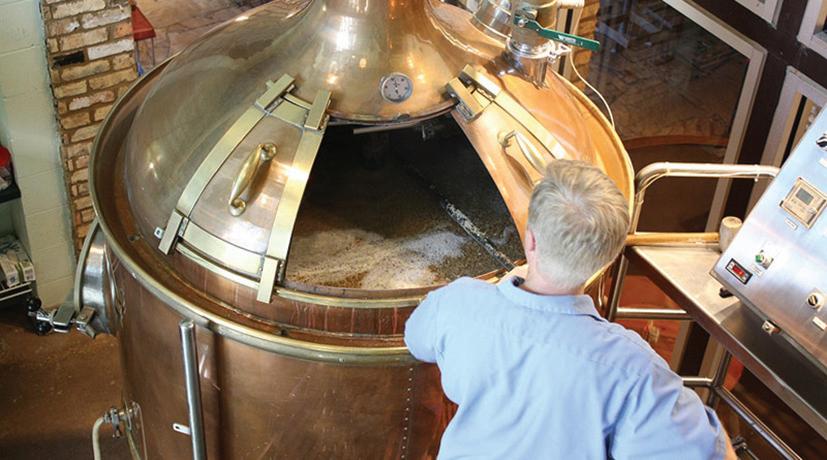
The Society of Independent Brewers and Associates (SIBA) has launched its Industry Report Questionnaire, an industry survey which garners data for the SIBA Independent Beer Report and influences the future direction of the trade association.
SIBA use the results of the in-depth survey of independent breweries to fight for a fairer deal for brewers – from lobbying Government on taxation and support, to improving access to market for breweries. The extensive surveying of independent breweries is independently analysed by Professor David Tyrrall, Visiting Professor of Accounting and Policy at Staffordshire University and Senior Research Associate at Cambridge University.
The outcomes of this analysis are published in the SIBA Independent Beer Report, produced in collaboration with report supporter Croxsons.
“The SIBA Brewing Industry Report Questionnaire is an incredibly important annual exercise which not only garners data for the Independent Beer Report, but also influences the direction of SIBA as an organisation and the way in which we approach all aspects of fighting for a fairer deal for brewers in Government and the beer market.” Andy Slee, SIBA Chief Executive.
SIBA have also this year worked with Women on Tap (CIC) to improve the data gathered on female ownership and leadership in brewing. The changes will make it easier to track female leadership in the independent brewing industry, something which Women on Tap and SIBA have each identified as an important step forward
for what has in the past been a male dominated sector.
“We’ve been delighted to work with SIBA for the 2026 survey to make what we feel is an important addition. In the question about the people working in the business, we’ve now added ‘Owner/ Director/ CEO’ so we can measure and track the gender splits at the most senior level of breweries and other beer organisations. We see this as a key indicator of change – it tells us who is leading and steering the industry, and how that might be changing – and it’s data that hasn’t existed before. It will be valuable for Women On Tap CIC to have access to this data, but also for the wider industry to have this snapshot. I’m incredibly grateful to SIBA for supporting this move.” Rachel Auty, Founder of Women On Tap CIC.
“Accurate, up to date data is a powerful tool in fighting for fairness, and the changes made this year seek to further improve the information available on female ownership and leadership in the industry. Our continued partnership with Women on Tap and their 50/50 initiative is hugely important to SIBA as an organisation and I want to thank them for their valuable input into this year’s survey.” Andy Slee, SIBA Chief Executive.
The SIBA Industry Report Questionnaire has also this year been reduced in size to make it easier and quicker to complete. The data is gathered anonymously and is open to all independent breweries in the UK. Breweries can take part in the survey by visiting www.surveymonkey.com/r/SIBA2025
By Andrew Ashton, energy procurement

With the Autumn Budget looming, the hospitality industry is bracing for new financial pressures. Andrew Ashton, energy procurement expert and Head of Consultancy at Consultus International, believes the sector needs to prioritise energy by implementing a de-risking strategy that accounts for future volatility alongside sustainability requirements. Here, he discusses the importance of transparency and proactivity to help prepare for the future, protect costs and boost sustainability.
The hospitality sector is already facing immense pressures, with potentially more challenges to come after Rachel Reeves’ Budget announcement on 26 November. With persistently high operating costs, a severe labour shortage and a drop in consumer spending, the perfect storm is already brewing.
When we look closely at how energy pricing impacts hospitality businesses, it is clearly an area that needs prioritising regardless of the outcome of this month’s Budget. Energy purchasing decisions are now discussed at senior board level within most businesses – and are often the second highest cost after staffing -- yet there are still issues with the approach being taken.
UNSEEN RISKS
The current practice for some large hospitality operators is a basic "pot luck" energy strategy. Whether choosing to go direct to a supplier or through an energy broker, these contracts are typically fixed for one to three years, and are then reassessed and changed just weeks before renewal. The main issue with this approach, is that it compromises stability and does not support long-term financial or net zero goals – which all businesses need to be prioritising.
For large hotel operators that could be spending millions on energy each year across multiple sites, a pot luck approach can expose the business to significant unseen risks, particularly as the energy market is so volatile. Locking into a contract like this can mean opportunities to save are missed, or budgets become strained if prices continue to rise.
In addition, it is critical that hospitality is prepared for the unavoidable increase in Transmission Network Use of System (TNUoS) charges (projected to increase hugely from April 2026). This cannot be controlled, but its impact can be managed within this strategic approach, by shifting peak-time consumption away from highdemand periods.
In summary, it is important for operators to look at both ends of their energy strategy – the buying process as well as the management. Both are required to ensure long-term resilience and flexibility that can keep up with the changing market and regulations. And for many businesses, the problems can stem from the broker or automatic energy service being used, which may provide more generic support rather than tailored advice, based on detailed analysis and understanding.
DYNAMIC SOLUTIONS
To become more agile and resilient with energy buying and management, one solution is to shift to a more dynamic purchasing strategy.
This means instead of purchasing energy in a single lump sum and fixing for three years, energy can be
bought in blocks (tranches) over time, according to a pre-agreed risk management strategy. Tranche buying, or flexible procurement, is a strategy used by large energy consumers to spread the risk of purchasing their yearly energy requirements by making multiple, smaller purchases over time, rather than a single, high-stakes purchase on one day.
Decisions are guided by robust market intelligence and financial modelling, and can even include scenariobased insight to gauge what future price fluctuations could mean for profit and loss (P&L) - particularly important when we think about the changes from the upcoming Budget.
In some instances, this has the potential to save businesses significant amounts of money. At Consultus International, our team implemented a flexible three-year contract for a multi-national hotel group by locking in different energy blocks across the contract period. This achieved a saving of around £25 million, demonstrating how this type of structured purchasing can consistently outperform a fixed price-style contract.
Strategic procurement is the essential first step toward meaningful ESG and net zero goals and extends far beyond simply buying a 'green tariff'. True efficiency begins with knowing what you are using and when, and strategic buying naturally requires this level of proactive energy management.
Once energy purchasing is robust and reliable, thoughts can turn to controlling the consumption, which is a good opportunity to utilise tools such as energy audits and virtual energy management, to help cut down usage or shift it to cheaper times of the day.
Having a strategic energy partner or consultant can also support flexible energy contracts to ensure a greater proportion of renewable energy is purchased, which then directly supports sustainability targets.
Ahead of the Budget, and certainly before the next contract renewal, hospitality operators should consider the following:
• Check your strategies: Is there a clear, dynamic strategy in place for energy purchasing, and a separate strategy to effectively manage consumption? If not, this is a crucial place to begin.
• Review partners: Is the business working with a transparent, trusted energy consultant, relying on brokers, or going direct to suppliers? A true energy consultant goes beyond basic procurement, providing financial modelling, risk management, and market intelligence. If the business is experiencing poor, opaque service, money is likely being wasted and cost savings are not being spotted.
• Assess net zero integration: Is the business considering how better energy management and purchasing can support your net zero goals and, in turn, offer compelling marketing/green messaging? For any size hospitality operator, sustainability is only going to become more important.
This strategic shift in energy purchasing and management is not a luxury; it is a fundamental requirement for long-term resilience and competitive advantage within the hospitality sector. With potentially more challenges on the horizon for the sector, ensuring energy costs and use is streamlined and sustainable is a no-brainer. It is therefore advised to make internal assessments about what plans are in place currently, and if required, engage a trusted, transparent partner to begin seeing the true financial benefits of a bespoke strategy.
The team at Burger Shop Worcester is celebrating after winning ‘Best Burger From An Independent Chain’ at the inaugural British Burger Awards, where they were also ‘Recognised for Excellence’ for ‘Best Burger – People’s Choice’ (won by Burger Drop).
The prestigious awards, which took place alongside the 9th Food Awards England at the Eastside Rooms in Birmingham on November 17th, recognise the very best burger joints, chefs, and brands across the UK – from gourmet masterpieces to takeaway favourites.
Other big winners on the night included Libertine Burgers (Rugby); B.U.N (Manchester); and Big Juicy Burgers (Aylesbury).
Other Midlands burger “joints” who were named runners-up (Outstanding Achievement or Recognised for Excellence) included Beefy Boys (Shrewsbury), Grill Box (Halesowen), and Holee Cow (Cheltenham).
Dorian Kirk, co-founder of Burger Shop, said: “Winning any national award for our burgers is fantastic, but to get one that recognises independents makes this extra special. Burger Shop Worcester celebrates its 10th anniversary in 2026, and we have some exciting plans in the new year which we can’t wait to share.”

Edinburgh’s growing popularity as a tourist destination has seen it take nearly 75% of the investment made in Scottish hotels during the first three quarters of 2025, according to new research from Knight Frank.
The independent commercial property consultancy’s analysis of Real Capital Analytics (RCA) data found that of the £305 million of deals involving hotels in Scotland between January and September £227 million was in Edinburgh –74.4% of the national total.
Among the hotel transactions in Edinburgh during 2025 has been the sale of the W hotel, which was acquired by Schroders Capital – one of the largest sales of recent years. The Bruntsfield Hotel was also purchased by Dubai-based investor Dutco Group earlier in the year.

Hotels were the top-performing property sector in the Scottish capital, ahead of offices (£212 million), retail (£121 million), and industrials (£28 million). It is only the second time this has happened in the first nine months of any year since the pandemic, adding to the £246 million during the same period of 2024.
Official figures show that Edinburgh attracted more than five million international and domestic visitors last year. As a result, hotel occupancy rates have reportedly been at exceptional levels.
Euan Kelly, capital markets partner at Knight Frank Edinburgh, said: “Edinburgh continues to grow in popularity as a destination for both international and domestic visitors. The city is a year-round tourist destination –while the festivals are an obvious attraction in the summer, golf, the Six Nations, along with a growing number of conferences, concerts, and other events are all adding to what the city has to offer.
“With that, the demand for hotel accommodation has been very high and supply remains relatively constrained – although, the conversion of several city centre buildings to hotel and aparthotel use will add to the city’s stock over time. Those market dynamics mean investor demand for hotels in Edinburgh should remain strong.
“The sale of the W hotel earlier this year has been a significant boost to the statistics, but with more stock likely to become available as it comes on stream and the city’s visitor numbers stronger than ever, we are likely to see more deals in the remainder of 2025 and into next year.”

Companies across the country looking to recruit the right people for their businesses are increasingly harnessing the benefits of the no-fee recruitment service provided by Jobcentre Plus.
With more businesses finding it hard to fill their vacancies with suitable candidates, the Jobcentre Plus professional recruitment service aims to back your business, while providing opportunities for jobseekers in the local community.
This comprehensive support includes providing expert advice on recruitment best practice, help with advertising your jobs locally, finding the right candidates for your business, shortlisting CVs, and even giving you the space to interview at a local jobcentre. They can also assist with setting up work trials, work experience and apprenticeships and provide guidance on employing people with disabilities or health conditions.
Dalmeny Resort Hotel in Lytham is one of many businesses already using the service.
Chris, owner of the Dalmeny Resort reports “The benefits that we have experienced are the ability to identify key personnel accurately. There is a personal vetting process, and candidates are matched to positions far more efficiently than on any other platform I have ever used.”
He also highlights how easy it has been to develop a productive relationship with Julie, their local JCP Employer Adviser. “We have a great relationship. I was a little bit sceptical at the beginning, but the candidates she sent changed my perception of Jobcentre Plus as a whole.”
Julie says it is all about knowing what the employer needs: “I find the right people and the relationship with the employer continues to go from strength to strength.”


Thanks to the service, the hotel has recruited local candidates for a wide variety of roles. “The obvious benefits of working with the jobcentre are the ability to react quickly to recruitment requirements” says Chris. “My advice to any local business would be to use it! It’s a free service. The personal touch is 100%. And for me it is more about human relationships than looking at CVs. It’s a lot more human.”
Whether you have 1 vacancy or 100, our Jobcentre Plus Employer Advisers can help to take the hassle out of recruitment, leaving you to get on with business.
To find out what we can offer you, visit business.gov.uk/recruit and fill out our simple enquiry form.
A local Employer Adviser will then call you back to discuss your recruitment needs and how we can support you.
You can also find out about our full range of services at gov.uk/jobcentre-plus-help-for-recruiters/ recruitment-advice-and-support
Eligibility Criteria Apply
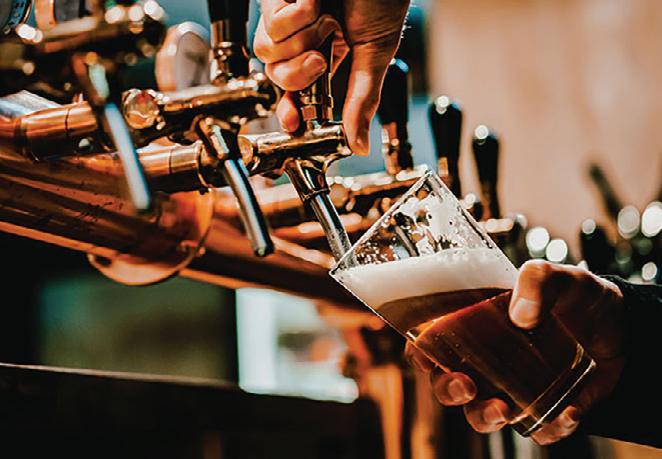
On Premise operators and suppliers ended October with a small drop in drinks sales as consumers kept a lid on their spending, CGA by NIQ’s Daily Drinks Tracker shows. Average sales in managed venues in the week to 25 October were down by 2.4% on the same week in 2024. This was followed by a 0.4% drop in the following seven days to 1 November. After solid year-on-year growth at the start of the month, drinks sales comparisons have now been negative for three weeks in a row.
Trading across the second half of October was held down by gloomy weather and consumers’ extra-tight attitude to disposable incomes ahead of the Chancellor’s Budget on 26 November. With increased menu prices factored in, drinks volumes in pubs and bars have been even further behind the levels of October 2024—a sign that many people are cutting the frequency of their visits or the number of drinks they buy.
The Tracker shows year-on-year sales were negative on 10 of the 14 days to 1 November, with the gap peaking at -11.7% on Sunday 26 October, the day Britain’s clocks went back. There was brief respite on Halloween (31 October), which fell on a Friday this year and generated an upswing in drinks sales of 10.9%.
Halloween helped to create a rare period of growth for the spirits category, where sales in the week to 1 November climbed by 2.4%—though sales were down by 12.6% in the previous seven days.
In other categories, beer (up 0.4% and down 1.3%) and cider (down 1.1% and down 0.7%) had a modest two weeks of trading, while wine was behind by 1.9% and 2.1%. Soft drinks also had a Halloween lift, with sales up by 1.6% in the week to 1 November after a 2.1% fall the previous week.
Rachel Weller, NIQ’s commercial lead, UK & Ireland, said: “After a decent start to the Autumn, a flat few weeks show how many consumers remain hesitant about their spending on drinking out. However, a burst of sales for Halloween shows they remain eager to celebrate big occasions together, raising hopes that the festive season will bring more groups of friends and family out into pubs and bars. A lot now hinges on the Budget, and operators and suppliers will be keeping everything crossed that the Chancellor eases the cost burden on businesses and brings in measures that encourage consumers to free up their spending.”
British pubs are powering the nation’s grassroots and community sports clubs having served up £40 million in financial support over the past year, a new report has revealed.
Pubs Power Sport from PubAid has shone a light on the huge value pubs are providing to the nation’s physical and mental wellbeing through financial and in-kind support of local sports teams and initiatives.
The research shows that more than 6.7 million sport and activity sessions are powered by pubs every year across the UK. Around six in every ten pubs support a sport related initiative, and those who do, facilitate an average of 20 hours of physical activity per month within their communities.
From financial donations to fundraising and providing facilities, more than 1.67 million people have benefited as a result of the support from pubs.
By raising £40 million annually for sports clubs, it is estimated that pubs generate £160 million in social value based on the Government’s social value ratio of £1 invested in sport equals £4 returned.
Des O’Flanagan, co-founder of PubAid, the positive voice for UK pubs, said: “Pubs are an essential but often unseen force behind grassroots and community sport.
“Over two thirds of pubs are even supporting more sport now than in 2019 despite the challenges of the last six years for the sector.
“Behind every statistic is a publican giving time, space and care to keep local teams alive. From funding kits to hosting yoga in the function rooms and teaching darts teams, pubs are playing a crucial part in improving the physical and mental health of the nation.
“The findings of Pubs Power Sport 2025 confirm what the industry has long known, pubs are a vital part of the nation’s social infrastructure.
“The alignment between pub-led activity and national priorities is strong, from supporting the Government’s Levelling Up agenda to playing a vital role in combating loneliness across communities.”
PubAid has identified five dimensions of pub power – physical health,

mental wellbeing, community cohesion, economic resilience, volunteering and skills and said the report confirms what the industry has long known: pubs are a vital part of the nation’s social infrastructure.
As part of its 2030 Vision, PubAid is targeting an extra 25% of community sports clubs to have a pub partner.
There are tangible benefits according to 90 percent of pubs. More than half (51%) saw increased footfall, 42% have an enhanced reputation, while 40% have seen increased sales.
These benefits are felt more by pubs that are able to provide £2,000 or more in support as opposed to pubs that invest £500 or less. The data shows the differences in footfall (57% compared to 44%); reputation (58% compared to 39%) and sales (54% compared to 36%).
Showing live sport also plays a major role with pubs that broadcast sport showing better data in the survey. It revealed that 70% of pubs showing live sport have increased their support for community sport since 2019 compared to 51% that don’t. Pubs with live sport also see increased footfall and increased sales compared to pubs that don’t show live sport.
The report, backed by Guinness and Sky Business, showed that despite the fall in the number of pubs across the country, the £40 million given in 2025 matches the levels of support 2019.
However, despite injecting £40 million, pubs would like to be able to do more to support grassroots and community clubs but 86% say that barriers are preventing them from doing so.
The biggest barrier is a lack of budget with 68% saying it’s hard to find the funds to make a difference. Some pubs (19%) do question the return of investment, while 15% admitted to a lack of awareness on who and how to support a local group.
Pubs Power Sport – the beneficiaries
Football is the biggest beneficiary with 76 percent of pubs supporting a football team or club. This has seen a huge increase from 40% in 2019.
The staple pub sports of darts (26%) and pool (20%) also get strong backing, while rugby is the fourth most popular sport supported at 19% – up from 14% six years ago. Cricket comes in fifth at 13%, a three percent drop from 2019.
The report also highlighted under-represented groups are also feeling the benefit. Youth teams are the most commonly supported group (43%), while people with disabilities and/or mental health conditions (20%), female groups (19%) and the over 55s (15%) are also being backed.
A breakdown into the amounts given, revealed that, of those pubs supporting sports clubs, nearly one third (31%) raise more than £1,000 and four percent of pubs raise more than £5,000 a year.
The main area of support from pubs is sponsorship (60%). This is followed by providing free space for events (43%), raffle prizes (40%), free food and drink (40%), and financial donations (36%).
As for the primary motive for supporting the grassroots sports, the top reason is to ‘strengthen ties with the local community’, with three quarters citing this. Just under half (46%) see it as pride in supporting the area, while the top five reasons are completed with creating a community focussed atmosphere (41%), building loyalty (37%) and reputation (36%).
The Pub Powers Sport Report can be accessed at www.pubaid.co.uk
Regale launches bold new Papaya, 100% recyclable next-generation product – available for Panasonic NE-1878, NE-1864 and NE-1815 (also compatible with the popular, now-discontinued NE-1843 and NE-1853 models).
Regale has unveiled the Microsave Generation 2 (Gen:2) cavity liner, a major step forward in the evolution of its market-leading microwave protection solution.
Made from a more robust 100% recyclable material, Gen:2 supports operators’ sustainability goals while delivering up to a 20% saving compared with the existing range.
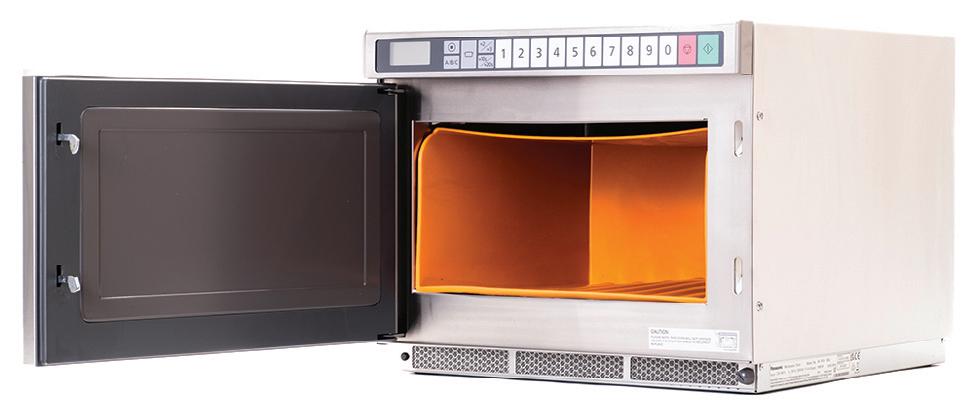
Like the original Microsave, Gen:2 protects valuable microwave equipment from grease and food particles which, if left, can cause serious or unrepairable damage. Both models are dishwasher safe, food safe, and offer a quick, hygienic cleaning solution for busy kitchens.
The striking Papaya finish marks Gen:2 as the next stage of development and makes it instantly recognisable in fast-paced kitchens. Papaya also symbolises speed, innovation and progress — qualities that reflect the product’s next-generation design.
The new liner is fully compatible with the Panasonic NE-1878, NE-1864 and NE-1815 inverter microwaves,
with plans to extend the range further over the next 12 months.
Iain Phillips, Managing Director of Regale, commented: “As the largest independent commercial microwave specialist in the UK, and the largest reseller of Panasonic catering equipment products in the world, it is imperative that we adapt and move with the industry, ensuring that our product range also aligns with the evolving demands of modern foodservice operators.
“Operators are currently facing huge pressures, not only with the impact of both the National Living Wage/National Minimum Wage and National Insurance contributions, but also with rising energy bills. At Regale we fully understand and appreciate these challenges, which is why we have developed Microsave Gen:2 — a more cost-effective option, using a material that is not only durable but 100% recyclable too.”
Both the original transparent Microsave liner and the new Gen:2 will be sold side by side, giving operators flexibility and choice when selecting the right protection for their Panasonic microwaves.
The new Microsave Gen:2 Papaya liner will be available from 1st November, with samples from 1st October. Stock will be ready for next working day delivery.
Visit www.regale.co.uk for further information or see the advert on the facing page.

Anglian Water has teamed up with The Big Table Group (which operates several major restaurant chains, including Bella Italia), GreaseTech Drainage Solutions and ECAS (Environmental Compliance and Services) to protect the East of England’s sewers from blockages – which can be caused by fats, oils, greases and other unflushables, including starch.
As part of Anglian Water’s work in Northampton, which is a blockage hotspot, it worked with its partners to install top-of-the-range blockage prevention at The Big Table Group’s Bella Italia in Sixfields.
The Big Table Group was already working with GreaseTech Drainage Solutions as their national contractor across the whole estate, installing and managing grease management solutions including grease management units (GRUs), which collect fats, oils and greases so they can be separated and safely recycled without clogging up the local sewer pipes. But at its Bella Italia in Sixfields, Northampton, there was another potential culprit: starch.
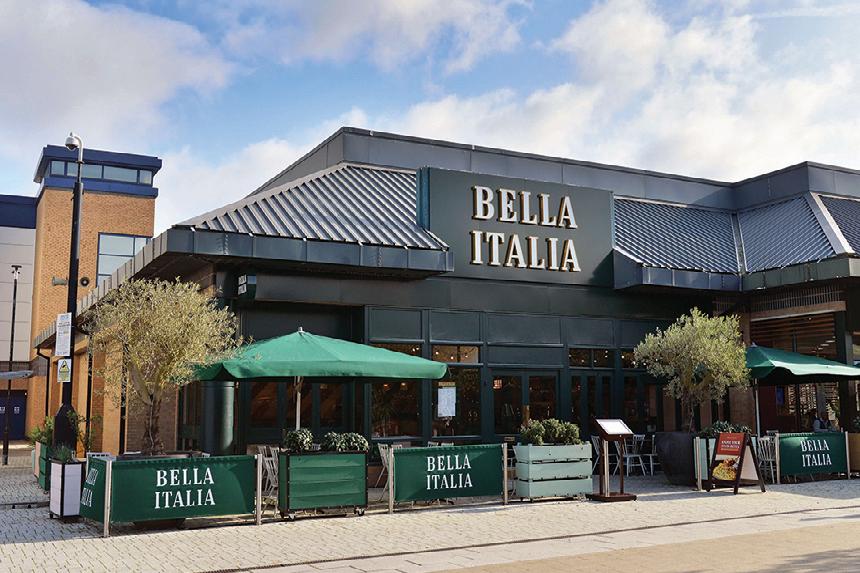
Draining pasta water in the sink can contribute to avoidable sewer blockages, as the starch acts as a binding agent for other unflushable materials in the pipe. Starch is so good at sticking things together that it’s also a principal ingredient in adhesive products, such as wallpaper paste and envelopes.
GreaseTech Drainage Solutions worked with Bella Italia’s team in Northampton to install a new filter shield in its pasta sinks. The fine mesh on the shield works to catch starch, as well as any stray pasta, making sure only water goes down the restaurant’s kitchen sinks and into the sewers in Anglian Water’s region. So far, the new shields have been a huge success, with no blockages in the water company’s local sewer network since they were installed.
This work forms part of a wider Anglian Water initiative in partnership with ECAS, taking place across the region to tackle sewer misuse and reduce avoidable blockages. ECAS, on behalf of Anglian Water, engages with food service establishments, such as Bella Italia in Sixfields, and provides advice and support on good kitchen habits and grease management practices. Depending on ECAS’s recommendations, the food service establishment will then work with a supplier of their choice, such as GTD, to install the necessary equipment. Since this collaborative effort began in 2019, it has already prevented an estimated 8 million litres of fats, oils, and grease (FOG) from entering the sewer network – the same weight as more than 50 blue whales. Keeping this kind of blockage material out of local drains helps prevent pollution, which can be caused when blockages reduce the amount of space in the pipes, forcing untreated wastewater to come back up – not only causing damage and distress, but also potentially pollute nearby watercourses. The Big Table Group’s preventative actions at their restaurants, which include Bella Italia, Las Iguanas and Frankie and Benny’s, are a huge milestone in the mission to keep the East of England’s sewers flowing.
Simon Galkoff, Procurement & Supply Chain Director at The Big Table Group, said: “We’d already been receiving expert advice from GreaseTech Drainage Solutions, so we already knew that it was important to manage our fats, oils and greases carefully. That’s why we’d previously installed GRUs to protect the sewers and the local environment nearby. But when GreaseTech Drainage Solutions offered us the filter shields to catch starch, it was a game-changer. Our Bella Italia locations are cooking up delicious pasta all day, every day, so it’s really important to us that our customers’ spaghetti doesn’t create a problem in the local sewer pipes.”
Steve Edwards, Business Development Manager at GreaseTech Drainage Solutions, said: “The team at Bella Italia were already taking steps to help prevent fats, oils and greases from going down their kitchen sinks and into the sewer network. We were really pleased to be able to help them go even further by installing their new filter shields. Working in partnership is a vital part of keeping the pipes flowing, which is why we’ll continue to support Bella Italia with quarterly servicing of their equipment, as well as training up their staff to use and maintain the machines properly. It’s great to see a business taking responsibility to do the right thing for the environment, especially given that Anglian Water has seen an immediate improvement at its nearby pumping station.”
Reflecting on the progress made, Philip Soden, Managing Director at ECAS, said: “Most food service establishments we work with, like those belonging to The Big Table Group, want to do the right thing by their business and the environment. By collaborating with the sector and grease management experts, we can help and support even more restaurants to take further steps to reduce blockages, sewer flooding, and pollution.”
Simon from The Big Table Group added a message to other food service establishments: “By engaging and working with grease contractor experts such as GreaseTech Drainage Solutions and ECAS, the grease management process becomes much easier, giving us peace of mind that we’re tackling the problem effectively. It’s a no-brainer when you consider the long-term benefits to both the environment and your business.”
In the Anglian Water region, 80% of sewer flooding incidents are caused by blockages, many of which are the result of fats, oils, and grease (FOG) entering the sewer system. Last year alone, Anglian Water cleared over 35,000 blockages, removing tonnes of waste that were linked to flooding and pollution events.
Wipes are also a major contributor to this problem. Around half a million wipes – that’s equivalent to 9,500 packets – are flushed into the East of England’s sewers every day. When flushed, wipes can mix with fats, oils, and other unflushable items, creating solid blockages because wipes don’t break down like toilet paper and can take over 100 years to decompose — even those labelled ‘flushable’ or ‘fine to flush’.
Connor Brailsford, Programme Manager at Anglian Water, commented: “Stopping fats, oils, and grease at the source is one of the most effective ways to protect our environment – especially when combined with action on unflushable items like wipes. That’s why we’re working in blockage hotspots like Northampton to raise awareness and protect local communities through partnerships like this one. The Big Table Group and GreaseTech Drainage Solutions’ proactive approach is a fantastic example of how businesses can play a vital role in keeping our sewers flowing.”
Anglian Water’s ‘Just Bin It’ campaign continues to raise awareness of what should and shouldn’t go down the drain. Whether it’s wet wipes, fats, or oils, every small action adds up to big environmental benefits.
Connor Brailsford added: “We’re asking everyone – businesses and customers alike – to take a moment and think before they flush or pour. If it’s not pee, poo, or toilet paper, it belongs in the bin, not the drain. Together, through initiatives like this and everyday good habits, we can protect our homes, rivers, beaches, and the environment for future generations.”


The introduction of a holiday tax at the Budget would be a dramatic reversal of Government assurances to the House of Commons just two months ago.
According to new reporting by The Times, the Government is planning to give Mayors the power to introduce a holiday, or tourist, tax at the Budget on November 26.
This potential tax, aimed at funding local transport and services, would be a significant policy shift for England, which has historically not had such a charge, unlike Scotland and Wales. This comes amid other recent budget discussions and potential tax changes.
If this happened, it would be another significant U-turn by the Government, just two months after Sir Chris Bryant MP, then Tourism Minister, told the House of Commons it “had no plans to introduce a tourism tax”. This follows a letter sent to UKHospitality by James Murray MP, then Exchequer Secretary, where he also said the Government had no plans to introduce such a tax.

Brits took over 89 million overnight trips in England in 2024 and stayed for total of 255 million nights, according to Visit Britain. A 5% holiday tax would cost the already cash-strapped public £518 million in additional tax.
Holiday taxes are charged to consumers on top of the price of accommodation, like VAT. The combination of 20% VAT, a 5% holiday tax, plus the VAT charged on the tax itself, would create an effective 27% VAT rate for consumers on their holidays, making it one of the highest in Europe.
While many cities in Europe charge a tourist tax, these cities also charge a significantly lower rate of VAT for hospitality. That would not be the case in England.
UKHospitality has said the Government “must stick to its word” and not introduce a holiday tax at the Budget.
Kate Nicholls, Chair of UKHospitality, said: “If this is true, it would be another shocking U-turn from a Government who committed in the House of Commons only two months ago that it would not introduce a tourism tax, and in fact promised the industry the same thing in writing.
“I know the Government is worried about the cost of living, but this holiday tax is little more than a higher VAT rate for holidaymakers. Brits take over 89 million overnight trips in England, and stay for a total of 255 million nights.
This is a bill we will all have to pay, and will only serve to ramp up prices and drive inflation.
“It would effectively hike our VAT rate to 27% at a time when Ireland has cut VAT on hospitality to 9% and Germany already has a VAT level of 7%.
“We need to get consumers spending. But this, on top of the huge damage from last year’s Budget, would only mean people cut back more – and more jobs are lost.
“Hospitality cannot foot the bill for the rest of the economy yet again.
“I hope the Government will reaffirm the commitment it gave in Parliament just two months ago and not introduce a holiday tax.”
The descendants of a man who took on The Bell in Smarden 100 years ago gathered there to mark the centenary.
Seventeen members of the Hughes family got together at the Shepherd Neame pub in Bell Lane to raise a glass or two to long-serving pub couple Gordon Hughes, who became licensee at 19, and his new bride Daisy (nee Clark) in 1925.
He wrote in his un-published handwritten memoirs, which his son Arthur, 83, still has: “I had become engaged to the auburn-haired girl in Tenterden and we were on a short holiday at Hastings – imagine then how surprised we both were to receive a telegram from my father which said ‘Arrange to get married – on your return I have taken The Bell for you’.”
“Naturally we were pleased that after five years our wedding was so unexpectedly near, but to take a pub… and when we were both teetotallers!”
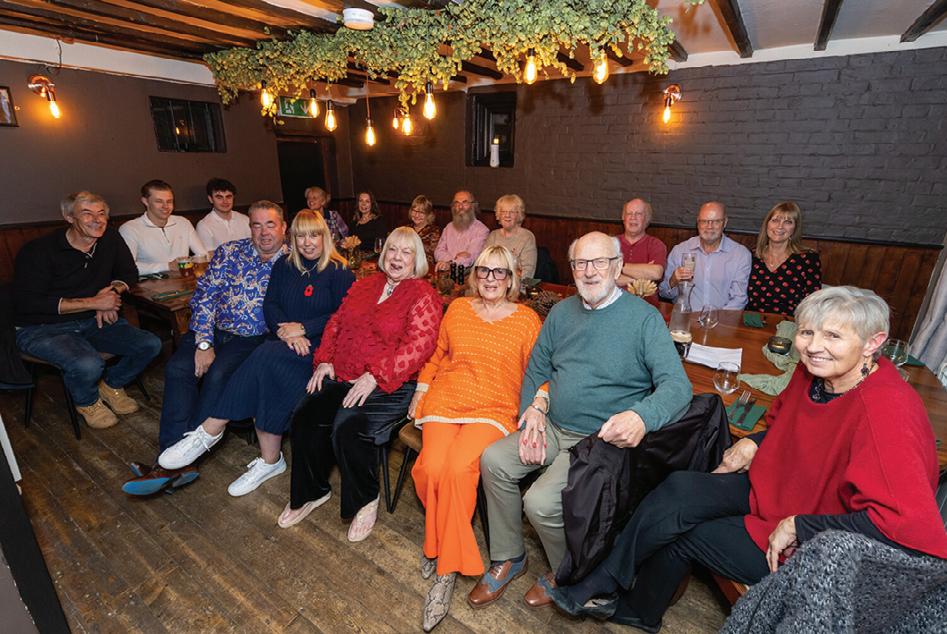
The couple married at Tenterden Church on October 10, 1925 and took over the village pub 15 days later, on October 25.
Gordon’s father William, a farmer and general dealer, had paid all the expenses for them to start out, including the rent, which at the time was £36 a year. It wasn’t raised until they left 23 years later, to take on
The Railway in Headcorn.
The couple had three children – Gordon, who has since died, Arthur, and Betty, now 98 – all of whom were born at the pub.
Gordon Snr built greyhound kennels at the back of the pub, and brought champion dogs over from Ireland. He was also a keen sportsman, and quite tough, having been a Regimental Sergeant Major in the war.
Arthur recalled that there was a wooden bench in the pub – known as ‘Flying Ben’ - which had a spike that could poke through the seat, which regulars operated from the other end to catch out unsuspecting newcomers. But occasionally his father would turn the bench round to catch out the locals!
Arthur, who now lives in Charing Heath with his wife Sandie, said: “The Bell has been very important in the family. All three of us children were born there, and I remember growing up there. I used to bottle up when I was young but running a pub was never for me – too much hard work! I went into the motor trade instead.
“But we are very much a family of pub people. It was my mother who did all the work, but my father could be formidable – he once laid out a man with one punch when he was at the Railway Hotel.”
£110,000
Popular community pub, The Malt Shovel in Telford, relaunched following a combined investment of more than £110,000 from experienced licensee, Alison Bolton and Admiral Taverns, the UK’s leading community pub company. Inside, the Malt Shovel has been completely revitalised, creating a fresh and welcoming look while preserving the charm of its traditional features – including the muchloved open fireplace in the lounge and bar area. A stylish Honeysuckle-patterned wallpaper adds a soft splash of colour, tying the space together into a cosy and relaxing environment.
Local licensee, Alison Bolton, brings over five years of hospitality experience, an abundance of local knowledge and strong family-ties to the Malt Shovel. Passionate about the Telford community, she is committed to ensuring the pub remains a vibrant social hub for locals where everyone, including four-legged friends, feels welcome. The pub officially relaunched on Friday 14th November.
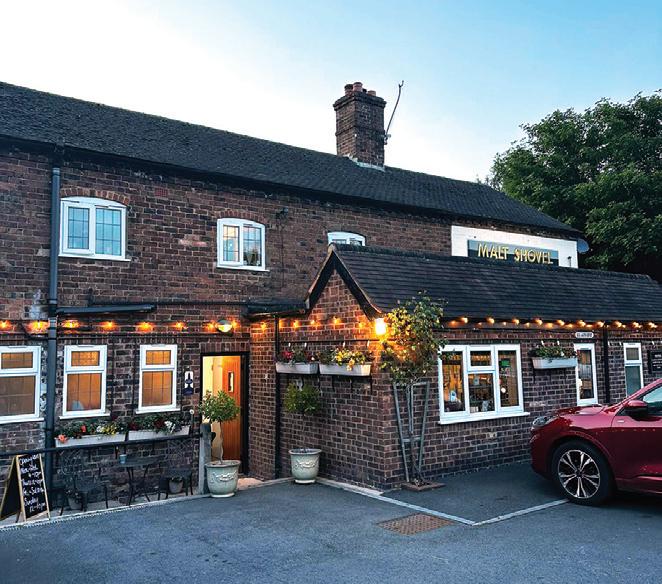
Alison Bolton, Licensee at the Malt Shovel, commented: “I’m absolutely thrilled with the results of this investment and can’t wait to show off the final look to customers this afternoon. Whilst we may have a fresh new appearance, it’s the community that makes this pub what it is so it will be huge privilege to welcome everyone
back through the doors once again. I’ve loved every moment here at the Malt Shovel and it means so much to be taking it forward into this exciting new chapter. I’d like to thank everyone for their continued support, and of course Admiral Taverns for helping to make this transformation possible. I can’t wait to see what the future holds!”
As part of Alison’s commitment to providing great local entertainment and bringing people together, the pub offers a packed weekly schedule of events including dominoes on Mondays, quiz nights on Tuesdays and darts every Thursday. Looking ahead, Alison plans to introduce regular live music and themed events, with a Christmas fancy-dress party already on the horizon.
Dolores Quigley, Business Development Manager at Admiral Taverns, commented: “I’d like to thank Alison for the passion, energy, and commitment she has brought to the Malt Shovel since taking over. She’s done a fantastic job at creating a thriving community pub that’s loved by locals and I’m confident it will continue to go from strength to strength under her care.
“On behalf of Admiral Taverns, I wish Alison and her team every success for the future.”
As the Autumn Budget 2025 approaches, the leisure and hospitality sector is looking for measures that will restore consumer confidence and provide relief from this year’s tax increases, according to Saxon Moseley, Partner and Head of Leisure and Hospitality at RSM UK.
“The leisure and hospitality industry will be hoping for a budget that boosts consumer confidence and offers some respite to a sector which has borne the brunt of this year’s tax rises. Hospitality sales have also been consistently flat this year, with operators leaning on discounting to entice consumers through the doors which has squeezed margins even further.” He said
“The industry’s first plea will be for the government to deliver on its pledge to overhaul the business rates system. We’re expecting an update in the budget, and operators want to see decisive, wide-spread change such as a lower, permanent multiplier, not tinkering at the sides. But the reality is, the industry may have to settle for short-term fixes like increased or expanded targeted reliefs. Although a small step in the right direction, this won’t be enough to fix structural challenges which continue to weigh on operators’ ability to grow and invest.
“As a large employer of staff, the hospitality industry was disproportionately

impacted by April’s rise in employment costs, and had very little support to cushion the impact. With the sector already absorbing sky-high employment costs, there are concerns that a potential rise in national minimum wage (NMW) will compound matters even more. On top of this, if the government decides to scrap the age bands for NMW, not only would this acutely hit operators, but it could also fuel inflation. That would keep interest rates higher for longer, meaning consumers may continue to save rather than spend.
“The later than usual budget and constant speculation about tax rises have led to heightened uncertainty, with both consumers and operators currently in a holding pattern. Not only are some consumers holding off from spending in the lead up to the budget, but if higher taxes spook households post-budget, there’s every possibility this could jeopardise the all-important Christmas period.
“The UK’s hospitality industry continues to be at a disadvantage to European counterparts due to the higher rate of VAT. Lowering the rate or bringing it in line with Europe would go a long way in helping to stimulate much-needed demand as well as investment in the industry.”
Consumer group CAMRA NI has expressed anger at Northern Ireland Communities Minister’s decision to block modernising of alcohol licensing system.
The Minister for Communities, Gordon Lyons ML gave an oral statement to the Assembly outlining his response to an independent review of Northern Ireland’s outdated alcohol licensing system and the ‘surrender principle’ which means a licence has to be given up before a new pub or off-licence can open. Experts from the University of Stirling concluded that:
• The ‘surrender principle’ (where a licence has to be given up for a new premises to open) has seen pubs closing and licences moving to supermarkets or off-licences.
• The current system “is doing little to protect or invigorate the pub sector as a whole” and means “the retail market for beer is dominated by a small number of non-NI based producers who often establish restrictive supply agreements.”
• The current licensing system “creates barriers to diversification and innovation” meaning we don’t see good choice of local, independent products on offer, or a good range of venues like micropubs, specialist outlets, brewery taprooms etc. which are thriving in the rest of Europe.
• “The promotion of positive health and social outcomes would be better served by supporting a well-managed on-trade sector [pubs] over a continued increase in the number of off-licences”
• NI is losing pubs at a faster rate than elsewhere.
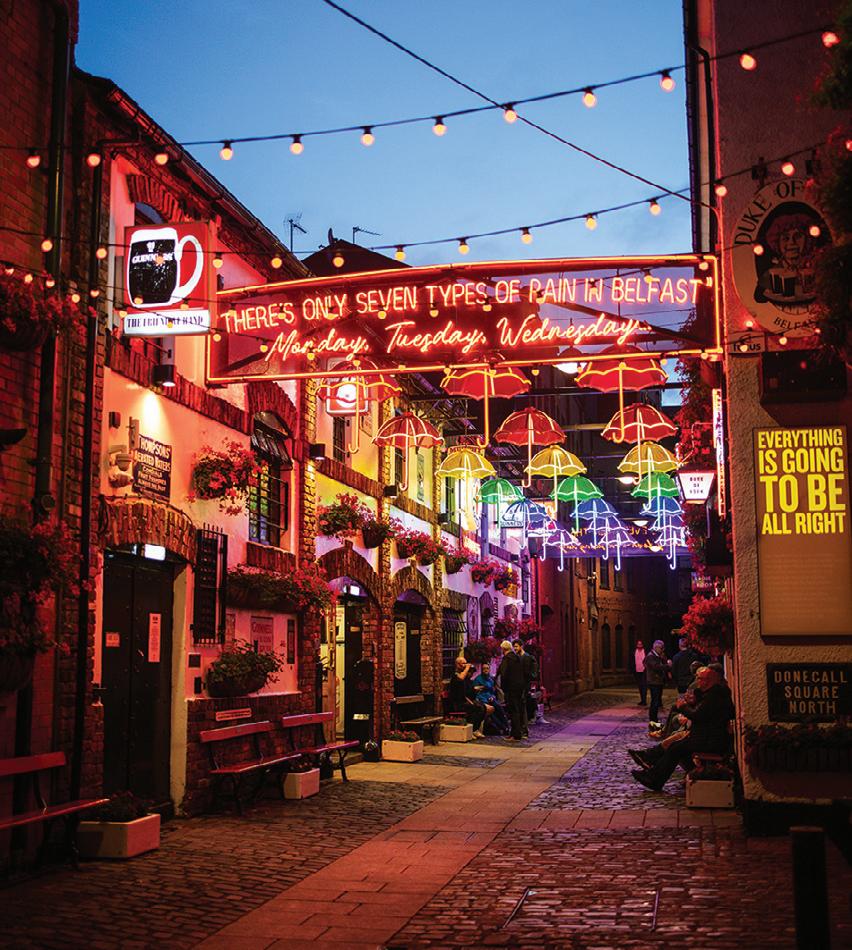
Despite this, the Minister is proposing not to accept any of the independent review’s substantive recom-
mendations on modernising the alcohol licensing system.
Speaking after the Minister’s statement, Ruth Sloan Director of CAMRA NI said: “This is a huge, wasted opportunity from the Communities Minister and shows a total disregard for the consumers this administration represents. Instead of working to modernise the industry in Northern Ireland he has chosen to side with giant multinational businesses which dominate our pub market and mean there is rarely a choice of decent beer and cider at the bars.
“With alcohol licenses still having to be ‘surrendered’ for up to £100,000 a time it makes it almost impossible to open a new independent pub, closes pubs in areas calling out for third spaces and community hubs as well as stifling innovation and growth by pricing out anything new or interesting.
“This decision just adds another nail to the coffin of micropubs, brewery taprooms, wine bars and other specialist venues that are thriving across GB and the rest of Europe yet cannot exist here due to the nature of these outdated laws.
“Instead we can only expand existing floorspaces and end up with huge pubs and groups of pubs, sharing their existing licences, that are often forced by restrictive agreements with big business so that they can only sell the same few drinks everywhere, with no options to provide the wonderful and innovative products being made by beer and cider producers here in Northern Ireland that locals want and tourists are actively travelling here to try.
“I’m calling on MLAs from all parties to urge the Communities Minister to think again and commit to modernising our alcohol licensing system so that consumers can have a decent choice of beer and cider in every bar here and our economy can thrive in this new and upcoming market on our own doorstep.”

Brother UK’s trusted labelling solutions have long helped restaurants, hotels, and caterers take control of stock rotation — delivering consistency, compliance, and cost-savings through intuitive technology that’s quick to learn and makes a measurable impact.
At the heart of this is Brother’s TD-2D range of professional label printers — compact, versatile, and designed to fit seamlessly into busy kitchen environments. Ideal for everything from crowded prep benches to mobile trolleys. Optional battery packs and carry handles for added flexibility, and selected models support linerless label printing, helping to reduce waste and eliminate non-recyclable backing paper. Built for real-world conditions, the TD-2D range performs reliably even when used with wet hands.
Combined with Brother’s partnerships with leading food independent software vendors (ISVs), the solution automates expiry tracking, reduces food waste, and eliminates handwritten errors — all while saving valuable time and improving consistency during peak service periods.
In fast-paced hospitality settings with short shelf lives and shifting teams, reliable labelling is essential. Stock rotation solutions help maintain food safety, quality, and compliance, while other labelling solutions — including ingredient and allergen labelling for food pre-packed for direct sale (PPDS) — ensure allergens and ingredients are clearly identified, helping operators meet legal labelling obligations such as Natasha’s Law and protect cus-
tomers with allergies.
Simon Brennan, senior business manager for Specialist Print Solutions at Brother UK, said: “Kitchen teams work fast, under pressure and can’t afford mistakes – especially when it comes to food safety. That’s where our labelling solution comes in.
“By replacing handwritten day-dot stickers with a Brother TD-2D device, kitchens can print clear, consistent labels in seconds. It’s a faster, safer way to manage stock rotation, reduce food waste, and stay compliant with Food Standards Agency guidelines — ensuring food safety and quality even when shifts change or service peaks.
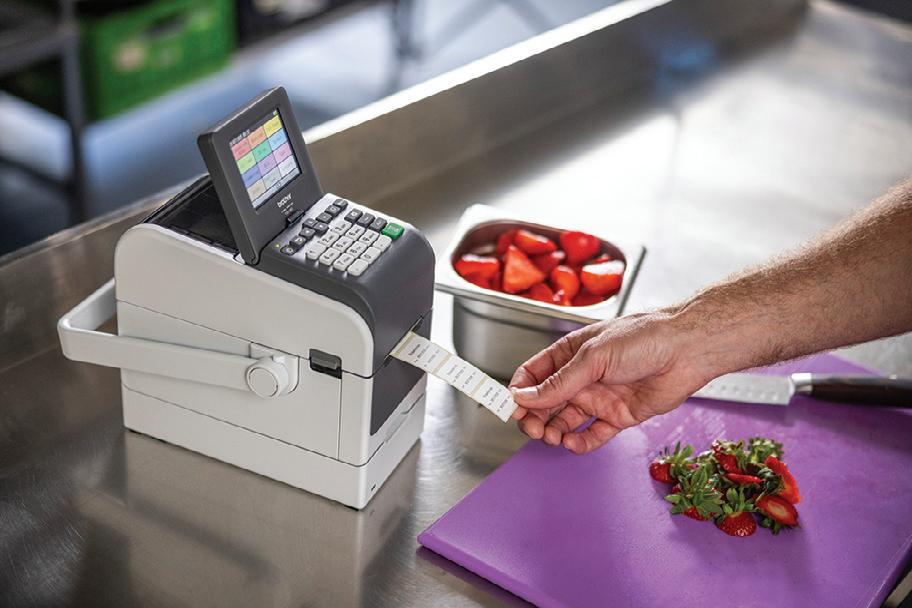
“And because our devices are compact, portable and support linerless printing, they’re built for real kitchen conditions – reducing clutter, cutting waste and keeping
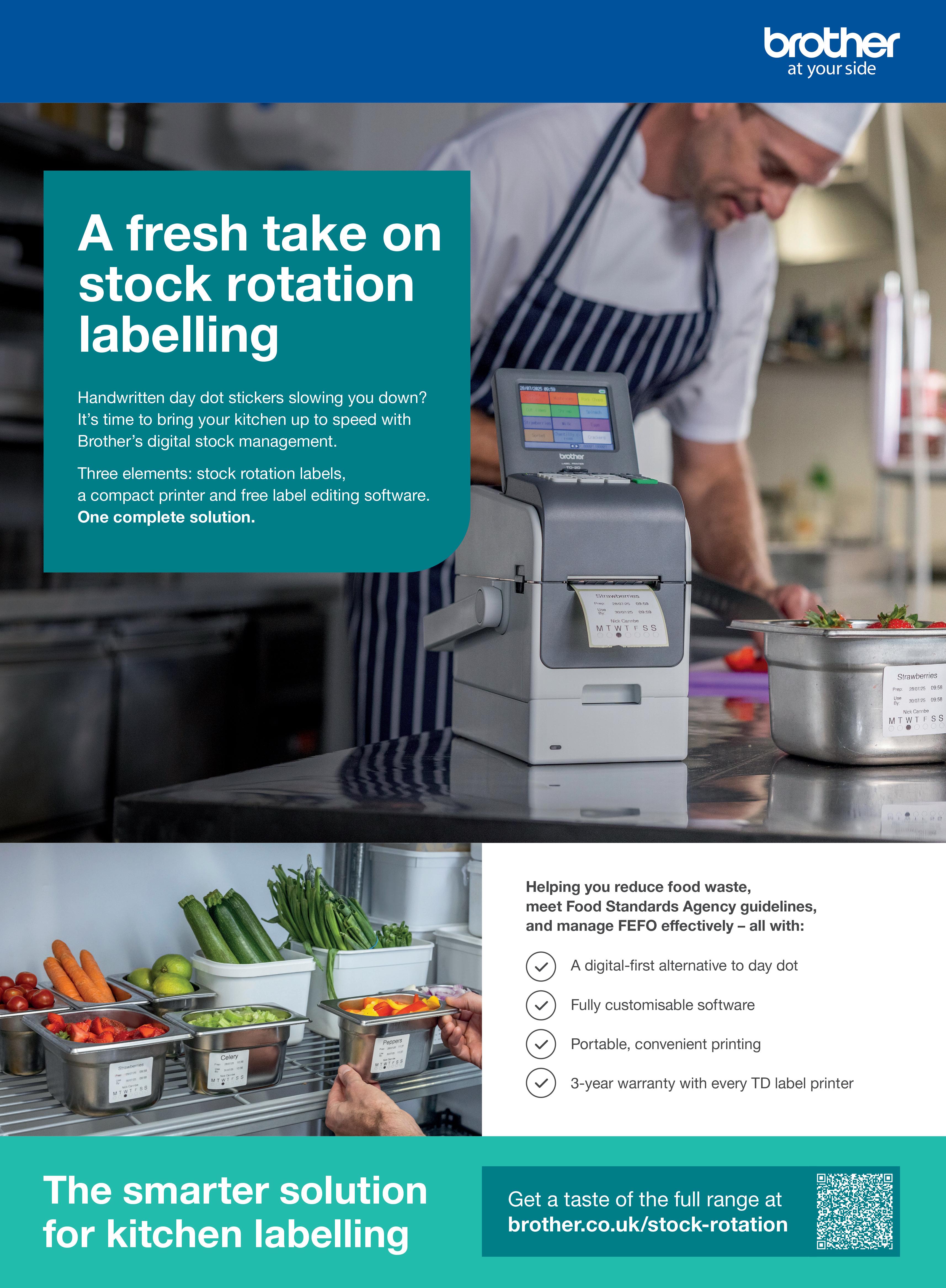
London UK – Online travel agencies (OTAs) have overtaken search engines as travellers' primary starting point for hotel discovery, according to SiteMinder's Changing Traveller Report 2026, released today. Twenty-six percent of travellers surveyed globally will now begin exploring accommodation options using an OTA, up from 18% last year, while those who will start with a search engine have fallen to 21% from 36%.
In parallel to this trend, SiteMinder’s research shows that 18% of travellers who begin their search on an OTA opt to book directly with their accommodation provider, representing a 3.3 percentage point increase year-on-year.
Likewise, twice as many travellers now say they will start their accommodation search by seeking advice from friends or family, up to 14% from 7% last year, while the proportion saying they will first look to familiar hotel brands has more than doubled from 3% to 7%. The use of AI as a first step has reached 4%, up from 1% last year — rising higher among Gen Zs and Millennials.

While AI remains an emerging channel for the initial planning stages, when it comes to accommodation, the technology is set to rapidly transform the booking process. Eighty percent of travellers now want AI-powered capabilities, with price monitoring and alerts (44%) leading their wishlist, according to SiteMinder. And, in a further sign of travellers’ increased acceptance of technology, 65% now support dynamic, or demand-based, pricing.
These trends are reflected among UK travellers, with more than 26% now saying they will use OTAs as their initial touchpoint when looking into accommodation for their next trip, compared to 16% in 2024, while only 24% will start with a search engine, down from 40%. Sixteen percent plan to start their research through word of mouth, and 10% by turning to known hotel brands, while 6% of Gen Z intend to start with AI, compared to 2% of the wider population.
Similarly, while UK travellers remain below the global average with regards to AI enthusiasm, acceptance is now also widespread. Sixty percent intend to utilise AI at some point while researching and booking accommodation for their next trip, driven in particular by price monitoring and alerts (33%), in line with global tendencies. The same applies for dynamic pricing, with 55% agreeing that hotels should be able to adjust their pricing during times of higher demand.
“In the UK, as globally, the pathway to making a hotel booking is increasingly less linear, with travellers often referencing multiple channels before reserving their stay,” says James Bishop, Vice President of Ecosystem and Strategic Partnerships at SiteMinder. “This underscores the need for hotels to be similarly adept at managing their digital presence. For example, the rise of OTAs as not just a source of third party bookings, but also a primary search mechanism, highlights the advantages to hoteliers of effectively leveraging such visibility.”
The report, the world's largest consumer research on accommodation, surveyed 12,000 travellers across 14 countries including Australia, China, France, India, Spain, Thailand, the UK and the US. It also revealed that:
Nearly half (49%) of travellers worldwide have an increased desire to travel in the next 12 months, with just 12% indicating less motivation to travel.
Japan remains the world’s ‘dream destination’, favoured by 17%, followed by the US (10%), and France (10%), while the UK (7%) maintains its place in the top 10.
Event-driven travel continues to accelerate globally: 63% are more likely to travel for special events next year, led by Gen Z (81%) and Millennials (74%), primarily travelling for concerts and festivals.
Quality is being prioritised on-site: 58% plan to choose superior or luxury rooms (+4pp year-on-year), suggesting a shift toward more meaningful, elevated experiences.
UK travellers are significantly more likely than the global average to prioritise location details when booking accommodation online (67% vs 53%) and to consider WiFi speed and reliability essential in a hotel room (43% vs 38%). Their preferred travel destinations for next year are Spain (24%), France (15%) and the US (14%), while 28% plan to travel only domestically.
They are also more likely to book directly with their hotel, with 31% expressing this preference compared to 28% globally. Of those preferring to book directly, 74% listed greater control over bookings and changes as a primary reason for doing so.
Separately, the report uniquely highlights how guests from different markets will approach their pre-arrival journey and on-site experience in the year ahead. For example, it reveals that Chinese travellers will book deluxe rooms and favour well-known hotel chains more than any other group, and that Spanish travellers will prioritise customer service above all markets. Indonesians will be the most likely to book via an OTA and American guests will again lead in direct hotel bookings and domestic travel, often returning loyally once they find clear value.
Bishop concludes: "Our data shows that traveller preferences vary significantly depending on where guests are coming from. There's no universal playbook, as different markets have genuinely different priorities and behaviours. The challenge for hotels in the year ahead is ensuring they have the tools to understand their specific guest mix, and to respond accordingly."
SiteMinder's Changing Traveller Report 2026 is available here
Company of Cooks and the Royal Opera House are extending their successful food, drink and hospitality partnership for a further five years.
In a landmark partnership valued at £130 million over the duration of the contract, Company of Cooks will continue to delight guests across the bars, restaurants and cafés of one of London’s most celebrated cultural venues. The team will build on its reputation for exceptional food, drink and service – introducing fresh, inspiring spaces and experiences that elevate every visit.
This next chapter begins with a standout collaboration with Angela Hartnett OBE, whose partnership has transformed the fifth-floor restaurant and terrace into Cicoria and Bar Cicoria that opened its doors in September.
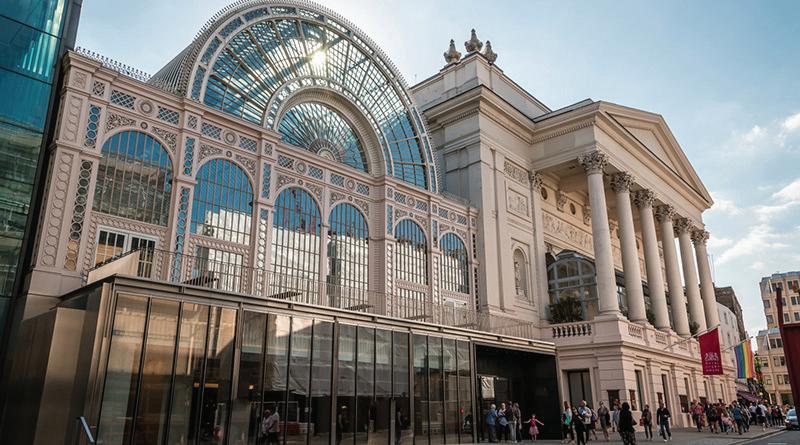
Cicoria brings Angela Hartnett’s signature blend of sophisticated yet simple, Italy-inspired cooking to the Royal Opera House, extending the venue’s appeal to a wider audience through great food and hospitality.
Rob Fredrickson, Company of Cooks’ managing director, said: “We’re thrilled to continue to work with the Royal Opera House team. We’ve achieved a lot together over the years, including opening the fifth-floor
restaurant to the public for the very first time, but we always said there was more to come. We’re really looking forward to realising our ambitions as we consolidate and build on our successes and establish the Royal Opera House as a food and drink destination of choice for both theatre goers and the public.
“There’s immense excitement surrounding the Angela Hartnett partnership and the opportunities the opening of Cicoria brings. This brilliant collaboration will attract more first-time visitors to the Royal Opera House, growing the appeal and audience of the cultural hub, as well as revenue, and cementing its position as a centre of excellence in the performing arts. Our team is also beyond excited to be learning from one of the UK’s most esteemed chefs.”
Sophie Wybrew-Bond, Royal Ballet and Opera’s Chief Commercial Officer, said: “We’re absolutely delighted to be extending our partnership with Company of Cooks for another five years. The launch of Cicoria and Bar Cicoria with Angela Hartnett has set a new benchmark for what’s possible in our spaces, and we’re excited to continue working together to refresh more of our bars and restaurants. Our ambition is to position the Royal Opera House as the must-visit destination in the West End – whether you have a ticket or just want to enjoy our beautiful building.”
Having a well-trained workforce is vital to the success of companies in the fast-paced foodservice sector. Being engaged with a training programme can have a positive impact on staff development and retention. If your business is a single unit or a chain specialising in seafood, at Seafish, we can support your training needs.
Our online self-study Elementary Food Hygiene and Elementary Health & Safety programmes are currently funded for people working in the UK seafood industry. Serving staff and fish friers can study our online learning materials containing seafood examples, at a place, pace and time suitable to them. The multiple-choice exam is invigilated remotely and successful candidates receive a nationally recognised qualification.

We also offer a half-day Principles of Fish Quality Assessment training course which is delivered remotely, so learners don’t have to worry about travelling time and travel costs. It teaches fish friers and chefs how to assess part processed fish, usually fillets, using the Torry cooked scheme. Apprenticeships combine practical on the job training with additional study. An apprentice is employed by a
business and is paid while they gain experience. They are available to both new recruits and existing staff.
Mark Drummond, owner of Towngate Fisheries in Bradford, explains: “Having an apprentice work in the business has helped to develop staff training systems. It gives us something to promote on our social media and helps show we are a professional business with high standards.”
Seafish also works in collaboration with the KFE School of Frying Excellence in Market Deeping and the National Federation of Fish Friers in Leeds. Both offer training courses to meet the needs of a fish frier. Topics including preparation and cooking techniques are covered along with the importance of good frying medium management.
To find out more about these training opportunities, please see our Onshore Training Courses webpage at www.seafish.org/safety-and-training/onshore-training/onshore-training-courses/ or email our Onshore Training team; onshore@seafish.co.uk
Stonegate Group, which operates popular brands including Slug & Lettuce and Be At One, has begun early discussions with financial advisers regarding the potential sale of a significant portion of its pub estate according to reports.
Industry insiders suggest the hospitality giant is examining options for approximately 1,034 properties from what the company internally refers to as its premium “platinum” portfolio. Market observers believe such a transaction could generate proceeds approaching £1 billion.
The development follows a challenging period for the TDR Capitalbacked operator, which currently carries net borrowings exceeding £3 billion. Much of this debt stems from the 2019 acquisition of Ei Group for approximately £3 billion, a deal that positioned Stonegate as the UK’s largest pub landlord ahead of Greene King.
This is not Stonegate’s first attempt to lighten its asset base. The group explored selling a comparable number of sites during 2023, though that process ultimately did not proceed to completion.
Following the unsuccessful 2023 initiative, Stonegate secured £638 million in financing from Apollo Global Management through a securitisation arrangement. This transaction effectively ring-fenced the platinum collection into a separate structure, providing temporary relief to the broader business.
Company leadership is now reviewing strategic alternatives as a key deadline approaches. The Apollo financing includes restrictive covenants that currently prohibit Stonegate from disposing of or refinancing the secured properties. This “non-call period” is scheduled to expire in January 2026.
According to reports Stonegate may pursue a different approach this time, potentially dividing the estate into multiple substantial packages rather than seeking a single purchaser for the entire portfolio.
The operator has faced mounting financial headwinds in recent years. Borrowing costs reached £455 million during the 12-month period ending 29 September 2024, whilst the company reported pre-tax losses totalling £214 million for that financial year.
The licensed trade has been squeezed by multiple factors, including elevated interest rates, increased utility expenses, and substantial rises in employment costs following recent Budget measures that increased employers’ National Insurance contributions and the National Living Wage.
Alongside its financial restructuring efforts, Stonegate chief executive David McDowall—who joined from BrewDog in 2023—has initiated a comprehensive operational review designed to restore profitability.
Central to this transformation strategy is the conversion of several hundred managed houses into tenanted or leased arrangements. This approach reduces direct labour exposure whilst reportedly delivering average profit improvements of £110,000 per converted venue, according to company figures.
Stonegate has grown substantially since TDR Capital acquired 333 venues from Mitchells & Butlers in 2010, establishing the foundation for what would become Britain’s largest pub company.
However, the timing of the Ei acquisition—completed shortly before the COVID-19 pandemic forced prolonged venue closures—has left the business managing substantial leverage throughout one of the most difficult periods in modern hospitality history.
A formal sale process has not yet been announced, and discussions remain at an early.
Flight Club, the lively cocktail and social darts bar, has confirmed that it has chosen Reading as the location for its next UK venue, its second venue in the Thames Valley, after opening in Oxford last year.
The bar will occupy a space in the popular and vibrant Station Hill development adjacent to Reading Station. At 6,211 square feet, the venue will feature Flight Club’s signature style, combining the feel of a traditional Victorian pub with a fairground twist.
Flight Club promises to release more about what to expect from the brand-new Reading venue soon.
Steve Moore, CEO and co-founder of Flight Club, said, “Get ready, Reading! We are thrilled to be bringing the Flight Club experience to
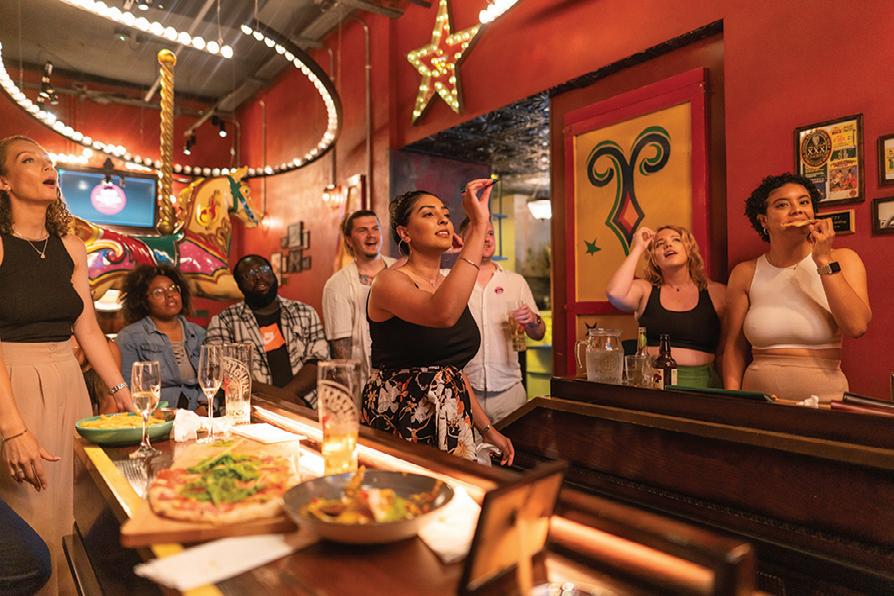
Station Hill next year. We’re setting up shop right in the heart of the action to deliver what we do best: high-energy fun, incredible cocktails, and unforgettable social moments. We are already looking forward to opening the doors and kicking off the party in 2026.”
Alex Aitchison/Will House at Lincoln Property Company and on behalf of the Lincoln MGT JV said: “Station Hill is a buzzing and well-connected destination and the gateway to Reading, which visitors enjoy and feel proud of. Flight Club further enhances our popular retail and leisure offering at one of the key destinations in the Thames Valley for people to live, work and play. We look forward to welcoming Flight Club to the awardwinning Station Hill scheme next year.”

The UK’s hospitality sector has always been one of the nation’s most vibrant and resilient industries – a cornerstone of our economy and our communities. From family-run pubs to luxury hotels and leisure destinations, these venues bring people together, create jobs, and drive local prosperity. Yet, like many industries, hospitality continues to navigate a period of significant change, shaped by evolving consumer habits, rising operational costs, and shifting economic conditions.
Amid these changes, there’s also a clear opportunity for innovation and renewal. One area where hospitality venues can truly benefit is by embracing the rapid growth of electric vehicles (EVs) and the infrastructure that supports them. The number of EV drivers across the UK is rising sharply, accelerated by the government’s 2035 Zero Emission Vehicle (ZEV) mandate, which will phase out the sale of new petrol and diesel cars. For millions of drivers, switching to an EV is no longer a future ambition – it’s happening now.
For hospitality businesses, this shift opens up a fresh and exciting opportunity to attract and retain customers, enhance the visitor experience, and unlock new income streams – all while demonstrating environmental leadership. Installing EV chargers can transform a site into a destination of choice for a growing group of eco-conscious consumers, boosting footfall, extending dwell time, and strengthening customer loyalty.
At Zapgo, we’re passionate about supporting the hospitality industry through this transition. Our mission is simple: to help communities and businesses prepare for the electric future by providing rapid, reliable, and accessible charging solutions – all without the usual financial or operational burden.
Our model is built around partnership. With Zapgo’s “zero cost, zero effort, zero risk” approach, we handle every aspect of the process – from funding and installing the chargers to maintaining them and supporting cus-
tomers. There are no upfront costs for the venue and no ongoing maintenance worries. Once the chargers are live, hosts simply enjoy a share of the revenue generated from every charge. It’s a straightforward way to enhance your site’s amenities while introducing a valuable new income stream.
Whether you run a hotel, pub, restaurant, farm shop, golf club or theme park, EV charging can add measurable value to your business. Guests stay longer, spend more, and are more likely to return. At the same time, you’ll be helping your community transition towards cleaner transport and a more sustainable future.
In today’s world, EV charging is fast becoming an expected feature rather than an optional extra. By joining forces with Zapgo, your venue can stay ahead of the curve, meet the needs of a growing customer base, and reinforce its reputation as a forward-thinking, customerfocused destination.

Together, we can help the hospitality sector thrive – not just adapt – in a changing world, while keeping Britain’s favourite venues powered for the future.
See the advert on the facing page for details.
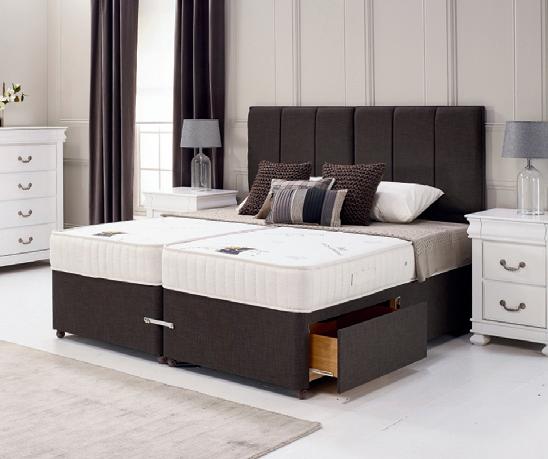
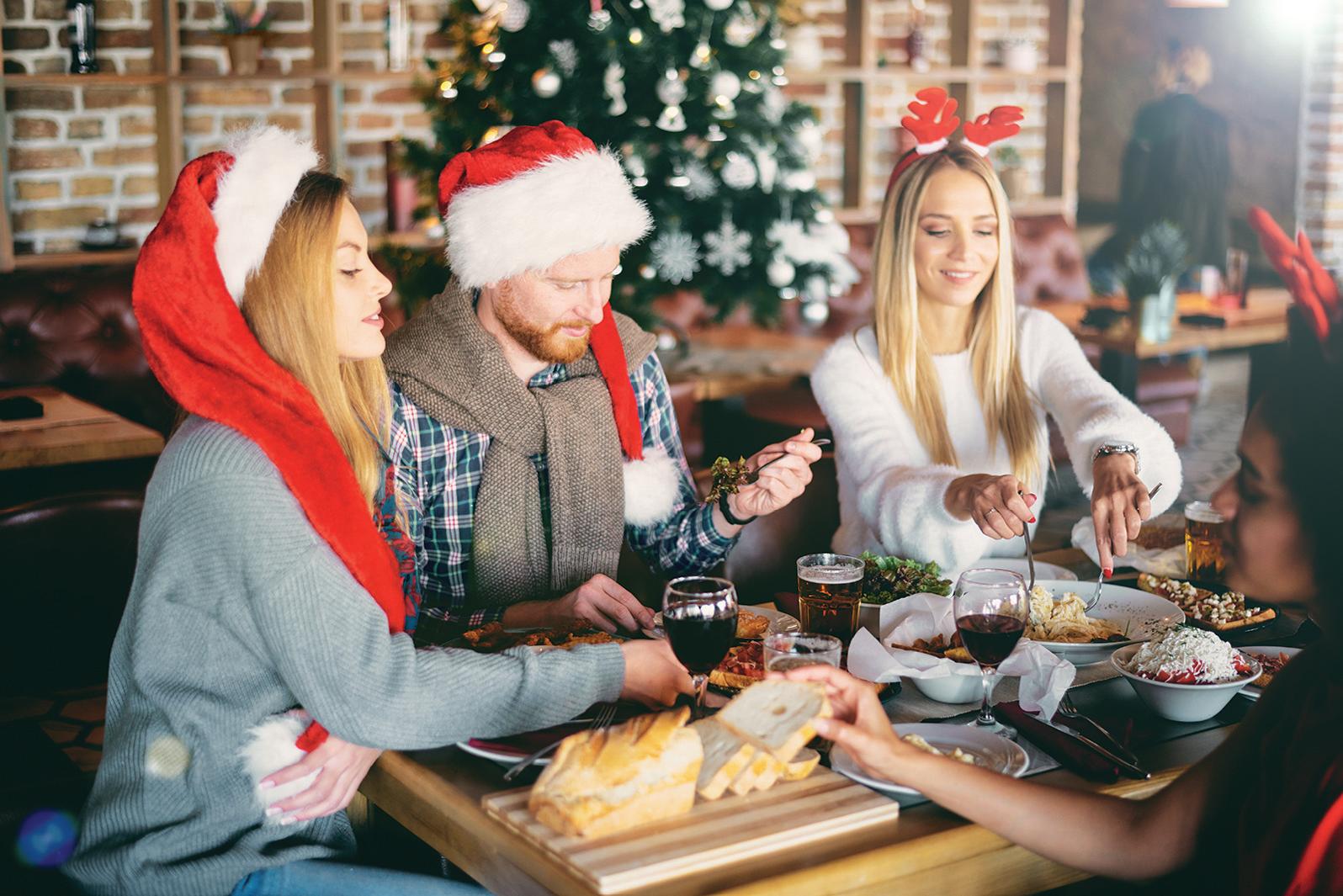
“Christmas is the Season for Kindling the Fire of Hospitality”
Washington Irving

The festive season isn't just another trading period for UK hospitality operators—it's the financial lifeline that can sustain businesses through the challenging post-Christmas months. With Christmas and New Year representing up to 30% of annual revenue for many venues, preparation today determines tomorrow's survival.
The numbers tell a compelling story. Hospitality businesses generated year-on-year sales growth of 8.8% in December 2023, demonstrating the sector's remarkable resilience during the festive period. Looking ahead to 2025, early indicators suggest even stronger performance, with early Christmas bookings across the UK's restaurants and pubs up by 54% compared to the same point in 2023.
The scale of opportunity is staggering. Industry projections indicate that Christmas is set to give a £12bn boost to the hospitality industry, with pubs expecting 10 million visitors and restaurants anticipating 8.6 million covers during the festive period. This represents not just revenue, but the crucial cash injection that carries operators through January's inevitable downturn.

It was a particularly good final 2024 fortnight for the Long Alcoholic Drinks and wine categories. Beer sales were up by 6.9% and 14.5% in the weeks to 28 December and 4 January, while cider sales rose 3.6% and 9.8% respectively. Beer was boosted by a surge of interest in Guinness, leading to well-publicised shortages in some pubs in the run-up to Christmas. Wine also achieved big gains of 8.4% and 13.8% in the two weeks. Growth was also solid for soft drinks at 3.7% and 11.3%.
Q. What you get if you cross Santa with a duck?

The harsh truth facing hospitality operators is that festive profits must sustain businesses through the post-Christmas desert. Despite sales growth over Christmas, high business costs have forced hospitality businesses to implement cost-saving measures to maintain profitability. This reality makes maximising Christmas revenue not just desirable, but essential for survival.
A. A Christmas Quacker
January traditionally sees a drop in footfall as consumers tighten belts after festive spending. The operators who thrive are those who use Christmas profits strategically—not just to celebrate success, but to build reserves that fund marketing, maintenance, and staff retention through the lean months.
cover. This means strategic menu engineering, premium pricing for peak nights, and creating multiple revenue streams from the same customer visit. Consider these approaches:
Dynamic Pricing: Implement weekend premiums and peak-night surcharges

Q. Why are Christmas Trees bad at Knitting?
A. Because they Always Drop their Needles
• Minimum Spends: Set cover charges for prime December dates
• Package Deals: Bundle food, drinks, and entertainment for higher average spend
• Extended Trading: Capture early December corporate bookings and New Year recovery
The festive season allows for premium positioning, but this must be balanced carefully. Successful operators focus on high-margin items while maintaining perceived value. Create dedicated Christmas menus with 20-30% margin improvements over standard offerings, using seasonal ingredients that justify premium pricing.
The Psychology of Festive Spending Christmas customers have different spending psychology. They're celebrating, entertaining colleagues, or marking special occasions—creating natural opportunities for upselling. Train staff to recognise and capitalise on these moments:
• Champagne Moments: Identify celebration triggers and suggest appropriate upgrades
• Group Dynamics: Use the "celebration multiplier" where groups encourage higher spending
• Gift Opportunities: Sell vouchers, merchandise, and experiences as impulse purchases
• Technology-Driven Revenue Optimisation: Modern hospitality technology offers unprecedented opportunities for revenue maximisation:
• Dynamic Table Management: Optimise seating to maximise covers per service
• Automated Upselling: Use POS prompts to drive consistent upgrade offers
• Customer Data Mining: Target previous customers with personalised festive offers
Industry analysts CGA and NIQ’s December 2024 Daily Drinks Tracker revealed average sales in managed venues in the crucial seven days to Saturday 28 December were 4.4% ahead of the same period in 2023. In the following week to Saturday 4 January, growth was even higher at 7.5%.
The late surge in trading followed negative numbers in the first half of December. Those weeks were blighted by storms in some parts of the country, but brighter and drier weather made it easier for people to come out to celebrate as Christmas and New Year got closer. Unsurprisingly the best performing days of the festive period were Christmas eve, which saw an uplift of 65% compared to 2023, and New Years eve, out performing 2023 by 373%.
Early Bird Advantage The data is clear: early preparation wins. Group bookings are up 38% in comparison to 2023 and currently account for 26% of the total bookings for December.
Operators who launch Christmas marketing in September and October capture the planning cycle of corporate events, family celebrations, and group bookings that form the backbone of festive revenue.
Capacity Optimisation: Smart operators don't just fill tables—they maximise revenue per
• Incentive Structures: Create bonus systems that reward high performance during peak periods
• Cross-Training: Ensure multiple staff can cover key positions
• Retention Tactics: Offer New Year benefits to prevent post-Christmas exodus
Supply Chain Security: Nothing kills festive profits like running out of key ingredients on December 23rd. Build relationships with multiple suppliers, order early, and create contingency plans for high-demand items. Consider the premium customers will pay for guaranteed availability.
Quality Under Volume: Maintaining standards while serving triple normal covers separates successful operators from those who damage their reputation for short-term gain. Invest in systems, training, and preparation that ensure quality scales with volume.
Cash Flow Management The smartest operators treat Christmas profits as working capital for the year ahead, not as year-end rewards. Allocate festive profits strategically:
Q. Who his Santas favourite singer?

A. Elf-is Presley
• Inventory Intelligence: Price dishes based on real-time cost and demand data
The Private Hire Goldmine December's private hire market represents pure profit opportunity.
Corporate Christmas parties, family celebrations, and New Year events command premium rates with minimal additional marketing costs. Successful operators allocate 30-40% of December capacity to private bookings, often at double standard revenue rates.
Staffing Strategies: The festive season's success depends entirely on execution, which means having the right staff in place. Plan for:
• Seasonal Recruitment: Hire and train temporary staff in November
Data Capture for Future Growth: Christmas brings new customers who might not return for months. Capture their data, understand their preferences, and create reasons for them to return in January. Email marketing, loyalty schemes, and personalised offers turn onetime festive visitors into yearround customers.
2025 Opportunity
Industry analysis suggests 2025 could deliver the strongest Christmas performance since the pandemic. Consumer confidence is recovering, corporate entertainment budgets are returning, and the pent-up demand for celebration continues. However, this opportunity comes with increased competition as struggling operators fight for the same festive pound.
The operators who will thrive are those who understand that Christmas success isn't just about December—it's about building sustainable businesses that can weather the inevitable challenges of January, February, and beyond. Start preparing now, execute flawlessly, and use Christmas profits strategically to build the resilient, profitable operation your customers and your bank manager will applaud.
Christmas 2025 represents more than seasonal trading—it's the foundation of your business's future. The operators who treat it as such, preparing meticulously and executing brilliantly, will not just survive the post-Christmas period but emerge stronger, more profitable, and better positioned for long-term success.
The clock is ticking. Your Christmas 2025 performance is being decided by the actions you take today. Make them count.
Lanchester Wines’ James Dainty
shares tips for making your Christmas wine list sparkle.

The festive season is a golden opportunity to refresh your wine list and offer guests something special. It’s a time for celebration, indulgence and, importantly, encouraging customers to trade up from their everyday choices.
A festive wine list doesn’t need to be complicated. Curate selections that suit your guests’ tastes and don’t be afraid to switch things up if something isn’t working. Better still, invite regulars to taste potential additions, this builds loyalty and adds excitement.
Food pairings are key. Rich reds like Amarone pair beautifully with roast beef, while Douro wines such as Vallegre Colheita Tinto offer exceptional value for hearty winter dishes. Pinot Noir from France or Oregon is ideal
for duck or goose, and a classic Chablis works wonders with smoked salmon. For a sweet twist, try Vista Alegre Tawny Port with mince pies topped with Stilton, an unexpectedly delicious combination.
Sparkling wine is a must. Trevisana Bio Raboso Frizzante is a chilled, fizzy red bursting with wild berry flavours and subtle spice, perfect for party platters or roast meats. It’s a conversation starter and a brilliant alternative to traditional bubbles.
Don’t forget the classics. A well-chosen Brut Champagne by the glass, or large formats like magnums and jeroboams, can elevate your offering and add theatre to service. Rosé Champagne, now the UK’s second-largest category, is a festive essential.
Include no- and low-alcohol options too. Tommy Bacco Sparkling NonAlcoholic offers celebratory fizz without the ABV, ideal for inclusive toasts.
Finally, lean into the experiential. Whether it’s a festive wine flight, themed tasting or a wine list that tells a story, these touches help your venue stand out and create memorable moments.
For more information on Lanchester Wines and their full range, please visit the website at www.lanchesterwines.co.uk
In the world of hospitality, it’s the little details that guests remember the finishing touches that make an experience feel personal and special. That’s where Maple Moon comes in.
Born from decades of design and engraving expertise, Maple Moon creates beautiful enamel and wooden decorations that celebrate places, people, and stories. What began as an industrial engraving company evolved into a family-run studio producing high-quality Christmas decorations for hotels, venues, and heritage brands across the UK.
Their bespoke service allows hotels to transform their building, logo, or local landmark into a stunning enamel or wooden bauble, a distinctive keepsake that connects guests to the place they’ve stayed. From grand city hotels to boutique country retreats, Maple Moon’s creations add a sense
of warmth, character, and luxury to festive décor, guest gifting, and retail collections.
Each design combines fine craftsmanship with thoughtful storytelling, ensuring every piece feels unique and memorable. The enamel collection offers vibrant colour and polish, while the Landmark range pairs natural maple wood with a printed night sky; elegant, timeless, and perfectly suited to the season.
For hoteliers looking to elevate their Christmas presentation or offer guests something truly exclusive, Maple Moon’s bespoke decorations are a way to extend the magic of hospitality far beyond check-out.
Maple Moon – Lets Create something special.
To discover bespoke designs for your hotel, visit www.maplemoongifts.com

Heart & Soul Studio create a series of fun and engaging, yet affordable paper made products.
With over 40 years of industry experience, we began our journey by becoming leaders in quality handmade Christmas crackers. We proudly hold onto our legacy, bringing with us a wealth of experience and knowledge.
Our FSC certified Christmas crackers are specifically created for the catering and hospitality sectors. We offer plastic-free options wherever possible and are continually evolving to make every celebration more sustainable.
We also offer a range of handrolled crackers using opulent papers and bows, lovingly made here in Poole, UK. We provide a high level of customer service to each and every client, covering a wide range of price points
and industries.
We’re also immensely proud to support The Burnt Chef Project with our special charity cracker, helping to champion mental health across the hospitality industry. Visit our websiteheartandsoul.studio
For more information please email hello@heartandsoul.studio or phone us 01202 733330


The festive season is the busiest and most profitable time of year for pubs, restaurants, and hospitality venues. From Christmas lunches and festive buffets to New Year’s Eve parties, this is your chance to bring in new customers, fill tables, and showcase your special menu. But with so many venues competing for attention, how do you make sure your pub stands out?
The answer is simple: outdoor banners.

At HFE Signs, we specialise in helping pubs and hospitality businesses get noticed with high-quality, eye-catching banners designed to stop passers-by in their tracks. And this Christmas, we’re offering something extra special: two 8ft x 3ft PVC banners for just £90 + VAT, delivered anywhere in the UK!
WHY OUTDOOR BANNERS WORK
Outdoor banners are one of the most cost-effective forms of advertising available to pubs. Unlike online adverts or printed flyers that get lost in the shuffle, a well-placed banner outside your pub makes an immediate impact on everyone walking or driving past.

�� Instant attention – Bright, festive designs make your Christmas menu impossible to miss.

�� Promote your offers – Highlight your Christmas lunches, drinks packages, party nights, or New Year’s Eve specials.

�� Set the festive mood – A banner outside your venue adds atmosphere and excitement before guests even walk through the door.

�� Incredible value – For less than £100, you get weeks of exposure in the run-up to Christmas and New Year.
HFE’s banners are built to last all season long, no matter the weather.
Each banner is:
• Printed in vibrant, full colour using UV-stable inks
• Made from strong, durable PVC
• Supplied with reinforced hems and metal eyelets for easy hanging
• Suitable for both indoor and outdoor use
Whether you hang them across your pub frontage, by the roadside, or inside to promote your festive offers, these banners are guaranteed to
make your message shine.
CUSTOM DESIGNS MADE EASY
Not sure how to design a banner? Don’t worry — HFE Signs offers free design support with every order. Simply tell us what you’d like to include (menu highlights, prices, booking details, or festive graphics), and our in-house design team will create a professional proof for you to approve before printing.
That means your banners won’t just be seen — they’ll look great too. ORDER TODAY AND GET NOTICED THIS CHRISTMAS
With the festive season approaching fast, now is the time to get your marketing in place. Don’t leave your Christmas promotions to chance — make sure every passer-by knows about your menu, events, and availability.

�� Order your two 8ft x 3ft Christmas menu banners today for just £90 + VAT, delivered straight to your door.
Let HFE Signs help make this Christmas your busiest — and most successful — yet. www.hfe-signs.co.uk
Booker’s full range of seasonal supplies is now available in branches across the country, offering caterers, chefs, restaurants and foodservice operators one of the widest selections of festive dishes, drinks, desserts, and tableware designed to balance quality, convenience and on-trend appeal.
Booker’s selection of starters, main meal components, meat-free dishes, sides and accompaniments helps busy kitchens deliver high-quality, seasonal menus quickly and efficiently, offering ready-to-cook and partially prepared options that save time and labour, while still allowing chefs to add their own creative touch. Booker is also offering a limited edition selection of cheese options, a comprehensive portfolio of beers, wines, spirits, no and low alcohol drinks, as well as tableware, crackers and decorations.
The Christmas offering also features premium beef options including the Chef’s Premium Beef Shin Bourguignon Pie and Chef’s Premium Beef Short Rib with Maple and Bourbon Glaze, all prepared using traditional butchery methods to guarantee the best from every joint. At the butchery counter in branch, operators can also access bespoke advice and custom cuts to suit their specific menu requirements.
Beyond poultry and beef, the range includes Pork and Fennel Stuffed Pork Belly with prescored rind for perfect crackling, Lamb En Croûte with rosemary, garlic and redcurrant stuffing encased in all-butter puff pastry, and seafood options such as Chef's Premium Salmon en Croûte with Barber’s Cheddar Cheese Sauce.
cook from frozen.
Menus can finish with flair by tapping into the pistachio trend with Chef's Premium Salted Pistachio Semifreddo, and Pistachio, White Chocolate and Raspberry Roulade. Or offer seasonal sweet treats such as Lichfields festive chocolate orange and ginger mini loaf cakes, Christmas slices, mince pies with star embellishments, and cherry and walnut cakes. Seasonal highlights include Chef’s Premium Mint and Dark Chocolate Torte, Classic Handwrapped Panettone and a showstopping Champagne Sorbet – a sparkling dairy-free sorbet infused with real Marc de Champagne.
Booker’s extensive cheese offering features flavoured varieties including NCC Oak Smoked and Chilli Cheddar, premium brie options such as Vallage Triple Cream and Cornish Brie with Wild Garlic and other luxury artisan selections.
Starter dishes include the freezer-to-plate Chef’s Premium Smoked Salmon Terrine, and easy to prepare Chef’s Premium Croxton Manor Cheddar Cheese Souffle, both time-saving, luxurious seasonal options.
For the main event, trend-led poultry options include Chef's Premium Duck Leg Confit with warming spices and a showstopping Spiced Orange Glaze, alongside crowd-pleasing classics such as a Stuffed Turkey Breast Joint for those seeking traditional favourites.
Plant-based options include The Fat Chef Beetroot and Butternut Squash Wellington and Mediterranean Vegetable Tart, offering alternatives that appeal to flexitarians and traditional diners alike.
A full selection of festive sides offer quick, convenient solutions including Chef's Menu Shredded Brussels with Leek and Bacon, and Chef's Premium Mature Cheddar Gratin Dauphinois. Traditional trimmings are also available such as Blackgate Premium Pigs in Blankets and Chef's Premium Gastro Style Rustic Yorkshire Puddings - all ready to

The drinks portfolio includes exclusive Paul Langier Champagne created in partnership with Maison Burtin, Prosecco, and fortified wines including Royds Mulled Wine. Additionally, there is a comprehensive spirits range to enable operators to create on-trend serves such as a Kraken Salted Caramel Daiquiri, while the Nozeco Alcohol-Free Spritz offers a vibrant no-alcohol option with its bright orange hue and fresh citrus notes.
Access Booker’s Christmas 2025 guide at https://online.anyflip.com/hrqee/wwfc/mobile/index.html
As we look ahead to 2026, dining trends are being shaped not only by value, quality, and premium experiences, but also by powerful emotional drivers such as comfort, adventure, tradition, and sharing. Consumers are increasingly looking for food that excites, nourishes, and connects –while still offering healthier and more sustainable choices. Around half of diners are eager to try the latest food trends when eating out, rising to 65% among 18- to 39-year-olds, showing just how strong the appetite for innovation has become.
To help the foodservice industry keep pace, Bidfood has launched its 2026 Interactive Guide, a shoppable digital resource packed with consumer insights into the key food and drink trends, product recommendations, and trend-led inspiration. Designed to support chefs and operators, the guide offers everything from in-depth research and key statistics to menu ideas, trend safari videos, and new recipes – all focused on the themes that will define the year ahead.
This year’s food and drink trends promise bold flavours, creativity, and a balance between indulgence and wellbeing. They include:
• Topped and Loaded
• Fast-Forward Flavours
Sweet Adventures
• Tea Tonic
• Whole Lotta Goodness
Flavours Less Travelled
Topped and Loaded celebrates dishes that are visually indulgent yet

affordable. With 42% of consumers viewing this style as good value, the trend focuses on simple bases such as jacket potatoes, fries, or hash browns, piled high with premium toppings like BBQ pulled pork, chicken katsu, or chilli con carne. It’s all about satisfying comfort food with the option to customise, making it perfect for casual dining and sharing occasions.
Fast-Forward Flavours highlights how standout ingredients can elevate any dish. High-quality components such as chilli jam, gochujang, hot honey, and caramelised onion bring excitement and sophistication to menus, reflecting the 46% of consumers who prioritise ingredient quality when choosing where to eat out.
For those seeking indulgence and escapism, Sweet Adventures explores exotic global desserts and viral sensations. With 56% of diners wanting to experience new and unique cuisines, desserts like Japanese cloud cake, mango bingsu, and Dubai-style chocolate desserts offer a sense of discovery and delight.
Meanwhile, Tea Tonic redefines one of Britain’s favourite beverages. With 71% of people already enjoying tea, the trend embraces innovation through bubble teas, iced teas, and creative flavour pairings – capturing the interest of younger consumers and students who crave refreshing, modern twists on a classic.
On the health-conscious side, Whole Lotta Goodness reflects growing interest in wholesome, minimally processed foods. Nearly half of consumers are actively reducing ultra-processed foods, favouring dishes made with wholegrains, vibrant vegetables, lean proteins, and plant-based ingredients that support a balanced lifestyle.
Finally, Flavours Less Travelled celebrates authentic global cuisines that satisfy the growing curiosity for discovery. Korean, Malaysian, and South American flavours are at the forefront, offering vibrant, comforting, and adventurous dishes. From Korean bibimbap bowls and Malaysian noodle curries to Venezuelan arepas, Colombian bean stews, Brazilian croquettes, and Peruvian ceviche, these cuisines bring a world of taste to the table.

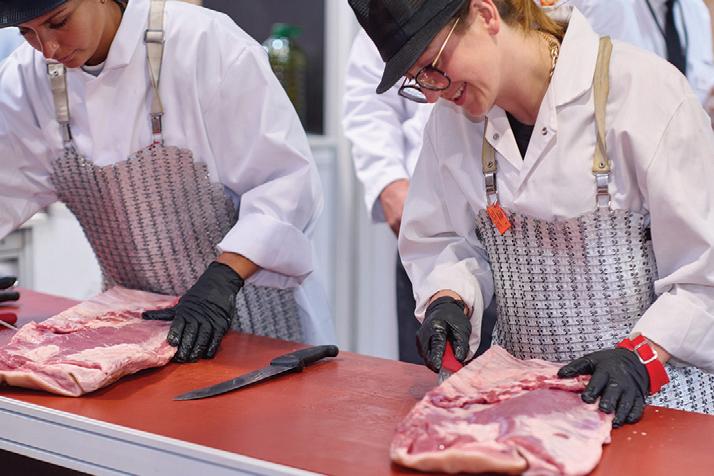
Booker is the UK’s leading food wholesaler, proudly serving over 340,000 hospitality and catering customers nationwide. From independent restaurants and gastropubs to hotels, event caterers, and street food operators, we empower every kind of food business to thrive with exceptional value, choice, and expert service.
We support chefs, kitchen teams, and front-of-house professionals with top-quality ingredients, essential supplies, and a can-do approach that makes all the difference in a fastpaced industry. Our dedicated team - including Master Butchers, specialist buyers, culinary trend experts, and hospitality-savvy colleagues - understands the unique needs of
every food business, whether sourcing the freshest produce, navigating seasonal menus, or delivering last-minute stock when it matters most.
With 190 branches, nine distribution centres, and a 7-day delivery network featuring real-time tracking and flexible credit options, Booker guarantees availability, quality, and consistency - even amid supply chain challenges. Our “We Can Save You Money” programme, loyalty schemes, and competitive pricing help customers manage rising costs, while our Own Brand ranges deliver quality without compromise to support profitability in tight-margin environments.
Beyond supply, our catering team offers hands-on advice on menu planning, portion control, compliance, and cost optimisation. We back this with sector-specific guides and clubs that provide insights, savings, and ongoing innovation.
More than a wholesaler, Booker is a trusted partner focused on the long-term success of the catering industry. With over 85,000 customer visits annually and continuous investment in people and technology, we deliver a seamless, customer-first experience that keeps kitchens stocked, guests delighted, and businesses growing.
For further information please visit www.booker.co.uk
Ever since LittlePod’s launch in 2010, the natural ingredients company’s responsibly-sourced products have been exported all over the world.
These days, the King’s Award for Enterprise winners are in close contact with customers in Germany, Japan, Estonia, Nepal and countless other countries besides.

From time to time, this has led to language barriers that have had to be overcome.
This autumn, the LittlePod team have done something about it.
“October is LittlePod’s most-important month,” explained Janet Sawyer MBE BEM, the company’s Managing Director and founder. “On October 17th, we celebrate International Real Vanilla Day, an annual occasion that we use to underline the importance of REAL vanilla, and those who grow it, to the planet and its people.
“On International Real Vanilla Day, we reach out to LittlePodders all over the world and thank them for helping us to support the farming communities in the Equatorial regions.
“This October, we wanted to make it easier to communicate with our customers, no matter their location or language. To do this, we have made our website multilingual!”
LittlePod’s website is now available in 20 languages – including Japanese, German, Spanish, French, Arabic, Hindi and Indonesian.
It has proved useful already, with Janet having travelled to Japan to celebrate International Real Vanilla Day 2025 at the renowned Barakura English Garden in Tateshina, before meeting with officials at the British Embassy in Tokyo.
Janet is also visiting customers and contacts in Canada, Australia and Singapore during her trip, underlining that her company’s Campaign for Real Vanilla is a truly global affair.
“I am so excited to be catching up with our international LittlePodders this month,” she added. “No matter where in the world you may be, your support is crucial to our Campaign for Real Vanilla and I’m delighted to say that LittlePod speaks your language!”
Visit www.littlepod.co.uk

In a professional kitchen, sharpness isn’t a luxury — it’s a necessity. From the first prep of the day to the final plating at night, chefs count on their knives to deliver precision. That’s where the Tormek T-2 Pro Kitchen Knife Sharpener comes in — a sharpening solution trusted by culinary professionals around the world.
Backed by over 50 years of sharpening expertise, and developed for the intensity of the commercial kitchen, the Tormek T-2 Pro Kitchen Knife Sharpener gives chefs full control over their edge. The machine is gentle on knives — it sharpens, not shortens. Thanks to the slowrotating diamond grinding wheel and high-precision guide, it only removes minimal steel, preserving the life of your knives while delivering exceptional sharpness.
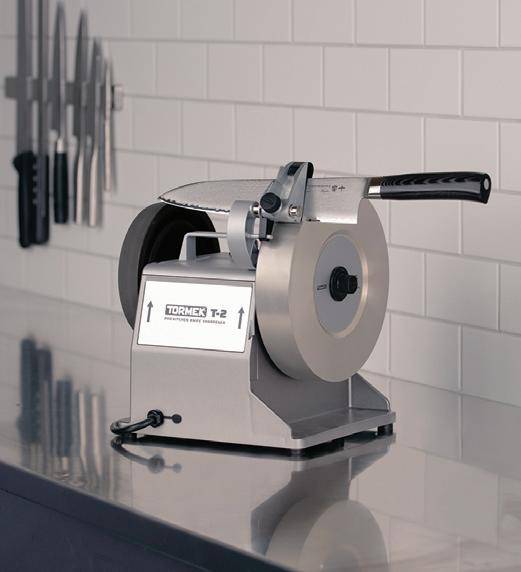
fessional-grade results. No guesswork. No overheating. Just consistent, razor-sharp edges — time after time. With its lownoise operation and compact design, it integrates seamlessly into even the busiest culinary spaces — and is also suitable for sharpening other blades commonly used in food preparation.
The Tormek T-2 Pro Kitchen Knife Sharpener is designed to handle a wide range of kitchen knives — from large chef’s knives to small paring blades — and can also be used to sharpen other common kitchen blades, including mandoline blades and S-blades. No matter the task, a properly sharpened knife is essential for efficiency and control. The Tormek T-2 doesn’t just sharpen knives — it elevates the entire kitchen workflow. tormek.com
What sets the Tormek T-2 Pro Kitchen Knife Sharpener apart is its blend of simplicity and pro-
Phone: +46 581-147 90
Email: info@tormek.se

Northern Ireland’s drink industry is experiencing a dynamic resurgence, driven by a blend of heritage, innovation, and global ambition. With a growing number of distilleries and breweries operating across the region, it is becoming a powerhouse for premium spirits, craft beers, cider and RTDs.
Many of the Northern Ireland producers are award winners across the globe, including the Great Taste’s 2025 Golden Fork Award Winner, Basalt Distillery, a rising star in Irish spirits. The producer picked up the award for its flagship Basalt Volcanic Rock Gin (42.1%) while winning 2* Great Taste awards for their Basalt Volcanic Rock Gin (50.1%) and Basalt Volcanic Rock Vodka. These are crafted with ultra-pure water filtered through the ancient basalt rock of the Giant’s Causeway, a UNESCO World Heritage site characterised by the precise structure and placement of the dramatic basalt columns. The Distillery was founded by chemical engineers Martha Garbe and James
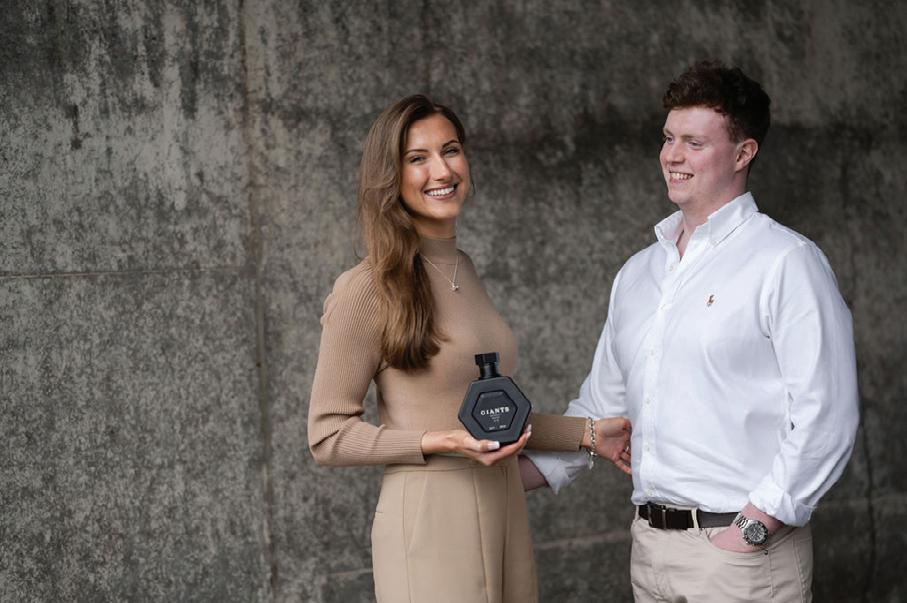
In the heat of a professional kitchen, oil does a lot of heavy lifting. From deep-frying to dressings, it’s the invisible backbone of flavour, texture, and consistency. But not all oils are created equal — and many chefs are now quietly making a change that’s transforming both their food and their bottom line.
High Oleic Sunflower Oil (HOSO) is emerging as the smarter choice for busy kitchens. Its unique composition means it stays liquid at room temperature — so it’s easy to work with, whether you’re portioning for prep or blending for sauces. It’s also naturally high in monounsaturated fats, supporting a healthier approach to frying and cooking without compromising on flavour.

down. The result? Less frequent oil changes, consistent food quality, and measurable savings on kitchen costs — all while reducing waste. Sustainability-minded caterers are also taking note. Sourced from crops grown with lower environmental impact and processed without the need for tropical cultivation, HOSO offers a cleaner, more responsible alternative for modern operations that value traceability and stewardship.
For professional kitchens striving for better performance, better food, and better value — it’s time to think high oleic.
Where HOSO truly shines, however, is in efficiency and longevity. Thanks to its exceptional resistance to oxidation, it can withstand high temperatures and prolonged use without breaking
To learn more or find your nearest distributor, contact FlavOil today.
See the advert below for details or visit https://flavoil.co.uk/

Richardson, who expertly blend scientific precision with geological heritage to produce spirits of exceptional character. The heritage is tens of millions of years old, with the geology helping to filter and purify the water drawn from the borehole. Using the purest water possible, they use state-of-the-art stainless- steel distilling equipment to create gin with complex taste and detailed flavour profiles while ensuring every drop of liquid is identical, a skill which is almost impossible to achieve within craft gin distilleries.
You can learn more about Basalt Distillery’s products and where to find them on their website www.basalt-distillery.com
To learn more about the impressive portfolio of NI drinks producers please contact Michelle Charrington: michelle.charrington@investni.com or Alex Taggart: alex.taggart@investni.com or visit BuyNIFood.com
In 2026, cheese will no longer be just a topping - it’s a strategic ingredient transforming the UK’s out-of-home dining landscape. From gastropubs to quick-service counters, chefs are leveraging cheese to drive culinary innovation, enhance flavour profiles, and streamline kitchen operations.
CONSUMER TASTES ARE EVOLVING RAPIDLY.
With nearly 60% of UK diners eating out weekly and over 90% saying it remains within budget, there’s a growing appetite for gourmet experiences and health-conscious choices. Cheese is at the heart of this shift.
Flavour-forward blends like chilli mozzarella, truffle cheddar, and jalapeño-infused mixes are gaining tractionespecially in premium formats such as Neapolitan and Detroit-style pizzas. These bold combinations offer chefs a way to differentiate menus and delight customers.
FUNCTIONALITY IS KEY.
Pre-shredded blends and varied grates improve melt, stretch, and consistency - saving prep time and reducing waste. Ingredient-inclusive cheeses provide flavourful, high-performance solutions during busy service periods.
HEALTH IS FIRMLY ON THE MENU.
High-protein options like Eatlean Protein Cheese (with 37% protein) meet GLP-1 and HFSS guidelines, helping operators cater to nutrition-focused diners without compromising on taste or texture.
VISUAL APPEAL MATTERS MORE THAN EVER.
Stuffed pizza crusts are also evolving with bold flavours like Tex Mex Chilli and Garlic & Herb. Novelty-shaped cheeses - hearts, stars, festive trees -add a playful, shareable touch that resonates with the TikTok generation. SUSTAINABILITY IS NON-NEGOTIABLE.
At Joseph Heler Cheese, we’re proud to lead the way in responsible production—using Red Tractor-certified milk, harnessing solar energy, and actively reducing emissions. With 70% of consumers prioritising sustainability, our practices help partners meet growing demand for ethical sourcing.
Cheese in 2026 is about creativity, functionality, and flavour. Let’s shape the future of pizza together.
To explore new cheese solutions or discuss your menu needs, contact: Richard Thorpe richard@eatlean.com


JINRO, the world’s best-selling spirit and a leading soju brand, is experiencing exceptional growth in the UK, driven by the rising popularity of Korean culture and HiteJinro’s sustained investment in marketing over the past seven years.
Traditionally, JINRO’s UK sales were concentrated within the Asian consumer market. However, this has shifted dramatically. Today, 77% of JINRO sales come from local, non-Asian consumers, compared to just 30% in 2015, reflecting a significant broadening of appeal and rapid market penetration.
“We are incredibly proud of the growth JINRO has achieved within the UK mainstream market,” says Kyungsun Choi, Manager of the European & African Market Sales Team. “What began as a product found only in specialist Asian retailers, restaurants, and bars can now be enjoyed by consumers across the UK through major retailers including Morrisons, Sainsbury’s, Tesco, and Costco.”

HiteJinro’s UK strategy has combined retail expansion with high-profile cultural partnerships to drive awareness and brand affinity. JINRO has been a proud sponsor of the All Points East festival in East London for three years and has recently partnered with Taste of London, with plans to return in 2026. Ongoing collabora-
tions with UK restaurants, bars, cultural organisations, and universities have helped build strong connections with consumers while supporting the broader Korean cultural wave.
Looking ahead to 2025/2026, JINRO will continue to expand its presence in the UK, with a focus on increasing listings with mainstream national retailers, strengthening on-trade partnerships across bars, restaurants, and hospitality venues, and maintaining consumer-facing activations to deepen brand engagement.
JINRO works closely with its UK marketing partner, specialist drinks agency Fourteen Ten, which manages warehousing and distribution to ensure reliable stock flow for marketing activations and coordinates logistics through JINRO’s key distributors for both on-trade and off-trade channels.
JINRO actively welcomes enquiries from buyers, distributors, and partners interested in introducing this iconic Korean spirit to their customers or collaborating on marketing activations.
For enquiries, please contact: jinro@fourteenten.com
Fitch & Leedes has earned the trust of bartenders and mixologists worldwide, becoming the pouring partner of choice for over 130 leading spirits. Known for its refined range of tonics and bespoke mixers, the brand consistently delivers sophistication and balance. Crafted with pristine, quadruple-filtered water and infused with vibrant botanicals, each infinitely recyclable can offers a perfect serve. Standouts include the elegant Pink Tonic, with rose petal and cucumber notes, the zesty Grapefruit Tonic – ideal for a Paloma – and the striking Blue Tonic,
blending blueberry and cardamom with a captivating ocean hue. QR codes on every can connect consumers to cocktail recipes, videos, and pairing guides, turning every sip into a mixology experience.
GLOBAL RECOGNITION AT THE 2025 TONIC & MIXER MASTERS AWARDS
Fitch & Leedes UK was celebrated at the 2025 Tonic & Mixer Masters Awards, earning multiple Gold and Silver Medals. Gold went to Indian Tonic, Pink Tonic, and Grapefruit Tonic, while Cheeky Cranberry and Blue Tonic secured Silver. Judged by leading industry experts, these accolades affirm the brand’s dedication to flavour, innovation, and craftsmanship.
SUSTAINABILITY AT THE CORE
With an eco-conscious ethos, Fitch & Leedes uses only infinitely recyclable cans, eliminating glass waste. Its sustainability pledge is clear: Crafted with Purpose. 100% Recyclable. No Glass. No Waste. EMBRACING TRADITION AND EXPLORATION
Balancing heritage with innovation, Fitch & Leedes inspires both classic and modern serves, securing its place on the global stage. EXPANSION INTO EUROPE
Building on its UK success, Fitch & Leedes is now expanding into European markets, bringing its award-winning mixers to new audiences. Raise your glass to a signature serve – just add Fitch. See the advert below for details.

As the festive season approaches, Port remains a staple on many drinks lists. Its rich, warming character makes it a natural partner for winter menus and celebratory moments. But beyond the traditional cheese board pairing, Port offers hospitality venues a chance to diversify their offering with a product that is steeped in heritage and increasingly versatile.
For venues looking to offer a classic serve, a Fine Ruby Port such as that from Vista Alegre is a reliable choice. With its vibrant red fruit and smooth finish, it is ideal served by the glass or paired with rich desserts. For something with a little more depth, a Tawny Port - aged in oak for a softer, nuttier profile - offers a refined alternative, particularly when paired with festive treats like mince pies or fruitcake.
Operators might also consider a Late Bottled Vintage (LBV) Port for a premium upsell. Unfiltered and full-bodied, LBV Ports like Vista Alegre’s 2015 vintage offer structure and complexity, making them a great match for blue cheese or dark chocolate.
Port also lends itself well to creative serves. Try a White Port with tonic and citrus for a refreshing aperitif, or use Pink Port as a base for winter cocktails.
Winter Fruit Bramble
- A pour of Pink Port
- Combination of winter fruits (Blackberries, blueberries, redcurrants, blackcurrants, etc etc)
- lime wedges
- crushed ice
Muddle the fruit and lime wedges. Top the glass with ice and pour pink port to top
Rosé Port Martini
With party season just around the corner, those extra touches behind the bar can turn a good night into a great one.
With Flavour Blaster, it’s easy to give guests that festive wow moment without slowing service down.
Match the scent to the season.
Think mint, chocolate, ginger, nutmeg — and over 20 other aromas to play with. A warm spiced cloud floating over a cocktail doesn’t just look good; it sets the tone before the first sip.
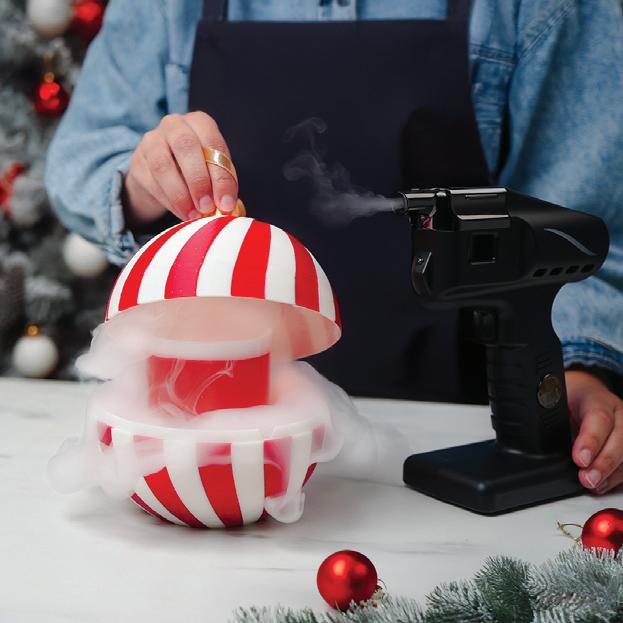
Flavour Blaster is designed to make life simple for the whole team. No faff. No complicated setup. Just a quick trigger pull to turn a regular serve into something people want to film, share and talk about.
From Christmas cocktails to New Year’s Eve specials, it’s the easy way to add a bit of theatre to every serve and keep the good vibes flowing all season long.
Flavour Blaster UK — match the scent to the season and make every serve unforgettable. Learn more at www.flavourblaster.com
Serve in a chilled martini glass. In a cocktail shaker combine: • 2 measures Rosé Port • 1 measure gin
Strain and pour into a chilled cocktail glass
Add your own house twist by experimenting with white or ruby ports, or adding a dash of cranberry, rum or even mescal
With strong margin potential and a growing interest in fortified wines, Port deserves a place on every festive drinks list. For more information, contact sales@lanchesterwines.co.uk
Penderyn Bad Wolf, Icons of Wales #13, is a 10year-old whisky fully matured in old Tawny Port pipes, which have previously held port wine for around 60 years.
Penderyn ‘Bad Wolf’, number 13 in Penderyn's Icons of Wales series, is a brand-new bottling and celebration of contemporary modern arts in Wales and a collaboration with leading production company Bad Wolf in Cardiff. Penderyn is delighted to be able to celebrate the 10th anniversary of Bad Wolf with the release of this 10-yearold bottle of single malt Welsh whisky.
The companies have collaborated to produce a premium bottling, and the whisky was personally chosen from the Penderyn warehouse by Bad Wolf Chief Executive Officer Jane Tranter and her team.
Jane Tranter, CEO and Co-
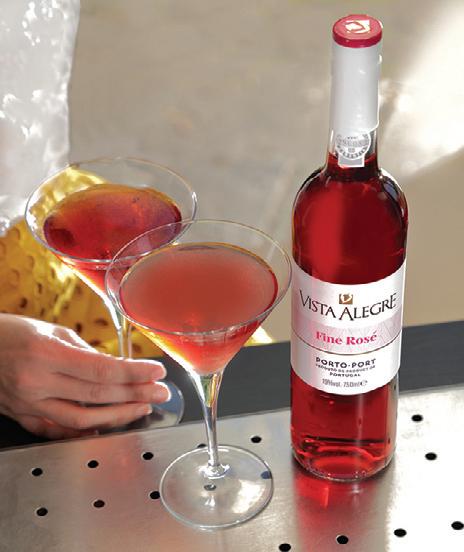
Founder of Bad Wolf Studios, said: “There is something characteristically bad ass and unexpected in marking our 10th year of Bad Wolf by having a whisky in our name. I love the idea that while we have been producing hundreds of hours of drama in Wolf Studios Wales, in parallel this ten-year-old whisky has been quietly biding its time, maturing until ready to be appreciated. Great things come to those who wait."
Stephen Davies, Penderyn CEO, said: “This is one of the most exciting bottlings we have ever done. Bad Wolf has brought huge creativity to Wales and to the capital city of Cardiff, and through the medium of contemporary arts has been telling fantastic stories over the last 10 years. It seems fitting to dedicate a 10-year single malt to the company’s 10-year anniversary and raise a toast to many more years of success to come.”
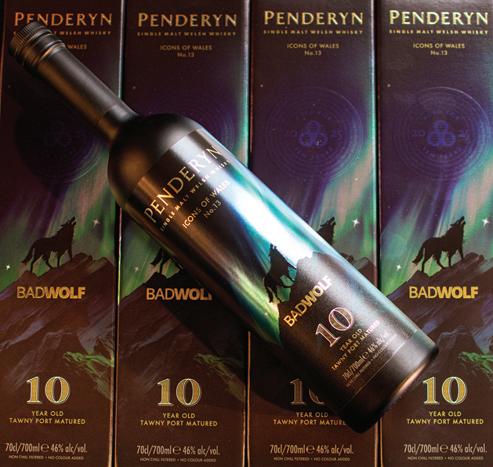
“Tell them stories. They need the truth you must tell them true stories, and everything will be well, just tell them stories.”
Philip Pullman
www.penderyn.wales
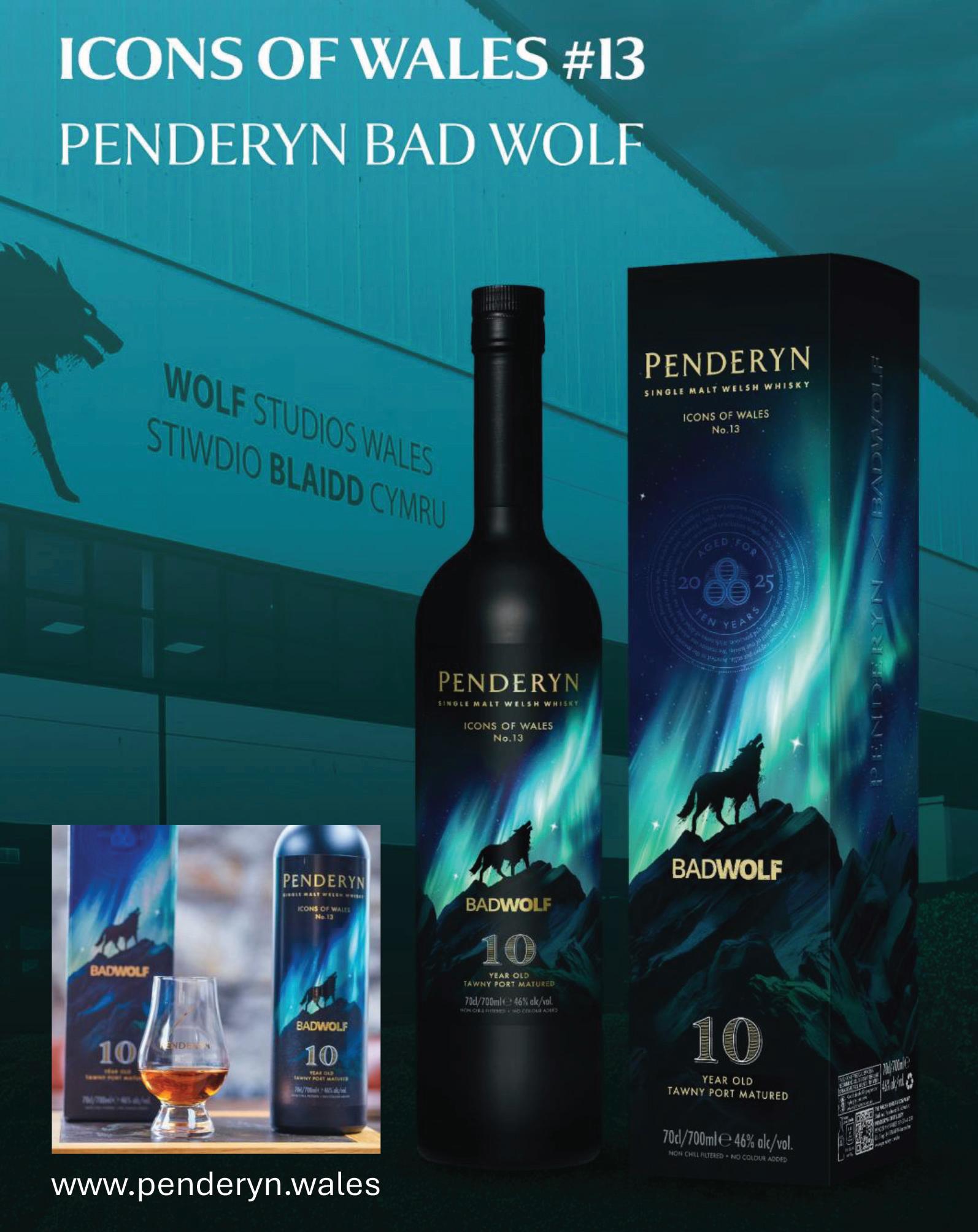
As the festive season approaches and winter bugs proliferate, maintaining impeccable hygiene standards has never been more critical for the UK's hospitality sector
The countdown to Christmas has begun, and for licensed premises across the country, the next few months represent the most lucrative period of the year. Yet alongside the promise of packed bars and fully booked restaurants comes an uncomfortable truth: a single adverse hygiene review could unravel months of hard work in a matter of hours.
Today's hospitality operators face scrutiny that would have been unimaginable a generation ago. Every customer carries a publishing platform in their pocket, and they're not afraid to use it. A sticky table, grimy glassware, or questionable toilet facilities can be photographed, captioned, and shared with thousands before the shift manager has even noticed the complaint.
The court of public opinion sits in permanent session, and its verdict is swift and merciless. A single viral post highlighting poor hygiene standards can devastate a venue's reputation, particularly during the critical festive trading period when customer confidence is paramount.
As we enter the season of colds, flu, and norovirus outbreaks, the importance of robust cleaning protocols intensifies. Winter bugs spread rapidly in crowded, warm environments – precisely the conditions that define a busy hospitality venue during the festive period.
The potential consequences extend beyond individual illness. An outbreak
traced back to a pub, bar, or restaurant can trigger temporary closure, environmental health investigations, and lasting reputational damage. The financial impact during peak trading weeks could be catastrophic. A comprehensive cleaning programme requires more than good intentions. It demands structure, consistency, and accountability.
Professional-grade cleaning products and equipment deliver better results than budget alternatives. The cost differential pales compared to the potential losses from an outbreak or negative publicity. Similarly, ensure adequate supplies are always available – running out of essential cleaning materials during a busy shift is unacceptable.
Customers need to see cleanliness, not just experience it. Regular visible cleaning during service hours reassures guests that hygiene is a priority. Staff wiping down surfaces, changing service items, and maintaining spotless facilities sends a powerful message.
Consider the customer journey through your venue. What do they touch? What do they see? Menus, condiment bottles, toilet facilities, glassware – every element contributes to their overall impression. A beautifully presented meal served on a table with sticky residue from previous diners creates cognitive dissonance that undermines the entire experience.
As party bookings fill the diary and walk-in trade increases, the temptation to cut corners grows. Pressure mounts, staff are stretched, and maintaining standards becomes challenging. This is precisely when discipline matters most.
Providing customers with attractive and properly equipped washrooms is essential for an organisation’s image and, of course, for legal compliance. Often however, the costs of maintaining those facilities can far exceed the costs of installing them.
Typically, the biggest expenses are associated with consumables: the ongoing costs of the soaps, paper towels and toilet tissue used in washroom dispensers and equally, the time and labour costs associated with checking and replenishing them.
Consequently it is often helpful to choose larger-capacity dispensers. They will reduce the need for regular intervention and, importantly, help to ensure that guests don’t find them empty when they need them.
In high-use environments, damage and breakdowns can be costly too, so it makes sense to choose well-constructed dispensers made of robust materials. Stainless steel is an excellent choice; it resists accidental damage, wear and corrosion, it’s also hygienic and easy to clean,
Behind-the-mirror systems are an especially durable option. With all the working elements set behind a mirror, dispensers aren’t subject to accidental knocks and scratches and they stay well-protected against tampering and vandalism.
Such systems may cost more initially, but they should greatly outlast less sturdy alternatives and by requiring less
A negative hygiene review in early December doesn't just impact that day's trade – it poisons the well for the entire festive period. Customers planning office parties or family gatherings will think twice about booking a venue with recent hygiene complaints. The financial consequences multiply rapidly.
Meeting Food Standards Agency requirements and environmental health standards represents the minimum threshold, not the aspiration. Truly successful operators recognise that exceptional cleanliness differentiates them from competitors and builds customer loyalty.
In an era where customers can access Food Hygiene Rating Scheme scores instantly on their smartphones, anything less than a five-star rating raises questions. But beyond the official ratings, the subjective experience matters enormously. Venues that feel clean, smell fresh, and demonstrate attention to detail earn customer advocacy that no advertising campaign can buy.
Establishing a rigorous cleaning regime requires initial investment in time, money, and effort. The temptation to economise is understandable, particularly when margins are tight. But the long-term cost of inadequate hygiene vastly exceeds the expense of maintaining high standards.
A strong reputation for cleanliness takes years to build and minutes to destroy. In the social media age, with winter bugs circulating and the crucial festive trading period approaching, operators who prioritise hygiene protect not just their customers' health, but their business's future.
The question isn't whether you can afford to implement comprehensive cleaning protocols. It's whether you can afford not to.
maintenance and fewer repairs and replacements, they should incur substantially lower costs overall.
Good washroom equipment can also make an important contribution to the customer experience. Guests will be quick to notice poorly equipped or badly maintained facilities; the condition of the washroom can say a lot about a business. Specifying more reliable washroom equipment will make an important difference, but stainless-steel products offer another attractive feature: they can be produced in a variety of styles and finishes – brushed, painted and lacquered – to match existing corporate branding.
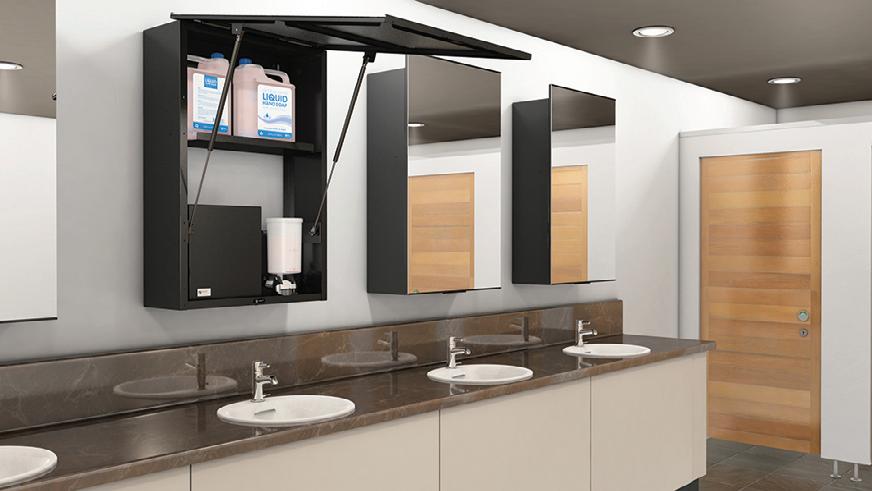
Finally, many businesses are keen to promote sustainability and here, stainless steel dispensers afford another benefit. Made from 60% recycled content, they can be fully recycled at the end of their long working lives. Moreover, Dudley Industries’ products are made in a factory using 100% renewable energy, so their carbon impacts are further reduced. For added peace of mind, they are also supported by up to 10
warranty. For further information see the advert on this page.

Tork, an Essity brand and the global leader in professional hygiene, announces findings of a global Insight Survey of end users and cleaning staff that explored attitudes toward hygiene in washrooms. Tork continues to push for inclusive hygiene by identifying barriers that prevent people from comfortably meeting their needs in public washrooms and the resulting impact on businesses.
Significant societal shifts have taken place with regards to awareness and accommodation of individual physical circumstances and conditions in washrooms in public spaces and the workplace. Changing places are more commonly seen in shopping centres and disabled toilet cubicles are incorporated into the design of public washrooms, signposted by the wheelchair sign. However, globally 95% of people who report physical or cognitive conditions are not in a wheelchair.
The global Tork Insight Survey reveals that many needs remain unrecognised in washroom design and maintenance. In fact, globally, 1 in 2 people are likely to face barriers to hygiene in washrooms meaning there is a disconnect between their capabilities or needs and the washroom environment. 33% of those who report a physical or cognitive condition have skin sensitivity, 29% have anxiety and 22% have rheumatism. Such sensory sensitivities, cognitive conditions or paruresis (shy bladder) can result in people refraining from using washrooms or being
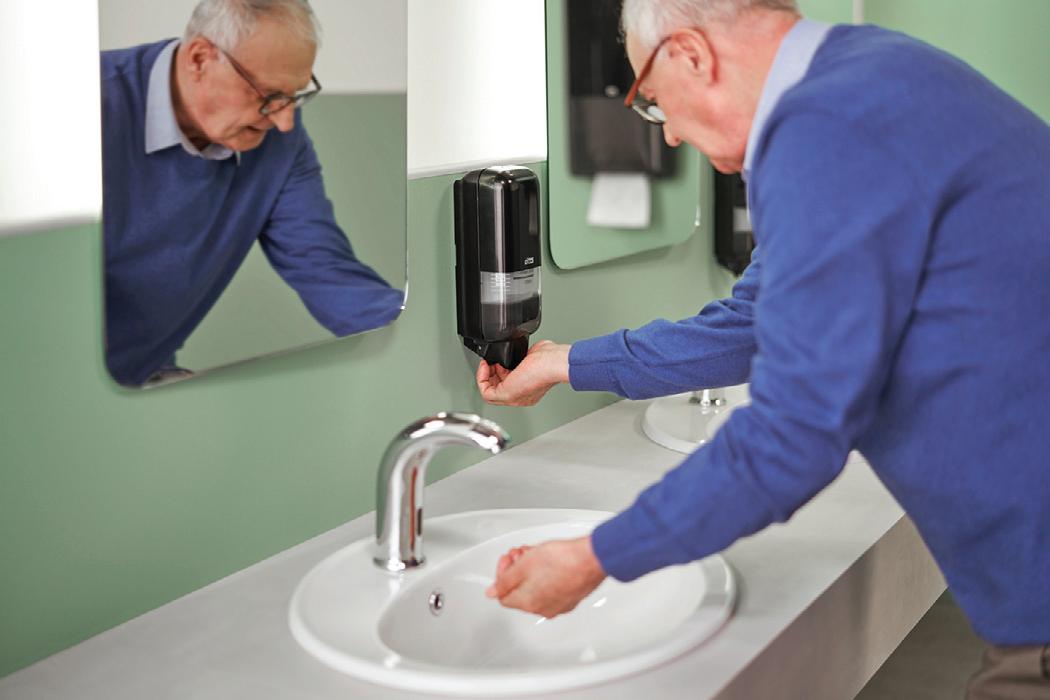
Drawing similarities with the global view that 1 in 5 washrooms do not meet hygiene cleanliness expectations, 24% of people surveyed in the UK cite ‘unhygienic’ as a reason for never using or having avoided a washroom, and 50% say they have not used a washroom at a venue even though they needed to. Overall, in line with disappointing global survey stats, 83% of end users surveyed in the UK are concerned about hygiene
• 30% have spent less time at a venue because of the state of the washroom
• 17% have avoided eating and drinking at a venue
• 10% have told their friends to avoid the location and 7% have left a poor online review
• 18% of people have made a complaint to staff or workplace management about poor washroom experiences
• 15% worked from home more than they otherwise would, because of poor washrooms at work, hindering compliance with return to office policies
able to fully meet their needs in the washroom.
In the UK, 17% of those who report a physical condition suffer from a skin sensitivity such as eczema, which can be aggravated by harsh soaps, and 12% are challenged by arthritis or suffer from chronic pain, which can make using toilet paper and accessing soap from dispensers difficult.
We’ve all experienced it, sitting down at a restaurant only to find the menu clinging to the table. That tacky feel is one of hospitality’s biggest guest turn-offs and can quietly harm a venue’s reputation.
Sticky tables signal poor hygiene, even in otherwise spotless settings. This perception can be costly: guests may assume standards are low, leave negative reviews, and avoid returning. The problem, however, usually lies not with cleanliness but with cleaning practices themselves.
Many restaurants use sanitising sprays that contain quaternary ammonium compounds (quats). Over time, these leave behind a thin, sticky residue that attracts dirt and grime. Re-using damp cloths across multiple tables spreads the problem further, while heat and humidity make it worse. The result? Tables that look clean but quickly feel anything but.
The good news is that sticky tables aren’t inevitable. Restaurants can break the cycle by choosing alcohol-free,
To learn more about how inclusive hygiene can improve your business please visit:
www.torkglobal.com/gb/en/about/inclusive-hygiene
Tork Insight Survey 2025, conducted in US, UK, Germany, France, Mexico, Canada, Australia, Spain, Sweden, Netherlands and Poland among 11,500 people from the general public and 1,000 cleaning staff.
residue-free wipes made for food-contact surfaces, using ready-to-use products to avoid dilution errors, cleaning before sanitising, and allowing surfaces to air dry properly.
Sticky tables might seem minor, but they influence perception, reviews, and loyalty. A clean table doesn’t just look good - it builds confidence, compliance, and longterm trust in your brand.
At Sani Professional®, we’ve developed Protect 360° biodegradable sanitising wipes to solve this challenge sustainably. Their plant-based active formula cleans effectively and dries residue-free, helping hospitality teams deliver a spotless, guest-ready finish every time.
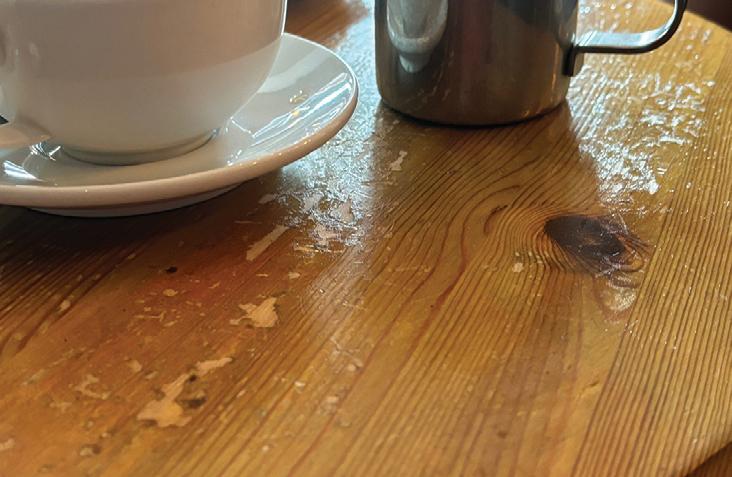
Request your FREE Protect 360° samples by writing an email to samples@sanipro-intl.com



The combination of damp winters, humid summers and building stock with outdated insulation and ventilation has made tackling mould an increasing challenge for the hospitality industry. Beyond being unhealthy and unpleasant, mould is costly, difficult to tackle and increasingly subject to regulation. The gravity of this situation is underlined by the introduction of Awaab’s Law this October, which will impose strict timeframes on social housing landlords to investigate and repair reports of damp and mould.
To help address the issue, Pazco has introduced Inducoat Fungi to the UK market - a proven, one-coat, 24-hour anti-mould solution from Dutch surface hygiene specialists Inducoat. Inducoat Fungi provides up to five years of mould protection, reducing maintenance and, in turn, saving time, labour and material costs. The system is highly effective on a wide variety of surfaces from walls to ceilings and even woodwork, making it the ideal choice for the hospitality sector.
Inducoat Fungi works by harnessing next-generation technology to actively combat
mould. The paint’s advanced formula bonds a powerful blend of biocides directly to its molecules during production, ensuring a slow and sustained release that provides extended protection against mould regrowth. The specialist engineering techniques employed in its production minimise leaching, meaning that Inducoat Fungi maintains its effectiveness far longer than other mould-resistant paints.
Inducoat Fungi is the only anti-mould coatings manufacturer to receive a CTGB number accreditation from the Dutch Authorisation Board. The paint is also tested to the highest European standard for antifungal coatings (EN15457).
Bobby Hall, Director at Pazco, comments: “Mould is more than just a maintenance issue – it’s a reputational and regulatory risk for the hospitality sector. Inducoat Fungi gives operators peace of mind by delivering proven, long-lasting protection, creating a better guest experience and saving time and money on maintenance.”
For further information, please visit www.pazco.co.uk
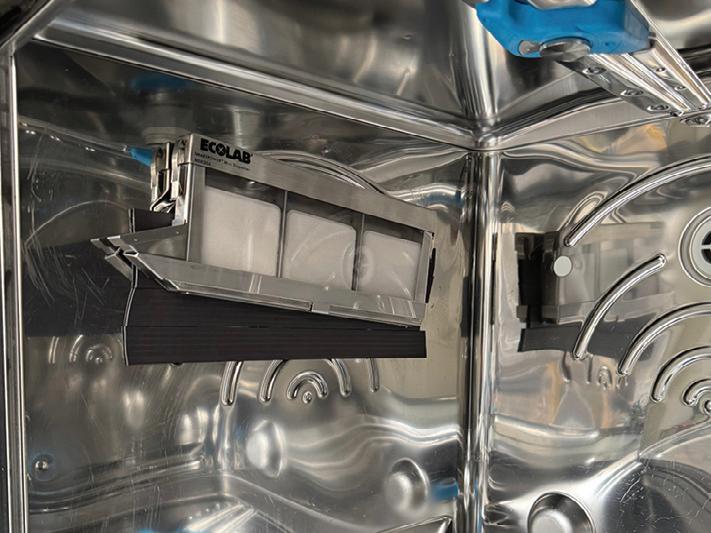
In care homes, clinics, and hospitality settings, where hygiene is non-negotiable and space is at a premium, two innovations are redefining how cleaning gets done: SMARTPOWER™ Mini and ReadyDose™.
The SMARTPOWER™ Mini is a compact, solid detergent and rinse system designed for undercounter dishwashers. It delivers up to 150 washes per refill, with no leaks, no mess, and no need for tools during installation. Its passive dispensing system ensures consistent results while reducing packaging waste by up to 93% and cutting CO2 emissions by over 70% compared to traditional liquids. It’s a win for safety, sustainability, and simplicity—especially in environments where staff turnover is high and training time is limited.
Complementing this is ReadyDose™, a tablet-based cleaning programme that’s perfect for small-footprint sites with limited access to water lines or space for dispensers. Whether it’s a care home kitchenette or a
boutique hotel bar, ReadyDose™ offers a professionalgrade clean with a straightforward, no-fuss routine. Each tablet is pre-measured, eliminating dosing errors and reducing chemical exposure for staff. It’s ideal for locations where safety, speed, and ease of use are paramount.
Together, SMARTPOWER™ Mini and ReadyDose™ empowers customers to streamline operations, reduce environmental impact, and maintain the highest hygiene standards.
To learn more or request a demo, contact your Ecolab representative today or visit the SMARTPOWER Mini homepage or ReadyDose homepage to discover more and register your interest in a free trial.
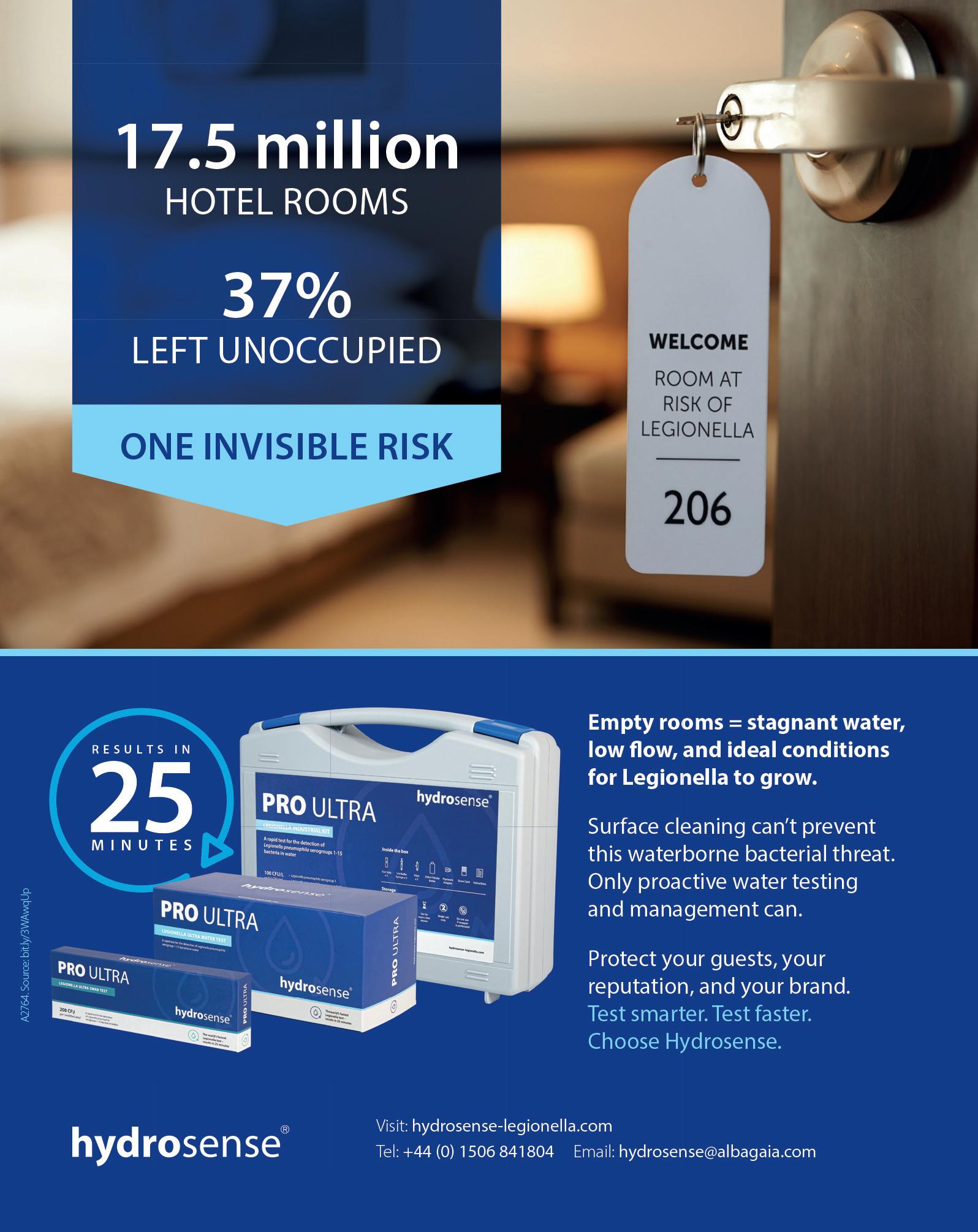

Because when it comes to cleaning, small innovations can make a big difference.
https://en-uk.ecolab.com/
Hoteliers and hospitality operators are being urged to prioritise Legionella safety as the sector prepares for the busy seasonal rush.
Cases of Legionnaires’ disease - a potentially fatal lung infection caused by inhaling water droplets containing Legionella bacteria - have reached record levels, with 604 cases reported in England and Wales in 2023, up from 488 in 2017.1
Legionella thrives in stagnant water - particularly in temperatures between 20°C and 45°C - common in unused or little-used water systems. The risk is particularly high in hotels and hospitality venues that may have been vacant or experienced intermittent use during the off-season ahead of the seasonal rush.
With this, Hydrosense, the UK’s leading authority in rapid Legionella testing technology, is urging the sector to pay due diligence to Legionella risk when preparing for the festivities.
“As bookings ramp up for the busy festive season, hoteliers and the like mustn’t overlook the importance of ensuring a robust approach to water safety,” said Greg Rankin, CEO at Hydrosense. “Legionella bacteria can build up quickly in stagnant or underused systems, especially during warmer months - creating the perfect conditions for bacteria to grow. Taking action now - flushing systems, checking temperatures, carrying out risk assessments to incorporate rapid Legionella testing, can make a big difference in keeping guests safer and establishments compliant.”
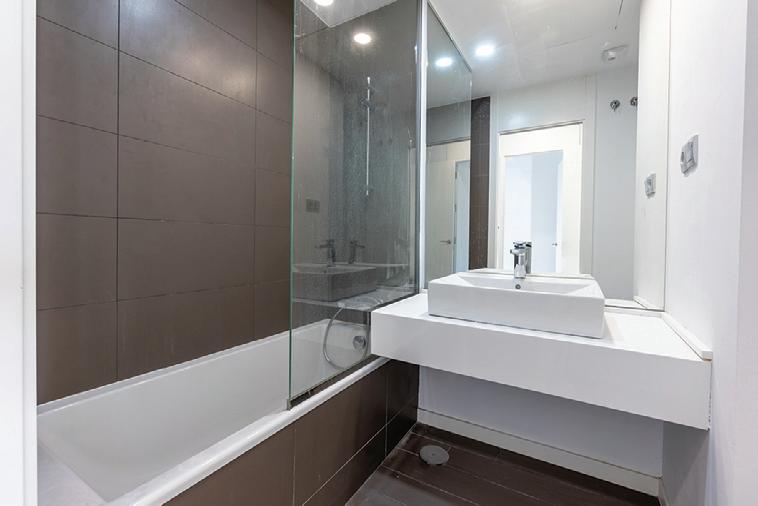
Under UK health and safety law, all property owners and duty holders are responsible for identifying and controlling the risk of exposure to Legionella, including hoteliers, caterers and hospitality providers.
Along with regular maintenance, frequent flushing, and risk assessments, Hydrosense asserts there is also a clear case to incorporate regular rapid Legionella testing – which can detect Legionella in just 25 minutes – as part of any water safety regime.
“With Legionella cases on the rise, prevention is far easier - and far less costly - than managing an outbreak,” Rankin adds. “Rapid testing as part of peak-season preparations gives hospitality operators peace of mind, safeguarding both guests and reputation.”
For further information, visit Hydrosense: https://hydrosense-legionella.com/

A year after the much-heralded Allocation of Tips Act 2023 came into force, a new study by URocked, a leading digital tipping platform, reveals a troubling truth: consumer trust in how UK restaurants handle tips remains woefully low. Despite the law's clear mandate, a staggering 54% of consumers doubt that restaurants are passing on 100% of tips to staff.
This crisis of confidence isn't unfounded. The research, conducted in September 2025, exposes significant gaps in the legislation's implementation, which became law in October 2024. A quarter of employers admit to making no changes since the law's introduction, and 24% of restaurant staff report no shift in their employers' tipping practices. While 20% of staff claim to have received more tips, a concerning 23% report receiving fewer.
A critical issue is the widespread misunderstanding of the law itself. While 53% of decision-makers correctly identify the requirement for 100% pass-through, a substantial 45% still believe that deductions, exemptions, or discretionary distribution are permissible. This confusion trickles down to staff, with 14% suspecting their employer isn't complying. Alarmingly, some decision-makers mistakenly believe the law only applies to full-time staff (21%), that policies printed on receipts offer flexibility (15%), or that admin fees can still be deducted (9%).
This lack of transparency and understanding is not just impacting staff morale and earnings; it's also stifling a significant opportunity for increased customer tipping. A striking 60% of staff believe customers would be more inclined to tip if they had better confidence in the restaurant’s distribution process. This is particularly crucial given that 65% rely on tips / service charge to some degree.
As David Dillon, CEO of URocked, rightly comments, "While nearly nine out of ten respondents say the new law has made things fairer for staff, our research shows there's still work to be done in building consumer trust and ensuring universal employer compliance."
The onus is now on the industry to bridge this trust deficit. Transparency in tipping practices and robust education for both employers and consumers are not just desirable, but essential to restoring confidence and ensuring that the spirit of the Allocation of Tips Act is truly upheld. Without these measures, both staff and customers will continue to question the fairness of a law that’s designed to protect them.
Tipping platforms like URocked can help bring in much needed transparency. To find out more about URocked and to access all the findings from the tipping survey, click here. https://urocked.com/blog/tips-act-one-year-later/
Hotels and Pubs run best when F&B purchasing is seamless, transparent and reliable. The great adage ‘the right tool for the job’ is very apt when we think about the needs of Chef’s, cooks and gastro imagineers.
AUTOMATED INVOICING AND ACCOUNTS
PAYABLE
If you’re still manually entering paper, PDF and emailed invoices it’s time to stop wasting your valuable time and put in a system that’s made to do it for you. Get your invoices coded, approved and sent to AP for payment without manual errors.
ORDER IN ONE GO

Stop going to each supplier site, calling, emailing and order from multiple suppliers in one go – modern systems are so much better at solving those fragmented ordering process challenges so get back control of
your purchasing.
Buying tools with flexible and more importantly supplier centric portals helps ensure you’re reaping the benefits of engaged supplier networks. Comprehensive product information, descriptions, images all ensuring supplier products are beautifully represented to your teams improves visibility, makes purchasing faster and more informed.
When suppliers are empowered and supported by both your team, the tools you use to engage with them and their customer service teams you get tighter supplier relationships, transparency and trust and happy chefs - making delicious food that your guests will rave about.
PurchasePlus is for any organisation drowning in manual procurement and invoicing. Simple, modern way to buy, manage suppliers and process invoices automatically. www.purchaseplus.com
Having worked with hospitality businesses for over two decades — from hotels to pub chains, sports venues, bars, and restaurants — we’re often part of the conversation: how do operators best protect themselves from dine-and-dash?
Technology can be a valuable ally in the fight against such opportunism. CardsSafe is designed to securely store a customer's bank cards while they run a tab. It’s the ideal deterrent for anyone contemplating walking out without paying because their card is safely tucked behind the bar in a CardsSafe unit.

The system securely stores bank cards and facilitates easy tab-keeping. Rather than insisting on advance payment, businesses can keep tabs and upsell while doing so.
CardsSafe has been a trusted partner in the hospitality and leisure industries, assisting with bar tabs and significantly boosting profits. Renowned establishments, including Young’s Pubs, Hilton Hotels, and numerous golf courses, have been reaping the benefits of CardsSafe for years.
Deers Hut pub in Liphook, Hampshire, first approached CardsSafe in 2013 to help with a large volume of bar tabs for both indoor and outdoor customers. One of the primary motivations for using CardsSafe was to stay on top of where their
customers were located outside. Deborah Steel, the Director, told us, "The CardsSafe system is great for servicing customers who enjoy our outdoor areas."
CardsSafe is affordable, too. Each unit, containing ten card drawers, costs just £9.95 per month. So, just one £120 walkout is the cost of a 10-card CardsSafe unit for an entire year. Additionally, each hire includes customer service troubleshooting and free replacement keys, with the option to add additional units at any time.
The question is, can you afford not to have CardsSafe as a part of your business?
For more information, please visit www.cardssafe.com or contact the sales team on 0845 500 1040

Moneypenny, renowned for its world-class client conversation solutions, has launched a brand-new AI Voice Agent designed specifically for the hospitality sector, building on a successful beta programme. This intuitive virtual assistant speaks naturally with clients over the phone, offering greater flexibility in how hospitality businesses manage enquiries, protect billable hours and deliver exceptional client care.
Built and run from centralised architecture at Moneypenny, the AI Voice Agent is human sounding, warm and always available. Capable of holding natural conversations using everyday language, it removes the frustration of automated menus or lengthy hold times. Clients simply speak and the AI Voice Agent responds instantly and clearly in a way that feels professional and reassuring.
Designed to reflect each hospitality company’s brand and enhance the client journey, the AI Voice Agent can triage high call volumes, understand enquiries and handle straightforward requests such as opening hours, directions, bookings or document requirements. It also captures key information including client names, contact details and booking requests, and can transfer calls to either a Moneypenny receptionist or the appropriate person, ensuring that sensitive or complex matters are always handled correctly.

Available 24/7/365, the AI Voice Agent ensures no call is ever missed, even during peak periods, and can manage multiple enquiries at once, eliminating voicemail backlogs and long wait times. Operating within strict guardrails, it delivers only accurate, company-approved information, supports lead capture and appointment scheduling and reduces interruption for in-house teams. If a query is too complex or a client prefers to speak to a person, the AI Voice Agent escalates instantly to a real Moneypenny PA or a member of the company’s team with no disruption.
Jesper With-Fogstrup, Group CEO at Moneypenny, commented:
“Our AI Voice Agent has been developed recognising that many hospitality businesses want to automate straightforward enquiries, while ensuring that complex and sensitive conversations remain firmly in human hands. It is about balancing efficiency and empathy and enhancing the already brilliant client-focused service we are known for.
For further information please visit www.moneypenny.co.uk or call 0333 202 1005
In football, it's not only about the game; it's about creating a memorable experience for fans. That's why clubs are continuously seeking ways to enhance matchday experience by reducing queues and providing more options for their supporters.
Notts County FC adopted an innovative strategy to achieve this by installing a new bar inside a repurposed shipping container at their Meadow Lane stadium, with the aim of improving fan experience and boosting matchday revenue.
To ensure seamless operations and efficient transactions at the new bar, Notts County turned to MCR Systems, a leading provider of EPOS (Electronic Point of Sale) solutions.
INSTALLING A WINNING SOLUTION
MCR Systems swiftly responded to Notts County's needs by installing eight cutting-edge EPOS terminals with the new bar. These state-of-the-art terminals were equipped with interactive media screens and integrated payment devices, providing a robust solution to manage the bustling crowds during home games.
MCR Systems conducted thorough training sessions with the club's team to ensure a seamless transition

and help the team maximise the functionality of the new system.
The installation had an immediate and practical effect. Fans enjoyed shorter wait times and quicker transactions, significantly improving their matchday experience.
Encouraged by these positive outcomes, Notts County FC decided to take further steps to enhance their matchday offerings by expanding their partnership with MCR Systems.
Notts County ordered an additional ten terminals from MCR Systems for two new sections in the away end of Meadow Lane. These terminals were operational just in time for the Boxing Day fixture against Doncaster Rovers, further enhancing the stadium's amenities and revenue potential.
T: 0116 299 7000
E: enquiries@mcr-systems.co.uk www.mcr-systems.co.uk

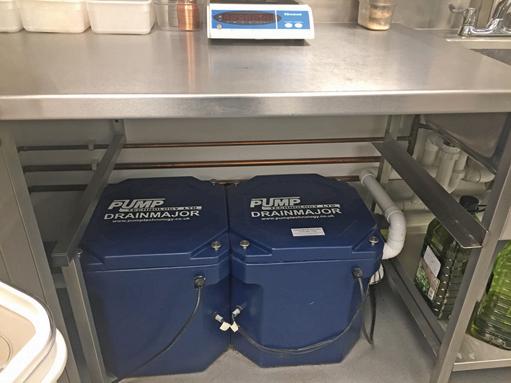
For large commercial kitchens without gravity drainage a reliable pumping system is essential to ensure service is not interrupted. A pump failure when the kitchen is busy can be extremely financially challenging.
Selecting a reliable and proven waste water pumping system such as the DrainMajor Duo or DrainKing, fitted with Jung Pumpen pumps, from commercial kitchen experts Pump Technology Ltd is often the kitchen designers first choice to mitigate against such a problem.
Discussing an installation with the application team at Pump Technology Ltd is a fast and worthwhile process. They will select the right size pumping system for the number of sinks and appliances required, taking into consideration factors in the site which users might not have been considered when first thinking about pumps.
Often a dual pump, duty standby configuration will provide the solution. Not only will this offer a backup if one pump fails, but it will easily also serve a number of sinks and appliances such as dishwasher, pasta boilers etc.
This type of unit can be an extremely cost effective and efficient alternative to buying and installing multiple pumping systems.
The Pump Technology Ltd DrainMajor Duo and DrainKing are both twin pumping systems offering duty standby pumping protection. The choice will be based on a number of factors. The DrainMajor Duo has a rectangular footprint and the DrainKing a square one.
The Drainmajor Duo features two separate tanks, with each pump operating independently servicing different sinks and appliances. If one pump should fail, the liquid level will rise and flow through into the other tank. That pump will then also act as the standby pump. This configuration avoids the need for a control panel.
The DrainKing comes with two pumps in a common tank. It’s control panel swaps over the duty pump every pumping cycle. The benefit of this is
Caterquip Ventilation Ltd is proud to be celebrating their 25th Anniversary this year.
This Warwick based company offers nationwide coverage for all your commercial catering needs: free site surveys, quotations and designs (CAD), quality bespoke and standard fabrications, specialist knowledge of catering ventilation systems including input air, odour reduction (carbon filtration and ESP) and sound attenuation. Affiliated members of Constructionline and CHAS, Caterquip Ventilation have a strong hold in the marketplace often advising industry professionals on ventilation systems to a DW172 specification & BSEN:6173.
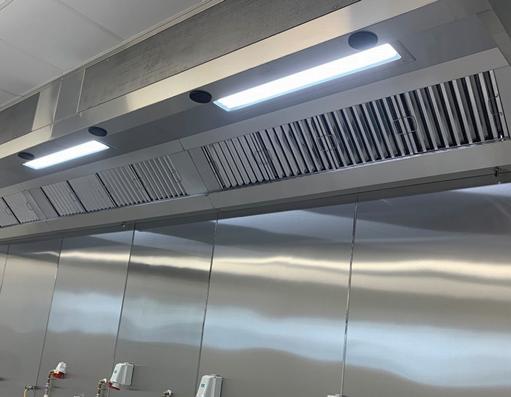
kitchen design service to help you build your ideal kitchen.
Projects undertaken have included Olympic Villages, Basildon Hospital, The Mitre Hotel at Hampton Court, The Truck Stop at Anglesey, The Lodge at Old Hunstanton, Colleges, Schools, Hotels, Restaurants and Public Houses. They ensure their systems are compliant with the current guidelines whilst maintaining an efficient and dynamic facility.
With extensive knowledge of manufacturing and installing ventilation systems, they can help you design the best kitchen within the space available.
They have strong relationships with all leading kitchen equipment suppliers, and they offer a
Call: 01926 887167, visit: www.caterquipventilation.co.uk, email: info@caterquipventilation.co.uk
that each pump operates for a shorter time and pump life is increased.
Both systems are fitted with a high-level alarm, allowing operators to know when a maintenance engineer is required even though they might not notice since there is no disruption to service.
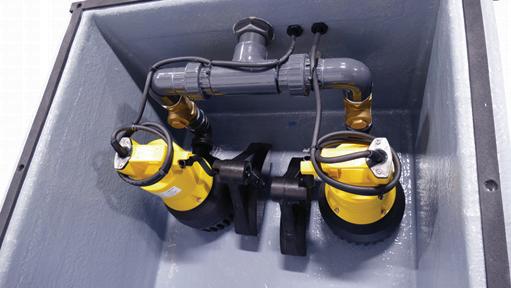
The alarms also have volt free connections so they can be connected to a BMS system.
Contacting the Pump Technology Ltd team is simple and fast and allows customers to benefit from their knowledge to specify the best pumping solutions for any commercial kitchen.

Air Vent Technology offers three ranges of high temperature fans designed for installation into commercial kitchens. The “QBK,” the “QMF-HT,” and the “STR/MOS” can handle operating temperatures between 80ºC and 180ºC with performances from 0.10 m³/sec to 7.45 m³/sec, single and three-phase. For maximum durability, the motors are out of airstream, preventing overheating, reducing exposure to dirt and grease, and minimising maintenance and cleaning. All have acoustic linings to reduce noise breakout.

The "QBK" range comprises six fans and five sizes, single and three-phase. They have energy efficient, direct drive fans with backward curved centrifugal impellers. "QBK" units have flexible airflow configurations - straight through or 90º. Cases are of robust extruded aluminium frame in double skinned galvanised steel with a plastisol coated finish. All are fitted with energy saving controls. Attenuators, cowls, flexible duct connectors and weatherproof kits are available. The "QBK" range will operate in temperatures of up to 120ºC with perfor-

mances from 0.10m3/sec to 2.97m3/sec.
The “QMF-HT” range comprises nine sizes - single and three phase, four and six pole motors. They are continuous running in temperatures up to 180ºC with performances from 0.10 m³/sec to 3.40 m³/sec and are for ducted or direct installation. They are easy to install horizontally or vertically, inside or out.
The “STR/MOS” are continuous running in temperatures of up to 80ºC and can be installed internally and externally. There are two sizes, each with two motor ratings giving performances of between 2.00 m³/sec to 7.45 m³/sec. The “STR/MOS” are versatile with seven spigot options which can be set at installation. Air Vent Technology can design custom ventilation systems using these high-temperature fans to ensure optimal performance for any situation.
Tel: +44(0)1264 356415
Email: sales@airventtechnology.co.uk
Web: www.airventtechnology.co.uk

At Kitchen Clearance UK, we specialise in supplying top-quality refurbished and B-grade commercial catering equipment from some of the industry’s most trusted brands, including Rational, Lincat, Merrychef, Maidaid, Falcon, Foster, Blue Seal, and many more.
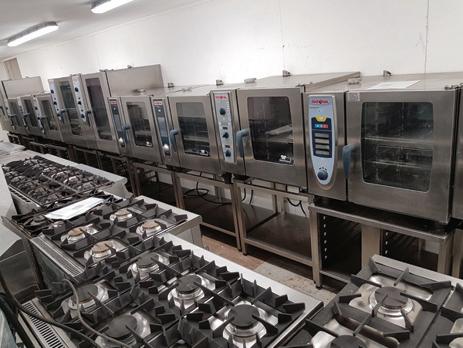
We carefully source only the best pre-owned commercial catering equipment, ensuring that each piece is fully refurbished to a high standard and rigorously tested by our expert engineers. All equipment can be viewed if required to see it working and see the quality of the item. We also supply B-grade catering equipment — items that may have minor cosmetic imperfections or have been used for
As a green business, we are dedicated to reducing waste in the catering industry by giving high-quality equipment a second life. Before disposing of any catering equipment, reach out to us, it’s not only better for your finances but also for the environment.
Tel: 07790 612911 Email: kitchenclearanceuk@gmail.com www.kitchenclearanceuk.co.uk
Blue Seal have noticed over the last few years a definite increase and trend for modular suited cooklines, especially for front of house customer facing kitchens where there is a theatre element to the dining experience.
With the current sustainability/ high efficiency and carbon footprint directives, the requirement for electric equipment options to future proof and modernise the operations has become a priority. This expansion is predominantly for new site install, where the site has the power supply for 3phase and the operator is looking to future proof the kitchen and incorporate a full electric line up, including high efficiency induction hobs etc.
This complete electric specification also avoids the complication & cost of expensive gas regulation canopies and interlock systems. Electric equipment is also generally easier and cheaper to Install, routinely maintain, as well as having a longer life span in some cases. This encourages restaurants, Hotels etc. to invest in high efficiency, low carbon sites.
There has not, however been any downturn for demand on gas equipment in general, especially twin tank gas fryer units, chargrills, ranges and griddles. The
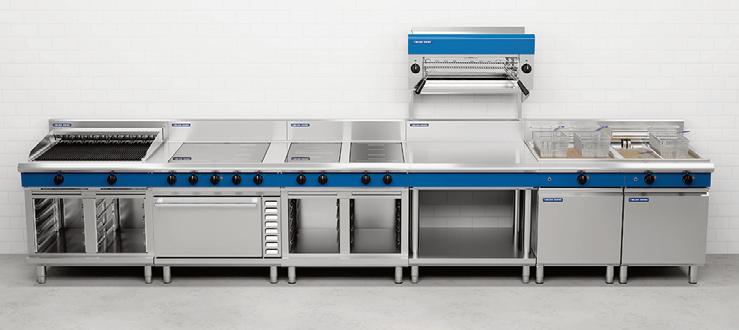
running cost of gas is on the increase, however there are a huge quantity of commercial kitchen sites in the UK that do not have the 3phase power supply to run a high-performance electric cook suite.
A more common general application is a balanced mix of high efficiency induction equipment and gas equipment such as char grills/ solid fuel grills/ high efficiency gas fryers, which give the operator a unique equipment performance or finish and flavour to food items. With most manufacturers investing their R&D into high efficiency technology & solutions, to replace gas equipment, long term there is no doubt that electric powered appliances are the future. www.blue-seal.co.uk
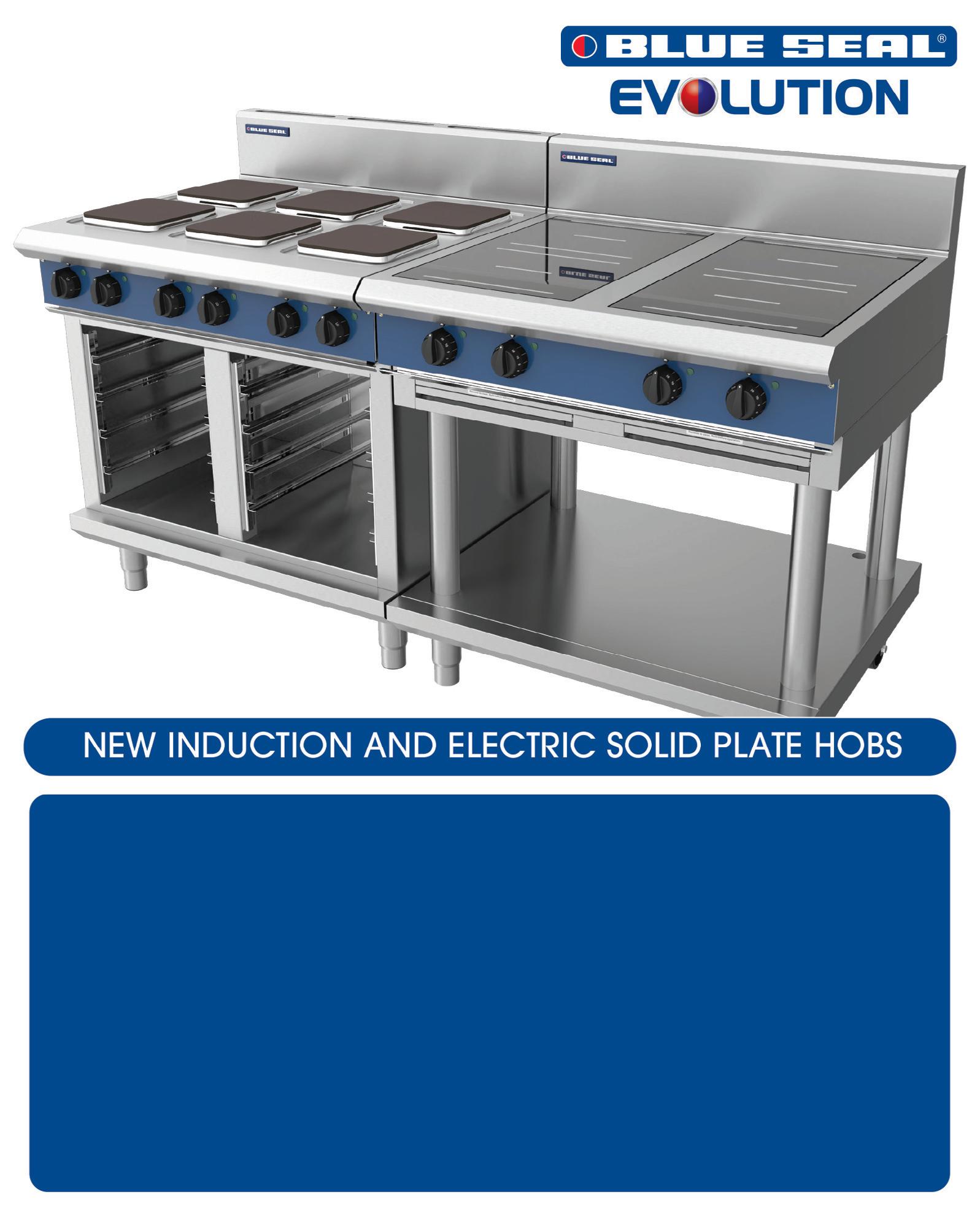


Rising costs, staff shortages, and shifting customer demands mean kitchen operators need to do more with less. And that’s where Alto-Shaam comes in.
Our pioneering Vector and Converge multi-cook ovens are transforming kitchen operations – giving you up to four ovens in one compact unit.
• Cook multiple food items – from meat, fish, cookies and cakes – at the same time with zero flavour transfer
• Deliver the highest quality and most consistent cooking results
• Control and update food menus anytime, anywhere with our ChefLinc® cloud-based management
In hospitality, speed, consistency and quality are everything. With fresh bread forming the backbone of countless staple dishes at busy hotels, bakeries and restaurants, slicing is a time-consuming bottleneck workers can do without. Whether prepping breakfast buffets, crafting elegant afternoon teas, or serving up artisan sandwiches, precision bread slicing matters.
That’s where MHS-Schneidetechnik comes in with its automated slicing technology. Designed for highdemand environments, MHS bread slicers bring over 30 years of German engineering to your kitchen. These machines offer slicing speeds of up to 220 slices per minute, with adjustable thickness down to 4mm, perfect for melba toast, rye, sourdough, and more.
From compact tabletop units to robust floor-standing models, MHS slicers fit seamlessly into hospitality spaces as narrow as 60cm. Built with hygienic stainless steel, easy-clean components, and GS-certified safety, they’re trusted by hotels, restaurants, bakeries, and catering operations across Europe. They are now available exclusively in the UK and Ireland through bakery equipment specialist EPP.
• Choose from stackable, waterless, ventless, and self-cleaning options to fit your kitchen requirements
Save space. Reduce labour. Cut costs. All without compromising on quality.
Discover Alto-Shaam's multi-cook oven range at www.alto-shaam.com or contact James Olbort, Alto-Shaam's UK Commercial Leader, directly at jameso@alto-shaam.com.
Fof further information, please see the full page advertisement on the back cover of this issue.
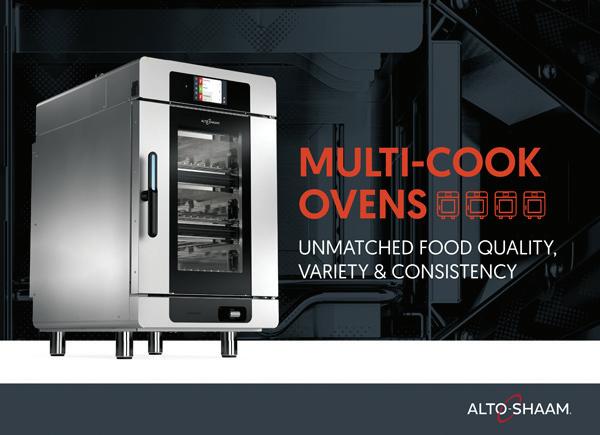
“Hospitality businesses need equipment that performs under pressure,” says Steve Merritt, Managing Director of EPP. “MHS slicers help automate prep, reduce waste, and deliver consistent results, saving time and money every day.”
Manufactured in Abstatt, Germany, All MHS models feature hygienic stainless-steel housing and easy-access components for quick cleaning. Its durable blades stand up to the rigours of hospitality and ensure quiet, efficient operation. Tabletop or floor standing models are available in a range of sizes, able to fit into hospitality spaces as narrow as 60cm.
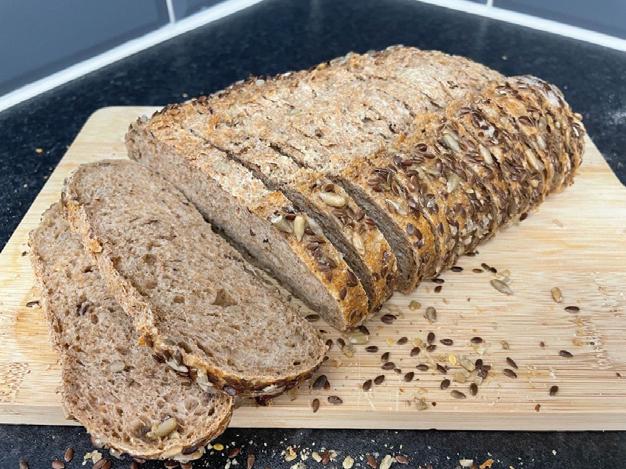
Whether you're running a busy kitchen or scaling up production, MHS slicers are a smart investment in quality, speed, and reliability. Ready to upgrade your slicing game to cut costs and enhance productivity? Visit www.eppltd.co.uk to explore the full MHS range and take the stress out of slicing.
See the advert on the facing page for further information.
For 33 years, Aluline has solved the hygiene and compliance challenges that “automatic” boxes promise—but rarely deliver. We design, manufacture, install, and maintain stainless-steel grease traps and biological dosing systems (no enzymes, no gimmicks) that keep commercial kitchens flowing, odour-free, and fully compliant across the UK.
Every site is different. That’s why our engineers size and configure each trap to your actual volumes and fixtures, then pair it with biological dosing—naturally occurring bacteria that digest fats, oils, and grease (FOG) at source without pushing grease downstream. The result is less scraping, fewer callouts, and stable effluent quality that satisfies landlords, water companies, and environmental teams. Because we build what we install, our units are robust, serviceable, and built to last—from compact under-sink separators to heavy-duty, in-ground interceptors
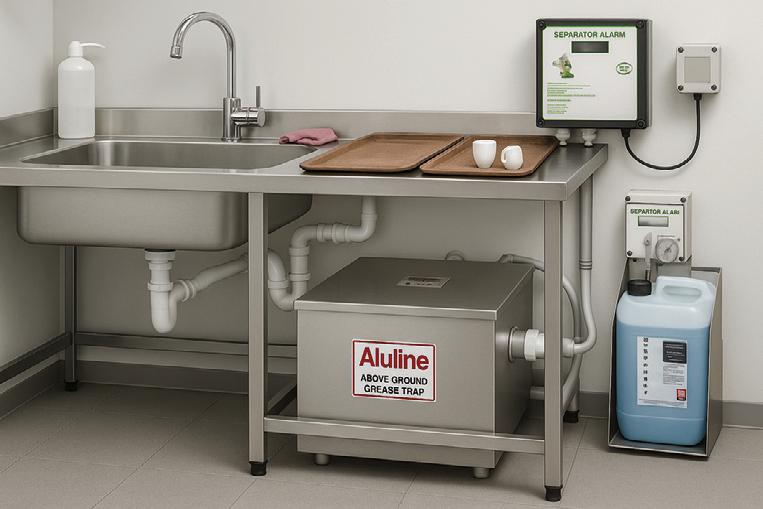

• Be ready for your inspections
• Damaged fridge seals are unhygienic
• Make your fridge more energy efficient with a good seal on your fridge
• We provide custom seals for cold rooms, discontinued models, and units with no identification information
• Next-day delivery service
• Discounted prices on large orders WhatsApp,
for high-throughput sites. And with UK-wide maintenance plans, alarm options, and clear service records, we help operators prove compliance and avoid costly disruption.
If kitchen hygiene is mission-critical, don’t gamble on small plastic “automatic” gadgets and enzyme quick fixes. Choose the team that’s been on-site, in kitchens, and under sinks for over three decades—Aluline: engineered solutions, expert installation, and lifetime support.
Aluline — Design. Manufacture. Install. Maintain. Comply. www.alulinegreasetraps.com | enquiry@alulinegroup.com | 01928 563 532
|

cover a better way to do business. We are here to help you.
www.fridgesealsdirect.co.uk
At TheCommercialOvenStore.com, we know that the heart of any professional kitchen is a reliable, high-performance oven. That's why we offer an extensive range of ovens from the world’s leading brands –including Blue Seal, Lincat, Unox, Rational, and Merrychef.
Whether you’re running a bustling restaurant, a cozy café, or a fast-paced catering business, you’ll find the ideal solution with us. Our selection includes powerful gas and electric ranges, versatile combi ovens, highefficiency speed ovens, and durable convection ovens, alldesigned to keep your kitchen operating at peak performance.
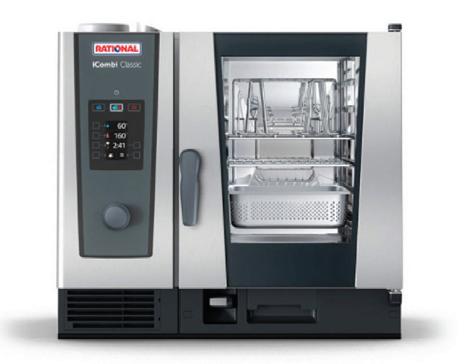
Explore cuttingedge features, energyefficient designs, and trusted engineering – all in one place. From compact units for smaller kitchens to heavy-duty systems for largescale operations, we make it easy to find the right fit for your needs and budget. Expert advice, competitive prices, and trusted brands – all at TheCommercialOvenStore.com Get the equipment you can rely on, and take your kitchen to the next level. T 0207 965 7502 sales@thecommercialovenstore.com Fof
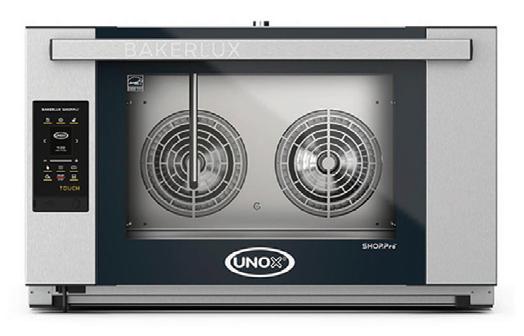
The new versions of Williams top of the range Jade refrigerated counters are ‘best in class’ when it comes to energy efficiency. Although there are other refrigerated door counters with the same A+ grading, the Jade models have the lowest kWh figures on the market. They also have a smaller footprint, giving even greater versatility in installation, while the multiple options available mean that operators and designers can customise their counter so that it exactly fits their application.

less than its predecessor – it’s now just 1,338mm wide, compared to 1,400mm. Meanwhile the four-door JC4 is 98mm less, measuring 2,262mm. The depth, 700mm, and the height, 857mm, are the same for all three Jade models. Their ‘squeeze-ability’ is further enhanced by the fact that they can fit into the tightest spaces as they need no ventilation gaps at the back, top or side, thanks to their front breathing refrigeration system, which has a fully automated, air-cooled condensing unit.
The Jade counters have a variety of energy saving features and components. They include Willams’ updated CoolSmart controller, which monitors operation and internal temperature, minimising energy by only running the system when it’s required. Its sleek new capacitive touchscreen is highly sensitive and accurate, using clear visuals, including a bright white temperature display, to help staff check the operating status at a glance. Since it is IP55 rated, the screen is both water- and dust-proof.
The Jade counters use a natural refrigerant. As well as enhancing energy efficiency, this makes them a truly green choice, with low GWP and zero ODP. All Jade models offer premium performance, being tested to Climate Class 5 and capable of operating efficiently in ambient temperatures up to 43°C.
The Jade’s customisability is exceptional. Williams can offer a huge range of options so that the specifier can get exactly the counter they need for their precise application. They include raised pan holders and cut out wells to hold ingredients as a prep station; drawers instead of doors, in banks of either two or three; and a choice of counter height. Both refrigerated and freezer Jade counters are available in three sizes, two-, threeand four-door, with capacities of 317 litres, 469 litres and 622 litres respectively. All are designed to accommodate 1/1 GN shelves.
The Jade’s reduced footprint will help designers tasked with squeezing more productivity out of the kitchen. For example, the two-door JC2’s width is a full 62mm
The noise level output across all new Jade counter models is also significantly reduced compared to their predecessors, which is especially beneficial for open plan kitchens.
For example, standard refrigerator models such as the HJC3 have a noise level of just 50 dBA compared to 63dBA of the equivalent predecessor. A 13 dBA reduction in noise level means a noticeable decrease in perceived loudness, roughly equivalent to halving the perceived sound.
Meanwhile the superior usable capacity means that the two door counter can hold up to 186 litres, while the three door HJC3 can store 280 litres – significantly more than its market competitors.
The ‘easy grab’ full length door handle is both an attractive feature and a practical one, since it makes opening the counter easy with one hand. Indeed, the Jade’s design is all about making life easier for the chef. For example, its durable construction ensures it can stand up to the toughest kitchen environment, while shelving and racking is easy to remove for cleaning. Meanwhile the Jade is also a good looking model, as suitable for front of house as for the kitchen.
List prices for the new Jade counters are the same as for their predecessors, starting at £4,370 for the JC2 refrigerator.
To learn more about Williams extensive product range visit www.williams-refrigeration.co.uk
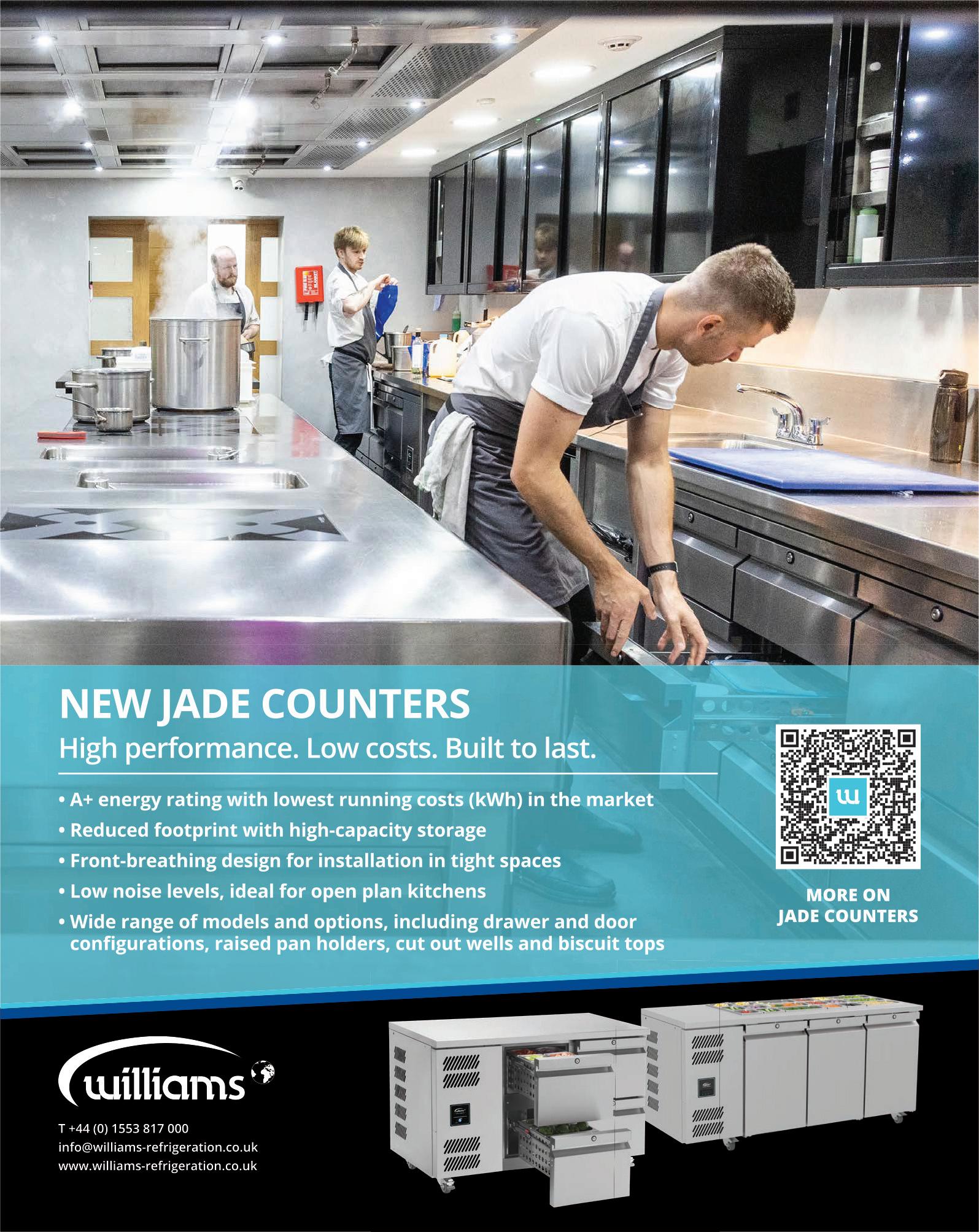


Your venue’s outdoor furniture may be packed away until warmer days return, but if some of it isn’t fit to see out another summer, why not take advantage of the great offers currently available on our contract grade outdoor furniture? As well as taking the opportunity to save now, don’t forget there’s no need to store it away for next year as these stylish and versatile tables and chairs can also be used inside your venue!
The Alma Aluminium Table currently has 15% off both the square and round versions. Rust and water resistant when used outside, its stylish modern design means it’s just as at home inside cafés, bars and conservatories. If you prefer a wooden table top, take a look at the Capra Table. Again available with a square or round tabletop, its weather-resistant aluminium base and attractive synthetic teak top makes it a solid option, both indoors and out.
These tables look fantastic paired with most chairs, but they work
particularly well with our bestselling Monaco Stacking Chair, which again is built for the great outdoors, but looks just as good in an indoor setting. Don’t miss the chance to snap it up for 10% off it in aluminium, wood effect, or eye-catching green or red wicker.
Our ever popular Plaza Chair is also available with 10% off for a limited time, both as a side chair and an arm chair. Made from rust-resistant steel frames and goes-with-anything synthetic black rattan, this chair looks great indoors following a summer in your outdoor seating area. And just like all our stacking chairs, its lightweight frame means it’s easy to store when not in use.
Call our experts on 0116 286 4911 or email sales@trentfurniture.co.uk to take advantage of these great deals.
See the advert on this page for other offers.
From busy pub gardens to stylish dining terraces, the right outdoor space isn’t just extra seating—it’s extra revenue. For over two decades, AEL Outdoor Solutions has partnered with independent operators, multi-site groups, and national pub companies to turn outdoor areas into high-performing trading spaces.
We design, manufacture, and supply a wide range of outdoor furniture, structures, and equipment—combining style, durability, and practicality so you can maximise covers, extend trading seasons, and create spaces that encourage customers to stay longer and spend more.
MADE IN READING – SOURCED FOR QUALITY
Many of our products are crafted at our own Reading facility, giving you control over customisation, lead times, and quality. We also work with trusted manufacturing partners to expand our range and deliver the best value. From booth seating and benches to planters,
shelters, and dining sets, every item is selected or made to meet the demands of busy pub and hospitality environments.
“We work with your budget and brand, producing 2D designs and visuals so you can see exactly how your outdoor space will look before committing,” says Laura Gardiner, Head of Marketing. “Whether you run one site or a national estate, our tailored seating, tables, and structures are built for your customers and your trading needs.”
Everything You Need for a Profitable Outdoor Area
Our range spans everything from contemporary seating and dining furniture to shade structures, shelters, and outdoor solutions, complemented by heating, lighting, and safety features. We also offer play equipment that encourages imaginative, active fun while meeting the highest safety standards, ensuring each space is both functional and inspiring. We also offer bespoke solutions to match your brand and venue style—whether for a single garden or a full estate rollout.
BUILT FOR PEOPLE, BUILT TO LAST
We prioritise responsibly sourced materials and design for longevity—reducing replacement costs and supporting your sustainability goals. All products are chosen or built to meet strict hospitality standards for safety, comfort, and performance.
FROM CONCEPT TO COMPLETION

From free quotes to full installation, our design, manufacturing, and sourcing teams keep projects on track, on budget, and exactly on brief—whether you need a quick refresh or a large-scale rollout.
EXPERIENCE OUR 10,000 SQ FT SHOWROOM
See our products in real pub-garden settings at our Reading showroom, or browse online at www.aelsolutions.com. With over 20 years’ experience working with the UK’s top pub companies, we know how to create outdoor spaces that boost trade in all weathers.
Email: sales@aelsolutions.com
Download your brochure: www.aelsolutions.com
AEL Outdoor Solutions – Your partner for profitable, allweather trading spaces.
The UK outdoor furniture market is heavily influenced by changes in weather conditions, with consumers more likely to purchase picnic benches during periods of good weather. MG Timber specialise in the manufacturing and supply of high-quality wooden picnic tables. Their picnic tables are made from high-grade timber and are designed to withstand the harsh outdoor elements.
Crafted from the finest Swedish Redwood, each piece is expertly pressure treated to ensure longevity and protect against the elements. Renowned for their robustness, our treated wooden
As autumn's golden leaves begin to fall and winter's chill approaches, the UK hospitality sector faces a question that would have seemed absurd a decade ago: how do we keep our outdoor spaces thriving through the colder months?
The transformation has been remarkable. British diners and drinkers have finally embraced what our continental neighbours have known for generations: there's something magical about dining al fresco, regardless of the weather. From Manchester to Margate, pavements and beer gardens that once lay dormant from October to March are now buzzing with activity throughout the year.
This cultural shift represents more than just changing consumer preferences. For operators, weatherproofed outdoor spaces have become a genuine revenue driver. Additional covers mean additional turnover, and with indoor capacity often stretched during peak periods, outdoor areas can significantly boost the bottom line. Many establishments report that well-appointed outdoor spaces can increase overall capacity by 30 to 50 percent during shoulder seasons, translating directly into enhanced profitability.
The numbers speak for themselves. Operators who have invested in quality outdoor infrastructure report extended trading hours, improved customer satisfaction, and crucially, a competitive edge in increasingly crowded markets. When customers can comfortably enjoy a pint or Sunday roast outside in November, they're more likely to choose your establishment over competitors still shuttering their terraces.
Today's hospitality supply market has evolved to meet this demand with sophisticated solutions. From sleek patio heaters and elegant fire pits to retractable awnings and stylish outdoor furniture built to withstand British weather, suppliers now offer comprehensive outdoor dining systems suitable for any establishment.
We
Our hardy planters are built to order using rot proof artificial wood planks. This unique material is not only completely waterproof but is formed from UK
factory waste plastics and materials that would otherwise have gone into landfill. They will last you countless years and are a genuine recyled investment.
From our workshops in Kent we deliver UK wide and are happy to visit and survey your site to to discuss your needs and prepare a drawing and quotation outlining what could be done, all within your available budgets.
We firmly believe the better you look on the outside, the more customers will come to the inside so contact us on 01733 559437 or sales@cafeculture.biz
Whether you're running a traditional country pub or a contemporary urban restaurant, there are products designed to enhance your outdoor offering whilst complementing your brand aesthetic.
Quality outdoor heating, lighting, and shelter systems have become more affordable and energy-efficient, making year-round outdoor operation economically viable even with rising energy costs.
As we move into autumn, the message is clear: outdoor dining isn't just for summer anymore. The operators who recognise this and invest accordingly will find themselves well-positioned to capture additional revenue streams whilst meeting evolving customer expectations. The great British outdoor dining revolution is here to stay, and the only question is whether your establishment is ready to make the most of it.
For more than twenty-five years, Gala Tent has been helping Britain’s hospitality industry get more from its outdoor areas — from boutique hotels and wedding venues to bustling pub beer gardens and live-event spaces. Based in South Yorkshire, the award-winning manufacturer is the UK’s leading supplier of heavy-duty pop-up gazebos and commercial marquees, renowned for its commitment to quality, innovation, and long-term value.
As customer expectations evolve, outdoor dining and entertainment spaces are no longer seasonal luxuries but year-round essentials. Traditional marquees remain the classic choice for larger spaces, but the new generation of heavy-duty pop-up gazebos offers a faster, larger, and much more flexible alternative.
Gala Tent’s flagship Gala Shade Pro 60 is the largest and strongest pop-up gazebo in the country, available exclusively in 6m × 6m and 4m × 10m sizes — giving hospitality operators the same generous coverage as many marquees, but with setup measured in minutes rather than hours.
These aluminium-framed structures are designed for continuous commercial use, providing reliable
shelter for alfresco dining, functions, or bar service in any weather. Multiple units can be seamlessly linked to create elegant modular layouts, while optional branding, lighting, and heating accessories allow venues to tailor each space to their style and season.
By investing in professional-grade pop-ups, hotels, restaurants, and bars can extend capacity, host private events, and increase revenue without the labour or downtime that traditional marquees demand. Discover how Gala Tent can transform your out-

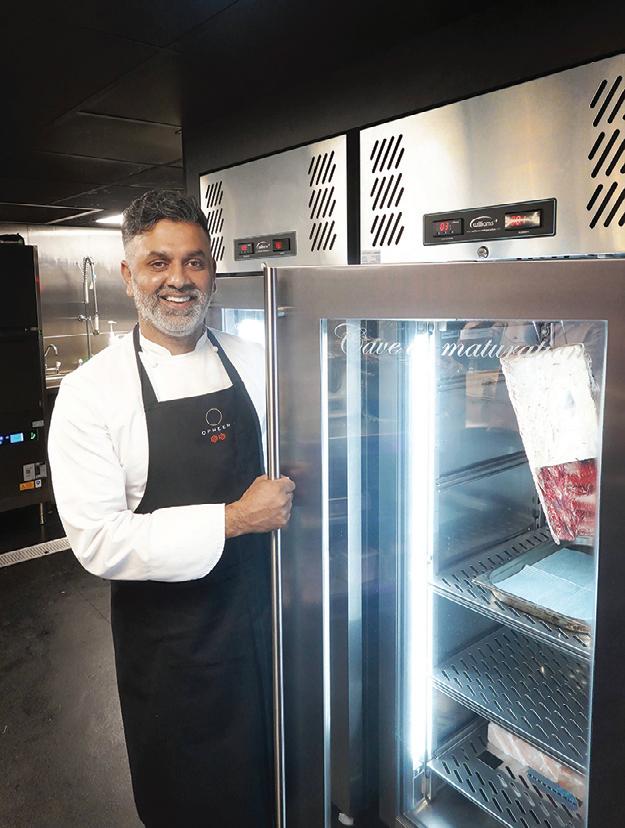
Two Michelin-starred chef Aktar Islam pushes the possibilities of food ageing in pursuit of flavour with Williams meat ageing refrigerators
Opheem is the only two Michelin star restaurant in Birmingham, and one of just two Indian restaurants in the UK to achieve this. At its core, this level of fine dining demands a seamless synergy between quality ingredients, technique and personality. Aktar Islam, chef and proprietor of Opheem, explains it simply. “We’re in a business of flavour. Any process which we adopt has to be for that reason.”
The restaurant’s menu focuses on seasonal British produce but through the culinary practices, history and flavours of Indian cuisine. It combines classic approaches with modern techniques and aesthetics. For Aktar, Opheem’s marriage of cultures is emblematic of its setting, his home city of Birmingham.
“I think over the last sixty years one thing Birmingham has always been good at is adopting new cultures,” says Aktar. “The food scene here is incredible. To be part of that is really important to me.”
Growth is at the heart of Opheem, having transformed its kitchen three times since its opening in May 2018. In light of this, and the importance of using dry-aged ingredients on the menu, Opheem recently purchased three Williams meat ageing refrigerators.
“I think the decision to install three Williams dry-agers into the kitchen is important. It’s very much part of the journey we’re on,” says Aktar.
Before installing the Williams meat ageing refrigerators, Opheem would often rely on its suppliers to dryage its proteins. This had its limitations as the level of customisation required was not always possible. The team would often end up with “makeshift” dry agers, particularly when ageing fish. Upon installing the three
J&E Hall cellar coolers are playing a significant supporting role as the popularity of the Boom Battle Bars entertainment chain gathers pace. While games such as axe-throwing, crazier golf and augmented reality darts are proving to be a major draw, quality food and drink also contribute to a formula with a multigenerational appeal.
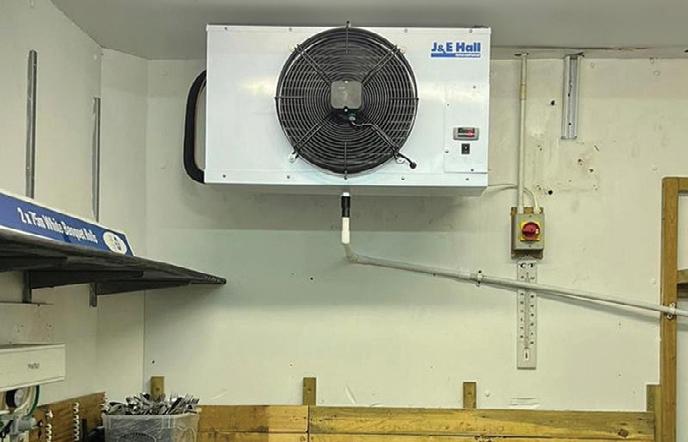
The business opened its first venue in Norwich in December 2020 and has grown steadily since. Boom Battle Bars are a high-volume business serving a lot of draught refreshments, so quality cellar cooling is essential. Having a very good cooling system for the customer-facing area is critical to the experience that the customers expect.
Heat Recovery (HVAC) has installed J&E Hall cellar cooling equipment in a dozen venues so far. Coowner Mike Higginson says: "In mid-2020 I had a call from one of the Boom Battle Bar designers who I had done a lot of work for over the years –
presenting a great opportunity. We became involved in work at the Liverpool bar in late 2020 during lockdown and it all went on from there. We have installed J&E Hall cellar cooler equipment of varying sizes and specifications in a dozen venues so far. The units are good quality, easy to use and maintain. They are a very good product for the price range."
Ideal for beer cellars and other applications down to 4°C, J&E Hall’s complete range of cellar coolers provide a cost-effective and reliable solution to maintain specific temperatures required for beer and wine cellars.
Boom Battle Bars is the market leader in a new entertainment concept, competitive socialising, offering games including American shuffleboard, augmented reality darts and axe-throwing as well as conventional pool and beer pong.
See the advert on page 3 or visit www.jehall.co.uk for details.

With over 60 years experience of UK manufacturing for the beverage dispense industry, Universal Dispense Systems (UDS) have an unrivalled reputation in the design and manufacture of a large range of dispense fonts, taps and beverage dispense systems which are designed and manufactured in the UK and exported worldwide.
From the clean lines of the Eco Tube Font to the hand-crafted Artisan range of fonts, there is something to fit every theme and concept. If you require a bespoke font, we are able to create customer specific designs to meet your requirement and these are avail-
able in a full range of finishes and branding options.
Our range of fonts have been specifically designed and hand-crafted at our London based manufacturing facility to meet the ever-growing need for brands to stand out from the crowd. Reflecting the heritage of both established and craft beer brands along with providing stylish fonts that are at home in today`s marketplace.
Our range of stainless-steel taps are available in free flow or with flow control capabilities. All our taps are precision engineered using the highest quality materials and manufactured at our purpose-built engineering facility in London. Contact us here for more information or a quotation- sales@universaldispensesystems.com For further information see the advert on page 5.
Williams meat agers, all dry-ageing was able to move in-house.
“Now we dry-age all our proteins. We have control over the entire process.”
Of the three Williams meat ageing refrigerators currently installed, one is used for poultry, another for beef, and the third for fish. All require different conditions and so flexibility and control is essential. For Aktar, the Williams units allow for this.
The equipment at Opheem was supplied by Vision Commercial Kitchens Limited. Aktar’s relationship with Vision is longstanding, having worked with the company’s managing director, Jack Sharkey through multiple projects over the last fifteen years. The kitchen at Opheem has itself had three renovations in a six year period since its opening in 2018, and for Aktar, Vision has been on board every step of the way.
While other meat agers are available on the market, Aktar chose Williams Refrigeration. “I’ve always opted for Williams Refrigeration because I find it to be very dependable. That’s really important when it comes to refrigeration.”
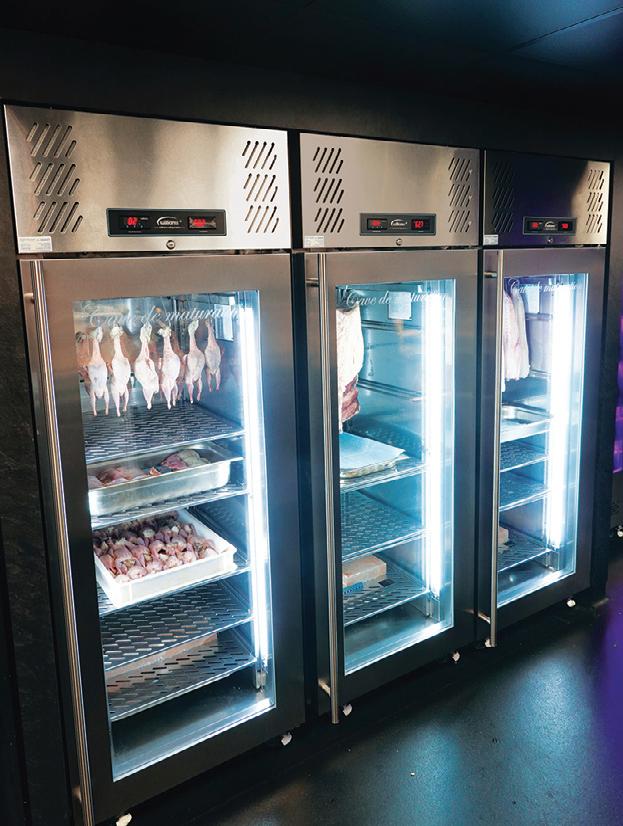
“I think because Williams is a British product manufactured in Britain, if I ever do have any issues, it’s all there. Labour, service and after care; they’re always able to support you.”
"I’ve been behind this movement for well over two decades and the Williams Meat Ageing Refrigerator is something I wholeheartedly recommend. I think your customers will love it.”
Williams Refrigeration offers a comprehensive range of commercial refrigeration including gastronorm cabinets and counters, specialist bakery equipment, coldrooms, multidecks and blast chillers.
To learn more about Williams extensive product range visit www.williams-refrigeration.co.uk.
Based in Chorley, Lancashire the team at Eat My Logo Limited strive to make brands tasty. Every week they send tens of thousands of branded food items to business around the UK to help them promote their brand in a fun and tasty way.
With a wide range of products that include cakes and biscuits, confectionary and chocolate, there is plenty to choose from to meet the needs of your business.
Eat My Logo bake their own cake and biscuit

CLEAN Linen & Workwear are one of the UK's most trusted laundry companies. They supply tailored workwear solutions provided by real people. Their comprehensive laundry network means they can service customers throughout England and Wales, providing chefswear, workwear and linen rental services. Whether you operate from a single-site hotel, pub or restaurant or have multiple locations, CLEAN can tailor a workwear rental solution to suit your business requirements. They offer various uniform options to support the entire kitchen brigade, from Executive Chefs to Kitchen Porters.
ranges, many of which are decorated with high quality edible branding images, printed directly into fondant icing. Customers can buy the finished product or just the fondant toppers to add to their own decorations.
Their chocolatiers create delicious, branded chocolate bars and chocolate boxes using high quality couverture chocolate. These unique chocolate products are ideal hotel room favours, whether branded with an edible logo or a small pack of truffles.
A growing confectionary range offers a choice of traditional sweets, packed in small eco friendly bags that are branded with your own brand or logo. You can also choose from tubs, jars and tubes. With low minimum order quantities and competitive prices, they can offer a great range of products to add that extra special touch to your hospitality offering.
For 25% OFF YOUR FIRST ORDER, please register your details via the QR code. www.eatmylogo.co.uk
emlsales@eatmylogo.co.uk
01772 472 580 See the advert on page 7 for

over your contract, and ensure quality and care with every wash. Delivery is free, and there are no hidden charges; contracts even include repairs. Each item of clothing can be branded and tailored to the wearer with logos and embroidery. Their managed service prevents issues compiling when supplying your team with work clothes; a convenient locker valet service helps distribute and store uniforms, and they tackle minor repairs early to extend the service life of a uniform. Ultimately, this avoids costly replacements wherever possible as it reduces uniform losses, and uniforms only need replacing when a repair is not safe or cost-effective.
With their workwear rental service, you can say goodbye to the hassle of purchasing, storing, and maintaining chef and kitchen uniforms. Instead, enjoy the convenience of a hassle-free rental system that provides freshly laundered garments whenever your team need them. By renting with CLEAN, you can avoid upfront purchase costs, spread the payments
With CLEAN's workwear rental and laundry service, business owners can focus on what matters most — running their business — while CLEAN takes care of the rest.
To find out more: www.cleanservices.co.uk or see the advert on page 3.
Saniflo is pleased to announce the launch of the brand new Clear Water range — a complete line-up of innovative pumps designed for the collection, distribution, and pressurisation of clean water. Building on over 70 years of expertise in wastewater management, Saniflo’s Clear Water range now offers robust, sustainable solutions for clear water applications, including jet pumps, booster pumps, submersible pumps and underground lifting stations. Whether it’s for rainwater collection, garden irrigation, draining basements, or boosting water pressure in domestic systems, the Clear Water range has a high-performance product to suit every need.
Sanijet is a range of 5 stainless steel centrifugal surface pumps optimised by a Venturi (jet) system for increased suction up to 8m. Automated for ondemand and self-priming for a simple start, the pumps have a max head between 50 and 54m and max flow rate from 3.6m³ up to 5m³.
SaniMHP is a 10-strong range of multi-stage surface pumps ideal for irrigation, rainwater use and water supply. From the 4-40 through to the 9-50 PC4 model offering max head ranges from 40m to 52m and max flow from 4m³ to 8.7m³, there is a model that will tackle pretty much every clean water movement requirement.
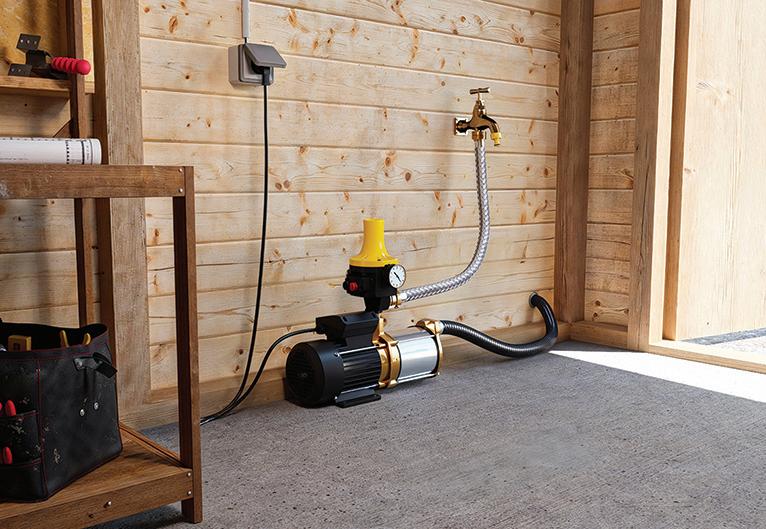
With 4 models in the range and max head capacities between 40 – 54m, the new Saniboost range is a domestic booster pump ideal for optimised and smooth water supply. Max flow from 3.6m³ to 5m³ ensures there is a model to increase and regulate the pressure of water collected in most sizes of domestic water tank and the units operate automatically and are particularly suited for low-flow consumption. A Saniboost includes a buffer tank that limits the frequent starts and stops of the pump to which reduces noise disturbances and wear on the product. Each model offers guaranteed service pressure on drip irrigation installations
Mayfair Furniture will be celebrating 12 years this year of providing the UK’s fastest and affordable commercial furniture. Supplying all kinds of establishments from high end hotel chains to small local takeaways.
We keep in stock a huge variety of items ready for immediate dispatch, and can fulfil a wide range of bespoke orders. We deliver to all areas of the UK, Ireland & Europe. We are not just a supplier; we understand that from time to time hospitality and leisure establishments
or automatic flush mechanisms.
Sanisub is a family of submersible pumps designed for a variety of applications including flood recover, basement drainage, rainwater re-use and, in some cases, light commercial operations.
With flow rates between 9–15m³/hour and heads up to 11m, Sanisub models like the ZPK, 800 Rainkit, and Steel + Emergency Kit provide powerful, reliable water management for challenging environments.
The Sanifos range offers two pre-assembled lifting stations with 110L and 280L capacities for the management of grey or treated water. With four inlets, flow rates up to 14m³/hour and heads of 7-10m the robust Sanifos can be discretely installed underground to move water from buildings, garden rooms and multiple small units – such as pods.
From a sustainability perspective, the Clear Water range promotes responsible water reuse and offers eco-conscious solutions that support the full water cycle—from collection and storage to redistribution. By enabling the reuse of grey water and alternative water sources like rivers, pools, and rainwater, these pumps help reduce demand on treated mains supply.
The addition of the Clear Water means that Saniflo is now a one-stop-show for all water management requirements; offering complete solutions for both wastewater and clean water applications. Whether you need to flush, drain, or pump — above or below ground — Saniflo provides easy-to-install, reliable systems designed to perform automatically with minimal maintenance.
To learn more or download the Clear Water brochure please visit www.sfasaniflo.co.uk

Looking to invest in new furniture for your venue ahead of the festive season? Now’s the time to act, because right now we have some fantastic discounts on some of our all-time bestsellers.
Thanks to its timeless style and contract-grade durability, the Sorrento Chair is a firm favourite for restaurants, bars, cafés and more. Currently available with 10% off most of the range, you can choose from chic upholstery to match your décor scheme or low maintenance faux leather in a choice of five colours.
The crowd-pleasing Washington Side Chair in three wooden finishes now has 10% off, and you can save 15% if you choose to add an upholstered seat pad in a vast choice of fabrics. For a more modern take on this classic design, opt for the Black
Metal Washington Chair which is available with 20% off for a limited time. And with a 10% reduction, you can also save on the Tall Black Washington Stool to pair with your poseur tables.
Need a lightweight stacking chair? The York Crossback Stacking Chair is a hugely popular choice as it offers stylish design with the benefit of easy storage. Choose from four wooden finishes with a fantastic 20% off.
When it comes to tables, nothing says classic design like a shaker style table, and with 10% off, now is the perfect time to update your tall tables with our Rectangular Shaker Poseur Table and Square Shaker Poseur Table. Choose from two solid rubberwood top sizes in light oak, dark oak or walnut to find the perfect finish for your space.
Don’t miss this opportunity to acquire these classic favourites for less. To find out more or to place an order, give our expert team a call on 0116 286 4911 or email sales@trentfurniture.co.uk
Have you recently taken over premises, just fancy a change or need to replace your tired old fixed seating and fixtures? At Drakes, we can help you realise your dreams with our bespoke furniture design service. Every week we build new tailor-made furniture up and down the UK, working with owners to come up with design concepts for fixed seating, booths and even bars and fixtures. We can take ideas from you, or your interior designer, or we can design something ourselves, all done efficiently, with professional quality and on time within budget.

Our service provides a unique opportunity to make your establishment stand out from others and add additional comfort for your customers.
We have been providing bars, pubs, restaurants, cafes, clubs, and hotels with high-quality furniture and fixtures for decades. We employ over 15 joiners, upholsterers, polishers and designers who are capable of installing fixed seating and bespoke joinery, new bars and full refurbishments, or simply making stools for the front of the bar, or providing quality tables that last. Our dedicated team are either time-served officially trained craftsmen or externally based professionals.
Got you interested? We are available for a chat on 01422 839 690. If you prefer, email us at sales@askdrake.com, and of course please visit our website www.askdrake.com
MST AUCTIONEERS Ltd specialise in handling & auctioning a wide variety of goods.
We act for Insolvency Practitioners, Receivers, Bailiffs and Solicitors as well as large PLCs.
We are members of The National Association of Auctioneers and Valuers (NAVA).

For the past 25 years, we've provided a unique disposal service tailored to suit, liquidators, banks, receivers as well as private and corporate vendors. We carry out probate valuations and conduct complete house and commercial clearances.

We have the largest Auction venue in the South of England. Our regular monthly Auctions occupy 45,000 sq.ft. of undercover space, selling over 2500 lots from 3 rostrums over two days.
We also hold regular Auctions ”On Site” and "On Line" Visit www.mstauctioneers.co.uk for further information.

Ardbeg House, a boutique luxury hotel on the picturesque island of Islay, Scotland, has opened its doors as a truly immersive whisky and hospitality experience, with a newly installed Stannah Stairiser CR2 inclined platform lift providing guests with full accessibility to upper floors.
Designed in collaboration with Russell Sage Studio, Ardbeg House honours the heritage of Ardbeg while creating immersive spaces that reflect the island’s culture and the distillery’s iconic history. Over 20 local and Scottish architects contributed to weaving Ardbeg’s story into the hotel’s design, which also involved seamlessly integrating the Stannah Stairiser CR2 with customised solutions. Stannah Lifts collaborated closely with Russell Sage Studio and main contractor Thomas Johnstone to supply a custom lift solution that met both the functional and aesthetic requirements.
accommodate a wheelchair and user, while raised ramps and safety barrier arms ensure secure and safe operation.
The goal was to provide safe and reliable access for wheelchair users without disrupting the visual appeal of the hotel interiors. To achieve this, a bespoke colour was selected for the platform lift, ensuring it blended seamlessly with the surrounding walls and décor.
The Stairiser CR2 now provides safe and reliable access to the two upper floors of Ardbeg House, allowing all guests to enjoy the hotel’s immersive and unique experience. Equipped with remote call stations, wheelchair users can summon the lift independently from the top or bottom of the stairs, ensuring convenient operation.
The hotel required a custom solution to provide disabled access to its upper floors, which presented three main challenges. The first challenge was accessing the island, as transporting equipment involved careful planning and coordination with ferry services to ensure timely delivery and installation without disrupting the renovation schedule.
The second challenge was addressing the space constraints. The hotel had no space to accommodate a passenger lift, so an inclined platform lift was the best option. However, the staircase area was small, requiring a compact design. Following a detailed assessment of the space, a Stannah CR2 inclined platform lift was chosen as the ideal solution. The lift’s slimline design further minimised wall projection, and the platform folds neatly when not in use, preserving staircase space. The platform dimensions of 800mm by 1000mm comfortably
Designed for use on a curved rail, the Stairiser CR2 follows the natural flow of the staircase while keeping outward projection to a minimum. This innovative feature makes the Stairiser CR2 equally well suited for installations featuring a single turn, multiple landings or spiral configurations.
To ensure the stairlift complemented the hotel’s rich Ardbeggian interiors, the rail and carriage were finished in a custom green paint specifically chosen to match the hotel's décor. This carefully considered design decision allowed the lift to feel like a natural part of the space, making the lift an integral element of the storytelling and design.
With the installation of the Stairiser CR2 completed in just two days, Ardbeg House continues to offer a world-class whisky and hospitality experience that is now fully accessible to every guest.
For more information, visit: www.stannahlifts.co.uk


Hospitality is an industry built on optimism. Every successful publican, hotelier or restaurateur starts with a vision for how a space could be transformed. Yet when that space is a long-closed pub, a tired roadside hotel or a once-grand restaurant, optimism alone will not make the numbers work. These buildings can be costly to repair and challenging to adapt. But they can also become profitable, vibrant businesses once again – and the planning system, far from being a barrier, is often the key to unlocking that potential.
Before committing to a purchase, it is essential to know why a property failed. Some sites struggle because of structural decline or years of underinvestment. Others have been left behind by changing trade patterns or shifting customer expectations. A picturesque coaching inn that once relied on passing horse-drawn traffic is unlikely to thrive without an imaginative new offer and modern access arrangements.
A full appraisal should go beyond the building itself. Assess demand, catchment, competition, licensing constraints, parking and public transport links, and the need for planning consent. Many operators spend heavily on interiors and branding without fully understanding the regulatory framework, which could potentially bring about considerable delay and become one of the biggest items on the balance sheet.
That said, much of the negative folklore around planning is misplaced. In reality, planning exists to manage change, not to prevent it. Altering layouts, adding bedrooms or outdoor seating, expanding parking, or introducing new uses such as event space or co-working can all require permission (but not necessarily). Achieving the right planning consent can transform a business model, turning an unviable property into a profitable mixed-use destination.
Engaging a planning consultant early helps identify what is possible, what is likely to win support and where risk lies. Local authorities are usually keen to see empty or derelict buildings brought back into productive use. A well-prepared application that shows how a proposal will preserve heritage, create jobs and improve amenity is more likely to succeed – and often faster than applicants expect.
For many hospitality entrepreneurs, the phrase ‘listed building’ still rings alarm bells. Yet listed status should
By Simon Barry, Director of Boyer (an LRG company) -
not deter investment. The process of obtaining listed building consent is often more navigable than feared, particularly with experienced professional advice and the results of transforming a listed building can be stunning.
An example is our work with The Mitre in Oxford – the city’s oldest pub, with cellars dating back to the 1300s and an inn above built in the 1630s. Closed in 2019 by its then owner, Lincoln College, it required extensive repair but also needed to evolve to meet modern hospitality standards. When Gusto Italian acquired the building in 2022, it committed £1.4 million to restore historic features – from 17th century panelling and stone fireplaces to rare decorative stucco – while creating stylish dining spaces fit for contemporary diners. Securing listed building consent for such a site is about collaboration. Architects and planning consultants work together to identify what makes the building significant and how that can be retained while enabling a viable new use. Early ‘pre-app’ meetings with the council’s conservation team can shape proposals before formal submission, avoiding costly redesigns. In many cases, well-managed applications are approved by officers under delegated powers rather than going to committee.
The key is to recognise that planning is there to help historic buildings adapt. The system does not insist on a faithful return to past uses; it exists to allow meaningful, sensitive change. With careful engagement, listed buildings can be reborn as destinations that respect heritage while serving today’s market.
Consumer expectations have shifted. Flexible dining spaces, outdoor terraces, EV charging and high-speed Wi-Fi are now fundamental. Accessibility standards are higher, and sustainability – from energy efficiency to biodiversity net gain – is front of mind for both planners and guests.
Older buildings often need thoughtful adaptation to meet these demands. But planning can facilitate imaginative solutions: discreet extensions or garden rooms to create year-round space, sympathetic remodelling to improve flow and accessibility, or integrating renewable energy technologies in heritage settings. Local design codes and conservation policies can seem rigid but are usually negotiable when proposals enhance rather than erode character.
Too often, developers approach the planning process as a fight. In truth, collaboration works better. Most councils want to see heritage assets and empty buildings back in use. Engaging officers early, consulting with neighbours and community groups, and showing how a proposal will create jobs and amenities can significantly reduce delays and objections.
Where a site is listed as an Asset of Community Value (ACV), there are extra procedural steps and community bidding rights. But these do not make regeneration impossible. With the right advice, an ACV-listed pub can be sensitively upgraded or diversified while respecting its social importance.
MAKING THE NUMBERS WORK
Reviving a neglected hospitality site often requires phasing and careful funding. Many successful operators open a core food and drink offer first, then add rooms or events space once cash flow allows. Planning permissions can be structured to support this staged growth. In some locations, grants or local regeneration funding may also be available, particularly for listed building repair or sustainable upgrades.
OPTIMISM REWARDED
Taking on a tired pub, hotel or restaurant will always be a calculated risk. But it is a risk that can pay off –commercially and culturally – when combined with smart planning and informed design.
The planning system is sometimes portrayed as a brake on entrepreneurship. In reality, it is a framework for making ambitious projects viable, protecting what is special while enabling adaptation. For hospitality businesses prepared to work with it, planning is not a hurdle but a powerful tool to turn neglected buildings into thriving destinations once again.

We are a specialist company of top flight hospitality professionals that has all the necessary skills and experience to successfully attack and solve all the worrying issues that you are facing. We are here to support independent owners of Hotels, Pubs, Restaurants and Night Clubs (Leasehold & Freehold)
We arrange emergency finance at all levels for all reasons, we arrange 100% payroll funding, we organise full management cover, we sort out all vexatious litigation (landlord, bank, HMRC, utility, supplier, shareholder, investor & rates issues) we purchase pubs & hotels, we source tenants, we design bespoke Agreements, Leases, Business & Appraisal Plans, Debt & Creditor Plans, we are an excellent ‘one-stop shop’ for anything you need. Our range of services is extensive and unique, we move fast, we ‘think outside the box’ we solve problems ! our Associates covering all the necessary professional disciplines are the very best in the UK, we can supply numerous first class references from many satisfied clients – please note a selection of past client success stories;
• £2.6M raised to stop a joint Bank / HMRC hotel repossession (Kent)
• £650K raised to enable a tenant to buy-out the pub freeholder (Bedford) £510,000 raised for the purchase of 3 pub-leases (Taunton)
• £415K raised for a hotels cashflow funding ( Newcastle)
• £2.6M raised for a hotels redevelopment funds (Hampshire)
• Planning Consent gained for hotel ‘change-of-use’, freehold profit of £2.7M ( South Wales)
Insurance Payout for a Hotel increased from £57,300 to £165.450 (Mid-Wales)
• Management Contracts on 2 Hotels, buyers secured at £8.9m (Hereford and Manchester)
• Successful renegotiation of 5 pub lease rents, rents reduced significantly (Devon, Somerset)
• Long Term Tenant sourced for a renowned Country House Hotel ( Mid-Wales)
• Litigation against previous hotel owner, successful compensation for new owner £133,000
• Litigation against construction company, successful compensation for hotel owner, £115,400
• Successful tendering process on a nationally famous London Pub ( 116 applicants )
• 2 X Successful renegotiation of pub tenants exit costs to the landlord (Kent &Cornwall)
• 17 successful business plans, 22 successful loans, 14 successful cancellations of repossession
• 22 leases successfully re-negotiated, 27 quality tenants for landlords successfully sourced Call ourselves, don’t delay, we can solve your problems!
Tel. 07399 287402
Email : enquiries@hotelandpubrescue.co.uk www.hotelandpubrescue.co.uk

With
Our experts will analyse your entire operation and also its key operating figures if they are available. We then help you to identify strategies to manage costs and overheads associated with the core Profitability of running a Hospitality business.
The largest overhead, even higher than Cost of Sales, is the Labour cost, so, with detailed analysis of your wages and being able to understand ‘’the way your business
actually works’’ we can ensure that you are maximising the labour usage in your business.
Budgeting, Forecasting, Menu Management, Stock Controls, Purchasing, and controlling Variable Costs are just a few of the other areas that David Hunter, your Restaurant Consultant, will work on with you, and improve with you.
Managing people brings with it a whole set of new skills that are now needed more than ever. From ‘’Managing the Managers’’ through to Service and Kitchen staff, your team needs careful and skilful Management, Motivation, guidance and Development.
If your business is actually struggling, or if you just feel that it could be doing some things better, give David Hunter a quick call on 07831 407984 to arrange a ‘’Free of Charge’’ initial consultation (please quote CLH Offer), when David will discuss with you what could be achieved if you ask us to work with you.