How to get the specification of shelters and canopies right
 LONG-TERM PRESERVATION Maintaining the integrity of historically-sensitive buildings using appropriate building materials
How to build a resilient roof for long-lasting building protection
UK BIM Alliance debunks the common myths associated with BIM
LONG-TERM PRESERVATION Maintaining the integrity of historically-sensitive buildings using appropriate building materials
How to build a resilient roof for long-lasting building protection
UK BIM Alliance debunks the common myths associated with BIM
October 2022 Issue 122 Public Sector Build Journal LeisureHousingEducationHealthcare psbjmagazine.com
At CCS we offer the biggest construction commercial agreements in the country
To use any of our construction frameworks, you must become an Alliance Member.
Being an Alliance Member has extra benefits, including:
• access to capped prices
• access to a robust pool of approved suppliers
• access to technical and commercial support tools, from case study materials to procurement document templates
There is no obligation to use any of our construction frameworks once you have registered as an Alliance Member – but you will be in good company if you do.
To find out more about the CCS Alliance Membership and how we can help you achieve your construction goals visit crowncommercial.gov.uk/construction

02
Editor Hannah Woodger hannah@redhutmedia.com
Rebecca Kemp rebecca@redhutmedia.com
Print & Digital Advertising
Sam Ball sam@redhutmedia.com
Jim Moore jim@redhutmedia.com
Jack Witcomb jack@redhutmedia.com
Matt Morse matt@redhutmedia.com
Pike accounts@redhutmedia.com
Support & Statistics
klare@redhutmedia.com
Welcome to the October issue of PSBJ...
Just as we welcomed our new Prime Minister, Liz Truss, who quickly actioned a lifeline in the form of a new Energy Price Guarantee, in a matter of days, the country was deeply saddened to learn of the death of Her Majesty The Queen at the age of 96.
Remembered as an inspirational leader and figurehead, Queen Elizabeth II had over 600 patronages including, of course, the Royal Institute of British Architects and the Royal Institution of Chartered Surveyors. The Queen also had a fondness for history and heritage, showing support to the likes of National Churches Trust and a number of cathedral organisations.

RIBA President, Simon Allford, issued a heartfelt tribute commenting: “Architecture has undergone huge evolution during the Queen’s seven decades on the throne. At the time of her coronation, following the devastation of WW2, architecture was all about welfare state-sponsored modernism as we entered a brave new world. Today, we’re prioritising innovative, low-carbon design that can meet the challenges of an uncertain future. Throughout these turbulent years, Her Majesty’s steady influence and calm-assured presence has been a vital constant for our profession throughout the Commonwealth and beyond.”
During her reign of 70 years, the Queen was no stranger to red-ribbon-cutting events, opening some of the nation’s most prominent public buildings, from the Royal National Theatre, Museum of London, Tate Modern to the Gateshead Millennium Bridge, British Library and Stansted Airport. Much like these buildings, designed to provide enduring, constant service to the public, The Queen dedicated her entire adult life to the people of her country, offering a consistent figure in times of uncertainty. Our sincere condolences are with the Royal Family, and the whole world feeling the impact of this devastating loss.

Meanwhile, and as always, despite this sombre period, PSBJ has brought you a host of thought-provoking articles and inspiring projects this month. Find guidance from Passivent on how to incorporate natural ventilation in schools, learn from Uponor about district heat networks and what they can do for social housing providers on their net-zero journey and discover the importance of maintaining historical integrity of buildings with Stella Rooflight.
I hope you enjoy this issue. Don’t forget, you can also access the magazine’s features, product news and supplier information on PSBJ’s user-friendly and engaging website. Fully responsive, the website allows you to read all the latest stories on-the-go either on your phone or tablet. Simply visit www.psbjmagazine.com
Contributions are invited and when not accepted will be returned only if accompanied by a fully stamped and return addressed envelope. No responsibility will be taken for drawings, photographs or literary contributions during transmission or in the editor's hands. In the absence of an agreement the copyright of all contributions, literary, photographics or artistic belongs to Red Hut Media Ltd. The Publisher accepts no responsibility in respect of advertisements appearing in the magazine and the opinions expressed in editorial material or otherwise do not necessarily represent the view of the publisher. The Publisher does not accept any liability of any loss arising from the late appearance or non publication of any advertisement.
Editor
Find us on Social Media:
hannah@redhutmedia.com
Stella Rooflight discusses the importance of maintaining the historical integrity of buildings during an economic downturn. See page 26.
Hannah Woodger
03
•
•
Hannah
Print Design Manager
Digital Design Manager
Accounts Rachel
Sales
Klare Ball
Publisher Sam Ball sam@redhutmedia.com Published by Red Hut Media Ltd. 5 Mansion Row, Brompton, Kent, ME7 5SE psbjmagazine.com 01622 946150 redhutmedia.com PSBJ is a proud supporter of the Chartered Institute of Architectural Technologists. WELCOME NOTE @psbjmagazine
06 News
A round up of the latest industry news, including charity events, awarded contracts, completed projects and much more.
08 Upfront
Here, PSBJ explores structural engineer Jubb’s role in reimagining retail schemes designed to reconnect communities, drive footfall and restore pride of place.
12 Education
Ed Richmond, Business Development Manager from natural ventilation specialist Passivent, explains why natural ventilation is the smart choice for schools.

14 Legal & Business
How might Scotland’s publicly-owned property affect the public sector’s environmental impact? Amy Entwistle of Morton Fraser explores further.
16 Housing
The benefits of IoT cannot be fully realised unless social housing landlords assure seamless mobile connectivity, says Colin Abrey of Nextivity.

08
18 Timber
A spotlight has been shone on timber as a viable alternative to steel and concrete, and especially Kebony wood, a global leader in the production of sustainable wood.
20 HVAC
John Fahy, Managing Director at Uponor, explains why district heating networks offer social housing providers a viable way to decarbonise their housing stock.
22 Canopies & Shelters
Michael Denyer, Technical Consultant at Waverley Exteriors, outlines what to bear in mind when specifying an outdoor canopy or shelter.
24 Healthcare Jonathan Oram, Head of Services at Pagabo, explores how the use of frameworks should play a central role in procuring legionella control services for healthcare estates.
04 CONTENTS
26 Rooflights & Skylights
Paul Trace of Stella Rooflight discusses the importance of maintaining the historical integrity of buildings during an economic downturn.
28 Talking Point
Nigel Davies at UK BIM Alliance debunks some of the myths commonly associated with BIM and unpacks how the industry can improve efficiency gains in the long term.
30 Leisure
GT3 Architects has completed a new gateway leisure centre in Coalville, Leicestershire, delivered on behalf of Everyone Active and North West Leicestershire District Council.
32 Technical Focus
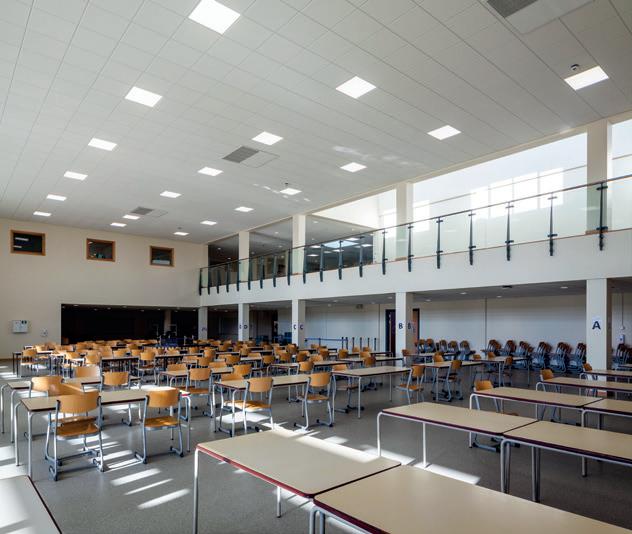
Carl Bailey of Elevate discusses the urgent need to create resilient roofs, including the critical roofing components and the benefits of an EPDM membrane.
34 Healthcare Estates Preview

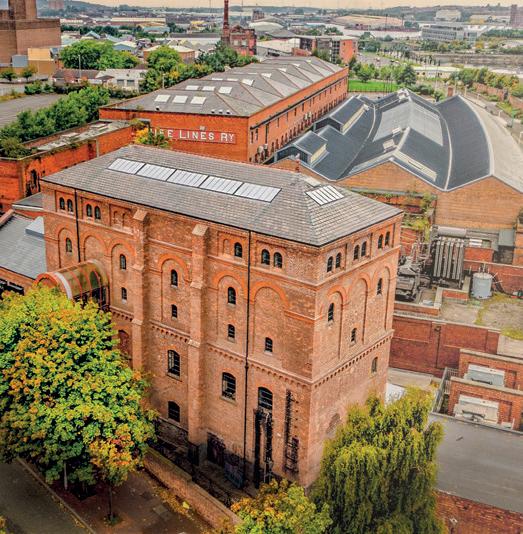
Healthcare Estates unveils the upcoming highlights of its much-anticipated event, promising more exhibitors, more speakers and more exhibition theatres than ever before.
36 Product Showcase
A dedicated focus of industry news, products and case studies to help specifiers and local authorities make informed decisions.
05 CONTENTS 12 26
Tel: 0115 941 1126 www.cfa.org.uk Email: info@cfa.org.uk Specifying a CFA member for your next flooring project could mean the difference between success — or a flooring failure. Most of the UK’s largest and best known Manufacturers, Distributors, Contractors and Consultants are CFA members — and for good reason. • CFA members promote high standards, knowledge and expertise • CFA members will maximize your investment and minimize costly flooring failures — which is good for your client, good for your reputation and also helps promote future business • All members have to pass a vetting process See the “Downloads” section at www.cfa.org.uk and download our leaflet TODAY Specify CFA Members_Sep 2021_HP_all sizes.indd 2 24/09/2021 16:25:00
INDUSTRY UPDATES
Green
hub
A pioneering Warwickshire facility, which challenges the traditional notion of a leisure centre, has received planning permission thanks to sport and leisure specialist GT3 Architects. Located in Miners’ Welfare Park, the Bedworth Physical Activities Hub – delivered on behalf of Nuneaton and Bedworth Borough Council – has been designed to be welcoming and inviting for all user groups. The new hub will replace an existing centre, providing a new set of facilities that better meets the needs of the local community. The facility includes a 25m, eight-lane pool, learner pool with a moveable floor, 120-station fitness suite, two studios, a spin studio and associated changing areas as well as a cafe and multipurpose room. In addition, the surrounding park will undergo a major transformation with a focus on creating an active landscape that wraps around the new building. Matt McCreith, Project Architect at GT3, said: “We’re delighted to reach this important milestone of the project. The new hub is going to be a major asset for the borough and the landscape design for the park is truly transformational. The scheme aims to create an ‘active landscape’ that offers a variety of different activities and areas in a bid to promote movement and enjoyment of outdoor space. This includes exercise and play areas, walking routes and seating spaces.”
Prestwick Educational Campus officially handed over to South Ayrshire Council


hub South West Scotland has handed over the new Prestwick Educational Campus project to South Ayrshire Council. Based at Sherwood Road in Prestwick, the new educational campus has been developed on the site of the existing Glenburn Primary School and will accommodate the school’s current intake, as well as the relocation of the nearby St Ninian’s Primary School and the creation of a new Early Years Centre and nursery. As the authority’s development partner, hub South West Scotland (hub SW) managed the development and delivery of the project and worked closely with construction partner Morgan Sindall, architect firm BDP, independent tester Capita and principal designer and cost consultant Gardiner and Theobald. The new campus consists of 22 classrooms and multipurpose rooms spread over two storeys, with an Early Years Centre and nursery facilities for children aged two to five. Incorporating leading sustainable methods into the project was key with the new campus running purely on electric power thanks to the installation of roof solar panels and air-source heat pumps for heating. In addition to a state-of-the-art sports hall, the new Prestwick Educational Campus will feature outstanding outdoor sporting amenities, including an all-weather pitch. A new allotment garden, willow garden and sensory garden will offer students and children from the surrounding community the opportunity to learn about local nature.
Construction begins on the extension of Leeds’ low-carbon heat network
Contractor Henry Brothers has been appointed to Lot 2 of the YORbuild3 Minor Works Framework. The company has been successful for the south region of the framework, which covers local authorities, public-sector bodies and third-sector organisations in south Yorkshire, north Nottinghamshire and north Derbyshire areas. Henry Brothers has been selected for the lot that includes new-build and refurbishment projects valued between £1m and £4m. It is estimated that around £60m of work over four years will be procured for the south region of the framework via the lot. Managing Director of Henry Brothers Midlands, Ian Taylor, said: “This is great news for Henry Brothers as we continue to expand our portfolio. It is the eighth framework that Henry Brothers Midlands is currently on, meaning we have access to a significant pipeline of work in a range of sectors, including health, local authorities and education. We look forward to working in partnership with clients who procure via the YORbuild3 Minor Works Framework.” The south region of the framework is being procured by Rotherham Metropolitan Borough Council and relates to the area covered by the Sheffield Local Enterprise Partnership.
Plans to extend Leeds’ award-winning district heating network by 2500m will pass a major milestone as construction is set to begin. The extension marks the third major phase of the Leeds PIPES network and means that more buildings in new areas of the city will soon be able to enjoy the benefits of reliable, affordable and low-carbon district heating. The local authority secured £3m of grant funding from the Heat Network Investment Project, a Government funding programme, to enable the £7.4m upgrades to go ahead. By using heat and energy recovered from non-recyclable waste at the Recycling and Energy Recovery Facility (RERF) to provide hot water to buildings in the city, Leeds’ flagship district heating project helps businesses and residents to move away from costly fossil-fuel-powered heating systems. Last year, the network of insulated underground pipes, soon to stretch more than 28km in length, supplied 15,454 megawatt-hours of heating and helped reduce the city’s carbon footprint by more than 2000 tonnes. Leeds Combined Court Centre and Leeds Magistrates’ Court are the latest buildings to announce plans to connect to the scheme. The two buildings will connect as part of a wider programme of green upgrades over the next year. The project, delivered in partnership with Vital Energi, has also helped employ more than 430 people in the local low-carbon sector including 36 apprentices.
06
Each month PSBJ rounds up the latest public sector construction updates, from new contracts to industry awards.
light for gamechanging £24m activities
Henry Brothers YORbuild appointment to procure £60m of work NEWS
Brownfield Housing Fund applications now open for new homes to be built in South Yorkshire

The South Yorkshire Mayoral Combined Authority (SYMCA) has announced that the Brownfield Housing Fund, which currently stands at circa £35m, has opened for applications from private sector developers, housing associations and other housing developers, between Monday 5th September and Friday 28th October 2022. In June 2020, the Government launched ‘A New Deal for Britain’, which is said to be the first step in the strategy to rebuild Britain following COVID-19 and fuel economic recovery across the UK. As part of this strategy, £53m of capital in total has been allocated to the SYMCA for supporting the development of over 3300 new homes on brownfield land and through conversions, to be started on site within South Yorkshire by March 2025. This funding builds upon the previous South Yorkshire Housing Fund, enabling SYMCA to support the delivery of a greater number of new homes to meet local needs, which would otherwise not be brought forward by the market. SYMCA will prioritise schemes based on how well they deliver against the principles of Stronger, Greener, Fairer, set out in its Strategic Economic Plan. The risks and overall deliverability of schemes will also be evaluated. All schemes will be assessed in accordance with the MCA Assurance Framework to ensure due diligence and value for money.
Derby Market Hall marks completion of roof restoration

After undergoing extensive roof and structural restoration assisted by a scaffolding structure weighing more than eight blue whales, the team behind the transformation of Derby’s iconic Market Hall has revealed that the first phase of work has now completed. The Grade II Listed Victorian market hall, which has been trading since 1866, will be transformed into a contemporary and vibrant cultural and retail destination. Wates Construction has been leading an expert project team of local architects and engineers on the flagship project, comprising Latham Architects, Rogers Leask and Clancy Consultants. The work completed includes masonry repairs to the building envelope, internal cleaning of the roof structure, and lead paint removal before the challenging and extensive heritage glazed-roof replacement works. This included increasing ridge height to accommodate natural ventilation for the building, copper roof replacement, gutter and rainwater works, access equipment, localised electric works, lightening protection and decoration. John Carlin, Regional Director at Wates Construction, said: “It has been a privilege to work on the restoration and transformation of such an iconic and unique building, maintaining its historic charm but also bringing it into the council’s overall modern vision for the revitalisation of the wider city centre.”
United Living Property Services awarded £3.2m contract to renovate social housing
Experts and consultancies in a number of specialist areas, including property maintenance, water safety and radon and asbestos services, are being encouraged to register their early interest for an upcoming £90m public sector asset safety and compliance framework launching next year. The Asset Safety and Compliance (ASC1) framework from not-for-profit public sector framework provider LHC will cover all five LHC Group areas including Scottish Procurement Alliance (SPA), Welsh Procurement Alliance (WPA) and South West Procurement Alliance (SWPA), Consortium Procurement Construction (CPC) and London and South East (LSE). The framework will give all public sector bodies, including local authorities and housing associations, the opportunity to source expertise in a wide range of fire, gas and building safety, property protection and maintenance services for their asset stock under one framework. It is now open for suppliers to register their interest and participate in early market engagement. ASC1 brings together LHC’s existing Asbestos (AS2), Fire Safety (FS1), Vacant Property Protection (V7) frameworks under one umbrella, as well as introducing additional workstreams, to make it easier for contracting authorities to procure a variety of compliance services.
United Living Group, a provider of infrastructure, housing and property services, has announced it has been awarded a £3.288m contract for the Earlesfield Estate Capital Works Project by South Kesteven District Council in Lincolnshire. The local authority has identified 152 post-war properties with Asbestos Containing Material (ACM) in Grantham, Lincolnshire. A number of the properties to benefit from the works are ‘Wimpey No Fines’ design, a typical post-war construction. In addition to removing the ACM, replacement kitchens and bathrooms will be fitted in 143 of the homes, accompanied by electrical, heating and door upgrades in a similar number. During the works, around 112 households will be temporarily rehomed during the renovations to minimise disruption. A property on the estate will become a dedicated information hub where residents can find out more and keep up to date with progress.
Simon Will, Managing Director of United Living Property Services, commented: “We are absolutely delighted to have been selected to work on this important project with South Kesteven District Council. As a local contractor working in areas, such as Wolverhampton and Walsall, the scheme is perfectly positioned to fit in with our local delivery model. We look forward to working with both the council and residents to ensure they have a home that is greatly improved at the end of the scheme.”
public sector framework opens for early interest from asset safety and compliance experts
07
£90m
NEWS
UNLOCKING HIDDEN CONSTRAINTS IN HIGH-STREET REGENERATION

In May 2021, Debenhams closed its doors bringing 243 years of retail history to an end. Almost a year later, The Guardian reported that 90% of the original 166 stores remained empty. Similarly, following BHS’ collapse and closure of 160 units in 2016, the BBC cited that a quarter of the demised brand’s real estate still stood derelict four years on.
These once-celebrated anchor sites are now a socioeconomic scourge on town and city centres struggling to lure consumers, tenants and commercial investors alike.
Jubb, a multi-disciplinary team of engineers and planning design consultants, is currently involved in repurposing some of these former flagship buildings in South Wales. Here, Director Marcus Tulloch addresses, perhaps, the greatest challenge in the successful delivery of such regeneration schemes: dealing with the unknowns, and highlights how an early engagement approach – with all stakeholders – helps mitigate many of the issues stalling the repurposing of vast and valuable retail space.
The high street isn’t failing, its function is changing according to the High Streets Task Force. Observing the move away from retail-dominated schemes, towards multifunctional, experience-led uses has been happening for some time.
The onus is now on placemakers to tackle the noticeable increase in prominent, unoccupied sites with a
greater sense of urgency. Acknowledging that, while the reuse of buildings has the potential to increase project risk, any concern relating to the condition of an asset can be overcome through careful investigation, detailed historic research and targeted due diligence. Ensuring as many ‘unknowns’, become knowns, as quickly as possible.
What’s more, the sustainability benefits of reuse over replacement are clear. The embodied carbon saving should speak for itself but, in truth, the perceived design limitations of working within an existing envelope can also be a factor. Bringing the vision to life needs full commitment from a project team that’s prepared to let go of conservative thinking.
Regenerating in response to market dynamics
Leading local authorities in Wales are rising to the challenge by focusing on the creation of regional community facilities. This aligns with the Welsh Government’s ‘Town First’ initiative, which champions investment supporting its long-term ambition for 30% of the nation’s population to work from, or closer, to home.
A key strand being the repurposing of vacant buildings into co-working spaces and encouraging public sector organisations to transform derelict sites into vibrant civic amenities. Promising to bring a welcome hustle, bustle and economic boost back to those areas that suffered the most.
Beacon of hope
For authorities, such as Swansea, this means moving public services into centrally-located hubs housing health, wellbeing, education, leisure, tourist information, employment services and other bodies of cultural interest.
An exemplar project of this nature is the former BHS building on Oxford Street, Swansea, with construction getting underway this autumn.
Main contractor Kier was awarded the £15m development in August 2022 and occupancy is anticipated in early 2024. The 1950s-era building will take on a completely fresh look featuring striking translucent cladding, which can be backlit to, quite literally, shine a light on the array of community services on offer.
With some 300,000 visitors currently using the existing council building near the seafront, the hope is a more central hub will not only make these vital services more accessible, but will bring many more people working, shopping, spending and benefiting from the revitalised city centre.
Legacy buildings that won’t break the bank
Jubb is providing civil and structural services as part of the client design team – alongside project manager Coreus, architect firm Austin-Smith:Lord and building services consultant SDS. The design team partners have worked on previous developments that also place a great deal of emphasis on ensuring the external envelope is inviting and in keeping with its public building use.
Structural engineer Jubb explores its role in reimagining retail schemes designed to reconnect communities, drive footfall and restore pride of place.
UPFRONT
08
Inside, Jubb has been instrumental in securing plans that include a new grand staircase. Working to ensure this stand-out architectural feature can be a viable part of the approved designs.
By applying practical thinking, the Jubb team is supporting the Oxford Street development in staying true to delivering a fantastic, yet not flamboyant, high-value scheme. For example, carefully devising the layout to infill dominant features from the building’s retail past – such as escalators – to maximise available floor space for future use.

Avoiding hidden costs
Given the sheer size of these former department stores, there is indeed tremendous scope. Structurally, anything may be possible but budget is almost always a constraint and, as highlighted, the biggest challenge on any refurb project is the unknowns.

With this in mind, it’s important to tackle, from the outset, the additional challenges that come with designing for multifunctional uses. As is the case with community hubs housing numerous services. Good understanding of a building asset ensures any limitations are exposed as soon as possible, but can also unveil hidden potential too. An example being spare load capacity.
Specialist tenants may have heavier loading requirements than a typical department store can accommodate. This needs to be addressed during the design process but may only be uncovered through an engineer’s early appointment and expertise.
09 UPFRONT
Integrating technical, design and social factors
Aside from bringing the engineer into the design and planning stages as soon as possible, they should also have a role in enduser engagement. A step that can sometimes be overlooked at a cost to the client’s purse strings and the pace of delivery.
Guiding and assuring potential occupants of the suitability of the build for their specific needs is crucial. The ultimate aim, after all, is to fill the space, and inviting the engineer in to truly understand the nuances of those needs can only result in better design outcomes and enhanced marketability.
Engineers are rational and benefit from being exposed to emotional insight in order to devise solutions that sing to hearts, minds and the balance sheet. It helps if the chosen partners have a personal stake in the ground and are genuinely passionate about improving the locality.
Ensuring successful outcomes – together
In short, taking an agile and inclusive approach is critical to keeping costs under control – without compromising so far that the vision is entirely lost. Interdisciplinary design teams with the right dose of creativity and technical know-how can achieve far more efficiency by working together.
As has been the case in the progression of the Swansea community hub scheme highlighted, an early and allencompassing engagement approach is critical to the successful delivery of resilient high-street regeneration.


By embracing a more collaborative stance, repurposed redevelopment is being recognised as a force for good, for local communities. Seeking interdisciplinary expertise and partners, with a genuine, vested interest in the building’s legacy, brings teams together that will collectively ensure the focus is on outcomes over outputs –transforming empty real estate into transformative regional facilities.
The structural engineer’s role is helping to unlock the hidden constraints that often stall progress and result in surplus costs. Using technical know-how to demonstrate ‘the art of the possible’ in pursuit of the game-changing opportunities that more diverse real estate use truly represents.

10 www.jubb.uk.com
UPFRONT
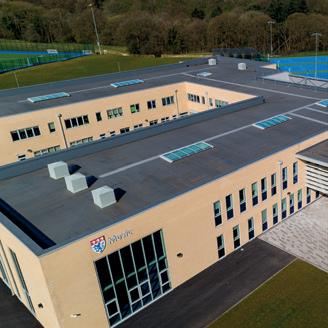
Our range of natural and hybrid ventilation products provide sustainable and energy-efficient solutions for improved indoor air quality, thermal comfort and occupant wellbeing.
Tried, trusted and tested for almost 40 years, our roof ventilation terminals, window and wall ventilators and acoustic ‘room to room’ air transfer units are used in a variety of applications from classrooms and workshops to sports halls and atriums.
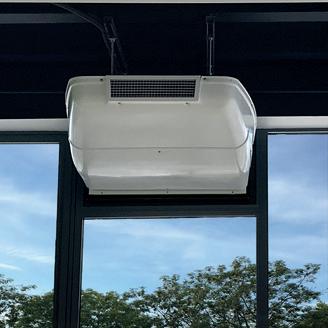
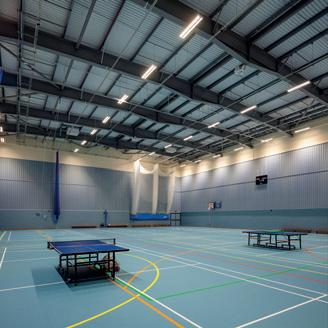

For further information, technical support or to request a CPD, contact Passivent today.

850

11
Expert ventilation solutions for the education sector Keep inspiration flowing projects@passivent.com cpd@passivent.com | +44 (0)1732
770 www.passivent.com Ventilation & Air Quality Natural Daylight Moisture Removal
WHY NATURAL VENTILATION IS THE SMART CHOICE FOR SCHOOLS
Ed Richmond, Business Development Manager from natural ventilation specialist Passivent, explains how close collaboration with manufacturers and the consideration of natural ventilation strategies as early as possible can help create school designs that are comfortable, compliant, sustainable and cost effective.
Ensuring a good supply of fresh air to classrooms is important to the wellbeing of staff, students and the building itself, and yet there are many lessons to be learnt about how schools can be ventilated more effectively and efficiently.

Textbook design
Any conversations around ventilation in schools must be informed by the requirements of Building Bulletin 101 ‘Guidelines on ventilation, thermal comfort and indoor air quality in schools’ and Building Bulletin 93 ‘Acoustic design of schools –performance standards’. The choice of ventilation system must also meet Building Regulations, including new stricter targets on ventilation in Part F, conservation of energy as outlined in Part L and the acoustic requirements set out in Part E.
As well as achieving compliance with the necessary standards, the chosen ventilation strategy should also contribute to a reduction in both carbon emissions and operational costs over the whole life of the building.
Natural ventilation can provide the answer. It is possible to devise a fully natural ventilation strategy that is compliant with BB101 and BB93 and does not require
fans in classrooms, therefore, helping to reduce both operational and maintenance costs. However, early engagement is key. Ventilation product manufacturers must be consulted at the concept and design stage, and the whole building design needs to be taken into consideration, especially for newbuild projects. Only then can the full benefits of natural ventilation be realised.
The natural choice?
Put simply, natural ventilation is the method of ventilating an internal space without the requirement of fans. Such systems are reliant on natural forces including externalto-internal temperature difference, wind pressure and buoyancy – essentially the force that makes warm air rise. However natural ventilation must be considered at the design stage, especially for new-build projects, to allow for cross flow of air, stacks and general planning of air paths and circulation throughout the building.
A bespoke approach is also required as different areas of the school will have specific requirements. For example, whereas large sports hall and atriums lend themselves to a displacement ventilation strategy, ICT suites will be at a greater risk of overheating and different air
filtration levels will be needed for science laboratories. Through early engagement with the supply chain, natural ventilation can be considered and, if appropriate, ‘designed in’ to as many areas as possible.
Improving efficiencies
By reducing reliance on fans to ventilate a space, natural ventilation systems consume less energy and with stricter environmental targets and rising fuel costs, this is a major benefit. Such systems can also help maintain a comfortable indoor temperature, which is fully compliant with BB101 by tempering the incoming air. This can be achieved using a heating coil, or by placing inlets behind radiators. During summer months, night-time purging can be enabled. This allows the building to be cooled down whilst the building is unoccupied and avoids overheating the next day. Thermal mass can also be used to ensure a more constant internal temperature.
Where there are high internal heat gains, natural ventilation can be used in conjunction with air conditioning where the system will work passively for as much of the year as possible and the mechanical system will only be used when needed.
12
EDUCATION
Saving more than just energy
As well as lowering energy consumption, natural ventilation can also offer significant long-term savings in terms of reducing both operational and maintenance costs, and space requirements. Also, the capital cost of a natural ventilation system is usually less than a mechanical system, although there may be some additional construction costs required. When looking at the whole life of a building, a natural ventilation system is typically the least expensive strategy.
A sound argument for natural ventilation
As outlined by Building Bulletin 93 and reinforced in Part E of the Building Regulations, acoustic design is a key part of any school building, and ventilation systems must comply with these strict requirements. Natural ventilation removes the requirement for noisy fans within classrooms, making it an excellent choice for schools and particularly those that have a high intake of SEND children. The other health and wellbeing benefits of natural ventilation are vast and as there is no mixing of stale room air, they can also help minimise the spread of viruses such as COVID-19.


Opening up design potential
Another benefit of adopting a natural ventilation strategy is the aesthetic value they can offer. Conventional mechanical systems, which incorporate fans and mixing chambers, must be contained within conspicuous housings. This can impact on headroom clearance and also daylighting. This is because the units need to be installed at a high level, therefore, potentially blocking glazing and affecting lux levels.
Individual solutions
Natural ventilation systems can work in conjunction with other strategies when needed. In situations where there are high levels of external pollution, filtration of the air would be required, and due to the high pressure drops of air filters this would demand a mechanical system. When overheating is a concern, a mixed-mode system, which combines the benefits of natural ventilation and mechanical cooling, may be the best solution.
For refurbishment projects, or when there is a need to ventilate classrooms individually, rather than having to consider the full ventilation strategy of the school, then hybrid ventilation systems are effective owing to their ease of installation and compliance with BB101 and BB93. Hybrid systems feature low-power fans, which help to distribute air around the classrooms and have a range of operational
modes including passive, boost, mixing and heating. In ‘passive’ mode, hybrid units can provide low levels of ventilation without the use of any fans.
Realising the vision
As many schools can benefit from the specification of a natural ventilation strategy, it is important to consider it as soon as possible in the design and planning stage. Drawing on the expertise of suppliers such as Passivent, who can offer a range of both natural and hybrid ventilation solutions, will also ensure that the most appropriate solution can be identified. Through supply-chain collaboration and early engagement, natural ventilation can help breathe new life into the design of more schools across the UK.

13
www.passivent.com EDUCATION
HOW MIGHT SCOTLAND’S PUBLICLY-OWNED PROPERTY AFFECT THE PUBLIC SECTOR’S ENVIRONMENTAL IMPACT?

When we think about meeting net-zero targets, it’s only natural that we tend to focus on innovative solutions that we can create. Green energy, build net-zero buildings, manufacture electric vehicles… but it’s important that, when thinking about sustainability, we don’t forget to consider the impact of what already exists. Amy Entwistle, Partner at independent Scottish law firm Morton Frase r, explores further.
articularly in Scotland, with more ageing buildings than new ones, we need to do more than simply look at how to build in climate-friendly ways: it’s vital that we look at how to adapt our existing properties, too.
When public sector bodies are signing up to new premises, the green credentials are a key factor. Take, for example, the new headquarter letting for Transport Scotland who are signed up to take two floors at 177 Bothwell Street in Glasgow, which is to be supplied with energy from a South Lanarkshire windfarm and is expected to have an ‘A’ rating for Energy Performance and a BREEAM standard of ‘Excellent’. The Chief Executive was quoted to say that the building would help deliver their climate change ambitions.
But what about the existing property estate? The Scottish public sector owns some 23,000 buildings. So, as public bodies seek to set and achieve netzero targets, it’s crucial that they examine existing property portfolios to consider the environmental improvements that can be made.
This point isn’t lost on the Scottish Government. Indeed,
in its Climate Change Plan, the Government has pledged at least £95m to decarbonise its estate, as well as being set to implement a Net Zero Carbon Standard for any new buildings in its portfolio.
Its publication last year of the Heat in Buildings Strategy Scotland, too, focuses specifically on improving energy efficiency in properties to reduce carbon impact. The document sets out clear targets for all publicly-owned buildings to meet net-zero emission heating requirements by 2038, and to phase all fossil-fuel-based heating systems out of the public estate as soon as possible.
And thanks to commitments in the Scottish Programme for Government, public bodies must now report on their work towards net zero. The four reporting areas are: a target date for achieving net-zero emissions from operations within the public body, reducing indirect emissions from areas such as the supply chain, how spending aligns with emissions reduction and their own contribution to Scotland’s Adaptation Programme.
Some of our public bodies are already making positive
strides. The NHS in Scotland has cut building emissions by over 60% since 1990, but it also has far more to do, with a net-zero target set for 2045. The Scottish Government itself had also reduced its carbon emissions by 45% in its core estate by the end of 2020, compared with the baseline year of 2009-10.
But for certain organisations within the public sector to take similar strides, access to funding will be important. Solutions for resource efficiency, such as energy and water efficiency, require significant capital investment, and in order to achieve these targets, it will be important for public bodies to have access to the funding needed.
Recently, the Environmental Standards Scotland (ESS) announced they had launched an investigation into the effectiveness of the systems in place concerning local authorities’ contribution to the delivery of climate change targets.
We have seen similar issues in the past with efforts to make public buildings compliant under disability discrimination legislation –
those alterations were time consuming and often difficult to achieve, especially to do so in a way that is sympathetic to historic buildings, some of which may be listed, adding further complexities and regulation. The same issues arise here with cost and time, as well as practicalities – it is a project of a mammoth scale.
For bodies such as local authorities, who are responsible for implementing net-zero strategies within communities, support with wider resource, including human resources, will be important alongside sufficient financial capital.
As a nation, which prides itself on taking a progressive, proactive approach to fighting the climate crisis, Scotland’s public services are likely to be looked to as an example for the private and third sectors that are also expected to reduce carbon impact.
Through this, the existing property portfolio must not be overlooked. It has potential to make significant impact in the transition to net zero, demonstrating exactly what can be achieved to other sectors. While there are targets and commitments in place, the success of this transition will require a real investment and organisational commitment to make it happen.
 Amy Entwistle is a Partner in the Public Sector team at independent Scottish law firm, Morton Fraser. Amy is Lead Property Partner for a number of Morton Fraser’s key public sector clients including Scottish Government Legal Directorate, Ministry of Defence and City of Edinburgh Council.
14
www.morton-fraser.com
LEGAL & BUSINESS P
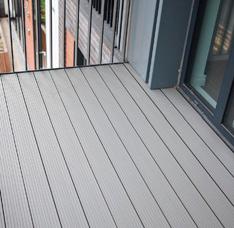

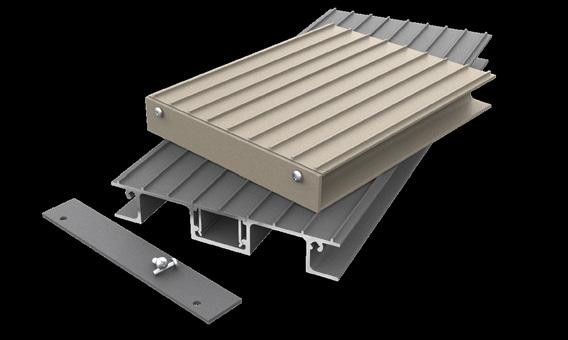
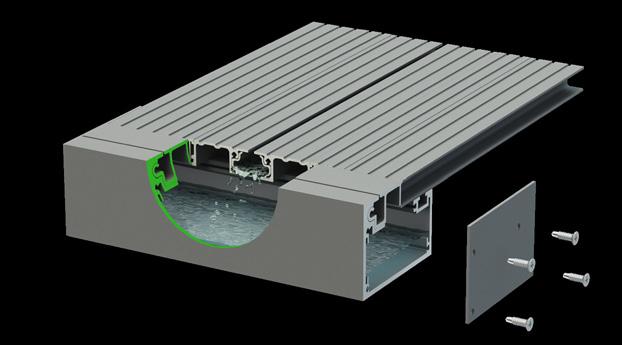
15 • Fire Rated to A2-s1, d0 & A2fl-s1 • Aluminium construction to 6063 T6 grade • Slip-resistant and wear-resistant • 30-year manufacturer product warranty To find out more about the AliDeck System, call our team today! THE UK’S ORIGINAL FULLY COMPLIANT ALUMINIUM NON-COMBUSTIBLE BALCONY DECKING SOLUTION Call: 01622 534 077 Email: info@alideck.co.uk www.alideck.co.uk ALIDECK BALCONY DRAINAGE SYSTEM ALIDECK JUNIOR BALCONY BOARD This innovative drainage solution delivers positive drainage to balconies, with our Drainage Channel between the deck boards capturing and directing water to the Drainage Gutter for controlled evacuation to a specified outlet. The 20mm AliDeck Junior Board is our most popular decking board, available in ridged and flat specification. Spanning up to 600mm, the cost-effective Junior Board requires less underside support than traditional decking and is non-combustible. IDEAL FOR EWS1 Aluminium Decking TM DRAINAGE GUTTERING DRAINAGE CHANNEL STANDARDS COMPLIANT SOLUTION BALCONY BOARD HINGED ACCESS GUTTER LID
MITIGATING DESPAIR AND DISREPAIR IN SOCIAL HOUSING
IoT may well be integral to digital transformation in social housing, but the benefits it delivers cannot be fully realised unless social landlords assure seamless mobile connectivity, says Colin Abrey of Nextivity.

For social housing landlords, the advantages of utilising IoT to manage their respective properties are huge. From using leak detection sensors to prevent water damage, smart thermostats for energy efficiency, fire door safety devices or remote smoke alarm testing for compliancy, to deploying assisted living technologies to facilitating community care through enhanced contact and support capabilities, IoT should be central to the digital transformation of all social housing providers.
Aside from the management and wellbeing benefits, local authorities are under increased pressure to embrace digitisation to keep costs down for tenants as demand for more affordable housing increases. Accessibility, rising maintenance costs and tenant safety are just some of the challenges facing social landlords and leveraging IoT to overcome them makes perfect sense. Not only does it deliver costreduction benefits almost straight away, it enables housing associations to make property developments safer, smarter and sustainable in the longer term.
IoT permits cost-effective home improvements
Intelligent sensors can be used to measure and gather data from a vast range of property management parameters, including temperature, humidity, carbon dioxide, carbon monoxide, water, noise and people movement. The collected data is shared and fed back into the network, benefitting not only tenants who are able to better manage their bills through heightened control and smartphone access, but also the housing associations who can use the data insights for predictive maintenance and other efficient resource allocation.
Humidity monitoring sensors, for example, can determine whether this is creating an environment for damp and mould, which, if left unchecked, will not only incur expensive repair costs, it could potentially cause health issues, leading to hefty insurance claims.
The benefits aren’t just limited to individual homes either. In communal areas, IoT devices could be used to alert
to incorrect parking across emergency exits and fire lanes, monitor refuse levels to avoid overflows, or lights not working. Their implementation, in turn, would augment a housing association’s social responsibilities through the provision of home improvements as well as better quality day-to-day living for tenants.
The need to go digital
In our digital age, there would be significant benefit from installing embedded sensors into all social housing properties as standard. Apart from reducing costs for tenants and landlords, they’re central to public safety and security. Unfortunately, the widespread use of IoT has been restricted for budgetary reasons and the perceived costs of the technology versus the perceived benefits and ROI. However, now that the new Building Safety Bill has come into force, social landlords can ill afford to ignore IoT as all housing associations will be required to nominate someone to be responsible for harnessing data to demonstrate due diligence.
16 HOUSING
Seamless mobile connectivity
A bigger barrier to implementation, however, particularly in the large tower blocks, is lack of cellular coverage, caused by reinforced concrete, treated glass, galvanised steel, insulation materials etc., that stop the penetration of mobile phone signals. Current Building Regulations are focused on sustainability, which is, of course, equally as important, but these gains are at the cost of poor cellular coverage.
The mobile coverage situation in all social housing properties needs to be addressed in advance of any IoT system being implemented because cellular is the key enabler to M2M (machine-to-machine) communications in existing IoT networks because it’s readily accessible, it’s cheap, and, with encryption, it’s secure. Unless there is provision for reliable mobile coverage in social housing properties, an IoT investment will become nothing more than an expensive white elephant.
IoT central to Levelling Up strategy
The only way social landlords can assure uninterrupted coverage for voice and data services, as well as M2M connectivity, is to take the outside network indoors using supplementary equipment such as mobile signal boosters. And achieving this is no longer the arduous task it once was because the rules pertaining to the use
of said boosters have been relaxed by the regulator. As such, social landlords can easily and affordably take the necessary measures to improve mobile coverage in their residential properties using readily-available equipment.

The only limiting factor is that said equipment must satisfy Ofcom’s mobile repeater licence exemption specification and not many do. One such system that does tick all the boxes is Nextivity’s award-winning Cel-Fi solutions.
IoT technologies are key to the digital transformation in social housing provision in three core areas: Utilising real-time data to improve asset safety, reducing cost as maintenance becomes ‘predictive’ and not ‘reactive’ and improving communication between residents and landlords to support sustainable tenancies.

Seamless mobile connectivity is integral to the realisation of IoT and is neither difficult nor expensive to implement. There are numerous initiatives to mitigate mobile black spot across the country, but the vast majority are concerned with outdoor coverage. The indoor situation must also be addressed and not just to facilitate IoT, but as part of the Government’s wider levelling up strategy to overcome regional discrepancies and digital poverty.

17 www.cel-fi.com HOUSING
AT ONE WITH NATURE
Growing populations, changing demographics and concentration towards urban areas are contributing to a booming construction industry, with estimates putting the additional floorspace needed to satisfy de mand at more than 200 billion m 2 by 2060.
The sector is heavily polluting and remains largely unsustainable with the value chain from materials through to operations accounting for more than one third of annual global greenhouse gas (GHG) emissions.
In response to the ever-increasing global recognition of the environmental impact of construction, in both the public and private sector, a spotlight has been shone on timber as a viable alternative to steel and concrete, and especially Kebony wood, a global leader in the production of sustainable wood.

Located in verdant woodland just a stone’s throw from the entrance of Norway’s largest hospital, two sensitively-designed wooden shelters are aspiring to make hospitalisation easier and more comfortable for patients and their families. Clad in Kebony, the two shelters reinforce the importance of nature in providing much-needed physical and mental respite from hospital treatment by providing them with a calm oasis to rest in the beautiful Norwegian forest. The use of Kebony in the development by the Department of
Psychosomatics and Child Psychiatry at Oslo University Hospital marries excellent craftsmanship with a commitment to mental, physical and environmental care.
For the Norwegian architecture firm, Snøhetta, which designed the wooden shelters, Kebony was a perfect fit. The specially-modified Kebony wood has allowed these magical retreats to reduce their carbon footprint, an important feature in order to respect the nature that the patients and their families enjoy. The modified cladding also requires littleto-no maintenance, making the choice of Kebony an investment in the future of these shelters.
In terms of education, Kebony has also proven a popular choice for public sector projects, demonstrated by the Sydskogen school. Located just outside of Oslo, Kebony wooden cladding was used on the exterior of the school to provide an aesthetic as well as practical function. The striking project has been awarded the Nordic Swan Eco-label, one of the most prestigious and difficult environmental honours to be awarded. Kebony was
deliberately chosen for this project due to its innovative green wood modification process. Another key requirement for the award was that all the timber used had to be sustainably sourced.

The collaboration between Kebony, the Røyken local authority and the architectural practice, tegn_3, has allowed 400 students and teachers to enjoy the beauty of design with the knowledge that this has not come at an expense to the environment. By using sustainably-sourced materials, such as Kebony, in private sector projects, changemakers are looking to encourage environmentally-conscious construction that protects the world in which we live.
Kebony is one of the world’s foremost environmentally-friendly wood modification technology companies, recognised as a global leader in sustainability and one of the most exciting technological companies pushing the megatrend of sustainable materials for the construction industry forward on an international stage.
18 TIMBER
www.kebony.com
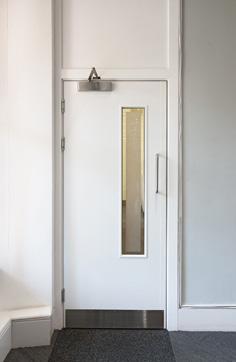
As important as the door
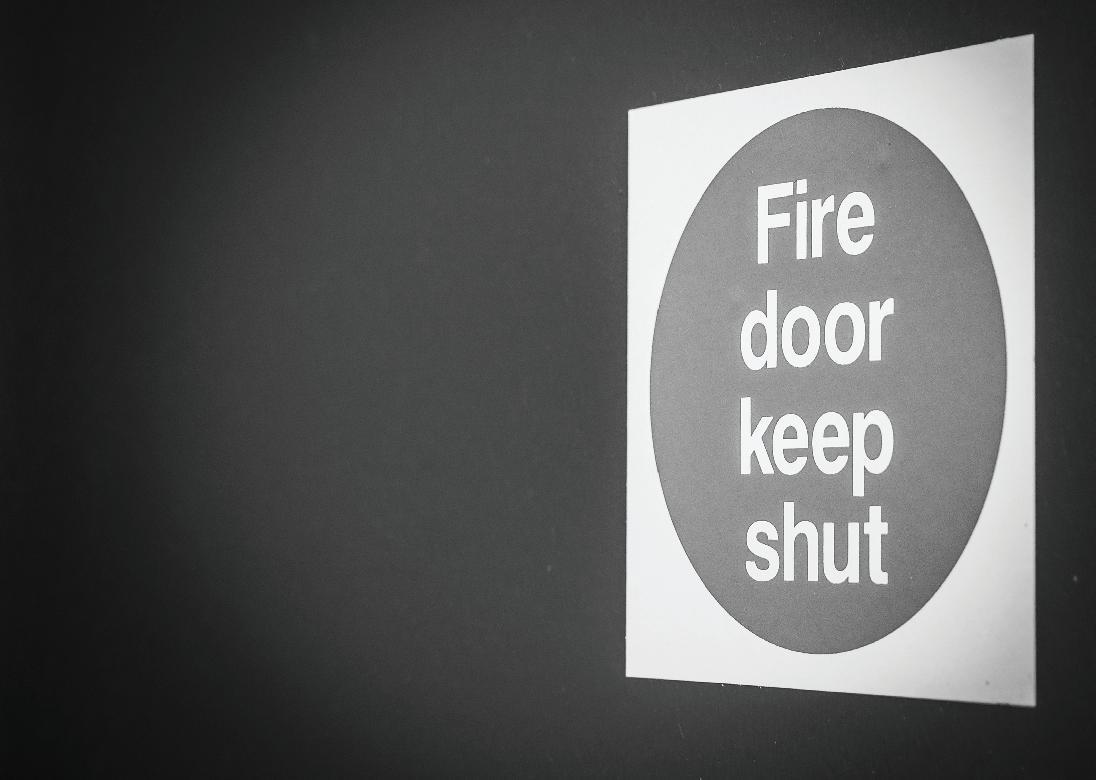
A fire door is an essential part of a building’s passive fire protection system. A critical component of every fire door is the

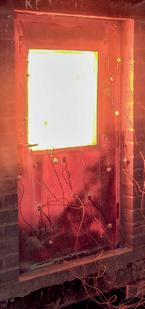

on it.
over


years,
be able today to offer an
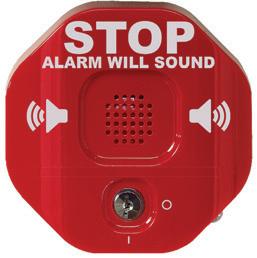
19 The Exit Stopper ® door alarm is an effective means of alerting you to misuse of fire doors. We’re Supporting www.sti-emea.com info@sti-emea.com 01527 520 999 Fire Doors Dangerously Wedged Open? ZERO SEAL SYSTEMS LTD: 01785 282910 FIND OUT MORE AT: WWW.ZEROPLUS.CO.UK FIRE DOOR HARDWARE
hardware
At ZEROplus we have been independently fire testing door hardware for
20
to
extensive range of tested products. Seals Hinges Locks Euro Cylinders Lever Handles Door Closers Letter Plates Door Stays Vision Frames Louvres Door Viewers Flush Bolts Panic & Emergency Exit Hardware
DISTRICT HEATING NETWORKS: THE HEAT IS ON FOR SOCIAL HOUSING PROVIDERS

As more and more people are facing fuel poverty this winter with the escalating fuel crisis, John Fahy, Managing Director at Uponor, explains why district heating networks offer social housing providers a viable way to decarbonise their housing stock and help to reduce energy bills for residents.
District heating networks have seen a resurgence of interest lately in the UK. This is mainly due to industry innovations that are helping to lower carbon emissions and deliver heat in a more efficient and costly manner.
Reducing fuel bills and emissions
The Government believes that district heating networks can reduce fuel bills by 30% and has made it clear that it also wants to see a wider uptake of these networks to reduce CO2 emissions and meet the UK’s 2050 net-zero targets. Currently, only about 2% of the UK’s heat is delivered by heat networks, but the Government believes that this could increase to 20% by 20501
Although district heating networks have been used in the UK since the 1960s, we are still far behind the rest of Europe, where heat networks meet about 12% of the EU’s heat demand. District heating is most common in the Nordic and Baltic regions, where cold winters are the
norm, but the main markets are currently in Germany, followed by Poland and Sweden2. Copenhagen has the world’s most extensive district heating system, servicing over an incredible 98% of buildings, making it miles ahead of any city in the UK.
Harnessing renewable technology and sustainable solutions
District heating is a system where energy is generated from a central source for heating and domestic hot water to be distributed through an underground network of insulated pipes to several properties. These can be homes in a social housing development, multi-occupancy buildings or a combination of both.
Homes can be connected to a reliable and efficient heat source, even if they are not on the gas network, which removes a reliance on fossil fuels. This means they can be coupled with renewable technologies, such as wind, solar and hydro, to provide a cleaner, more sustainable energy system.
As technologies advance, the industry is constantly finding new ways to provide energy for these networks. Waste heat can be harnessed from thermal power stations and industrial sites. Even heat from the London Underground is being used to provide heat and hot water for homes and businesses in Islington.
Inside the home, district heating networks also provide an excellent opportunity to make the most of the increasing popularity of sustainable solutions, such as radiant heating systems, radiant panels and underfloor heating, which provide greater thermal comfort.
These systems are particularly well suited to heat networks as they operate at low temperatures and offer a more energyefficient and cost-effective way to heat and cool a property. Using high-performance insulated pipes with a high degree of flexibility will also reduce the number of required connections, which minimises the possibility of leaks occurring and further improves the system’s efficiency.
20 HVAC
Sources: 1Heat networks and power prices: https://researchbriefings. files.parliament.uk/documents/CBP-9528/CBP-9528.pdf
2Euroheat & Power DHC market outlook: https://www. euroheat.org/policy/dhc-market-outlook.html
Improving the quality of district heating projects

The growth of district heating networks has driven the need for updated guidance and regulation of the sector to enable networks to deliver their full potential.
To meet this need, the Government has proposed ‘heat network zoning’ where buildings in a specified zone will be given a timeframe to connect to a heat network and has appointed Ofgem as the new regulator for heat networks.
In January 2021, CIBSE released its second edition of the Heat Networks: Code of Practice for the UK (CIP1) to improve the design quality, installation and operation of low-carbon heat networks in the UK.
The updated CPI (2020) includes enhanced minimum standards and further detail on insulation standards for primary pipework. It also recommends reduced temperature flow for new schemes, which is pushing designers, specifiers and installers towards fourthand fifth-generation heat networks, both of which are well suited to flexible, pre-insulated polymer pipework.
Positive results for social housing schemes
The concept of district heat networks is not new for social housing. There have already been several successful projects in the UK. Uponor recently supplied its energy-efficient piping solutions to Finn Geotherm as part of a landmark renewable heating scheme in Felixstowe for Flagship Homes.

This successful scheme has significantly cut heating bills and carbon emissions for more than 100 houses, flats and bungalows.
By installing six large-scale district heating schemes using Uponor piping, residents now benefit from cheaper heating bills that have decreased by 70%, and with energy use being reduced by the same (70%), the scheme has considerably impacted the community’s carbon emissions.
To further prove the positive impacts of heat networks, Government research has found that district heating networks can cut carbon emissions from new housing developments by up to 70% and create energy bill savings of at least 30% when replacing electric heaters with heating networks in tower blocks, according to the Department of Business, Energy and Industrial Strategy. This means that heat networks are not only a good solution for the environment, but that the cost of delivering heat to residents can be as little as 7p/kWh compared to an equivalent figure of 10p/kWh for electric heating.
These are substantial results. When you consider the current energy crisis and the need to address climate change, district heating networks are proving their value and showing that they can positively impact carbon emissions whilst also providing a more affordable and energyefficient living environment.
District heating networks make sense for social housing District heating networks enable social housing providers to decarbonise their housing stock whilst providing residents
with more affordable housing. When residents are connected to a district heating network, they have the advantage of economies of scale and the efficient operation of the network to heat their homes at a lower cost than if they were using individual heating systems.
As systems continue to improve, more and more housing associations and social housing providers will realise the benefits of district housing networks for both themselves and their residents. By connecting social housing to a heating network, you can provide residents with the benefits of lower costs, thermal comfort and improved indoor air quality, all whilst helping to create more sustainable communities for the long term.
21 www.uponor.com/en-gb HVAC
HOW TO SPECIFY OUTDOOR SHELTERS AND CANOPIES
Compared with a building project, choosing a shelter seems simple, but it is important to get the specification right at the beginning. Michael Denyer, Technical Consultant at Waverley Exteriors, outlines what to bear in mind.

Outdoor shelters enhance any public sector building, providing fresh air options, allweather access ways and meeting spaces.
Shelters can be low cost and durable compared to permanent or modular buildings and they fulfil a wide variety of applications, often provided off the shelf.
Key considerations include:
1. Modular or bespoke?
Many clients fear they will need a bespoke structure, but a modular aluminium frame can be adjusted to suit most situations meaning you may need to spend less than you think.
Insist on checking what you choose is certified BS EN 1090 – it’s a legal requirement for the public sector.
2. Materials
Each material has its pros and cons. Wood looks great but needs a lot of maintenance. Steel can rust. Aluminium is easy to install and will not corrode but may not have the eye-catching appeal of wood.
As for the roof, glass does not age and always looks classy, but polycarbonate is more durable than ever and comes in a wide range of colours and styles.
That’s the basic structure covered, however many clients struggle with the way the structure interacts with its surroundings.
3. Drainage
Failure to take into account how the structure connects to underground drainage is by far the most common omission. Look for a canopy with
integral gutters and downpipes and tell the supplier in advance where you need the water to go. Surface-mounted drainage looks ugly and even the best materials perish over time.
4. Post location
Ensure your specification avoids posts clashing with opening doors or windows. You would be surprised how many times Waverley has had to adjust a shelter on site so teachers can open their classroom windows.

5. Freestanding or attached?
Architects often specify freestanding when, in fact, a lean-to shelter would be more practical and cost effective. Not only does freestanding mean there is a gap between building and canopy, which needs filling, it requires twice the number of posts.
6. Height
Specifications often stipulate that the shelter is built too high. The higher the roof, the lesser the protection for those underneath the canopy from the elements. Ask your supplier for help to ensure the roof is the right height for the task in hand.
7. Durability and adaptability
The specification should consider how the shelter can adapt to changing needs. A simple roof to protect the lunch queue from rain may be good enough for now, but what if you need an extra classroom later? With a modular aluminium shelter, you can simply add windows and doors to enclose some or all of the space. And consider solar panels, allowing you to generate your own electricity.
There’s a lot to consider so, if you’re dealing direct, get potential suppliers involved early. They should offer a site visit and show you samples of their products. If you are working with an architect, keep a checklist of questions and have a clear view of the result you want. There’s a great selection of shelters on the market – one will be right for you.
www.exteriors.waverley.co.uk
22 CANOPIES & SHELTERS
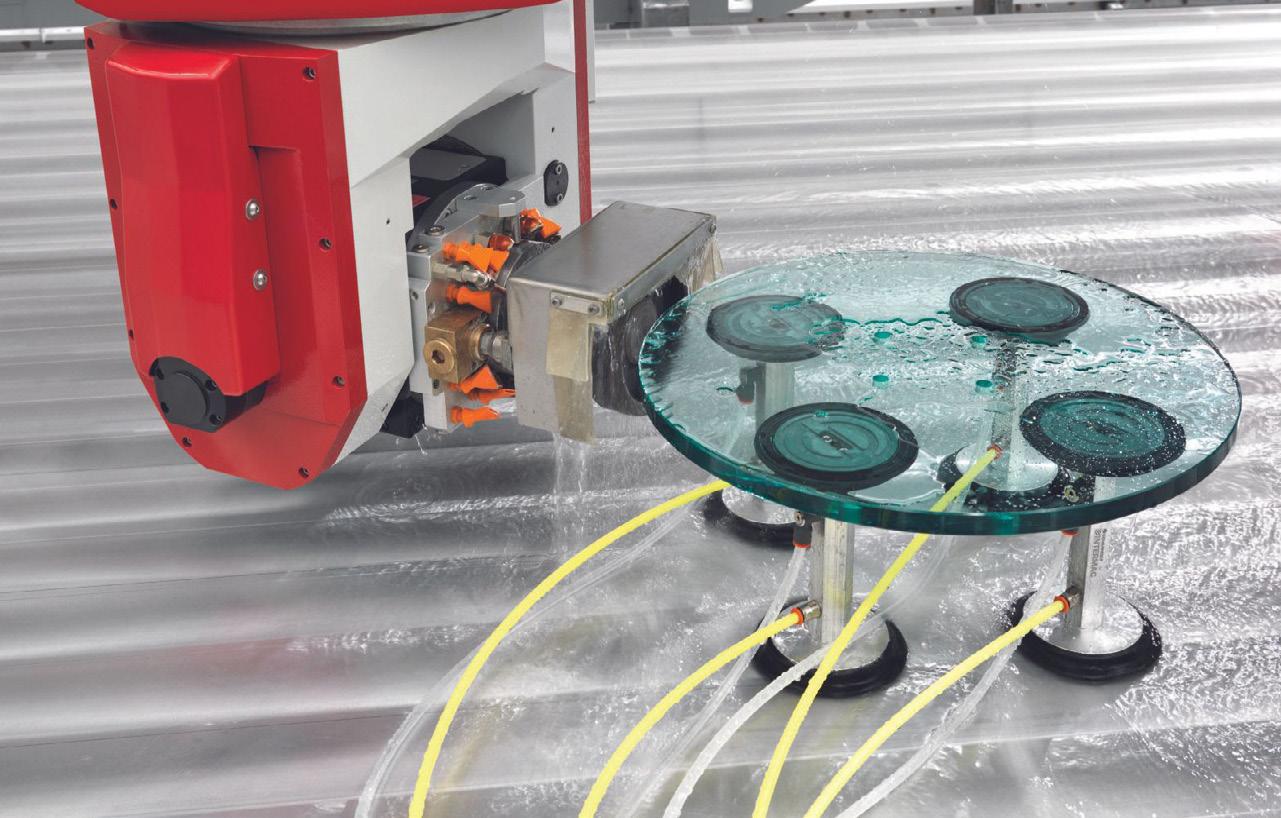

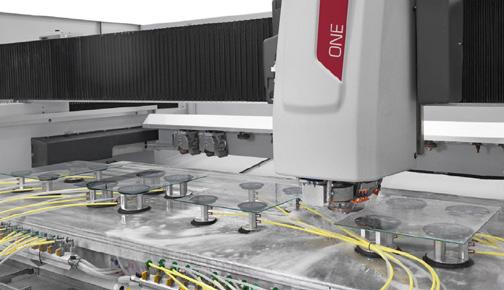



23 www.firmanglass.com Further information is available from our sales and technical offices or visit www.firmanglass.com Firman Glass, 19 Bates Road, Harold Wood, Romford, Essex RM3 0JH Tel: 01708 374534 Email: sales@firmanglass.com GLASS EXCELLENCE With over 46 years’ experience and UK-wide coverage, Firman Glass aims to be your number one choice for commercial and industrial glass products. www.firmanglass.com • Toughened glass • Processing • CNC shaping • Laminated glass • Toughened and laminated constructions • EVA and Vanceva coloured interlays • Fabric and decorative interlays • Structural interlays • Specialist insulating glass units • Anti–slip glass • Fire rated glass • UV bonding • Electric switchable glass • Heated glass • Decorative glass • Sandblasting • ColorfirmTM back painted glass • Structural glazing • Glass floors • Partitions • Roof lights • Balustrades • Full height barriers • Canopies • Staircases • Treads and stringers • Shower screens • Shelving • Glass doors • Acoustic reduction • Fire rated • Decoration • Wall cladding • Splashbacks • Privacy • Technical Support • Nationwide Coverage Products Applications
FRAME-WORKING THE IMPORTANCE OF LEGIONELLA CONTROL PROCUREMENT
Healthcare estates continue to face ongoing challenges with increasing demand on its services, meaning that time really is money when it comes to operations. With legionella control being one regular – but crucial – management task, Jonathan Oram, Head of Services at national framework provider Pagabo, discusses how the use of frameworks should play a central role in procuring legionella control services for healthcare estates, freeing up valuable time and resource to redirect into other areas.
Why is legionella control important?
Legionnaires’ disease is a form of severe pneumonia with a mortality rate of about 10 to 15% within the UK. To prevent this health risk, most building environments require a legionella control programme that includes monthly outlet temperature checks, and particularly in healthcare environments, little-used outlets require to be flushed twice weekly or daily within acute healthcare settings.
Legionella outbreaks can be minimised by maintaining water temperatures below 20°C or above 55°C within water systems and reducing stagnation within these systems through ‘flushing’ – aka running water through the system.
Legionella control consists of labourintensive statutory tasks identified through a legionella risk assessment for each water system. Within the healthcare setting, the Water Safety Group (WSG) takes responsibility for safe water systems to minimise the risk of legionella proliferation within the water systems, which could lead
to an outbreak of Legionnaires’ disease, subsequently leading to risk to human life.
Significant time and resources are necessary to ensure the compliance of water quality systems as engineers must have physical access to all water outlets within a building. These vital tasks were inevitably made more difficult during the pandemic, as many buildings were left unoccupied or with restricted access.
Within the healthcare setting, with the potential susceptibility of patients and visitors, temperature control, reducing stagnant water and providing safe water systems, is critical due to the potentially fatal impact if not appropriately managed.
So, why should frameworks be central to procuring such services?
With this background, it’s clear to see why sourcing legionella control services is so important, especially for those operating healthcare establishments. However, sourcing the services needs to be done in the right way to ensure the safety of building users, meaning it can be a time-costly process.
The health service has more pressure on it than any other time as it continues to feel the impact of the coronavirus pandemic, catching up with delayed treatments and increased demand from service users who put off getting problems treated until restrictions were lifted. No member of staff within the sector can afford for tasks to be a time drain, especially where it can be avoided. Enter framework agreements, which streamline the entire procurement process for clients.
Pagabo’s Professional Services Framework has a lot dedicated to legionella control services, providing clients with a choice of suppliers that they know are the best in their field. Clients also have the added benefit of a compliant, quick and effective process to get the supplier appointed and work underway without delay.
One of Pagabo’s suppliers is HBE, which can connect healthcare clients with one of the most innovative approaches to legionella control on the market via the framework. The HBE24 solution transforms a healthcare legionella control

24 HEALTHCARE
monitoring and inspection programme, utilising the latest IoT (Internet of Things) technology for remote temperature monitoring and flushing.
We all understand that there is a requirement to monitor water systems for legionella and other waterborne bacteria. Remote temperature monitoring is a more effective and efficient way of meeting regulatory compliance needs. HBE24 Temp devices take legionella control to the next level through digitalising assets, remotely monitoring temperatures, and removing the need for physical contact through IoT technology, with no requirement to access the IT infrastructure.

Intelligent data and reporting are key to the management of risk, and the HBE24 Platform provides a range of intelligent reports for water safety groups within the healthcare environment.

Flushing of little-used outlets with the units enables a healthcare client to automate a manual task and control the flushing frequency directly from the platform, with a full digital record of flushing tasks for compliance and risk management. This is all coupled with temperature reporting of the asset, with data able to be used to address ongoing legionella control issues that may be present within the systems.
The benefits of this are clear. It minimises site visits, meaning there is no reliance on engineers being physically present or having any delays in monthly or weekly tasks when there may be limited access – and it removes

the need for external parties in areas with high risk or vulnerable patients.
It also greatly reduces water usage for a more sustainable approach, with an average of six to 12 litres of water saved per outlet to undertake the temperature task monthly. Reduced energy costs, fuel savings, water efficiency, carbon reduction and cross-building infection from not running hot and cold water to take temperatures and, of course, the savings from reduced man hours.
Why not go direct to suppliers?
Organisations, like Pagabo, seek to connect clients with the best suppliers on the market when making its framework appointments. This doesn’t mean the biggest or most well-known companies; it means those with the most innovative solutions on the market. So, in many ways it makes perfect sense to turn to frameworks, knowing that, as a client, you are dealing with the best solutions on the market, backed up by compliant processes and expert guidance from the framework provider.
And for healthcare clients that must treat every second as gold dust, it seems like a no-brainer to procure statutory services, like legionella control, via a framework agreement to ensure that time, budget and effort is streamlined, and that resource saved can be redeployed to the benefit of patients and staff.
25
HEALTHCARE www.pagabo.co.uk
WHEN DOES COST OUTWEIGH CONSERVATION?
Paul Trace of Stella Rooflight discusses the importance of maintaining the historical integrity of buildings during an economic downturn.

It’s hard to imagine a tougher economic climate. Having emerged from the pandemic, businesses and homeowners are beset by the rising costs of fuel and materials, economic shockwaves from the war in Ukraine and stark warnings of 11% inflation from the Bank of England. This is compounded by ongoing building supply issues that are still being experienced as a result of Brexit.
As the cost of most building materials, such as timber, steel and glass, continues to increase, the impact will most keenly be felt among those working on self-build, renovation and extension projects. No doubt, this perfect storm of economic woe has resulted in the postponement of many such project, however, for those that are pressing on, most will be looking to cut back on budgets in whatever way they can and compromises on quality are inevitable.
Fortunately, when it comes to the majority of building projects, especially new-build or modern homes, there is plenty of choice
out there for most materials and components, and shopping around a little can yield useful savings. However, if your project is historically sensitive, for example a listed building, barn conversion or a property in a conservation area, then choices may be more limited.
There are many examples of imitation ‘conservation’ products on the market, for example, plastic being used as a replacement for cast iron rainwater goods, windows and rooflights. While these products might offer a cheaper alternative, there are few, if any, cases where these materials should be considered appropriate.
According to Historic England, the public body that looks after England’s historic environment, in their Materials for Historic Building Repairs article, “the use of authentic, traditional materials helps to retain the character of historic buildings and, in turn, supports traditional industries and vital craft skills”. They argue that “some materials can actually harm the existing historic fabric and speed up deterioration”, and urge for

26 ROOFLIGHTS & SKYLIGHTS
consideration to be given to “the potential durability of the material used and its future maintenance requirements”, they conclude in saying “what might seem like the cheapest option might not always work out so in the long run”.
Looking more closely at the rooflight market; just because something is sold as a conservation product, that doesn’t automatically make it suitable for all building types. If a rooflight is going to be introduced, it has to meet the conservation specifications of that particular area or type of building. If your building is listed or in a conservation area then the criteria for using conservation rooflights are much stricter and you should always gain approval, not only for their use but also the manufacturer that you would want to use.
There are only a handful of companies that specifically make conservation rooflights and even fewer who design, manufacture and assemble in the UK. Many conservation rooflights available online are simply other products, which have been spruced up to look like they meet the requirements of that type of product. There are many elements that go into a genuine conservation design and price is always a reflection on quality.
If a conservation rooflight is all frame, then there is little point in having one. Genuine conservation designs should be manufactured with slim, clean lines and a low profile to match the roofline. A number of skylight companies try to produce conservation rooflights using modern bulky aluminium or plastic profiles, which sit proud of the roofline, particularly slate. It is widely accepted that most authentic conservation rooflights are manufactured from steel because it provides great strength while offering a slim profile and
excellent glass-to-frame ratios. There are many types of steel conservation rooflights and for unrivalled protection and lifespan, one should always consider 316 stainless steel, which will protect against the common issue of rust.


Consideration should also be given to the viewable area of a rooflight. Large rooflights do not always guarantee lots of light and you should always check what the finished viewable (often referred to as clear viewable) area of the rooflight will be. You might think that a conservation rooflight with a whole frame size of 900mm (w) x 1200mm (h) would have a similar clear viewable area regardless of the manufacturer, but you would be wrong and bulky-framed modern types or the flat rooflights posing as pitched conservation styles will let in considerably less light than a genuine steel-framed version.
Understanding what constitutes a genuine conservation product is vitally important in an age where we are
witnessing far too many cheaper, often imported, plastic products being used in sensitive buildings across the UK. The use of such products very rarely contributes anything to the historic character of a building, indeed the visual impact of using modern materials on older buildings usually has quite the opposite effect.
While there is no denying that bone fide conservation products are more expensive – and hopefully the reasons for this have been demonstrated above – builders, architects and homeowners must resist the temptation to use alternative materials when looking at areas in which to cut back on budgets. As we continue to feel the economic squeeze, we can only hope that decisions are taken in the best interests of the long-term preservation of our heritage and that cost cutting does not end up having a long-term impact on our important historical buildings.
27
ROOFLIGHTS & SKYLIGHTS www.stellarooflight.co.uk
DEBUNKING FOUR MOST COMMON BIM MISCONCEPTIONS
Nigel Davies, from the Communities Leadership Team at UK BIM Alliance, debunks some of the myths commonly associated with BIM and unpacks how, by using BIM processes to digitally transform business, the industry can improve efficiency gains in the long term that far outweigh the initial investment costs required to implement the right software solutions.
By now, most public sector organisations have likely heard the term BIM, at least in passing. However, how many of them actually understand it and feel confident enough to implement it is another matter. Sadly, the numbers might be low, despite the benefits being substantial.
A simple Google search is of little-to-no help as the internet is unfortunately crawling with conflicting (and wrong!) information. The myths and misunderstandings surrounding BIM, which have grown and evolved over the years are, in large parts, hindering businesses’ ability to succeed with their digitalisation plans. Thus, it is time to put the most common ones under the microscope and debunk them once and for all, starting with the acronym itself.
What does BIM actually stand for?
Is it building information modelling? Is it better information modelling? Or perhaps better information management? The truth is BIM can mean different things to different people, which, in hindsight, does not help the matter.
As BIM was originally and primarily focused on 3D models and associated data, many still link the acronym to building information modelling. Whilst this isn’t necessarily wrong, BIM has matured significantly over the past decade to describe the wider information management process across the lifecycle of a built asset.


It is clear that there is a greater need to simplify the terminology and to give BIM a commonly-understood
description. One that will reflect the broader industry transformation and today’s digital landscape, and that can spark instant understanding and confidence amongst all professionals in the public sector’s built environment.
Therefore, supported by the UK’s industry-led BIM community, from now on, BIM could be considered as better information management, and associated with managing information in a smarter way.
Is it just a 3D model? The simple answer is no. For years, many public and private sector businesses have thought of BIM as a 3D model. Certainly, the old acronym of building information modelling did not help to shift the common thinking that BIM is a model that aims to create a
more visual representation of the project at hand.
3D models are only part of a much wider information management process that at its heart should foster more collaborative working, seamless data sharing and easier access to data at every stage of the project for every party involved. It is, therefore, key to look at BIM beyond just the model and into the wider improvements to information management processes. This way, companies will be able to produce a wide variety of digital datasets easier, meet tight project deadlines, gain efficiencies and cost savings.
Nigel Davies, from the Communities Leadership Team at UK BIM Alliance, has 20 years’ extensive experience within the AEC industry. He has unique insight and first-hand understanding of cuttingedge design and construction data production and exchange practices.
28
TALKING POINT
BIM is just software, right?
Wrong! BIM software per se does not exist. Having said that, however, there are various solutions on the market that are designed specifically for public sector professionals to help them generate and share project information more effectively.
Depending on the scale of the project, organisations might need a range of software tools to meet different project milestones in an easier and faster way.
The specific software will, therefore, depend on the specific needs and goals. What works for one business might not be suitable for another, so it is always up to the individual organisations to choose a solution – or solutions – that will help them improve communication, efficiencies, or reduce safety risks.
Choosing the right solution is an important element of achieving better information management practices, however, BIM in itself is much bigger than just an online tool.


Is BIM worth paying for?
In short, yes. The focus shouldn’t, however, be on how expensive BIM is, but rather on what happens if an organisation chooses not to implement better information management practices. It’s an old cost versus benefits conundrum.
Whilst there could be some upfront costs associated with changing traditional and legacy working processes, more often than not, these will be countered by the long-term efficiencies gained. These upfront costs can – but don’t have to – include software and extra training. It is worth researching and asking local communities whether they can recommend any free or low-cost tools to start the digitalisation journey. There are also reputable and readily-available sources online, for example from the UK BIM Framework, that provide clear step-by-step guidance for smoother, cross-team BIM implementation.
Whether a company is starting, re-starting or moving onto the next step of its BIM implementation, it should always keep the efficiency gains at the forefront, as there is a clear and direct correlation between efficiencies and the bottom line. Easier project
information sharing equals met deadlines, no time-wasting, better communication, less risk, and, subsequently, greater trust amongst local authorities to deliver future projects.
On a journey towards successful BIM implementation
A clearer description of BIM as better information management can now help the public sector built environments confidently move forward with their digital transformation journeys. Knowing exactly what BIM is and is not, as well as expected costs will undoubtedly help adopt better practices and reap the benefits of BIM for years to come.
29
www.ukbimalliance.org TALKING POINT
MODERN LEISURE CENTRE
BLENDS SEAMLESSLY INTO NATIONAL FOREST LANDSCAPE
A brand-new £22.5m state-of-the-art sports and leisure facility in Coalville, Leicestershire, has completed five months ahead of schedule, allowing residents access much earlier than anticipated, thanks to seamless collaboration between the design team.
Designed by architecture firm GT3 Architects, on behalf of North West Leicestershire District Council and Everyone Active sports management provider, the firm worked closely with contractor Metnor, project manager Paragon, landscape architect OOBE, and M&E and BREEAM consultant Envision to deliver the project.
Replacing the former Heritage Leisure Centre, this state-of-the-art facility includes an eight-lane, 25m pool with spectator seating, an eight-court sports hall, three squash courts and a 130-station fitness suite. The new community hub has been designed to deliver maximum functionality for users, while achieving reduced energy demands and sitting in balance with its surroundings.
Clare Noble, Senior Architectural Technologist at GT3, said: “We were delighted to deliver this leisure centre so efficiently in collaboration with a host of great firms and contractors. We’ve worked with Everyone Active, Metnor and Paragon on a variety of leisure schemes and have a brilliant working relationship – this communication and transparency, combined with a lot of individuals putting
in hard work, is what allowed us to accelerate the completion of the Whitwick & Coalville Leisure Centre.
“A good working relationship is exceptionally important to GT3. We aim to create beautiful spaces while delivering transparency, inclusivity and added value –which is why collaborating seamlessly with our partners is central to our work. Our ‘people architecture’ ethos extends beyond the people we’re designing for to the people we’re designing with, too.”
Blending the facility into its surroundings
The GT3 team tackled various challenges to settle the state-of-the-art facility into its National Forest setting. This included sourcing local materials in keeping with neighbouring buildings, enabling access routes and sustainability issues to complete the extensive build. Working with, and for, residents ensured a stunning building, created with the needs of locals and the landscape in mind.

Paolo Coyle, Project Architect at GT3, said: “One of the key considerations for the build was the sensitivity of the area and the need for a collaborative design,
set within the natural landscape in order to enhance the surroundings. The structure has been built in such a way to preserve the openness of the space, showcasing the natural features of the site and celebrating the green setting. Several outdoor spaces were created to mirror the indoor and outdoor activities, providing a strong connection to the natural environment.
“We, therefore, placed a great emphasis on preserving the surrounding greenery through a robust planting and ecology strategy. As a result, a number of key objectives were fulfilled: providing a network of trees, promoting sustainable planting, improving biodiversity and enhancing wildlife habitats in the local area. Any existing vegetation on site has not only been retained but added to, to soften the development and anchor the design within the ecosystem of this National Forest area.”
Blending the centre into the local community
GT3 also made strategic connections with local communities to engage residents and develop access routes from residential areas. The design team included accessible
Images: ©GT3 Architects & Kristen McCluskie
30
LEISURE
walking and cycling routes to the new centre, as well as family-friendly facilities, such as picnic benches and a trim trail with 10 workout stations, so that residents can make full use of the site.
In conjunction to the leisure centre itself, a large wildflower meadow with a mown path provides an informal space for residents to relax. There is a natural play area, close enough to the building to enable supervision from the cafe seating.
Paolo added: “The team worked hard to engage a wide range of groups of all ages and backgrounds to ensure the leisure centre improves the wellbeing of residents, and puts health firmly at the heart of the community.


“Part of this was collaboration with stakeholders and consultees to provide the community with an accessible leisure destination, in perfect harmony with its setting. The new pool uses pre-patinated cladding, which gives the appearance of copper panels, the full wall of glazing in the cafe offers outstanding views and natural light, while the overhanging roof mirrors the look of the existing further education college which sits opposite. The dark rainscreen cladding used for the front of the building was also chosen to reflect Coalville’s mining past.”
Callum Bott, Project Technologist at GT3, said: “The building materials were carefully selected in order to reflect the area’s history and to be as energy efficient and sustainable as possible. The locally-sourced Breedon Golden Amber Gravel used for the entrance plaza and pedestrian routes minimised transport into the site, and porous block paving was used within the car parks to facilitate surface water drainage for the site.
“These considerations were also applied to the hard materials palette, focusing on quality and simplicity, to create a cohesive selection of materials found within the local area. They also needed to be hardwearing and easy to maintain. With this in mind, a brick made by resident manufacturer Ibstock was chosen on the grounds of sustainability and suitability. This decision reduced the environmental impact of long-distance transportation to site and supported the traditional local trade of brick making. The clays used for this product are sourced at the Ibstock quarry and moved on an internal road to the factory with only a small percentage of the product, such as mould sand, coming in from off site. Even the gas used to fire the kiln comes in by pipeline and the water used has been recycled or is rainwater taken from the Ibstock quarry.
“By viewing the issues around energy efficiency, accessibility and sustainability through a local lens and using an ecological approach, the team were able to achieve a build that blends seamlessly into its surroundings and will serve generations to come.”
31 www.gt3architects.com LEISURE
HOW TO BUILD A RESILIENT ROOF
The need for resilient roofing has never been more important. As the impact of climate change takes hold, it is crucial that a roof protects against increasingly severe weather, including extreme temperature change, rain, hail and wind.
For the owners of public sector buildings and their local communities, roof resilience means less disruption to daily life. The risk of any roof damage is minimised, reducing potential costs and downtime, and enabling essential services provided by hospitals and schools to continue.
Another important driver for a resilient roof is futureproofing. If a building needs to extend or adapt, then it may have to accommodate new plant, service penetrations and equipment such as solar panels. A robust roofcovering should enable these types of works to be delivered efficiently, with minimal disruption and assured weatherproofing for many years after the installation.
Weathering the storm
A resilient roof relies on durable components and a robust design. Combined, these factors must create a system that is resistant to all types of extreme weather, moderate movement cycles, and any impact on the roof from a falling object. The system should also allow any future maintenance or repair work to be carried out quickly and effectively.
The waterproofing membrane is a crucial component in the system and must provide the attributes needed to ensure resilience. Specifying an EPDM single-ply membrane
is a highly-effective solution that will meet these requirements and can be used for flat and low-slope roofs on all types of building.
Made from a synthetic rubber compound, EPDM membranes are highly flexible and can be elongated by more than 300% without any detriment. This allows them to return to their original shape and performance after severe weather and remain stable for decades.
A chemically-inert material, EPDM has a low environmental impact and does not contain any plasticiser. It is also resistant to factors that can accelerate wear and tear over time such as UV, heat, hail and building movements.
If there was a situation that did result in the need for a repair, an EPDM can be easily restored by a contractor using simple procedures and tools. Even after many years of use, the durability of the membrane will avoid the need for a costly strip out and refurbishment. This durability also means the membrane can accommodate rooftop additions, such as solar panels, minimising the potential for any damage during the install.
If solar panels do need to be retrofitted, an EPDM membrane offers a further benefit as it will be resistant to the extra heat that is generated.

Installing a resilient roof
The specified membrane must be installed to the right standards to ensure a resilient roof that performs as expected. All roofs are different so many factors will need to be considered prior to selecting the membrane attachment system.
For an EPDM membrane, a mechanicallyattached system can provide a fast and cost-effective method, especially for steel or wooden decks. It is most suited to large, open roof areas with few penetration details, such as warehouses.
The RubberGard EPDM system, for example, is mechanically attached using a non-penetrating system. QuickSeam Reinforced Mechanical Attachment (RMA) strips are secured to the structural deck. Large panels of the RubberGard EPDM waterproofing membrane will then be bonded to the framework of self-adhesive strips, meaning no fasteners are required to penetrate the waterproofing membrane. The positions of the mechanical attachment strips will be calculated based on the building’s location and height, exposure level, deck type and fastening system to resist wind load.
Another option, depending on the load-bearing capacity of the roof deck and structure, is to loosely lay the EPDM membrane over the substrate and securely hold it in place using approved ballast such as stones or pavers. This will require extra equipment to move the ballast but, overall, can provide another quick installation that can be carried out in all weather conditions. The ballast covering also provides additional mechanical protection of the waterproofing membrane.
The most versatile attachment system is the fully-adhered system, which is suitable for smaller roof areas, unusual roof shapes and more complex penetrations. The EPDM membrane is bonded to the substrate using
Carl Bailey, Regional Technical Manager for Elevate, part of the Holcim Group, discusses the urgent need to create resilient roofs, including the critical roofing components and the benefits of an EPDM membrane.
32
TECHNICAL FOCUS
a specially-formulated adhesive. This solution is highly resistant to wind uplift and lightweight, making it suitable for roofs with limited load bearing capacity.
Robust support
The substrate onto which the EPDM membrane is installed must be sufficiently durable for the roof’s life and anticipated functions. If the EPDM membrane is installed over insulation, an insulation material with a high compressive strength should be used to prevent deformation from foot traffic.

The use of rigid PIR (polyisocyanurate) foam insulation is recommended for roofs where maintenance access will be required throughout the roof’s service life. Greater resistance can be achieved using a high-density cover board on top of the insulation package.
High-density cover boards are ideal for a fully-adhered attachment system where the insulation layer is not compatible with the adhesives. Noncombustible gypsum boards provide a highly-durable option and are often required to achieve the higher ratings required on FM-Global projects.
Controlling condensation within the roof system is another important consideration. A suitable air and vapour control layer (AVCL) should be selected based on the temperature and relative humidity within the building, the deck type and attachment method for the insulation and waterproofing layers. Installing a high-performance AVCL between the structural deck and insulation will prevent condensation forming and possible deterioration over time.
Technical advice
When planning a roof project, it is recommended to take a ‘system approach.’ The system should be decided in conjunction with technical advice from the EPDM membrane manufacturer and applied in accordance with their guidelines. Once the system is approved by the technical services team, and executed by the trained licensed contractor, a long-term warranty can be provided for peace of mind.

Benefits for all Climate change poses many risks for businesses, and public sector organisations are no exception. As the prospect of more unpredictable and severe weather continues, it is essential that buildings are strong enough to cope. As the first line of defence, the roof has a crucial role to play. A robust design and the right roofing system will ensure a resilient structure that delivers benefits for building owners, occupiers and visitors.
 TOTAL ROOF SYSTEM
33
www.holcimelevate.com TECHNICAL FOCUS
ESTATES 4-5TH OCTOBER 2022
HEALTHCARE ESTATES –THE BIGGEST YET!
Healthcare Estates 2022 is almost here, with preparations really ramping up now for the biggest event yet; more exhibitors, more speakers, more exhibition theatres, a fabulous new venue for the dinner and awards, and a very special plenary theatre on the exhibition floor this year that hosts the keynote presentations.
eynote sessions feature some great names including Sir David Behan, Chair of Health Education England, Nigel Edwards, Chief Executive Officer of The Nuffield Trust, Professor Peter Guthrie, Vice President of the Royal Academy of Engineering and Dr Sean Fitzgerald, Director of Research at the Centre for Climate Repair, University of Cambridge.
Speaking as a special guest in the keynote theatre at 3.30pm on 5th October at Healthcare Estates 2022 will be Nigel Owens MBE, the most-capped referee in world rugby.
Healthcare Estates exhibition
Healthcare Estates is a truly unique event in the UK market – the only national conference and exhibition to bring together those who design, build, manage and maintain healthcare facilities.


The Healthcare Estates exhibition features over 200 stands – so two days of your time gives you the complete technical, practical, professional and political framework in which to make effective decisions. If you want to know if you’re doing things right, this is the place to begin.
Healthcare Estates conference
The four key themes for the conference have been revised to reflect the issues that have the greatest impact on the healthcare industry, these are: Engineering and Facilities, Net Zero, Strategic and Capital Planning, and Workforce.
With NHS experts from around the country coming to the conference to share their experiences in their facilities, Healthcare Estates is the frontrunner for learning best practice from those on the frontline.
Exhibition theatres
The six exhibition theatres give visitors plenty of opportunities to catch up on the latest products, regulations and best practice with free content for all and relevant exhibitors providing solutions to the many topics discussed. These include: HVAC & Engineering Theatre, Infection Control & Water Theatre, Design & Construction Theatre, Energy & Sustainability Theatre, Facilities Management Theatre and Fire & Medical Gas Theatre.
www.healthcare-estates.com
Awards dinner
The Healthcare Estates IHEEM Awards Dinner takes place on Tuesday 4th October at the iconic Kimpton Clocktower Hotel in Manchester.
The night is a celebration of excellence and achievement in the industry. The dinner is a unique opportunity to network with the best in the healthcare sector whilst enjoying a luxurious three-course meal with wine and entertainment.
The after-dinner speaker this year is Kate Richardson-Walsh. Kate is the most-capped female hockey player in her country’s history and was captain of the GB and England women’s hockey teams for 13 years. An inspirational and charismatic leader, she has been widely credited for helping build the incredible team ethos and commitment that drove the GB team to a nail-biting victory at the Rio Olympic Games.
How to register as a VIP?
Registration is very easy with access to the exhibition and exhibition theatres free to all attendees. Registration for the conference offers superb value and gives access to all areas. To register as a visitor, book a delegate place or a seat at the dinner, please go to www.healthcareestates.com for full details.
34
HEALTHCARE
SHOW PREVIEW K
Structural


To find out more visit www.firmanglass.com
Firman Glass,19 Bates Road, Harold Wood, Romford, Essex RM3 OJH
o find out more visit www.firmanglass.com
To find out more visit www.firmanglass.com
Tel: 01708 374534 Fax: 01708 340511 Email: sales@firmanglass.com
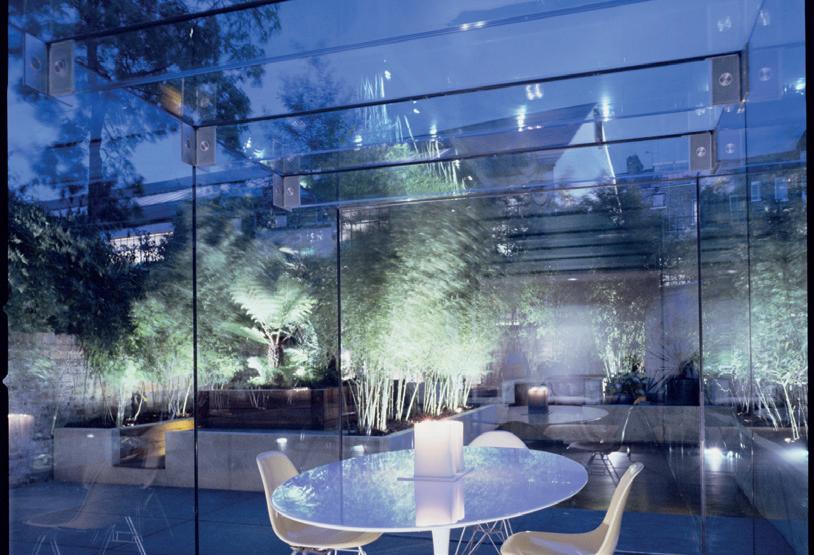


Firman Glass,19 Bates Road, Harold Wood, Romford, Essex RM3 OJH
rman Glass,19 Bates Road, Harold Wood, Romford, Essex RM3 OJH
To find out more visit www.firmanglass.com
Tel: 01708 374534 Fax: 01708 340511 Email: sales@firmanglass com
l: 01708 374534 Fax: 01708 340511 Email: sales@firmanglass com
Firman Glass,19 Bates Roa arold Wood, Romford, Essex RM3 OJH
www fir manglass com
In
Tel: 01708 374534 Fax: 01708 340511 Email: sales@firmanglass com
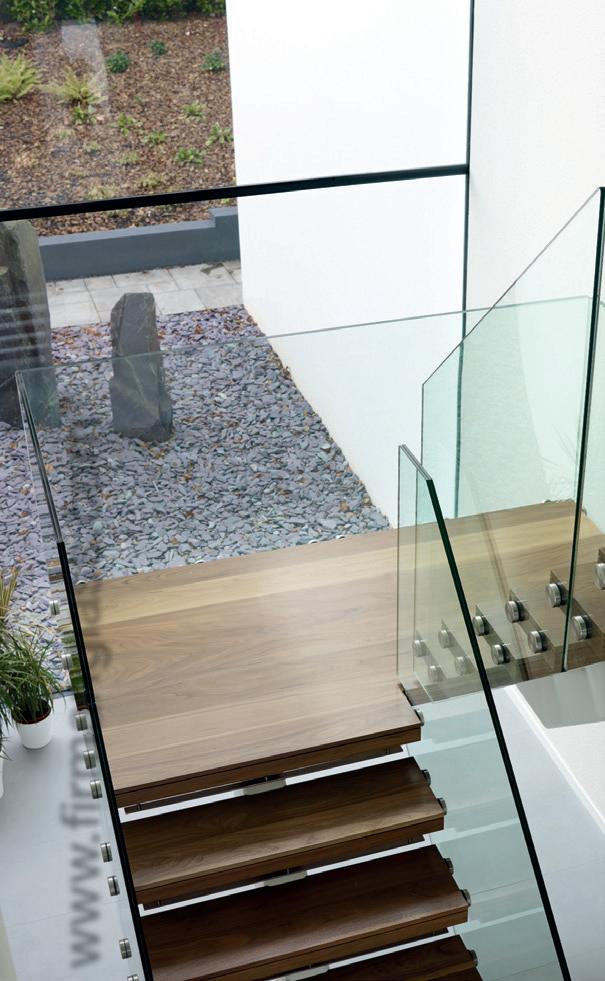
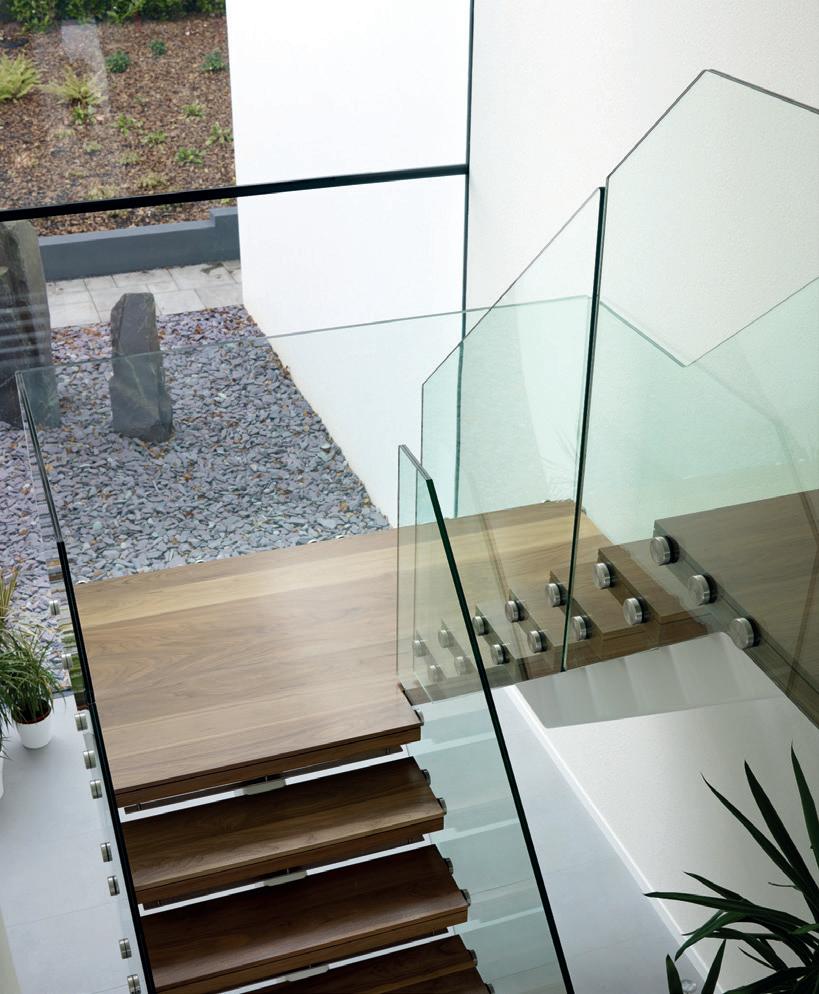

www fir manglass com
www fir manglass com
www fir manglass com




35 w w w . f
In association with
Glazing Specialists w w
association with
Structural Glazing Specialists
In association with
Structural Glazing Specialists w w w . f i r m a n g l a s s . c o m w w w . f i r m a n g l a s s . c o m
In association with
Structural Glazing Specialists Essex Life page ad_PRINT:Layout 1 17/3/14 14:54 Page 8 www.firmanglass.com
EDUCATIONAL NORDIC COPPER
The architectural clarity of a new teaching facility at Gresham’s School in Norfolk – incorporating panels of Nordic Brown Light preoxidised copper alongside full-height glazing – typifies an innovative approach to education.

Enabled by Sir James Dyson, a former pupil at the school, the centre for science, technology, engineering, arts and mathematics (STEAM) education is a state-of-the-art structure at the heart of the school campus. WilkinsonEyre’s design develops and refines the evolving STEAM building typology and follows a modern aesthetic integrating industrial components with landscaping and low-energy systems.
Opaque and perforated panels
The two-storey exposed steel-frame envelopes a mixture of large panels: some glass and others Nordic Brown Light pre-oxidised copper – either opaque or with square perforations adding transparency whilst screening glazing behind. Some of the panels are set back within the structure, introducing landscaped open areas, which can be used

for outside teaching. Integrated planting blurs the boundaries between outside and in.
The thoroughly-modern building remains sympathetic to its historic context and its scale reflects that of the 1916 school chapel across the lawn. Meanwhile, the patterns in the Nordic Brown Light copper panels mirror decorative flint details on the chapel elevation.
Building as a teaching tool
Yasmin Al-Ani Spence, Director at WilkinsonEyre, said: “This building will provide contemporary teaching spaces for the investigation of the sciences and the arts simultaneously, enhancing critical thinking and promoting innovation. The building itself – through the clarity and honesty of design and construction – becomes a teaching tool in its own right.”
Images courtesy of Peter Landers
36
RCI
With an area totalling 4000m², teaching spaces are generous and filled with light. They include classrooms, laboratories, workshops, an auditorium and open-plan common spaces able to host a variety of teaching and learning uses. An inviting and interactive internal courtyard, doubling up as circulation, features an arts hub, seating area, and IT point and facilities, further reinforcing the integration of art, design and science.
The building is equipped with the latest technology to ensure the highest levels of teaching, from robotics and Artificial Intelligence to programming and machine learning. The building will also provide greatly-improved opportunities for the outreach programme which Gresham’s runs with local schools.
Performance and appearance naturally
Nordic Brown copper provides the same oxidised brown surface that otherwise develops over time in the environment. The thickness of the oxide layer determines the colour of the surface finish with dark or the lighter ‘Nordic Brown Light’ shades of brown.
Nordic Brown is part of an extensive range of architectural copper surfaces and alloys with an unrivalled lifespan, no maintenance and full recyclability. With a melting point of 1083˚C and ‘A1 (non-combustible material)’ fire classification to EN 13501-1, copper is suitable for cladding tall buildings, using appropriate constructions.
Living copper surfaces
Apart from Nordic Brown, and also Nordic Standard ‘mill finish’ copper, Nordic Blue, Nordic Green and Nordic Turquoise prepatinated surfaces have been developed with properties and colours based on the same brochantite mineralogy found in natural patinas all over the world. As well as the solid patina colours, ‘Living’ surfaces are available for each colour with other intensities of patina flecks revealing some of the dark oxidised background material.
Copper alloys are growing in popularity as well, including Nordic Bronze and Nordic Brass – which can also be supplied pre-weathered. The innovative Nordic


Royal is an alloy of copper with aluminium and zinc, giving it a rich golden through colour and making it very stable. A wide choice of Nordic Decor mechanicallyapplied surface treatments is also available for various surfaces and alloys, particularly suited to interior applications.
A growing series of online ‘copper stories’ exemplify the best in contemporary architecture and showcase the diversity of surfaces, forms and applications available with Nordic Copper today.
www.nordiccopper.com 01875 812144
nordiccopper@aurubis.com
37
RCI
MODULAR TIMBER FRAME BUILDINGS PROVIDE FLEXIBLE PROVISION FOR SEND AND SEMH

TG Escapes modular eco-buildings have provided more than 300 education buildings in various settings UK wide. Over the past few years, there has been a significant increase in demand from special schools and for SEND provision in mainstream schools.

Those working in SEND and SEMH report that a timber frame building, using natural materials, with floor-to-ceiling windows and doors, also providing easy access to the outdoors with covered walkways, provide a particularly suitable environment.
Each TG Escapes building is architect designed with specific needs in mind. Small rooms can be included for breakout spaces, while treatment rooms and sensory rooms can be easily accommodated, as can accessible toilets, ramps and kitchens.
The natural materials and excellent acoustics provide calming spaces, which have a significant and positive impact on student and staff wellbeing.
Two recent projects have seen the provision of a building to connect to a SEND garden at Chichester College, which provides further and higher education, and a multi-purpose building at Mountfield Heath SEMH school for students aged five to 11 with complex and challenging needs.
TG Escapes asked Executive Head at Mountfield Heath, Lyndsey Jefferies, about how the building is working for her staff and students.
Lyndsey says: “The first thing is it feels lovely. It feels very bright and airy and because we are in quite a rural area, it really is in keeping with the woodland, the trees and the fields. It doesn’t look out of place with our environment.
“The natural materials change the feel of it and I think, for a modular build, it feels really solid and robust. The other thing is all the rooms have got lots of light, but there has been careful consideration about it. The kitchen area is a long galley with floor-to-ceiling windows that maximise the natural light.”
Lyndsey contines: “The height of the ceilings is another massive plus. Often the ceilings in modular builds are very low so you feel very enclosed, but our ceilings are of a really good height which gives a feeling of space. A lot of our children suffer from sensory processing issues and so the lighting and the feel of a space are very important, as are the acoustics. The acoustics in our building are very good. Although many modular builds are very echoey, ours is not because of the ceiling tiles which are different to the rest of the school. We also have adaptive ventilation, due to our concerns about COVID, and air conditioning, which are also great. The insulation is phenomenal and the building heats up very quickly then holds the heat. It’s very efficient.
“What works very well are the verandas. Having the decking coming straight off the front, that indoor/outdoor space works very well with our children. TG Escapes took full consideration of the school environment and maintained excellent communication.”
Robert Kay, Director of Estates at Chichester College, adds: “TG Escapes provide a real ‘turnkey’ solution, and take care of everything, from design to planning and final installation.”
www.tgescapes.co.uk 0800 917 7726 info@tgescapes.co.uk
38 FOCUS & INNOVATION
AKW EXTENDS ITS RANGE OF BIDETS TO MEET MARKET NEEDS

Following extensive research with occupational therapists, AKW, a leading provider of bathroom accessibility solutions, has extended its bidet range to meet end users’ clinical and financial needs. The new additions include AKW’s flagship rise and fall bidet, a bottom-entry bidet, ergonomic and consilio bidet seats, and a new sensor flush, as well as compatible sanitaryware.

AKW’s rise and fall bidet has been designed with versatility in mind. It can be raised or lowered to suit individual user requirements, promoting toileting independence. The easily-adjustable toilet pan seat height (410 to 610mm height range from finished floor level to top of bidet) can accommodate users of different heights, needs and ages.
It also features fold-up arms for ease of access, which facilitates wheelchair transfers and can help users safely navigate around the bathroom.
A bottom-entry bidet has also been added to the collection. When combined with AKW’s Navlin and Navlin Doc M ranges, it offers a solution with a bottom-entry water feed that is cleverly concealed within the toilet pan. Both these new bidets complement the existing AKW side-entry bidet, which has been designed for installation on existing toilet pans and can be easily removed and re-installed elsewhere as required.
The AKW bidet collection also includes a wide, ergonomic bidet seat for optimum comfort and the consilio bidet seat.
To make bidet specifying more straightforward, AKW has also created four bidet collection packages. The close-coupled bidet pack feels at home in any 21st-century bathroom and comes with an accessible price point. The back-to-wall bidet pack is suitable for a variety of users and can be installed with a concealed cistern, with fitted furniture, or as a low-level WC. The wall-hung bidet pack is an ultra-modern and discreet solution that can be
installed at a user-specific height. Finally, the rise and fall bidet pack addresses a variety of clinical needs while promoting the user’s retention or increase of independence and dignity.
www.akw-ltd.co.uk/document/ akw-bidet-collection-brochure 01905 823298 sales@akw-ltd.co.uk
SAFETY GUIDANCE AT UK CONSTRUCTION
Advanced, a leader in intelligent fire, evacuation and emergency lighting systems, will be offering guidance on how these systems fit into the recent amendments to Part B (Fire Safety) of the Building Regulations on Stand B99 at UK Construction Week (4 to 6th October 2022 at the NEC, Birmingham). In addition to sharing its knowledge with visitors, the company will also be showcasing its latest evacuation alert and fire safety solutions.
Ken Bullock, Business Development Manager for Evacuation Alert Systems at Advanced, said: “We appreciate that new regulation can be confusing, therefore, we have carefully designed the EvacGo to take away the hard work for building owners, end users and, importantly, frontline fire and rescue services.”
uk.advancedco.com 0345 894 7000 evacgo@advancedco.com
Blackpool Teaching Hospitals NHS Foundations Trust has opened an extended histopathology laboratory at the Blackpool Victoria Hospital as part of a five-year plan to improve facilities for staff and care for patients. To deliver on the commitment to create resilient environments, whilst reducing its carbon footprint and saving energy, the new facility is ventilated using grilles and diffusers from leading air movement specialist and Blackpool manufacturer, Gilberts. A combination of Gilberts’ MN multinozzle diffusers, DG square-faced louvres, GHV double deflection grilles delivers the high airflow required for the space. PGR perforated face diffusers provide air extract to efficiently remove used air and airborne contaminants. Gilberts’ Ductgard dampers provide fire and smoke protection. All are linked to a central control panel, also supplied by Gilberts. The modern-styled grilles and diffusers combine to provide the high volumes of entrained air, critical for such a sensitive environment, to safeguard staff who are diagnosing and studying diseased tissue. Building services consultant, Beech Jackson Partnership, specified the ventilation components for the installation by M&E contractor James Mercer Group. The histopathology laboratory extension at Blackpool Victoria Hospital builds on Gilberts’ proven track record in healthcare air movement, which includes Rutherford Diagnostics Centres, HCA Healthcare and Papworth Hospital.
www.gilbertsblackpool.com 01253 766911 info@gilbertsblackpool.com
 GILBERTS HELPS HOSPITAL SAFEGUARD STAFF WHEN RESEARCHING DISEASE
39
ADVANCED OFFERS FIRE
WEEK
FOCUS & INNOVATION
NEW SCHÖCK SCONNEX FOR MAJOR PASSIVHAUS SOCIAL HOUSING SCHEME

Minimising thermal bridging at the wall connection to the floor or floor slab is an ongoing problem with reinforced concrete construction. However, a dedicated new solution – the Sconnex type W – has been developed by Schöck and is being installed in what is currently the largest Passivhaus-accredited social housing scheme in the North of England.
The ‘Greenhaus’ nine-storey development of 96 affordable homes in Chapel Street, Salford, is part of the 50-acre Salford Central regeneration and the result of a collaboration between The English Cities Fund (ECF) – a national development partnership between Muse, Legal & General and Homes England – contractor Eric Wright Construction and Salix Homes. The scheme focuses on sustainability and is designed to reduce the energy consumption of the building. With Passivhaus, energy savings can be as much as 90% compared with the average building stock and more than 75% compared to average new builds.
Thermal losses are greatly reduced
The unique Schöck Sconnex type W makes a major contribution to achieving this initiative and is a product based on derivative technology from Schöck. Sconnex utilises the company’s longstanding expertise in structural thermal breaks for balconies and other cantilever constructions and applies it to reinforced concrete wall and support applications.


By installing the Sconnex product in Chapel Street, thermal losses are greatly reduced, and the surface temperature in the rooms increases to considerably more than the critical dew point temperature. Heating costs are lower, a pleasant room climate is created and the linear thermal transmittance (Psi) of the connected reinforced concrete wall is reduced by as much as 80%. This outstanding insulation performance is combined with an excellent load-bearing capacity. It transmits very high pressure, tensile and shear forces, in the longitudinal and transverse direction, made possible by the use of a pressure buffer consisting of ultra-high-performance, fibrereinforced concrete. Compressive strength levels in excess of 175N/mm2 are achieved, with extremely good flexural strength. A further important benefit is the significant cost reduction involved when compared to installing insulation beneath the floor slab.
Eric Wright and Salix have key roles Greenhaus forms part of ECF’s wider £1bn, 50-acre Salford Central masterplan transforming former surface car parks and
derelict buildings into a vibrant and diverse community. John Hartnett, Managing Director at Eric Wright Construction, comments: “We are proud to be supporting not only a green future for Salford, with the delivery of high-efficiency buildings built to Passivhaus standards, but also supporting Eric Wright’s own journey to net-zero carbon. These new homes will deliver valuable social housing in partnership with Salix Homes.“
Sue Sutton, Chief Executive at Salix Homes, also adds: “Chapel Street enjoys an incredibly rich history and the innovative Greenhaus development marks the next exciting chapter for this historic part of Salford. At a time when affordable housing is in such short supply, we’re very proud to work alongside our partners to deliver these high-quality, sustainable, eco-homes of the future, and we look forward to seeing this ambitious development take shape on the Salford skyline.”
www.schoeck.com/en-gb 01865 290890 design-uk@schoeck.com
A graphic of the Sconnex type W in position
The Sconnex type W product
40 FOCUS & INNOVATION
TACONOVA GROUP ACQUIRES BUSINESS ACTIVITIES OF HEATLINK TECHNICAL SOLUTIONS AND CLIENT SERVICES
The Taconova Group, a leading manufacturer of innovative hydraulic solutions for heating, plumbing and solar energy applications, completed the acquisition of the business activities of Sheffield-based Heatlink Technical Solutions Limited and Heatlink Client Services.
The acquisition will see the business activities of Heatlink, a provider of intelligent heating and hot water solutions, transferred to the UK arm of Taconova Group, Taconova UK Limited. This transaction will bring together the expertise and know-how of both companies and provide an evengreater offering to its customers.

Operating under the Taconova UK Limited name, the company will offer the existing Heatlink range as well as the entire Taconova portfolio – including hydronic balancing, area heating systems, system technology, valves and accessories, and pump technology – in the UK.
“We are very pleased to be part of the Taconova Group,” says Phil Harrison, Managing Director at Heatlink. “Like us, Taconova specialises in intelligent building technology solutions and, as an ISO-certified company, stands for quality and durability.
“Having already worked with Taconova, we know this first-hand. Our proven turnkey solution, known in the market as ‘The Monitor Bundle’, already includes the HIU, a residential transfer station designed specifically for the UK market by Taconova.”
Ralph Seewald, Managing Director at the Taconova Group, is positive about the future. “With the foundation of Taconova UK Limited and the acquisition of the Heatlink business, we are creating an excellent basis for an evenstronger local presence in the market. We are very pleased to be building on what is already an excellent partnership.”
www.taconova.com info@taconova.com
Students at the University of Salford have discovered a new approach to being safe. Gilberts’ “first of its kind” Series 60 dampers were chosen by leading smoke control systems company Baiceir to protect the 14-storey Discovery Quay development. Some 26 dampers – each capable of providing up to two hours’ fire integrity – were incorporated into the common corridors to protect the two stairwells within the £24.5m building, comprising 400 student bedrooms and ancillary communal space. Manufactured from galvanised steel with intumescent material and gaskets within, Series 60 has passed all relevant smoke and fire tests (EN 12101-8 and EN 136610), retaining its integrity and performance when incorporated into evacuation shafts and risers.
VENT-AXIA’S LO-CARBON POZIDRY PRO LOFT PIV NOW MADE FROM RECYCLED PLASTIC

British ventilation manufacturer Vent-Axia has relaunched its Lo-Carbon PoziDry Pro Loft

Positive Input Ventilation (PIV), which is now made from recycled plastic. These changes are another step towards more sustainable choices for customers and will help social housing meet their environmental goals. The move to using recycled plastic in part of the construction of the Lo-Carbon PoziDry Pro Loft means that the unit now comes in black for the non-visible parts, while the diffuser will remain white as this is a visible part of the product for residents. The black ABS comes from a recycled source, it will not change the function, performance or impact the form or fit of the product in any way and, more importantly, improves the environmental credentials of this product.
www.vent-axia.com 0344 856 0590 info@vent-axia.com
SETCRETE LAUNCHES REVOLUTIONARY WATER-MIX LEVELLING COMPOUND
Setcrete Level-Smart represents the next generation of floorlevelling compounds.
It is a high-performance, fast-setting, fast-drying, water-mix levelling compound for smoothing flooring screeds where old adhesive residues are present. It is recommended for use in flooring refurbishments and projects that face tight time constraints or when a fast-track, time-saving option is simply preferred. Setcrete Level-Smart can be applied over old adhesive residues, including bitumen, carpet tile tackifiers and ceramic tile adhesives, eliminating the need for mechanical removal. In such applications, there is no need to prime beforehand, saving further time and expense. Setcrete Level-Smart’s fast-setting characteristics enable a walk-on time of just 90 minutes and new floorcoverings can be installed from four hours.
www.setcrete.co.uk 01538 361633
lisa.shirley@f-ball.com
Ralph Seewald, Managing Director of the Taconova Group
41
FOCUS & INNOVATION
A NEW DISCOVERY IN SMOKE PROTECTION www.gilbertsblackpool.com 01253 766911 info@gilbertsblackpool.com
IS YOUR LIFT READY FOR THE ANALOGUE TO DIGITAL SWITCHOVER?
The digital switchover of telephone lines in the United Kingdom is happening now. By 2025, Openreach will have phased out all copper analogue telephone lines in favour of optical fibre networks. Alastair Stannah, Man aging Director of Stannah Lifts Distribution & Service, talks to PSBJ about the implications of the changeover.
Many building managers may already be aware of the need to change phonelines in the building, but some may not have realised that their lifts will be affected by the Public Switch Telephone Network (PSTN) switch off.
As part of the Remote Alarm on Passenger and Goods Passenger Lifts Standards EN 81-28 (2003), all lifts in the UK are required to have an emergency
alarm that was traditionally connected to a rescue service via telephone. With the analogue to digital switchover, lift owners must now manage the transition of their emergency alarms from analogue phonelines to other digital alternatives. Choosing the right solution ahead of time is becoming essential for building owners and managers to keep their lifts compliant and their passengers safe.
Why the switchover is happening
Phasing out the UK’s ageing network of copper will help Openreach prioritise the development of optical fibre networks for high-speed broadband in the United Kingdom and meet the Government target for at least 85% of UK premises to have access to gigabit broadband by 2025.
What the impacts will be on existing lift stocks
The implications of this move to telephone and internet service provision has been well publicised, however, the knockon effects on equipment that are not immediately thought of as being connected to telephone lines are still emerging. One of those types of equipment is the stock of hundreds of thousands of existing lifts installed in the UK, which collectively transport millions of people per year.
All passenger lifts installed since 1999 in the UK are required to contain an emergency alarm. Once the emergency button is pushed, an auto-dialler provides two-way communication between the passengers and a rescue service, which is usually run by the lift service provider.


Optical fibre lines may not always be compatible with these existing emergency alarm units, even after adaptations are made, even with an analogue telephone adaptor (ATA) to support analogue devices on fibre connections.
If the emergency alarm is found to be non-functional during a three-day line test under EN 81-28 regulations, it will be declared non-compliant and switched off. Lift owners and facility managers, therefore, need to act soon before PSTN line services are withdrawn in their area.
The GSM phoneline alternative
GSM (otherwise known as mobile or cellular) telephony provides a reliable and cost-effective digital solution for most existing lifts. Without the need for physical phone lines and installations, a GSM module can be easily installed and batterybacked to provide a failsafe in the event of a power outage. Signal strength dips can also be resolved through a roaming SIM.
It is important to consider a professional, trusted and managed SIM service, to ensure hassle-free and cost-effective virtual communication for your lift. Prepaid SIMs can run out of credit, expire or just get turned off mistakenly, potentially leaving passengers stranded or in danger.
Stannah’s new portfolio of digital services includes a managed SIM service, which covers the cost of calls, line rentals and 24/7 connectivity monitoring, offering peace of mind to lift owners, improved product safety for users and reduced risk for the owner. For more information, visit the Stannah website below to find your local service branch.
www.stannahlifts.co.uk/connected-services 01264 343777 contact@stannah.co.uk
42 FOCUS & INNOVATION