March 10 & 11

Knight Theater


March 10 & 11
Knight Theater
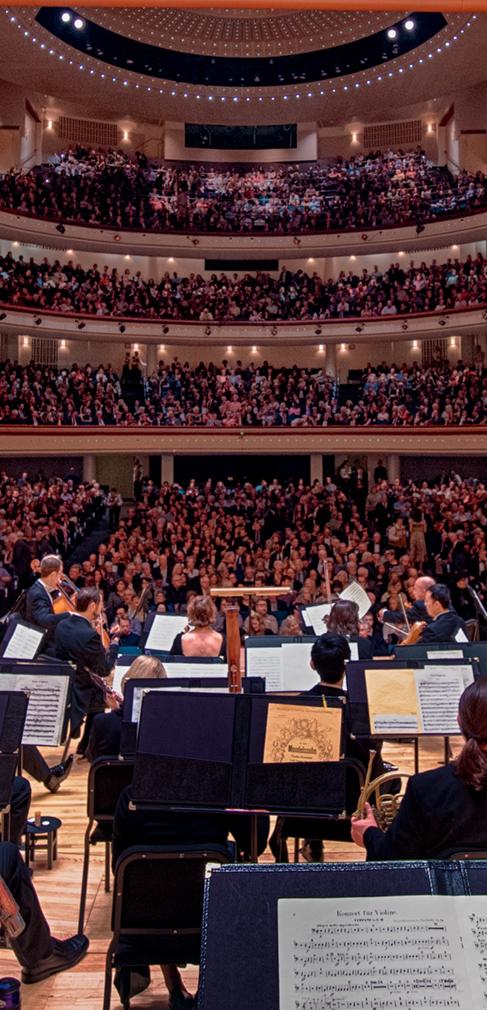
March heralds the arrival of Spring, and for the CSO it’s a time to celebrate cross-pollination and connections across neighborhoods, as we cultivate meaningful and long-lasting bonds throughout our community. At the CSO, we take great pride in being an active and integral part of city life; and much of that work grows out of the partnerships we form with the civic leaders and institutions that have also planted deep roots in our communities.
We begin the month with Pablo + Igor, a concert presented in partnership with The Mint Museum’s exhibit, Picasso Landscapes: Out of Bounds. With returning guest conductor Paolo Bortolameolli on the podium, we’ll explore the intersection of music and art with works by composers whom Picasso worked with and greatly admired: Satie and Stravinsky.
Later this month, in collaboration with Charlotte-Mecklenburg Schools, we’ll welcome 12,000 CMS fifth graders to Belk Theater for six performances of our One Musical Family concert, which introduces students to the various musical families that make up the Charlotte Symphony; later that same week, our friends at the 501st Carolina Garrison will bring the characters of Star Wars to the concert hall for our presentation with live music of the final installment of the original Star Wars trilogy, Return of the Jedi
We also join forces on March 21st with Johnson C. Smith University for an uplifting program on campus showcasing the music programs of JCSU side by side with the Charlotte Symphony. And we’ll end the month with a performance of Mendelssohn’s expansive “Hymn of Praise,” led by returning guest conductor Jessica Cottis and featuring our frequent collaborators, the Charlotte Master Chorale.
We’re so grateful to be a part of Charlotte’s thriving and diverse arts scene. Thank you for your continued support. I hope to see you at many of our exciting collaborations this season.
David Fisk President & CEO
Did you know that the Charlotte Symphony is much more than what you see on the Belk and Knight Theater stages? Beyond the Classical, Pops, Family, and Movie Series in the theaters, we work to uplift, entertain, and educate our community through inclusive education programs and community performances.
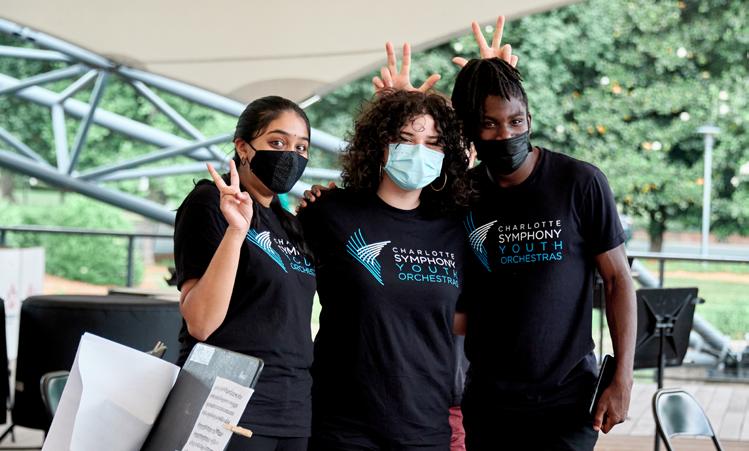
• The CSO has three programs for young musicians: the Youth Orchestra, the Youth Philharmonic, and the Youth Ensemble. CSO musicians participate in coaching throughout the year, and even perform with the young musicians!
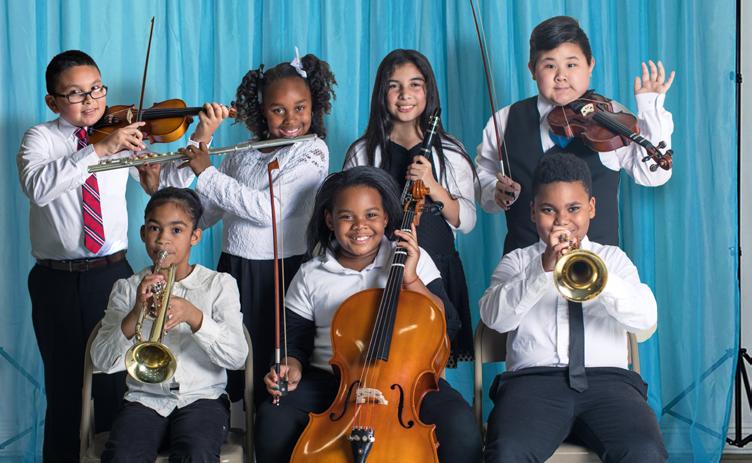
• Reaching approximately 15,000 students each season, we also have extensive school programs, including Project Harmony, “Music and the Holocaust,” and “One Musical Family” Education Concerts.
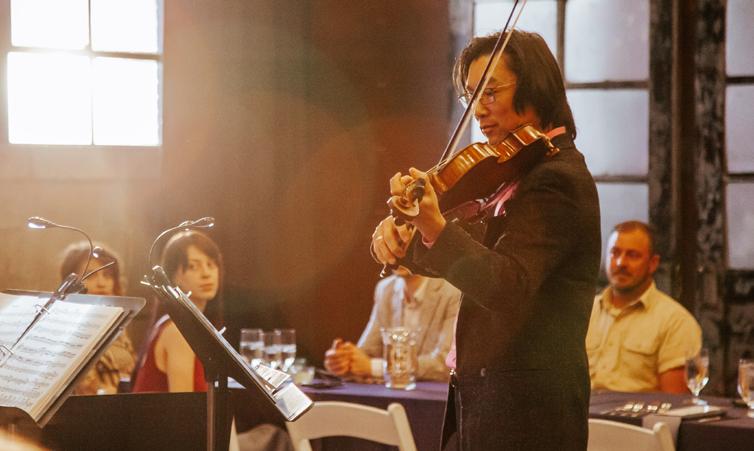
• We perform throughout the region, from community parks and schools to breweries, senior care centers, and places of worship all season long.
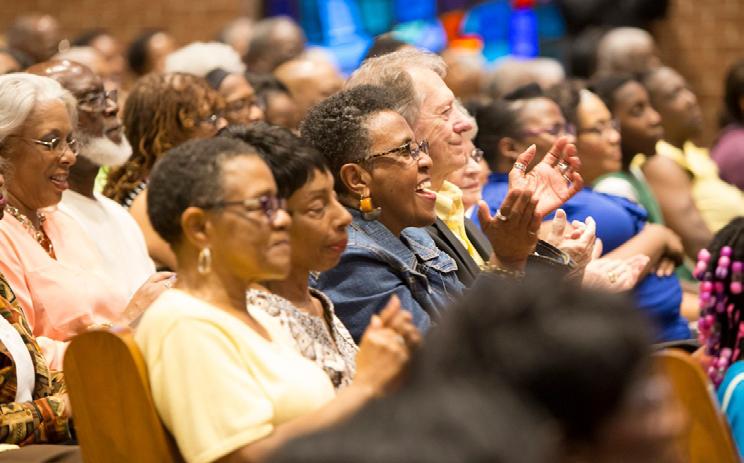
The CSO is…FOR EVERYONE .
To learn more, visit charlottesymphony.org
Friday, March 10, 2023 at 7:30pm
Saturday, March 11, 2023 at 7:30pm Knight Theater at Levine Center for the Arts
Paolo Bortolameolli, conductor
ERIK SATIE (1866-1925)
Parade
I. Choral
II. Prelude du Rideau Rouge
III. Prestidigitateur Chinois
IV. Petite Fille Americaine
V. Rag-Time du Paquebot
VI. Acrobates
VII. Suite au Prelude du Rideau Rouge
IGOR STRAVINSKY (1882-1971)
Suite from Pulcinella (1949 revision)
I. Sinfonia
II. Serenata
III. Scherzino
IV. Tarantella
V. Toccata
IV. Gavotta
VII. Vivo
VIII. Minuetto - Finale
INTERMISSION
LUDWIG VAN BEETHOVEN (1770-1827)
Symphony No. 2 in D Major, Op. 36
I. Adagio molto—Allegro con brio
II. Larghetto
III. Scherzo: Allegro
IV Allegro molto
concert duration: Approximately 1 hour, 40 minutes. There will be one 20-minute intermission.
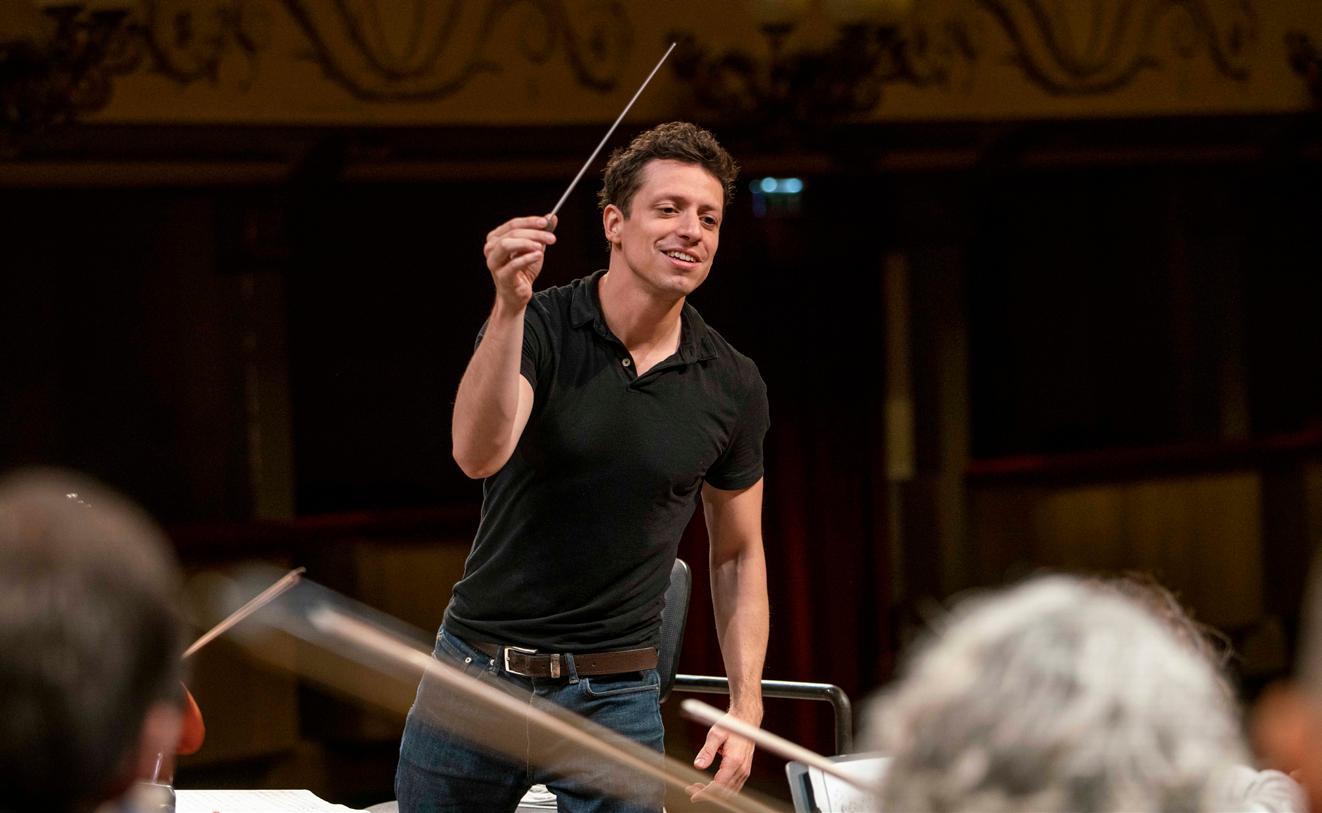
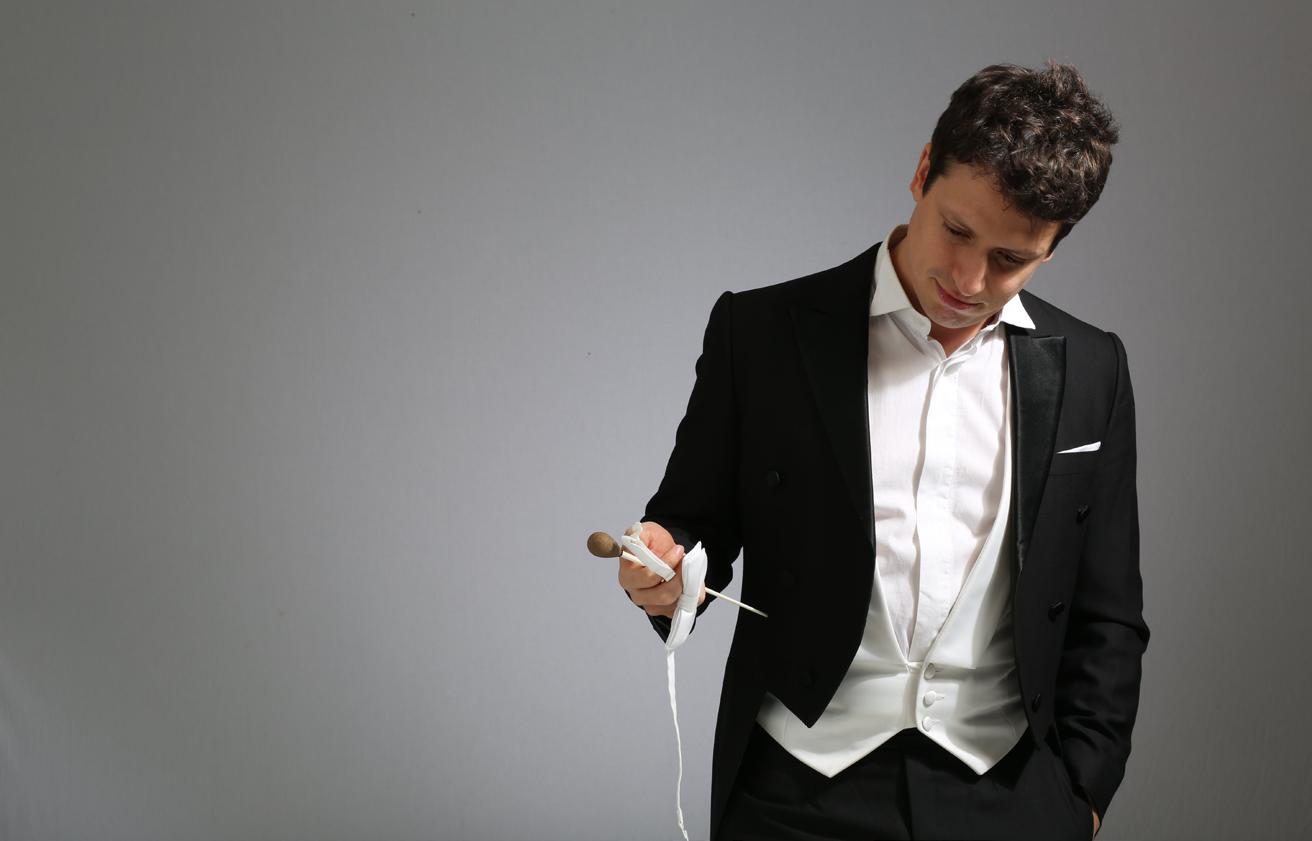
Paolo Bortolameolli is Music Director of the Orquesta Sinfónica Nacional Juvenil (Chile), Sinfónica Azteca (México), Principal Guest Conductor of Filarmónica de Santiago (Opera Nacional de Chile), and Associate Conductor of the Los Angeles Philharmonic.
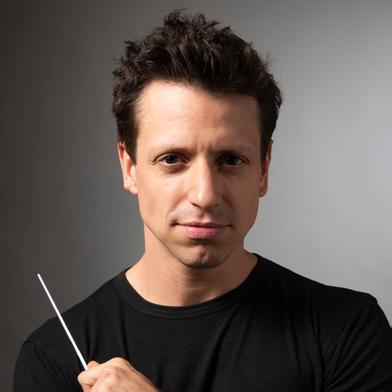
In addition to these regular conducting relationships, he has led ensembles across the Western Hemisphere including engagements with the Orquesta Sinfónica Simón Bolivar (Caracas), Orquesta Filarmónica de Buenos Aires, Kansas City, Charlotte, Houston, and San Francisco symphonies, and the LA Philharmonic. In Europe, he is a regular and return guest to the Polish National Radio Symphony Orchestra, Orchestra Haydn (Bolzano), Helsinki Philharmonic, and the Orchestra della Toscana (Florence).
His insatiable artistic curiosity brings him in equal measure to the opera stage with recent and upcoming projects including the Opéra de Paris (Tosca), the Gran Teatre del Liceu (Die Zauberflöte), as well as Ópera Nacional de Chile for concerts with the Filarmónica of Mahler’s Symphony No. 2, and Symphony 8 “Symphony of a Thousand” with Orquesta Sinfónica Nacional Juvenil. He will also make his debut at the Michigan Opera Theater in Golijov’s Ainadamar later in 2023.
Paolo’s long relationship with the LA Philharmonic continues through 2023, where he will conduct concerts at the Hollywood Bowl and Walt Disney Concert Hall. Alongside subscription and summer performances, notable past performances include a landmark new production of Meredith Monk’s inventive opera, ATLAS, performed at Walt Disney Concert Hall in Los Angeles in 2019.
Paolo is passionately committed to new music including the work of Miguel Farías, Gabriela Ortiz, and Jorge Peña Hen, to mention a few. In 2022, his commission of Miguel Farías’s Estallido was premiered with the Los Angeles Philharmonic.
(continued next page)
As Artistic Director of the Sinfónica Azteca, he leads an educational residency run by the Fundación Azteca from Grupo Salinas in Mexico every year. He has developed several new media initiatives with the Esperanza Azteca in Mexico, and his now-legendary Ponle Pausa, a project that seeks to rethink the concept of music education through the implementation of short videos and concerts targeting social network users, has received wide acclaim.
In 2018, he was a guest-lecturer for a TED Talk in New York and in 2020, he released his first book: RUBATO Procesos musicales y una playlist personal.
Paolo holds a Master of Music degree (Yale School of Music, 2013), a Graduate Performance Diploma (Peabody Institute, 2015), a Piano Performance Diploma (Universidad Católica de Chile, 2006), and a Conducting Diploma (Universidad de Chile, 2011).
Christopher Warren-Green, Conductor Laureate & Music Adviser
Christopher James Lees, Resident Conductor
FIRST VIOLINS
Calin Ovidiu Lupanu, Concertmaster
The Catherine & Wilton Connor Chair
Joseph Meyer, Associate Concertmaster
Kari Giles, Assistant Concertmaster
Ernest Pereira°*
Susan Blumberg°°
Jane Hart Brendle
Emily Chatham°°
Ayako Gamo
Jenny Topilow°°
Dustin Wilkes-Kim
Hanna Zhdan
SECOND VIOLINS
Oliver Kot, Principal
The Wolfgang Roth Chair
Kathleen Jarrell, Assistant Principal
The Pepsi-Cola Foundation of Charlotte Chair
Carlos Tarazona°
Monica Boboc
Tatiana Karpova
Ellyn Stuart
Martha Geissler
Sakira Harley
VIOLAS
Benjamin Geller, Principal
The Zoe Bunten Merrill Principal Viola Chair
Alaina Rea, Assistant Principal *
Chihiro Tanaka, Acting Asst. Principal
Ellen Ferdon
Cynthia Frank
Viara Stefanova
Ning Zhao
Matthew Darsey †
CELLOS
Jonathan Lewis, Principal
The Kate Whitner McKay Principal Cello Chair
Allison Drenkow, Assistant Principal
Alan Black, Principal Emeritus
Marlene Ballena
Jeremy Lamb
Sarah Markle
DOUBLE BASSES
Kurt Riecken, Principal
Judson Baines, Assistant Principal
Jeffrey Ferdon
Jason McNeel
FLUTES
Victor Wang, Principal
The Blumenthal Foundation Chair
Amy Orsinger Whitehead
Erinn Frechette
PICCOLO
Erinn Frechette
OBOES
Hollis Ulaky, Principal
The Leo B. Driehuys Chair‡
Erica Cice
Terry Maskin
ENGLISH HORN
Terry Maskin
CLARINETS
Taylor Marino, Principal
The Gary H. & Carolyn M. Bechtel Chair
Samuel Sparrow
Allan Rosenfeld
E♭ CLARINET
Samuel Sparrow
BASS CLARINET
Allan Rosenfeld
BASSOONS
Joseph Merchant, Principal
Joshua Hood
Naho Zhu†
CONTRABASSOON
Naho Zhu†
HORNS
Byron Johns, Principal
The Mr. & Mrs. William H. Van Every Chair
Andrew Fierova
Robert Rydel
Richard Goldfaden
Philip Brindise†
TRUMPETS
Alex Wilborn, Principal
The Betty J. Livingstone Chair
Jonathan Kaplan
Gabriel Slesinger, Associate Principal*
The Marcus T. Hickman Chair
TROMBONES
John Bartlett, Principal
Thomas Burge
BASS TROMBONE
Scott Hartman, Principal
TUBA
Colin Benton, Principal
The Governor James G. Martin Chair
TIMPANI
Jacob Lipham, Principal
The Robert Haywood Morrison Chair
PERCUSSION
Brice Burton, Principal
HARP
Andrea Mumm Trammell, Principal
The Dr. Billy Graham Chair
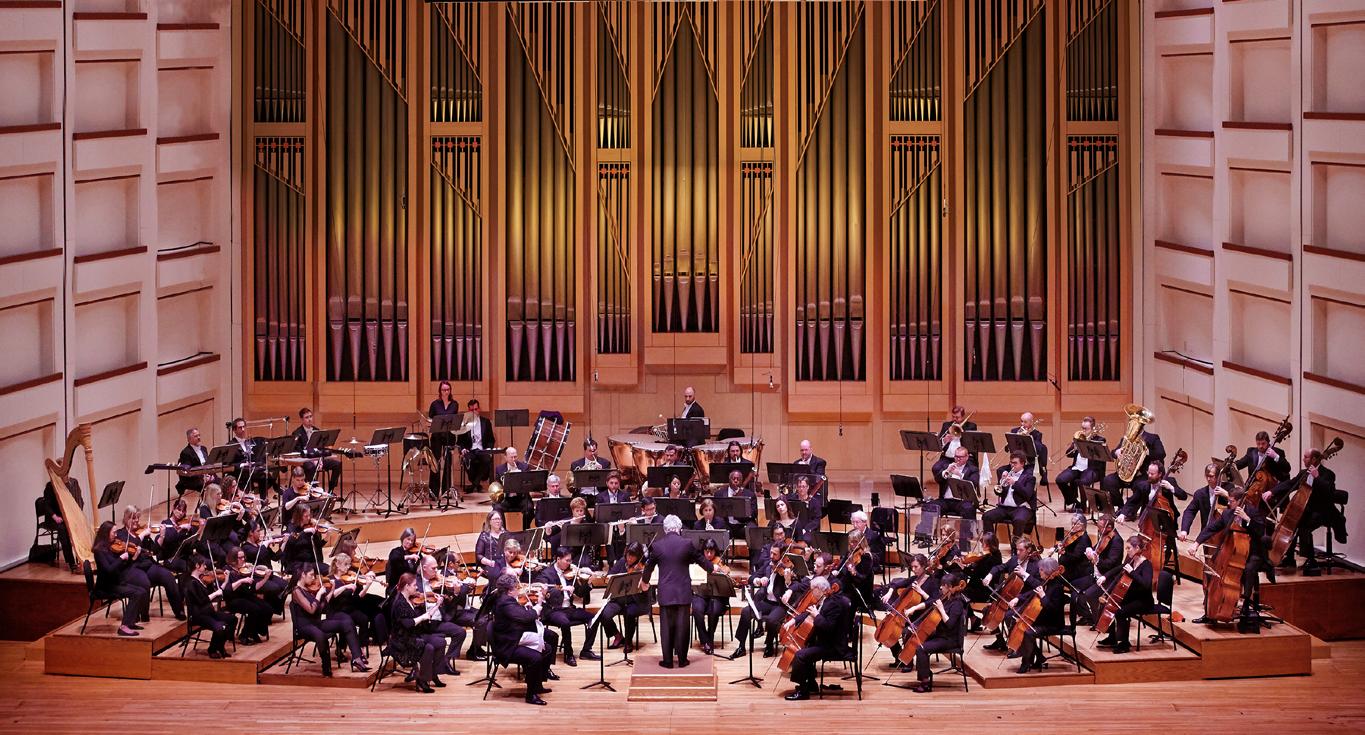
This roster lists the full-time members of the Charlotte Symphony. The number and seating of musicians onstage varies depending on the piece being performed.
° Non-revolving position
°° Alternates between first and second violins
† Acting member of the Charlotte Symphony
‡ Funded by The Symphony Guild of Charlotte, Inc.
* On leave
ARTISTIC OPERATIONS
Michael Reichman, VP of Artistic Operations & General Manager
Carrie Graham, Director of Artistic Planning
Tim Pappas, Acting Director of Operations
Nixon Bustos, Principal Music Librarian
Bradley Geneser, Assistant Librarian
Erin Eady, Acting Personnel Manager
John Jarrell, Stage Manager
Member of CSO since 2012 hometown: Georgetown, KY
• I started cello at the age of four and now I am Principal Cello of the CSO.
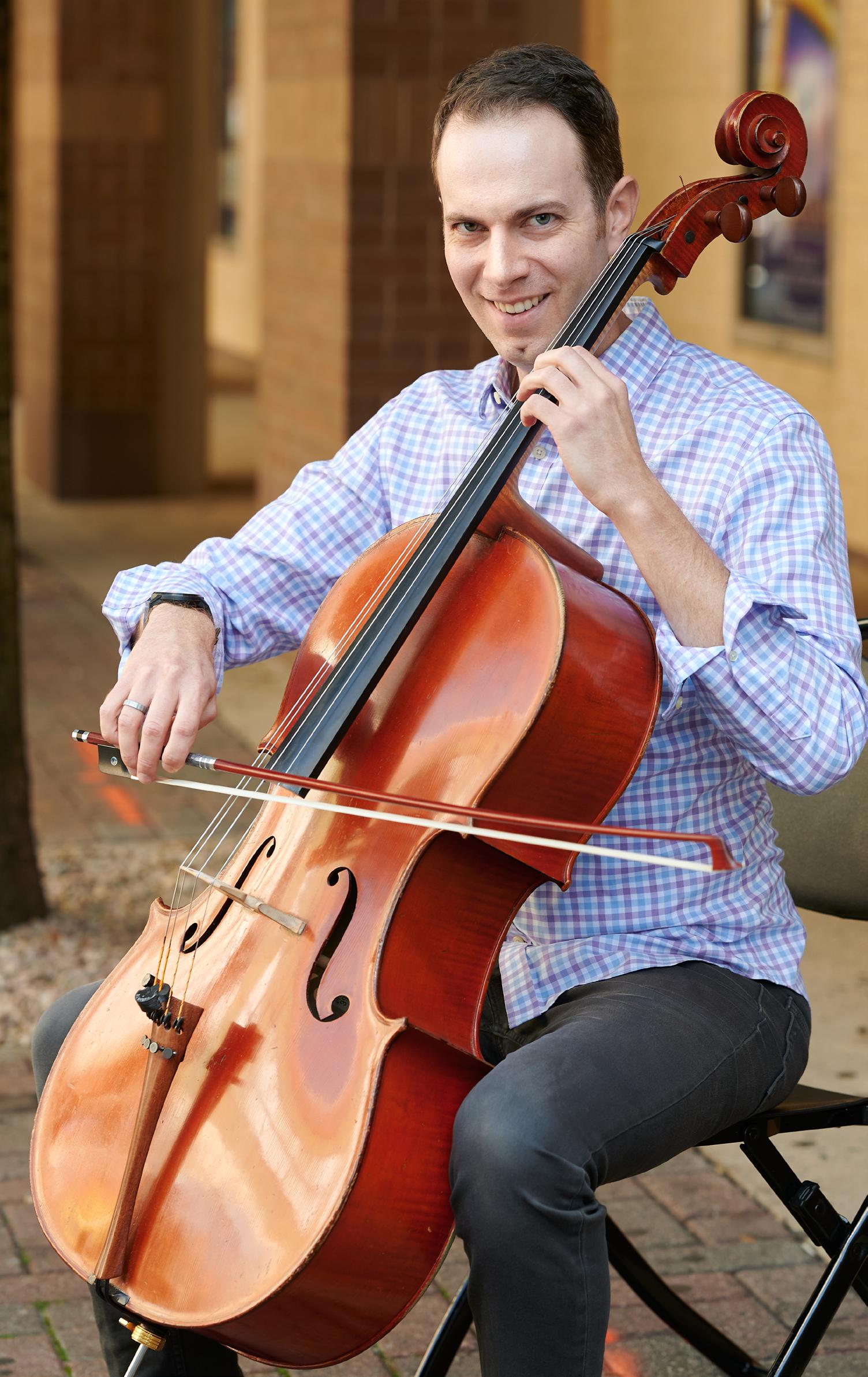
• In 2012, I earned a Doctor of Musical Arts in Cello Performance with a minor in Music Theory from the New England Conservatory of Music in Boston.
• I frequently record cello tracks for TV and film producers as well as for pop music tracks.
For more information about Charlotte Symphony musicians, visit charlottesymphony.org
One of the premier music organizations in the Southeastern United States and the oldest operating symphony orchestra in the Carolinas, the Charlotte Symphony Orchestra (CSO) connects with more than 100,000 music lovers each year through its lively season of concerts, broadcasts, community events, and robust educational programs. The CSO is committed to its mission of uplifting, entertaining, and educating the diverse communities of Charlotte-Mecklenburg and beyond through exceptional music experiences.
The Charlotte Symphony upholds the highest artistic integrity and takes bold steps to engage with its community through music. Its 62 professional, full-time musicians perform throughout the region — from community parks and breweries, to places of worship and senior care centers — and offer significant educational support, aimed at serving the underresourced areas of our community.
The Charlotte Symphony is deeply committed to the notion that music, accessible to all and experienced in its many forms, enriches and unifies our community. The CSO believes in equity and inclusion and strives to be an industry leader in imaginative, relevant programming by intentionally seeking out women conductors, underrepresented in our industry, and conductors, composers, and guest artists of color.
Founded in 1932, the Charlotte Symphony plays a leading cultural role in the Charlotte area and aims to serve the community as a civic leader, reflecting and uniting our region through the transformative power of live music.
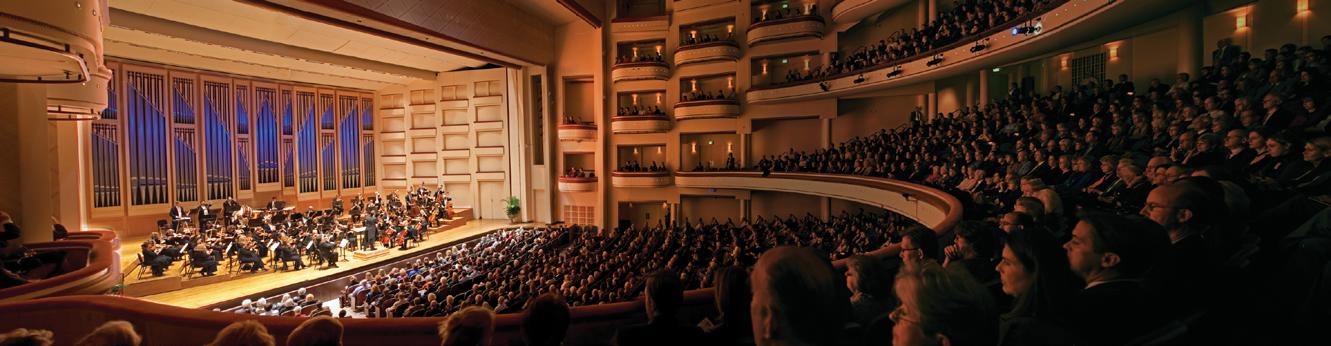
The Charlotte Symphony uplifts, entertains, and educates the diverse communities of Charlotte-Mecklenburg and beyond through exceptional musical experiences.
Reaching out through the transformative power of live music, the Charlotte Symphony will be a civic leader, reflecting and uniting our region.
For more information, visit us online at charlottesymphony.org
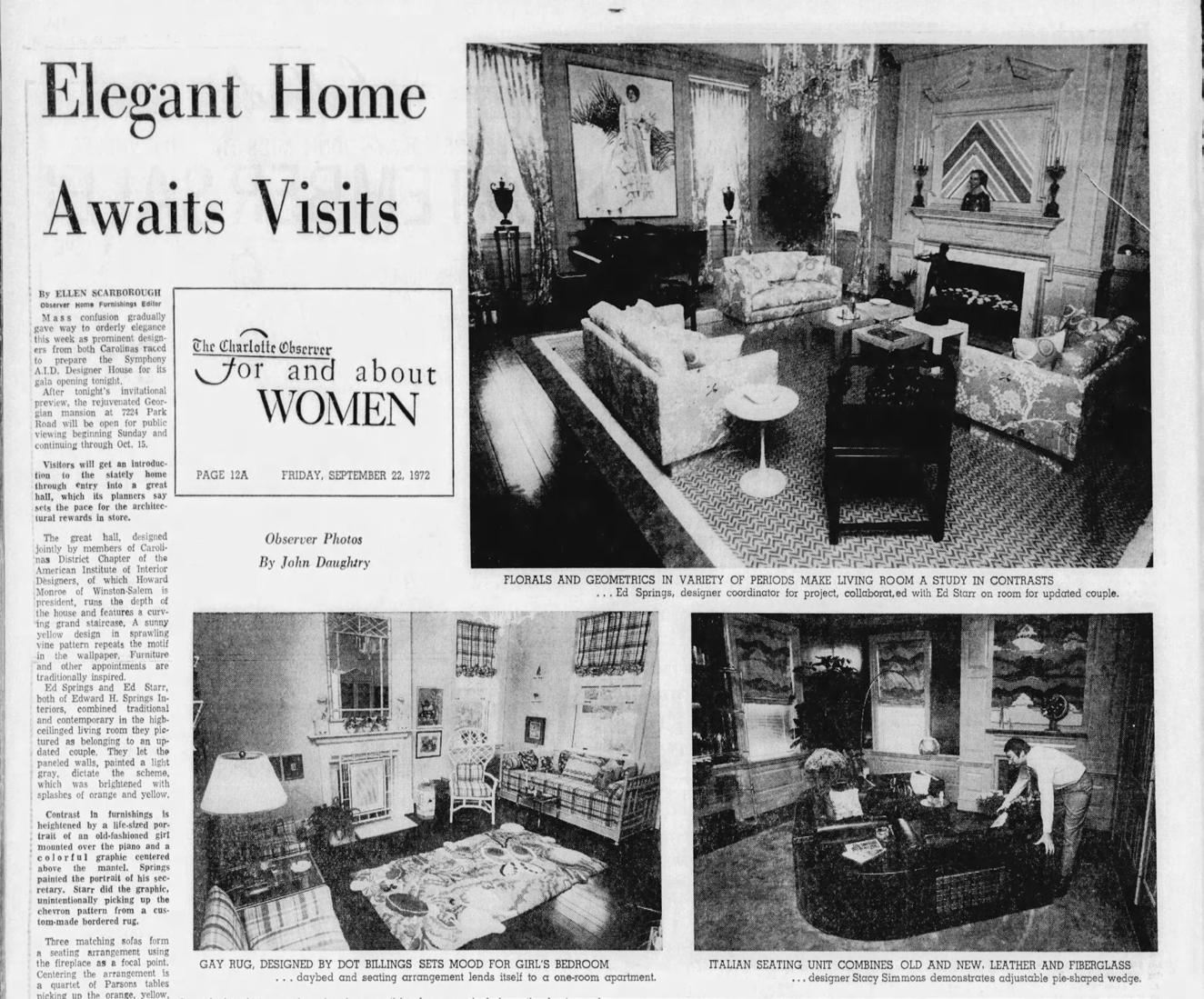
In February 1950, The Charlotte Observer reported that a new Charlotte Symphony Women’s Association would soon be incorporated with the aim of building and developing cultural activities in the Charlotte area through music. Mrs. Joseph A. Elliott Jr., who was temporary chairman of the association, called for “housewives, civic workers, businesswomen, and representatives from all facets of the city’s population to join and help build a love of music.”
Seventy-three years later, the renamed Symphony Guild of Charlotte is continuing that mission. With over 100 active members, The Guild has provided substantial financial and volunteer support over the years with an emphasis on supporting the CSO’s Youth Orchestra and Education programs.
At a recent get-together over coffee, some of The Guild’s longest-serving members — many of them past Presidents — shared fond memories of how they came to be involved with The Guild, and the many members they met who soon became friends. Much of the conversation, and laughter, centered on The Guild’s most successful – and laborious – fundraising venture: The Designer Show House.
Started in 1972 to raise funds for the Symphony’s school concerts and Youth Orchestra, the first Designer Show House took place in a stately home on Park Road, now part of Forest Hill Church.
Members of the Guild partnered with the Carolinas Chapter of the American Institute of Interior Designers to refurbish the home and make it available to the public for 3 weeks. Music was provided by Charlotte Symphony musicians and a shuttle bus took visitors to the house from SouthPark. The Charlotte Observer reported that it was the first fundraiser of its kind in Charlotte, but it took a toll on the members, who had to fill 650 volunteer slots, working as hostesses and staffing the basement tearoom. However, the venture was a success, raising $16,000 for the Symphony — enough to keep the fundraiser going for 38 years before undergoing a facelift and becoming today’s Heart of the Home Tour, which features tours of multiple homes in the Charlotte area. It’s obvious how proud the members are of their contributions as they reminisce over “their houses” — the ones that were designed under their leadership. Recalling details of the rooms, designers’ names, and how large the crowds were. It’s even more obvious the fondness that the members have for each other.
Past President Linda Weisbruch remembers feeling a bit at sea after moving to Charlotte from Los Angeles in 1987. She decided to volunteer at the Designer House down the block from her home. She recalled that by the end of that first evening, she was in the back room counting the money. “They just said ‘come on in, join us!’ It was such a great organization and welcoming. So many of my friends come from being in The Guild, and I’ve had so many opportunities to do things I’ve never done before, being chair of a Designer House, being President of The Guild, and President of the Volunteer Council at the League of American Orchestras. None of that would have happened without me being bold enough to go down the street and ask to volunteer. I’ve gained a lot of very deeply loved friends.”
LInda Weisbruch & Melissa Woolf McCrory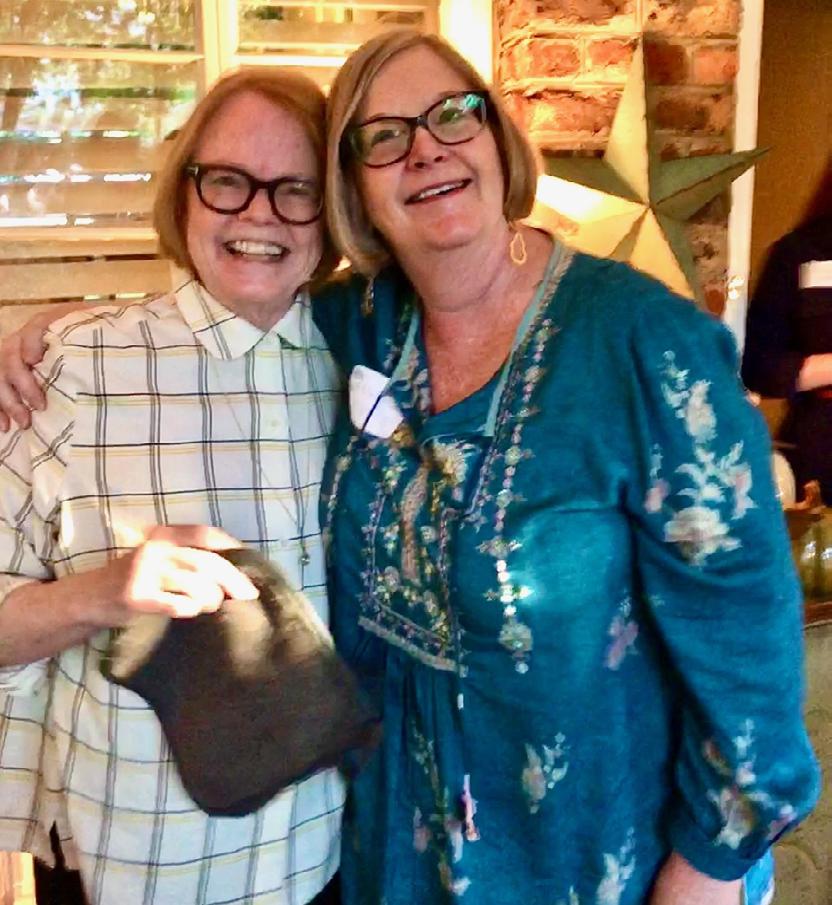
Melissa Woolf McCrory, another former Guild President, agrees. “Some of my dearest friends have come from this organization. We work really hard, but I’m always amazed by the intelligence and efficiency. And oh, we’ve had a lot of fun — there are a lot of great stories.”
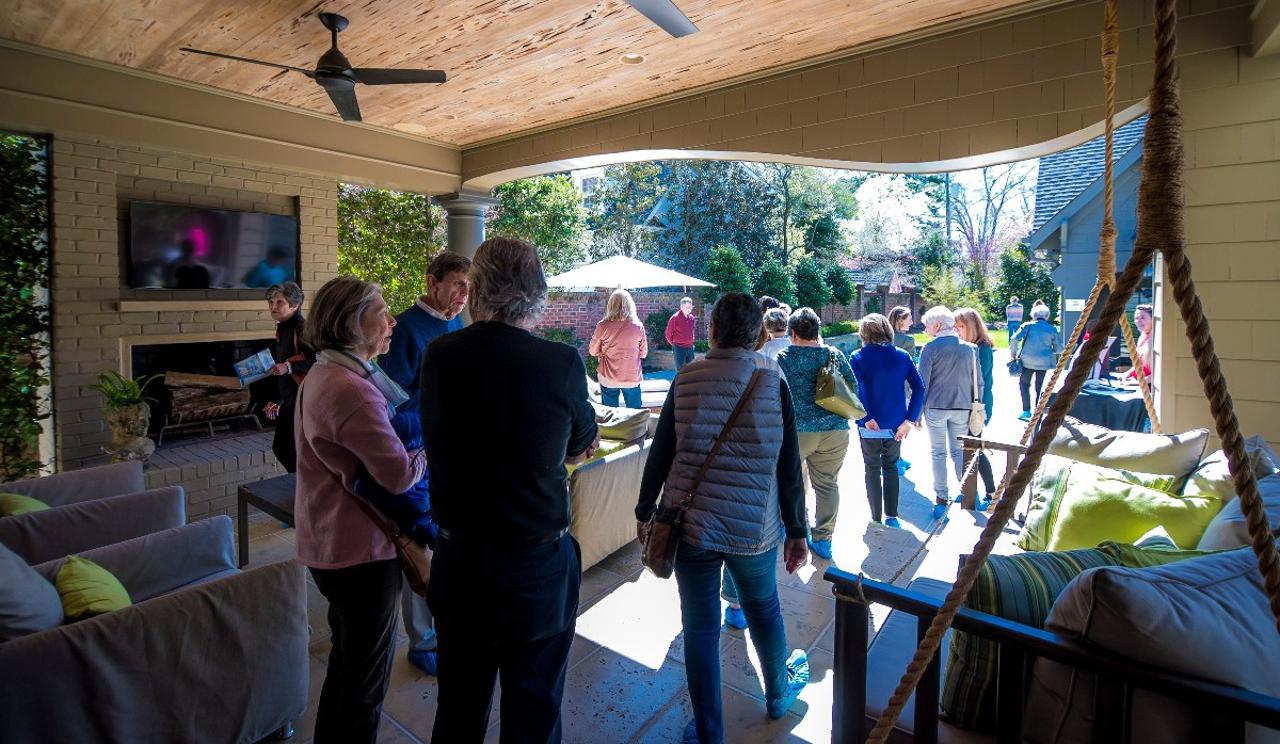
Now, after a three-year hiatus due to the pandemic, the Heart of the Home Tour is returning March 31–April 1. The two-day tour will include six beautiful homes featuring their kitchens and outdoor entertaining spaces which showcase trends for kitchen makeovers, bold design, and sustainable materials, along with fresh inspiration for entertaining indoors or out. Tour-goers will enjoy tastings from local chefs, sample signature beverages, and explore flower and jewelry options from local artisans while visiting six spectacular homes.
Proceeds allow The Symphony Guild to support the Charlotte Symphony, its youth orchestras, and The Guild’s award-winning youth music education initiatives.
“I think it’s vitally important that a community our size has a volunteer organization to support our Symphony,” Woolf McCrory points out. “Because our symphony is so vital to the arts in our community, and a lot of people don’t quite understand the impact they have. The symphony is an incredible gem to the arts in Charlotte.”
Heart of the Home Details:
Taste of the Tour Party & Silent Auction
Wednesday, March 29, 2023, at 5:30–8:30 pm
Ferguson’s South End Showroom (129 West Summit Avenue)
Tickets are available for purchase online for $50 per person with a special rate of $40 for guests under 40.
Heart of the Home Tour
Friday, March 31, 5:00–8:30 pm
and Saturday, April 1, 10:00 am–4:00 pm
Tickets are available for purchase online for $35 per person
Learn more about The Symphony Guild of Charlotte, including how to become a member, at symphonyguildcharlotte.org

Are you having trouble hearing your favorite string parts at the symphony? It may be time to schedule a hearing test! This incredibly important sense can impact so many facets of your life, and as it diminishes over time it may play a factor in your memory as you age.
What are the early signs of hearing loss?
Before diving into how hearing loss affects your hearing, it’s critical to look at early symptoms in order to mitigate the condition early. Eric Tyler, AuD, a CEENTA audiologist who practices out of their SouthPark office, explains some of the more common symptoms of hearing loss. “If you or someone you know is dealing with the following:
• Muffled sounds
• Difficulty grasping words and sentences
• Social withdrawal
• Tinnitus (ear ringing)
...they may be experiencing hearing reduction.”
How is hearing loss linked to memory loss?
As previously mentioned, your hearing is more than just a way to pick up sounds. Hearing is also vital for learning and memory retention. Reduction in hearing can cause the brain to work harder in order to fill memory gaps, which can result in poor cognitive functioning in other areas. In fact, studies have pointed to hearing loss being a factor in atrophy of the brain. Similar studies have pointed to a correlation between patients with Alzheimer’s disease and a previous diagnosis of hearing loss. Those with reduced hearing were between two to five times more likely to develop dementia depending on the severity of the hearing loss.
What are preventative steps to reduce dementia if you have hearing loss?
That said, being diagnosed with hearing loss is not a definitive statement of developing Alzheimer’s. To mitigate this from happening, you can stay engaged with others socially and continue to receive mental stimulation with fun activities that promote learning, such as reading or picking up hobbies.
One of your best steps is to receive hearing aids, and that includes a proper hearing evaluation from an audiologist. Whether you’ve just been diagnosed with hearing loss or you believe someone you know may have trouble hearing sounds, put your trust in CEENTA. From comprehensive hearing tests to recommendations on the right hearing aids, CEENTA has what you need to enjoy the music. To schedule with a CEENTA audiologist, call 704-295-3300.
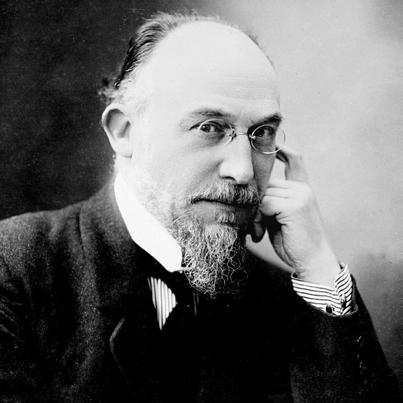
born: May 17, 1866 in Honfleur, France
died: July 1, 1925 in Paris, France
In the summer of 1909, Sergei Diaghilev’s spectacular Ballets Russes burst upon the Parisian artistic scene. The Ballets Russes staged the premieres of such works as Igor Stravinsky’s The Firebird (1910), Pétrouchka (1911), and The Rite of Spring (1913), Maurice Ravel’s Daphnis et Chloé, and Claude Debussy’s Jeux (1913). Diaghilev’s brilliant and controversial productions inspired audience and critical reaction that ranged from sheer adulation to violent rebellion. The most famous Ballets Russes scandal occurred at the May 29, 1913 Théâtre des Champs-Elysées premiere of Stravinsky’s pathbreaking The Rite of Spring
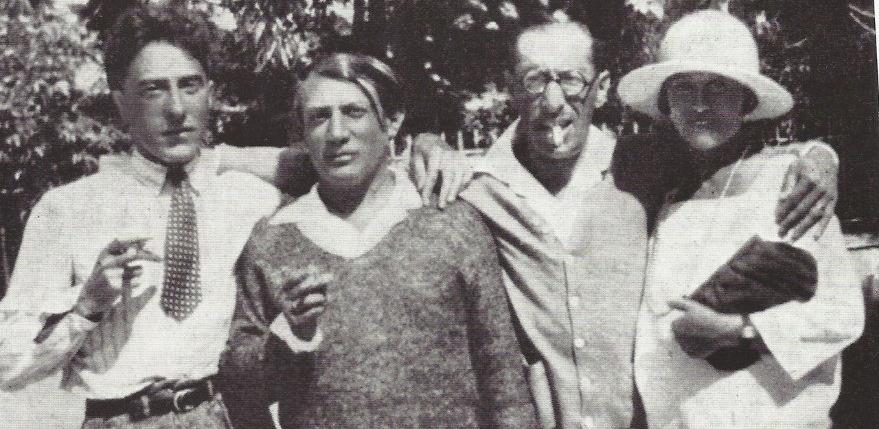
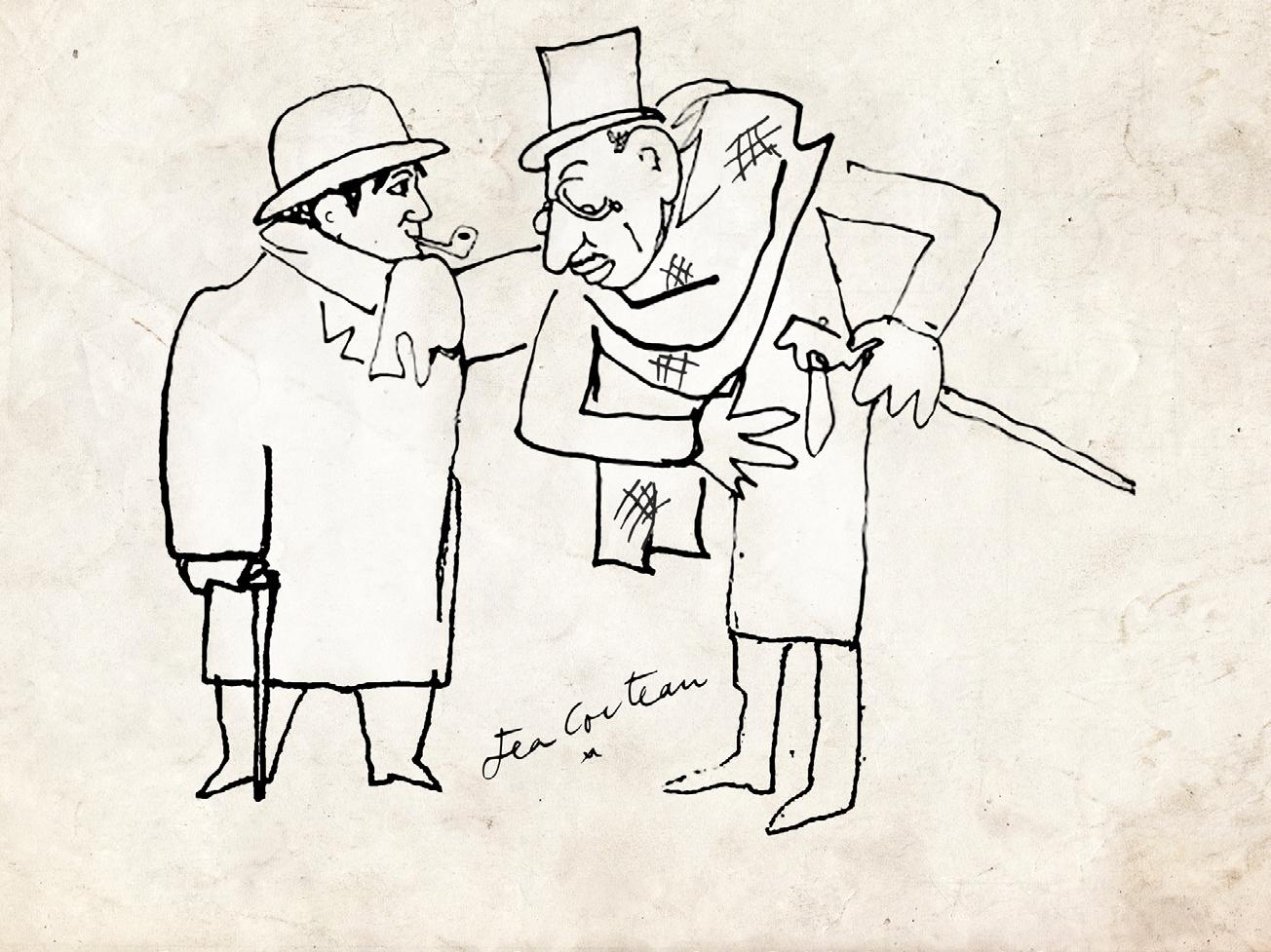
Another notorious Ballets Russes premiere took place at on May 18, 1917. On that date Erik Satie’s ballet Parade had its first performance at the Théâtre du Châtelet. Commissioned by the Ballets Russes, Parade was a collaboration between many of the most brilliant artists of the day. The ballet’s plot, by Jean Cocteau, relates the tale of a group of circus performers who offer an outdoor preview of the show, in an attempt to lure customers into the tent. The audience believes it has seen the actual show, and departs. Léonide Massine choreographed Parade. Pablo Picasso designed the costumes and sets, which included the opening red curtain, portraying the performers lounging backstage.
Audiences of the time expected ballet to offer an escape from the unpleasant realities of daily life. But Cocteau’s plot made quotidian matters the focus of Parade. Picasso’s cubist costumes, and Satie’s score, a brilliant mélange of classical and popular elements (including numerous exotic percussion instruments added at Cocteau’s insistence), magnified the audience’s disorientation. Guillaume Apollinaire authored the program notes for the premiere of Parade. He described Parade as “une sorte de surréalisme” (“a kind of surrealism”).
This was approximately three years before the start of the controversial Surrealism movement. Many were no more prepared for it in 1917 than they were in 1920.
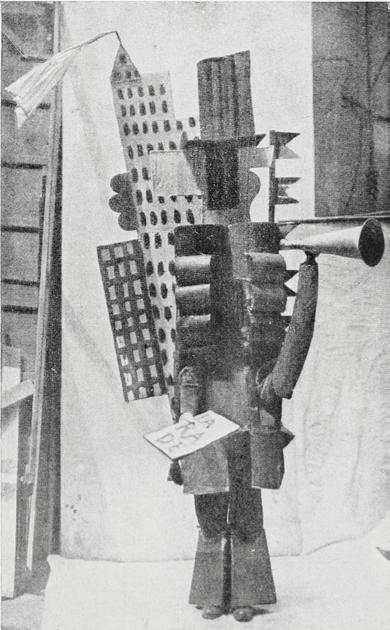
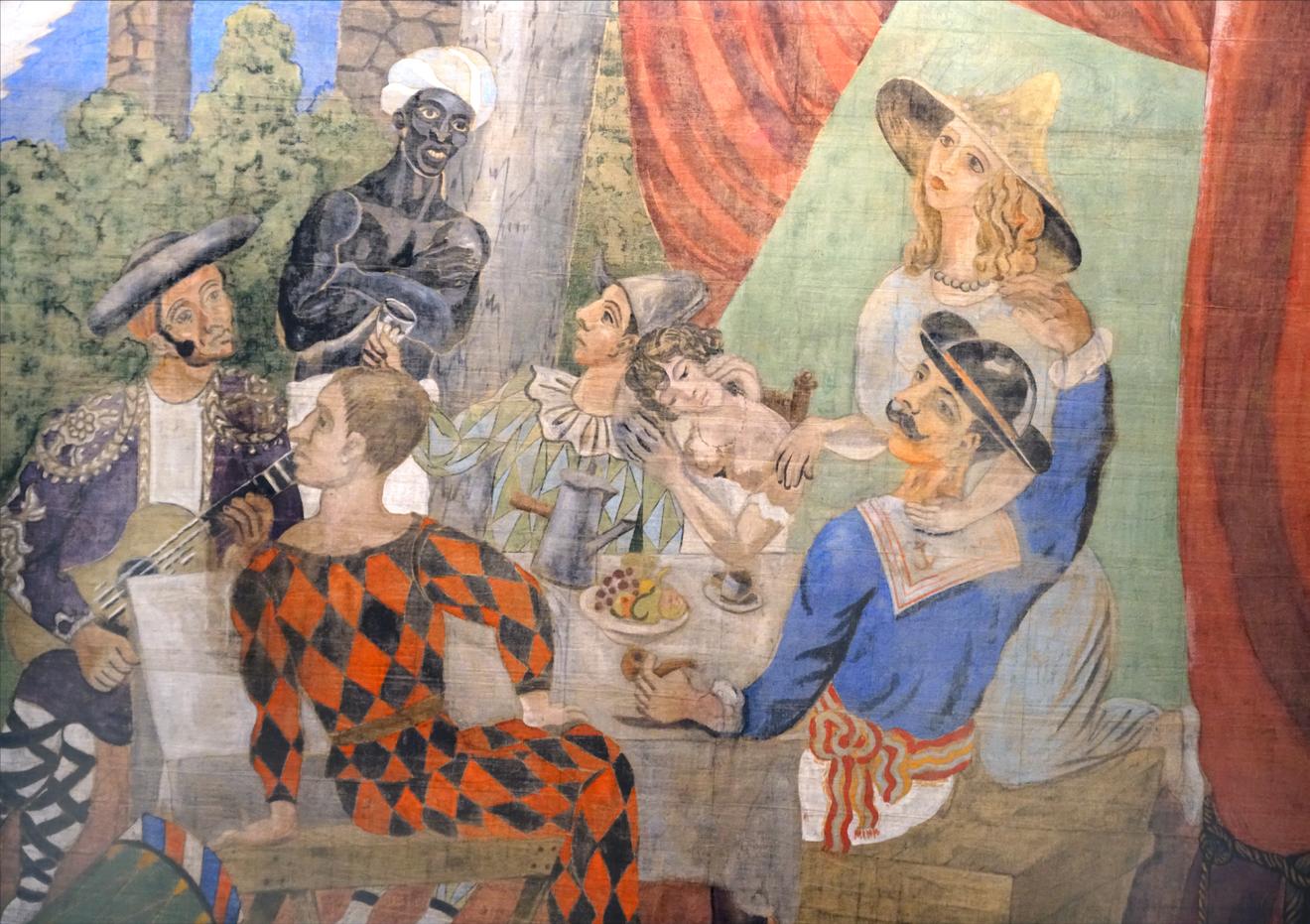
The Théâtre du Châtelet audience voiced its displeasure during and after the performance. Cocteau quipped: “I have heard the cries of a bayonet charge in Flanders, but it was nothing compared to what happened that night at the Châtelet.” Critic Jean Poueigh congratulated Satie after the premiere. But in his review of the premiere, Poueigh dismissed Parade as “an outrage on French taste”, and Satie “for his lack of wit, skill, and inventiveness.” Satie responded with a series of insulting communications to Poueigh. The most famous (and printable) of Satie’s invective is: “Monsieur and dear friend—you are an ass, and an unmusical one! Signed, Erik Satie”. Because Satie’s messages were in the form of postcards that could be read by anyone handling the mail, Poueigh sued the composer for defamation. Satie was fined, and sentenced to a week in prison, which was later suspended.
left: Picasso’s Cubist-inspired costumes were constructed from solid cardboard, restricting the dancers’ movements and influencing the choreography.
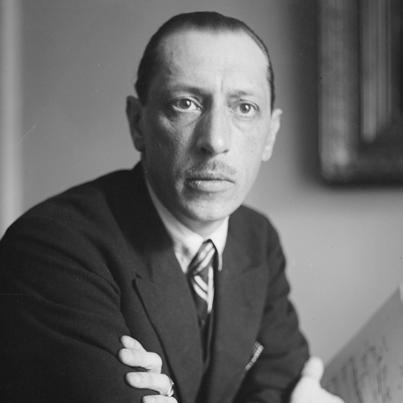
born: June 17, 1882 in Lomonosov, Russia died: April 6, 1971 in New York City
In the second decade of the 20th century, Igor Stravinsky rose to international prominence with a trilogy of ballets the young Russian composer wrote for Sergei Diaghilev’s Ballets Russes — The Firebird (1910), Pétrouchka (1911), and The Rite of Spring (1913). Each succeeding ballet was marked by increased rhythmic complexity and dissonance. In fact, the often barbaric music of The Rite of Spring so shocked some of those in attendance at the May 29, 1913 premiere, fistfights broke out in the Paris Champs-Elysées Theater.
Stravinsky’s first collaboration with Diaghilev after World War I once again created a stir, but for a quite different reason. In the spring of 1919, Diaghilev suggested Stravinsky consider writing music for a ballet concerning the amorous escapades of the fictional harlequin, Pulcinella. The music would be based upon works by the 18 th -century Italian composer Giovanni Pergolesi (1710-1736), whose music Stravinsky “liked and admired immensely.”
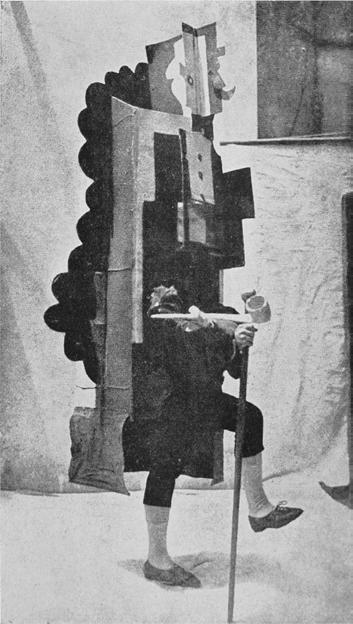
The premiere of Pulcinella took place at the Opéra on May 15, 1920. As with Satie’s Parade, Léonide Massine served as choreographer, and Pablo Picasso designed the scenery and costumes. Massine also danced the title role. Ernest Ansermet conducted the performance, which, according to Stravinsky, “ended in a real success.” A few years later, Stravinsky created a Pulcinella concert suite, featuring music from the ballet. The premiere of the Suite from Pulcinella took place on December 22, 1922, with Pierre Monteux (who also led the first performances of Pétrouchka and The Rite of Spring) conducting the Boston Symphony.
Stravinsky’s Pulcinella — both in its complete ballet and concert suite versions — continues to engage audiences with its lyric charm, infectious energy, and piquant orchestral sonorities. Subsequent discoveries that much
of the music attributed to Pergolesi was actually written by other composers have, of course, done nothing to diminish Stravinsky’s achievement.
Stravinsky’s Pulcinella Suite comprises eight brief movements:
I. Sinfonia (Ouverture). Allegro moderato
II. Serenata. Larghetto
III. (a) Scherzino, (b) Allegro, (c) Andantino
IV. Tarantella
V. Toccata. Allegro
VI. Gavotta; Allegro moderato (Variazione 1a: Allegretto, Variazione 2a: Allegro più tosto moderato)
VII. Vivo
VIII.
baptized: December 17, 1770 in Bonn, Germany died: March 26, 1827 in Vienna, Austria
Opus 36 (1802)
By the start of the 19 th century, Ludwig van Beethoven had firmly established himself as one of Vienna’s most important pianists and composers. But during that same period, Beethoven began to experience the hearing loss that would plague the composer for the remainder of his life.
It is not surprising that Beethoven spent much time contemplating the meaning of his existence. One of the products of this soul-searching process was the document known as the “Heiligenstadt Testament,” written in October of 1802. Addressed to his two brothers, the Testament was found among Beethoven’s papers after the composer’s death in 1827. In the “Heiligenstadt Testament,” Beethoven confessed: “I was on the point of putting an end to my life — only art it was that withheld me, and it seemed impossible to leave the world until I had produced all that I felt called upon me to produce…”
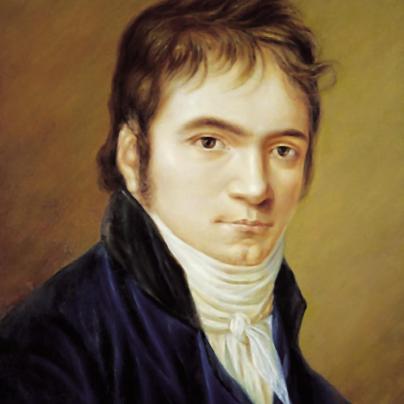
Around the same time Beethoven penned the “Heiligenstadt Testament,” he put the finishing touches on a work begun the previous year, the Symphony No. 2. The D-Major Symphony received its premiere on April 5, 1803 at Vienna’s Theater-an-der-Wien.
In 1801, Beethoven announced to his friend, Wenzel Krumpholz: “I am only a little satisfied with my previous works. From today on I will take a new path.” Musical historians usually designate the 1803 “Eroica”, Opus 55, as the commencement of Beethoven “new path” — at least in terms of symphonic composition. It is interesting, then, to read the following critique of the premiere of the Second Symphony, published in the Vienna Zeitung für die Elegante Welt on April 16, 1803: “the first (Symphony) is essentially of more value than the second, because it is developed with an unforced lightness, while in the second the striving for
the new and astonishing is more apparent.” The following May, that same paper characterized the Symphony No. 2 as “a crass monster, a hideously writhing wounded dragon, that refuses to expire, and though bleeding in the Finale, furiously beats about with its tail erect.”
Upon closer inspection, it is not difficult to find the elements of the Symphony No. 2 that so troubled the critics. It is true that the Symphony is not cast in the epic mode that made the “Eroica” such an epochal work. On the other hand, the D-Major Symphony offers frequent and compelling employment of dynamic contrasts, dissonance, and brilliant thematic manipulation. All of these elements point the way to the revolutionary style so indelibly associated with Beethoven. That Beethoven was able to write such vibrant, masterful (and indeed, high-spirited) music while in the grips of a shattering personal crisis, testifies to the spirit of a man who once vowed: “I will seize Fate by the throat; it shall certainly not bend and crush me completely.”
The Symphony No. 2 is in four movements. In the first, an extended and dramatic slow-tempo introduction (Adagio molto) resolves to the vibrant, high-spirited principal Allegro con brio. The second movement (Larghetto) exudes gracious lyricism, contrasting with agitated moments in the central episode. The third-movement Scherzo (Allegro) is based upon a three-note motif, bandied about by the orchestra in vibrant dialogue, featuring abrupt juxtapositions of loud and soft dynamics. High spirits prevail in the finale (Allegro molto), capped by the raucous closing bars.
We gratefully acknowledge these generous donors to the Charlotte Symphony Annual Fund. This list reflects gifts received between July 1, 2022 through March 1, 2023
$100,000+
Anonymous
Catherine & Wilton Connor
$50,000 – $99,999
Roberta H. Cochran
Ellen M. Fitzsimmons & Greg Rogowski
$25,000 – $49,999
Joan & Mick Ankrom
Richard & Ruth Ault
Dr. Milton & Arlene Berkman Philanthropic Fund
Mark & Judith Brodsky
DG Brungard Foundation
Jean & Dick Cornwell
J. Porter & Victoria Durham
Linda & Bill Farthing
$15,000 – $24,999
Ralph S. Grier
Richard Krumdieck
DeDe & Alex McKinnon
$10,000 – $14,999
Anonymous (3)
Francisco & Jeannette Alvarado
Katharine & Frank Bragg
Mr. & Mrs. R. Alfred Brand III
Lynne & Colby Cathey
Christoph & Robin Feddersen
Karen Fox
Chris & Susan Kearney
Ginger Kelly
Page & Ed Kizer
Douglas Young
Patrick J. O’Leary
John & Maria Huson
Jane & Hugh McColl
Patricia & Thrus Morton
Patrick J. O’Leary
Richard J. Osborne
Paul & Kathy Reichs
Carolyn Shaw
John & Andromeda Williams
Debbie & Pat Phillips
Judy & Derek Raghavan
Ann & Fritz Rehkopf
Betty P. & Jeffrey J. Lee
Ms. Nina Lesavoy
Susan & Loy McKeithen
Alex & Ulrike Miles
Robert Norville
Mr. & Mrs. Jerry Richardson
Mary Anne Rogers
Mike Rutledge
Thomas & Sherry Skains
Richard & Lisa Worf
For more information on how to make a gift to the CSO Annual Fund, please contact Libby Currier, Annual Fund Manager, at 704.714.5137 or lcurrierl@charlottesymphony.org
Lori & Eric Sklut
Emily & Zach Smith
Melinda & David Snyder
Ms. Andrea J. Stevenson
Kevin Taylor
Drs. Jennifer Sullivan & Matthew Sullivan
Chris & Jim Teat
Judith & Gary Toman
Mr. & Mrs. C.L. Trenkelbach
Suzie & Nick Trivisonno
In Memory of Tess Verbesey
Kevin & Jill Walker
Floyd Wisner & Glenda Colman
$3,500 – $4,999
Wedge & Debbie Abels
Philipp J. Bischoff
Judith Carpenter
Joan & Parker Foley
H. Clay Furches
Richard I. McHenry & Cynthia L. Caldwell
Mr. & Mrs. Paul McIntosh
Tony & Linda Pace
Edgar & Karen Whitener
$2,500 – $3,499
Anonymous (3)
Julian Andretta
Mrs. Harriet B. Barnhardt
Bill & Georgia Belk
Tiffany & Jason Bernd
Jan & Bob Busch
Cathy Bessant & John Clay
Ms. Melody Birmingham
Mr. & Mrs. Alan Blumenthal
Dr. & Mrs. O. Robert Boehm
Twig & Barbara Branch
Ann Thomas Colley
Dorothy & Mike Connor
Melissa Cornwell
Chris & Elizabeth Daly in Memory of Betty Haggarty
Alfred & Amy Dawson
Peter De Arcangelis
Phil & Mary Delk
Cheryl DeMaio
Peggy & Charles Dickerson
Peggy & Richard Dreher
Mrs. Carolyn Faison
Alex & Patty Funderburg
Timothy & Kara Gallagher
Harvey & Cindy Gantt
Mr. Billy L. Gerhart, in memory of Judith Gerhart
Todd & Andrea Griffith
Ivan Hinrichs
Brian & Juliet Hirsch
Carol A. Hitselberger & Robert Petty
Jim & Peggy Hynes
Shirley & Bob Ivey
David S. Jacobson
Ginger Kemp
Bruce & Martha Karsh
Dr. & Mrs. Christ A. Koconis
Meghan & Luis Lluberas (continued next page)
David M. Cody
Carstarphen
Neil & Claire Cotty
Elizabeth Betty Eaton
Arlene H. Elisha
Mrs. Geraldine S. Emmert
Mr. Peter F. Guild
Katherine G. Hall
Angela & Michael Helms
Steven Hershfield & Mary Jo Germain
Mr. & Mrs. Benjamin F. Hill, Jr.
Joan Irwin
Gene & Helen Katz
Dr. & Mrs. Jack Kramer
Elizabeth J. McLaughlin
Anna Marriott
Ms. Rosemarie Marshall & Mr. Lee Wilkins
Jim & Dottie Martin
Cricket Weston & David Molinaro
;Eleanor W. Neal
Caroline Olzinski
Mr. Vincent Phillips & Mr. Paul Pope
John & Wilma Pinter
Larry & Dale Polsky
John & Susan Rae
Mr. & Mrs. Pope A. Shuford
Morris & Patricia Spearman
Ken Spielfogel & Richard Withem
Robert & Maxine Stein
Ann & Wellford Tabor
Tillie S. Tice
James H. Trexler & Kelly Zellars
Daniel & Kathleen Troy
Mindy & Don Upton
Vera Watson
Grant Webb
Linda & Craig Weisbruch
Mrs. Eugenia N. White
Deems Wilson
Ms. Deborra Wood & Mr. Russell Propst
$1,000 – $1,499
Anonymous (2)
Ashley & Steve Allen
Kathleen & Richard Anderson
Melissa & Daren Anderson
JWD Atchison
Mary Lou & Jim Babb
Mr. & Mrs. Lincoln A. Baxter
Morgan Beggs
John & Katherine Beltz
Shirley W. Benfield
Donald H. & Barbara K. Bernstein
Family Foundation
Si & Michael Blake
Ms. Brett Blumenthal & Mr. David Wax
Carole Bourret
Khary Brown in Memory of Kyden Justice Brown
Frances & Herbert Browne
Jane & Larry Cain
Maggie Callen
Ralph & Sam Canfield (continued next page)
Adam & Sienne Taylor
Mr. & Mrs. James Traylor
Mr. & Mrs. Hans Teich
Vint & Libby Tilson
Sarah S. Tull
Drs. Iris Cheng & Daniel Uri
Mrs. William K. Van Allen
Mr. & Mrs. Michael Van Glish
Bill & Rita Vandiver
Dr. & Mrs. Bill Chu & Jin Wang
Pam & Steve West
Peter White
David Wilcox
Bryan Wilhelm
Ms. Judith Wood
Mrs. Anne Yudell
$500 – $999
Anonymous (4)
Michael & Lee Abbott
Mark Abrams & Iris Prandi
Mr. Lester Ackerman & Mr. Layton Campbell
Larry Anderson
Leigh & Rhonda Armistead
Mrs. Natascha A. Bechtler
Bob & Cathy Becker
Dr. John L. Bennett & Mr. Eric T. Johnson
Jeffrey Boghosian
David Bower & Ann Richardson
Ms. Marianne Bragg
James Broadstone
Aram & Scott Bryan
Mr. Charles Budd
Greg & Mary Lou Cagle
Barbara F. Caine
Ms. Lisa Callen
Amanda & Kevin Chheda
Hobart B. Cheyne
Ms. Michele T. Classe
Mr. Brent Clevenger
Dr. W. Gerald Cochran & Mr. Timothy D. Gudger
Mr. Thomas E. Collins, Jr.
Dr. & Mrs. Charles E. Cook
Dr. Kilian Cooley
Dr. & Mrs. Mark Couture
Mr. & Mrs. Alpo F. Crane
Ellen M. Crowley
Mrs. Judy Crozier
Craig Selimotic Danforth
Dr. Roy E. DeMeo, Jr. & Ms. Linda A. Evanko
Thomas & Kris Duffy
Virginia Dulaney
Ms. Helen Edwards
Rebecca Elliott
Martin Ericson, Jr.
Dr. & Mrs. J. Murray Fadial
Doug Faris
Smith
Julia J. Souther
Mr. & Mrs. Larry Stern
Kathryn Stewart
Sam & Martha Stowe
Wesley & Claudia Sturges
George & Brenda Sweet
Ms. Sarah Teague
Tim Timson
Jenny & Ken Tolson
James & Melanie Twyne
Greg & Sandy Vlahos
Lyman Welton
Barnet & Harriet Weinstock
Dr. Thomas H. White
Mr. & Mrs. John A. Yakob
Ms. Barbara Yarbrough
Dan & Susan Yardley
Dr. & Mrs. T. Price Zimmermann
$250 – $499
Anonymous (3)
Paula Andretta
Andrew & Karen Antoszyk
Judi Bainbridge
Dr. & Mrs. Michael J. Bell
Sam & Nancy Bernstein
Ms. Deborah Berry
Mr. & Mrs. Alexander Bierce
Stuart Blackmon
Lawton & Janette Blandford
Megan Blankemeyer List
Ken & Nelle Brown
Mr. Nicholas Bonevac
Steve Bost
David H. & Barbara J. Burns
John Carr
Robert & Jo Anne Caruso
Mary Case
Amy Cathey
Rev. Janice Chalaron
Ms. Catherine Choudary (continued
Joan W. Martin & Pat Burgess
Theodore & Katherine Martinez
Ed & Wendy Matthews
Steve & Tammy Matula
Jill Maxwell
Kim & Alan Maxwell
Ms. Judy Mayo
James & Stephanie McGarvey
Eric Miller
Kimberly Moore-Wright
Glenn A. Muegel
David H. Nance & Jennifer Nance
Sara & Tom Nolan
Dr. & Mrs. Michael E. Norman
Dimitris & Jennifer Papageorgiou
Cookie & Jerry Parnell
Rose & Bailey Patrick
Bradley & Sharon Patterson
Mr. Conrad Puckett
Mr. Mason & Dr. Krista Rankin
Stephen & Melissa Ratliff
Emily & Brian Reinicker
Dr. Livia Robicsek
Mr. & Mrs. Albert E. Rodgers
Sarah E. Schoedinger
Eileen Scholl
Merle & Judy Schuh
Dr. & Mrs. Marvin Shapiro
Ginny Shaw
Fred H. Smith
James & Ellie Stephens
William & Catherine Stone
Larry Stratemeyer
Charlene Sturgill
Brenda Gail Summers
Ms. Jena M. Summerville
Carrie & Jeffrey Teixeira
Nancy & Dick Thigpen
Gretchen & Jean-Claude Thill
Melissa M. Tolin
Patti Tracey & Chris Hudson
Cynthia Turner
Sarah & Tim Turner
Rebecca Valenstein
Minyan Wang
Jenny & Henry Ward
Ms. Leslie Webster
Mr. Erik Weghorst
Mr. & Mrs. Tom Weidman
Mr. & Mrs. Richard J. Wertheimer
Mrs. Carol Wilson
Allen & Clara Wolfe
Karen & Charles Wolff




We are grateful for the following outstanding corporate funders:

$250,000 +
$100,000 - $249,999
$20,000 - $49,999
$10,000 - $19,999
$5,000 - $9,999
Atrium Health Kingfisher Capital The Dunhill Hotel
For more information, please contact Amanda LoCascio, AVP - Institutional Philanthropy at 704.714.5138 or alocascio@charlottesymphony.org
We are grateful for the following outstanding foundation and government funders:
$100,000 +
$50,000 - $99,999
Dickson Foundation
$20,000 - $49,999
DG Brungard Foundation
Mariam & Robert Hayes Charitable Trust
The Trexler Foundation
$10,000 - $19,999
Blumenthal Foundation
Charlotte Mecklenburg Community Foundation
Cole Foundation
Dunspaugh-Dalton Foundation, Inc.


The Maurer Family Foundation
$5,000 - $9,999
AT&T Foundation

The George W. & Ruth R. Baxter Foundation
The Jack H & Ruth C. Campbell Foundation
The Charlotte Assembly
$2,500 - $4,999
Barnhardt/Thomas Trust
Kathryn Stephenson Pipe Organ Endowment Foundation
Stanly County Community Foundation
Winer Family Foundation
For more information, please contact Toni Freeman, Grant Writer at development@charlottesymphony.org
We invite your firm to join this special group of corporate supporters committed to keeping the music alive — enriching Charlotte and the surrounding communities as a first-class place to work and live.
$2,500 - $4,999
GreerWalker
Moore & VanAllen Park Inc.

$5,000 + $500 - $2,499
Carter Troutman Pepper LLP

World Famous Golf Carts of South Carolina
For more information, please contact Amanda LoCascio, AVP - Institutional Philanthropy at 704.714.5138 or alocascio@charlottesymphony.org
The Charlotte Symphony Orchestra recognizes donors of exceptional generosity whose cumulative giving to the CSO exceeds $1 million with the designation of Music Director Society.
Anonymous (2)
Bank of America Corporation
Catherine & Wilton Connor
Goldman, Sachs & Co.
The Leon Levine Foundation
John S. & James L. Knight Foundation
Mr. & Mrs. Hugh L. McColl, Jr.
Robert Haywood Morrison Foundation
C. D. Spangler Foundation
The Symphony Guild of Charlotte, Inc.
Wells Fargo Corporation
For more information, please contact Leslie Antoniel, AVP of Development, at 704.714.5139 or lantoniel@charlottesymphony.org.
Anonymous (3)

Geraldine I. Anderson†
Richard & Ruth Ault
Baldwin Family Trust
Barnhardt Thomas Trust
Larry & Joyce† Bennett
Donald H. & Barbara K. Bernstein
Mark & Louise Bernstein†
Twig & Barbara Branch
Saul Brenner
Mike & Joan Brown†
Mrs. Joan Bruns †
Jan & Bob Busch
Dr. Helen G. Cappleman, Ph.D.†
Jim Cochran†
Robin Cochran
Tom Covington
Charles & Peggy Dickerson
Mr. Martin Ericson, Jr.
David J.L. Fisk & Anne P. O’Bryne
Peter & Ann† Guild
William G. & Marguerite K. Huey Fund†
Dr. Nish Jamgotch, Jr.
Betty & Stanley Livingstone†
† Deceased
Nellie McCrory †
M. Marie Mitchell†
Cricket Weston & David Molinaro
Joan & Richard Morgan
Don C. Niehus
Eva Nove
Richard J. Osborne
Gwen Peterson & Tom Hodge
James Y. Preston†
Mrs. Clayton (Dusty) Pritchett
Ann & Fritz Rehkopf
Elizabeth Waring Reinhard
Nancy W. Rutledge
Mike Rutledge
Harriet Seabrook
Mr. & Mrs. William Seifert
Morris & Patricia Spearman
Bob & Maxine Stein
Dr. Ben C. Taylor III
Mr. & Mrs. Hans Teich
Cordelia G. Thompson
Tim Timson
Jenny & Ken Tolson
Ms. Debora Wood & Mr. Russell Propst
The Encore Society includes individuals who have made provisions for the CSO in their estate plans. We are honored to recognize their support: Leave a lasting legacy of great music through your planned gift. For more information, contact Leslie Antoniel at 704.714.5139.
With your gift, the Charlotte Symphony uplifts, entertains, and educates the diverse communities of Charlotte-Mecklenburg and beyond through exceptional musical experiences.
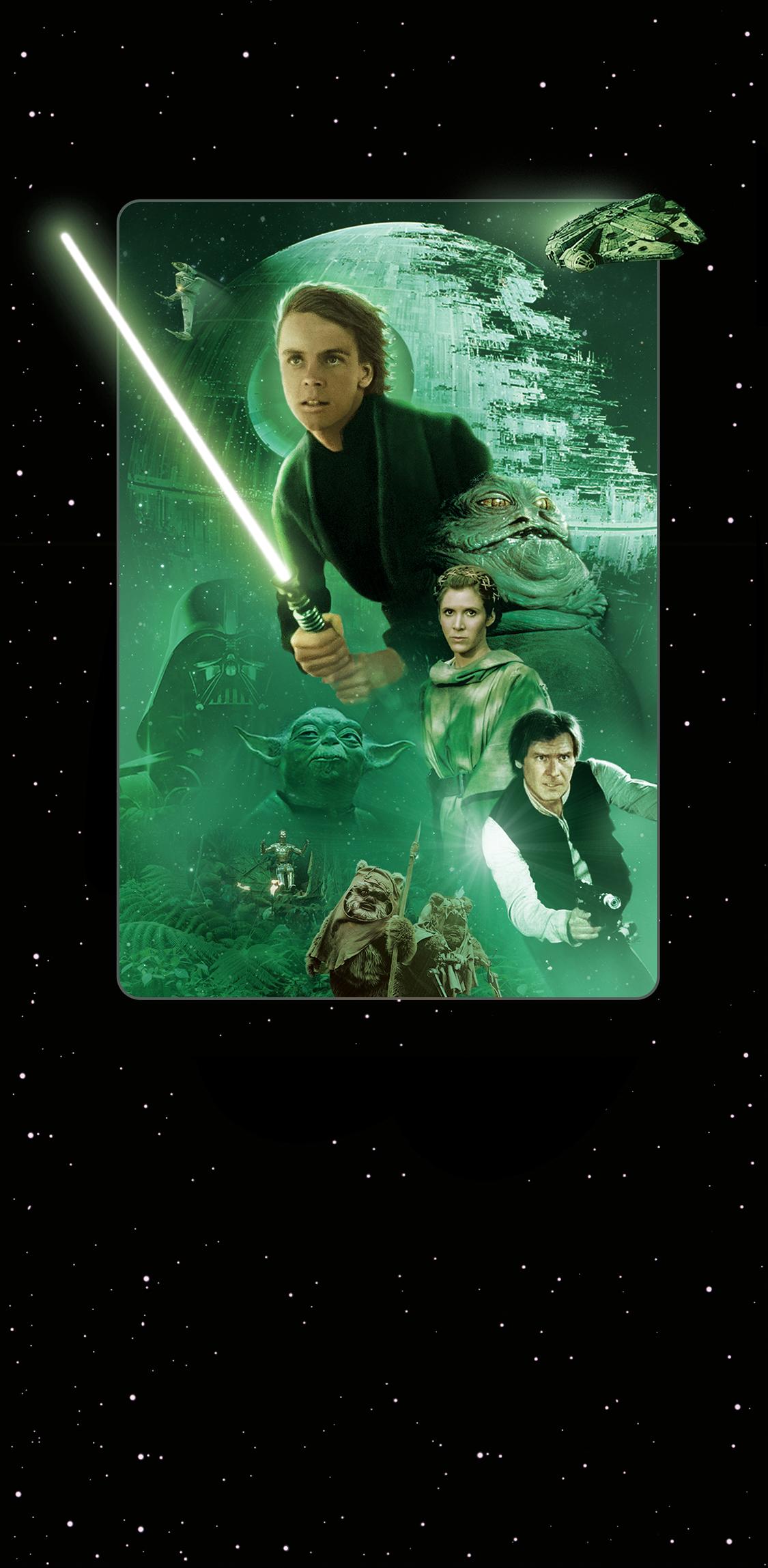
March 17 & 18 7:30 pm | Belk Theater
The original Star Wars trilogy comes to a dramatic conclusion at Belk Theater this season with Star Wars: Return of the Jedi. The Empire and the Rebel Alliance prepare for a final confrontation. See it on the big screen with John Williams’s legendary score performed live!

704.972.2000 | charlottesymphony.org
 © 1983 & TM Lucasfilm Ltd. Presentation licensed by Disney Concerts in association with 20th Century Fox Film Corp, Lucasfilm and Warner/Chappell Music. © All rights reserved.
Multimillion Dollar Commitment City of Charlotte
$1.5 million and above Bank of America
C.D. Spangler Foundation / National Gypsum Company
John S. and James L. Knight Foundation
Trane Technologies
$600,000 - $1 million
Albemarle Foundation
Atrium Health
Barings
Duke Energy
Honeywell
JELD-WEN, Inc.
LendingTree Foundation
Lowe’s Companies, Inc.
Novant Health
Red Ventures
Truist
$300,000-$600,000
Ally Financial
The Centene Charitable Foundation
Childress Klein Properties
Coca-Cola Consolidated
Deloitte
EY
The Gambrell Foundation
Moore & Van Allen
PwC
Robinson, Bradshaw & Hinson, P.A.
Rodgers Builders
Wells Fargo
Up to $300,000
Fifth Third Bank
Foundation For The Carolinas
Deidre and Clay Grubb
Leslie and Michael Marsicano
Jane and Hugh McColl
Nucor Corporation
PNC Bank
Premier, Inc.
Jane and Nelson Schwab
The Charlotte Symphony is supported, in part, by the Infusion Fund and its generous donors.Linda McFarland Farthing
Chair
John Williams
Vice Chair
Mick Ankrom
Treasurer
David Fisk
President & CEO
Melissa Anderson
Joye D. Blount
Mike Butterworth
Manny Clark
Nick Clements
Catherine Connor
Mary Delk*
Denise DeMaio
Richard Krumdieck
Alex McKinnon
Ulrike W. Miles
Glenn Mincey
Robert Rydel*
Ylida Scott
Melinda Snyder
Jennifer Sullivan
Jenny Tolson*
Jenny Topilow*
Kevin Walker
*ex officio
Richard Osborne, Chair
Ruth & Richard Ault
Kat Belk
Arlene & Milton Berkman
Jason & Tiffany Bernd
Mary & Charles Bowman
Frank Bragg
Robin & Bill Branstrom
Derick & Sallie Close
Robin Cochran
Wilton Connor
Jeanie & T. Thomas Cottingham III
Brian Cromwell
Alessandra & Pasquale De Martino
Alvaro & Donna de Molina
Peggy & Richard Dreher
Lisa Hudson Evans
Todd Gorelick
Janet Haack
Reginald B. Henderson, Esq.
Mark & Whitney Jerrell
Jeff Lee
Gov. James G. Martin
Jane & Hugh McColl
Susan & Loy McKeithen
Elizabeth J. McLaughlin
George McLendon
Patrick J. O’Leary
Debbie & G. Patrick Phillips
Paul Reichs
Nancy & Charles Robson
Patricia A. Rodgers
M.A. Rogers
Dan & Sara Garces Roselli
Laura & Mike Schulte
Carolyn Shaw
Tom Skains
Emily & Zach Smith
Bob & Marsha Stickler
Adam Taylor
Cynthia Tyson
Braxton Winston
Richard Worf
Albert Zue
EXECUTIVE
David J. L. Fisk, President & CEO
Samantha Hackett, Executive Administrator
ARTISTIC OPERATIONS (see p. 9)
DEVELOPMENT
Shayne Doty, Vice President of Development
Leslie Antoniel, Associate Vice President of Development
Libby Currier, Annual Fund Manager
Tammy Matula, Database Manager
Jennifer Gherardi, Campaign Coordinator
Senta Harvey, Annual Fund & Sponsorships Associate
FINANCE & ADMINISTRATION
Angel Adams, Vice President of Finance & Administration
Lissette Rodriguez, Staff Accountant
Chazin & Company, Financial Services
Amy Hine, Office Administrator
HUMAN RESOURCES
Maribeth Baker (Catapult), Human Resources Counselor
LEARNING & COMMUNITY ENGAGEMENT
Aram Kim Bryan, Vice President of Learning & Community Engagement
Emily Gordon, Project Harmony Manager
Dylan Lloyd, Youth Orchestras Manager
Peyton Wulff, Learning Manager
Jirah Montgomery, Youth Orchestras Assistant
MARKETING
Mical Hutson, Vice President of Marketing & Audience Development
Deirdre Roddin, Director of Institutional Marketing & Communications
Nicole Glaza, Senior Manager of Digital Marketing
Chad Calvert, Visual Communications Manager
Laura Thomas, Marketing Manager
Meghan Starr, Patron Communications Manager
Garrett Whiffen, Ticketing Manager 128
March 24 & 25
Belk Theater
Jessica Cottis, conductor
Charlotte Master Chorale
“Engaging” (The Scotsman) conductor Jessica Cottis returns to lead the Charlotte Master Chorale and your CSO in Mendelssohn’s expansive Symphony No. 2, “Hymn of Praise.”