CLOUDFM
Measurable control, transparency, & outcomes across the FM sector.
FFS REFINERS
Adapting to meet the needs of a new market.
CLOUDFM
Measurable control, transparency, & outcomes across the FM sector.
FFS REFINERS
Adapting to meet the needs of a new market.
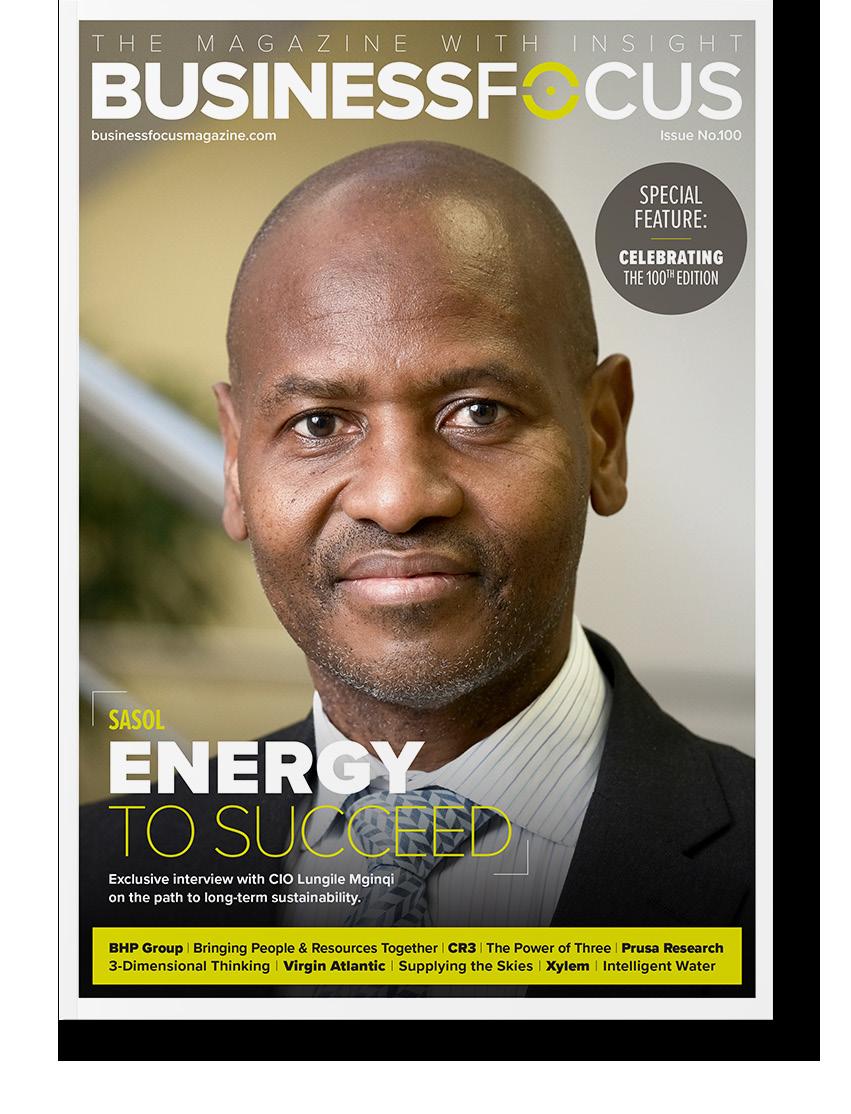
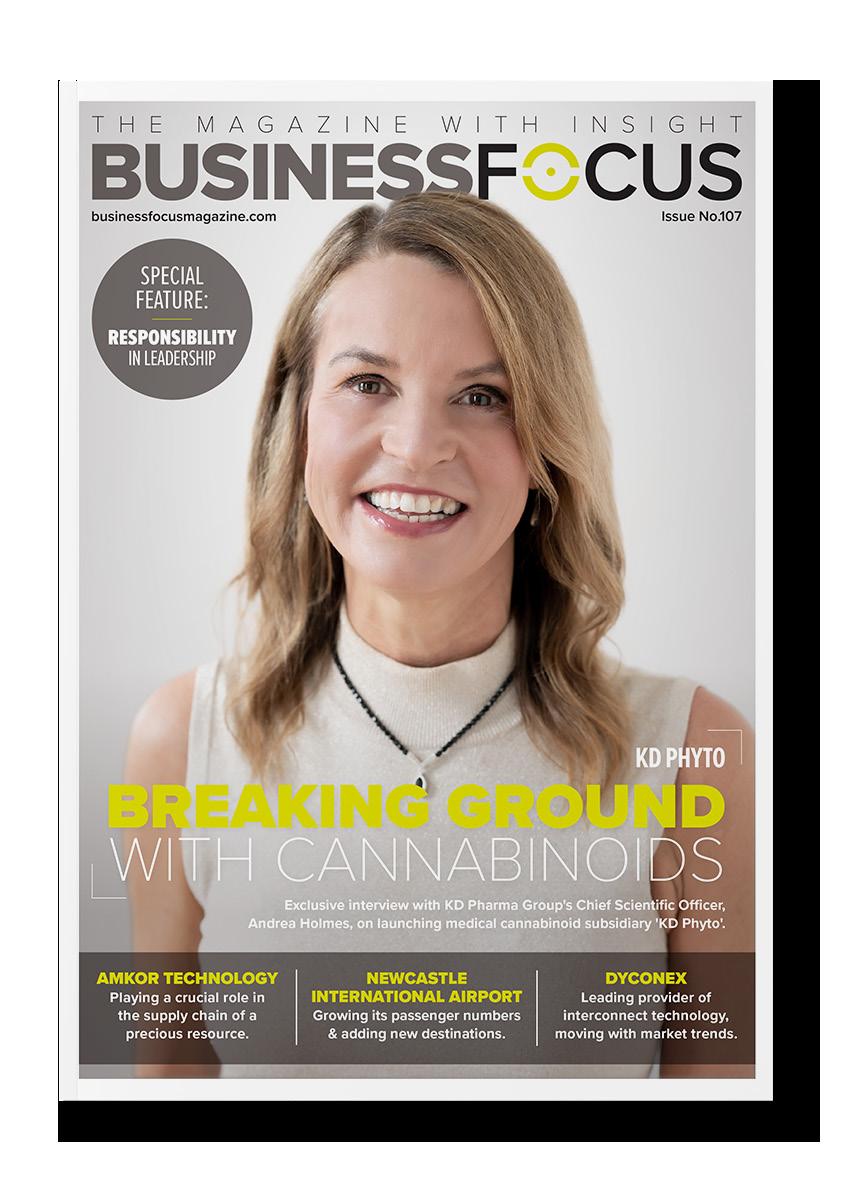
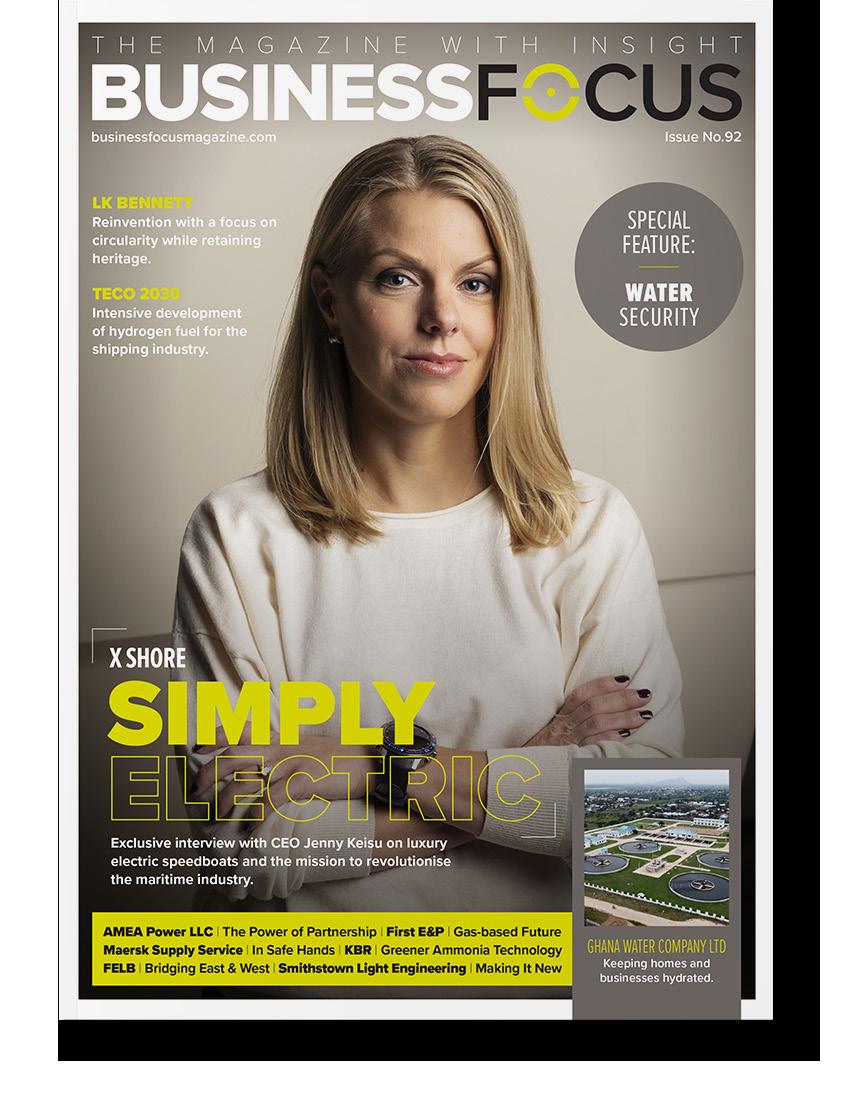
Exclusive interview with Managing Director, Nina Brackman on how BEO Trekwerk keeps theatre moving
PROJECT MANAGERS
CAMERON BEAZER c.beazer@ceomediagroup.com
JACK BIBBY
j.bibby@ceomediagroup.com
DEAN BROWN d.brown@ceomediagroup.com
JENNA CUNNINGHAM j.cunningham@ceomediagroup.com
JEREMY DAVIES
j.davies@ceomediagroup.com
JAMES ELVIN j.elvin@ceomediagroup.com
DAVID GARNER d.garner@ceomediagroup.com
OLIVER GRAHAM o.graham@ceomediagroup.com
DAVID HAYVIS d.hayvis@ceomediagroup.com
JOHN HOLLIMAN j.holliman@ceomediagroup.com
LUKE JOHNSON l.johnson@ceomediagroup.com
DECLAN JONES d.jones@ceomediagroup.com
STEVEN MUSTOE s.mustoe@ceomediagroup.com
ROBERT NAPIER SMITH r.smith@ceomediagroup.com
LISA POBEREZHNIUK l.poberezhniuk@ceomediagroup.com
LUCY PULLING l.pulling@ceomediagroup.com
LIAM PYWELL l.pywell@ceomediagroup.com
NICKY RAMAGE n.ramage@ceomediagroup.com
RAPHAELA DOS SANTOS r.dossantos@ceomediagroup.com
JOAO SEABRA j.seabra@ceomediagroup.com
HAYDEN TURNER h.turner@ceomediagroup.com
TYLER WARNER t.warner@ceomediagroup.com
DAVID WATSON d.watson@ceomediagroup.com
DESIGN
SCOTT ANDREWS design@ceomediagroup.com
TOBY McLAREN design@ceomediagroup.com
ACCOUNTS
TESS CARR accounts@ceomediagroup.com
PRODUCTION
KAMILA KAJTOCH production@ceomediagroup.com
EDITORIAL
ALEXANDER McDONALD a.mcdonald@ceomediagroup.com
SALES & MARKETING DIRECTOR
TREVOR GRETSINGER t.gretsinger@ceomediagroup.com
SUBSCRIPTIONS, PRESS RELEASES AND GENERAL ENQUIRIES: info@ceomediagroup.com
Globalisation is often discussed in terms of trade, technology, and economics, yet perhaps its most visible expression can be found on the football pitch.
As this summer’s World Cup captures the attention of audiences around the globe, it serves as a reminder of how interconnected our world has become. Players, supporters, sponsors, and broadcasters come together from every corner of the planet, united by a shared experience. Business is following a similar path. In 2026, companies are increasingly looking beyond domestic markets in search of new opportunities. International expansion has become a powerful driver of growth, enabling organisations to access new customers, diversify revenue streams, and build resilience in an ever-changing global economy.
Our cover feature this month shines a light on BEO Trekwerk. Operating within a specialist sector, the company demonstrates how expertise developed in one market can create opportunities far beyond national borders.
Elsewhere, DIRICKX Systems has established a global reputation for perimeter protection solutions, serving customers across numerous countries and industries. The company’s international reach highlights how specialist manufacturers can successfully compete on a worldwide stage.
Piab Group provides another compelling example. Through its global automation and gripping solutions business, the company has shown how innovation can transcend borders, supporting industries around the world with advanced technologies.
Finally, Gas Turbine Services illustrates the growing international demand for specialist engineering expertise. As energy infrastructure continues to evolve, businesses with highly specialised capabilities are finding opportunities in markets across the globe.
ON THE COVER
BEO TREKWERK
Go to page 16
EVENT
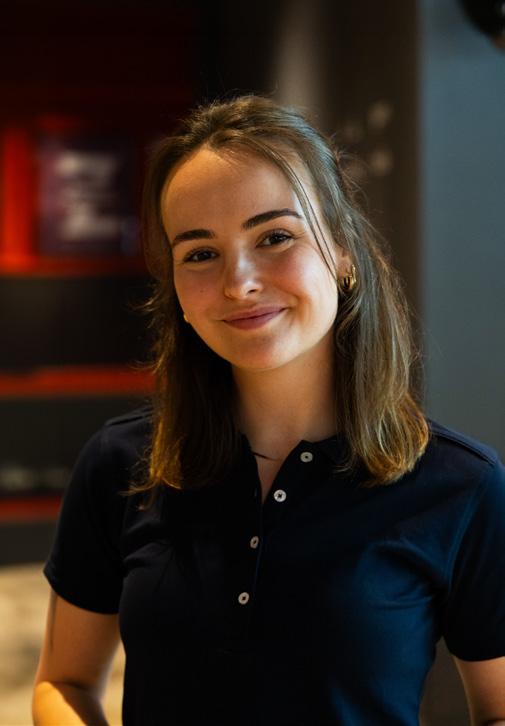
RISE: Global Real Estate Investment Summit & Expo
Dubai, UAE
13th - 14th October 2026
The Global Platform for Investment Capital and the Future of Urban Development.
NEWS
International Opportunities
Beyond Borders
LEADING FEATURE
BEO Trekwerk
The Show Must Go On
AGRICULTURE & FARMING
Silverlands Tanzania
Building the Protein Economy
AUTOMATION & ROBOTICS
Piab Group
Moving Manufacturing Forward
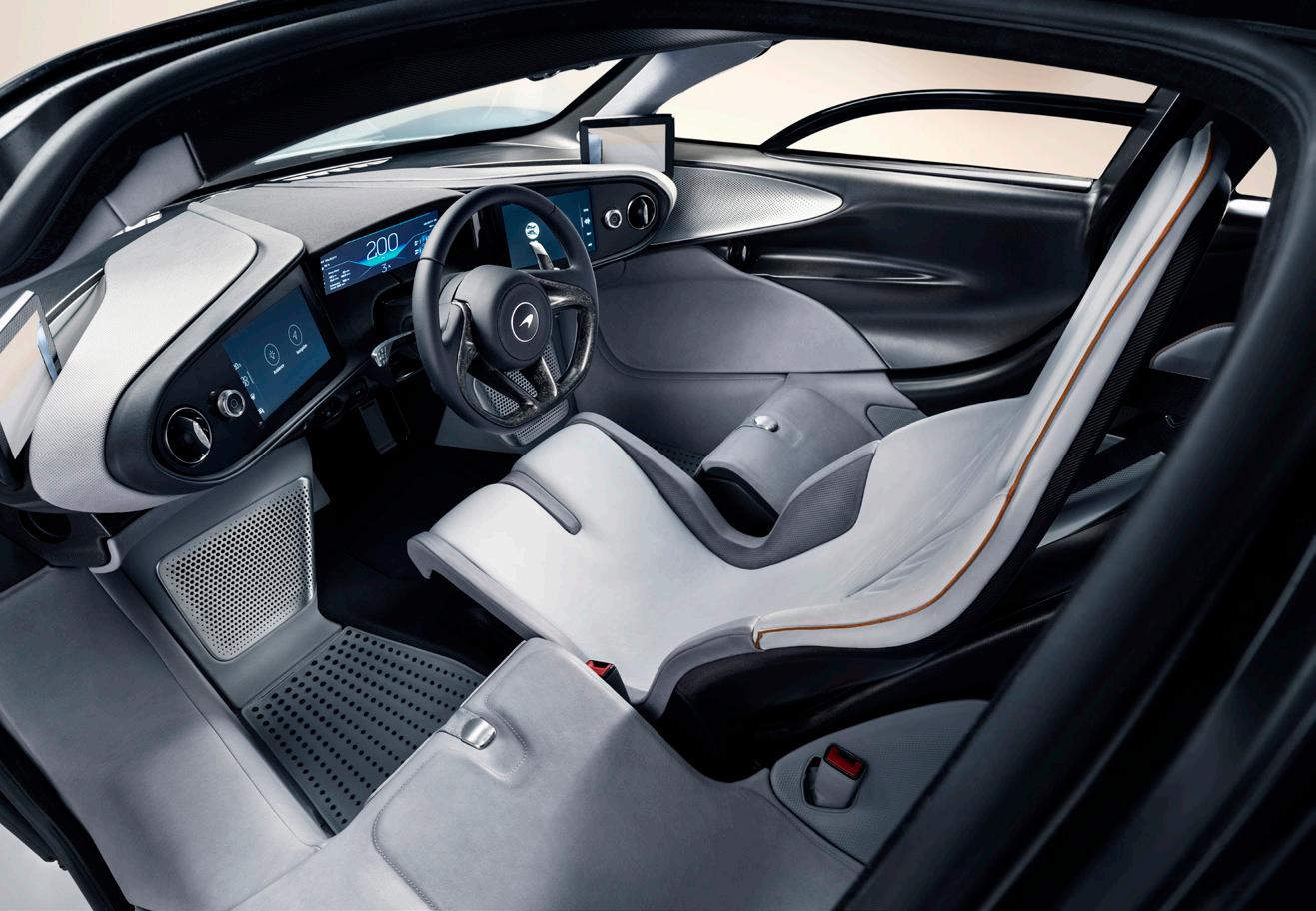
DIRICKX Systems
COMMUNICATIONS & TECHNOLOGY
HITEC Luxembourg Where Innovation is a Raw Material
CONSTRUCTION
Altrad RMD Kwikform
Your Ally in Construction
BAM FM UK
A Smarter Standard
Casey Built Around People
Cloudfm Group
Fixing FM
Grantside
Building Better
ENERGY & UTILITIES
Canoco Energy Services
Redefining Good


Lapland Hotels & Safaris Spirit of the North
MANUFACTURING
Gas Turbine Services
Power Under Pressure
Gilcrest Manufacturing Panel Show
Sanner Group
Breaking New Ground
STEER World
Engineering a Competitive Edge
OIL & GAS
FFS Refiners
Refining Their Approach
NESR The Rise of The Regional Champion
PACKAGING & PRINT
Coleus Packaging
Crowning Achievement
SHIPPING, PORT & MARINE
Antigua and Barbuda Port Authority
Antigua’s Cruise Ambitions Set Sail
TRANSPORT & LOGISTICS RS UK & Ireland Smarter Supply
Johnson Controls, a global technology leader in energy efficiency, decarbonisation, thermal management and mission-critical performance, helps customers use energy more productively, reduce carbon emissions, and operate with the precision and resilience required in rapidly expanding industries such as data centres, healthcare, pharmaceuticals, advanced manufacturing, and higher education.
For more than 140 years, Johnson Controls has delivered performance where it really matters. Backed by advanced technology, lifecycle services and an industry-leading field organisation, we elevate customer performance, turn goals into real-world results and help move society forward.
• HVAC-R
• Fire Detection
• Security

• Building Automation & Controls
• Fire Suppression
• Service & Maintenance
Visit www.johnsoncontrols.co.uk/bfm for more information or call us on +44 (0)800 804 6227
WHERE: DUBAI, UAE
WHEN: 13TH & 14TH OCTOBER 2026

THE GLOBAL PLATFORM FOR INVESTMENT CAPITAL AND THE FUTURE OF URBAN DEVELOPMENT
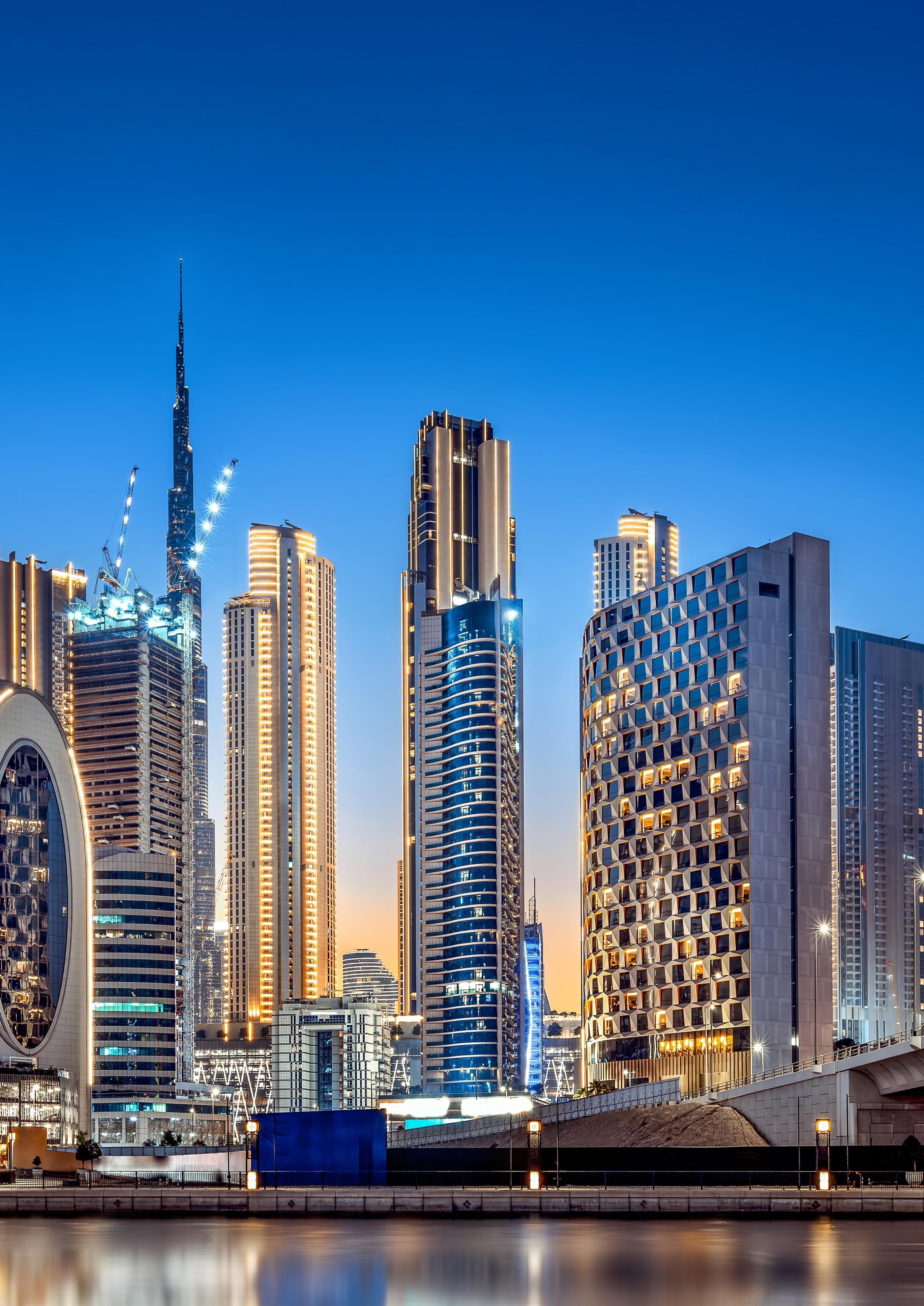

From 13-14 October 2026, Dubai World Trade Centre will be the home of RISE GLOBAL. RISE is a global platform where institutional capital, governments and industry leaders converge to shape the cities of tomorrow. Bringing together international institutional investors, project developers, policymakers, and technology leaders. RISE Global focuses on the strategic forces shaping urban growth, from capital allocation and infrastructure investment to smart cities and megaprojects. www.riseexpo.com
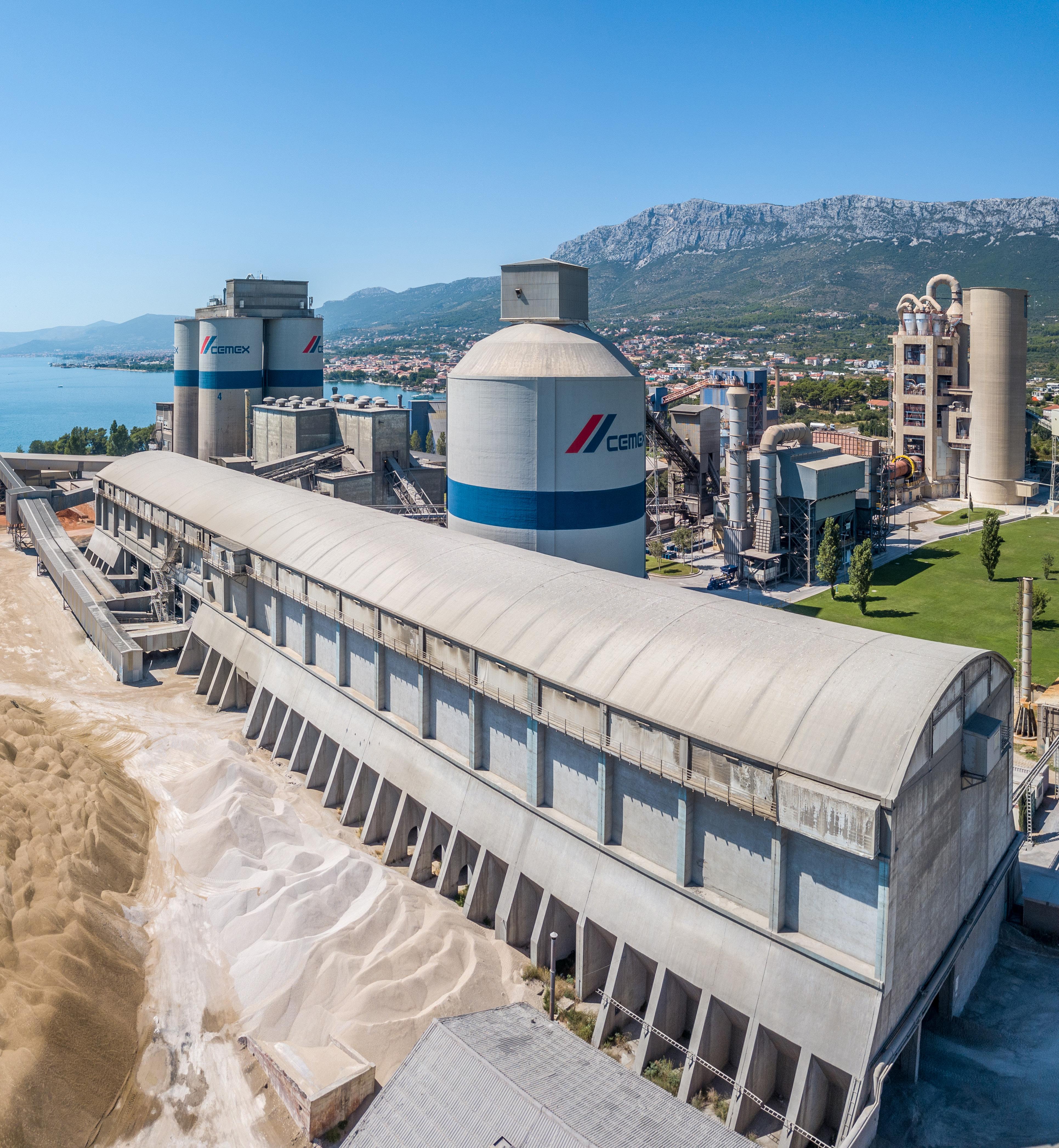


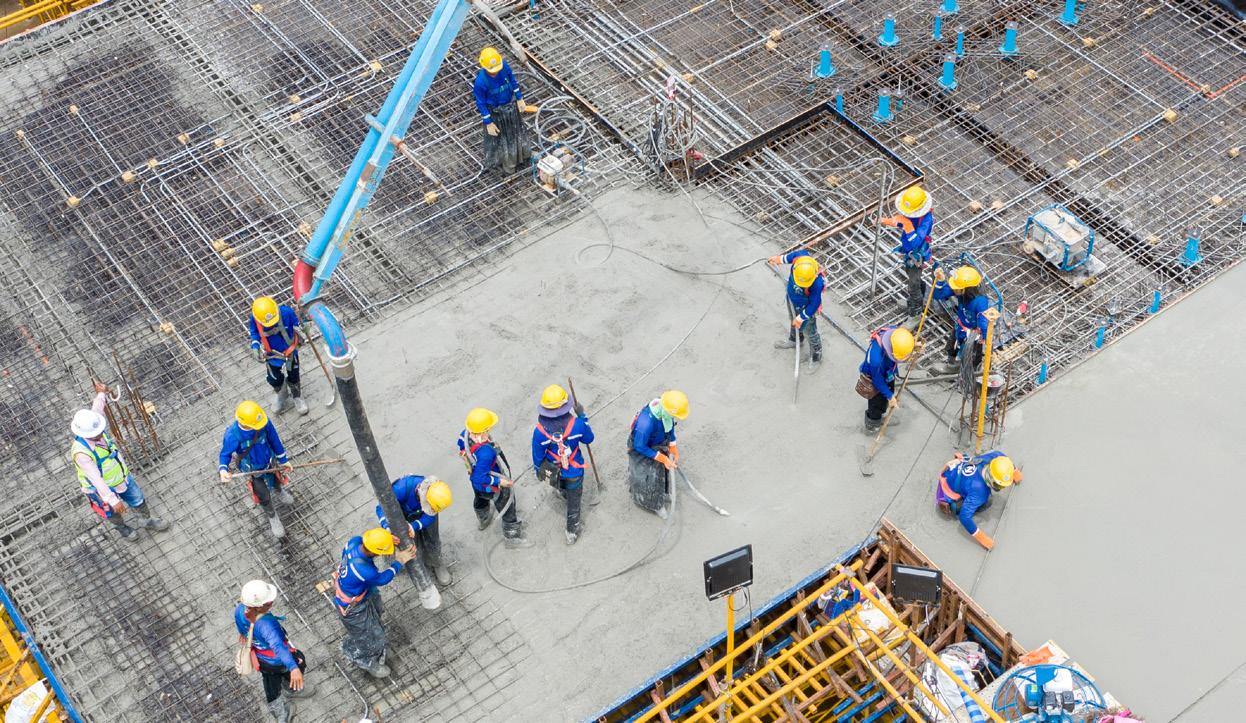
At CEMEX we believe in building, and building a better future for everyone. A future we can be proud to leave to our children, and our grandchildren.
A future where the needs of the built environment are balanced with a firm set of commitments to the natural environment. We strive to build better into everything we do, through better thinking, better solutions, better service and ultimately a better future for everyone. That is why our company vision is to be the best. Building a better future. www.cemex.com
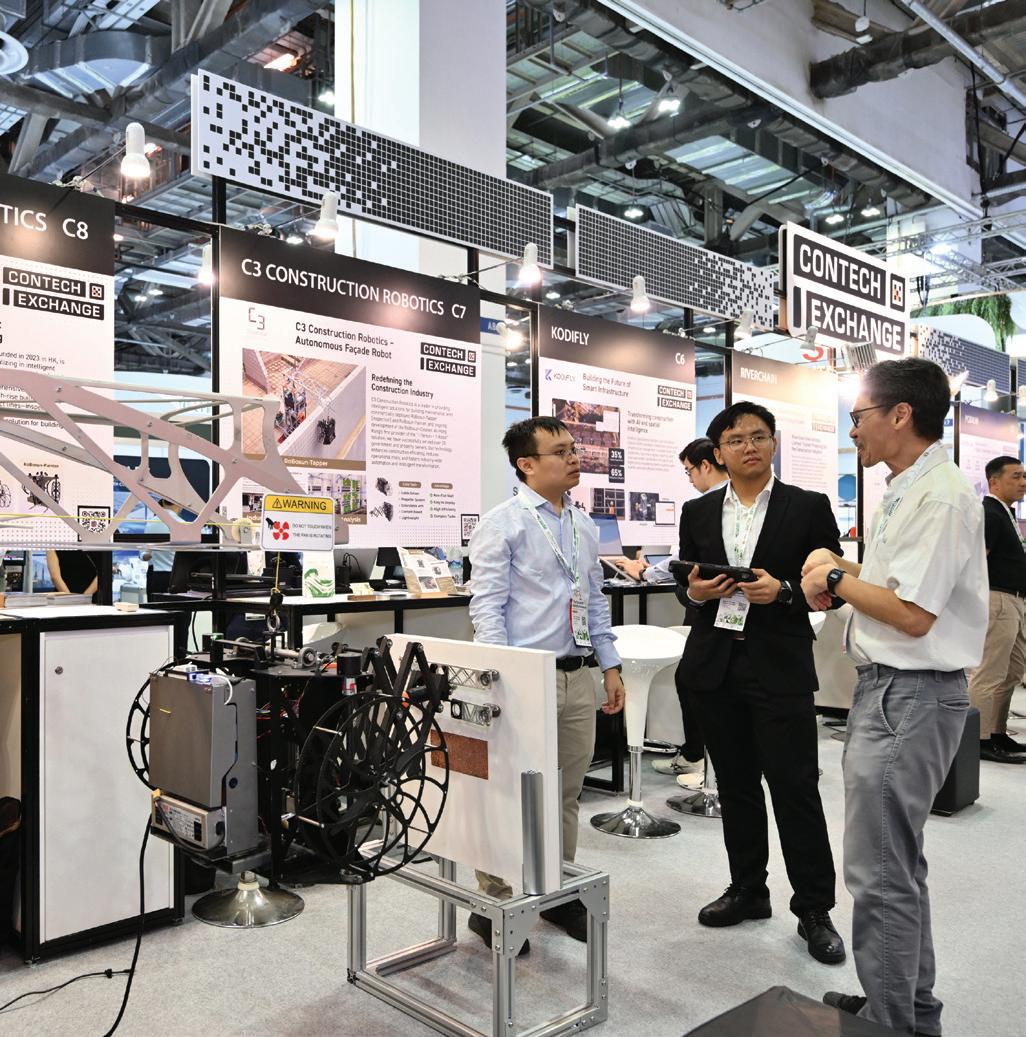
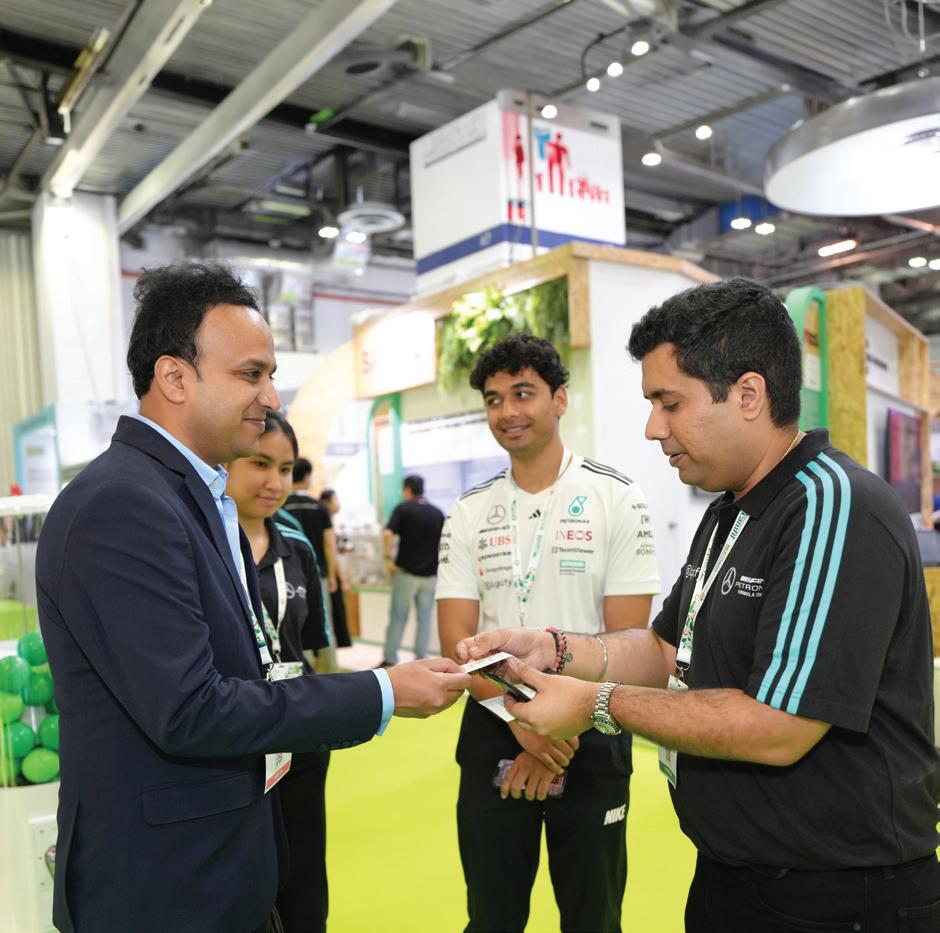



INTERNATIONAL EXPANSION IS HELPING BUSINESSES TO UNLOCK NEW MARKETS, STRENGTHEN RESILIENCE, AND CREATE A LASTING COMPETITIVE ADVANTAGE.
For modern businesses, growth is increasingly an international pursuit. Advances in logistics, digital communication, and transportation have made it easier than ever for companies to operate beyond their domestic markets. At the same time, economic uncertainty, shifting customer demands, and intensifying competition are encouraging organisations to diversify their operations and explore new territories.
The result is a business landscape defined by global ambition. International expansion is no longer simply about selling products overseas; it is about building resilience, accessing new talent, strengthening supply chains, and positioning
organisations closer to the customers they serve. Businesses that successfully embrace international opportunities often find themselves better equipped to innovate, adapt, and grow.
Few companies illustrate this trend more effectively than our cover feature, BEO Trekwerk.

Operating within a specialist sector, the company has demonstrated the value of looking beyond traditional boundaries. As infrastructure, construction, and engineering projects become increasingly interconnected, businesses are finding opportunities far beyond their home markets. Expertise that was once delivered locally can now be applied internationally, creating new avenues for growth.
For companies like BEO Trekwerk, international expansion is not simply about entering new markets; it is about building relationships, establishing trust, and developing a reputation that transcends geographical borders. Success requires adaptability, technical excellence, and a willingness to understand the unique requirements of different regions.
These qualities are becoming increasingly important across the wider business community.
Growing internationally often exposes organisations to new challenges, but it also creates opportunities to learn. Different markets bring different customer expectations, regulatory environments, and competitive pressures. Businesses that successfully navigate these complexities frequently emerge stronger, more innovative, and more resilient.
The relationship between international growth and innovation is particularly evident in manufacturing and automation.
Piab Group has built a global reputation through its vacuum automation, gripping, and material handling solutions. Serving industries ranging from food production and pharmaceuticals to logistics and advanced manufacturing, the company operates in markets across the world.
Such international reach provides more than commercial opportunity. It allows Piab to work alongside customers facing a diverse range of operational challenges. Insights gained in one market can often influence product development in another, creating a continuous cycle of innovation.
As automation becomes increasingly important to global industry, businesses that maintain a presence across multiple regions are often best positioned to identify emerging trends and respond quickly to changing customer needs.
Healthcare provides another compelling example of the benefits of internationalisation.
Sanner Group specialises in healthcare packaging and drug delivery solutions, serving customers within a highly regulated and globally connected
industry. Pharmaceutical products routinely move between countries before reaching end users, making international collaboration essential.
Operating across multiple regions allows Sanner Group to remain close to customers while navigating complex regulatory frameworks. This proximity supports both efficiency and innovation, enabling the company to respond to evolving healthcare demands around the world.
In sectors where quality and compliance are paramount, international presence can become a significant competitive advantage.
The benefits of global growth are not limited to industrial and healthcare businesses. Consumer brands are also increasingly looking beyond their home markets in pursuit of expansion.
Black Sheep Coffee offers a clear example. Having established itself as a disruptive force within the coffee sector, the company has pursued ambitious growth through new locations and international expansion. Its success reflects a broader trend among consumer-facing businesses seeking to build globally recognised brands.
Yet international growth in the consumer sector requires more than replication. Preferences, habits, and expectations can vary significantly between markets. Businesses must be willing to adapt while preserving
the core qualities that made them successful in the first place. Those that achieve this balance can unlock substantial opportunities for growth.
Specialist engineering companies are benefiting from increasing international demand. Gas Turbine Services operates within a highly technical field, providing expertise that supports critical energy infrastructure. As countries continue to invest in energy security and industrial development, demand for specialist engineering capabilities remains strong.
International expansion enables companies like Gas Turbine Services to apply their expertise across a broader range of projects and operating environments. In doing so, they gain valuable experience while building more diverse and resilient customer bases.
This exchange of knowledge is one of the most important advantages of global business. Every market presents unique challenges. Businesses that operate internationally are exposed to different technologies, processes, and perspectives. Lessons learned in one region can often inform improvements elsewhere, accelerating development and strengthening overall performance.
STEER World demonstrates this principle particularly well.
The company's advanced materials processing and extrusion technologies serve customers across numerous industries and geographies. By working with manufacturers in different markets, STEER World gains insight into evolving industrial requirements and emerging technological trends.
Such exposure helps drive continuous innovation. Rather than developing solutions for a single market, globally active businesses can draw upon a much wider pool of knowledge and experience.
This increasingly interconnected approach to innovation is shaping the future of business.
Globalisation benefits extend beyond organisations themselves. International expansion creates employment, encourages investment, and supports the development of stronger supply chains. It facilitates collaboration between regions and enables expertise to move more freely across borders.
At the same time, it helps businesses manage risk. Organisations operating across multiple markets are often less dependent on the economic
conditions of any single country. Diversification can provide stability during periods of uncertainty while creating additional opportunities for longterm growth.
Of course, international success is rarely achieved overnight.
Entering new markets requires careful planning, cultural understanding, and sustained commitment. Businesses must navigate unfamiliar regulations, establish local relationships, and adapt to different ways of working. The process can be complex, but the rewards are often significant.
From BEO Trekwerk's expanding reach to Black Sheep Coffee's ambitious brand development, international expansion is about far more than geography – it is a strategy for growth, innovation, and resilience.
In a connected world, the most exciting opportunities are often found beyond familiar horizons.

"THE BENEFITS OF GLOBAL GROWTH ARE NOT LIMITED TO INDUSTRIAL AND HEALTHCARE BUSINESSES. CONSUMER BRANDS ARE ALSO INCREASINGLY LOOKING BEYOND THEIR HOME MARKETS IN PURSUIT OF EXPANSION."
BEHIND EVERY SEAMLESS PERFORMANCE, BEO TREKWERK KEEPS THEATRE MOVING SAFELY AND PRECISELY.
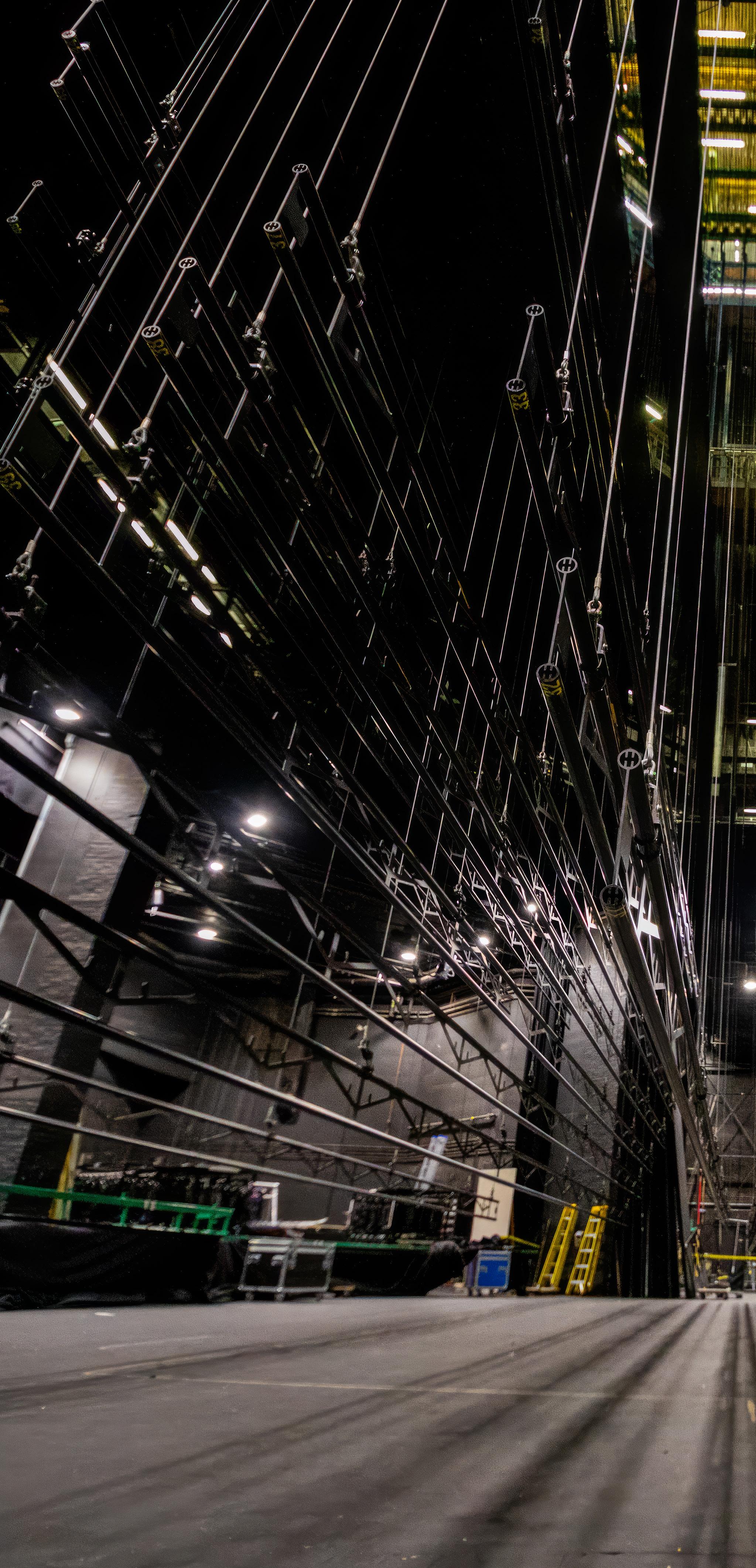
Theatre audiences rarely think about what happens above, or even under, the stage. Instead, they simply see scenery glide into place, performers appear from nowhere, and entire sets transform in seconds. Hidden from view, however, sits an intricate network of motors, control systems and automation technology powerful enough to lift entire stage environments with pinpoint accuracy.
Dutch specialist BEO Trekwerk has been invisibly engineering spectacular performances since 1986. Part of the wider BEO Group, the family-owned company designs, engineers, installs and maintains theatre automation systems for theatres, opera houses and cultural venues across the world. From fly bars and revolving stages to performer lifts and advanced motion control systems, the business delivers the technology that allows productions to operate safely and creatively.
“When you’re part of a theatre audience, the stage looks a lot smaller than it really is,” explains Managing Director Nina Brackman. “It is only when you stand onstage that you can see a whole world at work behind the scenes.”
Nina references the Barbican Centre in London as a striking example of the complexity
hidden behind the curtain.
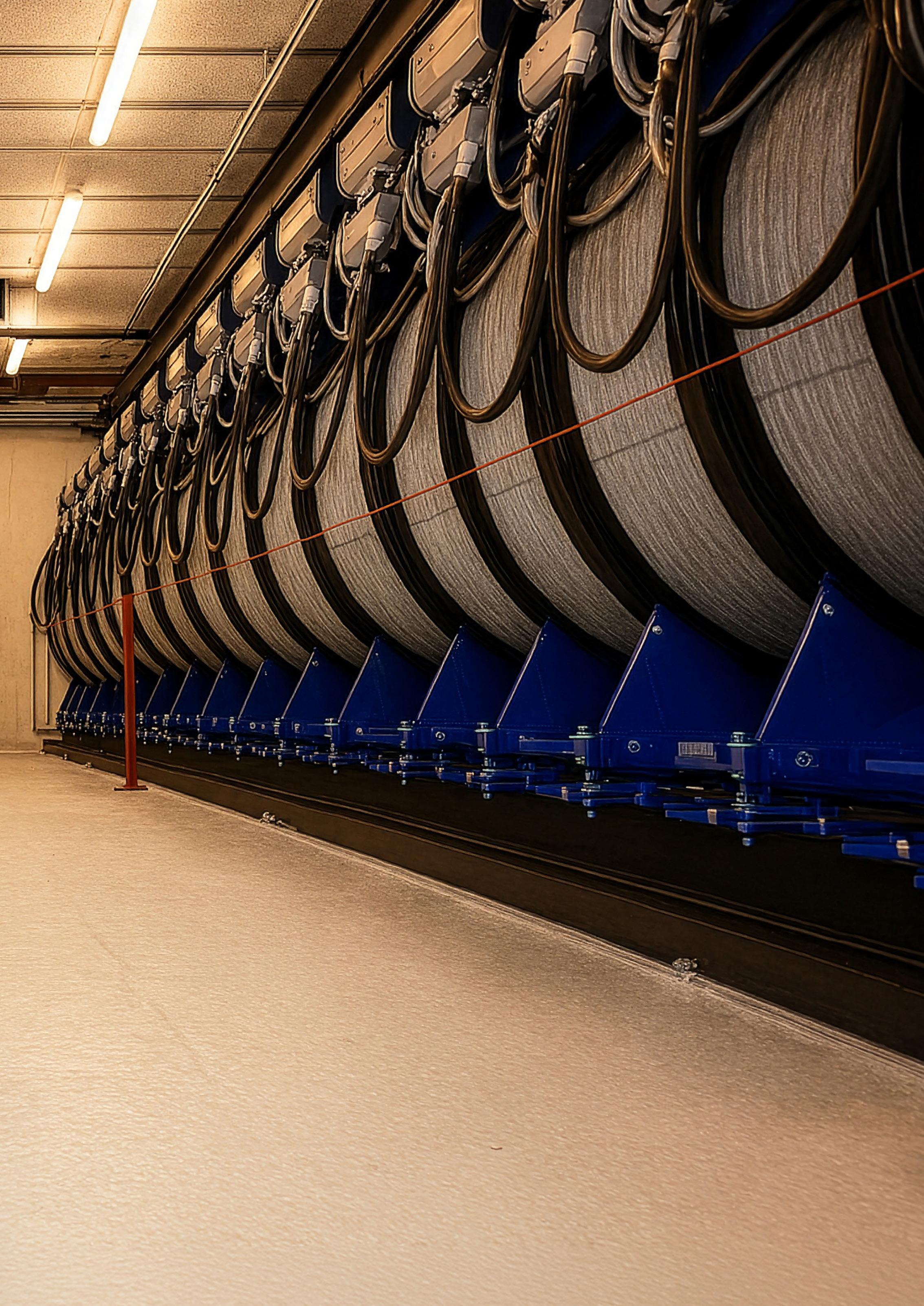
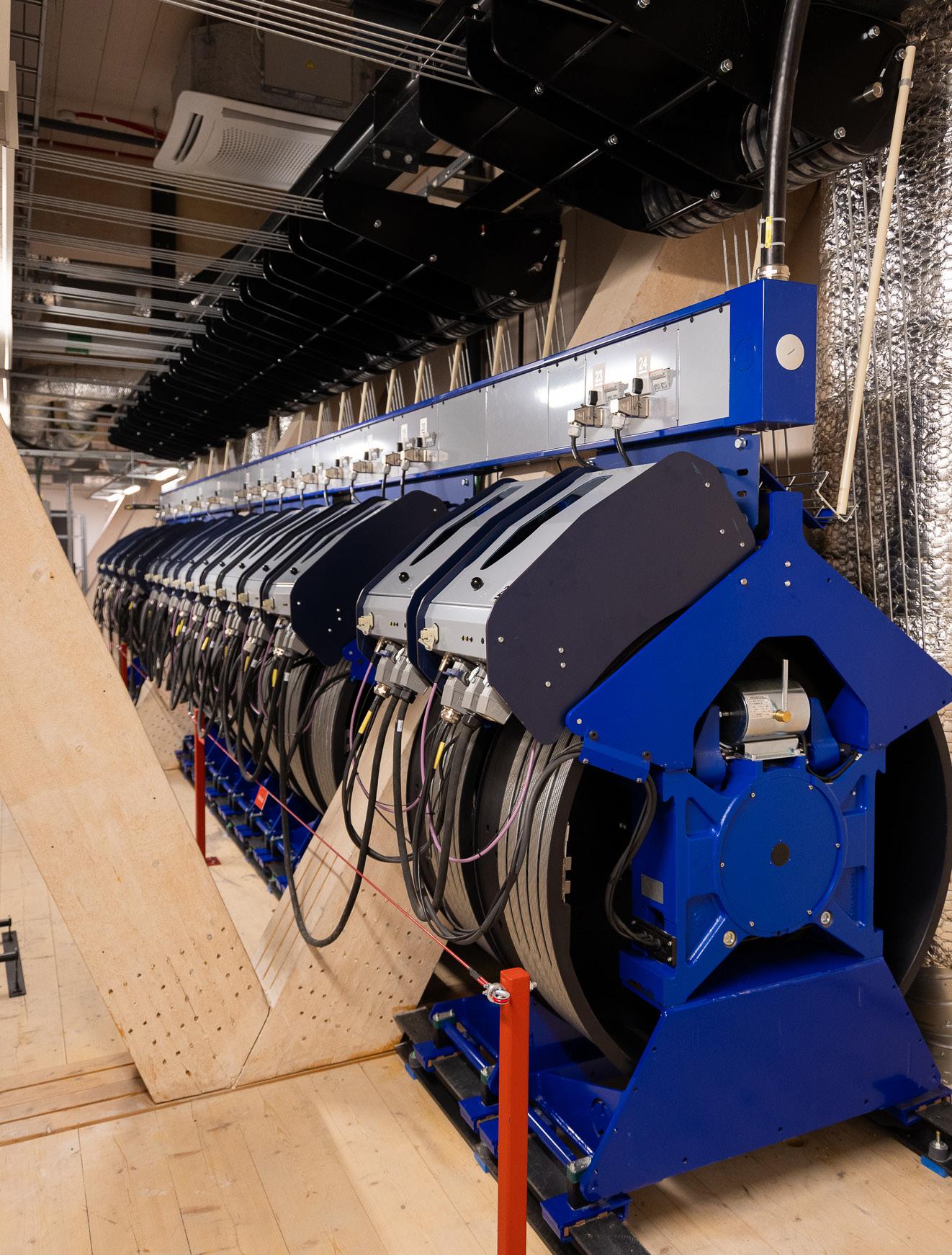
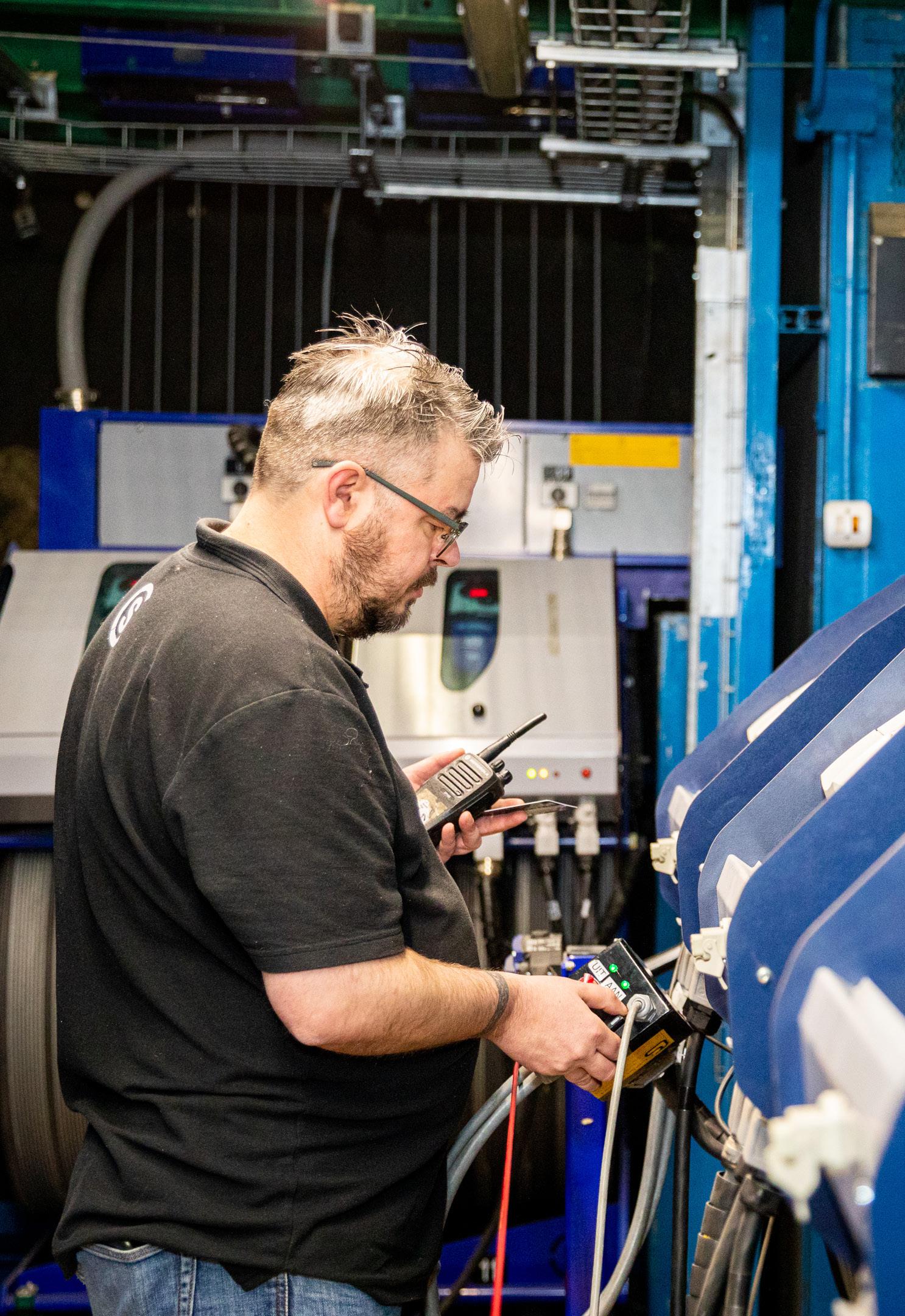
Inside many theatres, dozens of motors are stacked high above the stage grid, each capable of lifting immense loads with absolute precision.
“Many of these motors have the strength of a 14-person elevator,” she points out.
“Depending on the size of the theatre, there could be over 100 motors in place”
That level of capability comes with equally demanding safety requirements. Systems routinely move heavy scenery and performers directly above people’s heads, making reliability critical.
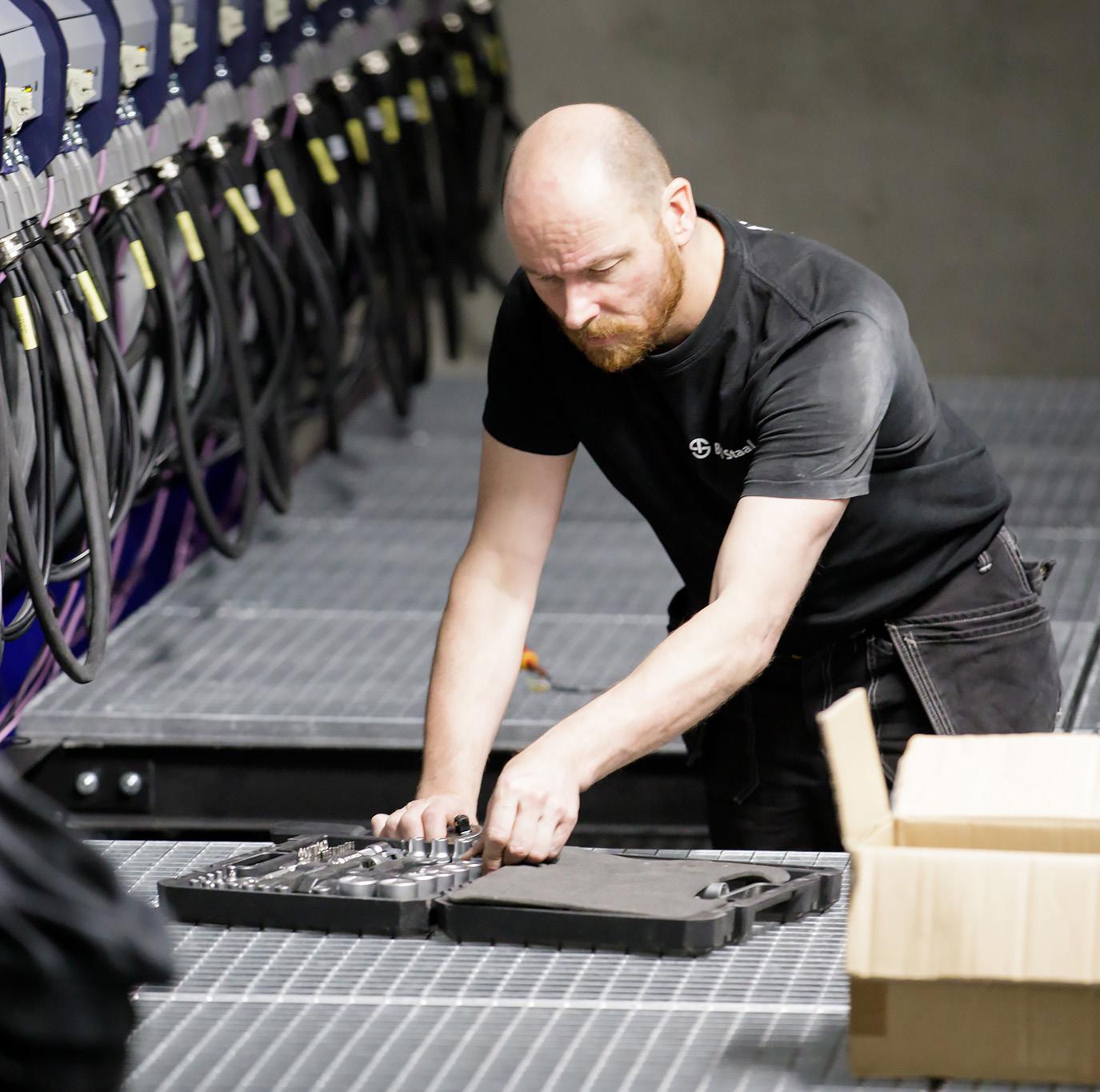
“We’ve got really high safety demands,” Nina declares. “It is our duty to make sure that noone gets hurt.”
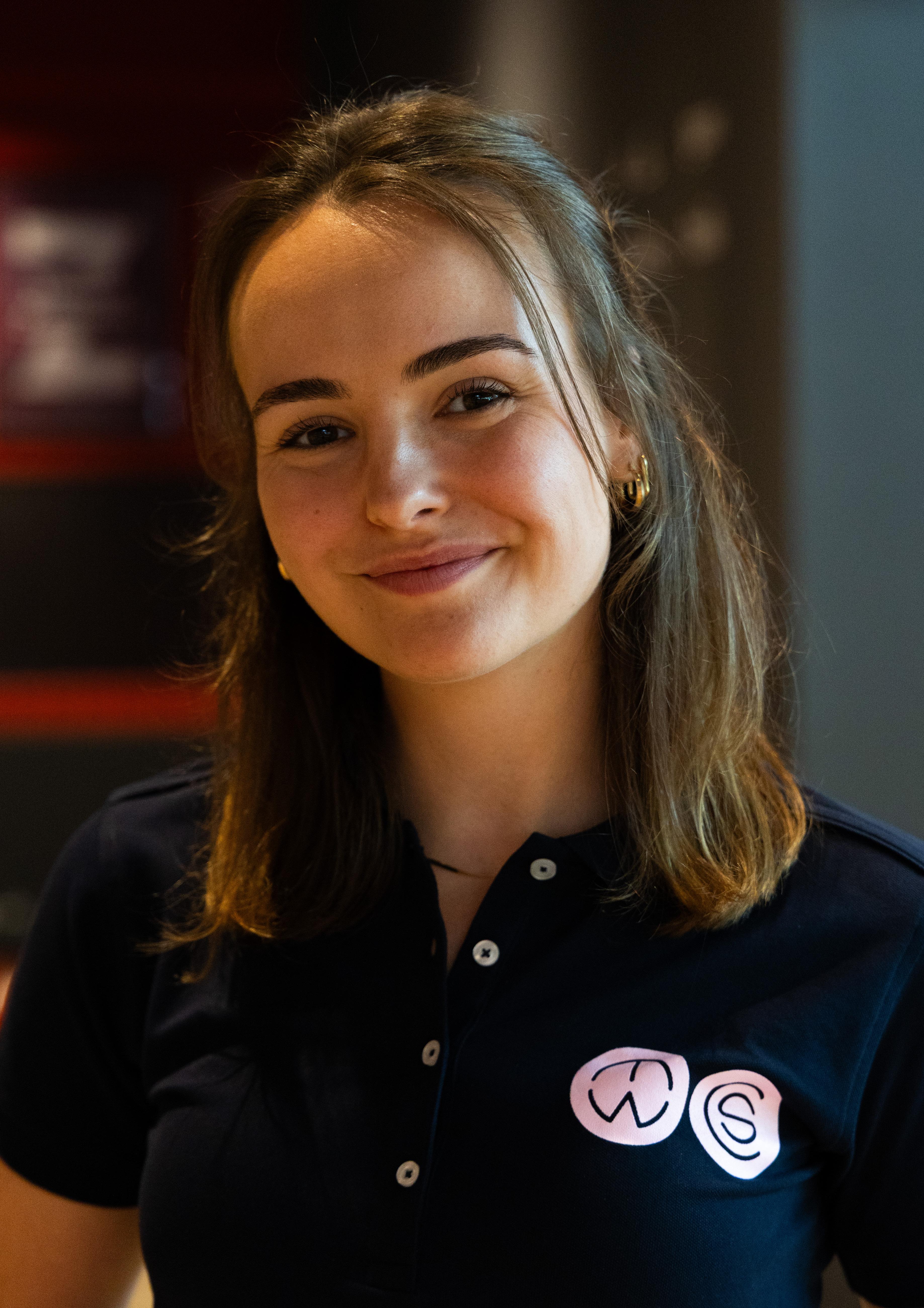
Nina Brackman, Managing Director, BEO Trekwerk.

An open communication architecture with modular flexibility empowers you to shape fully connected systems without compromise.
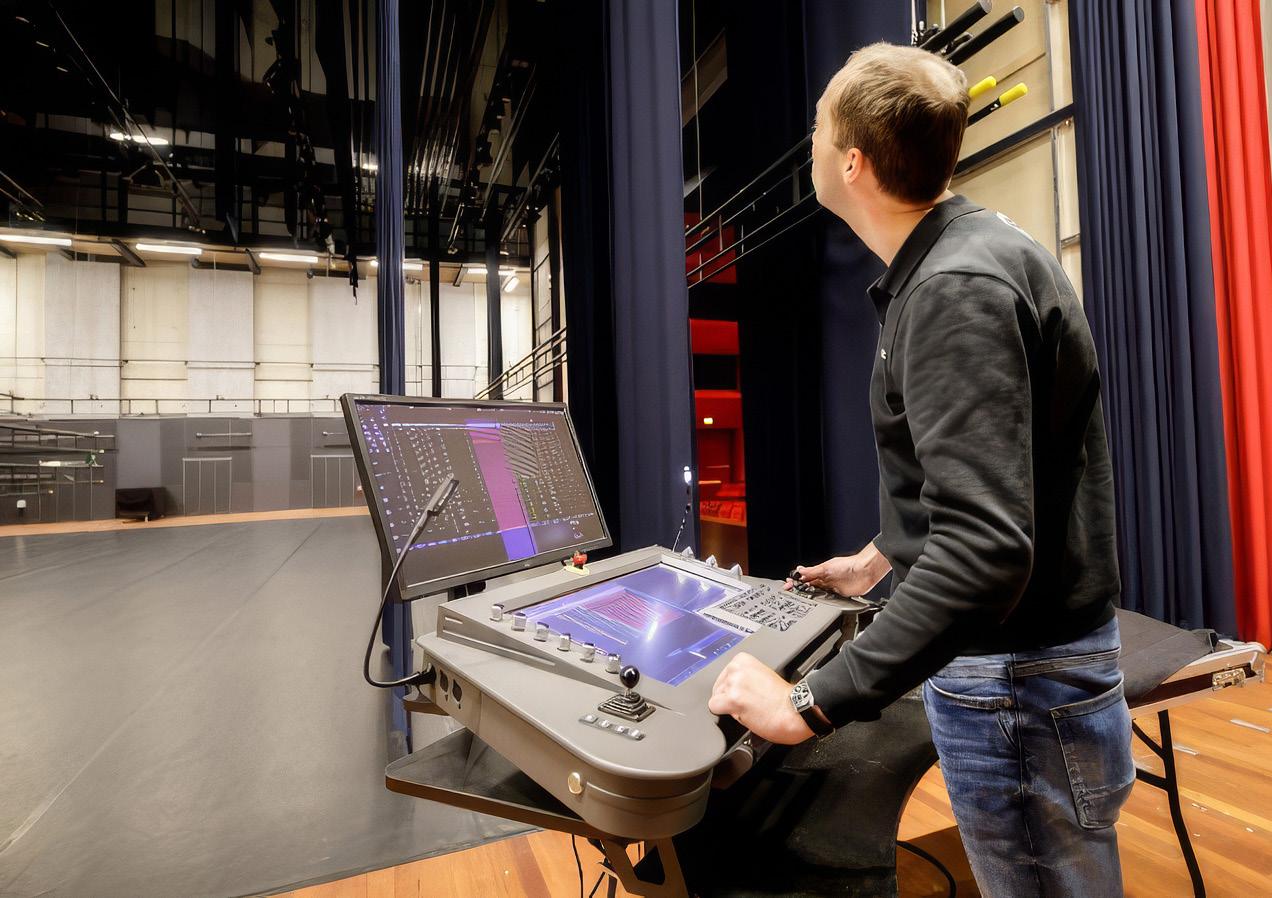
At the heart of it, the Unidrive M, Nidec Drives high-performance AC frequency drive, controls the BEO Trekwerk’s SynchroDisk, delivering safe, precision-controlled hoisting of lighting, stage sets, and even performers.
Working together, they create an unforgettable theatre experience for you. Invisible to the audience, essential to the magic.
Global reach, local expertise.

Behind almost every movement in modern life—whether visible or unseen— there is a technology quietly enabling progress. From the motors that power everyday appliances to complex industrial systems driving global production, motion is fundamental to how the world works. At the centre of this dynamic landscape stands Nidec, a global leader in motion control, and within it, Nidec Drives—a business dedicated to transforming how machines move, perform, and deliver value.
Founded in 1973, Nidec has grown into the world’s leading comprehensive motor manufacturer, employing over 100,000 people worldwide. Its technologies underpin countless applications across industries, from automotive and aerospace to consumer electronics and industrial automation. This breadth of expertise provides the foundation for Nidec Drives (manufacturer of Control Techniques drives), where innovation in motion control meets real-world application.
Nidec Drives is not simply about enabling motion—it is about improving it. At its core, the business focuses on delivering smarter machinery automation, more efficient HVAC systems, and advanced material handling solutions. The aim is clear: to help customers achieve greater performance, flexibility, and sustainability through intelligent drive technology.
Drives play a critical role in controlling the speed, torque, and efficiency of electric motors. In practical terms, this means enabling machines to operate with precision rather than at constant full speed. The result is a significant reduction in energy consumption, improved system performance, and enhanced equipment longevity. In an era defined by rising energy costs and tightening environmental regulations, these benefits are not just incremental—they are transformative.
For example, in HVAC systems, variable speed drives allow fans, pumps, and compressors to operate only at the level required, rather than full capacity.
This simple shift has a profound impact: reducing airflow by half can cut energy consumption by more than 80%. Across large facilities or infrastructure projects, the cumulative savings are substantial, both financially and environmentally.
What distinguishes Nidec Drives is its approach to customer collaboration.
Rather than delivering off-the-shelf products alone, the company works closely with customers to co-create solutions tailored to specific applications.
This customer engineering mindset ensures that each solution aligns with operational needs, performance targets, and system requirements.
This partnership extends across the entire lifecycle—from design and integration through to commissioning and ongoing support. With a global network of expertise, customers benefit not only from advanced technology but also from local knowledge and rapid response capability.
Reliability remains a cornerstone of this relationship. With millions of drives installed worldwide and trusted by leading OEMs, Nidec Drives has built a reputation for delivering robust, dependable solutions. This reliability translates directly into reduced downtime, lower maintenance costs, and greater operational confidence.
Scale is a defining strength of Nidec Drives, but it is the strategic deployment of that scale that sets it apart. With research and development hubs and manufacturing sites located across key regions—including China, Europe, Asia Pacific, and the Americas—the company is positioned to innovate and deliver wherever customers operate.
Each year, more than one million drives are produced and distributed through an extensive network of drive centres and partners spanning over 70 countries. This global infrastructure ensures consistent quality, rapid availability, and close proximity to customers—critical factors in industries where downtime cannot be tolerated.
Importantly, consistency is maintained across all operations. Standardised processes, shared technologies, and aligned manufacturing practices mean that customers receive the same high-quality product and performance regardless of where it is produced or deployed. At the same time, the organisation retains the flexibility to adapt to local requirements and respond quickly to changing conditions.
Sustainability is no longer a choice—it is a necessity. For Nidec Drives, it is embedded into every aspect of design and operation. The core contribution of drives to sustainability lies in energy efficiency. By optimising motor performance and eliminating unnecessary energy consumption, drives enable significant reductions in carbon emissions.
However, the approach goes further. Products are engineered for durability and longevity, reducing the need for replacement and minimising waste over their lifecycle. Manufacturing processes align with global environmental standards, while efforts to reduce non-recyclable materials in packaging reflect a broader commitment to responsible production.
For customers, this translates into tangible benefits. Improved energy efficiency helps meet sustainability targets, while enhanced reliability and longer equipment life contribute to lower total cost of ownership. Crucially, these gains are achieved without compromising performance—demonstrating that sustainability and productivity can go hand in hand.
Innovation has been a defining characteristic of Nidec Drives throughout its history. The company has pioneered numerous industry firsts, from the earliest digital DC drives to advanced AC drive technologies and integrated communication capabilities. Each breakthrough has been driven by a clear objective: to solve real-world challenges.
Today, that innovation continues to focus on simplifying integration, enhancing control, and improving safety. Modern drive solutions incorporate embedded intelligence, enabling machines to adapt dynamically to changing conditions. This results in more precise control, improved efficiency, and reduced operational complexity.
Scalable motion solutions exemplify this approach. Whether a customer requires a simple single-axis system or a complex multi-axis configuration, drives can be deployed flexibly to meet the need. Decentralised control architectures reduce the reliance on additional hardware, lowering costs and simplifying system design.
Integration is seamless, with compatibility across a wide range of industrial protocols and platforms. This ensures that drive technology can be deployed within existing systems without disruption, while supporting future expansion and innovation.
ENABLING PERFORMANCE ACROSS INDUSTRIES
The versatility of Nidec Drives solutions is evident across a wide range of applications. In HVAC and flow systems, drives deliver precise control, energy efficiency, and seamless integration with building management systems. In warehouse and logistics environments, they enable speed, accuracy, and reliability across conveyors, sorters, and automated storage systems.
In packaging automation, where precision and cycle speed are critical, drives ensure consistent performance and adaptability, even during rapid changeovers. Across machinery automation more broadly—including sectors such as food and beverage, rubber and plastics, and elevator systems—drives provide the control and resilience required to meet demanding operational conditions.
In each case, the benefits are clear: improved productivity, reduced energy consumption, enhanced reliability, and greater control. By addressing the specific challenges of each application, Nidec Drives ensures that its solutions deliver measurable value.
DRIVING THE FUTURE OF MOTION
As industries evolve, the demands placed on machinery and systems will only increase. Greater efficiency, higher performance, and improved sustainability will remain central priorities. In this context, the role of drive technology becomes even more critical.
Nidec Drives is well positioned to meet these challenges. With a strong foundation of engineering expertise, a commitment to innovation, and a global network that combines scale with agility, the company continues to push the boundaries of what motion control can achieve.
Ultimately, Nidec Drives is not just about keeping the world in motion—it is about driving it forward. Through intelligent, efficient, and reliable solutions, it is helping customers build systems that are not only more productive, but also more sustainable and future-ready.
www.nidec-netherlands.nl
Supported by sister companies under the BEO Group umbrella, Trekwerk leads project delivery, engineering, and research and development. Meanwhile, BEO Staal handles in-house steel production, BEO Nardo focuses on specialist show effects and temporary installations, and CueSupport delivers maintenance and 24hour support services. The latter allows clients in urgent situations to speak immediately to technical specialists who understand the operational pressure of live performance environments.
“Clients consistently value our fast, personal, and solutionoriented response during critical situations where ‘the show must go on’,” Nina says.
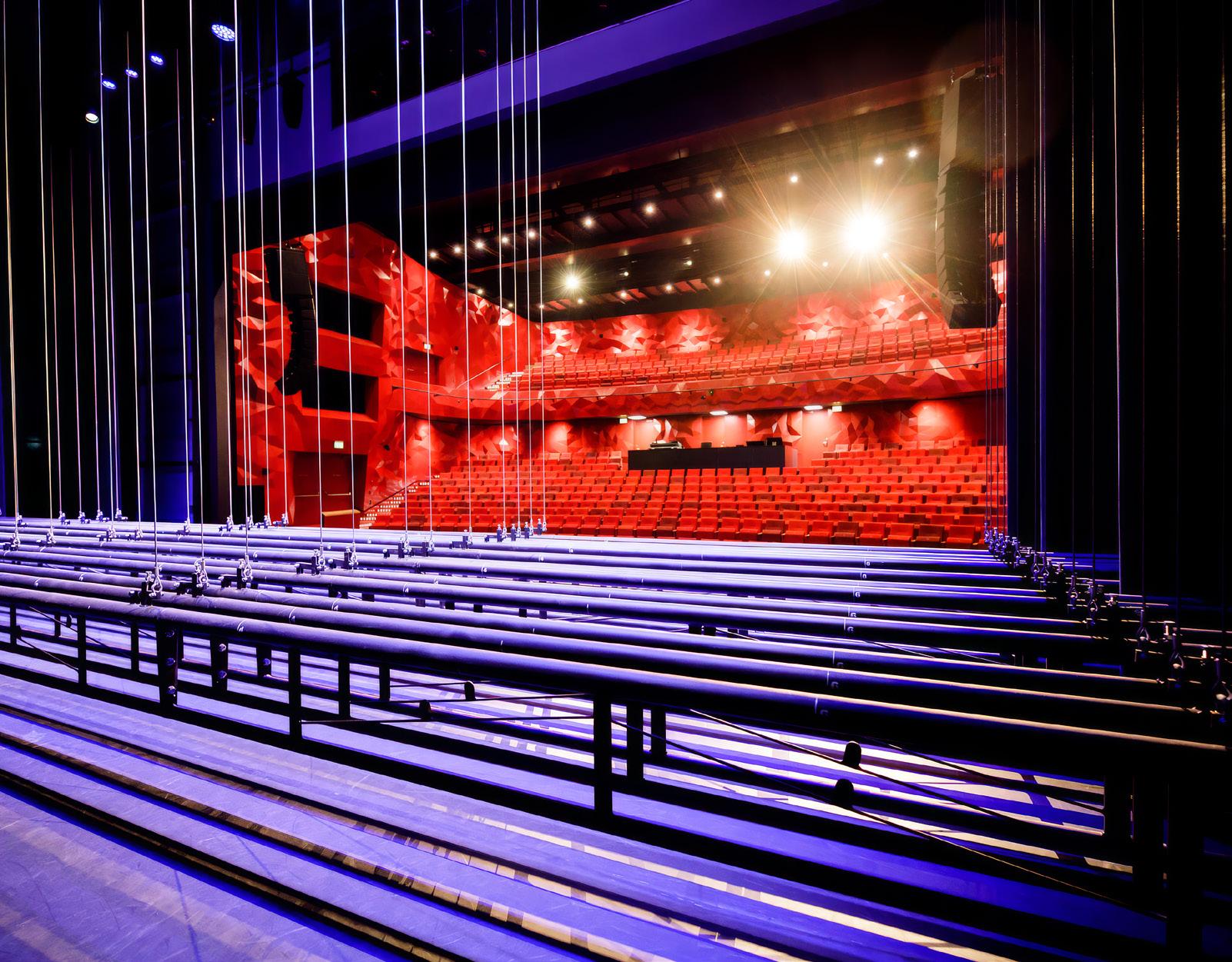
Together, BEO Group companies combine to manage highly customised projects from concept through to long-term operation.
“What defines us is our unique combination of technical expertise and long-term partnerships,” Nina states.
“Relationships sit at the centre of our approach.
“Theatre automation projects are rarely shortterm undertakings and, once installed, systems can remain in place for decades. This calls for continuous collaboration between supplier, venue, and technical teams. We usually have a relationship with a theatre for 15, 25, 30, or even 50 years.”
Trekwerk’s long-term thinking shapes how the business operates internally and externally. Transparency, accessibility and problemsolving are all prioritised heavily, particularly when projects become challenging.
“In Dutch we have a saying: trust arrives on foot and leaves on horseback,” Nina reveals. “You have to make sure your clients and partners can rely on you.”
This collaborative mindset extends into supplier relationships too. Nina highlights long-term partnerships with companies including Gala Systems and Nidec Netherlands, where engineering teams regularly challenge each other to develop more innovative and sustainable solutions.
“Almost all our projects are highly specific to the venue, the artistic vision, and the operational requirements,” Nina remarks. “Standard solutions are just not fit for purpose. We really value partners who are willing to think outside the box with us and challenge conventional solutions to achieve the best possible result for the client.”
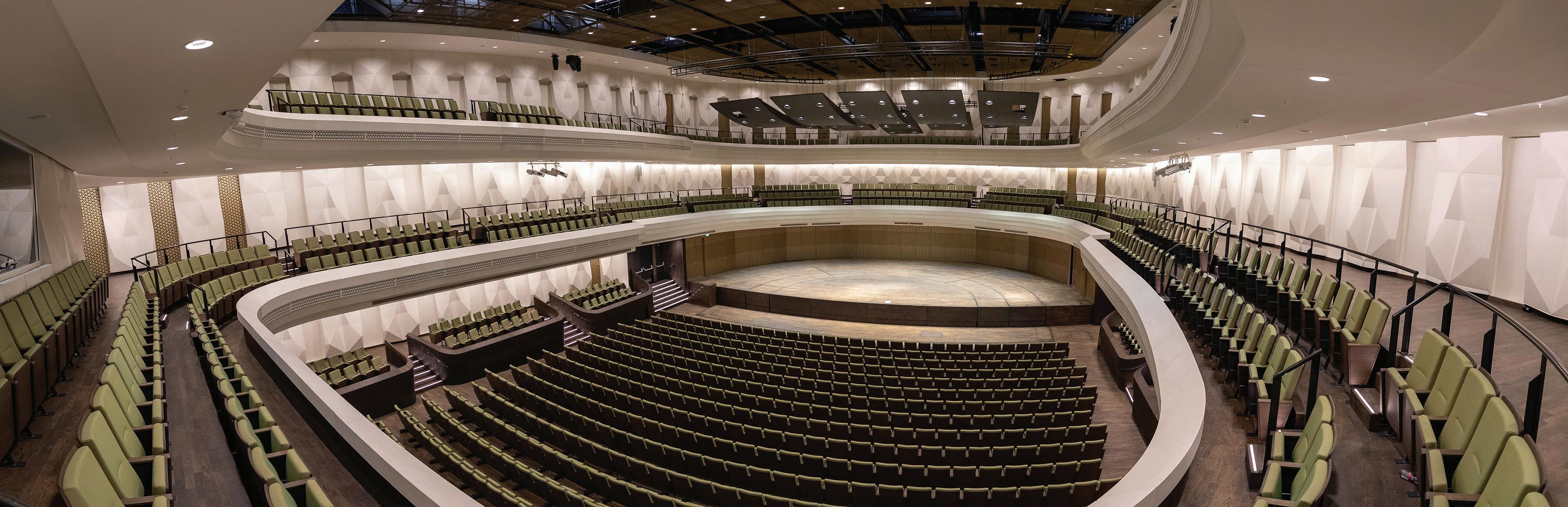
Among the company’s most memorable projects has been work at Internationaal
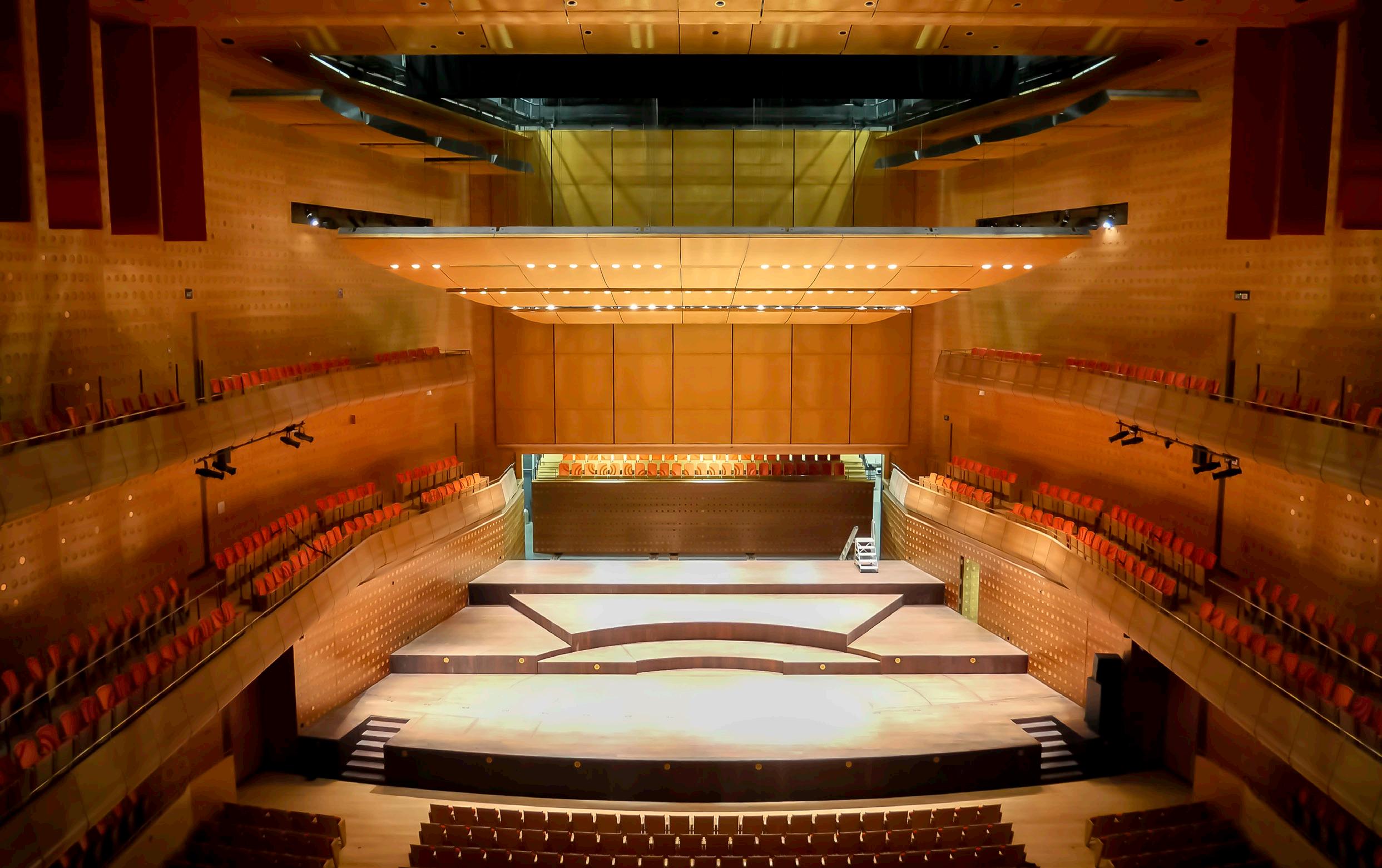
Theater Amsterdam, a technically demanding heritage venue combining historical architecture with modern automation technology.
“You want to preserve the character and the history of the building,” Nina asserts, “but you also need to integrate modern stage technology and meet current safety standards.
“Working within older theatres often presents spatial limitations because the original buildings were never designed for largescale automation systems.
Achieving modern functionality in these spaces is not just an engineering challenge, but also about respecting the artistic and architectural identity of the venue.”
Another key project for Trekwerk took place at Sara Kulturhus in northern Sweden, one of the world’s tallest timber cultural buildings. Combining theatre spaces, cultural facilities, and a hotel, within a vast wooden structure, the project pushed boundaries in both sustainability and technical design.
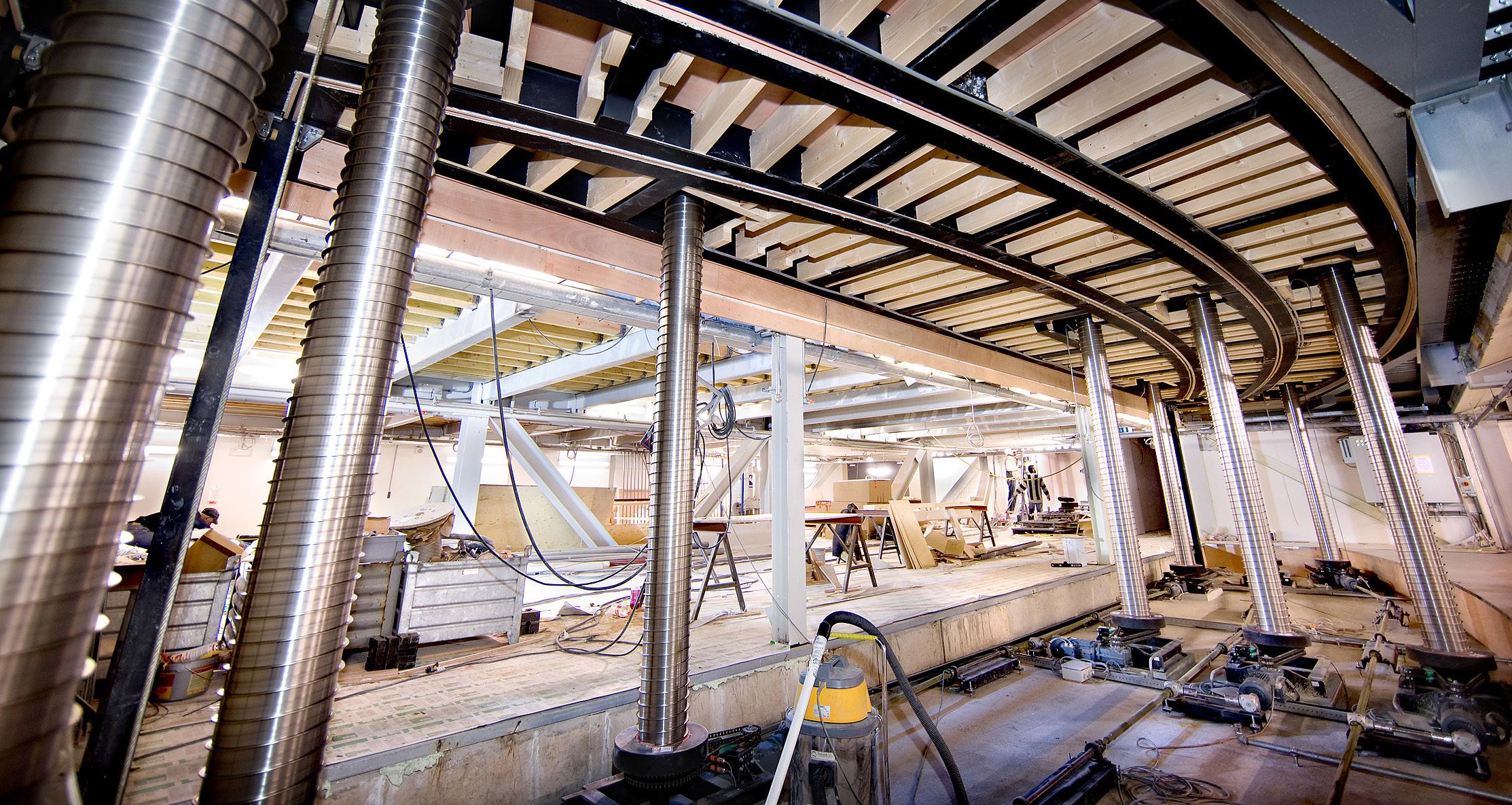
“Theatres are no longer isolated entertainment spaces,” Nina says. “Sara Kulturhus is an example of a growing number of projects demanding the utmost operational flexibility from us.”
Technology trends are also reshaping the wider industry. Productions now demand increasingly integrated systems combining stage automation with advanced audiovisual technologies, video mapping, and digital show control.
“The world is always looking for that wow factor,” says Nina. “In some circles – though it’s never been my experience
– theatre used to have a reputation for being slower paced, but that is definitely changing.
“Luckily for us, the Dutch theatre market has historically operated ahead of many international counterparts. Limiting the physical strain placed on stage crews accelerated the adoption of automated systems across the Netherlands years before similar developments elsewhere. As a result, technologies that are normal in the Netherlands are still seen as highly innovative in other parts of Europe.”
SMART SOLUTIONS FOR DYNAMIC SPACES
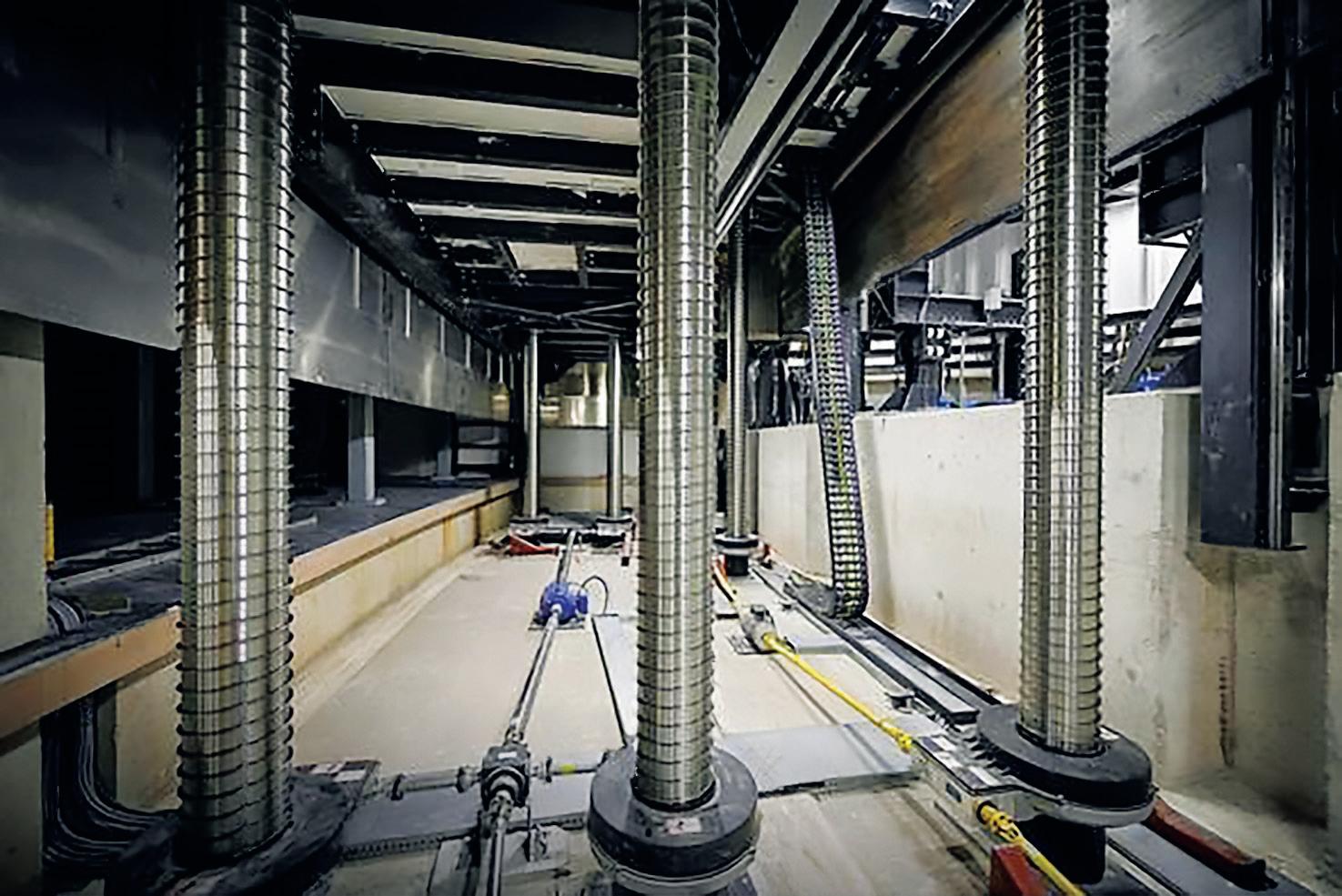
In a world where adaptability has become a defining factor of success, the spaces we design must evolve as quickly as the ideas they host. At Gala Systems, this belief has guided our work, long before “flexibility” became a buzzword, helping organizations create environments that are not only functional, but truly transformative.
At the core of this approach is Spiralift® technology, the proven foundation of our automated lifting systems. Compact by design and engineered for reliability, Spiralift enables smooth, precise movement that maximizes space without compromise. One footprint. Endless possibilities.
But technology is only powerful when it serves a purpose. What truly matters is the ability to support our clients to transform their vision into reality, working closely with trusted partners across more than 30 countries. It is through collaboration and long-term relationships that solutions take shape and deliver lasting value.
Since our founding in 1980, we have contributed to the transformation of over 2,400 venues in more than 70 countries. From stage lifts to multipurpose venues, our systems deliver confidence where it matters most: live environments where performance, safety, and timing are critical; each reflecting a shared ambition to create spaces that adapt, perform, and sustain.
As the industry continues to redefine how people gather, experience, and connect, the demand for future-proof spaces has never been greater. Because transformation is not only about movement. It is about creating the conditions for what comes next, a philosophy reflected in longstanding relationships such as the one we share with Trekwerk.
www.galasystems.com
Alongside technical innovation, clients are placing greater emphasis on lifecycle value, operational continuity, and long-term maintenance support rather than simply selecting the lowest-cost installation.
That evolution is driving organisational development within Trekwerk itself. As international projects grow in scale and complexity, the company is investing heavily in project management, engineering coordination, and internal process improvement.
“The goal is not to replace the entrepreneurial engineering culture the company was built on,” Nina says, “but to strengthen it with greater scalability and predictability as projects become increasingly international and integrated.”
At the same time, maintaining personal relationships remains essential. The company recently introduced an online support ticketing system to improve service efficiency, only to discover clients missed the direct human interaction they valued.
“It improved efficiency, but we also noticed it reduced personal interaction,” Nina reports. “That human connection is going to become even more important in the future.”
“WHAT DEFINES US IS OUR UNIQUE COMBINATION OF TECHNICAL EXPERTISE AND LONG-TERM PARTNERSHIPS.”

For Nina personally, the future of the business carries an additional layer of significance. Originally trained in psychology, she never intended to join the family company.
The turning point came during the Covid-19 pandemic when Nina temporarily joined the organisation to support its marketing activities. Over time, the culture, people, and collaborative spirit have changed her original perspective.
“What intrigued me most was the dedication of the company’s people,” Nina says. “Not just to the business, but to our clients and to theatre itself.”
Today, Nina is helping to shape the next chapter of Trekwerk’s history, while preserving the values that have made the company a long-term success. Her background in psychology now also influences her leadership style, particularly in areas such as communication, change management, and balancing organisational structure with company culture.
“We want to professionalise the business without becoming bureaucratic,” Nina concludes.
“We’re a family business and we want to keep it that way.”
SILVERLANDS TANZANIA IS AN INTEGRATED POULTRY FEED PLATFORM ESTABLISHED AND BUILT TO ADDRESS ONE GOAL: BUILDING THE
The East African protein economy relies on two key ingredients – high quality feed and high quality birds. That is what Silverlands Tanzania offers.
Our business revolves around producing high quality poultry feed and day old chicks to support the poultry farmers across the region,” says Stewart Bradnick, Managing Director of Silverlands Tanzania. “When we came here, that was non-existent. We have played a pioneering role in the poultry value chain.”
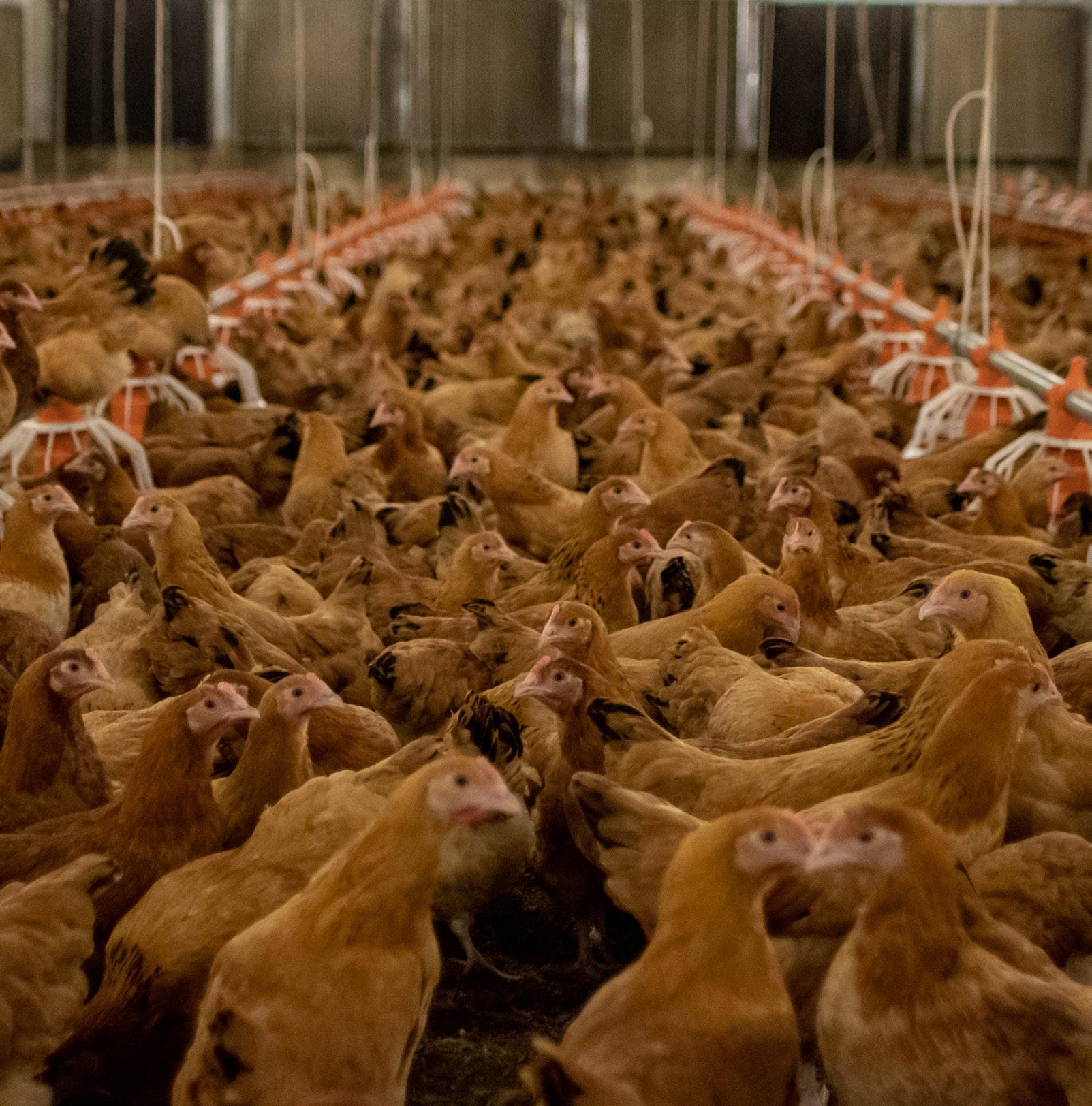
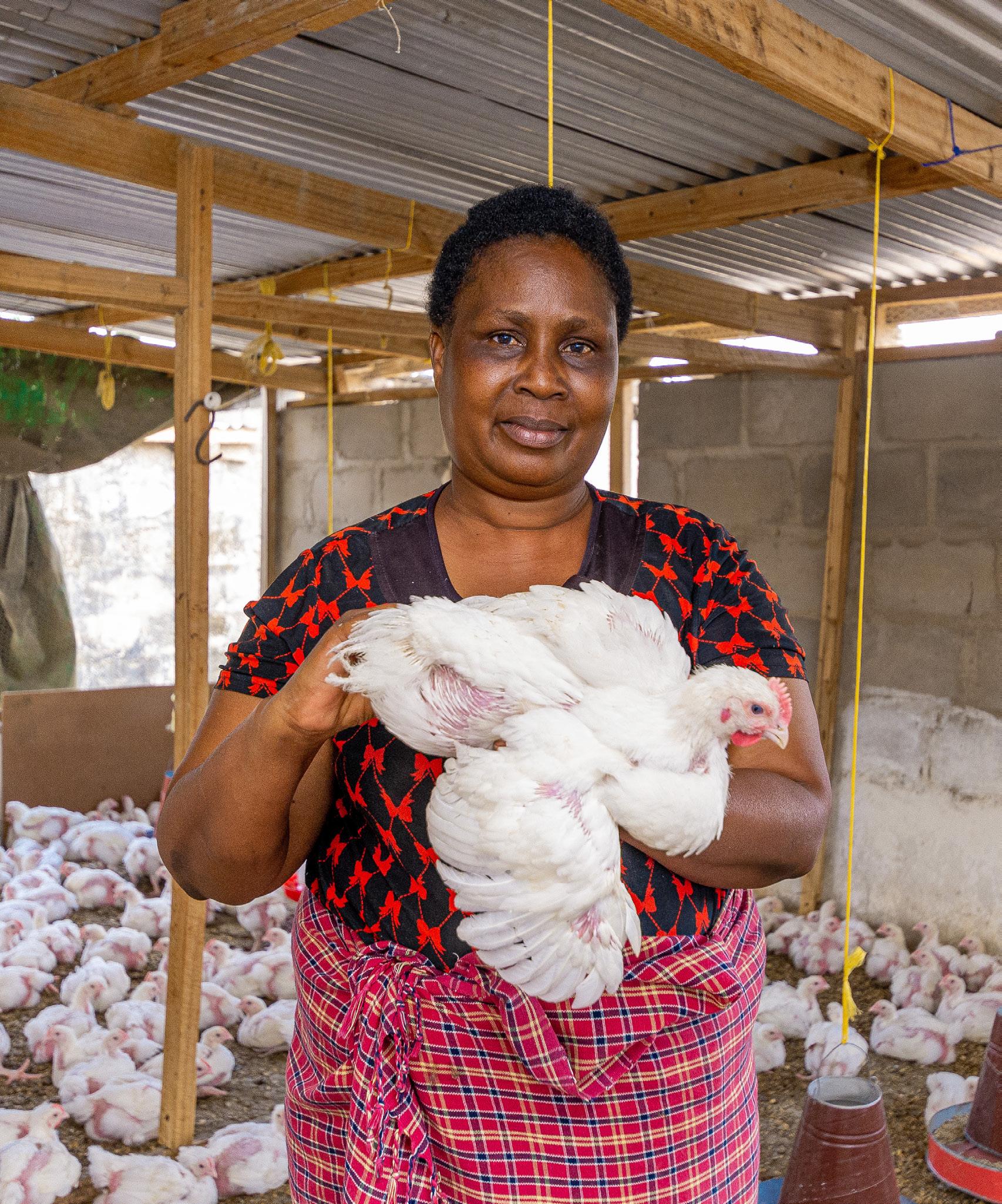
Silverlands Tanzania produces 21 million chicks every year, alongside 72,000 metric tons of feed. The firm has been a trailblazer in the region in multiple ways. It established itself as Tanzania’s first soya processor, and introduced pelleted poultry feed products to the market, helping local farmers grow. Following their example, other feed mills have begun introducing feed pellets as well.
“We connect the feed, genetics, and training for farmers into a complete feed solution,” Bradnick tells us. “The heart of our model is to make farming
more reliable and profitable while increasing consumers’ access to affordable protein.”
The end result is a company that is not just a poultry business, a feed business, or a combination of the two, instead, it is an enabling force for the Tanzanian protein economy. The company’s integrated approach combines feed production, genetics, and diagnostics, with technical support, farmer training, hatchery-level vaccination, storage, and disease control. A full turnkey solution for protein.
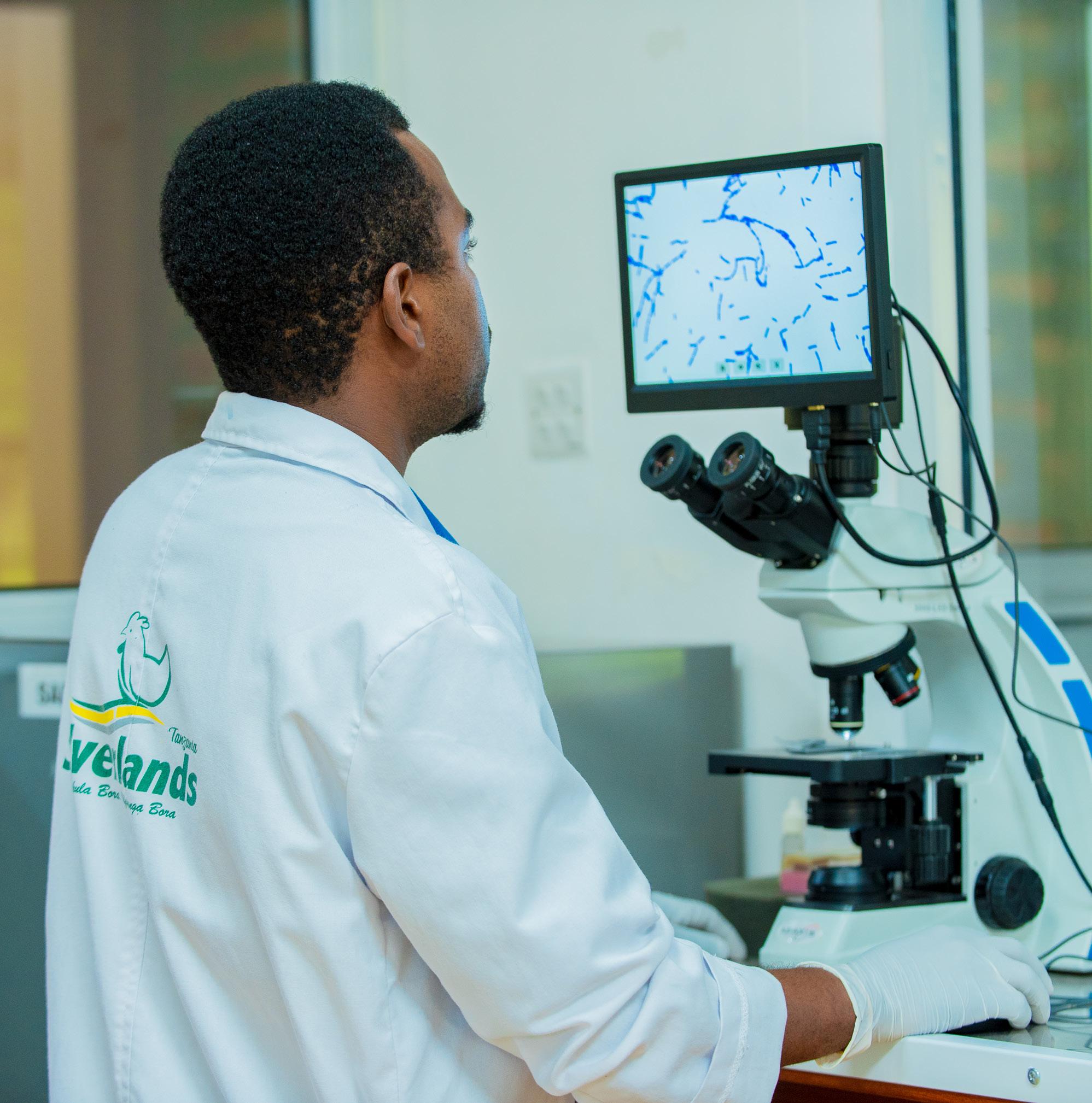
“We do the whole package where our competitors specialise in either chicks or feed,” says Bradnick. “Nobody has integrated as far as we have, including a fully equipped laboratory and training centre.”
Silverlands Tanzania has also brought Tanzanian farmers the dual-purpose SASSO bird. It has a presence in every aspect of
Tanzania’s poultry industry, with a business model that has been specifically geared to serving the smallest rural farmers.
“Vaccination is a problem because of the cold chain needed to transport them to farmers,” Bradnick tells us. “We do hatchery vaccinations with the latest vaccines available, giving those chicks lifelong protection as they go into the market. The farmer doesn’t have to worry about vaccinations, because it has all been covered.”
This is vital for the food chain and the economy, because disease is one of the biggest challenges facing Tanzania’s protein economy.
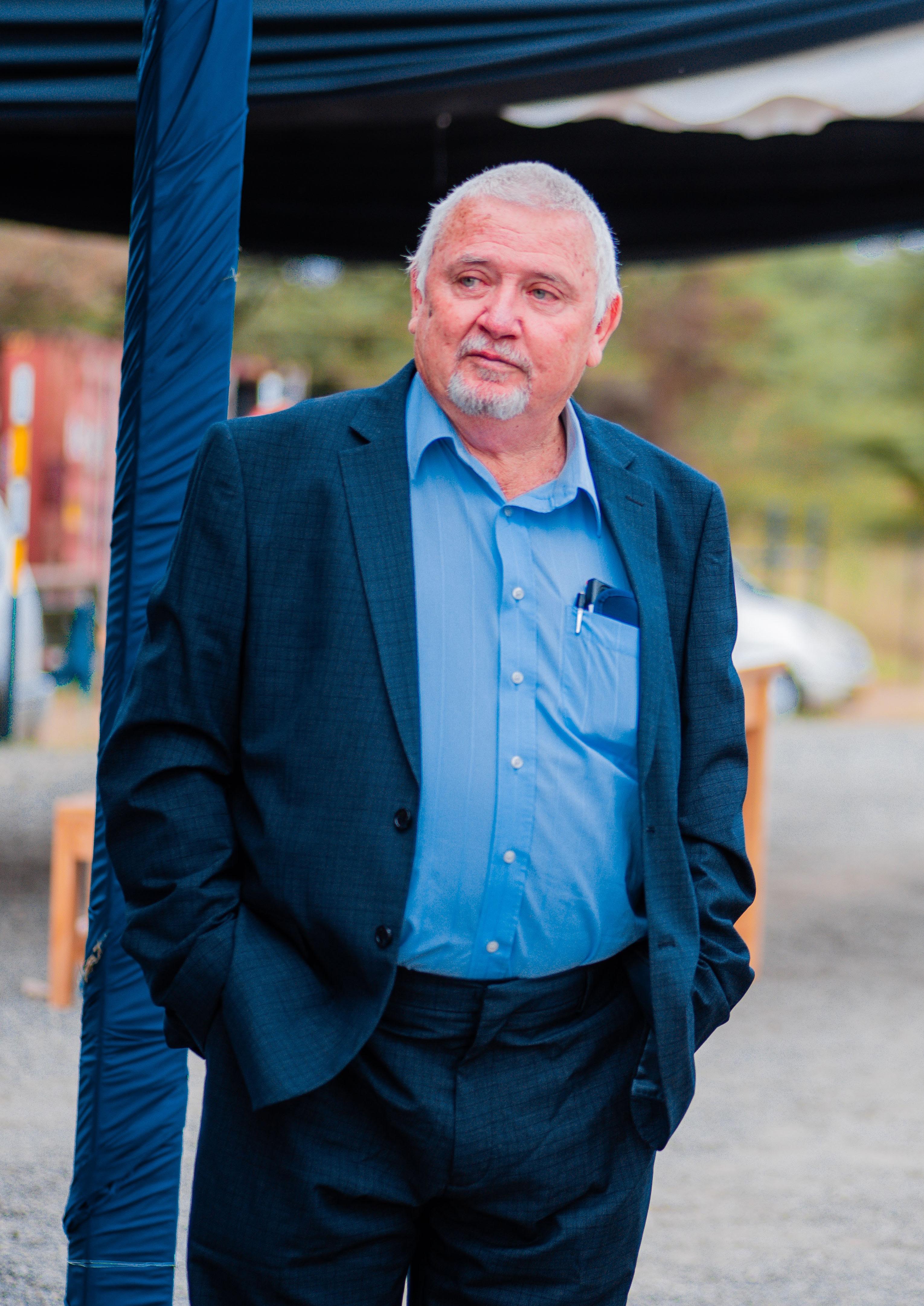
Stewart Bradnick, Managing Director, Silverlands Tanzania.
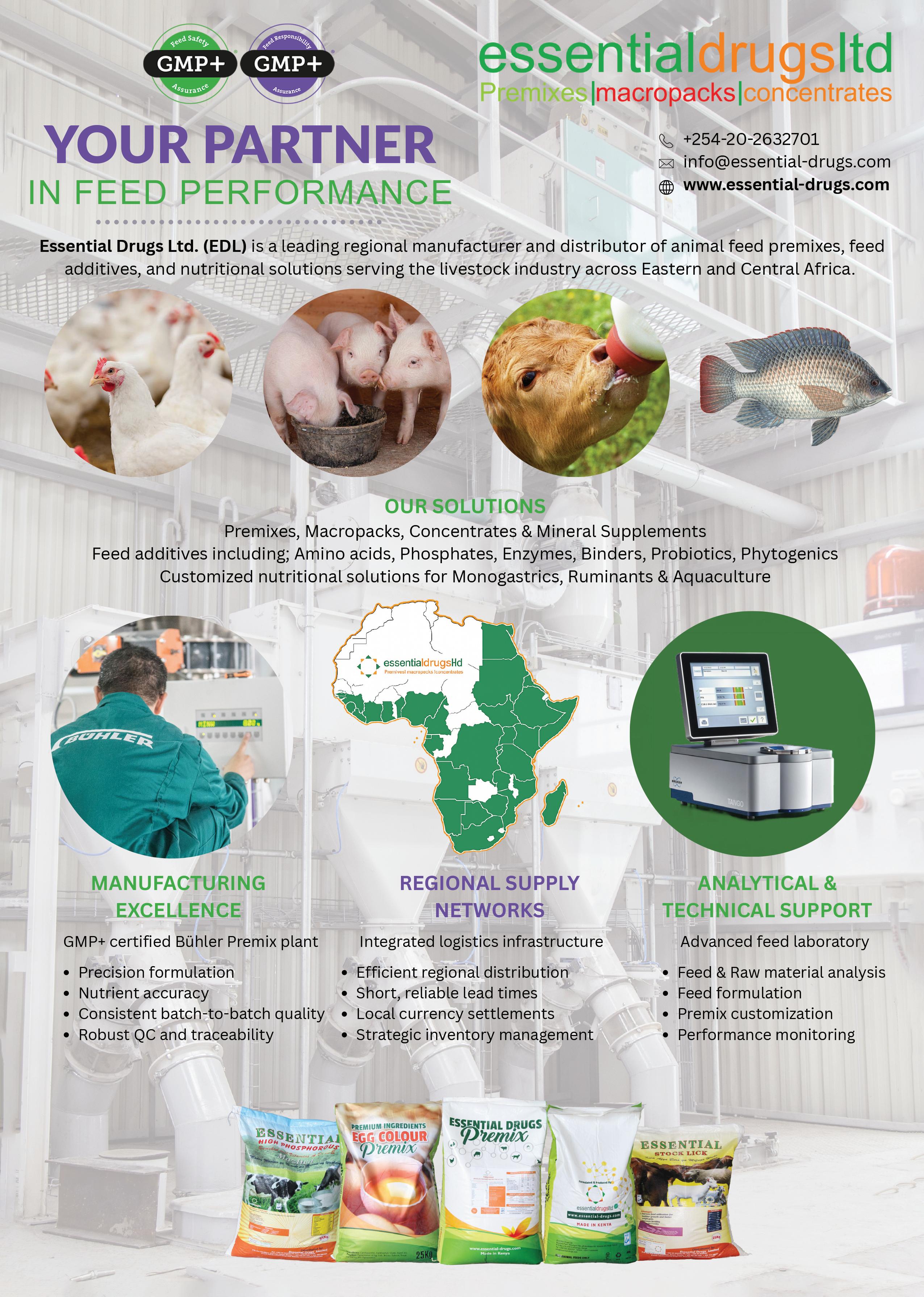
Essential Drugs Ltd. (EDL) is a leading regional manufacturer and distributor of animal feed premixes, feed additives, and nutritional solutions serving the livestock industry across Eastern and Central Africa. Headquartered in Nairobi, Kenya, EDL supports commercial livestock production through precision manufacturing, integrated supply systems, and advanced nutritional expertise.
At the center of EDL’s operations is a state-of-the-art, fully automated Bühler premix manufacturing facility commissioned in 2019. The facility reflects the company’s commitment to quality, innovation, and consistent nutrient delivery, supported by robust quality assurance systems designed to meet the demands of modern livestock production.
As commercial livestock systems continue to expand across the region, strong partnerships between integrated producers and technical nutrition partners are becoming increasingly important in driving sustainable growth and production efficiency. The partnership between EDL and Silverlands Tanzania Limited is a strong example of this collaborative approach.
Silverlands Tanzania Limited continues to play a major role in the region’s poultry industry through strategic investments in poultry breeding, feed production, and commercial farming operations. Supporting such an integrated and performance-focused operation requires reliable access to highquality nutritional inputs, technical support, and dependable supply systems.
Through this partnership, EDL provides customized premix solutions, feed additives, and technical support tailored to Silverlands’ production requirements. Working closely with Silverlands’ technical teams, EDL continuously refines nutritional programs to support optimal bird performance, feed efficiency, health, and productivity across different production stages and operating environments.
The collaboration extends beyond product supply. EDL’s approach combines precision nutrition with practical field application, allowing proactive management of key production challenges such as mycotoxin risks, nutrient consistency, gut health, and environmental stressors. This integration of technical expertise and operational support contributes to improved production outcomes and strengthens long-term production sustainability.
Supply chain reliability also remains a critical component of the partnership. EDL’s regional manufacturing capabilities and distribution network support timely availability of essential feed inputs, helping ensure operational continuity within Silverlands’ production systems.
As demand for high-quality animal protein continues to grow across Africa, partnerships that combine technical innovation, reliable manufacturing, and operational efficiency will play an increasingly important role in strengthening food security and sustainable livestock production.
Together, EDL and Silverlands Tanzania Limited continue to demonstrate how strategic collaboration can support the development of efficient, scalable, and performance-driven livestock systems across the region.
www.essential-drugs.com
“When we started up here, we saw weak virus security and weak veterinary access. Farmers were seeing 20 to 30% mortality rates among their chicks,” Bradnick recalls. “We brought integration into play, while opening our unique poultry training centre. It offers the most training at a dedicated centre.”
The poultry training centre offers a five-day course, accommodating farmers on-site, offering practical demonstrations and practice in working chicken houses, as well as a lecture room.
“We have already seen the benefits of that,” Bradnick says. “We have trained 5,500 rural farmers, and have seen some phenomenal successes in the field with them. We have a diagnostic laboratory and through that, have also worked with the Director of Veterinary Services to ensure that we are mapping disease risks across the whole of Tanzania. That is how we have adapted to the challenges here.”
But what Silverlands Tanzania does is not just about chickens. It is about people.
“People are very important,” Bradnick says. “When I started this in 2014, it was as a greenfield operation, and one thing we found is that in Tanzania, we had no people with any poultry knowledge at all. So we were building a company and a greenfield project with zero qualified staff.”
Silverlands has not just built laboratories, training facilities and hatcheries.
Silverlands has built and trained a substantial team of staff, investing in its managers as they progress by sending them on overseas courses, giving them the international experience they need to elevate the Tanzanian protein economy.
“We have sent our managers to Scotland, Indonesia, Thailand, Zambia, and South Africa on training to develop our teams and staff,” Bradnick tells us. “We have a very loyal team from management to the shop floor. We have a specific focus on people management, incorporating it into every one of our departments.”
With that team, and the wealth of facilities and resources that Silverlands Tanzania has put in place, Bradnick foresees a bright future for the company, and for Tanzania as a whole.
“The future is about building a deeper value chain integration with a wider sector impact. We will continue to scale reliable feed and chick supply chains, strengthening our farmers,” Bradnick predicts. “Our investors are keen that we be impact orientated. We have no interest in growing into direct competition with our customers. Further integration is a possibility, but we are also working further upstream in the feed supply chain.”
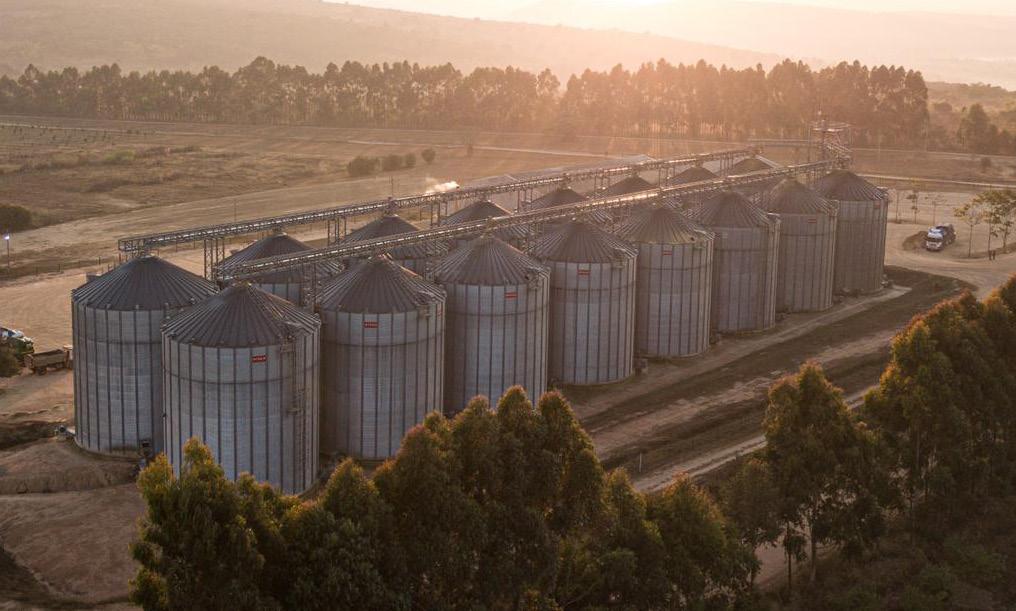
The main raw material Silverlands Tanzania uses is maize. Indeed, it makes up 41% of poultry production costs.
“We need to get affordable maize to make chicken affordable for the rest of the country,” Bradnick emphasises.
“We are working with MazoaHub, an organisation which helps farmers, and because of our buying power, we can partner with them to guarantee prices
and offtake to their farmers. It completes the circle. They sell the input to the farmer, he sells it to us, and that will pay back MazoaHub, with the balance going to the farmer.”
What Silverlands Tanzania brings to the table is 32,000 tons of maize storage capacity, which can be an obstacle for farmers. In Tanzania, Bradnick tells us many farmers can lose up to 20% of the crop postharvest for that very reason.
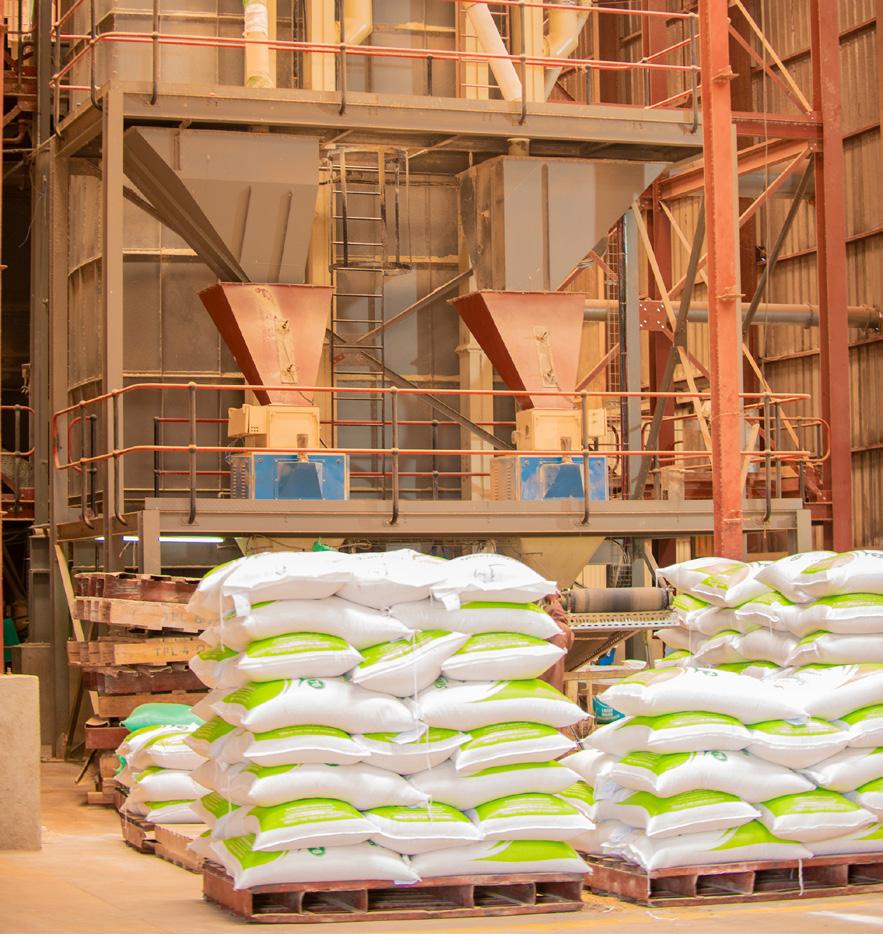
“We store it correctly and quickly, reducing post-harvest losses and giving the farmer a better income,” Bradnick points out. “We are also looking at initiatives with the APMI program through the World Poultry Foundation, while expanding our reach through Tanzania with the SASSO bird into very rural areas. Currently, we are focusing on publicprivate partnerships with the government that will help Tanzania become a poultry hub for East Africa.”
“WE DO HATCHERY VACCINATIONS WITH THE LATEST VACCINES AVAILABLE, GIVING THOSE CHICKS LIFELONG PROTECTION AS THEY GO INTO THE MARKET.”
SAFER FACTORIES AND SMARTER AUTOMATION CONTINUE TO DRIVE DEMAND FOR PIAB GROUP’S INDUSTRIAL TECHNOLOGIES.
“Every factory in the world needs a vacuum conveyor,” says Niclas Dahl. “They just don’t know it.” That gap, between what manufacturers need and what they realize they need, defines much of the work ahead for Piab Group.

[Opposite Page]
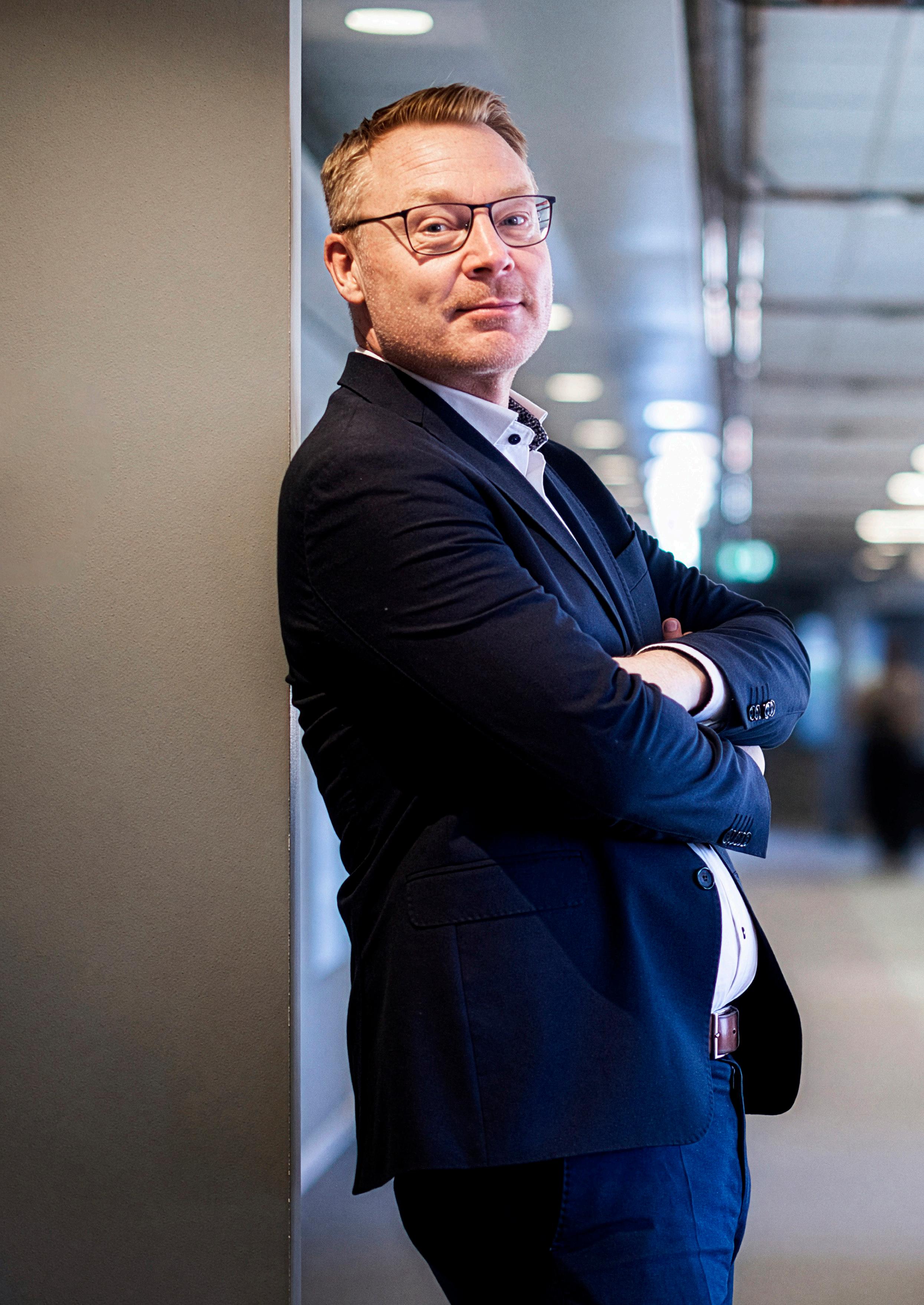
Niclas Dahl, President of Vacuum Conveying, Piab Group.
As President of Piab’s Vacuum Conveying Division, Niclas oversees one of four business divisions operating within the wider industrial automation group. The company has spent 75 years developing technologies designed to improve manufacturing efficiency, workplace safety, and production reliability across global industries.
Today, Piab operates in more than 25 countries with over 1,500 employees. Its solutions support automation across sectors ranging from food production and pharmaceuticals to logistics, packaging, and heavy industry.
“A lot of factories are still moving powder the way they did decades ago,” he says. “Part of our job is to show what’s possible – the safety improvements, the efficiency gains, the return on investment. Once customers see it, the case makes itself.”
Industrial automation sits at the heart of the business.
Piab’s operations are divided into three product-focused divisions alongside a separate China division created through earlier acquisitions. Vacuum Automation focuses on robotic gripping and end-of-arm tooling systems. Lifting Automation develops semi-automated solutions that reduce physical strain during material handling and container unloading. Niclas leads the Vacuum Conveying division, which specialises in moving powders and granular materials through enclosed vacuum systems.
“What we do is automate the movement of powder,” Niclas explains. “Normally our biggest competition is gravity – people walking with buckets and filling machines manually.”
Replacing those labourintensive handling methods with fully enclosed automated

Camozzi Automation is a global leader in the design and production of motion and fluid control components, systems and technologies for Industrial automation, Transportation and Life science
www.camozzi.se +46 40 600 58 00 CONTACT US
Founded in 1964, Camozzi Automation stands as a global leader in motion and fluid control components, systems, and technologies. Serving industries such as Industrial Automation, Life Science and Transportation, we continually drive innovation with a commitment to excellence. Our portfolio includes advanced IIoT solutions, enhancing the integration of mechanical, electronic, and digital systems for seamless process management and elevated performance.
At Camozzi Automation, we focus on technological integration and innovation, empowering our customers with advanced manufacturing solutions that meet the demands of digital transformation and sustainability. Our complete range of components, systems, and technologies is designed to meet the unique requirements of every industrial sector, making us a trusted partner in optimizing production processes worldwide.
By the numbers: OUR GLOBAL IMPACT
• 28 Subsidiaries & service centres • 14 Production sites
• 58 Exclusive distributors • +2.000 Employees
Our key sectors
Industrial Automation: Packaging | Food & beverage | Plastic & Rubber | Automotive | Electronic System | Textile Machinery | Assembly & Robotics | Printing & Paper | Woodworking Machinery | FTTx Passive Components for Telecoms Applications Life Science: Medical Devices | Biotechnologies
Transportation: Truck & Trailer | Bus & Coach | Off Highway | Passenger Car & Light Duty Commercial Vehicles | Railway www.camozzi.se

info@camozzi.se
systems, Piab technology transports materials safely through manufacturing environments.
Applications vary significantly depending on the industry. Within food production, Piab systems move flour, sugar, and seasoning powders through bakeries, snack manufacturing facilities, and beverage plants. Pharmaceutical operations rely on the technology to safely handle sensitive powders without contaminating the working environment. Defence manufacturers use similar
systems to move gunpowder safely through controlled processes. Piab has also seen rapid growth linked to oral pouch manufacturing, where large-scale factory investments continue to expand internationally.
“It’s a very broad business,” Niclas states. “Food and pharma are our biggest industries, but there are many different applications. That level of diversity has helped us build resilience across changing industrial markets, while continuing to expand our technological capabilities.”
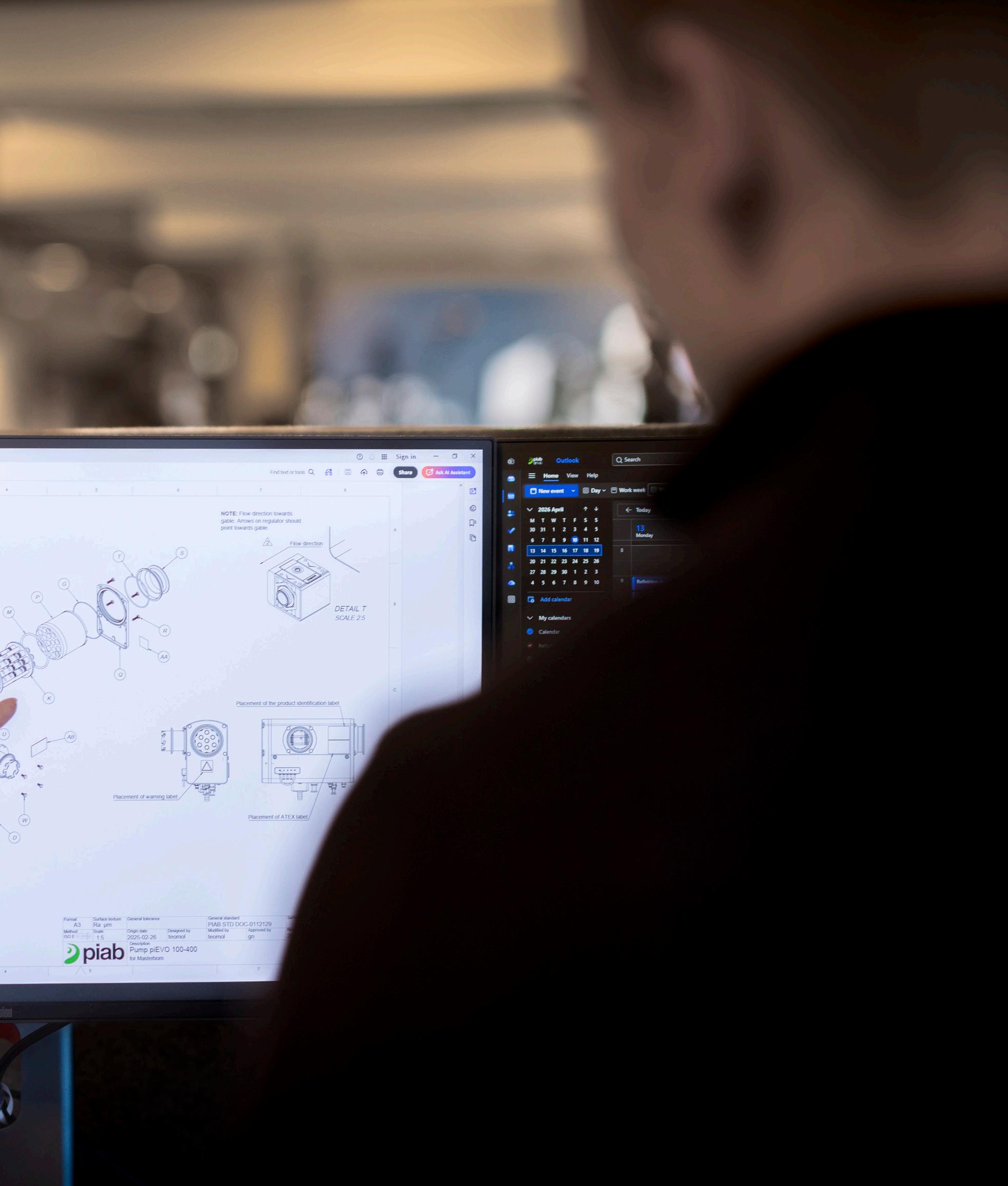
Innovation remains one of Piab’s defining strengths.
“We spend more on research and development than the average industrial company because we believe it’s important to stay at the head of the industry,” Niclas notes.
Research and development teams play a major role within the business, particularly across manufacturing automation and process optimisation technologies. Piab develops its systems internally while maintaining close collaboration with customers through local application engineering teams positioned near client operations.
The structure allows the company to deliver highly customised solutions tailored to individual manufacturing environments.
“Largely, our focus is on the development of customised solutions,” says Niclas. “We have sizable R&D teams, but we also have local application engineers very close to the customer.”
That combination of global engineering capabilities and local operational support has become increasingly valuable as automation demands grow more complex.
“WE SPEND MORE ON RESEARCH AND DEVELOPMENT THAN THE AVERAGE INDUSTRIAL COMPANY BECAUSE WE BELIEVE IT’S IMPORTANT TO STAY AT THE HEAD OF THE INDUSTRY.”
Manufacturers are under growing pressure to improve productivity while simultaneously meeting stricter safety and workplace regulations. Labour shortages, rising operational costs and sustainability targets are also accelerating automation investment across multiple industries.
Piab sees current trends continuing for the foreseeable future.

“There will be more and more automation,” Niclas asserts. “There will also be more legislation regarding the work environment and what people are allowed to lift, which will play into the push for automated solutions.”
Workplace safety is particularly important in powder handling operations. Fine particles can create significant hazards if exposed to employees or released into factory environments. Certain powders also present explosion risks when improperly handled.
Food ingredients such as chilli powder can become highly unpleasant for workers operating in open environments, while pharmaceutical powders
require strict containment for health and compliance reasons.
“If you keep the vacuum part in secure pipes, you don’t expose workers to dangerous substances,” Niclas affirms.
“Many of our systems are designed to comply with ATEX explosion protection standards, particularly in environments where combustible powders are present.”
Compliance, reliability and uptime all remain critical priorities.
“You don’t want to have a factory standing still because your equipment doesn’t work,” Niclas points out. “Across industries, uptime is the most important thing to our customers.”
The company places heavy emphasis on system reliability, preventative maintenance and operational continuity. Large-scale manufacturing facilities often run continuously, making even short disruptions extremely costly.
Piab’s role within these facilities may appear secondary compared to the end product itself, but Niclas believes reliable material movement is fundamental to overall production performance.
“A factory focuses on making crisps or chips,” he says. “They don’t really want to focus on how the seasoning gets to the machine.”
Over time, Piab has expanded beyond individual conveying systems and taken broader responsibility for integrated material handling processes. Piab increasingly manages complete solutions covering unloading, conveying, monitoring and sensor integration across production environments.
Digitalisation is also becoming central to the business strategy. As automation increases, manufacturers want greater visibility over process performance, maintenance schedules and energy consumption. Piab is investing heavily in predictive maintenance technologies and service optimisation tools designed to reduce downtime and improve efficiency.
“What we see in the future is that there will probably be fewer people inside factories,” Niclas remarks. “Maintenance will need to be much more planned.”
The company believes future industrial gains will come less from physical equipment changes and more through intelligent optimisation of existing systems.
“The real opportunity for change lies in digitalisation” Niclas comments. “You can optimise systems to reduce power consumption, prolong service intervals and secure uptime.”
Artificial intelligence, robotics and automated manufacturing systems are all expected to accelerate those developments further over the coming decade.
Piab sees itself wellpositioned within that wider industrial transition.
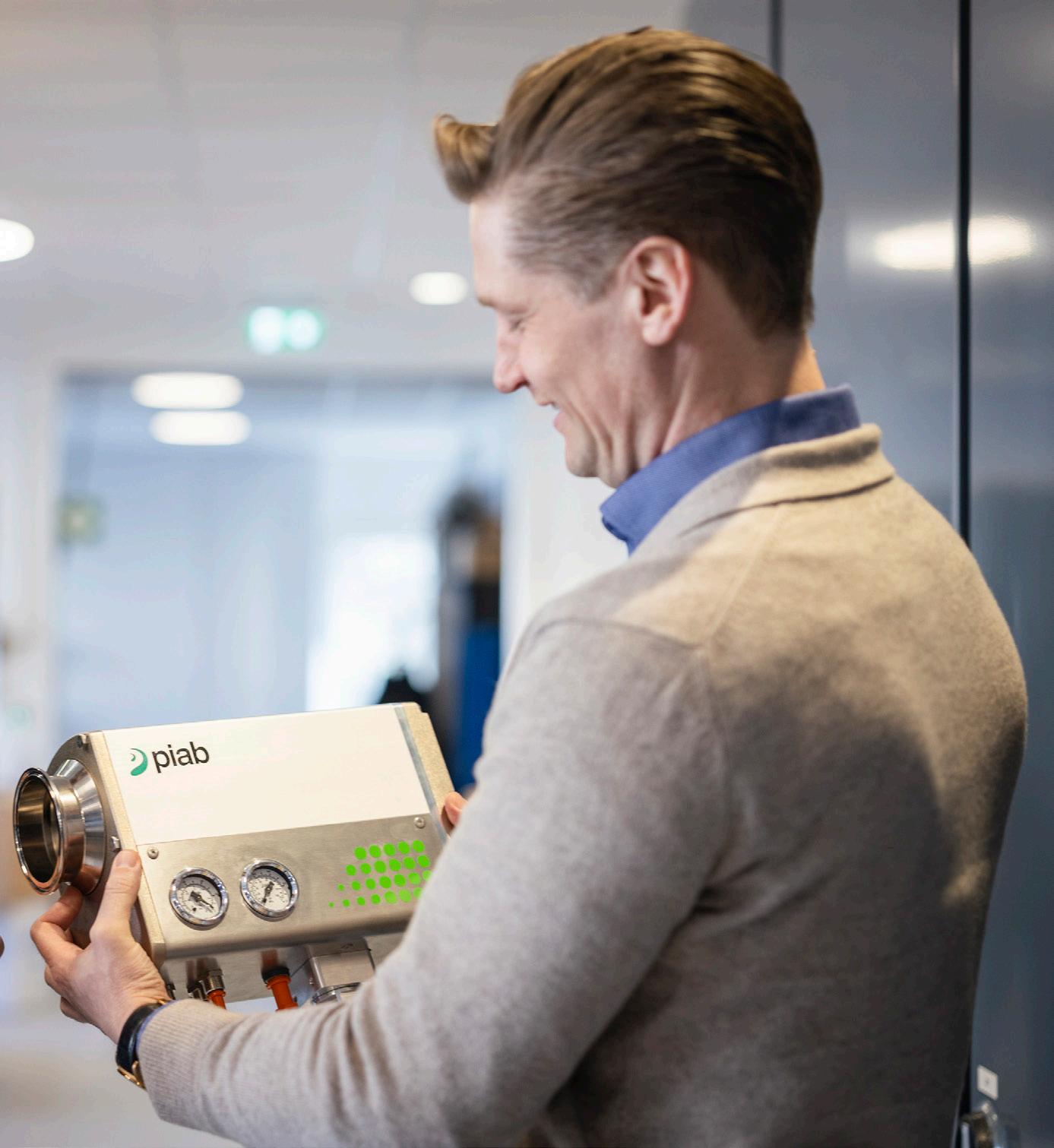
“We are part of a very positive trend. Everything moving towards automation is where we are working.”
Growth plans continue to combine both organic development and strategic acquisitions. Piab is backed by investors focused on building a larger global Swedish industrial company through complementary technologies and expanded international reach.
Niclas says Piab remains committed to strengthening both its product capabilities and worldwide footprint.
“A lot of our customers have factories in many countries,” he says. “So being able to support them globally is very important.”
At the same time, Piab continues balancing scale with customer proximity through local engineering expertise and tailored project delivery. That flexibility has helped the business maintain longterm customer relationships across multiple industries while adapting to changing production requirements.
Much of Piab’s future growth, Niclas believes, will come from making the invisible visible, helping more industries recognise where automation can transform their operations.
Seventy-five years after its founding, Piab remains focused on the same broad challenge that first defined the company: helping manufacturers work smarter, safer and more efficiently.
Technology may have evolved dramatically over the decades, but the underlying goal remains straightforward.
“Automation is really what we are all about,” Niclas concludes. “Across modern manufacturing, demand for our solutions is only going to rise.”
POLTRONA FRAU, THE LEGENDARY ITALIAN LUXURY FURNITURE BRAND, BLENDS HERITAGE CRAFTSMANSHIP WITH SUSTAINABLE INNOVATION, PROVING THAT TRUE LUXURY EVOLVES OVER TIME WITHOUT LOSING ITS SOUL.
For more than a century, Poltrona Frau has embodied the essence of Italian luxury. Renowned for its masterful leather craftsmanship, the company has evolved from a specialist furniture maker into a global lifestyle brand spanning residential interiors, public spaces, automotive cabins, aviation and yachting. Today, while many luxury brands grapple with balancing tradition and innovation, Poltrona Frau is proving that heritage can be a catalyst for forward-thinking growth.
Founded in Turin in 1912 by Sardinian entrepreneur Renzo Frau, the company initially drew inspiration from the refined elegance of English aristocratic furniture. Its distinctive armchairs and leather seating quickly attracted attention, earning Poltrona Frau the prestigious role of official furniture supplier to the Italian Royal Family. Over the decades, the brand established itself as a benchmark for understated luxury, combining impeccable craftsmanship with timeless design.
That reputation, however, was not built without adversity. By the early 1960s, following the turbulence of post-war Italy and a series of economic

crises, the company was facing bankruptcy. Salvation came from an unlikely source. One of Poltrona Frau’s key creditors, a family-owned Italian tannery, recognised the enduring value of the brand and stepped in to secure its future.
The turning point arrived in 1968 when Poltrona Frau embraced collaborations with some of Italy’s most celebrated designers. The resulting collections transformed the company’s identity. Iconic creations such as the Dezza armchair by Giò Ponti and the Lullaby bed by Luigi Massoni introduced a more contemporary design language while preserving the brand’s commitment to craftsmanship.

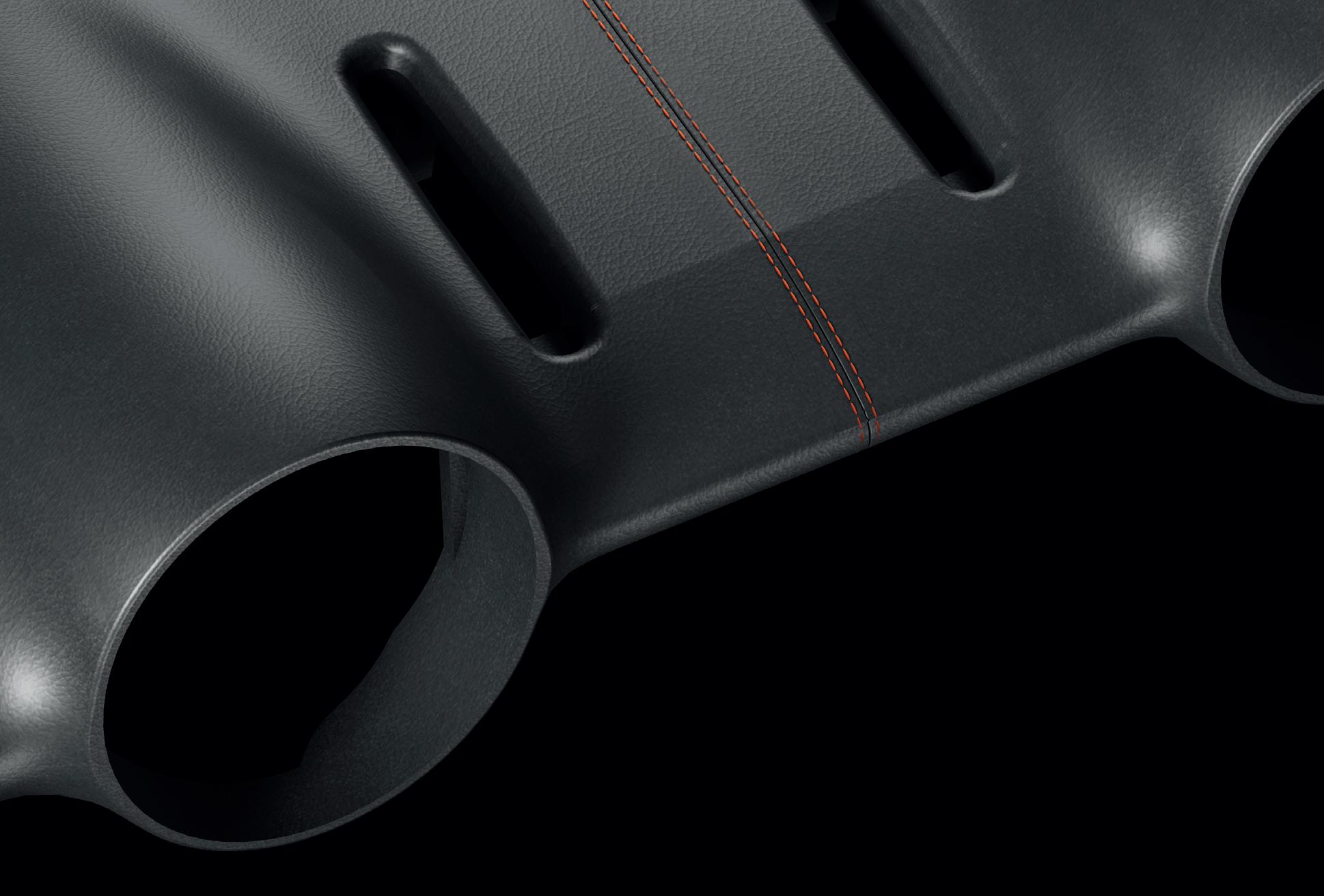
ENNEGI was founded in 1946 and is now led by its third generation. Based in Pesaro, in central Italy, the company began as a model-making workshop dedicated to industrial components, and has progressively evolved into a highly specialised partner for advanced tooling solutions in the Automotive sector.
Today, ENNEGI operates at the intersection of design, engineering, and manufacturing, focusing on the codevelopment, production, and after-sales service of metal tooling for both exterior and interior vehicle components.
The company works in close synergy with its customers, supporting them from the earliest concept phases through to industrialisation and series production, ensuring continuity, precision, and technical reliability throughout the entire process. Its expertise is centred on three core technologies: thermoforming, RRIM, and SMC. Alongside these, ENNEGI designs and manufactures complementary equipment such as edge wrapping and prefixing systems, delivering integrated and highly tailored solutions for component manufacturing.
The company employs 50 professionals across production, technical office, and management. All engineering, design, and manufacturing activities are carried out entirely inhouse, reflecting a fully integrated industrial model that ensures direct control over quality, timing, and execution. This structure enables ENNEGI to combine flexibility with precision, responding effectively to the demands of complex and high-value projects.
The production department is equipped with 9 CNC machining centres, all featuring FCS clamping and advanced workholding systems. The largest machine offers a working area of 6000 x 4000 mm, allowing the company to manage large-scale, highly complex tooling with accuracy and consistency. A 400-ton press is used for mould validation prior to shipment, as well as for prototype and pre-series production.
These operations are supported by an infrared oven and a 100-ton lamination press, enabling ENNEGI to manage advanced composite processes while verifying tooling performance.
In addition, the company is equipped with advanced inspection and metrology systems for 3D scanning of tooling and the generation of detailed dimensional reports and CQC documentation, ensuring compliance with technical specifications and quality standards. ENNEGI is certified according to ISO 9001, ISO 27001, EN 9100, ISO 14001, and ISO 45001 standards, reflecting our commitment to quality, safety, environmental responsibility, and information security.
ENNEGI further provides complete production line solutions and is also active in the Aerospace sector, supplying foundry models and equipment for aircraft components, supporting high-precision applications in highly regulated industries.
With a strong industrial heritage, fully integrated production capabilities, and a continuous focus on innovation, ENNEGI positions itself as a reliable partner for advanced tooling solutions in both Automotive and Aerospace sectors.
www.ennegi.it/en | info@ennegi.it | +39 0721 402287
That fusion of modern creativity and traditional expertise remains central to Poltrona Frau’s philosophy today.
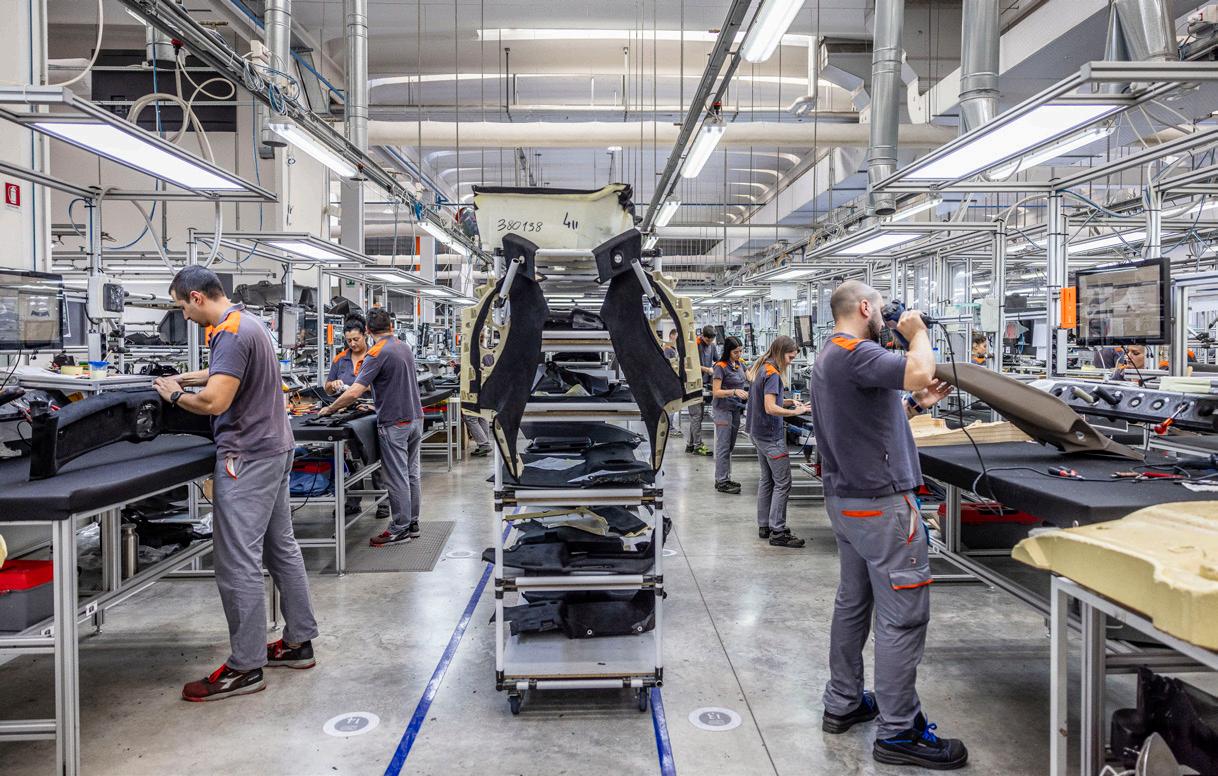
Leather has always been at the heart of the company’s identity. The brand is famous for its proprietary Pelle Frau leather, undergoing a meticulous 21step tanning process that makes it buttery soft while incredibly durable. Around 95% of the company’s production remains entirely hand-stitched and handcrafted. While today also handling marble, glass, metals and textiles, leather remains the defining signature of the brand.
Poltrona Frau now operates through three distinct business divisions. Residential Living remains the most recognisable, offering luxury furniture collections for homes around the world. Its Custom Interiors division creates tailored solutions for prestigious public and commercial spaces, with projects ranging from the European Parliament to the Walt Disney Concert Hall in Los Angeles and the Shakespeare Theatre in Stratford-upon-Avon. Completing the portfolio is Interiors in Motion, a division that has become one of the company’s most dynamic growth engines.

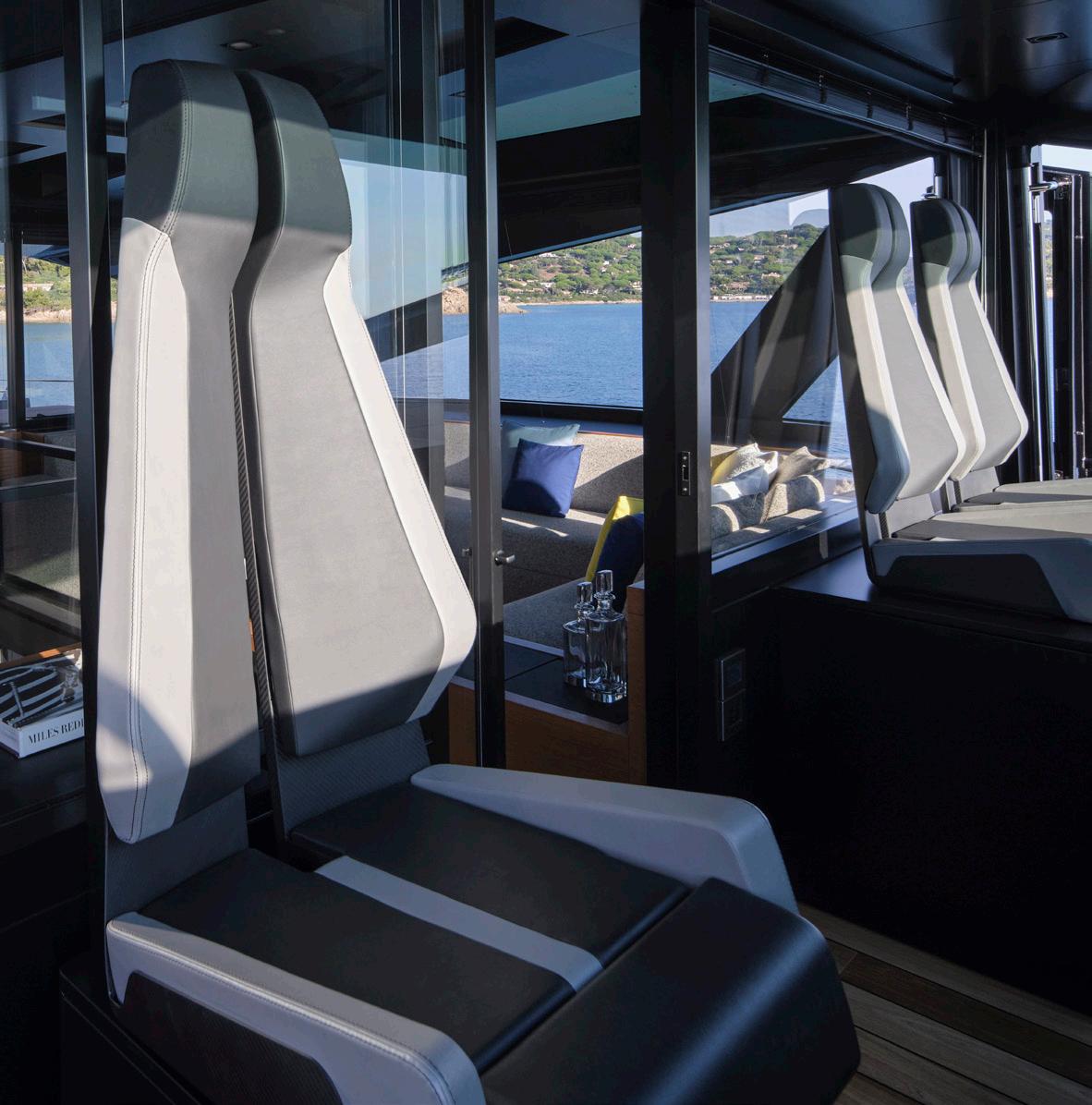
Launched in 1984, Interiors in Motion began with a project for the Lancia Thema 8.32, a luxury vehicle fitted with a Ferrari engine. The ambition was simple but ambitious: recreate the elegance and comfort of a Poltrona Frau living room within an automotive interior. The concept resonated strongly with the market and opened the door to decades of collaboration with some of the world’s most prestigious automotive brands.
Today, the division supplies leather interiors and upholstery components for marques including Ferrari, Maserati, Alfa Romeo, Bugatti and Jaguar. Its
expertise also extends beyond automotive design into luxury aviation and yachting, where the company crafts interiors for elite aircraft cabins, yachts and helicopters. Across every application, the emphasis remains on artisanal precision and tactile comfort.
While craftsmanship continues to define Poltrona Frau, sustainability is increasingly shaping its future. The company’s most significant recent development came during Milan Design Week 2026 with the unveiling of its “True Over Time” collection. More than a product
launch, the collection signalled a deeper evolution in how Poltrona Frau approaches materials, production and environmental responsibility.
At the centre of the initiative is Pelle Frau® Heritage, one of the company’s signature leather ranges, which now adopts the Impact Less tanning process. Introduced in 2022, the process eliminates chromium from tanning while reducing chemical usage by 15 percent and water consumption by 10 percent. With the addition of Pelle Frau® Heritage, more than 90 percent of the company’s Pelle Frau® leather collection now meets enhanced sustainability standards.
The development reflects a wider industry shift toward responsible luxury, but Poltrona Frau is careful not to compromise on the aesthetic and sensory qualities that define its products.
The updated Pelle Frau® Heritage maintains the richness and depth associated with aniline leather finishes while introducing a softer and more contemporary tactile quality. Every mark and nuance of the material is intentionally preserved, reinforcing the authenticity of the leather rather than masking it.
The “True Over Time” collection represents more than a seasonal release. It encapsulates Poltrona Frau’s belief that luxury should endure both aesthetically and environmentally. Rather than chasing fleeting trends, the company is positioning itself around longevity, timelessness and material authenticity.
At the same time, Poltrona Frau continues to strengthen its international footprint. In October 2025, the company opened its first monobrand store in Kuwait City in partnership with Arcadia, reinforcing its growing presence in the Middle East. The move
followed previous openings in Dubai and Riyadh, highlighting the region’s appetite for luxury interiors and bespoke design.
The company also expanded further into Asia with a new monobrand store in Beijing, bringing its total number of points of sale in China to 29. Combined with its network of flagship stores across major global cities and more than 400 branded stores worldwide, the expansion demonstrates the continuing global demand for Italian craftsmanship and highend interiors.
Despite its growth, Poltrona Frau remains rooted in the principles established over a century ago. Human craftsmanship still sits at the centre of every creation. The company often describes the human hand as the most advanced tool available, capable of combining technical expertise with emotional sensitivity in ways that machinery cannot replicate.
That philosophy is increasingly valuable in a luxury market where consumers are searching for authenticity alongside sustainability. Poltrona Frau’s challenge is not simply to preserve its heritage but to reinterpret it for a new generation of global customers who expect transparency, environmental responsibility and timeless quality in equal measure.
As the company enters its next chapter, its strategy appears clear. By combining sustainable material innovation with uncompromising craftsmanship and international expansion, Poltrona Frau is reinforcing its position as one of Italy’s most enduring luxury design houses.
More than 100 years after Renzo Frau first registered the company name in Turin, the brand continues to prove that true luxury evolves over time without losing its soul.

IT’S UNLOCKING THE SECRETS OF DEEP SPACE OR BRINGING GPS TO THE MOON, ACORDE IS TAKING SPANISH INDUSTRY TO THE HEART OF THE NEW SPACE RACE.
This April you will have probably seen the launch and return of the Artemis II mission, the first crewed mission to fly as far as the moon in over 50 years. What you might not have heard about is another Lunar mission last year, a joint venture between NASA and the Italian Space Agency (ASI). The Lunar GNSS Receiver Experiment, or LuGRE, saw a navigation receiver on the Moon determine its position using real-time signals from four navigation satellites orbiting Earth: two Galileo satellites and two GPS satellites.
In short, this experiment was the first step towards Lunar GPS, part of the necessary foundation for not only taking people to the Moon, but establishing a colony there.
It was a huge technical achievement built on collaboration among numerous agencies and experts, and crucial among them were radiofrequency subsystem specialists ACORDE Technologies.
ACORDE was born in 1999 as a spin-off from the University of Cantabria, in northern Spain. When the Indra Group needed to replace Americanmade components in Spanish military satellite communication terminals, the university’s expertise made it the natural choice to design an alternative.
“When it came time to industrialise and manufacture that solution, rather than hand it back to industry, the founding team decided to create a company,” says Manuel Lobeira, CEO of ACORDE Technologies.
“That decision gave us a very clear purpose from day one — to build world-class RF technology in Spain, and to create highquality engineering jobs in a region that might otherwise have lost that talent.”
Twenty-five years later, ACORDE Technologies employs over 65 people in Santander designing, developing and manufacturing highperformance RF subsystems for satellite communications, electronic warfare, datalinks and space applications — from S-band up to Q-band.
“Our equipment is operating on all six continents, including Antarctica, and some of our modules are heading to the Moon,” Lobeira tells us. “Our end customers include the major NATO armed forces and leading international space agencies.”
ACORDE Technologies is able to attract clients of that calibre
despite its relatively small size because of its performance and reliability, without needing to compete on price.
“We offer the performance of a large defence contractor with the agility of a specialist boutique,” Lobeira says. “Our competitors in the premium RF segment are primarily American companies — large, well-established, but often slow to adapt. We’ve positioned ourselves very deliberately in that same premium tier. But what we can do that they often can’t is turn around bespoke, highly demanding designs quickly, and commit fully to a client’s programme from early development right through to long-term supply.”
Lobeira also has a technical edge. Where its competitors tend to focus purely on transmission, it has extended its offering to cover reception as well. The firm is NATO AQAP2110 certified, with products that meet MIL-STD-810 and MIL-STD-461 standards, giving its clients full confidence in ACORDE’s processes as well as its technology.
Manuel Lobeira, CEO ACORDE Technologies.
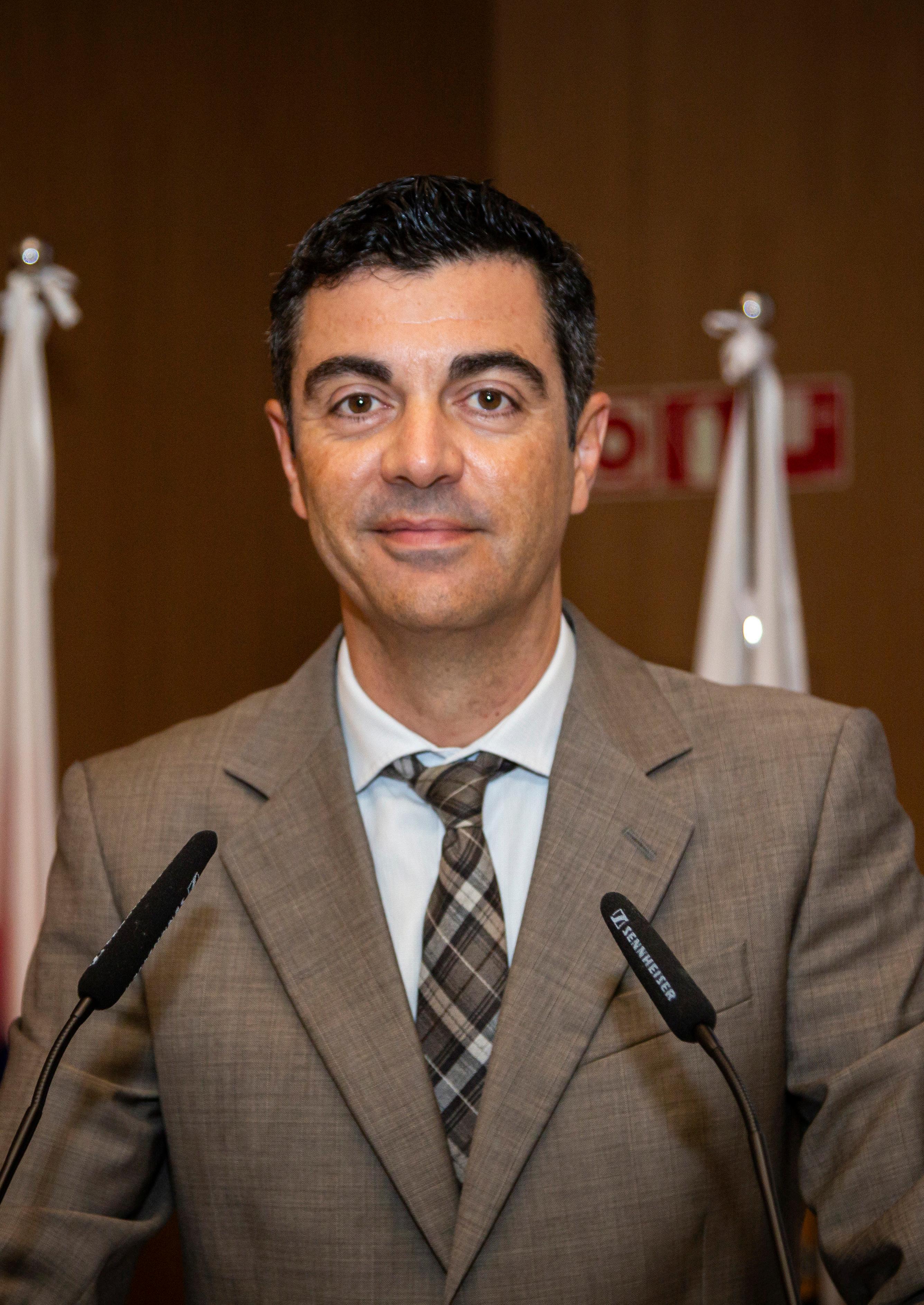
These qualities have made ACORDE Technologies a partner of choice not only in Spain but internationally.
“Early on, we won our first major contract replacing American amplifiers in Spain’s SECOMSAT satellite communication terminals,” Lobeira recalls. “That was a significant technical achievement — we had beaten a US incumbent on pure performance. And at that moment, we asked ourselves: if we’ve done it here, why not in France, Italy, or the UK? We stopped thinking of ourselves as a Spanish company serving a national market and started thinking globally.”
Today, 74% of ACORDE Technologies’ revenue comes from international clients.
As well as expanding its reach commercially, ACORDE Technologies has expanded where its systems can physically operate from.
“Once you’ve mastered a system that operates in a fixed
site, the natural next step is to make it work on a moving vehicle,” Lobeira points out. “First land-based, then naval, then airborne, then ultimately in space. Each transition required significant engineering effort and investment, but it’s how we’ve built the breadth of our portfolio. We didn’t wait for customers to ask us — we anticipated where the market was heading.”
Perhaps most impressively, ACORDE has done all this not from Silicon Valley, or even Madrid, but the Spanish region of Cantabria, whose economy has primarily been reliant on agriculture.
“We came from a university in a mid-sized Spanish city, and we compete every day against American corporations with far greater resources,” Lobeira tells us proudly. “I think that story — of European deep-tech, built patiently, on the basis of genuine engineering excellence — deserves more visibility.”
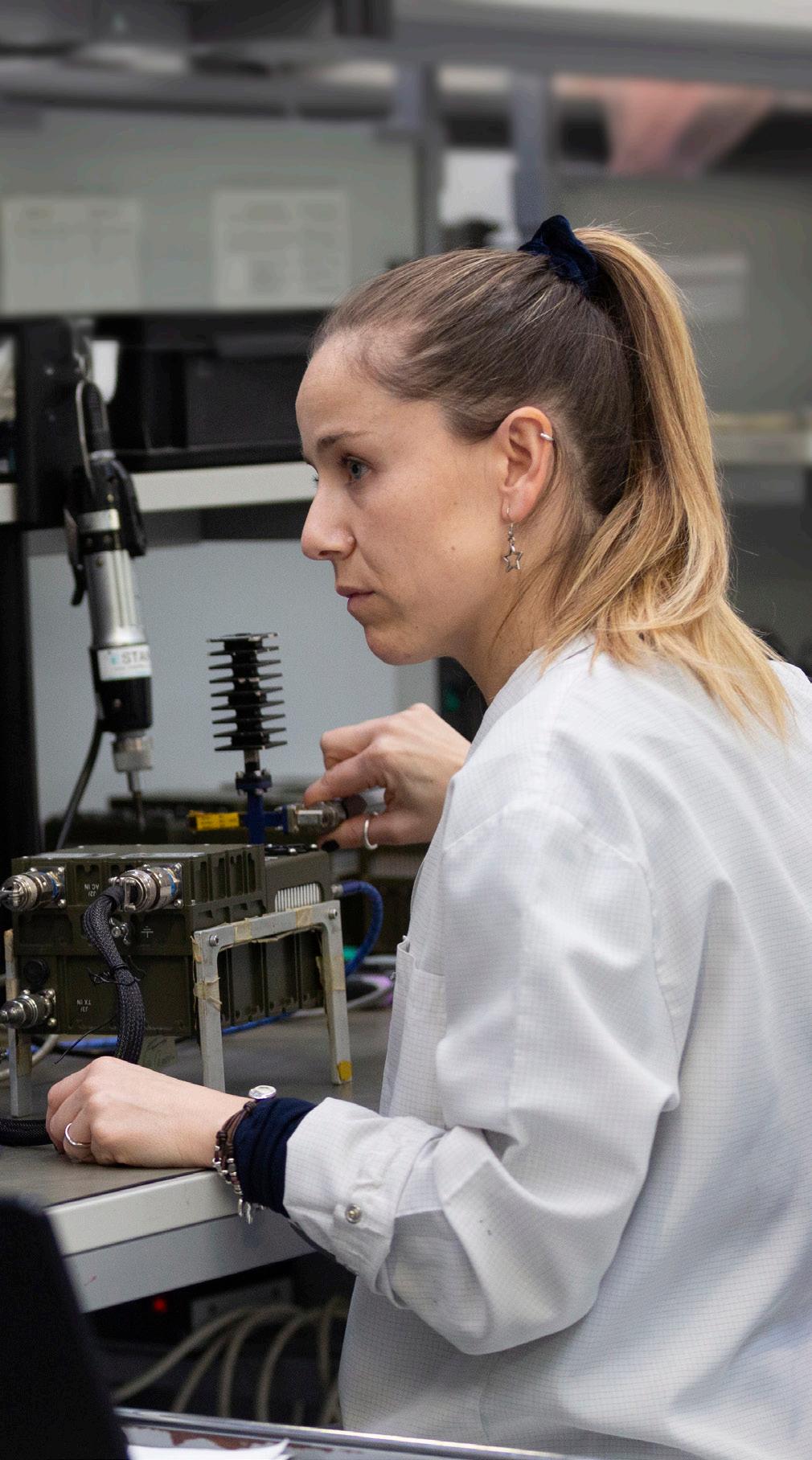
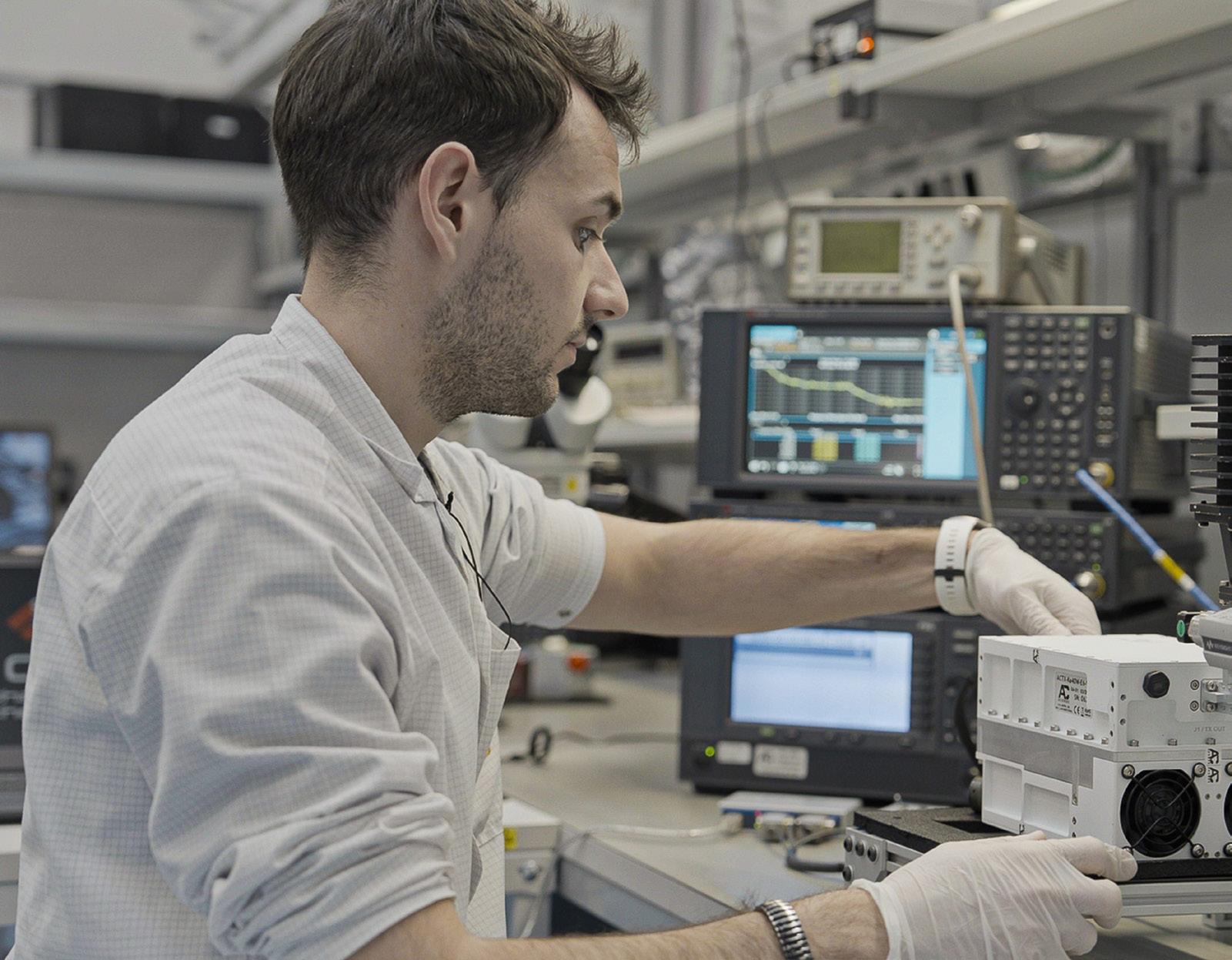
All of this is made possible by the talent ACORDE Technologies has on board, but maintaining those levels of talent is the hardest challenge the company faces, particularly as a company based outside a major metropolitan area.
But Lobeira tells us, “That said, Santander has real quality-of-life advantages — it’s a beautiful city, affordable, with excellent universities nearby — and we lean into that.”
ACORDE’s long-standing relationship with the University of Cantabria is central to its strategy, allowing it to hire graduates and researchers, people who already know the institution and the region. These recruits join knowing they will contribute to programmes like the Square Kilometre Array Observatory, SpainSat NG, or the LuGRE experiment.
“It’s hard to leave a job where your RF modules are going to the Moon or will investigate the origins of the Universe,” Lobeira says.
But more than that, ACORDE Technologies takes care of its people.
“The honest truth is that a 65-person company can’t always match a large prime contractor on career progression and hierarchy. So we try to compete on something else: creating a place where talented people feel valued, healthy, and genuinely excited about what they’re building,” Lobeira tells us. “So far, it’s working.”
Looking to the future, ACORDE Technologies is pushing still further into aeronautical platforms — both crewed aircraft and UAVs — within major European defence programmes. Its future products include satellite payloads, building
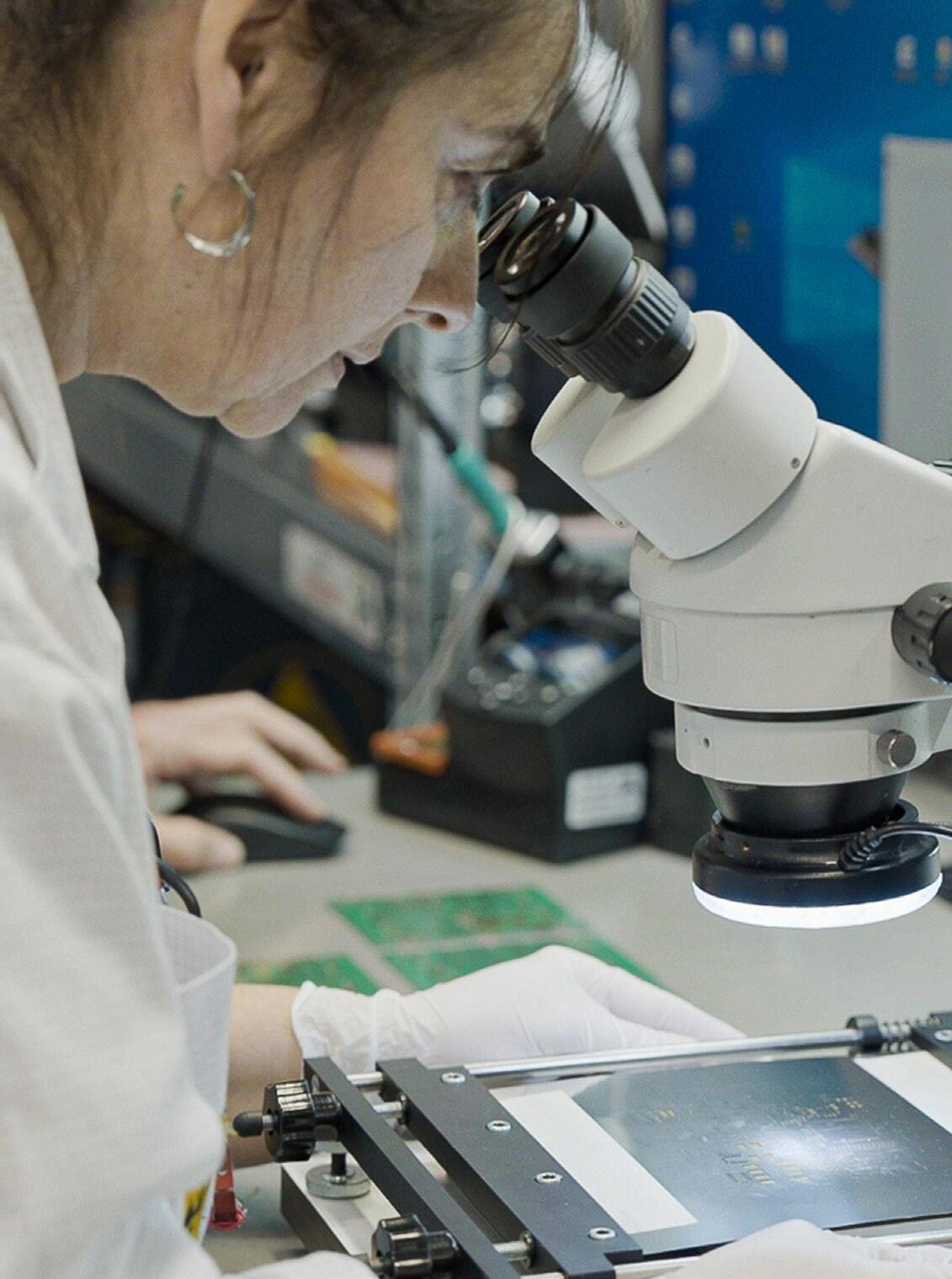
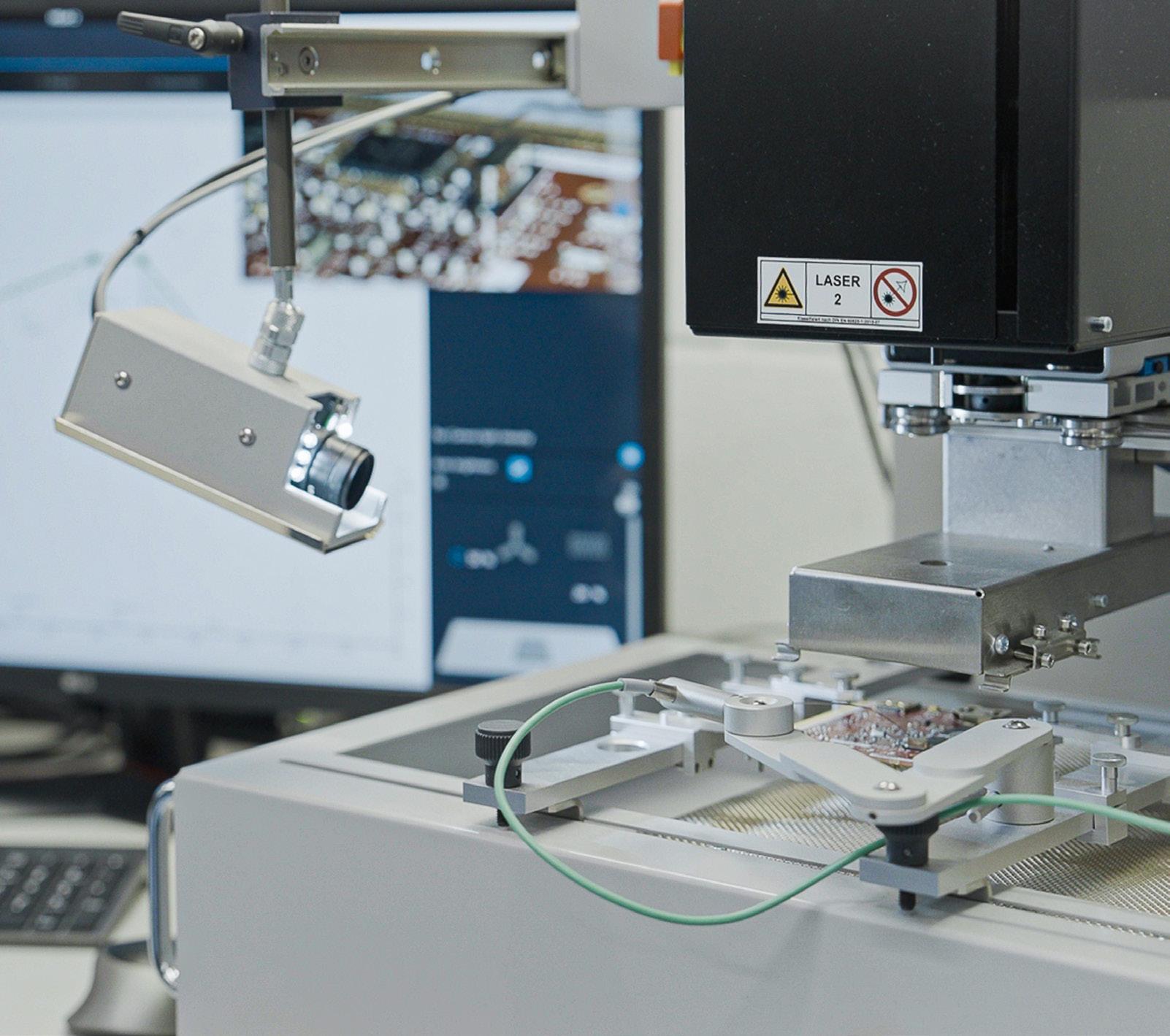
on its experience with PAZ and SpainSat NG, and extending into LEO constellations and higher orbits. It is also participating in the SKAO project, providing RF modules for the two largest radio telescopes ever built, in Australia and South Africa.
“It puts us at the frontier of astrophysics research, and we want to grow our presence in that scientific community,” says Lobeira.
The firm is also looking to break into US defence programmes, and is scaling its second business line with its own brand identity, focused on industrial electronics — maritime monitoring, renewable energy plants, and industrial IoT.
As Lobeira says, “We’ve been building that quietly for several years with some large clients, and we’re now ready to take those capabilities to the broader market.”
ACORDE Technologies is already receiving recognition with awards such as the CEPYME National Prize for Technological Innovation, the SME of the Year award in Cantabria, and the Quality in Employment award. It has also been a finalist for the National SME of the Year — both through the Spanish Chamber of Commerce, where they were among the top five companies in the whole country, and through CEPYME, where they reached the final three.
But Lobeira is already looking to the firm’s next achievements.
“Building a new client relationship to the point where they trust you with a major programme can take four or five years,” he says. “That requires patience, consistency, and a very clear sense of your values. It’s not a business for short-term thinking — and I think that’s actually something to be proud of.”
TWO YEARS ON FROM OUR LAST CONVERSATION, WE CATCH UP WITH DIRICKX SYSTEMS, A FORCE PROTECTION ENGINEERING SPECIALIST WITH GROWING
DIRICKX Systems last featured in Business Focus magazine as the company was in its foundational phase, focused on establishing its core product range and market presence. The picture in 2026 is notably different.
We’ve evolved significantly since 2024,” says Managing Director Adam Robinson. “We’ve expanded into new markets, moved into a new facility, and continued to broaden our engineering capability and product offering.”
Accelerated growth is visible across the business.
DIRICKX Systems has expanded geographically and operationally in the last two years, while product development has moved beyond its initial range of expeditionary barrier systems. Increased international recognition has followed, with growing direct engagement from global defence organisations.
“We’re getting enquiries out of the blue,” Adam explains. “All the hard work we’ve put in is really starting to pay off.”
One defining moment in DIRICKX Systems’ journey took place in 2025 when the company relocated its manufacturing base while fulfilling a significant contract.
“We relocated factories and delivered a multi-million-pound order at the same time,” Adam affirms. “It was a huge achievement and great team effort.”
DIRICKX Systems’ new facility is more than twice the size of its previous site and has been designed specifically to produce specialist force protection solutions.
“Our facility is dedicated exclusively to the manufacture of expeditionary barrier systems, enabling rapid scale-up and significantly increased capacity to meet demanding customer requirements.”
Importantly, the relocation process was completed without losing a single member of staff – something Adam sees as a reflection of company culture and the commitment of the team.
“Morale has definitely been boosted since moving site,” Adam states. “We’ve gone from a starter factory in an old building to a brand new, purpose-designed facility. It’s just a much better place to work.”

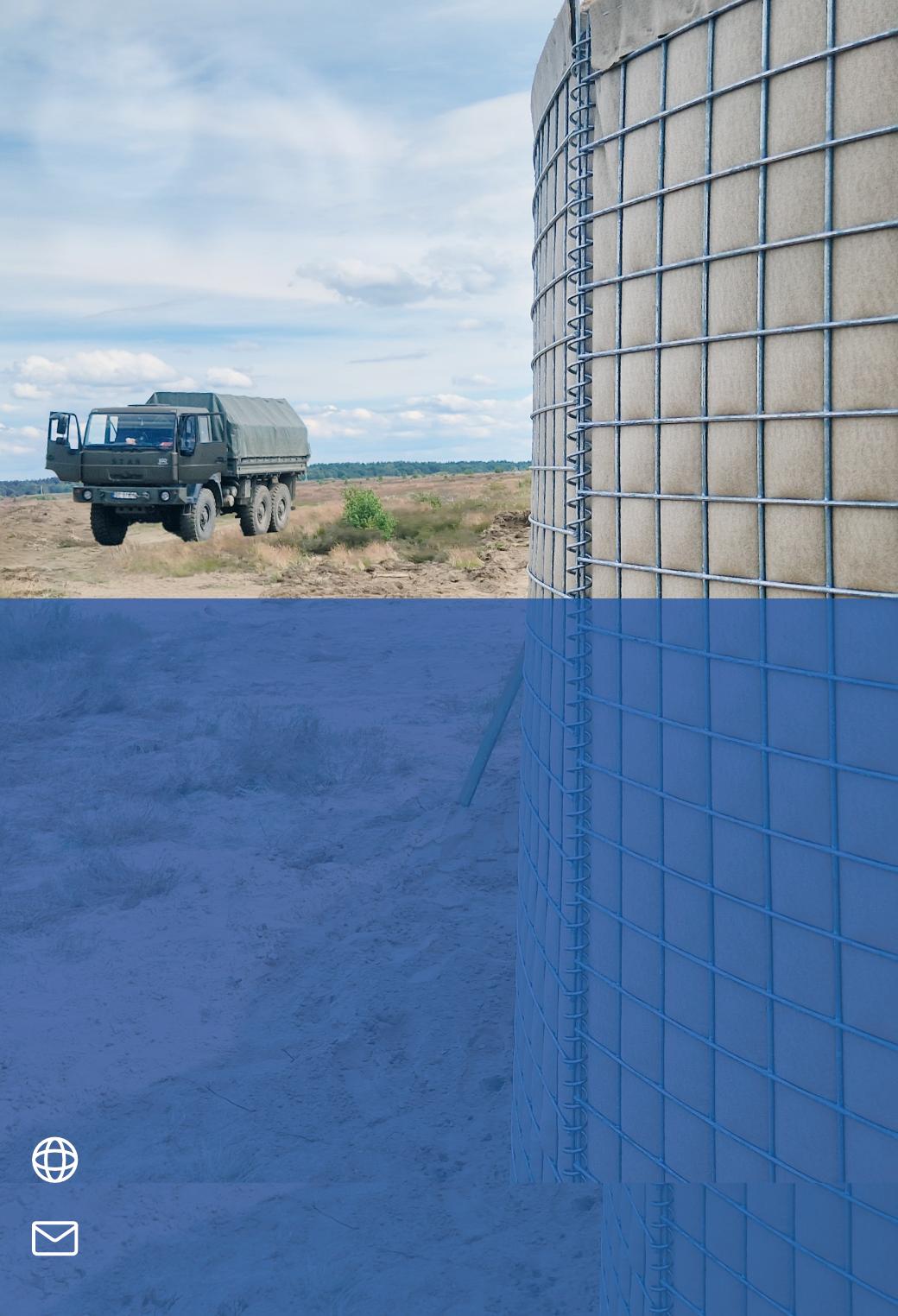
Product evolution has been a key area of progress for DIRICKX Systems. The company’s early efforts were concentrated on refining its core range of protective barrier systems. Attention has now shifted to complementary solutions, particularly in response to changing global threats.
“The threat landscape is constantly evolving. From drone activity to increasingly dynamic conflict environments, protection systems now need to deliver greater adaptability, coverage, and resilience,” Adam reports.
“It’s all about adapting. We are always asking ourselves how we can better protect people in increasingly complex environments.”
One response has been the development of DIRICKX Systems’ next generation of overhead protection systems. These structures provide enhanced coverage while maintaining the flexibility and practicality that is critical in
operational settings where space, speed, and usability matter.
“It’s a modular protective roofing system that can be integrated across different wall heights, widths and configurations” Adam remarks. “Scalable in both size and protection capability, it can be tailored to specific requirements, while still delivering protection against even the heaviest battlefield threats.
“A key advantage is the significantly reduced component count versus comparable systems, making it easier to transport and assemble in the field.”
Ease of deployment remains central to DIRICKX Systems’ design philosophy. Military users require solutions that can be installed quickly, under pressure, with limited resources. Reducing the number of parts and simplifying assembly directly addresses that requirement.
Engineering expertise continues to legitimise the company’s approach. DIRICKX Systems draws on direct operational
experience from former British Army Royal Engineers, who embed practical knowledge into product development, installation, training and aftercare, shaping the way the organisation interacts with customers.
DIRICKX Systems is increasingly being engaged at the project design and specification stage, allowing the business to help define solutions from the outset rather than simply supplying products later in the process.
“We don’t just want to sell products,” says Adam, “we want to be involved from day one. Tailoring designs can make it more efficient, less costly, and ultimately deliver better outcomes for the end user.”
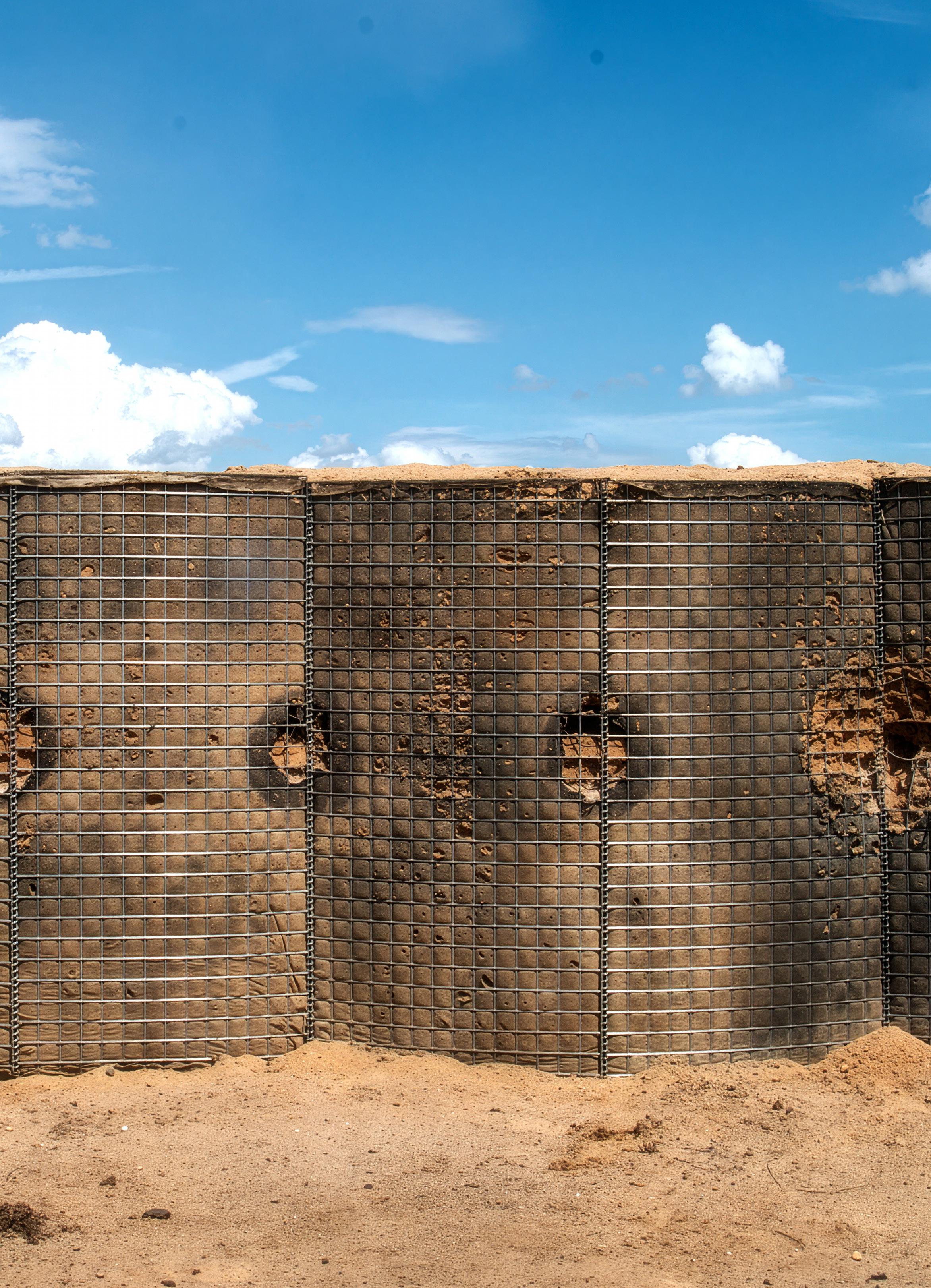
The business also continues to invest heavily in full-scale destructive testing programmes, reinforcing confidence in the performance and reliability of its systems in demanding operational environments.
External conditions have added complexity for DIRICKX Systems since 2024. Shifts in global conflict dynamics have impacted demand patterns, while activity in the Middle East has intensified, altering the volume and nature of enquiries.
“The situation in the Middle East changed everything very quickly,” Adam reveals. “Some projects went quiet, but we’ve had a wave of new enquiries, so it’s all about reacting to that.”
Speed of response remains a defining characteristic of the business. DIRICKX Systems prioritises rapid turnaround across customer interactions, from initial enquiry through to delivery.
“It’s one of our key selling points,” continues Adam. “We get information out quickly, we get quotes out quickly, we find solutions. Even when shipping is difficult, there’s always a way.
“Agility has been a deliberate focus from the outset. Entering the market in 2022, we knew we could operate more responsively than our established competitors.”
Internally, the pace of activity presents its own challenges. Prioritisation has become more complex as opportunities increase.
“Everything seems urgent in this line of work,” Adam says. “One of our biggest challenges is working out what’s urgent versus what’s the priority.”
Despite its rapid evolution, DIRICKX Systems’ identity hasn’t changed. The organisation continues to position itself as a full-service provider, emphasising technical engineering rigour alongside specialist production capability. However, in 2026, the company is more ambitious than ever.
“We want to be recognised globally as the go-to company in force protection engineering,” Adam asserts. “We work with major international government and military organisations, so are well on the way, but there’s always more to do.”
Geographical focus is key to achieving that aim. Demand has already shifted significantly since 2024, with further changes expected. Ukraine dominated attention two years ago, the Middle East is now in focus, and other regions are likely to follow.
“It’s about what’s next,” Adam says. “You have to be ready to divert and react. Current demand is driven heavily by activity in the Middle East, although the business continues to monitor emerging global requirements.”
The United States also represents a significant longterm growth opportunity for the business.
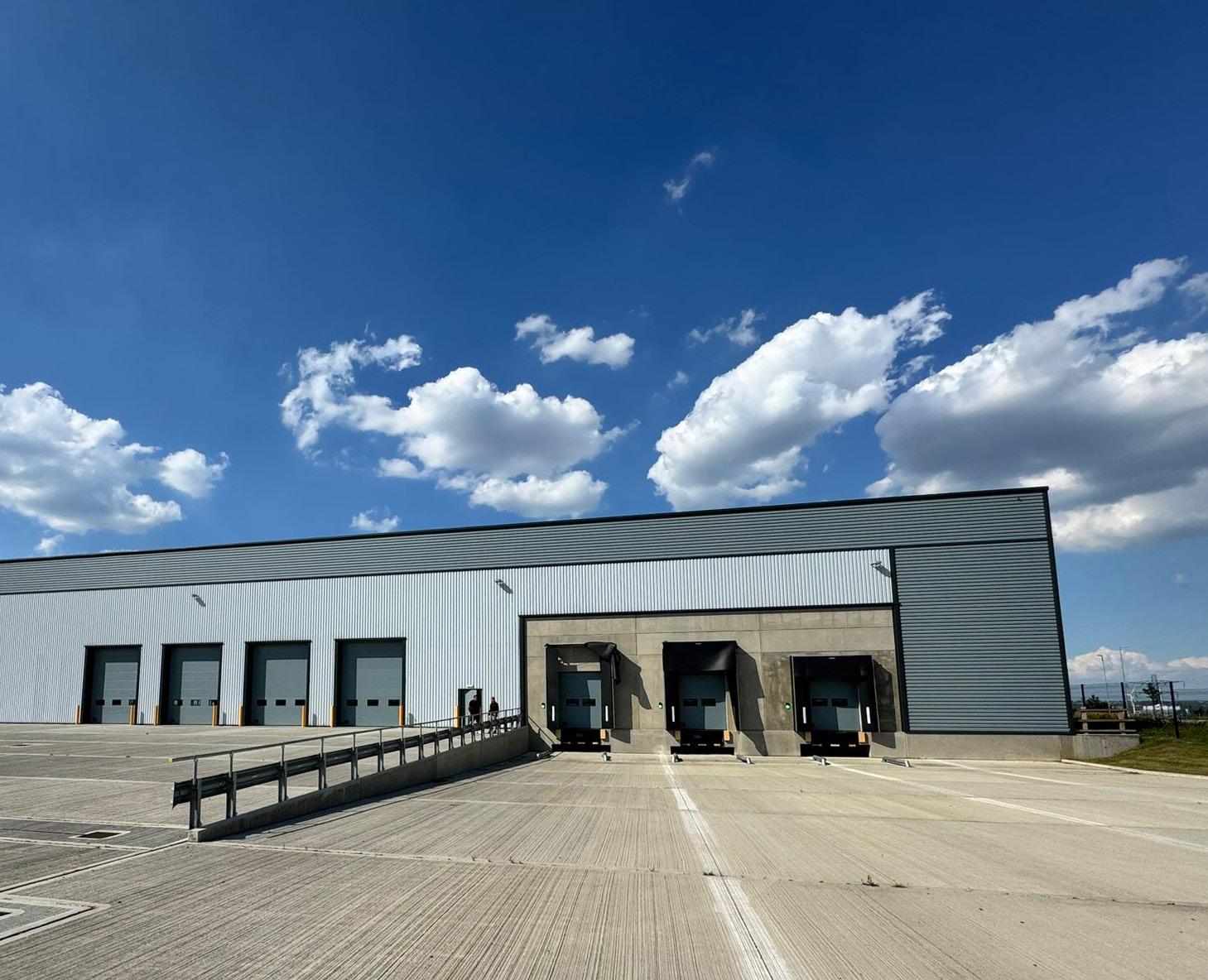
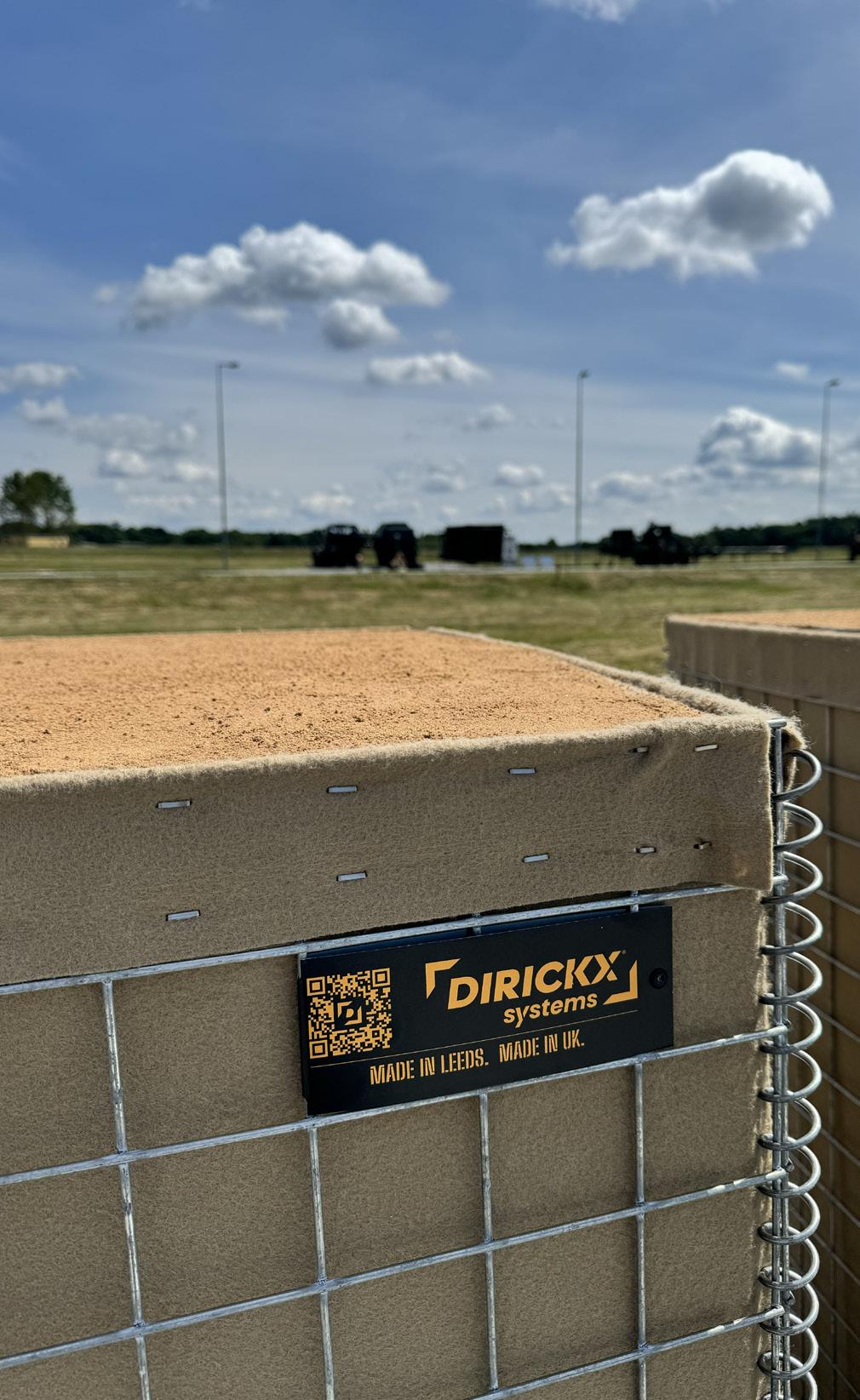
Still, even as international recognition increases, the city of Leeds continues to anchor DIRICKX Systems. Local engagement remains strong, with the company supporting regional initiatives and maintaining close ties with public bodies. That connection provides a stable base for global expansion.
“We are proud to be made in Leeds, and that heritage remains central,” Adam concludes. “The skill base is here and it’s where the product was invented, but we’re excited about the global recognition the business is receiving for the engineering expertise and reliability that DIRICKX Systems brings.”
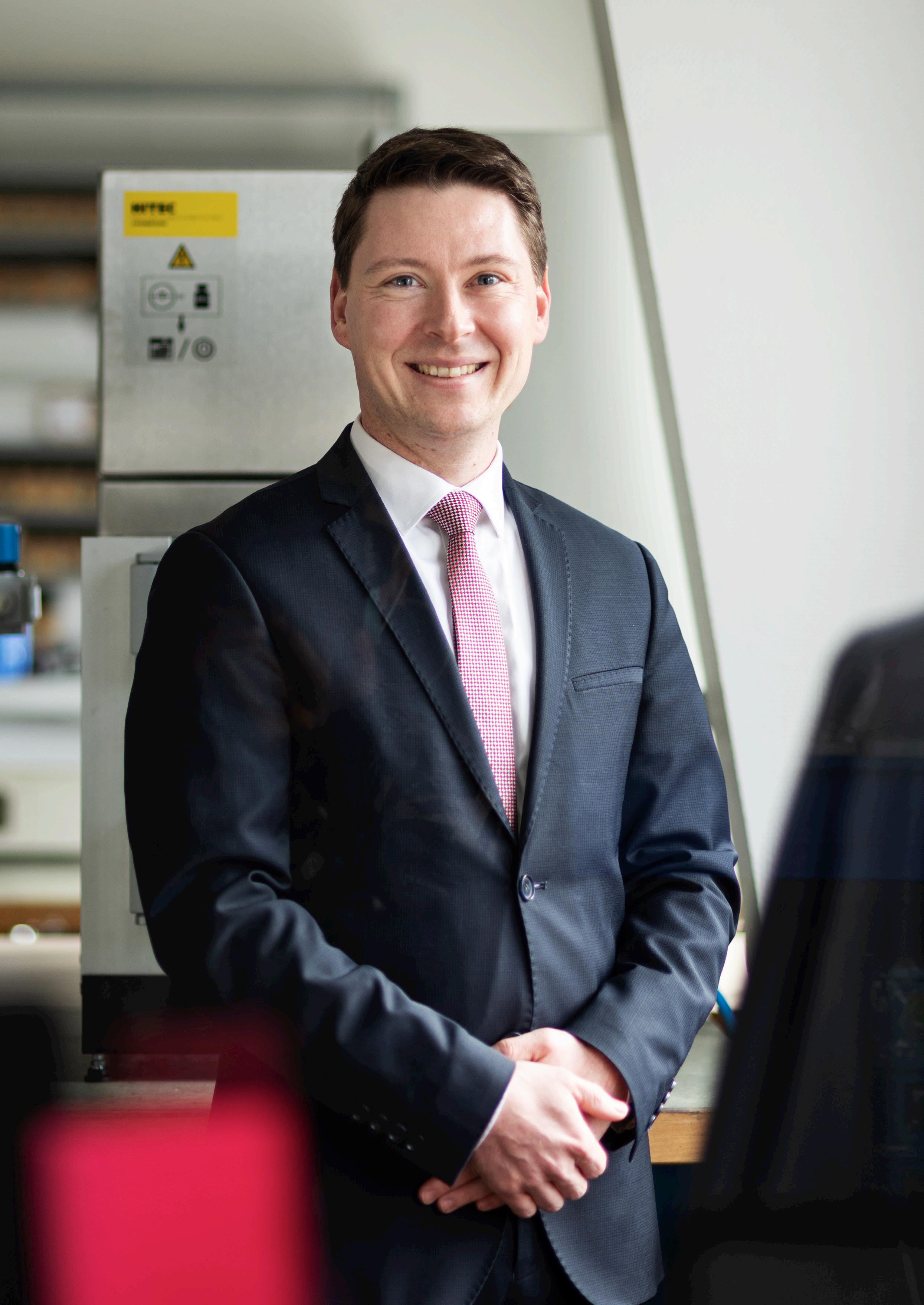
HITEC LUXEMBOURG DELIVERS SPECIALIST MEASUREMENT TECHNOLOGIES ACROSS SPACE, MOBILITY, EMERGENCY COMMUNICATIONS, AND ADVANCED INDUSTRIAL SECTORS.
Forty years after its founding, HITEC continues to leverage its core expertise in specialised measurement as the foundation for an expanding portfolio of products and services. The Luxembourgbased engineering company has spent four decades building highly specialised technologies across industries ranging from satellite communications and emergency response to traffic management and advanced manufacturing. It is thoroughly technical work, but increasingly essential in a world driven by data and connectivity.
We’re celebrating our 40th anniversary this year,” begins CEO Philippe Osch. “That makes us a solidly established SME in the heart of Europe with marketleading expertise in specialised measurement technologies.”
HITEC Luxembourg works with more than 100 institutional and private customers across every continent. The business operates through four distinct activity fields, each linked by the same technical and engineering foundation.
The first of those divisions sits firmly within the space industry. HITEC develops and supplies ground antenna systems that allow satellite operators to monitor, control and communicate with their assets in orbit.
on the ground,” Philippe jokes. “As a business, we do not launch satellites ourselves. Instead, we build the infrastructure that enables operators to manage communications, navigation, and Earth observation systems safely and reliably from Earth. In short, we make sure that our clients in the space industry can operate safely, while always knowing the precise status of their assets.”
Philippe Osch, CEO, HITEC Luxembourg.
“Our work in the space industry might mean we have our head in the stars, but our feet are firmly
Another of HITEC’s fields of activity focuses on critical communications, particularly in disaster and humanitarian response situations where terrestrial communication networks have collapsed or become overloaded. When presented with any of these challenges, HITEC can deploy ruggedised satellite communication terminals capable of rapidly restoring connectivity after earthquakes, floods or large-scale migration events.
“The quicker you’re able to establish communications, the quicker you can coordinate rescue efforts,” Philippe says. “The quicker you can coordinate rescue efforts, the more people you can save.”
Elsewhere, HITEC operates in advanced industrial measurement systems. One major focus is the carbon black industry, where the company develops laboratory equipment used to measure filler materials found in tyres and within electric vehicle battery production.
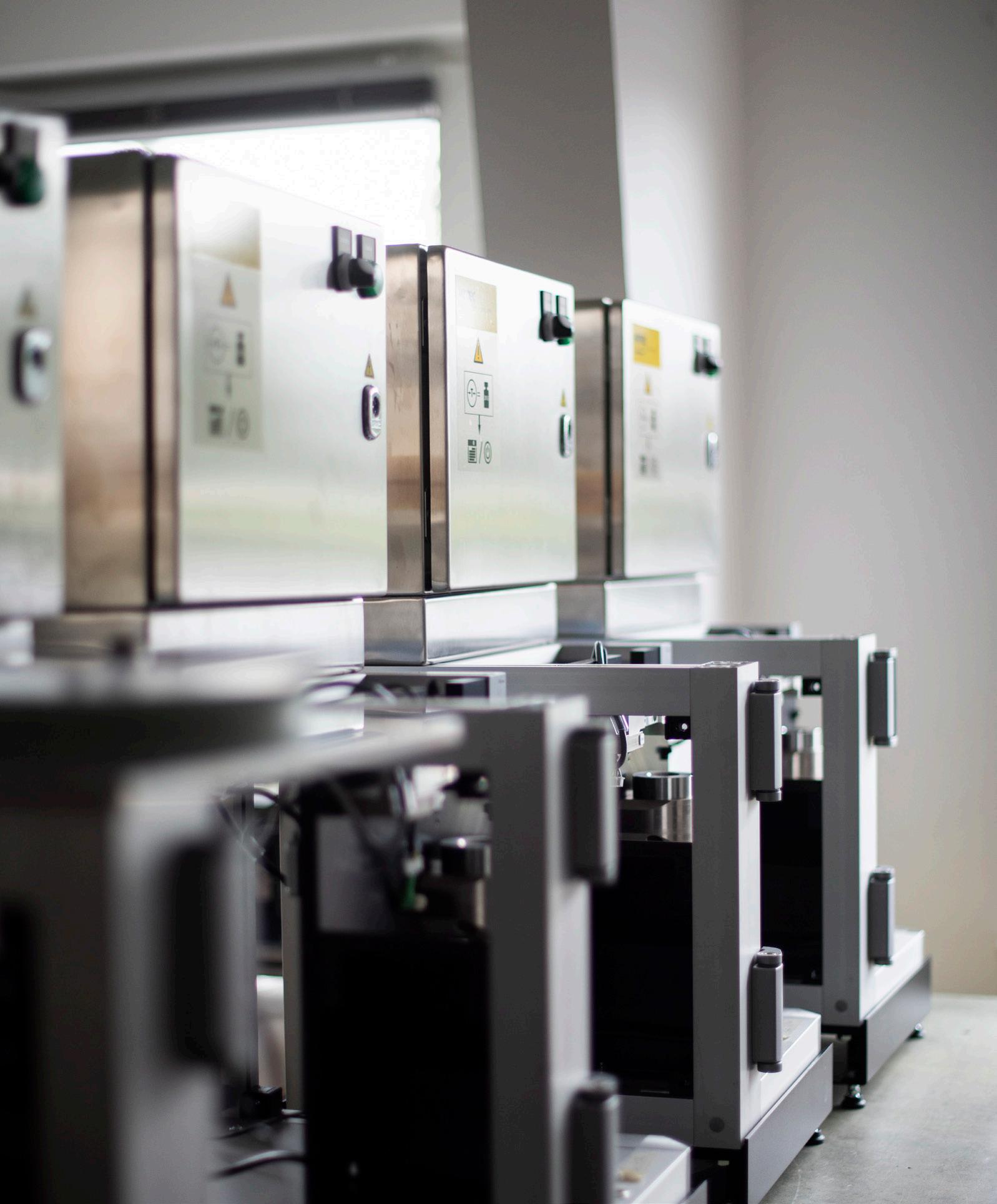
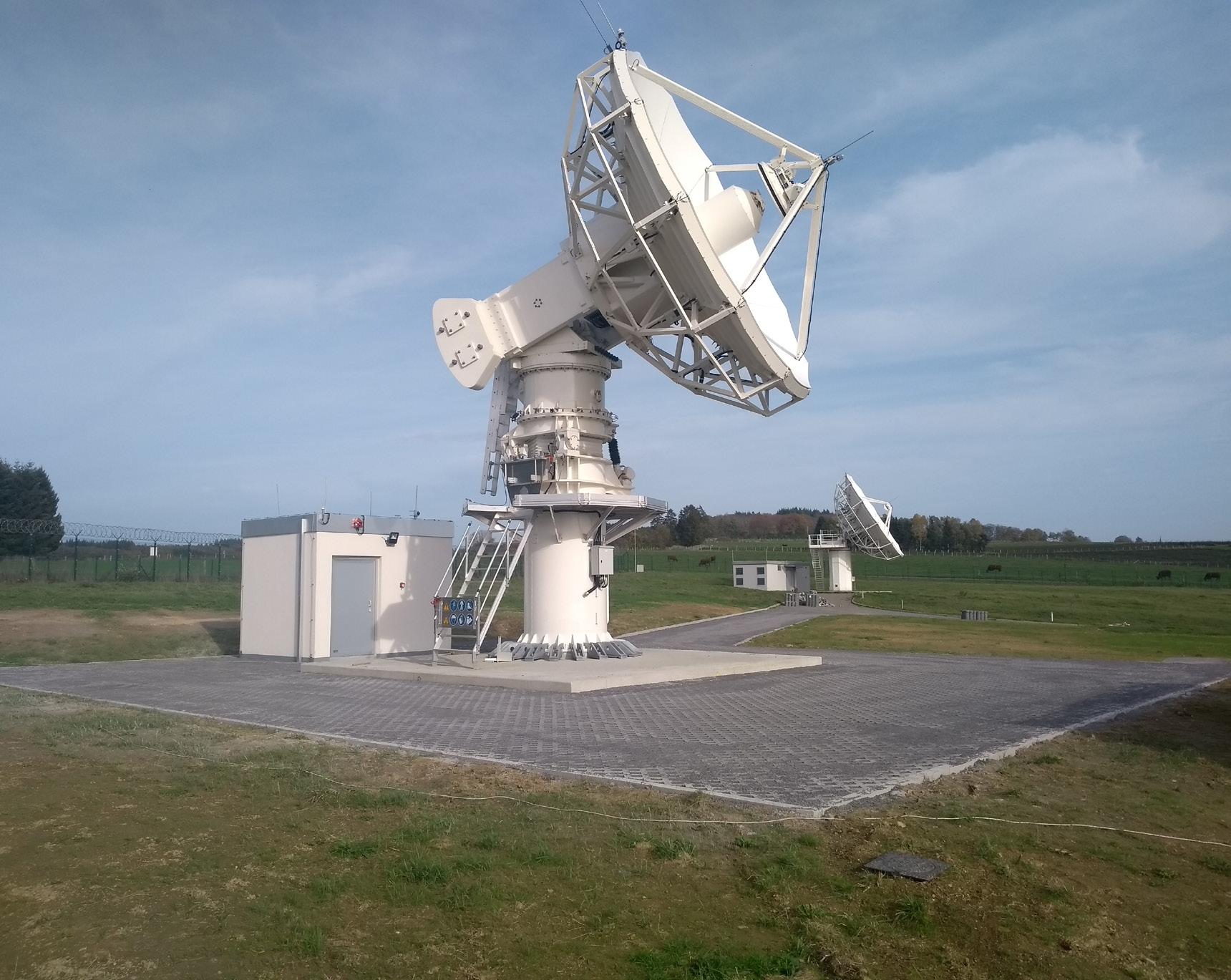
“By measuring the properties of materials like carbon black, manufacturers can optimise product performance and production efficiency, particularly as the automotive industry evolves towards electrification and more sustainable processes.”
The company’s fourth field of activity centres on intelligent mobility systems. HITEC is a system integrator for traffic measurement and monitoring technologies, which support motorway operators in managing traffic flows, improving safety, and optimising lane usage in real time.
“This activity involves connecting sensors to databases so that people operating the motorways can take smart decisions,” Philippe reveals.
Despite operating across four specialised sectors, HITEC is fundamentally structured around a shared engineering culture. Roughly 80 percent of employees come from
technical backgrounds, including engineers, technicians and PhDlevel specialists.
Rather than separating divisions completely, the company maintains a common engineering base that allows knowledge and expertise to move across different activities. That structure has become one of HITEC’s defining strengths.
“We have a built-in resilience in our model,” Philippe says. “By operating across several niche markets while sharing technical resources internally, we can balance fluctuations between sectors more effectively than companies tied to a single market. The model also appeals strongly to younger technical professionals, who often enjoy moving between sectors and bringing ideas from one field to another.”
Such an exchange of knowledge has become increasingly valuable to HITEC as technologies converge across communications, mobility and data infrastructure. The company’s niche positioning also shapes how it approaches customers.
“We concentrate on what we are good at,” Philippe states. “Rather than pursuing mass-market products, we focus on bespoke, high-value engineering relationships where technical expertise and long-term support really matter.”

Phoenix Contact supports key players in the most demanding technology sectors with automation, connectivity, and electrification solutions designed to deliver reliability, safety, and high performance. Whether for industrial applications, essential infrastructures, or innovative projects, our technologies empower the organisations shaping the future.
With recognised expertise and a strong commitment to innovation, we help strengthen critical systems and support the transformation of industries and infrastructures.
Connect. Automate. Secure. Discover how we bring tomorrow’s technologies to life. www.phoenixcontact.lu
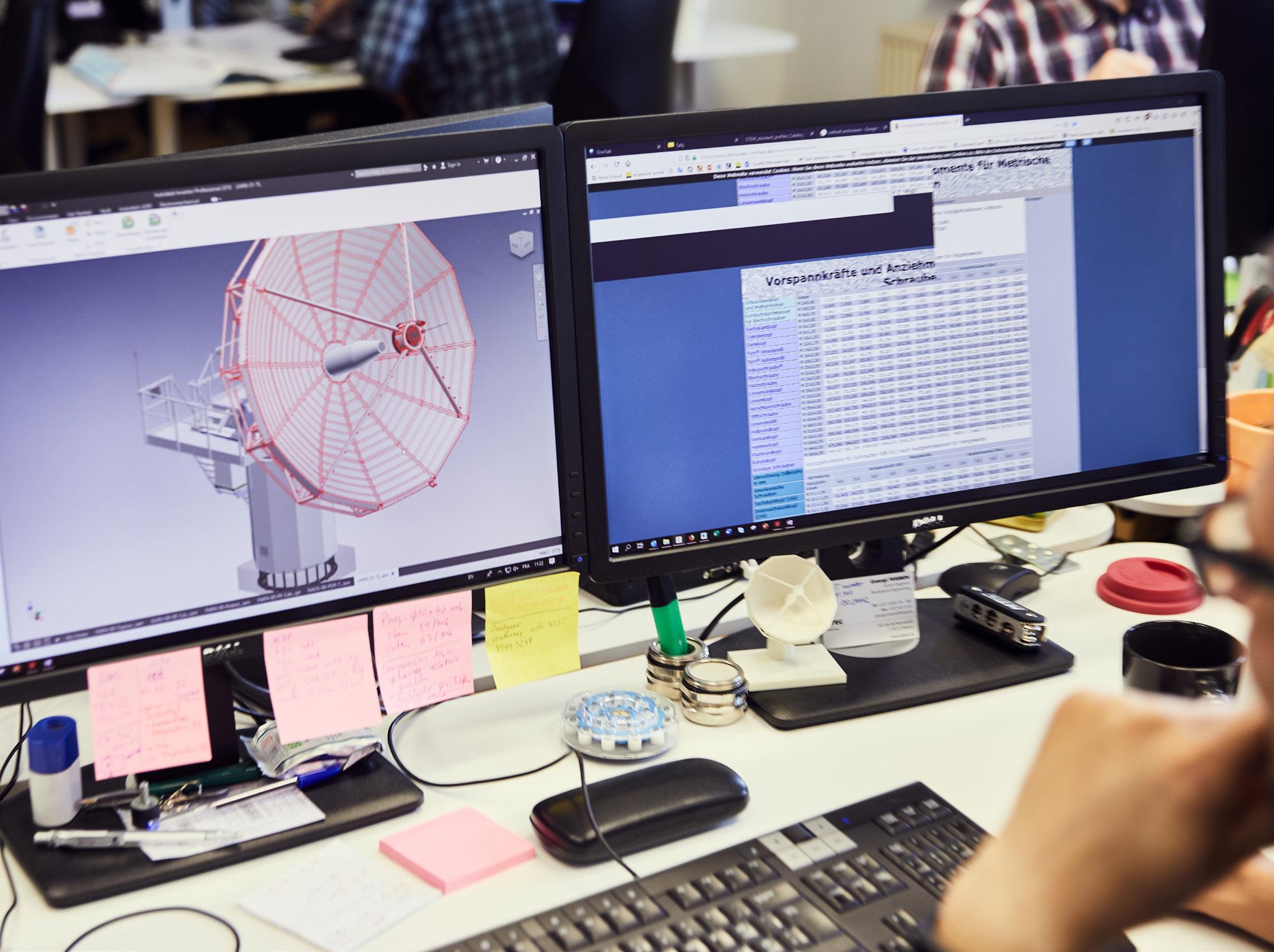
Some clients have now worked with HITEC for decades, reflecting the company’s emphasis on specialist support and long-term partnerships.
“We have a very high level of customer centricity,” Philippe says. “Some customers have been with us for the full 40 years.”
Partnerships play a major role across HITEC’s wider supply chain and innovation strategy. The company regularly collaborates with specialist technology providers rather than attempting to build every capability internally.
For example, HITEC’s satellite communications work has centred around radio frequency systems. However, optical or
laser-based communications are rapidly becoming one of the next major frontiers within the space sector.
Recognising the opportunity, HITEC launched a major development programme focused on optical ground antennas. The company combined its expertise in satellite tracking and operations with external partnerships covering advanced laser communication technologies.
“We focus on what we’re good at and collaborate with others in the fields where we need knowledge,” Philippe affirms.
“In this particular case, the resulting technology supported faster satellite communications, while also helping address
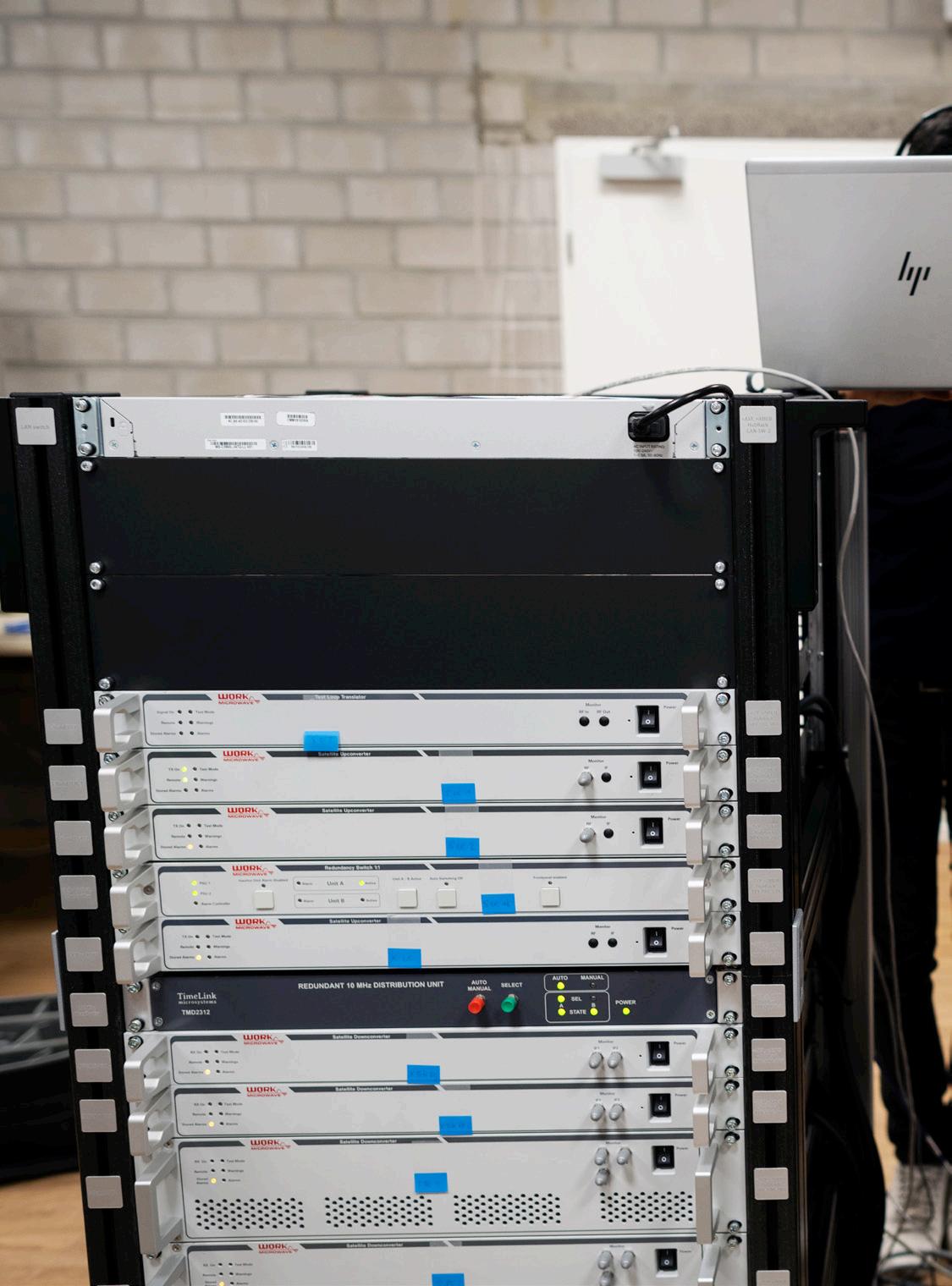
future cybersecurity challenges linked to quantum computing and encryption. If quantum computers crack all our codes, we’ll need quantum-safe keys.”
Optical communications systems are expected to play a central role in transmitting those future encryption keys securely between satellites and Earth. The technology also supports wider space situational awareness capabilities, helping operators monitor satellite activity and improve the security of orbital infrastructure.
“We contribute to enabling the quantum industry,” Philippe asserts.
Innovation & entrepreneurial spirit remain critical to HITEC because the company deliberately operates within highly specialised niches.
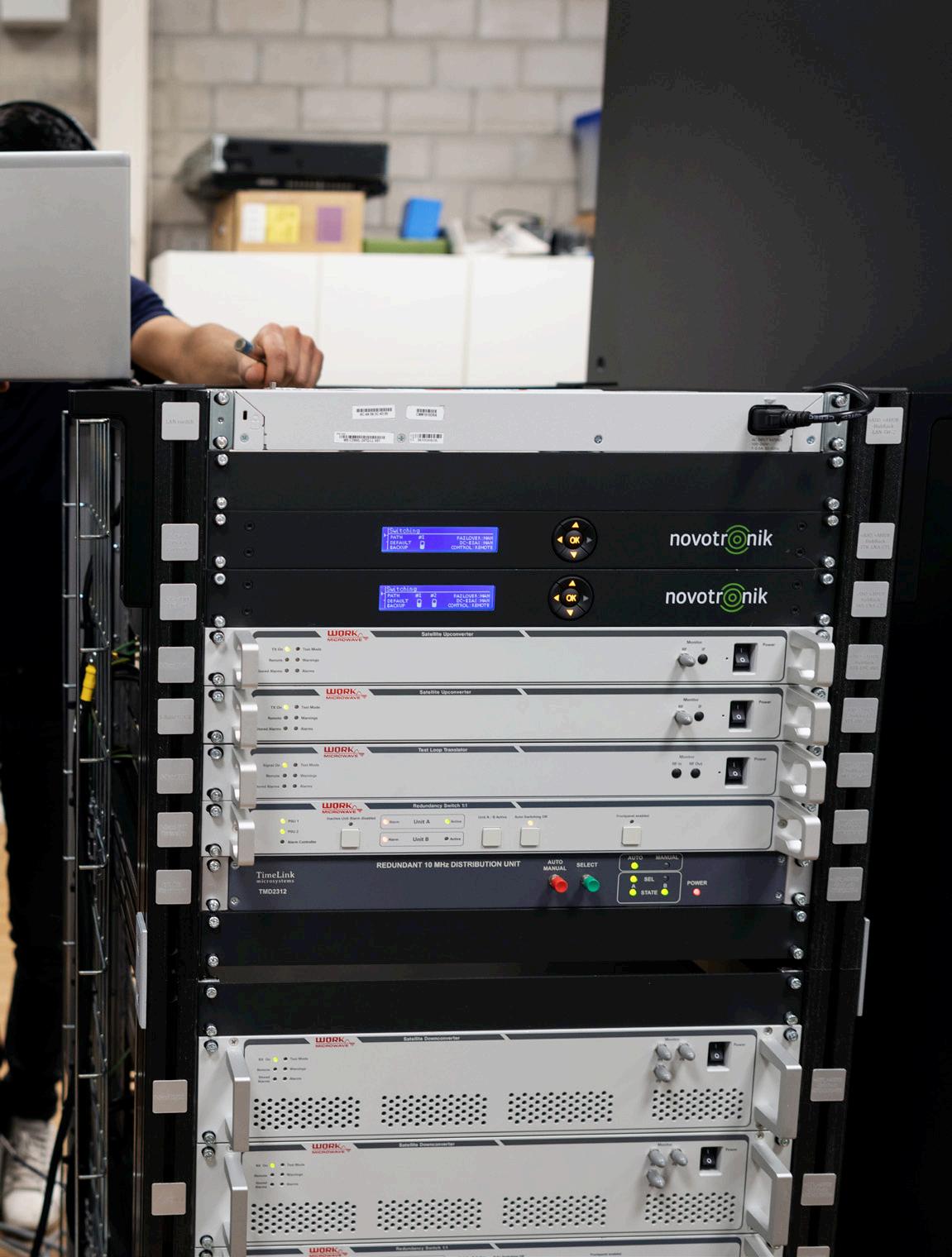
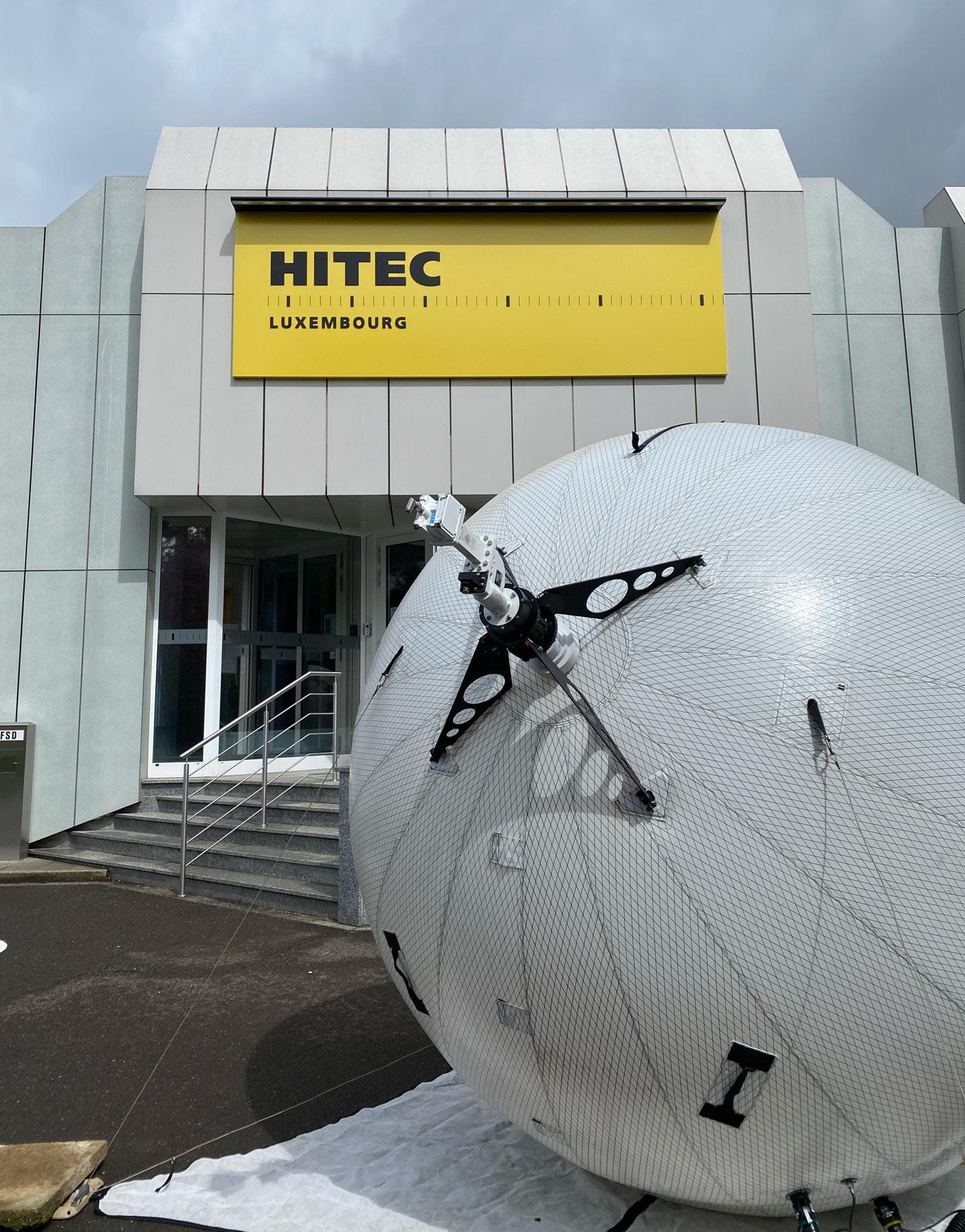
“What’s today’s niche can be tomorrow’s mass market,” Philippe comments. “To stay ahead, we maintain a constant pipeline of research and development projects focused on emerging technologies and future industry shifts.
“Digitalisation remains one of the strongest long-term trends shaping the business,” he adds.
“There will always be more and more data that needs to be transmitted.”
At the same time, sustainability is also becoming more deeply integrated into customer requirements and industrial processes.
HITEC’s work within the carbon black sector increasingly supports circular economy initiatives aimed at recovering and reusing materials from endof-life tyres.
“The idea is to fuel the circular economy,” Philippe says.
“WE FOCUS ON WHAT WE’RE GOOD AT AND COLLABORATE WITH OTHERS IN THE FIELDS WHERE WE NEED KNOWLEDGE.”

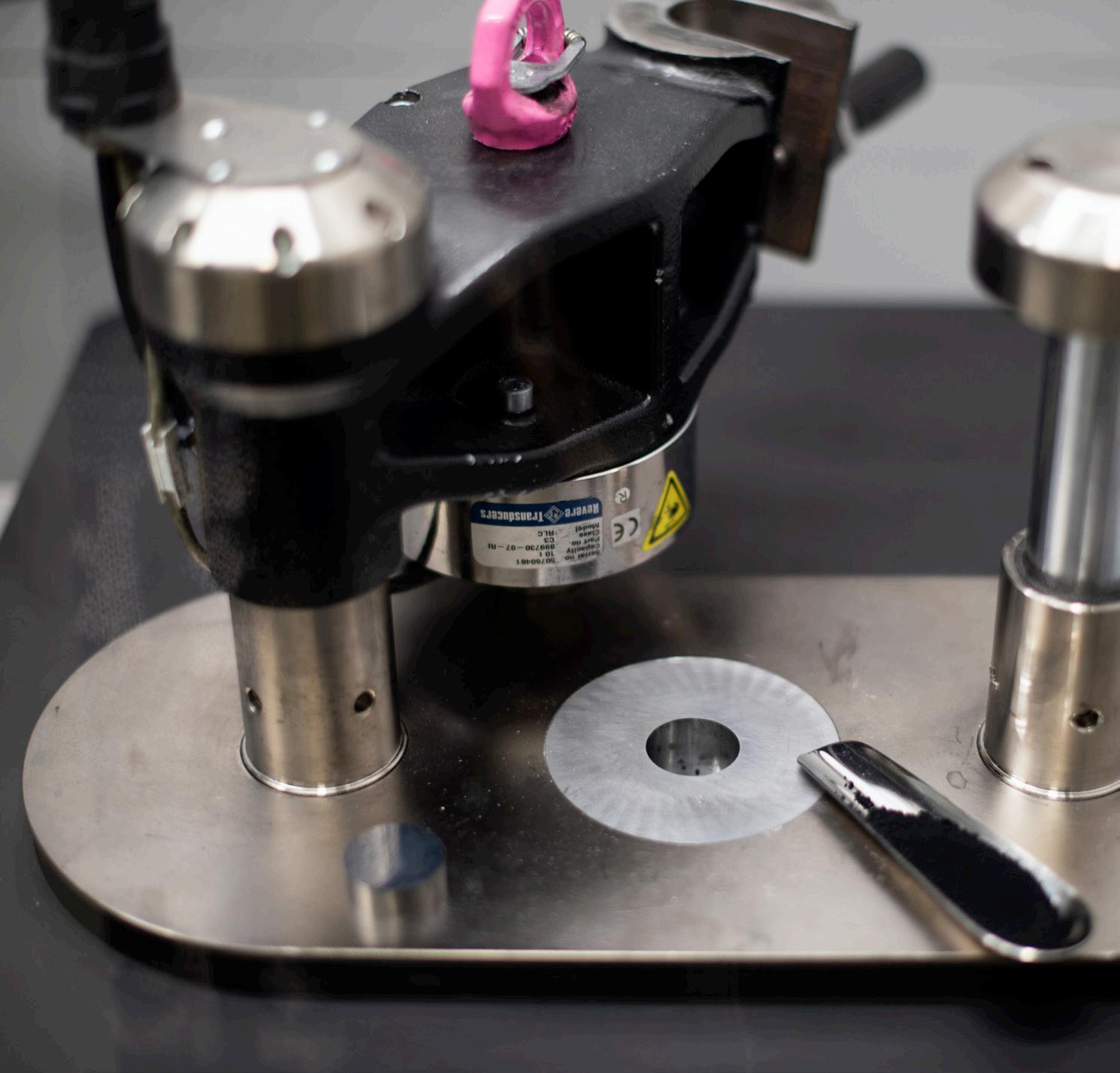
“TECHNOLOGY MAY SIT AT THE CENTRE OF OUR WORK, BUT THE BUSINESS STILL DEPENDS ON ENGINEERING EXPERTISE, COLLABORATION AND HUMAN DECISION-MAKING.”
Last year, HITEC’s leadership team began developing its roadmap towards 2030. Rather than relying on rigid longterm forecasting, the company focused on building flexibility into its operating model.
“We asked ourselves, ‘How can we set up the company to be more resilient?’” Philippe recalls. “It means preparing for multiple scenarios, adapting to shifting global markets and remaining agile enough to move quickly when conditions change.
For Philippe, though, none of that changes the company’s most important asset.
“We are a people company,” he declares. “Technology may sit at the centre of our work, but the business still depends on engineering expertise, collaboration and human decision-making. Technology is an enabler, but we always keep people in the loop.”
HITEC Luxembourg S.A.
HITEC Luxembourg S.A., a 100%-owned Luxembourg company, has developed its business activities in the field of innovative and quality products and services.
We offer high technology solutions covering different business areas: satellite ground segment, specific and standard equipment for testing and measuring of physical properties, traffic management and mission critical. Market-oriented, client-centric and technology driven.
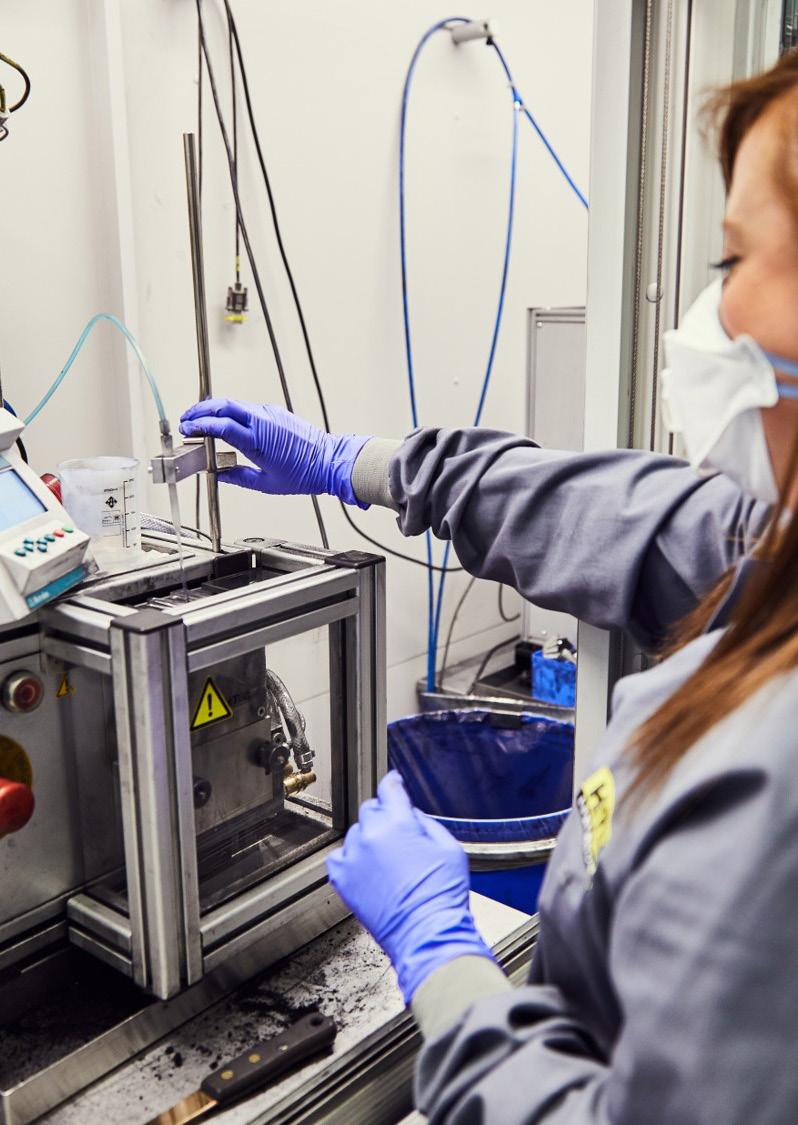
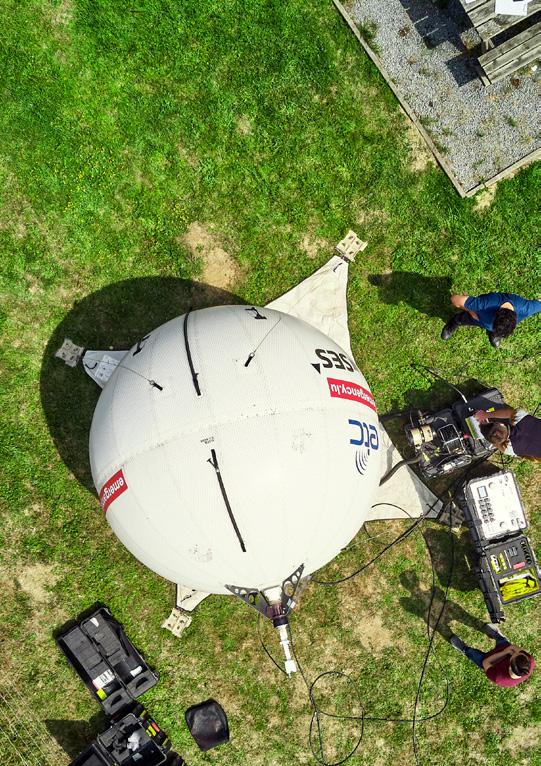
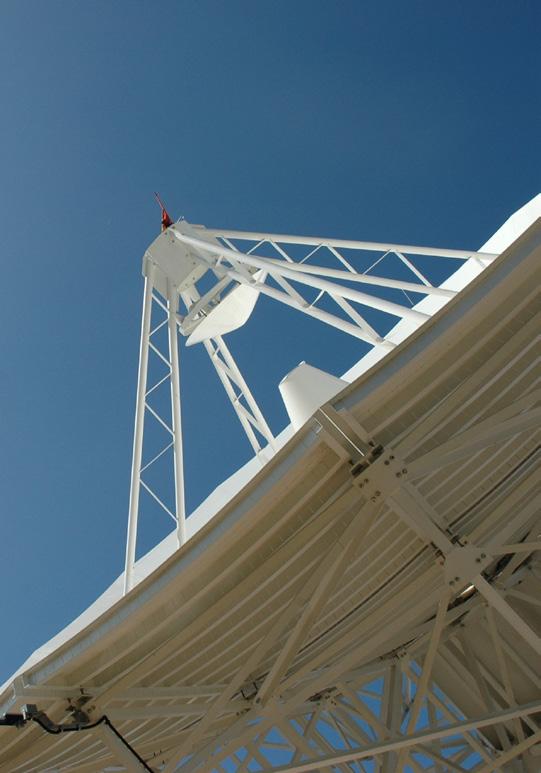
ALTRAD RMD KWIKFORM HAS PROVEN ITSELF TO BE A VALUABLE PARTNER FOR THE BIGGEST AND MOST DEMANDING CONSTRUCTION PROJECTS.
Altrad is a French Group and an internationally leading provider of industrial services in the oil & gas, energy, power generation, process, environment and construction sectors. In particular, the company has specialised in nuclear facility management.
Four years ago, Altrad acquired RMD Kwikform, a construction engineering company formed from the merger between Rapid Metal Developments and GKN Kwikform in the year 2000. The resulting company, Altrad RMD Kwikform, provides formwork, falsework/shoring, heavy-duty support, ground shoring, and safety & access systems. Its products lead the industry, and have helped make possible the creation of some of the world’s most challenging and impressive structures.
The company operates across 14 countries around the world, with the local presence necessary to support customers wherever and whenever they need it. The company’s extensive regional network means that its customers benefit from availability, flexible delivery and improved equipment storage, as well as a high-quality fleet that can be delivered when it is needed, on time, and in full. However, ultimately, for Raja, it all comes down to the products.
“What sets RMD Kwikform apart from the competition is our product range. We have every civil engineering product, an engineering background in infrastructure and experience and expertise that goes back to World War
Two,” says Arul Raja, Managing Director for Altrad RMD Kwikform in Asia.
“Our competition doesn’t have that kind of range for heavy infrastructure. We stock products that are similar or better than our competition in the construction sector, adding value with additional services and our engineering know-how.”
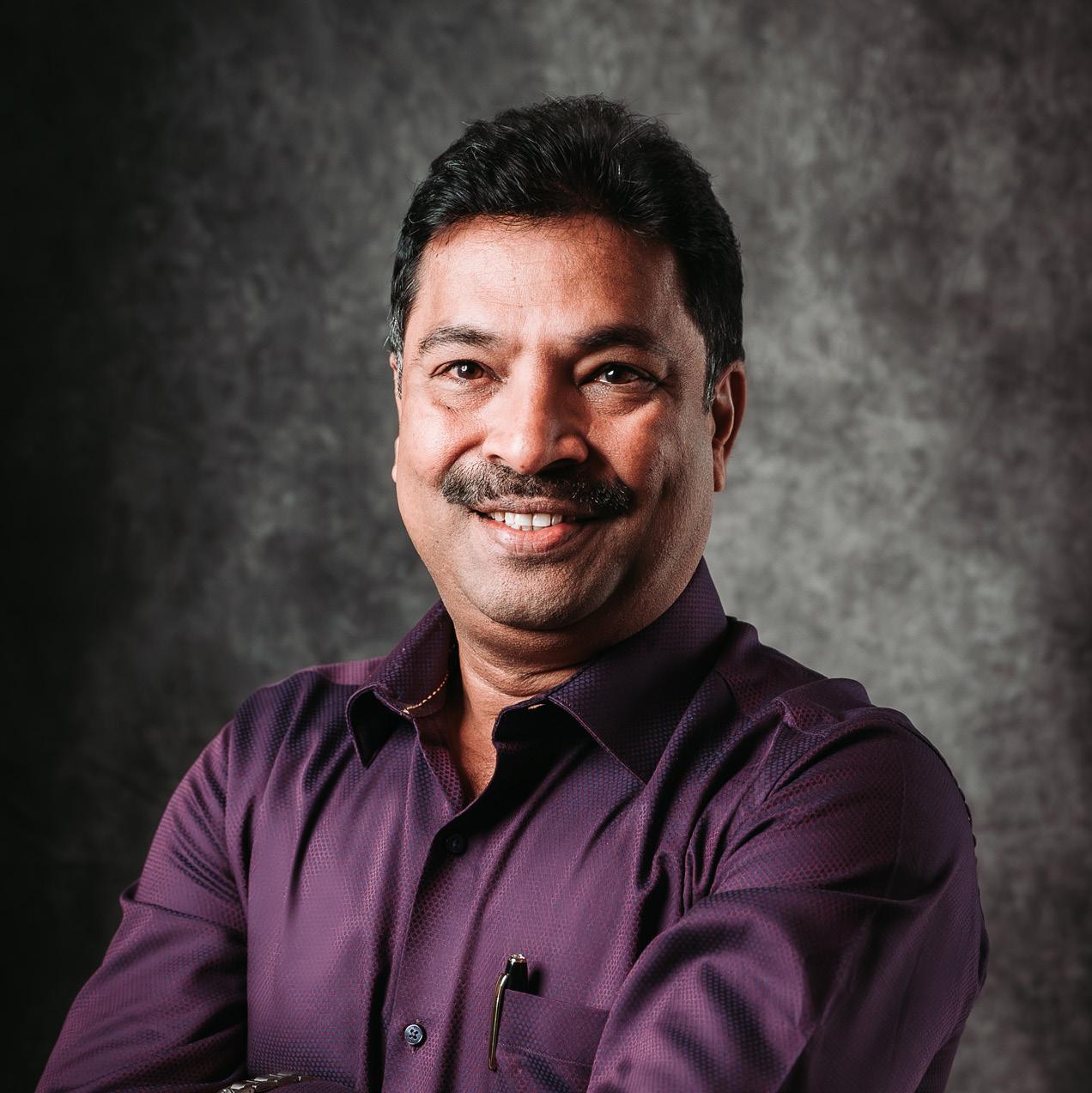
Built on values of courage, humility, respect, solidarity and conviviality, Altrad RMD Kwikform upholds these standards throughout its global network of branches. The company offers a diverse range of above


CSSL was established in 2010, and specialized in providing high-quality and advanced fabricating products for applications in mining, bridges, and infrastructure. The attached photo are our valued customer Altrad RMD Kwikform main products line: Ground shoring system, we have supplied these items to Altrad RMD global over 12 years.
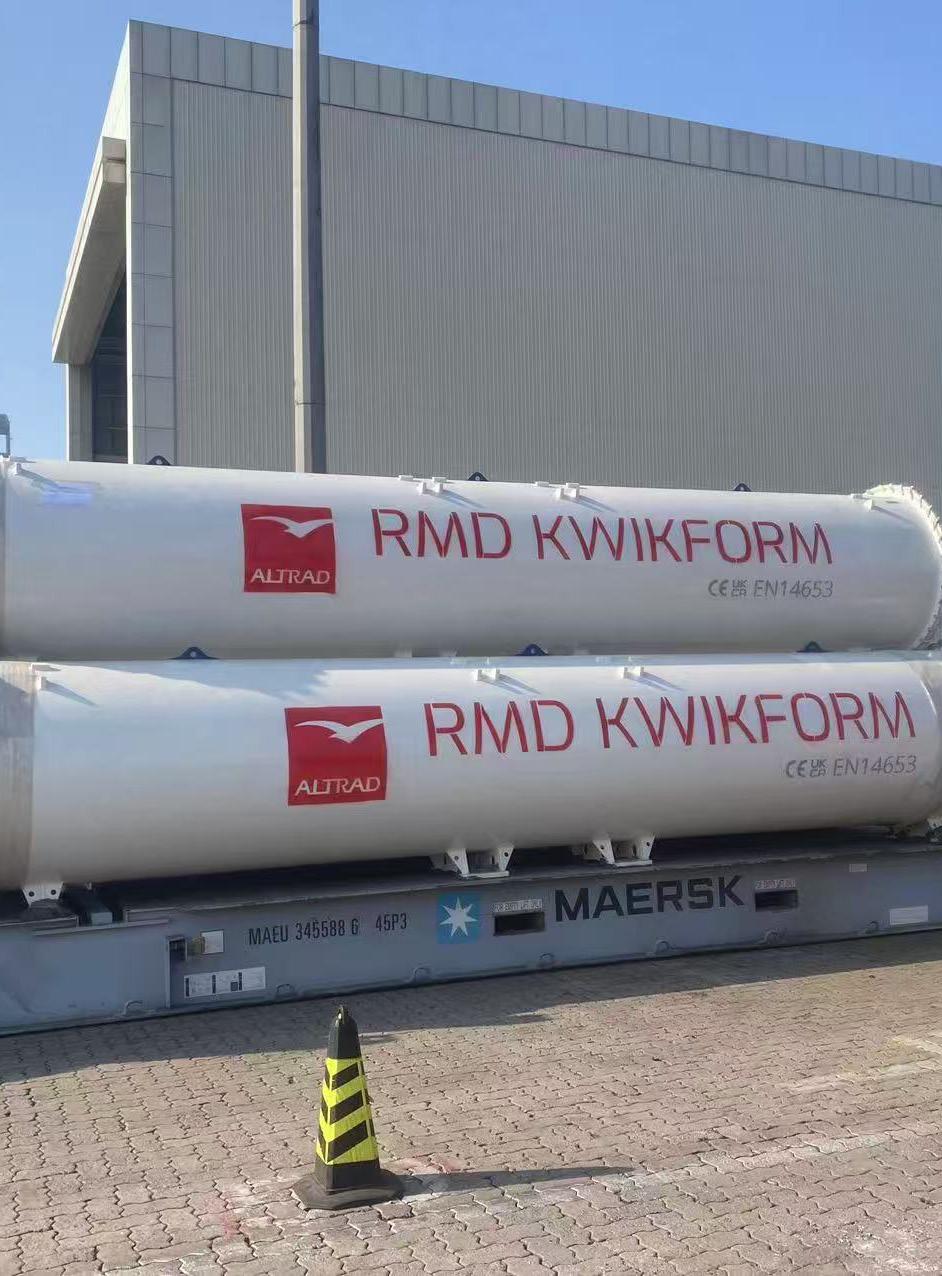
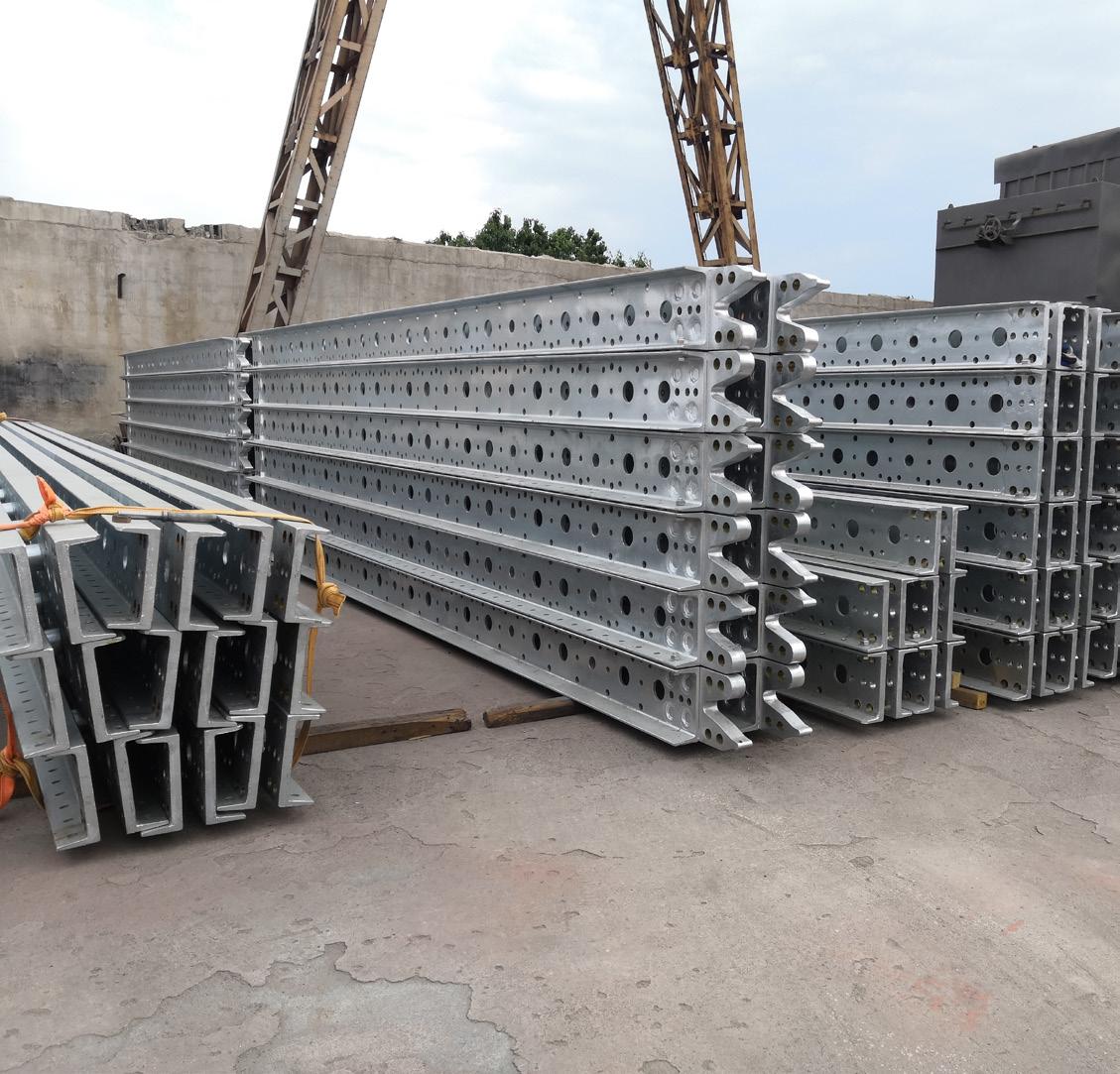
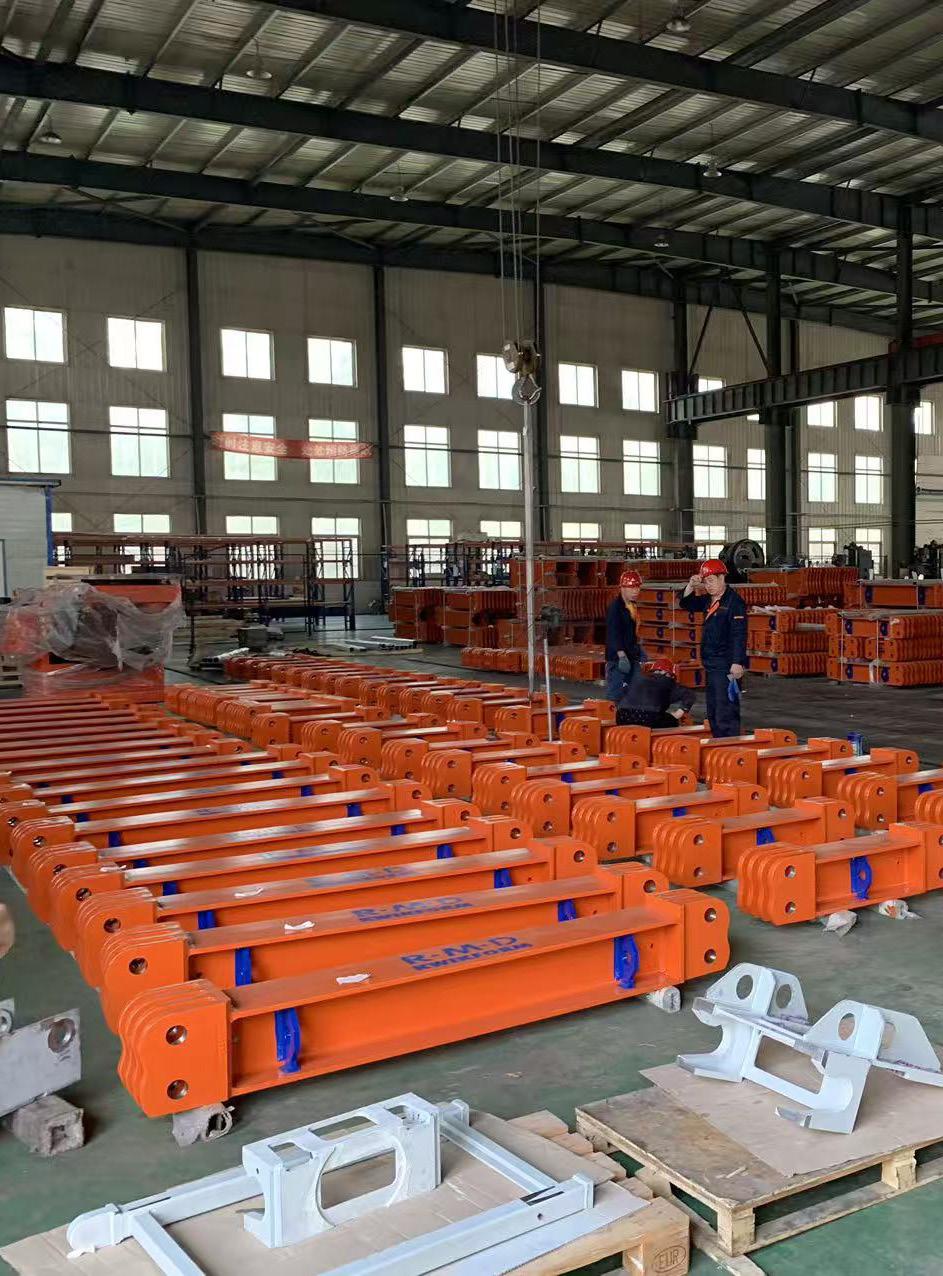
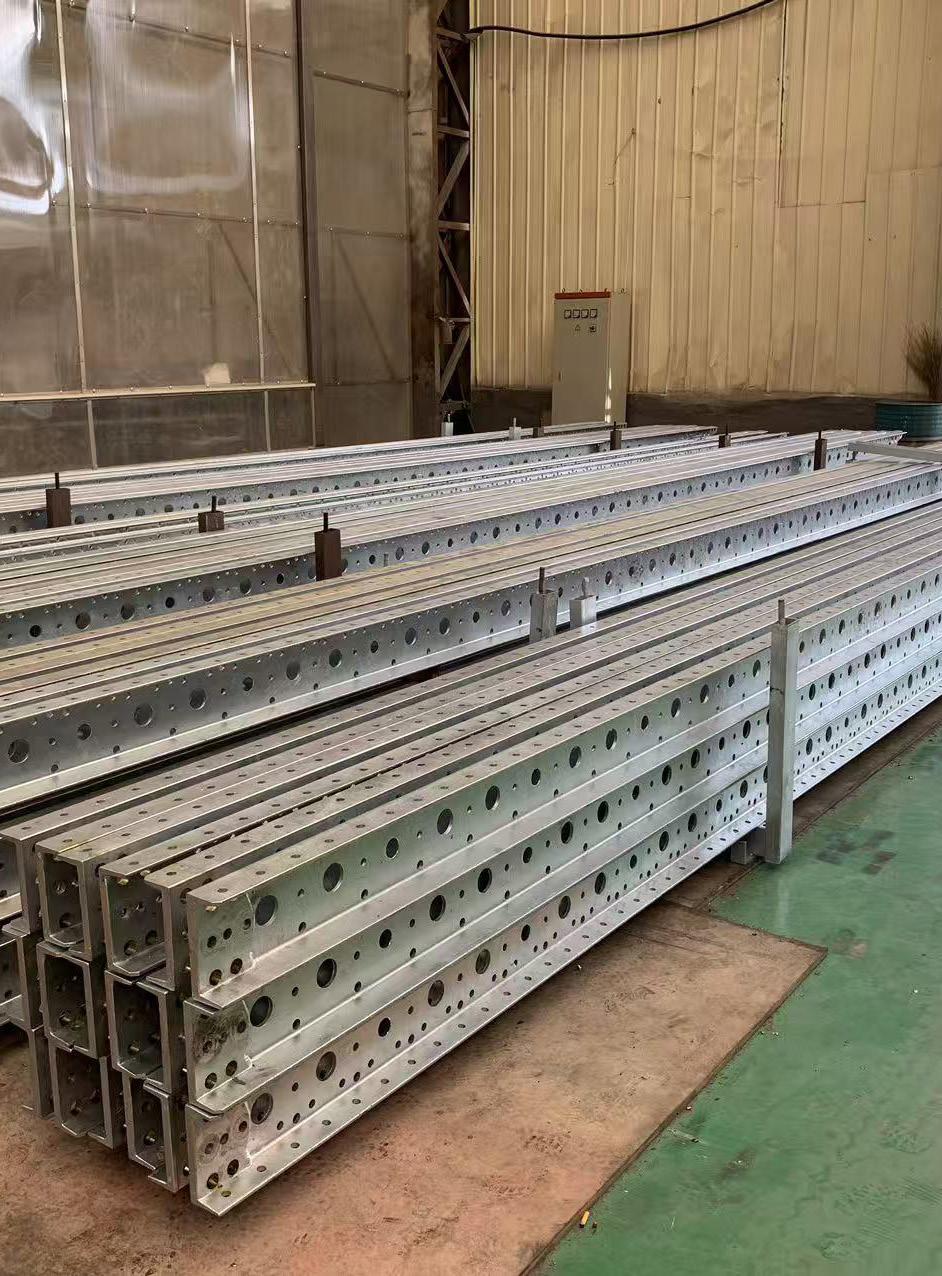
CSSL is a leading heavy industrial equipment and fabrication supplier, providing technical service for the chemical, petrochemical, oil & gas, energy and environment industries amongst others.
We help customers to meet construction schedules and control costs through the supply of world-class quality construction equipment, safety shoring equipment and prefabricated tubes, tower & columns, and lifting equipment from China.
With resources and experience in the global projects, we are proud to partner with our customers to deliver experience, expertise and unrelenting commitment to products & technical service.
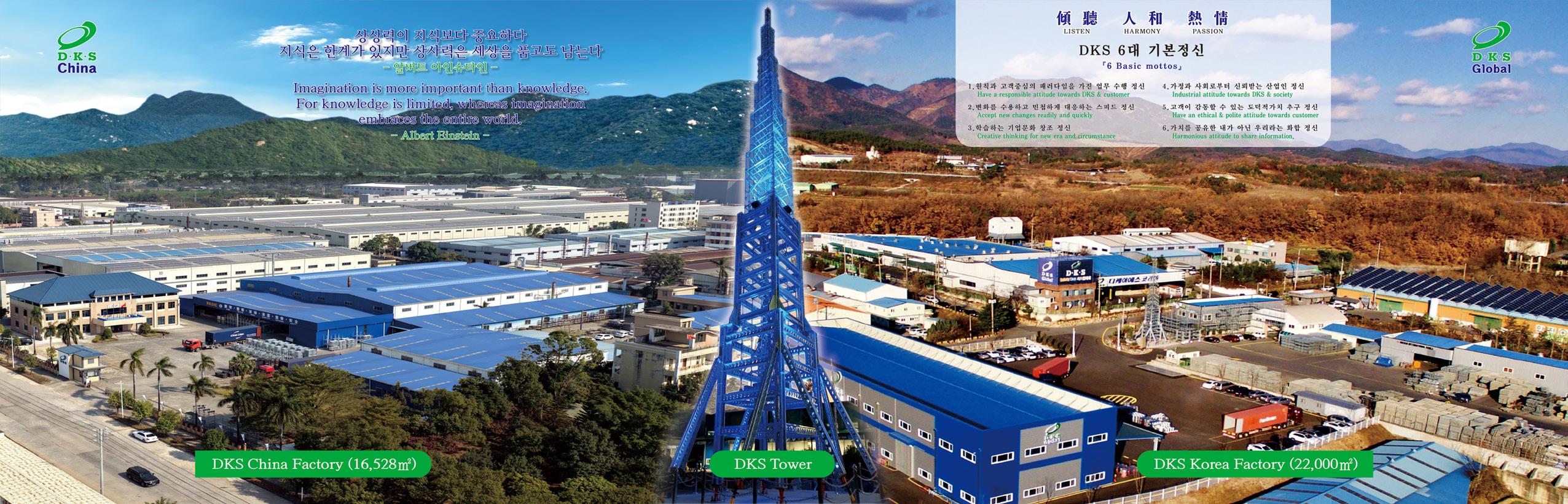
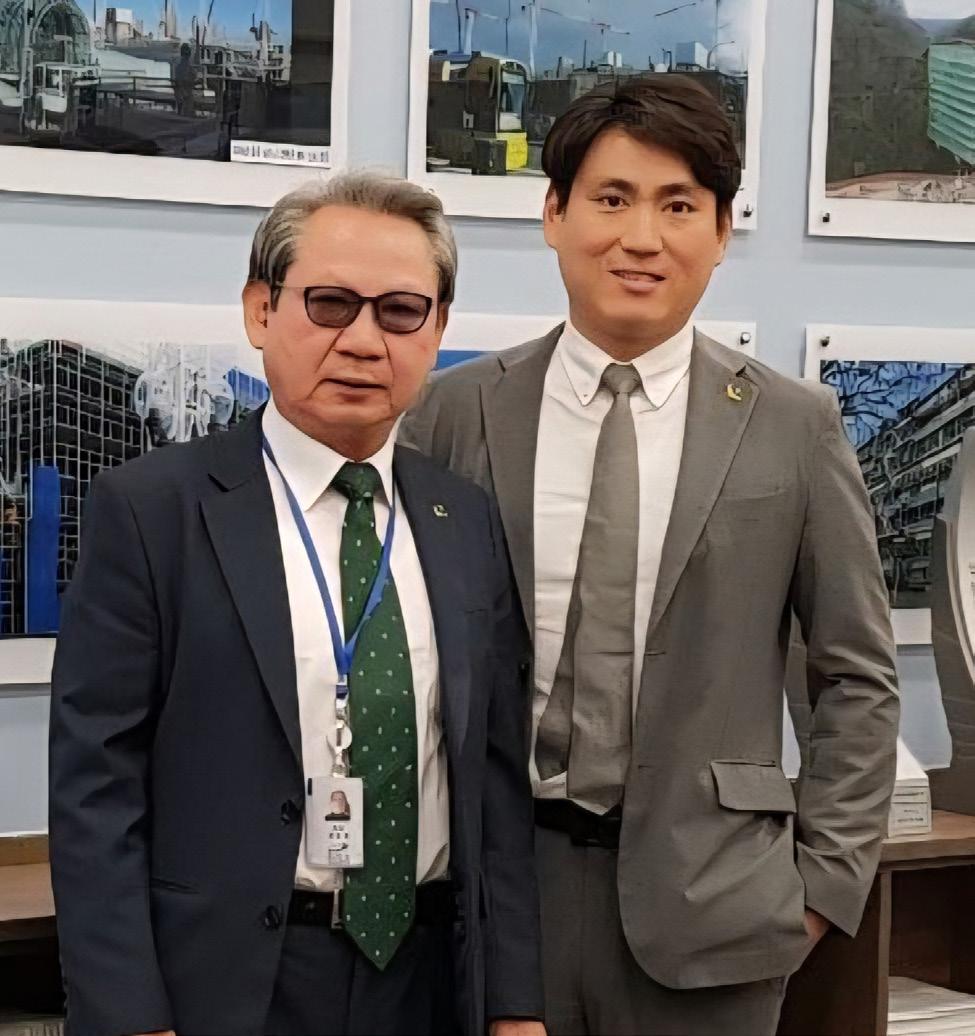
38,528
We are truly honored to introduce DKS in a globally recognized business magazine, with the valued support of Altrad RMD.
Our relationship with RMD dates back over 30 years, beginning at a trade exhibition in Taiwan, where we first met S. Toy, then President of RMD Far East at that time. Following the establishment of RMD Korea in 1995, DKS became a trusted manufacturing and supply partner to RMD’s global subsidiaries, producing key systems such as Rapidshor, Superslim, Megashor, and R700 products.
As part of this collaboration, DKS undertook the production of Superslim systems originally manufactured in Australia. Under the technical guidance of Jim East, RMD’s Quality Control Manager, we ensured the highest standards in both production and supply. Together with RMD, DKS contributed to major infrastructure projects in Korea, including the Korean High-Speed Rail and the Gwangan Bridge, providing not only products but also on-site supervision.
DKS also pioneered Korea’s first system scaffolding, Safety-step, which was certified by the Ministry of Employment and Labor under the Korea Scaffolding Association. This system was supplied to leading construction companies such as Hyundai, Daewoo, and Samsung, contributing significantly to construction safety in Korea.
2,500+ m2 Factory Area Years of Experience
In 2005, to strengthen competitiveness, DKS established a manufacturing facility in Taishan, Guangdong Province, China, near RMD’s Far East headquarters in Hong Kong. With DKS Korea’s assistance, engineers and technical guidance from RMD, this facility has been producing and supplying RMD’s strategic products, including Rapidshor, Superslim, Megashor and other products as well to global markets.
In Korea, DKS has been manufacturing and exporting to Japan Nikken’s next-generation system scaffold, ND System, since 2012. This high-performance scaffolding system was developed by Nikken’s design capabilities with DKS’s technical expertise. In addition, DKS China also supplies other strategic products for Nikken, including aluminum Hanger and Stages.
Over the past three decades, DKS has grown alongside RMD, adapting to changing times together with our customers. However, one value has remained constant: our unwavering commitment to trust.
Today, building on the strong foundation established by our founder, Chairman Yang Jun-Hoon, DKS continues to move forward under the leadership of CEO Yang Jong-Duk(John), striving toward a future of global growth together with our valued partners.
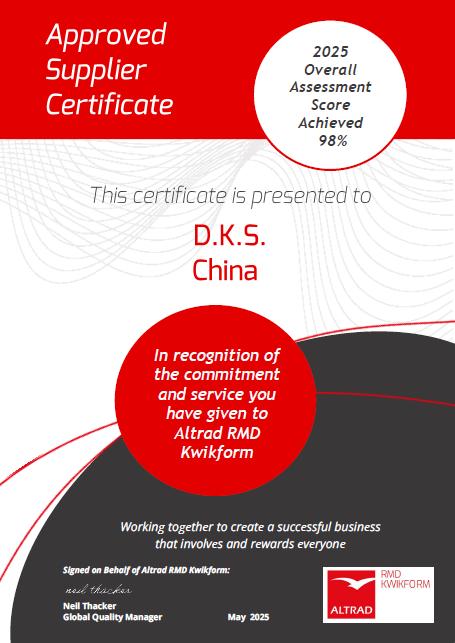
Province, China
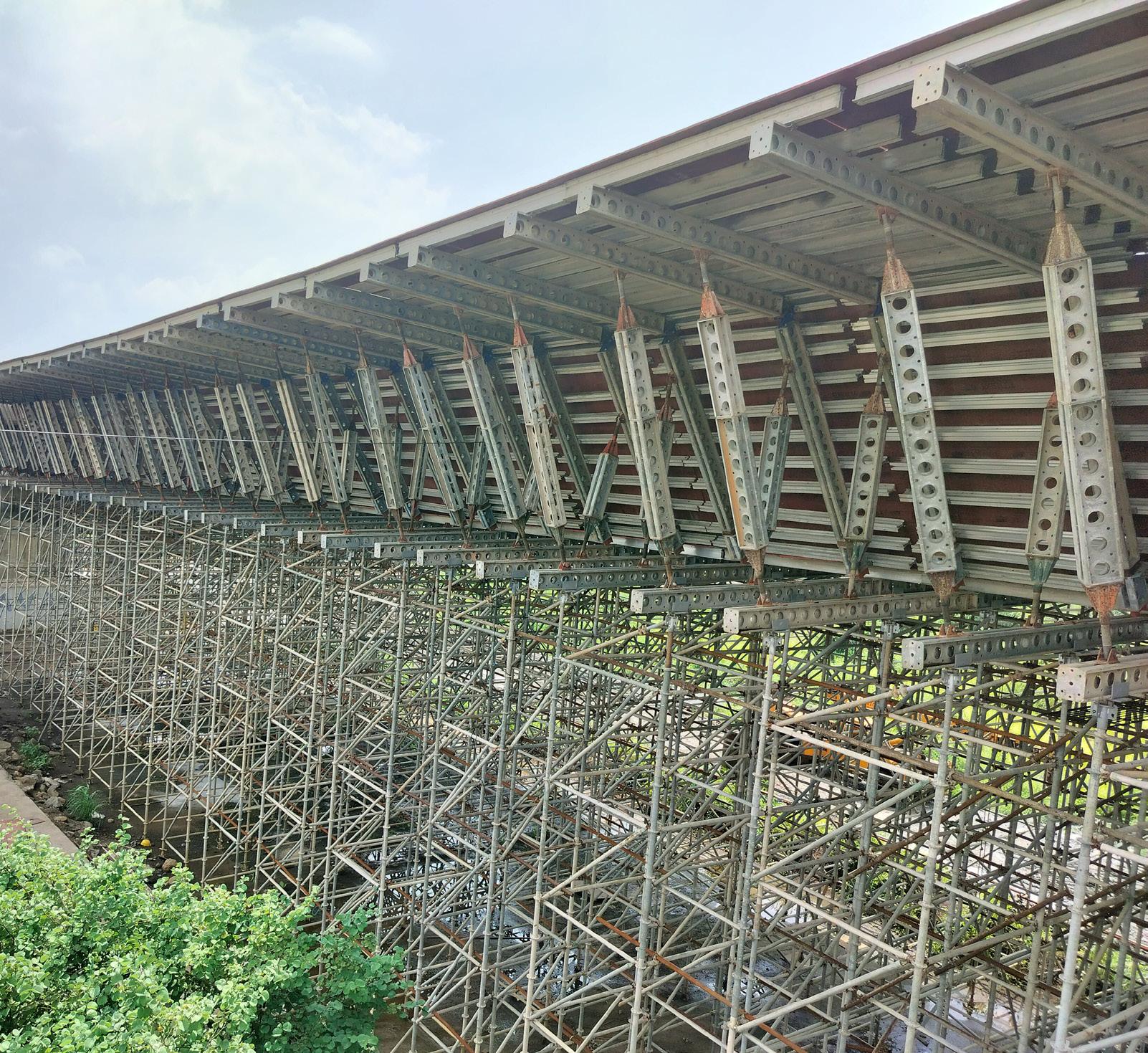
and below ground temporary works, as well as engineering excellence backed by many years of expertise, with end-toend, on-site assistance. Altrad RMD Kwikform is also bringing digital innovation to the field through AR and VR 3D modelling.
Having a global network of branches means that each part of the business needs to address the needs of the market it serves.
“When we started in India, I came in from the Middle East and was trying to adapt the same model here that I had used there,” Raja recalls. “But that model was cost-orientated and conservative on project management and health and safety. We had to adapt that model in the early days of 2011. We quickly found out
that our approach to the market was not completely aligned to the local culture, and had to introduce changes. We needed to generate cost effective solutions without compromising quality or health and safety.”
To achieve that, Altrad RMD Kwikform moved its supply chain into countries like India and China, acquiring products of the highest standards. With those standards established, the company was able to propose cost effective solutions.
“We had to adapt and be resilient and a little patient with the market,” says Raja. “It took some time until we slowly started accepting orders, then they built up rapidly.”
The business began as a greenfield site in India, which means that from the outset, it was essential to find and recruit the right talent and the right skillset.
“We are in a unique, niche market, so I adapted a graduate training program for engineers,” Raja explains. “I could find operations people, but engineers were a problem. That is what the graduate training program was for, training people vigorously for a year, and on completion of that training, we brought them into the company.”
Building on that foundation, Altrad RMD Kwikform has established development programs for its engineers that show them a clear development path and monetary benefits.
“We retain the majority of our engineers because we show them that career path and development plan,” Raja says. “They have the potential to achieve the role of engineering manager in the future, and we continue training by bringing in colleagues from the UK and the Middle East to share their knowledge.”
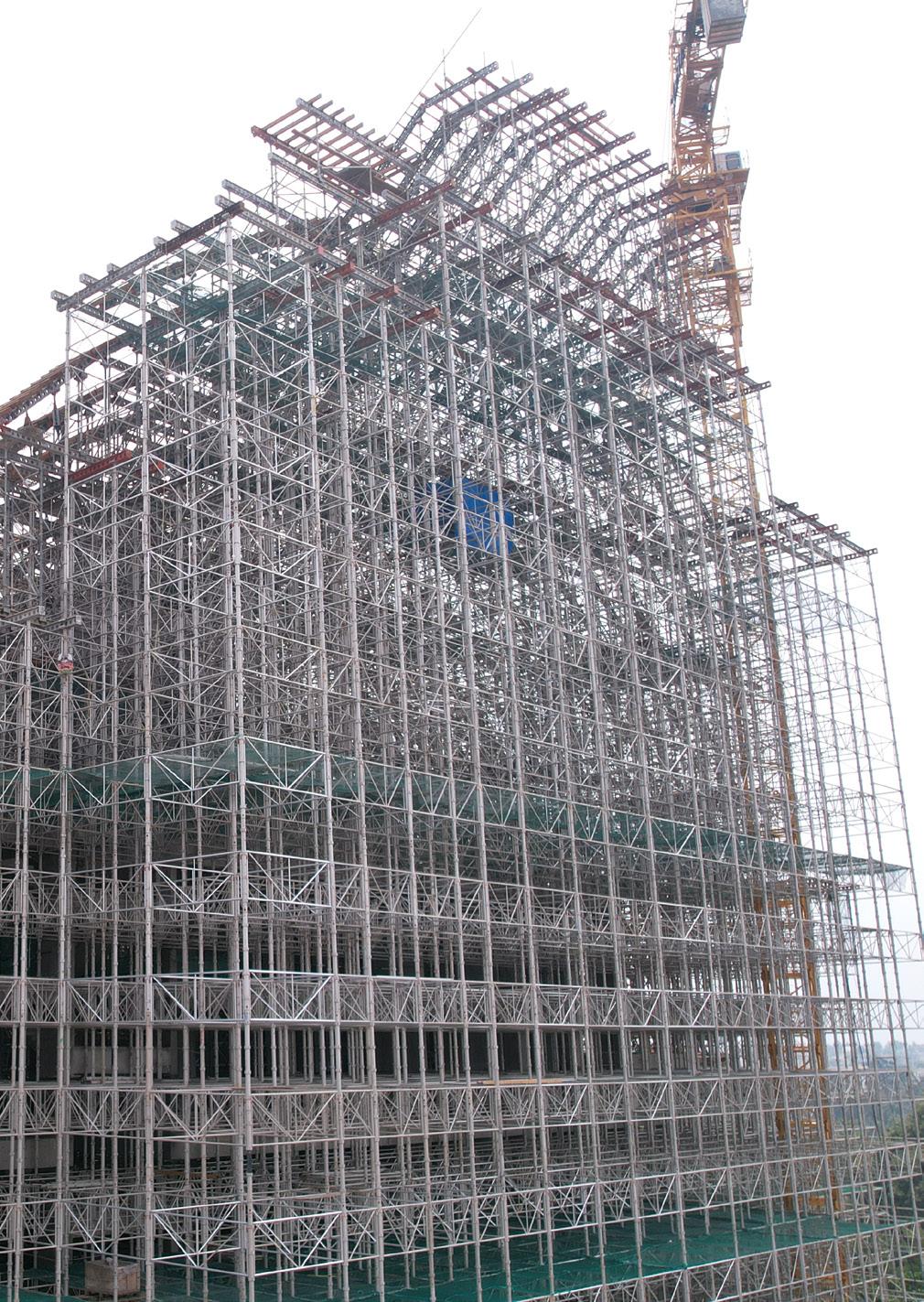
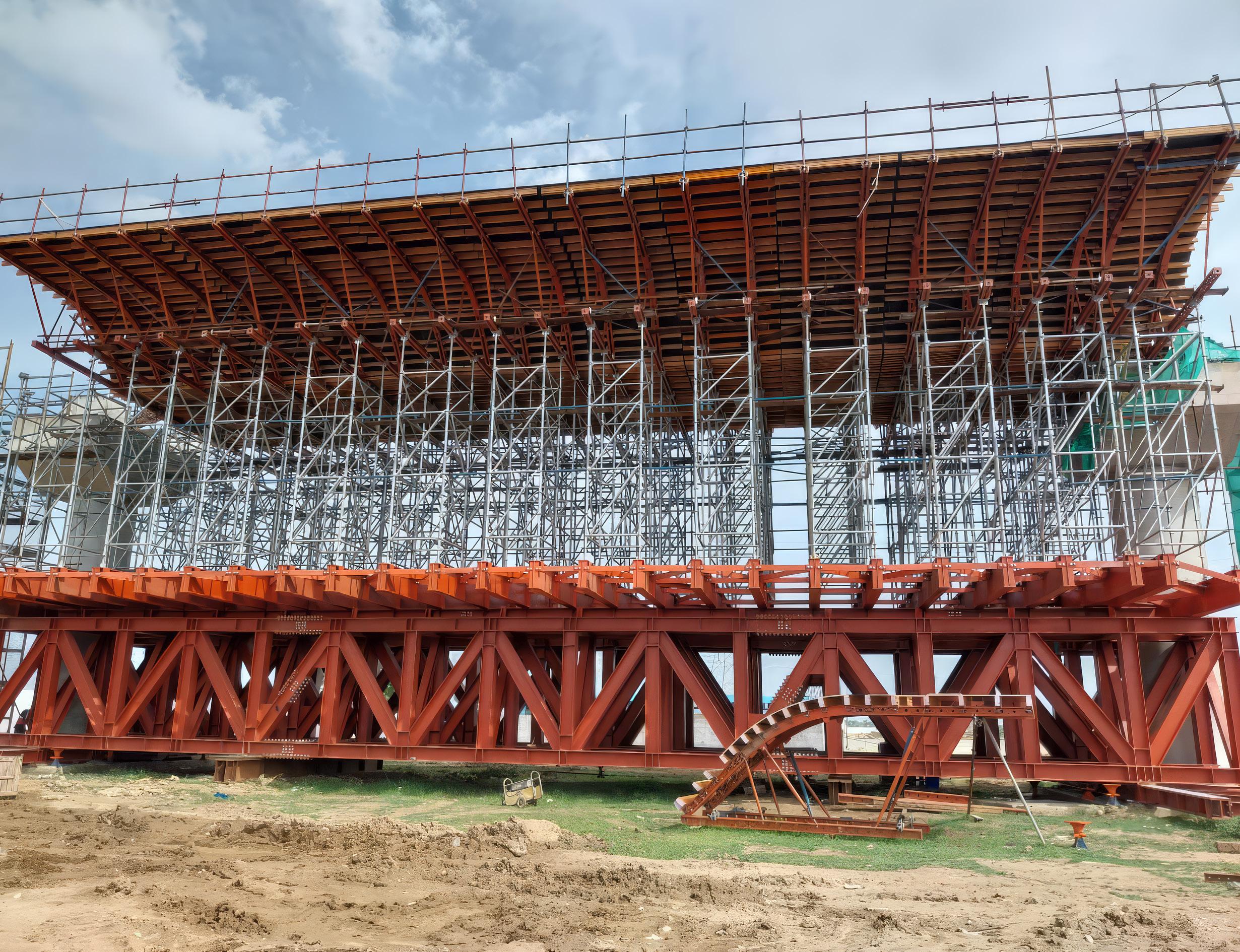
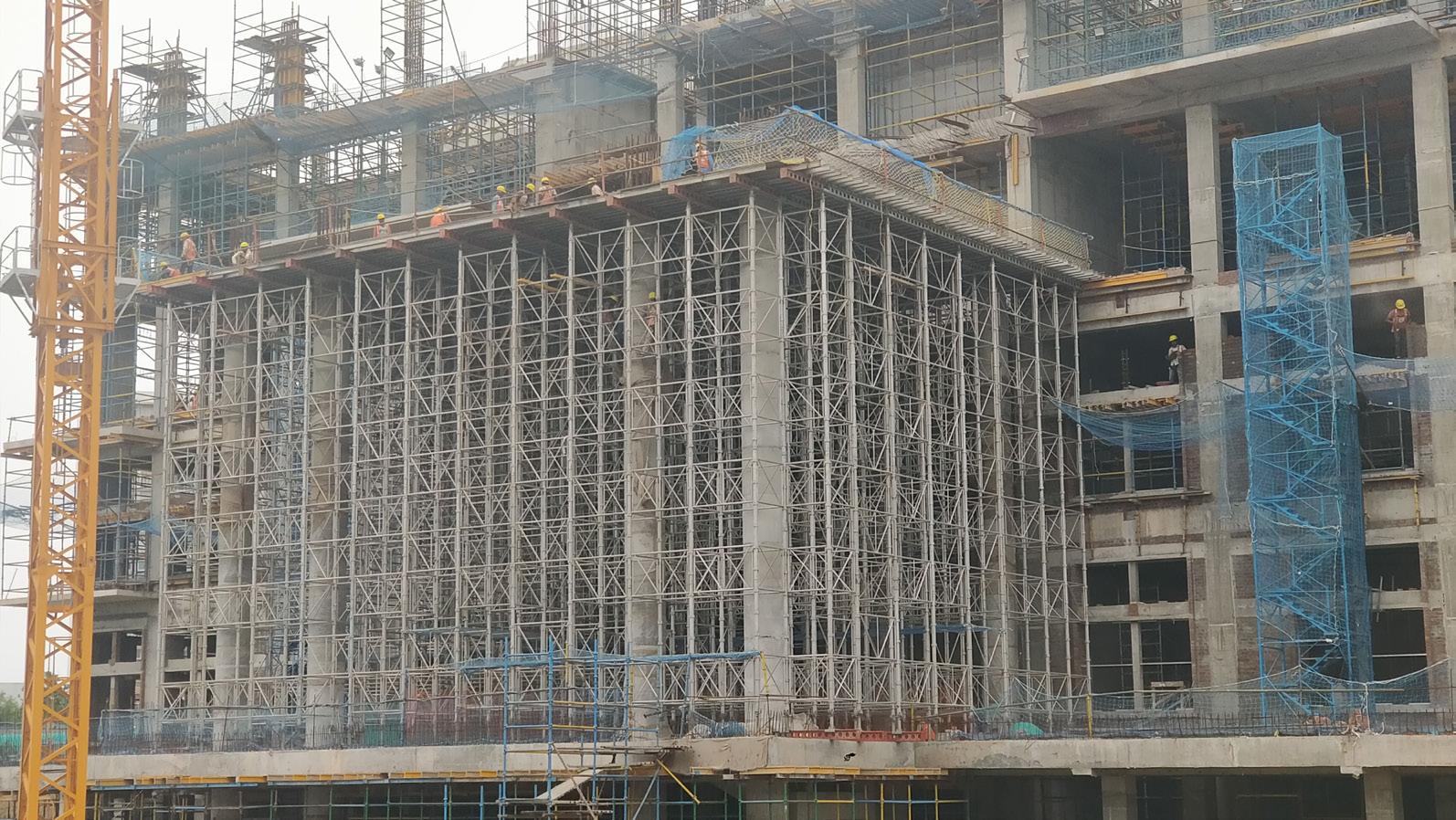
It is an exciting time for Altrad RMD Kwikform in India. In the years since the height of the Covid Pandemic, the country has undergone a period of rapid growth.
“One reason for that is geopolitical,” Raja explains.
“The US and European companies have begun moving their manufacturing bases here in India, and we are seeing data centres coming here too.
That, combined with growing demand in the domestic market, means we are seeing growth from power stations, steel
plants, cement factories, even government buildings.”
The crown jewel among those projects is the Parliament of India itself, for which Altrad RMD Kwikform will be supplying the scaffolding.
“The Indian government want to build a new Parliament building, distinct from the one built by the British,” Raja says. “Tata Projects, one of India’s biggest builders, chose us because we can work in a very short span of time and have a dedicated engineering team in place to ensure deadlines are met.”
The 15th of August next year marks India’s 80th Independence Day, and the plan is to celebrate it in India’s new Parliament, with its main hall that will be 32 metres in height. But even that is just one project among many Raja anticipates in India over the next decade. He is not aiming for rapid short-term growth, but foresees five to ten percent growth from its construction output, powered by commercial buildings, steel plants, nuclear power stations, metro works, infrastructure projects and shopping malls.
“We are now focusing our efforts on Thailand, where more growth is happening, and we are heavily involved in Guam, where the US is using local contractors to build military facilities,” Raja says. “We are also looking to explore the market in Malaysia.
BAM FM UK SUPPORTS THE MANAGEMENT OF COMPLEX ESTATES WITH THE HELP OF SHARPER INSIGHT AND LONG-TERM THINKING.
Schools, hospitals and public buildings rely on facilities management that is consistent, responsive and capable of adapting to growing operational pressures. Across the UK, estate owners are dealing with ageing infrastructure, tighter budgets, stricter compliance requirements and rising expectations around sustainability – often all at once.
BAM FM UK operates at the centre of this network of challenges every single day.
Part of the wider BAM Group, the business provides facilities management services across public and private sector estates, including education, healthcare, blue light services and critical infrastructure.
While day-to-day delivery remains central to the role, the company’s focus increasingly extends into asset planning, energy performance and longterm estate resilience.
“BAM FM UK is a national facilities management business operating across complex public and private sector estates,” begins Pam Moscrop, Managing Director BAM UK & Ireland – Facilities Management. “We focus on keeping buildings safe, compliant and operationally effective, while helping organisations get longterm value from their assets.”
Facilities management has evolved significantly in recent years. Clients are no longer looking purely for maintenance providers – they want partners that can help them understand how buildings are performing, where risks exist, and how future investment can be planned more effectively.
This shift has shaped BAM FM UK’s approach. Rather than concentrating solely on service outputs and reactive tasks, the business places greater emphasis on lifecycle thinking and strategic asset management.
“Many FM providers focus on tasks and transactions,” Pam explains. “We focus on outcomes.”
That broader approach is supported by the company’s position within the BAM Group.
Access to expertise across construction, engineering and energy services allows BAM FM UK to support clients throughout
the lifecycle of a building rather than operating within a narrow FM remit.
“Backed by BAM’s wider design, construction, and energy expertise, we can deliver a genuinely end-to-end solution,” says Pam.
Technology is becoming an increasingly important part of how that support is delivered. BAM FM UK has invested in digital tools, asset data platforms and its own in-house developed digital twin technology to help clients gain clearer visibility of estate condition, operational performance and future risk.
For organisations managing large and complex estates, that level of insight can make a substantial difference. Better access to data allows maintenance strategies to become more predictive, helping reduce disruption, prioritise investment and improve long term cost control.
“By connecting real-time data, asset information and lifecycle insight,” Pam remarks, “we help clients move from reactive maintenance to informed, predictive decision making.
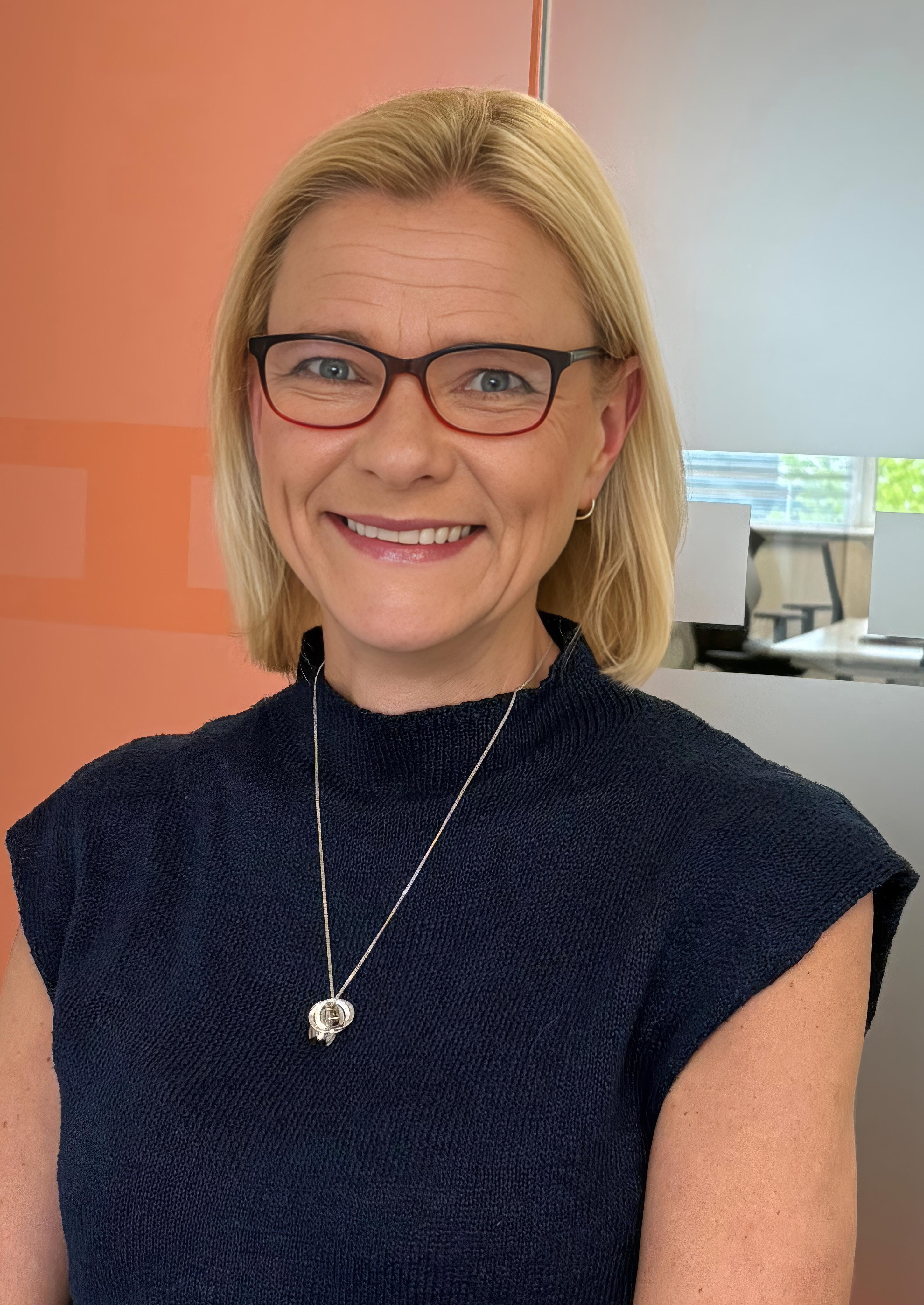
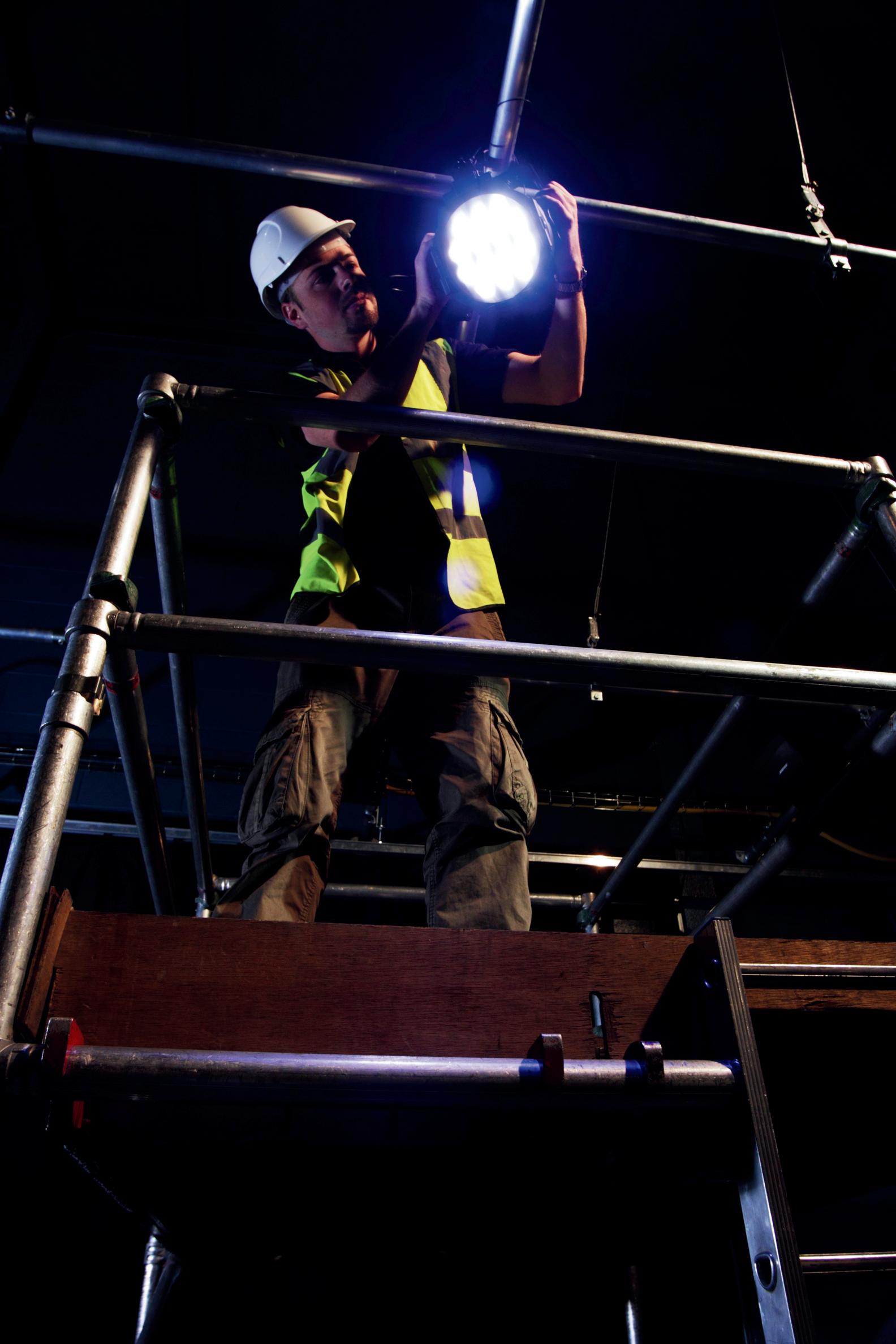
For

Stage Electrics has spent nearly half a century looking after the systems most building users only notice when they stop performing: lighting, AV, rigging, staging and control. From auditoriums and arenas to broadcast studios, education estates and corporate venues, our work sits with the specialist technical infrastructure that defines how a space performs.
We are most often called on alongside FM providers, Duty Holders and estate teams, adding specialist depth to existing FM models on the systems that need a specialist eye. Our engineers, inspectors and dedicated FM account managers integrate into delivery teams across the UK, providing consistent national coverage and reporting that translates technical detail into clear compliance and lifecycle decisions.
Through long-standing partnerships with organisations directly, through Facilities Management and construction, we support the full compliance journey: inspection, testing and detailed reporting through to maintenance, lifecycle renewal and project upgrades on ageing infrastructure. The principle is straightforward: keep complex technical environments safe, compliant and ready to perform.
Many of the customers we work with today first engaged us decades ago, a reflection of our focus on dependable service, transparent advice and long-term partnership rather than one-off transactions. If you are responsible for an estate where specialist technical systems matter, we would welcome a conversation about how Stage Electrics can support you and your team. www.stage-electrics.co.uk
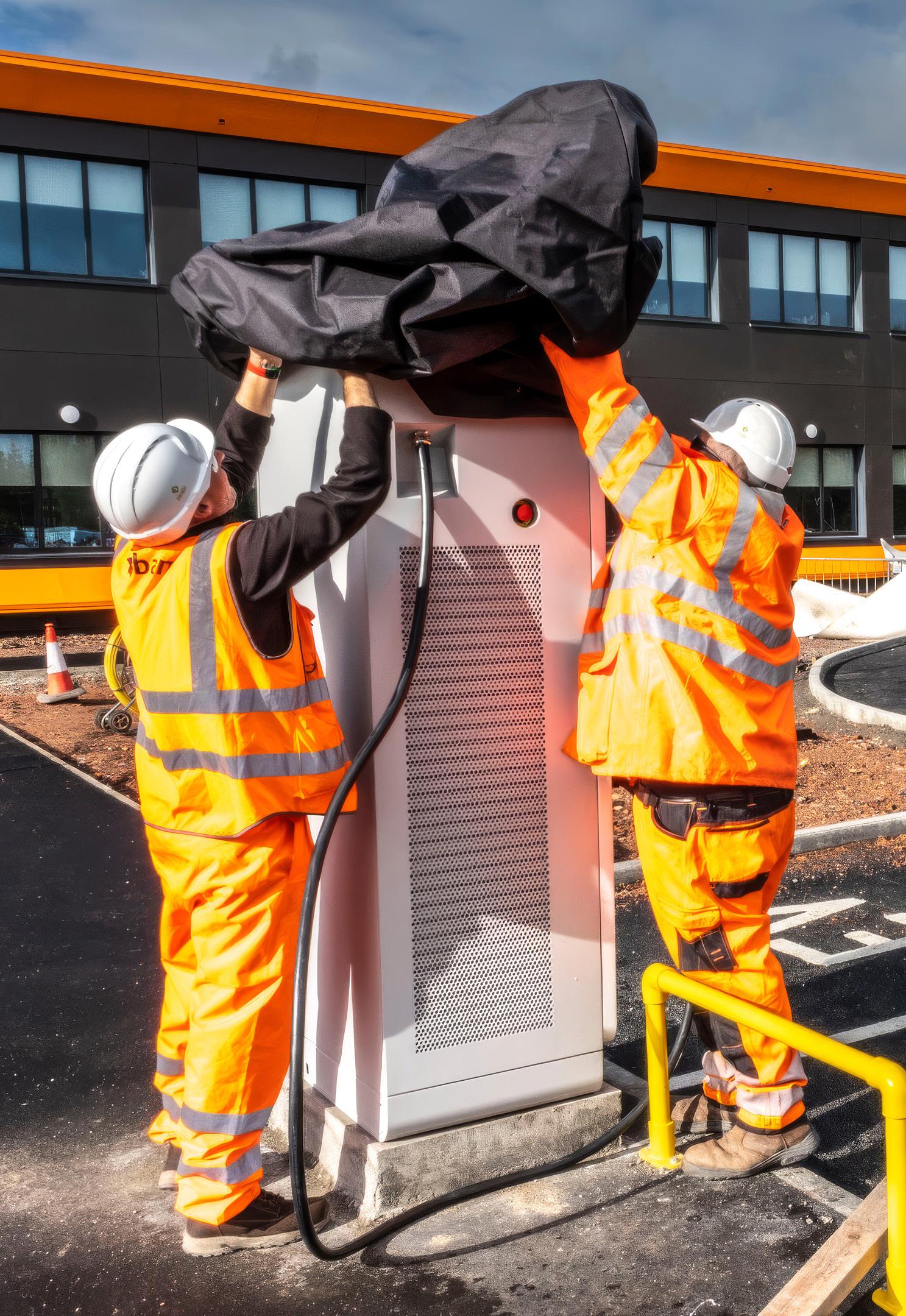
Education and public sector environments are among the clearest examples of where that approach is adding value. Many organisations are balancing operational demands against ageing estates that require careful management and continuous compliance oversight.
“These environments are highly regulated, operationally complex and under constant pressure to do more with less,” Pam states.
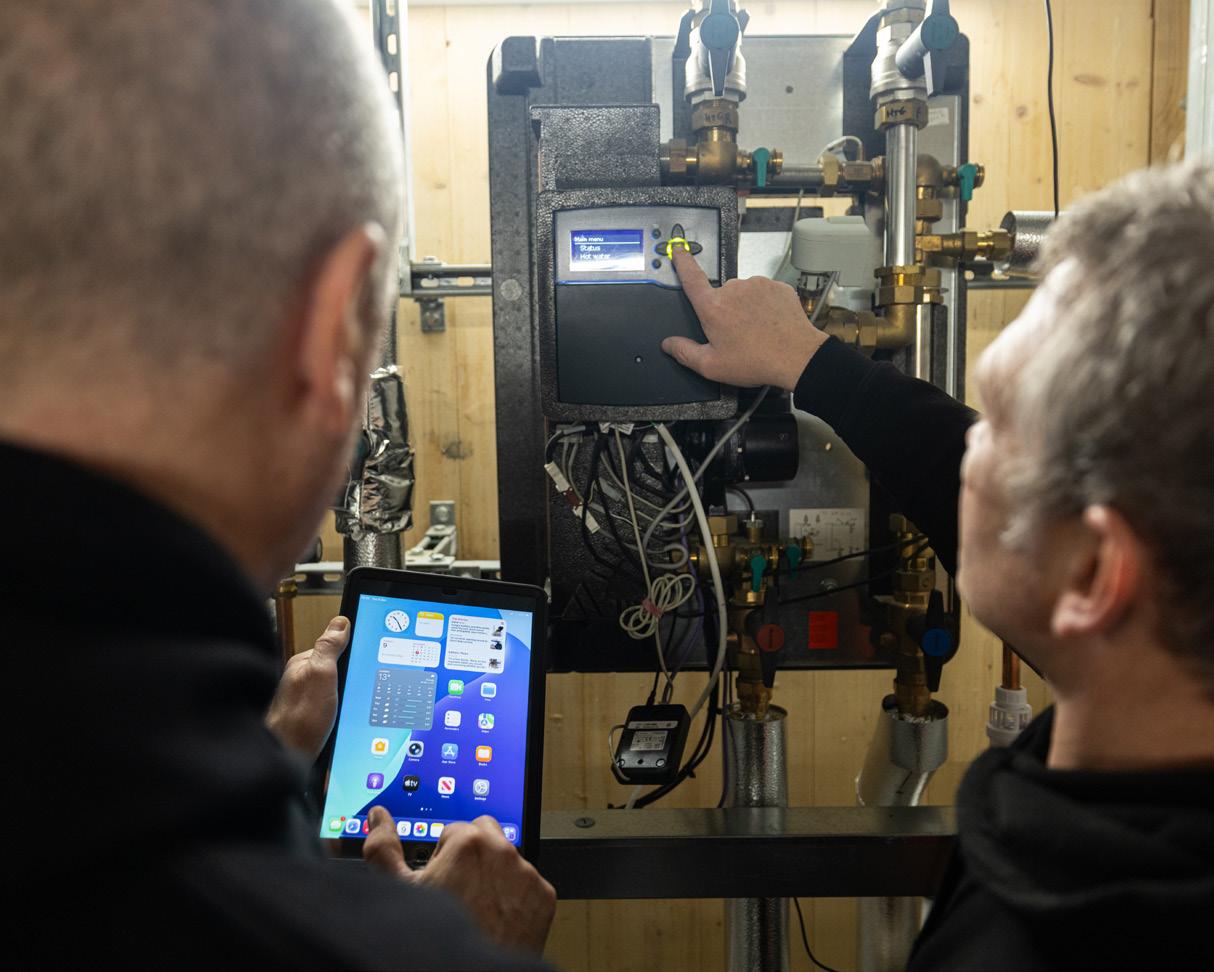
BAM FM UK works with clients to maintain asset condition, improve energy efficiency and support future planning across estates that often remain operational around the clock. Digital modelling and lifecycle data are increasingly helping to identify risks earlier and create a clearer picture of future investment requirements.
Long term stewardship has become particularly important within PFI and extended partnership contracts, where estate performance must be managed over decades rather than short delivery cycles.
“On long-term partnership and PFI contracts in particular, our strength is stewardship,” Pam reveals. “Protecting asset value and supporting informed decision making over decades rather than simply delivering a short-term service.”
Relationships are another major part of the company’s operating model. Within facilities management, contracts are often measured in years rather than months, making consistency and trust critical to successful delivery.
Pam believes transparency is essential to maintaining those partnerships, particularly when clients are navigating operational change or financial pressure.
“We’re clear about what we can deliver, honest when something isn’t working, and proactive in bringing solutions forward,” she says. “That openness extends to
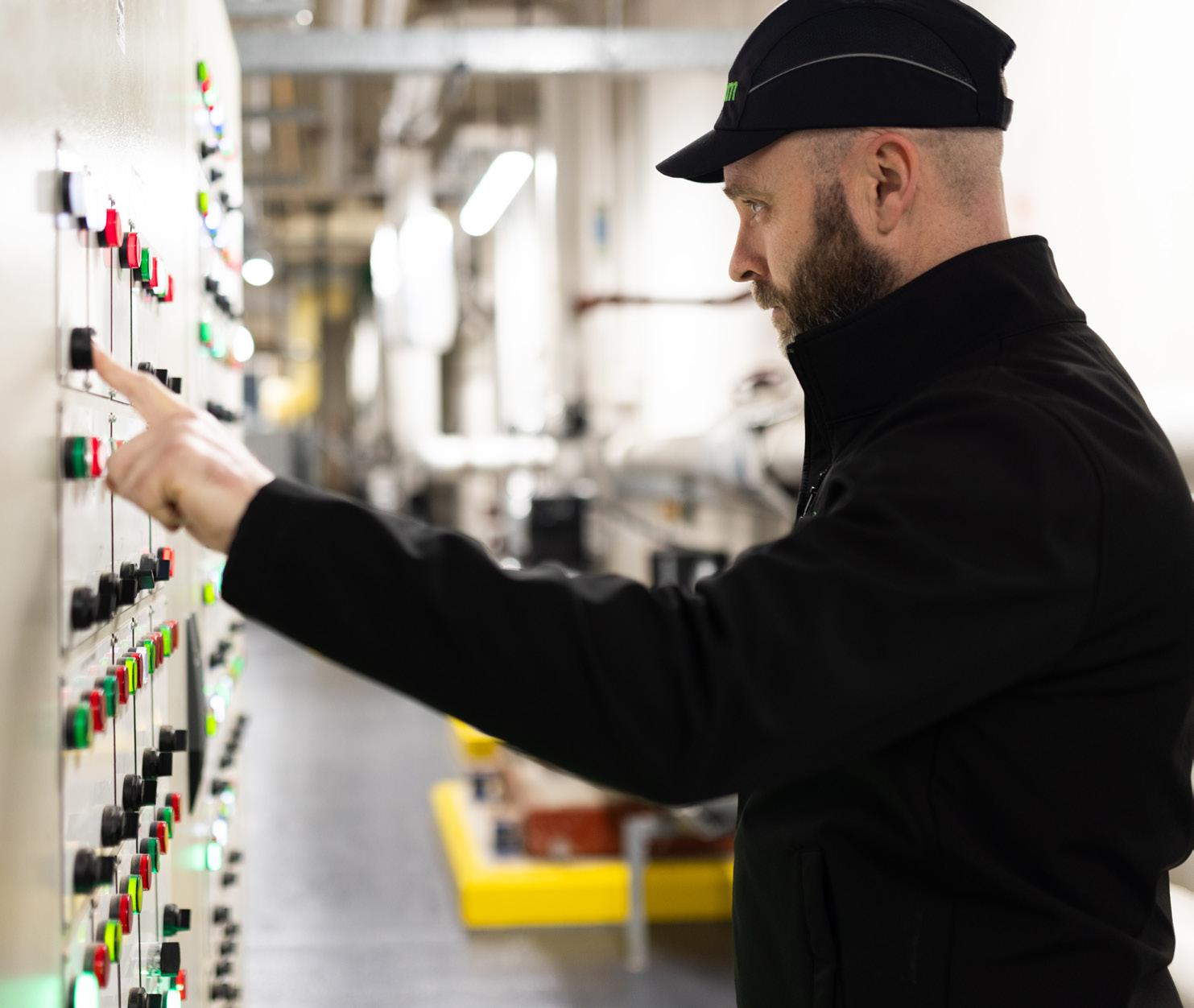
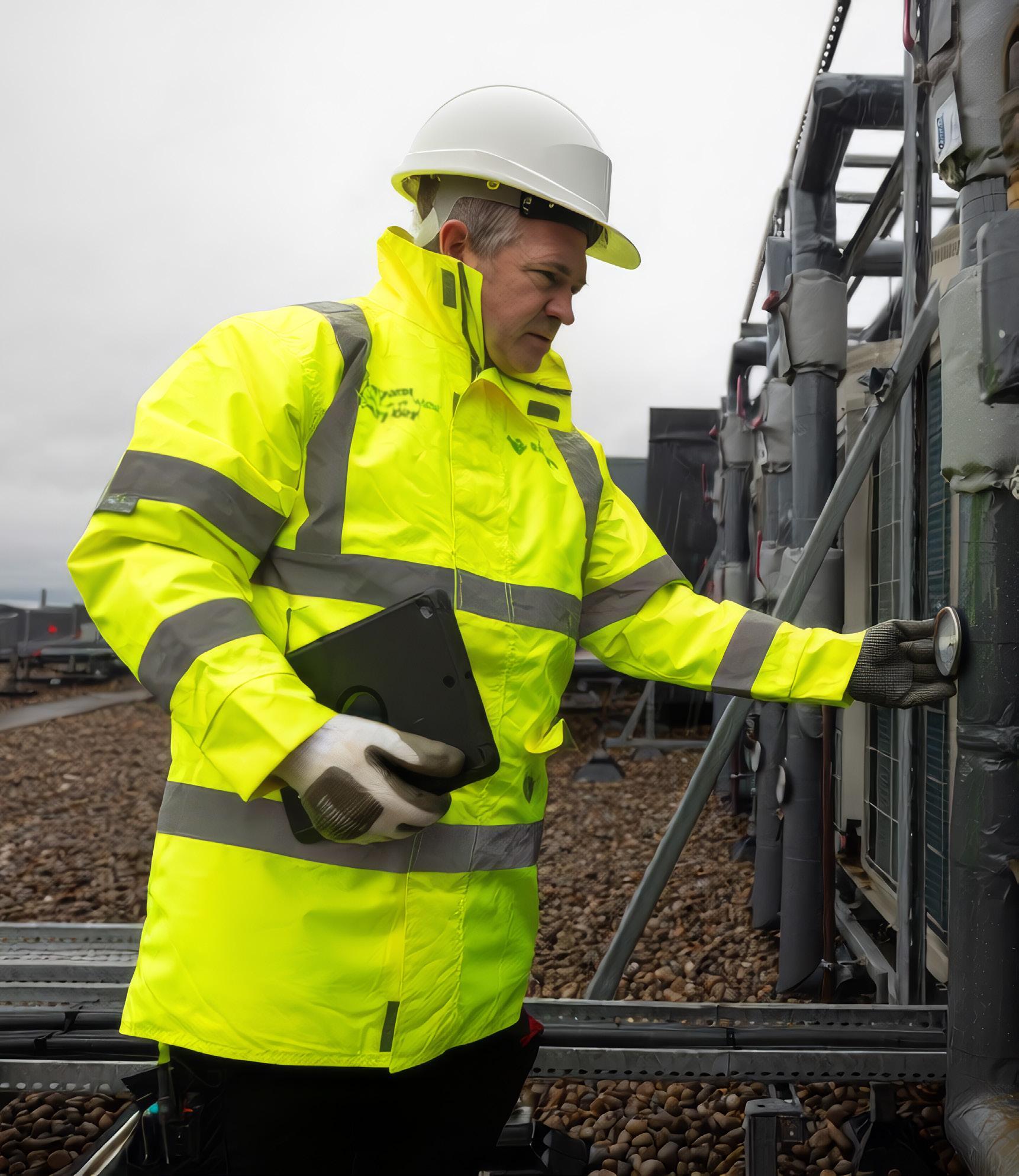
the company’s performance reporting and governance. We increasingly use operational and asset data to support conversations with clients, giving organisations clearer visibility of estate condition, service delivery, and future priorities.”
The company’s long-standing public sector relationships help to demonstrate the value of such a collaborative approach. Through regular reviews and shared access to information, BAM FM UK has been able to adapt services, improve efficiency, and help clients respond to changing operational requirements more effectively.

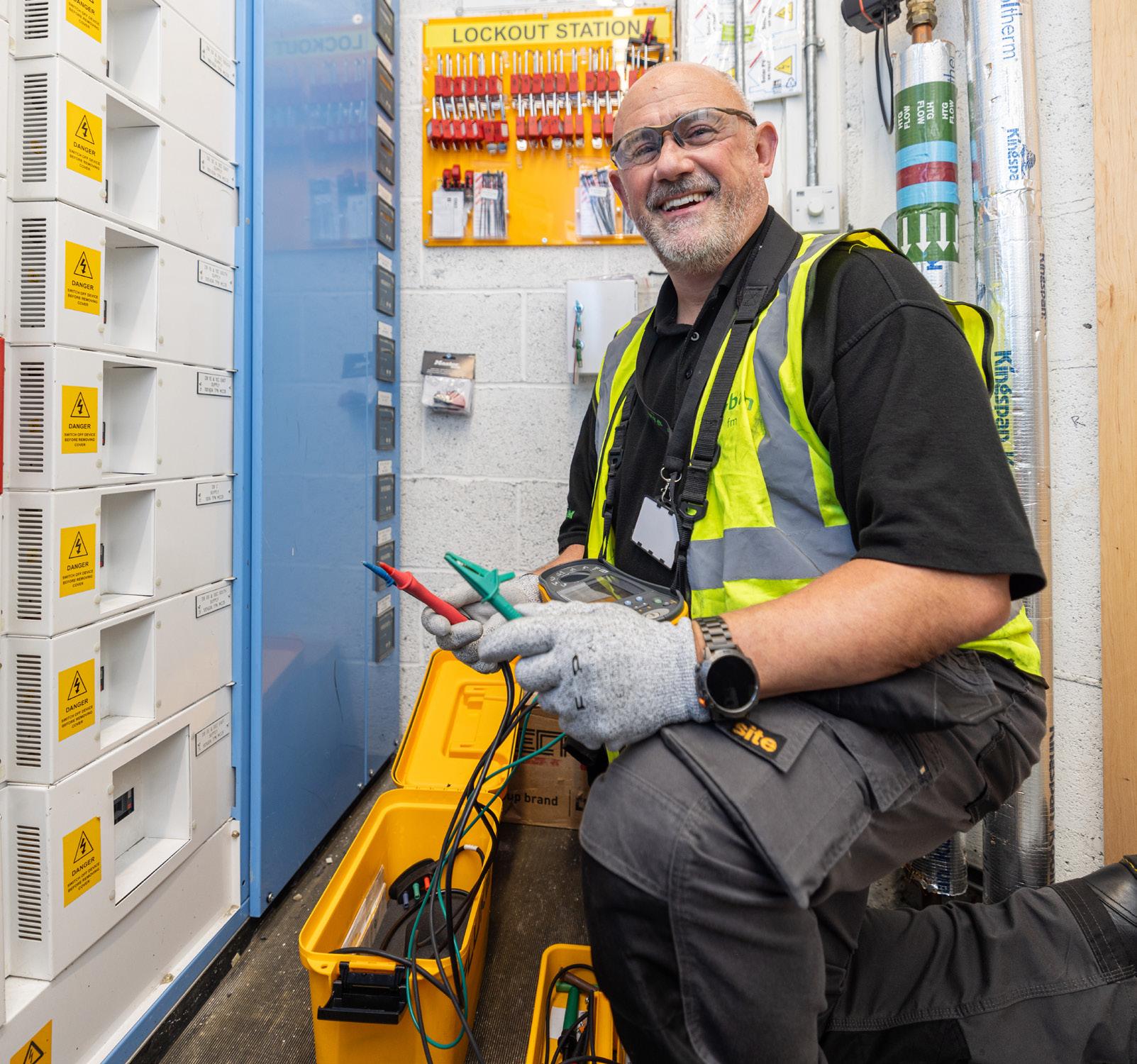
Sustainability is another area where facilities management is taking on greater strategic importance. As organisations across both public and private sectors work towards decarbonisation targets, FM providers are playing a more active role in turning those ambitions into practical operational improvements.
“BACKED BY BAM’S WIDER DESIGN, CONSTRUCTION, AND ENERGY EXPERTISE, WE CAN DELIVER A GENUINELY END-TO-END SOLUTION.”
“Sustainability and decarbonisation are now central to FM delivery,” Pam reports. “Energy performance, asset efficiency, and lifecycle planning are becoming inter-connected, particularly across large estates where operational changes can have significant long term environmental & financial impact.”
At the same time, clients are becoming more selective about the type of partnerships they want from FM providers. Activity levels alone are no longer enough. Reliability, expertise and meaningful operational insight are becoming more valuable differentiators.
“Clients are moving away from volume-based service models towards value-led partnerships, where insight, reliability and outcomes matter more than activity levels.”
Even with technology playing a larger role across the sector, people remain central to BAM FM UK’s approach. Skilled teams, technical knowledge and operational judgement continue to underpin successful facilities management delivery.
“Technology is an enabler, not a substitute for expertise,” Pam declares. “Our priority is to use technology to support
our teams, giving them better information, clearer visibility and more time to focus on higher value activities.”
Looking ahead, BAM FM UK continues to invest across asset management, lifecycle planning, energy performance, and digital enablement as it expands its capabilities throughout the UK and Ireland.
“Our focus is on sustainable, disciplined growth,” Pam concludes. “Ultimately, by deepening collaboration across the BAM Group, our ambition is to deliver more integrated, endto-end solutions that promote greater resilience, value, and sustainability in client buildings – both now and in the future.”
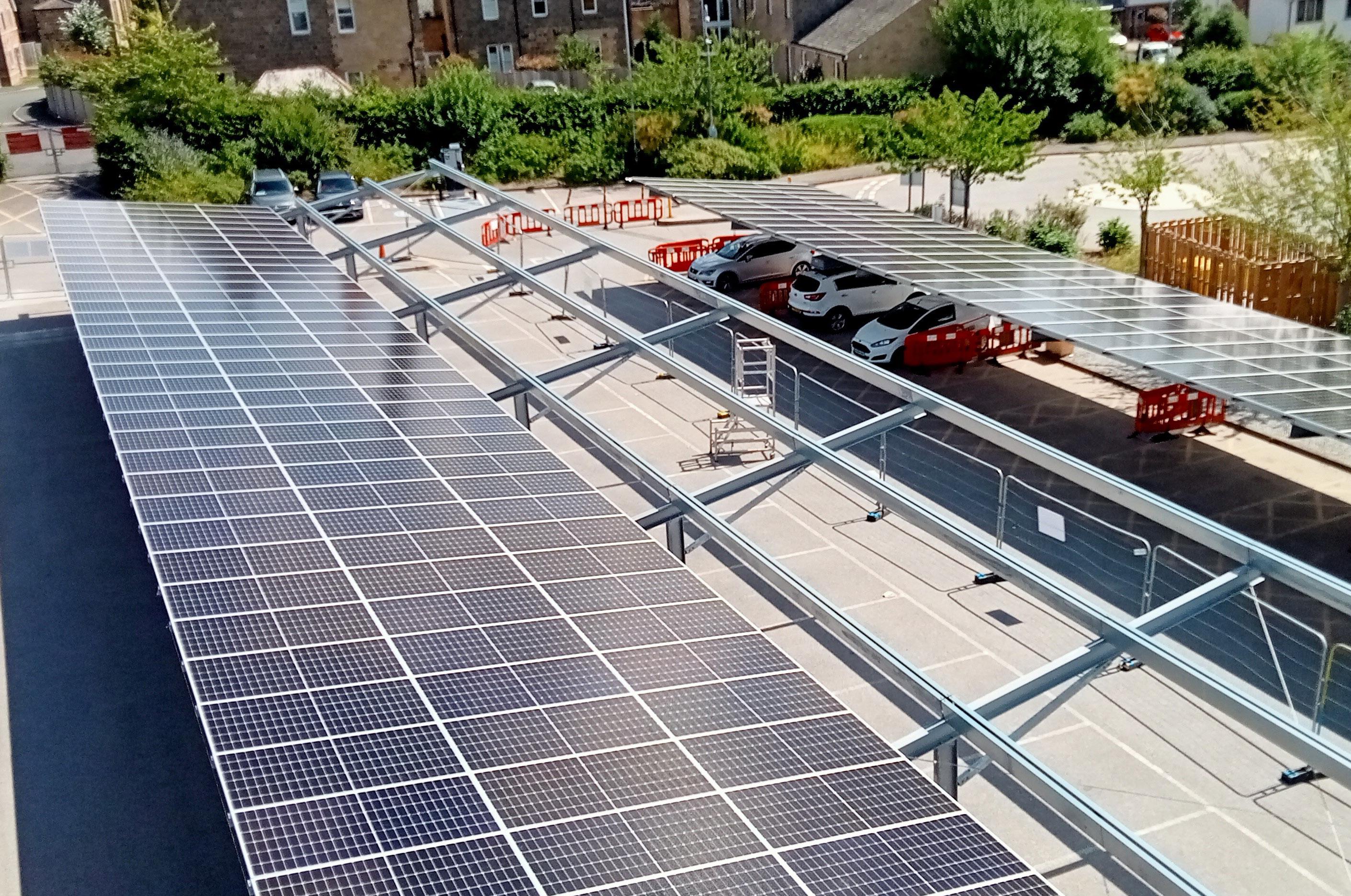


Founded in 1968 by CEO Chris Casey’s father, Casey has evolved from a traditional contractor into a multi-disciplinary construction group working across social housing, refurbishment, public realm projects, and infrastructure.
Today, the company employs around 270 people and operates through several specialist divisions, covering everything from fire safety and recladding to landscaping, highways, and plant hire.
Even as the company has extended its reach, Casey has always remained committed to a simple objective: to improve lives wherever the business operates.
“We took a view that, wherever we operated and whatever project we worked on, we wanted to provide social impact,” says Chris. “We feel like we are leading the way on that front.”
This philosophy runs through every aspect of the organisation, shaping project delivery, recruitment, employee wellbeing, and long-term planning. The result is an organisation that sees its worth as more than just a number.
“We’ve developed a 10-year vision, but it is not built around a financial target,” Chris explains. “We’ve set targets on being a force for good, creating a place for people to thrive, and being a resilient organisation.”
The core of the business remains closely tied to the social housing sector. Casey’s construction arm has worked extensively on refurbishment programmes over the years, from kitchens and bathrooms under the Decent Homes initiative to major fire safety and recladding projects following Grenfell.
“Since Grenfell, Casey has prioritised building safety,” Chris states. “We were one of the first ten organisations to achieve Building a Safer Future Champion status and established our own fire safety training academy. We have also developed systems designed to help clients manage compliance and safety documentation throughout projects.”
Casey has worked closely with regulators and industry bodies as standards evolve. Dame Judith Hackitt has visited Casey sites to better understand operational challenges on the ground, while representatives from the Building Safety Regulator also engage directly with the business.
“People should feel safe in their own homes,” Chris asserts. “It’s a basic right, but a very important one that we are determined to uphold.”
Alongside refurbishment and remediation work, Casey has steadily expanded into social housing development. The company helps clients identify land opportunities, navigate planning and deliver new-build housing schemes.
“Elsewhere in the group, our Civil Engineering division focuses on highways, drainage and landscaping projects, including public realm improvements and town centre regeneration schemes,” Chris says. “We are also carrying out work with United Utilities on water and drainage infrastructure.”
Additional divisions at Casey support plant hire operations and land management initiatives, including projects linked to biodiversity net-gain requirements. Former landfill sites owned by the group are now being assessed for long-term environmental enhancement schemes.
However, for Chris, the defining feature of Casey is not its diverse capabilities, but the company’s strong, shared culture of care.
SAFETY FIRST QUALITY ASSURED
RELIABLE DELIVERY EXPERIENCED TEAM
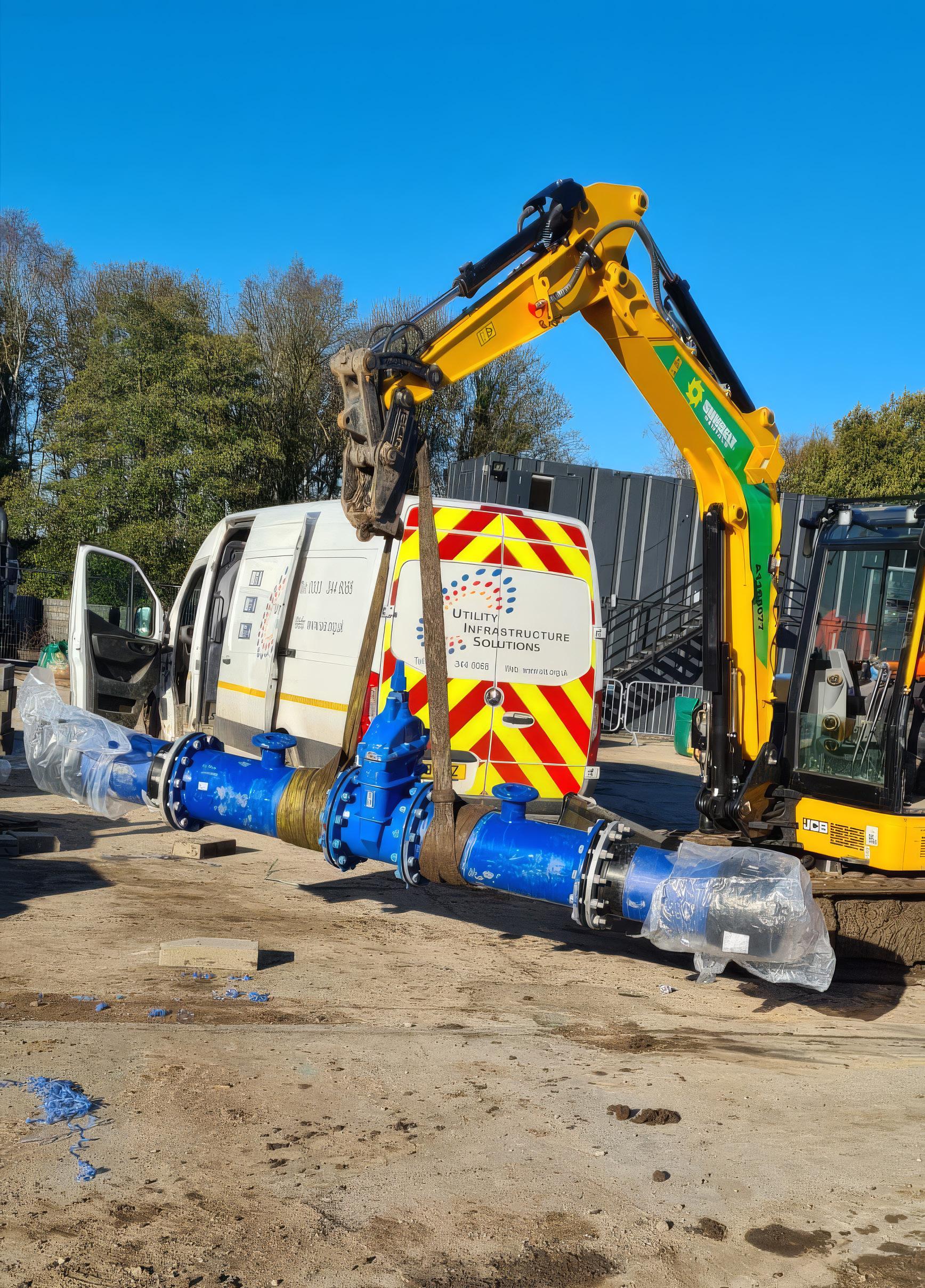
GROUNDWORKS & SITE PREPARATION
Enabling works, excavation and site clearance for all project types.
Utility Infrastructure Solutions Ltd delivers high quality, cost effective solutions across the UK. We work with developers, contractors, local authorities and utility providers to deliver projects safely, on time and to the highest standards. Get in touch today to discuss your next project.
RESIDENTIAL DEVELOPMENTS
DRAINAGE & SEWER INSTALLATION
Surface water, foul water and attenuation systems installed to the highest standards.
UTILITY INSTALLATIONS
Underground utility installations and connections you can depend on.
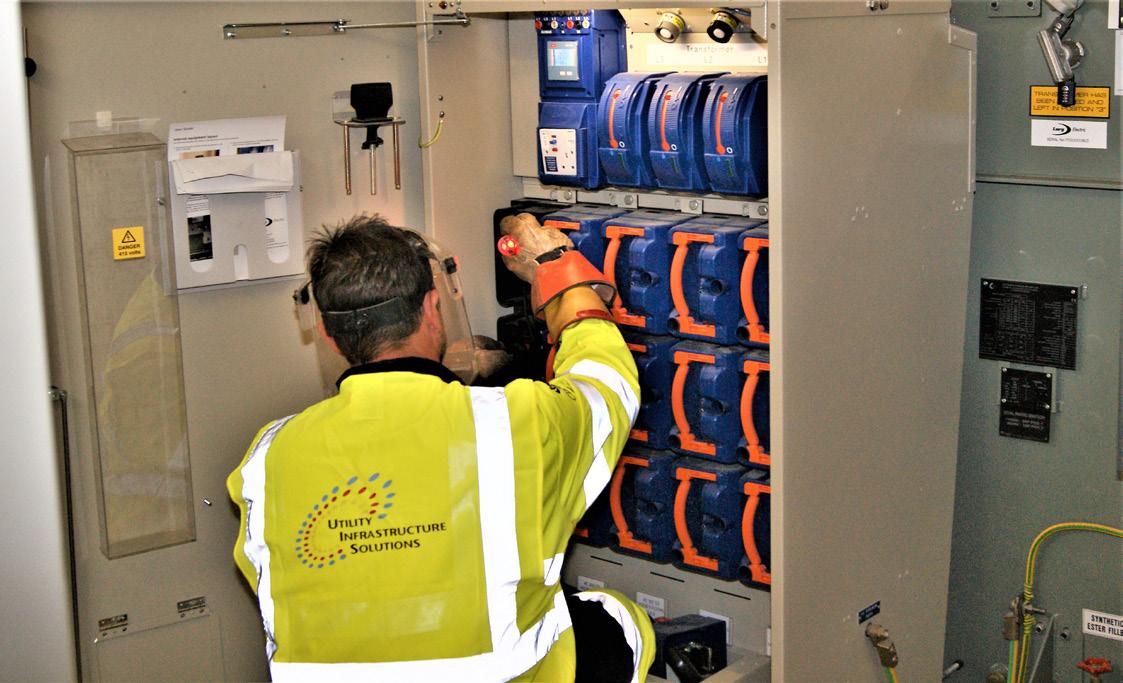
ROADS, FOOTPATHS & LANDSCAPING
Kerbing, surfacing, paving and external works that enhance communities.
EXCAVATION & CIVIL ENGINEERING WORKS
Specialist civil engineering and excavation for complex environments.
EXTERNAL WORKS & FINISHING
Complete external works and finishing touches that add lasting value.
INFRASTRUCTURE SCHEMES


A well-established dry lining company based in greater Manchester with over 25 years of industry experience. We deliver a comprehensive range of high-quality services, including dry lining, plastering, rendering SFS, tile and grid ceilings and much more.
SPECIALISING IN COMMERCIAL, NEW BUILD AND REGENERATION WORKS.
We have successfully completed projects in partnership with Casey, demonstrating our ability to deliver reliable, high standard results.
We are committed to precision, professionalism, and exceptional workmanship on every project.
Langam Specialist Contractors
62 Gloucester Road, Urmston, Manchester M41 9AE daniel.drake@langam.co.uk / +44 (0)161 613 9225
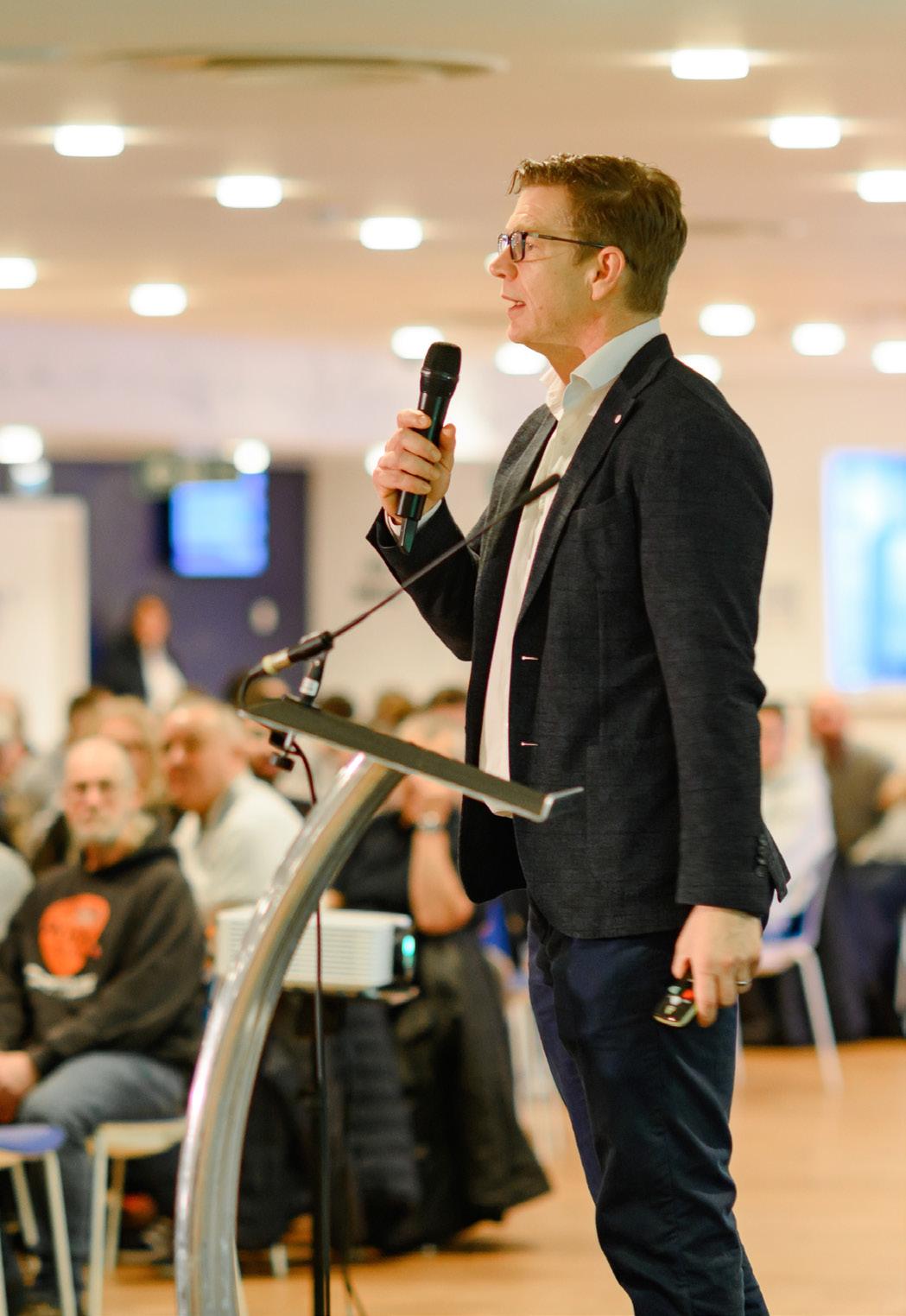
“Construction has traditionally struggled with conversations around mental health and wellbeing, particularly in maledominated environments, so we have decided to take a notably open approach.
“As a business,” he continues, “we host wellbeing days where operations pause entirely, and staff gather for talks, workshops, and personal discussions around mental health, physical health, and resilience. It’s important that we do this as a team, which is why we shut the business down for a day.”
Casey’s first wellbeing event marked a major personal moment for Chris as he stood in front of employees and spoke openly about challenges he had experienced, and overcome, in his life. The CEO’s openness set the tone for the wider business. Employees began sharing their own experiences, helping to normalise conversations that are often avoided in the sector.
“It was about helping people and normalising the conversation,” Chris declares.
High-profile guest speakers participated in Casey wellbeing events, discussing mental health challenges and recovery in front of the workforce.
The company also introduced employee assistance support earlier than many peers in construction, offering counselling and wellbeing services to employees and their families.
This emphasis on people extends beyond wellbeing initiatives into the company’s wider organisational strategy. Casey works with Gallup to measure employee engagement and has built its long-term planning around creating an environment where staff feel valued and supported.
“We believe that if we care about our employees,” Chris remarks, “they’re going to care about the business.”
The approach appears to be resonating. While parts of the industry face skills shortages, Casey has seen strong interest in apprenticeship opportunities and early-career roles.
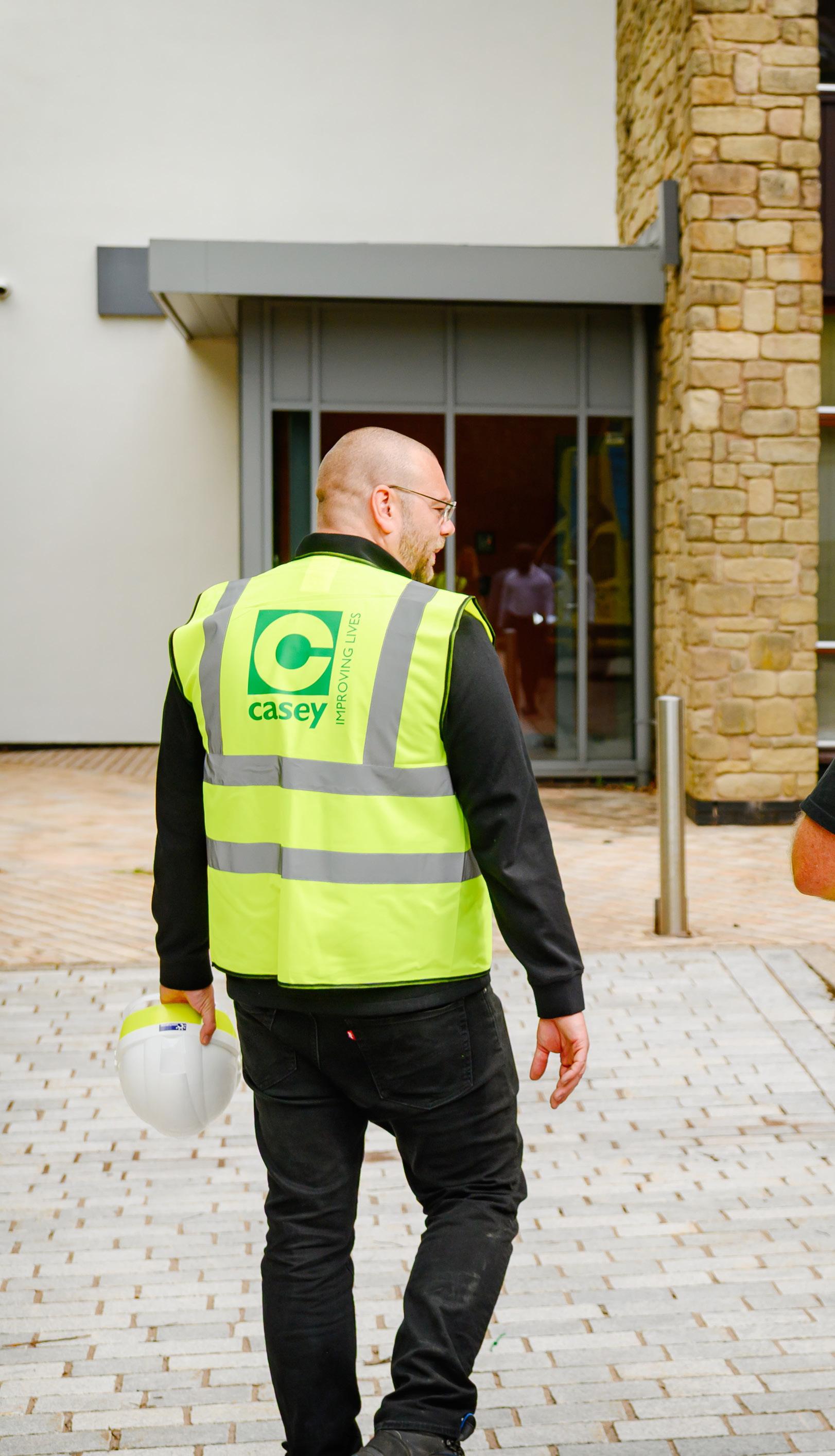
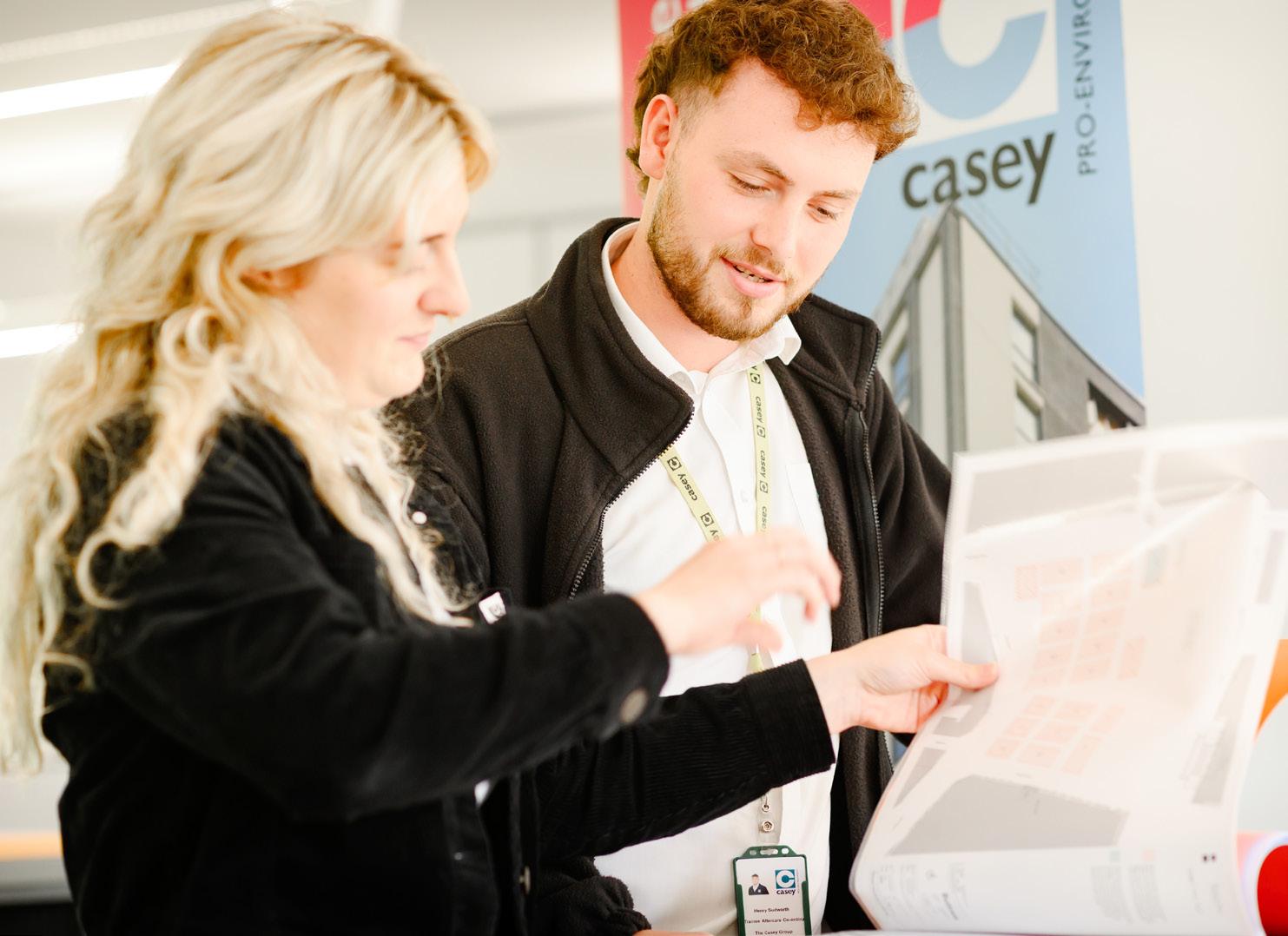
“At the moment, we’re running with 20 apprentices through the business,” Chris reveals. “We’ve managed to change the way we’re perceived in the marketplace.”
Casey recently received around 400 applications for a small number of apprenticeship positions – something Chris views as evidence that culture increasingly matters when attracting talent.
“Everybody’s in competition for the great candidates that are out there,” he says. “We want them to come to Casey, and when they come to Casey, we want them to stay.”
Social value is another area where the business has pushed beyond standard industry expectations.
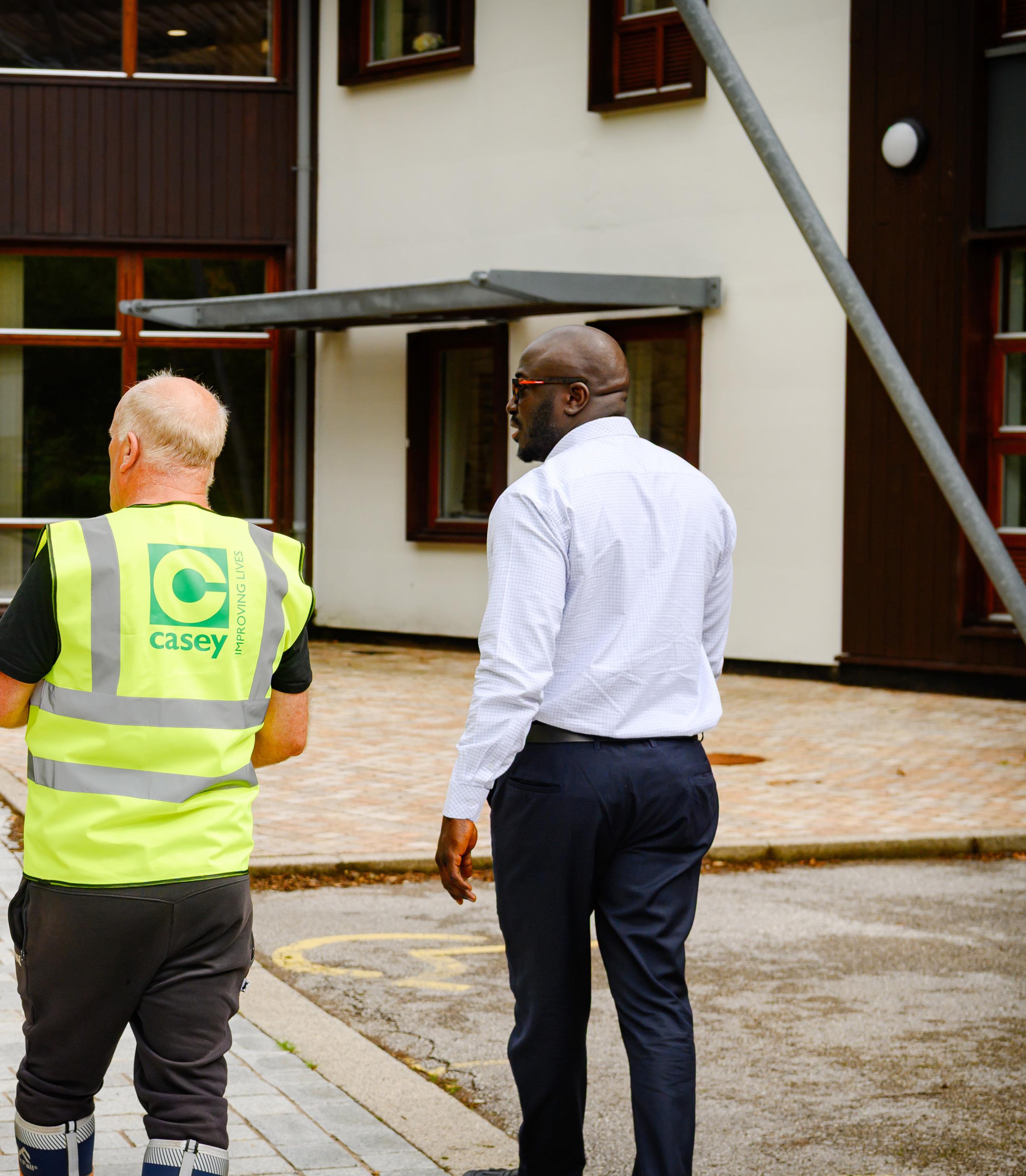
“WE KNOW THAT, IF WE DO OUR JOB WELL, WE WILL NOT ONLY HAVE A PROFITABLE BUSINESS, BUT MAKE A REAL DIFFERENCE TO PEOPLE’S LIVES.”
What began as a client requirement evolved into something far more embedded. Casey established its Improving Lives Fund, with every project contributing to a central pot
dedicated to community initiatives and support programmes. Last year alone, the fund reached around £900,000.
The money supports schools, charities, community groups and employability initiatives in the areas where Casey operates. Staff are also encouraged to participate directly through volunteering and diversityfocused activity days.
The connection Casey enjoys between community impact and business performance sits at the centre of the company’s thinking. Rather than treating social value as a standalone
exercise, the company views it as inseparable from long-term resilience and growth.
“If our clients get a better journey, we get more opportunities,” Chris points out. “If we get more opportunities, we can create the great culture at Casey that we want to create.
“Externally, we want to work with clients with shared values. The journeys are better when those values align.”
Looking ahead, Casey sees continued opportunity in social housing, building safety and public space improvement projects. Chris believes quality housing and well-designed external environments can play a meaningful role in improving wellbeing and community outcomes.
In a sector often driven by margins and deadlines, Casey is placing equal importance on culture and social impact.
“We know that, if we do our job well, we will not only have a profitable business, but make a real difference to people’s lives,” Chris concludes. “That’s what drives us every day.”
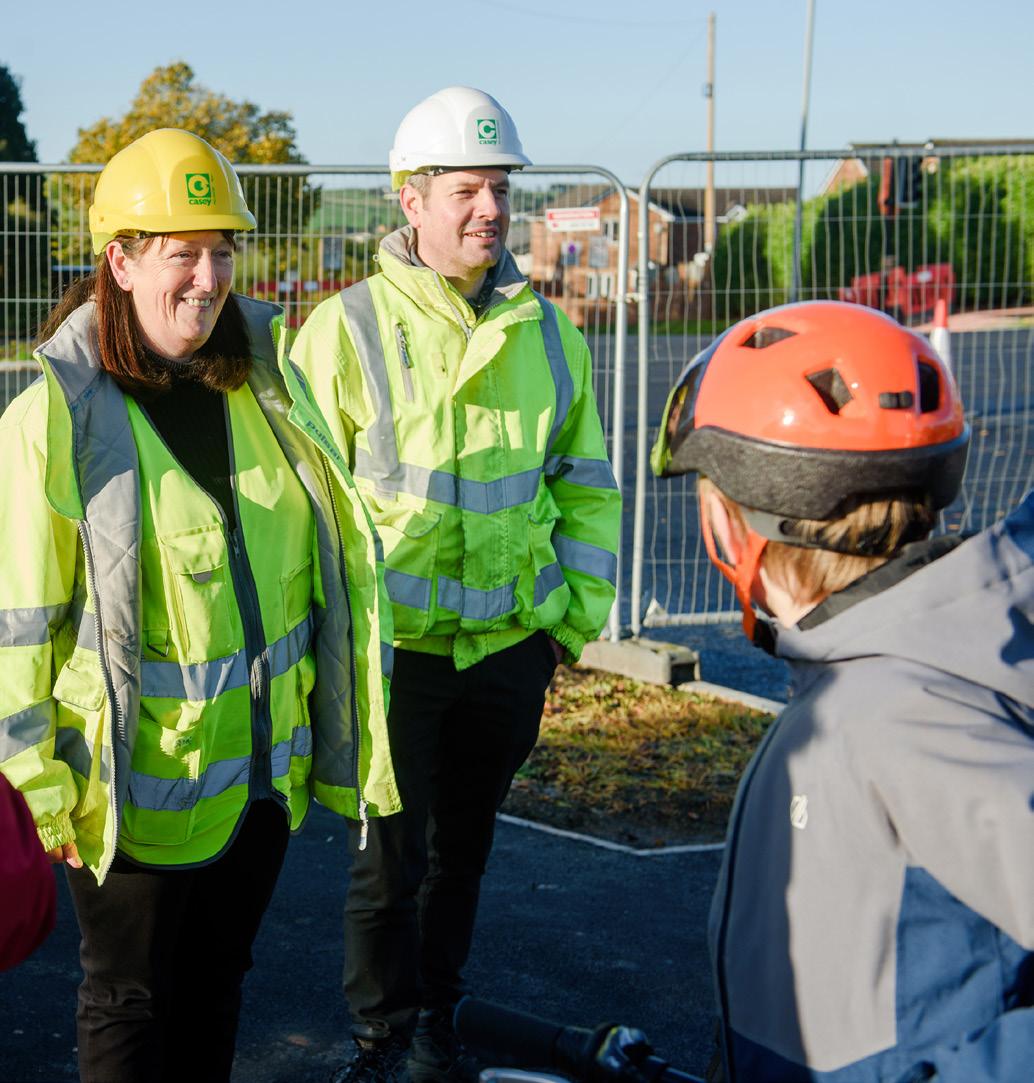
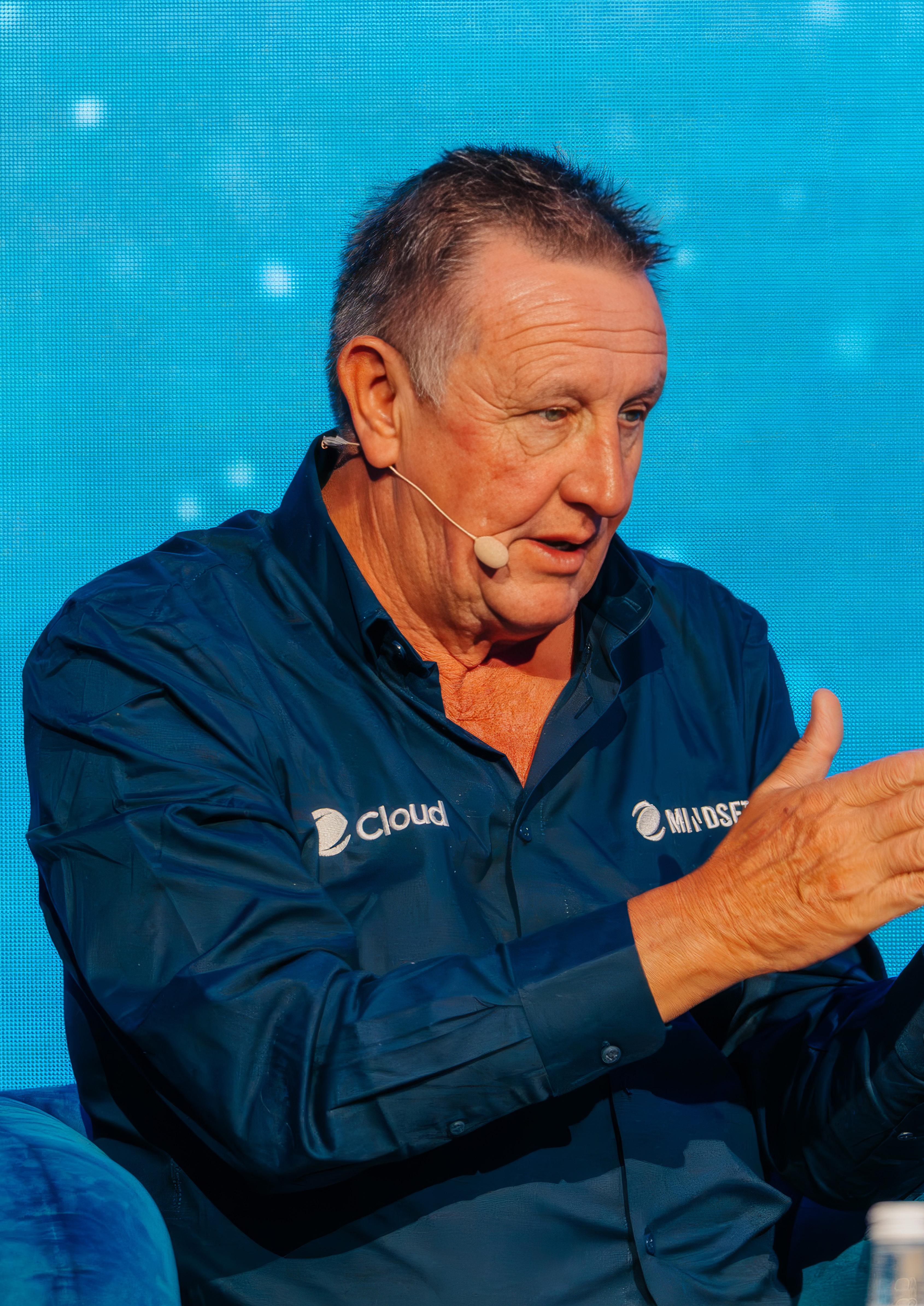

Facilities management is often described in terms of activity: jobs raised, engineers dispatched, costs reported. Yet for many organisations, those inputs still fail to translate into reliable control over outcomes.
Since 2011, Cloudfm Group has worked to address this disconnect. CEO Jeff Dewing did not build the business around incremental improvement – the starting point was a structural rejection of how the sector typically operates.
“Cloud was started to address the fundamental flaws I saw in the industry,” Jeff says. “We were challenging the established way the industry behaved.”
Rather than attempt change from within large corporates, Jeff chose to redesign the model entirely. This time, culture came first.
“Cloud is a business designed to behave culturally; it was, and is, all about culture,” Jeff affirms. “From the outset, we behaved in a way that was always honest.”
An emphasis on behavioural structure defines how Cloud operates today. Technology supports the model, but does not define it. The key objective is control over information integrity.
“You cannot edit, hide, or delete data. You might not like what you see, but you know it’s true,” Jeff declares. “That principle directly challenges one of the sector’s long-standing weaknesses: unreliable reporting. Across facilities management portfolios, compliance is frequently presented as high, while realworld performance often tells a different story.
“We’ve never found a new client to be more than 25 percent compliant,” he adds, “yet these clients are often of the belief that they are 80 or even 90 percent compliant.”
AB Roofing Solutions delivers nationwide commercial roofing services backed by decades of hands-on industry expertise and a reputation for reliability, professionalism, and quality.
With over 60 years of combined management experience, we support businesses across the UK with responsive, high-standard roofing solutions tailored to the demands of commercial environments. We specialise in all aspects of commercial roofing, delivering everything from reactive leak repairs and detailed roof surveys to planned maintenance programmes, refurbishment works and full roof replacement projects. Whether supporting a single commercial site or managing nationwide property portfolios, our approach remains the same — responsive service, clear communication and dependable workmanship delivered to a consistently high standard.
Trusted by national retailers, manufacturers, facilities management companies, landlords and property management companies, AB Roofing Solutions combines reactive expertise with proactive planning to help clients protect their buildings, operations and long-term assets.
Our expertise lies in all aspects of roofing across commercial properties. We understand the importance of minimising disruption — which is why we work closely with each client to ensure that operations remain safe and uninterrupted, even during major works. In most cases, we’re able to carry out complete roof refurbishments with little to no impact on your daily activities.
TAILORED SOLUTIONS. EXCEPTIONAL SERVICE.
Our staff are highly trained, fully certified, and committed to delivering a first-class experience. We don’t believe in one-size-fits-all approaches — instead, we tailor every solution to suit your site, your business, and your goals.
We’re proud to build strong, long-term relationships with our clients. When you choose AB Roofing Solutions, you gain a partner you can rely on — today and into the future.
For more information, case studies and accreditations visit:
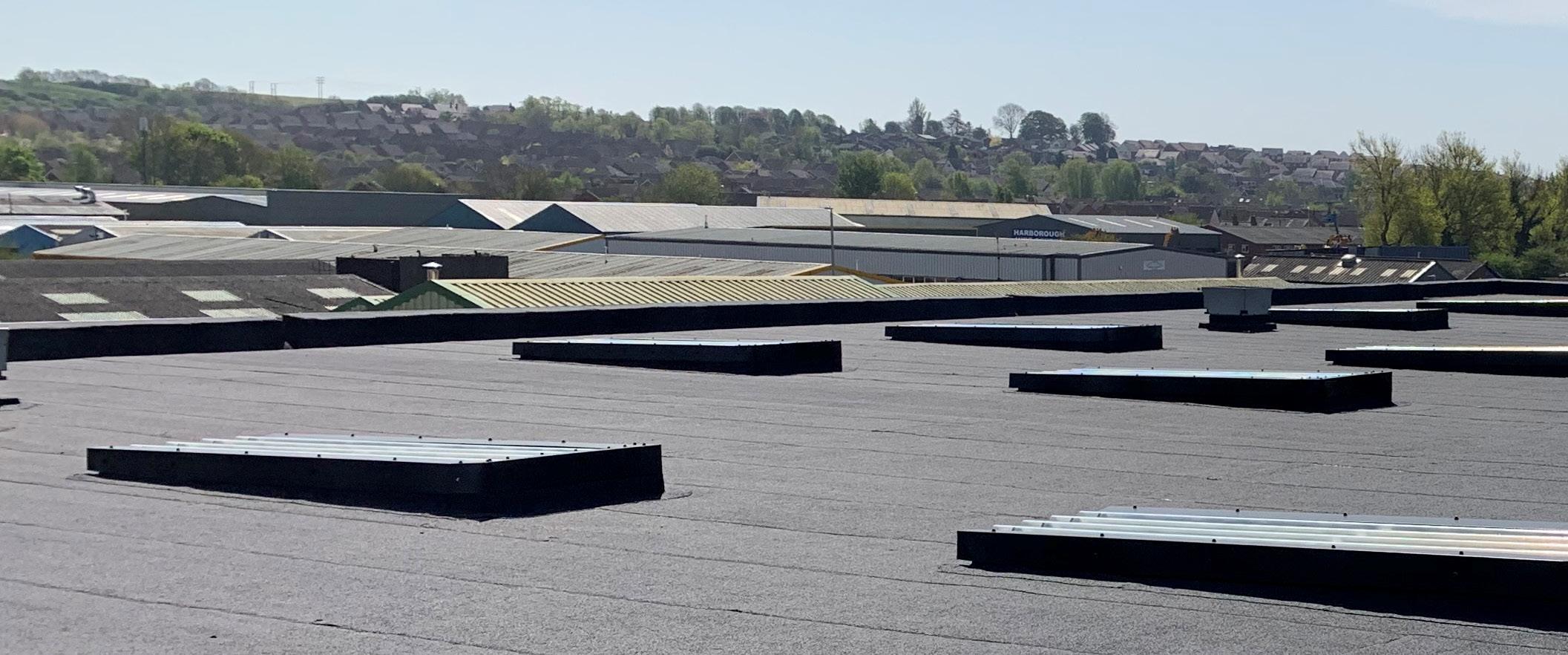
OUR SERVICES
COMMERCIAL ROOFING & CLADDING ROOFING REFURBISHMENT IN ALL ROOFING DISCIPLINES
REACTIVE MAINTENANCE & LEAK DETECTION PLANNED PREVENTATIVE MAINTENANCE (PPM) GUTTER SYSTEMS & RAINWATER SOLUTIONS ACCESS & SPECIALIST WORKS
EXPERIENCED MULTI-DISCIPLINARY TEAMS FULLY ACCREDITED & COMPLIANT NATIONWIDE COVERAGE
PROVEN TRACK RECORD WITH BLUE-CHIP CLIENTS
SAFETY FOCUSED
Rather than relying on estimated reporting, Cloud restructures accountability around verifiable activity.
Engineers and subcontractors are required to log time onsite using controlled systems, with payment tied precisely to verified presence.
“We pay to the minute,” Jeff states. “If someone is on site for 17 minutes, they get paid for 17 minutes. It is a mechanism that removes a long-standing inefficiency in FM: payment for unverified or rounded labour time. It also removes ambiguity around delivery.”
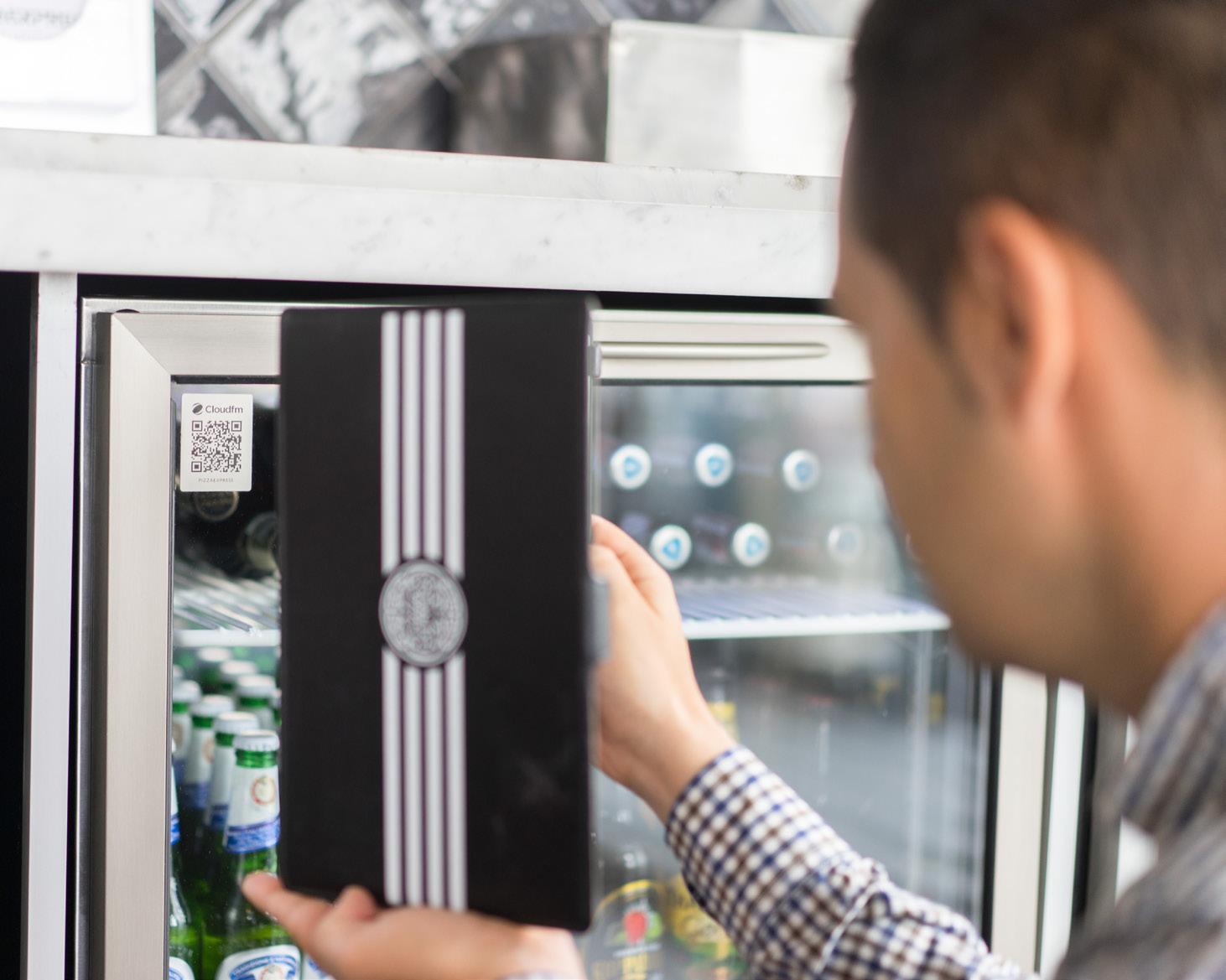
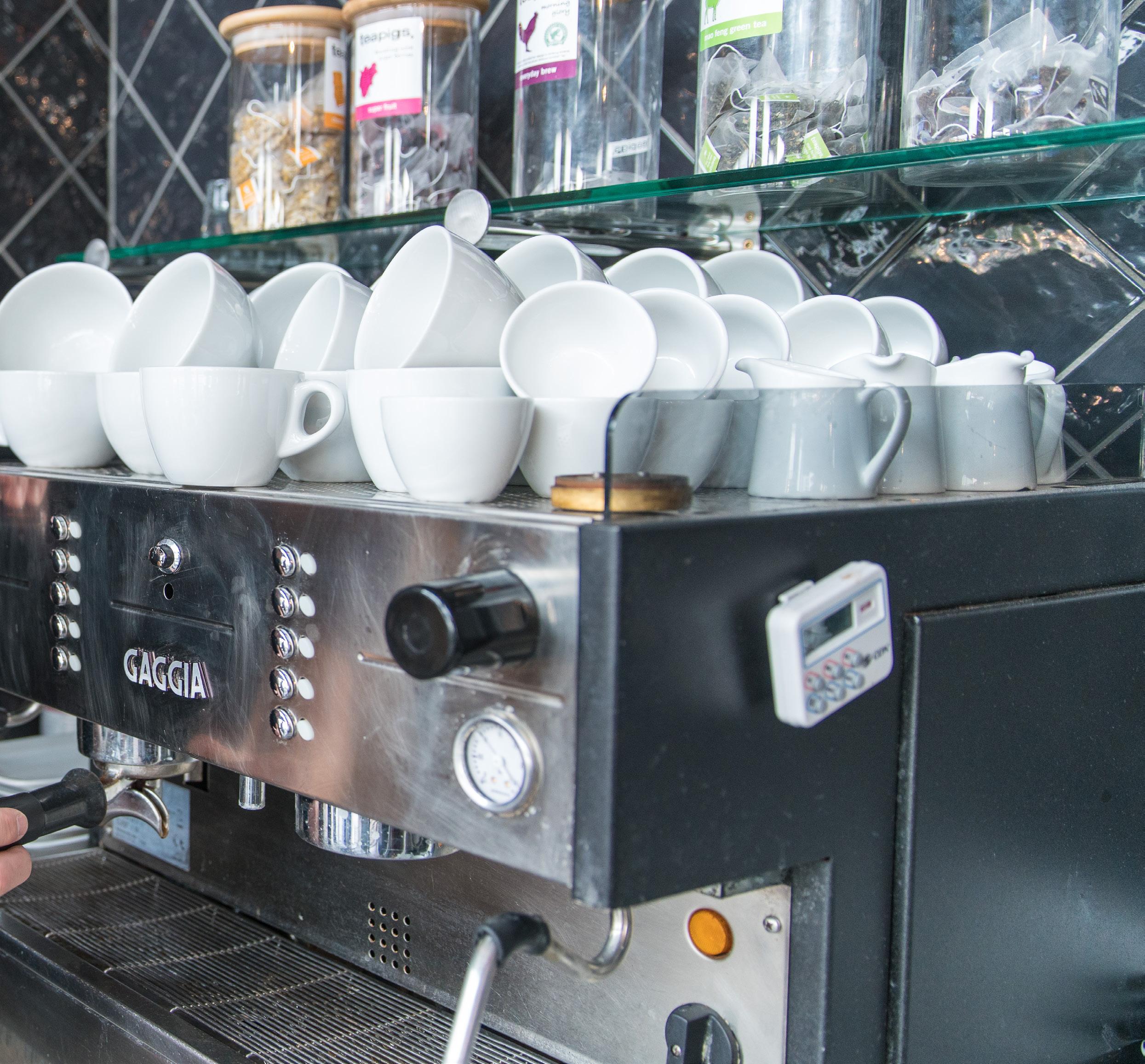
Cloud’s commercial model follows the same logic. Traditional facilities management pricing is built around inputs like hourly rates and call-out fees. According to Jeff, that structure distorts behaviour.
“You’ve got a client trying to reduce cost, and a supplier trying to increase it to survive,” he explains. “That creates bad behaviour and negative outcomes.”
Instead, Cloud focuses on outcome-based delivery, where performance is measured against agreed value rather than activity levels. Financial
accountability is built into the contract structure.
“If we say you’re going to spend nine million and you spend nine and a half,” Jeff says, “we will repay you the difference.”
It is an approach that has delivered consistent results across major client portfolios. Organisations such as TUI Travel, Wolseley Group, and TGI Fridays sit within Cloud’s deliberately limited client base focused on scale rather than volume.
Across these portfolios, the company’s impact is typically immediate. Cloud reports average first-year cost
reductions of up to 20 percent, alongside improved service accuracy.
“For every client bar none, we’ve reduced their spend in the first year and delivered a better service,” Jeff notes. “At the same time, our model does not rely on reducing labour quality or suppressing rates.
“The difference lies in removing wasted or unproductive time. In practice, this involves a tightly integrated technology framework that tracks onsite activity in real time and requires every operative to scan in and out of buildings.


BUILDING THE FUTURE, TOGETHER: THE SYNERGY OF LG BUILDING CONTRACTORS AND CLOUD FM
In the fast-paced world of facilities management, success isn’t just about fixing what’s broken, it’s about foresight, reliability, and the strength of the partnerships behind the scenes. At LG Building Contractors, our mission has always been to provide more than just a service; we aim to be a seamless extension of our clients’ operations. Nowhere is this more evident than in our long-standing, strategic relationship with Cloud FM.
A FOUNDATION OF SHARED VALUES
The partnership between LG Building Contractors and Cloud FM is built on a bedrock of shared values: transparency, innovation, and an uncompromising commitment to quality. As Cloud FM continues to redefine the facilities management landscape through technology and data-driven insights, LG Building Contractors stands ready as their critical, on-demand support network. We understand that for Cloud FM, maintaining a vast portfolio of properties requires a supply chain that is as agile as it is expert. Whether it’s a complex electrical overhaul, a critical plumbing emergency, or ensuring fire and security systems are beyond reproach, our team provides the boots-on-theground expertise that keeps their wheels turning.
DELIVERING EXCELLENCE ON DEMAND
“Our relationship with Cloud FM is more than a partnership; it’s a synergy of expertise and dedication to excellence,” says Luke Goodwin, Managing Director of LG Building Contractors. For us, supporting Cloud FM means more than just meeting SLAs (Service Level Agreements); it means exceeding them. We have tailored our internal processes to mirror the high-tech, high-efficiency model that Cloud FM is known for. This alignment allows for: Rapid Response Times: In the building trade, time is often the most expensive commodity. Our fleet is strategically positioned to ensure we are on-site exactly when needed.
Total Compliance: In sectors like Fire & Security, there is no room for error. Our technicians are not only highly skilled but are constantly updated on the latest regulatory requirements to ensure Cloud FM’s clients remain safe and compliant.
Integrated Communication: By utilizing shared data platforms, we provide Cloud FM with real-time updates, allowing for total transparency in reporting and cost management.
AWARD-WINNING STANDARDS
As award-winning contractors, LG Building Contractors brings a level of prestige and proven reliability to the Cloud FM ecosystem. Our accolades in building and safety are not just trophies on a shelf, they are a promise to our partners that every job, no matter the scale, will be executed to the highest industry standards.
When Cloud FM’s clients see an LG van on-site, they aren’t just seeing a sub-contractor; they are seeing a mark of quality that Cloud FM has carefully selected to represent their brand.
LOOKING AHEAD
The future of this relationship is focused on sustainable growth and further technological integration. As we continue to support Cloud FM’s mission to bring better value and higher standards to the FM industry, LG Building Contractors remains committed to investing in our people and our equipment. Together, we aren’t just maintaining buildings; we are building a more resilient, efficient, and professional future for the entire industry. Contact LG Building Contractors today to find out how our award-winning services can support your organization.
www.lgbuildingcontractors.com

Your complete solution for building maintenance, compliance, and facilities management across the Ireland.
From HVAC to fire safety, we keep your business running.

Reliable facilities maintenance services for all businesses. We handle repairs, preventative maintenance and compliance checks to keep your premises safe, efficient, and professional. Fast response times, transparent pricing, and skilled technicians you can trust.
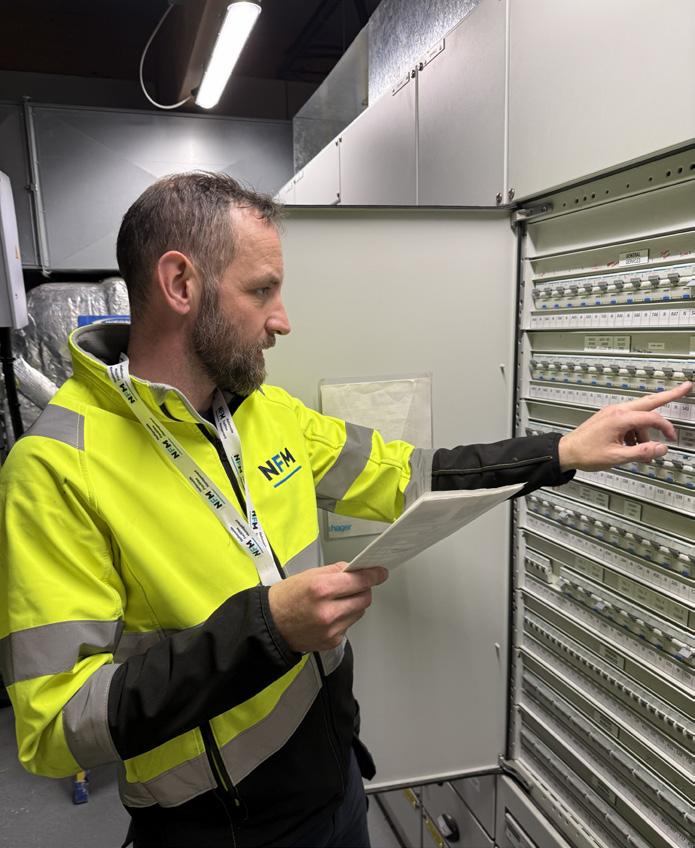
• Nationwide coverage across ROI & Northern Ireland
• Single point of contact for all services
• 24/7 response available
• Competitive and transparent pricing
• Full compliance with industry standards
Focus on your business while we take care of everything behind the scenes every day. Ready to discuss your requirements? helpdesk@nationwidefacilitiesmanagement.com
www.nationwidefacilitiesmanagement.com
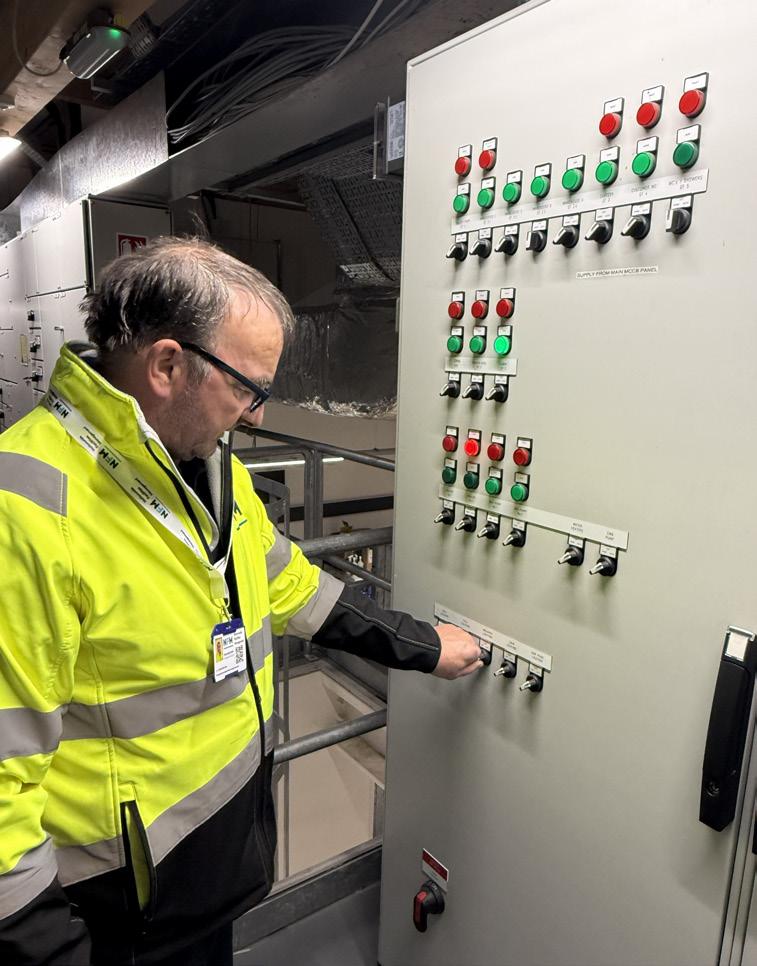
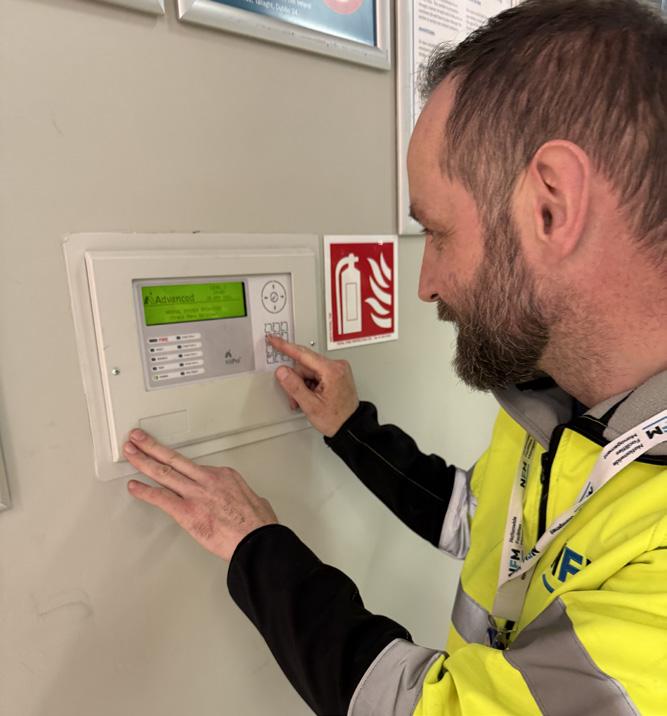

Bolstered by location verification to ensure accuracy, it is a system designed to eliminate dispute, not just record data.”
Alongside technology, process plays a defined role at Cloud. The organisation uses a structured service level document that defines responsibilities across all stakeholders, including clients, suppliers and internal teams.
“It is a unifying document that says, ‘this is how we’re all going to behave,’” Jeff reveals. “Everyone knows exactly what’s expected of them every day. This aligns with an operating philosophy that encourages transparency over defensiveness, even when issues arise.”


A combination of culture, process and technology has become the foundation for Cloud’s expansion beyond traditional FM delivery. It makes the company a refreshing alternative in an industry that has received criticism for prioritising financial targets over positive behaviour.
“Ultimately, the industry is numbers driven,” Jeff remarks. “But too much focus on revenue, margin, and forecasts can sometimes cloud people’s judgement and create a culture where people feel they have to say they’ve hit targets when they haven’t.”
For Cloud, the next phase of the company’s journey will see it move beyond operational control into predictive intelligence. Specifically, the organisation has invested heavily in developing systems capable of identifying asset failure before it occurs.
Working with the University of Essex, Cloud has developed a patented system built around electrical harmonics rather than traditional sensor networks. The technology, known as Prism, analyses electrical signatures from connected assets to detect early signs of failure.
“What we can see is the 600 different harmonics being delivered by assets,” Jeff reports. “Those harmonics are like a fingerprint.
“Unlike conventional IoT systems, our approach does not rely on extensive sensor deployment. Instead, it interprets variations in electrical behaviour as early indicators of degradation. If a pump is drawing slightly too much current, harmonics tell us instantly, long before it fails.”
The objective is to move maintenance from reactive response to predictive intervention, reducing emergency callouts and improving operational planning.
“If you predict a failure 14 days in advance, you remove the chaos that goes with it,” says Jeff.
Development of the new system began in 2019, supported by significant investment and academic collaboration. It is now being trialled with major real estate asset managers.
Commercial rollout of Prism is currently underway, but Cloud’s longer-term ambition extends further. That vision is a global asset intelligence network, known as GAIN. Designed to connect asset performance data across buildings worldwide, GAIN allows insights to be shared rather than isolated.
“At the moment, every building starts from zero,” Jeff concludes. “There’s no knowledge transfer. Under GAIN, performance data from one asset can inform decisions in another, regardless of geography or ownership. It’s a global intelligence network that everybody can tap into, with implications beyond facilities management and into areas like manufacturing, procurement and lifecycle decision-making. We are talking about a single source of truth for asset performance.”
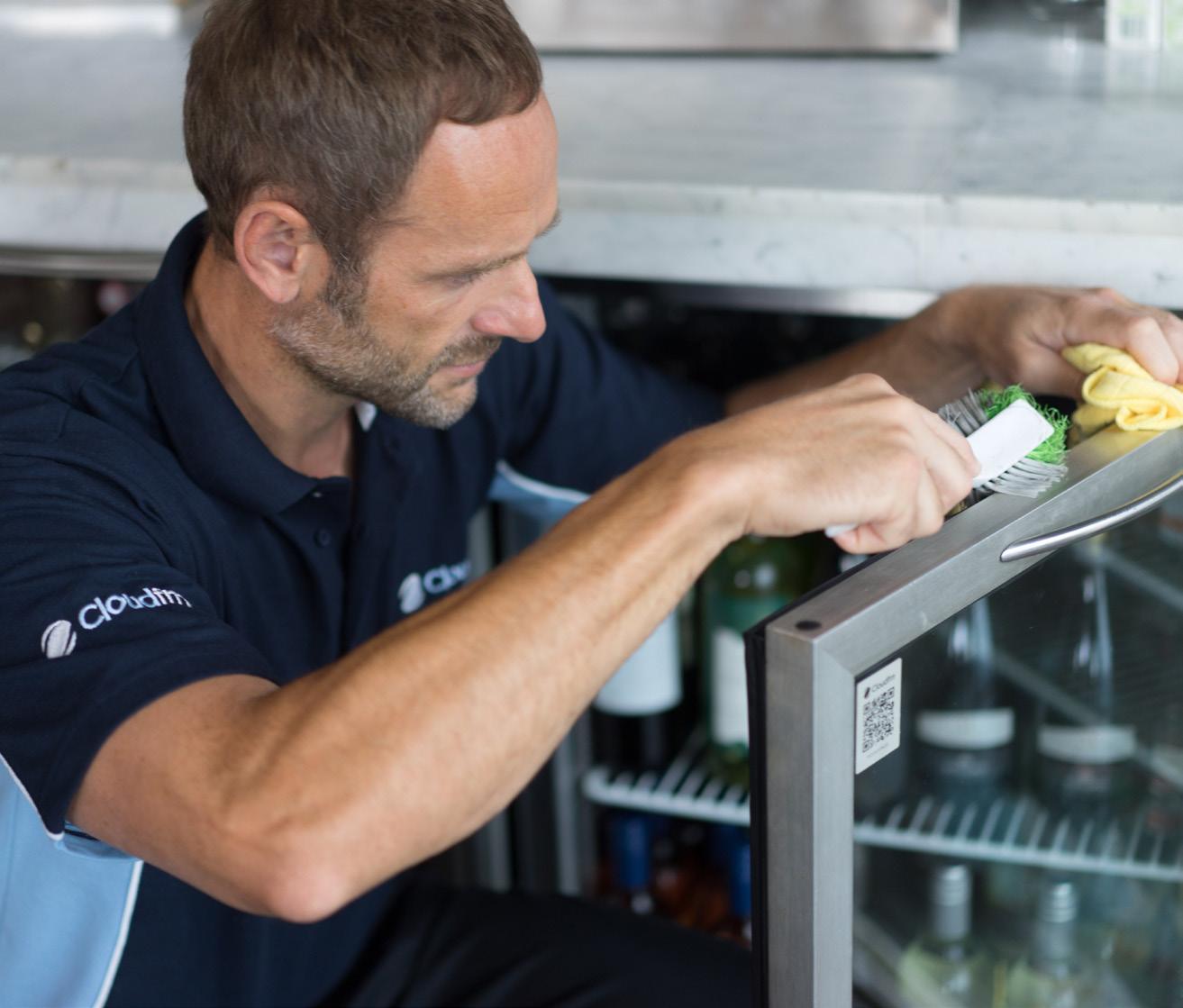
“FOR EVERY CLIENT BAR NONE, WE’VE REDUCED THEIR SPEND IN THE FIRST YEAR AND DELIVERED A BETTER SERVICE.”
Steve Davis, Founder and CEO, Grantside.

FROM CO-LIVING COMMUNITIES TO NET ZERO OFFICES, GRANTSIDE IS RESHAPING DEVELOPMENT AROUND PEOPLE AND PURPOSE.
A business park is rarely described as a community. Residential schemes are not always designed with wellbeing in mind. Offices can often feel functional rather than inspiring. For Grantside, these are not just statements, but opportunities.
Founded in 1993, Grantside has spent more than three decades delivering commercial, residential, industrial and mixed-use projects across the UK. Today, the York-based developer and investor is sharpening its focus around sustainability, wellbeing and creating spaces that people genuinely want to spend time in.
For Founder and CEO Steve Davis, the direction of the business became much clearer after stepping away from dayto-day operations during the Covid period.
“I took some time out and went off around the world climbing mountains. These extreme adventures took me to the South Pole and to the top of Mount Everest.”
Completing the Seven Summits challenge, which involves climbing the highest mountain on every continent,
gave Steve first-hand exposure to the visible effects of climate change.
“I was able to see how the glaciers are melting on Everest,” he comments. “When I came back to the business, we pivoted towards becoming a truly sustainable developer.”
This shift now underpins every Grantside project.
“We’re trying to combine commercial thinking alongside excellent design, wellbeing, sustainability and creating a genuine sense of place,” Steve states. “Our aim is not just to deliver buildings, but to create environments where people want to live, work, and visit.”
Grantside’s approach is rooted in practical delivery rather than headline claims. Steve is quick to point out that sustainability can often become diluted during the development process.

“Sustainability can be a bit of a marketing tool for some businesses,” he says. “For us though, it is something embedded from the start of every project. It’s number one on the list and it’s nonnegotiable.
“We build leaner, build less, build lighter, build energy efficient, and try to make the building work in its simplest form. We don’t add things for the sake of adding things. It’s more about building smarter.”
Grantside’s portfolio demonstrates how those principles translate into completed schemes.
One of the company’s landmark developments is Quorum Business Park in Newcastle-upon-Tyne, a 48acre site delivered across more than a decade. The project
grew from a greenfield site into a major commercial destination with over one million square feet of office space and more than 5,000 people working on site.
For Steve, the success of Quorum was never just about the buildings themselves.
“As part of that project, we delivered a multi-use games area, tennis courts, five-a-side football pitches, and outdoor chess sets,” Steve reports.
“The wider site includes cafés, bakeries, a nursery and loyalty schemes for occupiers. The aim was to create a working environment that encouraged people to stay, connect and enjoy their surroundings.”
That same philosophy is now driving one of the company’s most important growth areas: co-living.
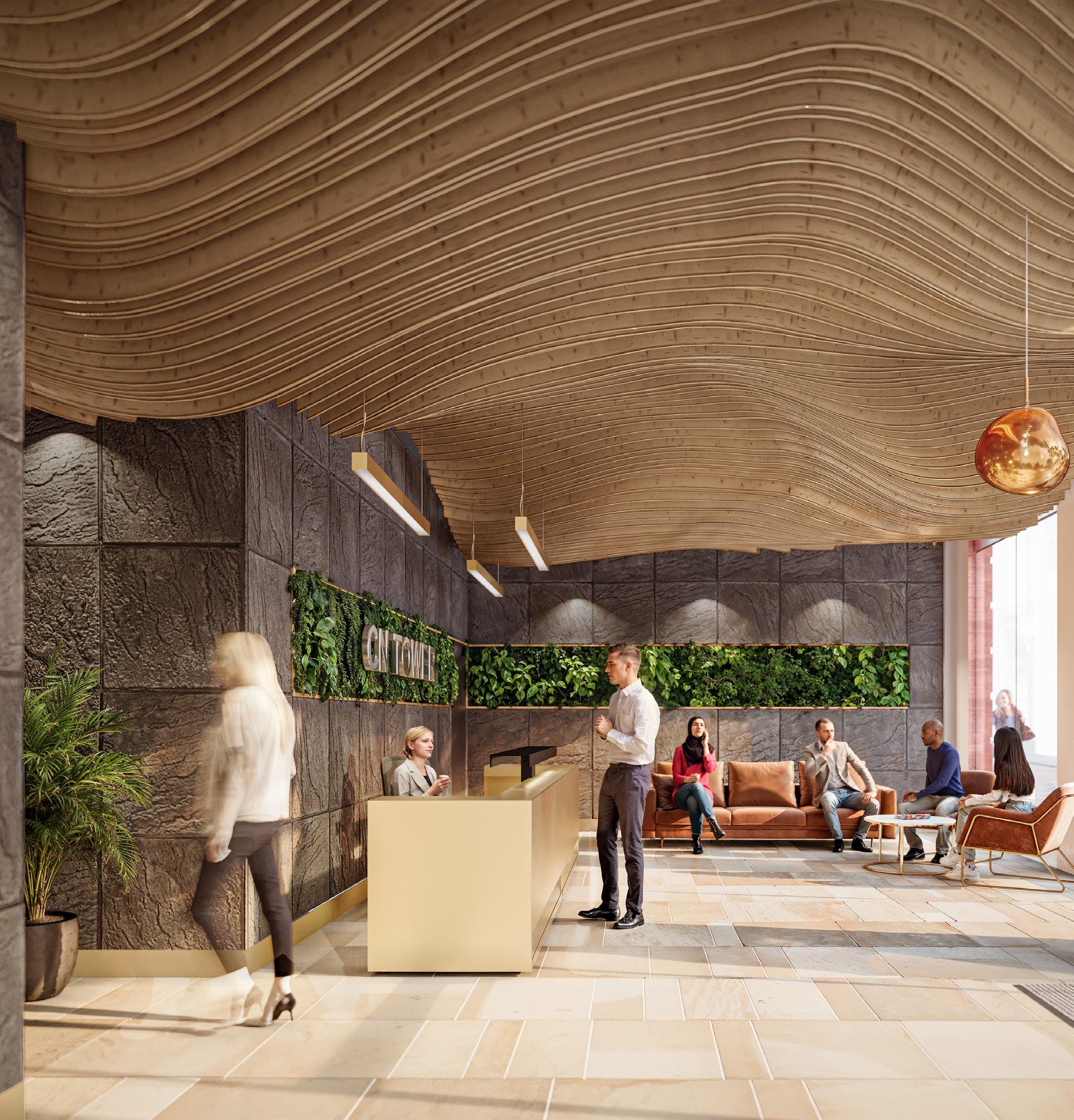
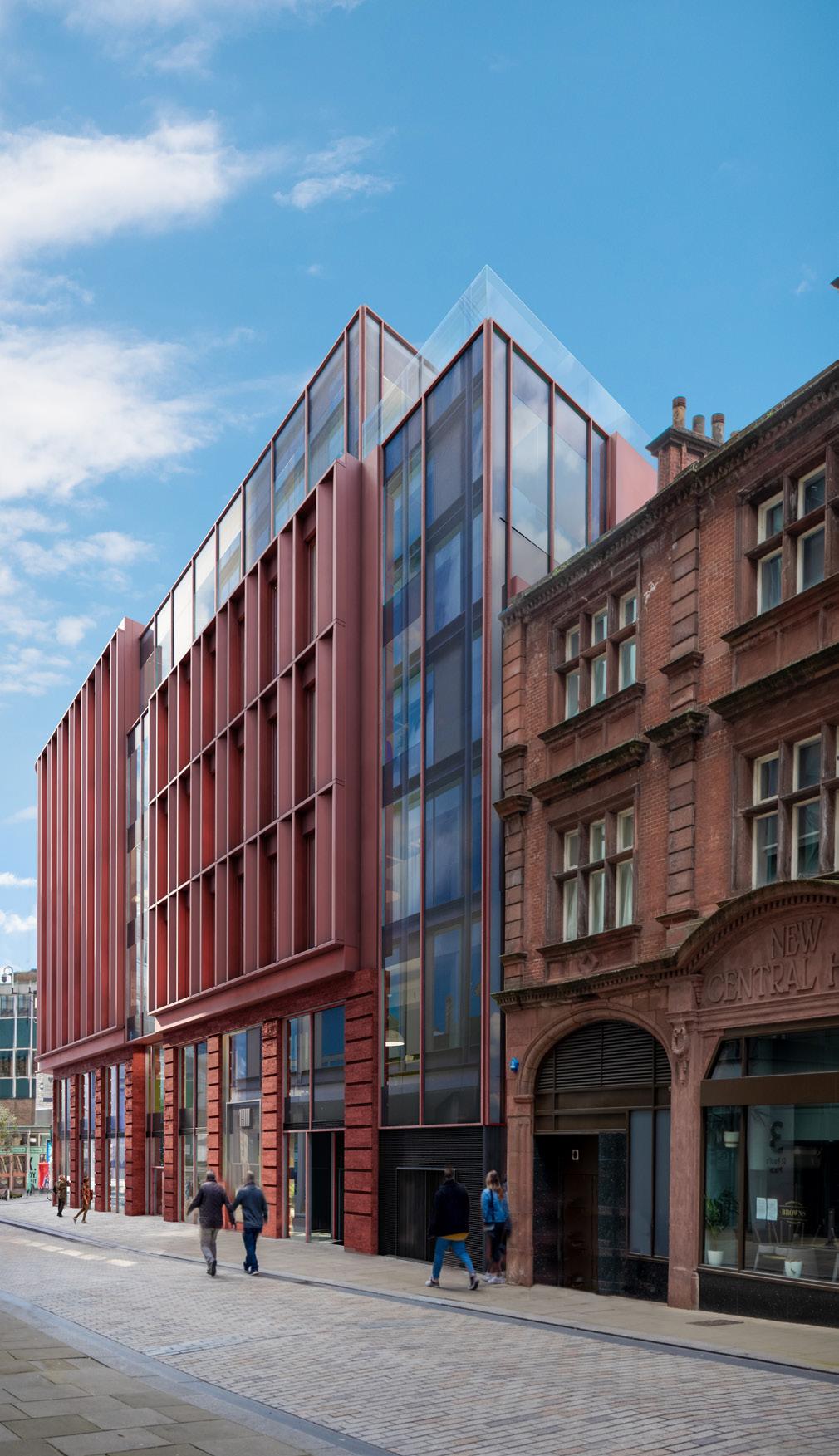
Grantside is currently developing Hive in Sheffield’s Kelham Island, a 100-studio co-living scheme designed around community and shared experience. Alongside private living spaces, the development includes communal kitchens, co-working areas, a gym, yoga studio, cinema room, and roof terrace.
“It’s all about creating that community and social interaction between people living together,” Steve remarks. “The project also reflects our wider focus on tackling social isolation and improving wellbeing through design.”
Hive represents a significant part of Grantside’s future strategy. The company already has additional sites lined up in Glasgow and Manchester as it looks to expand the concept into other UK cities.
“That will be our main focus,” Steve says. “We’re creating a brand under Hive for co-living, and continually improving that aspect.”
Alongside Hive, Grantside is currently bringing forward a new office scheme in Sheffield that combines net zero ambitions with hospitality-inspired design. These projects arrive at a time when expectations around residential and commercial property are changing rapidly. Flexible living, wellness and experience-led design are all becoming increasingly important to occupiers.
“People want things to be faster, easier and more flexible,” Steve explains. “They’re looking for easy-in, easy-out style living.”
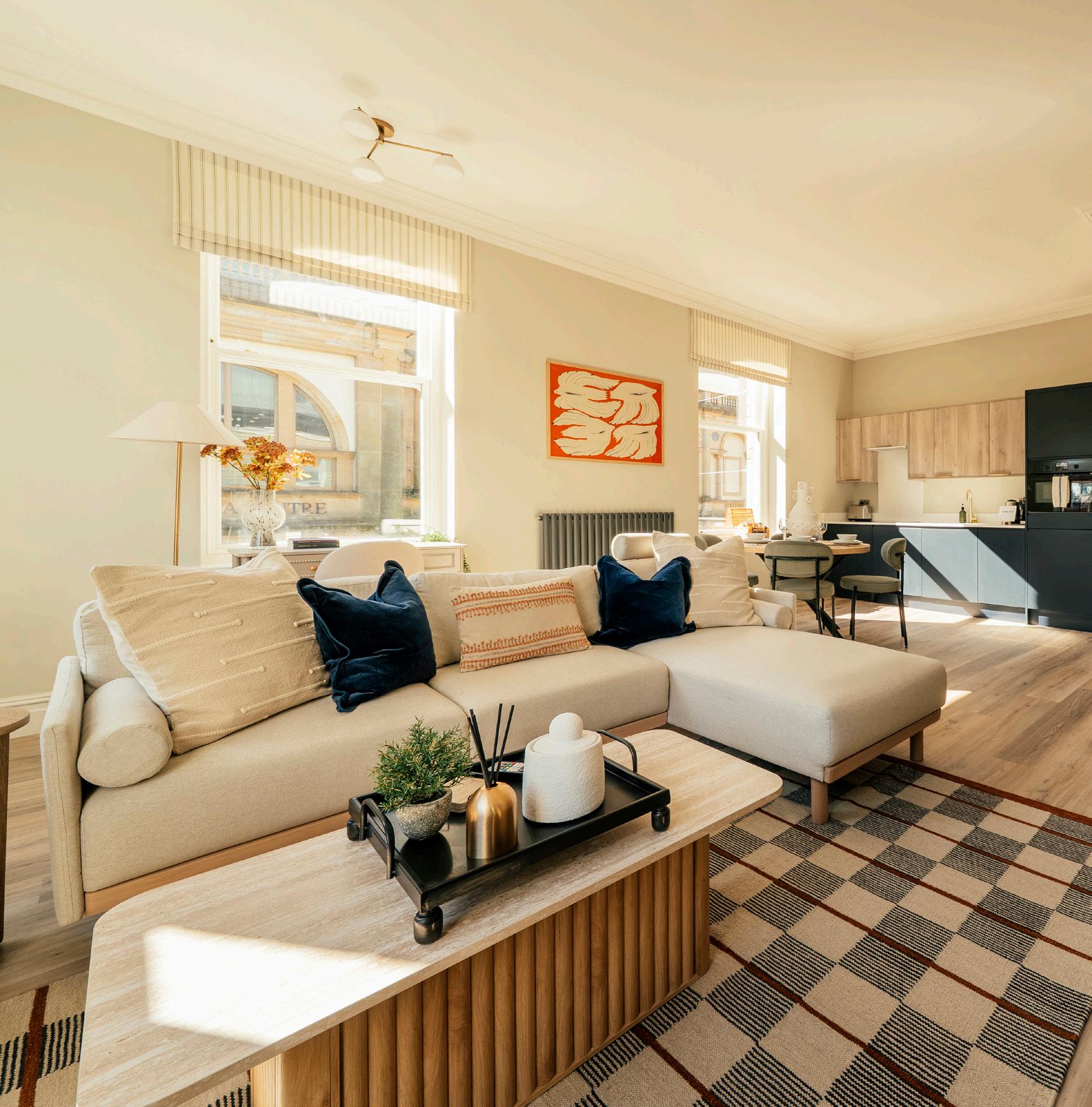
The relationship between home, work and social life is also evolving, particularly following the disruption caused by the pandemic.
“People are looking for more of an experiential style of building,” Steve says. “Whether it be an office or a co-living community, they want spaces where they feel comfortable and connected.”
That thinking extends to neurodiversity and how different people experience buildings differently. Steve notes that personal experiences have helped shape his understanding of the issue and influenced how Grantside now approaches design.
“My wife was recently diagnosed with ADHD and autism,” he reveals. “It has really informed how I look at buildings now and how people might enjoy buildings at very different levels.”
As a result, the company is paying closer attention to factors such as sound, lighting, colour and spatial layout to ensure developments are accessible and comfortable for a broader range of users.
After more than 30 years in the industry, Grantside remains a relatively hands-on business. Steve believes that agility and creativity continue to set the company apart, particularly when identifying complex or overlooked development opportunities.
“We like to spot potential in sites which are sometimes trickier to bring forward,” he says. “We assemble the right team to do that and deliver projects that we’re really proud of.”
The focus, however, always returns to people.

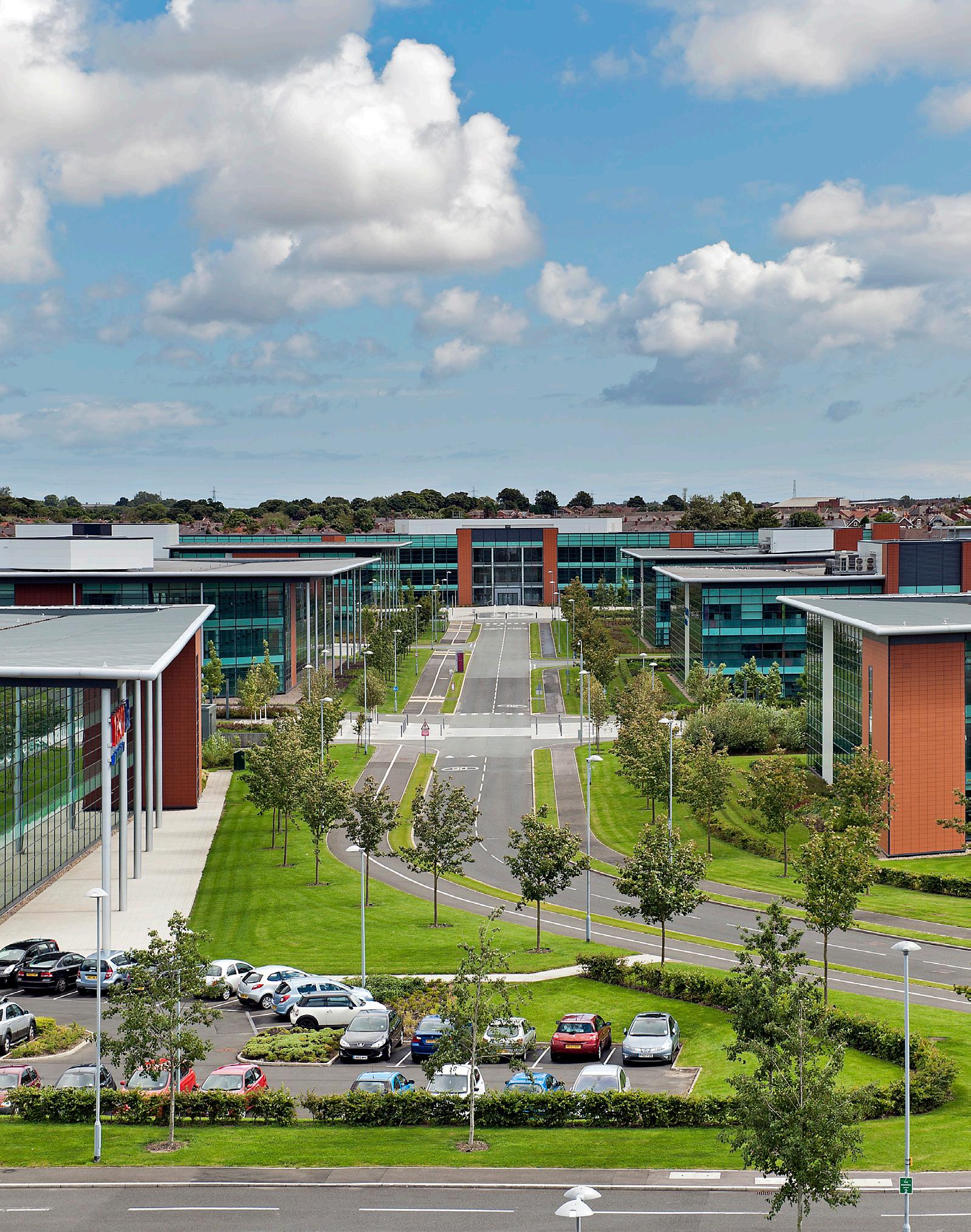
Across business parks, offices and co-living schemes, Grantside’s developments are being shaped around how they feel, how they function, and how they improve everyday life for the people using them.
“Sometimes, I think that, as a society, we are so wrapped up in the actual buildings that we forget people live in them,” Steve concludes. “We’re hoping that, for our small part, we can change that and create better spaces for people to enjoy.”
“WE BUILD LEANER, BUILD LESS, BUILD LIGHTER, BUILD ENERGY EFFICIENT, AND TRY TO MAKE THE BUILDING WORK IN ITS SIMPLEST FORM.”
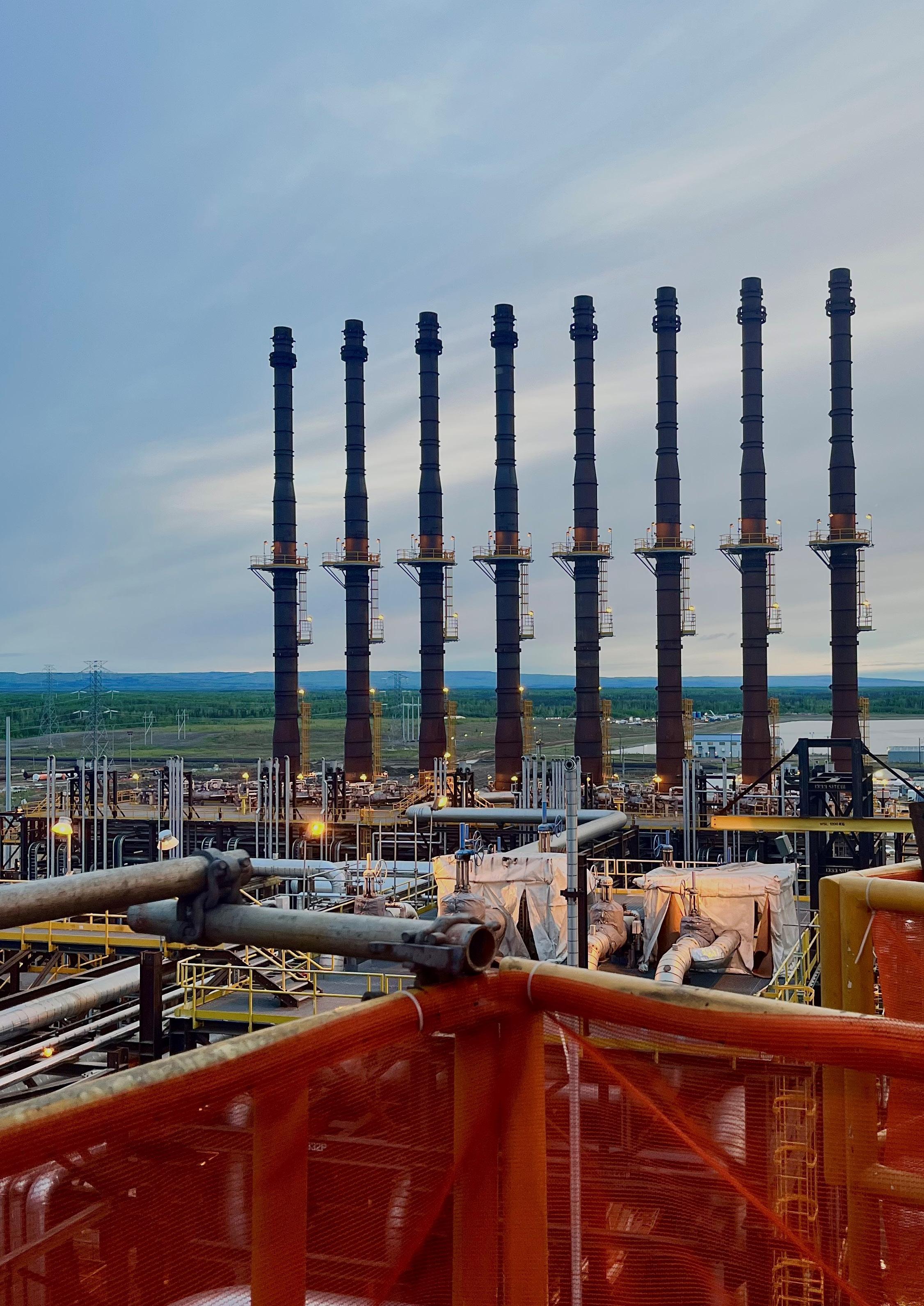

CANOCO ENERGY SERVICES SHOWS WHAT IS POSSIBLE WITH ON-THE-GROUND EXPERTISE.
Canoco Energy Services is an industrial maintenance company based in Canada’s heartland, specialising in turnaround, maintenance, and specialty mechanical services. Most recently, it has opened a civil division for municipal projects.
We started as a small, field-driven operation, and have now grown into a full-service organisation built on the values of safety, accountability, and execution, bringing high quality to our work,” explains Chris Engel, Chief Executive and Founder of Canoco Energy Services. “Our motto is that we are ‘Redefining what Good looks like.’”
Engel has spent years in the industry as a welder, superintendent, and turnaround manager, and that is the experienced in-the-field perspective he brings to Canoco Energy Services. It is a company that is not built in the boardroom, but from the ground up.
“We are builders first,” he tells us. “We come from a team of blue collar tradespeople who have come into executive roles. That means we understand the ground level work. We run projects from the field, not from our desks.”
Where other, heavily incorporated companies are more disconnected from the execution of their projects, Canoco Energy Services stays
involved during every step, “from kick off to completion,” as Engel puts it. The company provides a fully integrated service, delivered under one roof from fabrication to field construction. It is a onestop solution, informed by the onthe-ground experience Canoco’s executive team brings to its work.
The company’s proprietary BJIM program has delivered over 100,000 bolted joints, leak-free, while its full-service execution offering means it can provide everything from exchanger services and 3D scanning to heavy fabrication and rentals, all in-house. Because of their on-the-ground experience, Canoco Energy Services is able to adapt quickly, take ownership of projects and deliver precisely what they say they will, earning client trust.
“We place a strong emphasis on safety. It is a way of life, not a box to check,” Engel insists. “We have gone two million man hours with no lost time incidents. We are a growing company, but we are still running it like a family business. We all know each other’s names. It is a good

GT Metal offers complete mechanical and construction services.
Our offerings include:
• Shop fabrication for mechanical piping and structural steel.
• Pump station and meter station skid packages.
• Vessel repair and replacement.
• Scraper and pig traps.
• Metal processing – laser, plasma cutting and custom forming
• Custom Fabrication, Specializing in Carbon Steel, Stainless Steel & Aluminum.
• Fully Servicing all Customer Design Concepts for Structural & Custom Project needs.
• Coating Services Available, Paint, Galvanizing, Powder Coating upon request.
• GT Metal is fully supported by Retained Engineering Services, Internal Design & Drafting Services available upon request.
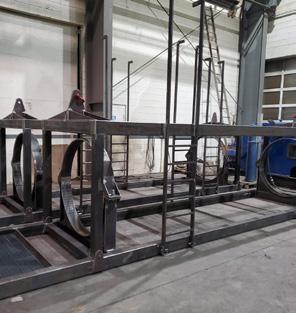
Contact us today to request a quote
james@gtmetal.com mike@gtmetal.com
place to work. A business that is not just based on profit, but on finding good people. That means not just people with talent, trades can be taught, but people with the right culture and principles.”
A combination of strong work ethic, high standards and a positive working environment means that Canoco has been growing fast, and with that growth has come challenges.
“We have been growing exponentially despite being eight years old. Our peak workforce has been over 600 people,” says Engel. “That rapid growth has brought challenges with it. There are labour shortages, and when we recruit, we need to maintain the culture and standards we have built the company on. That is something we’re really focusing on. We will not forget our foundation or our roots.”
Ultimately, for Engel, it all comes down to the people.
“People are everything,” he says. “We work hard to build a culture where people feel valued and part of something bigger. We share information. We focus on attitude, work ethic and culture. Accountability is critical to us. We want people to take pride in their work and care about the people beside them.”
Canoco Energy Services does this by investing heavily in training, mentorship and career development. Many of the company’s leadership started out in the field, and so, wherever possible, Engel prefers to promote from within.
“We like to lay out the opportunities, giving our people three-month reviews with positive and negative feedback that they can act on,” Engel explains. “I always like the old joke where two CEOs are sitting in a room. One says, ‘We should train our people.’ The other says, ‘It’s too expensive. If we train them, what happens if they
leave?’ and the first one replies, ‘If we don’t train them, what happens if they stay?’”
Of course, Engel believes that the training and investment Canoco puts into its people is itself an incentive to stay.
“Money talks, but our people here are building something meaningful,” Engel says. “We allow our foremen to hire their own people, bringing their inner circle into the company, and they take responsibility for the people they are hiring.”
That trust that is endemic to the company is all the more important given the challenges facing the wider industry.
“With what is happening in the oil market, and the economic disruption caused by the wars, you wake up every day not knowing if we will be busy or not,” Engel tells us. “Another big challenge is that we want to avoid being very locked into one client. We are a big company, but not that big, so we have diversified and levelled out our revenue by launching a civil construction division to support us in our slower months. It is now fully operational, with seven projects on the go in Edmonton and Calgary. We are also exploring overseas opportunities, such as opening an office in the United States.”
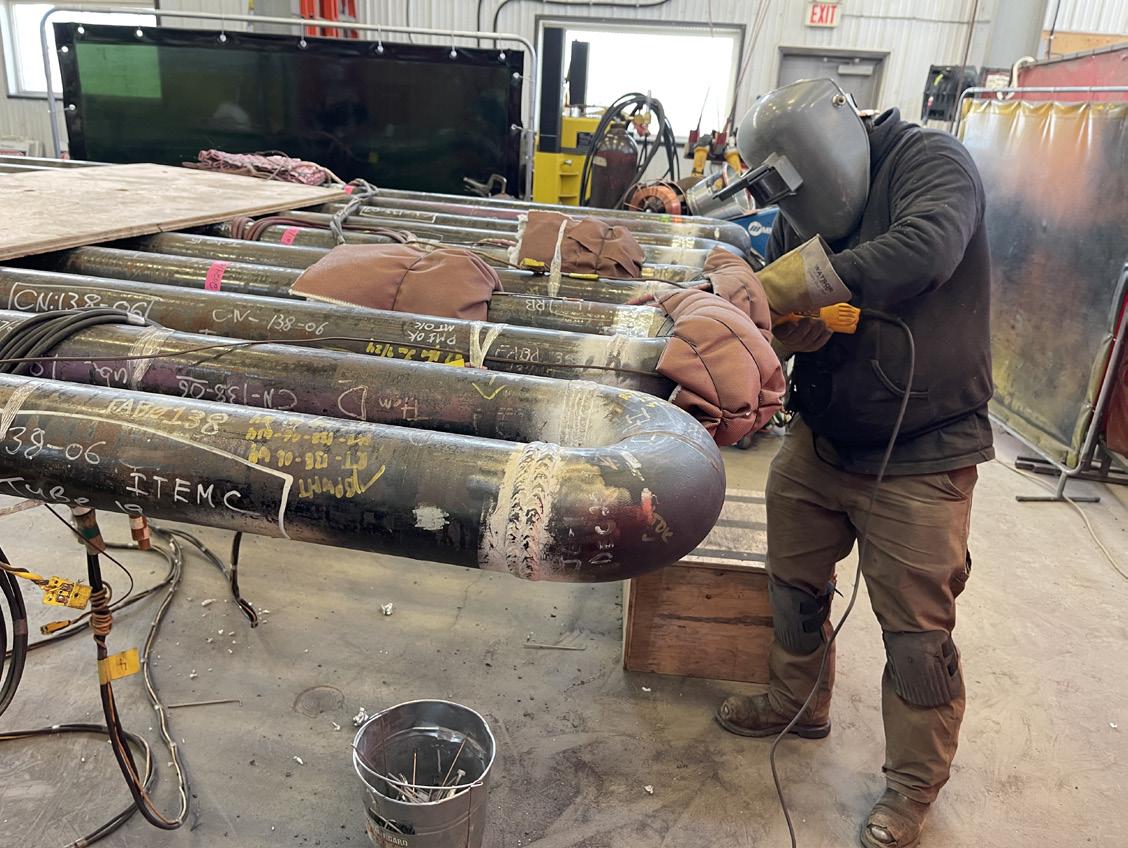
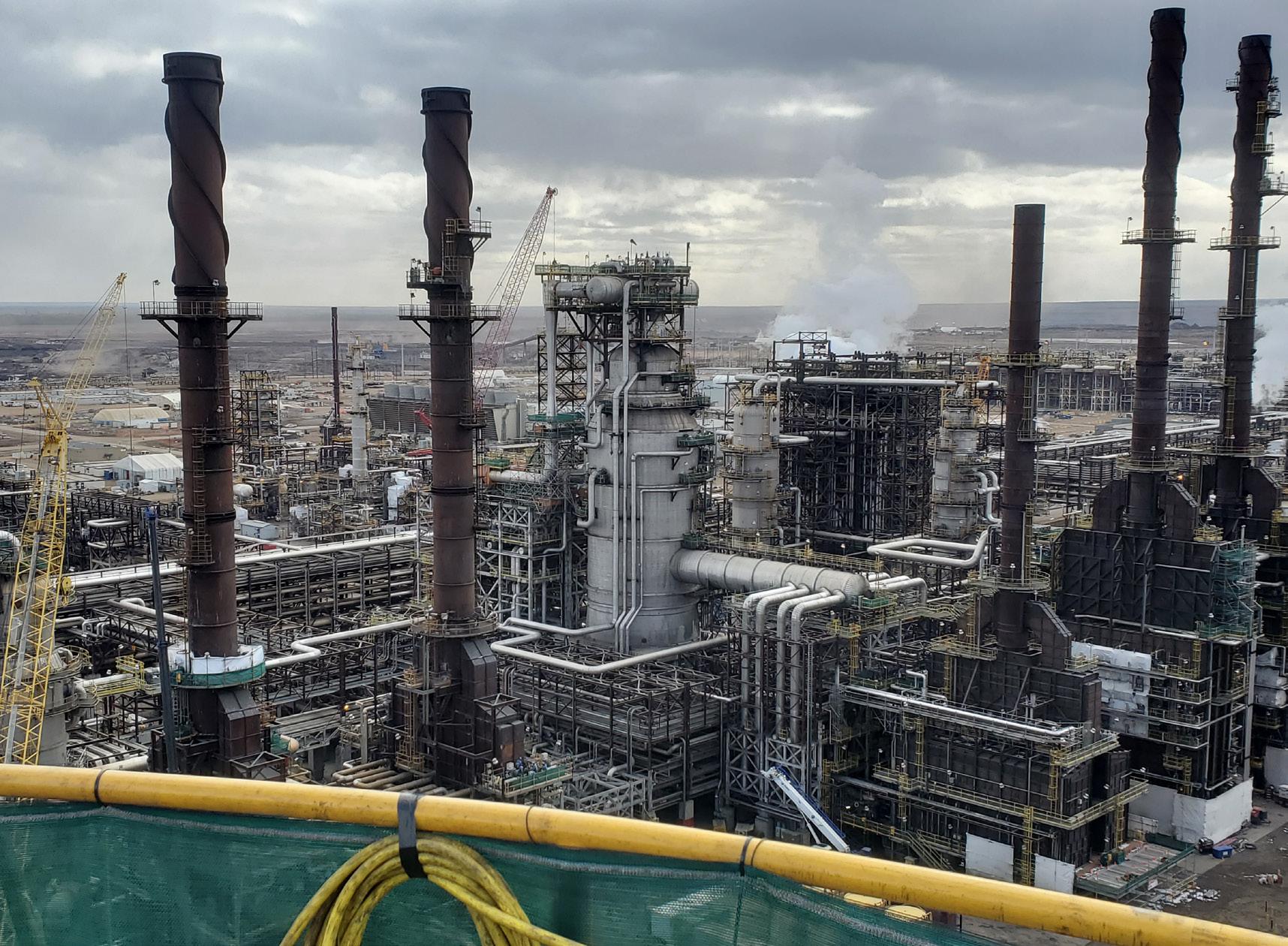
This is just one of the many possibilities that Canoco Energy Services is looking forward to. The firm has just brought in a new CEO, Jared Durand, who brings with him extensive experience from a large EPC company. He will bring his talent and mentorship to bear on Canoco’s young C suite team.
“The future is definitely exciting,” Engel tells us. “We are focused on sustaining longterm growth while continuing to build. We are working to old school standards with new school safety, and over the next several years, we foresee continued expansion in Canada. We have founded Canoco International in Mongolia, and we see opportunities in the USA, with our civil division launching in January next year. That sector is already very busy and very lucrative, potentially doubling our revenue next year.”
Canoco Energy Services has even been in conversations with Ukraine, which is building partnerships with Canadian companies to bring tradespeople into the country to help with the reconstruction process.
“It is a nerve-wracking time, things are stressful but exciting,” Engel says. “We are extending our reach to everywhere we can, while being careful not to grow too fast.”
“WE RUN PROJECTS FROM THE FIELD, NOT FROM OUR DESKS.”
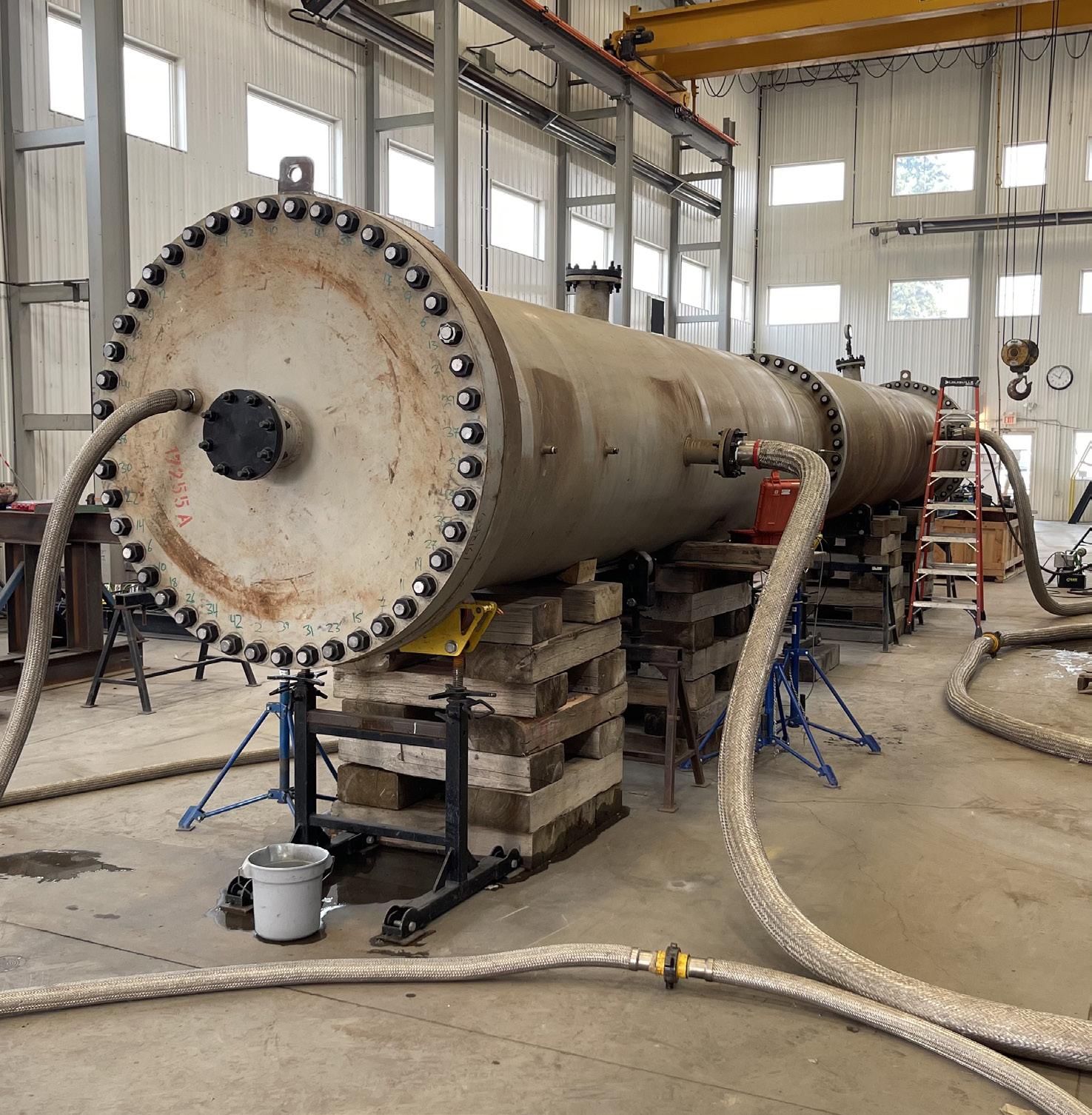
FORMULA 1 TECHNOLOGY IS HELPING DUMAREY GREEN POWER CUT FUEL CONSUMPTION ACROSS CONSTRUCTION AND INFRASTRUCTURE.
Power shortages, rising fuel costs, and tighter environmental regulations are changing the way temporary energy is deployed across Europe. For many organisations, there is growing pressure to reduce emissions without slowing projects or increasing costs.
Dumarey Green Power understands the issue better than most. Part of the wider Dumarey Group, the business develops highpower energy storage systems designed to work alongside existing generators and grid connections. The company’s technology is being used on construction sites, infrastructure projects, industrial operations and even at medical facilities, helping operators cut fuel use while maintaining reliable power.
Managing Director of Dumarey’s Green Power division, Tobias Knichel, says the company’s approach is grounded in practicality rather than idealism.
“At Dumarey Green Power, we focus on one core challenge, which is to deliver reliable power with significantly lower cost, without compromising performance,” he explains. “We do that by saving fuel, which in turn, cuts emissions.”
The company’s systems originated in one of the world’s most demanding engineering environments: Formula 1.
Dumarey initially developed flywheel energy storage technology for racing applications, where systems must withstand intense vibration, rapid acceleration and extreme operating conditions. Tobias says the experience shaped the company’s wider philosophy.
“Formula One racing is not the real world, but it’s a very harsh environment,” he affirms. “Our vision was always to develop technology in the harsh environments of motorsport and then apply it to the real world where we can have a much bigger impact.”
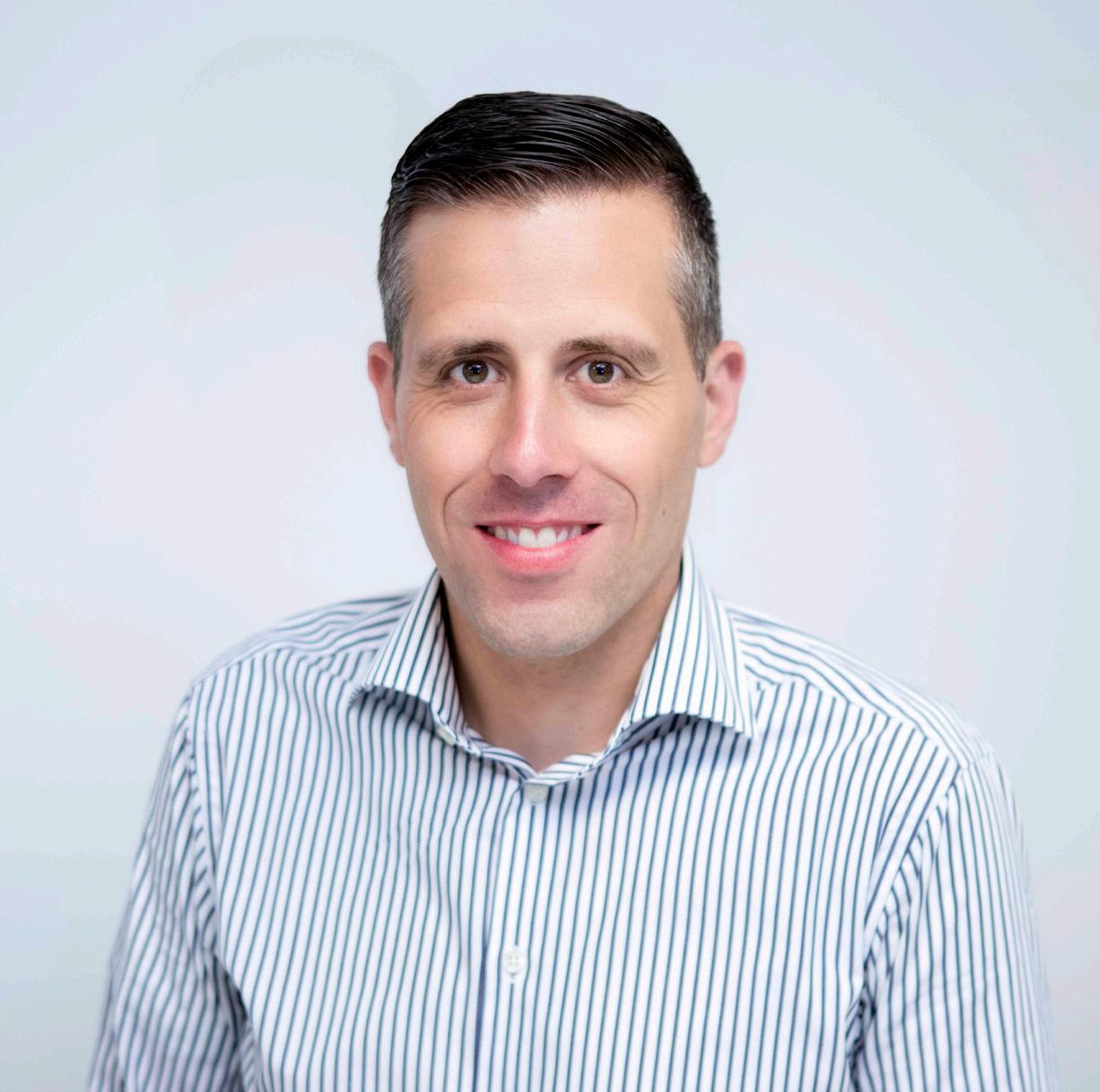
The transition from motorsport to industry now sits at the centre of the business.
Dumarey Green Power’s products are designed to be plug-and-play systems
Tobias Knichel, Managing Director, Dumarey Green Power Division,
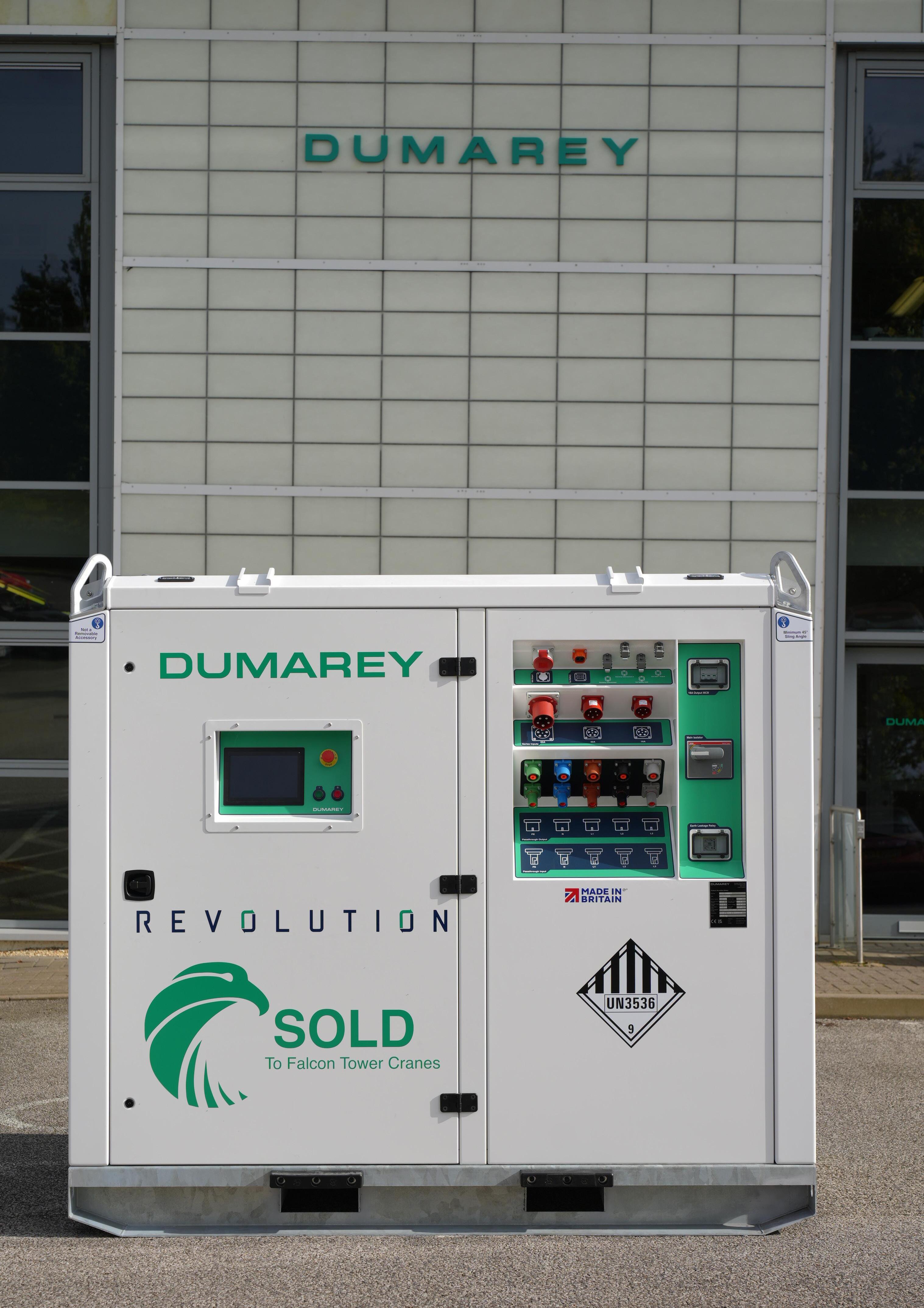

We deliver precision- engineered, bespoke solutions for electrical connections, combining innovation, quality, and reliability. From design and prototyping to high-precision manufacturing and flexible production, we partner with clients to exceed expectations, ensuring durable, highperformance products for demanding applications.
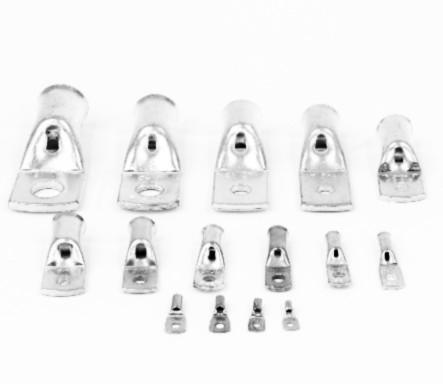
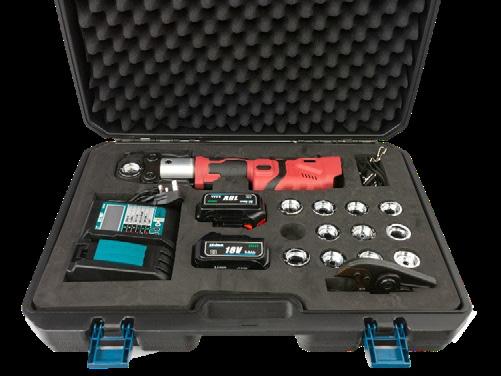
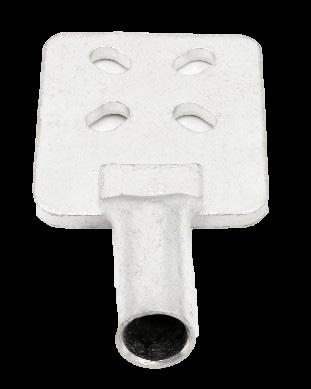
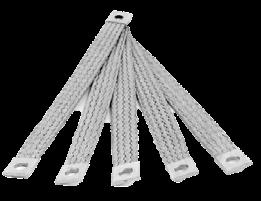
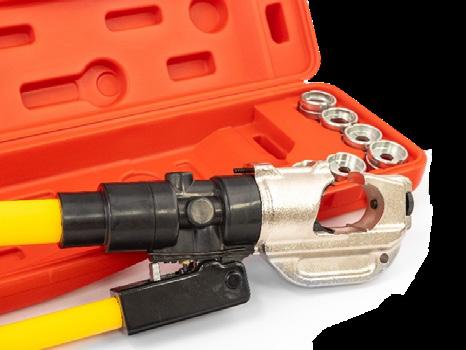

that work alongside existing equipment rather than replacing it entirely.
Construction remains one of the strongest beneficiaries of that strategy. A recent project at the Royal Mint development site in central London demonstrated how Dumarey technology can solve multiple operational problems at once.
“The site had limited space, strict emissions requirements, and restricted access for fuel deliveries,” Tobias notes. “A tower crane on the project would traditionally have required a large diesel generator running continuously. Instead, we deployed a battery storage system combined with a modest 32-amp mains connection.”
The results were significant. Dumarey’s system reduced diesel consumption by more than 2,400 litres per week and cut carbon emissions by 6.4 tonnes during the same period. Annual fuel savings are expected to reach around 120,000 litres.
Just as importantly, the project
www.tc2009.co.uk
now enjoys reduced costs and simplified logistics.
“The customer basically doesn’t have to hire the generator and the fuel tank,” Tobias states. “They save on all the fuel costs because they are replaced by lower-cost electricity.”
For Dumarey Green Power, projects like the Royal Mint highlight a broader issue affecting infrastructure across Europe: grid constraints.
In many regions, available grid connections are no longer sufficient for modern power demands. Temporary construction sites, logistics hubs, and industrial projects often require far more electricity than local infrastructure can provide quickly.
The challenge is particularly visible in countries such as the Netherlands, where the rapid adoption of solar power, electric vehicles, and heat pumps has increased pressure on the network.
At the same time, entirely new industries are emerging with enormous energy requirements. Data centres have become a major growth area for the company as artificial intelligence drives demand for large-scale computing infrastructure.
“We are currently working on one particular data centre that has a power requirement of 150 megawatts,” Tobias reveals. “You really need to rethink how you use energy and power for these applications.”
“OUR VISION WAS ALWAYS TO DEVELOP TECHNOLOGY IN THE HARSH ENVIRONMENTS OF MOTORSPORT AND THEN APPLY IT TO THE REAL WORLD.”
Urbanisation is creating further demand for cleaner temporary power systems.
Cities across Europe are tightening restrictions on emissions and noise pollution, particularly for generators used at public events and construction projects. Dumarey Green Power’s battery systems are increasingly deployed at festivals and city-centre events where diesel generators are no longer permitted.
“In Amsterdam city centre, you are no longer allowed to deploy diesel generators,” Tobias reports. “For street food festivals in Amsterdam, everything from toilet blocks to fryers has to be powered by batteries.”
While sustainability is an important driver, Tobias is clear that commercial performance remains the deciding factor for customers. That commercial focus shapes the company’s product strategy.
Dumarey Green Power operates across three main technology areas: first-life batteries, second-life batteries, and flywheel storage systems. Each solution is designed for different operating conditions rather than forcing customers into a single technology platform.
The company’s second-life battery programme has become a particularly interesting part of the business.
Dumarey sources used batteries from electric buses, including systems originally supplied by Mercedes-Benz. Although the batteries are no longer suitable for demanding transport operations, they still retain around 80 percent of their original capacity. The company repurposes these batteries for less intensive applications, such as events, temporary power
installations, and industrial support systems.
“We are using batteries much more gently than in a vehicle,” says Tobias. “That allows us to extend their life, which reduces waste while avoiding the environmental cost of manufacturing entirely new battery systems.”
Growth remains strong for the business across the UK, where Dumarey Green Power has established many of its flagship projects. The company is now expanding further into mainland Europe, alongside exploring emerging opportunities in Australia, the Middle East, and the United States.
Partnerships are playing a key role in that expansion strategy. Tobias highlights the company’s work with Zenobē as an example of how specialist
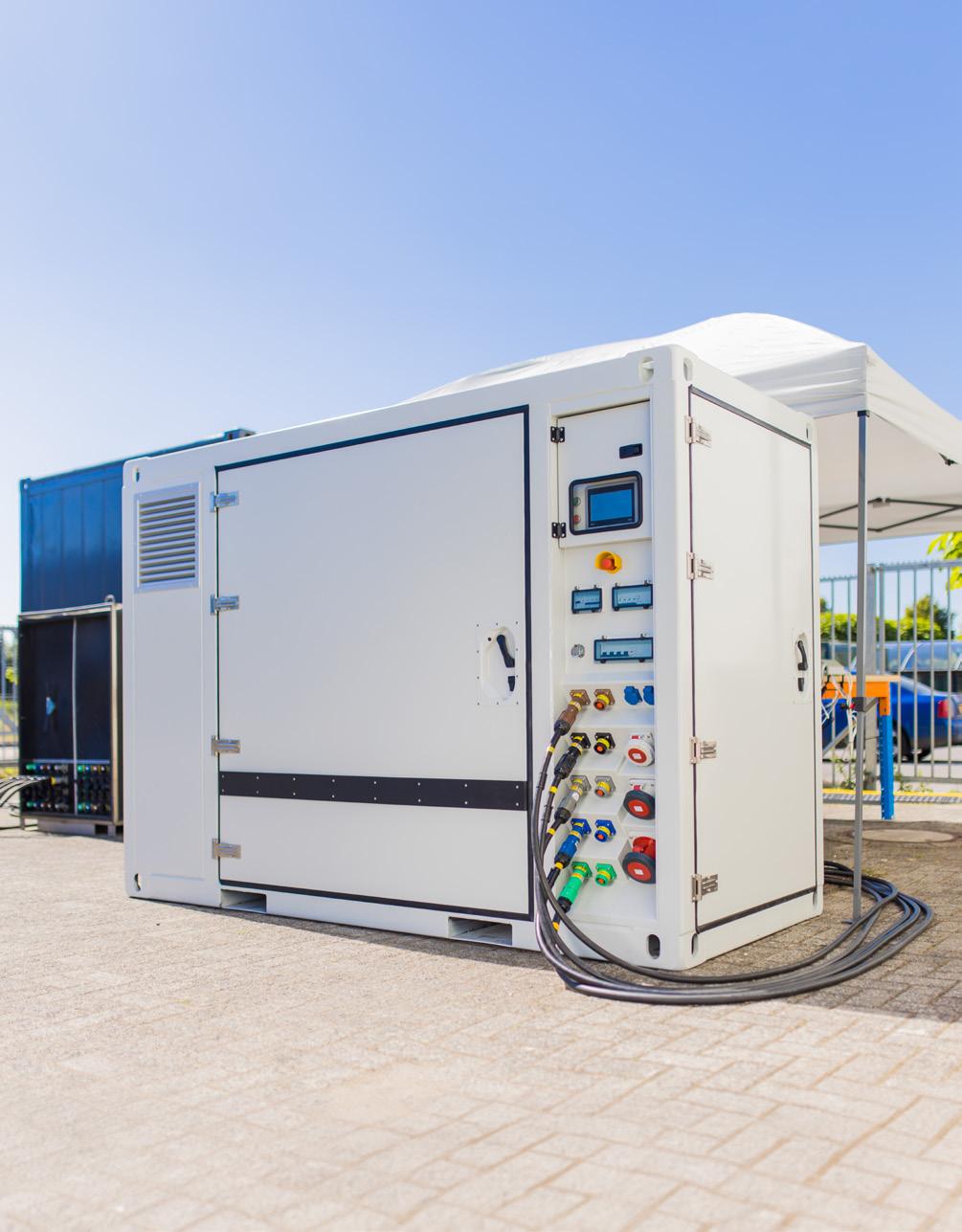
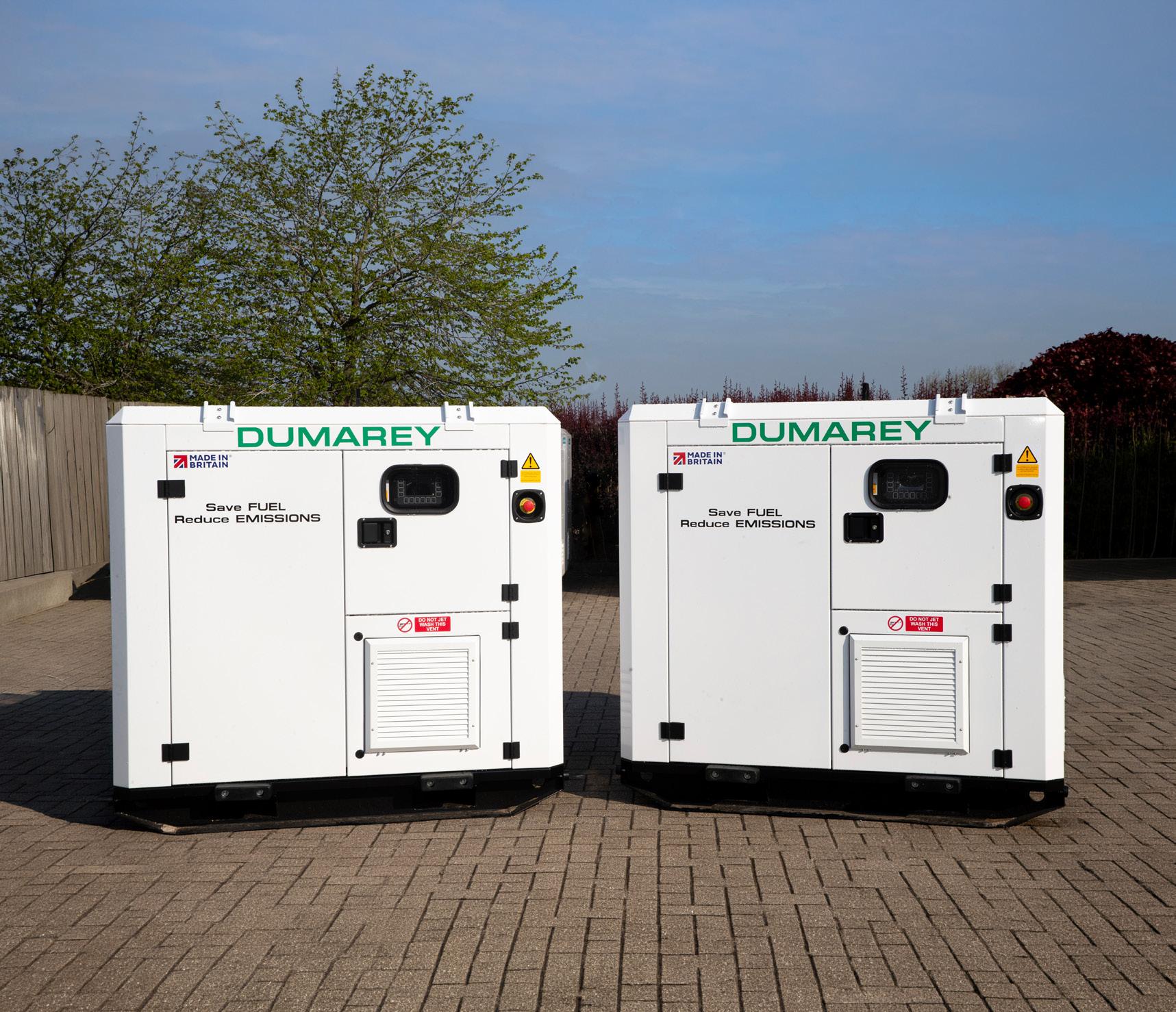
collaboration can accelerate deployment.
“We are really focused on creating products, and Zenobē is good at bringing them to our customers,” Tobias says. “It’s a great way to work.”
Looking ahead, Tobias believes hybrid power systems will become ever more important as companies search for practical ways to manage rising energy demand, delayed grid connections, and higher fuel costs.
Dumarey Green Power’s message to customers is deliberately straightforward. Existing fleets and infrastructure do not need to be discarded overnight. Instead, businesses can combine traditional equipment with smarter storage technologies to improve efficiency immediately.
“The transition to cleaner energy doesn’t need to be disruptive,” Tobias concludes. “You don’t need to stop what you’re doing; you just need to adjust it.”
THE NGONYE FALLS HYDROELECTRIC PLANT, THE WESTERN POWER COMPANY IS GOING TO HELP UPLIFT ZAMBIA IN MORE WAYS THAN ONE.
Once, Zambia had Africa’s second-lowest energy tariffs. But after years of under-investment, the country’s power production has struggled to meet demand, leading to 20 hour-a-day load shedding and 63% of the country’s population being unconnected to the grid in 2024.
The Western Power Company was established to address that need. The firm is behind a number of energy projects, the most prominent of which is the Ngonye Falls Hydroelectric Project, a 180 megawatt plant that will add 8% to Zambia’s total power generation capacity, generating 830 gigawatt hours a year of clean, renewable and cost-effective energy to supply local and export demand. When finished, it will create enough electricity to power the total population of Zambia’s Western Province.
The company is the brainchild of Sipho Phiri, the company’s Chairman, and Tom Younger, its Managing Director.
“We were born in the local government hospital, we went to the same nursery and primary school, and together we saw that Zambia’s energy requirements would need addressing,” Phiri tells us.
The project was not immediately welcomed with open arms. 90% of Zambia’s power generation is owned by the state, and so there was resistance to the idea of private involvement in the sector.
“Neither Tom nor I are believers that the State should have no involvement or that everything should be privatised,” Phiri tells us.
“ZESCO [State-owned power generation company Zambia Electricity Supply Corporation Limited] is the backbone of Zambia’s power generation and transmission in Zambia, and it should remain so. Plenty of countries have privatised their power generation and transmission systems, effectively giving a private company a state monopoly that makes power expensive. There needs to be a balance, and private firms need to be introduced as part of that balance.”
Fortunately, from the earliest stages of the project, the Western Power Company was able to find support within the Government.
“Although we received resistance, the President very quickly understood that there needed to be some structural changes,” says Phiri. “My mantra is that the only thing worse than expensive power is no power. When the energy crisis brought about 20 hours a day of loadshedding, that showed the truth of it. The mines were among the loudest talking about cheap subsidised power, but we showed that they can still make money with more expensive power, and at least they will have power. The important thing is that the cost be reflected in the tariffs.”
Currently, the Western Power Company has completed all the technical and environmental studies necessary for the Ngonye Falls Hydroelectric Project to go ahead. It is the first project to receive the Gold Award from the Hydropower Sustainability Standard.
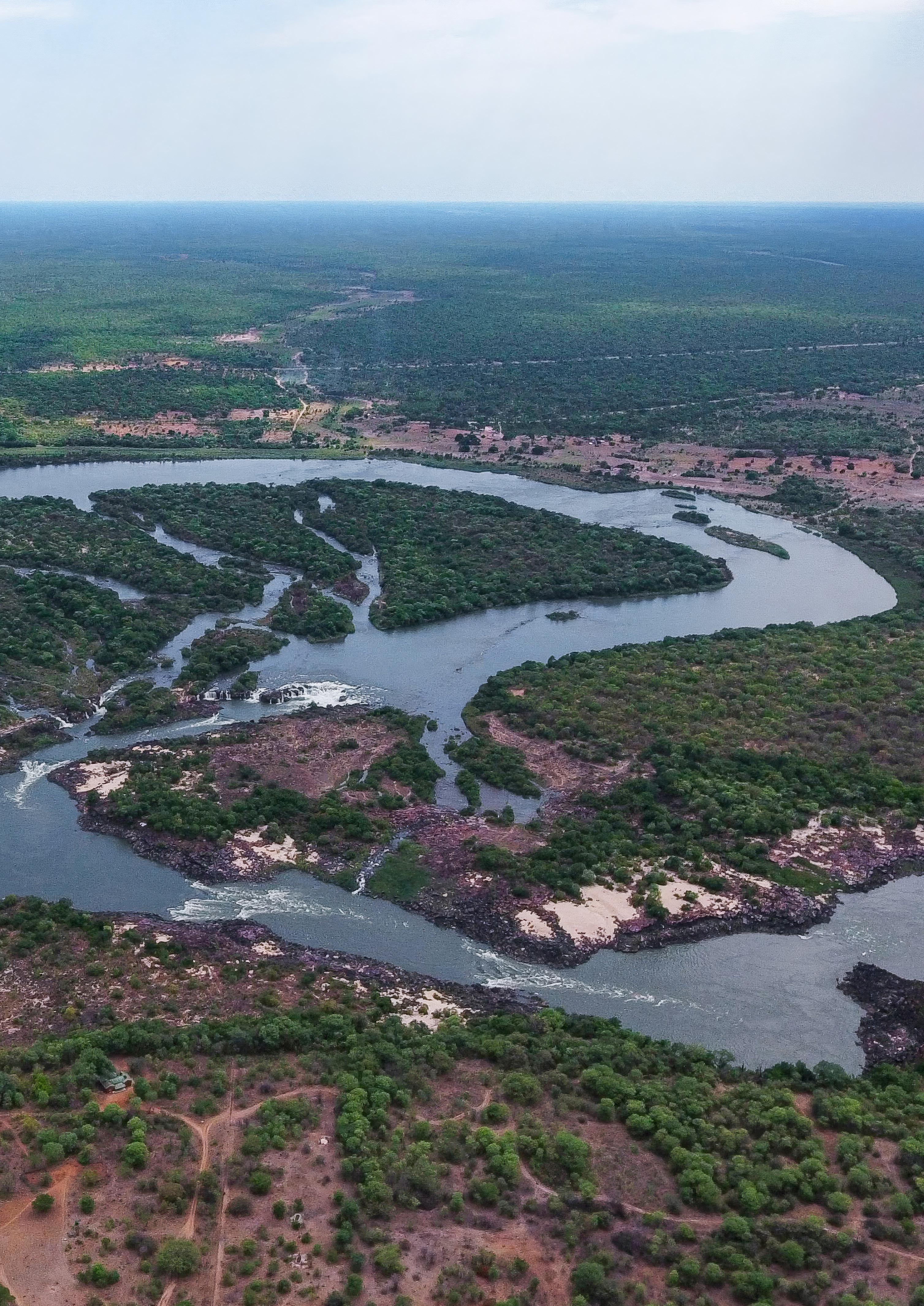
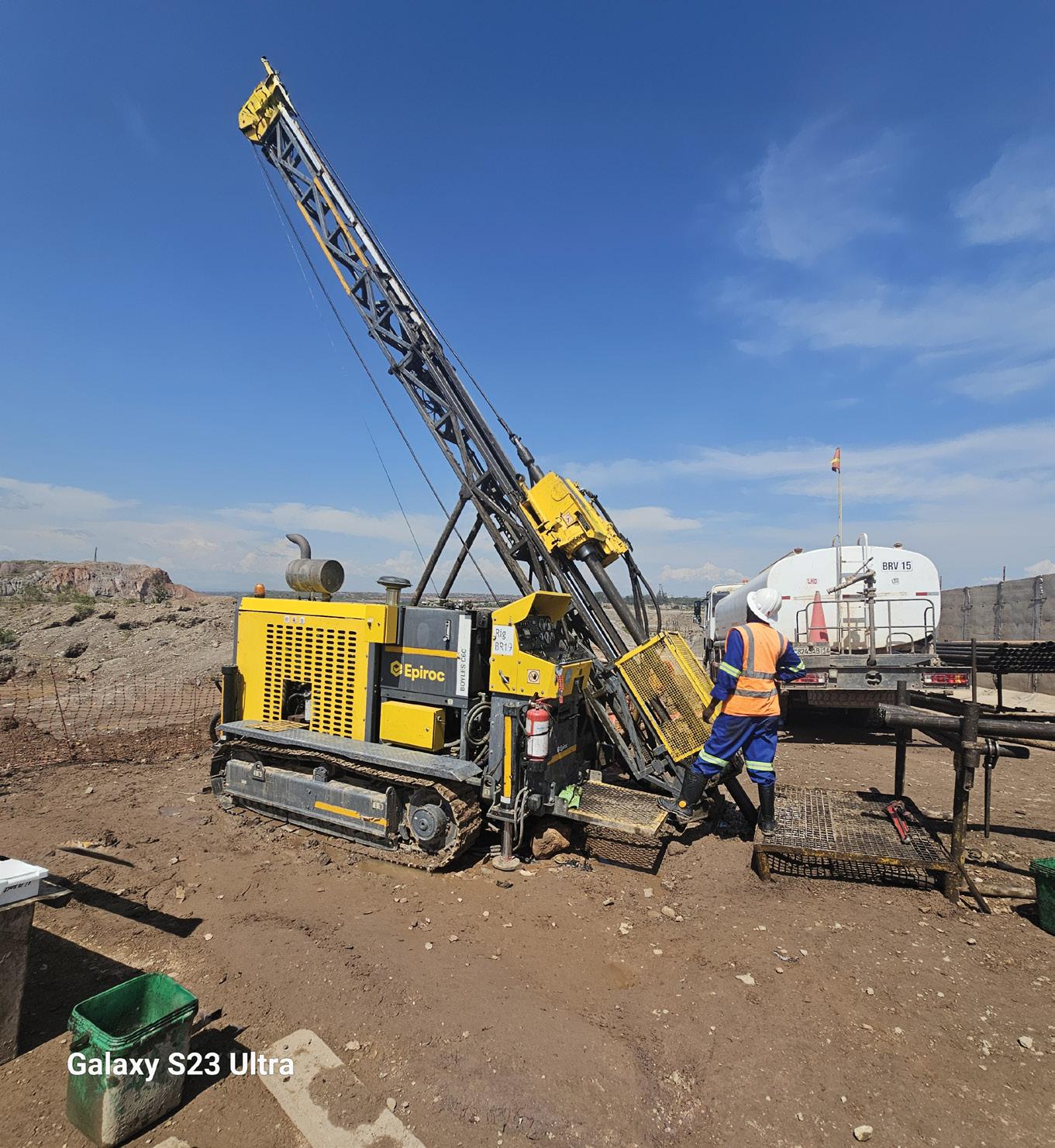
Core, Reverse Circulation, Air Core, Depressurising Horizontal, Geotechnical Drilling, Pressure grouting, Permeability testing, Piezometer supply and installation admin@blurock.co.zm enquiries +260 212 210968 Kris +260 966 899999
“We have been meticulous in our preparation, and we are now at the final stage,” Phiri says. “We are sorting out debt and equity, which we hope to complete by December. Construction, we hope to start in January or at least the first quarter of next year. 99% of all the project documentation is done. It is simply a question of raising the $750 million needed for construction.”
The reason why this project is such a fantastic opportunity is the unique geographical location it has to work with. The Zambezi River is a kilometre wide at the top of the river, before it goes over the Ngonye Falls into a narrow gorge.
“What makes this project special is that it has an extremely small environmental and social impact on surrounding communities as well as the river itself,” explains Phiri. “The second, more technical issue is that
the river itself is quite large, but extremely climate resilient. It benefits from a geological quirk.”
To generate energy, a hydro power plant needs a combination of water flow and head height. The Zambezi River, downriver from the falls, has a head height that is particularly climate resilient. A draught upstream will cause less water to come down the falls, but the shape of the river means that with less water there is actually a higher head.
“In our simulations during a drought, the water flows might be down 53%, but the power generated will only be down 12%, making it resistant to changes in the climate,” Phiri says. “It will be invaluable as a part of Zambia’s grid where there is currently no power generation, creating immense stability for the whole of ZESCO’s grid and creating a foundation for more intermittent renewables like solar and wind power.”
But for Phiri and Younger, this is about much more than the already invaluable addition to the Western Power Company’s Grid. It is about demonstrating that it is possible to execute big projects in Zambia, carried out by and led by Zambians.
“We can found them, and we can develop them,” Phiri says. “Early on in the process, we had gone in with INFRACO AFRICA as a partner, and they’ve been very patient with capital. They deploy capital to help projects develop when other private sector sources would not.”
As Western Power Company approaches the construction stage of the project, it has followed the highest and most onerous tender standards to select Power China International as its EPC contractor. The company has met all requisites and national statutory conditions. They will also be responsible for hiring and staffing from local communities, and through training, developing their skills and upskilling local people.”
“Between 3,000 and 4,000 people will be employed locally over a four-year period of construction,” Phiri says. “After that, it will be Zambian staff who run the project on an ongoing basis for the next 50 years.”
That employment is just one of the ways in which the Ngonye Falls Hydroelectric Project is set to benefit Zambian communities.
From the outset, the Western Power Company has been in close communication and collaboration with its host communities.
“We have had strong stakeholder engagement from the beginning,” says Angela Chisembele, a Consultant for the Western Power Company.
“We keep the community informed and include them in all our discussions and activities. The river straddles two communities, and we have community committees on both sides made up of local leaders.”
Part of that process means ensuring that any CSR projects carried out by Wester Power Company are led by the community themselves, rather than imposed on them from above. The Western Power Company has built houses for teachers near local schools, bringing more teachers into the area and allowing for more classrooms. The company has also funded social amenities, given local football teams new gear and held tournaments for them. During the height of the Covid pandemic, Western Power Company provided PPE.
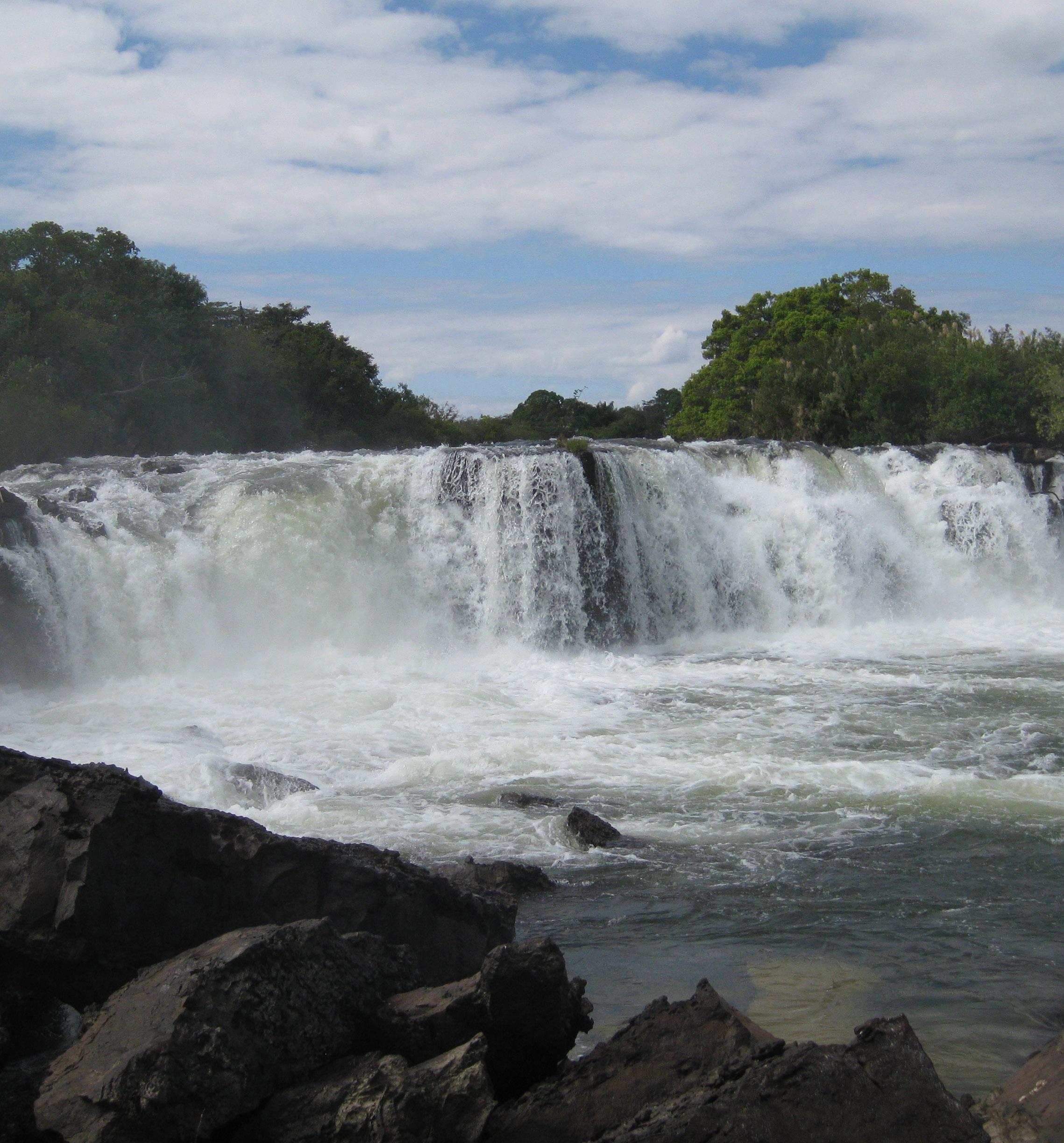
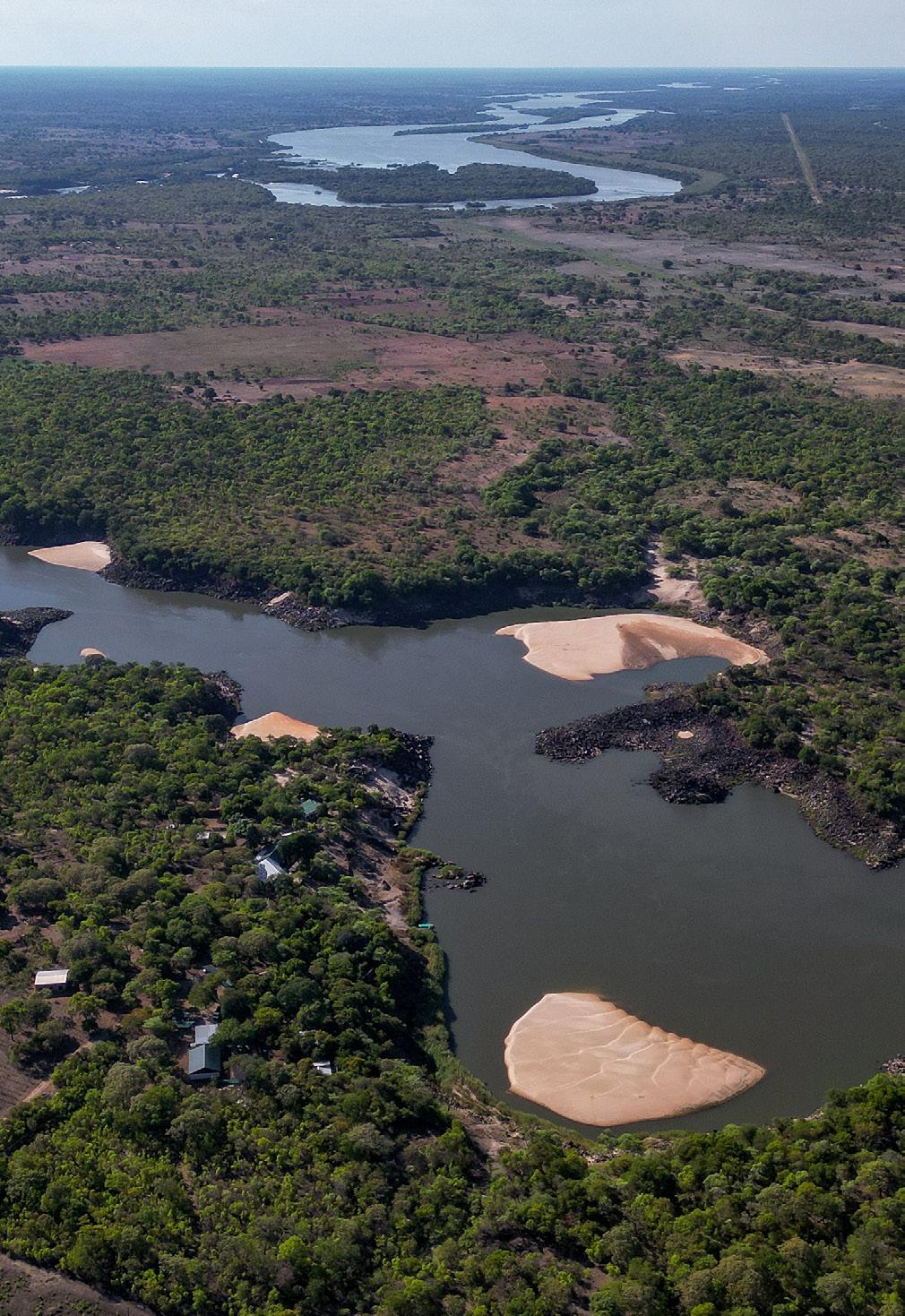
“A lot of our CSR is ongoing, supporting traditional annual ceremonies,” Chisembele tells us. “At the same time, we have trained a hundred youths from local communities in skills such as carpentry, bricklaying, and machinery, with monthly trade skill courses at local trade schools.”
Out of those hundred, 97 have graduated and are now working in a range of trades. Chisembele hopes that many of them will eventually come to work at the power plant itself, securing Zambia’s future in more ways than one.
“This plant wasn’t a brave business decision, it was logical,” Phiri says. “There was an energy crisis coming, Zambia in particular and Africa as a whole had a huge energy shortage, and we had this plan for a power plant.”
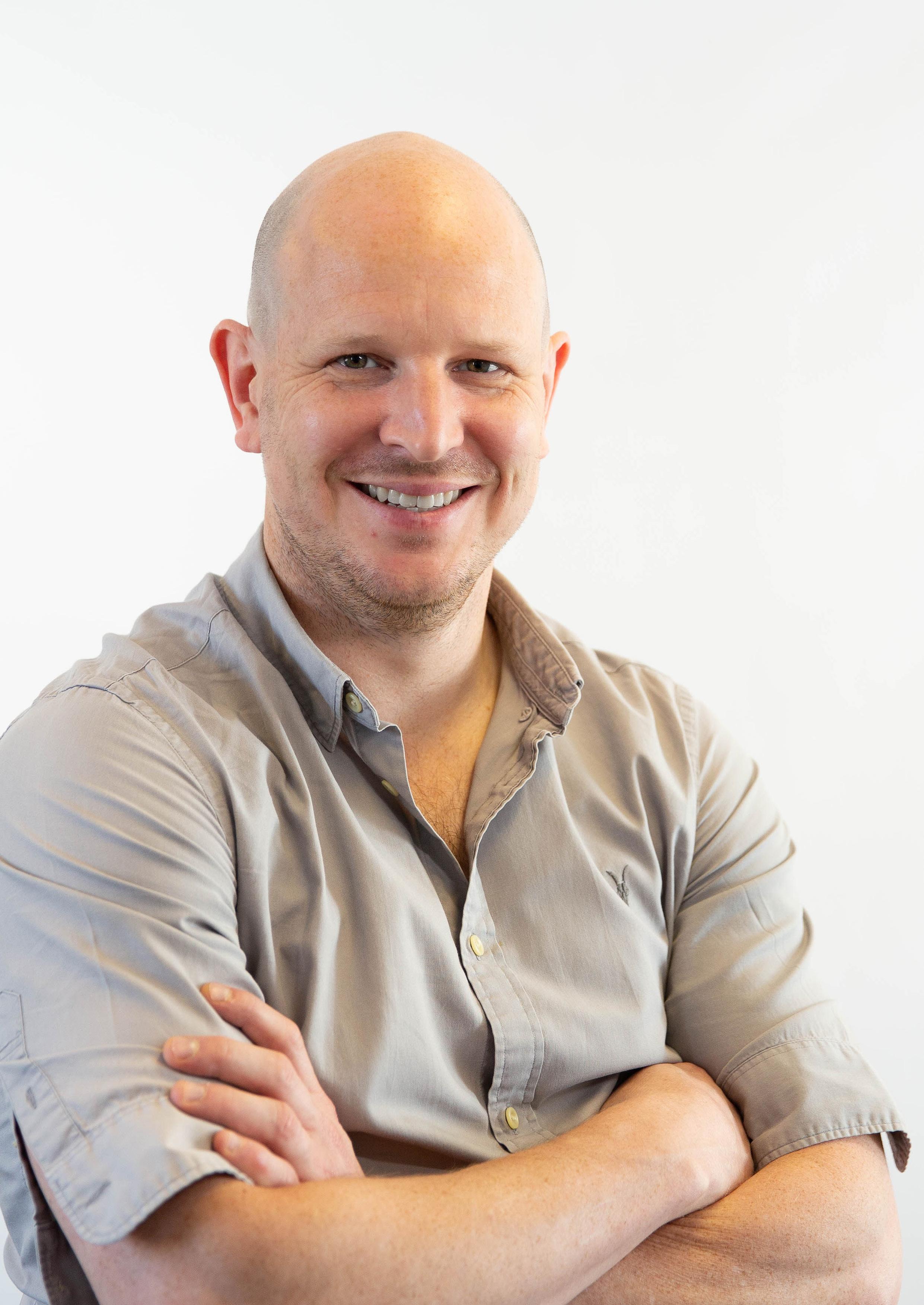
WITH A SMALL BUT DEDICATED TEAM AND AN INNOVATIVE NEW TECHNOLOGICAL SOLUTION, DECOM ENGINEERING HAS MADE ITSELF A VALUED PARTNER FOR THE SUBSEA SECTOR AND BEYOND.
Since it was founded in 2011, Decom Engineering has been leading the market in the design and fabrication of patented cutting solutions for the offshore energy sector.
Its exceptionally fast chopsaws perform cuts up to three times faster than comparable diamond wire saws, the product of a commitment to research and development has put it at the forefront of the sector’s technological advancements. And the firm’s latest breakthrough is set to take it still further.
When we speak with Nick McNally, Managing Director at Decom Engineering, he is excited about the company’s latest development, a new cutting method for subsea environments.
The solution, which uses hydraulic lead screws and a proprietary Tungsten Carbide Tipped (TCT) blade, and other incremental innovations to significantly reduce blade changes and operational downtime. But more than that, the solution’s efficiency means it can potentially be adapted to tasks beyond subsea environments.
to suit projects beyond subsea industry. We are using this core technology to take on our first nuclear decommissioning job. We can cut anything without a change in set-up, from a mooring chain to an umbilical jumper.”
The solution has an integrated hydraulic power pack, reducing the footprint of the tool. The implementation of the lead screws around the Tungsten Carbide Tipped blade creates a failsafe, allowing greater control of the cut. It is a cold cutting method that does not create the heat seen in oxyacetylene torch or diamond blade cutting solutions, allowing for a cutand-lift approach. Every three of the 140 tips on the blade have a slightly different geometry, creating a high torque while allowing for consistent RPM.
“You just adjust the feed rate,” McNally tells us. “You don’t want to fail the cut because of snapping wires or shears getting stuck.”
Nick McNally, Managing Director, Decom Engineering.
“The core idea originated with one of our founders, a brilliant idea that we have acquired a patent for in the US and whose core intellectual property drives the technology,” explains McNally. “Its main benefit is that it can be adapted
Clients turn to Decom Engineering because of the control and reliability its cutting solution offers.
“That ability to get into a difficult cut and know you’ll make it through, that makes us unique,” McNally points out. “If you’re cutting mooring chains, you don’t want to drop loose
Saturn provides an unrivalled level of project management and customer service to clients across the Naval & Defence, Oil & Gas, Commercial Marine and Energy Sectors, throughout all four corners of the world.
Pipework
Decontamination &
Contact our team today
Discover how Saturn can help your business.
Call: +44 (0)1382 581 777
Sales: sales@saturn-fe.com
Visit: www.saturn-fe.com


links because you will have to retrieve. We have taken on projects like that. Where there are pipeline retrieval projects that typically require a lot of dredging, we can reduce that dredging footprint because we don’t need as much space around the pipeline.”
Ultimately, it comes down to cost efficiency.
As McNally says, “We do clean cuts faster and with more cuts per blade than our competitors. It’s faster, it’s more efficient, and ultimately in the subsea sector, that’s all about vessel time. The vessels can cost anything from £100,000 a day to £1 million a day, so time really is money.”
But Decom Engineering’s clients are not just buying the use of a reliable and innovative cutting system, they are also buying the expertise and attitude of a team that can be a valuable partner on their projects.
“We pride ourselves on our culture. We are easy to contract with, we can send our guys offshore out onto our client’s vessel for six weeks at a time, working alongside their crew in cramped spaces, and people enjoy working with them,” McNally says. “We are problem solvers. We have a core cutting solution, but people come to us asking for new ways to implement that solution to address new problems.”
By doing what they say they are going to do, and being honest about the things they cannot, Decom Engineering boasts a
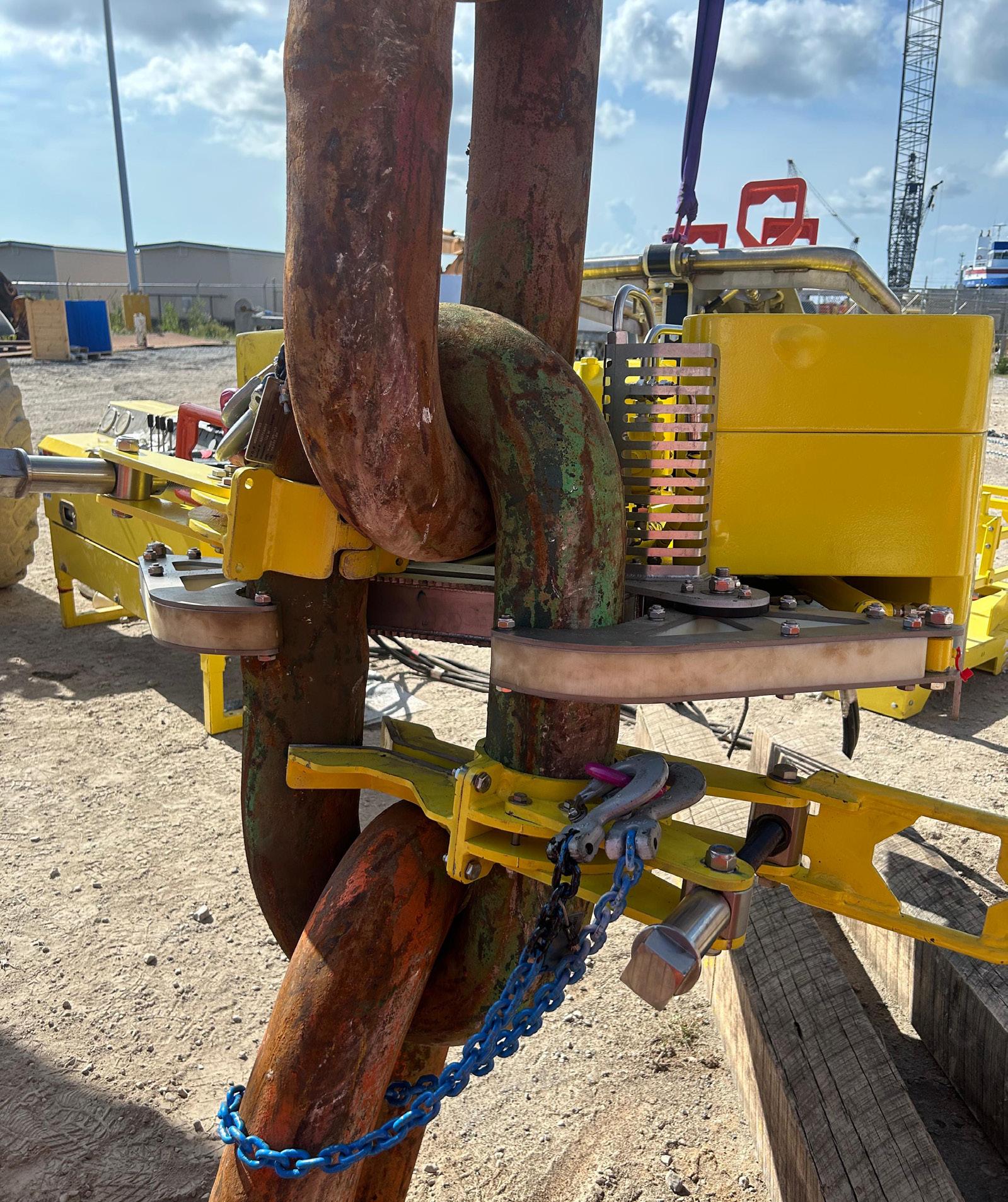
100% cut success rate. This is an impressive hit rate on its own, but it is all the more remarkable given that Decom Engineering achieves it with such a small team.
“We are a small team, working internationally with 90% of our work taking place abroad,” McNally tells us. “We have done jobs in Brazil, Mexico, Newfoundland in Canada, Australia, and off the west coast of Cameroon. So a recurring challenge for us is how to deliver for large-scale projects on our clients’ timelines alongside our innovation and development.”
As an example of that process in action, last year Decom Engineering took on a project cutting up a pipeline for a vessel contractor.
“The client wanted to speed up the cut and recovery, make both processes one solution, so we came up with a design based on putting the saw on a spreader beam, above a recovery basket,” McNally explains. “We could cut the pipe and collect it seamlessly, in 12 metre sections. We came up with that, had the products manufactured internationally and delivered on a tight schedule. We ran live testing in Singapore for the client and flew our men out to run it on a multi-month campaign. That’s a lot for a 12 to 14 person company to achieve. It takes a lot of organisation and reactiveness from the team.”
Achieving that requires a defined vision, the right culture, and most of all, communication.
“We want good communicators, not generically but in the specific way our work requires,” McNally points out. “At any one time, you might have two team members at tradeshows while another two are on jobs internationally. We deal in high-stakes, high-risk environments, often 1,000 metres deep. When you are doing this kind of work, everything needs to be documented. We need
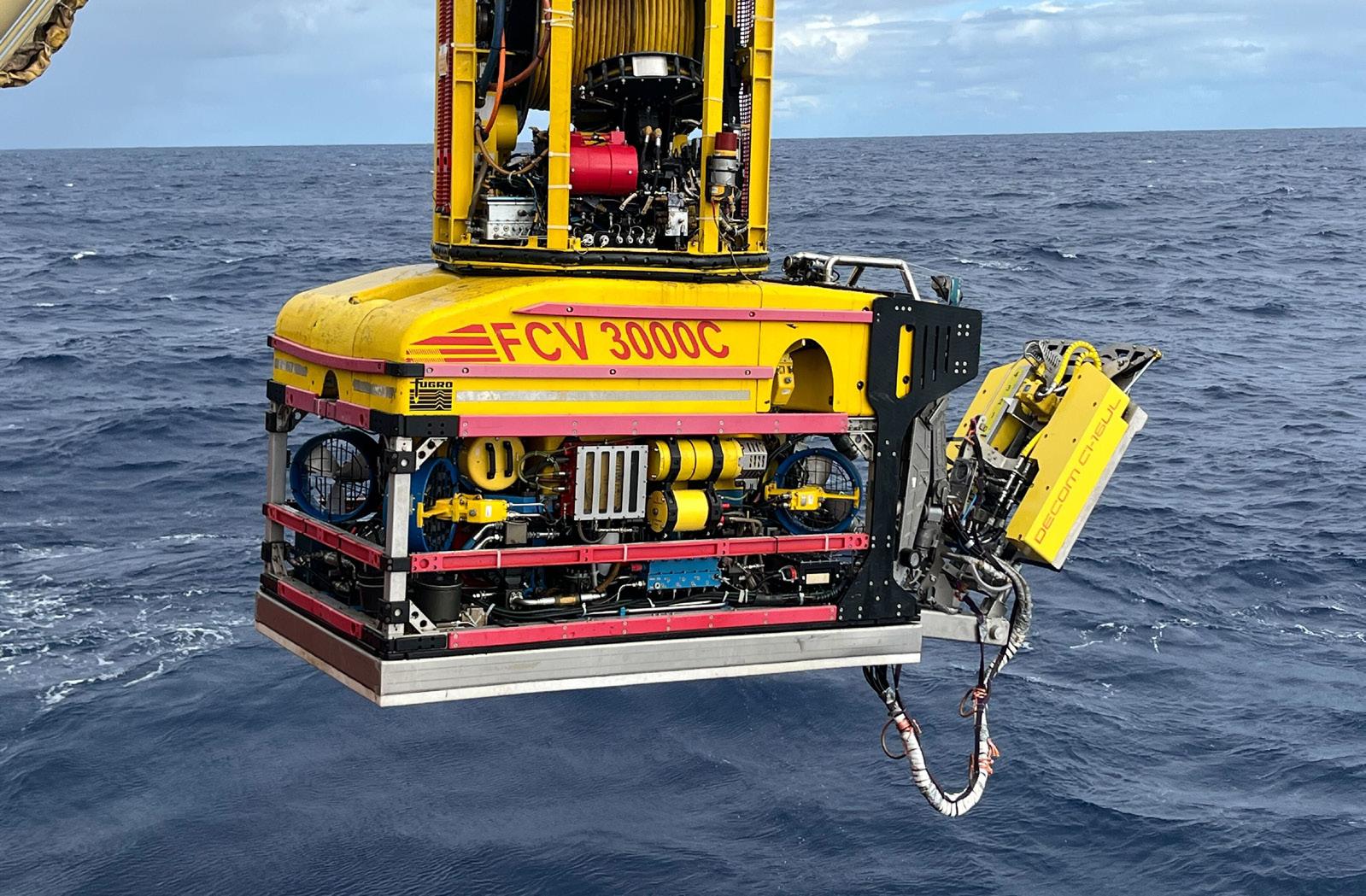
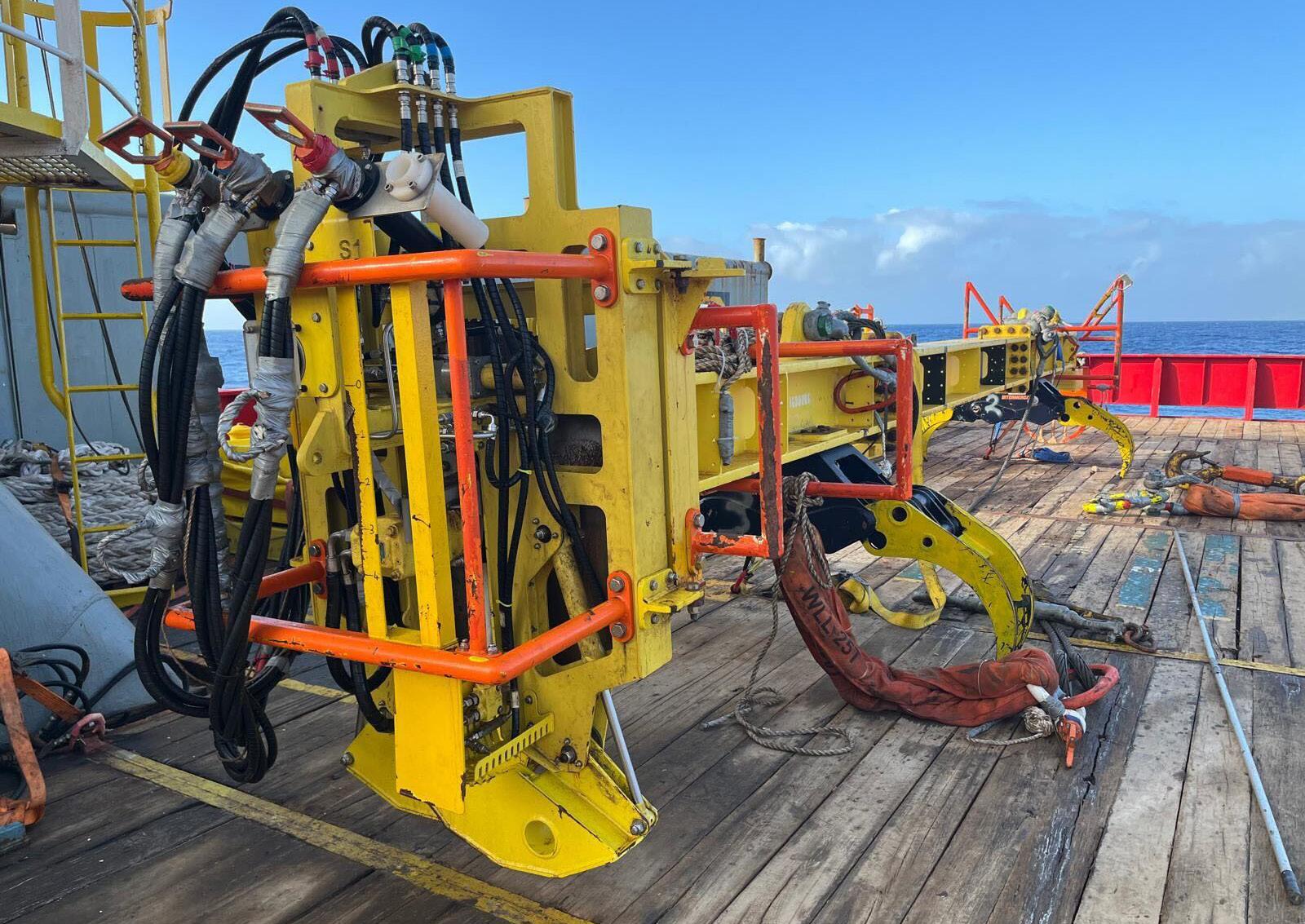
our people to be proactive and autonomous. They have to be self-starters. Ultimately, we set goals for people, and they find their own way to it.”
It means that Decom Engineering’s engineers need to be able to turn their hand to whatever a project might demand.
“We are hiring more specialised engineers at the moment, but even then, they need to be variety tolerant and enjoy different kinds of challenges,” McNally tells us.
“One week they are working offshore, the next week they might be doing risk assessments and design work in the office, another week they are presenting at trade shows.”
It means that when McNally is recruiting engineers, he is honest to the point where he might sound like he is trying to put them off.
As he says, “It leads to an engaged, hungry team who work well together and can handle
that one week everyone’s in the office, next week they might not be.”
That variety is set to continue, as Decom Engineering continues to pursue the subsea market with a combination of decommissioning, inspection, repair, maintenance, and mooring chain cutting work, while also moving into onshore work with its first nuclear decommissioning job.
It is increasingly the firm clients turn to when the competition can’t, well, cut it. With the introduction of the firm’s onshore cutting brand, TorqCut, the company is adapting to avoid being pigeonholed for the subsea work it is already well known for, creating a new identity to cut a new path through the industry.
“Not many companies our size have our breadth of jobs,” McNally concludes. “The number of stamps on our guys’ passports is pretty amazing!”
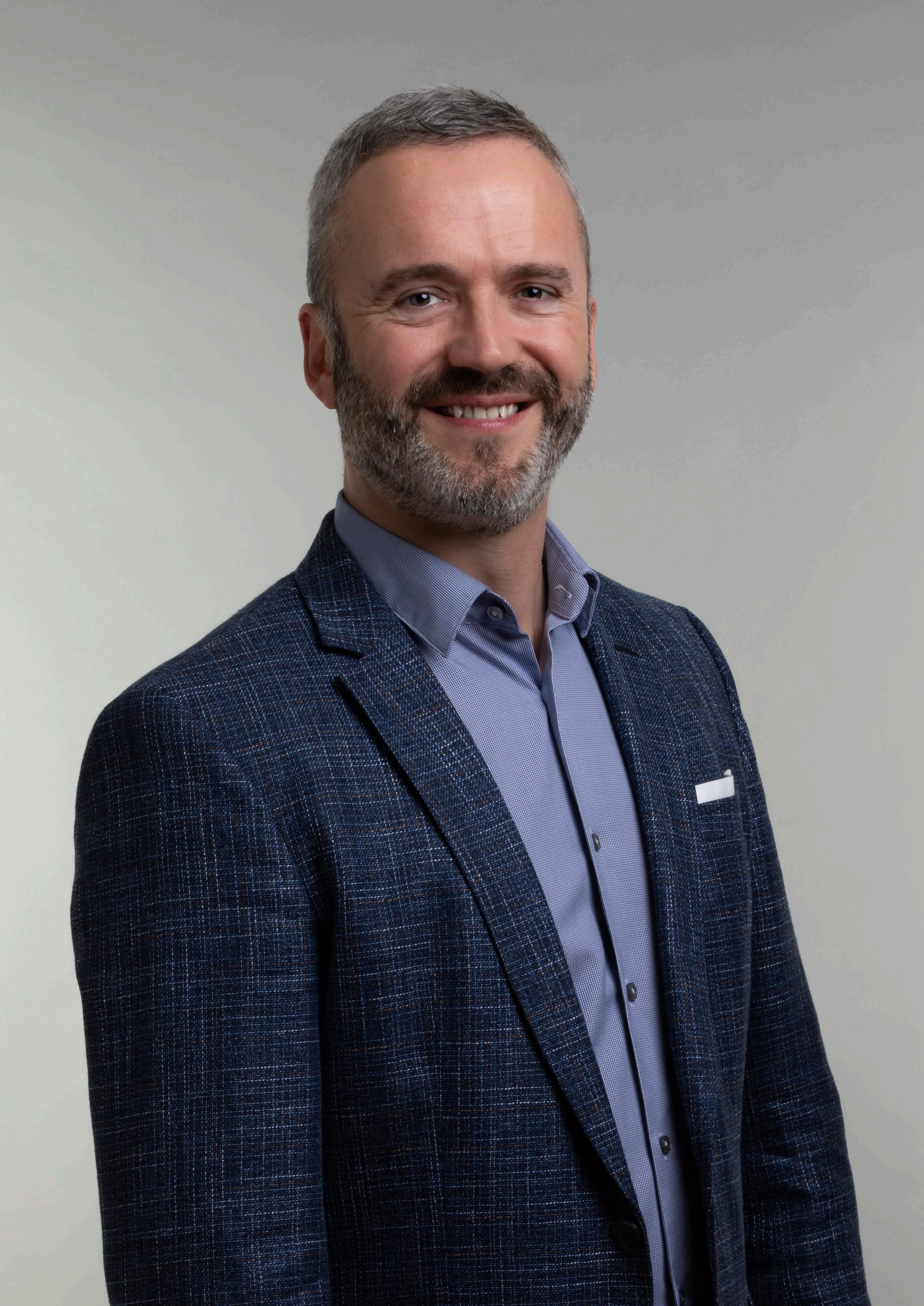
David Brennan started his career as an electrician, beginning with an apprenticeship before moving on to work at several engineering companies, rising to become a project manager, then a company director, until in 2007 he became the founder and CEO of Eastgate Engineering.
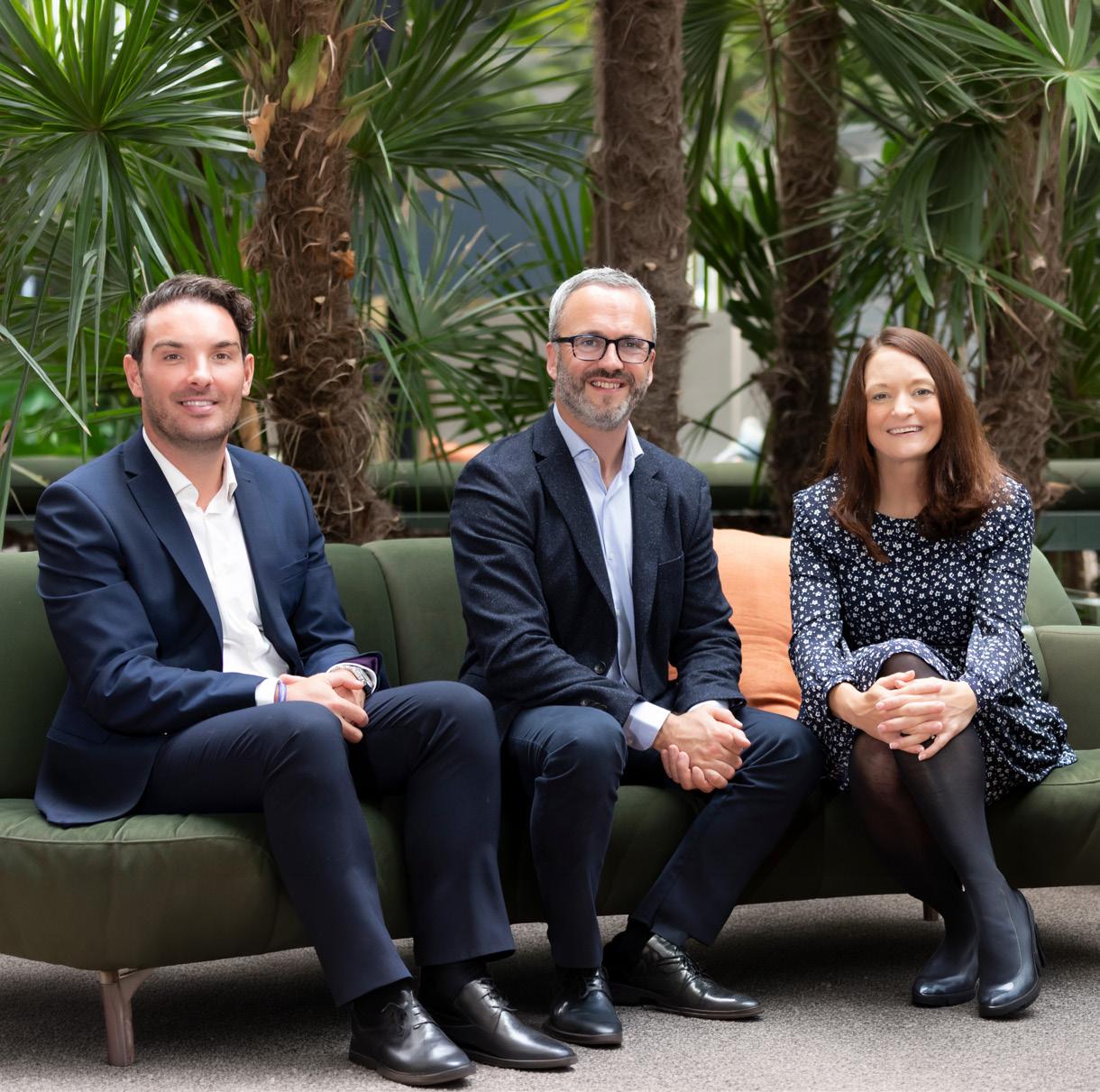
[Left] Anthony Fiske, Commercial
Director.
[Opposite Page & Middle] David Brennan, Founder and CEO.
[Right] Claire Maith, CFO.
The Directors’ Board at Eastgate Engineering.
From the start, he founded this company with the vision of making a difference in the world of electrical and instrumentation services. Throughout that company’s growth and development, Eastgate Engineering has been driven by a passion for innovation combined with a real commitment to quality.
As Brennan himself puts it, “Eastgate Engineering is an engineering and construction services company, providing specialist HV and LV electrical and instrumentation services to some of the largest and most critical infrastructure projects across a broad range of sectors, including power & renewables, offshore wind, oil, gas & chemicals, nuclear and defence, pharmaceutical & healthcare, data centres, industrial & manufacturing and mining.”
rennan established Eastgate Engineering in 2007 with a vision grounded in knowledge, trust, and innovation. His drive and resilience, which were shaped in part by early personal challenges, including being born in the Bessborough Mother and Baby Home, have fuelled his determination to build a company defined by purpose, integrity, and opportunity. Beginning his working life as an apprentice electrician, Brennan built his expertise from the ground up. From a single founder with a clear vision, Eastgate Engineering has grown into a 500‑employee organisation and a trusted specialist in complex, high‑risk infrastructure projects. Under Brennan’s leadership, the company has earned a reputation for delivering cost certainty solutions without compromising safety, quality, or technical standards. He has embedded a strong “one team” ethos throughout the business, championing accountability, collaboration, and honest hard work as the foundations of Eastgate’s success.
DMW Recruitment provides the specialist M, E & I teams fuelling the UK’s most ambitious infrastructure. From Renewables to Oil & Gas, we deliver technical certainty for high-stakes environments.
Technical Literacy We
Proven
Total Support From commissioning to maintenance.

Across these sectors, Eastgate Engineering takes on the complex challenges others might be reluctant to approach.
“We thrive on the challenges of ambiguity,” Brennan says.
Eastgate Engineering is able to take on these more complex challenges through a network of positive, long standing relationships across the supply chain, combined with the unique working method Brennan has developed and championed.
“We don’t just work for our clients, we work with our clients in a ‘One Team’ approach,” Brennan tells us. “It is a system that provides solutions and cost certainty in the delivery of complex and challenging projects.”
Through a close working relationship with its clients, Eastgate Engineering is able to blend its expertise with the vision of its clients, allowing them to bring complex projects to life with clear cost certainty solutions. This is how the company is able to take on the construction of offshore wind farms, commission vital elements of energy infrastructure and support the operations and maintenance of industrial facilities. Every challenge Eastgate Engineering faces is met with proactive solutions and excellence as standard.
“Every day is a challenge to be honest. Nothing that we do is easy or straightforward,” Brennan shares. “We work on the world’s largest polyhalite mine, with vertical shafts that are 1.5 kilometres deep. We
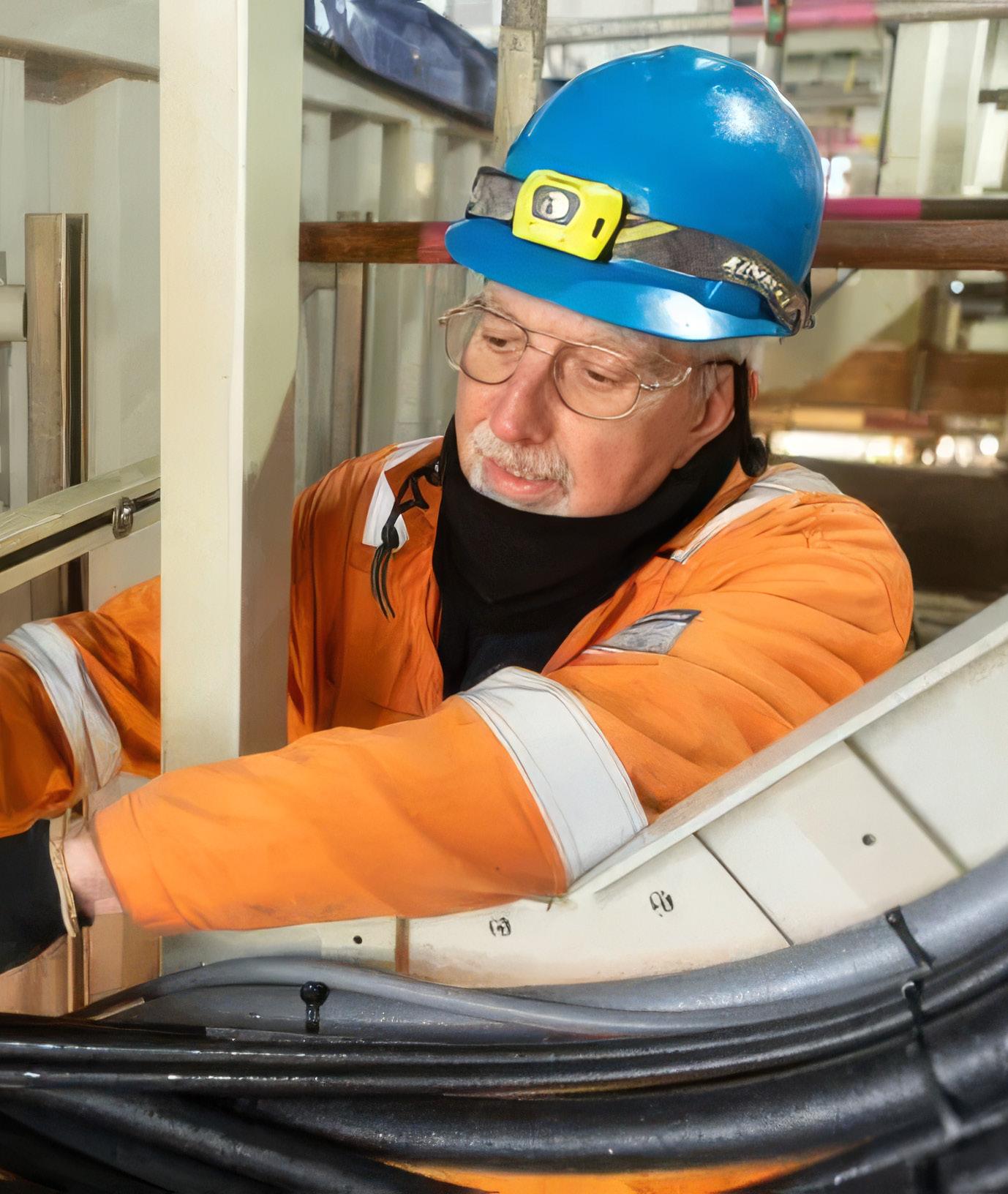
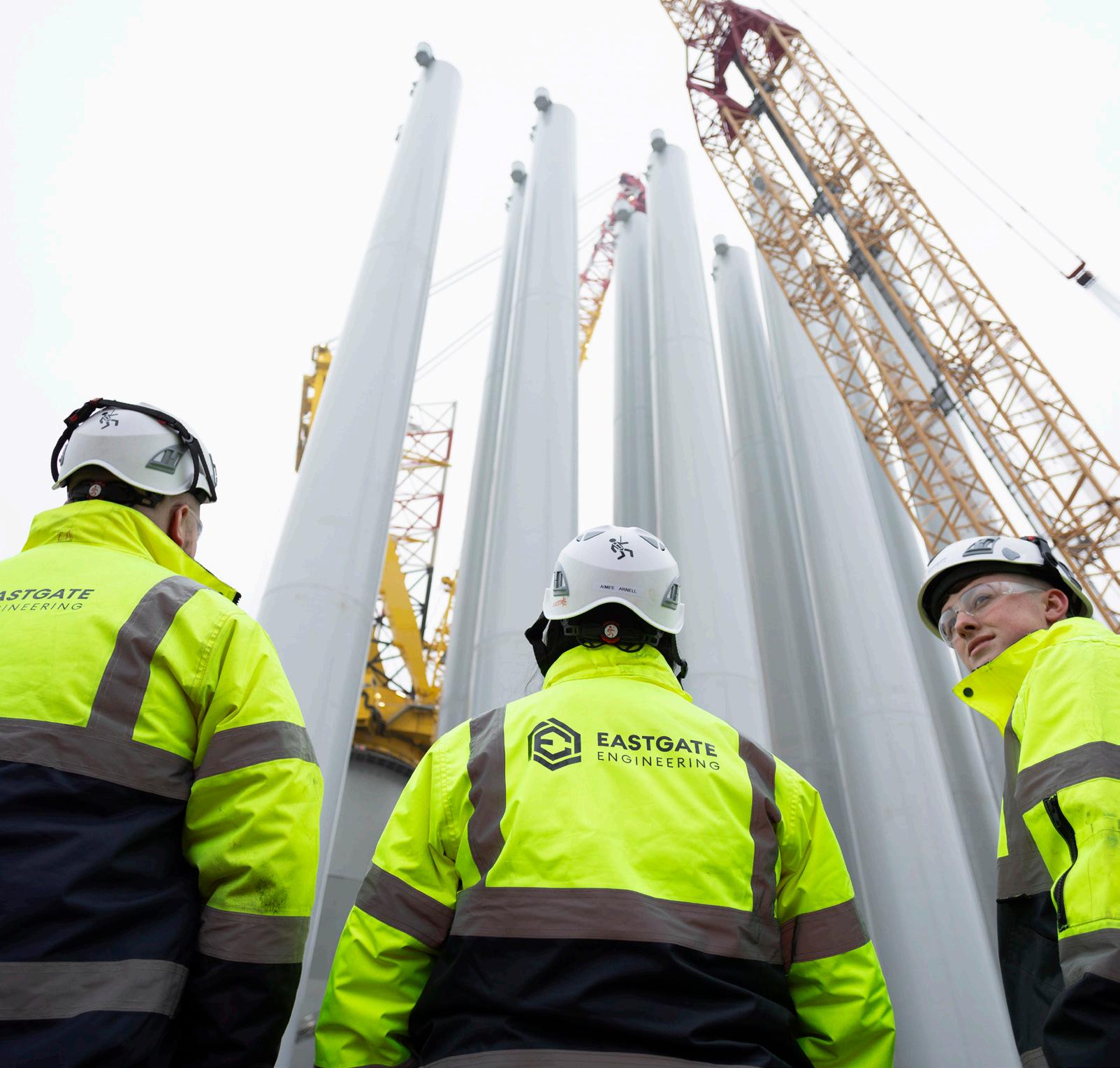
are also building the world’s largest offshore wind farm, and while that also provides us with similar challenges around vertical construction, we are also affected by the extreme weather conditions of the North Sea and the impact that has on our project delivery dates.”
While other contractors might consider some of these challenges extreme, for Brennan they are part and parcel of doing business.
“Because of the types of contracts we take on, we have to be alert and focused on efficiency and delivery at all times,” Brennan tells us. “It requires us to have effective systems and processes in place that allow us to monitor our delivery on a daily and weekly basis. Communication across the project delivery team departments, knowledge sharing and training our people are key to ensuring we are building high performance teams. That, in turn, is essential to avoid daily challenges becoming too big a problem.”
It is an approach that has led to Brennan being widely recognised across the industry. Recently, Brennan was a finalist in the International category of the EY Entrepreneur of the Year Ireland 2026 awards. As one of only 24 finalists in the competition from a longlist of hundreds from across Ireland, this accolade recognises Brennan’s exceptional leadership, vision, and impact on the industry.
This is only the latest in a long list of accolades, awards and nominations both Brennan and Eastgate Engineering have received, as Eastgate Engineering have also just recently won the Tees Business of the Year Award. That impact on the wider industry is accompanied by a huge impact on the communities where the company operates. Brennan is passionate about operating locally and supporting local communities.
It is an approach replicated by Eastgate Engineering’s approach to its own people.
“We are a people centric business,” says Brennan. “Everything we do and how we do it evolves around our people. Finding the right talent and developing them is key to our success.”
Eastgate Engineering invests heavily in training and upskilling apprentices, tradespeople and staff so it has access to talent who are able to work across the diverse range of sectors that Eastgate Engineering serves. As well as offshore wind and vertical deep shaft mines, Eastgate Engineering works with battery energy storage, power stations, and top tier COMAH (Control of major accident hazards) sites.
“We provide HV, LV and ELV electrical services, so having the skills and capacity to provide full services across all our sectors requires Eastgate to have a very skilled and well trained workforce,” Brennan explains.
Since its inception, Eastgate Engineering has always fostered a culture of continuous learning and growth, nurturing its in house talent.
“We are constantly investing in further education and upskilling our employees,” Brennan tells us. “Lately, we have also started investing in AI training. We see more and more benefits by using AI in our engineering and proposals as well as QA/QC, finance and marketing.”
The growing team of skilled professionals that Eastgate Engineering has built, combined with the company’s multinational presence, have made it a trusted partner to industry leading names such as GE Vernova, Worley, and SSE Renewables. These names share Eastgate Engineering’s commitment to a sustainable future. It is that same commitment that has driven Eastgate to work on the world’s largest offshore wind farm, or in pioneering technologies for sustainable aviation fuel. Brennan wants to not only achieve good profit margins but a lasting positive impact on the planet as well.
The firm is well positioned to make that impact. The company is debt free, and over the last year its turnover has doubled from £24 million to almost £50 million per annum.
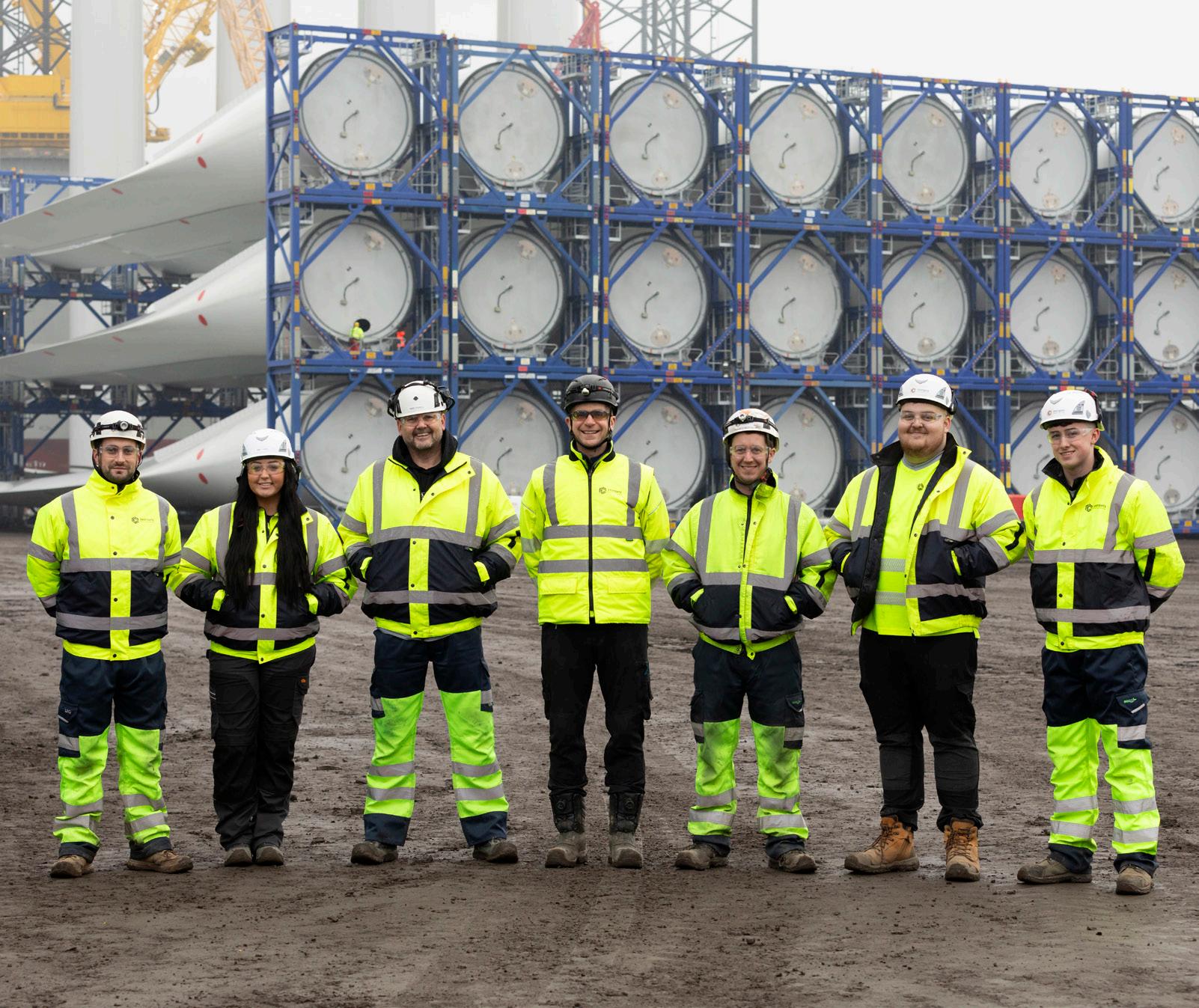
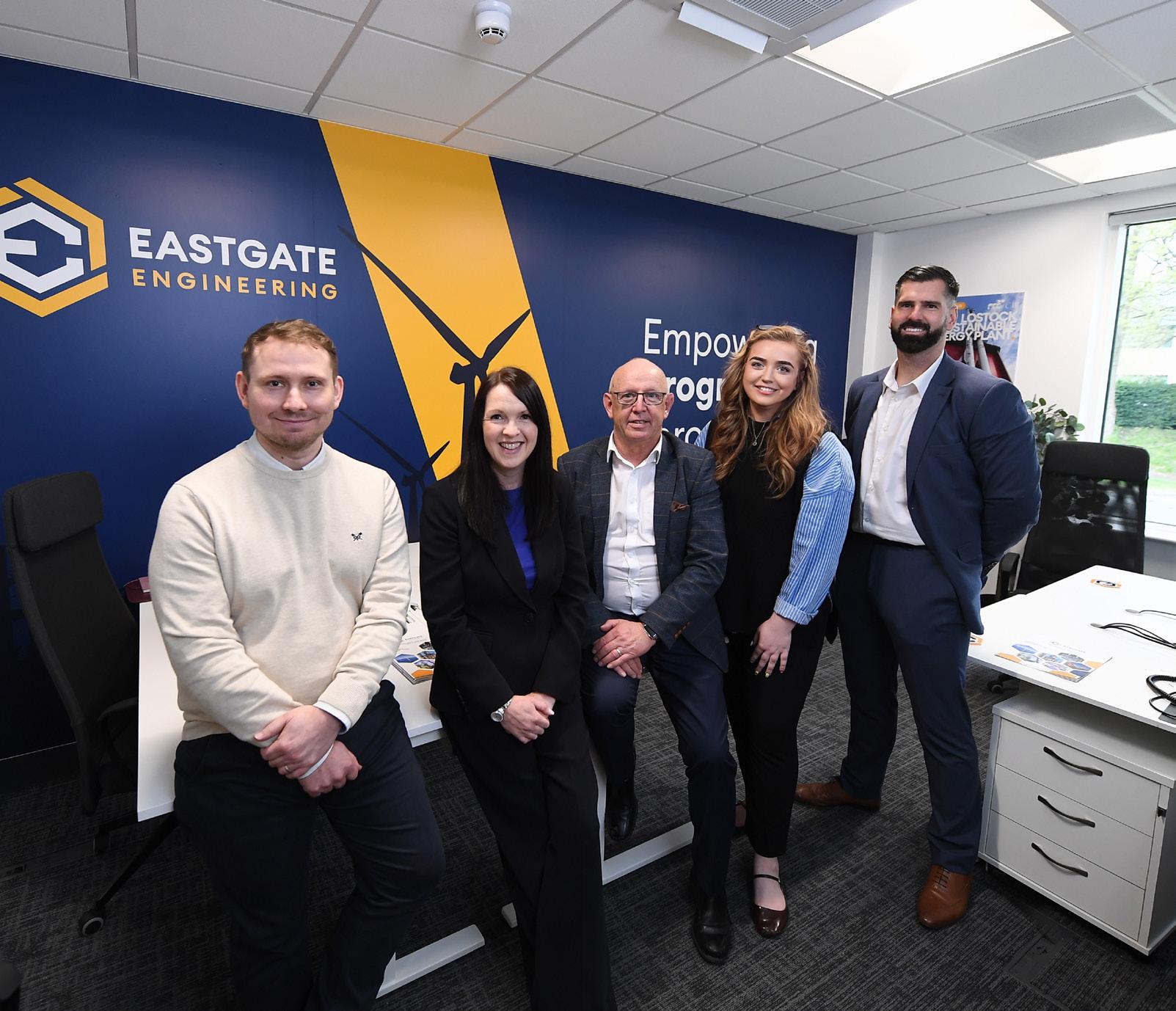
“We have recently opened a new office in Warrington, moved to a larger office in Stockton on Tees and a new office move in Waterford, Ireland,” Brennan says. “Our plan is to grow to £100 million in the next four to five years by taking on more large projects across England, Scotland and Wales.”
As we speak, Eastgate Engineering is expanding its HV services and capabilities, and it is prepping to make a move into mainland Europe in the near future.
“Our plan is also to bring in an Investment Partner into the business, but that will be based purely on what a potential partner can offer Eastgate Engineering in terms of growth potential and development,” Brennan tells us. “We don’t need any cash injection as we are fully self funded and debt free, so selecting an investor will be based on what they can bring to the table.”

WITH EXPERTISE AND END-TO-END COMPETENCY, IPM GROUP HAS MADE ITSELF THE PARTNER OF CHOICE FOR THE INDUSTRY.
DAVID WATSON

How would you go about building a preferred engineering partner for the marine, industrial and offshore sectors? First and foremost, you would need to invest in people and processes. You would need to be innovative. You would need to be equipped to support your clients in their journey towards a more sustainable future. This organisation would need to be driven not just by its own staff, but by the meaningful relationships they build both with clients and among themselves.
This was the blueprint that IPM Group was built on. Since its foundation, IPM Group has built and continuously invested in client relationships to help those clients achieve their goals, while empowering its own team of experts to develop their careers. Relationships are built on attentive listening and clear communication, and whether it’s clients are owners, operators or manufacturers, IPM Group will customise its range of engineering services to meet their needs.
With the pressure to achieve net-zero and more sustainable operating models only increasing, IPM Group is mindful of the challenges its clients face. To meet those challenges, IPM Group provides reliable, committed and prompt service.
It is a company that believes in actions, not words.
It delivers those actions through two key divisions.
The first of these divisions is International Power & Marine, dedicated to delivering dependable, high-quality engineering solutions on a global scale. Combining practical expertise with innovative thinking, IPM has finessed an approach to solving the complex challenges of power generation, renewable energy, and services for the marine, offshore, and petrochemical sectors.
The company specialises in manufacturing, maintaining and if necessary, repairing pressure systems, and it has an established track record of safety, efficiency,
In an industry where precision, reliability, and safety are nonnegotiable, choosing the right supplier isn’t just a purchasing decision—it’s a partnership. That’s where we stand apart. As a trusted provider of welding equipment, safety gear, and PPE, we do more than stock shelves—we support the people who keep projects moving and workplaces protected.
From high-performance welding machines to essential protective equipment, every product we supply is selected with durability and compliance in mind. But our commitment doesn’t stop at the point of sale. We understand that downtime costs money, which is why our comprehensive hire services ensure you have access to the equipment you need, exactly when you need it—without the burden of ownership.
Our expert team also delivers fast, reliable repairs to keep your welding plant operating at peak performance. And with our precise calibration services, you can be confident your equipment meets industry standards and performs safely every time.
In a fast-paced, high-risk environment, cutting corners isn’t an option. That’s why we focus on quality, service, and expertise—helping you maintain productivity while safeguarding your workforce.
Whether you’re scaling up, maintaining operations, or meeting strict safety requirements, we’re here to support every spark, weld, and workflow.
Because when it comes to your business, only the highest standards will do.
www.arcmaster.uk.com
and cost-effectiveness. These are the qualities that have allowed IPM Group to build a footprint spanning the UK, the Middle East, and Asia, providing turnkey solutions encompassing design, fabrication, installation and ongoing support.
But wherever they are working globally, in whatever industry they are operating, IPM’s work is defined by exceeding expectations and driving performance in the most demanding industrial environments in the world.
Collectively, IPM has 65,000 square feet of manufacturing space at its disposal throughout Dubai, Japan, Singapore and Romania. Those manufacturing facilities are operated by experienced and highly skilled engineers, project managers and manufacturing operatives, as well as support staff, all priding themselves on being proactive and responsive to the requirements of their customers.
Alongside International Power & Marine, IPM Group’s other division is PCML, a trusted engineering consultancy branch committed to the delivery of smart and sustainable solutions in capital project development, renewable energy and asset optimisation.
PCML is also able to take advantage of its position as part of the IPM Group, combining the Group’s technical depth and strategic insights to support its planning, delivery, and management of complex projects in an industrial landscape that is constantly evolving.
Where PCML truly shines is in its ability to guide clients from a project’s initial feasibility and concept design stages, all the way to its execution, commissioning and long-term operation. The company takes
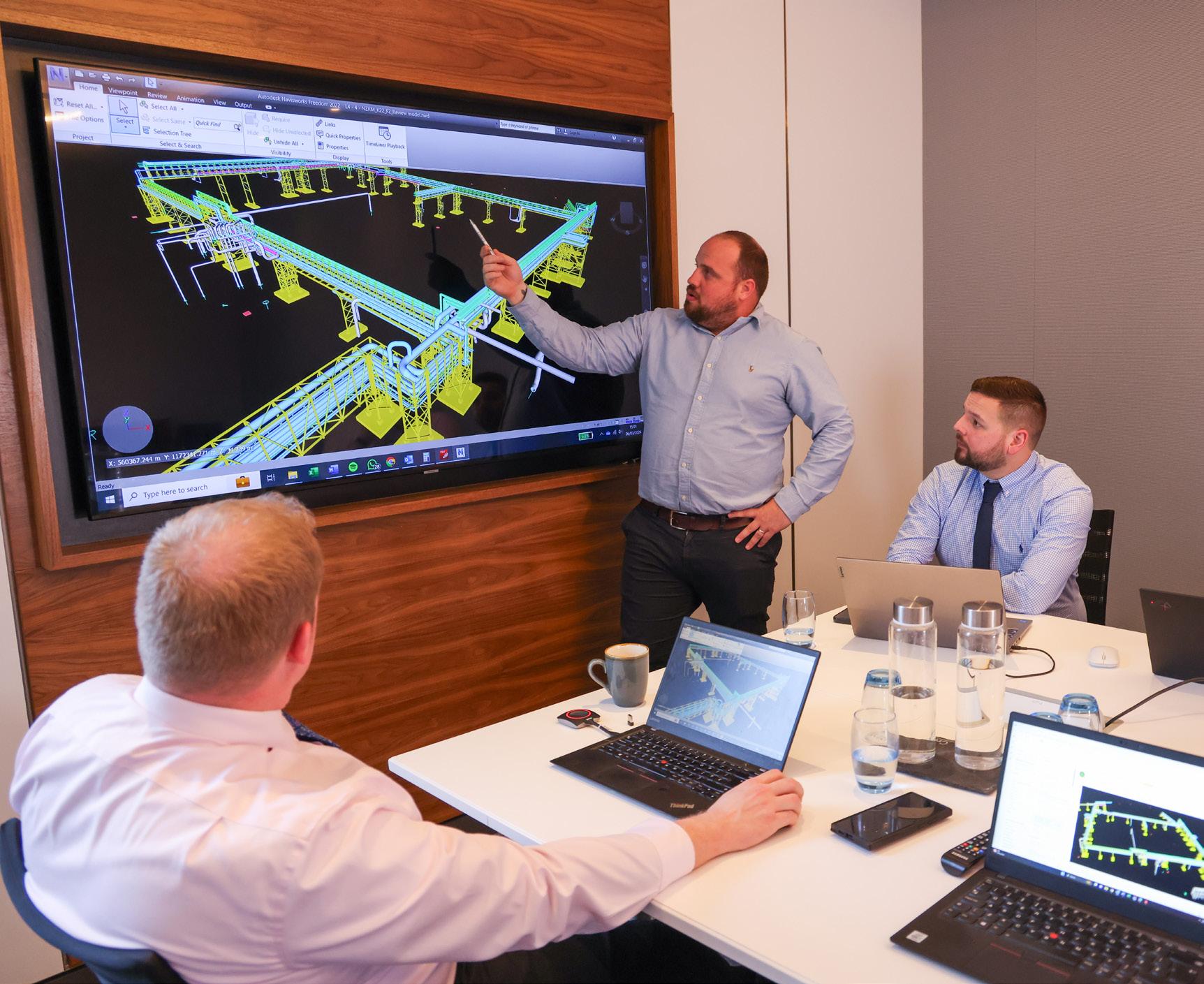
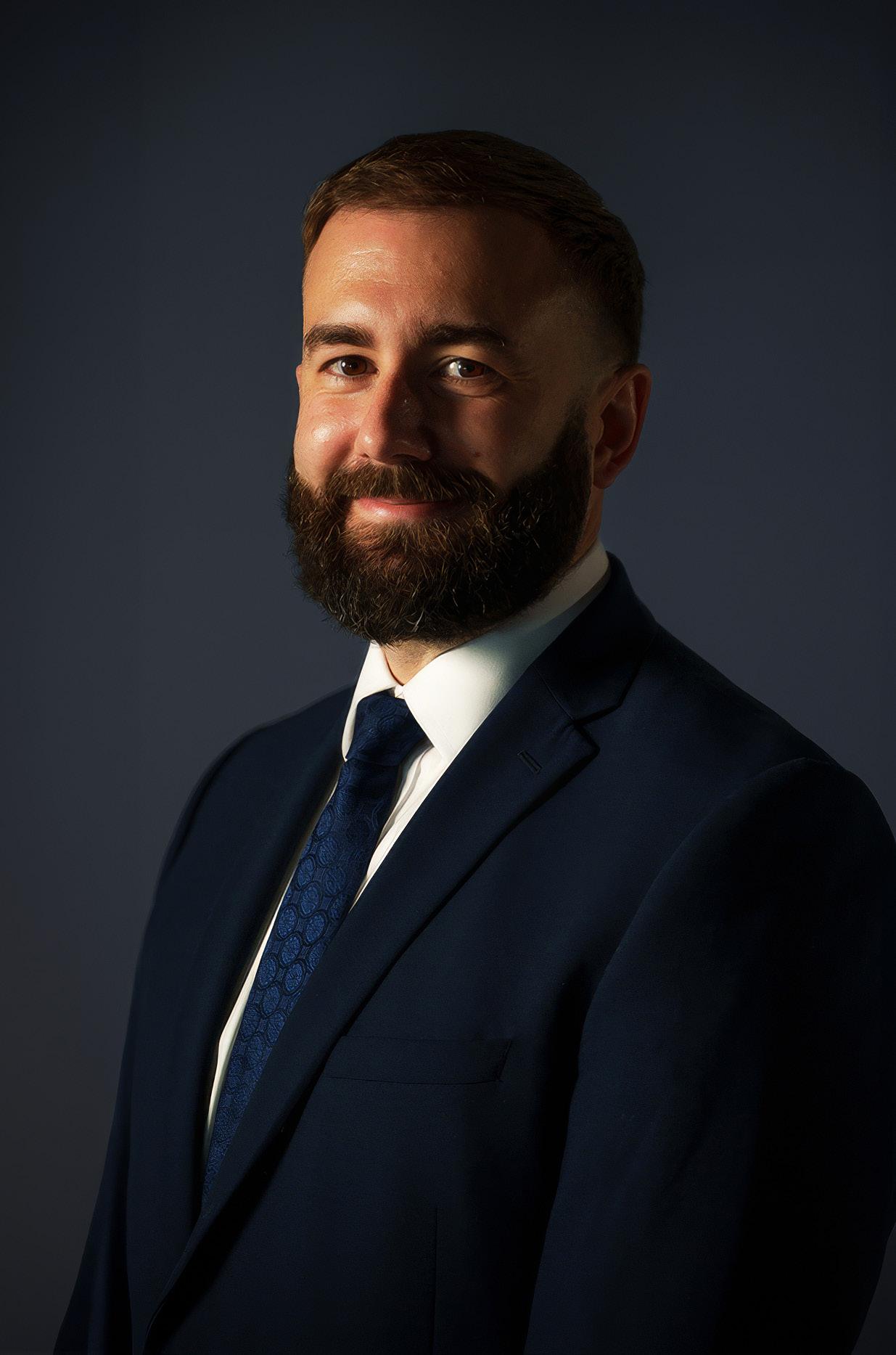
pride in bringing together environmental responsibility and engineering excellence. Its purpose is to help clients achieve sustainable outcomes for today’s goals and tomorrow’s challenges, whether that is by supporting a transition to the latest low-carbon technologies or discovering new efficiencies that can be made in existing assets.
At PCML, this is made possible by a team that, like their counterparts in IPM, brings together multidisciplinary expertise across engineering, project management, environmental compliance and stakeholder engagement, working with care and precision.
Across the IPM Group, the company builds this team by investing in talent wherever it finds it. It finds it in people like Harriet Williams, from Bridgend, who was told by a teacher that she would “never become an engineer”. Williams is now an apprentice with the IPM Group.
“I absolutely love my role at IPM Group. Not only am I learning new skills, but the opportunities for travel, mentorship, and career paths are becoming endless,” she has said. “At the time when I was told I wouldn’t make it as an engineer, I could have absolutely listened and gone down a different route, but I knew I could be an engineer, and a really skilled one at that too with the right people and encouragement around me.”
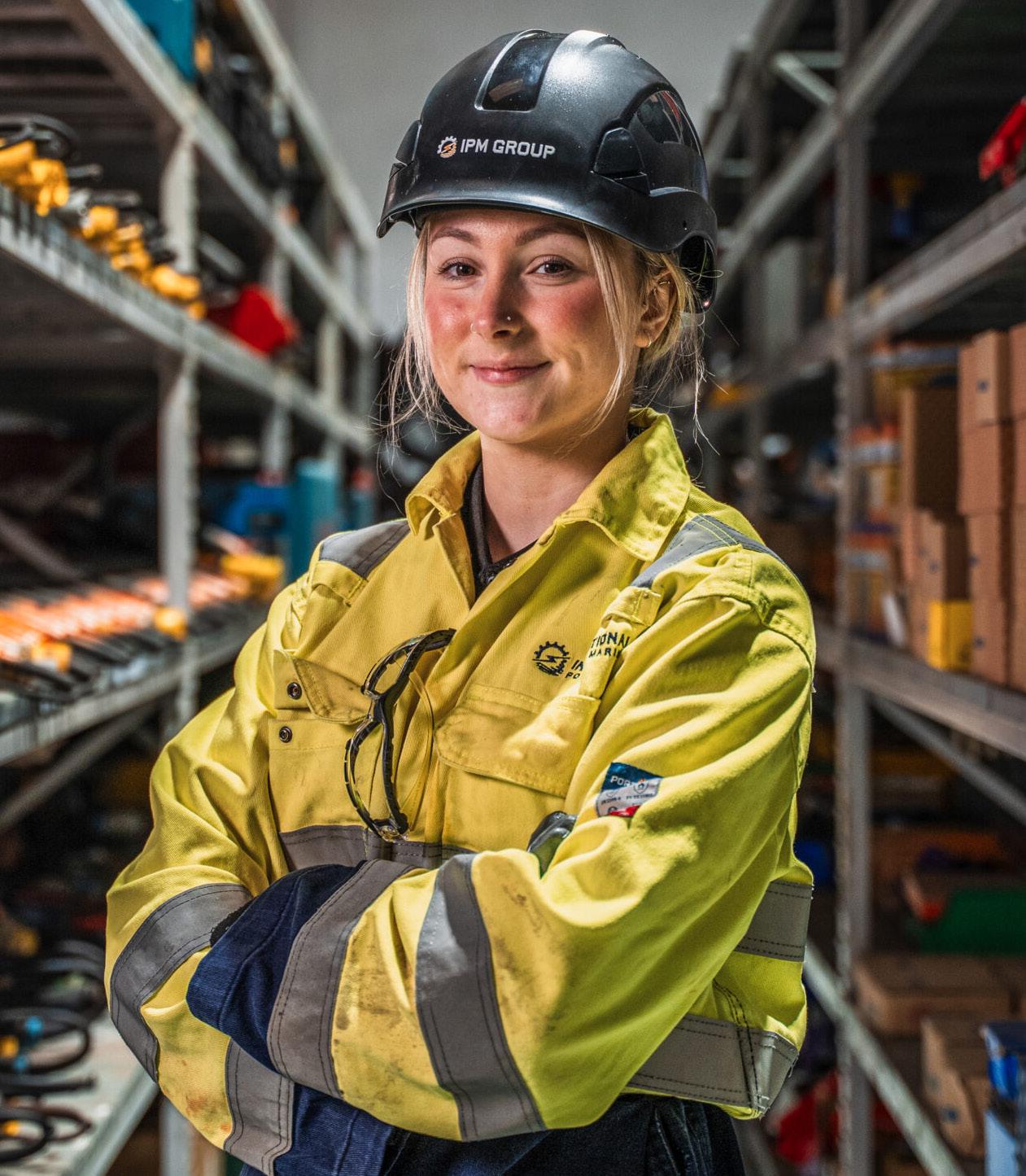
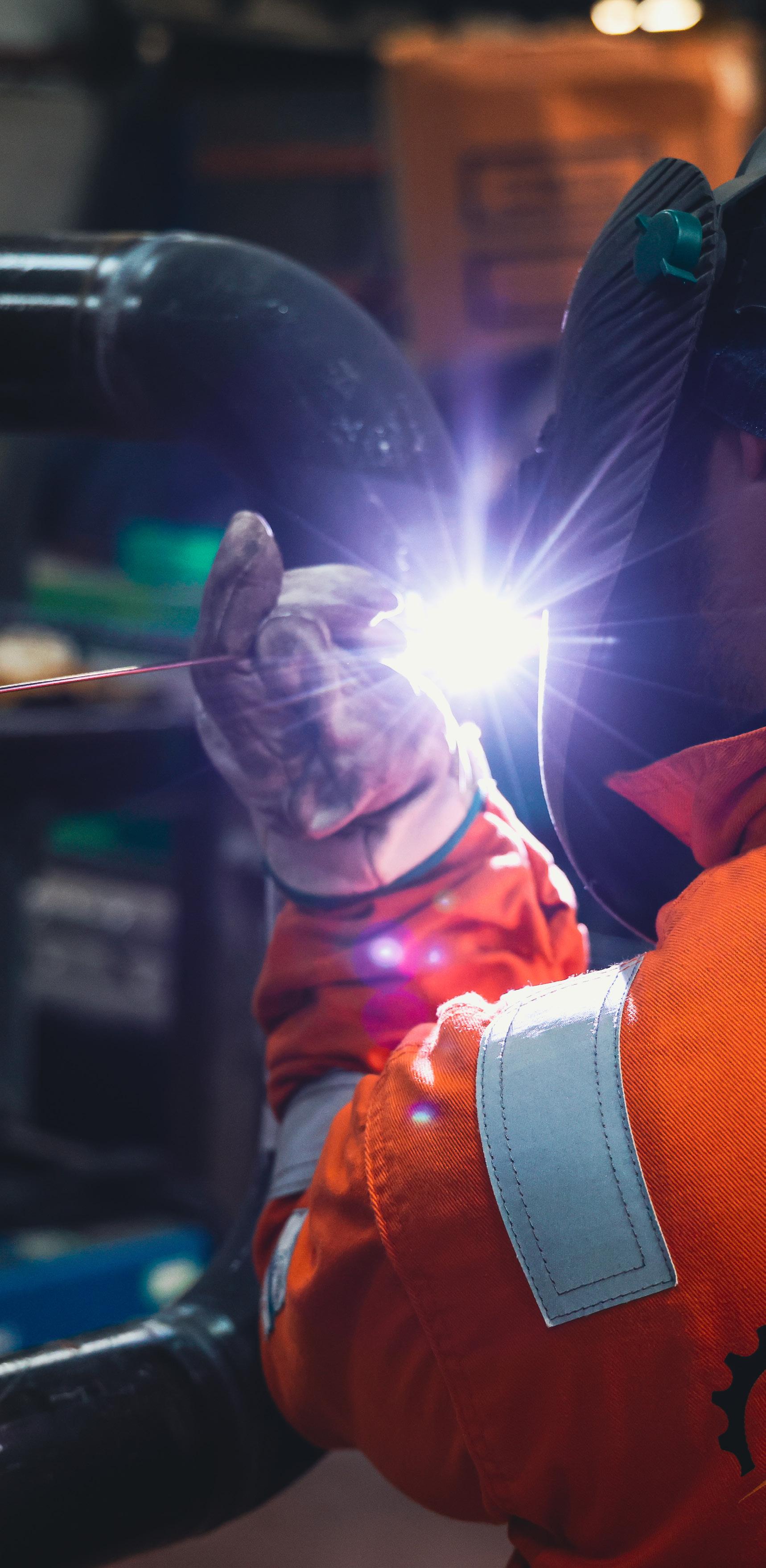
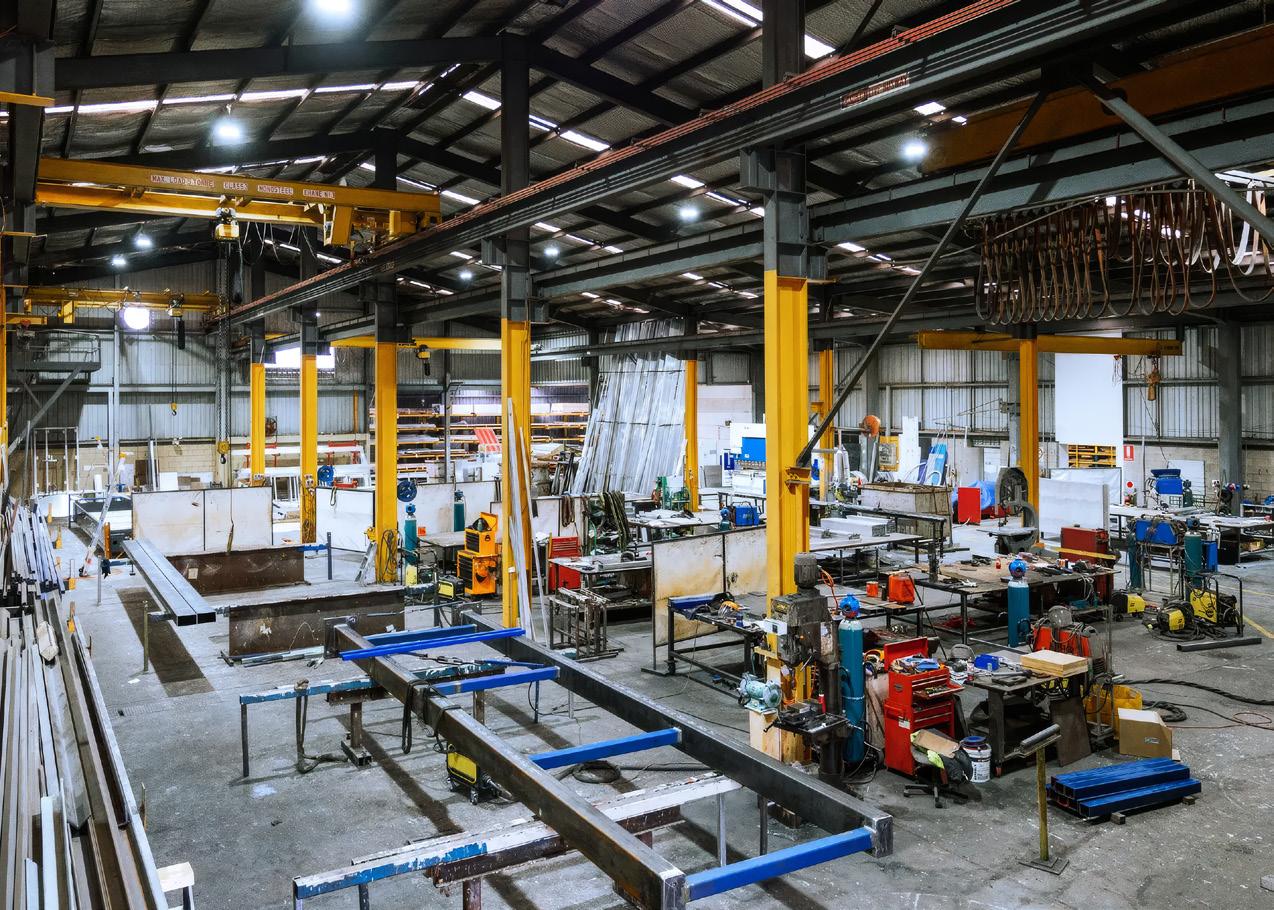
As well as bringing new people into the industry, IPM Group is also expanding the range of services it can offer. This year, IPM Group has launched a dedicated Inconel 625 Overlay service to support customers operating in Energy from Waste (EfW) and biomass boiler environments. In these operations, the conditions are extreme, and component reliability is critical.
The Inconel 625 weld overlay is widely recognised as the gold standard for boiler tube life extension in the industry. It reduces the possibility of the tube leaks and subsequent emergency shutdowns that cost clients’ money, time and power. When carried out to specification, this servicing can extend boiler tube service life significantly.
IPM Group’s new, dedicated overlay services ensure that overlay welding is carried out with the maximum precision necessary to ensure EfW and biomass boiler systems are protected in the face of the harshest conditions in the energy sector.
It is an investment that reinforces IPM Group’s commitment to the EfW and biomass sectors at a time when plants are striving for higher efficiency, longer service intervals and improved liability. Once again, IPM Group is demonstrating that it is an invaluable partner to its clients and is ready to meet their challenges head-on.
PRODUCT QUALITY WITH RAPID, LOW-TEMPERATURE PROCESSING AND DISTINCTIVE AROMA
Australian manufacturer Flavourtech has spent four decades refining how food, beverages, and pharmaceutical products are processed. Industrial yet delicate and precise, the company’s unique technologies are revolutionising taste, smell, functionality, and overall product quality worldwide.
At Flavourtech, we specialise in processing equipment with a narrow technical focus,” begins CEO Leon Skaliotis. “Our capabilities include aroma recovery, extraction, evaporation, and concentration for the likes of coffee, tea, alcohol, dairy, fruit, vegetables, and pharmaceutical products. We are known for very short residence times & low temperature processing that helps to preserve integrity, colour, flavour and active ingredients.”
While traditional thermal processes rely on extended heating cycles, Flavourtech compresses these cycles into seconds. In practical terms, this changes what survives the process.
“We’re looking at processing in a matter of seconds rather than minutes or hours,” Leon explains. “For coffee processing, for example, we can do an extraction in 20 minutes rather than three hours. We can also do aroma recovery in 30 seconds, whereas it usually takes several minutes with other technologies.”
These capabilities underpin the company’s core technologies – most notably, its Spinning Cone Column systems. Used for aroma recovery, dealcoholisation and flavour management, this technology is widely deployed across coffee, tea, wine and flavour industries.
With the help of Flavourtech, aroma compounds can be captured early, protected from degradation, then reintroduced at the end of processing. This is particularly critical for products like instant coffee, where flavour loss during processing has historically limited product quality.
“In Asia, a lot of canned coffee is produced on our processing lines,” Leon states. “In Japan, the market leaders are using our technology. Adoption extends across Indonesia, Thailand, and Taiwan, where ready-to-drink coffee is a mature, high-volume category.”
From the US to China, readyto-drink tea producers employing Flavourtech technology enjoy similar benefits. Extraction
and aroma preservation are combined in a single system, allowing manufacturers to deliver consistent, premium-grade products.
While many products can now be optimised by Flavourtech’s technologies, the company’s origins are in wine. Flavourtech’s founder, a winemaker, stumbled across the organisation’s technical differentiation during development of grape juice desulphiting systems.
“We are pioneers in the wine space,” Leon remarks. “We can dealcoholise wine, while ensuring it retains all the varietal notes of the full-strength version and does not develop any heat-derived processing flavours.
“Today, the zero-alcohol category is expanding quickly. Producers are under pressure to deliver products that replicate the sensory profile of traditional wines and spirits, and removing alcohol without stripping flavour is the central technical hurdle – a hurdle we can assist them in overcoming. Many of our customers are winning awards for their dealcoholised products, whether they be no- or lowalcohol products.”
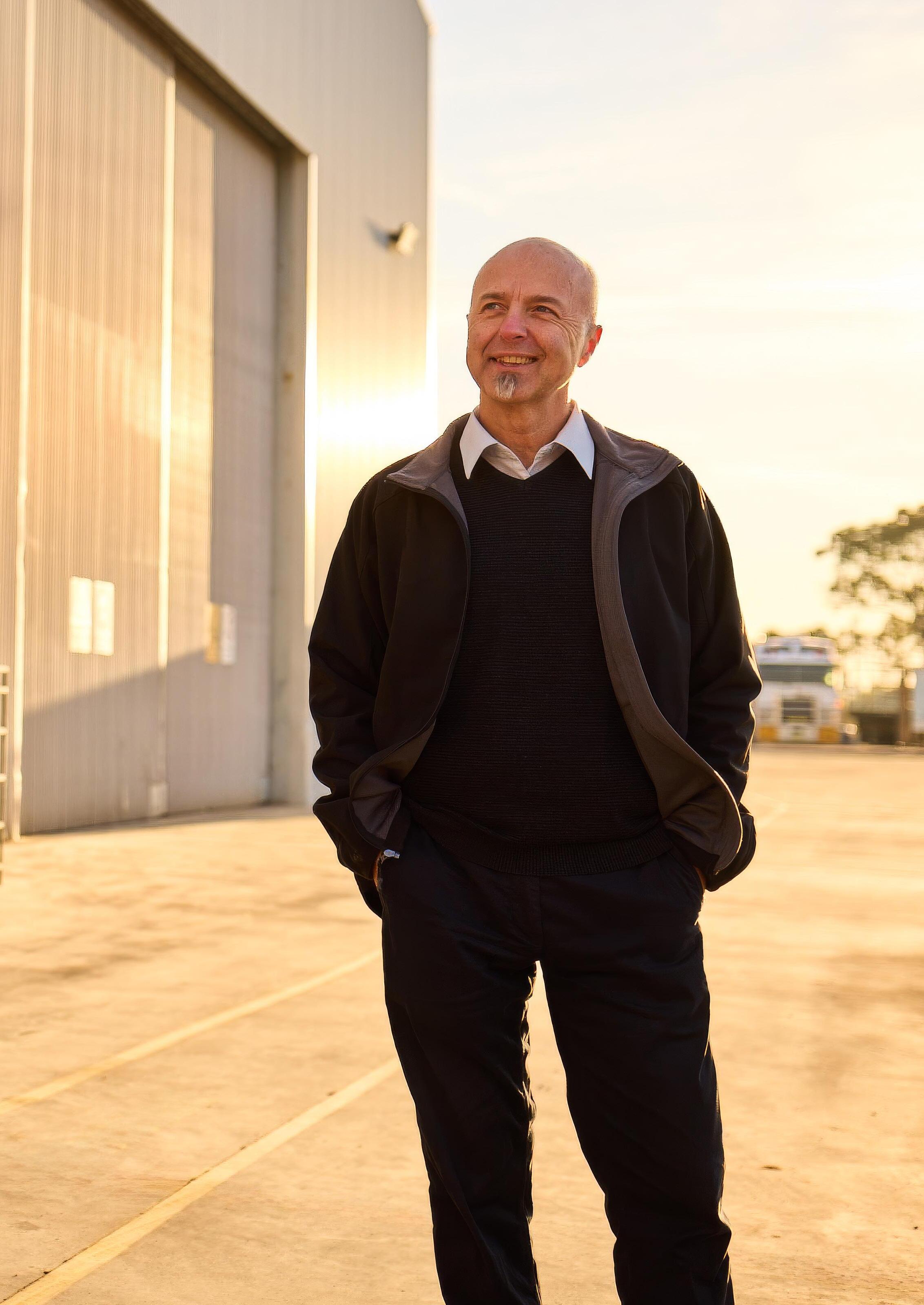
CEO, Flavourtech.
manufacturing in Australia

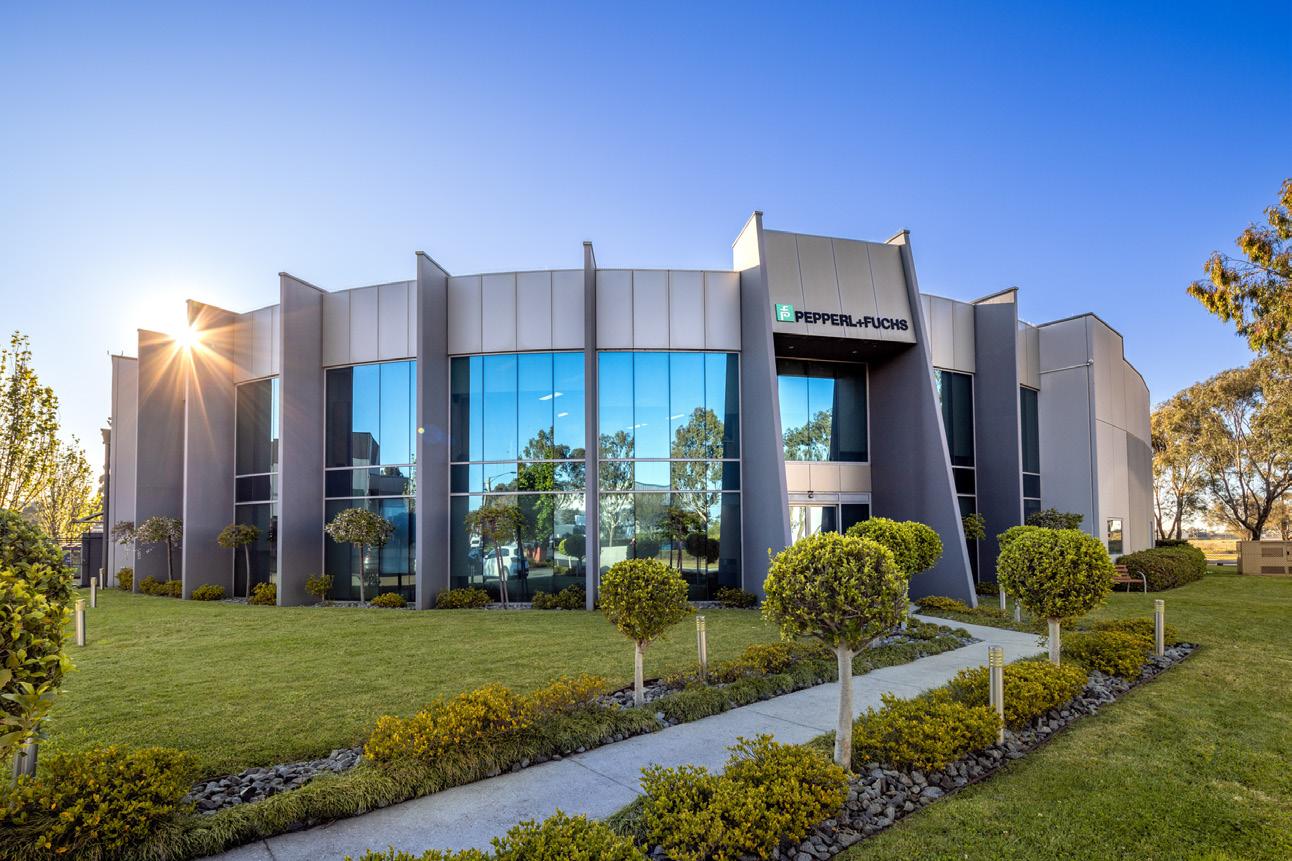

Beyond beverages, Flavourtech’s technologies are widely used in flavour extraction. Manufacturers processing fruit, vegetables and botanicals rely on precise control to capture volatile compounds, particularly the lighter notes associated with freshness.
“Our technologies are adept at capturing that lighter end of the flavour spectrum,” Leon asserts. “That is why global flavour houses integrate Flavourtech systems into their production lines.”
Flavourtech’s commercial model reflects its technical focus. The company does not sell high-volume, low-cost equipment – its systems are large-scale, capital-intensive investments. Yet repeat business remains strong.
“Every year, 40 percent of our business is from returning customers,” Leon reports. “They’re coming back to us
because their business is growing. The quality they can produce with our technology is significantly higher, and it’s appreciated by their end consumers.”
Convincing customers of the value of Flavourtech technology often requires demonstration rather than specification sheets. As such, the company operates pilot plants in Australia, Europe and the United States, where clients can test their own products on the systems.
“When customers bring their products to us for testing, they smell the result and say, ‘Aah, now I understand what you’re talking about!’ That sensory validation is central to our sales process, particularly in industries where small differences in aroma translate into large differences in perceived quality.”
Geographically, Flavourtech operates from Griffith, New South Wales, a regional centre
with strong agricultural output. The location is deliberate, placing the company close to raw material sources, while maintaining a manufacturing base in Australia. The site has expanded over time in response to demand, with increased factory space and staffing acquired to shorten delivery times.
“Instead of taking our manufacturing overseas, we have decided to grow our company in Griffith,” Leon points out. “Our workforce includes employees from more than 20 nationalities, supporting a global customer base from a regional hub.”
Internally, the company balances engineering development with application expertise. One R&D function focuses on improving equipment design. Another works directly on how customers use Flavourtech systems, refining processes to deliver better outcomes. The result is continuously advancing technology that drives measurable performance gains.
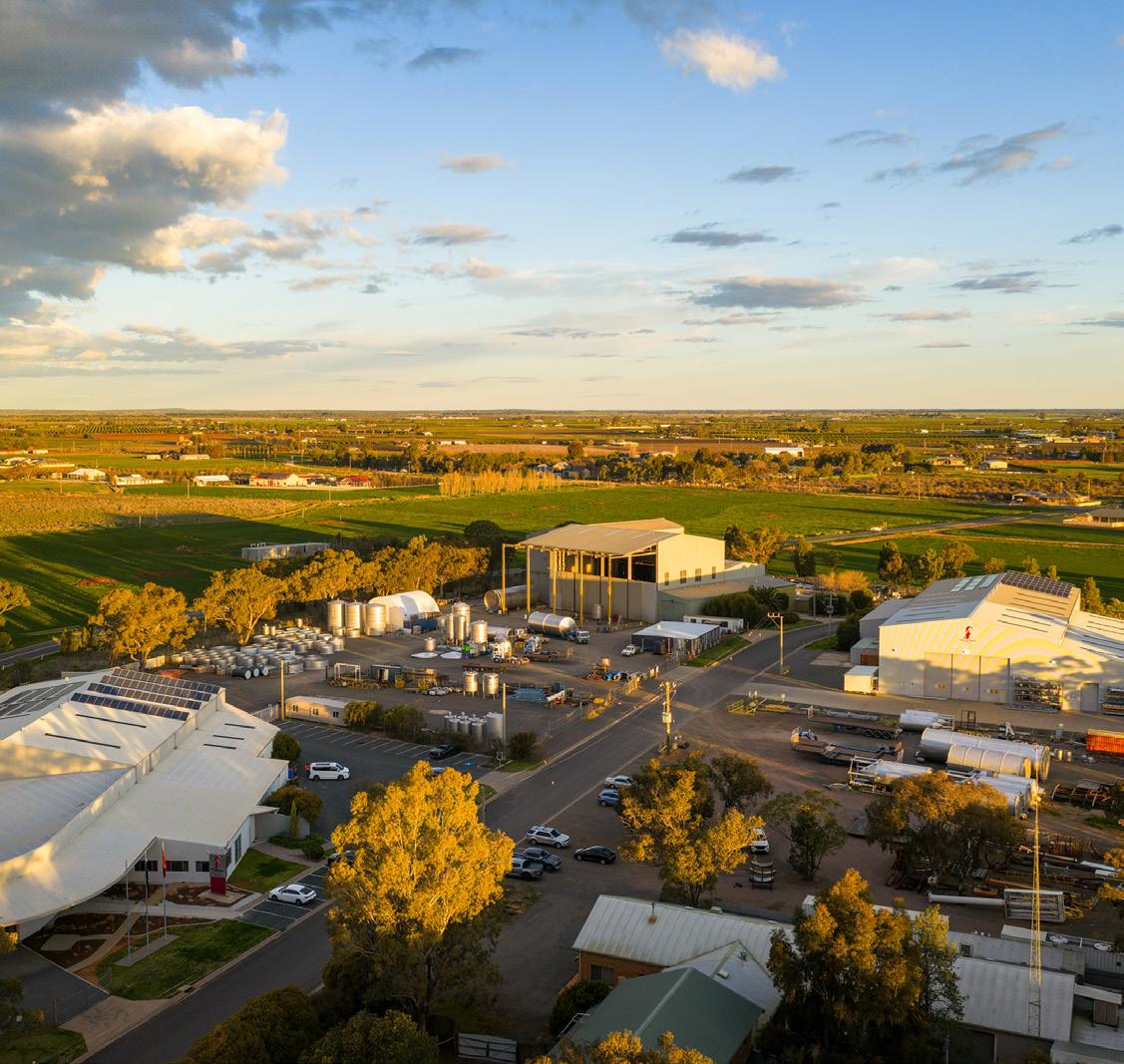
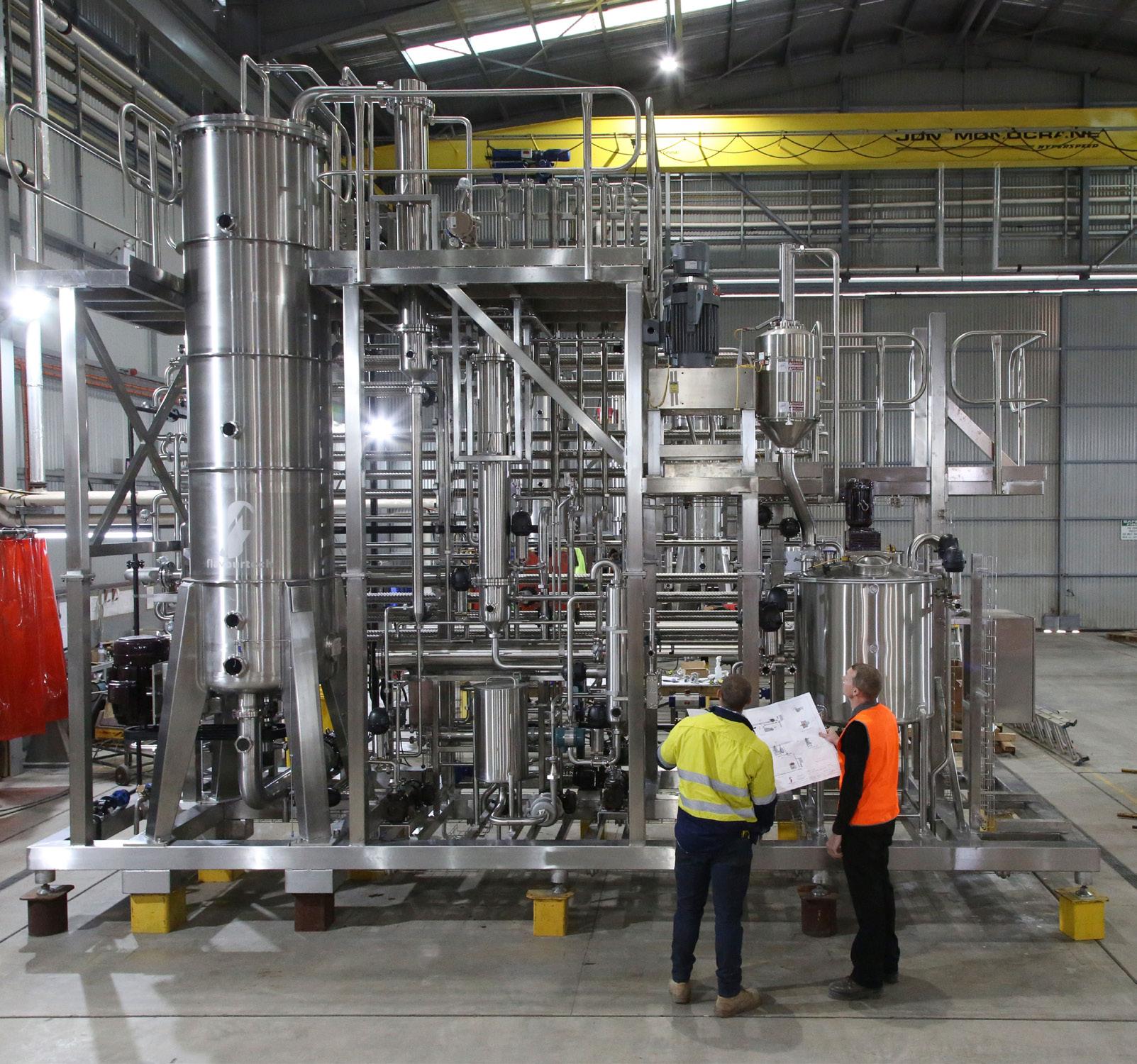
Market demand is shaping the next phase of development for Flavourtech. Health and functionality are increasingly influencing product design, particularly in beverages.
“We see the health aspect growing around the world,” Leon says. “Examples include coffee fortified with collagen and tea blended with ginseng. These products require processing methods that preserve both flavour and active compounds, aligning closely with our technologies’ capabilities.”
Plant-based foods present a different technical challenge. Raw materials often carry unwanted flavours that limit consumer acceptance. Flavourtech systems can selectively remove those notes.
“We can remove undesirable flavours from peas or beetroot, which can then be turned into plant-based material without those flavours,” Leon comments. “As demand for meat alternatives grows, this functionality becomes more relevant.”
Sustainability is also moving up the agenda. Flavourtech is developing processes to recover value from waste streams, turning byproducts into usable inputs and maximising revenue per kilogram of raw material.
“We’re developing some processes for capturing active ingredients and aromas from waste material,” Leon reveals. “Overripe or surplus produce can be processed to extract valuable compounds rather than being discarded.”
“At the same time, we’re working on processes to convert some of that waste material into energy. For manufacturers under pressure to reduce costs and emissions, it could offer a practical route to improved efficiency.”
Addressing the future of Flavourtech, Leon suggests any expansion will be based on demand. At present, a pilot plant in India is under consideration, aimed at supporting a market the company has served for three decades. Additional sales resources are being deployed in Asia and Europe, where growth is strongest.
“It’s very important to stay abreast of what our customers want,” he concludes. “That means aligning technology development with shifting market requirements, whether in zero-alcohol beverages, functional ingredients, or sustainable processing.”
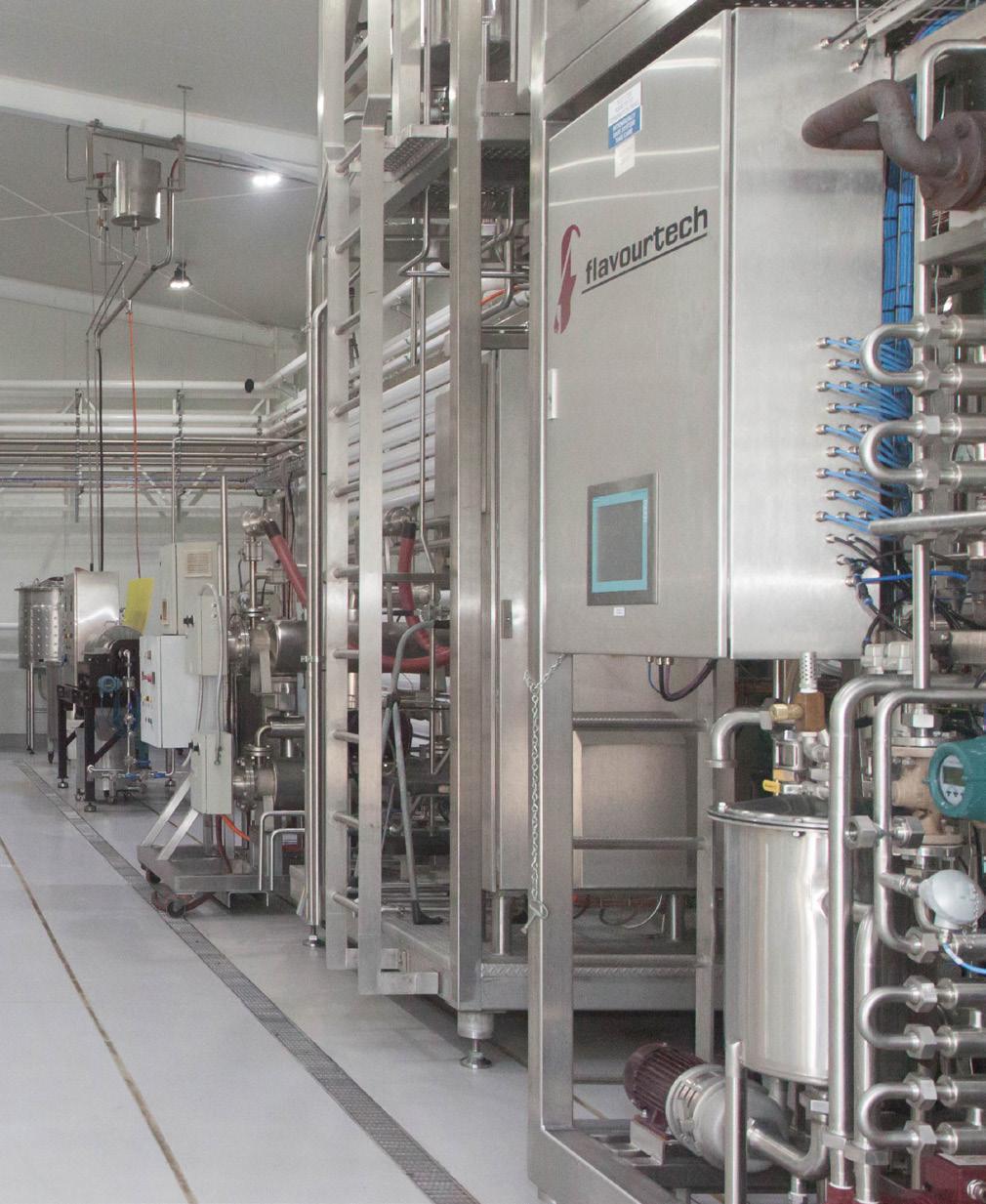

IZIL BEAUTY IS TAKING TRADITIONAL MOROCCAN BEAUTY RITUALS AND USING THEM AS THE FOUNDATION FOR SCIENTIFICALLY BACKED MODERN BEAUTY PRODUCTS.

Aker Fassi is a traditional lip stain made from powdered poppy flower leaves and pomegranate that has been used for hundreds of years, and is still used today. But it can come with downsides.

People still use it, but it stains, and it is not easy to use. So, we took that inspiration, the powder and the ingredient, and elevated it, formulating it with other ingredients and presenting it in a way that is easy to use,” explains Mouna Abbassy, the founder of cosmetic company Izil Beauty. “We created a Lip tint, not from minerals or artificial colouring, but with the ingredients from the poppy flower and its rosy tint, made easy to use, elevated with other active ingredients. It is natural and an antioxidant.”
Izil Beauty has done the same with argan oil, another ingredient from Moroccan tradition. Like Aker Fassi, it has multiple benefits, but at the same time, not everyone wants to apply oil to their face. So Izil Beauty has combined it with other ingredients to create emulsions, creams, and shampoos that incorporate a high percentage of that ingredient with others to make it even more beneficial.
Then there are Moroccan Hammams, sometimes called Turkish baths. Here, once again, Izil Beauty has looked at a traditional treatment and found a way to elevate it by incorporating modern science. “You feel like it is well studied, not just traditional and inherited knowledge,” Abbassy tells us. “We have looked into what kind of music to play, how to properly scrub the skin without harming it, and going with the flow of the circulation. We have refined the products in the Hammam, going through the whole protocol from scrubbing to mask, finding the science behind it to elevate traditional methods.”
Izil Beauty redefined its digital customer journey across the GCC.
The transformation connected commerce, service, and marketing, enabling personalized customer experiences, improved retention, and more efficient operationspositioning the brand for sustainable growth in a competitive beauty market. www.cloudzlab.com
This is what Izil Beauty does, taking deep-rooted and traditional health and beauty treatments and elevating them with modern science.
“Izil is an Amazigh word that means ‘pure,’” Abbassy tells us. “We create modern beauty care products inspired by Moroccan rituals and powered by science. We take timehonoured heritage ingredients and beauty traditions such as orange blossom or Rhassoul clay, and transform them into high performance, sciencebacked products designed for today’s woman.”
While it is built on traditional techniques, Izil Beauty is not just an artisanal brand, and while it uses the latest scientific knowledge, it is not just a technical brand.
“We are in the sweet spot between the two,” says Abbassy. “The way I see Izil, is that it is about more
But as Abbassy says, Izil does not create small-scale artisanal products, even if they are made to artisanal standards. Which brings us to the second major difference between Izil Beauty and the traditional products it takes inspiration from –production volumes.
than beauty. It is about creating moments of ritual, reconnecting with ourselves, and the results that kind of authenticity and natural selfcare can bring into everyday women’s lives.”
This ability for the brand to bridge the gap between heritage and modernity is what sets Izil Beauty apart in the market.
“Many brands either lean heavily on tradition without bringing in innovation or science, or rely exclusively on the science without any soul,” Abbassy tells us. “Every product is rooted in Moroccan rituals but elevated and formulated to deliver visible results. We focus on the full experience.”
That concept of experience is at the heart of what Izil Beauty does. The products and services Izil Beauty offers are about the rituals, the textures, the colours and scents, and how together these create the emotional connection Izil Beauty is known for.
“Our major challenge is scaling, while maintaining authenticity and quality,” Abbassy confirms. “I think that’s a common challenge for any growing company when it comes to product and service quality. As demand grew, we had to rethink our whole supply chain, standardising by giving our suppliers clear standards of practice.”
But if there is one thing Izil Beauty has learned, it is that just because a standard has been set does not mean it won’t change.
“Those standards are still evolving to allow us to offer the best products. It’s not something you can do today, and then it’s done once and for all,” Abbassy points out. “We are growing, discovering new things. Our standards are a working document. For example, when we started scaling up one of the first things we did was invest in our own manufacturing capacities, because scaling with third parties became challenging. It allowed us to control quality. So, we now have full control of all of our formulations.”
As well as expanding their capabilities and capacities, Izil Beauty also needs to grow its pool of talent.
As Abbassy explains, “There’s a lot of teaching as you grow resources, and if the talent you have in place cannot grow at the speed the company has been growing, you need to bring people in from outside, which brings with it new cultures and backgrounds, so we find ways to scale the team while preserving our internal culture too.”
It is a culture devoted to the idea of beauty, but to get philosophical for a moment, what is beauty? This is an area Abbassy has opinions about.
“It’s got distorted lately over the past few years,” she tells us. “There is this idea that beauty became transactional. Izil, and myself, are trying to take it beyond transaction. It is about slowing down and connecting with traditions. Every country
has its own traditions that are very valuable. We are making that kind of self-care more achievable, prioritising that moment where you are actually taking care of yourself. We are giving people ways to reach that inner feeling of beauty.”
This is the purpose that guides Izil Beauty’s growth. This year alone, between 2025 and 2026, Izil Beauty has expanded into four new locations in the UAE.
“This month we are opening in Saudi Arabia, creating a retail experience, scaling first across the GCC with a retail
presence in the short term,” Abbassy says. “Then the UK and Europe, and in the long term, the Asia-Pacific region. The idea is a worldwide scaling-up and expansion, in phases, while preserving the continuity and innovation at the core of our products, services, and the experiences we offer. The goal is to become a global reference for modern Moroccan ritual-based beauty.”
Izil Beauty might have started as a regional brand based on Moroccan tradition, but Abbassy is clear that she has global ambitions for the brand.


In 2026, international designer scents often sit far outside the budgets of many consumers, but Signature aims to bridge the gap between affordability and premium presentation.
“You can walk into a Signature store and pick up a 100ml fragrance in our portfolio for 180 rand,” says Kavim. “And yet, the quality of the brand, the oils that we’re using, the packaging, the look and feel of the product – it all still feels premium.”
Since Kavim joined the business in 2025, marketing has become a major focus area for Signature. Influencer partnerships, events, and stronger social media activity are helping reposition the business with younger and more style-conscious consumers. The company is also investing heavily in visual identity, updating everything from its mission and values to its digital platforms.
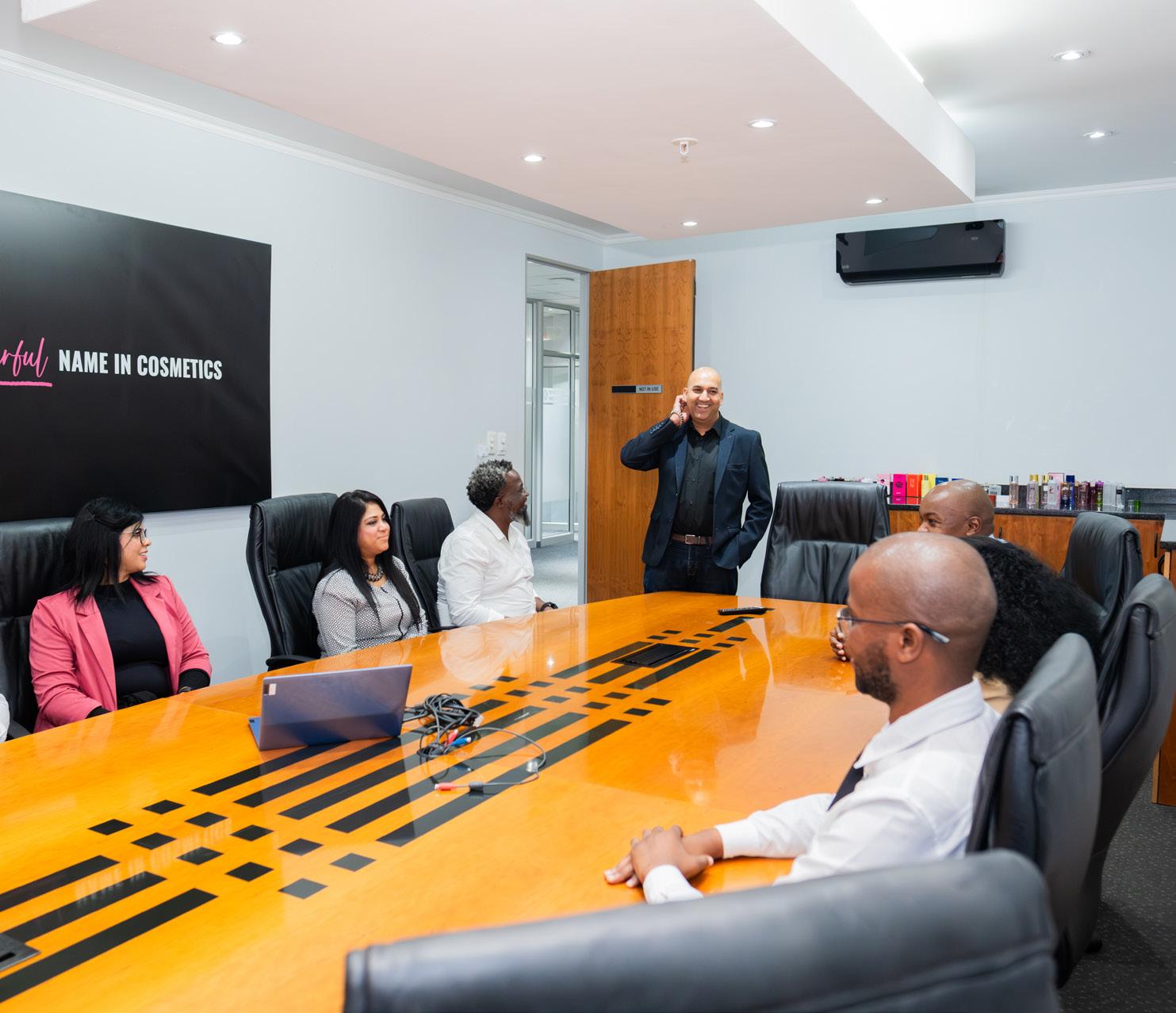
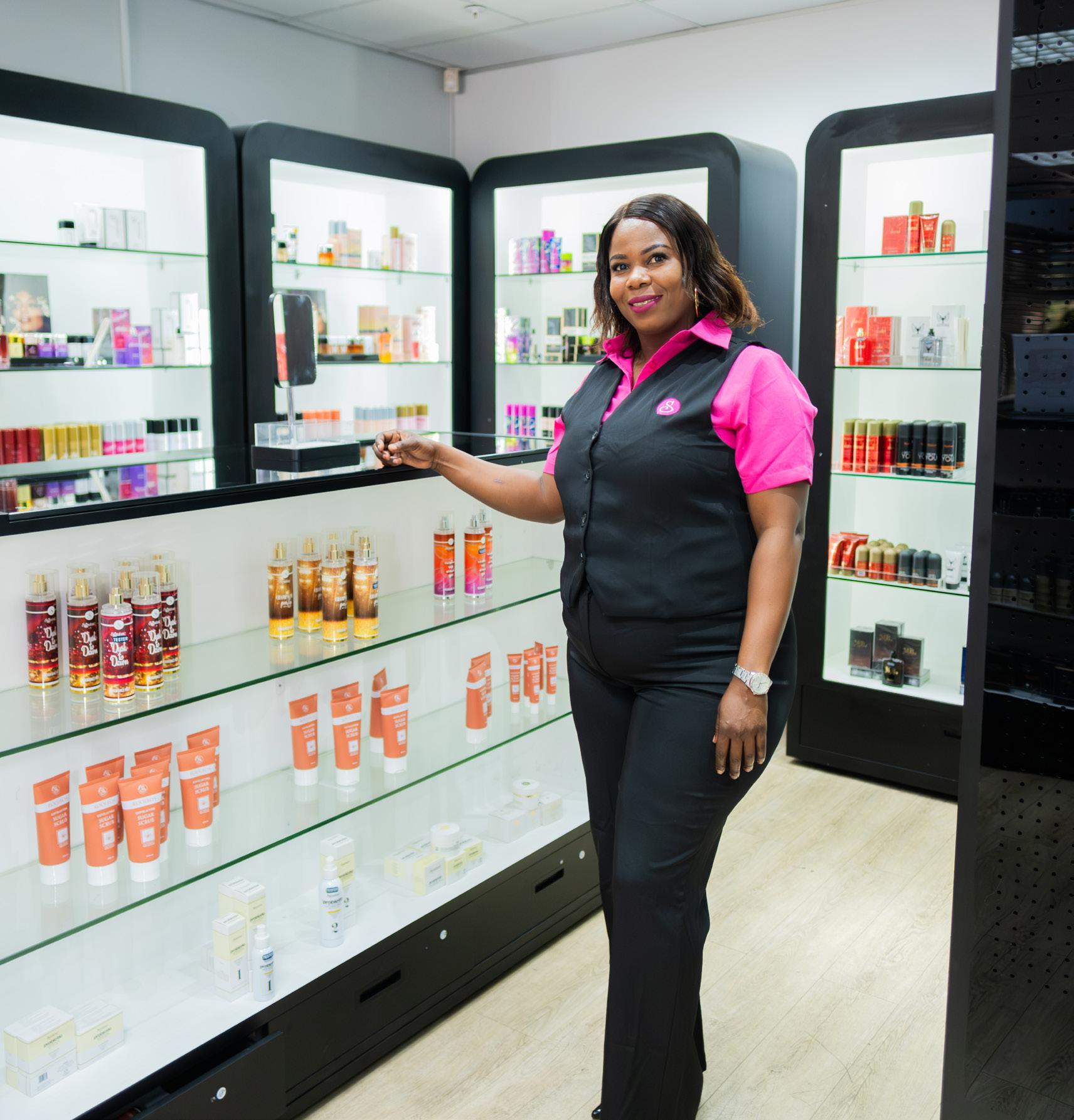
Product development is also accelerating. Skincare has been identified as a major opportunity area for Signature.
Over the next 12 months, Signature plans to rebuild the category with a sharper focus on customer demographics, skin needs and pricing accessibility. Ethnicity and local market understanding will play a central role in future formulations too.
Make-up is undergoing a similar overhaul. Drawing on previous experience with global beauty brands including Maybelline, L’Oréal Paris, Revlon and Elizabeth Arden, Kavim has initiated a complete refresh of Signature’s make-up supply pipeline. By October,
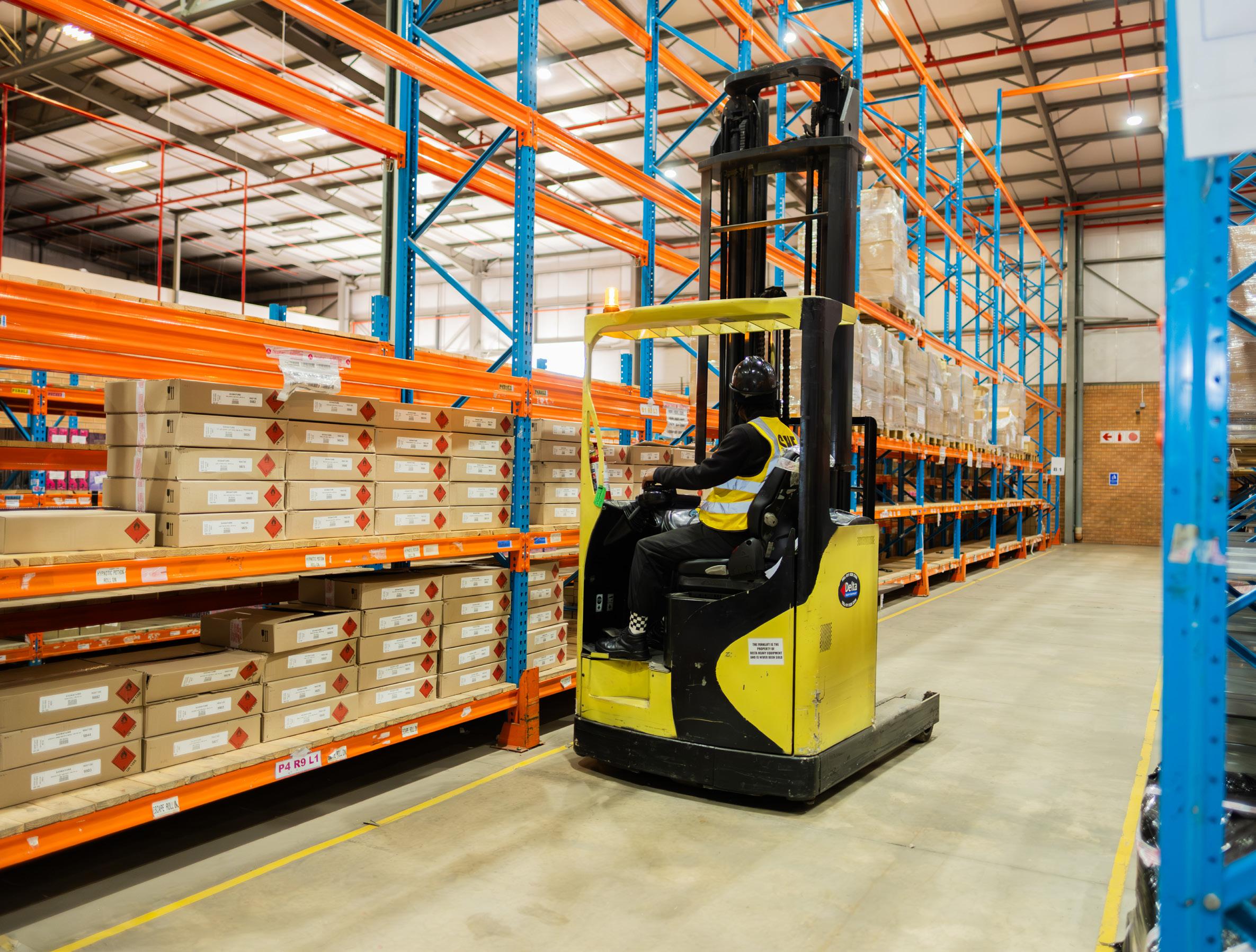
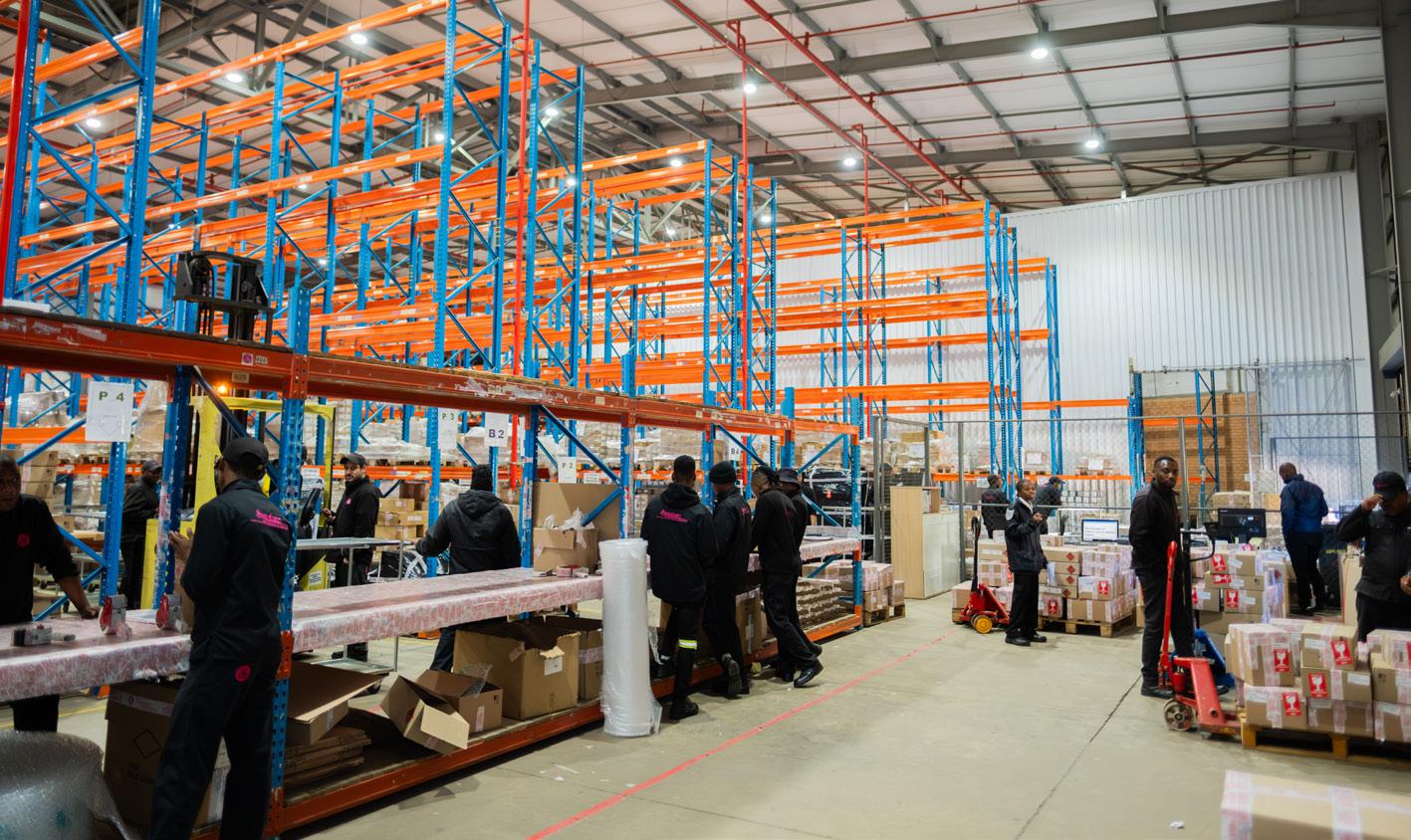
Signature expects its entire make-up portfolio to transition to upgraded formulations without increasing prices for consumers.
Absorbing higher costs internally reflects the company’s long-term approach. The goal is not simply to compete on price, but to improve product performance while retaining affordability for core shoppers.
“AFFORDABLE BEAUTY SHOULD STILL FEEL PREMIUM. WE ARE CLOSING THE GAP BETWEEN PRICE AND EXPERIENCE.”
Internally, Signature is undergoing structural change. While some areas have required restructuring and operational streamlining, new leadership roles are being introduced across procurement, sales, finance, IT and marketing to support long-term growth.
“We are putting the right people in the right places,” Kavim states, “and we’re being very sharp about it.”
People development forms a central part of Signature’s broader transformation programme. The company is introducing business-linked KPIs for the first time, while also building individual development plans across the organisation.
“For me, developing people is critical,” Kavim remarks. “Ultimately, we want to build future leadership internally rather than relying on external recruitment.”
With an eye on the future, Signature has laid out ambitious growth targets for the years ahead.
“We want to double the size of the business in the next three years,” Kavim affirms. “That expansion will include further African markets alongside selected opportunities beyond the continent. A newly created regulatory division has already begun assessing compliance requirements across target countries, so we are almost ready to get going.”
Closer to home, Signature is preparing to test kiosk concepts in student-heavy and township locations across South Africa. The smaller format stores are intended to improve flexibility while helping the company evaluate demand in new catchment areas before committing to full retail spaces.
The strategy reflects a business that is moving quickly but with a clear sense of direction. Affordable beauty remains the core proposition, yet the definition of affordability is changing. Consumers increasingly expect strong branding, trend awareness, and quality performance alongside accessible pricing.
Signature is confident that it can deliver on all four requirements.
“WE WANT TO DOUBLE THE SIZE OF THE BUSINESS IN THE NEXT THREE YEARS,”

Signature Cosmetics & Fragrances is a proudly South African beauty brand with stores across South Africa, Namibia, and Botswana. We are dedicated to empowering the modern African woman through refined, high-quality fragrances, skincare, and makeup that deliver true luxury without the intimidating price tag.
Under the leadership of CEO Kavim Ragbir, who took over the business at the end of 2025, the company is undergoing revolutionary improvements that are elevating the brand and driving greater success.
We believe confidence is the new currency. Our range of sophisticated signature fragrances, skincare, and makeup is thoughtfully created for real women with real lives — busy schedules, ambitious dreams, and a desire to show up as their most authentic, powerful selves every day.
From captivating signature scents that linger with quiet elegance, to luminous long-wearing foundations and bold lip colours, Signature Cosmetics offers premium performance, current trends, and textures that celebrate African beauty.



What sets us apart is our commitment to accessible luxury: exceptional formulas and refined results at prices that make everyday indulgence possible. No more choosing between quality and affordability.
Whether you're stepping into the boardroom, commanding the stage, or simply owning your day, Signature products help you feel seen, celebrated, and confident in your own skin.
Signature Cosmetics & Fragrances — where luxury meets approachability, and confidence becomes effortless.
Shop in-store at your nearest Signature store in South Africa, Namibia or Botswana, or online at www.signaturecosmetics.co.za
27 Lake Road, Longmeadow Business Estate, Edenvale, Gauteng, 1609 South Africa
+27 11-608-2891
On the western edge of Belfast’s Queen’s Island sits the Thompson Graving Dock, a site woven into the city’s industrial history. Once the largest dry dock in the world, it is best known as the place where the RMS Titanic was fitted out before departing on its maiden voyage in 1912. More than a century later, the dock and surrounding shipyard buildings remain a powerful symbol of Belfast’s engineering heritage.
Today, that legacy is being reinterpreted. The same location that once supported one of the most ambitious shipbuilding projects in history is now home to Titanic Distillers, a whiskey producer aiming to re-establish Belfast’s reputation within the global spirits industry.
The company operates from the restored Thompson Dock pumphouse and has positioned itself as Belfast’s first working whiskey distillery since the early 1900s. The brand places a strong emphasis on sustainability. The company prioritises sourcing all ingredients from Ireland, paying premium prices for high-quality grains to ensure a superior product.
Belfast was once a major centre of Irish whiskey production. In the late 19th and early 20th centuries, the city produced significant volumes for both
domestic consumption and export. However, political change, economic pressures and prohibition in key markets contributed to a sharp decline.
By the mid-20th century, distilling in Belfast had effectively disappeared.
Titanic Distillers is part of a wider effort to reverse that trend. Its facility combines restored industrial features with modern production equipment, creating a working distillery that also serves as a visitor destination. Original elements of the pumphouse remain visible, reinforcing the connection to the site’s previous role within the shipyard.
Securing that location was a decisive step in the company’s development. Production of the company’s own spirit began in 2023. As with any whiskey operation, there is a delay between distillation and release, with products requiring several years of maturation.

Titanic Distillers expects its first fully in-house expressions to reach the market from 2026.
In the meantime, the business has taken a different approach to market entry. Rather than producing alternative spirits to generate early revenue, it partnered with Great Northern Distillery to source and release whiskey under its own label.
The initial blend reflects the company’s emphasis on local heritage. Subtle smoky notes are designed to reference Belfast’s industrial past, when coal and peat were central to powering the city’s factories and shipyards.
Since launch, Titanic Distillers has begun to build recognition in competitive international markets. Its flagship whiskey has received awards in both European and US competitions, providing early validation for the brand.

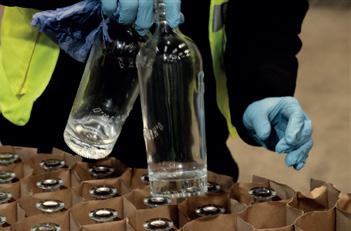

Good Spirits Bottling is a state-of-the-art bottling plant in Dundalk, Co. Louth, offering bespoke contract bottling solutions to spirits companies worldwide.
Our cutting-edge bottling machinery allows for tailored, adaptable alcohol bottling and labelling solutions to suit your unique requirements, whilst our high-tech blending plant is fully equipped with regulatory-approved, precise and accurate control systems, as well as an on-site laboratory for product testing at each stage of development.
We are a passionate team with many years of beverage industry experience, dedicated to quality, safety and care of product.
We can look after everything from existing brands and new private label projects to single casks and beyond. Contact us today to see how we can help you to grow and scale your brand.
British Retail Consortium Certified ISO 9001
Kosher Certified Organic Certified
CONTACT
E: k.donnelly@good-spirits-bottling.com
E: m.cowman@good-spirits-bottling.com
M: +353 872 593 852
M: +353 861 982 594 www.gsb-ireland.ie
Recent investment is expected to accelerate that progress. The company has recently landed a £5 million (US$6.3m) equity investment from Whiterock to expand its sales team, drive growth, and establish key distribution channels.
Stephen Symington, CEO of Titanic Distillers said: “This equity investment will help fund the next phase of growth for Titanic Distillers. Craftsmanship is at the core of Titanic Distillers. We have created a whiskey that the people of Belfast can be proud of and have a unique brand that we are excited to now showcase to customers around the world in a modern and contemporary way. Whiterock are a fantastic partner to have with us as we put the new strategy into action.”
The business also wants to use the new funding to expand its existing footprint across the UK and Europe, as well as move into the US and Asia. The United States is a primary target.
As one of the largest whiskey markets globally, it represents a significant opportunity for Irish producers. Titanic Distillers has already completed regulatory requirements and appointed an importer, with plans to establish distribution across several states. However, the international outlook is not without uncertainty. Trade tariffs remain a potential challenge, particularly for producers navigating the complex relationship between UK and EU trading frameworks. Northern Ireland’s unique post-Brexit position may offer advantages in some scenarios, although the situation continues to evolve.
Alongside the US, the company is exploring growth opportunities in Asia and Africa. Demand for Irish whiskey has been increasing in markets such as India, while countries including South Africa, Malaysia and Singapore are also being assessed as part of a broader export strategy. These efforts build on an existing presence within the European Union.
The plan also is to increase its visibility and sales in the travel retail segment of the market through new partnerships with duty free specialists, and to build on existing success in European markets, such as France and Germany, by targeting neighbouring countries such as Belgium and Poland.
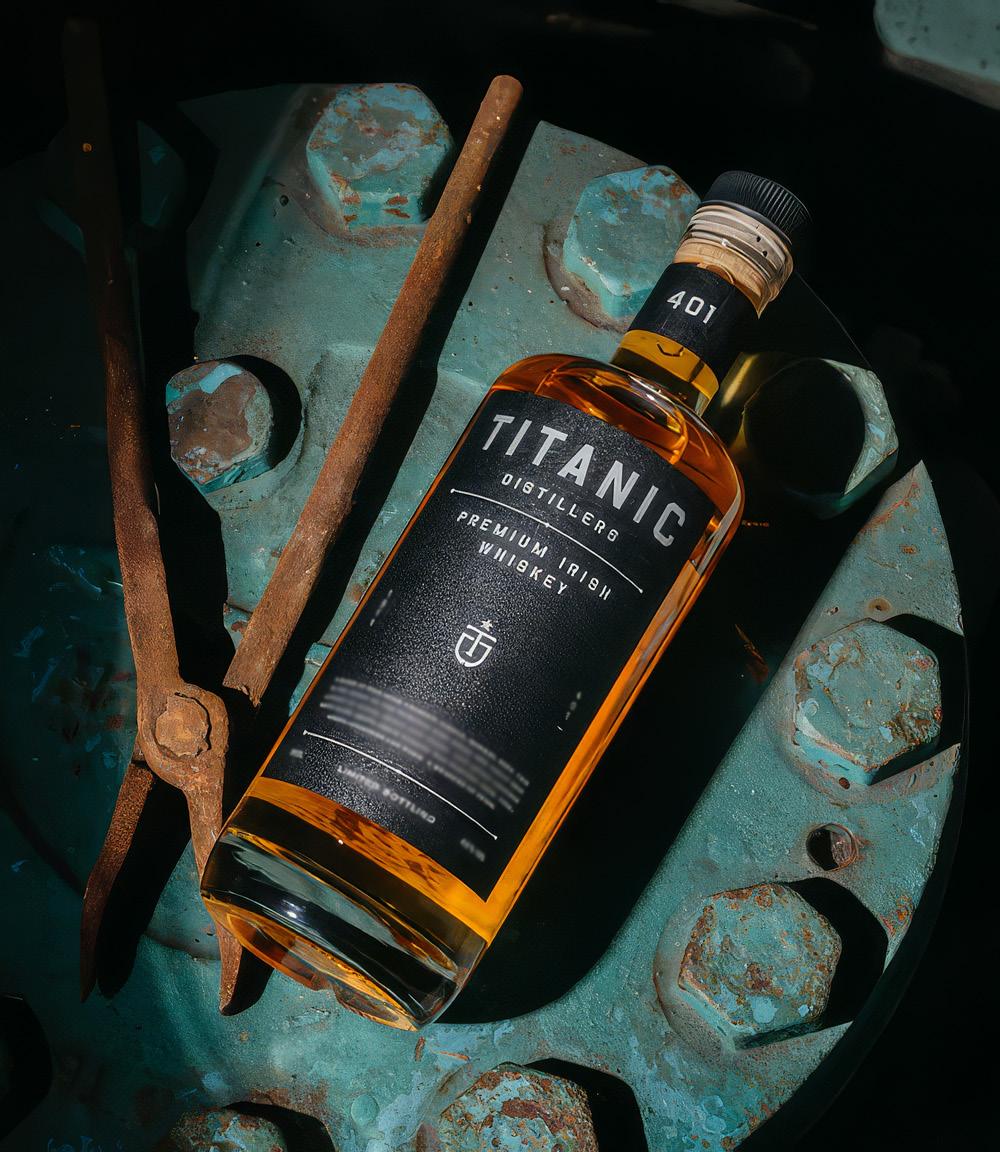
One of Titanic Distillers’ most valuable assets is its brand identity. The name “Titanic” carries immediate global recognition, supported by decades of historical interest and cultural exposure. That recognition creates both opportunity and expectation. While the association draws attention, the company is focused on ensuring that its products stand on their own merits.
The company’s messaging therefore places greater emphasis on craftsmanship and provenance rather than
relying solely on the historical connection. The aim is to position Titanic Distillers within the premium segment of the whiskey market.
Looking ahead, product development will be a key driver of growth. The distillery is preparing to expand its range, with new releases including a pot still whiskey and a single malt expected to follow. These products will be based on spirit distilled on site, marking an important milestone as the business transitions from sourced to fully in-house production. The use of locally sourced grains and longer fermentation processes is intended to differentiate the range and reinforce its Belfast origins.
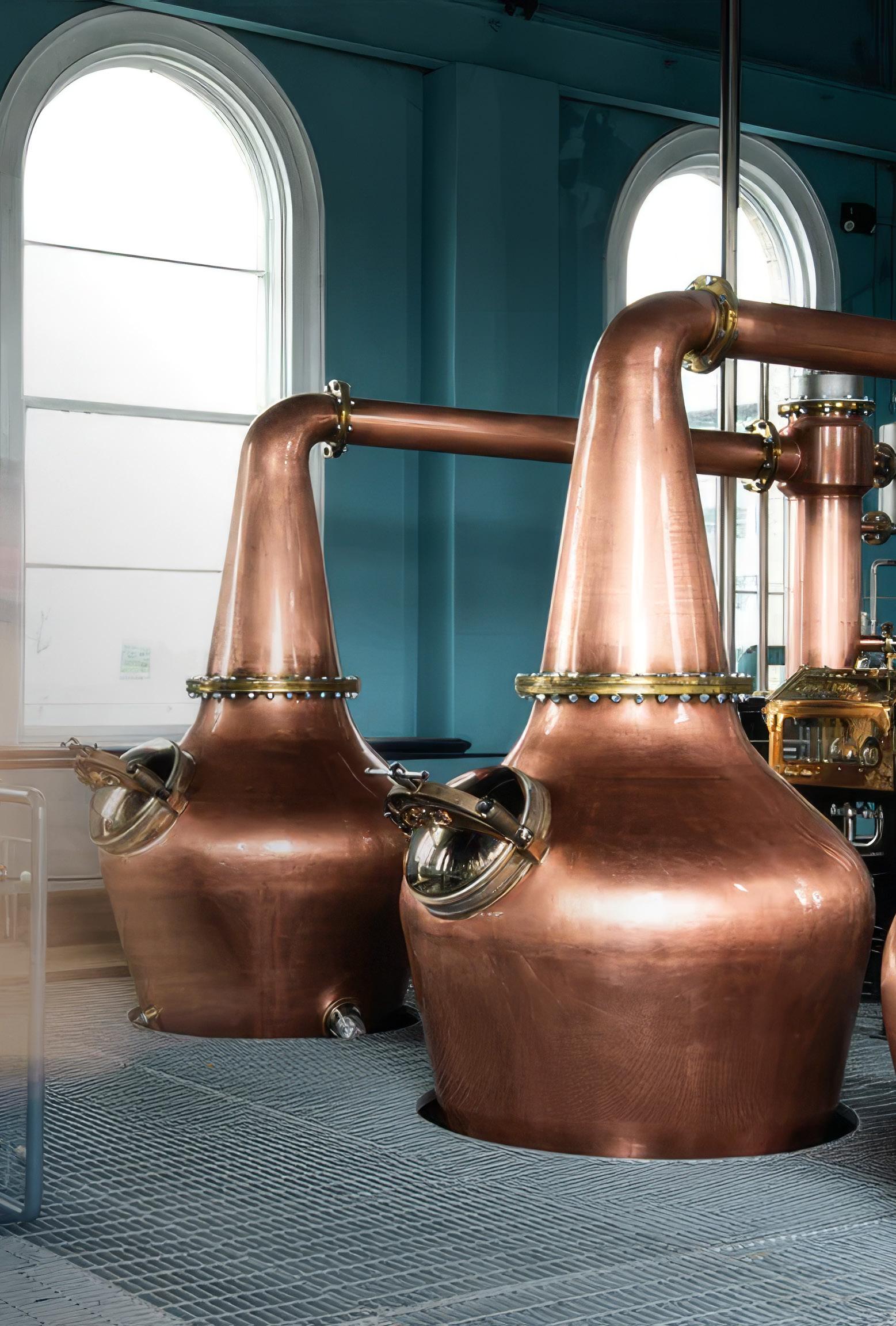
By combining a high-profile location with a clear growth strategy, the company is seeking to establish a foothold in an increasingly competitive market. Its success will depend on its ability to balance heritage with innovation, while navigating the practical challenges of international expansion. For now, the foundations are in place. Production is underway, investment has been secured and new markets are being targeted. For a city once
synonymous with industrial output, the return of whiskey distilling marks a notable shift. Titanic Distillers is positioning itself at the centre of that change, drawing on the past while focusing firmly on the future.
“CRAFTSMANSHIP IS AT THE CORE OF TITANIC DISTILLERS.”
ALUMIERMD COMBINES PROFESSIONAL SKINCARE EXPERTISE WITH TECHNOLOGY DESIGNED TO STRENGTHEN LONG-TERM PATIENT OUTCOMES.
Professional skincare has become one of the fastest-moving segments of the beauty and wellness market. But speed has created a structural problem: as discovery moves online and consumer behaviour fragments across channels, professional expertise is being left behind.
AlumierMD believes that this disconnect is not inevitable. That science, guidance and patient behaviour can be held together, not pulled apart by digital commerce.
Founded in 2016 by a team of PhD biochemists, physicians, and aesthetic innovators, AlumierMD has built its reputation on evidencebased skincare backed by professional guidance. Over the past decade, the business has expanded into more than 20 countries and partnered with over 5,000 professionals worldwide.
At the centre of AlumierMD’s growth strategy is a clear philosophy: better skin outcomes happen when science, education, and patient behaviour work together. Chief Finance & Operations Officer Andrew Percy explains more:
“AlumierMD is a multiaward-winning, professionally dispensed skincare brand built on a foundation of scientific integrity. We employ more
than 140 people across a dozen countries who share one very simple belief: that skin health outcomes improve when science, professional guidance and patient behaviour are connected, not fragmented.”
An emphasis on connection has shaped AlumierMD from the very beginning. In many areas of professional skincare, specialists invest significant time developing personalised treatment plans for patients, only for future purchases to drift towards retailers, marketplaces, or competing brands. Clinics lose visibility, influence and recurring revenue, while patient routines often become inconsistent. Within this environment, Andrew identified a gap in the system.
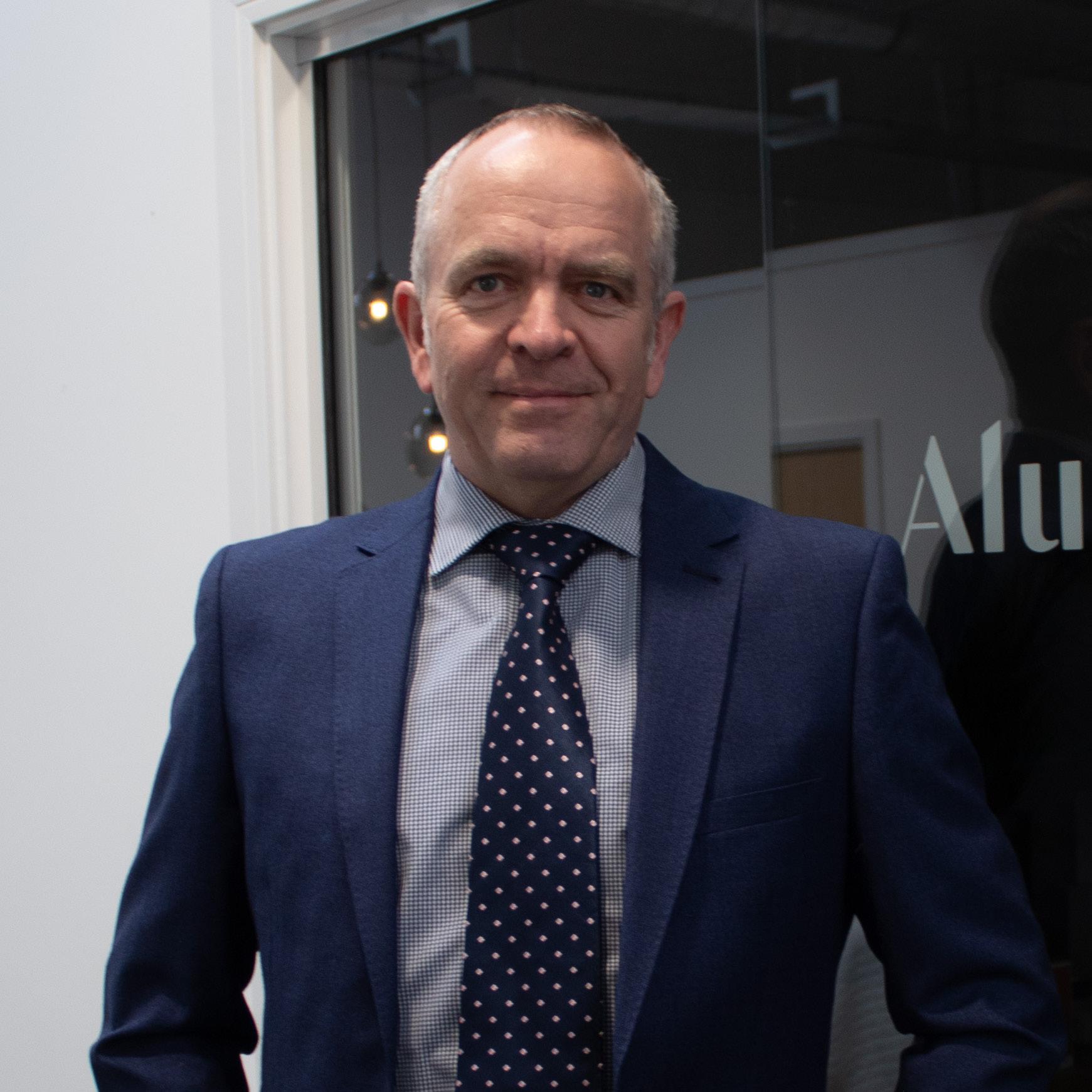
Andrew Percy, Chief Finance & Operations Officer, AlumierMD.
“The founding principle of our business has always been to protect the professional,” he affirms. “The result is not just better commercial performance for clinics, but more consistent patient behaviour – and that is what ultimately drives better skin outcomes.”
To tackle the problem, AlumierMD developed CONNECT™, a digital platform that keeps professionals involved throughout the patient journey, even when purchases move online. Patients can buy products digitally while remaining linked to their clinic or skincare professional. Guidance, recommendations and follow-up support continue beyond the consultation room.

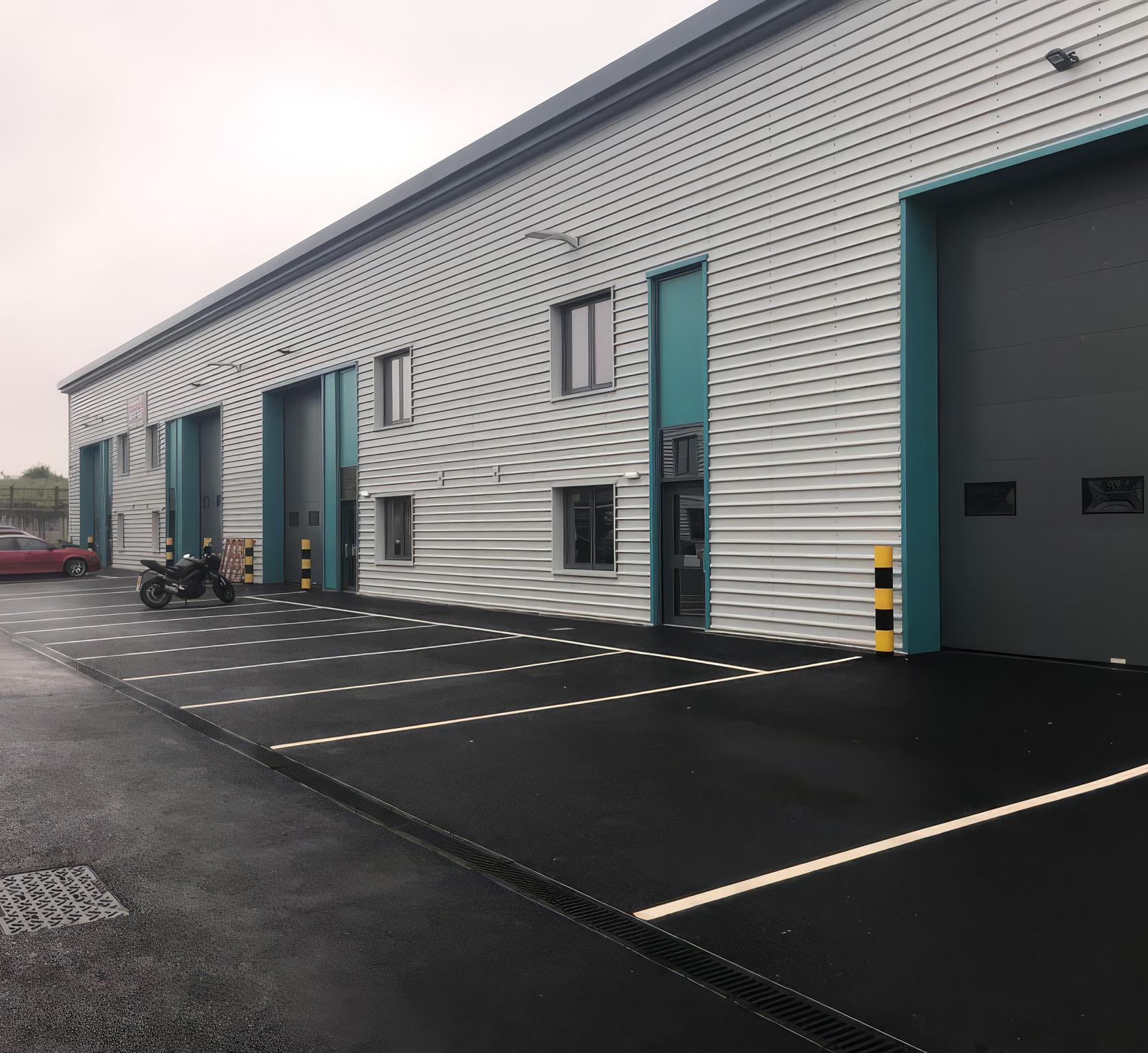
For AlumierMD, the platform represents a major shift in how professional skincare operates.
“Our approach to Technology is a great example of what sets us apart from competing brands,” Andrew states. “Patients who engage with CONNECT™ purchase more consistently and remain far more committed to the professional. Not because they are being pushed to buy more, but because the guidance is continuous.”
Andrew believes that the skincare industry is entering a new phase of development
where outcomes matter more than visibility alone.
“For a long time, success has been driven by access and visibility,” he says. “The next phase will be defined by outcomes, and by which systems can consistently deliver better skin health over time, not just transactions in the moment.”
That thinking has helped position AlumierMD at the intersection of skincare, education and digital healthcare.

The business also operates in a market undergoing rapid behavioural change. Consumers are increasingly viewing skin health as part of broader wellness and longevity goals rather than simply cosmetic improvement. Environmental stress, lifestyle habits and long-term skin resilience have become major talking points across the aesthetics sector.
“Skin is no longer being viewed purely through a cosmetic lens,” Andrew remarks. “We have been preparing for the shift, focusing for some time now on what we call Oxidative Aging Defence™, which essentially means


combating the cumulative impact of environmental and lifestyle stress on skin quality, skin resilience, and visible signs of ageing.”
At the same time, the speed of digital behaviour continues to reshape patient expectations. Consumers can access products instantly, but expert guidance has not always evolved at the same pace. That imbalance creates inconsistent routines, misinformation and poor long-term outcomes.
“Our response to these trends is to rebuild the system around them,” Andrew comments. “We are not looking to resist these developments, but to ensure that professional guidance remains central within them.”
Education remains a major pillar of the business. Although AlumierMD considers itself a
technology-driven company, Andrew is clear that technology should enhance professional relationships rather than replace them.
“I think the mistake many businesses make is using technology to remove friction by removing people,” he says. “We take the opposite approach. We use technology to remove friction while preserving and amplifying professional guidance.
“That balance can be seen across the company’s education programmes, where digital learning tools support clinics and practitioners, while inperson training remains central. Striking a balance between people and technology is all about integration.”
AlumierMD’s approach to people and technology has proved especially important during periods of disruption.

“SKIN HEALTH OUTCOMES IMPROVE WHEN SCIENCE, PROFESSIONAL GUIDANCE AND PATIENT BEHAVIOUR ARE CONNECTED, NOT FRAGMENTED.”
During the Covid-19 pandemic, CONNECT™ helped clinics continue serving patients while physical appointments were restricted.
AlumierMD also navigated the logistical complications created by Brexit, ensuring continued distribution across European markets. These moments have reinforced the value of the company’s operating model.
Now, as AlumierMD approaches its tenth anniversary, the business is taking stock of how far it has come.
“We are incredibly proud of everything we have achieved over the last ten years,” says Andrew. “We have built a unique, sustainable business that currently operates in more than 20 countries across the globe.
“Since the introduction of CONNECT™, we have paid out more than $32 million in commission to our AlumierMD
partners. To my mind, nothing underlines our commitment to the professional more than that.”
AlumierMD’s milestone tenth year will not be marked by dramatic reinvention. The company plans to continue expanding CONNECT™ internationally, while reinforcing its position in Oxidative Aging Defence™. Product innovation, professional education, and operational discipline all remain priorities.
“We are scaling CONNECT™ to become the industry standard for how professional skincare is delivered,” Andrew reports. “The future is not about chasing new directions; it is about executing with clarity and consistency on what we know works.”
That clarity has become increasingly valuable in a crowded skincare market filled with trends, influencer marketing, and rapid product launches. Rather than competing on speed or visibility


alone, AlumierMD is investing in systems that encourage long-term behavioural change, stronger professional relationships and measurable skin health outcomes.
Andrew believes that the strategy will define the next era of the aesthetics industry.
“It requires a shift in thinking,” he concludes, “but we really believe in the benefits of moving away from isolated products and short-term marketing, and towards connected systems that support behaviour, guidance, and accountability. That’s what AlumierMD is all about.”
“WE ARE SCALING CONNECT™ TO BECOME THE INDUSTRY STANDARD FOR HOW PROFESSIONAL SKINCARE IS DELIVERED,”


AlumierMD’s exclusive professional platform, puts the power of personalized skin health in the hands of both clinicians and their patients - creating seamless journeys, deeper loyalty, and better outcomes.
RAPID GROWTH IS A CHALLENGE FOR ANY COMPANY, BUT IT PRESENTS UNIQUE CHALLENGES TO A MANUFACTURER FOR THE MEDICAL MARKET THAT WILL NEVER COMPROMISE ON QUALITY.
Forging is used to create components for a huge array of industries, from the automotive sector to nuclear power and aerospace. But AristoTech is a forging company that focuses exclusively on a single market – the medical sector.
We concentrate on hip stems, knee implants, shoulder implants, nails and plates for knees, everything in that area,” says David Radant, CEO of AristoTech. “We have been doing this for 20 years, starting quite small at the beginning, then picking up speed through the acquisition by DOT in Q1 2025 and the growth of our combined customers.”
Originally, AristoTech’s founder established a company that sold medical implants for hospitals. Eventually, in his search for quality medical implants that met the needs of his customers, he decided to establish a manufacturer that would allow him to more reliably meet customers’ needs while also giving him room to play with new designs.
“This was before the regulatory space was as it is now,” Radant points out. “There
was a flexibility that meant you could take new ideas to market very quickly. This is how AristoTech evolved as a forging company.”
Today, Radant points to regulatory obstacles as one of the main challenges AristoTech needs to navigate.
“With 5 million euros, we could start a company, but it would take a long time to get enough certifications to bring a product to market, which means the market is quite protected,” says Radant. “This makes it hard for new players coming onto the market, especially smaller companies below 100 people. You need to take on extra staff just to handle the regulatory side of the process.”


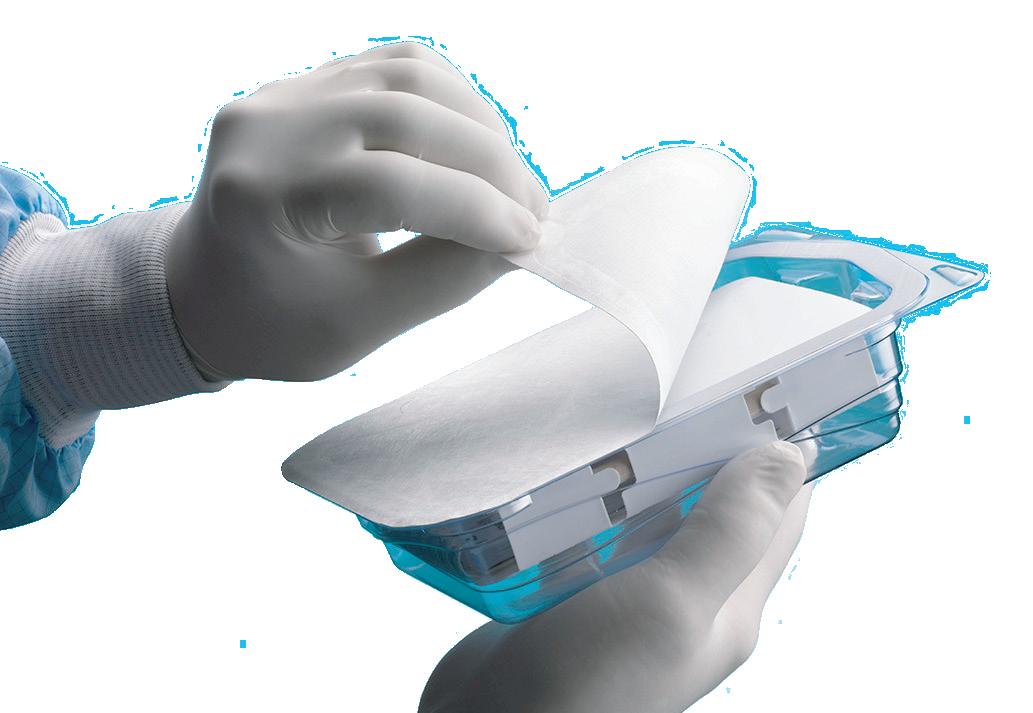
AristoTech has taken on a lot of extra staff over the years, and as it has grown bigger, it has opened up more opportunities, allowing AristoTech to take on even bigger projects.
“Five years ago, AristoTech was happy to manufacture a run of 3,000 hip stems a year,” says Radant. “Now we are looking at runs of 40,000 to 100,000 units. It is an entirely different scale.”
That growth is great news for AristoTech, but it also comes with all the challenges. It has meant navigating changes in culture. The company remains focused on the medical sector, as it always has, but with its increasing growth and capacity, it is now able to widen its offer in that sector.
“We can offer a full service as a contract manufacturer for the big players on the market,” Radant tells us.
This is a real achievement, as AristoTech is operating in a competitive sector of Europe’s already strong manufacturing
industry. However, AristoTech’s in-house forging capability sets it apart in the market.
“In Germany, especially southern Germany, as well as Switzerland, France, and Italy, there are a lot of machine shops,” Radant points out. “Forging marks us out as quite special because it requires huge and costly machines that not many people have on the shop floor. Machining is not so special.”
AristoTech is competing with large, high-volume companies with huge in-house manufacturing capacities, but ultimately, it is a company that exists to take on medical needs.
“As people get older, people like our parents, we are not okay with them being in pain,” Radant tells us. “At the end of your 60s, if you can’t climb or ride a bike, that is where our product comes in.”
A competitive market and a robust regulatory environment mean that while AristoTech still innovates, a lot of AristoTech’s effort is devoted to competing on price.
“Our implants don’t evolve that fast. There is a big growth in the coding side of things, but from a design standpoint, the principle is always the same,” Radant tells us. “The competition in the market is from a pricing perspective. Especially in Europe, the hospitals will only pay a certain amount from the state for hip and knee surgery, so everyone needs to look into ways to optimise while preserving margins.”
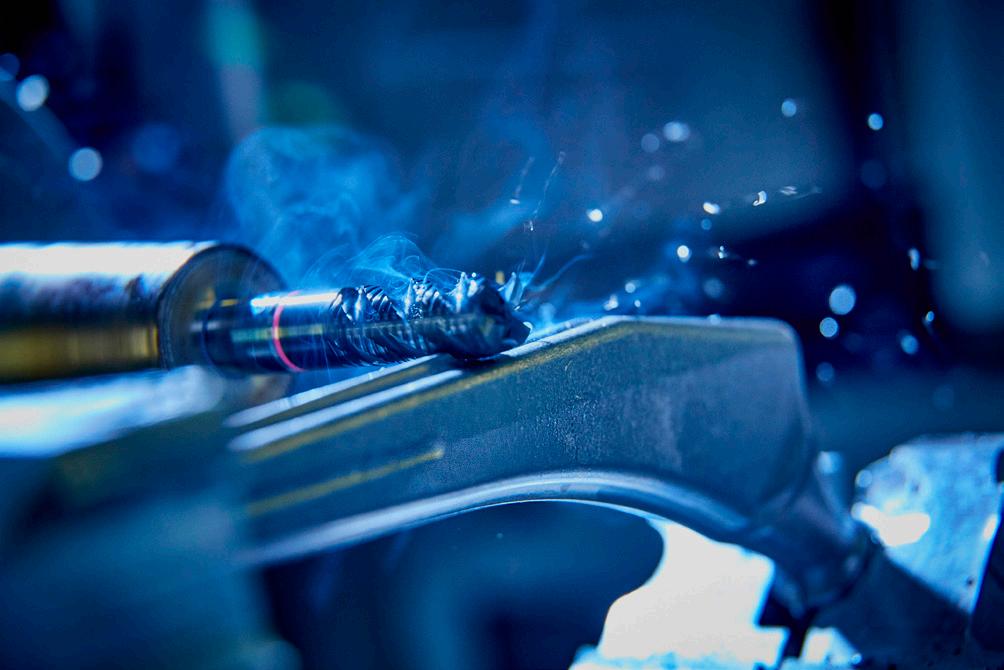
But while price is an area where AristoTech has been optimising as it grows, this can never happen at the expense of meticulous standards.
“You cannot just scale up, because when we talk about those 3,000 units, which is quite a small order, each of those units must go through lots of manual steps. There are lots of decisions to make every day,” says Radant.
Those challenges grow exponentially as volumes increase.
“With high volume products, there is still no margin for failure,” Radant tells us. “You need a lean optimised process producing medical implants even at small volumes. You don’t have the time to fix anything on the shop floor when you have a high volume. So you need to be up to speed with the latest technology and equipment.”
It means that AristoTech needs access to a ready supply of skilled labour. This can be a challenge because the company is based 30 minutes from Berlin and the Baltic area. The strong tourism market in these regions can make it difficult to attract skilled labour to the manufacturing sector.
“The labour situation in Germany is in decline because of all the changes we are undergoing at the moment,” says Radant. “However, there are people skilled in this industry looking for new jobs, safe jobs, and we can offer that.
Everyone has someone in their family with an artificial knee or hip replacement, so they understand the benefit of the work we’re doing.”
The next step for AristoTech is to seek out an industry-wide alignment on standards.
“We have 100 active customers, and they all come in for an audit once every two or three years to check how we are producing parts,” Radant says. “We have built a system that has had input from so many companies, that’s quite a unique achievement. Our quality system is very stable and robust, which means that when we do bring something new to
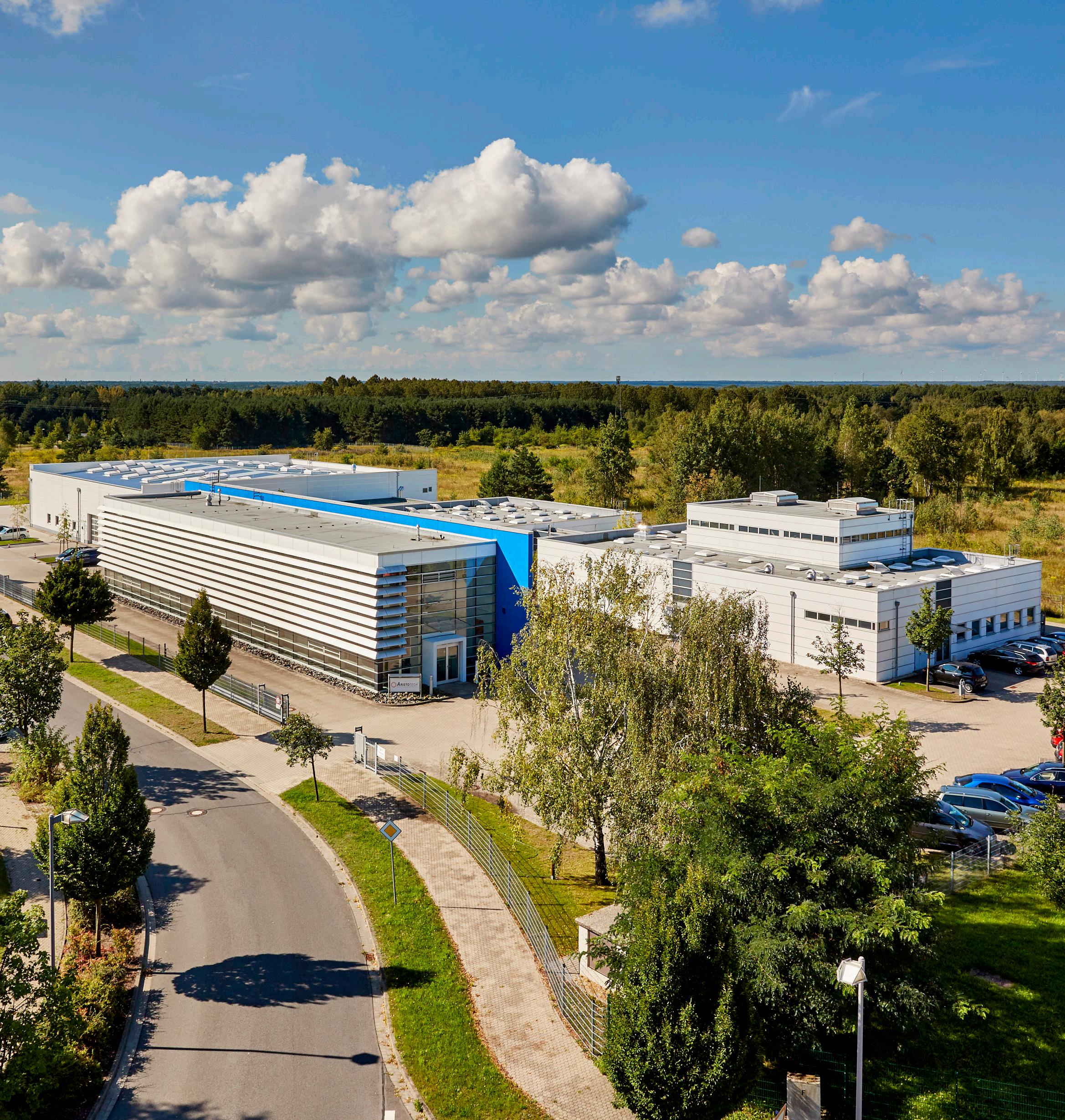
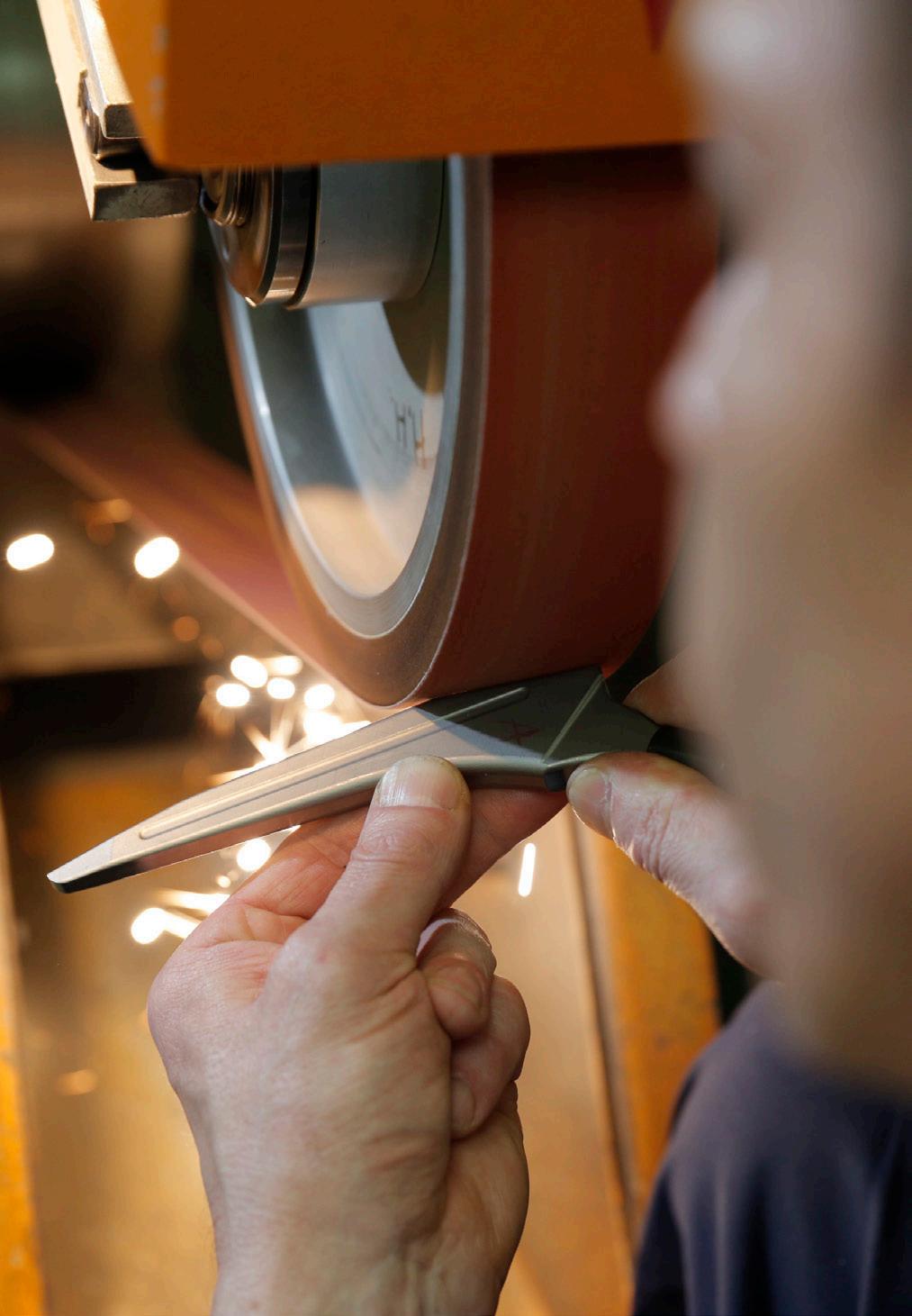
the market, we can talk to our teams and explain what we do and how it works. At the end we are not only selling a hip stem, we are also selling the trust in it that it will not fail and will last for decades in the human body.”
With more growth on the horizon, AristoTech is continuing to find ways to reflect that growth in its production capacity without compromising standards.
“We need to make more investments, we need new products with high volumes, while still being able to talk to customers about bespoke one-off products. We have created a onestop shop,” Radant concludes.
“AS PEOPLE GET OLDER, PEOPLE LIKE OUR PARENTS, WE ARE NOT OKAY WITH THEM BEING IN PAIN.”
ITALIAN
For Buona Spa Società Benefit, children are the starting point for every decision the company makes. Operating exclusively in paediatrics, the Italian business develops and markets infant formulas, foods for special medical purposes, food supplements, medical devices and diapers. Every product is designed around the needs of children, from birth onwards.
Founded as a family business and still family-run today, Buona has grown steadily by focusing on specialist paediatric healthcare rather than broadening into multiple categories. Edoardo Cioni and his sister Diletta Cioni lead the company as Co-CEOs, with clearly divided responsibilities across commercial operations and organisational management.
For Edoardo, though, the business is far more personal than corporate.
“Buona is a part of my life,” he says. “I joined the company right after graduation and started out as a sales representative. I grew through various roles until I became CEO.
“During that journey, I’ve created relationships that have turned into true friendships. Buona has allowed me to build and discover myself not only as a professional but as a person.”
Buona’s core philosophy is reflected in its branding. At the heart of the company logo sits a phrase that guides its entire approach: People at the Centre.
“Everything we do is about creating value for people,” Edoardo says. “‘People at the Centre is not just a catchy slogan – it is a true way of doing business.”
Working exclusively in the paediatric field, Buona strives to meet all the needs children may have from birth. The company also values strong communication with parents, employees, suppliers and the wider community connected to the business.
“We are deeply connected to the community and environment in which we operate,” Edoardo states. “It is a mindset that became formalised when Buona

adopted Benefit Corporation status, embedding its wider social purpose directly into the company statute.
“Being a Benefit Corporation means declaring to everyone that our business idea is different from the traditional model. We are committed to doing business with a goal that goes beyond the simple idea of making a profit.”
The distinction matters. Unlike traditionally business-oriented companies, which mainly rely on economic indicators and financial logic to maximise profit, Benefit-oriented companies pursue a broader purpose guided by ideas and values. Buona has chosen to generate value for all stakeholders, including people, communities and the environment, and not only for shareholders.
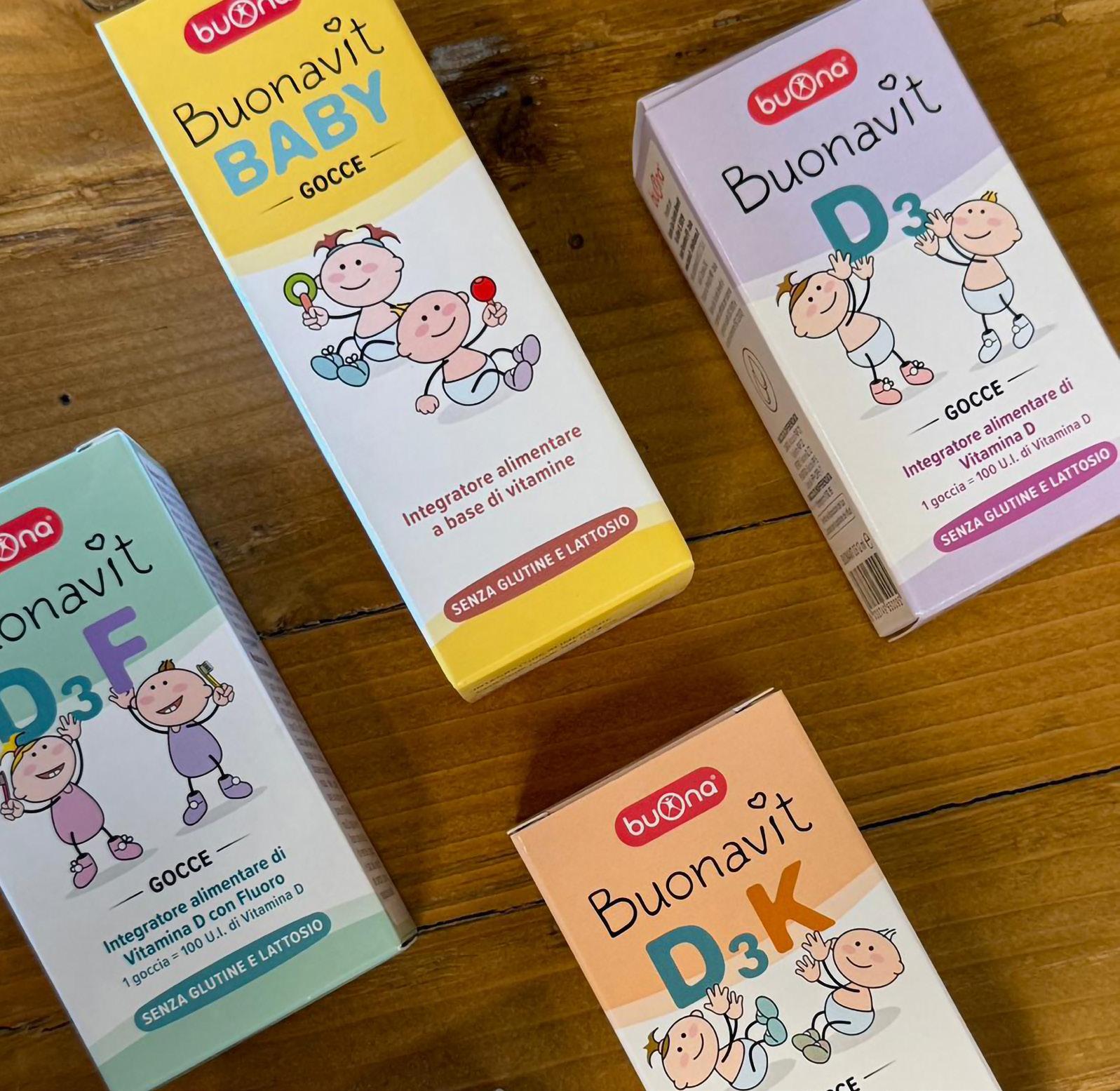
Naturally, this philosophy has shaped major operational decisions at Buona, particularly around manufacturing and supply chain control.
While many businesses in the sector have shifted production internationally to reduce costs, Buona has deliberately kept all manufacturing in Italy. Infant formulas, supplements and even diapers are produced domestically despite the financial pressure associated with higher operating costs.
“We know this isn’t a costeffective choice,” Edoardo notes, “but it allows us to control every single detail of our products.
“Quality is undoubtedly the key. Working with this goal in mind means being willing to forgo many short-term benefits for the sake of a greater good.”
Buona’s infant formula operation demonstrates this commitment clearly. Today, the company is the only one able to offer an infant formula that is organic, Made in Italy and
supported by a short supply chain, with milk processed and packaged within 72 hours. For Edoardo, maintaining this level of control is closely linked to product reliability and the trust families place in the brand. “It means making choices with a long-term horizon and having the strength to do so even when contextual factors push you in a different direction,” he says.
Supply chain management has become an even bigger priority in recent years. In 2019, Buona launched its own logistics company dedicated exclusively to handling the group’s products. Again, the move was not primarily driven by margins or efficiency targets.
“WE WANT TO CONTINUE RAISING THE BAR FOR CHILDCARE.”
“We wanted to control a very critical phase of our supply chain,” Edoardo remarks. “Quality and timely deliveries are key factors in demonstrating reliability and professionalism to our customers.”
Sustainability also plays a growing role throughout the business. Buona’s focus on quality has naturally pushed the company towards greater environmental and ethical scrutiny across its supply chain.
The business is now introducing ESG assessment tools throughout the supply chain, while continuing to invest heavily in organic sourcing and responsible manufacturing practices.
“A concrete example is our investment in the organic supply chain,” Edoardo explains. “It allows us to reduce the use of chemicals and antibiotics, with benefits product quality, the environment, and people’s health.”

6 Kartsivani Str. 175 64 Palaio
At Buona Hellas, caring for children means being there from the very beginning and through every stage of their growth. As part of the BioARS Therapeutics group, we bring to the Greek market a carefully selected range of baby and child care products, designed to support children from birth through adolescence.
Our portfolio spans early-life nutrition, including infant and follow-on formulas, as well as supplements that support healthy development and daily wellbeing. Each product is chosen with a strong focus on safety, quality, and ease of use, making everyday care simpler for both children and parents.
We place particular emphasis on organic ingredients, environmentally responsible choices, and products that stand out for their uniqueness.
With a warm, family-centered approach, Buona Hellas is dedicated to supporting both child and mother with care, trust, and a genuine sense of responsibility, helping lay the foundation for a healthy start in life.


buonagreece
@buonagreece Buona Hellas

+30 2117500999
info@buona.gr
buona.gr
Guided by European excellence, DELORBIS is a leading pharmaceutical manufacturer, providing branded medicines to meet patient needs worldwide.
To improve patients’livesaround the world by delivering trusted branded medicines, rooted in European standards of excellence, innovation and care.
Tobe a global leader in healthcare, putting patients at the heart of everything we do to shape better health outcomes worldwide.


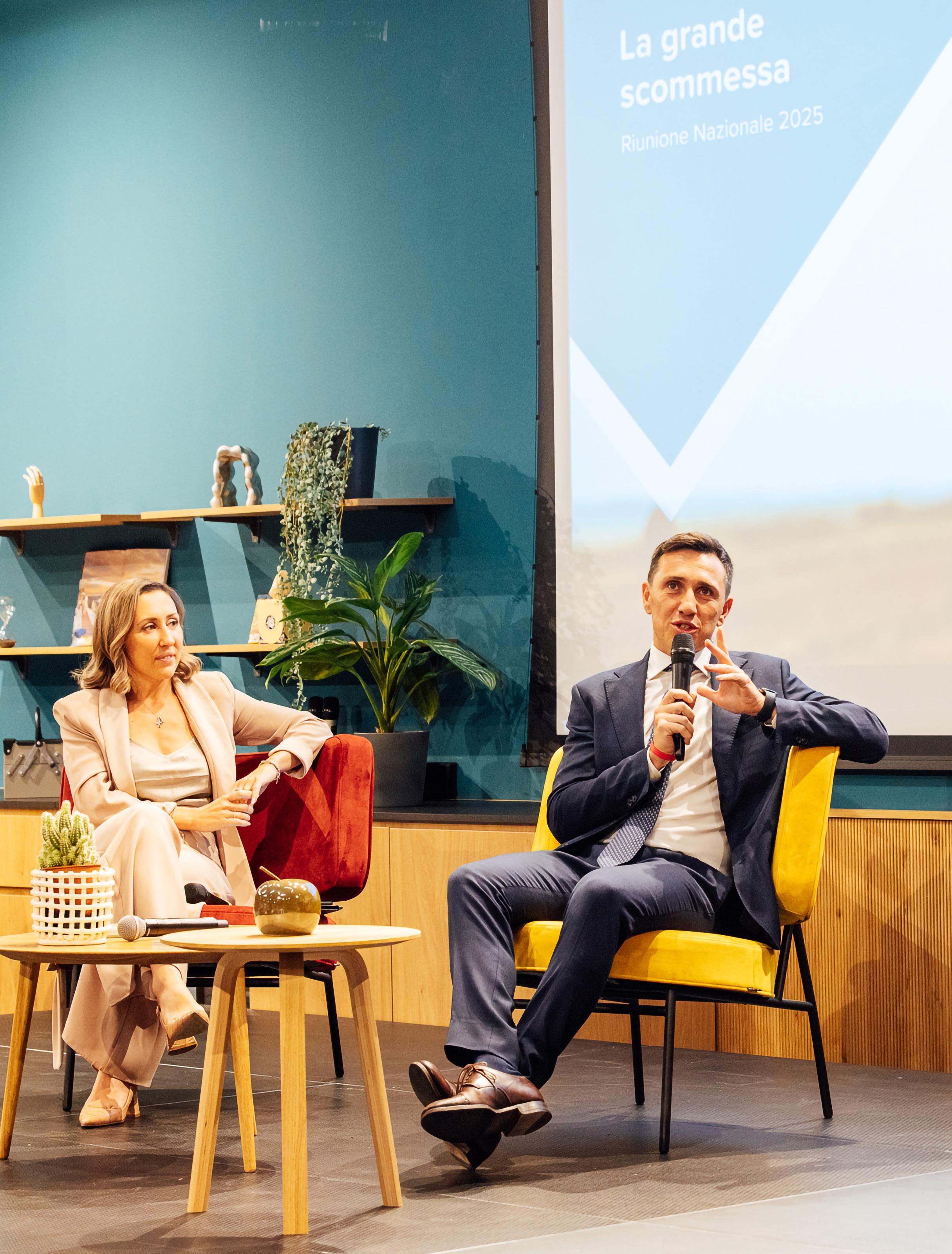

At the same time, Buona is investing just as heavily in its internal culture. Rather than following wider workplace trends, however, Edoardo says the company focuses on listening closely to employee needs and adapting support accordingly.
“Work takes up about a third of a person’s life, so we must take care of our team.”
Today, Buona is a proud proponent of welfare plans, family support initiatives, and flexible employee-focused programmes designed to recognise individual priorities rather than applying a single standard across the workforce.
“We don’t all place the same value on the same things,” Edoardo points out. “It’s too important to individualise our support as much as possible.”
Buona recently applied for Great Place to Work certification, a move that reflects the company’s ambition to formalise the culture it has developed internally. Technology will support this endeavour across the business, though Edoardo is clear that it should never replace human relationships.
“In a sector like ours, where relationships still have a huge impact on the value creation process, technology can only be a tool,” he says. “Not a substitute for our work.”
This people-first approach appears likely to remain central as the company looks ahead to future expansion.
Buona currently operates in selected international markets but sees significant opportunity for further growth, supported by the global reputation of Italian manufacturing quality.
“We have the excellence of Italian manufacturing on our side,” says Edoardo. “And this is universally recognised.”
The company is also exploring future opportunities beyond its current para-pharmaceutical focus, with research and product development continuing to accelerate.
“The pharmaceutical sector needs companies that support the medical profession in researching and developing new solutions,” Edoardo concludes. “We want to continue raising the bar for childcare. By working exclusively in the paediatric field, we strive to meet all the needs children may have from birth.”
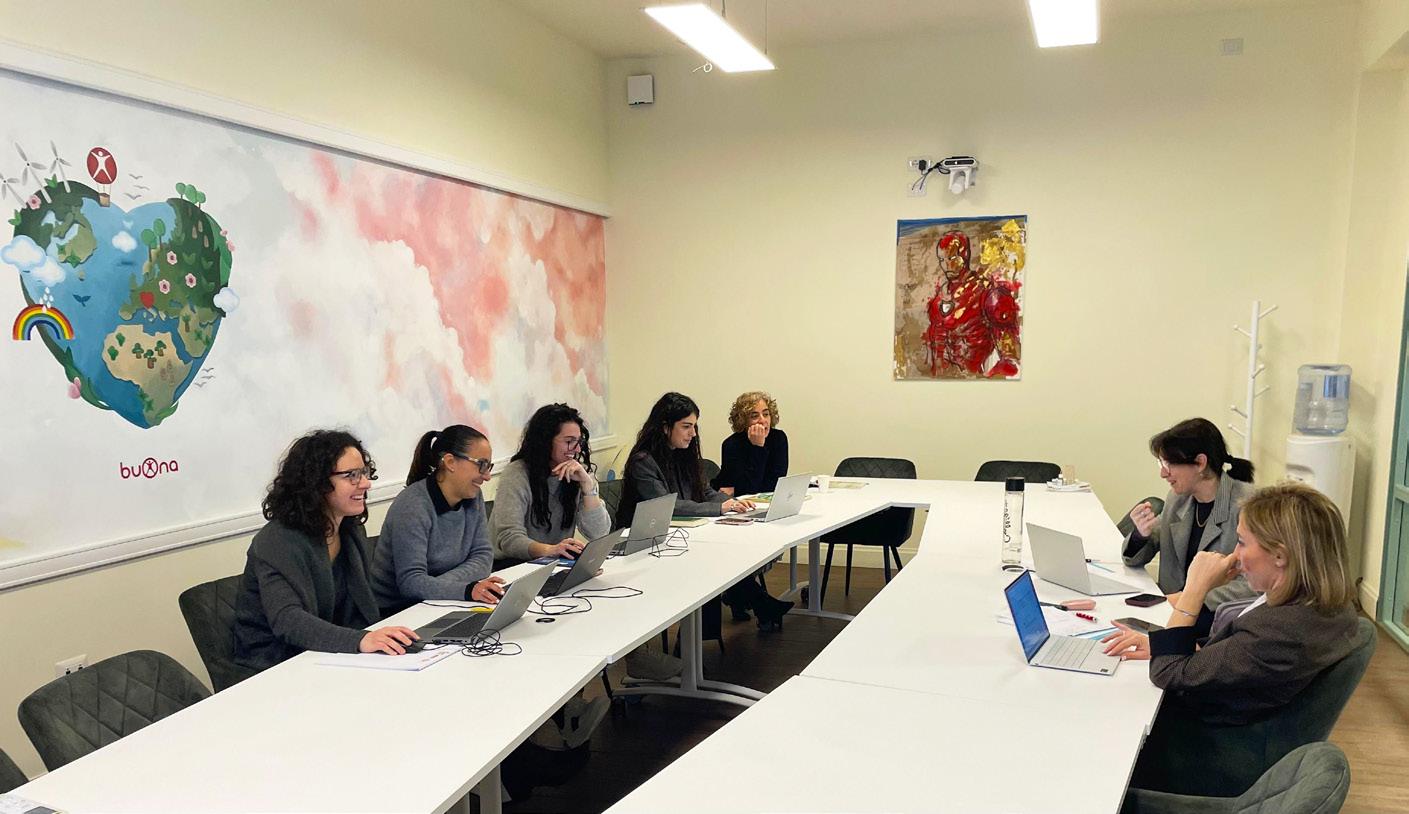
PROVIDENCE LIVING IS LOOKING TO TRANSFORM BRITISH COLUMBIA’S LONGTERM CARE SYSTEM, REBUILDING IT AROUND THE LIVES OF ITS PATIENTS.
Imagine if you had to choose all of your meals three weeks in advance. You fill in your form and choose to have porridge on one morning. Then, three weeks later, it turns out that what you really want for breakfast is an egg. Only you ordered porridge nearly a month ago.
It does not seem like a great way to live, but this is the reality for thousands of people in long-term care in British Columbia, Canada.
“The standard of care is high in British Columbia, but it is institutional, task-driven and not conducive to people directing their own day,” explains Mark Blandford, President and CEO of Providence Living. “In many ways, we exceed standards anywhere in Canada. But it can be so much better from a human perspective, in the way we design our buildings and deliver care. We want to go from good to great.”
This was the motivation for establishing Providence Living in 2017. The company is a Catholic healthcare organisation, founded by the government entities Providence Healthcare and St. Joseph’s Hospital. As a non-governmental organisation, Providence Living is able to do things its founding organisations cannot, like raising and holding debt, giving it access to the resources necessary for the development and redevelopment of a new generation of care
homes for ageing people and above all being more nimble and innovative than most government entities can be.
“Providence Healthcare was operating seven long-term care homes at the time for people with high complexity nursing needs,” Blandford recalls. “At the same time, they had begun building a brand new hospital opening in 2027, so they needed to focus their energy on that project, which risked losing traction on redeveloping care home infrastructure. We were created to redevelop and deliver better buildings, raising and modernising the standard and experience of long term care.”
This is more than a financial or bureaucratic arrangement, however. Talking to Blandford, it is clear that the key ingredient Providence Living is bringing to this work is passion.
“It is an overused word, but we are passionate about changing the experience of care at the bedside for our clients and residents,” Blandford says.
“By training, I’m an occupational therapist, and I have always felt that the standard of nursing care we provide in British Columbia was that it was safe, clinically appropriate, and compassionate, but it is not the kind of care you would want to live in. It is a system designed around the needs of workers rather than residents, and people fear going into long term care because it’s not much of a life.”
What Blandford wants to bring to British Columbian care homes is called the “social relational model of care”. It is a model that draws on European models of care, as seen in places such as Scandinavia and the Netherlands.
“What is different about Europe is that it is less medical in its approach,” Blandford explains. “It is more about living. People are treated as the individuals they are, rather than as a sick person to be nursed. In Canada, these homes provide institutional medical care, they are basically an extension of hospitals. That is what we want to change.”
Providence Living is creating true homes, with medical supports as elements in the background, and it is at the leading edge of this approach in its part of the world.
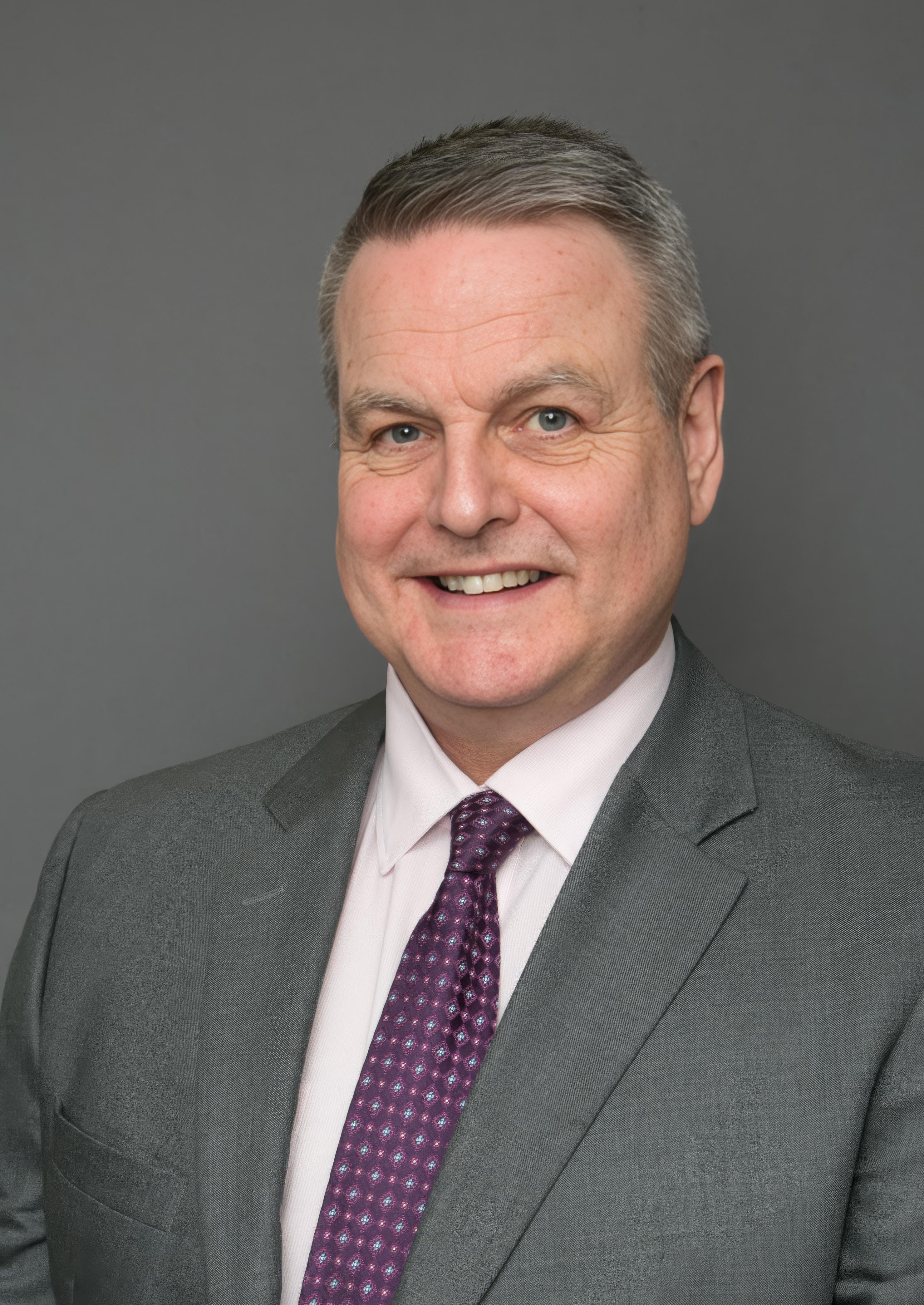

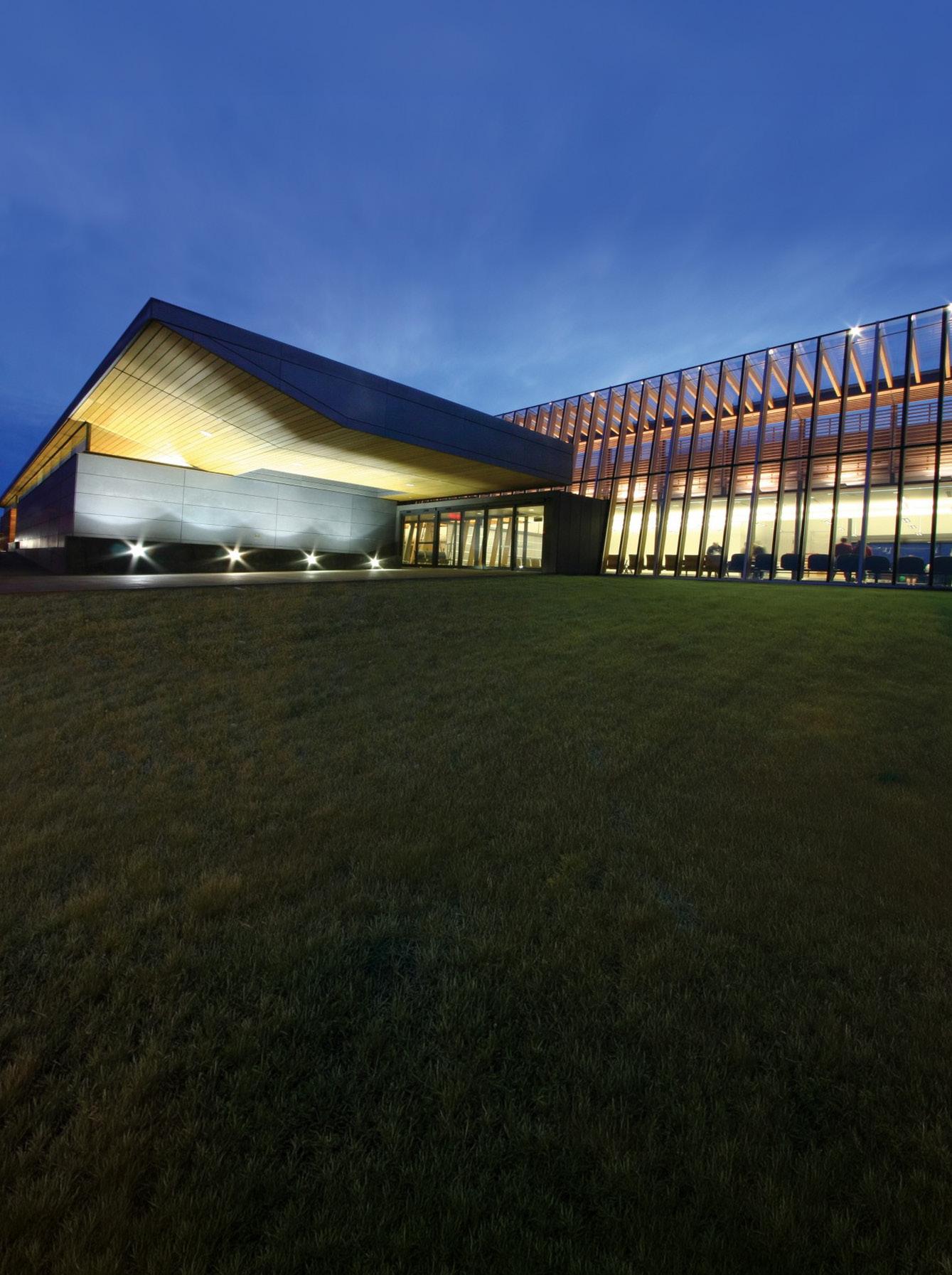
#212 – 556
North Nechako Road
NRS Engineering Ltd, has been operating in Prince George, BC for over 45 years, and has been providing professional electrical engineering serves for wide range of projects in all areas through out British Columbia.
We provide our clients with top quality electrical engineering services, delivering projects on time and on budget.
We are proud to partner with Providence Living to deliver this much needed LTC Project.
Prince George, BC V2K 1A1
But changing the way care is delivered on such a fundamental level is a big ask. It means not just building new care homes, but changing the organisations and regulatory environment around them.
“I was a senior healthcare leader in an authority responsible for a half-billiondollar budget and 7,000 patients, and I still could not move the dial on the standard of care, or break the mould on the types of buildings we provided that care in,” Blandford reflects.
“All of my senior team come from the same stable. What we have done together is say ‘No’ to the way bureaucracy builds and operates care homes. We are pushing right up against regulations. We are working in partnership with the unions to build new processes and procedures with them. My team and I know how the system works, where the break points are, and that is where we are concentrating our efforts.”
+1 250-562-0551 nrs@nrsengineering.ca www.nrsengineering.ca
Part of the reason Providence Living is able to achieve this is that it can function like a private business in terms of construction, procurement, and the economics of delivering care.
“The government in this province is struggling to build long term care. It can take nine years to begin and conclude a project,” Blandford points out.
“We can do it in four years from signing the contract to opening a finished facility. We are able to expedite proceedings, hiring an architect within six weeks, where a health authority would take six months. We entertain informed input without tolerating endless conversation on design. Our motto is ‘Get it done.’”
It is not enough just to create new buildings, however. Staff also need to be educated in a new way of delivering care at these homes. Providence Living has developed a new curriculum to teach staff its new standards of care, while also reassessing
all the processes that are vital to care home operations. They have called the model ‘Home for Us’.
“We looked at 275 workflows, like how to get clean laundry from downstairs to the resident’s room, through every step, and vice versa,” says Blandford.
“We looked at all 275 critical work pathways that enable a home to function, but from a social relational framework. We want to make each function appropriate to the resident having a good day, examining each of them in painful detail.”
Let us return to our resident who wanted an egg instead of porridge.
“We design our buildings around the resident, making kitchens available to all of them,” Blandford says. “One of the first residents we had move in hadn’t had a decent egg in three years. Now she can prepare her own because we built the environment to suit her requirements. Toast is prepared as you like it rather than 3 hours old and soggy.”
As well as the buildings, Providence Living has rewritten its employees’ job descriptions. Where previously it had housekeepers and food service workers, now it has “multitask workers”. You might think that changing care “to suit the patient, not the staff” might damage recruitment, but the opposite has already proven true.
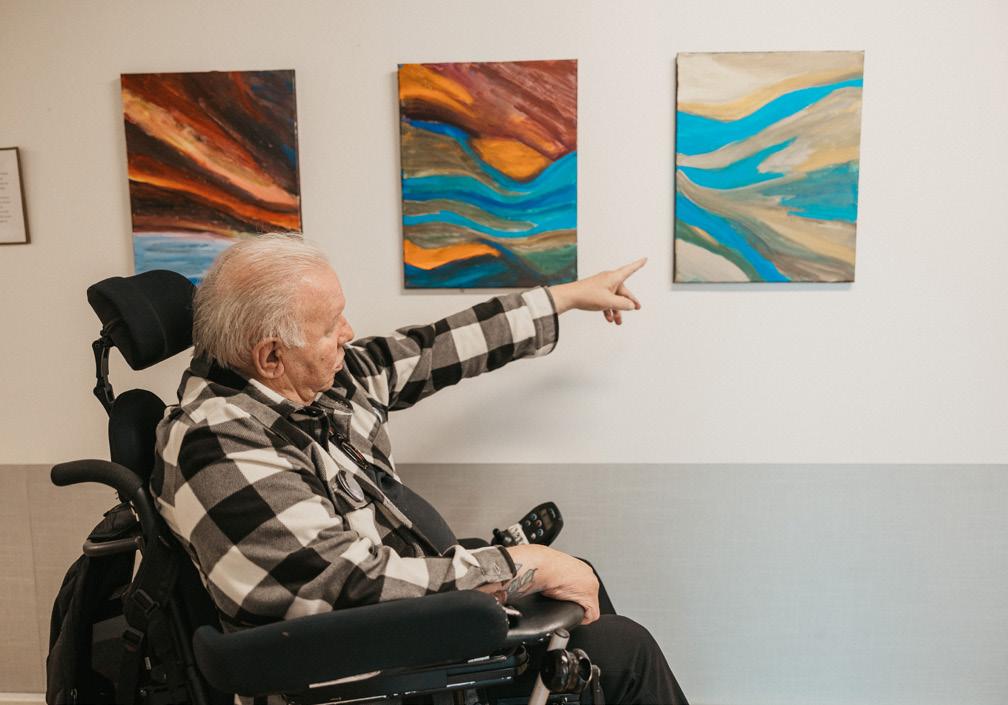
“It used to be they just carried things and left. Now they talk to the resident in the morning, giving the resident a better day and the staff more interest in their work,” Blandford points out. “Before, we had trouble hiring people. Now we have a waiting list of applicants.”
It is not just the quantity of applicants, either. Providence is attracting a higher level of professional. Many come from intensive care nursing, the highest trained nurses in acute care hospitals.
“They are falling in love with this nursing home style of care because they recognise the standards we are setting,” Blandford says.
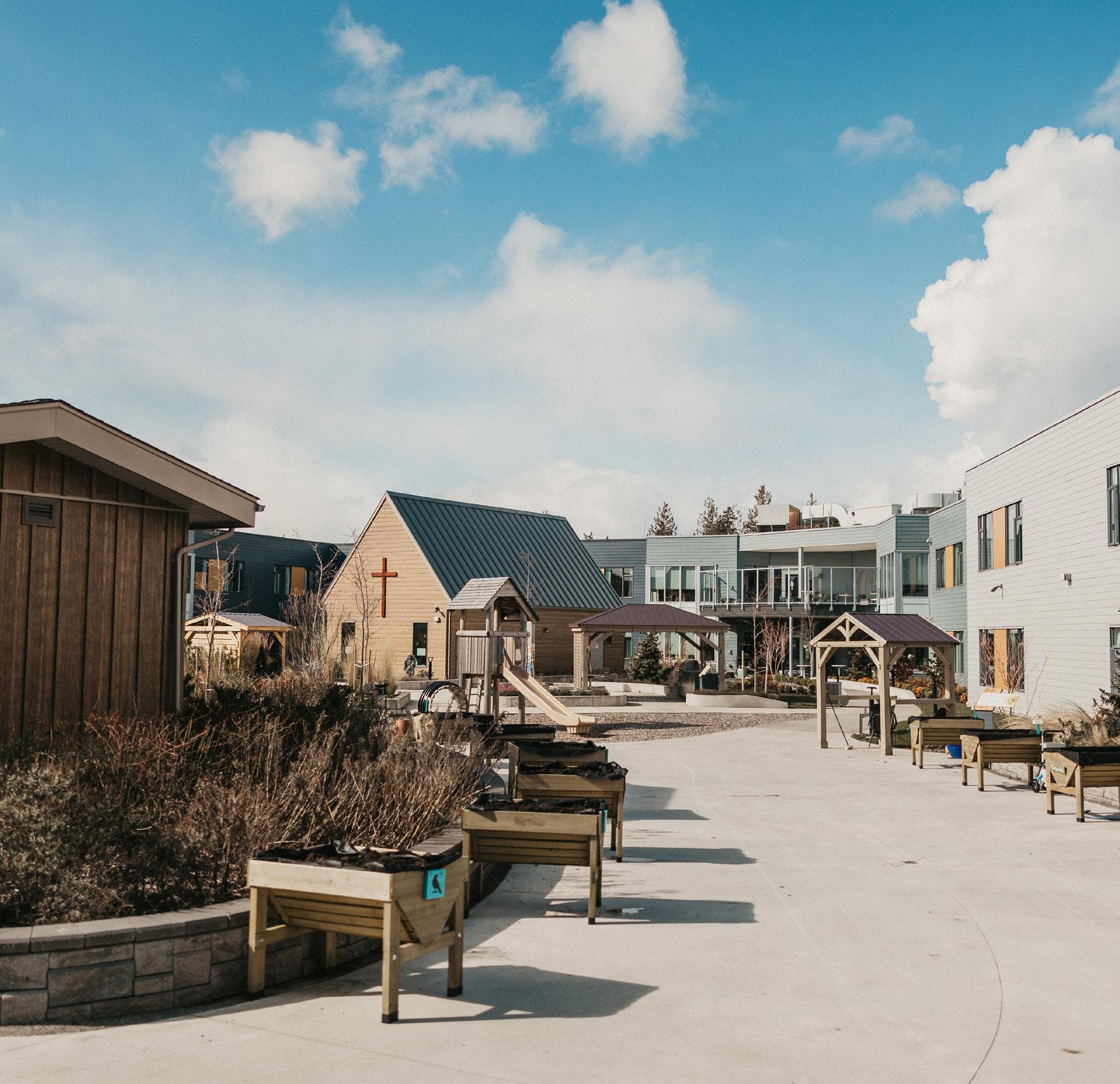
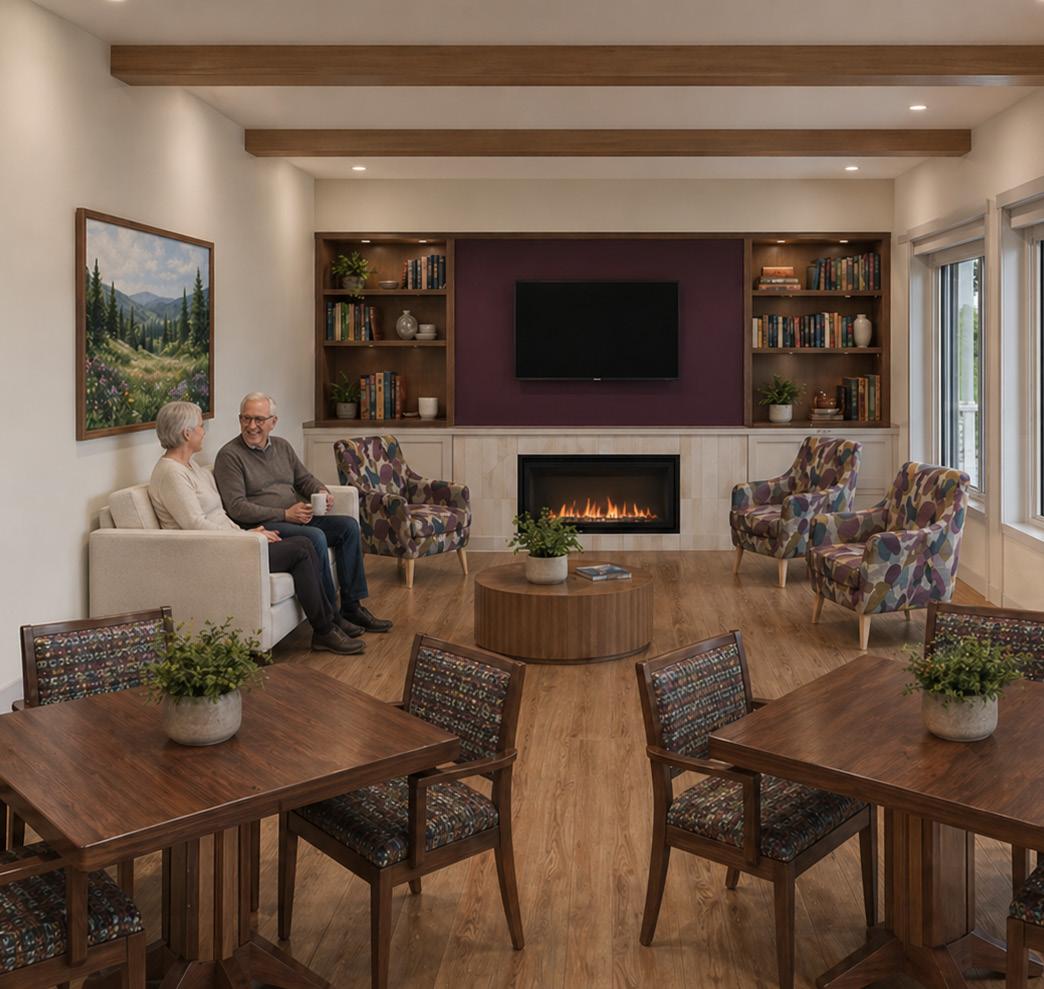
Currently, 350 beds are under Providence Living’s care. But with five homes amounting to 900 beds under construction, and a target of nearly 2,000 beds by the end of 2030, it is set to grow fast.
As Blandford says, “We are seeing widespread cancellation of care home construction under the current provincial finance situation, but none of ours have been cancelled because of our strong value proposition. They are two-thirds of the cost, and offer a new standard of care.”
But the goal is not growth for growth’s sake.
“We are propagating a different style of care,” Blandford says. “You can only do that by building more buildings and spreading our influence to the whole sector.”
A trestle table on Camden High Street is not the usual starting point for a major coffee chain, yet that is exactly where Black Sheep Coffee began. Built by two founders with little capital, limited experience, and a willingness to question how coffee should be done, Black Sheep has forged its own path, becoming one of the UK’s fastest-growing coffee chains in the process.
We decided to quit our jobs on the same day and move to London and start a coffee company together,” recalls Gabriel Shohet, Co-CEO & Co-Founder of the business alongside Eirik Holth. “It was arguably very naïve.” What followed was two years of market stalls, popups and improvised set-ups across London, from Camden to Brick Lane. The founders brewed their coffee themselves, often with rented equipment, powered only by caffeine and persistence.
[Opposite page]
Eirik Holth & Gabriel Shohet, Co-CEO & Co-Founder’s of Black Sheep Coffee
“Eventually, we scraped together enough money to start our own shop, which we had to build ourselves because we didn’t have the budget to hire contractors,” Gabriel explains. “It was a lot of hard work, a lot of sweat and tears, but it was worth it.”
Black Sheep’s first permanent site marked a turning point for the business. Today, the organisation is recognised as the fourth largest coffee company in the UK by store count, and among the fastest-growing chains by new
openings. Black Sheep is now opening more than one shop per week, with a footprint spanning high streets, transport hubs, residential neighbourhoods and international markets.
From the outset, Black Sheep positioned itself in opposition to what Gabriel saw as an overly narrow and sometimes exclusionary specialty coffee culture. The brand’s identity was forged through a deliberate rejection of industry norms.
“We thought the specialty scene was cool, but also a little bit pretentious,” Gabriel says. “It felt like it was catering for one percent of the population. We wanted to bring great coffee to everybody.
“The Black Sheep brand is about doing things differently, challenging the status quo. If you see everybody doing something and you don’t think it makes sense, we believe that you should try something else.”
This mindset led to one of the company’s most defining decisions: launching with 100% specialty-grade Robusta beans at a time when the market was dominated by Arabica.

Nory is an agentic AI restaurant operating system, built for multi-unit operators who want full control of their prime cost (labour and COGs) from a single platform. A crew of AI assistants working 24/7 to make sure each of your restaurant locations is running as profitably as it can. The Forecasting, Scheduling, and Ordering Assistants predict demand, build rotas, and run supplier ordering autonomously, customised to how each site actually operates.
www.nory.ai | hey@nory.ai
As coffee groups grow, operational complexity tends to grow with them. Labour, inventory, forecasting, and sales data are often managed across separate systems, creating additional layers of reporting and reconciliation as new sites open.
That’s a challenge Black Sheep Coffee has been navigating during a period of rapid expansion. The business has grown from 73 sites at the start of 2024 to more than 130 locations across the UK and US, increasing the need for consistent operational processes and clearer visibility across the estate.
To support that growth, Black Sheep Coffee consolidated forecasting, labour scheduling, and inventory management into Nory’s platform, allowing store and regional teams to work from a more connected set of operational data.
Rather than reviewing labour and inventory separately, the business now manages both as part of overall prime cost performance. Schedules are built using forecasted demand patterns and projected sales several weeks ahead, with oversight from regional managers to help maintain consistency across locations.
Having labour data centralised has also improved visibility across the estate, making it easier for operational teams to identify where stores may be over or under deployed and adjust accordingly.
On the inventory side, Black Sheep Coffee wanted to reduce the amount of manual reconciliation required at store level. Inventory, sales, recipes, and waste are now tracked within the same workflow, helping streamline reporting and reduce reliance on spreadsheets and paper-based processes.
According to Black Sheep Coffee, forecast accuracy is currently running at 98%, with demand forecasting managed in 15-minute intervals across sites. The business also reported labour cost variance of under 1% of sales during Q1 2026.
As the company continues to scale, maintaining operational consistency across new openings has become increasingly important. By standardising forecasting, labour controls, and inventory processes centrally, new stores are able to launch within an already established operating framework rather than building site-specific ways of working.
Black Sheep Coffee says integrations between ATS workflows and labour scheduling have also helped improve onboarding efficiency, reducing administrative work for managers and allowing new starters to move into scheduling systems more quickly.
The move was both commercial and cultural. Robusta offered a distinct flavour profile and higher caffeine content, but more importantly, it gave the brand a point of differentiation in a crowded market.
Consciously different and actively inclusive, Black Sheep has deliberately avoided too much focus on any single demographic or location when opening new stores.
“We’re everywhere in the UK,” Gabriel reveals. “Big cities, small towns, residential areas, office-led areas, tourist spots, airports, train stations. We’re very agnostic.”
“As we scale, having forecasting, labour and inventory connected in one place means every new site launches into an already established operating model. The controls are already there from day one.” — Ula
Spire, Head of Operations
For hospitality businesses operating at scale, the challenge is often less about growth itself and more about maintaining consistency and visibility as operational complexity increases. Black Sheep Coffee’s approach reflects a broader shift toward more integrated operational systems across multi-site hospitality. www.nory.ai
The company’s international expansion strategy is built upon a similarly pragmatic approach. The business has established a presence in the UAE and is preparing to enter Saudi Arabia, while in the United States, Texas and Florida are the current priorities – a decision driven by both economics and market dynamics.
“Texas and Florida have very high population growth and are very business-friendly,” Gabriel states. “It’s easier to open stores there, and those states
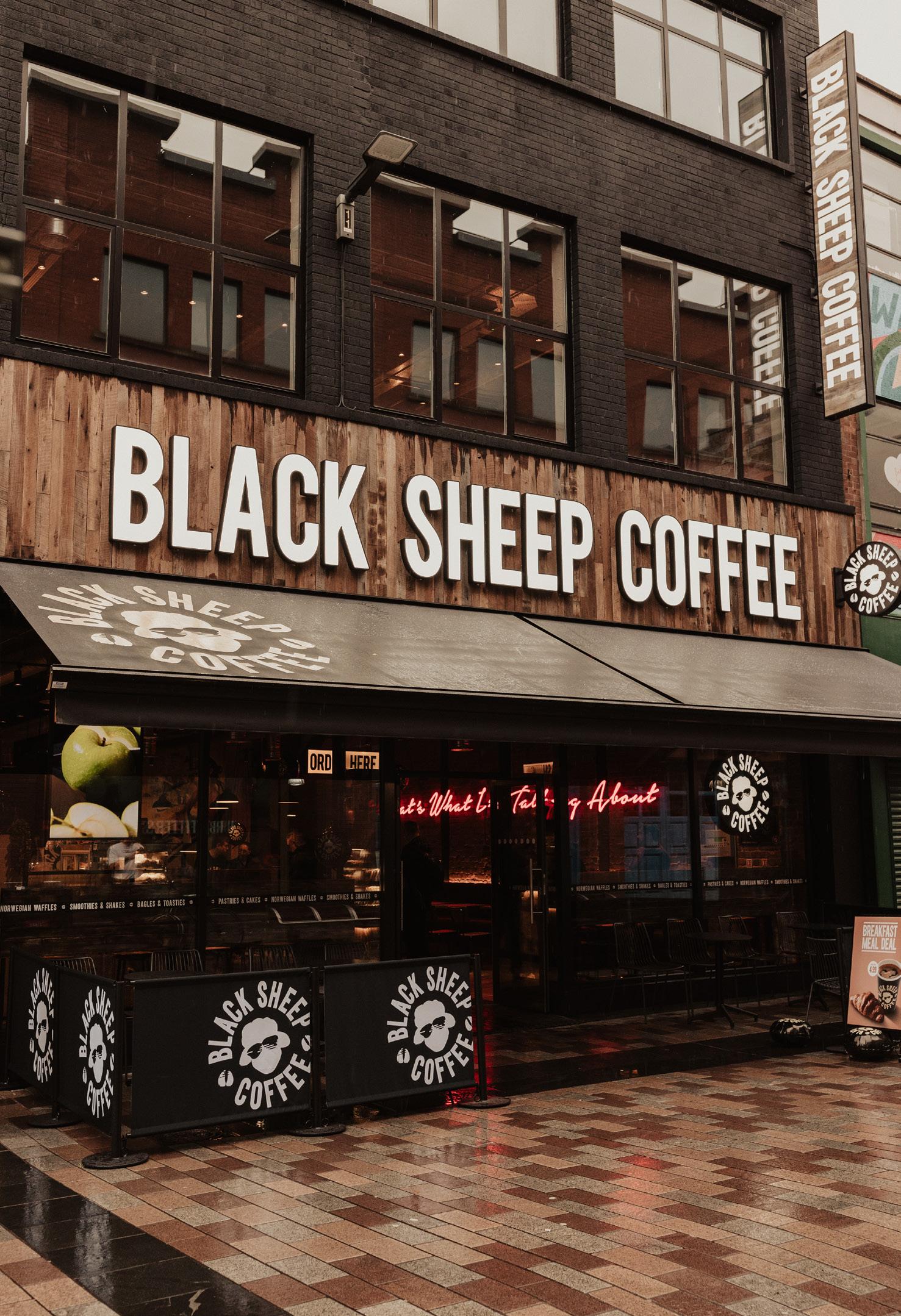
“DELIVERING THE BEST COFFEE IN THE WORLD IS THE GOAL.”
are more representative of the broader US population than somewhere like New York City.
“We’ve had a really great reception from customers in those locations. So far, it feels like we made the right decisions.”
Despite the pace of its expansion, Black Sheep does not operate against fixed store targets or externally imposed growth milestones. Instead, growth is governed by a single, consistent metric: customer feedback.
“We don’t have a magic shop number we want to hit,” Gabriel affirms. “We’re lucky not to have private equity investors setting arbitrary targets. As long as customer feedback is good, we will open more stores.”
It is an approach that places product, service and experience ahead of scale for its own sake. It also provides a built-in safeguard against overextension.
“Delivering the best coffee in the world is the goal,” Gabriel says. “Opening a lot of shops is just a byproduct of doing that well. Quality, speed of
service, technology and overall customer experience, these are the metrics we judge ourselves by.”
Black Sheep’s brand resonates beyond its product offering. The idea of being the outsider, the one who does things differently, has proved to be a powerful narrative.
“A lot of people identify with being the black sheep of something,” Gabriel notes. “Whether it’s in their family, at work, or in the life they’ve chosen.”
That emotional connection has helped the brand cut through in a competitive market. It also reinforces internal culture as the company expands.
The challenge now is maintaining the Black Sheep identity across hundreds of locations and multiple international markets. Systems,
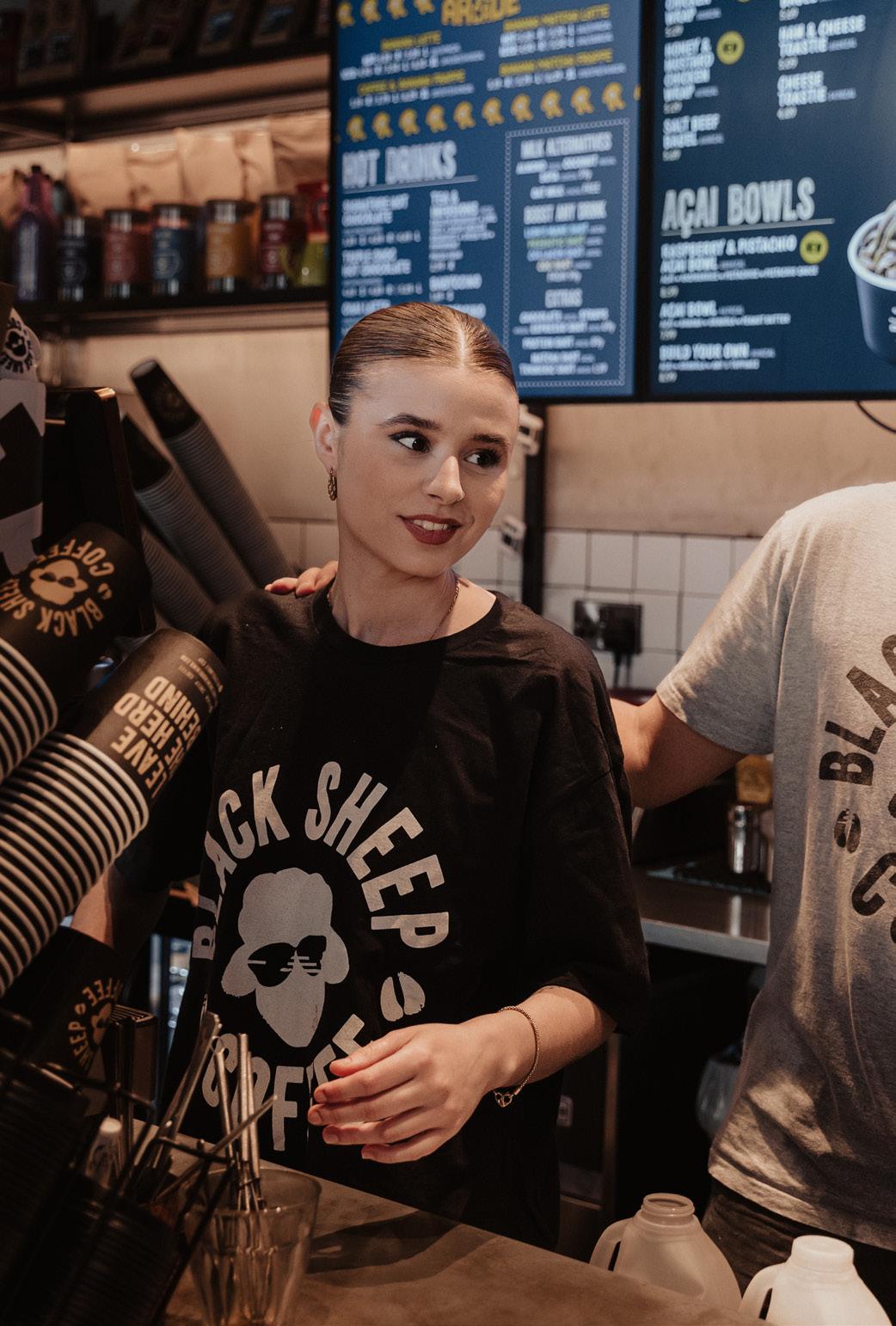
supply chains and franchise structures can support consistency, but culture is harder to replicate.
Black Sheep’s answer is to keep its founding philosophy intact. By focusing on what matters – the product, the customer – the organisation continues to live out its founding values. From a rented espresso machine on a market stall to a globally expanding brand, the fundamentals have not changed.
“We live and breathe our work,” Gabriel asserts. “We want to keep delivering the ultimate coffee and hospitality experience every time.”
For a business built on doing things differently, that consistency may be Black Sheep’s most valuable asset.
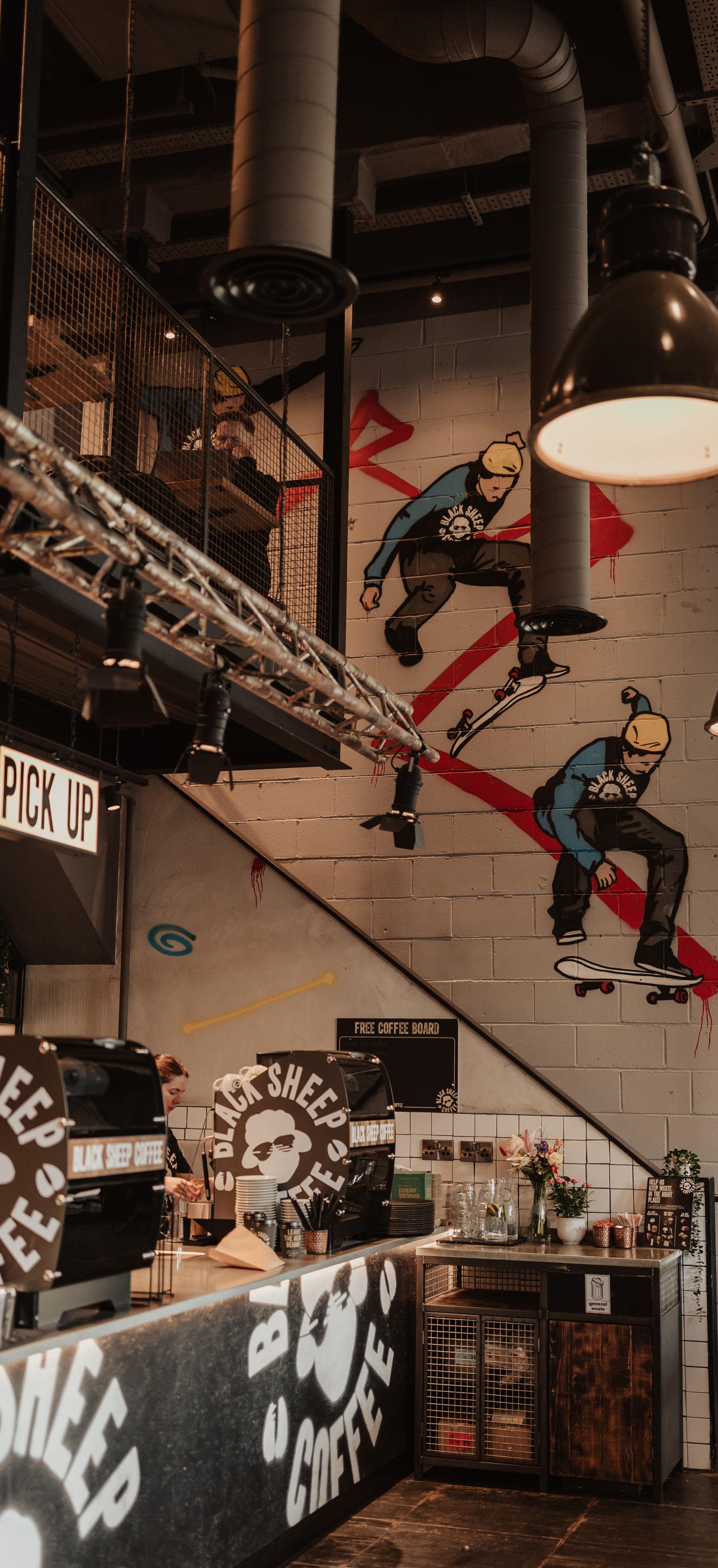
“WE WANT TO KEEP DELIVERING THE ULTIMATE COFFEE AND HOSPITALITY EXPERIENCE EVERY TIME.”
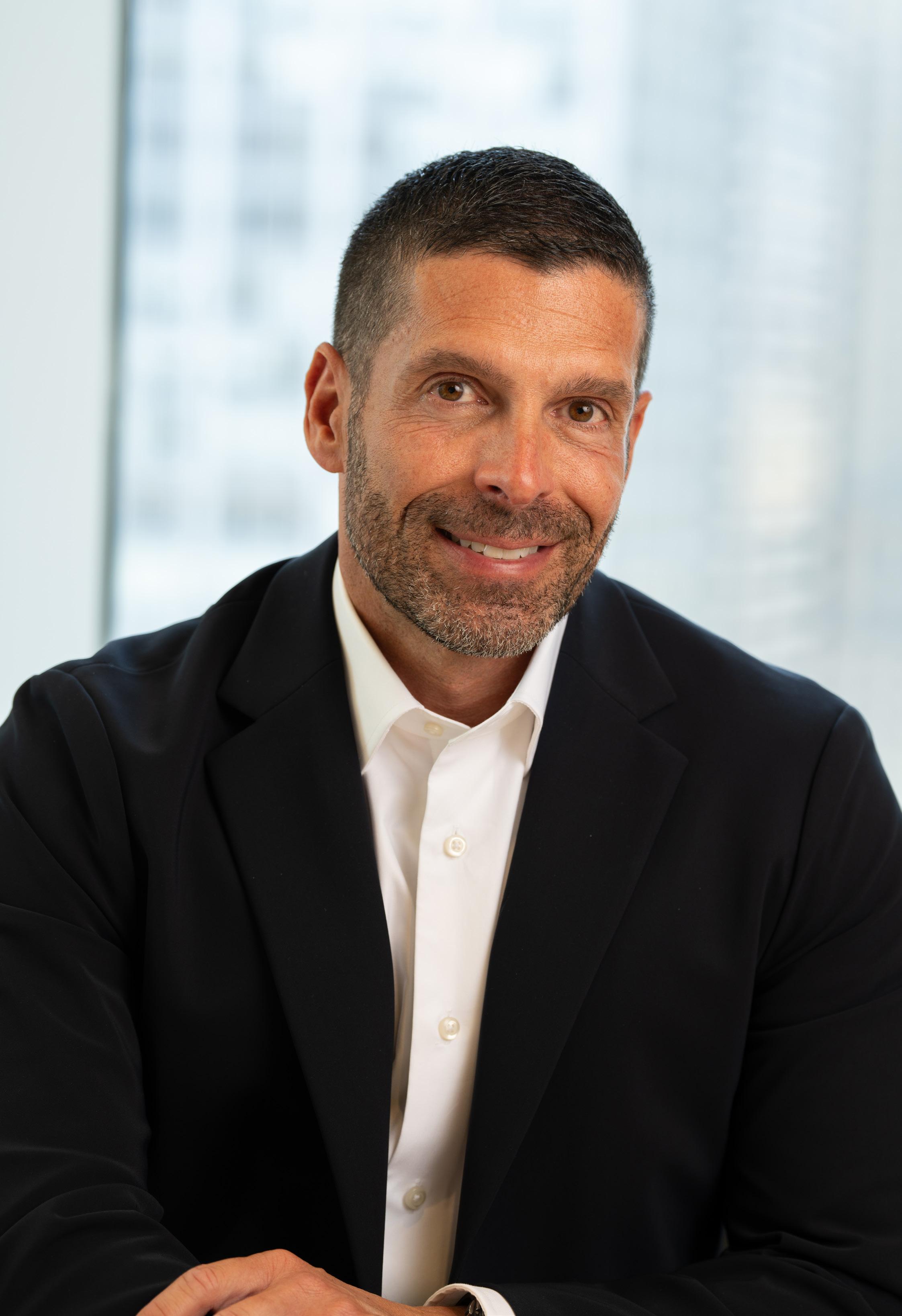
PROJECT MANAGED BY: LISA POBEREZHNIUK
Broadway Hospitality Group consists of 24 restaurants across several brands, including The Broadway, The Mercantile, and The Playwright, but it all started with The Tavern in the Square.
The company was founded in Cambridge, Massachusetts in 2004 by three partners — two of whom were immigrants — with the vision of creating a welcoming neighbourhood bar.
“We focused on sports, kept things small, and the concept took off and did really well,” recalls Stephen DeSousa, CEO and Partner in the Broadway Hospitality Group. “We grew a location every year for a couple of years. Then we started to expand away from sports bars to larger-scale restaurants.”
But as much as the company grew, DeSousa and his partners had no intention of creating a typical restaurant chain.
More than that, Broadway Hospitality Group is a Group built and led by people who know what is happening on the ground.
“At the end of the day, I started as a bartender, and I’m still a bartender at heart,” says DeSousa. “I don’t feel above anyone I work with, and that keeps me on a level playing field with everyone else. Many companies promote or hire leaders who have never worked in frontline roles.”
From the beginning, DeSousa has been working on the ground while the CEOs he is competing with work from board rooms.
Stephen DeSousa, CEO and Partner, Broadway Hospitality Group.
“Instead, we focused on being known as more of a local restaurant Group,” DeSousa says. “Once you get to nine or ten locations, people start imagining you’ve become a large corporate owned company, but it was still just me and my partners, growing strategically. We were hyperfocused on locality, which was very important to us from the start. We wanted to build a community brand.”
“I know the people who work for me,” DeSousa tells us. “We grew quietly for the first ten years, and then Covid happened, and that changed us. It was horrific, but I went to work with my team looking towards the future, even while not knowing if there would be one. We started working on a Covid re-opening playbook. When lockdown ended, we opened nine restaurants in seven days, and my biggest problems had
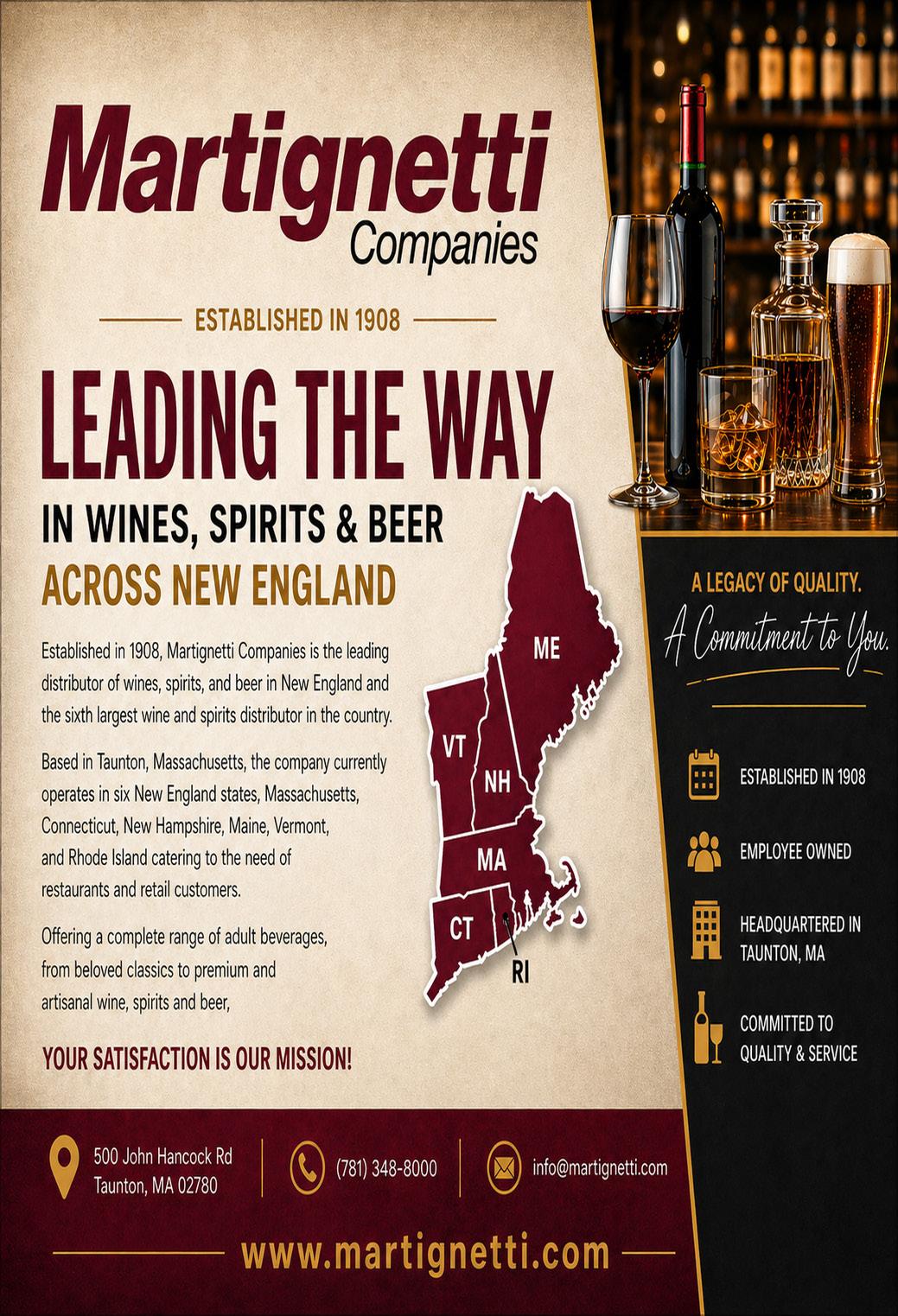
all been solved. There had been worries that there were too many restaurants, not enough people, and not enough locations. Covid changed all of that. We retained all of our managers, we recruited from other brands that had been shut down, and started to grow the company again.”
From there, Broadway Hospitality Group has continued to grow and expand its footprint while fine-tuning its business model. Even as the brand took off and expanded, it has followed a strategy built on values of locality, of staying in touch with people, and of being led by people who know what the work is like on the ground.
“People think we are a giant chain, but I have always felt that chains lack personality and soul. We have been specific about maintaining those,” DeSousa says. “Our dollars go back into communities, funding first responders, teachers, and children’s clubs. Most of all, we treat people like they’re people.”
In the post-lockdown economy, Broadway Hospitality Group sees itself as not just selling food and drink, but as creating experiences for its guests.
Personality and a strong sense of community are at the core of Broadway Hospitality’s brand.
“We are constantly working to define not only who we are today, but who we aspire to become,” says DeSousa. “One defining moment for me came during a focus group
with guests who regularly visit our restaurants. One woman explained it perfectly: when a group of friends is deciding where to go, everyone wants something different — good food, great beer, a comfortable place to relax — and eventually someone simply says, ‘Let’s go to Tavern in the Square.’
That really captured our mission. Rather than focusing on just one thing, we strive for broad appeal and create an
experience where there is truly something for everyone. We want to be the place people naturally feel comfortable gathering.”
However, the Covid Pandemic’s impact on the hospitality sector goes far beyond merely reducing the competition on the market. It has changed the way people interact with hospitality spaces.
“Covid changed everything,” DeSousa says. “It made some people antisocial, and the generation affected most was people in their teens and early twenties. People sort of forgot how to socialise, and I have learned as I employ these people, they struggle to communicate.”
It has put the onus on Broadway Hospitality Group to teach its staff new and old skills.
“It should be natural, but this generation is not naturally comfortable with handling difficult situations or having difficult conversations,” says DeSousa. “Some of these skills are transferable from the work to the life environment. We tell recruits that they were chosen because they stood out as the strongest candidates, and then challenge them to continue striving to be the best in whatever path they pursue. Excellence is not something that suddenly appears once you earn a degree or title. You do not simply flip a switch after law school and instantly become a great lawyer — it comes from consistently developing the habits, discipline, and mindset required to succeed over time. We do a lot of life training that is refreshing for this younger generation. I get emails saying, ‘I never understood this way of thinking or how to act and how to be.’ It’s not just skills at the restaurant level but at the life level, how to further themselves as a person.”
The restaurant business deploys a lot of transitional labour. People come and go quickly. But while they are part of the company, Broadway invests in those people. It deploys development plans, and DeSousa has bi-weekly meetings with his managers, exclusively to talk about people.
“Tell me about this person, where is she in her life, is she ready for challenges, does she need things scaled back?”
DeSousa says. “People get married, buy their first home, or divorce. Life is complicated, and understanding where they are helps you understand what they need, be it support, an
extra push, or just to maintain what they’re doing.”
Broadway Hospitality has responded by learning how to communicate with this generation on their own level, helping them to adapt to the social environment of the restaurant business.
“Fast casual dining will give you a product. They take your order and give you food and a drink. Full-service restaurants are about giving you an experience,” DeSousa explains. “Hospitality is not just about feeding people and serving drinks; guests want to feel they are getting something more. That middle area of the hospitality market, the polished casual restaurants, is dying as people are trading up for an elevated experience or trading down for value. So now it’s all about making people feel special, giving them something they don’t expect and a reason to be in our restaurant.”
To perform in that market, Broadway Hospitality is evolving. The company was acquired by private equity last year, while DeSousa himself has recently

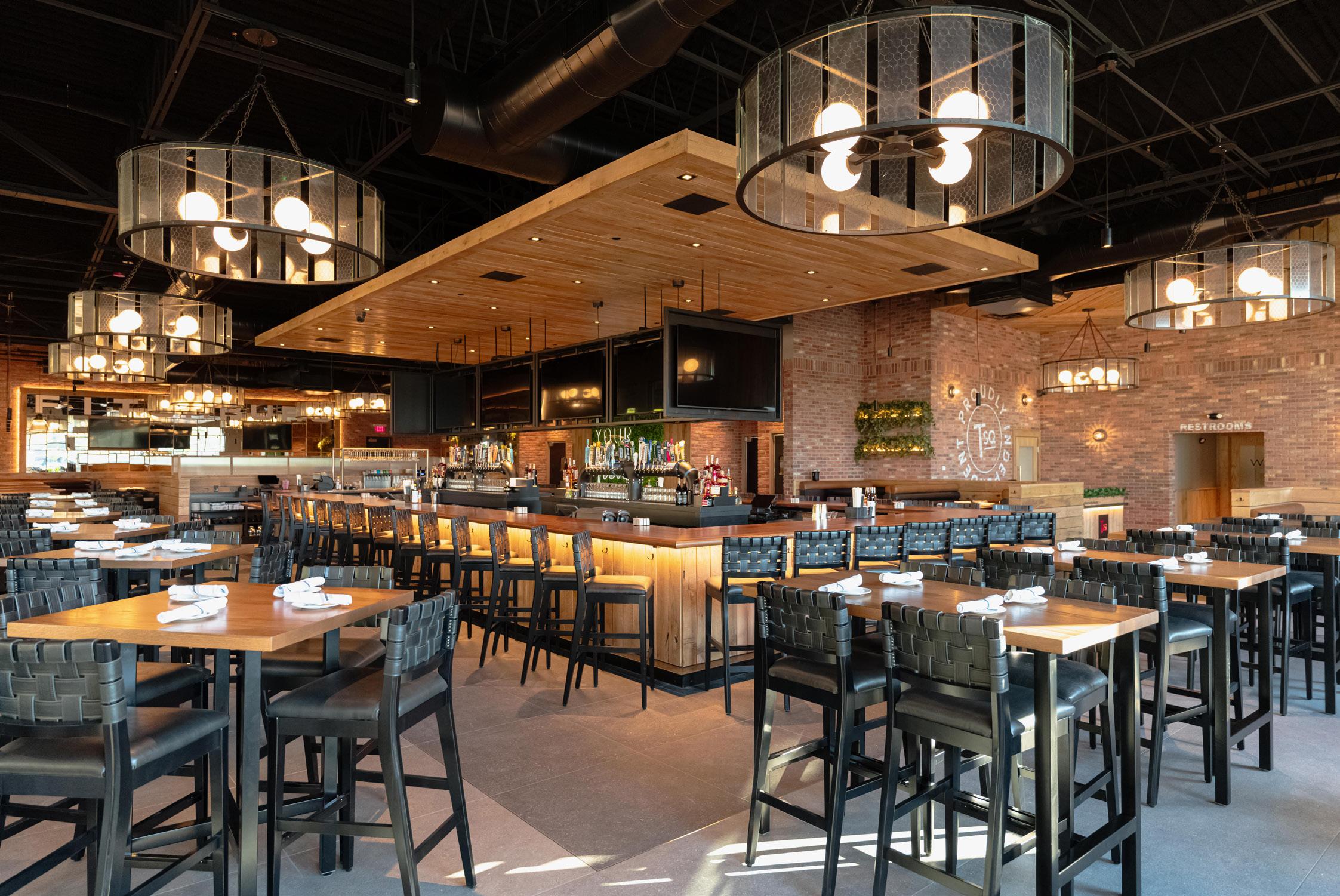
begun a CEO development course to expand his own knowledge base. The sector might be changing, but DeSousa is adamant that Hospitality is here to stay.
“I’ve spent a lot of time evolving our training to be centred on bringing true hospitality back to the industry,” he says. “Every manager in the company is invited to attend a presentation where we talk about creating meaningful experiences, making people feel genuinely valued, delivering memorable moments, and leaving a lasting impression on every guest we serve.”
It gives my managers an opportunity to talk to me directly about where they see the landscape going and how to handle various situations.”
As for Broadway itself, with private equity behind it, DeSousa has plans to scale along the East Coast with three to seven locations over the next three to five years.
“It’s time to grow,” he concludes.
CANARIAN HOSPITALITY IS RESHAPING LEISURE TRAVEL THROUGH AUTHENTIC EXPERIENCES, SUSTAINABLE OPERATIONS, AND CONTEMPORARY HOTEL CONCEPTS.
PROJECT MANAGED BY: LISA POBEREZHNIUK
Across Spain’s Canary Islands, sprawling resorts and package holidays have dominated the sun-drenched landscape for decades. However, a new generation of travellers is looking for something more personal, flexible, and authentic. It is a shift that sits at the heart of Canarian Hospitality’s strategy in 2026.
Francisco Fernández,
Managing Partner & CEO, Canarian Hospitality.
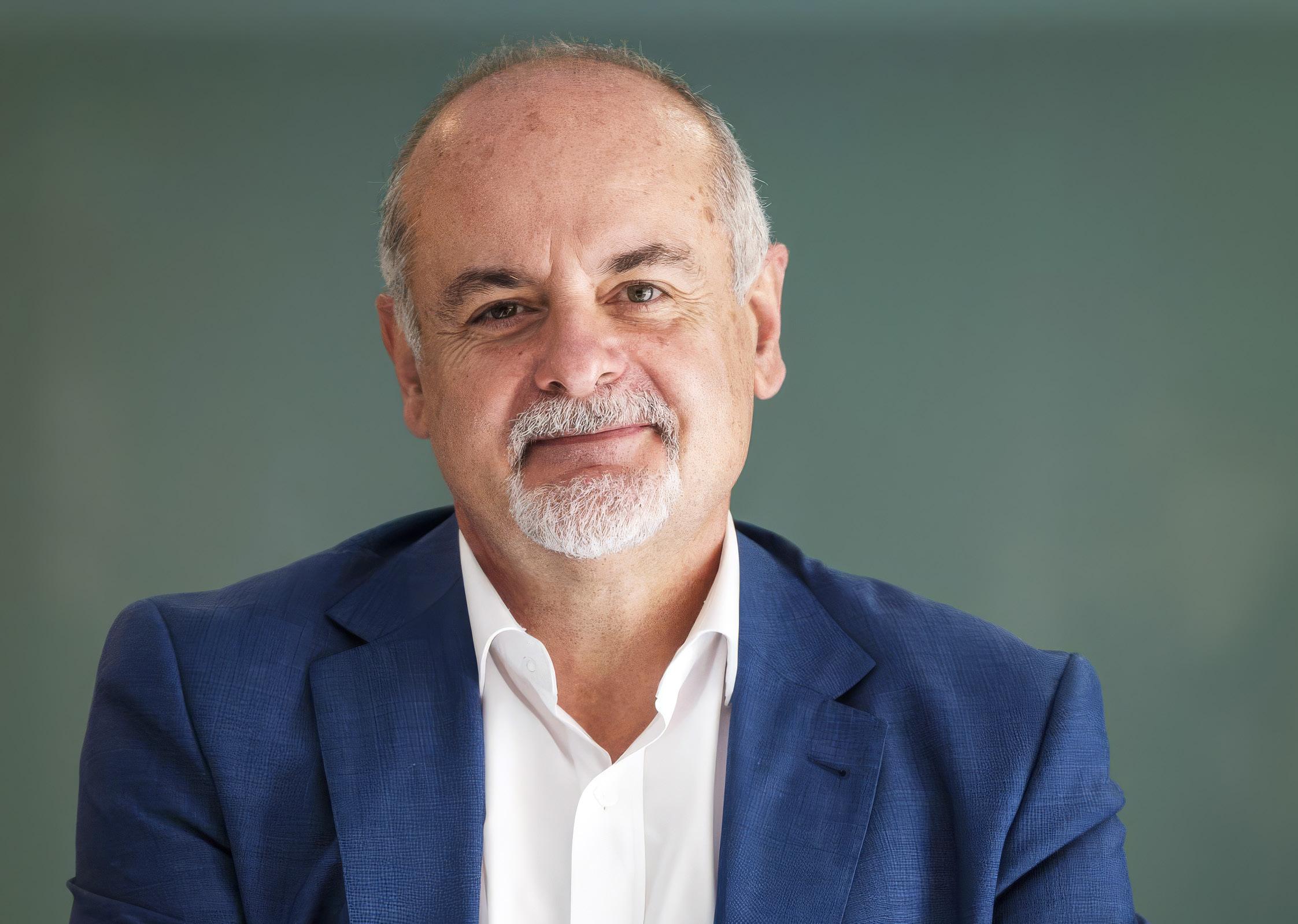
Founded in July 2021, Canarian Hospitality entered the market during one of the hospitality industry’s most uncertain periods. While many operators were still focused on recovery, Managing Partner & CEO Francisco Fernández and the founding team saw an opportunity to rethink leisure hospitality from the ground up.
“We created this company with a clear purpose,” Francisco explains. “We wanted to become a preferred hospitality platform for new generations of
As a business, Canarian Hospitality is built upon four key pillars: Innovation, Sustainability, Transformation, and Authenticity. These principles continue to shape a rapidly growing portfolio that now includes eight hotels across the Canary Islands, with four additional properties currently under development.
The business launched its first hotel, MYND Adeje in Tenerife, in November 2021. The property became the foundation for the
group’s proprietary MYND brand, described by Francisco as a ‘conscious, affordable lifestyle hotel’.
The concept was designed around evolving traveller priorities. Wellness, sustainability, social connection, and local authenticity were all integrated into the guest experience from day one.
“We understood that, if we were not able to bring something different to the market, there was no room to compete,” Francisco says. “If we were just going to do the same thing as existing brands, we wouldn’t stand a chance.”
This philosophy quickly proved effective. Today, MYND Adeje is one of Canarian Hospitality’s flagship properties. Francisco says the 165-room hotel attracts
Proprietary platform connecting operations, staff and guests in real time.
From design to deployment with telecoms-grade rigour. GPON experts.
Consulting, project management, support and representation for hotels and resorts.
significant industry attention, not because of its scale, but because of its clarity of concept and operational performance.
“We put a lot of passion into that hotel,” he reflects. “It was much more than a hotel opening; it was the first real expression of our vision for modern hospitality.”
MYND Adeje has delivered strong financial performance, high guest satisfaction scores, and a positive workplace culture among employees. Francisco repeatedly returns to the role of staff within guest experience, describing employees as ‘the real artists’ behind customer satisfaction.
Canarian Hospitality’s peoplefirst approach extends beyond its operations alone. For instance, sustainability is a major part of the company’s DNA.
“Sustainability for us is not just a department,” Francisco states. “It was something the company was born with.”
The organisation’s long-term commitment to sustainability is part of its ‘We Care’ philosophy that incorporates investors, guests, employees, local communities, and natural environments.
“We see ourselves as a company that can transform destinations,” Francisco says, “leaving each one in a better position than when we arrived.”
Alongside MYND, Canarian Hospitality has focused heavily on repositioning underperforming midscale hotels through its Sholeo Lodges brand.
The concept emerged in 2023 after the company integrated an older three-star hotel into its portfolio.
“We recognised a significant gap in the leisure market, particularly in mature tourism destinations,” Francisco remarks. “While investment flows into luxury and upscale resorts, midscale hotels often remain overlooked despite accounting for a large share of visitors. In Spain, for instance, around 70% of international travellers stay in midscale accommodation.”
Sholeo Lodges was developed specifically to modernise ageing midscale assets. The brand focuses on transforming outdated hotels into contemporary lifestyle properties aimed at younger, experience-driven travellers.
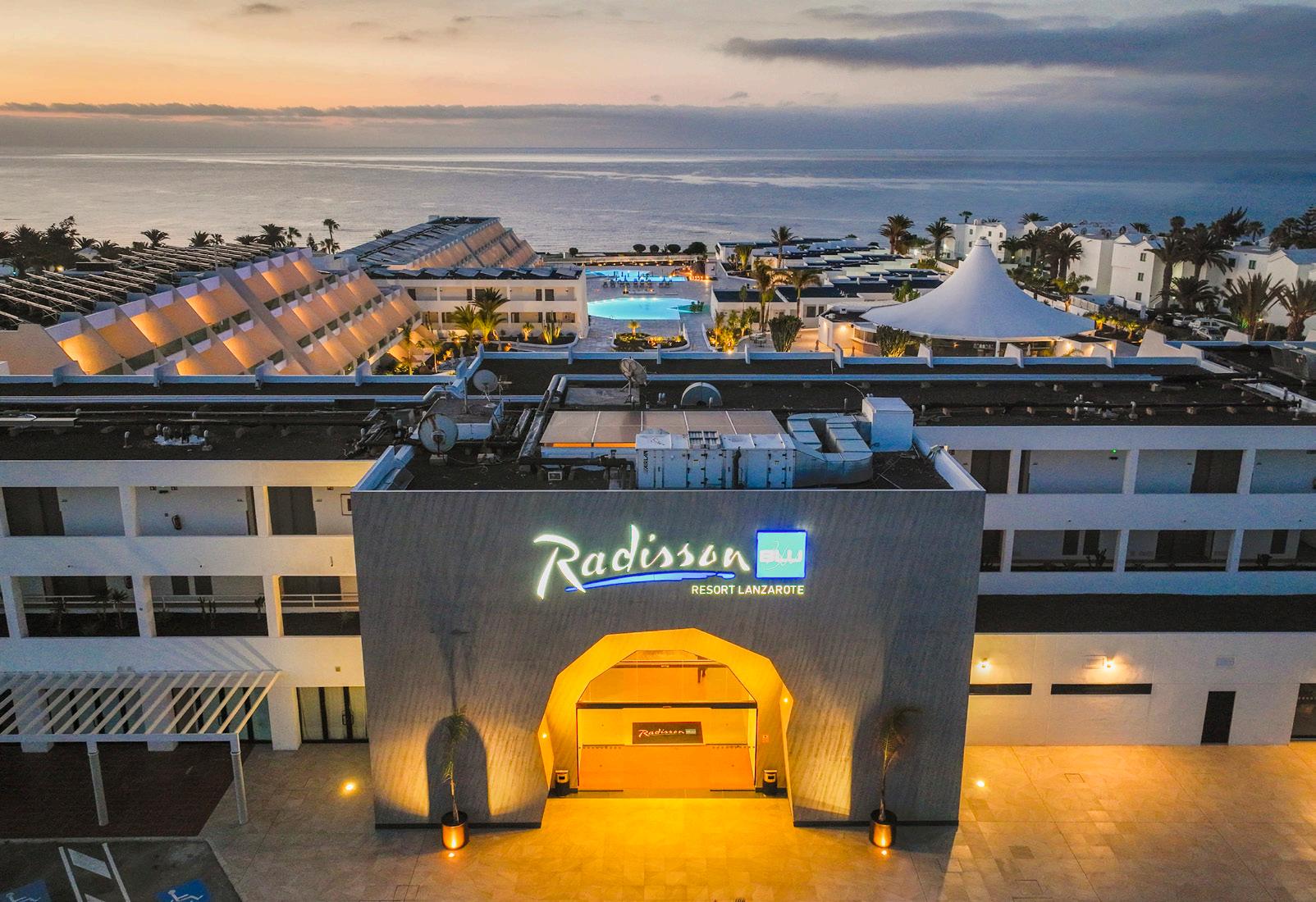
Local connection, active lifestyles and smart pricing all form part of the brand’s core identity.
“Sholeo Lodges Los Gigantes in Tenerife is a project that stands out to me,” Francisco notes. “The hotel had previously struggled with weak profitability and little relevance within the local market. Following a full repositioning and resegmentation strategy, the property has now found a completely new audience.
“The transformation of the site and the creation of a new experience for travellers was very emotional for us. Customers really understood and enjoyed the property’s new identity.”
Canarian Hospitality’s ambitions extend beyond its own brands.
One of the company’s most significant milestones came through its partnership with Radisson Hotel Group, which led to the opening of the first Radisson Blu property operated by the group in Lanzarote.
The project involved the transformation of an ageing beachfront hotel that had spent 25 years operating under an exclusive tour operator agreement. Through a combination of financing, refurbishment, and operational repositioning, the property was completely revitalised.
“Four years later, the hotel has multiplied its profitability by four,” Francisco reports. “Today it is one of the best recognised and best valued properties on the island of Lanzarote.”
The success of the Radisson project eventually evolved into a wider strategic alliance signed in early 2026. The partnership allows Canarian Hospitality to combine international brand infrastructure with local operational expertise.
“We are able to merge the power of an international brand with the know-how and
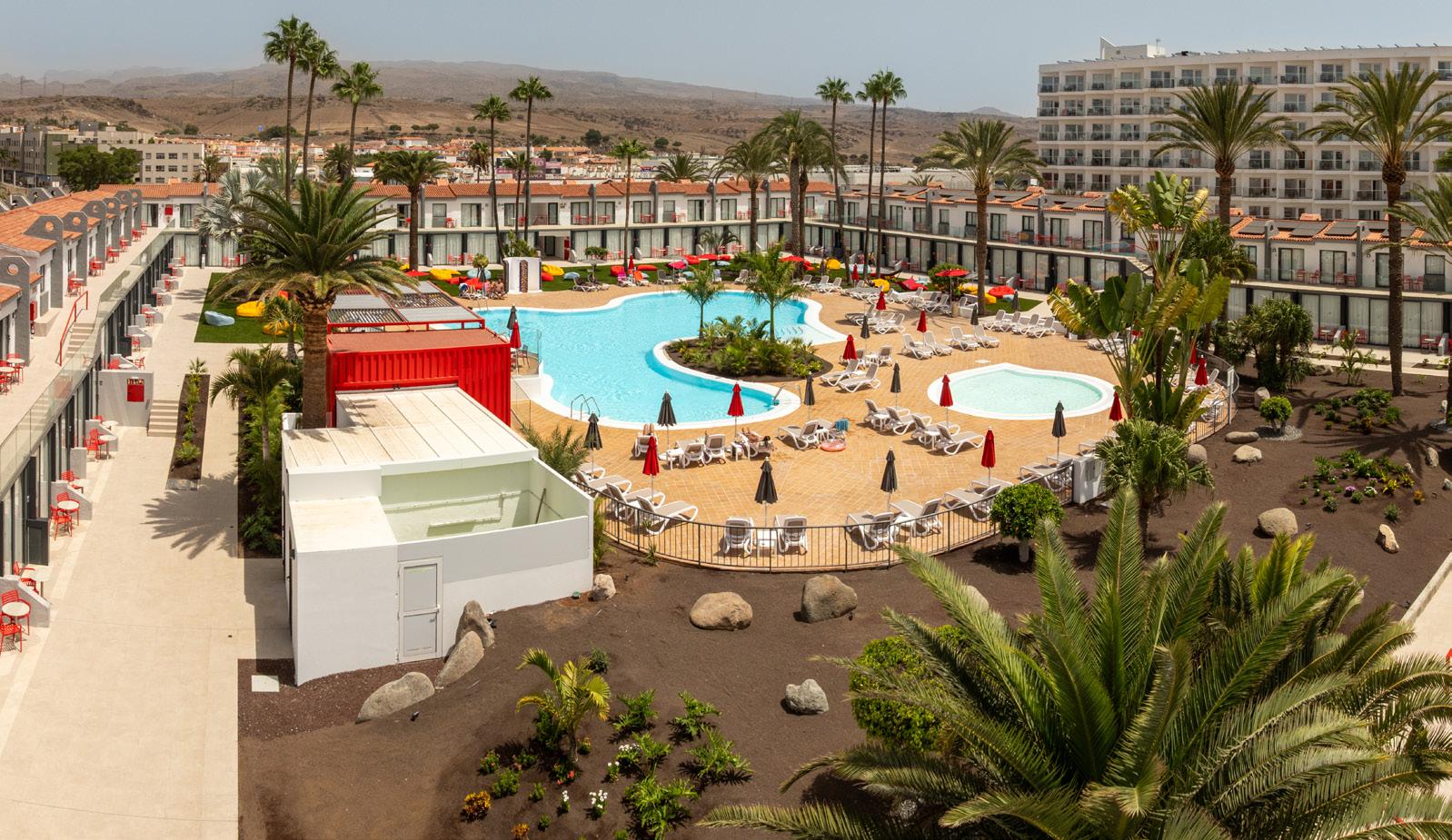
expertise of a local operator that understands the locations in which we operate.”
Away from its physical portfolio, Canarian Hospitality’s understanding of leisure travel dynamics is a key differentiator for the business. Francisco sees leisure hospitality as fundamentally different from urban hotel operations, requiring different experiences, expectations, and emotional connections.
“People are looking for something meaningful,” he says. “Modern hospitality is about more than accommodation –experiences need to be relevant, with a clear identity and strong emotional connection.”
Technology is helping to reshape the sector, particularly through artificial intelligence and operational automation. Even so, Francisco is clear that hospitality must remain centred on human interaction.
“Our technology has to work, so our teams can focus on the guests. Nethits has been our strategic technology partner across it all, from the network infrastructure behind our properties to the integration of the systems that run our hotels and the day-to-day management of our IT, always with a real understanding of how a hotel works.”
“Technology should support human-led hospitality, not replace
it,” he says. “Hospitality is about people serving people. It is a business of empathy and human connection.”
Looking ahead, growth remains firmly on the agenda for Canarian Hospitality. The company plans to double the size of its portfolio within the next three years, while continuing expansion across the Canary Islands. New opportunities are also emerging across mainland Spain, Portugal, Madeira, and Cabo Verde, with great potential for the modernisation of mature leisure destinations.
“Our home in the Canary Islands is a valuable testing ground for concepts that can eventually expand into other markets,” Francisco affirms. “We receive millions of tourists each year from all around the world. It is an excellent laboratory to work on concepts and ideas that could be exported.”
For Francisco, however, hospitality’s wider purpose extends beyond commercial growth. As tourism destinations across Europe increasingly grapple with sustainability pressures and tensions between visitors and local communities, the CEO believes the industry has a responsibility to lead positive change.
“Tourism should continue to be an industry of happiness and human connection,” he concludes. “We have to make sure tourism evolves in a balanced, respectful, and sustainable way.”

LAPLAND HOTELS & SAFARIS BLENDS ARCTIC ADVENTURE WITH AUTHENTIC FINNISH HOSPITALITY ACROSS EVERY GUEST EXPERIENCE.
Rugged landscapes and local pride have been hallmarks of tourism in northern Finland for decades. In 2026, Lapland Hotels & Safaris continues to showcase the region’s unique spirit.
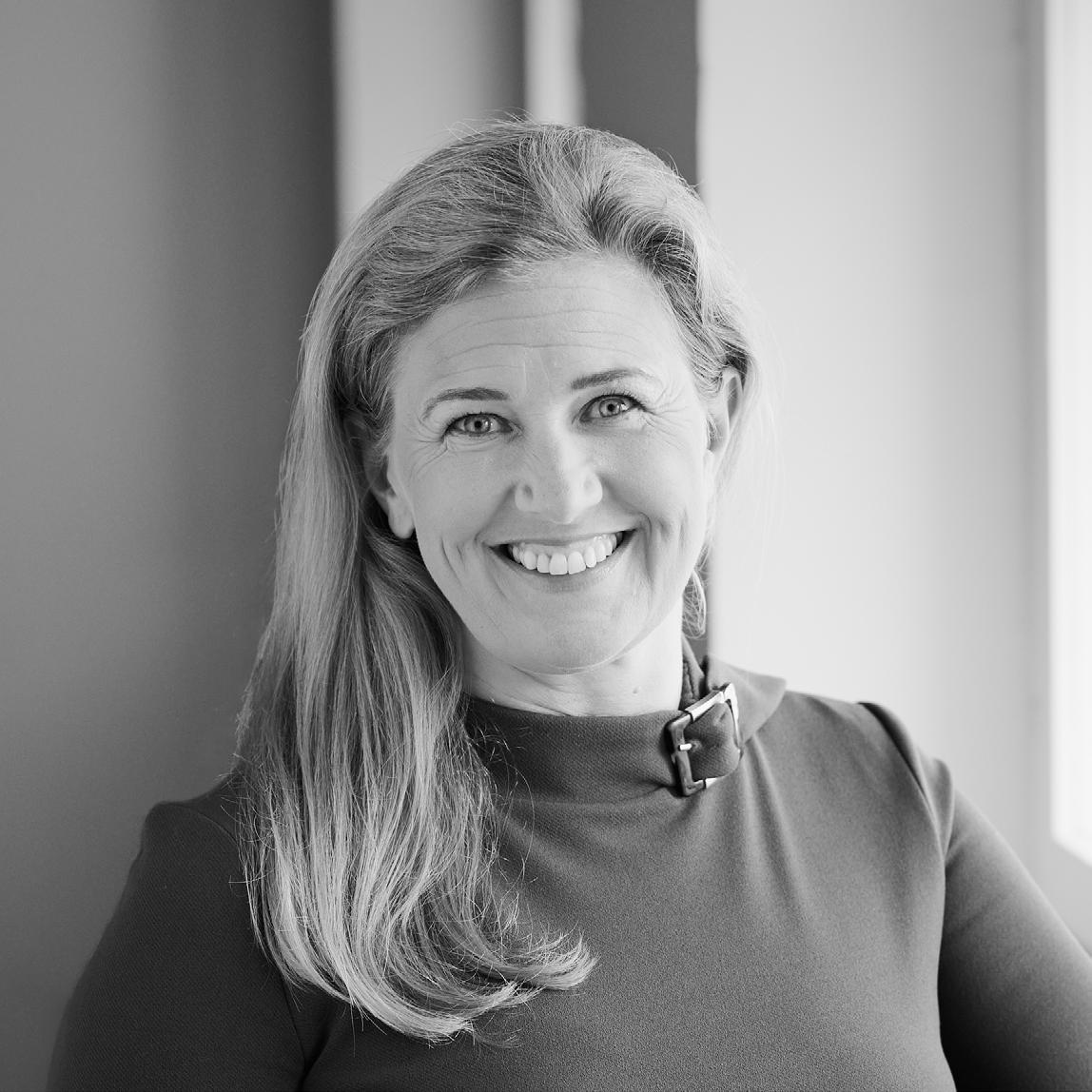
The company’s story began in 1965 when mail van driver Arvo Yliniemi established a small tourism operation in Finnish Lapland. What started with a single ski lift and campsite has since evolved into one of the Nordic region’s best-known travel groups, spanning hotels, ski resorts, safari experiences and destination tourism.
More than 60 years later, the business remains familyowned and deeply connected to the region it represents.

Today, Lapland Hotels & Safaris operates 20 hotels across Finland, including properties in major Finnish cities as well as throughout Lapland itself. Alongside its hotel division, the company runs five ski resorts and is widely recognised as the leading activity service provider in the Nordic region.
“What makes us different is that we combine accommodation, food, and experiences into one seamless offering,” Erika explains. “Our core mission is to bring the spirit of the north to our guests.”
“This company was always built around Lapland and its distinctive natural environment,” says CEO Erika Ehrnrooth. “That’s still our unique selling point.”

LET’S MAKE DINING OUT MORE FULL OF EXPERIENCES, MORE RESPONSIBLE AND, THEREBY, MORE POPULAR.
LET’S MAKE DINING OUT MORE POPULAR
Kespro is a food wholesaler owned by Kesko. Kespro provides Finland’s largest wholesale range for the foodservice sector. Our customers include restaurants, hotels, cafés, service stations, public sector institutions, K-Group stores and retail dealers. Kespro’s wholesale stores serve Kespro’s business customers (registered business entities) all over Finland, and Kesko’s logistics and distribution network, which covers the entire country, will deliver the products to the door. At Kespro, we help all our customers – whether large or small – to succeed and develop their business ideas. Kespro’s food wholesale offers a wide range of high-quality products with reliable delivery and competitive pricing, as well as an unmatched service attitude. We provide service in person and in digital channels.
MORE PROFITABLE BUSINESS – RESPONSIBLY!
We believe in responsibility that produces more profitable business. A responsible approach is a part of every Kespro employee’s work. Kespro belongs to Kesko, so it is committed to the jointly agreed principles that guide the work of all K-Group employees. Kespro’s responsibility work is divided into five themes: reducing food wastage, product safety and responsible purchasing, collaboration with small-scale producers, the environment, and the K Code of Conduct.
WE CONSTANTLY IMPROVE OUR SUPPLY CHAIN RELIABILITY
Kespro Logistics is a part of the extensive and responsible Kesko Logistics service entity. Kespro Logistics services are at the heart of our business: we ensure responsible purchasing and logistics services for professional kitchens – from warehousing to transportation. In addition, the Kespro Logistics service helps make the day-to-day lives of Kespro’s foodservice customers easier by offering a rapid delivery schedule with delivery days and timeslots that serve customers’ needs.
FIND THE BEST SOLUTIONS FOR PROFESSIONALS!
We do not leave our customers to go it alone at any stage. We always offer a helping hand and support when it is needed. We know it is not always easy, and our customers need information, new ideas, and support in putting new ideas into practice. If you cannot think how to revamp and develop your business, you will find ideas and inspiration at kespro.com, at Kespro Events such as Kespro Fairs, in the Menu magazine and other brochures and magazines, at Kespro’s training events, in mis en place lists and in Kespro’s recipes.
Lapland Hotels & Safaris shapes every part of its guest experiences, from architecture and interiors to food, wellness, and outdoor activities. The company has spent years refining what it calls a “Northern staycation” concept, designed to immerse visitors in Finnish Lapland culture whether they are staying in Helsinki, Tampere, or above the Arctic Circle.
“Our approach to creating special experiences is evident in the fact that we offer saunas in many hotel rooms – over 1,300 across our portfolio in total,” Erika states. “Not every room includes one, but wherever space allows, private saunas have become a defining feature of our hospitality. It is both a luxury element and an authentic expression of Finnish identity.”
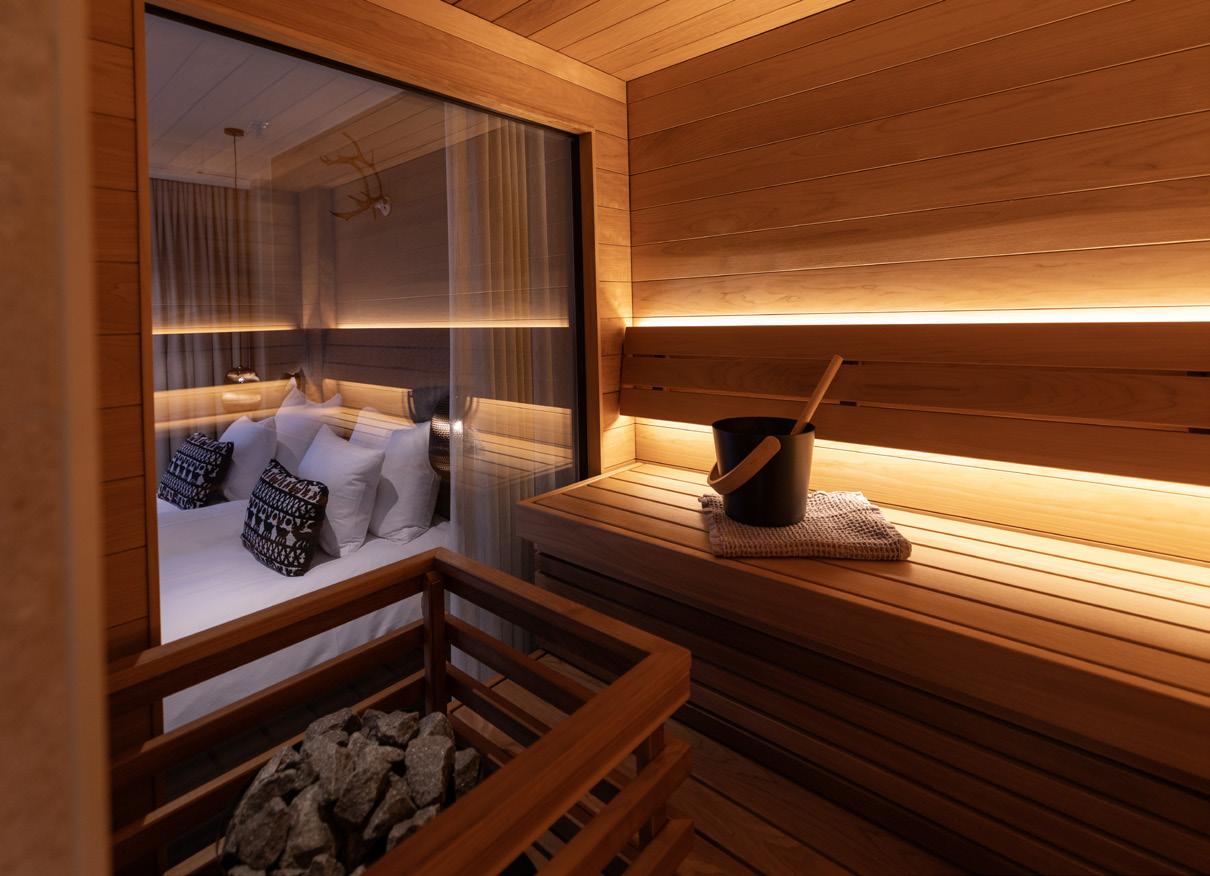
www.kespo.com
The company has also woven northern themes into its food offering. Restaurants across the group focus heavily on regional ingredients including Arctic fish, reindeer, berries and mushrooms, helping guests experience Lapland through local flavours as much as through scenery.
The wider experience portfolio available from Lapland Hotels & Safaris is unmatched in the region. The company offers year-round activities locally, from snowmobile tours and husky safaris to summer outdoor adventures. The scale of the operation has helped position the company as a major player within Nordic experiential tourism.
Among the group’s bestknown attractions is Lapland Hotels SnowVillage, an elaborate ice-built hotel and art exhibition reconstructed each winter before melting away each spring.
“Construction for the ice hotel begins every November, transforming snow and ice into suites, sculptures and immersive installations. The temporary nature of the property means that, if you ask in the summer, we have 19 hotels rather than 20,” Erika jokes. “Genuinely though, the ice hotel is a thoroughly different concept that many guests have never experienced before, which is why it draws nearly 100,000 visitors during its annual season of operation.”
Elsewhere in Finland, Lapland Hotels & Safaris continues to experiment with more unconventional hospitality concepts. Lapland Hotels Arena in Tampere combines accommodation directly with a major events venue, allowing guests to watch concerts or ice hockey games from private lodge-style rooms overlooking the action.
While the business also caters for high-end hospitality at the historic waterfront estate Haikko Manor & Spa hotel in southern Finland, Lapland Hotels & Safaris spends much of its time supporting one very special client: Father Christmas.
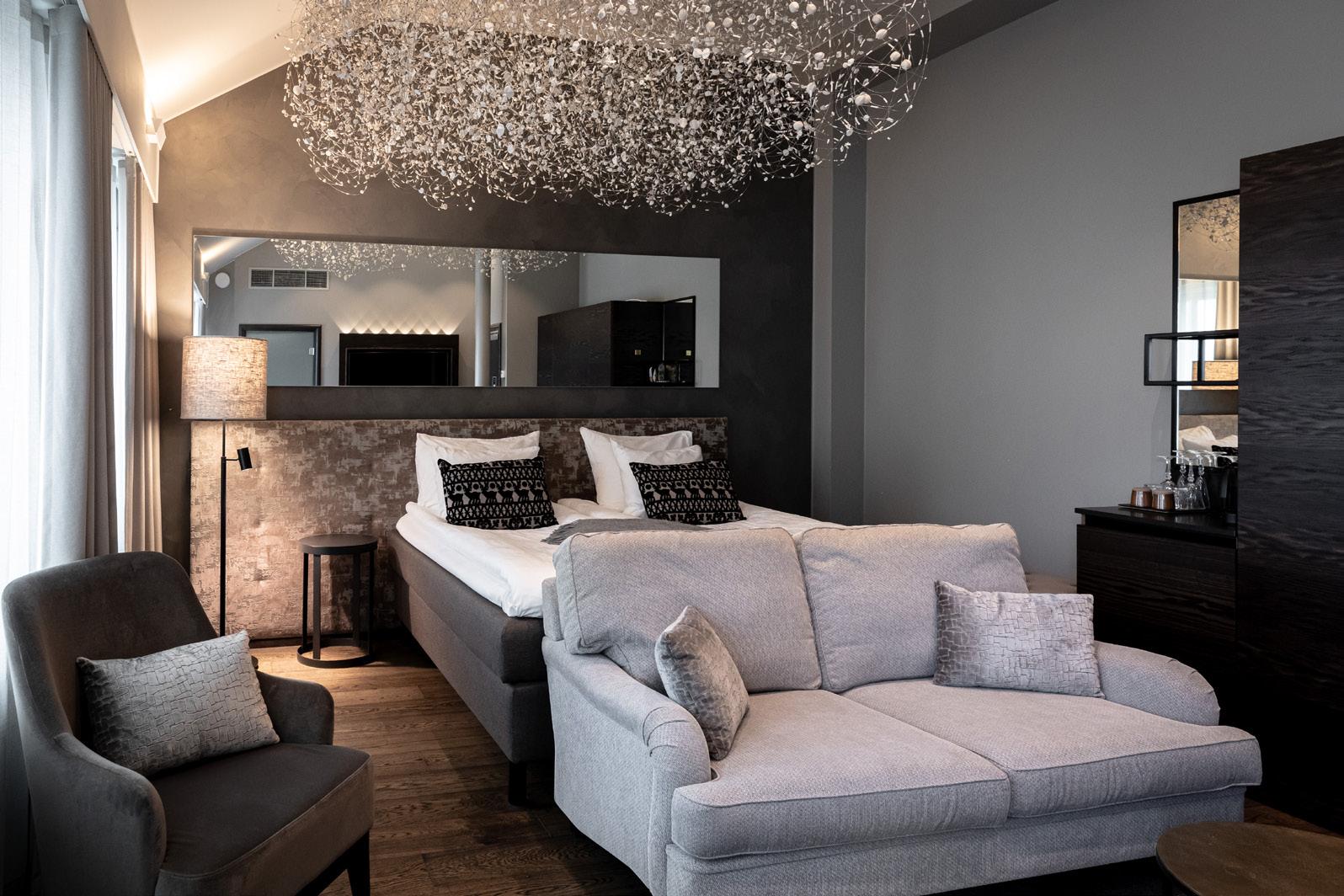

“In Rovaniemi, we operate Santa Claus’s Office,” Erika remarks. “It is located in the Arctic Circle, and guests can meet Santa Claus there all year round.”
Tourism in Lapland has expanded rapidly in recent years, driven partly by changing
global travel patterns and increasing interest in colder destinations.
Direct international flights into northern Finland have grown significantly, with travellers increasingly flying straight into Rovaniemi, Kittilä, and Ivalo rather than connecting through Helsinki.
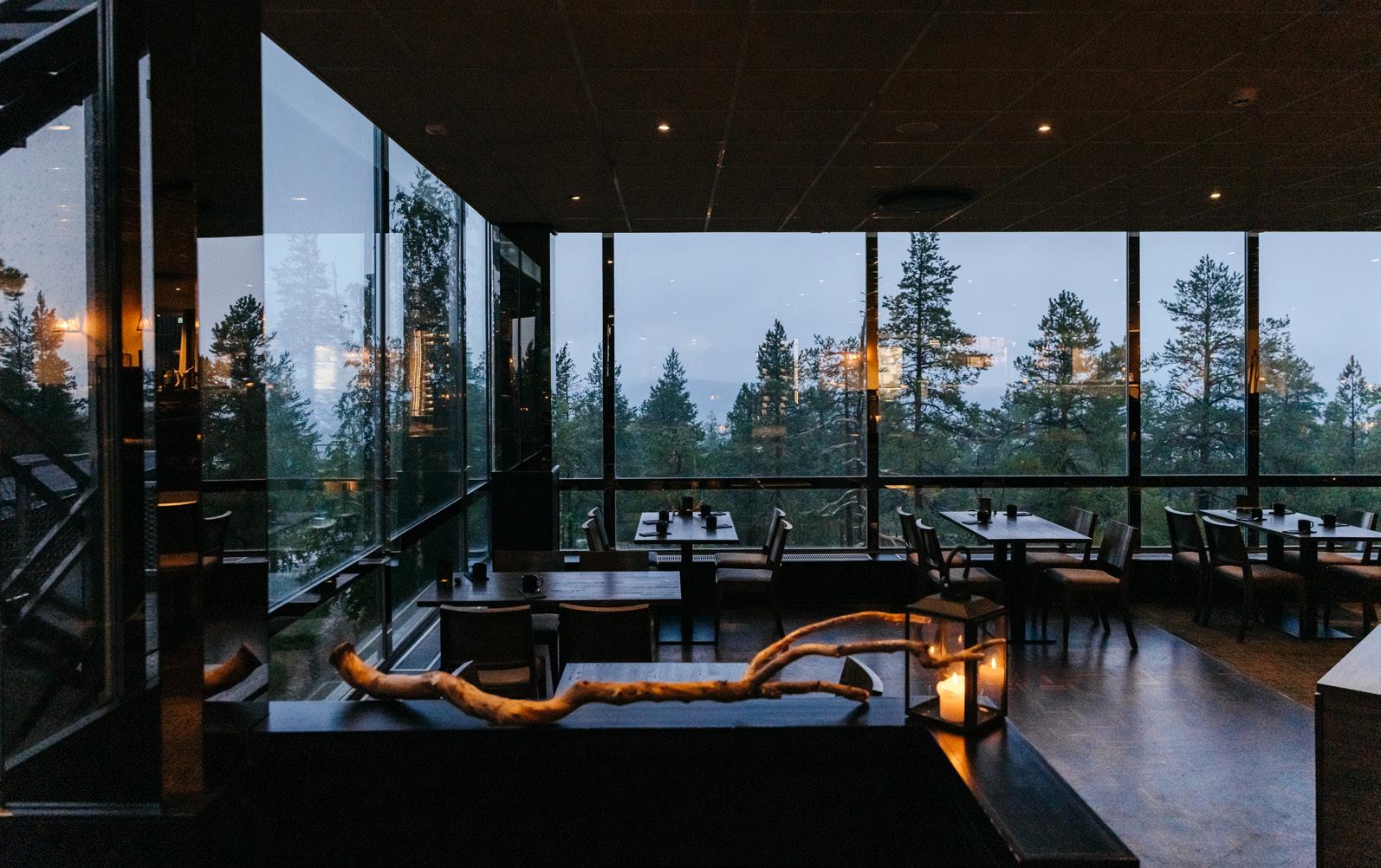

At the same time, customer expectations are evolving.
“Customers are looking for meaningful and experiencedriven travel rather than just accommodation,” Erika says. “That trend has played to our strengths. Modern luxury is no longer about valuable possessions; it is about memorable experiences and emotional connection.”
As the company grows to serve more people than ever before, Lapland Hotels & Safaris remains committed to sustainability. Erika views this as an in-built operational responsibility.
“Being so deeply rooted in Lapland, it’s in our DNA to be very protective of nature,” she says. We focus heavily on energy efficiency, waste reduction, and responsible operations across sensitive natural environments. When it comes to safari activities, for example, we follow a ‘leave no trace’ approach and make sure that we have no lasting impact on the land.”
Supporting local communities is equally important to the business. Lapland Hotels & Safaris prioritises regional employment and local suppliers wherever possible, helping sustain year-round economic activity in northern Finland.
Given the seasonal nature of the industry, managing people effectively is particularly critical for tourism providers like Lapland Hotels & Safaris. Staffing levels within the business almost double during the winter peak season, especially during December. Critically, the company has focused heavily on employee engagement and employer branding over many years, helping it maintain strong levels of returning seasonal staff.
“With almost 65 percent returning employees, we enjoy huge levels of retention,” Erika reports. “It’s something we are very proud of.
“Word-of-mouth recommendations between seasonal workers have also become an important recruitment driver for us. We have many employees’ friends coming to work for us because they hear that we are a good and sustainable employer.”
As the company prepares for its next growth phase, investment levels are accelerating significantly. Lapland Hotels & Safaris recently announced plans to invest around €200 million into future development projects, largely concentrated in Lapland itself.
One major project in Rovaniemi will deliver a large upscale hotel featuring several restaurants, while another development in Pallas will expand an existing property located beside one of Finland’s best-known national parks.
“You open the door and you are already in the national park,” Erika affirms. “The Pallas expansion will include spa facilities alongside our wider hospitality and experience concepts, creating what we believe to be a true destination hotel.”
Alongside physical expansion, Lapland Hotels & Safaris is set to embark upon an internal restructuring. Erika, who herself became CEO only six months ago, will be part of the team overseeing a broader effort to more closely integrate the group’s hotel, safaris and ski resort divisions.
“As we grow, we want to become more structured and integrated as a group,” Erika concludes. “Our long-term goal remains the same – to be more carefully balanced, expanding internationally, whilst protecting the company’s identity as a high-quality, family-owned Lapland business.”
GAS TURBINE SERVICES IS SUPPORTING AGEING TURBINE FLEETS AS GLOBAL ENERGY DEMAND ACCELERATES RAPIDLY.
Rising power demand is reshaping the global gas turbine market. Data centres, industrial operators and energy providers are all competing for capacity as artificial intelligence infrastructure expands at extraordinary speed. At the same time, supply chains remain stretched and lead times for new turbines continue to grow.
For Gas Turbine Services, the changing landscape presents major opportunities. This Anglo Danish company specialises in the maintenance, overhaul and support of the SGT industrial gas turbine fleet, particularly the legacy engines that remain critical to power generation, offshore operations, and industrial applications worldwide.
While many original equipment manufacturers focus on newer turbine platforms, Gas Turbine Services has built its reputation around supporting older fleets that customers still rely on every day.
“The market has changed quite dramatically,” Technical Director and Co-CEO Rob Dye says. “With the growth of AI and data centres, gas turbine backup power is becoming increasingly important. Demand across the sector is intensifying rapidly.”
The scale of energy consumption attached to AI development is already placing pressure on national grids around the world. As new data centres come online, operators increasingly require independent or backup generation capacity to maintain reliability.
“Data centre developers are approaching utilities for large-scale supply connections,” Rob explains. “In many cases the grid cannot provide that capacity quickly enough, so operators are deploying dedicated on-site generation.”
This shift has had a direct impact on the wider gas turbine industry. Manufacturers are struggling to keep pace with rising demand, pushing delivery times for new turbines
Rob Dye, Technical Director and Co-CEO, Gas Turbine Services.
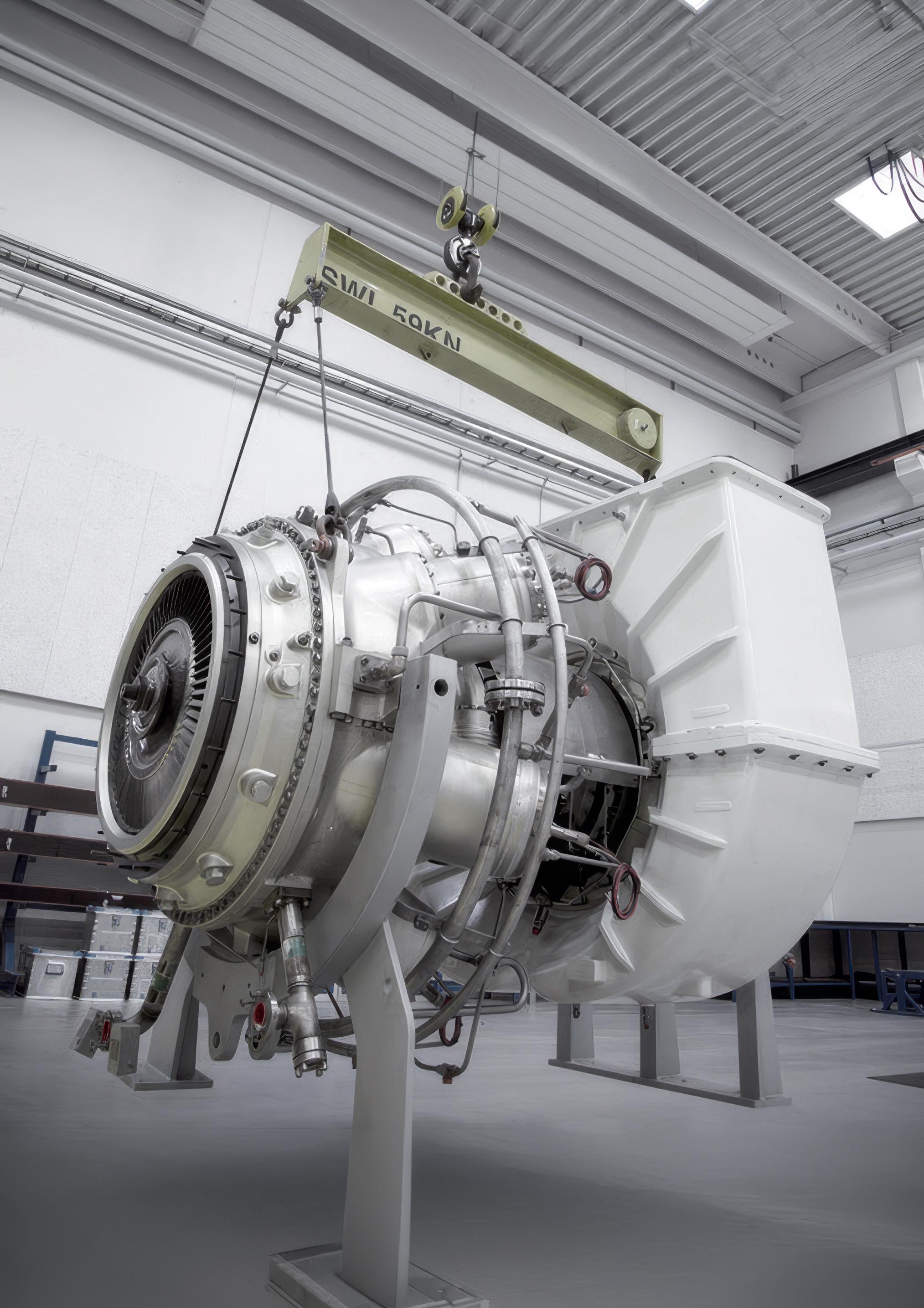
from little more than a year to as much as three years in some cases.
Gas Turbine Services has spent the past 18 months strengthening its capabilities to meet that pressure, including the development of its new Lincoln facility in the East Midlands, one of the UK’s key centres for gas turbine engineering activity.
The site mirrors the company’s established Danish operation, adding capacity for stripping, rebuilding and supporting turbine ranges. Equipped with balancing equipment and advanced tooling, the facility is now fully operational and ISO 9001:2015 certified.
“We’ve completely decked out the facility and duplicated much of what we have in Denmark,” Rob reveals. “Since opening, the Lincoln operation has already processed more than 20 turbine units. Engines are stripped down in the UK before components move through specialist subcontractors for rework and refurbishment, with final assembly and testing completed in Denmark.
“The investment reflects steady long-term growth across the business. We foresee continued growth for at least the next eight to ten years.”
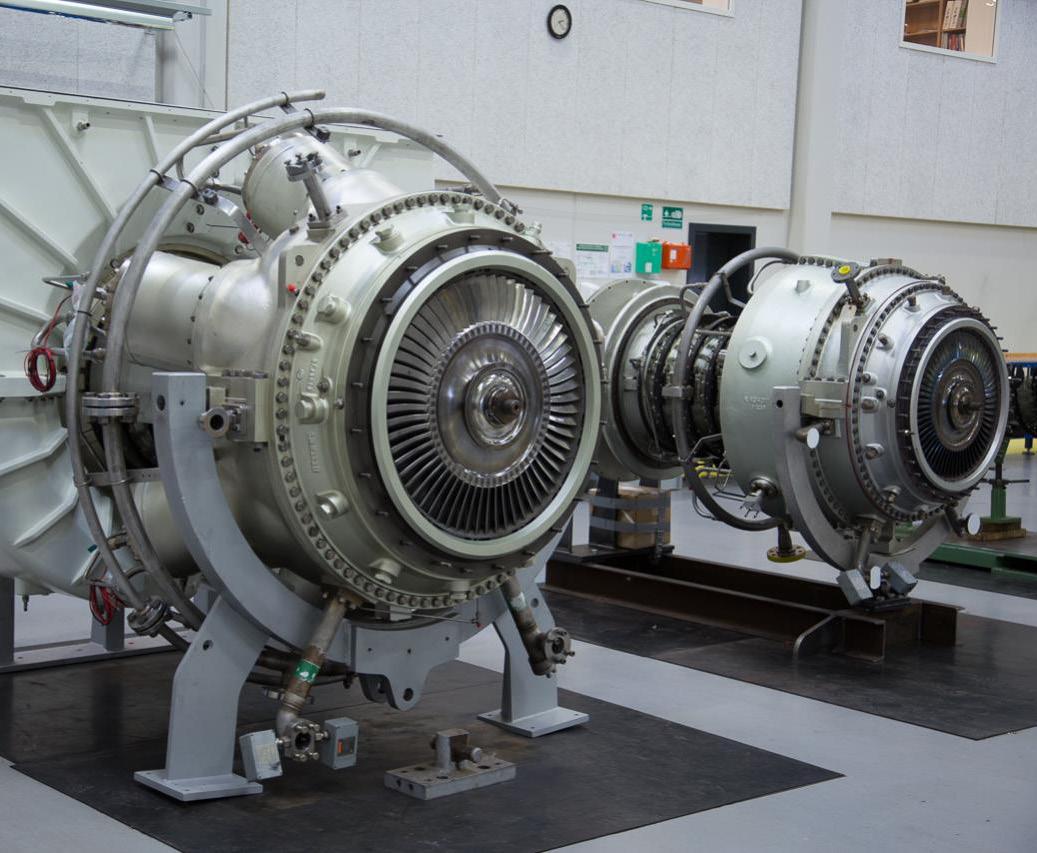
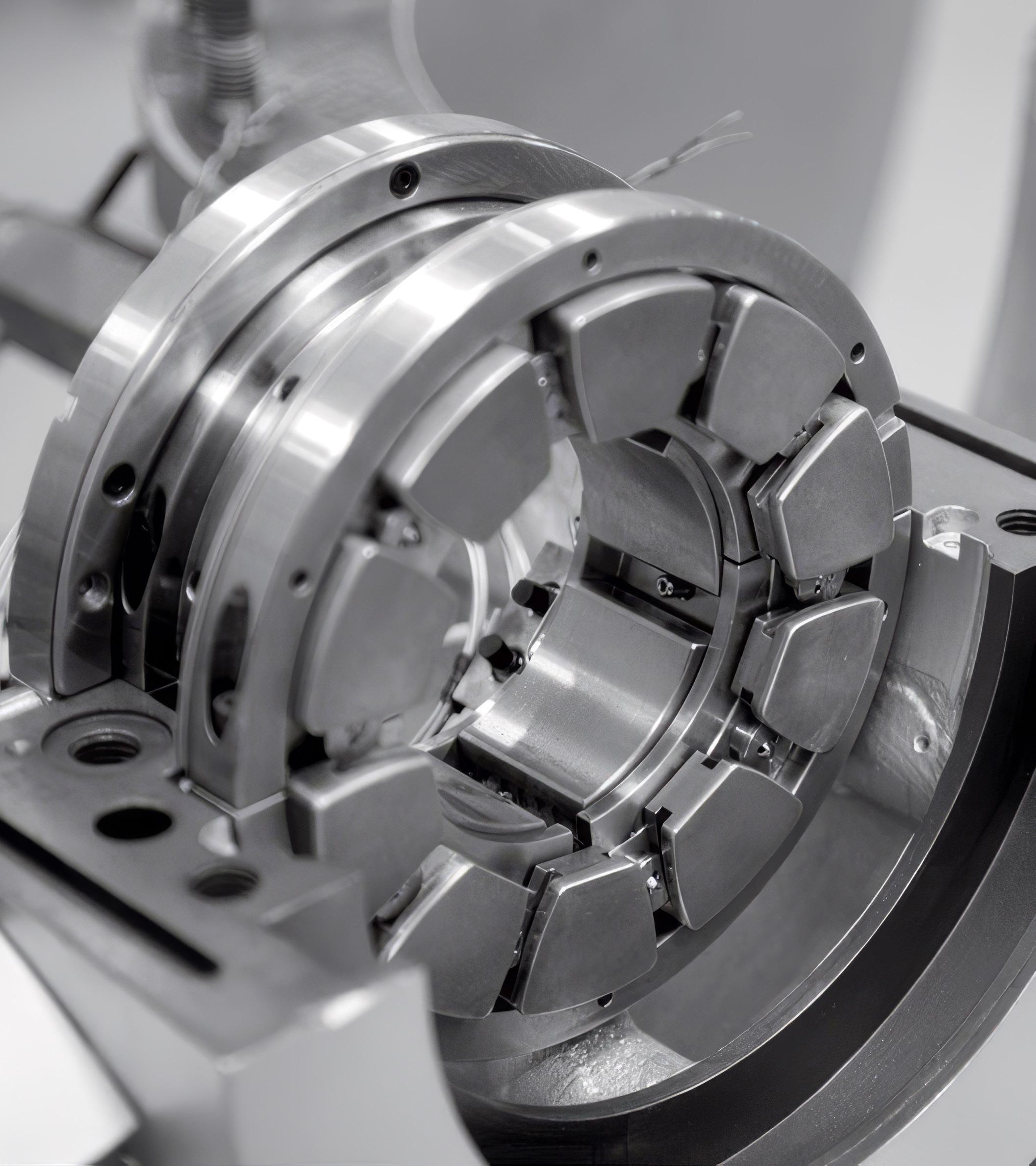
Much of Gas Turbine Services’ growth centres around legacy engines. While newer turbine models dominate headlines, older platforms remain deeply embedded across global infrastructure. Many installations operate on 25 to 50-year lifecycles, creating long-term demand for specialist maintenance expertise and replacement components.
Ageing fleets require regular servicing every few years, with internal components routinely replaced or upgraded to extend operational life. Many operators are also investing in controls modernisation to improve efficiency and reliability. Gas Turbine Services has become increasingly dominant in this space, supporting legacy turbine models dating back to the 1970s, 80s, and 90s.
“We now have a substantial market share in supporting those units,” Rob comments. “It gives us a distinct advantage over original equipment manufacturers, many of whom are prioritising new engine development over long-term support for older fleets.”
The market is responding accordingly, with customers increasingly seeking faster and more flexible support from specialist independent providers.
“Operators are becoming more open to independent service providers alongside traditional OEM agreements,” Rob says.
With turbine demand rising globally, supply chain management has become a defining challenge across the sector. Gas Turbine Services now orders more than £10 million worth of spare parts annually to stay ahead of shortages and protect customer timelines.
“We order very early because we have a two to three-year look ahead,” Rob remarks. “Maintaining stock availability has become important as manufacturers prioritise their own production schedules. Despite the pressure, our proactive approach has helped minimise disruption for customers.”
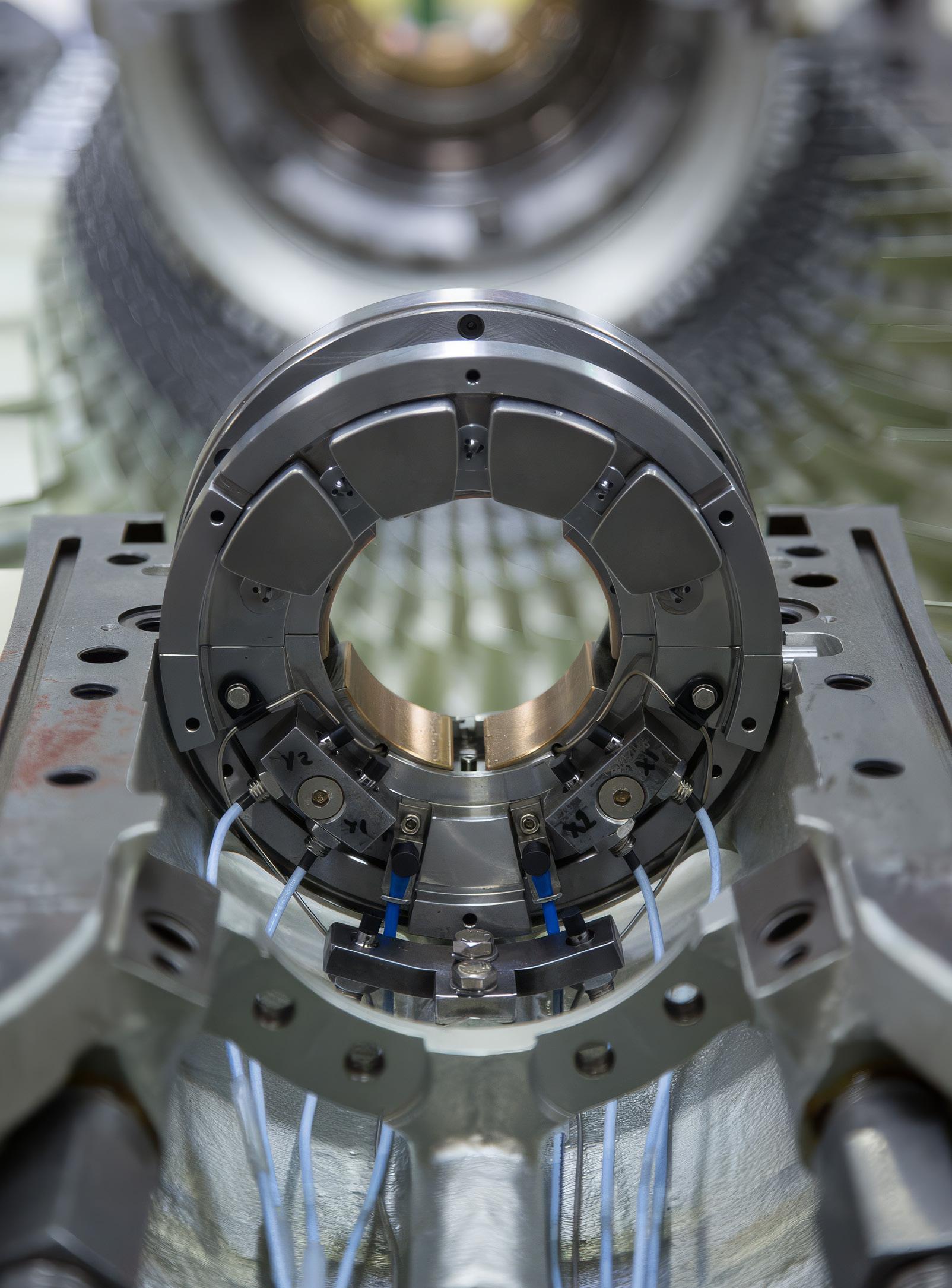
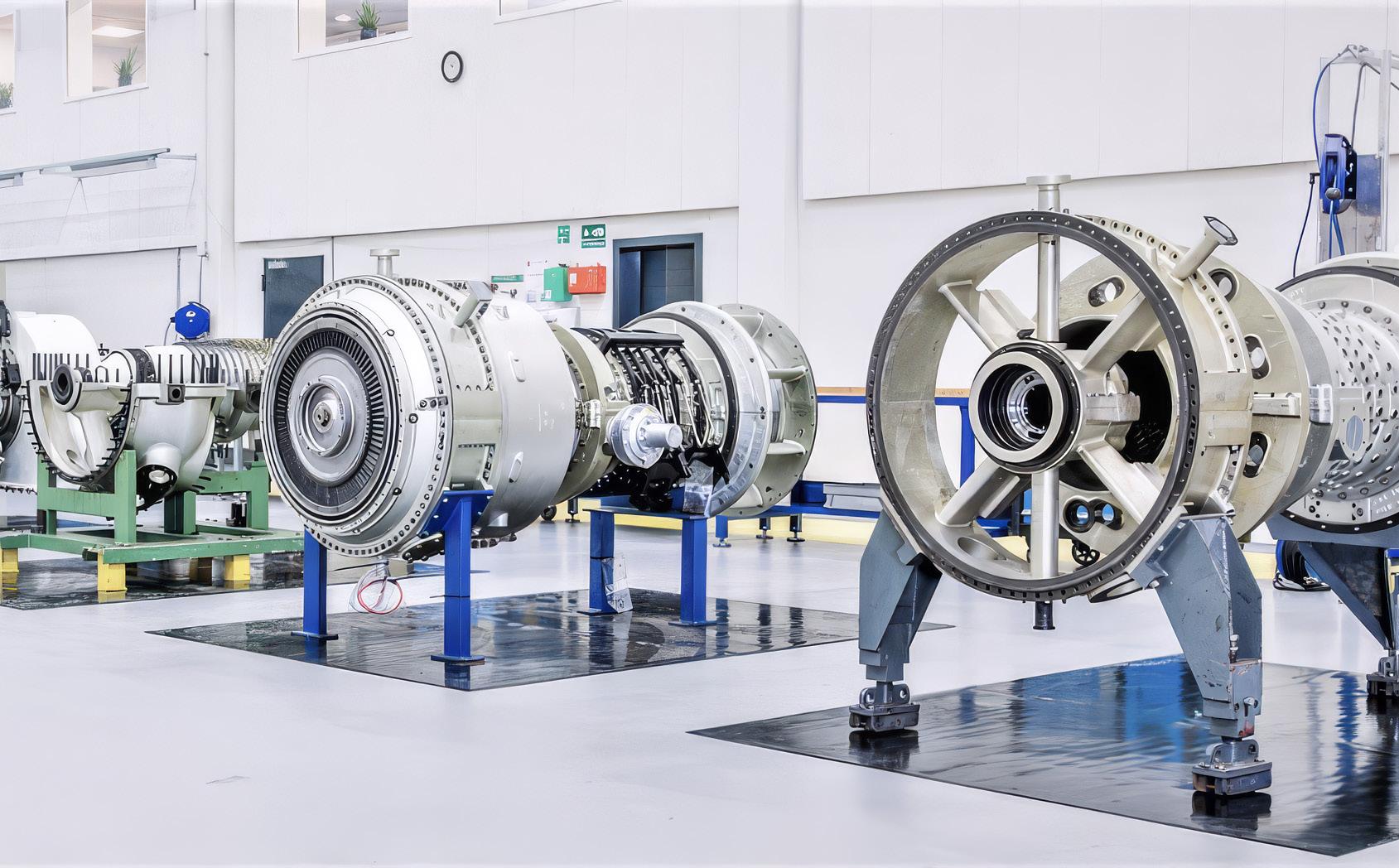
One recent project highlighted the speed and flexibility that independent specialists can deliver. Working for a major industrial operator in South Yorkshire, Gas Turbine Services completed a full turbine conversion from a conventional combustion system to a dry low emissions (DLE) configuration.
The upgrade significantly reduced emissions while modernising the wider package and control systems. Competing proposals suggested a two-year delivery schedule. Gas Turbine Services completed the project in just 16 weeks.
“We converted the unit, upgraded the package and completed the engine exchange
within four months,” Rob reports. “The project demonstrated our ability to respond quickly in a market increasingly constrained by long lead times and overstretched supply chains.”
2025 marked another milestone for the business as it celebrated four decades of operation.
Founded in 1985, Gas Turbine Services has navigated multiple shifts in energy policy, industrial demand and technological change during its 40-year history.
Looking back, Rob believes one of the biggest surprises has been the continued importance of gas turbines in a world increasingly focused on decarbonisation.
“I never saw the longevity the business would have,” he says. “Despite the energy transition, demand for turbine technology continues to rise.”
Geopolitical instability and energy security concerns have only reinforced their importance.
“The truth is, there’s still a lot of life left in legacy gas turbines,” Rob says.
Industry forecasts support that outlook, with continued growth expected across gas turbine services as ageing fleets, energy security concerns, and rising electricity demand sustain investment in existing infrastructure.
For Gas Turbine Services, the strategy remains focused on controlled and sustainable growth. The company has
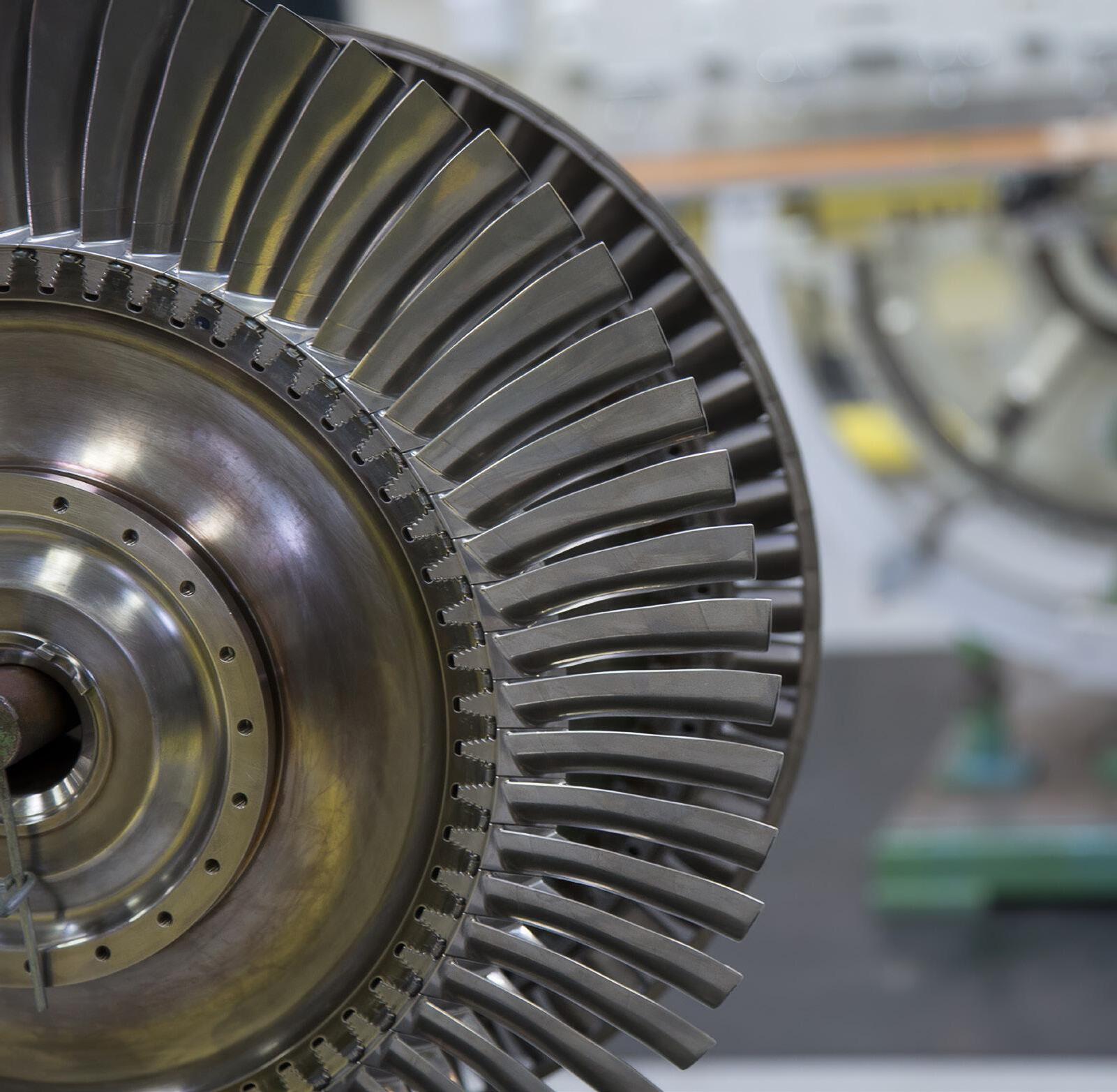
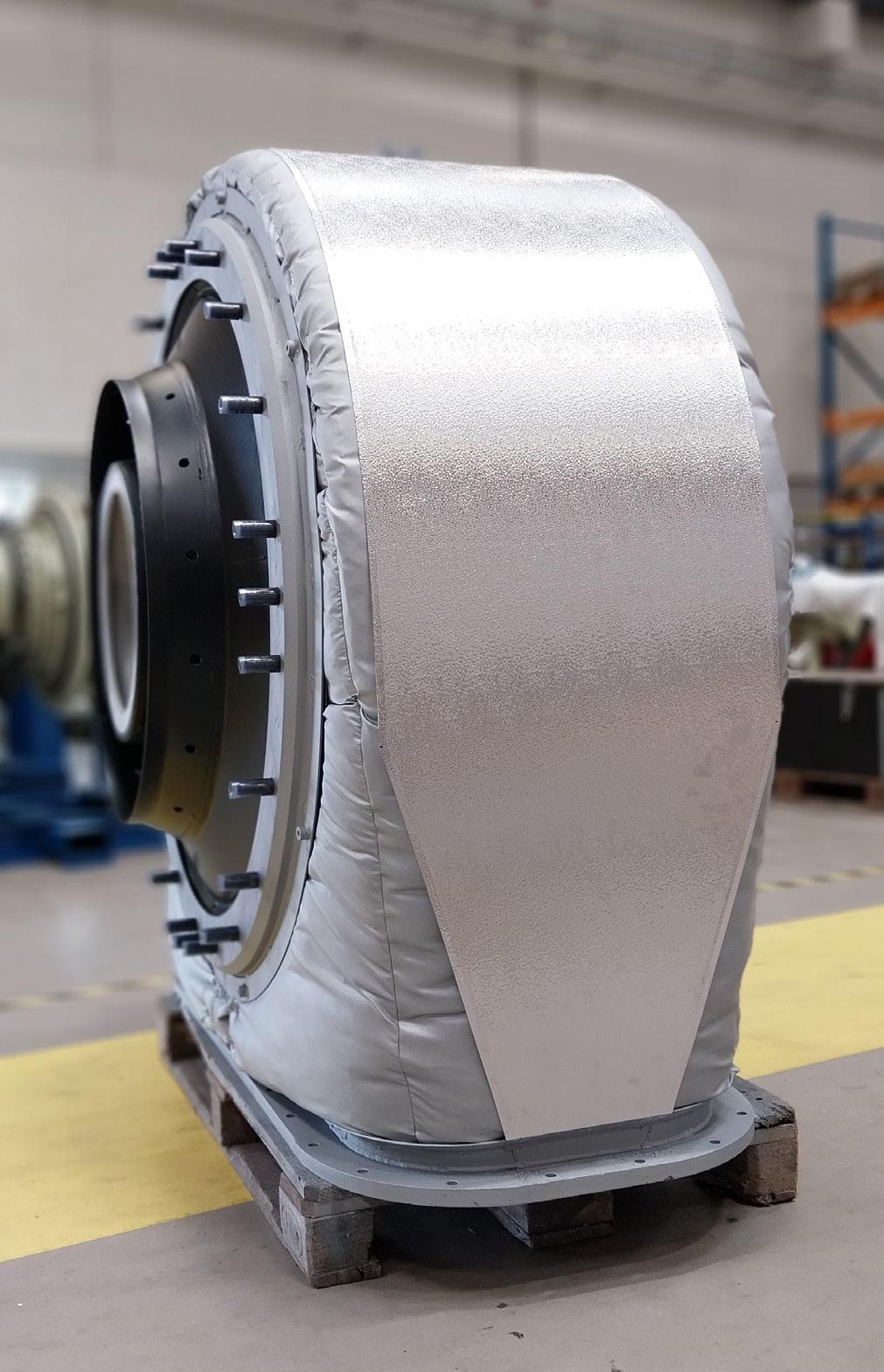
invested steadily in technical expertise, infrastructure and service capability over recent years, but the pace of market expansion has exceeded expectations as global power demand continues to accelerate.
“We’ve always planned for organic growth,” Rob concludes. “What we didn’t anticipate was how quickly the market would move. The business has effectively doubled in recent years and based on current forecasts; we expect that growth to continue. Fortunately, we had already built the platform and infrastructure to support expansion. The priority now is maintaining the quality and service standards the company has built its reputation on over the last 40 years.”

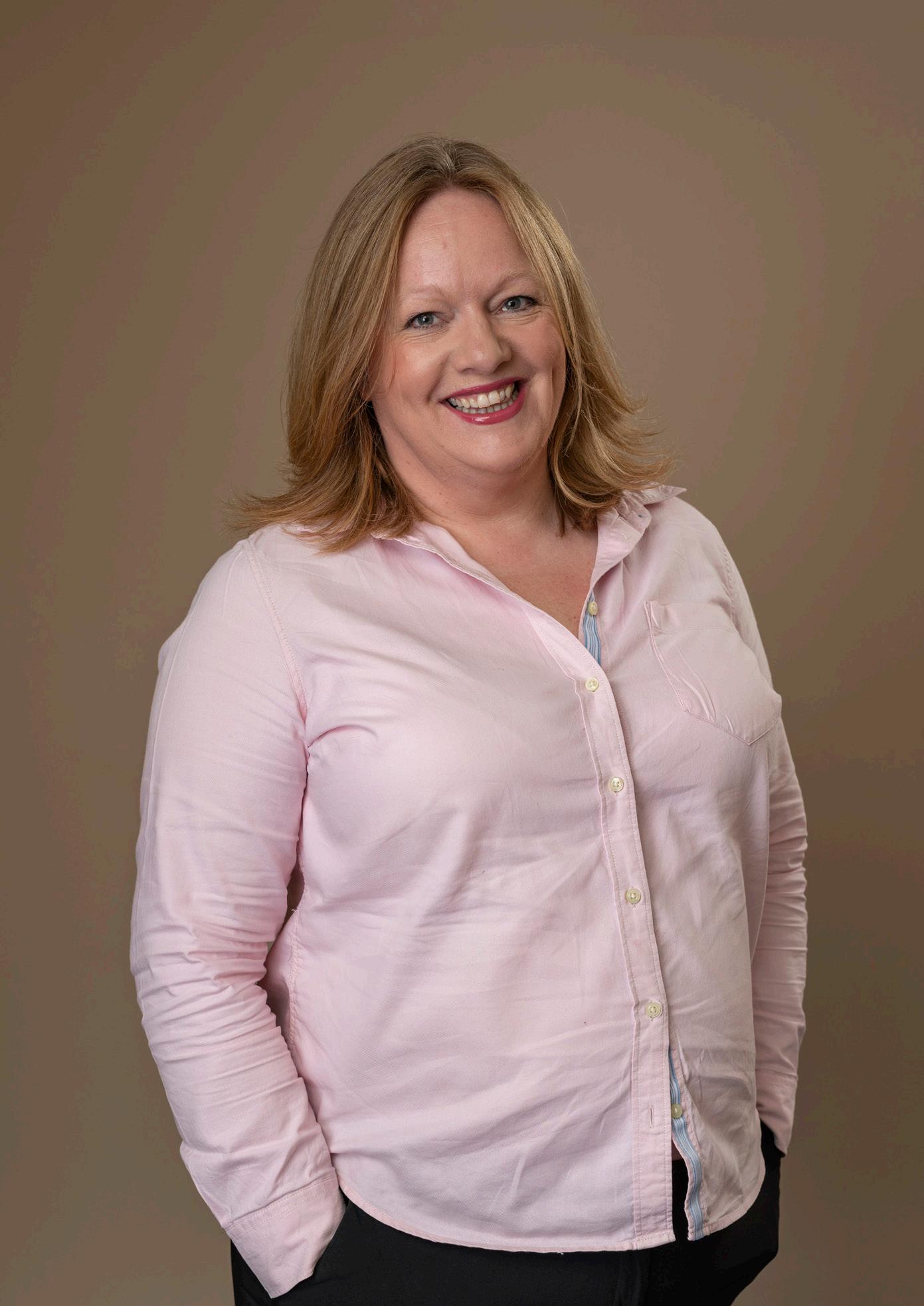
MORE THAN A MANUFACTURER, GILCREST MANUFACTURING IS POSITIONING ITSELF AS A SUSTAINABLE DEVELOPMENT PARTNER TO ITS CLIENTS.
Gilcrest Manufacturing is a composite panel manufacturer that has been in business for around 30 years. Its core range is built around a product called Puracore, a honeycomb-filled panel developed for the cleanroom market. That honeycomb design makes the panels lightweight, strong and easy to install, which can translate to suit even unorthodox purposes from temporary signage to calibration plates.
Sometimes Gilcrest’s customers seek to meet are aesthetic need, but sometimes they are simply looking for a solution to their problem. It could be meeting a highly technical specification, like an extremely flat panel or designing a quick solution to loud noise reverberation for a custom-built cladding.
“The thing that really sets us apart is our service and customer support offering,” says Sarah Fowke, Managing Director at Gilcrest Manufacturing. “We rely on the partnership with our installers turn the panels into finished projects. Because of this, we are an extension of our clients’ business, so it is key that we are there to assist all the way through the process. We are there when they write up the technical specifications, and we are there during the installation on site.”
Sarah Fowke, Managing Director, Gilcrest Manufacturing.
Gilcrest Manufacturing creates every panel its clients need to the required size and specification. Its team works
alongside customers on-site to adapt to challenges that turn up in situ, be it an unexpected column or an issue with the airflow in a space where the panels are being installed.
“Gilcrest works with the customer to build solutions for them,” Fowke tells us.
An example that Fowke is particularly proud of was a project the company was engaged in for a space with extremely high ceilings.
“The panels were up 15 metres high, so we stacked the panels on top of each other,” Fowke recalls. “However, even then, the installers ran into challenges around how to run utilities around a site of that size. We developed our extruded dado rail that sits around the panel, allowing the installer to run utility cables along it while still all the relevant specifications.”
This is the perfect example of how Gilcrest Manufacturing serves not just as a panel manufacturer, but as a solutions provider that finds ways to adapt to its customers’ needs.

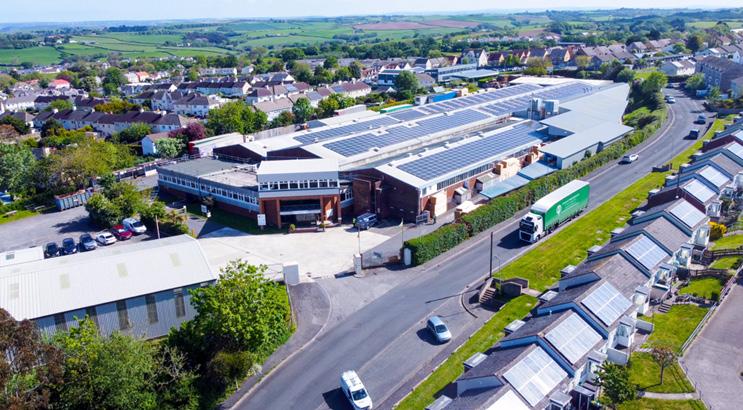
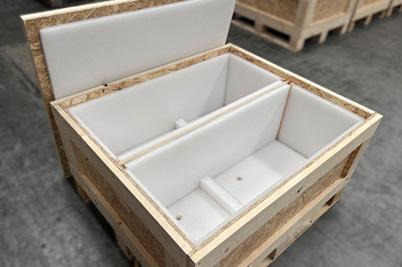
APS Packaging is one of the UK’s leading manufacturers of pallets, crates & bespoke packaging for any distribution needs. We offer secure, sustainable solutions and can ensure your valuable, fragile or non-standard size items can be protected and securely packaged to ensure they get there safely, in one piece.
E: sales@apspackaging.co.uk / T: 01237 423772 www.apspackaging.co.uk
Sometimes, however, the challenges are bigger than simply adapting their products to suit the needs of a specific location. In the years since the outbreak of the Covid-19 pandemic, the economic and political landscapes have been prone to constant changes and left-field developments that industries have had to adapt to. Most recently, these challenges have included the unpredictable tariffs coming out of the United States.
“Back in 2022 and 2023, 30% of our business was coming from the US,” Fowke says. “The tariffs from Trump created a bit of a minefield, not just in themselves but in understanding how or if we could work with that US market with our product being made from aluminium and steel. We had to adjust and adapt to the new economic, political and market environment.”
Among the adjustments that Gilcrest Manufacturing
made during this time was identifying that it was very reliant on the pharmaceutical market. During Covid this market saw a huge amount of growth, but since that boom the sector, especially in the UK, has adopted a much more cautious capex strategy.
“We are a specialist in composite panel manufacturing, so we looked at the market and asked, ‘Where are the gaps?’” Fowke tells us.
They found the market niche they were looking for in the acoustic sector. They are currently serving the manufacturing industry, and pushing to expand into data centres, BESSs, and heat pumps. Anywhere where there is noisy equipment close to where people live and work.
“Where they are situated close to homes or schools, there is a need for acoustic panelling to deaden that noise,” Fowke points out.
To keep the company adaptive and innovative enough to continue to thrive in changing markets, Gilcrest Manufacturing needs to ensure it has the necessary talent in-house. Fortunately, this is an area that has gone well for the firm.
“We have been really lucky. 10% of our team joined the company as apprentices and have developed all the way up to managers,” Fowke points out. “It has been great to watch that progress. We take real pride in seeing people develop, progress and find the right opportunities within the business. Our estimator started on the shop floor as an apprentice while studying 3D modelling at college. He worked in the office half a day a week and was then asked to be transferred into the office team and continued from there. We have just recruited a new marketing apprentice, and we hope to see them on a similar journey.”
Gilcrest Manufacturing aims to promote internally wherever possible, investing in its existing team and supporting long-term career progression. Around 30% of the current team have been
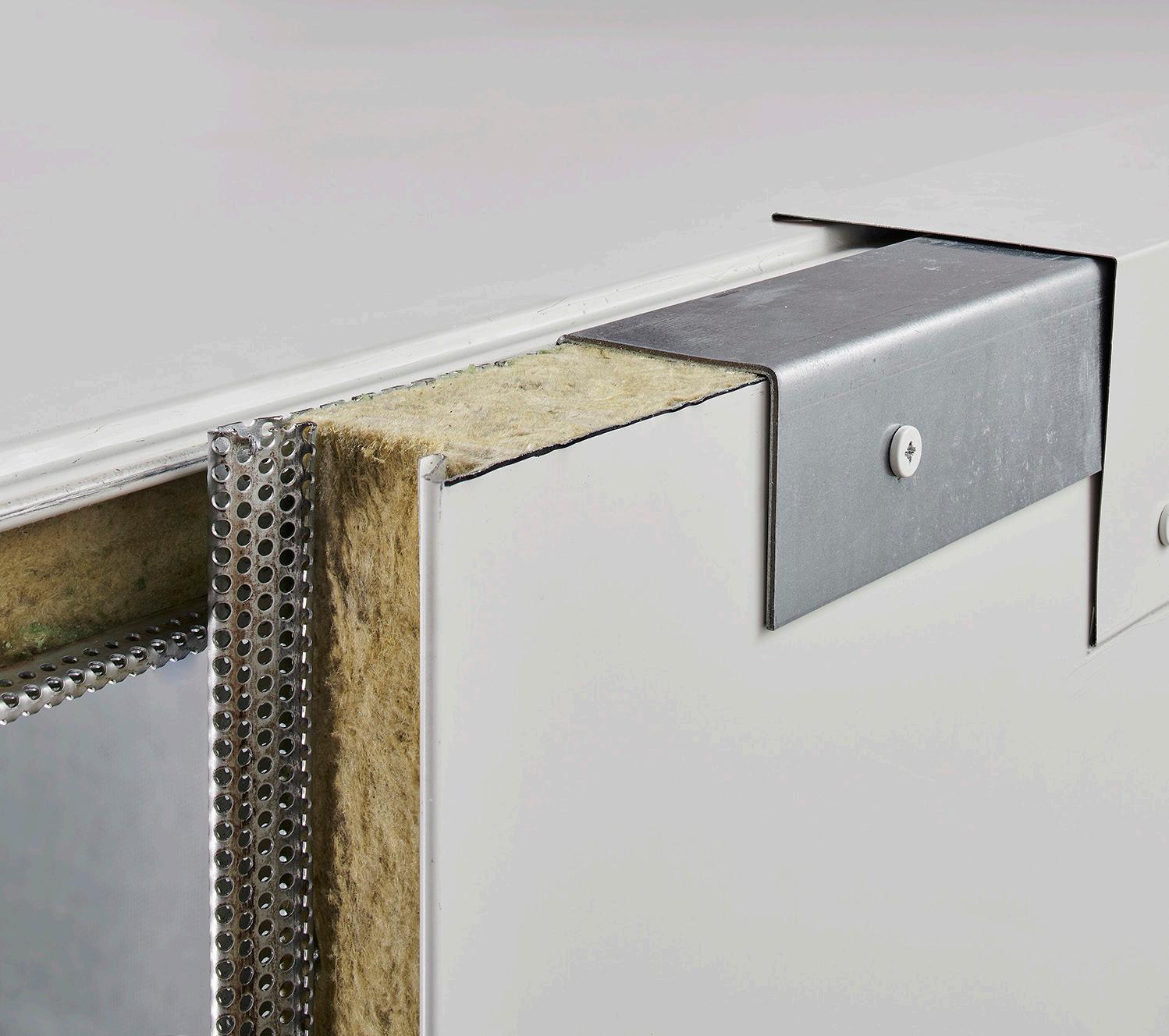
internally promoted, showing the company’s commitment to developing people from within, while external recruitment is used to bring in new skills and fill entry-level positions.
“It is an approach that drives a lot of long-term service in our manufacturing team. Some people have been here for 30 to 34 years,” Fowke says. “We take our time to get the right people into the right seats, then invest in developing them. Over the last three years, Gilcrest Manufacturing have taken a more intentional approach to company culture. Not by creating values and asking their team to fit around them, but by identifying the behaviours already driving the business forward. That culture is built around practical problemsolving, outstanding customer service, ethical decision-making, sustainability and long-term investment in people.
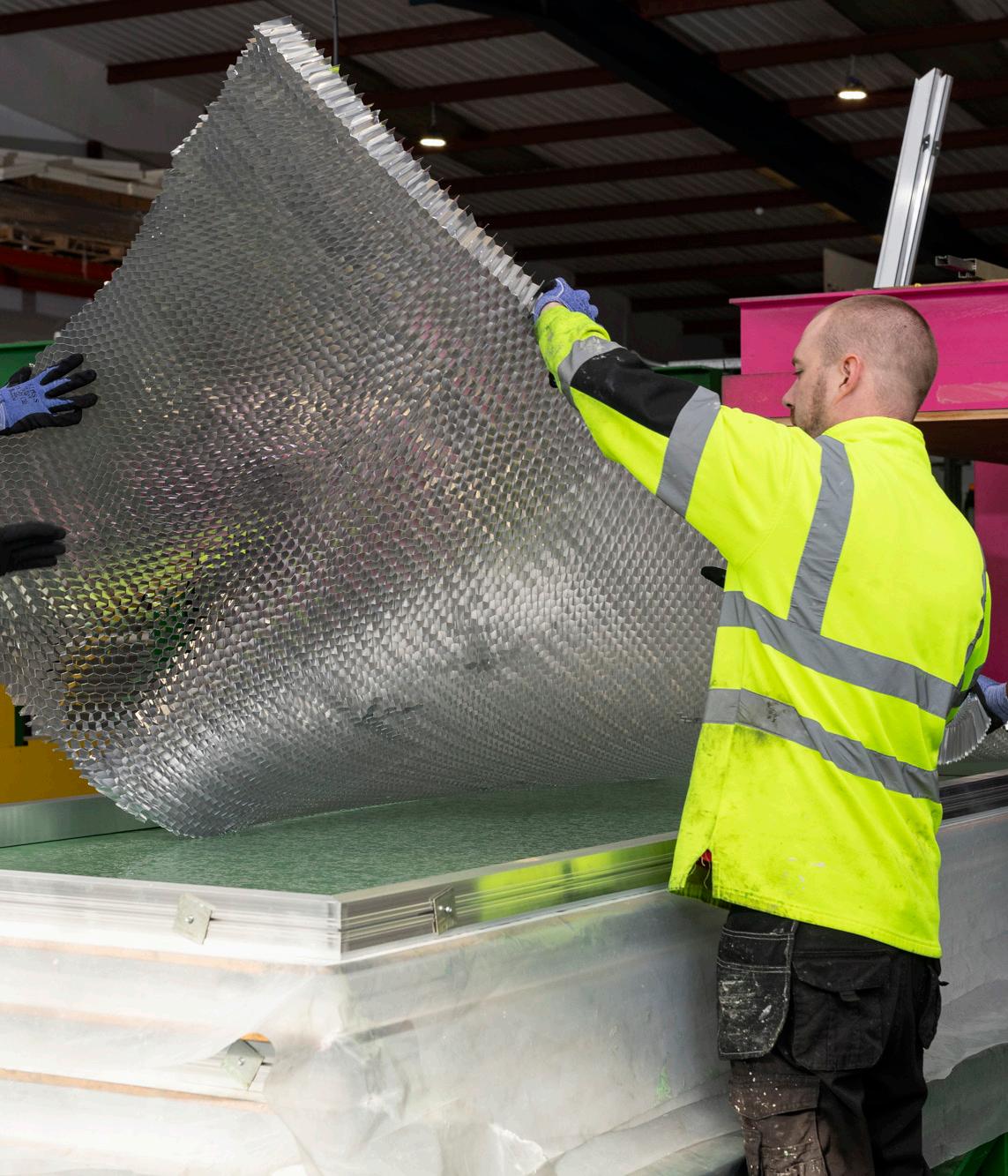
Sustainability is key to those values. Gilcrest Manufacturing’s factory runs on solar panels, uses recyclable packaging, and the product itself is 96% recyclable at end-of-life.
“Our sustainability credentials are really key to the business,” Fowke shares.
“We will continue to evolve and develop our core products and our known and most successful brand,” Fowke tells us. “We have great recognition on the market. From what we can see, our new acoustic panels are opening some huge
opportunities. We foresee a growing need for them given the way the market is evolving.”
When asked what comes next for Gilcrest, the answer is focused on growth through capability.
“The next stage for Gilcrest is about continuing to strengthen our manufacturing capability while developing the business as more of a solutions provider. That means investing in our people, improving our processes and using our experience to support customers across a wider range of specialist markets.”
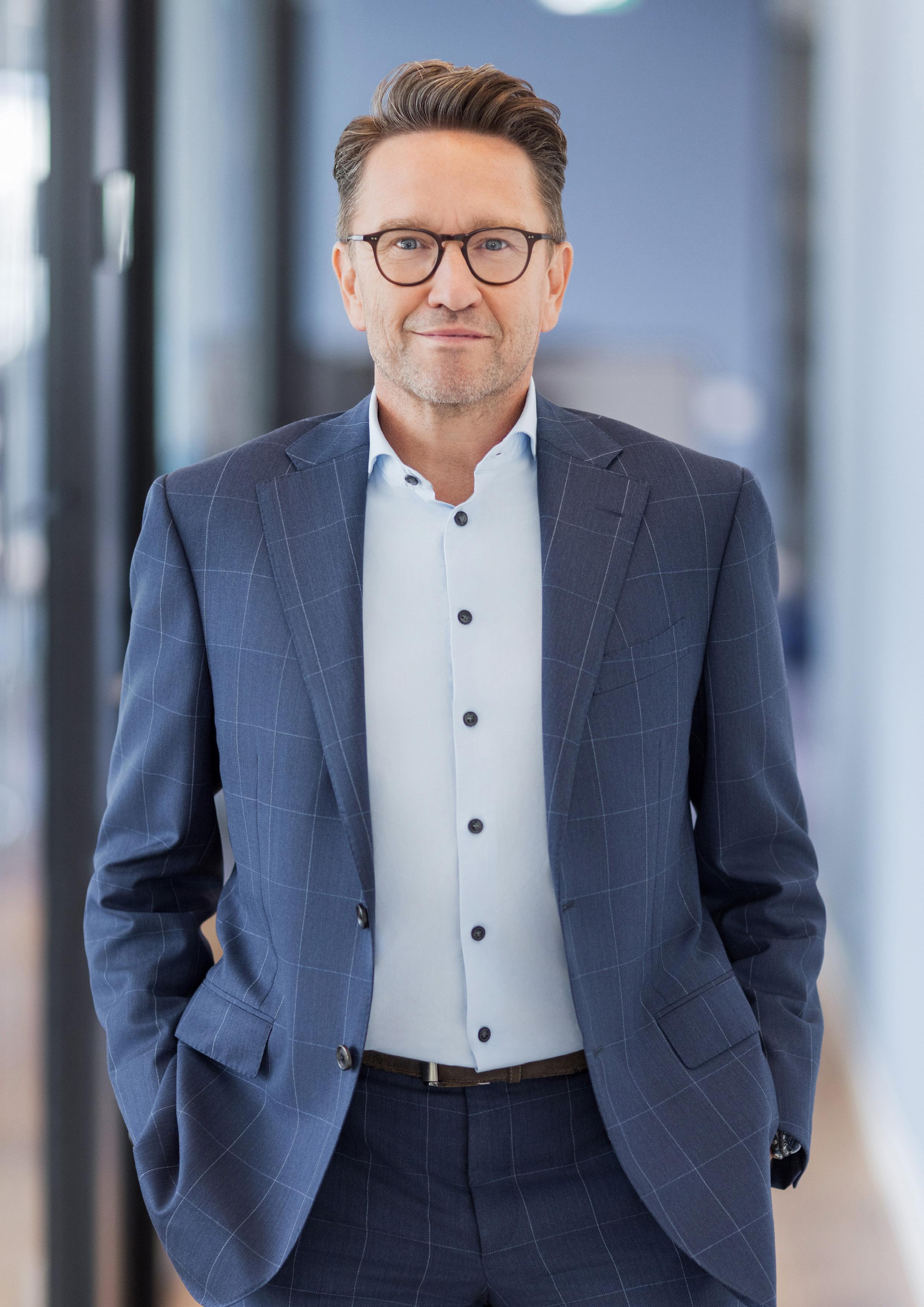
Founded in Bensheim, Germany, Sanner Group’s early roots were tied to the importation of cork for food and pharmaceutical bottles. Following a century of evolution, today Sanner operates across pharmaceutical packaging, medical device development, and contract manufacturing, with engineering capabilities that set it apart in a rapidly evolving healthcare market.

Over time, Sanner has steadily expanded through acquisitions and international growth, adding facilities in France, China and Hungary, while building a reputation in pharmaceutical and nutraceutical packaging.
A major development in the company’s history arrived in 2021 when Sanner acquired medical device companies Springboard and Gilero. This extended Sanner’s capabilities beyond packaging alone. In 2026, the business is home to a team of skilled engineers and specialist design and development centres focused on pharmaceutical, biopharma and medtech customers.
Stefan Verheyden, CEO, Sanner Group.
Sanner’s end-to-end approach is becoming increasingly important as pharmaceutical companies look for partners capable of accelerating development timelines while simplifying increasingly complex supply chains.
Sanner currently employs around 900 people worldwide and operates eight production facilities – two in China, three in Europe, and three in North America – alongside its engineering and development centres. The company’s growing CDMO capabilities are central to its long-term strategy.
For Stefan, the breadth of engineering expertise within the organisation is one of its biggest competitive advantages. Sanner’s work spans a wide range of applications, with projects ranging from auto injectors and dry powder inhalers to
“What differentiates Sanner Group is that we can actually design, develop and industrialise all under our own ownership,” CEO Stefan Verheyden explains. “We can support the customer throughout the complete lifecycle of a product or project.”
highly specialised ophthalmic injection devices.
“When it comes to ophthalmic injection, we’ve developed some state-of-the-art devices,” Stefan says. “It’s fair to say that they really do outperform the competition.”
As Sanner’s diversification suggests, demand for more sophisticated delivery systems continues to trend upwards in the pharmaceutical industry. At the same time, healthcare access is expanding across emerging markets, while the rapid growth of GLP-1 therapies is reshaping demand patterns.
Supply chain disruption remains another major pressure point across the sector. However, Sanner’s international manufacturing footprint has become increasingly valuable in helping customers manage risk and maintain continuity.
“I think our strength lies in the fact that we can anticipate most challenges by the fact that we have such a broad geographical spread,” Stefan states. “We have production facilities in each main geographic region.”
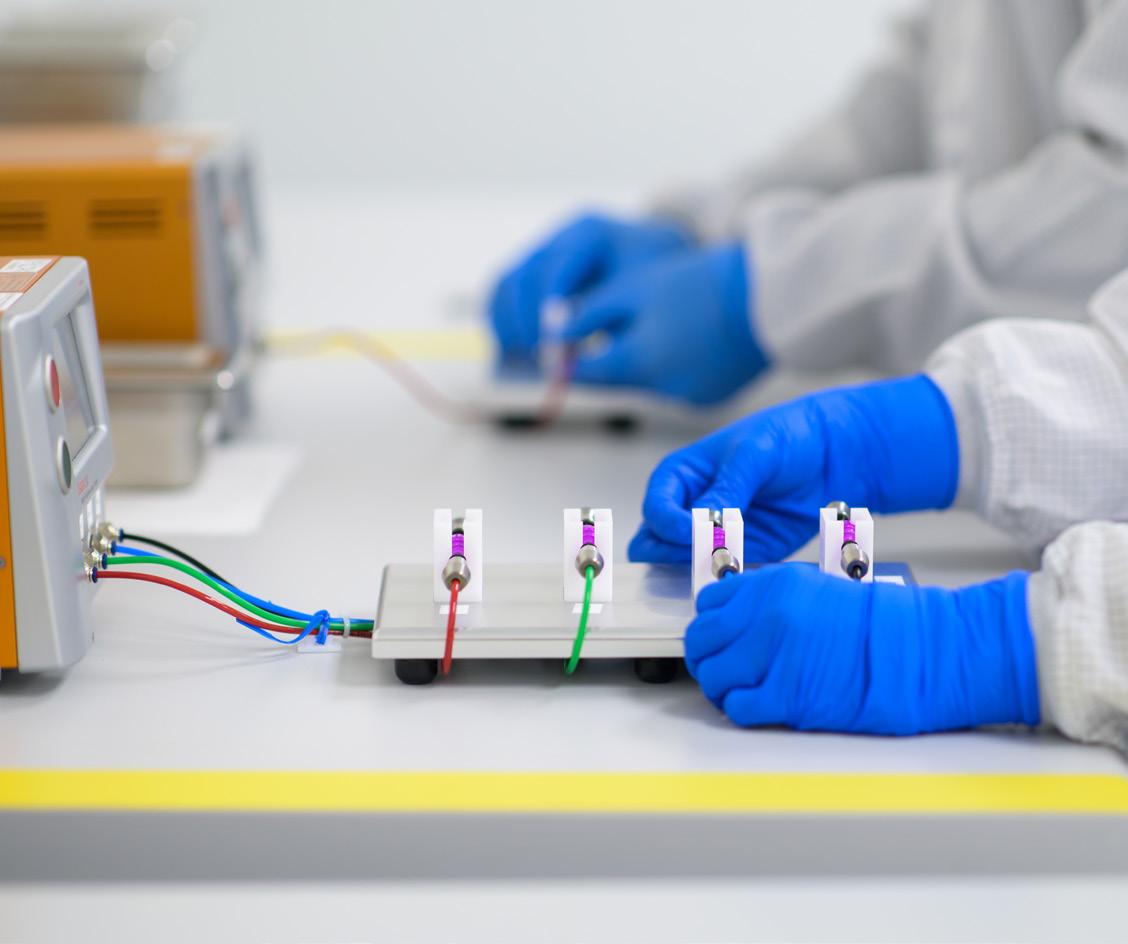
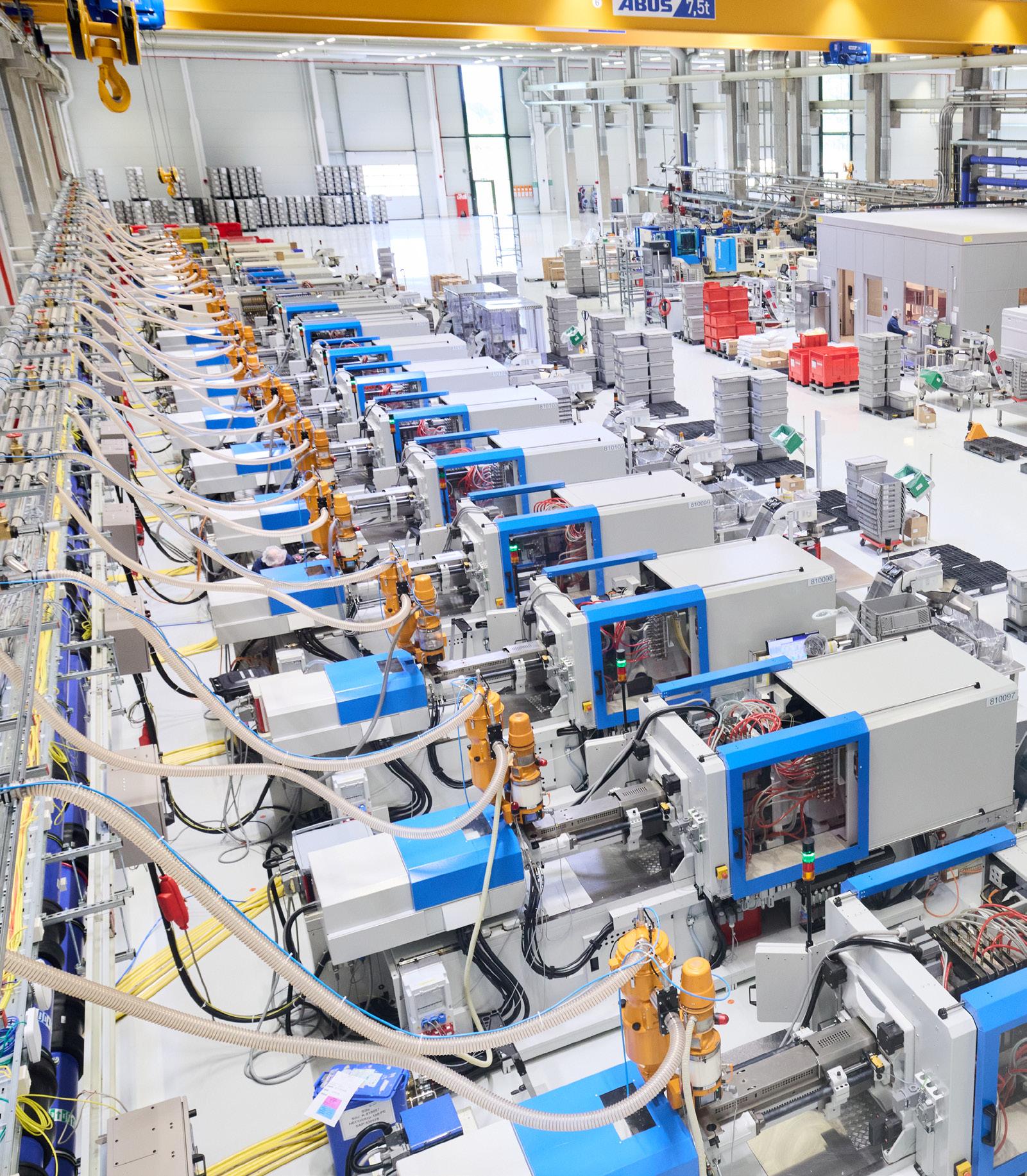
Sustainability is also becoming a larger part of the conversation across pharmaceutical manufacturing and packaging. Regulatory expectations continue to increase, while customers are placing greater emphasis on ESG performance and material innovation.
Sanner’s efforts in the area recently earned the company an EcoVadis Gold Medal, recognition Stefan sees as both an achievement and an ongoing responsibility.
“EcoVadis Gold is not a destination - it is a commitment! To stay there, we must continuously push ourselves to do better, every day, across everything we do!”
Sanner’s modern facility in Bensheim has become a focal point for many of its sustainability initiatives. Opened around 18 months ago, the site incorporates nearly 4,000 photovoltaic panels capable of generating around 1,800 kilowatts of output. According to Stefan, the installation is expected to reduce carbon emissions by between 500 and 600 tonnes annually. Additional onsite measures include a green roof system,
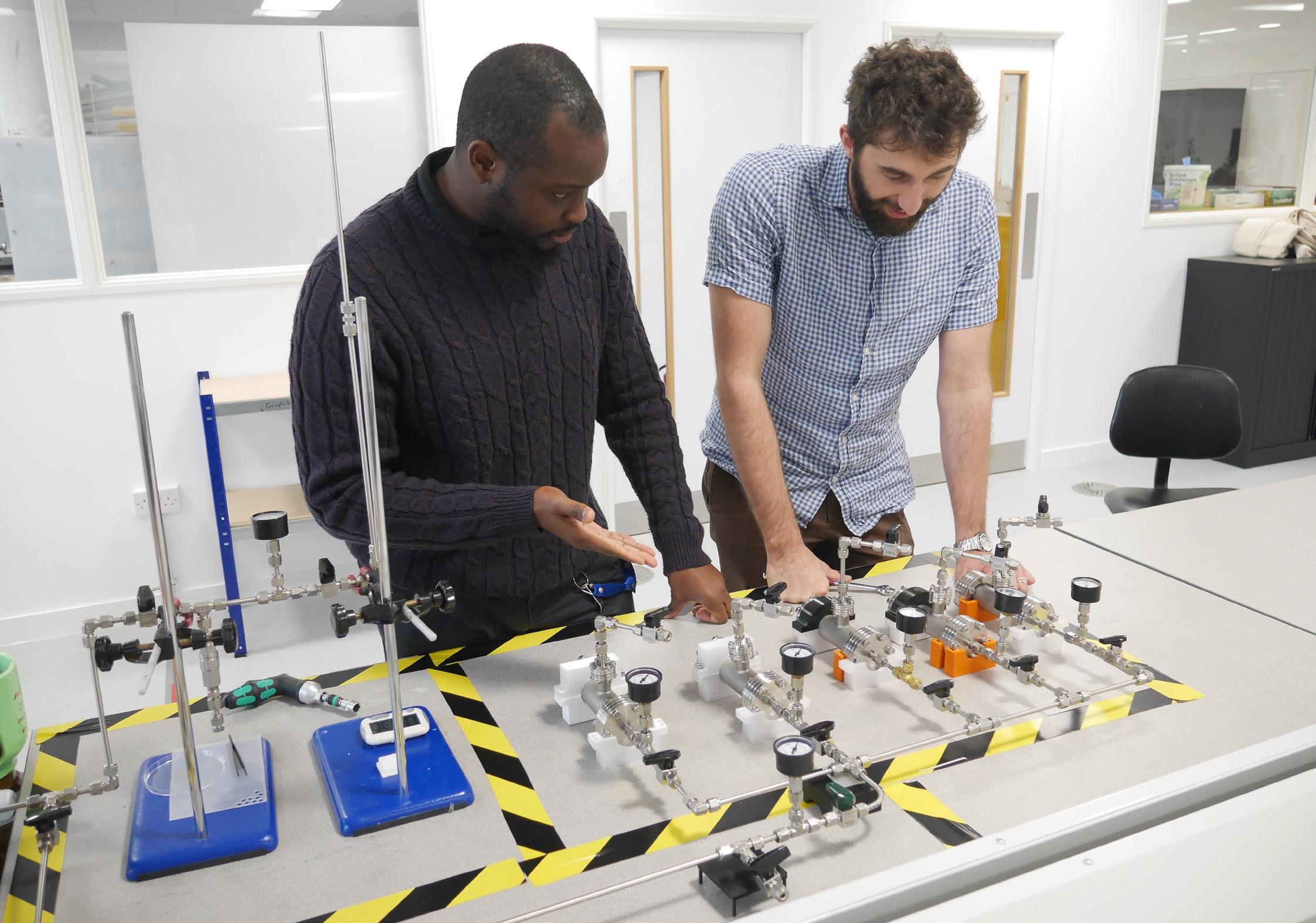
natural cooling technologies, and broader efforts to improve energy efficiency throughout.
Alongside site improvements, Sanner is investing in more sustainable product development. One example is the company’s bio-based desiccant tablet packaging solution, produced using more than 95% renewable raw materials, including bioplastics derived from sugar cane.
“Our approach to sustainability is guided by a balanced, responsibility-driven mindset,” Stefan notes. “We reduce environmental impact without compromising on product safety.”
Despite the growing role of technology within pharmaceutical manufacturing, Stefan remains firmly focused on the importance of people within the organisation. Having started his own career more than 35 years ago in customer service before progressing through multiple
leadership roles, the CEO believes operational success still depends heavily on employee engagement and organisational culture.
“Even in today’s world, people should be the most important asset in any company,” Stefan declares.
This philosophy was reinforced during Sanner’s recent move from its older Bensheim facility into the new headquarters. While the transition delivered significant operational and sustainability benefits, it also highlighted the impact change can have on people.
“For a while, our team got a bit lost,” Stefan recalls. “They were in a brand-new facility with new processes, new machinery and new guidelines.
“In a way, I think we underestimated the importance of getting people on board for this transfer. As a business, it is so important to bring people with you on your journey because without them, you set yourself up for failure.”
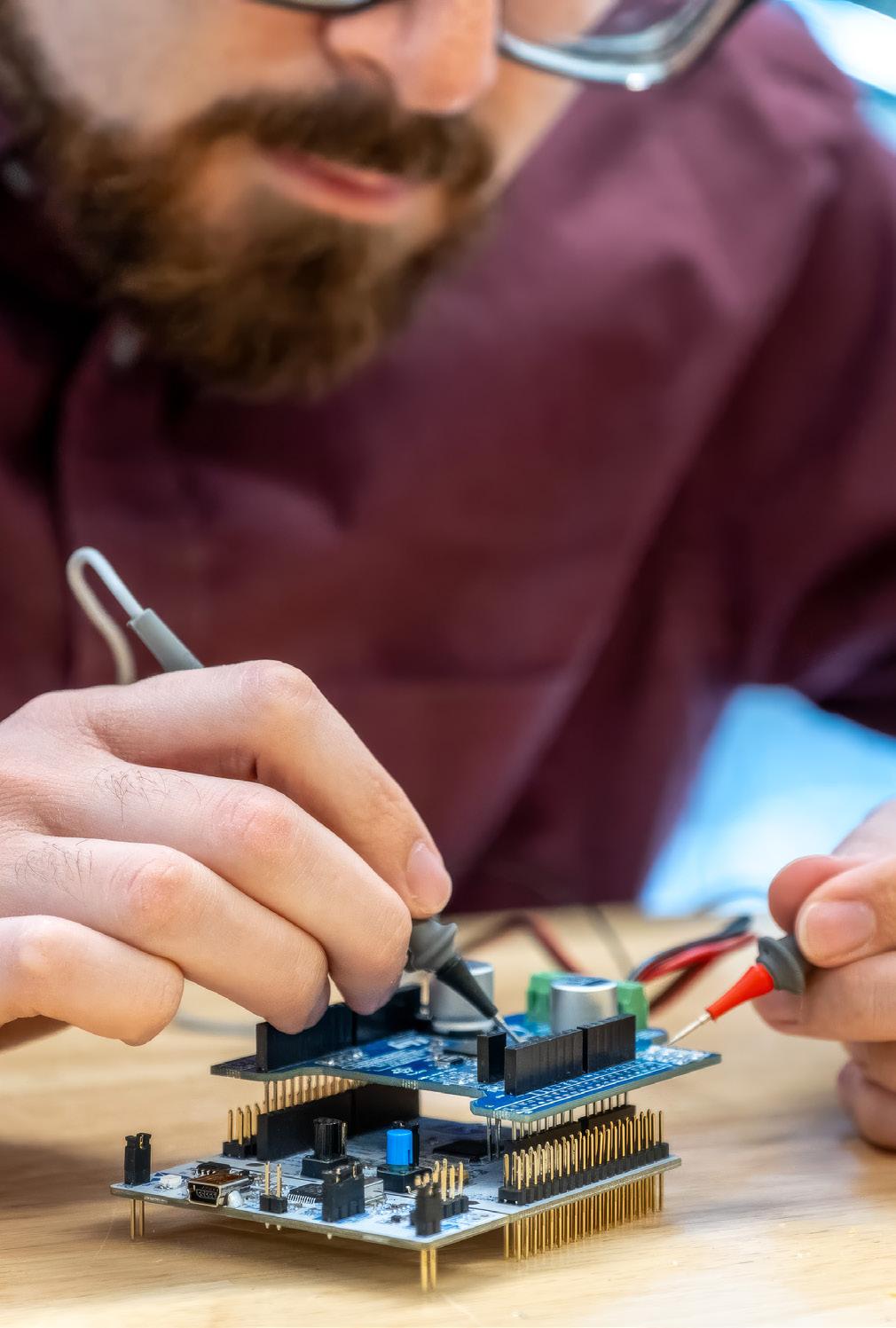
Of course, in 2026, artificial intelligence and digital manufacturing technologies are impacting the way Sanner operates, particularly in production environments. While these innovations can assist in improving efficiency and supporting future growth, Stefan sees them as an enabler for people, rather than a replacement.
“There’s a lot of experience here at Sanner,” he affirms. “We’ve been making packaging for pharma and nutraceutical markets for more than 100 years. That counts for a lot.”
Looking ahead, Sanner plans to continue strengthening both its innovation pipeline and CDMO offering. Sustainability, patient-centric design, and speed to market are expected to remain key priorities.
“Ultimately, if you look at the pharma and biopharma industries, time is of the essence,” Stefan says. “We really need to help our customers get their drugs to market in the quickest and most efficient way possible.”
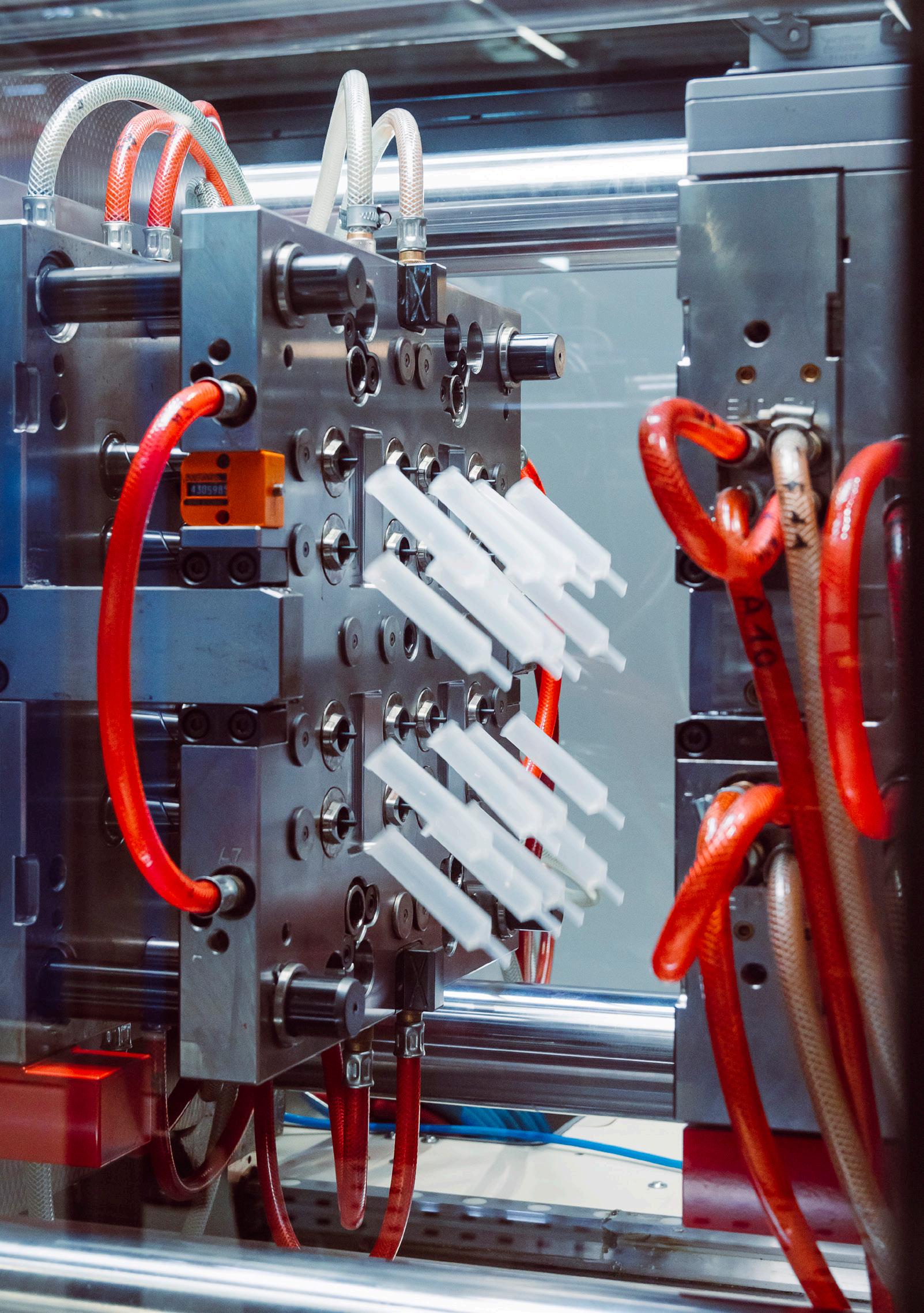

As far as long-term ambitions go, Sanner’s vision is equally clear.
“We want to be the leading global partner for sustainable, innovative pharmaceutical packaging, as well as integrated CDMO solutions,” Stefan concludes. “It’s all about delivering excellence in quality, design, and most importantly, patient-centric value. We will do whatever we can to support a healthier world.”
Sanner is an agile, innovation-driven and reliable CDMO, delivering end-to-end solutions – from device and packaging design through development to large-scale manufacturing.
With a global footprint across three continents, we combine flexibility with substantial production capacity to meet diverse customer requirements – whether small batch runs or high-volume production.
Our proven, quality-driven packaging portfolio for moisture management ensures drug stability across pharmaceutical, diagnostic and consumer health applications. Backed by a global team of over 150 engineers, we bring deep development expertise to every project.
Partner with Sanner to accelerate market access and efficiently bring medicines and medical devices to patients worldwide.
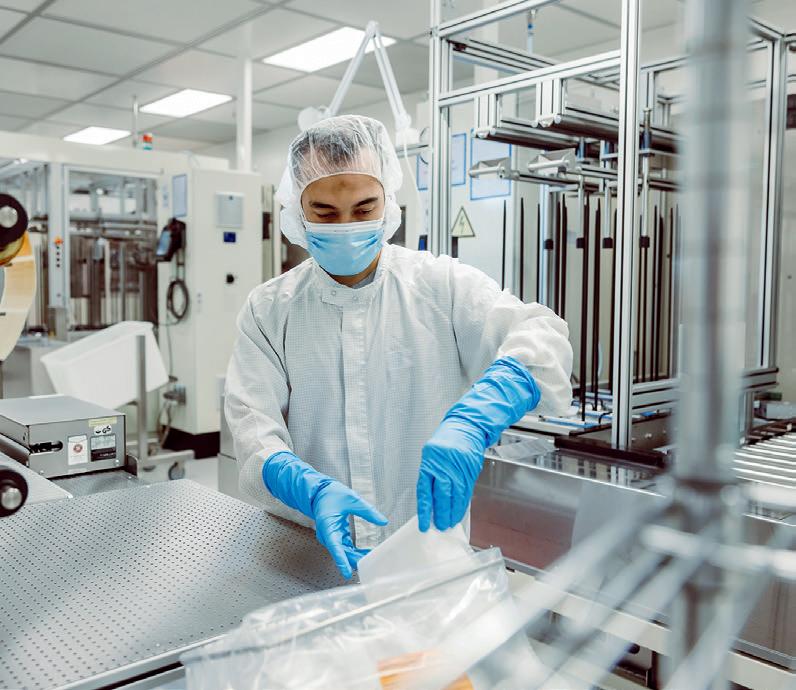
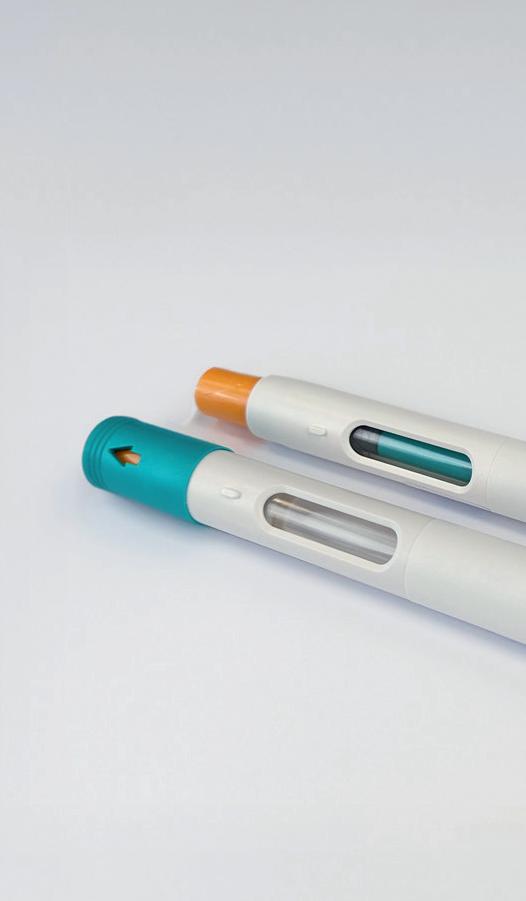
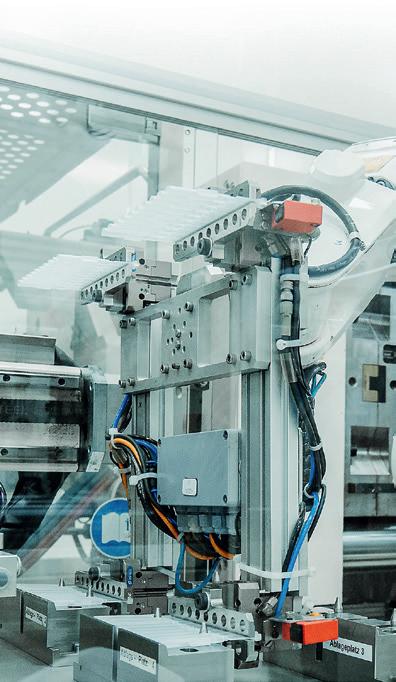
28.500

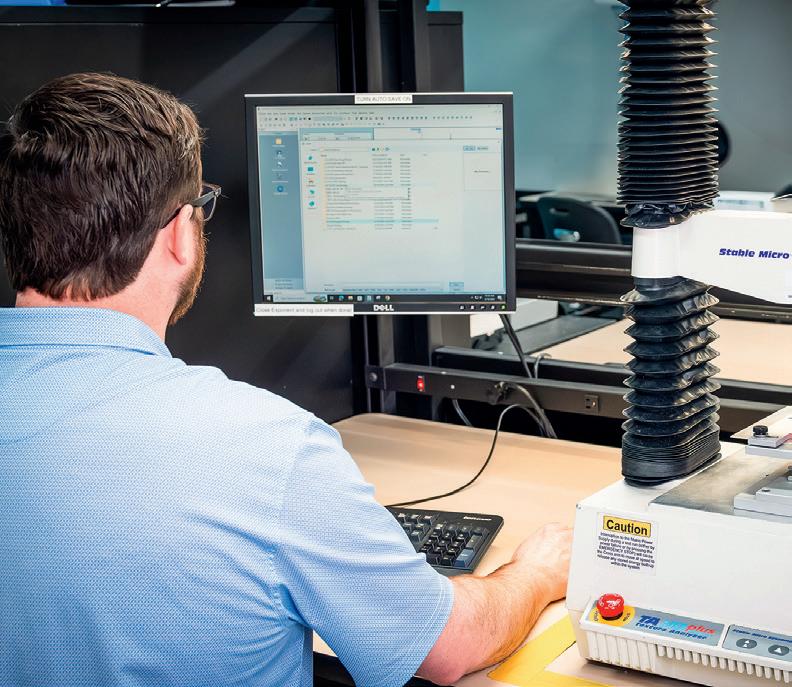
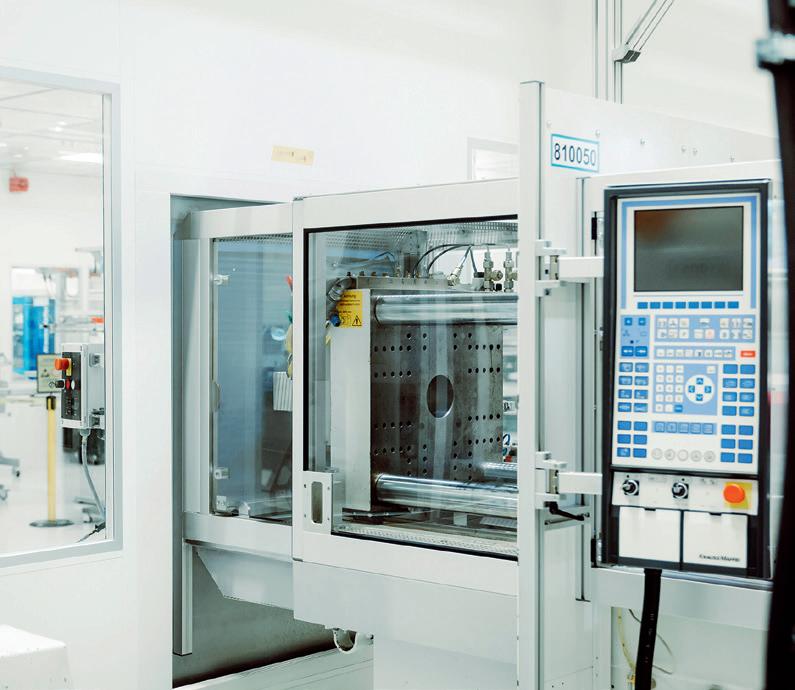


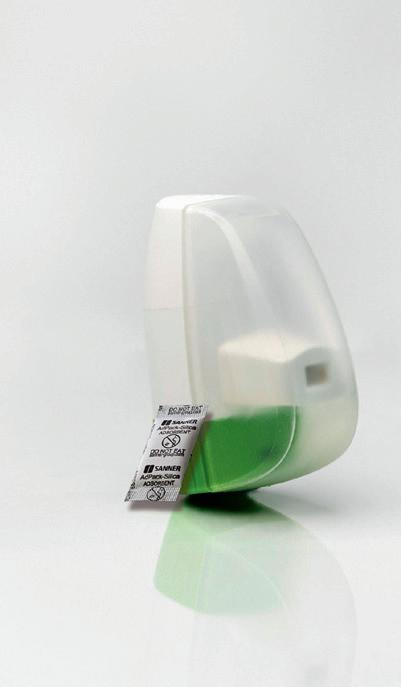
STEER WORLD HELPS A BROAD RANGE OF INDUSTRIAL CLIENTS UNLOCK PERFORMANCE GAINS THROUGH PRECISE MATERIAL TRANSFORMATION.
Every manufactured product depends on how materials behave under pressure, heat, and motion. STEER World has built its business around controlling these behaviours during processing, giving manufacturers tighter control over quality, consistency, and efficiency.
STEER operates across plastics, chemicals, pharma, food, energy, and life sciences, but no matter the task at hand, the principle stays the same. For STEER, materials are not fixed inputs – they can be engineered, refined, and transformed during production to deliver better outcomes.
“At STEER, our core platform is based on twin screw technology, widely used across manufacturing but rarely pushed beyond standard configurations,” explains CEO Nitin Gupta. “We have spent decades advancing this platform to make it as precise and adaptable as possible.”
A major differentiator for STEER is the company’s fractional geometry design. Introduced to move beyond the limitations of conventional systems, it allows precise control over key processing variables.
“It helps us to control the shear, the energy input, and the residence time required for functionalising materials,” Nitin says. “This helps us tailor how materials transform inside the process.”
This level of control matters because small variations in processing can lead to major differences in product performance. Consistency, scalability, and quality all depend on it.
Technology alone is not the full story. STEER has built a vertically integrated model that runs from concept design through to manufacturing and lifecycle support. The company produces its own critical components, including specialised alloy steels and gearboxes, ensuring tighter control over performance and reliability.
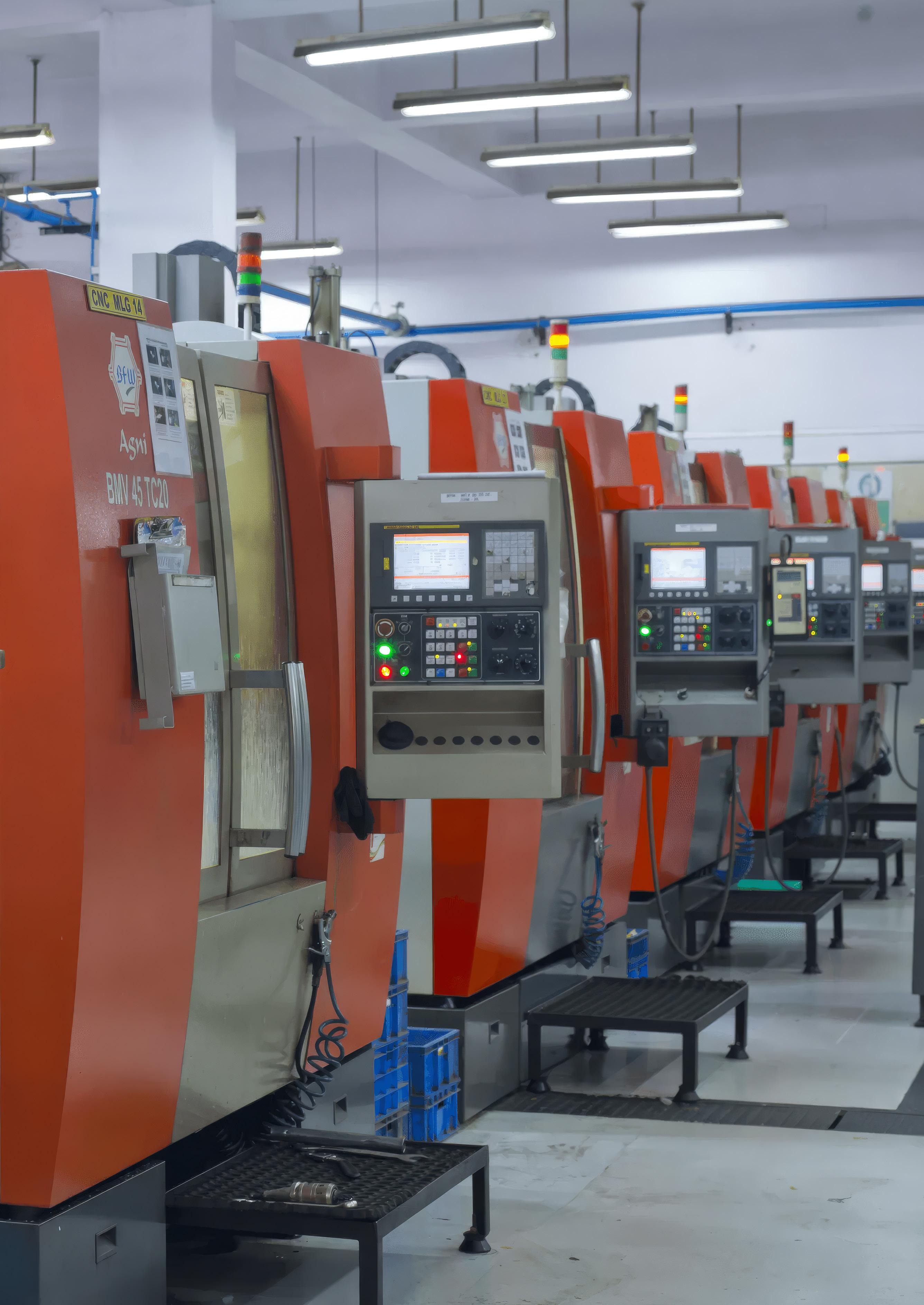
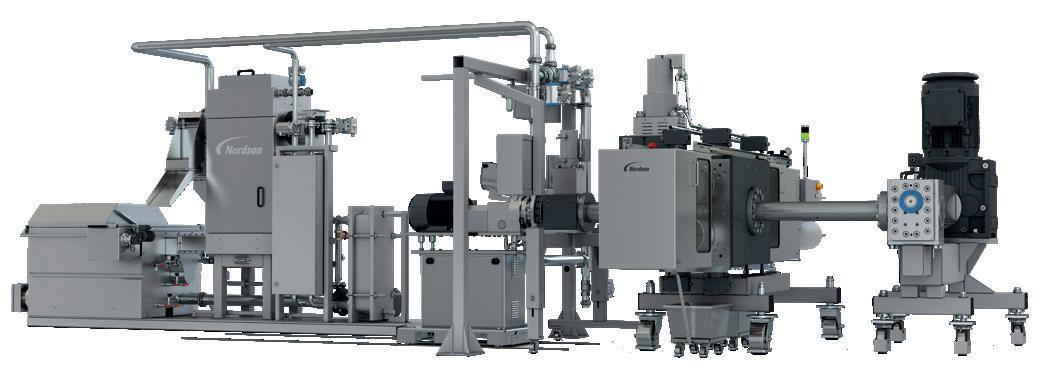

• Increased extruder uptime through process continuity
• High pellet quality through excellent bulk characteristics
• Low operating costs through simple handling
www.nordsonpolymerprocessing.com sales-bkg@nordson.com Phone +49.251.26501.0

Few companies operate with such a level of integration. The result is not just equipment supply, but outcome-driven solutions.
“We are not just providing a system or piece of equipment,” Nitin affirms. “With strong application expertise, we are able to deliver end-to-end solutions.”
The approach becomes most visible in industries under pressure to change. Plastics and polymers, for example, remain one of STEER’s longest-standing areas of focus. The sector faces increasing scrutiny around sustainability – particularly the reliance on fossil-based materials and the challenge of recycling complex plastics.
Bio-based polymers are widely seen as a sustainable alternative to traditional materials, but scaling them has been difficult due to their sensitivity during processing. STEER’s technology has helped overcome that barrier.
“We have been able to process bio-based polymers consistently and at a commercially viable
scale,” Nitin states. “As a result, these products can now support the replacement of traditional hydrocarbon-based plastics.”
STEER’s innovative solutions are now helping to transform a wide range of industries. For instance, the company has recently developed solutions to convert cross-linked polyethylene back into reusable polyethylene, opening the door to recycling materials that were previously discarded. At the same time, STEER’s work in advanced materials has helped the company to expand into aerospace applications.
In the increasingly critical energy space, STEER has developed pre-treatment technologies that change how bio-based feedstocks interact with water,
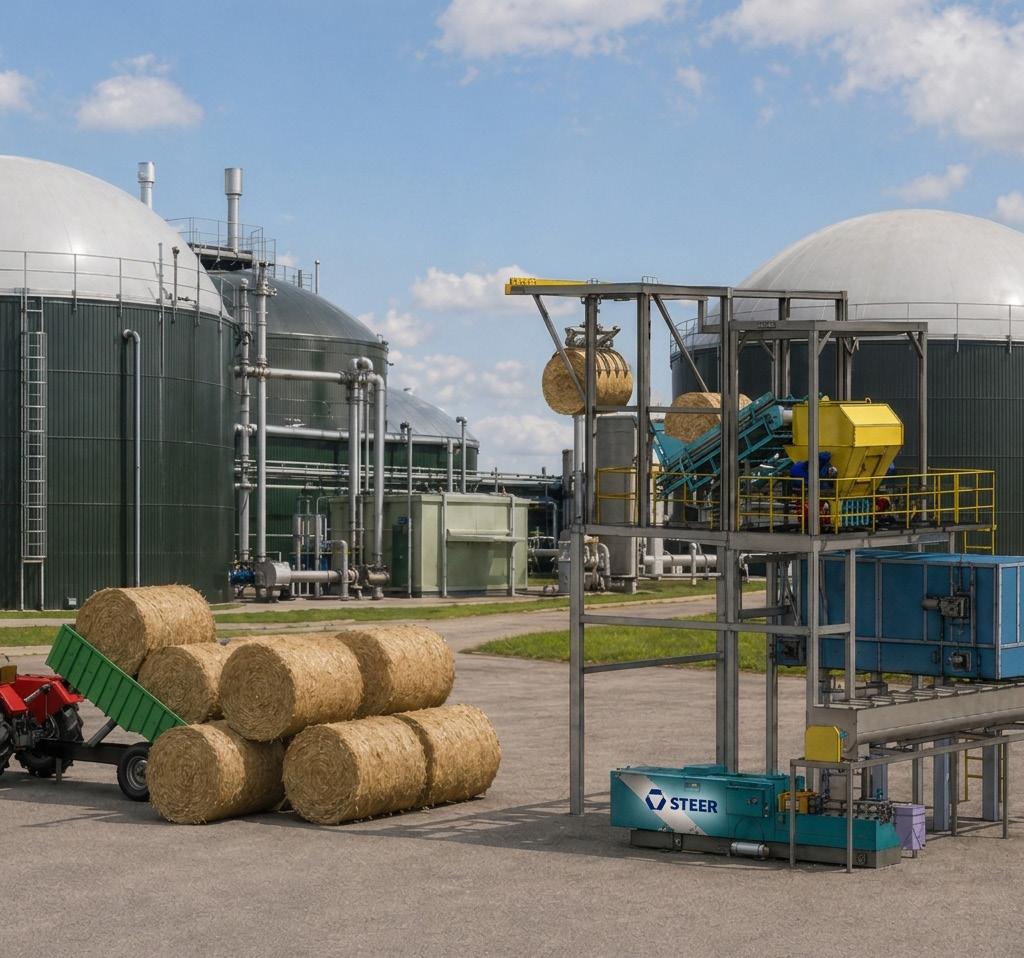
improving their suitability for bioenergy production. Meanwhile, the company’s work in biomass conversion and waste valorisation is aimed at turning agricultural waste into usable energy & carbon capture materials.
“Regarding the latter, the goal is practical,” Nitin remarks. “We want to help reduce dependence on fossil fuels, while making the best of existing resources.”
Life sciences has presented STEER with a different set of challenges. Pharmaceutical manufacturing still relies heavily on batch processing, which is inefficient and prone to inconsistency. In response, STEER has applied its continuous processing capabilities within this space, improving both efficiency and product quality.
“Granulation is one of the most difficult processes out there,” Nitin points out. “We have been able to convert that batch process into a continuous process that reduces energy, improves consistency and help our customers with faster time to market.
“The shift also supports regulatory demands for better quality control. Continuous processes allow for quality by design, reducing reliance on end-stage testing and lowering rejection rates.”
Across all sectors, the same pattern emerges. Problems that appear unrelated often come back to how materials are handled during processing.
Crucially, each sector the company serves requires more than standalone equipment. Integrated systems, combining material science, engineering, and process control, are becoming essential – and as such, STEER’s capabilities are invaluable.
Despite the highly complex nature of the company’s work, it is not technology driving STEER’s growth, but people.
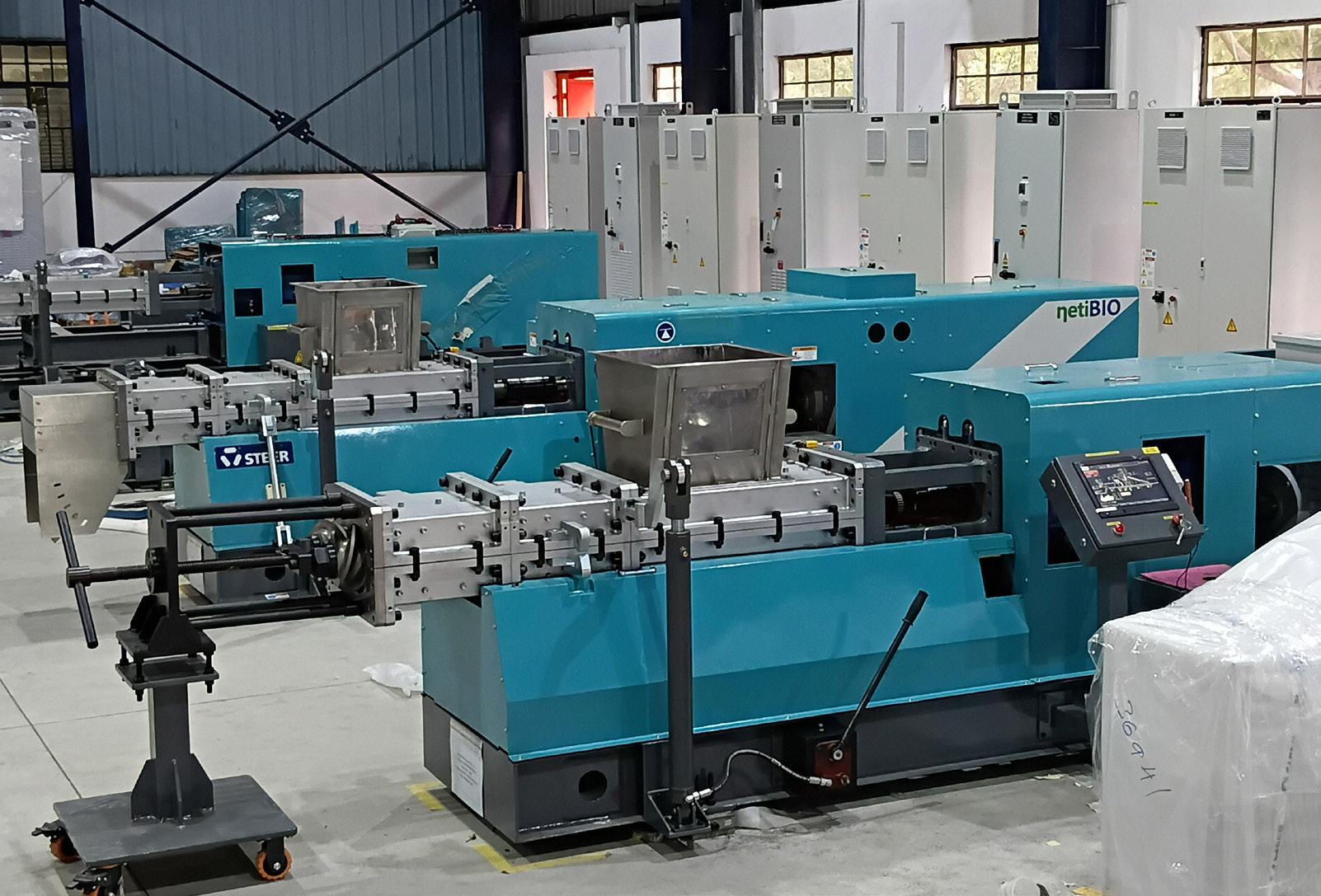
“Any growth in our ecosystem is going to be people-driven,” Nitin asserts. “Technology will enable us, but our focus is on understanding the pain points and developing solutions that help people achieve better outcomes, so our talented team will always be fundamental to our success.”
This mindset shapes how solutions are developed and deployed at STEER. Close collaboration with customers ensures that the company’s work can be applied in ways that solve real operational problems.
With this collaborative mindset at its heart, and driven by the strength of its people, STEER is now focused on scaling what it has already built. After three decades of investment in research and development, attention is shifting toward wider deployment.
“We have spent almost three decades in R&D,” Nitin reports. “Now we want to focus on deploying this technology on the ground to drive specific advancements.
“Plastics, energy, and life sciences remain priority areas. Increasing the use of bio-based polymers, enabling recycling of difficult materials, and advancing continuous manufacturing are all part of the plan.”
Geographic expansion is also on the agenda. STEER already
operates across major markets including the US, Europe, Japan, and China, but sees further growth potential.
Ultimately, investment in science-led innovation will continue to underpin STEER’s strategy. Expanding capabilities in areas such as nanotechnology and advanced chemicals is part of the long-term roadmap.
“Material transformation is not always visible, but its impact runs through every industrial sector,” Nitin notes. “Our focus on controlling how materials behave during processing provides us with an enviable position in the manufacturing value chain.”
STEER’s ambitions are grounded in practical engineering: better materials, processed more efficiently, with less waste and greater consistency. For manufacturers facing increasing pressure on cost, performance, and sustainability, STEER has become a highly useful partner. Beyond business, the organisation is having an equally positive impact on the way we live.
“We are helping redefine how industries create and use materials,” Nitin concludes. “The idea is, in various ways, to make life more liveable for all.”
AT A TIME WHEN THE AFRICAN ENERGY SECTOR IS CHANGING FOREVER, FFS REFINERS IS ADAPTING TO MEET THE NEEDS OF THAT NEW MARKET.
In 1974, married couple Tony and Diane Hurter embarked on a project to recover oil from a large waste-oil dam known as “Midmar 2” at the Sapref Refinery in Durban. It was the beginning of a family-run business that would be known as “Fuel Firing Systems”, and later became FFS Refiners. Over the next 50 years, that company would go on to grow and diversify, offering not just fuels for heating but also tank terminals and marine bunkering services.
We are agile and innovative and able to respond quickly to market opportunities,” says Alistair Wright, CTO of FFS Refiners. “We take pride in the products and services we provide and jealously guard our reputation as a reliable business partner.”
FFS Refiners’ hallmark has always been this ability to adapt and diversify while remaining a dependable partner. The latest example of this can be seen in how the business responded to dramatic shifts in the industry over the last decade.
“In 2020, in South Africa, FFS Refiners was buying a lot of raw materials, specifically fuel oil components from local refineries,” Wright recalls. “We were buying intermediate products, further refining and
upgrading them into a variety of different fuel oil grades for sale. Then, like dominoes, local refineries started shutting down. While governments were mandating a move to cleaner fuels, smaller and older refineries found it didn’t make financial sense to make the required investments to comply.”
Even the refineries that kept running were now changing their crude diet to produce cleaner products, which meant creating less of the products FFS needed as feedstock. It was a situation that presented FFS Refiners with an unsavoury choice- either sell less or buy finished products to resell, drastically reducing FFS’s own bottom line.
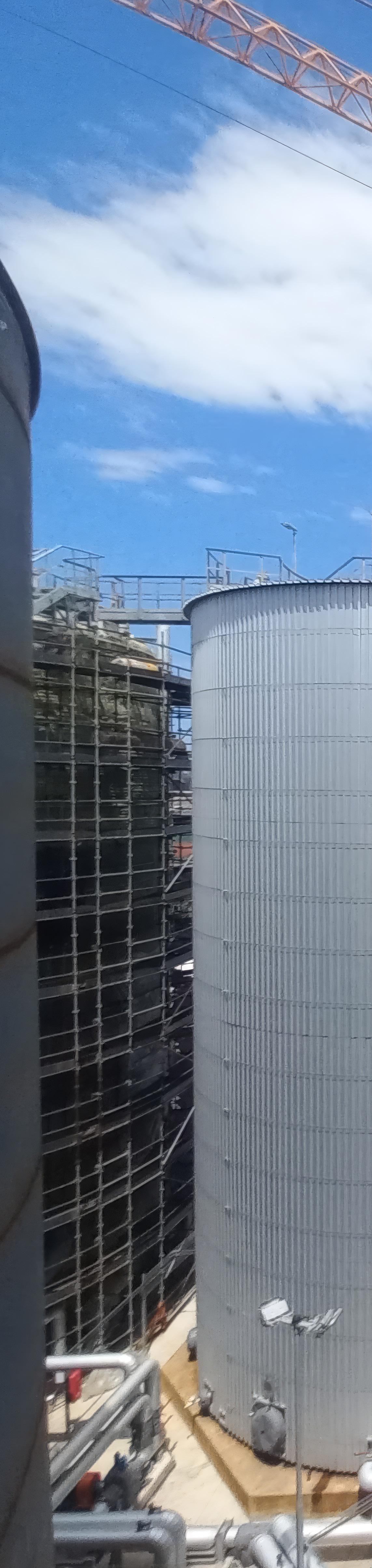
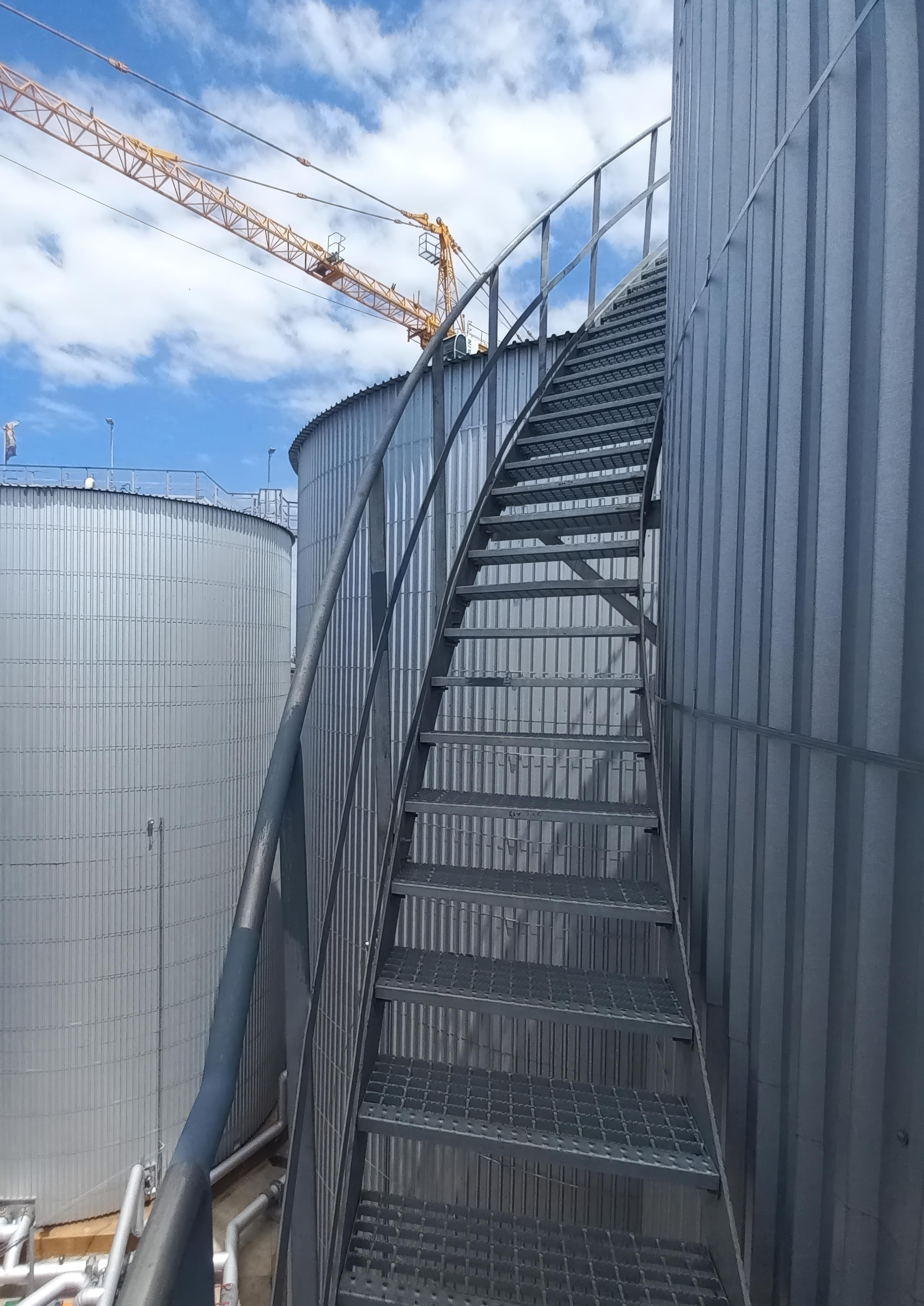

• Fire-safe insulation systems for storage temperatures from -265 °C up to +430 °C
• Dedicated insulation systems for upright tanks, spherical tanks and storage vessels
• Dedicated insulation systems for tank bottom, tank wall and, tank roof insulation applications
• Proven long-term performance for lasting energy efficiency
• Trusted insulation solutions provider to the tank storage industry for over seven decades
In industries where safety, reliability, and long term performance are non negotiable, insulation is far more than a background component — it is a critical element of operational integrity. Owens Corning FOAMGLAS® insulation has built its global reputation by delivering cellular glass solutions engineered specifically for such demanding environments.
As a leading provider of high performance insulation systems, FOAMGLAS® serves a wide range of industrial, commercial, and building applications across energy, petrochemical, pharmaceutical, food processing, and infrastructure sectors. The brand’s strength lies in its singular focus on cellular glass technology and its ability to translate material science into practical, dependable insulation systems. FOAMGLAS® cellular glass insulation is distinguished by its unique combination of properties: it is non combustible, vapor tight, dimensionally stable, and resistant to moisture, chemicals, and corrosion. Unlike many traditional insulation materials, it does not burn, absorb water, rot, or degrade over time. These characteristics make it particularly well suited for environments where fire safety, process control, and long term asset protection are essential.
One of the defining advantages of FOAMGLAS® insulation is its wide operating temperature range. From cryogenic applications such as LNG, ammonia, and hydrogen storage to high temperature process and steam systems, FOAMGLAS® performs reliably across extreme thermal conditions. This versatility allows designers and operators to standardize on a single insulation technology for complex facilities, reducing risk and simplifying lifecycle management.
Beyond product performance, FOAMGLAS® is known for its systems approach. Owens Corning continuously develops application specific solutions that address real world installation challenges, structural loads, and operational constraints. Whether used in flat and sloped roofing systems, pipework, vessels, tanks, or industrial flooring, FOAMGLAS® solutions are engineered as complete assemblies — not just materials. Sustainability is also an integral to the FOAMGLAS® value proposition. Manufactured partly from recycled glass and designed for exceptional durability, FOAMGLAS® insulation supports long service life and reduced maintenance, contributing to lower total environmental impact over the lifespan of a facility. Its non combustible and inert nature further aligns with increasingly stringent regulatory and safety requirements worldwide. Supporting these technical advantages is one of the industry’s most comprehensive technical service organizations. Owens Corning FOAMGLAS® works closely with owners, engineers, contractors, and installers throughout the entire project lifecycle — from early design and specification through construction, commissioning, and long term operation. This hands on support ensures that insulation solutions perform as intended, even in the most complex and mission critical applications. In a world where infrastructure reliability and safety are under increasing scrutiny, Owens Corning FOAMGLAS® insulation continues to set the benchmark for cellular glass technology — delivering confidence, durability, and performance where it matters most. www.foamglas.com
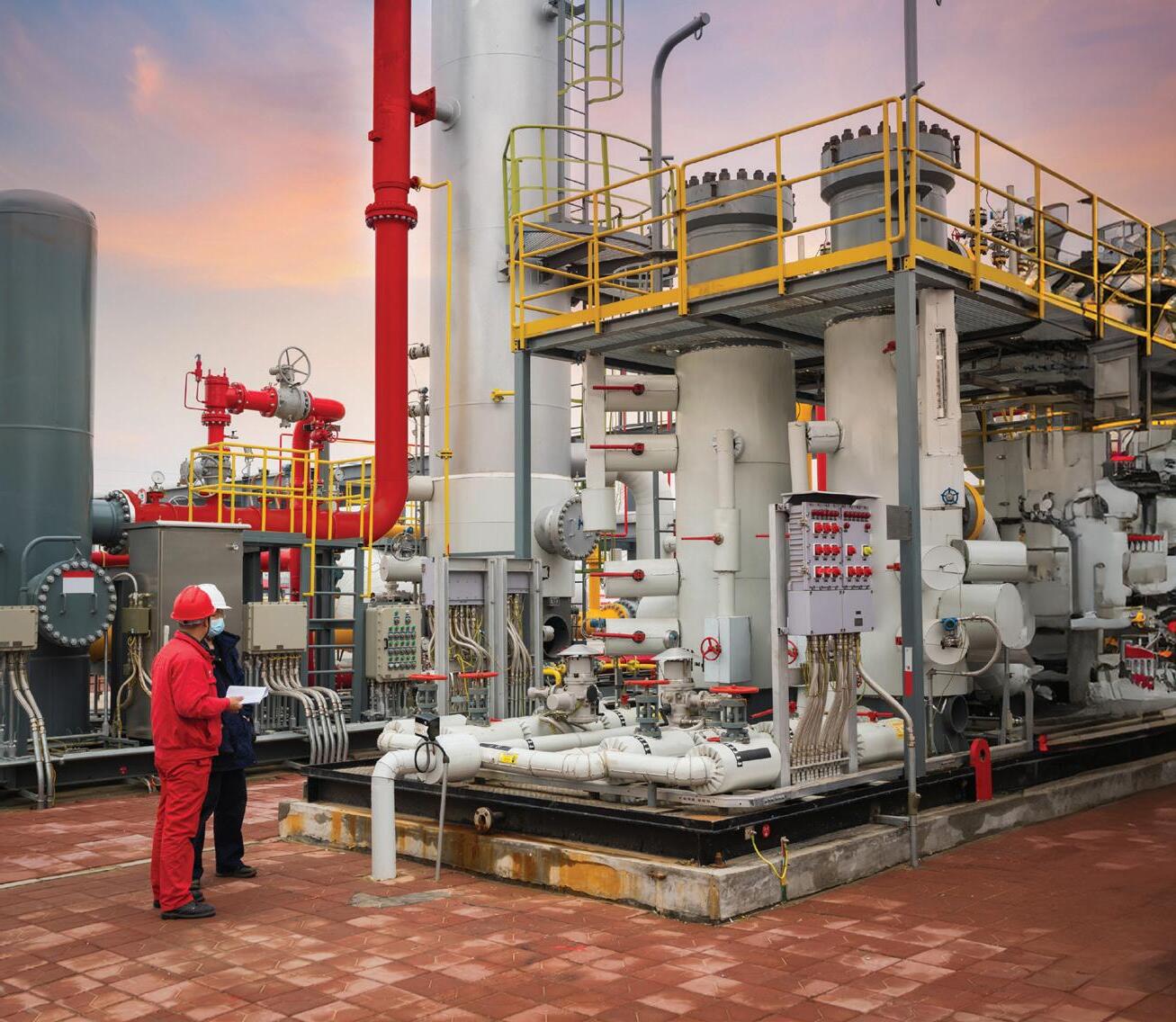
salessa@energisolutionsafrica.com
www.energisolutionsafrica.com
We are leaders in industrial process heating solutions, transforming how companies approach heating and control technologies for over 35 years.
Our comprehensive approach to energy solutions is supported by our ISOaccredited facilities and a team of skilled professionals, empowering clients to make informed decisions that drive business growth and strengthen customer relationships.
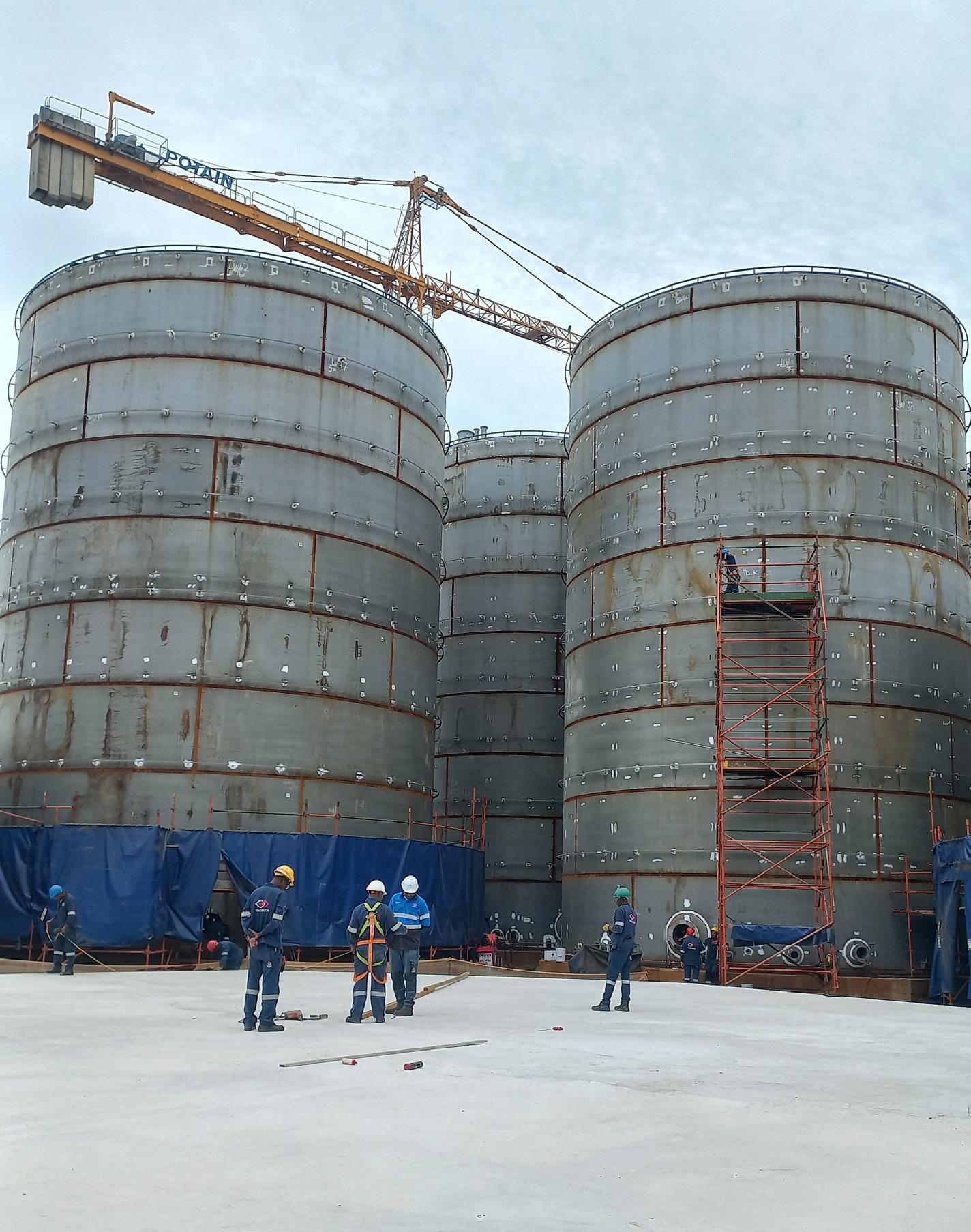
FFS Refiners opted to find a third way, and in 2022 acquired the OTGC Terminal, an underutilised molasses terminal, in the Port of Durban, renaming it FFS Tank Terminals and creating the FFS Group.
FFS went on to convert and expand the terminal into a new fuel oil and bitumen import facility. It is a facility that has the potential to be nothing short of industry-changing.
“We saw an opportunity to get into the tank terminal business, creating our own import capacity to bring these components into the country,” says Wright. “In doing that, we realised the same challenges we faced with fuel oil were also being faced by the bitumen industry.”
At the time of writing, South Africa currently has no local bitumen production capacity left. Since 2022, FFS has converted some of the existing molasses tanks into fuel oil service for industrial energy and marine bunkering service and developed unused space into eight new bitumen storage tanks complete with heating coils and truck loading gantries.
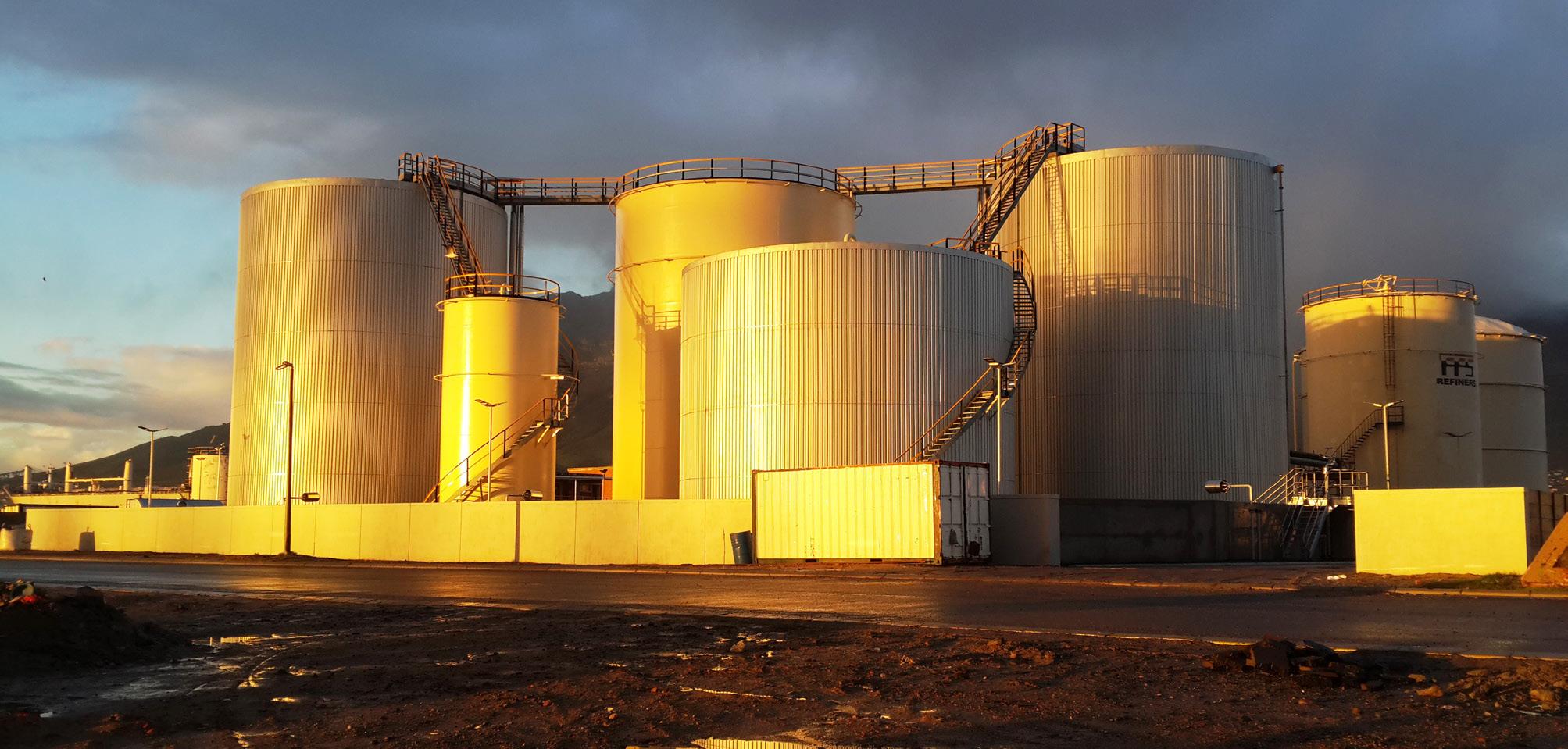
“BITUMEN IS A CHALLENGE TO IMPORT. IT IS SOLID AT ROOM TEMPERATURE. TO TRANSPORT IT, YOU NEED TO MAINTAIN IT AT A TEMPERATURE BETWEEN 120 AND 160 DEGREES CELSIUS.”
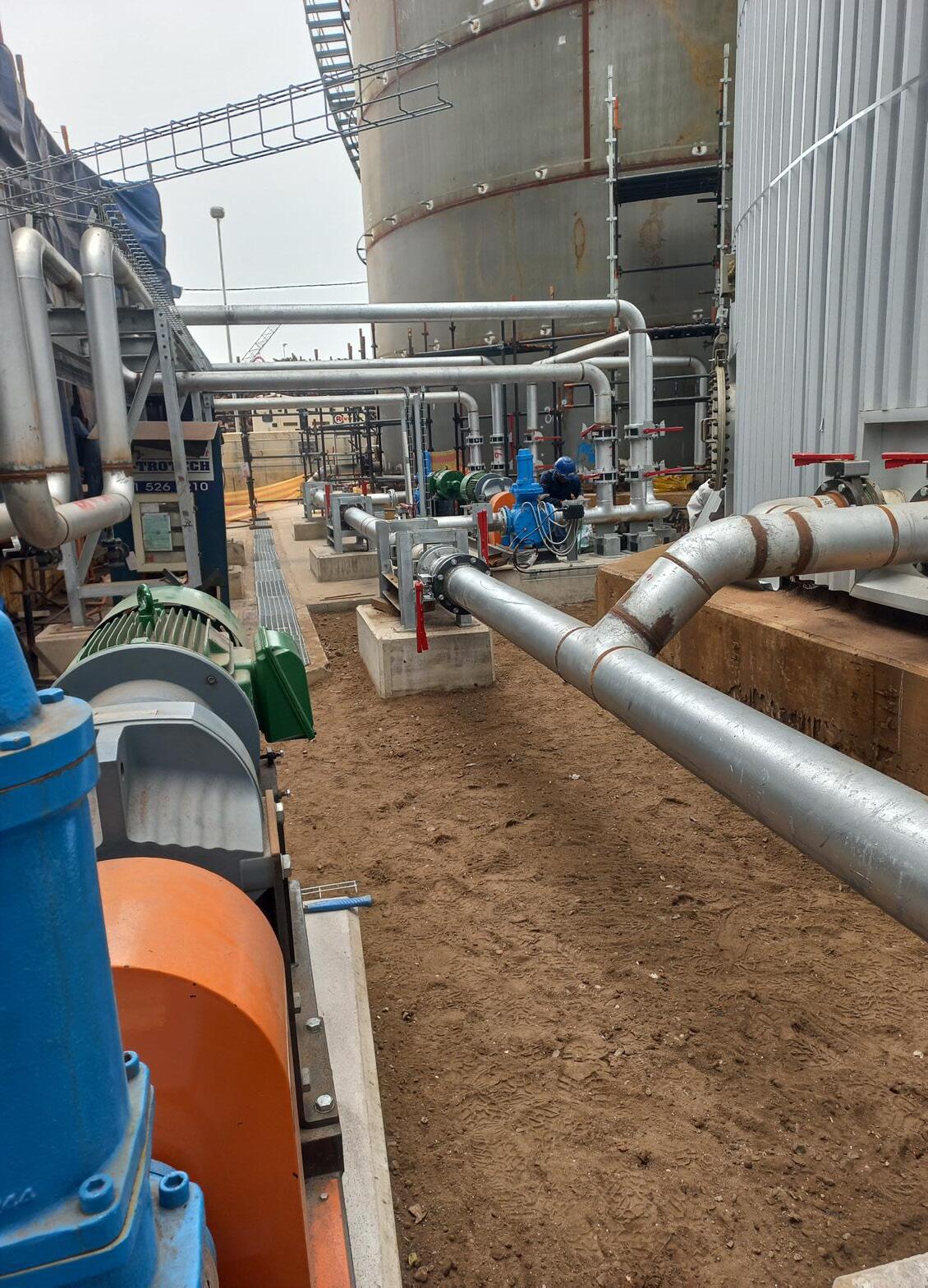
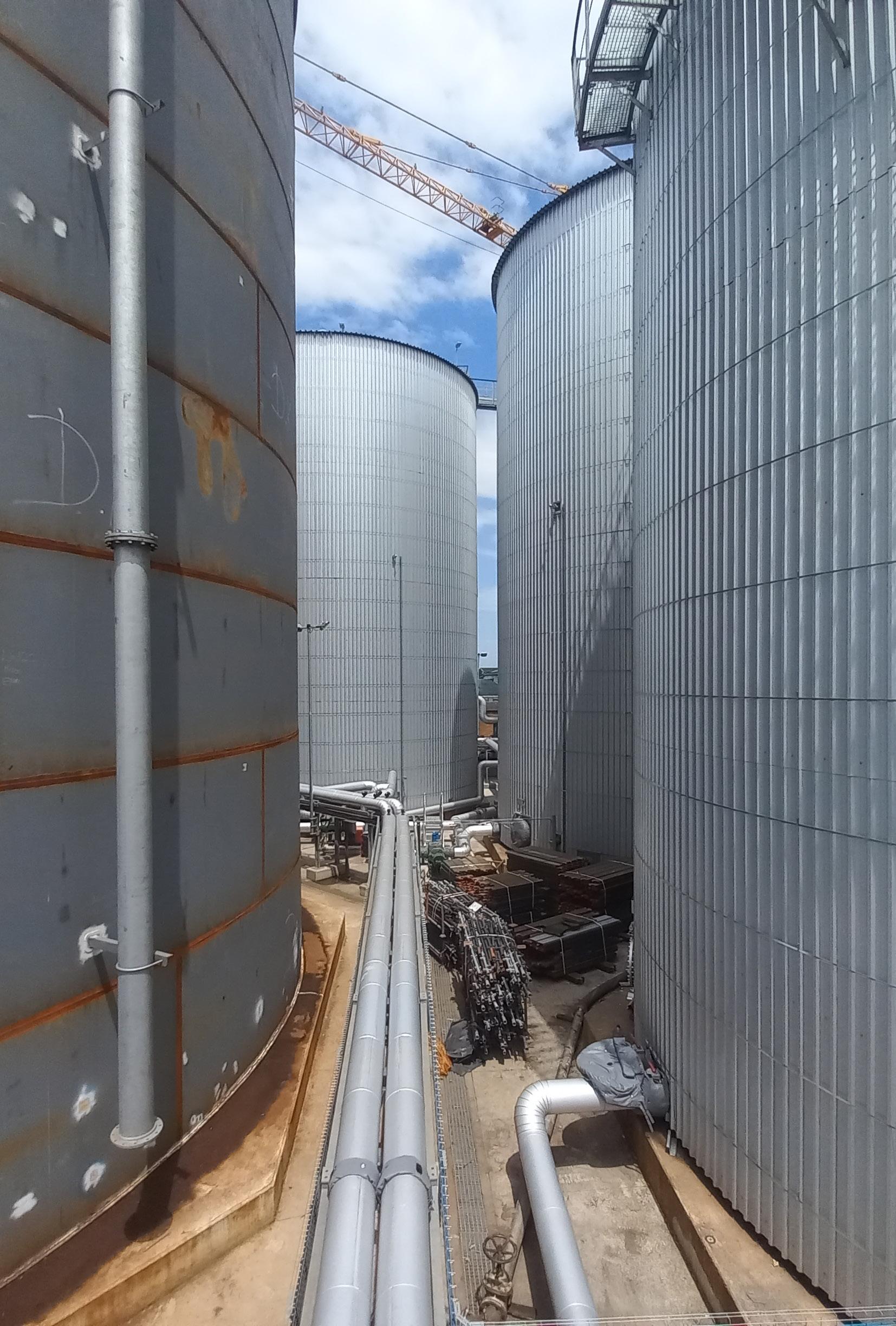
“Bitumen is a challenge to import. It is solid at room temperature. To transport it, you need to maintain it at a temperature between 120 and 160 degrees Celsius,” Wright says. “You have to keep it at that temperature from the ship to your terminal and then store and dispatch it at that high temperature.”
In the space of only a few years, FFS installed 20,500 cubes of new bitumen storage capacity in what is now the only heated bitumen import
facility on the East Coast of South Africa. The bitumen is already hot when it arrives at the facility from the ship. FFS’s quayside facility connects to the ships with electrical heat traced and insulated spool pieces, leading into a heat traced pipeline that runs from the quayside to the terminal and into bitumen tanks of various sizes. The temperature in the tanks is maintained by internal heating coils having hot thermal oil flowing through them. FFS Refiners has ensured the

Africa's above-ground storage tank specialistsfrom fabrication to final installation.
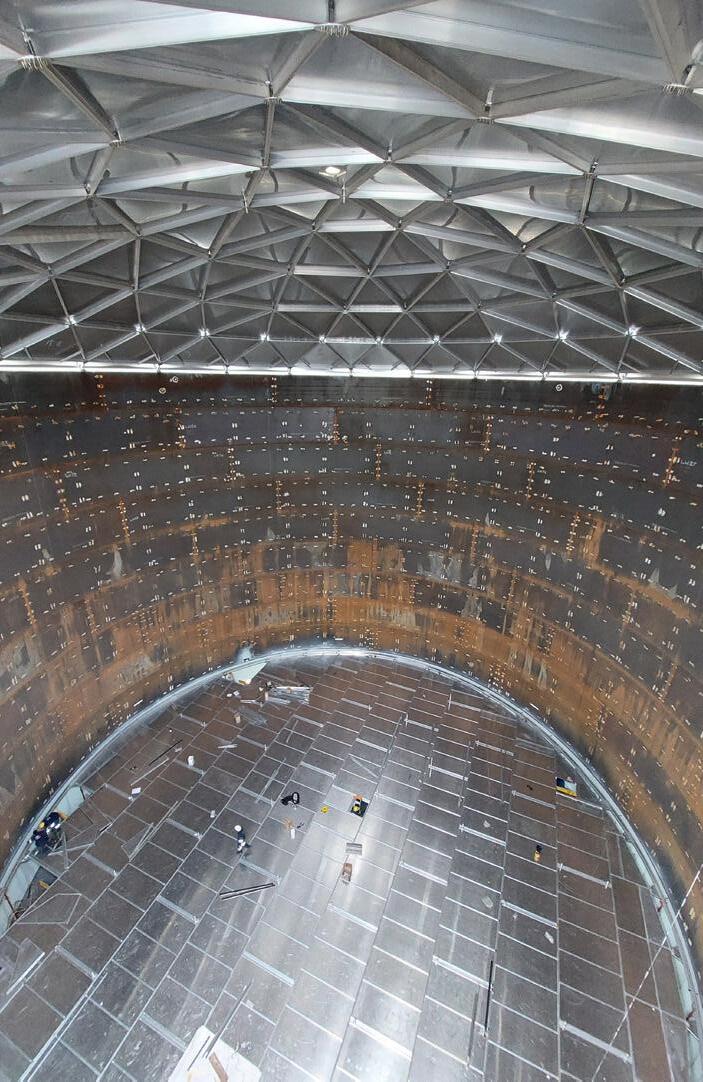
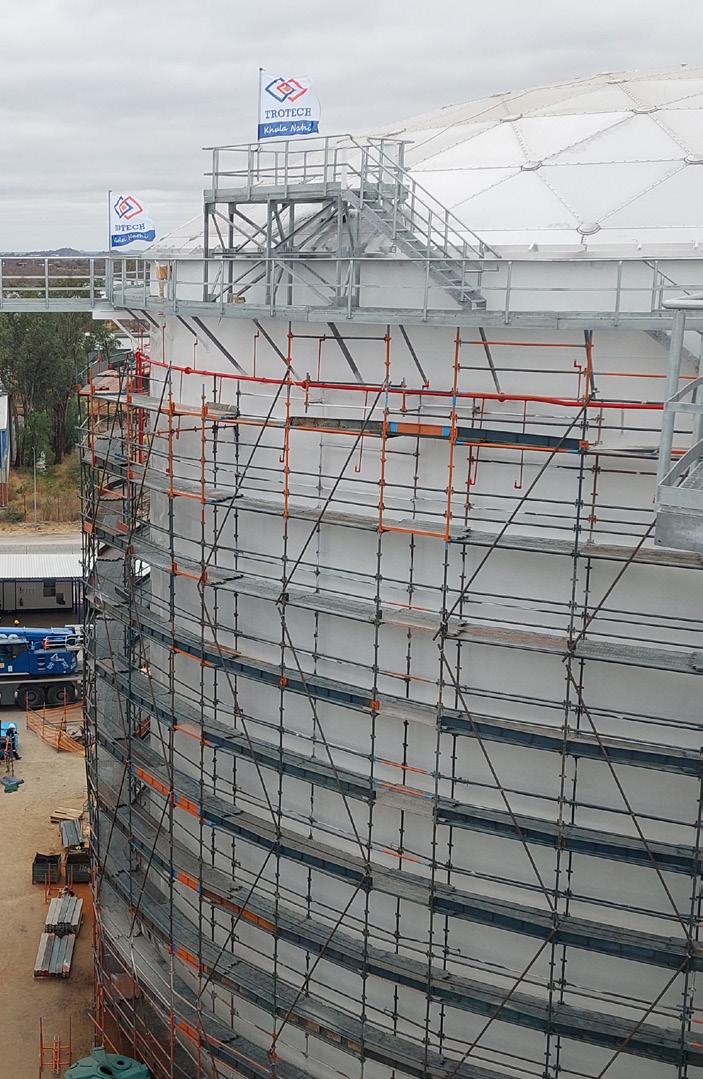
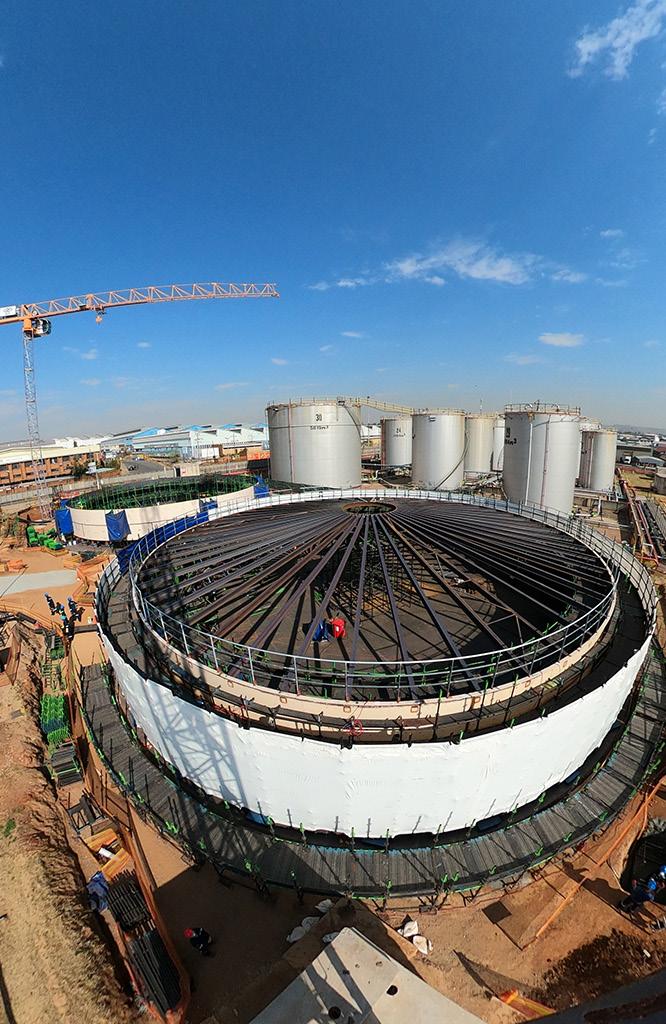
Delivering complex tank projects across Southern Africa's most demanding environments. On time. To standard. For the long-haul. +27
300+
11 33 1.1m+ Years in the Industry Tanks Constructed Countries Supplied Volume of Tankage (cubic meter)
NINE TANKS. ONE PARTNERSHIP.
KHULA NATHI. YOU GROW, WE SUCCEED. IT’S THE PRINCIPLE TROTECH BRINGS TO EVERY PROJECT – AND NOWHERE HAS IT BEEN MORE PLAINLY DEMONSTRATED THAN AT MAYDON WHARF, DURBAN.
When FFS Refiners identified the need for a dedicated bitumen import facility at the Port of Durban, they needed more than a contractor. The closure of South Africa’s local refineries had created a structural gap in the country’s bitumen supply chain – one that required a long-term infrastructure response, executed with precision and delivered on time. That required a construction partner with both the capability and the commitment to see it through. That partner was Trotech.
Trotech’s scope was comprehensive: design verification, drawings, procurement, prefabrication, erection of all tanks and steam coils, and full testing across the entire facility. The project was delivered across two phases – Phase 1 comprising three 2,500m³ tanks, and Phase 2 adding a further 1,500m³, 2,500m³, three 3,000m³, and a 7,000m³ tank, most fitted with heating coils to maintain bitumen at the temperatures required for storage and transfer.
Nine tanks in total, across an 18-month programme, on one of Durban’s most congested working port sites.
That congestion was one of the project’s defining challenges. Working within a constrained footprint, Trotech deployed a tower crane extending across the full site, enabling coordinated lifting activities in conditions where the margin for error was minimal. Anticipating the problem rather than reacting to it protected both programme and safety across the duration of the works. Over 300,000 hours were worked on the contract – performance underpinned by discipline at every level of the team.
The schedule was, by any measure, demanding. Shipping windows, client constraints, and site delivery pressures created a programme with little room for anything other than disciplined execution. The project team met that pressure directly – and handed tanks over ahead of the contracted schedule, allowing FFS early occupation of their asset.
The product of a long-standing relationship, this outcome reflects how well both parties understand what the other needs. Trotech understands FFS’s storage requirements, their sensitivity to shipping timelines, and the operational realities that make delays costly. FFS understands what Trotech needs to perform. That mutual understanding transforms a difficult project into a successful one – and makes the adversity of a project like Maydon Wharf navigable rather than disruptive.
The completed facility now serves as South Africa’s primary import point for bitumen – a product fundamental to road infrastructure and economic recovery at a national scale. For Trotech, it stands as further confirmation of what a formidable partnership can deliver: one built on trust, shared accountability, and a simple truth – when our partners win, so do we.
info@trotechtanks.co.za

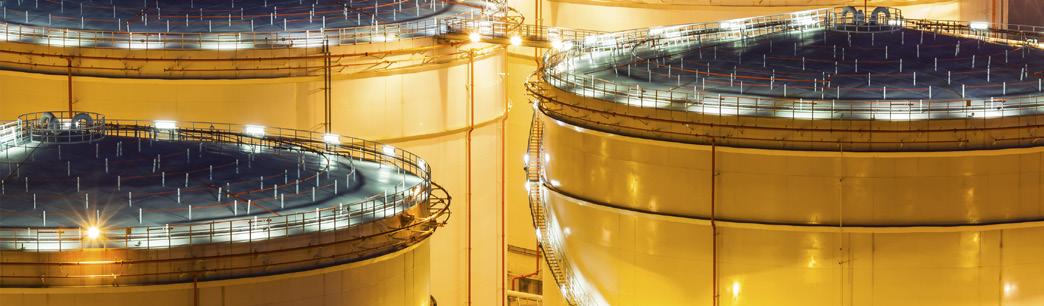
modular product line of valves, actuators and accessories offer great compatibility, economy and quality performance.
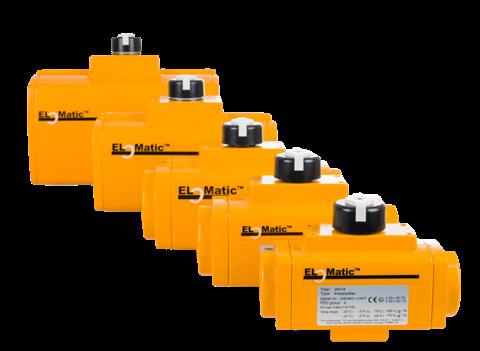
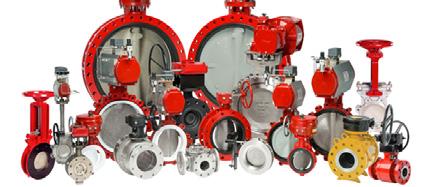
The new, re-imagined EL-O-Matic actuator improved to meet today’s industry demands delivers the same high standards of reliability for the automation of valves.
XOMOX ranks among the most successful and well known global manufacturers of industrial valves for demanding service applications.
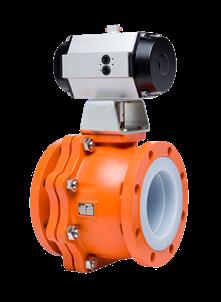
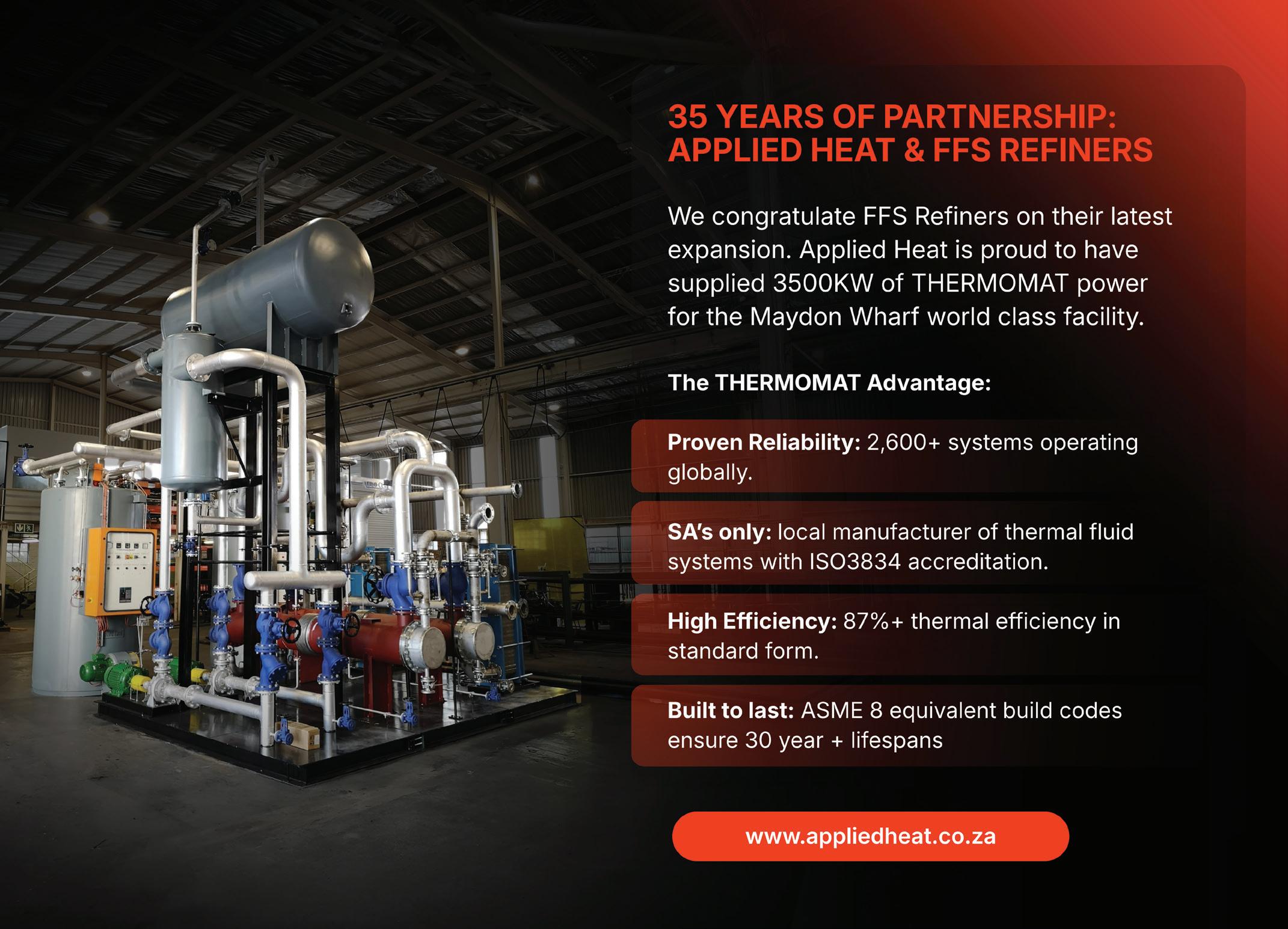

A PARTNERSHIP FORGED IN PRECISION: APPLIED HEAT AND FFS REFINERS
Applied Heat is honored to be recognized by FFS Refiners as a Key Partner in their continued success. Our relationship with FFS REFINERS spans over 35 years, a testament to a shared commitment to technical advancement and continued support to South African industry.
As FFS Refiners expands their footprint with the new Durban Terminal at Maydon Wharf, Applied Heat remains their trusted choice for critical heating infrastructure. We are pleased to confirm the recent supply of 2 of our legendary THERMOMAT thermal oil heaters for this site development, directly supporting their large-scale operational goals.
With over 2,600 systems in operation globally, the THERMOMAT is designed to deliver “quality and dependability” - significantly reducing system stress compared to other heating systems. Our heaters are built to ASME 8 codes and manufactured via the ISO 3834 quality control system, ensuring the highest level of safety for our clients site and a service lifespan that can exceed 30 years, with proper maintenance. Applied Heat is the only ISO3834 accredited local manufacturer of such systems.
The oil and petrochemical sector is one of Applied Heat’s top three specialty support sectors. We understand the rigorous demands of these environments and provide systems that offer thermal efficiency of up to and over 87% in standard form.
We congratulate Alistair Wright and the FFS Refiners team on their remarkable growth. As a family-owned business with over 57 years of heritage in South Africa, Applied Heat values the relationship it holds with such key producers. We look forward to powering FFS Refiners’ innovations for the next 35 years and beyond.
www.appliedheat.co.za
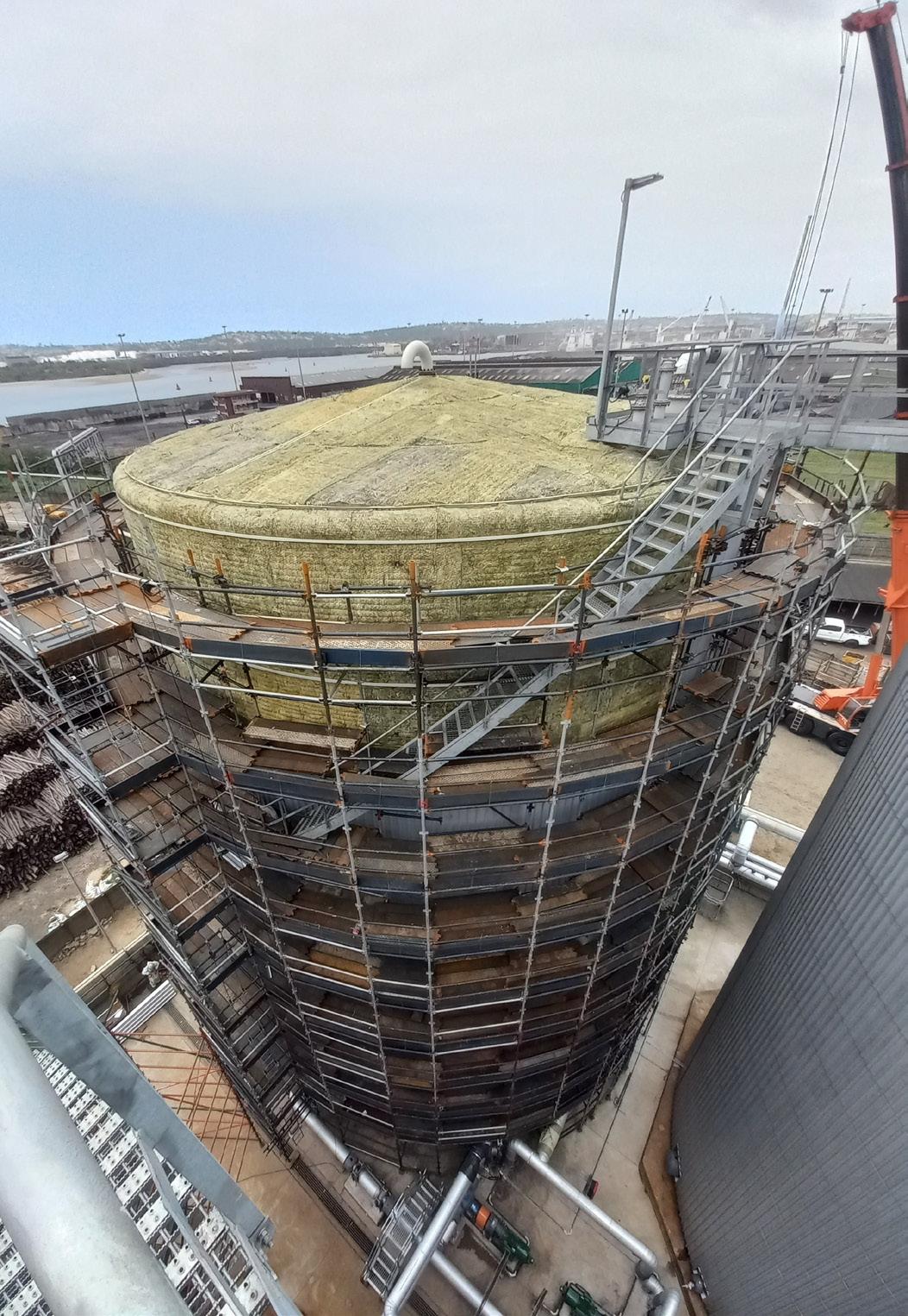
energy efficiency of the facility by investing in foam glass bricks under the tank floors which minimise heat loss through the floor, and thick insulating wool on both the roof and around the shell walls of the tanks.
“We have bitumen stored between 150 and 155 degrees, available for our storage customers literally on tap 24 hours a day,” Wright shares. “We then load that into heated trucks especially designed for bitumen on behalf of customers.”
These facilities were designed and the construction project managed by FFS Refiners’ elite team of engineers and experts, which Wright personally oversees.
“I head up the engineering and projects team, the people with the technical skills,” Wright says. “We have our own engineering department that designs the facilities and can provide technical support for operations. They also manage construction projects. The wide
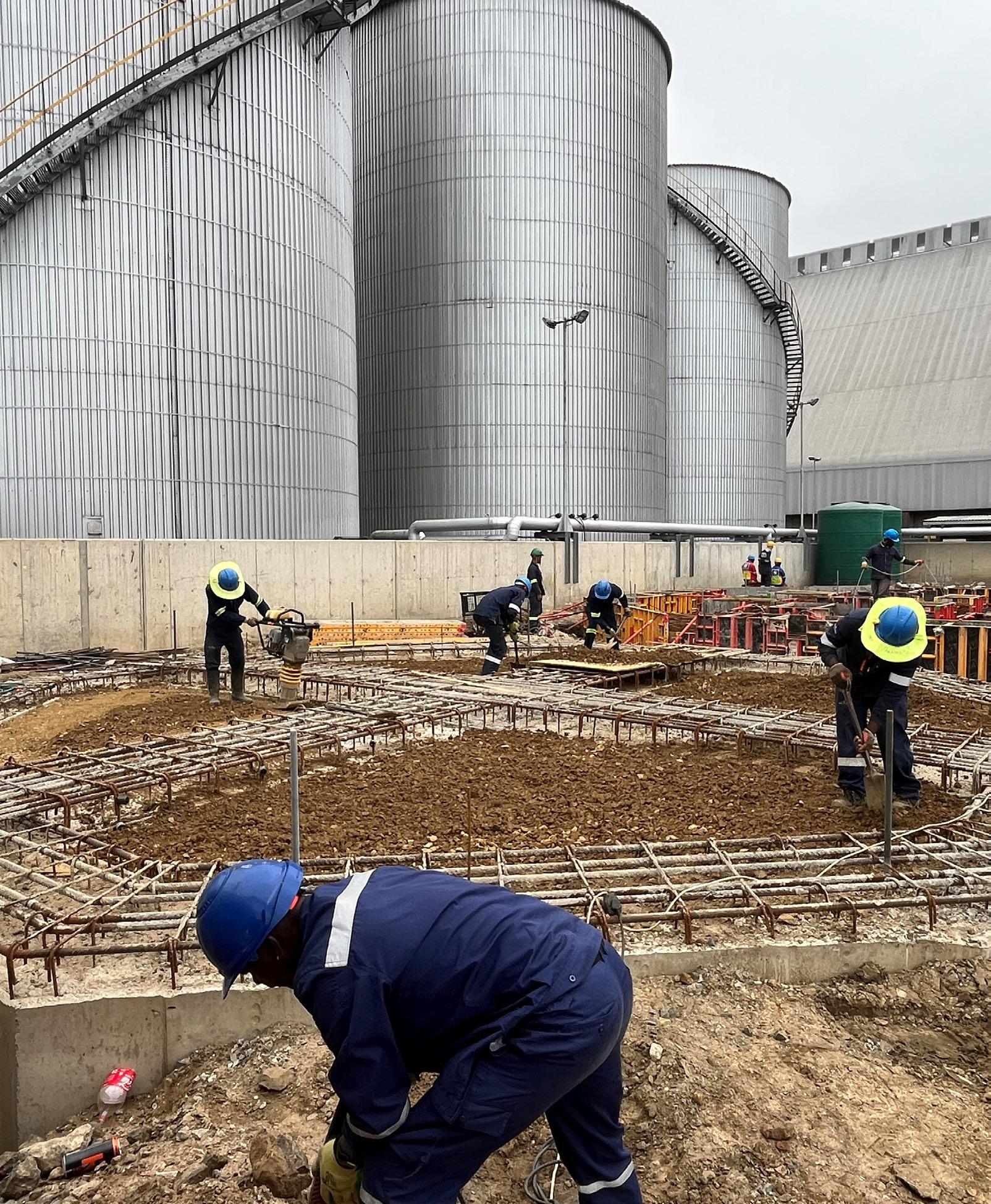
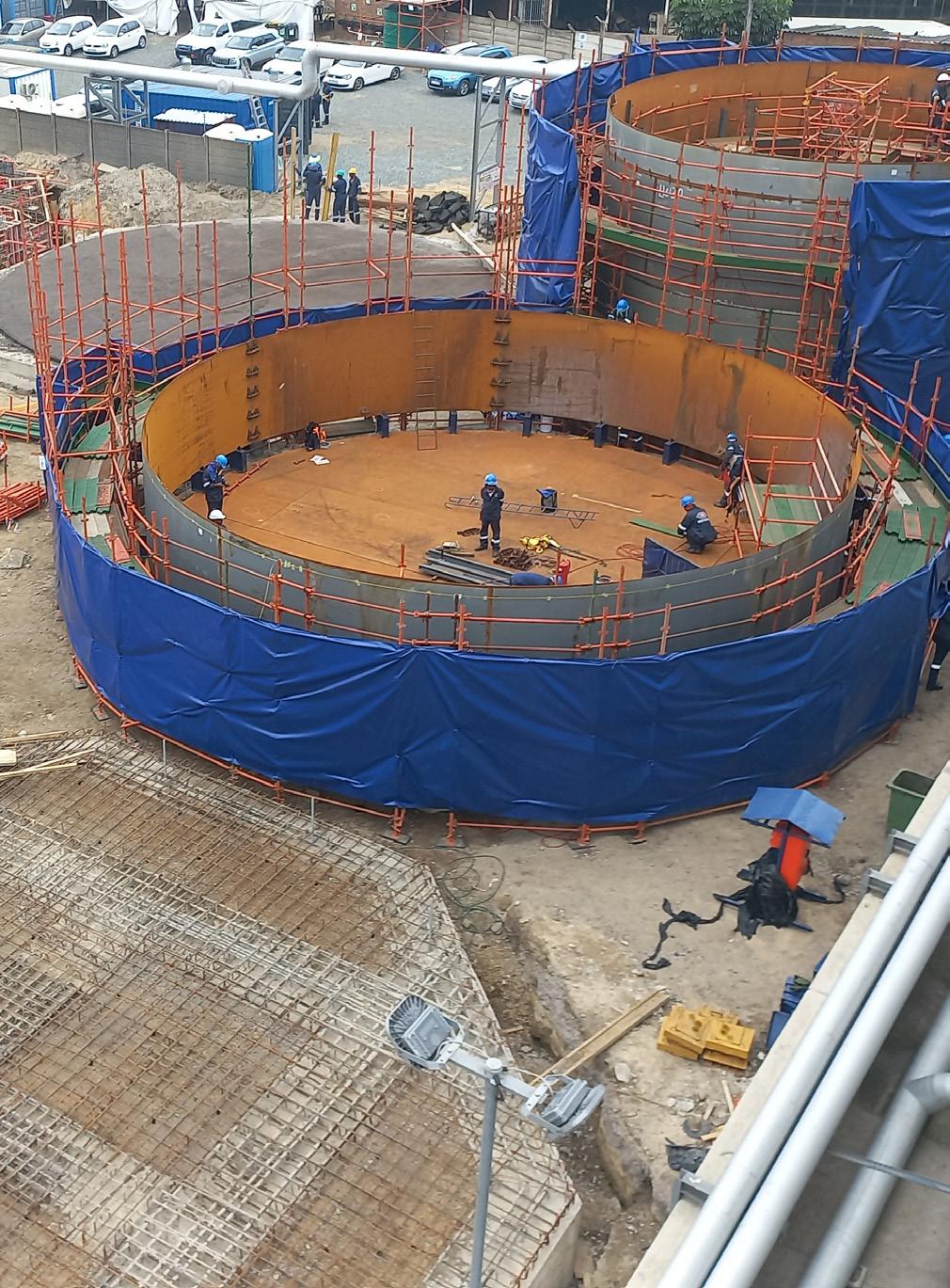
range of work that we do here keeps the work interesting and diverse, which engineers enjoy.”
Wright credits this as the reason FFS Refiners’ engineers are some of its longest-serving employees. The company enjoys a low turnover, with many of its staff learning their skills through in-house training. Those skills are also being constantly updated. Across the company’s three business divisions, Industrial Energy, Marine Bunkering, and Tank Terminals, FFS is responding to a global shift towards cleaner fuels by investing in its people’s training and development.
“We are looking for opportunities to produce cleaner fuels for supply in South Africa, like Liquefied Natural Gas (LNG),” says Wright.
The new bitumen terminal shows a little of what that future might look like, demonstrating the possibilities of the Tank
Terminal side of the business. The company has secured three new leases on land owned by the Transnet National Port Authority, two in Cape Town and one in Richards Bay on the Northeast coast of South Africa.
“Our plan is to increase our tank terminals business across these ports. Our new bitumen terminal together with bitumen import tanks recommissioned at our Cape Town facility will be sufficient to supply the South African Bitumen market’s needs for the foreseeable future while we expand into the speciality chemicals sector and grow our marine bunkering business footprint across different ports,” Wright shares.
FFS Refiners’ new lease at Richards Bay has 45,000 cubes of storage, as well as enough undeveloped land to allow the firm to more than double that capacity.
“Just like with bitumen and fuel oil, there’s a number of other products that are no longer made here or are seeing
growing demand that isn’t being met,” says Wright. “It’s going to be a key growth objective to expand our tank terminals business into new products and geographies in response to this demand. In our marine bunkering business, we are viewed as one of the market leaders in Cape Town, and now, with the new 25 year leases, have plans to grow that business around the coast.”
As fuel oil usage levels are either falling or remaining stagnant, FFS sees tank terminals and marine bunkering as exciting growth avenues.
As Wright concludes, “FFS recognises and supports the need to pivot to cleaner fuels like LNG. So, we are growing our skills base around LNG with a joint development agreement whereby we are able to exploit an undeveloped gas resource in South Africa, by currently carrying out feasibility studies that will provide the next growth lever for FFS’ Industrial Energy business.”
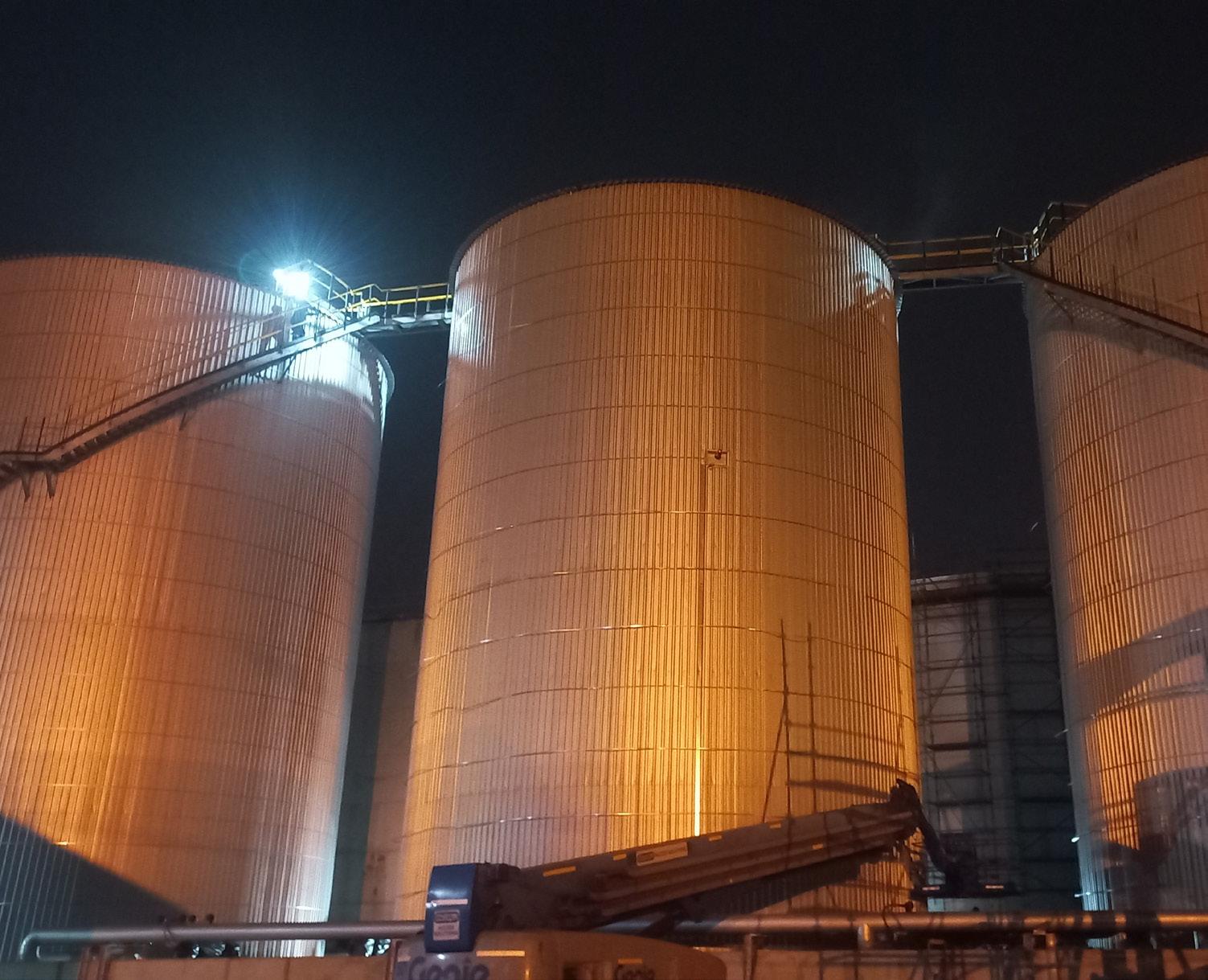
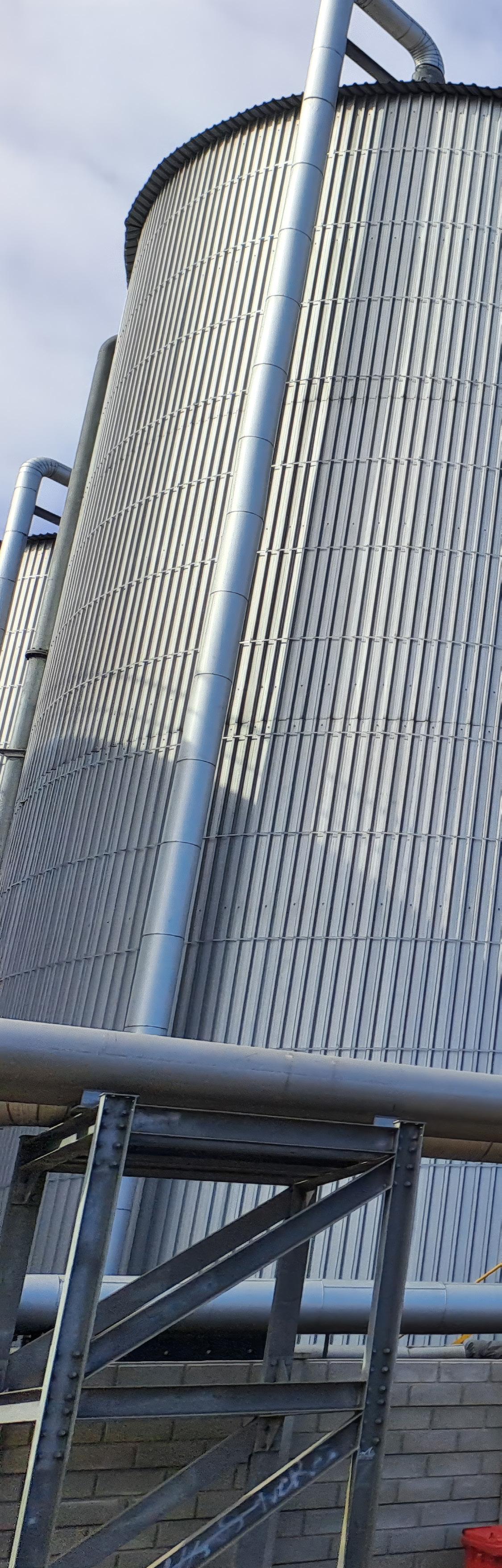

RELATIVELY YOUNG COMPANY WITH BIG AMBITIONS IS SHOWING WHAT CAN HAPPEN WHEN THE RIGHT TALENT, TOOLS AND VALUES ARE PUT TO WORK.
For decades, the Middle East exported energy while the companies servicing its oilfields were largely built elsewhere. Sherif Foda thought the region deserved its own champion. Less than a decade later, NESR has become one of the fastest-growing oilfield services companies in MENA - and a case study in what happens when global capital meets local ambition.
The region powers a significant share of the world’s energy production. It has the talent, the infrastructure, and the investment,” Sherif Foda says.
“What we didn’t have was a homegrown oilfield services champion operating across borders and competing on a global stage,” he adds.
Yet in less than a decade, Foda has managed to build that very same champion.
Today, he is the founder, chairman and CEO of NESR, the only Nasdaq-listed pureplay oilfield services company operating exclusively in the Middle East and North Africa.
Founded on a philosophy of attracting global capital and deploying it locally, the company set out to bridge two worlds: the financial power of international markets and the growth opportunities emerging across MENA.
PROJECT MANAGED BY: JOHN HOLLIMAN
[Opposite Page]
Sherif Foda, Chairman & CEO, NESR.
“Our philosophy was global investment for local growth,” says Foda.
The concept was simple but ambitious. Raise capital in New York, one of the world’s deepest and most liquid financial markets, and invest it back into the countries where the work was being done. In other words: build local expertise, create local jobs, develop local technology - and do it at a scale capable of competing with some of the industry’s largest players.
And it succeeded. NESR operates across 16 countries and provides more than 20 service lines, with around 62% of its business coming from production services such as hydraulic fracturing, cementing and coiled tubing, while the remainder comes from drilling and evaluation services including directional drilling, well testing and slickline operations.
Moreover, it adopts an open technology platform which allows it to cultivate partnerships with best-inclass US companies. This includes its sustainability arm NEDA, which continues to focus on decarbonisation and
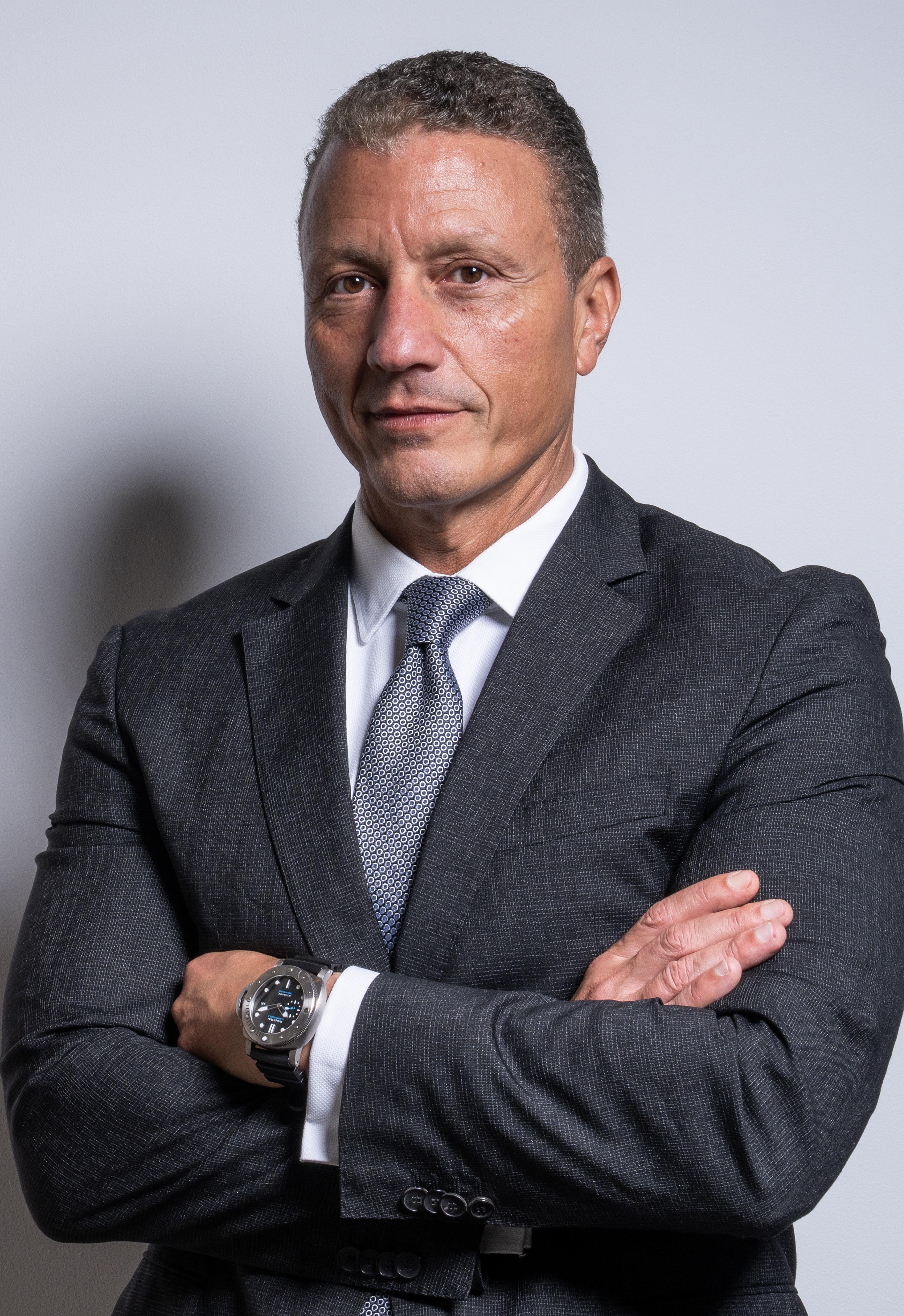

Unlocking Value through the Utilization of Flotek’s State-of-the-Art Products and Services
Optimize Your Asset Economics with Flotek’s Advanced Product Portfolio. As an advanced technologydriven company specializing in chemistry and data solutions, Flotek seeks to provide unique and innovative solutions to its customers in both domestic and international markets across a diverse range of industries. Flotek is committed to delivering products and services that endeavor to maximize customer returns by leveraging chemistry as the common value creation platform.
Real-time field data to enhance performance and maximize returns: AI driven analytics from 20,000+ wells, 10+ years of completion data and field correlated diagnostics.
Every reservoir is unique, and even within the same reservoir, characteristics vary from one well to the next—from geology and hydrocarbon composition to the well trajectory and completion techniques.
260+ Man-years of operational experience: On-site field engineering team delivering exceptional service and a reliable operation.
Let us collaborate with you, to Enable and Protect your Reservoir™
Our data monitoring and analysis systems and technologies aid in efficient and effective measurement and support for upstream, midstream and downstream sectors. These complementary and exclusive technologies result in better performance and reduced costs for our customers.



OPERATIONAL SAFETY EXCELLENCE

Services designed to optimize efficiency and maximize output with real-time measurements, improving operations, reducing emissions and minimizing transportation risks.
Flotek Industries (FTK) has made a significant, targeted investment in advancing its fluid chemistry capabilities to meet the stringent qualification requirements of Saudi Aramco, supporting development activities in the unconventional Jafurah Field. This initiative reflects a long-term strategic commitment to establishing FTK as a reliable and technically differentiated partner in one of the world’s largest unconventional gas developments. Achieving qualification required not only technical innovation, but also sustained collaboration, testing, and validation to ensure consistent compliance with Aramco’s performance, safety, and operational standards.
In parallel, FTK has built a strong partnership with NESR to support effective field deployment of these fluid systems. This collaboration has been critical in translating laboratory performance into reliable field execution, ensuring proper application and consistent results under dynamic operating conditions. Both organizations have aligned on operational best practices, troubleshooting protocols, and continuous improvement efforts to enhance overall service quality.
A key enabler of this success has been the development of a resilient supply chain. FTK has strengthened sourcing, logistics, and inventory management processes to support uninterrupted operations in a complex geopolitical environment. In tandem, the company has implemented rigorous quality control across manufacturing and delivery to ensure product consistency and compliance with both internal and customer specifications. These measures reduce operational risk and reinforce confidence in FTK’s ability to deliver at scale.
Collectively, these efforts have resulted in consistently strong field performance. FTK’s fluid systems have met critical operational targets, contributing to improved well productivity and efficiency. This reliability underscores the value of the company’s upfront investments in qualification, partnerships, and infrastructure.
Building on this foundation, FTK has established a proven fluid system platform within the Jafurah development. While current performance meets or exceeds expectations, additional opportunities remain to optimize formulations, improve cost efficiency, and further tailor solutions to evolving reservoir and operational conditions. By continuing to leverage data, field insights, and close collaboration with partners and customers, FTK is well-positioned to drive incremental improvements in both performance and cost, supporting sustained competitiveness and long-term value creation.
www.flotekind.com
mineral recovery despite an international slowdown across ESG initiatives, Foda says.
“It’s our mission and belief that we should produce hydrocarbons with a lower carbon footprint, and the region has the lowest carbon emissions per barrel globally,” he says.

“THE REGION POWERS A SIGNIFICANT SHARE OF THE WORLD’S ENERGY PRODUCTION. IT HAS THE TALENT, THE INFRASTRUCTURE, AND THE INVESTMENT.”
In addition, NESR’s competitive advantage lies in its localisation. Across every market in which it operates, it focuses on building local teams and capabilities. That approach has helped position it at the centre of one of the world’s most attractive energy markets.
The Middle East remains the lowest-cost oil-producing region globally and generates some of the highest economic returns per barrel produced. While many energy-producing regions face declining production or rising
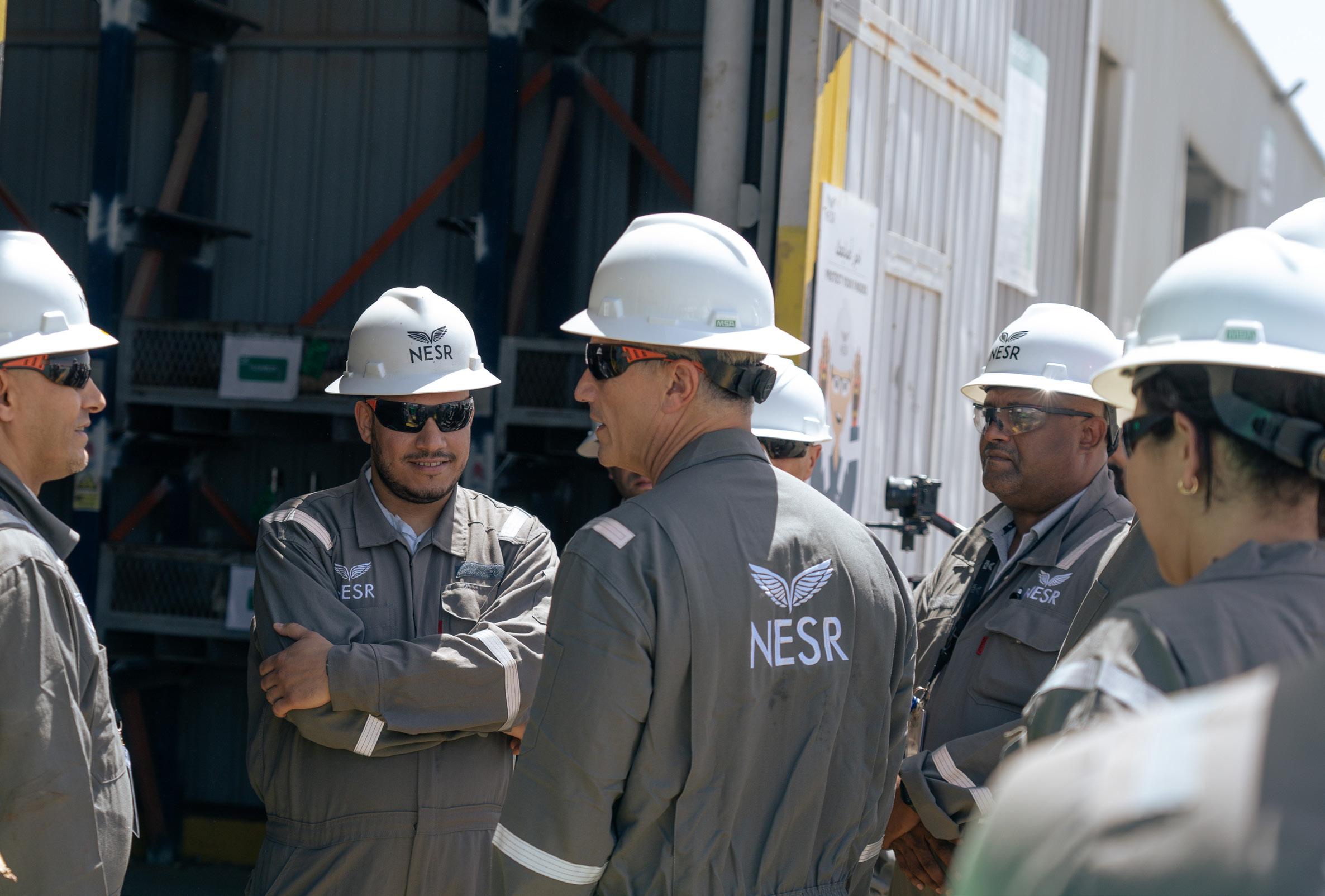
costs, countries across the Gulf continue to invest heavily in expanding capacity and securing long-term energy supplies.
Those investments are creating significant opportunities for companies like NESR.
Despite geopolitical tensions that have disrupted shipping routes and trade flows across the region, activity levels have remained remarkably resilient.
“The pipeline is still $3 billion,” Foda told analysts during a recent earnings call. In some cases, customers are even accelerating projects originally planned for years later. Saudi Arabia’s giant Jafurah unconventional gas project is one of the clearest examples.
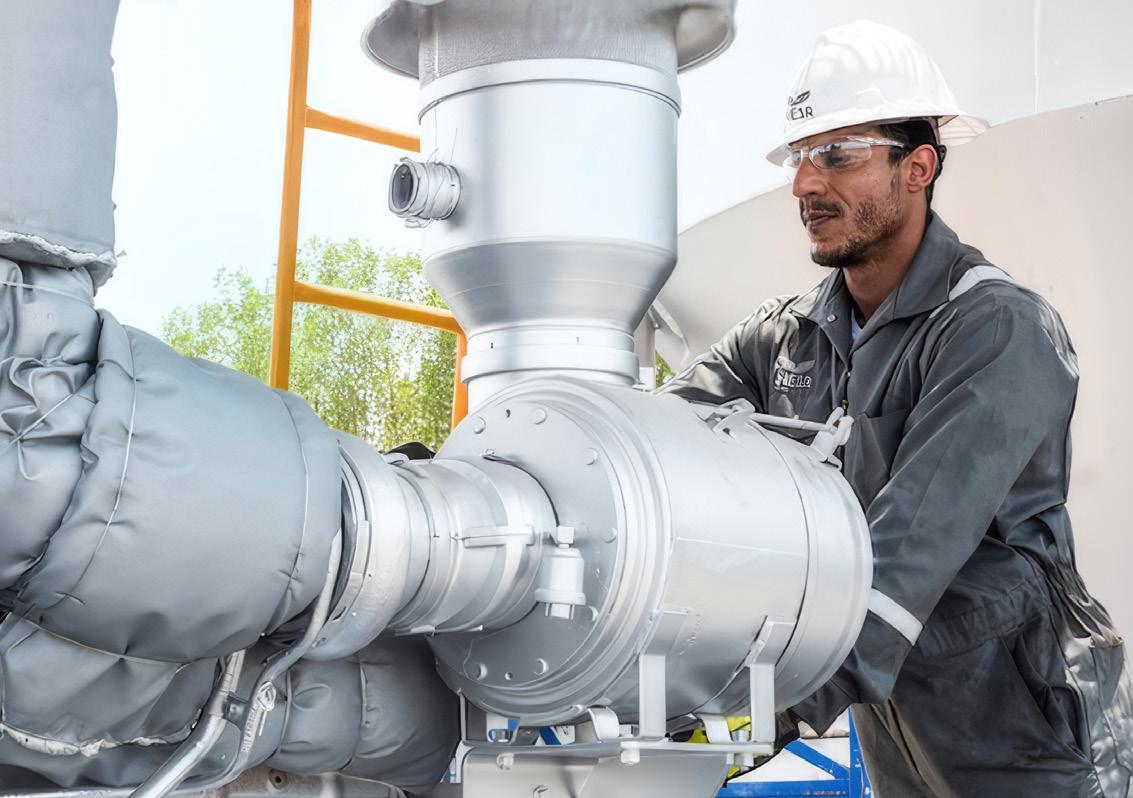
Widely regarded as the largest liquid-rich shale gas development in the Middle East, Jafurah contains an estimated 200 trillion standard cubic feet of natural gas and forms a central pillar of the Kingdom’s long-term energy strategy. NESR secured a multi-billion dollar contract to support the broader development.
“I’m pleased to report both an acceleration in the overall project and that it has been executed flawlessly, with many more opportunities to come in the future,” says Foda.
Growth is also being supported by increasing activity across Kuwait, Algeria, Libya and Egypt, while the UAE is preparing for another major investment cycle following ADNOC’s

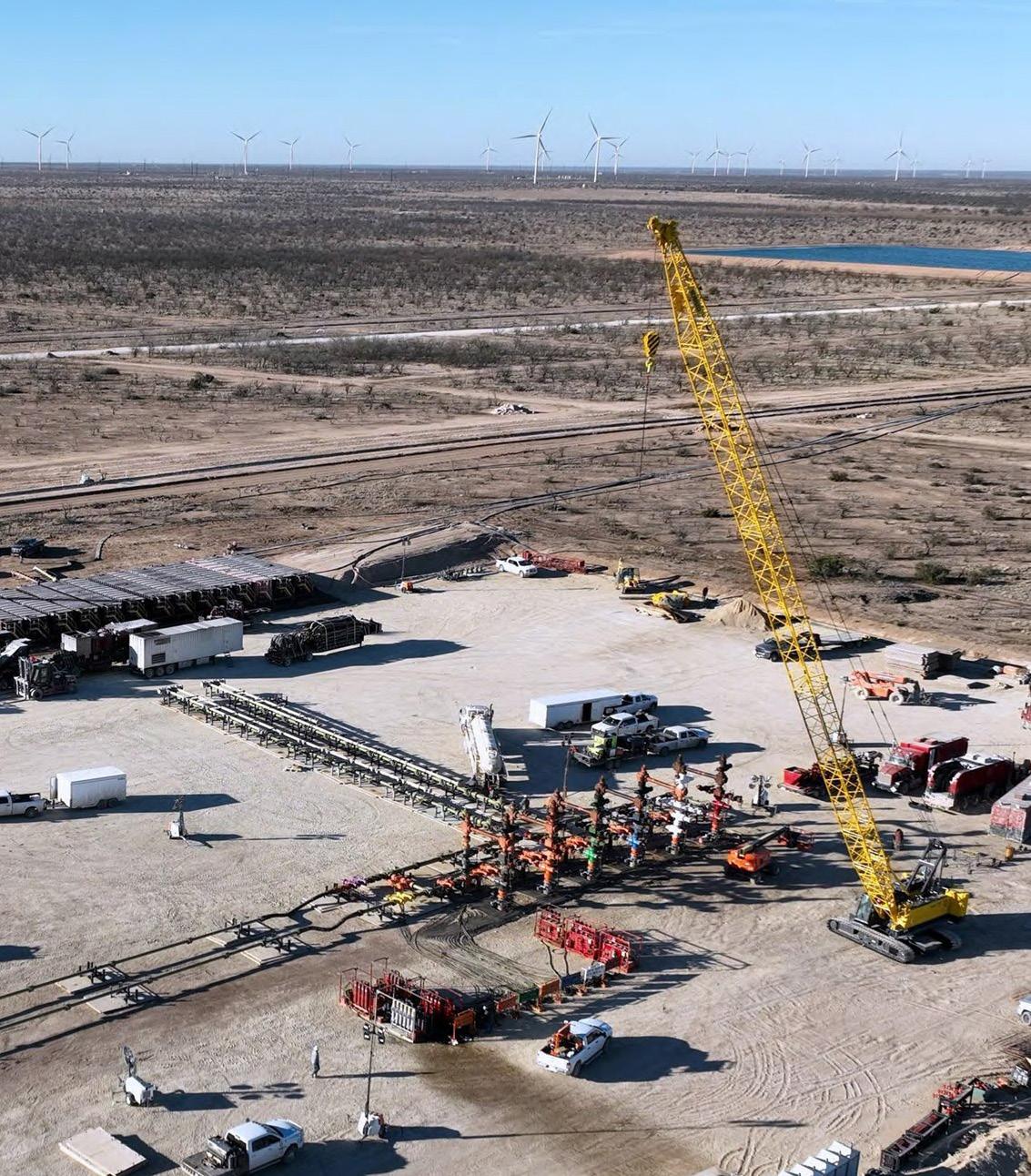
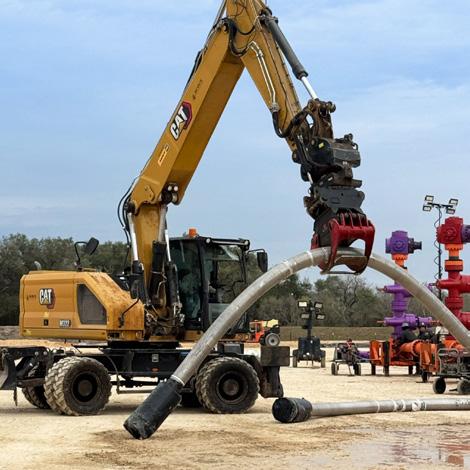
Scout’s best-in-class frac fluid delivery systems are tailored to meet the exact specifications of the most demanding completion designs in the world.
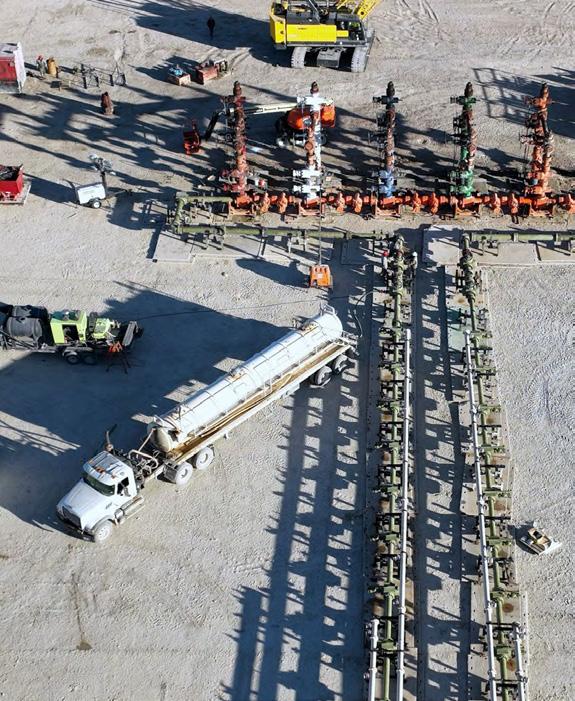
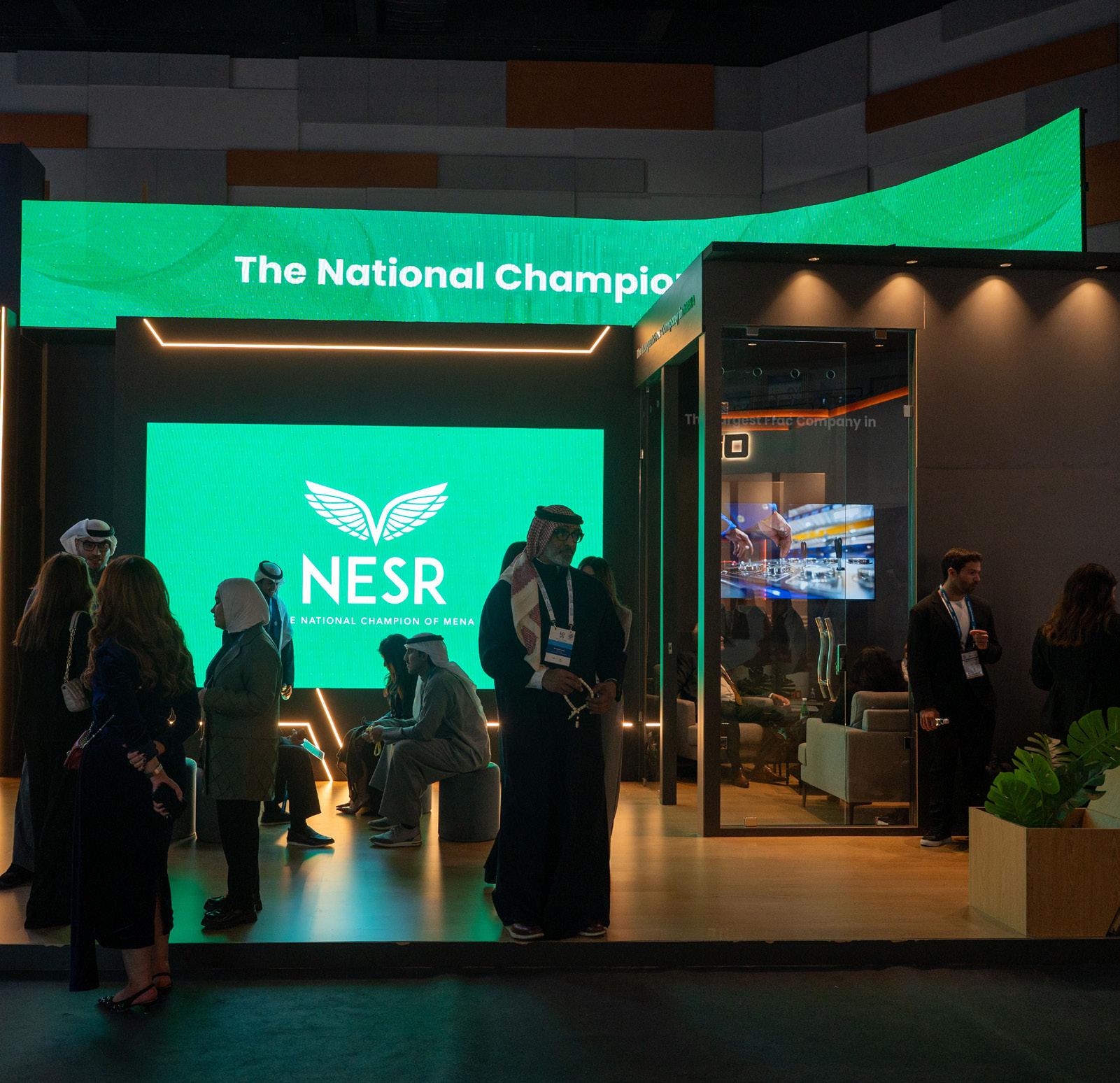
announcement of a $55 billion spending programme over the next two years.
“There is a huge amount of work coming,” Foda says. “We will be bidding on all these projects.”
North Africa is emerging as another important frontier. As Europe seeks to diversify its energy supplies, countries such as Algeria and Libya are ramping up upstream activity and making greater use of existing export infrastructure.
“Now is the time to increase spending to substantially increase production,” Foda says.
The momentum is already showing up in the numbers.
NESR recently reported record quarterly revenue of $405 million, representing growth of 33.5%
year-on-year. Despite absorbing millions of dollars in additional freight and logistics costs linked to regional disruptions, the company maintained its full-year outlook and announced plans to introduce a quarterly dividend alongside a share buyback programme.
Even for veteran investor Ted Oakley, the investment case is straightforward. “Great company - cheap as it can be,” he remarked last month.
Yet perhaps the most interesting aspect of NESR’s story is that it reflects a broader shift taking place across the Middle East itself.

“NEW AWARDS ACROSS NORTH AFRICA DEMONSTRATE OUR ABILITY TO EXPAND QUICKLY OUTSIDE OF OUR CORE GULF FOOTPRINT, AND UNDERSCORE THE GROWTH POTENTIAL IN LIBYA AND BEYOND.”
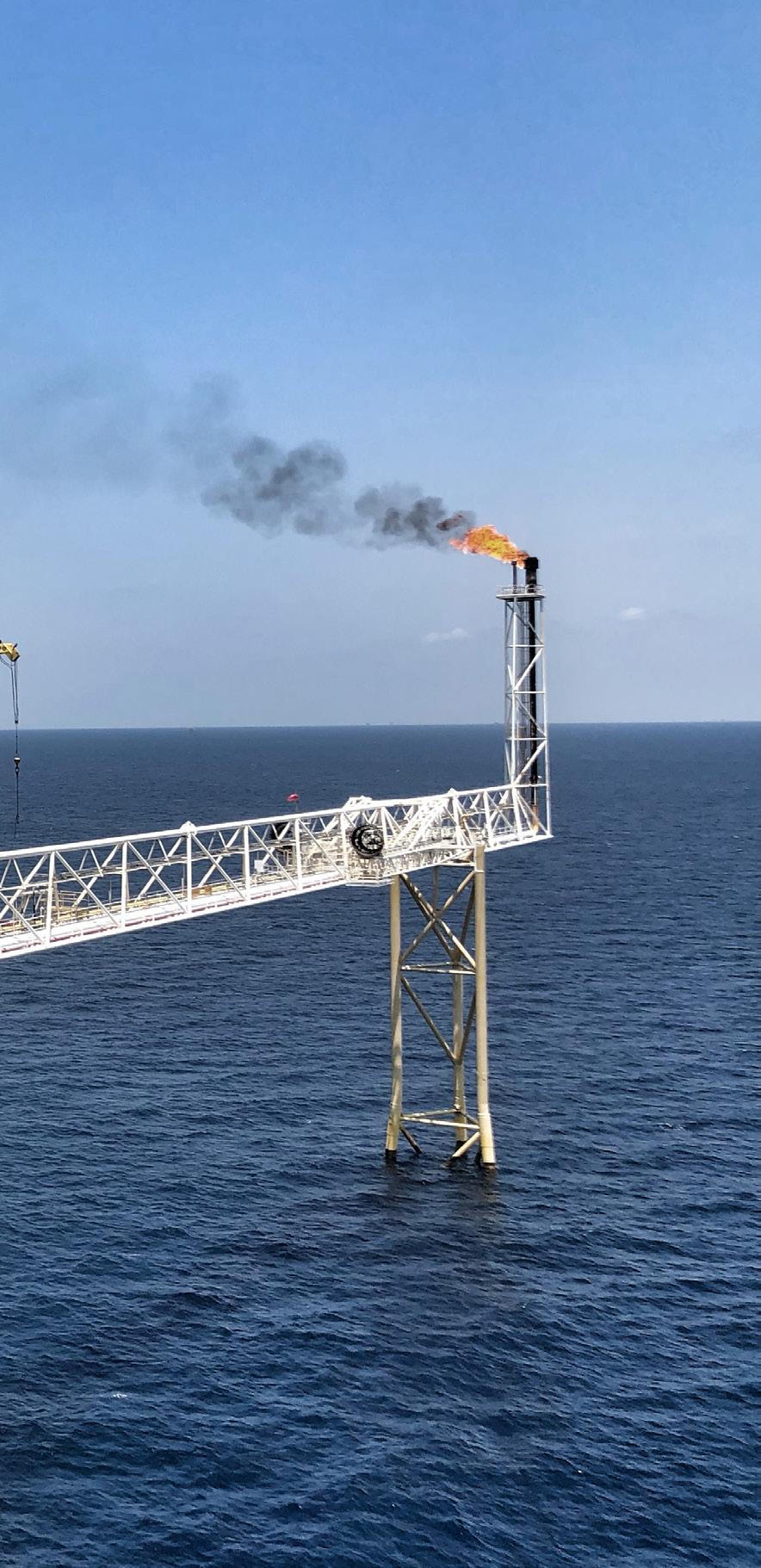
“For years, the region exported resources. Increasingly, it is exporting expertise,” Foda observes. “Companies are no longer content to be local champions. They are seeking to become global competitors.”
Foda sees NESR as part of that evolution.
“The region is capable of doing that, and we can actually demonstrate that this is possible,” he says.
In fact, Foda has become known for challenging conventional thinking, whether on executive compensation, leadership accountability or corporate culture. He has publicly declined stock awards and redistributed them among employees, arguing that leadership should create value for the broader organisation
rather than concentrate it at the top.
“CEOs aren’t rockstars. Stop paying them like they are,” he stated last year in a remark that has become one of his most quoted lines, offering insight into his personal philosophy.
Foda states that NESR was never intended to be just another oilfield services provider, but rather proof that a company born in the Middle East could attract global capital, compete on a global stage and still remain deeply rooted in the communities it serves.
More than a business, it was an answer to a question that had been bothering Foda for years.
Why shouldn’t the Middle East build its own champion? Well, it finally has, and the NESR eagle is soaring.
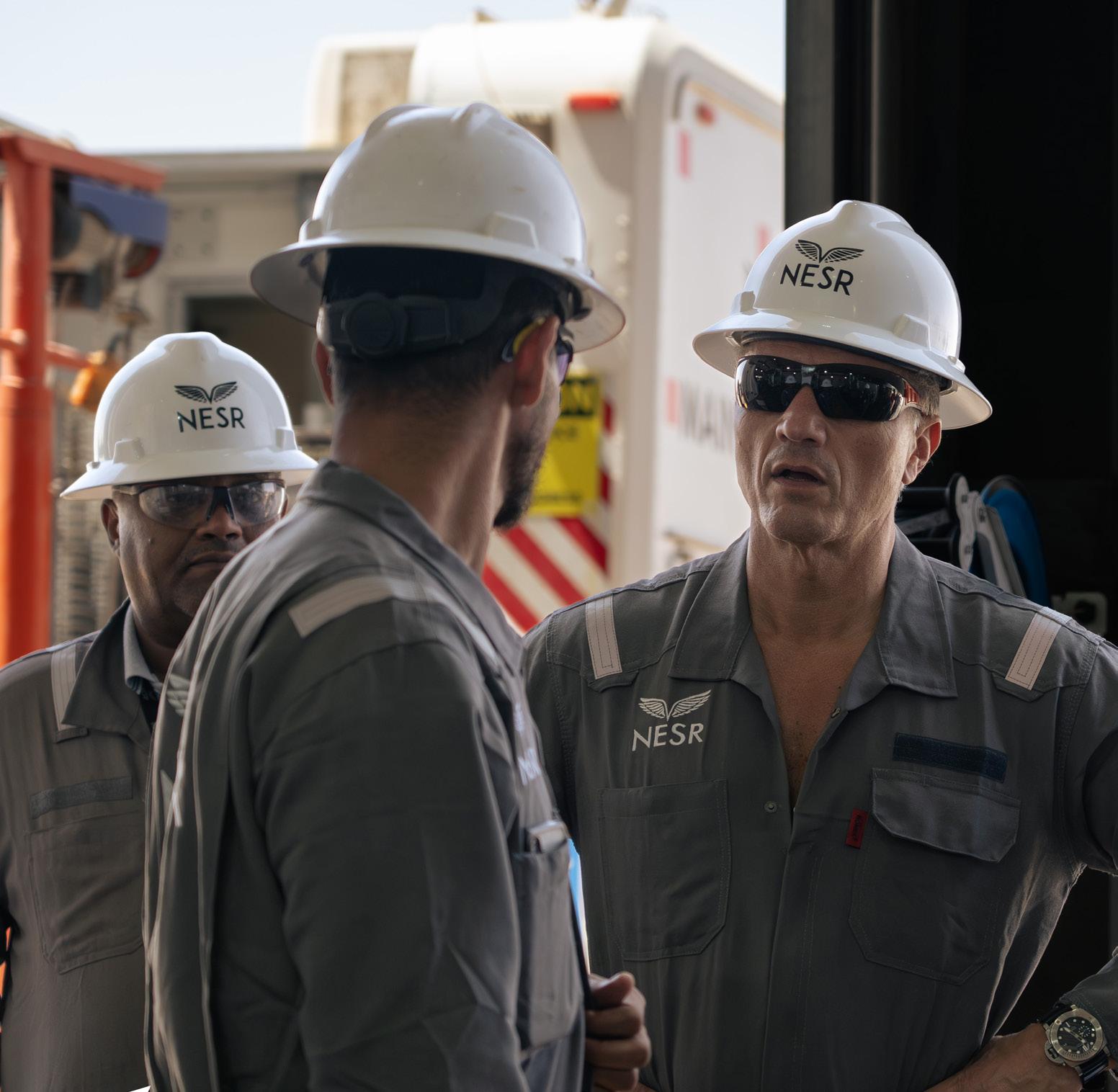
COLEUS PACKAGING IS BUILDING A RENOWNED INTERNATIONAL COMPANY ON A PRODUCT THAT IS EASY TO OVERLOOK.
It is often surprising to consider just how much of the world around us is manufactured. For instance, take the metal crowns on beer bottles, a thing you have seen so many times that you no longer see it. There is an entire industry built around manufacturing that thing. This is the business that Coleus Packaging is part of. Established in 2003, 60% of the firm was owned by SABMiller, with the other 40% held in local ownership in compliance with South Africa’s Black Economic Empowerment priorities.
We supplied SABMiller with metal crowns for beer bottles, and by 2016, when AB InBev acquired SABMiller, Coleus came part and parcel with it,” explains Ian Victor, Managing Director of Coleus.
At the time, Victor was working with a packaging company that also supplied SABMiller. He already had his eye on Coleus and the vertical integration it was attempting alongside SABMiller, but his decision to become involved in the company was the opportunity he saw for even better integration.
“We were dabbling in this market, and I was looking at bringing metal crowns in from elsewhere, but I suggested we could do something more serious and approach AB InBev to buy Coleus from them in 2023,” Victor says.
Cork crown company, Astir Vitogiannis, acquired a 75% share of Coleus, with 25% of the company inherited by Nokusa Packaging, the company’s Black Equity Partner. Today, it continues to supply crowns for beer bottles, with SAB InBev as its biggest customer, but it also serves brands such as Heineken, Halewood, Signal Hill, Diageo and other, smaller brands.
“Astir, who are based in Athens, Greece, are probably in the top five crown suppliers in the world,” Victor tells us. “They supply a lot of the global markets as a familyowned business taken over by equity partners, but being based in Greece, where they already dominate the European market, their growth path was almost zero.”
Astir’s acquisition of Coleus Packaging opened up new opportunities for growth, making it the third or maybe second biggest bottle crown manufacturer in the world.
“Price is one thing to compete on, but what’s more important is to ensure we stay up to date with technology. That is essential to create the efficiencies for the pricing we require,” Victor explains. “That technology can be seen as a commodity item, but you need good quality products, and it has to look good, even as pricing remains important to be competitive.”
Coleus Packaging still does not compete on price alone, but on the quality of its products and the timeliness of their delivery. However, there is another element that Victor believes is equally important.
“We focus heavily on customer service,” Victor says. “We will send out engineers to assist with any problem.”
Raw Materials and Raw Talent While service and quality are important, as is price, they all depend on having the raw materials to make the product in the first place.
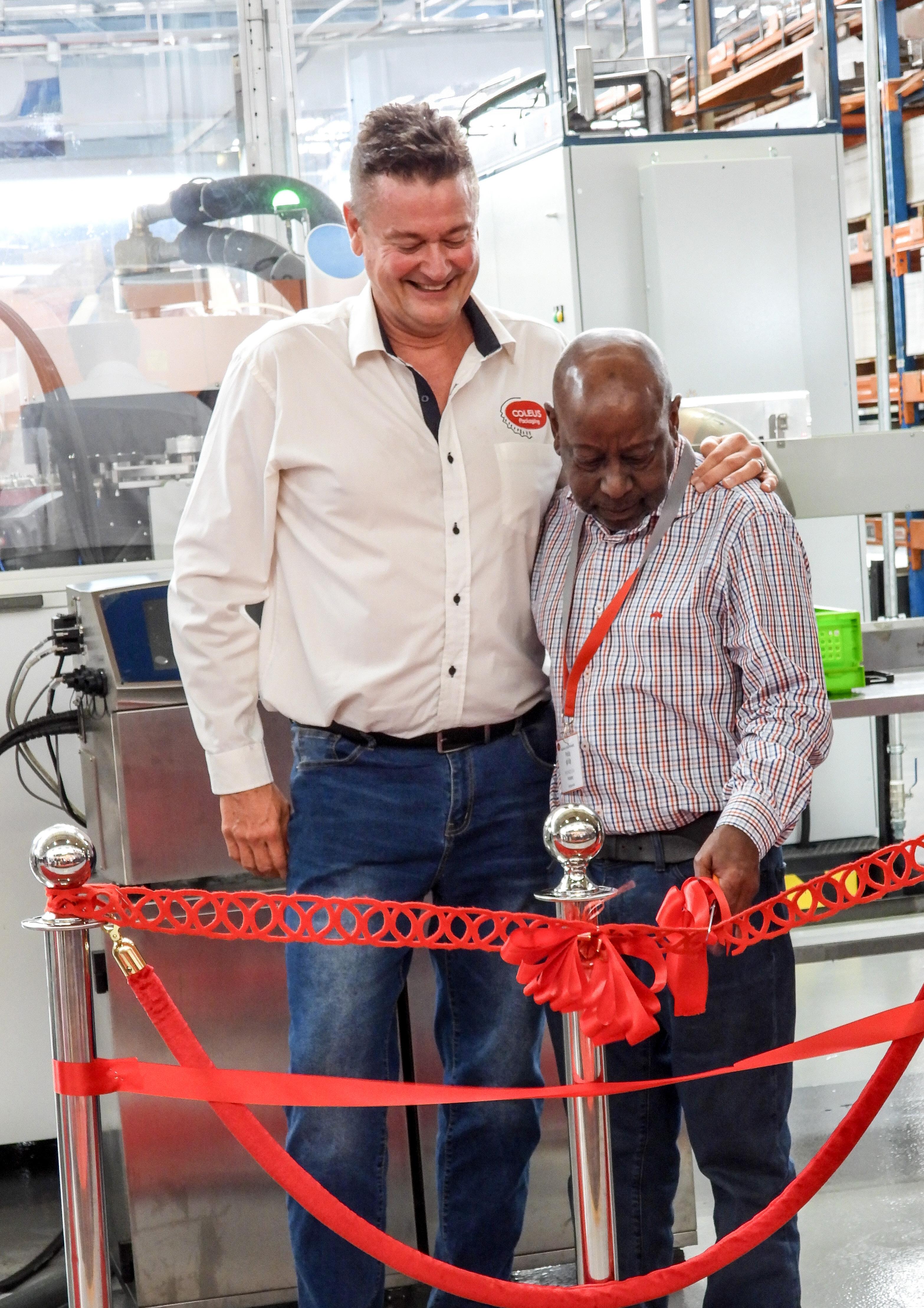
Locally manufactured coatings for metal packaging, wood and other industrial applications
Developed for manufacturers requiring consistent, reliable coating performance.
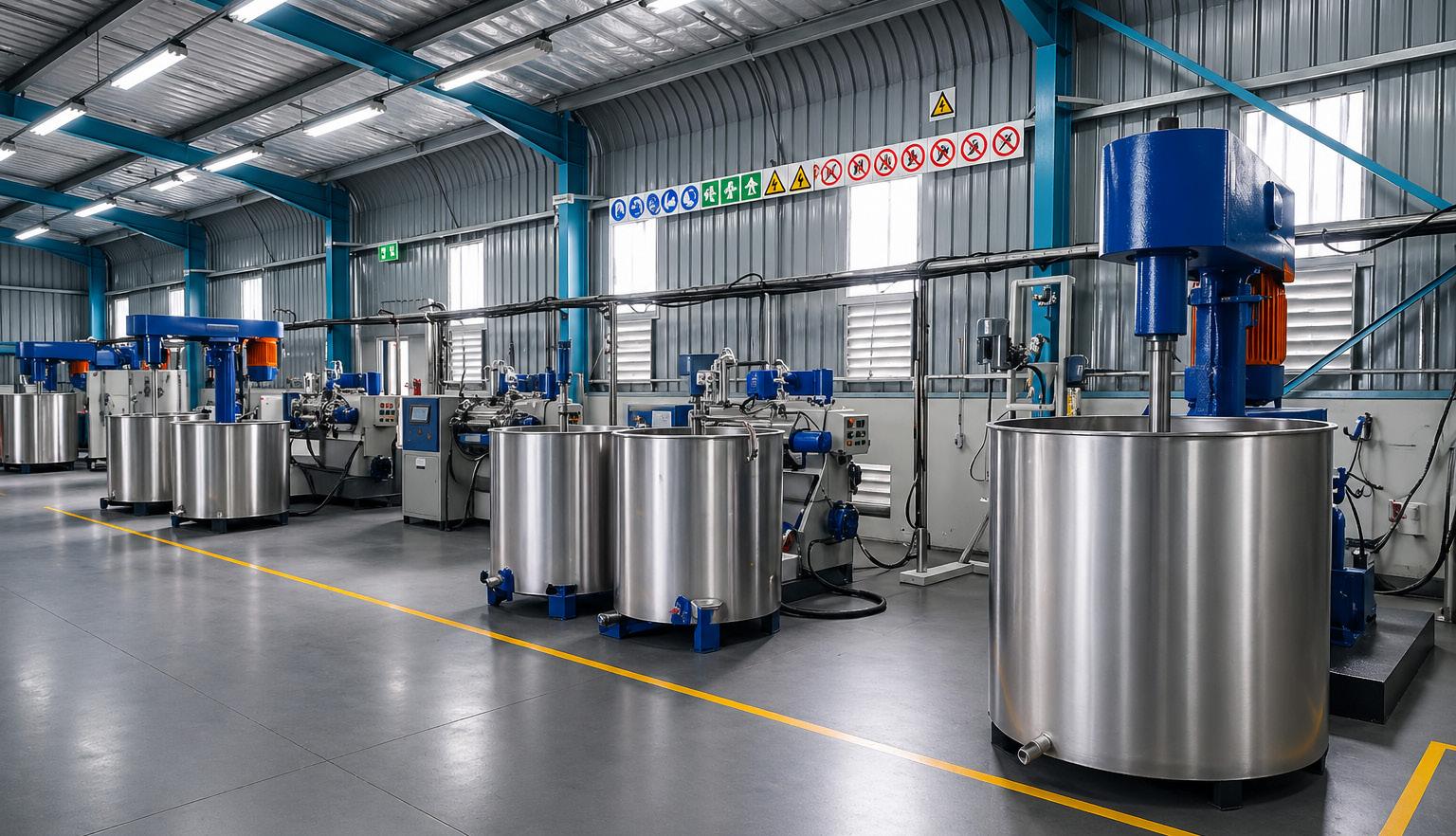
Integrated solvent recovery solutions
Reduce



Induradec Coatings is a specialised South African coatings manufacturer with more than 30 years of industrial experience. The company develops locally manufactured coating and solvent solutions for applications including crown corks, ROPP closures, drums, pails, cans and wood coatings.
The company’s approach is built around technical compatibility, durability and dependable long-term performance. Through continuous research and development, Induradec works closely with customers to understand substrate requirements, application conditions, production processes and end-use performance expectations. This enables the company to support manufacturers operating in demanding environments where consistency, reliability and product protection are critical.
As a key partner to Coleus Packaging, Induradec Coatings is proud to support a business that plays an important role in the packaging industry. The relationship reflects Induradec’s commitment to supplying practical, performance-focused coating systems that contribute to quality, operational efficiency and manufacturing reliability.
In addition to specialised coating development and supply, Induradec supports customers with integrated solvent recycling solutions. These systems help reduce waste, lower operating costs and support more sustainable production practices, aligning with the company’s broader focus on responsible manufacturing.
With established operations in KwaZulu-Natal and the Western Cape, Induradec Coatings continues to serve customers across South Africa and international markets. The company remains focused on technical service, consistent product performance and locally manufactured coating solutions for packaging, metal and wood applications. www.induradec.co.za
THREE DECADES OF TRUSTED GLOBAL LOGISTICS;
In an increasingly interconnected world, logistics is no longer just about moving goods—it is about creating seamless connections that power global commerce. Synergy World Wide Logistics stands at the forefront of this transformation, delivering intelligent, reliable, and customer-focused supply chain solutions.
This year marks a significant milestone as we celebrate our 30th anniversary—a testament to three decades of resilience, innovation, and trusted partnerships. Our journey has been shaped by a commitment to excellence and a deep understanding of the evolving logistics landscape.
At the heart of our approach is synergy—the alignment of people, technology, and processes to achieve more together than individually. By integrating advanced tracking systems, strategic partnerships, and industry expertise, we ensure that every shipment moves efficiently from origin to destination. Whether by air, sea, or land, our operations are designed to provide visibility, control, and peace of mind at every stage.
Our credentials reflect our dedication to quality and compliance. As a proud Level 1 B-BBEE contributor, we are committed to meaningful economic participation and empowerment. In addition, our AEO accreditation underscores our adherence to internationally recognized security standards, providing our clients with enhanced trust, reliability, and expedited crossborder processes.
What sets Synergy World Wide Logistics apart is our commitment to adaptability. In a fast-changing global environment, we anticipate challenges and respond with agility, ensuring continuity and resilience for our clients.
At Synergy World Wide Logistics, we don’t just deliver cargo—we deliver confidence.
www.synergyworldwidelogistics.co.za
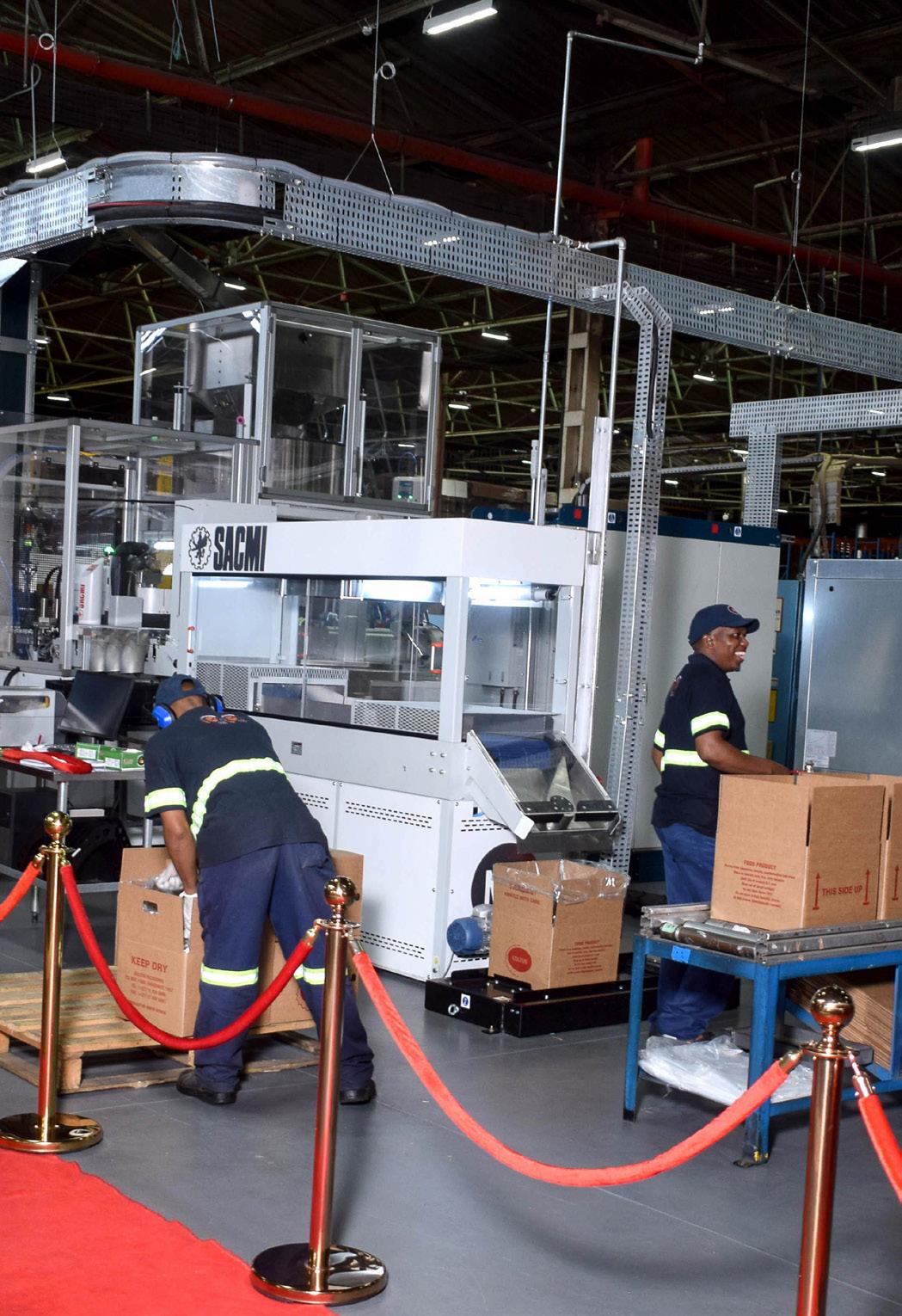

custom-formulated coatings designed to meet your exact production requirementsdelivered with speed, reliability and technical precision across South Africa.
“Almost 95% of our raw materials are imported,” Victor points out. “You might have seen in the news, but over the years, we have had two or three big steel mills close down. Our main supplier stopped producing the steel component we need years ago, so we have had to import that.”
The cheapest available supplier of raw materials is China, while other elements are shipped in from Europe, but both supply chains have been disrupted by war in the Middle East. At the same time as these disruptions, South Africa’s currency is sometimes prone to instability, making it difficult to control the cost of imports, while many of Coleus’s competitors are able to source products more locally.
Another resource that is a challenge to source for the company is people with the necessary skills and qualifications for the work they do.
“That challenge has two big components – a highly unionised workforce and a skill base that is not yet very high,” Victor reflects. “If you look at Astir, their operators are more highly skilled, with a lot more functionality in terms of problem solving. In South Africa, the low skill base means that often we need to hire more people because they cannot multi-skill to the same extent.”
If the staff are not skilled enough to guarantee quality assurance or fix unexpected problems that arise, that creates issues across the company. To remedy this, Victor has engaged in a companywide program of upskilling. Coleus has collaborated with OEMs, asking them to bring their technicians and operators out to its facilities to train its people both in person and through e-learning.
“We have got quite advanced with the upskilling of our engineering and operator staff,” Victor says. “We now bring technicians out from different machine suppliers to continue refresher training.”
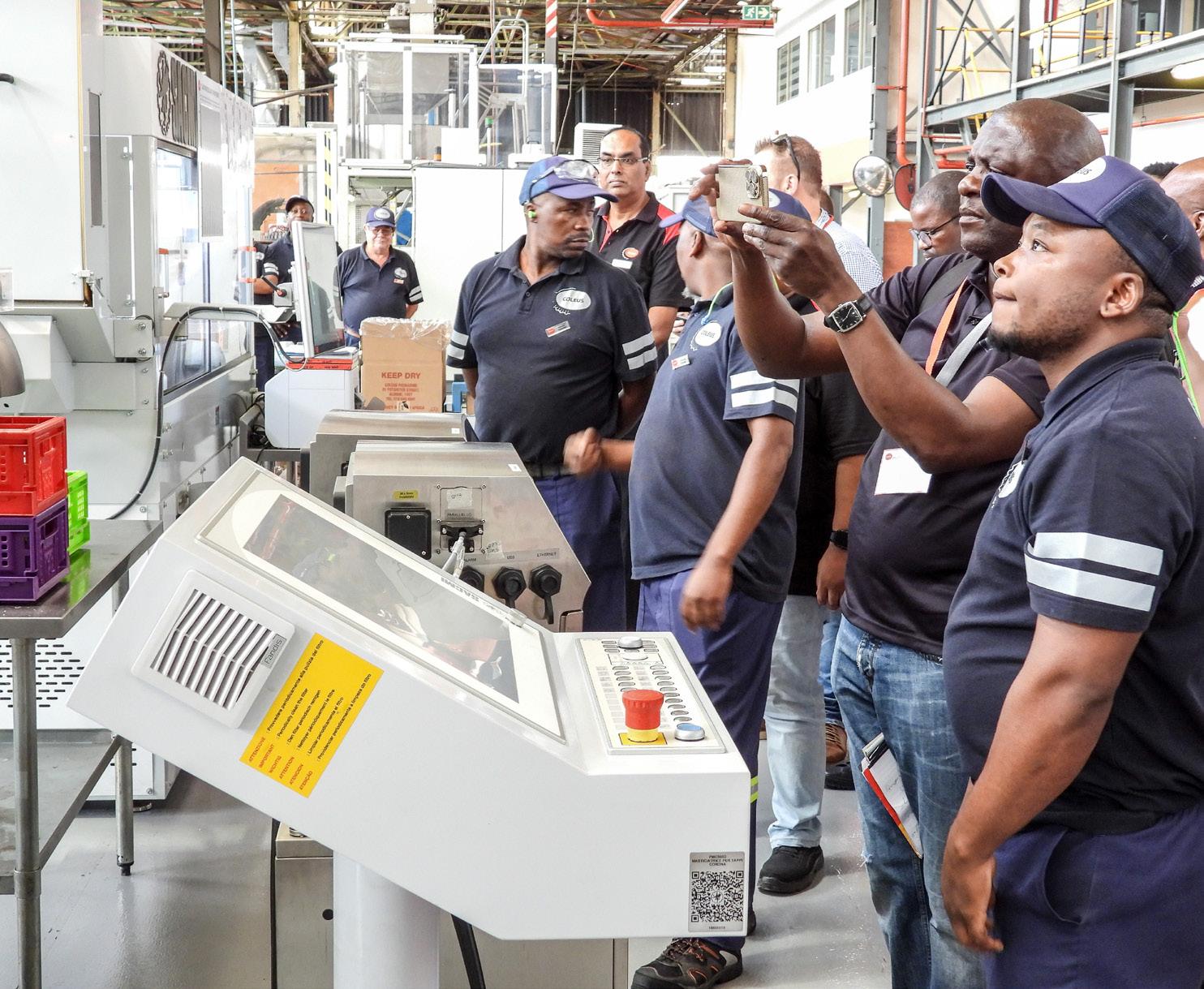
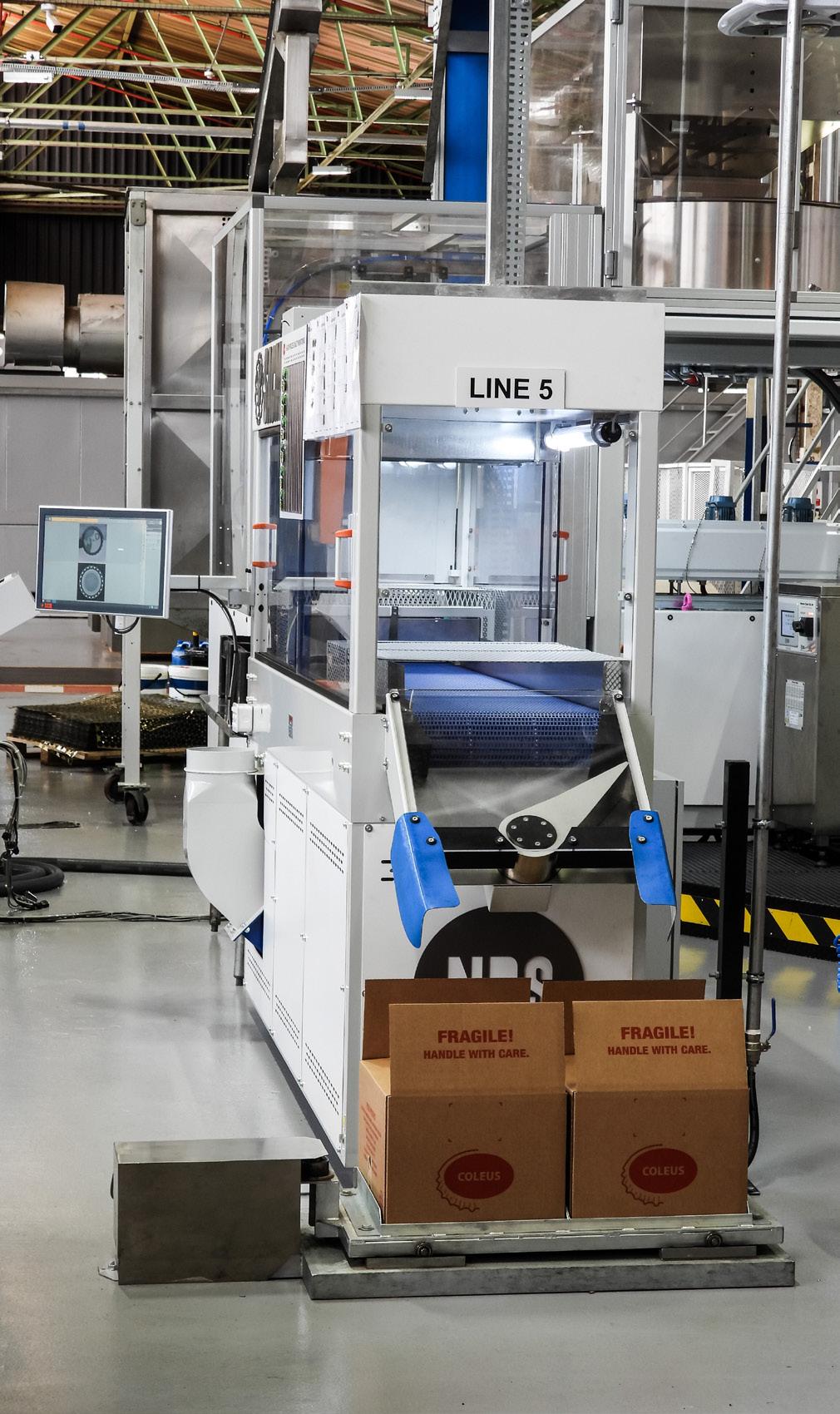
It is part of a process of continuous and ongoing investment at Coleus. Over the last three-and-a-half years, 200 million ZAR has been invested in Coleus, taking old equipment, removing and replacing it with the latest technology in the industry.
“The technology we have is world-class standard, as good if not better than what you would find in European manufacturers,” Victor says proudly. “When I took over, the technology here was 30 years old, creating quality problems in the final product. I have driven investment across the plant. Extending the factory has given
us the reliability we need. Our goal is to become a world-class manufacturer. If you want to compete, you need to compete worldwide.”
Achieving world-class status is not just a matter of pride for Victor, it is a matter of survival.
“You can think you own a market like South Africa, but the South African region does nothing to stop anyone entering that market- especially with the growth in the South African beer market,” Victor points out. “You need to train and develop your people, give your customers what they want when they want it, and create the advantages you need to compete globally. Since we embarked on this process, we have begun exporting to Nigeria, Ghana, Namibia,
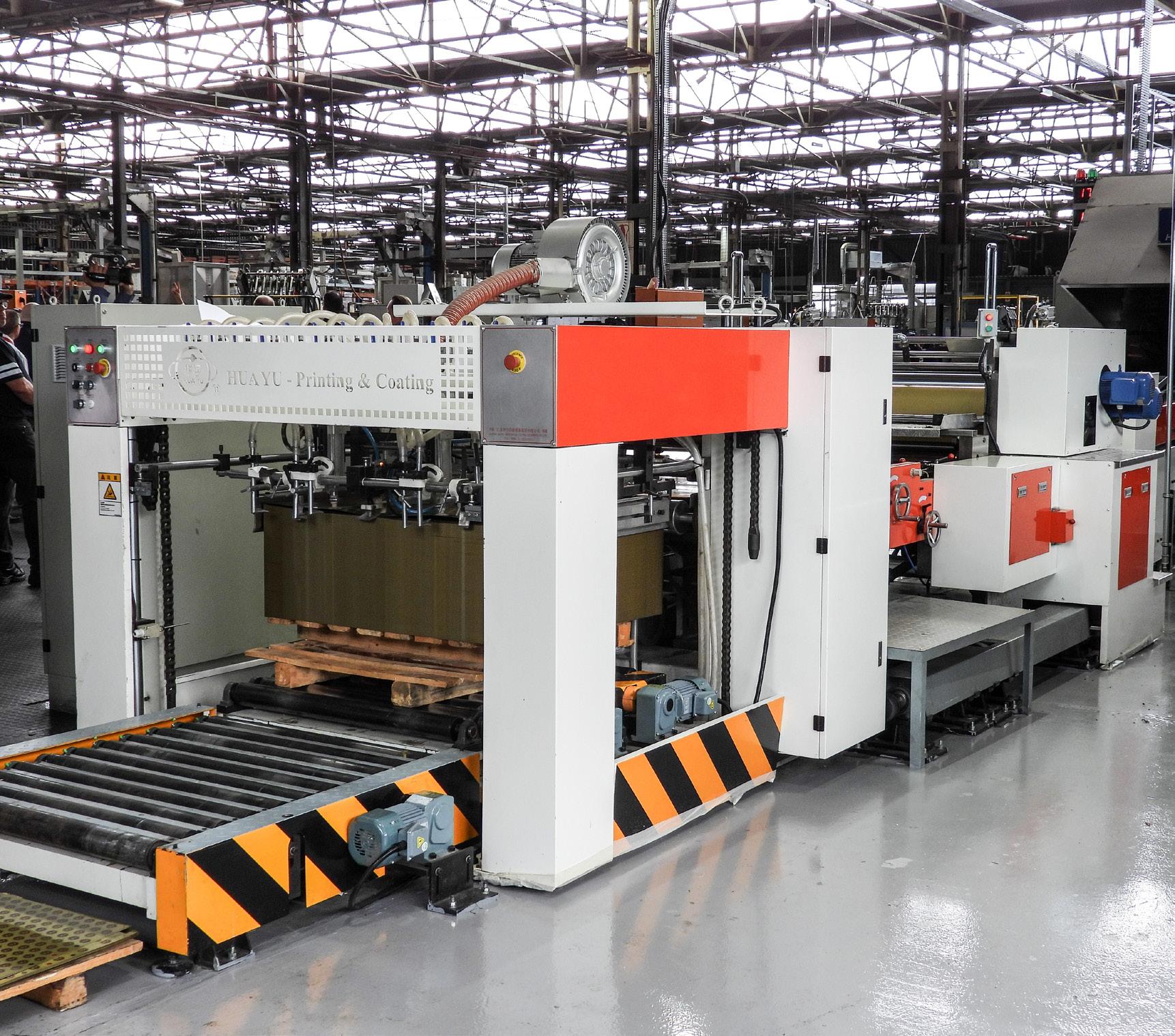
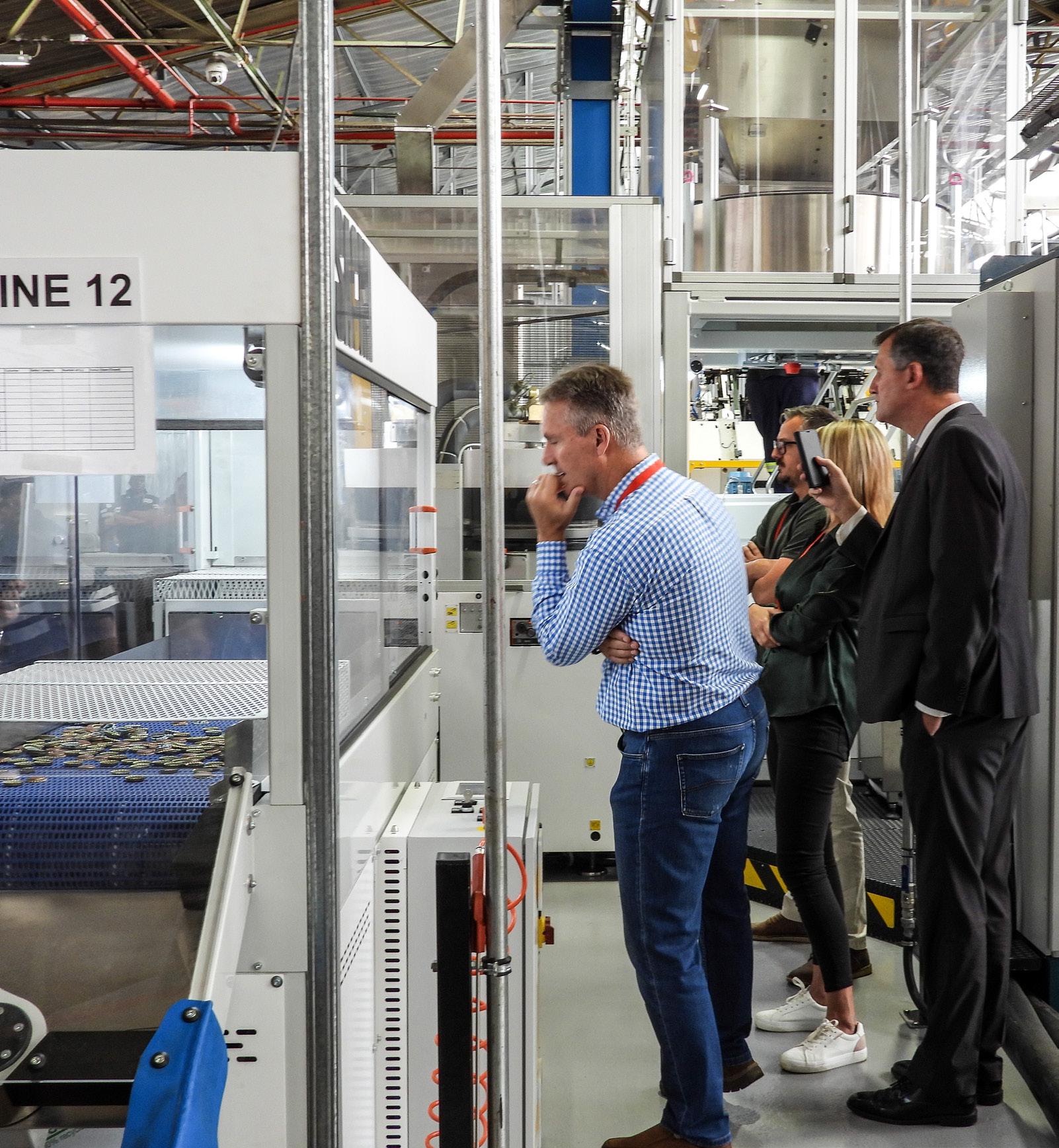
Zimbabwe, and Madagascar. Multinationals like Heineken and SABMiller have seen the quality of our work and invited us into their markets. Our objective is to grow our current volume, be a favourite of blue chip customers and go with them into new markets.”
But for Victor, none of this growth is an end unto itself.
“Over the years, I have been part of various blue chip organisations, and I have embraced opportunities to uplift previously disadvantaged people,” he shares. “A lot of people just throw money at an issue, but that money doesn’t get to the relevant parties. What I’ve been working on is developing a sports and community centre to help address people’s real problems in the area where we work.”
Not bad for the crown on a beer bottle.
MAJOR WATERFRONT INVESTMENT POSITIONS ANTIGUA AND BARBUDA AS A PREMIER CARIBBEAN HOMEPORT DESTINATION.
The Caribbean has long been synonymous with cruise tourism, drawing millions of visitors each year with its turquoise waters, vibrant culture and idyllic coastlines. Yet as competition intensifies between island destinations, Antigua and Barbuda is making a decisive move to strengthen its position as one of the region’s leading cruise hubs through an ambitious redevelopment of its waterfront infrastructure.
This development is one of several initiatives driven by the Antigua and Barbuda Port Authority (ABPA), the statutory body responsible for managing, operating, and developing the nation’s maritime ports, most notably the Deep Water Harbour and Heritage Quay in St. John’s, Antigua. The Authority acts as the regulatory body and oversees shipping, cargo handling, and cruise operations.
As such, the Authority supports projects to attract cruise lines, to develop port infrastructure and to create economic opportunities for local businesses. This also includes the overseeing of the ground-breaking Upland Development Project (UDP) at the Port of St. John’s and comprehensive modernization of commercial cargo operations. Together, these initiatives focus on expanding regional logistics and enhancing world-class cruise tourism.
Looking towards sustainability, the ABPA has signed a Memorandum of Understanding with the Veer Group to transition the Port of St. John’s into the first green port in the Caribbean. Plans include a green hydrogen production, storage, and bunkering hub, along with shore-based clean power for docked vessels.
A significant milestone was reached in January 2026, when Antigua Cruise Port (managed in partnership with Global Ports Holding) officially opened a multi-million-dollar cruise terminal. Initial proposals outlined investments of up to $50 million during the first year alone, funding a new pier, expanded retail offerings and upgraded visitor facilities around the cruise port.
The scale of the investment reflects the growing importance of cruise tourism to Antigua
and Barbuda’s economy. Welcoming more than 800,000 passengers annually, the destination remains a key port of call for Caribbean itineraries, combining natural beauty with a reputation for warm hospitality.
A central feature of the project is the construction of a world-class passenger terminal, specifically designed to improve passenger flow and support Antigua’s expanding homeporting operations. The new facility forms part of the wider Upland Development Project along Newgate Street in St. John’s, which is expected to reshape the waterfront district into a modern commercial and tourism hub.
The port expansion is also geared toward accommodating the next generation of mega cruise vessels. A new fifth berth pier, stretching 700 feet, has been designed to welcome the world’s largest cruise ships carrying more than 5,000 passengers.
For Antigua and Barbuda, the strategy is clear. By increasing capacity and improving infrastructure, the destination can compete more aggressively for larger ships, additional cruise lines and increased passenger volumes.
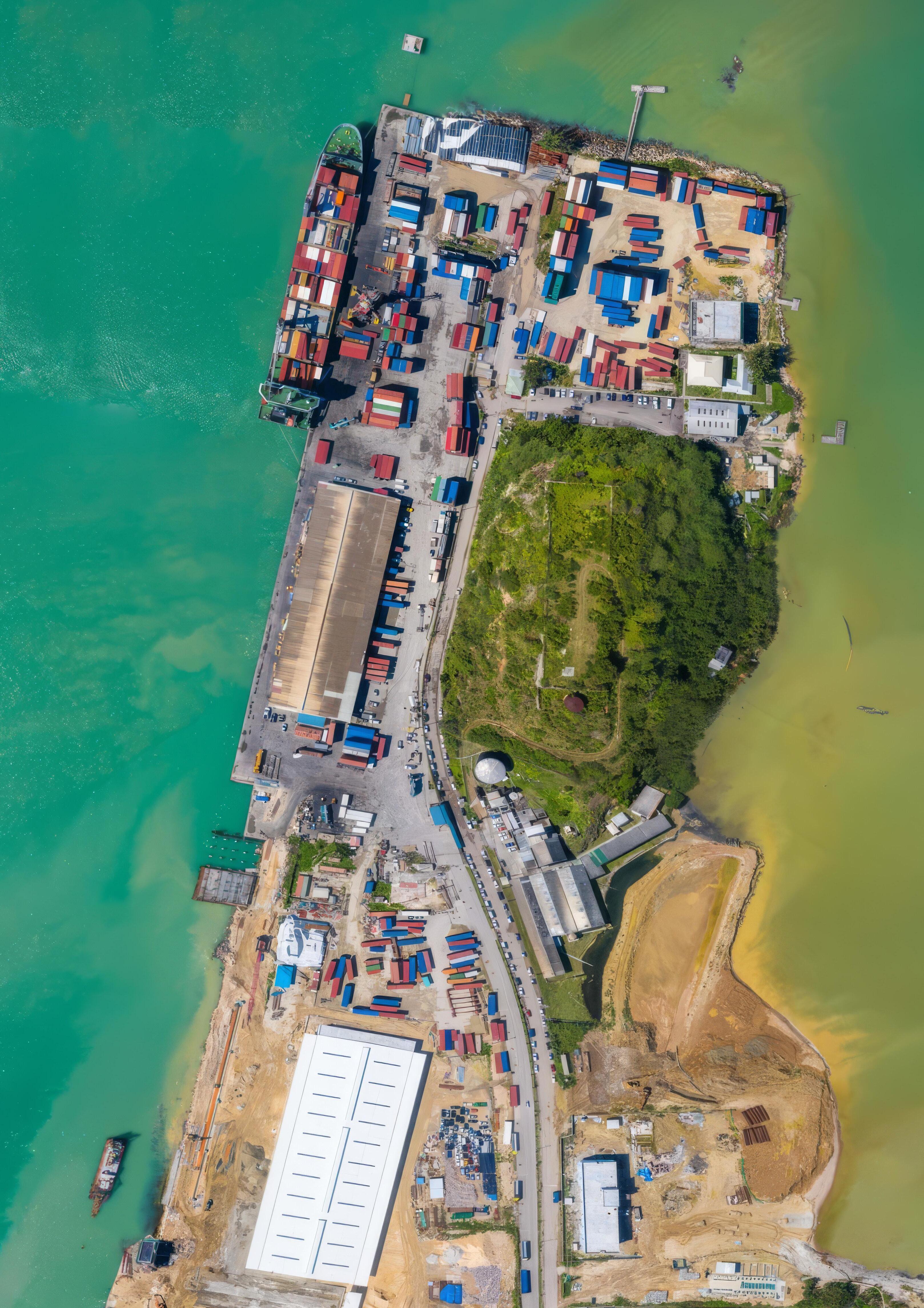

Beyond the physical infrastructure, Antigua Cruise Port’s redevelopment is being positioned as a catalyst for wider economic growth.
Alongside the new terminal, the Upland Development Project includes retail outlets, dining venues and bazaarstyle vendor kiosks intended to showcase local culture while creating new commercial opportunities for entrepreneurs. The port operator has also committed to working with local tour operators and excursion providers to expand shore experiences and regenerate surrounding tourist attractions.
Cruise traffic trends suggest Antigua’s strategy is already delivering results. According to port officials, cruise calls during the latest season increased by more than 10 percent year-onyear, while homeporting activity grew by over 20 percent.
The longer-term figures demonstrate even stronger
momentum. Antigua Cruise Port recorded growth from 124 cruise calls carrying 81,395 passengers in 2021 to 436 calls and more than 808,000 passengers in 2025.
Speaking at the official unveiling of the new cruise terminal in February 2026, Gasper George, General Manager of Antigua Cruise Port, described the project as a milestone for the nation’s tourism industry.
“After driving 387 foundation piles, we mark one year since we gathered on this very site for the ground breaking ceremony of the Upland Development Project. Today, we return with purpose and pride to officially unveil this cruise terminal –completing phase one of a transformational investment in Antigua and Barbuda’s cruise infrastructure.”
George also highlighted the progress achieved during the early years of Antigua’s homeporting ambitions: “This terminal was once an idea,
a plan, a vision, but today it stands as a tangible symbol of progress. Since 2022, operating under a makeshift marque tent, Antigua Cruise Port has successfully delivered homeporting and turnaround operations.”
“We have consistently demonstrated operational excellence, professionalism and reliability. Now, with a more than 10,000 square feet purposebuilt facility, Antigua and Barbuda is clearly positioned to do even more.”
The transformation extends beyond cruise operations alone. Antigua Cruise Port’s wider vision is focused on creating a more connected and accessible waterfront district for residents and visitors alike.
Recent construction updates reveal ongoing work on an access ramp and boardwalk designed to create seamless pedestrian and electric shuttle connections between Heritage Quay, Redcliffe Quay and the new Upland Development. Expanded parking facilities and new leisure amenities are also under development as part of the waterfront enhancement programme.
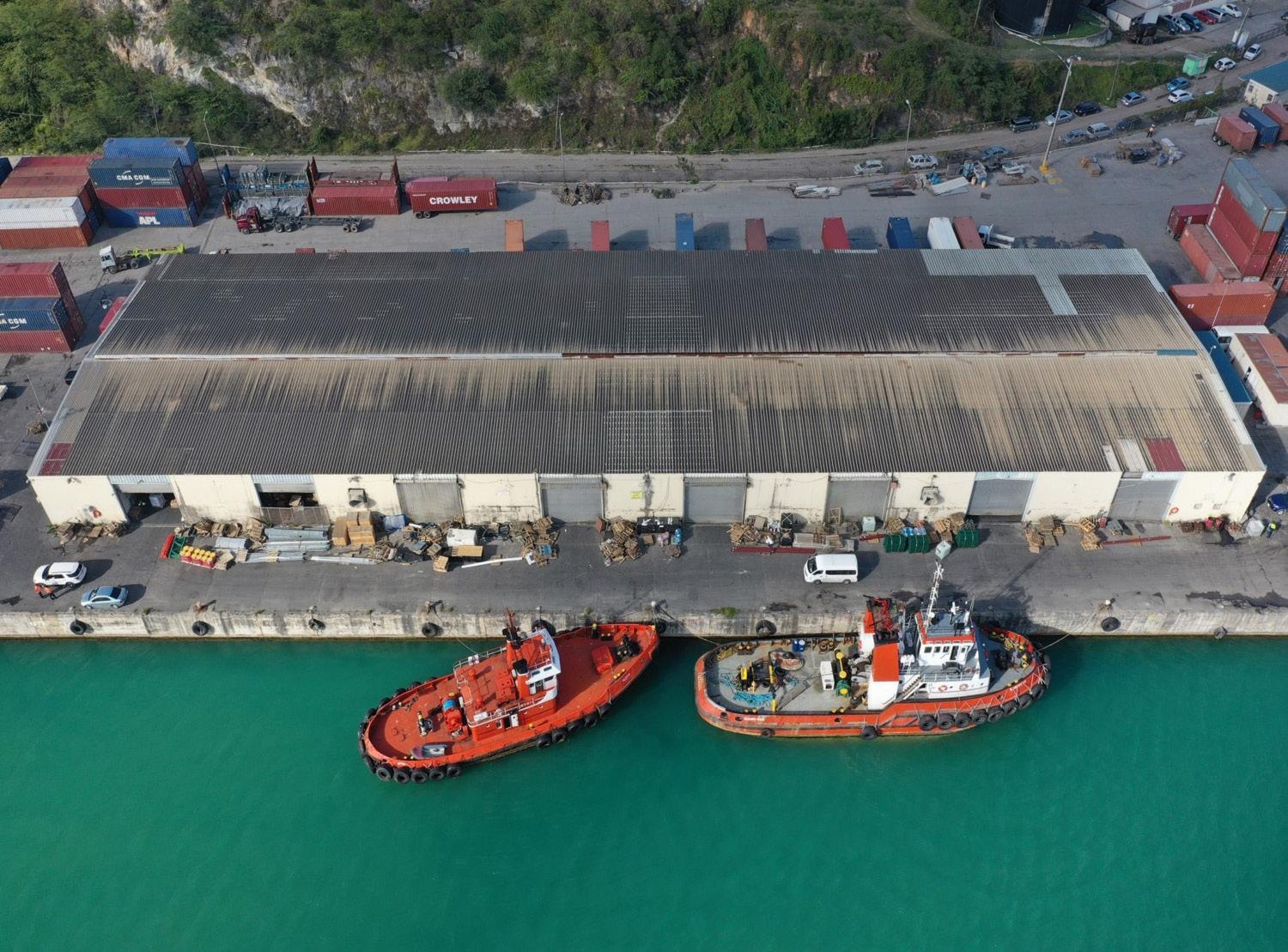
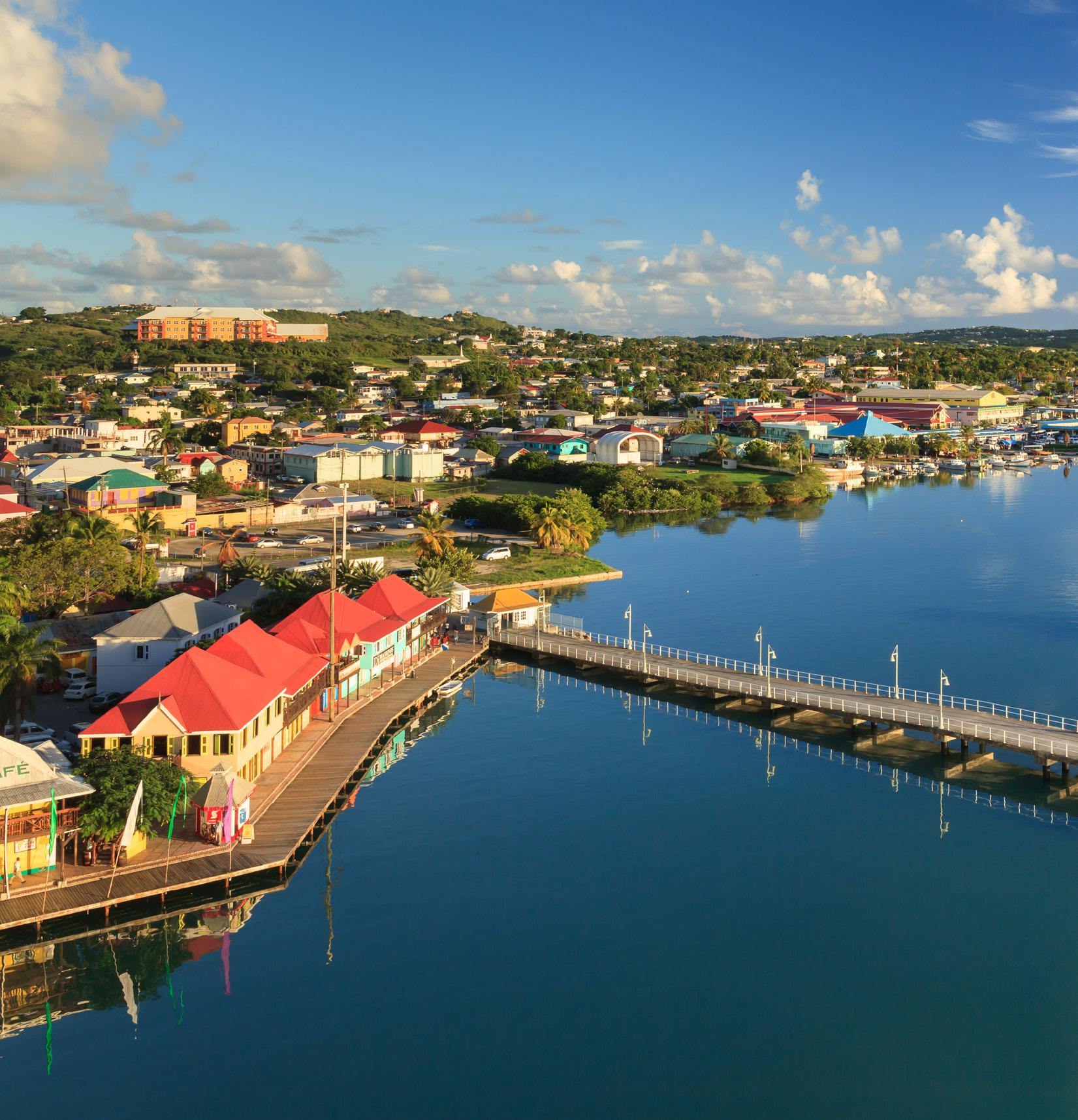
The emphasis on public access and urban connectivity reflects an effort to ensure the redevelopment benefits extend beyond the cruise industry itself. By integrating commercial, leisure and transportation infrastructure into the broader city environment, the project aims to create a more vibrant and economically resilient waterfront district.
As Antigua and Barbuda continues its cruise sector transformation, the island is signalling a clear intention to compete at the highest level of Caribbean tourism. With upgraded infrastructure, expanding homeporting
capabilities and a renewed focus on visitor experience, the country is seeking to secure long-term economic gains from one of the world’s most competitive travel markets.
For the Antigua and Barbuda Port Authority the redevelopment represents more than a construction project. It marks a strategic investment in the future of Caribbean cruising and in Antigua and Barbuda’s ambition to become one of the region’s defining maritime gateways.
“THIS TERMINAL WAS ONCE AN IDEA, A PLAN, A VISION, BUT TODAY IT STANDS AS A TANGIBLE SYMBOL OF PROGRESS.”
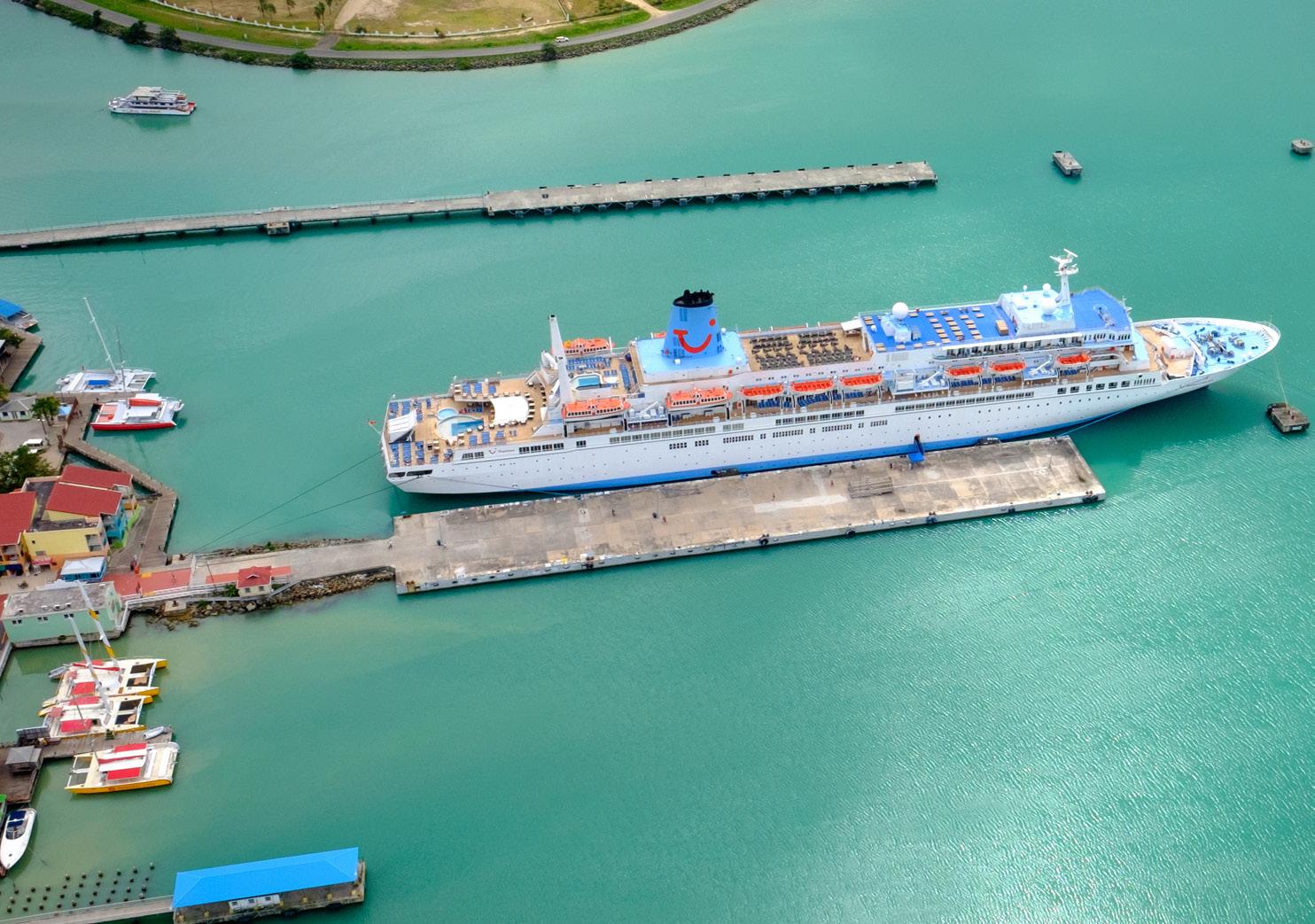
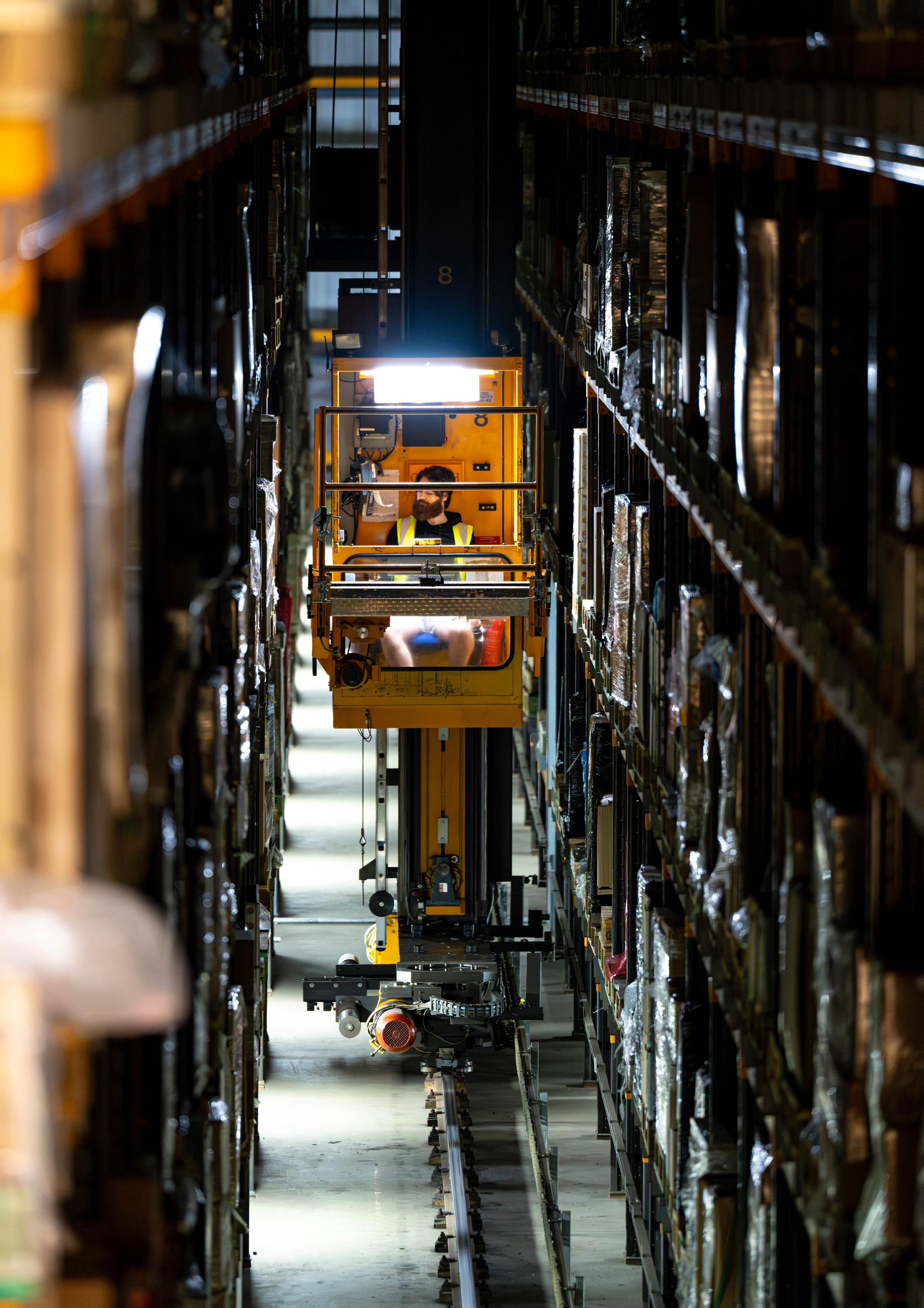
Industrial distribution is often viewed as a race to move products from warehouse shelves to customer sites as efficiently as possible. For RS UK & Ireland however, the model goes far deeper than fulfilment alone. The organisation has built its reputation on combining supply chain strength with technical support, local expertise, and long-term customer partnerships.
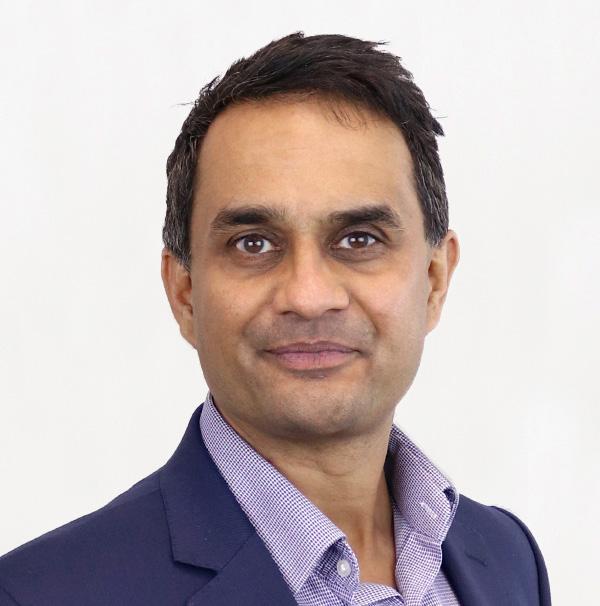
Raj Patel, Managing Director, RS UK & Ireland.
Originally founded as Radio Spares in London in 1937, today, RS operates across nearly 40 countries and works with around 2,500 suppliers worldwide.
Managing Director for RS UK & Ireland, Raj Patel, believes the organisation’s strength lies in its ability to support customers across the entire industrial lifecycle.
“We’re renowned for being an end-to-end provider of choice,” Raj begins. “Whether a customer is building a new facility or maintaining an existing plant, we support them from inception right through to keeping their machinery running with the right products, services, and technical knowledge.”
At present, RS offers around one million products through its website, with approximately 750,000 available for next day delivery. Though impressive, product volume alone is not what differentiates the business.
“We see ourselves as a high service distributor,” Raj says. “We’re not just shifting volume. We pride ourselves on fulfilling our promise to customers, making sure they get the products they need, alongside the technical advice and support they require.”
RS’s service-led approach is reflected in the company’s physical footprint. While many competitors operate solely through central fulfilment models, RS maintains a nationwide branch network consisting of 15 locations positioned close to customers.
“A lot of competitors are purely web fulfilment distributors,” Raj asserts. “Our branches allow customers to click and collect, seek technical advice, and access stock locally. That local presence makes a real difference.”
The company also works closely with customers to improve operational efficiency rather than simply fulfil orders. Raj points to a recent project with a major food manufacturer as a clear example of the role RS can play.
The manufacturer was experiencing repeated downtime because critical consumable parts were frequently unavailable when needed. In an FMCG environment, even short production stoppages can create major financial consequences.
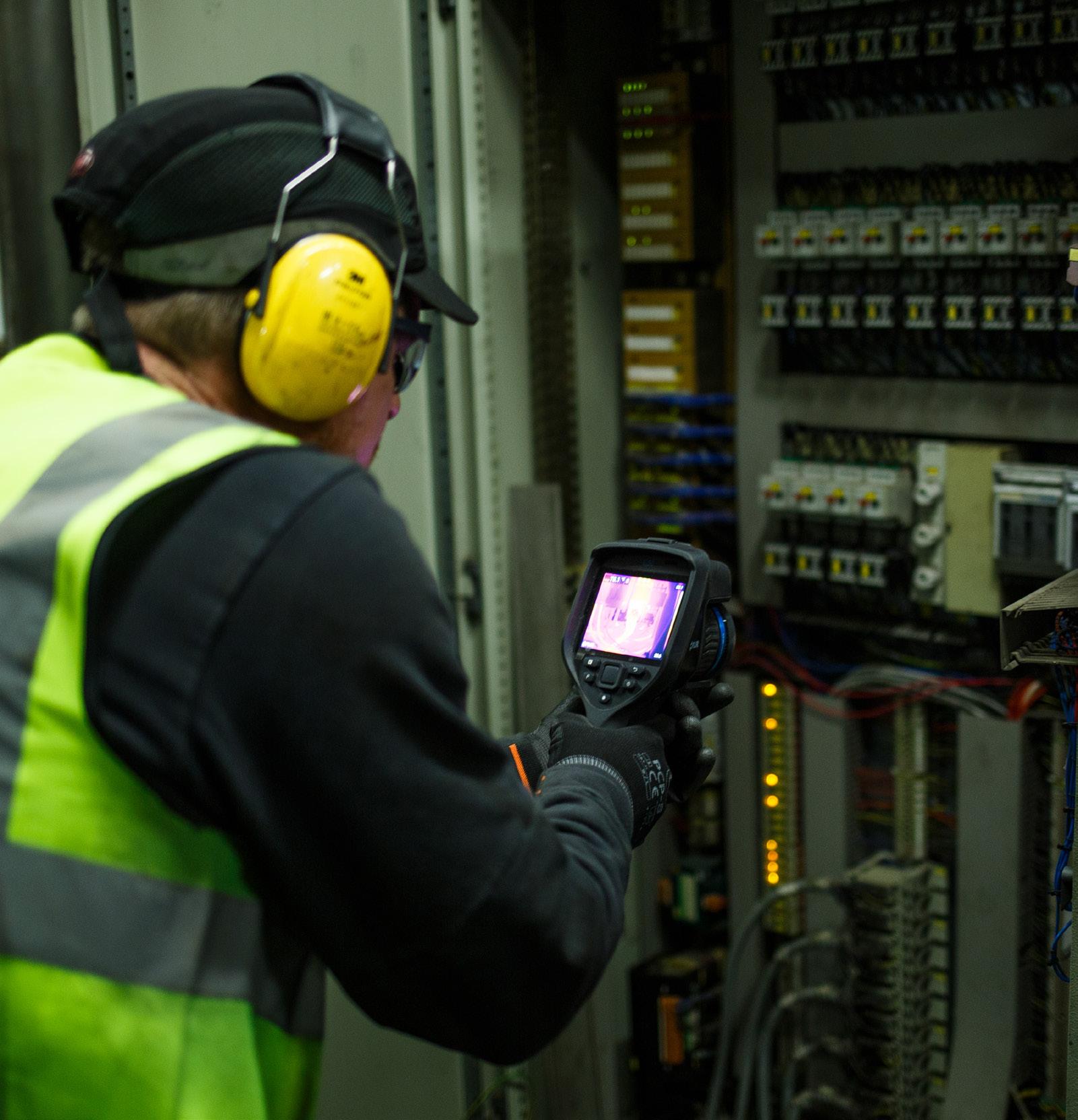
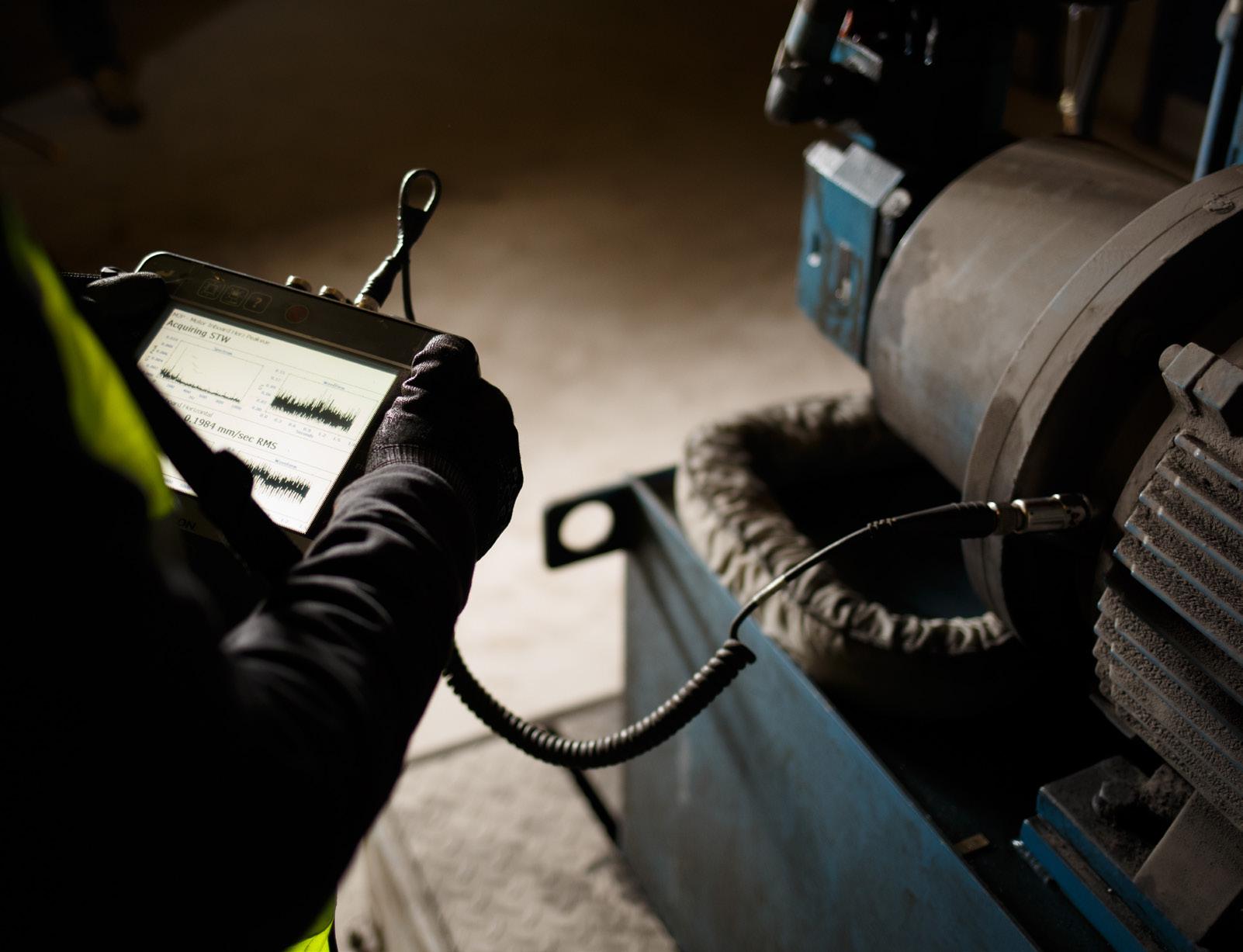
“What we found was that there were several issues contributing to the problem,” Raj notes. “It wasn’t just stock availability. We spent time workshopping with the customer to understand their internal processes, maintenance stores, and purchasing habits.”
RS redesigned the customer’s maintenance stores and introduced a controlled stock system that could track product usage through secure access controls. Engineers entering the store now use individual swipe cards, allowing the customer to monitor inventory movement more accurately.
At the same time, RS implemented a purchasing management tool that provided clearer procurement data across the site and enabled supplier consolidation.
“We were able to ringfence critical fast-moving stock locally within our branch network,” Raj says. “That meant the customer never ran out of the parts they needed.”
Another recent project involved a customer seeking a more efficient way to manage PPE distribution following heightened quality requirements since the pandemic. In response, RS developed a self-service inventory solution that dispensed approved PPE products including eyewear, footwear, and high visibility clothing using employee ID codes.
“It became part of the customer’s induction programme,” Raj explains. “New employees could enter their ID details and receive the equipment they needed immediately. Those are the sorts of tailored solutions that create real value for customers.”
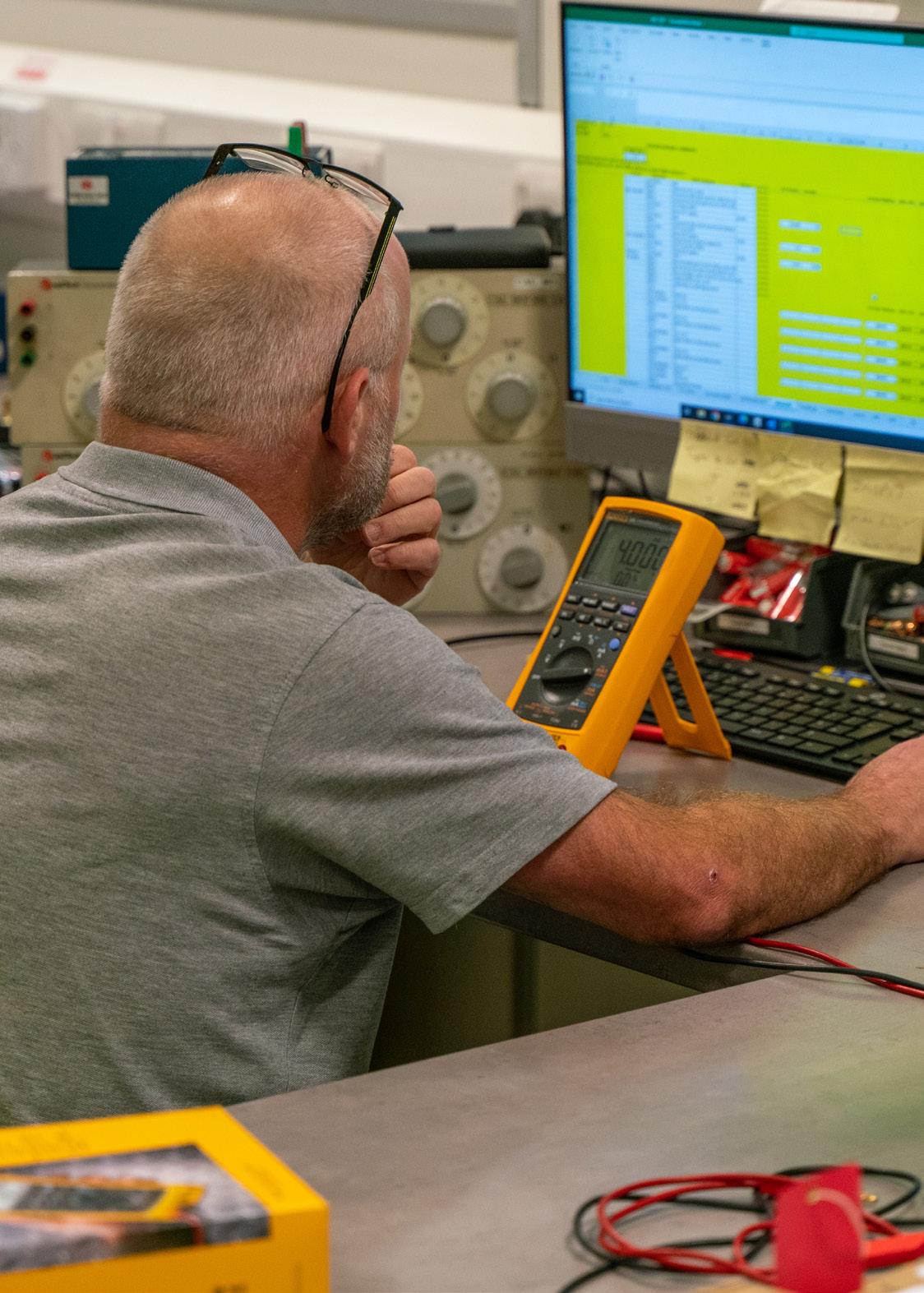
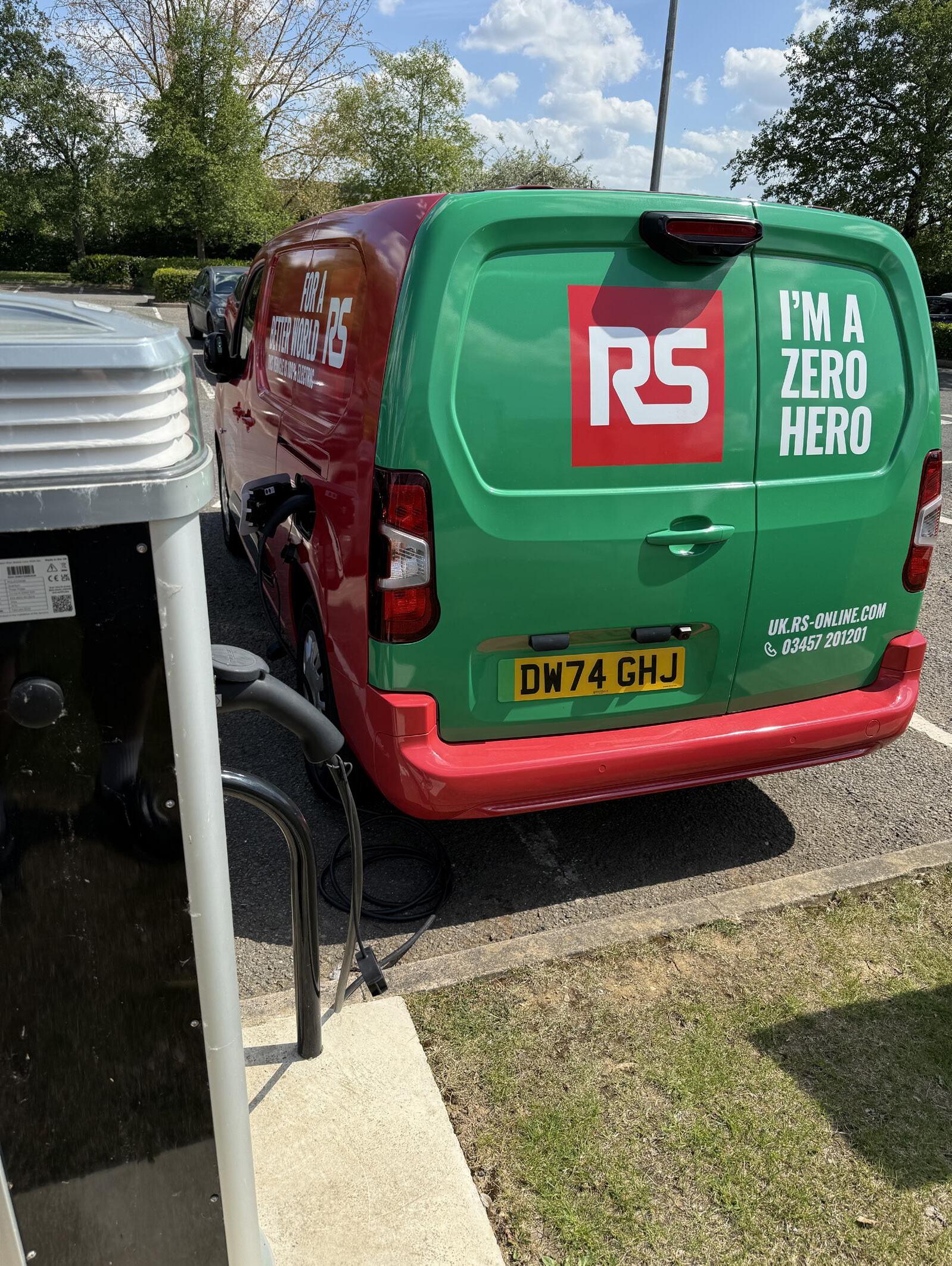
Technology is playing an increasingly important role throughout RS. Raj describes the company as an organisation that has invested heavily in digital capability over the last decade.
“One of the things we pride ourselves on is digital development,” he says. “Historically, distribution websites were clunky and limited. We’ve invested significantly in creating an easier, more intelligent digital experience.”
Development continues through integration with customer ERP systems and
purchasing platforms, creating more streamlined procurement processes.
Artificial intelligence is also becoming part of the company’s strategy. RS is using customer data, market analysis and predictive modelling to create more personalised product recommendations and curated ranges.
“When you’ve got more than a million products, relevance becomes really important,” Raj comments. “We’re using technology to make sure customers see the products and solutions that genuinely fit their business.”
Despite the growth of digital tools, Raj remains passionate about maintaining a strong human element within the business.
“People buy from people,” he says. “Industrial customers still value face-to-face interaction and technical expertise.
Engineers want to speak to engineers. Health and safety officers want to speak to people who understand their challenges.
“You can support customers through AI and automation, but you still need people who understand the customer’s environment and can help solve problems on site.”
Elsewhere, sustainability has become a central focus for RS. The business currently holds EcoVadis Platinum accreditation, placing it within the top one percent of companies assessed globally for sustainability performance.
“We’ve lived and breathed sustainability for the last four to five years. We have invested in electrifying our sales fleet, reducing fossil fuel usage within our facilities, and introducing renewable technologies including solar power and air source heat pumps. Our London headquarters even incorporates rainwater recycling systems.”
IF CUSTOMERS ARE EVOLVING, WE HAVE TO EVOLVE WITH THEM.”

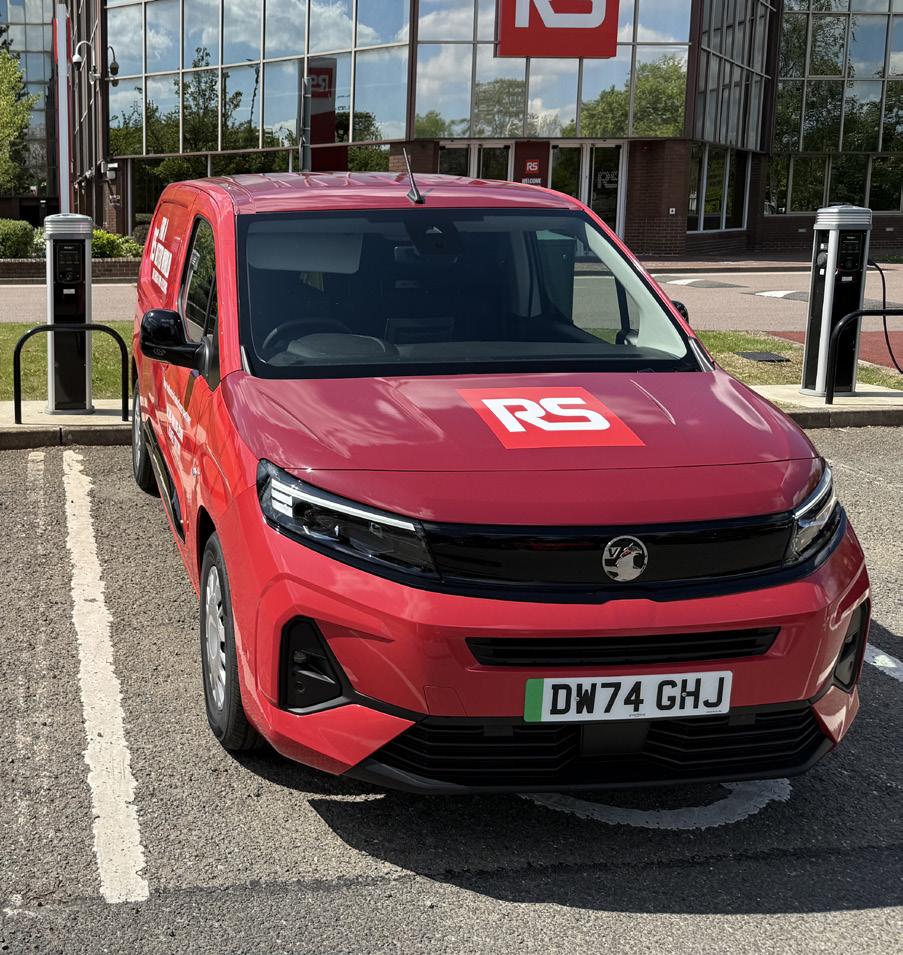
Looking ahead, technical capability is expected to drive the next stage of growth for RS. The company recently acquired BPX Group, a specialist in automation and control solutions with decades of expertise in industrial system design.
“That acquisition is really important for us,” Raj affirms. “Automation and control are becoming critical for industrial customers, and we want to strengthen our technical capability in that area.”
BPX brings around 65 manufacturer-certified technicians into the wider business, expanding RS’s ability to support customers from early-stage facility design through to implementation and ongoing maintenance.
Raj sees further acquisitions as part of a broader longterm strategy centred around what the business calls being ‘digitally enabled, technically capable’.
“Our role is to remain relevant to the customer,” Raj concludes. “If customers are evolving, we have to evolve with them.”


www.linkedin.com/company/ceo-media-group twitter.com/businessfocus_