




Coldwell Banker Vanguard Rental Gurus welcomes you as a new resident. CBV is an abbreviation used in lieu of the full company name and is used throughout this Manual.
Coldwell Banker Vanguard Rental Gurus welcomes you asa new resident. CBV is an abbreviation used in lieu of thefull companyname and is usedthroughout this Manual.
To achieve a successful tenant/management relationship, we prepared the CBV Tenant Manual to assist you with your tenancy. The Manual can be found on your Tenant Portal for easy reference.
To achieve a successful tenant/management relationship, we prepared the CBV Tenant Manual to assist you with yourtenancy. We recommend that you keep it in a convenient location so that you canrefer toit easily.
You will find maintenance guidelines, rental payment instructions, general information, safety tips, vacation guidelines, emergency instructions, holiday tips, and more.
CBV wants you to be prepared throughout your tenancy. Therefore, we want to provide important information and documents that you may need in the future.
You willfind maintenance guidelines, rental payment instructions, generalinformation, safety tips, vacation guidelines, emergency instructions,holiday tips, andmore.
CBV wants you to be prepared throughout your tenancy. Therefore, we want to provide important information and documentsthat you mayneed in the future.
The owner of the property has retained CBV and your Property Manager (PM) as their property management company to manage the property you are renting. You will need to contact your PM when you need assistance. You can find your PM’s direct contact information on your Tenant Portal.
The owner of the propertyhas retained CBV and your Property Manager as their property management company to manage the property you are renting. You will need tocontact your Property Manager when you need assistance.You can find your PropertyManager’s direct contact information on your Tenant Portal.
If you have questions or concerns on any of the information contained in this document, contact your PM at any time. We are here to help you.
We wish you a successful and enjoyable tenancy in your new residence.
If you have questions orconcernson any of the information contained inthisdocumentation, contact your Property Manager at anytime. We are here to help you.
We wish you a successful and enjoyabletenancyin yournewresidence.






Communication makes a difference in any area of life, and it can only enhance your tenancy by letting your PM know what you need.
Use the telephone, email, or written correspondence to contact your PM. What is important is that you DO contact us when you need assistance. Remember we are here to help you
If during the day you reach your Property Managers voicemail, please follow any instructions given by the PM’s message, but at a minimum, leave a message complete with your name, and the telephone numbers where you can be reached along with the purpose for calling. Your PM will address your call. The benefit of a voice mail system is the ability to leave a message twentyfour hours a day, seven days a week.
Of course, feel free to leave a voicemail after hours. Only Emergency Maintenance items will be addressed after hours. Please reference the Emergency Maintenance procedures below and on page 12.
During normal office hours, immediately state if you have an emergency. If you reach your Property Manager’s voicemail system during office hours, or after the office is closed, and you do not hear back within 20 minutes, please call again.
Maintenance Emergencies are defined as safety concerns, are related to preservation of the premises, or present a sanitation issue and include:
• Fire (please call 911 first)
• Flood/flowing water inside the premises. Please locate the water shut off valve to stop the water.
• Toilet Backup, when there is not another functioning toilet in the home. Please use a plunger prior to contacting your PM.
• Backed up kitchen sink. Please use a plunger prior to contacting your PM
• Broken entry door lock
• Broken windows or window locks causing a home to be unsecured
• HVAC not working properly if the outside temperature is below 60 degrees
⚬ Please note: Air conditioning is not an established emergency under Florida law
• Loss of hot water

• Gas leak (please call your gas provider first for them to shut off the gas)


Please remember that all work orders must be in writing, even if it is an emergency. This is in your rental agreement. All work orders must be submitted through your online portal at VanguardGurus.com. For emergency maintenance, please reference the Emergency Maintenance procedures on page 5.
It is important that you notify your PM of any changes in telephone, cell numbers, or email.
Email/texting is a great way to communicate. Many communications are sent to our Residents via email and text. You will be sent emails from an unmonitored email address, RentalGurus@CBVFL.com. Please be sure to add this to your email provider as a safe sender so you do not miss any important communications. Please note, this email is not monitored and is a no-reply email. Please direct any questions directly to your PM.
Please note that although communication by email/text is encouraged, CBV does not accept Notices to Vacate by text. CBV requires the Notice to Vacate in writing by email.
Some day you will move out of this property. It is important that during your residency, you care for your rental history and credit. Most likely you will either rent again or purchase a home. In either case, you will need good rental references and a good credit report. Avoid late rent payments, care for the property, and move out properly. Give CBV the pleasure of being able to provide a good reference for you when you vacate the property.
At or prior to Move In you should have received a copy of your rental/lease agreement. We recommend that you keep this paperwork with this Manual for easy reference. Please always remember a rental/lease agreement is a binding agreement. If you have any questions regarding your lease, please call your PM.
CBV cancels the utilities in the owner’s name on the 1st day of your rental agreement. To avoid discontinuation of service, contact the utility companies immediately.
Rent is due on the first of each month and late if not received by the 3rd. If you know that you will have a delay or problem paying by the due date, contact your PM immediately. Lack of communication can affect your payment record.
CBV receives rental payments through the Tenant Portal ONLY at Vanguardgurus.com. Available payment options and their related fees, through the portal include:
eCheck (ACH) – FREE
Debit - $7.95 per transaction
Credit – Starting at 2.39% per transaction
Pay by Cash at a payment center – Starting at $3.50
CBV does not accept any payments made to any of our office locations. All payments dropped of at an office location will be returned to the tenant via USPS certified mail.
If you fail to pay rent on time and in full, you could incur the following charges (please confirm the terms in your lease agreement):
Late fee – the CBV late fee is 10% of rent plus $3 per day, if not received by the 3rd
Service fee – the CBV service fee is $25, if a notice to pay or quit is delivered due to rent not received in a timely manner.
Processing fees – the CBV processing fees are $3.00 service fee for all payments made through the portal. CBV does not accept any payments made to any of our office locations. All payments dropped of at an office location will be returned to the tenant via USPS certified mail.
Maintenance charge – there is a $25 charge for all Maintenance Requests. CBV will bill you if you have made an appointment with a vendor but failed to meet them at the scheduled time. If CBV receives a trip charge invoice, you are responsible for reimbursement.


time. If CBV receives a trip charge invoice, you are responsiblefor reimbursement.
When you move into a property, it is helpful to know where important items are located. Take the time to know or locate the following:
Main circuit breaker in the event of a power outage
Gas shutoff valve (where applicable) – turn off during emergencies/disasters for safety
GFI plug(s) – so you can check them if your plugs or appliances in the bathroom, kitchen, patio or garage fail to work
Electric and/or gas meters to check your utility bills
The main water shutoff valve in case of flooding
Water shutoff valves below the sinks and behind toilets in case of water leaks
Method of cleaning for the oven/stove top so you use the right products
If you are uncertain about any of the above items, contact your CBV management team for help.
When you rented the property, your lease contained detailed maintenance instructions. Please review them before requesting a work order. CBV has more tips in this Manual.
Our Team will conduct periodic inspections of the property throughout the tenancy. These may be conducted by your PM, or they can be conducted by our Maintenance Coordinator. You will receive reasonable notice of when we will be inspecting the property. Notice will be provided via the email addresses on file. Due to scheduling, inspections cannot be rescheduled. It is not necessary for you to be home for these inspections. It is important there are no unaccompanied minors home or loose pets for the scheduled inspection. If for any reason we are unable to access any part of the home during the scheduled inspection, a trip charge could apply.
It is the CBV policy that tenants do not do repairs or alterations. You agreed to this in the CBV rental agreement/lease. If you do want to make a special request for renovation or repair to the property:
Submit your request in writing before making any changes.
CBV will consult the owners to see if the request is acceptable to them. If the request is acceptable to the owner, tenants must do one of the following prior to vacating the property:
Leave the alterations if this is part of the owner’s condition to accept the alteration/repair.
Return the property to its original state if this is part of the owner’s condition to accept the alteration/repair and pay for any necessary repairs to restore the alteration/repair to its original state
Sign a CBV agreement regarding the alteration/repair.
Tenant Maintenance Responsibilities

When you rented theproperty, your lease contained detailed maintenance instructions. Please review them beforerequesting a workorder. CBV hasmore tips in this Manual.
Our Team will conduct periodic inspections of the property throughout thetenancy. These maybe conducted by yourPM,or they can be conducted by our Maintenance Coordinator. You will receive reasonablenotice of when we will be inspecting theproperty. Notice will be providedvia the email addresses onfile. Due toscheduling, inspections cannot be rescheduled. It is not necessary for you to behome forthese inspections. It is important there are no unaccompanied minorshome or loose pets forthe scheduled inspection. Iffor any reasonwe are unableto access any part of the homeduring the scheduled inspection, atrip charge could apply.
It is the CBV policythat tenants donot do repairsor alterations. You agreed tothis in the CBV rental agreement/lease.If you do want to make a special request for renovation or repair tothe property:
Submit your request in writing before makingany changes.
CBV will consult theowners to see if the request is acceptabletothem. If the request is acceptabletothe owner, tenants must do one of the following priorto vacating theproperty:
Leave the alterations if this ispart of theowner’s condition to accept the alteration/repair.
Return theproperty to its original state if this is part of the owner’s condition to acceptthe alteration/repair and payfor anynecessary repairs to restorethe alteration/repair toits original state.
Sign a CBV agreement regardingthe alteration/repair.
The property owner has a duty to maintain your residence to uniform codes of safety for landlord/tenant law. Please enter all requests for repairs and maintenance on the Tenant Portal at Vanguardgurus.com We want you to report maintenance items, but please note, not all requests will be fulfilled.
There are items that are the resident’s responsibility and we have listed them again below. Please refer to the Maintenance paragraph in your Lease for further details.:
Replacing smoke alarm batteries
Replacing light bulbs with the correct size and type
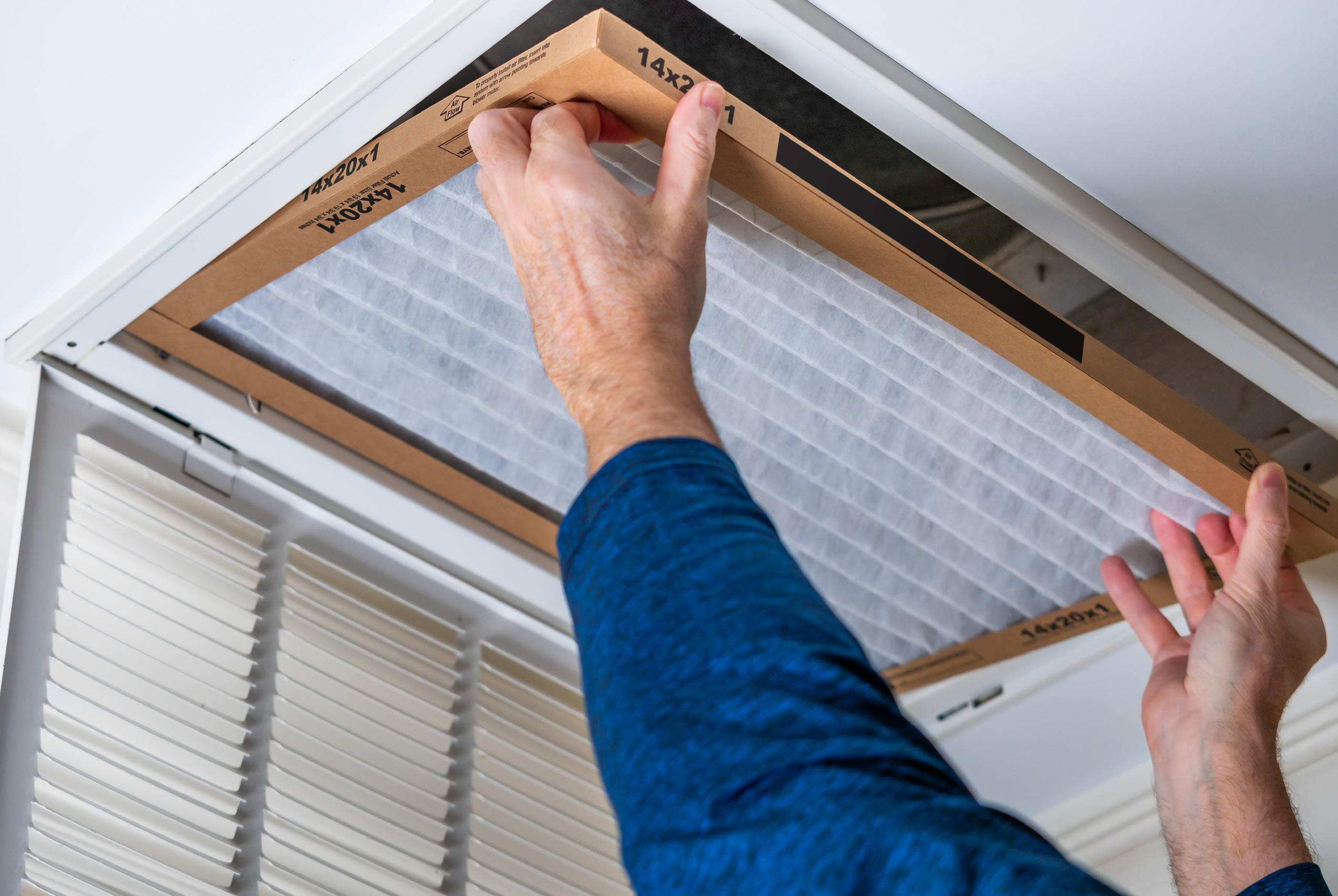
Replacing furnace filters, if applicable, every month
Reporting non-functioning smoke alarms immediately if batteries do not solve the problem
Reporting all necessary repairs
Professional steam cleaning and spot cleaning of carpets while residing in the property
Normal insect control
Normal rodent control (e.g. mice)
Landscape cleanup if a service is not provided
Reporting lack of landscape cleanup if a service IS provided in your rental agreement
Landscape watering unless there is a Homeowner’s Association which provides this. Reporting malfunctioning irrigation systems or sprinklers, even if it is the responsibility of an Association
Disposal of all garbage in the proper receptacles and using the regular pick up service
Disposal of animal feces on the property even if you do not have a pet
If the residence has a fireplace, TENANT acknowledges fires are not allowed in fireplace. Fireplace is only for decorative purposes.
Disposing of toxic waste properly in accordance with local and county laws
Flushable wipes are NOT FLUSHABLE! Advertisements for flushable wipes are very misleading. They clog pipes and sewer lines creating massive backups and possible sewage flooding in your home. Google “fatberg” if you don’t believe us!
Countertops cannot handle heat. We often find burns on countertops which can be a very costly repair for the tenant at the time of move out. Please be mindful when placing hot items such as pots, pans, curling irons, and flat irons directly on the countertop. Countertops should never be used as a cutting surface; a cutting board should be utilized to protect the countertop surface. Any damage will be charged to the tenant upon move out.
Procedures for Requesting Maintenance

hot items such aspots, pans, curling irons, and flat ironsdirectlyon the countertop.
Countertops should never be used asa cutting surface; a cutting board should beutilized to protect thecountertop surface. Any damagewill be charged tothe tenant upon move out.
Before calling CBV:
Determine if there is a true emergency or a non-emergency.
Check to see if you can determine the cause of the problem that you are experiencing, unless you have an emergency. Read examples of various problems in your maintenance addendum.
There are few emergencies. An emergency is a life-threatening situation such as a fire, flood and/or uncontrollable water, electrical problem, smell of gas, etc.:
Emergencies causing immediate danger such as a fire, call 9-1-1.
Emergencies involving gas call the gas company and if necessary, 9-1-1.
Emergencies involving IMMEDIATE electrical danger, call the utility service or 9-1-1.
After contacting one of the above sources, call the CBV office and report the problem.
Emergencies such as backed up plumbing, flooding, call your PM immediately. If necessary, call 9-1-1.
Complete a work order request in your Tenant Portal at Vanguardgurus.com.
A CBV representative will assign a vendor to contact you.
CBV does not give vendors keys to the residences.
Vendors are required to make appointments directly with the residents.
Remember, this is a NON-EMERGENCY item and in most cases, the vendor will not be able to make an appointment immediately.
Failure to make the home available at an appointment could mean a charge to you. Therefore, be certain to call the vendor or your PM as soon as possible if you are unable to make the appointment.
If you do not hear from a vendor or repairperson within 3 business days, call your PM and inform them that a vendor has not contacted you.
A CBV staff member will contact the vendor to find out the cause of the delay, and your PM will inform you when to expect the vendor to call.
After a repair has taken place, if you have trouble, call your PM and state you had a recent repair but there is still a problem.
Recent repair means within the last 60 days and pest control work means within 30 days.
If you fail to report an unsolved recent repair, and there is further damage or expense, you may be responsible for the cost, per your rental agreement.
Cleaningtips were included in your Lease & MoldAddendum to your Lease. Here are more tips:
Cleaning is easier when youuse a preventative approach.
Always put awayfood and wipeup food debris.
Clean pet bowls regularly to avoid attracting ants and other insects.
Donot allow greasetobuild
in kitchens;use asponge and soapy waterregularly on counter tops, stovetops, and hood filters.
If you fail to report an unsolved recent repair, and there is further damageor expense, you may beresponsible for the cost, per your rental agreement.
Cleaning tips were included in your Lease & Mold Addendum to your Lease. Here are more tips:
Cleaning is easier when you use a preventative approach.
Always put away food and wipe up food debris.
Clean pet bowls regularly to avoid attracting ants and other insects.
Do not allow grease to build up in kitchens; use a sponge and soapy water regularly on counter tops, stovetops, and hood filters.
Avoid cooking with very high heat. This will add to more grease build-up and cause damage to appliances. It can also be dangerous.
Avoid mildew by venting rooms and bathrooms properly, particularly after baths and showers.
Clean bathroom tile or other surfaces regularly to prevent the buildup of grime.
Clean toilets regularly to avoid buildup of grime, rings, and mildew.
Mop tile, wood, and linoleum to avoid dust bunnies and the buildup of grime.
Do not use wax on linoleum or tile.
Use proper/appropriate cleaning products based on the type of flooring in your home. If you are unsure, please reach out to your PM for further instructions.
Vacuum all flooring regularly, particularly carpets. This will save in carpet cleaning bills. Regularly pick up debris and pet feces in outside areas.
Mildew problems in a home can occur if excessive moisture is present, there is limited ventilation, or the home is not kept clean. Mold can become a problem in your home if indoor humidity is allowed to exist without proper ventilation. Please reference the Mold Addendum in your Lease Agreement.
It is not always necessary to purchase expensive cleaning products. Vinegar, baking soda, ammonia, and salt are some inexpensive cleaning products with many uses. They also are helpful for people who have allergies to cleaning products. They can be better for the environment than commercial products
Air freshener:
o Place a bowl of vinegar in the kitchen or bathroom to absorb odors
Drains:
o For a great once-a-month drain cleaner, pour 1/2 cup baking soda into the drain, follow with 1/2 cup white vinegar – it will foam. Cover and let sit 30 minutes, then flush with cool water.
o For stubborn, slow-running drains, pour 1 cup baking soda and 1 cup salt down the drain. Follow this with 2 quarts of boiling water. Let sit 30 minutes, then flush with cool water.
Tile countertops:
o To clean ceramic tile, where mold and mildew accumulate, use a combination of 1/4 cup baking soda, 1/2 cup white vinegar, 1 gallon of warm water, and 1 cup ammonia.
o Alternatively, regularly clean kitchen surfaces by using a spray bottle mixed with 1/2 cup vinegar and a quart of water.
Glass cleaner:
o When glass cleaningproducts leave residue onbathroom mirrors, mix 3tablespoonsof vinegar with a quart of water in a clean plastic spray bottle.
o Sprayglassand wipe witha clean paper towel.
o Alternatively,regularly clean kitchen surfaces byusing a spraybottle mixed with 1/2 cup vinegar and a quart of water.
Glass cleaner:
o When glass cleaning products leave residue on bathroom mirrors, mix 3 tablespoons of vinegar with a quart of water in a clean plastic spray bottle.
o Spray glass and wipe with a clean paper towel.
Dishwasher:
o Empty the dishwasher, pour in a 1/4 cup of vinegar, and run the dishwasher.
o Even if you prefer not to use the dishwasher, run at least once a week to keep seals from becoming hard and cracked and avoid any smells from sitting water.
Refrigerators/Freezers:
o Clean regularly and place a cup of baking soda in a bowl on a refrigerator shelf to absorb odors.
o A cup of dry unused coffee grinds can also absorb odors when placed on a refrigerator shelf.
Washing machine:
o A 1/2 cup of baking soda can be added to the washing machine with regular detergent to help with mild odors
Toilets:
o Remove waterline marks in the toilet bowl by pouring in 2 cups of white vinegar. Let soak overnight, then flush to rinse. If this does not work, rub the waterline mark with a wet pumice stone.
Saving water is important for the environment and can mean a lower utility bill for your residence as well:
Always report water leaks to your PM as soon as possible.
o Report water dripping under sinks.
o Running toilets are big water wasters.
o Report malfunctioning sprinklers.
o Report standing pools of water.
o Report malfunctioning water appliances such as dishwashers and washing machines that come with the property
Run the dishwasher when it is fully loaded.
Check water hoses on washing machines for leaks; change hoses every three years. Adjust the water level to match the load, using less water for small loads.
NEVER use flushing toilets to dispose of anything other than human waste and toilet paper. Take short showers.
Avoid letting the water continually run while shaving, brushing your teeth, or washing your face.
Do NOT touch the water heater thermostat. Water heater temperature should not exceed 125 degrees.
Counsel all children on how to prevent wasting water.
Do not over water landscaping; it is not healthy for plants and simply wastes water.
Please note: Continual water leaks not only increase your water usage and water billing, but unreported leaks have the potential to cause significant water damage to the home that could result in charges to you.
During warm or hot months, close the windows and doors to your home early in the day to keep the cool air in, particularly when the air-conditioner is running.
Close window coverings on the sunny side of the house during different times of the day; this can lower the temperature dramatically.
Replace the air filter often and with the right size, at a minimum monthly. A clean filter helps the air-conditioner run more efficiently.
When leaving your residence, turn the air-conditioner up a few degrees, a closed house without activity normally stays cooler. This is particularly important when going on vacation. There is no reason to keep the residence in a frigid state while you are gone, but do not turn the air off on very hot days – it will only take longer and more energy to cool down.
NEVER turn your AC off. Turning your AC off will result in mold growth in the home.
During the cooler months, keep all windows and doors tightly closed. Report any major drafts to your PM.
Use a reasonable level of heat in the residence. Sometimes, turning down the heat just a few degrees can reduce an energy bill.
Turn the heat down during the night and use warm covers and comforters. When leaving home, turn down the temperature on the thermostat.
Do not turn the heat completely off. It will take more heat for a cold house to warm up than it will save. In addition, this could cause pipes to freeze, which will cause more problems. Fireplaces should never be used without the Owner’s written permission to do so.
NEVER use space heaters.
Report all heater malfunctions to your PM.
Property owners generally carry a standard fire and liability policy and have additional coverage with landlord/rental insurance. This normally cannot cover the contents or possessions of the resident. The reason that insurance companies do not provide this type of coverage is because they are non-owner occupied properties. Therefore, it is very important for you to have adequate insurance coverage for your contents.
If you think it is not important, sit down and write out a list of your possessions in one column. In a second column, list how much it would cost to replace them. You will be surprised how the list can really add up.
Please check with your PM & Lease to confirm if Renter’s Insurance is required.
The safety of you and your family is important to CBV and many things can affect it. Here are some tips to follow:
Unplug all heat-producing appliances like curling irons, hair straighteners, toasters, irons, and coffee makers when they are not in use to prevent fire hazards.
Never leave a stove or oven unattended; turn off all stove and oven appliances when you leave the house.
Never leave heating pads and electric blankets on indefinitely and turn them off when you leave the residence to prevent fire hazards.
Never leave water running unattended in a plugged bathtub or when leaving the residence.
If you have an upstairs bathroom and you see water in the ceiling below, particularly in a light fixture, report the leak immediately to your PM.
Do not operate electrical appliances while standing or sitting in water.
DO not use blow dryers, curling irons, radios, TVs, or other appliances while in a bathtub or over a sink filled with water.
If you have small children, use child protector plugs when you are not using outlets.
Do not overload extension cords with too many appliances.
Place lamps on level surfaces and use the correct wattage.
Avoid running extension cords over walkways, under rugs, or any other place that could cause tripping.
If you suspect an electrical problem, report it to your PM immediately.
Do not remove smoke alarms, particularly if they are beeping. Smoke alarms are for safety and removing them can endanger all residents and guests. Change the batteries if needed.
Do not allow children to leave toys on walkways and sidewalks.
Replace outside light bulbs so you can utilize lights properly when it is dark.
Report any exposed tree roots in walkways, driveways or other walking paths to your PM. Keep a portable fire extinguisher in the kitchen and the garage; they are available in hardware supply stores.
If you use a grill or BBQ, use common sense. Never leave grills unattended. Grills must be used a minimum of 15 feet away from any structure or landscaping. Allow grill to cool before storing.
Fireplaces are to be used with written permission from landlord only. If written permission has been obtained:
o Do not store fireplace wood against the residence.
o Always be certain the damper is open before starting a fire in the fireplace.
o Do not build roaring fires in the fireplace; build reasonable fires suited to the size of the fireplace.
Portable firepits are not permitted on the premises.

When going on vacation, here are items to check before leaving:
If going out of town for an extended period, please notify your PM how long you will be gone, and supply an emergency telephone number. Then should any problems arise concerning your residence, there is someone to contact.
Check your rent payment to ensure it will not become delinquent. It would be a sad thing to come home to a late notice and charges.
Notify all necessary parties such as your trusted next-door neighbors, the paper delivery person, the post office, or any related service people. By doing so, you will avoid any panic that something is wrong.
Select someone to pick up items on your doorstep to avoid giving signals to dishonest people. If leaving a vehicle in the driveway, remove any valuables and/or garage door openers that can be stolen and used to access to your home.
Put garbage cans away or arrange for someone to take care of it.
Place valuables and jewelry in a safe deposit box.
Avoid leaving a message on your answering device telling people you are out of town and for how long.
Set timers on interior lights, to deter burglars.
Be sure to check all windows, window locks, and doors before leaving.
If you have an alarm, be sure to set it.
Turn off the water valve to your washing machine, toilets, sinks. Immediately report any valve issues.
Turn off all appliances, large and small, such as stove burners, coffee pots, irons, curling irons, etc.
Unplug TVs and computers to avoid damage from lightning or power surges.
DO NOT turn the water heater off.
DO NOT turn the air conditioning off.
Anything else living in your house besides you, such as plants or pets? Then be sure to water plants and have someone take care of your animals. Do not leave pets in the residence unless a reliable person is going to care for them daily
Tips

reliable person is going to carefor them daily
Holiday Tips
Everyone enjoys the different holidays, but it is important to exercise care during the celebrations and remove decorations when each season is over.
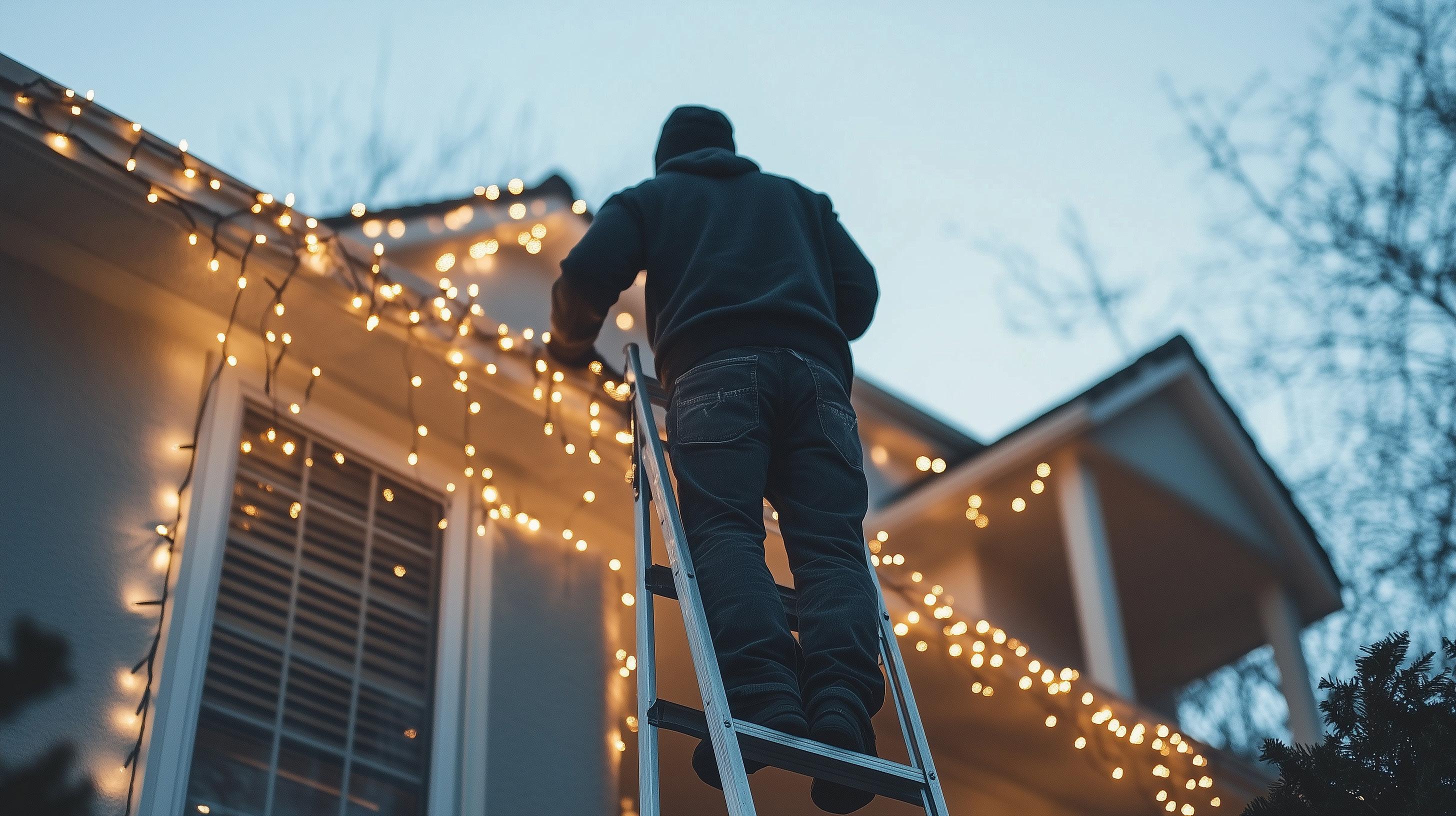
Hang lights and decorations properly and carefully without damage to the property. Before hanging, check for bad plugs and loose wires. If you find defects, dispose of the lights. Only use lights and decorations during holiday seasons; remove them immediately when the season ends.
Dispose of holiday trees properly; never burn them in a fireplace, fire pit or grill. If you use extension cords, do not overload, do not staple them to the residence, and if outside, use only cords approved for outside use.
Never leave holiday lights on when leaving your residence to avoid fire danger. Fireworks use is not permitted on the premises
Emergency/Disasters
Unfortunately, emergencies and disasters happen all around the world. The best solution is to be prepared. Refer to FEMA.gov and Ready.gov for disaster preparedness guides.
There are different emergencies:
Maintenance emergencies:
o Please follow the maintenance instructions on pages 5 & 12 of this manual.
o CBV requests that you treat all CBV staff courteously while under stress – we will do everything we can to help you as soon as possible.
Area emergencies or disasters:
o Be prepared and use the above listed resources
o When major emergencies or disasters such as a hurricane, tornado, earthquake, or some other force of nature occur, everyone experiences great inconvenience and difficulty. Remember this and be considerate of others and the degrees of different problems.
o Call emergency services first.
o Then notify your PM as soon as possible what has happened.
o We will assign priorities to work during an area emergency/disaster and will work to assist you as much as possible
o When calling your PM, we ask you to be patient and calmly state the problems you are experiencing. We will handle the problems as quickly as possible.
CBV has put together a list of the most frequently asked tenant questions that may answer many of your concerns in advance.
Q. Why did I receive a notice when I paid the rent on the 4th of the month?
A. As outlined in this Manual, the rent is due on the 1st and late if not received by the 3rd of the month. Once the 3rd of the month passes, we begin preparing Notices to Pay or Quit. Obviously, we served the notice before we received payment. CBV serves Notices based on state landlord/tenant law requirements and their obligations to the owner of the property.
R. Why can I not clean the carpet myself?
A. We require you use a CBV approved professional steam carpet cleaning who is appropriately licensed and insured to preserve the life of the carpet. Home machines do not handle the necessary deep cleaning and can damage the carpet.
S. Can I install extra telephone/cable/computer lines?
A. You can install extra telephone/cable/computer lines if completed by a professional and you pay the expense. However, you must notify your PM and obtain written permission to install the lines.
T. Can I have a satellite dish?
A. Yes, you can have a satellite dish. However, you must submit a request to your PM and sign an agreement prior to installing the dish. You also must take responsibility for removing the dish and repairing any damage. Satellite dishes may not be attached to the building in any way and must abide by and be approved by the HOA. Call your PM for details.
U. I did not have a pet when I moved in; can I have a pet now? Or what if I have a pet and want to add another pet?
A. Notify your PM of your request for a new pet. Do not move a pet into the property without permission. The PM will contact the owner and submit your request. If the owner does allow a pet, a pet fee, pet rent, or additional deposit may be
due along with signing a pet addendum will be required. If the owner says no, abide by the decision and your rental agreement.
Q. What happens if my pet dies or runs away, can I have my increased security deposit or pet fee back?
A. No, all security deposits remain in effect until the property is vacated. All Pet Fees are nonrefundable. Please reference your individual lease for specifics.
R. My roommate wants to move, but I want to stay. What do I do now?
A. The vacating roommate needs to submit a written Notice to Vacate. You will need to submit documentation to our PM to show you can support the property by yourself. The documentation and situation will be presented to the Owner for approval. If the Owner approves, an addendum must be signed by all parties agreeing to release the roommate from the lease. All parties are jointly and severally responsible for the lease until said addendum has been executed by all. We will not partially refund part of the security deposit to your roommate since it is a condition of your rental agreement. You and your roommate will have to settle any funds owed to each other, including any or all of the security deposit.
S. I want to add a roommate, now what do I do?
A. The prospective roommate will have to submit an application which your PM and Owner will review. The prospective roommate must have approval PRIOR to them moving into the property. You can obtain an application from your PM. If the applicant is denied, they cannot move into the property. If approved, you and the approved applicant must sign new rental/lease agreements. The deposit will become part of the new lease payable to all new lease holders at move out.
T. When and Why might Management need to enter my home?
A. There are several reasons Management, or a representative of CBV would need to enter the home. They include, but are not limited to: property inspections, preservation of the property, pest control, etc. Outside of emergency conditions, you will receive a minimum 24 hour written notice, via email, to enter the home. Due to scheduling, inspections often can’t be rescheduled. It is unnecessary for your to be home for routine inspections done by our team. We do ask that you make sure pets are secured, or removed from the home for their safety and ours. Also, our team will not enter with any unaccompanied minors.
U. What do I do with my trash?
A. Trash should be disposed of on a regular basis. Please check with your local county, municipality or the HOA for rules and regulation pertaining to trash services.
V. When is my rent considered late?
A. Please refer to the terms of your lease agreement to confirm all fees. Rent is due on the 1st of each month. We allow a 3 day grace period, so all
payments must be submitted on or before the 3rd of the month. At 12:01am on the 4th you will automatically be charged late fees to all unpaid balances. Late fees continue to accrue each day until paid in full.
Q.How can I pay my rent?
A: Upon signing your lease agreement and paying your Security Deposit, you created your Tenant Portal at Vanguardgurus.com. The rent does not bill until 12:01am on the 1st of each month. Your 1st month after move in, you will have the option to set up Recurring Payments or Autopay. Autopay will process on the 1st day of the month. There is a $3 processing fee for all online payments Should your payment be returned, eCheck will be disabled in your portal and you will be required to utilize Debit, Credit or Pay by Cash. We do not accept in office payments. We do not accept cash and third-party payments. Any payments made in office will be returned to the tenant via USPS certified mail.
Eventually,youwillmove,and we want you to beprepared when thisis necessary. CBV tenants are requiredto give a 30 day notice prior tomoving.


Eventually, you will move, and we want you to be prepared when this is necessary. CBV tenants are required to give a 30-day notice prior to moving.
Check your rental agreement/lease to see when you are eligible to give notice. It will specifically state when you can give notice. A lease is a binding agreement for a set period of time and you may still be bound to the lease.
If you need to move and you are still committed to a lease period, contact your PM to discuss your options.
All notices must be in writing. The day your PM receives the notice is the date the notice begins. For example, do not fill out a notice with the current date and mail it five days later, thinking the date you wrote it or the date you mailed it is the notice date.
Your PM will not provide rental history to other landlords/property management companies unless tenants submit a written Notice to Vacate and the tenant gives the authority to CBV to give out rental references.
After you submit your Notice to Vacate, your PM will send you Move Out Instructions with instructions on what to do during the notice period
It is the responsibility of the resident to deliver all keys and openers to you PM via delivery to their local office.
Failure to deliver keys and openers could incur additional charges.
Remember to supply a forwarding address and telephone number for your security deposit refund.
If you have questions on how to prepare your residence when you are ready to move, please call to discuss your concerns with your PM. We want your move to be pleasant and successful. The following are the steps you should follow when you are ready to move.
o Clean the interior and the exterior of the property.
o This includes vinyl or tile floors, windows (inside and out), windowsills, door casings, miniblinds, wiping out drawers and shelves, all appliances, sinks, toilets, bath tubs, showers, vanities, light fixtures, fireplaces, removal of cobwebs inside and out, etc.
o Tenant-caused dirt is not normal wear and tear.
o Pick up debris and animal feces on the exterior of the property and place them in the proper trash receptacles.
o Under the terms of your lease agreement, you are required to hire a CBV approved professional carpet cleaning company to clean the carpets. You must provide the paid receipt at the time of move out. Failure to do so will result in charges against your security deposit.
o Do NOT rent carpet-cleaning machines, use home cleaning machines, or employ chemical cleaning companies. Only professional truck-mounted steam cleaning from a reputable company is accepted.
o Call your PM for a recommendation on a carpet cleaner.
o If you hire a carpet cleaner not approved by CBV, additional charges may apply.
o Tenants, please note: CBV will not reimburse for any carpet cleaning contracted by tenants.
Draperies/Window Coverings/Windows
o Do NOT wash draperies.
o You are not expected to dry clean draperies unless:
You have caused excessive soil or allowed water damage from open windows. Draperies with water stains could require replacement. Discuss this with your management team.
You have not been using the draperies provided and/or have not kept them in good condition
o Professionally clean all mini blinds.
o Clean all windows inside and out. If property is multi-story windows must be professionally cleaned. We do not want you standing on ladders to self-clean windows.
o The following must be in working order to avoid charges when moving out:
Burned out light bulbs
Non-working smoke detector batteries
Missing doorstops
Furnace filters
o It is further understood and agreed that authorized Tenants with pets shall make the necessary arrangements upon vacating to professionally deodorize the carpets and to professionally treat the premises (interior and exterior) for fleas with a retreatment approximately 14 days after the initial treatment. The cost of same shall be at the Tenant’s expense and a paid receipt will be required for documentary proof. A pet addendum is required with the rental agreement.
o If you do not have a pet, you do not need to professionally treat for pests unless you haven’t been exercising minimum insect control. If a property is found loaded with ants, spiders, cobwebs, etc., you can incur pest control charges.
o The outside area is to be neatly mowed, trimmed, pruned, fertilized, and watered for all areas that apply in your rental contract.
o Remove all trash and debris and dispose of them in the proper receptacles.
o Remove grease or oil drips; dispose of motor oil properly – it does not belong in garbage receptacles.
o Pick up any animal feces whether you have an animal or not.
o If you have trash that exceeds the normal pickup, you are to arrange to have it hauled away at your expense.
o Place all other trash within the appropriate trash receptacles for normal trash removal.
o Do not overflow trash receptacles.
o We request that you do not spackle, putty, or touch up paint unless you’re certain the paint will match.
o Charges can occur if unnecessary painting is required due to tenant painting and/or improper repairs.
o Charges for painting depend on whether it exceeds normal wear and tear, and the length of time in the property.
When you follow the move out procedures and leave the property in good condition, it simplifies the task of refunding your security deposit. CBV remits security deposit transmittals within 30-45 days of move out in accordance with the state landlord/tenant law. Remember, CBV wants your move out to be a pleasant and successful process.
Wehope that you have found the CBVTenantManual useful and informative. It is our goalto prepare you for a successfultenancy and a pleasant move out when this occurs.If you have any questions on theenclosed information,please contact your CBV management team.
of refunding your security deposit. CBV remits security deposit transmittals within 30-45 days in accordance with the state landlord/tenant law. Remember, CBV wants your move out to be a pleasant and successful process.
We hope that you have found the CBV Tenant Manual useful and informative. It is our goal to prepare you for a successful tenancy and a pleasant move out when this occurs. If you have any questions on the enclosed information, please contact your CBV management team.
Have a successful residency