PREPPING YOUR HERD FOR BREEDING SEASON

WHO’S RAISING YOUR BULLS
PRESCRIBED BURNING
ENVIRONMENTAL INITIATIVES


THE OFFICIAL PUBLICATION OF THE CALIFORNIA CATTLEMEN’S ASSOCIATION AUGUST 2023
BUYERS GUIDE 2023
BULL


Joinuslive or online! WATCH, LISTEN AND BID ONLINE AT WWW.WVMCATTLE.COM LITTLE AMERICA CHEYENNE, WYOMING SIMULCAST ON DISH CHANNEL 998 HAYTHORN LAND & CATTLE OGALLALA, NEBRASKA SIMULCAST ON DISH CHANNEL 998 CONSIGNMENT DEADLINE AUGUST 24 FEATURING CATTLE FROM REPUTATION RANCHES FROM THE PLAINS TO THE PACIFIC! ALSO, OFFERING A LARGE SELECTION OF LAMBS ON EACH OF THESE SALES










Let the Tehama Angus Ranch program work for you. Call or email today to request your sale book! L057 AAA 20498559 CED BW WW YW Milk Marb RE $M $W $B $C +9 +2.0 +88 +155 +21 +.36 +1.12 +65 +73 +174 +291 L083 AAA 20501319 L114 AAA 20498567 CED BW WW YW Milk Marb RE $M $W $B $C +15 –1.7 +76 +147 +43 +.77 +.83 +82 +87 +164 +295 CED BW WW YW Milk Marb RE $M $W $B $C +9 +1.6 +79 +141 +23 +.63 +.81 +61 +69 +145 +249 Deer Valley Optimum 9246 5 Tehama Tahoe B767 Tehama Patriarch F028 5 Tehama Factor Y811 Tehama Tahoe B767 5 Ellingson Identity 9104 Celebrating 8 0 years of Maternal Excellence! TEHAMA ANGUSRanch 23820 Tehama Ave., Gerber, CA 96035 tehamaranch@gmail.com • tehamaangus.com “DRIVEN BY PERFORMANCE SINCE 1943” Ranch (530) 385-1570 Bryce Borror (530) 526-9404 Videos online prior to sale day Watch & bid online! Generations of PerformanceBULL SALE FRIDAY, SEPT. 15, 2023 • GERBER, CA 150 Spring & Fall Yearlings sell at 1 p.m. PDT 49 th Annual CED BW WW YW Milk Marb RE $M $W $B $C +8 +1.4 +89 +165 +31 +.99 +1.02 +80 +82 +187 +323 L213 AAA 20665811 L229 AAA 20665813 L227 AAA 20672835 CED BW WW YW Milk Marb RE $M $W $B $C +11 –0.9 +85 +155 +25 +.66 +.68 +80 +81 +149 +273 CED BW WW YW Milk Marb RE $M $W $B $C –2 +2.9 +88 +142 +22 +.88 +.56 +69 +76 +150 +264 Tehama Patriarch F028 5 Sitz Stellar 726D Tehama Patriarch F028 5 Sitz Stellar 726D Sitz Resilient 10208 5 Tehama Tahoe E425
VOL. 106, ISSUE 7
CALIFORNIA CATTLEMEN’S ASSOCIATION

3841 North Freeway Blvd., Suite 130 Sacramento, CA 95834
PRESIDENT
Steve Arnold, Santa Margarita
FIRST VICE PRESIDENT
Rick Roberti, Loyalton
SECOND VICE PRESIDENTS
Sheila Bowen, Glennville
Frank Imhof, Pleasanton
Mike McCluskey, Red Bluff
TREASURER
Beverly Bigger, Ventura
EXECUTIVE VICE PRESIDENT
Billy Gatlin
VICE PRESIDENT OF GOVERNMENT AFFAIRS
Kirk Wilbur
DIRECTOR OF FINANCE & EVENTS
Lisa Brendlen
DIRECTOR OF COMMUNICATIONS
Katie Roberti
ASSOCIATE DIRECTOR OF COMMUNICATIONS
Maureen LaGrande
OFFICE ADMINISTRATOR
Katherine Dickinson
PUBLICATION SERVICES
OFFICE & CIRCULATION
CCA Office: (916) 444-0845
Fax: (916) 444-2194
MANAGING MAGAZINE EDITOR
Stevie Ipsen | (208) 996-4922 stevie.ipsen@gmail.com
ADVERTISING SALES/FIELD SERVICES
Matt Macfarlane | (916) 803-3113 m3cattlemarketing@gmail.com
BILLING SERVICES
Lisa Brendlen lisa@calcattlemen.org
SERVING CALIFORNIA BEEF PRODUCERS SINCE 1917
Bolded names and businesses in editorial represent only current members of the California Cattlmen’s Association or California CattleWomen, Inc. For questions about membership status, contact the CCA office at (916) 444-0845. The California Cattleman (Publication #8-3600) is published monthly except May/June is combined by the California Cattlemen’s Association, for $20/year, or as part of the annual membership dues. All material and photos within may not be reproduced without consent of publisher.
Periodical postage paid at Lubbock, Texas, 79402. Publication # 8-3600
National Advertising Group: The Cattle Connection/The Powell Group, 4162-B Carmichael Ct, Montgomery, AL 36106 (334) 271-6100.
POSTMASTER: Send address changes to: California Cattleman, 3841 North Freeway Blvd., Suite 130 Sacramento, CA 95834
AUGUST 2023
WWW.CALCATTLEMEN.ORG
UPCOMING EVENTS
Fall River-Big Valley Cattleman
Calf Scramble and “Sweet 16” Team
Branding
Sept. 2-3

Plumas-Sierra Cattlemen’s Association Fall Dinner

Calpine
Sept. 9
107th CCA and CCW Convention
Sparks, Nev.
Nov. 29 to Dec. 1
4 California Cattleman August 2023
Against Foothill Abortion.
Costing the industry more than $10 million annually, Foothill Abortion — formally known as Epizootic Bovine Abortion, or EBA — has robbed profits from ranchers for almost 100 years as the leading cause of calf loss in affected areas of the Western United States.

Until now.
After years in development and testing, the new Foothill Abortion Vaccine is available from Hygieia Biological Laboratories. The Foothill Abortion Vaccine has been shown to protect more than 95% of animals from the disease when administered as directed. Administration is safe, simple and proven to give your heifers a strong start for greater productivity.
Protect your investment and promote your profitability. Ask your local veterinarian if the Foothill Abortion Vaccine is right for your herd, or contact Hygieia Labs to learn more.
F: 530-661-1661
August 2023 California Cattleman 5 Announcing the new vaccine from Hygieia Labs: Your Foothold
HYGIEIA BIOLOGICAL LABORATORIES P.O. Box 8300, Woodland, California 95776 USA
530-661-1442
| hygieialabs.com
T:
|
for additional information.
Contact Jenna Chandler at Hygieia Labs
Jenna Chandler, EBA Product Manager 916-769-2442 | jenna@hygieialabs.com
CONTENTS
ASSOCIATION PERSPECTIVES
10 14
CATTLEMEN’S COLUMN

Appreciating all sectors of beef production as CCA supporters
BUNKHOUSE
Capturing the imagery of ranching
20 26 44 66 72 82 88
DUES DOLLARS AT WORK
CCA keeping close eye on state budget proposal

WORKING RINGSIDE
A sale season to remember
28
PROGRESSIVE PRODUCER
Accessing livestock drugs after regulation change
HERD HEALTH CHECK
Mineral impacts on bull performance


BEEF ABROAD
Beef export down from year ago high
YOUNG PRODUCERS
Feather River College gives students bang for their buck
NATIONAL STAGE
NCBA making most of membership revenue to benefit you

COUNCIL COMMUNICATOR
Putting your dollars to work in main stream media
ON THE COVER
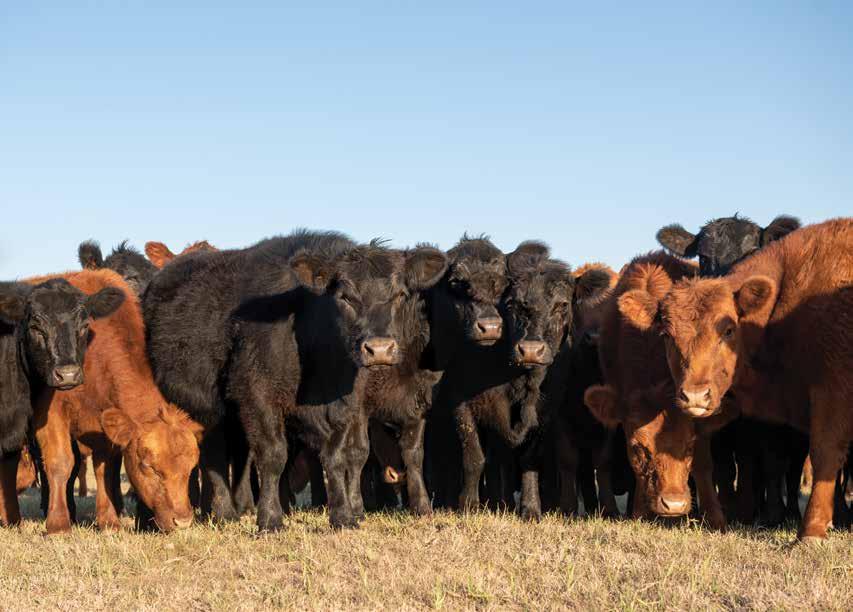
In this year’s bull buyers guide, CCA staff and contributors share insights of all aspects of genetic improvement in beef herds for California producers to consider, including perspectives from seedstock operations covering the gamet of breeds. This month’s cover, taken by CCA’s Director of Communications Katie Roberti features an Angus herd bull cleaning up a commercial herd in the Sierra Valley.
30 X 30 UPDATE
Q&A


August 2023 California Cattleman 7
in learning the
of
hands on deck, all year
goes where
imagined SIMGENETICS AT CIRCLE RANCH Curran Family’s love of lifestyle
HERD HEALTH
your cows and bulls ready for fall turnout?
to
36
POLICY RECAP
SPECIAL FEATURES ROOKIE OF THE YEAR Stegall Family successful
ropes
bull production SEEDSTOCK MANAGMENT All
round GENE EDITING Genomics
beef producers never
PRE-BREEDING
Are
UC DAVIS VET SCHOOL 75 years of training veterinarians GETTING IN SYNC Common sense approach
synching heats
RANCH FAMILY ROUNDUP CCA loses two longtime supporters FALL 2023 PRODUCTION SALES BUYERS’ GUIDE ADVERTISING INDEX 100 READER SERVICES 108 32 10 102 46 50 92 58
MIDYEAR MEETING Paso Robles plays host to CCA & CCW Event PRESCRIBED BURNING Burn associations get trained in getting ahead of wildfire
shares insight to Governor’s conservation plans 50 40 40 54 76 84 98




Angus Bull + Female Sale Byrd cattle company, LLC red Bluff, CAliforniA Dan BYRD 530-736-8470 • Ty BYRD 530-200-4054 • byrdcattleco@hotmail.com • www.byrdcattleco.com ‘DISTINCTLY DIFFERENT’ SELLING 52 ELITE FEMALES AND PREGNANCIES WITH AN AVERAGE BYRD FAULT FREE 6276-2531 20441889 CED BW WW YW CW MARB RE $B $C +7 +3.6 +94 +163 +92 +1.65 +1.33 +261 +409 BYRD SUPERMAMA FB 6276-2548 20457522 CED BW WW YW CW MARB RE $B $C +13 +1.2 +75 +143 +78 +1.78 +1.20 +250 +385 CED BW WW YW CW MARB RE $B $C +3 +4.1 +83 +149 +92 +1.64 +1.28 +260 +404 CED BW WW YW CW MARB RE $B $C +11 +2.1 +98 +166 +87 +1.56 +1.14 +239 +384 BYRD SUPERMAMA FB 6276-2560 20436155 BYRD BLACKCAP LADY 0172-3009 20603760 ALSO SELLING 50+ COMMERCIAL FEMALES W/REGISTRATION PAPERS AVAILABLE!
Congratulationsto all our BCC customers on their outstanding week at the recent WVM sale in Reno. A special “shout out” to long-time customer Schene Enterprises, who blew the roof off the Silver Legacy with their three loads of 855 wt. steers selling for $2.66/lb.

crew?Purchase your bulls at BCC (Tom runs 100% BYRD bulls and has for generations), then get all the programs for marketing flexibility. Finally, ask us for help well before you sell and be sure to get our name in your footnotes – it really is that simple!


WanttosellyourcalvesliketheSchene

at the Los Molinos Ranch Friday, September 1 $C VALUE OF MORE THAN 350 plus 120 SERVICE-AGED BULLS W/ COMPLETE DATA at the Los Molinos Ranch FEMALES SELL AT 12 P.M. WITH THE BULL SALE AT 2 P.M. Friday, September 1 LIVE INTERNET BROADCASTS SALE BOOKS & VIDEOS: www.byrdcattleco.com $C VALUE OF MORE THAN 350 plus 120 SERVICE-AGED BULLS W/ COMPLETE DATA BYRD FIREBALL 6276-2568 20441892 CED BW WW YW CW MARB RE $B $C +14 +2.0 +68 +127 +75 +1.71 +1.38 +258 +406 CED BW WW YW CW MARB RE $B $C +10 +2.0 +81 +147 +82 +2.14 +.86 +262 +401 CED BW WW YW CW MARB RE $B $C +6 +3.2 +98 +162 +82 +.88 +1.24 +205 +324 BYRD FIREBALL 553-2092 20564119 BYRD ALTERNATIVE 7096-2043 20349983
CATTLEMEN’S COLUMN
CCA MEMBERS EXIST IN ALL SECTORS, CCA’S VOICE IS NEEDED IN ALL SECTORS
by CCA Second Vice President Mike McCluskey
Bull buying season is upon us, and I have been selected to pontificate on the subject. In all my years I never would have thought I would be writing magazine articles, I would have paid more attention in English class. Anyway, it’s time to buy bulls, those big onery animals that breed our cows each year and are hopefully improving every generation of calves they sire, helping you to achieve your goals. Turning out a quality bull can improve many things over time, not the least of which is your bottom line.
There are many decisions to make when purchasing your next bull and our California seedstock producers can help with those decisions. They have been working for years and some for generations, to improve the quality of their genetics to be offered each year to commercial cattlemen and women, throughout the West. They work year-round selecting the best genetics to use on their best cows to produce a quality product year after year. They work tirelessly collecting and compiling data, looking through their herds, culling and selecting the best to move forward with. We are very fortunate to have some of the best seedstock producers in the country and the nation, right here in California.
The better relationships you build with a seedstock producer, and the more knowledge you both gain about each other, your cow herds, and each of your goals in the type of cattle you want to produce, will help make the selection of a quality bull that fits your program much easier. There are many producers to choose from, don’t hesitate to contact any of them, they would be happy to provide as much information as you want.

We all know how challenging it is to do business in California, especially in the livestock industry. So, I would like to say thank you to all the seedstock producers in California for persevering and for continually providing commercial producers in the West with quality bulls year after year. As our local businesses all like to say, shop
locally.
I would also like to talk a bit about CCA and membership. I have heard from some and previously thought about this myself, what does CCA do? Well, I have found out, quite a bit; the more involved I have gotten the more I have learned. As far as I know we are the only organization lobbying in Sacramento on behalf of every California cattleman year-round; whether you’re a member or not, you benefit.
This year alone we have been successful in killing or amending several bills that threatened our livelihoods. These bills run the gamut from proposals to mandate feeding cattle unproven methane-reducing feed additives, legislation empowering radical animal rights groups’ watch dogs and a plethora of water bills that would have weakened the water rights upon which our operations rely. We are working hard to show the positive effects of grazing on wildfire prevention, and are promoting the development of many other wildfire tools.
CCA committees are working on private property rights, cattle health and welfare, marketing, transportation and federal lands policy. We also work closely with the feeders in California to keep a viable feeding industry here. Do not hesitate to get involved, and when someone asks what we do, you can tell them. This is a member driven organization, we accomplish a lot. The stronger our membership is, the stronger and louder our voice will be in Sacramento and beyond.
I hope everyone is enjoying the summer. Feed is good, we have water again and cattle prices are through the roof. Enjoy your trips looking for bulls and enjoy visiting with new and old friends along the way.
10 California Cattleman August 2023
• 15 1st calf Angus heifers
• 75 1st calf Angus and black/white face heifers
Art Anderson • 75 1st calf Angus and black/white face heifers

Gilliland Livestock • 150 Angus and SimAngus 1st-3rd calf heifers and cows


Ronnie Seever • 30 1st calf Angus heifers
Duane Martin Livestock • 80 Angus and black/white face 1st calf heifers
Prewitt Ranch • 40 Angus and black/white face 1st calf heifers
RM Livestock • 30 Angus and Angus cross 1st calf heifers Haydn Myer Ranch • 20 2nd & 3rd calf cows
J and


Ranch • 80 Angus and black/white face 5-7 year old cows
Pennington Ranch • 75 2nd and 3rd calf Angus and black/white face cows
Females are foothill & anaplaz exposed or vaccinated. Watch for bull information at sale time.

THE CENTRAL CALIFORNIA MARKETING CENTER WATCH LIVE AND BID ON LMAAUCTIONS.COM TURLOCK LIVESTOCK AUCTION YARD OFFICE: 209 634-4326 • 209 667-0811 10430 Lander Ave., Turlock, CA P.O. Box 3030, Turlock, CA 95381 www.turlocklivestock.com When marketing calves at TLAY, don't forget how essential the 2nd round of shots is. Make sure to include a modified live vaccination! FOLLOW US ONLINE FOR WEEKLY SALE REPORTS AND NEWS ABOUT UP-TO-THE-MINUTE SALE DATES AT WWW.TURLOCKLIVESTOCK.COM OR ON OUR FACEBOOK PAGE! FALL-CALVING FEMALE SALE OF THE YEAR! 17TH ANNUAL CALIFORNIA CATTLE PRODUCERS FEMALE SALE SATURDAY, AUG. 5 • 10 A.M. FEATURING AN OUTSTANDING LINEUP THAT INCLUDES OVER 800 FEMALES FROM: TLAY REPRESENTATIVES MAX OLVERA ............................ 209 277-2063 STEVE FARIA ............................ 209 988-7180 JUSTIN RAMOS 209 844-6372 JOHN LUIZ 209 480-5101 JAKE BETTENCOURT............... 209 262-4019 TRAVIS JOHNSON .......... ......209 996-8645 TIM SISIL 209 631-6054 JOHN BOURDET 831 801-2343 CELESTE SETTRINI..................831 320-1527 MATT MILLER........................... 209 914-5116 BRANDON BABA .................... 209 480-1267 BUD COZZI ................................ 209 652-4480 EDDIE NUNES ........................... 209 604-6848 Dal
John
Lawrence
Porto Livestock • 20 1st calf Angus heifers
Ginochio • 20 1st calf Angus heifers
Ginochio
Billy Grissom
T
UPCOMING MIDSUMMER FEEDER SPECIALS AUGUST 1 • AUGUST 15 • AUGUST 29 • SEPT. 12 • SEPT. 26 CALL TO CONSIGN TO UPCOMING EVENTS: AUG. 14 & 15, CHEYENNE, WY SEPT. 12, OGALLALA, NE. JOIN US SATURDAY, SEPT. 30 ANNUAL FALL FEMALE SALE & CALIFORNIA BREEDERS BULL SALE! August 2023 California Cattleman 11
ANGUS RANCH
SELLING 190 BULLS SAT., SEPTEMBER 9

EZ Angus’ Tejas Ranch • 22950 Milton Road, Farmington, CA Lunch: 11:30 a.m. • Sale: 12:30 p.m. with Live Broadcast on Superior

This year’s offering includes 190 performance-tested bulls with complete DNA evaluation. Bulls are vaccinated for anaplas and tested PI-negative for BVD. We offer FREE DELIVERY to California and surrouding states. Every bull selling is backed by the EZ Angus Breeding Guarantee!
SIRE: T/D Doc Ryan 049
DAM: Paf Rita 7096 (Connealy Confidence) Plus
A stout-made, massive individual with breed-leading growth, top 1% Ribeye, and high Marbling that is also out of the $240,000 PAF Rita 7096 donor.


EZAR DOC RYAN 2223

SIRE: T/D Doc Ryan 049
DAM: Paf Rita 7096 (Connealy Confidence)
Striking herdsire prospect with top 3% growth, excellent carcass, and a maternal brother to the $135,000 high-seller last year, EZAR Gettysburg 1061.
SIRES REPRESENTED THIS YEAR INCLUDE: EZAR
Up
Basin Safe Deposit
SG Salvation T/D Doc Ryan 049 DB Iconic G95 Connealy Clarity GAR Home Town GB Fireball 672 Baldridge SR Goalkeeper Square B True North Tim & Marilyn Callison .......................................... Owners Chad Davis ............................................... 559 333-0362 Justin Schmidt ......................................... 209 585-6533 Austin Flynn ................................................. 559 361-9701 Website ........................................ www.ezangusranch.com SALE MANAGEMENT John Dickinson ............... 916 806-1919 Jake Parnell ................... 916 662-1298 LIVE BROADCAST WITH INTERNET BIDDING ON SUPERIOR LIVESTOCK TEXT JOHN DICKINSON TO REQUEST A SALE BOOK: 916 806-1919
Step
9178
9234
CED BW WW YW Milk CW MA RE $M $B $C 9 0.7 88 148 30 84 1.06 1.09 91 198 348 CED BW WW YW Milk CW MA RE $M $B $C 9 1.5 89 161 30 78 1.23 1.27 60 209 331
EZAR DOC RYAN 2213
12 California Cattleman August 2023


21984 Avenue 160 Porterville, CA 93257 ANGUS RANCH EZ ANGUS RANCH ANNUAL FEMALE SALE SAT., OCTOBER 7 PORTERVILLE, CA WWW.EZANGUSRANCH.COM SALE BOOK AND BULL VIDEO LINKS FOLLOW US ON FACEBOOK FOR SALE DETAILS CED BW WW YW Milk CW MA RE $M $B $C 11 2.1 79 142 23 71 1.03 1.36 75 203 338 CED BW WW YW Milk CW MA RE $M $B $C 14 2.0 88 160 29 80 1.40 1.13 77 222 365 CED BW WW YW Milk CW MA RE $M $B $C 6 2.5 75 127 23 75 1.72 0.93 67 235 372 CED BW WW YW Milk CW MA RE $M $B $C 13 -0.9 78 136 34 65 1.40 1.14 78 201 339 CED BW WW YW Milk CW MA RE $M $B $C 10 1.8 87 153 28 73 1.27 1.17 80 208 350 CED BW WW YW Milk CW MA RE $M $B $C 14 -1.0 79 140 29 66 1.34 0.95 85 197 341 EZAR STEP UP 2165 SIRE: EZAR Step Up 9178 MGS: Connealy Confidence Plus EZAR SALVATION 2077 SIRE: SG Salvation MGS: EXAR Monumental 6056B EZAR SAFE DEPOSIT 2140 SIRE: Basin Safe Deposit 9324 MGS: Connealy Confidence Plus EZAR STEP UP 2110 SIRE: EZAR Step Up 9178 MGS: Bar R Jet Black 5063 EZAR SAFE DEPOSIT 2150 SIRE: Basin Safe Deposit 9324 MGS: Connealy Confidence Plus EZAR FIREBALL 2126 SIRE: GB Fireball 672 MGS: TEX Playbook 5437 QUALITY IN VOLUME SELLS SEPTEMBER 9
August 2023 California Cattleman 13
160 Spring-born Long Yearlings & 30 Elite Fall Yearlings
TELLING THE COMPELLING STORY OF CALIFORNIA BEEF PRODUCERS


 by California Cattlemen’s Foundation’s Ryan Donahue

As I write this, we are fresh off the heels of the CCA Midyear Meeting in Paso Robles. These meetings are essential for communicating the work we are doing, engaging in meaningful discussions and facilitating in-person interactions. The latter is a great benefit to me as I am relatively new to Cattlemen’s (just hit 2 years) and had not worked in agriculture prior. Stories from California Country, also completing its second year, has amassed 45 episodes communicating about the people and practices of ranches all over the state.
In speaking with members at midyear, some were surprised to learn that finding ranchers willing and available to be on the podcast is not always easy. There are, of course, many reasons for this. Ranchers are busy and often have frenetic schedules. Another reason is that many do not consider their story all that compelling. It’s this reason I would like to dispel.
Years ago, I was tapped to do a marketing workshop for the American Bakers Association. Like ranchers, bakers are busy, have frenetic schedules and are tasked with an array of lastminute problems needing immediate attention. I found that they too, felt that their work was uninteresting and not worthy of communicating. People, even those with fascinating professions,

become immune to seeing what they do as interesting. It is not dissimilar to getting a toy you had been pining for at Christmas and losing interest in it in a few weeks. Think about the days after you purchased your most recent car/truck and how enamored you were. How do you feel now? Sic Transit Gloria. Glory fades.
My point is that despite your feelings you are surrounded by compelling imagery and stories. It’s important you get past this self-imposed apathy and make efforts to communicate your industry. I think we can all agree that ranchers communicating the people and practices of their operations to urban and suburban Californian’s is critical to the perception of the industry. You’re doing good work.

I earned my college degree in Cinema. I am particularly fond of the Western genre and its tropes. Good guy in the white hat. Bad guy in the black hat. Gun twirling. The final showdown. Another common trope is a storyteller.
...CONTINUED ON PAGE 16

14 California Cattleman August 2023 BUNKHOUSE


O’NEAL RANCH since 1878 O’Neals Solution 1404 KG SOLUTION 5041 X DEER VALLEY TESTIMENT 5202 ONLY OUR BEST WILL SELL SEPTEMBER. 12TH! Featuring bulls like these by breed leading sires Tuesday, Sept. 12, 2023! Also selling top-performing sons of... BW WW YW MILK RE MARB $B $C -0.9 +75 +134 +18 +0.60 +1.04 +169 +273 AT THE RANCH, EAST OF MADERA | 12 NOON JINDRA ACCLAIM • SAV EMBLEM • MOGCK ENTICE • SAV RENOWN • MUSGRAVE 316 EXCLUSIVE Gary & Betsy Cardoza PO Box 40 • O’Neals, CA 93645 (559) 999-9510 | OnealRanch.com O’Neals Achievement 2228 POSS ACHIEVEMENT X CONNEALY CONSENSUS BW WW YW MILK RE MARB $B $C 0.3 +59 +113 +28 +0.73 +1.14 +156 +256 O’Neals Rawhide 1409 POSS RAWHIDE X JINDRA ACCLAIM BW WW YW MILK RE MARB $B $C -0.1 +73 +137 +29 +0.73 +0.82 +191 +298 O’Neals Power Play 2290 44 POWER PLAY X V A R RANCHER 4412 O’Neals Exemplify 2218 LINZ EXEMPLIFY 71124 X S A V GRAND MOUNTAIN 1694 BW WW YW MILK RE MARB $B $C 2.6 +71 +123 +25 +1.00 +0.74 +167 +273 O’Neals Chester 2297 R TREASURE CHESTER 9T6B X KG JUSTIFIED 6035 BW WW YW MILK RE MARB $B $C 3.9 +80 +141 +22 +0.91 +0.81 +182 +295 BW WW YW MILK RE MARB $B $C -1.6 +65 +134 +34 +0.62 +0.81 +145 +245 August 2023 California Cattleman 15
Often portrayed as an author or reporter, this character’s function is to provide official recognition that the story being communicated is authentic.

The Western genre has a confidence problem of sorts, and the idea that the plots were recorded in real time honestly add much needed credence to the story. Ranches are similarly remote in communications and can bridge the gap with social media via photography, video and the written word (even a podcast). The public is most receptive to honest and authentic communication so there is no reason to bring in a professional photographer or copy writer. Use the camera on your phone, shoot a picture of something you see every day and send it into the digital universe. You’ll be surprised by this approach’s efficacy.
Regarding our podcast, we are reaching listeners with over 16,000 downloads since its inception. Along with capturing audio we shoot galleries of still photographs and shoot video. The biggest ancillary benefit is that we’re creating a record, an audiovisual history of ranching in California forever preserved. They say a picture is worth a thousand words. As you can see from some of the images I have captured in recent travels, a lot can be said about the story of the American west.


As time passes these stories seem more and more historical. As I mentioned at the beginning of this article, we are always looking for subjects to interview. If you have any interest, you can reach me by e-mail at ryan@calcattle.org. I promise that you have a compelling story.


16 California Cattleman August 2023 ...CONTINUED
14
FROM PAGE
Don’t buy an imposter.
Not all “Angus” bulls are REGISTERED Angus bulls.

Know what you’re buying. There are a lot of Angus bulls on the market, but not all are backed by the power of 80 million datapoints and a registration paper.

August 2023 California Cattleman 17
Look for the REGISTRATION NUMBER. Bring the Power of Angus to your herd. Angus.org/PBA. SM
Heritage Bulls are designed with the commercial bull buyer in mind. We select for balanced traits of calving-ease with rapid growth to weaning and optimum carcass merit, and, we do this without sacrificing the convenience traits of structural soundness, docility and maternal strength. Our genetics are validated through DNA testing and our commitment to performance has produced top bulls that have gone on to make an impact in both commercial and seedstock herds alike.


CED BW WW YW MILK MARB RE $M $B $C 5 1.3 83 147 27 1.04 1.02 85 186 326 BAR R PAPA 2001 HAYNES PAPA 0100 X BASIN PAYWEIGHT 1682 THE HERITAGE BULL SALE 2023 FEATURED SIRES
Pacific 904 B/D Rice Standout 9065
Tahoe B767
Patriot 0245
Iconic G95
Exemplify 71124 EXAR Jet Fuel 9706B E & B Wildcat 9402 EXAR Monumental 8886B HA Forever ONLINE BIDDING SALE DAY Sunday, September 10
Sterling
Tehama
Linz
DB
Baldridge Alternative E125 Linz
Join us the Sunday after Labor Day 90 Spring & Fall Yearling Bulls
Star sale facility near Wilton, CA • 1 P.M. TRI T PACIFIC 702 2162 sterling pacific 904 x basin advance 3134 CED BW WW YW MILK MARB RE $M $B $C 8 -0.4 72 134 24 1.18 1.05 52 202 314 2-1-2022 2-13-2022 18 California Cattleman August 2023
Five
These Spring Yearlings Sell Sept. 10




Dickinson: 916-806-1919

Parnell: 916-662-1298
Parnell: 805-431-1267
SALE MANAGEMENT
SALE BOOK REQUESTS: TEXT
CED BW WW YW MILK MARB RE $M $B $C 9 1.4 66 117 26 .65 .92 68 133 241 CED BW WW YW MILK MARB RE $M $B $C 7 2.5 85 147 21 .97 .64 56 173 280 CED BW WW YW MILK MARB RE $M $B $C 7 .9 68 129 24 1.03 .17 58 168 276 BAR R 6072 STANDOUT 2004 B/D RICE STANDOUT 9065 X S A V BISMARCK 5682 BAR R 714 ICONIC 2041 DB ICONIC G95 X S A V BISMARCK 5682 TRI T PACIFIC 808 2103 STERLING PACIFIC 904 X BASIN ADVANCE 3134 3-28-2022 1 -7 -2022 2-20-2022 CED BW WW YW MILK MARB RE $M $B $C 13 -1.5 75 135 31 1.15 .58 77 171 299 CED BW WW YW MILK MARB RE $M $B $C 13 1.4 67 122 32 .66 .60 66 129 233 CED BW WW YW MILK MARB RE $M $B $C 8 1.3 66 119 26 1.05 .88 67 173 291 BAR R PATRIOT 2016 Linz Patriot 0245 x LD Capitalist 316 BAR R 4003 STANDOUT 2020 B/D Rice Standout 9065 x S A V Bismarck 5682 TRI T PACIFIC 334 2125 Sterling Pacific 904 x Tehama Factor Y811 BAR R PATRIOT 2003 Linz Patriot 0245 x Woodhill Blueprint TOLEDO PACIFIC 822 2120 Sterling Pacific 904 x Westwind 10X Power DJH 443 TOLEDO PACIFIC 322 2134 Sterling Pacific 904 x Summitcrest Complete 1P55 CED BW WW YW MILK MARB RE $M $B $C 7 .6 89 175 29 .80 1.14 43 210 315 CED BW WW YW MILK MARB RE $M $B $C 7 2.7 79 126 20 .75 .58 54 152 251 CED BW WW YW MILK MARB RE $M $B $C 9 2.4 69 125 27 1.03 .86 57 202 319 2-26-2022 2-28-2022 1-17-2022 2-20-2022 1-16-2022 1-20-2022 10 BAR R REGISTERED ANGUS FEMALES ALSO SELL Sired by B/D Rice Standout 9065, Linz Patriot 0245, EXAR Jet Fuel 9706B, E & B Wildcat 9402 & more. BOTH SPRING BRED HEIFERS AND FALL YEARLING HEIFERS WILL BE AVAILABLE 2023 Female Offering BAR R ANGUS CRAIG & J.J. REINHARDT 916-712-3696 • 916-803-2685 jj@barrangus.com 6925 Bisbee Dr. • Sloughhouse, CA Tri-T Farms/ Toledo Ranches Jack, Geoff & John Toledo John, Kelli & Lane Toledo 559 972-8991 toledoranches@gmail.com 29802 Rd. 44 • Visalia, CA August 2023 California Cattleman 19
John
Jake
Luke
916-806-1919
YOUR DUES DOLLARS AT WORK
LAWMAKERS FINALIZE FY 2023-24 STATE BUDGET
by CCA Vice President of Government Affairs Kirk Wilbur
On June 27, Gov. Gavin Newsom signed into law the Budget Act of 2023, finalizing a $310.8 billion spending plan for Fiscal Year 2023-24 three days ahead of the fiscal year’s beginning.

Despite Democrats holding a supermajority in both chambers of the State Legislature, budget negotiations with the Democratic Governor were not without controversy this year.
Throughout much of the year disagreements centered on how best to address a roughly $32 billion deficit. Newsom was firm from the outset of budget negotiations that the state would not dip into its “Rainy Day Fund,” preserving that resource in case a recession materializes in the years to come. Newsom also shot down as a “non-starter” a proposal by Senate Democrats to bridge the state’s funding gap in part by increasing corporate taxes.
Things got particularly contentious after the Governor proposed a slate of budget trailer bills to streamline infrastructure projects in mid-May, with many Democrats balking at the proposals on both substantive and procedural grounds.
Among the Governor’s infrastructure proposals were reforms to the California Environmental Quality Act (CEQA), including a proposal to streamline construction of the Delta conveyance tunnel to transport water from the Sacramento-San Joaquin Delta to Southern California. While some Democrats opposed these policies outright, others complained that including the proposals in budget trailer bills deprived the Legislature and public the opportunity to fully vet the measures in legislative policy committees.
Negotiations were contentious enough that the Governor even threatened to veto the Budget Act if legislators failed to advance his infrastructure priorities. Ultimately a compromise was struck in which the Governor’s Delta tunnel proposal was excised from the Budget while other reforms to streamline some major infrastructure projects – for instance, by limiting delays from judicial challenges to no more than 9 months “to the extent feasible” – were retained in the final bill.
Below are the details of the 2023-24 Budget most relevant to California’s cattle producers.
Flood Protection and Resilience
The Budget Act includes significant allocations and policy provisions intended to improve the state’s resilience to floods and drought. While the Governor’s proposed budget, released in January, had proposed $125 million in “drought contingency” funding, in the aftermath of atmospheric rivers in late 2022 and early 2023 that caused widespread flooding throughout the state the May Revise reallocated that funding to instead address flood impacts and improve flood resilience. The final Budget increased that funding an additional $10 million, providing a total of $135 million “to support costs associated with preparedness, response, recovery, and other associated activities related to the 2023 storms, the resulting snowmelt, and other flooding risks, including, but not limited to, supporting communities…to better withstand future flood events.”
In total, the Budget includes $436 million in one-time spending for flood response and resilience.
To specifically address the impact of recent floods on ranchers and other agricultural producers, the 2023-24 Budget includes $20 million in funding for the Governor’s Office of Business and Economic Development to provide “grants to small agricultural business impacted by recent storms.”
The public resources budget trailer bill, SB 122, creates another grant program – the Dam Safety and Climate Resilience Local Assistance Program, administered by the Department of Water Resources – “to provide state funding for repairs, rehabilitation, enhancements, and other dam safety projects at existing state jurisdictional dams.”
Finally, the Budget Act extends a recentlyenacted policy permitting the diversion of flood flows to recharge groundwater aquifers. On March 10, in response to the numerous atmospheric rivers that had battered the state and caused widespread flooding, Governor Newsom issued an executive order suspending certain water rights ...CONTINUED ON PAGE 22
20 California Cattleman August 2023
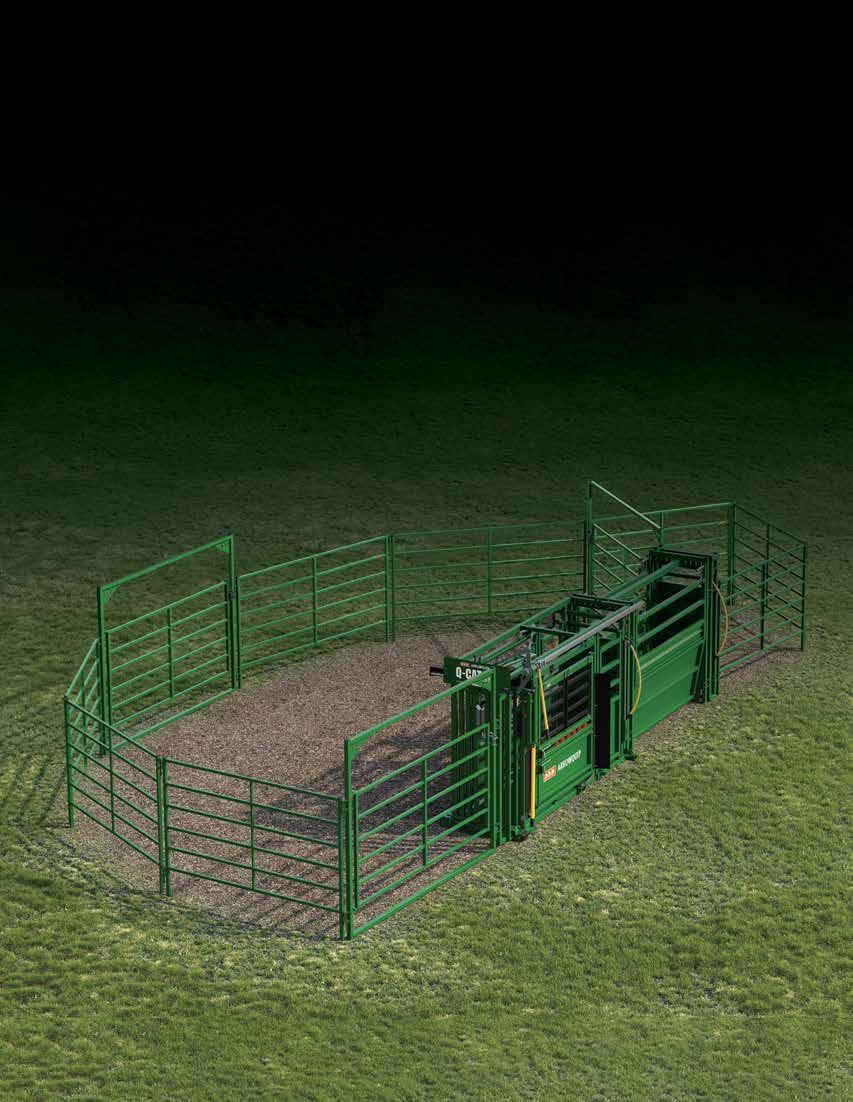
1-866-383-7827 | ARROWQUIP.COM $8,875 HANDLING SYSTEMS STARTING AT *PRICE STATED IN USD. PRICE BASED ON ARROWQUIP 10 HEAD SYSTEM BASE MODEL. ACTUAL PRICES MAY VARY. PRICING IS SUBJECT TO CHANGE WITHOUT NOTICE. ACCESSORIES AND OPTIONS EXTRA. CONDITIONS MAY APPLY. CONTACT ARROWQUIP FOR FULL DETAILS. CHOOSE THE GREEN, YELLOW, AND RED CHUTE FOR SAFER CATTLE HANDLING.
...CONTINUED FROM PAGE 20
laws and wildlife protection statutes to allow for the diversions of flood flows under specified conditions to reduce flood risk and accelerate groundwater recharge to improve the state’s drought resilience. The executive order is currently set to expire on August 31, but the Budget Act codifies the executive order, permitting the diversion of flood flows for groundwater recharge through the end of 2028 without the need to obtain an appropriative water right.
Wildfire
On the heels of the state’s historic 2020 wildfire season, the 2021 and 2022 budget acts invested $2.8 billion in forest health and wildfire resilience over a four-year period as part of a broader $54 billion multi-year climate investment. Confronted with a nearly-$32 billion budget shortfall this year, lawmakers found themselves shaving about $2.6 billion from the $54 billion outlay, though. While wildfire resilience and forest health priorities were relatively unscathed – this year’s budget retains 98% of prior funding for these areas – the 2023 Budget Act lacks significant new investments in wildfire resilience.
A budget trailer bill this year does provide some relief for victims of 2019’s Kincaid Fire in Sonoma County and 2020’s Zogg Fire in Shasta and Tehama counties, however. Under SB 131, settlements obtained by victims of those fires from Pacific Gas & Electric will be exempted from recipients’ gross income for income tax purposes.
Climate Smart Agriculture Programs
As with forest health and wildfire resilience, many climate smart agricultural programs saw cuts in prior multi-year funding allocations, with $114 million in total cuts to prior allocations for programs such as the State Water Efficiency Enhancement Program (SWEEP) and the Healthy Soils Program, among others. The Budget allocates $75 million in funding to the California Air Resources Board for its Funding Agricultural Replacement Measures for Emission Reductions (FARMER) program, a $25 million reduction from the amount requested in the Governor’s May Revise.
Of particular note, the Budget Act includes $25 million in new appropriations to the California Department of Food and Agriculture (CDFA) for an Enteric Fermentation Incentive Program “to encourage the voluntary use of products or strategies, such as feed additives, that are scientifically proven and safe for enteric emissions reductions in the state’s livestock sectors.”
The establishment and funding of an Enteric Fermentation Incentive Program is noteworthy in the context of SB 485 (Becker), a bill CCA opposed earlier this Legislative Session. SB 485 would
have required the California Air Resources Board (CARB) to establish a voluntary, incentives-based program to promote the use of livestock feed additives intended to reduce methane emissions from all livestock. CCA ultimately succeeded in limiting the scope of the bill to dairy cattle, rather than all livestock, citing the lack of research and development for feed additives aimed at beef cattle and unique challenges related to interstate processing of beef cattle. (SB 485 was later gutand-amended to instead address election worker protections.)
While the Budget’s creation of an Enteric Fermentation Incentive Program could be seen as problematic for the California beef industry in this context, CCA will work with CDFA to ensure that the program does not have unintended repercussions for cattle producers. In many ways, the budget allocation is preferable to SB 485: oversight of the program rests primarily with CDFA, not CARB, and the brief description in the Budget Act omits many of the troubling provisions of SB 485. Additionally, as CDFA works to establish the program, CCA can point to clear legislative intent established during SB 485 negotiations that such a program not burden beef producers.
A Potential Climate Bond
As noted above, in light of this year’s budget shortfall lawmakers this year cut approximately $2.6 billion in funding for climate programs authorized under the 2021 and 22 budget acts.

Governor Newsom has previously supported sending a climate bond to voters seeking to offset these cuts, and the Administration’s summary of the enacted Budget reiterates that “the Administration and the Legislature are continuing to discuss a potential climate bond that would allow for even more targeted climate investments.”
A handful of climate bond bills have been introduced and debated in the Legislature this year, ranging from $3 billion to $15 billion. Ultimately, legislators are likely to negotiate one climate bond to put before voters on the 2024 ballot, including within that measure policy priorities lifted from the various bond bills currently working their way through the Legislature.
CCA has thrown its support behind one bond bill, AB 408 (Wilson), which contains several provisions recognizing and promoting livestock grazing’s role in reducing fire fuel loads and enhancing wildfire resilience. Specifically, AB 408 makes livestock grazing projects and grazing infrastructure eligible for various grant programs supporting wildfire resilience and community agriculture.
As state lawmakers negotiate a climate bond bill to put before voters in 2024, CCA will lobby to ensure that the measure includes provisions recognizing and promoting the climate resilience benefits of livestock grazing.
22 California Cattleman August 2023
SATURDAY, SEPT. 16TH
CATTLE-PAC AUCTION + DINNER

With your support of the 2023 Cattle-PAC fundraiser we will secure more victories in Sacramento! See you on Sept. 16th at the Paso Robles Event Center.


RESERVED TABLE
$1,500 for 10 tickets
Includes table in premiere location, elevated wine on table, dinner, hosted bar and entertainment
TICKETS
$100 per ticket | $175 per couple
Includes dinner, hosted bar and entertainment
Buy your tickets and reserved tables, or secure a sponsorship package that includes tickets at www.calcattlemen.org/events.

PASO
ROBLES, CALIF.
California Cattlemen’s Association Political Action Committee (Cattle-PAC, FPPC # 760980) Donations are voluntary, not tax deductable and cannot exceed $6500 from a person or company within a calendar year.
Save the date

24 California Cattleman August 2023 Sale by the Sea SEPTEMBER 13, 2023 | 1 P.M. PDT Pismo Beach, CA 855 Thousand Hills Road, Pismo Beach, CA 93449 Join Us at Our 29 th Annual FAMILY OWNED & OPERATED HEATHER TEIXEIRA 805-448-3869 JOHN TEIXEIRA 805-448-3859 ALLAN & CEE TEIXEIRA ALLAN’S CELL 805-310-3353 TOM HILL 541-990-5479 www.teixeiracattleco.com | 805-448-3869 | cattle@thousandhillsranch.com 3867 NW Lower Bridge Way, Terrebonne, OR 97760 | 855 Thousand Hills Road, Pismo Beach, CA 93449 TEIXEIRA CATTLE


August 2023 California Cattleman 25 - Selling60 REGISTERED ANGUS BULLS DNA TESTED BY IGENITY BEEF SCAN ME! CATTLE CO. VIDEOS COMING SOON! Participate virtually at CCI.live TEX SAFE DEPOSIT 2122 20491696 CED BW WW YW CW MARB RE $C +14 -1.3 +72 +130 +67 +1.10 +1.03 +335 4 Safe Deposit‘s Sell! TEX TETON 2142 20479562 CED BW WW YW CW MARB RE $C +11 +1.0 +86 +156 +76 +1.24 +1.06 +351 3 Teton‘s Sell! TEX TAHOE 2089 [DDF] 20486157 CED BW WW YW CW MARB RE $C +9 +.6 +66 +115 +44 +1.51 +.65 +341 4 Tahoe‘s Sell! TEX ABLE 2286 20495569 CED BW WW YW CW MARB RE $C +6 +.3 +65 +109 +49 +1.25 +.99 +318 12 Able‘s Sell! TEX MASTERPIECE 2148 20479577 CED BW WW YW CW MARB RE $C +6 +1.8 +64 +112 +63 +1.50 +1.04 +352 200 COMMERCIAL PAIRS
GOOD PRICES MAKE THE BEST TIMES BETTER
EYES ON THE COMMERCIAL MARKET AS WE MOVE INTO BULL SALE SEASON
 by Matt Macfarlane for the California Cattleman

What an exciting time to be in the cattle business! In my nearly 25 years working with the California Cattlemen’s Association magazine and M3 Marketing, I have never seen the levels we are at in the marketing sector. It has made going to work for commercial producers this summer even more fun than normal, which is saying something.
But that is not to say that we are not at record levels for input costs as well. It was an extremely tough winter for the Great Basin region with many losing 10 percent of more of their calf crops, but those that made it through are reaping the bigtime rewards this summer. With all of the moisture we had, the recovery period for our valuable forage has been extremely relieving to see. Driving across the state of Nevada in June, I have never seen it greener! Hay prices are flattening out as well, which will provide a bit of cushion.
The reports read from the progressive sale yards in California in their busy marketing time of May through the summer have been wild. The recent Western Video Market and Superior
Livestock sales in Nevada and Colorado were on fire. Working in Reno at the WVM sale, the energy, excitement and enthusiasm was motivating to say the least. The demand for high-quality, source verified genetics has never been higher. Being in the genetic business, it is heart-warming to see those that are progressive minded, studious in their bull purchases and provide excellent management to their cow herd getting the big premiums they deserve. I do not think this will slow down for the foreseeable future and should only get more valuable as we move forward. Inventory report are also working in our favor. It’s nice to see the producers I have the privilege of working with on a daily basis get rewarded for the outstanding cattle that are produced in the Western U.S.
26 California Cattleman August 2023 WORKING RINGSIDE
Another relevant aspect in the marketing sector is the many options and flexibility that are offered to producers by the multiple outlets and buying entities as well as the regional packing plants that have opened. They are not only purchasing cattle to fill their immediate needs and go to the feedlot, but continue contracting later delivery, light weights and taking them to grass to fill their needs throughout the year.
Keeping that marketing window open has really added value and put more dollars in producers pockets. It is also nice to see so many more hands in the air bidding on these cattle and not just a handful of the major four.


Lastly, the fall bull sale season is upon us and I could not be more excited. I still remember the first time I put on a tie to attend a bull sale in a marketing capacity. My maiden voyage was in September of 1997 I represented this same publication at the Early Dawn/ Buckhorn Ranches Bull Sale in Oakdale. What I remember most was that I had the privilege to work that sale with two legends of the industry, Col. Skinner Hardy was on the block and I worked ringside with someone who would go on to teach me the ropes of taking bids and marketing cattle. Western Livestock Journal’s Jerry York was the other ringman that day and the things I learned from him about this business have been invaluable.
I have been hooked on auctions ever since and cannot wait for sale season to start each fall. This fall is no exception. It’s almost like the anticipation of a new calf crop, which I know most of you can relate to. I also love the opportunity I get to occasionally help a new field man learn about working ringside, assist new production sales in knowing what to expect and meeting new bull buyers who are seeking to improve their herd.
I am looking forward to seeing the product that the advertisers in this special issue are bringing to the table, seeing old friends and making new ones! If you are in need of any assistance or just want to chat, please do not hesitate to reach out to me, I would be happy to help you anyway I can.
August 2023 California Cattleman 27
WVM Co-Founder Ellington Peek, with Col. Jake Parnell, Robert Staley and Wes Cockrell.
Matt Zappetini with Bar Ale and Frank Ward with Crystalyx attended the trade show and sale to support producers on sale day.
A packed house at the 2023 July WVM sale as calves off of ranches across the West broke records day after day.
PROGRESSIVE PRODUCER
ACCESSING LIVESTOCK DRUGS IN CALIFORNIA
by Morgan Doran, UCCE Livestock & Natural Resources Advisor
Gabriele Maier, DVM, Professor of Extension, Beef Cattle Herd Health and Production, UC Davis
Roselle Busch, DVM, Professor of Extension, Sheep and Goat Herd Health and Production, UC Davis
A livestock producer recently contacted UCCE regarding a problem he was having getting livestock dewormers shipped to a California address from out-of-state online retailers. Three different online retailers told him that they don’t have a license to ship the products to California. This was a headscratcher since the same retailers have previously shipped the same products to California.
The problem triggered an exploration into the regulation of livestock drugs in California, which is helpful to understand the issue encountered with the online retailers.
Below is a brief description of how livestock drugs are regulated in California, with many references to lists published by the California Department of Food and Agriculture (CDFA), and a final suggestion on what to do if you encounter the same denial to sell a dewormer or other livestock drug.
Here are the basics of California Livestock Drug Regulations

When you buy livestock drugs from a store or an online retailer you usually don’t know or need to know the regulatory process that permits such transactions, unless you are buying an antimicrobial drug that requires a prescription. Drugs that don’t require a prescription are classified as either a “livestock drug” or a “restricted livestock drug.” Here are the different livestock drug classifications and their corresponding regulations:
1. Livestock Drug – does not have any restrictions to sell or purchase
2. Restricted Livestock Drug – the drug retailer is required to have an approved retailer license issued by CDFA to sell the drug in California
3. Restricted Livestock Drug, Rx – the retailer has the same requirement as with a Restricted Livestock Drug and the buyer must have a veterinary prescription to purchase the drug
Some restricted livestock drugs are further classified as Type A VFD (Veterinary Feed Directive) or Type A Non-VFD, but most livestock producers don’t need to worry about Type A livestock drugs unless they are a confined animal feeding operation (CAFO).
You can download a complete list of CDFA Approved Livestock Drug Registrations and their classifications at: https://www.cdfa.ca.gov/is/ffldrs/ pdfs/LDRegistrations2.pdf
More on the Drug Classifications
Most drugs for livestock fall under the “Livestock Drug” classification and include drugs such as antiseptics, topical medications, pain relievers, vitamins, minerals, nutrients, insecticides, and many more.
Drugs in the “Restricted Livestock Drug” category include hormones, dewormers, coccidiostats, medicated feed additives and a handful of other drugs.
You can find a list of “Restricted Livestock Drugs ” here: https://www.cdfa.ca.gov/is/ffldrs/pdfs/ RLD_Only_List-no_MIADs.pdf
Purchasing “Restricted Livestock Drugs” in California is typically not a problem unless the retailer does not have an approved retailer license with CDFA.
Drugs classified as “Restricted Livestock Drug, Rx” include medically important antimicrobial drugs such as penicillin, oxytetracycline, sulfamethazine and others. A list of “Restricted Livestock Drugs, Rx” that were available without a prescription prior to 2018 in California” is available here: https://www.cdfa.ca.gov/is/ffldrs/pdfs/MIADs_ Changing.pdf
These are drugs that require a prescription from your veterinarian to be purchased in the state of California, as mandated by the Livestock: Use of Antimicrobial Drugs law (FAC § 14400 – 14408).
...CONTINUED ON PAGE 30
28 California Cattleman August 2023


MONDAY, SEPTEMBER 11 At the ranch in Minden, Nevada G enoa L ivestock Office 775-782-3336 Bob Coker 916-539-1987 | Chris Beck 618-367-5397 info@genoalivestock.com WWW.GENOALIVESTOCK.COM “a BaLanced approach to performance hereford Genetics” Bull & Female Sale SELLING 55 BULLS & 15 FEMALES FROM THE HEART OF OUR HERD 2 P.M. | MONDAY, SEPTEMBER 11, 2023 Noon: Live viewing of sale cattle and buffet lunch 2 PM: Live Auction Video Sale Rick Machado, Auctioneer Online bidding also available via 5 PM: Dinner & Live Entertainment Sale cattle delivered within 500 miles Cattle can remain at GL for 60 days, no charge Find us on Facebook! GENOA G16 GENESIS 22178 ET | REG# 44343446 BW 2.1 WW 73 YW 120 Marb 0.33 REA 0.73 CHB 174 ENOA LIVESTOCK 640 Genoa Lane, Minden, NV 13th annua1 Polled GENOA 173D ENDURE 22117 ET | REG# 44331523 BW 4.2 WW 76 YW 127 Marb 0.33 REA 1.02 CHB 201 Polled GENOA HIGH NOON 22063 ET | REG# 44331446 BW 1.4 WW 65 YW 95 Marb 0.28 REA 0.57 CHB 134 Polled GENOA 8094 BELLE HEIR 22140 ET | REG# 44336161 BW 2.4 WW 69 YW 112 Marb 0.28 REA 0.48 CHB 155 GENOA HIGH NOON 22055 ET | REG# 44331444 BW 2.8 WW 61 YW 94 Marb 0.18 REA 0.50 CHB 130 Horned Horned GENOA 8339F HIGH NOON 22217 | REG# 44347021 BW 3.4 WW 68 YW 110 Marb 0.36 REA 1.10 CHB 175 Horned
...CONTINUED FROM PAGE 28
Other livestock drugs, including antimicrobials such as tulathromycin or gamithromycin have always required a prescription and will continue to do so in the future. If you do not have a veterinarian’s prescription, then you must establish a veterinary-client-patient relationship (VCPR) with a veterinarian so that the veterinarian knows you and your livestock operation and has confidence in your animal care practices and ability to properly use and administer the prescription drugs.
Why Did the Retailers Decline Selling the Dewormer Products
While one of the retailers clearly does not have a retailer license to sell restricted livestock drugs in California, the other two retailers do have an approved retailer license. When we contacted the two retailers who do have an approved retailer license, they both indicated that the purchases were denied due to a website error and suggested that the purchaser call their customer service phone number to order the restricted products.
Given this response we suspect there may be confusion or glitches among some outof-state online retailers on selling restricted livestock drugs in California. A contributing factor may be recent changes made across the nation regarding medically important antimicrobials.
On June 11, 2023, the US Food and Drug Administration implemented GFI # 263 and all medically important antimicrobials in the nation now require a prescription from a veterinarian. The rest of the country essentially now follows what California has already been practicing since 2018. The drugs that were previously “Restricted Livestock Drugs, Rx” are now Federally labeled as Rx drugs and no longer require a special designation for sale to California residents. It did not, however, change the label status of other “Restricted Livestock Drugs” in California.
If you find yourself in a similar situation in which an online retailer declines the sale of a dewormer product or other restricted livestock drug, you can first check if the retailer has an approved retailer license using this CDFA Restricted Livestock Drug Licensee list. If the retailer is listed as having an approved license then you should call their customer service number to order the product and let them know of the website error so that it can be corrected.
You can find all the referenced lists of restricted livestock drugs, licensed retailers and information about the Livestock Drug Program in California at this CDFA website https://www.cdfa. ca.gov/is/ffldrs/LivestockDrug.html.

APPLICATIONS FOR THE 2023
Livestock Memorial Research Fund Scholarship • CCA Allied Industry Scholarship • CCA Feeder Council Scholarship • Tom Grimmius Memorial Scholarship • Terry Bengard Memorial Scholarship • The Al Burtis Memorial Scholarship • Hank Stone Memorial California Beef Cattle Improvement Association Scholarship
Learn more about the 2023 requirements for applying & download the CCA Scholarship application at calcattlemen.org/scholarship.

30 California Cattleman August 2023
In 2022, CCA awarded over $59,000 in scholarships to students studying agriculture.
CCA SCHOLARSHIPS ARE BEING ACCEPTED NOW THROUGH OCTOBER 1, 2023. APPLY TODAY!
APPLY BY OCT. 1ST


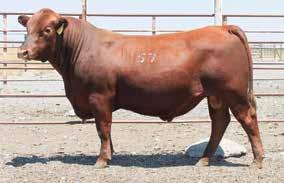











STEGALL est. 1995 SCC GENUINE 2014K #4607707 5L GENUINE 1603-195C x 290A SCC FOUNDATION 2060K #4607877 LCOC FOUNDATION A081G x COLLIER FINISHED PRODUCT Fall Bull Sale Sunday, September 24, 2023 At the Ranch | Colusa, CA | 1 p.m. PDT SCC KITTLE 2003K #4607891 BIEBER CL STOCKMARKET E119 x COLLIER FINISHED PRODUCT SCC KINGMAKER 2007K #4607771 BIEBER CL STOCKMARKET E119 x BROWN ORACLE B112 SCC KRYPTONITE 2012K #4607749 LEACHMAN DECREE X936D x LEACHMAN TESTIFY D003Z Connect with us on ocial media and our website, or contact us the old-fashioned way with an email or a phone call. STEGALL CATTLE CO. Todd Stegall: 530-713-8755 3455 Grover Ave, Colusa, CA, 95932 tmstegall@gmail.com | www.stegallcattle.com Selling: 55 18-Month-Old Red Angus & SimAngus™ Bulls 30 Open Red Angus Heifers All cattle are: All bulls ell with a one-year guarantee! August 2023 California Cattleman 31
LEARNING THE ROPES
Stegall Family turns dream into reality by offeringRed Angus genetics off the ranch
by CCA Associate Director of Communications Maureen LaGrande
Originating from Europe, the Red Angus breed made its way to the United States in the mid-1940s. By 1954, several Red Angus herds were established. This led to the formation of a performance breed association, known as the Red Angus Association of America (RAAA). With good mothering ability, quality genetics and resistance to heat, the red hided cattle can provide robust offspring to a producer’s livestock operation. As fall bull sale season approaches, so does the need for new genetics in the herd.
Last September, Stegall Cattle Company hosted their first fall bull and female sale at the family ranch in Colusa. Almost a year later, Todd Stegall, Colusa, a third-generation cattle rancher shares about all that it takes to put on a sale. While sale day comes and goes in a flash, months of hard work, thought and planning goes into the event. Along with his family, wife Taylor and their sons Case (5) and Hayes (3), Stegall worked hard to make the sale a reality.

“It’s always been a goal of mine to have a sale,” said Stegall.
When asked “Why the Red Angus breed?” Stegall shares, “They are good mothers, very maternal and being in California during the summer they are more heat tolerant.” His likeness of Red Angus started in 1995 as a 4-H project for he and his sisters. From that year on they continued to take steers to fair and began to show heifers. Those heifers turned into a small breeding operation of Red Angus. Stegall’s herd is now on a bigger scale compared to his early 4-H days.
Getting Started
Having attended bull and livestock sales over the years, Stegall felt confident in putting on his own. “Listening to auctioneers and seeing how programs are ran at different sales, gave me a good idea of what I wanted at mine,” said Stegall.
In the early stages of planning the first decision was to decide where on the ranch to host the sale. Not having a sale barn, meant that they were starting from scratch. The Stegall family went back and forth on the location of where to set up the block, ring and tables. Once the decision was made, the next move was to figure out what to use as an auction block and to build a stage. With the stage set, tables and chairs were also put out for the buyers. “We had a tent set up for the buyers to sit under,” said Stegall. And good thing they did, for on sale day it rained!
Having the location nailed down, the next details to settle were choosing an auctioneer, and getting video details set. Instead of running the bulls and females through a ring, the sale of each animal was conducted through videos taken the month prior and displayed on a television. Western Video Market and DVAuction, an online sale platform was utilized in the sale, “Everyone from WVM was super helpful with all their equipment,” Stegall said. “They really assist you on sale day.”
Obstacles Conquered
Thinking about the challenges of leading up to a sale, Stegall shared how videoing the bulls can at times be an obstacle, specifically getting
32 California Cattleman August 2023
them to cooperate and positioning themselves nicely for the camera. All the videoing is done a month and a half to two months before sale day to ensure that the animals in the video currently reflect what the buyers are purchasing on the day of the sale. Having video footage of sale animals available online is a useful tool allowing potential buyers to view the bulls before and during sale day, preventing any stress the animals could face if being moved around a ring.
The continuation of the state’s drought during the sale was also a concern for Stegall, knowing that due to lack of water and feed in the state, producers may be selling off stock and not necessarily looking to add any until feed conditions improved.
OfferingDurable Red Angus
Something unique to the Stegall’s sale is the offering of 18-month-old bulls. “The bulls have an age advantage. We mainly calve in the springtime giving these bulls the chance to develop an extra six months, helping them to hold up a little better,” said Stegall. The sale also features a handful of yearling bulls, Red SimAngus bulls and registered commercial heifers.
Generating Clientele
Having a client base is also a crucial component to a successful sale day. To ensure the word got out about the sale, Stegall worked with an independent contractor to create a website, sale catalog and promotional advertisements that were sent to publications such as the California Cattleman magazine. Stegall also sells bulls and heifers via private treaty and contacted previous buyers to notify them of the sale. He also picked up the phone to reach out to friends, contacts in the industry and anyone who could help put the word out to those who may be interested in purchasing Red Angus stock.
To further get word out about his Red Angus bull and female sale, Stegall utilized the RAAA’s mailing list data base to access Red Angus producers in California as well as parts of Oregon and Nevada.
Matt Macfarlane and Col. Randy Baxley were also a large help, looking at bulls for potential buyers who were interested but could not make the sale. Baxley also served as the auctioneer for the sale.

Triumphs
Following the 2022 inaugural sale, a triumph for Stegall was being able to sell all his animals within the state of California, all the way north to Ferndale and as far south as Bakersfield. “On sale day it gets kind of hectic,” shares Stegall. “One thing you don’t realize is that a lot of the sale boils down to customer service.” The hustle and bustle of sale day kept him from being able to converse and meet
all who attended the sale. Being able to personally, deliver the bulls himself, allowed Stegall the chance to meet all of his buyers, get to learn about their operations and getting to know the produces that bought them.

Coming this Fall
As bull sale season draws near, “I’m looking forward to the next sale.” said Stegall. Mark your calendars for the 2nd Annual Stegall Cattle Company Fall Bull and Female Sale taking place on, Sunday, Sept. 24, 2023 in Colusa. Check out their bull sale advertisement on page 31. Further information and updates on the sale can be found on their Facebook, Instagram and website at www.stegallcattle.com.
August 2023 California Cattleman 33
Col. Rick Machado and Todd Stegall on the block at Stegall Cattle Co.’s inaugural bull sale event.
Todd and Taylor Stegall are proud of the product they are raising and of the legacy they are building.
USDA FOREST SERVICE FORMS NORTHWEST FOREST PLAN FEDERAL ADVISORY COMMITTEE
The U.S. Department of Agriculture has established and appointed members to a new Federal Advisory Committee to provide advice and recommendations on modernizing landscape management across national forests within the Northwest Forest Plan area in Washington, Oregon and Northern California.
The committee will make recommendations focused on a climate-informed amendment of the Northwest Forest Plan to update management direction so that national forests are managed sustainably, adapted to climate change, and resilient to wildfire, insects, disease, and other disturbances, while meeting the needs of local communities.
“Establishing this committee is another way for us to embrace climate-smart science, ensure we hear from diverse voices and get a range of perspectives on how to best confront the wildfire crisis and climate change,” said Agriculture Secretary Tom Vilsack.
The committee’s recommendations will incorporate traditional ecological knowledge, the latest science, and climate resilience into its recommendations for the 17 national forests in the Northwest Forest Plan area. The committee will also advise how these planning efforts can complement
the Wildfire Crisis Strategy and help the Forest Service take more proactive measures to reduce wildfire risk, restore fire resilience, and enable longterm ecological integrity for people, communities and natural resources.
Establishing this committee is in line with President Biden’s Executive Order 14072 and Secretary’s Vilsack’s Memorandum on Climate Resilience. The national forests in the Northwest Forest Plan area have significant ecologic values, including for water, wildlife, and carbon, and contain important old and mature forests. They are embedded in the people and communities of the area and are important for the social and economic sustainability of those communities. These lands are also culturally significant and the ancestral homelands for tribal nations. According to a recent inventory conducted by federal researchers as required by the Executive Order, the 17 national forests represented in the Northwest Forest Plan contain one quarter of the remaining old-growth forest on national forests and grasslands in the lower 48 states.
The committee represents a diverse group from Tribes, local communities, environmental groups, industry, and academia across Northern California, Oregon and Washington.
RECHARGE

Your Bull Battery � SPANISH RANCH BULLS

Range-ready, service-aged Brangus and Ultrablack bulls ready to go to work for you are available now private treaty at the ranch. Bulls also available at these upcoming sales:
• California Breeders’ Bull Sale, Turlock, CA: September 30

• Western Stockman’s Market Bull Sale, Famoso, CA: October 14
• Great Basin Bull Sale, Fallon, NV: February 17, 2024

34 California Cattleman August 2023
AJ DOIRON • PAMELA DOIRON 805-245-0434 • doiron@spanishranch.net www.spanishranch.net NEW CUYAMA, CALIFORNIA FOLLOW US FOR BULL DETAILS @spanishranchcuyama
Featured Bulls

This goggle-eyed, red-necked son of Genesis has elite performance numbers and carcass value that put him in the top 3% for WW, 2% for YW, 1% for CW, 10% for Marbling and 1 % for $CHB.

This stout-made, powerful bull has top calving-ease and carcass value. He ranks in the top 12% for CED, 10% for BW, 1% for SC, 6% for Udder, 2% for Marbling, 5% for $BMI, 4% for $BII and 19% for $CHB.
A real balanced-trait bull across the board that does many things well, including performance, fertility carcass and maternal.


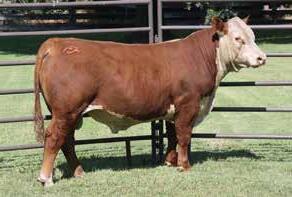

This stout individual will add performance with YW in the top 16%, muscle with REA in top 5%, as well as $BMI in the top 2%, BII top 3% and $CHB top 17%.
The Coleman family Tim, Kara, Tyler & Kathryn P.O. Box 577980 • Modesto, ca 95357 Tim Coleman 209-968-7232 Kara Coleman ......... 209-613-6062 Tyler Coleman ....... 209-613-5872 Vintage Angus Ranch Thurs., September 7 Foothill ranch • la Grange, CA • Noon SELEct hereford bulls Follow Us @Sierra Ranches LOT 1: SR 5139R ADV.GENESIS 2052 ET AHA P44401042 • Polled • DOB 3-14-2022 SIRE: LOEWEN GENESIS G16 ET DAM: HH MISS ADVANCE 5139R LOT 9: TKC 9054 X SENSATION 2120 AHA P44348061 • Polled • DOB 4-14-2022 SIRE: SR TKC 037X SENSATION 7117 ET DAM: TKC 2018 ADDISON 9054 ET LO2 2: TKC 2090 AIR HORIZON 2007 ET AHA P44395033 • Polled • DOB 2-12-2022 SIRE: BR BELLE AIR 6011 DAM: H RAYLEE 2090 ET LOT 12: TKC 7111 X SENSATION 2097 AHA P44395031 • Polled • DOB 3-19-2022 SIRE: SR TKC 037X SENSATION 7117 ET DAM: TKC 037X LADY GYPSY CED BW WW YW MILK M&G CEM 0.4 3.7 71 118 28 64 1.3 CED BW WW YW MILK M&G CEM 3.1 2.8 57 98 29 57 4.6 CED BW WW YW MILK M&G CEM 8.4 0.5 52 81 31 57 4.9 CED BW WW YW MILK M&G CEM -0.2 4.5 59 102 44 74 2.1 CW FAT REA MB $BMI $BII $CHB 101 .061 0.75 0.30 377 475 175 CW FAT REA MB $BMI $BII $CHB 70 .041 0.49 0.09 378 451 124 CW FAT REA MB $BMI $BII $CHB 58 .081 0.39 0.47 451 548 132 CW FAT REA MB $BMI $BII $CHB 72 .041 0.75 0.17 487 569 134
August 2023 California Cattleman 35
AROUND THE CLOCK
THE DETAILS IN RAISING SEEDSTOCK
by Managing Editor Stevie Ipsen
Early mornings, late nights, cold winters and relentless summers. Anyone who has experienced ranching, even on the most miniscule of levels, knows it’s work. But for those who have done it for a substantial amount of time recognize it as a labor of love. It’s a job that doesn’t always pay, let alone pay well. It can be harsh, unforgiving and humbling. Never the less, It’s one of those jobs that reflects the cliché saying, “If you do what you love, you will never work a day in your life.” Not only do cattle producers work. They work hard.
Each sector of production is labor intensive and even more love intensive. And, like cogs in a wheel, no sector of the beef production chain is more valuable. Without one cog, the wheel doesn’t work the way it should.
For commercial producers, a sector that helps them build a better calf crop generation after generation is the seedstock sector. Purebred cowherds aren’t just fancier forms of the same old beef. They are the genetic base that propel the commercial industry forward.

Seedstock operations are genetic suppliers, and continuous genetic improvement is a paramount focus of a seedstock business. Seedstock operators, often have the same breeding, calving, feeding routines that commercial producers have but the data that is tracked and carefully managed can be much more intensive.
For Angus breeder Bryce Borror, Gerber, seedstock production is second nature. As a third generation manager of Tehama Angus Ranch, and the fourth generation to live on the family farm and ranch operation, tracking data and chasing emerging technology is something he has always known. As a kid, his father Kevin Borror was the manager of Tehama Angus Ranch and showed Bryce the ropes.
“I grew up seeing how cows were bred, how new calves were measured and managed, how bulls could be better fed to reach their maximum potential,” Borror said. “I am really fortunate that
I was able to be taught that from a young age.”
Borror comes from a long line of cattle production. His mother’s family raised Hereford cattle and commercial cattle and his paternal grandfather, Bill Borror, is credited with having one of the most innovative approaches to Angus production in his generation.

“My grandpa was one of the first people to really keep data and track it,” Bryce said. “He grew up in the dairy business and saw how milk production was measured and correlated to progeny testing so he kept the same kind of records on this own Angus cattle.”
Bryce said since expected progeny differences (EPDs) are something he has always known, it has just been since he took over management of the operation that he realizes just how revolutionary his grandpa’s methods were.
“It makes me very proud to help carry on his family business,” Bryce said.
When Bryce was growing up he said there were always reasons to bring the bulls in and track some sort of data but today a lot of the reasons his family needs to work cows has changed.
“Growing up it seems like we always had to bring
36 California Cattleman August 2023
Kevin, Bryce and Bill Borror at the Tehama Angus bull sale.
bulls in for one reason or another. It was routine to just bring them in to take weights and track progress but breeders are lucky that we have the science now that makes that less necessary,” Bryce said. “We have replaced that time chute-side with differernt reasons to work cows. We are constantly syncing heat cycles to do artificial insemination (A.I), flush embryos or put embryos in.”
While there is a lot of differences in commercial and seedstock production, there are a lot of similarities in the day-to-day management of the two types of cowherds.
Bryce said he is mindful to raise the same kind of cows his commercial customers would want.
“All beef cows have to travel to feed and water and have the same basic maintenance requirements. I have a lot of the same end goals as my customers,” Bryce explained. “We both want a tight calving window, cows that calve out easily, calves that grow well and subsequently fetching a great price on the video or in the sale ring. If we produce the kind of bull that helps meet those goals then we all win in the end.”
While commercial cattle can include purebred animals eligible for breed association registration, the registration of cattle is typically the biggest difference between commercial and purebred outfits.
For East Bay Area ranchers Joe and Patricia Borges of Borges Angus Ranch in Byron, the complexity of recordkeeping presented a learning curve when they took on part of Joe’s family purebred Angus business but their meticulous records have resulted in numerous Cal Poly champions as well as happy customers year after year.
“There is a lot of detail when it comes to raising bulls but the more tedious we are, the better the results we see,” Patricia Borges says. “I think I speak for most seedstock producers when I say the challenge of improving your genetics each each is the fun part.”
While the Borges Family considers themselves to be a small purebred program. buyers who have been to the Cal Poly Bull Test and Sale know that sometimes it’s the “small guys” who bring the best bulls.
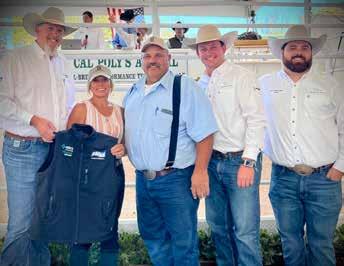
Since 2007 Borges Angus Ranch has entered bulls in the test to see how their bulls stack up against other producers’. Some of those bulls also come from small breeders who take the performance of their seedstock herds very seriously
Patricia said being a good bull producer is a full time endeavor. She says the cycle starts with asking their bull buyers how their purchased worked out, what they can do to raise better bulls, what traits the buyers are seeking in a bull, etc. Then Joe and Patricia work to educate themselves on what they need to do to meet those goals.
“We breed cows, wait for the result and once the calf hits the ground we weigh it and watch the females that we raised raised wean off a heavy bull calf,” Patricia explains. “As the bulls grow we carefully select which will remain bulls. That decision is largely based on phenotypic evaluation becasue we won’t know any EPD numbers until their are wearned and registered.”
Once the calves are registered, Joe and Patricia
can follow their predicted carcass and maternal traits and to decide which will go on to the test, other consignment sales or be sold privately.
“We don’t keep anything a bull unless we would use it on our own commercial cows. After the bulls sell, we start the process back at square one and use our buyers for feedback on how we are doing,” she said.
Patricia credits consignment sale events for helping attract buyers through shared marketing cost, but says the job she and Joe have done for buyers in the past is always a factor in how well their bulls sell year after year.
“We are really fortunate that our buyers have helped us produce better and better bulls, she said. “We have tried to learn and improve and feel we must be on the right track because our customers have seen good results at marketing time and have come back to bid again.”
Bob and Carol Coker of Genoa Livestock in Minden, Nev., know the learning curve that comes with hosting a respected production sale.
Genoa Livestock hosts a bull and female sale at the ranch in the Carson Valley in September. Bob says they branched off into their own sale after years as a consignor in respected consignment sales across the west. He credits consignment events with teaching him the basics of holding an independent sale event.
“We are in our 13th year of hosting our own sale and we feel it just gets better and better with each passing year,” Bob said.
After raising Hereford cattle in the outskirts of Sacramento as a youth in 4-H, Bob said there were several factors than influenced his decision to raise purebred Herefords.
“Their good nature is what attracts a lot of people to Herefords but living here in the higher elevation, where all of our bulls and females are born and raised until they are delivered, hardiness is a more critical factor. This winter was quite a test and the herd didn’t disappoint us;”,” Coker said. “We also saw an openingalso saw an opening in the Hereford breed – a need for another good Hereford operation in this region.”
August 2023 California Cattleman 37
38
...CONTINUED ON PAGE
Joe and Patricia Borges recieving an award at the 2023 Cal Poly Bull Sale
©SETTRINI
....CONTINUED FROM PAGE 37
Following the well-known docility of Hereford cattle, Bob said longevity is another Hereford selling point he is proud of.
“To see an older cow raising a great calf is common. I love that our bulls are breeding hardiness into commercial cattle. Our buyers wean off heavy calves that sell well but their replacement heifers will also go on to perform,” he said.
The time in at the chute is what Bob credits to the quickest improvement of a calf crop.
“We have always done A.I. but embryo transfer has really fined tuned our herd,” Bob said. “It’s a lot of work but you can’t just turn a Hereford bull out on Hereford cows and expect to get ideal calves. It takes a lot of investment and education to build great bulls. It’s exciting to look at the Hereford Association’s Herd Report and see how much improvement we have made.”
With a background in real estate, Bob likens the seedstock industry to the housing market.
“I thought the first three houses we build were pretty great,” Bob said. “But when we started building houses that were just what buyers wanted, I sold a lot more houses. The bull business is much the same.”
Having held a production sale with other ranchers for several years and having been a consignor at several bull tests and sales, Bob and Carol felt well positioned to host the sale at the home ranch in the scenic Carson Valley.


Bob said the sale would have been too much of an undertaking without great help and appreciates the marketing-minded management at the ranch.
“Great bulls are vital to a good bull sale but without a hardworking team you never get the great bulls. We are fortunate to have an experienced crew, led my our outstanding manager, Chris Beck. At the ranch he is known by his nickname “24/7” because he sets an ambitious pace and keeps our standards at the highest level.” Bob said. “Carol runs the office and association details. We have had a couple of managers who helped to push our program in the right direction. We are also fortunate to have access to marketing
professionals who help where ever we need.”
Bob says West Coast producers are lucky to have great field staff and auctioneers to help purebred producers.
“From advertising and printing catalogs to helping ringside, the guys who do this year-round have been helpful in making the sale better each year,” Bob said. “But after the sale, it is up to us to ensure the buyers got a product that suited them and that they’ll return to buy from us again.”
For Tehama Angus Ranch, as they approach their 49th annual bull sale on the ranch, the process of preparing for a bull sale has become easier.
While some ranchers take their bulls to custom feeders who are experts at getting bulls in sale day condition, Tehama Angus Ranch, feeds their own bulls. As a diverse farming operation, hulls from their almond crop are bought back from the almond processor and used in the bull ration on the ranch. Bryce said it’s one more job for someone but developing bulls at home has been invaluable to their marketing.
When it comes to print marketing and getting ready for sale day, Bryce admits it is a big job and echoes Bob Coker in saying one man can’t do it alone.
“My mom, Linda, has done this for years. She does almost everything in the office and has it down to an art. We definitely couldn’t manage without her,” Bryce said.
In addition to the obvious jobs on the ranch, Bryce has uncles who each help manage aspects of the farming and cowherd while Bryce splits time between mountain property and the home ranch taking care of cows. Bryce’s wife Erin also helps when she can between full time jobs of being a mom and working as an economist for the U.S. Meat Export Federation.
“The longer I do this the more I realize how important each person is to our success,” Bryce said. “With everyone having a crucial role and doing their part well, it frees up my time for customers.”
He says checking in with buyers has paid back in spades. Not only does he learn what the ranch can improve on, but it helps stay ahead of any issues before they become issues.
“Selling bulls is like selling any product. Bulls are live animals and there are a lot of variables that can influence them. From disposition to injury, a bull customer needs to know that a bull operation stands behind their product. Our ultimate goal is to help them have a good experience with a great bull,” Bryce said.
Because Bill Borror and Kevin Borror were known for guaranteeing their product, Tehama Angus Ranch has multiple generation ranches who have been buyers throughout Bryce’s lifetime. He said it means a great deal to him that those kinds of buyers put so much trust in their program and what makes said one of his favorite times of year is when commercial calves are marketed.
“Even though we are just one piece of the puzzle, I love knowing we have helped a customer’s cattle bring better prices because of the work we put in,” Bryce said. “I hope my boys will experience that as the fifth generation to live here and help run Tehama Angus Ranch.”
38 California Cattleman August 2023
Bulls on sale day at Genoa Livestock in picturesque Minden, Nev.
MIDYEAR on the CENTRAL COAST
by CCA Associate Director of
Over 100 California cattlemen and cattlewomen made their way to the Central Coast’s town of Paso Robles, June 21-22 for the CCA and CCW 2023 Midyear Meeting at the Paso Robles Inn. Over the two-day meeting, updates, presentations and catching up with one another took place.

Bright and early Wednesday morning smiles and greetings were shared amongst members as they arrived in the lobby to check in. Attendees spent their morning in board meetings and workshops leading up to a spread of Mexican food for lunch. Rolling into the afternoon attendees received updates from the California Beef Council’s Manager of Producer Education & Engagement Makenzie Neves, California Cattle Council board member Dave Daley, Oroville, and CCA’s Vice President of Government Affairs Kirk Wilbur. Wilbur shared an overview of the priority legislation CCA is working on for members and where bills currently stood in the legislative process. To conclude the updates, CCA Fire Subcommittee Chair Anthony Stornetta, Atascadero, spoke on the subcommittee’s current efforts. Stornetta specifically highlighted the progress of livestock pass permits throughout the state and the state’s Burn Boss Program. The California Department of Food and Agriculture’s Assistant Branch Chief for the Animal Health Branch, Andrea Mikolon, DVM, MPVM, Ph.D. was also one of the afternoon’s speakers. Mikolon provided an update on traceability and cases of vesicular stomatitis virus in California.
Zach McFarlane of California Polytechnic State University, San Luis Obispo closed out the day of presentations sharing research on bull selection and management in preparation for breeding season, tying into all the upcoming
LaGrande
summer and fall bull sales in California.
As the day’s meetings wrapped up, members loaded into shuttles headed for the CCA President’s Reception honoring San Luis Obispo County’s, Steve Arnold, Santa Margarita. This year’s president’s reception on Wednesday night sponsored by San Luis Obispo County Cattlemen and CattleWomen, gave guests the chance to see an exhibit featuring over 250 years of ranching history in San Luis Obispo County at the Paso Robles Pioneer Museum. Guests sipped on cocktails, wine and beer and snacked on appetizers served by the founding ladies of San Luis Obispo County Young Cattlewomen members, while browsing exhibits of different forms—from barbed wire to and array of branding irons—collected over the years.
The idea to host the president’s reception at the museum came to light at the San Luis Obispo Cattlemen’s spring meeting. Kathy Loftus, Paso Robles, was visiting with Sheila Bowen, Glennville, and Jill Heely, Paso Robles, sharing how she wished that more people could experience the history of ranching exhibit at the museum. With conversation among others and CCA’s Director of Finance and Events Lisa Brendlen, Bowen and Heely both approached Loftus saying that it could happen. After two months of thoughtful planning, the set up at the museum was executed early Wednesday morning, with Loftus’s direction.
Loftus sits on the board of directors for the museum and worked hard finding the funding for the ranching history exhibit. When she visited the museum and peeked into the blacksmiths exhibit, she saw the brands that Chuck Pritchard’s family, Paso Robles, had donated to the museum in 1982. Knowing their history, Loftus approached the board and asked about
40 California Cattleman August 2023
Communications Maureen
creating an exhibit for the brands. At the time the board didn’t have enough money to fund the project but said if she could allocate the funds they would gladly put in the exhibit. With dedication, and generous county residents, the hope for a ranching history exhibit became a reality.
“This exhibit wouldn’t have been possible without the donations from the San Luis Obispo County Cattlewomen and other local ranchers,” said Loftus.

One of Loftus’ favorite parts of the exhibit is the 85-metal plated photos of San Luis Obispo County ranchers and ranches from over the years on the walls. She shared that most of the images were never before seen photos that she searched for, some of which came from Colorado and Texas. “The history of cattle ranching is my passion,” Loftus said.
As the president’s reception came to a close, the dinner portion took place in the center of the museum. San Luis Obispo County Cattlewomen President Tracy Nicholson thanked everyone who came to see the museum and recognized San Luis Obispo County local and current CCA President Steve Arnold, as well as Kathy Loftus for all the work she put in to make the event happen at the museum. A dinner of Santa Maria Tri-tip, salad and potatoes was served, and of course a trio of cobblers made by Jill and Robert Heely, provided a fun treat to end the night.
Something great about the Association’s members is when the dinner concluded, everyone worked together to clean up tables, chairs and move the 20 wagons that had been moved to make space for the event back into the museum.
An early morning breakfast of biscuits and gravy gave members fuel to prep for Thursday morning’s guest speakers. Secretary of the California Department of Food and Agriculture (CDFA) Karen Ross spoke to members about the recently released, longterm plan for California agriculture named“Ag Vision.” During her talk she outlined the five key areas of the strategic plan which include climate-smart food systems, constructing healthy communities,
motivating next generation talent, increasing the understanding of agriculture and collaborating on smarter regulations. To learn more about Ag Vision listen to the Sorting Pen podcast episode “Sorting through CDFA’s Ag Vision w/ Sec. Karen Ross.”
Sherri Brennan, Sonora, rancher and Tuolumne County Supervisor later talked about the emerging biomass industry and reducing fuels on public lands. Agoro Carbon Alliance’s Jake Tilden-Browning, presented on the options for Carbon Credit on grazing ground, sponsored by WSR Insurance. In the lobby of the grand ballroom, members could swing by the WSR Booth to speak with insurance agents about any of their ranch insurance needs and also learn more about Agoro Carbon Alliance.
The final guest speaker of the day was Tolera Kanno, an environmental scientist with CDFA sharing updates for mobile livestock slaughter in California. Check out Sorting Pen: The California Cattlemen Podcast to hear from Kanno and learn more about the recent legislation that changed requirements for mobile slaughter of livestock.
In conclusion of the morning’s presenters, Steve Arnold led the CCA Board Meeting where further Association updates and business was conducted. Arnold’s adjournment of the meeting signaled the end to another successful Midyear Meeting on the Central Coast.
With another Midyear in the books, save the dates for the 2023 Cattle-PAC Auction + Dinner happening Saturday, Sept. 16 in Paso Robles and the 107th Annual CCA and CCW Convention and Industry Tradeshow taking place Nov. 29 – Dec. 1 at the Nugget Casino Resort in Sparks, Nev.
August 2023 California Cattleman 41
Trust


42 California Cattleman August 2023
SCENES FROM Midyear Meeting
CCA President Steve Arnold making remarks.
Trevor Freitas and CCA First Vice President Rick Roberti
CDFA Sec. Karen Ross speaking about CDFA’s Vision.
CCA update from CCA’s VP of Government Affairs, Kirk Wilbur.
Travis Smith, Anna Bibby, Zach, Missy and Wesley McFarlane
Local cattleman Anthony Stornetta talks about current wildfire managment issues.
LIPHATECH.COM AGRICULTURE IS OUR LIFE’S WORK
RTAP’s Jack Rice and Pat Abel
Liphatech Ag for the in-field experience and on-farm knowledge that solves problems. Registered in California, Rozol Ground Squirrel Bait solves pest challenges like yours.





Gino Pedretti ��������������������������������������������������� 209/722-2073 Mark St� Pierre �������������������������������������������������209/233-1406 Gino Pedretti Jr� �����������������������������������������������209/756-2088 Gino Pedretti III 209/756-1612 E-mail GBL1domino@sbcglobal net Pedretti Ranches Pedretti R anches Registered Herefords Since 1946 NEW THIS YEAR! Selling a select group of Spring Yearlings and Fall Two Year Olds at the Bullseye Breeders Sale, Sept. 20, 2023 in Modesto. These Bulls Sell! Consistency. Quality. Predictability. They will produce baldy replacements built for longevity! GB L1 DOMINO 1163J CED BW WW YW CW SC MARB REA $CHB 0 2 3 7 59 97 78 0 9 0 18 0 65 125 CED BW WW YW CW SC MARB REA $CHB 2 4 3 6 62 92 78 1 1 0 36 0 26 138 Reg #: 44319910 Sire: GB L1 DOMINO 762E DOB: 09/27/2021 GB L1 DOMINO 1108J Reg #: 44310309 Sire: CL 1 DOMINO 9109G 1ET DOB: 08/27/2021 GB L1 DOMINO 210K CED BW WW YW CW SC MARB REA $CHB 2 9 1 6 58 95 71 0 7 0 32 0 22 121 Reg #: 44366896 Sire: GB L1 DOMINO 8129F DOB: 02/28/2022 CED BW WW YW CW SC MARB REA $CHB 0�2 3�3 61 106 88 1�8 1�08 0�78 128 GB L1 DOMINO 229K Reg #: 44366915 Sire: GB L1 DOMINO 858F DOB: 03/06/2022 CED BW WW YW CW SC MARB REA $CHB 2�5 1�5 69 108 89 2�0 0�21 0�67 135 GB L1 DOMINO 249K Reg #: 44366947 Sire: GB L1 DOMINO 858F DOB: 03/15/2022 August 2023 California Cattleman 43
HERD HEALTH CHECK
MINERAL IMPACT ON BETTER BULL PERFORMANCE THIS SEASON
from Zinpro
As breeding season approaches, there are a number of logistical and health-related challenges that beef cattle producers need to take into consideration to ensure the breeding soundness of their bulls.
Some of the logistical challenges that bulls face during breeding season include the amount of land they have to cover and the number of cows they need to breed. For spring calving operations, bulls will be breeding cows during the heat of the summer and will have the added challenge of heat stress. With fall calving operations, bulls may need more nutrients to maintain energy during the colder temperatures. If bulls are dealing with hoof problems, the logistical challenges of the breeding season will become even more difficult to overcome.
Sometimes it’s easy to forget about bulls in the offseason, but in reality, there may be no easier group of cattle to care for, as bulls are often closer to headquarters in the offseason. Plus, while bulls might only account for 5% of your herd, they account for 50% of the breeding equation, and they need special attention in the offseason.
Supplementing your beef cattle nutrition with performance trace minerals can help improve your bulls’ well-being and reproductive performance.
Cattle Hoof Problems Increase Challenges
During the Breeding Season
Two of the most common hoof problems bulls face during breeding season include vertical fissures (also known as sand cracks) during drier pasture conditions and foot rot during wetter pasture conditions. Beef cattle producers have also started finding digital dermatitis in beef herds, but that is still limited.
During the breeding process, bulls support themselves on their back hooves. If they are in pain or lame due to hoof problems, they will not be as eager to pursue and breed cows that are in heat. Likewise, lame bulls are not going to cover as much ground in a day due to the pain they’re experiencing.
Lameness in beef cattle and other cattle hoof problems can trigger an inflammatory response, diverting energy and nutrients toward the immune response and away from reproduction
and growth requirements in developing bulls.
Beef cattle reproduction is one of the lowest nutritional priorities for bulls, so any stress in bulls, including lameness and hoof health issues, can result in reduced semen quality and motility. Semen that is malformed won’t be able to penetrate the oocyte, and if it’s not motile, it may not even be able to reach the destination to fertilize the oocyte.
Performance Trace Minerals Improve Bull Performance
Beef cattle producers and nutritionists should supplement their bulls’ nutrition with the same performance trace minerals they are feeding to their cows. This will help build sound, resilient hooves for the breeding season.
Sound feet and legs allow bulls to cover more cows. Overall skeletal soundness relies on proper nutrition. Along with macro minerals like calcium and phosphorus, trace minerals like manganese, zinc and copper also directly affect bone and joint development.
Additionally, trace minerals are required for strong hoof and skin integrity, which is essential to preventing foot rot. Research has shown that supplementing grazing cattle with performance trace minerals decreased the incidence of foot rot by 30 to 57 percent.
Quality semen in ample quantities helps optimize cow conception rates and sets the stage for greater pregnancy rates and more weaned calves. However, bulls produce lowerquality semen during stress events, such as heat stress. The same performance trace minerals that improve beef cattle hoof integrity have been shown to improve semen quality and motility as well. Research shows that feeding Availa® 4 produces semen that is 9% more motile, 9 percent more progressive and 10% more rapid.
Supplementing bull nutrition with Zinpro Performance Minerals® can yield a strong return on investment. At a minimum, bulls should be fed 7 grams of Availa 4 or 12 grams of Availa® Plus per head, per day for optimal hoof development and reproductive performance. Larger, more mature bulls may require additional supplementation.
44 California Cattleman August 2023
Old Stage Angus Eddie Veenendaal (559) 259-5631

Veenendaal Angus


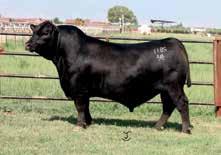
3rd


Annual Myron Schotanus (559) 804-4997


ID Birth Date Reg No. Name CED EPD BW EPD WN EPD YW EPD Marb EPD RE EPD $B $C $C % Rank 2162 02/01/22 20353106 OSA Greater Good 2162 3 2.3 91 162 1.48 1.25 216 349 1 2055 01/24/22 20313647 VA Justified 2055 11 -0 3 78 146 1 64 1 05 210 338 1 2166 02/07/22 20353110 OSA Greater Good 2166 6 3 2 84 140 1 39 1 08 200 334 1 1213 10/11/21 20269233 OSA Justified 1213 10 1 2 79 137 1 34 0 96 191 333 2 1216 11/01/21 20245333 OSA Greater Good 1216 11 2 3 93 154 1 42 1 13 207 332 2 2163 02/04/22 20353107 OSA Greater Good 2163 11 1 81 142 1.40 1.06 198 331 2 2002 01/18/22 20496817 VA Justified 2002 8 2 9 75 135 1 37 0 79 203 339 2 2035 03/06/22 20496819 VA Greater Good 2035 10 1 96 167 1 54 1 04 210 332 2 1188 09/20/21 20290782 OSA Home Town 1188 6 0 5 74 134 0 92 1 11 185 321 3 1185 09/19/21 20257570 OSA Adept 1185 5 2 9 83 147 0 88 1 33 184 304 10 Hanford,
5 p.m.
1185 1188 2163
California |
Selling over 50 head of registered Angus bulls
August 2023 California Cattleman 45
GENE EDITING AN EXCITING TOOL, SCARY SCIENCE OR SOMEWHERE IN BETWEEN?
by Miranda Reiman for Angus Media
With long generation intervals and traditional breeding, making change in the cattle industry has always been a slow and steady process.
Some producers and scientists alike imagine a future where that’s not the case. The broad bucket of genetic engineering has been around for decades, but the more targeted technology of gene editing has become more practical and applicable in animal agriculture in the last five to ten years.
The tools have advanced a lot, but they can always get better, says Larry Kuehn, U.S. Meat Animal Research Center (USMARC). They aren’t a distant, yet-to-be-developed technology.

“We are absolutely able to do this today, in terms of the science.”
Other livestock species and even some in the cattle industry are already employing gene editing to make more rapid advancements.
EDITING EXPLAINED
It may sound part science fiction, but it’s the world Angus breeder and former National Junior Angus Association (NJAA) member Maci Mueller works in every day.
She’s currently a research geneticist at the University of California, Davis and explains: “Gene editing is a biological tool that we can use, as animal and plant breeders, to add, delete or replace letters in the genetic code, and the genetic code can be thought of as kind of a recipe book for how an organism is created or
developed.”
Using a protein to cut the DNA, animal breeders take advantage of the cell’s innate tendency to try to repair that cut, Mueller says.
“The natural cell repair mechanism can either delete a small section of that DNA code or add in different base pairs, and ultimately it can inactivate that gene that was being targeted by that protein cutting the DNA, and that’s what we would call a gene knockout or deletion,” she says.
Similar to editing a document, the gene editing can allow for a copying, pasting or deleting specific letters in the DNA code. Changing those instructions or the “recipe,” changes the trait of interest in the animal.
Using a breed that’s not naturally polled, a cattleman can eliminate horns using the tool. That doesn’t apply to Angus, but it’s an example where a single gene could be responsible for a trait.
“We can do them in really just a single generation, which we haven’t had that capability before,” Mueller said.
ADOPTION AHEAD?
Gene editing technology could change the cattle business, but there are a lot of questions to answer before it becomes mainstream.
“We need to do our due diligence as far as knowing what we’re doing,” Mueller says. “We
...CONTINUED ON PAGE 48
46 California Cattleman August 2023





with O’Connell Ranch Angus Angus WORLD FAMOUS SANTA MARIA STYLE TRI-TIP LUNCH 11:30 AM PT Tom & Sally Donati, Oroville, CA 530-693-1634 donatiranch.com Rocky Donati: 530-693-1640 Watch and Go to www.dvauction.com 1. Complete and Account” 2. Apply for bidding of your screen, 3. Tune into the You will receive an Once the account has the sale to confirm For questions, contact wvm@wvmcattle.com DVAuction THURSDAY SEPTEMBER 14 CONTACT THE SALE MANAGER TO REQUEST A SALE BOOK: Matt Macfarlane 916-803-3113 (cell) m3cattlemarketing@gmail.com Donati Ranch Dan & Barbara O’Connell, Colusa, CA 530-632-4491 oconnellranch.com Daniel O’Connell: 530-632-3902 o’connell ranch AUCTIONEER: Rick Machado 805-501-3210 BULL VIDEOS AND LIVE BIDDING SALE DAY REAL-WORLD ADDED-VALUE BULLS SELL SPRING YEARLINGS & SUMMER YEARLINGS 150 Tremendous Selection of Heifer Bulls! 110% GUARANTEE Anaplaz Vaccinated - HD50K Tested - Complete Performance Evaluation BREED LEADING AI SIRES POSS RAWHIDE 32 SONS SELL - BJ SURPASS OVER 25 SONS SELL G A R FREEDOM 25 SONS SELL - DR JUDGEMENT OVER 10 SONS SELL Elite Growth, Elite Carcass Value and Elite End Value with POTENT, PROFITABLE, MATERNAL AND FUNCTIONAL COWHERDS WITH LONGEVITY BUILT-IN! At the Ranch OROVILLE, CA - 1:00 PM 2103 *G A R Freedom x *Connealy Emerald AAA *20632608 BD: 06-30-2022 CW MARB RE $M $W $F $G $B $C +66 +.69 +.95 +58 +69 +115 +64 +179 +290 CED BW WW YW MILK DOC CLAW ANGLE +14 -1.6 +80 +154 +19 +19 +.63 +.60 2110 +*BJ Surpass x *Connealy Emerald AAA *20632611 BD: 07-03-2022 CW MARB RE $M $W $F $G $B $C +60 +1.09 +.60 +86 +90 +89 +74 +163 +297 CED BW WW YW MILK DOC CLAW ANGLE +12 +.7 +83 +143 +35 +28 +.44 +.42 2249 +*Deer Valley Optimum 9246 x #*Spring Cove Reno 4021 AAA *20632667 BD: 07-22-2022 CW MARB RE $M $W $F $G $B $C +72 +.76 +1.06 +74 +82 +113 +65 +179 +306 CED BW WW YW MILK DOC CLAW ANGLE +14 +1.1 +86 +157 +27 +18 +.65 +.70 2230 *K C F Bennett Exponential x #+*MGR Treasure AAA *20632656 BD: 07-20-2022 CW MARB RE $M $W $F $G $B $C +52 +.97 +1.02 +70 +66 +91 +79 +170 +290 CED BW WW YW MILK DOC CLAW ANGLE +11 -.4 +68 +123 +22 +26 +.54 +.45 2001 *G A R Home Town x +*V A R Power Play 7018 AAA *20676998 BD: 06-07-2022 CW MARB RE $M $W $F $G $B $C +88 +1.47 +1.07 +69 +83 +127 +101 +228 +365 CED BW WW YW MILK DOC CLAW ANGLE +10 +1.4 +99 +184 +23 +26 +.54 +.37 2007 *K C F Bennett Exponential x +*Baldridge Atlas A266 AAA *20648887 BD: 06-09-2022 CW MARB RE $M $W $F $G $B $C +70 +1.25 +.82 +56 +89 +101 +86 +187 +299 CED BW WW YW MILK DOC CLAW ANGLE +11 -.5 +87 +147 +35 +31 +.50 +.50 DR TRIUMPH F348 OVER 10 SONS SELL DEER VALLEY OPTIMUM 10 SONS SELL MYERS FAIR-N-SQUARE 10 SONS SELL KCF BENNETT EXPONENTIAL 8 SONS SELL 2164 +*BJ Surpass x *EXAR Monumental 6056B AAA *20632632 BD: 07-14-2022 CW MARB RE $M $W $F $G $B $C +65 +1.19 +.88 +75 +83 +101 +85 +186 +316 CED BW WW YW MILK DOC CLAW ANGLE +9 +.1 +73 +125 +39 +21 +.56 +.40 August 2023 California Cattleman 47
...CONTINUED FROM PAGE 46
mentioned how we can make rapid progress, and so with rapid progress can come rapid gains or rapid challenges.”
Today, gene editing is regulated by the Food and Drug Administration (FDA), and each edit must go through a process similar to getting a new drug approved. There are checks and double-checks in place, Mueller noted.
Fifteen years ago many in the cattle industry were working to understand DNA sequencing and chips.
“It doesn’t mean everybody has to be an early adopter to be successful here. It means that we have to be aware of what’s out there, and let’s make ourselves aware,” Kuehn says, encouraging cattlemen to seek out resources from the USDA, universities or breed associations.
In addition to understanding the technology at a cellular level, there are many conversations in industry about how to best incorporate information from gene-edited animals into breed registries and the current expected progeny difference (EPD) structure.
The easy answer may be to ignore gene editing all together, but there’s risk in “getting left behind,” Mueller countered, “whether it’s other countries that are pursuing the technology, or other breeds and species.”
SOME TRAITS EASIER THAN OTHERS
Gene editing could help solve many economically relevant challenges, from environmental adaptability to disease tolerance, Kuehn says.
“The most likely early candidates here are things that have large effects and often singlegene effects, because we know how to find them and we know where they’re at, and we know they have an economic impact in many cases,” he noted.
For example, the slick gene has been determined “low risk” by the FDA because it exists naturally. The low-risk determination means these animals and their products can enter the food chain without labeling. Thus, the slick edit may be one of the first to see wider application in the cattle industry.
In February, an American Angus Association
member submitted an application to the Board of Directors for the approval of the slick-gene edit. Discussions will continue at the June board meeting.
Quantitative traits, such as marbling, weaning weights and yearling weights, may be harder to pinpoint, because it’s harder to find extremely large effects, especially in single genes, Kuehn says. Researchers are also anxious to solve health problems, but that provides a different set of complexities to be sure that changing a disease pathway doesn’t delete something vital.

“While [health] is not a low-hanging fruit, I do think it is one that’s ripe for the picking because that’s one that’s really challenging to do with our traditional breeding methods,” Mueller says. The pork industry is trying to tackle porcine respiratory syndrome with a gene knockout of a receptor that allowed the disease to enter the cells, she said.
Regardless of the pace of the advancements in gene editing or the adoption across the industry, Mueller says it doesn’t change the fundamentals of genetic improvement.
“The foundation of animal breeding is a solid breeding objective and structured program,” Mueller says. “Then from there, when we have our objectives in mind, we can choose which tools we use to reach those objectives.”
48 California Cattleman August 2023
UC Davis Genetic Researcher Maci Mueller researches genomics within beef and other livestock breeds and has studied under the direction of well-known beef geneticist Alison Van Eenennaam.


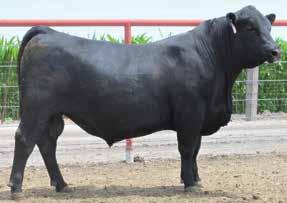


David & Carol Medeiros 2800 Hall Rd • Denair, CA 95316 David: (209) 765 0508 • Carol: (209) 604 9089 Matt Angell (559) 217-9064 www.ranchocasinoangus.com RANCHO CASINO DAL PORTO LIVESTOCK Thursday, September 21 • 1 p.m. • Rancho Casino, Denair CA Bull Sale A West Coast Source for Superior Angus Herdsires Selling 140 Bulls, 25 Females and Embryo Lots Online viewing and bidding available sale day at Reg No. 20379426 • DOB: 2/1/22 CED 10 BW 0.7 WW 90 2% YW 159 2% CW 79 3% Milk 31 Marb 0.90 RE 0.74 $M 50 $W 81 4% $F 117 5% $G 66 $B 183 10% $C 287 15% Deer Valley Growth Fund X SydGen Trust 6228 Casino Stock Fund V35 Reg No. 20512632 • DOB: 1/23/22 Deer Valley Optimum 9246 X Connealy Emerald Reg No. 20379427 • DOB: 2/3/22 Deer Valley Growth Fund X KM Broken Bow 002 Casino Growth Fund V41 Reg No. 20508923 • DOB: 2/7/22 Galaxy Corporate 0114 X DPL Boulder T76 DPL Corporate A29 DPL Optimum A11 Also follow us on social media! & 32 nd Annual David & Jeanene Dal Porto 82914 Milburn Ave • Anselmo, NE 68813 2989 E Cypress Frontage Rd Oakley, CA 94561 mobile: (925) 250-5304 • (209) 535-3657 Watch for these and other early standouts! CED 11 15% BW 1.3 WW 92 2% YW 169 1% CW 82 2% Milk 20 Marb 0.78 RE 0.81 $M 51 $W 73 15% $F 120 3% $G 62 $B 182 10% $C 287 15% CED 10 BW 0.1 WW 90 2% YW 163 2% CW 78 3% Milk 32 15% Marb 0.71 RE 0.71 $M 62 $W 86 1% $F 114 10% $G 54 $B 168 20% $C 280 20% CED 7 BW 1.9 WW 83 10% YW 149 5% CW 83 2% Milk 28 Marb 0.58 RE 0.90 15% $M 68 $W 74 15% $F 131 1% $G 52 $B 183 10% $C 305 10% August 2023 California Cattleman 49
SIMMENTAL SUCCESS At Circle Ranch

Tim Curran’s great-great-grandfather founded the family ranch in the Sierra Foothills, near Ione, five generations ago. The family ran commercial cattle for many years, and in the last 20 years, has transitioned exclusively to developing seedstock. Curran was first introduced to the Simmental breed in the mid- 1970s when a neighbor with Hereford cattle purchased a Simmental bull. He took note of the extra pounds the neighbor gained in his calf crop and began breeding his commercial cows to Simmental bulls. When frame size became an issue in the 90s, the Curran family decided to try raising their own bulls. With the purchase of 16 open heifers from Nichols Farms in Iowa they were soon raising their own Simmental genetics.
When Circle Ranch got to the point where they were raising more bulls than they needed, they began selling a small number to neighbors and through consignment sales. “We were still mainly a commercial cow-calf operation. We reached a point where we had to make a decision. Are we going to go forward with the seedstock business and sell bulls on a larger scale, or stay in the commercial business? We decided to give the bull business a shot,” Curran explains.
Over the following years the cow herd transitioned to being registered — primarily halfblood SimAngus — and in 2007, Circle Ranch held their first sale, partnered with Bruin Ranch in
CIRCLE RANCH, IONE, CALIFORNIA, IS A FIFTH-GENERATION CATTLE OPERATION FOCUSED ON PRODUCING BULLS THAT WORK FOR COMMERCIAL CATTLE PRODUCERS LONG-TERM BY ADDING LONGEVITY AND PREDICTABILITY TO COW HERDS. HETEROSIS, BALANCE, AND ADAPTABILITY ARE AT THE HEART OF THE PROGRAM. TIM AND JILL CURRAN’S SONS, TAYLOR AND AUSTIN, ARE THE SIXTH GENERATION ON THE FAMILY OPERATION WITH GRANDSON JACK HENRY BEING THE SEVENTH.

50 California Cattleman August 2023
by Lilly Platts for the American Simmental Association
Tim and Jill Curran (right) with sons Taylor and Austin and daughters-in-law Cameron and Savannah and grandson Jack.
Auburn. They have had 16 sales since, which they call the Beef Solutions Bull Sale; Bruin Ranch sells purebred Angus bulls, and Circle Ranch sells their SimAngus genetics. Together, they market around 200 bulls annually and sell an additional 40–50 by private treaty.
The Circle Ranch program is focused on breeding bulls that will work for the commercial producer, and thrive in California’s unique environment. “The climate here — west of the Sierras — is Mediterranean. The rainy season starts in October, and picks up in November. The hills will start to green up in November, and it will get a little colder into December and January. It doesn’t freeze here at all, and by spring we have a flush of growth that is incredible,” Curran explains. “By June all of the native feed is dry, and the last thing we want in the summer is rain. A good heavy rain in July can ruin the protein in our grass.”
Heterosis is the base of the program. Curran says, “We are reaping the benefits of hybrid vigor and can take advantage of lowly heritable traits, like longevity and fertility. If you have a straight-bred cow herd you can select for those things over generations and make progress, but very little. If you bring in another breed you immediately see better conception. You also see calf vigor and cow longevity.”
When Circle Ranch moved toward seedstock, using Angus for the other half of the program was the first choice. Complementary traits and the diverse genetic options have helped to

develop a successful composite program. “Angus and Simmental complement each other so well,” Curran shares. “Angus brings the maternal side, which Simmental does as well. Simmental brings added growth, muscle, and performance.”
Curran also values the power behind the large International Genetic Solutions (IGS) database, and ASA member programs. Circle Ranch has participated in several programs, including the Cow Herd DNA Roundup (CHR). “IGS has by far the most DNA data on file for animals,” he says. “IGS is important to the commercial cattle producer because it increases the accuracy of all EPD. If you’re already embracing crossbreeding you should gravitate toward an entity like IGS, which evaluates many breeds in the same system.”
The Circle Ranch program has gained loyal customers over the years thanks to the consistency of their bulls and dedication to customer service. This consistency has been built through tough genetic selection in the cow herd; if a female doesn’t measure up in fertility, performance, udder quality, feet and leg structure, or disposition, she is culled. Select females have been flushed, but only after proving themselves by producing top-tier calves. The entire cow herd is bred by AI through time breeding, and cleanup bulls are utilized.
Building a strong relationship with their commercial customers is important to Curran.
...CONTINUED ON PAGE 52
August 2023 California Cattleman 51
Beyond offering strong customer service, they also help customers market their calves. “Many of them contact us when their calves are available. If they are selling on video or in the sale barn we try to put them in touch with buyers we know. The biggest part of our customer service is staying in touch with our customers. Every year we try to make a number of ranch visits so we can see what is or isn’t working, and if there are any adjustments we can make,” Curran shares.

Keeping in touch with customers and paying attention to the bulls they purchase each year guides breeding decisions and helps Curran offer valuable guidance at sale time. “Part of using composite bulls is that it’s very important to maintain a high level of heterosis to avoid linebreeding. Our job is to keep track of the bloodlines our customers have purchased. If a certain customer is using one line of bulls we will advise them to switch so they can maintain a high level of heterosis,” he explains.
The commercial customer is also in mind on a daily basis, and guides the daily operation. When the cow herd was moved toward the seedstock program, Curran continued many of the same management practices from the commercial operation. This ensures that bulls will perform in their customers’ environments, and in situations with limited resources.

Curran has been a strong advocate for performance cattle over his career in the industry. He served as a director of the California Beef

Cattle Improvement Association (CBCIA) and was named CBCIA Seedstock Producer of the Year in 2010. He has also served locally as a beef project advisor for the county fair. Prior to becoming a full-time cattleman, he spent 10 years as a retail meat cutter. Curran’s wife, Jill, is an essential member of the team. They are the parents of two sons, Taylor and Austin.
Curran is proud to be a fifth-generation California rancher. “If you’re going to be in the ranching business it has to be in your blood, and really in your heart. We all know there are easier ways to make a living, but I don’t know if there is a better way.”


...CONTINUED FROM PAGE 51
52 California Cattleman August 2023
Circle Ranch was featured in Grant Company’s Stand Strong Simmental series, which can be viewed on YouTube.


Then, now and commercial-focused Angus Seedstock • Joe Fischer, cow herd partner (530) 392-0154 • Email: joe@harvego.com www.BruinRanch.com Bruin Ranch SimAngusTM Seedstock • Tim & Jill Curran (209) 765-1815 • (209) 765-0450 • Email: circleranch@volcano.net www.CircleRanch.net Circle Ranch We each participate in total herd reporting for our respective breeds. CLRS Homeland 327H HA Value Added 7578 Ideal Encore of 9524 Lady Sitz Barricade 632F Bruin Fellow 8224 Circle the Bases D 384 tomorrow proud tradition celebrating a of ranching in the foothills of the Sierra Nevadas Sept. 28, 2023 Contact us for a catalog! 175 Angus & SimAngus Bulls TM TJ Frostline 836H August 2023 California Cattleman 53
Is your herd Ready to Breed? tips to consider before turnout
 by Erica Louder for the California Cattleman
The last five years have been a wild ride for the California cattle industry, and the 2023 season has especially been one for the record books. Record moisture levels created optimum conditions for grazing. For many folks, there was even more grass than cattle – what a problem to have. Cows came off the range flush, ready to calve. As the fall calving season arrives, it is already time to start transitioning into breeding season.
Preparing your cattle for the breeding season is a yearlong endeavor. The decisions you made at breeding last year, turnout, weaning and calving all impact your cattle’s ability to breed efficiently. As we transition into that all-important breeding season, let’s talk about the time before bulls are turned out – pre-breeding.
Before we jump into the details of do’s and don’ts, let’s look at the question of breeding, holistically, and ask ourselves: What are we trying to achieve at breeding?
The answer seems obvious – you are trying to get your cows bred. But not just bred. You want them to breed early. Why? Because early breeding will result in a tight calving window and a tight calving window will create a more uniform calf crop. A uniform calf crop creates substantial market advantages and higher returns.
A study from South Dakota State University showed that calves bred one cycle earlier will weigh about 50 pounds more than a calf born later in the season. At $2.50/pound that is an additional $125/calf. Tracking calving distribution data can give you a benchmark to achieve this in your program.
Calving Distributions Benchmarks
One of the benchmarks CHAPS, a national
cow herd software program, publishes annually is calving distributions. According to CHAPS:
• 63% of the mature cow herd should calve within the first 21 of calving season.
• 87% of the mature cow herd should calve within 42 days.
• 96% of the mature cow herd should calve within 63 days.
If we look at heifers, the data shows that 42 percent of heifers calve before their scheduled calving date, 76 percent of heifers by 21 days from the expected start of calving season, and 88 percent of heifers by 42 days.
A good rule of thumb is two-thirds of your herd calving in the first 21 days and less than 25 percent calving in the second 21 days of calving season. Any more than that, you need to reevaluate your herd and breeding protocols.
Ensuring your herd calves early in the calving season starts with ensuring that your herd breeds earlier in the breeding season, which is where pre-breeding protocols come into the equation. There are essentially three aspects that will impact how quickly a cow breeds, 1) nutrition, 2) herd health and 3) genetics.
Focus on Nutrition
When we are thinking about the breeding season, nutrition is key, and it is what all other aspects of a breeding program hinge on. Joe Catania, DVM, a longtime cattle veterinarian who practices in Modoc and Lassen counties, says, “There’s a lot of factors when you talk about preparing for the breeding season. Yet, number one is nutrition and energy status. It doesn’t matter what type of vaccine, deworming, or mineral program you have if nutrition isn’t there.
54 California Cattleman August 2023
If there isn’t sufficient energy, the mama cow won’t cycle. If she is not going to cycle, she will not breed.”
Catania says that your herd needs to be on an upward plane of nutrition coming into breeding season. “Before breeding, you need to get the mama cows caught up from having a calf and raising one. If the cows are a little behind, you’ve got to bump up their nutrition at least 30 days before to get their system cycling.”
Aaron Lazanoff, Beef Operations Manager for Cal Poly in San Luis Obispo, says that for the university herd, the first thing they do going into the breeding season is to evaluate body condition. He says, “One of our main concerns is body condition going into breeding season. It’s about timing calving, evaluating nutrition and keeping a cow in the five or six in the body condition score.” And he agrees with Catania–creating an upward nutritional plane for the herd is key to a successful breeding season.
Ensure an Upward Plane of Nutrition
Lazanoff and Catania both say that increasing nutrition doesn’t need to be complicated – a slight change in diet can make a big difference. Catania recommends supplementing their diet with 30 percent alfalfa hay if you are feeding grass hay. He says, “A little alfalfa seems to be enough extra nutrition to get them up, going, flush and able to start ovulating.”
For the Cal Poly herd at Escuela Ranch, Lazonoff says it is about timing your calving and breeding seasons to your grazing conditions. He says, “The summer is our dry season, but hopefully, by the time we start calving in the fall, we’re starting to get some rainfall. And when we are breeding, the grass is green. Ideally, the nutrition level of the feed is coming up as the cow’s nutritional needs increase without the need to supplement much.”
Despite rarely supplementing cows, he does say there are a few ways they ensure an upward plane of nutrition for the herd, including:
• Putting out protein tubs 30 days before calving.
• Supplement feeding the first-calf heifers.
• Wean a little earlier, so cows come into the dry season with higher BCS.
However, conditions are rarely perfect, and sometimes it is just about working with Mother Nature, even if that means a herd is a little less than “benchmark.” Catania, who works with spring calving herds in northeastern California, says, “Every rancher, depending upon where they’re at and the available resources, do things a little bit different. Many guys are just trying to make it through winter, waiting for that green grass to come, and they put the mama cows out on that green grass, and then she kind of catches up once that spring growth happens.”
Herd Health Protocols
Once you’ve established nutrition for your herd pre-breeding, you can shift your focus to disease prevention, which involves vaccines, dewormers and minerals.
In their latest Vaccine Guidelines, the American Association of Bovine Practitioners says, “Vaccination is only one aspect of disease prevention. In the absence of good management, nutrition, and husbandry practices directed at animal health and infection control, vaccination alone is not enough to prevent infectious disease.” The guidelines go on to say, “Management strategies that minimize pathogen exposure and enhance innate immune function are as important as any vaccination protocol.”
As we talk about vaccine recommendations, remember that while vaccines are an important part of herd health, they are not the “magic bullet” in your tool belt. They are a part of an overall management strategy.
Cattle vaccines can be categorized three ways, clostridial, respiratory and reproductive
...CONTINUED ON PAGE 56

August 2023 California Cattleman 55
...CONTINUED FROM PAGE 55
diseases. Below is a recommendation for the vaccines and other shots to provide pre-breeding in California and the diseases they control. Consult your veterinarian for a protocol that best meets the need of your herd.
Vaccine Recommendations for Pre-Breeding
• Clostridial Vaccines (7-way, 8-way)
• Disease: blackleg, redwater, Respiratory Vaccines (5-way, intranasal)
• Disease: IRB, BVD, BRSV, PI3
Reproductive Vaccines
• Vibrio/campylobacter
• Leptospirosis
• Foothill abortion
Other Herd Health Recommendations:
• Dewormer (twice annually)
• Injectable trace mineral
A dewormer is part of a good vaccine protocol, and it works to support nutrition. Catania says, “A dewormer will clean the mama’s digestive system out if you will, so it can function at the highest rate. If she gets the most out of her feed, she can produce an ovulation and carry a calf. Ultimately it all comes back to nutrition.”
Catania also emphasizes the importance of mineral supplementation, especially in places where the soils are deficient in trace minerals.
“You need to supplement with a quality oral mineral, probably year-round, but an injectable mineral should also part of the protocol,” Cantania says. “An injectable ‘fills the tank’ in 24 hours as opposed to trying to do it with oral replacement, which would take at least 30 days. When a mama cow comes home in the fall, she will probably be mineral deficient. If you don’t give that trace mineral injection when you give your vaccines, she might not have what she needs to make a good immune response and that vaccine won’t be as effective without a good immune response.”
He emphasizes that injectable minerals are not to replace oral minerals and vice-versa. They work together.
Plan for Genetics
The final major consideration for how quickly and efficiently your herd will breed is genetics. Yet, during pre-breeding, you can do little to change the genetics of the animals you’ve got. However, what you do before breeding – the bulls your select, the cows and heifers you choose to breed – will impact your herd for years into the future.
Catania and Lazanoff say that if you want to improve your calving distribution and how quickly your cows breed back, genetically select bulls with strong fertility EPDs like scrotal circumference and heifer pregnancy rate. Then, critically evaluate what cows and heifers make the cut when it comes to culling. A cow that calved outside that ideal calving distribution may not have the genetics to thrive in your operation.
Other Pre-Breeding Considerations
Nutrition, herd health and genetics are the big three when it comes to preparing for breeding season. But there are other considerations, particularly for that often forgotten member of your herd, the bull. Here are a few other pre-breeding considerations, depending on your breeding strategy.
For the Bull:
• Breeding soundness exams that include semen analysis

• Trichomoniasis testing
• Adequate cow-to-bull ratio (20:1-30:1)
Artificial Insemination:
• Synchronization protocols
• Semen selection
Let’s return to the original question – what are we trying to achieve during pre-breeding? If the answer is, we want our cows to breed quickly and efficiently (of course, it is the answer), we need to consider “pre-breeding” as a season just as important as the breeding season. Make sure your cows are 1) on an upward plane of nutrition; 2) have the vaccines, minerals and dewormers to protect against disease and parasites; and 3) each year, evaluate the genetic make-up of your herd.
56 California Cattleman August 2023



SALE MANAGED BY & Sale Book Requests Matt Macfarlane 916-803-3113 m3cattlemarketing@gmail.com m3cattlemarketing.com PROVEN and PREDICTABLE CATTLE with generations of AI sired genetics from the leading bulls in the country. hitting the mark. Watch and bid online for FREE! Go to www.dvauction.com to register...it’s as easy as 1, 2, 3... 1. Complete and submit the form on “Create New DVAuction Account” 2. Apply for bidding by clicking “apply for bidding” in the upper left of your screen, at least 24 HOURS PRIOR to the auction 3. Tune into the sale and make your purchases! You will receive an e-mail message to activate your account. Once the account has been activiated, be sure to log back in prior to the sale to confirm your profile has been set up correctly. For questions, contact Western Video Market at wvm@wvmcattle.com or DVAuction at support@dvauction.com. Joey 209-765-1142 Mike 209-531-4893 Riley 209-968-3006 Modesto, CA Steve & Jean Obad 209-383-4373 - cell 209-777-1551 Merced, CA Diamond Oak Cattle Roger & Andy Flood 530-534-7211 • Oroville, CA Flood Bros. Cattle Greg Mauchley & Sons 435-830-7233 • Bothwell, UT Double M Ranch Mark St. Pierre 209-233-1406 • El Nido, CA Pedretti Ranches Gonsalves Ranch AUCTIONEER Rick Machado 805-501-3210 Bullseye Breeders Bull Sale September 20, 2023 • Wednesday at 1:00 PM Gonsalves Ranch Bull Development Center, Modesto, CA ANGUS SIMANGUS HEREFORD Sires Include ANGUS: Tehama Tahoe Sterling Pacific Baldridge Alternative EXAR Monumental S A V Rainfall G A R Sunrise SIMANGUS: TJ Gold TJ Main Event EGL Fireman 111F TJ Franchise 75 Angus, SimAngus and Hereford Bulls Sell including a select group of yearling calving ease prospects Plus an elite group of commercial replacement females right from the heart of our programs NEW THIS YEAR 16 Age Advantage Line One Hereford Bulls from Pedretti Ranches CED BW WW YW MILK DOC CLAW ANGLE +10 -.2 +80 +140 +25 +13 +.58 +.51 970-22 MARB RE $M $W $F $G $B $C +1.06 +.77 +73 +76 +78 +75 +153 +271 AAA *20666220 Tehama Tahoe B767 son CED BW WW YW MILK DOC CLAW ANGLE +7 +.4 +69 +123 +23 +13 +.35 +.37 99-22 MARB RE $M $W $F $G $B $C +1.02 +.73 +75 +65 +89 +73 +162 +285 AAA 20647021 E&B Plus One son CE BW WW YW MILK M&G .2 3.3 71 106 28 64 229K MARB RE $BMI $BII $CHB .18 .78 320 409 128 AHA 44366915 GB L1 Domino 858F son CE BW WW YW MILK M&G 2.9 1.6 58 95 31 60 210K MARB RE $BMI $BII $CHB .32 .22 390 484 121 AHA 44366896 GB L1 Domino 8129F son CED BW WW YW MILK DOC CLAW ANGLE +4 +2.4 +90 +152 +33 +29 +.56 +.45 746-22 MARB RE $M $W $F $G $B $C +.85 +.78 +102 +92 +98 +66 +163 +313 AAA 20642184 Tehama Tahoe B767 son CED BW WW YW MILK DOC CLAW ANGLE +13 +.2 +61 +109 +17 +14 +.47 +.43 716-22 MARB RE $M $W $F $G $B $C +1.21 +.68 +67 +53 +101 +81 +182 +303 AAA 20646405 Sterling Pacific 904 son August 2023 California Cattleman 57
PRESCRIBED PROGRESS
Q&A with CCA Fire Subcommittee member and UCCE Livestock and Natural Resource Advisor Jeffery Stackhouse
 by Director of Communications Katie Roberti
QIt’s been a long time since we’ve ran an update on the progress of prescribed burn associations in California. As a reminder, can you quickly explain what PBAs are and how they operate?

AI am not sure that this will be a “full” update on PBAs in California, because there are too many to keep track of, but I’ll give it my best shot. Prescribed burn associations (PBAs), Range Improvement Associations (RIAs) and other burn cooperatives are really all one in the same. Collectively, across the nation, the “Prescribed Burn Association” or “PBA” term tends to be the most common, as is true in California. A PBA is really just a community or place-based group of people that work together to use fire as private practitioners. Much like a branding, it is a neighbor-helping-neighbor model where if you show up and help on my burn, I will prioritize showing up and helping on your burn. Also, like brandings, some are big social gatherings with many people, food and drink.
Other burns have the bare minimum staffing and mechanical resources to get the job done. Each and every burn organization is different, and every landowner host has their own style of hosting a burn event.
QHow many PBAs are we up to in California?
AThe first PBA was started in California in 2017. Interestingly, however, the Central Coast was
the last remaining stronghold of the Range Improvement Associations from which the concept of a PBA was adopted from California by burning groups in the Midwest and renamed “Prescribed Burn Associations” which has come full-circle back to the Western states.
The Santa Barbara Range Improvement Association, led primarily by CCA members, is one of these long-lasting RIAs that is still burning today. That said, since 2017, there has been an incredible amount of interest in revitalizing RIAs and starting new community-based burning groups, most of which have adopted “Prescribed Burn Association” as part of their name.
QIs the number of PBA groups formed and burning continuing to grow?
ACurrently, the amount of interest and the number of leaders in this movement has grown to a capacity to which no one knows exactly how many groups there are forming or working toward forming, which is incredibly exciting! Also, there is so much interest in some areas that have PBAs, including Humboldt County, that
58 California Cattleman August 2023
...CONTINUED ON PAGE 60
SALE
CALIFORNIA
Jake Parnell .......................... 916-662-1298
George Gookin 209-482-1648
Rex Whittle.......................... 209-996-6994
Mark Fischer 209-768-6522
Kris Gudel ............................. 916-208-7258
Steve Bianchi 707-484-3903
Jason Dailey ........................ 916-439-7761

Brett Friend 510-685-4870
Tod Radelfinger .................. 775-901-3332

Bowdy Griffen 530-906-5713 WEDNESDAY
Wednesday AUGUST 9
Wednesday SEPTEMBER 13
Wednesday SEPTEMBER 27
FALL ANGUS BULL SALES

Friday SEPTEMBER 8
Dixie Valley Angus Fall Bull Sale
Saturday SEPTEMBER 16 Arellano Bravo/Diablo Valley Production Sale

Tuesday SEPTEMBER 26
Thomas Angus Ranch California Bull Sale
REPRESENTATIVES
WEEKLY SCHEDULE Butcher Cows ................................... 8:30 a.m. Cow-Calf Pairs/Bred Cows ..... 11:30 a.m. Feeder Cattle ........................................ 12 p.m.
MARKET
GALT, CA Office...........................................
AUCTION
12495 E. STOCKTON BLVD.,
209-745-1515
Fax ............................................... 209-745-1582
©
Website/Market Report ... www.clmgalt.com Web Broadcast ...... www.lmaauctions.com THD
EVERY WEDNESDAY CALL JAKE OR YOUR CLM REPRESENTATIVE TO CONSIGN TO THESE UPCOMING WVM SALES: AUGUST 14-15 – CHEYENNE, WY SEPTEMBER 12 – OGALLALA, NE OCTOBER 26 – COTTONWOOD, CA DECEMBER 5 – RENO, NV
SUMMER SPECIAL FEEDER SALES
1968-2023 CLM
CLM ANNUAL REPLACEMENT FEMALE SALE & PARNELL’S ‘WORLD OF BULLS’ SALE
August 2023 California Cattleman 59
Saturday NOVEMBER 4
...CONTINUED FROM PAGE 58
the PBAs are starting to subdivide into smaller geographic regions as they build prescribed fire expertise in their communities. As fire knowledge and experience among PBA members grow, we hope to see more burns on the landscape to meet the ever-growing demand to have good fire on the ground.
Each organization is tackling the increased demand differently in terms of their organizational structure, and it is fascinating to see how each community handles those decisions as they unfold across the state. As such, having an accurate count on the number of community-based organizations in the state is difficult to quantify. Depending on how you slice it, there are somewhere between 2030 PBAs that are organized and actively burning in over 20 counties in the state and the movement is still snowballing into new and exciting regions!
QWhat’s exciting you most right now about the work PBAs are doing across the state? Are there any projects that have been done or are set to take place that you want to highlight?
AOne of the things that excites me is who is doing the burning. When Lenya Quinn-Davidson and I started the Humboldt County Prescribed Burn Association, I really thought it was going to be a tool for the ranching community. Now, as we

hit our six-year anniversary, range improvement burns are still a strong ecological driver of many of our burns, but most landowners that are steppingup are the non-ranching landowners wanting to improve their rangelands for wildlife habitat and pasture restoration purposes. Additionally, the vast majority of the paying PBA membership, the actual human bodies to do the hard work of applying safe fire to the landscape, are nonlandowners.
It is wonderful, here in Northern California, at least, to see the strong involvement of the volunteer fire departments and to hear from them how these burns (especially those early summer burns) at the beginning of their wildfire season, are hugely beneficial to them as they acquire novice firefighters that greatly appreciate the training afforded to them by being on a controlled burn.
These organizations are as diverse as the communities they exist in, and it is wonderful to see involvement from all segments of these communities in using fire as a tool to improve the landscape in which they live.
QIn the July edition of this publication, CCA Fire Subcommittee Chair Anthony Stornetta provided a fire outlook. In the Q&A he mentioned the Prescribed Fire Liability Claims Fund Pilot program was waiting for approval from the Governor. Since then, the program was approved and rolled out. How does the launching of this program impact the work that PBAs are able to get done?
60 California Cattleman August 2023
Over the 4th of July weekend, Stackhouse was involved in three different range improvement burns that were successful in Humboldt County.
© Jeff Stackhouse and Lenya Quinn-Davidson.
AThe Liability Claims Fund brings with it a huge sigh of relief for those of us that organize and lead these community-based burns! Now, not only does a state certified burn boss certification give qualified persons the ability to approve burn plans for projects to receive a gross negligence liability standard for those with state certified burn boss signatures of approval (even when the state certified burn boss themselves may not be involved in the actual burning), but now those burn bosses can also apply for projects they lead, themselves, to be covered by this Prescribed Fire Liability Claims Fund. The claims fund then adds an additional $2 million of coverage if the fire were to escape as the first line of liability defense if there were damages to another’s property.
I am still learning the ins and outs of how it works, but over the 4th of July weekend, we registered (and successfully burned) three different range improvement burns here in Humboldt County. As organizers, the co-lead Kai Ostrow, and myself both felt slightly less pressure knowing that we had the gross negligence and the claims fund behind us the day of the burn.
QAlso, in last month’s magazine Stornetta mentioned the need for more burn bosses and more burn boss instructors. How important is getting more burn bosses when it comes to the efforts of PBAs in California?
AThe more burn bosses, the better. Stornetta hit the nail on the head that there is a current bottleneck with getting instructors, and hence, classes hosted to meet the demand for people wanting to take the classes. Lenya QuinnDavidson, and others have worked diligently at the state level to ensure that there are adequate benefits afforded to State Certified Burn Bosses to make it worth the effort to obtain that level of certification. With the gross negligence combined with the claims fund, they have been successful in capturing the attention of the burning community and the waiting lists for those classes are proof that their work to incentivize skilled burners in obtaining the state certification is paying off.
Good fire has been and will continue to be possible without a state certified burn boss, but having one in your community to approve your burn plan and/or lead your burns can reduce the number of excuses for those hesitant around using fire for vegetation management on their property.
QWhat are other limiting factors for PBAs getting more burns done?
AI think that the two biggest limitations are 1) landowner interest and 2) a general lack of prescribed fire culture in California. Collectively, we have made a lot of changes in the prescribed fire world in California over the past few years. The regulator culture around fire is drastically changing for the better. Liability has changed for the better. Community organization, shared equipment and knowledge level have changed for the better. Now, it is a matter of helping those that are interested in moving forward with burns and getting those that want more comfort/understanding with prescribed fire out on some safe burns so they can see how it works and how un-scary burning can be. Then, once onboard for hosting a burn, the last and final step is prioritizing the burn over other projects. Every landowner has a list too long to get done what needs to get done.
Prescribed fire takes a lot of planning. A LOT of planning, in most cases. If all of that planning— site visits, mapping, air quality permitting, CAL FIRE permitting, unit preparation, equipment preparation, grant writing, grant reporting, community organizing, scheduling, unscheduling, rescheduling—has all been done and the perfect weather finally lines up with your prescription in your burn plan… that is where the “prescribed fire culture” piece comes in. Then, fire needs to force its way to the top of whatever list of things to do you may have going on that week, because it is most often a now or never time and the investment to get there is enough to want to see your ROI in the form of safely conducted black acres.
QHow can ranchers support or get more involved with PBAs and find out if there is one in their area?
ACollectively, the PBA community across the state tries our best at maintaining a state PBA website (calpba.org), which is a good place to check. There are links there with organizations across the state. Additionally, many UC Cooperative Extension offices have some involvement and/or will know who to connect you with in your area. Or, lastly, if you do not have an active PBA in your region, but would like to start one, reach out to myself (Jeff Stackhouse, jwstackhouse@ucanr.edu or 707-445-7351) and I can help you figure out next steps to get the ball rolling in your area.
August 2023 California Cattleman 61
2023 SAN LUIS OBISPO COUNTY NAMES CATTLEWOMAN, CATTLEMAN OF THE YEAR
from the San Luis Obispo County Farm Bureau
Local agriculture organizations recognized three San Luis Obispo County farmers and ranchers during the California Mid-State Fair’s annual Cattlemen and Farmers Day at the Paso Robles Event Center on July 20.
The 2023 award recipients are: George Donati, Agriculturalist of the Year; Suze Evenson, CattleWoman of the Year; and Mike Massey, Cattleman of the Year. The awards were selected by members of the San Luis Obispo County Farm Bureau, San Luis Obispo County CattleWomen, and San Luis Obispo County Cattlemen’s Association.
“This is a special annual tradition for our local agriculture community dating back to 1963,” explained Farm Bureau Executive Director Brent Burchett. “These three individuals embody our proud farming and ranching heritage in San Luis Obispo County.”
Suze Evenson, 2023 CattleWoman of the Year
San Luis Obispo County
CattleWomen have selected San Miguel rancher and community leader Suze Evenson as the 2023 Cattlewoman of the Year.
Born in Ojai, in 1953 to Leland and Betty Stiles, Suze has one sister, Kathy. As a child growing up in the Ojai Valley, she was exposed to the sweet smell of orange blossoms in the spring and riding her horse downtown with friends.
After graduating from Nordhoff High School in 1972, Suze worked for the County of Ventura in the Mental Health Emergency Services Inpatient Unit as the Inhouse Secretary. She went on to work for a company her father helped start that made wiring harnesses for classic car restoration. Suze moved to Couer d’ Alene, Idaho for three years for work, “but it turned out to be too cold for this Ojai girl,” Suze says, and she returned to California where she met the love of her life, Dale
The Evensons have two sons Ahrean (Aaron) and Casey, and four grandchildren, August, Aymie, Holt and Callahan. Her exposure to the cattle industry began when Suze and Dale were married in 1986. “From then on,” Suze recalls, “my life took a turn from watching cattle drives on Sunday night TV episodes of ‘Bonanza,’ to raising two boys on a beautiful cattle ranch in San Miguel. In a few short years with growing boys, I learned how to form a human stock panel by standing and holding hands at arm’s length with the boys, to watching them learn how to drive by standing up in the seat and turning the wheel while Dad fed hay off the
back of the truck. I know that the first words they understood coming out of Mom’s mouth were ‘Hold on!’” After her boys started school, Suze says she was fortunate to get the job as School Secretary and worked there until retirement. Suze remains active in volunteering at the school today where her grandkids now attend, serving as a member of the Pleasant Valley Joint Elementary School District Board of Trustees.
Suze’s extensive community service includes serving as Board Member and Secretary for the Adelaida School House Historical Society, Board Member on the Pleasant Valley-Estrella Cemetery District, a docent at the Paso Robles Pioneer Museum, and as a member of the San Miguel Lions Club. She is a California Mid-State Fair “Friends of the Fair” member, having served as a volunteer for 20 years helping out in the Livestock Office and Arena. The Evensons are members of SLO County Farm Bureau, the Range Improvement Association, and Independent Grape Growers of Paso Robles Area. Suze also serves as Secretary of the SLO County Agriculture Education Committee.

Thousands of local fourth graders have taken part in Suze’s “owl pellet” educational presentation over the years at the annual Great AGventure event in Paso Robles and Arroyo Grande. Suze says after she explains what exactly the pellets are, the kids’ reactions are either “Yuck!” or “This is so cool!” In her spare time, Suze loves hosting Sunday barbecues with family and neighbors, traveling, taking care of her plants, and reading a good mystery book with a glass of wine in her favorite chair. Few embody what it means to be a San Luis Obispo County Cattlewomen more than Suze Evenson. Her many leadership positions over the years include Committee Chair for Membership, Cattle Health, Beef Promotion and Scholarships. From 2018-2020, Evenson led the organization as President.
For all her volunteer roles, Suze says CattleWomen will always hold a special place in her heart. “This has been the best, most important, and fun organization that I have ever been lucky enough to join as a member,” Evenson explains. “Every heart and soul of my Cattlewomen friends are loving and giving ladies who never cease to amaze me with their dedication to helping the beef industry. I have made many wonderful friends in my SLO County Unit and appreciate them more and more every day. I am blessed.”
San Luis Obispo County CattleWomen has given the Cattlewoman of the Year award annually since 1965, making Evenson the 58th person to receive this honor.
...CONTINUED ON PAGE 64
62 California Cattleman August 2023


BaR KJ ANGUS THESE BULLS SELL AT THE CATTLEMEN’S SELECT BULL SALE AT VISALIA LIVESTOCK MARKET ON SUNDAY, SEPTEMBER 17 Selling these sons and others, sired by some of the top Angus bulls in the industry today. Reg. No: 20416663 • DOB: 01/20/22 Sire: SG Salvation • MGS: EXAR Monumental 6056B Reg. No: 20416664 • DOB: 02/07/22 Sire: SG Salvation • MGS: EXAR Monumental 6056B Reg. No: 20416717 • DOB: 01/20/22 Sire: Connealy Emerald • MGS: V A R Ranger 3008 Reg. No: 20385390 • DOB: 02/19/22 Sire: V A R Power Play 7018 • MGS: Quaker Hill Rampage 0A36 Owners Keith & Jennifer Gardiner Contact Debbie Wise 661.293.0656 John Dickinson 916.806.1919 CED BW WW YW MILK CW MARB RE $M $B $C 8 2.1 82 137 22 75 1.49 0.58 53 208 323 10% 15% 5% 2% 2% 3% CED BW WW YW MILK CW MARB RE $M $B $C 3 3.1 82 142 20 79 1.56 0.78 57 218 340 10% 10% 3% 2% 30% 1% 2% CED BW WW YW MILK CW 3 1.6 64 119 16 45 CED BW WW YW MILK CW MARB RE $M $B $C 9 2.0 82 140 21 61 0.75 0.80 69 161 278 10% 15% 25% 30% 35% 25% 20% August 2023 California Cattleman 63
Mike Massey, 2023 Cattleman of the Year
San Luis Obispo County
Cattlemen’s Association has named local rancher and cattle industry leader Mike Massey the 2023 Cattleman of the Year.

Born in Paletine, Illinois to Bill and Rosette Massey in 1963, Mike Massey has seven siblings, Denise, Maureen, Renee, David, Craig, Brian and Bonnie. The Massey family came to California in 1971, when Mike’s father was transferred to a position in Fullerton.
Massey aspired to be a cowboy from a young age. He credits the beginning of his lifelong love of agriculture to his high school FFA teacher Gary Hunt. “Mr. Hunt impressed upon me to work hard at whatever I was doing,” Mike recalls.
After graduating Fullerton High School at age 17, he told his parents that a job was waiting for him in Bakersfield. There was not actually a job waiting for him, but he soon found work at a diversified cattle and farming operating, Costerisan Farms.
Farm boss, Lowell Costerisan thought Mike was “too small and wouldn’t make it,” but he did. As they worked together, Costerisan became like a second father to him. Massey recalls being “fired a lot, but never for more than a few hours.” Massey learned to “rope and ride, start colts, and you name it, that’s where it all began.”
His father’s advice led Massey to start taking night classes at Bakersfield College before transferring to California Polytechnic University, San Luis Obispo in 1985. It was there that he met his future wife Lillian (Lil) Varian, while being roommates with Lil’s brothers. To pay the rent, Mike helped Lil’s mom, Zee Varian, start colts on the family ranch.
After graduating Cal Poly in Agricultural Management n 1988, he took a job in Lompoc at Cojo Jalama Ranch as Assistant Ranch Manager. Three years later, Massey went to work at Western Stockman’s Market in Famosa as a Field Representative soliciting ranchers to send cattle to the auction.
In 1992, Mike and Lil married before moving to the V6 Ranch in Parkfield, and the couple started a cowherd on leased ground in San Luis Obispo County. The Masseys are the proud parents of two daughters, Sage (25) and Sammy (20).
“The greatest joy of my life has been watching our girls grow up,” Massey says.
Sage competed on the Cal Poly Rodeo team and graduated from California Polytechnic University, SLO with her bachelor’s degree. Sammy will be a junior at Cal Poly, SLO this fall, is on the Rodeo Team, and was this year’s Poly Royal Breakaway Champion. Both girls, alongside Lil, have become accomplished horsewomen and have established a well-recognized Massey Livestock
horse breeding and training program.
Mike and Lil are proud supporters of the local agriculture community, whether through the California High School Rodeo Association District 7, Cal Poly Rodeo Boosters, providing cattle for rodeo events, buying 4-H and FFA projects at the California Mid-State Fair, supporting various charities, or helping fellow ranching families with cattle brandings.
A special opportunity emerged in the year 2000, when Massey had the opportunity to take over management of the Templeton Livestock Market with Randy Baxley and Chad Davis for the next 11 years. After the partnership ran its course, Massey continued to run more and more cattle, mostly yearlings, in California, Nevada, Nebraska, Colorado, Idaho and Wyoming, while simultaneously marketing cattle for his customers in and around San Luis Obispo County.
Massey says one of the best things about being on the road is getting to see so many different ranches and beautiful country in the western U.S. For SLO County Cattlemen’s Association, his work provided valuable insight into what was happening on the ground with the cattle market. “When Steve Johns was Cattlemen’s president several years ago, he would call me up for a report before the Cattlemen’s meeting and say, ‘Since you don’t come to meetings, you can be my man in the field!’” Massey recalls.
Supporting organizations like the Cattlemen’s Association and Farm Bureau is important, Massey says. “In the difficult California regulatory and political environment we are in, these groups help protect our property rights and freedom to farm and ranch,” Massey explains. “I have so much respect for the work our Cattlemen’s Association does on behalf of our industry, and the work they and our Cattlewomen do to educate local youth about ranching.”
Partnerships have been a key part of Massey’s success in the cattle business. “I’ve been blessed over the years to have the best partners a guy could have. Partners like Tim and Kate Hearne, Nessen Schmidt, Katy Varian, John Nino, Dave Wood, Kent Hirdes, Wyatt Bourdet, Joseph Sill, Dan Wixom, Duane Baxley, Claude Loftus, Randy Baxley, John McCarty, and Chad Davis. There are also so many other great cattlemen I’ve gotten to know like John Lacey, Dick Nock and Richard Stober. I want to thank all my great customers over the years, so many of whom I’ve become good friends with.”
Massey says he could not be in the cattle business without the help of his family and trusted employees. “I am so grateful for my niece, Kayla Santos, who runs my entire office, my right-hand man, Sam Swan, my wife Lil, daughters Sage and Sammy, and my wife’s family, the Varians.”
San Luis Obispo County Cattlemen’s Association has given the Cattleman of the Year award annually since 1963, making Massey the 60th person to receive this honor.
64 California Cattleman August 2023 ...CONTINUED
FROM PAGE 62
Something for everyone
Bulls: Age advantage spring long yearlings, fall yearlings


Females: Open fall yearlings, bred heifers, pairs and commercial heifers


Special Guest Consignors
Bianchi Ranches of Gilroy, CA

Settrini Ranches of Salinas, CA
Our ranch has always been family owned and operated with a focus on raising low input, efcient females who do their job of producing sound, high performing, multi-trait bulls with the commercial cattleman in mind.
Our bulls and females are stacked with generations of performance that will provide more dollar value for less dollar input.
info@mcpheeredangus.com
14298 N. Atkins Road


Lodi, California 95240

Rita: 209-607-9719
Ranch: 209-727-3335

www.mcpheeredangus.com


AS GOOD AS THE BEST, BETTER THAN THE REST!

August 2023 California Cattleman 65 Continuing
on With the Legacy! Bull & Female Sale Sept. 23, 2023
B
BEEF ABROAD
BEEF EXPORTS BELOW RECORD-LARGE, YEAR-AGO TOTALS
from the U.S. Meat Export Federation
While well below the record-large volume and value posted in May 2022, beef exports improved from April and were the second largest (behind March) of 2023.
Beef exports totaled 116,159 metric ton (mt), down 14 percent from the May 2022 record but up 4 percent from the previous month. Export value was $874.7 million, down 19 percent yearover-year but 2 percent above April. For January through May, beef exports were down 10 percent to 554,069 mt, valued at $4.09 billion (down 21 percent).
“U.S. beef exports face considerable headwinds in 2023, on both the supply and demand side, especially when compared to last year’s massive totals,” Halstrom said. “To address tighter beef supplies, USMEF has heightened efforts to showcase underutilized cuts, even in our well-established markets. It’s also encouraging to see beef variety meat exports maintain a strong pace, as this is essential for maximizing carcass value.”
For many major markets, May exports of U.S. beef trended below last year’s record-setting totals. But Mexico was a strong exception, with shipments climbing 9 percent to 17,254 mt, valued at $94.2 million (up 14 percent). Through the first five months of the year, exports to Mexico were 13 percent above last year’s pace at 82,166 mt, with value up 17 percent to $459.6 million. Mexico is the largest volume destination for U.S. beef variety meat, with exports through May increasing 16 percent to 42,613 mt. Export value climbed 20 perent to $120.4 million.

May beef exports lower overall, but strengthen in North America and Taiwan
While below last year’s large volume, May
exports of beef variety meat were the largest in 12 months at 26,961 mt, with value the highest since November at $99.5 million. In addition to Mexico (see above), variety meat exports trended higher to South Korea, South Africa, Hong Kong and Central America. While still below last year, exports to Japan were the largest of 2023 at 4,287 mt. For January through May, beef variety meat exports were 5 percent below last year at 117,611 mt, while value fell 15 percent to $448.2 million.
For the first time in 2023, May beef exports to Taiwan exceeded last year’s volume, climbing 9 percent to 6,142 mt – the largest since April 2022 and the ninth highest on record. Export value was $59.6 million, down 7 percent from a year ago but the largest since August. For January through May, exports to Taiwan were down 16 percent from a year ago to 26,534 mt, valued at $259.8 million (down 31 percent).
Other January-May export results for U.S. beef include:
• May beef exports to Canada totaled 11,319 mt, up 17 percent from a year ago and the largest since December 2021. Export value increased 23 percent to $95.6 million, the highest in
...CONTINUED ON PAGE 68
66 California Cattleman August 2023

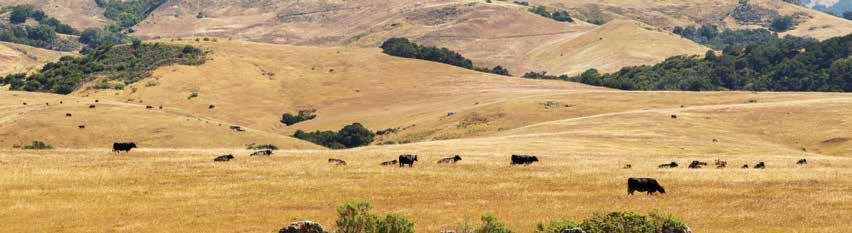


“performance is our stock in trade” StepasideFarm.com • Sanger, CA • Declan Jackson and Melanie Schow, Herd Manager, Lalo Camarena (928) 941-9419 OUR BULLS WILL CLIMB MOUNTAINS FOR YOU! ALSO WATCH FOR STEPASIDE BULLS IN TURLOCK ON SEPTEMBER 30 AND FAMOSO ON OCTOBER 14! WATCH FOR THESE STANDOUTS AT THE CATTLEMEN’S SELECT RANGE BULL SALE! VISALIA, CA | SEPTEMBER 17! SF Hometown 2001 SF Magnify 2004 SF Magnify 2010 SF Power Play 2020 SF Summation 2043 CED 4 BW 3.1 YW 155 RE 1.15 CW 70 MB 1.24 $C 340 CED 11 BW 0.8 YW 131 RE 0.87 CW 63 MB 1.36 $C 312 CED 9 BW 1.2 YW 183 RE 1.09 CW 77 MB 1.45 $C 349 CED 6 BW 3.6 YW 152 RE 1.16 CW 69 MB 1.00 $C 341 CED 4 BW 1.0 YW 160 RE 1.13 CW 89 MB 0.92 $C 327 AAA # 20338540 AAA # 20338541 AAA # 20338543 AAA # 20342996 AAA # 20340629
nearly eight years. January-May exports to Canada were down 2 percent to 41,799 mt, valued at $327.3 million (down 6 percent).
• Exports to leading market Korea totaled 23,657 mt in May, down 12 percent from a year ago, while export value fell 27 percent to $194.3 million. Through May, exports to Korea were 11 percent below last year’s record pace at 112,365 mt, valued at $901.4 million (down 30 percent).
• January-May beef exports to China/Hong Kong totaled 98,671 mt, down 11% from a year ago, while value declined 16% to $852.2 million. But exports to Hong Kong have strengthened in 2023, bolstered by the gradual, post-COVID rebound in tourism and business travel. Through May, exports to Hong Kong increased 30 percent to just under 16,000 mt, valued at $162.3 million (up 11 percent).
• May beef exports to Japan fell significantly from a year ago, reflecting persistent economic headwinds, the weak yen and Japan’s high tariffs on beef imports. May exports were 19,291 mt, down 33 percent and the lowest since early 2016. Export value was down 40 percent to $137.1 million. Through May, exports to Japan were
down 15 percent year-over-year to 108,359 mt, valued at $757.6 million (down 27 percent).


• Beef exports to South Africa continued to shine in May, increasing 77 percent to 1,481 mt, valued at $1.6 million (up 21 percent). For January through May, exports were 142 percent above last year at 8,680 mt, with value up 120 percent to $9.4 million. Exports to South Africa are almost entirely beef variety meat.
• While beef exports to Central America are trending below last year, demand has strengthened substantially in Honduras. Through May, shipments to Honduras increased 9 percent year-over-year to 1,256 mt, while value climbed 21 percent to just under $6 million.
• Beef export value equated to $399.71 per head of fed slaughter in May, down 21 percent from a year ago. The January-May average was $391.66, down 19 percent. Exports accounted for 14.7 percent of total May beef production and 12.1 percent for muscle cuts only, down from the exceptionally high ratios (17.2 percent and 14.6 percent, respectively) posted in May 2022. The January-May ratios were 14.4 percent of total production and 12.2 percent for muscle cuts, each down about one percentage point from the same period last year.
68 California Cattleman August 2023
...CONTINUED FROM PAGE 66




WHETHER YOU PREFER TO MARKET YOUR CATTLE THROUGH THE AUCTION MARKET, LIVE INTERNET AUCTION OR PRIVATE CATTLE LISTING, WE HAVE YOU COVERED! SALES EVERY WEDNESDAY! 733 North Ben Maddox Way Visalia, CA 93292 YOUR COMPLETE MARKETING SERVICE BULL SALE CATALOG AVAILABLE AT WWW.VISALIALIVESTOCK.COM SUNDAY, SEPTEMBER 17 29 th annual CATTLEMEN'S SELECT BULL & FEMALE SALE CONSIGNMENT INFORMATION: RANDY BAXLEY, (559) 906-9760 75 ANGUS • RHOADES ANGUS • STEPASIDE FARM •BAR KJ ANGUS • GUDEL CATTLE CO. • EAGLE GRIP CATTLE CO. • GARONE RANCHES • FURTADO ANGUS • AZEVEDO ANGUS 50 RED ANGUS • LUDVIGSON STOCK FARMS • IRON LORENZEN CATTLE CO. 5 HEREFORD BULLS • SONOMA MOUNTAIN HEREFORDS LUNCH AT NOON WITH FEMALES AND BULLS TO FOLLOW AT 12:30 P.M. All bull buyers will be entered for a chance to win a custom-tooled Cactus saddle courtesy of 135 TOP QUALITY, HAND-SELECTED LONG YEARLING AND COMING 2 YEAR OLDS ...PLUS A SELECT GROUP OF FEMALES! EARLY FALL PAIRS AND AND CLOSE UP FALL CALVERS WATCH AND BID LIVE AT LMAAUCTIONS.COM OR LIVEAUCTIONS.TV
LMA BLOCKTRUST NETWORK PILOT PROJECT SALES KICKED OFF IN CALIFORNIA

Livestock Marketing Association (LMA) in cooperation with BlockTrust Network, Mobile Cattle Marketing, Petaluma, Humboldt Livestock Auction Yard, Fortuna, Turlock Livestock Auction Yard, Turlock, Cattlemen’s Livestock Market, Galt, and Blue Grass Stockyards, Lexington, Ky., conducted a pilot project to determine how blockchain technology offered by BlockTrust Network may allow LMA member livestock marketing businesses to leverage voluntary data capture of cattle moving through the auctions.

The first of a series of sales kicked off on June 17 in Petaluma, conducted by the Mobile Cattle Marketing Group and featuring 1,500 fancy calves and yearlings. Additional sales are scheduled for July 8 and July 22.

“We see opportunity in discovering how the decentralized database technology, like that offered by BlockTrust Network, may help our member livestock auctions capture greater value for auction customers while also protecting the privacy and rights of the farmer/rancher, the livestock auction and each additional stop along the supply chain” said Kristen Parman, Vice President Membership Services for LMA. “We know that livestock auctions have access to a tremendous amount of information about their customer’s herd management practices that result in top quality calves coming to auction, and we want to help auctions and auction customers translate that information in to improved value.”
For each animal that is voluntarily electronically identified and enrolled into the BlockTrust Network, a record is created on the Blockchain; this record can contain as much, or as little additional data as desired and in this pilot project that information will be managed and controlled at the discretion of the participating auction. An example of additional data would be records containing health events or routine examinations, nutrition information, or animal demographics.
The participating auction and consignors can then access a web portal where the participant can
securely access the data on the network that they have permission to see. As more animals go through the supply chain, and matches are made, more data will become available.
Results from the pilot project will be reviewed to determine all costs and changes in value that can be attributed to the BlockTrust Network enrollment with full results reported back to LMA’s leadership for future member service development.
70 California Cattleman August 2023
SALE ENTRY DEADLINE FRIDAY September 1st SALE ENTRY FORMS AND SALE GUIDELINES, EVENT SCHEDULE AND MORE www.m3cattlemarketing.com www.californiaangus.com Sale Manager Matt Macfarlane 916-803-3113 m3cattlemarketing@gmail.com CONTACT CCA PRESIDENT MIKE HALL FOR DETAILS: 805-748-4717


Presents the 67th Annual bull sale October 1, 2023 Cal Poly’s Escuela Ranch, San Luis Obispo, CA Now Featuring Smartfeed by C-Lock Inc. DIRECT INQUIRES AND SALE BOOK REQUESTS TO: Featuring ANGUS AND HEREFORD BULLS @cpbulltest @calpolybulltest Zach McFarlane, Ph.D. Beef Cattle Specialist (805) 756-2685 zmcfarla@calpoly.edu Aaron Lazanoff Beef Operations Manager (805) 801-7058 alazanof@calpoly.edu No better trait for
-
Business Development at C-Lock Inc. & 2010 Bull Test General Manager “ ” 67 Years of Performance-Tested Bulls
feed efficiency in my mind. Not only does it make
the
producer more money, but it is more sustainable.
Jeff Clark
YOUNG PRODUCERS

CLASSROOM WITH A VIEW
FEATHER RIVER COMMUNITY COLLEGE OFFERS MORE THAN GREAT EDUCATION
by Feather River College student Anna Holley and professor JP Tanner
Feather River College has an established reputation as an equine-focused school, they also offer many opportunities for students to learn about the beef cattle industry. This small school is the only community college in the state of California that offers an accredited, agricultural bachelor’s degree program. Students earning their bachelor’s degree in Equine and Ranch Management have the distinctive opportunity to receive a high-quality education while enjoying unique, hands-on experiences. These experiences are made possible by intimate class sizes, engaging and supportive professors, and the use of school-owned facilities and animals.
The college has a herd of approximately 50 Black Angus cattle that are used in various classes. Students in the elements of beef science class attend weekly labs where they are taught handson skills that are needed for a successful career in the beef cattle industry. They participate in vaccinating, administering breeding soundness exams, testing for pregnancy, and assessing conformation, along with other useful skills. Additionally, the school offers classes such as ranch skills with horses and technical eterinary skills that allow for students to broaden the scope of their skills and further build their confidence through hands-on learning.
Students also assist in the halter breaking process of the school’s yearling bulls. These bulls go on to be sold at the Red Bluff Bull and Gelding Sale, the Klamath Bull Sale, and the Great Basin Bull Sale. Students enrolled in the introduction to showing beef cattle class prepare the bulls for sale and accompany them to the sales, gaining experience in preparing animals for sale and navigating the process of selling animals via auction. Students are given the opportunity to conduct original research projects on the school cattle as part of the beef cattle production and management course. Past research has covered a wide array of topics, from weaning methods to dietary supplements.

Aside from hands-on experience, students are also provided with comprehensive classroom instruction. Instructors teach a wide variety of topics relevant to the beef industry, ranging from herd health practices and pasture management techniques to agricultural computer applications and the implementation of risk management methods. Within the beef
program, professors keep their student’s career goals in mind and place a strong emphasis on connection and mentorship. According to JP Tanner, head beef cattle specialist and professor, students can expect to receive strong support from faculty members, as well as assistance with their career paths. He states that, “if a student has a goal to work in a certain aspect of the livestock industry or has certain educational aspirations… the agricultural department professors will do everything that they possibly can to help students achieve that goal.”
Upper-division students enrolled in the beef cattle production and management course are given the unique opportunity to travel to Montana for a five-day long tour of ranches in the Idaho and Montana region. The class tours an array of diverse operations, ranging from the headquarters of Riverbend Ranch in Idaho Falls, Idaho to family owned and operated ranches such as Centennial
...CONTINUED ON PAGE 74
72 California Cattleman August 2023
Students getting a Feather River College bull ready for the Red Bluff Bull and Gelding Sale.
Common Sense Cattle Breeding
attle breeding is really not that difficult if you just use some good, old common sense. It has been proven over time that the functional ability of livestock is tied very closely to how they are designed from a phenotypic standpoint. In our herds, the cattle must have an adequate amount of body depth or volume, an adequate degree of muscle, they must be structurally sound, and they must be fertile. If they don’t meet these basic criteria, they are culled regardless of how
Thank You

We would like to extend a special thank you to all of the buyers and bidders in our annual Internet-based Private Treaty Bull Sale as well as the other ranches and individuals who have supported our program during the past year!
This year’s sale will be held August 15-30. Please contact us for more information or visit our website.
good they are in terms of their EPDs or genomic profile.
We also place emphasis on the basic traits of eyes, udder, feet and disposition. These traits are described by many as “convenience traits.” If our cattle are not problem free in these areas, we limit their genetic influence in our herds.
Our opinion is that the most profitable beef cattle in any production system are those that can function with very little need for additional labor or supplemental feeding inputs.

Our ultimate goal is to create a small-to-moderate framed, low maintenance cow that can wean a big stout calf and do it without any other inputs from us. That goal is the same in both our Charolais and Angus herds.
2022-2023 Student Assistants
Our bulls and developed and cared for with the help of Fresno State students who put into practice the applicable, real world production methods that they learn in the classroom. Not only do we produce outstanding bulls, we also turn out top quality students who are ready to enter the agriculture industry, better for the experience they’ve gained in our program!
A Special Tip of the Hat
When one thinks of Fresno State Animal Science and especially The Fresno State Beef Unit, the first person that comes to mind is Dr. Randy Perry. After 33 legendary years, Dr. Perry has retired to greener pastures, with his family, in Oklahoma. We will be forever grateful for all he has done. Not only for Fresno State, but for all
that have had the pleasure to be taught or mentored by him. He is the best educator, mentor, and friend a student or colleague could ask for.
“Doc,” thank you for all you have given to this university, your students, colleagues, the local community and to California Cattlemen and Cattlewomen. Your guidance, mentorship, leadership and words of wisdom have been more appreciated than words can express. We wish you all the best for what your future has in store. God Bless and may the trails treat you well!

FRESNO STATE AGRICULTURAL FOUNDATION RYAN PERSON (559) 326-8354 JON BUTTREY, STUDENT MANAGER (209) 761-1823 WWW.FRESNOSTATE.EDU/JCAST/BEEF HTTPS://JCAST.FRESNOSTATE.EDU/BEEF/BULL-SALE
Jon
Buttrey Dallin King Grace Miller
Regina Schneider Will Seghesio Wilbur Vargas Ana Grimaldo-Velazquez
Madison LaPere Colby Lack Dominic Santella
August 2023 California Cattleman 73
...CONTINUED FROM PAGE 72
Livestock in Dillon, Mont. Students are given full tours of each operation and are encouraged to ask questions, gaining access to decades worth of industry wisdom and experience. The class also tours the headquarters of the American Simmental Association in Bozeman, Mont. where they get a behind-the-scenes look at the many aspects of breed association operations.
Kate Brost, a senior Equine and Ranch Management student and participant in the 2022 beef trip, said “My biggest takeaway was that all the ranchers and cattlemen are extremely passionate about their animals and how to improve their facilities for their cattle.” Through this trip, students are able to network with potential employers, bond with their classmates, and walk away with a unique, memorable, and educational experience.
Since the initial creation and construction of the beef program and facility, there have been numerous changes and improvements put into place. The most recent of these is a new calving barn with an adjoining vet room and office that was completed at the beginning of the year. Historically, Feather River College has been known as an equine college. However, there is an increasing number of students that are entering the Equine and Ranch Management program with a predominant interest in beef cattle. In order to accommodate these students and offer them the best opportunities possible, the school has extensive plans to continue developing and improving the beef cattle program. JP Tanner says that, among other things, he would like to increase the herd size and continue improving the quality of the herd’s genetics. He states that he “would like
the FRC beef herd to improve genetically for the students… and would like to expand the beef herd to provide the students with different marketing strategies along with having more cattle for student research projects.”
Feather River College offers students a quality education with many benefits that are unique to their program. Students that are interested in any facet of beef production, ranging from field work to upper-level management will learn valuable skills and form beneficial connections that will follow them throughout their career. This is made possible by passionate faculty members who are committed to the success of their students and the development of their program. One of these faculty members is Russell Reid, Quincy. Reid has been a professor at Feather River College since 1978 and has extensive personal connections to the ranching industry. He is retiring from his long-held position as a professor and mentor, but will continue on in his role as Agriculture Department Chair for a few more years. While students and fellow faculty members alike are sad to see him leave the class room he leaves behind a legacy of integrity, humor and wisdom that will live on in the program for years to come.

74 California Cattleman August 2023
Feather River Colleges students enjoying a field trip to Montana.


Western stockman’s market YOUR nhtc approved marketing location SUMMER STOCKER & FEEDER SALES EVERY MONDAY IN AUGUST Featuring Large Runs Calves and Yearlings from Local and West Coast Ranches Upcoming Specials DWIGHT MEBANE ....... 661 979-9892 JUSTIN MEBANE ......... 661 979-9894 Western stockman’s market 31911 Highway 46, mcfarland, california 661-399-2981 • www.westernstockmansmarket.com Your Southwest Livestock Market Leader Frank Machado ..... 805 839-8166 Bennet mebane....... 661 201-8169 b famoso Annual SpeciaL bred cow sale Monday, August 14, 12 p.m. Featuring 160 Head of Angus Cows, 3- to 4-Years-Old, which originated from Wyoming, that are Bred A.I. to Hoffman Stagecoach and SS Niagra Z29 and Due to Calve in October & November. Plus 150 Colorado/Utah Native Cows Bred to Black Bulls. Both Groups of Cows Ran this Year in Hot-Weather Country on the Corrizo Plains West of Bakersfield, CA. 58th famoso female & all-breed bull sale Saturday, October 14 Bull Sale Consignment Deadline: September 15 Featuring 200 Reputation Bulls from Top California Breeders, plus 300 Fancy, Bred Females FRIDAY, OCTOBER 13: Famoso Western Stockman’s Market Invitational Horse Sale, 6 p.m. THD © August 2023 California Cattleman 75
CHEERS TO 75 YEARS
UC DAVIS VET SCHOOL CELEBRATES ACHIEVEMENT
 by UC Davis Chancellor Gary S. May
Davis is an ideal place for those with beloved pets or those who simply love animals. Some furry friends have even become local celebrities, such as Cheeto the orange tabby cat, who roams near the Department of Physics building. Cori, a black Labrador retriever, has become a regular attraction at Aggie sports events, including football and baseball, and even has her own Facebook page.
The animals in our lives are more than pets or livestock. They’re companions and family members. So, it is stressful when they need urgent medical attention. When that happens, we know we can turn to world-class care nearby at the UC Davis Veterinary Teaching Hospital. Now in its 75th year, the veterinary hospital is celebrating its place in our community and planning to expand services.
Their services also include aiding wildlife, exotic animals, aquatic mammals and fish. They are frequently doing research that is at the nexus of animal, human and environmental health.
A reputation for excellence
Many of you know that, consistently, UC Davis is ranked first in the nation and first or second in the world for veterinary science. Our veterinary teams are often on the front lines when wildfires, natural disasters and other emergencies strike California. They are called to assist other states and countries, as well. For example, some of our veterinarians are at Montana’s Yellowstone River, monitoring the wildlife impacts of the bridge collapse there.
The University of California began veterinary research in the 1800s and helped launch the modern era of veterinary medical education in Davis with the opening of our School of Veterinary Medicine in 1948. The school started leading
the field immediately, and over the decades has created breakthroughs in vaccines for livestock diseases, pioneered surgical techniques and launched the world’s first specialty veterinary training programs.
Serving more animals
The added capacity and expanded services underway include a new emergency room and intensive care unit that opened in May. It nearly doubled the square footage of the former space. With a caseload of more than 50,000 patients each year, this facility will help us meet ever increasing needs for care.
Another area where we’ve seen increasing demand is for specialty veterinary surgeries, particularly in orthopedics. Later this summer, we’ll open the Center for Advanced Veterinary Surgery to accommodate more of these procedures.
The center is a 6,600-square-foot facility that provides life-saving orthopedic treatments for cats, dogs and other companion animals. It uses the latest advances in anesthesia, surgical instruments and cross-sectional imaging equipment to support innovative surgical procedures.
A key attribute of the expanded surgical center is the increased capacity to perform total hip replacements in dogs. One of the top reasons that dogs are euthanized is due to hip disease and not being able to stand in their older years. Our veterinary hospital is one of few in the world that can perform this critical procedure. UC Davis is also on the cutting edge by using a 3D-printed titanium implant to perform the treatment. ...CONTINUED ON PAGE
76 California Cattleman August 2023
78


John Dickinson 916-806-1919 Jake Parnell 916-662-1298 www.parnelldickinson.com Catalog Requests: Text 916-806-1919 SALE MANAGED BY 85 Performance-Tested Angus Bulls SATURDAY, SEPTEMBER 16 Cattlemen’s Livestock Market, Galt, CA • 12:30 p.m. Sell SALE BOOK AVAILABLE ONLINE www.ArellanoBravoAngus.com • www.ParnellDickinson.com • www.Angus.org ADHEMAR, ADHEMAR JR., RAFAEL & TIM ARELLANO P.O. Box 582993, Elk Grove, CA 95758 Tim: 916-826-3063 • Adhemar Jr.: 916-416-2805 Email: Arellanobravoangus@gmail.com Diablo Valley Angus DENNIS LOPEZ 209-814-2440 10000 Armstrong Rd., Byron, CA Sale Features BRAVO SUMMATION 2407 2-3-22 KCF Bennett Summation x VAR Power Play 7018 BRAVO SUMMATION 2406 2-3-22 KCF Bennett Summation x VAR Power Play 7018 BRAVO SUMMATION 2019 2-2-22 KCF Bennett Summation x Connealy Consensus 7229 BRAVO PAYWEIGHT 2038 2-26-22 Bravo Payweight 9167 x K C F Bennett Citation CED BW WW YW MILK CW MB RE $M $B $C 8 1.6 105 188 29 83 .97 1.06 77 194 329 CED BW WW YW MILK CW MB RE $M $B $C 11 .2 86 156 29 69 .94 0.98 51 174 277 CED BW WW YW MILK CW MB RE $M $B $C 7 .7 92 171 26 84 .67 .77 42 181 277 CED BW WW YW MILK CW MB RE $M $B $C 2 4.2 84 150 19 72 .70 .97 66 175 293 CED BW WW YW MILK CW MB RE $M $B $C -2 4.3 76 138 24 79 .58 .80 41 176 269 CED BW WW YW MILK CW MB RE $M $B $C 1 4.8 104 194 27 83 .85 .74 53 184 292 BRAVO NO DOUBT 2022 2-3-22 Hoover No Doubt x A A R Ten X 7008 S A BRAVO SUMMATION 2409 2-5-22 K C F Bennett Summation x G A R Prophet August 2023 California Cattleman 77
...CONTINUED FROM PAGE 76
With a lengthy waiting list for hip replacements, we now have a training fellowship for boarded veterinary surgeons to learn this procedure at the new surgery center. This will have impact across the field of animal care.
Overall, the new surgery center will provide much needed space to accommodate the demands of today and the future. Our current center is already on track to see 2,100 patients — up from an average of 1,750 patients per year from 2018 to 2020.
The new ER/ICU and surgical facilities are just the latest in a series of expansions occurring at the hospital. A new medical imaging center is also under construction and more projects are underway or in the pipeline. Donors have been incredibly important to these projects, and we

appreciate their support.
Caring for all
Meanwhile, the university’s veterinary students continue to serve the Davis community in impactful ways. As I noted in a recent column, Davis Pet Advocacy and Wellness is a satellite of the Mercer Clinic, a non-profit run by UC Davis veterinary students, that provides free veterinary care to pets of the homeless in Davis. Their outreach happens throughout the year at the Daytime Homeless Respite Center at 5th and L streets and other locations. The Mercer Clinic’s Holiday Pet Baskets also provides toys, treats and even coats and sweaters for unhoused people and their cats and dogs each holiday season.
I ask you to join me in congratulating the School of Veterinary Medicine on its 75th anniversary.
CATTLE PRODUCERS PRAISE CONGRESSIONAL RESOLUTION SUPPORTING BEEF CHECKOFF



On July 13, cattle industry leaders praised the introduction of a bipartisan congressional resolution recognizing the importance of commodity checkoff programs, including the Beef Checkoff.
"As a cattle producer who invests in the Beef Checkoff, I know how important this program is to the continued success of America’s cattlemen and cattlewomen. The Beef Checkoff was created by cattle producers, is run by cattle producers, and provides immense benefit to cattle producers,” said National Cattlemen’s Beef Association (NCBA) President Todd Wilkinson, a South Dakota cattle producer. “I am proud of Representative Barry Moore (R-AL) for leading this resolution and standing with cattle producers to recognize the importance of checkoff programs...”
Every time cattle are sold in the U.S., $1 from the sale goes to support the Beef Checkoff. These investments are collected by the Cattlemen’s Beef Board (CBB), a producer-led organization overseen by the U.S. Department of Agriculture (USDA). Each year, industry organizations, research institutions, and land grant universities develop proposals focused on strengthening beef demand through research, consumer education, marketing, and promotion efforts. The cattlemen and cattlewomen that volunteer their time to serve on the Beef Board, as appointed by the Secretary of Agriculture, determine which proposals to fund. The organizations that receive funding become contractors to the Beef Checkoff and undergo regular audits to ensure the judicious use of producer dollars and compliance to the program.
"The Beef Checkoff might be most well-known for the Beef. It's What's for Dinner. campaign, but the Checkoff's benefits go far beyond advertising. Checkoff-funded programs have led to the development of new cuts of beef and strengthened consumer trust in the cattle industry's animal welfare and sustainability," said NCBA Policy
Division Chairman Gene Copenhaver, a Virginia cattle producer. "The Checkoff has made sure that beef is at the center of Americans' dinner plates for generations while providing a strong return on investment to cattle producers. I am proud to pay into the Checkoff and know that this collective effort does way more for my operation and this industry than I could do own my own.”
and Livestock Scales

78 California Cattleman August 2023
Specializing in Truck
Established in 1959, Scales NW offers a wide range of equipment, from precision lab balances to high capacity rail scales, as well as certified scale service and installation. Contact Steve Orr for more information today! Email: steveorr@scalesnw.com Phone: (503) 510-3540 www.scalesnw.com • (800) 451-0187 Scales NW is proud to serve: California Idaho Montana Nevada Oregon Utah Washington AD_POWELL_LivestockTruckScale.indd 1 1/11/2018 1:35:26 PM


50 BULLS • 50 FEMALES Angus • Simmental • SimAngus • Hereford Bulls • Bred Females • Cow-Calf Pairs Show Heifers & Steers • Genetic Opportunities Meal Sponsors: Central Oregon Ranch Supply, Zoetis, Rainey’s Feed SUNDAY, SEPTEMBER 24 • 1 P.M AT THE RANCH FORT KLAMATH, OREGON Bull & Temale Sale raynham ranches T Bulls & Females Like These Sell the Last Sunday in September! _ EAGLE POINT, OR • FORT KLAMATH, OR BRAD 541-840-5797 BUCKLEY 541-840-8788 SALE BOOK REQUESTS: info@traynhamranch.com SALE DETAILS: www.traynhamranch.com BRAD & BUCKLEY COX THD © August 2023 California Cattleman 79
CALIFORNIA FARMLINK PROGRAM HELPS FARMERS PLAN SUCCESSIONS SUCCESSFULLY
According to the USDA’s Census of Agriculture, fully 96 percent of the nation’s 2.2 million farms are family-owned and operated. But as the baby boom generation continues to age, an estimated 70 percent of U.S. farmland will change hands in the next 20 years – and the USDA warns that if a farm or ranch family has not adequately planned for succession, it is likely to go out of business, consolidate into larger operations with neighboring farms, or be converted to non-farm uses.
To help farming families plan for a successful succession, California FarmLink – a certified nonprofit Community Development Financial Institution – recently launched The Regenerator: A Year of Farm Succession Planning. The program is designed to walk families through all the issues that can arise to help ensure that succession goes smoothly. The next cohort of family farmers and ranchers will begin work in November, said Liya Schwartzman, FarmLink’s Senior Program Manager for their Equity and Conservation on Working Lands division.
“FarmLink actually started out in 1999 with a focus on supporting retiring farmers to find someone to lease or take over their operations, but the work we were doing had its limitations. Short workshops weren’t cutting it, and it’s hard to maintain a trajectory when you’re working with 20 families in different stages of planning,” Schwartzman said.
“I thought there must be a better way, and after we studied programs across the country, we came up with a cohort model to bring people in who are in similar stages of being ready to seek assistance in transferring their land and their businesses to successors.”
FarmLink launched The Regenerator as a small pilot program in the fall of 2021 with just three families involved, and all three completed the program and created executable plans. After reviewing and fine-tuning the program, the nonprofit is hoping for seven to 10 participants this year, with a vision of scaling up the program in future years.
FarmLink engages a team of professionals – including CPAs, estate-planning attorneys, appraisers, and transition specialists – to aid the families in crafting plans that fully meet their unique needs. The program also provides $1,600 to each participating group to work with these providers, using funds provided by a USDA educational grant.
Schwartzman said one of the first things that a family needs to do is determine if family members are interested in taking over and how that would occur.
“The majority of successors may be heirs, but there is a trend of the immediate heirs moving away from farming. Sometimes the family will have grandchildren who want to come back to the farm,
but if nobody in the family is interested, retiring farmers will need to look outside the family. Often a farm manager could be a perfect successor,” she said.
“But people should start sooner rather than later because it can take several years to find the right successor and complete the transition process.”
As part of its efforts to support nonprofits making a difference in California agriculture, four Farm Credit organizations serving the state’s farmers and ranchers – AgWest Farm Credit, American AgCredit, CoBank and Fresno Madera Farm Credit – have sponsored FarmLink since 2018. These organizations are part of the nationwide Farm Credit System, the largest provider of credit to U.S. agriculture.
Kevin Ralph, California State President for AgWest Farm Credit, said participating Farm Credit organizations are proud to support FarmLink’s efforts to preserve family farms.
“This is a relationship-driven business and Farm Credit prides itself on being trusted advisers to our customers – really understanding our clients’ business and educating them on their options,” Ralph said. “FarmLink’s novel program builds on that and will really help farming and ranch families properly manage their succession issues.”
“There are nearly six times more California farmers age 65+ than ones under 35,” DeBoer said. “This succession tsunami will provide opportunities to expand the diversity of California agriculture, which will help ensure a prosperous future for farming and ranching in the Golden State.”
Schwartzman said another key component of the program is working to build communications skills.
“Succession planning most often falls apart when retiring farmers, their heirs and successors, have a breakdown in communication. This can be a very emotional and very intense time. It means someone will no longer be with us when plans are executed. And also, it’s the transfer of something the retiring generation has spent a lifetime building, so not preparing and educating people about effective communication skills and including a plan for mediation is to do a disservice and can be the downfall of the transition,” she said.
But the biggest reason FarmLink is working to provide succession planning is the potential impact of so many farms changing hands.
“This will shape the food system for the following century. We need to put as many resources as we can behind preserving and growing these farm businesses that are about to go through these transitions,” she said.
Applications are still being accepted for this year’s program. For more information, visit https:// www.californiafarmlink.org/courses/the-regenerator or contact Schwartzman at liya@cafarmlink.org
80 California Cattleman August 2023


Aaron Cell: (541) 633-3284 Rebecca Cell (541) 771-4151 P.O. Box 38, Fort Rock, OR 97735 AARON AND REBECCA BORROR www.9peaksranch.com — Selling 80 Spring Yearling Bulls and 50 Fall Yearling Bulls — STERLING CONFIDENCE PLUS 804 S A V RAINFALL 6846 BASIN RAINMAKER 4404 CONNEALY COOL 39L 9 PEAKS BLITZEN E890 9 PEAKS LIGHTNING G846 SITZ STELLAR 726D LUCKY 7 SPECIAL FOCUS 448 FEATURING SONS OF THESE OUTSTANDING ALL-AROUND SIRES: STERLING CONFIDENCE PLUS 804 15 YEARS RAISING ANGUS SEEDSTOCK SUSTAINABLY ON PUBLIC LANDS AAA # 19189229 SIRE: CONNEALY CONFIDENCE PLUS MGS: HOOVER DAM CED BW WW YW MILK MARB RE $M $B $C 10 -1.5 64 121 23 1.07 0.95 80 182 316 S A V RAINFALL 6846 AAA # 18578963 SIRE: COLEMAN CHARLO 0256 MGS: S A V 8180 TRAVELER 004 CED BW WW YW MILK MARB RE $M $B $C 8 0.3 56 108 26 0.69 0.73 84 129 251 join us for the 17th annual 9 peaks ranch bull sale! August 2023 California Cattleman 81
NATIONAL PERSPECTIVE
FOR JUST $19 A MONTH
by National Cattlemen’s Beef Association Chief Executive Officer Colin Woodall

You have all seen the commercials on television where images of abused and neglected animals tug at the heart strings. After illustrating the plight of these mistreated dogs and cats, a calm voice implores you to help them by simply donating $19 a month. While several activist groups utilize this fund-raising method, the American Society for the Prevention of Cruelty to Animals (ASPCA) seems to saturate the airwaves. According to the Center for the Environment and Welfare, ASPCA’s dirty little secret is they only spend 3% of their annual budget supporting local pet shelters. So, where does the rest of it go?
According to CharityWatch, almost half of ASPCA’s annual budget actually goes to the overhead required to run the organization. They have more than $500 million in total assets, including $11 million offshore in the Caribbean. If you are trying to help animals, why do you need to keep some of your money in offshore accounts? Well, since they settled a racketeering lawsuit filed against them alleging they paid a witness who lied in court proceedings, it becomes clear their actions are not as noble as they advertise. ASPCA is using their money to advance their political agenda, and that is why you find them supporting legislation such as Senator Cory Booker’s Industrial Agriculture Accountability Act that attacks feedlots.
Last month I wrote about the Opportunities for Fairness in Farming Act, better known as the OFF Act, which is also sponsored by Senator Booker. This is a piece of legislation attacking the Beef Checkoff and is being supported by many animal activist groups, including ASPCA. It is also a fitting example of the activist community’s strategy to find new ways to attack cattle producers. These groups have realized extreme methods and messaging, like the kind you see employed by PETA, do not resonate with the majority of Congress. They also know efforts to ban meat production or consumption are never going to make it into law. So, they went back and developed a better plan to come after us and achieve their goals of reducing, and ultimately eliminating, meat consumption.
The activist strategy is now focused on supporting legislation, rules and regulations that make it harder on us as producers to raise cattle and run our operations. For example, coalitions of these groups support EPA’s WOTUS proposal.
WOTUS has nothing to do with animal welfare, but it definitely would make it harder on us to operate as we always have. They support the OFF Act because they know it will hurt beef research and promotion to a point where the Beef Checkoff is no longer effective at building beef demand. Over the years, we have seen them support many proposals that would only result in weakening our industry. It is by design, and they have been successful in getting groups like R-CALF to help support their efforts as a way to claim they are really taking these actions to protect producers. We know better than that.
In an attempt to appeal to the mainstream public, we now find these activists trying to hijack legitimate groups to get more support. Earlier this spring, we discovered the traditionally conservative group Freedom Works had hired known animal activist Marty Irby as their Chief Operating Officer. Instead of fighting big government, they were now supporting legislation like the OFF Act. My thanks to all of you who attended our Legislative Conference in April and went to the Hill to expose Irby’s masquerade. Due to your efforts, I am pleased to announce he is no longer employed by Freedom Works.
The animal activists also have strong Political Action Committees (PACs) and are supporting Democrats and Republicans in an effort to gain support for their agenda. We have been disturbed to see some of the Members of Congress who have taken activist PAC checks. These activists are well-funded, coordinated, smart, dangerous, and they are not going away. We will continue to fight back, but we need your help. Call your representative and two senators and tell them to stay away from the OFF Act. We also need to make it harder for these groups to keep raising the money they do. As I write this article, the top petition on the website change.org is one to tell ASPCA to “stop hoarding money instead of helping local shelters.” Go to change.org and sign the petition so we can make them scramble and think twice before they take us on again.
82 California Cattleman August 2023


SONOMA MOUNTAIN HEREFORDS Bulls Available Private Treaty Year Round Go to our website for information on all sale bulls or contact: Jim Mickelson (707) 481-3440 JMMick@sonic.net P.O. Box 2689 Petaluma, CA 94953 sonomamountainherefords.com Bobby Mickelson (707) 396-7364 SONOMA MOUNTAIN HEREFORDS Horned and Polled Hereford Bulls Raised in the mountains and ready to go to work for you. Call today to come and take a look. sonomamountainherefords.com August 2023 California Cattleman 83
IN SYNC
Common Sense Estrus Synchronization in Beef Cattle
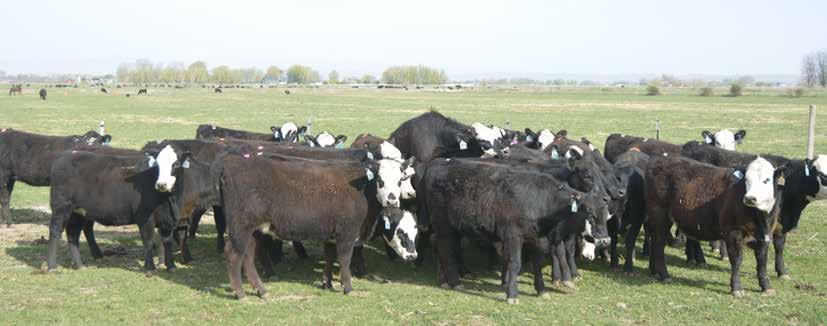 by Cheryl Ann Fairbairn, extension educator, Penn State University and Ryan W. Fairbairn, DVM, professional services veterinarian, Trans Ova Genetics
So you have decided to synchronize a group of cows or heifers! That’s great but before attempting this be sure to consider a few things. What is the goal you want to achieve by synchronizing this group? What methods do you want to use to make sure you have maximum success in getting cows settled? What facilities do you need to make it easy on the cattle and those who will be doing the breeding? All of these questions must be answered before you dive into synchronization.
Many producers utilize estrus synchronization to tighten up their calving interval. Cows will calve within a few days of each other, lessening the time you need to spend watching them. Tighter calving intervals, or having cows calve in a shorter window, creates a more uniform calf group to market at weaning time. Calves born from synchronized cows are similar in age, and usually in size and weight, making them a more uniform group. That uniform group is more attractive to the feedlot and should command a better price. A more uniform group of replacement heifers is also more attractive to you, the producer, because they will be more likely to reach puberty at the same time and will be ready to breed when you want them bred, ideally at the beginning of the breeding season before you breed the mature cows.
Uniformity is not the only opportunity that synchronization affords. Some producers choose to use estrus synchronization so bulls from top breeders can be used increasing the genetic value of the offspring. If this is your goal, make sure you know what you are selecting in terms of bulls so
their offspring fit the goals you have chosen for your herd. If the offspring are all terminal, meaning they will all be sold as feeder steers or fed to finish, then choose bulls that will add growth and carcass value to the offspring. However, if you are looking to improve your female base and will keep heifers as replacements, make sure you select maternal characteristics such as milk and weaning. For many producers, selecting bulls with balanced traits across the board will suffice.
Before jumping into any synchronization program, you must have a veterinary client patient relationship (VCPR) with a veterinarian. Drugs, such as GnRH and Prostaglandin (PGF2), that are needed to synchronize your cows must be obtained from that vet and, in todays world, unless you have a VCPR they will not be able to sell you the drugs. There are several different types of synchronization protocols that you can follow and most of these protocols can be found in reputable semen company’s herd sire books. Choose the protocol that best fits your available time to put into it and the protocols agreed upon with your veterinarian. Before you start you must understand that strictly adhering to these protocols is an absolute must or the entire process can fail.
Protocols utilizing vaginal CIDR (Controlled Internal Drug Release) implants are more commonly used and typically provide more accurate results compared to protocols that simply use a single shot administration of a prostaglandin product. However, these protocols
...CONTINUED ON PAGE 86
84 California Cattleman August 2023
Phenotype for the West and beyond

7AN691 EZAR STEP UP 9178
19430597
- He has a rare combination of traits breeders are desperately searching for.


- He exhibits excellent foot quality with extra heel depth while still ranking in the top 3% of the breed for Marbling.
- Step Up is a good structured, wide based, deep bodied sire with extra width of top and muscle expression. He stands on a big solid foot and has that masculine herd sire look breeders admire

7AN760 SITZ
Registration: 20003666


731J
- ESSENTIAL was the $100,000 high selling bull at the 2022 Sitz spring sale to Spring Cove Ranch & Triple L LLC.


- What a combination of calving ease, growth, maternal and carcass.
- Few bulls offer a top 10-15% ranking for CE, WW, YW, HP, MARB and $M.
- ESSENTIAL is built for high altitude being a breed leader for PAP, ranking in the Top 1%!
Mohnen Substantial 272 Sitz Stellar 726D SITZ Pride 200B
Poss Achievement SITZ Elsiemere 60G Sitz Elsiemere 310E




Phenotype Phenotype
ESSENTIAL
P.O. Box 507
www.allwestselectsires.com CED BW WN YW RADG DMI YH SC DOC Claw Angle HS PAP HP CEM Milk MW MH $EN CW Marb RE Fat $AxH $AxJ $M $W $F $G $B $C EPD 13 -3.1 75 141 0.29 2.01 0.7 1.39 24 0.54 0.67 0.25 -2.74 15.7 13 25 70 0.4 -20 53 1.08 0.32 0.051 40 27 73 74 87 67 154 273 ACC .38 .54 .46 .41 .32 .32 .44 .44 .35 .30 .33 .29 .30 .27 .32 .32 .37 .39 .40 .35 .35 .31 % Rank 10 2 15 10 20 100 30 20 20 70 100 10 1 10 10 55 40 40 60 30 10 85 95 75 70 20 15 50 15 30 20 CED BW WN YW RADG DMI YH SC DOC Claw Angle HS PAP HP CEM Milk MW MH $EN CW Marb RE Fat $AxH $AxJ $M $W $F $G $B $C EPD 9 1.9 77 134 0.29 1.19 0.6 1.56 27 0.38 0.27 0.52 0.45 11.3 14 27 83 0.8 -30 67 1.34 0.96 0.031 211 203 79 71 111 88 199 337 Acc .62 .86 .80 .58 .41 .41 .67 .61 .46 .35 .35 .36 .26 .24 .31 .32 .42 .44 .50 .44 .45 .44 % Rank 30 65 15 15 20 65 40 10 15 10 1 45 35 50 5 45 25 15 85 10 3 10 75 1 2 10 20 10 2 2 1 GAR Sure Fire GAR Big Step K715 Chair Rock Prophet 3131 EXAR Denver 2002B Basin Lucy 4261 Basin Lucy 1022
Burlington, WA 98233 1-800-426-2697 contact@allwestselectsires.com
Registration:
...CONTINUED FROM PAGE 84
often require more advanced planning and more times through the chute for your cows; so, you and your veterinarian need to determine what protocols will work best for you.
Deciding on whether or not to use a timed breeding protocol is another decision that needs to be made. With most methods, you can simply breed based off signs of heat. However, this requires more labor as someone will need to be checking for heats during a three-day span to accurately catch the cows cycling. If you are going to invest in this method you must check heats at least two or three times a day. Cows are then bred in a time frame after standing heat is observed. Those who do not show heat can be bred on time according to the protocol you have chosen.
On the other hand there are other protocols available that can allow you to breed all your synchronized cows on a timed basis. These protocols typically require an extra round of GnRH administration, which means another trip down the chute; however, this extra injection of GnRH eliminates the need for an accurate observation of standing heat. Expected conception rates for each of these methods can vary so be sure to consult with your veterinarian before making a decision and then chose what works best for you.
One of the most detrimental factors in any synchronized breeding program is excessive stress on the cattle. Stress can come from a variety of factors including environmental factors, such as heat and cold stress, or physical stress, caused by rough or excessive handling of the cattle. In order to reduce stress and have the best chance at success you must have a practical chute system to quietly move the cows into the chute and restrain them safely to allow the breeder to properly inseminate them.
With the investment in high quality semen, the drugs, and your investment of time, you must make sure you have a competent person breeding the cows. Not someone who only does a few a year but someone who breeds a large amount of cattle consistently and has the arm strength to handle breeding a large group in succession. Someone like that will not want to work in a rusty old chute that has little protection for him/her or the cows.
Cows that can be moved quietly into the holding area and into the chute have a better chance of conceiving than those who have to be chased around for an hour before finally giving up and moving into the chute. An enclosed area that can confine cattle for heat checking can also save time, but you need to be able to provide feed and water during that time. Also, think about calving time and what space you may have to handle a large number of cows or heifers who will calve at the same time and may need shelter in poor weather conditions or assistance if any problems
may arise.
Remember that all cows may not conceive with these procedures. Many factors in and out of our control play into whether a cow will conceive. You may think you have everything from nutrition to health as perfect as it can be and she still doesn’t conceive. So you need to make a decision whether or not to turn cows out with a bull to be caught on the next heat cycle or invest your time checking for heats to AI them again.
If you are interested in narrowing your calving window, putting the cows in with the bull will often assure your cows are bred in that next window. Cows that do not conceive in that second or third heat, either with a bull or through AI, should be considered for culling as they will become outliers and extend your calving window longer than it should be extended because they may not be as fertile as those who took on the first or second service.
Estrus synchronization is not for everyone, but it is an excellent tool if done in conjunction with a good reproductive veterinarian, and an experienced breeder who can breed many cows at one time.
Your investment of time in selecting bulls and following protocols to the utmost degree can pay off by narrowing your calving interval thus giving you more uniform calves with added genetic merit to the offspring. This will make your calves more marketable and should add to the profitability of the operation. Consider all the options you have at hand and make a sound decision if this technique will work best for your operation.

86 California Cattleman August 2023
OCTOBER 21, 2023 | OROVILLE, CA
Butte Bull Sale


POLLED & HORNED HEREFORDS WITH BREED-LEADING GENETICS! BULLS RAISED IN TOUGH COUNTRY AND READY TO WORK


Offering more all-around performers like these past sale standouts that went on to excel for commerical producers like YOU!
Plus outstanding Angus bulls sired by breed leaders like: Growth Fund, Werner Flat Top, Baldridge Colonel, Jindra Acclaim and Tehama Patriarch
The Lambert Family Steve Lambert (530) 624-5256
Slambert5256@gmail.com


lambertranchherefords.com
Angus selection from: GARY FORD, SUNBRIGHT ANGUS (530) 526-6128

DAVID HOLDEN, WESTWIND ANGUS 530-736-0727
CALL US TO GET ON OUR MAILING LIST OR VISIT US ONLINE: LAMBERTRANCHHEREFORDS.COM
PRIME TIME SHARING CATTLE PRODUCTION WITH THE PUBLIC AND CONSUMERS
 by California Cattle Council Executive Director Justin Oldfield
If you live in the Sacramento region or Northern California and watch KCRA Channel 3, there is a good chance you have seen a TV commercial sponsored by the California Cattle Council. If you live in the Fresno area or southern San Joaquin Valley, there is also a good chance you will see these commercial at the end of July or in August.

For the first time, the cattle industry has had the chance to elevate the reach of our public affairs campaigns and messages on issues that impact dairy and beef producers directly to the living room of our fellow Californians. I certainly recognize that commercials marketing beef, milk and dairy products are well known to many. However, to my knowledge, this is the first time the industry has had the ability to highlight our producers. While many people have turned to online-only app services to watch TV, research shows that a very high percentage of people watch their local news broadcasts. In the Capitol region, there is no channel that dominates the market like KCRA Channel 3. As part of our public affairs campaign, we now have two commercials running during morning, lunch, and evening broadcasts.
The first commercial we produced focuses on ranchers caring for the land and serving as stewards of our natural resources. The commercial reiterates this fundamental value does not just benefit our businesses but every resident of this state. The commercial also touches on grazing as a beneficial tool to prevent catastrophic wildfire. The TV spot also highlights the role grazing has in protecting wildlife habitat and displays several threatened or endangered species that flourish in habitat that has been grazed by cattle.

Our newest commercial, which aired the first part of July, takes on an additional issue that continues to be at the top of mind for many legislative and agency officials along with the general population – livestock’s perceived role in climate change. The dairy and feeding sector are, in particular, under fire for methane emissions originating from stored manure piles and enteric fermentation (belching).
The purpose of this commercial is to demonstrate that California dairy and cattle producers are already leading the way in implementing technologies and practices that reduce methane. The implementation of new practices and the investment in technologies that
reduce methane come with a significant cost. As the public dialogue continues to focus on what more can be done, it is critical our leaders and the public at large recognize the past and present investments in the use of these technologies. For example, the voluntary installation of dairy manure digesters must not be overlooked.
As of press time, a third commercial will be airing soon that connects the direct relationship California cattle producers have with providing nutritious food to our state’s school-aged children. In many cases, children that suffer from food insecurity have their only nutritious ...CONTINUED ON PAGE 90
88 California Cattleman August 2023 COUNCIL
COMMUNICATOR
Cattle Council commercials airing across California to highlight good things about the cattle business.
UCCE HOSTS SIERRA VALLEY RANCH TOUR, SUPPORTED BY CATTLE COUNCIL


August 2023 California Cattleman 89
Local ranchers came to eat lunch and talk with tour attendees, making lasting impresstions and connections.
Bowdy and Brian Griffin are two of the local ranchers who enjoyed lunch.
Local ranchers Sheri and Paul Roen prepared a delicious tri-tip lunch.
Lunch was held at the Roberti Ranch in Loyalton.
Dave Daley spoke about the Cattle Council and importance of ranchers and the work they do.
Water, easements, succession planning and barriers to ranching were all discussed at Maddalena Ranch.
The July 12 tour was planned by UCCE Livestock and Natural Resources Advisor Tracy Schohr.
Local rancher Rick Roberti spoke about the history of the area and ranching while the bus drove though Sierra Valley.
Maddalena Ranch in Sierraville was the first ranch stop.
Annie (Maddalena) Tipton and California State Treasurer Fiona Ma.
Cousins Maddie Maddalena and Hazel Tipton offered lemonade to guests.
meal of the day at school. We can always discuss the benefits of beef and dairy in our children’s diet, but we cannot forget that those products only exist with local cattle and dairy producers that are economically viable. In other words, it is counterintuitive to support free access to healthy and nutritious foods for our school-aged children without also supporting California cattle producers and dairy farmers. We want to drive that message home.
If you happen to be one that only watches TV on an online or app based program, don’t worry. The Cattle Council is also placing these ads on programs like YouTube which will require viewing the ad before watching a selected video clip. The online presence of this campaign will also be joined by the additional placement of digital ads on social media.
For the digital advertisements, we will have the ability to specifically target certain audiences that need to see and hear our messages. These will include those that have interest in environmental issues and conservation generally, but specifically state leaders and staff that work in and around the Capitol both in the legislature and government agencies.
Although we are investing considerable resources to place these ads in front of our targeted audience, we would highly encourage you to share our posts on social media with your friends and family. We can grow the reach of our campaign organically with your help.
I welcome you to take a few minutes after reading this article and go to our website at www.calcattlecouncil.org to look at the advertisements for yourself. All the materials from our current campaign are there along with other information from past
projects. Please take some time to familiarize yourself with the work the Cattle Council does.

As always, we recognize this effort would not be possible without your continued investment in the California Cattle Council. Never forget this is your organization, because we don’t. We work hard each and every day to ensure the campaigns and projects we fund will elevate and enhance the image of cattle producers and dairy farmers across the state. We’ve been working hard and I’m excited to see this particular campaign through to the end of 2023.

SHOULD YOU ORDER THE ANAPLASMOSIS VACCINE?

Anaplasmosis is an infectious parasitic disease in cattle, spread primarily by ticks and blood sucking insects like mosquitoes. The killed anaplasmosis vaccine protects cows and bulls of any age from infection and requires a booster given 4 to 6 weeks after the initial vaccination. Find out below if you should order the vaccine!

90 California Cattleman August 2023
you own cattle?
it,
Do they graze in areas where Anaplasmosis is a problem? YES NO
to
of the
anemia,
abortion
possibly death? YES You don’t need to
Do
You don’t need
but should still support the California Cattlemen’s Association
Do you want
prevent the effects
disease including severe
weakness, fever lack of appetite, depression, constipation, decreased milk production, jaundice,
and
ORDER TODAY BY CALLING (916) 444-0845! Available in 10 or 50 dose bottles 10 dose bottles: $8.50 per dose 50 dose bottles: $7.50 per dose *10 dose minimum and $10 flat rate shipping SOLD ONLY TO CALIFORNIA CATTLEMEN’S ASSOCIATION MEMBERS NO (Consult your local veterinarian to find out) NO YES
FROM PAGE 88
...CONTINUED

August 2023 California Cattleman 91
30 X 30
by CCA Director of Communications Katie Roberti
CCA Follows up on Governor’s big scale conservation goal
In October of 2020, Governor Newsom signed an executive order to conserve 30 percent of California’s land and coastal water by 2030. In this interview, Jennifer Norris, Deputy Secretary for Biodiversity and Habitat at the California Natural Resources Agency provides an update for ranchers on this goal and explains the Pathways to 30x30 Strategy.


The answers in this Q&A have been edited for brevity and clarification. To hear the entire interview specifically intended for California beef producers and the ranching community, listen to season 3, episode 14 of Sorting Pen: The California Cattleman Podcast at www.calcattlemen.org/podcast.
QBefore we start talking about what the state’s 30x30 initiative is and how you’re leading that, let’s hear about your role at the California Natural Resources Agency. How long have you been with CNRA and what led you to the Agency?
AI’ve been here about three years in June. Before that I was at the U.S. Fish and Wildlife Service doing endangered species work throughout California, working with a lot of ranchers in the Central Valley. I’d been leading that office for about seven years, and I was looking for something new and a new challenge. This just happened to be a new position that they were developing, and it sounded like an amazing opportunity to advance conservation in California.
Soon after I came here, I got assigned 30x30, but also “Cutting Green Tape,” which really builds on my regulatory experience and looking for ways to advance habitat restoration and good projects around the state with minimal intervention by minimizing the amount of green tape people have to get through to get good projects done.
QIn October of 2020, Governor Newsom signed an executive order to conserve 30 percent of California’s land and coastal water by 2030. CCA has been providing updates on the progression of it since the executive order was signed, but as a reminder, can you provide a brief explanation of 30x30 and share what the Pathways to 30x30 plan is?
A 30x30 is actually part of a global movement to protect 30 percent of the planet, essentially, with the
recognition that we need biodiversity to thrive as human beings, for our ecosystems to function and also to help address the climate crisis. California’s commitment started in 2020. We spent about a year plus figuring out how far along are we on our road to 30 percent, what do we mean when we say conservation, what are all of the ways we can maybe get the rest and what works.
Fundamentally, 30x30 is really a voluntary conservation effort. It is not a regulatory requirement. It’s just a bold goal and a way for us to work together on protecting natural spaces and stewarding them for the future.
QWith cattle grazing 38 million acres of working lands in our state, ranchers manage a huge portion of California’s public and private lands. How does the 30x30 plan incorporate working with ranchers and livestock producers to reach these conversation goals?
AFirst, the most important part (I mentioned above) is this definition: “What is conservation?” We solicited so much feedback on just that one sentence and wrote it and rewrote it and wrote it again. We have several pages that help outline what that really means. It’s all about durably protected areas that are managed for biodiversity and ecosystem function. That can span a wide array of land types and as we talk about in our document, working ranches and working forests can meet that definition particularly if they are under a permanent conservation easement. We talk about working ranches in our definition and then we actually have a pathway dedicated to
92 California Cattleman August 2023
increasing voluntary easements, recognizing how much public land we have in California and how in certain ecosystems, private land ranching is really our best opportunity to advance work. We can only do this in partnership. That pathway is really about accelerating those voluntary easements where people want to work with us. What are the barriers to that? How can we get better funding? How can we partner in the ecosystems that need work and do restoration as well?
QIn the Pathways to 30x30 plan it states California’s strategy to conserve an additional 6 million acres of land and half a million acres of coastal waters is organized into 10 Pathways. Of interest to ranchers, “Increase Voluntary Conservation Easements” is the third pathway in that plan. What exactly does this mean for ranchers? What standards of the easements do they need to fit into this?
AThat’s a complicated question. We held a webinar about a month ago just to really unpack that question because easements come in so many flavors really, and each one is individually tailored to the land it’s on, which is appropriate. Within the ranching world, the vast majority of them I think meet our definition. We worked with GreenInfo Network—the entity that maps all of the areas that meet our definition of conservation around the state. We had them put together a toolkit which is available on our website where people can figure out how their easement fits into our broader definition, whether it meets it and whether it counts towards our total. When we released our strategy, we were at six million acres to go. We’ve just had our annual progress report and now it is five and a half million acres [left to conserve to get to 30 percent]. We added almost 630,000 acres last year. Some of that is just finding easements that are out there that weren’t part of our map.
QHow can ranchers and landowners find out of if any of the acres they manage are eligible to be or will be counted in the 30 percent?
AFirst of all, some of them may already be counted, many are. We have a California Protected Areas database which is all the publicly owned lands. Then it is linked to our California Conservation Easement database which tries to gather up all the easements— but easements are hard to track. Lots of easements that are done for mitigation tend to make it into our database.
The first thing they should do is go to our protected areas explorer on our website data.cnra.ca.gov/. They can zoom in on their property and see if it is shaded the right color. If it’s not and they think it might be eligible cause they have an easement and are managing for healthy landscapes, then they can go checkout the toolkit. It is like a decision tree that will walk through how to figure it out and how to offer your information up so we can get it on our map.
QWhy should ranchers and other land managers take the time to have their lands counted as conserved?
AAgain, everything is voluntary. This is a partnership. I think one reason is just celebration. I like celebrating all the great work that ranchers do and their contribution to our efforts. To me, again, showcasing the variety of land use types and partners that we have really makes for a big tent, and it builds partnership and understanding. Again, its voluntary. If they don’t want to that’s great. But I think it is a great opportunity for building that partnership.
The other reason is, if you are thinking about large landscapes and you want to maybe build wildlife connectivity or larger blocks of habitat, it does really help to know where the protected places are. That gives you sort of a better visual of where other opportunities might lie or how species might be using the landscape. So just from a straight biodiversity perspective it is valuable as well.
QHow critical is it to have ranchers involved and what’s next for the 30x30 strategy?
AWe are all about implementation now. We have our strategy. We have our broad vision. Our interests now are: How do we get the resources to the people that need them? How do we gin up more support in places that maybe aren’t paying attention, but really would like to be part of it?
You brought up the point that 38 million acres of land in California are grazed. That’s a lot. That’s more than a third of our land in private hands and in grazing. I think it really provides great potential for partnership. Some of the ecosystems that need the most love in the Central Valley are privately owned and we need those ecosystems to function for ourselves. To me it’s a critical pathway. That’s why it got its own webinar and why we really wanted to shout it out in the document.
QAs far as getting engagement from ranchers and people in agriculture what has that looked like? Have you gotten feedback?
AThere’s been a lot of outreach cause there’s always questions about 30x30. There is a lot of fear about what it really is. I have had great conversations in different forums where we have been able to unpack this and help people see that it’s a voluntary opportunity. We want to hear more, especially if there are barriers, concerns or just questions that people have. E-mail us at californianature@resources.ca.gov where we get feedback all of the time. If people are having challenges with getting easements done and they want to bring that to us that would be great. Our whole goal is to help them do the things they already want to do more quickly and more effectively. Learn more at www.californianature.ca.gov.
August 2023 California Cattleman 93
CBCIA AND CALIFORNIA ANGUS HOST CENTRAL VALLEY TOUR
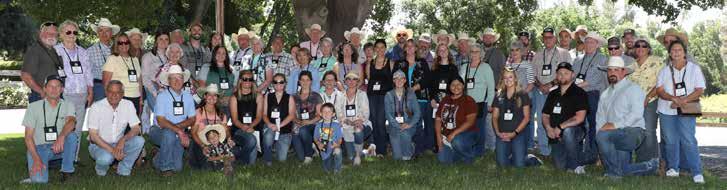


SPONSORS
BROKEN BOX RANCH
BRUIN RANCH
BYRD CATTLE CO.
CALIFORNIA ANGUS ASSOCIATION
CALIFORNIA BEEF COUNCIL
CALIFORNIA CATTLE COUNCIL
CERTIFIED ANGUS BEEF
DIXIE VALLEY RANCH
DONATI RANCH
E Z ANGUS
FERA DIAGNOSTICS
GRIMMIUS CATTLE CO
HERTLEIN CATTLE CO
JLG/ REVOLUTION GENETICS

LINCOLN FINANCIAL AGRIBUSINESS
O’NEALS ANGUS
O’CONNELL RANCH
SILLER PONDEROSA ANGUS
STANISLAUS FARM SUPPLY
TEHAMA ANGUS
TRI T ANGUS
VINTAGE ANGUS.
WSR INSURANCE/MATT GRIFFITH
YOSEMITE FARM CREDIT
TOUR STOPS
FARMERS/GILBERT FEED
AEMITIS ADVANCED FUEL
BOB AND SUZY ERICKSON

UC EXTENSION OFFICE
SCIABICA OLIVE OIL
GONSALVES ANGUS
BLUE DIAMOND ALMOND
VINTAGE ANGUS RANCH
JLG
POSTMA DAIRY
EZ ANGUS
VIERRA JERSEY DAIRY
BOVITEQ
HILMAR CHEESE
94 California Cattleman August 2023
The 2023 California Beef Cattle Improvement Association and California Angus Association’s Central Valley Tour brought in attendees from all over the state as well as and beef industry supporters from the West.
Tour sponsors and attendees Jerry Maltby and Dan O’Connell.
Wendy and Robert Maccario of Fallen Oaks Ranch listen to a speaker.
American Angus Board Member John Dickinson with John Moiola of Moiola Brothers Cattle Feeding.
Tour attendees Fred and Pat Radelfinger UCCE’s Morgan Doran and Jim Oltjen with Jim’s wife Sharon.
Don and Jeannette Dow of Dow Vineyards attended the tour.




August 2023 California Cattleman 95
Tour attendees enjoyed dinner at Gonsalves Ranch. Mike Hall talks about the bull development program at Vintage Angus Ranch.
The tour would not be possible without great supporters like the folks at Yosemite Farm Credit.
Bob Erickson shared his diverse cattle operation with tour attendees.
Matt Griffith of WSR Insurance explained the importance of pasture and crop insurance.
Sciabica Olive Oil was a fascinating tour stop for the largely cattlefocused group of attendees.
The Gonsalves Family were great tour stop hosts, allowing participants to see the ins and out of their Angus and Simmental operation.
Tour organizers Abbie Nelson, Mike Hall and Cheryl LaFranchi with JLG’s Johnny Azevedo.
Hertlein Cattle Company’s Sharon and Kurt Hertlein enjoyed the tour.
CUTTING THROUGH THE CARBON CLUTTER
Cattle producers know the importance of managing land and water resources and how their practices affect efficiency, the environment and their bottom line. Carbon markets may offer an opportunity to capture additional income through climate-smart practices. A recent Cattlemen’s Webinar Series event cut through the carbon clutter to provide insights on how to enter the wild, wild west of carbon markets.
Nicole Buckley Biggs, Ph.D., director of sustainability for AgriWebb, says that practices such as genetics and breeding, animal health, optimized feed, feed additives, grazing management, tree planting, and compost application, among others, can help sequester and drawdown carbon, opening the door to be paid for adopting these climate-smart practices. According to Biggs, there are four approaches to sustainability revenue including government programs such as subsidies and technical assistance; credit markets for biodiversity and carbon credits; price premiums for certifications and carbon insetting; and financial lender support through project loans and improved financing.
USDA’s new Partnerships for Climate-Smart Commodities grant is a recent example of government programs. According to its website, USDA is investing $3.1 billion in 141 projects that will “provide technical and financial assistance to producers to implement climatesmart production practices on a voluntary basis on working lands; pilot innovative and cost-effective methods for quantification,
monitoring, reporting and verification of greenhouse gas benefits; and develop markets and promote the resulting climate-smart commodities.”
Kevin Kester, past NCBA president and California rancher, would like to see more grant dollars dedicated to rangeland research to determine profitable propositions for the climate, society and ranchers. Pilot projects could help clarify carbon questions and lead to a better understanding of how production practices affect soil carbon. If a rancher changes practices, what impact do they have and how can potential changes in soil carbon be predicted? Additional research would also give third parties the information needed to conduct audits and validate claims.
Biggs points out that producers have choices when it comes to selecting carbon projects, however, there are differences to be aware of as well as restrictions. For example, producers can either sell offsets or low-carbon beef, but not both.
“The reason for this is that when you sell a carbon offset, you are selling the right to claim that carbon benefit to another entity,” said Biggs. “The other party receives the credit, and it can no longer be attached to the producer’s land or livestock.”
Carbon offsets technically permit businesses to pollute. Cattle producers implement climate-smart practices on their operation then companies buy and use the credit. Many carbon offsets are sold to companies outside the cattle industry.

96 California Cattleman August 2023
from the National Cattlemen’s Beef Association
One option to keep carbon credits flowing through the beef supply chain is carbon insetting. Through insetting, companies invest in their own source farms to reduce their carbon footprint instead of buying offsets from a different industry. According to Biggs, while insetting can build public trust, the premium price to be paid is yet to be determined.

A barrier for producers is that many markets only incentivize new practices, but Kester wants to ensure that producers are rewarded for positive practices already in place.
“If somebody has been doing good for the environment by sequestering carbon, they should get credit for that whenever they enter a contract,” said Kester. “From a policy standpoint, I’m going to try to change that mindset as we go forward because if you want to get ranchers engaged, they should get credit for the good they are doing for the environment and society.”
Most cattle producers are waiting for more information before making decisions about carbon markets, however, participating in any carbon project requires data collection and recordkeeping to monitor improvements. Basic records such as livestock numbers, sales and purchases of animals, feed and forage amounts, grazing movements and feed additives are generally required to participate in carbon projects.
“Even if you decide to wait, it’s not too early to collect data and be ready for a market when it is right for you,” said Chad Ellis, CEO of Texas Ag Land and Trust.
When entering into a carbon market agreement, Ellis suggests, as with any contract,
have an attorney review it and understand what is required. He also says it is important to make sure the producer maintains ownership of the data collected.
“It is good practice to keep records and track information,” says Ellis. “I really believe there’s value in that data, especially on grazing lands, and that you can get paid for that data in the future.”
Webinar presenters agree that producers need to take the time to do the research before entering carbon market agreements, and decisions on which carbon projects to undertake need to be based on what makes the most sense for the operation and family members.
“Patience and playing the waiting game are good things and it doesn’t mean that you’re behind,” said Biggs. “It means you are evaluating risk and looking at the long-term view to determine what makes sense for you and your family.”
Biggs encourages producers to select projects that improve productivity, efficiency and resilience to climate events.
“Don’t join a carbon market just for the money,” she says. “The project should fit your goals and improve the long-term outlook for the next generation taking over your operation.”
Ultimately, everyone should benefit from carbon markets, because “Conservation without compensation is only a conversation,” concluded Ellis.
For more information about carbon markets and to watch the webinar, visit www.ncba.org/producers.
August 2023 California Cattleman 97
IN MEMORY
DEBORAH CAMERON
It is with profound sadness that we share the unexpected passing of Deborah Suzanne Cameron (Debbie) on July 8. Debbie’s generosity and commitment to all were legendary. Whether with her growing family, hometown of Brawley, or among her friends, she truly made a huge impact on those who knew her.

Debbie was the eldest of Joe and Sue Hannon, born on March 12, 1959, at Pioneers Memorial Hospital in Brawley. She attended Sacred Heart School, and Brawley Union High School, involving herself in numerous clubs and graduating in 1977. Debbie continued her education at Cal Poly San Luis Obispo, where she earned her degree in Agriculture Business and a minor in Art. Cal Poly is also where she fell in love with her college sweetheart, Paul Cameron. They returned to their hometown of Brawley and were married on November 27, 1982. They recently celebrated their 40th anniversary. Paul and Debbie were blessed with four children, Katie, Joe Dan, Kyle and Sean.
Debbie held a position at Newman Seed Company, then worked with her father, Joe Hannon, at Imperial International Grain Company. Debbie soon became an integral part of the family businesses, Paul Cameron Ranches and cattle feeding operations.
Debbie made a lifelong commitment to serving her community. She was a true leader, full of passion. Debbie set an example for all when it comes to loyalty, dedication, heart, community service, and breathing the success of Brawley and the Imperial Valley. Debbie dedicated her life to volunteer work, youth outreach, community programs, and the Agriculture and Beef Industries here in the Valley and California.
Debbie was honored numerous times for her service and support of our local community. In 2013 and 2015, she was honored as a Distinguished Philanthropist at National Philanthropy Day by the Imperial Valley Community Foundation. In 2016, Debbie received the Eunice Fleming Service Award presented by the Boys and Girls Club for her outstanding support and dedication to the Imperial Valley Chapter. In 2018, she received the Distinguished Women of the Imperial Valley award. In 2019, Debbie along with her husband Paul were honored with the Brawley Chamber of Commerce Branding Iron Award for their continued commitment to the community of Brawley. Debbie was also the recipient of the Western Fairs Association Blue Ribbon Award for dedication as an advisor to the Junior Fair Board at the California Mid-Winter Fair and Fiesta.
Debbie loved the youth of the Imperial Valley and was tireless in her commitment to them. She was a founding member of the Boys and Girls Clubs
of Imperial Valley, which was very near and dear to her heart. Her organizational and creative skills were instrumental in raising thousands of dollars through the annual dinner and auction. Debbie was a longtime and much beloved advisor to the Junior Fair Board, serving as an advisor for 20 years. She was a big supporter of the 4-H and FFA in the Valley as well, supporting local youth at the annual California Mid-Winter Fair auction. Debbie also supported the youth and women of the Imperial Valley through her 31 years of service to the DOVES organization.
Debbie and Paul instilled in their four children the importance of hard work, dedication, generosity, and community service. It is safe to say this is Debbie and Paul’s greatest accomplishment. Along with this, being Nonnie to her grandkids was her greatest joy in life. She enthusiastically cheered them on in their school activities and sporting events. Nonnie loved spending quality time with each of her grandkids, whether it be coloring, swimming, sharing jokes with them, or going to the park, she loved them with her whole heart.
Rarely did you see her without a smile on her face, wearing her trademark Indian jewelry. Her giggle was truly infectious. She loved being with family and friends, dining, traveling, bicycling, and walking. Debbie always had a positive attitude, even while battling and overcoming breast cancer.
Debbie is survived by her husband of 40 years, Paul; daughter, Katie (Jared) Brady; son, Joe Dan (Abbie) Cameron; son, Kyle (Lena) Cameron; and son, Sean (Cheyenne) Cameron; grandchildren, Callum, Cameron, and Callie Sue Brady, Grady, Colbie Joe, and Kaycie Cameron, Beau and Ruby Cameron, Wesley and James Cameron; parents, Joe and Sue Hannon; sister, Lisa (Steve) Davis; brother, Mike (Mary Ellen) Hannon; sister-in-law, Debbie (Darrell) Huddleston; along with many beloved nieces and nephews.
She will be missed dearly by all who had the privilege of being a part of her life. In Debbie’s words, It’s all good!.. Gotta get it going on!.. Love you more!
A celebration of Debbie’s life was held on Friday, July 28 in Brawley.
In lieu of flowers, the family would be honored by donations to the Boys and Girls Clubs of Imperial Valley or The Imperial Valley Community Foundation.
Boys and Girls Clubs of Imperial Valley: P.O. Box 1277, Brawley, CA 92227. On the memo line, please put Debbie Cameron. You may also donate online at www.bgciv.org. Follow the prompts and earmark your donation for Debbie Cameron.
Imperial Valley Community Foundation: P.O. Box 2739, El Centro, CA 92244. On the memo line please put Cameron Family Scholarship. You may also donate online at www.ivcommunityfoundation.org. Follow the prompts and earmark your donation.
98 California Cattleman August 2023
Sharon Openshaw, 83, passed away on June 23. She was a wife, mother, grandmother, great grandmother and friend. Sharon was born in Portola. She moved to Oroville at an early age, and attended Thermalito Grammar School and Oroville High School. During high school she enjoyed cheerleading and she graduated in the year 1957. In 1961 Sharon married Myron Openshaw. They lived happily in Taylorsville and eventually moved to Oroville. Sharon worked various jobs; most recently for Arvit Insurance in Chico. She was a sorority sister, a lifetime member of Weight Watchers and a devout member of Butte County and California Cattlewomen. She enjoyed helping others, traveling and spending time with family. Sharon is survived by her husband, Myron Openshaw and her two children, Jerry and Jenny; five grand-children, Morgan, Shyla, Drake, Hunter and Mallory; one great grandchild, Bella Raine. A Celebration of life was held at the Eagles Hall in Oroville on July 22.


NEW ARRIVALS
Curtis and Julie Travioli, Visalia, welcomed their third child, a boy named Hank Douglas Travioli on May 31. Hank weighed 7 pounds, 2 ounces, was 20 and one-half inches long and was eagerly greeted by his two sisters. Hank is the grandson of Sam and Megan Travioli of Visalia.

To share your family news, obituaries, weddings and birth announcements, please contact the CCA office at (916) 444-0845 or e-mail: magazine@calcattlemen.org.
HDPE for Ranch Water Systems




August 2023 California Cattleman 99
Fair Prices . Good Service . Rancher Owned · Durable, efficient alternative to PVC · We have installed miles of HDPE and can visit with you about your projects
We offer a full line of fusible HDPE pipe up to 6" in continuous reels and up to 48" in sticks plus all the fittings DELIVERY THROUGHOUT THE WEST CALL TODAY: 925-204-2424 Cattlemans Assoc.qxp_Layout 1 6/9/23 12:36 PM Page 1 Due Diligence Assistance / Budgeting Site & Improvements Assessment Conservation Easement Opportunities Advising for USDA NRCS Federal Cost-Share Incentives Programs USDA NRCS Technical Service Provider # 04-4096 Design / Installation Oversight / Final Check-Out CONSERVATION PROJECT Planning / Management / Coordination Solar Water Pumping Systems Design & Installation Enhancement Projects / Equipment Evaluation / Range Management Assessments www.freitasrangelandimprovements.com P.O. Box 2479 Livermore, CA. 94551 Jed Freitas 925.580.6415 Licensed/Bonded/Insured Rangeland Improvements LLC
·
HANK TRAVIOLI
SHARON OPENSHAW
Fall Production Sale CALENDAR
Bull Sale, Turlock
Featuring Stepaside Farm Angus bulls and Brangus bulls form Spanish Ranch

Poly Bull Test Sale, San Luis Obispo
Angus Ranch’s 37th Annual Genetic Gold Production Sale, Modesto
Peaks Ranch Angus Bull Sale, Fort Rock, Ore.
Cattle Company Online Bull Sale

Stockman’s Market Bull Sale, McFarland
With bulls from Stepaside Farm and Spanish Ranch
Angus Ranch Production Sale, Baker City, Ore.
Ranches Modoc Bull Sale, Oroville
Nugget National Hereford Sale, Reno, Nev.
This list includes operations and events that have been advertised in this special issue or in the annual CCA wall calendar.
100 California Cattleman August 2023 2023 CALIFORNIA CATTLEMEN’S
ASSOCIATION
9/1/23 Byrd Cattle Company Angus Bull Sale, Los Molinos 9/7/23 Vintage Angus Ranch Bull Sale, La Grange 9/7/23 Sierra Ranches Bull Sale, La Grange 9/9/23 EZ Angus Ranch Bull Sale, Farmington 9/10/23 Heritage Bull Sale with Bar R Angus and Toledo Ranches, Wilton 9/11/23 Genoa Livestock Production Sale, Minden, Nev. 9/12/23 O’Neals Ranch Angus Bull Sale, Madera 9/13/23 Teixeira Cattle Co. Production Sale, Pismo Beach 9/14/23 Donati Ranches and O’Connell Ranches Angus Bull Sale, Oroville 9/15/23 Tehama Angus Ranch’s
Annual
Bull Sale, Gerber 9/16/23 Arellano Bravo & Diablo Valley Angus Bull Sale, Galt 9/16/23 Visalia Livestock Market Range Bull Sale, Visalia Featuring bulls
Bar KJ Angus, Rhoades Angus, Sonoma Mountain Herefords and Stepaside Farm 9/18/23 Rhoades Ranch Angus Production Sale, Cambria 9/20/23 Bullseye Breeders Bull Sale, Modesto 9/20/23 Pedretti Ranches at the Bullseye Breeders Bull Sale, Modesto 9/21/23 Rancho Casino
Sale, Denair 9/23/23 McPhee Red Angus Production Sale, Lodi 9/24/23 Stegall Cattle Company Red Angus Production Sale, Colusa 9/24/23 Traynham Ranches Production Sale, Fort Klamath 9/27/23 Eagle Pass Ranch Bull Sale, Dos Palos 9/28/23 Bruin Ranch and Circle Ranch’s Beef Solutions Bull Sale, Ione 9/30/23 Turlock Livestock’s California Breeders
49th
“Generations of Performance” Angus
from
& Dal Porto Livestock Angus Bull
10/1/23 Cal
10/7/23 EZ
10/8/23 Vintage
10/10/23 9
10/12/23 Kern
10/14/23 Western
Angus Ranch Female Production Sale, Porterville
10/19/23 Thomas
10/21/23 Lambert
10/28/23 California
11/2/23 Stokrose
11/4/23 55
11/11/23 Rocky
12/2/23 Western
Angus Association Female Sale, Modesto
Angus Production Sale, Moses Lake, Wash.
th annual Central California World of Bulls Bull Sale, Galt
Mountain Angus Association Female Sale, Tremonton, Utah
WARD





WAS BUILT TO PROVIDE SUSTAINABLE ANGUS GENETICS IN THE GREAT BASIN AND BEYOND. Our foundation females and natural service sires hail from two of the most respected cattelmen in the West - David Medeiros and David Dal Porto. We have added some of the most proven and highly accurate multi-trait sires to our AI program for nearly 20 years in order to produce cattle that flourish in tough conditions. Call to setup a time to preview the bulls ahead of the sale.



Ranches Ranches Gary Ward (775) 790-6148 Katie Ward (916) 990-4818 Follow us on FaceBook GARY WARD & FAMILY Call email f a sale book. Matt Macfarlane | 916-803-3113 (cell) E-mail: m3cattlemarketing@gmail.com www.m3cattlemarketing.com 18TH ANNUAL BULL SALE Saturday MARCH 16 Watch and bid online for FREE! Go to www.dvauction.com to register...it’s as easy as 1, 2, 3... 1. Complete and submit the form on “Create New DVAuction Account” 2. Apply for bidding by clicking “apply for bidding” in the upper left of your screen, at least 24 HOURS PRIOR to the auction 3. Tune into the sale and make your purchases! You will receive an e-mail message to activate your account. Once the account has been activiated, be sure to log back in prior to the sale to confirm your profile has been set up correctly. For questions, contact Western Video Market at wvm@wvmcattle.com or DVAuction at support@dvauction.com. DVAuction Help Desk (402) 316-5460 (Customer Service) P.O. Box 1404, Gardnerville, NV 89410 E-mail: wardranches24@gmail.com Ranch: 1155 Foothill Rd., Gardnerville Your Sierra Nevada Source fering the largest selection Age-Advantage Angus Bulls to sell in the state.
LONG-AGED FALL YEARLING BULLS Including a tremendous selection of calving-ease bulls. ULTRASOUND, DNA, FERTILITY AND PERFORMANCE-TESTED Join us at the Ranch 1155 Foothill Road, Gardinerville, NV Lunch 11:30 AM - Sale 1:00 PM CONNEALY EMERALD AAA *19257149 CED BW WW YW MILK CW MARB RE $B $C +7 -.1 +63 +124 +18 +37 +.91 +1.10 +160 +278 Connealy Confidence Plus x Connealy Armory
60
AUCTIONEER: Eric Duarte (541) 533-2105 SIRES INCLUDE: CASINO BOMBER N33 AAA *18658677 CED BW WW YW MILK CW MARB RE $B $C +12 -1.5 +80 +131 +27 +64 +.90 +.95 +171 +291 KM Broken Bow 002 x DPL Upward L70
RANCHES


102 California Cattleman August 2023 CALIFORNIA CATTLEMEN’S ASSOCIATION JOIN US FRIDAY, SEPT. 1 FOR OUR ANNUAL ANGUS BULL SALE! CALL US FOR INFORMATION ABOUT OUR PRIVATE TREATY CATTLE OR OUR ANNUAL BULL SALE! Anselmo, Nebraska KENNY & DIANNE READ 1485 SW King Lane • Culver, OR 97734 Ranch: (541) 546-2547 Cell: (541)480-9340 E-mail: barkdranch@msn.com visit us online at: www.barkdangusranch.com Look for our “Distinctly Different” Angus bulls annually at Red Bluff and Modoc Bull Sales! BAR KD RANCH BAR KD RANCH Elevating Angus to Greater Horizons VISIT US AT WWW.DONATIRANCH.COM! 32st annual Bull Sale Sept. 21, 2023 in Denair Join us at the Heritage Bull Sale Sept. 10! 916.712.3696 • 916.803.2685 jj@barrangus.com Angus RAnch Annual Bull Sale: Sat., September 1, 2018 Inaugural Female Sale: Mon., October 15, 2018 Tim & Marilyn Callison Owners Chad Davis 559 333 0362 Travis Coy 559 392 8772 Justin Schmidt 209 585 6533 Ranch Website ................. www.ezangusranch.com Join us for upcoming production sales: BULL SALE: SEPT. 9, FARMINGTON FEMALE SALE: OCT. 7, PORTERVILLE SERVICES FOR ALL YOUR ON-THE-RANCH NEEDS SEPT. 9, 2021 • WILLIAMS, CA Ranch Buyer's Guide ANGUS Join us Sept 14, 2023 in Oroville for our annual Bull Sale! 925-250-5304
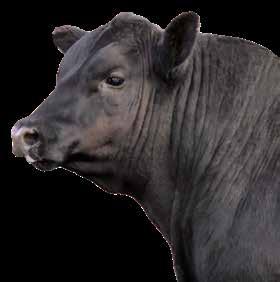


August 2023 California Cattleman 103 LOOK FOR US AT LEADING SALES IN 2023. Scott & Shaleen Hogan H R (530) 200-1467 • (530) 227-8882 Gerber, CA Registered Angus Cattle Call to see what we have to offer you! RED RIVER FARMS 13750 West 10th Avenue Blythe, CA 92225 Office: 760-922-2617 Bob Mullion: 760-861-8366 Michael Mullion: 760-464-3906 Simmental – SimAngus™ – Angus Offering bulls at California’s top consignment sales! Call today about private treaty offerings! O’NEAL RANCH BULLS OFFER THE COMPLETE PACKAGE O’NEAL RANCH — Since 1878— Gary & Betsy Cardoza PO Box 40 • O’Neals, CA 93645 (559) 999-9510 Join us at the annual “Performance Plus” Bull Sale in O’Neals on Sept. 12, 2023 GROWTH • PERFORMANCE ADAPTABILITY • CARCASS Hoffman Bomber 8743 SIRE: Casino Bomber N33 MGS: S A V Final Answer 0035 VDAR Mirror Image 6207 SIRE: W R A Mirror Image T10 MGS: BCC Bushwacker 41-93 CONTACT US ABOUT SEMEN FROM THESE IMPRESSIVE SIRES... • Calving Ease with Growth • O’Connell Aviator 7727 SIRE: Musgrave Aviator MGS: R B Tour Of Duty 177 VDAR PF Churchhill 2825 SIRE: VDAR Churchill 1063 MGS: VDAR Really Windy 4189 Joe Sammis • (530) 397-3456 122 Angus Rd., Dorris, CA 96023 h (775) 691-1838 • honeranch@frontier.com HONERANCH.COM PERFORMANCE-TESTED EFFICIENT, QUALITY ANGUS BULLS NOW AVAILABLE! You can take to the bank! O’Connell ranch Call us about females available private treaty. Mark your calendars for September 14, 2023 and join us in Oroville for our annual bull sale with Donati Ranches! DAN & BARBARA O’CONNELL 3590 Brown Rd, Colusa CA (530) 458-4491 Nathan, Melissa & Kate Noah (208) 257-3686 • (208) 550-0531 YOUR BUSINESS COULD BE HERE! CALL MATT MACFARLANE AT (916) 803-3113 TO LEARN MORE.




104 California Cattleman August 2023 Dwight Joos Ranch Manager P.O. Box 1019 • Simi Valley, CA 93062 805-520-8731 x1115 • Mobile 805-428-9781 dwight.joos@pwgcoinc.com Simi Valley, CA pwgillibrandcattle.com P.W. GILLIBRAND Cattle Co. Horned and Polled Hereford Genetics Private treaty bulls available or watch for our consignments at Cal Poly! JOIN US SEPT. 7 FOR OUR ANNUAL BULL SALE IN LAGRANGE! John Teixeira: (805)
Allan Teixeira:
Tom Hill:
A FAMILY TRADITION www.teixeiracattleco.com | cattle@thousandhillsranch.com Angus and SimAngus Ca le Call us today for information on private treaty bulls or females. MCPHEE RED ANGUIS 14298 N. Atkins Rd • Lodi, CA 95248 Nellie, Mike, Mary, Rita & Families Nellie (209) 727-3335 • Rita (209) 607-9719 website: www.mcpheeredangus.com 11500 N Ambassador Drive, Suite 410 | Kansas City, MO 64153 | (816) 842-3757 | aha@hereford.org Chris Beck, Manager • 618-367-5397 Bob Coker • 916-539-1987 visit us online at: www.genoalivestock.com Top performance Hereford genetics —Horned and Polled— ANNUAL BULL & FEMALE SALE Monday, Sept. 11, 2023 at the ranch 640 Genoa Land, Minden NV 89423 Registered Hereford Cattle & Quarter Horses Annual Sale First Monday in March 42500 Salmon Creek Rd Baker City, OR 97814 Ranch: (541) 523-4401 Bob Harrell, Jr.: (541) 523-4322 THANKS FOR YOUR SUPPORT OF OUR MODOC BULL SALE IN 2023! JOIN US IN OROVILLE OCT. 21 FOR OUR BUTTE BULL SALE EVENT Oroville, CA LambertRanchHerefords.com CONTACT US FOR CATTLE AVAILABLE PRIVATE TREATY OFF THE RANCH “THE BRAND YOU CAN COUNT ON” REGISTERED HEREFORD CATTLE BARRY, CARRIE & BAILEY MORRELL Barry: (530) 6825808 • Carrie: (530) 218-5507 Bailey (530) 519-5189 morrellranches@yahoo.com 560 County Road 65, Willows CA 95988 Call us about our upcoming consignments or private treaty cattle available off the ranch. OFFICE@VINTAGEANGUSRANCH.COM WWW.VINTAGEANGUSRANCH.COM Bulls and females available private treaty! SEEDSTOCK PRODUCER SINCE 1978 Greeley Hill, CA • La Grange, CA Stephen Dunckel • (209) 591-0630 www.tumbleweedranch.net twd@tumbleweedranch.net TUMBLEWEED RANCHES Leading Angus & Ultrablack© Genetics HEREFORD RED ANGUS (530) 385-1570 E-mail...............................tehamaranch@gmail.com Mark you calendars for our 49th Generations of Performance Bull Sale. Sept. 15 in Gerber! To lean more about the association, contact western regional field representative colt cunningham at 918-978-8779
448-3859
(805) 310-3353
(541) 990-5479


August 2023 California Cattleman 105 OFFERING HEREFORD BULLS BUILT FOR THE COMMERCIAL CATTLEMAN Jim Mickelson (707) 481-3440 THE DOIRON FAMILY Daniel & Pamela Doiron 805-245-0434 Cell doiron@spanishranch.net www.spanishranch.net THD © SPANISH RANCH Your Source for Brangus and Ultrablack Genetics in the West! Vaccines Medicines Mineral Supplements Antonia Old • (209) 769-7663 antonia.old@animalhealthinternational.com ...and more! Reliable products you are looking for with the dependable service you need. 2015 AICA Seedstock Producer of the Year Feedlot • Rice • Charolais Jerry & Sherry Maltby www.brokenboxranch.com bbr@citlink.net PO Box 760 Williams, CA Mobile: (530) 681-5046 Office (530) 473-2830 Bobby Mickelson (707) 396-7364 California’s Leading Producers BALD MOUNTAIN BRANGUS, SONORA (209) 768-1712 RUNNING STAR RANCH, LINCOLN (916) 257-5517 SUNSET RANCH, OROVILLE (530) 990-2580 DEER CREEK RANCH, LOS MOLINOS (541) 817-2335 THE SPANISH RANCH, NEW CUYAMA (805) 245-0434 GLASGOW BRANGUS, SANTA YSABEL (760) 789-2488 for Brangus, Ultrablack & Brangus Optimizers Call a breeder near you today for more information! TUMBLEWEED RANCHES, GREELEY HILL (209) 591-0630 CHAROLAIS MULTI BREED ANIMAL HEALTH BRANGUS YOUR BUSINESS COULD BE HERE! CALL MATT MACFARLANE AT (916) 803-3113 TO LEARN MORE.
1,569± timbered acres with direct access to public land on 3 sides, several year-round springs and Pine Creek flowing through. Was $3,947,000. Now $2,650,000


Swenson Butte Ranch - Idaho - NEW 160± acres surrounded by public land. 100± acres irrigated and producing organic beef. 2 wells, power, 2 dry-cabins, & well/bath house with mtn views. NE of Sun Valley. $1,499,000


345-3163


106 California Cattleman August 2023 3300 Longmire Drive•
Station,
(800) 768-4066 • (979) 693-0388 fax: (979)
e-mail: info@bovine-elite.com
PRICE REDUCED!
College
TX 77845
693-7994
(208)
knipeland.com Elkhorn Timber Ranch - Oregon
KNIPE LAND COMPANY EST 1944 SALE MANAGEMENT & MARKETING PHOTOGRAPHY & VIDEOGRAPHY ORDER BUYING PRIVATE TREATY SALES PRODUCTION SALE RING SERVICE ADVERTISING M3CATTLEMARKETING@GMAIL.COM (916) 803-3113 M3 MARKETING Watkins Fence Company Over 25 years serving California, Utah and Southern Idaho specializing in oil pipe • chain link • barb wire (805) 649-1568 Lic # 773420 shane@watkinsfence.com WWW.BARALEINC.COM (888) 258-3333 • Williams, CA Matt Zappetini (530) 526-0106 mzappetini@baraleinc.com “PERFORMANCE THROUGH ADVANCED NUTRITION” Performance Through Advanced Nutrition Ranch Deliveries Available with our Truck and Forklift! We also offer custom formulations to meet your specific nutritional needs! We offer blends that contain: Molasses - Zinpro® Performance Minerals - Availa® 4 - Added Selenium Yeast - Rumensin® Available Proudly Featuring Conventional Non-GMO Certified Organic Sales Representatives: Matt Zappetini (530) 526-0106 Tracy Lewis (530) 304-7246 1011 Fifth Street Williams, CA. 95987 888-473-3333 info@baraleinc.com WWW.BARALEINC.COM Premium Livestock Feeds • Mineral Mixes with Ranch Delivery • • Hi Mag - Fly Control - Rumensin - Custom Mixes • • Complete Feeds and Finish Mixes • Williams, CA Matt Zappetini (530) 526-0106 mzappetini@baraleinc.com www.baraleinc.com • (888) 258-3333 WANT TO SEE YOUR BUSINESS ADVERTISED HERE? KEEP YOUR BUSINESS LISTING IN FRONT OF YOUR DIRECT AUDIENCE YEAR ROUND. ONE-TIME ANNUAL PAYMENT. CHANGE YOUR AD ANYTIME. RESERVE YOUR BUSINESS SPACE TODAY! CONTACT MATT MACFARLANE (916) 803-3113 OR E-MAIL: M3CATTLEMARKETING@GMAIL.COM GENETICS REAL ESTATE NUTRITION MARKETING FENCING


• Pasture, Rangeland and Forage (PRF) Lack of Rainfall • Livestock Risk Protection (LRP) for Market Volatility • Livestock Mortality • Grassland Fire Insurance • Life and Health Insurance • Farm and Ranch Policies • Workers Compensation • Whole Farm Revenue Protection (WFRP) EndoRsEd by 877-920-8500 wsrins.com CA Lic #0b48084 WSR is an equal opportunity employer. over years THE RIGHT TOOL FOR THE RIGHT JOB build a Risk Management Toolbox That Can do It All At WsR Ranch Protection, we are your one-stop shop for all your insurance needs. Count on us to provide the right tools you will need to properly equip your Risk Management Toolbox ConTACT us TodAy! wsrins.com | 877-920-8500
Advertisers’ Index

108 California Cattleman August 2023
9 Peaks Ranch 81 All West/Select Sires 85 Amador Angus Ranch ........................................................................ 102 American Angus Association 17 American Angus Association 104 Animal Health International 105 Arellano Bravo Angus 77 Arrowquip ....................................................................................................... 21 Bar Ale Premium Livestock Feeds ............................................. 106 Bar KD Ranch 102 Bar KJ Angus 63 Bar R Angus 18, 19, 102 Beef Solutions Bull Sale 53 Bovine Elite, LLC...................................................................................... 106 Broken Box Ranch ................................................................................. 105 Bruin Ranch 53 Buchanan Angus 102 Bullseye Breeders Bull Sale 57 Byrd Cattle Co. 8, 9, 102 Cal Poly Bull Test Sale............................................................................. 71 California Angus Breeders 70 Cattlemen’s Livestock Market 59 Chico State College of Ag 105 Circle Ranch 53 Conlin Supply Company, Inc. 68 Dal Porto Livestock ....................................................................... 49, 102 Diable Valley Angus 77 Dixie Valley Angus 102, 110, 111 Donati Ranch 47, 102 Double M Ranch 57 EZ Angus Ranch ........................................................................ 12, 13, 102 Flood Bros. Cattle ..................................................................................... 57 Freitas Rangeland Management 99 Fresno State Ag Foundation 73, 105 Genoa Livestock 29, 104 Gonsalves Ranch 57 Harrell Hereford Ranch ...................................................................... 104 HAVE Angus 103 Heritage Bull Sale 18, 19 Hogan Ranch 103 Hone Ranch 103 Hygieia Labs 5 Kern Cattle LLC ........................................................................................... 91 Kessler Angus ........................................................................................... 103 Knipe Land Company 106 Lambert Ranches 87, 104 LiphaTech 42 M3 Marketing 106 McPhee Red Angus ...................................................................... 65, 104 Morrell Ranches ...................................................................................... 104 Noah’s Angus Ranch 103 O’Connell Ranch 47, 103 O’Neal Ranch 15, 103 Old Stage Angus 45 P.W. Gillibrand Cattle Co. ................................................................... 104 Pacific Trace Minerals 106 Pedretti Ranches 43 Red Bluff Bull & Gelding Sale 109 Red River Farms 103 Rhoades Ranch 37 Sammis Ranch ......................................................................................... 103 Scales Northwest 78 Schohr Herefords 105 Sierra Ranches 35, 105 Sonoma Mountain Herefords 83, 105 Spanish Ranch ................................................................................. 24, 105 Stegall Cattle Co. ........................................................................................ 31 Stepaside Farm 67, 103 Tehama Angus Ranch 3, 104 Teixeira Cattle Co 24, 25, 104 Toledo Ranches/Tri-T Farms 18, 19 Traynham Ranches ................................................................................. 79 Tumbleweed Ranches ........................................................................ 104 Turlock Livestock Auction Yard 11 Veenendaal Angus 45 Vintage Angus Ranch 104, 112 Visalia Livestock Market 69 Ward Ranches ........................................................................................... 101 Watkins Fence Company 106 West Coast Brangus Breeders 105 Western Poly Pipe 99 Western Stockman’s Market 75 Western Video Market 2 WSR Insurance ......................................................................................... 107


Dixie Valley Name Reg No. CED YW CW MARB $C Sterling Deadwood 210 20306350 8 139 80 1.08 326 Sterling Greater Good 225 20313742 9 162 76 1.23 327 Sterling Father 226 20311813 8 145 81 1.24 327 Sterling Deadwood 228 20306355 1 160 82 1.5 342 Sterling Deadwood 230 20306354 -5 132 72 1.41 321 Sterling Deadwood 233 20306358 7 131 66 1.77 339 Sterling Deadwood 234 20337935 10 128 75 1.85 389 Sterling Father 235 20311821 12 142 75 1.42 335 Sterling Deadwood 246 20320876 10 163 75 1.28 322 Sterling Deadwood 256 20320917 4 150 72 1.21 312 Sterling Deadwood 260 20320877 6 143 67 1.55 309 Sterling Doc Ryan 266 20320875 -2 150 80 0.94 315 Sterling Versatile 269 20405693 2 189 90 1.54 341 Sterling Deluxe 2103 20396429 10 145 66 1.33 322 Name Reg No. CED YW CW MARB $C Sterling Blue Collar 2116 20457159 3 168 79 0.99 310 Sterling Blue Collar 2145 20457204 8 182 91 0.89 306 Sterling Huckleberry 2157 20485823 6 137 60 1.14 323 Sterling Deadwood 2162 20483082 11 123 64 1.24 323 Sterling Huckleberry 2166 20485821 7 145 69 1.1 333 Sterling Home Town 2179 20557924 6 136 64 1.46 336 Sterling Father 2201 20539561 8 173 79 1.68 357 Sterling Bond 2216 20590322 1 156 76 1.02 322 Sterling Deluxe 2236 20586857 8 153 86 1.07 335 Sterling Chatooga 2239 20586856 7 151 62 1.03 312 Sterling Father 2240 20588656 18 126 56 1.58 306 Sterling Father 2241 20588660 13 156 77 1.32 305 Sterling Chatooga 2242 20586851 11 158 69 1.28 315 Sterling Deadwood 2265 20586853 9 129 69 1.61 338 WITH CHART-TOPPING MATERNAL AND CARCASS TRAITS Check out some of the sale offering! 60 FALL ANGUS BULL S | 30 SPRING ANGUS BULL S


Lee Nobmann, owner Morgon Patrick, managing partner (530) 526-5920 www.dixievalleyangus.com Montague, CA 8 GALT, CA | 12:30 P.M. Sire: Poss Maverick | MGS: Poss Easy Impact 0119 POSS DEADWOOD Sire: Baldridge Forecaster B160 | MGS: Hoover Dam BALDRIDGE VERSATILE Dixie Valley Jake Parnell (916) 662-1298 John Dickinson (916) 806-1919 sale managed by Offering sons of breed-changing sires like these... SEPTEMBER Sire: Connealy Confidence Plus | MGS: SydGen CC & 7 STERLING BOND 007 CED 5 BW 1.6 WW 82 YW 150 Milk 23 Marb 1.01 RE $M $W $F $G $B $C 1.23 78 72 113 83 195 331 Sire: Hoover No Doubt | MGS: GAR Prophet STERLING PACIFIC 904 Sire: Connealy Confidence Plus | MGS: Hoover Dam DVAR HUCKLEBERRY 871 CED 11 BW 0.3 WW 83 YW 149 Milk 27 Marb 1.96 RE $M $W $F $G $B $C 0.87 61 75 143 122 265 405 CED 8 BW 0.5 WW 82 YW 149 Milk 16 Marb 1.80 RE $M $W $F $G $B $C 0.91 60 63 100 107 207 328 CED 10 BW 1.7 WW 76 YW 142 Milk 15 Marb 1.43 RE $M $W $F $G $B $C 0.55 65 54 110 89 199 323 CED 3 BW 1.7 WW 70 YW 126 Milk 25 Marb 0.91 RE $M $W $F $G $B $C 1.45 99 67 115 80 194 351


JIM COLEMAN, OWNER DOUG WORTHINGTON, MANAGER BRAD WORTHINGTON, OPERATIONS MIKE HALL, BULL SERVICES (805)748-4717 2702 SCENIC BEND, MODESTO, CA 95355 (209) 521-0537 • WWW.VINTAGEANGUSRANCH.COM OFFICE@VINTAGEANGUSRANCH.COM VINTAGE ANGUS RANCH 30th Annual “Carcass Maker” Bull Sale Thursday, September 7, 2023 Selling 200+ “Multi-Trait Excellence” Bulls • LaGrange, CA • 12 Noon JoinusSept.7asweofferthe largestselectionof highquality AngusbullsontheWestCoast! V A R CHAPS 2044 CALL OR E-MAIL TO GET A SALE BOOK! Also look for Sierra Ranches’ Guest Consignment of Hereford bulls on sale day! CED BW WW YW SC CW MARB RE $M $W $F $G $B $C 8 1.2 79 138 1.54 72 0.79 0.93 73 86 123 63 187 316 REG # 20294763 • SIRE: POSS RAWHIDE • MGS: V A R FRONTIER 3011 V A R ALL POWER 2107 CED BW WW YW SC CW MARB RE $M $W $F $G $B $C 9 2.8 92 162 0.62 96 0.93 1.29 39 65 150 77 227 333 REG # 20294816 • SIRE: BALDRIDGE ALTERNATIVE E125• MGS: V A R POWER PLAY 7018 V A R GLIDE 2356 CED BW WW YW SC CW MARB RE $M $W $F $G $B $C 6 0.7 90 156 0.46 74 1.22 0.69 49 81 119 83 202 311 REG # DB ICONIC G95 • SIRE: DB ICONIC G95 • MGS: CONNEALY ALL AROUND V A R HARVEST 2494 CED BW WW YW SC CW MARB RE $M $W $F $G $B $C 7 1.8 85 158 0.41 90 1.11 0.89 67 81 134 79 213 343 REG # 20348165 • SIRE: T/D DOC RYAN 049• MGS: BAR R JET BLACK 5063 V A R SPUR 2122 CED BW WW YW SC CW MARB RE $M $W $F $G $B $C 8 3 92 167 1.86 95 0.72 0.85 61 81 149 57 206 328 REG # 20294827 • SIRE: POSS RAWHIDE • MGS: V A R FRONTIER 3011 V A R DAY ONE
CED BW WW YW SC CW MARB RE $M $W $F $G $B $C 4 2.1 86 142 0.88 71 1.49 0.83 84 84 111 98 209 355 REG # 20295670 • SIRE: T/D DOC RYAN 049• MGS: V A R POWER PLAY 7018
2001
