










3841 North Freeway Blvd., Suite 130 Sacramento, CA 95834
PRESIDENT
Rick Roberti, Loyalton
FIRST VICE PRESIDENT
Mike Williams, Acton
SECOND VICE PRESIDENTS
John Austel, Boulevard
Steve Lambert, Oroville
Anthony Stornetta, Atascadero
TREASURER
Beverly Bigger, Ventura
EXECUTIVE VICE PRESIDENT
Billy Gatlin
VICE PRESIDENT OF GOVERNMENT AFFAIRS
Kirk Wilbur
DIRECTOR OF FINANCE
Lisa Brendlen
DIRECTOR OF COMMUNICATIONS
Katie Roberti
ASSOCIATE DIRECTOR OF COMMUNICATIONS
Maureen LaGrande
MEMBERSHIP & EVENTS COORDINATOR
Gracie LeCheminant
OFFICE ADMINISTRATOR
Katherine Dickinson
PUBLICATION SERVICES
OFFICE & CIRCULATION
CCA Office: (916) 444-0845 Fax: (916) 444-2194
MANAGING MAGAZINE EDITOR
Stevie Ipsen | (208) 996-4922 stevie.ipsen@gmail.com
ADVERTISING SALES/FIELD SERVICES
Matt Macfarlane | (916) 803-3113 m3cattlemarketing@gmail.com
BILLING SERVICES
Lisa Brendlen lisa@calcattlemen.org
SERVING CALIFORNIA BEEF PRODUCERS SINCE 1917
Bolded names and businesses in editorial represent only current members of the California Cattlmen’s Association or California CattleWomen, Inc. For questions about membership status, contact the CCA office at (916) 444-0845. The California Cattleman (Publication #8-3600) is published monthly except May/June is combined by the California Cattlemen’s Association, for $20/year, or as part of the annual membership dues. All material and photos within may not be reproduced without consent of publisher.
Periodical postage paid at Lubbock, Texas, 79402. Publication # 8-3600
National Advertising Group: The Cattle Connection/The Powell Group, 4162-B Carmichael Ct, Montgomery, AL 36106 (334) 271-6100.
POSTMASTER: Send address changes to: California Cattleman, 3841 North Freeway Blvd., Suite 130 Sacramento, CA 95834
Shasta County Cattlemen
Spring Tour Meeting
January 4 Palo Cedro
Tehama County Cattlemen & CattleWomen Winter Dinner
January 4
Tehama District Fairgrounds
Red Bluff Bull & Gelding Sale
January 22-26
Tehama District Fairgrounds www.redbluffbullsale.com
CattleCon 2025 & NCBA Trade Show
Feb. 1-4
San Antonio, Texas www.convention.ncba.org

https://calcattlemen.org/podcast/

Jake Parnell 916-662-1298
George Gookin ......................... 209-482-1648
Tod Radelfinger ........................ 775-901-3332
Bowdy Griffen 530-906-5713
Rex Whittle.................................209-996-6994
Mark Fischer .............................. 209-768-6522
Kris Gudel 916-208-7258
Steve Bianchi ............................707-484-3903
Jason Dailey 916-439-7761
Brett Friend .................................. 510-685-4870
WEDNESDAY WEEKLY SCHEDULE
Butcher Cows 8:30 a.m.
Cow-Calf Pairs/Bred Cows 11:30 a.m.
Feeder Cattle .............................................. 12 p.m.
AUCTION MARKET 12495 E. STOCKTON BLVD., GALT, CA Office 209-745-1515
Fax 209-745-1582
Website/Market Report ......... www.clmgalt.com Web Broadcast ............ www.lmaauctions.com California’s livestock marketing leader
Top Consignments from throughout California and Nevada will be Showcased during These Upcoming Special Sales ...
JOIN US FOR THESE UPCOMING SPECIAL FEEDER SALES WED., JANUARY 8 WED., JANUARY 15 WED., FEBRUARY 12
REGULAR FEEDER SALES EVERY WEEK Join Us Ringside Every Wednesday at 12 p.m.
SPECIAL FEEDER SALES � PAIR & BRED COW SALES
Follow Us on Social Media for Upcoming Dates or Visit Our Website: www.clmgalt.com

CALL TO CONSIGN TO THESE WESTERN VIDEO MARKET SALES: January 23 – Red Bluff, CA Call Now with Special Female Section Consignments CONSIGNMENT DEADLINE: JANUARY 15
February 28 – Cottonwood, CA
CONSIGNMENT DEADLINE: FEBRUARY 20
March 21 – Cottonwood, CA
CONSIGNMENT DEADLINE: MARCH 13 April 10 – Cottonwood, CA or Coalinga, CA
CONSIGNMENT DEADLINE: MARCH 24
May 1 – Cottonwood, CA or Coalinga, CA
CONSIGNMENT DEADLINE: APRIL 15


8
14
18 44 48
54
70
CATTLEMEN'S COLUMN
Meeting new leaders
BUNKHOUSE
A successful end to 2024
DUES DOLLARS AT WORK
News from Point Reyes
COUNCIL COMMUNICATOR
2024 Walt Rodman Awards
RANGELAND TRUST TALK
Honoring conservationists
CHIMES
Accolades and changing of the guard
NATIONAL PERSPECTIVE
Making friends in Washington

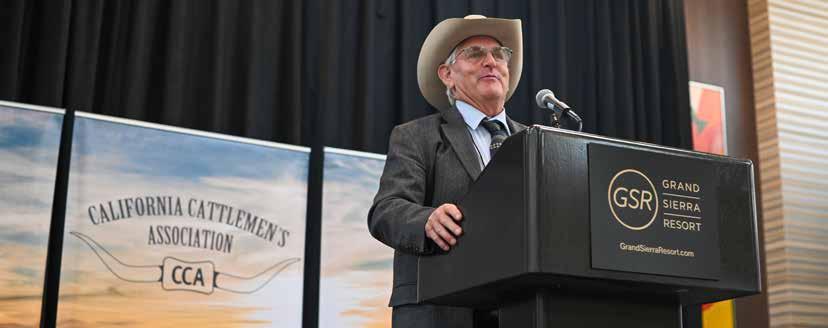
RENO RECAP
Beef producers, educators and promoters come together for 108th meeting
SERVANT LEADERSHIP
Rick Roberti leads CCA officer team in 2025 and 2026
LIFETIME ACHIEVEMENT
Ellington Peek a one-of-a-kind California cattleman
36 34 38
HIGHEST HONOR
Lynn Huntsinger gets Van Vleck recognition
LIVESTOCK MAN OF THE YEAR
Doc Patton honored by former student and colleague
HEREFORD PROUD
Steve Lambert is CBCIA Producer of the Year
ASK A RANCHER UCANR survey insight
Preparing to fight New World Screwworm 68 74
FUNDING OUR FINEST CCA Scholarship recipients
EMERGING THREAT
RANCH FAMILY ROUNDUP
CCA BUYER'S GUIDE
Services from breeders and beef industry experts
INDEX

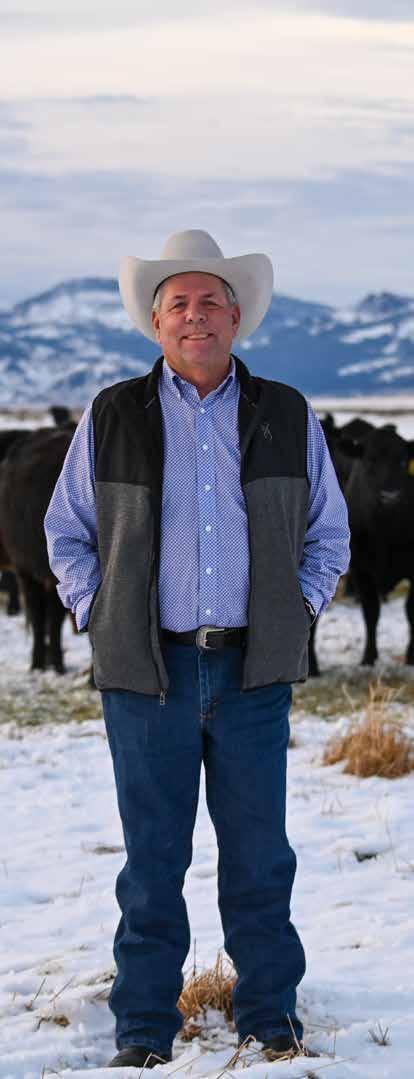
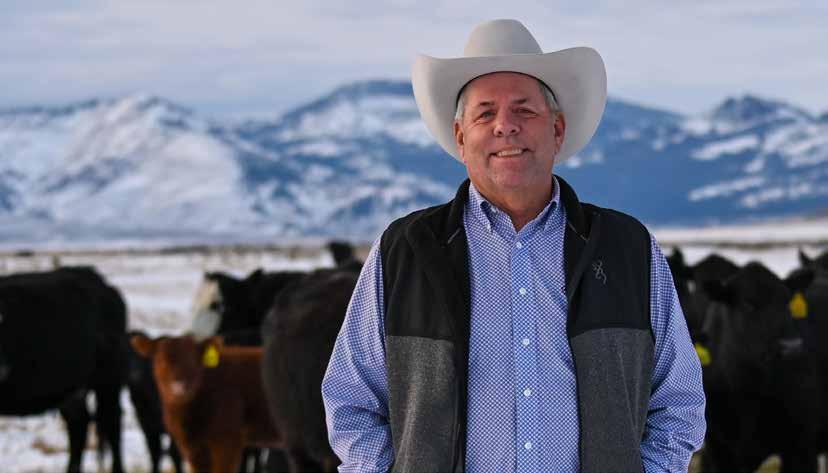
This month's cover photo of incoming CCA President Rick Roberti was taken by CCA Director of Communications Katie Roberti. To read more about Roberti Ranch and CCA's 52nd president, see the feature article on page 26.
Director of Communications Maureen LaGrande
At the 108th Annual California Cattlemen’s Association and California Cattlewomen’s Convention in December, four vacant seats were open on the CCA officer team; two for second vice president, one for the office of first vice president and the association also installed its 52nd president (read more about that on page 26).
In order to help CCA members get to know these new leaders, we have put together, this article. Read below to learn a bit more about the newly elected second vice presidents.
CCA Second Vice President
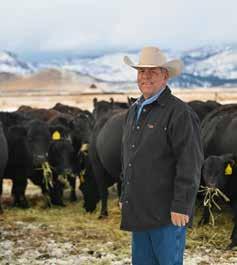
Steve Lambert Butte County
Q. Where are you from?
A. I am originally from Sonoma and have been residing in Oroville for the last 34 years.
Q. What is your profession?
A. I owned and operated Lambert Feed and Garden stores throughout the North State for over 20 years. I’m just a cowboy now; I chase cows around. In addition to my raising livestock, I also farm hay and walnuts.
Q. What would you like the CCA membership to know about you?
A. I’m in the seedstock business, and my family and I run cattle in Butte and Modoc counties. I have three wonderful children who are all married to amazing spouses, and I have five adorable grandsons. When I am not spending time with the cows or my grandsons, my significant other Kerri and I enjoy boating in the Afterbay, riding bicycles, visiting Sonoma County and spending time at our ranch in Alturas.
Q. How do you like your steak?
A. Medium rare
Q. What do you most look forward to serving as CCA officer?
A. Serving as an officer, I most look forward to helping and listening to fellow cattlemen, working to increase CCA membership, and getting others involved. I also look forward to meeting new people, learning about their operations, and being a conduit between local and state associations.
...CONTINUED ON PAGE 10 from CCA Associate







CCA Second Vice President Anthony Stornetta San Luis Obispo County
Q. Where are you from?
A. I am from Atascadero.
Q. What is your profession?
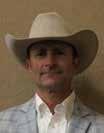
A. I am the Deputy Fire Chief for the Santa Barbara County Fire Department.
Q. What would you like the CCA membership to know about you?
A. I like to spend time with my wife and daughter; anything cattle-related, they are involved from bull selection, genetics, AI, and selection of replacement heifers it is a group effort. Some priorities for me in this position are keeping this legacy and culture alive for all members and their successors. We can do this together by meeting the demands of the consumer and providing outreach and education on our land stewardship and the advantages of the high protein, safe product we raise.
Q. How do you like your steak?
A. Medium rare
Q. What do you most look forward to serving as CCA officer?
A. I look forward to visiting local associations, building membership, and working with other stakeholders. Additionally, I look forward to working with the Legislature and pushing forward favorable bills and preventing the not-so-favorable ones from passing. I would like to continue building on the Livestock/Ag Pass so that every county can realize the benefits of this program.
Check back in the February California Cattleman to learn more about CCA First Vice President Mike Williams, Acton.
As this new officer team embarks on an exciting new year, they hope you will lean on your staff and officer team to help your organization work for you and for the cattle industry in your area. Should you wish to contact any of the leadership team or CCA staff to share your input on the direction of the association, your outreach is always welcomed and appreciated.
CCA PRESIDENT
Rick Roberti rickroberti@yahoo.com (530) 249-4988
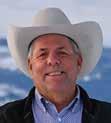
John Austel john@4jhorseandlivestockco.com (619) 884-0424
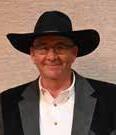
Mike Williams mbw61@aol.com (805) 813-4245
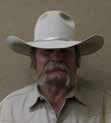
Steve Lambert Slambert5256@gmail.com (530) 624-5256
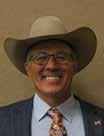
Beverly Bigger brbigger@sbcglobal.net (805) 340-3755

Anthony Stornetta AStornet@countyofsb.org (805) 423-6406










by CCA Membership & Events Coordinator Gracie LeCheminant
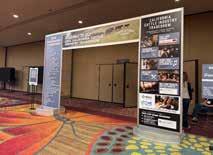
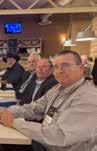
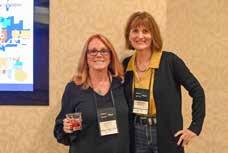
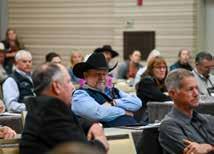
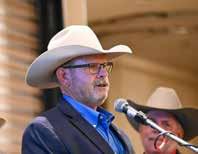
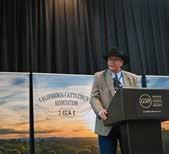
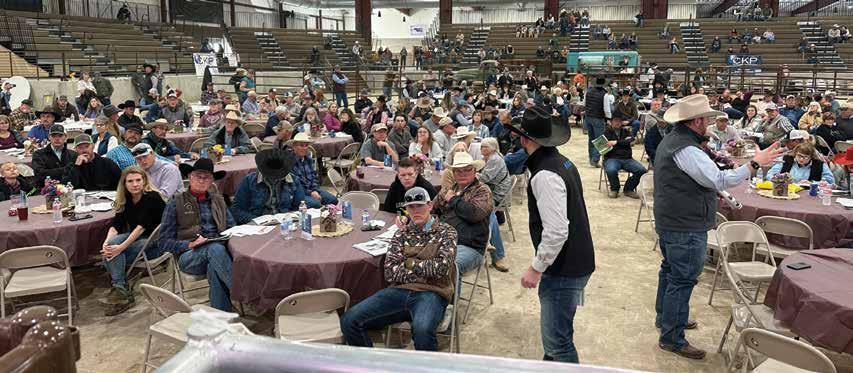
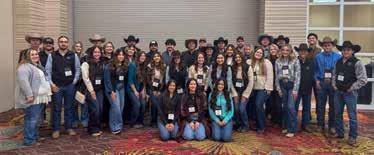
Over 400 cowboy hats swarmed the Grand Sierra Resort during the first week of December as the California Cattlemen’s Association and California CattleWomen held their 108th Annual Convention and California Cattle Industry Tradeshow. From riveting general session speakers to mingling in the tradeshow, CCA’s annual convention is always a great time to see our CCA membership in action.
For me, this event is the culmination of a full year's work. As CCA's coordinator of membership and events, the annual convention is kind of like my own mini superbowl and the reward of this year's event could not have been more rewarding.
Each general session allowed attendees to hear from various speakers on topics including cattle market updates, succession planning, an election overview and all things meat and grilling. I received some great feedback on the general session speakers from our convention attendees! I would like to thank the speakers who made each general session a success, thank you to CattleFax’s Patrick Linnell, our Trail Boss Sponsor: Strong Financial Network, LLC, NCBA’s Colin Woodall, and Hard Core Carnivore Owner Jess Pryles, who’s speaking session was sponsored by the California Cattle Council, for taking the time out of their busy schedules to join and share their knowledge with us
throughout the week.
As this is your organization, I love hearing feedback about what kind of speakers you enjoy and what additions you can see impacting our convention.
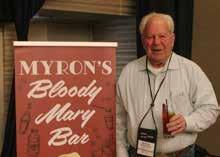
For me, one of the best parts of the convention was getting to see the individuals who have helped to shape and build our Association be recognized for their contributions. Watching past CCA President Myron Openshaw, Oroville, be recognized during the first general session for his years of service and leadership to CCA and the cattle industry was special. To honor Openshaw, CCA is proud to announce the inaugural “Myron Openshaw Bloody Mary Bar,” that will take place in the tradeshow on Thursday morning for years to come.

Though the purpose of the annual convention is to conduct business and set policy for our organization, the cameraderie at CCA is second to none. I think a lot of our members come strictly for the entertainment and socializing.
...CONTINUED ON PAGE 16


Cattle Company Cardey Ranches
Cattle Co. Cope Cattle Co.
Romanov Ranch Feather River College
Cattle Co.
Cardey Ranches
Carter Cattle Co.
Cope Cattle Co.
Diablo Valley Angus
Diamond B Angus
Dixie Valley Ranch
Gem State Angus
Gudel Cattle Co.
Hone Ranch
Jorgensen Charolais
One Equals One Simmental and Angus
Popovits


The CCA Trade Show Welcome Party on Wednesday evening did not disappoint. CCA was excited to have Dave Stamey join us as he performed on stage, followed by the Reno-Tahoe DJ Company. Staying until the very end of the show, it was exciting to see so many new and old faces swing dancing to the entertainment.
The Trade Show Welcome Party is a yearafter-year hit as members gather to chat with tradeshow exhibitors from across the country and visit with their fellow California cattle ranchers. Speaking of CCA’s Industry Tradeshow, I am sure attendees noticed how many new companies joined us this year! As an event organizer, it is truly so exciting to welcome new companies to our tradeshow. Our goal is to not only have companies return to our tradeshow year after year as they build relationships with our members but to also welcome new companies that will pique the interest of California cattle producers.
CCA’s Annual Convention wouldn’t have been made possible if not for our amazing 2024 Convention Sponsors, so lastly, I just wanted to thank all of our sponsors for making such a great

convention possible once again.
Looking into the new year, Shasta County and Tehama County will be kicking off CCA’s spring tour for staff and officers on Jan. 4. As staff and officers, it is always such a wonderful time traveling to local associations across the state, meeting local cattle ranchers and learning how we can best serve you. If you are local association president, secretary, or event organizer, please do not hesitate to reach out to me at gracie@calcattlemen.org to get your tour meeting put on our calendar.
Right along with tour meetings, I am also excited to announce that CCA will be at the 2025 Red Bluff Bull and Gelding Sale Tradeshow. We will be partnering with the California Cattle Council and the California Farm Bureau again this year to form the AgHub. If you are planning to attend, please stop by and say hello!
Looking further into 2025, I am already working diligently to plan our Annual Legislative Steak and Eggs Breakfast at the Sutter Club in March, along with our annual Feeder Meeting that will take place at the San Diego Hilton Bayfront on May 21 - 22, 2025.
I hope you all had a great 2024, and I look forward to working with you in 2025!




by CCA Vice President of Government Affairs Kirk Wilbur
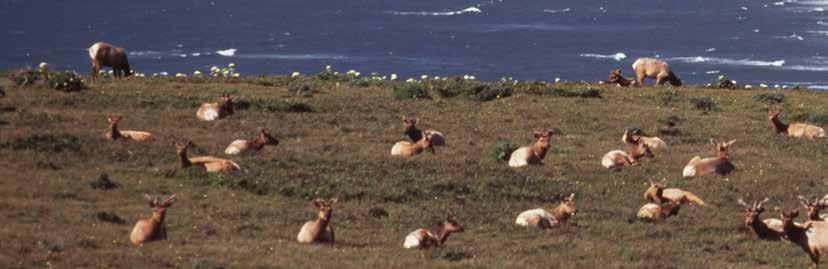
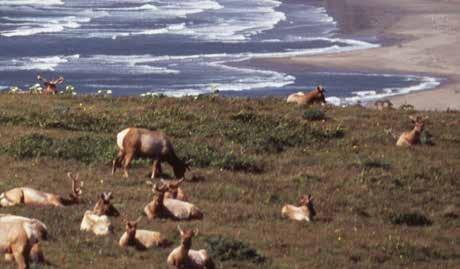
In mid-November, the Point Reyes National Seashore released its final management plan for Tomales Point, an area of land at the northwestern tip of the Point Reyes Peninsula in Marin County. Tomales Point has been home to a herd of Tule elk since 1978, when the National Park Service (which administers the Seashore) partnered with the California Department of Fish and Wildlife to reintroduce the animals to the region in hopes of reversing their severe statewide population decline.
At the time Tule elk were reintroduced to the Seashore, the State of California required the National Park Service to build an elk fence containing the herd to the Tomales Point area – and, importantly, to exclude the elk from the “Pastoral Zone” of the Point Reyes National Seashore, where ranching and dairying had been practiced for well over a century by that time.
Management plans developed by the Point Reyes National Seashore in 1980, 1998 and 2021 all called for the preservation of the elk exclusion fence to prevent Tule elk from straying into the Pastoral Zone of the Park.
When the National Park Service released its Tomales Point Area Plan on Nov. 21, 2024, however, it suddenly elected to reverse nearly five decades of sound management, announcing that “the existing tule elk enclosure fence will be removed from the Point Reyes peninsula.”
The Park Service announced their decision in a press release on Dec. 2, 2024, and within 24 hours Park staff had begun removing the fence.
Ranchers and dairies at the Seashore were rightly concerned by the Park Service’s swift action to remove the exclusionary fence, as significant harm caused by elk straying
upon Seashore ranches has been well-documented over the years (two uncontained elk herds at Drakes Beach and the Limantour area along Drakes Bay to the south of the Point Reyes National Seashore have occasionally strayed upon ranches in the Pastoral Zone).
Tule elk compete with cattle for grass and supplemental feed, and have been known to gore cattle with their antlers to access water and forage. Elk have damaged cattle fences, allowing livestock to stray onto roadways and intermingle among neighboring beef and dairy herds. Tule elk carry Johne’s Disease and other transmissible illnesses which can be spread to cattle herds when elk stray onto ranches.
Situated in Marin County, some of the producers at Point Reyes have organic operations and other certifications that allow them to tap into niche Bay Area markets. The Tule elk incursions on Seashore ranches jeopardize these certifications.
And those are merely the dire impacts to the ranches themselves. Anti-grazing advocates for decades have sought the removal of ranch and dairy operations at Point Reyes National Seashore; allowing Tule elk to roam freely within the Pastoral Zone is merely the latest in a long line of threats to the viability of Seashore ranching. If ranchers are forced out of the Seashore, Marin County would lose roughly 20
percent of its agricultural production, laborers and local agricultural support businesses would be devastated and at least one local school would likely be forced to shutter.
To urgently avoid these dire consequences, CCA on Dec. 3, 2024, filed a lawsuit against the National Park Service in the U.S. District Court for the Northern District of California. CCA’s suit argues that the Park Service’s decision to remove the fence violates the National Environmental Policy Act and federal Administrative Procedure and that the decision should therefore be overturned.
CCA’s lawsuit also rebuts the Seashore superintendent’s assertion that the “benefit of removing [the elk fence] is to…promote a more natural population cycle” among the elk, noting that the “Tomales Point Area elk herd has no natural predators, so their presence does not restore or approximate any natural pre-settlement condition of the area, and is not in itself beneficial to the environment.”
Because the Park Service had already begun removing the fence, CCA on Dec. 4, also filed an application for a temporary restraining order forcing the agency to immediately cease its efforts to dismantle the barrier.
At a hearing three days later in San Francisco, the federal government agreed to immediately cease further removal of the 2.2-mile fence. Unfortunately, the Court declined to order the Park Service to restore roughly 850 feet of fencing that had already been removed and which provides an opening for elk to stray onto the farms and ranches at the Seashore.
Still, the grant of a temporary restraining order is a significant early victory in the lawsuit and will help insulate ranchers at Point Reyes National Seashore from Tule elk damage. CCA is optimistic that the Association – and the Point Reyes ranchers we represent – will prevail on the merits of the case when briefing and arguments continue in early 2025.
Further hearings in the case are expected in mid-February. CCA will continue to keep members apprised of our efforts to preserve the proud history of ranching at the Point Reyes National Seashore as the case develops.
As members well know, the California Cattlemen's Association (CCA) serves as a policy organization to benefit the interests of California cattle producers in Sacramento and Washington, both in the legislative and regulatory arenas.
The annual CCA convention serves as an opportunity for the membership to bring forward emerging issues and concerns from their regions.
When the membership convenes in respective policy committee meetings at the Convention, expiring policies (those last adopted five years prior) and any newly-advanced proposals reviewed by the membership to decide whether policies and staff directives should become official CCA policy, guiding CCA’s government relations advocacy.
While dozens of existing CCA policies were re-adopted at the recent 108th CCA Annual Meeting, only one new policy resolution was adopted by the membership, in the realm of CCA’s Federal Lands policy. That new policy is outlined below:
WHEREAS, federal land management agencies lack sufficient staff to complete National Environmental Policy Act documentation on a timely basis; now
BE IT RESOLVED, that the California Cattlemen’s Association (CCA) encourage federal agencies to contract with appropriate organizations and agencies (e.g., local Resource Conservation Districts) to complete NEPA documentation; and
BE IT FURTHER RESOLVED, that CCA encourage federal agencies to develop master stewardship agreements with contracted local agencies.
CCA staff and officers appreciate the membership formulating policy and staff directives to guide the association’s work. As CCA's legislative affairs team tackles the year ahead, rest assured that the positions taken by the aAssociation reflect policy set by the CCA membership.
by CCA Associate Director of Communications Maureen LaGrande
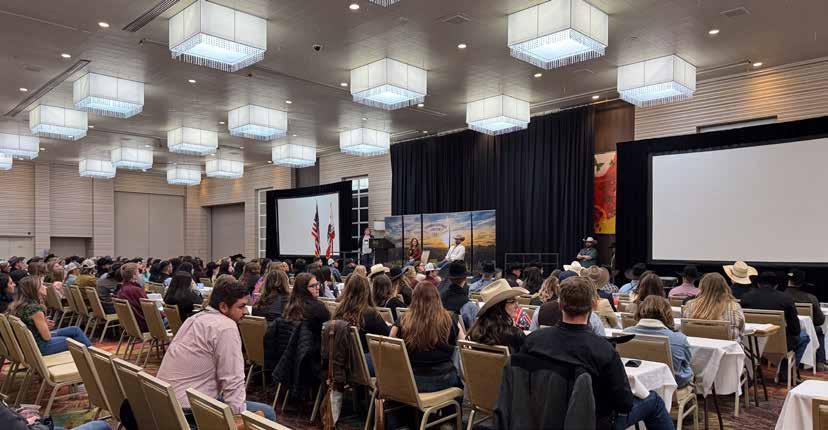
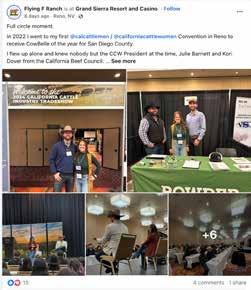
Cattlemen and cattlewomen made their yearly trip to Reno, Nev., for the 108th Annual California Cattlemen’s Association (CCA) and California CattleWomen’s (CCW) Convention and California Cattle Industry Tradeshow held Dec. 4 - Dec. 6, 2024. While members from across the state have been going to Reno, for years to attend the convention, this year’s event welcomed a new location at the Grand Sierra Resort (GSR) for the week’s festivities.
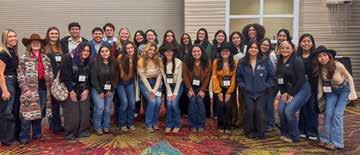
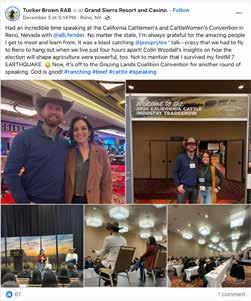
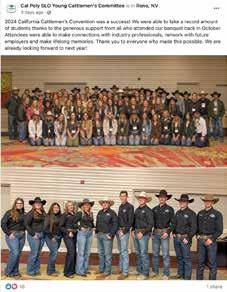
As members made their way to the GSR, the California Cattle Industry Tradeshow opened an hour early for Young Cattlemen’s Committee (YCC) members to network, walk around and visit the various booths. This year, there were a record number of YCC members in attendance with 175 young cattlemen registered. Following the networking in the Tradeshow, YCC members headed on over to the Chute Side Conversation sponsored by the California Beef Cattle Improvement Association (CBCIA) where they heard from beef industry advocates, Tucker Brown of the R.A. Brown Ranch of Throckmorton, Texas; Allison Fender, Santa Ysabel of Flying F Ranch; and from CCA President Steve Arnold, Santa Margarita.
CCA General Session speakers included Patrick Linnell, director of cattle market research and analysis for CattleFax, who spoke in the first general session on Wednesday. Thursday’s two general sessions featured Trail Boss Sponsor, Strong Financial Network, LLC mother and son duo Jennifer and Gabe Strong, Colin Woodall, chief executive officer for the National Cattlemen’s Beef Association, and
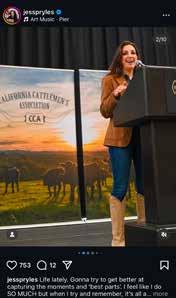
Jess Pryles, owner of the Hardcore Carnivore Brand, a professional chef, cookbook author, TV personality and meat scientist whose speaking session was sponsored by the California Cattle Council.
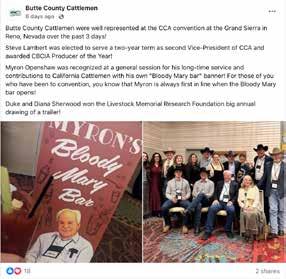
In Wednesday’s first general session, longtime CCA member and past president, Myron Openshaw, Oroville, was recognized for his years of service, leadership and dedication to the Association. To commemorate Openshaw’s involvement, CCA’s Executive Vice President Billy Gatlin revealed the addition of the inaugural “Myron Openshaw Bloody Mary Bar” to the annual conventions breakfast in the tradeshow on Thursday morning.
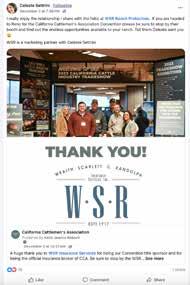
Wraith Scarlett and Randolph Insurance Services (WSR), the exclusive insurance broker of CCA was also recognized. WSR’s Jim Vann, Woodland, and Matt Griffith, Williams, joined Gatlin on stage as he shared with the crowd that WSR has given CCA $450,000 since 2015 and how beneficial CCA’s relationship is with WSR, thanking both Vann and Griffith for all that they do to help ranchers and the association. Upon the conclusion of the general session, members headed over to the tradeshow for the evening welcome party. Here, members could snack on appetizers, catch up with old friends, and listen to tunes from country western musician Dave Stamey as they visited the array of businesses in the tradeshow.
Bright and early Thursday morning at breakfast in the tradeshow, Openshaw was first in line for the “Myron Openshaw Bloody Mary Bar” with a smile on his face. Thursday’s
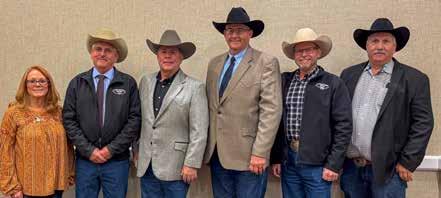
2023-2024 CCA Leadership (L to R): CCA Treasurer Beverly Bigger, President Steve Arnold, 1st Vice President Rick Roberti and 2nd Vice Presidents John Austel, Mike McCluskey and Frank Imhof.
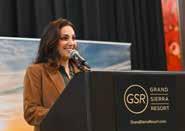
Jess Pryles shared “How I became a meat advocate on modern social media.” in general session three sponsored by the California Cattle Council.
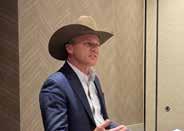
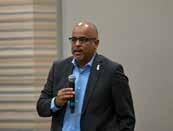
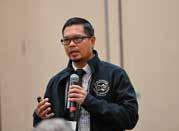
Col. Jake Parnell shares about the Livestock Marketing Association’s Producer Profitability Initiative in the local presidents and secretaries meeting.
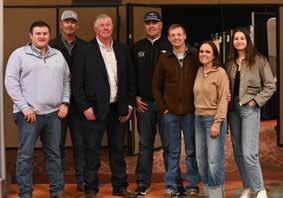
The folks at WSR Insurance are generous supporters of CCA year-round.
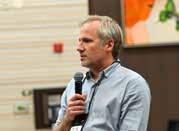
Representing Farm Credit West, CoBank, and American Ag Credit Marvin Kokes joined LMRF Chair Dean Hunt in awarding Duke Sherwood with the second-place prize (a utility trailer) in the LMRF raffle.
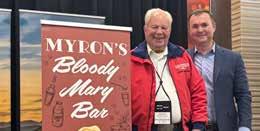
For his years of service to CCA and leadership in the cattle industry over many decades, longtime member and past CCA President Myron Openshaw was honored at the 108th Annual CCA/CCW Convention.
CCA was excited to introduce the inaugural “Myron Openshaw Bloody Mary Bar” in the tradeshow on Thursday morning. Look for it each year at Conventions to come.
Thank you to these generous supporters!









events also included CCA Policy Committee Meetings for CCA Cattle Health and Well Being sponsored by FerAppease, CCA Cattle Marketing and International Trade, CCA Federal Lands, CCA Property Rights and Environmental Management and CCA Agriculture and Food Policy/Tax and Credit, sponsored by Osaic. Each committee meeting had several speakers providing updates. Thursday afternoon, the 8th Annual Cattlemen’s Poster Session, sponsored by the Russell L. Rustici Rangeland and Cattle Research Endowment, was a popular spot as attendees roamed around to learn more about the 19 posters being presented.
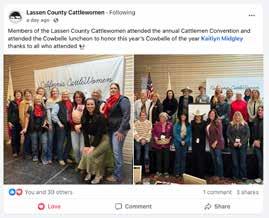
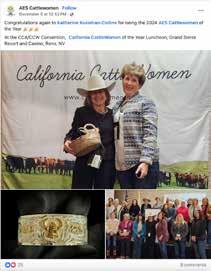
CCW held a number of meetings and a workshop throughout the convention. Those in attendance heard from Ruth Coffey, National CattleWomen’s Association President; Michelle Greeman, New Mexico Cowbelle President; Laura Talbot, CCW Beef Promotion Chair; and Allison Fender, CCW Social Media Chair. To celebrate the achievements of local CCW associations and individual ladies who contributed to their groups were recognized at the prestigious CattleWoman of the Year Lunch. This convention was CCW President Jeri Roen’s last official event as she handed over the gavel to new CCW President Debbie Costa
Thursday evening, the CCA and CCW Awards Banquet recognized several individuals for their achievements and involvement within the industry. Outgoing CCA President Steve Arnold kicked off the banquet by recognizing his fellow outgoing officers, CCA Second Vice President Frank Imhof, Pleasanton, and CCA Second Vice President Mike McCluskey, Red Bluff. The first award of the night was the Gordon Val Vleck Memorial Award, presented to Lynn Huntsinger, Ph.D., UC Berkeley Professor in the Department of Environmental Science, Policy and Management. Those selected for the award are not engaged in beef cattle production as a primary occupation but have made significant contributions to the California Beef industry.
Adam Cline, Arbuckle, was the recipient of the 2024 Cal-Pac Society for Range Management Award and Ellington Peek, Cottonwood, was awarded the Lifetime Achievement Award for his leadership and dedication to California’s cattle industry and for all that he has done over the years for cattle producers. Wes “Doc” Patton, Ph.D., Orland, was presented the 2024 Livestock Man of the Year Award by past student and colleague Dave Daley, Oroville.
California Beef Cattle Improvement Association (CBCIA) President Daniel O’Connell, Sacramento,
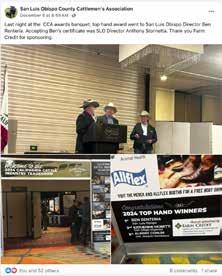
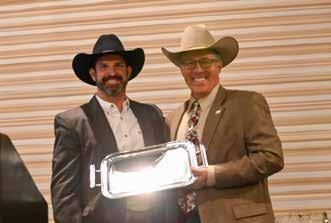
announced Lambert Ranch as the 2024 CBCIA Producer of the Year and was accepted by Steve Lambert, Oroville. Read more about these honorrees in the subsequent pages of this issue. The final awards to be given at the banquet were the 2024 CCA Top Hand Award winners. Announced by incoming CCA President Rick Roberti, Sierra Valley, with Farm Credit’s Marvin Kokes. First place went to Ben Renteria, San Luis Obispo; second place, Katherine Moretti, San Diego-Imperial; and third place went to Albert Conlin, San Joaquin-Stanislaus.
To end the evening, CCA Livestock Memorial Research Fund (LMRF) Chair, Dean Hunt, McKinleyville, took the podium and shared with the audience all the good that the monies raised have done to assist college students pursuing degrees in a beef-related field and the research projects in which LMRF has helped to fund. This year, two trailers were raffled off. Marks Tire Service in Paso Robles won a dump trailer, and Duke Sherwood, Oroville, was the lucky winner of a utility trailer.
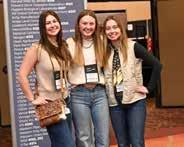
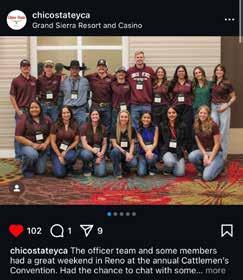
This year, CCA had four convention interns who assisted with registration, running the CCA Trading Post and being of assistance to any members. Their help over the course of the convention was much appreciated by CCA’s staff. Interns include Lilly Fernandez, California State University, Fresno; Caleb Eberhardt, College of Southern Idaho, Twin Falls, Idaho; Jaycee Norris, California State University, Chico; and Ariana Perez, University of California, Davis.
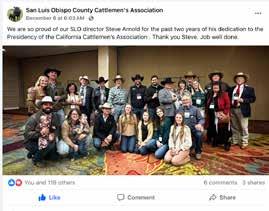
To wrap up the 108th Convention, the CCA board meeting was held Friday morning where committee reports were read, and any additional business was discussed. The meeting marked the end of a two-year term as CCA President for Steve Arnold. CCA Second Vice President Frank Imhof and CCA Second Vice President Mike McCluskey stepped off of CCA's officer team as their twoyear terms also expired. CCA staff and leadership thanks Arnold, Imhof and McCluskey for their dedication to serving California's cattle industry over the past two years as CCA officers.
Rick Roberti now has the reigns as CCA President, with four years of experience on CCA's officer team behind him. Mike Williams, Acton, past CCA Second Vice President rejoined the officer team as CCA First Vice President. John Austel, Boulevard has one year remaining in his term as CCA Second Vice President. Bev Bigger, Ventura County, will continue as CCA Treasurer in 2025. CCA welcomed two new officers to the team, Steve Lambert, Oroville, and Anthony Stornetta, Atascadero, was selected as the two incoming CCA Second Vice Presidents.
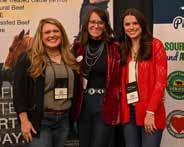
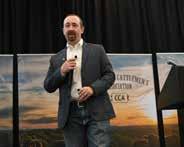
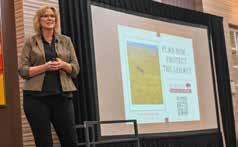
CattleFax Analyst Patrick Linnell kicked off the
with an outlook in general session one
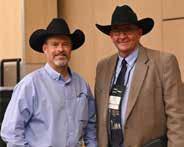
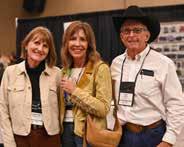
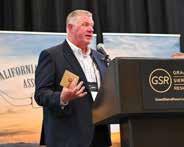
In the first general session, CCA recognized Wraith, Scarlett & Randolph (WSR), the exclusive insurance broker of CCA, sharing with attendees, that WSR has given CCA $450,000 since 2015.
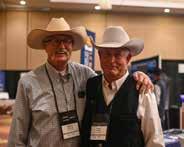
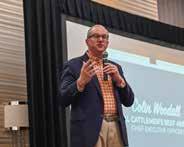
In general session two, NCBA CEO
share an update on the
incoming Congress and
other policies and a look at
Love of land and his fellow man drive
Rick Roberti as he takes the lead at CCA in 2025
by CCA Associate Director of Communications
Maureen LaGrande
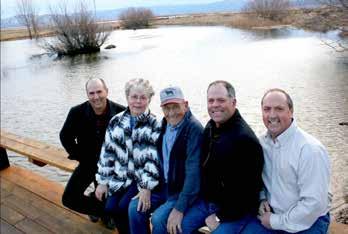
Family, faith and love for the land are cemented in the day-to-day life of the California Cattlemen’s Association’s 52nd President Rick Roberti, Sierra Valley. Alongside his wife Carolyn and their two children Weston and Katie, Rick says he looks forward to the next two years leading, advocating and connecting with the membership of the association.
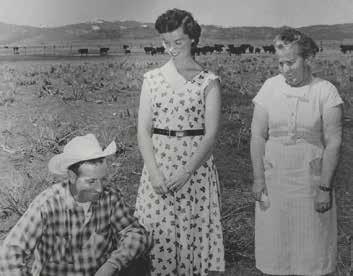
Rick’s great-grandfather came to the United States from Switzerland for a better life in the 1870s, making a home in the Sierra Valley. Located in Plumas County, 40 miles northwest of Reno, Nev., Sierra Valley is the largest alpine valley in California. His siblings Jim and Dave, along with their families still reside on the land today that was established as a dairy in 1923 by Alfred Roberti and his wife Josephine. During this time, dairies were small and could not increase in size due to the valley's cold winter climate. As the dairy market started to change and regulations were implemented, the family pivoted their operation from dairy to beef cattle in the 1950s, when the Robertis and their son Elmer, Rick’s father, purchased a herd of registered Angus cows. Soon after the shift to beef cattle, in the 1970s, the family also began to expand their forage growth from producing just enough for their animals, to a hay farming business.
Elmer and his wife Helen lived on the ranch, allowing their three sons to grow up and learn the various facets of running the business from their father. “I decided that I wanted to stay and work on the ranch when I was five,” Rick said smiling. While they might not always have agreed with one
another, Rick shared that his father was willing to let his sons try and do things differently to advance the ranch. “He was my best friend and the biggest influence in my life,” said Rick.
Rick’s parents both played a major role in his upbringing and life. He shared how fortunate he was to have a mom and dad who loved and cared for him and to be able to be around his hard-working Grandma Josie, who lived through The Great Depression. “My mom was another big influence in my life, she took us to Sunday school and made us go to church, helping me to build character and find a real love for God,” said Rick.
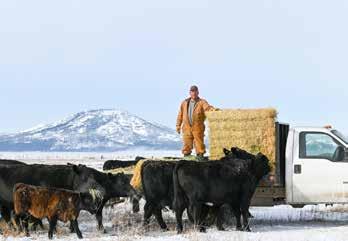
Today, Roberti Ranch is a cow-calf operation and hay business. The three Roberti brothers can be found continuing to operate the ranch, with each leading a different facet of the operation. Jim the oldest, takes care of all the irrigating and farming of the hay operation. Rick the middle brother, and his son Weston manage the cattle herd and farm dry land. The youngest brother, Dave, keeps all of the operation’s books alongside his wife, Jane. Dave also farms, does mechanical work for equipment on the ranch and manages hay sales. Rick’s nephew Ben and nephew-in-law Jayson are also employed full-time.
As time has passed, Rick shared how many of his roles have changed the past few years. “I am surprised how fast the time has gone from when I started taking on more roles of my dad’s, and now Weston is doing the jobs I used to do,” said Rick. Weston is just as happy to be working with his dad and is more than prepared for any work that heads
his way. “My dad has been such a good role model and teacher,” said Weston. “He’s my best friend and I am so lucky I get to work alongside him every day.”
Another joy for Rick is having his wife and daughter involved in the family business and industry. Carolyn works in communications on the ranch and helps to coordinate tours and events. She helps everyone on the ranch stay connected and keeps the family unit strong. Katie contributes to the industry by advocating and educating others on California cattle ranching in her role as CCA’s Director of Communications. “While things on the ranch have changed, I have my family, my wife Carolyn, who is my partner in almost everything I do,” said Rick.
Some of Katie’s fondest memories are getting to see her family every day with an always opendoor policy to her grandparents’ house next door. “I loved having my dad, grandpa and uncles all working on the ranch daily and around for all the big moments. It was important and helped shape who I am today,” said Katie.
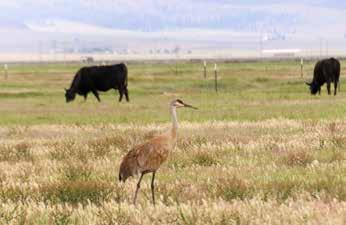
Roberti Ranch has worked diligently to continue to maintain the land, having restored many wetlands on the property that, at certain points in time, had been taken out. Ponds were built with surface water giving access to freshwater for waterfowl throughout the summers.
The ranch hosts wildlife and ranch tours to various groups, one of which is the local Audubon Society. By hosting these tours, Rick shared how he has had the opportunity to make friends with folks who often have different viewpoints than ranchers and farmers. By forming these friendships, those visiting the ranch see how much ranchers care about the environment and the wildlife that harmoniously cohabitates with the livestock. “I encourage others to get involved in groups that need to know what we do,” said Rick.
Another way the family incorporates education into their ranch tours is by being transparent to all who visit. Carolyn shared how, before the Sierra Valley Art and Ag Tour, any animals in the sick pen are moved behind their house so that those visiting can be shown the process of taking care of ill animals and explain to them the best practices to follow.
Proud Member of the CCA
Rick has been a member of the CCA for close to 45 years, sharing that before then, his parents who had just come out of the dairy business did not know much about the association. “It wasn’t their world,” said Rick. “We were members of the Farm Bureau; it was a big part of our life growing up and still is today.” As the ranch continued to expand with cattle, it seemed like joining CCA was the right thing to do.
He was encouraged by local leaders to get involved in his local association, PlumasSierra Cattlemen’s. In his early days of joining, Rick shared that it took a while for the veteran members to let the younger ones be involved, but over time, more opportunities arose. When he became Plumas-Sierra’s President, Rick had the opportunity to meet with CCA staff members and learn what CCA did for ranchers. Once exposed to the Association, “I learned that it is difficult to function as a local association without being involved with CCA,” shared Rick.
In the last 10 years, Rick became more involved at the state level, joining the CCA officer team in 2020 as second vice president, then moving on to first vice president in 2022, and now president. “When Rick first joined the officer team and got on calls, he was listening and learning,” said Carolyn. “It’s been neat that he has had two terms to prepare for his presidency.”
When reflecting on where he is today, Rick stated one of the reasons is because of the example past CCA Presidents, like Billy Flournoy,
...CONTINUED ON PAGE 28
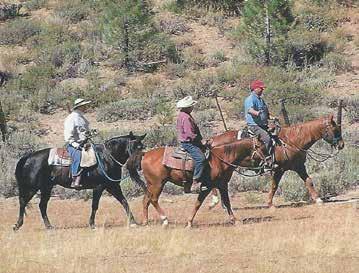
...CONTINUED FROM PAGE 27
Likely, set for him. “I know how hard the Flournoys work and if Billy could take time to serve and come all the way from Modoc, then it was really important,” said Rick. “If Billy could give his time to do this and it was important to him, then it should be important to me too.”
In thinking about what he enjoys most about the association, Rick shared that it’s definitely the people. “We love what we do, and we have the freedom to do things that other people still don’t,” added Rick. For those who have yet to meet the new president, he’s eager to get out and meet as many producers as he can and is always open to a phone call.
With his experience serving on the CCA officer team over the last four years, Rick is eager to take on his new role as president. “Our industry depends on us standing up and protecting ourselves. I hope to help lead the way in the state, and if we stand together, we can make a difference,” said Rick. Membership and inclusion are two items on Rick’s to-do list, sharing he wants those who may be new to the industry or a small operation to know that they are welcome and needed in the association. He added that his goal is to find a place for all members and affiliates who want to learn and be involved.
Knowing that every day, ranchers face challenges, whether it be a predator, new regulation, or natural disaster, Rick is ready to work for the membership and face any challenges head-on. “I think there are some tough issues facing ranchers,” said Katie. “Predators are top of mind for many producers, and I think my dad’s
“I hope that I can get the message out that CCA is more than just a group, we have a job to do.”
-Rick Roberti 2025-2026 CCA President
going to try everything he can to find solutions to those problems, take input, and work to keep CCA a producer-led organization.”
Carolyn travels with Rick to most of the tour meetings and CCA events. In the coming year, she looks forward to all the new members they will meet and the places they will visit during local association tour meetings. Complimenting one another in all aspects of life, Rick shares


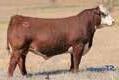
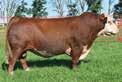
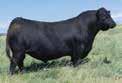


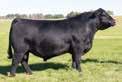
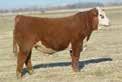
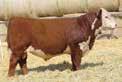
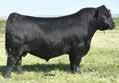
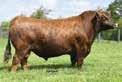
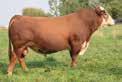
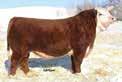
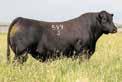
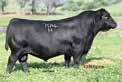
For nearly 80 years, our family has been developing a program that can build success not only for this generation, but for generations to come. Many of our customers are third generation ranchers that have used Shaw genetics in each generation. We are eternally grateful for the support we have received, and we take that responsibility, humility, and pride into every decision we make.


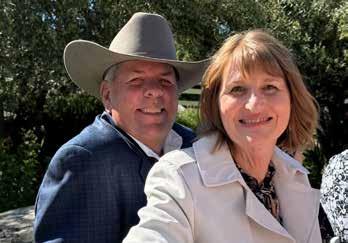
how much he appreciates and values Carolyn’s perspective. “She’s very supportive and has been the best mom to our kids,” said Rick.
The role Rick is taking on would not be possible without the support of the ranch family. He knows what a large time commitment this job is and shared how blessed he is that he has family that is willing to run the operation while he is away and let him have this opportunity.
A few months ago, Rick wrote for the California Cattleman officer column and shared the following quote, “A society grows great when old men plant trees in whose shade they will never sit.” From this quote, he was asked what tree he plans to plant as CCA’s President, and he shares the following: “It’s got to be unity between all of us in agriculture. We need to stop fighting amongst ourselves, look at the big picture, and figure out what’s good for the generations to come.”
As 2025 kicks off, Rick’s message to his fellow ranchers and members is, “I need your help. No one person, officer team, or staff can do this. It’s the membership that runs the Association and we’ve got a lot of things we need to do to protect our business, not just the cow-calf producers, but all who make our industry work,” said Rick.
2025-2026 CCA PRESIDENT
Favorite cut of beef?
A Rib Steak
How he likes his steak?
Medium to Medium Rare as Carolyn adds, "But he doesn’t like a lot of seasoning, just a sprinkle of salt.”
Favorite band
The Oak Ridge Boys and the Statler Brothers
What is your favorite flavor of ice cream? Rocky Road
Favorite baseball team
It was the Oakland A’s until the 90s. But now it’s the Dodgers because of Katie.
Favorite quote
John 3:16, "For God so loved the world, that He gave His only begotten Son, that whosoever believeth in Him should not perish, but have everlasting life."
WHAT DOES RICK’S FAMILY SAY ABOUT HIM?
Q: What is Rick’s best quality?
Carolyn Roberti: "There are two that come to mind. He’s a visionary, a big-picture kind of guy, he can see the future. The other thing is that he’s a leader. People follow Rick, he can get a group together, see a path of what needs to get done and people follow."
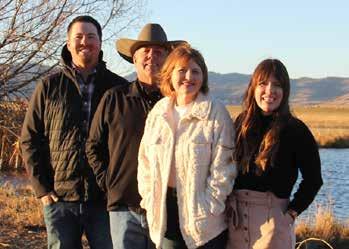
after completing
education at California State University, Chico. Rick and Carolyn's daughter Katie first served as a CCA communications intern in 2014 while attending Cal Poly. She became the director of communications for CCA after completing her masters degree from University of Nevada, Reno, in 2018.
Q: What is a core memory you have with your dad?
Weston Roberti: "I remember in high school working on the ranch, I was supposed to get up early and rake on the pivot with him. I slept through my alarm, and I was so worried he was going to be mad when I got out there, but he wasn’t. He turned to me and just asked, “Do you want to work?” and I thought, "well, yeah, I do." He was never upset, just asked a simple question. I think of that moment every summer."
Q: What is something the CCA membership should know about your dad?
Katie Roberti: "I want people to know that he is taking being on CCA’s officer team seriously and that he spends a lot of time writing notes for each meeting he attends and tailors what he speaks about to fit the group who he is talking to and is intentional in all that he says and does. Also, my dad loves breakfast so if anyone wants to take him out after a tour meeting, he will be down!"











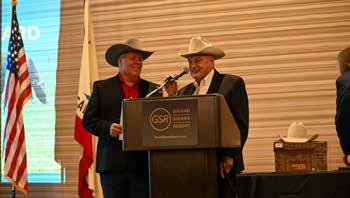
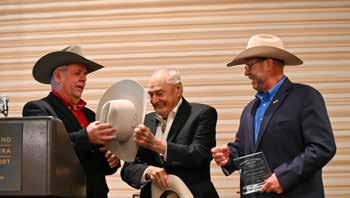
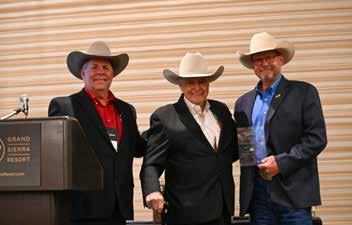
For a half a century, the name Ellington Peek has been synonymous with beef production on the West Coast. As someone who has literally influenced the beef cattle market across the west with his innovative approach to marketing, there are few beef industry awards Peek hasn't won. As he approaches a centurian milestone, it is fitting that the Calfornia Cattlemen's Association recognized Peek with its Lifetime Achievment Award at the final night of the 2024 CCA and CCW Convention in Reno, Nev., the first week in December.
Peek has been an integral facet for beef production in California since the 1950s. Raised in Murphys, Peek's beef business experience began in Oakdale where he worked as a ringman for the Oakdale and Stockton Yards. Following military service during the Korean War, Peek returned home and worked at various auction yards as a buyer for a meat company. From there, he ran a sale barn in Susanville and shortly after moved with his wife Betty and young family to Anderson where he and Betty rented the old Shasta Auction Yard. After three years, Betty took the deposit for the first sale to the bank in Angel's Camp where they had a loan.
The Shasta Yard did well but enticed by the proposition of running a new facility, Peek went to work at a new barn north of Red Bluff. The work stint there was brief and soon the Peek Family was back in the Shasta Barn, this time buying it rather than just renting it. In 1966 the new Shasta Livestock Auction Yard was built alongside the Shasta Western Shop, which was a landmark ran by Betty until she retired in 2008.
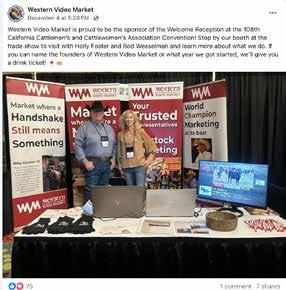
As iconic as Shasta Livestock was, one of Peek's most recognized endeavors was the creation of Western Video Market in 1989 with co-founder Col. John Rodgers. The pair, both known for their reputation, customer service and connections in the cattle business are often quoted complimenting the business ethics of one another, saying they wouldn't have wanted to go into such a new-age business like Western Video Market with anyone else.
Western Video Market revolutionized the way many ranches marketed their cattle and has went on to be a mainstay in marketing cattle, calves and sheep across the Western U.S.
In addition to his tenure in various beef marketing endeavors, those who have worked with Ellington remark him as a true industy supporter who does everything with an honest
handshake and is always looking out for the best interest of his fellow man.
Beef producers across California will forever be in the debt of this great industry leader for his example and foresight. It is with great pleasure that incoming CCA President Rick Roberti and outgoing Second Vice President Mike McCluskey awarded a Lifetime Achievement Award to Ellington Peek during the 108th annual CCA Convention in Reno, Nev.

•
•
•
•


The prestigious Gordon K. Van Vleck Memorial Award was presented at the California Cattlemen’s Convention during Thursday night’s banquet. This award, presented by CCA, honors individuals who are not primarily involved in beef cattle production but have made significant contributions to the California beef cattle industry and have demonstrated enduring leadership for the industry.
The 2025 award receipt was Lynn Huntsinger, Ph.D., Since 1989, Huntsinger has been an assistant professor, associate professor and professor in the Department of Environmental Science, Policy, and Management at the University of California, Berkeley. Her research focus has been on ecology and management of rangeland ecosystems, particularly coproduction of environmental benefits and agricultural goods through working landscapes and the role of managers and users as critical actors.
Huntsinger has spent her career committed to researching and sharing about rangeland management.
Tim Koopmann, Sunol, a past president of the CCA and a Bay Area rancher said as a professor, Huntsinger has educated hundreds of students about the ecological role of grazing, bringing her undergraduate students biannually to the Koopman Family's ranch since the early 2000s.
“Lynn’s passion for teaching and love for California Rangelands is abundantly evident as she guides her student around our family cattle ranch, pointing out all the ecological benefits of grazing throughout the tour,” Koopmann said.
These firsthand experiences on a private working ranch have equipped future ecologists and land managers with the knowledge that it is possible to balance agricultural production goals with environmental stewardship goals.
UC Cooperative Extension Advisor Tracy Schohr, Gridley, credits Hunsinger's work for the betterment of public perception as well as onthe-ground management of natural resources, which she highlighted in her comments as she helped present the award.
Schohr said, “Lynn’s work has shifted perspectives of students and land managers, leading to better public
lands management, better public policy and better stewardship of California rangelands.”
Throughout her career, Huntsinger has had a willingness to engage in challenging discussions that has been pivotal in breaking down misconceptions and fostering dialogue between livestock grazers and skeptics, as noted by Dave Daley, an educator and former CCA president from Butte County.
“Dr. Huntsinger is a well-respected rangeland ecologist who has spent decades conducting research and teaching at UC, Berkeley,” reflected Dave Daley. “Her knowledge is not seen as the typical advocacy that is expected of ranchers, because her work is grounded in hard science. She is comfortable at scientific meetings, in front of legislators and walking the land with ranchers. That is a special gift that has been widely shared to the benefit of the California livestock community.”
From her role in the classroom to community discussions and research to public policy, Huntsinger has been a champion of working landscape and sustainable grazing management. For her significant contributions to advancing rangeland conservation, sustainable public lands grazing and training a new generation of students on the economic and ecological value of livestock grazing, the California Cattlemen’s Association is proud to honor Lynn Huntsinger with the 2025 Gordon K. Van Vleck Memorial Award.
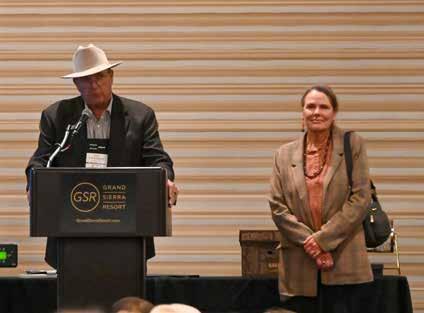
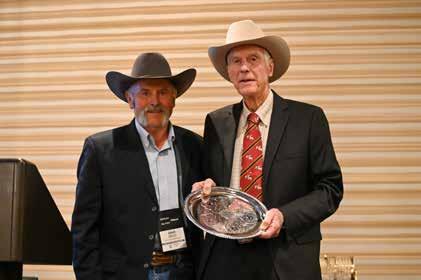
Dave Daley, the 2020 recipient of the California Livestock Man of the Year, came to the stage during CCA’s Annual Convention Award Banquet to announce Dr. Wes “Doc” Patton of Orland as the 2024 California Livestock Man of the Year.
Patton is a fifth-generation sheep rancher who has had a life-long interest in the sheep industry, as demonstrated through his 35 years of teaching at Chico State, the development of his own high quality sheep flock, and his involvement in state and national sheep, cattle and agricultural organizations throughout his career.
One of the faculty members most responsible for the growth and success of the College of Agriculture is retired Professor Wes Patton. Affectionately known as “Doc” Patton during his 35-year campus career, Patton was beloved by students and colleagues for his commitment to every aspect of what it means to be a University professor.
“I am one of the lucky faculty who Doc mentored early in their teaching career,” said Patrick Doyle, former associate dean of the College of Agriculture. “Like many, I modeled my advising, teaching, research efforts, and industry commitment after Doc’s example and exemplary record.”
Agriculture professor Celina Phillips agreed saying, “Doc Patton is the teacher I try to emulate in my own teaching style.”
The son of Northern California sheep ranchers, Patton transferred to Chico State from Coalinga College in 1963. After completing his bachelor’s degree in agriculture, Patton earned graduate and doctoral degrees in animal science from Oregon State University. He and his now late wife, Jane, returned to Chico State in 1969 when he joined the College of Agriculture faculty.
Patton managed the University Farm’s Sheep Unit for many years and created Sheep Day at the Farm, a popular event now attended by hundreds of K–12 students. Alongside his faculty responsibilities, Patton has held important positions in the livestock industry, including serving
as president of the American Lamb Board and the American Dexter Cattle Association. Patton has also held numerous leadership roles within the California Farm Bureau Federation and California Wool Growers.
In 2000, Patton received the University’s Outstanding Faculty Service Award. He and his wife used the award stipend to help establish the Wes and Jane Patton Student Advancement Award in the College of Agriculture. The award supports students visiting graduate schools or presenting research at professional meetings.
In 2005, Patton was named the College of Agriculture’s Distinguished Alumnus, and in 2019, the college inducted Wes and Jane Patton into its Hall of Honor.
After retirement in 2004, Patton returned to ranching. He and Jane own Glenn Land Farm in Orland, where they raise sheep and cattle. He still remains closely connected to the College of Agriculture via guest speaking and hosting field trips to the Orland ranch, and his children are carrying on that connection: Kevin is an associate dean in the College of Natural Sciences and Matt is executive director of the California Agricultural Teachers Association.
On Oct. 30, 2024, the Patton Family Sheep Unit at Chico State was dedicated to Doc, Jane and their family for their inumerable contributions to the university and livestock industry over the years.
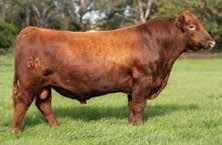
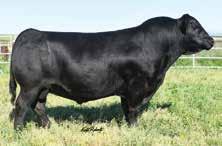
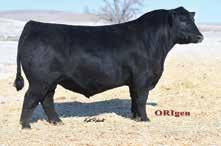
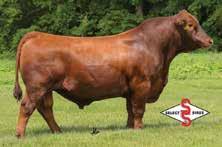




by Tracy Schohr and Kasey DeAtley, Ph.D., board of directors, California Beef Cattle Improvement Association
The Producer of the Year Award, presented by the California Beef Cattle Improvement Association (CBCIA), honors a progressive beef cattle breeder who applies practical, scientifically backed selection and management methods to build a successful ranching operation. The 2024 CBCIA Producer of the Year was awarded to Lambert Ranch in December at the 2024 California Cattlemen’s Association (CCA) Convention in Reno, Nev.
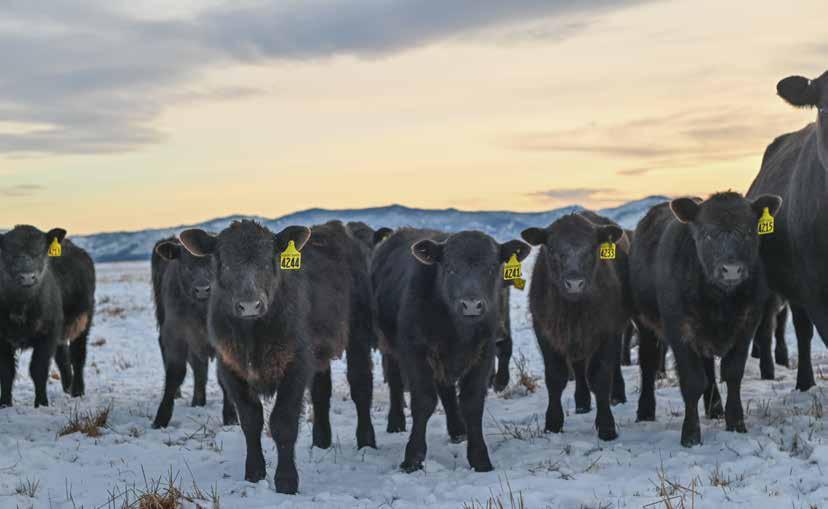
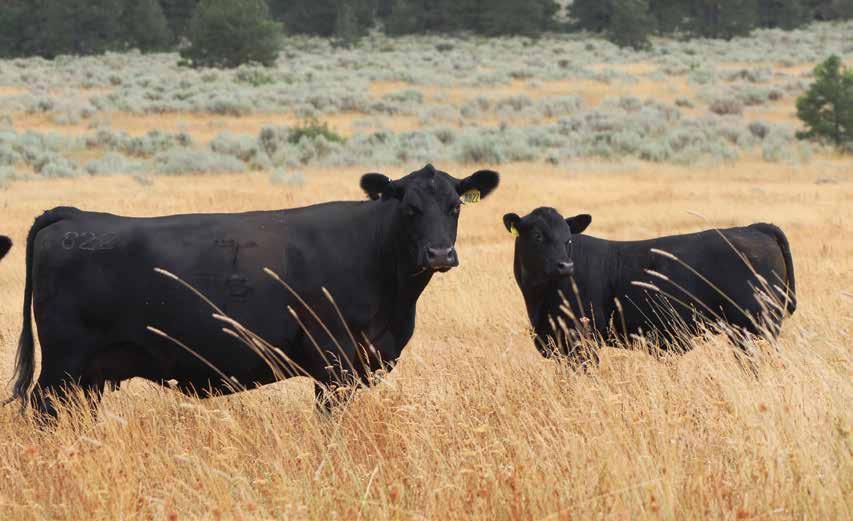
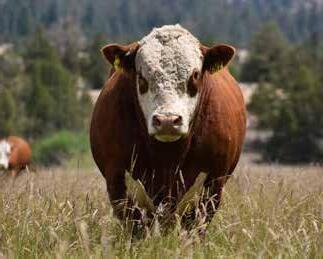
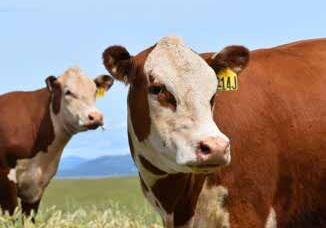
The Lambert Ranch got its start in Hereford cattle in 1974 when Stu and Marie Lambert bought a Hereford steer for their son. Little did they know that it would become a life shaping purchase for Steve Lambert. From that purchase, the Creekside Ranch, based in Sonoma, came into existence and the Lambert family became well known for their high-quality Polled Herefords for many years.
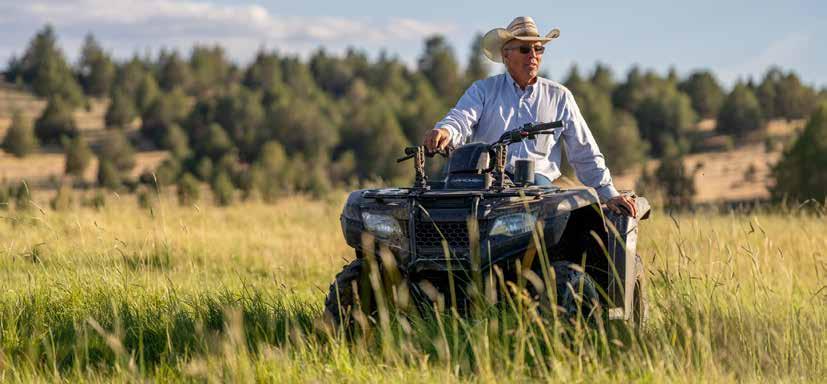
In 2001, Steve Lambert purchased the very top end of that herd after the death of Stu, and the Lambert Ranch found its home in Oroville. In 2010, Lambert Ranch expanded to Modoc County,
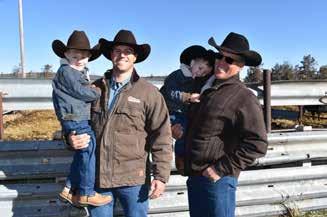
where they graze irrigated meadows from June to November. Today, Steve ranches alongside his significant other Kerri Olhiser and his son Clayton Lambert who lives on the ranch and helps along with wife Brittany and their sons Cooper Stuart and Jack Henry.
Over the past 50 years there have been a few pivotal moments in Lambert Ranch history, the first in the early 2000s when Steve began integrating horned bulls in the operation. A decade later, in 2012 Lambert Ranch began using Angus bulls on the Hereford heifers to create a more marketable calf. And lastly, in 2021 when the operation again diversified with SimAngus to improve cattle genetics, and meet customer needs and still maintain the docility of the Hereford breed.
Starting out as a polled Hereford operation, Steve has taken those genetics and combined them with horned Herefords and SimAngus to produce quality females and bulls that appeal to both commercial cattlemen and fellow seedstock producers. Steve uses artificial insemination (AI) in combination with herd bulls from across the country which allows continuous improvement to maternal traits, carcass quality and high performing offspring.
When asked about his short-term goals, Steve said, “My two current focuses are expanding the Sim-Angus cow herd and improving carcass quality.”
In 2020, Steve was presented with an opportunity from a commercial cattleman to sell all of the fall calving herd. With careful consideration to genetics, economics and bull buyer demands, Steve took the offer to disperse his fall cow herd. Today, he is actively growing his number of SimAngus spring calving females that align with his environment as
they require little to no fall hay. He says there is also large customer demand for SimAngus genetics.
The second short term goal that Lambert Ranch is actively working towards is improving carcass quality.
“I focus on selecting sires for AI and herd bulls with balanced characteristics and strong carcass qualities,” said Steve. “With the help of customers, I receive carcass data annually on over 500 steers and heifers sired by Lambert Ranch bulls. This continuous carcass data feedback helps me with my own female retention selection process and annual sire selection.”
The long-term goals of Lambert Ranch, align with the values of his late father Stu; maintaining a solid cow herd with ability to travel diverse terrains and sire bulls that perform for commercial cattlemen –resulting in high weaning weights. Steve’s personal long-term goals are to continue raising about 50 Hereford bulls annually that meet market demands and continue building black bulls to meet his customers' needs.
Logan Ipsen, president of Western Livestock Journal credits Steve's success to his willingness to adapt with what the market is telling him.
"...that goes for replacement heifers and commercial cattle to Hereford bull characteristics,” said Ipsen, who has worked with Lambert for nearly two decades. “He not only raises great cattle but focuses on customer relationships and across the industry fellow cattlemen genuinely like Steve and what he represents as a cattleman and seedstock producer.”
The Lambert Ranch is positioning themselves for opportunities in the future to meet the demand of cattlemen looking to increase their cow numbers with “Super Baldy” heifers with solid structure, strong maternal traits and offspring with power.
Herd Improvement
Lambert Ranch’s sire selection is “balanced.” Steve focuses on selecting bulls with maternal characteristics, including moderate birthweights, along with disposition, carcass data and performance (e.g. weaning and yearling weights).
Each year about 10 percent of the Hereford cows are bred via AI. The goal of AI is to raise their own herd bulls for use. As Steve puts it, “Capital outlay on herd bulls does not always pencil.” When AI’ing, Steve looks to genetic diversity with proven carcass traits.
“I am not a single trait guy, I want a balanced bull that looks good on the eye and on paper,” said Steve. “I view raising cattle like building a house, if it does not have a good foundation, it will not stand up.”
With the majority of Lambert cows conceiving naturally, it is imperative the bulls have good feet and legs to travel to get their job done.
“My cows get bred in large pastures with some rugged terrain, and this last round only 2 percent were open. This is a direct outcome of bull selection, heifer program and overall herd health.”
When it comes to calving time, Steve calves out the heifers at the home ranch, while the cows are nearby on larger pastures. Any females with calving
problems are sold, calves that require pulling are not retained, their bull calves are castrated, and cows that don’t have a calf are culled.
“Having zero tolerance was hard at first, but it has paid off to track female and herd bulls to continuously improve genetics and performance,” said Steve.
This zero-tolerance policy has led to the average cow on the Lambert ranch being about 10 years old, but there are many that remain productive to 13 or 14 years.
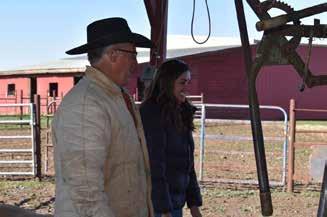
Steve has evolved his record keeping from the traditional “Red Book” with the help of his partner Kerri who has built out personalized Google Sheets to track breeding, calving, individual animal herd health and EPD data. This data is then uploaded to the Simmental Association and Hereford Association as part of individual animal EPDs.
Lambert Ranch’s focus on EPDs has led them to be one of the selected few Hereford Breeders across the nation to achieve the Gold TPR™ (Total Performance Records) status. This program recognizes breeders like Steve who collect data at all levels of production and report data in a timely matter. As part of the Lambert Ranch data, Steve also ties in the carcass data mentioned above, herd health such as pink eye and udder scores that can be a strict reason for culling.
“I refuse to treat pinkeye on the same cow twice or milk a cow,” said Steve. “Overall, my herd health, breeding program and culling has led to better cattle that are easier to care for.”
The Lambert Ranch bull buyers are typically using Hereford bulls on black cows looking for calving ease and hybrid vigor outcomes. With the expansion of Angus and SimAngus in recent years, Lambert Ranch is expanding their customer base. Lambert Ranch has two annual bull sales, Butte Bull Sale in October in Oroville, and the Modoc Bull Sale in February in Alturas.
Justin Hamilton, Vina, has been buying Polled Hereford bulls from Steve for about six years, and says his experience has been calves with good vigor and females with good teats and udders. “For our operation we must focus on quality, and the biggest way for us to improve our herd is through our replacement heifers. We are really starting to see the true value of Steve’s bulls as their offspring become cows in our herd,” Hamilton said.
Lambert Ranch invests in their herd genetics and the land their cattle are raised on. The operation has a seasonal rotational grazing program along with cross fencing on pastures. In addition, they have developed water sources on ranches to increase grazing distribution and drought resiliency.
“As part of our drought management strategy we don’t turn to hay,” said Steve. “We maintain
a conservative stocking rate and increase cattle rotation, before turning to culling or supplementing with hay.”
In the past five years, Steve has focused on invasive weed management, particularly starthistle on the winter annual rangelands with active spray and grazing management. He has also invested in pasture health, replanting about 100 acres annually to improve forage quality and drought resiliency. Lambert Ranch has also collaborated with UC Cooperative Extension on research projects and Natural Resources Conservation Service to improve grazing management.
Steve is active in his community and the livestock industry, serving in leadership roles for over three decades. Steve’s commitment to the community and the livestock industry is hard to match! He is the past mayor of Paradise and supervisor for Butte County, serving three terms, including serving as Chair of the Board. He is on the executive board of the California Cattlemen's Association, past president of the Butte County Cattlemen, board member of the Butte County Farm Bureau and was the 2014 president of the American Hereford Association.
CBCIA is proud to share with you Steve Lambert's commitment to cattle production, genetics, land management and community service, awarding the Lambert Ranch the 2024 CBCIA Producer of the Year Award.
“The Lambert Ranch’s most significant changes have been diversification of herd genetics to help remain relevant and meet customer demands,” said Daniel O’Connell, president of CBCIA. “Steve’s investment in genetics, technology, the land and his community exemplify the principles that CBCIA founding members had in 1959.”
The California Beef Cattle Improvement Association (CBCIA) is a producer-driven organization that supports beef cattle improvement and economic production through education. It is the mission of CBCIA to foster the improvement of beef cattle in California by recognizing outstanding cattle producers and supporting the next generation of cattle producers and allied industry personnel through various approaches including professional development, scientific breeding practices, herd management, nutrition and the ethical & humane treatment of cattle by providing diverse information and educational programs.
CBCIA Officers
President Daniel O’Connell
Vice President Marissa Fisher
Secretary/Treasurer Tracy Schohr
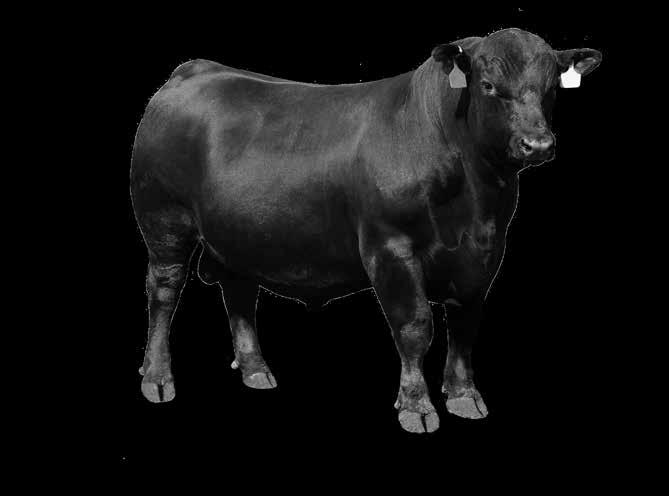




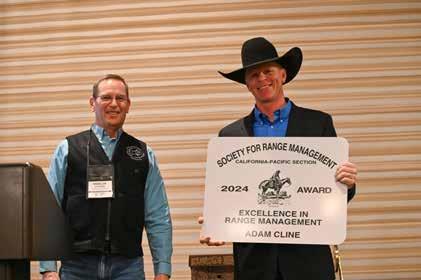
Adam Cline of Cline Livestock is the 2024 recipient of the Excellence in Range Management Award. This award acknowledges rangeland managers who consistently practice and demonstrate range management and conservation practices that uphold the principles of the California-Pacific Section of the Society for Range Management.
Cline has a long history in managing rangelands in California, beginning with his days as a cowboy for Five Dot Land and Cattle Co. in which he managed several ranches in hills east and north of the Bay Area. Cline then became the Ranch Manager for the Yocha Dehe Wintun Nation, a position he held for 12 years, and built their beef cattle herd from scratch to a sizable herd of 700 breeding cows. Wanting to pursue his own ranching venture, in 2018 Cline established Cline Livestock and has since been building his own herd of beef cattle and managing rangelands in Northern California and Nevada.
Whenever Cline starts grazing on a new ranch, one of his first actions is to engage agencies and organizations that enable him to develop the plans and secure funding for practices that improve grazing, conservation of natural resources, increase carrying capacity, improve wildlife habitat and make the ranch more resilient to drought.
A remarkable quality of Cline’s is his penchant to share his knowledge and experiences with fellow ranchers, agency personnel and the younger generations. Cline is a frequent presenter at industry agency professional meetings as well as youth development programs, and he often hosts agency training programs on the ranches he manages to demonstrate how he engages agency resources to accomplish on-the-grounds projects such as cross-fencing, offsite water developments, wildlifefriendly infrastructure and riparian management.
In addition to his ranching activities, Cline has served his local and statewide
industry groups by serving as the president of the Yolo County Cattlemen and Wool Growers Association from 2012 to 2018 and by chairing CCA’s Property Rights and Environmental Management Committee from 2016 to 2018.
Cline’s passion for ranching and range management has even rubbed off on his children as his daughter, Audrey, is a freshman at Cal Poly Humboldt pursuing a degree in Range Management, and his son Austin is planning on entering the ranching industry after graduating high school and attending a four-year college on a rodeo scholarship.
Adam Cline is consistently focused on being a good steward of his cattle and the rangelands he manages and strives to leave the land in better condition for the benefit of his operation and future generations. He exemplifies the type of person and dedication the Excellence in Range Management Award is intended to recognize.

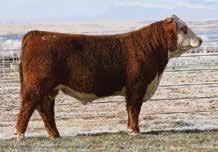

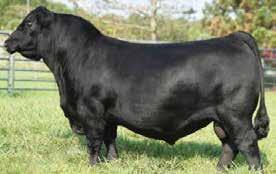
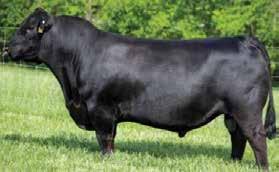
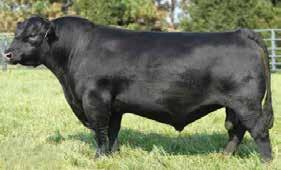
This one is in elite company when it comes to $CHB and IMF. His dam 8140 is a full sister to Guardians mother and they have the ability to pass so much carcass quality to offspring while still maintaining maternal excellence. This horned bull should be in high demand.
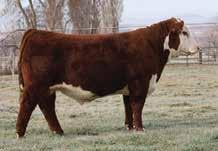

Without question this will be a pen bull for Denver and one that will have many fans. He has the body and build that we are looking for and a cow family behind him that makes him so easy to tie to and use hard as a herd sire. We feel this is one of the best Sherman sons available and some outcross genetics.
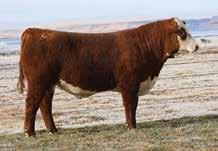
This Guardian son comes from a long line of great cow families being out of donor dam 8019. She is also the mother of a previous high selling bull Key West who is producing great females. Not only does he have the maternal package but he also is in the top 2% of the breed for $CHB and top 4% for IMF.
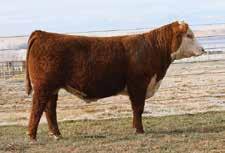
One of the best options in the offering for a double digit calving ease sire but still has the carcass numbers to put out a great set of feeding cattle. He is out of a first calf heifer that goes back to the Bailee cow family. Moderate sized, dark red and has lots of rib shape and muscle shape.
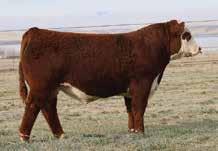
One of 3 full brothers in this offering sired by Arlo and out of the high selling female 1101 to GKB cattle in Texas. Some of his brothers have slightly better genomics but we feel this ones phenotype is the best. She is one if the breeds highest CHB cows that goes back to 8140 who is Bell Heirs full sister. Dark red and lots of pigment for generations.
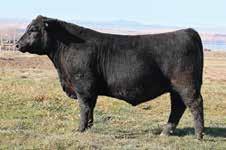
This herd sire rises to the top of his contemporary group and is a true representation of the quality of the Republic sired cattle. He is out of a first calf heifer who is now a donor dam after weaning this bull with a 121 ratio. His EPD profile is so balanced where maternal and carcass traits are both combined into a phenotypic package that makes him so easy to find in a pen. C
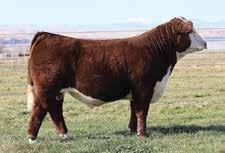
This Sherman son should be on everyone’s short list. The nice thing about him is both young and old cattlemen can appreciate this kind. He is dark red and smooth made with just the right amount of size and shape. He was named Reserve Champion overall bull in Reno and we feel he will be the kind for the long haul.
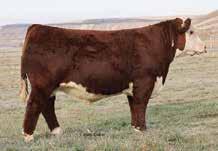
This will be a pen bull for Denver and he will anchor a strong set that have not only the phenotype and look but also the EPD values that are in demand. Study his calving ease and birth values but then he is able to tickle a 200 $CHB. He is dark red and has the ability to enhance any breeding program and take it to the next level.
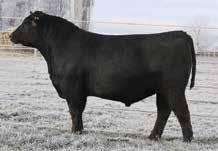
This one is a true genetic powerhouse on paper with jaw dropping indexes for both maternal and carcass quality. He has the highest combined value of any bull in the offering and is out of our strongest cow families. Tess 0166 has made a name for herself at a young age as she was also the donor dam of the high selling bull in the 2024 sale and the high selling Angus female in the fall sale.

from the California Beef Council
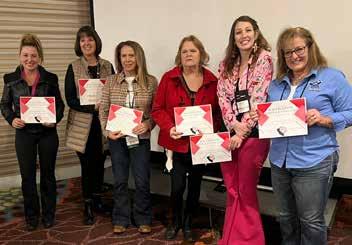
The Walt Rodman Award was established in 1982 by the California Beef Council (CBC) in an effort to recognize outstanding beef promotion efforts by California CattleWomen at the county level. Named in honor of long-time CBC executive director Walt Rodman, who led the council from 1957-1971, the CBC sponsors the award program annually in order to recognize the innovative efforts of the state’s CattleWomen in sharing the cattle community’s story with the public.
The CBC supports those local promotional efforts by the CattleWomen with cash awards to those county units that enter the Walt Rodman Award competition.
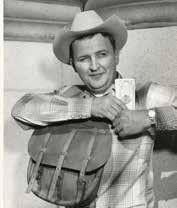
Walt Rodman, manager of the California Beef Council, in a 1959 promotional photo for the CBC’s successful Holiday Beef Gift Certificate program. Photo courtesy of Joan Linn Bekins.
Walt Rodman was one of the California beef industry’s most visible members for over two decades. In addition to his time as executive director of the CBC, Rodman was part of the show management of the Grand National Livestock Exposition at the Cow Palace during its heyday.
A cattle producer himself, Rodman served as the president of the Modoc County Cattlemen’s Association, one of the largest cow-calf producing counties in the state at the time. He also ranched in Santa Barbara, Contra Costa, San Benito and Sonoma counties, giving him a broad view of California cattle production.
It was Walt Rodman’s innovative work in the early years of the Beef Council that he is honored for with the award that bears his name. Because the California Beef Council was the first beef council in the U.S., every beef promotion that Rodman created was cutting-edge for its time.
The California Beef Council continues to
honor his legacy of innovation in beef promotion and education by showcasing the exceptional promotional efforts of California’s CattleWomen.
SMALL UNITS
• 1st Place – Placer-Nevada CattleWomen
• Tie 2nd Place – San Diego County CowBelles and Shasta County CattleWomen
MEDIUM UNITS
• 1st Place – Tehama County CattleWomen
LARGE UNITS
• 1st Place – San Luis Obispo County CattleWomen
• 2nd Place –Tulare County CattleWomen
PARTICIPATION AWARDS
• Siskiyou County CattleWomen
• Amador-El Dorado-Sacramento CattleWomen

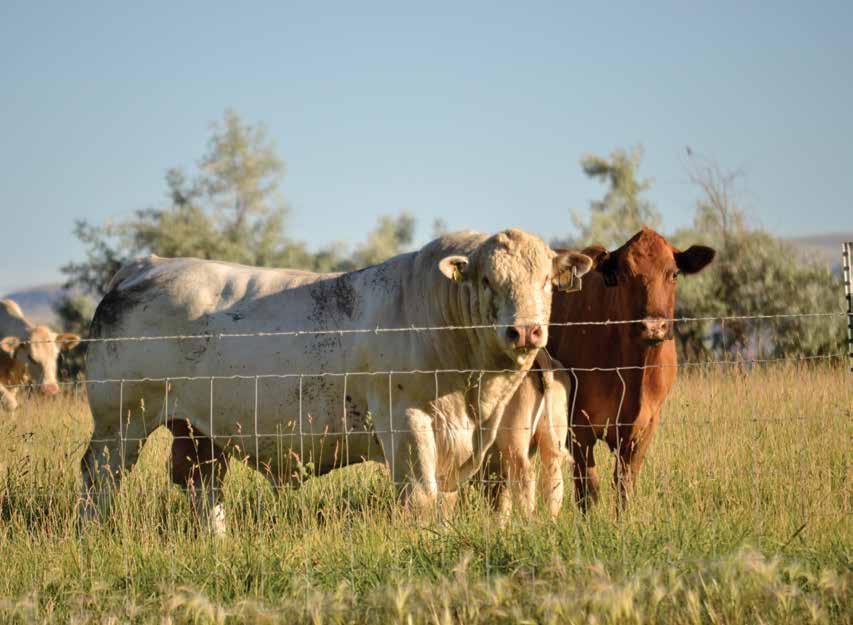



AgWest Farm Credit released its Monthly Market Update for December, covering the state of major agricultural commodities in Alaska, Arizona, California, Idaho, Montana, Oregon and Washington. The update features unique insights into economic drivers impacting agriculture and forestry in the West.
Mexico recently detected their first case of New World screwworm (NWS). NWS flies lay their larvae in the open wounds of livestock, which then eat the livestock’s flesh, causing infections. In the 1950s, the U.S. eradicated this pest, which historically ranged as far north as central California and Arizona. There is concern that if NWS returns to the U.S., it could spread even further than its historic range. Since 2006, the U.S. has worked with Panama to prevent NWS from moving north into Central and North America. In response, USDA is restricting live cattle imports from Mexico for at least three weeks to assess the situation and will likely establish quarantine measures for imported cattle. NWS infections are hard to detect.
Cattle imports from Mexico are vital to the U.S. cattle inventory, making up 5 percent of total feedlot placements. The year-end is a peak time for these imports, potentially affecting imports of over 1 million head if temporary restrictions last longer than three weeks. Feedlots in the Southwest
would be most impacted by a temporary shutdown through reduced feeder cattle supplies and increased prices. However, on Dec. 2, 2024, USDA reported trade should be restored by January, leading to sharp losses in feeder cattle futures, with prices dropping $2.02 to $3.07 per cwt.
Looking ahead, conditions indicate lower input costs for producers in 2025. In the U.S., drought conditions have improved over the past month, going from 62 percent of cattle inventory in drought down to 40 percent. Western cattle producers saw some reductions in drought conditions for cattle regions. The lower 2024 hay prices due to drought improvement are likely to be sustained into 2025.
Cattle prices are likely to remain elevated in 2025 on tight supplies. Calf prices improvedin October and November. Feeder prices also remain strong. As of Nov. 1, feedlot inventories were at 11.99 million head. October's feedlot placements were slightly higher than pre-report expectations, at 105.3 percent of year-ago levels. Placements grew in all regions except the Northwest, which saw a slight decline from 2023 numbers. Placement rates suggest the beef cow herd has continued to decrease in 2024. Heifer retention is crucial for herd expansion, but current heifer slaughter rates indicate this is not yet occurring. This limits prospects for herd expansion in 2025.

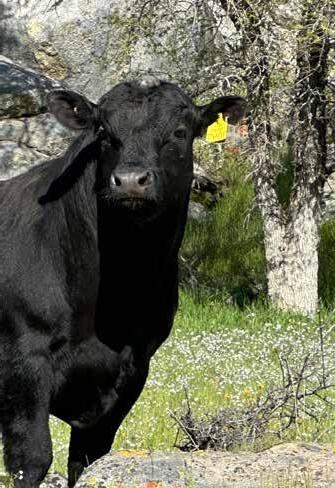


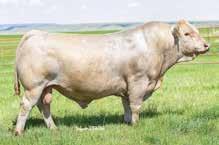
LEAD TIME SONS SELL, AS WELL AS:
• HC Rim Rock 4247
• SS Rim Rock 9089
• OW About Time 9502
• NG MR 8741 844H2
125 SimAngus™ 16-month-old Bulls
135 Charolais 18-month-old Bulls
GUEST CONSIGNMENT FROM BAR CK CATTLE COMPANY, CULVER, OR


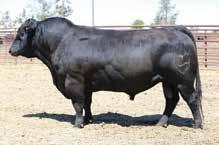
• HA Justice 30J
• GW Triple Crown 018C
• GW Vindicator 312E
• IR Beacon E010
• KBHR Wisdom H035

QUIGLEY SONS SELL, AS WELL AS:

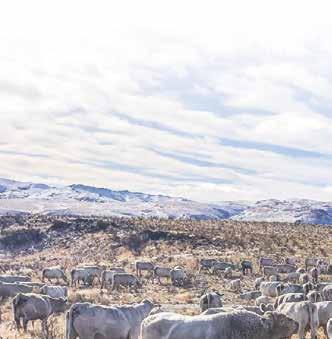
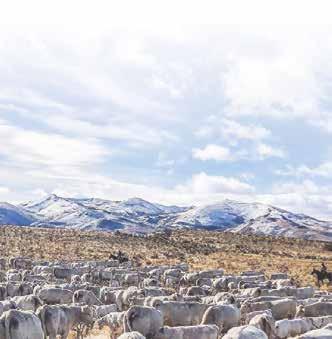
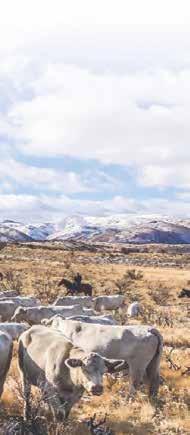
The bulls in this offering are bred, selected, and sorted to work in a high-desert environment with minimal inputs. We run our registered cow herd in the same terrain as many of our commercial customers to ensure these bulls not only survive in this environment; they thrive.
All bulls are on test at Sandhills Cattle Feeders, 12 miles North of Winnemucca, NV. They can be viewed at any time through the morning of the sale. We have a satisfaction guarantee with all bulls selling, and if we can be of any service to assist in selection, please don’t hesitate to contact us.
EVERY BULL SELLING COMES COMPLETE WITH:
• Full genomic enhanced EPDs and multipurpose indexes
• Rigorous breeding soundness evaluation including a sort for feet, legs, and disposition
• Individual performance gain data with ratios
• First year breeding season guarantee on functional fertility






from the California Rangeland Trust
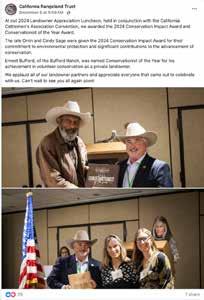
On Wednesday, Dec. 4, 2024, the California Rangeland Trust recognized three special individuals during its Landowner Appreciation Luncheon held in conjunction with the CCA/ CCW Convention. Ernest Bufford was presented with the 2024 Conservationist of the Year Award, which acknowledges extraordinary achievement in volunteer conservation by a private landowner. Cindy and the late Orrin Sage were recognized as the recipients of the 2024 Conservation Impact Award for their significant contributions toward the advancement of rangeland conservation.
Bufford, a former Los Angeles officer for the California Highway Patrol and first-generation rancher, is a man on a mission. After acquiring several parcels of rangeland in the Walker Basin of Kern County in the early 2000s, he partnered with the Rangeland Trust in 2013 to conserve the whole 575-acre ranch. With the easement money, he purchased an adjacent stretch of land in 2016, which he then conserved. The income from the second easement was then put toward the purchase of a third piece—a 65-acre parcel that was conserved with help from private donors in 2023. In total, Bufford has conserved 910 acres in the Walker Basin, which the locals admirably call “Ernieville”. Bufford’s goal is not to simply own land, but to protect it.
Cindy and the late Orrin Sage have long been known as driving forces in rangeland
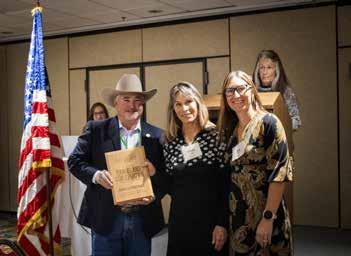
conservation. Together, they held a common vision for their life works, owned and operated SAGE Associates—a successful consulting firm, and shared a love of teaching in the Environmental Studies Program at the University of California, Santa Barbara. SAGE Associates has provided environmental and agricultural consulting for over 50 years and was instrumental in the early development of conservation easements. Through their consulting firm, the Sages performed agricultural studies on more than 3 million acres of land in California and Nevada. And of that, over 700,000 acres are now within conservation easements, including the historic Hearst Ranch in San Luis Obispo County that was conserved in partnership with the Rangeland Trust.
“It is the Rangeland Trust’s honor to recognize Ernest Bufford and Cindy and the late Orrin Sage as the recipients of our coveted 2024 conservation awards,” said Michael Delbar, Chief Executive Officer of the Rangeland Trust. “Both Ernest and the Sages could not be more deserving. Their work in helping to protect our cherished working landscapes is inspiring and impactful. We congratulate them for their achievements and thank them for their efforts in helping to preserve the best of the Golden State for future generations.”
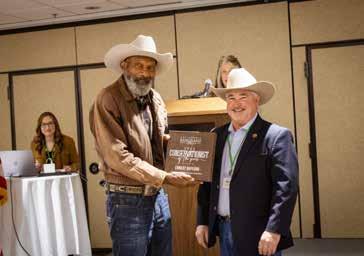
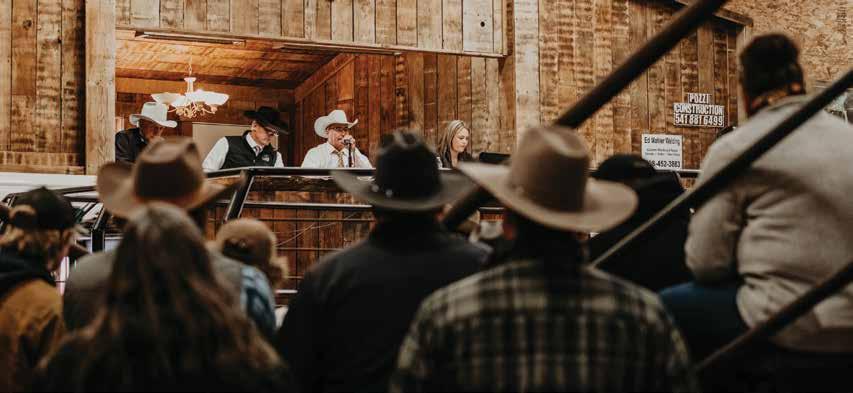
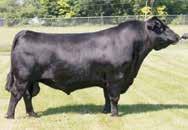
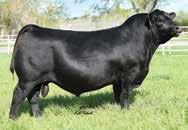

SATURDAY 1 P.M. • VALE, OREGON
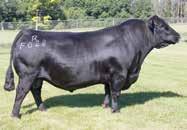
18-MONTH OLD ANGUS BULLS AND A SELECT GROUP SIMANGUS BULLS 30 OPEN COMMERCIAL ANGUS HEIFERS
Our age-advantaged bulls are available in volume! These bulls out of top sires can increase consistency and marketability in your calf crops.
As the second-largest registered Angus cowherd in Oregon calving out 600-plus females a year, you get the Advantage of only the cream-of-the-crop! The top 50% of our bulls have extremely large contemporary groups to increase predictability, consistency and quality for our customers, and are from a cowherd that has been around for nearly 40 years.
Ruthless culling for feet and legs, plus structure gives you the Advantage when it comes to bull selection. Our bulls are extremely athletic. They run in big pastures over the summer after weaning. They are developed in extremely large lots that require them to travel up and down hills over rocky, hard ground everyday between a high-roughage feed source and water to ensure soundness and longevity.
Our intense AI program utilizes the most current and sought-after genetics in the Angus breed, with herdsires infused and utilized that rival the most popular AI sires in the breed for genetic value and potency.
Volume and repeat discounts are available, and delivery is free. Bulls are backed by a Zoetis HD50K DNA evaluation, ultrasounded with complete performance and fertility evaluation, and backed by an industry best guarantee. Many bulls qualify for the CAB Targeting the Brand Program.

SALE MANAGER:
Matt Macfarlane (916) 803-3113 (cell)
m3cattlemarketing@gmail.com www.m3cattlemarketing.com
AUCTIONEER Rick Machado (805) 801-3210
2175
Jerry Baker
(208) 739-3449
Samuel Mahler, Herdsman (208) 739-0475




Noble Research Institute, a trusted resource for farmers and ranchers since 1945, and Certified Angus Beef, a brand known for its commitment to quality beef, have partnered to develop and deliver Land Stewardship, an educational course designed for livestock producers worldwide.
Land Stewardship, launched in November 2024, is an extension of Noble’s educational curriculum and offers an introduction to the six soil health principles and how they work with the ecosystem processes. Available fully online, and free, the program provides participants with accessibility and the ability to complete it at their own pace. Producers of all sizes and locations will gain insights into improving their land management for healthy soil, better grazing animal performance and a more resilient and profitable operation.
Noble provides U.S. farmers and ranchers with a research-backed suite of educational programming covering all aspects of farm and ranch management. The organization’s curriculum offers the tools needed to restore their land, improve their grazing, increase profits and gain long-term success for their operations.
“We are excited to partner with Certified Angus Beef, a company with a long history of commitment to the beef industry and the establishment of a
set of uncompromising standards for taste,” said Steve Rhines, CEO and president of Noble Research Institute. “Producing the best beef starts with the animal and how it is raised, and that’s where Noble’s expertise comes in. Together, we have developed a program that supplies the tools to apply high standards to our land stewardship to build stronger and more sustainable operations.”
The partnership between Noble and CAB highlights the shared dedication of both organizations to support producers in caring for the land and grazing livestock in the best way possible to ensure better production, improve the environment and provide a better future for their communities around the country.
“Farmers and ranchers are land stewards first, with healthy forages a necessity for cattle production,” said Bruce Cobb, executive vice president of production at CAB. “Our team is excited to bring forward this resource, developed by subject-matter experts, that will help producers enhance soil health and profitability on their operations.”
For more information about partnership opportunities with Noble Research Institute, visit www.noble.org/partner/.
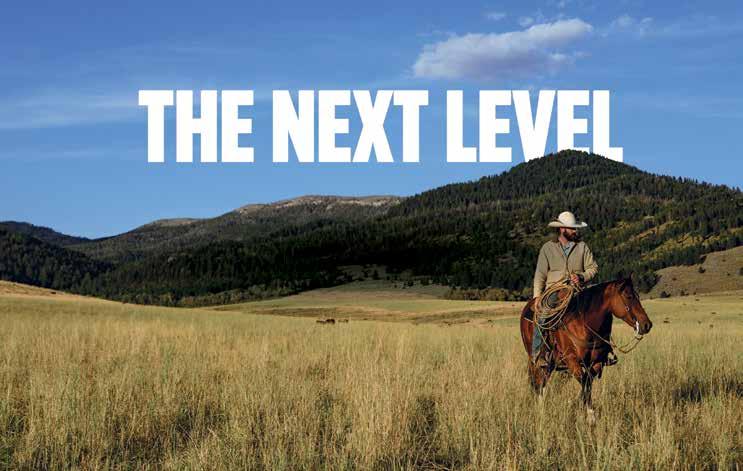
Regenerative ranching builds on the practices you already use, helping you tackle new challenges while staying true to your commitment to your land.

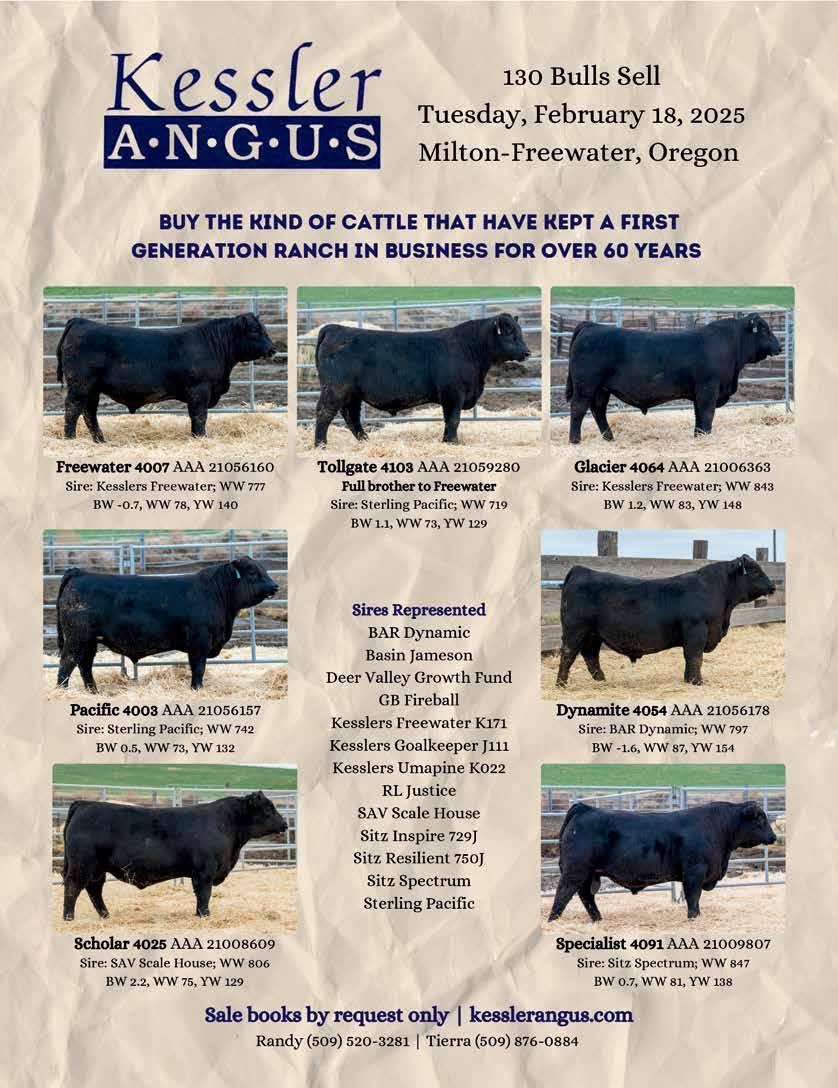
Following the spread of Bird Flu in sixteen states, including in California and outside the Central Valley, Governor Newsom proclaimed a State of Emergency today to further enhance the state’s preparedness and accelerate the ongoing cross-agency response efforts.
On Dec. 18, Gov. Gavin Newsom proclaimed a State of Emergency to streamline and expedite the state’s response to Avian influenza A (H5N1), commonly known as “Bird Flu.” This action comes as cases were detected in dairy cows on farms in Southern California, signaling the need to further expand monitoring and build on the coordinated statewide approach to contain and mitigate the spread of the virus. The virus has spread in 16 states among dairy cattle, following its first confirmed detection in Texas and Kansas in March 2024.
To date, no person-to-person spread of Bird Flu has been detected in California and nearly all infected individuals had exposure to infected cattle. California has already established the largest testing and monitoring system in the nation to respond to the outbreak.
This emergency proclamation will provide state and local agencies with additional flexibility around staffing, contracting, and other rules to
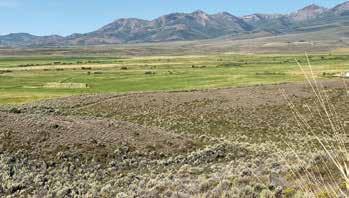
support California’s evolving response.
“This proclamation is a targeted action to ensure government agencies have the resources and flexibility they need to respond quickly to this outbreak. Building on California’s testing and monitoring system — the largest in the nation — we are committed to further protecting public health, supporting our agriculture industry, and ensuring that Californians have access to accurate, up-to-date information. While the risk to the public remains low, we will continue to take all necessary steps to prevent the spread of this virus.”
California has mobilized a comprehensive crossagency response to Bird Flu in dairy cattle and poultry farms to minimize farm worker exposures, reduce raw dairy product contamination, and mitigate the spread of the virus. The state has enlisted local, state and federal government technical and operational expertise to support all facets of the response; worked to educate the public, health professionals, employers, and workers on prevention and control measures to reduce the risk of exposure to Bird Flu; provided comprehensive information for employers and workers on personal protective equipment (PPE) requirements; and distributed millions of pieces of PPE to high-risk workers at dairy farms.

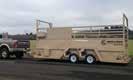



Debbie Costa from Lodi, is the new leader of California CattleWomen, Inc. (CCW) The California CattleWomen installed their 2025-2026 president in Reno, Nev., during the annual convention and trade show held in conjunction with the California Cattlemen's Association.
Costa has been a member of the San Joaquin-Stanislaus CattleWomen since 1992. She has served as the unit’s secretary, treasurer, president and chair of numerous committees. She routinely contributes educational presentations at farm days and classrooms and volunteers at fundraising events. In 2004 she was honored as the San Joaquin-Stanislaus CattleWomen's CowBelle of the Year.
In 2003, Costa attended her first California CattleWomen meeting as unit President, marking the beginning of her ongoing commitment to the organization. Over the years, she has held several key roles on the state level, including serving as chair of both the nominating and fundraising committees. Most recently, she contributed as the Central State Director.
In addition to Costa, the 2025 CCW leadership team includes vice president Susan Cochrane; second
from California CattleWomen, Inc.
vice president promotion/ education Pat Abel; second vice president unit information Judy Church; second Vice President Media Molly Watkins; Secretary Melody Lake; and Treasurer Cherly Bauer
Costa is a fifth generation on a small family cow-calf ranch in Lodi. She has two adult children and four grandchildren. In her free time, she works in her yard and rides her horses.
The California CattleWomen have about 1,800 members. The organization began in 1951 as an auxiliary of the California Cattlemen's Association. To learn more about CCW or how to get involved, visit: www.cattlewomen.org.

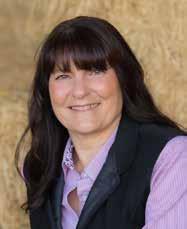
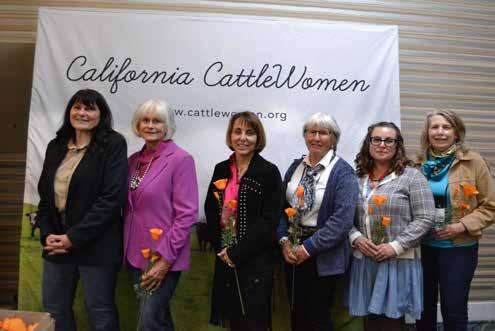
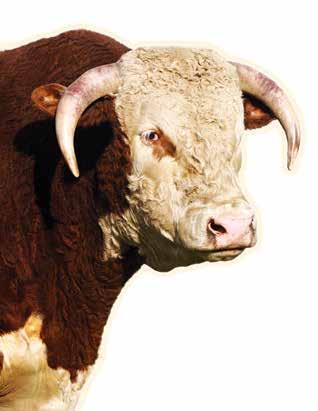

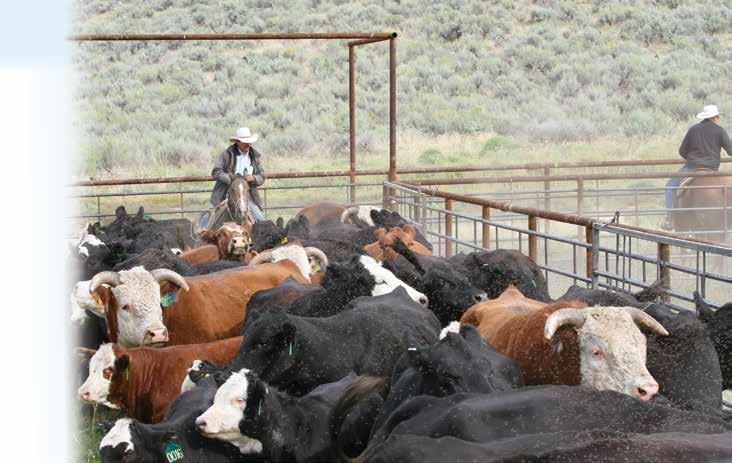



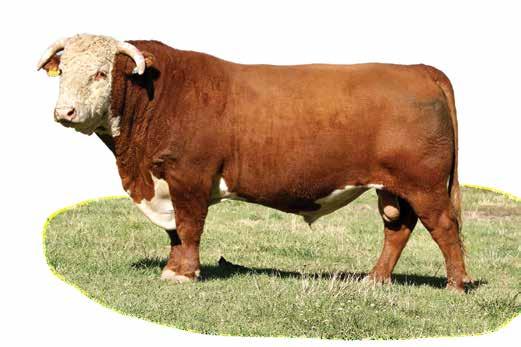
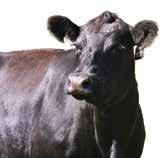
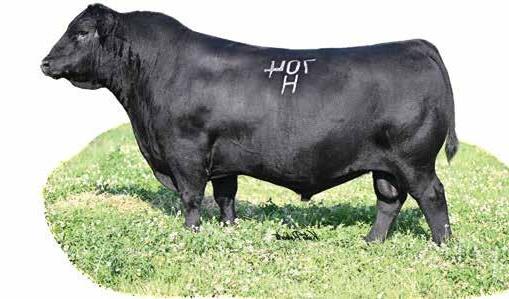

In long standing tradition, the annual CCA & CCW Convention served as an opportunity to not only conduct annual business but to celebrate the successes of CattleWomen from units across California.
The CowBelle of the Year Luncheon is one of the most widely attended events at the annual meeting. Each unit has the opportunity to recognize one member for her outstanding efforts within her unit to enhance beef promotion and further the ranching way of life in her own area of such a highly diversified state. Congratulations to each of this year's award recipients!
ALAMEDA
HOLLY ROY
AMADOR–EL DORADO-SAC KATHERINE KUSSMAN– COLLINS
BUTTE COUNTY ROCHELLE “SHELLEY” LIVINGSTON
CALAVERAS–TUOLUMNE
FRESNO-KINGS
DONI ROSASCO
KAY AUSTIN
GLENN-COLUSA.................................................CALLIE BORROR MARTINEZ
HUMBOLDT–DEL NORTE MORGAN TOWNSEND
INTERMOUNTAIN
INYO – MONO
In addition to the CowBelle of the Year recogition, a multitude of other wellearned awards were given out to several CattleWomen units for their outreach in the classrooms across the state. The Ag in the Classroom efforts by 13 units resulted in interacting with a total of 21,916 students. The three units reaching the most students with classroom presentations were San JoaquinStanislaus CattleWomen followed by Shasta County CattleWomen in second place and Mid Valley Cowbelles claiming the third place prize. Each of these efforts aroud the state help children see and experience the beef industry up close and personally.
KERI TITUS
SUE WALLACE KERN
SILVIA CHAVEZ
LASSEN KAITLYN MIDGELY
MADERA LYNETTE BRENDEL
MID VALLEY
HELGA ZUBER
MODOC BEVERLY PALMER BROWN
PLACER-NEVADA ............................................................................
PLUMAS-SIERRA
SAN BENITO
SAN DIEGO
JENNA PORTER
LYNN STEWART
DIANE RIANDA BARR
KATHY FEIGEL
SAN JOAQUIN-STANISLAUS SHERRY SUTHERLAND
SAN LUIS OBISPO
SANTA BARBARA
SANTA CLARA
SHASTA
VICKIE JANSSEN
PATTY WALTERS
ERICA BIANCHI PIRNIK
LINDSAY FERNANDEZ
SISKIYOU........................................................................................LORI VALLO MARCH
SONOMA-MARIN
TEHAMA
TULARE
YUBA SUTTER
LYNN SCHOLTEN
CINDY MCCARTHY
MICHELLE NUCKOLS
CONNIE COUGHLIN
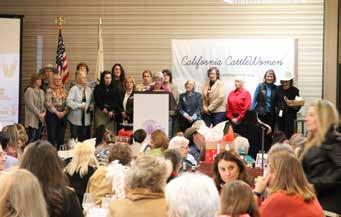
CattleWomen spend time reading agriculture related books in classrooms in addition to presentations and CCW singled out the top three units. Myra Davies from Placer-Nevada CattleWomen topped the effort by reading to 480 students. San JoaquinStanislaus CattleWomen members collectively read to 432 students while Santa Barbara County CattleWomen reached 54 students in their area.
The Beef Promotion and Education Book awards represent units' efforts to compile all their promotion and education activities into a scrapbook with photographs and documentation of the activities. There are three unit categories — under 50 members, 51-100 members and more than 101 members. San Joaquin-Stanislaus CattleWomen took first place in the under 50 members category, followed by a tie for second place between Mid Valley Cowbelles and San Diego County CowBelles. In the middle category, first place went Alameda County CattleWomen and second place to San Benito County CattleWomen. In the large membership category San Luis Obispo County CattleWomen scored higher than Santa Barbara County CattleWomen. However, Santa Barbara County CattleWomen earned first place with their newsletter and tri fold brochure in the publicity tool contests.
CCW is proud of all the efforts of individuals and their units for their success in beef education and promotion in 2024 and looks forward to seeing what accomplishments will come in the year ahead!

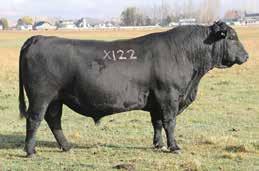
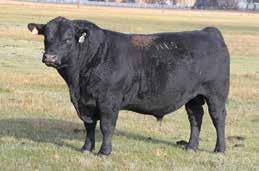
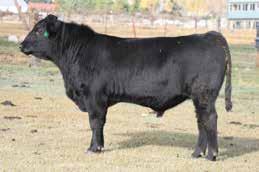
WARD RANCHES WAS BUILT TO PROVIDE SUSTAINABLE ANGUS GENETICS IN THE GREAT BASIN AND BEYOND. Our foundation females and natural service sires hail from two of the most respected cattelmen in the West - David Medeiros and David Dal Porto. We have added some of the most proven and highly accurate multi-trait sires to our AI program for nearly 20 years in order to produce cattle that flourish in tough conditions. Call to setup a time to preview the bulls ahead of the sale.
AUCTIONEER: Eric Duarte (541) 533-2105



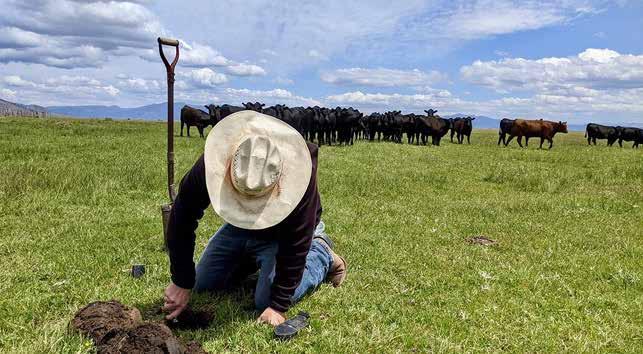
by Trina Kleist for the University of California Department of Agriculture and Natural Resources
California ranchers benefit when they plan ahead for extreme weather variability, according to rancher surveys and interviews conducted by a team headed by Leslie Roche, a professor of Cooperative Extension in the UC Davis Department of Plant Sciences.
But while wise planning and climatesmart adaptations helped ranchers survive the state's record-breaking 2012-2016 drought, those strategies by themselves were not enough, ranchers reported. Nearly 50 ranchers shared their experiences, and their collective wisdom is summarized in a paper written by Grace Woodmansee. She completed her master's degree with Roche and is now a UC Cooperative Extension livestock and natural resources advisor for UC Agriculture and Natural Resources in Siskiyou County.
The scientists also looked for how to apply that wisdom: To weather the increasingly severe and lengthy droughts that producers in the American West can expect in the future, ranchers could use more help, the researchers recommended. That includes gaining new skills and resources to better organize, inform and manage their operations; learning how to be
flexible when their drought plans need to turn on a dime; and drawing from the experience of colleagues to improve future decisions.
Building on that work, Roche and members of the statewide team have landed a $990,000 federal grant to help ranchers stay strong. The team includes colleagues from the University of California Agriculture and Natural Resources and partner organizations. The project draws on members' diverse expertise and regional knowledge rooted in UC Cooperative Extension, while at the same time linking up with trusted networks at the local level.
Both Woodmansee's paper and the new grant are based on more than a decade of surveys and interviews with ranchers and other agriculturalists. That work all points to the economic and social barriers that hinder producers from adopting the climate-smart practices that could help them stay profitable amid the changes to come.
“It's really important to listen to agricultural producers – the people who live and work on the land – and draw on their experiences to develop practical solutions,” Roche said. “Extension can play a key role in sharing this
valuable knowledge statewide, so others can learn from it and, hopefully, apply it to navigate their own challenges.”
Partners on the project include individual livestock producers, statewide livestock organizations, local conservation organizations and local agencies. Programs like this could become an example for ranch managers across the American West.
Cattle is California's No. 3 agricultural commodity, with cattle and other livestock worth about $3 billion in 2021, the state Department of Food and Agriculture reported. In addition to facing climate change, the sector is beset by rising costs, high interest rates, wildfire impacts and land use pressures. These additional challenges make it crucial for people managing the state's 14,000 livestock operations – counting beef, sheep and goats – to take steps now to survive future droughts.
In the past 12 years, ranchers have increasingly adopted sustainable agriculture practices to cope with drought and other threats, Woodmansee and colleagues found.
A key finding from the surveys is the enormous benefit amid drought of grazing more than one kind of animal on rangelands, Woodmansee wrote. Although most ranchers interviewed grazed only one species during the drought, typically cattle, the few who mixed up their livestock reported doing better economically. Because they have different grazing habits, stock such as sheep and goats can take advantage of different kinds of forage and broaden a rancher's economic base.
In addition, ranchers who used genetic information to think ahead about culling their herds, when that step became necessary, were left with a stronger remainder, Woodmansee wrote.
Ranchers also found it was important to have plans both for preventing problems and reacting to them, Woodmansee added. But surveys done ahead of the 2012-2016 drought, and interviews done four years in, also revealed that only a little more than half of ranchers had planned ahead.
“There is a substantial opportunity to increase preparedness by aiding ranchers in developing drought management plans,” Woodmansee wrote. But she advised, “drought
plans are not ‘one size fits all,' and policy must be designed to support drought adaptation and mitigation strategies at the ranch level.”
Grant part of nationwide effort
Roche and team's $990,000 grant comes from the United States Department of Agriculture through the National Resources Conservation Service. It's part of a $22-million, nationwide effort to help American ranchers overcome these and other barriers they face to adapting. Based on all they've learned through the surveys and interviews, the team is now launching a comprehensive education, outreach and training program. Their own wide range of expertise and networks reach deep into ranching communities, and they'll leverage those, too.
UC Cooperative Extension will have an important role in that work, as a trusted source of information. Training also will embrace conservation planners and technical service providers who work with ranchers.
“Activities will include workshops, field tours and demonstrations on conservation practices to address local natural resource concerns,” the team wrote in their proposal. Their work also “will target opportunities to support underserved communities, including new and beginning ranchers.”
They'll also add resources specifically about the state's grazing lands to the California Climate Hub, a website developed by USDA to provide the latest information to help producers statewide adapt to new climate realities.
People trained in all these areas must be brought up in the ranks: The project calls for networking, mentoring and hands-on learning to spark career choices among young people, and grow skills among beginning ranchers and early career natural resource professionals.
Scientists co-leading the project are Tracy Schohr and Dan Macon of UC Cooperative Extension; Roselle Bush and Gabriele Maier, both UC Davis assistant professors of Cooperative Extension; and Steven Ostoja, California Climate Hub director. The project will provide opportunities for a broad range of UC ANR colleagues as well, Roche said.
Partnering organizations include the Sierra Valley Resource Conservation District, the California Cattlemen's Association, the California Wool Growers Association, the California Rangeland Trust and the UC Davis School of Veterinary Medicine.

January 21-25, 2025
Tehama District Fairgrounds • Red Bluff, California
Tuesday, January 21
9 a.m. Sifting & Grading of all Range Ready Calving-Ease and Range Ready Bulls, Don Smith Pavilion
Wednesday, January 22
9 a.m. Sifting & Grading of all Halter Calving-Ease and Halter Bulls, Don Smith Pavilion
12 p.m. Trade Show & Art Show opens - closes at 7 p.m.
1 p.m. Working Stock Dogs - All dogs work outside 5:30 p.m. Buyer & Consignor Dinner, presented by Hayden Outdoors, Tyler Jelly Building $20/person 5:30 Cocktails | 6:30 Dinner | Kelly Twins Dueling Pianos 7-10PM, Tyler Jelly Building
Thursday, January 23
8 a.m. Geldings shown at halter, in age order, youngest to oldest. Pauline Davis Pavilion Geldings dry, trail and cattle Work
9 a.m. Trade Show & Art Show opens - closes at 7 p.m.
11 a.m. Western Video Market Internet Feeder/Female Sale, presented by Boehringer Ingelheim, Don Smith Pavilion
12:30 p.m. Geldings - Work Under Saddle, Dry, Trail and Cattle Works, Pauline Davis Pavilion
3 p.m. Geldings - Calf Branding, presented by Skinner Livestock Transportation, Pauline Davis Pavilion
4:30 - 6:30 p.m. Western Art Show Reception, presented by Tehama County Cattlewomen, Jr. Art Bldg.




5-6:15 p.m. Andy Holcomb Cowhorse Clinic, presented by Bar ALE, Inc., Pauline Davis Pavilion. 6:30 p.m. Conformation Horse Selected, Pauline Davis Pavilion.
Followed by working cows dogs, presented by Merck, Pauline Davis Pavilion
Friday, January 24
8 a.m. Geldings - Cutting, Snaffle Bit/Hackamore, Stock Horse and Team Roping contests followed by selection of the Craig Owens Ideal Ranch Horse, Pauline Davis Pavilion
9 a.m. Replacement Selection Genetics with Jed Hutchison, presented by Zoetis, Don Smith Pavilion
9 a.m. Trade Show & Art Show opens. Closes at 9 p.m.
1 p.m. Final working of stock dogs outside, presented by Merck
3:30 p.m. Sale of stock dogs, presented by Loyall, Don Smith Pavilion
4-7 p.m. Ag Social Sponsored by Chico State College of Agriculture, Fairgrounds Cafeteria Information: Mackenzie Bressler (530) 898-3737/Shelley Macdonald (530)519-5377
5:30 p.m. Doors open for Gelding Sale, Pauline Davis Pavilion
5:30 p.m. Vic Woolery’s Famous Tri-Tip BBQ before & during the gelding sale. $15/person. Pauline Davis Pavilion
6 p.m. Youth Activities Fund Raffle, Pauline Davis Pavilion
7 p.m. Sale of Quarter Horses and Paint Geldings, presented by Rolling Hills Casino. Pauline Davis Pavilion
Saturday, January 25
9 a.m. Trade Show opens - Closes at 7 p.m.
9:30 a.m. Sale of all bulls, presented by Zoetis, Don Smith Pavilion
7 p.m. Red Bluff Bucking Battle, Party & Dance immediately following. Pre-Sale General Admission: $30/person, $35 at the door; Arena Floor Seating Pre-Sale $40/person, $45 at the door; V.I.P. Premier Seating, Reception, Appetizers: $100/person







LOT NAME CITY, STATE
1 HALEY WHISENHUNT ............................. GRANTS PASS, OR
2 JEREMY & BETTINA CRUME .................. GRANTS PASS, OR
3 MATT FISCHER / KRACK-A-NOON ... VALLEY SPRINGS, CA
4 CALEB HOLLEY DAYTON, NV
5 CONNOR ROLAND .................................. FRENCHGLEN, OR
8 BLAKE & LIZ HIRDES...................................... TURLOCK, CA
9, 204 TREVOR MERTES................................. COCHRANE, AB
10 KEN & RAMONA WOLD ................................... WILTON, CA
11 BAILEY DEVETTE WILLISTON, ND
12 MONTY MILHOUS ....................................... ELK CREEK, CA
13 KATIE STARR ................................................... PAULINA, OR
14 OMAR HAFSI ........................................................... GALT, CA
15 RICHARD WOOD RENO, NV
16, 207 TOM & CARMEN BUCKINGHAM BRUNEAU, ID
17 KERI TITUS.................................................. MCARTHUR, CA
18 LARRY TROCHA ..................................................... GALT, CA
19 CHARLES MILLS ....................................... CROMBERG, CA
20 JESSICA CRAWFORD VACAVILLE, CA
21 JULIE LINGENFELTER FERNLEY, NV
22 JESS MERKLEY ............................................ FLOURNOY, CA
23 PEGGY DAVIS .....................................KLAMATH FALLS, OR
24 KRISTIN BACCHETTI ..................................... MANTECA, CA
25 ROBERT WHITE NAPA, CA
26 LISA BOYER ............................................. BEN LOMOND, CA
27 DANA BROWN ....................................... WINNEMUCCA, NV
28 REX QUINTANA.................................................. RANGER, TX
29 JIDEDIAH GAITHER DUBLIN, TX
30 MATTHEW HIGHT AGUILA, AZ
31 RICK MORGAN .................................................. EXETER, CA
32 KATIE GARFINKEL ....................................... PLYMOUTH, CA
33 JIMMY VANBELLE ............................................. PAISLEY, OR
34 BILLY MARTIN AROMAS, CA
35 MONTY & ANGELA CREACH JACKSON, CA
36 ROSELLE ROBAK .............................................. YREKA, CA
39 ROSS HANSON ..................................................TENINO, WA
201 MICHAEL VIPHAM ................................................. GALT, CA
202 CALEB HOLLEY DAYTON, NV
203 ANGELA BEGLEY & BRIAN SLOAN ................ TRACY, CA
205 LISA JENSEN ............................................. VACAVILLE, CA
206 TRAVIS SMITH ............................... SAN LUIS OBISPO, CA
208 TANYA JONES ........................................... ARLINGTON, AZ
212 MARY ARONSON WILTON, CA
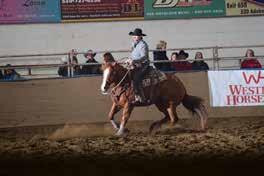

213 VIRGINIA GORDON............................ NEW PLYMOUTH, ID
214 ROGER & MICHELLE REDDING HICKMAN, CA
215 TALIA RADABAUGH PRINEVILLE, OR
216 MARY ROBERTSON .................................. PLYMOUTH, CA
301 STEVE & PAULA MCCARLEY ............ COTTONWOOD, CA
302 BROKEN HORN CATTLE CO ..................... SHERIDAN, CA
303 TAMI & HOYT BAKER COTTONWOOD, CA
304 CODY MCNANEY ......................................... OAKDALE, CA
305 MOLLY MORRIL ......................................... FERNDALE, CA
306 DANA AZEVEDO ........................ AMERICAN CANYON, CA
307 KATIE STAYER ........................................... MELSTONE, MT
308 JUSTINE GANDOLFO ASHLAND, OR
309 SAMANTHA MATERNE.................. VALLEY SPRINGS, CA
310 BARBARA MULTAN .................................. ANDERSON, CA
311 JIM & TANYA JONES ................................ ARLINGTON, AZ
312 RICHARD MONTARBO PAYNES CREEK, CA
313 CODY LOE SCIO, OR
314 WADE & BRITT GRIMSMAN .......................... ORLAND, CA
209, 210, 211 CARYL CHRISMAN ...................... WILLIAMS, CA
37,38 ASHER FREEMAN .......................... SPRING CREEK, NV 6,7 MIKE & PAM RALPH GRANTS PASS, OR
1 ROBIN BROWN ......................................... INDIAN VALLEY, ID
2 ROCKY BROWN INDIAN VALLEY, ID
3 TOM RICHARDS ...................................................... MELBA, ID
4 SARAH & LUPE VENAGAS .................................. HAINES, OR
5 JAIME GONALEZ .................................KLAMATH FALLS, OR
6 CARTER HARRIS ....................................................... ADIN, CA
7 MILLS IPSEN NEW PLYMOUTH, ID
8 CACHE KENNINGTON ........................................... AFTON, WY
9 NADINE VANORNUM ............................ CAVE JUNCTION, OR
10 BILL PETTWAY ..............................................MAGAZINE, AR
11 ITXASCO RICHARDS MELBA, ID
12 BILL DALE NEWCASTLE, CA
13 JAKE OLSON ..................................................... FALLON, NV
14 RICHARD DAYBELL ....................................... BIRDSEYE, UT
15 SHANE HARLEY ............................................ BONANZA, OR
16 DAVID BLEDSOE WELLSTON, OK
17 MARK TEALE ............................................ PALO CEDRO, CA
18 HENRY VANORNUM CAVE JUNCTION, OR
19 MANDI POST LOSTINE, OR
20 RYGGIN ZOLLMAN ........................................ WALLOWA, OR
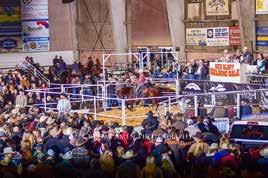
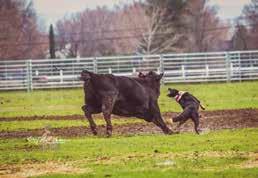
Baker Angus .................................... Vale, OR
Bianchi Ranches............................ Gilroy, CA
Cardey Ranches ......................... Turlock, CA
Check X Ranch .................. Powell Butte, OR
Chico State Beef Unit .................... Chico, CA
Clark Cattle Co. Winnemucca, NV
Coldstream Farms Acme, WA
Cooper Cattle Co. Oakdale, CA
Duchi Family Angus Ranch Oak Run, CA
Elenbaas Angus ....................... Ferndale, WA
Elwood Ranch ........................ Bella Vista, CA
England Ranch ................. Powell Butte, OR
Gudel Cattle Co............................. Wilton, CA
HAVE Angus .................................. Wilton, CA
High Desert Cattle Co. ....... Canyon City, OR
Hinton Ranch Simmentals ..... Montague, CA
Imbach/Davis/LCS ........................ Burns, OR
Jackson Mtn. Angus .......... Winnemucca, NV
JSL Angus Madras, OR
K Bar D Redmond, OR
King Farms Land & Cattle Malin, OR
Kolker Ranch Davis Creek, CA
Kool Breeze Livestock .................... Adin, CA
Nannini Hay & Livestock............ Maupin, OR
Oak Ridge Angus ..................... Calistoga, CA
Owings Cattle .................... Powell Butte, OR
Peerless Ranches ................... Prineville, OR
Plus 3 Angus ......................... Grand View, TX
Sammis Ranch .............................. Dorris, CA
Shandar Angus Ranch ............... Payson, UT
Simmie Ranch ...................... Santa Rosa, CA
Spencer Cattle CompanyRancho Murrieta, CA
Split Creek Angus Los Molinos, CA
Spot Check Livestock Flournoy, CA
Sunny Okanogan Angus Ranch Omak, WA
T&S Livestock .............................. Gerber, CA
Twin Pine Angus .............................. Adin, CA
Westwind Ranch Angus ............ Oroville, CA
White Cattle CO. ........................... Burns, OR
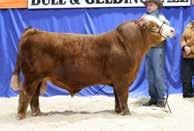

White Angus Ranch, LLC. . Jacksonville, OR
Wolf Ranch ............................. Susanville, CA
Wooden Shoe Farms .......................Rigby, ID
Wulff Bros Livestock Medical Lake, WA
Cardey Ranches Turlock, CA
Louie's Cattle Service .................. Burns, OR
Bianchi Ranches Gilroy, CA
Broken Box Ranch .................... Williams, CA
Rafter DN Charolais........... Powell Butte, OR
Ratkovich Cattle Copperopolis, CA
Reis Livestock ............................. Gridley, CA
Rocking Hill Ranch Galt, CA
Romans Ranches .........................Harper, OR
University of Idaho Beef Center . Moscow, ID
High Desert Cattle Co......... Canyon City, OR
Morrell Ranches Willows, CA
Sonoma Mtn. Herefords Santa Rosa, CA
Weimer Cattle Co. Susanville, CA
Y Cross Herefords & Angus Bonanaza, OR
Brocco Show Cattle................... Sonoma, CA
Cache Cattle Company Wellsville, UT
Gudel Cattle Co. Wilton, CA
High Desert Cattle Co. Canyon City, OR
Morrell Ranches Willows, CA
Sonoma Mtn. Herefords ....... Santa Rosa, CA
Wooden Shoe Farms ....................... Rigby, ID
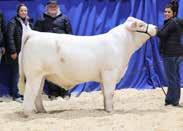
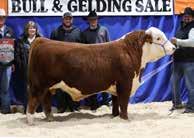
Bianchi Ranches............................ Gilroy, CA
Colbie DeLong ........................... Corning, CA
Kool Breeze Livestock .................... Adin, CA
Owings Cattle..................... Powell Butte, OR
Cardey Cattle ............................... Turlock, CA
Check X Ranch ....................... Powell Butte, OR
Cole Cattle Co. .............................. Bonanza, OR
Eberhardt Livestock .................. Wheatland, CA
Gonsalves Ranch ...........................Modesto, CA
Gudel Cattle Co. Wilton, CA
Hinton Ranch Simmentals Montague, CA
Little Shasta Ranch Montague, CA
Owings Cattle Powell Butte, OR
Rafter E Angus................................... Ronan, MT
T&S Livestock.................................... Gerber, CA
Cole Cattle Co. Bonanza, OR
Hinton Ranch Klamath Falls, OR

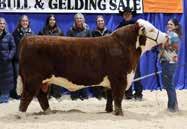
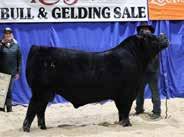

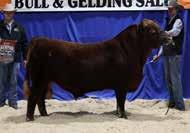
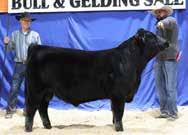


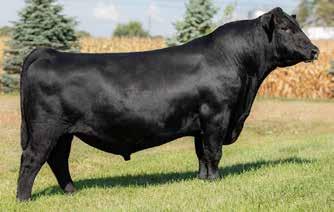
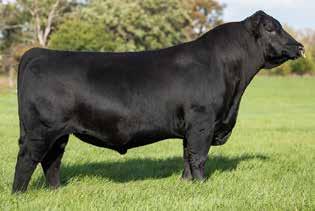








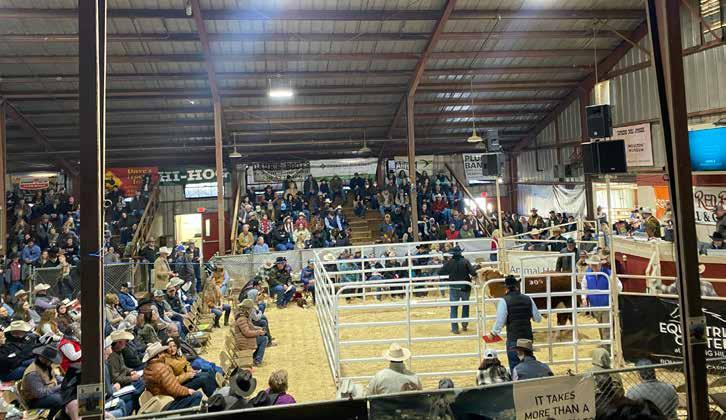

























































In early December, the National Cattlemen’s Beef Association (NCBA) reiterated the important role of beef in a healthy diet and responded to the questionable advice published in the Dietary Guidelines Advisory Committee’s Scientific Report. Despite a wealth of high quality scientific evidence that beef has an important role to play in a healthy diet, the committee is advising the U.S. Department of Agriculture (USDA) and U.S. Department of Health and Human Services (HHS) that federal nutrition guidelines include a reduction in red meat consumption.
“Most Americans today already eat beef within the Dietary Guidelines for Americans (DGA) recommended levels for a healthy diet. This reduction is a solution in search of a problem,” said NCBA President and Wyoming rancher Mark Eisele. “Public health advice should be based on the totality of scientific evidence. The Dietary Guidelines Advisory Committee ignored robust and rigorous scientific evidence about beef’s essential nutrients and the foundational, positive role it plays in health as a preferred protein food in a variety of healthy diets for all Americans.”
Obesity and chronic disease are critical health issues in our nation and eating beef is a solution. With a single, 3-ounce serving of lean beef, Americans receive half of their daily protein needs, as well as 10 essential nutrients like iron and B vitamins—all in less than 170 calories. NCBA will continue working hard to ensure the wealth of evidence in support of beef’s positive role in health is available to the future secretaries and considered in the final guidelines over the coming months.
“Cutting back on beef isn’t going to Make America Healthy Again. There’s irrefutable evidence about the valuable role of beef and its nutrients in promoting health,” said NCBA Executive Director of Nutrition Science and Registered Dietitian Dr. Shalene McNeill. “We’ve had 40 years of Dietary Guidelines, and during that time, beef consumption has decreased, yet Americans suffer more from obesity and chronic disease than ever before. Advising Americans to cut back on beef takes us even further in the wrong direction, putting our most vulnerable populations like women, children, teens and the aging at risk. This advice detracts from the real and most basic challenges we face with eating healthfully. Nutrition guidance should encourage Americans to have the flexibility to choose nutrient dense foods and dietary patterns they
enjoy within calorie goals.”
Every five years, the federal government formulates the Dietary Guidelines for Americans, a foundational document on nutrition that helps inform federal nutrition policies and programs like school lunches.
Now that the Advisory Committee has completed its report, the agencies will evaluate the committee’s recommendations and translate that information into the final guidelines. The report is expected to post to the Federal Register tomorrow, and will be open for a 60-day comment period.
Cattlemans Assoc.qxp_Layout 1 6/9/23 12:36 PM Page 1
Lean beef is a proven healthy choice in a balanced diet. Beef provides essential nutrients and protein with fewer calories than non-meat alternatives. Additionally, research shows that beef is more effective in promoting muscle health than soy-based options. Beef is compatible with heart health, plays an important role in managing weight, and supports the nutritional needs of atrisk populations including adolescents, pregnant women, and older adults.
· We have installed miles of HDPE and can visit with you about your projects
· We offer a full line of fusible HDPE pipe up to 6" in continuous reels and up to 48" in sticks plus all the fittings
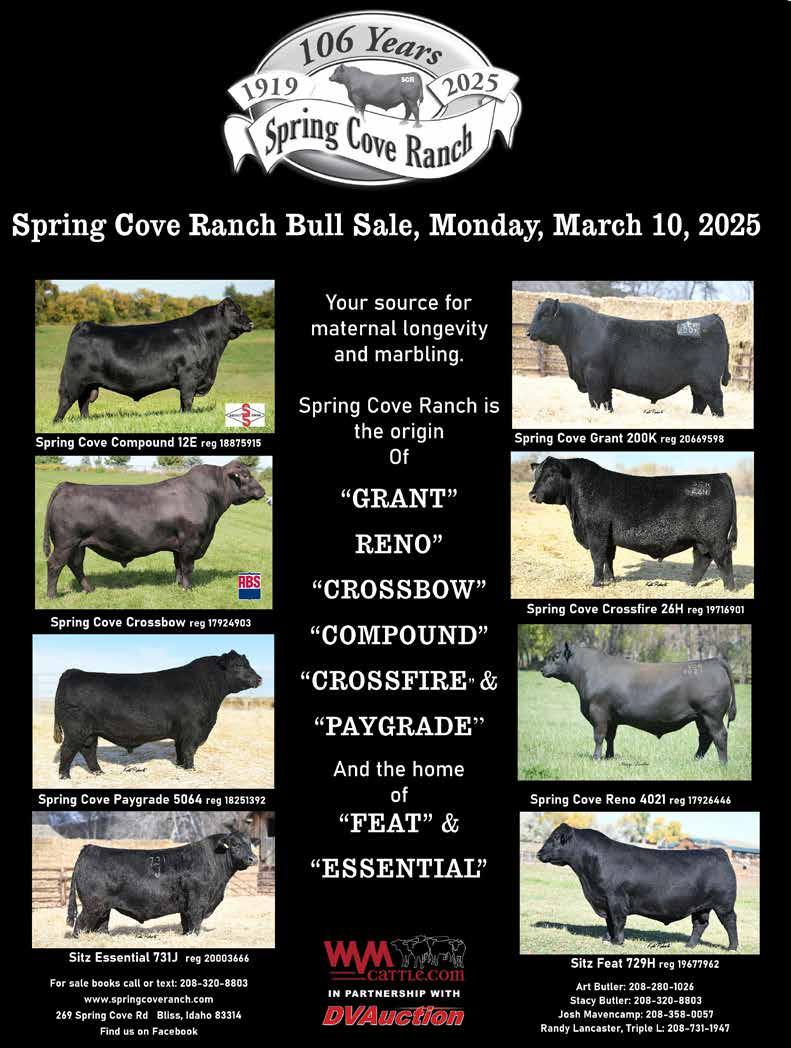
Collegiate scholarship finalists were interviewed with a panel of CCA affiliate representatives during the 108th CCA & CCW Convention in Reno in early December. After a preliminary application judging, the 20 finalists interviewed for their share of more than $50,000 to fund their educational aspirations. All applicants come from California with unique beef industry interests and experience.
The groups represented on the scholarship panel include: Allflex, USA; CCA Allied Industry Council; the CCA Feeder Council; the California Beef Cattle Improvement Association (CBCIA), representing the Hank Stone Memorial Scholarship; the Livestock Memorial Research Fund (LMRF); a representative for the Tom Grimmius Memorial Scholarship, in
University of California, Davis
$5,000 Livestock
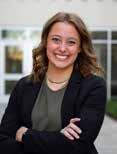
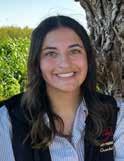
memory of legendary cattle feeder Tom Grimmius.
To qualify for a scholarship, students must be members of CCA’s Young Cattlemen’s Committee and have either graduated from a California high school or be currently attending a California college or university, majoring in a beef industry-related field. This year, not only were the candidate’s applications impressive, but the group also represented both in-state and out-of-state students ranging from the community college level to veterinary and graduate school students.
Recipients of the 2024-2025 CCA scholarships are pictured here. To learn more about how to apply for a CCA scholarship, call the CCA office at (916) 444-0845.

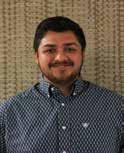

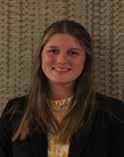
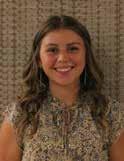



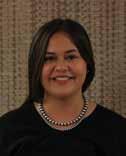
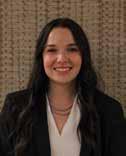



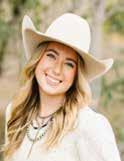
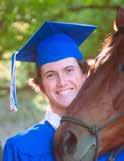
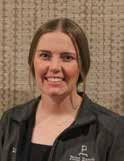
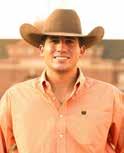

by National Cattlemen's Beef Association Chief Executive Officer Colin Woodall
The 2024 election is one that will be studied for years to come. A former president comes back to run for a second term. An incumbent president is forced to back down to make room for his “more electable” vice president. An assassination attempt. Then another. Insanely wrong polling. More than $16 billion spent. This election was the stuff of movies, but the result was about as definitive as you could expect in American politics today. Instead of waiting days or weeks to see who would move into 1600 Pennsylvania Avenue, we knew on election night. Something that is increasingly rare. When the smoke cleared, former President Trump won 312 electoral votes, 42 more than the 270 needed to win, and eight more than he won in 2016. He also won the popular vote by more than three million votes.
Now, President-elect Trump and his team are working feverishly to prepare for the transition. He is quickly nominating individuals to serve in his Cabinet and in appointed positions throughout the federal departments. He is also working on his list of priorities to tackle as soon as he is sworn in on Jan. 20. We are at the table with the transition team to ensure NCBA’s policy priorities are included. Leading that list is a push for quick action on the expiring tax provisions from the 2017 Tax Cut and Jobs Act. In particular, the improvements we secured in the Death Tax exemption levels and tax rates expire at the end of 2025. We need quick action on these expiring provisions, so you have time to plan and prepare. Waiting until the end of 2025 to act is unacceptable. Since he was president and signed the 2017 bill into law, we expect President Trump will act quickly. It is important to remember that these are no longer tax cuts, this is an extension of current U.S. tax policy.
Another priority will be getting the Trump administration to fix the 2025 Dietary Guidelines for Americans. Under President Biden’s leadership, Secretary of Agriculture Tom Vilsack has allowed agenda-driven “science” to influence the Dietary Guidelines Advisory Committee to a point where they are recommending beans and lentils over beef. The new Trump administration will be able to reinsert evidence-based, peer-reviewed science to keep us at the center of the
plate. Taxes and Dietary Guidelines are just two priorities we know the new administration will support. We have a long list of overburdensome rules and regulations we will work with President Trump to roll back.
To help achieve his priorities, he will have a Republican-led Senate.
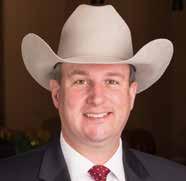
The Republicans gained four seats to have a 53 to 47 majority. While this gives them the opportunity to lead, they will still need to work with Democrats to reach that magic 60 vote threshold required in many instances to consider and pass legislation in the Senate. That won’t always be easy, especially since moderate Democrats like Joe Manchin from West Virginia are no longer in the Senate.
Between now and the end of the year, we need Congress to fund the government for fiscal year 2025. Funding currently runs out on Dec. 20, 2024. We also need them to pass a Farm Bill. Agriculture needs certainty, and the bill passed by the House Agriculture Committee last spring contains all of NCBA’s requests. It would be nice
...CONTINUED ON PAGE 72



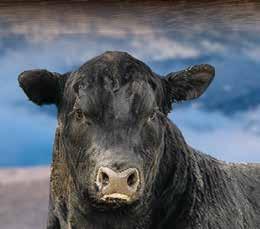










to allow the new Congress and administration to start fresh in January. It is important to remember, though, President Biden is still in charge and will be until Inauguration Day. That means he and his team are trying to finalize as many rules and regulations as they can. We have talked previously about the changes they are proposing to the Packers & Stockyards Act. These proposals would roll back 40 years of value-added marketing programs. We continue to fight back against President Biden and Secretary Vilsack taking your marketing options away from you. The “Bidenomics” approach to cattle marketing will not be beneficial to your bottom line. Regardless of the election outcome, we will be working on making friends among the new Trump team, the new Senate offices, and the new House offices. We need friends on both sides of the aisle to be successful in securing our policy priorities. Any organization or group that works with only one party will be sorely disappointed in what they can achieve. Washington, D.C., is still a place where face-toface meetings make the most impact, and nobody covers Capitol Hill better than NCBA. This is why we have an office on Pennsylvania Avenue and a full-time staff to build relationships and be your voice. We are ready to work with all members of the new Congress, and we will look at every opportunity to keep the government out of your business.
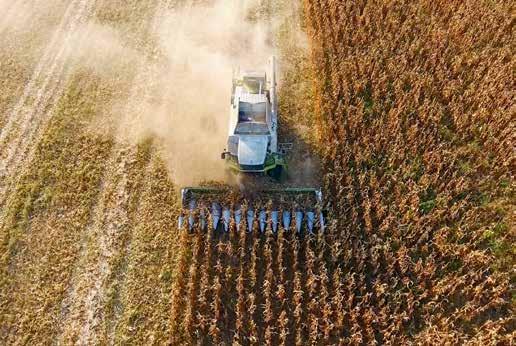

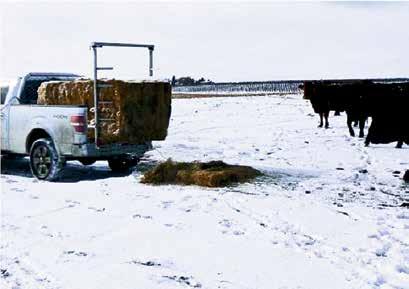

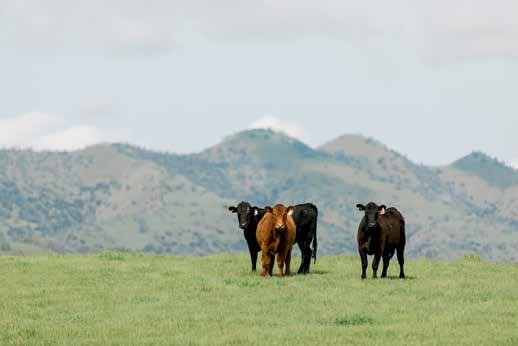
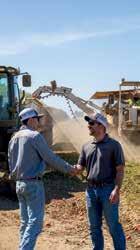






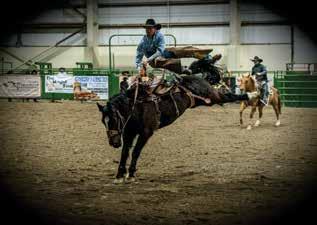
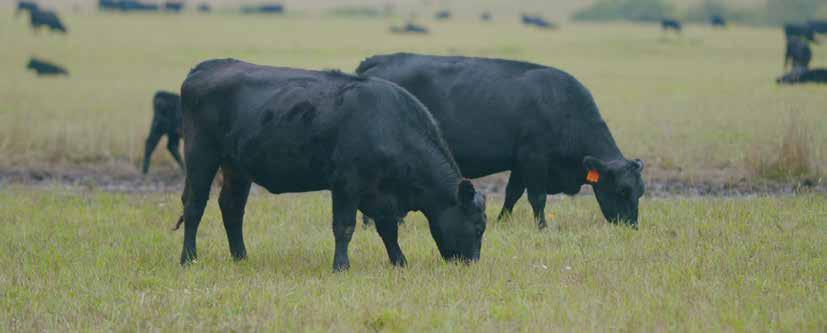
Op-ed by NCBA Policy Division Chair Kim Brackett
Every cattle producer knows that pests are a challenge to our operation, but some pests are far more dangerous than others. One of the new threats to our herd comes from the New World screwworm, which is currently advancing through Central America into southern Mexico and could soon be at our border.
The New World screwworm (NWS) is a fly that has a particularly gory way of harming our cattle. Female NWS flies lay their eggs in open wounds or body orifices and when the larvae hatch, they burrow deep into the skin like a screw driving into wood. These maggots feed on cattle’s tissue, causing larger wounds as they go.
NWS flies and their burrowing larvae cause extensive damage to cattle and infestations can spread rapidly. In 1966, we eradicated screwworms in the United States through sterile insect technique. The U.S. Department of Agriculture (USDA) bred sterile male NWS flies that mated with wild female screwworms and failed to produce offspring. Eventually, these flies died out in the U.S. and now they only exist in a handful of South American countries.
Unfortunately, these flesh eating flies are now on the march north.
Since 2022, USDA’s Animal and Plant Health Inspection Service (APHIS) has confirmed the presence of New World screwworms in Costa Rica, Nicaragua, Honduras, and Guatemala. Just last month, screwworms were discovered in southern Mexico, which raised red flags for us at the National Cattlemen’s Beef Association (NCBA).
Once in Mexico, it is easy for screwworms to travel north and appear on our southern border. These flies can hitch a ride on people, livestock, or wild animals, not to mention the thousands of vehicles and cargo containers traveling through
Mexico to the United States.
We know how devastating it would be if New World screwworm returned to the United States, which is why NCBA is raising the alarm now. First, we are communicating with Mexico’s cattle industry leaders so they can begin the process of screening for these flies and push for eradication efforts in their country. We are also supporting USDA-APHIS to bolster the use of sterile flies. Recently, we have been concerned that our existing sterile flies might not be getting the job done, and NCBA is pushing for more flies and better flies that will help us beat back these pests.
Although we haven’t confirmed any New World screwworms in the United States, we need you to be on high alert. New World screwworms have orange eyes, a metallic blue or green body, and three dark stripes across their backs. If you see any suspicious flies, please alert your local veterinarian, extension agent, or contact USDAAPHIS Veterinary Services.
Please also pay close attention to your cattle and watch for any open wounds or sores. If cattle exhibit irritated behavior, head shaking, you notice the smell of decaying flesh, or spot maggots in a wound, seek treatment from a veterinarian immediately. Proper wound treatment and prevention is the best way to protect your farm or ranch from a screwworm infestation. NCBA is also sharing the latest updates through our website. I encourage you to visit www.ncba.org/NWS for all the latest information on how to protect your operation. NCBA is always on the clock to protect the U.S. cattle industry from threats like New World screwworm. Through your vigilance and NCBA’s advocacy, we can protect the United States cattle herd.
Selling Sons of time tested Performance Sires
Added Pounds & Pay Weight
Red Meat Yield
Less Health Risk
15 Years of RFI Testing Maximizing Average Daily Gain (ADG) Minimizing Feed Intake
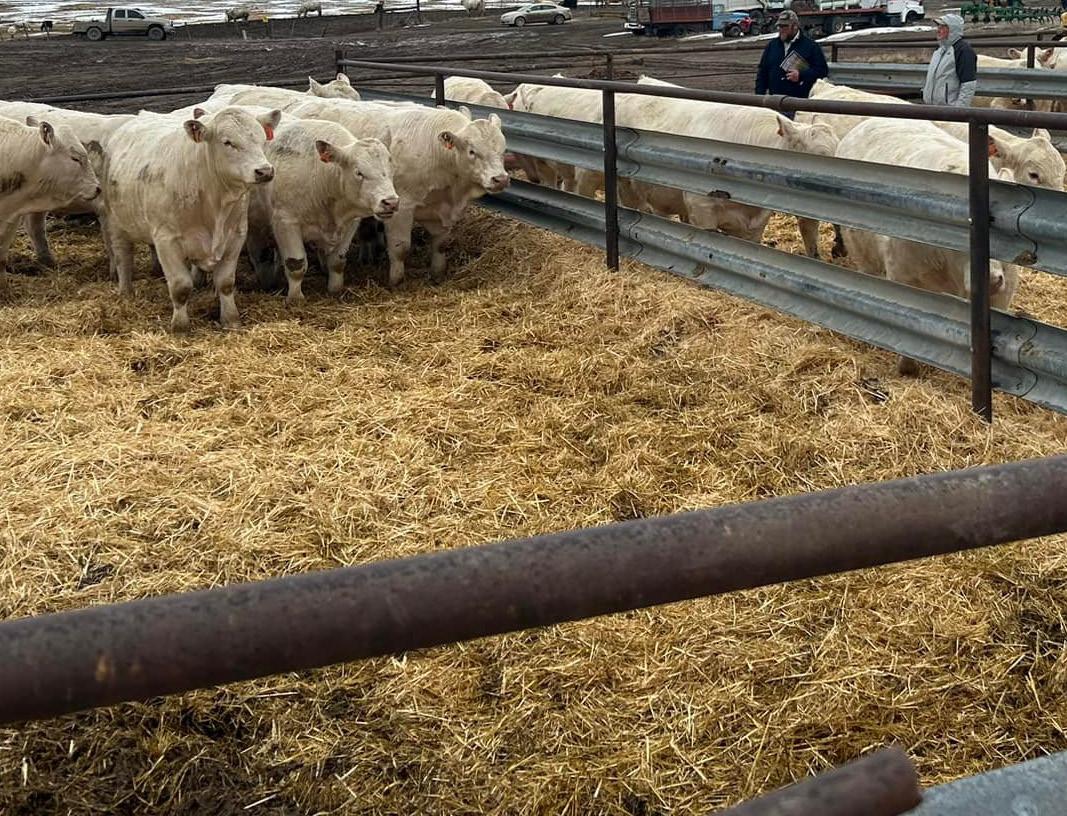


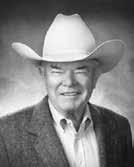
Charles “Chuck” Albert Pritchard, born Jan.18, 1937 in San Francisco, left this earth on Nov. 22, 2024. He settled in his favorite chair for a nap with his dog Sage at his feet and partner of 64 years, Frances Pritchard seated nearby. Chuck peacefully fell asleep in his Paso Robles home and woke up in the hands of God.
Chuck attended the academic based Lowell High School in San Francisco where he also played football, basketball and tennis. During vacations and summers Chuck and his family visited the family’s Little San Juan Ranch in the Carrisa Plains. At that time the ranch was operated by his Uncle Clarence “CH” Wreden and Aunt Lillian “Lil” Sumner Wreden. This ranch was part of the original San Juan Ranch purchased by Chuck’s Great-Grand Father, Heinrich “Henry” Wreden. Chuck enjoyed working on the ranch and that changed into a new plan for life. Chuck later attended Cal Poly San Luis Obispo, graduating in 1962 with a BS in Farm Management. While attending Cal Poly he met another San Francisco native Frances Trainor and the two were soon married. Upon graduation from Cal Poly, the Pritchards relocated to the Little San Juan Ranch. Chuck and Fran raised four children, Craig, Don, Jeff and Paula.
Chuck started as an employee of CH and Lil, later becoming an independent dryland grain farmer. He had partnered on about 100 steers and eventually started his own cow calf herd. After some tough growing seasons Chuck decided to stop farming and increase the cattle operation. The cattle business remained his passion until recent retirement. Over the years Chuck was very involved in organizations and services including California Farm Bureau, California Association of Resource Conservation Districts (CARCD), Board and past President of the Upper Salinas-Las Tablas Regional Conservation District, Council Chairman of the Grazing Lands Conservative Initiative, Range Management Advisory Committee of the State Board of Forestry, California Ag Leadership Association (1975, Class 3) and California Cattleman’s Association (2015 San Luis Obispo County Cattleman of the Year). Family vacations were very important and held in places like Twin Lakes in Bridgeport. Chuck’s priorities were family, ranching, the San Francisco 49ers and fishing, not necessarily in that order.
Chuck was preceded to heaven by his mother Eleanor Wreden Pritchard, father Stewart Pritchard and brother Robert “Buzz” Pritchard. He is survived by his very supportive wife Fran, children Craig, Don (Marylou), Jeff (Leslee) and Paula (Greg). Chucks grandchildren are Candace, Lauren, Blayne, Justin, Carrie, Jaime, Jake, Cody, Wyatt and Lucy . Greatgrandchildren are Eli, Levi, Rosalee and Dean. Services are pending and will later be announced.




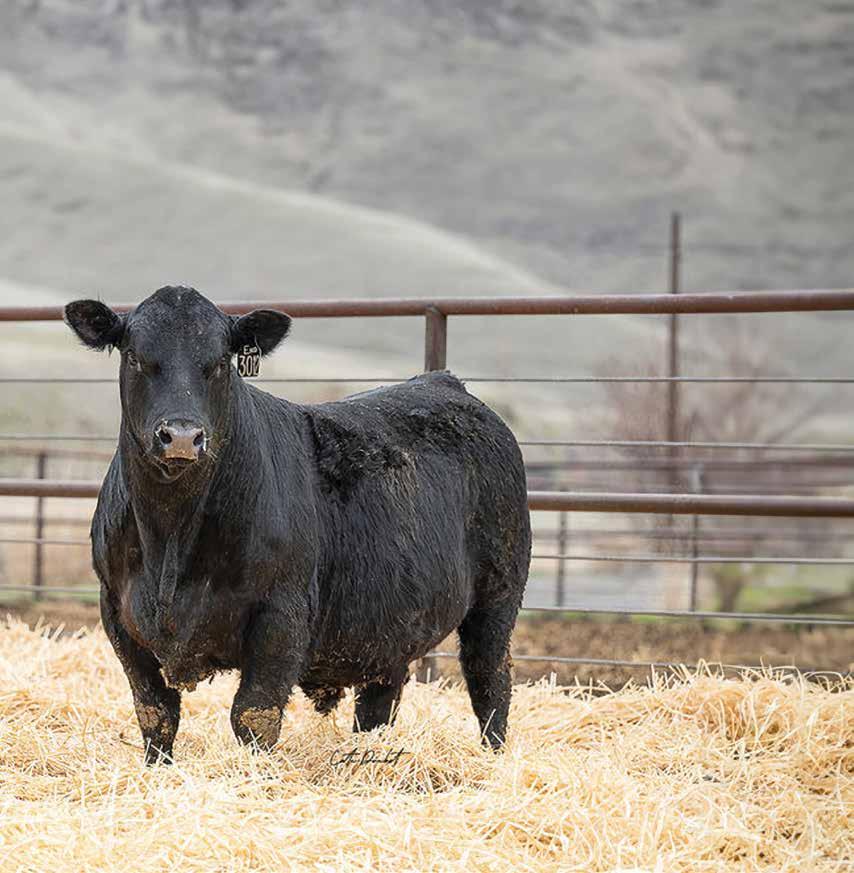



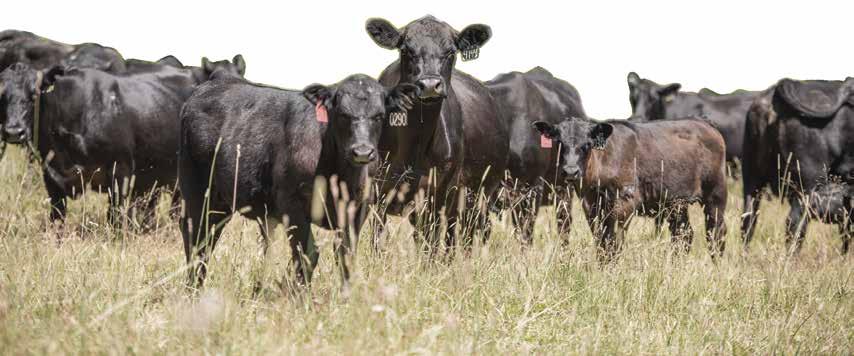


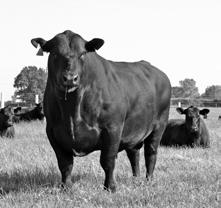





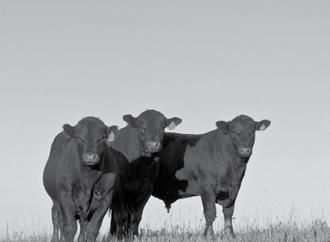
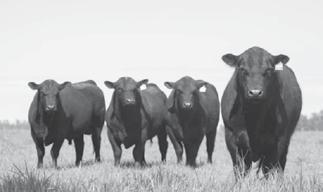




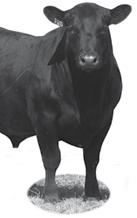

Angus and SimAngus Ca le
John Teixeira: (805) 448-3859
Allan Teixeira: (805) 310-3353 Tom Hill: (541) 990-5479
www.teixeiracattleco.com | cattle@thousandhillsranch.com















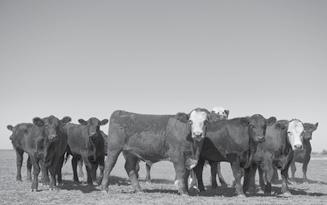

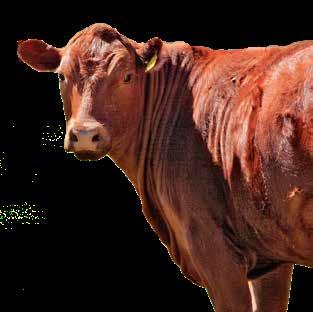
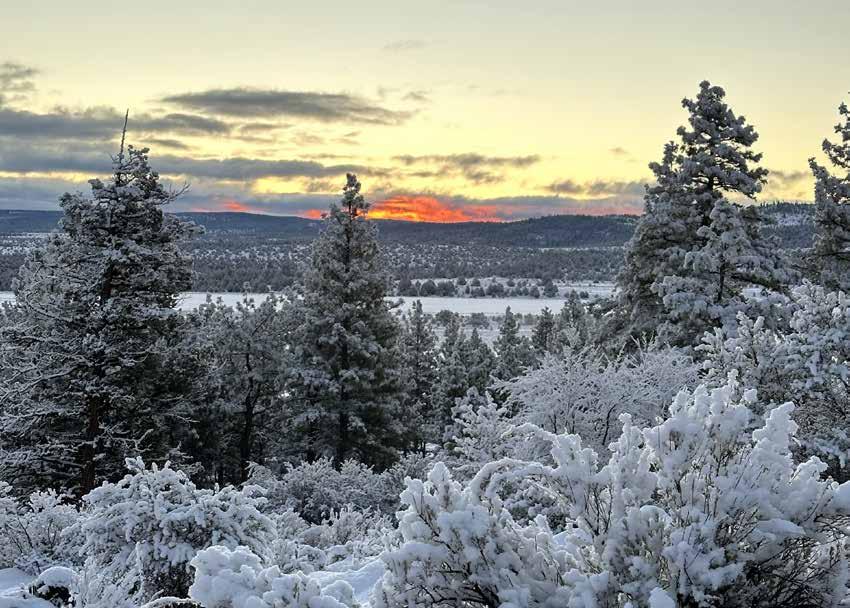
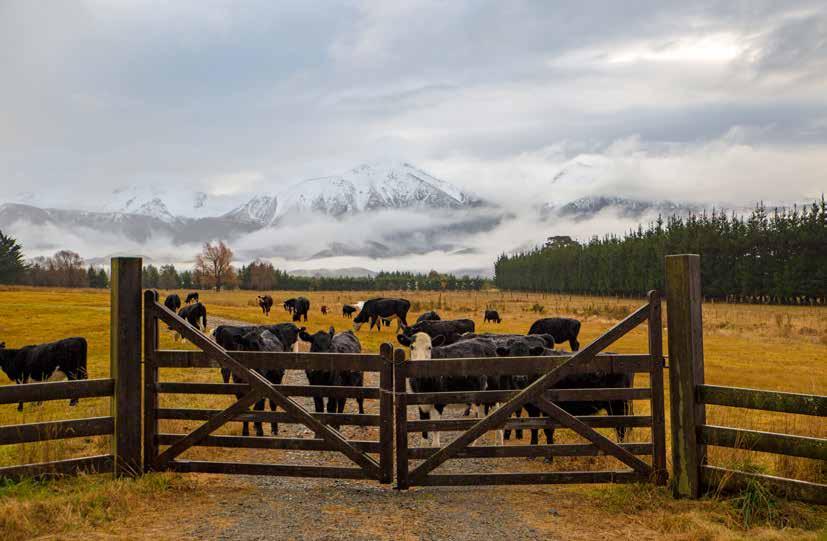

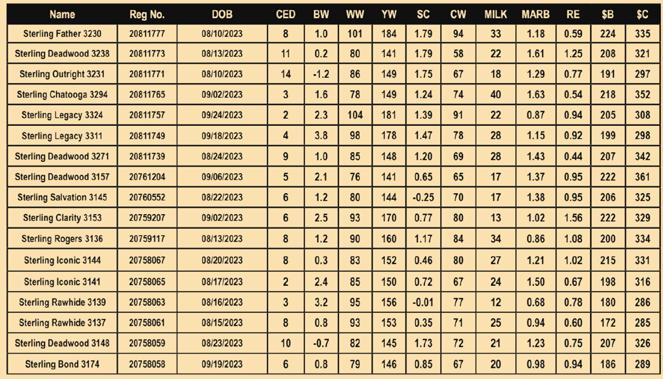


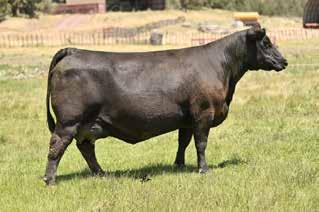


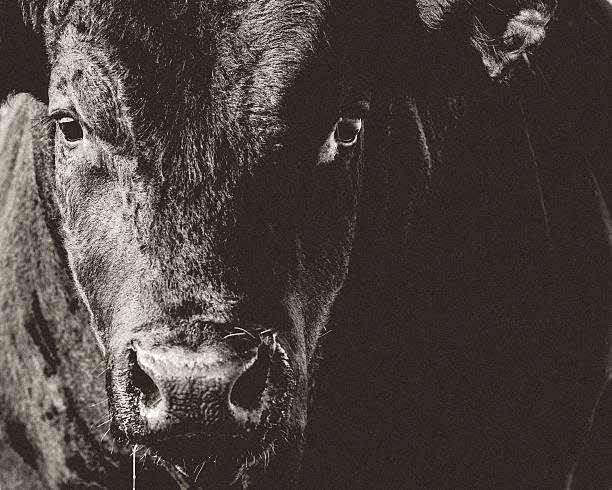
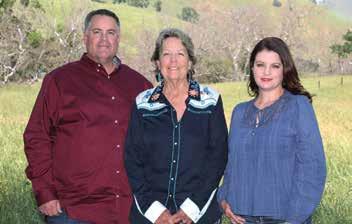
Joe, Jody and Jacque May Fuller

“We have been purchasing bulls from Vintage Angus for the past 13 years and our calves have improved season after season. They supply you with all the information you need to make your selections. Our aim has always been to produce top notch CAB calves and with help of Vintage Angus we are attaining that goal.”