
5 minute read
Flexible friends

The industry pivot to streaming in recent years has seen global players insist on worldwide programme rights, while US studios have withdrawn from licensing. But there are signs these dual dynamics are shifting.
By Jonathan Webdale
Advertisement
It’s been described by some within the industry as the great ‘Netflix correction’ – the point one year ago when the world’s leading streamer shook investors with unexpected subscriber declines and an about-face on introducing advertising.
Coming in the wake of a Covid-inflated VoD boom and a string of mega-mergers across film and TV, and at a time of heightened concern over the economy, the effects were immediate. “A handbrake came on to what had been until then this almost unending growth,” says Alastair McKinnon, MD of NBCUniversal-owned Australian prodco Matchbox Pictures. “That seemed to trigger a lot of soulsearching across the industry – people starting to think about the business models, what works, can we keep spending this much money and do we need to?”
Among those considering such questions were Warner Bros Discovery (WBD) CEO David Zaslav, at that time only weeks into his role atop the newly created US$43bn company. Elsewhere, perhaps already entertaining the idea of a return to the helm, was supposedly retired Disney CEO Bob Iger. The latter, back in post since November, has embarked upon a heavy cost-cutting exercise as pressure from Wall Street mounts on all those that invested billions in streaming. The picture is the same for Zaslav and Paramount boss Bob Bakish, while Netflix itself has trimmed its headcount and, to some degree, content spending.
And amid all this, as McKinnon says, business models have come under scrutiny. The first phase of the streaming revolution was characterised by US studios’ readiness to license TV shows and movies to an upstart they never imagined would have the power to topple them. The second saw Netflix begin to invest in originals as the studios began to realise that it might. The third saw the latter turn off their content licensing taps – not just to Netflix but traditional broadcast partners too as they set about launching their own rivals furnished by in-house product unavailable elsewhere.
Netflix began the second phase when it was a USfocused player, willing to strike a deal with House of Cards distributor Sony Pictures Television (SPT), Orange is the New Black maker Lionsgate, or with Hemlock Grove producer Gaumont to allow these parties to sell the series elsewhere. But as its international roll-out and homegrown programming strategy gained momentum, taking global rights to commissions became the default position.
These dual dynamics that have shaped the industry for the past five years are now beginning to shift. Both Zaslav and Iger have signalled a desire to return to licensing and producing content for others, while insiders note that global streamers –read Netflix, Amazon, Apple TV+ – are becoming more flexible in terms of deal-making. Not only are coproductions increasingly de rigueur, but territory-specific acquisitions are in some instances gaining traction over outright commissions.

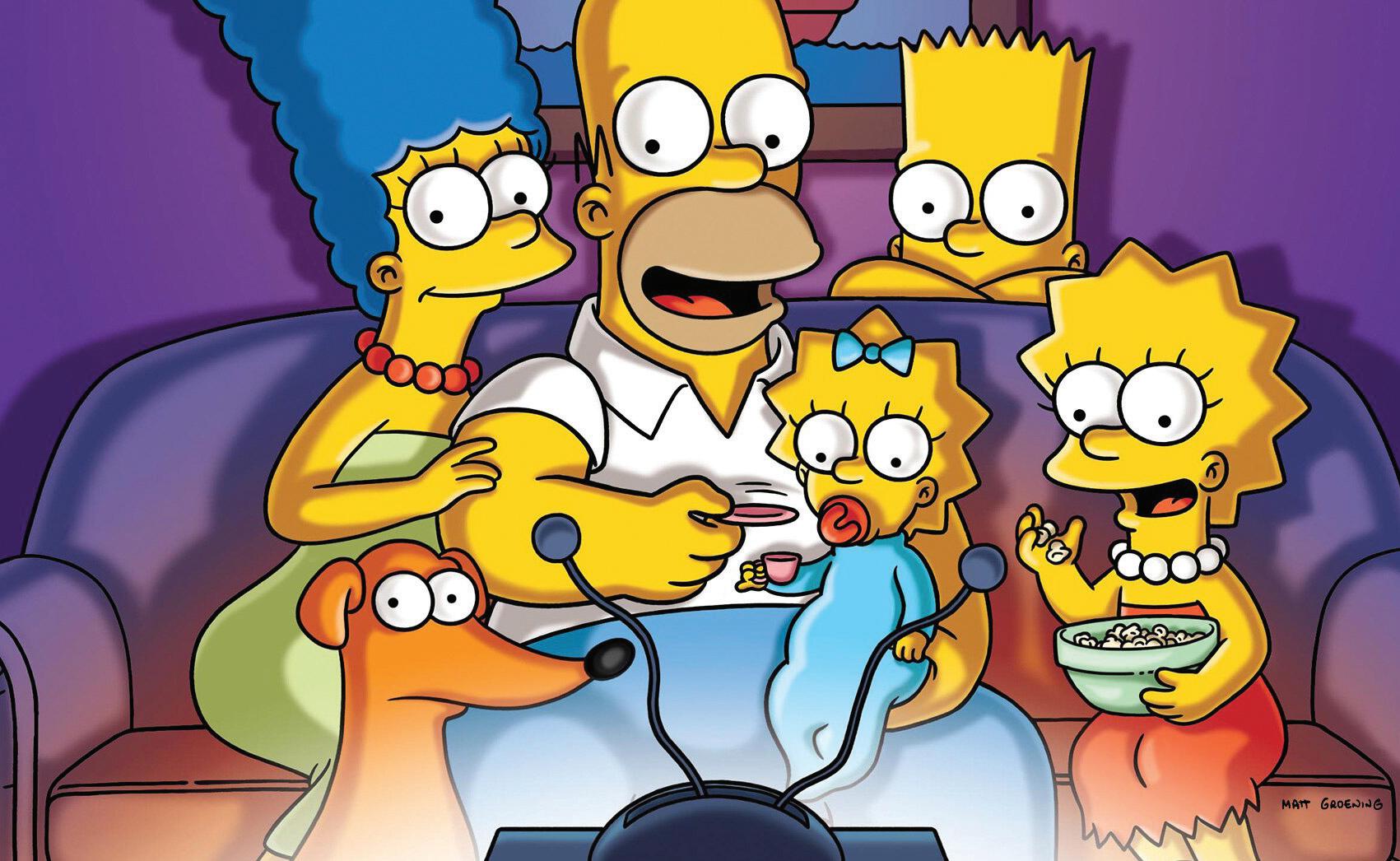
The idea of windowing has once again come to the fore, with Iger, for example, noting at a recent Morgan Stanley conference how well Disney’s adult animations like The Simpsons, Bob’s Burgers and Family Guy perform on Hulu and Disney+ despite having already aired on Fox. “That’s an interesting learning for us,” he said, “that you can still put product on that does extremely well in streaming but that is driving more revenue with a balanced model of licensing to third parties.”
Meanwhile, over at WBD, chief financial officer Gunnar Wiedenfels said at a Bank of America event in September that the company has “a ton content that has been sitting idly for just purely principle reasons,” citing its Lord of the Rings movie trilogy as an example – a property locked up in HBO Max prior to the merger with Discovery but now released to Amazon under a non-exclusive licence to help build out interest in the streamer’s own Tolkien adaptation. “We look at it as what we are giving up versus what additional revenue we are generating,” said Wiedenfels.

There has even been industry talk of Netflix itself moving into licensing, unlocking value in some of its originals that once took top billing but are now no longer favoured by its algorithms. Others, based on legacy deals, will at some point revert to their distributors, such as SPT’s The Crown. And reports from elsewhere suggest the length of more recent exclusivity arrangements are also becoming more weighted towards relinquishing IP to producers sooner. For more on this trend, turn to page 22.
Bob Iger, CEO, Disney
As we look to reduce the content we’re creating for our own platforms, there probably are opportunities to license to third parties. For a while, that was considered something we couldn’t possibly do because we were so favouring our own streaming platforms. But if we get to a point where we need less content for those platforms and we still have the capability of producing that content, why not use it to grow revenue? That’s what we will likely do.
David Zaslav, CEO, Warner Bros Discovery
Our whole library went on HBO Max. We weren’t selling any of it, but it was all on there. We looked and we said, ‘Most of that is not being watched, or we don’t think anyone is subscribing because of this. We could sell it non-exclusively to someone else.’
Kelly Wright, MD of distribution, Keshet International
What’s exciting about the global streamers is obviously when they license your format, they take the entire world. Sometimes they even take the format off the table, but they are relinquishing those rights as time goes by and they’re being quite fair about it. It’s exciting because it just means that more and better content is out there for everyone to share in.
Rodolphe Buet, CEO, Newen Connect
For big IP, streamers want to control and develop on a worldwide basis. But for more local projects, what they are looking for first is making sure they reach local audiences and either get new subscribers or limit churn. They want to partner with ITV, TF1 or ZDF. There is more flexibility there, and when we work on those combinations, we are keeping rights and generating value for the long term.
Fredrik af Malmborg, MD, Eccho Rights
We’ve seen over a number of years most platforms have bought everything and kept everything for the world. That has been delightful for many producers because they’ve gotten wellfinanced and sometimes good reach, but there’s a bit of sobering up in the markets now with budgets slightly tighter. It’s more licensing into windows instead of buying the whole world, which is ultimately good news for the producer who can get out of the cost-plus model.
Solange Attwood, exec VP, Blue Ant International
Platform partners are openly talking about sharing rights again. The move towards sharing and windowing of rights is welcome news to the landscape of excellent distributors that can lean into their global relationships, maximising value in our multiplatform world. Across the board, we’re noticing a spirit of collaboration as industry players look to work together in new, innovative ways to share success.
Julian Chou-Lambert, acquisitions manager, TVF International Global streamers are relaxing their rights position on certain programmes, but mainly on programmes they don’t care about so much. Unless you’re talking about a global commission, you’re unlikely to get a premium fee from a global streamer, and free-to-air broadcasters still aren’t necessarily ready to share rights all the time with Netflix. It’s still a bit of a jigsaw.
Cathy Payne, CEO, Banijay Rights
As the streamers get to know their audiences incredibly well, combined with balancing their financials, we are seeing there are certain shows where they’ll be looking for a licence just for a domestic territory, and the rest of the world will be available.
