INTO THE BUILDING



Rice Companies brings design, engineering, construction and service together. With fewer handoffs and clearer communication,


Cover Story
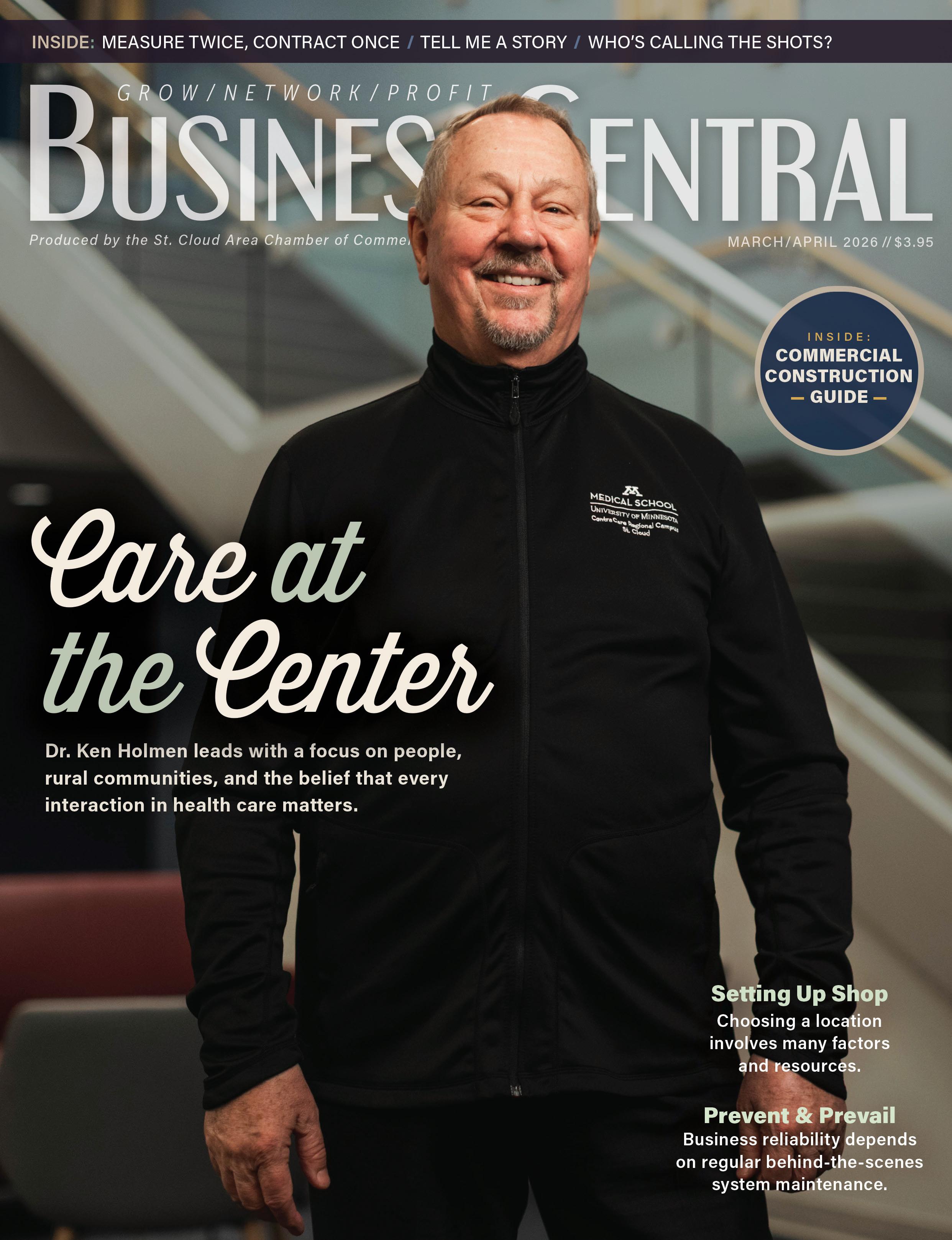
26 CARE AT THE CENTER
Dr. Ken Holmen leads with a focus on people, rural communities, and the belief that every interaction in health care matters.
Valuable information designed to guide and educate
Main Phone: (320) 251-2940
Automated Reservation Line: (320) 656-3826
TOOLS Useful tips and intelligence on how to continue to grow your business
Jeff Jackson, Skatin’ Place
President: Julie Lunning, (320) 656-3804
Director of Finance and Operations: Kristi O'Connor, (320) 656-3806
Director of Programs & Events: Laura Wagner, (320) 656-3831
Director of Marketing & Communications: Emily Bertram, (320) 656-3809
Director of Membership: Bradley Hoelscher, (320) 656-3824
Executive Assistant: Shelly Imdieke, (320) 656-3800
AND PREVAIL The reliability of a business often depends on the regular maintenance of the systems working behind the scenes.
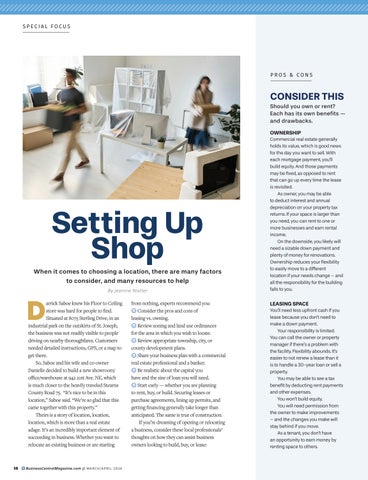
UP SHOP When it comes to choosing a location, there are many factors to consider and many resources to help.
BUSINESSCENTRAL MAGAZINE.COM
• Don’t Be Sloppy
• The Silver Tsunami
• Gestures Matter
• Strengthen Your Digital Fortress
& VISITORS BUREAU STAFF
Executive Director: Rachel Thompson, (320) 202-6728
Director of Sales: Nikki Gustafson, (320) 202-6712
Sales Manager: Sabrina Koelsch, (320) 202-6713
Sports Director: Craig Besco, (320) 202-6711
Marketing Manager: Rachel Foos, (320) 202-6729
Marketing & Services Coordinator: Carlie Mertens, (320) 202-6770
Information Specialist: Maddy Lindholm, (320) 251-4170
After All This Time?
Every generation has had its pop culture fixations: Elvis Presley, The Beatles, Star Wars, Game of Thrones, Taylor Swif. Each carries with it a fanbase that is loyal and passionate. These iconic stars and shows tell stories that unite and bring people together. While my generation has seen many, from N*Sync to Friends, there is one for me that goes even deeper: Harry Potter.
The first book, Harry Potter and the Sorcerer’s Stone by J.K. Rowling, was released in the U.S. on September 1, 1998. That year, my mom bought me the book for Christmas, and we read it together every night before bed. It was a magical story of friendship and bravery that immediately drew me in. The seventh and final book was released in 2007, and I have vivid memories of racing to Barnes and Noble to snag a copy before it sold out and reading it nonstop over the course of the next week.
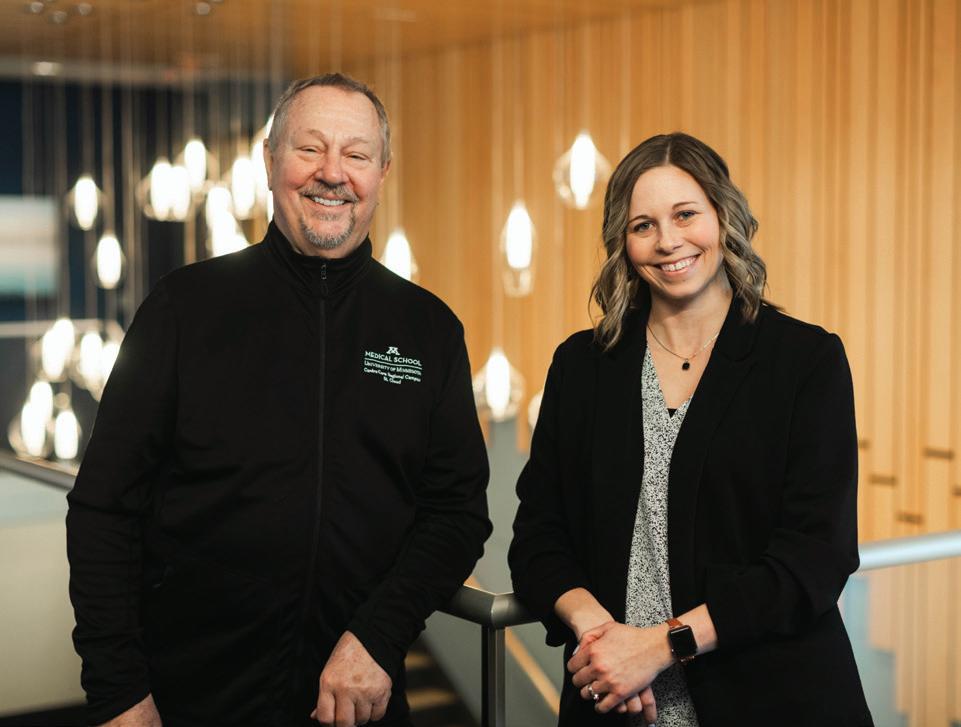
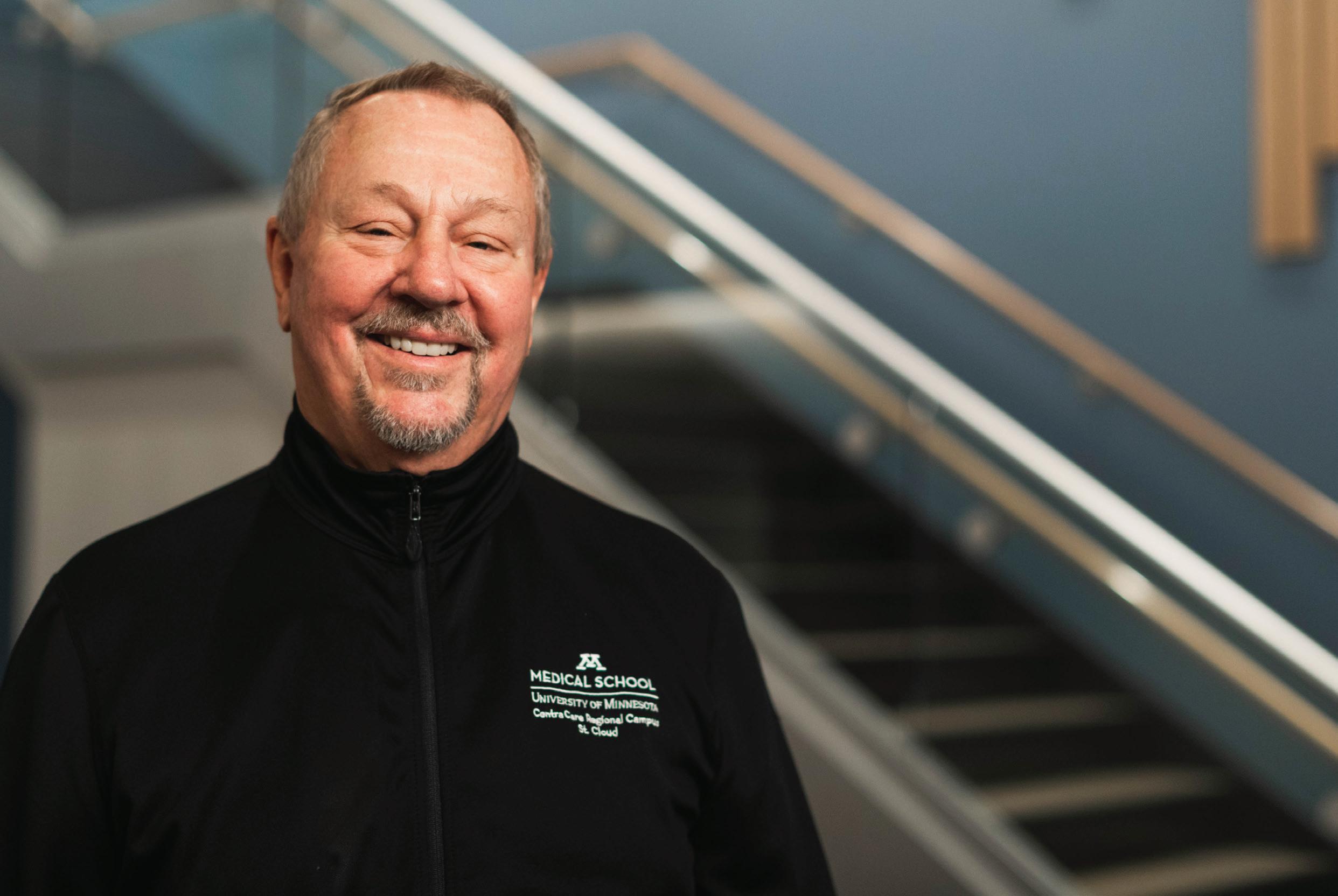
Business Central Magazine Editor Emily Bertram gets a tour of the University of Minnesota CentraCare Regional Campus Medical School with Dr. Ken Holmen.
I’ve reread the series at least five times and the thrill never fades. This is what great stories can do. Dr. Ken Holmen, CEO of CentraCare, is a fellow book lover and lifelong reader. He knows the impact of a story well told. His leadership of CentraCare has helped to tell a story — one of collaboration, curiosity and care. His passion for rural health, his vision of care for all, and his dedication to medical innovation have left an enduring mark on an organization that dates back to the 1800s. You can read his story on page 26.
No book before or since has been able to absorb my attention like the Harry Potter series. I still love to read, but those books changed my literary life, like they did for many others.
A few months ago, I began reading the Harry Potter series to my eight-year-old daughter, Audrey. I’ve told her that we can stop anytime she wants and read something else, but so far, we are halfway through book four with no end in sight. To watch the magic unfold for her all over again is a gift, one that only a timeless story can give.
Then came the movie franchise. When the final movie hit the big screen in 2011, I was 20 years old. It felt as though I had grown up right alongside Harry, Ron and Hermione at Hogwarts. A few friends and I attended a midnight premiere showing in downtown Minneapolis, and we were in tears by the time the credits rolled. A whole generation of magic had come to a close, but its impact lives on.
No book before or since has been able to absorb my attention like that series. I still love to read, but those books changed my literary life, like they did for many others. I love running into a fellow Harry Potter nerd (yes, nerd), because we can instantly bond on the references, the shared adventures, and the memories.
“Words are, in my not-so-humble opinion, our most inexhaustible source of magic.”
— Albus Dumbledore
Until next time,
Emily Bertram, Editor
Publisher Julie Lunning
Editor Emily Bertram
Founding Editor Gail Ivers
CONTRIBUTING WRITERS
Mitchel Anderson, Rinke Noonan
King Banaian, St. Cloud State University
Emily Bertram, St. Cloud Area Chamber of Commerce
Chad Groetsch, Nuts & Bolts Marketing
A.J. Kaufman, freelance writer
Randy Krebs, freelance writer
Lynn MacDonald, St. Cloud State University
Jeanine Nistler, freelance writer
Miranda A. Stueckrath, Stearns History Museum
Jami Trenam, Great River Regional Library
1411 West St. Germain Street, Suite 101, St. Cloud, MN 56301 / Phone: (320) 251-2940 / Fax: (320) 251-0081 BusinessCentralMagazine.com
ADVERTISING
Associate Publisher/Sales
Melinda Vonderahe, Marketing Consultant
Ad Traffic & Circulation
Yola Hartmann, Hazel Tree Media
ART
Design & Production
Yola Hartmann, Hazel Tree Media
Cover Story Photography
Switchboard
Editorial suggestions can be made in writing to: Editor, Business Central, 1411 West St. Germain Street, Suite 101, St. Cloud, MN 56301 or emailed to ebertram@stcloudareachamber.com. Submission of materials does not guarantee publication.
For advertising information, contact Melinda Vonderahe (320) 656-3808
© Copyright 2026 Business Central LLC. Business Central is published six times a year by the St. Cloud Area Chamber of Commerce, 1411 West St. Germain Street, Suite 101, St. Cloud, MN 56301. Phone (320) 251-2940 / Subscription rate: $18 for 1 year.
ST. CLOUD AREA CHAMBER OF COMMERCE 2025-26 BOARD MEMBERS
Nick Bischoff, Design Electric
Doug Cook, Headwaters Strategic Succession Consulting LLC
Joe Hellie, CentraCare, Past Board Chair
Ray Herrington, Pioneer Place on Fifth
Hudda Ibrahim, OneCommunity Alliance, Vice Chair of the Board
Dave Kleis, Central Minnesota Driving Academy
Matt Laubach, West Bank
Laurie Putnam, St. Cloud School District 742
Paul Radeke, Creative Planning, Board Chair
Alex Schoephoester, Spencer Fane
Brenda Sickler, Theisen Dental
Amy Sip, ASip Consulting
Melinda Tamm, Ms. Melinda’s Dance Studio
Melody Vachal, Arise Cares
Donella Westphal, Jules’ Bistro
Dr. Jason Woods, St. Cloud State University

UP FRONT
GROW |
INSIDE THIS ISSUE : New at the Top / Digging History / The Trouble with Business
Mind Over Matter
Unlocking what people and organizations are capable of becoming.
By Jami Trenam
Adam Grant is an organizational psychologist at the Wharton School whose work focuses on motivation, leadership, and workplace culture. In his 2023 book, Hidden Potential: The Science of Achieving Greater Things, Grant challenges the myth that success is driven primarily by innate talent. Instead, he argues that how we learn — our mindset, habits, and character skills — plays a far greater role in determining how far we go.
Grant organizes the book into three parts, each containing three chapters. His writing is accessible and conversational, grounded in research, animated by real-life stories, and refreshingly practical.
Part One: Skills of Character focuses on becoming better at learning itself. Grant explores what he calls “creatures of discomfort,” encouraging readers to embrace the awkwardness — and the mistakes — that come with growth. The takeaway is hopeful: while talent may be unevenly distributed, the skills of learning,

persistence, and improvement can be cultivated by anyone. Chapters include Creatures of Discomfort Embracing the Awkwardness of Learning; Human Sponges Building the Capacity to Absorb and Adapt; and The Imperfectionists Finding the Sweet Spot Between Flawed and Flawless.
Part Two: Structures for Motivation is especially relevant for leaders, educators, and parents who seek to unlock potential in teams. Here, Grant introduces the concept of scaffolding — offering temporary support to help people meet high expectations rather than lowering the bar. He highlights the importance of recognizing progress over perfection and designing environments that motivate sustained effort. Chapters include Transforming the Daily Grind Infusing Passion into Practice; Getting Unstuck
The Roundabout Path to Forward Progress; and Defying Gravity
The Art of Flying by Our Bootstraps.
Part Three: Systems of Opportunity zooms out to examine how institutions such as schools and workplaces can either reveal or suppress
hidden talent. Grant argues that systems too often reward polish over growth, and pedigree over promise. He encourages leaders to rethink hiring, evaluation, and team design to uncover “diamonds in the rough.” Chapters are Every Child Gets Ahead Designing Schools to Bring Out the Best in Students; Mining for Gold Unearthing Collective Intelligence in Teams; and Diamonds in the Rough Discovering Uncut Gems in Job Interviews and College Admissions. Throughout, Grant underscores that success is less about proving yourself and more about improving yourself. For business leaders and entrepreneurs, Hidden Potential offers both a mindset shift and a practical roadmap for building resilient individuals, stronger teams, and more equitable organizations.
Ebert invited into national fellowship
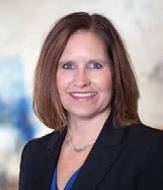
Dyan J. Ebert, managing partner at Quinlivan & Hughes, P.A., was inducted into the trial lawyer organization American College of Trial Lawyers. Fellowship is extended by invitation only and recognizes attorneys with at least 15 years of experience who demonstrate exceptional trial skill, professionalism, and ethical standards.


CHECK IT OUT!


Jami Trenam is the associate director of collection development at Great River Regional Library.
Hidden Potential is available for free checkout in both physical and eAudio formats from the public library. Reserve your copy at griver.org.
Hidden Potential: The Science of Achieving Greater Things; Adam Grant, 2025, Viking, an imprint of Penguin Random House, New York; ISBN: 978-0593653661
Ringwald named CFO Community Giving named James Ringwald as its new chief financial officer. Ringwald brings more than 20 years of experience in accounting, finance, and investments to the role. He most recently served as director at the valuation firm Marshall & Stevens, and previously held leadership positions, including senior valuation specialist at Creative Planning and director of business valuation at BerganKDV. Ringwald is a certified public accountant and holds an MBA from the University of Connecticut.
Case joins SCFCU
LeAnn Case is the new chief strategy officer at St. Cloud Financial Credit Union (SCFCU). She’ll oversee the credit union’s investment and multicultural services, chair the TriUnity Foundation board, and guide communications strategy for SCFCU's stake in DaLand CUSO.
NEWS REEL
PEOPLE TO KNOW
Connecting the Faces
Meet the leaders helping welcome, connect, and support members through networking, mentorship, and Chamber engagement.
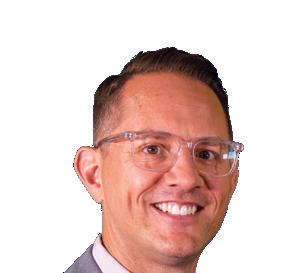
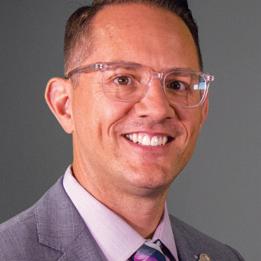
Jason Miller
Trust Real Estate
Phone: (320) 348-0808
Chair, Top Hat Ambassadors
The Top Hat Ambassadors welcome new members, congratulate members who have expanded or relocated, and serve as greeters and hosts at Chamber events.


Troy Lenarz
Regional Diagnostic Radiology, The Vein Center and MedSpa,
Alliance Imaging
Phone: (320) 224-9558
Chair, Connectors Committee
Chamber Connectors are a group of experienced Chamber members who serve to engage new members and representatives through events, mentorship and advice.

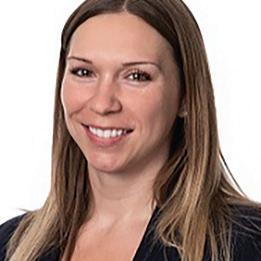
Bri Torborg
Falcon National Bank
Phone: (320) 230-9263
Chair, Government Affairs Committee
The Government Affairs Committee researches legislative issues, makes recommendations to the Board of Directors regarding legislative policy positions, organizes trips to the Capitol, provides legislative updates during the session, and maintains contact with area legislators and other elected officials throughout the year.
Continue reading on page 8 & page 11 for more People to Know.

STRONG AT HEART
NETWORK UP FRONT
Spencer Fane employees recognized Alex Schoephoerster and Shannon Wiger with Spencer Fane were named to Minnesota Lawyer’s 2025 Up & Coming Attorneys and Unsung Legal Heroes lists, respectively. These distinctions celebrate the standout new attorneys who are already making waves in the legal field, as well as the indispensable legal professionals whose behind-the-scenes work makes success possible.

Tomso named president Gregory Tomso, Ph.D., began his role as president of St. Cloud State University in January 2026. Prior to assuming the presidency, he was on sabbatical from the University of West Florida, where he established the university’s Office of Workforce Development to strengthen partnerships with local employers and nonprofits. Tomso has also served as an honors program director, English department chair, and longtime faculty member, following earlier work as an assistant professor at Ithaca College in New York. He holds a bachelor’s degree from the University of Virginia and a doctorate from Duke University.
SCTCC named Best for Vets St. Cloud Technical & Community College was named a Best for Vets College 2025 by Military Times, recognizing its strong commitment to serving veterans and their families. The college offers robust support for veterans, including tailored transition resources, emergency funds, and a streamlined scholarship process. Military Times evaluates institutions using national survey data and federal public records, focusing on student success, military-specific services, and financial assistance.
Bethany Bertram
CEO & Co-Owner, Trobec's Bus

Started at Trobec’s in 2009 Age: 36
Previous positions/ work history:
Before joining Trobec’s Bus full-time, I worked at Target in high school and early college. I started washing buses during a holiday break my sophomore year of college — and never left. I’ve since worked nearly every role: bus cleaner, school bus and motorcoach driver, dispatcher, operations support, and now leadership. That hands-on experience across the company shapes how I lead and builds trust with our team.
Something you really enjoyed in your previous positions:
I’ve loved learning every facet of our business. That experience earns respect from our team because they know I’m willing to do the work and won’t ask anyone to do something I haven’t done myself.
What you’re looking forward to most in your new position:
I’m excited to make a meaningful impact by elevating our industry and encouraging more women to see transportation as a strong career path. At Trobec’s Bus, we’re

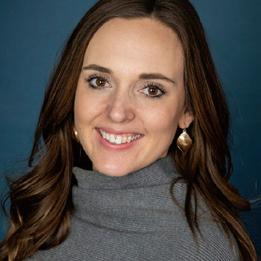
Laura Holzheimer
CentraCare
Phone: (320) 251-2700
Chair, Chamber Connection Friday Location Committee (FLC)
continually looking for ways to modernize our operations, invest in our people, and strengthen our relationships with the communities we serve. Creating a positive, empowering workplace is important to me, and I’m motivated by helping others grow — from drivers advancing in their careers to young professionals finding their place in this field.
What your hobbies are: Outside of work, I love to travel with my family, which includes my husband, Elliot, and our one-and-a-half-yearold daughter. Traveling gives us the opportunity to create lasting memories, explore new places, and recharge together.
Fun Fact:
I’ve had my commercial driver’s license (CDL) since I was 19 years old!
Chamber Connection is the premier networking event for businesses in Central Minnesota. Hosted by a different Chamber member every Friday morning, Chamber Connection attracts 75 - 120 people each week to network and share information about their businesses, all for the price of $1 at the door.
Becca Atkinson

Previous positions/ work history:
After graduating college from SCSU, I worked at the St. Cloud Children’s home. After working there for a while, I needed a change, and Bethany needed help in the office at Trobec’s.
I thought it was only going to be temporary, as I never wanted to work in the “bus industry.” Little did I know, it turned into a lifelong dream! I started working with our service department, then dispatch and sales with a side of cleaning the buses on the weekends when there was extra help needed.
Something you really enjoyed in your previous positions: I’ve had the opportunity to work in many different areas of our company, and that experience has given me a deeper understanding of how all the pieces fit together. It’s rewarding to be able to support our employees and help solve challenges, because I’ve walked in many of their shoes along the way.
What you’re looking forward to most in your new position: I’m looking forward to continuing to build strong
relationships with our team and our customers, while helping our company grow in new and innovative ways. It’s exciting to be part of a business that has such deep roots in our community and to contribute to its future success.
What your hobbies are:
I’m a busy mom of two little ones — our four-year-old son, Cohen, and our two-year-old daughter, Collyns — so most of my time outside of work is spent with them. When my husband and I get the chance to sneak away, we love spending time on the golf course together.

NETWORK UP FRONT
NEWS REEL
Ham named director of operations
David Ham is the new director of operations at Coborn’s. Ham joined the company in 2006, previously serving as convenience division manager and leading the Cash Wise location in Willmar, Minn. as store director.
Holly Ball raises nearly $1 million CentraCare Foundation’s 51st Holly Ball raised more than $920,000 during the December 6th, 2025 event. The funds raised at Holly Ball directly impact patients and families during their cancer and hospice journeys, and for those needing the services of the Child Advocacy Center.
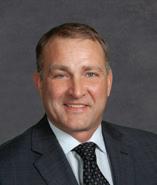
St. Cloud Orthopedics welcomes Gerlach
An experienced orthopedic surgeon with 15 years of practice, Dr. David Gerlach specializes in hand and upper extremity care. Dr. Gerlach earned his MD from Washington University School of Medicine and completed his fellowship at Harborview Medical Center, part of the University of Washington in Seattle.

Dr. Fairbanks joins Infinite Eye Care Optometrist
Dr. Jennifer Fairbanks joined the Infinite Eye Care team. With over 12 years of experience as an optometrist, she previously worked at the St. Cloud VA and Fischer Laser Eye Center.
Got News?
Send news releases, announcements, or anything you think is newsworthy to Emily, ebertram@ stcloudareachamber.com, and we will try to include it.
DIGGING HISTORY
Making It Work
From economic hardship to wartime production and growth, Ben Hanauer’s inventive spirit built a regional manufacturing powerhouse.
By Miranda A. Stueckrath

Ben Hanauer was born into a family rooted in craftsmanship. His parents, Joseph and Barbara, opened a blacksmith shop in Albany in 1906. A skilled artisan, Joseph was also a cooper and wagon maker. Using lumber that he cut and seasoned himself with a steam-powered sawmill, he produced fine barrels, carriages, and sleighs that were renowned for their craftsmanship. Community members remembered Joseph’s ability to handcraft intricate sleigh details freehand, a testament to his artistry.
As Joseph’s sons, Al and Ben, came of age, they expanded the family’s work into the growing motorcycle and automobile trade, repairing and selling some of Albany’s first cars. The family’s garage,
originally facing Third Street, became a local hub of early automotive innovation. In 1920, Joseph sold his garage business and built another location, continuing operations despite legal challenges from competitors.
Ben’s early years reflected both mechanical aptitude and an adventurous spirit. After serving as an aviation mechanic in World War I, he took up car racing in the 1920s, until a severe back injury from an accident ended his career. Undeterred, Ben redirected his inventiveness toward machine engineering and his natural talent flourished. Known for his ability to restore discarded equipment, he frequented Pan Motors’ forging shop in St. Cloud, collecting and repairing machines such as
lathes, shapers, and milling tools. His resourcefulness allowed him to replicate and even improve upon existing designs. He once tested three-cylinder grinders, integrating the best features of each into a machine of his own making.
In 1929, at the beginning of the Great Depression, Ben founded Hanauer Machine Works in Albany. With manufacturing at a standstill, much of his work involved repairing farm equipment, often trading his services for food rather than money. Despite these challenges, his technical skill sustained the business and his reputation grew.
World War II brought new opportunities. Under government contracts, Hanauer Machine Works produced radar arms for naval ships and shell punches for the Army and Northern Ordnance. At its wartime peak, the shop employed seventeen workers and prospered under Ben’s leadership and innovation. After the war, the company began producing hydraulic pumps, and Ben eventually relocated the business to Middle Spunk Lake in Avon. Ben’s sons, Duane and Burton, assumed leadership in the 1950s. Duane managed operations and sales, while Burton oversaw production.
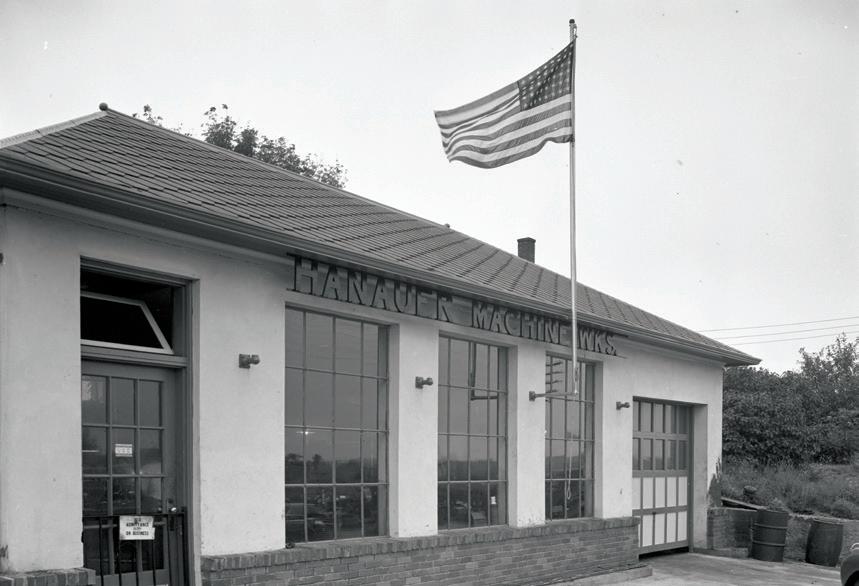
Hanauer Machine Works, Albany, Minn., September 1942
Under their guidance, the company expanded rapidly, specializing in gears, gearboxes, and shafts, and growing to over 150 employees. A move to a larger facility south of Interstate 94 followed in 1973.
By the late 1970s, the Hanauer family’s oncesmall operation had become
a leading manufacturer employing over 350 people. The company was eventually sold to Federal Mogul and renamed Columbia Gear.
Throughout his life, Ben Hanauer exemplified creativity, persistence, and technical brilliance. A local innovator, his work ethic and ingenuity left an enduring mark on Central Minnesota’s industrial history.
PEOPLE TO KNOW

Brandon Zylka Catholic Charities
Phone: (320) 650-1550 Chair, Chamber Open


Miranda Stueckrath is the public program librarian at the Stearns History Museum
The Chamber Open is an annual networking and fundraising event for the Chamber. Volunteers organize the day’s activities, sell sponsorships, and help the day of the Open.


During World War II Hanauer Machine Works produced radar arms for naval ships.
THE TROUBLE WITH BUSINESS
Safety First
Workplace safety is a crucial part of company culture and the bottom line.
By A.J. Kaufman

Occupational safety has made significant strides during the last few generations. The Occupational Safety and Health Act (OSHA) of 1970 — which originally was enacted to govern the federal law of occupational health and safety in the private sector and public sectors — ensured that employees worked within an environment free from hazards. During the last half-century, regulations have been implemented to enhance conditions further for workers across all industries. However, recent data from the U.S. Bureau of Labor Statistics reveals that thousands of fatal occupational injuries still occur annually in the United States. Business owners must understand how their commitment to occupational
safety plays a part in shaping company culture by supporting effective training, driving innovation, and delivering a strong return on investment. Equally important are the compliance and insurance considerations, along with practical strategies for building and maintaining safety plans that protect employees and strengthen operations for the future.
A Valuable Asset
Reva Van Vleet, an owner/agent with St. Cloud-based Rock City Insurance, believes it is essential for a small business to understand what coverage they need, and that coverage needs to “evolve with them as their business evolves,” she said.
“We see businesses that start with no employees and have a
business owner’s policy that covers everything they need at that point, but as they hire new employees, a worker’s comp plan is important — and legally required, of course — to protect their business and the safety of their employees,” Van Vleet said. She stressed that, for a business to be sustainable, business owners must understand their coverage and know their business is adequately covered.
Creating an environment where the importance of workplace safety is valued is crucial. “Employees are more likely to feel valued, have a sense of trust in their employer and have more ability to take creative risks, knowing their safety is prioritized,” Van Vleet explained. She recommends that businesses have a risk management plan for identifying, assessing, controlling
and transferring risks. “Insurance is all about risk transfer, so when businesses are properly covered for liability, business property, worker’s comp, and other potential areas, they can better protect their assets — including employees — from potential losses, and continue to evolve.”
A Cultural Imperative
As executive director of the Midwest Manufacturers’ Association, Lynda Bailey says safety is not solely a compliance requirement but central to her members’ culture and overall return on investment.
“Companies that prioritize occupational safety consistently see fewer disruptions, lower insurance costs, and higher morale,” Bailey said. According to Bailey, a safe workplace fosters trust, which translates into productivity and innovation. “When employees know their well-being is valued, they are more engaged and more willing to contribute ideas that improve processes and outcomes.”
Building a strong safety plan begins with leadership buy-in, clear communication and continuous training. “It’s not a ‘one-and-done’ document, but a living system that adapts with new technologies and evolving standards,” Bailey said. “Many of our manufacturers are exploring how AI and digital tools can enhance monitoring, training, and predictive maintenance by identifying risks before they become incidents.”
A Foundational Must
Rachel Gruber is the owner and president of Dale Gruber Construction in St. Cloud.
“Safety isn’t just a checklist item, it’s the foundation of how we operate,” she said. “As a general contractor, we recognize that construction work carries inherent risks, which is why our culture emphasizes training, innovation and accountability.”
Dale Gruber Construction employees participate in the Associated Builders and Contractors STEP Safety Program and continually implement safety practices that go beyond compliance. From regular training sessions to
investing in new tools and methods that minimize hazards, they focus on creating an environment where every team member prioritizes safety.
A strong safety plan meets regulations and protects her company's greatest asset: their people, according to Gruber.
“A well-built plan should clearly outline procedures, encourage open communication, and be revisited regularly as new technologies and standards emerge,” she said. By taking a proactive approach like investing in training, listening to employees’ feedback, and continually refining safety processes, companies can ensure
that their teams return home safely to their families each day.
“We believe that when safety is ingrained in a company’s culture, it becomes a driver of trust, quality, and long-term success.”
A Crucial Commitment
Headquartered in Sartell, DeZURIK manufactures valves for various municipal and industrial industries, including water treatment, sewage treatment, mining and chemical processing. They believe safety is not just a policy. “It is the driving force for one of our core values: Thrive Together,” Vice President of Marketing Melinda Vonderahe said. “Every product we design
and every decision we make is guided by our commitment to protecting people, communities and the environment.”
According to Vonderahe, they believe that safety empowers employees to perform at their best, fosters trust with customers and supports the reliability of their solutions in critical applications. “Success and safety are inseparable — because when safety leads, success follows.”
A former school teacher and historian, A.J. Kaufman is currently managing editor for the Business Journal of Tri-Cities and also a correspondent for the St. Cloud Times.
TOP HATS
GROW | NETWORK | PROFIT
BUSINESSES AROUND THE ST. CLOUD AREA
ST. CLOUD AREA HAPPENINGS: Welcoming new members, celebrating new locations, new ownership and major anniversaries

TOP HATS: MILESTONES
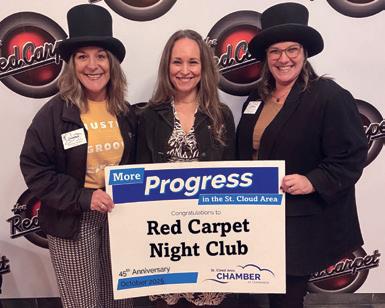
45 YEARS IN BUSINESS: Red Carpet Night Club, night club complete with martini lounge, event center, pub and game room, 11 5th Ave. S, St. Cloud. Pictured: Rachael Sogge, Haley Foster, Paula Capes.
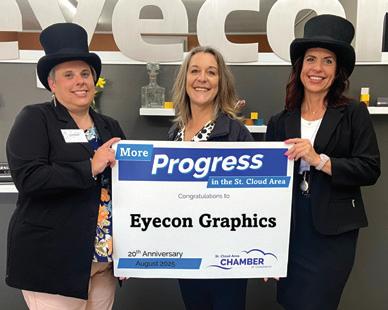
20 YEARS IN BUSINESS: Eyecon Graphics, advertising agency, 32 32nd Ave. S, Ste. 100, St. Cloud. Pictured: Kristin Hannon, Rachael Sogge, Rachel Layton.
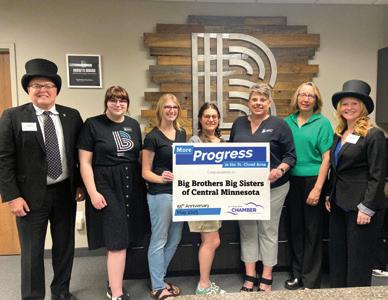
YEARS IN BUSINESS:

40 YEAR MEMBER: American National Bank of Minnesota, financial institution, 3210 W Division Street, St. Cloud. Pictured: Debbie Clausen, Joy Schafer, Rick Virnig, Ben Barhorst, Mike Brower.
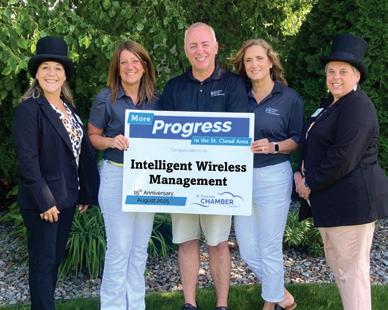
15 YEARS IN BUSINESS: Intelligent Wireless Management, wireless services, 7202 Rolling View Drive, St. Cloud. Pictured: Rachael Sogge, Nikki Wensman, Todd Fritz, Laura Fritz, Kristin Hannon.
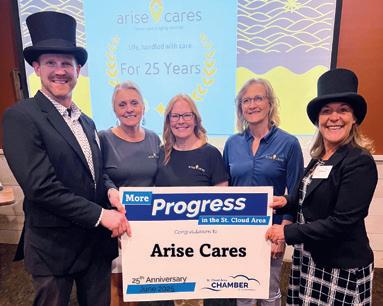
25 YEARS IN BUSINESS: Arise Cares, in home care, 2907 Clearwater Road, Ste. 200, St. Cloud. Pictured: Clint Lentner, Brenda Schmidt, Melody Vachal, Lisa Thielman, Rachael Sogge.
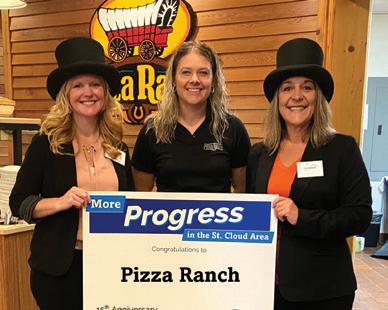
15 YEARS IN BUSINESS: Pizza Ranch, restaurant, 110 2nd Street S, Ste. 119, Waite Park. Pictured: Jenna Binsfeld, Jackie Horstmann, Rachael Sogge.
TOP HATS: NEW LOCATIONS, OWNERSHIP & EXPANSIONS
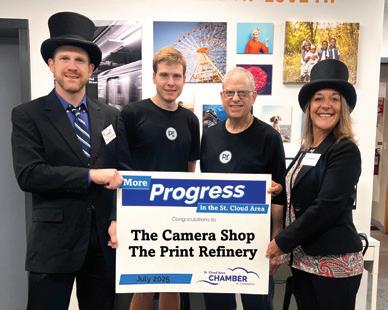
NAME CHANGE: The Camera Shop/ The Print Refinery, photo and video services, 25 7th Ave. S, Ste. 200, St. Cloud. Pictured: Clint Lentner, Nick Ringsmuth, Frank Ringsmuth, Rachael Sogge.
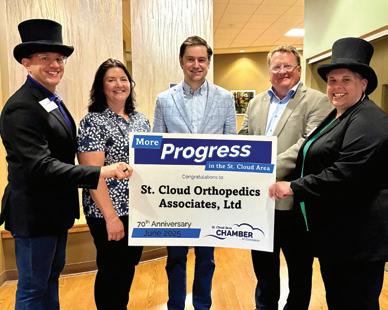
70 YEARS IN BUSINESS: St. Cloud Orthopedics Associates, Ltd., orthopedic services, 1901 Connecticut Ave. S, Sartell. Pictured: Jason Miller, Dr. Kim Schaap, Dr. Andrew Mulder, Ed Kelly, Kristin Hannon.
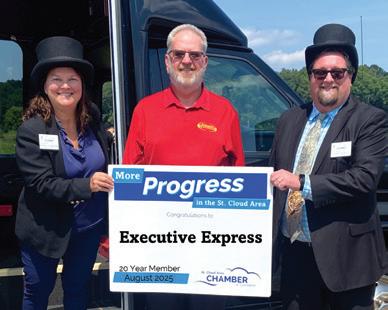
20 YEAR MEMBER: Executive Express, transportation services, 1111 Elm Street E, St. Joseph. Pictured: Brenda Eisenschenk, Larry Logeman, Rory Cruser.
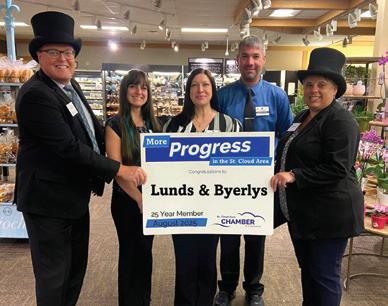
25 YEAR MEMBER: Lunds & Byerlys, grocery store, 2510 W Division Street, St. Cloud. Pictured: Chris Jacques, Bailey Taylor, Nicole Dehn, Walter Schwartz, Kristin Hannon.
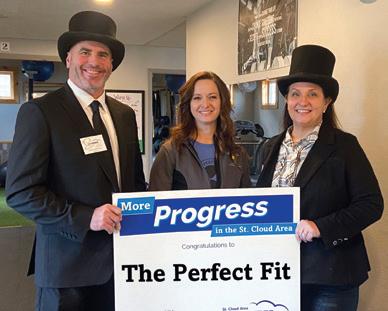
10 YEARS IN BUSINESS: The Perfect Fit, personal training and Muscle Activation Technique, 32 1st Ave. NW, St. Joseph. Pictured: Lance Barthel, Julia Krengel, Debbie Clausen.
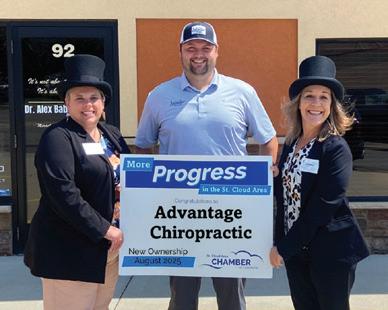
NEW OWNERSHIP: Advantage Chiropractic, chiropractic services, 32 32nd Ave. S, Ste 100, St. Cloud. Pictured:Kristin Hannon, Alex Babcock, Rachael Sogge.
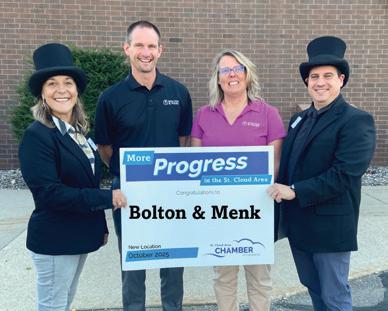
NEW LOCATION: Bolton & Menk, public infrastructure solutions, 4140 Thielman Lane, Ste. 204, St. Cloud. Pictured: Rachael Sogge, Jared Voge, Robin Caufman, Mike Brower
55
Big Brothers Big Sisters of Central Minnesota, youth organization, 203 Cooper Ave. N, Ste. 162, St. Cloud. Pictured: Chris Jacques, Katherine Swanson, Robyn Rieland, Julie Schmidt, Kristin Hannon, Jackie Johnson, Jenna Binsfeld.
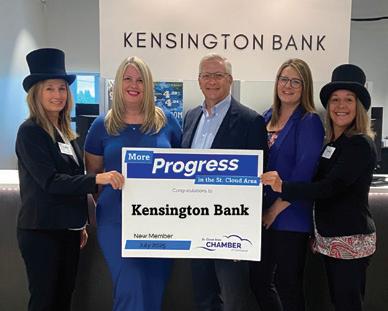
Kensington Bank, financial institution, 103 1st Ave. NW, St. Joseph. Pictured: Donna Roerick, Kelly Meehan, David Miller, Merradith Van Vooren, Rachael Sogge.

Family Achievement Center of Central Minnesota, youth occupational, physical and speech therapy, 2904 Roosevelt Road, Ste. 1, St. Cloud. Pictured: Chase Larson, Jed Meyer, Sara Meyer, Clint Lentner.

Qwik Pack and Ship St. Cloud, shipping services, 20 15th Ave. S, St. Cloud. Pictured: Donna Roerick, Ali Ibrahim, Nasro Hussein, Patrick Hollermann.
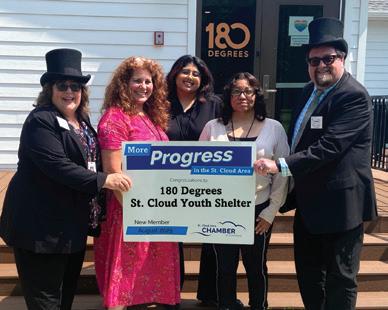
180 Degrees St. Cloud Youth Shelter, youth organization, 1101 Washington Memorial Drive, St. Cloud. Pictured: Tauna Quimby, Nancy Dyson, Marwah Asif, Victoria Driscoll, Rory Cruser.
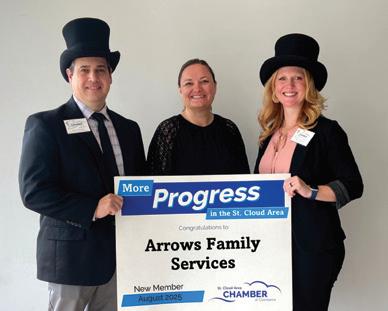
Arrows Family Services, family therapy services, 215 Park Ave. S, St. Cloud. Pictured: Mike Brower, Shannon Wegner, Jenna Binsfeld.

Steve’s Excavating, commercial and residential excavating and aggregate needs, 5051 250th Street, St. Cloud. Pictured: Rachel Sogge, Bethany Voigt, Ben Voigt, Donna Roerick.
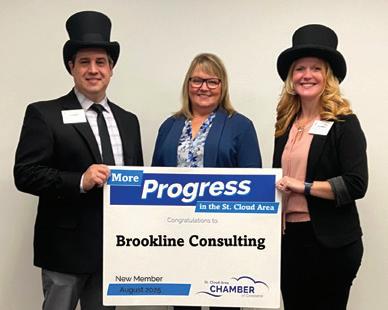
Brookline Consulting, human resources services, no physical location.
Pictured: Mike Brower, Jill Magelssen, Jenna Binsfeld.
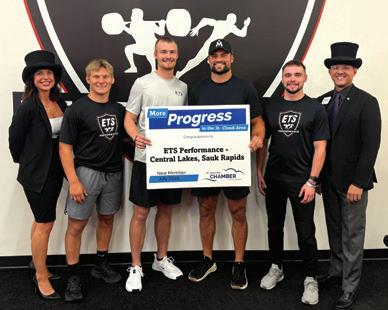
ETS Performance-Central Lakes, Sauk Rapids, sports performance training facility, 1000 S Benton Drive, Unit 411, Sauk Rapids. Pictured: Rachel Layton, Lukas Paulson, Parker Fossum, Blake Cashman, Joe Bue, Jason Miller.

Erbert & Gerbert’s, restaurant, 4170 Division Street, St. Cloud. Pictured: Rory Cruser, Kiley Benson, Rob Schoonover, Donna Roerick.
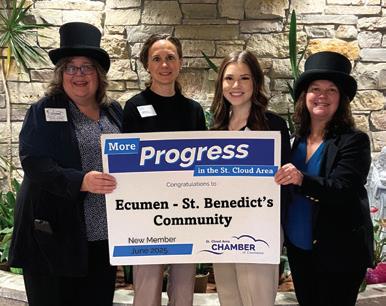
Ecumen-St. Benedict’s Community, senior living facility, 1810 Minnesota Blvd. SE, St. Cloud. Pictured: Tauna Quimby, Melinda Fast, Abby Weber, Brenda Eisenschenk.

GROW | NETWORK | PROFIT
Network!
EVENTS AROUND THE ST. CLOUD AREA
MORE ON EVENTS: For information on these or other business events, call 320-251-2940 or visit StCloudAreaChamber.com and click on “Calendar.”
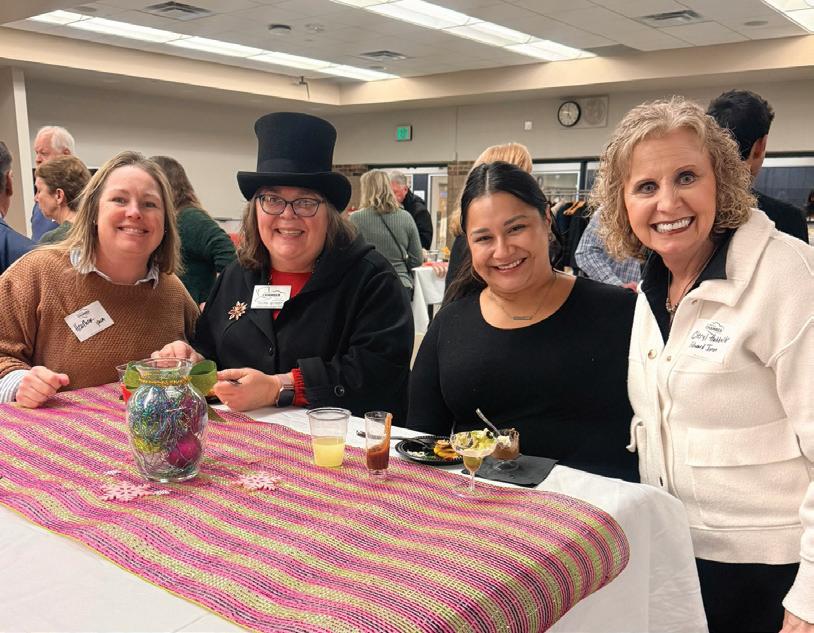
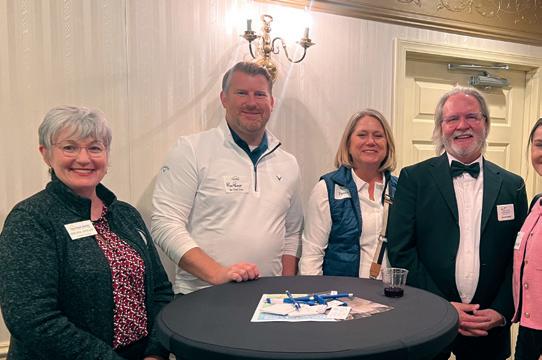
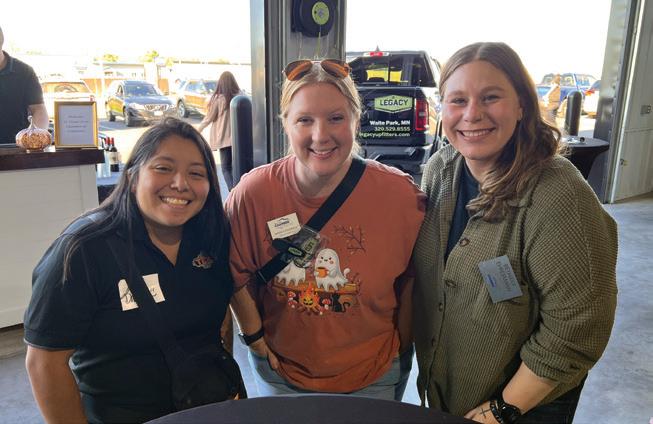
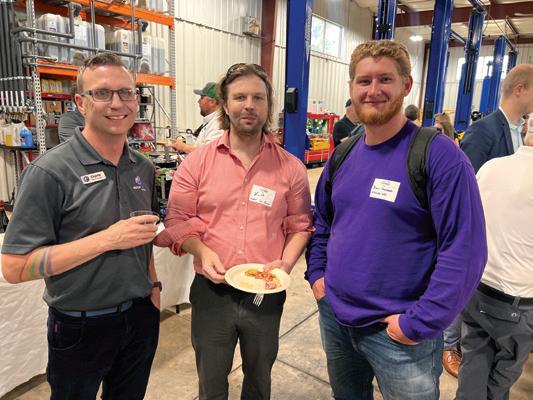
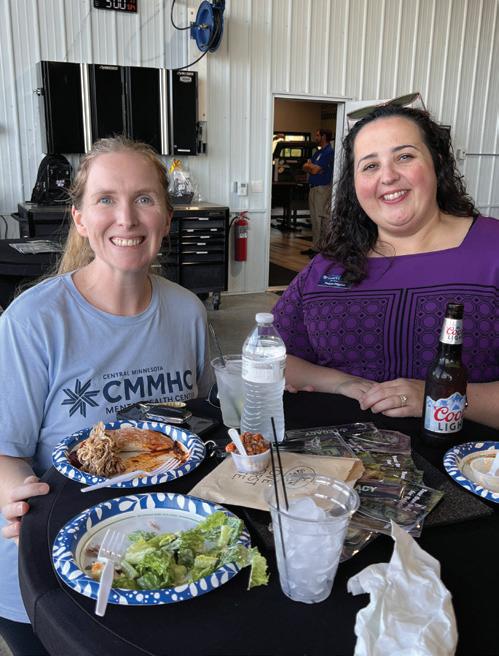
A variety of businesses hosted the Chamber's monthly networking event, Business After Hours, during 2025. Attendees are invited to drop in between 4:30 and 6:30 p.m. to network and learn more about the host business while enjoying some refreshments.
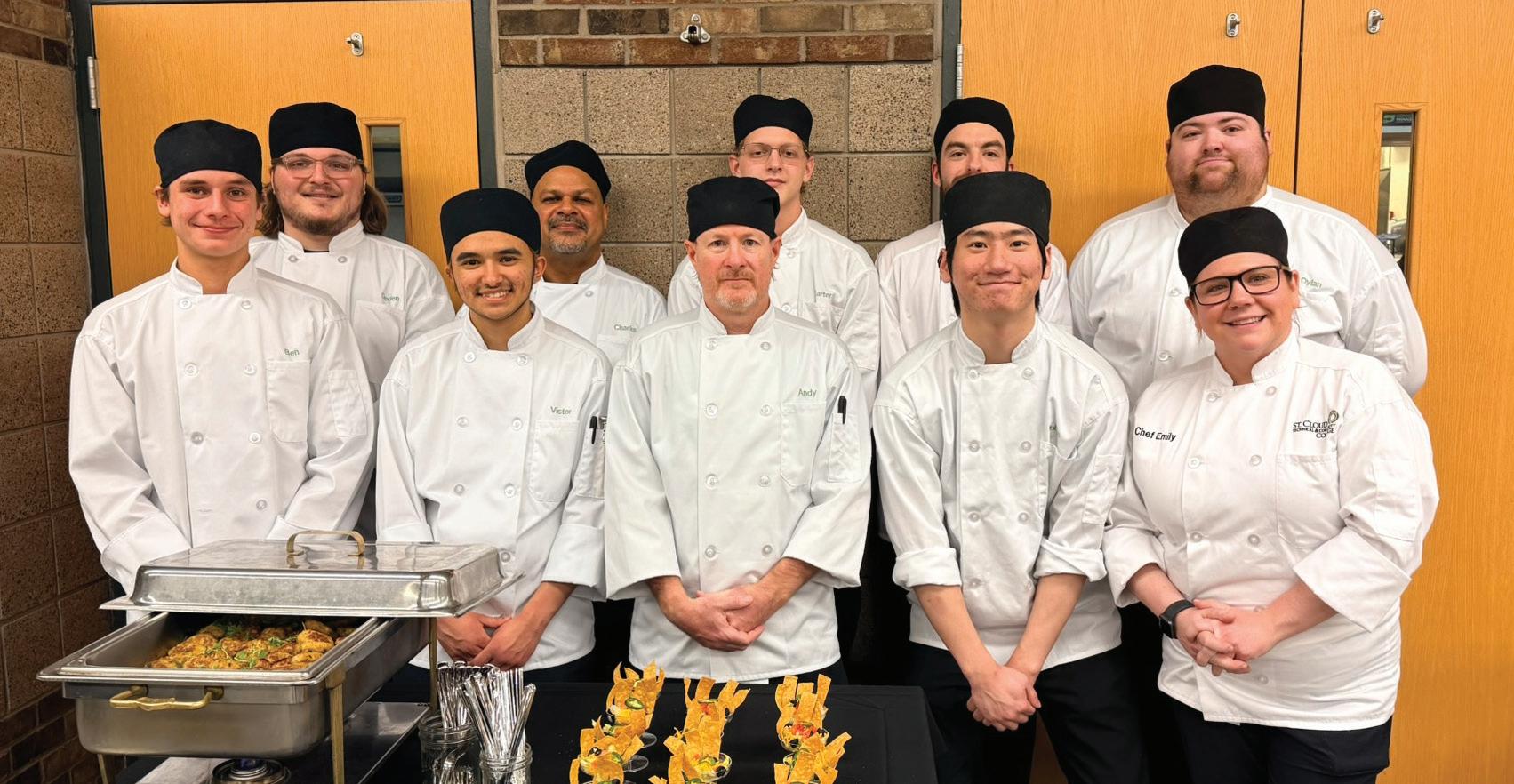


Culinary students from the St. Cloud Technical and Community College prepared a beautiful spread for Business After Hours attendees.
Heather Sabin, St. Cloud Family YMCA (L); Tauna Quimby, City of St. Cloud RSVP; Jenna Kingsley, St. Cloud Family YMCA; Cheryl Holchalter, Edward Jones – Joe Tetrault Office
Taylor Feero, Kinder Coffee Lab (L); Mo Philippi and Taylor Sellnow, Moxie Creative; Guy Magno, Switchboard; Brad Hoelscher, St. Cloud Area Chamber of Commerce
Daisy Murray, Texas Roadhouse (L); Sarah Fitzgerald, Fuzzy Loon Designs; Bethany Ehresmann, Legacy Upfitters
Brenda Sickler, Theisen Dental; Ross Priest, St. Cloud Live; Renee Johnson, BCI Construction; James Neppl, Williams Dingmann Family Funeral Homes
Charlie Lindstrom, Motor Works Auto Repair (L); Kurt Cushman, Central Insurance Group Agency; Brian Gossett, Nichols WD
Deb Paul, CentraCare (L); Rachael Sogge, Eyecon Graphics; Amy Hanfler, CentraCare Foundation



Kris Crandall, AGC Agency (L); Chris Hauck, Chris Hauck and Associates – Coldwell Banker Realty; Mike Lardy, Bravo Burrito
Brittany Liberty, Central Minnesota Mental Health Center (L) and Megan Pflipsen, Gate City Bank
Rachel Layton, Tri-County Abstract and Title Guaranty and Jason Miller, Trust Real Estate Company
Jessica Johnson (L), Maia Darnall and Jodie Pundsack, Evermore Creative
Kris Nelson, Motor Works Auto Repair (L) and Maddie Berg, White Wolf Custom Apparel & Design
Kristin Hannon, Big Brother Big Sisters of Central MN (L); Laura Wagner, St. Cloud Area Chamber of Commerce; Amy Sip, ASip Consulting
Lizzy Deutscher, Bookkeeping Barista (L); Tom and Tami Johnson, Infinite Eyecare
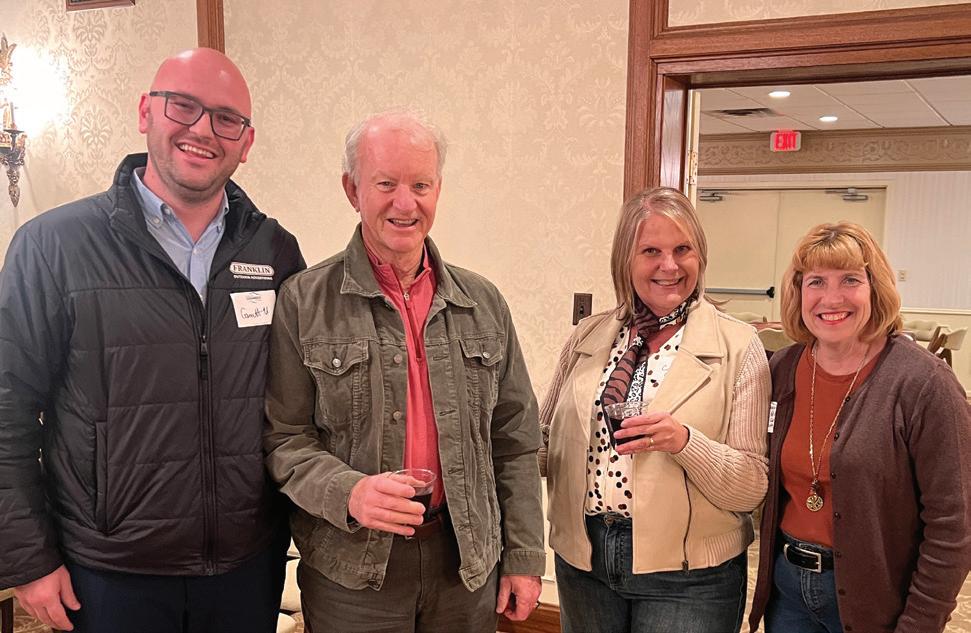
Garrett Urhammer, Franklin Outdoor Advertising; Jon and Carol Copeland, Bee on the Beach; Lisa Braun, City of St. Cloud
Alex Babcock, Advantage Chiropractic (L); Chris Jacques and Doug Seanger, Premier Real Estate Services
BUSINESS TOOLS
Measure Twice, Contract Once
A well-managed construction project starts with a well-planned contract. MANAGEMENT TOOLKIT

In a construction project, when questions arise about what work is included, how changes are handled, or who is responsible when something goes wrong, the answers almost always come back to the construction contract. Understanding why these contracts matter, where common

Contributor
pitfalls arise, and what questions to ask before a project starts can help keep projects on track and avoid disputes.
Blueprint: Check
When timelines slip, costs increase, or the work looks different than expected, the first question is usually the same:
“What does the contract say?” That question matters more than many realize, because a well-written construction contract often determines how smoothly a project moves forward, and how conflicts are solved when it doesn’t.
Construction projects move fast, involve multiple parties, and rarely go exactly as planned. Materials get delayed, and unexpected situations arise. A well-drafted construction contract does more than outline price and scope; it establishes expectations, allocates risk, and provides a roadmap for handling issues before they become disputes –or worse, litigation.
Problems often arise when contracts are vague or reused from prior projects without considering the specific scope of work or risks involved. When disagreements surface, courts and arbitrators look first to the contract to determine each party’s rights and obligations. Simply put, a well-drafted contract is one of the most effective risk-management tools on a construction project.
Story continues on next page.
Mitchel Anderson is an attorney at Rinke Noonan who practices in the areas of business law, banking and lending, real estate law, and construction law. His practice focuses on complex corporate and commercial matters, with an emphasis on business transactions, real estate and construction transactions, and mergers and acquisitions.
SAFETY FIRST
It Pays to be Safe
Organizations see measurable returns when they identify risks, analyze them, and make targeted improvements, a process known as risk assessment. Investment in occupational safety and health consistently delivers a strong return on investment, driven by factors such as:
• Positive public image
• Compliance with regulations, laws and standards
• Cost savings
• Increased operational efficiency
• Improved employee satisfaction and retention
The U.S. Department of Labor (DOL) believes high-level occupation safety instills confidence among employees, stating that, when workers trust in their safety, they are “more likely to perform duties effectively,” leading to a “harmonious and stable workplace.” —A.J.K.
Check out The Trouble with Business on page 12 for more on this topic.
Toolbox: Check
One of the most common sources of construction disputes is an unclear scope of work. If a contract does not clearly define the project, parties may assume responsibilities that were never agreed upon.
Change orders are another pressure point. Design adjustments, material substitutions, and unexpected or changing site conditions are inevitable. Disputes arise when changes are not properly documented. Failing to document changes in writing can create disputes regarding payments owed and project completion. A good contract will clearly define how changes are documented, approved, and priced.
Project timelines can also create problems when contracts fail to account for unavoidable delays. Weather, permitting issues, and material shortages are common in construction projects, yet many contracts lack clear provisions addressing schedule extensions and notice requirements. Clear timeline provisions help avoid disputes when delays occur outside a party’s control.
Hardhat: Check
Liability for a construction project depends largely on the contract itself. Owners, contractors, and subcontractors may all bear responsibility, depending
on how a specific contract is drafted and how the risks will be allocated.
Key provisions such as warranties, indemnification clauses, remedies and insurance requirements often determine responsibility for accidents, defects or delays. Courts will often enforce these risk-allocation provisions, making it critical that construction contracts are accurate and provide for adequate remedies.
Teamwork: Check

Before entering into a construction contract, consider these questions: Is the scope of work clearly defined and complete?
Does the contract require written change orders, and how are they approved and priced?
How are delays addressed?
What insurance and bonding requirements apply?
How will disputes be resolved if problems arise?
What are my rights and remedies in the event of a default?
Construction contracts are not just legal documents, they are risk management tools. Investing time up front to ensure clarity and alignment can help projects stay on track, protect relationships, and avoid future costly surprises and disputes.

At Magnifi Financial, we know that every construction project is unique. Whether you’re building from the ground up or expanding, our commercial lending solutions are designed to support your vision. From securing financing to managing cash flow, we’re here to help you take your construction plans to new heights.

Ca
anadian startup, Volta Space Technologies , wants to create a wireless power grid on the moon to keep rovers, landers, and future bases running. Its system, called LightGrid , uses satellites to collect solar energy and beam it to the moon using lasers, where receivers convert it into usable power. Volta plans to test the technology on Firefly Aerospace’s Blue Ghost lunar lander. If successful, this approach could solve the problem of powering equipment during the moon’s long, dark nights and support longterm lunar exploration. Source: Popular Science
step
Moon Power
Tell Me A Story
Authentic stories turn brands into trusted voices, and customers into loyal believers.
By Chad Groetsch


Many businesses are doing everything they are “supposed” to do. They post on social media regularly. They run ads. They stay visible. And yet, they still struggle to connect with their audiences.
This disconnect is especially noticeable in relationship-driven regions like Central Minnesota. Here, businesses do not operate anonymously. Owners are neighbors. Customers run into each other at local events. Reputations travel quickly through personal networks. Visibility alone is not enough.

Contributor
People want to know who they are doing business with.
That is why marketing built on polish alone often falls flat. In today’s marketplace, even well-executed strategies fail if they do not speak to real needs and real people. Audiences are no longer impressed by flashy campaigns or perfectly produced content — they are looking for authenticity and trust. With fewer shared spaces for connection and more transactional digital interactions, people are drawn to what feels human and real.
REAL EMOTIONS
This idea is not new. A recent Entrepreneur points out that strong storytelling consistently outperforms even well-designed advertisements, because stories create emotional connection, while ads often focus on persuasion. When people feel something, they remember it. When they trust it, they act on it.
Authentic storytelling works because it reflects how humans naturally build relationships. People relate to stories more easily than to features, facts, or slogans. A well-told story allows an audience to see themselves in the experience, creating familiarity and credibility.
In a crowded digital environment, storytelling helps businesses stand out by engaging people emotionally. It creates recognition beyond logos or taglines. When a brand communicates in a way that feels real, it becomes memorable for the right reasons.
CUSTOMER-CENTRIC
The most effective stories do not place the brand at the center — they place the customer at the center. Strong narratives reflect real challenges, real outcomes, and real people. The business
Chad Groetsch is a content strategist with Nuts and Bolts Marketing, a Central Minnesota–based firm serving small businesses and nonprofits. He specializes in helping organizations connect with their audiences through clear messaging and authentic storytelling.
becomes a guide, not the hero. When customers recognize their own experiences in a story, trust begins to form naturally.
This approach is already visible in brands such as Patagonia, Airbnb, and Dove, all of which use storytelling to center real people rather than polished promotion. Their messaging highlights shared values, lived experiences, and honest narratives, instead of placing the brand at the center. These examples show that effective storytelling does not require large budgets or elaborate campaigns. It requires clarity, empathy, and a willingness to let real stories lead.
PERFECTLY IMPERFECT
Authenticity also requires letting go of perfection. Overly curated messaging can feel distant or impersonal. Stories that acknowledge growth, learning, or even missteps feel believable because they are. Honesty builds credibility in ways that flawless presentation never can.
Trust deepens when words are backed by action. Showing how work is done, who is involved, or why certain values matter reinforces that a business’s message is more
than marketing language. It becomes something people can believe in.
Human-centered marketing does not require large budgets
or constant output. Small, consistent moments often matter more. A behind-thescenes glimpse, a customer story, or a thoughtful reflection can resonate far beyond a traditional advertisement.
In places like Central Minnesota, where relationships and reputation still matter deeply, this approach is not a trend. It is familiar. Marketing that feels human aligns naturally with how business is already done here. It builds trust over time, and in a community-driven economy, trust is what sustains relationships, reputations, and long-term success.
TECH NEWS
Granite Partners is a private investment and long-term holding company founded in 2002 in St. Cloud, Minnesota, with a mission to grow companies and create value for all stakeholders.
We advance a culture of trust, innovation, and excellence as essential to 100-year sustainability, and we aspire to world-class wellbeing for everyone in the Granite community.

Personal (Ad) Assistant
In the age of ubercustomized ad targeting, it seems only natural that generative AI companies such as ChatGPT follow suit. OpenAI, the parent company of ChatGPT, will begin rolling out ads to its logged-in users based on their prompt history. They will also begin offering paid plans for users, with expanded memory and better image creation. This comes as OpenAI seeks to fund its promise of investing $1.4 trillion in AI infrastructure over the next eight years. Prompt accordingly!
Source: CNN


growing companies, enhancing communities


Who’s Calling the Shots?
Businesses can learn about shifting power dynamics by looking at the WNBA.
By King Banaian and Lynn MacDonald


We all aim for success in life and in business. Yet the journey, and even success itself, often brings persistent challenges. Consider the following example: you hire a few workers to build up your existing line of business and you are barely getting by for a while. Then, unexpectedly, you get a large group of new customers and rapidly increase revenues. Your workers now ask to share in these unexpected gains.
Over the past two years, the Women’s National Basketball Association (WNBA) has faced this exact scenario. The WNBA and the players’ union have been engaged in contentious contract negotiations. This contention

spilled over last fall when the Minnesota Lynx star player and Union Officer Napheesa Collier publicly criticized the WNBA’s commissioner over the lack of progress on players’ issues, calling out the WNBA for having the “worst leadership in the world.”
To understand the problem, go back to January 2020, when the previous collective bargaining agreement (CBA) was signed. At the time, it was seen as a large step forward for women’s professional basketball, with maximum salaries nearly doubling and a 35 percent increase in the total payroll each team was allotted. Two unexpected, but positive, events turned what seemed like a good
Contributors
deal for the players into a bad one.
First, when the COVID-19 pandemic hit in March 2020, most summer leagues were closed and sports networks were desperate for programming. The WNBA and NBA both continued to play games “in the bubble.” These games were played in a strictly-controlled environment that allowed TV and journalists to be present, but otherwise arenas were empty. This national coverage brought new fans. Attendance subsequently increased, along with media coverage and franchise valuations.
Second, when the previous CBA was signed, Caitlin Clark was still a high school senior. Four years later, she enters the league and immediately rockets to the top of its recognizable all-stars. Fan interest soared, revenues for the league skyrocketed, and the players asked to receive their share. The league expanded and continues to do so, bringing in expansion fees for existing owners, new sponsorships, and new TV/media contracts that will deliver millions more. While this was happening, Caitlin Clark’s, and other 2024 rookie contracts, paid approximately $76,000. By January 2026, negotiations over a new CBA had stalled, halting free-agent signings and the expansion draft, and leaving the season in limbo.
Business leaders can see this in their own relationships
King Banaian, Ph.D., is director of the Center for Policy Research and Community Engagement and professor of economics at SCSU. Lynn MacDonald, Ph.D., is co-director of the Center for Economic Education and associate professor of economics at SCSU.
with employees and with other businesses. The WNBA, like other businesses, has a salary structure that rewards seniority. Using seniority-based pay makes it harder to reset compensation when demand surges, particularly when the local labor market is tight. Shifting power dynamics are at play here.
We see evidence of the role of changing power dynamics in a variety of ways. In real estate, it is common to hear “location, location, location.” Having the right location can create potential windfalls. New property development sometimes increases property values around it. Recognizing the potential windfall, one property owner delays the development of others to try to capture additional profits.
This also happens between businesses, like a mall developer who attracts an anchor tenant and builds improvements for that tenant. When the lease is up, the tenant says, “We know you need us for this mall to work, so reduce our rent.” Or, a franchisee invests heavily in her store, only to have the franchisor raise fees, taking advantage of her commitment to the brand.
Leadership is just as often how you deal with unexpected success as unexpected loss. Learning to recognize shifting power dynamics early, proactively engaging in steps toward meeting
business goals, and recognizing the human element, may help reduce contentious situations and challenges on the path to success.
Residential Building Permits
ECONOMIC INDICATORS & TRENDS
Compiled by Shelly Imdieke, St. Cloud Area Chamber of Commerce
Totals represent data reported as of 2/1/2026
Residential Building Permits
6
TOTAL: $106,922,594 TOTAL: $106,453,097
Commercial Building Permits
6
Commercial Building Permits
6
TOTAL: $1,788,876 TOTAL: $1,713,566
TOTAL: $1,738,973
Who’s the Boss?
Minnesota added nearly 11,000 self-employed businesses during 2022–2023, reaching 453,000 total, with long-term growth of 30 percent since 2003. What industries and factors are driving this change?
DELIVERY SERVICES
The market for ride-hailing and food delivery services has soared over the past five years. Transportation and warehousing became the state's largest selfemployment industry in 2023, accounting for almost 60 percent of recent growth.
PROFESSIONAL, SCIENTIFIC AND TECHNICAL SERVICES
These services added nearly 17,000 establishments since 2003, a 35 percent increase. This may be attributed to demand for technological consulting and the rise of remote work.
REAL ESTATE AND RENTAL AND LEASING
These added more than 12,000 establishments since 2003, with the most growth in lessors and property managers, signaling the effects of short-term and vacation rental platforms.
DIVERSIFIED EMPLOYMENT
Self-employment is also diversifying, with significant increases among Black, Hispanic, Asian, and Native American entrepreneurs. Plus, women now own about 40 percent of nonemployer firms.
Source: MN Deed

Built to Support the Businesses that Keep Production Moving.
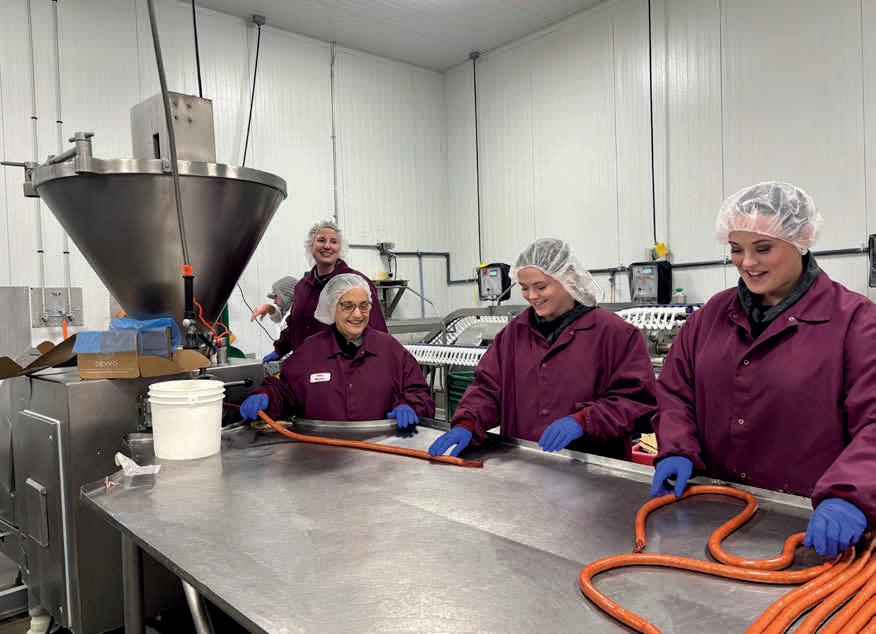
Sauk Rapids–based Manea’s Meats has been a community staple for 50 years. Fifty percent women-owned, the business is a strong example of women thriving in manufacturing. Their partnership with Falcon National Bank shows how local decision-making and long-term relationships help manufacturers grow.
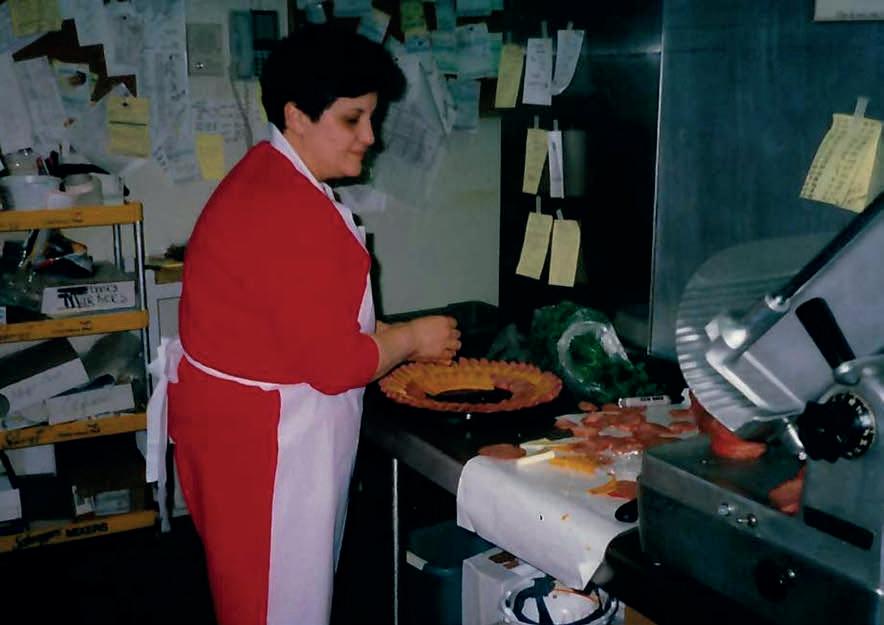
“Falcon has believed in us from the beginning. They don’t support our growth from a distance — they’re here with us, every step of the way.

Let’s build what’s next — together. Scan the code to see how we’ve helped Central Minnesota manufacturers thrive.

Pictured in top left photo: Alina Manea (co-owner)
Pictured in group photos: Second, Third and Fourth Generation female employees: Alina Manea (co-owner), Marion Castellanos (co-owner), Nicole Rueter, Kayla Manea, Sofia Radzak, Ella Castellanos and Jasmine Manea
STORY
Care at the Center
Dr. Ken Holmen leads with a focus on people, rural communities, and the belief that every interaction in health care matters. COVER
STORY BY EMILY BERTRAM • PHOTOS BY SWITCHBOARD
As CEO of CentraCare, Dr. Ken Holmen leads a large, complex health care system with more than 11,000 employees. His leadership is grounded in navigating ambiguity and keeping people at the center of every decision — but that philosophy was shaped by a moment that forced him to rethink not just how he led, but who he was becoming.
Forest City, Iowa was home to one family practice physician when Ken Holmen was growing up there. That gentleman was a good doctor, but not usually the nicest to work with. When Holmen decided to pursue medicine, his mother always reminded him that he didn’t have to be like their town’s doctor.
Fast forward to 1991. Dr. Holmen is at the top of his game as chief of surgery at Children’s Hospital, and a well-known leadership figure in the organization. One day, the chief nurse asked to speak with him. “She said, ‘Do you mind if I be honest with you?’ and I said, ‘Of course’,” Holmen said. She then told Holmen, in so many words, that he was not a nice person to work with. It brought him to tears, thinking he had ended up like the doctor his mother had warned him against. “My training, from when I had left my small town in Iowa to where I had gotten to, had given me the attributes of somebody I didn’t want to be,” Holmen said. It changed his outlook on leadership, helping to shape him into the executive he is today.
Operating Rooms to Boardrooms
The son of a nurse and a teacher, Holmen loved growing up in a small town. But he knew he had to head to a big city to follow his dream. He attended Augsburg University in Minneapolis, then the University of Minnesota Medical School, where he also did his residency. “My first job was
when I was 33. I was an anesthesiologist and doing primarily pediatrics at Children’s Hospital,” Holmen said. He worked in the private practice group, Associated Anesthesiologists, P.A., for about 26 years — his entire clinical career — doing clinical anesthesia. During this time he married his wife Lisa, who was a teacher, and had two daughters.
Along the way he took advantage of leadership opportunities, among them becoming president of his private practice group, and serving in leadership roles at hospitals, and on the boards of Medica and Allina. “That gave me a perspective broader than just delivering clinical medicine,” Holmen said. It eventually led him to a conversation with Mary Brainerd, the head of Health Partners at the time, who asked Holmen to become a full-time executive for the organization. “It took about a year-and-ahalf conversation, because just because you’re a good doctor, doesn’t mean you’re a good executive,” he said. He did eventually take the role, spending 10 years with Health Partners while still practicing clinically on the weekends.
During Holmen’s career growth, the leadership of American health care systems evolved. “Before that time period, most health care executives were MBAs or MHAs (Master of Hospital Administration),” Holmen said. “As health systems grew in complexity, there was interest in having physicians become CEOs.” Holmen was on the radar of several organizations for a CEO role before the CentraCare opportunity became available, and he liked that it kept him close to family. “I ended up taking the job, and it’s been the thrill of a life — unbelievable in so many respects,” he said.
When Holmen first began as CEO of CentraCare in 2015, he wrote down his mission and strategic plan for the organization on a piece of notebook paper, which he keeps on his desk to this day. Of the contents of
St. Cloud Hospital 1406 6th Ave. N St. Cloud, MN 56303 (320) 251-2700
centracare.com
CEO: Ken Holmen
Business Description:
CentraCare is a large, not-for-profit Minnesota health system providing comprehensive care through its network of hospitals, clinics, and specialty centers, focusing on serving the physical, mental, and spiritual needs of Central Minnesota communities.
Hospital Founded: 1886
CentraCare Founded: 1995 Joined the Chamber: Early 1900s
Number of employees: Over 11,000 between 9 hospitals and over 30 clinics, all in Minnesota

St. Cloud Hospital, Monticello Ranked in Newsweek’s World’s Best Hospitals 2025 U.S. List
St. Cloud Hospital Ranked #2 in Minnesota in 2025-2026
U.S. News & World Report Rankings
CentraCare — St. Cloud Hospital nurses celebrate 5th Magnet® Redesignation
KEN'S BUSINESS ADVICE
“Be
who you are. When you do what you love, your behaviors will be more authentic to those around you. ”
PERSONAL PROFILE
Ken Holmen
Family: Wife, Linda, two daughters, and three grandchildren
Hometown: Forest City, Iowa
Education: Augsburg University 1974, University of Minnesota 1978, graduated from residency in 1983 Past Employment: Associated Anesthesiologists, P.A., Health Partners
Hobbies: Reading, singing with The National Lutheran Choir, gardening and spending time with family
Fun fact: Holmen was a librarian in Forest City, Iowa when he was 11 years old.
this paper, four things frame Holmen’s impact on and goals for CentraCare:
1 Remember that it’s people serving people.
2 Grow St. Cloud Hospital as a tertiary referral center.
3 Be a state and national player.
4 Lead. Do good.
Each of these items has driven strategic initiatives for CentraCare, and shaped the future for health care in Central Minnesota.
With over 11,000 employees across 30 clinics and 9 hospitals, having a cohesive and effective strategic plan is no easy feat.
1974 Holmen graduates from Augsburg University
1978 Holmen graduates from University of Minnesota Medical School
People Serving People
“The challenge with health care is that we are a paradigm of different things,” Holmen said.
“We are very large organizations, and it’s a very personal thing. It’s really big technology, and it’s really personal. It’s very expensive, and it’s really personal.” Remembering that health care is about people serving people, it’s easier to not be overwhelmed by the scale.
Dr. Holmen places importance on gathering information on how CentraCare rates compared to other health care systems in the U.S., because that’s how they know how well they’re doing.
“We benchmark everything at CentraCare and we’re a very high-performing organization,” he
1983 Holmen finishes his residency, begins with Associated Anesthesiologists, P.A.
2004 Holmen transitions into role with Health Partners
2015 Holmen joins CentraCare as CEO
said. At the end of the day, though, it’s about every small interaction. “All of that data means nothing if an individual, subjectively, feels they didn’t have good care.”
Managing those diverse objectives is a challenge. “It’s important for leaders — especially at scale — to have a sense of what their true north is,” Holmen said. There are always many issues going on at one time — from immigration to vaccination to financial and political strife. The key lies in knowing and staying true to the vision and the goals of the organization.
“During the pandemic we were the only system in the Upper Midwest that didn’t lay anybody off,” Holmen said. “And, we did a reduction in force of 530 people a few months ago. How does that make sense?” When the true north is keeping the organization operational and serving the needs of the community as best it can, it does.
“During the pandemic we needed to make sure people had income to support the economy and people could get through the pandemic,” he said. The recent reduction in staff was also necessary to support the financial health of the organization and the needs of the community.
His leadership team is faced daily with a challenging conundrum: How do they do two things at the same time — acknowledge harsh realities and give oxygen to hope. It helps to remember why CentraCare exists, Holmen said. Across all of CentraCare’s locations, approximately 11,000 people come to work each day with a shared sense of purpose, and that is taking care of others. “They are also managing complexity,” he said. He is hyperaware of the fact that everyone is facing something, yet his staff are still willing and able to show up every day and care for others. “That’s what makes us a great organization.”
Tertiary Referral Center
A tertiary referral center is a large, specialized hospital that provides advanced care for complex conditions, typically by referral, with subspecialists, advanced technology, intensive care, and a focus on complex procedures, research, and teaching. With advanced practice in neuroscience; heart and vascular; and behavioral health, CentraCare offers coordinated care across its many locations and specialized departments.
These capabilities have been developed and improved at CentraCare through decades of committed, dedicated medical professionals with a passion for offering the best care. The impact of that care extends beyond Central Minnesota. CentraCare contributes all its data to a consortium called The Common Database, used by other researchers and clinicians in their practices. “We’re comparing our results on everything in real time,” Holmen said.
Not only does CentraCare’s data reach a broad audience, but so does its care. “We have an unusual geography,” Holmen said. “There are about 750,000 patients who live within two hours of here. They can choose to come here or to the metro, and they’d rather come here.” This encourages CentraCare to offer more and offer the best.
Delivering the best care starts with strong, collaborative leadership. The organization uses a dyad leadership model, pairing physicians and administrators at every level to balance clinical expertise with operational decision-making. “With every executive, there is a clinician partner,” Holmen said. Rather than relying on a traditional hierarchy, this shared approach brings the right voices together to guide decisions in the best interest of patients and the organization.
CentraCare TIMELINE
1882
Sisters of the Order of Saint Benedict write the St. Cloud City Council, declaring their intention to build and operate a hospital.
1886
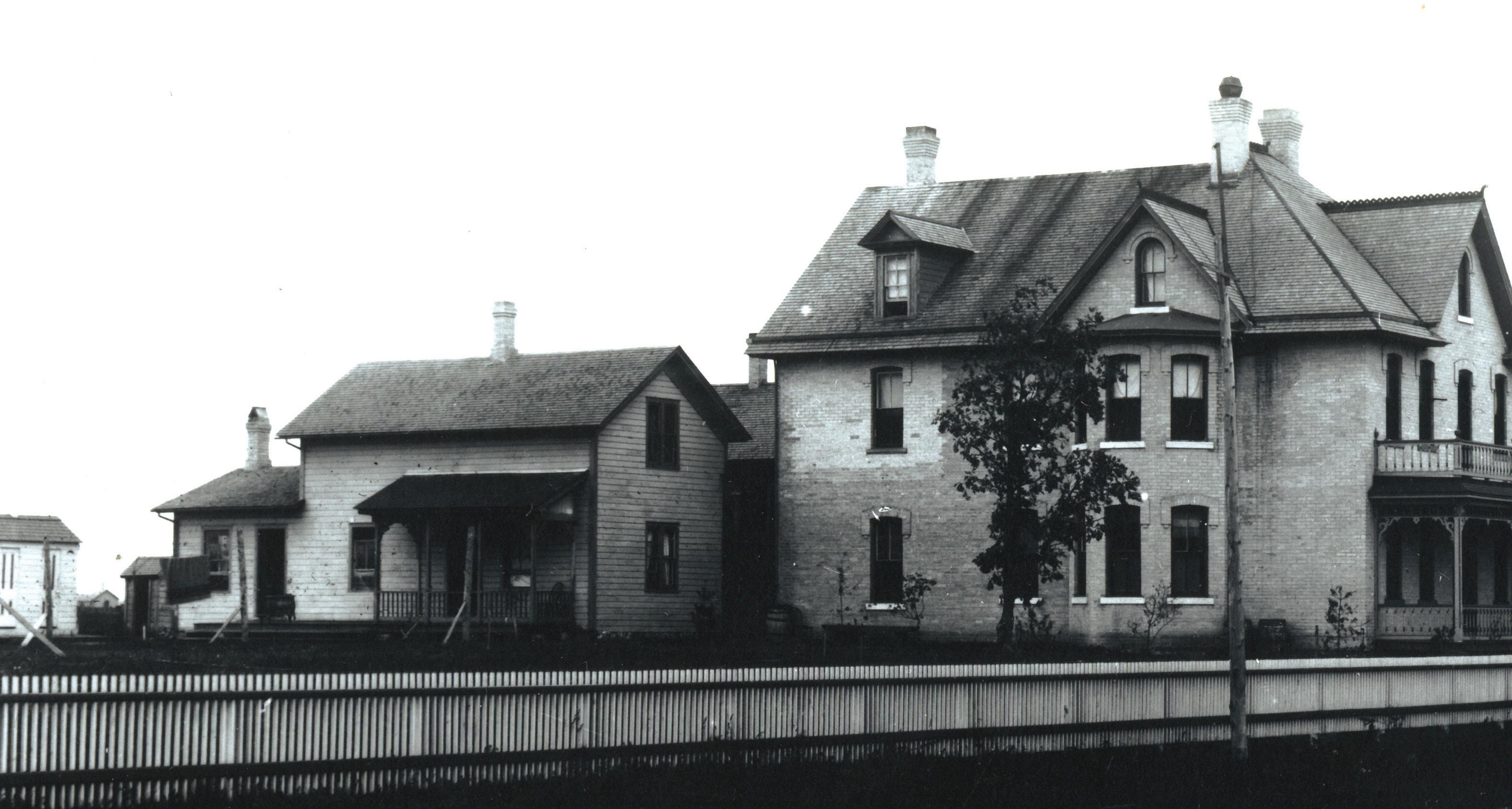
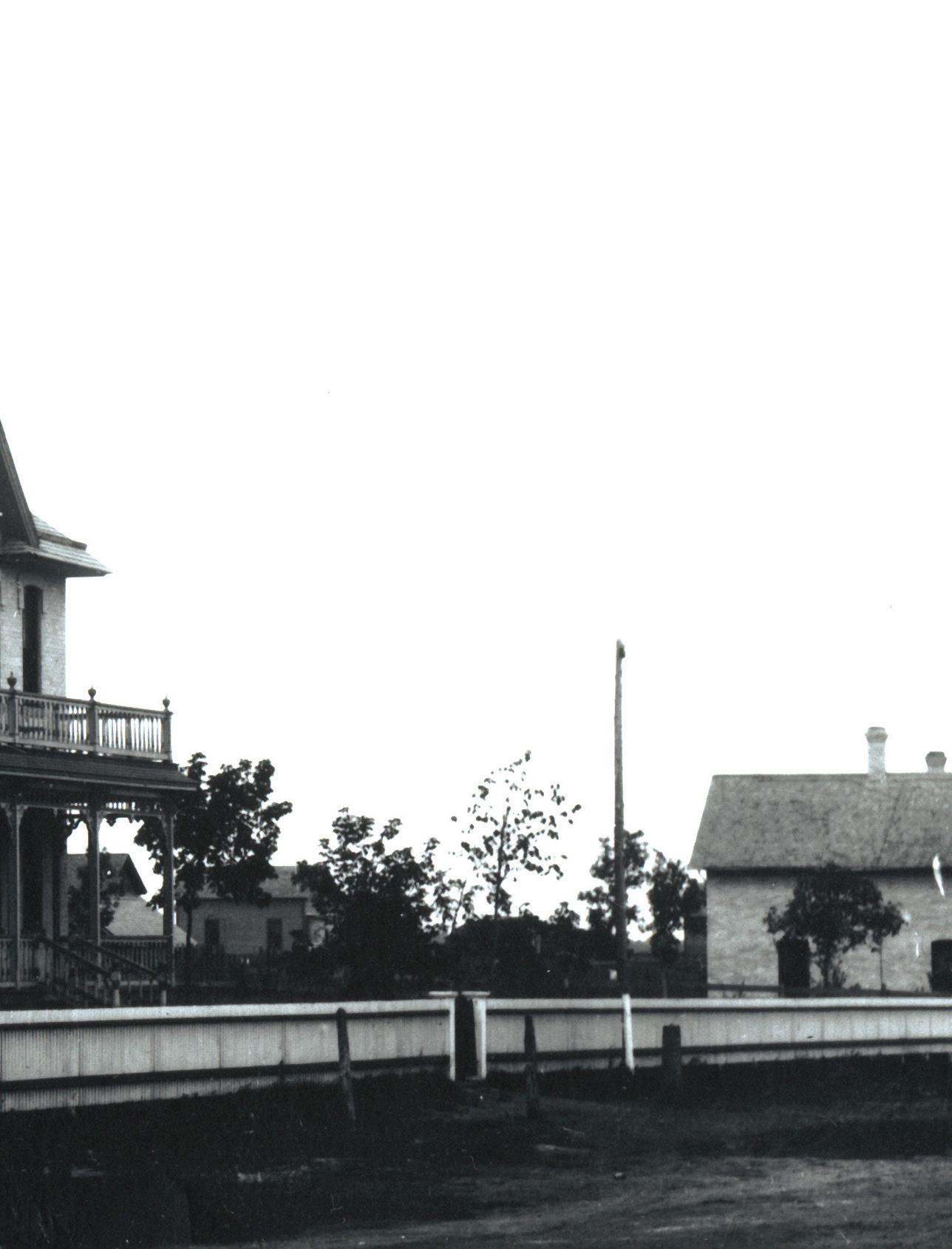
The Sisters independently open St. Benedict’s Hospital in St. Cloud. Situated in a newly built house, the hospital contains 15 patient beds, a first-floor operating room with a bay window for lighting, and living quarters for the sisters on the third floor.
1900
After moving the hospital to southeast St. Cloud for a few years, the Sisters open St. Raphael’s Hospital on Ninth Avenue in St. Cloud, a five floor, 70-bed facility with room for growth.
1908
The Order of the Sisters of St. Benedict opens the St. Raphael’s Training School for Nurses (later the St. Cloud Hospital School of Nursing) with a threeyear diploma program for registered nurses.


FIRST GRADUATING CLASS
1928
After purchasing a 20-acre site on the Mississippi in 1916, the Sisters build and dedicate the 200-bed state-of-the-art St. Cloud Hospital.
Five of the eight members of the first graduating class, which included Sister Julitta Hoppe (lower left), who would become the first administrator of St. Cloud Hospital. In its almost 80-year history, the school graduated 2,670 nurses.
Dr. Holmen’s commitment to expanding complex services and leadership dates back to his early days as a clinician. “I admire family practice people enormously, but it’s not for me,” he said. Instead, he found real enjoyment in taking care of really sick people. “I like technology, I like complexity.” He even participated in the world’s first pediatric heart transplant. This drive has led Holmen and the team at CentraCare to expand in many ways, most notably of late: The University of Minnesota Medical School CentraCare Regional Campus.
State and National Player
When Holmen enrolled in medical school in 1974, there were about 216 medical students in the State of Minnesota, and the population of the state was around 3.1 million. “Last year, the population of Minnesota was 5.6 million, and there are no additional new medical students,” he said. The average age of a physician in Minnesota is 59.
“As we look to the future of health care, several things stand out — technology, workforce development, quality and safety, community health, and the role of the government in health care.” He believes the medical school addresses each of these in some way, but primarily as it relates to the workforce.
The workforce is aging, the birth rate is slowing, and legal immigration in America is down. It presents challenges: workforce shortages, increased demands for the aging population, and affordability. Creating the medical school creates capacity, and it’s done in a way that attracts people to a rural environment. The school welcomed its first class in fall of 2025, and all 24 students are from smaller towns around Minnesota.
CentraCare is a major part of the GDP in the rural economies where it has a presence, according to Holmen. “This notion of how we contribute to health and a healthy economy is not just about doctors and nurses,” he said. “It’s about plumbers. It’s about electricians. It’s about our employees giving money to the churches or buying a car.” In the
communities where CentraCare is present, it’s often one of the largest employers. It contributes to the health — both in a literal and in an economic sense — of the community.
Unfortunately, the economics of health care can’t be compared to other industries, Holmen said. For example, if you go car shopping, the salesman isn’t going to talk you out of getting a new car, even if your current car is in perfect condition. The market economics on cost and revenue for health care are not free market. If you want to buy a Ferrari, you must be able to afford it. If you need to get a heart transplant, you can usually get it.
This economic distinction also impacts the types of services that CentraCare provides. What it comes down to for Holmen is remembering his true north. He recognizes the political polarization of issues that relate to health care, from immigration to sexual orientation. That said, he is not interested in debating when it comes to your care. “You show up at our doorstep, we’ve got you covered,” Holmen said. It’s what the founding Sisters of St. Cloud Hospital did — you showed up and they took care of you. No matter what your personal situation is, you are welcome, he said. “As an organization and as a leader, I stay true to our mission: to take care of people.”
Lead. Do good.
Growing up in rural Iowa, Holmen stayed very busy with activities. “In a small town, you participated in everything — sports, music, church — everything,” Holmen said. Because he stayed so busy, his name was in his local newspaper often. John Hanson, the founder of Winnebago Travel Trailers, took notice in a big way. “He volunteered to pay for my education,” Holmen said. It was a gesture that changed his life. “I was relieved of some of the functional realities of a long education.”
After finishing school and entering his career, Holmen contacted Winnebago’s Hanson to pay him back. “He said to me, ‘Ken, do you think
ST. BENEDICT'S HOSPITAL
The Sisters independently opened the original St. Benedict’s Hospital in St. Cloud in 1886.
I need the money?’ ” When Holmen conceded that no, he probably did not, Hanson replied, “Do you think you owe somebody something?”
This question stuck with Holmen and remains part of his leadership philosophy.
“I think he planted a firm seed that gained a strong root, and that is how we give back to our communities,” he said. Holmen has since established scholarships in the names of his parents and grandparents, and continues to focus on giving back as part of his everyday life.
“I expect our leaders to lead,” Holmen said. “It is our culture, it reflects that sense of shared purpose.” Being part of the community that you live in — volunteering, serving on boards, using skills outside of work — is part of what CentraCare promotes, encourages and embraces, and part of the CentraCare difference.
CentraCare TIMELINE
1964
The Sisters transfer the hospital property and contents of the hospital to the newly formed St. Cloud Hospital Corporation, a non-profit legal entity. The transfer is recorded in Stearns County deeds for one dollar.
1995
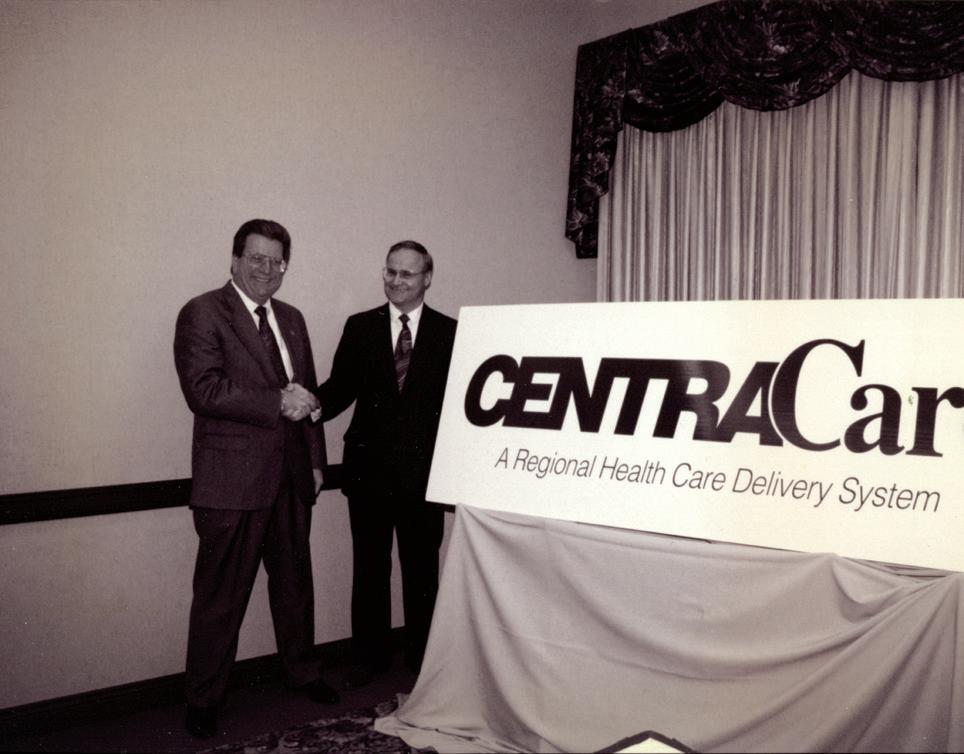
St. Cloud Hospital and the St. Cloud Clinic of Internal Medicine announces the formation of CentraCare, a not-for-profit integrated health care delivery system.
December 2002
John Frobenius retires and Terry Pladson, MD becomes the sole president and CEO of CentraCare Health System. By this time, CentraCare consists of six hospitals and 14 clinics.
Fall 2025
The University of Minnesota Medical School CentraCare Regional Campus opens, dedicated to training future physicians with a strong commitment to rural health care. With an inaugural class of 24 students, the campus will grow to an enrollment of 96 students by 2028.
“We have the attributes and challenges of many other health care systems,” Holmen said. “But it is different here.” When people visit the doctor at CentraCare, there’s a good chance that you may be seen by a friend, an acquaintance, your child’s friend’s parent — your neighbor. “There’s a sense of community.”
There’s also an acknowledgement of where CentraCare started. Holmen thinks of his role as existing in three worlds: yesterday, today and tomorrow. For yesterday, he looks at how CentraCare stays true to the original St. Benedict Sisters’ mission of taking care of immigrants and native Americans, while also acknowledging the original missions of the other eight hospitals in the system. How can we honor that to do the best we can today?

“Tomorrow is really important,” Holmen said. “Those nuns in 1886, I don’t think they could envision where we are today, but they sure thought about it.” In that regard, what does health care look like in the 2100s? What are we doing to prepare? “That means having a curious mindset, managing change, and bringing people along with you.”
As he reflects on his career and leadership journey, he is aware of the people and opportunities that have changed his trajectory along the way. It is with that in mind that he gives advice to fellow professionals. “There are times when you are handed a remarkable opportunity, and you can’t be afraid to go for it,” Holmen said.
Strong leadership today is rooted in navigating complexity without losing sight of people, according to Holmen. Leaders must be able to handle polarizing conversations, manage ambiguity, and still provide clarity, while balancing confidence with humility. “You have to be resilient — you cannot quit,” he said. “Find that source of energy that allows you to show up every day … and remember that the need to take care of each other is still there.”
Emily Bertram is director of marketing and communications at the St. Cloud Area Chamber of Commerce and editor of Business Central Magazine
CENTRACARE BEGINS
St. Cloud Hospital President John Frobenius (L) and St. Cloud Clinic of Internal Medicine President Terence Pladson, MD, became co-presidents of CentraCare Health System.




FEATURE
Prevent & Prevail
The reliability of a business often depends on the regular maintenance of the systems working behind the scenes.
By Randy Krebs
Your teeth. Your vehicle. Your business’s infrastructure. While those three topics might seem unrelated, there are two words that give them important common ground — preventive maintenance.
Just as good teeth and smooth-running cars rely on regular appointments with dentists and mechanics, respectively, the infrastructure of every business — think electrical systems, HVAC, roofs, fire suppression, plumbing, etc. — require regular inspections and maintenance from trained professionals to contribute to that business’s success. Without that expertise, both in the form of regular inspections and maintenance when scheduled and when needed, it’s just a matter of time until a business sees system failures that could cost it both short- and long-term success.
INSPECT THE UNINSPECTED
“For commercial buildings, the most common issues we see are roof failures, drains not cleaned, ponding, a lack of insulation and springtime flooding — all of which can be caused by a lack of maintenance,” said Rudy Brambrink, general manager with Royal Renovations, a disaster restoration company based in Clear Lake. Royal Renovations specializes in comprehensive property damage repair for homes and businesses that have had fire, water, sewer, mold or storm damage. “Maintenance costs you time and money,” Brambrink said. “But it’s cheaper than the costs of a disaster.”
Royal Renovations recently helped a business with a commercial kitchen that initially experienced water damage due to leaks through a flat roof that lacked an
effective drainage system. Unfortunately, the water had caused unseen mold damage, which forced the kitchen to remain closed until mitigation measures were in place and the kitchen passed required health inspections. “You don’t know what you don’t know,” Brambrink said, noting regular inspections and resulting maintenance by certified professionals may have prevented the leaks and mold.
MAINTENANCE MATTERS
Jason Fischer, business development manager at Yale Mechanical (formerly Climate Air) in Sauk Rapids, echoed the importance of preventive maintenance, especially given the complexities of today’s equipment. “Inspections and maintenance for your business are very similar to oil changes for your car,” he said. “They increase your efficiency,
“HVAC units can be very advanced. Good preventive maintenance will catch and repair things like a failed economizer, which will lead to higher energy costs and potentially more expensive repair issues.”
— JASON FISCHER, BUSINESS DEVELOPMENT MANAGER, YALE MECHANICAL
reduce repair and energy costs, and extend the life of your equipment and systems. Ultimately, they save you money in the long run.”
Fischer cited inspection of HVAC systems as an example. Yale Mechanical, which specializes in mechanical contracting solutions in HVAC, controls, energy optimization, plumbing, industrial systems, and docks and doors, inspects its clients’ systems two to four times a year. These inspections cover everything from changing filters to making sure electrical components are functioning properly, ensuring units are running at peak efficiency.
“HVAC units can be very advanced,” he said. “Good preventive maintenance
will catch and repair things like a failed economizer, which will lead to higher energy costs and potentially more expensive repair issues.” Fischer stressed the importance of hiring a qualified technician, or you could risk voiding your warranty, if one still exists, and cause bigger issues.
No regular inspections, or work done by unqualified people, can often result in repair bills that exceed the cost of regular maintenance, not to mention the higher monthly energy bills from a boiler or HVAC unit running inefficiently. Of course, for some businesses and organizations, preventive maintenance and inspections are
not just about efficiency; they’re required by codes and laws.
WHAT’S THE CODE?
Summit Fire Protection Branch Manager
Jeff Jacobson and Grady Petty, Summit’s fire life safety representative, have almost 50 years of combined experience in helping clients meet state-required inspections and maintain equipment such as sprinkler systems and fire extinguishers.
“When you buy a building, the business owner needs to ask questions about the fire-suppression system,” Jacobson said. “We have an engineer who advises on what needs


to be done when a building changes hands. Unfortunately, it’s common to forget to ask those kinds of questions.”
Jacobson and Petty both stressed the need for regular inspections, not just because they can be required, but they also extend the longevity of a system. Make sure the employees of the business know how to operate the equipment in a crisis. “Little things found during an inspection go a long way toward maintaining a system and complying with insurance,” Jacobson said, also pointing out that technology today makes it easy to schedule monthly and annual reminders.
He and Petty also stress that business owners shouldn’t try to maintain sprinklers and fire extinguishers on their own. “If a sprinkler head drips and you fix it yourself, you can be liable for anything that does not work” in suppressing a fire, which also
could void insurance coverage of such a disaster.
REVIEW REGULARLY
Similar to fire protections, inspections and maintenance to a business’s electrical systems are often driven by compliance with codes and safety requirements. “Electrical is the brains of the system,” according to Andy Hawkins, CEO of Erickson Electric Co. in St. Cloud. “Preventive maintenance means making sure all electrical components coming into a building are in good shape. They need to be inspected and cleaned — all the way down to the receptacles in the wall.”
Noting how factors like use and weather can take their toll, Kyle Klemek, a project estimator for Erickson and electrician for more than 30 years, has seen what happens without regular inspections and maintenance. “For a lot of people, it’s a




hard lesson to learn,” he said. “Commercial businesses that don’t do regular maintenance can run into trouble quickly. They might think it’s just one breaker, but when trained professionals are called to help, it can turn












Hawkins and Klemek cite many examples of businesses experiencing unforeseen downtime, along with expensive bills for both the equipment and expertise needed to bring a system up to code. “It’s much more technical now with electrical components,” Hawkins said. “If a business brings in new or additional equipment, reviewing and determining the electrical needs is an essential part of that upgrade.” Overlooking or trying to accommodate electrical demands without professional help can damage equipment, void warranties or worse.





So, what should businesses do when it comes to preventive maintenance?


All the experts agreed the most important step is to establish and maintain relationships with bonded and insured companies specializing in the appropriate area. “Having that relationship ahead of a crisis is critical,” Royal Renovations’ Brambrink said. For example, her company prepares for a client’s needs by doing things like reviewing blueprints and knowing what kind and how much of a material might be needed.


them done with minimal costs and downtime, which avoids bigger problems and keeps people and customers safe,” Summit Fire Protection’s Jacobson added.
“If a car drives into your door, we already know how much of what to bring to make repairs


Klemek of Erickson Electric said experience and training levels are vital amid all the new technology. “A business should interview a company and ask about certifications and training of the staff,” Hawkins said.


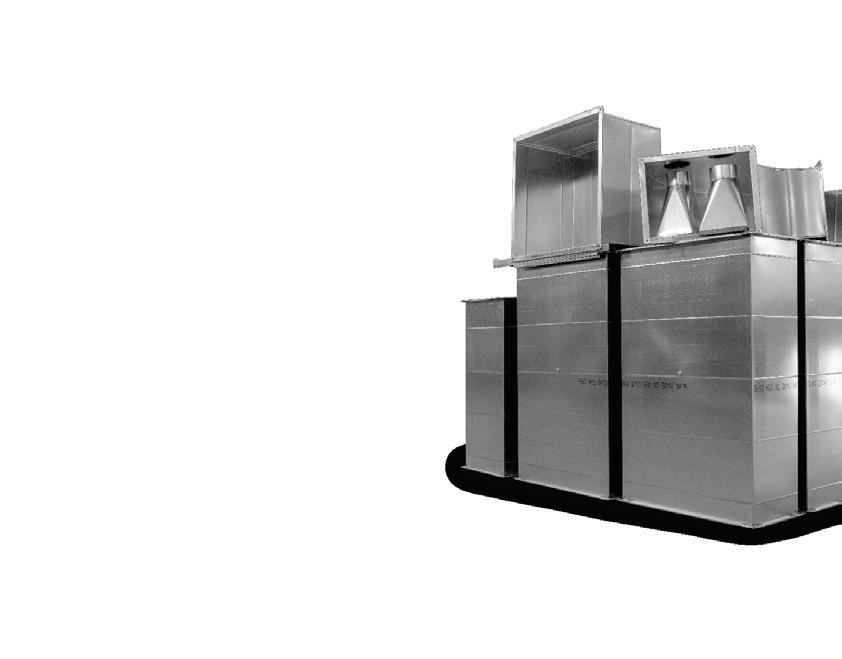













Fischer of Yale Mechanical believes trust is essential. “We want our technicians to have the trust of who they service so when the technician is needed or finds something, they can provide immediate to the customer,” he said. “If the trust is there, the customer feels more confident in making a potentially
“A business wants to avoid using Google in a crisis,” Fischer said. “They should have technicians who know their buildings inside


“Regular communication between us and a client means we can suggest repairs and get


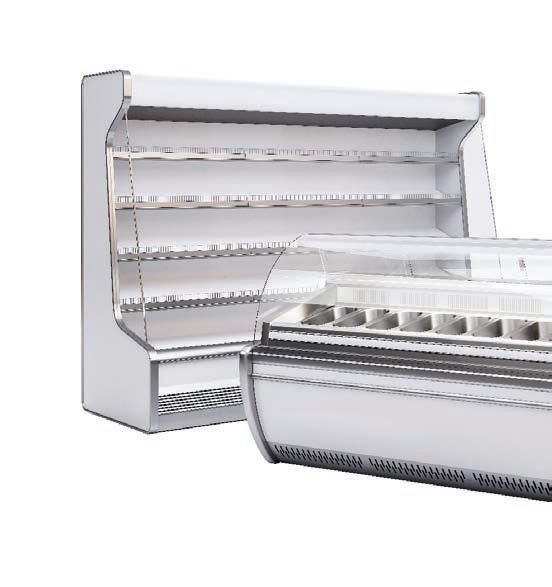




Randy Krebs is a freelance writer and editor living in Sauk Rapids. He can be reached at


























Building Bold
Empowering the next generation of women in Central Minnesota through hands-on learning, mentorship, and innovative manufacturing programs.
St. Cloud is fostering the next generation of great manufacturing leaders through cutting-edge education and partnership programs that are customized to the unique needs of Central Minnesota.
The Advanced Manufacturing Center at St. Cloud Technical and Community College provides a space for future machinists, welders, and designers to collaborate.
EPIC Experience Career Kits on manufacturing and STEM are available for students to check out and interact with in order to learn more about careers in this field.
Exploring is a Scouting America program that connects youth ages 14-20 with community businesses and professionals through career Exploring programs with opportunities in manufacturing, skilled trades, and aviation.
St. Cloud State University offers bachelor’s degrees in mechanical engineering and manufacturing engineering, both Engineering Accreditation Commission certified.

Career Solutions has a variety of youth programming, including Youth at Work, Youthbuild and Discovery Days focused on certain industries.
This investment in manufacturing education is one that pays off. According to the National Association of Manufacturers, for every $1 spent on manufacturing, there is a total impact of $2.64 to the overall economy. Plus, the job prospects aren’t going anywhere. By 2033, 3.8 million manufacturing jobs will likely be needed. It’s an industry of growth and innovation, and here in Central Minnesota, women are leading the charge.
WOMEN IN MANUFACTURING DIRECTORY
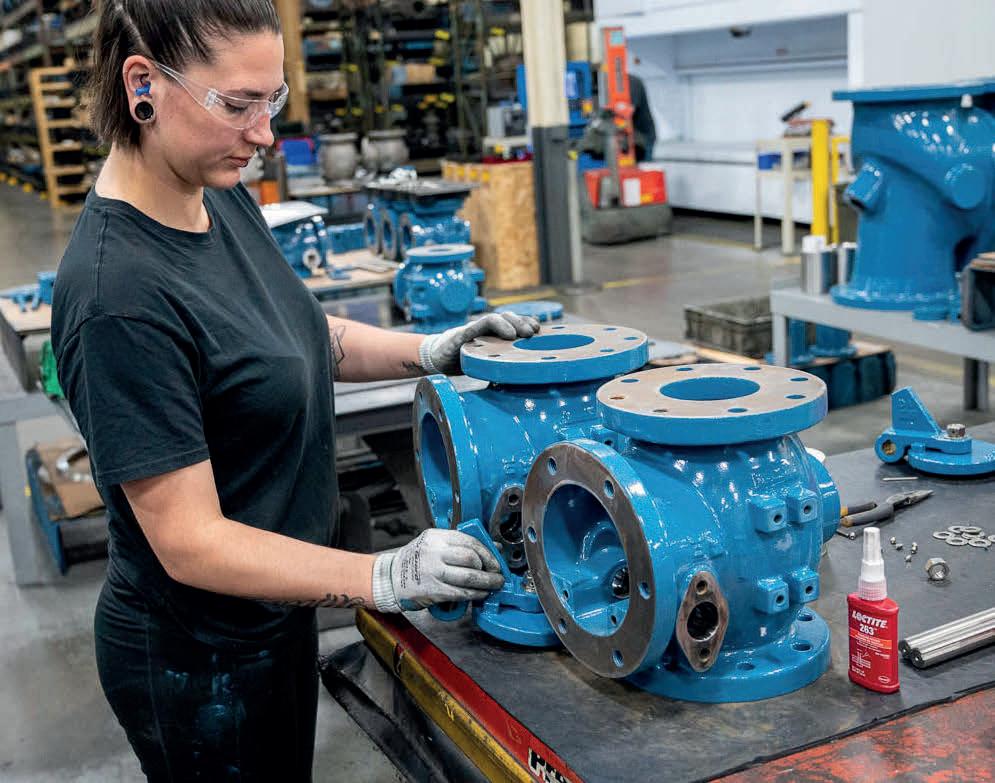
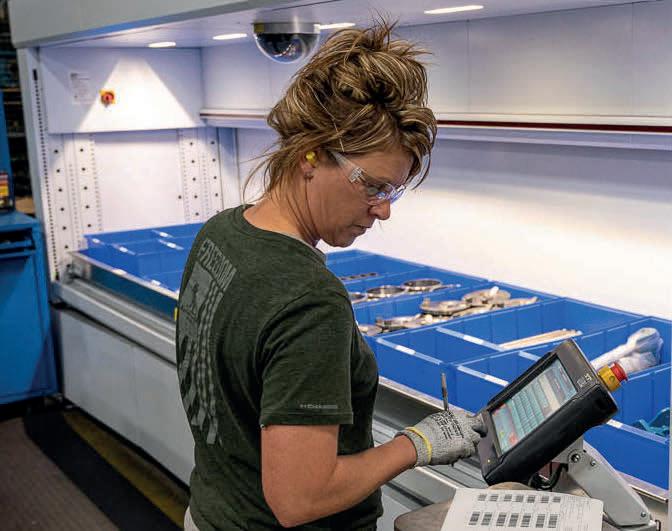
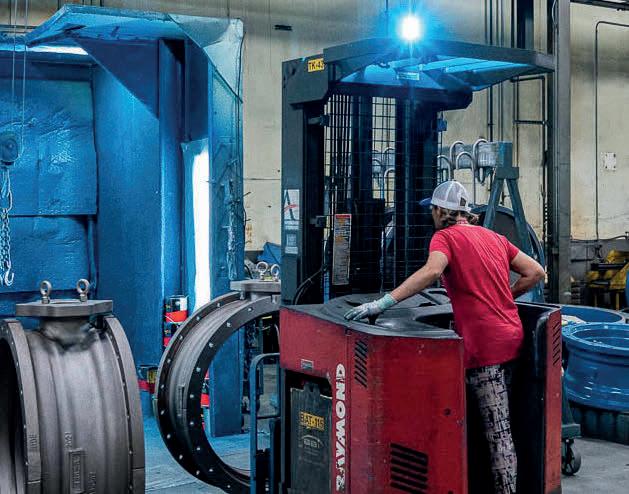
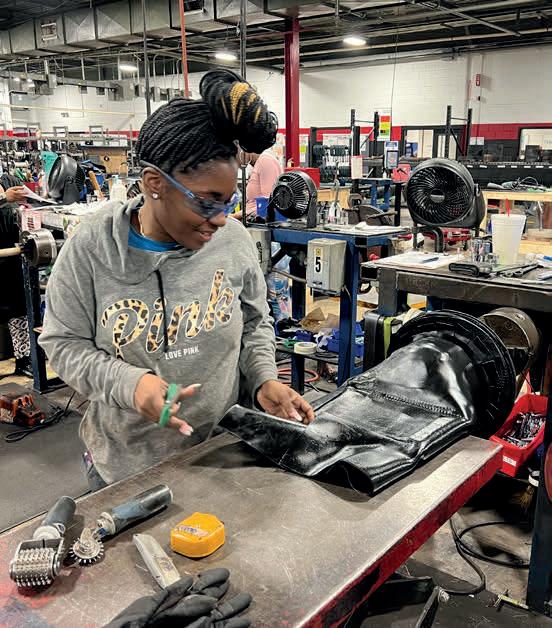
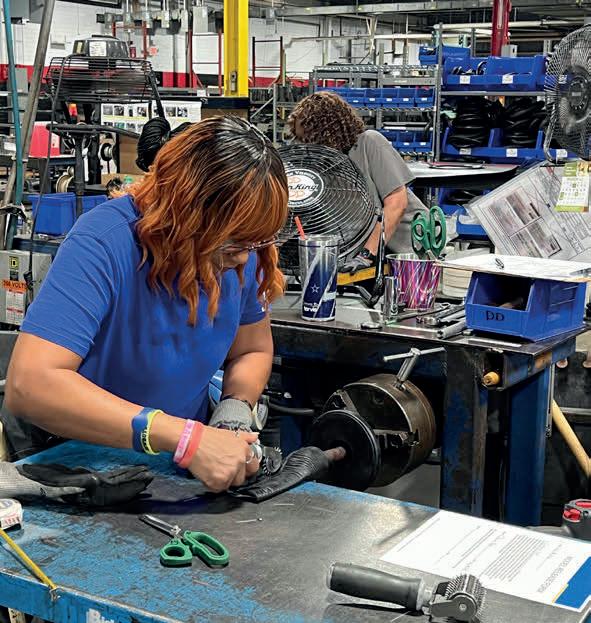

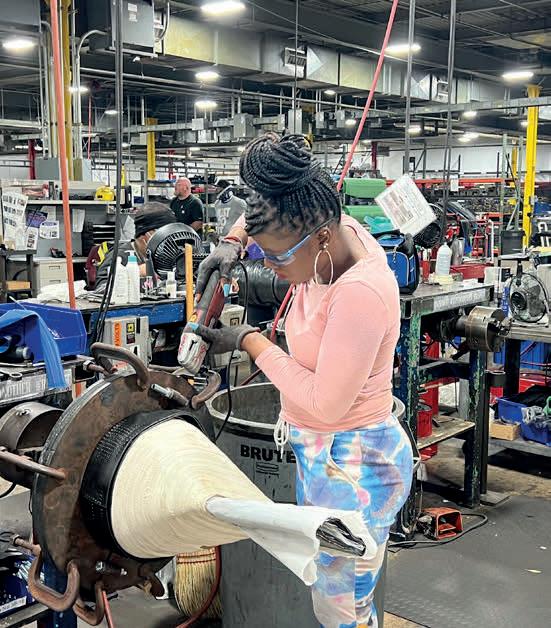






SettingShopUp
When it comes to choosing a location, there are many factors to consider, and many resources to help
By Jeanine Nistler
Darrick Saboe knew his Floor to Ceiling store was hard for people to find.
Situated at 8075 Sterling Drive, in an industrial park on the outskirts of St. Joseph, the business was not readily visible to people driving on nearby thoroughfares. Customers needed detailed instructions, GPS, or a map to get there.
So, Saboe and his wife and co-owner Danielle decided to build a new showroom/ office/warehouse at 942 21st Ave. NE, which is much closer to the heavily traveled Stearns County Road 75. “It’s nice to be in this location,” Saboe said. “We’re so glad that this came together with this property.”
Theirs is a story of location, location, location, which is more than a real estate adage. It’s an incredibly important element of succeeding in business. Whether you want to relocate an existing business or are starting
from nothing, experts recommend you:
Consider the pros and cons of leasing vs. owning.
Review zoning and land use ordinances for the area in which you wish to locate.
Review appropriate township, city, or county development plans.
Share your business plan with a commercial real estate professional and a banker.
Be realistic about the capital you have and the size of loan you will need.
Start early — whether you are planning to rent, buy, or build. Securing leases or purchase agreements, lining up permits, and getting financing generally take longer than anticipated. The same is true of construction.
If you’re dreaming of opening or relocating a business, consider these local professionals’ thoughts on how they can assist business owners looking to build, buy, or lease:
PROS & CONS
CONSIDER THIS
Should you own or rent?
Each has its own benefits — and drawbacks.
OWNERSHIP
Commercial real estate generally holds its value, which is good news for the day you want to sell. With each mortgage payment, you’ll build equity. And those payments may be fixed, as opposed to rent that can go up every time the lease is revisited.
As owner, you may be able to deduct interest and annual depreciation on your property tax returns. If your space is larger than you need, you can rent to one or more businesses and earn rental income.
On the downside, you likely will need a sizable down payment and plenty of money for renovations. Ownership reduces your flexibility to easily move to a different location if your needs change – and all the responsibility for the building falls to you.
LEASING SPACE
You’ll need less upfront cash if you lease because you don’t need to make a down payment.
Your responsibility is limited. You can call the owner or property manager if there’s a problem with the facility. Flexibility abounds. It’s easier to not renew a lease than it is to handle a 30-year loan or sell a property.
You may be able to see a tax benefit by deducting rent payments and other expenses.
You won’t build equity.
You will need permission from the owner to make improvements – and the changes you make will stay behind if you move.
As a tenant, you don’t have an opportunity to earn money by renting space to others.
MATT GLAESMAN
Community
Development Director, City of St. Cloud
The City of St. Cloud encourages business prospects, their agents and site selectors, to contact the Planning and Zoning Department early in the concept development and site selection process. These initial contacts focus on finding locations consistent with the adopted community vision, development standards, and preferred siting criteria. Informal meetings often follow to explore site, building, or infrastructure design questions, as well as financial assistance opportunities.
City staff are not only able to assist with site selection data, but able to connect prospects with specific property owners

or their agents regarding actively listed or potentially available parcels meeting their preferred criteria. This can be a particularly valuable resource when working with prospects and agents new to the local market.
The City of St. Cloud maintains a wealth of information regarding community planning, key industries, demographics, workforce, and other community data on its website to complement private sector sourced information regarding local opportunities. The most recently adopted comprehensive plan, and target-area master plans, offer a view into the preferred use, character, and massing of a location based on its character and surroundings. These documents are intended to inspire a concept, while leaving a range of allowed use and design opportunities given the prospect’s understanding of market demand.
Story continues on page 40.



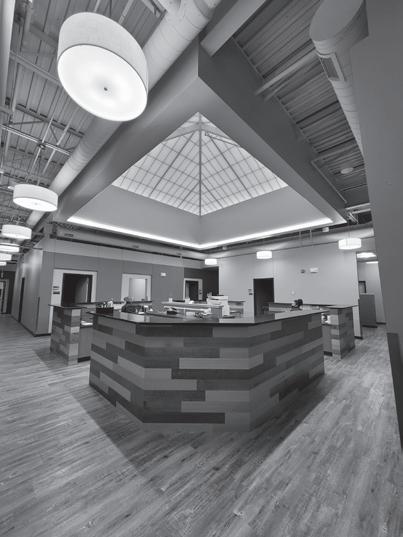









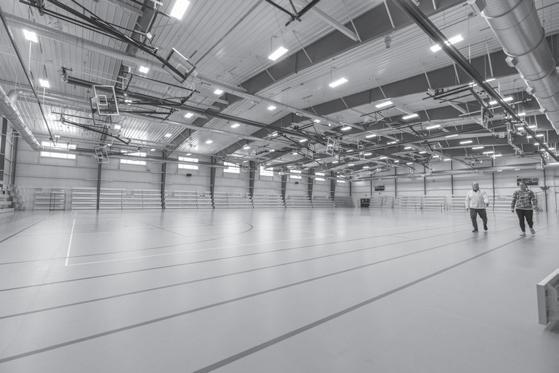

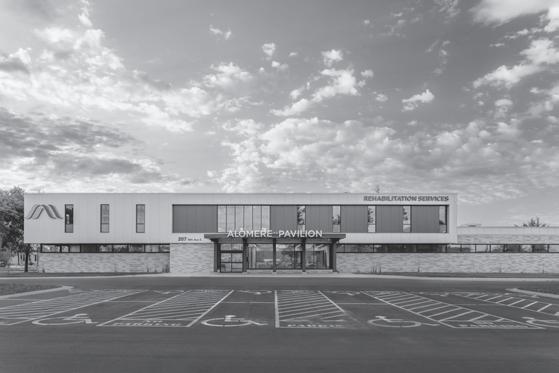

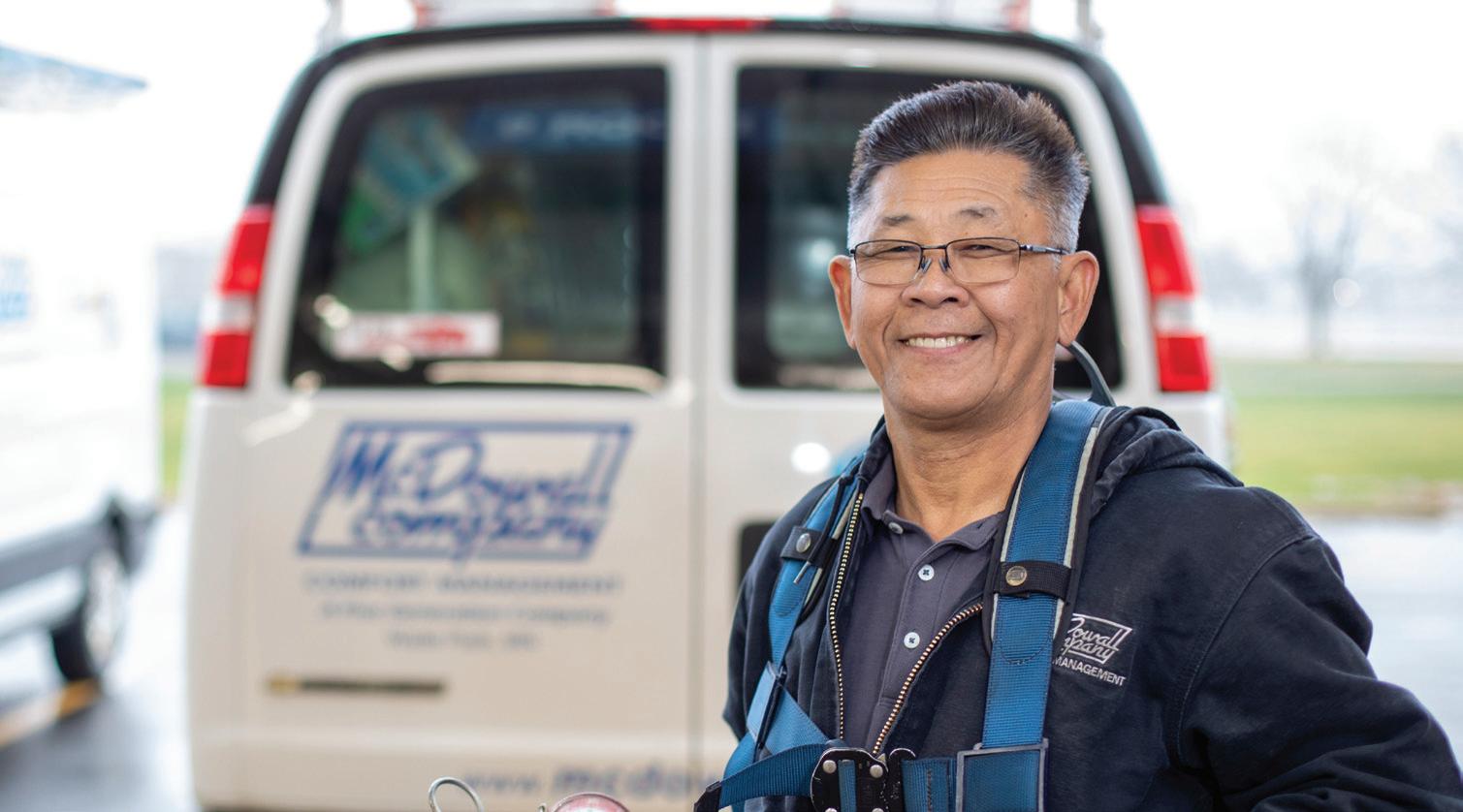
YOUR TRUSTED PARTNER IN COMMERCIAL HVAC
As masters of commercial HVAC, roofing and architectural exteriors, we’ve been building trusted partnerships for five generations. From quality installation to exceptional service and support, we’ll help you protect and prolong the life of your investments.


Properties that fit the business owner’s desired zoning typically will align with size and expansion needs, and traffic flow/site access. However, this is also a period where it is important to compare various properties and review pros and cons with your team of professionals (real estate agent, attorney, CPA, banker, insurance agent, etc.).


You should consider the current property tax rate and what is anticipated in the future such as stable tax base, projected increases, and special assessments. Where do your employees live and where do you expect future employees to come from? Having the “perfect” piece of real estate that is geographically undesirable to your workforce is detrimental to your business operations.
You need a solid business plan. A startup with an aggressive growth plan likely will want to lease in the beginning, with numerous pathways to address their future growth. That could include adjacent space to expand into, purchasing existing inventory or construction of a new facility. Having a real estate expert on your team can be crucial in the navigation of your business life cycle. They can help you find property based on your business plan, as well as for a future exit when it is time to sell your business.
Preparation is key. In general, real estate inventory isn’t always just sitting and waiting for a user. Start the process early and keep your professionals informed so they can monitor the market for you. That process will make you much more prepared when the time comes to make the actual decision on your real estate needs.
PRO ADVICE
ERIC O’BRIEN, Commercial Real Estate Broker with Commercial Realty Solutions (CRS)

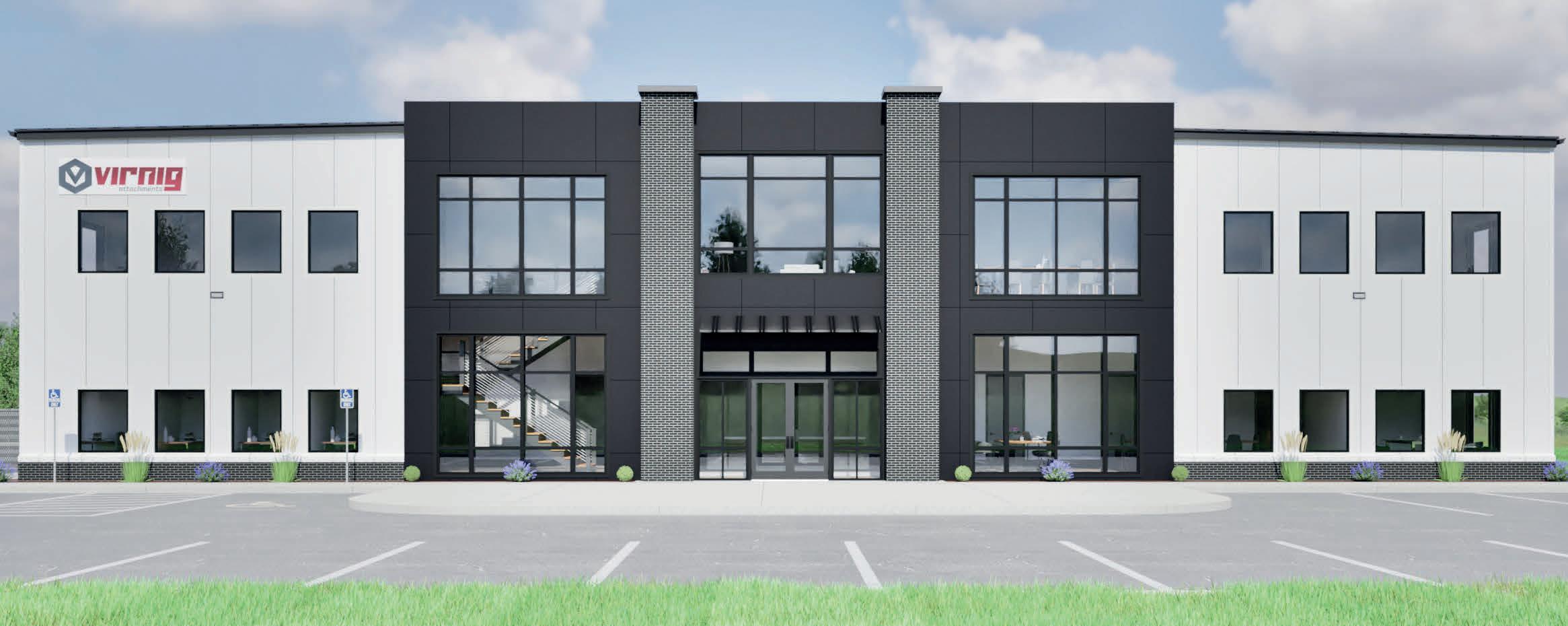
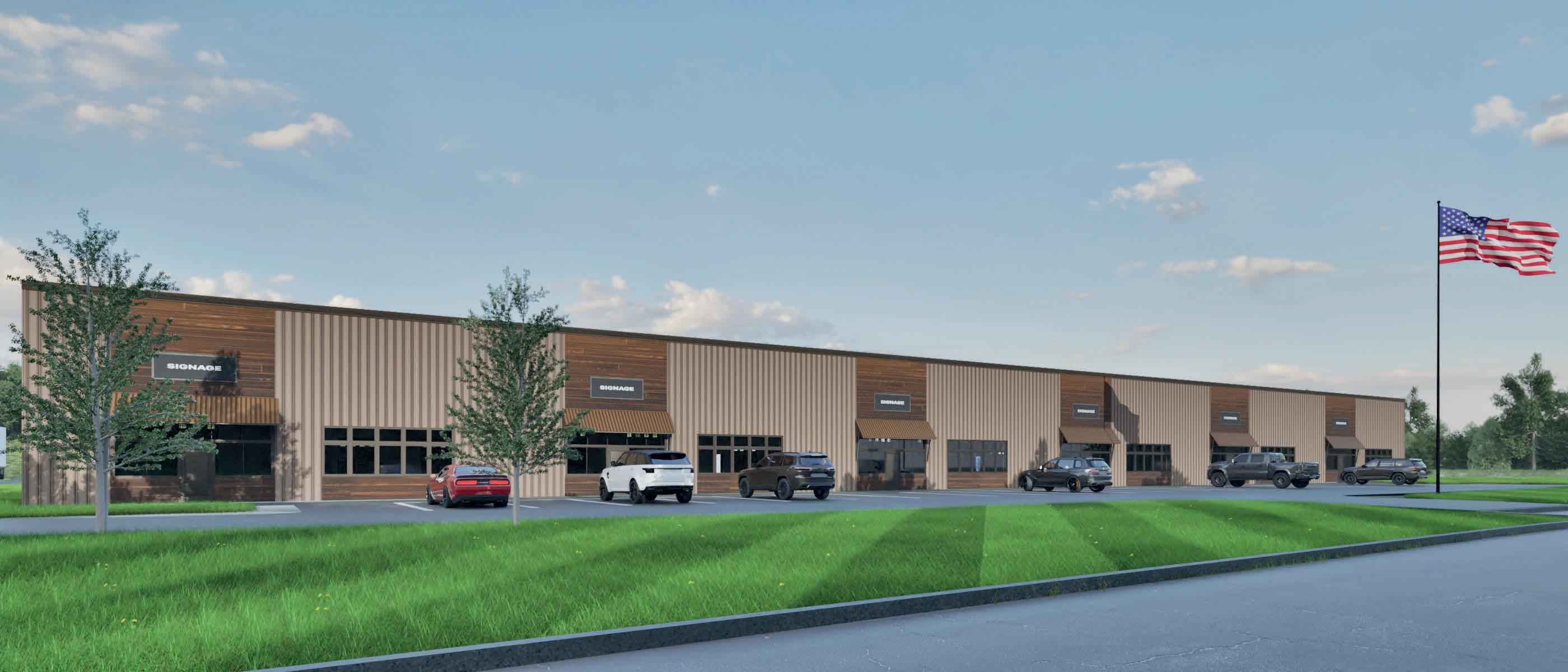

Virnig

THE IDEAL CHOICE
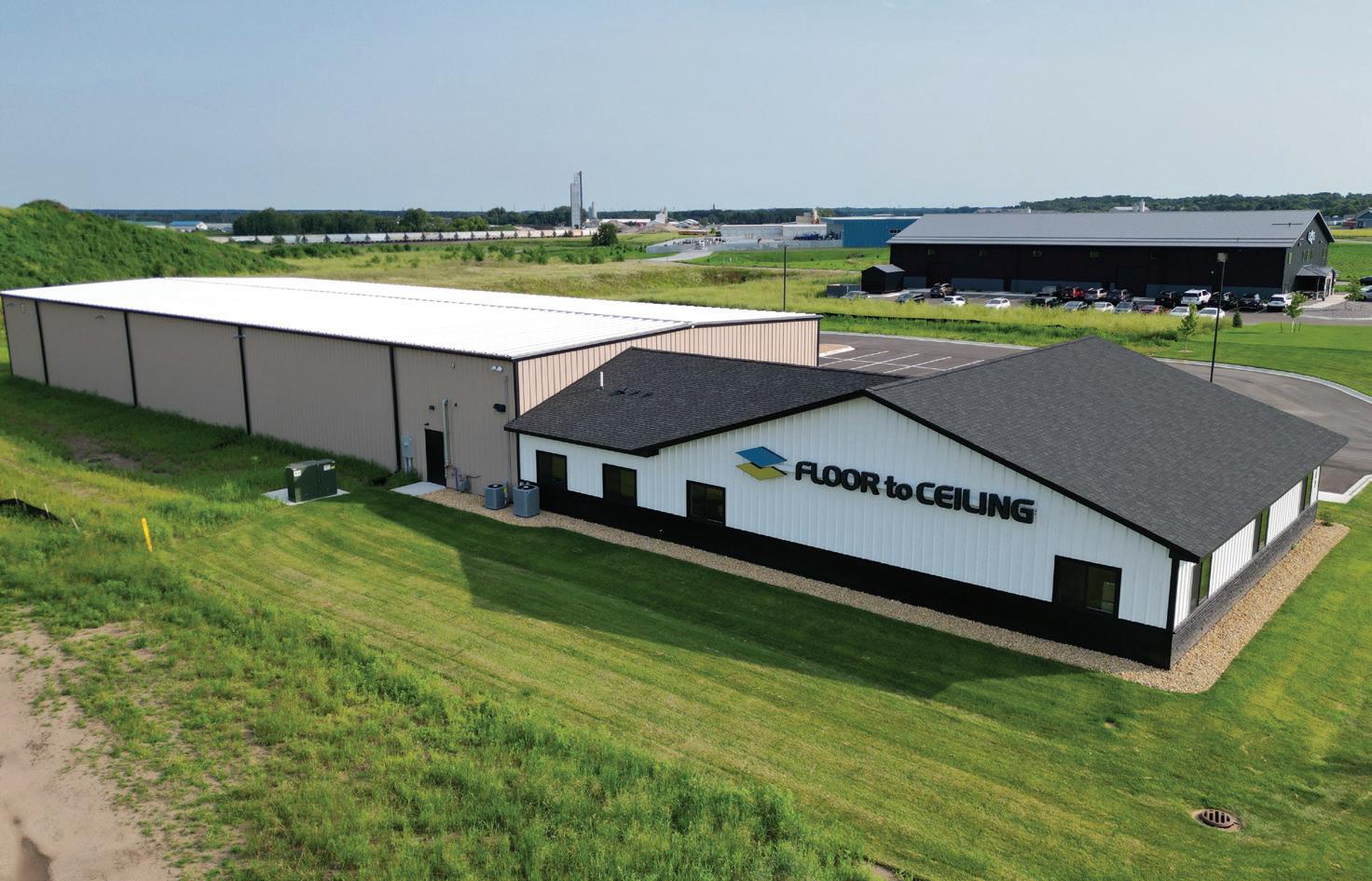

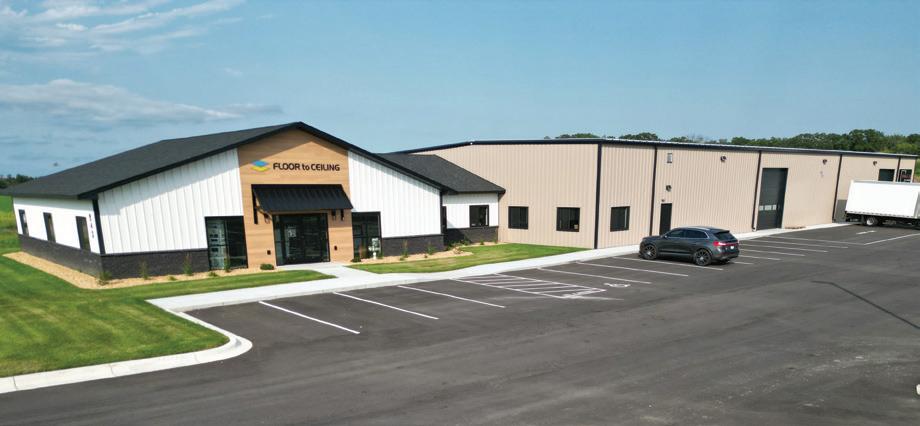
FLOOR TO CEILING

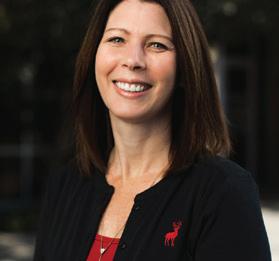
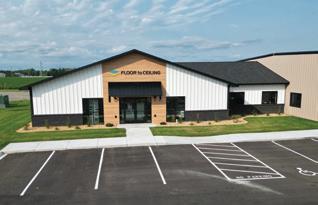



JACKI TEMPLIN, Central Market President, Deerwood Bank
MIKE MARKMAN, Chief Financial Officer, Deerwood Bank
Banks provide consultative guidance, with bankers reviewing your business model, cash flow, and goals to recommend the most cost-effective structure — whether that’s a term loan, line of credit, or a mix of financing and liquidity solutions.
Banks rely on independent appraisals or evaluations for lending purposes. For market insight, work with certified commercial appraisers, local commercial real estate agents, county assessors’ offices, and online commercial property platforms such as LoopNet for benchmarking.
The cost of financing is variable and influenced by:
The size of the loan and length of the term
The borrower’s business and personal credit history
The borrower’s collateral
Market conditions such as prime rate and economic factors
Business owners should consider the helpful tips in the sidebar (Confident Financing) on the right, before meeting with a banker. You should also talk to your bank about added services, including business checking accounts, lines of credit with flexible access to funds for ongoing expenses and phased projects, treasury management services, electronic money transfers, fraud protection, equipment financing for machinery or technology upgrades,
CONFIDENT FINANCING
Thoughtful preparation can strengthen your position when meeting with a lender.
Jacki Templin, central market president, and Mike Markman, chief financial officer of Deerwood Bank, suggest business owners answer these questions before meeting with a banker.
1 What is your total project cost and contingency plan?
2 Do you have a business plan?
3 What is the amount and source of the cash equity you plan to inject into the project?
4 Have you completed a market analysis and/or traffic study?
5 Can you provide projections that include balance sheet and profitability impacts?
6 How will the financing impact cash flow?
7 Do you have updated financial statements and tax returns?
8 What collateral can you pledge?
9 What is your timeline for completion and repayment?
J How will this investment improve revenue or efficiency?
MORE TO THINK ABOUT:
Are there penalties for early loan payoff? Have you considered Small Business Administration or specialized program loans that have lower rates or longer terms? Most commercial loans require personal guarantees, as well as property and liability coverage. And don’t forget tax implications such as interest deductibility and depreciation benefits.

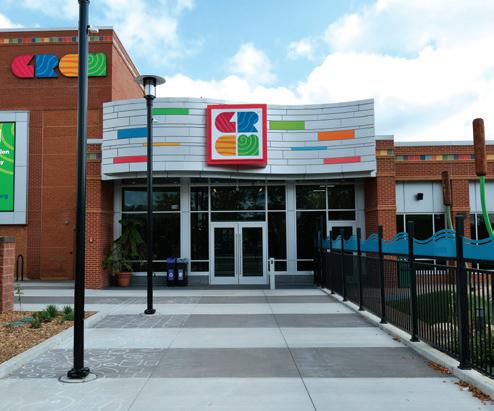
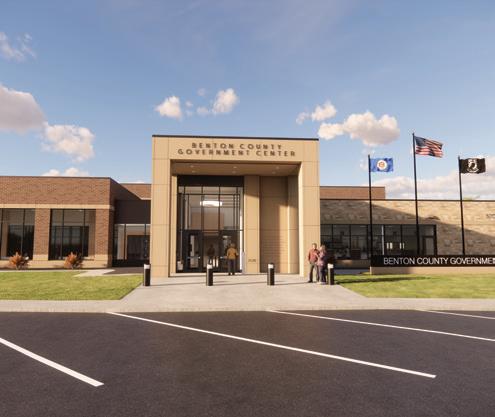


business credit cards, high-yield accounts or sweep services, which automatically transfer excess funds into higher-interest accounts to minimize idle cash.
Floor to Ceiling’s Saboe, who had worked there for several years before buying the business, was alerted to a spot in a new industrial park by Cory Ehlert, a real estate agent with Central MN Realty, who Saboe and Danielle had worked with before. They hired Alliance Building Corporation, a long-time customer of Floor to Ceiling,
COMMERCIAL CONSTRUCTION GUIDE
and arranged financing through Falcon Bank. “We had some good partners,” he said. The new facility, with a much larger warehouse than the original, opened in Summer 2025.

Bradbury Stamm Construction

Waite Park Public Safety Facility
Waite Park, MN

The 41,000 square foot expansion of the City Hall and Police Station brings exciting improvements to the facility. The project features an expanded underground parking area for police, upgraded support spaces for both police and city staff, and larger, more functional council chambers and multi-purpose rooms. These upgrades are designed to enhance operations and better serve the community. bradburystamm.com

Jeanine Nistler (jeaninenistler@outlook.com) is a St. Cloud-based freelance writer whose career has included daily newspaper reporting and editing, as well as communications work in health care, higher education, and state government settings.
EVER-EXPANDING COULD EASILY BE THE MOTTO OF CENTRAL MINNESOTA. EXPLORE THESE BUSINESSES TO SEE WHAT IS HAPPENING IN THE REGION.
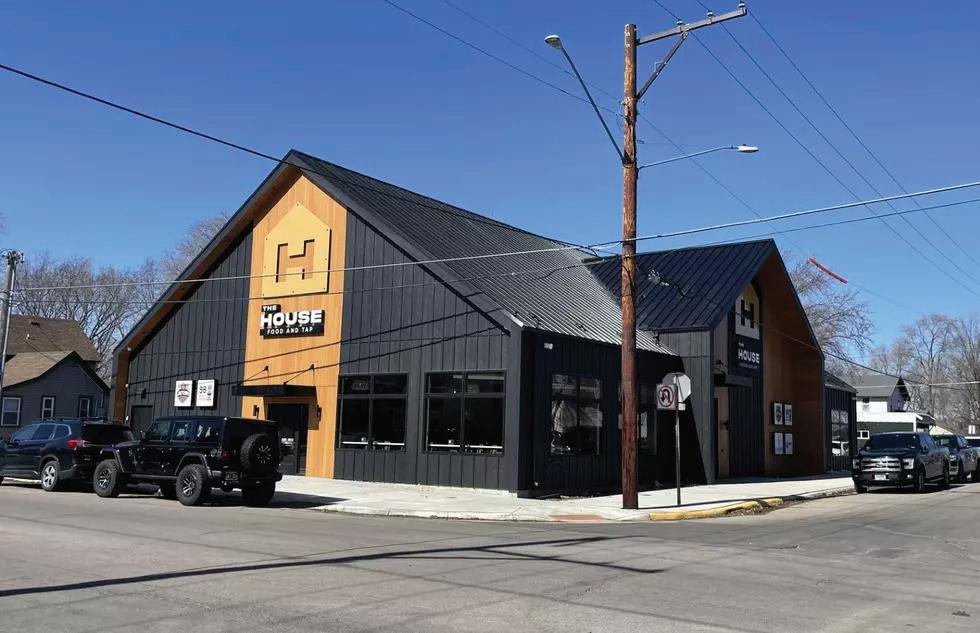

BCI Construction is honored to have partnered on the creation of this 4,000-square-foot, community-voted food hall—bringing a diverse range of cuisines together under one roof. Recently recognized by the Economic Development Association of Minnesota for its positive impact in the community of St. Joseph, MN
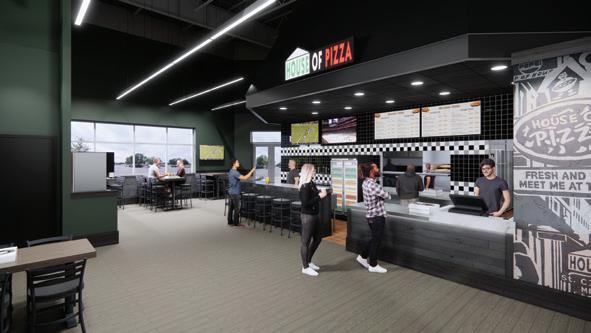
House of Pizza Inside Coborn’s - Sartell, MN
Dale Gruber Construction is bringing House of Pizza to Coborn’s in Sartell with a full interior buildout designed to elevate the in-store dining experience. The space features a custom kitchen, prep area, bar, eating counter, and dining area—thoughtfully designed to showcase the classic HOP style locals know and love. From smart layout design to quality craftsmanship throughout, this project reflects the level of detail and care DGC brings to every build.
dalegruberconstruction.com


GLTArchitects
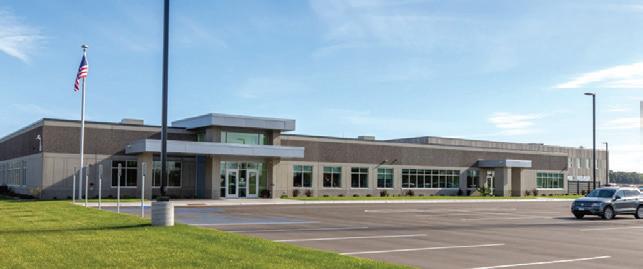
Stearns Electric Association Headquarters
GLTArchitects worked with Stearns Electric Association on a new 89,000 sq ft headquarters facility. Stearns Electric Association desired a highly functional, yet cost-effective facility, that represents their dedication to providing value to their members.
The 31,000 sq ft office area includes member services, operations, engineering and dispatch, professional services, finance, and IT.
The 58,000 sq ft garage area includes space for vehicle and equipment parking, 3-station large vehicle maintenance shop, inventory warehouse, and a truck wash bay.
www.gltarchitects.com

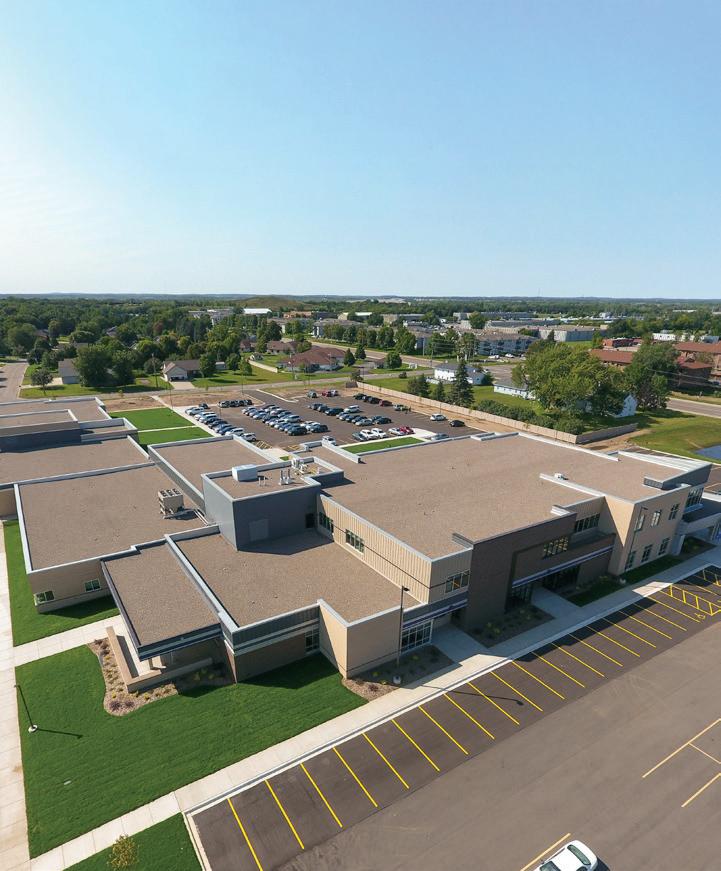
Rice Companies
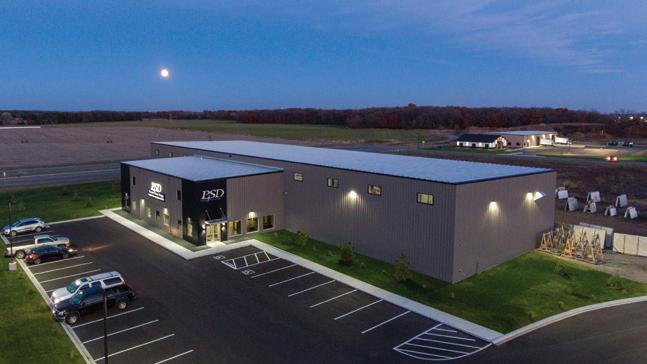
Premier Stone Design Facility St. Joseph, MN
Rice Companies partnered with Premier Stone Design to design and build their new 19,000 square foot facility in St. Joseph, MN. The project features a state-of-the-art stone fabrication space, a welcoming showroom, and thoughtfully planned offices.
Rice Companies has been proudly building projects and partnerships since 1953.
ricecompanies.com


Dale Gruber Construction
Where the Fun Rolls
For Jeff Jackson, the Skatin’ Place is more than a roller rink – it’s where Central Minnesota comes together — and to him, it’s home.
By Emily Bertram
When did the Skatin’ Place first open?
The Skatin’ Place was started in 1974 by a group of shareholders, including my grandfather. In 1985, my grandfather bought out the other shareholders and presented the idea of owning it to my mother and father, as he thought it would be a good opportunity for them. They ran the business until about 2005, when I started to take over more leadership roles. I probably stopped asking permission for things in about 2012. Now I primarily run the business, and my dad is available to bounce ideas off and helps with maintenance and filling in where needed. My mom ended up going back to school to become a teacher.
How have you adapted to stay successful?
We aren’t just a roller rink. We’ve added so many things over the years — laser tag, inflatable bounce houses, arcade games, and really good food options, as well as beer and wine. We also do a wide variety of events — anything from themed music nights to adults only skates. Plus, we host an average of 15 birthday parties every weekend and various school groups throughout the year.
What is the roller rink industry like?
I try to go to several trade shows every year, especially the Roller Skating Association (RSA). I have served as the president of our upper-Midwest region, RSA Section 3, for the past six years. There are four other roller rinks in the state, with about 360 members of the RSA nationally.
What has been the biggest challenge?
Finding and keeping good employees. We have three full-time staff and about 13 part-time staff, mostly ages 15 to 20. A lot of them are here for a year or two and then they leave for college, but they will sometimes come back when they’re on break.
What do you like about owning The Skatin’ Place?
No two days are the same. Some days I’m working on games, some days I’m working on music, some I’m working the snack bar. I grew up here — I told my parents at around 8 years old that I could run the place — I have always loved it.
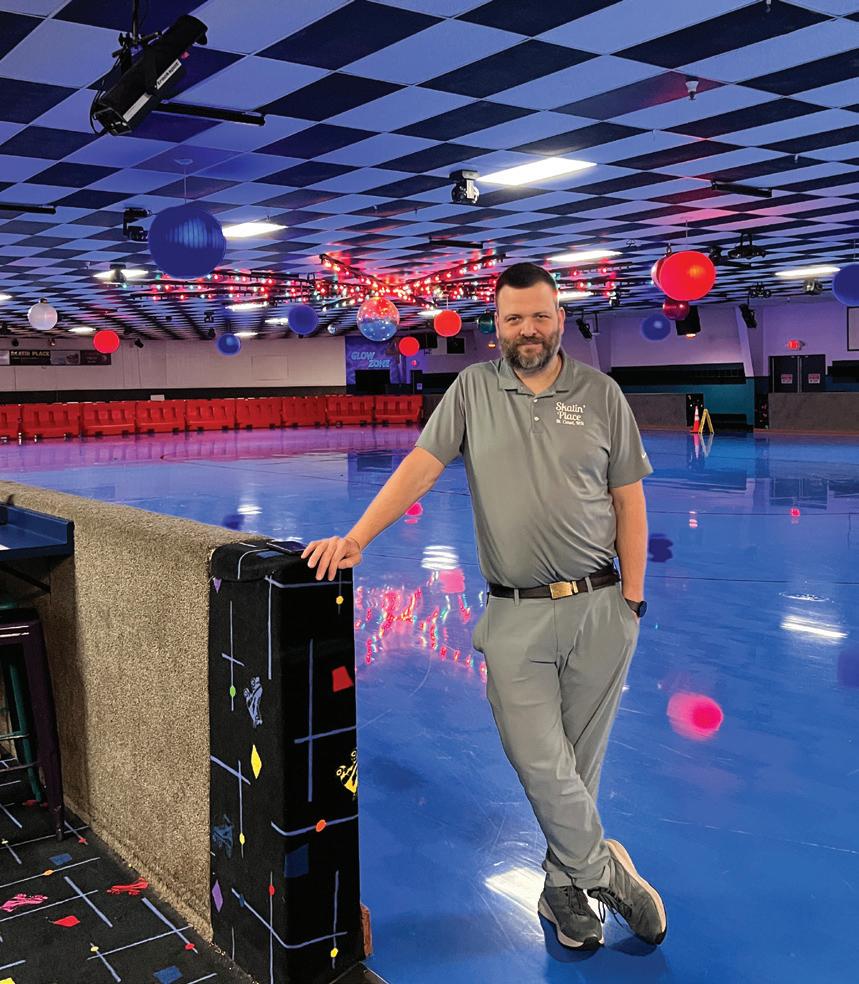
TIMELINE
1974
A group of shareholders, including Harold Jackson, open the Skatin’ Place
1985 Jackson buys out the other shareholders; his son and daughterin-law Jon and Sue Jackson take over operations
1986
Begin offering inline skates in addition to regular skates
1993
Jeff Jackson
Age: 40
Family: Wife, Katie, and children, Hazel and James
Education: Cathedral High School and St. Cloud State University
Past Work: Various construction jobs, TGI Fridays, Subway
Hobbies: Going to the lake, spending time with family
The Skatin’ Place
2009
Jeff Jackson assumes a leadership role at the Skatin’ Place
2010 Arcade is expanded with more offerings
2016
Jackson becomes the president of Section 3 in the Roller Skating Association
2018 Inflatable bounce houses are added
2019
Mobile laser tag becomes available
2022
saintcloudskatinplace.com
Joined the Chamber in 2021
Undergo building expansion to grow the space for laser tag and making pizzas in house
3302 Southway Drive, St. Cloud, MN 56301 • (320) 252-8123
Opened: 1974 • Owner: Jeff Jackson
Description: The Skatin’ Place is a safe and fun family entertainment center with skating, full arcade, bounce houses, laser tag, full snack bar, and more.
1994
Laser tag opens
2002
Begin offering Unlimited Fridays, including skating, laser tag & pizza buffet
2005
The Jackson’s son Jeff begins taking over more of the organization’s operations
2008
Laser tag arena gets a refresh with an airbrush artist and new vests
More features are added to laser tag; host a national tournament
2023
Expand adult skate sessions
2024
Receive beer and wine license to help with corporate events
2025 Arcade games are changed from coin-operated to card-operated