
THE MAGAZINE OF COASTAL CAROLINA ACTIVE LIVING Buzz SOUTHPORT’S MARITIME MUSEUM BRUNSWICK’S GULLAH GEECHEE HISTORY HOLIDAY COOKIE RECIPES GARDEN | BOOKS | PUZZLES THE COASTAL WINTER 2022-23
Ingraham Private Wealth Manager









 Cutler Financial Professional
2 WINTER 2022-23 The Coastal Buzz Financial planning focused on you. We can help you plan, prepare and maximize with retirement and tax strategies that work for you. 5039-5 Main St. • Shallotte, NC 28470 910-754-6921 • EABUCK.COM E.A. Buck Financial Services is an independent financial services firm helping individuals create retirement strategies using a variety of investment and insurance products to custom suit their needs and objectives. Investment advisory services offered by registered individuals through Buck Wealth Strategies, a Registered Investment Adviser. E.A. Buck Financial Services and Buck Wealth Strategies are affiliated by common ownership.
John
Let us help you: •Protect Your Estate •Invest in Volatile Times •Enjoy Less Tax in Retirement •Take Control of Your 401K, Income, and Retirement Accounts
Evan
Buzz Contributors . . . . . . . . . . . . . . . . .4


BSRI Staff . . . . . . . . . . . . . . . . . . . . . . 5
News . . . . . . . . . . . . . . . . . . . . . . . . . 6-9
Southport Maritime Museum . . . . . . 10

Healthy Opportunities Pilot . . . . . . . 13
Gullah Geechee History . . . . . . . . . . 14
Best Bites: Cookies . . . . . . . . . . . . . . 16

Read All About It . . . . . . . . . . . . . . . 19
Volunteer: Rita Burgess . . . . . . . . . . 20 In the Garden . . . . . . . . . . . . . . . . . . 21
Puzzles . . . . . . . . . . . . . . . . . . . . . . . 22
SHIIP . . . . . . . . . . . . . . . . . . . . . . . . . 32
What’s for Lunch? . . . . . . . . . . . . . . . 46

Aging Resources . . . . . . . . . . . . . . . . 47

SENIOR SITE CALENDARS

Boiling Spring Lakes . . . . . . . . . . . . . 23
Calabash . . . . . . . . . . . . . . . . . . . . . . 24
Leland . . . . . . . . . . . . . . . . . . . . . . . . 28

Oak Island . . . . . . . . . . . . . . . . . . . . . 33
Shallotte . . . . . . . . . . . . . . . . . . . . . . 34
Southport . . . . . . . . . . . . . . . . . . . . . 38
Supply . . . . . . . . . . . . . . . . . . . . . . . . 42
16
To be the cornerstone that best understands and supports the emotional, physical, and social needs of adults 50 and over.
CONTENTS
The Coastal Buzz WINTER 2022-23 3 11 21 6 14 10 BRUNSWICK SENIOR RESOURCES VISION
After retiring from leadership roles in engineering and IT at a major confectionary manufacturer, Beth Klahre relocated to Southport with her husband Jeff and their dog, Betsy. Beth has been enjoying reading on the beach, learning to play the harp, and writing human-interest stories. She is a volunteer board member of the Friends of the Library of Oak Island and Southport. Beth tells us about the Southport’s Maritime Museum’s offerings on page 10.
Joan Leotta has been playing with words on page and stage since her childhood in Pittsburgh. Her poetry and essays appear in many publications. Her four historical fiction novels feature strong women in times of U.S. wars, and her newest poetry chapbook, Feathers on Stone, was recently released. Joan shares cookie recipes submitted by Buzz writers on page 16.
Donna Ruth Morgan is a book lover who supports better libraries for better communities. She volunteers with area library organizations and enjoys sharing her passion for reading with family and friends. See page 19 for Donna’s picks—and pans— for cozy winter reading.
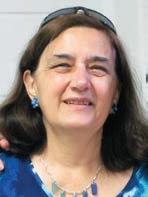
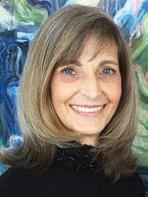
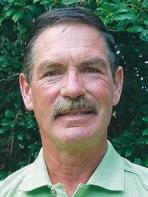
Pat Naughton and his family moved from Richmond, Va. to Winding River Plantation in Brunswick County in 2017 after Pat retired as a mechanical engineer at a nuclear power plant. He has been an avid gardener for 35 years and is a Brunswick County Extension Master Gardener Volunteer. On page 21, Pat lays out a winter gardening schedule.
Wendy Kaplar is a freelance writer, researcher, and advocate for the preservation of Carolina wildlife. She recently placed among the top columnists in The Albuquerque Journal 2022 Reader’s Choice awards. Local history comes naturally to Wendy, as both sides of her family are from eastern North and South Carolina. She enjoys spending time with her husband, Bob, and their Black Mouth Cur rescue dog, Rosie. Wendy investigates Gullah Geechee culture in our area on page 14.
ABOUT THE COVER
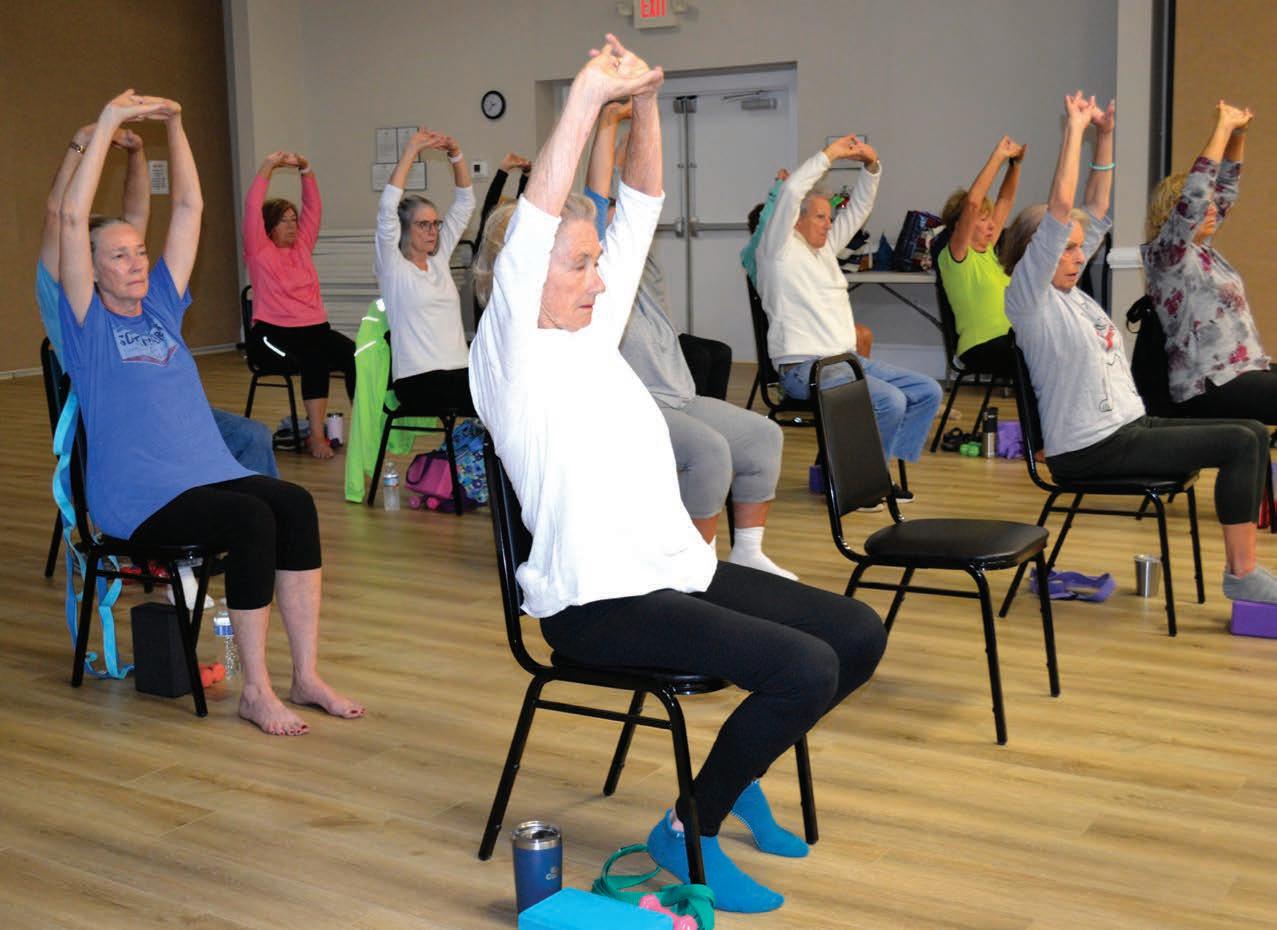
Kevin Whiteheart teaches Yoga for Healthy Bones at the Brunswick Center at Southport. This popular class provides a full workout for strength and for fun. Check Southport’s calendars on pages 36-39 for details.

THE COASTAL BUZZ
Editor
Shelagh Clancy buzz@bsrinc.org (910) 622-1036
Contributing Writers

Wendy Kaplar, Beth Klahre, Joan Leotta, Jodi Lower, Mike McGurn, Donna Ruth Morgan, Tikila Morgan, Pat Naughton, Casey Poplaski, René Tarquinio
Contributing Photographers
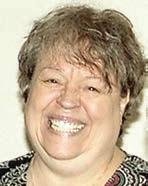
Tonya Barnes, Melissa Catlett, Shelagh Clancy, Sarah Goodwin, Jillian Hardin, Beth Klahre, Mike McGurn, Pat Naughton, Melissa Starr
Advertising Sales (910) 754-2300
Anita Langin alangin@bsrinc.org Shelagh Clancy buzz@bsrinc.org
© 2022 Brunswick Senior Resources Inc. All rights reserved www.bsrinc.org
CONTRIBUTORS
4 WINTER 2022-23 The Coastal Buzz
Photo by Shelagh Clancy
BRUNSWICK SENIOR RESOURCES, INC.

3620 Express Dr., P.O. Box 2470, Shallotte, NC 28459
www.bsrinc.org (910) 754-2300
Fax 910-754-9269 | Office Hours 8:30 a.m.–5 p.m.
BSRI Administration Staff
Jim Fish, President & CEO
Yvette Gosline, ChiefOperatingOfficer
Jennifer Sherman, Chief ComplianceOfficer
Melody Stephens, Directorof Operations

Judith Benson, Chief Financial Officer
Debra Marlowe, Organizational Development Coordinator
Jodi Lower, Volunteer Coordinator
Anita Langin, AccountingTechnician
Eddie Jackson, IT and ComplianceTechnology
Derissa Gore, AgingResourcesOfficer
Mike McGurn, Managerof Thrift Store Operations
Chauvet “Mel” Jackson, OperationsTechnician
Justin Benoy, ProjectTechnician
BSRI Center/Site Staff
Victoria Hine, Shallotte
Mary Green, BoilingSpringLakes
Holley Norris, Calabash
Heather Puglisi, Calabash
René Tarquinio, Calabash
Pat Stark, Calabash
Ellen Kleinerman, Calabash
Carol Schotter, Calabash

Sharon Klouser, Calabash
Kate Livers, Nutrition Services Technician
Veronica Lett-McGee, Leland
Brttany Steinkamp, Leland Marilou Smith, Leland
Sandy Porcaro, Leland
Caroline McLeod, Leland Janyce Jones, Leland Pat Green, Leland Sharon Shull, Leland
Jillian Hardin, Shallotte
Tonya Barnes, Shallotte
Laura Collins, Shallotte
Brenda Ambrose, Shallotte
Teresa Muchler-Nogi, Shallotte
Grace Consoli, Shallotte
Nikki Hanna, Shallotte
Quinton McCallum, Shallotte
Melissa Catlett, Southport
Jackie Knott, Southport
Beverly Bridgers, Southport
Vaughn Hatley, Southport
Dean Francisco, Southport
Casey Freed, Southport
Lora Britanik, Southport
Amber Ramsey, Southport
Melissa Starr, Supply
Robert Hunt, Supply Gloria Pieczarka, Supply Tikila Morgan, Supply Emma-Lou Edwards, Supply
Financial information about this organization and a copy of its license are available from the State Solicitation Licensing Branch at 919-814-5400. The license is not an endorsement by the state.
“I was blessed to have met all of my grandparents, and three of my great-grandparents,” Holley says. “They helped shape me into the person I am today. Because of them, I felt a desire to work with older adults and do my part in ensuring those in my community had opportunities to be the healthiest, happiest version of themselves.”
During her sophomore summer in high school, Holley went on a trip across the United States. Teens Westward Bound was made up of 87 passengers, mostly
strangers, for 23 days. They traveled from North Carolina as far north as Cody, Wyoming; as far west as Yosemite National Park; as far south as Kerrville, Texas; and back to North Carolina. “It was the trip of a lifetime and one I will cherish for the rest of my life,” she says.
Holley is a “crime junkie” and listens to podcasts about crime on her commute to work.
When it comes to pizza, Holley loves extra cheese and any topping. And she says yes, pineapple DOES belong on pizza!
BSRI STAFF MEMBER OF THE MONTH
The
WINTER 2022-23 5
Coastal Buzz
Holley Norris Center Director, The Brunswick Center at Calabash
HIGH-STAKES BINGO IS COMING SOON
Listen for the lucky letters at our high-stakes bingo games, coming soon to the Brunswick Center at Shallotte.

Our best bingo begins Tuesday, Jan. 10 at noon and continues every Tuesday. Admission to the festive game of chance is $7.

For more information, contact Aging Resources at 910-754-2300, Option #1. See you Jan. 10!
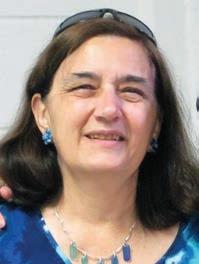
Leotta’s New Poetry Book to Be Published
If you are looking to read something uplifting, try the captured moments of family, food, and Italian heritage in Joan Leotta’s latest book of poetry, Feathers on Stone..

Leotta is an award-winning poet who placed in the 2022 Robert Frost Competition and a prolific writer for the Buzz. She is available to speak on poetry and food and on telling your story, and how poetry helps.
“These poems are for everyone, including people who think they do not like poetry!” she says.
Buy Feathers on Stone from Joan by emailing her at joanleotta@atmc.net or at www.mainstreetrag.com.
BSRI NEWS 6 WINTER 2022-23 The Coastal Buzz PUT YOUR BUSINESS IN FRONT OF NEWCOMERS AND NEW BUSINESSES! New Hanover, Pender and Brunswick Counties, North Carolina (910) 319-4134 contact@welcomeservicesllc.com WELCOME SERVICE LLC: OVER 40 YEARS IN THE WELCOMING BUSINESS!
Service LLC is the only welcoming service that personally welcomes newcomers and new businesses to New Hanover, Brunswick and Pender Counties.
Welcome
LELAND CENTER WELCOMES MCLEOD
Caroline McLeod is the new assistant director at the Brunswick Center at Leland.
“I was born and raised in North Carolina and moved to Wilmington in 2016 for grad school,” McLeod says. “That led me to the opportunity to intern with BSRI at the Leland center in 2018-19. In May 2020, I was hired as a full-time case management assistant,” McLeod says.

“I loved the agency and people so much that I couldn’t leave. I was able to work at other centers for short periods, but the Leland Center has always been my home. I made my way back in August 2020 as nutrition coordinator, and now I am the assistant director. It is a dream come true.
“I have wanted this for so long and am so thankful I have been given this wonderful opportunity. I can’t wait to see what this new position brings!”

BSRI and Americorps Reach Out to You
BSRI has partnered with Neighbor to Neighbor on an AmeriCorps Public Health Grant to provide community outreach to vulnerable senior populations. We will build public health capacity through the “Nest Program” in Brunswick County.

Public Health AmeriCorps (PHA) members will be trained through BSRI’s program and Coastal Connections’ Phone Pal Program to help case managers reduce barriers to care seniors may face.
Members engage with seniors three or four times a week, for 30 to 60 minutes. This will allow connecting with five seniors a week per member.
We’re Looking for Members
We are looking for members who are ready to make a difference and build their career, members who want to be valued and who have diverse experience, compassion, and a person-centered approach. If this sounds like you, we would love you to join our team!
Apply through the AmeriCorps website or contact www.PHA@riden2n.org.
Join the AmeriCorps State and National program to apply for this position: tinyurl.com/mrxx7ct9.

BSRI NEWS
The Coastal Buzz WINTER 2022-23 7
Happy Holidays from BSRI Thrift Stores!
ByMikeMcGurn ThriftStoreOperationsManager
We’d like to wish everyone a happy holiday season and invite you to visit our stores for some great holiday thrifting and savings. Our stores in Calabash and Shallotte are loaded with Christmas merchandise of all kinds including trees, wreaths, lights, and just about every kind of décor you can imagine.
Every year we are blessed with lots of donated Christmas items that, come holiday time, make up a unique and extensive inventory of Christmas and holiday goodies for you to choose from. We have lots of collectible items and items you


probably won’t find anywhere else.
In addition, we have lots of merchandise for great gifts, some of it new in the box and ready for wrapping. We hope you get a chance to come in and shop our stores and see all that we have to offer. Visiting our stores is sure to lift your spirits and get you in a great holiday mood!
Black Friday Deals
Both stores will have storewide 20% off sales on Black Friday, Small Business Saturday, and Cyber Monday to help you get your holiday savings in full swing. We will also be running Christmas Season Flash Sales throughout December, so check the “News Page” of our website, bsrincthrift.org, for details on even more big savings throughout the month.
Remember, you can shop with us
online too! Just go to the “Shop” page of our website. Every month we have an online special with an online coupon offering a big discount for shopping online. In December, the coupon will be 25% off all online purchases. That’s the biggest discount of the year! The online store has the some of the best items from both stores and is a great place to check for our latest arrivals of furniture, appliances, and other unique items.
As we gather to give thanks this holiday season, we would like to thank everyone who has helped make this a great year at BSRI’s Thrift Stores, from our generous donors to our loyal and very regular customers, along with our wonderful volunteers and hardworking staff. We wish you all the best of health and happiness and hope you have a great holiday season!
BSRI THRIFT STORES 8 WINTER 2022-23 The Coastal Buzz
Holiday Thrifting and Big Savings Have Never Been So Good!
Where
Happy 100th Birthday to Arlene Hughes
Arlene Hughes, a Calabash participant, turned 100 years old on August 21, 2022. She is a Brunswick County native who along with her late husband Thurston was a well-known farmer.
Her strong work ethic and kindness to others are some of her most endearing qualities. She enjoys spending time with her family and is thankful for the life she has lived.
—René Tarquinio
Medication Access Program

Are
you uninsured, underinsured, insured, or facing financial hardship?
There are over 300 programs that offer medications at no cost shipped to your home or physician’s office. Local foundations and local organizations can help. And there are discounted programs such as pharmacy discounts, websites, and wholesale companies, and more!
Contact Marilou Smith at 910-754-6559 or msmith@bsrinc.org.
CELEBRATE VALENTINE’S DAY AT CLUB MINGLE IN SHALLOTTE
Join BSRI for an evening of music, dancing, and great company on Tuesday, Feb. 14 from 4 to 7 p.m. at the Coastal Carolina Active Living center in Shallotte.
Tickets cost $15 in advance or $20 at the door. Your purchase includes two drinks and hors d’oeuvres.
BSRI NEWS The Coastal Buzz WINTER 2022-23 9
A Museum for All Ages
ByBethA.Klahre
Do you know how Southport came to be? What do you know about the pirates of Cape Fear? The North Carolina Maritime Museum at Southport stands at the confluence of the Cape Fear River, the Intracoastal
Waterway, and the Atlantic Ocean on the grounds at Fort Johnson. It’s the perfect place for everyone to find all of these answers. And more.
From its humble beginnings as the Southport Maritime Museum in a small shop on Howe Street to becoming a state agency in 1999,

the museum is now a staple of the Cape Fear region. In 2010, the museum moved to Moore Street and officially reopened to the public on Independence Day.
Dive into History
An afternoon at the museum is a must for any coastal lover who wants to dive into the fascinating history and culture of this area. The museum has nine to 12 permanent exhibits at any one time as well as temporary travelling exhibits from other museums and the state of North Carolina. The museum also has digital exhibits on the museum website.
A leisurely tour through the museum takes 30 to 45 minutes. Exhibits begin with indigenous mariners and go through present-day Coast Guard. “There is a little bit of everything here,” says Katie Menne, recent curator of education.
Tammy Newton is a museum volunteer who moved to Southport after retirement because of its history. “As a senior, I believe most in my age group have an interest in history and who came before us,” she says.

Volunteers
to the
who
“Learning is a lifelong experience. The better one knows the remarkable history of the area, the richer the joy of living here becomes,” adds Claire McNaught, volunteer and board member.
10 WINTER 2022-23 The Coastal Buzz OUR BRUNSWICK COUNTY COMMUNITY
Photo by Beth Klahre
are essential
Maritime Museum. At right is volunteer Helen Remer, 90,
also attends chair yoga at the Brunswick Center at Southport.
The museum can be walked through without reading anything in less than five minutes, but a typical tour takes 30 to 45 minutes. “There is a little bit of everything here,” says Katie Menne, recent curator of education.
Education for Seniors
The museum offers educational programs targeted for adults. Salty Dog Saturdays occur on the first Saturday of the month from March through October. A seafood meal is prepared as guests listen to a lecture about the recipe while enjoying a bring-your-own beverage. Third Tuesday occurs monthly and teaches a maritimerelated topic.
Spring/Fall into History Trips, offered twice annually, are day
trips within a two-hour drive of Southport. Participants travel in the museum van enjoying lunch along the way. Finally, visitors of all ages – yes, even seniors - can participate in scavenger hunts. “It’s fun because we make it into a competition,” says Newton.
Accessibility
Museum staff ensure the museum is comfortable for everyone. There are semi-guided tours with spoken English, and exhibits offer English and Spanish captions, American
Don’t miss the Maritime Museum Gift Shop for intriguing maritime items and books.


The Coastal Buzz WINTER 2022-23 11
Photos by Beth Klahre
sign language, plus a tactile braille map for those with vision issues. There is a Facebook photo album that shows images of the facility to ease any pre-visit anxiety.
Volunteers of All Ages
According to Kyra McCormick, visitor services and volunteer coordinator, the museum wouldn’t run as efficiently as it does without volunteers. “Volunteers are the lifeblood of this museum,” she says. Volunteers work at the front desk and gift shop, orient guests to the flow of the museum, and answer questions. A volunteer gardening group meets once a month and volunteers help with handiwork.
Volunteers range in age from teens to 90s and many are seniors. “I am 76 and volunteer at the front desk and special events,” McNaught says proudly.
Helene Remer, age 90, volunteers at the museum on Thursday afternoons. Remer also attends chair yoga at the Brunswick Center at Southport. She is a big fan of both.
Newton heard about volunteer opportunities at the museum before she even arrived in Southport. “The only skills required are friendliness and oral communication. Volunteering has provided me the opportunity to learn about Southport history and develop new friendships,” she adds.
The majority of the 12 board of directors are seniors who participate in fundraising,
John Moseley, the new museum manager, says, “Seniors should come to the museum to remember things from days gone by. The history of Lower Cape Fear is filled with people making choices that drive events which still shape the area in which we live. We are telling these stories to all ages through our exhibits and activities, to remember the past and share it with others.”

membership, marketing, and facilities improvements. McNaught has been on the board for over five years. “It is a rich and rewarding experience,” she says.
Newton feels that it’s important to a senior’s well-being to build and maintain relationships. “The museum is a wonderful environment for this. And let’s not forget the value a senior brings to the museum and to society—life experiences, knowledge and skills,” says Newton.
Want to visit?
Hours are Tuesday to Saturday, 10 a.m. to 4 p.m. Go to https:// bit.ly/3WSOSXc.
Interested in volunteering?
Contact Kyra McCormick at 910-477-5151 or email kyra.mccormick@ncdcr.gov or apply at https://bit.ly/3WNPopA
OUR BRUNSWICK COUNTY COMMUNITY 12 WINTER 2022-23 The Coastal Buzz
Photo by Beth Klahre
HOP to Offer Healthy Opportunities
ByCaseyPoplaski BSRIAgingResourcesSpecialist
Brunswick County and BSRI will be part of the nation’s first comprehensive Medicaid program to offer nonmedical services promoting health.
The North Carolina Department of Health and Human Services is rolling out the Healthy Opportunities Pilot, or HOP, the nation’s first comprehensive program to test and evaluate the effectiveness of select non-medical services in improving health outcomes and reducing health care costs for high-risk NC Medicaid Managed Care members.
Why HOP?
HOP comes in response to studies showing that up to 80 percent of a person’s health is driven by social determinates such as food insecurity, housing instability, unmet transportation needs, and other environmental factors. Despite this evidence, our nation’s health care system is not designed to consider social determinates of health, and 90 percent of health care spending goes toward services provided by medical professionals.
HOP will provide preventive services through communitybased organizations and social service agencies. The program will attempt to improve health by paying for non-medical things, like fresh produce, or first month’s rent, for example.
Wilmington Area Rebuilding Ministry (WARM) volunteers repair a railing for an older homeowner. The Healthy Opportunites Pilot (HOP) will allow WARM to provide services for people who rent, too.

HOP Here at Home
For Brunswick County, HOP will increase access to services. Wilmington Area Rebuilding Ministry (WARM), Brunswick Senior Resources Inc. (BSRI), Catholic Charities, and the Disability Resource Center are among 18 agencies that will provide services through HOP.
WARM has been one of the largest providers of accessibility solutions to Brunswick County residents. Kim Gore, Director of Homeowner Services, explained that HOP is allowing for an expansion of their existing services.
“Previously WARM has not provided services to applicants who are renters,” Gore says. “For
[renters] who are disabled and or have mobility issues, WARM would refer the applicant to other partner agencies. But now, for those referred through HOP, WARM will be able to provide removable ramps, eliminating the need to make permanent alterations ... and ... opening the door for us to serve those who are renting.”
BSRI will also expand services thanks to HOP. Director of Human Services Jennifer Sherman says, “Before HOP, Brunswick County residents 60 and up had access to the health programs, exercise classes, and fitness rooms in our senior centers at no cost. Thanks to HOP, we are now able to expand that offering to qualifying Medicaid participants between the ages of 55 and 60 as well.”
The goal is to provide a preventive approach to improving health that goes beyond checkups and testing and provide a path to healthier living that starts in our homes and communities.
Learn More
HOP services in our area are managed by Community Care of the Lower Cape Fear. To learn if you qualify, and to see a list of human service organizations participating in the program, go to www.carelcf.org or call 910-763-0200. You can also contact a BSRI Aging Resource Specialist at your local Coastal Carolina Active Living center.

AGING RESOURCES The Coastal Buzz WINTER 2022-23 13
Photo by Pat Naughton
CULTURE AND LAND KEEPERS:
Gullah Geechee Heritage in Brunswick County
ByWendyKaplar
Enslaved Africans knowledgeable in rice farming were brought to the Southeast coast in the 18th and 19th centuries. Slaves from the “Rice Coast” or “Windward Coast” were preferred because they had been cultivating rice for 3,000 years.
After the abolition of slavery, American descendants of those Africans—the Gullah Geechee people—settled in remote villages along the southern coastal swath, where, because of their relative isolation, they formed a unique culture that has endured. They created a culture with deep African roots, with distinctive arts, crafts, foodways, music, and language.
Beatty and the Rice Festival
Community leader George Beatty is passionate about keeping the living history of rice culture alive. He is chairman of the North Carolina Rice Festival, scheduled for March 2-4, 2023.
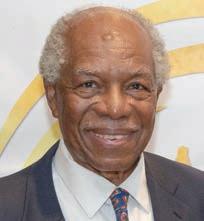
Historic and cultural preservation is at the core of Beatty’s mission. He is working to restore, celebrate, and teach the story of Brunswick County’s African American culture, whose roots are intertwined with the Gullah Geechee people of the coastal areas and Sea Islands.
Rice crops played a central economic and social role within the coastal town of Navassa, where Beatty grew up and took a boat to attend school.
“I’m very proud of my education,” Beatty says. A North Carolina Agricultural and Technical State University graduate in electrical engineering who worked on nuclear energy projects in conjunction with NASA, he attributes his education and achievements to his cultural upbringing, in which one had to be
creative, innovative, and industrious with the tools given.
“You couldn’t just run to a store if something was broken or needed a part. You had to be thoughtful about how to fix or repair an item around the farm,” Beatty says.
Preserving Reaves Chapel
George Beatty, along with his brother Alfonso Beatty, actively advocates for preserving Reaves Chapel, a 100-year-old African American church in Navassa. They aim to collect a barn, Rosenwald School, juke joint, and shotgun houses around the site, so educators, students, and the public can explore and learn firsthand about Gullah Geechee and African American rice culture.
Jesica Blake is stewardship and community conservation director for the Coastal Land Trust and guides the monitoring and development of conservation properties. Blake says, “On a personal
NORTH CAROLINA RICE FESTIVAL EVENTS
March 2: “Ancestor Reveal” Event in conjunction with AfricanAncestry.com
March 3: Gullah Geechee Cultural Heritage Gala
Leland Cultural Arts Center, 6-10 p.m.
March 4: IndoorOutdoor Rice Festival Events
10 a.m. – 7 p.m. Free to public
Brunswicktown/Fort Anderson Historic Site, Winnabow
Learn more at northcarolinaricefestival.org/
BLACK HISTORY MONTH
14 WINTER 2022-23 The Coastal Buzz
level, the North Carolina Coastal Land Trust and I feel deeply honored to partner with Cedar Hill/West Bank Heritage Foundation and the Orton Foundation in the renovation and continuing preservation of Reaves Chapel.”
Mayor Willis Leads Navassa
Town of Navassa’s Mayor Eulis Willis understands that his role as an advocate and community leader is best performed with a boots-on-the-ground approach. He meets and talks with residents daily about their concerns.
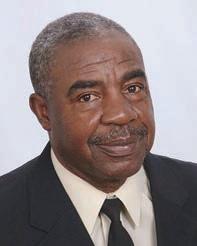
Willis wants to ensure that the current living culture of the people of Navassa is not pushed aside in the wake of new economic development
“Residents must be supported and provided with the opportunities to flourish and thrive economically via jobs and new housing developments,” he says.
Keep Rosenwald Schools Standing
Rosenwald schools were built between 1912 and 1932 by African American communities, including in Brunswick County. These schools for African American students were funded by grants from Julius Rosenwald, president of Sears & Roebuck. Claudia Stack documents the history of these schools by learning from the people who lived them.
“As an educator and filmmaker, the Rosenwald schools represent something teachers, students, and the public should know. Our African American students have an incredible educational heritage. Their families sacrificed to establish educational institutions, and they were building schools before, during, and after the Rosenwald School movement.”
Through her film documentary research for “Under the Kudzu,” which traces the history of two Rosenwald schools in Pender County, Stack learned of at least four other African American schools in eastern North Carolina whose stories have yet to be told.
Map courtesy the Gullah Geechee Cultural Heritage Corridor Commission The Gullah Geechee Heritage Corrider aims to preserve this unique culture along the Southeast coast, including in Brunswick County.

Throughout her research, she heard stories of families who lived through desegregation and witnessed county education officials going to their old schools and dumping academic records and trophies out with the trash. “Literally and figuratively, as a society, we have neglected and even thrown out this history that deserves recognition.” Stack says.
Donations to the North Carolina Rice Festival can be made online at https://www.northcarolinaricefestival.org/ contact-contribute or by check mailed to North Carolina Rice Festival P.O. Box 674, Leland, NC 28451
Donations to the Reaves Chapel restoration can be made online at coastallandtrust.org/reaves or by check mailed to Cedar Hill/West Bank Heritage Foundation, P.O. Box 7253, Navassa, NC 28051.
To learn more about Claudia Stack’s research and documentary work, visit https://stackstories.com/
15 WINTER 2022-23 The Coastal Buzz BLACK HISTORY MONTH
Cookies! Not Just for the Holidays
By Joan Leotta
Some people call the winter holiday time “cookie season.”
But cookies are good all year round. Holidays give us an excuse
to get out the favorite family recipes and add more butter and sugar into our meal plans, but a cookie is a welcome sweet ending to a meal any time of year.
Many of our favorite recipes come from friends and family. These are from the Buzz family to you, so you can munch and think of us sweetly now and in the year to come.
CHOCOLATE SNOW COOKIES
From Wendy Kaplar, Coastal Buzz Writer

My husband Bob and I love chocolate and decorating Christmas cookies, so this tasty recipe is a favorite! Eat the entire batch or freeze cookies to enjoy later.

1 cup baking cocoa
1/2 cup vegetable oil
1 1/2 cups white sugar 4 eggs 2 cups flour 2 teaspoons baking powder
SOFT MOLASSES COOKIES
From Joan Leotta, Coastal Buzz Writer
This soft molasses cookie is really yummy and makes a small batch. In a tin, they last about a week.

1 stick margarine
1 cup sugar (scant)
Pinch of salt
1 egg
¼ cup Grandma’s molasses
2 cups flour
1 ½ teaspoons baking soda (scant)
2 teaspoons ground ginger (I often use three)
1 teaspoon ground cinnamon (I usually use two)
Preheat oven to 350°.
Cream margarine with sugar and salt. Beat in the egg and the molasses.
Sift the flour, baking soda, and spices together, and then stir into the molasses mixture. Roll the dough into balls the size of a walnut, place on a lightly greased baking sheet, and bake at 350° for 10-12 minutes. It’s a good idea to check at 10 minutes.
2 teaspoons vanilla (I use imitation vanilla)
1/2 teaspoon salt 2 tablespoons buttermilk
Preheat oven to 350°. Mix cocoa, oil, and sugar. Blend in eggs one at a time. Add vanilla, flour, baking powder, salt, and buttermilk. Chill dough for several hours or overnight. Roll balls of cookie dough in red or green colored sugar sprinkles, then roll again in powdered sugar. Bake at 350° for 8 minutes.
16 WINTER 2022-23 The Coastal Buzz
BEST BITES
RUSSIAN BUTTER BALLS (AKA RUSSIAN TEA CAKES)
From Pat Naughton, Coastal Buzz Garden Columnist
Russian Tea Cakes are my Christmas time cookies. My mother had a bit of Paula Dean in her cooking. The butter and confectioner’s sugar give them a sweet creamy taste. I’m told they freeze well but they never make it to the freezer in my house.

1 cup butter
1/2 cup sugar
1 teaspoon almond flavor
1/2 teaspoon salt
2 cups flour
1 cup finely chopped walnuts
Confectioner’s sugar—between one quarter and one -half cup.
Preheat oven to 350°.
Cream butter and sugar, add remaining ingredients, and mix well. Roll into small balls. Bake at 350°F for about 15 minutes. While still hot, roll in confectioner’s sugar, then when almost cool, roll again.
ORANGE CHOCOLATE BARS
From Shelagh Clancy, Coastal Buzz Editor
I make these every year. They’re modified from an old toffee cookie recipe-- new and improved!
1 cup butter, softened (2 sticks)
1 cup powdered sugar
1 ¼ cups flour
1/3 cup cocoa (I use Hershey’s Special Dark)
1 can (14 ounces) sweetened condensed milk
3 teaspoons orange extract
8 ounces semisweet chocolate, chopped small (Any sweetened baking chocolate will do)
½ cup walnuts, chopped
Heat the oven to 350°. Reserve 2 Tablespoons butter.
Beat butter and sugar in a large bowl until fluffy. Add flour and cocoa and mix well. Press dough into a greased 13 x 9-inch baking pan and bake 10 minutes.
Add reserved butter and condensed milk to a medium saucepan and cook and stir until the mixture thickens,
about 15 minutes. Remove from the heat and stir in the orange extract. Pour this over the crust and bake 10-15 minutes until golden.
Remove from the oven and add the chocolate pieces. Let them stand one minute, then spread the melted chocolate evenly over the top. Sprinkle with nuts and pat them gently into the chocolate. When completely cool, cut the cookies into bars or triangles.

The
WINTER 2022-23 17
BEST BITES
Coastal Buzz
continued on page 19
Wrap Up for Winter Reading
 By Donna Ruth Morgan
Finally it’s cool enough to curl up with a lap robe, a cup of tea, and a good book. Find your favorites here, then find your way to your nearest Brunswick County Library branch.

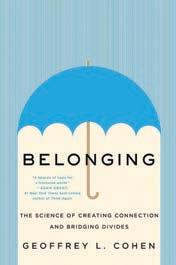
Belonging: The Science of Creating Connection and Bridging Divides by Geoffrey L. Cohen (2022) is a social psychology study of how our behavior affects individuals and groups around us. Belonging is not a selfimprovement book; it is a deeply researched, scholarly examination of our fragmented, divided society and how science might provide healing. Drawbacks are repetition and a disorganized summary. Nutshell review: The author’s theories about creating camaraderie and group cohesion are encouraging.
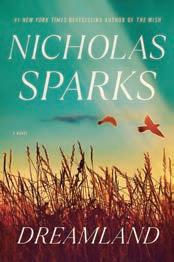
Dreamland (2022) is vintage Nicholas Sparks with its familiar genre (romance) and setting (mostly North Carolina) in a novella-length book. Dual storylines, starcrossed lovers, and themes of family loyalty and
obligation create delicious tension. How do honorable people choose between following dreams and fulfilling responsibilities? Nutshell review: Followers will enjoy a brief escape immersed in beautiful scenery, charming characters, and tidy endings.
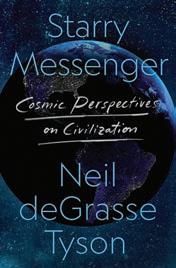
Astronauts orbiting the earth experience the “overview effect” in the opening imagery of Starry Messenger: Cosmic Perspectives on Civilization (2022). Neil DeGrasse Tyson makes a compelling case for healthy disagreement based on rationality and science but his appeal to objective truth is contradicted with snark and polemics, demeaning those who hold positions he doesn’t like. Nutshell review: Esteemed writer whose latest disappoints— please, stay in your lane, sir.
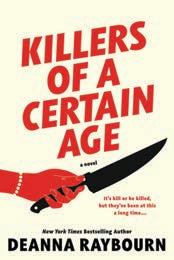
Killers of a Certain Age by Deanna Raybourn (2022) awaits fans of adventure, thrillers, and just deserts for evildoers. This novel features a quartet of female assassins who find themselves targets of elimination. Suspend disbelief for the action scenes and enjoy the humor and
antics that are probably beyond most senior citizens’ ability. A bit one-dimensional, but nice for an evening’s entertainment. Nutshell review: If no one notices them, can older women get away with murder?
Before the Coffee Gets Cold (2020) is an unhurried, immersive series of vignettes celebrating another culture and realigning the paradigm of time travel. Who doesn’t want to relive a moment in life? What if the rules include an unremarkable café in Tokyo, a select chair, and the cooling rate of a beverage? This former stage play translated from Japanese is odd but charming, akin to reading subtitles until you adjust to the style. Nutshell review: Characters can reconnect to a pivot point in their lives.
Jonathan Darman traces Roosevelt’s childhood, early political forays, and the trials of an incurable affliction in Becoming FDR: The Personal Crisis That Made a President (2022). The well-researched biography examines how adversity shaped our longestserving president’s conscience, moral concepts, and social attitudes.

18 WINTER 2022-23 The Coastal Buzz READ ALL ABOUT IT
continued from page 17
SNICKERDOODLES

From Beth Klare,
Buzz Writer
Here is my all-time favorite cookie recipe from my mom. They are crunchy on the outside and chewy in the middle. They freeze really well.
1 cup soft shortening 1 ½ cups sugar
2 eggs
2 ¾ cups flour
1 teaspoon baking soda
2 teaspoons cream of tartar ¼ teaspoon salt
2 additional Tablespoons sugar 2 teaspoons cinnamon
Preheat oven to 400°.
Mix the shortening, sugar, and eggs well. Stir in the flour, then add the baking soda and cream of tartar and salt.
Roll into balls the size of walnuts. Roll balls in a mixture of 2 Tablespoons sugar and 2 teaspoons cinnamon.
Place on an ungreased cookie sheet. Bake 8-10 minutes at 400° (or 8 ½ minutes at 350°).
continued from page 18
The vision and beliefs of #32 offer hope for our current social and political turmoil. Nutshell review: Highly recommended for aficionados of history and politics.
The Book Eaters (2022) is a gothicurban fantasy that might repel or
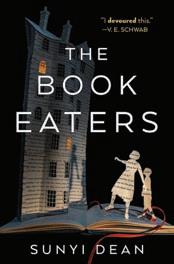
beguile, but certainly will disturb. If creatures consume books that become part of them, imagine the repercussions! Now enter scarier creatures—the Mind Eaters— and let the terror begin. Sunyi Dean’s alternative world provides an atmospheric backdrop for an examination of how far a mother
will go for love.
Nutshell review: Dark and horrific, so take precaution to devour in full sunlight whilst surrounded by friendlies.
BEST
|
The Coastal Buzz WINTER 2022-23 19
BITES
BOOKS
Volunteer Spotlight: Rita Burgess
 ByJodiLower
Rita Burgess and her husband Bob have been living in the Leland area for six years. They discovered this gem and moved here from Cincinnati, Ohio. Rita was drawn to the beaches in the area and the weather, as winters in Ohio can be very cold and snowy. The Burgesses have enjoyed the neighborhood they found and feel blessed with great neighbors.
Fun in the Sun
In her free time, Rita enjoys gardening and learning about the plants that grow in this area, which is very different from what grows in Ohio. She meets up with her master gardener friends and tours local gardens or visits local greenhouses and plant growers. This past year, she has attended classes to learn how to do oil painting.
In her free time, Rita also enjoys reading a good book, taking walks on the beach, listening to music, and organizing things.
Where to Volunteer?
Rita and Bob found out about BSRI by searching on the internet. They knew they wanted to volunteer with seniors. They choose our organization because of the variety of opportunities we offer our seniors and volunteers.
Rita and Bob Burgess have lived in the Leland area for six years. They knew when they moved here they wanted to volunteer with seniors, so they found out about BSRI by searching on the internet. They choose BSRI because of the variety of opportunities that we offer our seniors and volunteers.
Rita has been a volunteer with BSRI for four years. When she first started volunteering with us, she worked part-time as the front desk receptionist at the Leland Center. In the past year, she has been helping Jodi Lower, volunteer coordinator, by entering mileage data submitted by Meals on Wheels volunteers. This is a huge help and brings in her organizational skills that she loves.
Rita enjoys volunteering because
she feels it is important to be involved in the community. It’s rewarding and helps her keep up on her computer skills.
She also is a master gardener volunteer and a board member of the Extension Master Gardener Volunteer Association of New Hanover County at the Arboretum.
Rita has been a great asset to BSRI and loves putting in the time volunteering to make a difference and engage with the community.
20 WINTER 2022-23 The Coastal Buzz VOLUNTEER
Timing Is Everything for Spring Gardening
ByPatNaughton
There’s plenty to do now to be ready for spring gardening. Timing is critical, and it all starts with your best guess for the last frost. The average last frost date for Brunswick County is March 21, based on historical data from the Cape Fear Regional Jetport weather station.
To be ready for spring, here are some things to do to each month, and the average air temperatures from last year.
January (Average temps: 35°F min. - 62°F max.)
Plan your garden. Determine spacing needed for each plant and number of seeds needed.
Plan to rotate crops. I swap locations for nightshade plants like tomatoes, eggplant, and peppers; and cucurbits, like cucumbers, squash, and zucchini.
Order seeds when inventory is high and special offers are available.
Amend the soil with organic fertilizer and compost. This will allow time for fertilizer and compost to break down before spring planting.
In early January, start cold-hardy greens like spinach, kale, collards, and lettuce in seed trays.
The first set of leaves to form are elliptical and called false leaves. Their purpose is to break the surface of the soil. The next set of leaves are typical of the plant and are called true leaves. Once the first set of true leaves form, fertilize from the bottom with a water-soluble fertilizer at one-quarter to half the recommended dosage. Once the plants are 3”-4” tall, the full recommended dose rate can be used.
February (Average
temps: 35°F min. - 65°F max.)
Direct sow root vegetables like carrots, beets, and radishes.
Transplant cold-hardy greens. Before planting, harden off transplants by placing them outside for a
Seedlings’ first set of leaves to form are elliptical and called false leaves. Their purpose is to break the surface of the soil. The next set of leaves are typical of the plant and are called true leaves.
few hours at first, gradually increasing the time each day for a week.
March
(Average temps: 41°F min. - 71°F max.)
Transplant nightshade plants.
After the last frost, start cucurbits plants. Cucurbits cannot tolerate temperatures below 50°F. There is no need to rush cucurbits since they germinate quickly and are ready to transplant after a few weeks.

April (Average temps: 42°F min. - 75 max.)
Transplant cucurbits.
May
(Average temps: 57°F min. - 75 max.)
Now that nighttime temperatures are above 50°F, indoor plants can be gradually moved outside. Indoor plants should be hardened off like vegetable transplants. Start by placing them in shade for a few hours each day, gradually increasing the time outdoors over a week or so. Then they can stay out for summer.
For more information, see North Carolina State Extension publication “Eastern North Carolina Planting Calendar for Annual Vegetables, Fruits, and Herbs.”

21 WINTER 2022-23 The Coastal Buzz IN THE GARDEN
Photo by Lynn Grayling


22 WINTER 2022-23 The Coastal Buzz
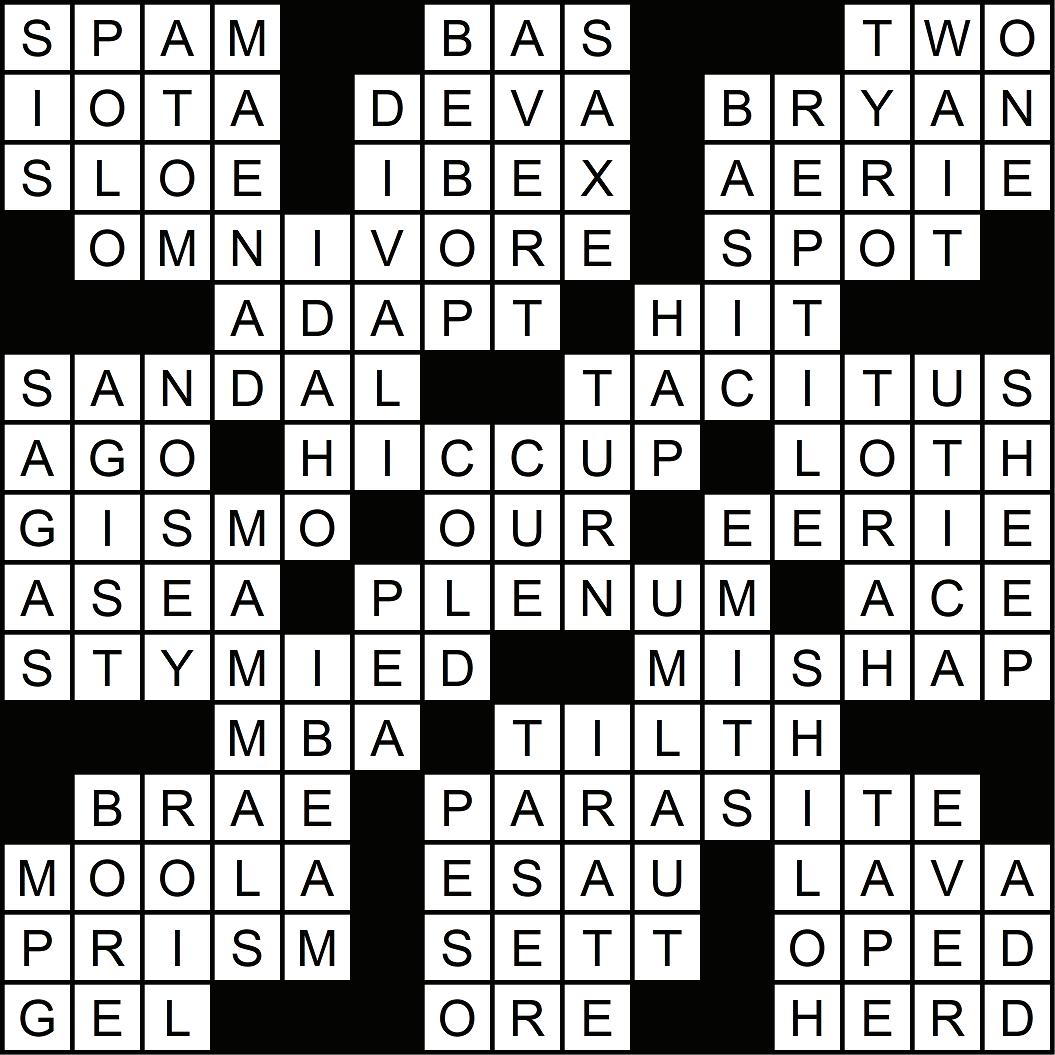
STATEPOINT CROSSWORD ANIMAL WORLD ACROSS 1. Canned meat 5. Like low relief 8. First prime number 11. Itty bit 12. Deity, in Sanskrit 13. Adams of “Summer Of ‘69” fame 15. Wild plum in gin fizz 16. *Type of mountain goat 17. *Nest for an eagle 18. *Plant and animal lover 20. *Dapple animal mark 21. *Conform, according to Darwin 22. Battleship game success 23. Summer shoe 26. Famous Roman historian 30. Don McLean: “A long, long time ____...” 31. Diaphragm spasm 34. Reluctant 35. Whatchamacallit 37. “Days of ____ Lives” soap opera 38. Like Halloween 39. On a deck, perhaps 40. Assembly of all members 42. Card with single pip 43. Hindered 45. Unfortunate outcome 47. Business master 48. Soil for cultivation 50. Highlands hillside 52. *Host’s unwelcome guest 55. Dough 56. Biblical birthright seller 57. Volcanic rock 59. Rainbow-producing device 60. *Badger’s den 61. Newspaper piece 62. Hair controller 63. Miner’s bounty 64. *Deer group DOWN 1. Sib 2. Horseback rider’s ball game 3. Minute bit 4. Dionysus’ follower 5. Yardbird’s jazz style 6. Deflect 7. Original home of the Saxons 8. Pro’s opposite 9. Hang around 10. Bit of binary code 12. Festival of Lights 13. Fundamental 14. *Snake or lizard 19. Montana’s neighbor 22. Accident 23. Long stories 24. To take in and feed livestock for payment 25. Like Curious George 26. Zig or zag 27. Synagogue scroll 28. Carthage’s ancient neighbor 29. *First animal clone 32. *____-blooded, like a snake 33. Prompter’s line 36. *Orca and elephant, but not crow or fish 38. Gives off 40. Princess tester? 41. Two dots above a letter 44. Letter-shaped girder 46. Civil War battle 48. Policeman’s shocker 49. About to explode 50. Not the life of the party 51. Agitate 52. 100 centavos in STATE POINT MEDIA PUZZLE ANSWERS ON PAGE 32
PUZZLES
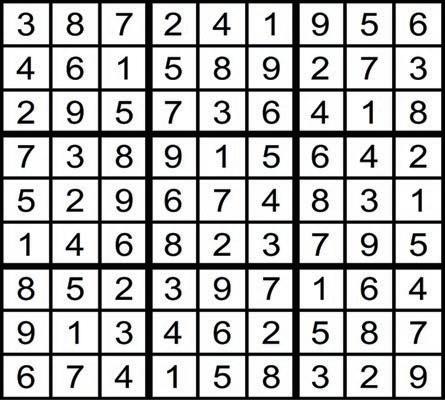
SUDOKU

The Coastal Buzz
Wednesday Tuesday Thursday 10am Move & Groove 11am Fit 4 Life 12pm BSRI Lunch 12:30pm Senior Games 6:30pm Line Dancing 10am Move & Groove 11am Fit 4 Life 12pm BSRI Lunch 12:30pm Senior Games 6:30pm Yoga with Jeanette 10am Move & Groove 11am Fit 4 Life 12pm BSRI Lunch 12:30pm Senior Games DecEMBER 2022 February 2023 January 2023 23 WINTER 2022-23 BSRI Nutrition Program: Noon to 1 p.m. Monday, Wednesday, Friday BSL Program Information: BSL.recdesk.com or contact Sara Goodwin at 910.363.0276 or sgoodwin@cityofbsl.org 2327 CENTERCLOSED MERRYCHRISTMAS 8 THURSDAY:Mike’sFarm Trip1:00pm 3 SATURDAY: Pancake Breakfast 8am—10am 2 MONDAY:CENTER CLOSEDHappyNewYear! 16 MONDAY:CENTER CLOSED:MLKDAY 11 SATURDAY: Sweetheart Dinner 4pm 25 SATURDAY: ChiliCookoff TimeTBA
Lakes, NC 28461 Monday friday
CALABASH
Holley Norris, Center Director; Heather Puglisi, Assistant Director
Hours: Monday–Friday, 7 a.m. to 3 p.m.
Monday
Tuesday Wednesday
9:0020/20/20 (No class 12/12)
10:00ChoirGroup 10:15 PumpedUpStrength (No class 12/12) 11:45LunchServed
10050 Beach Dr. SW Calabash, NC 28467 910-754-7427
12:30MahJongg 12:30CraftswithLinda 1:30TaiChi
Thursday
9:00ZumbaGOLD 10:00CardGames 10:15Strength&Tone
11:45LunchServed 12:30Knit&CrochetClub 1:15Geri-Fit
8:00HoopItUp$3 (No Class 12/14)
9:0020/20/20 (No Class 12/14) 10:30BINGO 50cents/card 10:30IntermediateDulcimer R
8:45Strength&Tone
9:00VirtualathomeAwesomeAbsZ 9:00CardGames 10:00GentleYoga 10:00Trivia
friday
9:00OpenCrafts(No Class 2/3)
10:15BINGO 50cents/card 11:45LunchServed
11:45LunchServed 12:30Hand&FootCardGame
11:45LunchServed 12:30Painter’sGroup 12:30MahJongg 1:15 Geri-Fit 6:00BeginnerLineDancing (after hours)
1:00BeginnerLineDancing 2:00IntermediateLineDancing
No Symbol = No Fee (Contributions always appreciated); $ = Fee Associated ; R = Requires Advanced Registration; N = New Offering/Time; Z = Class in person + Zoomed
The Coastal Buzz
24 WINTER 2022-23
CALABASH
Holley Norris, Center Director
Heather Puglisi, Assistant Director
Hours: Monday–Friday, 7 a.m. to 3 p.m.
2
10050 Beach Dr. SW Calabash, NC 28467 910-754-7427
DECEMBER 2022
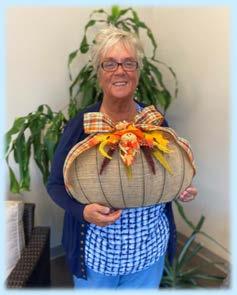
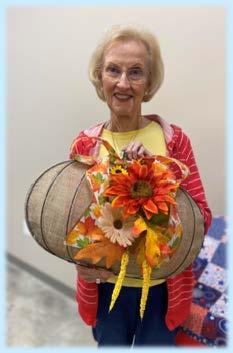
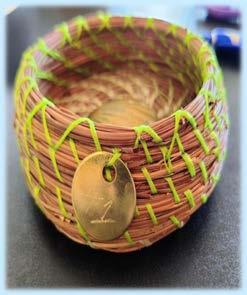
Medication&WellnessTalkw/Marilou11:4512:45; PineNeedleBasketR$22 12:30-3:00; PaintingwithCarrieShapes&Colors12:30-2:30
5 Craftw/Linda:GlassOrnament12:30; ShelterPet FoodDrive; InternationalVolunteerDay!
6 CoastalPodiatryPresentation10:00
7 ArborLandingPresentation12:30-1:30
9 CinemaattheCenter:ChristmasVacation12:30 PaintingwithCarrieShapesandColors12:30-2:30
12 BookClub Esther’s Gift byJanHaron10:00; CraftwithLinda:PalmTreeReindeer12:30
16 PineNeedleBasketWeavingR$2212:30; NationalChristmasSweaterDay
19 2ndAnnualHolidayBakeSale10:00-2:00; Craftw/Linda:NewYearCard12:30
2 CenterClosed
9 BookClub:TheITGirlbyRuthWare10:00; CraftswithLinda:ScrabbleTileCoaster12:30 10 BalanceScreeningw/LevelUpPresentation11-12
13 Techw/Ed(1of6):BasicComputerSkills10:00; Cinema:WheretheCrawdadsSing12:30 16 CenterClosed 17 CookingDemow/CooperativeExt10:30
20
CookingDemow/CooperativeExt10:30-11:30 ChristmasParty11:15,ChorusPerformance12:15 2130 CenterClosed
JANUARY 2023
20 Techw/Ed(2of6):WindowsBasics10:00
23 Craftw/Linda:WineCorkHanger12:30
25 CaregiverSupportGroup2:00 27 Techw/Ed(3of6):EmailBasics10:00; ImmunizationClinic12:00-2:00; CinemaattheCenter:DeathontheNile12:30 30 Craftw/Linda12:30ValentineCard 31 NationalHotChoc.Day;Donutsw/Directors9:00
FEBRUARY 2023
3 KindKeepersAnimalRescueKissingBooth10:3012:30$1; Techw/Ed(4of6):InternetBasics10:00 6 Craftw/Linda:ValentineCard12:30 7 Training/Discussion:PersonalityDisordersw/ TrilliumGASTTeam10:30 10 Techw/Ed(5of6):OnlineSafety 10:30; CinemaattheCenter:Elvis12:30
13 BookClub:DreamlandbyNicholasSparks10:00; Craftw/Linda:PineconeFlowerBouquet12:30
17 Techw/Ed(6of6):Usewhatyoulearned10:30; BloodDriveAmericanRedCross8:00am-1:00pm
22 CaregiverSupportGroup2:00 21 HealthyCookingDemow/CooperativeExt10:30 20 Craftw/Linda:InitialPicture12:30
24 CinemaattheCenter:DowntonAbbey12:30 27 Craftw/Linda:StPatrick’sDayCard12:30
The Coastal Buzz
No
= No
always appreciated);
25 WINTER 2022-23
Symbol
Fee (Contributions
$ = Fee Associated ; R = Requires Advanced Registration; N = New Offering/Time; Z = Class in person + Zoomed
CALABASH
Holley Norris, Center Director
Heather Puglisi, Assistant Director
Hours: Monday–Friday, 7 a.m. to 3 p.m.

10050 Beach Dr. SW Calabash, NC 28467 910-754-7427


6-week session focused on beginner to intermediate computer users. Each week will begin with classroom discussion, a#er which there will be some hands-on computer $me.

Cinema at the Center the Center

Grab a friend & come enjoy a great movie: Friday, Dec. 9 at 12:30—National Lampoon’s Christmas Vacation Friday, Jan. 13 & 27 at 12:30—Where the Crawdads Sing & Death on the Nile Friday, Feb. 10 & 24 at 12:30—Elvis & Downton Abbey New Era
FRIDAY, DEC. 2
FRIDAY, DEC. 16
The Coastal Buzz
26 WINTER 2022-23
Benefits the Calabash Center Monday, December 19,2022 10:00–2:00 Front Lobby All items are homemade with an ingredient list PINE NEEDLE BASKET WEAVING ($22) *REGISTRATION REQUIRED* ALL CLASSES
•
•
Monthly on the 2nd Monday at 10:00 December 12: Esther’s Gift by Jan Haron January 9: The IT Girl by Ruth Ware February 13: Dreamland by Nicholas Sparks TECH HELP WITH ED BOOK CLUB
AT 12:30





The Coastal Buzz CALABASH
10050 Beach Dr. SW Calabash, NC 28467 910-754-7427
Director
27 WINTER 2022-23 The Center will be CLOSED: • December 21, 2022 - January 2, 2023 Happy Holidays! • Monday, January 16 MLK Day! Blood Drive
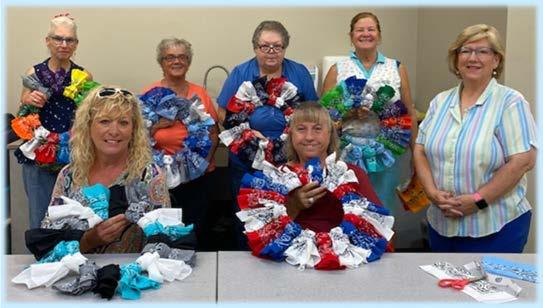
February17,2023 Time: 8:00-1:00 Sign up to reserve your spot. Check out this crafty group! We have several great classes to choose from each month. A big thank you to our class facilitators! Kind Keepers Animal Rescue
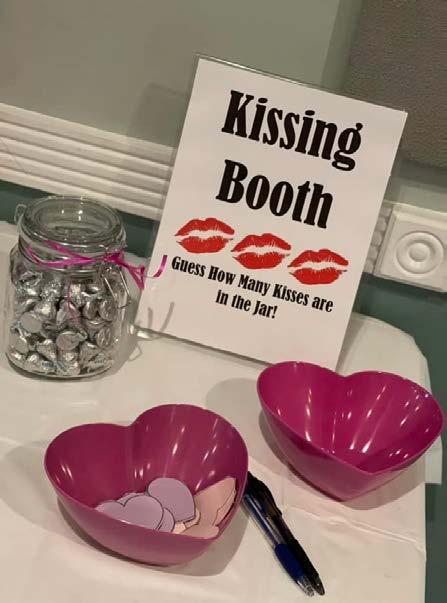
February 3rd, 10:30-12:30 ~ Kissing booth $1.00 ~ Come get some puppy love & support a great cause! Shelter Pet Food Drive– December 5th. Drop off in the front lobby!
Holley Norris, Center Director Heather Puglisi, Assistant
Hours: Monday–Friday, 7 a.m. to 3 p.m.
Friday,
Friday,
LELAND
Veronica Lett-McGee, Center Director; Brittany Steinkamp, Assistant Director Hours: Monday–Friday, 8–4
Monday
9:30aGeri-Fit 10:30aTriviaw/Louise 11:30aLunch
Tuesday
Wednesday
9:00aPinochle
9:00aTRXR 9:30aIntervalTraining 10:00aAcrylicPainting 10:15aBridgeforBeginners
9:30aGeri-Fit 10:00aCrafts 10:30aLineDance(Intermediate) 11:30aLunch
Thursday
friday
9:00aPinochle
9:30aChairAerobics 10:00aBingo$ 10:30aTRXR 11:30aLunch
9:00aWalkingGroup
10:30aLineDance(Beginners) 11:30aLunch
121 Town Hall Drive NE Leland, NC 28451 910-754-7701
1-3pMahJongg 1:30pCardioDance
11:30aLunch 12:30pTaiChi 12:30pSleepMats 2:00pCardioDrumming
12:30pAcrylicPainting 1:00pBridgeClub
12:30pTaiChi 1-4pOilPainting 1:30pCardioDance
No Symbol = No Fee (Contributions always appreciated); $ = Fee Associated ; R = Requires Advanced Registration; N = New Offering/Time; Z = Class in person + Zoomed
The Coastal Buzz
28 WINTER 2022-23
LELAND
Veronica Lett-McGee, Center Director; Brittany Steinkamp, Assistant Director Hours: Monday–Friday, 8–4
December 2022
FRIDAY:QuiltingBee9-12; MonthlyB-DayCelebration(atLunch) 6 TUESDAY:BibleStudy&LelandLarks10:30 7
WEDNESDAY:Medication&Wellness: Influenza12;Hand&FootCards1-3 8 THURSDAY:MentalHealthTalk2 13 TUESDAY:TechHelp12 3 TUESDAY:BibleStudy&LelandLarks10:30 4 WEDNESDAY:Hand&FootCards1-3 6 FRIDAY:QuiltingBee9-12; MonthlyB-DayCelebration(atLunch) 10 TUESDAY:TechHelp12;VeteranMeet-up12 17 TUESDAY:BibleStudy&LelandLarks10:30 12 THURSDAY:MentalHealthTalk2
121 Town Hall Drive NE Leland, NC 28451 910-754-7701
15 THURSDAY:CGSupportGroup10; Meetw/CaseManager11:45
16 FRIDAY:QuiltingBee9-12; ChristmasParty10 19 MONDAY:LelandLarksHolidayShow! 20 TUESDAY:BibleStudy&LelandLarks10:30 2131
CENTERCLOSEDFORTHEHOLIDAYS THROUGHJAN2ND;REOPENONJAN3RD
January 2023 February 2023
18 WEDNESDAY:BloodPressureChecks10:45; Hand&FootCards1-3 19 THURSDAY:Meetw/CaseManager11:45 20 FRIDAY:QuiltingBee9-12 25 WEDNESDAY:CoupsforTroops9:30 26 THURSDAY:CaregiverSupportGroup10Z; MentalHealthTalk2 1 WEDNESDAY:Hand&FootCards1-3 3 FRIDAY:QuiltingBee9-12; MonthlyB-DayCelebration(atLunch) 7 TUESDAY:BibleStudy&LelandLarks10:30 9 THURSDAY:MentalHealthTalk2 14 TUESDAY:Teaw/Caroline10:30; TechHelp12 15 WEDNESDAY:BloodPressureChecks10:45; Hand&FootCards1-3
16 THURSDAY:Meetw/CaseManager 17 FRIDAY:QuiltingBee 21 TUESDAY:BibleStudy&LelandLarks10:30 22 WEDNESDAY:CoupsforTroops9:30 23
THURSDAY:CaregiverSupportGroup10; MentalHealthTalkGroup2
No Symbol = No Fee (Contributions always appreciated); $ = Fee Associated ; R = Requires Advanced Registration; N = New Offering/Time; Z = Class in person + Zoomed
The Coastal Buzz
29 WINTER 2022-23
2
LELAND
Brittany Steinkamp, Center Director Carolyn McLeod, Assistant Director
Hours: Monday–Friday, 8–4
Medica on & Wellness: Influenza Vaccine Week with Marilou!
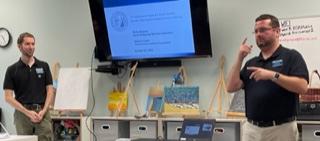
MarilouSmith,our MedicationAccess Specialist,alongwitha specialguestwillbe discussingthe influenzavirusandthe importanceofgetting vaccinated!ThiswilltakeplaceDecember7th at12pintheTRXRoom.
The Mayor is Coming!
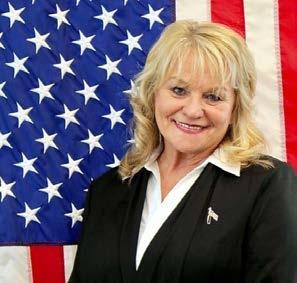
MayorBrendaBozemanis comingtotheLeland CenterinJanuary.Shewill bespeakingaboutTownof Lelandissuesandaffairs. Shewillalsotaketimeto socializewithparticipants!
121 Town Hall Drive NE Leland, NC 28451 910-754-7701
AbigTHANKYOUtoRicky andGideonfromthe DivisionofServicesfor theDeafandHardofHearing. Weappreciateyourvisitandfor providingourparticipantswith informationabouttheservices youhavetooffer!
Quarterly Veterans Meetup willbeheld atlunch! December 10thatnoon. JoinLegion Troop68!

ChristmasParty!
WearehavingourannualChristmasParty December16that10:00am!Wearyourfavorite ChristmasSweater!Itcanbetacky,festive,etc. Therewillbeholidaysnacks,punch&amakeyour ownChristmasStockingcraft.Welookforward tocelebratingwithyou.



TheBrunswickCenteratLelandwillbe CLOSEDDec.21,2022–Jan.2,2023. WewillseeyouintheNewYear!

WearealsoCLOSEDonMonday,January16 inobservanceofMLKDay.
TeawithCarolineisback!
JoinourAssistantDirector foraValentine’sDayTea Therewillbeavariety ofdifferentteasand hotcocoa.Pleasejoin CarolineintheTRXroom onTuesday,Feb.14,2022at10AM!
The Coastal Buzz
30 WINTER 2022-23
Brittany Steinkamp, Center Director Carolyn McLeod, Assistant Director
Hours: Monday–Friday, 8–4
What is your favorite Christmas Memory?
AnneDelaughter
“I was 2 years old and Santa Claus came to my house. My family is Czechoslovakian so it was a Czech Santa. He brought me my very first doll.”
MarkKenion
“My daughter-in-law had us over and we played different Christmas themed games and we had matching pajamas, too. We were elves, it was outstanding!”
121 Town Hall Drive NE Leland, NC 28451 910-754-7701

EarlLapp
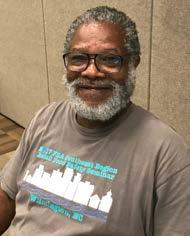
“My first Christmas with my wife. We had just gotten our own place and we had a big celebration. We loved each other so much that we got each other way too much. It was so wonderful.”
SandraReisch
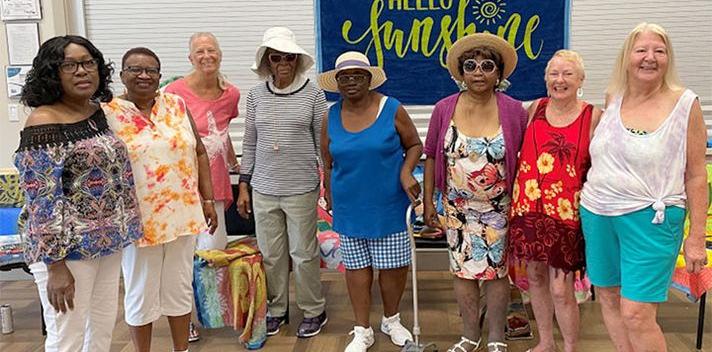
“My dad played Santa. He knocked on the door and brought my brother a red wagon and me a doll. Nobody knew it was him. It was so wonderful and so cool.”
Join the Leland Larks for a sing-a-long and Christmas melodies show on Monday, December 16 @ 10a!
Happ Ne Yea!
“May the New Year bring you new strength, new hope and new dreams.” - Lailah Gifty Akita
“You are never too old to set another goal or to dream a new dream.” – C.S. Lewis
“There is nothing magical about the flip of the calendar, but it represents a clean break, a new hope, and a blank canvas.”- Jason Soroski Februaryis
“We
-Yvette Clarke, U.S. Representative
The
Coastal Buzz LELAND
31 WINTER 2022-23
Month! Wewillbehavingaspecialprogramto celebrateRegional&LocalBlackHistory!
BlackHistory
must
forget that
is American History.
never
Black History
The achievements of African Americans have contributed to our nation’s greatness.”
MEDICARE ADVANTAGE OPEN ENROLLMENT
The Medicare Advantage Open Enrollment Period (only if you’re already in a Medicare Advantage Plan), is Jan. 1 to March 31, or the first three months after you get
Medicare and you’re in a Medicare Advantage Plan. During this period you can:
• Switch to another Medicare Advantage Plan with or
without drug coverage.
• Drop your Medicare Advantage Plan and go back to Original Medicare. You can also join a Medicare drug plan.
SHIIP Volunteers Shine at Volunteer Appreciation Night
32 WINTER 2022-23 The Coastal Buzz SHIIP | PUZZLES
STATE POINT MEDIA PUZZLES ON PAGE 22
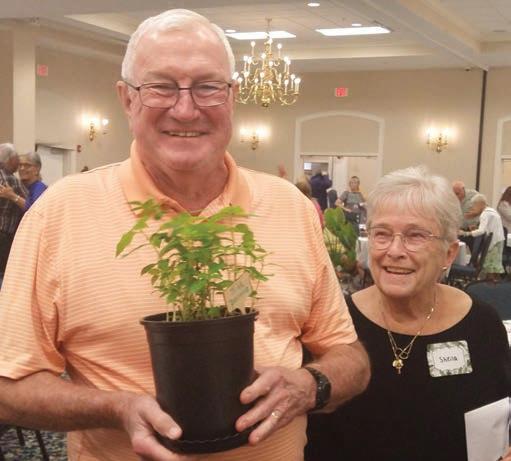
SHIIP volunteers Alan and Sheila Morrissey win a potted plant at BSRI Volunteer Appreciation Night.
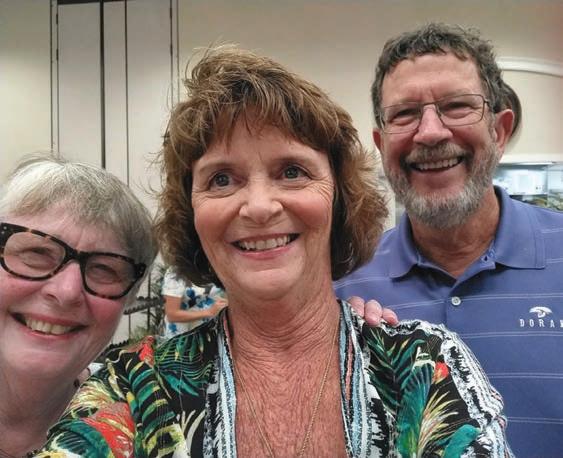
SHIIP volunteers Kate Slavin and Everett Randall enjoy the evening with Rene Tarquinio, BSRI Senior Aging Resource Specialist, center.



OAK ISLAND 102 SE 47th Street Oak Island, NC 28461 910-754-2300 for Reservations Stephanie Stiller, Community Center Assistant Operating Hours: Monday through Friday 10 a.m. to 2 p.m. 910-278-6552 33 The Coastal Buzz WINTER 2022-23 friday Wednesday Tuesday Thursday 10:30am Chair aerobics 11:45 am Senior Lunch 10:30 am Rummikub 11:45 am Senior Lunch 12:30 pm BINGO 10:30am Chair Aerobics 11:45 am Senior Lunch 10:30 am Rummikub 11:45 am Senior Lunch 12:30 pm BINGO 10:30 am Rummikub 11:45 am Senior Lunch DecEMBER 2022 February 2023 January 2023 2 MONDAY:CENTER CLOSED:HappyNewYear! 16 MONDAY:CENTER CLOSED:MLKDAY 18 WEDNESDAY:CraftDay 27 FRIDAY:Trip 10 FRIDAY:Trip 14 TUESDAY:Valentine’sDay Party 15 WEDNESDAY:CraftDay 20 MONDAY:Movieatthe center 211/2 CENTERCLOSED 15 THURSDAY:Christmas Party 5 MONDAY:Rev.Dale Christmasconcert 9 FRIDAY:Trip 14 WEDNESDAY:CraftDay Monday
SHALLOTTE
Jillian Hardin, Center Director
Tonya Barnes, Assistant Director
Hours: Mon., Tues., Wed., Fri. 7 to 3; Thurs. 7 to 7
Monday
7:00PracticeBilliards
9:00BilliardsGame 9:30CardioLowImpact 10:30FitforLifeExercise 10:00BeginnerLineDancing
Tuesday Wednesday Thursday
7:00PracticeBilliards
9:00BilliardsGame 9:00Bridge 10:00GeriFit 11:00Aerobics/Dance
7:00PracticeBilliards
9:00BilliardsGame 9:30CardioLowImpact 10:30FitforLifeExercise 10:00BeginnerLineDancing
7:00PracticeBilliards
9:00BilliardsGame 10:00GerFit 11:00Aerobics/Dance 11:30Lunch
friday
7:00PracticeBilliards
9:00BilliardsGame 9:00CornHole/IndoorGolf 9:00Pilates
3620 Express Drive Shallotte, NC 28470 910-754-2300 1002
11:00Basic/Intermediate LineDancing 11:30Intermediate LineDancing 11:30Lunch 11:30CornHole/IndoorGolf 12:15Bingo
11:00ChairYoga Z 11:30Lunch 11:30CornHole/IndoorGolf 12:00Yoga Z
11:00Basic/Intermediate LineDancing 11:30Intermediate LineDancing 11:30Lunch 11:30CornHole/IndoorGolf
12:00CornHole/IndoorGolf 1:00MahJong 1:00BilliardsTournament
10:00Tabata 11:30Lunch 12:15Bingo
No Symbol = No Fee (Contributions always appreciated); $ = Fee Associated ; R = Requires Advanced Registration; N = New Offering/Time; Z = Class in person + Zoomed
The Coastal Buzz
34 WINTER 2022-23
FRIDAY:CBreezeBandat 10:30A
MONDAY:MartinLutherKing,Jr.Day CENTERCLOSED
FRIDAY:CBreezeBandat10:30A

The Coastal Buzz SHALLOTTE
No Symbol = No Fee (Contributions always appreciated); $
R =
35 WINTER 2022-23
9
13
14
15
16
7
DECEMBER
21
24
25
1
2
10
10
1
16
19
20
31
1
1
3
4
14
14
17
3620 Express Drive Shallotte, NC 28470 910-754-2300 1002 Jillian Hardin, Center Director Tonya Barnes, Assistant Director Hours: Mon., Tues., Wed., Fri. 7 to 3; Thurs. 7 to 7
= Fee Associated ;
Requires Advanced Registration; N = New Offering/Time; Z = Class in person + Zoomed
JANUARY 2023
FRIDAY:CBreezeBandat10:30A
TUESDAY: CaregiverSupportgroup Meeting10:00A
WEDNESDAY: ChristmasPartyat10:45A UglySweaterContestand DirtySanta GiftExchange!
THURSDAY:BilliardsMonthlyTournament at1:00P
WEDNESDAY: ChristmasCraftat10:30A
2022
CENTERCLOSED:FORHOLIDAYS! 12/21/2022-01/02/2023
CENTERCLOSED:CHRISTMASEVE
HAPPYHOLIDAYSTOYOUALL!
SUNDAY:NEWYEAR’SDAY! HAPPYNEWYEAR!
MONDAY:CENTERCLOSED
TUESDAY: CashBingo iscomingback. TimeisTBA N
TUESDAY:CaregiverSupportGroup Meeting10:00A
CervicalHealthAwarenessMonth CASH BINGO ! COMING SOON IN JANUARY! See page 6 FEBRUARY 2023
THURSDAY:BilliardsMonthlyTournament at1:00P
MONDAY:HotChocolateDay NEWCLASSES:20-20-20,ZumbaandHula HoopClass!TimeandDaysTBA
WEDNESDAY:BlackHistoryMonth
WEDNESDAY: AmericanHeartMonth, NationalCancerPreventionMonth
FRIDAY: WearRedDay
SATURDAY:WorldCancerDay
TUESDAY:ValentinesDayPartyat10:45A
TUESDAY:CaregiverSupportGroup Meeting10:00A
FRIDAY: CBreezeBandat10:30A
“I, DoraKotema,am verythankfulthis yeartoflyhometo Akron,Ohiotospend specialtimewith myfamily.
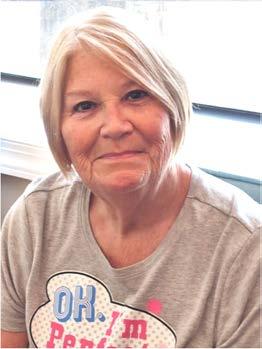
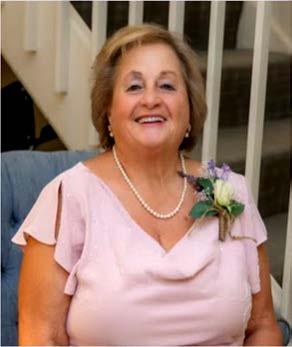
“Iwillseemynew grandchildren,my daughterandson, andtheirfamilyas well.Wewillhave dinnerandagift exchangeon December26th.



“Iwillspend specialtimewithmy dearhusbandfor eightdays.Every visitcountsashe suffersfrom dementiaandother healthchallenges.”
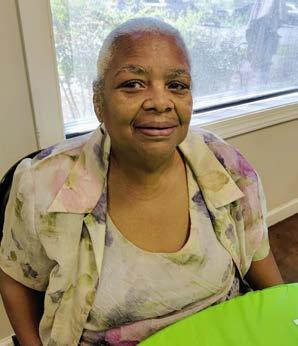
CarolynBrooksloves theChristmasseason.
Shesays,“I will celebratethebirthof mysaviorandsoon comingking.”Carolyn willbespendingquality timewithherfriends andfamily. Sheisblessedtobeable totraveltobewith familyandfriends.
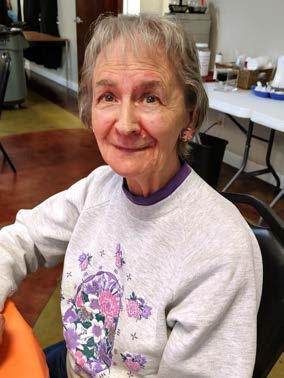
WayneCulpepper: Christmasseasonis prettychillforWayne. Hesayshelikestogoto seehischildrenand granddaughterin Charlotte.Sometimes theygobowlingorgoto hisson’shousefora visitaswell. Happy Holidays!

The Coastal Buzz
3620 Express Drive Shallotte,
28470 910-754-2300 1002
SHALLOTTE
NC
Thurs.
36 WINTER 2022-23
Jillian Hardin, Center Director Tonya Barnes, Assistant Director Hours: Mon., Tues., Wed., Fri. 7 to 3;
7 to 7
HAPPY HOLIDAYS! Ugly Sweater Contest and Dirty Santa Gift Exchange! Come Celebrate the Christmas way at Coastal Carolina Active Living at Shallotte! DATE: WED, DECEMBER 14TH Time:
10:45A
Jillian Hardin, Center Director Tonya Barnes, Assistant Director
Hours: Mon., Tues., Wed., Fri. 7 to 3; Thurs. 7 to 7

Happy Valen ne’s Day Party!


TUESDAY, FEBRUARY 14, 2023
SWEETHEARTS DAY TIME: 10:45 A.M. Exchange Valen ne Cards!

Helen McMillan: Valentine’s Day is a special day for couples in love to get engaged or married. It’s a sweetheart day for date night, flowers, and chocolates! Couples in love look forward to this special day called Valentine’s Day!
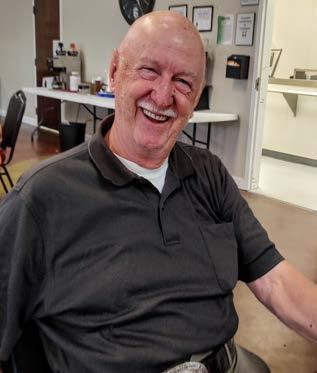
Bobbie Masich has great memories with her husband on Valentine’s day. She remembers the biggest box of assorted chocolates from her husband and they would have a date night as well. Happy Valentine’s Day!
Valentine’s Day
Dominic Rubino used to live in Chicago and remembers going out on special dinner and dance dates on Valentine’s Day. He also used to buy roses a day before and put them in the garage and have the roses right there on the table for his wife on Valentine’s Day morning!
The Coastal Buzz
SHALLOTTE 3620 Express Drive Shallotte, NC 28470 910-754-2300 1002
37 WINTER 2022-23
New Year’s
Let’s get together and stick to our goals. We can meet every two weeks and achieve our goals for the coming 2023 year!
Club!
SOUTHPORT
Melissa Catlett, Center Director Jackie Knott, Assistant Director
Hours: Monday–Friday, 8–4
Monday
9:00YogaforHealthyBones$Z
9:00TaiChiForms$ 9:30Hand,Knee&FootCanasta 10:00SilverSamurai$ 10:00CardMaking
Tuesday
Wednesday
9:00Geri-Fit
9:00Boxing 9:30Bridge 10:00TechnologywithMartha 1:00Pinochle
1513 N. Howe St., Ste. 1 Southport, NC 28461 910-754-7109
10:30ChairYoga$Z 12:30CraftswithSherry 1:00MahJongg 1:30Balance-Strength-Motion 6:30JamSession
1:00SilverPaddles(PingPong) 2:30FitandStrong 6:30SquareDancing
Thursday
friday
9:00YogaforHealthyBones$Z 9:00TaiChiForms$ 10:00SilverSamurai$ 10:30Watercolor$ 10:30Facebook/iPhoneHelpw/ShirleyR
9:00 Geri-Fit
9:00Boxing $ 9:00Adv.German,ZoomonlyZ 9:30KnitandChainGang 10:00ZumbaGold $
9:00YogaforHealthyBones$Z
9:00TaiChi$ 9:30Hand,Knee&FootCanasta 10:30ChairYoga$Z 12:30CraftswithSherry
12:15BibleStudy–Interfaith 12:30JewelryClass 1:00BeginningTaiChiwithDean$
10:00BibleStudywithJoel Z 11:30BeginningLineDance Z 1:00BeginnerandIntermediate LineDancingZ 1:00MahJongg
1:30IntrotoHandDrumming 2:00HandDrumming 2:30FitandStrong
No Symbol = No Fee (Contributions always appreciated); $ = Fee Associated ; R = Requires Advanced Registration; N = New Offering/Time; Z = Class in person + Zoomed
The Coastal Buzz
38 WINTER 2022-23
The Coastal Buzz SOUTHPORT
Melissa Catlett, Center Director Jackie Knott, Assistant Director Hours:
No Symbol = No Fee (Contributions always appreciated); $ = Fee Associated ; R = Requires Advanced Registration; N = New Offering/Time; Z = Class in person + Zoomed January 2023 February 2023 3 TUESDAY:CenterReopensAfter Holidays 10 TUESDAY:Parkinson’sSupportGroup–10am 10 TUESDAY:BloodPressureChecks 11:15am 13 FRIDAY:Photography1p.m. 16 MONDAY:CLOSEDforMLKDay 23 MONDAY:StrokeSupport
1pm 25 WEDNESDAY:CaregiverSupport
10am 27 FRIDAY:Photography–1pm 2 FRIDAY:Photography-1pm 7 WEDNESDAY:Yoga-Canceled 7 WEDNESDAY: Facebook/iPhoneHelpCanceled 13 TUESDAY:Parkinson’sSupportGroup 13 TUESDAY:BloodPressureChecks 11:15am; 14 WEDNESDAY:Yoga–Canceled december 2022 14 WEDNESDAY:Facebook/iPhoneHelp–Canceled 16 FRIDAY:Photography
19 MONDAY:StrokeSupportGroup–
19 MONDAY:
R 21 CLOSEDFORTHEHOLIDAYS THROUGHJANUARY
39 WINTER 2022-23 10 FRIDAY:Photography–1pm 14 TUESDAY:Parkinson’sSupportGroup–10am;Valentine’sParty–12:30pm 14 TUESDAY:BloodPressureChecks 11:15am 19 MONDAY:
Support
22 WEDNESDAY:
Support
24 FRIDAY:Photography–
1513 N. Howe St., Ste. 1 Southport, NC 28461 910-754-7109
Monday–Friday, 8–4
Group–
Group-
1p.m.
1pm
HOLIDAYPARTY–11:30am
2ND
Stroke
Group–1pm
Caregiver
Group–10am
1pm
SOUTHPORT
Melissa Catlett, Center Director Jackie Knott, Assistant Director
Hours: Monday–Friday, 8–4
1513 N. Howe St., Ste. 1 Southport, NC 28461 910-754-7109

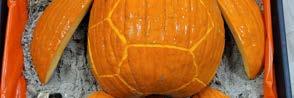
Halloween Done Southport Style
Le to right: BSRI Turtle with all her babies
The Hocus Pocus Three Marci, Linda and Sherry
Pumkin Carved to Emulate what our brains feel like a er surviving the Covid Scare




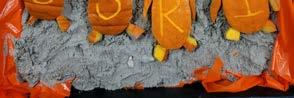
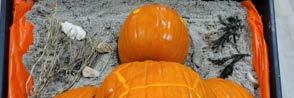
Le to Right: Our precious Miss Lolly with her very own Good Witch, daughter Lori, and our adorable Walt. Olive with her personal costume designer, the talented Sharyn of Steins Designs. Sharyn designs exclusively for Olive.
of goodies
The Coastal Buzz
40 WINTER 2022-23
Live music by Maxie, Nick and Steve, with lots
SOUTHPORT
Melissa Catlett, Center Director Jackie Knott, Assistant Director
Hours: Monday–Friday, 8–4
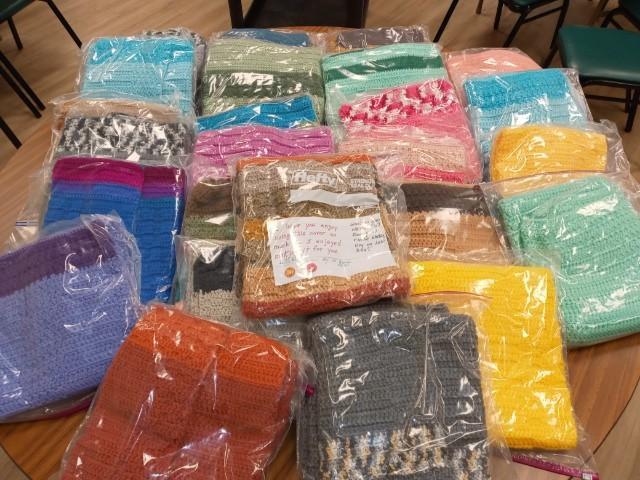
Atright,both pictures: Pleaseseethe beautiful handmade blanketsthat weregiftedto thehomebound MealsonWheel participants. WedDeeply appreciate WilmaJones andalsothe BlanketofLove ladies.
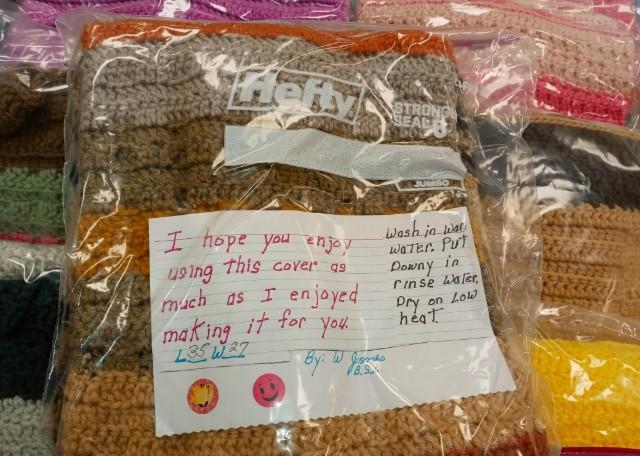
Lefttoright: Annetteteachinga FlowerArranging Class;wonderful AnnMarie&Magic RaisingMoneyfor Our HomeBound Pets;Halloween Cardsmadeforour homeboundby KCHastings, MerryKlinefelter, MaryCurtis.
1513 N. Howe St., Ste. 1 Southport, NC 28461 910-754-7109
We are very grateful for all of you that make this world a much kinder and happy place to live!
• Paws Place for par cipa ng in a joint fundraiser and most of all caring for our fragile fur friends!
• St. James “Cindy’s Angels” for providing happiness to our homebound par cipants!
• To Sherry and all her helpers in making our annual Cra&ers Bazaar a huge success! We love you!
• Scoop Sisters for a wonderful Ice Cream Social!
• Girl Scout Troop 2169 for making precious gi&s for our BSRI family!
The
Buzz
Coastal
41 WINTER 2022-23
Melissa Starr, Center Director; Robert Hunt, Assistant Director
Hours: Mon., Tues., Thurs. 8 to 4; Wed. 8 to 7; Fri. 8 to 1
Monday Tuesday
8:00 Rummikub
8:00 CoffeewithFriends 8:00 OpenExercise(gym) 10:00 BodyCoreStrengthZ
8:00 Rummikub
8:00 CoffeewithFriends 8:00 OpenExercise(gym) 9:30 Crocheting 10:00 Geri-Fit
8:00 Rummikub
8:00 CoffeewithFriends 8:00 OpenExercise(gym) 10:00 PilatesZ 10:00 ChairYoga N,Z
8:00 Rummikub
8:00 CoffeewithFriends
8:00 OpenExercise(gym) 10:00 RugHooking 10:00 Geri-Fit
8:00 Rummikub
8:00 CoffeewithFriends 8:00 OpenExercise(gym)
101 Stone Chimney Road Supply, NC 28462 910-754-7604
10:00TaiChiforArthritisR(1/6to3/13) 11:00 TaiChiN 11:30 Lunch 12:30MovieDay
11:00 Tabata 11:30 Lunch 12:30 Quilting 12:30 Bingo
10:00 WatercolorPainting 10:00 DrumCircle 11:30 Lunch 12:30 OpenCrafting 5:30 FamilyAnonymousMeetingZ
10:00 Geri-Fit 11:00 Tabata 11:30 Lunch 12:30 BibleStudy 12:30 CardPlaying
10:00 TaiChiforArthritisR(1/6to3/13) 11:00 ActiveStretchN 11:30 Lunch
No Symbol = No Fee (Contributions always appreciated); $ = Fee Associated ; R = Requires Advanced Registration; N = New Offering/Time; Z = Class in person + Zoomed
The Coastal Buzz
SUPPLY
42
Wednesday Thursday friday
WINTER 2022-23
Melissa Starr, Center Director; Robert Hunt, Assistant Director
Hours: Mon., Tues., Thurs. 8 to 4; Wed. 8 to 7; Fri. 8 to 1
december 2022
THURSDAY: HolidayCardMaking-1:00
MONDAY: Talkw/Tikila-10:30;Make&Take Craft-10:00
WEDNESDAY:HolidayTrivia&Popcorn-3:00N
THURSDAY:HiredHandsBand-10am; CaregiverSupportGroup-2:00
FRIDAY:DiscountsforSeniorsw/Tikila-12:00N
MONDAY: Medication&Wellnessw/Marilou12:00;Make&TakeHolidayCraft-12:30
101 Stone Chimney Road Supply, N.C. 28462 910-754-7604
TUESDAY:GardenClub-12:30;Genealogy-12:30; JewelryFixes &Make/TakeEarrings-1:00 14
13
WEDNESDAY:UglyHolidaySweaterContest12:00;JamSession-3:00
THURSDAY:GardenClubPlantSale-10:00-2:00
FRIDAY:ReindeerGames-10:00
MONDAY:Make&TakeHolidayCraft-10:00 20
TUESDAY: BloodPressureChecks-10:00;Holiday Celebration-10:00;C-BreezeBand-10:30
January 2023
WEDNESDAY:MorningMovement Workshop 12:30;Trivia&Popcorn-3:00,Yoga-5:30N 5 THURSDAY:Make&TakeCraft-12:30 9 MONDAY:Talkw/Tikila-10:30;What’sCooking w/JohnLatour-12:30Z;CardMaking-1:00 10 TUESDAY:ProfessionalPhotographyFundraiser $R;GenealogywithEmmaLou-1:00 11 WEDNESDAY:HowtoCombattheWinterBlues12:30;JamSession-3:00N
THURSDAY: HiredHandsBand-10:00;Caregiver SupportGroup-2:00
WEDNESDAY:Trivia&Popcorn-3:00;Yoga-5:30N
TUESDAY:Make&TakeCraft-12:30
FRIDAY:WearRedforHeartAwarenessMonth
MONDAY:TalkwithTikila-10:30
WEDNESDAY:CardioDrummingWorkshop12:30;JamSession-3:00
THURSDAY:HiredHandsBand-10:00;Caregiver SupportGroup-2:00
13 FRIDAY:DiscountsforSeniorsw/Tikila-12:00N
MONDAY:MartinLutherKingDay-CENTERCLOSED 17 TUESDAY:BloodPressureCheck-10:00 18
WEDNESDAY:SavingonPrescriptions/HealthyYou12:30,iPhone/iPadBasics–12:30N;Yoga-5:30N 19 THURSDAY:DayTrip(TBD);Make&TakeCraft-12:30 24 TUESDAY:Genealogy-12:30,GardenClub-12:30
WEDNESDAY:CBDw/Rosey-12:30;JamSession-3:00
TUESDAY:BirthdayCelebration-12:00
TUESDAY:ValentinesParty-10:00;Genealogy-1:00
WEDNESDAY:iPhone/iPadBasics-12:30N; Yoga,5:30N
THURSDAY:DayTrip(TBD);Make&TakeCraft-12:30
MONDAY:What’sforDinner?w/JohnLatour-12:30Z
TUESDAY:BloodPressureCheck-10:00
WEDNESDAY:JamSession-3:00
TUESDAY:BirthdayCelebration-12:00; Genealogy-1:00
43
The Coastal Buzz WINTER 2022-23 No Symbol = No Fee (Contributions always appreciated); $ = Fee Associated ; R = Requires Advanced Registration; N = New Offering/Time; Z = Class in person + Zoomed
February 2023 4
12
16
10
13
14
15
16
20
21
22
25
31
1
2
3
6
8
9
FRIDAY:DiscountsforSeniorsw/Tikila-12:00N
MONDAY:CardMaking-1:00
28
8
1
5
7
9
12
15
16
19
SUPPLY


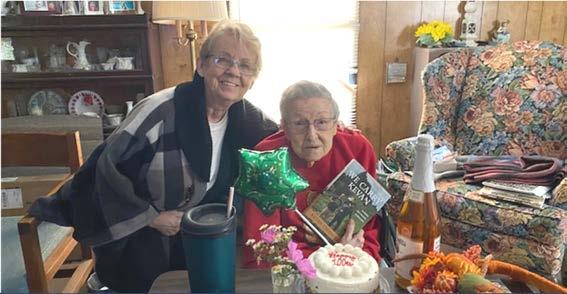


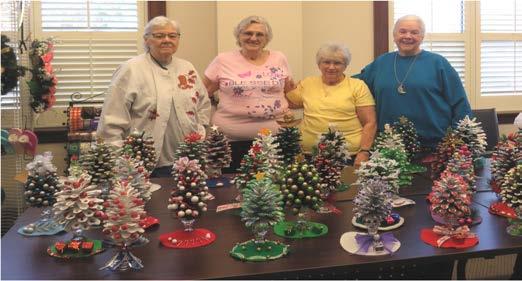
SUPPLY 101 Stone Chimney Road Supply, NC 28462 910-754-7604 Melissa Starr, Center Director Leslie Doeing, Assistant Director Hours: Mon., Tues., Thurs. 8 to 4; Wed. 8 to 7; Fri. 8 to 1 The Coastal Buzz 44 CHRISTMAS TREE JOY DECEMBER HOLIDAY FUN HolidayMovie Mondays@12:30pm UglyHolidaySweater Contest December14@12:00pm ReindeerGames December16@10:00am HolidayCelebration& ChristmasCaroling w/C-BreezeBand December20@10:00am Thank you Coastal Church for sponsoring our Stockings for Seniors Helping us make the holiday season merry & bright for our Meals on Wheels par cipants. Garden Club Plant Sale Thursday, December 15,2022 10:00-12:00 Fresh house plants & arrangements for your holiday table or gifting. Happy 100th Birthday, Carrie Aleen Thorpe!! Gloria&SupplyCenterstaffandparticipantsjoin togethertocelebratethismomentousmilestone. Wishing all of our Supply Center family and friends a joyous holiday season!! The Center will be closed
SupplyCenterCraftersDianeJames,
Wilson,
Sally Powell,Cathy Miller,MarleneClark,&AnnaChutgai created beautifulone-of-a-kindChristmastreesforour MealsonWheelsrecipients;sharingtheloveofthe holidayseasonwiththosenotabletoattendthecenter. WINTER 2022-23
from Dec. 21, 2022– Jan. 2, 2023. Reopening Jan.3, 2023
MaryCarpenter, Sherry
TheaNorman,(notinpicture)
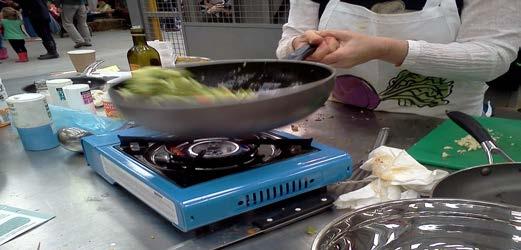


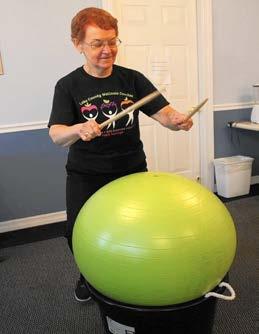

SUPPLY 101 Stone Chimney Road Supply, NC 28462 910-754-7604 Melissa Starr, Center Director Leslie Doeing, Assistant Director Hours: Mon., Tues., Thurs. 8 to 4; Wed. 8 to 7; Fri. 8 to 1 The Coastal Buzz 45 WINTER 2022-23 What’s for Dinner? Low-Prep Cooking Demos w/ John Latour January 9th & February 20th @ 12:30 PM In center and on Zoom at www.bsrinc.org New Year, New You! Join us at the center for Wednesday Wellness @ 12:30 PM January4th-MorningMovementsw/Leslie January11th-HowtoCombatWinterBlues January18th-HowToSaveonYourRx’s&More January25th-AlternativePainReliefw/CBD Make and Take Cra3s w/ Emma Lou Mondays, 10 AM in December Moving to 1st & 3rd Tuesdays @ 12:30 PM in January Interestedin CardioDrumming? Learnmoreaboutthis newfitnesscraze.A funactivityforall agesandfitnesslevels! February8,2023 @12:30PM Cometryitout! FebruaryFun February3–WearRedfor HeartHealth February9–HiredHandsBand February10–Wearyoursportsteamjersey February14–BeMineValentine’sDayParty February16–DayTrip—TBD February28-BirthdayCelebration/CBreeze Professional Photography Fundraiser Professional Photography Fundraiser Photography Fundraiser Photography Fundraiser Local Photographer, Linda Bonskowski Will be taking pictures at the Supply Center on Tuesday,January,10,2023 Tuesday,January,10,2023 Tuesday,January,10,2023 Tuesday,January,10,2023 $20, $20, $20, 1 matted 8x10 professional photo Pre-registerforyoursittingattheCenterandfor moreinformation. Join one of our many fitness classes: Geri-Fit® Tabata ChairYoga Body/Core/Strength TaiChi TaiChiArthritis,FallPrevention ChairYoga Pilates ActiveStretch Yoga
2
Mango chicken Rice pilaf S"r fry vegetables Fruit cup WG roll/margarine 2% milk 5
Baked turkey/ gravy Sweet potato casserole Green beans Fruit of choice roll/ margarine 2% milk
Fish square on bn Steak fries California blend veg Fruit cobbler Tarter sauce 2% milk
Salisbury steak w/ gravy Mashed potatoes Spinach Peaches Cornbread/ margarine 2% milk
6
7
8
9
Lasagna Tossed veg salad/ dressing Pineapple tidbits Breadstick/ margarine 2% milk
13
Chicken cordon bleu Rice pilaf Baby carrots Fruit cup WG roll/margarine 2% milk
Baked chicken Potato dumplings/ alfredo sauce Broccoli Pears WG roll/margarine 2% milk
14
Oven baked fish Red skin potato wedges Steamed cabbage Tropical fruit mi Hushpuppies/ margarine 2% milk
Hot dog on bun Baked beans Coleslaw Tropical fruit cix Nutrigrain bar 2% milk
Turkey sandwich Loaded potato soup Tomato slice/le1uce Fruit cup Oyster crackers 2% milk 12
15
Spaghetti & meatballs Gr3een beans Strawberry applesauce Cookie Breadstick/ margarine 2% milk
16
21
22
20 Beef fritter Macaroni & cheese Okra/tomatoes Tropical fruit mix WG roll 2% milk Contributions are always welcome! Coastal Carolina Active Living Centers are closed for the holidays December 21, 2022 through January 2, 2023. See you January 3!


The Coastal Buzz DECEMBER DECEMBER 2022 20222022 2022 Brunswick Senior Resources,
Senior Resources, Provides Nutritionally Balanced
for
Provides for *Menus subject to change* Monday MondayMonday Tuesday TuesdayTuesday Tuesday Wednesday Wednesday Wednesday Wednesday Thursday ThursdayThursday Thursday Friday FridayFriday Friday WHAT’S FOR LUNCH? 46 WINTER 2022-23
Inc.
Meals
Seniors
1
CLOSED
CLOSED
Baked pork chop/ gravy Buttered noodles Tuscan blend veg Banana WG roll/margarine 2% milk 19 Chicken rice casserole Broccoli Pears Biscuit/margarine 2% milk CLOSED
23
PROGRAMS AND SERVICES NEED ASSISTANCE?










Contact an Aging Resource Specialist closest to you:

Calabash Center

René Tarquinio, LBSW

Senior Aging Resource Specialist (910) 754 6224 | rtarquinio@bsrinc.org

Shallotte Center
Laura Collins, BSW, Aging Resource Specialist (910) 754 4468 | lcollins@bsrinc.org
Southport Center
Casey Freed, BSW, Aging Resource Specialist (910) 754 4106 | cfreed@bsrinc.org
Supply Center
Tikila Morgan, BSW, Aging Resource Specialist (910) 754 8450 | tmorgan@bsrinc.org
Leland Center
Sandy Porcaro, MA, Aging Resource Specialist (910) 754 3658 | sporcaro@bsrinc.org
Medication Assistance Program
Marilou Smith | Leland Center (910) 754 6559 | msmith@bsrinc.org
The Coastal Buzz BRUNSWICK SENIOR RESOURCES, INC. AGING RESOURCES
SERVICES
PROGRAMS AND
DONATE TODAY Your donation could save a life. Visit our website to give conveniently: bsrinc.org/donate/ • Supportfoodsecuritywith anannualgift • Setupmonthlydonationsfor AgingResources • Honoralovedonewithaone-timegift • Sponsoraride WHO IS ELIGIBLE? Ourprogramsandservicesarespecificallydesignedfor adults60yearsofageandolderinBrunswickCounty,except fortheFamilyCaregiverSupportProgram,Prescription AssistanceProgram,andSHIIP. DISPOSABLE UNDERGARMENTS AND BOOST HEATERS AND FANS HOME DELIVERED MEALS SENIOR HEALTH INSURANCE (SHIIP) FAMILY CAREGIVER SUPPORT IN-HOME AIDE PROGRAM TELEPHONE REASSURANCE SUPPORT GROUPS FOOD PANTRIES INFORMATION & ASSISTANCE PROGRAM MEDICATION ASSISTANCE PROGRAM TRANSPORTATION 47 WINTER 2022-23




WINTER 2022-23 The Coastal Buzz LOWER CAPE FEAR LIFECARE WAS A PART OF JACK’S JOURNEY. “I would suggest them to anyone who needs comfort, knowledge, and support for their family and for their loved one.” CYNTHIA Wife of Hospice Patient p c t Your journey. Our mission. LifeCare.org I 800.733.1476 SENIOR DAY EVERY TUESDAY! 20% OFF entire purchase, excluding mattresses Ocean Isle Southport Leland 6560 Beach Dr. 4170 Long Beach Rd. 414 Village Rd. 910-579-8346 910-457-1772 910-338-3648 What’s the Buzz? Tell everyone your news with an ad in the Coastal Buzz! (910) 754-2300 Anita Langin alangin@bsrinc.org Shelagh Clancy buzz@bsrinc.org • SOCIAL SECURITY DISABILITY • TRAFFIC TICKETS • REAL ESTATE CLOSINGS 910-653-2273 Serving Southeastern North Carolina Local + Dedicated = Peace of Mind.
