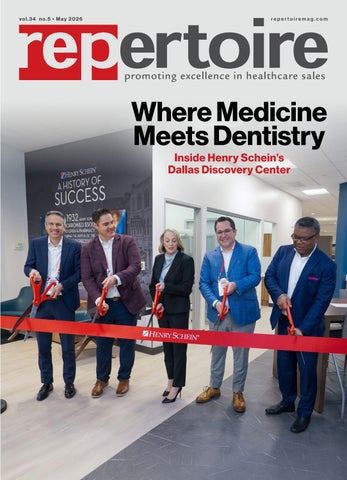

Where Medicine Meets Dentistry
Dallas Discovery Center
Inside Henry Schein’s
SAY AH!

SIMPLIFIED STREP A TESTING
ID NOW™ STREP A 2 TEST makes testing easy. Collect a single throat swab, test and provide treatment, all during the patient encounter.
• Actionable, reliable, molecular results in 2–6 minutes1
• 90% fewer false negatives than antigen tests*2
• No culture confirmation needed
NOW ™ RESPIRATORY ASSAY MENU
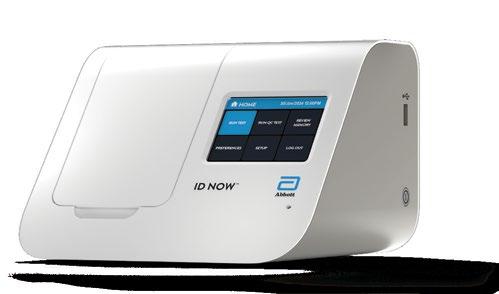
WE ARE HERE TO SUPPORT YOU AND YOUR CUSTOMERS. REACH OUT TO YOUR ABBOTT REPRESENTATIVE TODAY.

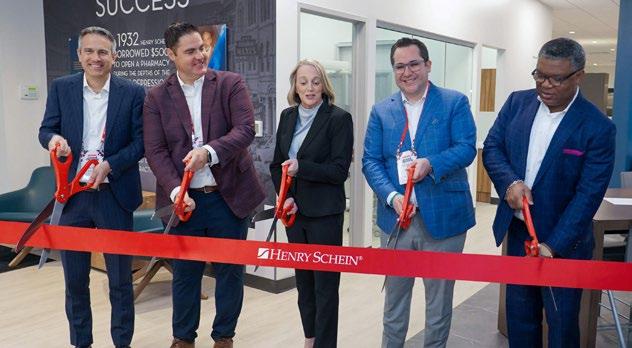
18 Where Medicine Meets Dentistry: Inside Henry Schein’s Dallas
Discovery Center
The new 8,300-square-foot facility brings clinicians, suppliers and technology together under one roof to advance the future of integrated care.
`
SMOKE 40 How AORN is Addressing Surgical Smoke
Growing awareness, national programs and state legislation are driving momentum to eliminate surgical smoke and better protect perioperative teams.
43 Clearing the Air: Why Surgical Smoke Evacuation Matters
Even as awareness grows, inconsistent adoption and limited federal guidance leave many facilities at risk. Distributor reps play a key role in helping sites implement effective smoke evacuation practices.
48 Improving Visibility, Protecting Staff
How smoke evacuation can enhance surgical efficiency while addressing serious safety concerns.
` ASC PRODUCT SPOTLIGHT
49 Intubating with Precision
How evolving technologies are reshaping intubation in the ambulatory surgery center setting.
` TRENDS
52 65 Forward
How Geisinger’s innovative program is redefining primary care for older adults.
` IDN INSIGHTS
56 Why Collaboration Is the Real Engine of Supply Chain Transformation
Scripps Health’s Cecile Hozouri, JHC’s Contracting Professional of the Year, shares how inclusive leadership, clinician engagement and patient-first thinking turn resistance into results.
` REP CORNER
60 Building Trust in High-Stakes Environments
Managing an OR portfolio requires more than product expertise.
care is emerging as a cornerstone of post-acute recovery, improving outcomes while reducing costs.
at-home patient blood pressure monitoring.
Cardinal Health’s Erin Mykytyansky shares how relationships, resilience and continuous learning fuel success in modern healthcare sales.
` HIDA
64 Uncertainty Is the New Normal in Shipping
A Message to Our Leaders
There’s a scene in the movie “Jerry Maguire” where everything comes to a head – not with numbers or contracts, but with conviction. It centers on a mission statement, a plea, a line in the sand that says, “This is who we are – or at least who we’re supposed to be.” That’s where I believe we are today as an industry.

For decades, medical supply manufacturing and distribution have been built on two pillars: relationships and culture. The relationships, thankfully, remain strong. They have been forged over years on sales calls, at national meetings, on ride days and, yes, sometimes over a drink after a long day. Trust still matters, and people still buy from people.
But our culture is starting to slip, and that should concern every leader reading this.
Culture is not a tagline on a website or a slide in a kickoff meeting. It is what your organization feels like on a Tuesday morning when no one is watching. It is how your teams treat each other, how they show up for customers and how they carry your brand into the field. It is the difference between a company people work for and one they believe in.
A pivotal moment
After speaking with leaders and sales representatives across the industry, it is clear we are at a crossroads. A significant portion of the industry’s leadership and experienced sales professionals are approaching retirement. This group built something special. They created environments where mentorship mattered, hard work was recognized, and relationships were not transactional – they were personal. They understood culture was not optional; it was the engine. In many ways, the industry was built on a culture rooted in pride and a genuine sense of enjoyment in the work.
At the same time, a new generation is stepping in. They are talented, driven and full of potential. But they are also watching closely. They are asking, “What kind of industry am I stepping into? What kind of culture am I inheriting?” Leaders should ask themselves: Why would someone want to work for this organization and follow me into battle?
The answer is being written right now. If culture is allowed to erode, and short-term metrics take priority over long-term meaning, the industry risks losing what made it great in the first place. It risks becoming just another transactional business in a world already full of them.
Our industry – and the young representatives entering it –deserve what we inherited from leaders such as John Sasen, Cindy Juhas, Gary Keeler, Pat Kelly, DeWight Titus, Mark Seitz,
editorial staff
editor Graham Garrison ggarrison@sharemovingmedia.com
editor-in-chief, Dail-eNews
Jenna Hughes jhughes@sharemovingmedia.com
content creator Pete Mercer pmercer@sharemovingmedia.com
art director Brent Cashman bcashman@sharemovingmedia.com
circulation Laura Gantert lgantert@sharemovingmedia.com
sales executive Aili Casey acasey@sharemovingmedia.com (404) 625-9156
publisher Scott Adams sadams@sharemovingmedia.com (800) 536.5312 x5256
founder Brian Taylor btaylor@sharemovingmedia.com
Subscriptions
www.repertoiremag.com/subscribe or (800) 536-5312 x5259
Repertoire is published monthly by Share Moving Media 350 Town Center Ave, Ste 201 Suwanee, GA 30024-6914 Phone: (800) 536-5312, FAX: (770) 709-5432; e-mail: info@sharemovingmedia.com; www.sharemovingmedia.com
For every hike, campout and backyard adventure – there’s a rapid way to rule out Lyme disease.
Reliable precision in the peak of tick season
The SOFIA™ 2 Lyme FIA is the only FDA-cleared rapid POC Lyme disease test using fluorescent immunoassay (FIA) technology.
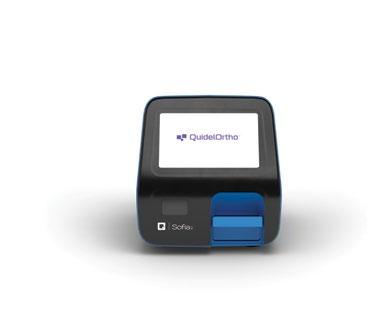
For more information, scan the QR code, or contact your QuidelOrtho representative.
New QuidelOrtho branding may not be available in all markets, subject to country-specific regulatory approval. Please confirm with your local commercial team. QuidelOrtho and SOFIA are trademarks of QuidelOrtho Corporation or its affiliates. All rights reserved. © 2026 QuidelOrtho Corporation. PR-110149-NA-EN-US-v1



John Moran, Scott Fanning, Gary Corless, Jim Stover, Rob Saron and Ted Almon, among many others. Take a moment to reflect on those names and the gift they left behind.
Leaders, this is the moment to be intentional – to invest in your people beyond quotas and dashboards; to celebrate wins the right way; to mentor, teach and listen. Create environments where young professionals do not just build careers, but build pride in what they do. Simply put, if your people are not having fun and finding fulfillment within your organization, they will not remain your people.
Credit is due to Jack and Dennis at MTMC for the regional meetings they have hosted in recent years. Culture and winning teams are not built on a Zoom call, but through face-to-face interaction, with a little fun along the way. These live meetings are
Culture builds strong teams, and when people genuinely care about one another, the rest often takes care of itself.
the breeding grounds for culture and relationships.
Rediscovering our swagger
Our industry needs sales teams with swagger again. That potential exists in every organization, but it is up to leaders to develop it and create an environment where teams can thrive. The work is important and should be taken seriously, but that does not mean taking ourselves too seriously. Teams should celebrate wins and enjoy working together. Culture builds strong teams, and when people genuinely care about one another, the rest often takes care of itself.
Teams need to have fun again. One day, leaders will hand over
the keys, and the question will not be how fast the business grew, but whether the culture was strong enough to sustain it.
Billy Harris often told new hires that if they were not having fun, they should find another career path. He would joke that the day should start with “two scoops of fun” before anything else. The most important part was that he meant it.
So here is the challenge – our own version of “show me the money”: Show the culture. Protect it. Strengthen it.
And have some fun again.
Dedicated to the Industry, R. Scott Adams Publisher
They Won’t Sell It.
We take training seriously.
Distributor sales reps are chasing $67B in Med-Surg sales every year.
The manufacturers who win are the ones who train them.
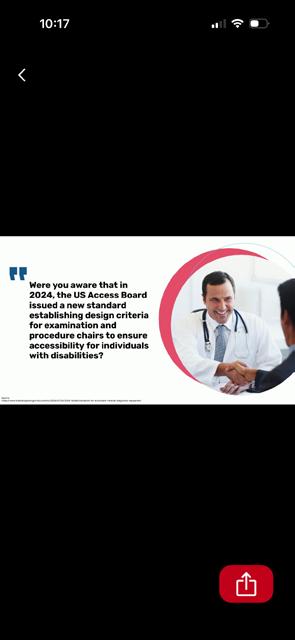
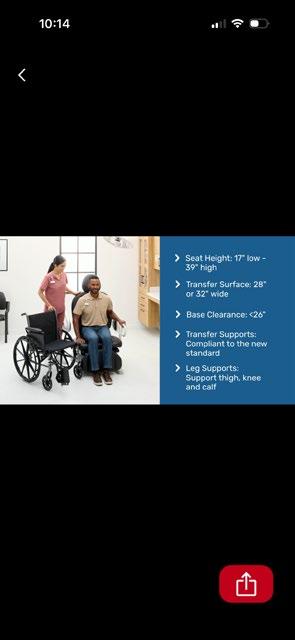
Our 2-Minute Game Plan videos give distributor reps the quick product education they need to confidently introduce your solution to customers.
And reps are using them.
` 75+ products currently available for training in the RepConnect app
` 40,000+ total video views last year
` 87% of Repertoire readers are more likely to talk about a product when they’ve been trained on it
Because when reps understand your product, they sell it.
Cancer Screening
Are we starting too late?
 There are a few words that scare most of us. “Cancer” is one of those words. Whether it is a personal diagnosis or a friend sharing their diagnosis, it is one of those words that makes most of us think of worst-case outcomes.
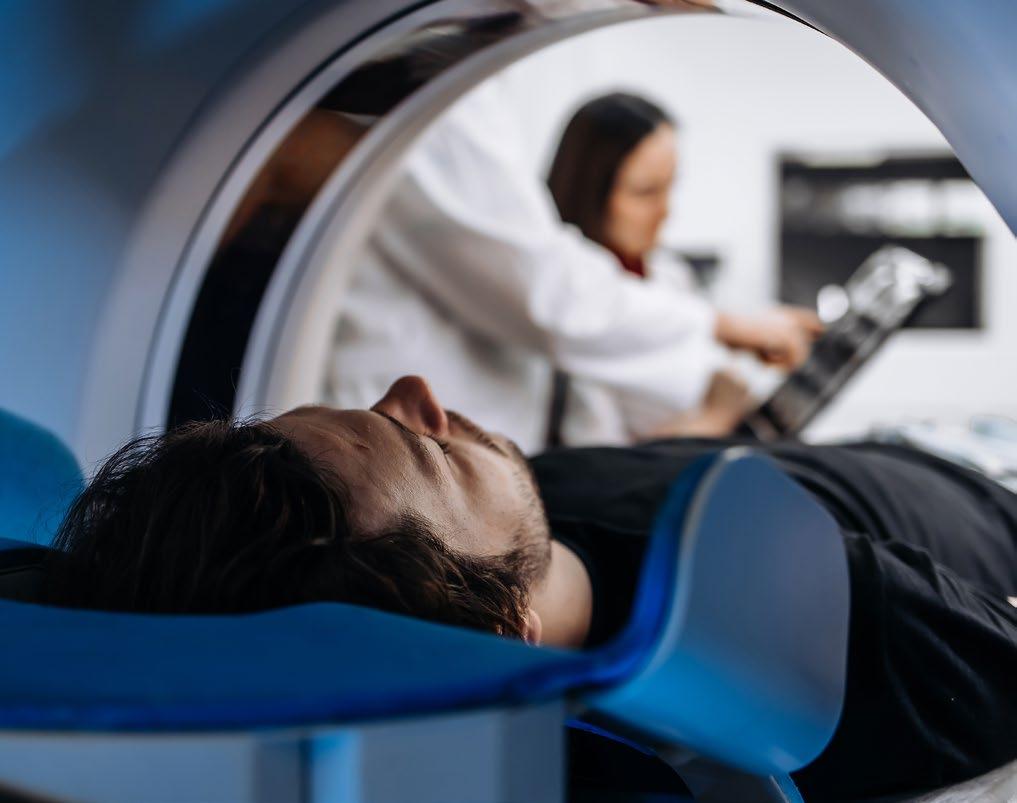
Just being asked to prepare for an MRI or a CT scan when uncomfortable symptoms come up is a frightening prospect. Most of the time, the good news is that the results show that we do not have cancer. But, since cancer is still the second leading cause of death and will be diagnosed in one out of five Americans, we need to face it in our professional lives selling lab products, and also in our personal lives.
This column will cover the current state of cancer screening and whether some cancer screening tests should be performed earlier. This column presents my viewpoint, and does not necessarily represent current mainstream medical practice or science. I think my ideas are on the right track, but this column is intended as food for thought and not necessarily the pathway to better cancer diagnosis.
By Jim Poggi
Facts and figures
First, what are the established statistics on cancer as a cause of death? Should we be concerned?
According to National Vital Statistic Reports, Sept. 16, 2025, cancer is the second leading cause of death in the U.S. The good news is that the death rate is declining, but the bad news is that the incidence is still high enough to warrant concern.
According to the latest data from 2023, 1.2 million people will die of cancer in the next 12 months. Additionally, cancer death rates are similar by gender and the data shows that nearly 20% of all deaths in the U.S. are currently due to cancer.
With that rather negative news, what is the point I am trying to make? As I have reported before, both diagnostics and therapeutics for cancer are improving dramatically, and those factors – combined with changes in personal habits such as the reduction in adult smoking – are driving cancer death rates down. That observation led me to ask two questions:
` How is lab technology impacting the diagnosis and follow up on cancer?
` Should screening for cancer start earlier?
Follow along with me as I share some insight on these questions.
Defining liquid biopsy
We will be referring to liquid biopsy frequently in this column. The term has been used in many articles related to emerging diagnostic methods. I am assuming many of you have researched it for yourselves, but I want to make sure we all have the same working definition of liquid biopsy.
According to the National Cancer Institute, liquid biopsy is defined as a laboratory test done on a sample of blood, urine, or other body fluid to look for cancer cells from a tumor or small pieces of DNA, RNA, or other molecules released by tumor cells into a person’s body fluids. Liquid biopsy allows multiple samples to be taken over time, which may help doctors understand what kind of genetic or molecular changes are taking place in a tumor. A liquid biopsy may be used to help find cancer at an early stage. It may also be used to help plan treatment or to find out how well treatment is working or if cancer has come back.
If you buy into the philosophy that lab tests should be performed to initiate or modify a patient treatment program, liquid biopsy fits the definition nicely. The complexity of the technology used to perform liquid biopsy limits its utilization in the physician office. And, more to the point, while our knowledge of the causes of cancer and how it changes based on therapies used to eradicate it has increased substantially over the past 20 years, there is still a lot to know, and liquid biopsy is still in its infancy as a fundamental diagnostic method.
Cancer screening
What kinds of screening are we talking about? There are two broad categories of screening, general population screening and risk-based population screening. As we shall see, both categories apply to cancer diagnosis.
The four most common types of cancer – breast, prostate, lung and colon, in that order – account for 50% of all cancers diagnosed
annually. But, death rates differ, with lung, colon, pancreas and breast as the four leading causes of cancer death. Why is this? In the case of lung and pancreas, it is largely because diagnosis occurs when symptoms become apparent, usually when cancer has advanced to Stage 3 or 4, where the 5-year survival rate is lower. This leads to the question: what can we do to reduce the mortality of these cancers? My thoughts follow.
Lung cancer
The incidence of lung cancer has declined from a high of 87 cases per 100,000 in 1984 to fewer than 60 cases per 100,000 in 2023. So, progress is being made here. Men still have a higher rate at 59.2 cases per 100,000 than women at 48.1 cases per 100,000.
Decreases in adult smoking, along with public health policies fostering this decrease (taxation on tobacco products, prohibition of smoking in public places and public awareness campaigns) have largely driven this decrease. Reasons for the persistent current incidence include occupational exposure, exposure to secondhand smoke and exposure to radon gas and air pollution.
From a diagnostic viewpoint, annual CT scans are recommended for current and former smokers and are being routinely used for earlier diagnosis when prognosis is better. They have made a significant difference in diagnosis of high-risk individuals, reducing mortality by about 20%. Their use is now well established medical practice for high-risk individuals. From a therapeutic viewpoint, new immunotherapy methods are also improving survival rates for
those diagnosed with lung cancer. However, lung cancer continues to be a target for earlier diagnosis since its mortality rate exceeds its new case diagnosis, (20% mortality compared to 11% of new cases diagnosed).
What does the future look like? I believe it is bright. New liquid biopsy technologies are coming into the market, combined with AI and its application to big data they deliver the promise of detecting lung cancer tumors and cellular mutations indicative of early lung cancer earlier.
suite of diagnostic tests, though improvements in specificity are being researched, along with assays that could determine which prostate cancers will be aggressive and which will be latent. AI, big data and liquid biopsy are likely factors in reducing mortality and also selectively determining which patients diagnosed with prostate cancer should be followed up for more intense treatment. Current age-based screening methods and improvements in diagnostic specificity are the key to the future.
In the greater scheme of testing for CRC, there are currently available send out tests, including those that combine stool FIT with methylated DNA tests.
What type of screening could improve the outcome for lung cancer diagnosis? I believe it would be risk-based screening, focused on exposure type, specifically persons with occupational and secondhand smoke exposure. There are no well-established tumor marker screening tests for lung cancer cleared by the FDA.
Prostate cancer
Prostate cancer is gender specific, and is the second most commonly diagnosed cancer. But, it has a high survival rate, with a 98% survival rate across all stages at 5 years. There are many reasons. It tends to be a slow growing cancer and is frequently diagnosed in elderly men, who may die of other causes before prostate cancer becomes a factor.
PSA and free PSA tests continue to be the “gold standard”
Colorectal cancer
Colorectal cancer (CRC) is the cancer type that got me thinking about whether we should be screening earlier. It is the fourth most commonly diagnosed type of cancer in the U.S., and while typically slow growing, it has the second highest mortality rate. This clearly paints the picture that early detection is the key to improving mortality rates.
Mortality rates vary significantly based upon whether the disease was diagnosed at the local stage or later. Five-year survival is up to 81% even for CRC diagnosed at the regional level, but only 23% or less when diagnosed at the distant level. As a consequence, early diagnosis is critical to patient outcomes. Current guidelines from the United States Preventive Services Task Force (USPSTF) give screening for
adults aged 50 to 75 years an “A” rating, and screening for adults aged 45-49 a “B” rating.
What do these grades mean? Grade “A” is defined as strongly recommended and grade “B” is defined as recommended. The American Cancer Society recommends colorectal cancer screening beginning at age 45.
Recommendations for CRC testing from both organizations are virtually identical: FOBT or FIT yearly starting at 45; colonoscopy every 10 years for patients at average risk. Physician offices have led the way with screening for colorectal cancer, and physician office lab testing options for colorectal cancer screening have a long and successful history (fecal occult blood tests (FOBT) followed by fecal immunochemical tests (FIT)).
In the greater scheme of testing for CRC, there are currently available send out tests, including those that combine stool FIT with methylated DNA tests. Determining the amount of DNA that is methylated is important since methylation of DNA is associated with the development of cancer. Even more sophisticated molecular tests are on the horizon. New CRC tests are in development with advances in liquid biopsy promising even better early diagnosis and superior ways to evaluate post treatment eradication of cancer.
While test methods are advancing, there is a quirk in the age of incidence that is just beginning to be understood. In a 2026 publication by the American Cancer Society, there is data showing that the recently reported age-related incidence rate of CRC shows a rise starting at 30-34 that

exceeds the published incidence rate for the same age group in 1995. So, colorectal cancer is occurring earlier. And the rate of incidence in this population group is increasing. What does this mean? Will testing recommendations start earlier?
So far, the recommended age for first screening remains at 45 for both ACS and USPSTF. But, as more data becomes available, I believe it is likely that at least risk-based screening will begin earlier as the risk elements become better understood. I strongly recommend you discuss this information with your trusted lab manufacturers of CRC tests to get their insight on the future
lung, colon and pancreas cancer related to its mortality rate. Seven percent mortality rate compared to 16% incidence rate does not mean we need to be complacent or satisfied with the current state, but it does indicate that current diagnostic and treatment methods are having a positive impact. While the incidence rate of breast cancer has remained steady at about 140 cases per 100,000 of the female population since 1992, the mortality rate has declined steadily from 31.7 cases in 1992 to 18.6 cases in 2023.
Advancements in understanding the different types of breast cancer as well the understanding which treatment plans can be
Your lab manufacturers have the heavy lift: continuing to improve current screening methods and also establishing liquid biopsy as viable screening and follow up methods for cancer while working on ways to make it available at the point of care.
of CRC testing. I believe there will be reasons to begin risk-based testing earlier and that at least some molecular tests will migrate down to the physician office market, just as respiratory tests did a few years ago. Keep a close eye on developments.
Breast cancer
Breast cancer is a type of cancer where we could declare we are “winning” or at least beginning to see evidence of winning. Despite being gender specific, breast cancer is the most commonly diagnosed cancer at 16% of all cases, but has a 7% mortality rate, placing it behind
most effective in treating them are factors influencing the reduction in death rates from breast cancer. Mammography remains an essential screening method, along with MRI and ultrasound. USPSTF recommends mammography every other year beginning at age 40 with a grade of B. ACS recommends routine mammograms annually beginning at age 45, with the option for women 40-45 to begin mammograms.
Breast cancer is another example of screening recommendations moving to younger patients, though USPSTF and ACS recommendations vary somewhat. Lab tests for breast
cancer include CA 27-29 and CA 15-3. Like many other types of cancer, liquid biopsy is gaining acceptance, particularly to monitor treatment response as well as to detect relapse post treatment. It is also used to guide therapies by detecting cancer cell mutations and informing appropriate treatment based on these findings. Liquid biopsy is more established for breast cancer than any other type of cancer I am aware of.
Pancreatic cancer
Pancreatic cancer currently does not have a specific, well defined and accepted screening test. Multiple companies are working to research liquid biopsy methods of detecting pancreatic cancer, but at this time there is no FDA 510(k) or other FDA cleared test for pancreatic cancer.
Pancreatic cancer is drawing increased research interest because it is lower in incidence than the other cancers mentioned above but represents 8% of the cancer deaths reported in 2025. The most generally accepted reason is that pancreatic cancer does not have specific signs and symptoms that lead to a definitive diagnosis until it has become well established.
Current survival statistics paint a grim picture. The best 5-year survival rates for pancreatic cancer are 44% if diagnosed at the local stage, which is unlikely. The rate drops to 17% for regional disease and 3% for distant diagnosis. Worldwide research is working diligently to find a clear diagnostic marker associated with pancreatic cancer, particularly in early stages. Early results of the research are encouraging but there is a lot of work to
do in order to establish a marker that meets established criteria to be a useful screening tool.
Risk-based screening is most likely to be the first screening modality for pancreatic cancer. Acknowledged risk factors include smoking, diabetes, excess body weight and workplace exposure to certain chemicals as well as family history.
Today imaging tests including CT and MRI are used for patients with established signs and symptoms (fatigue, jaundice, weight loss, abdominal or back pain and others) associated with pancreatic cancer. CA 19-9 and CEA are also used as part of the diagnostic picture for patients exhibiting symptoms associated with pancreatic cancer.
Reasons for earlier diagnosis
So, where does this leave us? Does it prove that earlier diagnosis of cancer is the key to reduction in mortality? I believe it provides at least some data to suggest that there are reasons to perform colorectal cancer testing earlier, especially if we can clearly define CRC risk factors in this population group.
Secondly, it establishes that risk-based screening is important across the board for the most common cancers. Finally, it confirms that early diagnosis is the key to reducing cancer mortality no matter which type of cancer we are referring to.
That is where you and your trusted lab manufacturers come into play. Your responsibility? Continue to promote early cancer screening with your customers and continue to learn more about future screening developments from your lab manufacturers.
Cancer Screening Snapshot: What to Know Now
Lung cancer
` Who to screen: Annual low-dose CT scans are recommended for current and former smokers at high risk, reducing mortality by ~20%.
` What’s next: Emerging liquid biopsy and AI-driven risk models may expand screening beyond smoking history to include occupational and environmental exposures.
Prostate cancer
` Core tools: PSA and free PSA tests remain the gold standard for early detection.
` Future focus: Improved diagnostics aim to distinguish aggressive cancers from slow-growing cases, helping avoid overtreatment.
Colorectal cancer (CRC)
` Start earlier: Screening is recommended beginning at age 45, with options including annual FIT/FOBT tests or colonoscopy every 10 years.
` Why it matters: Early detection dramatically improves survival—up to 81% at regional stages vs. ~23% when diagnosed late.
Breast cancer
` Routine screening: Mammography remains essential, with most guidelines recommending screening starting at age 40–45.
` Advancing tools: Liquid biopsy and molecular testing are increasingly used to monitor treatment response and detect recurrence.
Pancreatic cancer
` Screening gap: No widely accepted or FDA-cleared screening test exists today.
` Risk-based future: Early detection efforts are focused on high-risk populations, with liquid biopsy research offering promising—but still developing—solutions.
Your lab manufacturers have the heavy lift: continuing to improve current screening methods and also establishing liquid biopsy as viable screening and follow up methods for cancer while working on ways to make it available at the point of care.
With colorectal cancer, you and your trusted lab
manufacturers have proven that cancer testing at the point of care is the key to significantly reducing mortality. Keep doing your work and keep in touch with your lab manufacturers. We are winning some battles with cancer, but the future requires further improvement. Stay engaged and play your part actively.

Strained Reaching
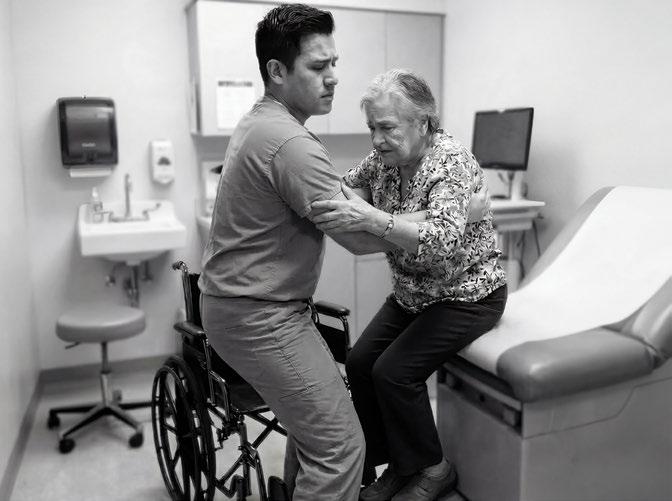

Incorrect Positioning
Inaccessible Equipment Manual Entry

Your customer’s job is already hard. Their environment shouldn’t make it harder.

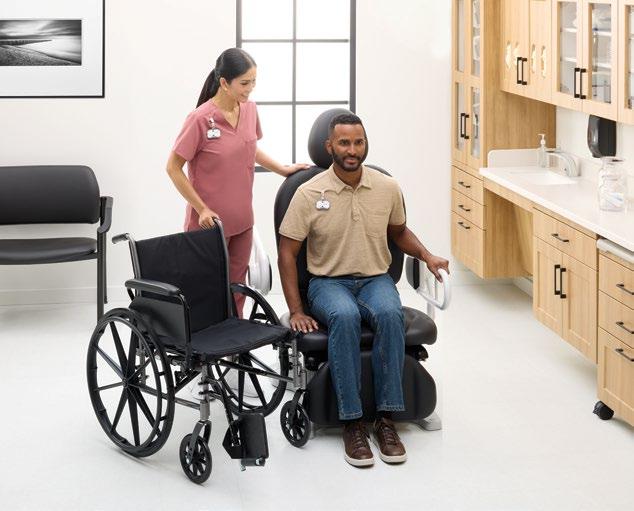
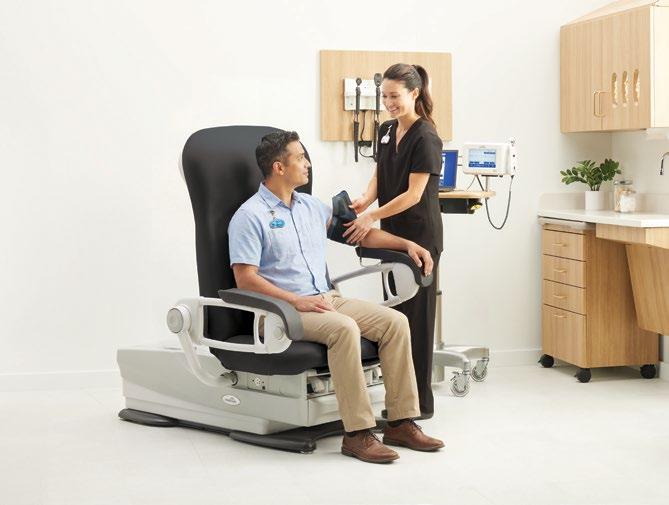
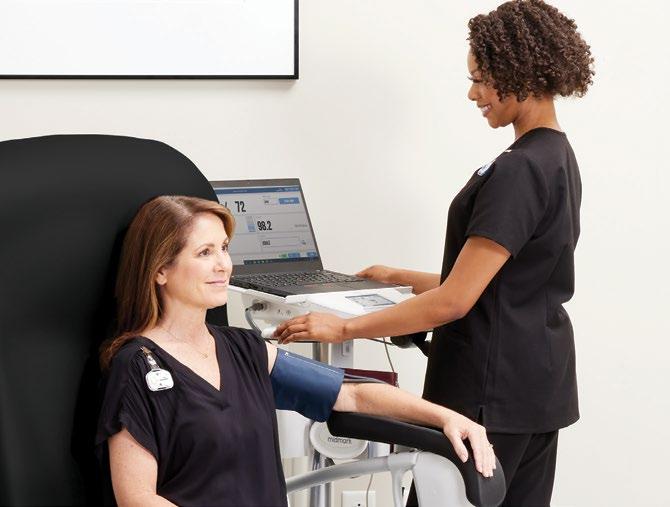
At Midmark, we start from that truth. And our mission is simple and serious: design every detail to remove friction where it shouldn’t exist. To give time, focus and energy back to the people doing the work.
Because better care begins with every detail.
Scan to Learn More.

Your Territory Isn’t Saturated. Your Thinking Is.
Smart reps win by showing up, asking questions and staying present when opportunity strikes.
By Brian Sullivan, CSP
 I hear it all the time. “Everyone in this system already has a vendor.” “That IDN has been locked up for years.” “Their current rep is their best friend. There’s no way in.”
I nod. I listen. And then I ask the same question I always ask: “How do you know?”
The answer is almost always silence. Because most reps don’t actually know. They assumed. They
drove past the account, saw a competitor’s car in the lot, and wrote it off. They heard the contract was locked. They called once, got a cold reception and quietly decided the territory was full.
Here’s the reality: markets rarely saturate. Salespeople do.
The story reps tell themselves There’s a mental model that develops over time in medical distribution. A rep comes in, works the territory hard for a year or two, identifies the accounts that feel winnable and then quietly stops pursuing the ones that don’t. The locked accounts. The loyal accounts. The ones where someone else got there first. On the surface, that sounds like smart prioritization. It isn’t. It’s retreat dressed up as strategy.
The problem isn’t that those accounts are closed. The problem is that the rep stopped asking why – and stopped asking what it would take to change it. Accounts that look impenetrable from the outside are almost never as solid as they appear. Vendors make mistakes. Reps get promoted or leave. New
dukal.com


decision-makers come in with zero loyalty to anyone. Contracts expire. Supply chain problems erode trust. Budget pressure forces buyers to rethink everything they’ve taken for granted. The rep who isn’t showing up when those cracks appear isn’t going to get the call. That’s just the reality of this business.
vendor that had the materials director quietly shopping alternatives. He didn’t know any of it – because he had stopped showing up. That’s saturated thinking. Not a saturated market.
The
reps who win locked accounts
The best reps I know treat
The accounts don’t change. The thinking does. The reps who win locked accounts aren’t smarter or more connected. They’re simply the ones who never disappear.
What saturated thinking looks like
I coached a rep last year –talented, experienced, the kind of guy who could charm his way into any room he actually tried to get into. His numbers were fine. Not great. Fine. When we mapped his territory together, I noticed he had a cluster of large health systems marked “no opportunity.” I asked him when he’d last been in contact with any of them. “Some of those? Probably 18 months.” I let that sit for a second, then asked: “And in 18 months, you don’t think anything changed?”
He looked at me like I’d asked him to solve a math problem mid-call. The reality was that two of those systems had gone through leadership transitions, and one had a supply disruption with their current
Brian Sullivan,
CSP,
every “closed” account like a slow-moving chess match. They’re not hammering the door every week. But they’re not invisible either. They drop in with something useful – a benchmarking insight, a clinical update, a heads-up about a product change coming down the line. They build relationships one level removed from the decision-maker so that when the door finally opens, they’re already in the building.
They ask questions the current vendor isn’t asking. They surface problems the buyer didn’t know they had. They make the status quo feel slightly less comfortable – not through pressure, but through perspective. And when things shift, which they always do, they’re the first call. That isn’t luck. It’s what consistent presence buys over time.
Three questions worth asking about every “locked” account
Before you write off a territory as saturated, run it through three honest questions:
` First: when was the last time you had a real conversation with someone at this account – not a pitch, an actual conversation?
` Second: do you actually know why they’re staying with their current vendor, or are you assuming?
` Third: if their situation changed tomorrow, would they think to call you?
If the answer to any of those is uncomfortable, the account isn’t locked. You just stopped working it.
The only territory that’s truly saturated
After 35 years in this business, I’ve watched sales teams convince themselves their markets are maxed out right before a competitor walks in and takes 30% of their book. It happens more than people want to admit. The accounts don’t change. The thinking does. The reps who win locked accounts aren’t smarter or more connected. They’re simply the ones who never disappear. So the next time you look at your territory and feel like there’s nowhere left to go, ask yourself one honest question: is the market really full? Or have you just decided it is? Because those two things feel identical from the inside. And only one of them is true.
is the founder of PRECISE Selling and author of PRECISE Selling: 20 Days to the Top. With 35 years of experience in healthcare and medical distribution sales, he delivers keynotes, bootcamps, and outsourced sales development for companies nationwide. Contact him at preciseselling.com.

Enjoy the trusted protection of a Wolf barrier, now with the versatility to adjust the clear lead panel to any height between 45.25” and 74”, ensuring optimal visibility for both patient care and operations. Perfect for a wide range of applications.
Best of all, the internal counterbalance mechanism makes adjusting effortless— lifting or lowering requires minimal effort!
` Overall width: 31”
` Opaque portion of the shield has .8mm lead equivalent protection
` Clear panel provides .5mm lead equivalent protection
` 7” legs with casters provide strength, durability and easy transport within the clinic
` The perfect right size solution for any environment: OR, ER, CT, X-ray, Urology, Pain Management, and Surgical Centers
` When lowered allows rapid transport to any location in hospital or clinic and easy to store



Wolf’s
Where Medicine Meets Dentistry: Inside Henry Schein’s Dallas Discovery Center
The new 8,300-square-foot facility brings clinicians, suppliers and technology together under one roof to advance the future of integrated care.
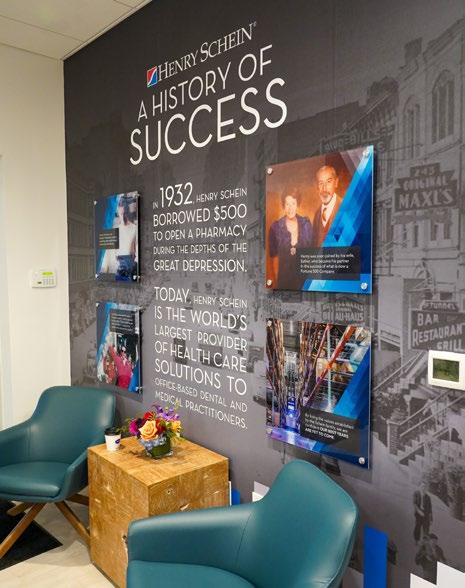
Henry Schein recently opened a new training and innovation facility in Texas designed to bring medical and dental professionals together to explore integrated approaches to care.
On March 4, 2026, the company formally unveiled the Dallas Discovery Center (DDC), an 8,300-square-foot facility in Southlake that serves as a collaborative space for education, product demonstrations and hands-on learning. The center is the company’s first training facility that combines both dental and medical disciplines under one roof.
According to the company, the goal is to give clinicians, supplier partners and Team Schein Members a place to explore new technologies and workflows while strengthening connections
between oral health and overall health, with a focus on holistic, integrated care approaches to prevention and wellness.
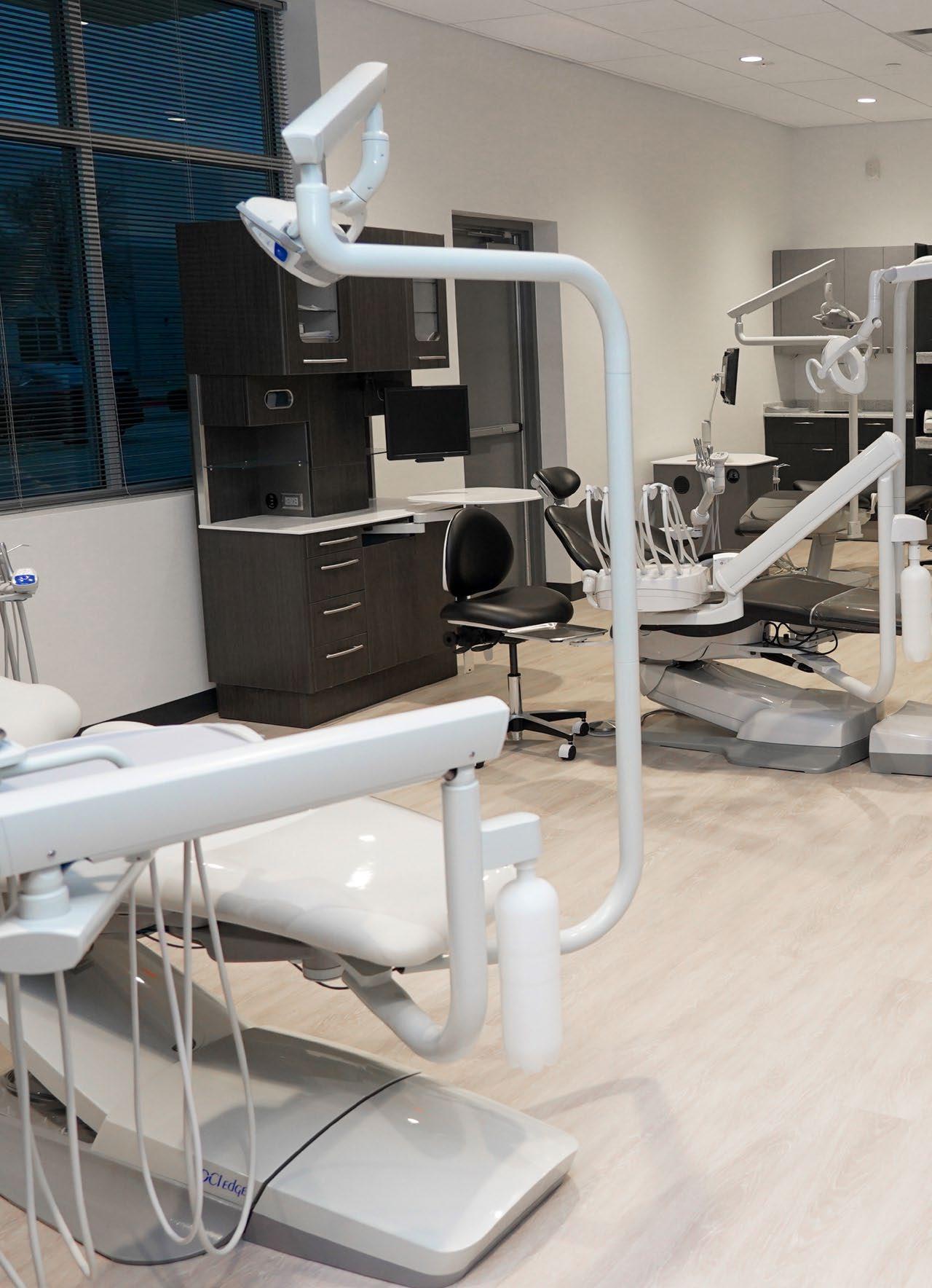
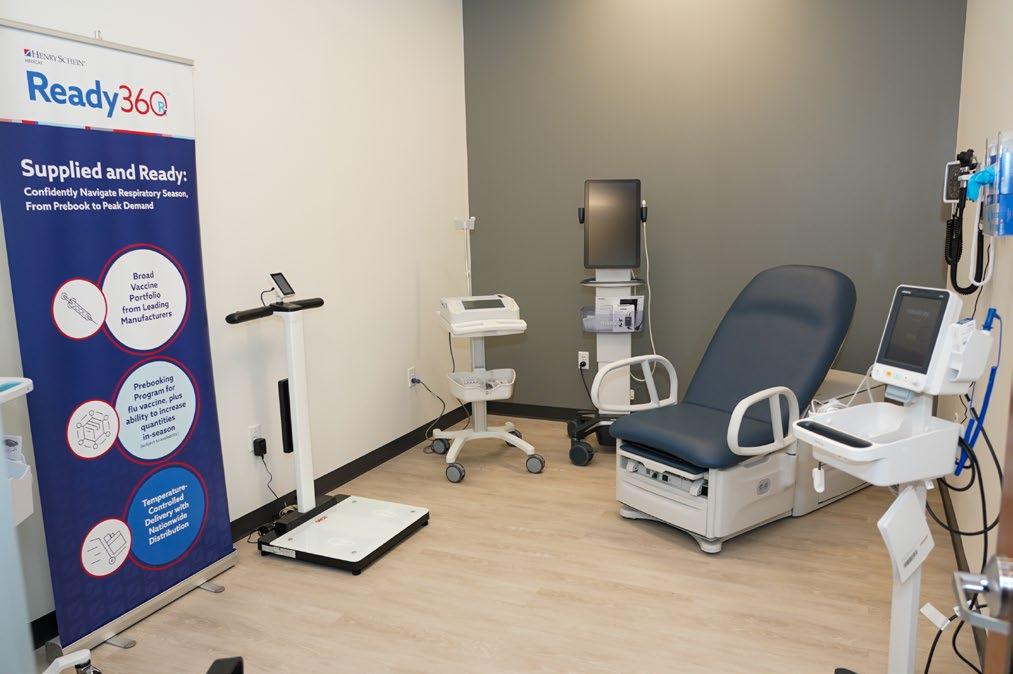
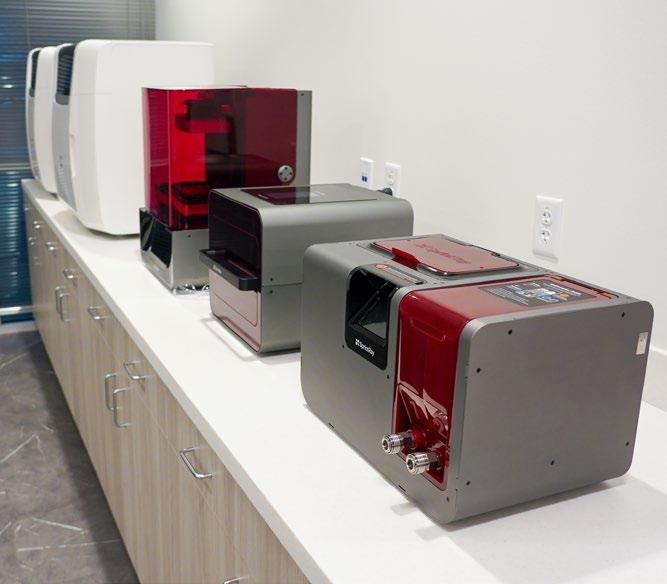
Located near the company’s Southwest Distribution Center, the facility includes demonstration areas such as a fully equipped exam room, experience laboratories, a simulated ambulatory surgery center environment and a dental equipment showroom. The space also features immersive learning areas where clinicians and sales professionals can gain handson experience using emerging technologies and clinical solutions.

“Our goal with the Dallas Discovery Center is to create a collaborative space where clinicians, supplier partners, and our Team Schein Members can learn from one another and see what’s possible in health care,” said Ty Ford, Vice President and General Manager of U.S. Medical Sales at Henry Schein. “By bringing medical and dental training together, we’re helping build a more integrated, patient-centric future.”
Holistic, systemic approach to healthcare
For Henry Schein, the Dallas Discovery Center is more than a training facility – it’s a tangible expression of the company’s long-standing commitment to advancing integrated care models, rooted in the philosophy that oral health and overall health are deeply interconnected.
“We have long advocated for a holistic, systemic approach to healthcare, with a focus on prevention and wellness that incorporates medical, dental and mental health. It’s a win-win-win, where patients are healthier, families are stronger, and society bears less cost,” said David Kochman, SVP and Chief Corporate Affairs Officer.
When planning the center, Kristen Meszaros, Director of Training and Development, said the team focused on creating a handson learning environment that was “different from a simple showroom.” She noted, “While we operate training and education facilities across North America and globally, this is our first combined dental and medical training center. We really wanted this facility to represent the next evolution of how we educate, engage and collaborate with our teams and customers.”
The Dallas Discovery Center was intentionally designed with no silos, allowing visitors to “get a firsthand look at the products powering integrated healthcare as a whole, not separated by dentistry and medicine.”
The facility features state-ofthe-art dental and medical equipment, digital imaging and diagnostics, practice management and clinical software, operatories, exam rooms, and lab environments. “It offers healthcare professionals the opportunity to see new solutions in action, our suppliers the ability to showcase their products, and our Team Schein Members the chance to learn about the latest technologies,” Meszaros said.
The dental chair as a diagnostic hub
Dental professionals can play a significant role in identifying
First-of-its-kind program
Guaranteed 45 days of inventory on hand at key distributor warehouse locations
No cost and no contracts required for customers

POST-ACUTE FACILITIES
HOSPITALS

NON-ACUTE LOCATIONS



early indicators of broader health issues. “The mouth is a window into the body, and many systemic diseases can be identified within the oral cavity before any other physical symptoms. Routine dental hygiene visits combined with systemic wellness screenings and care gap coordination offer a meaningful opportunity to help address many issues before they become acute (and expensive) to treat,” Kochman explained.
He highlighted the growing evidence linking oral health to systemic conditions: “Poor oral health is linked to systemic health issues and many noncommunicable diseases such as diabetes, heart disease and
stroke, pregnancy complications, dementia and Alzheimer’s, and more. For example, increasing evidence shows that gum disease and related inflammation are associated with increased risk of cardiovascular events, including heart attack, atrial fibrillation, heart failure and cardiometabolic health conditions.”
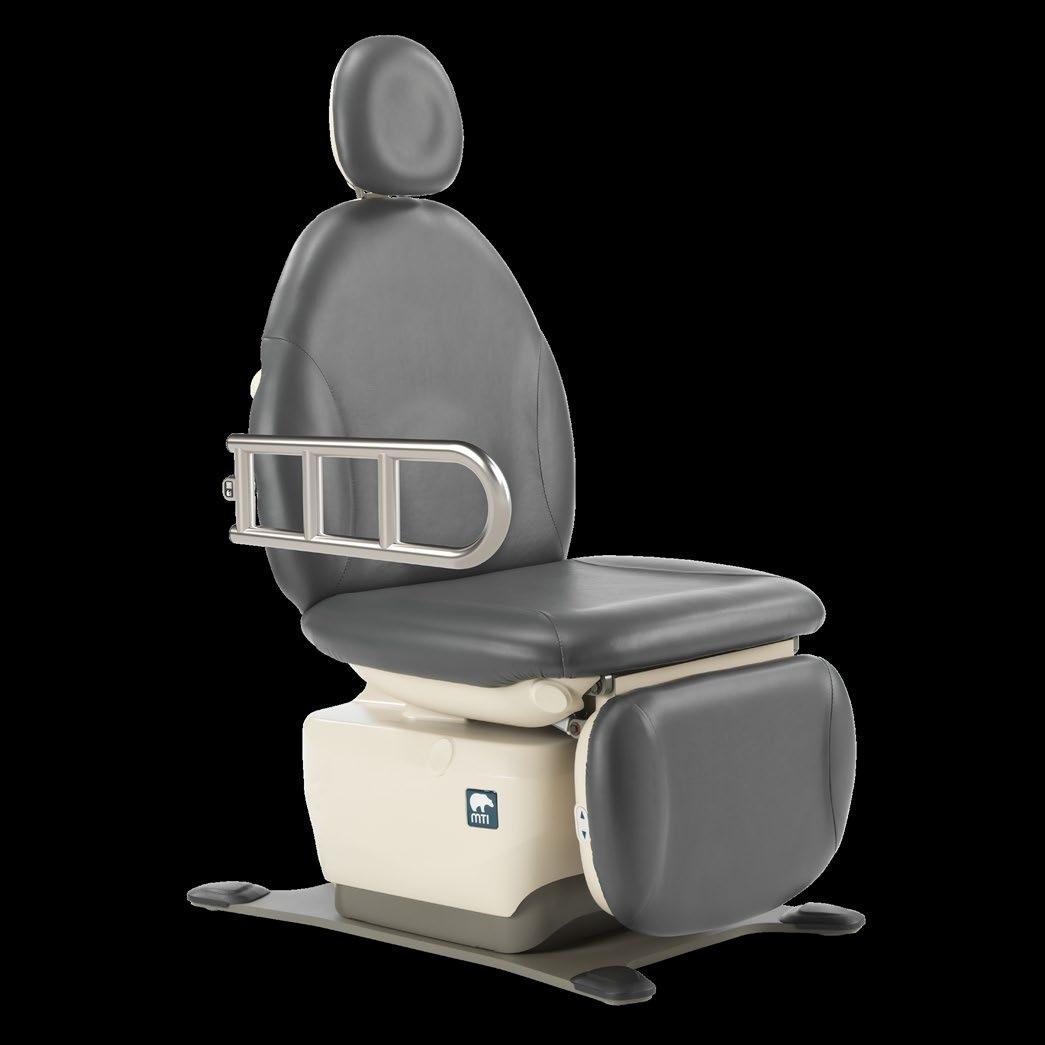
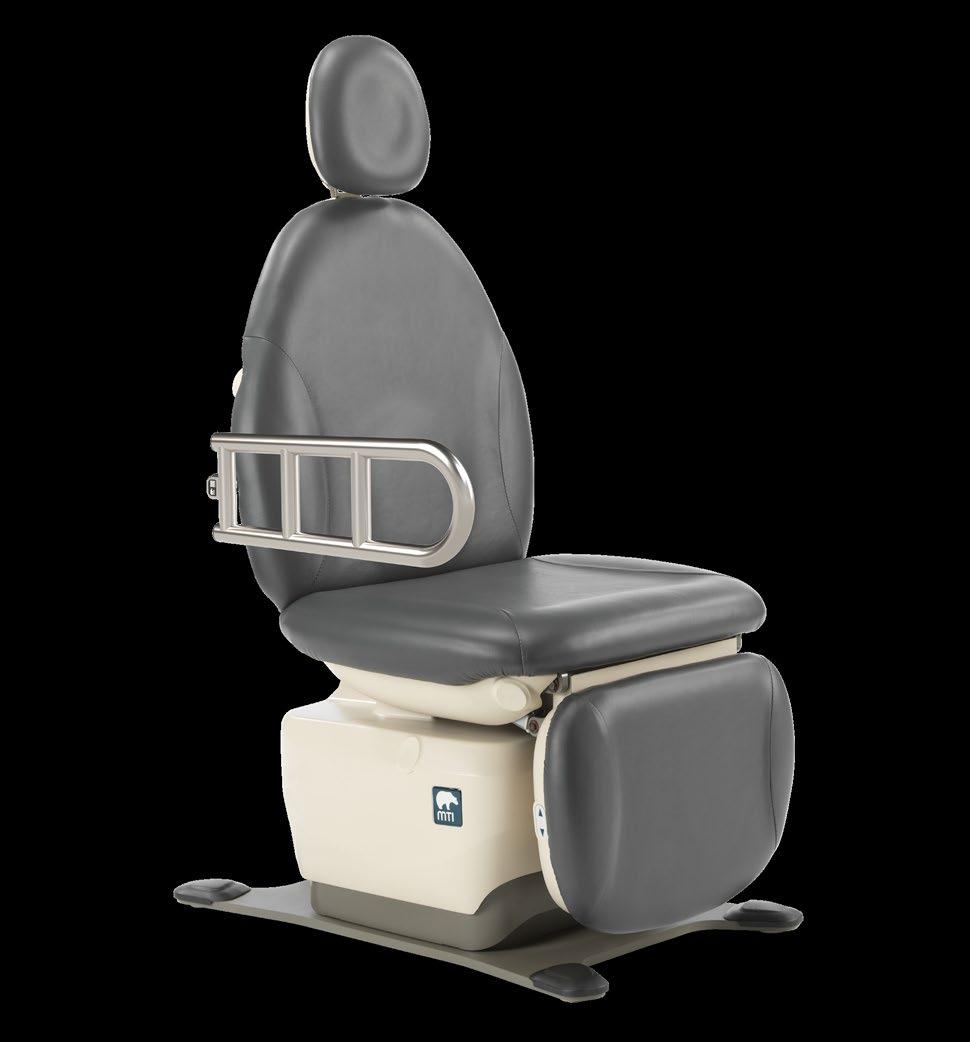
Dentists can now act as a first line of defense to assess cardiovascular health: “We know that approximately 30 million Americans visit the dentist annually but do not see a primary care physician. It is also standard of care for dentists to screen for high blood pressure as part of the standard patient hygiene check-up, and because patients are
physically present for hygiene visits, and dental teams are proficient in using basic point-of-care testing technology, the dental chair is well-suited for use as a diagnostic hub for chairside testing. In this model, we transform the hygiene visit into a gateway for understanding a patient’s overall health and, in so doing, improve patient health outcomes. The Dallas Discovery Center is one investment we are making to support this philosophy.”
Breaking down the medical-dental divide
Henry Schein is using education and technology to help dismantle the traditional silos between dental and medical care. “Integrated
care, prevention and wellness increasingly happen in officebased settings – and oral health is a key part of that story. Henry Schein is in a unique position to help break down dental/medical silos because we operate across both dental and medical markets, and through Henry Schein One we build the practice platforms that sit inside the clinical workflow every day,” Kochman said.
When it comes to interoperability, he noted: the biggest barrier has historically been siloed data systems and the lack of consistent, standards-based ways for dental systems and medical EHRs to exchange meaningful clinical data.
Henry Schein addresses this in two complementary ways: Technology that enables secure, standards-based exchange (where health systems support it). “Through enterprise-grade platforms like Dentrix Ascend, Dentrix, and axiUm, we support open, integration-ready
architectures that make it easier to connect with major EHR ecosystems,” said Dr. Ryan Hungate, Henry Schein One’s Chief Strategy Officer. The goal isn’t ‘more data,’ it’s the right data in the right place – so dental teams can reference medically relevant items (e.g., medications, allergies, problem lists, relevant diagnoses), and medical teams can receive structured, clinically useful dental information when it impacts systemic risk and care decisions.
Building toward shared, structured data models – not just documents. True integration requires more than PDFs and free text. “We’re focused on standardizing dental data capture and exchange (e.g., mapping key dental findings into discrete, shareable fields) so information can be used for care coordination, risk identification, quality programs and longitudinal prevention – not just ‘read-only’ viewing.” Notably, Dentrix
Ascend now includes fields for clinicians to record select diabetes markers and other vitals data informing the patient’s overall health, and makes this information available to medical providers.
Kochman emphasized the importance of partnerships and education: “We work with professional associations, public health organizations, and academic partners to align on standards and practical use cases,” he said.
For example, Henry Schein’s collaboration with the FDI World Dental Federation and OHIA (Oral Health Interoperability Alliance) group supports the broader push to make medical-dental integration a scalable, repeatable standard of care – not a one-off integration project. Henry Schein is also partnered with the CareQuest Institute for Oral Health and a select consortium of private practice clinics, universities, and federally qualified health centers to pilot integrated care workflows

for eventual deployment to the wider oral health community.
Finally, the company supports the clinical reality that integration includes diagnostics and prevention. “Because Henry Schein has deep industry connections within both the dental and medical channels, we can help practices adopt chairside screening and diagnostic workflows (as clinically appropriate), and ensure the resulting information is documented and shared in a way that fits into coordinated care,” Kochman said. “We’re moving integration from a concept to a workflow – connecting systems where possible, standardizing the data that matters, and making it usable for clinicians so earlier intervention and better whole-person outcomes become the default.”
Preparing practitioners for the next decade
Hands-on training is essential to bridging education gaps,
according to Kristen Meszaros. “In general, there are several gaps that exist around oral-systemic health. One is that currently, practitioners are educated in isolated silos,” she said. By giving dentists, for example, the ability to experience medical technology in-person, this allows for a hands-on experience they may not have otherwise. At the HLTH conference in 2024 and 2025, CareQuest, Henry Schein, and PDS Health hosted an Oral Health Pavilion that included a visualization of a holistic hygiene exam, including saliva testing, blood pressure monitoring, A1C testing and simulations. “This was an immersive experience to further medical-dental integration and chart pathways forward for comprehensive care models.”
Looking ahead, Kochman and Meszaros see oral health becoming an even more central component of prevention and wellness.
“The DDC is one of the many ways that we can help to bridge the gap between oral and systemic health – bringing dental and medical technologies of the future under one roof to help healthcare professionals elevate patient care,” Meszaros said.
Kochman added: “Ultimately, we believe the future dental model will incorporate a wider array of prevention and wellness screening coupled with care coordination to medical counterparts.”
To achieve this, the industry and profession must collaborate to foster innovation and enable a holistic approach to health care. The profession cannot do this alone; it must be a concerted effort by multiple stakeholders.
“By actively engaging with the industry and embracing cuttingedge technologies and pilot partnerships, we can finally put the mouth back into the body,” Kochman said.

Confronting Substance Use in a Post-Pandemic Era
Federal initiatives aim to expand prevention and recovery efforts as communities grapple with evolving drug trends, increased risks and ongoing stigma around treatment.
 Drug use among teenagers and adults remains a national crisis, with lingering impacts of the COVID-19 pandemic intensifying the nation’s current drug epidemic.
Substance use disorder (SUD) is impairment caused by repeated use of alcohol or other drugs. Among individuals aged 12 and older, 48.4 million people (or 16.8% of the population) had a SUD within the past year in 2024, according to Substance Abuse and Mental Health Services Administration (SAMHSA) survey data.

The misuse of alcohol, tobacco, illicit drugs and prescription medications affect the health and well-being of millions of Americans, according to the Centers for Disease Control and Prevention (CDC).
For many that are struggling, their addiction often goes unaddressed, with nearly 8 in 10 people with substance use disorder forgoing treatment in 2024.
“National data show that the United States continues to face a sustained substance use and overdose crisis,” said Christopher Carroll, SAMHSA Principal Deputy Assistant Secretary.
“While recent data show a decline in overdose deaths, we must come together to continue to change the trajectory of addiction and loss of life in our communities.”
Progress and continued efforts
Recent national data suggests that trends in substance use are beginning to change after several years of fluctuation during and after the pandemic.
While rates of use for tobacco and cocaine, binge drinking, prescription opioid misuse and alcohol use disorder have all declined or remained stable since 2021, according to
rise – marijuana, cocaine, methamphetamine, and prescription and illicit opioids are among the drugs with the highest usage for this age demographic, according to SAMHSA.
Substances such as cocaine, methamphetamine, and prescription and illicit opioids are highly addictive, involve a significant risk of overdose death, and can cause a wide variety of serious symptoms such as bowel decay, anxiety, brain damage, paranoia and more following an overdose or chronic use.
“America’s communities are now seeing more potent and lethal drugs in the illicit market,”
Illegally made fentanyl (IMF) refers to fentanyl that is produced by clandestine laboratories instead of the pharmaceutical industry. IMF cannot be obtained from a doctor or pharmacy; it instead comes in forms such as powder, pills, or blotter paper, according to SAMHSA.
SAMHSA’s National Survey on Drug Use and Health, the nation has continued to face an ongoing illicit drug use crisis.
“Over the past four years, we have seen increases in overall illicit drug use, mainly due to increases in use of marijuana and hallucinogens, as well as increases in drug use disorders and rising polysubstance use, which illustrate ongoing challenges,” said Carroll.
While young adults aged 18-25 have historically had the highest rates of drug use across the board, drug use among adults aged 26-49 has been on the
said Carroll. “Among the main drivers of overdose, synthetic opioids, such as illicitly manufactured fentanyl commonly found in fake pills, have made substance use more dangerous than ever.”
Illegally made fentanyl (IMF) refers to fentanyl that is produced by clandestine laboratories instead of the pharmaceutical industry. IMF cannot be obtained from a doctor or pharmacy; it instead comes in forms such as powder, pills, or blotter paper, according to SAMHSA. On the other hand, opioid misuse includes the misuse of prescription opioids or the use of heroin.
“With fentanyl and other highly potent synthetic opioids becoming more prominent in communities across the country, people receiving medication treatment for opioid use disorder or who need opioid overdose reversal medication during an acute overdose may require higher doses of those medications,” said Carroll.
Drug overdose death rates, including those involving synthetic opioids (such as fentanyl) and stimulants (such as cocaine and methamphetamine) have risen over
the past several decades in the U.S. In 2024, 79,384 drug overdose deaths occurred, resulting in an age-adjusted rate of 23.1 deaths per 100,000 standard population, according to the CDC.
“Adding to the complexity of the overdose crisis, fentanyl also is increasingly mixed with illicit stimulants such as cocaine and methamphetamine – which substantially increases the risk for overdose, especially when people do not know they are being exposed to fentanyl or other synthetic opioids.”
“Federal efforts such as the recently announced Great American Recovery Initiative are galvanizing action across the government and with multiple sectors across communities. This bold new initiative is focused on expanding access to evidencebased prevention and treatment and strengthening long-term recovery supports.”

Substance use disorders
Substance use disorders (SUDs) are a treatable, chronic medical disease. SUDs involve complex interactions among brain circuits, genetics, the environment and an individual’s life experiences, according to the American Society of Addiction Medicine. People with addiction use substances or engage in behaviors that become compulsive and often continue despite harmful consequences.
SUDs are characterized by impairment caused by the recurrent use of alcohol or other drugs (or both) – including health problems, disability and failure to meet major responsibilities at work, school, or home. Repeated drug use changes the inner workings of the brain and leads to addiction.
SUDs can range from mild to severe and can affect people of any race, sex, income level or social class, according to the CDC.
“It is important to note that there is no single cause of substance use and addiction. The risk for substance use disorder (SUD) is influenced by multiple factors, including early initiation of substance use, underlying mental health conditions, trauma, family substance use and community norms,” said Carroll. “Social media can add complexity by being a source of access to illicit substances or glamorizing use, but it also presents opportunities for prevention and education.”
The dual role of social media highlights the need for early SUD intervention and prioritizing proper messaging online.
Proper messaging should emphasize that addiction is a chronic disease, and therefore treatment is available and recovery
is possible. Outpatient counseling, inpatient rehabilitation, behavioral healthcare, and medications for opioid use disorder (MOUD) and medications for alcohol use disorder (MAUD) are all safe and effective ways to address a SUD, according to the CDC.
“Despite available treatments, however, gaps remain, including provider shortages, access barriers and persistent stigma,” said Carroll. “And we know many people who could benefit from treatment do not seek care for a variety of reasons, including cost, stigma, shame, they do not feel ready for treatment, or believing they can manage on their own.”
Among people aged 12 or older in 2024 who were classified as needing substance use treatment in the past year, only about 1 in 5 received substance use treatment.
Addressing drug abuse
To address the escalating illicit drug crisis and encourage SUD recovery and treatment, organizations such as SAMSHA, the National Institute of Health’s National Institute on Drug Abuse and the Department of Health and Human Services (HHS) have worked to prevent substance misuse, abuse and addiction across the U.S.
Through campaigns such as “Talk. They Hear You.” ® , Communities Talk and awareness events such as SAMHSA’s Prevention Day, National Prevention Week, and Substance Use and Misuse Prevention Month, SAMSHA aims to educate and inform communities on the dangers of drug abuse and encourage individuals to seek treatment.
Key points
` Widespread, under-treated: ~48M Americans have SUD; most aren’t getting care
` Fentanyl risk is everywhere: Often hidden in fake pills or mixed with other drugs
` Patient mix is shifting: Use is rising in adults 26–49—not just younger patients
` Chronic but treatable: Counseling + medications are effective, but stigma blocks access
` Clinical takeaway: Physicians need support identifying, treating, and discussing SUD openly
“SAMHSA has also made significant investments through programs such as the State and Tribal Opioid Response Grants to expand access to medications for SUDs and opioid overdose reversal medications, peer and other recovery supports, and wraparound services, including recovery housing,” said Carroll.
Additionally, on Feb. 2, 2026, HHS Secretary Robert F. Kennedy, Jr. announced a comprehensive plan to strengthen prevention, expand treatment, and carry out an executive order for a $100 million investment to solve long-standing homelessness issues, fight opioid addiction, and improve public safety by “expanding treatment that emphasizes recovery and self-sufficiency,” according to a HHS press release.
“Federal efforts such as the recently announced Great American Recovery Initiative are galvanizing action across the government and with multiple sectors across communities,” said Carroll. “This bold new initiative is focused on expanding access
to evidence-based prevention and treatment and strengthening longterm recovery supports.”
Policies under the initiative are focused on preventing drug use and treating individuals –and The Safety Through Recovery, Engagement, and Evidencebased Treatment and Supports (STREETS) Initiative from HHS will fund targeted outreach, psychiatric care, medical stabilization and crisis intervention, while connecting Americans experiencing homelessness and addiction to stable housing with a clear focus on long-term recovery and independence.
These initiatives and many more from other organizations aim to reduce illicit drug abuse nationally and save lives. According to Carroll, “SAMHSA, under the Great American Recovery Initiative, will continue to be laserfocused on supporting states, tribes, and communities with the resources, training and technical assistance they need to save lives, restore families, strengthen our communities and build the Great American Recovery.”
Closing the Gaps in Addiction Care
Leaders from the Healthy State Alliance say fragmented care transitions and workforce shortages continue to challenge Ohio’s opioid response, even as health systems work to expand medication treatment and improve coordination.
 Although Ohio has made progress addressing the opioid crisis, leaders from an alliance of healthcare providers say the state’s addiction-response landscape still suffers from fragmentation that can leave patients without consistent support.
“Ohio has made progress in reducing inappropriate prescribing and expanding treatment, but care is still too fragmented,” said leaders from the Healthy Alliance, a strategic partnership between The Ohio State University Wexner Medical Center and Bon Secours Mercy Health. “Patients often move from emergency departments to outpatient treatment to recovery services without clear coordination between systems.”
The Healthy State Alliance was created to combine the strengths of a leading academic medical center with a large community-based health system in order to tackle some of the most pressing health challenges facing communities across Ohio. By working together, the organizations aim to improve health outcomes while also making care more accessible and affordable for the populations they serve.
Through the alliance, the two health systems coordinate clinical care, research, education and community health initiatives across a broad network of providers and care sites. Their work focuses on major health priorities

such as addiction, cancer care, transplant services and broader community health needs. By sharing resources, expertise and clinical best practices, the alliance seeks to expand access to specialized care, support innovation in treatment and research, and address underlying factors that influence health outcomes in communities throughout the state.
Two leaders spoke to Repertoire Magazine regarding the alliance’s mission, challenges, and goals:
` O. Trent Hall, DO, a boardcertified Addiction Medicine specialist and assistant professor at The Ohio State University Medical Center. He researches addiction mechanisms, chronic pain, and overdose deaths while
leading the East Hospital Addiction Medicine Consult Services.
` W. Carson Felkel, MD, a board-certified Psychiatrist and Systems Medical Director for Behavioral Health at Bon Secours Mercy Health.
Drs. Hall and Felkel serve as co-leads for the Healthy State Alliance Addiction initiative, where they have achieved success in leading a cross-functional team in developing opioid-sparing protocols, implementing strategies for prescribing medication for opioid use disorder across medical systems, and delivering educational content to address stigma in healthcare providers. Drs. Hall and Felkel serve as investigators in several addiction and pain related research studies across Bon Secours Mercy Health and Ohio State.
Viewing addiction as a chronic condition
According to Drs. Hall and Felkel, health systems and community organizations frequently work toward the same goals but operate separately rather than together. That disconnect can
make it harder for patients to stay engaged in care as they transition between treatment settings.
To address those gaps, the Alliance is working to create a more connected system of care by standardizing evidence-based practices and strengthening coordination among providers, payers and community partners.
“The Alliance aims to close those gaps,” they said. “We focus on standardizing evidence-based practices such as medication treatment for opioid use disorder, improving care transitions, and aligning health systems, payers and community partners around shared outcomes.”
The Alliance’s strategy reflects a broader shift toward viewing addiction as a chronic condition that requires long-term support across prevention, treatment and recovery.
“We view addiction as a chronic condition, so prevention, treatment and recovery have to move forward together – not in stages,” the Alliance leaders said.
Collaboration is central to the effort. The Alliance brings together clinicians, executive leaders, community members and policymakers to develop initiatives that can be implemented across the state.
Policy changes have also helped expand access to care. Leaders say expanded telehealth access for medications used to treat opioid use disorder has been particularly impactful in rural communities, while reducing administrative barriers and strengthening integrated behavioral health care continue to improve access across the state.
Policy and practice
Even as policymakers continue to push for expanded addiction treatment, leaders with the Healthy State Alliance say the realities
facing healthcare providers often make implementation difficult.
“Policy expectations often move faster than operational capacity,” the Alliance leaders said. “Providers are encouraged to expand medication treatment and integrate behavioral health, but they still face workforce shortages, inconsistent support structures, and limited time for training.”
Those operational challenges remain among the biggest obstacles to expanding addiction care across Ohio. Workforce shortages – particularly among addictiontrained clinicians and behavioral health specialists – continue to strain hospitals and outpatient providers. At the same time, inconsistent reimbursement and administrative burdens can slow progress toward broader treatment access.
Hospitals and clinicians also play a much larger role in addiction care than simply responding to overdoses. Alliance leaders emphasize that health systems can serve as critical gateways into long-term treatment and recovery.
Priorities and goals
“Hospitals are more than emergency responders – they are key entry points into long-term treatment and recovery,” Drs. Hall and Felkel said. “Health systems can initiate medication treatment, improve pain management practices, screen for substance use disorder in routine care, and ensure warm handoffs to outpatient and community services.”
Clinicians themselves also help shape the culture of care. By treating addiction as a routine medical condition rather than a stigmatized disorder, providers can help normalize treatment and encourage more patients to seek help.
The Alliance measures success not simply by individual programs but by broader system change. “We look at expanded access to medication treatment, adoption of standardized clinical protocols, and stronger coordination between hospitals and community partners,” the leaders said. “For us, success means sustained system change – not just shortterm program activity.”
Improving access across Ohio – especially in rural and underserved areas – remains a central priority of the Healthy State Alliance. Telehealth, regional partnerships and shared clinical protocols help extend specialty expertise to communities that may lack addiction specialists.
Community-based organizations have also shaped the Alliance’s approach. Their work highlights the importance of trust and long-term support in recovery. Peer recovery specialists – individuals who have experienced recovery themselves – often help patients stay engaged in treatment.
Looking ahead, Alliance leaders say their goal is to create a fully connected addiction care continuum where prevention, treatment and recovery are seamlessly linked, and where access to care no longer depends on geography.
Home Is Where Healing Happens
As the U.S. population ages, at-home care is emerging as a cornerstone of post-acute recovery, improving outcomes while reducing costs.
By Jenna Hughes
 The aging population is rapidly transforming the U.S. healthcare system, driving sustained growth in care services that support recovery and long-term care after hospitalization.
As the demand for longterm care continues to increase, new care delivery models have been introduced to support greater quality and efficiency of patient care. In the at-home care sector specifically, value-based care models focus on providing high-quality care to allow patients to manage chronic conditions outside of inpatient healthcare facilities in the comfort of their own home.
Hillary Loeffler, Vice President of Policy and Regulatory Affairs at the National Alliance for Care at Home – an

organization of more than 1,500 members representing about 10,000 different locations of home health agencies, hospices, palliative care providers, home and community-based service providers across the nation – said that patients may rely on homebased care for a variety of reasons.
“There are situations where home health and communitybased care is needed to prevent somebody from going to the hospital in the first place,” said Loeffler. “There are also times when home health is used for post-acute care following a

hospitalization, skilled nursing facility stay, or a surgical procedure to help an individual regain function, support recovery and ultimately transition safely back to the home.” For individuals living with chronic or complex conditions at home, home health can also help maintain stability, support independence and prevent an individual from being hospitalized.
At-home care, versus inpatient post-acute care, has the potential to reduce the overall cost of care while enhancing patient experience. An essential goal of value-based care at home is to ensure that care teams do everything possible to reduce the need for costly rehospitalizations and improve patient health outcomes.
“Value-based care improves patient care by asking: How well is a home health agency doing at keeping somebody out of the hospital, or keeping somebody from having to go to the emergency department? What was the patient’s function before, and how did we help them improve in their function by the time of discharge? These are key measures for someone who’s at-home care is focused on rehabilitation,” said Loeffler.
“There are also patients that have conditions such as dementia and Alzheimer’s that are being taken care of at home, and they have different care needs than somebody that’s coming from, say, a knee replacement,” said Loeffler. “Quality measures are going to differ based on the patient population and the goals of care. We believe that home-based care is well positioned to support value-based care efforts.”
The transition to at-home care
Home health agencies’ relationships with acute care facilities are a key part of patient-focused care – ensuring patient satisfaction and improved outcomes within the at-home care space.
The transition from an institutional setting to the home is a critical point in time when a patient is at an increased risk of relapse. In these instances, a smooth handoff to the home and home health agency is vital.
“Home health agencies must start caring for the patient as soon as possible following acute care stays. Having a great relationship, coordination and interaction with acute care facilities is necessary to make sure that these agencies can get the patient settled, stabilized and starting their course of treatment in a very timely manner,” said Loeffler. “This coordinated care assures that patients feel supported in their recovery and reduces the need for patients to return to the hospital.”
While home care plays a major role in patient transitions from the hospital to home, about half of all home care cases begin in the community, without hospitalization.
“These cases tend to be disease management and often serve patients with declining cognitive ability and mobility,” said Alex Hartzman, Vice President, Research Analytics, National Alliance for Care at Home and Head of Operations, Research Institute for Home Care.
The earlier patients can access skilled care in the home the better the experience for both the patient and our health care system. One example is hospice, where patients and their families benefit from receiving care sooner.
“Current barriers to timely access include individuals and their families accepting a possible transition to hospice care, and also doctors making timely and appropriate referrals,” said Hartzman. “However, we know that when patients are able to take advantage of the hospice benefit, they receive high-quality care, report satisfaction with that care, and are able to remain in their preferred setting – at home.”
Evolving models of care
As the need for post-acute care rises among patients, the U.S. healthcare system must continue adapting its delivery models and strategies to
and tests healthcare payment and service delivery models in the acute and post-acute sectors to improve patient care, lower costs, and align payment systems.
“About 10 years ago, the Innovation Center introduced their first mandatory model, which means facilities were mandated to participate,” said Loeffler. “This joint replacement model was aimed at people getting knee and joint surgeries and holding hospitals accountable for the total cost of care, not only for just the surgery, but also a patient’s post-acute care following surgery.”
It is often more costly for patients to go to a skilled nursing
“ Quality measures are going to differ based on the patient population and the goals of care. We believe that homebased care is well positioned to support value-based care efforts.”
accommodate more individuals with complex care needs.
“As the post-acute care landscape has evolved alongside heightened demand, we see new technologies and payment models emerging. The Home Health Value-Based Purchasing Model, which adjusts Medicare payments based on agency performance on certain quality measures, represents one example as an effort to drive positive outcomes at lower costs, though its design continues to evolve,” said Hartzman.
Other government payment models, through the Centers for Medicare and Medicaid Services (CMS), also aim to improve how post-acute care is delivered. The CMS Innovation Center develops
facility or inpatient rehabilitation facility following these types of joint and knee surgeries than it is to be cared for at home.
“This introductory model started the process of hospitals engaging more with home-care communities and home health agencies,” said Loeffler.
CMS has also introduced similar care structures, such as the Bundled Payments for Care Improvement (BPCI) Model, which has had several variations, all with the goal of trying to steer people to the most effective setting for their post-acute care.
Currently operating, said Loeffler, is the CMS Team Model – where for certain surgical procedures, patients are encouraged to go
to the most appropriate setting of care for their needs, which is often home health. The model also provides greater incentives for people to remain at home and be treated at home for lower overall costs.
“The newest model that touches on our patient population, coming from the innovation center side, is the LEAD (Long-term Enhanced ACO Design) Model, an Accountable Care Organization (ACO) driven model. This entity of the government is responsible for total cost of healthcare,” said Loeffler.
LEAD utilizes improved benchmarking to appeal to a broader mix of health care providers, including those with specialized patient populations.
“This model holds a lot of promise, because one of their goals is for ACOs to partner with preferred entities to make sure homebound individuals, seriously ill and chronically ill individuals, and those at the end-of-life are receiving the right care at the right time, with the goal of better quality care and lower cost overall for the Medicare program,” said Loeffler.
Changing post-acute landscape
With demographic projections showing a tripling of the 85 and older age group by 2060, a radical new approach to post-acute healthcare delivery models is more necessary than ever.
“For all of those who care for people with serious chronic illness or the aging population, a top concern driving change is the question of who will continue to provide the care,” said Hartzman.
The aging population is changing everything in the postacute care sector – from Medicare and Medicaid financing to
emergency room capacity, workforce shortages and more.
“On average, caregivers are spending 26% of their personal income on caregiving,” said Hartzman. “We know continuing to care for the aging population is a major crisis that demands both regulatory and policy changes.”
About half of Medicare beneficiaries currently receive care through the traditional or original Medicare Fee for Service Program. The remaining half of patients are enrolled in private insurance plans known as Medicare Advantage.
“The value-based landscape is a little different based on whether you’re talking about the original Medicare population or those that are enrolled in these private Medicare Advantage plans that manage Medicare Part A and B benefits,” said Loeffler. “We think there’s a lot of promise in keeping people at home, keeping patients where they want to receive care and aging in place, and value-based arrangements or models coming from the government could really help in this space and keep patients where they want to be for their care – at home with their families.”
Going forward, an increasing number of people will be relying on Medicare, and our post-acute care infrastructure is already feeling the strain. According to Loeffler, as the amount of people in the 65 and older population increases and post-acute care facilities begin to reach their capacity, the ability for patients to be cared for at home will become even more important.
“With this in mind, as an industry, we must focus on what we can do now to help people stay in their homes for care as long as possible,” said Loeffler. “We must build stronger momentum to support policies
Key Takeaways
` Aging America, Growing Need: Post-acute care demand is soaring as the 65+ population expands.
` Care at Home Wins: Home-based services reduce costs, prevent rehospitalizations, and support patient independence.
` Smooth Transitions Matter: Coordinated handoffs from hospitals to home health agencies improve recovery and satisfaction.
` Value-Based Models Lead the Way: CMS programs like HHVBP, BPCI, and LEAD reward high-quality, efficient care.
` Aging in Place: Medicaid HCBS programs and innovative delivery models help Americans stay in their homes longer.

that keep people at home, because the nursing home is absolutely an appropriate place for patients, depending on their situation – but if you can avoid a patient going to the nursing home in the first place, that’s always better.”
Home care itself has expanded most under Medicaid Home- and Community-Based Services (HCBS) programs, according to Hartzman. HCBS has reached new patient populations and helped to reduce the use of institutional settings.
“These programs address the needs of people with functional limitations who need assistance with everyday activities, like getting dressed or bathing. HCBS are often designed to enable people to stay in
their homes, rather than moving to a facility for care,” said Hartzman.
“These government programs have enabled a large swath of Americans to remain in their homes and have supported countless families navigating complex circumstances.”
“Because of these healthcare delivery models and government programs, the focus on helping people remain in their homes and age in place is growing,” said Loeffler. “Value-based care arrangements are naturally expanding into this space. We’re on the cusp of a shift and are reaching a point in time where providers will really prioritize and promote the home as a care setting and develop more creative ways to make sure people can stay at home for care.”
Focused Care: At-Home BP Monitoring
UC Davis Health unveils at-home patient blood pressure monitoring.
 Nearly half of all adults in the U.S. have hypertension (48.1%, or 119.9 million), according to the Centers for Disease Control and Prevention (CDC). Patients are often not aware that their blood pressure is elevated – which is why it is referred to as an ‘invisible killer.’ Hypertension puts patients at an elevated risk of a heart attack or stroke and results in nearly 145 million emergency department visits across the U.S. each year.
Gaps in monitoring and education can prevent patients from getting timely intervention and seeking treatment for hypertension. When patients leave a medical facility after being
diagnosed with hypertension, they are often unaware of their day-to-day blood pressure readings and what personal changes they can make to lower their blood pressure.
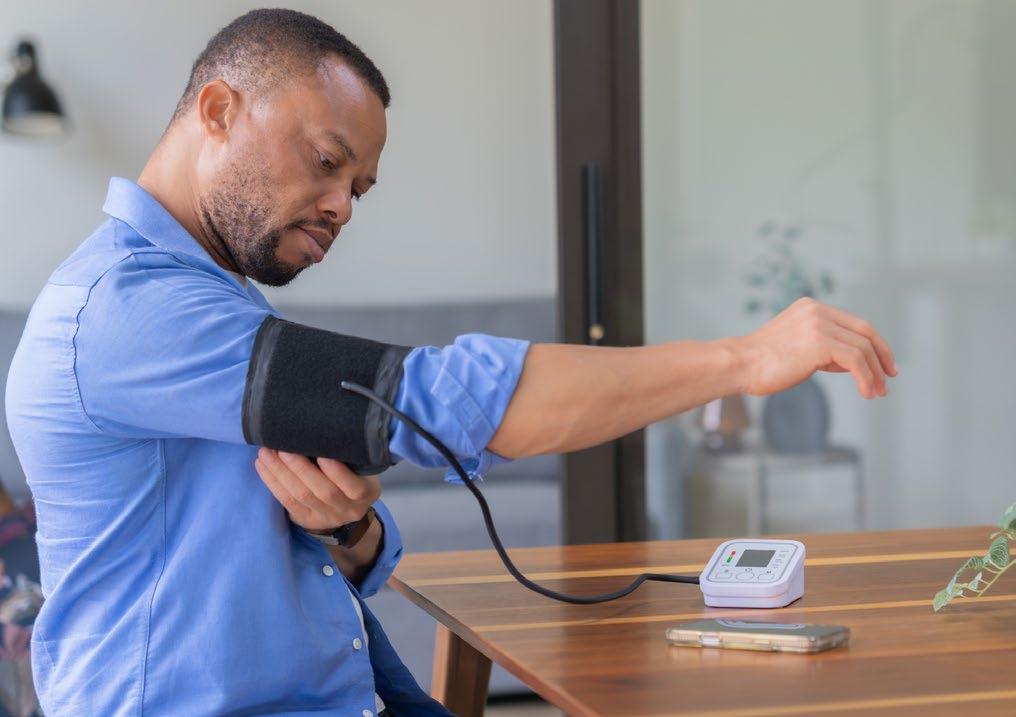
To address these gaps, UC Davis Health launched an at-home monitoring program in 2024 for patients with high blood pressure. Using connected medical devices, the program
aims to promote wellness and better blood pressure control for patients.
“There are a number of patients who want to do more to improve their blood pressure and reduce their risk of heart attack and stroke, but without consistent data, it’s easy for patients to feel like this aspect health is out of sight, out of mind,” said Reshma Gupta, MD, M.S.H.P.M., Primary Care Physician and Chief of Population Health and Accountable Care at UC Davis Health. “Hypertension is known as a silent killer – unless we can engage with it and see how a patient’s numbers track over time; we will not be able to address it.”
The patient remote blood pressure monitoring program falls under UC Davis Health’s Office of Population Health, which works to improve the culture of delivering population health as well as providing more affordable care to patients.
“The UC Davis Health program addresses gaps in consistent monitoring by focusing on making the numbers more transparent and giving people the data in their hands so they can engage with it,” said Dr. Gupta.
Monitoring BP
Measuring blood pressure consistently is an important step for patients focused on achieving or maintaining a healthy blood pressure and for preventing hospital readmissions and unnecessary visits. High blood pressure is defined as systolic blood pressure greater than 130 mm Hg or diastolic blood pressure greater than 80 mm Hg, according to the CDC.
Patients enrolled in the UC Davis Health blood pressure
monitoring program use connected devices such as blood pressure cuffs and scales to measure their own blood pressure readings throughout the day.
To get set up, patients are given a tablet with an app to monitor and track their blood pressure. When patients are first enrolled in the program, the equipment vendor talks them through the devices, how they work, and how to integrate the
them, track them and input each data set remotely on a graph,” said Dr. Gupta.
For each individual patient, the graphed data allows physicians and care teams to see blood pressure readings in real time while allowing for the tracking of health trends over time.
“A key focus for the program is the integration of blood pressure cuffs within the medical record that are linked to clinical
On average, patients that started the UC Davis Health Program had a blood pressure of 146/81, and by the end of the six-month program – using the blood pressure cuff, educational resources and the interdisciplinary team, participants were able to get their blood pressure down to an average of 128/73.
app. Any technical support with the device going forward comes from UC Davis Health’s vendors.
“Readings from the devices, such as patient vital signs, symptoms and other health indicators are sent directly to a patient’s UC Davis Health Electronic Medical Chart,” said Dr. Gupta. “Each of the readings taken from the patient’s home can be accessed by the UC Davis Health Remote Patient Monitoring team in real time.”
At UC Davis Health, a team including physicians, pharmacists, registered nurses and medical assistants will respond to patients, working to keep their blood pressure in a healthy range.
“Readings from the blood pressure devices import automatically so that a physician can see
escalation pathways – we are consistently monitoring so that if a patient’s blood pressure comes back elevated or very high, the system in turn shows yellow or red, activating the care team workflow,” said Dr. Gupta. “Depending on how severe a certain case is, the clinician will respond proactively to ensure the right treatments.”
The program has two parts –one with a broad focus on preventative care for patients in primary care who have had high blood pressure, to help them avoid developing conditions like heart failure or chronic kidney disease, and the other that focuses on patients who have already developed heart failure or chronic kidney disease who require more aggressive blood pressure monitoring.
“Blood pressure should be no more than 130/80 consistently throughout the day,” said Dr. Gupta. “Remote monitoring helps physicians identify changes in their patients sooner and allows them to get the data that tells the real story of what has been happening with patients for the majority of the time, not just in the physician’s office, so that they get the right care at the right time.”
Holistic approach to BP management
The UC Davis Health program takes a preventative medicine and holistic approach to helping patients to improve their blood pressure by focusing on both the data and promoting long-term behavior changes to support lifelong health and wellness beyond the program.
around diet, medications used for hypertension, sleep, stress, and more, and how to set goals to achieve better overall behaviors and sustain these changes,” said Dr. Gupta.
The at-home monitoring program has shown real, tangible results in terms of improving patients’ blood pressure, said Dr. Gupta. On average, patients that started the UC Davis Health Program had a blood pressure of 146/81, and by the end of the six-month program – using the blood pressure cuff, educational resources and the interdisciplinary team, participants were able to get their blood pressure down to an average of 128/73.
“The medical goal that we are trying to reach is less than 130/80, so we are really getting
“ Providers feel that they are getting a lot of benefit from the program because a team is supporting and supplementing the work that they usually do with the patients on their own.”
Educational sessions are held at the beginning of the program and are reinforced throughout with a patient’s healthcare team. Topics include how to use monitoring devices, what high blood pressure is, the effects of high blood pressure on the body, what patients should look out for in terms of safety, and more.
“The focus on preventative care within the program provides participants with education
patients where they need to get,” said Dr. Gupta. “A number of patients asked to extend the program for another six months, so they are very much getting something out of it.”
Better BP care
Healthcare providers, too, benefit from the at-home blood pressure monitoring program. At-home monitoring takes some of the burden of constant monitoring off
one provider and allows them to work together as a team to address a patient’s hypertension.
“Providers feel that they are getting a lot of benefit from the program because a team is supporting and supplementing the work that they usually do with the patients on their own,” said Dr. Gupta. “Through this program, providers get peace of mind that someone else has eyes on the patient, they know what’s happening when they’re not in the clinic, and they get all this information to feel more at ease that the patient’s blood pressure is under control or if not.”
Patients, too, have seen significant progress with the program within their own personal health journey. According to one patient, “I’ve been in the remote patient monitoring hypertension program for three months now. As my blood pressure readings went up or down, the pharmacist or nurse were available to assist me renegotiate medications and lifestyle adjustments. I’m so happy to have a team that works with me as I try to get my blood pressure under control.”
Another patient said about the program, “I’ve maintained my blood pressure by getting more exercise and being more active at home. I’m eating better and I’m cleaning the house, which is spectacular for me because I haven’t been able to do that in quite a while.
UC Davis Health is in the process of beginning remote monitoring for other chronic conditions – such as advanced heart failure, chronic kidney disease, diabetes, chronic obstructive pulmonary disease, post-angioplasty care, and more.


How AORN is Addressing Surgical Smoke
Growing awareness, national programs and state legislation are driving momentum to eliminate surgical smoke and better protect perioperative teams.

 Surgical smoke is the by-product of using electrocautery, lasers and ultrasonic devices on human tissues in surgery – which, if inhaled, results in harmful health impacts for healthcare professionals working in the operating room (OR).
Each year, an estimated 500,000 workers, including surgeons, nurses, anesthesiologists and surgical technologists are exposed to laser or electrosurgical smoke, according to the Occupational Safety and Health Administration (OSHA). Perioperative nurses also report twice as many respiratory issues as compared
to the general population due to surgical smoke, according to the Association of periOperative Registered Nurses (AORN).
The incomplete cauterization of tissues can create toxic gases, released during surgery in the form of surgical smoke. Roughly 150 different chemicals have been identified in surgical smoke,
according to AORN, in addition to bio-aerosols and live and dead cellular material.
“Surgical smoke is the gaseous, visible and malodorous byproduct that is produced when heat-generating surgical energy devices, such as electrocautery, are used on tissue during an operative or other invasive
procedure,” said AORN CEO and Executive Director David Wyatt, PhD, RN, NEA-BC, CNOR, FAORN, FAAN. “This surgical smoke can contain harmful chemicals such as benzene and toluene, lung-damaging fine and ultrafine particles, and potentially biohazardous materials.”
The most common physical symptoms of surgical smoke exposure includes head and throat pain, coughing, eye tearing, eye irritation and mucosal diseases, according to the National Institutes of Health (NIH).
“Operating room staff members who are exposed to surgical smoke could experience respiratory issues such as coughing or throat irritation, burning eyes, headaches and nausea,” said Dr. Wyatt. “Long-term effects of chemical and particulate exposure from surgical smoke could include chronic bronchitis, asthma or other more serious lung issues.”
AORN’s mission is to promote safety and optimal outcomes for patients undergoing operative and other invasive procedures and providing a safe and healthy workplace free of surgical smoke for all perioperative team members.
AORN recognition and programs
Healthcare staff and patients both benefit from a healthcare environment free of surgical smoke. For healthcare professionals, eliminating surgical smoke exposure decreases potential health impacts post-surgery and increases visibility during laparoscopic procedures. For patients, it prevents smoke absorption by red blood cells and reduces the potential for high carbon monoxide levels in the body’s peritoneal cavity.
To encourage hospitals and health system’s efforts to protect their staff and patients from the hazards of surgical smoke, AORN has developed educational programs and an award recognizing excellence in its effective management.
The AORN Center of Excellence (COE) in Surgical Safety: Smoke Evacuation Program is a comprehensive surgical smokefree recognition program for facilities wanting to ensure a smoke-free healthcare environment. AORN has also partnered with Medtronic, through the AORN Foundation, to create a comprehensive Surgical SmokeFree Recognition Program known as the AORN Go Clear™ Award, which recognizes healthcare facilities committed to a surgical smoke-free environment.
“Since the program’s launch in 2016, the COE: Smoke Evacuation Program and Go Clear Award™ has over 50,000 perioperative staff members and 1,300plus facilities globally enrolled,” said Dr. Wyatt. “Over 500 facilities are recognized with the Go Clear Award which has supported legislation efforts in the US, displaying the importance and feasibility of implementing smoke evacuation practices in large, small, urban and rural facilities.”
The AORN Go Clear Award designation is rated on facilities’ education performance, smoke evacuation compliance and ensuring facilities have sufficient smoke evacuators and accessories. The program is designed for any facility that wants to improve patient and workplace safety and be recognized for their commitment to a surgical smoke-free environment.
“AORN provides a comprehensive suite of resources
designed to help perioperative teams understand the hazards of surgical smoke and adopt safe, evidence-based evacuation practices,” said Dr. Wyatt. “These resources are a core component of the Go Clear Award and the Center of Excellence in Surgical Safety: Smoke Evacuation Program.”
Components of the program include evidence-based online education modules, a program manual and step-by-step guidance, gap analysis and compliance auditing tools, product evaluation resources, evidence summaries and guidelines and on-demand advocacy and support resources for the elimination of surgical smoke.
“Hospitals and surgical teams are responding positively to the program’s educational initiatives, and we’re seeing a clear shift in both awareness and day-to-day practices,” said Dr. Wyatt. “Many facilities complete the Go Clear Award process within just a few months, and most describe it as a highly achievable initiative that delivers immediate safety benefits for staff, patients and the facility.”
Following the completion of the education portion of the program, implementation of smoke evacuation for six months for all procedures that generate smoke and completion of post-testing and compliance auditing, facilities may apply for the recognition award.
“The combination of education, clear expectations and evidence-based tools is leading to sustained improvements in awareness, compliance and safety culture across surgical teams,” said Dr. Wyatt. “Hospitals consistently tell us that once the process is in place, smoke evacuation quickly becomes the new normal, and teams can’t imagine going back.”
Advocating for smoke-free legislation
Addressing surgical smoke aligns with broader efforts to improve workplace safety and retention among healthcare professionals. It helps to protect staff and patients by eliminating exposure to harmful surgical smoke, enhances staff satisfaction by creating a safer, healthier work environment, and contributes to hospitals’ bottom line, said Dr. Wyatt, including increased productivity, improved staff retention and fewer turnover-related losses.
“Clinical benefits of surgical smoke elimination may include reduced respiratory symptoms and long-term health risks for staff, cleaner air in the OR to support patient and staff safety, increased visibility during laparoscopic procedures, fewer intraoperative delays and an improved culture of safety,” said Dr. Wyatt. “Expected cost savings may include reduced staff sick leave and occupational health claims, avoided regulatory financial penalties, improved staff satisfaction and retention, improved productivity and minimized hiring costs.”
In 2025, nine states – Arkansas, Florida, Hawaii, Massachusetts, North Carolina, Oklahoma, Pennsylvania, South Carolina and Texas – introduced bills addressing harmful surgical smoke and
the need for statewide requirements to protect perioperative nurses, their colleagues and patients. Bills were introduced for the first time in Arkansas, Hawaii, Oklahoma and South Carolina.
Research interest across the industry in surgical smoke and its reduction grew during the COVID-19 pandemic, with a focus on the viral transmission of the SARS-CoV-2 virus in the OR, according to NIH.
“Addressing surgical smoke has been a priority for AORN for more than two decades because perioperative nurses have long recognized it as a serious and
surgical smoke evacuation initiatives and surgical smoke-free operating rooms – and the 2026 state legislative sessions are currently underway as of March 2026.
“As part of AORN’s boardapproved policy agenda for government affairs advocacy to support perioperative safety and workplace support, the organization leads efforts to enact laws requiring facilities to adopt and implement policies addressing evacuation of surgical smoke for all smoke-generating procedures,” said Dr. Wyatt. “This aims to prevent ongoing exposure to the hazardous carcinogenic and mutagenic
“As this momentum grows, AORN is committed to harnessing it – continuing to champion safer practices, protect every member of the perioperative team, and ensure the safest possible environment for all surgical patients.”
preventable occupational hazard,” said Dr. Wyatt. “Although perioperative nurses understood the risks early, it has taken continued advocacy to raise awareness among other members of the perioperative team, healthcare executives, legislators and the public about the potential risks associated with exposure to surgical smoke.”
In 2026, AORN has continued to press for the passage of
` Each year 500,000 healthcare workers are exposed to laser or electrosurgical smoke (Occupational Safety and Health Administration (OSHA)
` Smoke Evacuation program & Go Clear Award has over 50,000 perioperative staff members and 1,300+ facilities globally enrolled
` Roughly 150 different chemicals have been identified in surgical smoke (AORN)
chemicals and cellular material contained in surgical smoke and to ensure the health and safety of all surgical team members.”
AORN’s efforts to enact such laws have been successful in 20 states across the country, and this year legislation is under consideration in 11 more states. Today, while the industry is starting to see meaningful progress, there is still more work to do.
“Policymakers and regulatory bodies are beginning to take decisive action, creating a pivotal moment for change,” said Dr. Wyatt. “As this momentum grows, AORN is committed to harnessing it – continuing to champion safer practices, protect every member of the perioperative team, and ensure the safest possible environment for all surgical patients.”
Clearing the Air: Why Surgical Smoke Evacuation Matters
Even as awareness grows, inconsistent adoption and limited federal guidance leave many facilities at risk. Distributor reps play a key role in helping sites implement effective smoke evacuation practices.
 Distributors often encounter a common issue: while smoke hazards are recognized, safety measures aren’t standard in all situations where smoke is generated.
Federal regulation in the U.S. has not created a single universal requirement on smoke evacuation. The Occupational Safety and Health Administration (OSHA) has said it does not have a specific standard mandating surgical smoke evacuation, even as it highlights the hazard and points facilities to recognized controls. This has contributed to uneven adoption across sites of care; however, that is changing quickly at the state level and through accreditation expectations.1
While surgical smoke is often described as about 95% water vapor, the remaining fraction contains risk-driving components: ultrafine particles, volatile organic compounds, and other toxic gases/vapors (e.g., benzene, hydrogen cyanide, formaldehyde), and biological material (e.g., cellular debris, bacteria/viruses, and viral genetic material).2
Many people think that just having good room ventilation is enough to filter out contaminants, but it really isn’t effective at capturing pollutants where they come

from.3 That’s why using local exhaust ventilation (LEV) systems is important.
Some think that “a little smoke doesn’t matter” or that smoke evacuation is only necessary for heavy smoke. However, OSHA states that any smoke should be evacuated. Smoke evacuators should be used whenever there are airborne particles and placed close to the source, ideally within 2 inches, to catch contaminants effectively.4
Lastly, surgical smoke should be treated like a regular workplace hazard that needs to be addressed with proper practices and training, whether it’s legally required.
How awareness has evolved over the past decade
Awareness has become a more recognized workplace hazard due to (a) stronger evidence, (b) formal guidance and accreditation, (c) clinician-led campaigns and (d) state legislation.
A key development in managing surgical smoke has been the increased awareness of national guidelines and accreditation efforts. The Joint Commission highlighted the risks associated with harmful gases and vapors.2
The Association of Perioperative Nurses’ 2021 guidelines stress the need to evacuate and filter smoke during procedures that produce it. They recommend positioning capture devices near the source for better efficiency, using specific filters when necessary and including compliance checks in quality improvement efforts.5
collaborate with customers when they turn smoke evacuation education into clear, data-backed, and practical applications.
Surgical smoke contains toxic gases/vapors (e.g., benzene, hydrogen cyanide, formaldehyde), bioaerosols, dead/live cellular material, and viruses.
Surgical smoke can have a significant number of nanoparticles and ultrafine particles. These small particles can deeply enter the lungs when inhaled. Exposure to ultrafine particles is associated with irritation symptoms and can also impede a surgeon’s visibility.1
OSHA doesn’t have a specific rule for smoke evacuation, but it does provide guidelines for managing smoke in surgical suites, like removing all smoke and ensuring proper capture distance.
In the past 5 to 10 years, new laws have raised awareness about the necessity of smoke evacuation in operating rooms. According to AORN, 20 U.S. states have enacted laws mandating smoke evacuation, with more laws being proposed. As a result, many healthcare facilities must now implement smoke evacuation practices. 6
The focus on airborne contaminants during COVID-19 has also led to greater acceptance of filtration and evacuation methods in surgery. Surgical professional organizations, such as the AORN, have been exploring ways to reduce exposure to surgical smoke. 7
Safety facts distributor reps should know Distributor reps can effectively
Smoke evacuation can be controlled with repeated practices: evacuate smoke, keep the evacuator activated whenever smoke is produced, and position the inlet close to the source (commonly within 2 inches) for effective capture. These are stated in OSHA and NIOSH guidance materials.4
Surgical masks can help protect against smoke, but they aren’t made to block tiny particles that can get into the lungs. Their ability to filter harmful substances varies significantly.5
“Portable smoke evacuation systems can reduce surgical smoke more than 99% under optimal conditions,” Aspen Surgical said. “The Bovie Smoke Shark 4-stage ULPA filter is 99.999% efficient in trapping .1-.2 μm particulates and microorganisms.”8
This highlights that using these systems can be effective, helping
facilities decide which solutions are appropriate for their facility.”
AORN provides advocacy and education materials that highlight two key facts about surgical smoke: (a) it can contain over 150 harmful chemicals, and (b) the daily exposure for an OR team is equivalent to inhaling smoke from 27-30 unfiltered cigarettes. Follow up with a practical recommendation: always evacuate smoke at the source during any procedure that generates it.6
“Aspen Surgical distributors know that Aspen Surgical Bovie Smoke Shark II and Smoke Shark III offer powerful smoke evacuation performance for various sites of care with ULPA-grade particulate capture claims and remote activation options, ensuring the appropriate solution for a variety of procedures,” Aspen Surgical said.8
Surgical smoke is not only a staff safety issue; it can directly interfere with surgery. Significant amounts of smoke can impede a surgeon’s visibility during surgery, making precision difficult and potentially causing interruptions or delays. AORN’s guidelines link smoke to risks in minimally invasive procedures, such as decreased visibility and potential delays. They also raise patient concerns, noting that smoke byproducts like carbon monoxide and benzene can be absorbed.5
Smoke evacuation as compliance and standard-of-care AORN’s guidelines stress the importance of smoke evacuation during all smoke-generating procedures. Key recommendations include placing capture devices near the source, using effective filters, showing clear policies and procedures, training
What you can’t see still matters.
Bovie® Smoke Shark® II
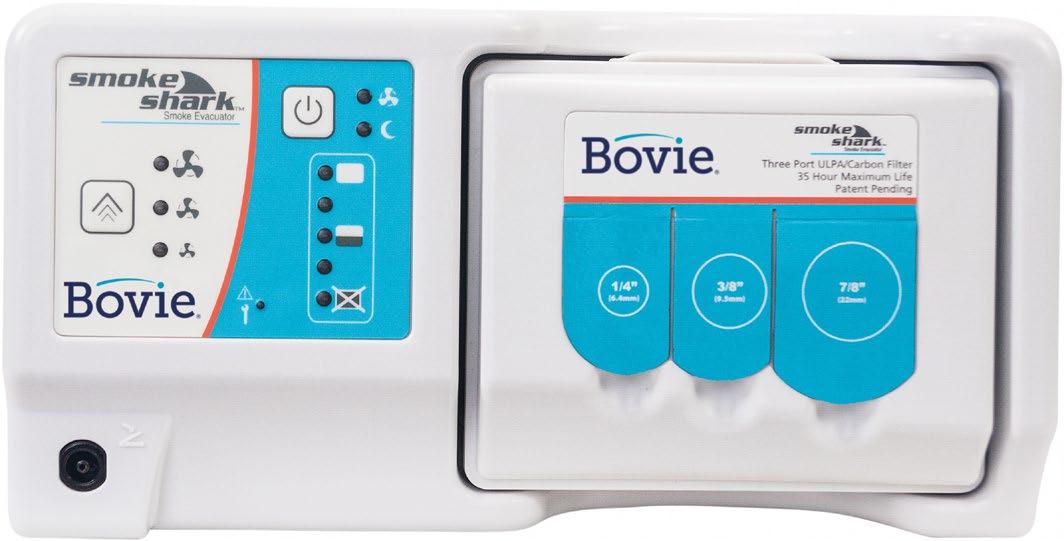
The Bovie® Smoke Shark® II is a powerful, efficient smoke evacuation system that delivers 99.999% particulate capture— helping facilities meet evolving safety requirements without adding complexity.
Intuitive, quiet, and compact, it fits seamlessly into any clinical setting.

Talk to your Aspen Surgical representative about adding Bovie® Smoke Shark® II to your portfolio.
©2026 Aspen Surgical Products, Inc. All rights reserved. Bovie® and Smoke Shark® are registered trademarks of Aspen Surgical Products, Inc. M-SM-ADV-1258192, Rev 1.
99.999% FILTRATION
QUIET OPERATION COMPACT. STACKABLE. EASY SETUP
staff, and measuring compliance. These elements – policy, training, equipment, and compliance – are essential for transitioning smoke
evacuation from a “nice to have” to a “standard practice.”5
The Joint Commission’s Quick Safety emphasizes that
How distributor reps can help facilities prepare for smoke evacuation protocols
` Evaluate the facility based on established guidelines. Check if there’s a written smoke policy, if smoke evacuation is used in all procedures that generate smoke, if capture positioning and activation practices align with OSHA/NIOSH guidelines, and if there’s regular compliance auditing. AORN offers templates and resources to help with implementation.5
` Support standard work and competency. Reps can reinforce practical setup details that decide real capture performance (e.g., keeping inlet close to the source; keeping the evacuator on when smoke is produced; using filtration configurations aligned with guidance and IFUs). When facilities treat this like other perioperative competencies, uptake improves.4
` Focus on choosing products that mitigate barriers and fit well into workflows. In outpatient and physician offices, space and portability are often limited. “Products like the Bovie® Smoke Shark III offer compact size, including accessories, and features designed for efficient workflows and compact spaces like physician offices, and ASCs,” Aspen Surgical said. 5
` To ensure readiness for future changes, facilities should have clear documentation. This should show: (a) a policy for evacuation during smoke-producing situations, (b) training records for staff, (c) proof of available and well-maintained equipment, and (d) results from compliance audits included in quality improvements. These practices align with AORN guidelines and Joint Commission safety recommendations.5
organizations should follow Environment of Care guidelines to reduce risks from dangerous gases and vapors. It recommends establishing standard procedures, providing education, verifying staff competence, and using engineering controls to ensure consistent evacuation. While Quick Safety isn’t an official standard, it shows what surveyors expect to manage through their policies and risk management practices.2
OSHA doesn’t have a specific rule for smoke evacuation, but it does provide guidelines for managing smoke in surgical suites, like removing all smoke and ensuring proper capture distance. This lack of a single regulation, combined with acknowledgment of the dangers, has led to inconsistent practices. However, state laws are now accelerating the adoption of safety measures.1
State legislation is now a key factor for compliance. AORN reports that 20 states have passed laws on surgical smoke evacuation, with more states considering similar bills in 2026. This is important for distributor representatives because facilities in these states will require not just equipment but also policies, training, documentation and proof of compliance. 6
1 Occupational Safety and Health Administration. Hazards of Smoke Generated from Surgical Procedures. U.S. Department of Labor; April 18, 1996. Accessed March 3, 2026. www.osha.gov/laws-regs/standardinterpretations/1996-04-18
2 Joint Commission’s December 2020 “Quick Safety” PDF (Issue 56) on surgical smoke.
3 National Institute for Occupational Safety and Health (NIOSH). Control of Smoke From Laser/Electric Surgical Procedures. DHHS (NIOSH) Publication No. 96-128. Centers for Disease Control and Prevention. www.cdc.gov/niosh/docs/hazardcontrol/hc11.html. Accessed March 3, 2026.
4 Occupational Safety and Health Administration (OSHA). Hospitals eTool: Surgical Suite—Smoke Plume. United States Department of Labor. Accessed March 3, 2026. www.osha.gov/etools/hospitals/surgical-suite/smoke-plume
5 Association of periOperative Registered Nurses (AORN). Guideline Essentials: Surgical Smoke Safety—Key Takeaways. AORN, Inc. Published 2021. Accessed March 3, 2026. www.aorn.org/docs/default-source/guideline-essentials-documents/surgical-smoke-safety/keytakeaways_ surgicalsmoke_2021.pdf
6 Association of periOperative Registered Nurses (AORN). Surgical Smoke-Free OR. AORN. Accessed March 4, 2026. www.aorn.org/get-involved/government-affairs/policy-agenda/surgical-smoke-free-or
7 Jacobs LM Jr. Where there’s smoke: Quick Safety article recommends safety precautions. American College of Surgeons Bulletin. Published April 1, 2021. Accessed March 4, 2026. www.facs.org/for-medical-professionals/news-publications/news-and-articles/bulletin/2021/04/ where-theres-smoke-quick-safety-article-recommends-safety-precautions/
8 Aspen Surgical. Bovie® Smoke Shark® III, 120V (SE03-120). Aspen Surgical. Accessed March 4, 2026. www.aspensurgical.com/Product/SE03-120

Meetings
Structured and flexible meeting options designed around how you do business. From pre‐scheduled executive conversations to private and shared meeting spaces over three days.

Networking Opportunities
connect with fellow attendees over happy hour, receptions,
and more!

Solutions Expo
Dedicated time for product discovery and one‐on‐one conversations with current and prospective partners.


Education
Insight‐driven education focused on where the healthcare supply chain is headed. Sessions explore policy, market shifts, and growth strategies shaping the healthcare supply chain.

Reverse Expo
Walk-up meetings with distributor, GPO, and health system decision‐makers.
Included with registration.


Improving Visibility, Protecting Staff
How smoke evacuation can enhance surgical efficiency while addressing serious safety concerns.
inside the operating room that can affect performance. “A surgeon’s ability to see what they’re doing during a procedure is critical, so anything we can do to improve their view of the surgical field is worth it,” Sugerman said.
 The facts about the dangers of surgical smoke are clear and compelling, said Krista Sugerman, vice president and general manager of Core Surgical Innovations at Medtronic.
Research shows surgical smoke contains more than 150 hazardous chemicals.¹ Exposure levels can be significant – in some cases equated to smoking 27-30 unfiltered cigarettes per day.²† The impact on clinicians is measurable as well. Nurses exposed to surgical smoke experience two times more respiratory issues than the general population, according to research.³‡
To address these risks, Medtronic has focused on developing solutions that integrate into existing surgical workflows. Sugerman pointed to systems such as RapidVac™, which use ULPA filtration capable of capturing greater than 99.99% of smoke particles as small as 0.12 µm.4
Beyond staff safety, surgical smoke also presents challenges
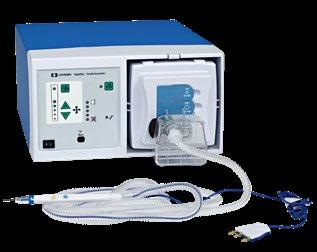
¹ Pierce JS, et al. J Occup Environ Hyg. 2011;8(7):447–466
² Hill DS, et al. J Plast Reconstr Aesthet Surg. 2012;65(7):911–916.¹
³ Ball K. J AORN. 2010 Aug;92(2):e1–e23
⁴ Based on internal memo #RE0025744, March 2020
⁵ Based on internal test report #RE00486994, Dec. 6–7, 2023
Smoke can obscure visualization and reduce procedural efficiency, particularly in minimally invasive environments. Sugerman said devices like the Valleylab™ SM smoke management pencil are designed to mitigate that impact, removing 99% of surgical plume in testing conditions. 5§ Improved visibility, she noted, is one factor contributing to the broader shift toward advanced surgical modalities, including robotic-assisted procedures.
“Enhanced visualization capabilities are one of the drivers in the shift from open and laparoscopic surgery to robotic-assisted surgery – and Medtronic is the only company today with solutions across all modalities,” she said. “At the end of the day, if technology helps the surgeon and surgical team, it’s good for patients.”
Looking ahead, Sugerman emphasized the importance of collaboration between manufacturers, distributors and healthcare providers as regulatory scrutiny increases.
“Partnership is paramount,” she said. “We must work together to raise awareness about the dangers of surgical smoke, and the effectiveness of available solutions.”
† Average based on 44 operating days in a single elective plastic surgery theatre where porcine tissue was subject to electrocautery tissue ablation. Results may not be indicative of the average operating theatre.
‡ Most frequently reported respiratory symptoms include nasal congestion, coughing, allergies, sinus infection/problems.
§ Bench testing conditions; results may not be indicative of clinical performance.
Krista Sugerman

Intubating with Precision
How evolving technologies are reshaping intubation in the ambulatory surgery center setting.
By Pete Mercer
 Endotracheal intubation is the cornerstone of airway management in ambulatory surgery centers, where precision, effectiveness and rapid recovery are tightly interconnected to the overall experience. Having a secure, definitive airway to facilitate ventilation and avoid aspiration is paramount to the safety of the patient. Without proper airway management, patients are at risk of injury or death during a procedure.
Repertoire Magazine spoke to Katie Bull, the senior global marketing program manager for Medtronic, about how complications from endotracheal intubation can impact patient outcomes in the ambulatory surgery center setting and how the TaperGuard™ cuff on Shiley™ endotracheal tubes addresses those complications.
Improving patient outcomes
The ambulatory surgery center setting is built for efficiency and versatility, creating a space for surgeons to perform procedures and send patients home all in the same day. To maintain such high standards of care and efficiency, surgeons need an endotracheal tube that reduces complications and side effects.
Endotracheal intubation is a critical part of the procedure, but it can create challenges for patient recovery. One adverse effect of endotracheal intubation, and the second most common healthcare acquired infection, is ventilatorassociated pneumonia.
“There is an economic outcome of about an average of $40,000 for every new diagnosis of ventilator-associated pneumonia,” Bull said. “It is a higher risk for chronically ill patients, or those receiving ventilation over a longer period. Though this risk is likely lower in patients at ambulatory surgery centers, it is never zero.”
Because of the role that endotracheal intubation plays in an ambulatory surgery setting, it’s important that anesthesiologists have the best tools at their disposal for an effective and safe airway seal created by a cuff during surgery. Without that seal, patients experience complications and side effects like ventilator-associated pneumonia or poor oxygenation. However, if the cuff is not well designed and managed, it can cause complications, such as post-operative sore throat.
“One of the biggest complications that tends to negatively impact patient satisfaction
is actually post-operative sore throat,” Bull said. “It might be minor when we think about sore throat, but it is a first sign of inflammation and injury. Not only does this affect patient safety and comfort, but it can also impact overall patient satisfaction scores, and that can impact the bottom line.”
Addressing post-operative sore throat
Post-operative sore throat is a common complication from intubation where the patient ends up with pain, discomfort and hoarseness in their throat after intubation and anesthesia. While a sore throat might seem like a minor inconvenience for someone in the ICU who is lucky to be alive, in surgery centers it’s an irritating and avoidable side effect of intubation. The culprit of post-operative sore throat is the endotracheal tube cuff that pushes up against the tracheal tissue during intubation.
The traditional endotracheal intubation cuff was created in the 1970s. They were designed as a high-volume, low-pressure cuff that expands to create a barrier in the airway so that fluids won’t drip down the esophagus during the procedure. That initial design hasn’t changed much over the years.
The challenge is that as the cuff expands to create a seal within the trachea and provide air to the lungs, the tubing can crinkle against high pressure points that come into contact with the tracheal tissue. Bull said, “That is what causes the inflammation and ultimately the sore throat. Even if the pressure is perfect, those wrinkles indicate a significant increase in pressure.”
With TaperGuard™ cuff technology, the designers at Medtronic were looking to create a “Goldilocks zone,” Bull said. “It is a little bigger on top and smaller at the bottom, which helps to create a sealing band when it’s fully expanded. One of the things we know is that through our design, we can decrease the amount of contact area. We’re able to decrease the amount of mucosal irritation and inflammation, which is what causes that postoperative sore throat.”
endotracheal tubes with TaperGuard™ cuff and the McGRATH™ MAC video laryngoscope have certainly changed the art of intubation and being able to do it more efficiently. Physicians can increase first pass intubation success using the McGRATH™ MAC video laryngoscope, which is very important.”
In fact, Bull said that the combination of TaperGuard™ cuff technology and the McGRATH™ MAC video
The challenge is that as the cuff expands to create a seal within the trachea and provide air to the lungs, the tubing can crinkle against high pressure points that come into contact with the tracheal tissue.
By removing these highpressure points in the intubation process, ambulatory surgery centers can decrease the amount of post-operative sore throat for their patients, ultimately improving patient outcomes and patient satisfaction scores.
Improving ambulatory surgery center workflows
Due to the need for efficiency and results, surgeons and staff working in ambulatory surgery centers need reliable solutions for airway management. Tools like the TaperGuard™ cuff found on Shiley™ endotracheal tubes are designed to provide consistent airway management and to improve patient outcomes and physician workflows.
Bull said, “The ways in which people are using tools to intubate, including Shiley™
laryngoscope can work in congress, in a “left-hand, right-hand” workflow. With the McGRATH™ MAC video laryngoscope in one hand and a Shiley™ endotracheal tube with TaperGuard™ cuff in the other, physicians can navigate airways with precision.
As for the future, Bull believes that things are only going to continue to get better in how they can improve the intubation process and develop further connectivity with their devices. “What kind of insights can the devices that we have in the body give clinicians in real time? Healthcare providers are really burnt out, and they have a lot going on. At Medtronic we have a commitment to service and a passion for innovation. We are continually seeing ways to improve patient care and the processes for the physicians and clinical teams.”
Airway protection with the right fit
Airway protection with the right fit
Airway protection with the right fit
Shiley™ endotracheal
Airway protection with the right fit
tubes with TaperGuard™ cuff
Shiley™
endotracheal tubes with TaperGuard™ cuff
Airway protection with the right fit
Shiley™ endotracheal tubes with TaperGuard™ cuff
Shiley™ endotracheal tubes with TaperGuard™ cuff
cuff
Put patient protection at the forefront with our innovative TaperGuard™ cuff technology, featured on Shiley™ endotracheal tubes.
Shiley™ endotracheal tubes with TaperGuard™
Put patient protection at the forefront with our innovative TaperGuard™ cuff technology, featured on Shiley™ endotracheal tubes.
Put patient protection at the forefront with our innovative TaperGuard™ cuff technology, featured on Shiley™ endotracheal tubes.
Put patient protection at the forefront with our innovative TaperGuard™ cuff technology, featured on Shiley™ endotracheal tubes.
Put patient protection at the forefront with our innovative TaperGuard™ cuff technology, featured on Shiley™ endotracheal tubes.
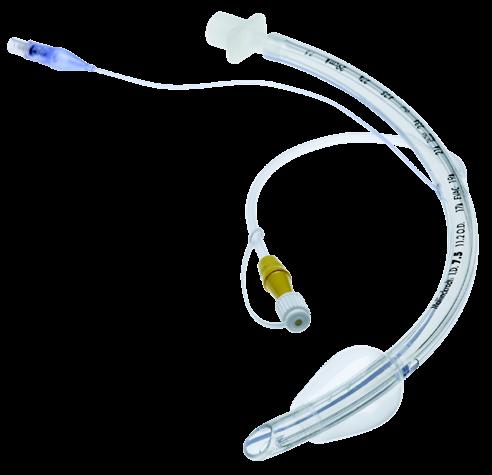
Discover the benefits of TaperGuard™ cuff
Discover the benefits of TaperGuard™ cuff
Discover the benefits of TaperGuard™ cuff
Discover the benefits of TaperGuard™ cuff
Discover the benefits of TaperGuard™ cuff
Less contact pressure with fewer contact points§,1 A more effective seal§,2 Less post-operative sore throat§,3
Less contact pressure with fewer contact points§,1 A more effective seal§,2 Less post-operative sore throat§,3
Less contact pressure with fewer contact points§,1 A more effective seal§,2 Less post-operative sore throat§,3
Less contact pressure with fewer contact points§,1
A more effective seal§,2 Less post-operative sore throat§,3
Less contact pressure with fewer contact points§,1 A more effective seal§,2 Less post-operative sore throat§,3
† Compared to Shiley™ Hi Lo endotracheal tube. Reflects a limited study of 30 anesthetized patients. ‡ Compared to PortexSacett, PortexSoftseal, Sheridan HVT, Sheridan CF endotracheal tubes. Reflects a limited study of 30 anesthetized patients. § Compared to the barrel-shaped cuff design.
† Compared to Shiley™ Hi Lo endotracheal tube. Reflects a limited study of 30 anesthetized patients. ‡ Compared to PortexSacett, PortexSoftseal, Sheridan HVT, Sheridan CF endotracheal tubes. Reflects a limited study of 30 anesthetized patients. § Compared to the barrel-shaped cuff design.
† Compared to Shiley™ Hi Lo endotracheal tube. Reflects a limited study of 30 anesthetized patients. ‡ Compared to PortexSacett, PortexSoftseal, Sheridan HVT, Sheridan CF endotracheal tubes. Reflects a limited study of 30 anesthetized patients. § Compared to the barrel-shaped cuff design.
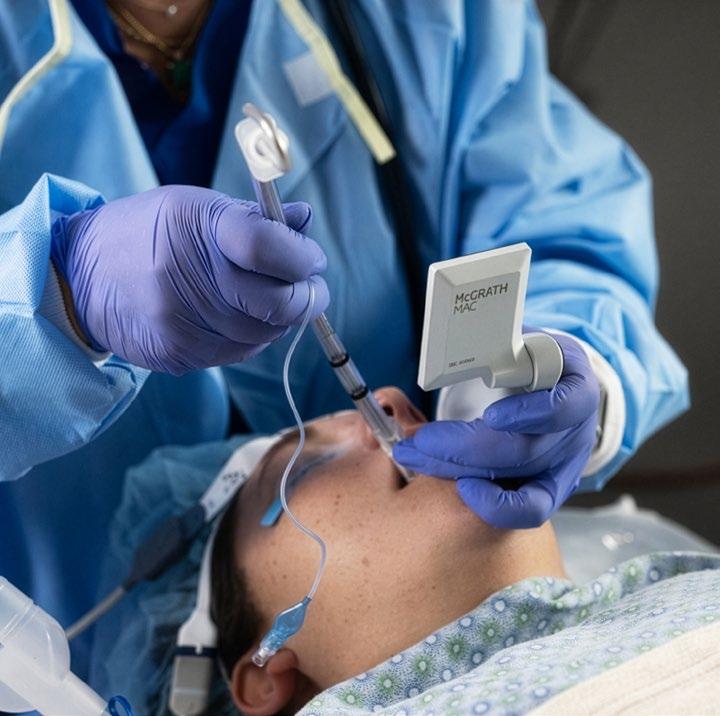
† Compared to Shiley™ Hi Lo endotracheal tube. Reflects a limited study of 30 anesthetized patients. ‡ Compared to PortexSacett, PortexSoftseal, Sheridan HVT, Sheridan CF endotracheal tubes. Reflects a limited study of 30 anesthetized patients. § Compared to the barrel-shaped cuff design.
1. Li Bassi G, Ranzani OT, Marti JD, Giunta V, Luque N, Isetta V, et al. An in vitro study to assess determinant features associated with fluid sealing in the design of endotracheal tube cuffs and exerted tracheal pressures. Crit Care Med. 2013;41(2):518–526. 2. D’Haese J, De Keukeleire T, Remory I, Van Rompaey K, Umbrain V, Poelaert J. Assessment of intraoperative microaspiration: does a modified cuff shape improve sealing? Acta Anaesthesiol Scand. 2013;57(7):873–80. 3. Chang J-E, Kim H, Han S-H, Lee J-M, Ji S, Hwang J-Y. Effect of Endotracheal Tube Cuff Shape on Postoperative Sore Throat After Endotracheal Intubation. Anesth Analg. 2017;125(4):1240-1245.
1. Li Bassi G, Ranzani OT, Marti JD, Giunta V, Luque N, Isetta V, et al. An in vitro study to assess determinant features associated with fluid sealing in the design of endotracheal tube cuffs and exerted tracheal pressures. Crit Care Med. 2013;41(2):518–526. 2. D’Haese J, De Keukeleire T, Remory I, Van Rompaey K, Umbrain V, Poelaert J. Assessment of intraoperative microaspiration: does a modified cuff shape improve sealing? Acta Anaesthesiol Scand. 2013;57(7):873–80. 3 Chang J-E, Kim H, Han S-H, Lee J-M, Ji S, Hwang J-Y. Effect of Endotracheal Tube Cuff Shape on Postoperative Sore Throat After Endotracheal Intubation. Anesth Analg. 2017;125(4):1240-1245.
©2025 Medtronic. Medtronic, Medtronic logo, and Engineering the extraordinary are trademarks of Medtronic. All other brands are trademarks of a Medtronic company. 06/2025 – US-RE-2500077 – [WF#17757273]
1. Li Bassi G, Ranzani OT, Marti JD, Giunta V, Luque N, Isetta V, et al. An in vitro study to assess determinant features associated with fluid sealing in the design of endotracheal tube cuffs and exerted tracheal pressures. Crit Care Med. 2013;41(2):518–526. 2. D’Haese J, De Keukeleire T, Remory I, Van Rompaey K, Umbrain V, Poelaert J. Assessment of intraoperative microaspiration: does a modified cuff shape improve sealing? Acta Anaesthesiol Scand. 2013;57(7):873–80. 3. Chang J-E, Kim H, Han S-H, Lee J-M, Ji S, Hwang J-Y. Effect of Endotracheal Tube Cuff Shape on Postoperative Sore Throat After Endotracheal Intubation. Anesth Analg. 2017;125(4):1240-1245.
1. Li Bassi G, Ranzani OT, Marti JD, Giunta V, Luque N, Isetta V, et al. An in vitro study to assess determinant features associated with fluid sealing in the design of endotracheal tube cuffs and exerted tracheal pressures. Crit Care Med. 2013;41(2):518–526. 2. D’Haese J, De Keukeleire T, Remory I, Van Rompaey K, Umbrain V, Poelaert J. Assessment of intraoperative microaspiration: does a modified cuff shape improve sealing? Acta Anaesthesiol Scand. 2013;57(7):873–80. 3. Chang J-E, Kim H, Han S-H, Lee J-M, Ji S, Hwang J-Y. Effect of Endotracheal Tube Cuff Shape on Postoperative Sore Throat After Endotracheal Intubation. Anesth Analg. 2017;125(4):1240-1245.
† Compared to Shiley™ Hi Lo endotracheal tube. Reflects a limited study of 30 anesthetized patients. ‡ Compared to PortexSacett, PortexSoftseal, Sheridan HVT, Sheridan CF endotracheal tubes. Reflects a limited study of 30 anesthetized patients. § Compared to the barrel-shaped cuff design.
©2025 Medtronic. Medtronic, Medtronic logo, and Engineering the extraordinary are trademarks of Medtronic. All other brands are trademarks of a Medtronic company. 06/2025 – US-RE-2500077 – [WF#17757273]
©2025 Medtronic. Medtronic, Medtronic logo, and Engineering the extraordinary are trademarks of Medtronic. All other brands are trademarks of a Medtronic company. 06/2025 – US-RE-2500077 – [WF#17757273]
©2025 Medtronic. Medtronic, Medtronic logo, and Engineering the extraordinary are trademarks of Medtronic. All other brands are trademarks of a Medtronic company. 06/2025 – US-RE-2500077 – [WF#17757273]
1. Li Bassi G, Ranzani OT, Marti JD, Giunta V, Luque N, Isetta V, et al. An in vitro study to assess determinant features associated with fluid sealing in the design of endotracheal tube cuffs and exerted tracheal pressures. Crit Care Med. 2013;41(2):518–526. 2. D’Haese J, De Keukeleire T, Remory I, Van Rompaey K, Umbrain V, Poelaert J. Assessment of intraoperative microaspiration: does a modified cuff shape improve sealing? Acta Anaesthesiol Scand. 2013;57(7):873–80. 3 Chang J-E, Kim H, Han S-H, Lee J-M, Ji S, Hwang J-Y. Effect of Endotracheal Tube Cuff Shape on Postoperative Sore Throat After Endotracheal Intubation. Anesth Analg. 2017;125(4):1240-1245.
©2025 Medtronic. Medtronic, Medtronic logo, and Engineering the extraordinary are trademarks of Medtronic. All other brands are trademarks of a Medtronic company. 06/2025 – US-RE-2500077 – [WF#17757273]

65 Forward
How Geisinger’s innovative program is redefining primary care for older adults.
 As Central Pennsylvania’s population ages, the region’s leading healthcare system is exploring new models to meet the unique needs of older adults. Geisinger’s 65 Forward program, led by Dr. Cybele Pacheco, director of senior-focused primary care, is one such initiative, offering an innovative approach to primary care for Medicare Advantage members.
Dr. Pacheco emphasized that older adults are not simply “older versions” of the average patient – just as pediatric patients are not “small adults.” Aging introduces distinct biomedical and functional considerations: changes in medication metabolism and pharmacodynamics, increased vulnerability to balance and mobility issues, and a heightened need
for coordinated, interdisciplinary care. She noted that these factors require a deliberately tailored approach, not a scaledup version of traditional primary care.
“Practicing medicine in Central Pennsylvania is probably the majority of the impetus behind any of our care models when we develop them,” Dr. Pacheco said. “We have a traditional primary
care office, our senior-focused 65 Forward clinic, a PACE program for all-inclusive care of the elderly, as well as communitybased and hospital-at-home programs. These entry points allow us to meet patients where they are, whether at home or in the clinic.”
The PACE program (Program for All-Inclusive Care of
the Elderly) is a national initiative providing wraparound services to nursing home–eligible patients, enabling them to live independently at home. Geisinger also offers primary care services in skilled nursing facilities and provides intensive care at home for patients who are home-bound. Within this spectrum of services, 65 Forward fills a critical niche: delivering intensive, senior-focused primary care in a clinic setting.
“One of the drivers behind 65 Forward was understanding the needs of an aging population,” she said. “We wanted to ensure that our communities receive care sensitive to these needs, with a focus on maintaining independence and quality of life.”
While expanding access to Geisinger Gold, the organization’s Medicare Advantage plan, was part of the initial plan, Dr. Pacheco noted that the program quickly revealed a broader need. Many older adults already receive excellent care from existing providers, yet the 65 Forward cohort highlighted the importance of intensive primary care – particularly for patients with multiple chronic conditions who require more support than traditional primary care can provide.
At the heart of 65 Forward is a value-based care model, which focuses on outcomes rather than volume. Providers are evaluated not by the number of patient visits but by quality metrics, including panel outcomes, utilization patterns, and the management of medications within the health system to optimize cost and safety.
“Value-based care is really about action,” Dr. Pacheco said. “It’s about spending time with patients, proactive outreach, and integrated support
services. Our goal is to improve overall health outcomes while controlling costs, rather than simply generating more visits.”
This approach contrasts sharply with traditional fee-forservice models, where providers are often incentivized by volume rather than outcomes.
Dr. Pacheco noted that primary care, when done right, can be protective against unnecessary utilization and overall healthcare costs, especially for older adults. Regular, coordinated primary care prevents complications, reduces hospitalizations, and keeps patients healthier longer.
program aims to set a new standard for how health systems care for aging populations – not just in Central Pennsylvania, but as an example for broader adoption.
“Primary care is the cornerstone of health,” Dr. Pacheco said. “And for older adults, it needs to be intensive, proactive, and coordinated. That’s what 65 Forward delivers every day.”
Data-driven teams
At Geisinger’s 65 Forward program, delivering senior-focused primary care goes far beyond traditional office visits. The model emphasizes data-driven,
“ We focus on seamless workflows, standardized check-ins, and follow-ups across our clinics. Trust and relationship are the foundation – patients need to know that when they don’t feel well, we’ll see them.”
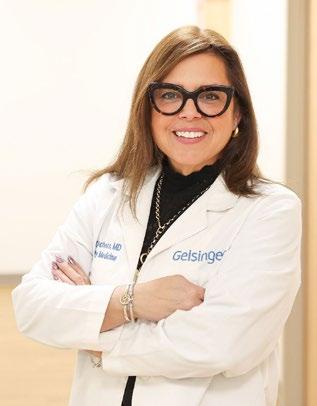
Since its inception, 65 Forward has grown into a model demonstrating the benefits of personalized, senior-focused care. By combining intensive primary care with a value-based approach, the
proactive care and smaller, highly coordinated teams, ensuring that older adults receive personalized attention while optimizing health outcomes.
Dr. Pacheco said: “In a valuebased care model, we lead with data. It drives our clinical decision-making rather than relying on gut feelings.”
For example, the team closely monitors drivers of hospital utilization, such as sepsisrelated admissions. By reviewing recent hospitalizations and emerging clinical patterns, providers can quickly identify patients who require tighter followup or intensified care management. This enables timely intervention, reduces the risk of complications, and ensures the approach remains
Dr. Cybele Pacheco
condition-focused and tactical –directing attention to the patients who need it most.
Beyond clinical outcomes, 65 Forward places a high priority on patient experience and trust. “People have a choice,” Dr. Pacheco explained. “We focus on seamless workflows, standardized check-ins, and follow-ups across our clinics. Trust and relationship are the foundation – patients need to know that when they don’t feel well, we’ll see them.”
To maintain that level of access, 65 Forward uses smaller provider panels, which allow clinicians to spend more time with each patient. While this approach increases administrative costs, it ensures higher-quality care and better management of complex patient needs.
The clinic team includes doctors, a telemedicine advanced practitioner, registered nurses, medical assistants, licensed practical nurses, patient access representatives, and embedded pharmacists. Many staff members are cross-trained, allowing them to perform multiple roles, streamline workflows, and enhance patient experience. Telemedicine also plays a key role in building digital literacy among older adults, offering another avenue for accessible, high-quality care.
Dr. Pacheco emphasized that metrics are central to success.
“We track everything from patient feedback to total cost of care,” she said. “Scaling the model is challenging because it’s expensive, but bending total cost of care is mission-critical. Even if the program performs well clinically, it must also be sustainable for both the health system and patients.”
Lessons
learned
Since its launch in 2019, Geisinger’s 65 Forward program has provided valuable insights into how to deliver intensive, senior-focused primary care while attempting to scale the model across Central Pennsylvania. Dr. Pacheco, who also practices in the clinics, shared some of the key learnings and challenges that have shaped the program’s evolution.
One of the first lessons involved clinic footprint and location strategy. Some facilities are larger than necessary, while others might have been more effective as offshoots of existing primary care locations. “All of
deliberate trust-building with providers. Ensuring that clinicians understand why panel sizes may differ – and how those decisions are tied to patient acuity and risk – has been essential to sustaining engagement and maintaining confidence in the model.
The program has also sparked a mindset shift among providers. Dr. Pacheco emphasized that primary care is more demanding than most people realize. Providers must balance documentation, quality metrics, proactive outreach, and patient engagement – all while maintaining a personalized experience for each patient. Expanding panel
Rather than defaulting to emergency department referrals, providers are encouraged to evaluate patients first, use outpatient resources when appropriate, and intervene proactively.
this is hindsight – you don’t know until you know,” Dr. Pacheco said, reflecting on decisions made early in the program’s design.
Another critical lesson has been the need for complexityadjusted patient panels. Early on, providers were told they would all receive uniformly smaller panels, but experience quickly demonstrated that a one-size-fits-all approach doesn’t reflect the reality of patient complexity. “Higher-complexity patients require smaller panels, while lower-complexity patients allow providers to manage more,” Pacheco explained.
Shifting to complexity-based paneling has required thoughtful change management and
size too quickly can risk compromising quality, patient experience, or utilization outcomes.
The providers in 65 Forward function like an Olympic-caliber team. These clinicians already excel in traditional primary care, and the smaller panel size gives them the capacity to go deeper with patients who have more complex needs. The entire care team – from pharmacists and RNs to patient access representatives – operates at the top of their license, supported by tightly integrated resources designed to deliver a value-based, seniorfocused model of care.
Dr. Pacheco noted that upfront transparency about expectations and scope is essential
for success. By clearly communicating roles and responsibilities and aligning panel size with patient complexity, 65 Forward ensures that providers can deliver intensive, high-quality care without sacrificing outcomes or patient experience.
These lessons highlight the careful balance required to scale a specialized primary care model: maintaining efficiency, supporting providers, and meeting the unique needs of an aging patient population, all while remaining true to the program’s value-based care philosophy.
Operating at the highest level
Care models like 65 Forward represent meaningful progress toward the kind of valuedriven, seniorfocused delivery CMS is signaling across Medicare Advantage. But the economics are complex. “These programs require substantial upfront investment
and disciplined financial architecture, and we’ve seen organizations exit similar models when the economics weren’t fully aligned,” Dr. Pacheco said. The imperative now is ensuring that innovative care delivery is matched with sustainable payment design.
A critical shift lies in equipping care teams to make smarter, patient-centered decisions. Rather than defaulting to emergency department referrals, providers are encouraged to evaluate patients first, use outpatient resources when appropriate, and intervene proactively. “If you give providers the right time and space to care for patients, they’ll do the right thing,” Dr. Pacheco said. “It’s about letting our teams operate at their highest level, making the best choices for patients while managing costs effectively.”
With 65 Forward, the delivery system and the health plan are
fully connected, giving Geisinger a comprehensive, real-time view of patient needs. “We can see ED use, hospitalizations, and highrisk indicators as they emerge, not months later through claims lag,” she said. “That means we can intervene sooner, manage risk more effectively, and avoid avoidable costs. The ability to act at the moment a threshold is reached is what sets this model apart.”
This dual perspective –delivering care while managing the plan – reinforces the value-based philosophy. Instead of focusing on volume, the clinic emphasizes outcomes, condition-specific interventions, and proactive patient management. “We want to be very specific rather than spreading initiatives thinly across the population,” Dr. Pacheco said. “That’s where the path forward lies: targeted, data-driven, value-based care that truly meets patients where they are.”
Training providers for a value-based model
Implementing a program like 65 Forward requires training experienced providers to think and act differently in a value-based care environment.
Dr. Cybele Pacheco emphasizes that onboarding is foundational in a value-based care environment. “If I could design it from the beginning, I would build a dedicated onboarding program specifically for value-based care,” she said. “This model requires providers to interpret data in ways that traditional medical training doesn’t prepare them for.”
Clinicians must understand patient attribution, data integrity, and the ways their decisions influence outcomes – competencies that become essential under risk-based arrangements. Epic supports this work by giving providers the ability to drill into their panels, track utilization, review
medication patterns, and monitor conditionspecific metrics. But working with these tools is not straightforward. Filtering, slicing, and analyzing data within an electronic medical record is inherently complex,
Beyond data literacy, onboarding also needs to develop a new mindset around proactive patient management. Knowing that 75% of a panel is current on colorectal cancer screening isn’t the goal – the goal is identifying the remaining 25% and taking concrete next steps, whether that’s scheduling colonoscopies, coordinating alternative screening methods, or arranging followups.
“In a value-based model, providers need to know exactly where to pick up the pieces,” Dr. Pacheco explained.
Why Collaboration Is the Real Engine of Supply Chain Transformation
Scripps Health’s Cecile Hozouri, JHC’s Contracting Professional of the Year, shares how inclusive leadership, clinician engagement and patient-first thinking turn resistance into results.
 Cecile Hozouri, Corporate Vice President of Supply Chain at San Diego, California-based Scripps Health, credits her leadership philosophy to early experiences in consulting and a career spanning multiple segments of healthcare operations. Reflecting on her time in consulting before joining Scripps, she recalls walking into hospitals where clinicians and nurses would eye-roll at her presence – an early lesson in understanding the human side of organizational change. “It was remarkable seeing that organizations back then didn’t really include people at the table when mapping out new processes,” she says.

That insight became a cornerstone of her approach: collaboration is essential, particularly when implementing significant transformation. Hozouri believes that even skeptics must be included in planning and implementation. “They should be there helping you design it,” she says, noting that engagement not only fosters smoother execution but can also be motivational for the team.
Hozouri’s leadership philosophy extends across the many facets of healthcare she has overseen, including IT, revenue cycle, operations and clinical integrations. These cross-functional experiences reinforced the importance of inclusive leadership and patient-centered thinking. Whether untangling revenue cycle complexities, implementing new systems or introducing lean methodologies in surgery,
Photos courtesy, Scripps Health
Cecile Hozouri
Hozouri notes that the methodology remains consistent: get the right people in the room and ensure their voices are heard. “It is really critical to get people’s voices heard early on, thoroughly defining the objective that we are about to do,” she explains.
Her focus is always on removing friction and unnecessary noise that can hinder clinicians’ ability to care for patients. By stripping out these obstacles, Hozouri aims to enable physicians and nurses to work at the top of their licenses. Across every initiative, from supply chain optimization to operational improvements, the patient remains at the center of every decision. This approach transforms change from a disruptive force into a collaborative effort driven by the expertise and collective intelligence of the team.
For Hozouri, leadership is not just about directing change but about creating an environment where people feel heard, empowered and invested in the outcome. Her career demonstrates that true transformation in healthcare is rooted in collaboration, crossfunctional insight and a steadfast commitment to putting patients first. In every challenge she undertakes, these principles continue to guide how she leads and drives meaningful change across Scripps Health.
Lessons in centralizing the supply chain
Centralizing supply chains across a multi-site healthcare system is never simply a matter of technology or budgets. Hozouri learned this lesson firsthand. She describes the challenges of moving from siloed, site-managed supply chains into a centralized

model. It is less about logistics and more about addressing the human element.
“One of the biggest barriers wasn’t the system itself – it was that feeling of losing control over something teams had already managed for years,” Hozouri says. Many staff members initially questioned whether centralization would compromise responsiveness or their ability to meet patient care needs. Skepticism was addressed head-on by making the critics active partners in the process.
Hozouri and her team formed a multifaceted group that included frontline clinicians, nurses, and operational leaders. These individuals were given genuine ownership in the design of the new processes, with autonomy to map out the current state and identify “non-negotiable” aspects essential to patient care. The key, Hozouri notes, was listening – and when processes didn’t feel right to the stakeholders, her team didn’t defend the status quo or insist on a predetermined solution.
“We just asked them to help us fix it,” she explains. This
collaborative approach transformed skeptics into architects of the change, who eventually presented solutions back to the broader team and embraced the centralized system they had helped design.
The approach became foundational to how the supply chain team operates today. Whether rolling out new technology, standardizing processes or introducing equipment, Hozouri’s team starts by asking a simple question: who will this affect, and who needs to be involved for it to succeed? “Strong relationships with our clinicians and their willingness to partner with us really make us successful,” she says.
This philosophy extends to standardization initiatives, which can often be met with concerns about loss of autonomy. Hozouri and her team balance urgency with collaboration. For urgent patient care needs, such as specialized surgeries, clinicians and their leaders are engaged immediately to determine priorities and guide adoption. For other initiatives, projects are run through Scripps’ clinical value analysis process, bringing together
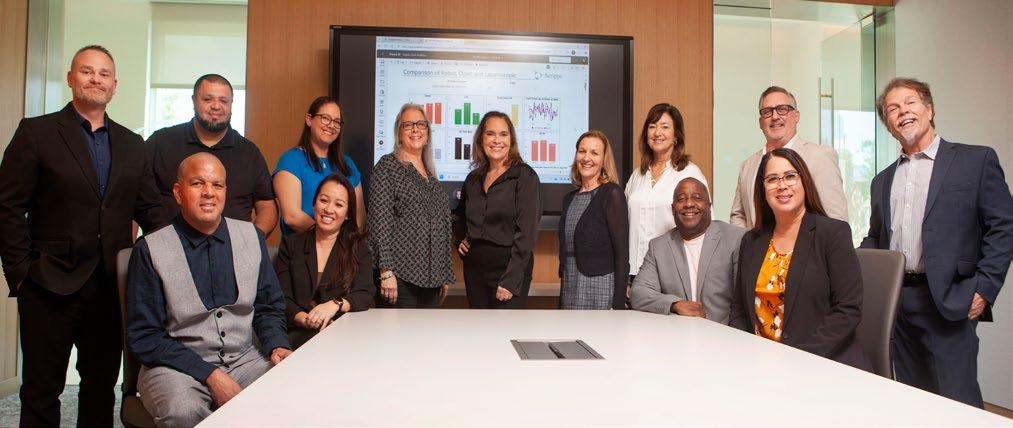
physicians, pharmacy teams, infection control specialists and other stakeholders. Decisions are based on evidence and data, with cost considerations addressed later, ensuring that changes align with clinical outcomes rather than just financial targets.
A current example is a clinically integrated project on Skin Substitutes. Surgeons and service lines were deeply involved in defining clinical use criteria, reviewing evidence, and making recommendations. Each service line now drives the change, illustrating Hozouri’s principle that those closest to patient care should be at the center of decision-making. “When criteria is implemented, it’s really driven by the physician leaders themselves,” she says.
Hozouri emphasizes that the role of the supply chain team is to support initiatives by providing data, evidence, and logistical guidance – but not to dictate changes from the top down. In her experience, involving clinicians from the beginning mitigates resistance and fosters ownership, ensures practical solutions and strengthens collaboration across the organization.
The makings of a great team
Hozouri emphasizes that her team’s culture is rooted in evidence-based decision-making and multidisciplinary collaboration. At the heart of this approach is Scripps’ clinical value analysis program, which brings the right stakeholders together to assess new products, equipment or processes. “We get sound decisions pretty quickly, and we lead with evidence,” Hozouri explains. Cost is considered, but operational fit and organizational impact are equally important. Every request, whether it’s a new piece of equipment or a product requiring significant workflow changes, is evaluated in the context of the entire system, not just an individual clinician’s needs.
This structured, multidisciplinary process – including finance, pharmacy, supply chain, leadership and service line representation – also ensures that when a crisis arises, such as a shortage or recall affecting patient care, the right team can be mobilized quickly. By embedding collaboration and systems thinking into day-to-day operations, Hozouri
ensures that her team can respond effectively under pressure.
Equally important are the intangible qualities she seeks in team members. Hozouri encourages what she calls “stylish innovation” – the ability to think creatively without losing sight of system-wide collaboration and process integrity. Team members are empowered to develop solutions independently, test ideas in whiteboard sessions and engage directly with clinicians, ancillary departments, and executive leadership to assess feasibility.
“I want my team to develop themselves into what they want to be,” she says, emphasizing autonomy and self-direction as part of the leadership approach.
A chance to engage
Leaders in healthcare wanting to create lasting change often face a common challenge: organizational inertia. Hozouri does not view this as an obstacle, but rather an opportunity to engage.
“Inertia is kind of sticky,” she says, describing teams who say, “Well, this is the way we’ve always done it.” For leaders eager to
Photos courtesy, Scripps Health
drive change, her advice is simple: bring the skeptics in. Invite them to the table, encourage them to poke holes in your ideas and seek to understand their fears. “Inertia will always be there, but keep it close, understand it, work with them,” she explains. Over time, resistance often diminishes when individuals feel included rather than threatened.
Hozouri identifies another critical barrier to innovation in healthcare: fragmented data. The industry is burdened with hundreds of disparate feeds, inconsistent formats, and tangled supplier systems, making timely, evidencebased decision-making difficult.
“Imagine if that insight, once we finally get it, could predict shortages immediately for everyone, shave off costs, improve outcomes,” she says. Standardizing data could transform the supply chain landscape – enabling faster contracts, reducing outages, and providing real-time clinical analytics to inform smarter decisions.
Solving this “data mess,” Hozouri believes, would unlock significant efficiency and clinical value.
Over the next 12 to 24 months, Hozouri’s strategic
priorities reflect both immediate operational needs and long-term planning. Sourcing initiatives for purchase services, new products and contract renewals remain a core focus, particularly in partnership with clinicians. For example, in interventional radiology, the value analysis team is examining variation, comparing quality outcomes and evaluating cost differences across peer groups to optimize utilization of standard equipment and products. These efforts ensure that operational efficiency aligns with high-quality patient care.
Simultaneously, Hozouri is looking further ahead, imagining the supply chain of 2030. With a new hospital and clinics on the horizon, she is engaging with support and ancillary services to rethink traditional processes and build a more resilient, reliable supply chain. “It’s a perfect time to start getting people to the table … to architect a different way we may function in our supply chain,” she says.
What keeps Hozouri motivated after more than two decades in healthcare is less about accolades and more about the people

she grows along the way. “One thing that wakes me up every day is really growing the leaders that I have, and the future leaders to be those supply chain heroes,” she says. While she enjoys collaborating with the CFO, chief medical officers, and leading strategic clinical integration projects, Hozouri finds the most fulfillment in mentoring emerging talent. Watching a supply tech evolve into a confident leader or seeing an analyst stand in front of peers at a conference to share lessons learned, she says, is “really what fills me up.”
This focus on developing talent is central to Hozouri’s philosophy of leadership. She encourages her team to embrace their own “stylish innovation,” to think creatively while remaining grounded in collaboration and evidence-based practices. The leaders she cultivates are equipped not only to solve problems but also to inspire the next generation – creating a ripple effect that strengthens the organization and the broader healthcare supply chain community.
Recognition from industry organizations, including Reuters and Becker’s, has been humbling for Hozouri, though she views it less as personal achievement and more as a validation of her approach to leadership. Being named a trailblazer in supply chain, she says, reflects a willingness to step into uncertainty, challenge long-standing processes, and open doors for others. “I pride myself on that part,” she explains. “I feel as though these past 20 years, I’ve been fortunate to open many new doors in this industry, and I’m determined to prop those doors wide open.”
Building Trust in High-Stakes Environments
Managing an OR portfolio requires more than product expertise. Cardinal Health’s Erin Mykytyansky shares how relationships, resilience and continuous learning fuel success in modern healthcare sales.
 For Erin Mykytyansky, the path into healthcare sales was not a straight line, but a journey shaped by curiosity, mentorship and a desire to improve patient outcomes from a different vantage point.
Today, Mykytyansky serves as an Operating Room Sales Specialist with Cardinal Health’s U.S. Medical Products and Distribution business, managing a $57 million operating room portfolio across 21 hospitals in the New York metropolitan area. Her work spans multiple product categories, including surgical gloves, drapes and gowns, and custom surgical kits.

Her initial thoughts on entering the medical space centered on being a practitioner. While attending Boston College as a biology major, Mykytyansky planned to pursue medical school. That direction shifted during her junior year after discovering a strong interest in marketing. This opened the door to a new possibility – one that combined healthcare with business strategy. Rather than leaving healthcare behind, she sought a role that allowed her to influence patient care indirectly while engaging her growing interest in sales and marketing. A key influence came from a family connection. At the time, her dad had a friend with a 20-plus year career in medical sales. Mykytyansky was inspired by his journey, and he offered to coach her on next steps to prepare for an eventual career in medical sales.
“He taught me that I didn’t need a specific degree to be successful,” she said, “just a willingness to learn and go after the right opportunities.”
Erin Mykytyansky
Learning the business from the ground up
Mykytyansky chose a strategic starting point upon graduation: sales operations at Cardinal Health. In operations, she supported operating room sales representatives by analyzing data, managing processes and fulfilling customer requests – work that provided an inside look at the complexities of healthcare supply delivery.
She used the role as a learning platform, networking with sales representatives and joining them in the field to understand customer interactions firsthand. Those efforts led her to become a sales rep with Cardinal Health’s U.S. Medical Products and Distribution business in 2017.
“Each win and each missed opportunity presented a learning experience that continues to influence how I work with my customers today,” she said.
Mykytyansky credits her early operational work with shaping her effectiveness in the field today, particularly when working with procedural kits – an area requiring precision and deep coordination.
“Sales operations instilled a level of attention to detail that continues to influence how I approach my role in the field today,” she said.
That experience now allows her to engage confidently with multiple stakeholders across healthcare organizations and to anticipate downstream impacts before issues arise. Her time in operations also reinforced the importance of staying connected across the organization, as working in the field focused on customers and day-to-day business sometimes
felt isolated if she wasn’t actively engaging with her teammates.
Maintaining those connections helps her stay informed and better support customers’ evolving needs. “That foundation also taught me the value of collaboration – delegating work where appropriate and leveraging the expertise of others instead of trying to manage everything independently.”
Although she ultimately chose a non-clinical career path, Mykytyansky said her biology degree remains central to her success.
“Looking back, my biology background still shapes how I sell today. It trained me to ask better questions, understand clinical priorities and respect the rigor behind evidence-based decision-making.”
Navigating complexity
Managing operating room portfolios for some of the nation’s most prestigious healthcare institutions comes with unique pressures – and equally significant opportunities to drive impact. For Mykytyansky, success in these environments depends on understanding that every decision ultimately connects back to patient care.
“Knowing a patient is at the end of every product we offer makes the stakes high in any territory, and working with these organizations raises the bar,” she said. “Success in these complex environments requires understanding of customer needs, as well as how and why decisions are made across clinical, sourcing and sustainability stakeholders.”
Large health systems present challenges that extend far beyond individual facilities. For example, Mykytyansky works with a major
New York City health system whose scale amplifies the impact of every operational decision. “When I work with this customer on decisions like implementing a specific product, or changing the type of product they use, it has much larger implications than it would at a standalone facility,” she explained. “Understanding the dynamics of how each hospital operates and layering in sourcing and supply chain management is a critical part of an ever-evolving approach.”
Adaptability is equally essential when supporting institutions operating at the forefront of medical innovation. One hospital in her portfolio focuses heavily on advanced research and treatment for critically ill patients, requiring rapid responsiveness to evolving clinical practices.
“I have learned to be able to act quickly to adapt to improving practices. Quality is always a top priority, but it’s even more paramount when the most critically ill patients are involved,” she said.
Beyond clinical performance, Mykytyansky also helps customers strengthen broader organizational goals, including patient experience and operational outcomes. She works with hospitals to implement solutions that improve the patient experience while supporting recovery and efficiency.
“I can bring products and solutions to the table that enhance patient satisfaction scores, drive better outcomes, shorten hospital stays and decrease chances of re-admission,” she said.
Examples include custom, hospital-branded amenity kits designed to improve comfort during admissions and enhanced
recovery kits that bundle preand post-operative care products. “We’ve found these items can enhance clinical outcomes.”
Sustainability has also emerged as a growing priority among leading health systems. Mykytyansky sees procedural pack customization as a practical way to align operational efficiency with environmental responsibility by improving efficiency and reducing packaging waste.
While complex accounts present ongoing challenges, Mykytyansky points to the COVID-19 pandemic as the most pivotal period of her career. “During the pandemic, I found myself amid a heartbreaking time for New York City healthcare systems, which were some of the hardest hit in the world and incredibly stretched to support those in need,” she recalled. “Everywhere you turned, there was a problem that felt overwhelming. It was a defining period that sharpened my resilience and creativity in ways no other experience could.”
Widespread supply disruptions forced rapid innovation and collaboration. “I learned to think on my feet, be innovative, and build unique solutions through our procedural kitting capabilities,” she said.
Continuous learning and connection drive sales excellence
In today’s high-stakes environment of the operating room, Mykytyansky said trust begins with consistency and accessibility. “Simply put, I show up frequently and consistently,” she said, noting that clinicians and decisionmakers know when to expect
her onsite and how to reach her. Even small concerns can represent major challenges for surgical teams, making responsiveness essential. She also builds credibility through education, helping customers understand the full range of Cardinal Health solutions and how products can work together across applications. “Trust in the OR isn’t built through relationships alone. It’s built through consistency, responsiveness, and accountability over time.”
For Mykytyansky, consistent performance in healthcare sales is less about individual achievement and more about continuous learning, collaboration and disciplined execution. Those principles have played a central role in earning her
By staying closely connected with peers across teams, she gains insight into both successful initiatives and emerging challenges.
“Healthcare sales is fundamentally a people business, and strong internal relationships are what allow ideas, best practices, and solutions to travel quickly across teams,” she explained.
Maintaining momentum is another defining element of her strategy. Mykytyansky emphasizes proactive engagement with customers and disciplined use of data to uncover opportunities before they become urgent needs.
“Staying one step ahead by keeping projects in motion and maintaining a consistent presence
“ Knowing a patient is at the end of every product we offer makes the stakes high in any territory, and working with these organizations raises the bar. Success in these complex environments requires understanding of customer needs, as well as how and why decisions are made across clinical, sourcing and sustainability stakeholders.”
multiple Sales Excellence awards during her career with Cardinal Health’s U.S. Medical Products and Distribution business.
At the core of her success is a mindset grounded in observation and adaptability.
“Over the years, I have learned to be a sponge in my environment,” she said. “I lean on my teammates and colleagues in the industry to learn of successes in their worlds that I can implement in my hospitals.”
with my customers ensures momentum never stalls,” she said. Regular interaction with both clinical and supply chain stakeholders helps her understand evolving priorities while positioning herself as a trusted resource.
She pairs relationship-building with structured analytics. “I also have a regular cadence of engagement with the tools at my disposal, including customer data, to uncover new opportunities and drive growth,” she said, adding that
routine data reviews help ensure no opportunity is overlooked.
Mykytyansky’s commitment to learning has been further reinforced through participation in Cardinal Health’s Sales Leadership Academy and the Operating Room Sales Leadership Council, experiences she credits with reshaping her leadership perspective.
“I’ve learned to never stop networking and learning. If you have stopped learning from others, including the people you lead, you have stopped improving as a leader,” she said. Exposure to peers from different markets broadened her understanding of how diverse challenges can produce innovative solutions. “Some
of the most valuable lessons I’ve learned have come from peers in very different markets facing different constraints.”
When evaluating leadership in today’s healthcare sales environment, Mykytyansky believes presence and empathy set top leaders apart.
“A great leader is present and involved with their team consistently,” she said. Leaders who actively engage with field teams and customers build credibility and trust. “A leader who listens to the pain points of the field and works to provide relief is one the field will trust and want to work hard for.”
Looking ahead, she sees technology as a defining factor for
the next generation of operating room sales leaders. While healthcare will always remain humancentered, data and analytics are becoming increasingly influential in decision-making.
“What I believe will set the next group of leaders apart will be their ability to adapt to technology’s growing presence in healthcare decision making,” she said. Leveraging data effectively can strengthen both operational efficiency and patient outcomes.
“The best sales leaders will find ways to utilize data and artificial intelligence to make product and service recommendations that can be directly tied back to savings and improved patient outcomes.”
Uncertainty Is the New Normal in Shipping
 For distributors of medical products, ongoing shipping challenges are a test of resilience. It is never just one thing creating uncertainty in shipping markets –it is a multiplicity of factors. Tariff policy and geopolitical instability are short-term disruptions with long-term impacts. Over time, shipping lanes are shifting to serve markets that are growing. It is up to shippers to adapt to these uncertain times.

Middle East conflict fosters uncertainty
Parts of the region have been in continuous conflict for the last three years, with a cumulative negative impact on shipping. Houthi rebels in Yemen have repeatedly attacked container ships entering the Red Sea, forcing carriers to reroute cargo around the southern tip of Africa. United States military action against Iran has resulted in oil tankers pausing their transit through the Strait of Hormuz. In mid-March, Maersk CEO Vincent Clerc estimated that disruptions to global shipping have added a 15% to 20% increase to the cost of freight. Even if these conflicts were resolved tomorrow, it would be months
before carriers felt secure enough to resume their regular patterns of commerce.
Demographic trends driving trade patterns
Growing populations and rising standards of living in the developing world are leading to the growth of north-south shipping alongside the traditional trans-Atlantic and trans-Pacific trade routes. Analysts predict that by 2040, trade between Asia and Africa will become just as large as the trans-Atlantic trade between Europe and North America. Per capita incomes in the developing world are growing – more purchasing power drives more commerce and more trade. Even a modest rise in living standards in Africa will drive significant new demand for food and consumer goods. Africa has added 350 million people – a market equal to the size of the United States – in just the last five years.
HIDA’s work to keep you informed
The headline for shipping in the next 12 months is uncertainty. But a lack of certainty doesn’t have to mean a lack of preparedness. HIDA’s Shipping Work Group has been a forum for logistics experts in the medical supply chain to share best practices. In a market where disruptions linger long after the news cycle moves on, the organizations that plan for variability will be the ones that keep product flowing.

By Wyeth Ruthven, Director of Congressional and Public Relations, Health Industry Distributors Association
Midmark is the first and only manufacturer in the market to have both a procedure chair and an examination chair that comply with the US Access Board Standard.
Getting to know the standard
01 Seat Height: 17" or lower and 25" or higher
02 Transfer Surface: 21" wide and 17" deep
03 Base Clearance: 26" wide or less
04 Transfer Supports: Compliant to the US Access Board Standard
05 Leg Supports: Support the patient’s thigh, knee and calf
Learn more at: midmark.com/accessible-care
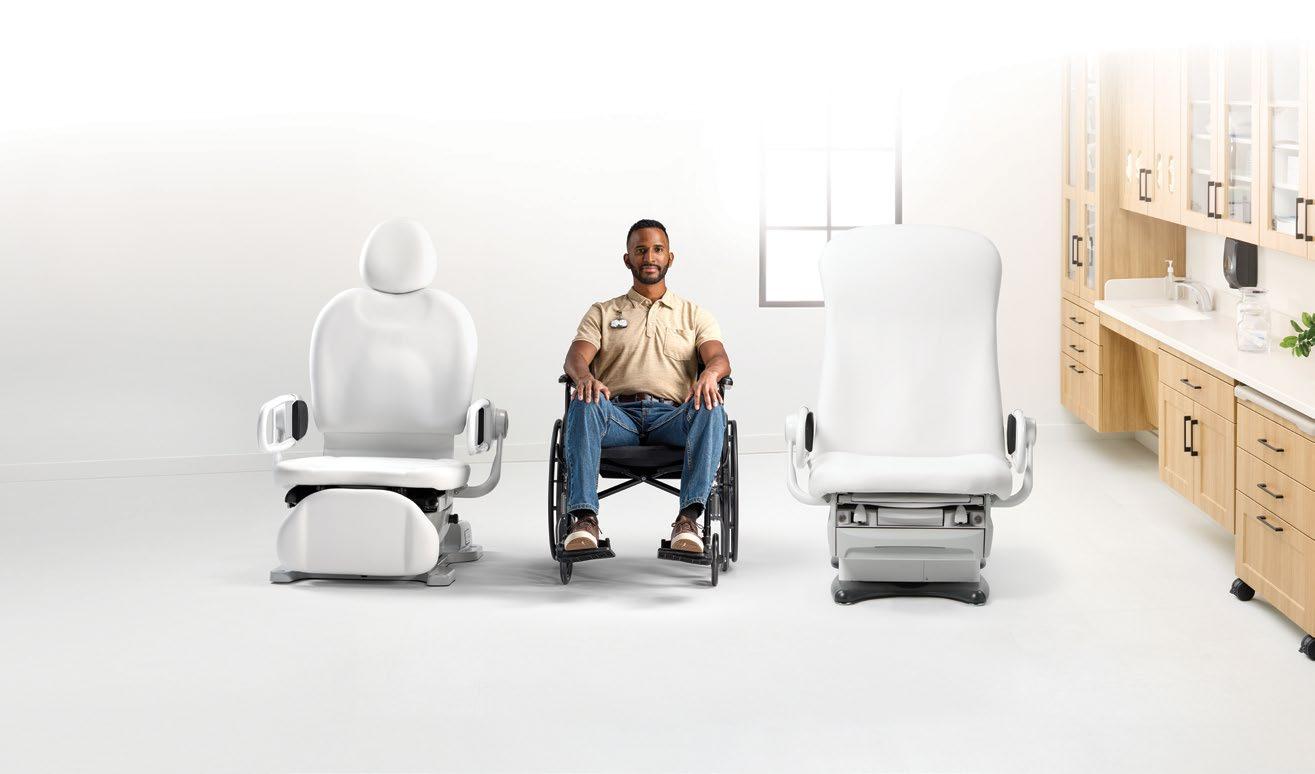
Source: US Access Board. (2024, July 25). Standards for accessible medical diagnostic equipment. Federal Register, 89(143), 47823-47839. https://www.federalregister.gov/documents/2024/07/25/2024-16266/standards-for-accessible-medical-diagnostic-equipment © 2026 Midmark Corporation, Versailles, Ohio USA

Check-up on Device Health During Your Next Off ice Visit
Connect with us and review the latest Baxter and Welch Allyn technology empowering patient exams. ON SPOTLIGHT THIS MONTH:
Welch Allyn Diagnostic Cardiology Suite






Welch Allyn Integrated Wall Systems
Welch Allyn RetinaVue 700


Welch Allyn Spot 4400 Vital Signs Device
< Scan To View Our Current Promotions
Rx Only. For safe and proper use of the product mentioned here, please refer to the appropriate Operator’s Manual or Instructions for Use.
Baxter, Hillrom and Welch Allyn are trademarks of Baxter International Inc. or its subsidiaries.
US-FLC45-260004 (v1.0) 02/2026