

AI Conversations
Will AI Replace the Distributor Sales Rep?
GET AHEAD OF THE GAME

At Abbott, we understand the need for reliable, fast and cost-effective point-of-care testing. Using one patient-friendly nasal swab, BinaxNOW™ COVID-19/Flu A&B simultaneously tests for COVID-19, influenza A and influenza B, with results in 15 minutes.
RESULTS IN 15 MINUTES
Enabling clinicians to diagnose and treat patients in a single visit
ONE SWAB, THREE RESULTS
For COVID-19, influenza A and influenza B
SIMPLE TEST PROCEDURE
Designed for point-of-care testing – no instrument required


WE ARE HERE TO SUPPORT YOU AND YOUR CUSTOMERS. REACH OUT TO YOUR ABBOTT REPRESENTATIVE TODAY TO LEARN MORE ABOUT OUR 2026 RESPIRATORY PROMOTIONS.


OrthoCarolina outlines how structured oversight, staff training, and supplier partnerships reduce variability and risk.
How consumable indicators verify sterilization performance and bring consistency to sterile processing workflows.
A consultative approach helps reps position sterilization as a strategy for safety, compliance and efficiency.
Outdated sterilization processes can put patients and workflows at risk – making it essential for distributor reps to guide practices toward the right autoclave solutions.
When a late-night call sparked a mission to
one healthcare leader discovered that true impact goes far beyond sales — and starts with saying yes.
A
heroes –
Honoring Tradition While Embracing Change
For more than three decades, Repertoire Magazine has worked to inform, educate and inspire the medical distribution sales professional. While our mission has not changed, the world around us certainly has. Sales reps today are moving faster, balancing more responsibilities, consuming information differently and entering our industry at a younger age than ever before. That reality is pushing us to evolve.
Over the coming months, you will see several additions and upgrades to the magazine designed to better serve today’s sales professional while respecting the traditions and professionalism that built this industry.


Scan the QR Code and watch
One of the biggest additions will be new lifestyle-focused content for the next generation of reps. Articles will cover work-life balance, managing stress, building customer relationships in a digital-first world, staying healthy on the road, and planning long-term careers. We will also feature practical sales strategies, including how to grow a territory to $1 million in revenue, maximize ride days with manufacturer reps, and learn from top performers across the industry.
Recognizing that time is one of every rep’s most valuable assets, we will introduce “click-to-listen” audio features for select articles, allowing reps to consume content while traveling between accounts. Key feature stories will also include quick bullet-point summaries for faster takeaways.
We are especially excited to introduce “Max and Scout,” a familyfriendly cartoon feature following a young sales rep and his loyal sidekick. The series is designed to educate, entertain, and help reps share with their families what they do and why their work matters.
As the industry evolves, Repertoire Magazine remains committed to attracting and developing the next generation of talent while honoring the professionals who paved the way. Our goal is to keep the magazine timely, relevant and valuable for every medical sales rep.
The future of this industry is bright – and we are excited to build it together.
Dedicated to the Industry,
R. Scott Adams Publisher
editorial staff
editor Graham Garrison ggarrison@sharemovingmedia.com
editor-in-chief, Dail-eNews
Jenna Hughes jhughes@sharemovingmedia.com
content creator Pete Mercer pmercer@sharemovingmedia.com
art director Brent Cashman bcashman@sharemovingmedia.com
circulation Laura Gantert lgantert@sharemovingmedia.com
sales executive Aili Casey acasey@sharemovingmedia.com (404) 625-9156
publisher Scott Adams sadams@sharemovingmedia.com (800) 536.5312 x5256
founder Brian Taylor btaylor@sharemovingmedia.com
Subscriptions
www.repertoiremag.com/subscribe or (800) 536-5312 x5259
Repertoire is published monthly by Share Moving Media 350 Town Center Ave, Ste 201 Suwanee, GA 30024-6914
Phone: (800) 536-5312, FAX: (770) 709-5432; e-mail: info@sharemovingmedia.com; www.sharemovingmedia.com

Max and Scout, page 62

One platform. Multiple options. Supporting patient care across more settings. Contact your QuidelOrtho representative to explore opportunities within your accounts.
New QuidelOrtho branding may not be available in all markets, subject to country-specific regulatory approval. Please confirm with your local commercial team. QuidelOrtho, ORTHO VISION and ID-MTS are trademarks of QuidelOrtho Corporation or its affiliates. All rights reserved.
Trademarks: quidelortho.com/trademarks
Supporting patient care – while helping you expand what’s possible
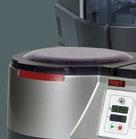
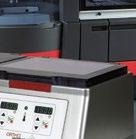
The ORTHO VISION™ Analyzer is an established platform in transfusion medicine, supporting laboratories in delivering consistent results for patient care.
Used across a range of laboratory settings – from high-volume hospitals to resource-conscious labs – it supports reliable, efficient testing without added complexity.
Why lead with ORTHO VISION Analyzer
• Widely adopted platform in transfusion medicine
• Supports automated gel testing workflows
• Integrates instruments, reagents and software
• Designed to support consistent testing processes for patient care
Certified Analyzer Program – expanding access
The Certified Analyzer Program on the ORTHO VISION Analyzer provides an additional pathway for laboratories seeking performance aligned with defined certification criteria.
• Includes inspection, testing and validation
• Supported by service, support and warranty
• Provides an option for labs expanding capacity or managing budget constraints
Same platform. Expanded access to support patient care – and more opportunities across accounts.
ID-Micro Typing System (ID-MTS™) Gel Cards – expanding the testing menu
Designed for use with the ORTHO VISION platform, ID-MTS Gel Cards integrate into existing workflows to support routine transfusion testing.
• Supports standardized testing processes
• Maintains workflow consistency
• Expands testing capabilities on a single platform












Back to Basics in Lab Sales
Even as diagnostics rapidly evolve, success in the physician office lab still comes down to trust, discipline and mastering the fundamentals.


By Jim Poggi
When we think about selling into the physician office lab, we frequently think about the exciting advances in testing and how to position these advances with our customers and prospects. HPV is on the verge of replacing PAP smears, at-home tests for STIs, respiratory diseases and others are shifting the market to embrace consumers. New molecular tests are changing the market for cancer diagnostics and patient management in ways we could not have predicted 20 years ago.
But, despite the progress and new assays, it’s still all about selling. And the best professional selling is all about knowing and adhering to the basics. With that backdrop, this month and next I intend to take us back to the basics of selling lab in the physician office. Please don’t groan and turn the page. Why I am encouraging us to go back to basics will make sense as I provide the rationale.
Leonardo DaVinci is credited with saying “simplicity is the ultimate sophistication.” Powerful words that sound like the right approach to successful lab consulting with our customers and prospects.
However, in my experience, real life tends to get in the way. We feel the “gravitational tug” from many areas that keep us from engaging in knowing, understanding and practicing the basics every day. Sales quotas, customer demands, operational issues, family needs and so many other things intervene. Without a strong commitment to practicing the basics well, we slip into crisis intervention mode: we focus on the issue making the most noise in our lives at any time and declare victory when we have found a way to solve it. This is not success. It is allowing our environment to control us. I do not know a single truly successful person who attained greatness by solving every random problem that came their way daily. When I think about how the successful folks I know became successful, the answer is always the same: They set a specific long-term goal that was important to them and never wavered from their commitment to it. Then they established a series of simple, attainable near-term goals, each part of the overall strategy, and persisted until they overcame the obstacles that stood in their way.



Don’t let symptoms get in the way of a clear picture.
In sexual health, symptoms often overlap, making it difficult to diagnose. That’s why comprehensive PCR testing isn’t just helpful — it’s essential.
At Cepheid, we deliver cutting-edge PCR diagnostics that look beyond the obvious, identifying infections at once with speed and accuracy. Because in sexual health, seeing the full picture means getting patients the right treatment, fast. Clear answers start here. Learn More about Cepheid’s Women’s & Sexual Health Portfolio.
Like every formula for success, it sounds simple until you try it in real life. I plan to share some of the basics of being a successful lab consultant in this column, with the assumption that your fundamental objective may be to become a highly successful lab sales consultant. If it is not, put your specific objective where you can see it daily as a reminder of what is important in your business life. But no matter what your goal is, read on since knowing and practicing the basics is fundamental to success no matter what you are selling.
Establish and maintain trust
This is a goal that sounds easy until you practice it every day in your personal and professional life. Were you on time for your customer meetings? Did you follow up and provide the information you committed to? Was the information complete, and did it answer the customer’s question?
If the answer to any of these questions is “no,” then you need to reset and commit to a higher level of excellence.
Make sure your schedule leaves some time for unexpected issues. In your customer communication, leave some room for changes in timing. I eventually learned to communicate that “I plan” to follow up or provide further information rather than a firm commitment to a date. This leaves room for the unexpected and, if properly communicated, makes sense to the customer also. “I plan to have the instructions for use back to your lab director by Friday, as long as I can get in touch with my lab manufacturer. If I cannot get them by then, I will text your lab director and work to a more realistic date. Does this work for you?”
Both you and the customer make a commitment to your plan and follow up with the understanding that you do not fully control the outcome. It solves some of the problems of real life getting in the way.
An interesting by-product of developing a deep and respectful relationship with your customers is the likelihood of strong referrals. Much of my growth in the lab business came from referrals
Making an account list does not mean knowing your customers. It means knowing who works for your key customers.
from satisfied customers. Customer dissatisfaction is all over the internet and dissatisfaction is communicated more broadly than satisfaction. Be aware that one dissatisfied customer is likely to spread the word to multiple prospects.
Know your customers
This is another item that sounds like mastery is easily attainable. In my career, I often felt I had attained it when my contact list was packed with the names and contact information for all my key customers as well as my top prospects.
I was wrong. Making an account list does not mean knowing your customers. It means knowing who works for your key customers.
But, do you know the basic concerns of your customers and what drives and motivates them?
You need to be confident that you know their overall practice objectives and motivation:
` How do they define success?
` How does lab fit into their overall goals?
` What is their opinion and even previous experience with lab?
` What is the culture of their practice/business?
` Who makes the decisions?
` How do they make important decisions?
` Who influences these decisions?
` What do they believe may be holding them back from achieving their objectives?
For customers that could not articulate their decisionmaking process, I had success by simply asking: “Tell me how a recent important decision was made.” Then I sat back quietly and listened carefully. If you are talking to the right person, you will learn a lot. Until you can confidently understand these elements of their healthcare and business objectives, you do not know your customer.
Timing is also an important issue. When should you probe for this information? Deep dive quarterly business reviews are important and typically the right venue to tease out this information. But, so are our everyday sales calls. You can triangulate what you learn in quarterly business reviews during routine sales calls. Does the staff have the same opinion? Are they informed and motivated to attain the overall business objectives of the practice?
You need to be committed to learn more about your customers’ goals and objectives during each sales call. Fly-by sales calls do not get the job done. Every call needs to have a specific measurable objective. My advice is to slow down, set thoughtful objectives for your sales calls and take the time to engage your customers to learn something new, or to confirm what you thought was true.
What if a key customer does not have time for this type of
sales call? What do you do? Ask for time for a proper meeting and explain why it is important.
Example: “I have seen the layout and systems in use in your laboratory. I would like to learn more about your overall laboratory objectives, the value you are getting from your lab systems, how you use them and whether you would invest in each of them again.
Why? Because I want to be able to offer you lab solutions that provide your practice and patients with the most value. I cannot do that effectively unless I understand the systems in your lab and how they relate to your overall objectives for your laboratory. My company offers a wide range of lab solutions and I will not be useful to you if I cannot offer solutions that meet your needs and add value for your practice.”
Be aware that one dissatisfied customer is likely to spread the word to multiple prospects.
You may be able to come up with a better word track, but asking the customer to help you learn is the core objective. If you have established mutual trust and respect, they will be willing to share their objectives and where they need help. If you still cannot get time for a sit down and deep dive with the customer, it is likely that your relationship is not where you think it is or where you need it to be. In that case, it may be best to rely on the advice of a coach in the account if you have developed one and ask how you can gain the trust of the decision maker and deepen your relationship. If you do not have a coach, your key objective is most likely to be to develop one.
Next issue, we’ll cover three more fundamentals for physician office lab sales. In a field defined by rapid innovation, it’s easy to chase what’s new – but lasting success still belongs to those who master what matters most. Commit to the fundamentals, practice them with discipline, and you’ll build a foundation that no market shift can shake.
Listen to this article, scan the QR Code.

Beyond Limits: Rise Above. Deliver More.
From vision to action, Team Schein aligns around strategy, service and stronger partnerships to exceed customer expectations in the year ahead.
Courtesy of Henry Schein Medical
This year’s Henry Schein Medical National Sales Meeting, themed “Beyond Limits: Rise Above. Deliver More.,” served as the definitive roadmap for Team Schein’s year ahead. The theme highlighted the importance of being trusted partners to customers and going above and beyond in service of them and their patients.
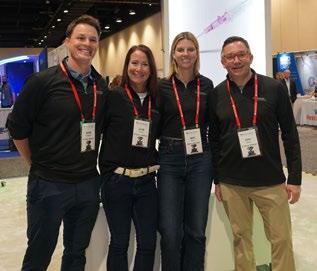
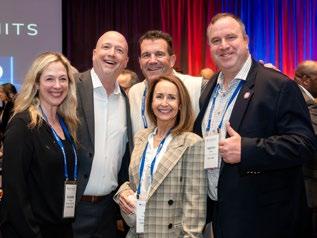
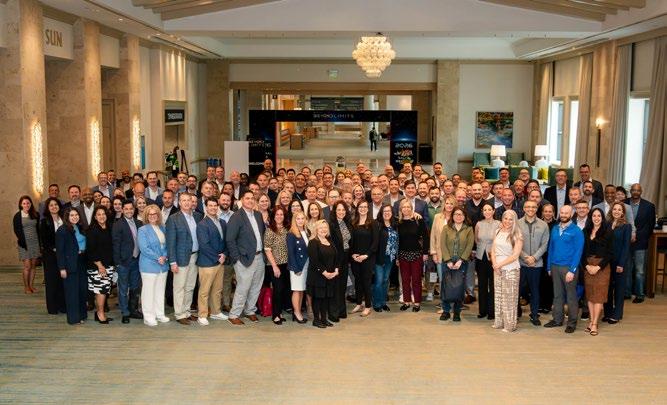
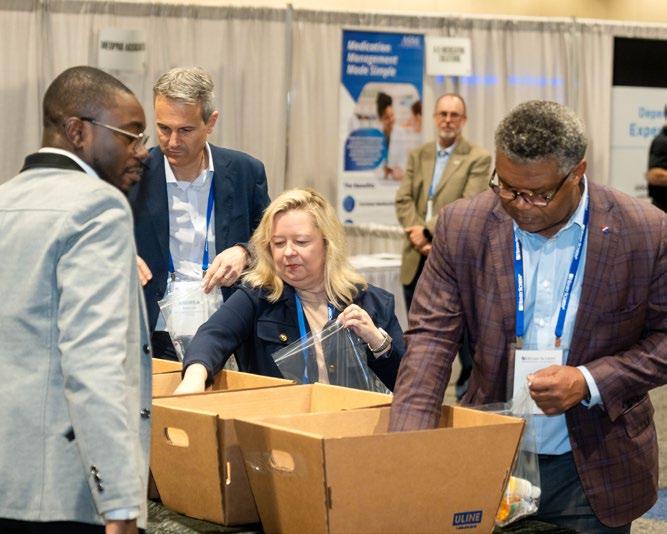

Throughout the three-day event, leadership presentations reinforced this vision. Fred Lowery (CEO of Henry Schein), Andrea Albertini (CEO, Global Distribution and Technology at Henry Schein), Ty Ford (VP and GM, Henry Schein US Medical Sales) and other leaders shared remarks, outlining strategies to move faster, think bigger, and provide greater value in every interaction. The agenda balanced strategy with professional development, including time to strengthen key supplier relationships and participate in a meaningful community service initiative: a kit-packing event in support of the local Ronald McDonald House chapter.

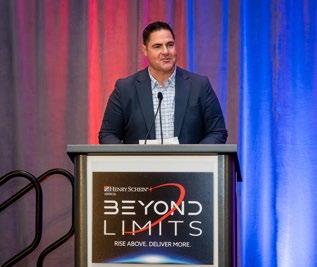
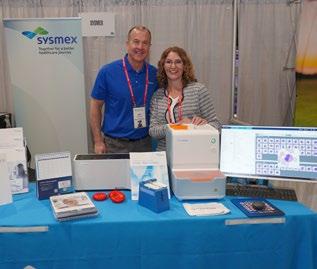



The meeting was anchored by a powerful keynote from Kevin Brown, who emphasized that rising above is rooted in how consistently you show up for others. By building stronger connections – both internally and with supplier partners –and committing to rising above their limits, the team seeks to be even more valuable partners to their customers.
First-of-its-kind program
Guaranteed 45 days of inventory on hand at key distributor warehouse locations
No cost and no contracts required for customers

POST-ACUTE FACILITIES
HOSPITALS

NON-ACUTE LOCATIONS


Contribute 2026
Concordance Healthcare Solutions hosts “2026 Contribute,” focused on the future of healthcare.
Courtesy of Concordance Healthcare Solutions

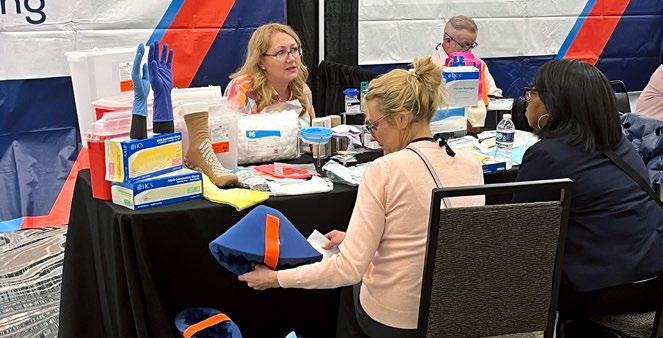
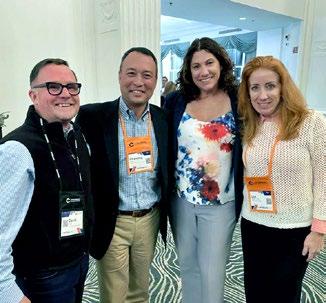
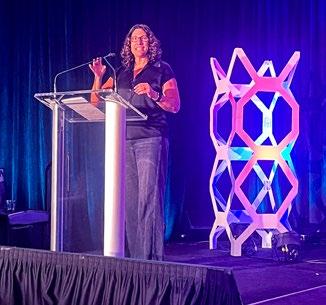
Contribute 2026, the Concordance National Sales Meeting, was hosted in St. Louis, Missouri and brought together hundreds of Concordance team members, supplier partners and exhibitors for a week of connection focused on collaboration, strategy, growth and execution – all grounded in a consistent and relentless commitment to customers and their patients.
Contribute kicked off with an engaging and transformative presentation from motivational entertainer, Marvelless Mark, which struck a powerful chord with Concordance employees, framed around the concept that when every part of an organization is aligned, like every chord in a song, the result is something far greater than the individual pieces. It served as a compelling reminder that success in healthcare distribution depends on that same level of harmonization, bringing together strategy, operations and relationships to move forward together with intention.
Some of the most valuable highlights at Contribute were the meaningful conversations that took place, the fresh ideas shared and the impactful learning which resulted. From insightful education sessions to authentic networking moments, connections turned into collaboration.
Throughout Contribute 2026, there was a clear emphasis on bringing customers, partners and industry leaders into closer alignment to solve challenges, improve efficiency and drive shared value. Attendees also had the opportunity to explore emerging products and technologies shaping the future of healthcare distribution, while connecting with peers focused on innovation and performance.
During the event, the second annual “Bill Black Memorial Award,” was presented to Corey Mast, Operations Manager at the Concordance distribution center in Milwood, West Virginia. The award was established in memory of the late Bill Black, former Director of Supplier Relations, who passed away in September 2024, and honors individuals who lift others up, lead with compassion and bring purpose and positivity into everything they do. Corey was recognized for leading with integrity, setting the standard through his dedication to safety, quality and patient care. Through compassion, collaboration and trust in his team, Corey has built a workplace

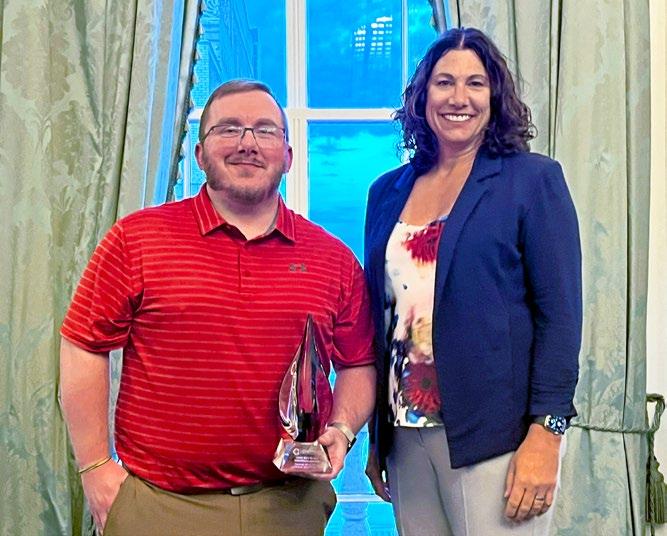
defined by ownership, resilience and lasting impact.
Contribute 2026 wrapped with renewed energy, deeper alignment and a clear sense of purpose. Together, through strong partnership, innovation and a shared commitment to advancing healthcare,
Concordance continues to raise the standard and build momentum for what’s ahead – never losing sight that every moment matters, especially when it comes to patient care. Events like Contribute reinforce that a strong healthcare supply chain isn’t built alone. It’s built together.
NDC Exhibition 2026
Insight, innovation and momentum in Nashville
Courtesy of NDC
The NDC Exhibition, held April 6-8 at the Grand Hyatt in downtown Nashville, brought together supplier and distributor partners for several days of impactful education, strategic dialogue, and relationship building across the healthcare supply chain. With a 20% increase in attendance and 39 companies participating for the first time – or for the first time in more than three years, this year’s event reflected growing momentum and renewed engagement across the network. With a strong focus on innovation, execution and collaboration, the Exhibition reinforced NDC’s mission to create meaningful opportunities for partners to connect, learn and grow together.



The week opened with the Opening General Session, led by NDC President and CEO Jack Stephens, who shared updates on the current state of the industry and NDC’s ongoing efforts to support supplier and distributor success. Immediately following, Jack was joined by Matt Rowan, President and CEO of the Health Industry Distributors Association (HIDA), for a Fireside Chat exploring the future of healthcare distribution, industry challenges, and opportunities for continued collaboration across the medical distribution landscape.
A highlight of the program was the keynote presentation by Nick Pericle. Nick delivered a forward looking yet highly practical perspective on how artificial intelligence is transforming manufacturing and distribution. Moving beyond industry hype, he outlined how organizations can deploy AI as a true “technology teammate” – strengthening decision making, improving productivity, and enabling scalable growth through real world execution.
The agenda also featured a series of unscripted Fireside Chats with healthcare leaders and executives, offering candid insights into market dynamics, operational challenges and evolving expectations within the industry. These conversations provided attendees with real world perspectives rarely found in traditional session formats


“The 2026 NDC Exhibition highlighted the strength of our network in bringing manufacturers and distributors together around learning, innovation, and execution. This year’s event was centered on identifying real growth opportunities and aligning partners on the actions required to capture them.”
– NDC President and CEO Jack Stephens
Award Winners
Congratulations to this year’s winners:
NDC Member of the Year
` Cobalt Medical
NDC Distributor Fast Track Awards
` HSS Medical Supply
NDC Distributor
Trendsetter Award
` Claflin Medical Equipment
` Wilburn Medical
NuEdge Distributor of the Year
` Federated Healthcare Supply
NuEdge Supplier of the Year
` B.Braun Medical
NDC Outstanding Performance
Supplier Awards
` Dukal
` BD
` Midmark
` Terumo
Marketing Excellence Award
` B.Braun Medical
Marketing 360°
Engagement Award
` Gojo


and sparked thoughtful discussion throughout the week.
Education continued with the session PRECISE Prospecting: Building Your Pipeline and Booking More Meetings,” led by Brian Sullivan, CSP, Founder of PRECISE Selling. This highly interactive session equipped attendees with actionable tools to sharpen prospecting efforts, elevate value based conversations, and apply AI powered techniques to modern sales workflows. From improving discovery and communication to mastering effective hooks and time blocking strategies, participants left with practical takeaways they could immediately apply in the field.
In addition to the educational content, networking played a central role throughout the Exhibition. The Starry

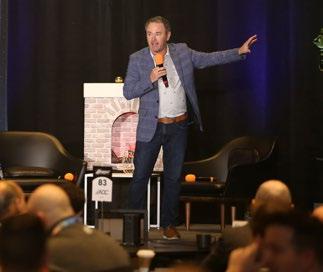
Night Welcome Reception on the Grand Hyatt pool deck set the tone for the week, offering a relaxed and engaging environment to connect under the Nashville skyline. The NDC Tap House & Listening Lounge returned as a favorite evening experience, blending live music, conversation, and informal networking in a uniquely Nashville atmosphere. The conference concluded with a Closing Celebration at Blake Shelton’s Ole Red, bringing the week to a high energy finish on Broadway.
Together, the educational sessions, thought provoking discussions, and immersive networking experiences made the NDC Exhibition 2026 a powerful forum for collaboration and alignment – setting the stage for continued momentum and growth across the NDC network.
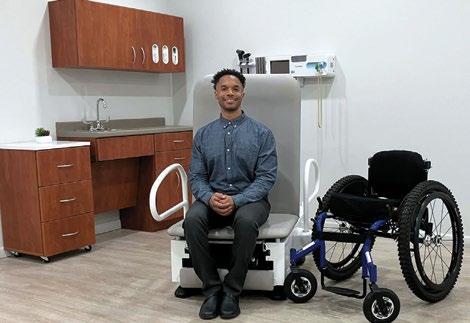
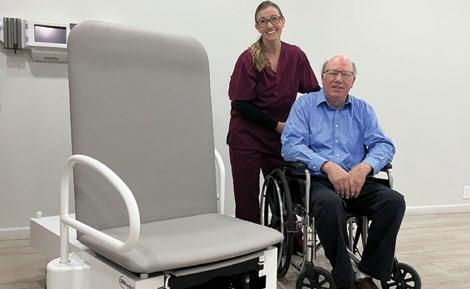
2026 ADA Standards Are Here!

In 2024, the DOJ and HHS adopted new Medical Diagnostic Equipment (MDE) standards issued by the US Access Board. As a result, exam tables at facilities receiving federal or state funding must now meet minimum height requirements to ensure accessibility for all patients. The deadline for compliance is coming soon.
The Hidden Cost of Being Easy to Work With
By Brian Sullivan, CSP
I’ve been coaching a rep named David for the better part of a year.
Smart guy. Prepared. Genuinely curious about his customers. He walks into a call, builds rapport naturally, and asks the kind of questions that make buyers lean forward in their chairs. He listens. He takes notes. He follows up on what they said three weeks ago. Every customer he calls on likes him.
And yet his numbers never quite get where they should be. Not because he can’t open doors. Not because he doesn’t understand the product. But because somewhere between the diagnosis and the prescription, David disappears.
He does everything right – until the moment it matters most.
The two ways reps fail
We’ve spent decades in sales training teaching reps not to pitch before they listen. The classic bad rep walks in, launches into a product demo before the customer has said 10 words, and wonders why nothing

sticks. Prescribing the medicine before knowing the disease. Every sales trainer worth anything has hammered this lesson home, and rightly so.
But there’s a second failure mode that doesn’t get nearly enough attention – and it’s the one David lives in. This rep does the diagnosis beautifully. He asks the right questions, uncovers the real problems, earns the customer’s trust and genuinely understands their situation better than most. And then, right at the moment when the customer is ready to be led somewhere, he hands the prescription pad back to the patient.
He gets vague. He lists features instead of solving problems. He lets the buyer steer. He makes it easy – so easy that nothing actually moves.
We talk constantly about reps who prescribe before diagnosing. We almost never talk about the ones who diagnose brilliantly and never prescribe at all.
The doctor who won’t tell you anything
Think about what it would feel like to see a doctor who listened carefully to every symptom, asked all the right follow-up questions, ordered the right tests, clearly understood what was wrong – and then said, “So what do you think we should do?” You’d be unsettled. Maybe even angry. You didn’t drive to the office, sit in the waiting room
and give three vials of blood so you could make the call yourself. You came because you wanted someone who knows more than you to tell you what to do next.
Your customers feel the same way. They answered David’s questions. They opened up about their problems, their vendors, their frustrations and their processes. They gave him everything he needed. They were ready to be prescribed to. And instead of stepping into that role, David stepped back. He made himself easy to talk to –and hard to buy from.
What the authority switch sounds like
The transition out of discovery doesn’t require a personality transplant. It requires a decision – a conscious choice to shift posture from curious to confident. David knows how to be curious. That part comes naturally. What he hasn’t learned to do consistently is make the turn.
It sounds something like this: “Based on everything you’ve shared with me, I believe we have a real solution to the supply consistency issue you mentioned and the credentialing delays that are costing your team time every week. I also think we can improve on a few things that are already working well for you – which is harder to do, but worth the conversation.”
Then you solve the problems. With confidence. With

facts. With proof from customers who’ve been exactly where they are.
That’s not pressure, or a hard close. That’s a professional doing the job the customer hired them to do. There’s a meaningful difference between being pushy and being present. The best reps know it. They’ve earned the right to lead – and they lead.
Being liked is not the same as being effective
Brian Sullivan, CSP, is the founder of PRECISE Selling and author of “PRECISE Selling: 20 Days to the Top”. With 35 years of experience in healthcare and medical distribution sales, he delivers keynotes, bootcamps, and outsourced sales development for companies nationwide. Contact him at preciseselling. com
Here’s the part that’s hard to hear if you’re a David: customers who like you will still leave you. Not because they don’t value the relationship. They leave because at some point, a rep who is willing to actually recommend something walks through the door. And that rep feels, to the buyer, like a resource. Like a partner. Like someone who is genuinely invested in their outcome – not just their comfort.
Being easy to work with is a genuine virtue in this business. It opens doors, builds trust and keeps customers from dreading your calls. But likability without leadership only gets you so far. The rep who is universally beloved but never drives a decision isn’t serving his customers. He’s just keeping them company.
David is better than that. Most Davids are. They just need someone to name the moment they’ve been building toward – and remind them that when the customer is ready to be led, getting quiet is the worst thing you can do.
The diagnosis was never the finish line. It was the setup for the prescription. Don’t leave the patient waiting.

Will AI Replace the Distributor Sales Rep?
MedPro’s Dominic Seymour on what’s changing – and what isn’t.
Artificial intelligence has quickly moved from buzzword to business priority across healthcare. But for distributor sales reps – long defined by relationships, responsiveness and boots-on-the-ground support – the question is becoming more urgent: Where does AI fit, and who does it replace?
According to Dominic Seymour, Regional Vice President of Sales – West at MedPro Healthcare Sales Solutions, the answer is nuanced.
In a conversation with Repertoire Magazine , Seymour shared where he believes AI is already making an impact, how reps are using it today and what separates those who will thrive from those who may be replaced.
AI Conversations
Repertoire: Let’s start off with the big question a lot of people in the industry are asking – Will AI replace the distributor sales rep? Seymour: So for the distributor rep, my opinion is if you are a rep that takes orders – that sits at your desk every day, you email, you make phone calls, you pick up the phone, but you’re not in the field all that often, and you’re not holding significant relationships that would be required in order to obtain that business –your job is in jeopardy.
AI is going to continue to get better. It’s not stopping anytime soon. Three years from now, it’s going to be tenfold what it is today.
Right now, most people are just scratching the surface. They’re using tools like ChatGPT or Google Gemini like a glorified search engine. But it goes so much deeper than that – and it’s going to go much further in the next few years.
So will AI replace reps? Some, yes. All? No.
The reps who are safe are the ones doing field work. We’re not building robots yet. If your job requires physical presence – holding relationships on site, walking facilities, speccing out rooms, running demos, doing installations – those roles are safe for now.
Especially in rural facilities, where there’s often less trust in AI, those personal relationships matter even more. If you’re
physically there, solving problems, building trust – that’s hard to replace.
Where I’d be concerned is the transactional side of the role. If you’re taking orders, responding to emails, handling quick phone calls – AI can already do that, and it’s only getting better.
Think about what AI does well: It analyzes data instantly. It responds to emails in seconds. It can handle multiple calls at once, 24/7. Humans can’t do that consistently.
So you’re going to see parts of distribution become more “Amazon-like.” A supply chain team could log into a portal, and AI already knows their buying patterns, their preferences – it’s all preloaded. They just click and order. Minimal human interaction.
Where the distributor rep still fits is in specialization and personal connection. Reading body language. Understanding pressure inside a facility. Handling objections. Managing relationships. That human element still matters.
So reps need to ask themselves: “Could AI do what I do every day?” If the answer is yes, it’s probably time to evolve.
Repertoire: How does the question differ for manufacturer reps? Seymour: It’s similar, but manufacturers tend to be more specialized by nature.

It’s not that AI will replace them –it’s that reps who use AI will replace the ones who don’t.
Listen to this article, scan the QR Code.

Dominic Seymour
Key takeaways
` AI will replace some tasks, not all reps. Transactional roles (order-taking, basic support, email responses) are most at risk, while relationship-driven field work remains essential.
` Field presence is the key safeguard. Reps who build trust in person, run demos and solve on-site problems are far harder for AI to replace.
` “AI won’t replace reps – reps using AI will replace those who don’t.” Productivity gains are already creating a performance gap between adopters and non-adopters.
` AI is already transforming daily workflows. Reps use it for meeting prep, customer research, scheduling, travel planning, note-taking and account summaries.
` Human judgment still drives big decisions. Complex, high-value deals still rely on relationships, trust and reading people – areas where AI can’t yet compete.

If you’re sitting in an office answering calls, handling customer service, answering basic product questions – you’re on the shortlist for replacement. AI can do that 24/7, in any language, with any accent. There’s no need to outsource that anymore.
But for field reps, it’s different. Physical presence is still king. AI can’t replicate that. When you’re in a facility, walking room to room, speccing out a telemetry system or a patient monitoring setup –and it turns into a million-dollar deal – no one wants to make that decision based on AI alone.
They want a person. They want trust. They want accountability. For higher-dollar, complex purchases, the human element isn’t going away anytime soon. Now, for simpler transactions – ordering a basic piece of equipment, for example – that could
absolutely move toward AI-driven purchasing in the future.
But for my team at MedPro, everything we do is in the field. Relationship-driven. That’s not something AI can replace today.
Repertoire: How are reps using AI right now?
Seymour: It’s been pretty incredible. At MedPro, we’ve invested in AI tools, and it’s a game changer.
The companies that aren’t investing right now are going to be left behind in a few years. And the same goes for reps.
It’s not that AI will replace them – it’s that reps who use AI will replace the ones who don’t.
The time savings alone are huge. For example, preparing for a big meeting used to take hours – researching the customer, their background, their facility, what matters to them.

Now, I can ask AI to pull all of that together – from LinkedIn, articles, public information – and connect it back to my product. It gives me an executive summary in minutes.
So I walk into that meeting fully prepared, able to connect my solution directly to what matters most to them.
Reps are also using AI for logistics – building call plans, mapping travel routes, optimizing schedules. What used to take days can now be done in minutes.
There are tools like meeting note-takers that create summaries after every call. If you compile those over time, you can ask AI to generate a master summary of your entire relationship with a customer – key priorities, trends, insights.
That’s incredibly powerful for account strategy.
You can take CRM data, layer in historical trends, and generate predictive models for each rep –who’s on track, who’s behind, who’s likely to hit their number.
On the management side, we’re using AI for forecasting. You can take CRM data, layer in historical trends, and generate predictive models for each rep – who’s on track, who’s behind, who’s likely to hit their number.
That kind of analysis used to take a ton of manual work. Now it’s almost instant.
And then there are tools like Claude or presentation builders that can create full slide decks in minutes. What used to take half a day now takes a fraction of the time.
Most reps today use ChatGPT or Gemini. Some are experimenting with more advanced tools. But we’re still at the very beginning.
Repertoire: What’s the biggest takeaway for reps right now?
Seymour: AI can make you five times more productive – if you use it the right way.
But there’s a balance. You don’t want AI to become the holder of all knowledge. Your reps still need to know their business, their products, their customers.
The reps who win will be the ones who combine both – leveraging AI for efficiency while doubling down on the human side of the job.
At the end of the day, relationships still matter. Being present still matters. Understanding people still matters.
AI is a tool. A very powerful one. But it’s not a replacement for everything.
At least not yet.
From Data to Delivery
A look at how Cardinal Health is moving beyond pilots to embed AI into planning, distribution and customer service workflow.

As healthcare supply chains become increasingly complex and technology-driven, leaders across the industry are turning to artificial intelligence to improve efficiency, resilience and customer experience.
In the following Q&A, Repertoire Magazine spoke with Pete Bennett, Senior Vice President of Global Supply Chain for Cardinal Health’s Global Medical Products and Distribution (GMPD) business. Bennett oversees global and U.S. supply chain operations, including logistics, distribution, planning and inventory management.
Repertoire: How have Cardinal Health’s operations leaders approached the idea of implementing AI?
Pete Bennett: Our Global Medical Products and Distribution business stays aligned with our broader organization’s AI Center of Excellence (COE) team in leveraging AI. This team identifies high-value AI use cases within our organization, evaluates potential solutions and accelerates the deployment of AI across digital and commercial technologies. The COE ensures AI initiatives address a defined business need, rely on high-quality and relevant data and enhance the customer experience. The goal is to responsibly leverage AI to support customers, strengthen employee capabilities, and safeguard our data. We have implemented several AI-driven solutions in our medical product distribution centers across North America, including automation and robotics technology. These tools help frontline workers pick, pack and ship orders with greater quality, speed, accuracy and safety. AI-enabled planning and inventory systems also provide supply chain leaders with real-time inventory visibility and insight into customer demand trends. We’re leveraging equipment manufacturers and vendors who can deliver their AI capabilities within their own products to enhance our workflows. Examples of these
technologies include AI-enabled warehouse execution systems to streamline process flows and AI vision coupled with cameras for our material handling equipment to help enable safety and accuracy in our facilities.
Repertoire: What are some examples of how AI would be used in medical product distribution?
Bennett: AI is increasingly embedded across medical product distribution, enhancing how we plan, forecast and deliver products. Today, advanced algorithms help predict demand more accurately, account for changing lead times, and optimize supply plans so customers receive a more reliable picture of product availability. AI also automates the collection and updating of key information such as expected delivery dates, reducing manual work and improving data accuracy across systems.
Beyond planning, emerging AI agent-based tools are supporting teams across the supply chain by summarizing operational notes, surfacing insights from complex datasets, and assisting with tasks like tracking shipments or preparing documentation for import and export regulatory compliance. These solutions enable faster decision-making, more efficient customer support and smoother coordination with distribution centers by helping to align dock scheduling and labor planning.
AI is helping streamline operations, improve service levels, and create a more responsive and resilient distribution network.
Repertoire: What are customer expectations related to how healthcare companies incorporate AI into their operations?
Bennett: Customers expect healthcare companies to evaluate and implement technology solutions that help make the work of healthcare providers easier and improve the patient experience. They also look for AI and other advanced technologies to enhance transparency and resiliency across their supply chains, reduce costs and deliver a more seamless, reliable customer experience. In fact, many customers are increasingly requesting that suppliers formally include AI in their distribution strategy or blueprint.
Repertoire: What are some of the primary benefits of leveraging AI in medical product distribution?
Bennett: Infusing AI into the supply chain delivers several important operational advantages. It enables improved forecast accuracy, ensuring we have the right mix of products in the right place at the right time. AI also continuously identifies vulnerabilities within the supply chain and can automatically initiate mitigation steps to help our teams achieve the best possible outcomes.
AI further strengthens our distribution operations by

We focus on deploying AI where its advanced capabilities add the most value to solve the most complex problems and avoid using it to fix something that an algorithm or robotic automation can address.
Listen
to this article, scan the QR Code.

Pete Bennett
enhancing safety of our workforce, increasing accuracy of our inventory, and improving our efficiencies through better flow optimization and labor/task allocation. Together, these capabilities help build a more reliable and resilient medical product distribution network.
Repertoire: What considerations must be made when exploring the use of AI in operations?
Bennett: Implementing AI requires strong change management, ensuring the organization is ready and upskilled to work
Effectively using AI within our distribution network can help improve the overall customer experience with increased order / invoice accuracy and fewer supply disruptions.
What are the differences between AI, GenAI and Agentic AI?
Pete Bennett, Senior Vice President of Global Supply Chain for Cardinal Health’s Global Medical Products and Distribution (GMPD) business, provided the following explanations.
AI (Artificial Intelligence): This is the broad concept of machines being able to perform tasks that typically require human intelligence. It encompasses a wide range of techniques, including machine learning.
GenAI (Generative AI): A subset of AI focused on creating new content, such as text, images, code and audio. It uses large language models to predict and generate outputs based on input prompts. Examples include ChatGPT, Claude and GitHub Copilot.
Agentic AI: An advanced form of AI that can plan, reason and take actions across multiple steps to achieve a specific goal. Unlike GenAI, which primarily generates content, Agentic AI can make decisions and execute tasks autonomously with minimal human intervention. It often uses a combination of large language models, machine learning and natural language processing to perform these tasks.
` AI is the overall field.
` GenAI is like a creative partner that generates content.
` Agentic AI is like an autonomous assistant that can strategize and execute complex tasks.
alongside AI. Effective data governance is also essential, such as understanding how clean our data is (e.g., free of inaccuracies) and maintaining a governance process to keep data clean over time. Organizations must also evaluate the stability and longevity of any AI tool or technology to ensure it will be viable for the long term. It’s also critical for organizations to scale technology beyond the pilot and avoid a potential “pilot stalemate.”
AI is not a one-size-fits-all solution. We focus on deploying AI where its advanced capabilities add the most value to solve the most complex problems and avoid using it to fix something that an algorithm or robotic automation can address.
Finally, up-time and availability are critical considerations, assessing whether a tool will be highly available and resilient or if it may be prone to crashes.
Repertoire: What are the potential benefits of implementing AI into operations?
Bennett: Implementing AI into operations, if done effectively, can help increase day-to-day efficiencies, drive streamlined workflows to reduce manual work and administrative tasks for employees, support safety and improve overall quality for an organization and its customers. We envision AI helping us move from data sets and queries to actionable intelligence. The
insights gained through broad systems monitoring and training will enable increased flexibility and agility in our operations, allowing our teams to adapt quickly to evolving requirements.
Repertoire: What are the direct benefits to your customers?
Bennett: Effectively using AI within our distribution network can help improve the overall customer experience with increased order / invoice accuracy and fewer supply disruptions. Customers can gain greater visibility into the status of their product
orders and experience a higher level of resiliency throughout the supply chain, resulting in a more reliable and transparent end-to-end experience.
Repertoire: What are some challenges with implementing AI?
Bennett: Ensuring data readiness, obtaining and maintaining clean data and selecting the most optimal AI technology in a saturated marketplace continue to be major challenges for many companies and industries. Technology and supply chain leaders within distribution operations should
When Budgets Shift, Accessibility Cannot
The Exam Chair helps facilities deliver ADA-compliant care while keeping long-term costs under control:
` 17-inch low seat height for safe, independent transfers
` TruComfort™ Support Rails that help patients independently transfer onto the exam chairs and reduce fall risks
` Durable, American-made construction that helps reduce lifetime replacement costs
work together to properly assess solutions and vendors for their capabilities, longevity, security governance and much more if they want to drive successful and compliant AI deployment. Additionally, benchmarking employees’ broad understanding of AI at all levels of an organization can be challenging – and may contribute to some organizations’ inabilities to implement AI long-term. It’s important for companies to offer educational opportunities for their employees and encourage ongoing learning as it relates to AI in a work environment.

How AI is Rewriting the Rules
10 things to know about AI and digital transformation in the U.S. healthcare supply chain.
The pandemic exposed just how fragile healthcare supply chains can be. From sudden shortages of critical supplies to overwhelmed distribution networks, providers and vendors realized they needed more transparency, collaboration and smarter systems.
Enter AI and digital transformation – a wave of technology that promises not just efficiency, but the ability to orchestrate entire supply chains while keeping humans in control.
Here’s what industry leader Cody Fisher, President of Concordance Innovations (which houses Surgence), sees as some key things to understand in the evolving world of healthcare supply chain management:
No. 1: Organizations are leaning in – but at scale, it’s still tricky
Healthcare vendors have historically guarded product information and inventory data, sharing it only when necessary. “The industry has made significant progress in recent years in becoming more willing to share information and data,” Fisher said. This includes upstream
constraints, product positions and cross-references – all critical for planning and operations.
Yet sharing data with thousands of individual customers remains challenging. Fisher said, “Well, if I’m a vendor, I may be more open to sharing it, but if I’m sharing it with my providers, that means I have to share it a thousand different times.” Each provider has unique systems and workflows, making manual distribution inefficient and error-prone.
“The organizations now are realizing that sharing the data is only a step in the journey,” Fisher added. “As soon as the data is shared across this blurred line between the vendor and provider, there is little knowledge of what the provider did with that data.” Efficient, scalable solutions are essential to move beyond piecemeal efforts.
No. 2: Collaborative workspace beats data sharing
Real transformation occurs when providers and vendors use the same digital workspace, Fisher said. “We’re bringing the technologies together in a shared workspace, including the shared data. Now, when a customer is making a decision, vendors and customers are making it together.”
Shared workspaces prevent miscommunication and operational inefficiencies. Fisher emphasized the broader goal: “We’re really trying to help the supplier community operate the supply chain that is in between them and their customers … bringing the provider closer to the supplier.”
No. 3: Proactive risk alerts are a game changer
AI-driven platforms now provide real-time alerts on potential supply risks, allowing providers and distributors to act before disruptions occur. “It’s looking at proactive alerts to supply risk,” Fisher said. By analyzing
Cody Fisher
both vendor and provider data, systems can identify items at risk and prioritize actions to prevent shortages or delays.
“This proactive approach replaces reactive problemsolving,” Fisher noted. “We’re working together to collaborate and solve that … we’re helping organizations move away from the chaos from supply constraints to predict the product risks that need attention.”
No. 4: Data alignment underpins smooth operations
Consistency across systems –from product codes and units of
measure to pricing and contract terms – is crucial. Misalignments can result in errors, delays or financial impact.
Platforms that ensure alignment in real time reduce errors and allow confident operations. “We’re bringing that data into a shared workspace to ensure organizations aren’t just maintaining their own data. But also, as a supplier, I’m helping my provider maintain my data in their system,” Fisher said.
“Most of the data in our supply chain is dynamic. Organizations are adding items, removing items, changing descriptions, changing
units of measure, but it is imperative trading partners are managing the data together,” he said.
No. 5: AI keeps data clean and actionable
AI plays a vital role in maintaining data quality. “AI can simply just help at the data layer. Organizations fall into the myth that I can’t automate until my data is clean, but the truth is AI and automation can help ensure your data is clean at the foundational level,” Fisher said.
“It makes it less about data management as a project. We can actively run that kind of data health all the time,” he said.



“Now
Precision. Per formance. Proven Value.

• High- quality RF ablation solutions for pain management
• Designed for accurac y, consistenc y, and compatibility
•
• Reliable per formance clinicians can trust
• Premium quality without unnecessar y cost


LCCS Medical is proud to par tner with MTMC ’s exper t sales force to bring our innovative Pain Management and Regional Anesthesia produc ts per formance.
“Nothing is more Expensive than an Oppor tunity Missed”
Regional Anesthesia and RF Pain Manageme accessible through distribution”
This frees teams to focus on higher-value tasks like optimizing decisions and operations. “While you’re running your business, how do we increase the health of your data and make it as optimal as it can be?”
No. 6: AI moves transactions to workflow
Providers and distributors process tens of thousands of orders daily. The right AI tools prioritize which transactions need attention, where is there risk and how do I solve my challenge,” Fisher said. “We’re really automating the workflow, bringing clarity to tens of thousands of transactions that happen on any given day,” he added.
No. 7: Conversational AI enhances human capacity
Generative AI agents act as if each person has a team of virtual experts embedded in platforms. “One agent can make it feel as if you have a team of 20 people,” Fisher said. They help navigate data, locate inventory and answer operational questions in seconds.
“When you send a question to an agent, it’s coming back to you in seconds,” he said, compared with minutes or hours via email. “We need to learn to manage expectations of agents like people; while they aren’t always correct, neither are teams delivering answers – one happens in seconds and the other happens in minutes, hours or days.”

No. 8: Change occurs when pain exceeds comfort
Organizations tend to adopt technology fastest when the cost of staying the same outweighs the effort to change. “The organizations that have to might not do it perfectly, but they are the organizations moving the fastest and making the most progress,” Fisher said. “The organizations that want to innovate, but don’t feel they have to change, are trickier. The reasons for not changing are usually pretty simple. They either don’t want to, or they don’t feel the urgency yet.”
No. 9: Security and sovereignty are still top priorities
As organizations adopt AI and share data, cybersecurity and risk continue to be critical. “Picking the right technology and making sure your partners can structure technology in alignment with your security standards is a nonnegotiable,” Fisher said.
“The organization’s best data is always their own first. Everything else is an insight that can be categorized and prioritized,” he added.
No. 10: Humans remain essential
The future blends automation with human oversight. “Humans in the loop are important. There are patients and clinicians on the other end,” Fisher said. AI handles orchestration, data analysis and routine workflows, while humans remain responsible for judgment and safety.
“AI automation and digital transformation around data are really going to enable organizations to grow at a scale, to do a volume of work that we never have really been able to fathom,” he said.
The future is now
Digital transformation and AI are no longer futuristic concepts. They are active, strategic tools reshaping the world and more specifically healthcare supply chains today. By combining automation, collaboration, and human expertise, providers and vendors can not only survive disruptions, but thrive with unprecedented efficiency.
As Fisher put it, “We carry the badge of responsibility to position organizations to operate the best they can.”
Listen to this article, scan the QR Code.

A multimedia series for ASC leaders
ASC insights
Real conversations. Real data. Real advice. Candid interviews with ASC leaders on what's actually working in ambulatory care today.
Key conversations In every episode
Episode 1
Transforming airway management at Summit Health ASC
Dr. Adam Thaler Medical Director Urology
Episode 2
Simplifying success: vendor consolidation as a competitive advantage
Tracy McQuay (Medtronic) + Cardinal Health team
Episode 3
Bringing hospital-grade monitoring into the ASC
Blake Tatum (Medtronic) + Mike Lessick (Mindray North America)
Listen and read
All episodes and case studies at outcomesrocket.com/ascinsights
©2026 Medtronic. Medtronic, Medtronic logo, and Engineering the extraordinary are trademarks of Medtronic. All other brands are trademarks of a Medtronic company. 05/2026 – US-PM-2600200.
A podcast interview with a named industry leader, 20 to 40 minutes
Speci c data and outcomes drawn from real facilities — costs, decisions, results
Practical takeaways from leaders who've already made the call
"These aren't marketing stories. They're peer-to-peer insights from leaders who've faced the same challenges you're navigating today."
— Lindsay Alexander, Medtronic

AI Conversations
Delivering Actionable Insights from AI
Ben Helfinstein shares how NDC is leveraging its unique position between manufacturers and distributors to uncover growth opportunities, improve pricing strategy and streamline operations.

As artificial intelligence continues to dominate the healthcare conversation, the real story is beginning to shift from hype to execution – particularly within the supply chain. For distributors and manufacturers alike, the question is no longer whether AI will have an impact, but where it is already driving measurable value. Increasingly, that value is emerging not from flashy automation alone, but from the ability to turn vast amounts of fragmented data into clear, actionable insight.
In an interview with Repertoire Magazine , Ben Helfinstein, President of Partner Solutions at NDC Inc., offers a grounded perspective on where transformation is truly taking hold. “NDC sits between hundreds of healthcare manufacturers and more than a thousand distributors and dealers, which gives us a distinctive vantage point into pricing, purchasing behavior and channel execution,” he said.
He points to a decisive evolution in how organizations approach data – moving beyond static reporting toward real-time intelligence that informs pricing, contract strategy and growth opportunities. With healthcare distribution becoming more complex and contract-intensive, Helfinstein emphasizes that success will depend on how effectively organizations can align data, decision-making, and execution.
Repertoire: There is a lot of talk in healthcare supply chain about AI right now – but where do you think the real transformation is actually happening: analytics, automation or decision-making?
Ben Helfinstein: AI will transform all three. The earliest and most practical impact is in analytics that improve decision-making. At NDC, we are very focused on that distinction: the goal is not to produce more reporting, but to deliver actionable insights that help our partners grow profitably and operate more efficiently.
AI-powered automation is also accelerating quickly, especially in complex, rules-driven workflows. But the real value in automation only shows up when AI is grounded in high-quality data and embedded in mature operating processes.
Repertoire: How is NDC currently leveraging data differently than it did even two or three years ago? Helfinstein: Because of our


Key takeaways
` Actionable insights > static reporting: The greatest impact of AI today is in analytics that directly inform decision-making –not just generating more data, but turning it into clear, usable direction for growth and efficiency.
` Data maturity drives automation success: AI-powered automation is accelerating, but its real value depends on highquality data and well-established operational processes.
` Purchasing and pricing data are critical: Visibility into purchasing behavior, pricing intelligence and transactional data helps identify demand trends, uncover mispricing, and align strategy with execution.
` Shared data unlocks channel growth: Better alignment and transparency between manufacturers and distributors can reduce friction, improve margins and reveal untapped opportunities.
` Connectivity improves resilience: More connected, realtime data enables organizations to anticipate disruptions, respond faster to shortages and operate a more proactive, efficient supply chain.
unique channel position, NDC’s partners – both manufacturers and distributors – look to us for solutions that power their growth and efficiency. In recent years, the areas where they are asking for help are increasingly powered by data.
Two or three years ago, a lot of organizations were focused on reporting and analytics for data exploration. Today, we are focused on actionable insights. NDC is aggregating richer data than ever before and using it to help both manufacturers and distributors answer practical questions: Where are we growing or shrinking? Where are we under-penetrated? Where is there share-of-wallet opportunity? Where are pricing or contract dynamics limiting growth or margin? We are also much more focused on speed, selfservice and embedding automation into workflows so that data is not just informative, but powering efficient execution.
Repertoire: What types of data are becoming most valuable in the healthcare supply chain –utilization, purchasing behavior, outcomes, pricing transparency, or something else?
Helfinstein: All of those matter, but in our part of the market, purchasing behavior, pricing intelligence and channel-level transactional data are especially valuable. Those data sets help
companies understand true demand, identify growth opportunities, spot mispricing, and better align commercial strategy with operational execution. In a market as fragmented and contract-intensive as healthcare distribution, having visibility into what is being bought, at what price, through which channels, is incredibly powerful.
Repertoire: Where do you see the biggest untapped data opportunity within the distributor–manufacturer relationship?
Helfinstein: One of the biggest untapped opportunities is creating a more shared, actionable view of demand, pricing alignment and execution. Too often, manufacturers and distributors are working from fragmented or incomplete pictures of the market. Better visibility into purchasing behavior and better coordination between commercial intent and operational execution can unlock growth, improve margin and reduce friction in the relationship. That is where better data can move from being informative to becoming a real competitive advantage.
Repertoire: How does NDC turn large volumes of transactional data into actionable intelligence rather than just reporting?
Helfinstein: The key is starting with the decisions our partners are trying to make, not with the
Ben Helfinstein
data itself. We use data to answer practical business questions: where there is whitespace, where there is under-penetration, where pricing may be misaligned, where margin may be leaking, or where contract execution may not be performing as intended. The goal is not just to produce reports; it is to help manufacturers ensure they are offering the price they intend to the market, and helping distributors efficiently access the best costs available to support profitable growth.
On the business management side, we also help partners navigate enormous pricing complexity across GPO and local contract structures, using data to support contract administration, rebate and chargeback processing, sales trace aggregation and dispute management.
Repertoire: What problems in healthcare distribution are uniquely suited for AI compared to other industries?
Helfinstein: Healthcare distribution is complex, fragmented and consists of high-volume transactional activity. There are massive numbers of price points, contract relationships, and operational and data handoffs across manufacturers, distributors, GPOs and providers. That makes it a strong environment for AI, particularly in areas like exception management, anomaly detection,
workflow automation and surfacing decision-ready insights from large volumes of data.
Repertoire: How could better data connectivity reshape the traditional healthcare supply chain model?
Helfinstein: Better data connectivity can make the supply chain far more coordinated, transparent and responsive. Instead of each participant operating from a partial view, manufacturers, distributors and other channel partners can align more effectively around demand signals, pricing intent, contract access and operational execution. Over time, that can help reshape the model from one that is often reactive and fragmented into one that is more connected, proactive and efficient. It also creates the foundation for more intelligent automation and better decision-making across the channel.
Repertoire: What role will data play in addressing shortages and disruptions moving forward?
Helfinstein: Data will play a critical role because shortages and disruptions are ultimately visibility and response problems as much as supply problems. Better data helps organizations identify changes in demand
earlier, understand where pressure is building, and respond faster with pricing, sourcing, allocation and channel strategies. The more connected and timely the data environment becomes, the better the industry will be at anticipating disruption rather than simply reacting to it after the fact.
Repertoire: What excites you most – and what concerns you most – about where data and AI are taking healthcare?
Helfinstein: What is most exciting is the potential to make healthcare supply chains smarter, faster, and more efficient in ways that directly benefit manufacturers, distributors and ultimately care delivery. We are moving into an environment where companies can make much better use of the data they already have and apply AI to workflows that have historically been manual, slow and difficult to scale. The biggest concern is that organizations chase hype instead of value. AI is incredibly powerful but works best when applied to the right use cases, supported by high-quality data, and integrated into mature business processes. The opportunity is enormous, but disciplined execution will matter.
Listen to this article, scan the QR Code.

Our clinically trained, HIDA AMS-accredited sales professionals are strategically located throughout the country, delivering expert, in-person support to providers and streamlined execution for manufacturers and distributors alike.


COMPLETE SPIROMETRY SUPPORT POWERED BY MDPRO
COMPLETE SPIROMETRY SUPPORT POWERED BY MDPRO
MDPro is now a master distributor of MIR spirometry products, with on-site support available in every zip code through the MedPro outside sales team. We offer tabletop, standalone, and PC-based spirometry devices designed to meet a wide range of clinical needs.
MDPro is now a master distributor of MIR spirometry products, with on-site support available in every zip code through the MedPro outside sales team. We offer tabletop, standalone, and PC-based spirometry devices designed to meet a wide range of clinical needs.
Every MIR unit purchased through MedPro now includes an extended 3-year warranty — two additional years beyond the manufacturer’s standard coverage. Our team also provides pre-sale demonstrations, post-sale in-services, and ongoing non-clinical support throughout the process.
Every MIR unit purchased through MedPro now includes an extended 3-year warranty — two additional years beyond the manufacturer’s standard coverage. Our team also provides pre-sale demonstrations, post-sale in-services, and ongoing non-clinical support throughout the process.
CLINICAL SPIROMETERS
CLINICAL SPIROMETERS
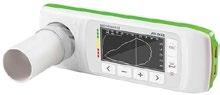

Spirobank II Basic
Spirobank II Basic
Spirobank II Smart (oximetry option)
Spirobank II Smart (oximetry option)

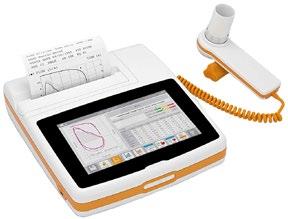
(oximetry option)
(oximetry option)
To ensure fast delivery and reliable availability, MDPro keeps all spirometry units and accessories in stock at our San Diego warehouse and ready for immediate shipment.
To ensure fast delivery and reliable availability, MDPro keeps all spirometry units and accessories in stock at our San Diego warehouse and ready for immediate shipment.
888-602-7767
888-602-7767
medicaldevicepros.com
medicaldevicepros.com
Minispir
Spirolab
Minispir
Spirolab
Building Consistency in Outpatient Infection Prevention
OrthoCarolina outlines how structured oversight, staff training, and supplier partnerships reduce variability and risk.

As outpatient orthopedic care continues to grow across the Southeast, OrthoCarolina is emphasizing rigorous infection prevention protocols to support more than 1 million patient visits annually.
Founded in 1922, the independent academic orthopedic practice has built a reputation not only for musculoskeletal care, but also for clinical quality and safety across its more than 300 providers in North and South Carolina. In a recent interview with Repertoire Magazine , three clinical leaders outlined how standardized protocols, staff education and workflow design underpin infection prevention efforts across the organization’s outpatient facilities.
Infection prevention “part of the culture”
At the core of OrthoCarolina’s approach is a culture built around standard precautions, according to Karen Berry, RN, Manager of Office-Based Surgery & Clinical Operations.
“In today’s healthcare, the requirement for standard precautions is part of the culture in our outpatient facilities,” Berry said. “Elements begin with our primary infection-prevention defense, handwashing, with either an alcohol-based sanitizer or soap and water. Team members and practitioners are provided with personal protective equipment such as gowns, masks and gloves to protect themselves as well as our patients.”
Berry noted that infection prevention extends beyond individual behaviors to include environmental and engineering controls. “Engineering controls are in place in all our outpatient facilities that include containers for sharps and safety needles to promote safe injection practices. Continuous cleaning and disinfection occur in exam rooms, waiting rooms, procedure rooms and equipment,” she said.
Education and oversight also play a central role. “All team members receive ongoing education with written infection prevention policies and participate in biannual audits that are built on regulatory requirements,” Berry said. “Site visits
SAVE on Surface Disinfection with CaviWipes ™ HP & CaviCide ™ HP

Efficient Disinfection
Efficient Disinfection
Hydrogen peroxide-based 1-step cleaning/disinfection2 and 1-minute contact time for all listed pathogens ensures efficient disinfection.
Hydrogen peroxide-based 1-step cleaning/disinfection2 and 1-minute contact time for all listed pathogens ensures efficient disinfection.
Broad Spectrum Efficacy
Broad Spectrum Efficacy
Effective disinfection against over 60 pathogens1 including MDRO’s (Multidrug Resistant Organisms) while qualifying for the EPA’s rigorous Emerging Viral Pathogen Claim3, protects you against future pathogens as well.
Effective disinfection against over 60 pathogens1 including MDRO’s (Multidrug Resistant Organisms) while qualifying for the EPA’s rigorous Emerging Viral Pathogen Claim3, protects you against future pathogens as well.
Ease of Use
Ease of Use
Pre-saturated wipes and ready-to-use liquids require no mixing or dilution simplifying the disinfection process, reducing the risk of errors, saving time, and improving compliance.
Pre-saturated wipes and ready-to-use liquids require no mixing or dilution simplifying the disinfection process, reducing the risk of errors, saving time, and improving compliance.
Lowest Toxicity Level
Lowest Toxicity Level
US EPA Toxicity Category IV products minimize exposure to harmful cleaning chemicals. The use of gloves is not required.2
US EPA Toxicity Category IV products minimize exposure to harmful cleaning chemicals. The use of gloves is not required.2
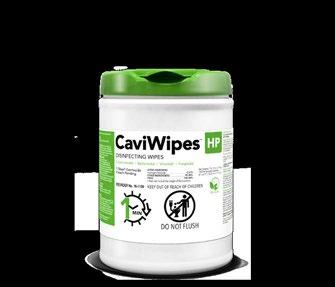
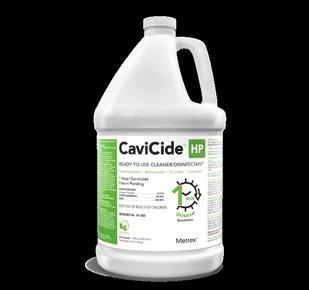
1. 67 pathogens for CaviWipes HP and 70 pathogens for CaviCide HP
2. Follow Product Label for special precleaning and PPE instructions
3. CaviCide HP and CaviWipes HP qualify for the EPA Emerging Viral Pathogen program against all virus tiers (enveloped, small and large non-enveloped)
Emerging Viral Pathogen program against all virus tiers (enveloped, small and large non-enveloped)
are frequented by oversight leadership at all outpatient facilities. Internal committees guide safe practices, policies, and plans for the evaluation of safer products.”
In procedural settings, sterilization protocols are closely monitored. Berry added, “For our procedural areas, instruments are cleaned and sterilized according to manufacturer instructions. Safety data sheets are maintained for all chemicals and other products within the clinical areas. Chemical and biological indicators are used to monitor and validate sterilizer performance.”
Despite the breadth of services provided, OrthoCarolina leaders say infection risks are consistent with typical outpatient environments. Liz Maselli, PA-C, MBA, Vice President of Clinic Operations, explained that the elective nature of orthopedic procedures can actually help reduce risk.
“Orthopedic procedures in the outpatient setting are elective cases. This allows us time to optimize our patients prior to their procedure. Thus, our risk for infection is quite low,” Maselli said. “With that being said, there are no unique infection risks for our facilities. We carry the standard risk as with any outpatient facility.”
Detailed processes govern every step of instrument handling, from postprocedure transport to sterilization validation.
Still, maintaining consistency across diverse clinic layouts presents challenges – particularly in workflow design. Kathleen Wilkins, RN, Clinical Resource & Quality Specialist, said human factors play a critical role in ensuring compliance.
“The physical environment can be challenging in the outpatient setting because spaces are often not specifically designed for all procedures,” Wilkins said. “We have had to standardize workflow design to make infection prevention steps easier to implement throughout our clinics.”

She pointed to practical measures such as visual cues and structured processes. “We follow best practices by maintaining standardized, clearly defined workflows. Examples include establishing boundaries with splash guards; using visual cues such as signage for ‘Dirty,’ ‘Clean,’ and ‘Sterile’; and posting signs when the office-based surgery (OBS)/procedure room is in use.”
Technology and simplification strategies also support consistency. “We also maintain electronic quality assurance logs for autoclave maintenance, instrument cleaning, sterilization, and spore testing,” Wilkins said. “In addition, we simplify decision points in sterile processing to help team members make the right decisions quickly and consistently.”
dukal.com


Instrument reprocessing remains a key focus area, particularly in outpatient settings where space constraints and staff turnover can introduce variability. Berry highlighted these as common industry challenges.
“One of the most common challenges is the physical spacing and layout of outpatient clinics when maintaining a dirty-to-clean workflow for disinfection and sterilization, as well as providing adequate space for sterile storage of supplies and instruments,” she said.
To address these issues, OrthoCarolina emphasizes clear separation of clean and contaminated areas, along with ongoing staff education.
“Although each outpatient clinic has a different layout, dirty and clean areas are clearly labeled, and in some cases separated with splash guards to prevent chemicals or fluids from reaching clean instruments,” Berry said.
She also underscored the importance of training and compliance monitoring. “Team members receive education during orientation and annually thereafter, along with real-time updates when leadership conducts onsite oversight. Competency training includes all steps of the disinfection and sterilization process, proper use of personal protective equipment, and instruction on chemical products, equipment, and surgical instruments.”
Detailed processes govern every step of instrument handling, from post-procedure transport to sterilization validation. “After a procedure is completed, instruments are placed in a closed, labeled container and transferred to the designated dirty area for cleaning,” Berry said. “Biological indicators are monitored weekly, and chemical indicators are included in each pouch or instrument pan. Sterilizers are maintained according to manufacturer guidelines.”
Setting – and keeping – a standard
Maintaining consistent infection prevention standards across a large outpatient network requires more than policies – it demands structure, accountability, and a deeply embedded culture of

safety. Leaders at OrthoCarolina say their approach combines centralized oversight, standardized training, and strong supplier partnerships to ensure consistency across every site.
“A strong infection prevention culture outside perioperative specialties requires education, clear expectations and accountability.”
Maselli emphasized that routine oversight is foundational to maintaining alignment across locations.
“OrthoCarolina has an oversight team that performs routine in-person observations and audits to observe our office-based surgeries,” Maselli said. “This allows us to ensure all proper protocols and policies are being followed at every site.”
In addition to operational audits, physician leadership plays a direct role in shaping and reinforcing standards.
“We also have an OBS oversight committee, which consists of a small group of our orthopedic surgeons who regularly utilize our OBS,” she said. “These surgeons review our policies, protocols, and procedures that are executed at every
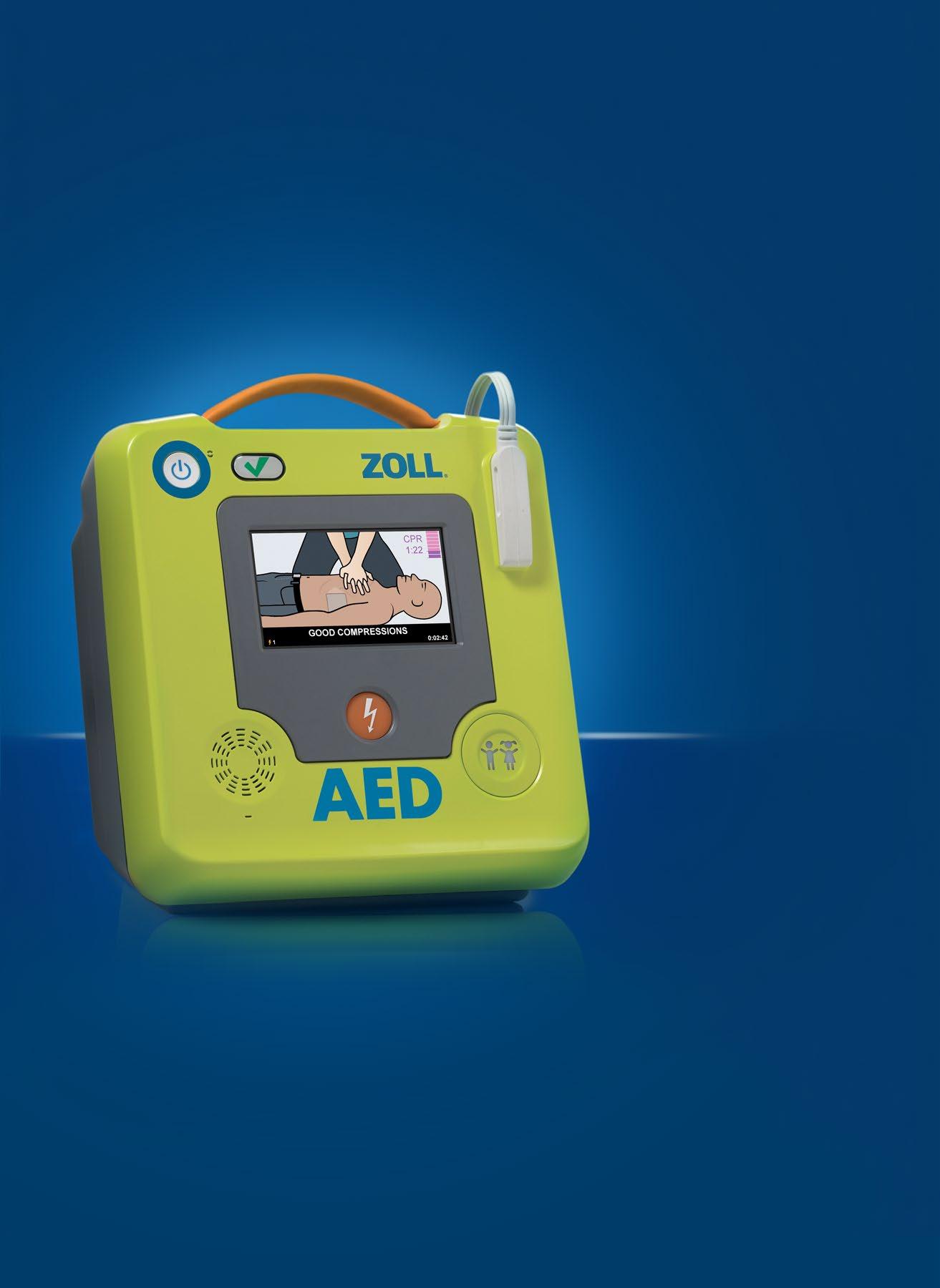
CPR Depth Gauge
Actively measures the depth of every CPR compression.
Real-Time Feedback
AHA-driven guidelines help deliver high-quality CPR.

Integrated Pediatric Rescue
CPR Uni-Padz® enable a single solution for adult and pediatric victims.

clinic. This ensures that there is oversight of which procedures are performed in our OBS.”
Standardization extends to staff roles and training as well. “We also have standardized the training for OBS roles, such as sterile processing experts who run our autoclaves across every site,” Maselli added, underscoring the importance of consistency in high-risk processes.
Beyond structure and oversight, OrthoCarolina leaders say building a culture of infection prevention is critical – especially among team members who may not specialize in perioperative care.
Wilkins pointed to education as the starting point.
“A strong infection prevention culture outside perioperative specialties requires education, clear expectations and accountability,” she said. “This culture should begin with new hire onboarding and include experiential learning in the clinical lab.”
Training programs are both comprehensive and continuous. “All team members involved in autoclave use and sterilization processes for office-based surgery must receive initial training on proper autoclave operation and sterilization procedures, followed by annual education and competency reviews thereafter,” she said.
To reinforce understanding, OrthoCarolina has developed internal education modules that go beyond basic instruction. “The education modules are detailed with an explanation of the ‘why’ behind the things we do,” Wilkins said. “Competency quizzes follow each module with a minimum passing score of 80%.”
The organization also ensures on-the-ground expertise is readily available. “A clinic-wide program was created to have an on-site subject matter expert (SME) for the autoclave process,” Wilkins explained. “These SMEs serve as resources for staff and support hands-on training when needed.”
Standardized workflows and checklists further support consistency in daily operations. Wilkins noted that clearly defined processes guide everything from hand hygiene to instrument transport. “Workflows have been designed to provide clear,
Standardized workflows and checklists further support consistency in daily operations. Wilkins noted that clearly defined processes guide everything from hand hygiene to instrument transport.
repeatable routines for team members, including ‘clean-todirty’ sequences for instrument processing, environmental cleaning, room turnover checklists, and transport protocols,” she said.
Accountability is reinforced through ongoing monitoring and feedback. “Scheduled and unannounced visits are conducted to audit workflows, ensure established processes are followed, and provide remedial training when needed,” Wilkins said. “Successes are recognized, and actionable feedback is shared with team members and managers.”
While internal processes are critical, Maselli noted that external partners also play an important role in infection prevention outcomes.
“The best way for suppliers and distributors to make a big difference in helping maintain our infection prevention standards is to continue to create high-quality products that can withstand the sterilization process, such as the autoclave,” she said. “This will allow healthcare providers to decrease the contamination of equipment.”
She added that consistency and quality from suppliers directly impact patient safety. “Suppliers and distributors that maintain high-quality standards and continual improvement processes will also allow us to have a decreased risk of contamination, thus lowering our infection rate.”
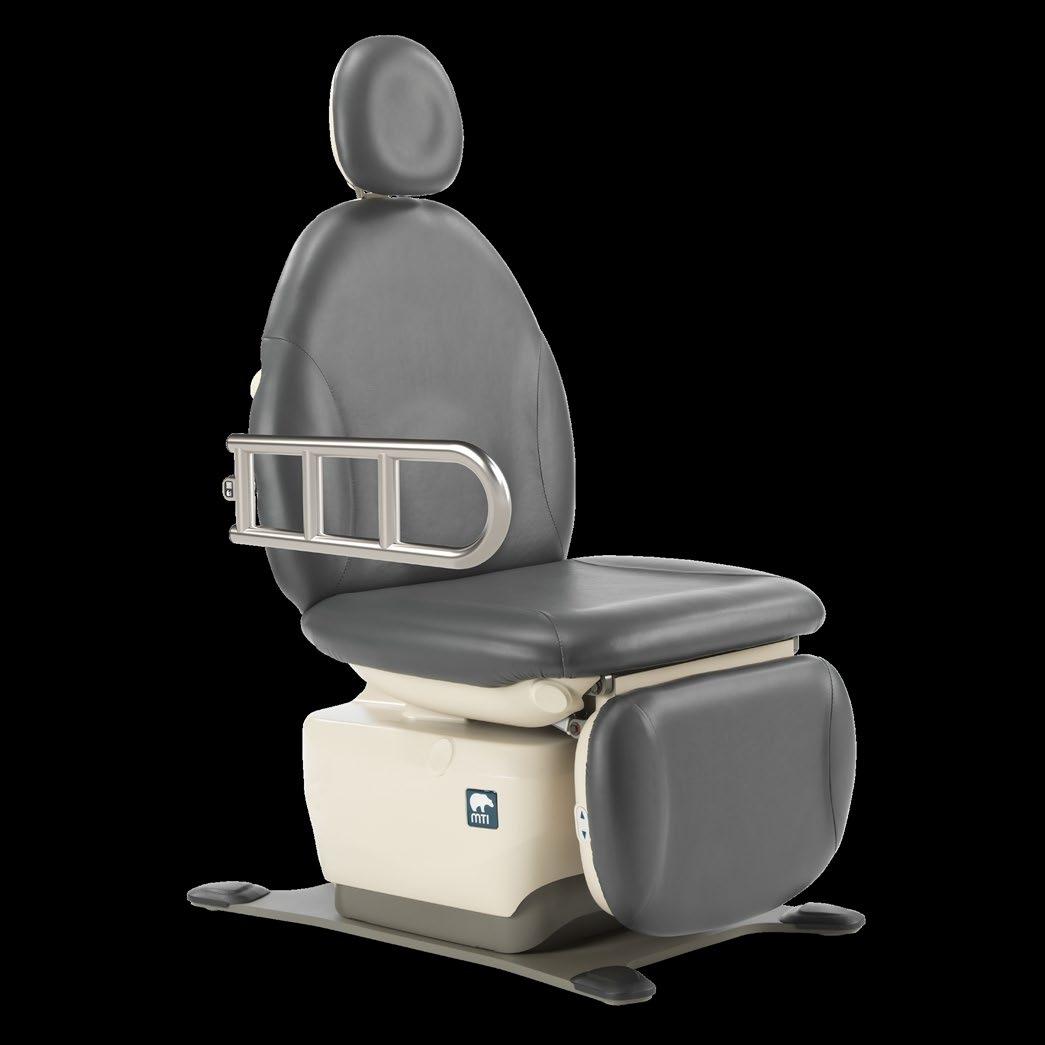
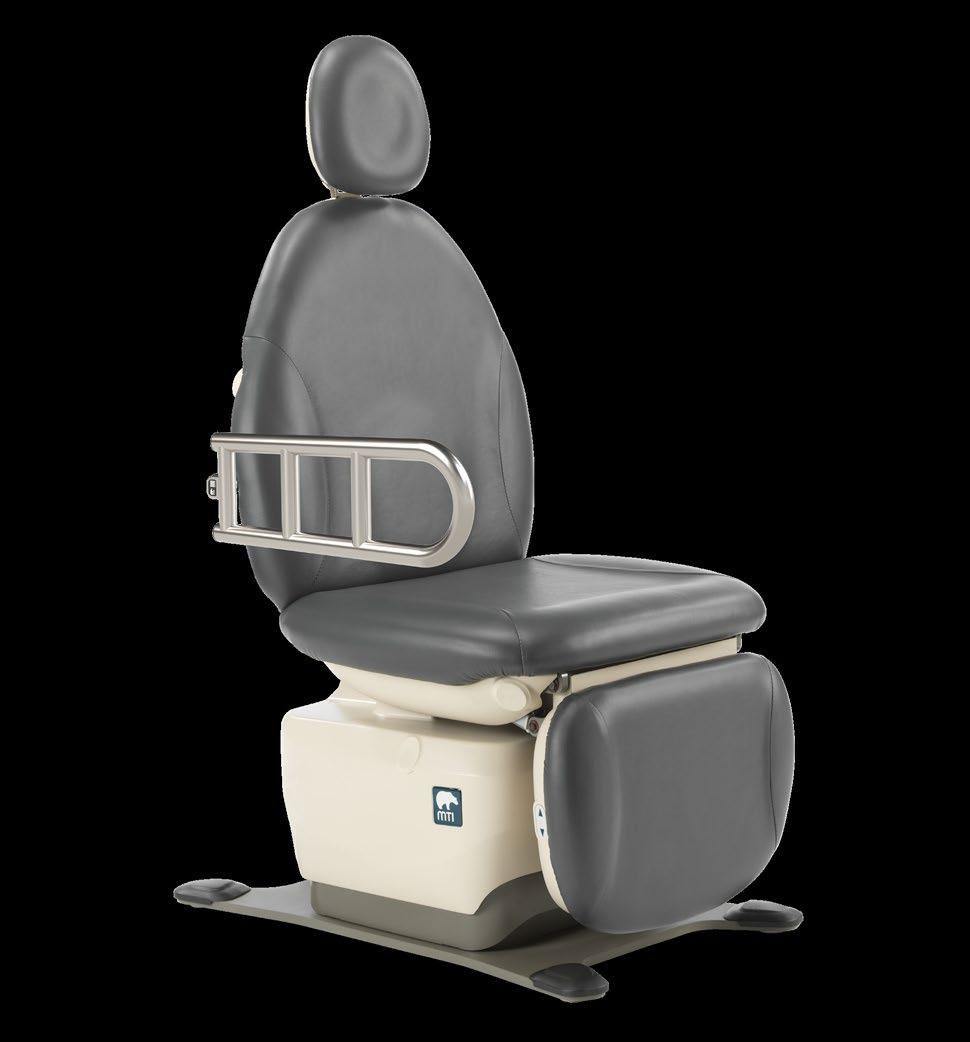
The Confidence Behind Every Cycle
How consumable indicators verify sterilization performance and bring consistency to sterile processing workflows.
In sterile processing, certainty is everything – yet absolute proof remains elusive. Hospitals and clinics cannot directly confirm that every instrument is free of harmful microorganisms after sterilization. Instead, they rely on a system of checks to verify the process.
At the center are consumable indicators – chemical and biological – providing objective evidence to ensure patient safety.
Chemical indicators verify that critical conditions such as time, temperature and sterilant presence have been achieved. Biological indicators go further, measuring whether highly resistant microorganisms have been destroyed. These tools act as an early warning system, detecting failures that might otherwise go unnoticed.
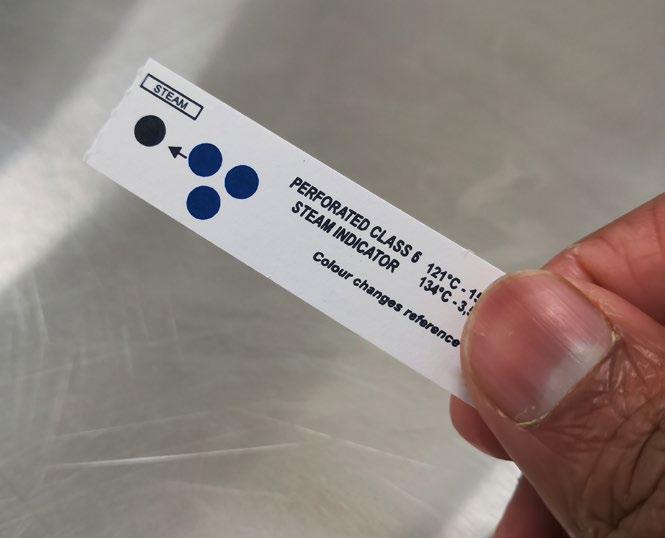
Their role is not optional. Guided by standards from organizations such as AORN and AAMI, consumable indicators are foundational to sterilization workflows. In an environment where even a single lapse can have serious consequences, they provide confidence that each cycle has performed as intended.
Part of a broader IP strategy
Consumable indicators anchor a broader infection prevention strategy that begins well before an instrument reaches the patient. They also create a documented record of performance, providing critical data for audits, recalls and investigations. Programs such as Every Load Monitoring (ELM) build on this foundation by incorporating a biological indicator into every cycle, improving consistency and enabling faster detection of issues. Over time, this approach helps teams identify trends and address recurring problems. The result is stronger alignment between sterile processing, infection prevention and the OR. Misconceptions persist. Some view frequent monitoring as an unnecessary expense, despite the far greater cost of failure. Others assume a completed cycle guarantees sterility, when it only confirms proper equipment function. Confusion about indicator roles – or the belief that one passing result can offset another failure –











Changing what’s possible in sterilization assurance

















Streamline your sterilization process with our latest innovations:


1
2
3M™ Attest™ eBowie-Dick Test System
Get quick, definitive pass/fail results of your steam sterilizer in less than five seconds.
3M™ Attest™ Super Rapid Vaporized Hydrogen Peroxide Clear Challenge Pack


3
No assembly required — save time and reduce potential error.
3M™ Attest™ Super Rapid Steam Clear Challenge Packs
Inspect the BI and the CI before and after processing without opening the pack.

It’s all part of how we never stop solving for you and your patients
Contact us to learn more
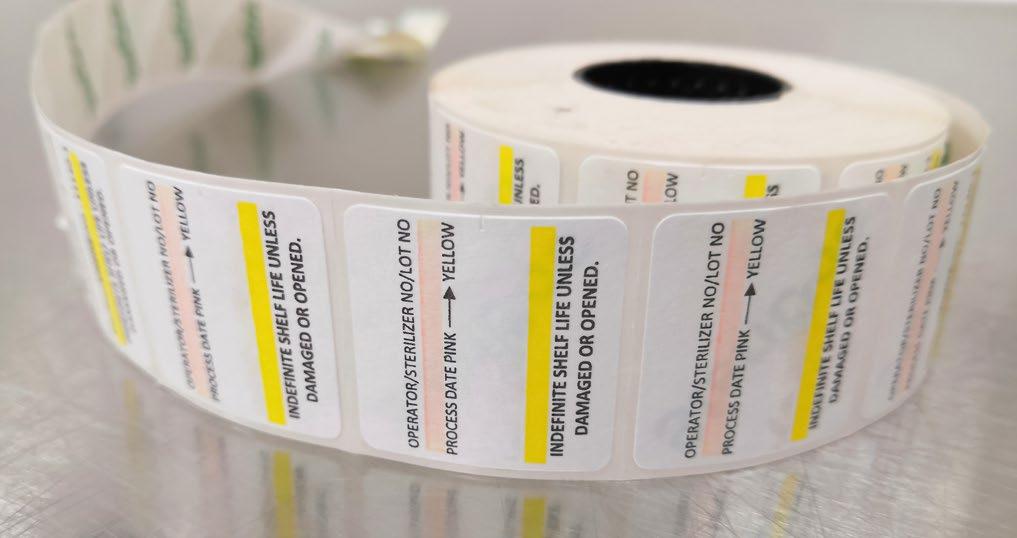
can create dangerous gaps. ELM can help provide the same standard of care to every patient.
Consistency that builds confidence
On the front lines, this approach translates into a more consistent workflow. Consumable indicators bring structure to an environment where precision is essential. Chemical indicators confirm specific sterilization conditions, while biological indicators verify microbial kill. Together, especially within process challenge devices, they support a standardized routine across shifts, loads and modalities.
Advancements in indicator design are also reducing complexity. Integrated systems that combine biological and chemical
Consumable
indicators bring structure to an environment where precision is essential. Chemical indicators confirm specific sterilization conditions, while biological indicators verify microbial kill.
monitoring into a single device streamline processes and reduce manual steps. This improves efficiency while allowing technicians to focus on highervalue responsibilities.
Consistency remains critical. Using indicators in every load ensures every patient receives the same level of sterility assurance. Expanding Every Load Monitoring across both steam and low-temperature sterilization reinforces that standard. Selecting indicators with third-party certification adds confidence.
Standardizing products and processes across modalities can further simplify training and reduce variability – strengthening the sterilization ecosystem and supporting safety, efficiency and confidence in every cycle.
Editor’s note: Repertoire Magazine would like to thank Solventum for assistance with this article.
From Equipment to Outcomes: Selling Sterilization the Right Way
A consultative approach helps reps position sterilization as a strategy for safety, compliance and efficiency.
Proper sterilization remains one of the most critical – yet often overlooked – elements of infection prevention in physician offices, according to Tracy Timmerman, Director of Marketing, Medical, at Midmark Corporation.
“Proper sterilization is foundational because it is a line of defense between contaminated instruments and the patient,” Timmerman said. “Even with strong protocols upstream such as cleaning, disinfection and personal protective equipment (PPE), failure at the sterilization process directly exposes patients to infection risk.”
In outpatient settings, sterilization gaps are rarely caused by a single issue. Instead, they stem from a combination of process, staffing and environmental challenges. Time-constrained staff, decentralized responsibilities and limited visibility into behind-the-scenes workflows all contribute to inconsistencies.
“Sterilization breakdowns in outpatient settings are rarely due to a single issue,” Timmerman said. “They’re typically the result of small gaps across process, people and environment.”
Common errors include overloaded sterilizers, incorrect packaging and non-standardized processes. Documentation and traceability also remain persistent weak points, making it difficult for practices to prove compliance or respond to a failed cycle. Staff turnover and inconsistent training further increase variability.
Timmerman noted that physical layout is another frequently overlooked factor. “Many offices don’t have a dedicated sterilization area with clear separation between dirty and clean zones, increasing the risk of cross-contamination,” she said. She added that “the absence of medical-grade cabinetry and surfaces can further limit a team’s ability to maintain an organized, compliant workflow.”
“The consequences are significant – increased infection risk, compliance issues, liability exposure and loss of patient trust,” Timmerman said.
For distributor sales reps, the takeaway extends beyond equipment. “Sterilization isn’t just about the sterilizer. Even the best equipment can’t compensate for gaps in workflow or environment,” she said.
Autoclaves and the sales opportunity
Autoclaves have evolved significantly in recent years, shifting from standalone devices to more integrated, workflow-driven systems. Much of that evolution centers on compliance. “Features
Tracy Timmerman
like automatic cycle recordkeeping, device reminders and automated mechanical monitoring and chemical indicator reporting help practices stay audit-ready and reduce documentation errors, one of the most common sterilization gaps,” Timmerman noted.
Ease of use has also improved, particularly for busy physician offices managing staff turnover. Touchscreen interfaces, step-by-step prompts and preset cycles aligned with CDC and AAMI guidelines help standardize processes and reduce staff-dependent variability.
Efficiency gains are another key advancement. “Faster, more
For distributor sales reps, assessing a practice’s sterilization readiness starts with understanding the full workflow –not just the equipment – according to Timmerman.
automated cycles, along with features like real-time status indicators and audible alerts, allow staff to manage instrument flow more effectively without constantly monitoring the unit,” Timmerman said. At the same time, newer systems are designed for durability, with longer cycle life and fewer service interruptions.
For distributor sales reps, sterilization equipment represents a critical – but often under-discussed – category. “Sterilization can be overlooked and under-discussed because it operates in the background,” Timmerman said, noting many

practices rely on aging equipment or inconsistent processes. That creates opportunity. “By asking the right questions and evaluating the full sterilization workflow, not just the sterilizer, they can uncover gaps that impact efficiency, compliance and risk,” she said.
Key questions to uncover hidden gaps
For distributor sales reps, assessing a practice’s sterilization readiness starts with understanding the full workflow – not just the equipment – according to Timmerman. Reps should ask questions that uncover how

sterilization is actually being managed day-to-day.
From a workflow and volume standpoint, Timmerman recommends asking, “How many instrument loads do you run per day?” and “Do you ever experience delays due to instrument turnaround?” to identify bottlenecks and capacity issues.
On the compliance side, documentation and monitoring are critical. Questions such as “How are you documenting cycles?” and “How often are biological indicators used, and how are results handled?” can reveal gaps in verification and recordkeeping.
Equipment age and maintenance are also key indicators of risk. “How old is your sterilizer?” and “When was it last serviced or validated?” can help reps evaluate reliability and the potential for failure.
Staffing and training should not be overlooked. “Who is responsible for sterilization?” and “How are new team members trained?” can point to inconsistencies that may impact outcomes.
Finally, risk preparedness is essential. Asking “What happens if a cycle fails?” helps determine whether a practice has clear protocols in place.
“Ultimately, these questions help identify hidden gaps not just in equipment, but in processes, training and compliance that many practices may not recognize on their own,” Timmerman said.
Reframing the sterilization conversation
Distributor sales reps can elevate sterilization discussions by focusing on outcomes – not just equipment – Timmerman noted.
“The key is to shift the conversation from ‘buying a sterilizer’ to protecting the practice,” she said. “Reps can frame sterilization as a strategic tool for risk reduction and operational excellence, not just a piece of equipment.”
That shift starts by anchoring conversations in what matters most to physician offices:
` Risk mitigation: Reduces infection risk, liability and compliance exposure.
` Operational efficiency: Speeds instrument turnaround and eases staff workload.
` Standardization: Ensures every cycle is done correctly, every time.
` Documentation and defensibility: Provides proof of compliance for audits or inspections.
` Patient trust and reputation: Supports the safety and experience patients expect.
By leading with these outcomes, reps can move beyond transactional selling and into a more consultative role.
“Strong reps anchor the discussion in these outcomes – safer patients and staff, fewer risks, smoother workflows – making sterilization a meaningful, consultative conversation rather than a simple product sale,” Timmerman said.
Why Autoclaves Deserve a Closer Look
Outdated sterilization processes can put patients and workflows at risk – making it essential for distributor reps to guide practices toward the right autoclave solutions.
As outpatient procedures grow more complex, sterilization is becoming a critical conversation point for distributor sales reps – not an afterthought. According to Tuttnauer, reps should proactively discuss autoclaves whenever they introduce new instruments into a physician office.
“The instruments of today are not the instruments we used to see,” the company noted. While older, solid stainless-steel tools could be safely processed in gravity steam sterilizers, many modern devices feature hollow components and mixed materials that require more advanced sterilization methods, such as pre- and post-vacuum cycles.
Relying on outdated equipment can create significant gaps in infection control. Practices may unknowingly use sterilizers that fail to meet manufacturers’ instructions for use or current Association for the Advancement of Medical Instrumentation (AAMI/ ANSI) guidelines. In some cases, improper processes – like
manually exhausting steam before instruments are fully dry – can compromise sterility altogether. The risks are substantial. Improper sterilization can lead to post-surgical infections, patient harm and potential regulatory scrutiny or litigation. In contrast, the right autoclave not only ensures

compliance but also supports efficient, repeatable workflows in fast-paced outpatient settings.
Capacity drives throughput
Sterilization capacity plays a central role in keeping procedureheavy practices running efficiently. According to Tuttnauer, capacity is essentially “the engine” behind patient throughput. The size and performance of an autoclave can directly influence how many procedures a practice can perform, how quickly instruments are turned over, and how smoothly clinical workflows operate. When a unit is undersized – or worse, goes down – turnaround times slow, labor demands increase, and staff may feel pressure to cut corners, potentially compromising best practices.
Distributor reps can uncover sterilization gaps by asking about practice type, instrument size, and procedure volume. Specialties such as plastic surgery, urology, OB-GYN, and dermatology often require Class B sterilization for complex instruments.
As advanced procedures continue shifting into outpatient settings, sterilization demands – and the risk of errors from outdated equipment – are expected to grow. Class B autoclaves are likely to become the standard in physician offices, giving reps an opportunity to help practices prepare for evolving needs while supporting a wider range of procedures.



Congressional Pressure Mounts
As Tariff Authorities Shift
Lawmakers on Capitol Hill have expressed growing concerns about the administration’s tariff strategy and its impact on the nation’s medical supply chain.
During a recent congressional hearing with U.S. Trade Representative Jamieson Greer, Rep. Nicole Malliotakis (RNY) advocated for the Medical Supply Chain Resiliency Act. The legislation would give the administration tools to “establish trusted trade partnerships with reliable allies to eliminate tariffs and trade barriers.” Ambassador Greer acknowledged that such congressional tools “could be helpful” as part of efforts to support reshoring and supply chain security.

By Kathryn DiBitetto, Vice President of Government Affairs
Similarly, Rep. Mike Carey (ROH) underscored that “exempting medical supplies from trusted trading partners is critical” to ensuring providers have access to costeffective, lifesaving devices, and pressed USTR to prevent further tariffrelated cost increases. Congress’s heightened engagement comes at a moment when the foundation for tariff policy is shifting and new duties are under active consideration.
Out with the old, in with the new
In February the U.S. Supreme Court ruled that the International Emergency Economic Powers Act does not authorize the president to impose tariffs. Although the ruling removed a major legal basis for earlier tariff actions, it did not halt tariff policy.
Instead, it shifted the administration’s strategy to other statutory authorities.
A new executive order imposed a 10% tariff under Section 122 of the Trade Act of 1974, citing “significant imbalances” in the U.S. balance of payments. Section 122 allows broad, temporary tariffs on
imports from nearly all countries. These duties expire July 24, 2026.
More tariffs for medical products are on the way
For the healthcare sector, attention is turning to two additional trade authorities – Section 232 and Section 301 – that could specifically target medical products and inputs.
` Section 232: The Department of Commerce’s investigation into personal protective equipment (PPE), medical consumables and medical equipment will soon conclude. New tariffs could follow shortly thereafter.
` Section 301: The U.S. Trade Representative launched two Section 301 investigations that could result in new duties on over 60 countries. These cases typically examine whether foreign policies or practices are “unreasonable” or discriminatory and burden U.S. commerce.
Tariffs continue to strain the medical supply chain
The American Hospital Association recently reported hospital supply expenses rose 9.9% over the past year, while energy market volatility and higher petrochemical costs continue driving up prices for products such as gloves, masks, IV bags, and syringes. HIDA is continuing to engage the Trump Administration, Congress, and federal agencies to highlight how tariffs affect healthcare affordability as the issue gains attention ahead of the midterm elections.
Medtronic DAR™ Closed Suction System with Fixed Catheter

For distributor reps working with ICU teams, nurses, respiratory therapists and home care suppliers, suctioning solutions are no longer just a commodity conversation – they’re tied directly to patient and clinician safety, workflow efficiency, and cost control. The Medtronic DAR™ closed suction system is positioned to address all three, without requiring clinicians to change their established processes.
A key differentiator of the DAR™ closed suction system product portfolio is its flexibility in meeting varying patient needs – providing clinicians with the options they need for individualized care. Clinicians can choose between two versions for their adult patients, both available in endotracheal and tracheostomy tube lengths. For patients with heavy secretions, Medtronic offers a detachable catheter option validated for up to 96 hours of use – allowing only the catheter to be replaced instead of the entire
system without disconnecting the ventilator circuit. A fixed 48-hour catheter with unique safety features is a great option for the majority of patients. The extended use time on both versions, compared to standard 24-hour systems, means fewer product changes, less circuit disruption, and potential savings in both time and supply costs.
Key features and benefits:
` Dual-density catheter design: Combines a soft, rounded distal tip to help reduce trauma to the tracheal mucosa with a more
rigid proximal section to minimize kinking during use.
` Four lateral eyes: Promote uniform airflow and suctioning, helping reduce the risk of mucosal invagination compared to single side-hole catheters.
` 360-degree double swiveling elbow (DSE): Minimizes torque on the airway during patient movement, supporting comfort and stability.
` 120-degree elbow angle: Designed to reduce airflow resistance compared to traditional 90-degree configurations.
` Enhanced rinsing chamber design: Enables effective catheter cleaning while maintaining airway isolation and stable ventilation pressures.
From a clinical and economic standpoint, infection prevention is a major part of the value story. Closed suction systems are associated with a lower risk of ventilator-associated pneumonia (VAP) compared to open systems. By extending use time to 48 hours – and up to 96 hours for the detachable version – the DAR™ closed suction system helps reduce the frequency of interventions that can introduce risk.
For reps, this creates a strong connection to hospital priorities around quality metrics and reimbursement frameworks such as HEDIS and MACRA. Additionally, the product is often aligned with existing GPO contracts, making it easier for facilities to adopt without adding complexity to procurement.
The DAR™ closed suction system
Preserving airway clearance for intubated and tracheostomized patients
Designed to expel tracheal secretions and preserve airway clearance for patients with an artificial airway, our DAR™ adult closed suction system portfolio is designed to provide clinicians with the options they need for individualized care.
• Available in two configurations:
– Fixed catheter – validated for 48 hours of use
– Replaceable catheter – validated for 96 hours of use and ideal for diverse treatment needs
• Endotracheal and tracheostomy tube lengths
• Dual density suction catheter design
• Four lateral eyes on the catheter tip
• 360-degree double swiveling elbow
• Depth markings to assist in insertion
• ISO color coding

Scan the QR code to view the product training video.

† All technical information for DAR closed suction system is sourced from the product instructions for use document, PT00181544, and the Closed Suction System, Verification Test Report, RE00421876.
©2026 Medtronic. Medtronic, Medtronic logo, and Engineering the extraordinary are trademarks of Medtronic. All other brands are trademarks of a Medtronic company. 04/2026 – US-RE-2600074 – [WF#22826999]
A Call to Action
When a late-night call sparked a mission to Haiti, one healthcare leader discovered that true impact goes far beyond sales — and starts with saying yes.
By Pete Mercer
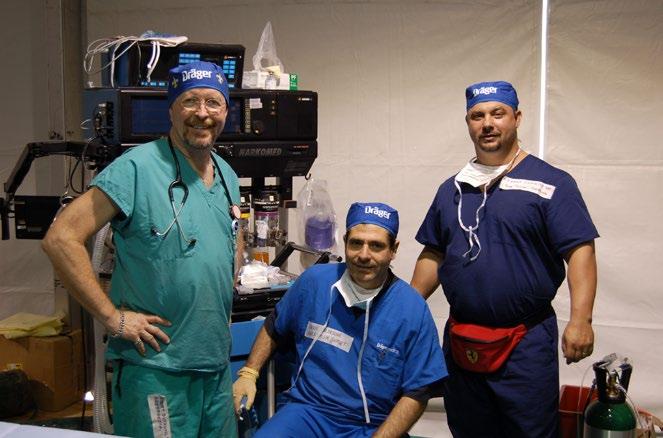
Going above and beyond is often framed as a competitive advantage – a way to win business, earn trust or move ahead professionally. But sometimes, the most defining moments aren’t tied to quotas or promotions. They come when an unexpected opportunity demands more than your job description – and challenges you to step up in ways that change how you see your work and your impact.
That’s exactly what happened to Dean Calderone when a latenight phone call pulled him into the front lines of disaster relief following a devastating earthquake in Haiti. What began as a request for medical supplies quickly became something much bigger.
In an episode of the Road Warriors podcast, host Scott Adams spoke with Calderone, a Senior Manager in field distribution at Abbott, about how that moment reshaped his perspective on leadership, teamwork and the role every individual plays in patient care.
Making an impact
Calderone has been in healthcare sales for more than 20 years, building relationships and seeing the impact of his work grow over the years. One thing has stayed consistent throughout his years of service to the industry: the patient comes first. For him, the core of his leadership principles is a dedication to serving the patient through providing solutions to healthcare providers to take better care of their patients and get better outcomes.
In 2010, Calderone got a call from one of his customers at 11:00 p.m. about an earthquake in Haiti that devastated the already fragile infrastructure and killed over 250,000 people. This customer needed Calderone to find as many medical supplies as he could to supply the tent hospital that was being built in Port-au-Prince.
So, Calderone started to make some phone calls. He said, “That was the call to action. I just remember that I felt something I had never felt before, that if I stepped up here, I could have a big impact.”
While he was reaching out to his contacts, some of the doctors that were already at the tent hospital in Haiti reached out to him to better describe their needs and tell him about the reality of the situation. They were struggling with outdated equipment that wasn’t working
properly, often found in storage closets in the U.S. and shipped down there as a “solution.”
Calderone’s network of people was able to procure a bunch of equipment, but one of his colleague’s pointed out that the people in Haiti would need to be trained on how to operate the equipment. “I called up the company that I was working at and said, ‘I’ve got something I need to do here. I need to take a little bit of personal time.’ They said, ‘Go for it.’”
From there, Calderone and a few of his colleagues flew down to Haiti to help. First, they repaired equipment, which is something he had never done before. He said, “All of a sudden, one anesthesia machine started working. One of the doctors had his fists up in the air after they started ventilating a little baby. It was a great feeling.”
Over the next few days, Calderone and his team spent time going through the football field of medical supplies in unmarked boxes to find ventilators. Once the ventilators were found, they assisted with ventilating people.
Developing a better perspective
This experience in Haiti helped to put Calderone’s role in healthcare into perspective – he said that in a time of crisis, there often aren’t enough first responders to manage the crisis. What Calderone learned is that it doesn’t matter who you are or
what role you’re in, you can make a difference wherever you are.
“Everyone has a different skill set, but we are all part of the solution,” he said. “As individuals, we’re really important. There’s not one piece of the puzzle that’s more important than the next when it comes to delivering care to patients.”
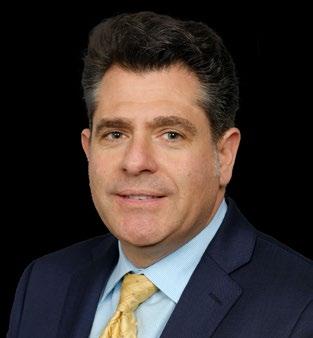
No matter what part of the continuum you’re in, whether it’s R&D, finance, supply chain, distribution, or working at the front office of a physician’s office, you play a pivotal role in the broader picture of healthcare. For Calderone, this was an important lesson that he carries with him to this day, helping him make better leadership decisions for his team.
Calderone said, “Everyone in healthcare is a part of the puzzle, and everyone is equally important. With my team, knowing that you can’t complete the puzzle without us, it’s important for me to lead with purpose and passion. I always want to center the patient as the most important thing we do.”


Dean Calderone
Encouraging the industry
A huge part of leadership is using your lived experience to uplift and encourage others, especially those who are in your industry. When you have years of experience in a particular field, it allows for a perspective that others don’t have access to.
For Calderone, his experience in Haiti helped him to be better prepared for the disruptions and challenges of the COVID-19 pandemic. “Being thrown into the fire like the situation I had with Haiti helped me to prepare for things like COVID19. I’ve been blessed to have some folks that are passionate like myself, both within my sales organization and throughout our entire business, that do whatever we can to step up and get things done. I’m just here to help provide the guidance and support for my team so that we can get it done.”
“As we go out there and work with our customers every day, we need to remember that we all have something to give.”


Today, Calderone volunteers when possible as a field operator during local disaster response efforts and provides leadership for the fundraising infrastructure of Grey Bull Rescue, a veteranled private international rescue organization. Headquartered in Tampa, Florida, Grey Bull Rescue operates globally with a presence in what is known as the “Grey Space”—regions where the U.S. government has limited or no access. The organization specializes in planning and executing rescue and evacuation operations in denied or contested areas, including natural disasters, conflict zones, hostage situations, kidnapping cases, and other sensitive missions.
It’s easy to get lost in the details and responsibilities of one’s workload, especially sales. Hitting quotas is such an important aspect of the job, but it’s important to remember that each sale represents something greater than the number itself. It represents a patient.
“I think everyone needs to, from time to time, remember that while we’re out there chasing sales quotas and hitting quarterly numbers, remember how important all of this is,” Calderone said. “It’s about the patients and the people that we are ultimately touching. As we go out there and work with our customers every day, we need to remember that we all have something to give.”

Join decision-makers from across the healthcare supply chain at HIDA’s Streamlining Healthcare Expo & Business Exchange, September 22–24 in Chicago. Designed for distributors and their partners, Streamlining is built around purposeful networking, timely education, and structured business meetings. Distribution Leaders Prioritize #StreamliningHealthcare26

1
Networking designed to build partnerships
Connect with 750+ executives and decision‐makers through conversations at dedicated networking events and social activities where valuable connections are made and new partnerships begin.

3
Strategic meetings, built for results
Pre-scheduled and onsite conversations with distributors, manufacturers, and GPOs and IDNs focused on purchasing priorities, partnership discussions, and next steps.

Early Bird Rates End June 12

2
Timely insights shaping healthcare sales and supply chain strategy
Education sessions built around today's biggest challenges, with real-world insights and strategies for growth. Register and Save Today!

View the full agenda and registration details at hida.org/streamlininghealthcare
Med/Surg Bedtime Stories
Max and Scout: The Beginning
A young sales rep and his trusty pen set out to help healthcare heroes – one order, one smile and one patient at a time.

Editor’s note: Ever wondered how to explain the work you do to your kids? The team at Repertoire has created a series of short stories you can read to your children (or grandchildren) to help them better understand the work you do, and why it is so important.
Max Carter was not your average 12-year-old.
While other kids were playing video games after school, Max was packing his backpack for tomorrow. But instead of books and snacks, his bag held gloves, masks, and something very important –a shiny, blue pen named Scout.
Now, Scout was not just any pen.
“Let’s not forget,” Scout said proudly, “I am the best order-writing pen in the whole world.”
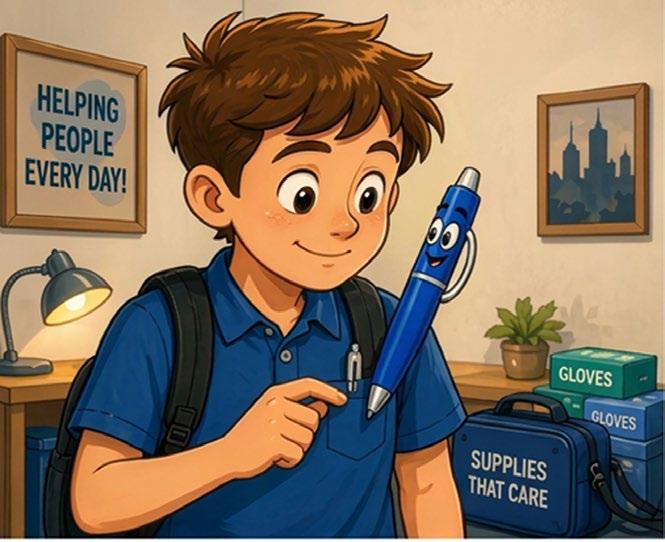
Max smiled. “You say that every day.”
“Because it’s true every day,” Scout replied.
Max clipped Scout onto his shirt. Scout liked that spot. It made him feel important.
Important work
Max had a big job. He was a medical distribution sales rep. That meant Max helped doctors and nurses get the supplies they needed to take care of their patients.
“People are counting on us,” Max said as he zipped up his bag.
“Exactly,” Scout said. “No pressure or anything.”
The next morning, Max walked into Sunnyvale Family Clinic. Nurses hurried by. Phones rang. A patient coughed in the waiting room.
“Busy day,” Scout whispered.
Max nodded.
“That’s why we’re here.”
A nurse named Kelly waved. “Max! I’m so glad you’re here.”
Max walked over. “What do you need?”
“We’re running low on gloves,” she said. “And we have a full day of patients.”
Scout wiggled with excitement. “This is my moment.”
Max pulled Scout off his shirt. “Let’s do it.”
As Max wrote down the order, Scout spoke softly. “Nice and neat. We want this delivered fast.”
Max finished writing and handed the order to Kelly. “We’ll get these to you right away.”
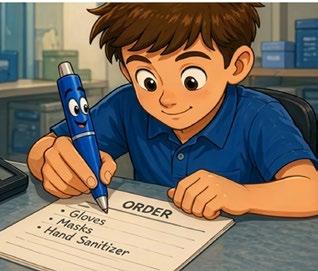
Kelly smiled. “You always take care of us, Max.”
As Max turned to leave, Scout spoke again. “Did you see that?”
“See what?” Max asked.
“That smile,” Scout said. “That’s why we do this.”
Max paused. He looked around the clinic. Nurses helping patients. Doctors moving quickly. People who needed help.

“You’re right,” Max said. “It’s not just about the order, is it?”
“It’s about helping people,” Scout said.
Max clipped Scout back onto his shirt.
“Ready for our next stop?” Max asked.
Scout grinned. “Always. Let’s go help some more people.”
And just like that, Max and Scout headed out the door –ready for whatever the day would bring.

Industry News
Owens & Minor names Chief Operating Officer

Owens & Minor announced Marc Rottink as Chief Operating Officer (COO) of Owens & Minor, effective immediately. Rottink brings almost three decades of experience in leading global, multi-site healthcare supply chain operations, including strategic transformation, oversight and management of global inventory assets and distribution operations, integrated business planning, systems implementation, and cross-functional operations alignment. Most recently, Marc served as Senior Vice President of Global Supply Chain and Customer Care for Smith + Nephew. Under his leadership, Smith + Nephew saw significant improvement in its manufacturing operations, as well as sales, inventory, and operational planning (SIOP), greatly enhancing customer fulfillment levels. Prior to Smith + Nephew, Marc served as Vice President of Global Supply Chain for Medtronic’s Restorative Therapies Group.
Midmark
recognized as a 2026 U.S. Best Managed Company
Midmark Corp. is proud to announce it has been selected as a 2026 US Best Managed Company.
Sponsored by Deloitte Private and The Wall Street Journal, the program recognizes outstanding U.S. private companies.
Celebrating the 2026 PWH Leadership Summit Scholarship recipients
Professional Women in Healthcare (PWH) is proud to recognize this year’s PWH Leadership Summit Scholarship recipients – an inspiring group of healthcare professionals committed to advancing leadership, innovation, and impact across the industry. Congratulations to the recipient of the Sandra Parker Leadership Scholarship sponsored by Graham Field: Jean Garcia, Senior Project Manager at McKesson; the GHX Leadership Scholarship: Deborah Avalos, Director Procurement Services at Northwestern Medicine; and the Elise Tordella Leadership Summit Scholarship sponsored by Solventum: Yesenia Banks, CPC, Sr. Manager, Reimbursement and Health Policy at Solventum, Shantel Hubbard, Strategic Account Executive DSO at Spectrum
Killian, Shrishti Kharel, MBA, General Manager-2 at Apria, Michele Rodriguez, Revenue Cycle Manager at Byram Healthcare, and Tara White, Global Market Development at Solventum.
Medline announces completion of new commercial solar installation in Grayslake, Ill.
Medline and PowerFlex recently unveiled a completed 5.2-megawatt solar installation at Medline’s flagship distribution center in Grayslake, Illinois.
The investment includes more than 11,500 solar panels and is projected to produce 5,900 megawatt hours of energy per year. This installation is Medline’s 12th solar project and adds to the more than 59,000 existing solar panels at Medline facilities as of Dec. 31, 2025. A vital piece of Medline’s distribution network of 45 facilities across the U.S., the 1.4 million-square-foot Grayslake site opened its doors in 2022 and has grown to provide more than 900 jobs in the community.
Deliveries from Grayslake are made to healthcare customers throughout Illinois, Michigan, Wisconsin and the northern half of Indiana.

Marc Rottink
Medline’ flagship distribution center in Grayslake, Illinois.
We see it.
Your customer’s job is already hard. Their environment shouldn’t make it harder.

Strained Reaching

Incorrect Positioning

Inaccessible Equipment



At Midmark, we start from that truth. And our mission is simple and serious: design every detail to remove friction where it shouldn’t exist. To give time, focus and energy back to the people doing the work. Better care begins with every detail.
Check-up on Device Health
During Your Next Off ice Visit

Connect with us and review the latest Baxter and Welch Allyn technology empowering patient exams.

On Spotlight This Month:












< Scan To View Our Current Promotions

Rx Only. For safe and proper use of the product mentioned here, please refer to the appropriate Operator’s Manual or Instructions for Use. Baxter, Connex, Hillrom, Spot, Q-Stress and Welch Allyn are trademarks of Baxter International Inc. or its subsidiaries. US-FLC45-260031 (v1.0) 05/2026