
Built to Serve
For these med/surg professionals, the values learned in military service continue to guide their leadership, relationships and commitment to the mission.
GEAR UP NOW

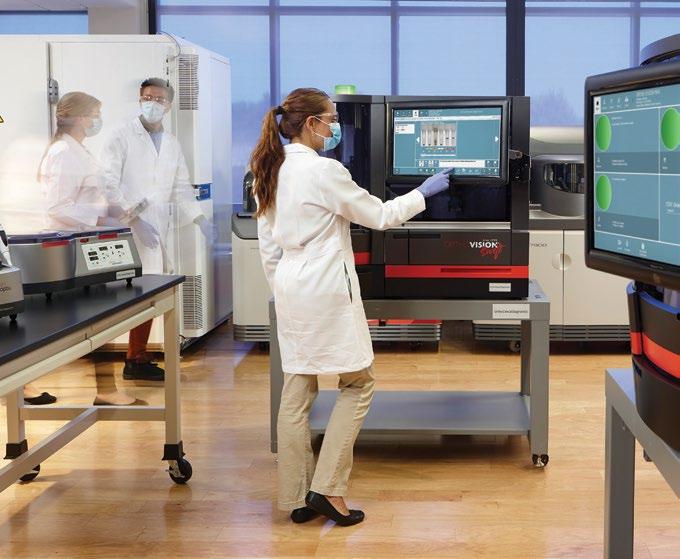
SHIFT INTO RESPIRATORY SEASON WITH THE ID NOW ™ RAPID MOLECULAR PLATFORM
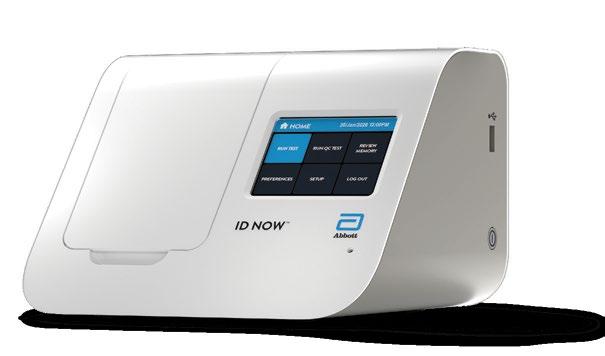
The ID NOW ™ Platform provides the fastest molecular results within 2–13 minutes,1 allowing efficient clinical decisions during the patient visit.
ID NOW™ INFLUENZA A & B 2 5–13 minutes2
Detects significantly more true positives than antigen tests. 3
ID NOW™ STREP A 2 2–6 minutes4
Requires no culture confirmation for negative results
ID NOW™ RSV <13 minutes
Detects up to 25% more true positives than antigen tests5
ID NOW™ COVID-19 2.0 6–12 minutes
One swab, three results: flexibility to easily add on Flu A & B test based on clinical necessity using a single swab*
28 Built to Serve
For these med/surg professionals, the values learned in military service continue to guide their leadership, relationships and commitment to the mission.
National Sales Conference
The 2026 IMCO National Convention: Stand Independent. Unite with Purpose.
LEADERSHIP 22 Building Leaders, Building Connections Inside Henry Schein’s Women’s Leadership Network and how it’s empowering women across the global organization to grow, collaborate and lead with confidence.
` ASC SPOTLIGHT
56 Leveraging Simplicity Within Ambulatory Surgery Centers
Medtronic and Mindray are shifting their focus to supporting clinicians and patients.
` HIDA
59 Public-Private Partnership Opportunities for Jurisdictional Stockpiles
` TRENDS
60 From Trend Fluctuations to Action: The Lab’s Role in Ongoing Drug Surveillance
Why fluctuating overdose trends make testing more important than ever.
68 Is Primary Care the ‘Missing Strategy’ in Chronic Disease Fight?
A recent industry report highlights underinvestment, workforce strain and payment barriers despite strong evidence linking primary care to lower costs and better outcomes.
` IDN INSIGHTS
72 Contracting Professional Spotlight
Max Washko, Trinity Health’s VP of Supplier Relationship Management.
` PHYSICIAN OFFICE LAB
74 Back to Basics in Lab Sales: Where Knowledge Meets Credibility
Understanding regulations, prioritizing the right tests and knowing when to call in expertise are critical to becoming a top-tier lab consultant.
` MED/SURG BEDTIME STORIES
78 Max and Scout Ride Along with the Manufacturer Pro
A young sales rep and his trusty pen set out to help healthcare heroes –one order, one smile and one patient at a time.
` NEWS
80 Industry News
America at 250: A Reflection on Freedom, Service, and Opportunity
As we celebrate the United States of America’s 250th birthday, it is an appropriate time to reflect on what makes this nation so extraordinary. For nearly two and a half centuries the United States has stood as a symbol of freedom, opportunity, innovation and resilience. While no nation is perfect, few countries have provided so many people the opportunity to build a better life, pursue their dreams, and create a brighter future for generations to come.

In my last publisher’s letter, I wrote about the importance of culture within our organizations. Culture drives performance, shapes behavior and creates a sense of purpose. But when I think about culture today, I am reminded that the most influential culture many of us experience is the culture of America itself. It is a culture built on freedom, personal responsibility, hard work, service and the belief that tomorrow can be better than today.
The healthcare distribution industry reflects many of these same values. Every day, sales representatives, manufacturers, distributors and healthcare professionals work together to ensure patients receive the care they need. It is an industry built on service, relationships and trust – qualities that have helped define our country since its founding.
This issue highlights several individuals whose stories embody those values. Mike Lonnemann applies nearly 30 years of healthcare experience and lessons learned in the United States Marine Corps to lead with discipline, teamwork and calm execution. Jeff Skillicorn, a U.S. Army veteran and founder of MedLog Solutions, has dedicated his company to helping
editorial staff
editor Graham Garrison ggarrison@sharemovingmedia.com
editor-in-chief, Dail-eNews
Jenna Hughes jhughes@sharemovingmedia.com
content creator
Pete Mercer pmercer@sharemovingmedia.com
art director Brent Cashman bcashman@sharemovingmedia.com
circulation Laura Gantert lgantert@sharemovingmedia.com
manufacturers navigate federal contracting while improving access to quality products for our nation’s veterans. Jamie Edwards brings 24 years of Army leadership experience to Midmark, helping Veterans Affairs and Defense Health Agency customers navigate procurement challenges with a mission-first mindset and commitment to service.
These stories are reminders that qualities such as leadership, sacrifice, discipline, innovation and service to others continue to thrive across our industry. This issue also includes articles focused on products made in America. Manufacturing remains a critical part of our economy and a source of pride for communities across the country. Americanmade products represent ingenuity, craftsmanship and the determination to compete on a global stage.
As we celebrate 250 years of American independence, let us remember how fortunate we are to live in a nation that values freedom and opportunity.
Happy 250th Birthday, America.
Scott Adams Publisher, Repertoire Magazine
sales executive Aili Casey acasey@sharemovingmedia.com (404) 625-9156
publisher Scott Adams sadams@sharemovingmedia.com (800) 536.5312 x5256
founder Brian Taylor btaylor@sharemovingmedia.com
Subscriptions www.repertoiremag.com/subscribe or (800) 536-5312 x5259
Repertoire is published monthly by Share Moving Media 350 Town Center Ave, Ste 201 Suwanee, GA 30024-6914 Phone: (800) 536-5312, FAX: (770) 709-5432; e-mail: info@sharemovingmedia.com; www.sharemovingmedia.com
Scan the QR Code and watch

Help more labs access trusted performance. Contact QuidelOrtho to learn more.
Certified and shipped in the USA
The Certified Analyzer Program for VITROS™ and ORTHO VISION™ Analyzers helps bring dependable performance, workflow confidence and greater value within reach for more labs.
Expand laboratory opportunities
Help bring trusted diagnostic solutions to more community hospitals, regional labs and growing facilities.
Trusted certified quality
Every analyzer in the Certified Analyzer Program undergoes a rigorous certification process to help ensure dependable, like-new performance and reliability.
Flexible pathways for more labs
Flexible acquisition options help labs access the technology they need while supporting operational and financial goals.

The Cost of Doing Nothing
You’re not losing to the competition –you’re losing to indecision.
By Brian Sullivan, CSP

After a lost deal, the instinct is to look outward. The competitor had a better price. The other rep had a longer relationship. The contract timing was bad. These are clean explanations, which is exactly why salespeople reach for them first. But after 35 years of watching deals die, I’ve come to a different conclusion. The most common reason a sale doesn’t close isn’t the competition. It’s the buyer’s inability to make a decision. And more often than not, the rep made it worse by letting that indecision sit there untouched.
The
real competitor nobody mentions
In medical distribution, reps spend enormous energy studying competitors – their pricing, their relationships, their product gaps. Not wasted time. But it creates a blind spot, training salespeople to look across the room for the threat when the real obstacle is sitting directly in front of them in the form of a buyer who says, ‘Let me think about it’ and actually means it. Indecision is not rejection. It’s a human being processing uncertainty about change, risk and the possibility of being wrong. The current vendor is known. You’re the unknown. And for most buyers, the unknown feels riskier than the problem they’re already living with. Most reps respond by presenting harder or following up more – the sales equivalent of hitting the elevator button 14 times because it didn’t arrive fast enough the first time. Your prospect isn’t confused about your product. They’re afraid of their own decision. Your job is to make the cost of doing nothing more visible than the cost of changing.
Five months of checking in
I was coaching a rep named Alex – sharp, well-prepared and good at building relationships. She’d been working a surgery center on an EKG line for five months. The clinical director liked her. Every visit ended with

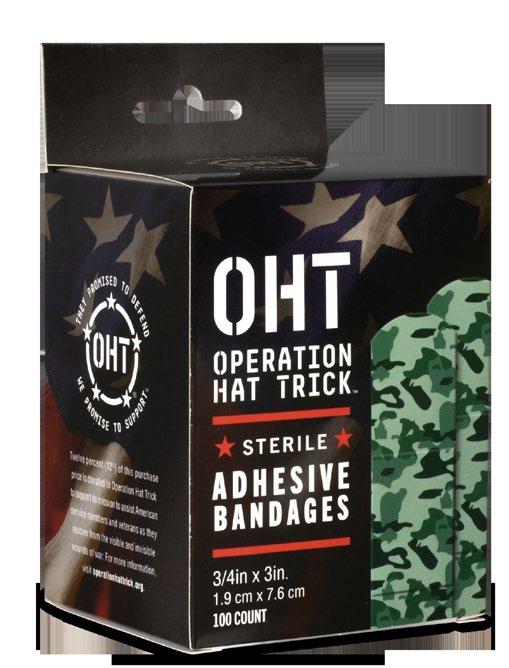
Purchase with a Purpose
12% of purchase price is donated to Operation Hat Trick to support American service members and veterans.

Operation Hat Trick generates awareness and support for the recovery of wounded service members and veterans through the sale of OHT branded merchandise and products, proceeds of which are donated to selected organizations that fulfill the OHT mission.
To learn more visit dukal.info/oht

‘we’re still looking at it.’ Alex kept checking in with updated specs and follow-up emails. Textbook persistence. The problem was she wasn’t moving the deal. She was just maintaining it. Most reps never feel the difference until it’s too late.
When we sat down, I asked her one question: ‘Have you ever asked what happens to their team if this problem is still here six months from now?’ She looked at me the way reps always look when the answer is no.
So, she went back to the customer and asked. The clinical director went quiet – the kind of quiet that means something is landing – and then started talking. About time lost reconciling inconsistent readings. About staff working around a system that hadn’t kept pace with their volume. About a Joint Commission review nobody wanted to walk into with the current setup.
None of it had surfaced in five months of checking in – not because the clinical director was hiding it, but because Alex had never asked the question that made it worth saying out loud.
The deal closed two weeks later. Same product. Same price. Same rep. The only thing that changed was the conversation.
Why buyers really stall
Stalled deals almost always trace back to urgency that was never created. In PRECISE Selling I cover
Brian Sullivan, CSP, is the founder of PRECISE Selling and author of “PRECISE Selling: 20 Days to the Top”. With 35 years of experience in healthcare and medical distribution sales, he delivers keynotes, bootcamps, and outsourced sales development for companies nationwide. Contact him at preciseselling. com

this in depth – your job during discovery is to surface the problems a buyer has been quietly tolerating and make them impossible to ignore. If you do that well, urgency is in the room before you ask for the decision. If you skip it, the stall is yours to own.
The shift that separates reps who win stalled deals from those who don’t: instead of selling the benefits of switching, they expose the cost of staying put. Selling benefits puts buyers into evaluation mode – and evaluation mode is where good opportunities go to die. Expose the cost of doing nothing and the current vendor stops looking comfortable and starts looking expensive.
Get off the fence first
Two people need to make a decision on every sales call. The prospect is one. The other is you. Before you can knock anyone else off the fence, you have to get off it yourself. That means deciding – before you walk in – that you’re going to ask for a commitment. Not hope for one. Not hint at one. Ask for one. Buyers follow decisive people. Communicate uncertainty and they’ll use it as permission to stall.
The deal is rarely as lost as it looks. Most salespeople spend their careers trying to beat competitors. The best learn how to beat inertia. Because the prospect’s biggest obstacle usually isn’t another vendor. It’s the comfort of doing absolutely nothing.


Helping America Make Smarter Respiratory Care Decisions
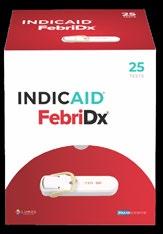
As respiratory illnesses continue to drive patient visits across urgent care, retail pharmacy, primary care and workplace health settings, FebriDx® helps healthcare providers quickly differentiate between bacterial and non-bacterial immune responses at the point of care.
Results after 10 minutes.
A better start to the diagnostic journey
When a patient presents with symptoms of an acute respiratory infection, knowing whether the immune response is consistent with a bacterial or non-bacterial infection can help guide next steps.
FebriDx is a CLIA-waived, fingerstick blood test that measures two host-response biomarkers:
• CRP (C-reactive protein)
• MxA (Myxovirus resistance protein A)
Together, these biomarkers help support more informed clinical decision-making and antibiotic stewardship efforts.
Why distributors are paying attention
CLIA-waived point-of-care test
Results after 10 minutes
Simple fingerstick sample
Supports antibiotic stewardship initiatives
Helps optimize respiratory testing workflows
Ideal for urgent care, retail pharmacy, primary care, workplace
health and student health settings
Learn more about FebriDx
America’s healthcare system faces a growing challenge
Antibiotic resistance remains one of the most pressing public health concerns facing our nation.
FebriDx helps healthcare providers make more confident testing decisions by identifying whether a patient’s immune response is consistent with a bacterial or non-bacterial infection before additional respiratory testing pathways are considered.
Ready to bring FebriDx to your customers?
Help healthcare providers improve respiratory triage, support antibiotic stewardship efforts and make more informed testing decisions after 10 minutes.
Contact your Henry Schein or McKesson representative to learn more about FebriDx® and available ordering options.
In a World of Noise, Attention Wins the Sale
As communication gets faster and more fragmented, Vance Crowe makes the case for presence, storytelling and genuine curiosity as the ultimate competitive edge.
By Pete Mercer
Listen to this article, scan the QR Code.


Everything starts with a conversation. Friendships, partnerships, marriages – even your relationships with your customers. Communicating with your customers is a huge part of the job, which is why it’s so important to communicate clearly and effectively. Repertoire Magazine recently spoke to Vance Crowe, the founder of Legacy Interviews and a communications expert, on the value of communication to the sales process, the biggest gaps in communication and how to show genuine curiosity during a sales call.
Starting Legacy Interviews
Crowe has had an interesting career. After graduating college with a degree in communications, he decided he wasn’t interested in that line of work anymore. He went from working as a deckhand to joining the US Peace Corps, eventually ending up in California working at a radio station. At this point, he decided to go back to school to get a Master’s of Arts, Diplomacy and International Relations, which he used while working at places like The World Bank and Monsanto.
He founded Legacy Interviews as a way to sit down with individuals and couples to record their life stories so that future generations can know their family history. Crowe said, “I often say that I went from being a professional speaker to a becoming a professional listener.”
Crowe believes the wildest change we have all seen in our lives is that while communication has become so much faster and our voice can be heard by so many more people, we have actually subtracted the number of channels that we use when we’re talking with people. “If you’re trying to write a text message, you’re stripping out all the nuance of your voice and the reactions that you can have in real time.”
Practicing real listening to have great
conversations
A gap in communication can lead to confusion and misunderstandings,
which is a significant obstacle in the sales process. For Crowe, the best communication skill is good listening – when you’re distracted, it’s hard to actively listen to what’s going on in the conversation.
“When your mind is thinking about an obstacle or a goal, that’s all you hear in the conversation. Is this conversation getting me closer to my goal? Is this helping me get around my obstacles? When you’re fully present and trying to understand someone, those things clear away,” Crowe said.
For sales reps who are trying to get their numbers up, it can be easy to miss the simple joy of a conversation. But the reality is that true success comes from having the patience to invest one’s time in real conversations with a prospect. You can better understand the challenges prospects and customers are facing and the types of solutions that they are looking for when you take the time to listen and have a real conversation.
“You will know you are having a great conversation if the person you’re talking with, even if they’re talking about a subject they know a lot about, is discovering something new,” Crowe said. “One of the techniques I teach in my classes is that it’s much better to ask ‘how’ questions than ‘why’ questions. When you ask a ‘why’ question, that gets to the motivation, which gets to the big secret of it all. Most of what we do is a reaction to things – we don’t know why we do what we do.”
By asking someone a ‘how’ question, you can get to the root of what led them to that decision and what was going on in the moment. This prompts people to think, which will help them discover new things. Crowe argues that ‘why’ questions trigger the imagination part of the brain, where they will be more likely to embellish the truth in the retelling.
Tapping into curiosity
One of the things that separates a great sales rep from average sales reps is the ability to tap into
your curiosity. When you are in a conversation with someone, you might notice that people begin to pepper in seemingly extraneous details about where they were and what they were doing,
“When they’re telling a story or explaining something, they include some reference to a sweatshirt or the old sales guy they had there. If you ask them a question about some of the tiny details that they put in their explanation, you will watch people open up like a flower,” Crowe said.
By allowing yourself to be curious and ask questions about those tiny details, you will discover entirely new avenues and folds within the narrative that this person is trying to convey. “The sales rep that is listening for those tiny details will pull on threads that will open a person up. Once they’re open, trust can be built and then you can find your way towards that sale if you are offering something valuable.”
Building communication skills
While we obviously all know how to communicate with each other, there’s a huge difference between
Want to be a better communicator?
Follow these rules:
` Prioritize active listening over talking ` Ask “how” instead of “why” questions
` Pay attention to small, incidental details ` Use silence and body language intentionally
Vance Crowe, Legacy Interviews
people who can communicate satisfactorily and people who are great communicators. It takes a fair amount of practice and skills, which can be developed over time.
One of the skills that Crowe is trying to impart to his team at Legacy Interviews is body language. When you are actively and physically reacting to things being said, like a raised eyebrow or a head nod, it goes a long way to communicate that you are engaged and listening to what they are saying in the moment.
Allowing for some (potentially uncomfortable) moments of silence for the other person to work through their answers to your questions can help to dive a little deeper than the reflexive quick answers that we are accustomed to. This is one approach that Crowe said he had to develop over time.
Even in the interview for this story, Crowe took the time to get his thoughts in order before giving measured, articulate responses to the questions. He said, “It’s not my natural way and it took me a long time to develop it. Once I got there, I realized that my answers are so much better than when I’m trying to work out it as I’m talking.”
The power of storytelling
What makes storytelling so compelling? As long as humans have walked on Earth, they’ve been telling each other stories. It’s sort of a primal way to tap into empathy and learn how to relate to other people, sharing history, experiences and perspectives.
“I believe that the human mind only thinks in stories. Even when we find scientific evidence, it’s recorded in our minds as stories,” Crowe said. “Being a person that’s open to hearing a story, even if you know it, is deeply powerful because everything about the human mind is designed around telling stories, remembering stories, sharing stories and understanding those stories.”
There’s a common idea that data and storytelling are incongruous and not meant to work together, but the reality is that data and storytelling can inform each other to create a more cohesive narrative. By using data that shows how things

There’s a common idea that data and storytelling are incongruous and not meant to work together, but the reality is that data and storytelling can inform each other to create a more cohesive narrative.
work and what is most effective, it can help to weave a better and more cohesive story that will leave a bigger impact on the listener. The bigger the impact, the better the response.
While data and storytelling can work together beautifully to achieve your goals, Crowe is reluctant to lean too much on AI for developing better stories. As a creative endeavor, storytelling is one of the things that makes us most human. Likewise, using AI for communication purposes is an equally slippery slope. Crowe argues that no one wants to feel like they are being put into an automated system – the person that can demonstrate that they are giving their full attention to the customers they are working with will vastly exceed other people.
He said, “You may need to use AI for many things, but you should be careful to always remember that people will respect and be grateful for the attention that you give them. Your attention is the most valuable thing you own.”

ADA Compliance Push Is Reshaping Patient Intake and Care Experience
With the Aug. 9, 2026 compliance deadline approaching for updated Americans with Disabilities Act (ADA) accessibility standards, healthcare facilities are accelerating efforts to evaluate equipment, workflows, and patient intake processes that must evolve to meet the new requirements. For many organizations, the challenge is not just understanding what has changed — but identifying where accessibility gaps exist in everyday clinical operations.
Among the most immediate areas of focus is patient weighing equipment, where ADAcompliant solutions are becoming a key part of both regulatory readiness and patient-centered care strategies. DETECTO’s 7150-AC wheelchair scale is one solution positioned to help facilities bridge that gap, combining accessibility features with NTEP-certified clinical precision.
Beyond compliance, industry leaders emphasize that accessible equipment plays a direct role in shaping the patient experience.
“Accessible equipment helps create a more dignified, comfortable, and inclusive experience for patients,” said Tim Driver, Regional Vice President of Sales (East Region) at MedPro. “Something as simple as having an ADA-compliant wheelchair scale can reduce patient stress, improve
safety, and help patients feel respected during the care process. It also improves efficiency for staff by making transfers and patient handling easier and safer. Ultimately, accessibility is not just about compliance — it directly impacts patient satisfaction, trust, and quality of care.”
Despite growing awareness, many facilities are still discovering where compliance gaps exist. One of the most common issues, Driver notes, is the continued use of older equipment in intake and exam areas that predates modern accessibility standards.
“Scales are a major example, especially in primary care, urgent care, specialty clinics, and outpatient facilities where wheelchairaccessible weighing solutions may not currently exist,” Driver said. “In many cases, facilities simply are not aware that certain workflows or equipment setups may create barriers for patients with mobility limitations.”
As the 2026 deadline approaches, awareness of the updated requirements is steadily increasing — but not uniformly across the healthcare landscape.
“Current awareness is improving but remains inconsistent,” said Maryellen Cullity, Vice President of Sales at DETECTO. “Many end users were not aware of these mandates until recently when distributors
began proactively educating the market. While awareness is increasing, many providers are still determining what actions are needed for compliance.”
That uncertainty is creating operational challenges for healthcare organizations already managing tight budgets and space constraints.
“The biggest challenges we are seeing are education, budgeting, and implementation,” Cullity said. “Many facilities are still working to understand the requirements and determine what equipment is needed. At the same time, unplanned capital expenditures, limited space, and workflow considerations are creating complexity.”
To help address those barriers, MedPro and DETECTO are focusing on education and distributor support, ensuring partners understand both regulatory expectations and implementation steps.
“MedPro/DETECTO supports distributors and end users through education, training, and practical resources,” Cullity said. “We are actively visiting customers and training end users on proper scale use. Our ADA wheelchair scale delivers key differentiators, including NTEP certification for weighing accuracy and U.S. manufacturing for quality control and supply chain reliability.”
ADA Compliance Is Coming. Be Ready.
Healthcare facilities are facing upcoming ADA MDE accessibility deadlines. At least 10% of applicable medical diagnostic equipment—or one unit, whichever is greater—must be compliant by July 8, 2026 for HHS-funded providers and August 9, 2026 for state and local government entities.
DETECTO 7150-AC ADA-Compliant Wheelchair Scale
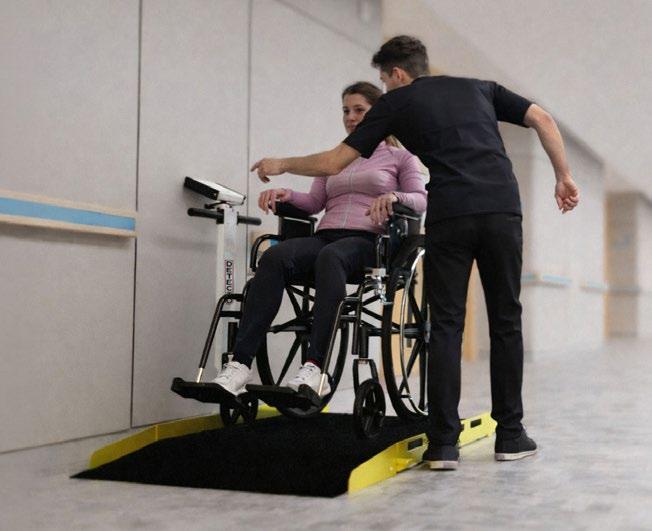
The new DETECTO 7150-AC ADA-Compliant Wheelchair Scale helps customers prepare for upcoming accessibility requirements.
As the only NTEP-certified ADA-compliant wheelchair scale, it delivers trusted accuracy and ships 95% assembled for fast installation and setup.


Our clinically trained, HIDA AMS-accredited sales professionals are strategically located throughout the country, delivering expert, in-person support to providers and streamlined execution for manufacturers and distributors alike.

McKesson
Courtesy of McKesson Medical-Surgical
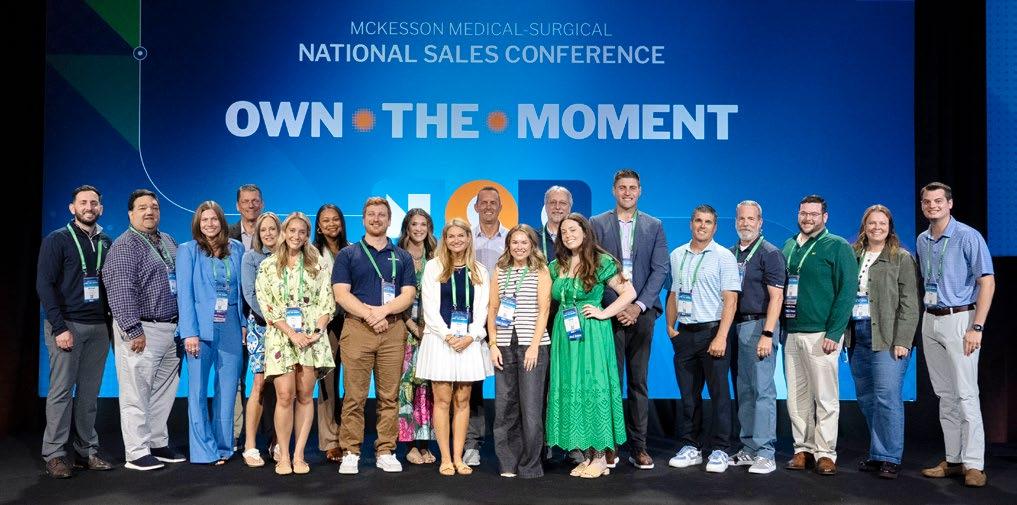
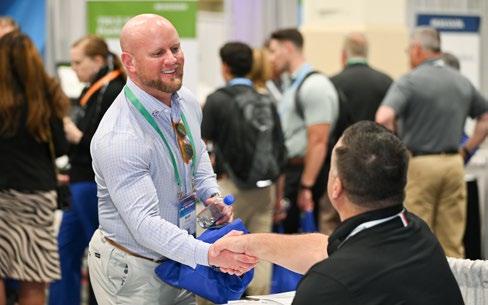
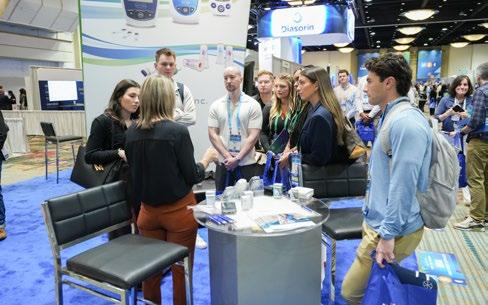
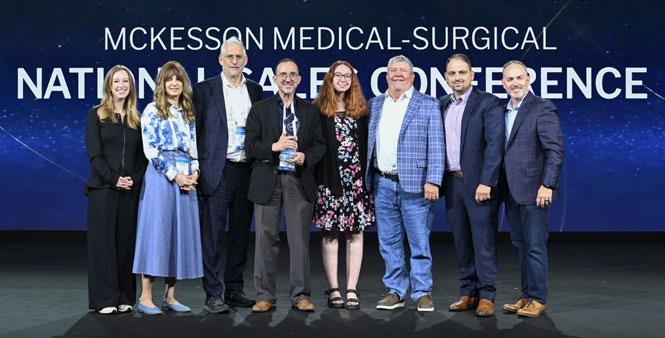
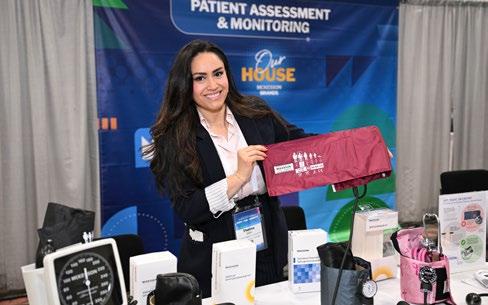
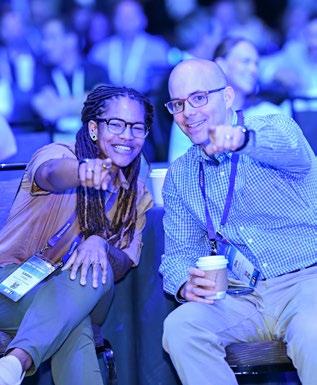
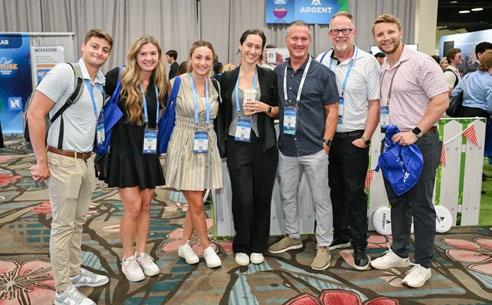
In May, more than 1,400 McKesson Medical-Surgical sales representatives and more than 170 suppliers gathered for the company’s annual National Sales Conference, a three-day event focused on collaboration, innovation and supporting the evolving needs of healthcare providers.



Shaping the future of care, together
As healthcare continues to evolve, collaboration has never been more important. Together, we bring trust and reliability to support providers and patients no matter what’s next in healthcare.
Thank you for supporting care wherever it’s provided.
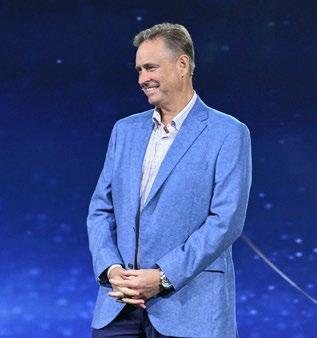
Centered on the theme “Own the Moment,” the conference brought together sales teams and suppliers to exchange ideas, explore products and solutions and to identify new ways to support customer success across care settings. President Stanton McComb reinforced the company’s purpose – delivering a future where healthcare providers and patients thrive – and emphasized the importance strong supplier relationships play in delivering value to customers.
The conference underscored McKesson Medical-Surgical’s focus on deeper collaboration across teams and with suppliers to better serve customers in a rapidly changing healthcare environment. Blending celebration with a clear focus on what’s ahead, the event reinforced what it means to “Own the Moment.”




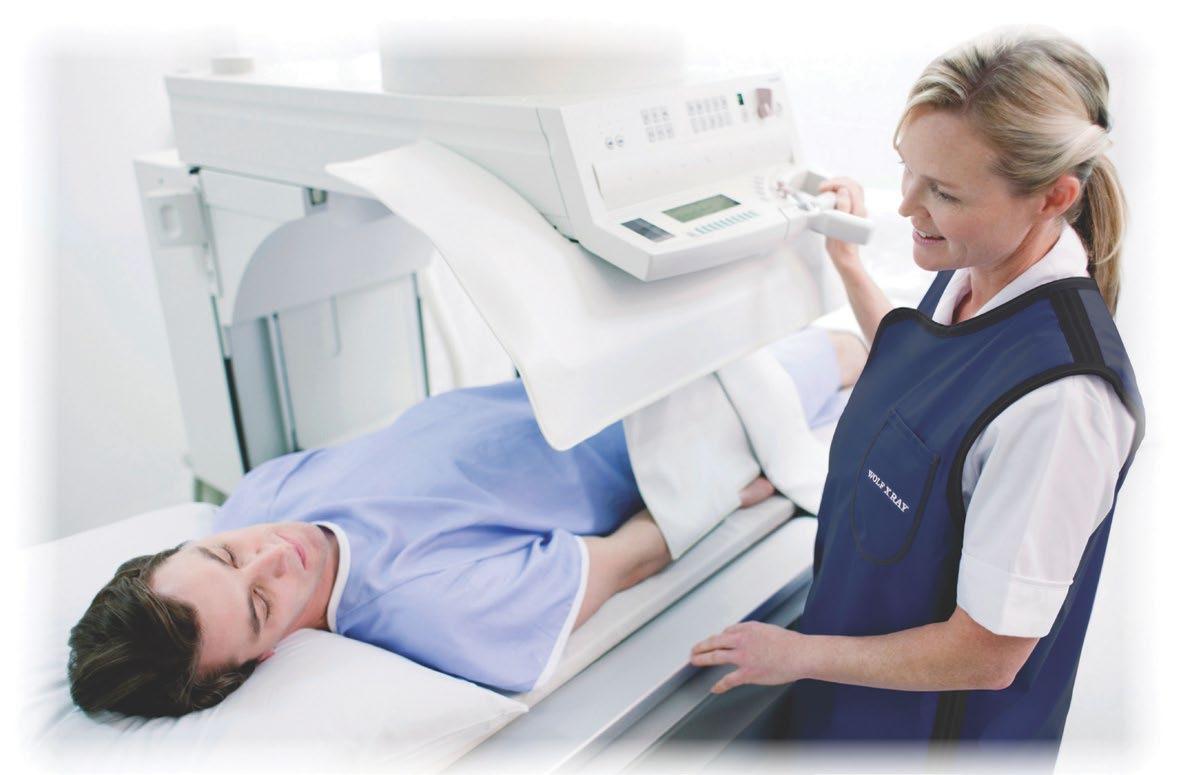
Only Wolf delivers with the broadest line of aprons and accessories that exceed radiation requirements of your hospital, clinic and practice customers... while providing the most professional look to their patients.
` Available in standard lead, lightweight lead and lead-free
` All sizes, from pediatric and small to XX large
` Collars, apronettes, lumbar support belt, and scoliosis stole also available

` Convenient breast pocket for pens, papers, clips, etc.
` Custom sizes available upon request
` Custom embroidery and logos available
` Available in a host of colors and patterns

The 2026 IMCO National Convention: Stand Independent. Unite with Purpose.
Courtesy of IMCO
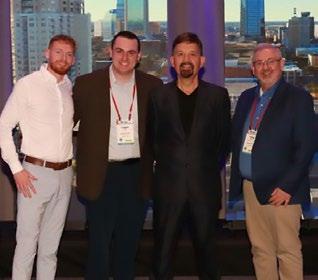
The 2026 IMCO National Convention once again proved why it is the premier event for uniting the absolute best in healthcare distribution. This year’s theme, “Stand Independent. Unite with Purpose,” perfectly captured the spirit of the three-day event.
As IMCO CEO Bill McLaughlin highlighted in his opening remarks: “We exist to help independent businesses remain independent – not isolated, not reactive, and not left to figure out everything alone – but instead, connected. Connected to insight, to opportunity, and to each other.”
Bill reminded the audience that the future does not belong to businesses that stand alone, but to those that remain independent while staying connected to something bigger, working together and moving forward with clarity, confidence, and purpose. Attendees echoed this sentiment, with Ricky Bustamante, of American Medical, calling it, “One of the most informative and engaging shows since I’ve been with the company. IMCO always finds a way to improve every year.”
Convention Highlights
Monday’s educational programming featured keynote speaker Joseph Michelli. His presentation, All Business Is Personal, challenged attendees to rethink customer experience and long-term relationship building, offering actionable strategies for aligning people, processes, and technology.
The keynote set the tone for a full schedule of breakout sessions and educational discussions tailored to independent distributors and their Vendor partners. New this year was the highly-rated panel discussion, “Let’s Be Candid,” with moderator Lauren Bailey. Educational sessions included: ` Industry Insights: Top industry experts Lauren Bailey (Factor 8), Danny Chezem (Baxter), and Benj Cohen (ProtonAI) delivered a high-energy, rapid-fire look at today’s shifting sales environment, giving attendees real-world solutions to immediate market challenges.
` Making AI Work for Distribution: A Practical Playbook for Every Team Artificial Intelligence is a current business necessity. Benj Cohen (ProtonAI) demystified the technology, providing a step-by-step operational playbook to help teams leverage AI for maximum efficiency.
` Prospecting and Growth That Actually Moves the Needle: Moving past generic advice, sales powerhouse Lauren Bailey (Factor 8) shared tactical,
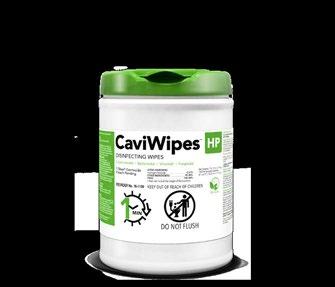
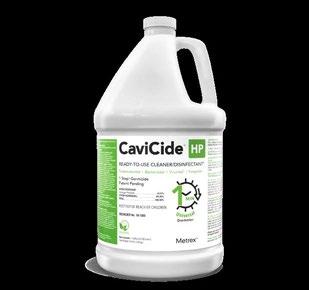
SAVE on Surface Disinfection with CaviWipes ™ HP & CaviCide ™ HP

Efficient Disinfection
Efficient Disinfection
Hydrogen peroxide-based 1-step cleaning/disinfection2 and 1-minute contact time for all listed pathogens ensures efficient disinfection.
Hydrogen peroxide-based 1-step cleaning/disinfection2 and 1-minute contact time for all listed pathogens ensures efficient disinfection.
Broad Spectrum Efficacy
Broad Spectrum Efficacy
Effective disinfection against over 60 pathogens1 including MDRO’s (Multidrug Resistant Organisms) while qualifying for the EPA’s rigorous Emerging Viral Pathogen Claim3, protects you against future pathogens as well.
Effective disinfection against over 60 pathogens1 including MDRO’s (Multidrug Resistant Organisms) while qualifying for the EPA’s rigorous Emerging Viral Pathogen Claim3, protects you against future pathogens as well.
Ease of Use
Ease of Use
Pre-saturated wipes and ready-to-use liquids require no mixing or dilution simplifying the disinfection process, reducing the risk of errors, saving time, and improving compliance.
Pre-saturated wipes and ready-to-use liquids require no mixing or dilution simplifying the disinfection process, reducing the risk of errors, saving time, and improving compliance.
Lowest Toxicity Level
Lowest Toxicity Level
US EPA Toxicity Category IV products minimize exposure to harmful cleaning chemicals. The use of gloves is not required.2
US EPA Toxicity Category IV products minimize exposure to harmful cleaning chemicals. The use of gloves is not required.2
1. 67 pathogens for CaviWipes HP and 70 pathogens for CaviCide HP
2. Follow Product Label for special precleaning and PPE instructions
3. CaviCide HP and CaviWipes HP qualify for the EPA Emerging Viral Pathogen program against all virus tiers (enveloped, small and large non-enveloped)
Emerging Viral Pathogen program against all virus tiers (enveloped, small and large non-enveloped)
needle-moving strategies designed to break through the noise and supercharge the sales pipeline.
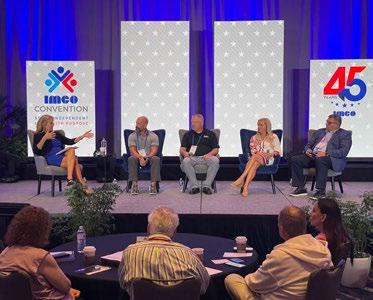
` The “Let’s Be Candid” Panel Discussion: In one of the event’s most talked-about sessions, Lauren Bailey (Factor 8) moderated an unfiltered, insightful discussion on the future of independent distribution. Panelists Bryan Weinstein (Resource Services), PJ Horton (First Medical Inc.), Peter Loope (Graham-Field), and Heather Llorca-Kropp (Dukal, LLC) shared raw perspectives on industry challenges and collaborative breakthroughs.
` Turning Economic Pressure into Operational Profitability: Macroeconomic headwinds require a solid foundation. Cara Skowronski (EOS Worldwide) taught leadership teams how to streamline their organization and turn market pressures into clear opportunities for profitability.
` The Sales Playbook Live!
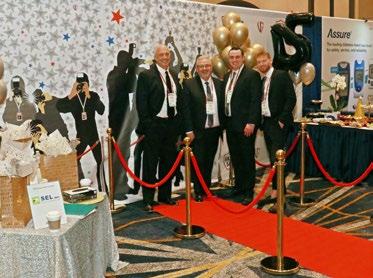
Featuring Sales Emphasis Line (SEL) Vendors: This dynamic, interactive session brought winning strategies to life. Featuring key SEL Vendors, attendees got a front-row seat to successful pitch tactics, product integration ideas, and collaborative sales growth.
` Government and Regulatory Update: What’s Next for Healthcare Distribution? Staying ahead of compliance is vital. Maggie Davis from the Health Industry Distributors
Association (HIDA) provided a crucial, forward-looking roadmap on upcoming regulatory changes shaping the industry.
Celebrating Member and Vendor Partners
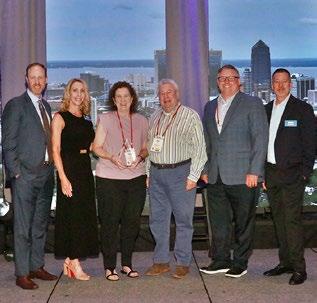
Graham-Field was named IMCO’s 2025 Vendor of the Year in recognition of its continued partnership, support of IMCO programs, and commitment to independent distribution. Congratulations to the Graham-Field team on this well-deserved honor.
One of the nominators, Pocket Nurse, shared: “Graham-Field exemplifies what a true strategic Vendor partnership looks like. Their proactive communication, reliability, and exceptional field support help us better serve healthcare educators and training programs across our territory. Most importantly, Graham-Field approaches this relationship as a genuine partner – collaborating with us on shared growth initiatives and consistently demonstrating that our mutual success is a priority.”
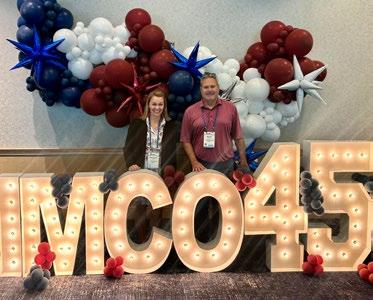
The 2026 Steve Dennison Scholarship winners, recognized for their exceptional sales performance and outstanding support of IMCO programs, received airfare, hotel accommodations, and attendance at Convention. This year’s winners were:
` Mari Nakayama, CareLinc Medical Equipment & Supply
` Shaun Simms, Orise Distribution LLC
` David Ellis, Atlantic Medical Solutions
IMCO’s Equipment Performance Incentive Contest (EPIC) is a yearlong program where Members earn points by selling qualifying equipment from participating EPIC Vendors. Members can also accumulate points by engaging in webinars, participating in Vendor ride days, and attending Vendor sales meetings or training sessions. The top ten qualifying reps and four Wild Card winners shared more than $23,000 in prizes for selling eligible EPIC Vendor products throughout the year. The 2025 winners were:
1st Kristina Pacheco, Canada Medical Ltd.
2nd Aaron Polonsky, MedStock, Inc.
3rd David Ellis, Atlantic Medical Solutions
4th Victor Amat III, American Medical Supplies & Equipment
5th Denise Coulombe, Surgo Surgical Supply
6th Sanjay Shah, AMSCO Medical
7th Randy Reichenbach, Medical Resources
8th Derek Shirley, Tagg Industries
9th June Power, Surgo Surgical Supply
10th Julie Dillard, Nationwide Pharmaceutical dba Medical Wholesale
David Ellis of Atlantic Medical Solutions was both a Scholarship and an EPIC award winner. He commented: “I truly appreciated the opportunity to attend the convention with our AMS family. One of the highlights for me was the AI breakout session, where I learned how AI can improve CRM systems customer communications, and overall efficiency.

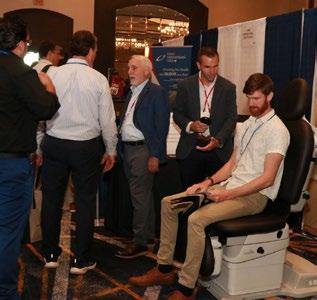
I also gained valuable insights into the new ADA standards during the Sales Playbook Live. The sessions from Midmark, Detecto, and Healthometer were especially informative regarding ADA compliance, and Dukal’s presentation on wound care was beneficial as well.”
Trade Show
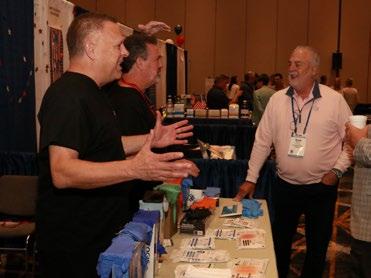
This year’s Convention saw strong growth in participation, with an increase in both Member and Vendor companies attending. The expanded attendance created even more opportunities for networking, collaboration, and meaningful business discussions throughout the event.
Shaun Simms, of Orise Distribution, noted “The convention was an outstanding experience. I found the Vendor interactions especially valuable – the ability to have real, in depth conversations with manufacturers and partners in one place gave me a much clearer view of the landscape and where the strongest opportunities are
emerging. The energy across the show floor made it easy to build new relationships and strengthen existing ones.”
The IMCO National Convention continues to be more than just an annual meeting. It is where relationships grow stronger, ideas turn into action, and independent businesses come together to shape the future of healthcare distribution.
Jess McCarter, Sales & Strategy for base86, noted, “If your business revolves around healthcare supplies, you needed to be in Jacksonville last week. This event is invaluable for understanding how independent companies are working to exceed customer expectations and improve patient outcomes through high-quality products and exceptional service.
The IMCO National Convention is very well put together, with impactful keynote speakers every year and sessions that appeal to its membership, vendors, and trade groups simultaneously. I had the privilege of speaking with many professionals representing their companies, and I came away impressed by the steps distributors are taking to stay ahead in a rapidly evolving market.”
As we look to the future, IMCO remains dedicated to driving meaningful collaboration. The 2026 Convention served as a powerful reminder of what it means to Stand Independent. Unite with Purpose By moving forward together, we will continue to shape the future of healthcare distribution.
Building Leaders, Building Connections
Inside Henry Schein’s Women’s Leadership Network and how it’s empowering women across the global organization to grow, collaborate and lead with confidence.
Employee resource groups have become a powerful force for connection, mentorship and leadership development across the healthcare industry – and at Henry Schein, the Women’s Leadership Network (WLN) is helping shape the next generation of leaders while strengthening the company’s culture of inclusion and collaboration. Designed to empower, develop and connect women across the global organization, WLN provides a forum where team members can build relationships, grow professionally, and contribute to initiatives that support both personal advancement and business success.
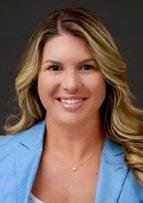
To better understand the mission, impact and future vision of the network, Repertoire Magazine spoke with two of WLN’s Global Steering Committee co-chairs: Lauren DelGuidice, Associate Manager of Corporate Media Relations, and Bradi Register, Strategic Account Manager II.
Both leaders joined the organization early in their careers and found in WLN an opportunity to build connections, gain confidence and help shape programming that reaches team members around the world.
In the following interview, they share how the network has influenced their leadership journeys, why diverse leadership matters in healthcare distribution today and how WLN continues

to create meaningful opportunities for mentorship and growth across Team Schein.
What originally drew you to participate in the Women’s Leadership Network, and what has kept you engaged?
Lauren DelGuidice: I joined the company right after graduating from college, so I was not only new to Henry Schein, but I was also new to the workforce. It can be difficult to navigate such a large company, especially as a recent graduate, so I wanted to find a way to get involved and meet Team Schein Members while learning about the company’s culture. I’ve also been surrounded by strong women in my life, so WLN was a natural fit. Not to mention after less than a year with Henry Schein, the pandemic hit and we were working from home, so finding and making connections was more important than ever. What has kept me engaged is the fact that WLN reaches all global TSMs, allowing us to share experiences, knowledge and meet people from across the world that we normally wouldn’t have.
Bradi Register: I was interested in a leadership position with the Women’s Leadership Network because of my positive experience as a member. I had the opportunity to see firsthand the programming WLN put in place, and it stood out as a meaningful way to engage more deeply within the virtual

work environment. I saw it as an outlet to build intentional relationships with team members beyond my immediate team and around the world.
What has kept me engaged is the continued opportunity to connect and collaborate with other ERG leaders and members who I wouldn’t have otherwise interacted with. Together, we’ve created impactful initiatives and events that foster connection, growth and inclusion. Those relationships and the ability to work together toward shared goals are what continue to energize and inspire me to stay involved.
How does WLN differ from other professional development or employee resource groups you’ve been part of?
DelGuidice: Henry Schein has a strong values-based culture that focuses on community, caring and career. We’re lucky to have seven ERGs that reinforce these values and empower Team Schein: Women’s Leadership Network – To provide a forum that empowers, develops and connects a network of women to drive business success.
Pride & Allies – To enhance, foster and preserve an inclusive environment where LGBTQ+ TSMs are empowered to be their authentic selves and are valued for their diverse perspectives which contribute to Henry Schein’s business success.
Black Legacy Professionals – To enhance and influence the professional environment at Henry Schein to further support the success of Black TSMs, which augments Henry Schein’s business success.
COLEGAS – A group of diverse colleagues, united to empower and advocate for Hispanic & Latin American TSM’s personal and professional advancement through collaboration and education to contribute to Henry Schein’s business success.
ElevASIAN – To empower individuals of all Asian backgrounds by elevating their voices and providing an environment that educates on the perspectives, perceptions and challenges of the Asian community.
VET – To unify Veterans, their families and Team Schein Members by fostering camaraderie, providing
Lauren DelGuidice
Bradi Register
recruiting of and advocacy for service members, and giving back to the community.
ADAPT – To celebrate the diversity of disabilities, both visible and invisible, for TSMs, our families and our communities.
Our ERG community at Henry Schein is unique, grounded in the belief that we are stronger together. We regularly collaborate across groups, including last year’s all-ERG virtual event on prioritization tactics, and we’re currently developing an ERG magazine featuring recipes, stories and lessons from each network. These shared initiatives reflect the strength of our culture. Fostering meaningful connections across Team Schein Members has been central to Henry Schein’s organizational culture and business success throughout its 94-year history – and continues to drive us forward.
Like many of us, I’ve faced moments of imposter syndrome and questioned whether I belonged in certain rooms.
Register: I can’t directly speak to how WLN differs from other professional development programs, as this is my first opportunity to hold a leadership role within an ERG at Henry Schein. What I can share is how proud I am of the growth we’ve seen within the Women’s Leadership Network and the intentionality behind that progress. We’ve been very focused on expanding our community while also deepening engagement through thoughtful, relevant programming and meaningful crosscollaboration with other employee resource groups. Seeing that impact and connection continue to grow has been incredibly rewarding.
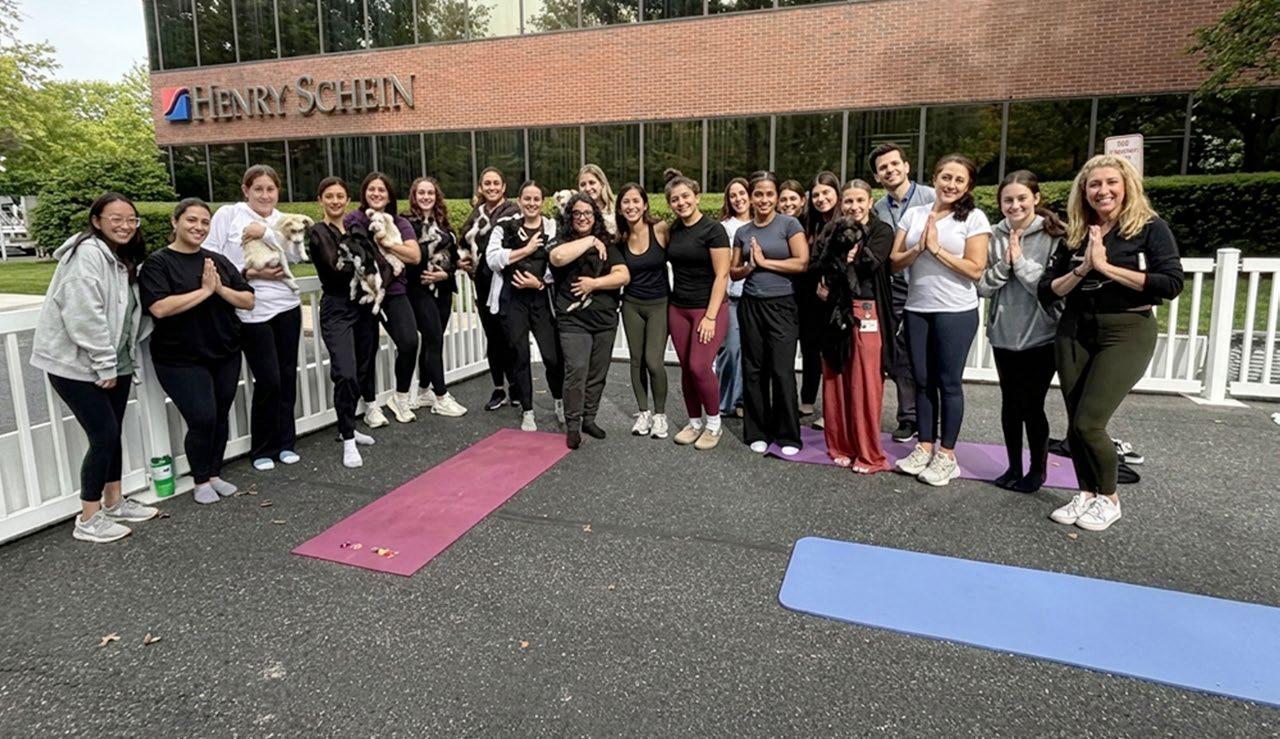
Puppy yoga.
Can you share a moment when participation in WLN directly influenced your career?
DelGuidice: Becoming Co-Chair of WLN has been an incredible experience that has influenced my confidence, career path and leadership approach. As someone who is still (somewhat) early in my career, confidence was – and sometimes still can be – something I struggled with. Working at a global company with so many experienced, smart and amazing individuals can be intimidating. Imposter syndrome creeps in and you start to ask yourself, “Am I even good enough?” But the WLN Global Steering Committee Co-Chairs believed in me. They gave Bradi and I – alongside our incredible committee members – the opportunity to lead the Women’s Leadership Network to the next level.
As a result of that, I was able to host our 2025 keynote session with our former CEO, Stanley Bergman, to discuss owning your career path. To be able to sit down with Stan and two inspiring women leaders to talk about how to advocate for yourself, find mentors and elevate your brand is something that I will never forget!
Register: First, I have to say that becoming a Co-Chair of the Women’s Leadership Network was truly a steppingstone to many of the most meaningful and impactful experiences I’ve
had over the past few years. Like many of us, I’ve faced moments of imposter syndrome and questioned whether I belonged in certain rooms. Stepping into this role reinforced the importance of trusting that we’re chosen for a reason and then owning that responsibility with confidence.
Serving as Co-Chair has influenced my career by teaching me not to hesitate to raise my hand, say yes and lean into opportunities even when they felt uncomfortable or outside my comfort zone. That mindset has extended beyond WLN into other leadership and industry opportunities that have since become an important part of my career path. Learning to embrace those moments, rather than shy away from them, has been transformational both personally and professionally.
What leadership skills have been strengthened the most through WLN, and why are those especially important in today’s healthcare industry?
I’ve had both formal and informal mentors who have shaped me into who I am today, professionally and personally.
DelGuidice: WLN has helped me strengthen my leadership skills overall – from managing crossfunctional initiatives to aligning diverse perspectives, and much more. But one skill that I think is especially critical in today’s healthcare industry is leading with empathy and remembering that, at the end of the day, we are all human. Healthcare is human centered by nature, so it is important as leaders to create safe spaces for people to share their thoughts and opinions, and know they are supported.
Register: WLN has helped me gain greater confidence in decision-making and leading with influence. It reinforced trusting my voice and making decisions in complex environments, which is especially important in healthcare where change is constant and the stakes are high.
WLN has also strengthened my ability to collaborate across teams and functions. In today’s matrixed healthcare organizations, progress often depends on influencing without formal authority, building alignment, and moving initiatives forward through strong relationships and shared purpose.
How does mentorship or sponsorship show up within WLN, and how has that support played out in your own career?
DelGuidice: Mentorship is a huge part of Henry Schein. As a company, we have our Mentoring Reimagined program. Through this program, there are mentees participating at all levels and mentors that range from supervisors through the Executive Management Committee. Since launching in 2022, the program has grown beyond expectations with more than 2,100 Team TSMs enrolled, over 1,900 successful matches and over 17,000 hours dedicated to mentoring conversations. We encourage all our WLN members to participate in this program, while also fostering connections through our various WLN programs, including our book club and other networking sessions. I’ve had both formal and informal mentors who have shaped me into who I am today, professionally and personally.
Why is diverse leadership especially important in healthcare, dental and medical distribution today?
DelGuidice: Diverse leadership is important in healthcare distribution because our stakeholders are diverse – our Customers, Suppliers, Team Schein Members, Shareholders and Society at Large. To understand their needs and to help deliver effective solutions, it is essential that leaders have different backgrounds, perspectives and lived experiences at the table. This goes back to the human-centered approach – by elevating voices that could be overlooked, we can strengthen relationships, enhance outcomes and ultimately better support healthcare professionals to better serve the people who rely on them.
Register: Diverse leadership is especially important in healthcare, dental and medical distribution because the patients, providers and communities we serve are incredibly diverse. When leadership reflects that diversity, decisions are more informed, inclusive and aligned with real-world needs, ultimately leading to better outcomes. In today’s rapidly evolving healthcare
As the industry continues to evolve, leaders who can navigate change with confidence and flexibility will stand out.
landscape, diverse leadership also brings broader perspectives to complex challenges like access to care, workforce shortages and innovation. It drives stronger collaboration, more thoughtful problem-solving, and organizations that are better equipped to adapt, grow and serve with purpose.
What leadership qualities do you think will matter most for women in healthcare over the next five years?
DelGuidice: I think it’s important for women to continue to be empowered to speak up with confidence, be recognized as strategic leaders, and be able to stand strong in their convictions. The healthcare industry is continuing to evolve, and change can create discomfort. Standing strong in discomfort is an essential leadership skill. Balancing the human-centered approach while holding firm in expertise and leading through change is essential.
Register: Over the next five years, adaptability and the ability to lead with influence will be critical leadership qualities for women in healthcare. As the industry continues to evolve, leaders who can navigate change with confidence and flexibility will stand out. Equally important will be emotional intelligence and collaboration building trust, aligning diverse teams and driving meaningful impact across complex healthcare organizations.

Built to Serve
For these med/surg professionals, the values learned in military service continue to guide their leadership, relationships and commitment to the mission.


In healthcare distribution, success often depends on staying calm under pressure, leading with purpose and remaining committed to the mission no matter the obstacles. For many professionals across the med/surg industry, those qualities were forged long before they entered healthcare – during their service in the United States military.
In this special July feature, Repertoire Magazine highlights veterans whose military experiences continue to shape the way they lead, problemsolve and serve customers throughout the healthcare supply chain. From navigating complex procurement environments to supporting clinicians in high-stakes settings, these professionals bring a mission-driven mindset
rooted in discipline, accountability and teamwork.
While their roles today may look different from those they held in uniform, the core principles remain the same: put the mission first, adapt under pressure and never lose sight of the people depending on you. Their stories reflect not only the lasting impact of military service, but also the critical role veterans continue to play in strengthening healthcare delivery across the country.
Veteran Stories
Veterans Elevating Healthcare
Connor Jones believes veterans bring resilience, adaptability and leadership to healthcare sales — and that companies willing to invest in them gain a long-term advantage.
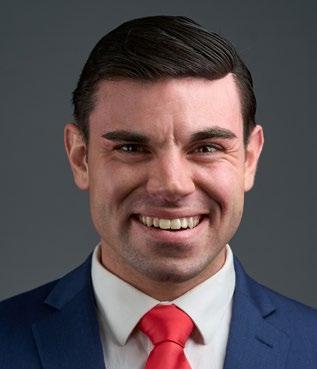
Connor Jones spent almost 10 years in the United States Army, starting out as an artillery officer before eventually becoming a Green Beret and serving as a Special Forces Officer. Now, he works at Abbott as a Sales Development Manager, leveraging his complex and high-pressure experiences in the Army to serve the healthcare industry.
Repertoire Magazine spoke to Jones about his time serving in the United States Army, his current role at Abbott, and how his military experience informs his leadership approach today.
Leveraging the military experience
For Jones, the opportunity to be something bigger than himself, as well as the opportunities to travel the world and jump out of airplanes at 20,000 feet in the dark, proved to be what ultimately drew him to military life. “The military offered a rare combination of purpose, intensity and experiences few professions can match, and that balance ultimately made the decision an easy one.”
Even in his current role at Abbott, he can see reflections of his military career everywhere. He said, “Pre-call planning mirrors pre-mission briefings. Territory and account analysis reflect terrain assessments. Deal reviews and pipeline
management align with postmission debriefs. Even routine readiness checks have parallels in ensuring customers, partners, and internal teams are aligned before moving forward. The terminology may be different, but the habits, discipline, and accountability required for mission success remain the same.”
Those lessons still play a significant role today. During his deployment in Iraq, he worked closely with someone from Iraqi military who was frustrated with the limited resources that were available for the mission. This
was due to the decisions made by a previous U.S. rotation, meaning that it was ouside of Jones’ control. However, he saw this as an opportunity to listen and understand the concerns of this person, ultimately looking to create a solution to a problem that was not really his responsibility.
“That experience reinforced the importance of ownership. The same principle carries into my current role. Customers do not interact solely with ‘Connor’; they engage with an Abbott representative. Taking responsibility, listening closely to uncover pain points, and collaborating toward solutions, especially when challenges originate beyond my control.”
Informed decision-making
When it comes to high-pressure environments, there’s nothing that Jones deals with today that carries the same weight as his time in the military. He served on a freefall team, where high-speed malfunctions are an
Connor Jones
Veteran Stories
occupational hazard. “My instructor used to joke, ‘Calm down. You have your entire life to figure it out.’ That might be a few seconds, or a few decades. The difference comes down to staying calm, processing information, and executing the correct action without panic.”
Jones says that experience reset his perspective on pressure. While some days might be harder than others, maintaining and regulating emotions, focusing on the facts, and executing action items deliberately allows him to make effective decisions under pressure.
“Every effort I make serves my family,” Jones said. “Regardless of how challenging a day becomes, whether a deal falls through or a key account disappears, those concerns fade the instant I walk through the door and see my two-year-old daughter running toward me. That moment defines what matters most.”
When it comes to solving his customer’s challenges, he always starts with listening. He understands that most of their challenges come from the constantly changing nature of the healthcare industry. They are often inundated with new technology, platforms, competitors, and clinical solutions that are constantly entering the market. At the same time, reimbursement models and regulatory pressures are also in a state of perpetual evolution.
It’s a lot to keep track of, and Jones tries to serve as a sort of voice of reason amid the chaos. He wants to understand the pain points,

Army Ethos principles
Jones has found that the Army Ethos principles have followed him into his civilian life. “Always place the mission first. Never accept defeat. Never quit. Never leave a fallen comrade. Those are not slogans to me; they are deeply ingrained standards that define how I show up every day. I still operate through the same planning and execution frameworks I learned in uniform.”
concerns and objectives of the people he is working with.
“From there, I help identify practical, relevant solutions, even when those solutions fall outside my direct involvement. In many cases, the greatest value comes from connecting customers with the right resource or expert. A focus on trust, relevance, and consistent added value drives the strongest and longest-lasting partnerships,” he said.
Veterans in healthcare
Jones believes that military veterans can be an excellent fit for healthcare sales. “Military service develops individuals who are trained to rapidly absorb information, make sound decisions in ambiguous and highpressure environments, and execute with discipline. In the military, mission failure is not an acceptable outcome.”
When armed with some quick product knowledge and systems training that a thoughtful and in-depth onboarding process can provide, they can become a valuable asset to any organization.
Jones said, “Hiring a veteran is a long-term strategic play. The missed opportunity occurs when organizations overlook these high caliber professionals because their resumes don’t fit a traditional or idealized template. When given the opportunity, veterans do not just adapt to healthcare – they help elevate it.”

Identify risks early with pediatric lipid testing at the point of care (POC).
Two key questions to ask providers:
• What percentage of their 9 to 11 and 17 to 21-year-old patients are getting their lipids screened?
• How do they screen for lipids?
Universally screening all children between the ages of 9 and 11 and 17 and 21 per NIH guidelines enables providers to better manage CVD risk factors.
Benefi ts of POC lipid testing




Scan to watch our video or contact your Abbott Cardiometabolic Account Executive to learn more about selling the Cholestech LDX TM to pediatric providers.
minutes
Veteran Stories
Serving Those Who Served
Inspired by family and service, MedLog Solutions helps bridge the gap between medical manufacturers and federal contracting – delivering better tools for veteran care.
Jeff Skillicorn comes from a strong military family background – originally born in Baumholder, Germany, his father flew helicopters for the U.S. military.
“I served in Berlin, Germany, during the time when the Berlin Wall was still up. I was involved in transport and logistics operations during that period,” said Skillicorn, Owner and President of MedLog Solutions, LLC, and a U.S. Army Veteran. “It was a unique time – there was a stark contrast between East and West Berlin.”
Skillicorn said that the leadership skills he learned while serving have translated directly into his career in the healthcare distribution industry today.
When Skillicorn retired from the military, he recognized that many healthcare manufacturers did not have a pathway to get their products onto government contracts.
MedLog Solutions was created to fill the gap in the industry – helping manufacturers who otherwise wouldn’t be able to access these contracting channels on their own.
“In June, 2017, I started MedLog Solutions around the goal of helping manufacturers to
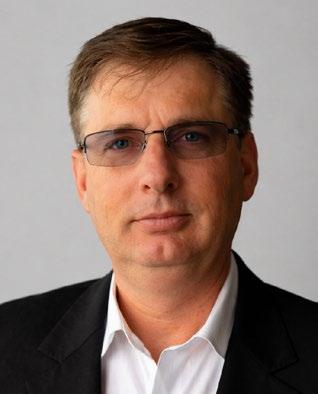
get their products onto government contracts – specifically Service-Disabled Veteran-Owned Small Business (SDVOSB) pathways for contracts like FSS, DAPA, GSA, as well as Indian Health Service and VA clinics,” he said.
MedLog Solutions, LLC, now delivers top-tier medical supplies and devices, catering to various healthcare needs across different sectors.
With a nationwide partnership salesforce comprising 20 highly trained professionals strategically stationed
throughout the country, the company actively engages with a broad spectrum of healthcare facilities.
Deeply involved
For Skillicorn, the transition from the military into the healthcare supply chain was guided both by personal experience and professional guidance.
“One major influence for my career transition was my son, who was diagnosed with juvenile diabetes at a very young age after an illness affected his pancreas,” said Skillicorn. “Managing his condition required me to learn extensively about diabetes care – monitoring blood sugar, administering insulin and tracking data closely.”
Becoming deeply involved in understanding his son’s treatment journey sparked Skillicorn’s own interest in the medical field.
“I worked closely with my son’s endocrinologists, documenting everything. At one point, a physician even suggested I consider a career in endocrinology because of how well I understood the condition,” said Skillicorn.
Jeff Skillicorn
“I eventually entered healthcare through roles at companies like QMED and Burdick, focusing on cardiac products,” said Skillicorn. “I became an ACLS (Advanced Cardiac Life Support) trainer, educating clinicians on proper product use and procedures such as EKGs and stress testing.”
Skillicorn said that what he enjoys most about his current career is the education component –helping end users understand products and ensuring quality solutions are delivered.
“That carries through today as we work to identify high-quality products for VA hospitals and, ultimately, for veterans,” he said. “For example, in categories like incontinence products, there’s often a tradeoff between cost and quality. While lower-cost options may seem appealing, higher-quality products can reduce overall usage and improve outcomes. That creates a better return on investment for both the facility and the patient.”
According to Skillicorn, there are a wide range of healthcare products on the market, and when submitting products for FSS or GSA contracts, contracting officers often don’t have clinical expertise.
“For this reason, it’s important to clearly demonstrate why a product may cost more and how it delivers value,” said Skillicorn. “Ultimately, pricing must be fair and reasonable for the federal government. That’s the key standard.”
From his experience, Skillicorn said that clinicians often express frustration with lower-quality alternatives and actually prefer better-performing products. “Our role at MedLog Solutions is to ensure those quality products are accessible, while still meeting fair and reasonable pricing requirements under federal contracting guidelines.”
Committed to a high standard
Skillicorn says his background in military service has undoubtedly given him a strategic edge in healthcare.
“The core values of military service – readiness, focus, discipline, consistency, and leadership
“The core values of military service –readiness, focus, discipline, consistency, and leadership –carry over directly and were instilled early.”
– carry over directly and were instilled early,” said Skillicorn. “At MedLog Solutions our focus is on growth without compromising the experience of VA and DoD providers. As we expand our portfolio, we remain committed to delivering innovative, high-quality products while maintaining consistency, responsiveness, and reliability. Response time and consistency are critical to our success.”
In fact, Skillicorn suggests that young people consider military service for a few years before college to build discipline, accountability and focus to prepare for their career.
“Veterans are trained to follow through – whether it’s responding to emails, completing tasks or meeting commitments,” said Skillicorn. “Personally, I make it a point to respond to every email, task and phone call before ending the day. That sense of responsibility and closure is something I carry with me.”
In the next 5 to 10 years, Skillicorn said he sees MedLog Solutions continuing to build on its experience and expanding its product portfolio while strengthening its reputation as a trusted partner.
“Our focus will remain on offering high-quality products and educating end users –physicians, nurses, and staff –on the benefits of those products compared to what they may currently be using,” said
Skillicorn. “Making sure those products are on contract is key, because it simplifies the purchasing process for healthcare providers.”
To Skillicorn, what stands out about being a servicedisabled veteran-owned small
business is the overall mission of serving healthcare providers.
“I truly value the opportunity to serve those who have served. Acting as a bridge to bring high-quality products onto VA, FSS, and GSA contracts though a SDVOSB – to help improve
clinical outcomes – is extremely meaningful,” said Skillicorn. “At the end of the day, it’s about providing better products for veterans and supporting clinicians with tools that allow them to deliver better care. That’s the most rewarding part of what we do.”
Veteran Stories
Leading with Purpose
Concordance’s Sandy Gonzales channels decades of experience and a servant leadership mindset to strengthen teams and support patient care.
Sandy Gonzales began her career in the healthcare industry working as a physical therapy medical assistant and later a medical assistant within doctor’s offices.
After experiencing the clinical side of the industry, she decided to transition to a customer service role in healthcare distribution.
“In the at-times uncertain world of the medical industry, I saw the healthcare distribution side as a very stable place to be,” said Gonzales, who now works as a Customer Service Regional Manager at Concordance Healthcare Solutions.
Gonzales is passionate about her role, consistently enhancing operational efficiency and guiding her team to success.
“With 20-plus years of experience, I focus on strengthening regional performance, developing high performing teams and ensuring reliable service for our healthcare partners,” said Gonzales.
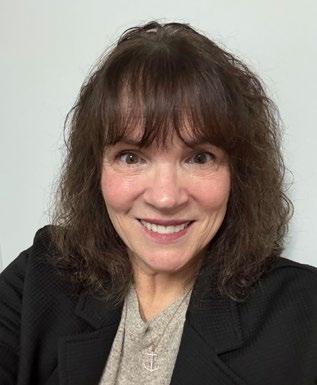
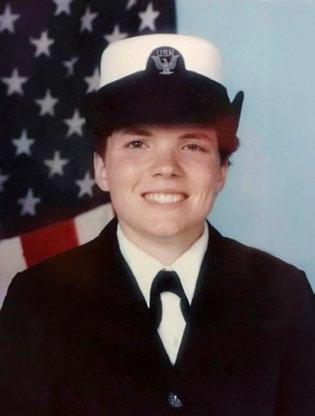
Prior to her roles in healthcare, Gonzales served in the U.S. Navy.
Her military service has undeniably shaped who she is as a
professional today – drawn to the service following in the footsteps of her ancestors, she learned the importance of clear communication and decisive action.
“In the military, I developed a deep commitment to accountability, discipline and mission-focused teamwork while working in a highpressure environment – which taught me how to support diverse teams in my career today,” said Gonzales.
The healthcare distribution industry, at times also a highpressure environment, is focused on delivering the right resources to the right place at the right time – which has continued resonate
Sandy Gonzales
with after Gonzales after her service in the military.
“The end result of this career – getting the product to hospitals, physician offices and surgery centers so that the patient on the operating table gets what they need – is fulfilling,” said Gonzales.
Gonzales says that the ‘sense of urgency’ is comparable in both the military and the healthcare distribution industry.
“Everything is on timeline in healthcare, similar to within the military – if patients don’t have the product when they need it, they’re in trouble too – it could be your parent, sibling or child on the operating table that needs something,” said Gonzales.
She recalls one instance in her current role where her ability to perform under pressure was put to the test. “On a Sunday
morning at one of our hospitals, they had a water crisis where the water was not safe to drink or use. I came into the office that day to get the driver and ops coordinated to quickly get the hospital the water they needed to operate,” said Gonzales. “I also reached out to the other hospital
in the same town, and we were able to get both hospitals the water that they needed to safely run on very short notice.”
Gonzales said that what motivates her to succeed each day at work is “knowing that her career makes a difference in the lives of patients,” she said.
Gonzales believes a strong focus on teamwork, drawn from her military service career, is what carries her through challenges at work.
“I am a servant leader, and I strive to remove obstacles, provide resources and create an environment for my team where all individuals feel valued, supported and motivated to succeed,” said Gonzales. “I think this largely comes from being in the military, because you have to have teamwork to succeed in both spaces.”
Veteran Stories
Handling High-Pressure
Situations
Marc Young applies well-honed discipline and clinical expertise to navigate challenges in healthcare supply chain operations.
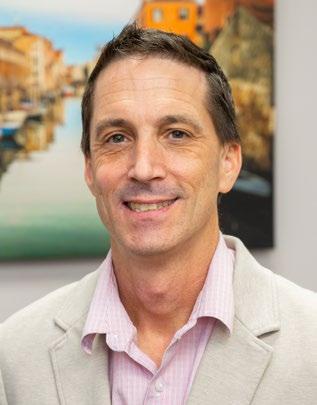
Marc Young, PharmD, Chief Strategy Officer at Nationwide Pharmaceutical LLC and an IMCO member, traces much of how he leads today in healthcare supply chain operations back to his 20 years of service in the U.S. Navy.
For Young, military service demanded constant adaptability, preparation and a willingness to take on uncertainty with limited direction. Those lessons, he said, continue to shape how he approaches challenges in pharmaceutical distribution and healthcare systems today.
“From the day you swear an oath, you understand you are not there just for the job you signed up for,” Young said. “The mission always comes first, and failure is not an option.”
Young initially entered the Navy through a pharmacy school commissioning program, which allowed him to complete his degrees while serving. What started as a four-year commitment ultimately became a 20-year career, during which he earned bachelor’s, master’s and doctoral degrees through the Navy.
After retiring from service, he transitioned into healthcare business operations, first supplying pharmaceuticals to government customers. He later expanded into commercial distribution through the acquisition of a small independent medical supply company, building a dual commercial and governmentfocused business model.
A sense of responsibility
High-pressure decision-making, Young said, has always been a
constant in both his military and clinical careers — though it shows up in different forms.
As a pharmacist, he noted, the expectation is clear: decisions can carry direct consequences for patient outcomes, and that responsibility requires both precision and advocacy. That pressure is amplified in military service, where pharmacists are also commissioned officers and may be tasked with responsibilities outside their clinical training.
“As a pharmacist, you are trained to make life or death decisions and advocate for the patient,” Young said. “The job itself has high-pressured characteristics.”
Even on difficult days, Young said his motivation comes from customer trust and reliability.
Over time, he added, advancement in rank brought broader operational responsibility – over people, budgets and mission execution – where decision-making often extended well beyond clinical expertise.
Since transitioning to civilian healthcare, Young said that sense of responsibility has taken on a different shape but a similar purpose. “There is nothing that compares to the sense of being in the military and around people who have volunteered like you to serve our country,” he said. “But both are ways of serving others.”
That service mindset, he added, is especially important in healthcare distribution, where the “end point of the supply chain” is always a patient. For his team, that translates into treating logistics and procurement as mission-critical operations rather than transactional business.
Even on difficult days, Young said his motivation comes from customer trust and reliability. Clients, he noted, consistently cite dependability as the reason they choose to work with his company.
“We consistently hear from our customers that they love how we take care of them,” he said.
Supply disruptions and changing conditions, he said, make it essential to stay proactive and continually validate assumptions. In his view, there is never a point where the work is fully settled.
“There is always an update we need to get,” he said, “to make sure what we thought was the case is still the case.”
Marc Young
Marine Discipline to Medical Sales Leadership
Mike Lonnemann applies nearly 30 years of healthcare experience and lessons from the U.S. Marine Corps to lead with discipline, teamwork, and calm execution in high-pressure med/surg environments.
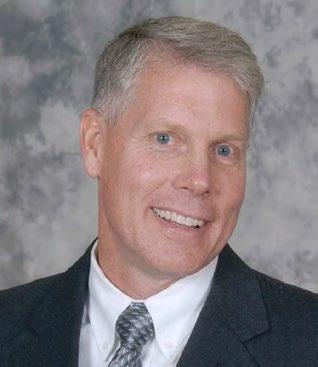
For Mike Lonnemann, a territory manager in outpatient care for Welch Allyn (a business unit of Baxter International), the lessons learned during his service in the United States Marine Corps continue to shape his nearly three decades of work in the U.S. healthcare supply chain.
Lonnemann credits his military experience with instilling a strong sense of discipline and accountability. Attention to detail, he said, is foundational –a mindset rooted in the belief that “if you take care of the little things, the big things tend to fall into place.” Just as important is leading by example, a principle he carried from his time in uniform into the professional world. “Leadership demands sacrifice,” he noted, emphasizing that he never asked others to do what he wouldn’t do himself.
That philosophy extends to how he views workplace culture. Lonnemann draws a clear distinction between building teams versus managing individuals. A strong sense of camaraderie, he said,
fosters loyalty and long-term commitment. Employees who feel part of a cohesive unit are more likely to stay and contribute, whereas those motivated purely by compensation may be less invested.
Influences and connections
His path to military service was shaped early by family influence. Lonnemann’s father, a Navy veteran of World War II, and his older brother, who served in the Army, instilled values of duty and service. Those influences, combined with a Naval ROTC scholarship, enabled him to attend Miami University and ultimately earn his
commission as a Marine – fulfilling a goal that might otherwise have been out of reach financially.
After transitioning to civilian life, Lonnemann found his way into healthcare through another family connection. His father-in-law, a longtime distributor sales representative, encouraged him to pursue an opportunity with Welch Allyn.
Nearly 26 years later, Lonnemann remains with the organization, now part of Baxter International following its integration with Hillrom. Over that time, he has applied the same principles learned in the Marines – discipline, teamwork and service – to build lasting relationships with customers and colleagues alike.
For Lonnemann, the transition from military to healthcare was less of a departure and more of a continuation of purpose: serving others, leading with integrity and contributing to a mission larger than himself.
Improvisation in highstakes sales situations
Lonnemann recalls a defining moment from his military service
Mike Lonnemann
Veteran Stories
that continues to influence how he approaches challenges in his current role. As a young Marine field artillery officer preparing for deployment, he was unexpectedly tasked with serving as an embarkation officer during an amphibious exercise – despite having no formal training for the role. Responsible for coordinating the backloading of equipment onto the USS Whidbey Island, he leaned heavily on the experience and guidance of seasoned noncommissioned officers.
The experience underscored a critical lesson: earning trust and building the right team can make even the most daunting assignments manageable. “When you earn the respect of your teammates, you can accomplish great things when you assemble the right team around you,” Lonnemann said.
Years later, that same principle proved instrumental in a high-stakes sales opportunity.
Faced with a complex cardiopulmonary equipment presentation, Lonnemann tapped into a network of former colleagues to help demonstrate a stress system integrated with EPIC electronic health records. The collaborative effort resulted in the largest order of his career, reinforcing the value of teamwork and relationships.
In high-pressure situations, Lonnemann relies on another lesson from his military days: stay calm and execute. Panic, he noted, can quickly derail
outcomes. “A good plan that is executed well is better than a perfect plan that is poorly executed,” he said. That mindset – coupled with a willingness to adapt – continues to guide his decision-making in the fast-paced healthcare environment.
Strong sources of inspiration
The ability to think quickly, adapt and remain calm under pressure – all hallmarks of military training –translates well in an industry often marked by disruption and urgency.
For Lonnemann, the transition from military service to healthcare has also helped preserve a sense of mission – even if it looks different from his days in uniform. Supporting clinicians with the tools they need to care for patients provides a meaningful connection to service. “The medical equipment that you are selling serves as tools to help physicians and nurses maintain and sustain patient lives,” he said, noting that the impact, while indirect, is still deeply significant.
That sense of purpose carries into how he works with customers. Lonnemann believes the biggest challenge healthcare providers face is identifying solutions that deliver both clinical and financial value. His approach is rooted in listening first. By asking open-ended questions and understanding the full scope of a customer’s needs, he positions himself as more than a salesperson. “Once you understand the problem, you must provide a roadmap to the solution,” he said. “If you provide a solution that best meets their needs, you earn their trust.”
He also sees clear advantages in the way veterans approach the healthcare supply chain and med/surg environment. The ability to think quickly, adapt and remain calm under pressure – all hallmarks of military training – translates well in an industry often marked by disruption and urgency. That mindset, he said, allows veterans to be both resourceful and steady when challenges arise.
On the toughest days, however, Lonnemann’s motivation is grounded closer to home. Family remains his strongest source of inspiration. “The best names that I have been given are husband, father and grandfather,” he said. “The best sounds are my wife calling me ‘Love,’ my daughters calling me ‘Dad’ and my grandsons calling me ‘Pop.’”
Answering the Call
Jamie Edwards brings 24 years of Army leadership to Midmark, helping VA and DHA customers navigate procurement complexity with a calm, mission-first approach.
In healthcare supply chain and med/surg environments, high-pressure decision-making mirrors military operations –something Jamie Edwards understands after 24 years of service. Now Corporate Accounts Executive – Government at Midmark, he applies a mission-first mindset to complex challenges.
“First, understand the mission – what the customer needs and their challenges,” he said, emphasizing collaboration to identify decision-makers and deliver solutions.
His experience as an Infantry and Logistics Officer shaped core values: train to standard, prioritize the mission and maintain clarity. These principles guide his work with VA customers. Edwards continues to find purpose supporting military and VA healthcare facilities while serving in the Reserves.
From service to support
Edwards’ path to military service began with a longheld desire to serve something greater than himself, a commitment that became even more defined in the wake of 9/11.
“I had always wanted to serve my country, and after 9/11, I knew it was time to answer that call,” Edwards said. “What first drew me to military service was
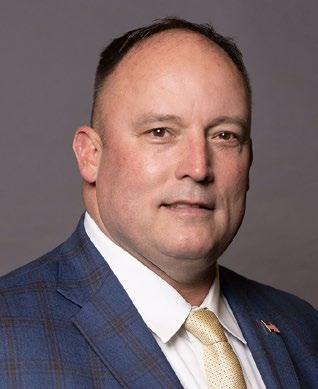
the opportunity to serve a greater purpose, be part of a team and make a difference.”
His transition from military to civilian life was not a straight line. A pivotal moment came when a fraternity brother and fellow veteran, Will, reached out with an opportunity in medical sales. At the time, Will was working in the same Midmark role Edwards now holds.
“He told me about the chance to work with the VA and help provide better care for
veterans, and he asked me to send him my resume,” Edwards said. “Soon after that, I got a call from a hiring manager who told me he was getting on a plane to come meet me the next day. We met, and I was hired.”
What stood out most was not just the opportunity, but the sense of continuity within the veteran community. “Will opened that door for me, and I’ll always be thankful for that.”
Today, Edwards helps VA and Defense Health Agency (DHA) customers navigate complex procurement environments, where shifting funding and administrative processes can delay critical projects.
“One of the biggest challenges for our VA and DHA customers is dealing with changes in funding and procurement, which can slow projects down,” he said. “I stay up to date on the process, understand their challenges and work with our team to help provide solutions that keep projects moving forward.”
He also continues to rely on a foundational military lesson: stay mission-focused regardless of changing conditions. “There have
Jamie Edwards
Veteran Stories
been times when funding or procurement changes created delays and uncertainty,” he said. “In those moments, I stay calm, adapt, communicate clearly and keep moving toward the objective.”
That mindset extends to what drives him on difficult days. For Edwards, motivation
comes first from family, and second from the purpose embedded in his work.
“My family is what motivates me most on the toughest days; they’re the reason I keep pushing forward,” he said. “And being able to support veterans by helping provide the best products
Veteran Stories
A Family Legacy
Inspired by generations in uniform, Kevin King brings a mission-driven mindset from Army medicine to his role supporting healthcare providers at Midmark.
Kevin King’s decision to serve in the military was rooted in family. With uncles, great-uncles and grandfathers who served in the Army and Navy, he grew up surrounded by stories of duty and sacrifice. That heritage, he said, instilled both pride and a desire to contribute to something larger than himself.
“I was drawn to military service because of my family,” said King, Territory Portfolio Manager with Midmark Corporation. “Their example instilled a strong sense of pride in our country and service. I wanted to carry on that legacy and be part of something bigger than myself.”
That sense of purpose was further shaped during his time as an Army combat medic, where he gained firsthand experience in high-pressure clinical environments. Those formative years not only strengthened his medical foundation but also influenced his long-term career
path. After leaving the military, he continued along the clinical track, completing paramedic training before eventually transitioning into medical distribution.
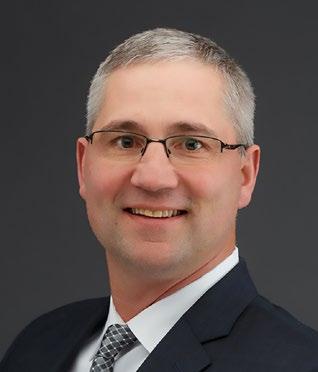
for their care and rehabilitation means a great deal to me.”
He also credits the dedication of his colleagues across regional teams who support VA and DHA facilities. “Knowing that our efforts help improve care for veterans is what gives my work real meaning,” he said.
The shift allowed him to stay close to patient care while expanding his impact beyond the bedside.
“I knew I wanted to stay connected to the medical field in some capacity,” he said. “That experience had a lasting impact on me.”
An ability to adapt
Today, in his role with Midmark, King supports healthcare providers navigating an increasingly complex environment shaped by staffing shortages, workflow demands and evolving clinical needs. He credits his military background with giving him the ability to remain steady in the face of constant change.
“With the constant changes in the medical industry – new regulations, shifting workflows or evolving customer needs –I rely heavily on my ability to adapt,” he said. “That’s something my military service really ingrained in me.”
He also points to decisionmaking under pressure as one
Kevin King
of the most transferable skills from his time in uniform. In both military and civilian roles, he said, the challenge is often to act decisively with incomplete information while maintaining composure.
“I approach high-pressure decision-making by staying calm, focusing on the facts in front of me and trusting my training and experience,” King said. “In service, decisions often had to be made quickly and with
limited information. The process is very similar now – stay composed and make the best decision possible.”
Beyond technical skills, King said the military also reinforced the importance of teamwork and accountability – values he sees mirrored in healthcare environments today. He describes his current work culture as mission-driven, with a shared focus on improving outcomes for patients.
Veteran Stories
That sense of mission, he added, helps fill a familiar space left after military service. “Working with my West Coast team at Midmark brings back a lot of that same camaraderie you find in the military,” he said. “We support each other and stay fully focused on the mission at hand.”
On difficult days in the field, King returns to that larger purpose: improving patient care. Even when challenges mount, he said, the impact of the work keeps him grounded.
A Service First Mentality
Guided by military lessons and a deep sense of purpose, Andy Fleagle helps healthcare providers navigate complexity and stay focused on patient care.
For Andy Fleagle, the path to military service was shaped early by both conviction and challenge. Growing up in a small town in Ohio where “patriotism and hard work were deeply rooted – and where we didn’t have much,” he set his sights on West Point. Even when a guidance counselor told him his school “didn’t send students to service academies – and that I didn’t have a chance,” Fleagle pushed forward anyway. Looking back, he says, “My path to service was defined by patriotism, necessity, and a determination that has stayed with me ever since.”
That foundation carried through nearly 25 years in uniform and continues to influence his work today as a surgical sales specialist with Brasseler USA Surgical. Fleagle credits his military experience with shaping his professional identity in lasting ways. “My time in the military has helped define my professional approach and ultimately has made me a better, and more effective, Andy Fleagle
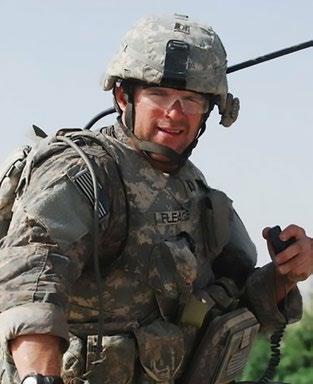
medical sales professional,” he said. He points to fundamentals that remain central to his success: “The lessons of being punctual, transparent, and responsive have been a huge asset during my 14 years in medical sales.”
At the core of his approach is a “Service First” mindset that guides how he supports healthcare providers. “Ultimately, a ‘Service First’ mentality is a common
thread, and it is a commitment our team shares to support healthcare practitioners,” Fleagle said.
A healthcare calling
While Fleagle’s active duty role in the Army was unrelated to medicine, a shift began during his Army Reserve years when a mentor working in medical sales operations in Denver saw potential beyond the uniform. “He valued the organized, hard-working leader he knew from our time in service, and he assured me those were the traits that mattered in healthcare,” Fleagle said. Though initially hesitant – “I never saw myself as a ‘sales guy’” – he ultimately followed that encouragement into the field.
That same mindset continues to shape how he shows up today. Fleagle draws a direct line between military resilience and success in medical sales, where rejection is routine and adaptability is essential. “In the Army, you are regularly working outside of your comfort zone while learning and hopefully improving as a person and leader at the same time,” he said. “That same mindset is essential in medical sales, where you hear ‘no’ far more often than ‘yes.’”
He credits that experience with helping him stay grounded under pressure. “I lean on the resilience I built during my toughest times in the service to keep things in perspective and
find creative ways to turn rejection into a win,” Fleagle said.
For Fleagle, the transition from military service to healthcare has ultimately reinforced – not replaced – the sense of mission he once found in uniform. “I value the dual perspective I’ve gotten from serving in the Army and working in medical sales; both environments are defined by a commitment to the mission and collective success,” he said. The shift wasn’t immediate. After two and a half years of combat deployments, stepping into the corporate world was, in his words, “a significant challenge,” but one that ultimately clarified the importance of finding the right fit.
Over time, Fleagle found both direction and purpose in healthcare, shaped by strong leadership and mentorship across his 14 years in the industry. That sense of connection extends beyond his day-to-day role at Brasseler and Henry Schein, where he points to a deeply embedded culture of purpose and community. “Our Employee Resource Groups (ERGs) play a major role in that,” he said, noting his role as Co-Chair of the Veterans Engagement Team (VET) ERG. The group, he added, works to “unify veterans, their families, and Team Schein Members by fostering camaraderie, providing recruiting of and advocacy for service members, and giving back to the community.”
More broadly, Fleagle believes veterans bring a distinct advantage to healthcare environments. “Veterans bring great perspectives to healthcare because we are mission-focused, hardworking, and resilient,” he said. “In a complex, competitive environment such as healthcare supply chain, we are willing to put in the extra work to take care of our teams and customers.”
Showing up when it’s hardest
On the toughest days in the industry, Fleagle leans on a mindset forged over decades of service. “I am deeply motivated to serve as a steady example for my family, friends, and colleagues,” he said. “It is easy to be a positive influence when conditions are favorable, but I have conditioned myself over the years to find comfort in the uncomfortable.” That discipline, he added, allows him to stay grounded and effective when pressure is highest: “By embracing challenges, I can remain the best version of myself and provide meaningful value precisely when it is needed most.”
He sees that same philosophy reflected in the culture at Brasseler and Henry Schein, where shared values shape how teams support one another through complexity and change. “There is a deep understanding that each person is as important as the next, and we stand by one another to ensure we stay focused on the mission of supporting our
customers and the communities they serve,” Fleagle said.
That mission becomes especially critical as healthcare organizations navigate mounting operational pressures. “The current healthcare landscape is incredibly complex,” he noted,
with customers balancing “superior patient outcomes with the operational realities of cost savings, efficiency, and compliance.” His approach is rooted in partnership: “We take a handson, consultative approach within facilities to alleviate that burden.”
Veteran Stories
Ultimately, Fleagle keeps the focus on impact. “At the end of the day, we put our best into everything we do so that healthcare professionals can produce the best results for the patient while maintaining a healthy bottom line for their business.”
Pursuing the Mission
Mike Muschinsky’s journey from Air Force medic to QuidelOrtho leader shows how mission, discipline and patient focus translate to success in medical sales.
After military service, veterans often experience a loss of mission or purpose that can impact how they see themselves and what they pursue in their post-military lives. Mike Muschinsky has experienced what it’s like to pursue that sense of mission, even in the midst of getting a degree and a significant career change.
Repertoire Magazine spoke to Muschinsky, Senior Channel Sales Manager at QuidelOrtho, about his role in the United States Air Force, his journey to medical sales and how the military has shaped his experience.
Joining the Air Force
Muschinsky joined the Air Force at 17 years old, right out of high school. He knew that his family didn’t have the financial capacity to put him through college, but he knew that he wanted a degree. “I didn’t really look at myself as the military type. I looked at the military as a way to help me through school and earn a degree.”
His role in the Air Force was a little different than one might
traditionally assume about the military – instead working as a pilot or a mechanic, Muschinsky was stationed at Mather Air Force Base in Sacramento, California, as a technician in labor and delivery and the newborn nursery.
“It was one of the happiest places on Earth,” he said. “I helped deliver 109 babies in the two years that I was there – I counted before I left. It was a great experience because it wasn’t like it was the surgery or medical ward. It was a really great job. I loved it.”
After two years of working in labor and delivery at the Mather Air Force Base, he earned his EMT license and started working in the emergency department before being relocated to Izmir, Turkey. This was a new experience for him, because Izmir didn’t have a military base. It was a post for the NATO Southeast headquarters, which meant that Muschinsky lived in the city, renting from a Turkish landlord, and walked to work every day.
His clinic employed three doctors, three nurses and 12 EMTs, who worked together to service U.S. Forces and NATO. With this job, Muschinsky
Mike Muschinsky
The DAR™ closed suction system
Preserving airway clearance for intubated and tracheostomized patients
Designed to expel tracheal secretions and preserve airway clearance for patients with an artificial airway, our DAR™ adult closed suction system portfolio is designed to provide clinicians with the options they need for individualized care.
• Available in two configurations:
– Fixed catheter – validated for 48 hours of use
– Replaceable catheter – validated for 96 hours of use and ideal for diverse treatment needs
• Endotracheal and tracheostomy tube lengths
• Dual density suction catheter design
• Four lateral eyes on the catheter tip
• 360-degree double swiveling elbow
• Depth markings to assist in insertion
• ISO color coding

Scan the QR code to view the product training video.
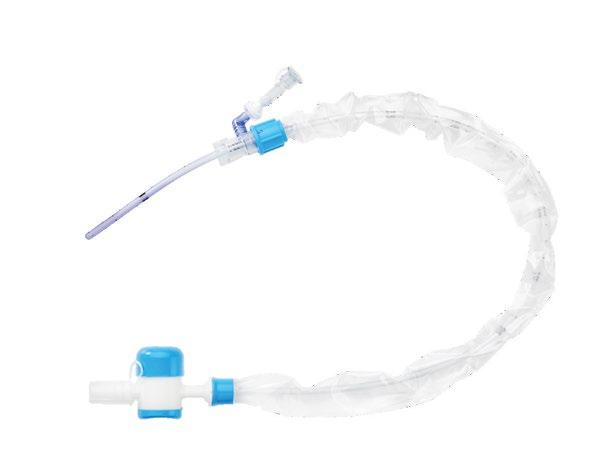
† All technical information for DAR closed suction system is sourced from the product instructions for use document, PT00181544, and the Closed Suction System, Verification Test Report, RE00421876.
©2026 Medtronic. Medtronic, Medtronic logo, and Engineering the extraordinary are trademarks of Medtronic. All other brands are trademarks of a Medtronic company. 04/2026 – US-RE-2600074 – [WF#22826999]
had the opportunity to travel throughout and explore Europe, drinking in the culture and enjoying the last year and a half of his military career. He got out of the military in December 1987 and enrolled at Manatee Community College in Bradenton, Florida, in January 1988.
“The military helped me pursue what I really wanted to do and earn that degree,” he said. “I was the first in my family to ever earn one. My cousin graduated a month later, but it was cool to say that I was the first.”
The journey to QuidelOrtho
After earning a public relations degree at the University of Florida, he decided to try something different and pursued a career in advertising for about five years. Eventually, he decided that advertising wasn’t what he was meant to do, so he approached his wife to say that he was going to make a career change.
He decided to try medical sales. “I thought I would be perfect at it. With both my clinical and public relations background, I truly thought it would give me an advantage and understanding of what clinicians needed and what they’re looking for from that perspective.”
Muschinsky worked at a couple of different companies before eventually landing at QuidelOrtho, where he’s worked for 18 years now. His current role is a Senior Channel Sales Manager
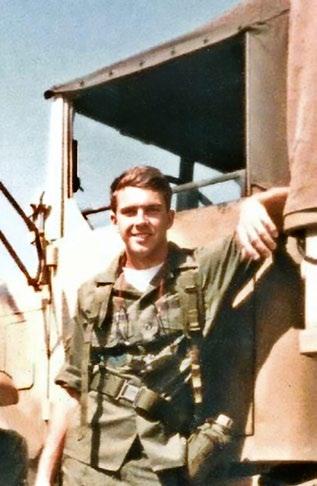
for molecular and point of care products. In this role, he is responsible for developing and managing relationships with distributors in his region, ensuring that the internal team at QuidelOrtho is connected with their distribution partners. He conducts quarterly business reviews with distribution managers and lab specialists, as well as developing and executing the regional channel strategy. He said, “I’m the main point of contact for communication to the regional teams with distribution. Whether we’re bringing a product to market or significant updates that need to be communicated, I’ll be the one to send out that main communication regionally to make sure it’s consistent with what we’re saying corporately.”
Leveraging his military experience
As for his military experience, he has found that it helped to set him
up for success as his career has progressed. “Going in when I was 17, there were so many times that I still look back at that helped me become who I am today. From the stress of working in labor and delivery to all of the different things that can happen in the emergency department, the number one thing it really comes back to is being a team player. You have to rely on your colleagues, your comrades.”
The military also imparted a sense of responsibility and timeliness that is essential in an industry where timeliness is critical. One of the things the military taught him is how to make very quick, but calculated decisions based on the information that you have in the moment. Muschinsky has found that he is capable of giving answers, good or bad, to his customers when they need them.
Perhaps most importantly, Muschinsky’s service in the military put him in a position where he was able to take care of people, often at their most vulnerable.
Not only does that feed into how people rely on him at work, but it also helps to put the most important component of medical sales into perspective: the patient.
“People rely on you. We have great products that can take care of people’s well-being and give a proper diagnosis. Knowing that you’re taking care of people, whether it’s the distributor rep or the end user is a part of that sense of responsibility.”
Veteran Stories
From the Army to Medical Sales
From armored vehicles to customer relationships, Wade Blomgren shares how military service prepared him for success in the competitive world of medical sales.
After years of military service, Wade Blomgren traded in his military fatigues for professional attire and joined the fast-paced world of medical sales. While this wasn’t always the plan he had in mind, his journey has led him to leading a sales team that covers the mountain region of the United States, which includes everything on the east side of the Colorado Rockies from North Dakota to New Mexico.
While it’s a significant change of pace from his previous role, Blomgren has found a new purpose in leading his teams and helping veterans through his nonprofit. Repertoire Magazine spoke to Blomgren, a regional sales director at QuidelOrtho, about his experience in the Army, the transition to civilian life, and how his military experience informs his current role at QuidelOrtho.
Joining the Army
Blomgren joined the Army right out of high school because he wasn’t interested in college and didn’t have any concrete ideas about what to do for a career.
Growing up in the heartland of America, Blomgren developed a strong work ethic from living on a farm, which translated pretty easily into the military. It didn’t hurt that a majority of his family had served in the military in
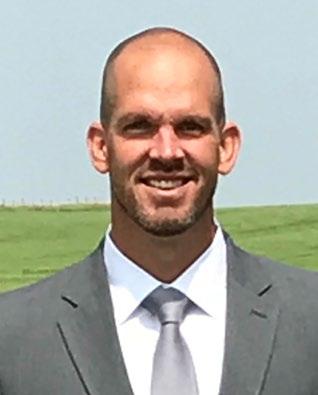
some capacity – the military has always been a huge part of his life. Blomgren said, “I always had a pretty heavy regard for those that have served our country.”
“My recruiter said that I was the first guy that ever walked in and asked if it was ok if I joined the Army,” Blomgren said. “Ironically, he said yes. My first job was as a petroleum supply specialist. It wasn’t glitz and
glamour, but it was supporting an armor battalion. I did a bunch of loading and reloading for all the M1 Abrams tanks before eventually getting my commission to become an armor officer.”
As an armor officer, Blomgren had four tanks in his platoon that he was responsible for managing, ensuring that the tanks were operated correctly and that all the men under his command stayed safe. He was stationed in Fort Stewart, Georgia, before he was deployed to Iraq as a mechanized infantry platoon leader, where he was in charge of four large vehicles and about 40 soldiers doing local patrols.
When he returned from Iraq in 2007 after his tour was complete, a good friend from ROTC reached out to inform that he had secured a job interview for Blomgren with Ortho Clinical Diagnostics. “I told him that I was going back to the same company I worked for. He said, ‘I don’t care what you say. These jobs don’t open very often, and you need to do this.’ So, I interviewed from Fort McCoy, Wisconsin, and I’ve been in the diagnostic space ever since.”
Wade Blomgren
Using the military experience
Moving into the diagnostic space from the military was a significant change of scenery for Blomgren, but that experience helped to inform his current approach to sales leadership. A huge part of that is perspective – once you’ve been in dangerous and life-threatening situations, a lot of the things that frustrate most people about civilian life don’t feel significant anymore.
Blomgren said, “I think the biggest thing for me is that it has helped me appreciate how trivial some of the challenges are that we go through on a day-to-day basis. I think every organization has changes every year, and when a customer or one of our commercial teams doesn’t like those changes, it’s a little easier for me to put that in perspective. These changes aren’t going to be life threatening for any of us.”
As for the transition to working in healthcare sales, Blomgren believes that the military helped make that easier. In sales, you need initiative to be able to build your own plan and the ability to hold yourself accountable. He said, “After what I’d see others do sometimes, I just wouldn’t understand why there wasn’t effort or consistency. The frustrations that come with that, I think that’s where you assimilate to your new environment.”
With every big change, there comes a learning curve. Coming from military life to civilian life can be challenging, especially in the ways that people relate to each other. The ability to adapt to those changes is what will decide your success in this new arena. Blomgren learned firsthand that he needed to be flexible with the people on his team in order to be an effective leader.
“I wanted to be a people leader, and I got the opportunity young in my career to be a people leader. When I had that opportunity to be a people leader, I had one of the best account managers that I’ll ever work with go on a field ride with me. I have always looked at feedback as a gift – my belief was that I should be transparent, tell them what they’re doing well, and how they can improve. Afterwards, I found out that she didn’t take that feedback the way that I take feedback.”
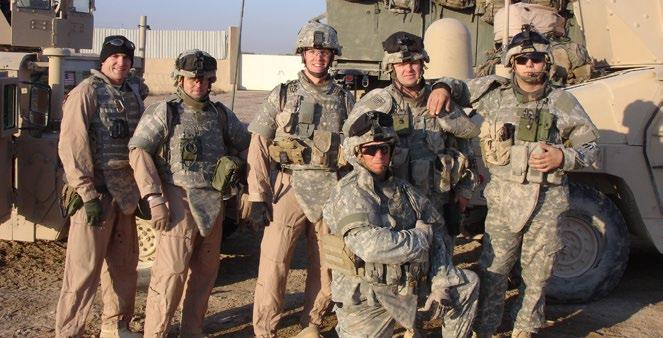
Fulfilling a sense of mission
After getting out of the military, some veterans can struggle with a lack of purpose or a sense of mission. Some people can fill that void with work, diving headfirst into their jobs to find a greater purpose. For Blomgren, that only accounted for about 20% of his purpose.
With work, he’s been able to build a sense of camaraderie with his team that goes beyond his job. Aside from the relationships he’s built with his team, Blomgren has built a nonprofit designed to give law enforcement officers, firefighters, first responders and military veterans an opportunity to go on outdoor adventures as a way to thank them for their service.
Hero Haven, founded in 2021 by Blomgren and two other service members, offers veterans and first responders a way to decompress and connect with others who have a shared experience. Through this organization, Blomgren has built a community and provided a respite for veterans who desperately need it, while also fulfilling a greater sense of purpose for himself.
“As we talk to people about it, we’ve yet to find someone that says, ‘Oh, that sounds like a horrible idea. I don’t know why you want to do that.’ Everybody gets that those people that run towards danger when everyone else runs away are owed something. And this is just a way to give back to them.”
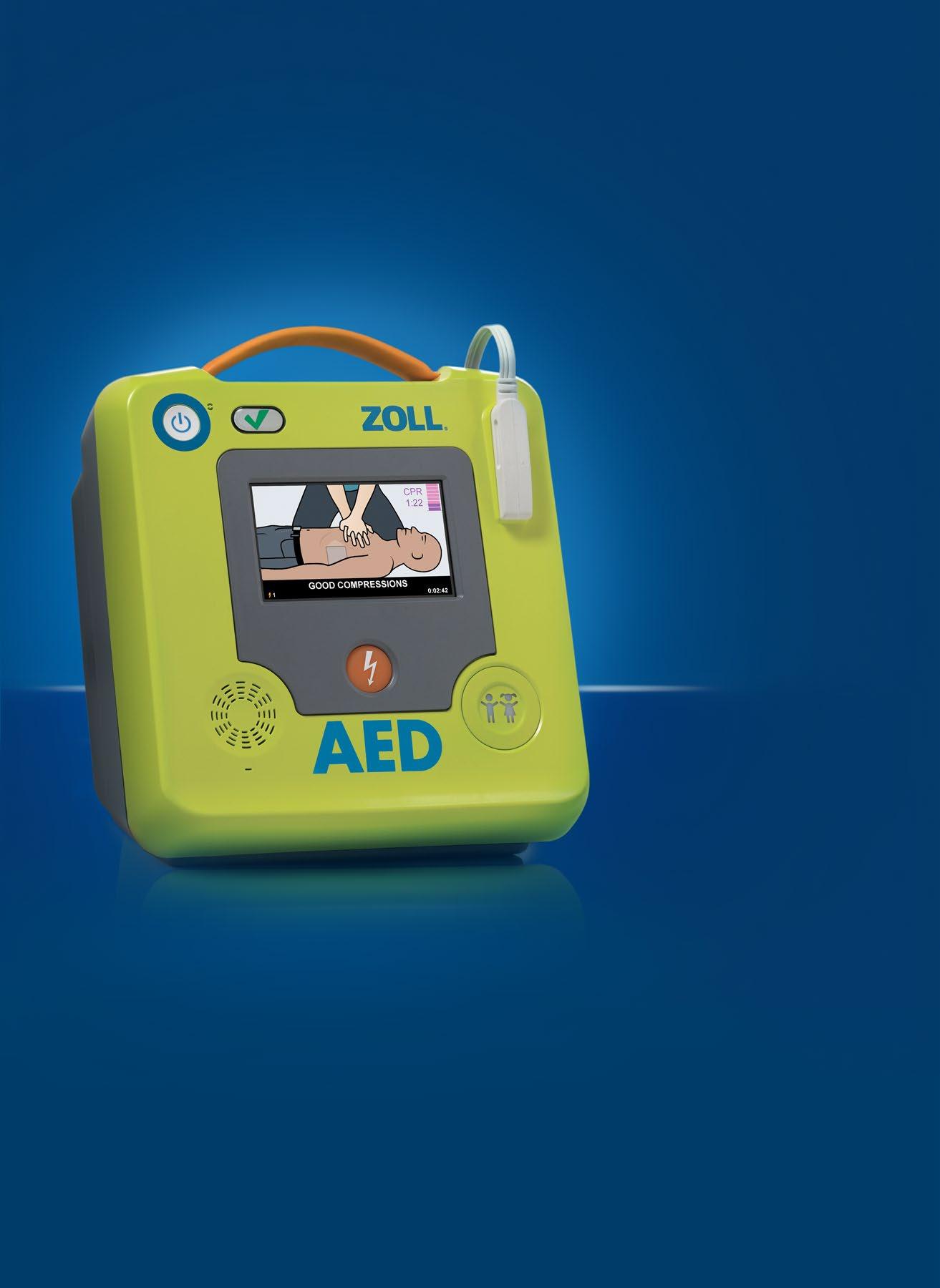
CPR Depth Gauge
Actively measures the depth of every CPR
Real-Time Feedback
AHA-driven guidelines help deliver high-quality CPR.

Integrated Pediatric Rescue
CPR Uni-Padz® enable a single solution for adult and pediatric victims.

Made Close to Care
How Aspen Surgical’s North American manufacturing model strengthens resilience, quality, and clinical trust in a volatile global supply chain environment.
In an era defined by supply chain disruption, labor shortages, and rising pressure on global manufacturing networks, the question of where – and how – medical products are made has become central to industry resilience. Few companies illustrate the “Made in America” manufacturing conversation as clearly as Aspen Surgical, which has doubled down on a vertically integrated, North American-based production model to maintain stability and quality in a volatile environment.
At the center of Aspen Surgical’s strategy is a structured footprint anchored in Caledonia, Michigan, complemented by additional U.S. manufacturing in Las Piedras, Puerto Rico, and nearshore operations in Agua Prieta, Mexico. The company also extends its global reach with instrumentation manufacturing in Tuttlingen, Germany, and commercial and distribution operations in Melbourne, Australia – allowing it to stay close to customers while retaining end-to-end control of critical processes, from injection molding and blade stamping to assembly and packaging.
That localized control proved valuable when global supply chains buckled, enabling Aspen Surgical to maintain service levels without sacrificing quality or growth. In 2023, the company reinforced its long-term commitment with a $5 million investment to expand its Caledonia headquarters, consolidating distribution operations, adding 131,000 square feet of capacity, and creating up to 75 manufacturing and distribution jobs in West Michigan.
At the core of Aspen Surgical’s approach to product development
is a disciplined principle: design begins at the point of care. The company builds its innovation pipeline around input from OR nurses, surgeons, scrub techs, and perioperative teams who rely on these products every day. Their feedback consistently centers on practicality – tools that perform
perioperative care journey, including single-use essentials, sophisticated equipment and trusted brands like Bookwalter ®, BardParker ®, and Precept® – reflects a commitment to repeatable performance in real clinical settings. Each product is measured against a straightforward standard: does it improve safety, efficiency, or both? By producing close to U.S. healthcare supply chains, Aspen Surgical is able to iterate more quickly, maintain tighter quality control, and ensure a reliable flow of critical products. That proximity allows innovation to be refined in real time, guided by clinicians rather than abstract design cycles.

reliably, protective equipment that maintains dexterity, and solutions that streamline workflows without compromising outcomes. That philosophy shapes a balance between innovation and utility. Aspen Surgical does not pursue novelty for its own sake. Instead, its portfolio – which supports the patient’s entire
Beyond product design, Aspen Surgical also sees its presence as tied to community impact. Since its founding in 1999 in Caledonia, Michigan, the company has remained anchored in West Michigan, supporting a skilled manufacturing base that benefits both local families and the broader healthcare supply chain.
Born in America. Built for the OR.
Bard-Parker ® Blades and Scalpels
For enhanced control and precision, medical professionals have chosen Bard-Parker blades and scalpels for more than 100 years.
Made in America and engineered for performance and safety, our full Bard-Parker line includes conventional blades, protected blades (with locking shields), reusable handles and fully disposable safety and conventional scalpels.
MORE SAFETY, FEWER INJURIES. ENGINEERING AND PACKAGING DESIGN MAKE IT POSSIBLE. Talk to your Aspen Surgical representative today about Bard-Parker products.


©2026 Aspen Surgical Products, Inc. All rights reserved. Bard-Parker® and Rib-Back® are registered trademarks of Aspen Surgical Products, Inc. M-SM-ADV-1263452, Rev 1
CorDx and the Next Chapter of American Manufacturing
In recent years, U.S. manufacturing has faced mounting pressure from supply chain disruptions, labor shortages, and shifting global dynamics. CorDx has responded by investing heavily in domestic manufacturing capabilities, reducing dependence on overseas suppliers while improving speed-tomarket and product reliability. According to company leaders, strengthening U.S.-based operations has enabled CorDx to remain agile in an increasingly unpredictable environment.
The company has also embraced digital transformation, using ERP systems and data-driven processes to improve visibility, consistency, and cost efficiency. Automation and advanced technologies have boosted productivity and strengthened its position in diagnostics.
At the core of CorDx’s strategy is practical innovation. The company focuses on intuitive, reliable products for providers and patients, especially in diagnostics where speed and clarity can impact outcomes.
CorDx’s emphasis on pointof-care and decentralized testing reflects changing healthcare demands in the United States. By designing products that deliver fast, actionable results in clinics, pharmacies, or at home, the company aims to simplify decision-making and improve access to care. Leaders say the true value of innovation lies not only in scientific advancement, but in how quickly and effectively solutions can be applied in real-world settings.

The company’s impact became especially visible during the COVID-19 pandemic, when CorDx partnered with the U.S. Department of Health and Human Services (HHS) to help expand domestic testing capacity. The collaboration strengthened the nation’s diagnostic supply chain during a critical moment while supporting job creation and manufacturing growth in the United States.
Beyond its own facilities, CorDx says its operations helped support suppliers, logistics providers, and distribution partners, contributing to a more resilient healthcare ecosystem.
CorDx is also focused on building the next generation of manufacturing talent. Through partnerships with institutions such as the University of California, San Diego, including programs within the Aiiso Yufeng Li Family
Department of Chemical and Nano Engineering, the company supports education and workforce development in engineering, healthcare, and advanced manufacturing. Community engagement remains another key pillar of the company’s mission. Over the past year, CorDx has donated more than 21,000 flu and COVID-19 test kits to nonprofit organizations across the country, supporting underserved populations and emergency response efforts. Contributions have aided organizations including HOPE Atlanta and CORE, as well as disaster relief initiatives during the Los Angeles wildfires. As the nation approaches America’s 250th anniversary, CorDx believes diagnostics manufacturing represents more than economic opportunity — it is an essential component of national healthcare infrastructure.
CorDx is also focused on helping build the next generation of manufacturing talent. Through academic partnerships and industry engagement—including collaboration with the University of California, San Diego, programs within the Aiiso Yufeng Li Family Department of Chemical and Nano Engineering, and National Science Foundation initiatives such as Experiential Learning for Emerging and Novel Technologies (ExLENT) and Advanced Technological Education (ATE)—CorDx supports education, hands-on learning, and workforce development across engineering, healthcare, emerging technologies, and advanced manufacturing.
Aiiso Yufeng Li (Jeff)
Awarded by the U.S . Department of Health and Human Services to expand COVID-19 testing capacity during the Pandemic , CorDx proved what domestic manufacturing is really for. The ability to show up when the country needs it most.
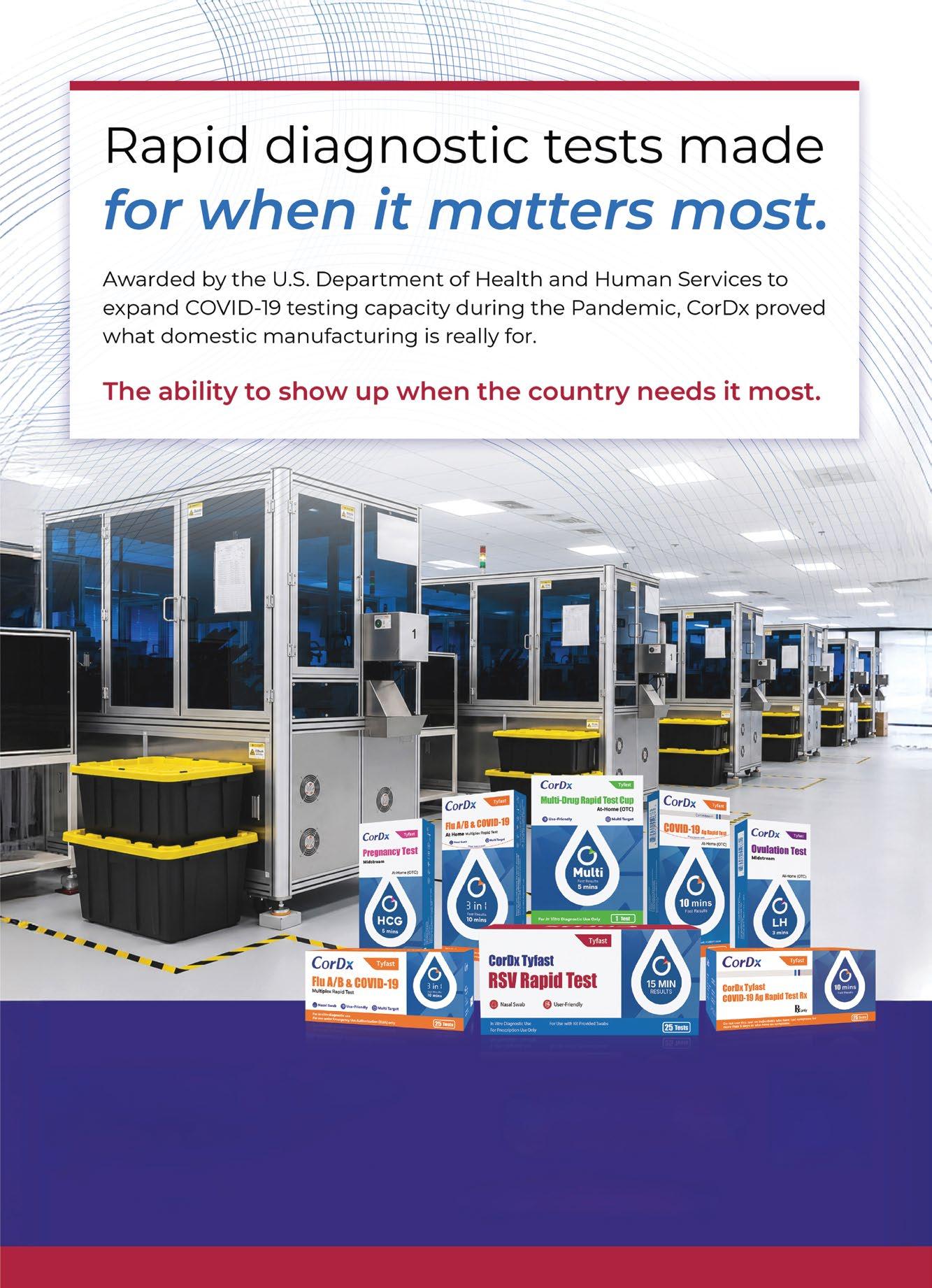

Built to Last
As America celebrates its 250th anniversary, Oakworks discusses how domestic manufacturing, innovation, and workforce investment are shaping the future of healthcare equipment production.
As the United States marks its 250th anniversary, American manufacturing is once again in the spotlight — not just as a source of economic strength, but as a driver of innovation, workforce development, and community investment. In healthcare, where quality and reliability are critical, domestic manufacturing continues to play an essential role in supporting providers and patients alike.
For Oakworks, a family-owned manufacturer with more than four decades of experience producing healthcare and wellness equipment in the United States, the milestone serves as both a reflection on the nation’s manufacturing legacy and a look toward its future.
“Oakworks believes the future of American manufacturing will be defined by companies that combine innovation with craftsmanship, move quickly without sacrificing quality, and stay deeply connected to the communities where they operate.”
That philosophy has guided the company for more than 40 years and continues to shape its investments in people, technology, and product development.
That commitment has also helped Oakworks navigate significant industry challenges. While supply chain disruptions, inflationary pressures, and labor shortages have tested manufacturers nationwide, Oakworks has remained resilient by keeping design, engineering, and production under one roof in Pennsylvania. This integrated approach allows the company to respond quickly to changing market conditions, maintain quality standards, and provide dependable lead times for healthcare customers.
The same philosophy guides Oakworks’ approach to product development. Rather than pursuing innovation for its own sake, the company focuses on solving real-world challenges faced by healthcare providers. Feedback from physicians, sonographers, therapists, and imaging specialists helps shape new products and enhancements.
“The Oakworks team believes that the best innovations are the ones clinicians feel immediately, trust instinctively, and rely on for years to come.”
From C-arm imaging, ultrasound and PT/AT tables, Oakworks is built around ergonomic design, efficient clinical workflows, patient-centered accessibility, and dependable long-term performance.
“The Oakworks team believes that the best innovations are the ones clinicians feel immediately, trust instinctively, and rely on for years to come.”
At Oakworks, manufacturing extends beyond the products we make. It is a commitment to delivering lasting value for healthcare providers, creating meaningful opportunities for employees and partners, and strengthening the communities that make American manufacturing possible. The focus remains the same today as it was nearly five decades ago: building innovative, reliable solutions that improve the way care is delivered.
For Oakworks, manufacturing is about more than producing equipment. It is about creating lasting value — for healthcare providers, employees, business partners, and the communities that help make that work possible.
ENGINEERED FOR CARE BUILT TO PERFORM

Proudly designed, engineered, and manufactured in the USA* to deliver the quality, reliability, and performance you trust. Every product is built with precision and purpose to help healthcare professionals provide exceptional patient care.
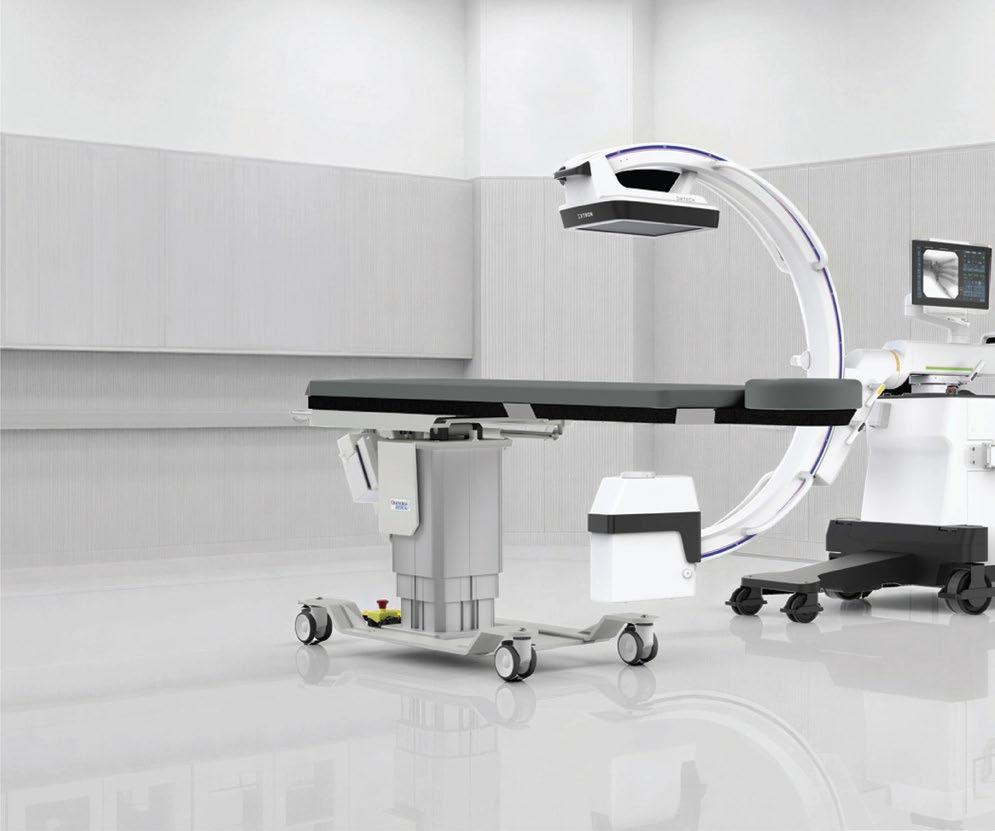
ULTRASOUND TABLES
Ergonomic comfort for sonographers and patients.
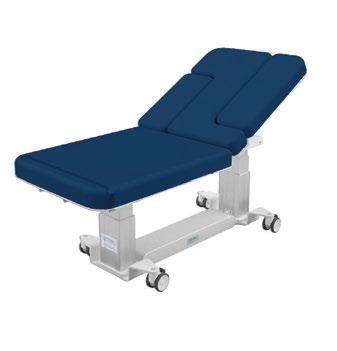

1978.
C-ARM TABLES
Radiolucent. Unmatched access. Procedure ready.
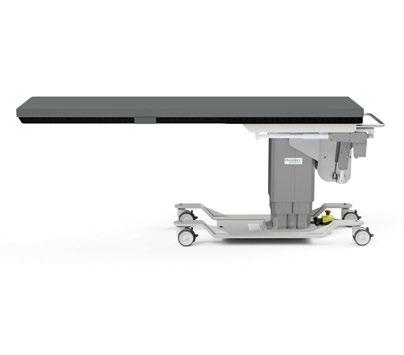


PT / AT TABLES Built to withstand the demands of daily practice.
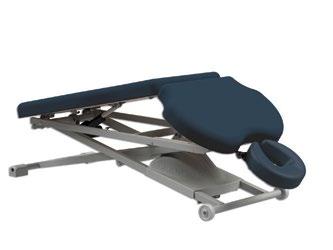



Leveraging Simplicity Within Ambulatory Surgery Centers
Medtronic and Mindray are shifting their focus to supporting clinicians and patients
By Pete Mercer
To listen to the ASC Insights podcast, scan the QR Code.
In a recent episode of the ASC Insights Series podcast hosted by Outcomes Rocket, host Saul Marquez spoke with Blake Tatum, VP of US Commercial for Medtronic Acute Care and Monitoring, and Mike Lessick, VP of Sales and Marketing, Patient Monitoring and Life Support at Mindray North America, about the new partnership between Medtronic and Mindray.
This new collaboration is an extension of an already existing one focused on patient monitoring technology in hospitals, shifting that focus to ambulatory surgery centers. According to a news release, this relationship is designed to “simplify access and integration of advanced monitoring solutions” from both Medtronic and Mindray, supporting clinicians and patients in inpatient and outpatient settings throughout the country.

The mission behind the shift
There’s been a big shift in healthcare in recent years, where patients are no longer
relying on hospitals for every surgical procedure. Ambulatory surgery centers offer a lot of the same procedures at a lower price point for the patient, while also offering a better overall experience.
“We realized there was a shift from hospital-based procedures moving out to the ambulatory surgery center space, and that was becoming increasingly common,” Lessick said. “This transition represents a structural change in how healthcare is delivered. A lot of it is driven by economic pressures, procedural innovations, and patient preference.”
In the traditional hospital setting, recovery from procedures can keep patients in the hospital for a couple of days, which can take up valuable real estate in the hospital while also potentially exposing them to other hospital-related illnesses or infections. In the ambulatory setting, patients often go home the same day as their procedure.
“Patients want to go home sooner and recover at home. We designed a project to integrate Medtronic advanced technologies into our bedside monitors to expand access to high-level monitoring in the ASC space,” Lessick said.
With this partnership, Medtronic and Mindray are looking to further support ASC partners in their mission to improve patient outcomes while hitting the
A multimedia series for ASC leaders
ASC insights
Real conversations. Real data. Real advice. Candid interviews with ASC leaders on what's actually working in ambulatory care today.
Key conversations In every episode
Episode 1
Transforming airway management at Summit Health ASC
Dr. Adam Thaler Medical Director Urology
Episode 2
Simplifying success: vendor consolidation as a competitive advantage
Tracy McQuay (Medtronic) + Cardinal Health team
Episode 3
Bringing hospital-grade monitoring into the ASC
Blake Tatum (Medtronic) + Mike Lessick (Mindray North America)
Listen and read
All episodes and case studies at outcomesrocket.com/ascinsights
©2026 Medtronic. Medtronic, Medtronic logo, and Engineering the extraordinary are trademarks of Medtronic. All other brands are trademarks of a Medtronic company. 05/2026 – US-PM-2600200.
A podcast interview with a named industry leader, 20 to 40 minutes
Speci c data and outcomes drawn from real facilities — costs, decisions, results
Practical takeaways from leaders who've already made the call
"These aren't marketing stories. They're peer-to-peer insights from leaders who've faced the same challenges you're navigating today."
— Lindsay Alexander, Medtronic

same standards of care that the patient might receive in a hospital. Medtronic will have access to Mindray’s established ASC distribution network, which widens the net for Medtronic products to go to the ASCs that need them.
How this benefits ASCs
For ASCs that are looking to maintain standards of care and improve efficiency, how does partnering with Medtronic and Mindray benefit them? Lessick hopes that it will eliminate complexity across the board.
“Each center is going to have their own economics that they’ll experience, depending on how much they maximize the partnership. The more you maximize it, the more economies of scale you’re going to get. Purchasing becomes streamlined. Operational deployment, maintenance, training, everything becomes standardized and potentially universal across a large surgery center division.”
They’re looking to improve patient safety and workflow efficiency by integrating Medtronic technology pieces like Nellcor SpO2, Microstream Capnography, BIS brain monitoring, and Invos tissue oximetry directly into Mindray’s patient monitoring platforms as they get installed in the ASC facility. According to Tatum, this allows those ASCs to open and operate as though they were in the hospital, creating the opportunity to watch higher

complexity patients and procedures at the same level of care as a high acuity setting would.
“What we’re working on with Mindray gives the clinicians in the ASC a complete picture of oxygenation, ventilation, sedation depth, and organ perfusion,” Tatum said. “It leads to earlier interventions, and through the partnership with Mindray, it allows us to integrate all that into a single system that Mindray has already designed for ASC workflow.”
Not only does this help to improve patient care, but it also reduces the cognitive strain on caregivers by working from a centralized viewing integration. “It’s completely accessible and portable from bedside to bedside if we need it. It improves efficiency. You want the patient to be in and out as fast as possible at the highest care level they’re seeking. Viewing a single screen increases response time and allows everybody to deliver a higher level of care like you would find in a hospital,” Lessick said.
Keeping things simple for ambulatory care
The most recent significant shift in ambulatory care is the introduction of more high-acuity, complex procedures like total joint replacements, spinal surgeries and even cardiology procedures.
Introducing more complex procedures means that any new technology or interface that can simplify these processes is a very welcome addition to the ASC.
With this partnership, Medtronic and Mindray are hoping to dispel any misconceptions about the complexity involved in operating an ASC.
Lessick said, “Surgery centers keep evolving, and they’re becoming more complex as orthopedic and bariatric procedures make their way into this space. The complexity can be overwhelming. Their staffing needs are high, but they don’t typically have the ability to bring on a hospital-size staff. This feels overwhelming for them. Ultimately, what this does is allow a purposebuilt solution with integration to make things easier to acquire.”
According to Tatum, this technology is designed to be a modular, plug-in-and-play system that can be used by any ASC, anywhere in the facility.
“It’s not about managing multiple systems – it’s one platform and you add the technologies as needed. We make this much more cost-effective, more simple to use, and a better solution for an ASC environment,” he said.
Public-Private Partnership Opportunities for Jurisdictional Stockpiles
HIDA recently convened more than 400 state and local government officials for a virtual workshop on building jurisdictional stockpile readiness. The workshop featured healthcare supply chain experts and leaders from the Strategic National Stockpile (SNS), and highlighted the value of healthcare distributors in supporting the medical supply chain.
Strategic insights from industry leaders
A panel of senior health distribution leaders emphasized that distributors are essential operational partners during emergencies. As the backbone of the medical supply chain during “blue-sky” days, distributors are well positioned to move supplies quickly during an emergency through established provider networks. Highlighting distributors’ real-time inventory visibility and demand forecasting capabilities, panelists discussed how jurisdictions can work with distributors to maintain enough supplies to meet stockpiling needs and deploy them effectively.
Additionally, the panel highlighted the overall value of healthcare distribution in stockpile management: ` Logistics and last-mile delivery networks

By Maggie Davis, Director of Government Affairs, Health Industry Distributors Association
` Inventory visibility and demand forecasting
` Sourcing flexibility and product substitution to mitigate shortages
` Established relationships across care settings
SNS encourages jurisdictional stockpiles for medical supplies
The workshop comes as medical supply chain preparedness responsibilities evolve. In December 2025, SNS announced it will focus on products that are not commercially available or are intended for high-impact threats, such as biological or nuclear incidents. State, territorial, tribal and local agencies are now encouraged to develop their own stockpiles of commonly used medical products, including personal protective equipment, opioid antagonists and IV solutions.
As responsibility shifts to local jurisdictions, healthcare distributors are expected to play a larger role in stockpile management. Their expertise in inventory rotation, replacement and logistics makes them valuable partners for agencies building stockpiles for the first time. Workshop participants also emphasized the importance of coordination among government agencies and commercial partners. Following the event, HIDA is developing additional resources to support public-private partnerships for jurisdictional stockpiles.

From Trend Fluctuations to Action: The Lab’s Role in Ongoing Drug Surveillance
Why fluctuating overdose trends make testing more important than ever.
After more than a decade of steady increases driven largely by illicit fentanyl, U.S. overdose deaths have begun to shift –underscoring both progress and continued risk. According to the Centers for Disease Control and Prevention (CDC), overdose deaths climbed sharply from 2013 through 2022, peaking at nearly 110,000 deaths. Synthetic opioids, primarily fentanyl, accounted for the majority of those fatalities. But beginning in mid-2023, the trend started to change. Provisional data shows overdose deaths declined significantly in 2024 – marking the largest drop ever recorded – with synthetic opioid deaths falling by more than one-third compared to the previous year. Despite these encouraging signs, public health experts caution that the situation remains volatile. Overdose deaths, while declining, still
remain historically high. The illicit drug supply continues to evolve rapidly, with fentanyl often mixed unpredictably with other substances such as xylazine, again increasing risk of overdose. As a result, this reinforces the importance of continued vigilance –including reliable testing, monitoring, and prevention strategies – to help identify emerging threats and protect community health.
Atellica DT250 Drug testing analyzer




8 minutes to first result
225 tests per hour
95 onboard samples
48 reagent capacity
up to 10 open channels
Drug testing made simple.























Solution for:





The Syva drug testing solution, powered by the Atellica DT 250 Drug Testing Analyzer, delivers high-throughput performance in a compact benchtop footprint. It offers one of the industry’s most comprehensive assay menus, spanning Drugs of Abuse (DOA), Therapeutic Drug Monitoring (TDM), and Immunosuppressant Drugs (ISD), enabling broad testing consolidation on a single platform.
Designed for automated, walkaway operation, the Atellica DT 250 helps laboratories enhance efficiency while expanding clinical and drug monitoring capabilities. Built on the trusted Syva portfolio, it provides a streamlined, reliable approach to comprehensive drug testing.
siemens-healthineers.us


Scan to learn more
✓ Clinical and reference laboratories
✓ Pain management and drug treatment programs
✓ Transplant centers
✓ Federal Government
A full-spectrum menu for drugs of abuse, therapeutic drug monitoring, and specimen validity testing.
• Drugs of abuse
• Specimen validity tests
• Therapeutic drug monitoring*
• Immunosuppressant drugs
*Therapeutic drug monitoring assays coming soon.
Addressing the gap
Despite the prevalence of fentanyl – and more recently, xylazine – in overdose deaths, relatively few laboratories routinely test for them. Standard drug screens often focus on substances such as cocaine, amphetamines or cannabis, meaning fentanyl exposure can easily go undetected. Identifying fentanyl and other emerging drugs can help detect and diagnose substance use disorder (SUD), guide treatment decisions and connect patients with the resources they need to prevent future relapse. For example, new guidance from the Association for Diagnostics and Laboratory Medicine (ADLM) underscores the need for closer collaboration between laboratories and emergency departments. The organization recommends that laboratories work with emergency department leadership, medical toxicologists, and poison control centers to maintain clinically relevant test menus that reflect local drug trend patterns. This may include adding tests such as fentanyl, oxycodone, xylazine or EDDP, while removing less prevalent drugs such as propoxyphene or heroin. ADLM also emphasizes the importance of ongoing drug education so that emergency department providers understand which substances are detectable, limitations of assays and how testing can best support patient care.
2013 to 2022
Addressing the crisis also requires faster insight into drug trends. Current national reporting systems often involve 6-to-12-month delays, making it difficult for communities to quickly respond to overdose spikes or emerging drug threats. Expanding drug testing and sharing results with local authorities and public health agencies could support near-real-time monitoring of local drug trends. In some communities, laboratories are already combining testing data with geographic information to identify overdose “hot spots,” helping guide targeted interventions such harm reduction strategies and evidence-based treatment strategies.
Better data, coordinated action
Reducing fentanyl-related deaths will require a multipronged strategy that combines expanded testing, improved surveillance and collaboration among healthcare providers, laboratories and public agencies. As the illicit drug landscape evolves, drug testing and coordinated action will lead to better outcomes that will help communities respond more quickly – ultimately saving lives and improving overall community health.

YOU NEED 2 MINUTES.
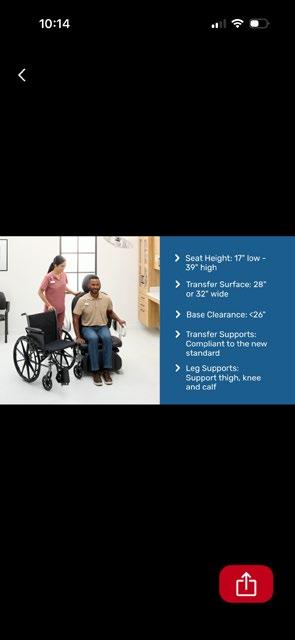
Distributor reps are expected to know hundreds of products across dozens of categories. That’s a lot to keep up with.
That’s why the RepConnect app features 2-Minute Game Plan videos designed specifically for busy reps.
In just two minutes, you’ll learn:
` What the product does
` Which customers to target
` Key customer pain points
` Questions to ask
` Why it matters
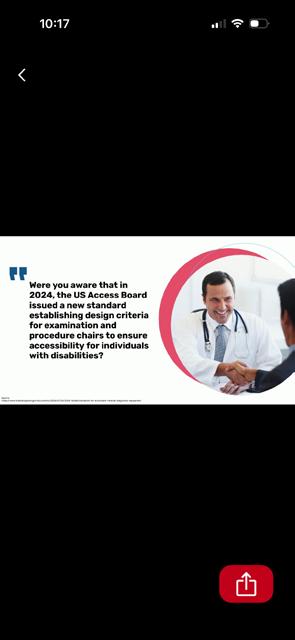
No lengthy training sessions.
No information overload.
Just enough information to help you feel confident starting the conversation.
Why Reps Are Using 2-Minute Game Plans:
` 75+ products available for training in the RepConnect app
` 40,000+ video views last year
` Learn between appointments, before a sales call, or while waiting for a meeting
` New product training added regularly

SEPTEMBER
22-24
| CHICAGO, IL
The Conversations You’ve Been Trying To Schedule, All In One Place
The conversations don’t wait to get scheduled after the event. They’re already happening here.
Streamlining Healthcare Expo & Business


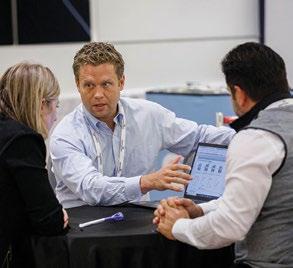

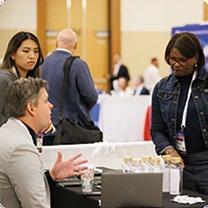
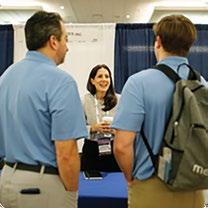
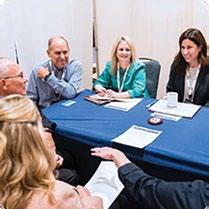
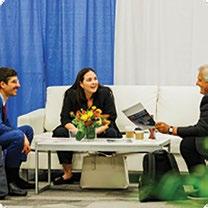
How Your Time Is Structured To Move Conversations Forward
At #StreamliningHealthcare26, your schedule includes multiple ways to meet based on how you do business. From scheduled one-on-one meetings and walk-up access with distributor executives to dedicated expo time, the event gives you room for both planned discussions and new connections.
Solutions Expo
Dedicated time for product discovery and one-on-one conversations with current and prospective partners.
Reverse Expo
Walk-up meetings with distributor, GPO, and health system decision-makers. Included with registration.
Executive Business Exchange
Pre-scheduled meetings that move business forward. Sit down with current and prospective partners in private, confirmed sessions designed to accomplish months of relationship-building in just three days.
Meeting & Networking Hub
Open Wednesday and Thursday—your go-to spot for one-on-one meetings, casual chats, and quick breaks between sessions.
“Streamlining is an extremely valuable event in supporting and interacting with the distribution and manufacturer community. Tremendous ROI.” — Tony Gadzinski, President, Medegen Medical Products

OPENING GENERAL SESSION
Understand what’s changing across the healthcare supply chain and how those shifts are shaping business decisions.
Where Care Happens Next — And What It Demands
Care is moving beyond traditional settings, and that shift is already changing how supply chain partners support providers. The Opening General Session brings together leaders from three different care settings to share what they are seeing today and how their needs are evolving.

Terry Bohlke VP of Ambulatory Surgery Centers Community Health Systems

Marisa Farabaugh Chief Supply Chain Officer AdventHealth
Russ Hicks SVP-Cardinal Health at-Home Cardinal Health

Real-world perspectives on the trends and decisions shaping healthcare supply chain strategy.
Education Sessions
Sessions focused on market dynamics, policy considerations, and strategies shaping healthcare sales and supply chain decision making.
Distributor Q&A Sessions
Hear directly from distributor executive leadership teams about their challenges.
Independent Distributors Fall Summit
Explore partnerships between independent distributors and government agencies for public health responses.
Manufacturers Summit: Connect, Share, And Learn
Designed for manufacturers by the Healthcare Manufacturers Network (HMN), this Summit connects peers facing similar opportunities and challenges. It features a guest speaker, facilitated discussions, and structured networking to help attendees gain insights and build relationships.
#StreamliningHealthcare26 | HIDAStreamlining.org
The Meetings You’ve Been Trying To Schedule, All In One Place
Plan around confirmed meetings and the partners you want time with.
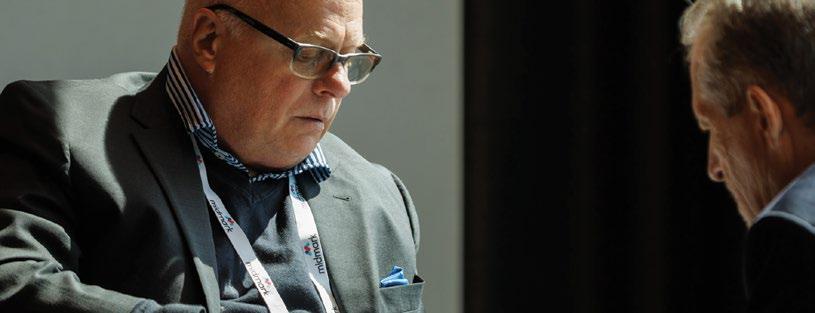
These are the companies and decision-makers you can plan to meet onsite.
Who
REGISTER For #StreamliningHealthcare26
Scan to view agenda and complete your registration.


Is Primary Care the ‘Missing Strategy’ in Chronic Disease Fight?
A recent industry report highlights underinvestment, workforce strain and payment barriers despite strong evidence linking primary care to lower costs and better outcomes.
Primary care is increasingly being described as the “missing strategy” in addressing chronic disease, but persistent underinvestment, workforce shortages and payment structures that favor procedures over prevention continue to limit its reach, according to a new national report.
The Milbank Memorial Fund and The Physicians Foundation recently released The Health of US Primary Care report, along with an updated Primary Care Scorecard data dashboard examining access, workforce, financing, training and research. The findings highlight
growing strain in primary care delivery at a time when chronic disease rates are rising, including among younger adults.
In an interview with Repertoire Magazine , Morgan F. McDonald, MD, National Director of Population Health at the Milbank Memorial Fund, said access to primary care continues to erode.
“Access to primary care is declining – our primary care scorecard shows one-third of adults lack access to a regular source of care, and most of us know the frustration of not being able to be seen when you need to be by someone who knows you. This is because primary care has had only 5% of our health care dollars, which means we have less of it than we need. Evidence shows what primary care can do
for health outcomes and costs –and policymakers and others are starting to respond with policies to strengthen primary care,” McDonald said.
The report’s framing of primary care as a “missing strategy” underscores a longstanding imbalance in U.S. health spending, she said, where prevention and coordination are often undervalued compared with procedural care.
Asked what message she would distill for health care leaders, Dr. McDonald emphasized payment reform.
“Shifting more health care dollars to primary care to support comprehensive, coordinated preventive care and chronic disease management will lead to better health and lower costs,” she said.
The report also points to a concerning rise in chronic disease among younger adults, driven by behavioral, environmental and accessrelated factors.
“There are many factors contributing to the increase, including lack of access to healthy food and exercise,
increases in screen time, and environmental exposure – and primary care helps families navigate these challenges. Our report shows that kids with a primary care provider receive more preventive services in childhood from eye exams to obesity prevention, helping to set children on the path to a healthy adulthood,” Dr. McDonald said.
As more patients develop multiple chronic conditions earlier in life, she warned of long-term consequences for both outcomes and spending.
NEVER CHANGE BATTERIES
“We should be concerned – and that’s another reason that we need strong primary care. We know regular care will help prevent chronic disease and, if young people do develop conditions like diabetes, primary care teams can help ensure those conditions are managed well to prevent use of expensive ED and hospital services,” she said.
Despite extensive evidence showing that consistent primary care reduces hospitalizations, emergency department visits and overall costs, Dr. McDonald said the U.S. payment system remains a major barrier.
“In U.S. health care, we mostly use fee-forservice payment that pays more for procedures and volume than prevention, coordination, and the thinking it takes to prescribe or stop prescribing a treatment or medication. Changing the current reimbursement structure, which financially benefits many other health care stakeholders, is like stopping a train and requires political will that has not been present until now,” she said.
The economic case, however, is clear, she added.
Key takeaways
` Primary care remains underfunded

Only about 5% of U.S. healthcare spending goes toward primary care, despite evidence linking it to better outcomes and lower costs.
` Access to care is declining
One-third of U.S. adults do not have a regular source of care, while workforce shortages continue to limit appointment availability.
` Chronic disease is rising among younger adults
Experts cite factors including poor nutrition access, increased screen time and environmental exposures.
` Current payment models favor procedures over prevention Fee-for-service reimbursement often undervalues preventive care, coordination and chronic disease management.
` Primary care reduces healthcare costs
Adults with chronic disease who have a regular primary care provider experience nearly 54% lower healthcare expenditures compared to those without one.
“Having a usual source of primary care was associated with having nearly 54% lower total health care expenditures for adults with chronic disease, and nearly 40% lower health care expenditures for children with chronic disease, compared to those who did not have a usual source of primary care,” Dr. McDonald said.
She noted that Medicare policy changes may help accelerate broader reform.
“As one of the largest payers for health care, Medicare typically sets the bar for payment reform and other insurers
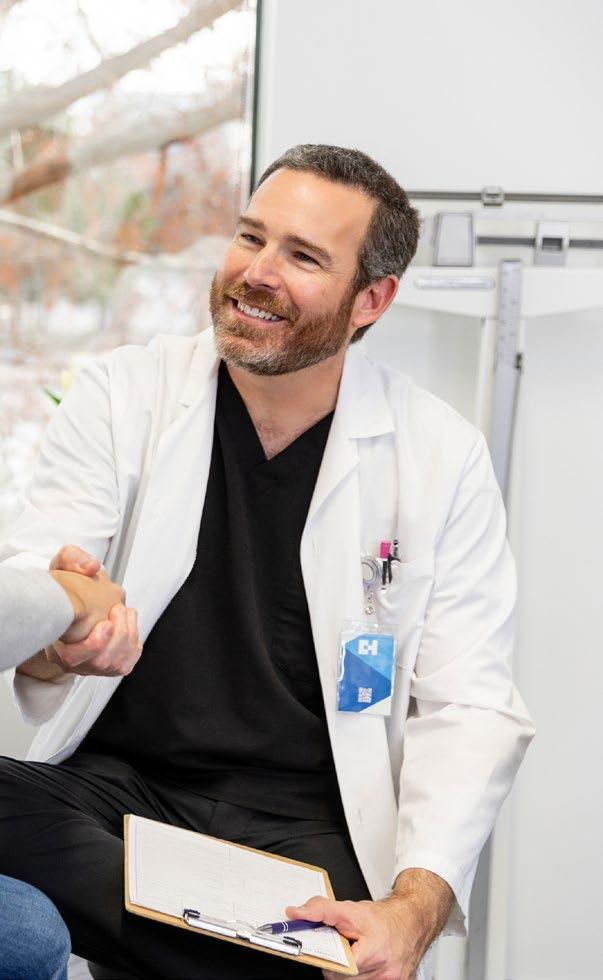
follow. Expanding some of the initial changes Medicare has made – such as the addition of Advanced Primary Care Management (APCM) codes in the 2025 Medicare Physicians Fee Schedule and adjustments to the pricing of Evaluation and Management codes in the 2026 fee schedule – should increase the portion of Medicare spending on primary care,” she said.
Workforce shortages and access barriers remain significant obstacles to continuity of care, Dr. McDonald said, particularly as fewer medical residents choose primary care specialties.
A Healthy Future
Looking ahead five years, Dr. McDonald said success would be defined by structural and workforce gains that make primary care more accessible and sustainable. The United States would be:
` Paying primary care more and differently, so that primary care teams can provide patient-centered, whole-person care in a sustainable way
` Enabling more people to have regular access to a primary care clinician
` Expanding and supporting the current and future primary care workforce.
Fewer residents are going into primary care given the higher workload and lower reimbursement relative to other specialties.
“In many parts of the country, it is difficult to get an appointment with a primary care clinician. Fewer residents are going into primary care given the higher workload and lower reimbursement relative to other specialties. Moreover, the high costs of care are driving more people to avoid routine care,” she said.
Still, she pointed to emerging models that could strengthen delivery systems, including federal payment innovations and state-level reforms.
“There are promising ways to pay appropriately for the work of primary care. Medicare has made some initial steps, such as introducing the Advanced Primary Care Management Codes that pay for team management and the additional work of coordinating care. This needs additional testing and funding for broader implementation,” Dr. McDonald said.
“There are also state examples such as Tennessee’s Patient Centered Medical Home model, supported by the state’s Health Care Innovation Initiative, which serves approximately 40% of the Tennessee Medicaid population. Providers are eligible for a yearly payment based on performance, including outcomes, quality, and efficiency,” she added.
Contracting Professional Spotlight
Max Washko, Trinity Health’s VP of Supplier Relationship Management
In the high-stakes world of healthcare, the bridge between a manufacturer’s plant and a patient’s bedside is often invisible – until it breaks. For Max Washko, Vice President of Supplier Relationship Management at Trinity Health, ensuring that bridge remains sturdy is more than a logistical challenge; it is a clinical necessity.
In a recent Q&A with Repertoire Magazine , Washko shared insights into his career trajectory, his philosophy on leadership, and the “blocking and tackling” required to manage one of the nation’s largest healthcare supply chains in 2026.
From logistics to saving lives
Washko’s path to Trinity Health was not a straight line, but rather a series of “chapters” that spanned logistics, manufacturing, and consumer packaged goods (CPG). This diverse background has given him a unique vantage point on the global supply chain, having spent time everywhere from manufacturing plants to distribution centers.
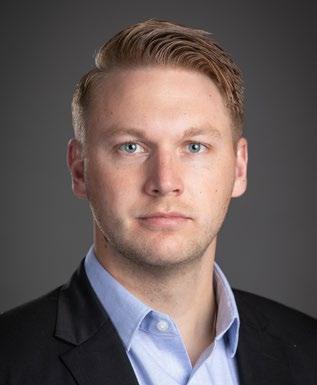
“I’ve talked and worked with raw material suppliers and also worked with some of the larger retail companies out there,” Washko noted. “It’s given me a broad perspective that ultimately I brought over into Trinity and healthcare supply chain.”
The shift from retail to healthcare brought a profound change in perspective regarding the stakes of the job. While he expressed pride in his past work, Washko emphasized that healthcare hits “a little different” because of its direct impact on human vulnerability.
“The work we do every day, it can affect – and it likely will affect – someone’s life during some of their most meaningful and vulnerable moments,” Washko said. “Knowing that me, my team, we contribute in a very minuscule way to that ... it provides a sense of pride and responsibility, purpose.”
The “back to basics” strategy for 2026
Operating in 25 states with a massive clinical and financial footprint, Trinity Health faces a constant tugof-war between long-term innovation and immediate operational pressures. For 2026, Washko’s strategic focus is surprisingly grounded: he calls it a “beginner mindset.”
“There’s been a renewed desire and need for us to go back to basics, make sure we’re doing supply chain fundamentals as well as we can,” Washko explained. This involves prioritizing “blocking and tackling” – the essential, everyday tasks that ensure stability for the finance and clinical teams across the system’s regions.
However, “back to basics” does not mean standing still. Washko is simultaneously overseeing a digital
Max Washko
transformation aimed at building a more resilient, data-driven supply chain. Key initiatives include:
` Automation and AI: Expanding the use of “bots” and exploring Large Language Models (LLMs).
` Data Governance: Strengthening models to provide end-users with actionable, real-time insights.
` Digital Supplier Integration: Enhancing how the system interacts with tech-forward vendors to support the core mission.
Leading through collaboration
For Washko, the supply chain
is the connective tissue of the hospital system. His leadership philosophy centers on the idea that supply chain cannot exist in a vacuum; it must be in “lockstep” with clinical, operational, and financial stakeholders.
“We’re working with clinical teams to understand their needs at point of care,” he said. “We’re working with finance to understand their budgets ... and really meet them at their actionable points.”
The next decade
As he looks toward the next five to ten years, Washko is keeping
a close eye on market-driven insights and emerging technologies like robotics. Yet, despite the allure of high-tech solutions, his focus remains steadfastly on the “endpoint”: the patient.
“Ultimately, it impacts our ability to provide care and impact our communities,” Washko concluded. By blending the best practices of his CPG past with the mission-driven urgency of his healthcare present, Washko is helping Trinity Health navigate a volatile future – one fundamental “win” at a time.

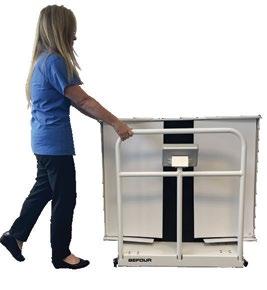
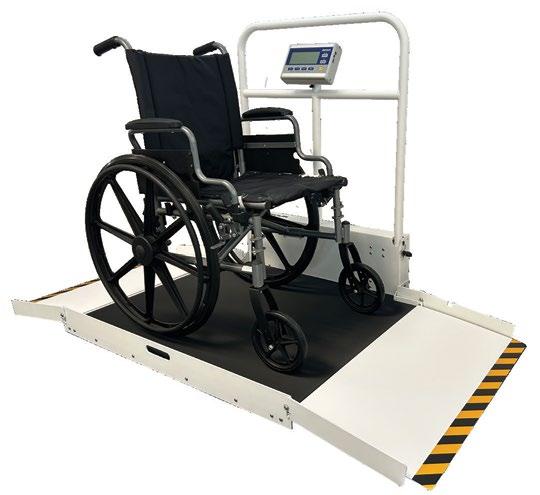




Back to Basics in Lab Sales: Where Knowledge Meets Credibility
Understanding regulations, prioritizing the right tests and knowing when to call in expertise are critical to becoming a top-tier lab consultant.
In last month’s Physician Office Lab column, we made the case that even in a rapidly evolving diagnostic landscape, success in the physician office lab still comes down to mastering the fundamentals – starting with trust and truly knowing your customers.
Building on that foundation, this installment turns to three more essentials every lab sales professional must command: understanding CLIA requirements, focusing on the core tests that drive daily care, and knowing when – and who – to rely on for expert support.
CLIA requirements and test categorization
At the end of the day, we are still talking about selling lab. So, our knowledge and understanding of key lab concerns your customers are likely to have is basic information you need to master. To be a wellrespected lab consultant, you need to know which products are waived, moderate complexity and highly complex.
By Jim Poggi
You also need to know the personnel and testing requirements for each level of CLIA. Your trusted lab manufacturers are a great source, but it is useful to learn the basics on your own. It keeps you sharp, keeps your lab manufacturers on their toes and assures you are providing the right information to your customers if the question comes up and your key lab manufacturer is not with you. Distributor account managers that know lab well get more productive ride with days than anyone else. You are not alone in your quest for this information.
There are many tabs associated with this link and they
1 CBC/Day or
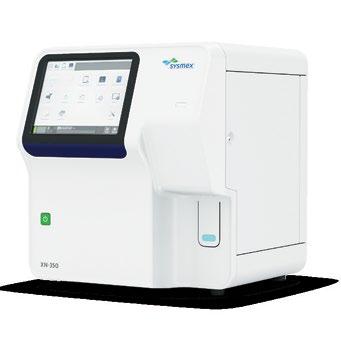
10,000 CBC/Day
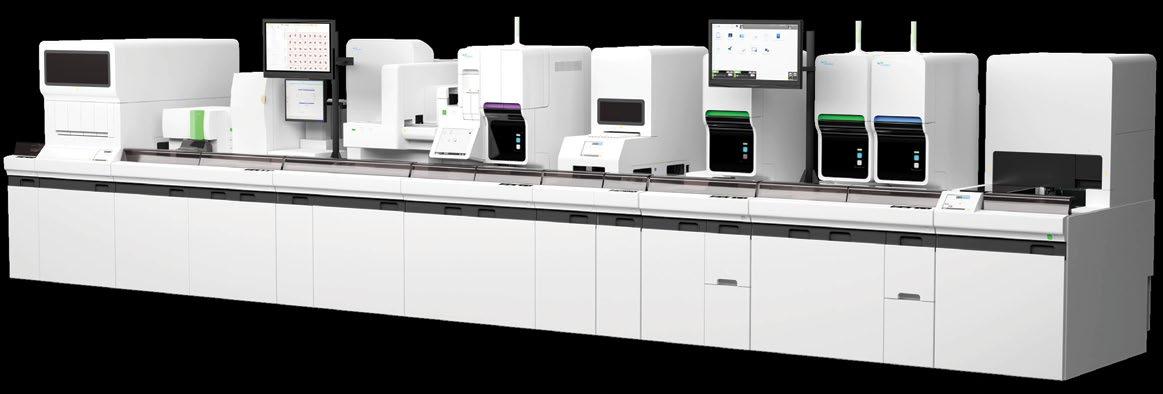
Sysmex has the most reliable hematology solution for any lab.
3,000+
XN-L placements in the U.S.
26 years Sysmex has rated highest for System Reliability.*
1 hematology solution for all your customers.
XN-330™ Automated Hematology Analyzer
XN-9100™ Automated Hematology System
cover most of what you need to know about CLIA. If your specific need is to find the CLIA categorization of a specific product, go to the “FDA registration and Listing Data Base” section of this link. The FDA registration database is not the easiest database to navigate, but if you take a little time to get used to it, you will be able to get around successfully. I promise you that if you take advantage of the main elements of the information in this link, you will know more than the majority of your competitors. Looking to be the most well-respected lab consultant in your area? This link has everything you need to become a top tier source.
The top 20 POL tests
Why should you care? After all your respected lab manufacturers MAKE these products and should know this information. Besides, your customers are more likely to ask for lab products used frequently than for esoteric products, right?
Wrong. I have met more customers with stars in their eyes and a burning desire to try out the latest technology than I care to admit to. Sometimes it’s the cool factor that drives this behavior. “My lab is the only one in our city that offers (insert esoteric lab test name here).”
CLIA Categorizations
Scan the QR code below to see what the FDA offers as an excellent resource that provides this information for every test cleared under 510(k).
What usually happens is that limited demand for this test usually leads to the POL to stop offering it. And YOU get the blame for their failure.
The other ugly reality is the POL offering tests “because they offer the highest reimbursement and I need that level of revenue to support my lab.”
In this case, higher levels of personnel requirements and lab oversight become a hurdle these labs are unwilling to consistently follow. The result? Either the lab or the inspector decides that this test will no longer be offered. And, once again you are the “goat,” as in scape goat.
Looked at another way, the top 20 POL tests are the basics. They are the tests that offer the highest level of daily diagnostic utility, and they are the tests needed to initiate or modify a patient treatment program.
The Top 20 POL tests
1. Complete blood count (CBC)
2. Comprehensive metabolic panel (CMP)
3. Basic metabolic panel (BMP)
4. Lipids
5. Hemoglobin A1C
6. Thyroid Stimulating Hormone
7. Urinalysis
8. Rapid Strep Test
9. PT/INR
10. Vitamin D 11. Prostate specific antigen (PSA)
C Reactive Protein
FLU
Pregnancy
Ferritin
Magnesium
Erythrocyte
Rate 18. Rapid COVID test
19. Liver function tests (primarily ALT and AST)
20. Creatinine/Microalbumin
Remember that your customer’s patients and the type of their practice will dictate which tests make sense and which do not. An OB/GYN practice is likely to have some fertility tests and hormone tests not on this list and would not have any need for PSA as an example.
So it is always important to ask questions before offering advice.
` What does a typical day in your practice look like?
` Who is your typical patient?
` Are you seeing any changes in your patient make up?
` What are they? Which lab tests do you usually send out?
It is likely that you will find some sexually transmitted infections and human papilloma virus testing becoming more important to this customer. Talking to a rheumatology practice? With recent immune system inhibiting prescription drugs becoming more common, tests for tuberculosis are likely to be on their minds.
Knowing the basic tests provides you with an outstanding foundation for discussions on more esoteric tests. Is TB a test the practice needs or just one getting a lot of media attention? The same holds true of a wide variety of tests including HPV, and others. You will find that the media and interaction with their peer group will create interest in several tests the practice does not do. It is your job working alongside your trusted lab manufacturer to turn interest into a practical recommendation to test or not to test.
Know who you can count on to be your consultant
The lab business encompasses so many diverse and rapidly changing products and technologies that it is virtually impossible to be an expert in every area. Know the topics you are confident in and know the ones where you need help. This keeps your communication thoughtful and on point.
Key takeaways
` Mastering CLIA requirements and test categorization helps lab sales professionals become trusted consultants and better support physician office labs.
` Focusing on high-utility, commonly used POL tests leads to better longterm customer success than chasing niche or trendy diagnostics.
` Strong lab reps know when to rely on expert partners and consultants instead of trying to be experts in every area themselves.
Know the topics you are confident in and know the ones where you need help. This keeps your communication thoughtful and on point.
When you do not know, it is a simple matter of letting your customer know that you need to check and get back to them. The successful distribution lab sales professional has contacts that cover CLIA requirements, lab personnel requirements, leasing and financial topics as well as knowing and understanding which products make sense for specific customers. It is better to know who you can count on for expert advice than to try to become an expert on every element of lab. Keep your consultant list up to date and be sure to contact them to understand what is new and important in their specific field.
Like so many other topics on selling lab, knowing your customer and their needs is the foundational element. I believe it is better to have a smaller number of well-established, happy customers who are loyal to you than to juggle a larger group of customers you barely know.
You and your respected lab manufacturers can provide better service to customers you know well than to others you may not know so well. Add to that, the other basic elements I have provided for your consideration and you will be in a better position than your competition. Knowing and mastering the basics is the gateway to a better, more successful business than any other option I can think of. And it is not easy. Make mastery of the basics and adherence to your key professional objectives the guiding principles of your professional life. Then, watch your business and your confidence grow.
Max and Scout Ride Along with the Manufacturer Pro
A young sales rep and his trusty pen set out to help healthcare heroes –one order, one smile and one patient at a time.

Editor’s note: Ever wondered how to explain the work you do to your kids? The team at Repertoire has created a series of short stories you can read to your children (or grandchildren) to help them better understand the work you do, and why it is so important.

The sun was shining as Max hopped out of his car with Scout, his best ink friend.
“Big day!” Scout said.
“It sure is,” Max replied.
Today, Max was doing a ride-day with Sarah, a manufacturer representative.
Sarah sold EKG equipment and supplies that clinics and doctors used every day.
She smiled as Max walked up.
“Ready to learn?” Sarah asked.
“You bet!” said Max.
Scout bounced excitedly. “I brought my best ink!”
Sarah laughed. “Then let’s go help some caregivers.”
Their first stop was Riverside Family Clinic.
Inside, they met Nurse Kelly.
“I’m glad you’re here,” Kelly said.
“We’re looking at new EKG machines.”
Max knew what an EKG machine did. It helped doctors check how a patient’s heart was working.
“Perfect,” Sarah said. “Let’s show you one.”
Sarah carefully showed Nurse Kelly how the machine worked.
She explained the buttons, the screen, and how quickly it could help caregivers gather information.
Max watched closely.
Sarah wasn’t just selling something.
She was teaching.
She answered questions and listened carefully.
When Nurse Kelly had a concern,
Sarah explained how the machine could help.
On the way back to the car, Max smiled.
“I learned something.”
“What’s that?” Scout asked.
“A manufacturer rep doesn’t just bring products. They bring knowledge too.”
Sarah overheard and gave Max a thumbs-up.
“Exactly.”
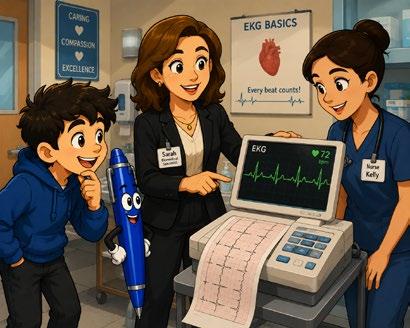

At the end of the day,
Max sat on a bench outside the clinic.
Sarah sat beside him.
“Did you have fun today?” she asked.
“You bet!” Max said.
“I thought manufacturer reps only sold products.”
Sarah smiled. “And now?”
“Now I know they help teach, solve problems, and support caregivers.”
Scout wiggled proudly.
“And they make great teammates!”
Sarah laughed.
“That’s the best description I’ve heard all week.”
Max looked toward the clinic.
Inside were doctors, nurses, and caregivers helping people feel better.
It took a lot of teamwork to make that happen. Manufacturers.
Distributors. Caregivers.
At their next stop, they met Dr. Patel.
The doctor had questions about patient care and workflow.
Sarah listened carefully.
Max listened too.
Then Sarah showed how her company’s equipment could help the clinic save time using the EMR software.
Dr. Patel nodded. “That would really help our staff.”
As they walked out, Scout whispered, “Everybody wins.”
Max nodded. “The clinic gets better tools. The patients get better care. And Sarah helps make it happen.”

Everyone working together.
Scout looked up at Max. “Same time tomorrow?”
Max grinned. “Absolutely.”
Because helping people is always better when you have a great team.
Industry News
Medline Industries distribution facility in California destroyed by massive fire
A massive fire at a Medline Distribution Center warehouse complex in Tracy, California was burning out of control June 11, sending a huge plume of black smoke into the air, according to ABC 7 Bay Area News. The roughly 1 million square foot warehouse is still fully engulfed in flames as of Friday morning, June 12, according to the South San Joaquin County Fire Authority.
Crews responded to the Medline Industries warehouse along Promontory Parkway in Tracy around 1 p.m. Thursday, finding heavy fire coming from the roof, according to CBS News. The fire quickly extended across the roof and into the facility, and crews were not able to contain the fire before it engulfed the entire building within 30 to 40 minutes. Multiple explosions had been heard, with CBS News confirming with fire officials they came from truck tires and medical products inside the facility.
As to the cause of the fire, investigators are looking into major safety equipment failures at the scene. There have been no reports of injuries, according to ABC 7. Medline Industries confirmed that all employees and on-site personnel were accounted for as of Thursday night.
Cardinal Health recognized for delivering supply chain innovation and agility
Cardinal Health’s Global Medical Products and Distribution (GMPD) business was presented with the Center of Excellence (COE) Catalyst Award during the June Kinexions global conference customer awards ceremony. The award recognizes Cardinal Health’s success in building an integrated IT and business COE within its medical supply chain: Cardinal Health has optimized the use of the Kinaxis Maestro™ AI-driven platform, which has driven better visibility, more proactive decision-making and improved distribution performance for the providers we serve.
The Kinaxis awards recognize customers who are not only “navigating complexity; they’re turning it into competitive advantage, using AI-driven planning and decisioning to drive measurable impact across their operations with support from Kinaxis,” said Kinaxis CEO Razat Gaurav in a press release announcing all 2026 customer awards. “Their leadership, innovation and results are setting a new benchmark for what’s possible in modern supply chains.
KC Meleski assumes Chair of HIDA Board of Directors
The Health Industry Distributors Association (HIDA) announced KC Meleski, President and Chief Executive Officer of CME Corp., has assumed the position of Chair of the HIDA Board of Directors after serving as Chairman-elect. He succeeds Kelley Moffett.
Meleski has served as President of CME since 2024 and assumed the additional role of Chief Executive Officer in April 2026. CME is a national specialty distributor focused on healthcare and laboratory equipment and related logistics services.
An active member of HIDA since 2018, Meleski has served on the Acute Care Advisory Council and the HIDA Board of Directors, including as Treasurer and Chairman-elect. He began his career with CME in 2001 as an Account Manager for the Greater Boston Area and previously served as a Sales Representative for Midmark Corporation.
KC Meleski
We see it.
Your customer’s job is already hard. Their environment shouldn’t make it harder.

Strained Reaching

Incorrect Positioning
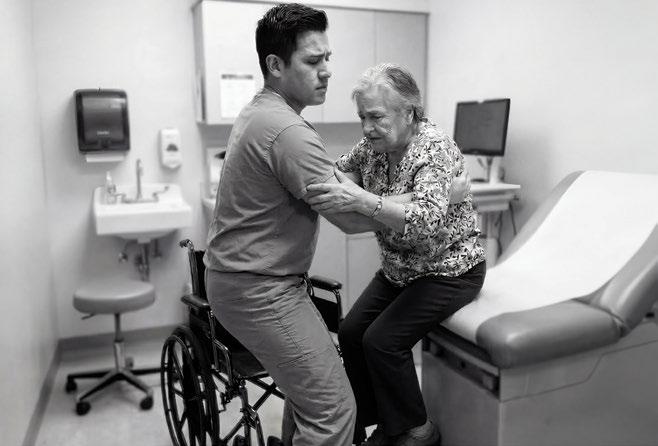
Inaccessible Equipment

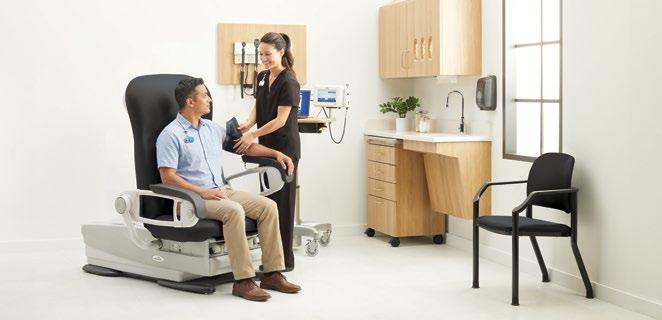
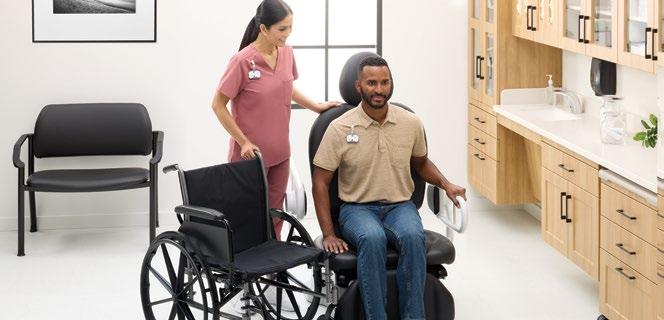
At Midmark, we start from that truth. And our mission is simple and serious: design every detail to remove friction where it shouldn’t exist. To give time, focus and energy back to the people doing the work. Better care begins with every detail.
Check-up on Device Health
During Your Next Off ice Visit

Connect with us and review the latest Baxter and Welch Allyn technology empowering patient exams.

On Spotlight This Month:












< Scan To View Our Current Promotions
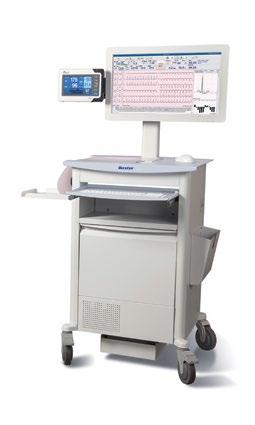

Rx Only. For safe and proper use of the product mentioned here, please refer to the appropriate Operator’s Manual or Instructions for Use. Baxter, Connex, Hillrom, Spot, Q-Stress and Welch Allyn are trademarks of Baxter International Inc. or its subsidiaries. US-FLC45-260031 (v1.0) 05/2026