A Unified Experience
McKesson Medical-Surgical’s Brad Hilton outlines a new commercial model designed to create greater integration across teams and deliver greater value to customers.
GEAR UP NOW

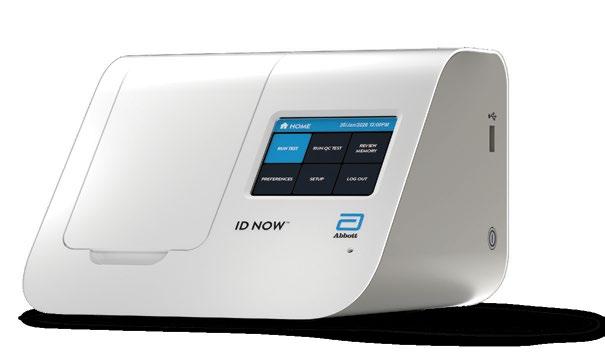
SHIFT INTO RESPIRATORY SEASON WITH THE ID NOW ™ RAPID MOLECULAR PLATFORM
The ID NOW ™ Platform provides the fastest molecular results within 2–13 minutes,1 allowing efficient clinical decisions during the patient visit.
ID NOW™ INFLUENZA A & B 2 5–13 minutes2
Detects significantly more true positives than antigen tests. 3
ID NOW™ STREP A 2 2–6 minutes4
Requires no culture confirmation for negative results
ID NOW™ RSV <13 minutes
Detects up to 25% more true positives than antigen tests5
ID NOW™ COVID-19 2.0 6–12 minutes
One swab, three results: flexibility to easily add on Flu A & B test based on clinical necessity using a single swab*
18 A Unified Experience
McKesson Medical-Surgical’s Brad Hilton outlines a new commercial model designed to create greater integration across teams and deliver greater value to customers.
Navigating the ASC Market as a Non-Acute Sales Rep
As procedures shift into ASCs, Cardinal Health’s Jason Castro says reps must balance relationships, data and supply challenges to support leaner care models.
How
The
From
Navigating Generational Differences in the Workplace
From Baby Boomers to Gen Z, every generation brings different experiences, expectations, and strengths to the workplace.
The diagnosis and treatment of chronic pain often falls on primary care providers. A new chronic pain management service aims to alleviate some of that workload.
60 A Nuanced Approach to Diabetes Research
An American Diabetes Association (ADA) program provides funding for early-career scientists to conduct groundbreaking research.
the healthcare industry is responding to the push to go green.
From tariffs to preparedness, HIDA members brought supply chain priorities to Congress.
` PHYSICIAN OFFICE LAB
Can Routine Microbiology and Molecular Tests Co-Exist?
From respiratory pathogens to cancer screening, molecular testing is expanding rapidly. Here’s how healthcare providers and distributors can adapt as more diagnostics move into the physician office.
` MED/SURG BEDTIME STORIES 78 Max and Scout Ride Along with the Manufacturer Pro
A young sales rep and his trusty pen set out to help healthcare heroes –one order, one smile and one patient at a time.
Learning From Each Other in a Multigenerational Workforce
In every generation of medical sales, one thing has remained remarkably consistent: the best representatives never stop learning. While the tools, technology and expectations of our profession continue to evolve, the willingness to improve has always separated good salespeople from great ones. I believe the absolute best are always curious. Be curious about our industry and the manufacturers you partner with.
This month’s issue of Repertoire explores the unique strengths of today’s multigenerational sales force. For the first time in our industry’s history, professionals from multiple generations are working side by side, each bringing different experiences, perspectives and approaches to serving healthcare providers.
Veteran representatives have spent decades building relationships, earning trust, navigating change and understanding that the most valuable asset in any territory is credibility. They know when to listen, ask the right questions and become trusted advisors rather than simply another salesperson.
Our newer representatives bring a different set of strengths. They are comfortable leveraging artificial intelligence, virtual meetings, CRM platforms, social media, digital prospecting and data-driven insights to uncover opportunities that might have gone unnoticed just a few years ago. Technology, when used wisely, can accelerate growth and strengthen relationships.
The future of our industry does not belong to one generation or another. It belongs to those willing to learn from each other.
This month, I offer a simple challenge.
If you are a younger representative, find a veteran rep and ask three thoughtful questions about building and sustaining a successful territory.
Ask how they earned long-term customer loyalty, handled difficult situations and utilized their manufacturer partners.
If you are a veteran representative, ask a younger colleague to show you how they use AI, digital tools, Waze, mapping technology and online resources to identify new accounts, improve efficiency, and uncover new opportunities.
Imagine the impact if every one of us exchanged just a few ideas this month. The knowledge already exists within our industry – we simply need to share it.
Finally, spend time with the advertisers featured in this issue. They invest in Repertoire because they believe in this profession and in your success. Learn about their products, engage with their teams and consider how their innovations can help you better serve your customers.
When relationships, experience, curiosity and innovation come together, everyone wins –including the caregivers and patients who depend on us every day.
Dedicated to the Industry, R.
Scott Adams
editorial staff
editor Graham Garrison
ggarrison@sharemovingmedia.com
editor-in-chief, Dail-eNews
Jenna Hughes jhughes@sharemovingmedia.com
content creator
Pete Mercer pmercer@sharemovingmedia.com
art director Brent Cashman bcashman@sharemovingmedia.com
circulation Laura Gantert lgantert@sharemovingmedia.com
sales executive Aili Casey acasey@sharemovingmedia.com (404) 625-9156
publisher Scott Adams sadams@sharemovingmedia.com (800) 536.5312 x5256
founder Brian Taylor btaylor@sharemovingmedia.com
Subscriptions www.repertoiremag.com/subscribe or (800) 536-5312 x5259
Phone: (800) 536-5312, FAX: (770) 709-5432; e-mail: info@sharemovingmedia.com; www.sharemovingmedia.com

When stress levels rise, the heart needs answers.
QuidelOrtho is your comprehensive cardiac partner, delivering clarity from the lab to the bedside and confidence in every result.


QUIDEL™ TRIAGE™ System cardiac testing menu





VITROS™ Systems cardiac testing menu
• hsTroponin I
• NT-proBNP
• Myoglobin
• D-dimer*
• Homocysteine
• Wide-range CRP*
• Apolipoprotein A
• Apolipoprotein B


• Cholesterol
• CK
• CK-MB
• Direct HDL
• Direct LDL
• Lipoprotein(a)*
• Triglycerides








PWH 2026 Inspires Breakthroughs
The 2026 PWH Leadership Summit featured motivational educational sessions, awards and networking.
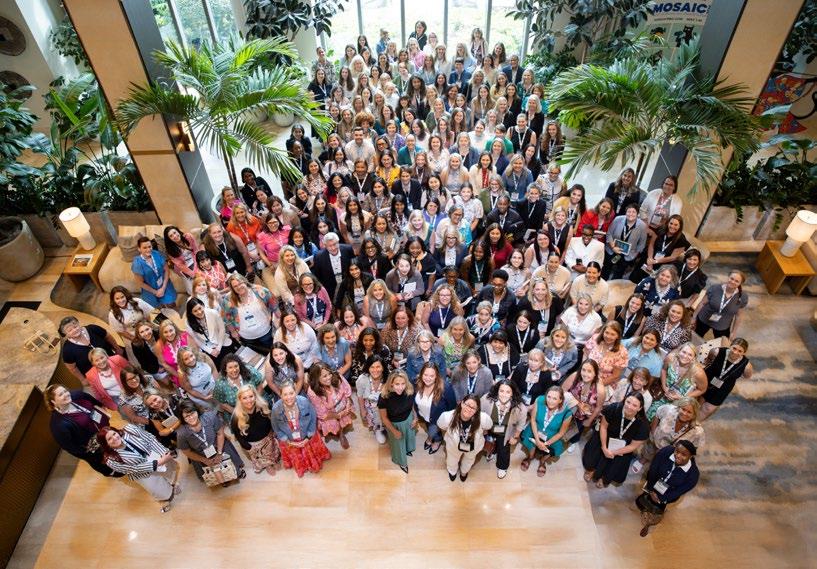
The Professional Women in Healthcare ® (PWH®) organization held its eighth annual PWH Leadership Summit in West Palm Beach, Florida, May 18 to May 20, 2026. With a theme of “Breakthrough,” the Summit attracted 231 attendees and benefitted from the support of 15 sponsors.
The annual PWH Leadership Summit is the only conference in the healthcare supply chain industry dedicated to leadership development. For over 20 years, the Professional Women in Healthcare ® (PWH®) organization has advanced its mission to create a culturally inclusive healthcare industry equally led by women and men.
Sessions offered attendees new perspectives on transformation and resilience in their professional careers, drawing on the concept of ‘Kintsugi’ –the Japanese art putting broken pottery pieces back together with gold lacquer – representing breaks as part of a stronger, more beautiful whole.
The artform also inspired the “Breakthrough” theme of the 2026 PWH Leadership Summit. “It reminds us that our scars are not something to hide, but something to honor,” said Ashleigh McLaughlin, PWH Chair and Chief Financial Officer of IMCO, Inc. “Our leadership is not defined by perfection but by how we respond to the breaks, the challenges and the unexpected turns. When we choose to lead with courage and authenticity, when we embrace both our strength and our story, we become stronger, wiser and more impactful leaders.”
Vizient sponsored the event’s opening keynote speaker, bestselling author and former Chief Storytelling Officer of SUCCESS Magazine, Kindra Hall. Presenting on insights from her book, “Stories That Stick,” Hall guided attendees on the strategic power of storytelling to captivate customers, influence behavior and transform business.
During the opening session on day two, McLaughlin thanked all those who made the event possible. “PWH was built on a
The PWH Board consists of over 40 women who ensure the high-quality programming of not only the annual PWH Leadership Summit but also the organization’s year-round programming of mentoring, education and networking.
powerful foundation of women who believed in one another and created space for those who would come after them. Because of that legacy, and the continued support of our Corporate Partners and Summit Sponsors, PWH can keep “breaking through.”
The event’s signature session –the Leadership Insights series –featured five industry leaders delivering unique 15-minute TED-style talks on a variety of industry and leadership issues, sponsored by Midmark. Attendees heard messages from Karen Dutton, Sodexo; PWH Past Chair Vicky Lyle; and Kaycee Kaplin, Premier; Dr. Christina Brown, ECU Health, and Lindsay Walters, Solventum. Their messages encouraged attendees to lead with authenticity and intention and to appreciate that managing relationships, making people feel noticed, and building trust are not soft skills but critical.
The Special Executive Leadership Roundtable, now an established annual opportunity for collaboration, invited C-Suite executives from PWH Corporate Partners to be part of a conversation intended to help shape the future leadership of the industry. Participants discussed strategies to recruit and retain talent during uncertain times, ways to maintain culture and morale through change, the role of leadership in fostering engagement and stability and practical approaches to build and support resilient teams.



PWH Chair Ashleigh McClaughlin (far left) and PWH Chair-Elect Natalie Martin (far right) helped to present the 2026 Anne Eiting Klamar Leadership Award of Distinction to Monica Davy (inside right) and the 2026 Jana Quinn Inspirational Award to Joe Machicote (inside left).
Performance Strategist Therese Gopaul-Robinson helped attendees fight a self-defeating habit that traps high-value expertise in low-value tasks.
The PWH Leadership Summit’s signature Leadership Insights series, sponsored by Midmark, featured messages from (left to right) Karen Dutton, Sodexo; PWH Past Chair Vicky Lyle; and Kaycee Kaplin, Premier; Dr. Christina Brown, ECU Health, and Lindsay Walters, Solventum. Their messages encouraged attendees to lead with authenticity and intention and to appreciate that managing relationships, making people feel noticed, and building trust are not soft skills but critical.
Vice President of Corporate Sales for Innovia Medical, Allison Therwhanger; Senior Learning Experience Designer(s) for Midmark, Lisa Ramsey and Nickie Dixon; Chief Well-Being Officer and Program Manager, Dr. Christina Bowen and Amy Nelson; Provider WellBeing, Engagement and Retention, ECU Health; and Karen Dutton, Senior Director of Culture and Belonging Integration, Sodexo also shared stories during educational sessions on growing revenue, igniting the leader within, personal vision statements, mattering in the workplace and more.
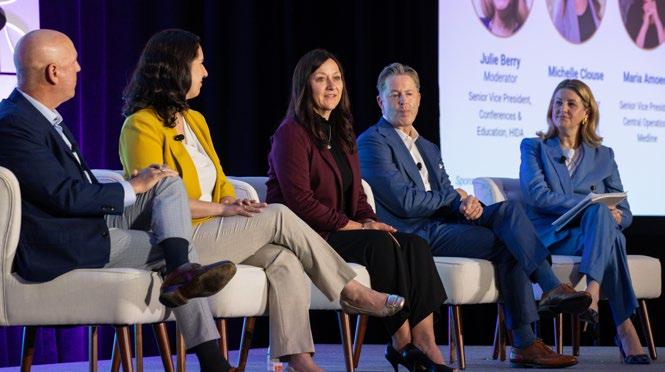
During the closing leadership panel, sponsored by B. Braun, leaders like Dave Myers, ASP Global; Maria Amoedo, Medline; Michelle Clouse, Cleveland Clinic, and David Gillan, Sodexo shared their own personal leadership “breakthroughs.” Special thanks to HIDA’s Julie Berry for moderating.
After the event, PWH Chair Ashleigh McLaughlin thanked the team of PWH members who worked to organize and facilitate the
2026 Summit. “I am truly in awe of what our organization accomplished. Once again, so many lives were touched, encouraged, and inspired because of the leadership and the heart we put into the annual PWH Leadership Summit, and the way we show up for our PWH family.”
The 2027 PWH Leadership Summit will be held April 12 to 14, 2027 in Tempe, Arizona.
For more information visit www.mypwh.org

During the closing leadership panel, sponsored by B. Braun, leaders like (left to right) Dave Myers, ASP Global; Maria Amoedo, Medline; Michelle Clouse, Cleveland Clinic and David Gillan, Sodexo shared their leadership “breakthroughs.” Thanks to HIDA’s Julie Berry for moderating.
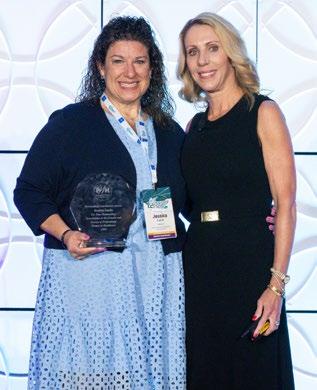
PWH Chair Ashleigh McGlaughlin (right) awarded the annual PWH Chair Award to PWH Professional Development Committee Chair Jessical Lucio (left).
The PWH Leadership Summit is our industry’s only conference focused on leadership development, and this year 15 sponsors supported the effort for 231 attendees.
dukal.com


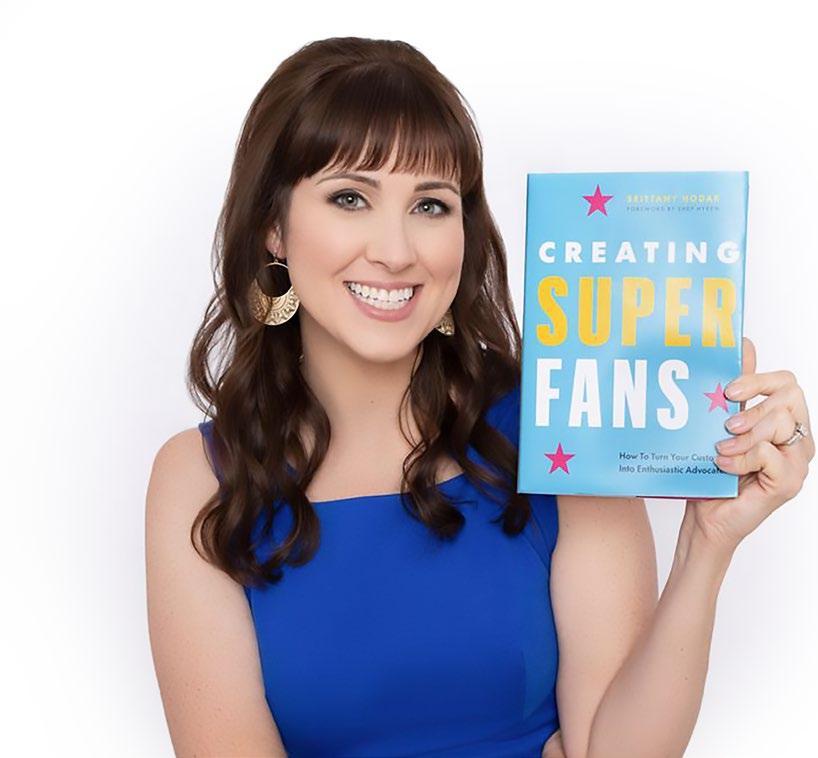
Turning Customers Into Superfans
How reps can spark the same passion seen in pop culture fandoms to build lasting loyalty and advocacy.
By Pete Mercer
Everyone is a fan of something. While fandoms have existed for years, they’ve become far more visible in mainstream culture as once-niche communities – like comic books – have exploded through franchises such as the Marvel Cinematic Universe. Today, people passionately debate their favorite superheroes with friends and within online communities.
Major conventions now draw hundreds of thousands of attendees, all centered around shared enthusiasm for specific interests. The question for brands is simple: how do you inspire that same level of passion for your own products and services?
Repertoire Magazine recently spoke with author and keynote speaker Brittany Hodak about customer experience, brand loyalty, and the power of superfans. Hodak is the author of Creating Superfans: How to Turn Your Customers Into Lifelong Advocates, which outlines how to turn customers into passionate, longterm brand advocates.
Defining a superfan
Hodak became interested in the concept of fandom while working in the music industry. She said, “I studied why some artists’ fanbases grew while others remained stagnant or shrunk. I often wondered if the same principles held true in other industries, which is what I’ve been researching, speaking and writing about for the last 15 years.”
She defines a superfan as a customer or stakeholder who is so delighted by their experience that they become enthusiastic advocates. These are the people who are going to bat for you in situations where you might not come up in conversation organically, but they choose to tell their friends, families, colleagues and neighbors what makes your brand worth noticing.
“In today’s market, attention is scarce and the options are endless,” she said. “People don’t just want to hear from brands – they want to hear from other people. In fact,


Helping America Make Smarter Respiratory Care Decisions
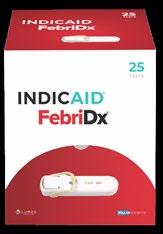
As respiratory illnesses continue to drive patient visits across urgent care, retail pharmacy, primary care and workplace health settings, FebriDx® helps healthcare providers quickly differentiate between bacterial and non-bacterial immune responses at the point of care.
Results after 10 minutes.
A better start to the diagnostic journey
When a patient presents with symptoms of an acute respiratory infection, knowing whether the immune response is consistent with a bacterial or non-bacterial infection can help guide next steps.
FebriDx is a CLIA-waived, fingerstick blood test that measures two host-response biomarkers:
• CRP (C-reactive protein)
• MxA (Myxovirus resistance protein A)
Together, these biomarkers help support more informed clinical decision-making and antibiotic stewardship efforts.
Why distributors are paying attention
CLIA-waived point-of-care test
Results after 10 minutes
Simple fingerstick sample
Supports antibiotic stewardship initiatives
Helps optimize respiratory testing workflows
Ideal for urgent care, retail pharmacy, primary care, workplace
health and student health settings
Learn more about FebriDx
America’s healthcare system faces a growing challenge
Antibiotic resistance remains one of the most pressing public health concerns facing our nation.
FebriDx helps healthcare providers make more confident testing decisions by identifying whether a patient’s immune response is consistent with a bacterial or non-bacterial infection before additional respiratory testing pathways are considered.
Ready to bring FebriDx to your customers?
Help healthcare providers improve respiratory triage, support antibiotic stewardship efforts and make more informed testing decisions after 10 minutes.
Contact your Henry Schein or McKesson representative to learn more about FebriDx® and available ordering options.
we know that customers are far more likely to trust recommendations from friends, family members and even fellow customers than anything a brand says about itself. The businesses that win are the ones turning customers into people who create more customers.”
Artists like Taylor Swift generate huge fanbases because they hold people’s attention, which automatically assigns value to them. As one of the most valuable commodities available, having the attention of your audience is a powerful resource that shouldn’t be taken lightly. By developing a base of superfans, you will have a group of customers with a built-in sense of brand loyalty. This is an invaluable resource, especially in an industry as tricky as medical sales can be.
Training teams to deliver exceptional experiences
Success in the med/surg industry often hinges on treating the customer experience as a shared responsibility. These products go through several different rounds of people – the sales rep who wins the business, the client success team who manages the account and the customer service team who steps in when something goes wrong.
“When those handoffs aren’t seamless –when information gets lost or the customer has to repeat themselves – it creates friction fast,” Hodak said. “In healthcare, where providers are already stretched thin and accuracy is critical, that friction matters even more. The companies that stand out are the ones that are easy to do business with.”
For this to work, all the teams need to be aligned towards a common goal to create a seamless customer experience that feels connected from end-to-end. Hodak argues that this might require “giving sales reps visibility into what happens after the handoff, and every team has access to the same information.” Making the internal workings of your system visible is the best way to make the experience feel effortless.
The role of leadership
If the customer experience is truly going to be a priority, the effort has to start at the top. Leadership sets the tone for what the organization values –and what it doesn’t.
Hodak argues that when executives treat the customer experience as little more than a talking point, the rest of the organization follows suit. Only when leaders consistently model and reinforce its importance does it become embedded in how the company operates.

When products are similar and competition is high, differentiation comes down to how you show up and how you make customers feel.
“It’s critical that every single employee – not just sales – sees their role in the customer experience,” she said. “Anyone who touches the business impacts how the customer feels. I like to say that everyone is the Acting Chief of Experience. Leadership’s job is to connect those dots and build a culture where people feel responsible for the experience and empowered to improve it.”
Strong leadership also keeps teams anchored in the customer’s perspective, helping them understand what it feels like on the other side of the relationship. “Employees will never consistently deliver an experience they haven’t experienced themselves,” Hodak added. “If you want customers to feel valued, supported and understood, your employees have to feel that way first. Apathetic teams lead to apathetic customers.”
Leveraging relationships
At the end of the day, this industry is built on relationships – and that’s where superfan development begins. With providers stretched in every direction, they rely on partners who meet them where they are and understand what they need in the moment.
“The best reps anticipate needs, flag potential issues early, and look for ways to reduce friction – whether that’s simplifying a process, offering a better solution, or just being incredibly responsive,” Hodak said.
In healthcare sales, where marketing is tightly regulated and flexibility is limited, relationships often are the marketing strategy. When products are similar and competition is high, differentiation comes down to how you show up and how you make customers feel.
Hodak said, “That starts with understanding your customers on a deeper level – not just the pressures they’re under or what a ‘win’ looks like in their role, but who they are outside the hospital. Healthcare providers are often defined by their profession in a way most people aren’t. If you know a doctor, chances are they’re ‘the doctor’ in almost every room they enter. The more you understand the person behind the provider, the more meaningful your interactions become.”
Strong relationships are built on making people feel seen, understood, and valued – not just
Key Takeaways
` Superfans are created when customers become enthusiastic advocates who actively promote your brand through trust and shared experience. In today’s crowded market, peer recommendations outweigh brand messaging, making customer advocacy a key growth driver.
` Delivering that experience requires organization-wide alignment, with seamless handoffs and shared information across teams to eliminate friction and make doing business easy for customers.
` Ultimately, leadership and relationships drive success. When companies consistently prioritize customer experience and understand the person behind the customer, they build trust, loyalty, and lasting advocacy.
as accounts, but as people. When they feel that way, they’re more likely to remember you, trust you and eventually advocate for you. In the end, it’s simple: people respond to people who make them feel valued. Here’s an excellent, real-world example of how that can work. Hodak’s experience in the music industry allowed her to cross paths with Taylor Swift early in her career. She details meeting her in Creating Superfans , after Swift won her very first televised award for the song “Tim McGraw.” Swift’s stardom is credited not only to her talents as a singer-songwriter, but also to the level of connection she was able to build with her fans over the years through platforms like MySpace.
Hodak wrote in her book, “She said something during our conversation that is burned into my memory: ‘I knew that if I wanted to get a gold record, I had to make half a million people care enough about me and my music to buy my album.’ I’ve worked closely with hundreds of recording artists in my career, and I’ve never heard anyone else distill so perfectly what it takes to build a legion of loyal followers. She cared about them – every single one of them – and soon, they cared about her too.”
There might be some disparate levels of fame at play here, but the main idea is the same. Loyalty is earned. So is attention. It doesn’t matter whether you’re an international pop icon or a medical-surgical sales team. Earning the attention and loyalty of your customers is the only way to create superfans.
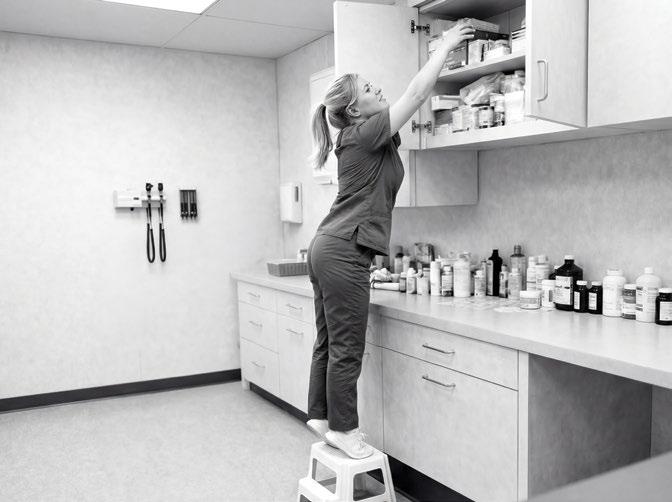
Strained Reaching
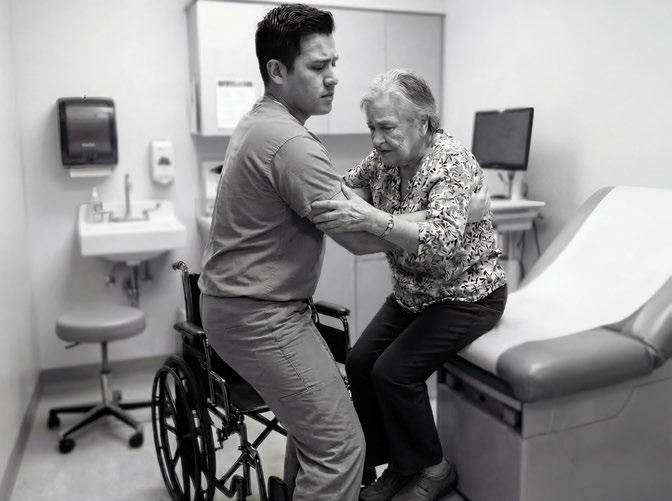

Incorrect Positioning
Inaccessible Equipment Manual Entry
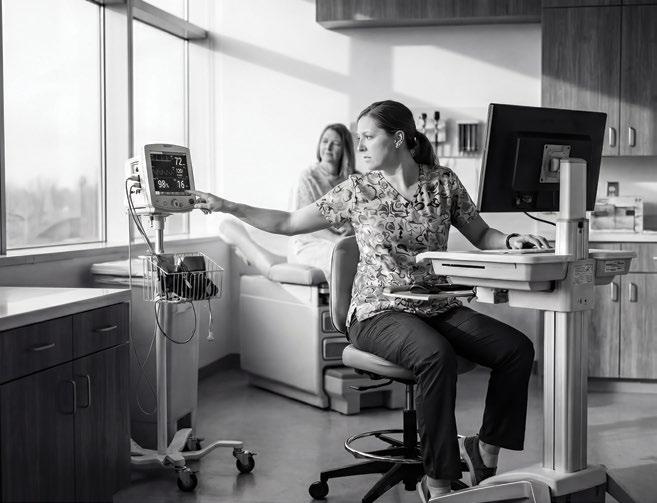
Your customer’s job is already hard. Their environment shouldn’t make it harder.
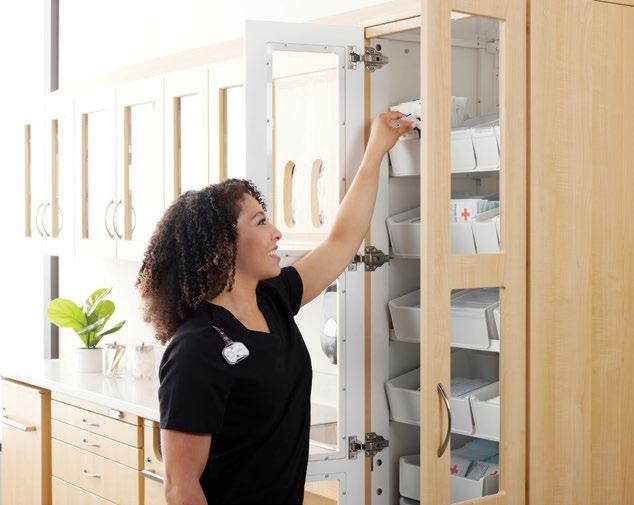
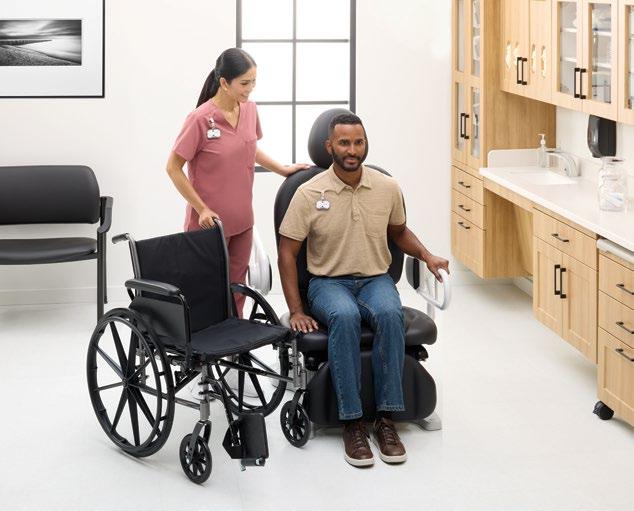
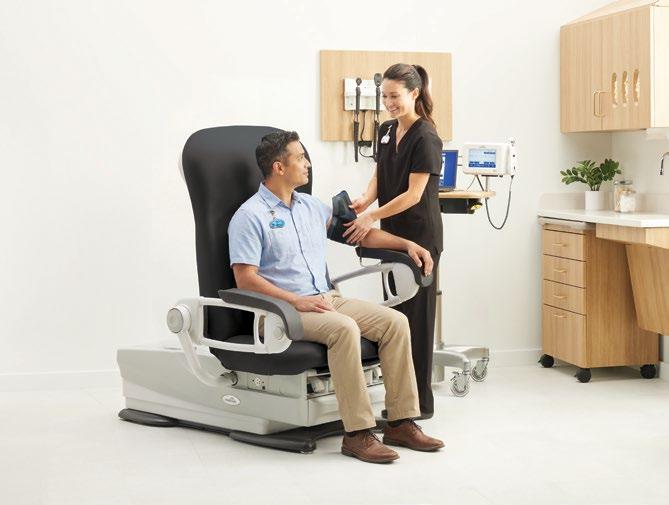
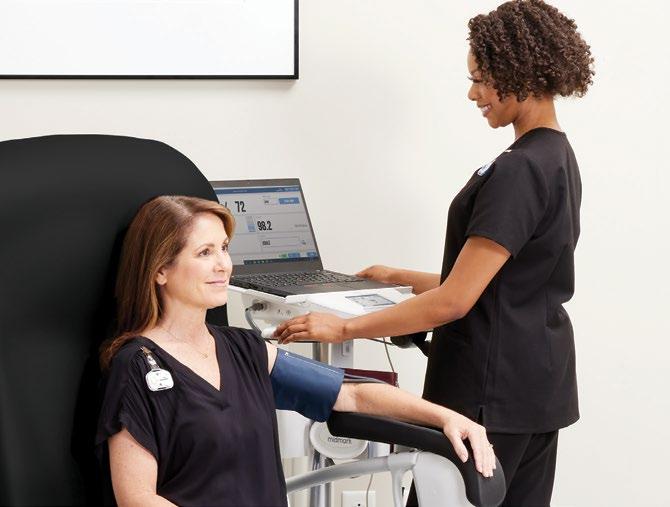
At Midmark, we start from that truth. And our mission is simple and serious: design every detail to remove friction where it shouldn’t exist. To give time, focus and energy back to the people doing the work.
Because better care begins with every detail.
Scan to Learn More.
Harmony Between Work and Life
The keys to building better margins for your career, family and personal life.
By Pete Mercer
Listen to this article, scan the QR Code.
Adam Markel is out of balance. Or, at least, he was out of balance. Working as an attorney for almost 20 years put his personal life and priorities in a sort of tailspin that ultimately landed him in the hospital with what he assumed was a heart attack. When the doctor told him that he was actually suffering from a panic attack, he saw this as an opportunity to change his approach to his professional and personal life.
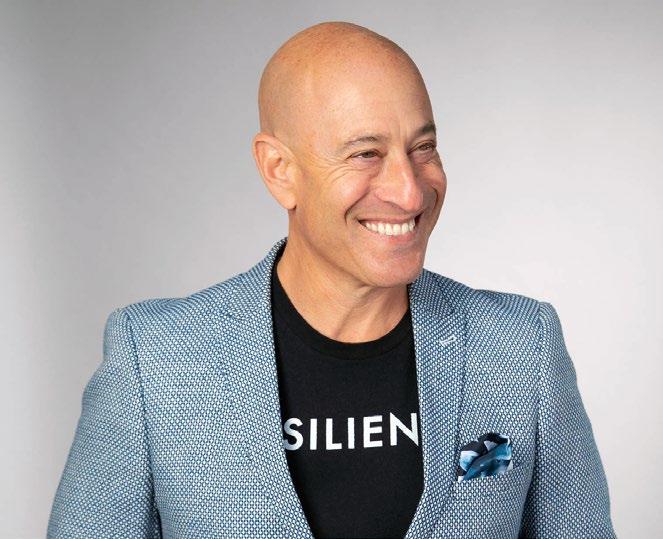
While his initial response to this setback was to double down and work harder, he eventually began to reexamine his life and adjust his priorities to hopefully prevent a life-altering health condition. Now, he owns and operates a company that is designed to help organizations embrace the changing hybrid work environments.
Repertoire Magazine recently spoke to Markel, keynote speaker and author of “Pivot: The Art and Science of Reinventing Your Career and Life” , about the difference between balance and harmony, how to draw healthy boundaries in your professional life, and the role that mental and physical health plays in this equation. Markel also serves as the CEO and founder of WORKWELL Labs, a consulting firm that is focused on strengthening the well-being of leaders and building highperforming cultures.
Harmony versus balance
Since the pandemic, the issue of the work-life balance is at the forefront of any conversation about how we work and where we draw our personal and professional boundaries. It’s the subject of LinkedIn think pieces, op-eds in business magazines, and most certainly brought up in job interviews every day, regardless of the industry.
For Markel, there’s no such thing as balance. He said,
Adam Markel
“Work-life balance is a BS story. I don’t know who created that term – it sounds right, it sounds good, but it’s ridiculous. We will never have a one-to-one relationship between our work life and our personal life. We don’t salt and pepper our food in equal proportion, and we can’t create an equal proportion between our work life and our personal life.”
He is much more interested in finding harmony between the two worlds, allowing both to coexist equally, with some compromise to allow for a kind of give-and-take from each side when needed. He started to pursue this line of thinking as a solution for the disharmony in his own life, or as a way to “focus on well-being at a granular level.” With harmony as the goal, you can allow these two different parts of your life to work together.
“They’re both important to us and fluctuate. They bleed into each other – they’re both important; they’re not mutually exclusive. They don’t need to be balanced because they’re not in opposition to each other. There should be no conflict between them.”
For Markel, telling people that there should be this balance between your work life and your personal life creates a false expectation that can’t be met. It becomes one more thing to throw on the pile of things that people already feel inept about,
which helps no one. “Ultimately, it’s about creating a very harmonious existence of those two things that are vitally important to us and making adjustments.”
The role of physical and mental health
It probably doesn’t come as a surprise, but our physical and mental health plays an enormous role in our ability to maintain harmony between the personal and professional. This is part of what WORKWELL Labs does, building programs backed by data collected from research and group studies.
The idea of drawing boundaries with work is antithetical to the mantra of the hustle and grind culture that is so prevalent amongst younger professionals.
“We like to think of it in terms of MEPS –mental, emotional, physical and spiritual. It’s the collection of those things, the four areas that create holistic resilience.”
According to Markel, the research conducted by WORKWELL shows that people neglect their physical well-being more than anything else. With heavy workloads and busy personal schedules, it’s easy to not make time to invest in your physical health.
“Lots of people don’t take time during the day to quiet their mind, so they’re constantly filling the space with busyness, multitasking, or interruptions and distractions. That’s often the result of our addiction to digital stimulus.”
These habits create a sort of perpetual, cyclical challenge for us, and it can be hard to pull out of it. These digital distractions lead to lowered productivity and efficiency levels, which can then impact quotas, bottom lines and relationships with customers. By investing in your physical health, you will also be taking care of your mental health. The better you take care of the body, the better your mental state will be.
Markel and his team describe this lack of personal investment as an issue of margin. He said, “Margin is the space between our load and our limits. There’s just a lack of space between our load, which is what we carry every day in our work and familial responsibilities, and the limits of our capacity before we start to see diminishing returns. People use the word ‘burnout’ to describe diminishing
returns, where you might not be able to think clearly or you’re feeling anxious or agitated.”
Drawing boundaries
One of the biggest challenges with working in sales is this unseen (and maybe even unspoken) pressure to always be available. It’s hard to shut things off when you’re trying to hit a quota, which is where the lines start to blur. The modern sales rep has to be better about defining boundaries with working hours, ensuring that there is time built in to recharge and recover.
According to Markel, it starts with communication. It’s hard to enforce a boundary if the other side doesn’t know it exists. Your customers can’t read your mind. Your boss certainly isn’t going to read your mind. It’s your responsibility to draw the boundary and then communicate that boundary to other people. Also, it might come down to just saying no to things.

Adam Markel’s latest book, “Re-Culture: A Leadership Guide to Restore Connection, Collaboration, and Trust in Today’s Disconnected Workplace”, can be purchased on Amazon. Visit adammarkel.com or workwelllabs. com to learn more.
MEPS – Four areas that create holistic resilience
` Mental – How you think, focus and make meaning of challenges. This includes your ability to reframe situations, stay clear-headed under pressure, and make intentional choices instead of reacting automatically.
` Emotional – Your ability to regulate feelings like stress, frustration, anxiety, or excitement. Markel often connects this to emotional awareness and recovery – being able to process emotions instead of suppressing them.
` Physical – Your body’s energy, health and recovery capacity. He points to sleep, movement, nutrition, and stress recovery as foundational to sustaining performance.
` Spiritual – Your sense of purpose, values, and meaning. This isn’t necessarily religious; it’s about alignment with what matters most and feeling connected to something bigger than day-to-day stress.
“’No’ is a complete sentence,” he said. “Being able to say ‘no’ to something is important. Every time you say ‘yes’ to something, you’re effectively saying ‘no’ to something else, whether you know it or not. Are you saying no to your kids? Are you saying no to your wife? Are you saying no to your sleep or your health?”
The idea of drawing boundaries with work is antithetical to the mantra of the hustle and grind culture that is so prevalent amongst younger professionals. This is an ideal fit for influencers who are looking to capture your attention on social media, but it’s not sustainable for people who are just looking to work and provide for their families.
That culture is not compatible. with Markel’s ethos. He said, “The idea that we should work more and sleep less is utterly ridiculous. It’s a false premise that can prove harmful. It’s not the average person that can work without sleep for prolonged periods of time to iterate something, innovate something, or invent something. What is within the realm of predictability is that people will become that much more depleted mentally, emotionally, physically and spiritually, which will then make them more unhappy, more miserable, more sick, more tired and more anxious. That’s the result of the hustle and grind culture.”
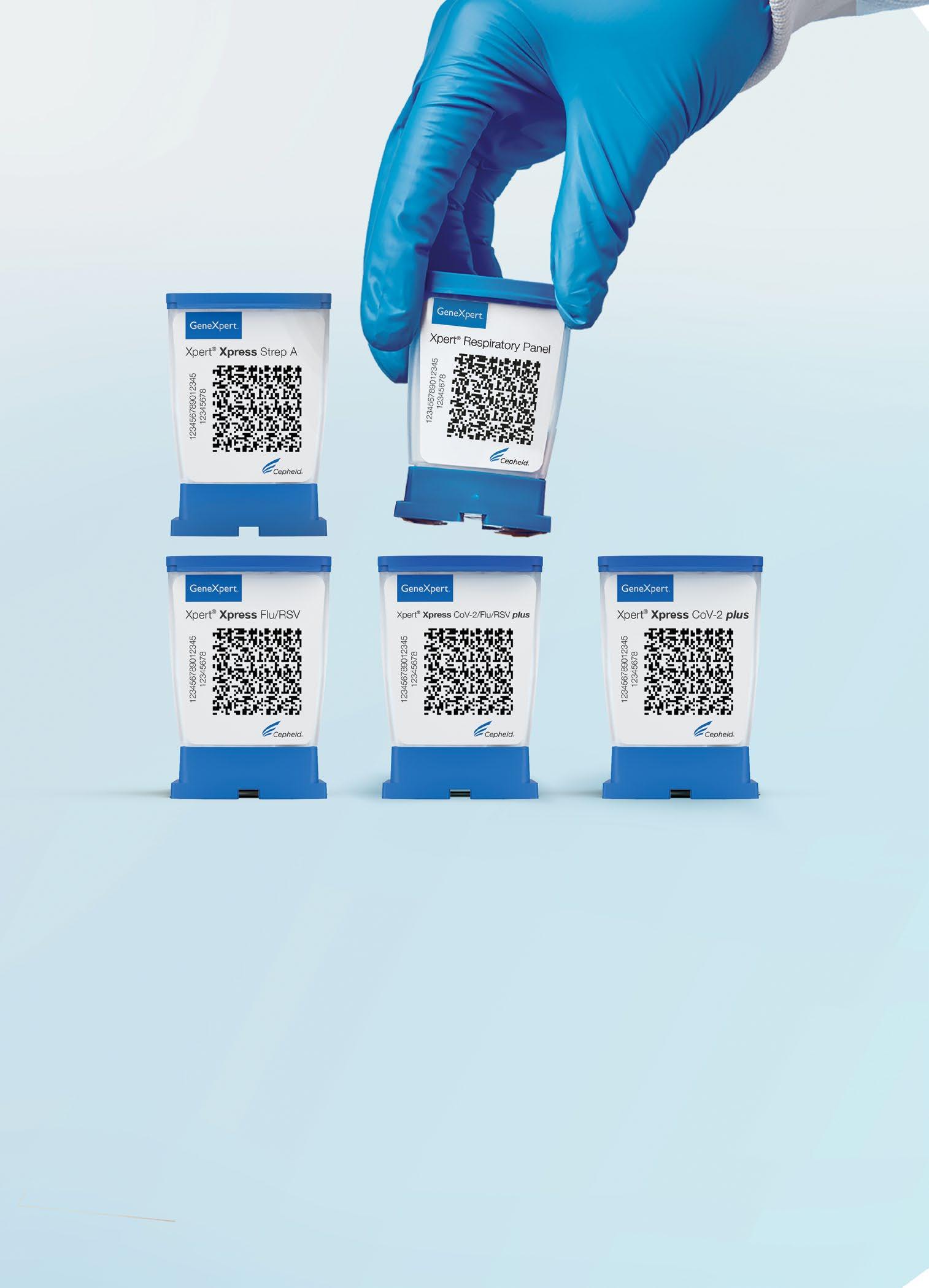
COMING SOON Xpert® Respiratory Panel*
COMING SOON Xpert® Respiratory Panel*
A Better Way to Answers That Matter
Through our combined expertise, focus on diagnostic stewardship and dedication to patients, we strategically design solutions that support healthcare providers and enable accurate, clinically informed decisions—leading to improved health outcomes. Because confident decision-making starts with smart, accurate and actionable results.
Stay informed as we prepare to launch the next generation of trusted diagnostic solutions from Cepheid.
A Unified Experience
McKesson Medical-Surgical’s Brad Hilton outlines a new commercial model designed to create greater integration across teams and deliver greater value to customers.
AListen to this article, scan the QR Code.
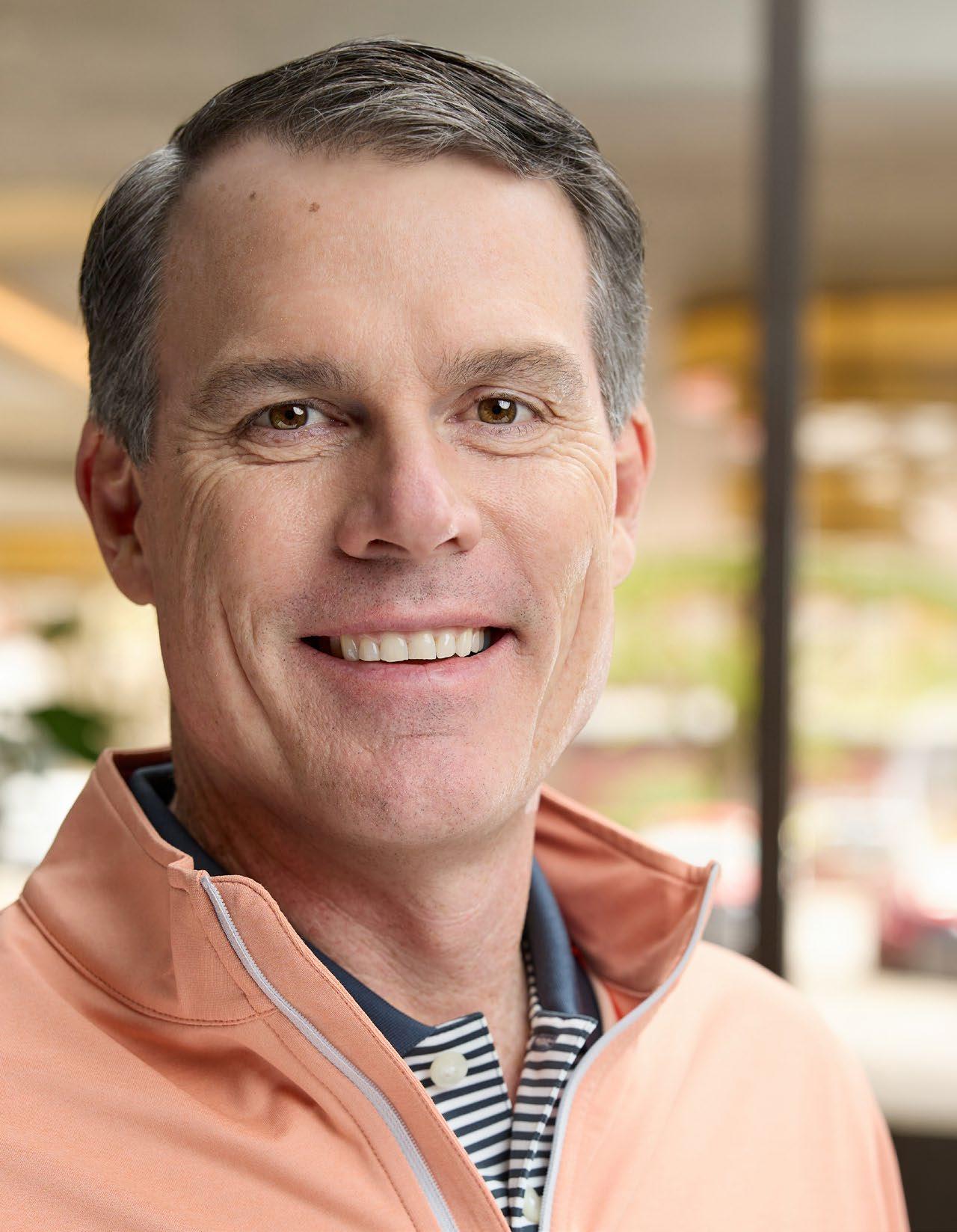
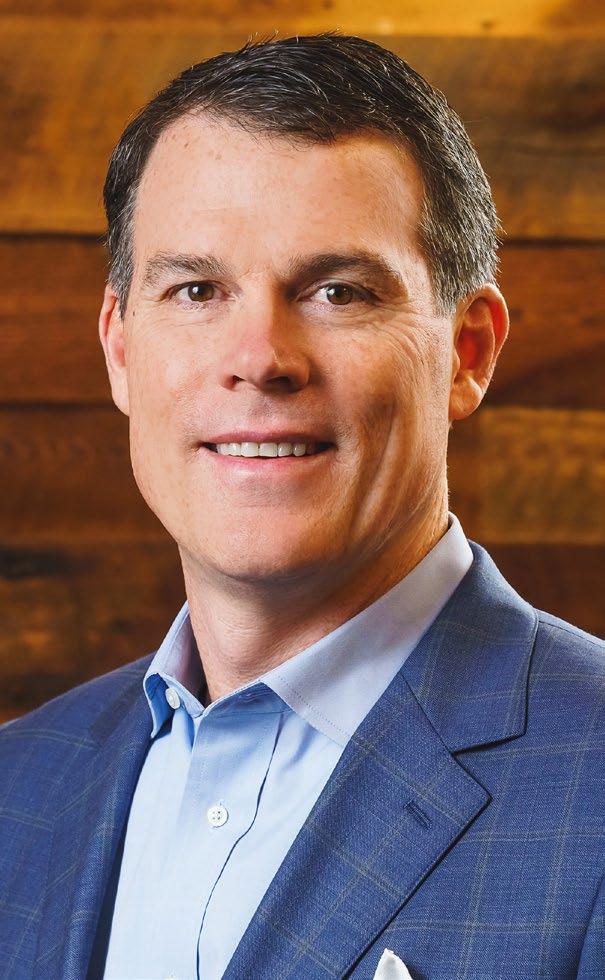
s he steps into his new role as Chief Commercial Officer at McKesson Medical-Surgical, Brad Hilton is focused on a central objective: bringing a large, complex commercial organization into tighter alignment so it can operate with greater speed, consistency and customer impact and position the business for continued growth as customer needs evolve.
In a recent conversation with Repertoire Magazine Publisher Scott Adams, Hilton described the rationale behind the new structure as both practical and performance driven.

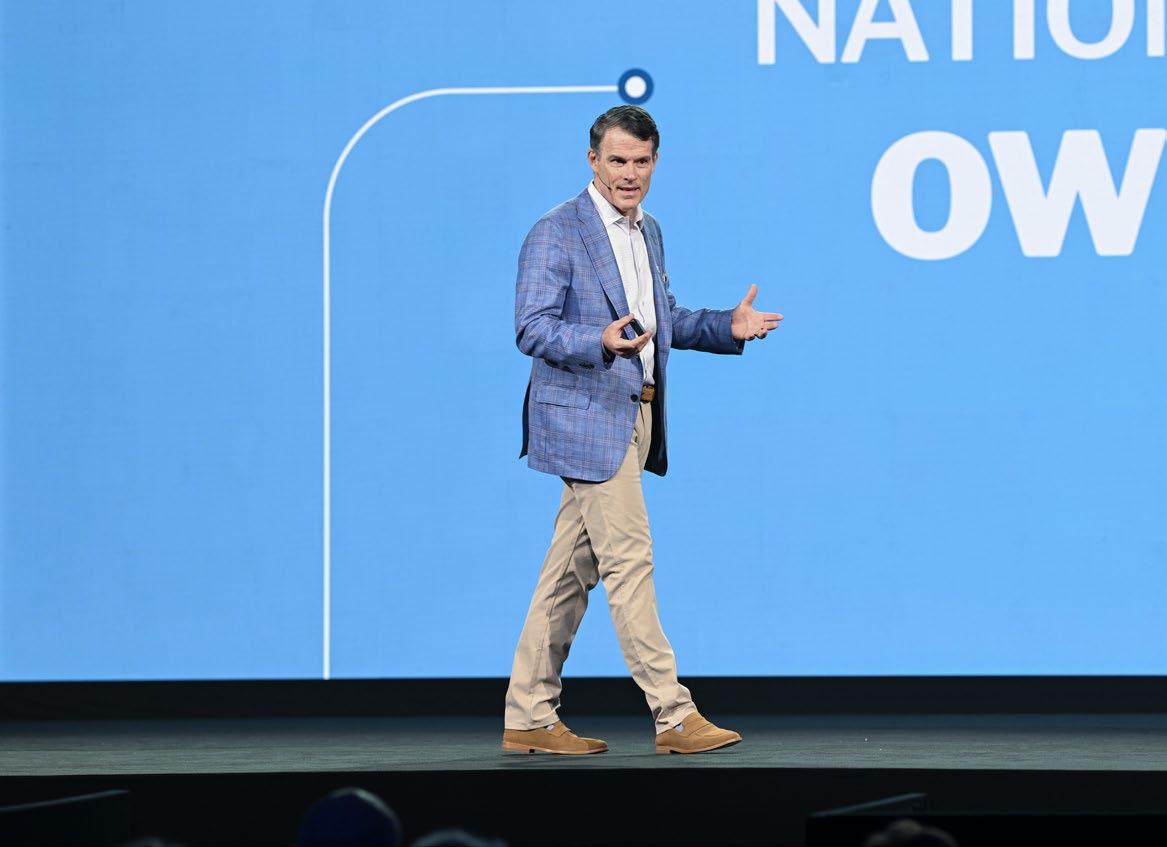
“Historically different markets and sales teams operated independently with a high degree of specialization and marketing was working independently with each of those teams,” he said. While that model had benefits, it also created opportunities to be more integrated. “The goal of this new structure is to help us move faster, move more effectively, and win more by simplifying how the organization works across teams.”
At the core of the reorganization is the integration of sales, marketing and sales operations functions that have historically operated in parallel. Hilton’s vision is to create a more unified commercial engine that ensures “the right strategies, the right priorities and the right investments” are aligned across the business, and that customers experience a more consistent version of the organization.
“From my perspective, McKesson MedicalSurgical is an incredible machine,” he noted. “And sometimes our customers don’t get to experience the full breadth of what we offer.” That disconnect, he suggested, is exactly what the new model is designed
“Part of this work is bringing the team together to identify our leverage points and the most pressing pain points across all our markets.”
to address: ensuring the organization “consistently puts its best foot forward in front of customers.”
Equally central to Hilton’s vision is how technology reshapes the day-to-day experience of sales teams. He pointed to the opportunity to streamline administrative work so reps can spend more time focused on customers and growth.
“Right now, the urgent is crowding out the important,” he said, referencing routine tasks like order status updates that pull time away from customer engagement. The goal, he added, is to “let technology handle the rest” so that reps can focus on the work only they can do such as building relationships and solving customer problems.
A multimedia series for ASC leaders
ASC insights
Real conversations. Real data. Real advice. Candid interviews with ASC leaders on what's actually working in ambulatory care today.
Key conversations In every episode
Episode 1
Transforming airway management at Summit Health ASC
Dr. Adam Thaler Medical Director Urology
Episode 2
Simplifying success: vendor consolidation as a competitive advantage
Tracy McQuay (Medtronic) + Cardinal Health team
Episode 3
Bringing hospital-grade monitoring into the ASC
Blake Tatum (Medtronic) + Mike Lessick (Mindray North America)
Listen and read
All episodes and case studies at outcomesrocket.com/ascinsights
©2026 Medtronic. Medtronic, Medtronic logo, and Engineering the extraordinary are trademarks of Medtronic. All other brands are trademarks of a Medtronic company. 05/2026 – US-PM-2600200.
A podcast interview with a named industry leader, 20 to 40 minutes
Speci c data and outcomes drawn from real facilities — costs, decisions, results
Practical takeaways from leaders who've already made the call
"These aren't marketing stories. They're peer-to-peer insights from leaders who've faced the same challenges you're navigating today."
— Lindsay Alexander, Medtronic

That includes a more deliberate use of AI, not as a replacement for human interaction, but as a tool for enhancing it. “It’s not here to replace you, it’s here to assist you,” Hilton said. In his view, AI can act as a kind of digital partner, surfacing relevant insights and opportunities while allowing sales professionals to spend more time building relationships and solving customer problems.
Bringing customers closer
Hilton acknowledged that specialization across the business is both a necessity and a strength at scale. Within McKesson’s Medical Surgical organization, deep expertise across markets and functions is essential given the complexity and regulatory demands of the healthcare supply chain. As the organization continues to evolve, there is an opportunity to bring that expertise together in a way that makes the experience more seamless for customers. While many interactions are already smooth and efficient, the goal is to ensure that consistency holds true across every touchpoint, especially when customers need support the most.
“Most of the time a transaction or experience goes off without a hitch and customers think, ‘Wow, that was seamless,’” Hilton said. “But on the rare occasion there’s a challenge, it can be complicated because we are working with different expertise, different specializations.”
The intent behind integration, he explained, is to reduce that friction especially when things don’t go as planned. “Part of this work is bringing the team together to identify our leverage points and the most pressing pain points across all our markets,” he said, “so that we are a unified team for customers and are more responsive, better at solving their biggest problems, with a quicker and more coordinated response when they need us most.”
Hilton also emphasized that the effort extends beyond frontline sales to the sales operations function, which he described as a critical behind-the-scenes driver of consistency. By standardizing tools, processes and training across
“Our customers have a choice every single day. The day we forget that… we’ve lost our way.”

teams, he said, the organization can better equip both employees and customers with a more streamlined experience.
The discipline of staying customer-focused
For Hilton, the difference between a good sales organization and a high-performing one starts well before strategy, structure or technology; it originates with purpose. Performance is anchored in a clear sense of why the work matters. Within McKesson’s Medical-Surgical business, that purpose is rooted in enabling a
healthcare system where providers and patients can thrive.
“Our purpose is to deliver a future where healthcare providers and patients thrive,” Hilton said. “Are we laying bricks, or are we building a cathedral?” For him, that framing matters. It shifts the focus from transactional output to meaningful impact on the front lines of care. “It’s hard out there as a patient… and it’s hard as a provider,” he added. “So how can we work hard to help them thrive?”
That sense of purpose, he argued, is what keeps teams
from getting lost in activity that may be interesting but not essential. It also informs how leaders think about investment decisions particularly in tools, training and technology that are necessary for long-term competitiveness.
“We have to invest to win not just this year, but a decade from now,” he said, noting that sustained performance often requires trade-offs that favor long-term capability over short-term gains.
Hilton also pointed to adaptability as a defining trait of high performing teams. With the pace of change accelerating across healthcare and supply chain environments, he challenged leaders to be intentional about building their capacity to evolve.
“The world is changing faster than ever, so it’s important to work on your ability to keep up,” he said, framing growth as a deliberate discipline rather than an assumption. That mindset, he added, requires embracing discomfort and treating learning as an ongoing process.
At the same time, Hilton underscored a fundamental reality: no matter how much systems or tools evolve, customers remain in control. “Our customers have a choice every single day,” he said. “The day we forget that… we’ve lost our way.” That reality, he suggested, demands constant vigilance in keeping the customer at the center of everything we do.”
“What I’m most excited about is my team and how we’ve evolved.”
Finally, Hilton returned to what he described as the foundation that determines whether any strategy succeeds or fails: culture. “Great tools, great purpose, great strategy… the culture is the activation layer,” he said. Elements like respect, engagement and enjoyment are not soft considerations, he argued, but daily conditions that determine whether teams can perform at their best.
Hilton’s framing of customers as “friends” captures a deeper cultural shift away from transactional selling. Indeed, authenticity is ultimately what drives outcomes. “Most of what we sell, they’re buying every single week,” he said. “We buy from people we think care about us and have
our best interests at heart, and we avoid the people who feel transactional. It’s just humans buying from humans.”
Looking ahead
Hilton pointed to the strength of the team as the most immediate source of optimism within the organization. After a period marked by postCOVID adjustments and broader external and organizational shifts, he noted that the business is now entering a forward-looking phase.
“What I’m most excited about is my team and how we’ve evolved,” Hilton said. “That work is behind us. It’s time to go. I’m really excited about that.”
That sense of reset extends to culture as well. While he described the organization’s culture as strong, he emphasized that it cannot be static.
“Recommitting to our culture is critical,” he said. “Our culture is strong and it can always be better. That won’t happen on its own. It requires effort, work and commitment.”
A key priority moving forward is accelerating growth with customers by deepening relationships and focusing on solutions that address real operational challenges. Hilton pointed to the opportunity to move beyond transactional engagement and
A key priority moving forward is accelerating growth with customers by deepening relationships and focusing on solutions that address real operational challenges.
instead build more consultative, value-driven partnerships. “We can bring them valuable solutions, and I think we can build something good together,” he said. “I’m looking forward to deeper customer relationships getting out there, really understanding their opportunities and pain points, and delivering value that helps them thrive.”
Personal development is also a central focus. “We need to continue to focus on growth and development for our own team career pathing, training, making sure everyone has a clear path forward,” Hilton said.
Finally, he pointed to recent momentum-building events, including a national sales conference, as important inflection points for the organization. The challenge now, he suggested, is sustaining that energy and translating it into consistent execution in the field.
Ride Days as Relationship Investments, Not Transactions
Hilton believes in the importance of ride days between manufacturer and distributor reps. They are long-term investments in trust, capability and partnership across the healthcare supply chain within McKesson’s Medical-Surgical business.
He emphasized the value of pairing newer and more experienced reps, noting that each brings complementary strengths: “The newer rep might bring a little more tech savvy; the seasoned rep brings experience navigating challenging situations. Everybody’s better for it.”
Hilton said ride days are most effective when they are viewed as relationship-building, not transactional sales calls. “If you view a ride day as an investment … it’s a completely different experience,” he said. Over time, those shared experiences build trust that often lasts decades.
“It’s almost impossible to spend a whole day in a car with someone and not get to know them,” he added, underscoring how those connections help shift the focus from selling products to delivering solutions.
First-of-its-kind program
Guaranteed 45 days of inventory on hand at key distributor warehouse locations
No cost and no contracts required for customers

POST-ACUTE FACILITIES
HOSPITALS

NON-ACUTE LOCATIONS



Next Gen Sales
From supply chain pressures to building customer relationships, emerging med/surg sales professionals offer an honest look at the realities of the job.
For a new generation of med/surg sales professionals, success involves far more than the drive to move products. Today’s field sales consultants are balancing complex product portfolios, supply chain pressures, customer expectations and constant communication – all while building credibility with customers.
In the following multipart roundtable conversation with several distributor and manufacturer reps, Repertoire Magazine explores what it’s really like to enter and succeed in the med/surg industry today.
Participating in the roundtable were:



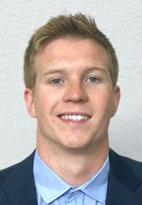
Luke Kuna, Territory Portfolio Manager, Midmark Corporation, Medical Division, South Carolina and Eastern North Carolina
Elise Mancabelli, Field Sales Consultant, Henry Schein Medical, based in Boston, Massachusetts
Matisyn Schaut, Field Sales Consultant, Henry Schein Medical, based in Saratoga Springs, New York
Melissa Spero, Field Sales Consultant, Henry Schein Medical, based in Annapolis, Maryland
Liam Rohlsson, Sales Representative, Global Medical Products and Distribution, Cardinal Health

TAKE THE FIGHT AGAINST CKM* TO THE POINT OF CARE (POC)
TAKE THE FIGHT AGAINST CKM* TO THE POINT OF CARE (POC)
TAKE THE FIGHT AGAINST CKM* TO THE POINT OF CARE (POC)
*Cardiovascular kidney metabolic (CKM) syndrome.
*Cardiovascular kidney (CKM) syndrome.
*Cardiovascular kidney metabolic (CKM) syndrome.
Cardiovascular kidney metabolic (CKM) syndrome is a serious health condition that requires early detection and intervention. POC testing for known risk factors, such as high HbA1c and cholesterol, is an important first step, allowing patients to receive immediate results and in-visit management planning.
Cardiovascular kidney metabolic (CKM) syndrome is a serious health condition that requires early detection and intervention. POC testing for known risk factors, such as high cholesterol, is an important first step, allowing patients to receive immediate results in-visit management planning.
Cardiovascular kidney metabolic (CKM) syndrome is a serious health condition that requires early detection and intervention. POC testing for known risk factors, such as high HbA1c and cholesterol, is an important first step, allowing patients to receive immediate results and in-visit management planning.
Check. K now. M anage.
K M anage.
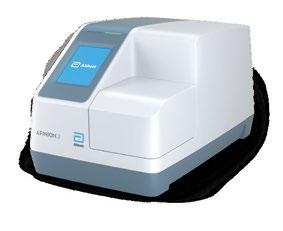
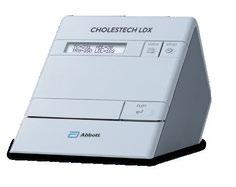
With Afinion™ 2 and Cholestech LDX™ Analyzers, your customers can detect patient CKM risk factors within minutes. Both products offer: Results in 5 minutes or less
With Afinion™ 2 and Cholestech LDX™ Analyzers, your customers can detect patient CKM risk factors within minutes. Both products offer:
With Afinion™ 2 and Cholestech LDX™ Analyzers, your customers can detect patient CKM risk factors within minutes. Both products offer:
Results in 5 minutes or less
Results in 5 minutes or less
Small fingerstick sampling
Small fingerstick sampling Opportunity for immediate, in-visit coaching
Small fingerstick sampling
Opportunity for immediate, in-visit coaching
Opportunity for immediate, in-visit coaching
Easy to use in 3 simple steps
Easy to use in 3 simple steps
Zero required maintenance
Easy to use in 3 simple steps Zero required maintenance
Zero required maintenance
Afinion™ 2 Analyzer
Afinion™ 2 Analyzer
CLIA-waived Mod complex HbA1c Dx* and ACR* testing
CLIA-waived HbA1c testing, Mod complex HbA1c Dx* and ACR* testing
Cholestech LDX™ Analyzer Lipid testing
Cholestech LDX™ Analyzer
Lipid profile testing
Join the against CKM.
Join the fight against CKM.
Join the fight against CKM.
Contact your Abbott CM Account Executive or scan the QR code for more information.
Contact your Abbott CM Account Executive or scan the QR code for more information. Reference: 1.
1.
Origin Stories

Young med/surg sales representatives are entering the industry with fresh perspectives, but many are discovering that the role is far more complex – and rewarding – than they initially imagined. While some were inspired by family members in the profession and others were drawn by a desire to make an impact in healthcare without pursuing a clinical career, all found themselves attracted to a role centered on relationships, problem-solving and service.
What originally drew you into med/surg sales?
Elise Mancabelli: I had been drawn to healthcare, but during my college years, I realized I was better suited in a business and consulting environment than a clinical one. After speaking with several medical
distribution sales professionals, I realized I could make a tangible, positive impact on patient outcomes by acting as a consultant for practitioners, which is what ultimately led me to this career path.
Matisyn Schaut: It has always been my professional goal to be in healthcare, though I was initially undecided on the specific capacity. My perspective was shaped by my mother, who has been in the medical sales industry for 17 years. Growing up, I saw firsthand that this career is about much more than just a transaction; it is about solving complex problems for providers. I was particularly inspired by the autonomy of the role. I enjoy being out in the field, meeting customers face-to-face and serving as a reliable partner in their daily operations. It was clear to me that this role offers the perfect balance of relationshipbuilding and meaningful service.
Luke Kuna: My dad worked with Midmark for 46 years, so med/ surg sales was something I was exposed to from the time I was a kid. I used to listen in on his sales calls and mimic his mannerisms and phrases because I thought it was the coolest thing in the world that he got to travel, build relationships and truly become part of his customers’ and reps’ lives. Watching the way he supported our family
through his career gave me a tremendous amount of respect for him, and from a young age I knew I wanted to follow a similar path.
What impacted me most, though, wasn’t just the business side; it was the people. His team looked up to him the same way I did, and they always treated our family like their own. The moment I truly realized this was the career I wanted came when every member of his team took time away from their own families to fly to Seattle and participate in the STP bike ride in support of my brother Jack, who has Prader-Willi syndrome. Seeing that level of camaraderie, resilience and compassion left a lasting impression on me. They were by no means trained cyclists, but every one of them pushed themselves to ride all 210 miles in two days in support of my brother.
From that point on, I knew I wanted to build a career surrounded by people like that. I specifically hoped to join Midmark after college, and because turnover is so low, I waited nearly four years for the right opportunity. When the opening finally came up, my wife and I moved 4,000 miles from Seattle to Charleston. We haven’t looked back since.
Melissa Spero: My path to Henry Schein was driven by a desire to return to the industry,
which I had experienced previously as a dental office team member. I remember our Henry Schein rep visiting the office; even then, I was impressed by their ability to manage complex operations and act as a true extension of our team. When I relocated to the Baltimore area from the Carolinas, I wanted to pivot back to that environment. I wasn’t just looking for a job; I was looking for the opportunity to provide that same level of expertise and partnership to customers. I feel fortunate that it worked out, as it has allowed me to turn that early curiosity into a career focused on supporting the success of our practitioners.
I was initially surprised by the depth of knowledge required to be truly effective in this role. I wanted to master everything immediately.
Liam Rohlsson: Healthcare sales stood out as a challenging and meaningful long-term career path. It’s an industry that will always be essential, and one that still relies heavily on in-person relationships, critical thinking and adaptability – characteristics that are increasingly valuable as technology like AI reshapes other fields.
I was also drawn to the autonomy. In my previous roles, I enjoyed managing my own schedule, traveling and taking ownership of my performance. Medical sales elevates those aspects of responsibility – for my accounts, relationships and results. That level of ownership appealed to me.
Beyond that, I’ve always been someone who enjoys leadership and collaboration. Through years of playing rugby, I learned how to navigate team dynamics, bring people together and lead in highpressure situations. Those experiences translated naturally into a field where success depends on building trust across diverse groups of people. I also recognized early that I will never stop learning in this industry, and that challenge motivated me to pursue this career.
During your first year in the industry, what surprised you most?
Mancabelli: The sheer scope of the healthcare landscape was the most eye-opening aspect. As a patient, you don’t realize the volume of supplies,
specialized services and clinical workflows required for even the most routine office visit. Seeing the level of detail that goes into every procedure gave me a much deeper appreciation for the vital role we play as partners in keeping those facilities running smoothly.
Spero: I was initially surprised by the depth of knowledge required to be truly effective in this role. I wanted to master everything immediately. However, the most rewarding part of my first year has been the mentorship I’ve received. My more experienced colleagues were quick to share that this is a career of lifelong learning. Their perspective taught me that the value we bring to a customer isn’t about having an immediate answer for everything; it’s about the dedication to finding the right solution and acting as a committed resource for our practitioners.
Schaut: My perspective as a patient has shifted entirely. Now, when I walk into a medical facility, I recognize the intricate infrastructure happening behind the scenes, whether that’s specific analyzers being used or the supply chain logistics that keep the office efficient. It’s fascinating how your brain shifts from seeing a standard visit to seeing an ecosystem of opportunities to support the provider. I’ve learned that there is an entire world of essential operations that patients never see, and it is incredibly rewarding to play a part in managing that complexity for our customers.
Kuna: One misconception I had coming into med/surg sales was how much of a long game it really is. Before joining Midmark, I worked in real estate, where you can sometimes meet someone for the first time and close a deal within days or weeks. In healthcare, many of the projects we work on start years before a building is ever completed. We’re often involved from the very first conversations around a future clinic or expansion project that may not come to life for another three or

Every product has a story behind it, and the reps who can connect that insight to a customer’s daily challenges are the ones who create lasting impact.
four years. I quickly learned that the earlier you build trust and establish yourself as a resource, the greater impact you can have long term.
Another thing that surprised me was how much of this business is really an insight. Early on, I thought success would mostly come from learning product features/benefits, but I realized very quickly that features alone rarely move people. What matters is being able to explain the “why” behind a product and the real-world impact it has on clinicians, staff and patients.
Anyone can say an exam chair lowers to 15 inches or supports 650 pounds – but why
does that matter? How does that affect accessibility, safety, caregiver workflow or patient dignity? The same goes for room design decisions like cabinet heights, workstation placement or proper vitals acquisition. Every product has a story behind it, and the reps who can connect that insight to a customer’s daily challenges are the ones who create lasting impact.
Rohlsson: The level of urgency was the biggest surprise. In many situations, customers need solutions immediately – often
I’m managing multiple stakeholders, timelines and priorities at once, and staying organized is essential.
faster than I initially anticipated. It’s a fast-paced environment where responsiveness and followthrough are critical.
I also quickly learned that being a strong salesperson isn’t enough on its own. Account management is a huge part of the job. I’m managing multiple stakeholders, timelines and priorities at once, and staying organized is essential. At the same time, deals in healthcare often take months to close, so I have to balance urgency with patience. That balance took some adjustment. At the beginning, it was tempting to go after immediate results, but I’ve learned the importance of consistently nurturing relationships over time. Sustainable success in this field comes from staying engaged, regularly delivering value and not burning out in the process.
Transferable skills
Before entering healthcare, Liam Rohlsson took on roles that put him through what he likes to call a “sales bootcamp.” He worked in retail and brand marketing environments, primarily in high-volume settings like wholesale clubs.
The pace was relentless. Rohlsson regularly worked 60- to 70-hour weeks, learned new products in just a couple of days and interacted with hundreds of customers daily. “Over about a year and a half, I estimate I spoke with more than 100,000 people,” he said. “That kind of repetition brought me sales experience that just couldn’t be replicated in a classroom or other environment.”
Rohlsson said many of the skills that made him successful early in his career are just as valuable in his current role with Cardinal Health.
` Make every first impression count. Retail taught him to quickly establish credibility, communicate value and earn trust – skills that are equally important when clinicians have only a few minutes to talk.
` Read the room.
Just as he once gauged shoppers’ needs by what was in their carts, Rohlsson now tailors conversations based on whether he’s speaking with a surgeon, OR nurse or supply chain leader.
` Respect people’s time. Busy healthcare professionals appreciate concise, purposeful conversations. Delivering the right message efficiently helps build stronger relationships.
` Learn fast and adapt. High-volume retail required mastering new products quickly and interacting with hundreds of customers each day, preparing him to stay agile in the fast-paced healthcare environment.
Handling Pressure
Med/surg sales is a pressure cooker. Whether it’s helping a customer solve an urgent supply issue, managing dozens of competing priorities across a large territory or ensuring critical supplies arrive when they’re needed most, med/surg sales representatives operate in an environment where responsiveness and reliability matter.
These young professionals share what pressure looks like in their roles, and how they have adapted to manage it.

What does pressure look like in your role on a typical day?
Melissa Spero: For me, the pressure is tied to the high standard of service I set for myself. When a customer reaches out with a need, my goal is to provide an immediate resolution. Because I pride myself on being highly responsive, the most challenging moments occur when I am navigating interdependencies. While our internal support teams are exceptional, I am constantly looking for ways to streamline those processes so I can deliver results for the customer as close to real-time as possible.
Luke Kuna: To me, pressure in this role often comes down to prioritization and execution. On any given day, there are a hundred different things I could be doing to try and drive business – customer meetings, follow-ups, project planning, demos, internal coordination, prospecting or supporting existing accounts. The challenge is determining what the best use of my time is and how to structure my day in the most effective way possible.
We receive incredible support and training from our managers and leadership team, and I wouldn’t be anywhere near where I am today without that guidance. But at the end of the day, once you’re out in the field, it’s up to you to decide which
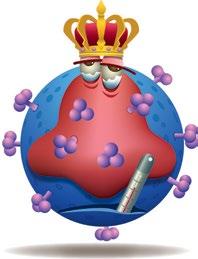



Oh no...not you again!
Accurately diagnosing our friends Flora, Sniff, Ruvee and Streppy here can be a challenge— which is why Point-of-Care rapid tests are so important. These types of tests are designed to empower healthcare professionals with the confidence necessary to facilitate immediate treatment at the first patient visit.
Your customers also save money with our unique QC Inside® feature; two extra tests for external QC at no charge.
Be prepared with the OSOM® Flu SARS-CoV-2 Combo, OSOM® COVID-19, OSOM® Ultra Plus Flu A&B, OSOM® RSV and OSOM® Strep A Tests.



Sniff
Ruvee Streppy Flora
actions are going to create the greatest long-term impact for your territory.
One of the biggest lessons I learned early on was the difference between letting the territory control you versus learning how to control your territory. When I first started, I was much more reactive. Over time, I’ve become far more intentional about how I plan my schedule, especially covering a large geographic area. I’ve learned that I can’t justify a five-hour drive just to plug in a chair and hand out a brochure. If I’m traveling, I need to maximize that time strategically by building around one major “anchor” appointment while layering in several additional meetings, project discussions or relationship-building opportunities along the way.
Success in this role requires a disciplined approach to time management.

What keeps customers up at night
A significant part of the pressure customers face involves proactive inventory management, said Henry Schein’s Mancabelli. “We are essentially the backup plan for our practices, ensuring they are fully stocked for the next day’s procedures,” she said. “Naturally, there are moments of high urgency when a customer realizes at the eleventh hour that they are running low on a critical item. While those moments can be intense, they are where I believe we provide the most value. My role is to be a calm, reliable partner in those situations and to help them navigate the unexpected so they can keep their focus exactly where it belongs: on their patients.”
That level of planning and discipline has probably been one of the biggest shifts in how I handle pressure today compared to when I first started.
Elise Mancabelli: The competitive nature of this industry is a constant, but the real pressure comes from the critical nature of the supplies we manage. We are the lifeline for these practices, and the urgency surrounding supply chain logistics, whether it’s expediting a drop-ship order or navigating delivery windows, is something I take very seriously. When I am managing those moving parts, I am always mindful that a delay is not just an administrative hiccup; it has a direct impact on patient care and the practitioner’s ability to serve their community.
Matisyn Schaut: The pressure is about organization. On any given day, I am balancing a complex portfolio of priorities: hitting performance targets, managing pricing structures, conducting customer visits, and staying current with ongoing training. Success in this role requires a disciplined approach to time management. Staying organized isn’t just about managing my own schedule; it’s about ensuring that I am fully present and prepared for every customer interaction, regardless of how much else is happening behind the scenes.
The DAR™ closed suction system
Preserving airway clearance for intubated and tracheostomized patients
Designed to expel tracheal secretions and preserve airway clearance for patients with an artificial airway, our DAR™ adult closed suction system portfolio is designed to provide clinicians with the options they need for individualized care.
• Available in two configurations:
– Fixed catheter – validated for 48 hours of use
– Replaceable catheter – validated for 96 hours of use and ideal for diverse treatment needs
• Endotracheal and tracheostomy tube lengths
• Dual density suction catheter design
• Four lateral eyes on the catheter tip
• 360-degree double swiveling elbow
• Depth markings to assist in insertion
• ISO color coding

Scan the QR code to view the product training video.

† All technical information for DAR closed suction system is sourced from the product instructions for use document, PT00181544, and the Closed Suction System, Verification Test Report, RE00421876.
©2026 Medtronic. Medtronic, Medtronic logo, and Engineering the extraordinary are trademarks of Medtronic. All other brands are trademarks of a Medtronic company. 04/2026 – US-RE-2600074 – [WF#22826999]
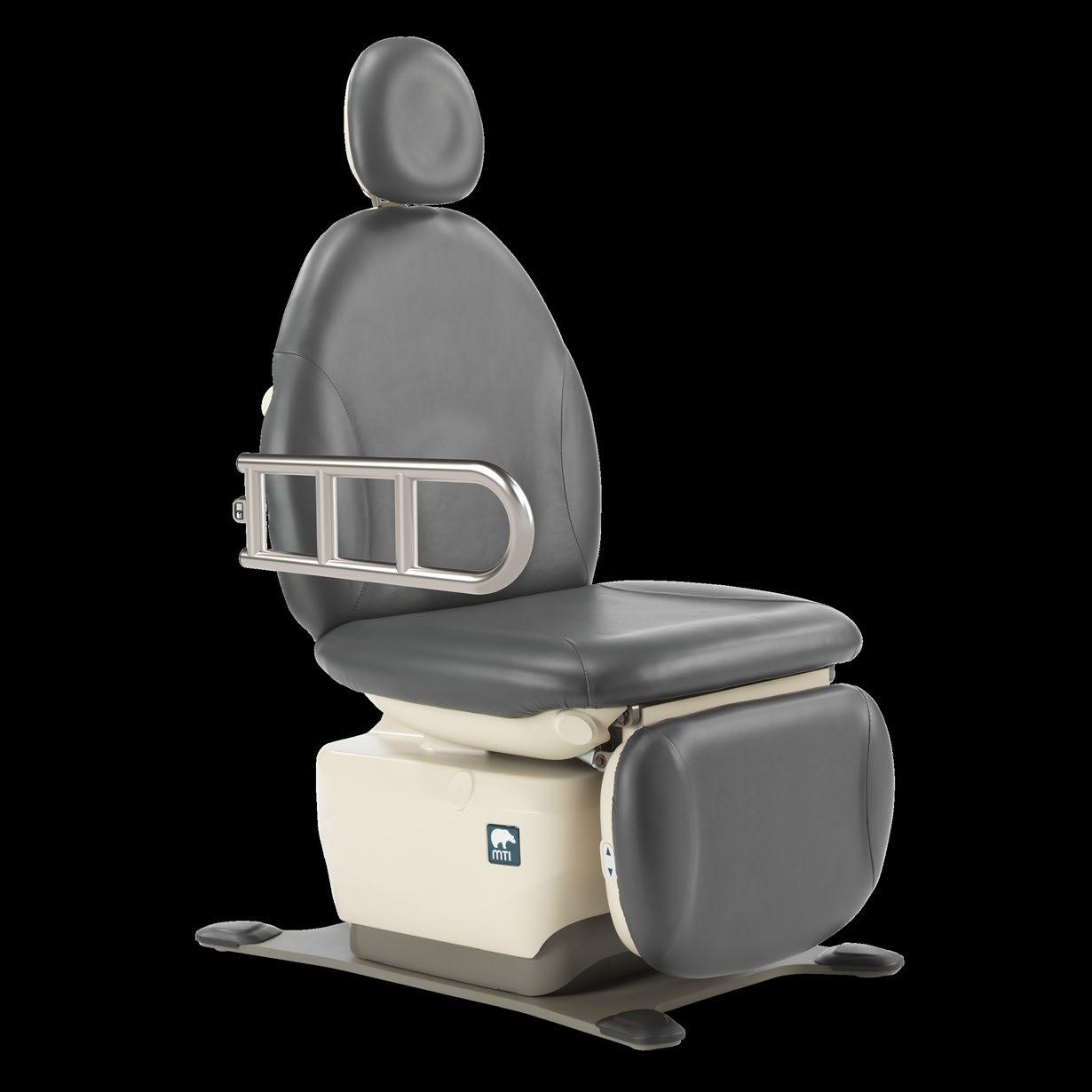
Five Things to Know About the ADA Exam Chair Compliance Rules
Confusion is widespread in the healthcare market as new ADA-related requirements for medical diagnostic equipment approach enforcement deadlines in 2026. In a recent Repertoire Magazine podcast interview, Publisher Scott Adams spoke with Brad Baker, President of MTI. The conversation focused on what the ADA accessibility requirements actually mean for medical diagnostic equipment, what healthcare providers need to do ahead of 2026 enforcement deadlines, and how distributor reps can help.
1 The ADA rules are moving from guidance to enforcement According to Baker, much of the confusion comes from the shift from voluntary standards to enforceable requirements. As he noted on the podcast, “the Access Board comes up with the standards, but they are not an enforcing body, their standards are voluntary.” While the U.S. Access Board developed technical specifications starting in the 2010s, enforcement is now being applied through federal agencies, changing the landscape from recommendation to requirement.
2 Two key compliance deadlines are approaching in 2026 Baker outlined two important deadlines discussed in the interview.
Healthcare organizations receiving federal funding through HHS, including Medicare and Medicaid participation, must comply by July 8, 2026. State and local government entities fall under DOJ enforcement, with a deadline of August 9, 2026. He emphasized that “nothing about the standard is changing — just enforcement is kicking in.”
3 Compliance hinges on a 17–19 inch exam chair standard
A major source of confusion is exam chair height requirements. Baker explained that the enforceable standard is a 17–19 inch transfer height range, measured at the highest point of the transfer surface without compressing upholstery. Each compliant chair must also include a transfer support. He stressed that “there is no enforceable 17-inch-only rule,” noting that inconsistent measurement methods manufacturers have used for years are often not in alignment with the requirements specific measuring method and have created widespread misinformation in the market.
4 Facilities must equip at least 10% of exam rooms Compliance extends beyond individual equipment purchases. Under the current interpretation discussed in the podcast, providers must ensure that at least 10%
of exam rooms across all locations include ADA-compliant exam chairs. This has significant operational implications, particularly for multi-site health systems managing large-scale upgrades. Baker summed up the requirement simply: “It’s Medicare, Medicaid, or government entity — 17- to 19-inch chair with transfer support in 10% of rooms.”
5 Tax credits can help offset implementation costs
Baker also highlighted financial incentives that can reduce the cost of compliance. The Section 44 Disabled Access Credit provides up to $5,000 annually for qualifying accessibility-related purchases. In addition, Section 179 deductions may allow providers to write off remaining equipment costs depending on their tax situation. As he noted, these tools can make compliance significantly more manageable for smaller practices.
As Baker explained during the Repertoire Podcast, much of the market confusion is driven by outdated manufacturer specifications and inconsistent manufacturer measurement practices still circulating in the industry. To help address this, manufacturers like MTI are offering compliance tools, calculators, and educational resources to support providers and distributors ahead of enforcement deadlines.

Establishing Trust and Credibility
Walking into a meeting with a clinician, practice administrator or procurement leader who has decades of experience can be intimidating for any new sales professional.
The industry’s young professionals are discovering that trust is built through actions rather than years on a résumé. By listening more than they talk, following through on commitments, preparing thoroughly and being honest about what they don’t know, they share how they’ve found ways to build meaningful relationships with seasoned healthcare leaders.
As a young professional, how do you establish credibility with experienced clinicians or procurement leaders?
Liam Rohlsson: For me, credibility starts with honesty. If I don’t know the answer to something, I’m upfront about it and then I make it a priority to find the answer quickly. I realized there’s no value in trying to guess or provide incomplete information, especially when I’m working with highly experienced clinicians. They respect transparency and follow-through.

Consistency is also key. Following up when I say I will, delivering on commitments and being proactive instead of reactive all build trust over time. I focus on being solution-oriented; if an issue arises, I take accountability and work toward a resolution rather than placing blame.
I also don’t hesitate to learn from my customers. Many clinicians and supply chain leaders have decades of experience, and I see that as an opportunity. Asking thoughtful questions,
listening closely and showing genuine interest goes a long way. At the same time, I make an effort to build personal connections by remembering small details, checking in to say hello even when I don’t need anything and treating the relationship as a collaboration rather than a transaction.
Luke Kuna: I’m still learning something new every day, and one thing I realized very quickly is this industry is full of people who have spent 20, 30 or even 40 years building their expertise. Because of that, I’ve never felt the need to walk into a room pretending I know everything. In many cases, the clinicians, administrators and procurement leaders I meet with have far more experience than I do, and I see that as an opportunity to learn.
What has helped me establish credibility is being genuine and leading with passion rather than trying to impress people with titles or experience. This industry is something I was essentially born into, and healthcare has impacted my family in a very personal way through my brother Jack. Experiences like that give me a deep appreciation for how important outpatient care environments really are for patients and caregivers alike.
Whether I’m using industry intelligence or deep diving into data, I want to ensure I’m contributing value to every conversation.
Whenever I find myself stressed before a major meeting or walking into a room where everyone has significantly more experience than I do, I try to reconnect with why this work matters to me. I’m not just trying to sell equipment, I’m trying to help create environments where patients are treated with dignity, where elderly patients receive thorough care without shortcuts, and where our veterans and other vulnerable populations can have the best possible healthcare experience.
I’ve found that when people can tell your passion is genuine and that you truly care about the outcomes, credibility starts to develop naturally over time. Consistency, preparation, humility and authenticity go a long way in this industry.
Matisyn Schaut: I was initially worried that my experience level might be a barrier, but I’ve found

that credibility is built through consistency, not tenure. For me, it comes down to follow-up and follow-through. At Henry Schein, we emphasize being a reliable partner, and I hold myself to that standard every day. When a customer knows that I am truly invested in their success and that they can count on my word, the “experience gap” disappears. They trust that I have their best interests in mind, which is the foundation of any long-term partnership.
Elise Mancabelli: I lean into preparation and transparency. Before I step into practice, I immerse myself in the details such as the specific products, the specialty’s nuances and the broader healthcare trends shaping the market. Whether I’m using industry intelligence or deep diving into data, I want to ensure I’m contributing value to every conversation.
However, I’ve learned that the most powerful tool for building trust is honesty. If I don’t have an immediate answer, I own it. By saying, “I’m not sure, but I want to understand this better. Can you walk me through your perspective?” I invite the clinician to be a partner in
Building trust with customers
` Be genuine and lead with authenticity.
` Prepare thoroughly before every customer meeting.
` Be honest when you don’t know an answer, then follow up quickly.
the solution. That vulnerability doesn’t weaken my position; it builds professional respect.
Melissa Spero: My approach is rooted in shared experience. Having worked in a dental office for five years, I understand the daily pressures of the front desk and the administrative side of a practice. That common ground allows me to speak the customer’s language from day one. I am always upfront about where my expertise lies, and if a question falls outside my current knowledge base, I never pretend to have an answer. Instead, I make a commitment: “I don’t have the answer right now, but I will find it for you immediately.” That level of transparency coupled with a commitment to getting them the right information is what turns a transactional conversation into a trusted relationship.
GET AHEAD OF THE GAME

At Abbott, we understand the need for reliable, fast and cost-effective point-of-care testing. Using one patient-friendly nasal swab, BinaxNOW™ COVID-19/Flu A&B simultaneously tests for COVID-19, influenza A and influenza B, with results in 15 minutes.
RESULTS IN 15 MINUTES
Enabling clinicians to diagnose and treat patients in a single visit
ONE SWAB, THREE RESULTS
For COVID-19, influenza A and influenza B
SIMPLE TEST PROCEDURE
Designed for point-of-care testing – no instrument required


WE ARE HERE TO SUPPORT YOU AND YOUR CUSTOMERS. REACH OUT TO YOUR ABBOTT REPRESENTATIVE TODAY TO LEARN MORE ABOUT OUR 2026 RESPIRATORY PROMOTIONS.

Forming Relationships
In the early years of their careers, these young professionals have quickly discovered that the most meaningful shifts in their approach to work didn’t come from processes or playbooks – they came from people.
Whether it’s a customer who becomes a trusted friend, a manager who offers steady mentorship or a team that functions more like family than colleagues, relationships are reshaping how they define value and impact.

Is there a relationship – either internally or with customers –that changed how you approach the job?
Matisyn Schaut: When I first started, I assumed these interactions would be strictly transactional. A simple exchange of products and services. Over the last two and a half years, however, I’ve realized that the most effective work happens when you move beyond the transaction. I have built genuine, lasting friendships with my customers, which has made the work significantly more rewarding. It turns out that when you invest in people, the business results naturally follow.
Melissa Spero: I treat every customer as an individual, not a “client.” I think about one particular customer who started as a formal, 30-minute introductory meeting. Today, she greets me with a hug. That shift didn’t happen because of a sales pitch; it happened because I approached her with humanity and empathy. That approach is a reflection of our values at Henry Schein. I’ve worked elsewhere, but the environment here is uniquely supportive. The Company understands that being human means we are all learning and growing, and that is exactly what I strive to extend to my customers. My best advice for anyone in this industry is simple: build relationships by leading with your humanity.

Luke Kuna: One of the relationships that has impacted me most has been with my own regional team at Midmark. From the beginning, they’ve always been willing to pick up the phone, answer questions, share ideas and support me whenever I’ve needed help. That level of collaboration changed how I viewed the job very early on.
It’s been especially meaningful to see those relationships extend far beyond work. We spend time together outside the office, support one another personally and professionally, and over time they’ve become much more like family than simply coworkers. That sense of camaraderie and genuine care for one another has had a lasting impact on me and has shaped the type of teammate I want to be for others.
That sense of camaraderie and genuine care for one another has had a lasting impact on me and has shaped the type of teammate I want to be for others.
One person in particular who made a huge impact on me was our Maryland representative, Gene Donney, who really took me under his wing during my first six months in the field. We had weekly calls, and every single conversation felt like I walked away learning something valuable –whether it was territory strategy, customer communication or simply how to stay disciplined and focused throughout the day.
One of the biggest things Geno taught me was how important structure and consistency are. He introduced me to a few simple habits and priorities that helped me start each day with clarity and intention rather than feeling reactive or overwhelmed.
More importantly, though, he helped me realize how much creativity exists in this profession. Before starting, I viewed sales as something very transactional. But he showed me that the reps who make the biggest impact are often the ones willing to think differently, solve problems creatively and find unique ways to bring value to their customers and teams.
That mentorship changed the way I approach the job entirely, and it reinforced how important strong culture, collaboration and genuine relationships are in this industry.
Avoiding Burnout
Burnout is an increasingly real pressure point for today’s med/ surg and healthcare sales professionals – especially in a role where the pace is constant, the expectations are high, and the needs of clinicians and customers rarely pause.
For this group of young professionals, preventing burnout has become less about stepping away from the work entirely and more about learning how to approach it differently.
What does burnout look like for today’s rep, and how do you try to prevent it?
Elise Mancabelli: Burnout often manifests in many ways. For example, those days when the “brain fog” sets in or you find yourself working without moving the needle. Because this role is inherently limitless, there can be pressure to “do more.” My defense to this is prioritization. I categorize my workload by urgency and impact, and I make a conscious effort to disconnect

once those goals are met. I’ve learned that setting boundaries isn’t just about my own peace of mind; it’s a professional necessity. If I’m not refueling, I’m not bringing my best self to my customers.
Matisyn Schaut: Burnout usually happens when you try to solve every problem in isolation. When you’re pushing hard every day to be the solution for your customers, it’s easy to feel the weight of the tasks that don’t

When a customer tells me, “I truly appreciate the time you took to help,” it reinforces that I’m a trusted partner who truly cares about their success.
have an immediate answer. When I feel that wall approaching, I force a reset: I step back, recalibrate my priorities and identify who on our team is best positioned to help. Taking it one step at a time is the only way to sustain this level of service.
Luke Kuna: To me, burnout in this role doesn’t necessarily come from working long hours; it comes from feeling like I wasn’t intentional with my time or didn’t create meaningful impact with the effort I put in.
Early on, I realized there’s always more you could be doing in this job. You can easily fill an entire day with emails, driving, meetings, demos etc., but still walk away feeling like you weren’t strategic or effective. For me, that’s the type of work that becomes draining over time.
One example would be spending hours driving for a single meeting without properly planning additional opportunities around it. Even if I technically worked a full day, I’ve learned that “keeping busy” and fulfillment are not always the same thing. What keeps me energized is knowing I used my time intentionally and created momentum within my territory.
To avoid burnout, I’ve learned how important structure, preparation and purpose are. I try to approach each week strategically, maximize opportunities when I travel and stay connected to the bigger reason why the work matters in the first place. When I feel like I’m genuinely helping customers improve patient and caregiver experiences and growing meaningful relationships along the way, the work becomes incredibly rewarding rather than draining.
Melissa Spero: For me, burnout is prevented by leveraging our internal support network. I am fortunate to have a manager who leads with empathy and acts as a true mentor. I’ve learned that there is immense strength in asking for help; being new in such a complex industry can be daunting, but I’ve found that my team is always ready to step in. I’ve
When my manager acknowledges my progress or lets me know he’s sharing those wins with leadership, it transforms a difficult week into a period of growth.
shifted my mindset from “I need to figure this out alone” to “who can I learn from to solve this?”
Asking questions doesn’t just clear my workload, it alleviates the internal pressure, allowing me to stay focused and effective.
What makes a hard week worth it for you?
Schaut: While the thrill of a successful sale is always rewarding, the most fulfilling moments are when a customer recognizes the effort behind the scenes. Whether I’ve spent hours researching product specifications or helping them navigate a complex inventory choice, that moment of appreciation validates the work. When a customer tells me, “I truly appreciate the time you took to help,” it reinforces that I’m a trusted partner who truly cares about their success.
Liam Rohlsson: Knowing that I’ve been able to show up consistently for my customers makes the hard work worth it – especially when things don’t go
perfectly. In this role, challenges are inevitable, but those are the moments where my ability to deliver value is tested. Staying accountable and solution-focused to navigate these challenges is what gives the work meaning.
In this role, recognition isn’t always immediate, so when a customer takes the time to send a note or express appreciation, it really stands out. Those moments reinforce that the work we’re doing has a direct impact by helping hospitals run more efficiently and ultimately supporting patient care. It’s important to be reminded that I’m contributing to something bigger.
I also find a lot of motivation in seeing the operational impact

Diagnostics that deliver, wherever care happens
Diagnostics that deliver, wherever care happens
siemens-healthineers.us


From large hospitals to non-acute care settings, Siemens Healthineers delivers a comprehensive portfolio of laboratory diagnostics solutions — from cutting-edge analyzers to a broad menu of high-quality assays. Wherever care happens, our diagnostics deliver trusted results that empower clinical decisions and improve patient outcomes.
From large hospitals to non-acute care settings, Siemens Healthineers delivers a comprehensive portfolio of laboratory diagnostics solutions — from cutting-edge analyzers to a broad menu of high-quality assays. Wherever care happens, our diagnostics deliver trusted results that empower clinical decisions and improve patient outcomes.


Lab Diagnostics
Lab Diagnostics




Atellica CI Analyzer
Atellica CI Analyzer

IMMULITE 2000 XPi Immunoassay System
IMMULITE 2000 XPi Immunoassay System
The Atellica CI Analyzer brings the power and possibility of the central lab to satellite and STAT laboratories, offering consistent results, network standardization, and improved well-being for the entire lab network. With its standardized features to Atellica Solution, advanced IT technologies, reliable performance, and streamlined operations, it enhances patient care, optimizes resource utilization, and empowers lab professionals.
The Atellica CI Analyzer brings the power and possibility of the central lab to satellite and STAT laboratories, offering consistent results, network standardization, and improved well-being for the entire lab network. With its standardized features to Atellica Solution, advanced IT technologies, reliable performance, and streamlined operations, it enhances patient care, optimizes resource utilization, and empowers lab professionals.
Proven, reliable immunoassay system engineered to perform extensive allergy and specialty testing; ideal for reference and specialty labs
Proven, reliable immunoassay system engineered to perform extensive allergy and specialty testing; ideal for reference and specialty labs
CN-3000 and CN-6000 Systems
CN-3000 and CN-6000 Systems
The CN-3000 and CN-6000 Systems combine smart workflow features and a compact design to help labs address today’s testing challenges. With clotting, chromogenic, immunoassay, and aggregation capabilities, these flexible systems support test consolidation across mid- and high-volume labs.
The CN-3000 and CN-6000 Systems combine smart workflow features and a compact design to help labs address today’s testing challenges. With clotting, chromogenic, immunoassay, and aggregation capabilities, these flexible systems support test consolidation across mid- and high-volume labs.
Atellica DT 250 Drug Testing Analyzer
Atellica DT 250 Drug Testing Analyzer
With the high-stakes demands of today’s laboratories and drugtesting facilities, the Atellica DT 250 Analyzer sets your facility apart with a unique integration of high-quality assays, compact design, intelligent navigation, and secure operation.
With the high-stakes demands of today’s laboratories and drugtesting facilities, the Atellica DT 250 Analyzer sets your facility apart with a unique integration of high-quality assays, compact design, intelligent navigation, and secure operation.
Scan to learn more
of what we do at Cardinal Health. When we can help an operating room run more efficiently, whether that’s improving turnover times, ensuring reliable product availability, or reducing stress for staff – that directly supports patient care. At the end of the day, clinicians should be focused on the procedure, not worrying about whether they have the right products or if something is going to delay a case. Being part of the solution that helps them do their jobs more effectively makes the long weeks worthwhile.
Spero: For me, it is the culture of recognition within our team. When my manager acknowledges my progress or lets me know he’s sharing those wins with leadership, it transforms a difficult week into a period of growth. Knowing that my efforts are seen and valued by the people I respect most keeps me motivated to tackle whatever comes next. It makes the hard work feel like a collective accomplishment.
Key Takeaways
This career can be demanding, but having someone who genuinely believes in me and shares in the adventure makes even the toughest weeks feel worthwhile.
` Burnout is more about lack of purpose than long hours. The reps agreed that burnout is often caused by feeling unproductive, trying to do everything alone or losing sight of meaningful impact. Prioritizing high-value work, setting boundaries and being intentional with time are essential for long-term success.
` Strong support systems make resilience possible. Whether it’s leaning on managers, teammates or mentors, the most successful reps recognize they don’t have to solve every problem themselves. Asking for help, collaborating with colleagues and relying on a supportive culture reduce stress and improve performance.
` Purpose and relationships make the hard weeks worthwhile. Sales wins matter, but lasting motivation comes from helping customers solve problems, improving patient care and earning trust. Outside of work, family, personal relationships and time to recharge provide the perspective that keeps reps engaged and ready for the next challenge.
Mancabelli: It comes back to the impact I have on the customer’s day. There is no better feeling than a phone call, email or a quick face-to-face comment that says, “Thank you, you really made this easier for me.” Knowing that I’ve removed a hurdle or simplified a process for a busy provider is incredibly motivating. When you realize that your job has a direct, positive impact on someone else’s workflow, any challenges fade away.
Kuna: What makes a hard week worth it for me is getting to be home and spend quality time with my wife. She made an incredible sacrifice by moving 4,000 miles away from her family in Seattle so we could pursue this opportunity together in Charleston, and I never take that support for granted.
Whether we’re playing pickleball, spending time at the beach, or simply enjoying life together in Charleston, those moments help me reset and keep perspective on why I go to work in the first place.
This career can be demanding, but having someone who genuinely believes in me and shares in the adventure makes even the toughest weeks feel worthwhile. In a lot of ways, it motivates me to work even harder because I want to continue building this life together for as long as possible.
Understanding Sterilizer Technologies
Helping Customers Make Informed Decisions
By Laura Schulte, Marketing Manager, Midmark
As conversations around sterilization continue to evolve, sales professionals are increasingly being asked more technical questions. The key is education: helping customers understand how different sterilizers work and how to select the right solution for their needs.
When evaluating sterilizers, confirm the sterilizer meets applicable ANSI/AAMI ST55 requirements and that its FDA-cleared indications, validated cycles, and labeling align with the instrument manufacturer’s IFUs and the facility’s actual load types.
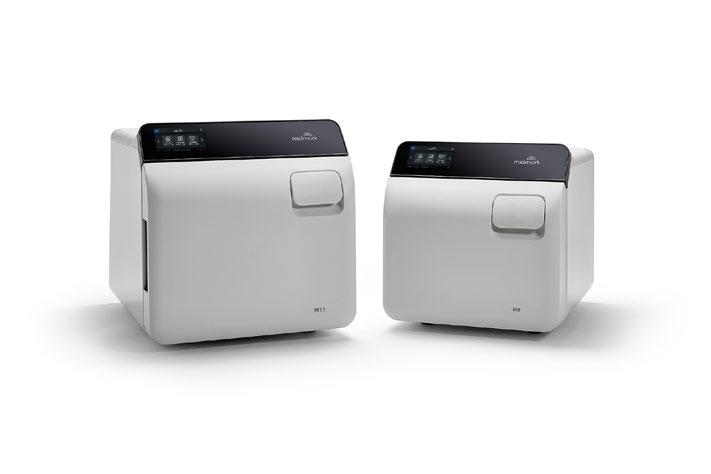
Understanding Air-Removal Technologies
Steam sterilizers use one of two approaches to remove air from the chamber:
` Gravity displacement – uses steam to naturally push cooler, heavier unsaturated air out of the chamber through a vent
` Dynamic air removal – actively removes air from the chamber using either a vacuum pump and steam or alternating bursts of steam and pressure above atmospheric pressure
Within dynamic air removal, there are two primary technologies:
Pre-Vacuum Sterilization
Often associated with European “Class B” terminology — a European classification, not an FDA category — pre-vacuum sterilizers use a vacuum pump to remove air from the chamber before steam is introduced. These systems rely on vacuum integrity and require additional monitoring and testing, including routine Bowie-Dick testing to verify proper air removal.
Steam Flush Pressure Pulse (SFPP)
SFPP sterilizers achieve dynamic air removal using alternating steam flushes and pressure pulses. Like pre-vacuum systems, SFPP technology is designed to remove air and support effective steam penetration.
SFPP systems can provide the benefits of dynamic air removal while reducing some complexity associated with vacuum-based systems. This includes vacuum-related maintenance requirements, less testing and simplified workflow management.
Importantly, both pre-vacuum and SFPP technologies are dynamic air-removal methods. The key question is not which technology sounds more advanced, but whether the sterilizer’s FDA-cleared indications, validated cycles and labeling align with instrument IFUs.
Drying Matters
Whether a sterilizer uses open-door or closed-door drying, the cycle must be validated, completed as intended and result in dry packs before handling or storage. Wet packs should always be considered compromised and reprocessed.
Conversation Starters
Key questions:
` What instruments need processing?
` What do the instrument IFUs require?
One sterilizer is not universally “better,” nor should the right choice be determined by a classification label or buzzword. Position the decision around instrument mix, IFUs, workflow needs and validated, FDA-cleared performance.
Leading with education rather than technology comparisons can help customers make informed, evidence-based decisions that support efficiency, compliance and patient safety.
Navigating Generational Differences in the Workplace
From Baby Boomers to Gen Z, every generation brings different experiences, expectations, and strengths to the workplace.
By Pete Mercer

There is a unique kind of tension in the workplace these days. It has less to do with what people are reheating in the shared microwave and more to do with the differences in generational experience. As each new generation comes into the workforce, there’s a kind of mass panic about how things are going to be different and the impact that’s going to have on the politics of the office.
Diversity is a beautiful thing – by bringing people together from different backgrounds, perspectives, and experiences, you are establishing a foundation that can leverage those differences into a team that can accomplish more. There might be lots of division and differences of opinion in the world right now, but most are typically trying to accomplish the same goal.
Repertoire Magazine spoke to Meagan Johnson, a generational expert, author, and keynote speaker, about the many and varied differences between the generations in the workforce and how we can all better work together to support each other. Her book, Generations, Inc.: From Boomers to Linksters–Managing the Friction Between Generations at Work, looks at how leaders can how people can coexist, cooperate and thrive in a corporate setting.
Developing generational signposts
One of the ways that Johnson uses to differentiate between generations is through a concept she coins “generational signposts”, which are events that define and influence a generation. She said, “What they are trying to explain is how events, the economy, and situations shape different clusters of people. People born during a certain timeframe have experienced these generational signposts differently than other people of different ages.”
These generational signposts are not only cultural indicators of a particular generational experience, but also indicators for expectations for workplace relationships between employers and employees. It can also be the source of tension between older generations and younger generations over the ‘right’ way to do things.
“We have an emotional connection to our generational signpost about how to get things done, and we take that expectation into the workplace. When we deal with someone from a different generation, they approach the situation differently, in part based on their generational signpost and their personality. Then we’re kind of like, ‘Well, no, no, no, that’s not the way you do things.’”
The older generation calls the younger generation ‘lazy’ and ‘unloyal’ when they quit their jobs, but the job stability
looks much different for the older generations who have been established in their careers for a longer period of time. As Johnson put it, events like COVID19 are not as disruptive for the people who have an established career as it was for those who were just starting out. Between millennials entering the workforce during the 2008 financial crisis and Gen Z entering during the pandemic, the younger generations have faced enormous instability in the workplace in the last 18 years.
The main point is that everyone has different experiences that inform the decisions they make. It’s important to embrace these differences to find the best path forward, instead of focusing on why a certain generation is wrong.
Pinpointing strengths
Each generation is equipped with a set of strengths that makes them a unique asset in the workplace. The younger generations are much more adept at using technology, leveraging modern tools to simplify, and even automate, their workflow processes. Having grown up on technology, they are able to implement it for whatever they need.
This means that they are also more willing to embrace new tools and technologies as they become available, which is a huge asset at this moment.
Regarding that sort of open-mindedness that Gen Z
has, Johnson said, “One of the biggest strengths is that they come in with a fresh perspective. Just because this is the way we’ve always been doing it doesn’t mean that it has to be the way we continue to do things.”
They can look at things with fresh eyes and offer a solution that not only fixes the problem but does it efficiently. Conversely, older generations have a unique perspective on why some things have been done in a certain way. While there might be an easier, faster solution for some things, the Baby Boomers and Gen Xers can identify how that would impact the bottom line.
“They’ll say, ‘Hey, that’s a great idea, but here’s what’s going to happen – it’s going to increase our cost 10% or put people at risk.’
They understand that this is the reason why we’ve done it this way and we can’t deviate from it because we have to keep people safe, keep the costs down, or whatever the case may be.”
Gen Xers and Baby Boomers are also willing to “hang in there until the very end,” meaning that they finish a project, even if it means that they’re going to work overtime. This can also impact boundaries with their work-life balance, which is not a problem that Gen Z has. Part of that fresh perspective that Gen Z brings also applies to the way that they approach and maintain the boundaries between their work lives and personal lives.
“I always tell audiences that you’re walking into a generational trap if you’re thinking about the younger generation in relation to what your experience was like at that point in your career,” she said. “We fill in how we assume the younger generation is going to behave in a situation the same way that we remember the way we did. That’s not always accurate, because they’re people of different generations. Their expectations are different.”
Leading multigenerational workforces
Any kind of workplace tension creates unique challenges within that space, especially for leadership. Great leaders are able to accommodate the many needs of their different employees, but that can be harder to do with all these different expectations and perspectives. So, how can leaders effectively navigate these generational differences in the office? For Johnson, it comes down to observing how each generation works.
For instance, when she first started working in the corporate world, she didn’t take feedback from leadership very well. She said that she felt like every time she heard from the manager was because she was doing something wrong, so she “heard from them all the time.”
Now that she’s leading her own company, she’s learned that the younger generations really value feedback. “When I don’t give them
feedback, they think that something’s wrong. When they think that something is wrong within the workplace, they start to feel like this isn’t a welcoming working environment and they start looking for something else. Which then translates to the older generations that they aren’t loyal.”
Because everyone is coming from different backgrounds and different generational signposts, it’s important to realize that not everyone is going to be motivated the same or even communicate the same. For leaders who are looking to reduce tension in the workplace, Johnson argues that you talk about any ‘unwritten rules’ and not leave them unwritten anymore. While some things might seem obvious to you, it’s not obvious to everyone.
It might be as simple as communication styles. By talking through things like what the word ‘urgent’ means, how they best like to communicate, and what kinds of tools they use, you can remove any confusion from the equation. Talking through those subjects also removes any assumptions, which are confusing on both sides of the aisle.
“We make this assumption that younger generations always want to use technology. However, many of them appreciate that human connection because that’s what many of them missed going into the workforce during COVID-19. So many of them missed those opportunities to make those human connections, so they do value them. They appreciate face-to-face communication; they just might not be as adept at it as you are,” she said.
Trading policies for standards
One of the biggest talking points between younger and older generations is process. We all have a certain way that we do things, and there’s usually a good reason for why our processes are built that way. But what if there was a better way? Johnson is looking to help her audience trade their policies and rules for higher standards.
“Policies and rules can easily be argued,” Johnson said. “Baby Boomers, Gen Xers, we were taught to follow policy. This is the policy; this is

the rule. The younger generations are great at questioning the policy. So, let’s stop talking about policy.”
We all have a certain way that we do things, and there’s usually a good reason for why our processes are built that way. But what if there was a better way?
Removing the rule allows you to focus on a high standard of excellence, which is what is really important. Enforcing a standard of excellence could help your team to improve outcomes and raise the quality of work, which will ultimately help you to be more productive, more efficient, and deliver better results for your customers.
“The quality of the work is what’s important. We have to assume that everybody comes to work wanting to do a good job. No one wants to fail, so we need to think about the way that they are approaching a situation differently than I would, which probably means getting rid of these unwritten rules that are so clear to me, but may not be clear to someone else. How can I create an environment where this person is successful either by communication, motivation or understanding these unwritten rules?”
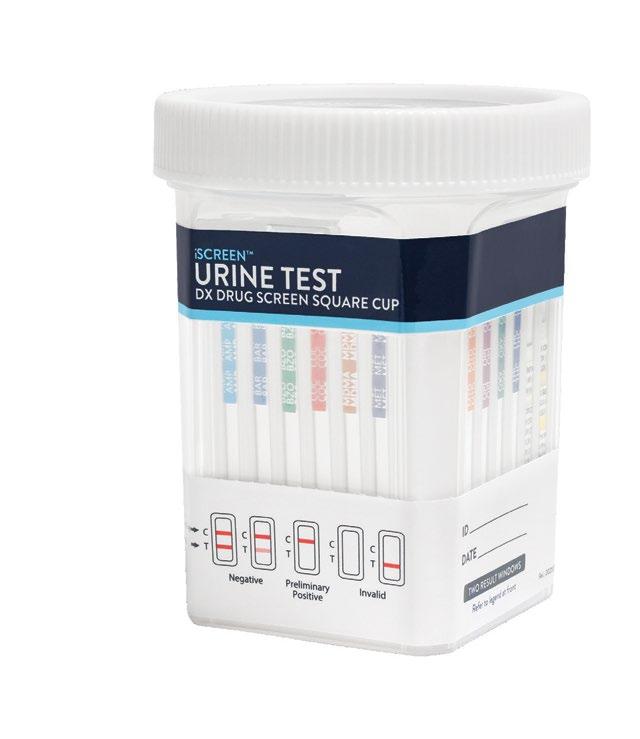
Managing Chronic Pain
The diagnosis and treatment of chronic pain often falls on primary care providers. A new chronic pain management service aims to alleviate some of that workload.
Chronic pain, or persistent pain lasting more than three months, affects nearly 1 in 4 Americans, according to the National Institutes of Health (NIH).
Supporting patients with chronic pain in the U.S. largely falls on primary care physicians – they are often the first solution to helping patients navigate pain and find relief.
With the significant volume of patients facing chronic pain, however, primary care physicians don’t always have the time or resources to fully care for patients’ ongoing treatment needs.
To address this, a new company formed in 2025 – known as Glimmer Health – supports primary care providers in managing the complexities of chronic pain and providing effective, comprehensive chronic pain management for patients.
“Chronic pain is the ongoing existence of pain for three or more months, and it differentiates from post-surgical pain in which someone has trauma or an accident, which is more episodic,” said Alissa Meade, Co-Founder and CEO of Glimmer Health, who has spent the last 10+ years leading early-stage venture-backed healthcare companies. Prior to that she was a consultant at McKinsey and a vice president in healthcare investment banking. “At this moment, somewhere between 20% to 25% of adult Americans are suffering from chronic pain –indicating that it is an enormous, intractable, ubiquitous problem.”
Indeed, nearly 70 million U.S. adults experience clinically significant chronic pain requiring them to seek treatment, often turning to their primary care physician first.
Low back pain and arthritis-related pain are the most frequent, and result in significant disability, lost time from work and unnecessary suffering, according to UPMC.
Managing chronic pain
Pain can arise from many causes, such as earlier episodes of pain or a musculoskeletal (MSK) incident from earlier in life – as well as injury, disease, or even unknown causes, according to the NIH.
“The most common chronic pain conditions are chronic low back pain and arthritis related pain, followed by nerve injury pain (such as diabetic peripheral neuropathy) and fibromyalgia,” said Ajay Wasan, M.D., M.Sc., Medical Director, Glimmer Health.
Effective pain management requires a comprehensive, patientcentered and interprofessional approach that includes early evaluation, multimodal (pharmacological, non-pharmacological, and interventional) therapies and mental health screening.

“There often is no specific precursor to pain, and it can emerge from many different sources without a clear cause,” said Meade. “For pain, there is a very high correlation with other chronic conditions, but it certainly does not mean one causes the other.”
Despite the high number of Americans facing chronic pain, there is only one pain specialist (physicians that are boarded and specialized in treating pain) per every approximately 20,000 patients diagnosed with chronic pain, says Meade.
“In this country, we’ve largely left pain to be managed by primary care, despite the fact that nearly 90% of primary care providers indicate that they don’t feel like they have
Physicians treating chronic pain must also focus on addressing the root causes of a patient’s pain in order to move toward a long-term solution to its management.
adequate training longitudinally to manage chronic pain,” said Meade.
Primary care providers also have a lot on their plate – they already spend a relatively short amount of time with each patient, and they must also address a wide variety of comorbid conditions with their patients in limited time.
“Treating chronic pain takes significant time. Most primary care physicians have not received adequate training in the assessment and management of chronic pain,” said Dr. Wasan. “Along with the significant time demands they have taking care of potentially lethal diseases, such as cardiac disease and cancer, this all makes it less likely that chronic pain will be well-managed in primary care.”
Glimmer Health was created to bridge the disconnect between primary care providers and pain specialists – streamlining referrals and follow-ups, reducing between-visit communications and prescription refill management and freeing physicians and their staff to focus on direct patient care.
“We consistently hear from primary care providers that they don’t have the tools and capacity to manage chronic pain,” said Meade. “We developed Glimmer with the purpose of supporting primary care and partnering with them in order to help manage their patients’ chronic pain journey.”
Addressing chronic pain
Glimmer Health was built using UPMC’s proven pain care model to develop evidence-based multimodal personalized care plans for patients by streamlining access to treatments including medication management, longitudinal care teams, behavioral health support and holistic therapies.
“The thing about chronic pain is that it is not curable. Patients are managing it and trying multiple interventions over time – you can’t take steroidal injections and certain medications for pain management for the rest of your life,” said Meade. “We look holistically at the individual, providing them the specialization around pain management and ensuring it is the most appropriate intervention.”
Primary care providers often start with initial interventions to manage chronic pain including medications, physical therapy and injections.
Then, if needed, primary care providers refer patients to a specialist. For some patients, this is enough, but others may need to try multiple interventions.
“A common misconception is that treatment of chronic pain means medications only, and that chronic pain is just a symptom and not a disease that needs comprehensive care,” said Dr. Wasan.
Physicians treating chronic pain must also focus on addressing the root causes of a patient’s pain in order to move toward a longterm solution to its management.
“We are very proud of the fact that our clinical model is multimodal chronic pain care – this allows us to consider a much broader range of potential interventions for chronic pain – such as matching our patients with health coaches, behavioral health coaching and/or services, and engaging our patients with non-traditional interventions (acupuncture, aqua therapy, meditation, sleep discipline, etc.) where that makes sense,” said Meade.
Before the patient journey begins at Glimmer Health, the virtual service works with practices to get targeted data. This data is then run through an algorithm to form a curated list of patients who might be appropriate for its services based on a host of factors. The primary care provider reviews the list and advises Glimmer on appropriate patients. Then, Glimmer Health proactively does patient outreach.
“There are two ways we partner with practices,” said Meade. “First, with referrals either at the point of care like with any other specialist, or the primary care provider (PCP) can use Glimmer’s data driven approach to identify potential candidates across their panel and then Glimmer performs outreach. A second model is to have
Glimmer bill incident to the primary care provider, in which case the existing primary care provider continues to be the supervising provider in charge of the patient’s chronic pain care, but our physician extenders deliver and assist with the care.”
Glimmer Health evaluates every patient to determine if their needs are appropriate for virtual only management. If not, they still review the care plan and provide alternative recommendations to the referring provider.
Glimmer Health is an entirely virtual service. When a patient is referred, a link for their consultation is sent to their phone, email and portal account. Patients then receive a full consultation, like a visit to any other specialist.
Once the initial consultation is complete, if necessary, patients are referred to the appropriate location for any labs, imaging or other in-person interventions. Documentation of
By the numbers 1 in 4
70 million 20,000
Chronic pain, or persistent pain lasting more than three months, affects nearly 1 in 4 Americans.
Nearly 70 million U.S. adults experience clinically significant chronic pain requiring them to seek treatment, often turning to their primary care physician first.
Despite the high number of Americans facing chronic pain, there is only one pain specialist (physicians that are boarded and specialized in treating pain) per every approximately 20,000 patients diagnosed with chronic pain.
FROM THE BRACKET TO THE WINNER’S CIRCLE



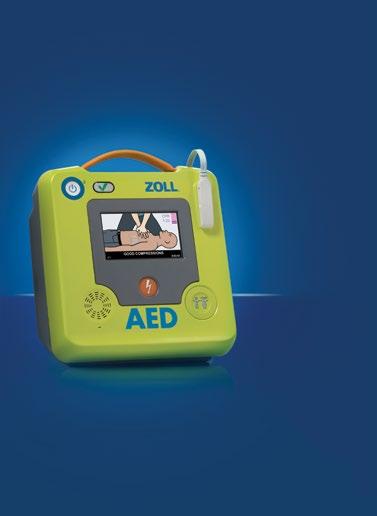


“ I see this ad and it reminds me that I need to talk about this with at least a dozen of my customers because it provides definitive answers for patients and gives actionable results. ”
— Distributor Sales Rep
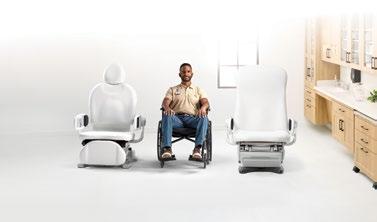
The advertisers recognized in this year’s Signet Research Ad Study have one thing in common—a consistent presence in Repertoire.
READY TO STAY IN THE
GAME?
these visits is then shared back with the patient’s primary care provider and Glimmer Health continues to have ongoing appointments with the patient, including physical health and behavioral health coaching if appropriate.
“Treatment for chronic pain means the delivery and prescribing of a wide variety different types of interventions for pain, such as non-opioid medications, injections, rehabilitation, mental health care and/or integrative medicine,” said Dr. Wasan.
The power of partnership
Glimmer Health is the second company built, funded and launched by the partnership between UPMC Enterprises and Redesign Health, which was formed to create and support innovative health care companies.
“I am so grateful to have two excellent capital and strategic partners, and I love that they’re very different,” said Meade. “UPMC is a large integrated delivery system, and we have the benefit of having access to their experts throughout the system to help us work through problems, test the value proposition and work directly with the health
Key Takeaways
To measure the success of the patient care journey and pain reduction, Glimmer Health providers must ensure that they are enhancing patient’s overall wellbeing during their time in care.
` Chronic pain affects nearly one in four Americans and is primarily managed in primary care settings with limited time, training, and resources, creating a major gap in long term care delivery leading to fragmented care, delayed treatment, and poorer outcomes overall patients.
` Glimmer Health, launched in 2025, supports primary care providers through a virtual multimodal model combining medications, behavioral health and integrative therapies while streamlining referrals and ongoing patient coordination.
` The company partners with major health systems to validate care pathways and uses outcome measures focused on improved function, quality of life, and reduced pain rather than diagnostic markers alone.
system as a proving ground as well. Redesign Health is a more traditional venture investor.”
These partnerships serve to assist Glimmer Health in extending the reach of primary care physicians by providing them with resources that seamlessly integrate with primary care teams.
“UPMC is unbeatable given the breadth and the depth of its healthcare resources,” said Meade. “Having the credibility of our clinical care pathway having been developed by a world renowned academic medical center like UPMC and having the clinicians who developed them as part of Glimmer Health has been an extraordinary asset to us.”
Glimmer Health regularly consults with patients to ensure they are adhering to their care plans and ensures that patients achieve reduced pain and pain relief. To measure the success of the patient care journey and pain reduction, Glimmer Health providers must ensure that they are enhancing patient’s overall wellbeing during their time in care.
“When it comes to patient outcomes, measuring pain reduction is not as simple as a diagnostic test – you can’t measure it like a patient’s A1C going down, for example,” said Meade. “Instead, it’s all about improving our patient’s quality of life, their functionality and their perception of their pain.”
The Healthcare Manufacturers Network (HMN) connects senior sales and marketing executives from healthcare product companies and helps them develop skills and stay informed on industry trends.
Become Part of YOUR Community Today!
Boost your manufacturing connections through exclusive networking events with industry leaders and peers
Year-round educational opportunities emphasize professional development across a broad range of topics.
A Nuanced Approach to Diabetes Research
An American Diabetes Association (ADA) program provides funding for early-career scientists to conduct groundbreaking research.
By Jenna Hughes
Listen to this article, scan the QR Code.

Insulin, a manufactured type of hormone that patients with diabetes use to manage their condition, was discovered more than 100 years ago. While insulin therapy for patients with diabetes is lifesaving, it is not a cure. Today, it remains the only treatment option for the disease.
Despite the many medical advances in diabetes treatment over the years, its diagnosis in the U.S. has increased from under 1% in 1957, to one in ten Americans currently living with diabetes today, according to the American Diabetes Association (ADA). The cost of treating diagnosed diabetes in the U.S. is a staggering $245 billion each year, per the ADA.
Researchers have made progress in the prevention, diagnosis and treatment of diabetes, but ongoing funding and resource constraints have led to disparities in research talent, with many early-career researchers entering the industry to find that research dollars are scarce.
Designed to address these challenges, the ADA launched the Pathway to Stop Diabetes® program in 2014. The program provides flexible, long-term funding that empowers scientists to pursue bold, new ideas without the constraints of traditional project-based grants.
“The Pathway to Stop Diabetes program is the American Diabetes Association’s flagship research initiative, designed to drive transformative progress in our understanding of diabetes by investing in exceptional scientific talent,” said Dr. Marlon Pragnell, Vice President, Research & Science at the American Diabetes Association. “While recognizing an applicant’s prior accomplish-
ments and the strength of the proposed project, the program places a strong emphasis on the investigator’s potential to shape the diabetes field by deliberately investing in early-career scientists at a critical point in their development. It provides junior investigators with the stability needed to launch independent research programs, generate foundational data, and build scientific credibility.”
The Pathway program aims to accelerate research discovery by supporting innovative ideas and transformational approaches that will lead to ground-breaking discoveries in diabetes prevention, management, and cures.
Supporting science
Since its launch more than a decade ago, Pathway to Stop Diabetes program has supported the research of 50 scientists whose work is reshaping how diabetes is understood and treated.
The work of these scientists is vital – factors such as low compensation and reimbursement rates compared with other specialties, high medical school debt, and more contribute to gaps within diabetes research and care.
Along with preexisting care delivery gaps, senior, wellseasoned scientists are generally better positioned to compete for large federal awards than researchers who are just establishing their independent careers, according to the ADA.
“The situation puts earlycareer researchers in the tough spot of needing existing findings to secure funding but having no support with which to generate such data,” said Pragnell. “This scientific ‘Catch 22’ can discourage innovation and slow the entry of fresh, bold ideas into the field.”
Pathway shifts the research focus from past accomplishments to future potential, intentionally investing in promising earlycareer scientists before they are fully established.
“The Pathway to Stop Diabetes program is poised to shape the long-term landscape of diabetes care by strengthening a sustainable pipeline of innovative researchers committed to tackling the disease.”
“Pathway has measurably strengthened the diabetes research pipeline while accelerating discoveries that are informing new strategies for prevention, treatment, and understanding of the disease,” said Pragnell. “Alumni of the program are now at the forefront of diabetes research efforts; most lead independent laboratories, secure major national funding, and publish highly influential discoveries in peer-reviewed journals.”
Each Pathway award provides up to $1.625 million to researchers over five to seven years and offers longterm, flexible funding. This structure provides investigators financial independence, reducing the need to continually seek grants. It also allows them to adapt, expand or redirect their research as new insights arise.
Seeking exceptional research talent, the Pathway program is structured to identify and support the strongest candidates nationwide through a competitive institutional nomination model.
“Each institution may submit up to two nominations annually: one spanning basic through preclinical research and one spanning clinical through public health research; ensuring that only top candidates are put forward and that a diverse range of expertise contributes to the diabetes research ecosystem,” said Pragnell.
The Pathway to Stop Diabetes program includes two award types: Initiator Awards, which support earlycareer researchers still in their training phase, and Accelerator Awards, which support independent faculty who have demonstrated productivity in diabetes research but have not yet received substantial federal funding support.
Shaping the future of diabetes care
Research breakthroughs help to further healthcare’s understanding of diabetes as a disease, and hold the potential to transform the treatment of the condition and improve patient care delivery.
“The Pathway to Stop Diabetes program advances the ADA’s mission of preventing, treating and ultimately curing diabetes by empowering scientists to pursue bold, innovative, ever-evolving, highimpact research,” said Pragnell. Pathway Award recipients have published reports of their research findings in ADA’s journal Diabetes in the Pathway to Stop Diabetes Collection.
One Pathway to Stop Diabetes grantee, Dr. Sarah Stanley, Assistant Professor of Medicine in the Division of Endocrinology, Diabetes & Bone Disease and Neuroscience, at the Icahn School of Medicine, Mount Sinai, focuses her research on the role of the nervous system in glucose regulation, specifically exploring how problems with glucose-sensing neurons in the amygdala contribute to the development of diabetes.
“Discovery requires freedom to explore unproven ideas and the freedom to follow unexpected findings.”
Using novel approaches in animal models, her work examines how both central and peripheral neural circuits influence metabolic control, and new ways in which neural pathways can be harnessed to treat type 2 diabetes.
“The Pathway to Stop Diabetes program is poised to shape the long-term landscape of diabetes care by strengthening a sustainable pipeline of innovative researchers committed to tackling the disease,” said Pragnell.
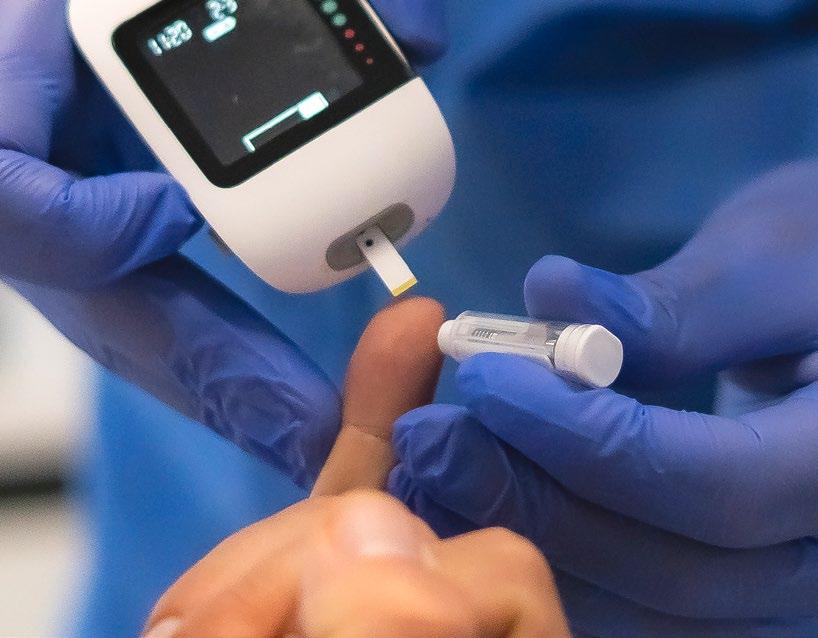
Additionally, through a Pathway grant, Dr. Michael Stitzel, Professor at The Jackson Laboratory (JAX), and his team researched pancreatic cells from non-diabetic, prediabetic, and diabetic people, and found that dozens of unexpected genes are strongly linked to type 2 diabetes.
“Based on our findings, we hypothesize diabetes develops at the cellular level in 5 potential stages or events,” said Dr. Stitzel. “First, high blood sugar forces beta-cells to work harder. This leads to compensatory changes that seem to include ramping up nerve receptors to boost insulin production.”
Dr. Stitzel says that the research, in terms of the findings on neuroreceptor signaling and vitamin A metabolism, was ultimately surprising. His team hopes these validated findings help to advance an overall understanding of diabetes pathology.
“The ADA’s Pathway program seeks high-risk, highreward projects with transformative potential,” said Dr. Stitzel. “The Pathway model trusts the awardees, based on a previous record, to effectively pursue the most exciting findings, stratify risk-reward opportunities, and circumvent or overcome technical and conceptual barriers encountered over the course of the project.”
Dr. Stitzel says that the Pathway plays at least three critical roles to accelerate meaningful change at scale, “First, it seeks and funds high-risk, high-reward proposals that could be paradigm-shifting in our understanding of diabetes risk, progression and outcomes. Second, with components focused on young and early-stage scientific investigators, it provides programmatic foundations and funding at a particularly sensitive period in scientists’ career trajectory. Finally, by building connections and facilitating interactions both between Pathway awardees and with established investigators in the Pathway Mentor Advisory Group, researchers have made and continue to make seminal contributions to the field.”
Pathway also supports clinical and implementation science. Dr. Anna Kahkoska, a Pathway to Stop Diabetes grantee and Assistant Professor at the University of North Carolina at Chapel Hill,
Critical roles
The Pathway to Stop Diabetes:
1. Funds high-risk, high-reward research aimed at breakthrough, paradigm-shifting advances in understanding diabetes risk, progression, and outcomes.
2. Supports young and early-career scientists with targeted funding and structured programs during a critical stage of their professional development.
3. Builds a collaborative research network by connecting awardees with each other and with established experts through a Mentor Advisory Group, driving ongoing field-wide contributions.
“The situation puts earlycareer researchers in the tough spot of needing existing findings to secure funding but having no support with which to generate such data.”
researches principles that translate directly into clinical practice. Her research addresses diabetes distress in primary care settings, helping ensure that scientific advances translate into meaningful improvements in care and long-term quality of life for people living with diabetes.
This freedom to conduct unrestricted, collaborative research drives discoveries that would not otherwise be possible.
“Discovery requires freedom to explore unproven ideas and the freedom to follow unexpected findings,” said Dr. Stitzel.
By providing research support, the Pathway program accelerates career independence, ensuring that innovative new voices can contribute meaningfully to the future of diabetes research.
“While no single research project is guaranteed to succeed, the program’s rigorous selection process and strong emphasis on mentorship and long-term support significantly increase the likelihood of meaningful breakthroughs,” said Pragnell. “Healthcare leaders should be watching the progress of the Pathway to Stop Diabetes grantees closely, as they represent some of the brightest and most promising minds in the field.”
Manufacturing for the Future
ZOLL’s focus on workforce development, resilience and continuous improvement positions it for long-term success.
ZOLL Medical Corporation, based in Chelmsford, Massachusetts, develops and markets medical devices and software solutions to help providers advance their care efforts and improve patient outcomes. Repertoire Magazine spoke with a spokesperson for ZOLL to discuss how they are navigating manufacturing challenges in the United States.
Commitment to resilience through training
Navigating market changes and manufacturing challenges requires resilience, which starts with having the right people on the ground. ZOLL said, “Resilience starts with our people and our commitment to continuous improvement. We are always looking for ways to strengthen our manufacturing operations, enhance supply chain visibility, and increase our use of datadriven decision making to respond to changing market conditions.”
Because ZOLL knows what it takes to be resilient in the face of significant manufacturing challenges, they have expanded their training initiatives to allow early-career professionals
to contribute to real-world challenges from day one.
“By investing in emerging talent today, we are helping to build a strong pipeline of skilled professionals who will drive innovation, strengthen our manufacturing operations, and continue advancing technologies that improve and save lives.”
Giving back and looking to the future
Part of ZOLL’s mission to provide better solutions that save lives is built into their culture through training programs and internal learning opportunities.
“We have an internal program called Mission in Motion, which is a company-sponsored learning opportunity for eligible
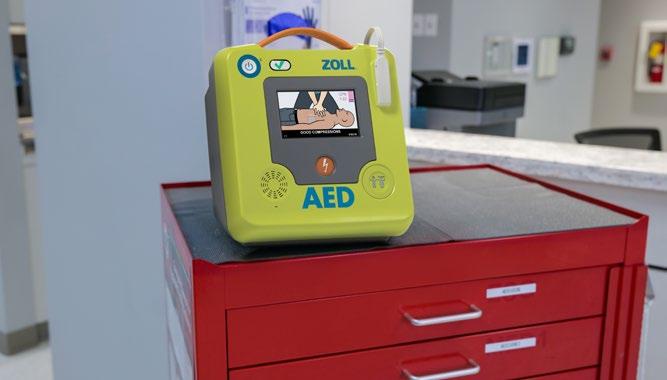
ZOLL employees. It empowers employees with training and lifesaving tools, with the goal of enabling them to respond to and assist with medical emergencies that happen in their home or local community.”
Earlier this year, ZOLL expanded its Anything Can Happen, Anyone Can Help initiative to help educate the public about automated external defibrillators (AEDs) and offer tools that communities can use to help increase access to AEDs. The most recent expansion is aimed at strengthening cardiac emergency readiness where young athletes play.
As America celebrates its 250th anniversary, ZOLL is committed to continuing to invest in people, manufacturing excellence, and product innovation. They believe that the next chapters of manufacturing will be defined by advanced technologies, skilled workforces, data-driven operations, and a continued commitment to innovation.
For companies that are looking to make a difference, ZOLL said, “Organizations create lasting impact when they invest in their workforce, build strong community relationships, and operate with integrity. Companies that focus on creating meaningful value for customers and continue to develop their employees are often the ones that achieve the most sustainable long-term success.”
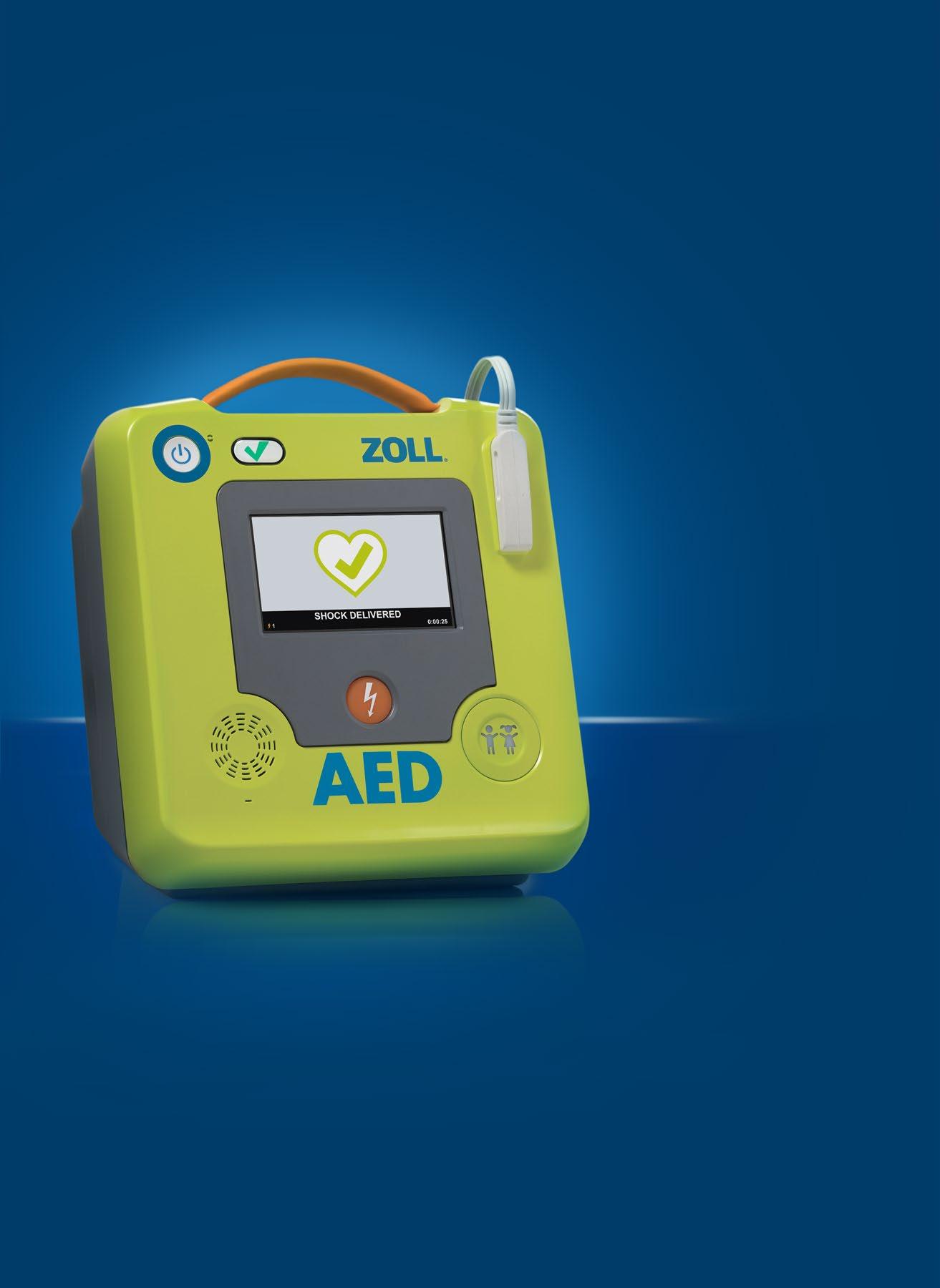


Sustainable Healthcare
How the healthcare industry is responding to the push to go green.
By Jenna Hughes
Editor’s note: The following is the first in a three-part series on sustainability.
Integrating sustainable practices has been a recent focus for many healthcare organizations, driven by the need to balance quality patient care with environmental leadership.
The healthcare industry –encompassing medical services, manufacturing and distribution, medical waste disposal and more – has a substantial environmental footprint compared to other sectors. In fact, healthcare accounts for roughly 8.5% of U.S. net greenhouse gas emissions (GHG), which is roughly 4.4% of global net emissions, according to the National Institute of Health’s (NIH) study, “Emissions Disclosures and Energy Use Reporting by Hospitals in the United States.” Hospital care makes up the greatest portion of the health sector’s GHG emissions at 35%, per the American Hospital Association (AHA). There were 6,120 total hospitals nationwide as of 2022.
“Frame these statistics another way: if the health sector were a country, it would rank as the fifth-largest emitter on earth,” said Gwyneth Jones, Senior Director at Practice Greenhealth, a sister organization of Health Care Without Harm and a membership network that delivers environmental solutions to hospitals and health systems across the nation.
These staggering statistics are just one of the reasons healthcare organizations have begun to center environmental stewardship in their strategic decisions.
Sustainability within the context of healthcare refers to the implementation of cost-efficient,
environmentally friendly practices to support healthy and resilient environments and communities over time, according to the American Hospital Association’s “Sustainability Roadmap for Healthcare.”
Sustainability in healthcare goes beyond just GHG reduction and encompasses waste mitigation, sustainable procurement, improving community health and more. Environmental health and human health go hand in hand –without a healthy planet, proper patient care cannot be delivered.
According to the AHA, sustainability in health care is based on a simple principle: Everything that humans need for their survival and well-being depends, either directly or indirectly, on the natural environment.
“Protecting and improving people’s health is the utmost priority and doing so in a responsible way is key to sustainable success,” said Christian Hutter, Associate Director, Sustainability and Packaging at B. Braun Medical Inc. “For manufacturers, ensuring that medical devices and packaging are not made with harmful chemicals like DEHP, reducing GHG emissions, minimizing waste, using renewable materials, designing for recyclability and reducing virgin plastics in a cost advantaged way are all areas of focus to serve healthcare systems today.”
Sustainable action
Fortunately, many hospitals, health systems and health
organizations have now begun the process of implementing practical solutions to address carbon emissions and waste generation.
Fortunately, many hospitals, health systems and health organizations have now begun the process of implementing practical solutions to address carbon emissions and waste generation.
“As the industry aims to reduce its GHG emissions through investments in cleaner energy technologies, reducing waste, more use of renewable materials and less virgin plastics for example, the impact is both global and local,” said Hutter. “Less waste equals fewer collection trucks on the road, less landfill, less incineration, cleaner air, lower fossil fuel consumption and less chance for plastics to leak into our communities and environments.”
Recognizing a need for leadership in protecting the planet, B. Braun has pledged to reduce scopes 1 and 2 CO2 emissions 50% by 2030 versus a baseline of 2021. B. Braun announced in March that it has committed to purchasing renewable electricity for its operations in North America which will reduce those emissions by more than 30%. Globally, B. Braun has reduced its scopes 1 and 2 emissions by over 20% as of 2025.
This action will result in all of B.Braun’s U.S. based manufacturing facilities, affiliated distribution centers and locations in Pennsylvania being matched with 100% renewably sourced electricity from 2026 onwards.
“By purchasing matching Renewable Energy Credits for the electricity that we purchase in our NA operations, we are able to reduce the inherent environmental impact of our products and pass these benefits on to our customers,” said Hutter.
B. Braun is also taking additional steps to invest in alternative energy technologies, including the installation of a fuel cell microgrid at its 710,000 square foot IV fluid and generic pharmaceutical manufacturing facility in Irvine, California. “These actions represent not a cost, but an investment in our collective future,” said Hutter.
“The planning horizon has changed,” said Jones. “A few years ago, most sustainability work in healthcare was reactive to regulation or a specific event. Now we’re seeing systems build genuine 10- and 20-year decarbonization roadmaps. That’s a different kind of institution.”

Navigating the ASC Market as a Non-Acute Sales Rep
As procedures shift into ASCs, Cardinal Health’s Jason Castro says reps must balance relationships, data and supply challenges to support leaner care models.
By Pete Mercer
Jason Castro is a non-acute/ambulatory surgery center (ASC) sales representative for Cardinal Health, based out of northwest Louisiana. Repertoire Magazine spoke to Castro about some of the biggest challenges in medical sales, the value of clinical knowledge and what makes the ASC market different from traditional healthcare.
Serving ambulatory surgery centers
As a territory manager for nonacute sales for Cardinal Health’s U.S. Medical Products and Distribution team, Castro serves ambulatory surgery centers and surgical hospitals throughout the state of Louisiana and into Central Mississippi. Most of his time is spent traveling and meeting with customers to ensure that Cardinal Health’s products are continuing to meet their needs, as well as looking for other opportunities to provide additional products and solutions. Castro said, “I offer our customers a variety of products for use in the operating room, including surgical gloves, drapes, gowns, surgical procedural kits

and personal protective equipment. I also manage other items including Cardinal Health wound care products, syringes, sharps containers, electrodes, compression therapy solutions and other medical products essential for patient care.”
Because of the wide range of products in the Cardinal Health portfolio and the various moving parts within an ASC, Castro typically will have multiple call points with a single customer. “In any given visit, I may meet with several clinicians and staff members – from the director of nursing to materials management to infection control. These providers have different needs and use a variety of products; it’s my responsibility to build a holistic approach to meet their expectations.”
Navigating challenges with clinical knowledge
Castro believes that every healthcare sales rep should have a strong understanding of how these products are being used in clinical settings. He works with Cardinal Health clinicians to develop better clinical knowledge related to the products he offers.
Developing that clinical knowledge is one of the many challenges that medical sales reps must navigate in this industry. He said, “Our Cardinal Health clinical team members provide regular support to our sales organization – whether it’s new product training, product recommendations, or one-off clinical questions, our clinicians are critical to our organization. They can also serve as liaisons with our customers for more detailed clinical inquiries or challenges.”
As for the challenges faced by ASCs specifically, Castro said that even ASCs are not immune to the issue of supply health. He’s found that he still navigates changes to product availability since the COVID-19 pandemic. Castro sees these scenarios as opportunities to become a trusted advisor for his customers.
Finding other solutions and substitute products becomes a collaborative effort. With access to Cardinal Health’s full portfolio of products and the strong relationships across a wide network of
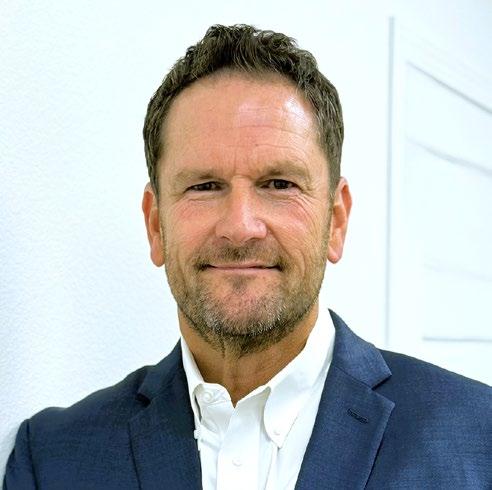
vendors, Castro has a wealth of options and flexibility to support his customers.
As overall costs continue to rise throughout the industry, ASCs will offer a more costeffective option without sacrificing quality, which will continue to push volume towards ASCs.
“With the breadth of solutions available, it often comes down to working closely with each facility to identify products they’re confident using and that are aligned with their overall objectives.”
How ASCs are different than hospitals
For Castro, the biggest difference between ASCs and hospitals, from a sales perspective, is the ownership structure. “Many ASCs are physician-owned and operate with fewer layers of decision makers, which often results in a more streamlined and efficient sales process. Compared to large hospital systems, we typically see less administrative complexity, which allows for more streamlined decision making and faster implementation for products and solutions.”
Jason Castro
Due to the nature of ASCs, they use products and solutions that are designed to help increase efficiencies and improve patient outcomes. To do this effectively, Castro says he benefits from having a strong understanding of the various roles and responsibilities within ASC teams. For instance, certain team members may be required to wear multiple hats at once, performing multiple functions within the facility.
This gives Castro the opportunity to work with a wide range of stakeholders within a single facility. “By understanding the diverse responsibilities of ASC team members, I can tailor solutions that support efficiency across multiple roles. We consistently focus on ways to simplify workflows, enhance productivity, and help make our customers’ day-to-day operations easier through dependable products and practical solutions.”
The future of the ASC market
According to Castro, one of the major trends currently shaping purchasing decisions is cost containment. Rising supply costs and continued reimbursement pressures are prompting ASC leadership to find ways to manage those expenses without compromising patient care.
“I’ve had to think more creatively with customers. I work closely with them, often leveraging customer data and usage
Rising supply costs and continued reimbursement pressures are prompting ASC leadership to find ways to manage those expenses without compromising patient care.
reports, to identify conversion opportunities item by item. These data reviews help customers see where alternative products or adjustments in practice could help control costs.”
Building relationships with the customer from the outset makes it much easier to have those tough conversations about pricing. Castro says if that relationship already has a foundation of trust and understanding, those moments can foster open and solution-oriented dialogue.
Over the next few years, Castro believes that the ASC market is going to continue to evolve with more procedures shifting from hospitals to the ASC setting. As overall costs continue to rise throughout the industry, ASCs will offer a more cost-effective option without sacrificing quality, which will continue to push volume towards ASCs.
“During my 19 years with Cardinal Health, I’ve seen that advancements in medicine, technology, and surgical techniques have made it possible for more complex procedures to be performed safely and efficiently in ASCs,” Castro said. “As margins tighten, ASCs will continue to look for more manufacturers and distributors like Cardinal Health to help them manage costs, navigate change, and support both clinical and operational goals.”
3 Key Takeaways
` ASC sales require a multi-stakeholder approach. Reps like those at Cardinal Health engage across nursing, infection control, and materials management teams – balancing clinical needs with operational priorities across a single facility.
` Clinical knowledge drives credibility and problem-solving. Strong understanding of product use, supported by clinical teams, helps reps navigate supply variability and recommend substitutes when availability or costs change.
` Cost pressure is reshaping ASC purchasing. Rising supply costs and reimbursement constraints are pushing ASCs toward data-driven product conversions, while continued migration of procedures from hospitals reinforces ASCs as a lower-cost care setting.
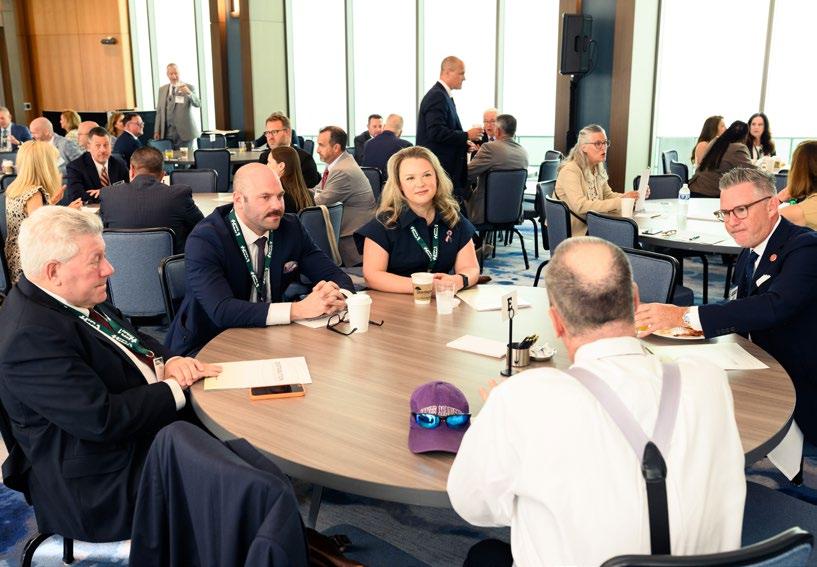
HIDA’s 2026 Washington Summit
From tariffs to preparedness, HIDA members brought supply chain priorities to Congress.
Kathryn
DiBitetto, Vice President of Government Affairs
Healthcare distributors and manufacturers went to Washington with a clear message: a resilient healthcare supply chain does not happen by accident.
It requires sustained partnership between industry and government and a shared commitment to ensuring medical products reach providers and patients when they are needed.
That message was front and center at HIDA’s 2026 Washington Summit, where leaders gathered in the nation’s capital for direct engagement with policymakers. HIDA members participated in more than 80 meetings on Capitol Hill, using real-world examples to explain how federal policy decisions affect the movement of medical products.
Two congressional voices, one supply chain message
Members of Congress took the stage bringing Capitol Hill directly to HIDA members.
Rep. Mariannette Miller-Meeks (R-IA), a physician, veteran, and member of the House Energy and Commerce Committee, delivered keynote remarks focused on public health and readiness for future emergencies. Miller-Meeks voiced support for improving coordination with state stockpiles, helping ensure emergency supplies are better aligned with real-time needs on the ground.
Rep. Nicole Malliotakis (R-NY) spoke about her legislation, the Medical Supply Chain Resilience Act. The bill would create a strategic trade framework for critical medical products, allowing the U.S. to work more closely with trusted trade partners. It would ensure healthcare providers can access essential supplies even when tariffs, geopolitical disruptions, or public health emergencies strain the system.
Connecting tariff policy to patient access
Tariffs were a major focus of conversations on Capitol Hill. HIDA members warned that medical products are already subject to multiple tariffs, including Section 301 duties on products from China, Section 232 tariffs on key materials such as steel and aluminum and
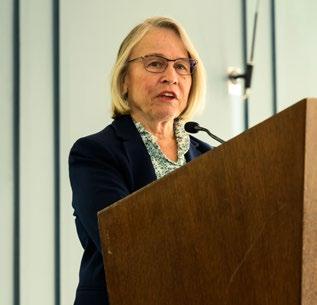
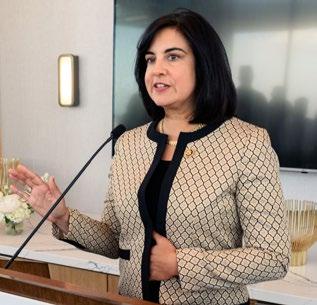
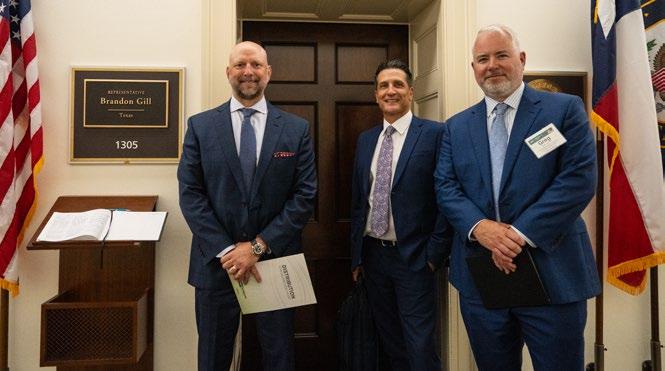
a 10% baseline 122 tariff. New tariffs, such as 232s on medical products, would threaten the affordability and availability of healthcare supplies. Members urged policymakers to ensure that trade policy supports, rather than hinders, America’s healthcare system.
Advancing practical resilience solutions
HIDA members urged lawmakers to advance policies that strengthen the nation’s ability to respond to the next public health emergency, including the Medical Supply Chain Resilience Act and reauthorization of the Pandemic and All-Hazards Preparedness Act. These measures
are critical to improving coordination before, during, and after disruptions. Both pieces of legislation remain bipartisan; however, Congress is not expected to enact much legislation before the midterm elections.
Advocacy powered by real-world expertise
In a city where the old saying still holds true, “If you are not at the table, you are on the menu,” HIDA members showed why healthcare distribution must be part of the policy conversation. Washington Summit offered more than a chance to advocate. It was a reminder that the strongest policy outcomes are shaped by the people closest to the work.
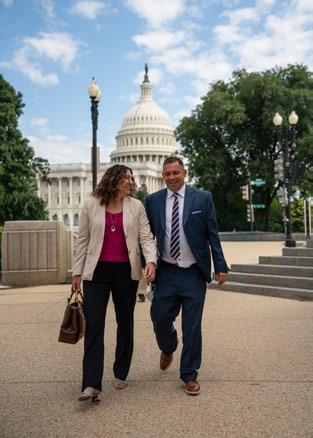
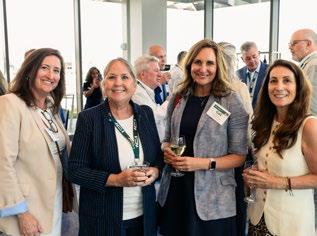

Rep. Miller Meeks (R-IA)
Rep. Nicole Malliotakis (R-NY)
Can Routine Microbiology and Molecular Tests Co-Exist?
From respiratory pathogens to cancer screening, molecular testing is expanding rapidly. Here’s how healthcare providers and distributors can adapt as more diagnostics move into the physician office.

We know molecular tests have rapidly penetrated the respiratory testing market. Starting with influenza, they quickly provided assays for strep, RSV, CoV-2 and a wide range of less commonly encountered respiratory pathogens.
Availability of these tests at the point of care has been especially valuable as the nation was challenged by the COVID19 pandemic, but with flu season hitting millions of Americans annually, respiratory testing needs to be continued to be performed where it is most useful, in the physician office.
Every seasoned distribution sales manager I know has multiple customers that rely on molecular tests for flu, strep, COVID and RSV. From a viewpoint of making sure negative results are truly negative, molecular tests have been especially valuable for strep and RSV.
The use of molecular tests is also spreading into other areas in traditional microbiology and displacing tests formerly done on culture plate assays. There are many reasons for this, including:
` Speed
` Accuracy
` Ease of use
` Objective end result
` Reimbursement
` CLIA classification ranges from CLIA high complexity to CLIA moderate and waived.
By Jim Poggi
The changes in the extent of molecular testing and whether they are performed in the physician office or a hospital or private reference lab has impacted some of us more than

others. Many of less common infectious disease tests remain CLIA high complexity and are out of the capability of most of our customers’ physician office labs. But, as all infectious disease tests became easier to perform, with friendlier testing platforms, the migration of clinically necessary microbiology tests to the physician office is only a matter of time.
You and your lab manufacturers have helped customers see the need to perform microbiology tests in the physician office. Some, like respiratory tests, are already there, with many of these respiratory tests CLIA waived for easy integration into our customers’ testing practices. Others, like HPV, tuberculosis and STIs have been slower to be adopted, but are moving in the physician office direction, nonetheless.
Testing while the patient is in the office provides assurance that the test will be performed, patient convenience, assures effective counseling whether a result is positive or negative, allows the physician to initiate or modify a patient treatment program and for infectious diseases assures antibiotic stewardship, with antibiotics only prescribed when needed. As cancer testing assays become easier to use, with more friendly CLIA classification, the trend for cancer screening to migrate to the physician office becomes ever more likely.
Scan the QR code to view the USPSTF screening recommendations.
What does the future look like?
The future is in our hands and those of our trusted lab manufacturers. As distribution account managers, we cannot keep track of all the rapid advances being made by molecular tests displacing traditional microbiology tests. These advances not only include a breathtaking range of new tests but also advances in the testing platforms they are used on. These changes challenge where these tests are performed. Consequently, it is imperative that we keep in close touch with our trusted lab manufacturers as the trend from traditional microbiology tests advances and these tests are replaced by a new generation of molecular tests.
Where else are
molecular tests making valuable contributions to patient care?
Cancer predisposition (whether a patient is more susceptible to a certain cancer than the general population)
Cancer diagnosis, including colorectal cancer, breast cancer and a wide range of others
Cancer treatment follow up using tests that detect very small amounts of circulating cancer cell DNA or other cancer markers
For those of us who have significant revenue associated with current microbiology tests, we need to hold frequent meetings with current customers to understand their approach to adopting new molecular tests and which tests they plan to incorporate into their labs. This is a revenue protection strategy. As microbiology testing shifts to molecular platforms, assuming key manufacturing partners offer these assays through distribution, this is also a revenue growth opportunity.
Beyond microbiology is probably where the trends in market shift due to molecular testing are the greatest and where the new technology is
most likely to migrate to the physician office. Screening for cancers is most effective when it is performed closest to the patient. In addition, most cancers can be treated more effectively when diagnosed early.
It is my assumption that not only will sample collection continue to be provided by the physician office (think FOBT and FIT) but the testing for the most common cancers will reside there as well. Advocacy groups including the American Cancer Society and the Unites States Preventive Screening Task Force have created recommendations for which cancers should be screened for and how frequently. Your customers are familiar with these recommendations and you should be as well.
There are some companies communicating directly to consumers and offering tests which can have the sample collected at home and then sent to a private reference laboratory to be performed with results sent back to the patient or their physician. Given the need to streamline the screening process from identifying the need to screen to sample collection to test performance to test reporting, I believe that at home tests will continue to appeal to the “worried well” but that broader screening networks will be offered through physician offices and the core laboratories of associated IDNs. We need to work with and stay in communication with our trusted lab manufacturers as
Which traditional microbiology tests have been replaced by molecular tests
` Respiratory, flu, RSV, COVID, multiple less common respiratory pathogens
` Tuberculosis
` Human Papilloma Virus (HPV)
` STIs, including chlamydia, gonorrhea strep B, trichomonas, candida and others
` GI pathogens including salmonella, shigella, and others
` Pathogen culture and sensitivity testing

these market trends become clearer and the location of testing becomes more apparent.
Scan the QR code to view the ACS recommendations.
It will be up to us and our trusted lab manufacturers to work with our customers whether they are IDNs or individual physician offices to point out the advantages of testing in the physician office.
Are you up to the task? If you want the next generation of cancer diagnostics to be performed by our customers, you had better be. Help work with your trusted lab manufacturers to mold the future to ensure testing is done where it is most effective: in the physician office.
Max and Scout Build a Friendship, Not Just a Sale
A young sales rep and his trusty pen set out to help healthcare heroes –one order, one smile and one patient at a time.
Editor’s note: Ever wondered how to explain the work you do to your kids? The team at Repertoire has created a series of short stories you can read to your children (or grandchildren) to help them better understand the work you do, and why it is so important.

Max Carter was not your average 12-year-old.
While other kids were thinking about what game to play after school, Max was getting ready for another day visiting doctor’s offices.
In his backpack were product catalogs, notepads, and his best helper –a shiny blue pen named Scout.
Scout stretched with a yawn.
“Another day to write lots of orders!” Scout said.
Friends first
Their first stop was Green Valley Family Practice.
The waiting room was busy. Phones rang. Nurses hurried from room to room.
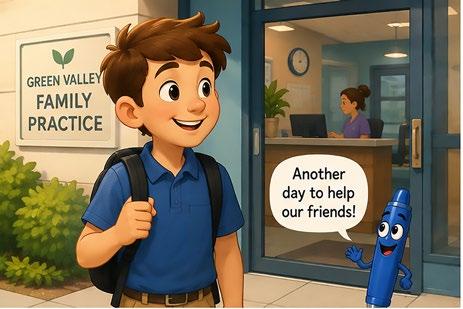
Max laughed. “Maybe.”
Scout looked surprised. “Maybe? Isn’t that what we always do?”
Max smiled.
“Today we’re doing something even more important.”
Scout tilted his cap.
“More important than writing orders? Now I’m curious.”
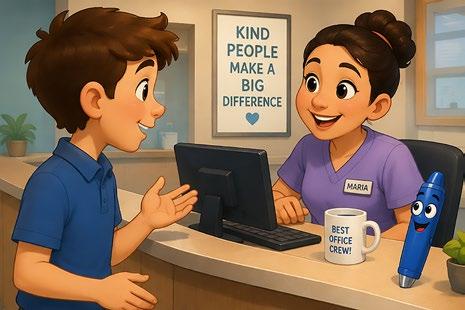
At the front desk, Maria smiled when she saw Max.
“Good morning, Max!” she said. “How was your weekend?”
“It was great!” Max replied.
“My soccer team finally won a game. How about your daughter’s dance recital?”
Maria beamed. “She loved every minute of it.”
Scout whispered, “When are we going to talk about supplies?”
Max quietly replied, “Just watch.”
A few minutes later, Nurse Jamie walked by. “Max!” she said. “Thanks for checking on us. Things have been so busy lately.”
“I can see that,” Max said. “Is there anything making your job harder?”
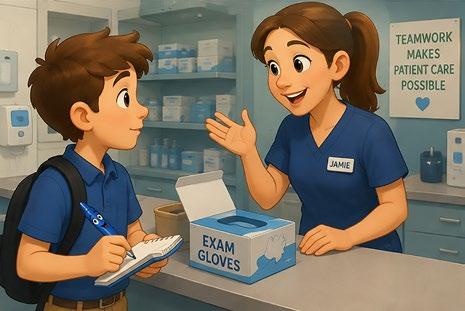
Jamie thought for a moment.
“You know,” she said, “we’ve been opening boxes of exam gloves all day. If there were an easier way to keep them stocked in every room, it would save us time.”
Max nodded. He listened carefully.
Listening makes a difference
Max thanked Jamie for sharing her idea.
Before leaving, he waved goodbye to Maria and the rest of the office staff.
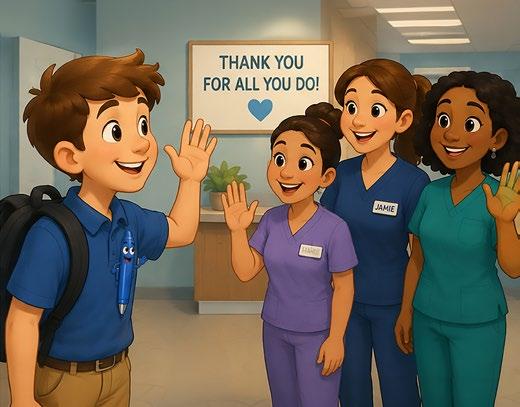
As they walked to the parking lot, Scout finally asked, “So ... we didn’t get a lot of orders today.”
“Nope,” Max said.
“Weren’t you disappointed?”
Max shook his head. “Not at all. Today we learned what matters most to them. When people know you care, they trust you.”
Scout thought about that.
“So being a good sales rep isn’t just about selling supplies.”
“Exactly,” Max said.
“It’s about building friendships, listening and helping people solve problems.”
Scout smiled.
“I guess the best thing we wrote today wasn’t an order.”
“What was it?” Max asked.
“A stronger friendship.”
Max clipped Scout back onto his shirt.
“Ready for our next stop?”
Scout grinned.
“Absolutely. Let’s go make some more friends.”
Industry News
Medline expands northern California distribution capacity following fire
Medline has announced a lease agreement for an existing 925,000-square-foot warehouse in Tracy, Calif., for immediate occupancy, as well as a 709,000-square-foot facility nearby in Stockton, Calif., for use in January 2027. These two facilities total more than 1.6 million square feet of new medical supplies distribution center space and more than supplant the 1 million-square-foot Tracy facility that was destroyed by fire on June 11. This new capacity to serve regional healthcare providers also represents a 45% expansion of Medline’s customer-facing Northern California footprint from just one month ago.
Medline’s newly leased 925,000-square-foot distribution center is located on Sugar Road in Tracy, less than 10 miles from the previous Medline site in Tracy. Already built to meet Medline’s distribution needs, this facility is planned to start accepting deliveries from the company’s distribution network and start delivering to customers in the coming months.
CDC issues advisory to healthcare providers on cyclosporiasis cases
In mid-July, the Centers for Disease Control and Prevention released an advisory on the growing cyclosporiasis cases across the U.S. The advisory said that the agency received reports of 1,645 confirmed domestic cases across 34 states and is aware of more than 5,100 cases that require further analysis for confirmation. The CDC said that of 1,645 case-patients with available information, 9% (141) were hospitalized and no patients have died. The advisory includes recommendations for clinicians on how to diagnose and treat patients with cyclosporiasis, and for facilities on how to disinfect healthcare settings. The CDC is
working with the Food and Drug Administration and state and local health departments to identify the cause of the illness. The CDC said that because cyclosporiasis is often underdiagnosed and underreported, the actual total of illnesses is likely higher than what has been reported.
McKesson breaks ground on 330,000-square-foot Moore, Oklahoma facility
McKesson announced that the company has broken ground on a new facility in Moore, Oklahoma – an important step forward for its U.S. distribution network and the future of healthcare supply chain. This new 330,000-square-foot regional distribution center will expand capacity and strengthen how medicines reach patients across the South-Central U.S., helping McKesson better serve patients across Oklahoma, Texas and the broader region, according to a recent LinkedIn post.
Countdown to Compliance: The Requirements Are Now in Effect.
The deadline to meet 2017 federally enforced accessible medical diagnostic equipment requirements has arrived. See how the Midmark 626 Barrier-Free® Examination Chair and Midmark® 631 Procedure Chair support 2017 and 2024 compliance standards—and what your facility should be planning for now and in the future.
Getting to know the standards
01 Seat Height: 17"-19" or lower and 25" or higher The 2024 update, requiring a 17-inch low transfer height, is not yet enforced—but the HHS and DOJ have signaled intent to adopt it.
02 Transfer Surface: 21" wide and 17" deep
03 Base Clearance: 26" wide or less
04 Transfer Supports: Compliant to the US Access Board Standards
05 Leg Supports: Support the patient’s thigh, knee and calf
Learn more at: midmark.com/accessible-care
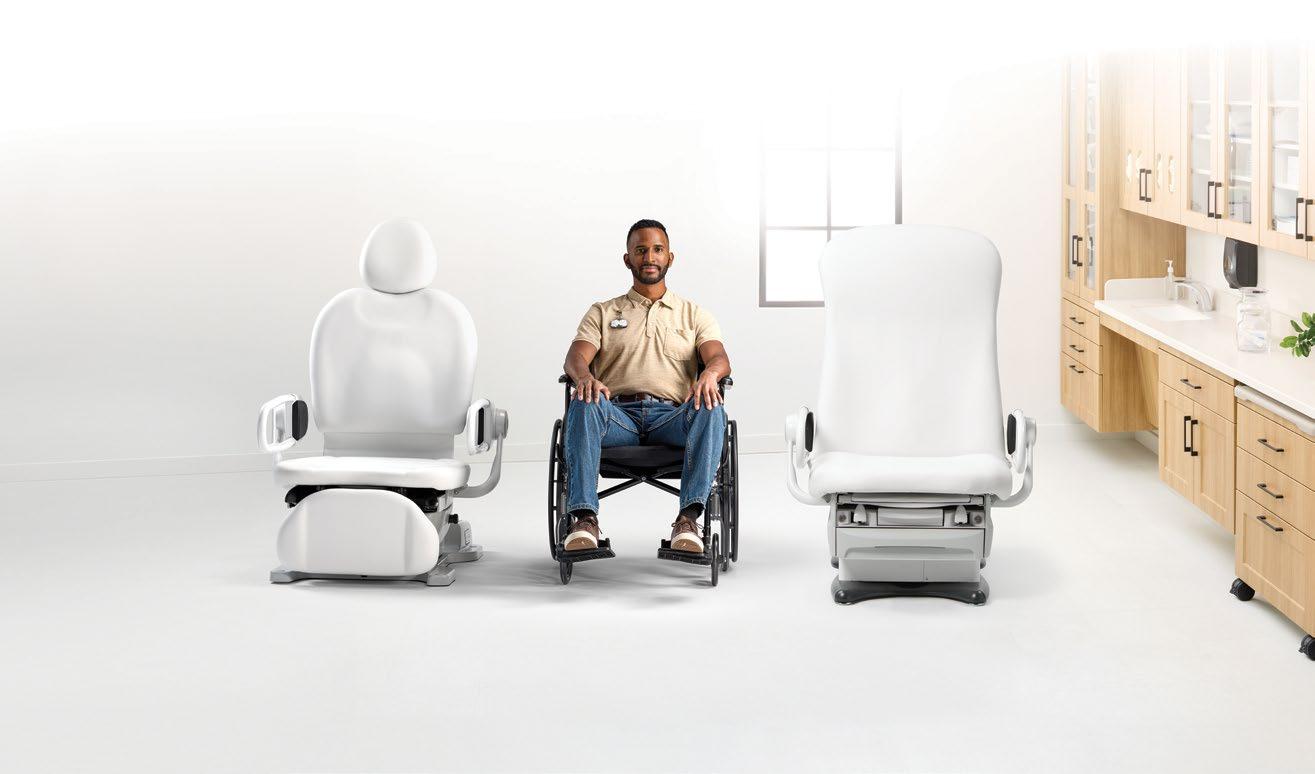
Source: US Access Board. (2024, July 25). Standards for accessible medical diagnostic equipment. Federal Register, 89(143), 47823-47839. https://www.federalregister.gov/documents/2024/07/25/2024-16266/standards-for-accessible-medical-diagnostic-equipment © 2026
Midmark 626 Barrier-Free® Examination Chair
Midmark® 631 Procedure Chair
Scan to view patient transfer.
Check-up on Device Health
During Your Next Off ice Visit

Connect with us and review the latest Baxter and Welch Allyn technology empowering patient exams.

On Spotlight This Month:











< Scan To View Our Current Promotions
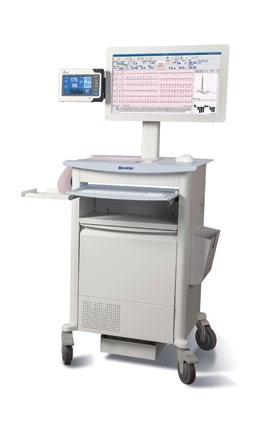

Rx Only. For safe and proper use of the product mentioned here, please refer to the appropriate Operator’s Manual or Instructions for Use. Baxter, Connex, Hillrom, Spot, Q-Stress and Welch Allyn are trademarks of Baxter International Inc. or its subsidiaries. US-FLC45-260031 (v1.0) 05/2026