PWH®MEMBER SPOTLIGHT: Premier’s Krista Marshall Delivers Value in Purchased Services p.8
PWH® RESEARCH ROUNDUP: Enhance Your Leadership and Build Stronger Relationships in Hybrid Work p.11
PWH® MENTORSHIP SPOTLIGHT: Trust and Respect Make Mentorship Fun and Effective p.14
LETTER FROM THE CHAIR
Keep Growing and Breaking Through
Pg. 3
ENRICHED LEADERSHIP
The Inefficiency of Equality: Does Everyone Really Need a “Band-Aid”?
Pg. 4-6
PROFESSIONAL ADVICE
Be a Trade Show Pro: Coach Lyle’s Top 10 Tips
Pg. 7
PWH® MEMBER SPOTLIGHT
Premier’s Krista Marshall Delivers Value in Purchased Services
Pg. 8-10
PWH® RESEARCH ROUNDUP
Enhance Your Leadership and Build Stronger Relationships in Hybrid Work
Pg. 11-13
PWH® Connect Journal
Staff and Volunteers
PWH® MARKETING COMMITTEE CHAIR
Eryn Veronesi
Business Development Manager, Marketing Sales and Services, NDC
VICE CHAIR, PWH® DIGITAL MARKETING
Jennifer Eiselein
EDITOR
Rachel Bailey, PhD Penwan Communication Inc. rachel@penwancomm.com
ART DIRECTOR
Brent Cashman
Graphic Designer, BOCdesign, Inc. brent@bocdesigninc.com
EDITORIAL & CIRCULATION MANAGER
Michelle Rydberg
Executive Director, PWH® mrydberg@mypwh.org
PWH® MENTORSHIP SPOTLIGHT
Trust and Respect Make Mentorship Fun and Effective
Pg. 14-15
PWH® BOARD MEMBER RECOGNITION
Pg. 16-17
HIDA UPDATE
College Students Discover Impact of Healthcare Distribution
Pg. 18-19
PWH® NEW MEMBERS
Pg. 19
THANK YOU PWH® 2026 CORPORATE PARTNERS
Pg. 20
PWH® MISSION & PURPOSE
PWH® is an organization dedicated to ongoing professional leadership development in healthcare businesses. We are a member organization providing a national voice and progressive leadership for women in healthcare products manufacturing and delivery industries. Our goal is to reach all women in our industry and empower them in their personal and professional lives. We are also committed to integrated leadership development and gender equity for all individuals within the industries we serve. Vision – To create a culturally inclusive healthcare industry equally led by women.
Keep Growing and Breaking Through
This time of year is FULL in every sense of the word. Work travel, yearend school events, graduations, and celebrations like Mother’s Day all seem to converge at once. Before we know it, summer is already here.
Amidst all the constant motion and never-ending to-do lists, it can be difficult to make space for ourselves. We are so good at showing up for others, often putting their needs ahead of our own.
At the same time, we want to bring renewed energy and connection to every opportunity as we navigate our busy calendar, achieve our goals, and grow.
But growth requires intention.
How many of you have ever felt like you needed just one more skill, one more connection, or one more opportunity before you were ready for the next step?
The truth is, no one ever feels 100% ready. Leadership does not happen when we feel ready. It happens when we decide to step forward anyway.
When we choose to lead with courage and authenticity, when we embrace both our strength and our story, we become stronger, wiser, and more impactful leaders.
Professional Women in Healthcare helps the members of our industry take that step forward, and our PWH Leadership Summit is a great opportunity to develop new skills, increase awareness about our leadership styles, and learn new ways to deploy leadership.
I am excited to connect with so many of you during the PWH Leadership Summit in West Palm Beach, May 18-20, 2026!
This year’s theme, Breakthrough, draws inspiration from Kintsugi, the Japanese art of repairing broken pottery by filling the cracks with gold. It is a powerful reminder that no journey is perfect. Our challenges are not something to hide, but something to honor. Because ultimately, it is how we respond to the breaks that defines us.
To help us make the most of our time at the Summit, and during our busy
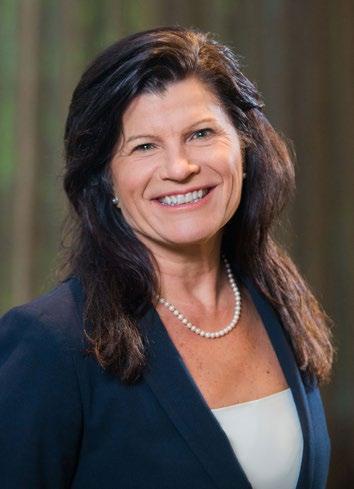
Ashleigh
McLaughlin
tradeshow season, this issue of the PWH ® Connect Journal features tradeshow tips from Coach Lyle to help you enhance every interaction. We also feature the inspiring career journey of Krista Marshall, shine a spotlight on another amazing mentorship pair, and offer professional advice and research on leading with new technology and understanding of enriched leadership.
To help keep your growth mindset going, this quarter, I challenge you to do one thing each week that stretches yousomething that builds a new skill, expands your perspective, or moves you closer to that next step. As you do, challenge yourself to clearly and confidently communicate your value.
I look forward to seeing many of you and continuing to grow, connect, and break through, together.
With gratitude,
Ashleigh McLaughlin Chair, PWH®, 2025-2026
The Inefficiency of Equality: Does
Everyone Really Need a “Band-Aid”?
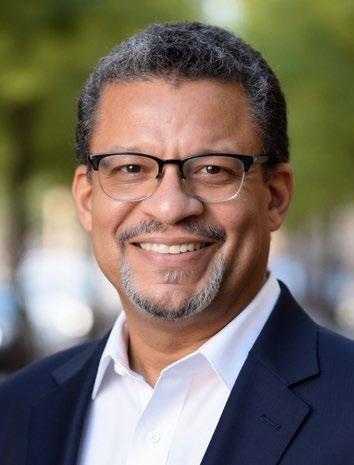
By H. Joseph Machicote, Advisor to the PWH Cultural Inclusion & Diversity Committee and Founder and CEO of Transformational Leadership Solutions Group
About the author: Joe Machicote is a former CHRO and Chief Culture Officer and is the author of “Own Thy Stuff! The Continuous Improvement Journey to Becoming an Extraordinary Human Being” He is currently the Founder and CEO of Transformational Leadership Solutions Group, a consulting firm committed to the development of extraordinary people, teams and organizational cultures.
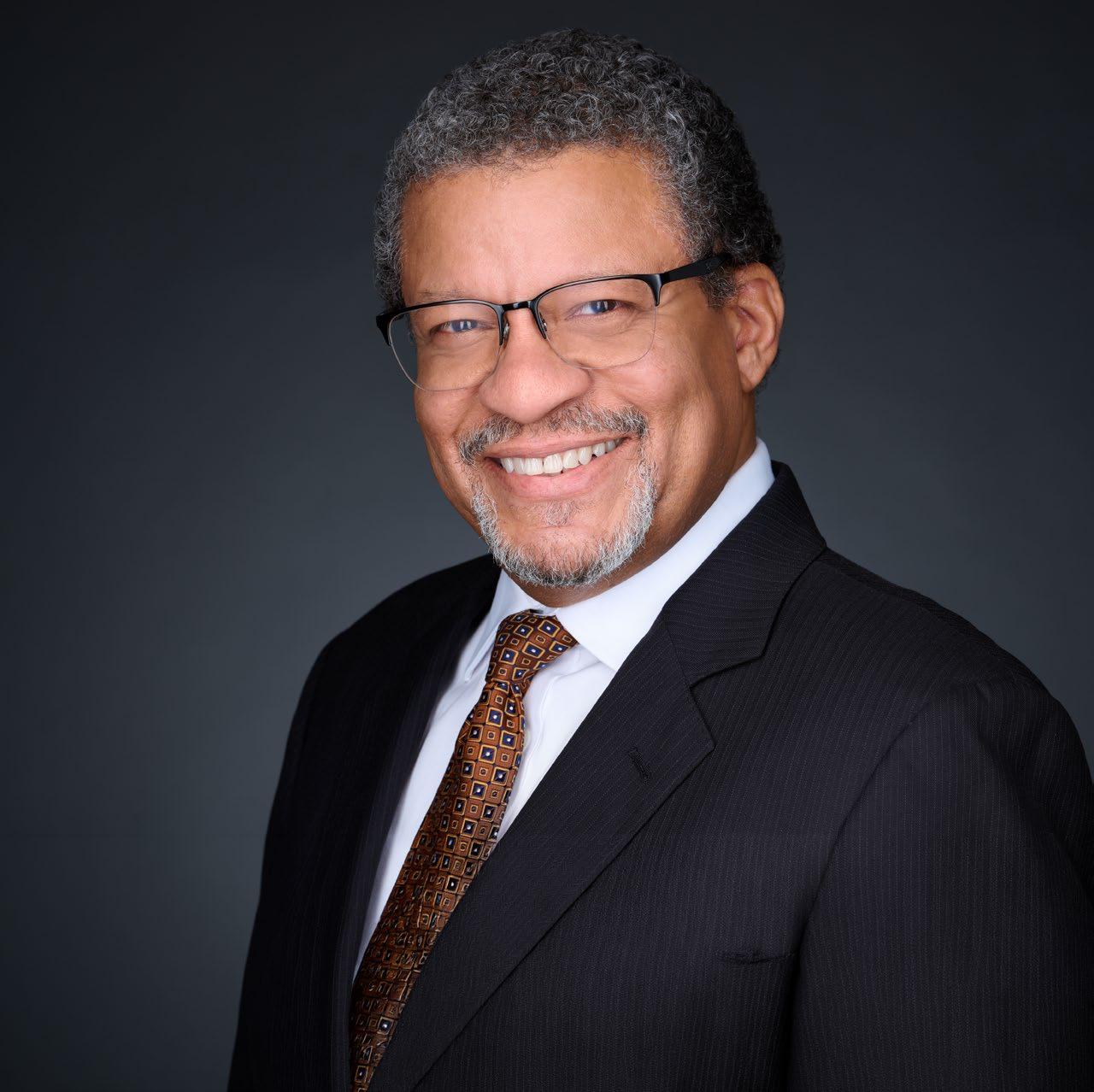
H. Joseph Machicote
We’ve been taught that equality is the gold standard of fairness. Treat everyone the same. Give everyone the same. Distribute evenly. No exceptions.
On the surface, that sounds right. It even feels just.
But what if, at times, equality is actually inefficient? What if, in our pursuit of fairness, we unintentionally create waste, miss real needs, and delay real outcomes?
“Band-Aid” Example
Let me share a simple example. I have four children. If one of them falls, scrapes
their knee, and comes to me bleeding, I have a decision to make. Do I give all four of my children a bandage in the name of equality? Or do I give one to the child who is actually hurt?
Equality would say: give all four a bandage to keep it fair. But common sense and good parenting inform us otherwise.
You would give the Band-Aid to the child who needs it most in that moment. Not because you love the others less. Not because they don’t matter. But because one has a need that requires immediate attention to restore them to a baseline of well-being. That’s equity.
And, at some point, each of my children will be the one who, in the moment, needs the Band-Aid.
This is where we often get it wrong, in parenting, in leadership, and especially in healthcare.
Equality feels fair, but equity actually works. Equality ensures access while equity ensures outcomes. We need both.
In the U.S. healthcare system, equality shows up as standardized coverage, uniform protocols, and broad access to services. These are important. Without equality, people are excluded before they even get in the door.
But equity is what determines whether someone actually gets better.
Equity Asks a Different Question
What does this person need, right now, to achieve the same level of health and opportunity as someone else?
Not everyone walks into the healthcare system from the same starting point. Some patients arrive with chronic conditions. Others with limited access to transportation. Some with language barriers. Others with
generational mistrust of the system. And many with socioeconomic challenges that influence whether they can follow through on care plans.
If we treat all of those patients exactly the same, we are not being fair…we are being inefficient. We are handing out Band-Aids to people who don’t need them while someone else is still bleeding.
Another Example—Technology
A company donates computers to a school district. A generous, well-intended act. The district decides to divide the computers equally among all schools. Every school gets the same number.
Again, on the surface, this feels fair. But, in reality, some of those schools already have students with access to multiple devices at home. Others serve communities where students may not have access to even one.
What happens next?
Some schools store the extra computers in closets. Others continue to struggle with limited access. The system achieved equality, but it failed to meet need.
That’s inefficiency. That’s waste. And more importantly, that’s a missed opportunity to change outcomes.
Translate into Healthcare
When resources like appointments, interventions, education, outreach, etc., are distributed equally without regard to need, we see the same pattern:
> Some patients receive services they may not fully need at that moment
> Others don’t receive enough to close critical gaps
> Outcomes remain uneven
> Costs continue to rise
Equity Is Not Exclusion. It’s Precision.
Equality without equity doesn’t just fall short, it can actually prolong the very disparities we are trying to solve.
There’s a common misconception that equity means taking something away from one group to give to another.
That’s not what equity is. Equity is about precision. It’s about aligning resources with need so that we reduce waste and improve outcomes for everyone.
Important Truth
Because here’s the truth. At some point,
every one of us will be the person who needs more.
> The patient with the unexpected diagnosis.
> The parent navigating a complex care plan.
> The individual facing a mental health challenge.
> The community experiencing a public health crisis.
When that moment comes, we don’t want equal care. We want the right care at the right time, designed for our unique situation.
At the end of the day, equality might give everyone a Band-Aid. But equity makes sure the person who is bleeding actually heals.
Power of “Both/And” Thinking
This is not an either/or conversation. We do not need to choose between equality and equity. Nor should we choose between urban and rural.
Our focus should be on human beings no matter where the need. It’s not either/ or. It’s both/and.
We Need Both
Equality builds the foundation. It ensures that everyone is seen, included, and has access.
Equity builds the bridge. It ensures that people can actually reach the same destination.
Without equality, we exclude… without equity, we waste. But together they create a system that is both fair and effective.
A New Challenge
If you’re leading in healthcare today, this is your challenge.
> Move beyond uniformity.
> Design systems that are responsive, not just standardized.
> Ask not only, “Are we treating everyone the same?” but also, “Are we meeting people where they are?”
Remember
The goal is not to distribute care evenly. The goal is to deliver health outcomes effectively. And that requires the courage to move from politically charged opinions on fairness to intentional impact for all.
At the end of the day, equality might give everyone a Band-Aid. But equity makes sure the person who is bleeding actually heals.
And in a system designed to care for human beings, not just manage processes, that difference matters.
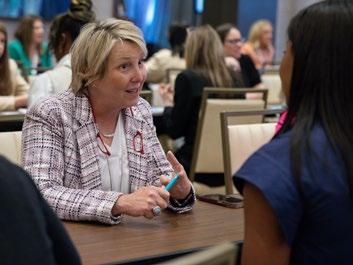
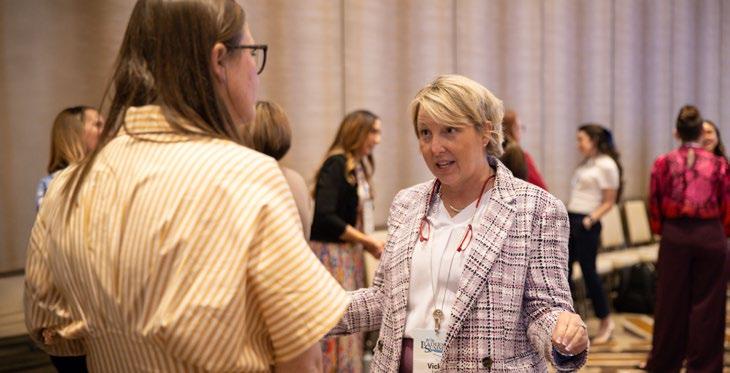
Be a Trade Show Pro: Coach Lyle’s Top 10 Tips
Trade shows aren’t just events. They are opportunities to build your network and your brand — if you show up ready.
By Vicky Lyle, PWH Board Advisor and Head Coach at Coach Lyle
1. Perfect Your “So What Do You Do?” Answer
> You will get asked this question. On the plane. In the coffee line. In the Uber.
> Practice it so it rolls off your tongue clearly and confidently — not like you’re reading your LinkedIn headline.
2. Look Ready. Stay Ready.
> Never let anyone see you rummaging through your bag for cords.
> Organize your tech. Keep business cards handy.
> Calm and prepared is a brand.
3. Build a Target List Before You Go
> Hope is not a strategy.
> Identify the customers, partners, and leaders you want to meet. Be intentional.
4. Study the Agenda
> Is someone on your list speaking?
> Attend their session. Reference something they said when you introduce yourself. Instant credibility.
5. Book Meetings in Advance
> Don’t wait until you’re onsite to “see who’s around.”
> Schedule coffee. Make dinner reservations. Lock in time before calendars fill up.
6. Arrive a Day Early (If You Can)
> Delays happen. Rushed energy shows.
> Arrive early, get settled, review your goals — start strong.
7. Dress One Level Above the Crowd
> Professional. Polished. Comfortable enough to walk miles.
> You don’t need flashy — just intentional.
8. Take Notes Immediately After Conversations
> You will not remember everyone.
> Jot down key details and follow-up on ideas while it’s fresh.
9. Follow Up Within 48 Hours — and Connect on LinkedIn
> Momentum fades quickly.
> Send a short, thoughtful message referencing your conversation. Then connect on LinkedIn with a personalized note.
> Specific beats generic every time.
10. Take a “Vicky Selfie”
> Make it memorable.
> Capture a quick selfie with new connections (with permission, of course). It’s a fun way to celebrate the meeting, build visibility, and create an easy reason to reconnect later.
> Plus… it shows you were there and engaged.
Premier’s Krista Marshall Delivers Value in Purchased Services
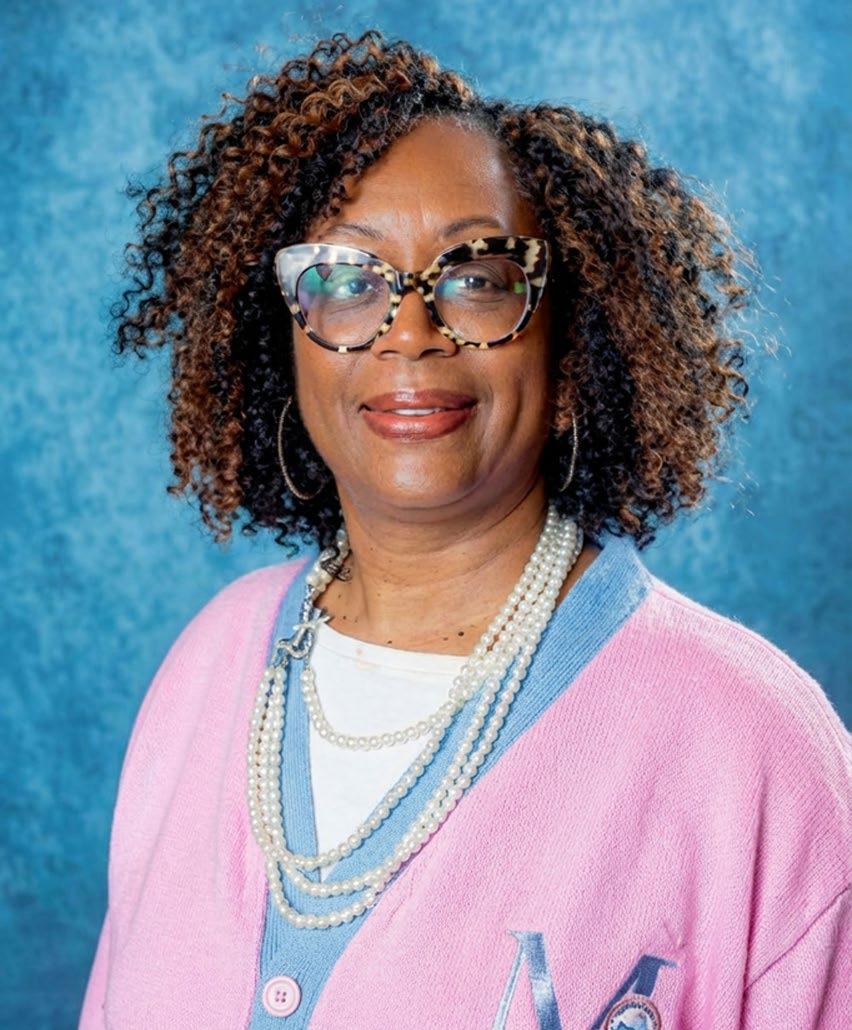
This issue, the PWH ® Connect Journal shines a light on Krista Marshall, an active member of the PWH Cultural Inclusion & Diversity Committee and Director, National Accounts, Purchased Services at Premier Inc.
In this Member Spotlight, Marshall shares how her specialized engineer training helps her and Premier deliver value throughout the supply chain. She also explains the cost savings of cross functional teamwork and shares one of her life’s biggest accomplishments.
PWH ® Connect Journal : I believe you earned a bachelor’s degree in biochemical engineering — what initially drew you to that field?
Krista Marshall: My actual degree is in Chemical Engineering with a Bioscience Option from North Carolina State University. I initially wanted to attend medical school and focus on cardiology. As I got deeper into the degree, I realized medical school would not be my future, but I wanted to remain somehow in healthcare.
PWH ® Connect Journal : Many professionals with technical degrees remain in laboratory or manufacturing environments. What prompted your transition from an engineering foundation into a commercial leadership role within a healthcare group purchasing organization?
Krista Marshall: I was working within the Ethicon division of Johnson & Johnson at the time I had moved from manufacturing and product design into environmental engineering. While in this role, I was selected to participate in a new strategic sourcing program with Johnson & Johnson at a corporate level. The company decided that all 37 separate companies should no longer purchase all services as separate entities. I was a member of the Environmental Waste Committee.
From this committee participation, I realized that I really liked this strategic sourcing work. I then lobbied to become a part of the team and was hired as the
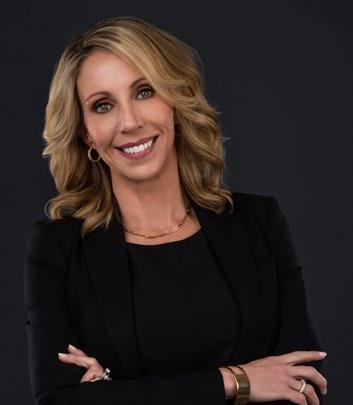
Krista Marshall
Global Strategic Sourcing Manager for the Engineering & Maintenance services. After the first project, I was selected to complete an Executive MBA of my choosing, and I chose and was admitted into the Duke University, Fuqua School of Business, Global Executive program.
PWH ® Connect Journal : Engineers are trained to think in systems and processes. How does that systemsbased mindset influence the way you approach national account strategy and complex purchased services categories?
Krista Marshall: You are correct, I am a process engineer who still thinks and works in a process flow manner. I use that background to help get the member/ client to understand the product or service I am providing to them, and what value it provides to them. I find that most people can understand a complex strategy if the strategy is broken down into easier to comprehend steps.
PWH ® Connect Journal : Today, as Director of National Accounts in Purchased Services for Premier, you operate at the intersection of providers and suppliers. What does your role entail, and what makes purchased services a uniquely challenging area within the healthcare supply chain?
Krista Marshall: My role entails working with hospital systems to prioritize purchased services sourcing projects based on their data. I work with assigned hospital systems to ensure they use Premier tools and subject matter experts to help them to reduce costs over time. Purchased services are challenging within healthcare supply chain because
typically the supply chain department has historically not been involved in supplier decisions for services. The owners have traditionally been the department leadership with little to no oversight from supply chain. This creates a potential silo where the true costs to execute the services are not entirely visible to the organization.
PWH ® Connect Journal : Is it true that purchased services are harder to manage, standardize, and control compared to the tangible specifications of medical products? If so, how do you apply analytical rigor from your engineering background when evaluating service partners and structuring performance-driven agreements?
Krista Marshall: Purchased services are indeed harder to manage because services touch people, and that makes the supplier’s performance subjective. To remove that subjectivity, KPIs must be included in all service contracts. This ensures there is data to measure performance outcomes. To ensure the best suppliers are selected to participate in RFPs, Premier provides data analytics that can help hospital systems to benchmark current pricing against the market, competitive supplier reports that outline the best of the best in the category, and subject matter experts with deep knowledge of the category. All this research assists the hospital systems with selecting the best supplier for the service.
PWH ® Connect Journal : From your perspective, what does inclusive leadership look like in practice within a healthcare supply chain organization — particularly in
high-stakes negotiations and enterprise-wide sourcing strategies?
Krista Marshall: I have seen the most successful project outcomes when there is true cross functional teamwork to develop a result. An example is a project, although not a hospital system, I led during my time with Johnson & Johnson where the team members were facilities managers from across each line of business and sat in different parts of the world. We were working to reduce the number of suppliers used for facilities and maintenance services. Suppliers were also ad hoc members of the team. This full cross-function allowed for a solution that provided more concentrated business for two suppliers globally. It also led to a significant cost reduction for Johnson & Johnson.
PWH ® Connect Journal : Healthcare supply chains are under constant pressure to improve performance. Where have you seen inclusive leadership directly contribute to measurable outcomes such as resiliency, supplier innovation, cost containment, or service quality?
Krista Marshall: All purchased services projects must be a team approach. All stakeholders who have any interaction with the service provider must be involved in the decision-making process. It is the only way to ensure the final decision is implemented successfully.
The role of Premier in this process is to lead with data, and to continue to ensure data driven decision-making is used throughout the process. That is the only way to ensure a service provider is accepted at implementation, and there must be performance based KPIs with realistic targets negotiated within the
contract. These KPIs must be very specific and easily measured throughout the term of the contract.
PWH ® Connect Journal : Group purchasing organizations have significant influence over market access. How do you balance the efficiencies of scale with expanding participation among emerging service providers?
Krista Marshall: GPOs negotiate on behalf of many hospitals systems and accomplish significant savings for hospitals. Premier, Inc. in particular has a few ways for smaller suppliers to engage with hospitals. One is the MWDVBE and
Small Business Program. It includes the SEEDS program that assists these small businesses to gain access to Premier hospital members. These programs help to recognize that small businesses do provide value and innovation.
PWH ® Connect Journal : Reflecting on your career, how has participation in a professional development organization like PWH shaped the way you negotiate, mentor teams, or approach strategic decision-making?
Krista Marshall: Participation in a professional development organization has helped me to identify resources in other parts of healthcare to gain
knowledge from them on how they manage certain situations. I have been able to implement some of this knowledge in my daily work with hospital systems by changing how I prioritize how I deliver communications. Previously, I would send an email to someone to ask for assistance with a situation, but a recent PWH webinar taught me to first ask someone their preference for communication and not always use the mode of communication most comfortable for me.
PWH ® Connect Journal : Looking ahead, healthcare supply chains are navigating digital transformation, domestic sourcing shifts, and evolving care delivery models. What emerging technology or business practices do you think will play a role in shaping the industry’s next chapter and how?
Krista Marshall: AI is transforming healthcare supply chain management by moving to true just-in-time delivery. This reduces the costs and needs for storage by 10%. In addition, the use of predictive demand planning is improving manufacturing for suppliers. This increase in efficiency from demand planning reduces waste, thereby reducing costs to suppliers.
PWH ® Connect Journal : Is there anything else you’d like to share?
Krista Marshall: My career has been eclectic and exciting, but one of my biggest accomplishments in life has been my daughter. She is currently a college Sophomore majoring in Kinesiology & Exercise Science at Winthrop University. She is also a past award-winning competition dancer and currently a successful tap choreographer.
Krista Marshall with her daughter, Khouri.
Enhance Your Leadership and Build Stronger Relationships in Hybrid Work
By Rachel Bailey, PWH ® Connect Journal Editor and Vice Chair of Education & Research, Special Projects for the PWH® Cultural Inclusion & Diversity Committee
Many of us love hybrid work arrangements. Flexibility can support our ability to meet work deadlines while attending to our personal health and providing care for others. But like everything, it can come at a cost for employees and the organizations that employ them.
Results from our annual PWH Membership Survey indicate that “developing meaningful relationships
with people in a hybrid work mode” is a common challenge.
To support our members, this research roundup offers guidance for cultivating excellence whether you are managing hybrid teams or aspiring to lead while working from home.
What’s At Stake?
But first, let’s get a clearer understanding of what’s at stake. Research by
organizational communication scholars Ganga Dhanesh and Hilke Steencampe summarizes the pros and cons of hybrid work. On the upside, flexibility “can foster employee engagement through effective communication, increased accessibility, connectivity, and helping behaviors toward colleagues.” On the downside, hybrid work “can heighten unplanned interruptions and reduce social support.”
RESEARCH ROUNDUP
In some cases, employers benefit from their employees’ heightened commitment to work when “flexible schedules intended to meet diverse employee needs blur work-home boundaries,” explain Danesh and Steencampe. But at the same time, hybrid work environments “can undermine collective organizational needs for collaboration that require shared time and space.”
For some PWH members, hybrid work seems to challenge our ability to develop meaningful relationships. Less face time with our colleagues and customers may disallow for those unexpected moments of connection and gestures of care that come from simply handing someone a pen or noticing a picture of family members displayed on a desk.
Discussion points from a panel of experts that Forbes brought together in October 2024 offer more insight into the challenges of hybrid work. The experts agree that a major obstacle for aspiring leaders is their lack of exposure. According to David Hawthorne of Pacific Bells, it’s up to team leaders to ensure their team members get opportunities to interact with senior leaders and others team members “to build relationships and teamwork.”
Overcoming Challenges
If your team members are dispersed geographically, developing these opportunities means designing work that requires collaboration. I do this in the college classroom all the time by pairing students together to research a question or analyze a solution.
By pairing employees on short-term projects and creating virtual working sessions (not just meetings) where people actively co-produce something, you create situations where employees socialize while
being productive. Not only do employees (and students) learn from each other, they also often have more fun doing the work because it seems less like work when you have a partner in crime to help.
But still, there can be collaboration challenges. On any team project, there may be some employees (and students) who carry a heavier load than others simply because they tend to be more organized, proactive, and accountable. We don’t want to punish folks with valuable tendencies. We want to reward them as they model it for others, so that it hopefully catches on.
According to Nancy Adams of CenTrak, “The key is to implement hybrid work thoughtfully. Companies should also regularly assess the impact on productivity, collaboration and employee satisfaction, adjusting the approach as needed.”
Consider having team members complete weekly activity logs for work they contribute to team projects and provide an opportunity for all team members to evaluate each other on the amount and quality of work their colleagues contribute. Take it a step further and allow team members to also evaluate how well their colleagues engage in soft skills, like contributing to discussion and meeting deadlines. To encourage honesty, make individual activity logs transparent, but allow the evaluations team members make of others to be for your eyes only. Another challenge can be a lack of opportunity for self-expression. Drawing again from Forbes’ Expert Panel, Graham Glass of Cypher Learning says, “workfrom-home employees are no less productive but often feel less connected. Remote workers may struggle to
express themselves or think their voice is overlooked back at HQ. Companies that commit to a hybrid workstyle should consider adding training in soft skills like active listening, giving useful feedback and productive meeting behavior.”
I think everyone can agree that nearly all of us, from top management down, would benefit from “productive meeting behavior” skills training whether we’re meeting in-person but also, and perhaps especially, online. Indeed, according to Jennifer Rozen of McLean & Co., “hybrid work presents new challenges with internal communication. Effective communication strategies, including tools and training for managers, are key to success.”
But if your organization is unable to provide those tools and training, consider investing in virtual mentorship and coaching. According to 2025 research by Siddiqui et al., mentorship and online coaching can help you gain the “new” communication and management skills necessary to successfully lead hybrid teams. Such outside support can help you encourage your organization to put processes in place that modernize performance management practices (and help you begin doing it yourself).
Siddiqui et al., also explain that leading effectively in a remote environment requires executives to rethink traditional management approaches. For instance, developing your cultural and emotional knowledge and communication skills can support your efforts to build trust, especially when managing geographically dispersed teams. In addition, adopting transformational leadership behaviors, such as demonstrating individualized support and motivating employees through a shared sense of purpose can strengthen team cohesion and engagement.
And of course, whether working in the office, at home, or both, circulating clear expectations for job roles, projects, and deliverables, and in-turn providing consistent feedback, better positions everyone on your team for success.
How PWH® Can Help
Remember, PWH provides a strong mentoring program with several formats to choose from to best suit your needs.
Another key strategy for improving relationship building in hybrid contexts is digital upskilling. Leaders must have the skills and confidence to use technology strategically and ensure that tools support productivity rather than create confusion. When leaders lack these skills, they may unintentionally reduce performance
by misusing digital tools or overwhelming employees with too many communication platforms and unclear processes, according to Siddiqui et al.
Again, PWH offers professional development courses and webinars all year plus education sessions at our annual PWH Leadership Summit focused on digital upskilling. Such online or inperson engagement can help you and your team increase productivity, work satisfaction, and virtual networking skills.
In summary, to cultivate excellence in hybrid work environments, managers and their team members will do well to avoid either/or thinking. As Dhanesh and Steencampe explain, adopting “a flexible repertoire of strategies” can support the “interconnected, evolving nature of organizational tensions.”
About this Research Roundup
Much of the helpful information shared in this article comes from the 2025 PWH® Annual Membership Survey and the following sources:
> Dhanesh, Ganga S. and Hilke Steencampe, “Navigating Relationship Tensions: Role of Paradoxical Mindsets and Response Repertoires in Managing Employee–Organization Relationships During the Covid-19 Pandemic.” Management Communication Quarterly, 2025, 0(0), 1-35. https://doi.org/10.1177/08933189251405855
> Forbes Expert Panel, “17 Pros And Cons Of Hybrid Work Schedules.” Forbes, October 15, 2024. www.forbes.com/councils/forbeshumanresourcescou ncil/2024/10/15/17-pros-and-cons-of-hybrid-work-schedules/
> Hassan Arif Siddiqui, Azmat Ali Khan, Huma Maqsood, Rizwan Hanif, Waheed Akram. (2025). “Optimizing Remote Workforce Performance and Career Growth: Strategies for Effective Management, Development, and Employee Engagement in A Digital-First Era.” Research Journal for Social Affairs, 03(02), pgs. 509-525. https://rjsaonline.com/journals/index.php/rjsa/article/view/177
Trust and Respect Make Mentorship Fun and Effective
Meghan Butera and Allison Therwhanger met during the speed mentoring session at the 2025 PWH Leadership Summit. They felt a connection and formalized a mentorship relationship with help from the PWH Mentoring Committee.
Mentee’s Perspective
Meghan Butera, Digital Design Manager, Drive Medical and Vice Chair of Brand Strategy for the PWH® Marketing Committee
What is your background?
I received my Bachelor of Arts Degree in Graphic Design from the State University of New York at Oneonta and have spent the past nine years building my career as a graphic designer. My experience spans in-house marketing teams and freelance work across a variety of industries.
For the last two years, I’ve worked in the durable medical equipment space, leading digital creative efforts and supporting broader marketing initiatives.
Why were you seeking a mentor?
After joining PWH and attending the PWH Leadership Summit for the first time in 2025, I quickly saw how impactful mentorship could be. During the speed mentoring session, I connected with Allison. She seemed like someone I could learn a lot from, so I pursued a formal mentorship relationship.
As someone relatively new to the healthcare industry, my goal was to gain insight from an experienced professional who could provide guidance, help me navigate corporate challenges, and support my growth both in my current role and long-term career path.
What have you learned from your mentor?
Over the past year, Allison has helped me navigate change, improve
my communication skills, and gain confidence in public speaking. She’s also helped me think more strategically about challenges and long-term career goals. For example, she encouraged me to take on a board role within PWH, and it’s been a meaningful part of my growth. Beyond the professional guidance, we’ve built a genuine personal connection.
Why has the relationship been successful?
Our relationship has been successful because it’s built on trust, openness, and mutual respect. Allison creates a space where I feel comfortable being honest about challenges, and in return, she provides thoughtful, direct feedback and perspective.
She’s a strong listener who helps me work through problems rather than simply giving answers. This has helped me feel more confident in my own decision-making.
What is your take on the value of mentorship?
The PWH mentorship program is incredibly valuable for both mentees and mentors. Having a relationship with someone with a different perspective and depth of experience allows for meaningful growth that can be hard to achieve on your own.
Having a professional relationship that extends beyond day-to-day work has helped me grow professionally and personally. I strongly encourage anyone who isn’t currently participating to get involved. It’s an opportunity to learn, grow, and form connections that can have a lasting impact.
Mentor’s Perspective
Allison Therwhanger, Vice President – Corporate Sales, Innovia Medical, Past PWH® Chair and current PWH® Treasurer
What is your background, current company affiliation and position?
I have been in the medical manufacturing industry since 1992. I spent 23 years running our family medical manufacturing business with my Dad. We then sold our business to a private equity firm, and I have been with that group for 11 additional years and continue to help our company in a vice president of sales capacity.
I have been involved with PWH since its inception as a Charter Member and have been on the PWH board for many years. Before serving as PWH Chair I served as our Treasurer. I have learned so much from our PWH organization, and I enjoy giving back. I love seeing what new things we tackle and offer to our members each year.
What inspires you to mentor?
I have a genuine desire to help others grow and succeed. Throughout my career, I’ve been fortunate to benefit from mentors who played a pivotal role in shaping where I am today. They helped me work through challenges and develop confidence in myself as a young professional. Early in my career, I made a commitment to do the same for others.
Most rewarding is connecting with individuals who are genuinely committed to their personal and professional development. I love to learn about their experiences—their successes and challenges—and to help them process those moments through shared insights.
What have you learned from your mentee?
Meghan has taught me a great deal about work and professional growth in today’s environment, which has changed since I was young in my career. She’s also shown me that regardless of industry or company, many workplace challenges— like communication, dealing with change, competing priorities, and managing expectations—are universal. She’s also helped me realize how exciting this moment is to be in our industry, especially with the pace of change and opportunity. What stands out most about Meghan is her ability to be objective and highly self-aware. She can clearly articulate what she’s working through, where she needs input, and how she’s approaching her own
development. That level of reflection has pushed me to be more intentional in how I evaluate my own decisions and growth. Most importantly, we have a lot of laughs!
Why has the relationship been successful?
She and I hit it off from the very beginning, and I am so proud of her. Meghan manages our time well. I look forward to hearing how her month went and what’s coming up next! A good relationship is built on respect, and Meghan is super respectful of our time together. She loves to learn and try new things. She’s open to options. I feel I can suggest new things to challenge her! I feel very lucky to know Meghan!
What is your take on the value of mentorship?
The value of mentorship is having a trusted, objective sounding board— someone who creates space for honest conversation without the pressures that can exist in your day-to-day workplace. Mentorship can bring perspective shaped by experience navigating similar challenges, which helps you think more critically about your own decisions. Mentorship isn’t just about advice. It helps you explore ideas and talk about uncertainties in a safe environment. This is something that can be difficult to do within our own organizations.
PWH ® EXECUTIVE BOARD, 2026
ASHLEIGH MCLAUGHLIN
PWH® Chair
IMCO, Inc.
Chief Financial Officer
ALLISON THERWHANGER
PWH® Past Chair and Treasurer
Innovia Medical
Vice President, Innovia Corporate Sales
NATALIE MARTIN
PWH® Chair Elect
NDC, Inc.
Senior Director, Supplier Management
LAURA RELINE
Secretary
NDC, Inc.
Vice President, Supplier Management
ASHLEY MILLER
Leadership Summit Committee Chair
Medline
Channel Distribution Manager
ERYN VERONESI
Marketing Committee Chair
NDC, Inc.
Business Development Manager, Marketing Sales & Service
MISSY SIMONS
Membership Committee Chair
Midmark
Corporate Account Executive
SHELLENE BAINES
Mentoring Committee Chair
McKesson
Director Business Process
JENNIFER O’REILLY
Corporate Partners Committee Chair
B. Braun Medical
Vice President, National Accounts
SABRINA SMITH
Cultural Inclusion & Diversity Committee Chair
ECRI
Associate Director, Downstream Marketing
JESSICA LUCIO
Professional Development Committee Chair
Vizient
Sr. Director, Business Learning
VICKY LYLE
Strategic Oversight Committee Chair
Coach Lyle, LLC
Founder and Coach
MEGAN QUEVEDO
Technology Committee Chair
Syneos Health
Manager, Commercial Quality Excellence
CATHY DENNING
PWH® Board Advisor
Vizient
STRATEGIC OVERSIGHT COMMITTEE
Suzanne Lord, Strategic Oversight Chair
PWH ® ADVISORY BOARD, 2026
Senior Vice President, Sourcing Operations
JULEE PREFER
Sue Hulsmeyer, Vice Chair Organizational Leadership Development
College Students Discover Impact of Healthcare Distribution
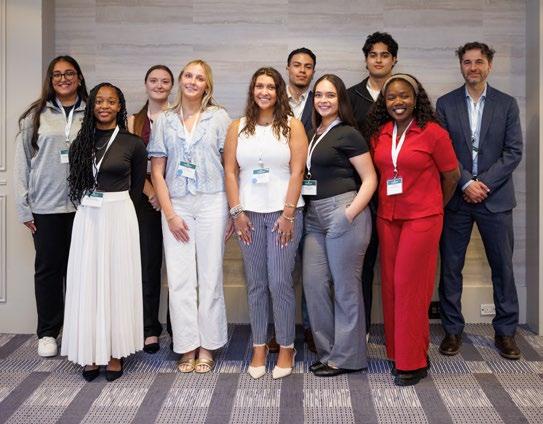
Every February, the Health Industry Distributors Association (HIDA) hosts a unique cohort of students at our annual MedSupplyChain conference. Now in its third year, HIDA’s Emerging Leaders program brings together undergraduate and graduate students pursuing studies in public health and supply chain management.
The HIDA Emerging Leaders Class of 2026 had many standout features:
> For the first time ever, the majority of the Emerging Leader cohort was comprised of women.
> This year’s Emerging Leaders were chosen from the most competitive selection process yet.
> Students hailed from eight colleges, the largest cohort of schools ever represented.
By Regina Brillman, Education Manager, HIDA
At the MedSupplyChain Conference, our Emerging Leaders were welcomed with advice and encouragement from senior leaders in both the public and private sectors, including HIDA Board Chair Kelley Moffett from Cardinal Health and Arlene Joyner, Deputy Assistant Secretary at the U.S. Administration for Strategic Preparedness and Response.
When Emerging Leaders applied for the scholarship, we asked them to share what interested them about healthcare distribution and what motivated them to pursue this scholarship. Their responses were revealing and inspiring.
Many of our Emerging Leaders already had strong experience in healthcare. For Damilola Bolanle from Johns Hopkins University, MedSupplyChain conference built on her previous professional experience in healthcare. “Before graduate school, I oversaw the movement of investigational medicinal products from manufacturers to over 35 clinical trial sites across eight countries,” she said. “This experience deepened my understanding of how operational precision and collaboration underpin supply chain reliability in healthcare.”
Calla Keenan at the University of Florida, had a similar impression. “Through shadowing hospital engineers and engaging with professionals in medical logistics, I’ve gained firsthand insight into how operational efficiency can directly impact patient outcomes,” she said.
Emerging Leaders were excited by the prospect of working in a solution-driven environment. Aleeza Rana from Michigan State University said, “What excites me most about supply chain management is its problem-solving nature. The impacts of
COVID-19 and a strained supply chain hit close to home. Seeing how end-to-end supply chain processes directly affected families like mine inspired my passion for creating resilient systems.”
In addition, Emerging Leaders were motivated by the personal impact of the profession. Anna Loope, a student
PWH® NEW MEMBERS
at Florida State University, said, “The heart of healthcare distribution lies in its impact on real people. As a young professional entering the field, I hope to optimize systems that prevent problems before they start and make it easier for healthcare teams to do what they do best.”
New members from February 9 to April 14, 2026
Kristie Carubba Avanos
Jennifer Haarmann
B. Braun
Karen Santana
CareBiz Consulting
Crissy Cecil-McDonald
CCM Gx Consulting
Leah Lowell CME
Sabrina Davidson CME
Camille Asake
Compass One
Missy Depinet
Concordance Healthcare Solutions
Sandy Gonzales
Concordance Healthcare Solutions
Natasha Jackson
Dragonfly Health
Kari Harbaugh Drive Medical
Lisa Baquero
Henry Schein
Christina Gallo
Henry Schein
Lauren Schneider
Henry Schein
Jennifer Sorensen
Henry Schein
Rachel Nowacoski
Henry Schein
Lindsey Laskowski
Henry Schein
Ashley Meekins
Henry Schein
Ashley Musick Henry Schein
Catherine Fortney Huron Consulting Group
Beth Ryan Marketlab
Emily Sirovatka
Medline
Ally Raimondi
Medline
Elizabeth Bruns Midmark
Maria Murphy Midmark
Deborah Avalos Northwestern Medicine
Michelle Feinberg NYES
Rosa Viasana Optimal
Emily Carruth Owens & Minor
Angela Atkins Owens & Minor
Megan Warlick
Owens & Minor
Daxita Patel
Premier Inc.
Jen Donie
Premier, Inc.
Maggie Saintamour
Premier, Inc.
Taylor Wright
Premier, Inc.
Trina Gilligan
Premier, Inc.
Chrissah Glenn
Premier, Inc.
Danica ONeill
Premier, Inc.
Jamila Granger
Premier, Inc.
Lily Cogley
Premier, Inc.
Brittany Campos
Premier, Inc.
Lori Willis
Premier, Inc.
Sarah Vaudreuil
Premier, Inc.
Loren Johnson
Premier, Inc.
Devyn Ottman
Premier, Inc.
Katelin Glinka
Premier, Inc.
Gail Bishop
Premier, Inc.
Patty Myers
Premier, Inc.
Jennifer Rice
Premier, Inc.
Jasmine Mosley
Premier, Inc.
Christina Taylor
Premier, Inc.
Nermina Selman
Premier, Inc.
Christy Benson
Premier, Inc.
Bailey Sessa
Premier, Inc.
Rheana Lipscomb
Premier, Inc.
Genna Hill
Premier, Inc.
If you know of a promising college student with a passion to help others and an interest in healthcare distribution, please send them to jobs.hida.org to learn how they can apply. You can contact either myself (brillman@hida.org) or Wyeth Ruthven (ruthven@hida.org) for more information.