

UPMC Launches Landmark Solar Project to Power Hospital Campus
A planned solar farm at UPMC Cole will help power the rural campus
Connect Every Beat
Empower Every Decision
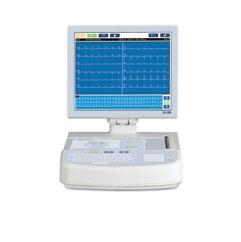
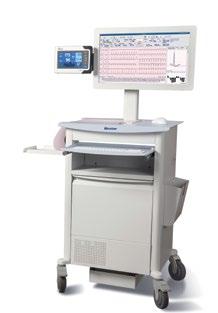
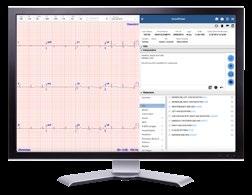
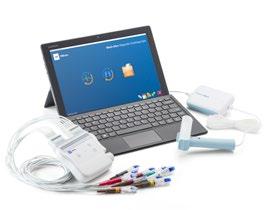
By delivering trusted, high-quality cardiac data through advanced ECG devices and data management solutions, Baxter’s Cardiac Care Solutions help clinicians drive clarity, build confidence, and make informed decisions on every step of a patient’s cardiac journey.





2 Rising Costs, Rising Complexity: Hospitals Navigate Supply Chain Pressures
Even modest inflation for supplies and pharmaceuticals is compounding over time, while advanced therapies, robotics, and new technologies add operational strain – making clinician-supply chain collaboration essential for sustainable care.
10 The Talent Equation in Healthcare Supply Chain
Attracting, developing and retaining staff remains a constant challenge for leaders navigating a rapidly evolving workforce landscape.
The Journal of Healthcare Contracting is published bi-monthly by Share Moving Media
350 Town Center Ave, Ste. 201 Suwanee, GA 30024
Phone: 770/263-5262 FAX: 770/236-8023 e-mail: info@jhconline. com www.jhconline.com
PUBLISHER John Pritchard jpritchard@sharemovingmedia.com
DIRECTOR OF BUSINESS DEVELOPMENT Anna McCormick amccormick@sharemovingmedia.com
20 UPMC Launches Landmark Solar Project to Power Hospital Campus
A planned solar farm at UPMC Cole will help power the rural campus while supporting the health system’s broader push to cut greenhouse gas emissions.
28 Art of the Shell Game
Taming the paper tiger propelled by fluttering butterfly wings.
EDITOR Graham Garrison ggarrison@sharemovingmedia.com
ART DIRECTOR Brent Cashman bcashman@sharemovingmedia.com
CIRCULATION Laura Gantert lgantert@sharemovingmedia.com
The Journal of Healthcare Contracting (ISSN 1548-4165) is published bi-monthly by Share Moving Media, 350 Town Center Ave, Ste 201, Suwanee, GA 30024. Copyright 2026 by Share Moving Media All rights reserved.
Please note: The acceptance of advertising or products mentioned by contributing authors does not constitute endorsement by the publisher. Publisher cannot accept responsibility for the correctness of an opinion expressed by contributing authors.

Rising Costs, Rising Complexity: Hospitals Navigate Supply Chain Pressures
Even modest inflation for supplies and pharmaceuticals is compounding over time, while advanced therapies, robotics, and new technologies add operational strain –making clinician-supply chain collaboration essential for sustainable care.
In a recent interview with The Journal of Healthcare Contracting, Steven Lucio, Senior Principal, Pharmacy Solution for Vizient, said updated projections show continued price growth across key supply categories through mid-2027. Vizient’s latest forecast anticipates roughly 3.03% inflation for med/surg supplies, and about 2.84% for pharmaceuticals over the next year.
“Even just the fundamental pricing of supplies that our members and providers purchase are going to increase,” Lucio said, noting that incremental growth can add up quickly. “If you say over five years you’re increasing 3% every year, that’s a 15% increase. So, it is very substantial.”
Those increases are being amplified by rising utilization driven by demographic trends. As the U.S. population ages and chronic disease rates climb, hospitals are performing more procedures and using more supplies, putting additional pressure on budgets. At the same time, rapid innovation is introducing new therapies and technologies that improve outcomes but come with significant cost.
Rising costs across the healthcare supply chain remain one of the most significant pressures on hospital and health system margins, according to Vizient’s latest state-of-the-industry report. While inflation for supplies and pharmaceuticals is not expected to spike into double-digit territory, even modest annual increases are compounding over time and creating substantial financial strain.
Lucio pointed to advanced therapies such as cell and gene treatments for oncology and genetic conditions, which can be “astronomically expensive,” as well as emerging technologies like theranostics that combine diagnostic imaging with targeted treatment. Cardiovascular innovations and new approaches to ablation procedures are also expanding, often requiring specialized equipment and expertise.
Beyond clinical innovations, hospitals continue to invest in robotics and other capital-intensive surgical technologies.
While these tools can enhance safety and precision, they add both upfront capital costs and ongoing operational expenses.
“All of those elements are coming together, both in terms of the novel capabilities that patients need and the uncertainty as to what degree you as a provider will be reimbursement for using them.”
Collaboration as a driver
As hospitals adopt increasingly complex therapies and technologies, strong collaboration between clinicians and supply chain leaders is becoming essential to ensure new innovations are introduced in a sustainable, coordinated way, according to Lucio.
“It can’t be just pharmacy focused on the drugs and the medical-surgical or value analysis committees focused on technologies,” he said. “Supply chain in total has to have that level of connectivity with their clinicians, with their physicians to understand how we bring these capabilities into our organization.”
That level of integration is especially critical as hospitals face growing expectations to deliver cutting-edge care. Many academic medical centers and large integrated health systems, in particular, are expected to offer the latest therapies and procedures, even when they carry significant cost and operational complexity. As a result, Lucio said organizations must align supply chain, capital planning, managed care and clinical leadership to ensure new technologies can be properly funded, supported and integrated into care delivery.
“We tend to see gaps and challenges” when that alignment is missing, he noted.
Vizient has been encouraging more cross-functional collaboration between pharmacy teams and supply chain leaders, who often operate in parallel despite facing similar challenges. The organization has hosted educational webinars and shared best practices aimed at helping departments learn from one another and work more closely with physicians and administrators.
“AI may simplify the process by which you clean up the data and draw your insights, but it won’t fix everything.”
Emerging technologies such as theranostics – radiopharmaceutical treatments that combine diagnostic imaging and therapy – illustrate why a siloed approach no longer works. These innovations may require coordination across imaging departments, pharmacy, physicians, capital equipment teams and IT systems. “If that were to be given to one individual group, it would no longer be manageable,” Lucio said.
While innovation is often associated with rising costs, Lucio emphasized that new technologies and better collaboration can also drive efficiencies and improved outcomes. Vizient’s report highlights examples of providers reducing length of stay and improving care quality even amid financial pressures.
A key challenge is measuring those outcomes across service lines and departments. Historically, organizations have tracked results within individual silos – such as pharmacy or device utilization – rather than taking a comprehensive view. Lucio said providers must adopt more integrated data strategies to
fully understand the value of new therapies and technologies.
Artificial intelligence is expected to play a growing role in that effort. Many health systems are exploring how AI can streamline documentation, identify data gaps and support analytics. Still, Lucio cautioned that technology alone won’t solve every problem.
“AI may simplify the process by which you clean up the data and draw your insights, but it won’t fix everything,” he said. Human expertise and thoughtful data governance will remain essential as organizations work to align innovation, cost management and clinical outcomes in an increasingly complex healthcare environment.
Robert Lord, Senior Vice President of Research and Development at Vizient, says AI’s biggest healthcare impact will be operational.
An aging population and rising chronic disease burden are increasing demand for care, while clinician supply struggles to keep pace.

Rather than focusing solely on clinical breakthroughs, Lord points to the heavy administrative burden weighing on clinicians and staff. Manual data transfers, redundant documentation, confirmatory phone calls, prior authorizations and duplicative reporting consume enormous time and resources while adding little direct clinical value, he notes. The result is significant excess cost and inefficiency across the healthcare system.
Intelligent, automated systems –particularly those embedded in administrative workflows – offer a meaningful opportunity to reduce that waste. By streamlining processes and eliminating duplicative work, health systems can redirect resources back to patient care. Given that hundreds of billions of dollars in annual healthcare spending are tied to administrative complexity, even incremental improvements could yield outsized financial and operational impact.
“Ultimately, the shift is from generating insight to enabling action,” Lord said. “Healthcare has no shortage of data. The challenge is operationalizing that data in ways that reduce friction, support decision-making and allow clinicians to focus on what only they can do.”
Mapping out a successful future
Vizient hopes its latest report offers both validation and direction for providers navigating a difficult operating environment. Above all, Lucio said, health systems should recognize that the pressures they are feeling are widespread and not the result of isolated missteps.

See what’s possible

Distributors and self-distributing health systems now have complete transparency of their Dukal products’ from purchase order to delivery.
Product Assigned at the Factory Level
Product Tracking at the Item Level
Compatible Excel Reporting
Automated Communication
Worldwide Tracking

Scan

> Learn more at dukal.info/insight
“They are integral elements to the financial success and the future of your organization.”
“I hope it provides some assurance that they’re not crazy,” he said. “They’re not the only ones suffering.”
Despite the strain, Lucio emphasized that many organizations are still improving clinical outcomes and finding operational gains, including reductions in contract labor spending compared with recent peaks. Those positive trends, he said, demonstrate the resilience of the provider community.
At the same time, the report is intended to help leaders prepare for structural challenges that will persist or intensify. An aging population and rising chronic disease burden are increasing demand for care, while clinician supply struggles to keep pace. New therapies are
Reducing burnout by reducing burden
Addressing clinician burnout starts with addressing administrative overload, Lord said.
Much of the strain clinicians experience, he argues, stems less from practicing medicine and more from navigating workflows designed around billing, compliance and documentation. Individually, added checkboxes, alerts, prior authorizations and required documentation fields may seem minor. Collectively, they create significant cognitive and emotional burden.
Artificial intelligence, Lord said, offers a meaningful opportunity to reduce that load. Automating rou-
enabling patients with complex conditions to live longer, but they also add cost and operational complexity. Hospitals cannot simply expand acute-care capacity indefinitely, meaning more care will shift into community settings that must now support higher-acuity services.
Against that backdrop, Lucio stressed that supply chain and pharmacy leaders must be central to organizational strategy. “They are integral elements to the financial success and the future of your organization,” he said. Rather than operating behind the scenes, supply chain teams should have a seat at the leadership table, working closely with clinicians and executives to balance innovation, cost and access.

tine documentation, streamlining prior authorizations and managing alerts more intelligently can remove low-value tasks that fragment clinicians’ attention. Early tools such as ambient clinical documentation
systems are already helping reduce after-hours charting — often referred to as “pajama time.”
But technology alone is not enough. Lord also calls for a broader rethink of how healthcare organizations define performance. Many systems continue to emphasize RVUs and throughput, metrics that often fail to reflect care complexity, coordination demands and cognitive strain. If productivity remains the dominant measure, he warns, burnout will persist. Shifting the focus toward outcomes and sustainability may be just as critical as any technological fix.
First-of-its-kind program
Guaranteed 45 days of inventory on hand at key distributor warehouse locations
No cost and no contracts required for customers

HOSPITALS


2025 Cardinal Health™ Lab Briefings A
year in review
Total attendees
10,688
In 2025, Cardinal Health’s PACE-accredited Lab Briefings webinar series continued to lead the way in providing trusted monthly education designed for laboratory professionals. Each session connected the lab community with leading experts to address critical challenges and deliver actionable knowledge to help lab professionals thrive in a rapidly evolving healthcare landscape.
Total credit hours earned
117,568
The art of urine culture stewardship Hottest topics
CAP accreditation checklist updates Chemical safety in the workplace
January
Topic:
Lab payment and policy outlook for 2025
Speaker: Dennis Weissman, M.S.
Febuary
Topic:
2024 CAP accreditation checklist updates
Speaker: Stephen Sarewitz, MD, FCAP Gregory Gagnon, MD, FCAP
Top attendees Laboratory Manager Laboratory Director
Medical Laboratory Scientist
March
Topic: Chemical safety in the workplace
Speaker: Margaret Blaetz, CLC, MLT(AMT), Mcm, MLT(ASCP), CCCP(AAPOL)
April
Topic: The clinical lab’s role in promoting better patient outcomes
Speaker: James Crawford, MD, Ph.D.
May
Topic: Beyond the label: novel applications of cardiac biomarkers
Speaker: Christopher W. Farnsworth, Ph.D., DABCC
June
Topic: From hidden to found: Giving a voice to medical lab science
Speaker: Austin Korczak, MLS (ASCP)CM
“Very informational webinar! I learned a lot and the speaker was incredibly knowledgeable on the subject.” – Webinar series attendee

“One
of the most valuable CE presentations I have attended. Clear, concise and easy to understand.”
– Webinar series attendee
August
Topic:
Evaluating urine fentanyl tests for clinical implementation
Speaker: Rongrong Huang, Ph.D.
November
Topic:
The intricacies and complexities of pharyngitis diagnostics
Speaker: Susan Butler-Wu, Ph.D., D(ABMM), FIDSA
September
Topic:
Data-driven optimization of diagnostic thresholds
Speaker: Jieli Shirley Li, MD, Ph.D., DABCC, FCACB
October
Topic: Lab compliance and test utilization: Prepare for 2026 and beyond
Speaker: Andrew Fletcher, MD, MBA, CPE, CHCQM, FCAP Danielle Tangorre, JD, MS
Explore our full archive of webinars. Earn CE credits for up to six months after the live event.

The Talent Equation in Healthcare Supply Chain
Attracting, developing and retaining staff remains a constant challenge for leaders navigating a rapidly evolving workforce landscape.
BY R. DANA BARLOW
Some believe a trio of labor philosophies can make or break any healthcare organization within supply chain and beyond.
What might be this labor trio? Attracting, maintaining through training and then retaining employees – unless the latter might be too motivated to move on or up somewhere else.
Labor issues remain a never-ending, ongoing issue that healthcare supply chain executives and leaders face every day.
“The team is always working on this,” Marisa Farabaugh, Senior Vice President and Chief Supply Chain Officer, AdventHealth, told The Journal of Healthcare Contracting. “It is something that never ends for us.”
In fact, AdventHealth has hired or is considering hiring people for several positions within supply chain, according to Farabaugh. Three key offices include:
` A regional director in the “Supply Chain Leadership Development Program,” which is a regional director float role that is getting experience and training behind the scenes as preparation to step into a regional director role when one opens up.
` A communications director role to help the supply chain team craft bonified communications internally and externally. This person also co-reports to the corporate communications team.
` They are considering a strategy position that sits next to the sourcing executive to assess contract data and queue up sourcing initiative launches both big and small, Farabaugh added.
Attracting talent
Finding bankable, realistic and useful ways to attract new and existing talent to provider-based supply chain varies based on awareness, opportunities to advance, technological access and other options. For some, it means starting early.
“Attracting new and existing talent to providerbased healthcare supply chain
requires a combination of awareness, clear career paths and meaningful exposure to the impact of the work,” said Ryan Burke, Vice President, Strategic Sourcing, Pandion Optimization Alliance. “While technology and advancement opportunities are important, the foundation starts with awareness – many potential candidates simply do not understand the scope, stability, and value of a career in healthcare supply chain.
“One bankable and realistic tactic is early engagement with local colleges and universities,” Burke continued. “By partnering with academic institutions, healthcare leaders can share realworld stories with students and introduce supply chain as a viable, missiondriven career path within healthcare. Guest lectures, internships, mentorship program and casebased learning opportunities help demonstrate how supply chain roles directly support patient care, financial stewardship and resilience.”
Much depends on individual motivation and reasoning for supply chain interest.
“We’ve found that people enter the supply chain profession for different reasons,” noted AdventHealth’s Farabaugh. “Some want to support the clinical care mission. Others believe they can have a greater impact on patient care by serving at a regional or system level. Still others, after what they saw or experienced during COVID-19, want to be part of solutions that help mitigate the impact of future disruption. Whatever the reason, meeting prospective team members at their personal ‘why’ is important.”
Farabaugh encourages giving insight into potential career paths as valuable.
“Many want to see their work as part of a clear path,” she indicated. “There is work to be done to build awareness within higher education of health care supply chain careers. To address this need, our team is proactively developing content that includes potential career paths to share with graduating students looking for jobs and residences.”
A little polishing and promoting of healthcare supply chain from a fresh perspective goes a long way, too.
“Attracting new talent starts with reframing healthcare supply chain as a strategic, mission-driven career path,” said Bruce Radcliff, President, Supply Chain Services, Premier Inc. “At Premier, we see health systems increasingly recognizing that supply chain decisions directly affect financial performance, operational resilience and patient care. When organizations communicate that broader impact, they are more successful in attracting candidates who want meaningful work and long-term career opportunities.
“Awareness is only part of the equation, however,” Radcliff countered. “Organizations also need to show clear advancement pathways so employees understand how they can grow from operational roles into analytics, sourcing, strategy or leadership positions. Access to modern technology is another key factor. As supply chains become more data-driven, professionals want to work in environments where automation, analytics and real-time insights support
“If that staff is supported and feels valued, they will encourage new talent to join the team.
decision-making rather than relying heavily on manual processes. From Premier’s perspective, the organizations that attract talent most effectively are those that combine mission, mobility and modernization into a clear workforce strategy.”
Eric Tritch, Senior Vice President, Supply Chain and Support Services and Chief Supply Chain Officer, UChicago Medicine, remains optimistic that some of this polishing and promoting already is happening.
“I think the word is getting out there, and as healthcare supply chains have progressed, we offer a unique opportunity that manufacturing and other sectors often can’t,” Tritch said. “Specifically, our undergraduate summer intern program has been a key way for us to promote our programs to universities, bring in top talent and have both sides get a feel for each other. We have many successful leaders in our organization that started off as undergraduate

interns going back 12 years or so. You have to show them a path for growth though. We developed an entry-level position to hire successful interns back. Our rotational role for new grads is called a ‘Supply Chain Resident’ and gives them a two-year rotation and exposure to Operations, Purchasing and Analytics and Strategic Sourcing.”
The proper mindset and motivation are critical, according to Tritch. “You need to be in the right recruiting cycle. Healthcare is still too often in the mode of hiring to fill an opening versus recruiting talent proactively in the right cycles,” he added.
Pamela Bryant, Senior Vice President and Chief Supply Chain Officer, Parkland Health, urges supply chain executives and leaders not to concentrate on new talent at the expense of existing talent and to nurture current team members.
“I think the best approach is to focus on your existing talent,” she said. “If that staff is supported and feels valued, they will encourage new talent to join the team. The referral base from existing staff speaks volumes about the organization and should not be underestimated. Maintaining the morale of the existing team is very important. You must be realistic and realize everyone will not stay no matter what approach you take. Your goal is to let your team know they have a voice, their opinions are valued and their concerns should lead to an action that shows them they are supported and valued.
“As for hiring new talent, in this current environment we have to be flexible in our approach to recruitment,” Bryant continued. “This includes hybrid schedules,
competitive pay for the market you are in and discussions with the potential candidate on expectations to current and future goals. Although new hires leave for a number of reasons, not understanding the role and expectations is a big one.”
Maintaining, training talent
Discovering bankable, realistic and useful ways to train new and existing talent in provider-based supply chain hinges on whether they feel they are expanding their abilities and skills while providing benefits to the organization and patients. Strategies and tactics can involve cross-training on a variety of tasks, technology training, “reskilling,” “upskilling” and a host of other options.
UChicago Medicine’s Tritch emphasizes his organization’s intern program and “Supply Chain Resident” role as two effective examples.
“Otherwise, we do a lot of talent and succession planning to make sure that high-potential staff have opportunities to grow and develop through stretch projects, high-impact and visibility assignments and ultimately promotion into leadership roles,” he indicated.
Training today has to be continuous and aligned with how healthcare supply chains are evolving, according to Premier’s Radcliff. “Through our work with health systems, Premier sees organizations moving away from one-time onboarding models toward ongoing development programs that build both operational and digital skills. Employees need to understand not only their individual roles, but also
“Mentorship, tabletop disruption drills and real-time problemsolving accelerate readiness while building competence, leadership skills and purpose.”
how sourcing, inventory management, analytics and clinical integration work together across the enterprise,” he noted.
“Cross-training plays an important role because it builds flexibility and helps teams adapt when staffing gaps occur,” Radcliff continued. “At the same time, upskilling and reskilling around technology and data are becoming essential as supply chains rely more heavily on analytics and automation. Coaching and education models are also effective because they help employees connect new skills to measurable outcomes and organizational performance. When training is positioned as a way to grow professionally while improving patient care and operational results, employees are more likely to stay engaged and invested in the organization’s success.”
Parkland’s Bryant insists that new technology drives training philosophies.
“Training within the supply chain is so important now with the entrance of new technology such as AI to improve processes and efficiencies,” she said. “You should adopt a learning culture, where it is expected that training is important to the organization and the individual team member. Training just to train is not sustainable, so we need a plan for outcomes. This could include leadership training to ensure staff is ready for the next role or cross training to promote growth within the team and movement when vacancies occur.”
Farabaugh concurs, emphasizing that training should be mission-driven above all else – from the top down and the bottom up.
“Training should be structured around how an organization’s mission is carried forward in real work environments and designed to be cross-functional in ways that build both practical skills and broader thinking,” she said. “For example, our residents have indicated they want to experience hospital supply chain work first before building their knowledge of back-office functions. They have shared that this solidifies their ‘why’ and makes them feel more connected to the mission of serving our patients and communities. Knowing this, we’ve designed our residency program to ensure early exposure to the hospital environment, with residents then moving into systemwide operations, sourcing and analytics over time.
“At the leadership level, development shouldn’t wait for a title,” she added. “Mentorship, tabletop disruption drills and real-time problem-solving accelerate readiness while building competence, leadership skills and purpose.”
Pandion’s Burke recommends a training philosophy that adopts a foundational, back-to-basics approach that deeply ingrains team members to the organization’s mission and vision.
“The most effective way to train new and existing talent is through handson, experiential learning across multiple areas of the healthcare supply chain,” he urged. “Rotational exposure to functions such as procurement, logistics and value analysis allows individuals to build practical skills, understand how decisions impact patient care and cost and see the endtoend value of their work. This
“Clear career progression and disciplined succession planning signal long-term opportunity.
‘learning by doing’ approach, supported by crosstraining and realworld problem solving, helps employees continuously expand their capabilities while delivering tangible benefits to the organization and the patients it serves.”
Retaining talent
Determining bankable, realistic and useful ways to retain existing talent so that they feel appreciated and valued, recognize they are growing in their career and see that they have a bright future in the profession – whether at their current organization or within the industry itself with another organization can be equally as challenging as it is rewarding. Provider organizations may use cross-training on a variety of tasks, tech training, “reskilling,” “upskilling” and other options to carry out their goals but also must watch for burnout in an increasingly demanding post-pandemic world.
Yet retention isn’t always about the money either, according to Radcliff.
“Retention is often less about compensation alone and more about whether employees feel supported, valued and able to grow,” he indicated. “At Premier, we frequently hear from members that burnout stems from teams spending too much time managing manual processes and reacting to constant disruptions. Organizations that focus on redesigning work to reduce friction tend to see stronger engagement and lower turnover.”
The march onward – including forward and upward, makes a difference as well.
“Creating clear development pathways and expanding skill sets through crosstraining helps employees feel that they are progressing in their careers rather than standing still,” Radcliff advised. “Technology also plays a significant role in retention because automation and improved visibility can reduce administrative burden and allow staff to focus on higher-value work. Leadership support is equally important, particularly through coaching, recognition and consistent communication around goals. When organizations combine workforce development with smarter workflows and lean improvement practices, they create environments where employees see a sustainable future in supply chain roles.”
Farabaugh acknowledges that personal feelings matter in a professional world.
“People stay where they feel valued and see a path to grow,” she observed. “Clear career progression and disciplined succession planning signal long-term opportunity. Development programs should feel like an investment, not remediation. One area our team continues to explore is how automation, AI and predictive tools to reduce repetitive manual work, elevating roles to more proactive, strategic focus and helping prevent burnout.
“Above all, recognition matters,” Farabaugh insisted. “Supply chain is generally viewed as ‘successful’ when nothing goes wrong. Celebrating contributions reinforces value, especially during disruption. Each year our team gathers to recognize and celebrate the work happening across the system making a
meaningful impact – from how teams are utilizing new technology, to how they are improving processes, to new ways they are partnering with clinicians.”
Bryant urges healthcare provider organizations to value their current staff.
“Existing staff retention should be a focus for all leaders,” she recommended. “You should invest in opportunities that are meaningful to your team and provide avenues for them to explore other options. The staff should feel empowered to discuss their career aspirations and get guidance that allows them to see opportunities within and outside the organization. Burnout is a real thing, and we as leaders have to recognize the signs. Look for changes in engagement from the team and attitude shifts which should lead to a conversation. Realize that your investment in your team will allow them to grow but that opportunity for growth may be outside your organization.”
Burke concurs that investment in current staff as assets matters.
“Retaining talent starts with involving people early and often in meaningful work,” he said. “Bringing team members into projects and meetings, encouraging them to observe and contribute and serving as a sounding board for their ideas helps them feel valued and accelerates professional growth. Retention is further strengthened by helping individuals build their professional networks across the broader healthcare supply chain ecosystem – providers, suppliers, GPOs, consultants and industry partners. This exposure reinforces longterm career opportunities,
You need to be competitive on salary and benefits, but the stickiness is in the leadership and teamwork.”
keeps work engaging and helps prevent burnout by fostering connection, learning and purpose.”
For Tritch, retention starts at the top in terms of attitude and cascades downward.
“We have no shortage of exciting projects and challenges to keep our teams busy and supporting our growing health system, and fortunately we are an organization that embraces change so there is no shortage there,” he noted. “However, retention for me starts with strong leadership and teamwork. We focus heavily on these elements and how to support training and development for our leaders, so they engage with their teams in a meaningful way. You need to be competitive on
Automation Anxiety, Opportunity Ahead
salary and benefits, but the stickiness is in the leadership and teamwork.”
Farabaugh recommends that the flow between leaders and teams remains fluid.
“From a retention standpoint, I think active participation in career paths between leaders and team members is critical,” she said. “We are also working on a supply chain and business services mentorship program. During some of our recent project launches, we have cross connected leadership from different markets to actively participate in ERP go-lives within other markets. This is creating a lot of relationship building, awareness of other markets and ultimately, camaraderie.”
Healthcare supply chain leaders say AI and robotics can spark fear – but also attract talent by elevating work to more strategic roles.
Sometimes access to and use of automation and information technology, including artificial intelligence, robotics and robotic process automation (RPA), can alarm current and prospective employees who might fear future job cuts under the guise and justification of process efficiency. At other times, such access and use can attract prospective employees and convince existing employees to stay to advance their skillsets.
Healthcare supply chain executives and leaders remain optimistic.
“Automation and advanced technology can create both fear and excitement, depending on how they’re framed. When positioned correctly, they should generate excitement by fundamentally changing healthcare supply chain work – moving it away from manual, transactional tasks and toward highervalue, analytical work. Technologies like AI and RPA can automate repetitive processes, reduce reliance on spreadsheets, and enable near realtime data analysis. This shift not only makes the work more interesting and impactful but also helps attract talent that wants to focus on problemsolving, decisionmaking and driving meaningful change rather than managing manual processes.”
Ryan Burke, Vice President, Strategic Sourcing, Pandion Optimization Alliance
“Automation is now at the forefront for most provider organizations as we improve processes to provide excellent patient care. This does sometimes create fear in existing staff as it appears their jobs are in jeopardy. It is the responsibility of the leader to engage the staff in the selection of the proposed technology and explain its benefits and use. Staff should be comfortable with the approach and know the impact to their role. Being upfront with the team and giving them the ‘why’ is important and allows for them to participate and help with any process changes that need to occur.”
Pamela Bryant, Senior Vice President and Chief Supply Chain Officer, Parkland Health
“Automation and AI naturally create mixed reactions. Some employees worry about job displacement, while others are excited about the opportunity to work with more advanced tools. From Premier’s perspective, what we’re seeing across the industry is that technology is primarily being used to extend the workforce rather than replace it. Automation helps reduce repetitive manual tasks and supports teams that are already stretched thin due to labor shortages.
“The organizations that are most successful with adoption are those that communicate clearly about how technology supports employees and invest in training, so teams feel confident using new tools. When AI and automation are implemented thoughtfully, they allow supply chain professionals to focus more on strategy, risk mitigation and collaboration with clinical and financial stakeholders. In that way, technology can actually make supply chain roles more attractive by elevating the work and creating new opportunities for growth.”
Bruce Radcliff, President, Supply Chain Services, Premier Inc.
“I think the fear always stems from the unknowns and the whatifs. It is important to demystify and communicate with specific examples. It is also important to highlight the successes around how technology helps staff versus replaces them. We have the benefit of having deployed a number of internal AI tools that help us in drafting and developing policy documentation, communication, workflows, and these just take away some of the monotonous work and allow us to keep up with other tasks.
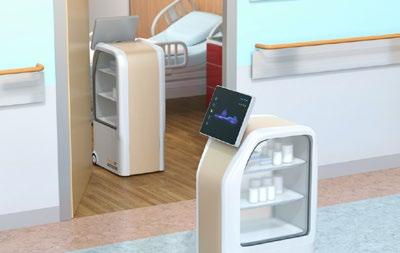
We’ve also deployed physical robotics as a way to fill gaps we have in available staffing in certain areas where they just can’t keep up with the work that exists. I remain very excited and optimistic about where these technologies can take us, and it does attract some new talent, and require new training and thinking, but we want to empower our existing teams wherever possible.”
Eric Tritch, senior vice president, Supply Chain & Support Services and Chief Supply Chain Officer, UChicago Medicine
“AI and automation create fear when there is a lack of context and transparency. Automation and AI can enhance decisionmaking and enable proactivity with higher precision. Roles become less manual and more strategic. Governance structures, clear communication and responsible adoption frameworks ensure teams understand how technology supports them. That shift attracts talent who want to operate at the intersection of healthcare, tech emergence, and advanced analytics.”
Marisa Farabaugh, senior vice president and Chief Supply Chain Officer, AdventHealth
Navigating Market Turbulence for Calmer Labor Waters
Plenty of statistical factoids have been released of late that seem to paint a curious picture of supply chain operational turbulence – not limited to healthcare. To wit, Gartner recently reported the following:
` “54% of supply chain leaders say leadership turnover has disrupted operations in the past three years” ` “48% believe their leadership development curricula need to be more timely and tailored”
` “76% of CEOs are pursuing cost efficiency”
` 71% of CSCOs [Chief Supply Chain Officers] are prioritizing shortterm cost control, [but] only 21% feel confident they’ll meet their cost targets”
How might any of these statistics trickle down to labor concerns?
“This is a tale as old as time. Leadership turnover is a natural – and often inevitable – part of organizational life, both within and outside of healthcare supply chain. This reality reinforces the importance of building a strong successionplanning pipeline and staying closely connected to employees at all levels. Investing in leadership development early, maintaining institutional knowledge and keeping leaders engaged with their teams helps create stability, supports labor continuity and minimizes disruption when transitions occur.”
Ryan Burke, Vice President, Strategic Sourcing, Pandion Optimization Alliance
“Leadership is the special sauce that really keeps teams humming and engaged, and on the flip side, the wrong leader or leaders can be incredibly detrimental to success. I’ve been fortunate that we have a deep bench at UCM, and through some recent transition of long-tenured leaders to new external opportunities, we were able to promote a number on superstar internal candidates and keep our momentum moving forward. Sometimes you need to bring in fresh perspectives but balancing those to maintain your culture and team dynamics are critical.”
Eric Tritch,
Senior Vice President, Supply Chain & Support Services and Chief Supply Chain Officer, UChicago Medicine
“Leadership turnover creates ripple effects well beyond the C-suite. When direction shifts or priorities reset too often, front-line teams feel it first through unclear expectations, workflow disruption, and decision fatigue. Over time, that instability contributes to burnout and turnover.
When leadership is consistent and well-prepared, the workforce is more confident, engaged and stable. This is why leadership development must be timely and practical. Structured pipelines, succession planning, and real-time skill building in areas like AI, resilience and disruption management create steadiness.”
Marisa Farabaugh, Senior Vice President and Chief Supply Chain Officer, AdventHealth
“[They] have an impact on labor, from managing operations with the decrease in staff and the time required to now train and onboard new staff. Project timelines and goals are impacted as existing staff try to fill the gap. Developing leaders is important and having the curriculum that allows them to grow in their current role. Most leadership training is broad in the approach but having tailored training based on the need of the organization and the individual will yield better results.”
Pamela Bryant, Senior Vice President and Chief Supply Chain Officer, Parkland Health

More Than Automation — Itʼs Intelligence with Purpose
Healthcare supply chains donʼt need more platforms.
They need intelligence at the point of execution — where decisions are made, risks emerge and outcomes take shape.
When data, technology, and artificial intelligence (AI) work together in the flow of operations, healthcare organizations can move faster, reduce uncertainty and make decisions with greater confidence — at scale.
This is how insight becomes action. And action transforms into results.
Learn More
Explore how Premier helps organizations drive impact across supply chain, technology, AI, performance improvement and innovation.
UPMC Launches Landmark Solar Project to Power Hospital Campus
A planned solar farm at UPMC Cole will help power the rural campus while supporting the health system’s broader push to cut greenhouse gas emissions.
UPMC is taking a major step forward in its sustainability journey with plans to develop a 5.5-megawatt solar farm at UPMC Cole in Coudersport, Pennsylvania. Scheduled to break ground in 2026, the project will position the rural hospital campus to run largely on renewable energy, marking the first initiative of its kind within the health system.
Once operational, the solar installation is expected to generate enough electricity to meet nearly all of the campus’s power needs. The project aims not only to significantly reduce the hospital’s carbon footprint but also to achieve long-term cost savings, a combination of environmental and financial benefits that UPMC hopes will serve as a model for other facilities.
“Our overarching goal is to explore options for our hospital campuses to operate on renewable, non-polluting forms of energy,” said Mike Boninger, MD, chief medical sustainability officer, UPMC. “This project, while bigger in scale, is just one of many initiatives from across the system. The goal for this project is that the panels generate the energy as predicted, connect to the grid


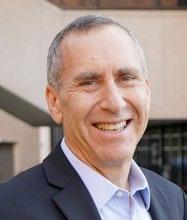
Mike Boninger, MD,
chief medical sustainability officer, UPMC
effectively, and, as expected, meet the electric energy demands on campus and lower our energy bills.”
Dr. Boninger emphasized that the timing of the solar farm aligns with both policy opportunities and broader institutional goals. “The project has been in the works for several years, and federal tax incentives under the Inflation Reduction Act made this a timely initiative,” he said. “It also reflects UPMC’s renewed commitment to becoming a more sustainable health system.”
A moral responsibility
Combining high-level strategic planning with grassroots engagement, UPMC aims to ensure that sustainability is woven into the fabric of its operations.
UPMC has set ambitious climate targets, pledging to reduce greenhouse gas emissions by 50% by 2030 and achieve netzero emissions by 2050. The solar farm complements other ongoing sustainability efforts, including reducing waste, curbing emissions from anesthetic gases and expanding the health system’s use of renewable energy sources.
“As a health system, we feel a moral responsibility to minimize the environmental impact of our operations,”
Dr. Boninger said. “Projects like this, whether reducing disposable items, improving anesthetic practices or generating renewable energy, fit directly into those long-term goals.”
Dr. Boninger highlighted several initiatives already underway at UPMC. The health system has phased out desflurane, a potent anesthetic gas with a global warming potential more than 2,600 times that of carbon dioxide, in collaboration with its anesthesiology
department. “Only a small fraction of anesthetic gas is absorbed by patients, and the rest is vented into the atmosphere. Eliminating desflurane reduces environmental harm without impacting patient care,” Dr. Boninger explained. UPMC is also advancing “low-flow anesthesia” techniques, which reduce gas usage and further lower emissions.
Other sustainability measures include using methane captured from landfills to power vehicles in Pittsburgh’s main campus fleet and reducing reliance on disposable equipment. “All of these efforts share the same objective: decreasing the harm we do to the planet,” Dr. Boninger said.
System-wide engagement
UPMC is advancing its sustainability mission by transforming broad environmental goals into practical, everyday actions across its health system, and renewable energy is just one piece of a larger effort to reduce the organization’s environmental footprint.
“UPMC has over 100,000 employees, but the Center for Sustainability has just three full-time and three part-time staff,” said Dr. Boninger. “To make meaningful progress, we partner with existing service lines — supply chain, environmental services, construction, and real estate — and involve them in steering committee meetings. This allows us to combine topdown leadership support with bottom-up engagement from frontline staff.”
Dr. Boninger explained that engaging employees directly often uncovers innovative sustainability practices




already happening within the system.
One example is donating leftover cafeteria food to local food rescue organizations in Pittsburgh. “It keeps food out of landfills while supporting the community,” he said.
The Center for Sustainability encourages employees to contribute ideas, fostering a sense of ownership and involvement. “Almost always, when I knock on someone’s door and explain what I do, their response is, ‘Come on in, how can I help?’” Dr. Boninger noted. “People want to be part of the solution — whether it’s
for their children or the planet — and that enthusiasm is essential to translating our goals into actionable steps.”
By combining high-level strategic planning with grassroots engagement, UPMC aims to ensure that sustainability is woven into the fabric of its operations. From energy efficiency and renewable energy projects to waste reduction and community-focused initiatives, the health system is demonstrating that hospitals can provide high-quality patient care while actively protecting the environment.
Above: Rendering of the planned site for the solar farm north and east of UPMC Cole’s campus.
Photo courtesy of UPMC


Lab and supply chain collaboration supports healthcare
Clinical labs are central to a complex diagnostic ecosystem built to deliver life-saving results, advance scientific data and help evolve patient care. Collaboration between lab and supply chain is crucial, and it’s important that healthcare stakeholders understand how to support and supply the lab.
Hospitals and care settings
Supply chain professionals
Providers
Patients and families
Manufacturers and vendors
Clinical laboratory professionals Industry thought
Diagnostic ecosystem
How the diagnostic ecosystem works together
These stakeholders rely on lab and supply chain alignment for various reasons. Patients, providers and care settings depend on timely, accurate test results to help guide treatment and streamline workflows. Lab professionals require consistent access to reagents, instruments and quality resources to maintain regulatory standards.
Supply chain teams, distributors and manufacturers work together to ensure reliable product availability, efficient
Distributors
logistics and innovative technology. Even industry thought leaders depend on this collaboration to advance best practices and strengthen the resilience of diagnostic systems.

To discover each stakeholder’s role and needs from collaboration between lab and supply chain, visit cardinalhealth.com/diagnosticecosystem

Why community matters
As a leading laboratory distributor, Cardinal Health can help ensure that the broader healthcare community is aligned with the same goals. To do this successfully, we:
• Supply organizations with the products they need, with Cardinal Health™ Brand options for savings opportunities, as well as a comprehensive National Brand portfolio
• Facilitate collaboration between supply chain and diagnostic leaders to help supply continuity, standardization and product preferences
• Help ensure specimen integrity through cold chain and specialized handling capabilities

• Collaborate with manufacturers to help organizations receive solutions that drive testing accuracy, speed and clinical relevance
• Support patient-centered care across diverse care settings
• Help sustain resilient operations through transparency and supply chain resiliency
• Offer continuing education webinars to highlight thought leaders’ expertise
Every stakeholder, from phlebotomists to supply chain professionals to clinicians, can affect the quality and reliability of lab data. Cardinal Health helps facilitate strong collaboration between lab and supply chain to help deliver fast turnaround times, reduce disruptions and drive testing quality.
Art of the Shell Game
Taming the paper tiger propelled by fluttering butterfly wings.
BY R. DANA BARLOW
If you’re looking for some Olympic-sized economic drama and need your five-ring fix, scan no further than the financial slalom of the office supplies market segment.
Back in the early 1900s when cooperative buying in healthcare debuted (later to be rebranded as group purchasing), furniture and office supplies were among the key staples occupying volume-buying product contract negotiations. Throughout the rest of the 20th century, office supplies were considered early, easy and quick wins for group purchasing organization (GPO) contracts as the ROI emphasis and publicity had long shifted to pharmaceuticals, food and nutrition products and medical/ surgical supplies.

Even now, as a supply chain professional, you know the drill. Prices for products and services increase for a variety of reasons (back-orders, demand spikes, tariffs, profits, etc.), and then payer reimbursements decrease for a variety of similar reasons. You also know the equation that emerges: Demand for more products that have become more costly as income drops generally translates into one thing – budget cuts.
Providers tend to start cutting in three areas: Labor (regarded for decades as the largest expense category until purchased services redistributed some of the “wealth”), service lines (concentrating on the expendable ones that cannot be clinically and/or fiscally justified) and supply chain (the “new” No. 1 expense category thanks to the addition of purchased services).
In fact, supply chain not only gets hit with demands for staff and spending cuts but also the need to go after product and service pricing on contracts – namely, return to vendors and try to shave, or better yet slash, pennies, nickels, dimes or quarters from per-unit pricing.
Honestly, no amount of advanced technology implementation likely will alter this pattern tactically or strategically. Perhaps artificial intelligence (AI) simply will accelerate it.
The office supplies market segment poses a curious business case for the absence of imagination and lack of forethought.
How membership models reshaped office buying
Back in the day, businesspeople bought their office supplies, by and large, from

MEASUREMENT
STATION FEATURING:

CLINICIAN & BIOMEDICAL APPROVED SCALES
From weighing neonates to wheelchair-bound individuals, Befour’s line of medical scales were designed, engineered, and manufactured with your staff in mind:
BETTER FEATURES
BETTER ACCURACY
BETTER CONSTRUCTION
BETTER WARRANTY
BETTER VALUE!
Using all-metal, durable construction, Befour scales are USA-Made and built to last decades, offering repeatable accuracy, industry leading 3-year warranty and a uniform keypad used across all models.
For a more complete picture of the Befour Advantage, scan the QR code below, visit befour.com/fastfacts, or give us a call. We will provide a feature-by-feature comparison to any competitive scale model.





department stores and supermarkets; that is until Sol Price unveiled the original members-only discount retail warehouse model known as Fed-Mart in 1954, followed by Price Club in 1976, the latter of which also served as the forerunner to Costco. (The two would merge in 1993.)
Sam Walton actually visited Fed-Mart and used the experience to create Wal-Mart in 1962 and later his Sam’s Club spin-out in 1983. Kmart and Target, among others, also used Price’s format and philosophy to a degree for their retail ventures.
At first, Price targeted small business owners and government workers as his consumer audience with office supplies representing a primary product category occupying considerable floor space.
If anything, Fed-Mart, Price Club and its successors best resemble a consumer version of membership- and fee-based healthcare group purchasing.
When the spousal team of Jeff Bezos and MacKenzie Scott launched their online bookselling site around the time that Neoforma and Global Healthcare Exchange (GHX) were emerging, few anticipated that Amazon would leapfrog from literary peddling into the comprehensive global online (and in-person) retailing juggernaut it is today.
The office supplies superstore concept – applying the “Big Box” retail model to a specialized product category – emerged in the 1980s, starting with Staples in the Northeast in May 1986, Office Depot in the Southeast in October 1986 and OfficeMax in the Rust Belt in July 1988. Roughly a decade later as all three

Let the consumers (buyers) do the work and the market play out.
expanded nationwide, the Federal Trade Commission (FTC) blocked Staples’ first attempt to merge with Office Depot in 1997 based on anticompetitive concerns that the merged retailer would monopolize the office supply market segment. Staples would make two more unsuccessful bids to acquire/merge with Office Depot, the second straddling a legally tumultuous two-year term between 2015 and 2016, and the third in 2021, eight years after Office Depot already had merged with OfficeMax in 2013.
Some argue that the FTC was justified – at least initially – in tamping down on a consolidating office supply retail market segment. However, like the professional wrestling referee facing Hulk Hogan in








Supporting you with analyzers, reagents, quality controls and beyond



Supporting you with analyzers, reagents, quality controls and beyond
At Cardinal Health, we’re proud to offer end-to-end capital equipment products and services designed to streamline your processes.
At Cardinal Health, we’re proud to offer end-to-end capital equipment products and services designed to streamline your processes.
At Cardinal Health, we’re proud to offer end-to-end capital equipment products and services designed to streamline your processes.
At Cardinal Health, we’re proud to offer end-to-end capital equipment products and services designed to streamline your processes.
Choice
Choice
Access analyzers from your preferred manufacturers across portfolios, including histology, blood bank, clinical chemistry, hematology and microbiology.
Choice
Choice
Access analyzers from your preferred manufacturers across portfolios, including histology, blood bank, clinical chemistry, hematology and microbiology.
Access analyzers from your preferred manufacturers across portfolios, including histology, blood bank, clinical chemistry, hematology and microbiology.
Financing
Access analyzers from your preferred manufacturers across portfolios, including histology, blood bank, clinical chemistry, hematology and microbiology.
Financing
Financing
Financing
Maximize your investment with flexible financing options like leasing services, GPO rebate opportunities and the ability to purchase multiple instruments on a single PO.
Maximize your investment with flexible financing options like leasing services, GPO rebate opportunities and the ability to purchase multiple instruments on a single PO.
Maximize your investment with flexible financing options like leasing services, GPO rebate opportunities and the ability to purchase multiple instruments on a single PO.
Maximize your investment with flexible financing options like leasing services, GPO rebate opportunities and the ability to purchase multiple instruments on a single PO.
Service
Service
Service
Service





Supporting you with analyzers, reagents, quality controls and




Supporting you with analyzers, reagents, quality controls and beyond




Experience expert consultation and ongoing support from diagnostic specialists and our sequestered lot and Quality Assurance Program (QAP) teams.
Experience expert consultation and ongoing support from diagnostic specialists and our sequestered lot and Quality Assurance Program (QAP) teams.
Specialized handling
Experience expert consultation and ongoing support from diagnostic specialists and our sequestered lot and Quality Assurance Program (QAP) teams.
Experience expert consultation and ongoing support from diagnostic specialists and our sequestered lot and Quality Assurance Program (QAP) teams.
Specialized handling
Depend on temperature-controlled distribution for your reagents and quality controls.
Specialized handling
Specialized handling
Depend on temperature-controlled distribution for your reagents and quality controls.
Depend on temperature-controlled distribution for your reagents and quality controls.
Depend on temperature-controlled distribution for your reagents and quality controls.
You’re one call away from expert consultation, focused solutions and cost savings. Whether you're expanding, upgrading or optimizing your lab, Cardinal Health delivers the products, expertise and support to help you make confident, cost-effective decisions.
You’re one call away from expert consultation, focused solutions and cost savings. Whether you're expanding, upgrading or optimizing your lab, Cardinal Health delivers the products, expertise and support to help you make confident, cost-effective decisions.
You’re one call away from expert consultation, focused solutions and cost savings. Whether you're expanding, upgrading or optimizing your lab, Cardinal Health delivers the products, expertise and support to help you make confident, cost-effective decisions.
Transparency without the hidden costs or fees; one point of contact; deep supplier relationships; always-on service: that's the Cardinal Health way.
Transparency without the hidden costs or fees; one point of contact; deep supplier relationships; always-on service: that's the Cardinal Health way.
Transparency without the hidden costs or fees; one point of contact; deep supplier relationships; always-on service: that's the Cardinal Health way.
We are your lab advisor. Expertise. Choice. Efficiency. Savings.
We are your lab advisor. Expertise. Choice. Efficiency. Savings.
For more information or to connect with a diagnostic specialist, scan the QR code or visit cardinalhealth.com/labcapitalequipment
For more information or to connect with a diagnostic specialist, scan the QR code or visit cardinalhealth.com/labcapitalequipment
For more information or to connect with a diagnostic specialist, scan the QR code or visit cardinalhealth.com/labcapitalequipment
For more information or to connect with a diagnostic specialist, scan the QR code or visit cardinalhealth.com/labcapitalequipment
“To be successful you have to skate where the puck is going to be and not where it is right now.”
the ring and scolding him for an illegal move just as “Rowdy” Roddy Piper brandishes the metal folding chair above his head until the ref moves out of the way, the FTC seemingly failed to notice what was happening behind them, too.
One of the key motivations behind the merger frenzy among the three office supply superstores was the rise of Amazon, Walmart and later Costco as competitive office supply product retailers online and in person. As the FTC clamped down on the specialized superstores, they seemingly failed to notice the growth of the these other three retailers providing large, medium and small businesses with the inventory needed at more reasonable prices – just like Sol Price envisioned.
… better. Until then, curb the unnecessary interference and meddling and instead let the market play out, in ways that resemble President Herbert Hoover’s “rugged individualism” during the late 1920s, barely two decades after the dawn of healthcare group purchasing. Resist the temptation of smirking, “look how that turned out.” Contextually in a nonpartisan way, his philosophy didn’t cause the stock market crash of 1929 any more than his successor’s policies solved the Great Depression of the 1930s.
R. Dana Barlow serves as a senior writer and columnist for The Journal of Healthcare Contracting. Barlow has nearly four decades of journalistic experience and has covered healthcare supply chain issues for more than 30 years. He can be reached at rickdanabarlow@ wingfootmedia.biz
Unfortunately, the fear of prices rising among the office supply superstores wasn’t due to monopolistic intent, but survival to remain active in business to determine how to compete with Amazon, Walmart and Costco, all of whom could afford to offer lower pricing based on volume sales. Reports at the start of the dot-com bubble indicated that the FTC did not perceive that the likes of Amazon, Walmart or Costco would play significant roles in office supply market share long term. Oops. What might a few shakes of a Magic 8 Ball have shown? Reply hazy, try again?
Call it the “Cool Hand Fluke” and adapt the famous character quotation to “What we have here is failure of imagination.”
Measured
oversight over meddling
Through it all, the message is simple. The feds need to do their due diligence
The late and venerable healthcare supply chain consultant William McFaul was known for saying, “To be successful you have to skate where the puck is going to be and not where it is right now.” In an uninspired effort to notch a hat trick, the feds seem to be tripping over brim after brim until they stumble onto getting something right.
Look, there’s nothing wrong with the feds trying to protect consumer interests and the public welfare from perceived corporate greed. But today’s corporations aren’t exactly mirror images of big business during the trust-bustin’ days of President Theodore Roosevelt either –barely a decade before the dawn of healthcare group purchasing. However, until the feds obtain all the facts and conduct a thorough and accurate analysis with predictive market developments and economic trends, they should stay in their own lane and control the urge to interfere in the commercial process until it’s truly necessary. Let the consumers (buyers) do the work and the market play out.
Midmark is the first and only manufacturer in the market to have both a procedure chair and an examination chair that comply with the US Access Board Standards.
Getting to know the standards
01 Seat Height: 17" or lower and 25" or higher
02 Transfer Surface: 21" wide and 17" deep
03 Base Clearance: 26" wide or less
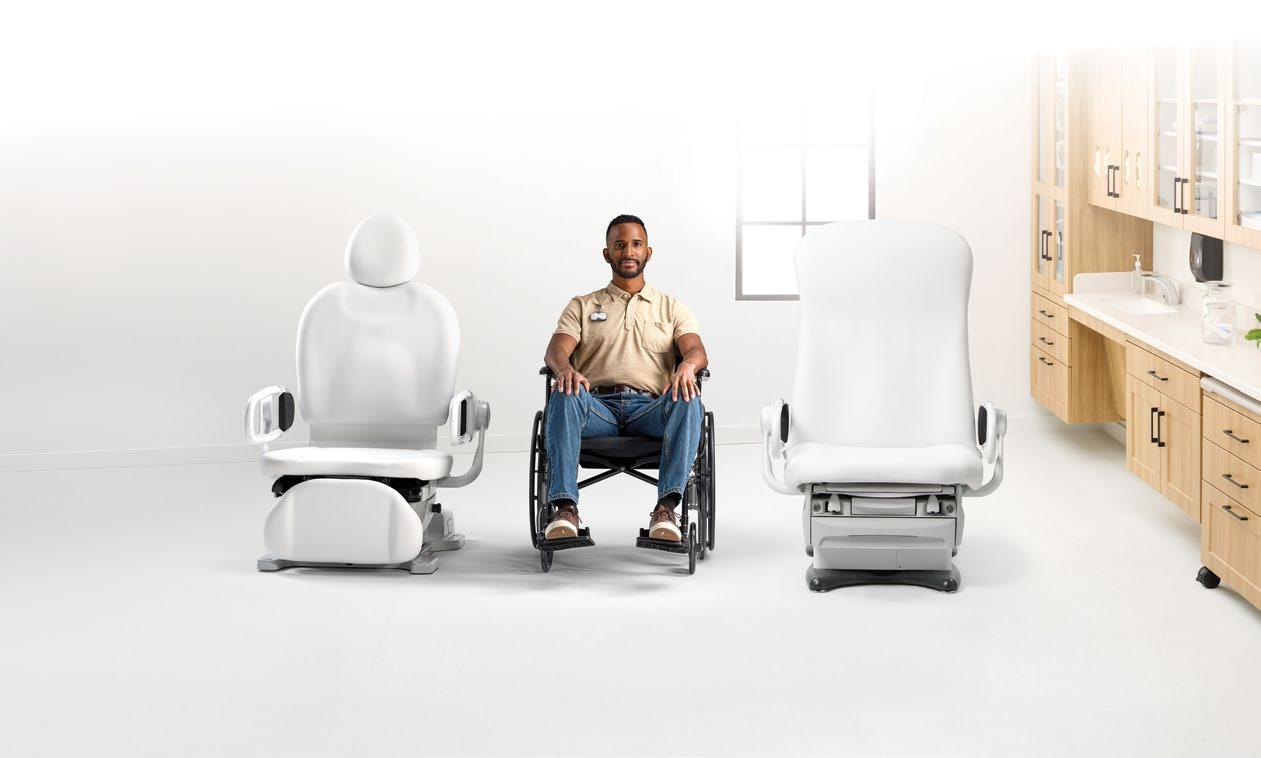
04 Transfer Supports: Compliant to the US Access Board Standards
05 Leg Supports: Support the patient’s thigh, knee and calf



— Mark Welch, Senior Vice President, Novant Health