Chalk Up Healthcare Supply Chain Success to Experience
Consistency, reliability, trust reinforces critical nature.
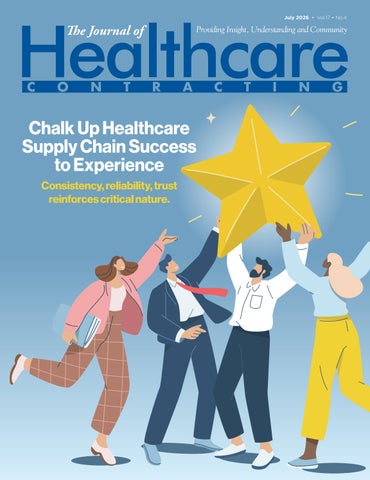
Consistency, reliability, trust reinforces critical nature.
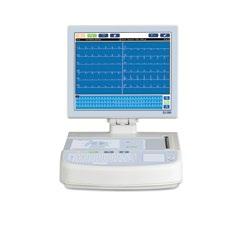
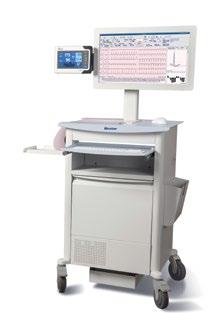
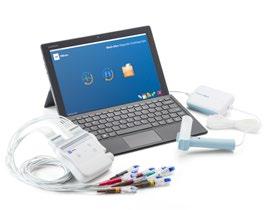
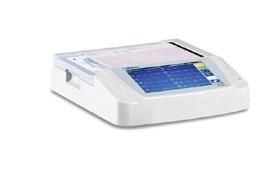
By delivering trusted, high-quality cardiac data through advanced ECG devices and data management solutions, Baxter’s Cardiac Care Solutions help clinicians drive clarity, build confidence, and make informed decisions on every step of a patient’s cardiac journey.






The Case for Cross-Industry Procurement Intelligence By benchmarking non-clinical categories against retail, finance, and manufacturing standards, health systems can unlock pricing power and strengthen negotiation outcomes.
From Gatekeeper to Strategic Partner
Value analysis professionals in healthcare have shifted from being perceived as barriers to product adoption to key allies who help align clinical decisions with outcomes. 16 Chalk Up Healthcare Supply Chain Success to Experience Consistency, reliability, trust reinforces critical nature.
Phone: 770/263-5262 FAX: 770/236-8023 e-mail: info@jhconline. com www.jhconline.com
John Pritchard jpritchard@sharemovingmedia.com
26 Supply Chain and the C-Suite Why provider supply chain leaders still struggle for executive recognition, and what it will take to change the narrative.
28 Supply Chain’s Strategic Spy Game Education, experience, exploration should not be mission impossible.
Laura Gantert lgantert@sharemovingmedia.com

BY MARK A. VAN SUMEREN, HEALTH INDUSTRY ADVISOR LLC
I have sat in a lot of executive conference rooms over the past 40 years.
And I have watched the same scene play out more times than I can count. A decision that everyone in the room knows needs to be made – has needed to be made for months, sometimes longer – sits on the agenda again. The CFO has run the numbers. The analysis is complete. The market has already rendered its verdict. And still, the group decides to take another look, seek a bit more input, wait for a better moment.
The moment rarely comes.
For supply chain and contracting professionals, this pattern isn’t a governance abstraction. It shows up in your work every day. A vendor contract that’s been in negotiation for six months with no resolution. A capital request cycling through committees while equipment ages. A service line everyone privately acknowledges is
unsustainable – still running, still consuming inventory and staff and management attention, because no one has been willing to force the question to a close.
The frustration is legitimate. And it isn’t going away until the underlying problem is addressed.
The problem isn’t the leaders. It’s the structure.
I want to be direct about something that often gets lost in these conversations.
The health system leaders I’ve worked with are not indecisive people. They are not avoiding hard decisions because they lack the courage to make them. They are operating in governance structures that were never designed to force resolution – structures that place no real cost on keeping a decision open,
Healthcare is now approaching one-fifth of U.S. GDP. Costs are rising faster than paychecks.

that reward consensus over closure, and that have no built-in mechanism to say: this has gone on long enough, a choice must be made today.
In a publicly traded company, that mechanism exists by design. Capital markets impose consequences. Shareholders demand returns. Delay gets priced whether management welcomes it or not. The clock runs whether anyone winds it.
Nonprofit health systems don’t have that. Which means the clock still runs –it just runs silently. And when no one is explicitly authorized to govern time, time governs the organization instead.
I’ve started calling this the absence of a forcing function. It’s the single most common governance failure I’ve observed across four decades of advisory work. And it is far more damaging than most leadership teams recognize.
There’s a phrase I’ve come to use with leadership teams: decision pace is capacity.
Most people think of capacity as beds, staff and capital. Those matter. But in my experience, the binding constraint in most complex health systems isn’t any of those things. It’s the accumulation of unresolved decisions – services that continue without evaluation, investments that linger without commitment, contracts debated but never sequenced. Every open decision consumes meetings, management bandwidth and leadership attention that could be going somewhere else. Slow decision cycles don’t preserve capacity. They consume it.
For the supply chain community, that consumption is not theoretical. It arrives as pricing uncertainty that vendors absorb and pass back. It arrives as inventory commitments for programs that may not exist in eighteen months. It arrives as the particular exhaustion of managing complexity that persists not because it must, but because no one has closed the loop.
Healthcare is now approaching onefifth of U.S. GDP. Costs are rising faster than paychecks. Health insurance – once a reasonable expectation for working families – is becoming unaffordable for the communities these systems were built to serve. At that scale, slow governance is no longer just an internal management problem. It becomes a structural contributor to a cost trajectory that affects everyone.
Mark A. Van Sumeren is the author of Strategic Leadership When Time Is the Constraint (Health Industry Advisor LLC, July 1, 2026), the third book in the Strategic Leadership series. He has spent four decades advising health system leaders and leadership teams on governance, strategy, and institutional decision-making.

I am not arguing that health systems should move fast for its own sake. Speed without judgment is its own kind of failure.
What I am arguing is that durable performance requires structure – specifically, governance mechanisms that make time visible, make tradeoffs explicit, and make accountability unavoidable. Decision rights that are clear at every level. Forums built around specific decisions, not generic updates. Timelines that compress rather than absorb. Escalation paths that actually function.
These aren’t management preferences. They are the difference between a governance system that converts intent into action and one that converts intent into another agenda item.
When those mechanisms are absent, something important happens that most leadership teams don’t see until it’s too late. Decisions stop being made by leaders. They start being made by time. And time, as I’ve told more than a few leadership teams, is not a neutral actor. It always decides in favor of the status quo.
The systems that will perform best over the next decade won’t necessarily be the largest or the best resourced. They’ll be the ones that built a forcing function – and used it.
For the supply chain and contracting professionals reading this: the governance failures upstream from you are not going to resolve themselves. But they can be designed out of the system.
That work starts in the executive conference room.

Healthcare supply chains donʼt need more platforms.
They need intelligence at the point of execution — where decisions are made, risks emerge and outcomes take shape.
When data, technology, and artificial intelligence (AI) work together in the flow of operations, healthcare organizations can move faster, reduce uncertainty and make decisions with greater confidence — at scale.
This is how insight becomes action. And action transforms into results.
Explore how Premier helps organizations drive impact across supply chain, technology, AI, performance improvement and innovation.

By benchmarking non-clinical categories against retail, finance, and manufacturing standards, health systems can unlock pricing power and strengthen negotiation outcomes.
At WellSpan Health, an integrated health system with 250 locations across central Pennsylvania and northern Maryland, our leadership team identified nonclinical procurement as a vital component of our 2025 strategic vision. By treating non-clinical spend as a sophisticated business function rather than a decentralized administrative task, we realized more than $35 million in annualized savings over a three-year period. This transformation offers a blueprint for senior leaders to leverage cross-industry expertise that bolsters the bottom line.
The challenge of fragmented indirect spend
In an era of tightening margins and escalating operational costs, healthcare executives must look beyond traditional cost-containment strategies to ensure long-term financial sustainability. Many health systems have achieved high levels of maturity in managing clinical supplies. However, non-clinical goods and services, including information technology, marketing, facilities management and professional services, remain an untapped opportunity for significant savings.

BY CHRIS MAHER, MANAGING PARTNER, LOGICSOURCE, INC.
A common operational hurdle in large health systems is the isolation of procurement functions. While the central supply chain typically manages medicalsurgical commodities, the budgets and contracts for service-based categories often reside within individual departments. IT leaders manage software licensing, marketing executives oversee agency contracts, and HR directors handle temporary staffing agreements.
This fragmentation often leads to missed opportunities for scale, inconsistent contract terms, and a lack of competitive benchmarking. In 2022, WellSpan Health recognized that while internal teams possessed deep healthcare knowledge, they lacked the capacity and the specialized market insights required to benchmark non-clinical categories against sectors outside of healthcare. To bridge this gap, we moved toward a
partnership model that provided access to cross-industry data and domain experts to support contract negotiations and procurement operations.
One of the most effective ways to improve procurement performance is to look beyond the healthcare sector. Vendors providing IT services, facilities maintenance, or marketing support operate across multiple industries including retail, finance and manufacturing. However, healthcare organizations often pay a premium when comparing costs only to other hospitals.
WellSpan Health adopted a strategy of using cross-industry benchmarks to evaluate vendor proposals. If a global logistics firm or a major financial institution pays a specific rate for enterprise software or professional services, that data point becomes a powerful lever in negotiations. By applying these broader market insights, we ensured WellSpan Health was receiving the best possible value.
To execute that shift without a significant increase in administrative headcount, WellSpan Health integrated specialized procurement resources directly into existing operations. This model differs from traditional consulting or Group Purchasing Organization (GPO) arrangements. Instead of a percentage-of-savings model, which can misalign incentives, a fee-for-service approach positioned us to focus purely on reaching specific savings targets and operational goals. Embedded specialists managed time-consuming tasks such as Market Research and Request for Proposal (RFP) management. This allowed internal staff to remain focused on high-level
Reimagining non-clinical procurement is a challenge. Success requires deliberate focus on change management, executive buy-in, and building internal trust and alignment.
Our team prioritized three steps to ensure organizational buy-in:
Leadership targeted the IT category early in the process. By optimizing a system-wide enterprise resource planning (ERP) agreement, the team secured $2.4 million in savings. This early achievement demonstrated the tangible value of the new procurement model and built confidence among other department heads.
A critical component of the model was ensuring that department leaders retained final decision-making authority regarding vendor selection. The procurement team provided the data, managed the negotiations and presented options, but department owners remained in control of their specific functional areas.
With third-party experts leading negotiations, department leaders were able to maintain positive, collaborative relationships with vendors. The “hard” conversations regarding pricing and terms were managed by the procurement specialists, preserving the positive relationship between the department and the vendor.
strategic initiatives while ensuring that every non-clinical contract underwent rigorous, data-backed scrutiny. Additionally, the team sought new opportunities for savings by evaluating contracts and proposing improvements in previously untapped areas.
The shift toward a more proactive and datadriven non-clinical procurement model yielded substantial financial and operational benefits. Within the first year of the partnership, WellSpan Health realized over $7 million in savings, a figure that grew to an annualized $35 million by the third year.
Beyond the immediate financial impact, the organization achieved three strategic advancements:
` Operational Productivity: Integrated procurement specialists boosted procurement operations without an extensive recruitment and hiring process for specialized roles.
` Administrative Efficiency: Simplified contract management and improved sourcing processes reduced the administrative burden on internal leadership.
` Risk Mitigation: The use of specialized sourcing experts allowed the organization to better anticipate and mitigate supply chain disruptions caused by geopolitical challenges and market volatility.
For senior leaders seeking to optimize
Chris Maher, Managing Partner, Business Development, LogicSource. Chris Maher brings more than 30 years of enterprise operating experience to his work with retail, consumer package goods, and health system CFOs and supply chain executives, helping them unlock sustainable margin improvement through better management of non-clinical and purchased services spend.
Prior to joining LogicSource, Chris served as CEO of Marketing Drive Worldwide (IPG), founded GreenLight and Convergence Marketing, and launched a BPO operation across the US and India — experience that gives him genuine peer credibility with executives navigating complex institutional change.
Chris began his career at Procter & Gamble and Kraft Foods. He holds a BA in Marketing from Boston College.
their non-clinical spend, the following steps are recommended:
` Prioritize Non-Clinical Categories: Conduct a comprehensive audit of non-clinical spend to identify areas where contracts have not been competitively bid or benchmarked in the last three years.
` Use Cross-Industry Data: Move beyond “healthcare-only” benchmarks. Require procurement teams to provide data points from other industries to ensure competitive pricing in categories such as IT, facilities and professional services.
` Foster C-Suite Collaboration: Successful spend management requires alignment between C-suite leaders and department heads. When the executive team views non-clinical procurement as a unified strategic lever, silos are more easily dismantled.
In the complex healthcare environment, operational excellence and financial stability must work hand in hand. By rethinking procurement strategies and embracing cross-industry insights, healthcare organizations can uncover significant capital hidden in non-clinical spend. The transition from a reactive, decentralized model to a proactive, integrated approach strengthens the balance sheet and builds resilience required to navigate a rapidly changing industry. For WellSpan Health, this journey shows that smarter spend management is a critical tool in the pursuit of high-quality, cost-effective patient care.

First-of-its-kind program
Guaranteed 45 days of inventory on hand at key distributor warehouse locations
No cost and no contracts required for customers
HOSPITALS

POST-ACUTE FACILITIES NON-ACUTE LOCATIONS


Value analysis professionals in healthcare have shifted from being perceived as barriers to product adoption to key allies who help align clinical decisions with outcomes.
On the GPO side, Orlando said, teams assist members directly with value analysis processes, including participation in committee meetings, conversion planning, education and workflow support. The non-GPO side, Bluepoint, focuses on analyzing utilization data to determine whether clinical products align with current guidelines, regardless of contracting relationships.
Anne Marie Orlando, MBA, RN, CVAHP, FAHVAP, FACHDM, CMRP, Vice President of Clinical Services at Yankee Alliance, said her organization supports members through both group purchasing organization (GPO) services and a non-GPO arm focused on clinical product utilization and data analysis. Together, those teams help healthcare organizations evaluate products, educate stakeholders and guide value-based decision-making.
Over the past five to 10 years, Orlando said the role of value analysis has undergone a significant transformation. In the past, she said industry stakeholders sometimes viewed value analysis teams as obstacles to bringing products into facilities.

“There was a level set,” said Orlando, who is also the current president of the Association of Healthcare Value Analysis Professionals (AHVAP). “They didn’t understand what we needed to be successful in our role, and we didn’t understand what they needed from us.”
Through increased communication and education, she said, the function has evolved into a collaborative forum that brings together supply chain leaders, clinicians, infection prevention specialists, finance teams and executive leadership.
Today, value analysis teams are increasingly seen as facilitators of multidisciplinary discussions that focus on aligning products with clinical evidence and patient outcomes rather than solely on cost.
“We can get all those parties to the table and really conduct some great dialogue around the products that we’re using,” Orlando said. “How do we align to clinical guidance, and how can we really lead with our patients and not with price.”
According to Orlando, organizational culture plays a critical role in determining the success of a value analysis program. Strong executive sponsorship and governance structures, she said, are often key differentiators between organizations that excel and those that struggle.
“Think about your outcomes, think about your quality, think about people, process before you think about products,” she said.
Organizations that treat value analysis as a product approval committee, rather than a broader strategic function, tend

Anne Marie is a healthcare executive with more than 22 years of clinical experience as a critical care nurse, bringing a strong clinical lens to supply chain strategy and value analysis. With a background in Interventional Cardiology and Radiology, she specializes in evidence-based decision-making, product standardization, and system-wide value. She has held leadership roles across clinical and supply chain functions, including positions with Yankee Alliance and Blue.Point Supply Chain Solutions. Currently Vice President of Clinical Services for Yankee Alliance, she leads initiatives that align clinical practice with supply chain strategy. She also serves as President of the Board of Directors for the Association of Healthcare Value Analysis Professionals (AHVAP).
to face challenges, she added. Successful programs, by contrast, are those empowered to evaluate clinical, operational and financial factors in an integrated way.
Orlando pointed to a data-driven example in which Bluepoint analysts identified discrepancies in pricing and utilization for IV start kits at a community hospital. Although utilization appeared appropriate on the surface, deeper analysis revealed that the hospital was spending at levels comparable to much larger facilities.
Further review showed the kits included numerous items that did not align with current clinical guidelines and were being used across multiple care settings beyond their original intended use.
“The conversation started off at pricing, but we knew from a value analysis perspective that’s not going to fly,” Orlando said. “We need to look at those guidelines and understand what the SME was trying to achieve.”
The analysis ultimately reframed the discussion from cost to clinical appropriateness, highlighting the importance of data and evidence in guiding decisions.
“It really was able to take that very high price tag and shift those conversations away from pricing and really look at, is this fitting the needs of the patients we’re serving?” she said.
Orlando said situations like this underscore the growing importance of value analysis professionals as interpreters of data and facilitators of cross-functional collaboration in an increasingly complex healthcare environment.
As healthcare organizations face increasing volumes of data and rapidly evolving technology, value analysis professionals will need to adapt by strengthening their analytical capabilities and collaborating more closely with IT teams, according to Orlando.
She said the rise of artificial intelligence and advanced data tools presents both an opportunity and a challenge for value analysis teams. While organizations now have access to more data than ever, the key is translating that information into actionable insights without becoming overwhelmed.
“We have so much data that we have access to – it’s understanding how we should use it,” Orlando said. “How do we actually put it into play so that we are more efficient with the decisions that we’re making, and we’re not in analysis paralysis.”
Orlando noted that many clinicians who move into value analysis roles are not formally trained in data science or large-scale data interpretation, which can create gaps in how effectively organizations leverage analytics. She emphasized the need for ongoing education in data literacy, including how to interpret datasets, identify bias and communicate findings clearly.
“AI is a big piece of that,” she said. “We need to be able to tell that data story.”
At the same time, Orlando pointed out that many medical products are
Modern value analysis requires understanding medical devices, clinical guidelines, infection prevention, research methodologies and emerging technologies, all while balancing stakeholder priorities.
increasingly integrated with technology, adding another layer of complexity. As devices become connected to hospital networks, cybersecurity and IT infrastructure have become essential considerations in value analysis discussions.
She cited recent cyberattacks as examples of how technology disruptions can directly affect patient care, delaying procedures and limiting access to services. As a result, she said, value analysis teams must incorporate IT stakeholders into product evaluations more routinely.
“We are really going to need to bring IT, our networks right up into these discussions,” Orlando said.
Beyond technology, Orlando identified clinician bandwidth and workforce shortages as ongoing challenges shaping value analysis priorities. With nursing shortages and increasing patient acuity, she said organizations must be mindful of the operational burden associated with product changes and standardization efforts.
“There’s a cost to chasing the latest and the greatest,” she said, noting that frequent changes can contribute to training demands and disruption in clinical workflows.
Orlando also pointed to decision fatigue among clinicians as a growing concern, underscoring the importance of standardization and competency in product use. Ensuring clinicians are both trained and comfortable with the tools they use, she said, is essential to maintaining safe and efficient care.
“Competency is not the same as being trained,” she said.

In 2024, the DOJ and HHS adopted new Medical Diagnostic Equipment (MDE) standards issued by the US Access Board. As a result, exam tables at facilities receiving federal or state funding must now meet minimum height requirements to ensure accessibility for all patients. The deadline for compliance is coming soon.
If healthcare organizations could change one thing overnight about how they view value analysis, Orlando said it would be a broader recognition of the discipline as a specialized field requiring significant training, influence and cross-functional expertise.
She noted that while perceptions have improved over time, value analysis professionals are still often underestimated in terms of the breadth of knowledge their roles demand. Modern value analysis requires understanding medical devices, clinical guidelines, infection prevention, research methodologies and emerging technologies, all while balancing stakeholder priorities.
“Value analysis has come a long way,” Orlando said. “It would just be that our specialty is recognized as such, and the depth of training that a VA nurse or clinician needs in order to understand everything that’s involved.”
In addition to technical expertise, Orlando emphasized the importance of soft skills, particularly the ability to build consensus

among diverse stakeholders. Value analysis professionals must convene clinicians, supply chain leaders, finance teams and executives, often each approaching decisions from different perspectives.
“There’s so much involved,” she said. “You have to have influence. You have to understand how to get people to the table and how to get them to participate and understand what the end goal is.”
For supply chain leaders working closely with value analysis teams, Orlando encouraged viewing those professionals as collaborative partners rather than separate entities with competing priorities. She said alignment between the two functions is essential, even if their approaches differ.
“We are a trusted ally,” she said. “We have the same goal in mind – we’re looking at patient outcomes, patient safety, health equity and financial stewardship.”
Orlando acknowledged that tensions can arise when roles are not clearly defined, particularly when supply chain and value analysis teams appear to operate in silos. However, she said both functions ultimately support the same mission of ensuring safe, effective and financially sustainable care.
She described the relationship between supply chain and value analysis as complementary, comparing it to a double helix structure in which two distinct strands work in tandem.
“It’s like the shape of DNA,” she said. “Supply chain and value analysis each have their specialty, but they have to work together.”


Distributors and self-distributing health systems now have complete transparency of their Dukal products’ from purchase order to delivery.
Product Assigned at the Factory Level
Product Tracking at the Item Level
Compatible Excel Reporting
Automated Communication
Worldwide Tracking

Scan

> Learn more at dukal.info/insight
Consistency, reliability, trust reinforces critical nature.
BY R. DANA BARLOW
When it comes to learning, marketing, mentoring and teaching, the term “experiential” represents one of the latest buzzworthy modifiers to reflect a growing trend.
To wit, some corporations even have appointed or hired “Chief Experience Officers” designed to manage and shape the experiences of staff and customers. Further, a pair of popular instructional books employ fictionalized narrative storytelling techniques to use experience to explore current themes in healthcare supply chain.
Within a provider-based supply chain operation, executives, leaders, managers and professionals strive both directly and indirectly to influence the experience shared
by their customers, patients and suppliers. They want to make their dealings memorable in a positive way, even if absolutely nothing happens.
Generally, healthcare providerbased supply chain pros see clinicians and administrators as their customers (think business-tobusiness or B2B in digital parlance) just as clinicians and administrators see patients and visitors as their customers (similarly business-toconsumer or B2C).
“Supply chain influences everything from how easily patients can navigate their care journey, to the comfort of a patient room, to the nutrition available to patients and visitors,” acknowledged Marisa Farabaugh, Senior Vice President and Chief Supply Chain Officer, AdventHealth. “We are all part of something bigger than ourselves, and the collective is what creates the patient experience.”
Supply chain’s clinical alignment as well as links with information technology drive momentum.
“By staying closely aligned with our clinicians and operators, we help create care environments that feel welcoming, calm and prepared,” Farabaugh continued. “The introduction of smart rooms across AdventHealth is a strong example of this in action. By working side-by-side with
“Experience is one thing you can’t get for nothing.”
– Oscar Wilde
Storytelling is one approach that can effectively show supply chain’s impact, said Cleveland Clinic’s Steve Downey. For example, sharing a ‘day in the life’ perspective or following the journey of a product from sourcing to patient use can make the work more relatable. “Highlighting employee stories, especially through social media, helps put a human face to roles that are often unseen,” he said. “Some of the most effective examples are also the most direct. Meal service is a clear touchpoint where consistency, communication, and quality are easy to see and feel.”
clinicians and IT, we’re able to support solutions that reduce friction for our team members and create more connected and seamless experiences for patients and families. At its core, this comes back to stewardship of resources, environments and the experience itself. When supply chain operates with that mindset, we are not just supporting care, we are helping shape how it feels.”
Supply chain must view its service as its product, according to Eric Tritch, Senior Vice President, Supply Chain & Support Services, UChicago Medicine.
“It is important that we think about the impact supplies and services have to not only meet the care needs but to provide comfort and support,” Tritch told The Journal of Healthcare Contracting . “We have to be careful to make wise investments with all the financial headwinds but being ever mindful of the things that can make a difference. A great example for me is that a cheap rough tissue paper may save a few dollars, but it sends the wrong message in terms of care and comfort for our patients and their families.”
Visibility keeps supply chain on everyone’s mind – in good times and bad, insists Steve Downey, Vice President, Chief Supply Chain and Support Services Officer, Cleveland Clinic.
“One of the best ways to show impact is just being present,” Downey said. “Regular rounding in clinical areas helps teams stay connected to what caregivers and patients need. Participation in hospital events or even occasional


OUR PRODUCTS DELIVER IT.
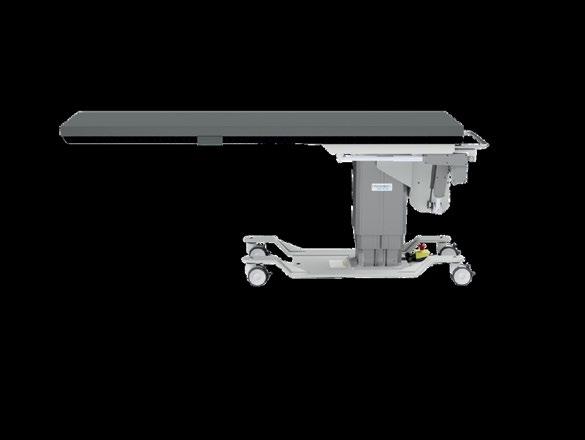
Oakworks Medical Products provides innovative ultrasound and imaging tables designed to elevate patient care and streamline clinical workflow.




FULLY ELECTRIC ULTRASOUND AND IMAGING TABLES
Engineered for seamless workflow and enhanced clinician efficiency
Built tough for rigorous daily use in demanding clinical settings

Reduce fatigue, improve patient positioning, and boost productivity
PRODUCTS PROUDLY MADE IN THE USA
Exam/Procedure chairs to imaging tables, FDA Listed, and fast lead times
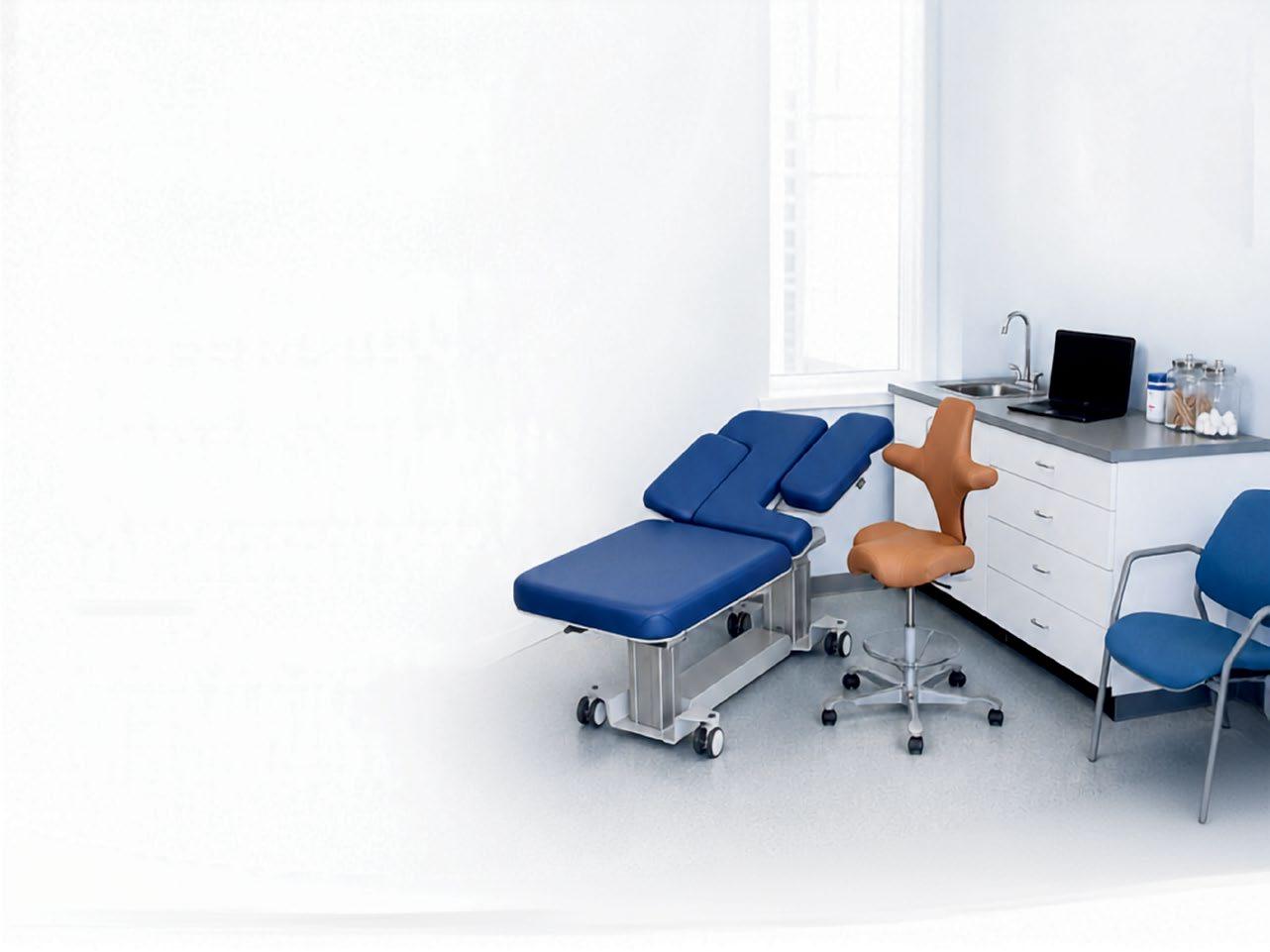
Visit Oakworksmed.com to explore our full portfolio and learn more about equipment engineered for your toughest challenges.


behind-the-scenes tours can also help bring visibility to the work. Small visual cues can go a long way, as well. Simple signage or digital displays can connect everyday supply chain activities to patient care, helping people understand that there’s a system working in the background to support what they’re experiencing. Even things like artwork or photography, showing employees in warehouses, kitchens, or distribution roles can help make that connection more tangible.”
Bruce Radcliff, President, Supply Chain Services, Premier Inc., suggests supply chain concentrate on the fundamentals.
“Supply chain contributes to positive patient experiences by ensuring care environments are safe, consistent and wellequipped,” he said. “This includes everything from having the right clinical supplies available to supporting clean, comfortable patient environments and minimizing disruptions that could impact care delivery. At Premier, we see organizations increasingly using technology and analytics to improve visibility and anticipate needs before they become issues. Real-time insights, predictive analytics and automation can help reduce delays,
` Healthcare supply chain is increasingly focused on shaping the overall experience of patients, clinicians, and stakeholders, not just managing logistics.
` Strong alignment with clinicians and operational partners helps create smoother, more coordinated, and more patient-centered care environments.
` Reliability and consistency in supplies are essential to ensuring uninterrupted, high-quality care delivery.
` Visibility, communication and data-driven insights are critical for connecting supply chain performance to real clinical impact.
` Supplier relationships are shifting toward trust, transparency and collaboration rather than purely transactional interactions.
improve coordination and ensure clinicians have what they need to deliver timely care. These improvements may be invisible to patients, but they directly shape the experience by enabling smoother, more reliable care.
“Ultimately, supply chain’s role in creating a positive patient experience is about reliability, consistency and preparedness,” Radcliff concluded. “When supply chain operates effectively, patients and visitors experience fewer delays, more coordinated care and greater confidence in the organization’s ability to deliver high-quality care.”
At SSM Health, supply chain weaves itself into the fabric of operations, according to Brad Forth, Chief Supply Chain Officer.
“Our supply chain team lives SSM Health’s mission and values in their everyday work and approaches work cohesively to ensure trust and confidence throughout our system in our inventory, processes and people,” he said. “While we work to make this seamless and effective behind the scenes, we often discuss how this core work contributes to positive patient care moments. Our ministry-based teams go above and beyond to help patients and their families feel comfortable during their time on-site with us and can often be found giving directions, walking visitors to the cafeteria, holding elevators etc., ultimately, providing professional and compassionate interactions to our patients every day.”
“When suppliers understand how their work directly supports patient care, the focus shifts to shared purpose and impact.”
— Marisa Farabaugh
Stephanie Duggan, M.D.,
FACEP, FAAPL, CPE, Chief Clinical Officer, SSM Health,
stresses one clear point as most important.
“Supply chain is the partner that makes it possible to offer consistent care,” she said. “If no one is expressing concern about supplies and our percentage of NPSR dedicated to supplies is at an acceptable level, I would call that a BIG win.”
Much depends on how supply chain views the concept of experience, a perspective that may not be as simple.
“A positive patient experience is rarely defined by what goes right – it is defined by what does not go wrong. No delays. No substitutions. No uncertainty,” insisted
“Transparency and respect are key attributes that we need to bring to the table in these interactions to generate a positive memorable experience.”
– Steve Downey
Chad Mitchell, Vice President, Medical/ Surgical, Core Essentials, Vizient. “When supply chain performs at a high level, clinicians have what they need, when they need it and care feels seamless, coordinated and confident. Clinicians operate in inherently unpredictable environments – supply chain should provide consistency and reliability.”
But Caryn Staib, Vice President, Medical/Surgical, Clinically Preferred and Laboratory, Vizient, encourages supply chain to go beyond consistency and reliability.
“Reliability alone is not enough,” she countered. “The products themselves must enable better care. The right products should support – not dictate – clinical practice. When product selection aligns with clinician training, experience, and evidence-based protocols, it enhances clinical judgment, reduces variability, and enables more precise, confident, and effective care. The tools used in care shape how clinicians practice and therefore should be intentionally aligned to achieve the best possible outcomes.”
Staib urges supply chain and clinicians to collaborate.
“When clinicians are engaged in product selection and familiar with the tools they use, practice becomes more consistent, decisions more efficient and care more predictable,” she observed. “In that environment, supply chain does more than support the patient experience – it enables clinicians to focus entirely on the patient, with full confidence in the tools at their disposal.
Ultimately, elevating supply chain as a strategic function – fully aligned with clinical practice and organizational priorities – is what enables consistent, high-quality patient experiences at scale,” Straib added.
While managing the clinician and patient experience extends beyond supply chain running out of stuff – whether something’s backordered or simply unavailable due to a shortage – managing the supplier experience extends beyond agreeing to certain contract terms or making demands the supplier finds unreasonable.
UChicago Med’s Tritch arches his eyebrows at the premise.
“That’s a tough one. I’m not sure [striving to make] ‘every supplier experience memorable in a positive way’ is realistic, but I like the thinking and mindset,” he mused, “and our suppliers need to be trained to think this way about how their products and services touch and impact our patients and families and staff. If they frustrate our staff, it can impact their ability to stay focused on excellent patient experience.”
Should it be supply chain’s job to concern itself about the supplier experience with them? How much sense does such a two-way street mentality make versus merely concentrating on their customers –clinicians and patients – and leave the suppliers to be concerned about their provider customers?
“It comes down to trust,” Cleveland Clinic’s Downey replied. “Having a dialogue where we can share between
each other as partners, discuss what each could do differently, providing honest feedback and working together on behalf of the patient.”
Supply chain must find a way to balance the experience of the three pillars – clinicians, patients and suppliers, Downey said.
“Given that you’re two sides of a commercial relationship, that’s a hard one. Patient first, clinical/stakeholder second, and supplier is a trusting commercial relationship after that,” he added.
SSM Health’s Forth finds the premise fascinating and tough to consider but should be guided by our humanity and mutual respect.
“At the end of the day, there is inherent conflict in the relationship, but that conflict doesn’t have to be negative,” he said. “Transparency and respect are key attributes that we need to bring to the table in these interactions to generate a positive memorable experience. With transparency – we need to explain the why behind our asks or the why behind us not being able to accept an ask of the supplier. This will open a more collaborative dialogue. We still may not be able to come to a resolution/ agreement, but both sides will know why and will have felt [they were] heard. With respect – we need to respect the rep as a person, we need to respect their time and get them to a fast ‘no’ if there isn’t opportunity, and we need to respect that they have a job to do. We don’t have to like the messaging, overall tactics or outcome, but we should approach each encounter with reverence to human dignity.”
“Do you know the difference between education and experience? Education is when you read the fine print, experience is what you get when you don’t.”
– Pete Seeger
Still, supply chain’s connection with the supplier experience remains a given, according to Premier’s Radcliff, particularly in migrating away from a transactional mindset.
“Supply chain plays an important role in shaping the supplier experience, and many organizations are moving toward more collaborative, partnership-based relationships rather than purely transactional interactions,” he said. “At Premier, we see that when suppliers have a positive, transparent and efficient experience, it ultimately supports greater reliability, innovation and value for providers and patients.
“Clear communication and transparency are key,” Radcliff continued. “Sharing demand forecasts, performance expectations and operational priorities helps suppliers plan more effectively and
align with patient care needs. Reducing friction in day-to-day interactions also makes a difference, whether through cleaner data exchange or automation that minimizes administrative burden.”
Radcliff suggests that experiential engagement emerges from collaboration.
“Inviting suppliers into conversations around innovation, resiliency and performance improvement helps create stronger partnerships. When suppliers feel like strategic contributors rather than just vendors, it leads to more productive relationships and better outcomes across the healthcare supply chain,” he added.
“When suppliers understand how their work directly supports patient care, the focus shifts to shared purpose and impact.”
Both need to keep their eyes wide open, according to Vizient’s Mitchell.
“When supply chain operates with transparency, suppliers have a clear understanding of how to engage and where to prioritize,” he said. “While predictability can be challenging in healthcare, clarity and consistency help create an environment where suppliers are not simply participating in a process but are aligned to deliver meaningful value.”
AdventHealth’s Farabaugh emphasizes the roles suppliers play and the need for supply chain to nurture the mentality that they are extensions to the team.
“Suppliers are essential to the healthcare supply chain,” she said. “Without them, we cannot ensure our patients and communities have what they need. At AdventHealth, we view suppliers as an extension of our team and partners in delivering care. That partnership begins with mutual respect and a commitment to building trust over time. Respect and strong contracts are not mutually exclusive.
“When suppliers understand how their work directly supports patient care, the focus shifts to shared purpose and impact,” she continued. “We reinforce this through supplier forums, conferences, cross-functional meetings, and regular touchpoints where we transparently share priorities, challenges, and strategy. A meaningful supplier experience is ultimately grounded in trust, understanding, and a shared commitment to our patients.”


Why provider supply chain leaders still struggle for executive recognition, and what it will take to change the narrative.
TOM LUBOTSKY, PRESIDENT, LUBOTSKY ALLIANCE GROUP LLC
After serving over 45 years in the healthcare industry, with half of that time leading supply chains in GPOs and large healthcare systems, I am confounded by this question: What will it take for provider supply chain executives, leaders, managers and professionals to gain legitimate respect and influence (without a seat in the C-suite or even access to the C-suite)? Why would C-suite positioning matter, if at all?
Provider-based supply chains and their impact are not fully embraced, understood and integrated by executive leadership into the “value” of organizational delivery of patient service and care. Supply chain is seen as operational, not strategic. Despite decades of progress, provider-based supply chains still lag behind global supply chain industries and do not receive the investment

required to mature and optimize their full impact potential.
Even when provider-based supply chain leaders are managing enterprisescale spend, mitigating risk exposure, enabling clinical standardization and driving multi-million-dollar margin improvements, the cognitive bias is real: “If it doesn’t directly touch patients or revenue, it’s seen as overhead.”
That is not because supply chain isn’t strategic – it’s because healthcare leadership culture historically elevates clinical, financial or growth narratives over system optimization narratives. Often, supply chain leaders are brought in after strategic decisions are made – then expected to execute, not co-author the strategy.
Finally, let’s go further with healthcare supply chains by looking deeper in terms of their tension inside a hospital setting. Healthcare supply chain lives in constant conflict between:
1. Clinical preference versus standardization
2. Cost versus innovation
3. Autonomy versus system-ness
4. Speed versus safety
They are always negotiating inside the organization every day, often without formal authority – relying on influence, data, and trust. This kind of leadership is harder to see, harder to explain in an organizational chart, and harder to headline. Yet, it is also the mark of a mature, high-performing system function, not a lesser one.
Gaining legitimate respect and influence without formal C-suite positioning requires provider-based healthcare supply chains to demonstrate – not merely assert – their enterprise value in ways that are visible, repeatable, and directly connected to organizational imperatives. Continued expansion of supply chain’s sourcing scope is foundational, particularly when approached through standardized, disciplined methods for evaluating, structuring, and managing contracts across the full spectrum of non-labor spend.
When supply chain helps determine whether a contract is needed and evaluates its clinical, safety, service, and cost benefits – not just how it is negotiated – its role shifts from tactical execution to upstream value creation.
Equally critical is the insertion of governance and spend controls earlier that becomes embedded into how organizations requisition goods and services, assess alternatives and authorize commitments. By shaping these decision pathways, supply chain leaders move from being downstream cost managers to upstream stewards of enterprise resources. This governance lens reinforces consistency, forces transparency and accountability while signaling to executive leaders that supply chain is protecting both financial and operational integrity, not merely negotiating price.
However, influence is not gained solely through process ownership. Provider-based supply chain leaders must also translate their work into the language of leadership
– connecting sourcing decisions, resiliency strategies and risk mitigation efforts to outcomes executives already value: margin improvement, care management and continuity, growth enablement, and patient experience. Respect increases when supply chain leaders proactively frame tradeoffs, quantify impact and present options to increasing patient value rather than wait to be asked for execution support late in the decision cycle.
They are always negotiating inside the organization every day, often without formal authority –relying on influence, data, and trust.
C-suite positioning does matter – but not in the simplistic sense of title alone. Formal executive access accelerates visibility, shortens decision loops and legitimizes supply chain’s role as a strategic co-author rather than an operational afterthought. That said, the absence of a seat does not preclude influence. Organizations routinely grant de facto authority to leaders who consistently bring clarity, disciplined thinking and enterprise-wide perspective to complex problems. Over time, that credibility often precedes – and ultimately justifies – formal elevation.
In the end, respect is earned when provider-based healthcare supply chains are seen as indispensable navigators of complexity: balancing cost and innovation, standardization and clinical autonomy, speed and safety, and leading all non-labor spend transparency and accountability. When leaders across the organization recognize that these tensions are being actively and skillfully managed – often without direct authority – the narrative shifts. Supply chain is no longer “supporting the mission.” It is shaping the system’s ability to deliver it.

Education, experience, exploration should not be mission impossible.
BY R. DANA BARLOW
Nestled snugly, if not humidly, in mid-July means we’re in the middle of conference and trade show season with so many more choices to pursue until year’s end.
Unfortunately for many healthcare supply chain executives, leaders, managers and professionals, perusing the list of available conferences and trade shows to attend seems more like children thumbing through those old thick department store catalogs prior to the holidays, dog-earring plenty of pages in the toy section. [Note: Anyone younger than Generation X probably doesn’t recall those thick paper catalogues from former retail titans like Sears and Spiegel that rivalled the telephone book in terms of size.]
So many toys to choose and express hopeful interest even during the roiling economics of the 1960s and 1970s. With tamped family revenues struggling to cover higher expenses, many children would have to wait until next year for even a hint of something desired to show up in a brightly and festively wrapped box or two.
Adults in healthcare supply chain face a similar predicament. Companies stuff email boxes with so many invitations and marketing campaigns to attend this conference, that trade show. But with tamped provider organization revenues (think public and private payer reimbursements) struggling to cover higher expenses, coupled with labor challenges, C-suite leaders choose to cut travel budgets and keep staff grounded to handle crises and demands when (not if) they develop and emerge.
Honestly, battening the fiscal hatches for travel makes more sense these days with global geopolitical feuds driving costs up for just about everything – and that’s three years out from the pandemic. Digital/online alternatives that emerged during the COVID years, enabling people to attend shows “virtually,” certainly had the right intentions but never fully delivered on the rush to watch and hear what was happening versus touching products and interacting live and in person.
Healthcare pros, by and large, used pandemic-motivated travel restrictions to remain home, in the office or the hybrid home office. What made the experience more convenient and cost-efficient is that
they didn’t have to worry about leaving a seminar or finding a corner in the exhibit hall to take an emergency phone call from work. Daily operations on-site simply distracted them from participating in virtual educational sessions or product demonstrations – even if they were running on their computers.
While conferences and trade shows (CATS) are designed for attendees (as in healthcare supply chain pros) to learn through continuing education, see and touch products in the exhibit hall and network with colleagues, competitors and peers to share experiences and advice with one another, too many feel they’re more like leisure and vacation time away from work – save for those in marketing and sales that have to occupy exhibit hall booths, make connections, set up future conversations to make deals and meet quotas. It’s business. That’s why the suppliers pay to be there and to fund the organizations hosting the CATS.
One prominent healthcare supply chain leader colloquially refers to CATS as events where “you see old friends and collect new pens.”
Aside from that economic framework, two deeply ingrained fears simmer that also complicate the opportunity to travel to CATS and frustrate the suppliers paying for much of it: First, that the attendees may not be hearing or seeing anything new (or that they haven’t heard, seen or touched before) from educational sessions to products on display, and second, that the attendees may be locked into contract commitments that prevent them from making any decisions anyway, whether
they are the product decision-maker or influencer at all.
Healthcare provider supply chain leaders need to bust through this stifling status quo and ignite their imagination.
It may be high time, if not past time, to invest in some serious reconnaissance.
Healthcare supply chain executives, leaders, managers and professionals must expand beyond the borders of healthcare CATS (without eliminating or ignoring them completely, of course) and investigate supply chain development and growth at CATS for manufacturing, retail and other industries. Yes, that prospect may seem counter intuitive. If you’re hard-pressed to attend healthcare-centric supply chain CATS, how do you justify attending supply chain CATS outside of healthcare?
Don’t think of these nonhealthcare CATS as peripheral versus the traditional healthcare CATS.
It depends on your strategic argument, tactical convincing and utmost persuasion.
Ask the supply chain executives, leaders, managers and professionals – including sales and marketing – who work at the healthcare suppliers with whom you contract for products and services. You might be surprised to learn that they attend a plethora of annual and biannual CATS, including ASCM (Association for Supply Chain Management), American Supply Chain Summit, ISM World, LogiMAT, Manifest, MODEX, POMS (Production & Operations Management Society) and ProMat.
Granted, they’re wise to do this because healthcare suppliers also produce for and sell to the consumer market served by the retail industry. It might be tempting to counter the notion
of attending a non-healthcare CAT by simply asking your supplier reps what’s hot, what’s not and what’s trendy. Second-hand information can be helpful, but not nearly as valuable as firsthand experience.
Attending these non-healthcare CATS will help you see that your counterparts work through some of the same challenges, losses and wins from which you can learn reliable lessons even though their financial modeling is starkly different from that of the healthcare provider.
Healthcare provider-based supply chain pros need to view CATS not as places for people to go on vacation but as places to scope out products, services, trends and viewpoints they likely haven’t heard or seen before that potentially could be used within their operations.
Some say healthcare (providers primarily) is decades behind other industries. More like five years, maybe 10 tops. And that’s largely because everyone other than healthcare providers must pivot quickly. Procrastination, indifference and indecision in other industries that rely on production and direct-to-consumer sales can represent huge costs and significant losses. Meanwhile, healthcare providers, which by and large, rely on funding from public and private payers, can bob and weave and stretch out payment terms because they must offer care to everyone and represent the epitome of an industry “too big to fail” because of the large percentage of the gross domestic product (GDP) it represents. Sorry, airlines, automobiles and banks – not sorry.

R. Dana Barlow serves as a senior writer and columnist for The Journal of Healthcare Contracting. Barlow has nearly four decades of journalistic experience and has covered healthcare supply chain issues for more than 30 years. He can be reached at rickdanabarlow@ wingfootmedia.biz
Don’t think of these non-healthcare CATS as peripheral versus the traditional healthcare CATS. Further, don’t skip the trad CATS to support the others.
Instead, think like a military officer and break your staff into very small teams of specialists to do recon at these other shows. Have them report back with short formal presentations to the entire staff. They win. You win. Your facility wins. Your facility’s clinicians win. Their/your patients win.
Play the long game. The return on investment may seem long in the tooth, but it’s tuskworthy. Spoiler alert: Some of your healthcare colleagues, competitors and peers already are doing this. Miss or ignore the opportunity and be left behind.
The job is already hard. The environment shouldn’t make it harder.

Strained Reaching

Incorrect Positioning
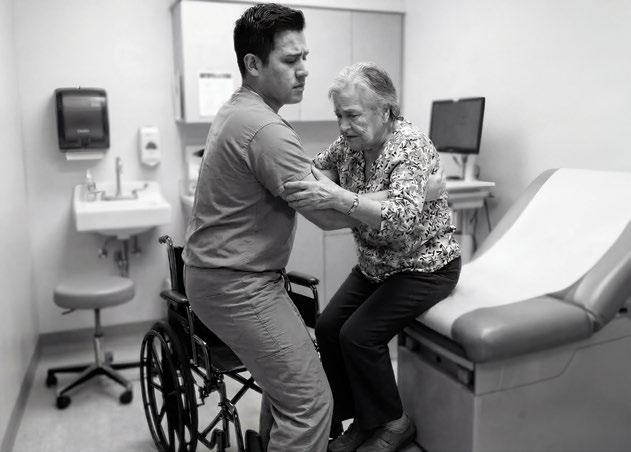



At Midmark, we start from that truth. And our mission is simple and serious: design every detail to remove friction where it shouldn’t exist. To give time, focus and energy back to the people doing the work. Better care begins with every detail.




— Mark Welch, Senior Vice President, Novant Health