Business sentiment remains subdued following April’s NICs increase. The BCC’s Quarterly Economic Survey (QES) for Q2 2025 - the UK’s largest independent survey of business sentiment, made up of 93% SMEs - shows business confidence remains weak, despite some slight improvements in key indicators
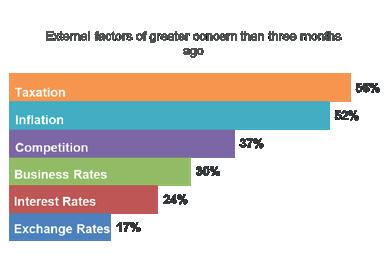
Taxation remains the top concern, cited by 56% of respondents
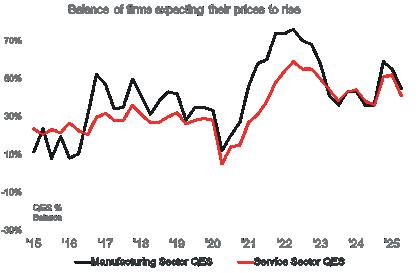
The proportion of businesses expecting to put up prices eases to 44%
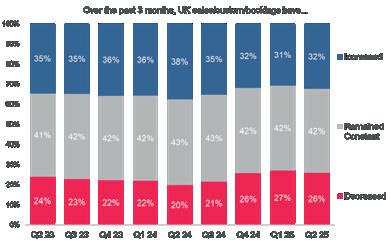
The percentage of responding businesses reporting increased domestic sales remains largely unchanged, 32% compared with 31% in Q1.
42% reported no change and just over a quarter (26%) said they had seen a decrease in sales. Hospitality firms were the most likely to have seen a fall in sales (36%) followed by those in the retail sector (34%).
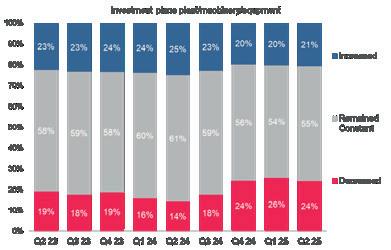
Overall, 24% of businesses say they have cut back on investment plans. 55% of firms say their investment strategy has remained the same, while only 21% have increased their plans.
Wide sectoral disparities remain, with 39% of hospitality firms and 32% of transport firms reporting a scaling back of investment plans.
Fewer firms report increased sales, investment and confidence
The percentage of firms expecting their prices to rise have eased to 44%, from a near-historic high 55% in Q1.
As measured as a percentage balance, the services sector stands at +41% while the manufacturing sector stands at +45%.
Overall concern has fallen slightly, but taxation remains the top concern for businesses. 56% cite it as a worry, down from 59% in Q1.
Concern about inflation remains high among businesses - 52% compared with 53% in the previous quarter. Worries about interest rates have fallen with 24% citing it in Q2, down from 28% in Q1.
“Rising employment costs, including increases in National Insurance and minimum wage, are placing significant pressure on margins –particularly for SMEs” Small manufacturing firm in Liverpool
“NI and NMW increases have all created increased costs. We are seeing more redundancy projects being requested to levels not seen since 2008.” Small professional services firm in Suffolk
“The impact of inflation and tax on the business environment is our main concern, as this impacts our clients.” Micro services firm in Northamptonshire
“The current tax burden imposed by the UK government remains a significant challenge for businesses, particularly given the frequency of regulatory changes and the ongoing uncertainty in fiscal policy. This unpredictability makes it increasingly difficult for companies to plan ahead with confidence.” Small services firm in Northern Ireland
QES FINDINGS REFLECT NATIONWIDE CONCERNS BUT SOME OPTIMISM REMAINS IN LIVERPOOL CITY REGION
Among a general mood of muted confidence and multiple pressures emanating from the latest Quarterly Economic Survey, there were some positives to be found within the feedback from businesses in the Liverpool City Region.
Recent taxation policies and the threat of further fiscal attacks later this year continue to be the greatest cause for concern, while inflation remains another major worry, with volatile geopolitical matters exacerbated by seemingly muddled government policy. Underlying that inflation are upward cost pressures across wages, raw materials, utilities, and supplier pricing, which are often not recoverable through price increases due to market sensitivity.
When added to business rates, increased competition from AI technology and the impact of seasonality for some firms, even the more ambitious and positive business owners are feeling cautious, while others are forced to scale back investment plans or reduce staff numbers.
One LCR business commented:
“There’s too much uncertainty, which has been caused by increased Government intervention and taxation. Businesses cannot be expected or encouraged to grow within such a financially punitive business environment, there’s no respect for the people who are doing the heavy lifting and work.”
However, there was scope for optimism within the qualitative and quantitative QES data. When asked if they expect turnover to increase in the next 12 months, 55% of LCR businesses surveyed replied ‘yes’.
Sales to UK markets increased for 41% of businesses, while 26% reported a decrease over the same period. While not optimal, these figures indicate the picture is not entirely gloomy.
A QES respondent said:
“Our industry hit the trough of the cycle in late 2024 and we are now in a slow recovery phase. Interest rates will keep a ceiling on demand, so any reduction in UK/EU/US rates would be favourable to our industry and business. We are cautiously hiring but we are also focussing on productivity improvements to increase profitability on growth.”
Another said:
“Our order book is growing and that will continue in the future. But we are very concerned about the Government’s proposals on employee’s ‘day one’ rights. In a highly skilled industry you need time to assess new employees’ ability to meet standards.”
The latest QES illustrates that, in today’s difficult trading environment, even those businesses experiencing growth remain wary that their plans could be derailed, or their profits absorbed, by events beyond their control.
Many respondents indicated they are likely to continue refraining from making investment decisions until the outlook becomes less opaque and urged the government to support them through consistent, funded policies around skills and investment, and certainty over additional business taxes in the foreseeable future.
A manufacturing business based in LCR said:
“We are taking a big gamble in expanding when many are contracting or consolidating. Increased investment in people, plant and additional facilities will absorb any additional profits from increased earnings for about 18 months. The government is the biggest variable in all of this, increasing pay scales and tax burdens on SMEs with no thought of how they will pay for it.”
Paul Cherpeau, chief executive of Liverpool Chamber, commented:
“It is clear that business confidence has yet to recover from the multiple shocks of increases in employer NI contributions and the national minimum wage, amplified by geopolitical factors and the implications of the new Employment Rights Bill.
“Understandably, many firms will continue to hold back from making longer-term decisions until the landscape is more defined, which could have ramifications for the city region and UK economy in the meantime.
“The recently-announced Industrial Strategy offers some level of roadmap but the government must give businesses clear, more consistent policies with a promise that there are no more taxes on business lurking around the corner.”
WELCOME FROM PAUL CHERPEAU, CHIEF EXECUTIVE OF LIVERPOOL CHAMBER
Welcome to the latest edition of Well Connected magazine.
These current times are nothing if not interesting, with a business and economic landscape strewn with challenges, worries and the occasional opportunity.
The results of our latest Quarterly Economic Survey showed a mixed picture and underlined the various pressures facing businesses in the Liverpool City Region.
There is certainly some room for optimism, but this is generally stymied by worries over taxation policies and inflation, while stagnant economic growth and President Trump’s regular tariff threats to our trading partners do little to inspire confidence.
It’s a very tough trading environment, with a myriad of moving parts and we must hope the government can nurture seeds of optimism through consistent, funded policies around skills and investment, and a clear promise that no more additional business taxes are on the horizon.
There are, of course, things we can do ourselves to boost skills and develop the local talent pipeline. Liverpool Chamber
is the lead convener for the Local Skills Improvement Plan and we encourage all members to get involved and help us to better connect education providers with the real-time needs of businesses. Details can be found on the Chamber website or by contacting jane.clappison@liverpoolchamber.org.uk
As the UK’s relationship with Europe continues to evolve, there is incredible scope for Liverpool to be a leading force in postBrexit economic activity with the EU over the coming years. Spending time recently with a senior European delegation was a great way to kickstart new connections and energise existing relationships and we can look ahead to fresh opportunities to work with our continental neighbours.
We are also continuing our 175th Anniversary celebrations, with a number of events coming up in the next six months, including our annual Innovation in Business Awards in October and some special occasions to share with our members and partners across the city region.
I look forward to meeting with and hearing from many of you over the coming weeks and months.
Paul Cherpeau Chief Executive
As the UK’s relationship with Europe continues to evolve, there is incredible scope for Liverpool to be a leading force in postBrexit economic activity with the EU over the coming years. Spending time recently with a senior European delegation was a great way to kickstart new connections and energise existing relationships and we can look ahead to fresh opportunities to work with our continental neighbours.
MEMBERSHIP UPDATE
5 REASONS TO JOIN LIVERPOOL CHAMBER THIS SUMMER
As Liverpool comes alive with the energy of summer, there’s no better time to take your business to the next level. Whether you’re a sole trader, a growing SME, or a large organisation, joining Liverpool Chamber opens doors to opportunities that go far beyond networking. It’s about becoming part of a dynamic, supportive business community that’s committed to your success.
Here are five reasons why joining Liverpool Chamber this summer could be the best decision you make for your business:
1. Build powerful connections
Our events calendar is one of the most vibrant in the region. As a member, you’ll enjoy free access to a wide range of events, including our twice-monthly Well Connected networking sessions. These aren’t just casual meetups—they’re carefully curated to help you build meaningful relationships, spark collaboration, and connect with potential clients, partners, and peers. With over 600 members across the Liverpool City Region, the Chamber is a thriving hub of business activity, offering countless opportunities to grow your network and your business.
Lizzie Hughes Head of Commercial Services
2. Raise your profile and showcase your expertise
Visibility is key in today’s competitive landscape. As a Chamber member, you’ll have the chance to amplify your brand through our website, social media and newsletters. Whether you’ve got a story to tell, a milestone to celebrate, or an event to promote, we’ll help you get the word out to the right audience. You can also demonstrate your expertise by speaking at Well Connected or hosting a Chamber Insights workshop—great ways to build credibility and position yourself as a thought leader in your field.
3. Access 365 days of business support
Running a business comes with a number of unique challenges, and we’re here to help you navigate them.
Our Chamber Four Services provide unlimited access to expert advice lines in HR, legal, health & safety, and tax. This service is available 365 days a year. Whether you’re facing a quick question or a complex issue, our experts are just a phone call away, giving you peace of mind and practical support whenever you and your business need it.
As a Chamber member, you’ll have the chance to amplify your brand through our website, social media and newsletters. Whether you’ve got a story to tell, a milestone to celebrate, or an event to promote, we’ll help you get the word out to the right audience.
4. Influence the issues that matter
Your voice matters, and we make sure it’s heard. Through our policy and advocacy work, we represent your interests at local, regional and national levels. Whether it’s influencing government policy, shaping economic strategy, or addressing sectorspecific challenges, we ensure that the concerns and priorities of our members are front and centre. When you join Liverpool Chamber, you’re not just part of a network—you’re part of a movement that’s shaping the future of business in our region.
5. Tailored membership and a team that cares
We understand that every business is unique. That’s why we offer flexible membership tiers designed to suit your size, goals, and ambitions. Whether you’re just starting out or scaling up, we have a package that fits. And at the heart of it all is our dedicated Membership Team— hands-on, proactive, and passionate about helping your business succeed. From onboarding and introductions to ongoing support, we’re here to be your partner in growth.
Ready to Join?
There’s never been a better time to become part of Liverpool Chamber.
Whether you’re looking to grow your network, raise your profile, or access expert support, we’re here to help you make the most of every opportunity.
Visit liverpoolchamber.org.uk to sign up or contact our team to find the membership that’s right for you.
Strategic Partner
WELCOMING OUR NEW STRATEGIC
PARTNERS
We would like to welcome our new Strategic Partners, Bauer Media and RTC North.
Bauer Media is a leading multimedia company, home to iconic radio brands and digital platforms across the UK. Through the Bauer Academy, they develop emerging talent with industry-led training. Their charity, Cash for Kids, supports disadvantaged children, making a meaningful impact in communities through fundraising and local grant initiatives. www.bauermedia.co.uk
RTC North is a specialist business support organisation helping companies innovate, compete and grow. With expertise in technology transfer, commercialisation, and business growth, RTC North works across sectors to deliver impactful programmes. Their tailored support empowers entrepreneurs, SMEs, and larger enterprises to achieve sustainable success across the North of England www.rtcnorth.co.uk
If your business would like to become a strategic partner or patron, please contact the team for a discussion. Membership of the Chamber provides access to a thriving and vibrant network of support and opportunities. Whether a patron, strategic partner, or member of ours, make sure your business is getting involved.
WELCOME to our newest chamber members
Alkidra Group Enterprises Uk Limited www.alkidra.com
Allerton Manor Golf Club www.allertonmanorgolfclub.com
ANP Marine & Industrial Ltd www.anpmarine.co.uk
Belinda’s Beauty saloon www.dohrniiskincare.co.uk
B-engineering (NW) Ltd www.b-enggroup.co.uk
Clan Contracting Limited www.clan.co.uk
Cr8ive Media UK www.cr8ive.uk
Crown Control Systems Limited www.crown-controls.co.uk
Envases Liverpool Ltd www.envases.uk
Evolution Aqua Ltd www.evolutionaqua.com
Flight Club - Liverpool www.flightclubdarts.com/book
Generative Minds Ltd www.genminds.co.uk
Ki Partnerships Ltd www.kipartnerships.com
Knauf Insulation Ltd www.knaufinsulation.co.uk
Lola Starr www.lolastarr.co.uk
NL Williams Group Limited www.nlwgroup.com
Oculus Facilities Management www.oculusfm.co.uk
Pearl Car Care Products Ltd www.pearlcarcareproducts.co.uk
Since 2014, the forwardlooking partnership between boomerang carnets® UK and the Liverpool Chamber of Commerce (LCC) has strengthened the UK’s export capabilities by providing high-quality, top-rated ATA Carnet services. For over a decade, this one-of-a-kind collaboration has drawn businesses throughout the UK to the LCC and enabled them to expand and grow using the powerful trade tool known as the ATA Carnet.
The ATA Carnet, often called the “Merchandise Passport”, allows for the temporary import of goods without paying import duties or taxes. Accepted in over 90 countries and territories, it is a powerful tool for simplifying temporary cross-border trade. With the Chamber’s support and boomerang carnets’ seamless online application, businesses anywhere in the UK can easily access carnet services safely and securely—often with 24-hour turnaround. Liverpool Chamber repositioned its priorities in 2017 and began focusing its efforts on supporting international trade, documentation, and membership services. This focus on facilitating international trade, including ATA Carnet issuance and export documentation, strengthened the Chamber’s ability to assist UK enterprises to expand globally and grow locally.
From 2018 to 2025, the Chamber issued over 20,000 ATA Carnets, reflecting a 200% increase in carnet services and showcasing an impressive average monthly growth of 33%. This surge illustrates the rising demand for temporary export solutions and Liverpool Chamber’s crucial role in supporting economic expansion.
ATA Carnets are used across a wide range of sectors—film and TV production, technology, motorsports, fashion, live events, orchestral tours, scientific research, and more. Whether it’s moving cameras for a documentary, robotics for a demonstration, or samples for a trade show, ATA Carnets simplify
international customs clearance of goods while saving money.
Post-Brexit, boomerang carnets UK helped mitigate challenges by providing expertise and a crucial carnet distribution infrastructure, ensuring continued movement of goods between the UK and EU. Together with the Liverpool Chamber, this partnership is building a stronger, more expansive economy, contributing to Liverpool’s growing reputation as a major hub for global trade.
To learn more, visit www.boomerangcarnets.co.uk
From 2018 to 2025, the Chamber issued over 20,000 ATA Carnets, reflecting a 200% increase in carnet services and showcasing an impressive average monthly growth of 33%. This surge illustrates the rising demand for temporary export solutions and Liverpool Chamber’s crucial role in supporting economic expansion.
CYBER RISK IS A BUSINESS THREAT
BUT IT DOESN’T HAVE TO BE YOUR BURDEN
Half of UK businesses suffered a cyber attack or breach in the last year.*
Most lacked the time, skills, or capacity to manage it properly.
With threats evolving, regulations tightening, and the cyber skills gap widening, it’s no wonder business leaders can feel overwhelmed, especially when cyber security isn’t your core focus.
That’s where we come in.
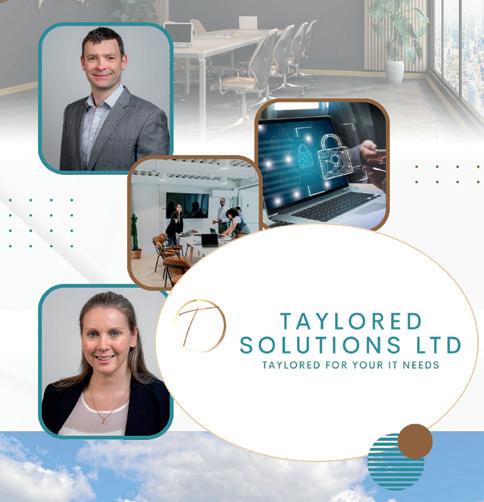
At Taylored Solutions, we help organisations take control of cyber risk, without the panic, pressure, or tech jargon.
As your Virtual CTO, we work directly with business owners, boards, and IT teams externally or internally to bridge the gap between risk and resilience. Whether you need strategy, structure, or a second opinion, we give you confidence and clarity.
Trusted by businesses across finance, professional services, and technology, we bring board-level insight and real-world experience to every conversation.
We support you with:
• Independent cyber audits and risk reviews
• Security policies and action plans
• Practical guidance aligned with business priorities
• Strategic IT leadership without the full-time commitment and cost
With skilled cyber professionals in short supply, our clients gain timely, expert advice, without waiting months or stretching budgets.
If you’re already thinking about your cyber risk, this is your opportunity to act with confidence. Let us help.
*Source: UK Government Cyber Security Breaches Survey 2024/2025
ABOUT TAYLORED SOLUTIONS
Taylored Solutions is an IT consultancy company based in the Isle of Man and the UK, supporting businesses and their IT providers with cyber strategy, digital resilience, and independent technology advice.
We offer a range of services, including Virtual CTO support, helping organisations bridge the gap between technology and business goals, without the commitment or cost of a full-time in-house role.
Website: www.tayloredsolutions.co.uk
Email: mail@tayloredsolutions.co.uk
Tel: U.K 0151 329 3989
CLARKE ENERGY TO DELIVER HYDROGEN
READY POWER PLANT AT DEESIDE
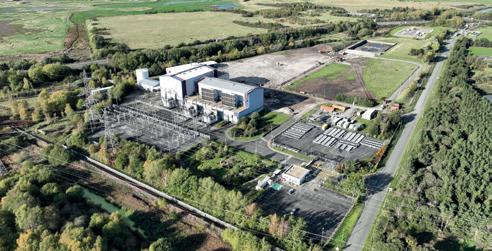
Clarke Energy has signed a major contract with Triton Power to deliver a new 49 MWe gas fired peaking plant at the Deeside Power Station site in North Wales. The project highlights Clarke Energy’s continued role in supporting the UK’s transition to cleaner and more flexible energy systems.
Set to begin construction in June 2025, the new facility will feature eleven INNIO Jenbacher JMS624 gas engines. These engines are hydrogen ready, meaning they can be converted to run on hydrogen in the future as the UK’s low carbon infrastructure develops. The plant is designed to support the National Grid by quickly supplying electricity during times of high demand or when renewable sources are not available.
Clarke Energy is delivering the project as principal EPC contractor, providing a full turnkey solution. The site, which was once home to a large coal and gas fired power station, is now being transformed into a modern and flexible energy hub that is ready for the challenges of the future.
As well as offering immediate energy resilience, the plant has been designed with future upgrades in mind, including hydrogen fuelling and battery energy storage. This forward-thinking approach ensures the site remains relevant as energy systems continue to evolve.
The project is also good news for the region. It supports local jobs, strengthens supply chains, and helps position the North West
and North Wales as leaders in clean energy innovation.
With over 30 years of experience delivering reliable power solutions, Clarke Energy is proud to play a key part in the UK’s journey to net zero. This latest project is a strong example of how the company combines engineering expertise with a commitment to building a more sustainable energy future.
To find out more, visit www.clarke-energy.com
GREEN SKILLS AND THE FUTURE WORKFORCE: A VIEW FROM MACHMADE
The transition to a low-carbon economy is no longer a distant aspiration - it is unfolding across our communities, worksites, and supply chains. At Machmade, Plumbing and Drains, we see this shift not only as necessary but as an opportunity to reshape our industry and invest in the skills that will define its future.
Over 15 years ago, our directors, Reg and Neil, began exploring green technologies. At the time, uptake was slow. Today, the picture is very different. Demand is being driven by homeowners, businesses, and local authorities alike and we are now scaling to meet that demand.
Our EV charging installation work is a clear example. We’ve grown our internal civils
capacity with the new appointment of Brian Howard, a highly skilled Drains and Civils Manager, enabling us to deliver solutions for both domestic and commercial customers. Kathryn, our Sales Director, is working collaboratively with Andrew Worthington of Liverpool-based Senate Mec to deliver a robust commercial EV proposition.
We’re also expanding our capability in renewable heating. Ground and air source heat pumps are no longer niche; these technologies are becoming core to future-
ready building systems. With the support of Alan Little at Green Squirrel, we’re upskilling our engineers to deliver end-to-end lowcarbon solutions, from assessment and installation through to post-completion carbon savings analysis.
But progress in the green economy isn’t just about what we install. It’s about who we train. The shift to sustainability demands new thinking, new qualifications, and new partnerships. Our Operations Manager, Mark Gillespie, is focusing on apprenticeships and upskilling experienced engineers, we’re investing in people to ensure a just transition that benefits both the workforce and the wider community.
We believe the green transition must be inclusive, practical, and rooted in local delivery. At Machmade, we’re proud to play our part in preparing the region and its workforce for a more sustainable future. www.machmade.co.uk
BUILDING ON SUCCESS
NEW SUPPLY CHAIN SUPPORT LAUNCH FOR LIVERPOOL CITY REGION
Following the success of last year’s Tendering Programme, RTC North is strengthening its presence in the Liverpool City Region with the launch of a new UK Shared Prosperity Fund (UKSPF) Supply Chain Support programme, a major initiative aimed at helping local businesses build resilience, reduce risk, and unlock new market opportunities.
Delivered in partnership with Growth Platform, the Liverpool City Region Combined Authority’s business support service, the new programme will offer tailored support to businesses facing key challenges such as fragile supply chains, over reliance on limited suppliers, and below average productivity.
Designed to help companies scan the horizon for opportunities, the programme will guide businesses in identifying growth within predominantly the defence and health & life sciences sectors. It will support them to explore these opportunities in more detail and transition into new markets, helping to reduce risk and diversify revenue streams.
Alex Pilkington, Innovation and Growth Specialist at RTC North comments
“After the great success we saw with companies like PolyUp, who secured an £85,000 contract following our support, we’re excited to build on that momentum and create even more impact in this next round.”
Building on momentum from previous programme delivery, which supported over 160 businesses through jargon free workshops and one-to-one guidance, this next phase signals RTC North’s deepening commitment to innovation, growth, and resilience across the region.
“This is about helping businesses futureproof themselves,” said Steve Wilkinson, Programme Manager at RTC North. “We’re seeing increasing pressure on supply chains across multiple sectors. By helping companies identify and tap into new areas of opportunity, we can make them stronger, more adaptable, and more competitive on both a national and global stage.”
The new programme not only builds on the success of previous work delivered in partnership with Growth Platform, but also follows the recent opening of RTC North’s Liverpool office in The Spine. Home to the experienced local team, Angela Smith, Paul Rainford, Jamie Sheridan, and Alex Pilkington, the office strengthens RTC North’s ‘on the ground’ presence and reinforces its long term commitment to supporting businesses and entrepreneurs across the region.
One example of RTC North’s recent impact in the region is Southport based Poly UP, who secured an £85,000 contract shortly
after receiving support through the Tendering Programme.
“The results speak for themselves,” added Steve. “And now, with this new programme focused on supply chains, we’re building on that impact, bringing the same hands on, business first approach to even more companies across Liverpool City Region and beyond.”
With a proven track record in delivering business support across the North West, from innovation and skills development to commercialisation and access to funding, RTC North is ready to help even more businesses not just survive, but thrive.
Businesses in and around the Liverpool City Region are encouraged to register their interest and take advantage of this targeted support to strengthen supply chains and unlock new opportunities.
To register your interest, email marketing@rtcnorth.co.uk with the subject ‘Supply Chain Liverpool’.
INTERNATIONAL TRADE UPDATE
GLOBAL ANNUAL CONFERENCE, 26
JUNE 2025: A SOLDOUT CELEBRATION OF GROWTH AND AMBITION
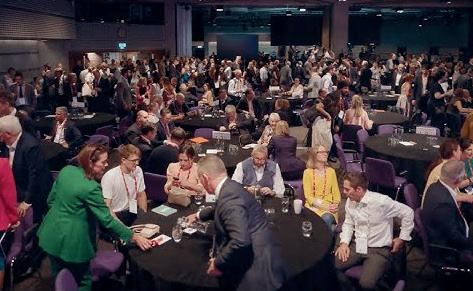
With over 600 delegates in attendance, this year’s Global Annual Conference brought together business leaders, policymakers and partners for a day of insight, challenge and connection.
It welcomed the Prime Minister, Sir Keir Starmer MP, to the main stage, alongside keynote speakers including; Andrew Bailey - Governor of the Bank of England, Kemi Badenoch MP - Leader of the Opposition, and Shevaun Haviland CBE - Director General of the BCC.
The agenda featured standout sessions on digital innovation, global trade, green growth, and the future of work – all under the theme ‘Where’s the Growth?’. Breakout discussions were packed, the energy was high, and the conversations were bold and forward-looking.
The UK Prime Minister unveiled the details of the Trade Strategy at the Conference—responding to an increasingly complex global trading environment and emphasised that it will work together with the UK’s recently published Industrial Strategy to drive economic growth across every part of the country.
1. Unlocking billions for businesses: The strategy aims to unlock £5 billion for UK businesses, providing significant growth opportunities. The Ricardo Fund is part of the UK’s new trade strategy aimed at supporting British businesses. It focuses on tackling complex regulatory issues, shaping global standards, and removing obstacles for UK exporters.
2. Expanding Export Finance: UK Export Finance (UKEF) capacity will be expanded by £20 billion, reaching a total of £80 billion, with new support for smaller firms.
3. Strengthening trade defences: The trade defence toolkit will be bolstered to protect British businesses from global threats and unfair trading practices.
4. Boosting services sector: There will be a focus on mutual recognition of qualifications to enhance the UK’s status as a leading exporter of services.
5. Promoting Green Growth:
The strategy includes building on clean energy agreements and exploring new cooperation with markets like Brazil, the Philippines, and Mexico.
These outcomes are designed to make the UK more connected globally and support economic growth.
View the published Trade Strategy here: https://www.gov.uk/government/ publications/uk-trade-strategy
CBAM UPDATE
Executive Summary Background
Following the UK-EU Summit in May 2025
On May 19th, the UK and EU announced a “Common Understanding” that included, amongst other provisions, plans for closer cooperation on the EU’s Carbon Border Adjustment Mechanism (CBAM). This development has important implications for UK businesses trading with the EU. What does this mean for UK businesses?
• UK exporters of CBAM-covered goods (e.g. steel, aluminium, cement, fertilisers, hydrogen, electricity) will continue to be subject to EU CBAM requirements when exporting to the EU.
• The UK and EU have committed to explore mechanisms for mutual recognition of carbon pricing systems, which could reduce administrative burdens and avoid double carbon charges.
• This cooperation may lead to streamlined reporting, shared emissions data, and potential exemptions or adjustments for UK businesses that already comply with UK carbon pricing.
Why it matters
This agreement signals a more cooperative UK-EU climate trade relationship, potentially reducing friction for UK exporters and supporting the UK’s net zero goals. Businesses that act early will be better positioned to comply, compete, and lead in a lowcarbon global economy.
The announcement included an aspiration to move towards reciprocal exemptions of CBAM goods between EU and UK jurisdictions. However, there are significant hurdles to be navigated before alignment becomes possible and organisations trading CBAM goods between the UK and EU must still adhere to any interim regulatory environment until such time as reciprocal exemption becomes the norm.
If this is an area of concern for you or your business, Liverpool Chamber can help to connect you with experts in the area and take a CBAM Health Check!
Contact export@liverpoolchamber.org.uk for further information.
THE VALUE OF INTERNATIONAL TRADE TRAINING AVOID COSTLY MISTAKES
The need to acquire and update international trade skills to compete in a global world is essential.
The Chamber’s International Training team have a variety of courses, seminars and events which can be specifically tailored to suit your needs. We organise courses in order to equip you with the necessary knowledge to avoid mistakes and to grow your international business.
We cover a wide range of topics that are essential to businesses that trade overseas including; understanding and completing export & import documentation, customs declarations, letters of credit and other methods of payment, Incoterms and, of course, Special Procedures available to importers and exporters to waiver, suspend or drawback customs duties
Our speakers are ideally positioned to answer your specific questions.
Upcoming sessions include:
BCC Accredited Export Documentation and Import Procedures
Tues September 9th, 2025 | 09:30 - 15:30
Incoterms2020
Thurs October 9th, 2025 | 09:30 - 12:30
BCC Accredited Customs Procedures and Rules of Origin
Fri November 14th, 2025 | 09:30 - 15:30
LIVERPOOL
THE UK’S HOME FOR INNOVATIVE SMEs
Innovation is set to be at the heart of Liverpool City Region’s future economic growth, underpinned by LCR Innovation Zone funding, with a high-quality pipeline of talent coming through our universities and colleges, producing skilled innovators across a range of fields.
The UK’s second-largest regional economy, Liverpool’s business ecosystem supports growth in the creative and digital sectors, with over 20,000 professionals working across 4,000 companies, which is expected to grow by more than 10% by 2028. Established business networks, lower living expenses than comparable cities, a vibrant arts scene and booming visitor economy create an appealing location for start-ups and scale-ups alike.
To ensure SMEs stay, employ and grow here, it’s crucial to have a wide range of spaces to meet every ambition. Businesses don’t just need an office; they need a launchpad, a collaboration space and somewhere their teams want to be.
This dynamic underlines our approach at Bruntwood Sci-Tech and is evidenced
through our Liverpool buildings, and those owned by Sciontec, our development partnership with Liverpool City Council, the University of Liverpool and Liverpool John Moores University.
The Plaza, our landmark building in Old Hall Street, is now a hub for innovationled businesses following a £3.7 million renovation that has created a space where collaboration and big ideas come to life. It now offers a range of offices, meeting rooms and event spaces, plus the acclaimed Scandinavian-inspired restaurant NORD.
At Cotton Exchange and Cotton House, we have preserved the buildings’ historical essence while introducing modern amenities tailored for creative and digital businesses. Flexible workspace options with ultra-fast broadband mean businesses
have the infrastructure to thrive in today’s digital landscape.
Large event spaces, rooftop terraces, a fitness studio, cycle hubs and greenery throughout support a balanced work-life environment, helping companies attract and retain top talent while stimulating creativity.
Developments such as Liverpool Science Park, CENTRAL TECH and The Spine in Knowledge Quarter Liverpool offer further opportunities for businesses to collaborate with academic institutions, leverage cutting-edge research and access peer support.
As demonstrated at our recent Mersey Makers Market event, the city region has a thriving innovation ecosystem and we look forward to continuing to play our part in building its future.
A THRIVING COLLEGE IN THE HEART OF THE CITY
The City of Liverpool College offers a range of high-quality educational opportunities and works with the region’s employers to develop a curriculum that meets the needs of local industry.
In the heart of the city, The City of Liverpool College plays a vital role in shaping the future workforce of the Liverpool City Region. With nearly 12,000 students, the College not only provides a range of educational offerings but is a place where opportunity and ambition go hand in hand. The College’s mission is rooted in the belief that education should be accessible to all, and lives by its commitment to turning disadvantage to advantage, empowering students to realise their potential.
Its vibrant city centre campuses offer a diverse and inclusive environment where students can thrive – academically, personally, and professionally. The College’s courses are designed in collaboration with local employers, ensuring students gain real-world skills for the careers they want, and experience that industry demands.
With cutting-edge facilities, passionate staff, and strong links to employers, the College helps learners make the leap from classroom to career, with opportunities ranging from work placements and preemployment training to direct routes into jobs.
As the College for Business, The City of Liverpool College is also uniquely positioned to support employers in achieving their growth ambitions. The College delivers tailored training solutions that help businesses upskill their workforce, stay ahead of industry change, and gain a competitive edge. Whether through apprenticeships, bespoke professional development, or sector-specific skills programmes, the College plays a key role in helping companies meet their evolving needs and unlock new opportunities.
Acne? Scarring?
Tired eyes? Sagging Skin?
We can help you!
Amanda Azzopardi is an Advanced Nurse Practitioner and Independent Nurse Prescriber with over 25 years in the healthcare industry, including 11 years as a midwife.
Amanda Azzopardi Aesthetics is CQC registered and has been rated ‘Good’ in their latest inspection, a testament to the high standards of service and care offered.
Ready to turn back the clock? Book your complimentary consultation today and be one step closer towards taking control of your ageing journey.
Skin concerns:
• Acne | Scarring | Enlarged pores
• Facial veins & Rosacea
• Wrinkles | Volume loss
• Sagging jowls | Crepey skin
• Sun damage | Pigmentation
Treatments include:
• Anti-wrinkle treatment
• Sculptra | Skin Boosters | Polynucleotides
• Radiofrequency Microneedling
• Laser treatment
• Threads
• FaceTite | BodyTite | Blepharoplasty
Book free skin consultation today (includes 3D skin analysisworth £150) and receive £50 off your first treatment.
CONNECTIVITY AND UPSKILLING KEY TO UNLOCKING GROWTH IN LIVERPOOL
The government’s recently launched Industrial Strategy reveals that the Liverpool City Region will play a key role in driving national growth by leveraging regional strengths and investing in innovation and technology, digital infrastructure, transport and connectivity, and upskilling.
David Hawley, Office Managing Partner in Liverpool and Chester at leading audit, tax and consulting firm RSM UK, looks at:
• The opportunities for businesses in Liverpool from the Industrial Strategy;
• How boosting connectivity in the region can leverage its growth-driving industries;
• Why technology can help to address productivity and skills shortages.
David Hawley comments: “The Industrial Strategy highlights the importance of increasing productivity in regional towns and cities, with the Liverpool City Region recognised as integral to unlocking economic growth. The region is home to two leading universities which help to drive innovation, skills development, and regional growth.
“The University of Liverpool’s research and innovation facilities are already making major contributions to advanced manufacturing, life sciences and digital and technology industries. Its Materials Innovation Factory and Virtual Engineering Centre are key examples of how academia can drive R&D and have commercial value. Liverpool John Moores University’s collaboration with local authorities on Horizons has also helped over 100 SMEs adopt new technology. Both institutions are creating a skills pipeline of high-skilled graduates, aligning to the government’s growth-driving industries and boosting the local economy.
“Despite its strong research and innovation capabilities, Liverpool has been unable to scale industry output due to investment and connectivity challenges.
The expansion of the British Business Bank’s Nations and Regions Investment Funds and further investment from the Local Innovation Partnerships Fund will alleviate some of this pressure and provide additional targeted capital to growth-driving businesses. Plans to improve rail connectivity and Transport for City Regions funding will also ensure that Liverpool is an accessible city for skilled workers and inward investment.
“Additionally, further investment in technology will help Liverpool to boost productivity and address skills gaps, especially in life sciences, digital and technology and advanced manufacturing. We’ve already seen the benefits of the Materials Innovation Factory on industry, enabling businesses to streamline their operations by adopting new technologies. Knowledge Quarter Liverpool is one of the region’s innovation districts that will help to bridge skills gaps, with focus on life sciences, health innovation and advanced materials.
“However, despite Liverpool’s growing innovation facilities and targeted support from the Industrial Strategy, commercial viability can be a major barrier for businesses to scale up, compounded by ongoing workforce and leadership challenges. It’s therefore essential that the government matches the region’s innovation strengths with long-term, placebased support that nurtures leadership, unlocks capital, and builds confidence in the region’s ability to scale globally competitive businesses and drive growth in the wider UK economy.”
GREEN SKILLS WILL CREATE A TRULY SUSTAINABLE FUTURE WORKFORCE
by Cath Murray-Howard Chief Operating Officer, Torus Group
One of the biggest winners in last month’s Spending Review was undoubtedly social housing with the funding announcement of £39 billion over 10 years to build hundreds of thousands of much-needed homes across the country.
This follows Liverpool City Region being awarded £80m of Warm Homes funding in March to make 10,000 properties more energy efficient and tackle fuel poverty. At Torus we will build in the region of 1,200 homes in the next financial year, start retrofitting 900 more properties having
already treated 600 and continue investing in our existing stock so it meets Energy Performance Certificate level C or above.
Collectively, this naturally generates demand for green skills and given the scale, provides a great opportunity to futureproof the region’s workforce.
The construction-related labour shortage is well known so at Torus we are taking an ‘apprentice first’ approach with an ecofocus wherever possible.
To direct our plan we have created a new Energy and Sustainability Lead role and as part of a recent recruitment drive, held discussions with local colleges on green energy and how it fits into the curriculum. Further afield at Peel Hall in Warrington, we are building 1,200 sustainable homes with strong social value at the heart. Construction bootcamps held in partnership with Warrington and Vale Royal College were at full capacity so four more are being planned including a specialist green camp.
Low carbon careers are far-reaching including procurement, design, modelling, construction, maintenance and energy performance monitoring to name just a few, all of which will allow us to create a thriving green economy.
Or, in the Liverpool City Region with the River Mersey and canal network, a bluegreen economy.
An example of this is our hydropower Hartley Locks scheme in Lightbody Street, north Liverpool that uses Leeds-Liverpool Canal water to generate heating and hot water for the 195 new properties we are about to complete.
These examples demonstrate that housing associations as anchor institutions in communities are perfectly placed to provide tenants and residents with a clear pathway to gaining green skills that will help them forge sustainable, lifelong careers all while helping us tackle the climate emergency.
Working
side by side with your business to support local people
Individual Placement Support (IPS) Employment Service supports people in Liverpool to find meaningful employment. We work with local employers to match the right person to the right role, and that could be with your business.
If you’re interested in supporting people to reach their potential, improve their health and wellbeing, and find fantastic talent for your business, scan the QR code to reach out to our IPS Service
THE RISE OF FLEXIBLE WORKING IN EMPLOYMENT
by Laura Evans Glass Ceilings Change Management
Glass Ceilings Change Management’s purpose is influencing change for worklife inclusion. We recognise that life happens. It is important for people to feel supported and have flexibility to juggle life’s competing demands alongside employment, whatever role or profession, or workplace type they are in, in a way that does not affect their wellbeing or progressing in their careers.
There has been a fundamental shift in how and where people work over the past
decade, accelerated since the outbreak of the Covid pandemic five years ago. The number of people unable to work full time continues to rise in a difficult economic and jobs market. As an expert panel discussed movingly in Glass Ceilings’ special webinar in March, the number of people with caring responsibilities in the UK, including child carers, has also risen sharply since the start of the pandemic, largely due to a huge increase in long term sickness and disability. All of which has led to increasing numbers of people struggling with their own health and wellbeing. In turn, it has contributed to large numbers of people leaving the workplace altogether because they are unable to find flexible working patterns, which has wider societal and economic impacts.
Employers who ignore these realities will find it difficult to retain good people, ultimately affecting productivity and profits. We have seen this reflected in increasing requests for policy and employment relations advice over
the last few years, and there are increasing cases in the Employment Tribunals system. To help businesses address these challenges, we’ve introduced the Glass Ceilings WorkLife Inclusion Policy Framework®, a set of employment policies across the entire employment lifecycle, tailored to the specific needs and size of the organisation, workplace type, profession or industry. As well as supporting compliance where needed, it includes a number of policies for worklife inclusion, including special leave for life circumstances; equal paid maternity and paternity leave; and, inclusive approaches to workplace procedures and change programmes.
Feedback from our clients on policy and advisory services around carers in the workplace is always positive, which is something we are really proud of.
Please visit www.glassceilings.co.uk for more information or email info@glassceilings.co.uk
NATIONAL MUSEUMS LIVERPOOL ON TOUR
The ambition of National Museums Liverpool’s Waterfront Transformation Project, which spans the area between Royal Albert Dock and Mann Island, is to revitalise all of its waterfront facilities, linking storytelling, heritage, community and hospitality.
A cornerstone of this landmark project is the major redevelopment of International Slavery Museum and Maritime Museum, both of which closed to the public in January 2025 to make way for works to begin.
This is an exciting time, but with the venues set to be shut for a number of years, the organisation’s Learning and Participation team are keen to find solutions that might continue to offer engagement opportunities for the 10,000 school children that usually visit the museums each year.
International Slavery Museum On Tour takes the history, objects and stories of the museum direct into classrooms and community spaces within the Liverpool City Region. Expert facilitators deliver a unique learning experience that illustrates the significant impact and legacies of transatlantic slavery. The scheme was
recently recognised at the Museums & Heritage Awards, where it was ‘highly commended’. Find out what so impressed the judges in a short film on the session, Crossing the Atlantic: stories and craft: www.liverpoolmuseums.org.uk/ism-on-tour The museum also offers a virtual session for learners to explore Liverpool’s role as the largest slaving port in Europe.
Titanic may have sank more than 100 years ago but it continues to fascinate people of all ages. Maritime Museum On Tour takes the enduring stories of the world’s most famous ship, which had significant connections to Liverpool, into the region’s
classrooms through storytelling, hands-on activities, discussion, and critical thinking. Engaging facilitators bring this incredible history to life, creating an unforgettable experience for young learners.
National Museums Liverpool is committed to ensuring that all schools in the Liverpool City Region can access its venues, collections, and resources, but does also understand that cost can be a barrier to participation. Thanks to the generosity of the 2024 Lord Mayor and the 64 Trust, the On Tour workshops are free of charge to schools in the North Liverpool area on a first come, first served basis.
NAVIGATING RISK, BUILDING TRUST:
HOW COEUS INSURANCE MANAGEMENT IS REDEFINING CORPORATE COVER AND COMMUNITY CONTRIBUTION
In a fast-changing commercial environment, where businesses face increasingly complex risks, the need for expert guidance, tailored solutions and dependable partnerships has never been greater. At Coeus Insurance Management, we understand that insurance is not just about cover, it’s about clarity, control, and confidence.
As an independent, client-focused brokerage, we specialise in helping businesses across a range of sectors identify and manage risk through bespoke insurance programmes and strategic advice. From SMEs to multi-national organisations, our clients trust us to deliver more than just policies—they rely on us as long-term advisors and advocates.
This year marks another proud moment for us as we renew our Strategic Partnership with the Liverpool Chamber, an organisation with an extraordinary 175year legacy of supporting business growth, innovation and connectivity across the Liverpool City Region. At Coeus, we value the strength of long-standing institutions, and this renewed partnership not only reinforces our commitment to the regional business community but also celebrates shared values of trust, resilience, and growth. In 2023, Coeus celebrated its 10th anniversary, a significant milestone in our journey. Over the past decade, we’ve grown from a vision into a recognised and respected name in corporate insurance, known for our expertise, integrity, and service-led approach. Longevity matters in our industry. Clients seek partners who will not only advise them today but be by their side for the long term. That’s the reputation we’ve built, and the legacy we’re continuing to shape.
For us, corporate social responsibility isn’t a box to tick; it’s an extension of who we are. We believe businesses have a vital role to play in building stronger communities and lifting others along the way.
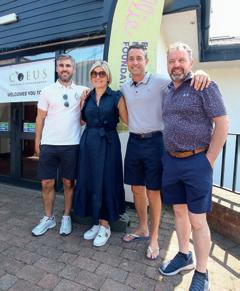
Our commitment to making a meaningful impact reaches beyond the confines of business. This year, we hosted our flagship Annual Charity Golf Day, an event that brought together 112 golfers from across the business community for a day of sport, networking, and generosity. Held at the picturesque Blundells Hill Golf Course, the day included a packed agenda of competitions, prize raffles, entertainment and live auctions, all in aid of two extraordinary charities: Weapons Down Gloves Up (WDGU) and The Ellie Mawdsley Foundation.
Thanks to the incredible support of our clients, colleagues, and event sponsors, we were able to raise over £20,000 for these causes.
WDGU is a transformative initiative that uses the discipline of boxing to steer young people away from violence and towards employment, training, and education. The Ellie Mawdsley Foundation, created in honour of Ellie who sadly lost her battle with leukaemia, funds crucial research and supports young people facing serious illness. Both organisations represent strength, hope, and opportunity, values we at Coeus proudly champion.
These events are a cornerstone of our culture. For us, corporate social responsibility isn’t a box to tick; it’s an extension of who we are. We believe businesses have a vital role to play in building stronger communities and lifting others along the way.
As we look to the future, Coeus Insurance Management remains steadfast in our mission: to help companies and professional firms protect their people, assets and operations through expertly designed, cost-effective insurance solutions. Our foundation is built on over 50 years of combined experience, giving us the depth of insight required to guide businesses through a full spectrum of risks.
We are immensely proud of the journey we’ve taken from our launch in 2013 to becoming a trusted partner for businesses across the UK. But more so than that, we are proud of the enduring relationships we’ve cultivated with our clients, our community, and long-established institutions like the Liverpool Chamber, with whom we’re proud to continue our Strategic Partnership during their landmark 175th anniversary year.
To learn how Coeus Insurance Management can support your business with expert, independent insurance advice, visit www.coeusinsurance.com
NL WILLIAMS LOOKING TO THE FUTURE
Celebrating its 50th anniversary, NL Williams Group has built a legacy of excellence since opening its doors in 1973. Over the past Five decades, the company has established itself as a trusted name in surface preparation and shop-applied protective coatings. With an unwavering commitment to quality and customer service, NL Williams continues to deliver cost-effective, high-performance solutions across a wide range of market sectors.
NL Williams Group has long been a trusted provider of protective coating applications and underfoot safety solutions, delivering projects across the UK — from Kintore to Cornwall. Our expertise has supported a wide range of high-Profile infrastructure and engineering works. Notable projects include:
• Jodrell Bank Telescope – Over 15,000 square meters of replacement panels were blast-cleaned and coated to refurbish the internal surface of this iconic radio telescope.
• Blackfriars Bridge, London – Restoration of the bridge’s cast parapets, featuring the application of thermally sprayed metal and advanced Fluoropolymer topcoats for longterm durability.
• Blackpool’s Big One Rollercoaster –Preparation and coating of replacement track sections, carried out at our St Helens facility, ensuring the structural integrity and visual impact of one of the UK’s most famous rides.
“Serving the UK for over 50 years has been both a privilege and a responsibility we don’t take lightly,” Our longevity is a testament to the trust our clients place in us, and to our team’s relentless focus on quality, reliability, and innovation. As we look to the future, we remain committed to delivering industryleading solutions that meet the evolving needs of our partners across the country.”Barry Williams - Managing Director. What are NL Williams’ next steps?
As global energy demands intensify and the push for resilient infrastructure accelerates, we are positioning ourselves at the intersection of innovation and necessity. As an established force in protective coatings and surface preparation, we are making bold strides into the nuclear and petrochemical sectors — two of the most technically
demanding and strategically vital arenas in today’s global economy. This calculated expansion signals more than just growth; it reflects a long-term vision to contribute to the future of energy, industrial safety, and technological excellence.
Innovation, upgrades and strategy
NL Williams Group has already taken significant steps to support our expansion into the Nuclear, Petrochemical, and Oil & Gas sectors. A recent £75,000 investment into one of our key painting workshops has enhanced extraction systems, upgraded our blasting booth, and strengthened health and safety measures. This investment also includes the addition of a purpose-built conditioning room and a state-of-the-art painting booth, specifically designed to meet the demands of these high-specification industries.
But our commitment goes beyond infrastructure. We are now JOSCAR registered, ISO 9001 certifed, and have ICorr-certifed inspectors on-site, ensuring quality, compliance, and confidence at every stage. Internally, we’ve strengthened our quality
assurance and workforce readiness through advanced training programs such as ICATS and Train the Painter. These improvements are positioning NL Williams Group to meet evolving industry standards and exceed client expectations across these highly regulated markets.
“As we look ahead, NL Williams is not just adapting to change — we’re helping shape the future of our industry. Our expansion into the nuclear and petrochemical sectors reflects our ambition to lead in areas where precision, safety, and innovation are non-negotiable. The next chapter is about building on our legacy with forward-thinking partnerships, sustainable practices, and a continued focus on excellence.”
Blair Hope Williams - Operations Director.
NL Williams - Trust.Partnership.Quality
NL Williams Group is the trusted partner for your next project. Operating from our expansive two-acre facility, we offer a comprehensive range of services including grit blasting, shop-applied protective coatings, thermally sprayed metal coatings, non-ferrous surface preparation, and underfoot safety solutions — all supported by a maximum lifting capacity of 25 tonnes. Every project is delivered with tailored procedures, dedicated project management, inspection reports, and inspection test plans. Our unwavering commitment to quality is not just a promise — it’s guaranteed.
Contact us on +44 (0)1744 26526 or enquiries@nlwgroup.com
CHAMBER JOINS CITY LEADERS FOR CONTINENTAL COLLABORATION
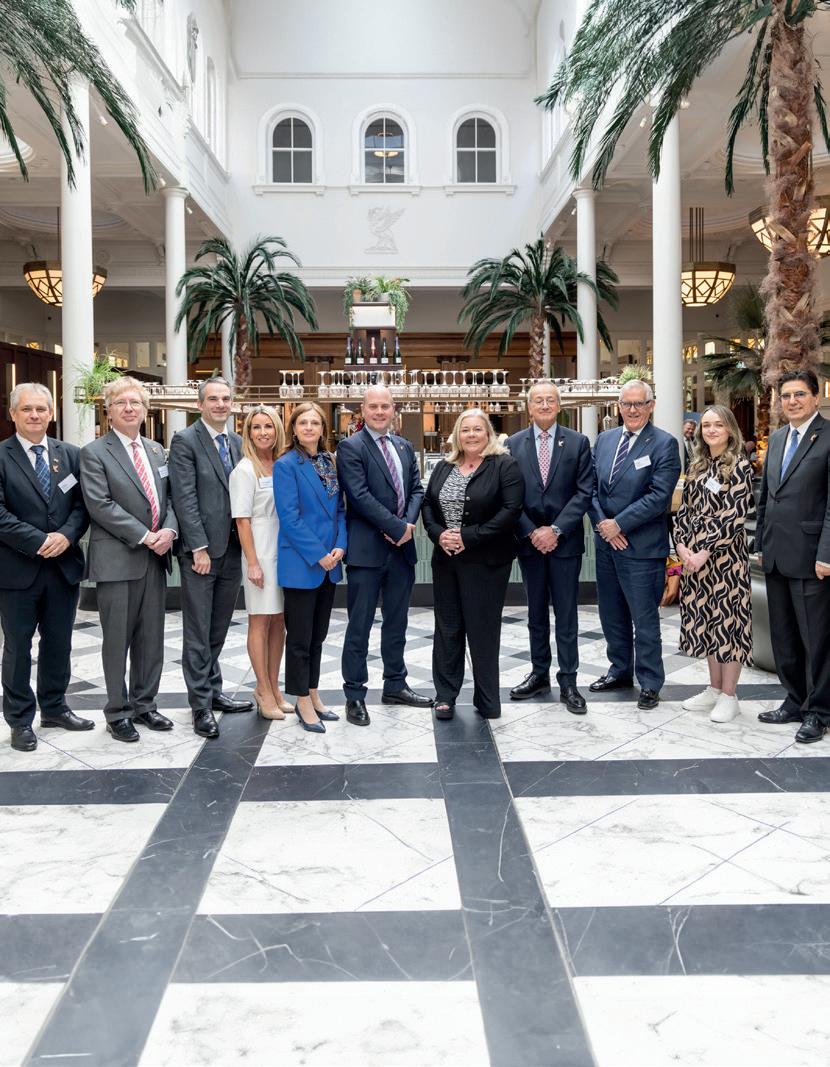
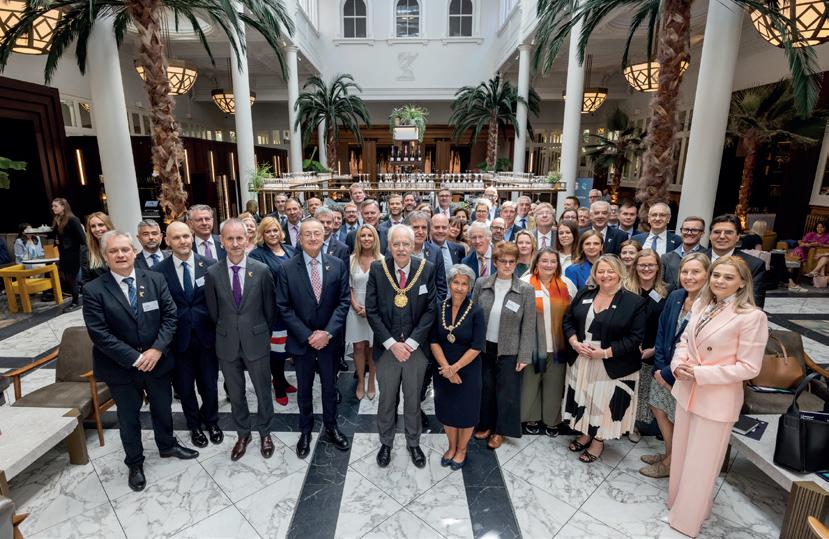
Liverpool Chamber was proud to help welcome dozens of EU ambassadors, state consul-generals and other dignitaries to the city.
Our chair Alison Lobb, chief executive Paul Cherpeau and director of strategy Christine Vaudrey accepted an invitation to the EU27 Ambassadors by the Lord Mayor of Liverpool, Cllr Richard Kemp, supported by Liverpool City Council Leader, Cllr Liam Robinson and the Liverpool City Region Combined Authority,
This event was a significant opportunity for Liverpool and the Liverpool City Region to strengthen its ties with EU nations, promote Liverpool as a leading Core City in international relations, and highlight UK PLC in a post-Brexit context. It also showcased Liverpool’s strengths in sectors including health and life sciences, creative and digital, advanced manufacturing, maritime and freeport, and net zero.
The visit coincided with Europe Day to commemorate the Schuman Declaration, which is considered the founding act of the European Union.
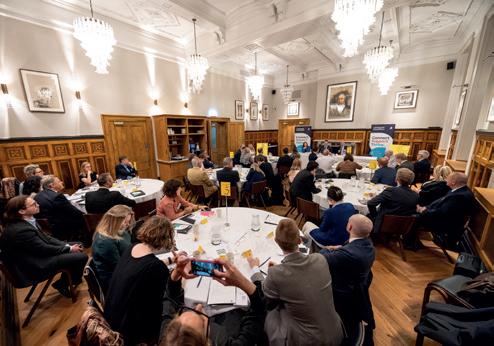
Guests included 12 Ambassadors, eight Consul-Generals; nine Cultural Directors and Attaches; 12 EU27 Trade Councillors and Senior Chamber Officials; eight Honorary Consuls. A series of seminars took place, hosted by Liverpool Chamber and other partner organisations including Liverpool John Moores University, the University of
Liverpool, Liverpool BID Company and the Liverpool City Region Culture Network, as well as support from National Museums Liverpool.
The Liverpool Chamber session focussed upon the business and economic ties the city has with Europe and included speaking contributions from John Perry, managing director of Grimaldi UK, whose UK headquarters are located in Liverpool, and Tom Hughes, MD at Wynne Aviation. More than 60 participants took part in this session which yielded connections, relationships and subsequent business.
Liverpool is aiming to leverage the rich historical and cultural mutual ties that the city shares with Europe, promoting opportunities for cultural and knowledge exchange, education, business and trade, inward investment and innovation.
It also saw the launch of the Liverpool European Festival, independently organised and hosted by the Ambassador of the Republic of Poland, Piotr Wilczek, Lord Mayor Cllr Richard Kemp OBE, and Merseyside Polonia.
Liverpool Chamber chief executive Paul Cherpeau said: “Countless Liverpool businesses have an established relationship with European trading partners and the city region can have a crucial role to play in the UK’s future economic standing with the EU.
“We were delighted to welcome dignitaries from across the continent and help to showcase Liverpool’s economic and cultural strengths.”
Leader of Liverpool City Council, Cllr Liam Robinson, said: “Liverpool has always been a proud European city, with rich European heritage and continental relationships, and I am delighted to welcome so many EU dignitaries to our city.
“Bursting with imagination and pride, Liverpool is a city of firsts and a place of pioneers. We want to become the most Europe-facing city in the UK, and the most welcoming, and the discussions we are holding today are the first step in achieving our ambition.”
Liverpool City Region Mayor, Steve Rotheram, said: “Liverpool is once again stepping onto the world stage – not just as a capital of culture, but of commerce, innovation and sustainability.
“At a time when so many are turning inwards, we’re choosing to reach out – with our arms wide open to global partnership, progress and opportunity.
“Europe Day is a powerful reminder of our international spirit and the vital role we can play in shaping a more open, connected future.”
Lord Mayor, Cllr Richard Kemp, said: “Liverpool has always been proud of its relationship with the European Union and in 2020 the Council voted to deepen its relationship with our closest neighbours.
“Liverpool Welcomes Europe will strengthen our relations and will lead to joint employment, educational and cultural work which will benefit both our city and Europe.”
His Excellency Pedro Serrano, EU Ambassador to the UK, said: “I am thrilled to be in Liverpool with many ambassadors from countries of the European Union to celebrate the economic, cultural and educational ties that bind Liverpool and the EU.
“This is the first time that we will mark Europe Day outside of the capital, a testament to the pivotal role that cities like Liverpool play in fostering growth, innovation and friendship between our citizens.”
“Liverpool is once again stepping onto the world stage – not just as a capital of culture, but of commerce, innovation and sustainability.
“At a time when so many are turning inwards, we’re choosing to reach out –with our arms wide open to global partnership, progress and opportunity.
“Europe Day is a powerful reminder of our international spirit and the vital role we can play in shaping a more open, connected future.”
Liverpool City Region Mayor, Steve Rotheram
THE VIEW FROM HIGHER EDUCATION
Professor Mark Power Vice-Chancellor, LJMU
Much has changed since Liverpool John Moores University (LJMU) was founded over 200 years ago but what remains unaltered is our commitment to playing a leading role in the life and economy of Liverpool and our city region.
We remain true to our founding principles of providing opportunity through education, developing the skilled workforce and entrepreneurs of the future, and making a positive difference in our society.
During these uncertain economic times, that focus is perhaps more important than it has ever been. It is vital that we are preparing our students for the world of work with the skills, behaviours and experience needed by employers.
I’m pleased and proud to say that our approach is working.
Today, LJMU supplies more graduate employees into the Liverpool City Region economy than any other university, with 28% of the overall graduate intake. Ninety-five per cent of our students are in employment or further study 15 months after graduating. These are also high-quality jobs. The proportion of LJMU undergraduates gaining high-skilled roles has grown by 7% over the last four years – that’s four times faster than the UK’s higher education sector overall. This hasn’t happened by accident. It is the result of our longstanding commitment to placing careers, employability and enterprise development at the centre of our students’ university experience.
At LJMU, all of our undergraduate students engage in work-based learning as a core feature of their course, together with a wide range of extracurricular opportunities, including funded internships, volunteering and working abroad.
We make sure our students are properly prepared for employment and that they graduate with a compelling, tailored onward plan to support them to thrive in their early career.
The university can’t do this alone. We work closely with employers across the city region and beyond to understand what they need from the next generation workforce and ensure our programmes are meeting those requirements.
The results speak for themselves, with LJMU graduates thriving in roles across the public, private and third sectors.
Each year, thousands of key workers are trained for their careers by LJMU.
We are one of the nation’s largest providers of registered nurses across adult, child and mental health care and are the regional
provider for health visiting and specialist community practice. Other NHS workers educated at LJMU include paramedics, midwives, counsellors and psychotherapists, health psychologists, clinical endoscopists and social workers.
We actively work with more than 400 schools in the Liverpool City Region and have trainee teachers directly located in more than 200 schools and multi-academy trust settings at any one time. We train around 600 teachers in primary and secondary education every year, along with 500 police officers and criminal justice professionals.
Our support for business creates routes into employment for our students and reflects our commitment as an anchor institution within the city region to supporting and driving inclusive economic growth.
As well as strengthening the regional skills base, we work with businesses and public sector organisations to use our research and industry expertise to develop innovative solutions and products to increase efficiency and sustainability. The resulting economic growth creates a virtuous circle with more opportunities for our students and graduates.
Our support for business creates routes into employment for our students and reflects our commitment as an anchor institution within the city region to supporting and driving inclusive economic growth.
The relationships we have developed with employers over many years open doors and create invaluable opportunities for our students. For example, we have partners across a broad range of sectors helping us to deliver our acclaimed degree apprenticeship programmes: routes into work-based learning that enable apprentices to achieve a full degree while developing practical skills in the workplace.
We have been delivering degree apprenticeships for a decade and currently have more than 1,200 apprentices working in areas such as policing, healthcare, civil engineering, chartered surveying and business management.
Meanwhile, the university encourages and supports entrepreneurship, and I’m proud that there are more than 250 LJMU graduate start-up firms in the Liverpool City Region. Our Start-up Hub launched in 2004 and is estimated to contribute over £20m in income to the LCR economy each year.
Our whole-university approach to careers, skills and enterprise development is creating pathways to prosperity through education and employment. We have a comprehensive strategy to build on this further in the coming years, working with our partners to strengthen the regional skills base and grow the city region economy for the benefit of our communities.
BUILDING A FUTURE-READY WORKFORCE IN THE LIVERPOOL CITY REGION
Gillian O’Brien, Head of External Engagement & Opportunities, University of Liverpool
Making the leap from university to the workplace isn’t always straightforward - for graduates or the businesses that hire them. While technical knowledge and academic skills are well established, many employers report a gap in workplacereadiness: communication, confidence, time management and stakeholder engagement are often cited as areas where early-career hires need structured support.
At the University of Liverpool, we’re tackling this head-on through the Professional Grad Programme, a unique training and development offer created to support the graduate-to-professional transition. Designed in partnership with local employers, the programme focuses on equipping recent graduates working in SMEs across the Liverpool City Region, as well as those working within our own
organisation, with the professional behaviours and confidence needed to thrive. It includes interactive sessions on collaboration, project management, workload planning, networking and leadership. Crucially, it features direct input from local businesses, with exclusive opportunities to share real insights into the expectations and realities of the workplace. For many SME’s, the programme offers a valuable route to support and retain new hires. For graduates, it provides a structured development experience that accelerates their impact, builds confidence, and helps them establish a professional peer network. What makes the programme unique is its focus on place. Many of the participants are local graduates, often from underrepresented backgrounds, who want to build their careers in the LCR. For financial, cultural, or personal reasons, they may not have the flexibility to relocate for national graduate schemes. By supporting their professional growth close to home, we’re helping employers connect with a loyal, skilled talent pool that is deeply invested in staying and contributing to the region.
Looking ahead, we’re currently exploring a collaboration with other Liverpool universities to launch an Early Career Professionals Conference to bring together
graduates and businesses to share ideas, build networks, and strengthen the region’s early talent ecosystem, with the broader aim of addressing productivity challenges across the LCR.
As Higher Education institutions, we have a responsibility to bridge the gap between learning and the world of work. At the University of Liverpool, we’re committed to developing confident, work-ready graduates equipped with the skills that local businesses consistently tell us they needright here in the Liverpool City Region.
To find out how you can support a potential conference or benefit from sending one of your graduates on the Professional Grad Programme, contact Gillian O’Brien, Head of External Engagement & Opportunities gillian.obrien@liverpool.ac.uk
DEGREE APPRENTICESHIPS AT LIVERPOOL HOPE UNIVERSITY
For North West business leaders, “skills” are a constant priority. But how do our region’s universities – engines of talent development and research – view this critical area? Sue Cronin, Director for Apprenticeships at Liverpool Hope University, shares her thoughts on why understanding their perspective is key to forging impactful partnerships.
Liverpool Hope University is proud to be part of the rich and diverse sector of Higher Education that spans global research institutions to specialist regional universities. Each organisation plays a unique role in the skills ecosystem, but all share a fundamental commitment to develop individuals; preparing them for future career pathways that will ultimately contribute to regional and national prosperity.
Degree Apprenticeships provide a great case study of how Universities, working in close collaboration with employers, can fully leverage the power of partnership. Apprenticeships ensure individual employees as learners reach their potential
and are able to use knowledge and research to develop and enhance their existing skill base. In doing so they inform and improve their working practices, with the additional bonus of gaining a recognised qualification without any student debt! From an employer point of view, apprenticeships not only enhance the skills of the existing workforce but also support the retention and development of talent and critically often increase the diversity of their workforce.
Liverpool Hope is now fully engaged with the apprenticeship agenda which aligns with the university mission to address inequalities and Liverpool Hope is currently working closely with employers to co-
design bespoke programmes aligned to apprenticeship standards, that offer viable alternatives to traditional university education. These programmes will equip individual employees with the skills and experience needed to thrive in the workplace and ultimately positively impact their organisation performance. Universities have a lot to offer through apprenticeships and can bring additional value to organisations. Together, we can create new opportunities across the NW, so we are looking for employers to join us at Liverpool Hope University to address the skills agenda and to work together to shape, build and invest in a better future for employees and employers.
SAN CARLO CASTLE STREET, ITALY’S FINEST ON YOUR DOORSTEP.
SAN CARLO – CASTLE STREET
Discover Italian elegance in Liverpool’s heart. Delight in fresh pasta, premium seafood, creamy risotto, and handcrafted cocktails in a stylish, intimate setting. Ideal for date nights, celebrations, or simply indulging in la dolce vita.
MSP GLOBAL: CELEBRATING 25 YEARS
& LIVE EVENT EXCELLENCE IN LIVERPOOL
For 25 years, MSP Global has been a cornerstone of Liverpool’s vibrant events sector, delivering exceptional AV and technical production services for conferences, live events, hybrid broadcasts, and virtual productions.
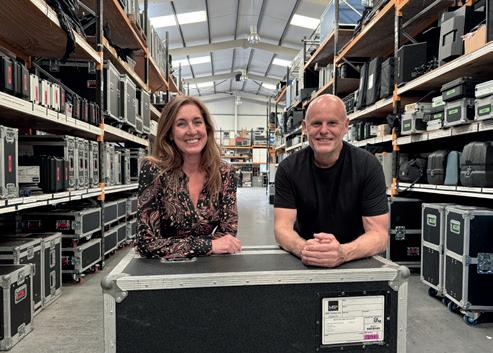
Originally founded in 1992 by Colin Reader and Lisa Richards as Merseysound Productions & Staging in South Africa where Colin had a successful career as a professional musician, the business moved to the UK in 2000. “When we returned to the UK, we saw a gap in the market for a more creative technical production companyan area we knew well from our work in South Africa,” explains Colin.
Global reach, local heart
Born and raised in Wavertree, Colin’s strong city roots shaped the foundations of MSP. The business initially supported local clients such as Everton FC and The Jockey Club, relationships that last to this day. As the business expanded its services and reach, it rebranded as MSP Global, reflecting its growing reputation in national and international markets.
While proudly Liverpool-based, MSP’s work spans the globe. The team has delivered AV and technical production services for events like Eurovision, COP18 in Doha and COP26, UN climate summits, Cannes Film Festival for 10 years, the London Olympics and Qatar’s World Petroleum Conference.
Closer to home, MSP remains committed to supporting Liverpool’s economic growth through events — contributing to a sector worth over £3.3bn a year to the region.
The opening of MSP House in 2007, a purpose-built 18,000 sqft facility featuring production offices, meeting rooms, and
broadcast studios, marked the beginning of a new chapter. It enabled the business to scale rapidly while continuing to serve local clients and expanding onto global stages.
A pivotal moment came in 2008, when MSP supported Liverpool City Council’s successful bid for European Capital of Culture status, helping to shape the city’s event infrastructure at a critical time. That same year, MSP was appointed as the sole AV supplier to ACC Liverpool for its first three years — a prestigious partnership that positioned the company at the heart of Liverpool’s expanding events scene.
Innovation and versatility
MSP’s success is driven by its adaptability. When the COVID-19 pandemic reshaped the industry, the team leveraged its broadcast expertise to successfully deliver more than 300 virtual events, from conferences and training seminars to immersive awards ceremonies. This led to the creation of a permanent broadcast studio in 2022, complete with 4K LED video walls, greenscreen setups, multi-camera capabilities, hospitality suites, and secure loading bays. Based in Bootle, this hub supports everything from virtual conferences and product launches to podcasts and award ceremonies. The company regularly partners with MediaSat to help deliver remote services via outside broadcast vans, satellite uplinks, and mobile crews.
Developing future talent
Nurturing the next generation is central to MSP’s mission. Through apprenticeships
and hands-on experience, the team helps graduates and early-career professionals build lasting careers. “Many of our trainees have gone on to permanent roles within MSP — something we’re incredibly proud of,” says Lisa. “It’s been one of our founding principles from day one.”
Looking ahead
As it marks 25 years in Liverpool, MSP continues to innovate. The company’s future plans focus on sustainable event solutions, expanding mobile and streaming services, and bringing the latest technology to live productions. Aligned with Liverpool City Region’s growth strategy, MSP is helping to cement the city’s status as a premier destination for world-class events.
Thanks to the vision of Colin, Lisa, and their team, MSP has become both a Liverpool icon and a global AV innovator — dedicated to delivering exceptional events and empowering future industry leaders.
Lisa Richards and Colin Reader
LJMU LAW & BUSINESS CLINICS: FOR THE PUBLIC GOOD
Powering our region through social value and innovation
Liverpool Chamber members thrive on two essentials: trusted advice and a steady pipeline of skilled talent. Liverpool John Moores University (LJMU) delivers both—at scale—through its trio of pro bono clinics: Legal Advice, Business, and Accounting. Together, they injected over £3 million worth of free professional support into the Liverpool City Region last year alone.
A £2.6 Million Hub for Accessible Justice and Support
Based in LJMU’s purpose-built centre on Hardman Street, the Legal Advice Centre (LAC) is now one of Europe’s largest university law clinics. It’s staffed by six in-house solicitors, supported by over 100 volunteer lawyers and more than 250 supervised students. Each year, the LAC supports around 1,000 individuals directly, with hundreds more assisted through partnerships with Support Through Court, Citizens Advice, and local law centres.
For Chamber members, the LAC offers:
• Community Economic Development Clinic – Tailored legal advice on commercial, contract, employment, and property matters, alongside family, human rights, and civil litigation services. Ideal for micro-businesses and social enterprises that fall between Legal Aid eligibility and private legal fees.
• Award-winning innovation – The Windrush Community Law Clinic, winner of “Best New Pro Bono Activity” at the 2025 LawWorks & Attorney General Awards, has already helped over 60 claimants access compensation.
For businesses with Environmental, Social, and Governance (ESG) goals, mentoring or collaborating with the LAC provides a readymade, high-impact Corporate Social Responsibility (CSR) opportunity within a well-established framework.
Business Clinic: Consultancy Without the Price Tag
Also based at Hardman Street, the Liverpool Business Clinic (LBC) transforms classrooms into consultancy suites. Each year, over 650 students deliver more than 80,000 hours of project work for 100+ SMEs, charities, and corporates. Projects range from export-readiness assessments to digital marketing strategies and sustainability roadmaps.
The model has earned national recognition:
• Purpose Coalition “Breaking Down Barriers” Award (House of Commons, April 2025)
• Business School of the Year – Educate North Awards 2025
These clinics are fast becoming indispensable partners for growth-focused firms and thirdsector organisations across our network.
Chamber members benefit from:
• Fresh insight, fast turnaround – Semester-based project cycles offer rapid access to university research and innovation.
• Talent pipeline – Many businesses convert student teams into interns or graduate hires, reducing recruitment risk.
• Brand visibility – Case studies are regularly featured in LJMU and regional media, aligning your brand with skills development and community impact.
Accounting Clinic: Confidence for the Third Sector
For registered charities with turnover under £250k, LJMU’s Accounting Clinic provides free independent examinations of annual accounts. Overseen by ACCA-qualified academics and final-year students, the clinic strengthens financial governance for grassroots organisations— many of which are key CSR partners for Chamber members.
A Win-Win for Business and Talent
LJMU’s clinics offer high-quality, real-world services to the local business community while developing the next generation of professionals. A new Social Return on Investment (SROI) study— launching in September 2025—will track the measurable impact of these interventions, reinforcing their value to the region.
At a Glance: LJMU Clinics Impact
To seek advice, or find out more information about the clinics’ services, scan the QR code to jump straight to pro bono webpages.
Alternatively contact the clinic Subject Leaders Dr. Track Dinning (Business) or Rachel Stalker (Law) on
t.m.dinning@ljmu.ac.uk or r.stalker@ljmu.ac.uk
ARTIFICIAL INTELLIGENCE (AI) IN BUSINESS
THE EXPERTS’ VIEW
Sam Rourke Strategic Growth Director Paramount Digital
How can businesses keep up with the speed of AI innovation?
In digital marketing, the question about AI is more how the existing workforce will adapt, rather than if it’s going to replace jobs.
AI could slow the pace of job growth, because it’s removing inefficiencies, especially around reporting and manual tasks.
But, personally, I believe it’s unlikely AI will replace marketing jobs like-for-like, provided your average digital marketer can embrace change and understand how to use AI in their roles.
Content writing is a prime example.
The early hype about ChatGPT was that it can be used for writing blogs and other content, so was it going to take the job of writers?
But when you look at it, the basic content ChatGPT produces is generic, often inaccurate, and usually filled with cliches and phrases people don’t use. And that’s before you get to the copyright issues. So, AI won’t replace writers. But, if you learn how to use it, it’s a good tool for making the writing process easier. And it’s the same in most digital marketing roles.
In paid ads, it’s not about manual bid management anymore. AI takes on a lot of that. It’s more about sales and impact consultancy, tracking how AI performs and keeping algorithms in check.
I think AI is going to change jobs in digital marketing, but it’s not going to take them.
The best thing you can do is test the AI. It’s not perfect, so it’s about finding out what it can do, where you can push it, and where it’s most limited.
I’d also definitely recommend staying close to the industry leaders, like Google, Amazon, Microsoft and ChatGPT.
There’s a battle going on to be the leader in AI because it’s so new and no-one really knows where this is all going, so stay on top of the conversations going on. The worst thing you can do is just blindly trust the output of an AI. You have to sense check the information it gives you. We’ve all heard that AI can “hallucinate” so you can’t take it for granted that its outputs are correct.
Lisa Johnson Founder & Managing Director SquareOne Training
Should AI literacy be a core competency for all employees?
Our short answer: yes.
Even if your company isn’t fully leveraging AI yet, there’s a good chance some of your team already are - whether for productivity, automation, or creative tasks. And with that, comes benefits, but more importantly - risks.
That’s exactly why AI literacy matters. In many businesses, staff who are naturally curious or tech-savvy will start experimenting with AI tools on their own
- but without guidance, this can lead to inconsistent processes, inefficiencies, or even unfair advantages. It’s up to leadership to ensure AI is used correctly, fairly and efficiently across the business.
Whilst AI can be a divisive topic, its potential to transform businesses is undeniable - and change seems inevitable. From streamlining processes and analysing data to enhancing customer experiences and sparking new ideas, the opportunities are vast.
Our recommendation?
Embrace AI now and get your business ahead of the curve. While the world of AI can seem overwhelming to those unfamiliar with it, top-down training can empower your team with the skills and confidence to use it effectively.
Start by choosing your preferred platformwhether that’s ChatGPT, Microsoft Copilot, or something else - then build structure around it. Clear policies and tailored training will not only create consistency across your team but also help embed smart habits and techniques that make everyday tasks more efficient.
Investing in AI literacy early reduces future stress and sets your team up for long-term success. The digital world is constantly evolving, and while change can be daunting, the businesses that invest in learning and continuous development are the ones that stay ahead.
At SquareOne, we’re already supporting organisations through this shift - and we believe our region is well placed to lead the way when it comes to building AI literacy in the workplace.
AI won’t replace writers. But, if you learn how to use it, it’s a good tool for making the writing process easier. And it’s the same in most digital marketing roles.
Businesses should be required to disclose when AI is used but only for customer interactions. This in turn, will promote transparency, build trust, and allow customers to make informed decisions about their interactions, especially when dealing with sensitive issues where human empathy is paramount.
How do you ensure ethical use of AI in decision-making processes?
AI systems must be trained on nonprejudiced data. Otherwise, AI systems can perpetuate or amplify existing societal biases. Use diverse and representative datasets to train AI systems, actively identifying and mitigating biases present in historical data. The AI user and developer in my opinion must always be accountable for the decision-making processes developed and used. AI systems should treat all individuals equitably, avoid perpetuating biases, and promote social justice. This requires meticulous examination of training data and algorithmic design. It is very important for developers to regularly audit AI systems to ensure they operate as intended, adhere to ethical standards, and comply with evolving regulations. Who is accountable when AI systems make mistakes or cause harm?
Accountability for AI mistakes is complex but should fall on the developer, deployer or user of the AI system in my opinion, depending on the specific cause of the mistake and the regulatory context.
Should businesses be required to disclose when AI is used in customer interactions?
In my opinion in most cases, yes, businesses should be required to disclose when AI is used but only for customer interactions. This in turn, will promote transparency, build trust, and allow customers to make informed decisions about their interactions, especially when dealing with sensitive issues where human empathy is paramount. While not always legally mandated currently, regulations are evolving (e.g., EU AI Act).
Regulating the Revolution: Civil Justice Council tackles AI in court documents
In Well Connected’s last Autumn Edition, Taylor Wessing considered the interaction between AI and legal privilege, concluding that the courts have been clear: extending legal advice privilege to advice given by non-lawyers / a computer program is Parliament’s remit.
In addition to fundamental questions of privilege and confidentiality, the use of AI in preparing court documents raises various issues, particularly in respect of accuracy and hallucination, threatening the integrity of legal proceedings. Following recent incidents where lawyers have narrowly escaped contempt of court over AI-generated fake case citations, the Civil Justice Council (“CJC”) has established a working group to examine the use of AI when preparing court documents.
Chaired by Lord Justice Birss, the working group will produce a consultation paper followed by a final report, seeking to address whether “rules are needed to govern the use of AI by legal representatives for the preparation of court documents, including pleadings, witness statements, and expert reports”.
Cautionary Tales from the Courtroom
The cases of Hamad Al-Haroun v Qatar National Bank and Frederick Ayinde v The London Borough of Haringey serve as stark warnings. In the former, solicitor Abid Hussain admitted relying on unverified legal research, which the court described
as a “lamentable failure to comply with the basic requirement to check the accuracy of material put before the court”. The latter involved a pupil barrister who avoided contempt proceedings partly due to her junior status, though both practitioners were referred to their respective regulators.
LJ Birss emphasised that lawyers must take “personal responsibility for what goes in your name”. He illustrated this with AI document summarisation, noting that whilst AI can assist, lawyers must still read the original documents themselves.
The Path Forward
These developments highlight the need for regulatory clarity where technology has outpaced existing frameworks.
The CJC working group represents a crucial first step, with LJ Birss commenting “I suspect we’ll need some adjustment [to court rules]”.
When used appropriately, AI can enhance efficiency in document review, legal research, and routine drafting. However, this technological advancement must be balanced with robust safeguards. The integrity of the legal profession depends on maintaining professional accountability in all AI-assisted work.
Should you require advice on the issues raised, Tom Charnley and Megan Howarth, members of Taylor Wessing’s specialist disputes and investigations team working within the Liverpool office, would be happy to discuss this with you.
Is your digital infrastructure ready for AI at scale
Is AI still a competitive advantage for businesses today, or has it become something more fundamental?
That’s a great question. AI, especially when powered by real-time data, is no longer just a competitive edge—it’s becoming a basic operational requirement. In today’s digital economy, if your AI isn’t fuelled by current, accessible data, it can’t support your teams or customers effectively.
But many organisations already use AI. What’s the difference between having AI and enabling it with real-time data?
The difference is night and day. Traditional AI often relies on retrospective data—it tells you what happened. Real-time AI, on the other hand, can tell you what’s happening now and act on it instantly. That means customer issues are addressed as they arise, operational disruptions are flagged
early, and decisions are made on live intelligence—not yesterday’s insights.
That sounds powerful. What kind of impact does this have in real-world sectors?
It’s transformational—especially in timecritical sectors like healthcare, finance, education, and public services. Real-time responsiveness can determine outcomes, not just efficiencies. For example, early risk detection, personalised service delivery, and empathetic, timely support all rely on live data and fast AI processing.
So, why aren’t more organisations already doing this?
Because it doesn’t happen by default. It takes deliberate investment in low-latency infrastructure, clean data pipelines, and systems that actually talk to each other. Without that, even the smartest AI can
be slowed down by a bottlenecked environment.
What should organisations be asking themselves?
They need to ask: Are our systems designed for real-time performance, or are we expecting AI to work in conditions it simply can’t thrive in? That’s the real test. AI alone isn’t enough—it must be paired with responsive, well-architected digital foundations.
And for organisations in the Liverpool City Region—what’s the next step?
Start the conversation now. Real-time AI is the future, and the organisations that act early will lead the way. If you’re ready to explore what it means for your business, reach out to BT Local Business Liverpool at 01704 898200. Let’s shape a smarter, faster, and more responsive digital region—together.
AI, especially when powered by real-time data, is no longer just a competitive edge—it’s becoming a basic operational requirement. In today’s digital economy, if your AI isn’t fuelled by current, accessible data, it can’t support your teams or customers effectively.
PEOPLE AND PURPOSE
SHAPE HOW MORECROFTS WRITES AND FOLLOWS BUSINESS STRATEGY
In a profession often characterised by tradition and rigidity, Morecrofts Solicitors is quietly redefining what leadership looks like, placing people and purpose at the core of its business strategy. From trailblazing flexible work policies to championing community inclusion, the firm is redefining what success looks like in today’s modern professional world.
This isn’t just about flexible working policies or community engagement; it’s a valuesdriven model that challenges industry norms. Managing Partner Alison Lobb puts it simply: “Our people-first approach begins with a flexible working model that adapts to the individual, not the other way around.” That approach shows up in tangible ways. Staff are trusted to shape their schedules -compressed weeks, weekend hours, caregiving breaks - without compromising
performance. It’s a strategy built on trust, measured by outcomes, not hours.
The result? Exceptional retention, around one-third of staff have been with the firm for more than a decade, and many have surpassed 20 years of service.
Diversity and inclusion are not buzzwords at Morecrofts, they are structural foundations. The firm boasts a zero gender pay gap and counts women among two-thirds of its equity partners. It actively supports working mothers and offers clear pathways from entry-level roles to senior leadership, as evidenced by two recently promoted salaried partners working part-time. Age is also no barrier; several employees thrive well past standard retirement age - recently Peter Pownall was promoted to partner at 71. Inclusion is embedded on the firm’s culture.
Morecrofts also extends its purpose beyond the office. Staff volunteer with more than 30 community organisations, the firm runs free legal clinics and supports local events from Knowsley Pride to grassroots sports. Its Domestic Abuse Conference, now in its tenth year, continues to draw professionals nationwide to share best
practices and strengthen the region’s multi-service offering in an era where firms compete on billing and prestige, Morecrofts is carving out a different legacy defined by opportunity, inclusion, and lasting impact. The firm recognises that in order to stand out in today’s world, culture isn’t a soft metric, it’s a strategic advantage.
Morecrofts
Managing
Partner Alison Lobb
SUTCLIFFE AND THE IMPORTANCE OF SOCIAL VALUE
Embedding social value into business strategy has become an important endeavour for organisations aiming to generate sustainable growth and positive societal impact.
In recent years, businesses across various sectors have increasingly recognised the importance of integrating social value into their core operations and beliefs, aligning purpose with profitability, and contributing meaningfully to their local communities, be that in the Liverpool City Region or further afield.
Aligning purpose with profitability is another critical strategy employed by businesses seeking to embed social value.
Companies are redefining their missions to encompass broader social goals, aligning their business strategies with needs of the local community. For example, in April we hosted our annual charity ball for the third consecutive year. The annual event brought together professionals from the construction, healthcare, and wider business communities to support three NHS
local charities making a significant impact in the Liverpool City Region.
Held in aid of Clatterbridge Cancer Charity, Liverpool Women’s Hospital Charity, and University Hospitals of Liverpool Charity, each organisation was chosen for its alignment with our longstanding support for the healthcare sector, as well as the many personal connections within the team.
We initially set a fundraising target of £75,000, with all proceeds directed towards supporting the vital work of local charities in delivering frontline care and advancing medical research across the Liverpool City Region. Thanks to the overwhelming
generosity of guests, sponsors, and supporters, the total raised on the night far exceeded expectations, reaching an incredible £89,000.
Next year’s ball has just been announced and this will take place again at the Titanic Hotel’s Rum Warehouse on 24th April 2026 with the chosen charities yet to be confirmed. We always choose these with a highly personal connection to the Sutcliffe team.
There will be a few twists and turns to ensure the night is an even bigger success. If you want to be involved in what will be the #EventoftheYear as a corporate sponsor, prize donator, commercial participants, match funder or simply reserve a table please contact Sutcliffe #MorethanEngineers.
By embedding social value into our strategy and culture, we continue to create lasting impact, supporting vital causes, empowering communities, and proving that purposeful business not only drives growth but also strengthens the fabric of the regions we serve, creating sustainable development and enhancing quality of life for everyone.
BRICKS, MORTAR, AND BUSINESS GROWTH:
CLAN CONTRACTING’S JOURNEY WITH UNIVERSITY OF LIVERPOOL
Clan Contracting is a trusted specialist contractor delivering structural repair, masonry restoration, and building conservation services across North West England. Their mission is to provide quality work through the protection of heritage assets and expert structural repair.
Their relationship with the University of Liverpool Management School (ULMS) began in May 2022, when Managing Director Damian Meyers joined the government-funded Help to Grow: Management (HTGM) programme, delivered by ULMS Executive Education and External Engagement teams. We spoke with Damian and Rocio Gomez, Social Media Manager, about their experience collaborating with ULMS across several projects.
Clan’s involvement includes Damian’s participation in the HTGM programme and his continued engagement as an active member of its alumni network. Clan has taken part in multiple undergraduate learning projects and the Liverpool Interns scheme, and Damian regularly attends ULMS Business Breakfasts. He has also contributed as a guest speaker on sustainability in
TURNING IMAGINATION INTO REALITY, ONE PRINT AT A TIME
At Oriel Studios, we’re always looking for ways to improve the customer journey — and we’re proud to introduce our new online artwork approval system. This platform gives customers full visibility of their project timelines, making the process from submitting artwork to final delivery faster, clearer, and more efficient. With real-time updates and easier approvals, it’s all about keeping projects moving smoothly.
construction and supported the School in discussions with MP Kim Johnson about HTGM’s impact.
The clearest outcome of working with ULMS? Damian says the programme gave him and Clan a broader perspective. Rather than focusing solely on growing Clan, they’ve since launched a second business, which is now scaling.
Student collaboration has also made a lasting impact. Rocio joined Clan through the Liverpool Interns scheme and is now a full-time team member.
She leads their social media and has transformed their online presence. “It’s massively different from what we were doing two years ago,” says Damian. “Rocio has changed everything. It’s one of those qualitative improvements that you can’t easily measure—except by the positive feedback we get. There was no thread before, and now there is.”
Clan encourages other businesses to tap into the wealth of student knowledge at ULMS.
This collaboration has grown into a mutually supportive partnership that reflects a regional success story. Supporting local businesses is a core goal of ULMS and a key pillar of the School’s 2031 Place & Innovation Strategy.
Boost your SME’s growth through the Help to Grow: Management programme, starting November 2025 at the University of Liverpool Management School: www.liverpool.ac.uk/helptogrow www.clan.co.uk
As we move into summer, we’re preparing for one of our busiest seasons yet, with a packed schedule of installations across both sport and education sectors.
In football, we’re thrilled to be working closely with Everton Football Club at three key locations: the new Hill-Dickinson Stadium, Goodison Park, and Finch Farm. We’re also continuing our partnerships with Tranmere Rovers and Marine AFC, delivering a wide range of signage, branding, and display solutions ahead of the new season. Meanwhile, in the education sector, we’re supporting schools and academies as they use the summer break to refresh and upgrade their signage and internal branding. From external wayfinding, to wall graphics and motivational displays, our work helps create welcoming and inspiring
environments ready for the new academic year.
A recent highlight is our project at Merchant Taylors’ School, where we designed, printed, and installed a striking 4m x 18m history timeline. This bold, large-format graphic transforms a corridor into a powerful visual story of the school’s rich heritage. With our full-service approach — from concept and design to print, production, and installation — Oriel Studios continues to deliver creative, impactful solutions that make a difference.
If you’re planning a project this summer, get in touch with our team at enquiries@orielstudios.co.uk or call 0151 922 2785.
Let’s turn your imagination into reality — one print at a time.
from left to right, are Damian Meyers (Managing Director), Jen Gavin (Finance Director), and Colin McEllin (Operations Director)
BUILDING SKILLS & SEIZING OPPORTUNITY BE PART OF LSIP 2026
Skills are the foundation of every successful business. Over the past year, the Liverpool City Region’s Local Skills Improvement Plan, or LSIP, has started to change how employers and educators work together to make sure people are ready for the jobs of today and tomorrow.
The June 2025 Progress Report tells a positive story. More than 3,000 people have already accessed new training facilities across the region. Colleges have launched fresh courses in green construction, hydrogen technology, digital skills and leadership. Hundreds of employers have contributed their time, ideas and experience to make sure training genuinely meets business needs. Before we encourage you to get involved in LSIP 2026, perhaps we ought to tell you why your input is so important. At the heart of this progress are the Industry Learning Partnerships, known as ILPs. If you haven’t heard of them, think of them as round tables where employers and educators sit down together to share challenges, spark ideas and create solutions that work in the real world.
ILPs aren’t just talking shops or networking events. They are practical partnerships designed to deliver change. Each one focuses on a key sector that drives the Liverpool City Region economy: Construction, Manufacturing and Logistics, Professional Business Services, and the Visitor Economy. Every ILP brings together business leaders, college and training provider representatives, sector experts and the Liverpool Chamber team to agree actions that can make a difference.
These groups are already delivering. In Construction, employers highlighted that too few young people were considering careers in the sector, and existing recruitment pathways were too narrow. In response, we are now developing a bid to secure Construction Industry
Training Board funding to showcase the opportunities available.
In the Visitor Economy, the ILP has proposed a network of experienced ‘super mentors’ to support and coach first-line managers across the sector, strengthening leadership skills and improving staff retention.
In Manufacturing and Logistics, the ILP is helping shape a sector-specific skills passport to make it easier for people to demonstrate the capabilities employers are looking for. In Professional Business Services, employers are working with colleges to boost digital and data skills, recognising that nearly every job now requires stronger confidence with technology.
These examples show what is possible when employers get involved. Your insights have real impact. Whether you run a micro-business or a multinational, your perspective helps shape a training offer that is relevant, practical and responsive to the needs of your sector. Looking ahead, work will soon begin on the next LSIP, due to be published in 2026. With major investments underway, like Liverpool Freeport, Glass Futures in St Helens and the Life Sciences Innovation Zone, the stakes are high. Thousands of new jobs are being created, but we need to ensure people are ready to fill them.
Over the coming months, Liverpool Chamber, as the Employer Representative Body, will be working with other Chambers of Commerce in the city region to gather feedback from businesses across the spectrum. Getting involved is simple and flexible. You can
With major investments underway, like Liverpool Freeport, Glass Futures in St Helens and the Life Sciences Innovation Zone, the stakes are high. Thousands of new jobs are being created, but we need to ensure people are ready to fill them.
complete a short survey, join an ILP meeting or collaborate with a college to co-design courses. Even sharing a quick case study of what works for your business can help.
Your experience and ideas are invaluable. The LSIP is about more than reports and meetings. It is a chance to build a skills system that helps businesses grow and gives local people the best start in their careers.
You can read the full June 2025 Progress Report on the Liverpool Chamber website. If you’d like to be part of shaping the next LSIP, get in touch with the Chamber’s LSIP team or visit our LSIP page online to find out more.
Register your interest & find out more by scanning the QR code
Local Skills Improvement PlanLiverpool Chamber of Commerce www.liverpoolchamber.org.uk/ local-skills-improvement-plan/
your course at
ADL Health & Safety are holding a number of IOSH Level 3 Certificate in OSH Principles & Practice courses throughout September and October 2025.
This is a global qualification, built on the IOSH competency framework and offers a clear career pathway for new and aspiring OSH professionals providing the knowledge, application, and real-life skills that they and their employers require to apply safety systems and positively influence OSH performance within their organisations
The IOSH Level 3 Certificate enables learners to: apply OSH principles in the workplace to mitigate risk and help to prevent incidents contribute to the development and maintenance of a positive OSH culture improve their own and their organisation’s performance through sustainable and effective application of systems, processes, procedures, and resources.
ADL Health & Safety also provide comprehensive Fire Risk Assessments across all sectors tailored to meet your premises, compliance, and insurance requirements as well as frequently holding their best selling IFSM Fire Door Inspection Course, trusted by facilities teams, housing associations, maintenance professionals and more, UK-wide
CELEBRATING MILESTONES AND PARTNERSHIPS:
30 YEARS OF LIVERPOOL WOMEN’S HOSPITAL & 175 YEARS OF LIVERPOOL CHAMBER
As Liverpool Women’s Hospital marks its 30th anniversary in 2025, we’re proud to reflect on our legacy in women’s healthcare and on the strength of our growing partnership with Liverpool Chamber, which this year celebrates its incredible 175th anniversary.
As the largest dedicated women’s hospital in Europe, Liverpool Women’s supports thousands of women, babies, and families every year. And with the support of partners like Liverpool Chamber, we’re doing even more.
To mark this special year, Liverpool Women’s Hospital Charity has launched the HIPEC Appeal—raising £60,000 for a vital piece of equipment that will bring a life-extending ovarian cancer treatment to Liverpool.
HIPEC (Hyperthermic Intraperitoneal Chemotherapy) involves delivering heated chemotherapy directly into the abdomen during surgery. Backed by NICE, it’s already making a difference in other parts of the UK—and we’re ready to bring it to Liverpool. HIPEC improves survival rates by 5–10%, giving women better chances of remission and improved quality of life.
This appeal is welcomed by Kimberly Donovan, a grateful patient who walked 100km with her dog Arlo to support the appeal.
“The Women’s is special and important to me, it’s where I had my Mucinous Ovarian tumour removed, and received care and support after my diagnosis. I didn’t have access to HIPEC at the time but knowing
this treatment could help other woman in Liverpool means so much and I want to do all I can to help”, said Kimberley.
“HIPEC gives us another chance to fight back against ovarian cancer.
We’re excited to bring this to Liverpool.” said Mr Puru Natarajan, Consultant Gynaecological Oncologist
Each year LWH delivers exceptional care through:
• Over 7,000 births
• 30,000 gynaecological procedures, both inpatient and outpatient
• Care for more than 1,000 premature or poorly newborns
• Over 1,000 IVF cycles
• More than 4,000 genetic appointments
• A regional centre for gynaecological cancers (including ovarian, cervical, endometrial, and vulval)
• A specialist centre for menopause, endometriosis, and chronic pelvic pain
• Serving a core population of 2.8million across Merseyside and Cheshire
Help us make it happen.
To support the HIPEC Appeal, visit https://www.justgiving.com/ campaign/hipec
4Wings Northwest CIC www.4wings.co.uk
An Hour For Others www.anhourforothers.co.uk
An Inclusive Future CIC www.aninclusivefuture.co.uk
Be Free Campaign www.befreecampaign.org
Big Condo Training Academy CIC www.bigcondoacademycic.co.uk
Bluecoat Limited www.thebluecoat.org.uk
Caring Connections www.caringconnections.org.uk
Claire House Children’s Hospice www.clairehouse.org.uk
Crisis Skylight www.crisis.org.uk
DaDaFest www.dadafest.co.uk
Elevate www.elevate-ebp.co.uk
Everton in the Community www.evertonfc.com/community
Expect Limited www.expect-excellence.org
Farm Urban www.farmurban.co.uk
Freshfields Animal Rescue www.freshfields.org.uk
International Cotton Association Ltd (ICA) www.ica-ltd.org
Isle of Man Wealth and Fund Services Association www.iomfunds.com
Liverpool Biennial of Contemporary Art www.biennial.com
Liverpool Heart and Chest Hospital Charity www.lhchcharity.org.uk
Liverpool Heartbeat www.liverpoolheartbeat.co.uk
Liverpool Law Society www.liverpoollawsociety.org.uk
Liverpool Women’s Hospital Charity www.liverpoolwomens.nhs.uk/ fundraising
Merseyside Society for Deaf People www.msdp.org.uk
Merseyside Youth Association Ltd www.mya.org.uk
NDNA Liverpool Network www.ndna.org.uk
Nugent www.wearenugent.org
RASA Merseyside www.rasamerseyside.org
Royal College of Physicians www.rcplondon.ac.uk
Salvation Army www.salvationarmy.org.uk/ liverpool-walton
Sean’s Place www.seansplace.org.uk
Sefton Women’s and Children’s Aid www.swaca.com
Shakespeare North www.shakespearenorth playhouse.co.uk
Shelter Merseyside www.shelter.org.uk
Social Value Housing Ltd www.svhousing.co.uk
South Liverpool Homes www.southliverpoolhomes.co.uk
Southport Flower Show and Victoria Park Events www.southportflowershow.co.uk
Sports Alive North West Charity www.sports-alive.org
Street League www.streetleague.co.uk
Team Oasis www.teamoasis.co.uk
The Black-E www.theblack-e.org
The Brain Charity www.thebraincharity.org.uk
The Chartered Institute of Building www.ciob.org
The Liverpool Institute for Performing Arts www.lipa.ac.uk
The Talent Foundry www.talentfoundry.org.uk
The Whitechapel Centre www.whitechapelcentre.co.uk
Vibe UK
www.vibeuk.org
We Are With You Liverpool www.wearewithyou.org.uk/localhubs/liverpool
Wirral Hospice St John’s www.wirralhospice.org
Young Persons Advisory Service www.ypas.org.uk
Youth Federation
Zoe’s Place Baby Hospice www.zoes-place.org.uk/locations/ liverpool-hospice/
Liverpool’s Future Solicitors Begin Here
PG CERT FOUNDATIONS IN LAW
Whether you’re a business professional, entrepreneur, or working in a eld where legal knowledge matters, this exible postgraduate course gives you the legal foundations to take the next step.
• Gain essential legal knowledge – no prior law degree needed
• Ideal for career-changers, business professionals, and aspiring legal minds
• Build pathways to further legal study or enhance your current role
LLM LEGAL PRACTICE (SQE 1 & 2)
Equip yourself with the legal know-how and practical skills to clear the Solicitors Qualifying Examination and begin your solicitor journey—right here in Liverpool.
• Specialist SQE 1 & SQE 2 exam prep in partnership with BARBRIindustry leaders in solicitor training
• Hands-on experience: work with real clients and shadow local solicitors at LJMU’s Legal Advice Centre
• Build your Qualifying Work Experience (QWE) portfolio as you study
Full and Part Time Study Options
PG CERT BUSINESS SCALE UP
• Drive sustainable, responsible growth
• Tackle complex challenges with creative thinking and critical insight
• Contribute to regional success and organisational impact
Whether you’re investing in your team or your future, we’re here to support Liverpool’s business community — one leader at a time.
INVESTING THROUGH VOLATILITY: STAYING DISCIPLINED IN UNCERTAIN TIMES
Will Skrebels - Investment Manager at Rathbones
A Volatile World
From heightened political tensions in the U.S. to ongoing conflict across the Middle East and the prolonged war in Ukraine, global events continue to weigh heavily on financial markets. For investors, these developments often prompt a familiar concern: “Is now the time to reduce risk?”
While these fears are understandable, it’s critical to distinguish shortterm noise from long-term investment fundamentals. The reality is that volatility, however unsettling, is not only normal but expected in functioning capital markets. What matters most is how investors respond to it.
Why Volatility Shouldn’t Be Feared
Market corrections are not outliers, they’re recurring features of the investment landscape. Historically, equity markets experience a pullback almost every year. These periods often feel like the beginning of something worse, but generally they are phases in a longer upward trend.
What’s important is not the presence of volatility, but the ability to withstand it. Investors who stay invested through these periods have historically been rewarded1. Most recently, Trump’s tariff policies spooked markets in February. However, since then the FTSE 100 has rebounded 17.2% and is at new all-time highs, having just breached 9000 points2. Pullbacks, although scary, can create opportunities, especially for those who have a plan and the discipline to follow it.
What Follows the Fall? Rebounds
One of the most consistent patterns in market history is the rebound that follows a decline. The sharpest market recoveries develop in the wake of downturns. These rebounds are often sudden and difficult to predict, which is why being out of the market for even a few key days can severely impact long-term returns3
There is an old adage: It’s not about timing the market, it’s time in the market. Yet many investors are tempted to sell during turbulent times. The instinct to “do something” can feel powerful, but acting on that impulse often leads to mistimed exits and missed recoveries. For Investors with long investment horizons, resisting that urge is vital to building wealth over time.
The Cost of Emotional Investing
Financial decision-making can be deeply emotional. When markets are falling and headlines are negative, the impulse to protect what you’ve built is understandable. But studies in behavioural finance, and real-world investor outcomes, show that decisions driven by emotion are often counterproductive and potentially damaging4
Loss aversion, short-term memory, and overconfidence can lead to market timing attempts that hurt rather than help. It is important to find balance and make sure we are not overreacting to the world around us.
This is where guidance matters.
How a Trusted Investment Manager Helps
Working with an experienced investment manager can be one of the most effective ways to avoid emotionally driven mistakes. A manager doesn’t just build a portfolio, they build a framework for consistency, even when conditions are volatile.
Here’s how:
Strategic Clarity: A robust investment plan is based on your unique goals, time horizon, and capacity for risk. Enabling decisions to be grounded, not reactive.
Risk-Adjusted Portfolio Design: Diversification
across regions, sectors, and asset classes is more than a buzzword—it’s how risk is balanced without sacrificing potential return.
Rebalancing Discipline: When markets move, portfolios drift. A disciplined manager rebalances strategically, aiming to lock in gains and repositioning capital where risk/reward is favourable.
Behavioural Buffer: An investment manager acts as a steadying hand. They can help their clients stay focused when headlines become overwhelming, keeping decision-making aligned with long-term objectives and researching newsflow in depth to make rational decisions.
Turning Volatility into an Advantage
As mentioned, for long-term investors, volatility is not just a risk but can be an asset too. Short-term fear often drives prices below intrinsic value. Benefitting from this requires liquidity in a well-diversified portfolio, perspective, and above all, a plan. Investors who are wellpositioned can take advantage of these sell-offs, adding valuable investments at discounted prices.
Final Thoughts: Composure Over Reaction
Today’s geopolitical and economic uncertainty may feel unprecedented, but the market’s reaction to uncertainty is not. Volatility will come and go. What endures is the value of a wellconstructed portfolio, the discipline to remain invested, and the insight to stay calm when others may not.
For investors with significant wealth, the goal isn’t just to grow assets, it’s to grow them wisely, with resilience. That means trusting in process, experience, and long-term perspective.
With the right guidance, volatility becomes less of a threat, and more of an opportunity.
Subscribe to read
The value of investments and the income from them may go down as well as up and you may not get back what you originally invested.
COUNTDOWN BEGINS TO ‘EXTRA SPECIAL’ INNOVATION IN BUSINESS AWARDS
This year’s Innovation in Business Awards promises to be extra special as we continue our 175th Anniversary celebrations.
Tickets are now available for the gala ceremony, which takes place at St George’s Hall on Thursday 23 October in front of 400+ local business leaders.
UPCOMING EVENTS 2025
#WellConnected
We have received hundreds of nominations across a total of 13 categories, including awards for talent development, product innovation and customer service excellence, individual categories such as the Rising Star and Liverpool Legacy awards, plus two overall Business of the Year categories for smaller or larger firms.
This year’s winners will be determined entirely by a judging panel for the first time.
Paul Cherpeau, chief executive of Liverpool Chamber, said: “Our Innovation in Business Awards have become an incredibly prominent and important event for the Chamber’s membership and the wider business community in the Liverpool City Region.
“We are especially excited for this year’s event as we continue to mark our 175th Anniversary and cement the bonds we have created as an organisation during that time. If you own, manage or work with a successful business or individual that does things in an innovative way, the awards
are a fitting platform to recognise those achievements.”
The Innovation in Business Awards are headline sponsored by Lexus Liverpool. Matt Hine, Head of Business at Lexus Liverpool, said: “Lexus Liverpool are delighted to once again be the headline sponsors of the Liverpool Chamber Innovation in Business Awards in 2025 and to support the Chamber in its 175th Anniversary year.
“The Chamber has been a constant during this time, connecting local businesses and organisations. Representing the city region on a national and international level with an outstanding level of professionalism and drive to make sure that Liverpool is firmly on the map and open for business has become something the Chamber is synonymous with.
“It is our great pleasure to be involved in this, the most special of anniversaries and we look forward to celebrating with all the nominees and winners at St George’s Hall on the 23rd of October.”
For tickets or further information, please contact events@liverpoolchamber.org.uk
Join colleagues, members and friends at our Chamber events for fantastic networking opportunities and an insight into what’s happening in the Liverpool City Region…
Our main monthly informal networking event, usually on the first Friday of every month.
#WellConnected North and South
Well Connected North and South aims to bring North/South based businesses and professionals together over informal networking. Our aim is to offer more localised targeted support to our existing members and new members.
Charity Business Network
Charity Business Network in partnership with Liverpool BID Company is a network to create pathways for third sector organisations to connect with businesses across various sectors and explore the immense benefits that corporate partnerships can bring to your business, the charity sector, and the wider community.
scan me to view all upcoming events
Property and Construction Network
These network sessions are focused on discussing issues and developing insights with the property and construction sector.
International Events
Our international events are held throughout the year covering a range of topics from within the international arena, including the International Trade Club.
Flagship events
Invitation to annual major events such as Aintree Races and our Annual Awards. Members receive exclusive sponsorship opportunities and discounts on tickets.
Business Leadership Events
These events include roundtable discussions, Annual General Meeting, Business Policy Committee/Expert Panels and conferences.
Not a member of Liverpool Chamber?
Join today and get access to a range of events including networking coffee mornings, high level networking, business briefings and much more. Email membership@liverpoolchamber.org.uk or call 0151 227 1234
A SHARED VISION OF EXCELLENCE
LIVERPOOL CHAMBER DAY AT THE RANDOX GRAND NATIONAL
FESTIVAL 2026
Following the resounding success of this year’s event, the Liverpool Chamber and The Jockey Club are proud to announce the return of Liverpool Chamber Day at the Randox Grand National in 2026.
Set within the heart of the Randox Grand National Festival, one of the greatest sporting spectacles in the world, Liverpool Chamber Day is fast becoming a landmark in the region’s business and hospitality calendar. It’s more than a day at the races; it’s a celebration of enterprise, ambition, and the strength of our regional network.
The 2025 Chamber Day was a vibrant showcase of the North West’s businesses. From the buzz of the Parade Ring to the powerful conversations around the tables of the Silver Birch restaurant, the event reaffirmed how business and sport can unite to create moments of real value.
As we look ahead to 2026 and the beginning of what promises to be another exceptional event, continuing to deepen the relationship between the Liverpool Chamber and Aintree Racecourse, Paul Cherpeau, Chief Executive at Liverpool Chamber said: “Our partnership with The Jockey Club has surpassed twenty years, bringing our members unforgettable experiences at Grand National Thursday as part of the world’s greatest steeplechase. The Chamber and The Jockey
Club are driven by a demand for excellence in our flagship events and we look forward to our partnership continuing to inspire and enthral our business community in the year to come.” Our partnership is built on shared values and together we are creating more than just a day at the races, we’re curating an experience that positions the Liverpool City Region as a hub of enterprise, collaboration and world-class hospitality. At Aintree, hospitality isn’t just about luxury, it’s about crafting unforgettable moments. From panoramic views of the course to gourmet cuisine and impeccable service, every element is thought about to ensure guests enjoy an atmosphere of style and exhilaration.
Liverpool Chamber Day at Aintree provides a unique platform to celebrate our business community, create new opportunities, and enjoy a day like no other.
We look forward to welcoming members and guests in 2026, and continuing to champion the role our partnership plays in shaping the future of the region.
“Our
partnership with The Jockey Club has surpassed twenty years, bringing our members unforgettable experiences at Grand National Thursday as part of the world’s greatest steeplechase.”
Paul Cherpeau, Chief Executive at Liverpool Chamber
ADVANCED INSULATION MATERIALS
LAUNCHES NEW WEBSITE
TO STREAMLINE ACCOUNT CUSTOMER ORDERING, IMPROVE DIRECT CONSUMER EXPERIENCE AND CELEBRATE 15+ YEARS OF TRUSTED DISTRIBUTION
Advanced Insulation Materials Ltd (AIM), a leading independent distributor of thermal insulation products, is proud to unveil its newly redesigned website: www.insulationandlagging.co.uk. In addition to our long standing e-commerce platform, this launch marks a major step forward in AIM’s mission to support UK merchants with fast, reliable access to high-performance insulation solutions.
Founded in 2009 and operating from Haydock, Merseyside, AIM has built its reputation on technical expertise, responsive service, and the ethos: Right Insulation. Right Price. Right Time. Over the past 15 years, the company has grown into a trusted supplier of pipe lagging, loft insulation, HVAC materials, and passive fire protection — serving merchants, contractors, and consumers nationwide. The new website introduces a new and improved “My Account” Portal, allowing account customers to:
• Place orders online with ease
• Pay on account with flexible terms
• Access tailored pricing and product bundles
• Retrieve Quotes, Delivery Notes and Invoices in one place
“We know that merchants need speed, reliability, and competitive pricing when sourcing insulation,” says Managing Director, Simon Johnson. “This platform is designed to make ordering frictionless - whether it’s a single box of Armaflex or a full pallet of Tubolit Polyethylene.”
AIM remains one of the few truly independent distributors in the sector, offering unbiased product recommendations and working closely with leading manufacturers to ensure quality and consistency. With a deep understanding of merchant supply chains and delivery logistics, AIM continues to deliver practical solutions that help customers save time and money.
To explore the new website and register for an online account, visit www.insulationandlagging.co.uk
Contact:
Advanced Insulation Materials Ltd
Warehouse M, Millfield Lane, Haydock, St Helens, WA11 9UA
Phone: 01942 295926
Email: info@insulationandlagging.co.uk
Staff Directory
The Chamber team are here to provide dedicated support for business members of the Liverpool Chamber. The below directory provides a list of contacts for all the Chamber team.
Paul Cherpeau
Chief Executive
Paul.Cherpeau@liverpoolchamber.org.uk
Melissa Healy Office Manager
Melissa.Healy@liverpoolchamber.org.uk
Debbie Elliott-Brown
Business Support Engagement Manager
Debbie.ElliottBrown@liverpoolchamber.org.uk
Jon Cranston Director of Finance & Operations Jon.Cranston@liverpoolchamber.org.uk
Helen Gibbons Accounts Manager Helen.Gibbons@liverpoolchamber.org.uk
A lot can happen in 175 years. Some good, some bad, change is inevitable. What matters is how you adapt to the changes around you.
Medicash were established in a similar era to Liverpool Chamber, starting in 1871, and in that time, we have gone from being The Penny in the Pound Fund, a Liverpool organisation helping to fund Victorian hospitals, to the largest corporate Health Cash Plan Provider in the UK today. There are many reasons for our ongoing success but one of the most important is our commitment to innovation.
At Medicash, we are driven by the idea that we can always do better and bring greater improvements to the lives of our customers, colleagues and the community, and this manifests itself in our constant drive towards innovative new health benefits
and tools that deliver the most meaningful impact possible.
One such innovation comes in the form of HealthLens, one of the newest additions to our ever-growing suite of technological advancements aimed at improving the quality of life of our members.
HealthLens is a Transdermal Optical Imaging platform that uses a smartphone camera pointed at the face to interpret subtle changes in the behaviour of blood flow beneath the skin’s surface, leading to the ability to determine key indicators such as blood pressure and heart rate, as well as the likelihood of serious health conditions such as heart disease and stroke. By regularly monitoring their base level indicators, policyholders have an ongoing handle on their health level and subsequently have control over their own wellbeing. This gives reassurance in the knowledge they are making data-backed
decisions on how to improve their health and wellbeing.
Digital health monitoring identifies warning signs before they develop into serious problems, and through the sharing of anonymised, aggregated data, this will enable organisations to spot patterns of concern across their workforce and intervene before matters reach crisis point. This innovative approach to health monitoring puts powerful tools into the palms of our customers, enabling them to take control of their health like never before.
Visit www.medicash.org to learn more about how you can leverage the latest in cutting-edge health tools to improve the wellbeing of your workforce.
STEM EDUCATION: DRIVING BUSINESS EVOLUTION
Alex Pilkington Senior Business Support Specialist - RTC
Reflecting on the Liverpool Chamber’s 175-year history, it’s important to acknowledge past achievements while looking ahead with ambition. STEM (Science, Technology, Engineering, and Mathematics) has long been integral to the Liverpool City Region, representing a pathway to innovation, progress, and future prosperity.
The region has a rich history of innovation in the medical and life sciences sectors. The University of Liverpool Medical School, founded in 1834, is one of the oldest and most distinguished medical schools in the UK. The Liverpool School of Tropical Medicine (LSTM), established in 1898, was the first institution in the world dedicated to research and teaching in tropical medicine. Its global contributions to understanding,
treating, and preventing tropical diseases continue to shape health policies and practices worldwide.
Today the importance of STEM education to the Liverpool City Region cannot be overstated. In a global economy increasingly shaped by technology, regions that prioritise STEM will be better positioned to attract investment, create high-quality jobs, spark innovation, and deliver longterm economic growth.
By equipping individuals with the necessary skills and knowledge, we can empower the next generation to become the thinkers, creators, and problem-solvers who will drive forward new technologies, scientific discoveries, and engineering breakthroughs that will shape the region’s future.
In addition to first-class academic institutions, the region already boasts
cutting-edge organisations such as Inovus Medical and BioGrad Education, which offer immersive laboratory and clinical training in state-of-the-art facilities. I have had the privilege of working with some of their students and witnessing their exceptional talent and dedication firsthand.
At RTC, we take pride in supporting these opportunities, our work in STEM impacts over 76,000 students annually. Through targeted events and initiatives, and with the backing of our brilliant team of STEM ambassadors and volunteers, we are committed to building strong educational foundations for both students and professionals. This work helps ensure our region remains competitive, relevant, and resilient in an increasingly tech-driven world.
A regional commitment to STEM is crucial for building a thriving, future-ready economy in the Liverpool City Region. This means continued investment in the education and empowerment of future generations, as well as supporting companies like BioGrad and Inovus, which deliver world-class training to young talent in the region. By doing so, we lay the groundwork for a prosperous and technologically advanced future, ensuring Liverpool not only keeps pace with global progress but continues to lead it.
Find out more about RTC’s commitment to STEM - www.rtcnorth.co.uk
BETTER DECISIONS
A tailored approach for every business, with financial benefits that include:
• Affordable offers for small business owners
• Flexible finance options, including Business Contract Hire with KINTO
• High fuel efficiency with our world-leading, hybrid and all-electric engines
• BIK from only 2%. Put Lexus to the test for 48 hours in your business
Book your 48-hour test drive to experience a luxury Lexus vehicle that’s as high performing as your business.
We will be delighted to discuss your business requirements and help start your Lexus journey.
All-Electric RZ AWD - Premium Pack 18”
Business Contract Hire (BCH)
£546 + VAT MONTHLY RENTAL*
£3,276 + VAT INITIAL RENTAL*
From 1st April until 30th of June 2025.
KEY SPECIFICATIONS
• Lexus Safety System +
• Automatic High Beam (AHB)
• Blind Spot Monitor (BSM)
*Core Terms: Model shown is MY24 RZ 450e Premium Pack £47,720 + VAT including optional Special Metallic Paint at £208.33 + VAT. Prices correct at time of being published. Official fuel consumption figures in mpg (1/100km): combined 0. Combined CO2 (g/km) 0. Electric range 250-271 miles. Battery electric vehicle. Figures obtained using a combination of battery power and fuel. Figures are provided for comparability purposes; only compare fuel consumption, CO2 and/or equivalent all-electric range figures with other cars tested to the same technical procedures. These figures may not reflect real life driving results. Fuel consumption, CO2 produced and equivalent all-electric range can vary significantly depending on a number of factors, including the accessories fitted (post-registration), driving style, conditions, speed and vehicle load.
*Business users only. Initial rental and VAT applies. Available on new leases of New RZ 450e Premium Pack +18” when ordered and proposed for finance between 01/04/25 and 30/06/25, registered and financed by 30/06/25 through KINTO One Contract Hire, a product offered by KINTO U.K. Limited. Advertised rental is based on a 36 month customer maintained contract at 8,000 miles per annum with an initial rental of £3,276 + VAT. Excess mileage charges apply. You will not own the vehicle. Other finance offers are available but cannot be used in conjunction with this offer. Offer may be varied or withdrawn at any time. At participating Lexus Centres. Lexus Centres are independent of KINTO U.K. Limited. Indemnities may be required. Finance