
Sustainability Report 2025–2026
Introduction
BC Dining has continued to make significant progress towards sustainability during the 2025–2026 academic year. We continued existing projects, resumed campus collaborations, and introduced new events across campus to increase sustainable practices in our dining halls. The progress that we make is always a team effort among our administrative team, managers, front-line employees, and sustainability student interns. We are grateful to our student organization collaborators for their continuing support, including RealFood, Undergraduate Government of Boston College, and EcoPledge. Additionally, we could not make these changes toward sustainability without the support of Boston College and the students we serve every day. Our sustainable initiatives and events are successful because of the student body’s willingness to engage with new ideas. This report highlights our efforts toward environmental sustainability through reducing waste, local sourcing, and community engagement. We are excited to highlight our accomplishments of this past year. To learn more, visit our website.
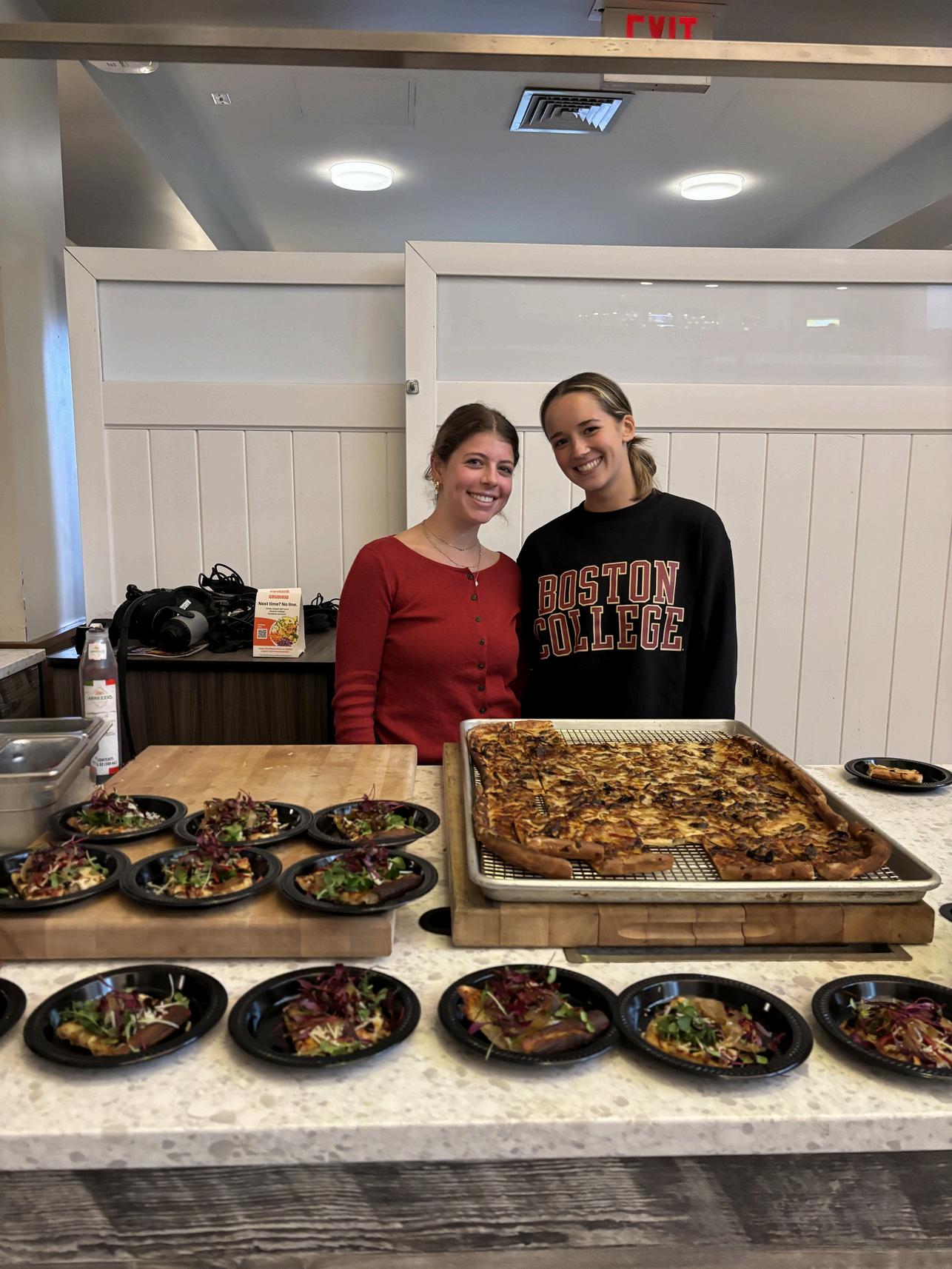
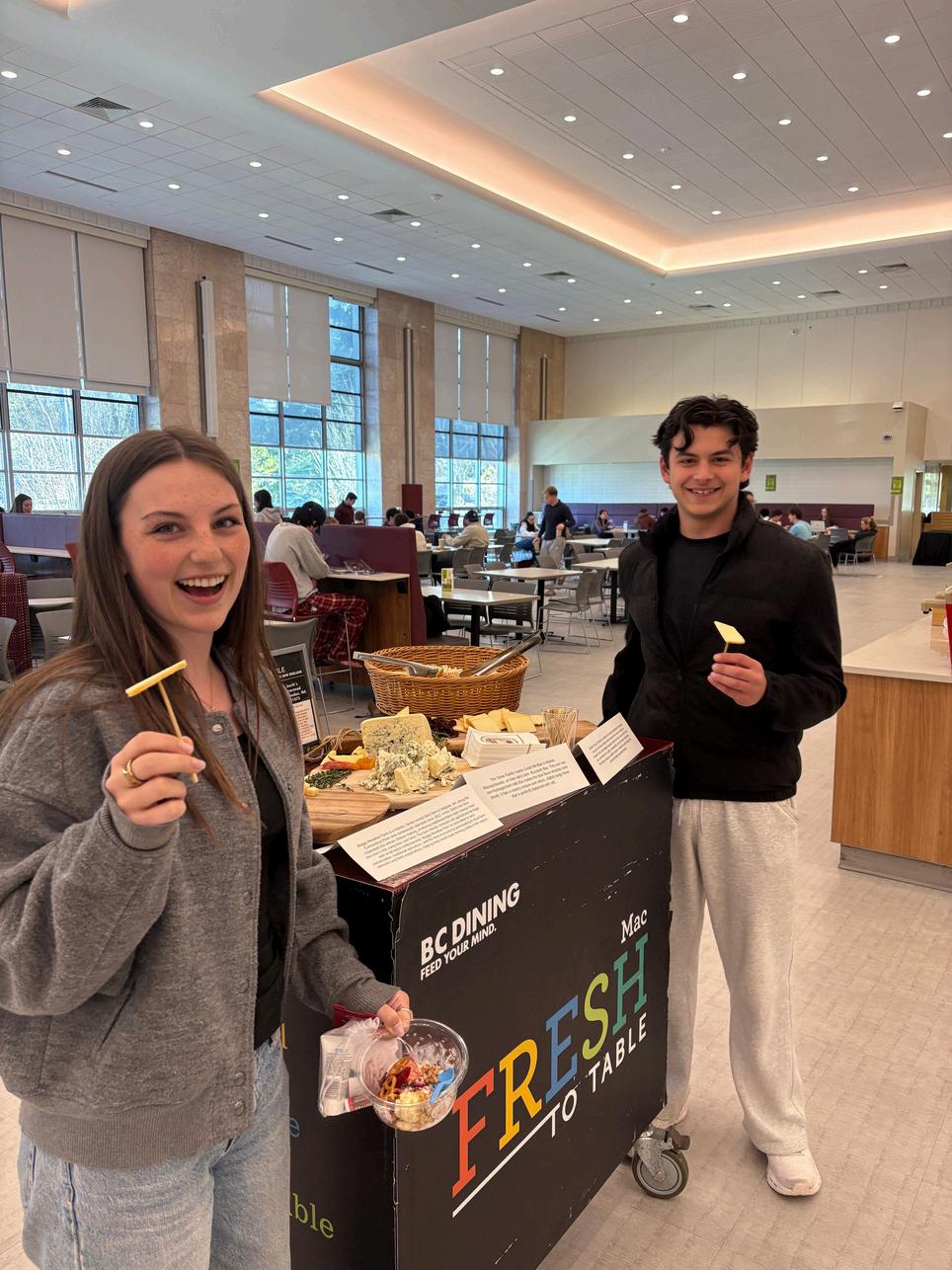
Sustainability Student Interns hosting a FRESH event at Lower Live.
Our Sustainability Vision
LOCALLY AND ETHICALLY SOURCED FOOD
Develop relationships with local growers, manufacturers, and vendors who respect and promote ecologically sound agricultural practices, and food distributors who can trace their products to responsible sources.
STRIVE FOR ZERO WASTE
Reduce our waste footprint. Reduce single-use plastics and combat unnecessary food waste through various methods such as reusable containers and cups, composting, and food donation.
ENGAGE WITH OUR COMMUNITY
Work with a variety of student, university, and community groups to support sustainability initiatives across our dining locations.
BC Dining: By the Numbers
meals served per day
22,000 97% 4,000+ 95K
15 dining locations
240+ Full-Time employees, 900+ PartTime/Student workers
Serving 15000+ students Collaborate with 10 student groups and campus departments
5 Sustainability Interns of back of house food waste composted pounds of food donated reusable containers issued and returned
725.91 tons of waste composted
Our Sustainability Timeline
Students start Every Bite Counts to package leftover food from dining halls for donation around Greater Boston.
2005 Introduced LeanPath smart scales to measure food waste in largest dining units.
Awarded $399K through the Kendall Foundation. 2017
BC Dining wins Gold NACUFS award for Sustainability.

2014 Introduced campuswide recycling and compost in all major dining halls.

2016
First Farmer’s Market at Corcoran Commons.
2017 Launched FRESH to Table to promote regional sustainable menus.
Launch reusable container program to combat single use disposables. 2021
BC Dining wins Bronze NACUFS award for Waste Reduction.
2019


2023
Join Menus of Change University Research
Collaborative
BC Dining wins Silver NACUFS award for Procurement.
2024 Relaunch reusable container program parterning with ReusePass
Waste Reduction: Food Waste
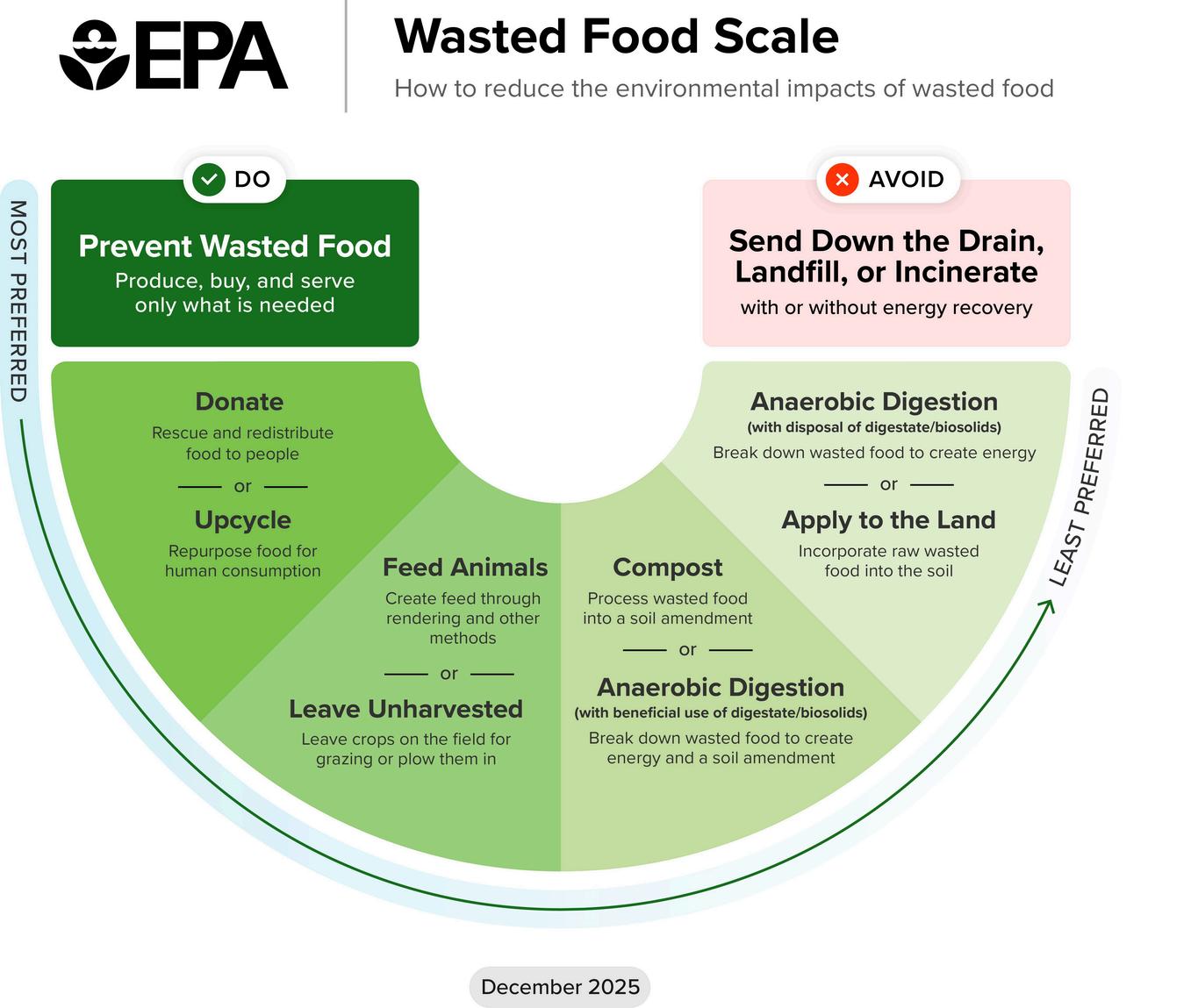
The EPA highlights the most preferred to least preferred methods of managing food waste in their Wasted Food Scale. BC Dining uses methods to prevent, donate, and compost/ anaerobic digestion in order to avoid sending food waste to the landfill.
LeanPath
LeanPath allows BC Dining employees to weigh leftover food and meals produced in excess. This measures which menu items are less popular and predicts trends in which times and days of the week are slower. We are able to track reasons for food waste, days of the week that food is wasted the most, and types of food most often wasted.
During 2025, 97% of food waste measured with LeanPath was composted. During Spring 2026, BC Dining completed 3,296 waste transactions with LeanPath, with over 95% of the food waste being composted. The most common reason for food waste is overproduction, which is a challenging aspect of campus dining to overcome. However, being able to track specific food items that are most often wasted is both environmentally and financially beneficial for the organization. We are always working to limit the amount of waste produced in our dining halls through overproduction, spoilage/expiration, and food trimmings.
During FY 2026, all of our managers received LeanPath training, educating them on the importance of reducing food waste and teaching them how to accurately report food waste to ensure our reporting is as accurate as possible.
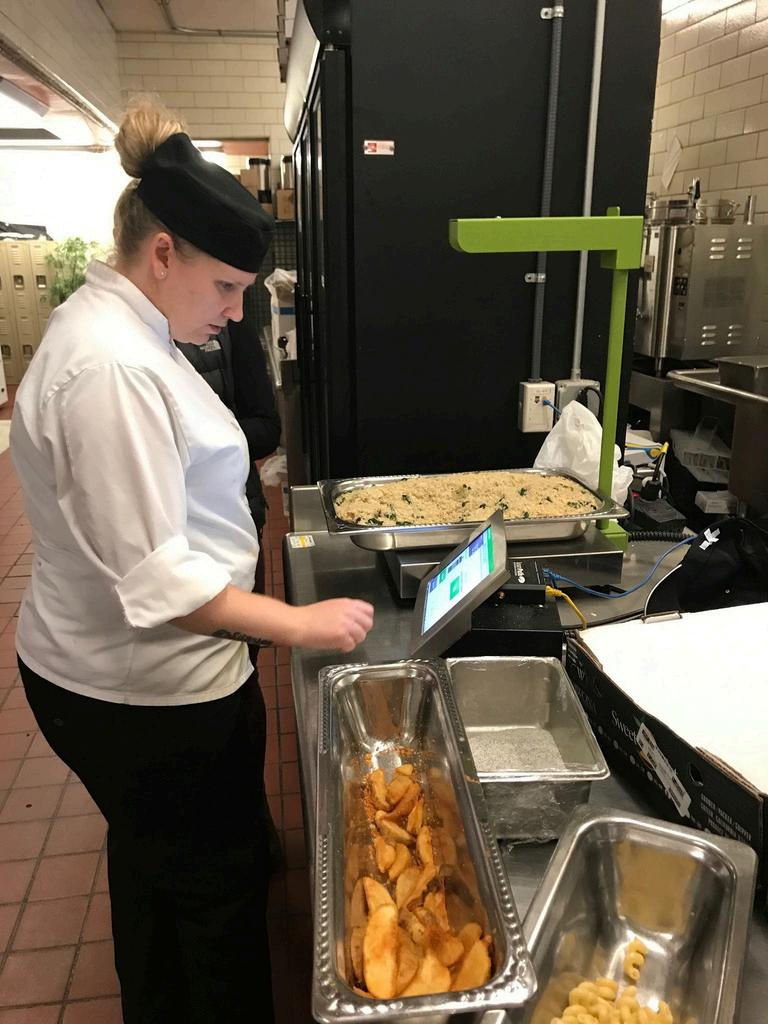
BC Dining Team Member Using LeanPath to measure leftover food.
Food Rescue
Every Bite Counts (eBC) was started in 2005 by students, with the help of Michael Kann, BC Dining’s Associate Director of Food and Beverage at the time. EBC is a student-led volunteer organization that packages meals to be donated to organizations in the Greater Boston area.
Five nights a week, eBC volunteers work in one of our largest dining locations to package leftover food to be picked up by Rescuing Leftover Cuisine, a nonprofit organization that facilitates food recovery and distribution.
During 2025, eBC helped BC Dining save nearly 4,000 lbs of food waste through donation, which is more than 1,000 meals supplied to the Greater Boston Community. During the Spring 2026 semester, eBC saved nearly 1,000 lbs of food waste through donation. EBC’s involvement in our dining halls helps us combat sending food waste to the landfill and helps us support the broader Boston community.
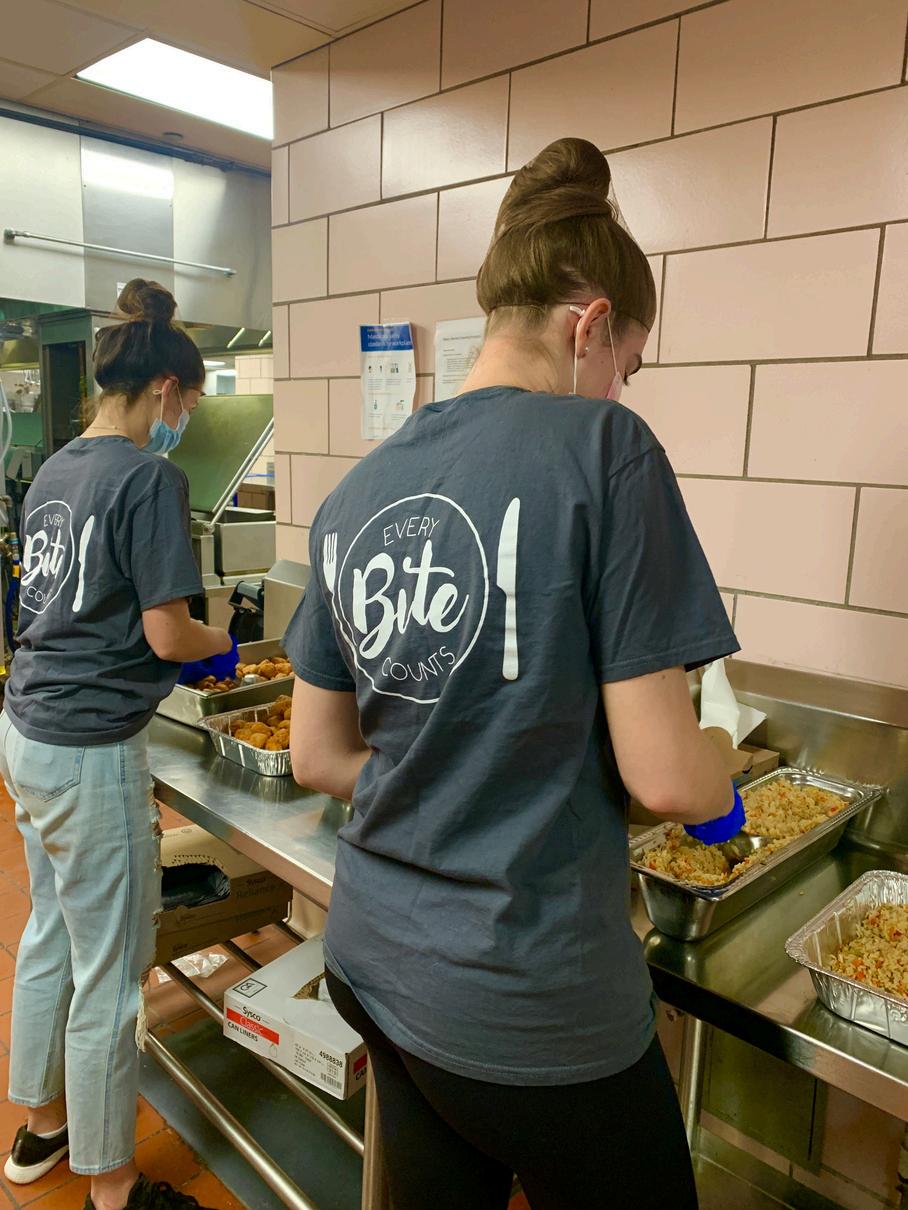
Every Bite Counts student volunteers packaging leftover food in Lower Dining Hall.
Composting
BC Dining’s waste is collected by Casella Waste Systems, a Vermontbased waste management company dedicated to creating solutions that provide economic and environmental value to the community.
The compost that Casella collects is brought to the Waste Management CORe facility in Charlestown, MA where the material is sorted. The organic material becomes a slurry that is then used for co-digestion in an anaerobic digester, where the off-gas is collected for energy, and the final product becomes a soil additive.
During the 2025–2026 academic year, we composted over 700 tons of organic waste, saving that waste from ending up in the landfill.
Additionally, Boston College had a total diversion rate of 35.4%, meaning 35.4% of our total waste was either able to be composted or recycled, diverting waste from the landfill.
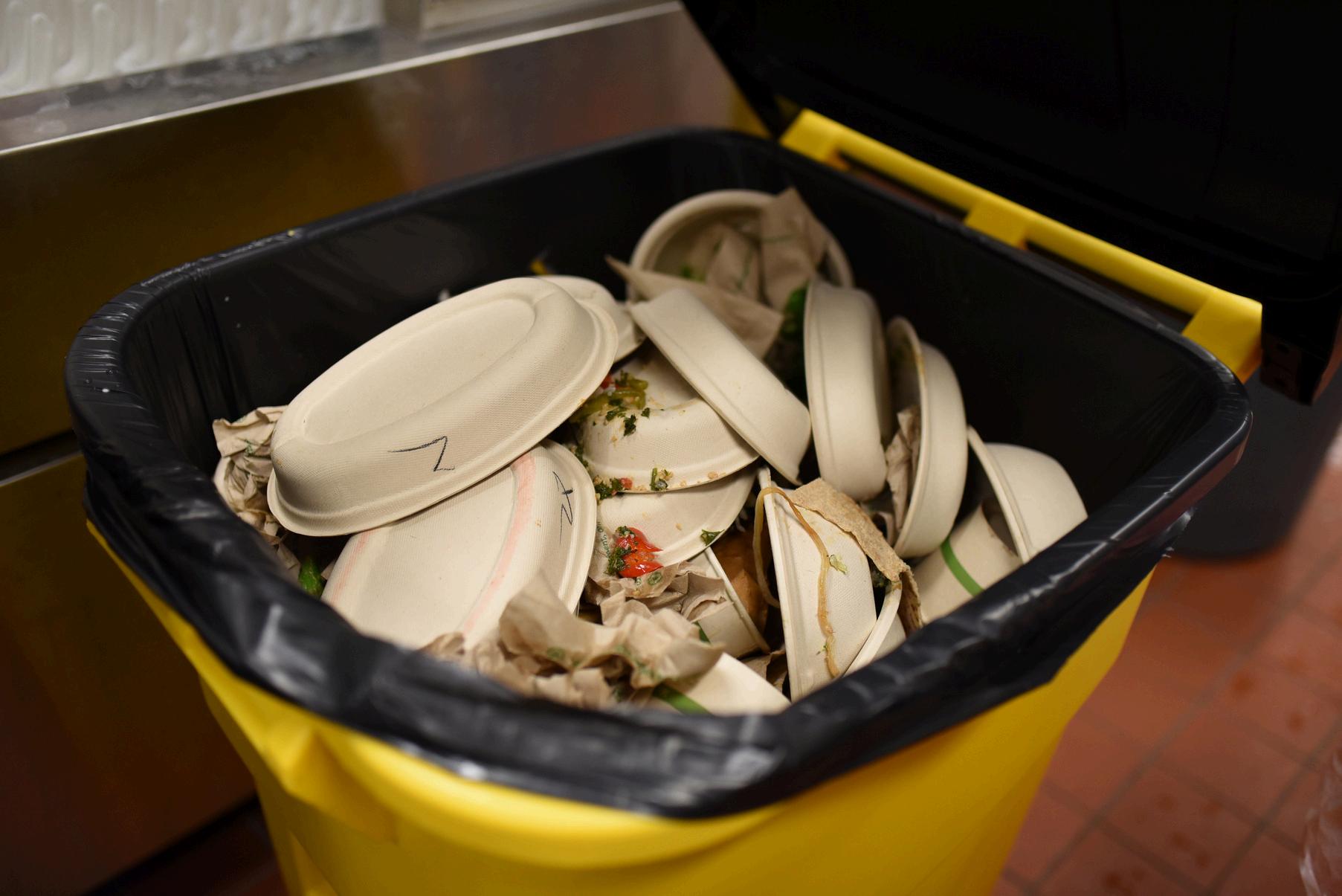
Check out this video to learn how Waste Management turns food waste into renewable energy.
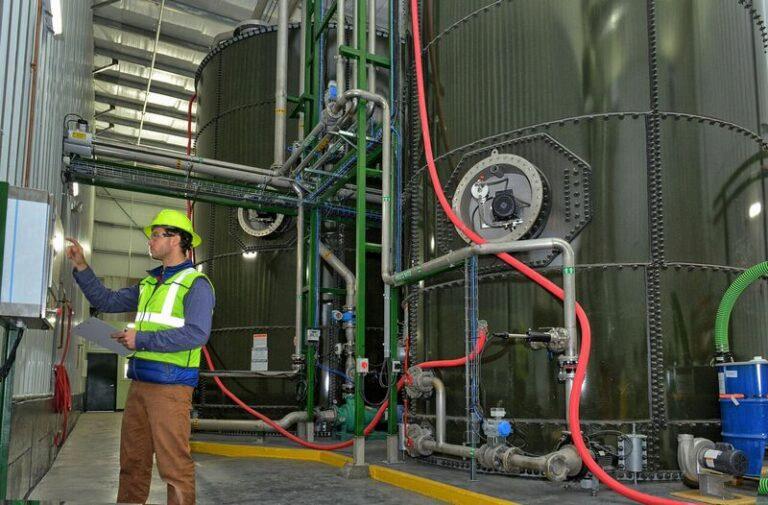
Waste Management CORe Process.
Compost at one of BC’s Dining Halls.
Waste Reduction: Single-Use Waste
BC Dining uses a hierarchy when considering waste management in our dining halls. We prioritize reducing singleuse waste and reusing products, as well as compostable disposals and education surrounding waste sorting. Through these methods, we are able to limit single-use disposables being sent to the landfill as much as possible.
REDUCE + REUSE
COMPOST
RECYCLE TRASH
Choose2Reuse
Our Choose2Reuse Campaign was launched in 2018 to educate students on the importance of choosing reusable items in our dining halls instead of disposables.
All of our main dining locations on campus offer students the opportunity to purchase Choose2Reuse products, which include silverware packages, reusable straws, water bottles, and tote bags. These items can be purchased using the mandatory meal plan, making them accessible to the students who dine in these dining halls. This year, we highlighted these products at our Earth Week Farmer’s Market for first years, which generated more interest in the products.
We also offer student the opportunity to bring their own cup for fountain drinks and coffees in all of our main dining locations. This year, we expanded this offering to two of our specialty locations: Tully Cafe and The Chocolate Bar, with students receiving a 50-cent discount. At these locations, we also offer students the ability to purchase a BC Dining mug for $20. With the purchase of a travel mug, students get a free beverage of their choosing.
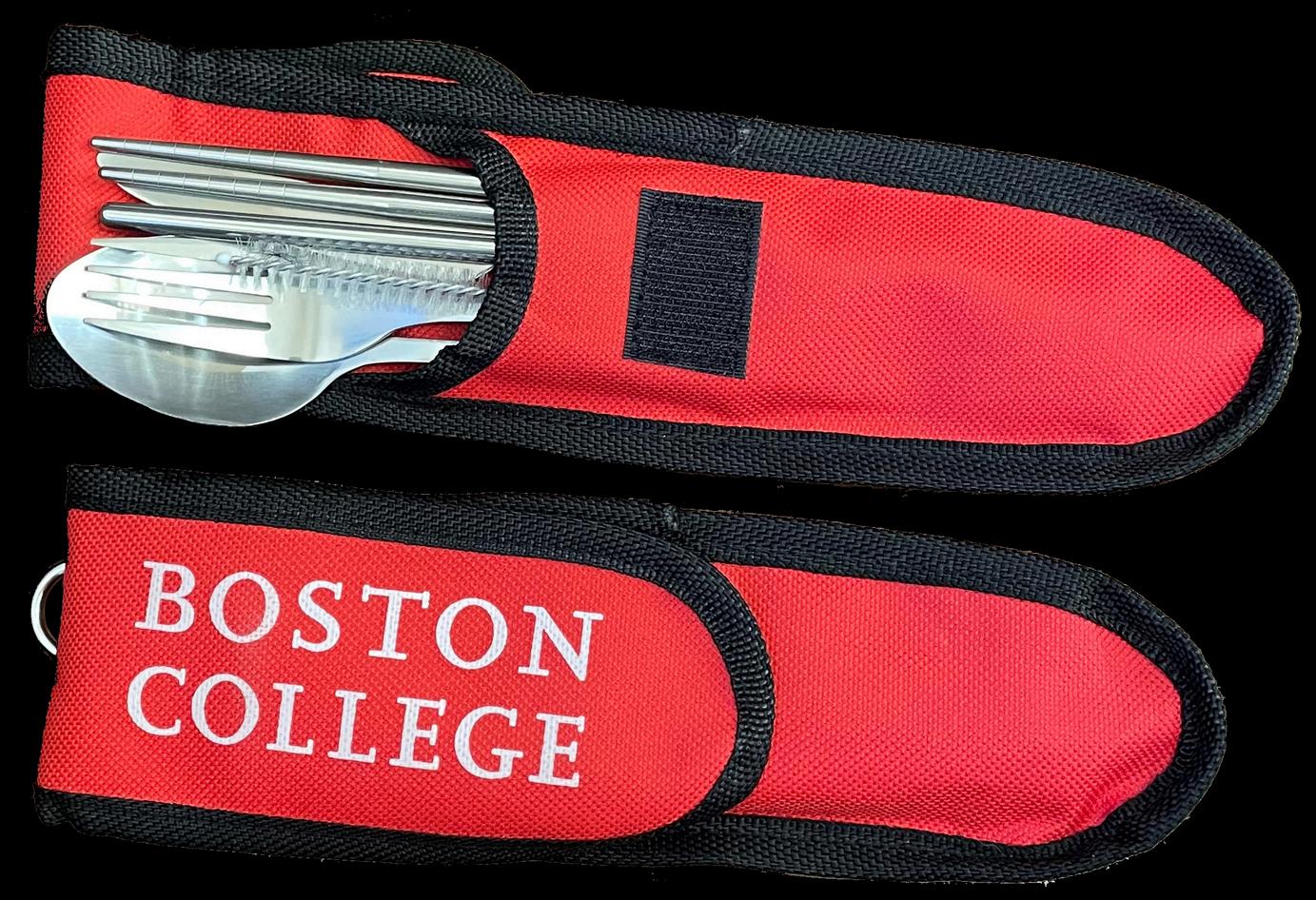

Choose2Reuse Items sold at dining halls.
Green2Go
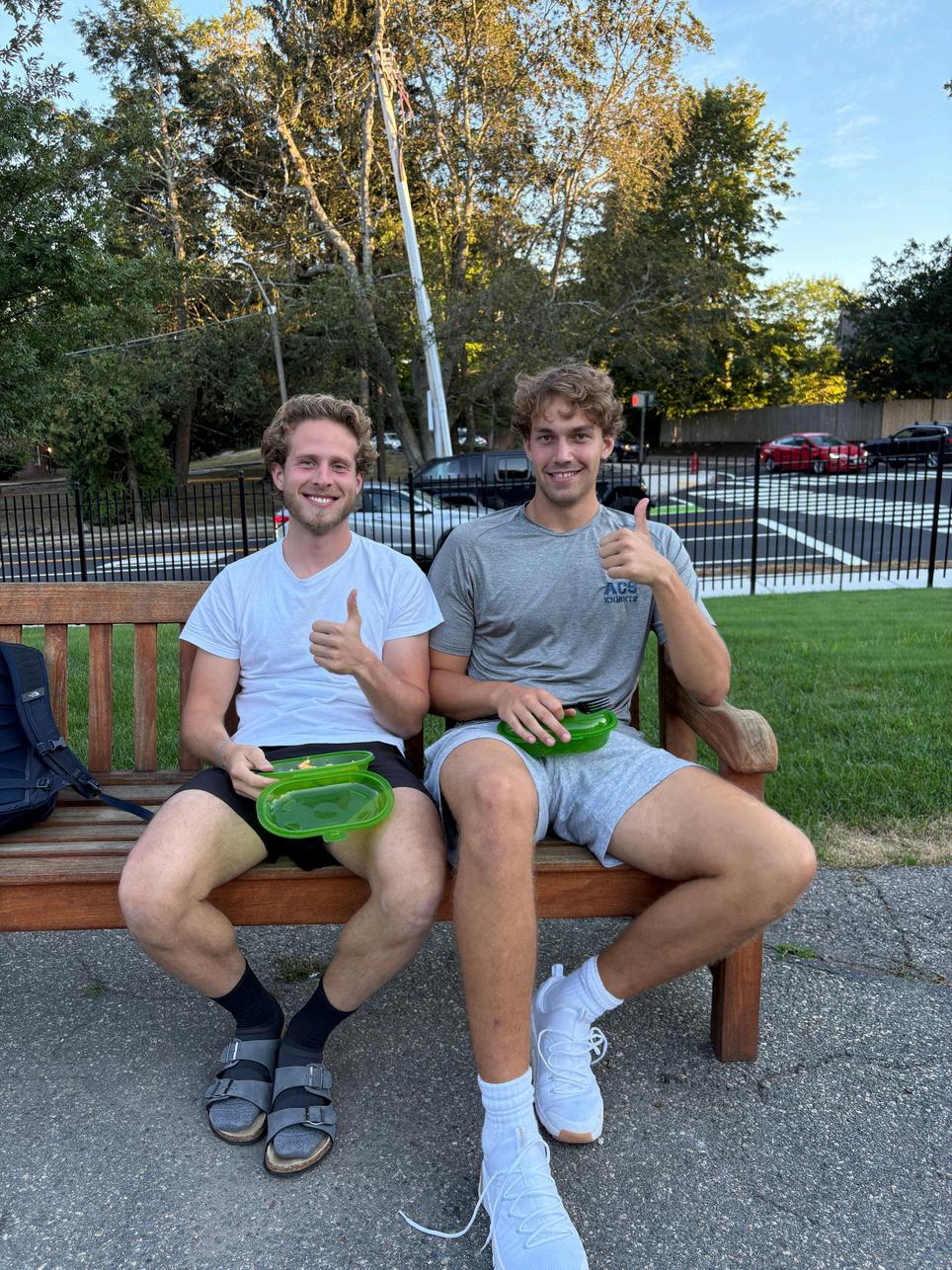
We have partnered with Topanga and their ReusePass program to allow students to check containers in and out and track their environmental impact. Green2Go is available at our four main residential dining locations in addition to our specialty dining locations that serve meals, such as Legal Grounds, Tully Cafe, and Hillside.
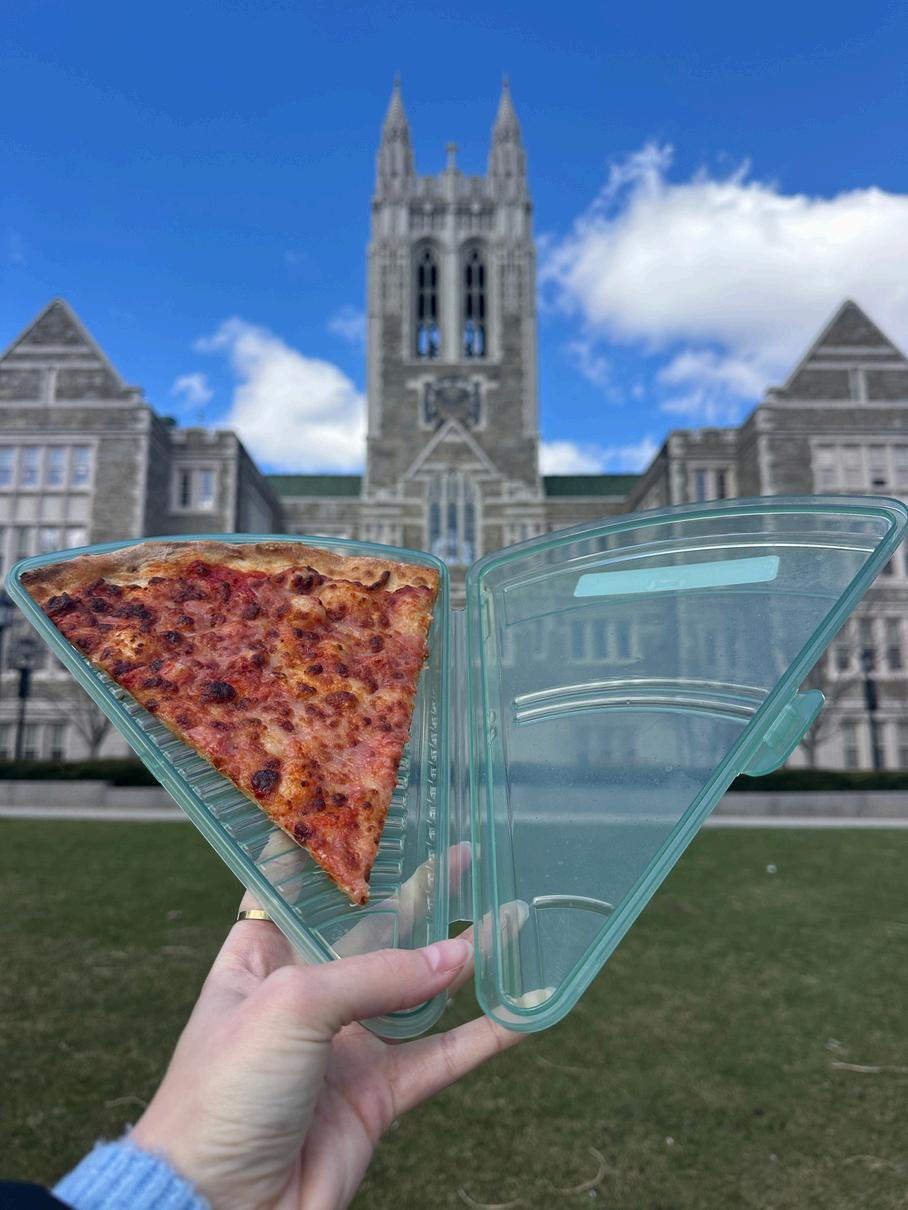
During FY 2026, we completed 96,456 container rentals, and our program has a 96% return rate. Over 2,000 students are signed up for the program and have used Green2Go on campus, which is over 20% of BC’s undergraduate population. This year, we also introduced container shapes, including a pizza container and a soup cup, to increase opportunities for students to use Green2Go containers.
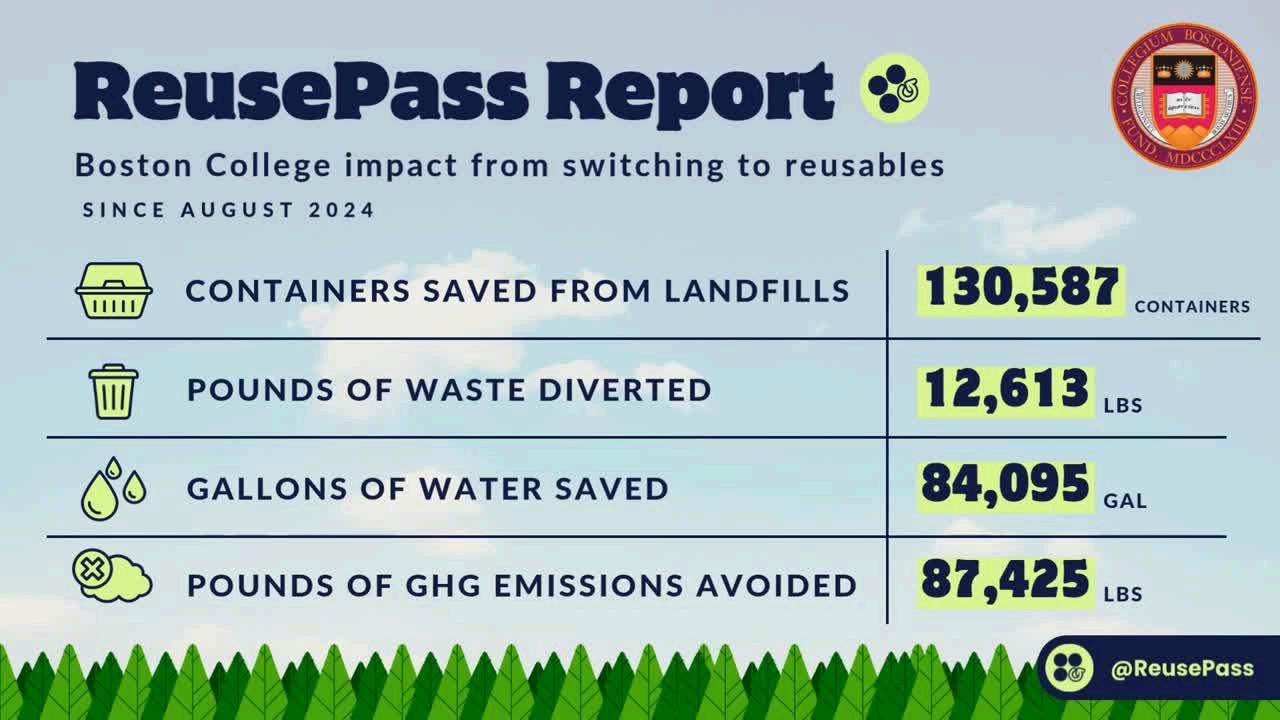
Customers receive a 10% discount when purchasing a meal in a Green2Go container, which motivates students to use the program, both for environmental benefits and financial motives.
For more information about Green2Go, check out our Green2Go website and video tutorial to sign up.
Program impact since it’s launch in August, 2024.
Pizza shaped Green2Go container.
The Magic Wall
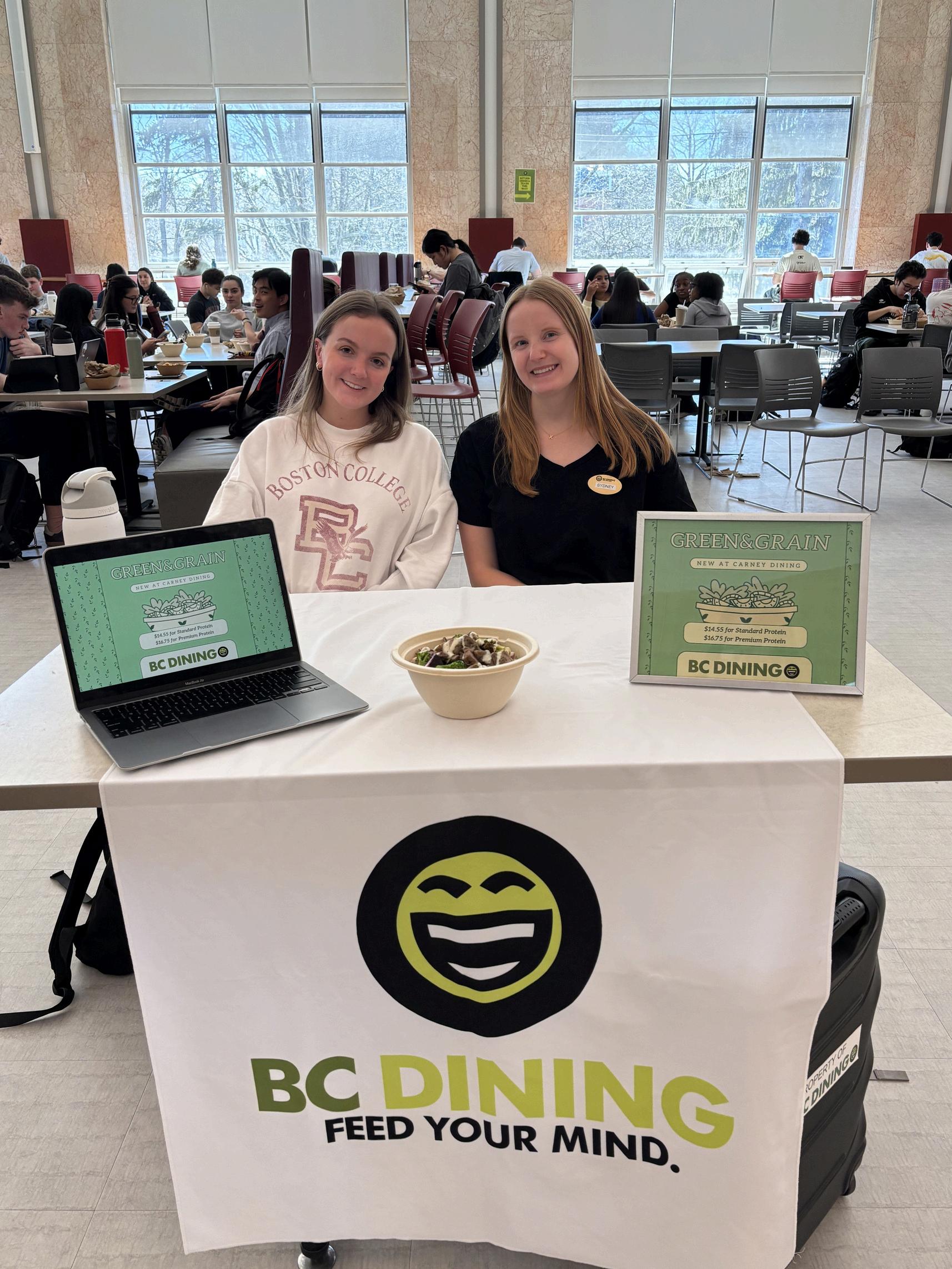
This year, we added a Magic Wall in Carney Dining Hall, our second-largest residential dining hall. This is our second Magic Wall on campus, with the first being at Lower Live.
These dish walls allow trained BC Dining employees to sort through waste and dishes, leading to waste being more accurately sorted into compost, recycling, and trash bins. These employees also ensure that reusable dishes are collected rather than being thrown away.
This leads to less waste being thrown in the trash and less compost and recycling being contaminated with unacceptable items.
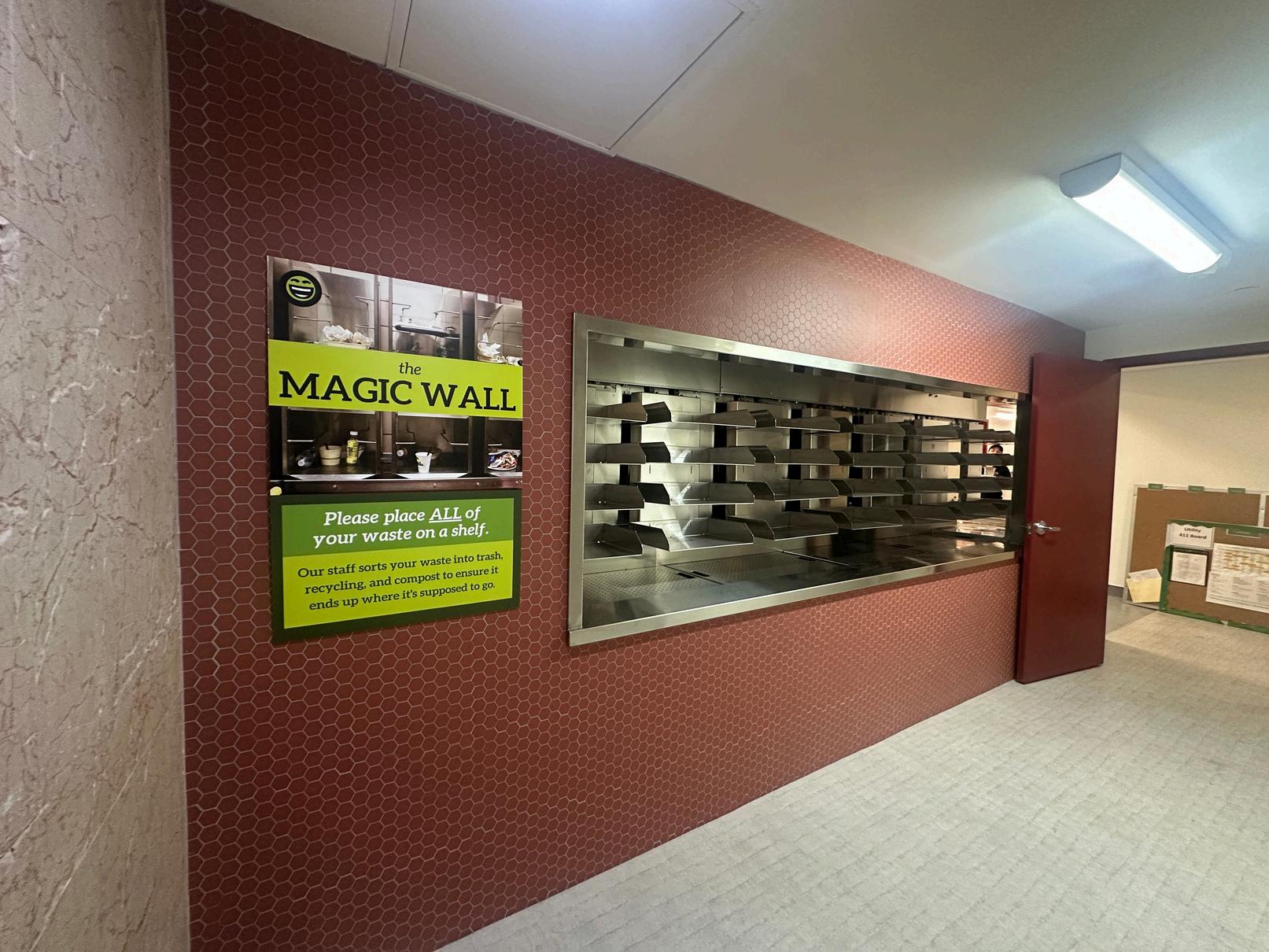
New Magic Wall at McElroy Commons, launced in August 2025.
Low Impact Disposables
While our goal is to rely entirely on reusable dishes and containers in the future, we strive to reduce the environmental impact of the single-use items that we currently use.
All Grab and Go containers are recyclable, and BC Dining’s disposable silverware for take-out meals is made entirely from recycled plastics.
BC Dining uses 100% compostable salad bowls, coffee cups, soda cups, soup bowls, and burrito bowls from World Centric, a certified B-Corp.
We also strive to increase clarity in our dining hall waste streams, making recycling and composting easily accessible and understandable for all customers. Student interns regularly raise awareness through events and social media to educate students on proper waste disposal.

Sample compost signage posted around dining locations.
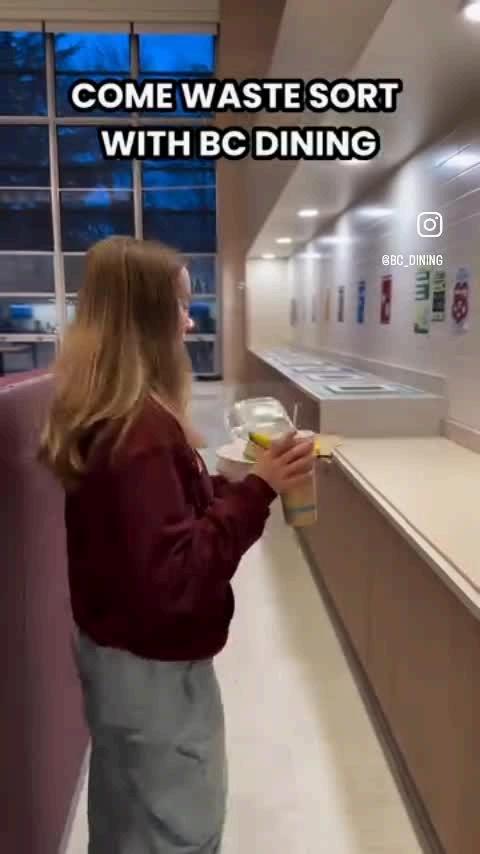
Educational Waste Sorting reel posted to BC Dining Instagram.
Sustainable and Local Sourcing F R
fairly traded regional
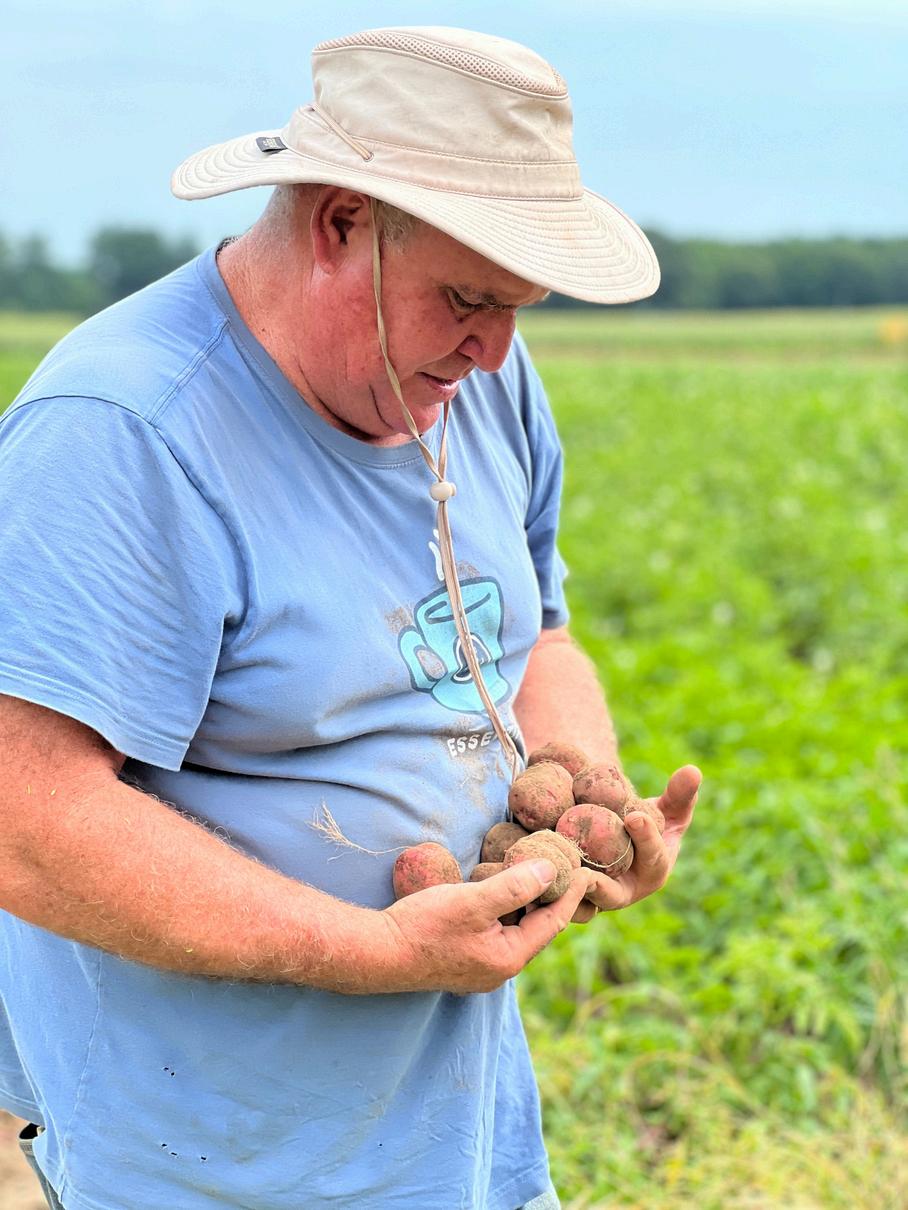
BC Dining makes many efforts to increase the amount of local and sustainable food we serve in our dining halls. Additionally, we are committed not only to serving sustainable foods but also to educating the community on the importance of these efforts and choices surrounding food. Our FRESH parameters guide our events and initiatives surrounding local and sustainable sourcing.
Local Vendors
BC Dining defines “Local” as being grown and sourced in New England, or the states of Maine, Vermont,
New Hampshire, Massachusetts, Connecticut, or Rhode Island.
Baked Goods:
Ashley's Confections - Cumberland, RI
Fantini Baking Co - Haverhill, MA
Fireking Baking Company - Braintree, MA
One Mighty Mill - Lynn, MA
Pain d'Avignon - Hyannis, MA
Dairy:
Ben and Jerry’s - Burlington, VT
Cabot Creamery - Waitsfield, VT
Maplebrook Farm - North Bennington, VT
New England Ice Cream - Norton, MA
Vermont Creamery - Websterville, VT
Grocery:
88 Acres - Canton, MA
Cedar's Mediterranean - Ward Hill, MA
Deep River Snacks - Deep River, CT
Equal Exchange - West Bridgewater, MA
Grandy Organics - Hiram, ME
Ken's Foods - Marlborough, MA
Kettle Cuisine - Lynn, MA
Lily's Fresh Pasta - Everett, MA
Nellie's Free Range - Salem, NH
Stuffed Foods - Wilmington, MA
Produce:
Fat Moon Farm - Westford, MA
Little Leaf Farms - Shirley, MA
Ocean Spray - Lakeville-Middleboro, MA
Penobscot McCrum - Washburn, ME
Twin Oaks Farm - Hadley, MA
Ward's Berry Farm - Sharon, MA
Meat/Poultry/Seafood:
North Coast Seafoods - Boston, MA
FRESH to Table Initiative
FRESH to Table is BC Dining’s initiative aimed at increasing our procurement of food that is environmentally, economically, and socially sustainable. This program began in 2017 with a generous donation from the Henry P. Kendall Foundation.
The Henry P. Kendall Foundation is dedicated to creating resilient and healthy food systems in New England. They seek to increase the amount of food produced and grown regionally in New England to 50% by 2060. By having the FRESH to Table initiative, BC Dining can work towards this goal through educating students and sourcing from regional vendors.
We seek to source from vendors that meet at least two of our five FRESH parameters: fairly traded, regional, equitable, sustainable, and healthy. This not only promotes sustainability but also aligns with our goal of serving our community with healthy foods.
BC Dining has a sustainability intern dedicated to hosting events that highlight our five FRESH parameters and educate the student body about our goals surrounding local and sustainable food systems.
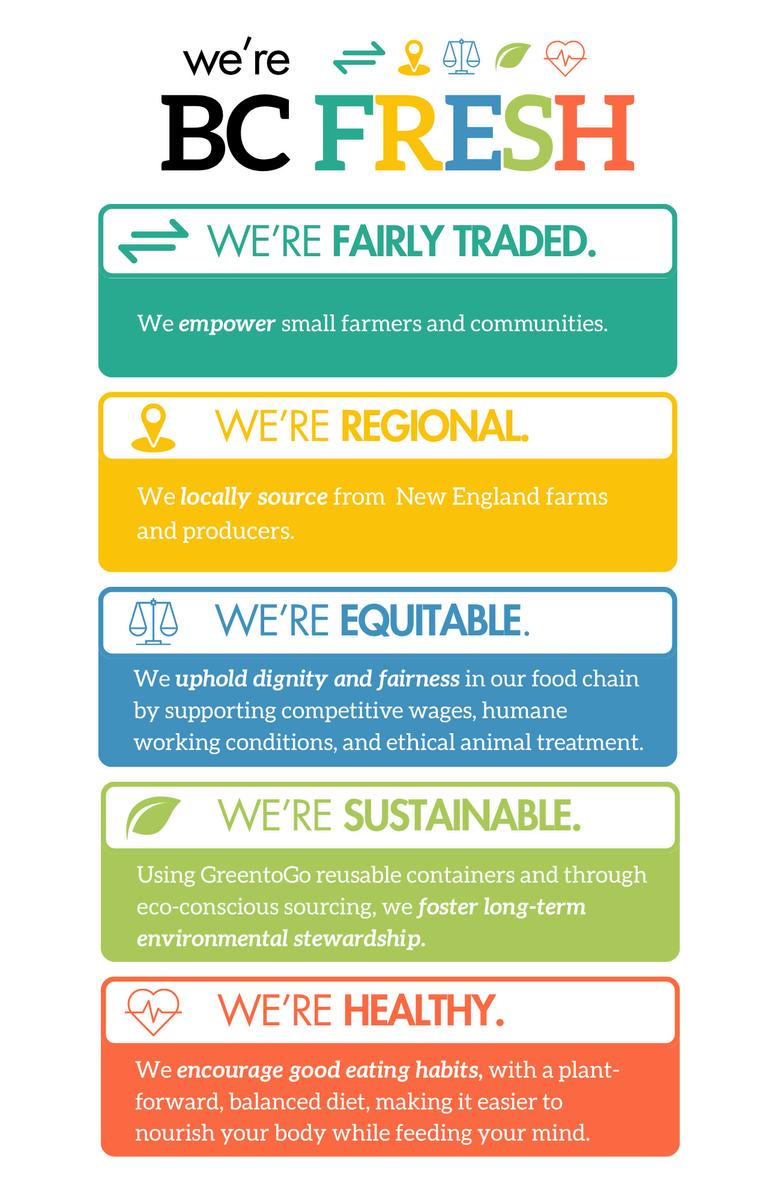
BC Dining FRESH standards signage.
FRESH to Table Events
Every week during dinner, BC Dining hosts FRESH events at rotating dining halls to highlight vendors or homemade recipes that meet at least two of our five FRESH standards. We reach about 150 students each night with free samples and educational materials about our FRESH program and vendors’ specific qualities that make them “FRESH.”
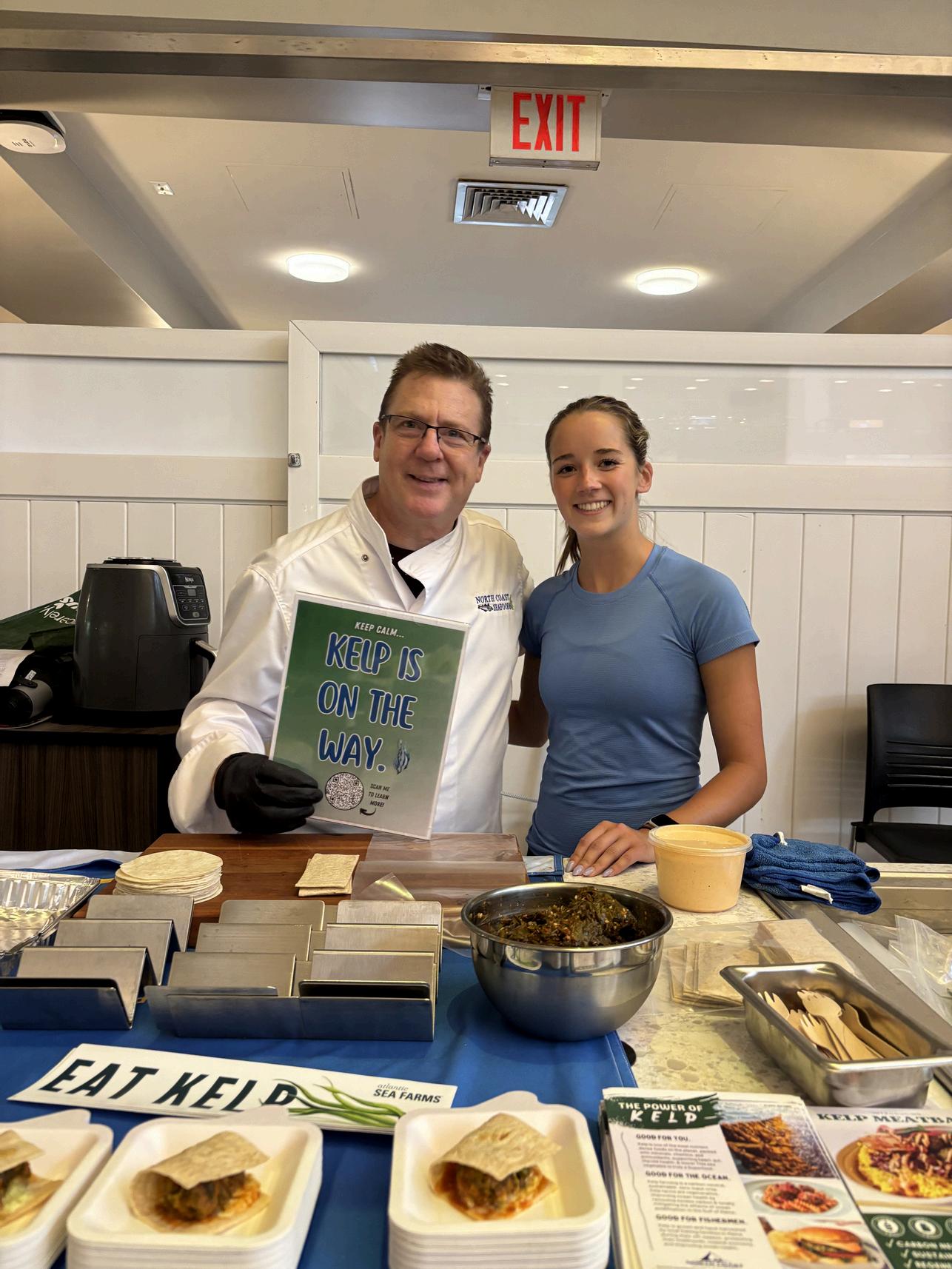
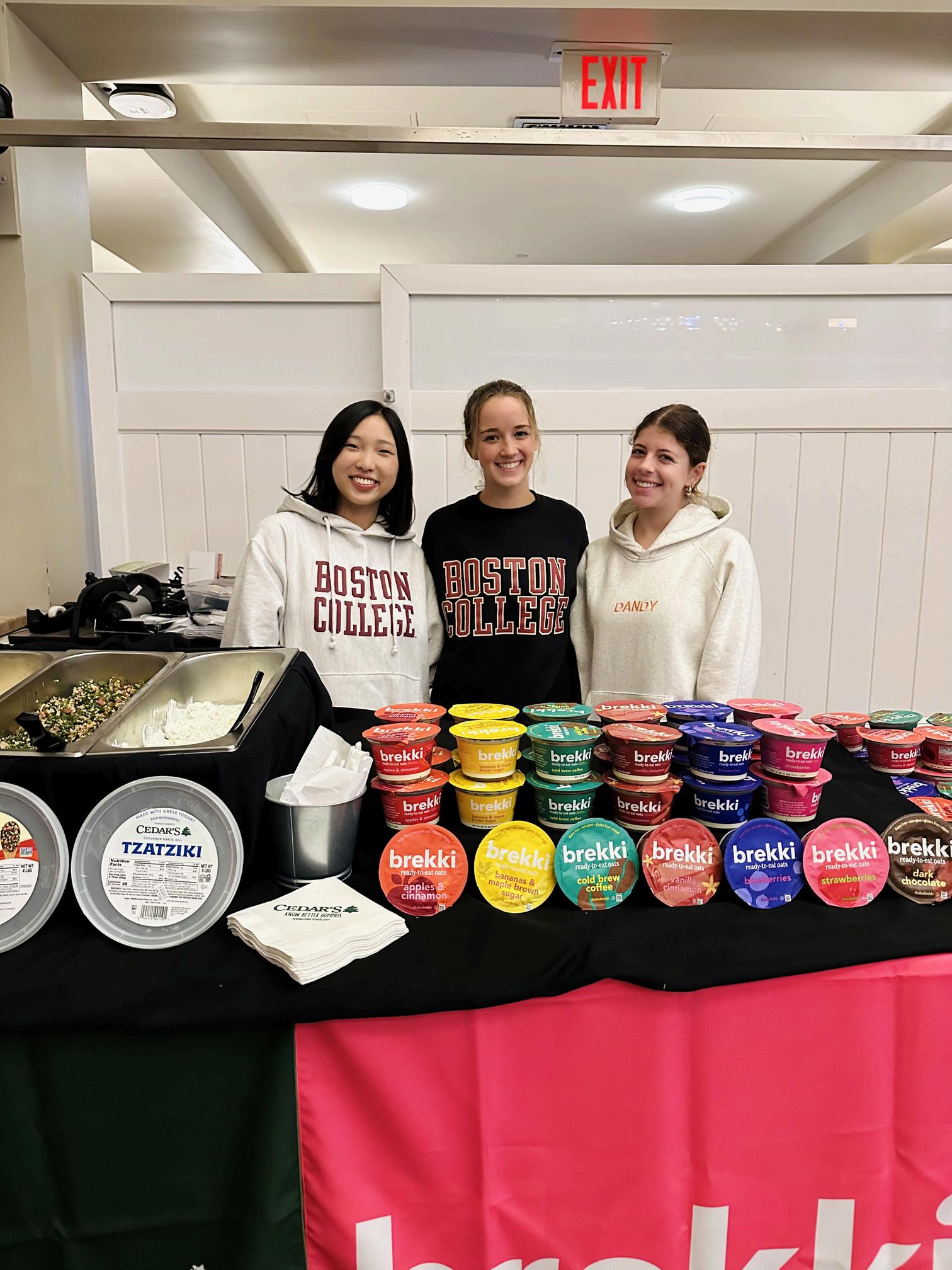
During the 2025–2026 Academic year, we hosted 21 FRESH events across our four residential dining halls. We had six vendors visit, including Chobani, Fireking Baking Co, Cedar’s Mediterranean, North Coast Seafoods, Grandy Organics, and Lilly’s Fresh Pasta.
We also highlighted over 15 recipes, either of our own or suggested by our FRESH intern. We use these events as opportunities to showcase recipes we already highlight in our rotating menus, or that we are considering introducing into our dining halls. Student feedback helps us maintain student enjoyment while increasing the amount of FRESH foods we serve in our dining halls daily.
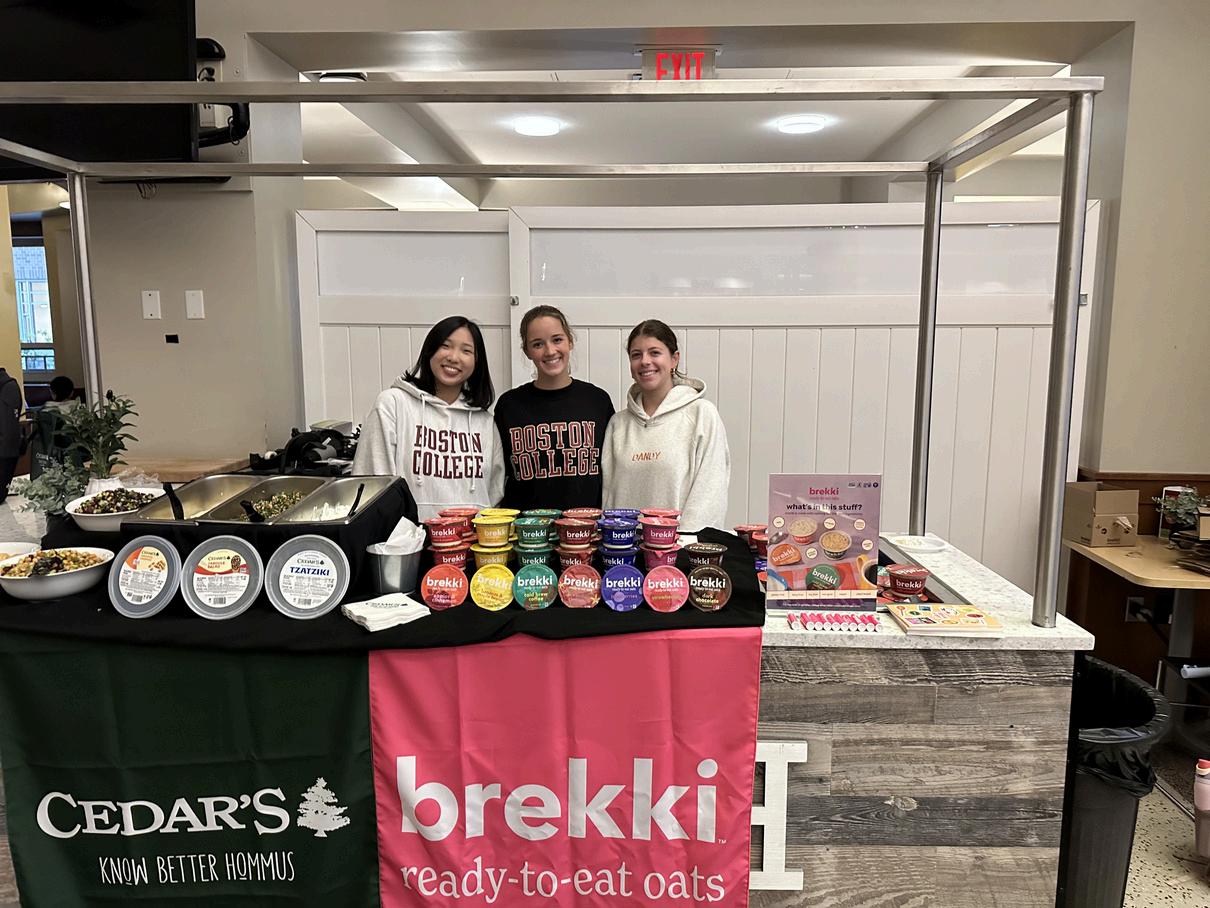
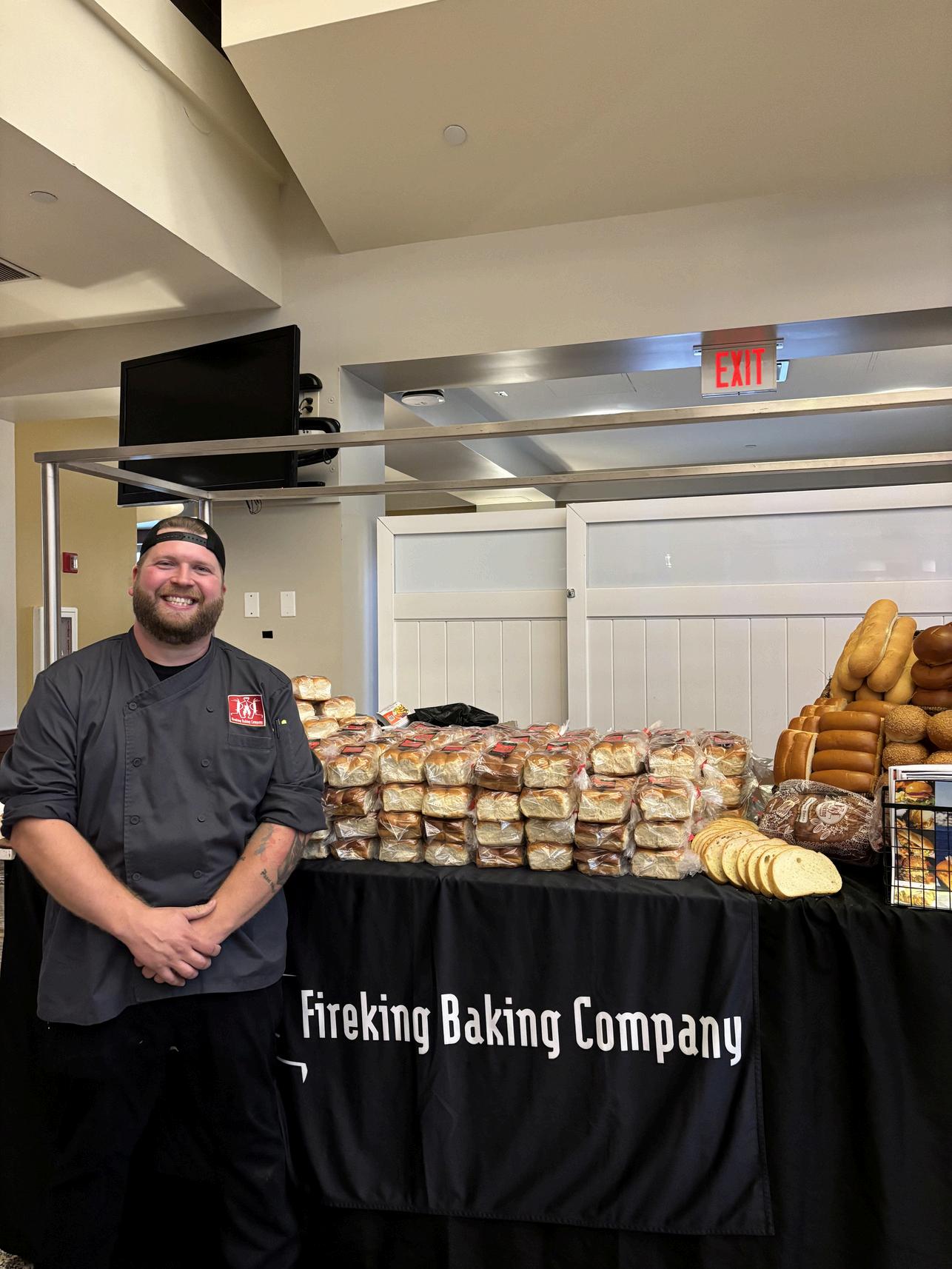
Two vendor visit events hosted at Lower Live by our FRESH intern.
Menus of Change University Research Collaborative
BC Dining prioritizes increasing plant-based protein options to reduce our carbon impact. In this effort, we partner with Menus of Change University Research Collaborative (MCURC). MCURC compiles data on the environmental impact of food procurement, specifically related to proteins.
Plant protein made up 23% of total protein purchased by BC Dining in 2019 and increased to 41% in 2024. These plant proteins include grains, legumes, and nuts/seeds.
In 2019, food-related GHG emissions per kg of protein was 7.21 ghg/kg, which decreased to 6.2 ghg/kg in 2024, which is a 14% decrease. MCURC set a collective target of reducing greenhouse gas emissions from protein purchases by 40% by 2030. BC Dining’s progress in increasing plant protein puts us on track to meet this target, both on our own and in collaboration with Menus of Change.
Farmers Market
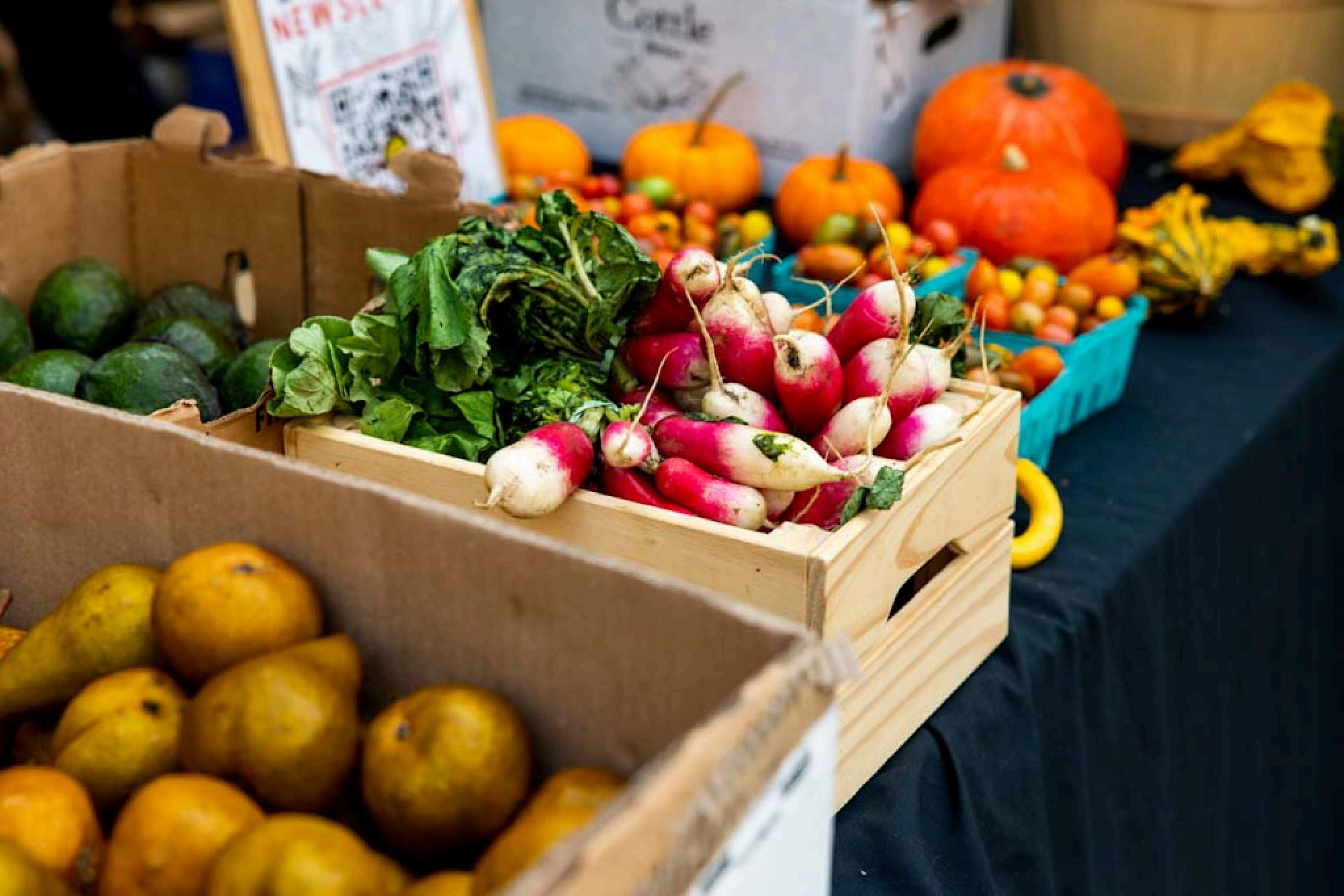
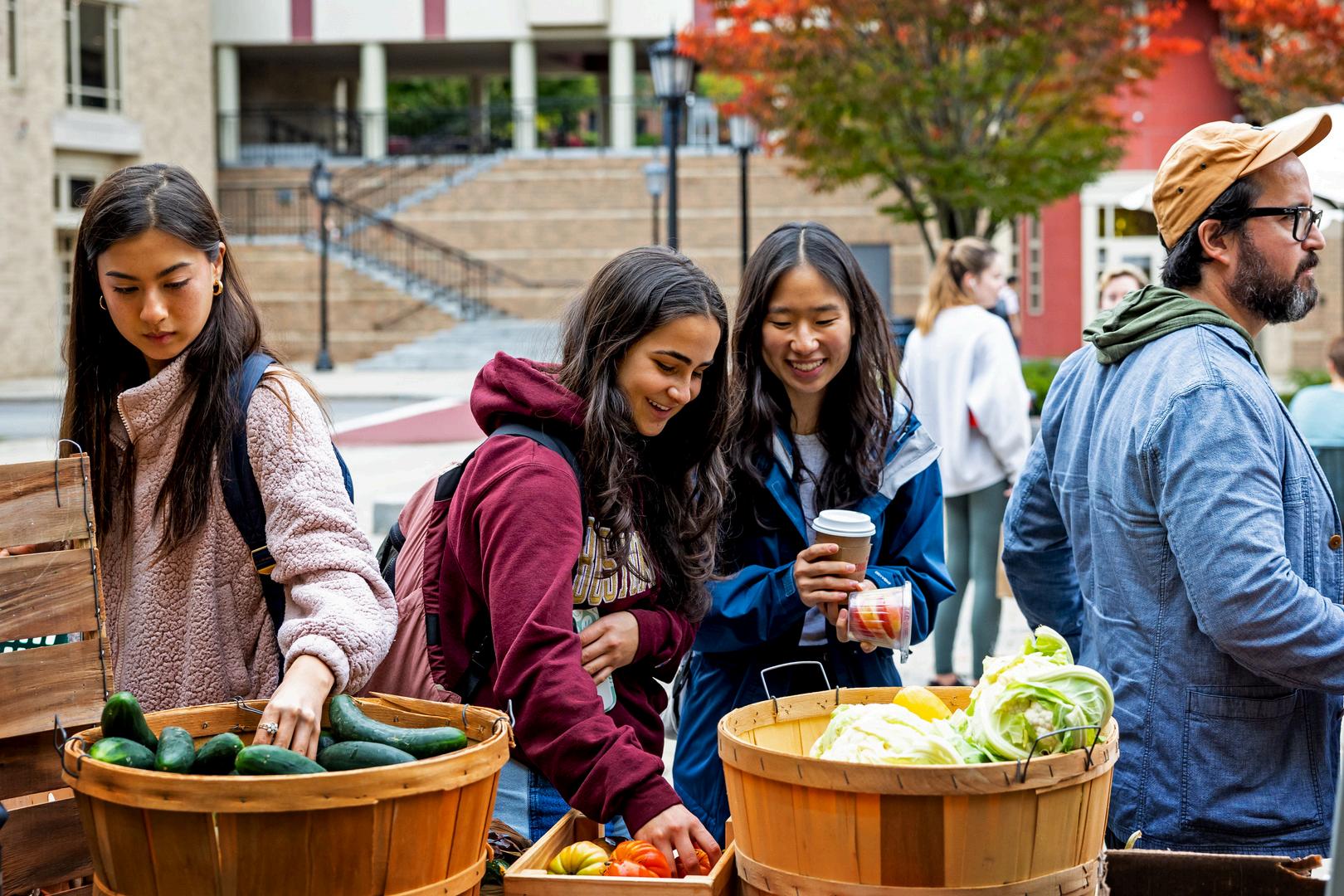
Our Farmers Market is held on Fridays during the fall semester on Lower Campus, outside of our largest residential dining hall. We provide students with locally sourced fruits, vegetables, dairy, eggs, and bread, as well as fresh-baked goods from the BC Bakery. All products at the Farmers Market are available for purchase on the mandatory meal plan, making local, sustainable food more accessible to students.
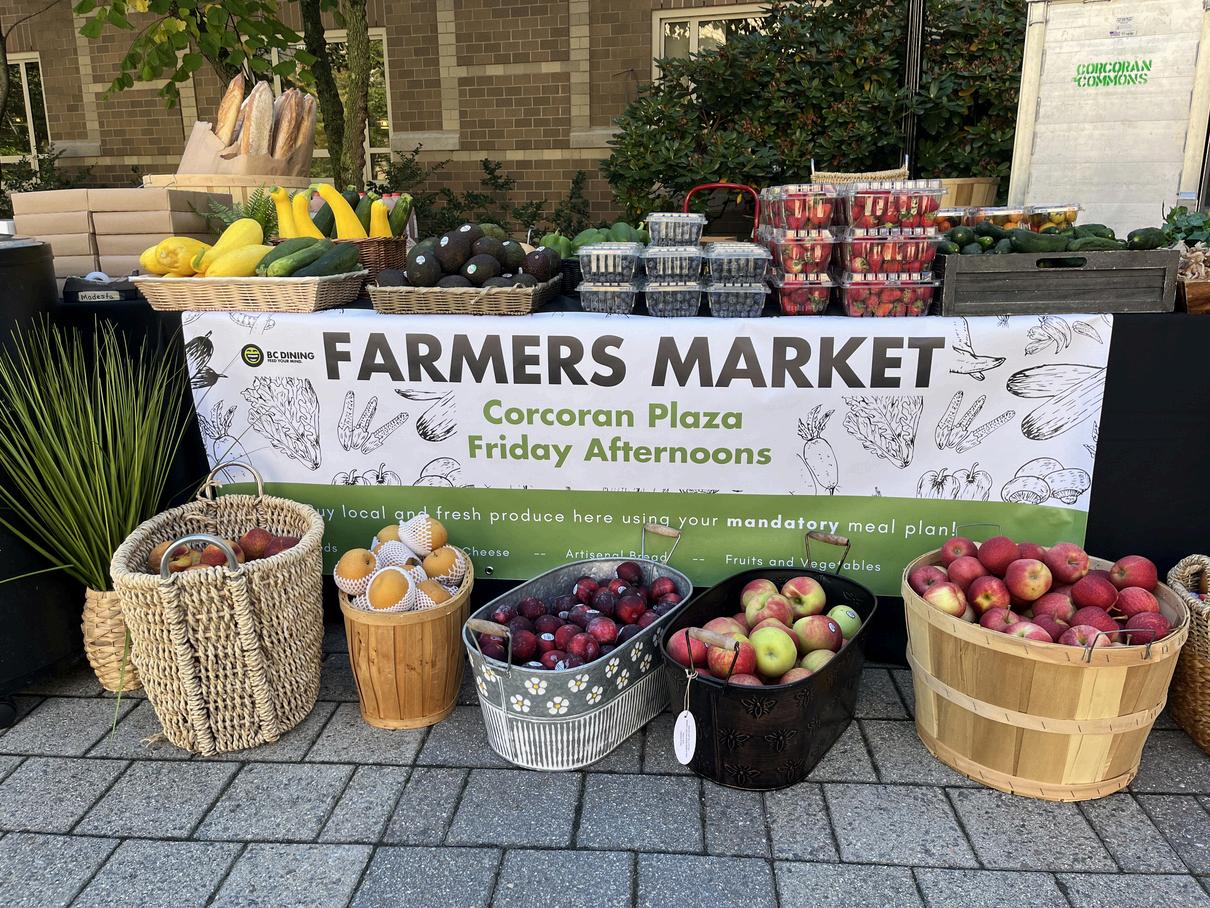
Some of the vendors showcased at the Farmers Market include Pain D’Avignon, 88 Acres, Nellie’s Free Range Eggs, Cabot Creamery, Wards Berry Farm, Maplebrook Farm, and Vermont Creamery.
During the 2025–2026 academic year, we hosted 14 Farmers Markets on Lower Campus during the fall semester and two Farmers Markets, one on Lower Campus and one on Upper Campus, during the spring semester to celebrate Earth Day.
Our Student Interns use the Farmers Market to engage with the BC Community and market our other sustainability initiatives and programming.
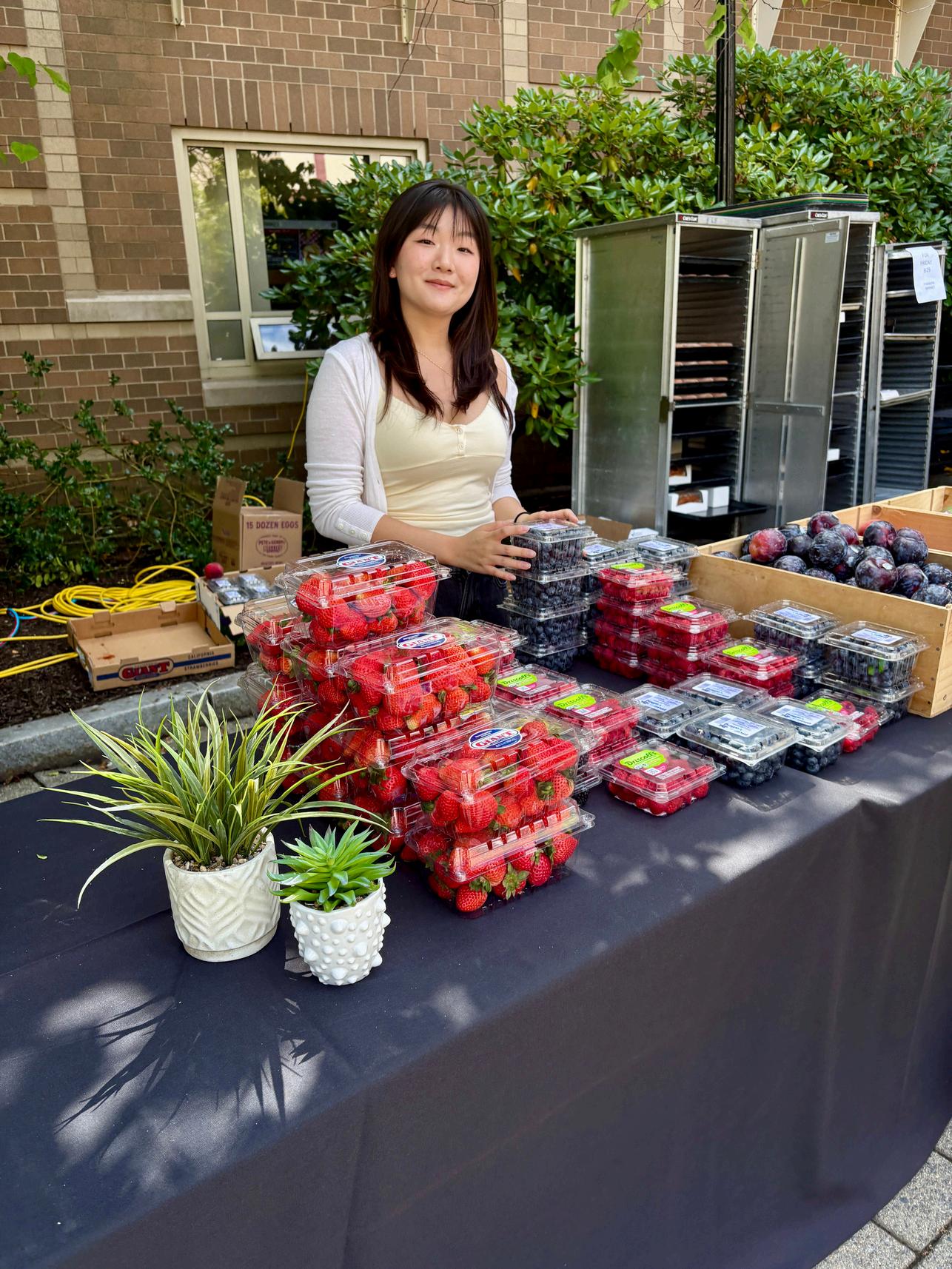
Farmers Market outside Corcoron Commons.
Community Engagement
Part of BC Dining’s mission is to foster community, dialogue, and friendship. We do so through our partnership with student organizations, hosting educational and enjoyable events, and highlighting members of our community.
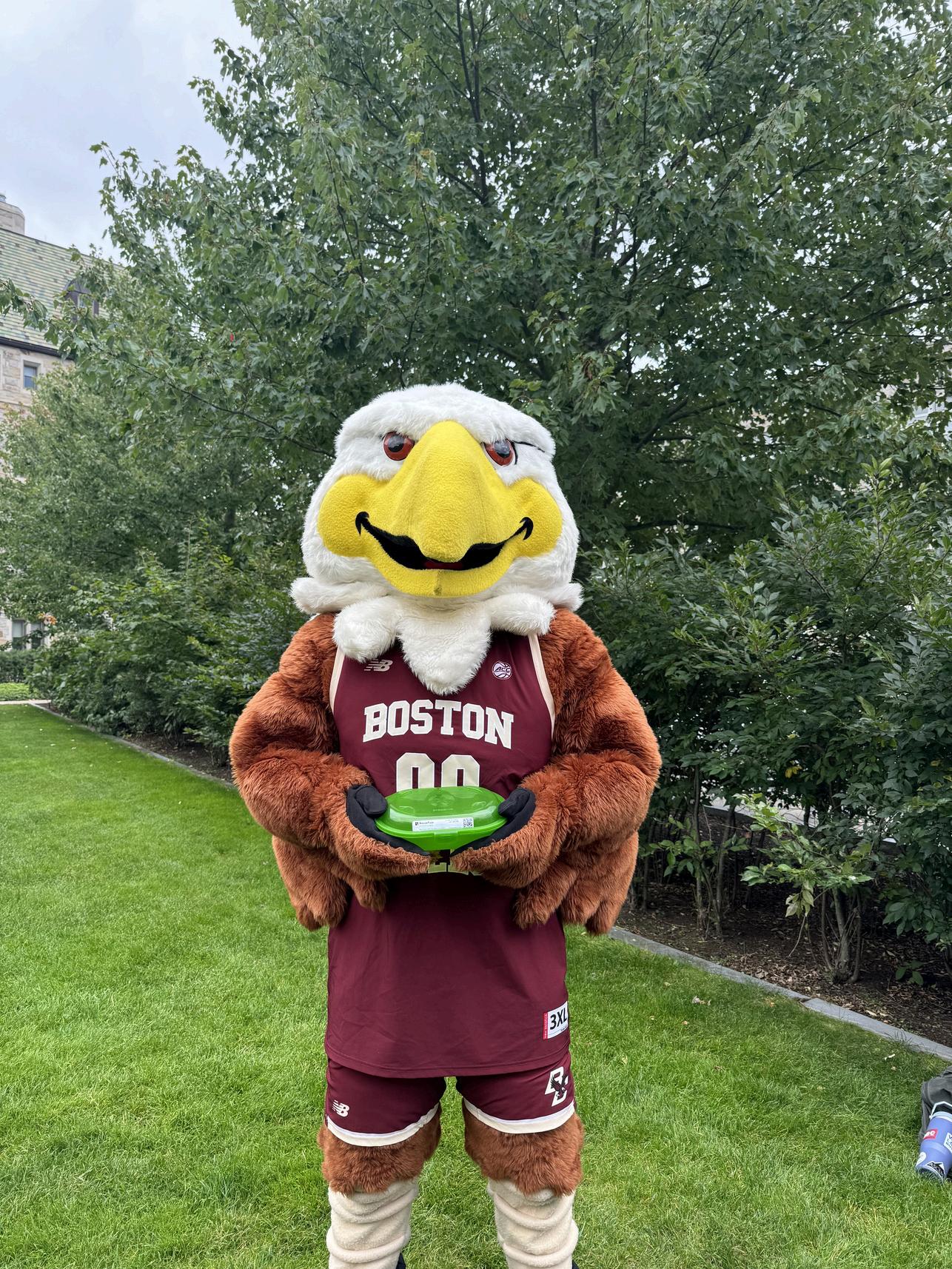
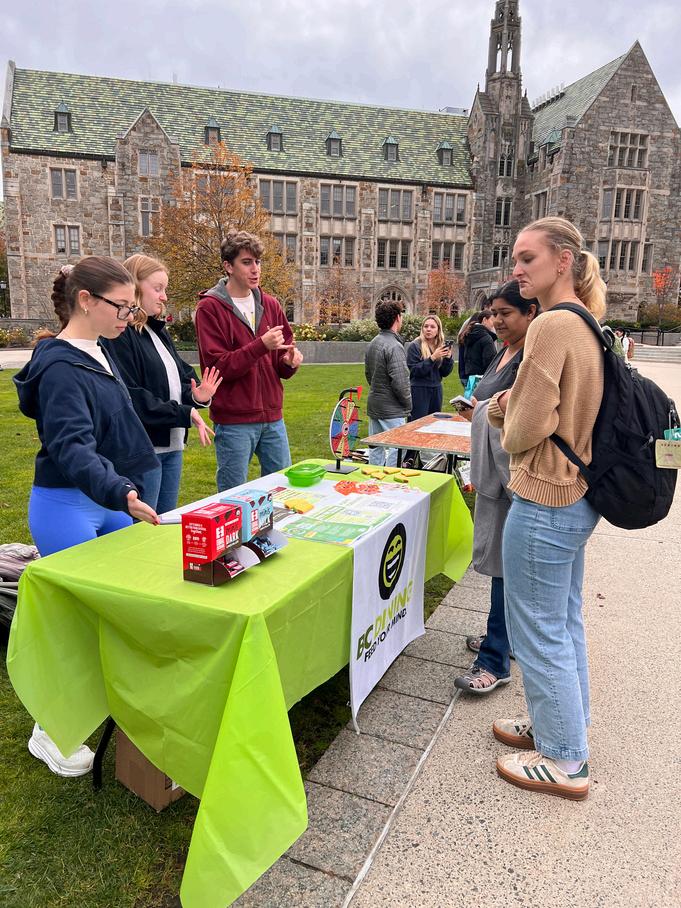
BC Mascot, Baldwin, at First-Year Green2Go Dinner. Educational tabling event in collaboration with other sustainability groups across campus.
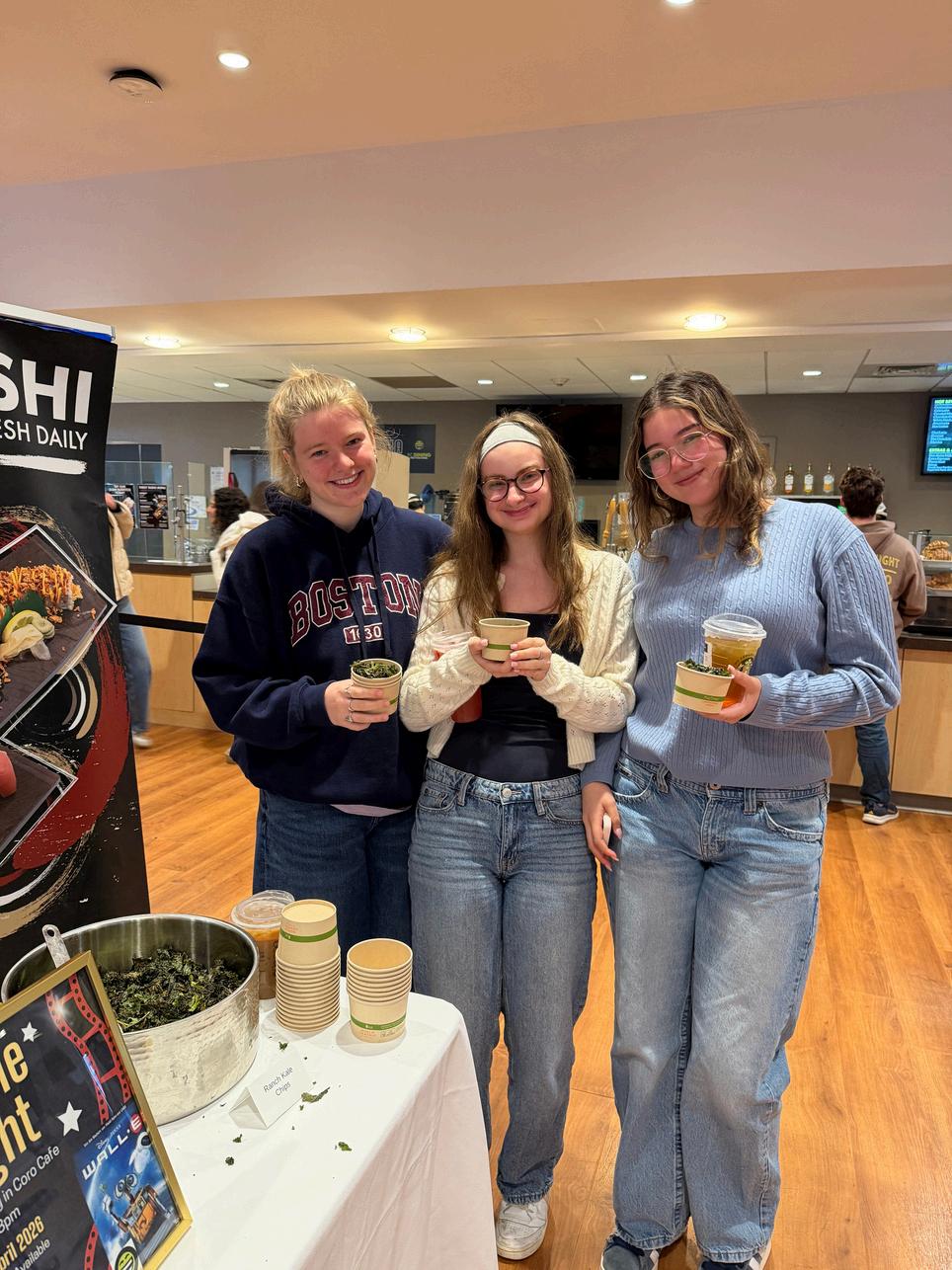
Sustainable snack tasting and movie night with EcoPledge.
Campus Partners
BC Dining is proud to work with student groups across campus to promote sustainability.
Undergraduate Government of Boston College:
BC Dining frequently works with the Undergraduate Government of Boston College, which works closely with both students and administrators. They sponsor our annual Green2Go dinners, partner with us for dish collections, and previously partnered with us to host the Sustainable Action Committee.
EcoPledge:
EcoPledge is an environmental student organization that hosts semesterly weeklong Sustainability celebrations.
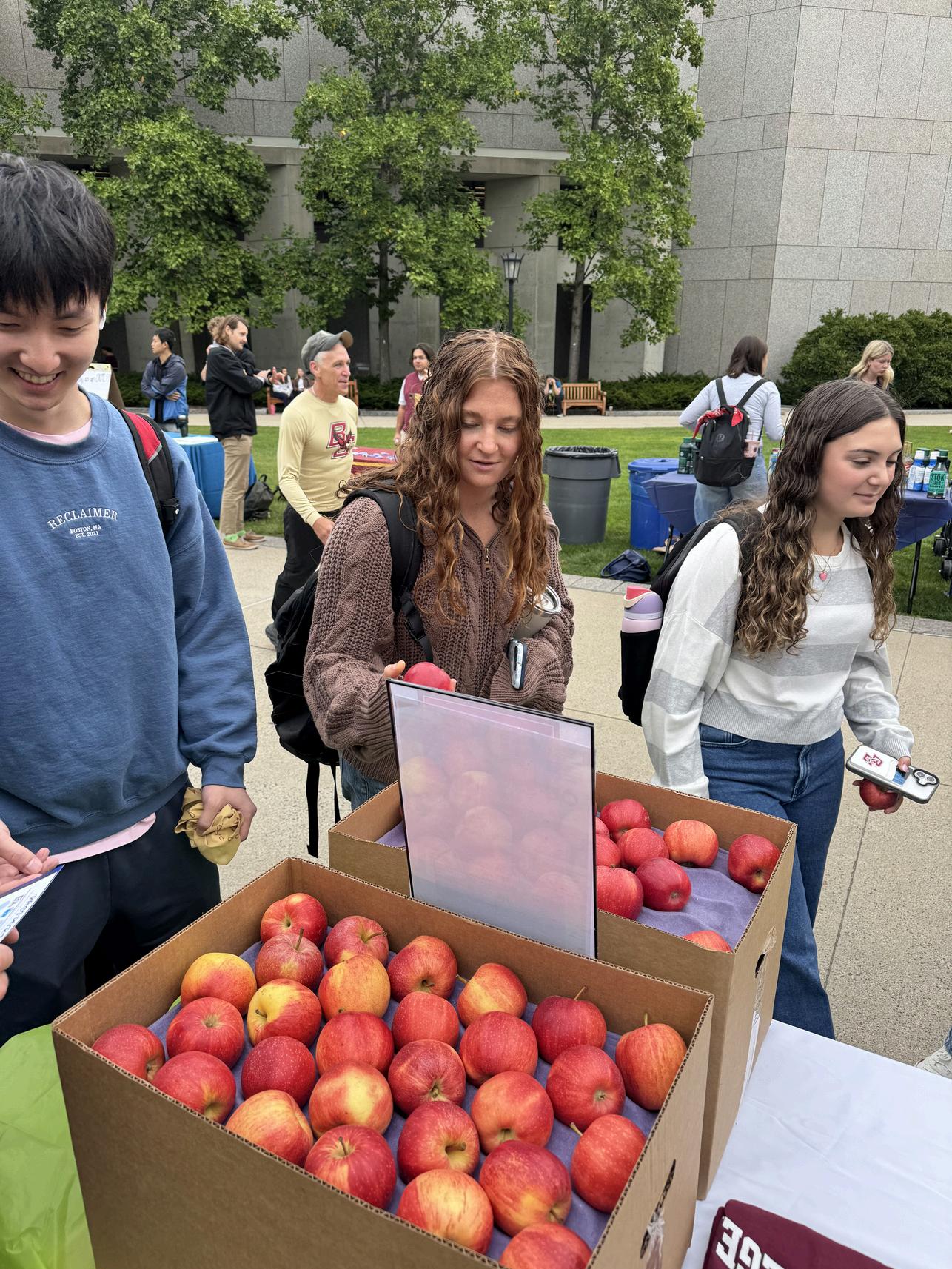
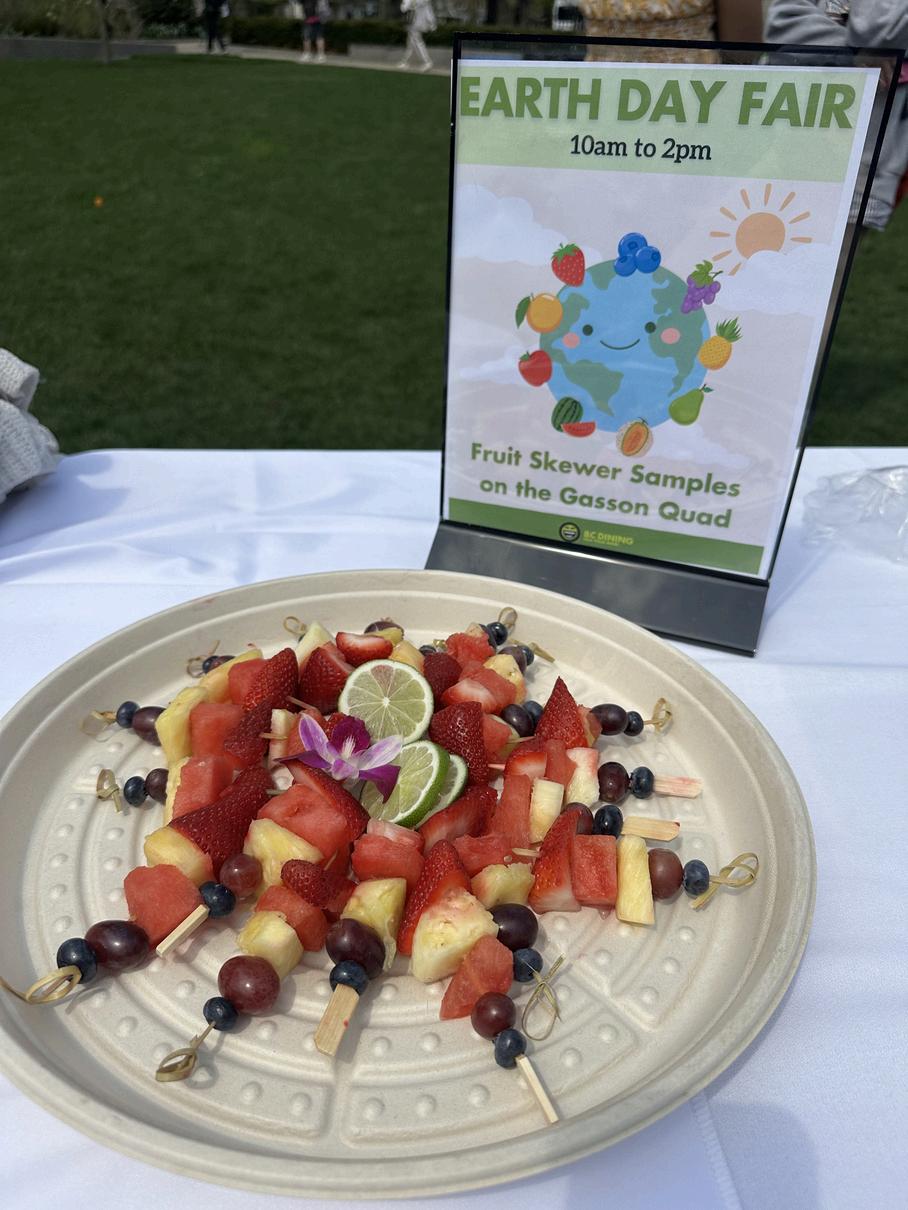
During Harvest Fest and the Earth Day Fair, BC Dining encourages students to sign up for Green2Go, learn about waste sorting, and sample healthy, sustainable foods.
Murray Center for Student Wellness:
The Murray Center for Student Wellness encompasses all health-related organizations on campus. They host the annual Wellfest during the fall semester, where BC Dining educates students about food and health, increasing plant protein options on campus, and sourcing healthy, local foods.

Campus Events
This past year, BC Dining hosted many events where sustainability interns educated the community about our sustainability initiatives and encouraged students to be more engaged with them. We also participated in Harvest Fest, Green Week, and Wellfest in collaboration with groups across campus.
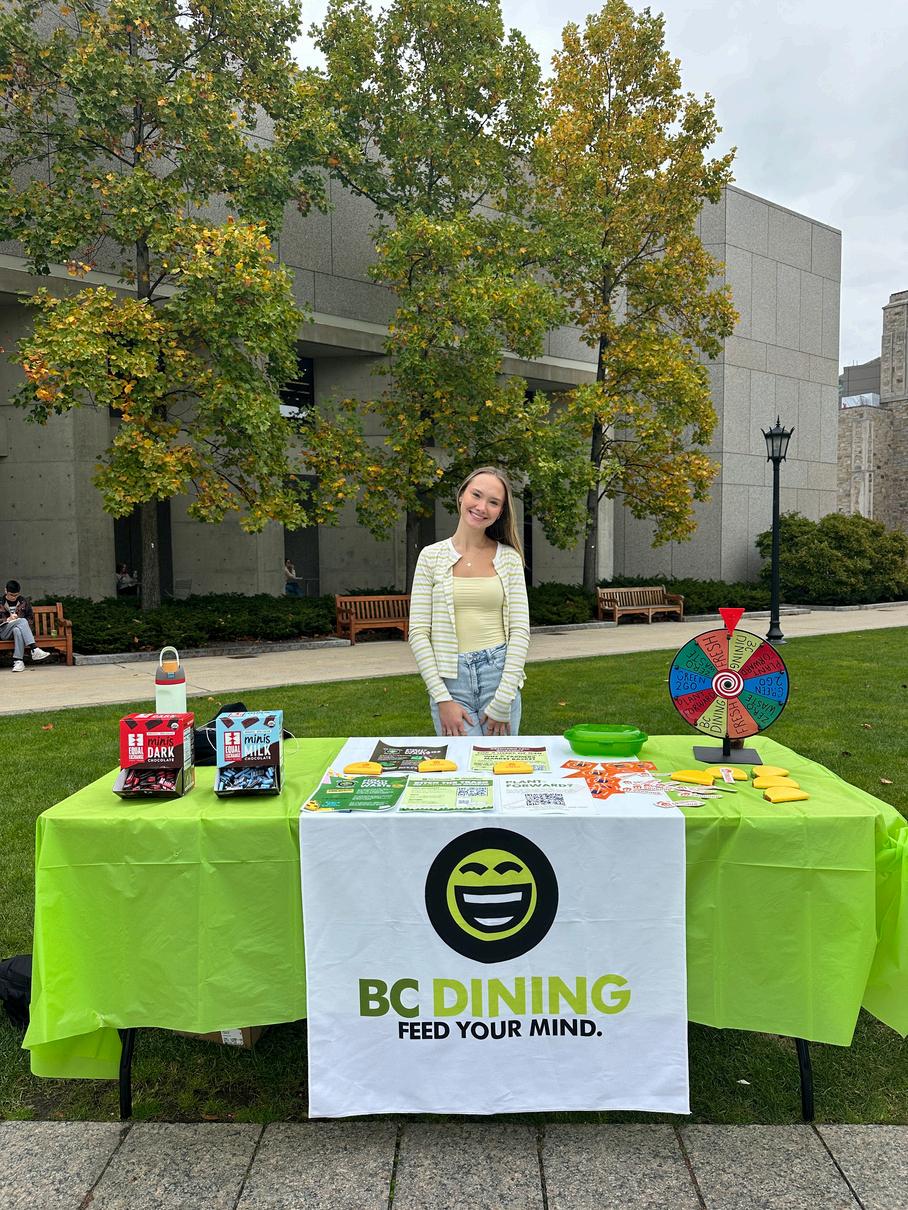
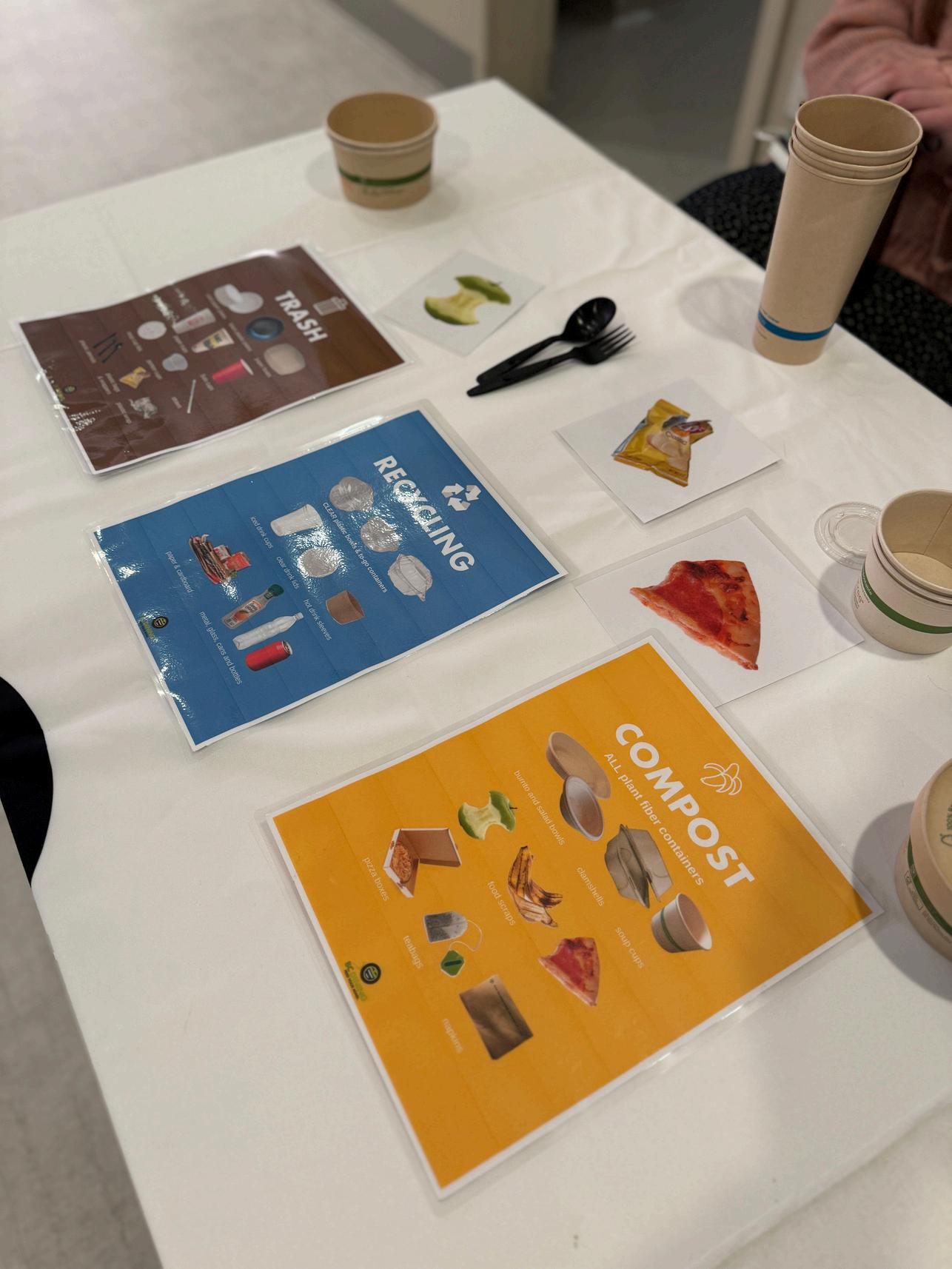
Celebrating Earth Day
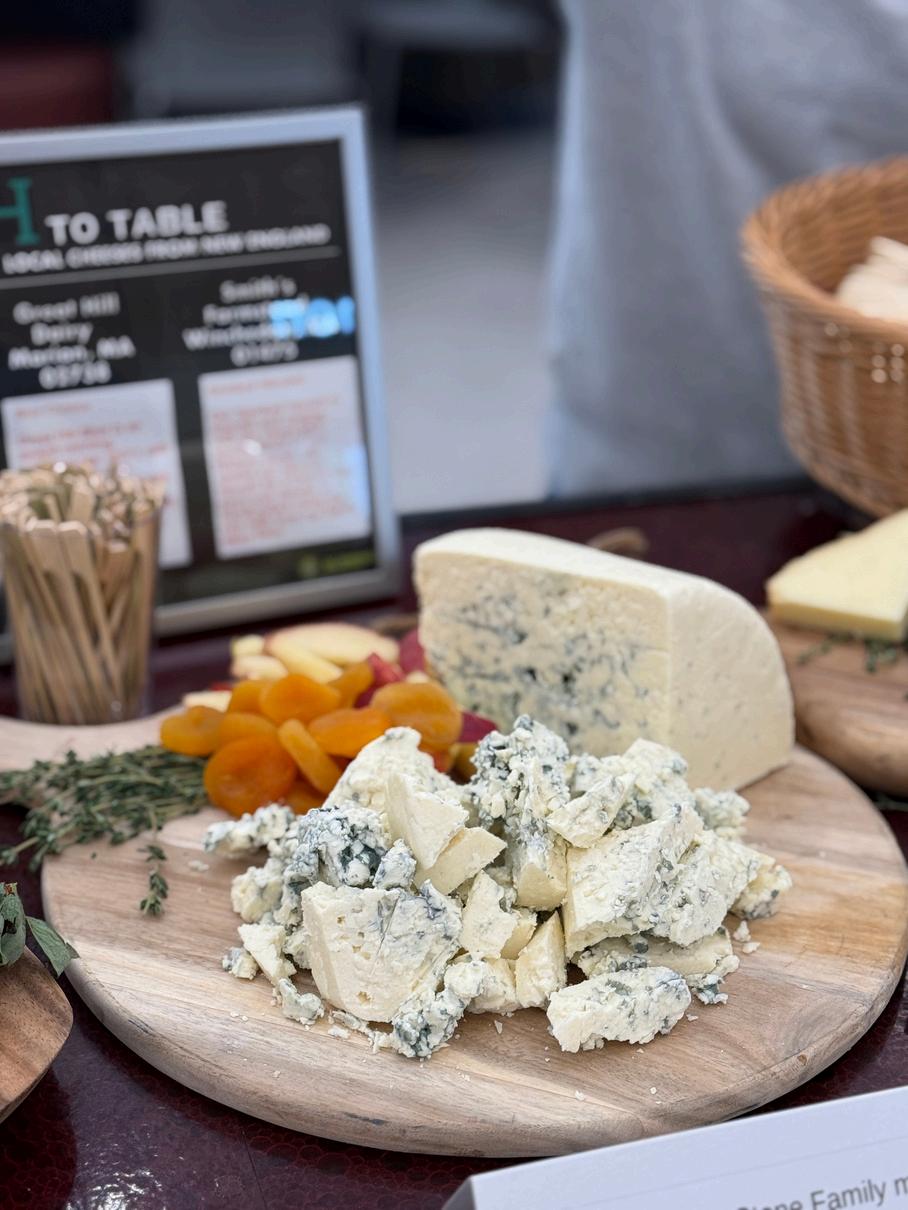
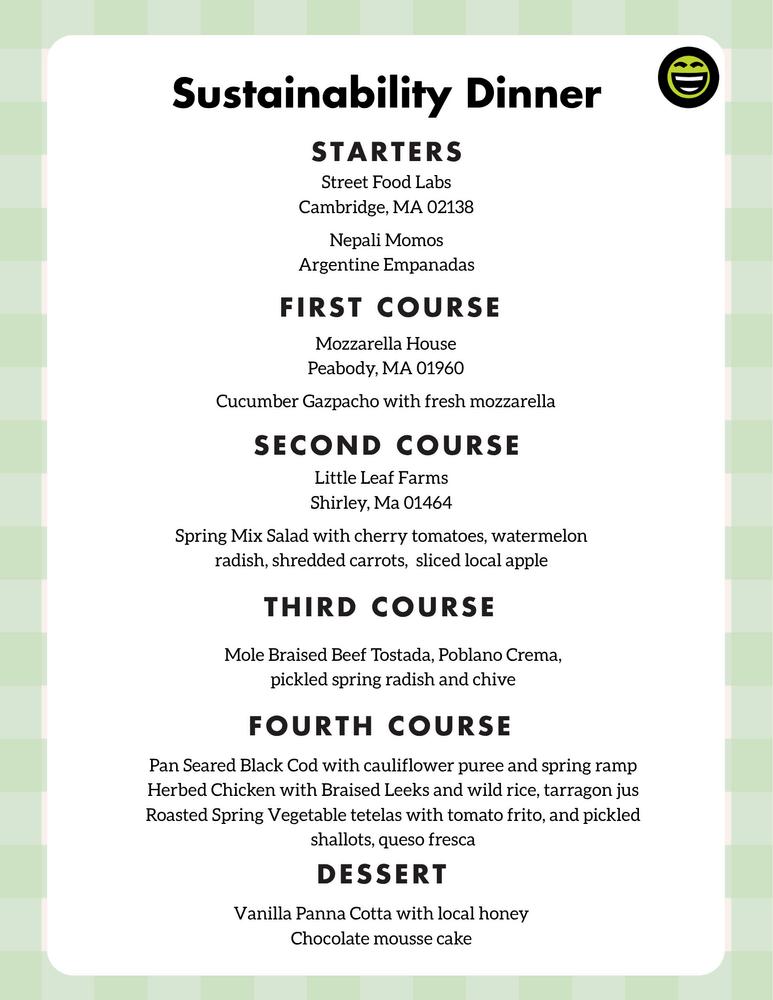
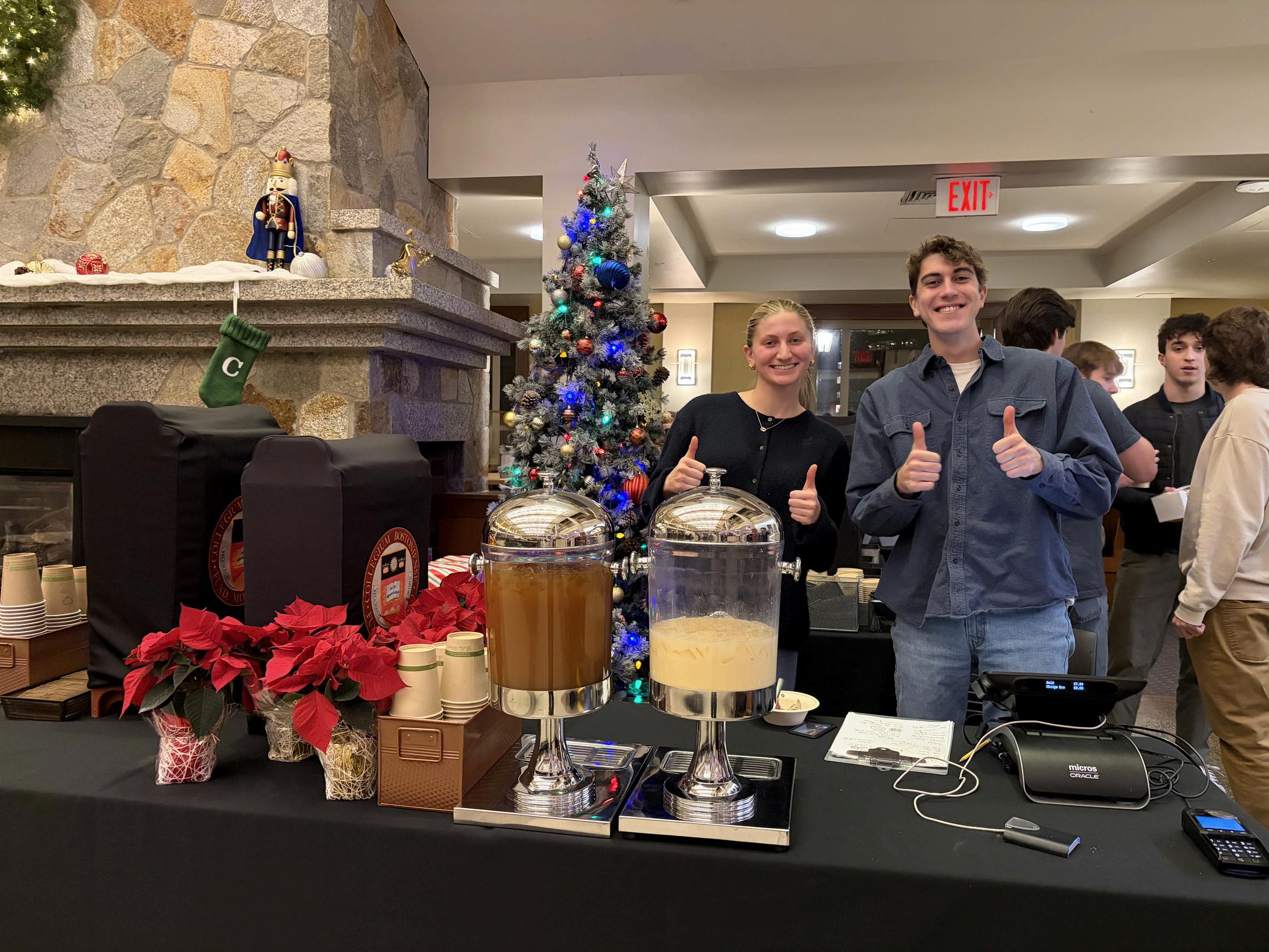
In April 2026, BC Dining held its first “Earth Week” celebration at McElroy dining hall, where we hosted nine events staffed by student interns to educate BC students about sustainability. These events included local cheese tastings farmers’
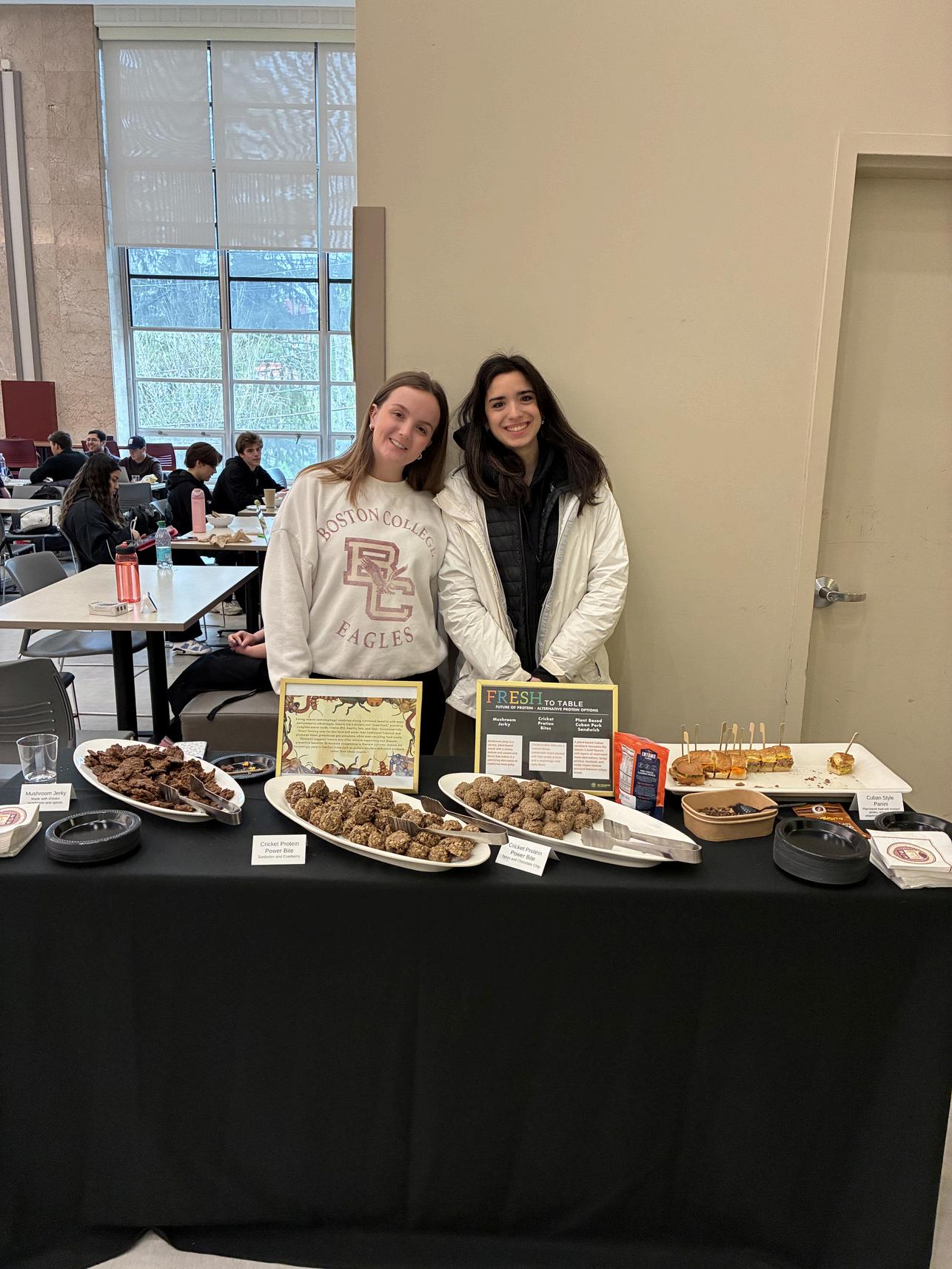
Student interns hosting “Earth Week” FRESH event at Carney Dining Hall.
Local cheese tasting display at Carney Dining Hall.
Student Interns
Sustainability Student Manager
Lucas Geromini
Class of 2026
Majors: Global Public Health and
Arabic Studies
Zero Waste Intern
Ali Burns
Class of 2027
Major: Economics
Zero Waste Intern
Julia Goodman
Class of 2027
Major: International Studies
FRESH Intern
Kiersten Stewart
Class of 2027
Major: Business Management
This year, we had a team of five sustainability interns who managed and planned many aspects of our sustainability initiatives. We could not make the progress we do without them!
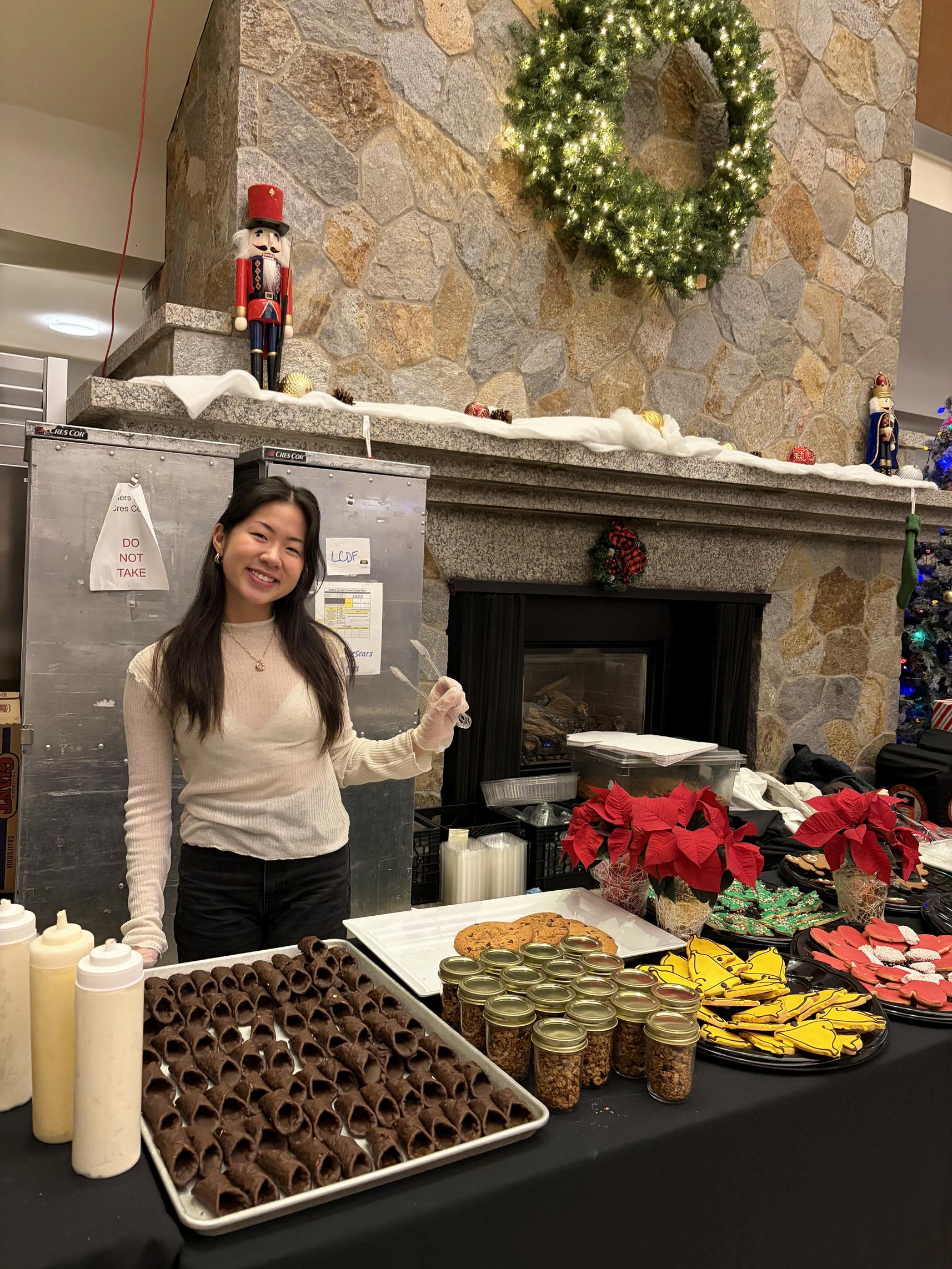
Grace Boyer
Class of 2027
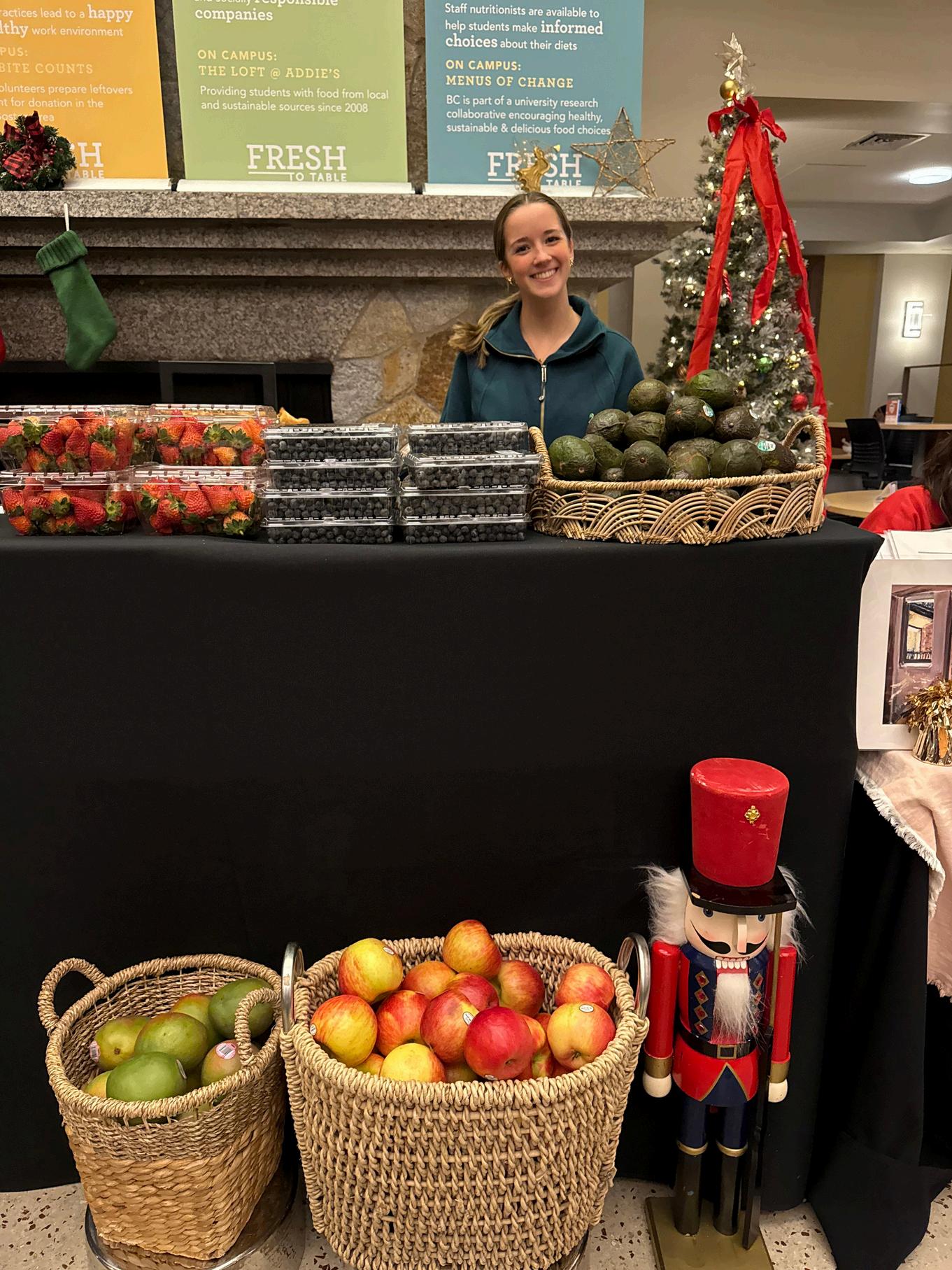
Majors: Environmental Geoscience and Environmental Studies
Farmer Market Intern
Upcoming Initiatives
Our work to become a more sustainable dining program is ongoing. We continue to strive for zero waste and increase sustainable food options going forward. Below is a list of some of the projects and initiatives we ’ re ready to tackle going into next year:
Replace the 12-oz bottled water in our catering program with 16-oz canned water to divert plastic from our waste streams.
Update our waste-sorting signage to improve waste sorting accuracy.
Explore quantifying our carbon emissions and piloting carbon emission signage in the dining halls.
Work with North Coast Seafoods to highlight local and underutilized fish.
Reintroduce Farmers Market ID Cards to highlight farmers’ stories.
Host sustainable cooking classes for on-campus environmental clubs focused on local foods and reducing waste.
Expand the Bring Your Own Cup program to all specialty coffee locations.