
“
’T
”
—John Engquist
“
’T
”
—John Engquist
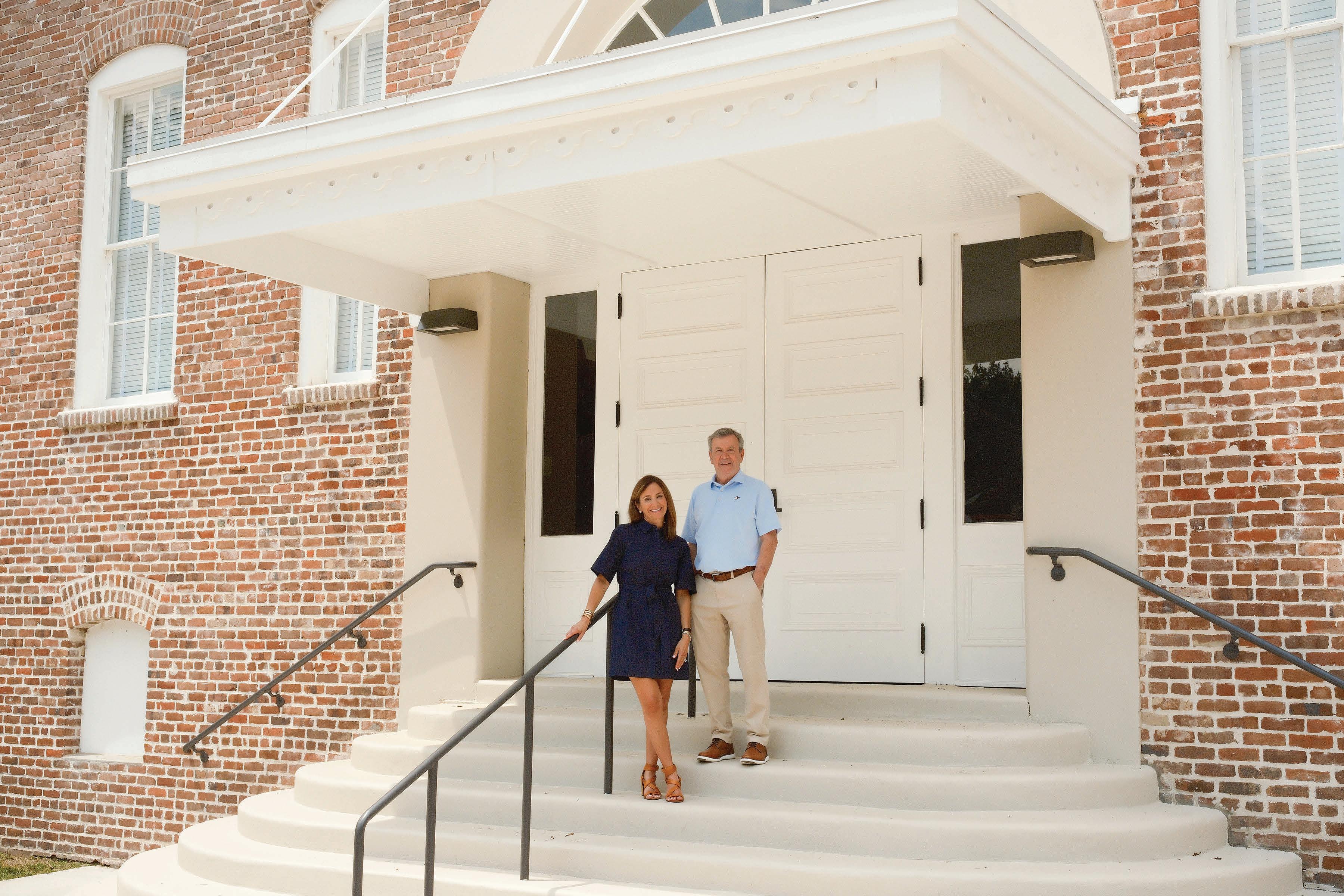
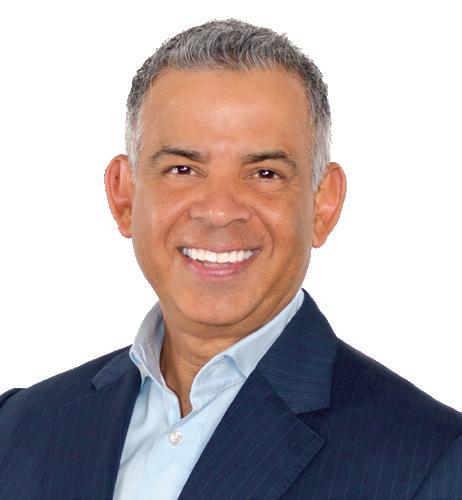
“I see the restoration of the Julius Freyhan School as an investment in the future. This project creates a space for hosting lectures and presentations, learning opportunities, and exhibits about the history of education in West Feliciana Parish. For cultural and economic reasons, putting a building with such historical significance back into commerce just makes good sense.”
– Conville Lemoine, Bank of St. Francisville Chairman of the Board

At Kean Miller, client partnerships are built on collaboration, mutual respect, and a deep understanding of your business goals.
From navigating legal complexities to seizing new opportunities, we’re with you every step of the way.
Our commitment is to more than legal excellence; it’s a people-first commitment to client service, exceeding your expectations, and providing outcomes that allow you to compete at the highest level.
Rediscover a law firm with a passion for service.



6 Why a new LSU arena is about so much more than sports

9 In the Know
11 The AI Playbook
How precision AI is cultivating smarter business decisions
13 Meet the Capital Region 500 Franciscan Missionaries of Our Lady Health System President E.J. Kuiper on what he’d discuss with Elon Musk at dinner, his one do-over, his most embarrassing moment and more.
14 Thought Leader
Ahead of Business Report’s Best Places to Work celebration, People Centric Consulting Group CEO Don Harkey shares tips for withstanding the tide of workforce changes coming our way.

26 Amazing Grace
With private equity backing and a multidimensional strategy, Grace Design Studios is becoming a global force built upon its architectural foundation.
37 Rolfe McCollister Jr.
What’s Coach Sid’s call on fourth and long?
62 Recharge
Tennis has been a part of The Oliver Group CEO Chad Oliver’s life since he was 8 years old.
Walking tall
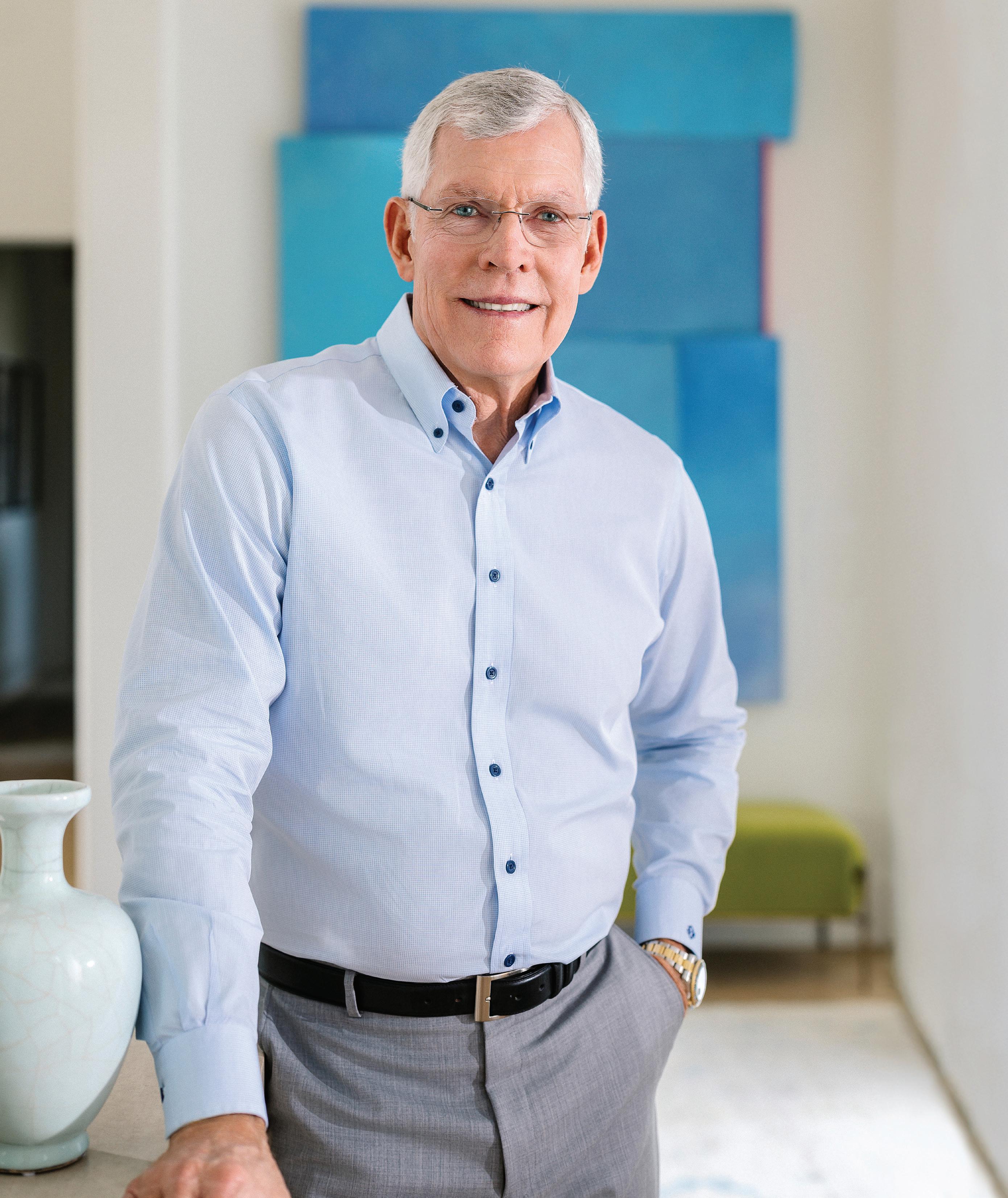
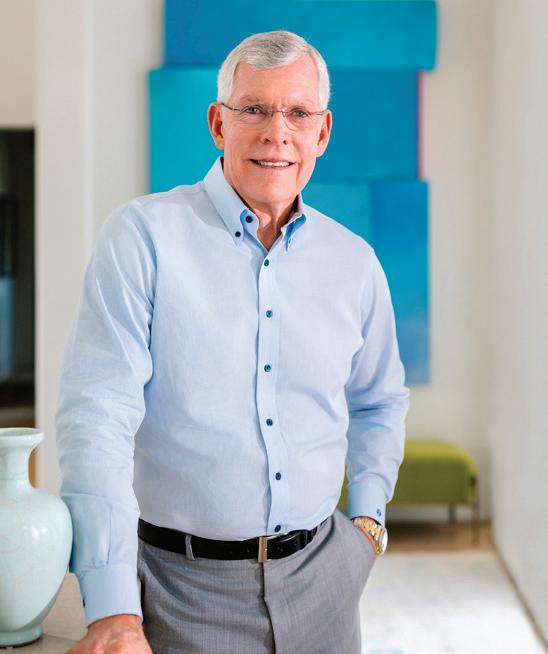
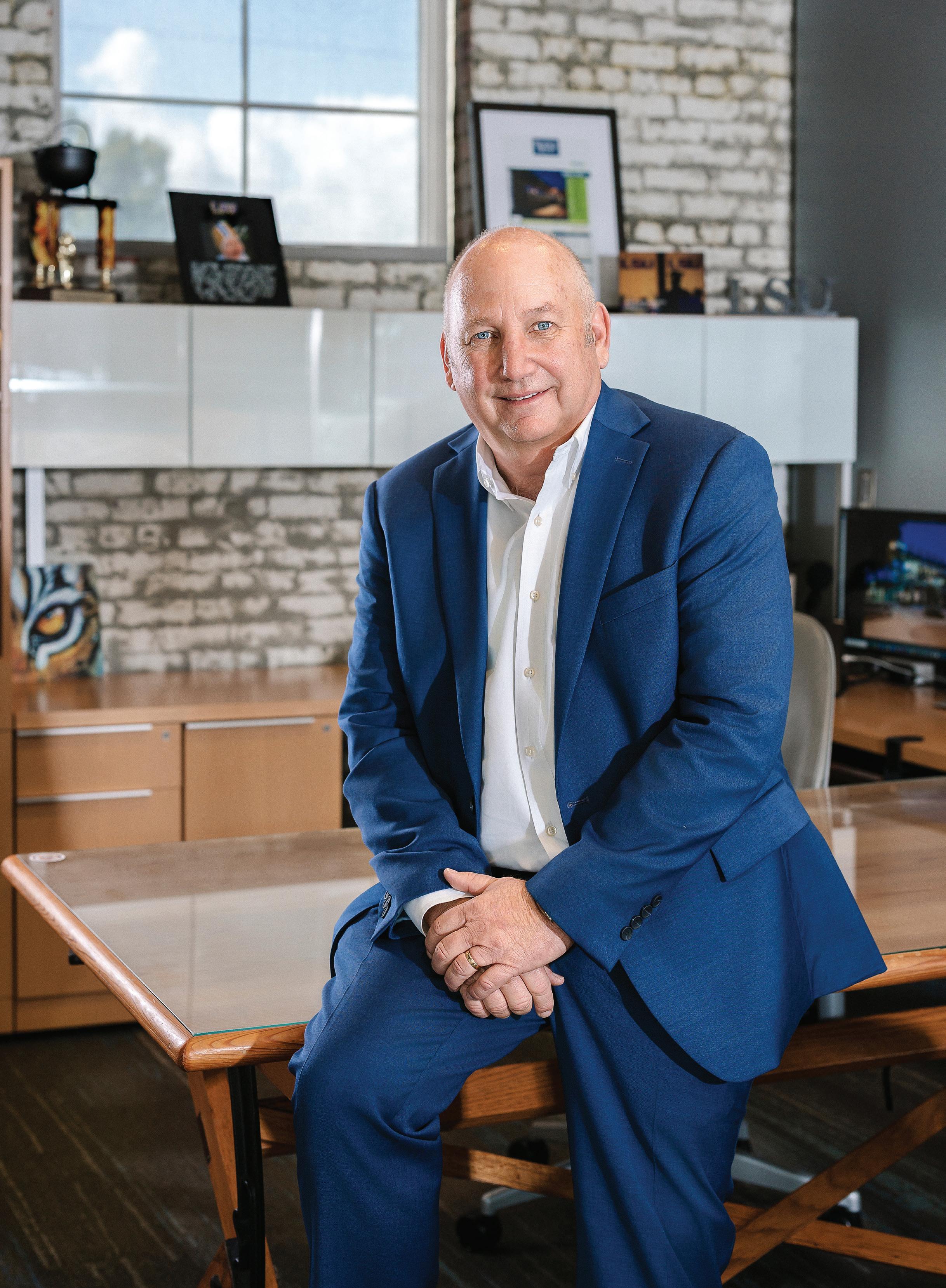
After the multibillion-dollar sale of his H&E Equipment, John Engquist is far from finished.
Photograph: Jackie Haxthausen Design: Hoa Vu
Cancer Connection:
Help, hope, health Cancer is more than a medical condition. It’s a lifelong journey fueled by information, inspiration and medical innovation. Meet some Capital Region oncologists leading the way. Page 39


Publisher: Julio Melara
Associate Publisher: Erin Pou
EDITORIAL
Executive Editor: Penny Font
Managing Editor: Allan Schilling
News Editor: Holly Duchmann
Staff Writers: Jordan Arceneaux, Dillon Lowe
Contributing Writers: Sam Barnes, Kelli Bozeman, Maggie Heyn Richardson
Contributing Photographers: Jackie Haxthausen, Don Kadair, Tim Mueller, Collin Richie
ADVERTISING
Sales & Marketing Operations Manager: Kynley Lemoine
Senior Consultant & Assistant Manager: Kelly Lewis
Multimedia Marketing Consultants: David Burton, Nicole Crochet, Emma Walker
Multimedia Marketing Consultant/Custom Publishing: Judith LaDousa
Digital Operations Manager: Devyn MacDonald
Partner Success Manager: Matt Wambles
Digital Operations Coordinator: Sydney Deville
Corporate Communications Strategist: Mark Lorando
Content Strategist: Emily Hebert
STUDIO E
Creative Director: Timothy Coles
Business Development Manager: Manny Fajardo
Custom Content Editor: Lisa Tramontana
Video Lead: Taylor Stoma
Production Coordinator: Sara Hodge
ADMINISTRATION
Business Manager: Tiffany Durocher
Business Associate: Kirsten Milano
Office Coordinator: Donna Curry
Receptionist: Cathy Varnado Brown
CREATIVE SERVICES
Creative Services Manager: Ellie Gray
Art Director: Hoa Vu
Senior Graphic Designers: Melinda Gonzalez Galjour, Sidney Rosso
Graphic Designer: Brit Benoit
AUDIENCE DEVELOPMENT
Chief Technology Officer: James Hume
Circulation and Client Experience Manager: Ivana Oubre
A PUBLICATION OF MELARA ENTERPRISES, LLC
Chairman: Julio Melara
Executive Assistant: Brooke Motto
Vice President, Sales: Elizabeth McCollister Hebert
Chief Content Officer: Penny Font
Chief Digital Officer: Erin Pou
Chief Operating Officer: Guy Barone
Circulation/Reprints/Subscriptions/Customer Service
225-928-1700 • email: circulation@businessreport.com
Volume 41 - Number 37


Trust isn’t given. It’s earned. Just like athletes on the field, our doctors earn it every day through commitment, precision and passion. Whether you’re pushing limits or recovering from them, you can trust the team that understands both.
From championship athletes to everyday champions, Our Lady of the Lake Health is where trusted care begins.

YOUNG PEOPLE leaving Baton Rouge for other cities over the years have been repeating the same message, year after year: We want more amenities and a better quality of life. They want a place where they can live, work, play and thrive personally and professionally—where opportunities are matched by experiences. And in those areas, Baton Rouge too often falls short. That is about to change. If we allow it to.
Business, political and community leaders have come together like never before to create an economic development opportunity that addresses these long-standing concerns in a bold and transformative way. The loudest critics? Some of those same voices who lament the loss of our young talent and the lack of entertainment options in our city.
Baton Rouge, it’s time to wake up—and grow up. We can’t demand growth and then attack every ambitious plan that makes it possible.
The proposed new LSU arena isn’t just a facility—it’s a catalyst. This bold, strategic investment in our city’s future would jump-start our community’s decades-long quest to become more vibrant and competitive. Let’s be clear: This project is not just about basketball games or concert nights. It’s about quality of life, economic vitality and the kind of investment that drives additional investment, activates additional innovation and ultimately transforms a city.
Perhaps as importantly, it is also about saving the city-parish and our residents $200 million in projected cost to renovate the River Center arena, which is well beyond its useful life. Instead of trying to put expensive lipstick on a noncompetitive arena, this $200 million can be deployed for the proposed River Center Convention Center
expansion and the development of a headquarters hotel that is sorely needed—resulting in far more economic development opportunities downtown.
For generations, LSU has been a point of pride for our region—a nationally recognized brand in academics, athletics, research and culture. But top-tier institutions don’t stay relevant by standing still. Peer universities across the country have been investing in state-of-the-art arenas that enhance student life, host national events and entice top student-athletes.
It’s clear that LSU, which recently announced major investments in a new library, student housing, and research institutions, the latter with the help of a $160 million National Science Foundation grant (the largest ever awarded to a university), must continue to evolve. A new arena is a critical next step— and the most impactful one—because of the multiple benefits it would provide for students and the broader community.
Baton Rouge’s lack of a modern, flexible event venue has resulted in top performers and touring events routinely bypassing our city in favor of New Orleans or Houston. A new arena would attract national acts, boost tourism, fill hotel rooms and increase local spending in restaurants and shops. FMOLHS should be commended for considering the role of anchor investor in the arena project. This is exactly the kind of leadership we need from major employers—stepping up to support initiatives that strengthen our economy, enhance quality of life and create long-term growth for our community.
Translation: more revenue, more jobs, more small business opportunities, more quality-of-life assets, more momentum for our local economy.
But the impact would extend far beyond the 30-acre tract that the arena would occupy. A new LSU arena would trigger a domino effect of quality-of-life investments in our city:
A sports performance institute: In partnership with LSU and a leading health care system like FMOLHS, we have the chance to create a destination center for sports medicine, research and performance. This would serve not just athletes, but industry workers, firefighters and weekend warriors from across the region.
A research innovation district: Tied to LSU’s growing leadership in energy, agriculture and technology, this development would boost innovation, job creation and our regional brand.
A safer, more connected campus: Located near a revitalized social and entertainment district, the new arena would enrich student life and serve as a community hub for gathering, celebrating and networking.
From a business perspective, this is a no-brainer. With developer-led financing, a major sponsorship deal, which appears to be in place with the Lake, and projected tax revenue that is revenue neutral at worst and lucrative at best.
Make no mistake, the upside is significant. This form of a public-private partnership rewards taxpayers, the university, visitors and future residents of the Capital Region by stimulating additional civic investments, such as the downtown convention center and headquarters hotel currently under consideration. By replacing outdated facilities with modern community assets, we create new revenue streams that allow city leaders to address urgent priorities with new revenue streams.
Let it be said clearly, I, too, am
very sensitive to the need for transparency and public input. However, I believe that, taking into consideration the limited alternatives, we should show some patience and allow the LSU process to take its course. After all, this transaction has to be approved in public meetings with public input by the LSU Board of Supervisors, the LSU Board of Regents and the Joint Legislative Committee on the Budget. There is plenty of time and opportunity and public input when it comes to the LSU Board of Supervisors as a whole in the future. After all, what are our alternatives at this moment?
In every great city’s story, there’s a moment when a bold idea lights the way forward. For Baton Rouge, that moment is here.
So, the question isn’t, “Should we do this?” It’s, “How soon can we make it happen?” Let’s seize this opportunity—for LSU, for Baton Rouge, and for generations to come. The time is now. Not someday. Not “when the conditions are right.” Not after more feasibility studies. Not after another generation leaves in search of something better right down the road. The standard should not be “What do we need to do to retain our best and brightest?” We deserve a standard of how we can attract the best and brightest from all over our country. We deserve this.
Now is the time to believe bigger, invest smarter, and move Baton Rouge forward together. We won’t be the city we all proclaim we want to be until we become our own champions instead of our own worst enemies.

Julio Melara, Publisher


Join us for the 1st Annual LOUISIANA ENERGY AWARDS
where we will celebrate and honor the remarkable achievements of Louisiana’s energy industry, both its enduring legacy and its pioneering contributions to the future.
November 5 • 6:30PM
Networking Reception | Dinner to Follow
L’Auberge Casino + Hotel Baton Rouge

COMMUNITY IMPACT AWARD
Danos
LIFETIME ACHIEVEMENT AWARD
Roland Toups
DEAL OF THE YEAR FINALISTS
Meta Woodside + Tellurian
Heirloom + United Airlines
SMALL COMPANY OF THE YEAR FINALISTS
Placid Refining
Orion Engineers
Loadstar
LARGE COMPANY OF THE YEAR FINALISTS
ExxonMobil
Cheniere Energy
Entergy
EMERGING ENERGY EXECUTIVE FINALISTS
Camile Ivy-O’Donnell, Chevron
Anna Johnson, West Baton Rouge Chamber
Kellen Francis, CodeGig
ENERGY EXECUTIVE FINALISTS
Phillip May, Entergy
Chett Chaisson, Greater Lafourche
Port Commission + Port Fourchon
Paul Danos, Danos
SPONSORED BY:







$81M
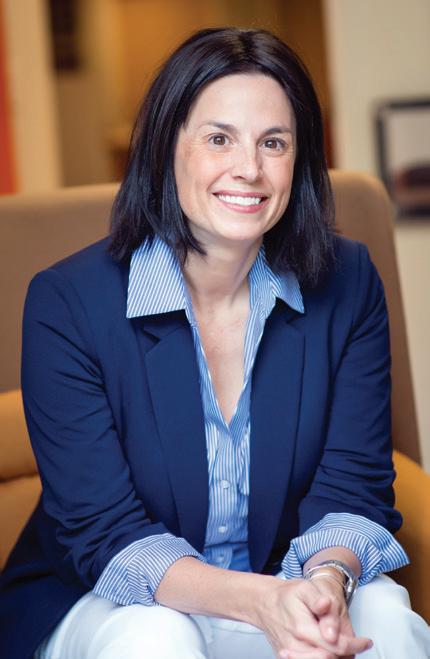
The Baton Rouge Area Chamber has unprecedented transformative plans for the future. In this episode, President and CEO Lori Melancon shares how the organization is reenvisioning its strategy represent the Capital Region moving forward, as well as insights into the economy, infrastructure, quality of life and other issues impacting business. Register at strictlybusiness.businessreport.com.
Sale price of Towne Center at Cedar Lodge, which New York shopping center operator DLC Management acquired last month. Towne Center, developed by Moody and Stephen Keller—who also developed Juban Crossing in Livingston Parish—opened in 2005 and is anchored by Whole Foods Market. Barnes & Noble is relocating to Towne Center, and construction is also set to begin on The Standard at Cedar Lodge, a 286-unit apartment community. Read more at businessreport.com/realestate




$3.3B
The amount UnitedHealth paid to acquire Baton Rouge home health care firm Amedisys. The deal closed in mid-August. The now wholly owned subsidiary will maintain an office in Baton Rouge and operations in Nashville, Tennessee. Subscribe to Daily Report to get more Capital Region breaking news.
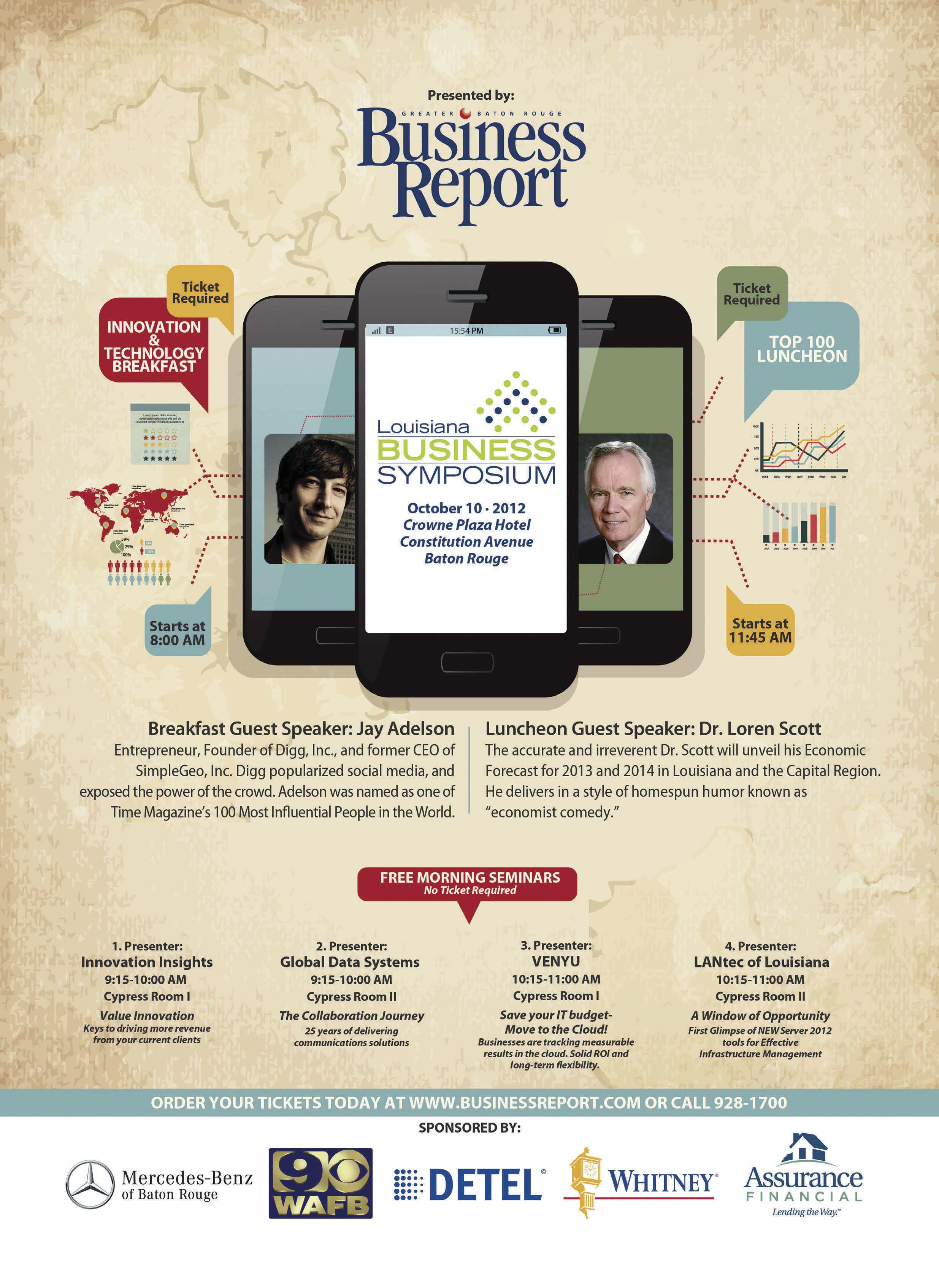
Business Report celebrates the best in business at the Louisiana Business Symposium Oct. 1. In the morning, our Best Places to Work honorees rock the Crowne Plaza with a packed house celebration. The keynote speaker, People Centric Consulting Group CEO Don Harkey, shares some of his leadership insights on page 14. After that, the Capital Region’s highest-performing companies get together for the Top 100 luncheon featuring Loren Scott’s exclusive Louisiana Economic Outlook. Get tickets at businessreport.com/events.

$1B

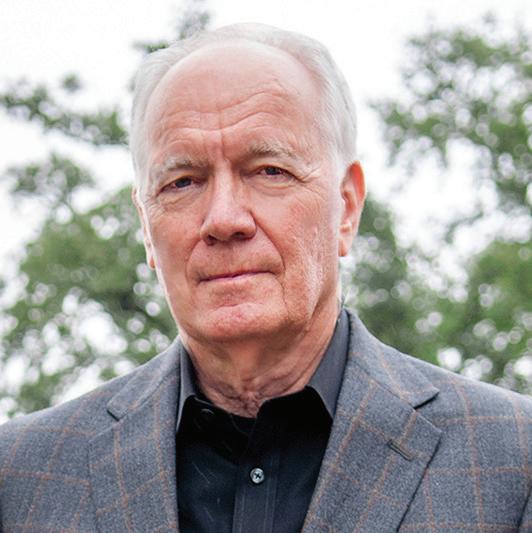
Amount of grants, loans and tax credits from the U.S. Departments of Energy and Defense and the state of Louisiana that companies planning and building plants in Louisiana to process rare earths, critical minerals, and components of lithium-ion batteries have received since 2022. Read more at businessreport.com.

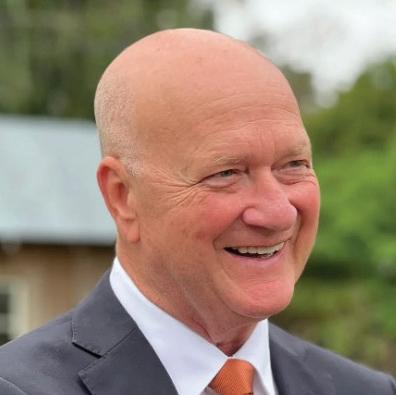
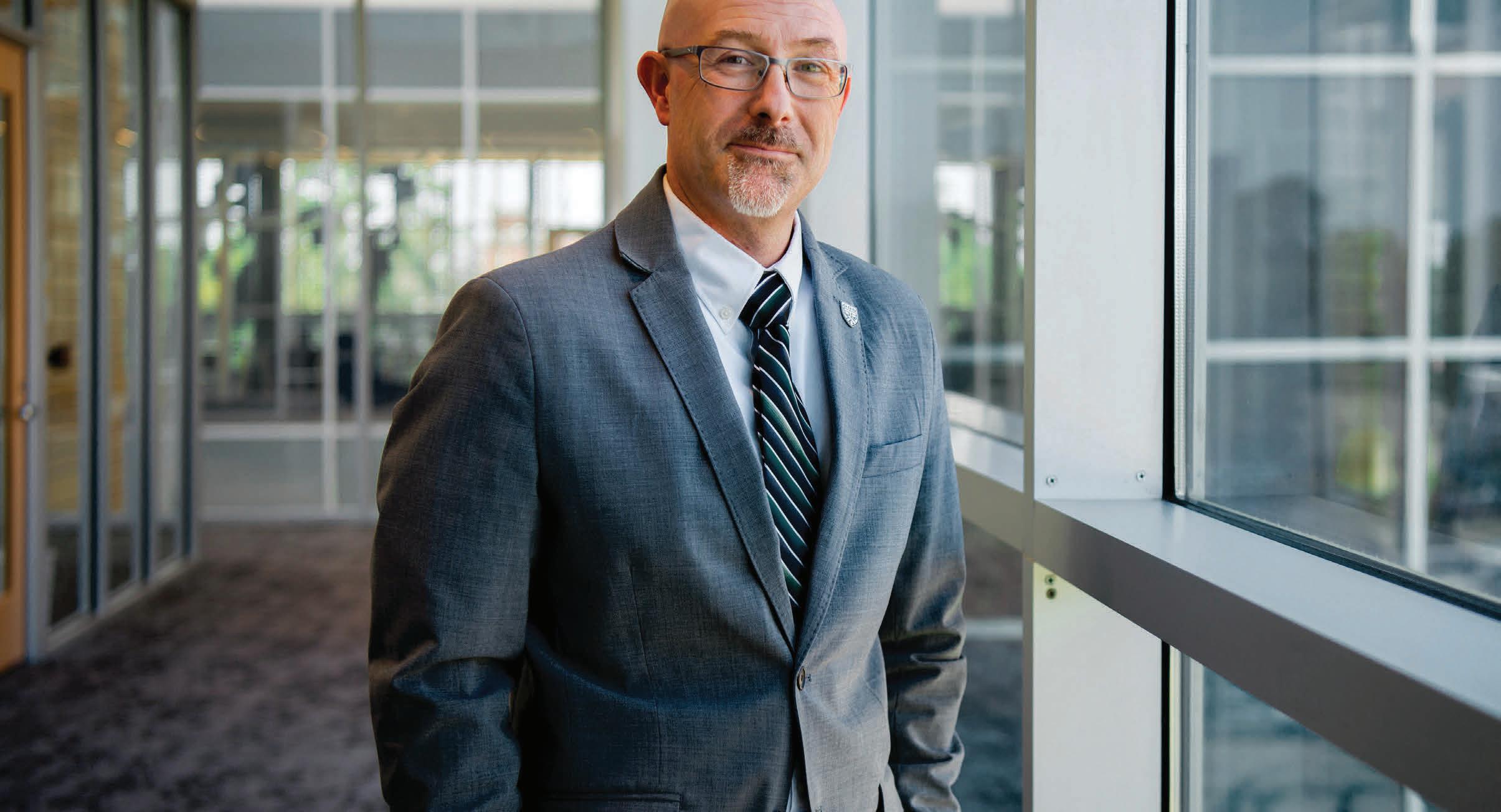
David M. Bellar didn’t so much step into his role as the president of Franciscan Missionaries of Our Lady University (FranU) as sprint into it. Drawing on his extensive background in health care administration from his previous role as dean of the College of Health at the University of West Florida, Bellar is just three months into the job and already hard at work developing a clear and strategic vision for the future of the city’s premier Catholic university. His vision is focused on deepening the university’s unique relationship with Our Lady of the Lake, which he views as a vital partnership that leverages a shared mission to benefit both the university and the wider community.
Aligning the university’s academic programs with the economic needs of the community and the health care industry is a key part of the organization’s workforce initiatives. Bellar emphasizes that, under his leadership, the university’s growth will be deliberate and data driven. Programs like Bachelor of Business Administration and the
Master of Health Administration are targeted for expansion, but in a controlled and well-studied fashion, considering both accreditation regulations and institutional infrastructure.
At the core of Bellar’s leadership is a profound commitment to the Franciscan and Catholic identity of the university. FranU welcomed its largest freshman class in history at the start of the year—a testament to its growing appeal as the sole Catholic university in Baton Rouge.
“We have a very vibrant service leadership and service education component to our mission,” says Bellar. “Our students are out there in the community. They’re doing work directly with a lot of community partners.”
He is passionate about producing Franciscanservant leaders. Through a growing network of partners, students are taught essential life skills and instilled with the core values of humility, joyfulness of spirit and justice.
This spirit is further amplified by a unique partnership with the Diocese of Baton Rouge, which
has brought first-year seminarians and deacon candidates to campus. This creates a rare and inspiring environment where students preparing for careers in nursing, physical therapy and other allied health fields study alongside those in priestly formation.
For Bellar, his role of president is a deeply personal one. A father of eight, he and his family have been actively involved in getting comfortable in their new home and parish community. He finds profound reward in being able to “marry my faith life to my work life,” he says.
Bellar sees his previous work with health systems as the foundational element that prepared him for this role, allowing him to bring a fresh, yet experienced, perspective to FranU.
“I’m getting to meet wonderful people all throughout the community and everyone here has been amazingly warm and welcoming,” he says.
“My family and I are looking forward to a future here where we can grow and continue to expand our activities and services to the community for a long time to come.”
by

IN BATON ROUGE, a startup called FarmSmart—also known as FarmSmarter.ai—is making waves by applying artificial intelligence to agriculture.
The company’s AI-powered virtual assistant lets users upload a photo of a plant or weed and receive an identification, complete with confidence scores, alternate suggestions, and actionable recommendations grounded in LSU AgCenter research, EPA-approved product data, and relevant regulations.
It’s designed to make decades of agricultural knowledge instantly accessible and transparent— if the AI can’t answer with confidence, it says so. It’s a compelling success story, but not because of the specifics of crop management. The deeper takeaway is how AI can bring precision decisionmaking to any business environment. The same principles that help farmers use their resources more effectively can help a bank improve product targeting, a real estate firm spot market shifts or a technology company reduce customer churn.
The real value lies in moving from reactive to proactive operations. Traditional decision-making relies on historical data, human intuition and periodic reporting cycles. AI compresses those cycles, pulling in fresh information from multiple sources and surfacing the most relevant, timely actions—often before your competitors are aware a shift is happening.
Another critical insight from the FarmSmart approach is how technology becomes most effective when it’s directly tied to operational execution. In agriculture, that could mean translating recommendations into specific, timely interventions in the field. In business, it might mean integrating AI-driven forecasts into your inventory management software so orders are placed automatically, or embedding AI scoring into your CRM so that sales teams are prompted to call the right prospect at the right moment.
Leaders also need to recognize the competitive moat created by proprietary data. FarmSmart’s algorithms will become even more valuable as the company builds its database of plant and weed identifications and linked recommendations. In your organization, combining data from your own transactions, customer interactions and internal
systems creates an asset that competitors can’t easily replicate. The longer you feed AI with your own high-quality, relevant data, the more accurate and defensible your predictions become.
AI isn’t just a tool—it’s a catalyst for rethinking workflows. Successful integration often requires reimagining how teams operate, how decisions are delegated and how performance is measured. Companies that embrace this shift gain not just efficiency, but agility.

The agricultural example may seem far from the boardroom, but the strategic principles are remarkably portable. AI thrives where there’s complexity, variability, and a need for timely action—conditions that describe most competitive markets today. Whether you’re running a financial services firm, a logistics operation or a professional services practice, the same playbook applies: Start with a clearly defined problem, integrate AI into the process itself, and focus relentlessly on measurable, high-value outcomes.
If a farm field can run on AI-driven precision, so can your sales pipeline, supply chain or expansion strategy. The technology is here. The question is whether your organization will treat it as a one-off experiment—or as a long-term capability that grows more powerful with every cycle.
This column was written by AI exclusively for Baton Rouge Business Report, using local case studies and insights to help you think more strategically about adopting artificial intelligence in your organization. Have a great story about how your business is using AI? We want to hear it— email us at ai@businessreport.com and let’s keep the conversation going.
1. Focus AI where it counts. Start with a single, high-impact decision point where precise, timely answers make a measurable difference.
2. Build on trusted knowledge. Use domain-specific, verified data sources as your AI foundation to strengthen accuracy and credibility.
3. Be transparent about confidence. Like FarmSmart, clearly communicate when AI is confident in its output— and when it’s not.
4. Invest in proprietary data assets. Continuously feed AI with your organization’s unique data to make its recommendations more valuable and harder to replicate.
A SPECIAL COMMEMORATIVE EDITION TO CELEBRATE 20 YEARS OF HIGHLIGHTING THE CULTURE, CUISINE AND COMMUNITY THAT MAKES BATON ROUGE ICONIC


SCAN TO BE A PART OF THIS SPECIAL ANNIVERSARY ISSUE
President, Franciscan Missionaries of Our Lady Health System
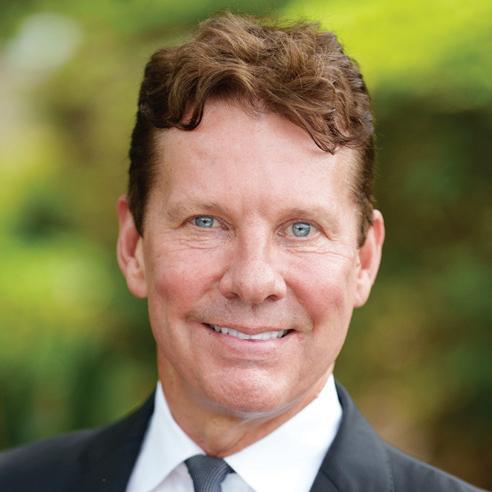
E.J. KUIPER STARTED his career as a physical therapist before becoming a hospital executive as a result of his frustration with his hospital’s leadership. Kuiper would later become president and CEO of Franciscan Missionaries of Our Lady Health System in 2024 after holding leadership roles in Nebraska, Illinois and Florida for nearly three decades. Originally from the Netherlands, Kuiper was seen as a rising star in the U.S. health care system and was selected in a national search for the FMOLHS position. He is a fellow in the American College of Healthcare Executives and was recognized as one of 101 Academic Medical Center CEOs to Know in 2023 by Becker’s Hospital Review
I use “Non Excidet!” as my salutation for all my letters and email. It is a Latin phrase used by St. Francis de Sales as his personal motto. It roughly translates into: “We shall not fail!”
QUALITY FOR
Integrity. No matter how talented you might be in your area of expertise, at the end of the day you need a team to be successful. And if your people don’t trust you, they will not follow. And a leader without followers is just a man or woman taking a stroll.


Elon Musk: On the one hand, I would like to hear about all his successful businesses both in space and on earth, and secondly, I would want to ask him, as he was advising political leaders in Washington, D.C., on expense reductions, to not forget about those that are not in a position to take care of themselves.
Steve Jobs: We lost him in 2011, but to me his brilliant mind and relentless passion to attain excellence through many ups and downs is very inspirational.
Looking around the bend is very important for a leader. What’s coming next? Can you ascertain the differences between noise and signal? Not all change is disruptive, but recognizing true disruption before it’s too late is key.
Don’t sweat the small stuff. If it’s not important a year from now, it shouldn’t concern you today.

I would probably spend more time with my family. I’ve always been pretty good at balancing work/life, but at the end of the ride, isn’t it all about family and friends?
I love Van Morrison and his best song—in my humble opinion—is “Into the Mystic.”
On important decisions: Gather all the important data and feedback, sleep on it a day or two and then go with your gut.
It’s all about your people! You can have beautiful buildings and state-of-the-art technology, but without a fully engaged workforce you will not succeed.
Blink, by Malcolm Gladwell. The book is all about exploring the adaptive unconscious. Over time, as a leader, you can quickly make the right decisions by utilizing small amounts of information through your knowledge and experience.

I would move to see more concerts coming to Baton Rouge. I’m very hopeful that the replacement of the PMAC by a new arena is going to trigger a lot of much-needed entertainment activity.

I have been blessed to have traveled extensively but still have several destinations on my bucket list. Japan and Thailand are near the top of my list.
This Q&A is extended content from the Capital Region 500, a special edition produced by Business Report that profiles the Capital Region’s most powerful and influential business leaders. Visit businessreport.com/ capitalregion500 for more information.

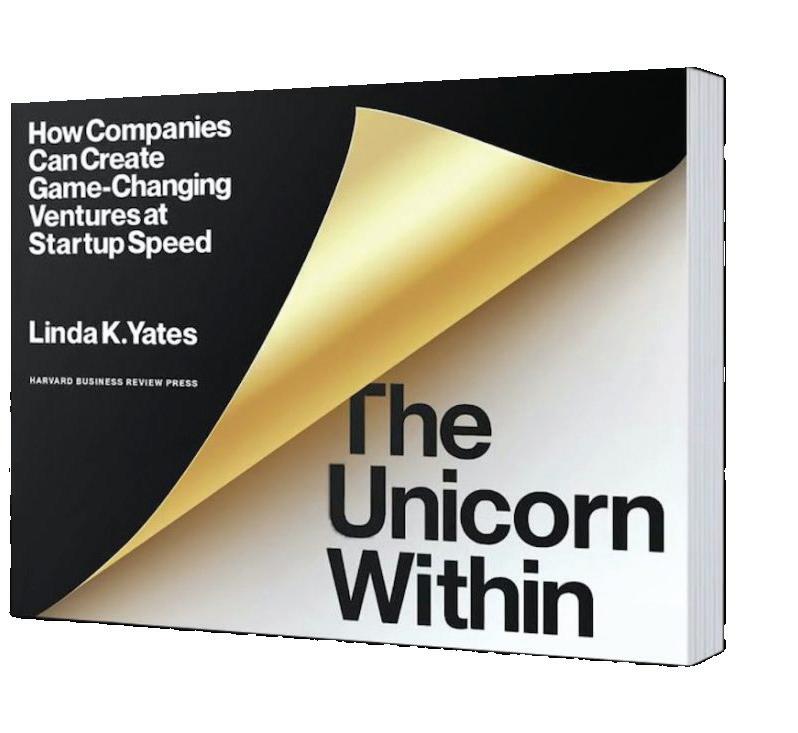
In The Unicorn Within, Linda K. Yates draws on her work as founder and CEO of Mach49 to offer large, established companies a practical, step‑by‑step blueprint for generating high‑growth ventures from within—leveraging their scale and resources to out‑innovate startups. The approach centers on harnessing the “mothership advantage” by assembling dedicated venture teams, securing internal funding, forming new‑venture boards, and insulating projects from bureaucratic friction while benefiting from organizational assets. Dense with tools—scripts, agendas, assessments and visuals—the book serves as a full execution manual for intrapreneurs and innovation‑focused executives who want to build replicable internal growth engines.

COMPANIES CAN’T HIRE enough employees, seasoned workers are retiring in droves and big generational shifts are taking place at workplaces nationwide—all against the backdrop of tough economic times.
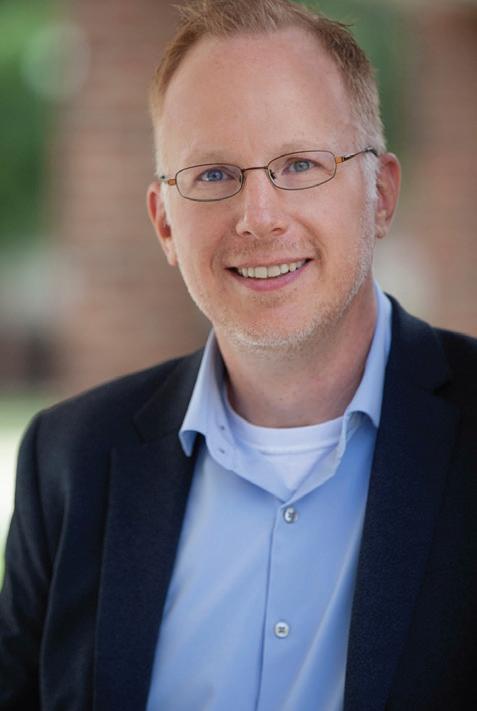
Don Harkey, CEO of People Centric Consulting Group, calls it a “perfect storm” for corporate America, as even award-winning companies will be forced to evolve to withstand the tide of changes coming their way.
Sounds alarming, right? Harkey sees it differently, calling today’s challenges an opportunity to become a better employer.
At Business Report’s Best Places to Work event in October, Harkey will provide business leaders with tools and insights to weather the storm—and create stronger companies in the process.
Harkey, who is based in Springfield, Missouri, has been in the consulting business for about 20 years. He’s a self-described “recovering engineer” who spent a decade in manufacturing at Fortune 500 companies like 3M.
“I saw how some teams performed really well in one area but not in others—so you see this department over here that’s thriving, and you see this department over here that’s really

You’re free to live your
Because you’ve got the compassion of the cross, the security of the shield, and the comfort of Blue behind you.

struggling,” he says. “I got really interested in what causes that, so I started doing what engineers do: I started studying the science of how people work.”
He uncovered plenty of research on what makes people excited to come to work. But as he tells it, there was a missing link: “How do you apply that?”
Wanting to find the answer, he switched careers. As its name suggests, Harkey’s firm aims to help companies become more people centric—that is, to help employees feel both empowered and part of a team with a clear direction.
People Centric Consulting Group CEO Don Harkey will be the keynote speaker at Business Report's Best Places to Work celebration on Oct. 1 at the Louisiana Business Symposium. Get tickets to the Top 100 Private Companies luncheon at businessreport.com/events.
well, then that comes back to you, too.”
In his Best Places to Work presentation, Harkey will share his insights for leaders to navigate the impending labor shortage.
The U.S. is facing an unprecedented labor shortage. There are more jobs than unemployed people, Harkey explains, “so not everybody will find the talent that they need to keep their businesses and their companies running.”
Many companies are struggling as they lose both manpower and institutional knowledge.
“That storm’s going to last for another decade at least,” Harkey says, “so businesses really need to figure out how to invest in their people.”
systems for gathering employee feedback—and they should actually use it.
Perks like potlucks and pingpong tables only go so far. Often, employees would rather have other things.
“It’s hiring better,” Harkey says. “It’s onboarding better. It’s managing them better. It’s communicating better.”
Harkey realizes that businesspeople are busy. But taking time to find ways to improve can make teams more aligned and effective—and safeguard their companies’ long-term success.
“If you’re stuck running in the business of the day-to-day things, you’re already dying—because you’re not strategically thinking about the future of the business,” Harkey says.
• Please respond by e-mail or phone with your approval or minor revisions.
• AD WILL RUN AS IS unless approval or final revisions are received within 24 hrs from receipt of this proof. A shorter timeframe will apply for tight deadlines.
“If you love your job, you do it better,” Harkey says. “And if you do your job better, the company makes more money. If the company makes more money and they’re treating you
• Additional revisions must be requested and may be subject to production fees.
Meanwhile, baby boomers are aging out of the workforce, taking decades of experience with them. They’re likely to be replaced by millennials or even younger employees, Harkey says.
Carefully check this ad for: CORRECT ADDRESS • CORRECT PHONE NUMBER • ANY TYPOS This ad design © Melara Enterprises, LLC. 2024. All rights reserved. Phone 225-928-1700

One of the biggest problems in American workplaces is that most don’t train managers. Promoting people into leadership positions because they did well in rank-and-file roles simply doesn’t work, Harkey says. Supervisors who have been trained specifically for that job are more confident—making for happier, more engaged employees.
Companies also should have
“Really good leaders do a good job of getting things done and driving good results. Great leaders create more good leaders.”
Olivia McClure






Doors open at 7:00 AM Starts at 8:00 AM (ticket required)



PRESENTED IN PARTNERSHIP WITH:
your tickets TODAY!
Crowne Plaza Hotel • Baton Rouge, LA
Doors open at 11:15 AM Starts at 11:45 AM (ticket required)
KEYNOTE SPEAKER:
DR. LOREN SCOTT ECONOMIST
The accurate and irreverent Dr. Scott will unveil his economic forecast for 2026 and 2027 for Louisiana and the Capital Region.
SPONSORED BY:


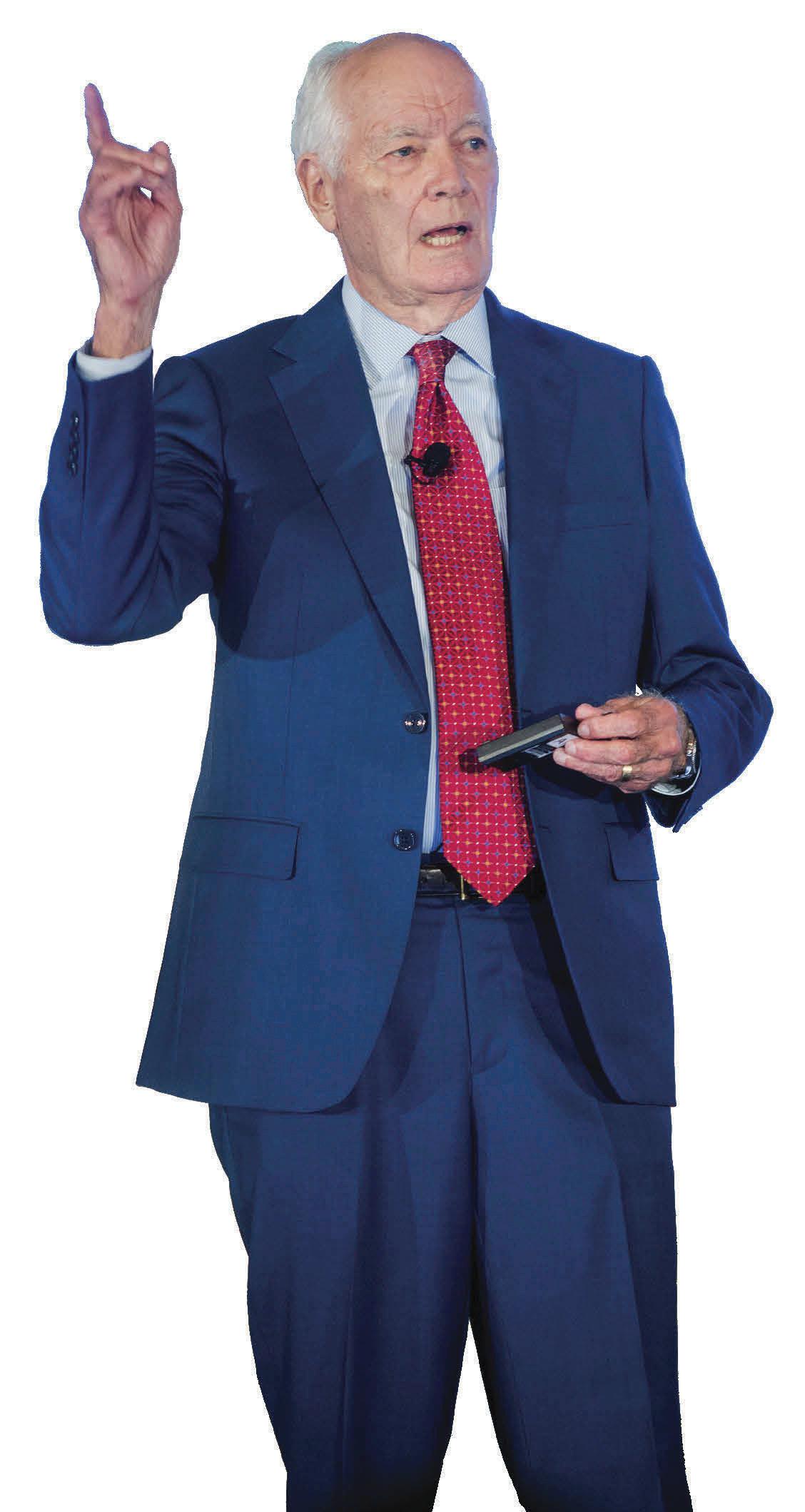
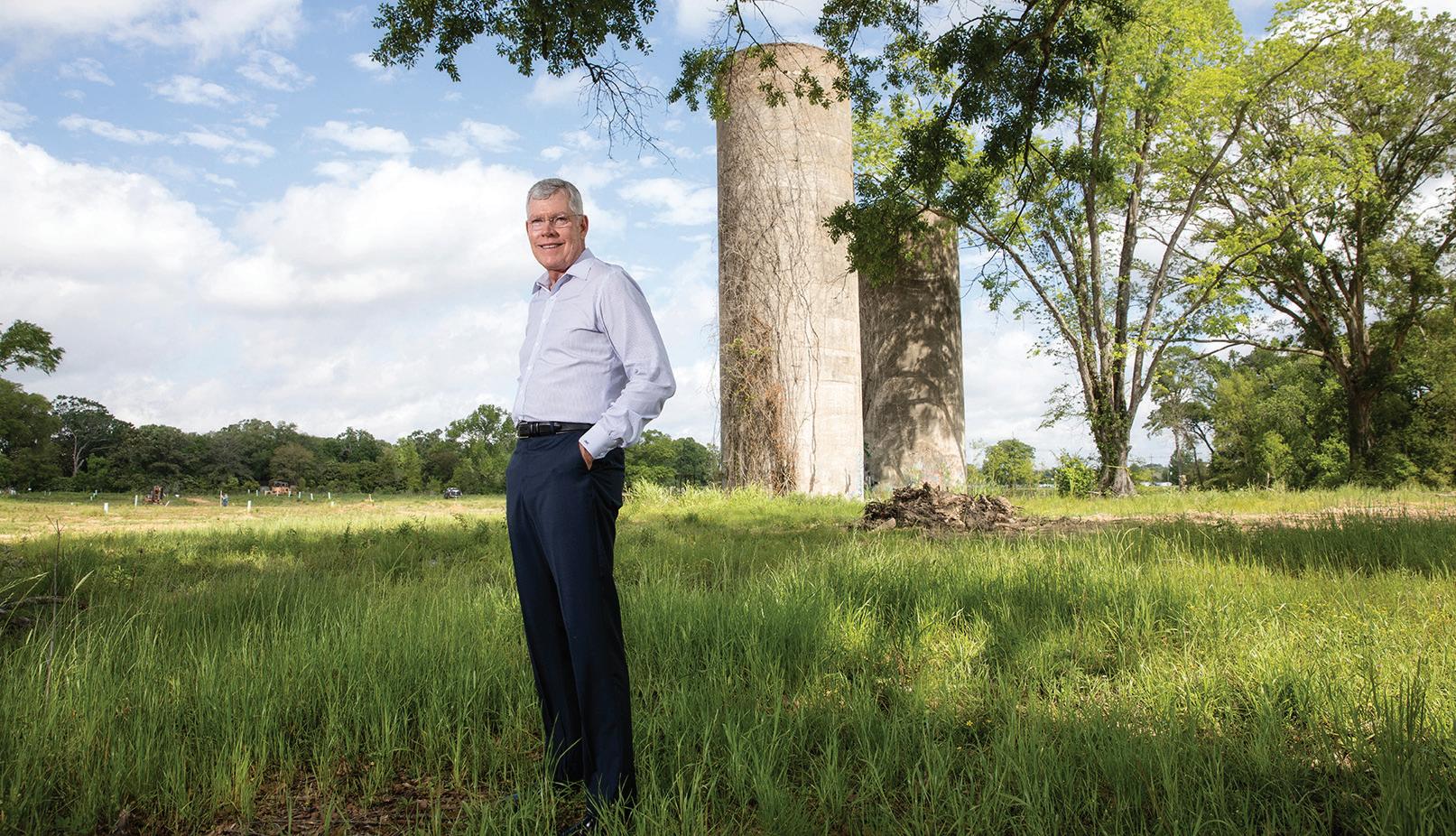
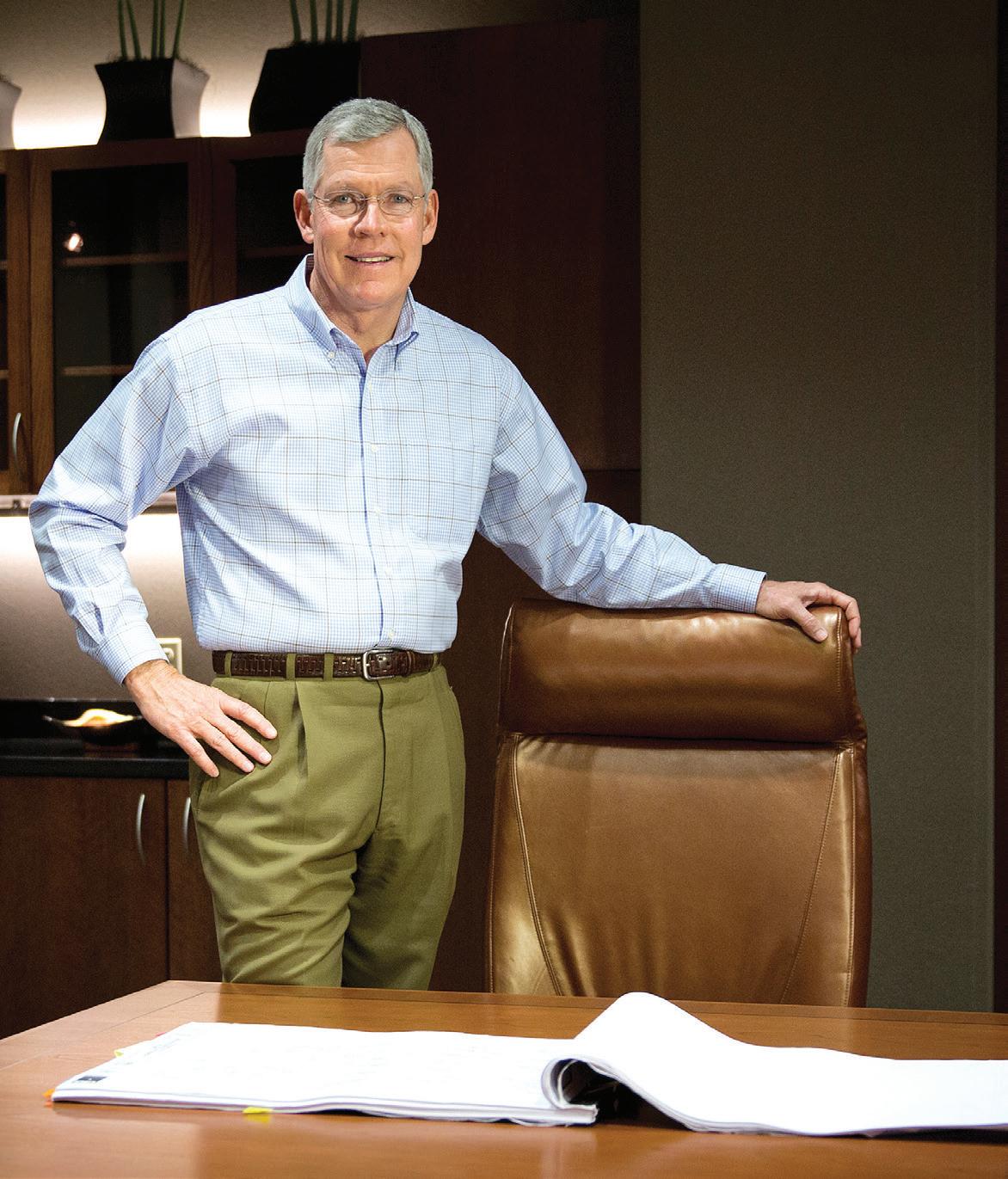
After the multibillion-dollar sale of his H&E Equipment, JOHN ENGQUIST is far from finished.
BY MAGGIE HEYN RICHARDSON
Back in July, a task force of highprofile public servants and subject matter experts met to discuss the dire state of early childhood education in East Baton Rouge Parish. The meeting, hosted by the YWCA, gathered MayorPresident Sid Edwards, East Baton Rouge School System Superintendent LaMont Cole and other power brokers who each began by sharing their names and affiliations.
One familiar member of the group was a towering local businessman with an imposing presence.
“John Engquist,” he said. “Unemployed.”
Chuckles followed the self-deprecating quip, which revealed a light-hearted side to the once LSU basketball player and wildly successful entrepreneur known for gut instincts and succinct wisdom.
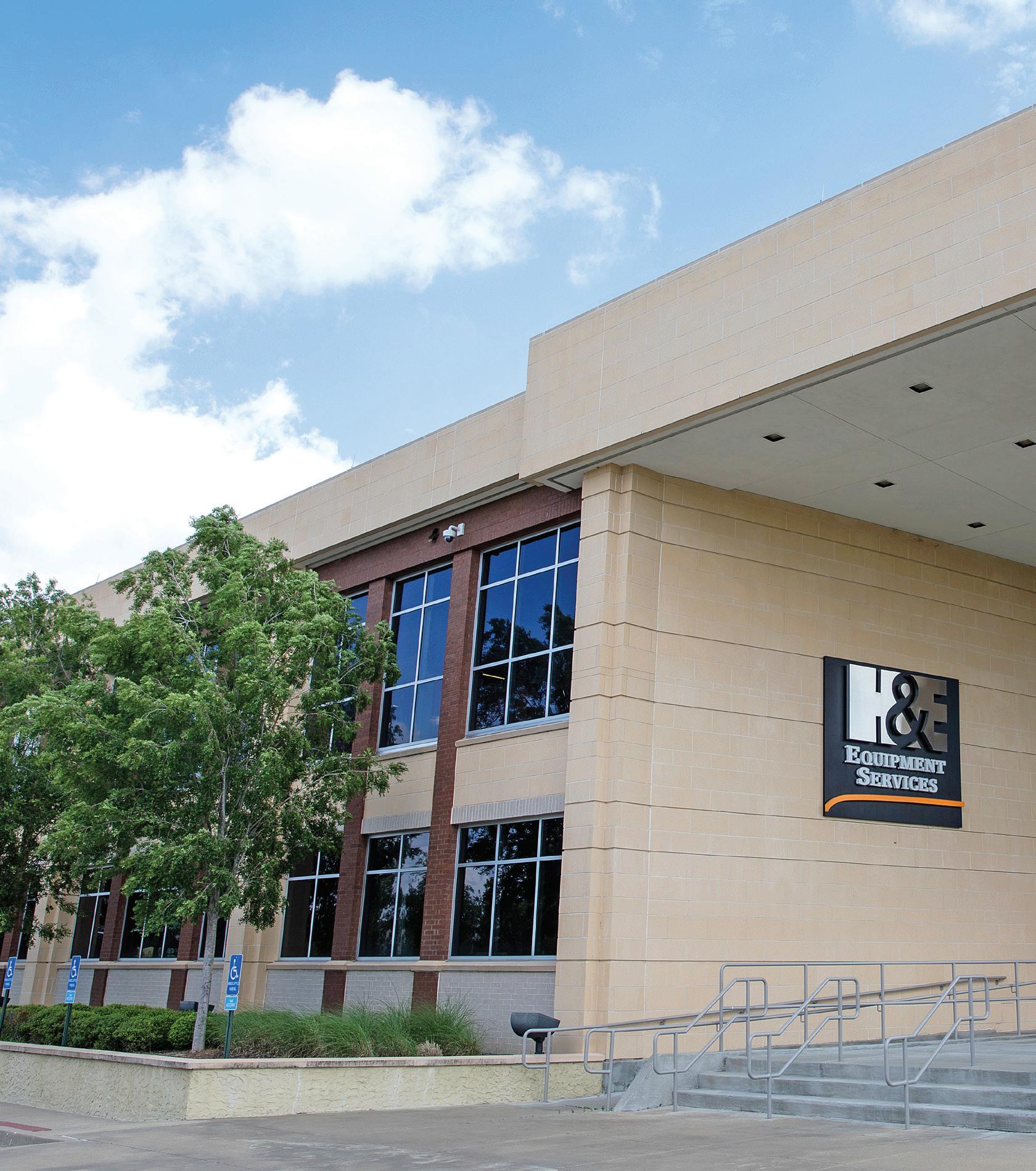
Technically, Engquist was indeed unemployed, having completed the sale of his Baton Rouge-based company, H&E Equipment Services, for around $5 billion in June.
But at 71, Engquist is far from finished.
He’s doubling down on community projects he believes could bring about a tectonic shift in Baton Rouge—a place that friends and family say he loves fiercely. He’s also not done with business, continuing work as a real estate developer while also launching a new investment venture called Engquist Capital this
summer with sons Ryan, president of Level Homes, and John Jr., who was part of H&E’s leadership. Engquist recently moved into a stylish new office on Jefferson Highway.
There was no question that Engquist would eschew traditional retirement following H&E’s acquisition, says Marty Engquist, his wife of 51 years and a community leader at the helm of Plan Baton Rouge III.
“I asked him after the sale if he was going to use our home office for his projects,” she says. “And he said, ‘No. I’ve gotten up every day of my life and gone to an office and I’m not stopping now.’”
The pace might be more relaxed, but for Engquist it’s no less urgent as he shifts his lens from day-to-day business to initiatives that he believes will break Baton Rouge’s logjam of complacency.
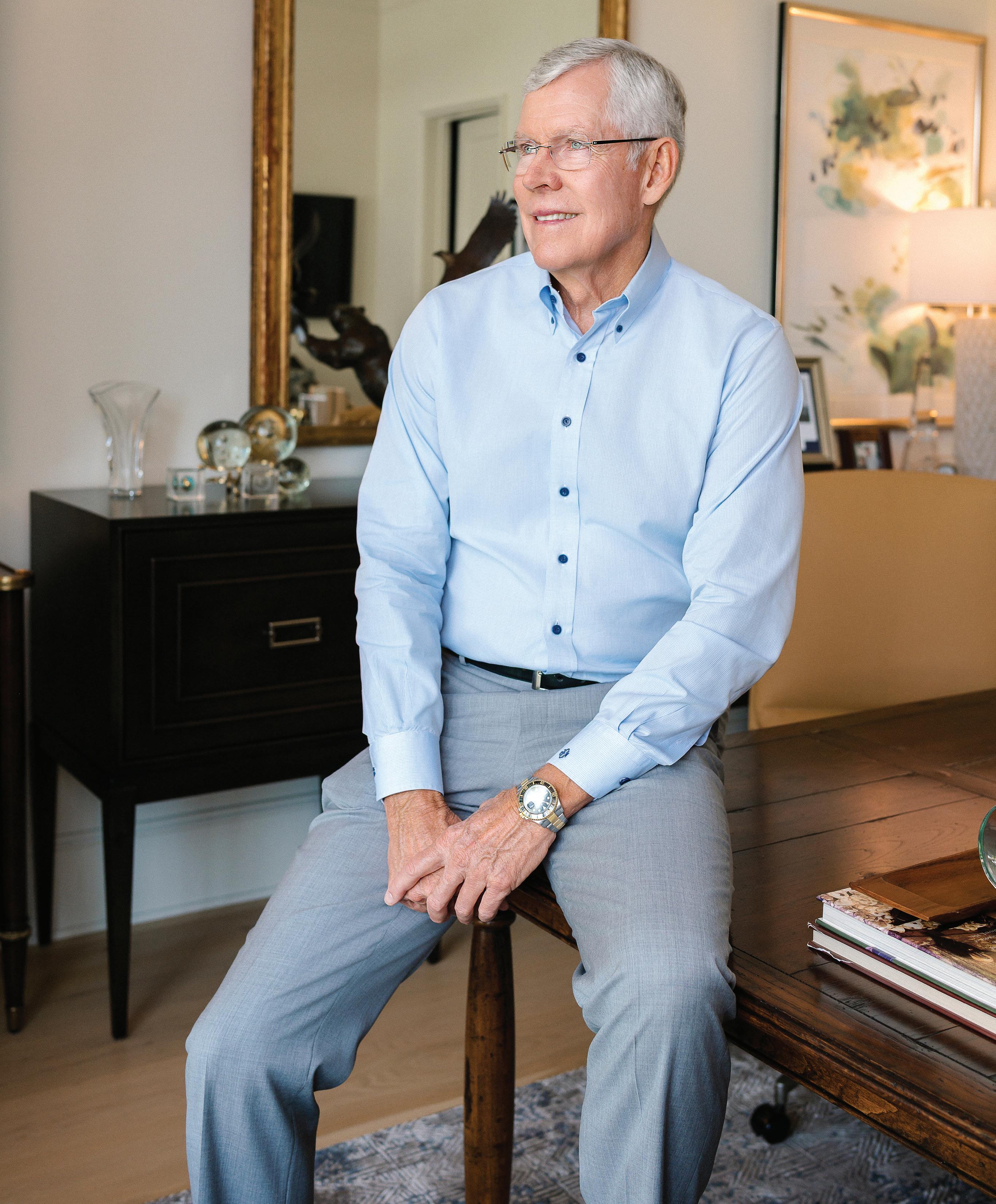
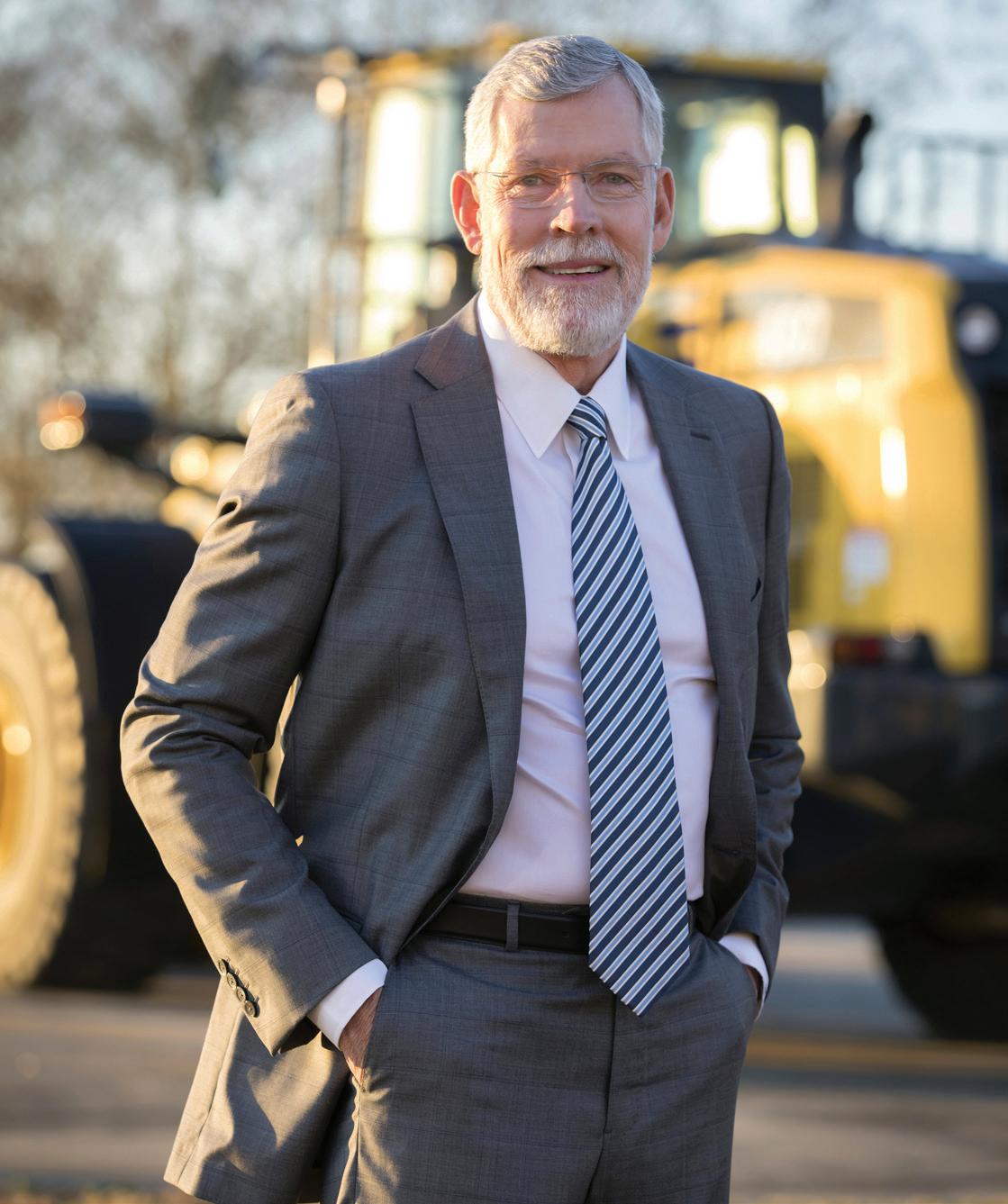
“He is totally committed to helping this community leverage opportunities to become not a good city, but a great city,” says close friend and frequent business partner Charles Landry.
Engquist sits at some of the region’s most influential tables, including the boards of the Tiger Athletic Foundation and Franciscan Missionaries of Our Lady Health System, where he’s known for spartan comments that pack a punch.
“When he talks, the room listens,” FMOLHS President and CEO E.J. Kuiper says. “John has a strategic focus that’s always centered on improving the communities we serve, and an ability to look at where we should be three, five and 10 years from now.”
Representing TAF, Engquist is leading one of the region’s most talked about and complex quality-of-life projects—a proposed 15,000-seat arena that would
replace LSU’s aging Pete Maravich Assembly Center. Two years in the making, the mammoth undertaking is designed to attract live entertainment that currently passes Baton Rouge by. It could be greenlit this fall, pending approval from the LSU Board of Supervisors.
“There was no better person to lead it,” LSU Athletic Director Scott Woodward says. “It would be a dream hire if I were doing a search for an employee. More than anyone, John has the vision to see this as a catalyst for the state, the region and the community, and most importantly, for LSU.”
The arena project is serendipitously timed with two unrelated but complementary projects that Engquist also sees as musts: a reimagining of the River Center to become a conference center and headquarters hotel and the redevelopment of BREC’s Memorial Stadium into a multifaceted sports
complex that could attract professional soccer and baseball teams.
“Any one of these could be transformational for Baton Rouge,” Engquist says. “But when you combine them, it’s an absolute game changer. It’s just amazing what it would do for this city.”
As Landry tells it, Engquist’s natural curiosity draws him into the fine points—details and issues that many prominent business leaders might overlook.
“I talk to John multiple times a day, and the vast majority of our conversations don’t have much to do with the businesses that we share,” Landry says. “It typically involves some issue in the community that John is interested in and wants to learn more about or is upset about and wants to understand what can be done to fix it.”
Baton Rouge’s early childhood
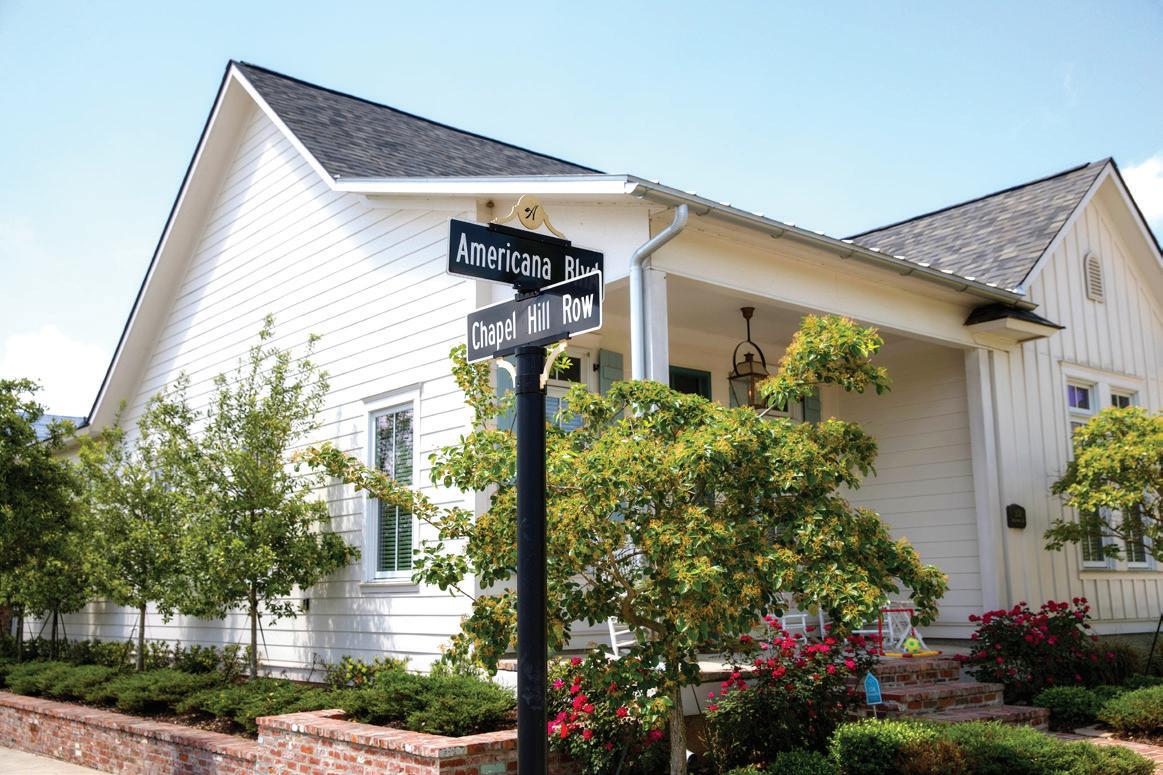
education plight is one of those, first capturing Engquist’s attention in 2017. While working on his Zachary traditional neighborhood development, Americana, Engquist was approached by Kidz Karousel child care center founder Tessa Holloway, who wanted to open a facility in the TND.
Holloway, a no-nonsense businesswoman and tireless early childhood advocate, told Engquist about research from the Louisiana Policy Institute for Children stating that more than 15,000 children from birth to age 4 in East Baton Rouge Parish lack access to early childhood education, forcing them into an unwinnable game of catch-up from the day they start school.
The two hit it off instantly.
Engquist sold Holloway land at an affordable price, offering to finance part of the new location on a handshake. They have since become close personal friends as well as
business partners on two additional Kidz Karousel centers. Another is planned for Engquist’s Rouzan development. They talk almost daily and have lunch several times a week, Holloway says.
“I think John was very much drawn to me because I didn’t know anything about him,” she says. “There was no pretense.”
Engquist has become a business mentor to Holloway, while she has deepened his knowledge about race and disenfranchised communities. The pair are working with other community leaders to find solutions to the region’s lack of early childhood education and its myriad ripple effects.
“When these young kids show up to kindergarten, they have no social skills, and they don’t know their numbers or letters. They’re doomed,” Engquist says. “The incarceration rates on these kids going forward are staggering, and we’ve
got to find a solution for that. We’ve got to fix that. If we fix it, it really moves the needle, not just a little bit, but a lot.”
Friends and family members say it would be hard to find a more diehard Baton Rougean than Engquist.
He moved to the city in the second grade from east Texas when his father started the heavy equipment business, Head & Engquist.
After graduating from Baton Rouge High School, Engquist attended LSU and was a member of the men’s basketball team under head coach Dale Brown. He left after his sophomore year to go work for his father’s company full time. Like other major decisions over the course of his life, this one was made with crisp certainty.
“I loved being at LSU. I loved playing basketball, but basketball


was always a game to me,” he says.
“From a very young age I knew what I wanted to do. I wanted to work in my dad’s business.”
He worked his way up, eventually buying out his father in 1995. Within a few years, he saw an
opportunity to grow the business significantly with a capital partner.
The company, renamed H&E, went public in 2006, ultimately expanding to 169 locations across 29 states. Engquist also got involved in real estate development when he
became an investor in son Ryan Engquist’s company Level Homes.
When the housing market bubble burst in 2008, John Engquist provided a cash infusion that stabilized the company and allowed it to take advantage of depressed real estate
prices nationwide.
Over the course of his adult life, Ryan Engquist says he has watched his father deploy a combination of savvy and old-school values.
“He’s tenacious. He’s quick to make decisions. I think his instincts are always spot on,” he says. “But above all, he believes in sticking to your word and doing what you say you’re going to do. I think that was certainly true at H&E and in the real estate business.”
Selling H&E earlier this year was “brutal,” John Engquist says. It had operated under the same family management for 64 years, and son John Jr. was the CEO-apparent.
“The decision to sell the company,” Enquist says, “was the toughest I’ve ever had in my life.”
But there was no question it was the right one, he’s quick to add. H&E was at a crossroads. A smaller company than its publicly traded peers, it was the last big acquisition opportunity in the sector.
“It wasn’t like we could go make a big acquisition to materially change our scale,” Engquist says. Moreover, H&E didn’t offer

specialty rentals, an important service in today’s rental industry.
Even as one of the top five heavy equipment rental companies in the U.S., there was no question H&E would remain in the Capital City.
“Keeping the company in Baton Rouge was extremely important to him,” Ryan Engquist says. “He’s very passionate about giving back to the city and state, and a lot of his decisions have revolved around that.”
Along with Baton Rouge’s unique culture and people, John Engquist points to strong health care and petrochemical sectors, a beloved flagship university on an upward trajectory and a riverfront whose potential has yet to be realized as just a few of the city’s many assets.
However, he acknowledges a well-established tendency among residents to complain about crime, blight, traffic and inefficiency. Somewhere in Baton Rouge’s past, he says, it became fashionable to publicly lament the city’s shortcomings.
“Look, this negative narrative that is overtaking this town is a real problem,” he says. “We’ve got a lot of problems we’ve got to deal with, but they’re not unique to Baton Rouge.”
His longtime personal strategy has been to act quietly and decisively on issues he finds compelling. Lately, he’s become more vocal.
“I think the community needs to get more involved,” he says. “And I think we’ve got to find projects that can make a difference.”
One of those is the LSU arena, a $400 million, developer-funded project that replaces an aging PMAC with a new facility. The project also includes a state-ofthe-art sports medicine research district and an entertainment district with two hotels. Engquist says the project will make Baton Rouge more competitive in attracting live entertainment.
“We get nothing in this city right now—Lafayette and Monroe are getting more acts than we are—and
From first-time business owners to experienced entrepreneurs, we’re here to help you finance equipment, expand operations, or hire your next team member.
Let’s turn your business goals into reality.
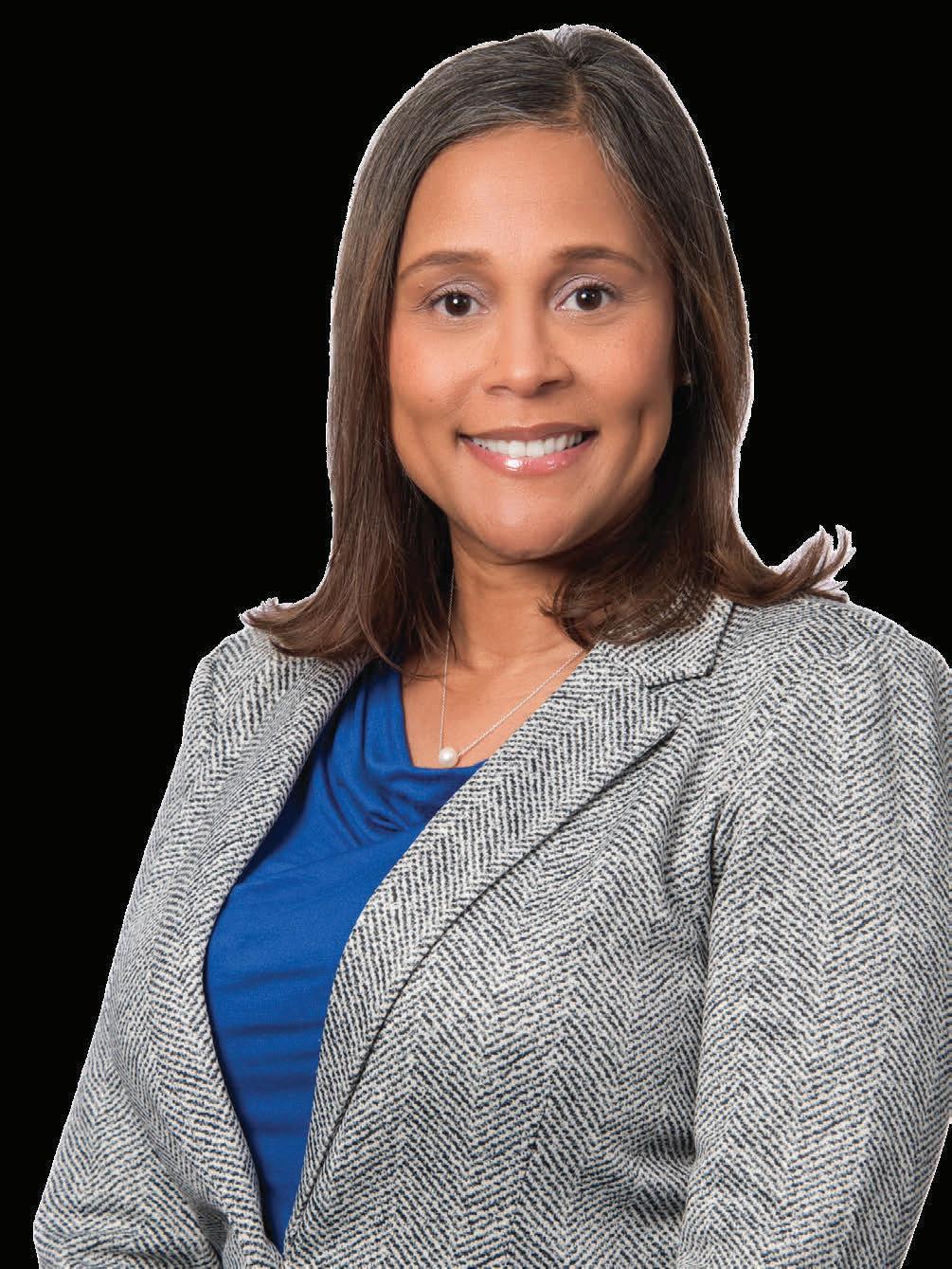
LaDonna Evans VP of Commercial Services

this is an opportunity to change that in a big way,” he says. “It’s good for LSU to have a new basketball arena, but this is also a project that would be transformational for Baton Rouge and the state. This is a deal we need desperately.”
The project hasn’t been without controversy. Oak View Group, the sole finalist and one of the few development firms capable of building a project this size, saw CEO Timothy J. Leiweke indicted this summer in Texas on a federal conspiracy charge, accused of being involved in a bid-rigging scheme related to construction of the Moody Center arena at the University of Texas in Austin. He has since stepped down from the position. But Engquist insists that doesn’t change the company’s suitability to develop the arena.
“Oak View has not lost an investor or a project, and they have an incredibly strong balance sheet,” he says. “They generate a lot of cash flow and are the best developer on the planet to do this project.”
There’s also been some public concern about a proposed sales tax rebate for the developer—as well as
naming rights for the facility, which could be secured by Our Lady of the Lake Regional Medical Center, already a significant LSU partner.
“I think the naysayers just don’t understand what we’re doing here,” he says. “It’s not costing LSU or Baton Rouge anything. We’re not giving up anything, but we’re getting a whole lot, and that’s what’s misunderstood.”

From time to time over Engquist’s life, everyday pursuits have unlocked frontiers he could never have predicted. His work as a developer led to a profound interest in local inequities in early childhood education. In another instance, a small act sprouted into a multimillion-dollar foundation that supports children with cancer.
In 1994, one of Engquist’s H&E
employees asked if a friend’s 11-year-old cancer-stricken son could spend an afternoon fishing at the Engquists’ East Feliciana property, a sprawling swath where the family escaped on weekends to enjoy their greatest collective joy—the outdoors.
“The little boy caught an 8-pound bass,” recalls Marty Engquist. “Even though he was going through chemo and didn’t feel good. But he was so happy to be out there, and we just all had a great time.”
Four kids with cancer came the following year. Soon, John found himself raising money for St. Jude Children’s Research Hospital and serving on one of its boards. The first Saturday in May became a recurring date to host a growing number of youth cancer patients, and the family formed the Dream Day Foundation to run it. Today, 175 children, along with seven of their friends and family members, attend a full day packed with fishing, a petting zoo and other outdoor activities on the Engquists’ property.
“It’s our family’s favorite day of the year,” Marty Engquist says.
Garden Park Nursing & Rehabilitation Center has been recognized by the American Health Care Association and the National Center for Assisted Living (AHCA/NCAL) as a 2025 Gold - Excellence in Quality Award recipient.
“Our top priority has always been providing exceptional care to our residents,” said Jennifer Peters, Administrator of Garden Park in Shreveport. “To be one of only three facilities nationwide to earn the 2025 Gold Award is an incredible honor and a testament to our team’s unwavering commitment to quality, safety and service. This is a victory for all Louisiana nursing facilities that tirelessly pursue quality improvement.”
“The hardworking staff at Garden Park Nursing & Rehabilitation Center have achieved one of the most prestigious honors in our profession,” said Mark Berger, executive director of the Louisiana Nursing Home Association (LNHA). “Earning the Gold - Excellence in Quality Award is an extraordinary achievement that recognizes exceptional caregiving and tireless dedication to continuous quality improvement. This year, only three facilities in the nation received this award, placing Garden Park among the best in the country. Louisiana has secured its place among the nation’s top achievers in quality awards with 74 bronze, 37 silver and one gold since 2018.”
The National Quality Award Program by the American Health Care Association and the National Center for Assisted Living (AHCA/NCAL) has three progressive levels of achievement – bronze, silver, and gold. Implemented by AHCA/NCAL in 1996, the National Quality Award Program is centered on the core values and criteria of the Baldrige Performance Excellence Program. The program assists providers of long term and post-acute care services in achieving their performance excellence goals. The awards will be presented during AHCA/NCAL’s 76th Annual Convention and Expo in Las Vegas, Nevada on October 19-22, 2025.




JEANNIEF
Engquist’s name is nowhere on the foundation’s website nor its origin story.
“A lot of people have no idea how involved Mr. John is,” says Level Homes managing partner Todd Waguespack, who considers Engquist a mentor. “That kind of generosity and heart is a powerful example.”
After a career that lasted more than five decades, Engquist is getting used to a new rhythm. There’s more time to escape to his Clintonarea retreat with his grandkids and beloved black labs, Merle and Juke, or to leave town for duck hunting or marlin fishing. A lifetime of hard work has earned Engquist the right to relish the good life.
But that’s not what gets him out of bed in the morning.
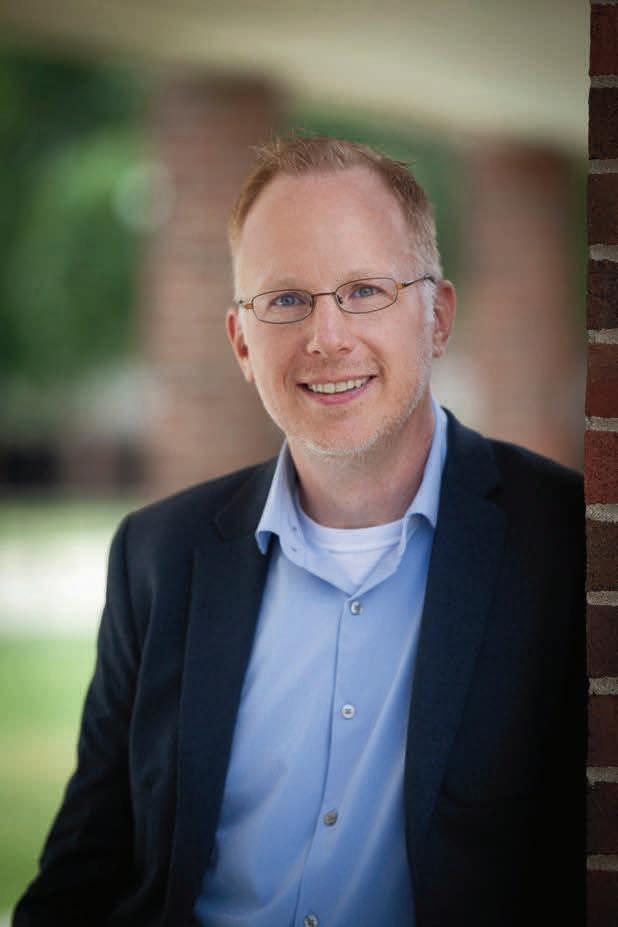
Don Harkey CEO of People Centric Consulting Group


Being a "best place to work" is no longer a nice-to-have. In today's "Perfect Storm", creating a strong, people-centric culture is a massive competitive advantage. In this workshop, participants will learn how to create a culture that attracts, retains, and unleashes talent through systems. Participants will also walk away with the start of an actionable plan to improve engagement.


Wednesday, October 1, 9:30-11am Immediately following the breakfast gbrshrm.org
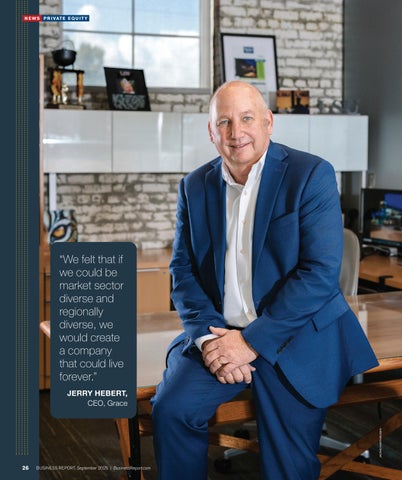
“We felt that if we could be market sector diverse and regionally diverse, we would create a company that could live forever.”
JERRY HEBERT, CEO, Grace
With private equity backing and a multidimensional strategy, Grace Design Studios is becoming a global force built upon its architectural foundation.
BY KELLI BOZEMAN
WHAT DO A resort community in Saudi Arabia, the new Epic Universe park at Universal Orlando and a police station in Zachary all have in common? They all have elements designed by architects who are now part of the growing Baton Rouge-based Grace Design Studios.
The firm’s global portfolio is eye-popping evidence of its rapid expansion and evolution since being infused with capital through an investment from private equity management firm Bernhard Capital Partners in 2022.
Known as Grace Hebert Curtis Architecture at the time, the firm proceeded to go on an acquisition spree that eventually led to a rebranding in May of this year. Now with 22 regional offices in 12 states, Grace has become a fully integrated architecture, engineering and consulting, or AEC, firm with projects in sectors ranging from health care and education to civic infrastructure, hospitality and beyond.
The strategy has already begun to pay significant dividends. As No. 5 on Zweig Group’s 2025 Hot Firm List of fastest-growing AEC firms in the U.S. and Canada, Grace reported gross revenue of $137 million in fiscal year 2024, a 242.5% increase over its 2021 gross revenue of $40 million. And more architecture firms around the country are now beginning to follow Grace’s lead by partnering with private equity.
“We felt that if we could be market sector diverse and regionally diverse, we would create a company that could live forever,” says Grace CEO Jerry Hebert. “We really had to rethink how this company lives for the long haul, and how we could take and grow it to a point where we would have more opportunity for our staff to be able to do different types of work throughout the world.”
With its rapid-fire pace of acquisitions and partnerships, Grace Design Studios has expanded across the U.S. map.
turn, adjust the electrical lights accordingly.
As the company settled into its downtown digs, its leaders also set their sights on expansion, first to New Orleans with the acquisition of HMS Architects, and then to Dallas in 2019 with the purchase of the Curtis Group. “Our strategy at that point was really to become regionally diverse,” Hebert says. “So if one economy is not as good as another, it gives us the opportunity to make sure we keep our staff in place, because obviously the lifeblood of our company is the people who work for us every day.”
A powerful partnership
The pace of company growth really picked up in 2022, when Bernhard Capital Partners announced it had invested in Grace Hebert Curtis, as the firm was then called. While specifics of the transaction were not disclosed, it was noted that Grace would retain “a significant stake in the business.”
The company that would eventually become Grace got its start in Baton Rouge in 1967. Then called Newman and Grace for its founders, Ed Newman and Fred Grace, the firm welcomed Hebert in 1987, two years after he earned his architecture degree from LSU. When Newman retired, the firm became Fred Grace and Associates, and later Grace and Hebert.
In 2009, the firm moved from the Bluebonnet Boulevard area to its current headquarters in a historic building on Government Street downtown. Constructed in the late 1800s, the structure had housed several businesses over the years, including a company that processed moss for mattresses, an armory, a school and an antiques store.
Grace’s $2.4 million renovation of the Government Street building won a Silver Rose Award from the American Institute of Architects. The project was the first in the Baton Rouge area to receive Gold LEED Certification from the U.S. Green Building Council, an award reflecting its use of sustainable materials and a reduction of water and energy consumption.
Today, Hebert’s corner office on the second floor highlights the firm’s commitment to linking local history with modern vision. Glass walls afford just enough privacy without obscuring the exposed original brick walls. The firm’s signature vibrant blue and green colors are incorporated throughout the open central work area, and abundant natural light is tempered by sensors that detect how much sunshine is pouring in at any given time of day and, in
Grace already had an established relationship with BCP before the move, having designed a facility for BCP portfolio company Epic Piping, and even earlier, when BCP founder Jim Bernhard was still at The Shaw Group. “I had sat down with Jim multiple times and had discussions about business strategy,” Hebert says. “Some people just think about surviving. … He was thinking about how do you grow a firm to be the best in the world.”
Grace’s deep experience in civic, health care and education projects made the firm a natural fit for BCP’s focus on growing infrastructure systems and essential services. The firm was also attractive to BCP because of its already established ability to grow through acquisitions, says Bernhard Capital Managing Director Patrick Bernhard.
“They have fantastic talent here in Louisiana and a strong track record of producing high-quality projects,” Bernhard says. “That entrepreneurial spirit and ability to work hard to

build a business with a base in Louisiana across the country in the growth markets was really what differentiated them.”
242.5%
Increase in Grace’s gross revenue from FY 2021 to FY 2024, landing it at No. 5 on Zweig Group’s 2025 Hot Firm List of fastestgrowing AEC firms in the U.S. and Canada.
The vision for BCP’s investment in Grace was simple, Bernhard says, and that was to continue expanding both geographically and from a résumé and services standpoint. The ultimate goal, noted both Hebert and BCP partner Jeff Koonce at the time the investment was announced, was to build a full-service, national AEC platform that would take advantage of what Koonce described as “tail winds within the broader AEC market as businesses, institutions, and local and federal governments dedicate more resources to the development of critical and civil infrastructure.”
Through the investment, Grace became one of only a few institutionally backed architecture firms in the country, notes Bernhard, who says such investments are now more common. “Now there are a handful,” he says. “People invest in engineering groups or different adjacencies, but architecture had largely been an under-invested asset class for private equity.”
The company’s intranet, dubbed MILO for “meet, inspire, learn, optimize,” is essential to connecting team members around the country. An AI component provides instant answers to Grace-related questions.
After BCP’s purchase of a portion of the company, the process began of strategically searching for architecture firms in different locations and with different specialties that could be brought into the fold to complement and expand Grace’s existing range. First came acquisitions of Pensacola, Florida-based Bullock Tice Associates, Fort Worth, Texas-based Hahnfeld Hoffer Stanford, and Fort Myers, Floridabased BSSW in 2023. The next year brought new partnerships with St. Louis-based Hastings+Chivetta and Phoenix-based Orcutt|Winslow. The newest acquisitions, announced this year, are Lakeland, Florida-based Straughn Trout and Baltimore-based CRGA Design.
“Really what we focus on are growth markets,” Bernhard says. “We partner with demographers and do population growth research, because where there are more people, there’s more infrastructure needed—more hospitals, more schools, more fire stations and other things along those lines.”
Each of Grace’s new locations brings its own history of excellence in varied specialties. CRGA was known for designing health care facilities.

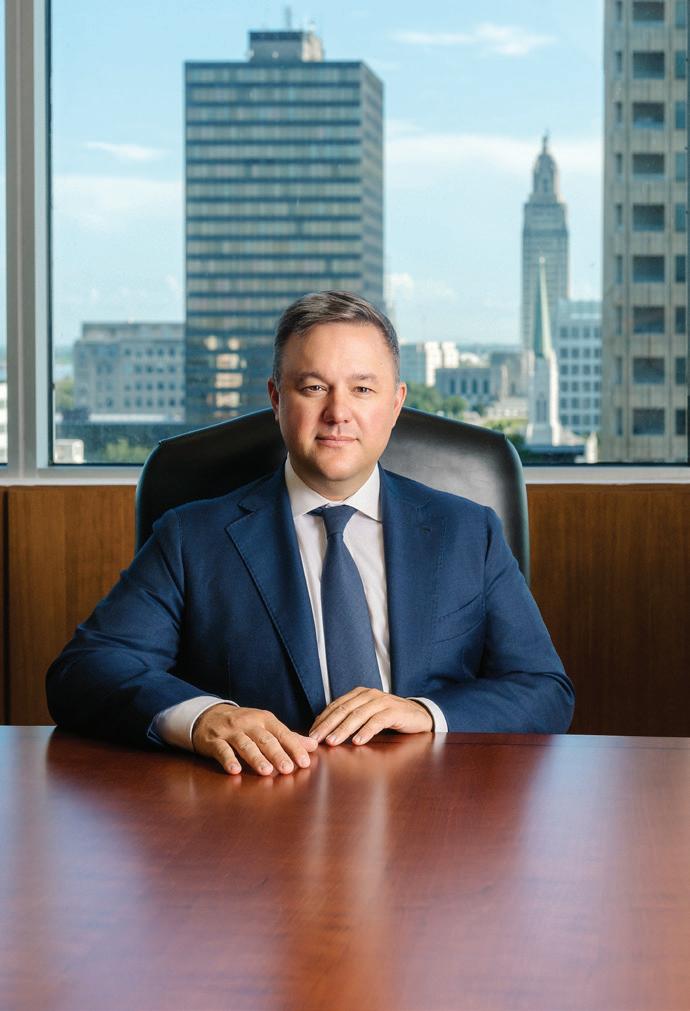
“We’ve really exceeded where we thought we’d be in a short period of time. We want to continue to grow it and make Louisiana proud.”
Patrick Bernhard , managing director, Bernhard Capital
An Orlando office previously acquired by Orcutt|Winslow houses specialists in international master planning. The team formerly known as Hastings+Chivetta aces higher education design assignments. The list goes on.
“Our goal wasn’t to be the biggest,” Hebert says. “It was really to just create a firm where we could not only leverage technology but also leverage quality of staff, leverage knowledge between market sectors, and then to be able to grow experts in each of those fields.”
As the number of offices grew, Grace continued to round out its services by adding mechanical engineers, forensic consultants and other specialists to a roster of team members that already included interior designers and other complementary fields. Bringing together such a balanced mix of professionals means clients get a seamless experience no matter what nuances their project might involve.
To smooth the company’s rapid growth, Grace’s leadership focused on ensuring that its systems were easily expandable—from essentials like telephones to a company-wide intranet system that became a natural backbone for keeping new Grace team members in farflung locations connected.
BCP assisted the scaling-up process by
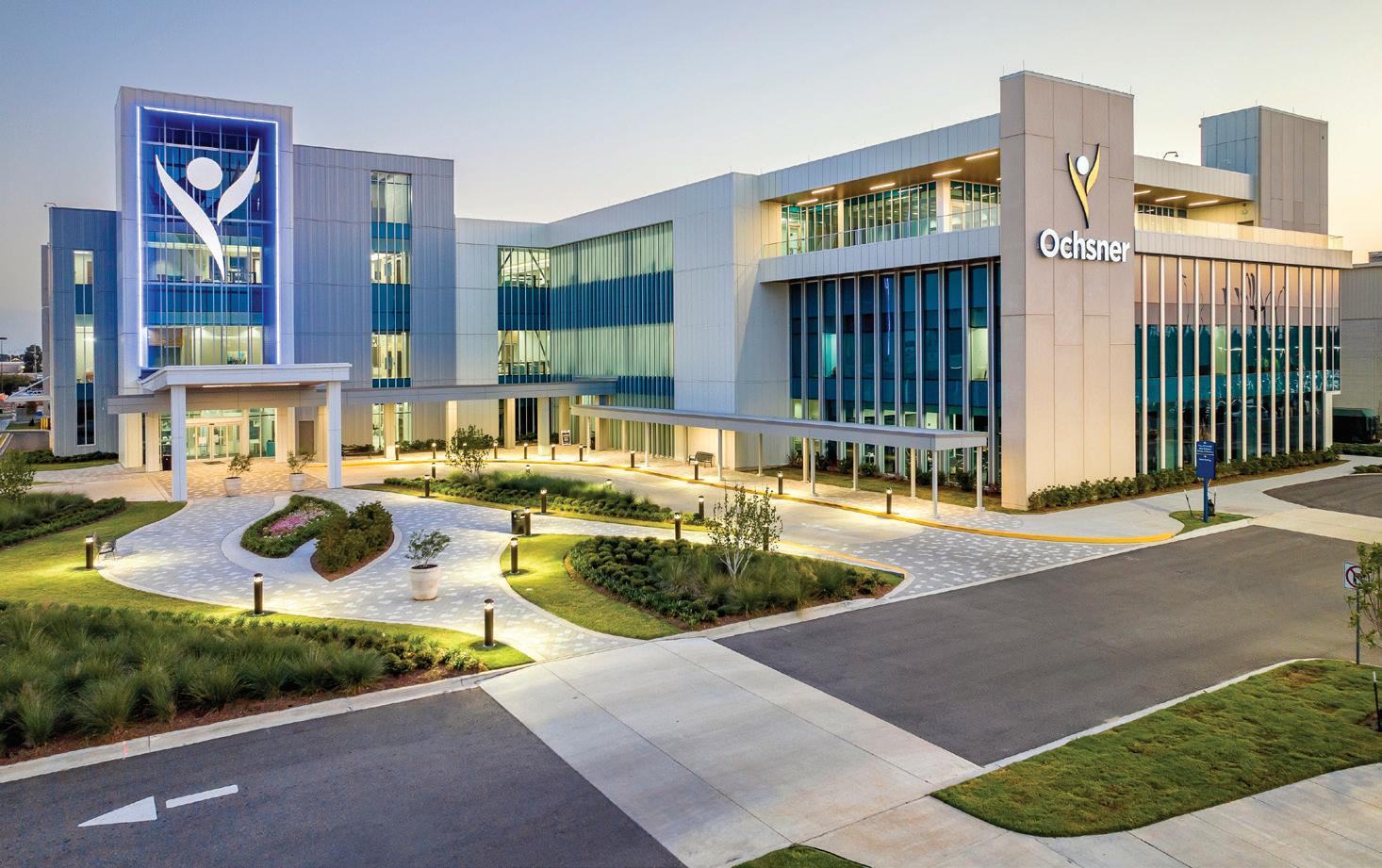
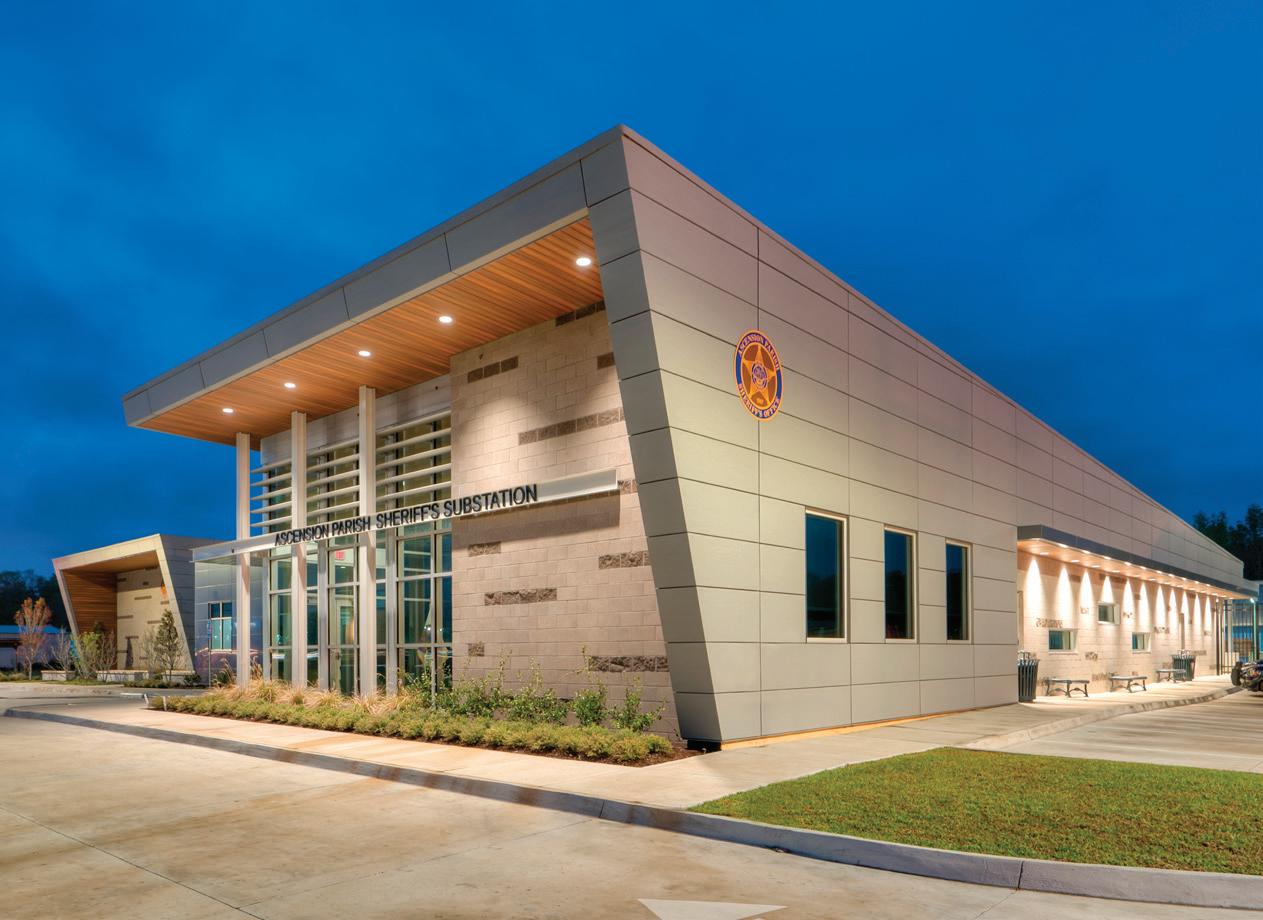
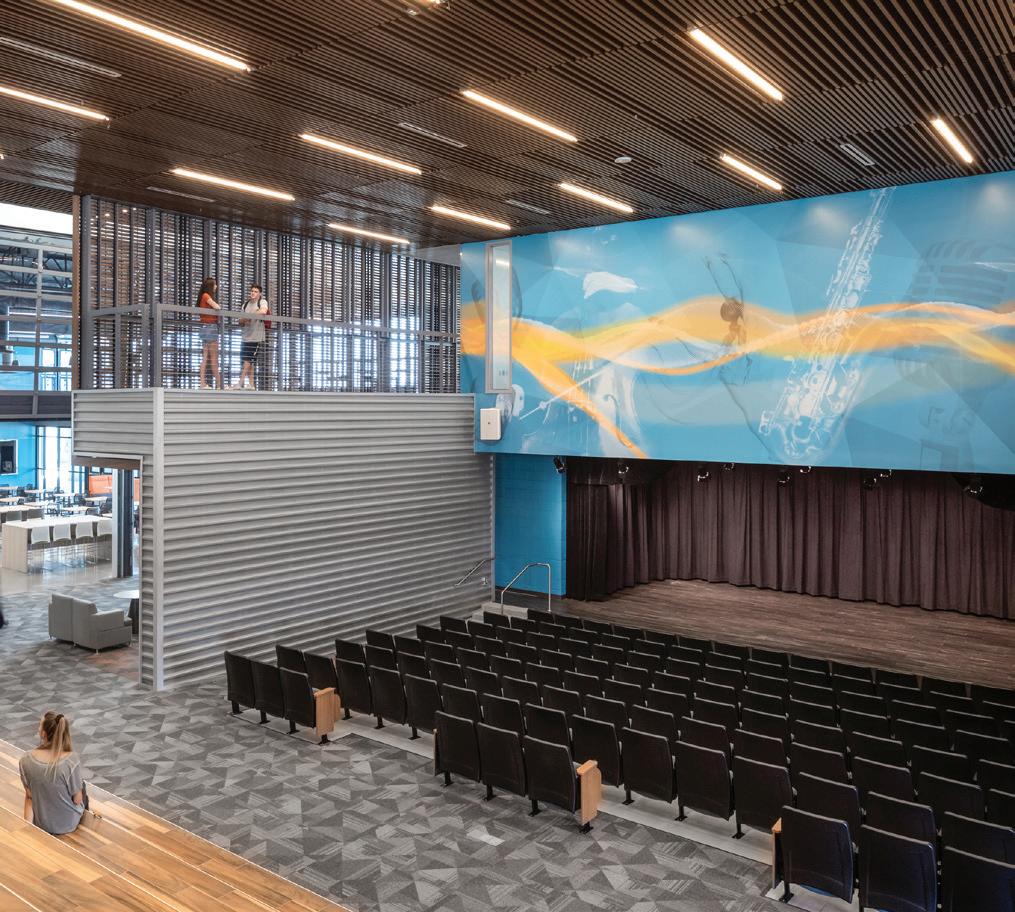
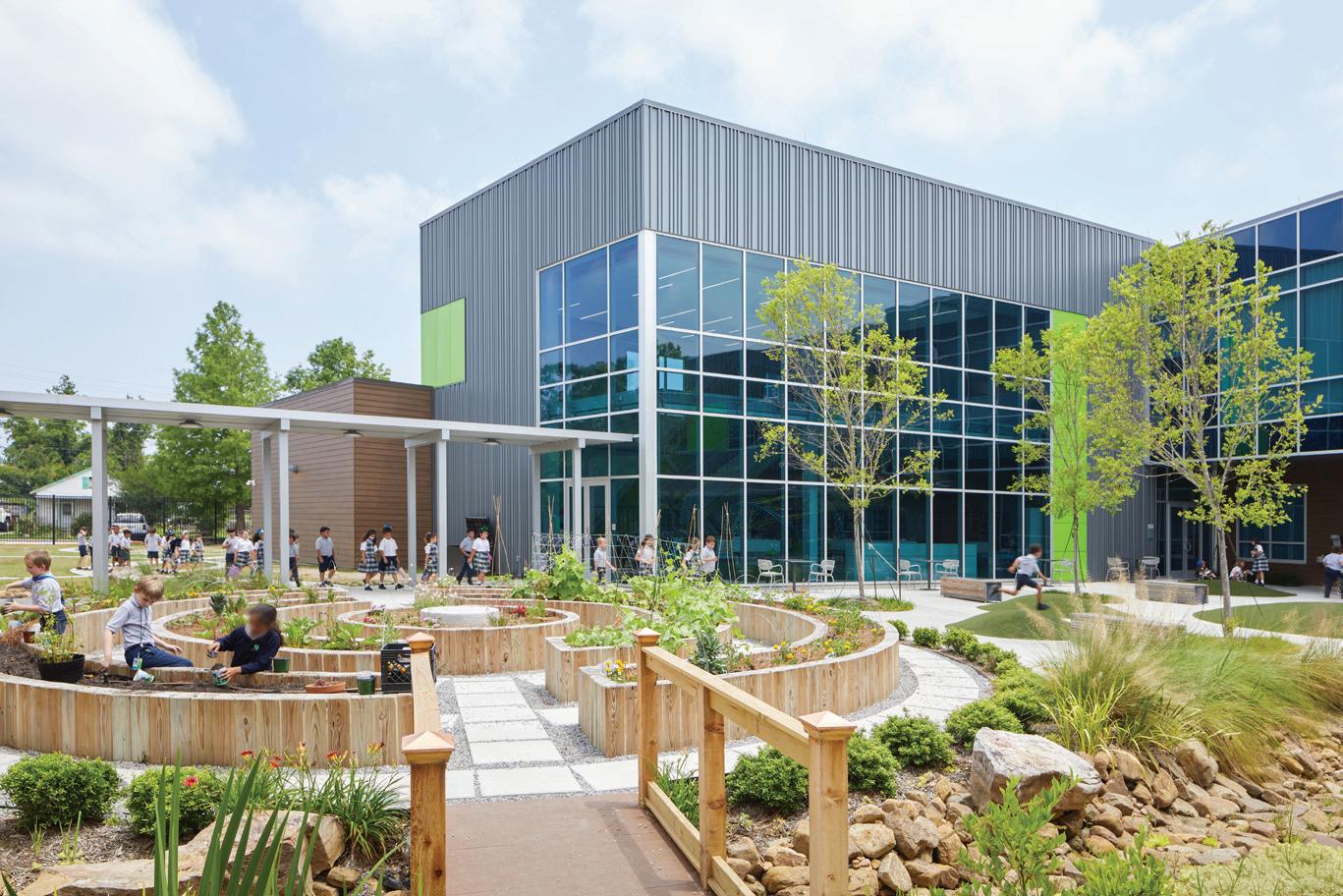
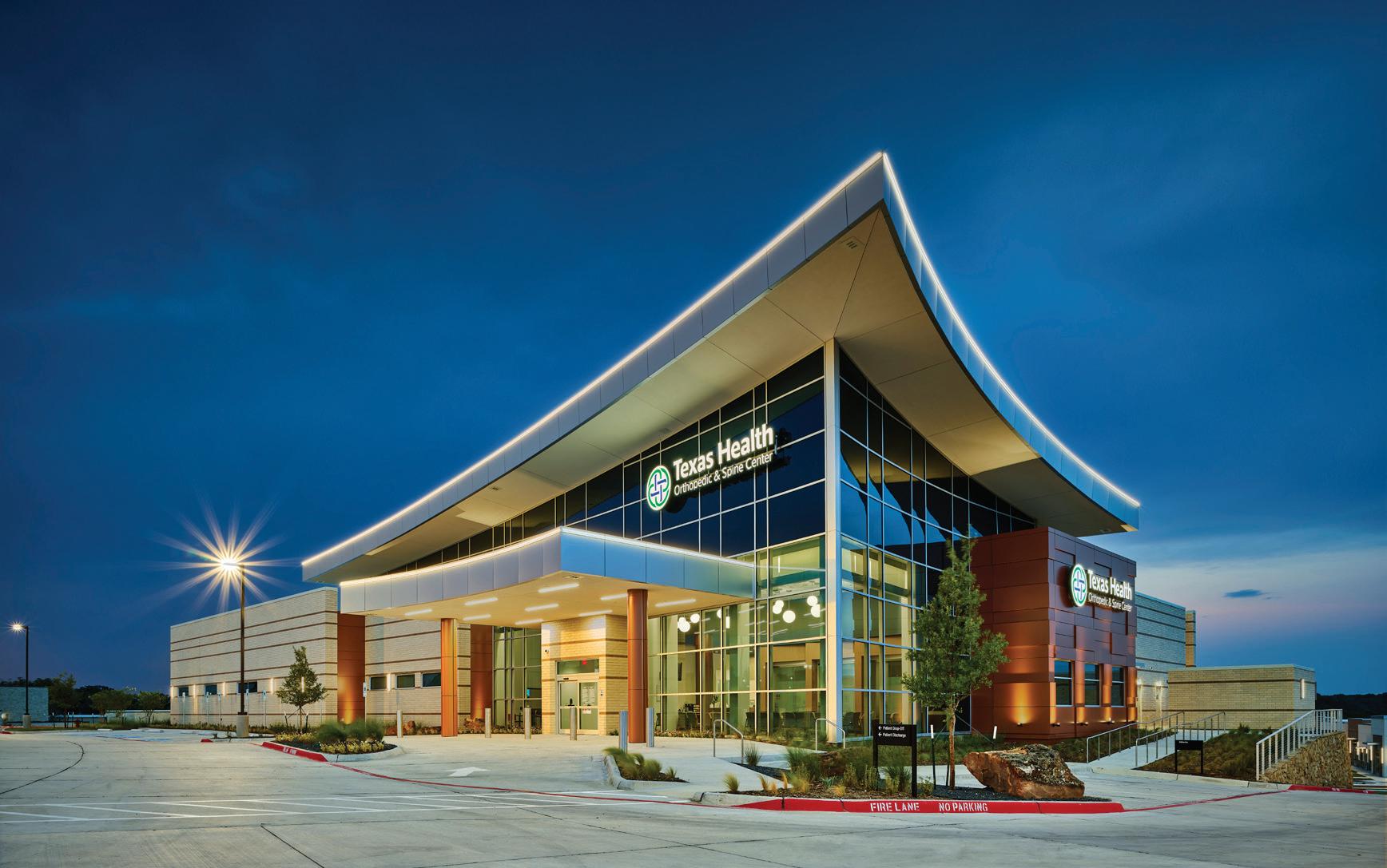
GRACE’S PORTFOLIO NOW stretches from the Gulf Coast to the Persian Gulf. This global reach is the product of a bold expansion strategy—one that’s brought new specialties, new markets and new possibilities into the fold. Here’s a snapshot of the spaces it is shaping here and around the world.

1 3 4 5 2





Top executives don’t waste time hunting for data—it comes to them. Now, with a Baton Rouge Business Report INSIDER subscription, relevant insights pop up as you read.
Search our data center for real-time business intelligence.

Become an INSIDER now and get the advantage.
project.

facilitating the integration of a robust enterprise resource planning system as well as connecting the firm with a new CFO, Walter Powell, to help manage the increased financial reporting demands. Powell was formerly with Atlas Technical Consultants, a company that BCP previously backed and later exited.
To better capitalize on the strengths of its numerous experts in different areas around the country, Grace shifted its organizational structure to a studio model earlier this year. Architects focused on health care all work as part of the same studio, even if they are located thousands of miles apart.
Other studios focus on civic projects, hospitality and themed entertainment, K-12 education, higher education, defense and security, sports and recreation, and senior living. But studio team members often share their expertise in other areas, like during a recent project at the Louisiana Correctional Institute for Women for which both the health care group and K-12 group had a hand in the design.
“You probably can’t walk through this office and find a project that has only Baton Rouge people working on it,” Hebert says. “If you ask who’s helping them, they’ll probably say someone in Orlando, or in Pensacola, or somewhere else. Technology obviously enhanced the ability to work across multiple offices collaboratively.”
Working from the Pensacola location, Larry Adams has had a close-up view of the company’s expansion and reorganization. As president of the first firm Grace acquired after the equity investment, Adams says the process was seamless and at times unexpected, like when Grace moved his entire 23-member staff from a deteriorating building to a new and fully equipped downtown office.
“Our culture and morale here are just through the roof,” Adams says. “They have treated us so fairly. A lot of people in business will talk about how much they care about their staff and those kinds of things, but they really mean it at Grace.”
“Some people just think about surviving. [Jim Bernhard] was thinking about how do you grow a firm to be the best in the world.”
Grace CEO JERRY HEBERT
As an architecture, engineering and consulting firm, Grace’s AEC services go far beyond basic design.






ARCHITECTURE
MECHANICAL ENGINEERING
INTERIOR DESIGN
INSPECTION AND RESILIENCE CONSULTING
FORENSIC CONSULTING
PLANNING
SPECIALIZED HEALTH CARE PLANNING AND DESIGN
SUSTAINABILITY
PROGRAM MANAGEMENT
CREATIVE SERVICES
3D VISUALIZATION

Grace has implemented new activities and programs aimed at fostering a healthy and cohesive company culture. In Pensacola, that has meant weekly catered lunches at the office— something Adams says has built a strong sense of camaraderie. Similarly, each quarter, the team heads out for a fun activity away from the office—think axe throwing or mini golf.
Though unique, each office adheres to the company tagline of “Do good. Be great.”
But Grace’s leaders don’t take a one-size-fits-all approach to building culture. “We have a set vision, values and mission, and we define those clearly to the staff,” Hebert says. “But even though we all have the same destination, we may get there a little differently. I don’t want to overlay crawfish eating on Fridays to my staff in Orlando. We want them all to have their own personality, because connection to community is of utmost importance.”
Even with each office being unique in many ways, they all adhere to the company tagline of “Do good. Be great.” Having a good cultural fit is important, Hebert says, and Grace has stepped away from potential acquisitions multiple times when its leaders felt that such a cultural synergy didn’t exist with the other firm.
“The important thing is treating people with respect,” Hebert says. “That will solve a lot of cultural problems, and I expect everybody here to follow that rule. If you want to be part of our
team, then be part of our team, but there’s no ‘I’ in ‘team.’”
The firm’s new moniker, Grace Design Studios, reflects its roots but also conveys a refinement that distills its vast network of new components down to a unified essence. Working on the rebranding process with consulting firm Emergent Method, the company’s leaders arrived at the word “Grace” as a stand-in not just for all of its legacy owners but for the vision of the company as a whole.
“Grace is not meant to represent a person,” notes director of business development Rebecca Moses. “It’s meant to represent the future in terms of bringing legacy firms together for something new and innovative. It was a word that we felt was powerful.”
Now with a roster of nearly 500 full- and part-time employees, Grace remains open to future acquisitions and partnerships. “We’ve really exceeded where we thought we’d be in a short period of time,” Bernhard says. “Keeping the momentum is the key. We want to continue to grow it and make Louisiana proud.” Bernhard adds that future growth will happen in a similar fashion to what’s taken place over the last three years: “Certainly there are some states that we want to grow more in, like Georgia, North Carolina and South Carolina.”

Grace is not meant to represent a person. It’s meant to represent the future in terms of bringing legacy firms together for something new and innovative . It was a word that we felt was powerful.

Meanwhile, advancements in technology are proving vital to the company’s internal and external ventures. At the Baton Rouge headquarters as well as at several other offices, building information modeling, or BIM, labs employ big screens, high-tech projectors and virtual reality goggles to provide clients with a realistic view of a project even before construction.
The company’s intranet, dubbed MILO for “meet, inspire, learn, optimize,” is essential to connecting team members around the country, with its social media-like posts, resource documents and marketing materials all together in a centrally accessible spot. MILO’s latest addition is an artificial intelligence
component through which employees can get answers to specific Grace-related questions instantly.
AI is something Hebert says is vital to the future of his or any successful architectural firm, and he asserts that by next year, Grace will be one of the leading architectural firms in harnessing its power.
Hebert leads a dedicated group within the company focused on optimizing AI and technology innovations. “We think we can leverage it in a lot of places inside our business model, potentially from quality control and early design to codes—you name it,” he says. “We foresee technology changing everything about the way we work.”
But no matter how far technology moves forward, Grace’s main focus remains on nurturing its people while meeting the needs of the clients it serves. With high morale and a close-knit staff, plus financial backing to incorporate the tools necessary for 21st century success, Grace has its sights on building something special.
“We want to focus on not only having a great business and drawing great buildings but designing great outcomes for the users of those buildings,” Bernhard says.
More architecture firms around the country are beginning to follow Grace’s lead by partnering with private equity.
“So through our design, if we can help someone heal a little faster or learn a little better, that’s really important to us as we build the company and the value that it has for the communities that it serves.”
lcmh.com/cancer
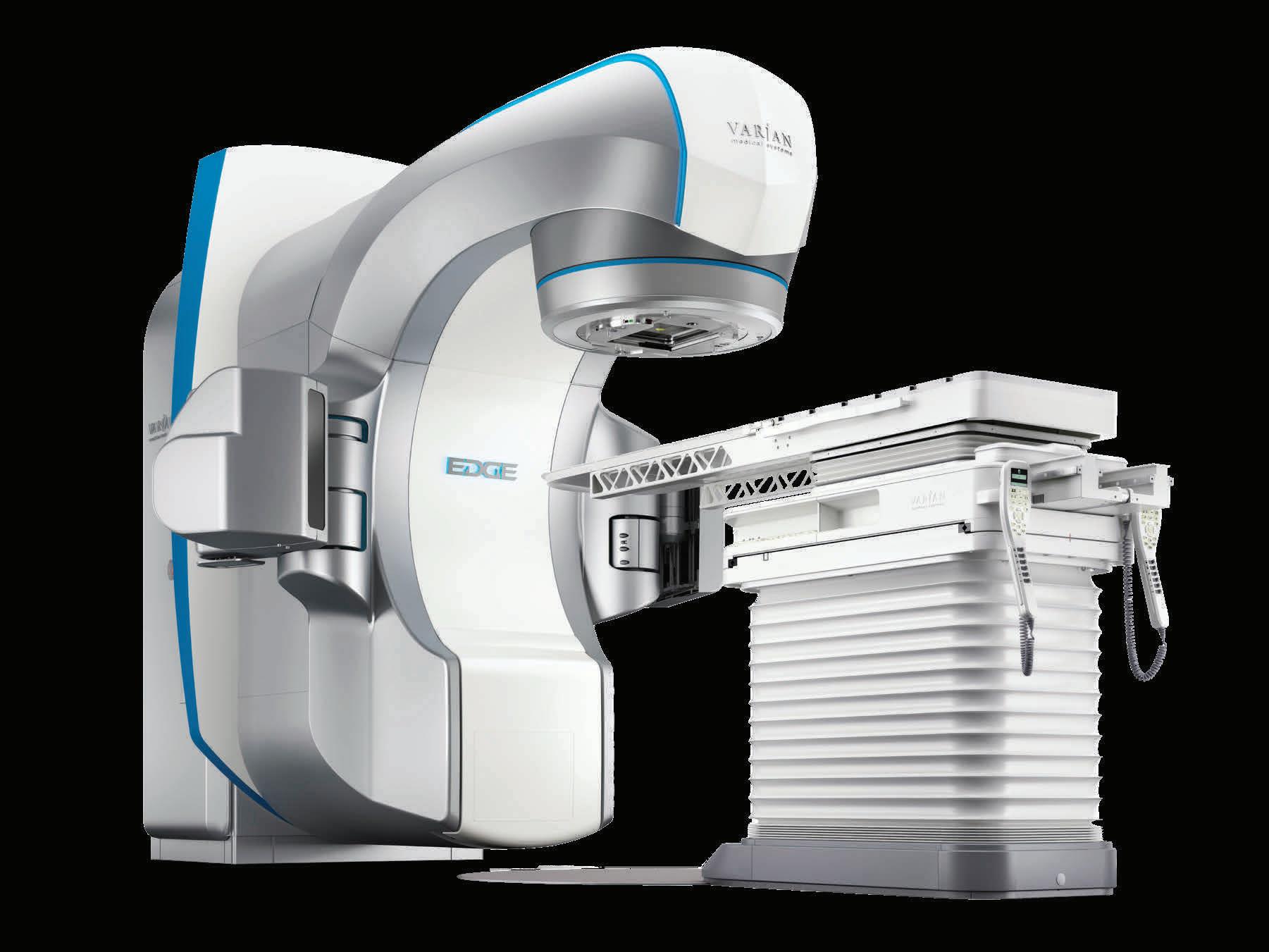
Introducing the newest member of Lake Charles Memorial's Cancer Treatment teamThe Varian Edge Linear Accelerator. This advancement in radiosurgery treatment delivers radiation with millimeter precision, allowing physicians to target tumors while sparing
For patients, it can mean fewer treatments, reduced side effects, and better outcomes, especially for cancers in delicate areas like the brain, spine, or lungs.
Once only available in distant cities, this level of treatment is now accessible in Lake Charles.

Oncologist / Hematologist




A YEAR AGO, Sid Edwards was a football coach preparing his Istrouma Indians for the season ahead. He’s in a different game today, leading the city-parish government as mayor, and his current opponent is a budget that doesn’t add up.
The team assembled to tackle this Crimson Tide-sized behemoth consists of his staff and the Metro Council, with the coach-turnedmayor dipping into the portal seeking help from the library system, the local Council on Aging and the parish agency responsible for dealing with mosquitoes and rodents. Edwards is also counting on influential members of the business community to get out of their C-suites and cheerlead for his tax-renewaland-redirection game plan known as Thrive EBR.
Facing a city-parish budget shortfall that Edwards says requires either new revenue or layoffs and a reduction of services, the mayor’s game plan is to get voters to renew a series of dedicated property taxes for the library, COA and mosquito abatement and then reallocate a portion to the general fund.
financial impact caused by the St. George incorporation. While that is a factor, the foundational problems are a parish in love with dedicated revenue streams, escalating city-parish benefit costs (an outrageous 70% added to salaries) and a dereliction of budgetary duty by the former mayor, Sharon Weston Broome.
I like “Coach,” but I’m also one of those voters and taxpayers who will decide the fate of the Thrive EBR plan, and I have no desire to see “team status quo” once again prevail. So before deciding how I’ll vote, I want to know if Edwards has the courage and vision to tackle the underlying financial and operational challenges facing the city-parish, or is he content to throw more money at the problem with this tax swap Band-Aid?
After being part of the mayor’s transition team committee on “government efficiency,” it’s clear there’s a need to downsize city-parish government by at least 10%—there are roughly 4,500 employees—and adopt innovative approaches used by other cities.
and I commend the mayor for taking action. However, those in EMS seem determined to protect the status quo.
Here’s one more idea for the mayor that has been discussed often and could have a big impact on EBR. It’s the hiring of a professional city manager to run the day-to-day operations of a billion-dollar operation.
Wilfredo Melendez, city manager for New Rochelle, New York, wrote an opinion piece on Governing. com: “Across the country, budget shortfalls, infrastructure backlogs and political polarization are testing the limits of what cities can do—and how effectively they can do it. At the same time, broader national challenges and gridlock have made it increasingly difficult to rely on state and federal support, placing the responsibility squarely on the shoulders of city halls.
Rolfe McCollister Jr. is a contributing columnist. The viewpoints expressed are those of the author and do not necessarily reflect those of Business Report or its staff.
Sounds simple enough, but the challenge is not only getting a taxaverse population to go along with the plan but also winning over ardent library supporters who are angry that the nationally respected and well-managed agency is being asked to pay the price for the fiscal faux pas of others.
The big game is in November, and this “tax bowl” will be played out in ballot boxes across East Baton Rouge Parish.
Much is being made of the
Here’s an example of a lack of accountability: During the pandemic, the city-parish did not lay off a single employee, unlike the private sector. Also, while most employees worked remotely during the pandemic, what percentage of employees have returned to the office full time? The city-parish has no answer. Actually, I discovered there is no city-parish policy permitting remote work. Department heads approved it without having the authority.
The mayor has shown a willingness to embrace change by supporting a transition committee’s proposed modification to health care plans for retirees that can be fair and save taxpayer money. You also read about a proposed change to the EMS-Fire Department. It’s an idea that has been around for years,
“THEREFORE, if anyone is in Christ, he is a new creation; the old things passed away; behold, new things have come.” (2 Corinthians 5:17) In the verses nearby, it describes some of the “new things.” The Love of Christ now controls us—New Controls. We no longer live for ourselves, but for Him who died and rose on our behalf—New Focus. We recognize no one according to the outward appearance, but according to their hearts— New Sight. Christ reconciles us to Himself,
“In this environment, local governance models that prioritize stability, professional management and long-term thinking are critical to a city’s success. It’s no coincidence that this model is the most widely used across the U.S. today.”
EBR would not be a true “city manager form.” Still, Edwards would have that professional by his side with extensive experience in operations, leading all department heads and managing the budget.
Coach Sid has told me his goal isn’t reelection but making Baton Rouge better. I admire that and would ask, as this tax measure goes to the voters, that he act now—or show a game plan—and commit that he will make bold, specific changes, like those above, to streamline and reduce government, making it more effective and efficient for taxpayers. Or we can vote “No” and force many of these changes. Either way, we must abandon the status quo if we want Baton Rouge to win in the future.
not counting our sins against us—New Union and Forgiveness. Lastly, possibly the greatest exchange ever made, “He [Father] made Him [Jesus] who knew no sin to be sin on our behalf, so that we might become the righteousness of God in Him—New Identity. Beloved, the great adventure of being “in Christ” is that for a lifetime it is a continual discovery of all the things that have become New.
—Jeff Mitchell, Retired COL and Army Chaplain


hen Dr. Adithya Hari talks about nuclear oncology, it’s clear he sees the field not just as a medical specialty, but as a new frontier in the fight against cancer. Combining cutting-edge imaging with targeted treatment, nuclear oncology is changing how physicians detect, monitor and attack cancer at its source.
“Nuclear medicine uses radioactive molecules to study organ function and metabolism,” Dr. Hari explains. “In nuclear oncology, we take it a step further to see exactly where the cancer is, how it’s behaving and how it’s responding to treatment.” This approach has two components: advanced imaging and a breakthrough therapy called theranostics. Theranostics pairs a diagnostic imaging molecule with a therapeutic one. The result is a precise, targeted strike against cancer cells with fewer side effects than traditional chemotherapy. “We can deliver radiation directly to the tumor, sparing healthy tissue,” says Dr. Hari. “Patients often tolerate it better than some of the more potent chemotherapy agents.”
Recently joining LSU’s Pennington Biomedical Research Center, Dr. Hari brings a unique focus on the relationship between cancer and metabolism. Cancer often causes widespread metabolic dysfunction,
altering body composition, diet response and energy use. Dr. Hari’s research aims to understand these changes and integrate metabolic optimization into cancer care –improving both survival and quality of life.
Pennington Biomedical’s long-standing expertise in metabolism and lifestyle interventions makes it an ideal home for this work. With its expansion into cancer research, Pennington Biomedical has become an active member of the Louisiana Cancer Research Center (LCRC) – a statewide collaboration uniting LSU Health New Orleans, Tulane University, Ochsner Health, and Xavier University of Louisiana.
Dr. Hari will also dedicate a portion of his time to direct patient care through a clinical partnership with Mary Bird Perkins Cancer Center. This dual role allows him to bring the latest scientific discoveries from the lab to the clinic, ensuring Louisiana patients benefit from cutting-edge diagnostics and treatments as quickly as possible.
“Louisiana unfortunately leads the nation in rates of cancer, obesity and diabetes,” Dr. Hari notes. “But that also means we have a unique opportunity to lead in research that addresses these overlapping health challenges.”
A key driver of progress is the shift
toward precision medicine. Instead of a one-size-fits-all approach, treatments are increasingly tailored to a patient’s unique metabolic profile. In nuclear oncology, that means using specific tracers to determine the best treatment path and adjusting or even halting therapy based on how the patient responds.
One exciting area is dosimetry, which measures how much therapeutic radiation a patient absorbs over time. “We can evaluate after each cycle of treatment whether to continue, stop or save doses for future use,” Dr. Hari says. “It’s about making therapy as effective and safe as possible.”
Looking ahead, Dr. Hari predicts that nuclear oncology will become central to cancer management – both in diagnosis and treatment planning – within the next decade. “With new tracers and targets emerging for cancers like ovarian, gastric and prostate, we’re entering an era where imaging and therapy are more closely linked than ever before,” he says.
For Louisiana patients, that means earlier detection, more personalized care and a better quality of life during and after treatment. “Our ultimate goal,” Dr. Hari emphasizes, “is not just to treat cancer, but to help patients live well while we do it.”

CANCER IS MORE THAN A MEDICAL CONDITION. It’s a lifelong journey fueled by information, inspiration and medical innovation. Meet some Baton Rouge area caregivers leading the way.


At Our Lady of the Lake Cancer Institute, we’re bringing the future of blood cancer care to Baton Rouge. Our expert team uses innovative treatment options, including CAR T-cell therapy and bone marrow transplants, to deliver precise, personalized care for patients battling leukemia, lymphoma and myeloma.
That’s why we’re the region’s leading cancer treatment destination. That’s why it all counts here. Learn more at ololrmc.com/cancer.
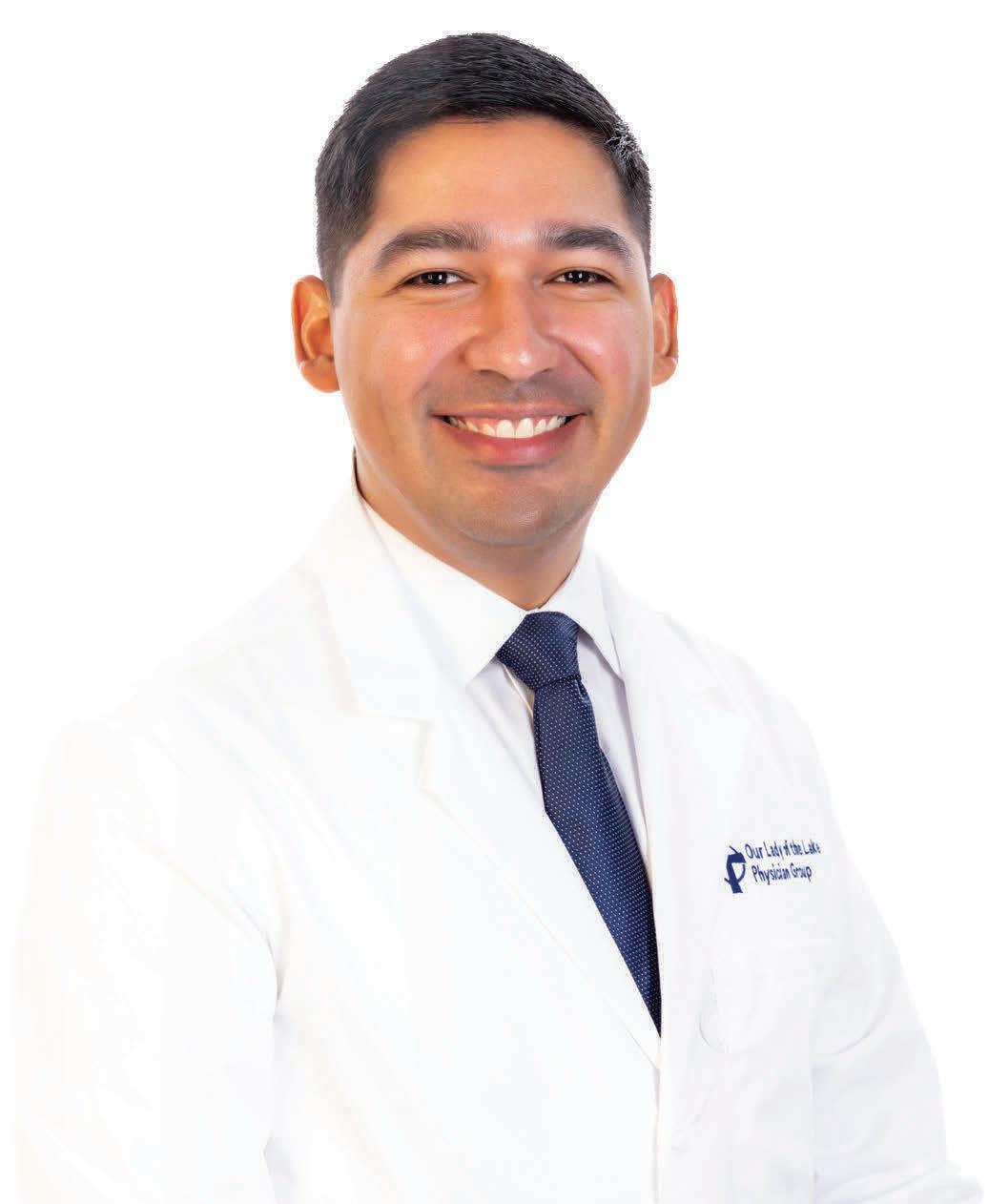
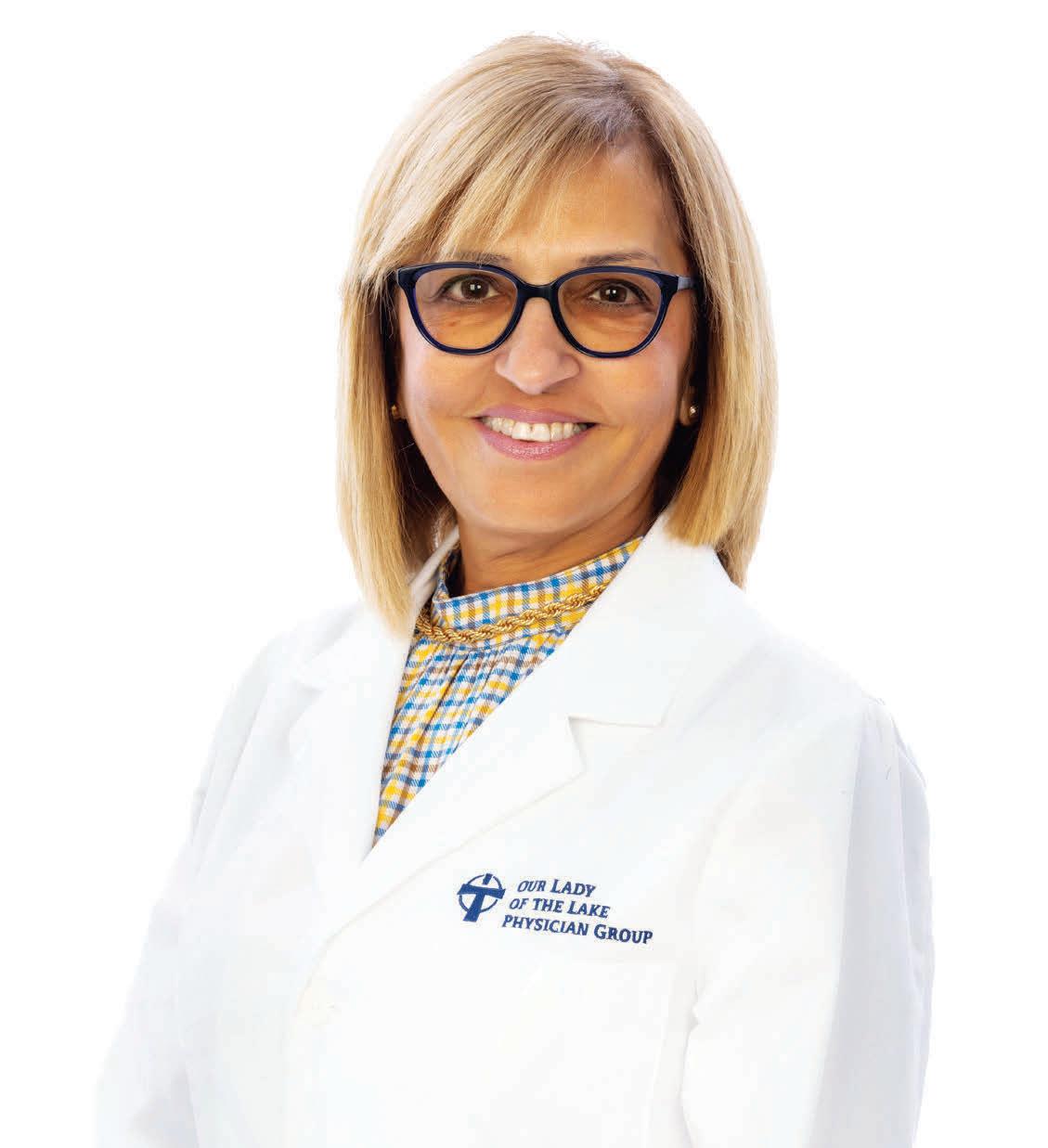
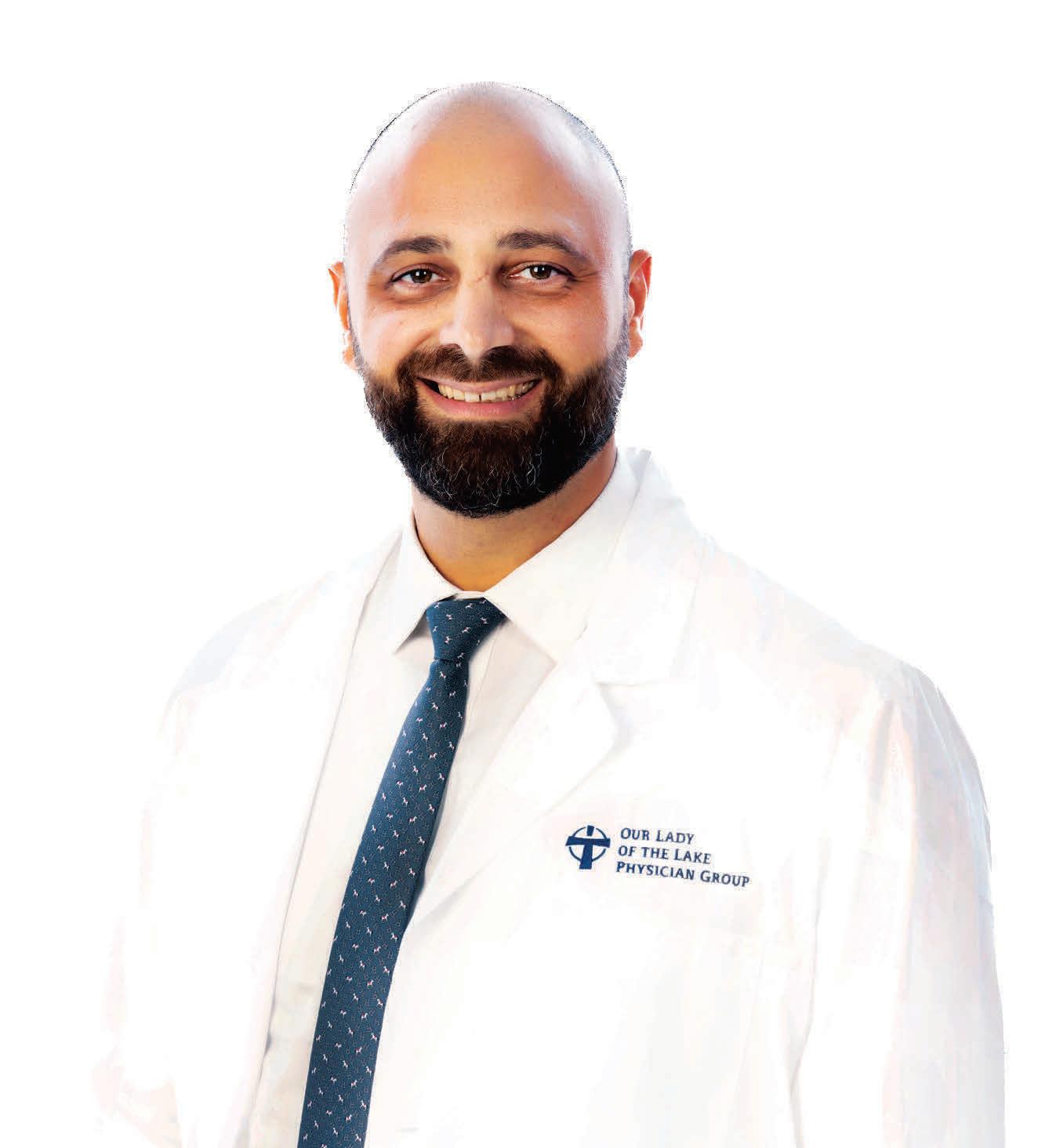
Harry Sequeira, MD; Hana Safah, MD; and Nakhle Saba, MD
Heme-Malignancy and Cell Therapy


It’s a lifelong path that challenges patients and families physically, emotionally and spiritually—a road best traveled with expert guidance and compassionate support.
In Baton Rouge, patients don’t have to walk that road alone. Our community is home to nationally recognized cancer specialists who combine advanced training with a deep commitment to the people they serve. These doctors are more than providers of care — they are partners in healing, educators who make complex science understandable, and advocates who ensure patients feel heard at every step. On the following 20 pages, you’ll meet some of the region’s leading oncologists and surgeons specializing in everything from lung cancer and lymphoma to colorectal, head and neck, and melanoma care.
They’ll share insights on how new treatments are reshaping outcomes, what patients can expect as they move through surgery or medical therapy, and how supportive care — from nutrition to emotional well-being — is just as important as medicine itself.
Their answers don’t just reflect medical expertise. They reveal a philosophy of care rooted in compassion, innovation, and hope. For patients and families navigating the uncertainty of cancer, these conversations offer reassurance that progress is real, possibilities are growing, and healing is always more than treatment.
You’ll also read about some of the ways that cancer care is evolving — and about Baton Rouge health care institutions like Woman’s Hospital and Our Lady of the Lake Cancer Institute that are on the forefront of that change.
From surgical suites to research labs to community clinics, innovation is reshaping what treatment and recovery look like for patients.
Robotics are transforming once-daunting surgeries into minimally invasive procedures that shorten hospital stays and speed healing.
Treatment and diagnosis-related depression and anxiety are being taken ever more seriously, with treatments ranging from medicinal marijuana to transcranial magnetic stimulation.
Precision oncology and clinical trials are matching therapies to each patient’s unique genetic profile.
And once-competitive health care institutions are teaming up to ensure local patients can access the same protocols and expertise found at the nation’s top cancer centers.
Together, these advances — and the brilliant caregivers who employ them — underscore a hopeful reality: Cancer care in the Capital City can provide you with the help you want, the hope you need, and the health you deserve.

When most people think of cancer treatment, radiation and chemotherapy are the first options that come to mind. While those remain critical weapons in the oncologist’s multi-front battle against the disease, less invasive surgical technology and techniques have made surgery part of a patient’s cancer diagnosis and treatment more often than not.
“Our approach to surgery for cancer patients really is personal to the individual,” Baton Rouge General (BRG) Surgical Oncologist Dr. John J. Tabor said. “Sometimes biopsies are done very early to give us a better idea of what’s going on. Surgery can be part of a treatment plan at different times in the journey. It could come first to remove the primary tumor; after chemotherapy to clean up what’s left; or in between treatments.
“In some cases, if the cancer is isolated, and we are confident it can be completely removed, surgery may be the only treatment.”
Advancements in robotics have expanded surgical options and improved recovery times. A common misconception is that a robot is singularly performing surgeries.
In reality, robotic technologies take better advantage of the human surgeon’s skill and experience by providing them “smaller hands” to perform more precise incisions.
Using high-definition cameras, robotic tools also give human surgeons incredibly detailed views on larger video monitors without having to make a large cut. The benefits for patients: less pain, less blood loss, quicker healing and shorter hospital stays.
“We treat a lot of patients with pancreatic and esophageal cancer, and the surgeries to treat them used to be pretty gruesome,” Dr. Tabor says. “These cancers often require a major resection, which means removing tissue or part or all of an organ. Before, surgeons had to make an incision from the bottom of the sternum all the way down to the pubic bone for a pancreatic resection. For an esophageal resection, they had to
put their hand in the patient’s chest to separate the esophagus from the surrounding tissue. Now with robotic surgery, we can do these very complex cases through just four 8-millimeter incisions.
“That has a huge impact on a patient and being able to get back to a normal quality of life.”
With six robots dedicated to oncology, surgeons at the BRG Cancer Center have performed procedures to treat cancer patients from more than 300 ZIP codes inside and outside of Louisiana. Oncologists at Mary Bird Perkins Cancer Center, the Surgeons Group of Baton Rouge, Ochsner MD Anderson Cancer Center and Our Lady of the Lake Robotic Surgery Institute are among the other Capital Region health care providers who also use robotic surgical tools to treat cancer in addition to radiation, chemotherapy, and other treatment plan components.

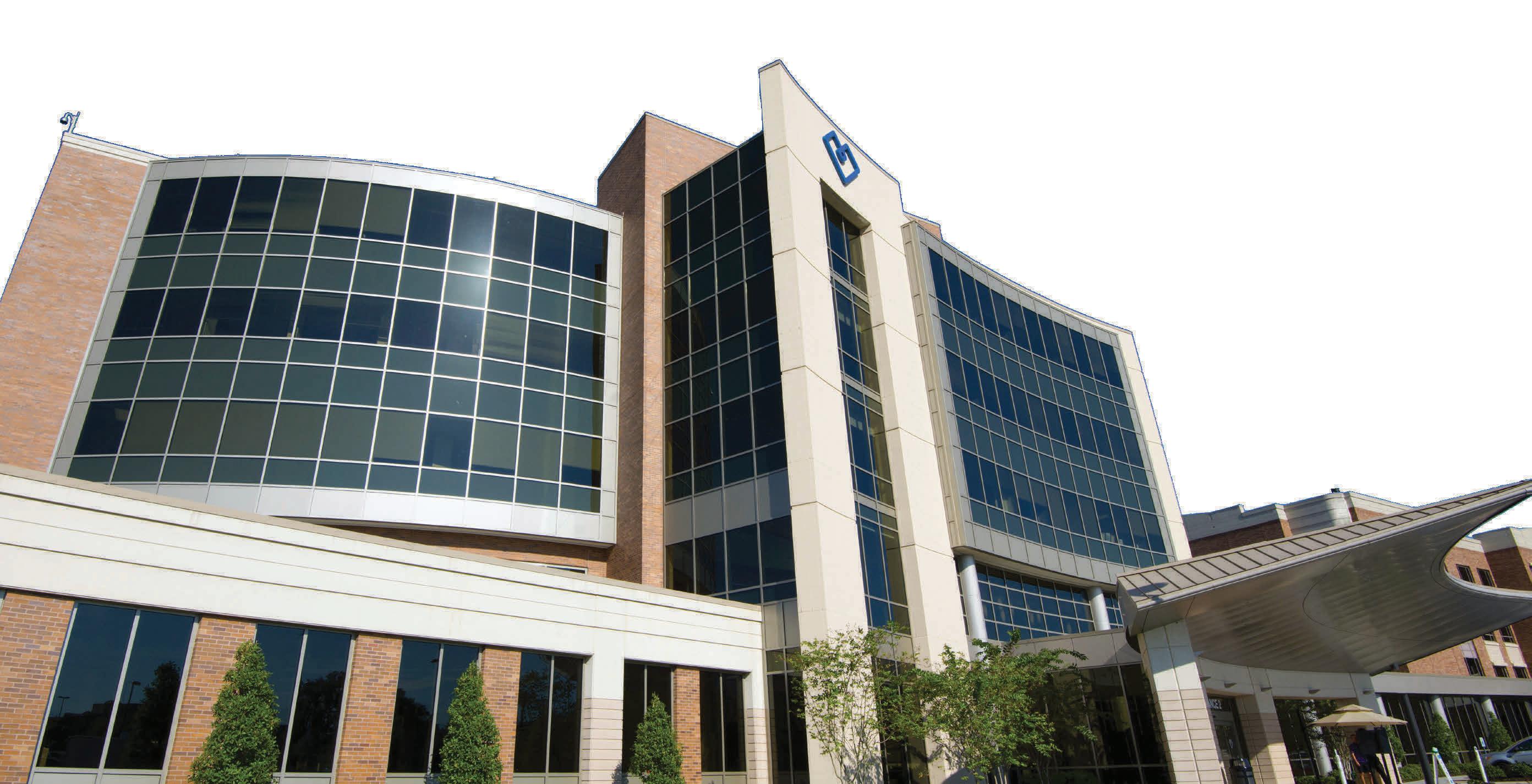
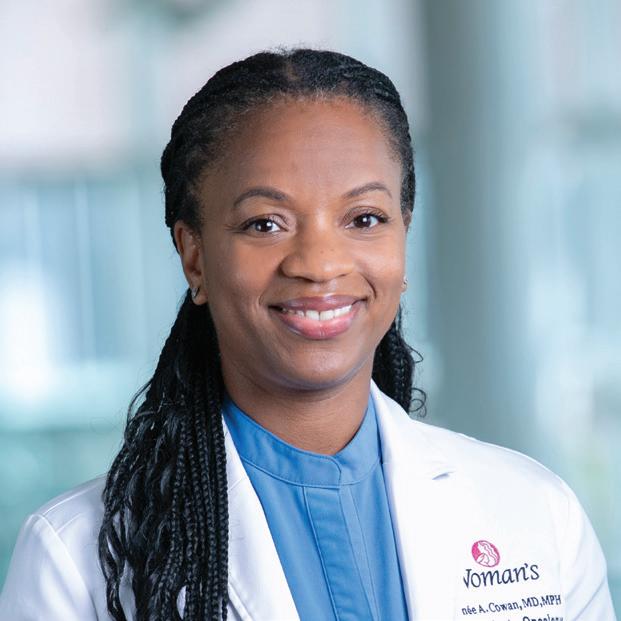
GYNECOLOGIC ONCOLOGY Woman’s Hospital
WHAT SYMPTOMS SHOULD WOMEN NEVER IGNORE WHEN IT COMES TO THEIR REPRODUCTIVE HEALTH?
Every year, I stand on a different soapbox when it comes to this. The list below is in no particular order because I feel equally passionate about each one.
· Bleeding after menopause is not normal…ever. If you have gone 12 months without a period, then you have gone through menopause. Any bleeding that happens after that should be evaluated. Abnormal vaginal bleeding of any sort is not okay and deserves to be evaluated by a gynecologist.
· Look at your vulva! Each woman should know her own body and what it looks like and what is normal for her. Any deviation from that normal should be evaluated.
· Get your pap smear! It is the only tool we have that can help us prevent a cancer. By collecting cells from the cervix, our pathologists can look at them under a microscope and determine if they are becoming abnormal before they actually become a cancer and then we can remove them before they become cancerous.
· Find a gynecologist you trust. See her or him every year until you physically can’t anymore. This 15-minute interaction can change the course of your life.
· Talk to your family members. Why did every woman have a hysterectomy? What did grandma die from? Knowing your family history can alter your story.
· Get a second opinion! Do not be afraid of judgment or being viewed as crazy. If you feel like something is wrong, but you do not understand what is happening, ask someone else.
• Please respond by e-mail or phone with your approval or minor revisions.
• AD WILL RUN AS IS unless approval or final revisions are received within 24 hrs from receipt of this proof. A shorter timeframe will apply for tight deadlines.
• Additional revisions
Carefully
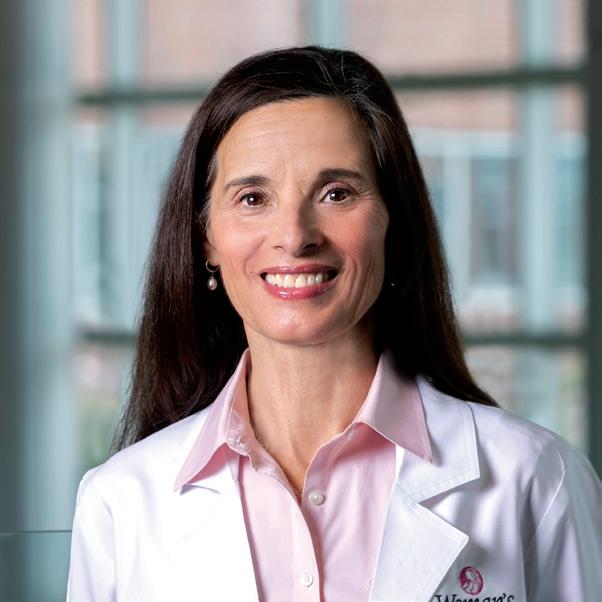
BREAST SURGEON
Woman’s Hospital
WHAT’S THE FIRST THING YOU WANT A NEW PATIENT TO KNOW?
I want patients to understand the specific type of breast cancer that has been diagnosed because not all breast cancers are the same, and they may require different types of treatments. Each woman’s journey is unique. I try to educate patients about their individual treatment plan and the expectations for each step of their journey.
TO
Our high-risk team does a great job of evaluating and discussing each person’s individual risk and forming plans that are right for them. There are other options for patients who are at high risk of developing breast cancer, including increasing their screening with clinical exams every six months. We can also add MRIs to their surveillance which are very sensitive to any changes in the breast tissue.
Woman’s Hospital has a great survivorship clinic that includes cancer navigators who help patients with any long-term side effects from their treatment. Woman’s Center for Wellness also has many programs for post-treatment surveillance of lymphedema, a cancer fit program and massage therapists who understand the challenges and needs of breast cancer patients.
We are constantly educating our patients about the benefits of lifestyle changes. We recommend 3-4 hours of exercise a week including weight-bearing exercise at least twice a week. We also recommend eating a healthy diet limiting processed foods, sugars, and alcohol.
•
•
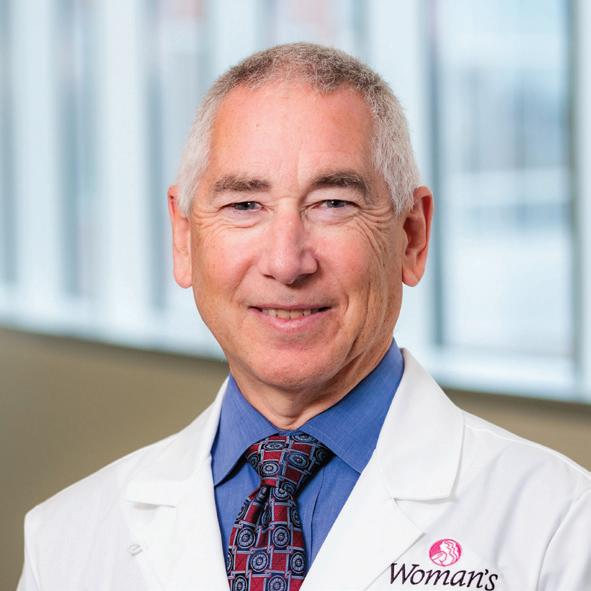
GYNECOLOGIC ONCOLOGY
Woman’s Hospital
WHAT ADVANCEMENTS ARE IMPROVING GYNECOLOGIC CANCER DIAGNOSIS?
The most significant advancement has been genetic testing to confirm individuals at risk for developing gynecologic cancers. Another advancement that is a bit more mature is testing for papilloma virus DNA, which can help to distinguish which precancerous conditions of the cervix, vagina, and vulva may develop into malignancy.
HOW DOES GENETIC TESTING INFLUENCE DIAGNOSIS AND RISK ASSESSMENT?
Knowledge of genetic predisposition to cancer can help women determine whether risk-reducing surgery is right for them and can help them plan when they would like to have such a procedure performed. It is also helpful in allowing other family members to understand their risks as well.
HOW IS IMAGING TECHNOLOGY IMPROVING DIAGNOSIS AND TREATMENT?
Advanced imaging tests such as CT scans, MRIs, and PET scans can help us to determine cancers that are limited in size and location and may be better suited for surgery. These tests also help us plan the appropriate sequence of chemotherapy and surgery for cancers of the ovaries, tubes, and uterus.
ARE THERE MYTHS ABOUT GYNECOLOGIC CANCERS YOU OFTEN FIND YOURSELF CORRECTING?
Probably the most common misconception is that they should have a low risk of cancer if no one else in their close family has ever had cancer. On the contrary, most cases of cancer are not associated with any family history.
BREAST SURGICAL ONCOLOGIST
Woman’s Hospital
WHAT’S THE FIRST THING YOU WANT A NEW PATIENT TO KNOW?
I want my patients to know that I am an open book. Surgery, by its very nature, can make patients feel vulnerable, and I am deeply aware of that. That is why I believe it is essential for patients to feel complete trust in the person caring for them.
WHAT STRATEGIES REDUCE THE RISK OF RECURRENCE?
I promote a healthy lifestyle to reduce the risk of cancer recurrence. This includes no tobacco, limiting alcohol consumption, regular self-breast awareness, routine exercise, and a balanced diet. To keep it simple, what is good for your heart is good for your breast.
HOW DO YOU BALANCE SAFETY WITH A PATIENT’S COSMETIC GOALS?
It requires a multidisciplinary approach involving breast surgeons, medical oncologists, radiation oncologists, and plastic surgeons. The primary goal is to ensure the complete removal of the tumor and minimize the risk of recurrence. Long-term data shows that combining advanced surgical techniques like hidden scar surgery or oncoplastic breast surgery are safe and effective.
WHAT SUPPORT SERVICES DO YOU FIND MOST HELPFUL AFTER TREATMENT?
A cancer diagnosis can deeply impact all aspects of a person’s life, from their physical to mental, emotional, financial wellbeing and beyond. This is something we take very seriously at Woman’s Hospital. We have resources to help with each patient’s individual needs. We are especially proud of the services offered at the Woman’s Center for Wellness that address functional issues such as lymphedema, balance, strength training, and medical tattooing.

Advances in cancer treatment are a good news, bad news, good news situation.
Good news: Cancer treatments are becoming more sophisticated and effective.
Bad news: Cancer rates continue to rise. According to the most recent CDC data, Louisiana has more cancer deaths per 100,000 residents than over 40 other states.
Good news: Health care providers are fighting back by teaming up. Partnerships designed to enhance cancer care are taking root at hospitals all across the U.S., and Louisiana is on the leading edge of this life-saving trend.
The Mayo Clinic Care Network gives a group of affiliate hospitals from Pennsylvania to California access to Mayo’s clinical protocols, education, and consultation.
The Cleveland Clinic’s Taussig Cancer Institute collaborates with hospitals in Ohio and Florida on specialty cancer services and research capabilities.
Closer to home, Ochsner Health and MD Anderson Cancer Center formally estab-
lished a partnership in May, making Ochsner the first and only provider in Louisiana with a fully integrated cancer program based on MD Anderson’s standards and treatment plans.
Dr. Jennifer Perone, surgical oncologist at Ochsner MD Anderson Cancer Center, is excited about what the partnership offers patients.
“Our goal is to bring Baton Rouge-area patients the same level of cancer care that they would get if they were able to travel to MD Anderson for treatment,” says Perone.
“It’s wonderful to have access to those kinds of experts.”
Ochsner and MD Anderson are the most recent but certainly not the only cancer care partnerships benefitting Louisiana residents.
Baton Rouge-based Mary Bird Perkins Cancer Center has long worked to reach patients both statewide and regionally through collaborations with a variety of partners, including OneOncology in Nashville and Woman’s Hospital and Baton Rouge General in the Capital Region.
Louisiana Cancer Research Center, a
partnership in New Orleans among LSU Health, Tulane University, Xavier University, Ochsner Health and others, focuses on collaborative cancer research, clinical trials, and population health.
Tulane Cancer Center partners with local hospitals including University Medical Center in New Orleans. And St. Tammany Health System and Ochsner Cancer have a joint cancer center under the Ochsner umbrella.
These and other partnerships of their kind allow patients to receive advanced care closer to home and help major institutions recruit more participants and scale enrollment for clinical trials, expanding research opportunities.
In addition to the benefit of associating with national leaders in oncology, patients at smaller community hospitals also have opportunities for the consistent treatment protocols, data sharing, and training found at widely known facilities. The cost efficiency of sharing technology, research, and infrastructure reduces redundancies and lowers costs – a lifeline for facilities whose budgets are already limited.

Scott Sonnier, MD Hematologist and Oncologist
Ochsner Health and MD Anderson Cancer Center are clinically integrated to provide advanced cancer care right here in Baton Rouge. This means access to life-saving clinical trials for innovative therapies, more specialists and more resources for our patients. Through this collaboration, Ochsner is the first and only provider in Louisiana with a fully integrated cancer program based on MD Anderson’s standards and treatment plans. Learn more at ochsner.org/EndCancer.
COLON AND RECTAL SURGERY
Our Lady of the Lake Cancer Institute
WHAT DO NEW COLORECTAL CANCER PATIENTS NEED TO KNOW?
I want them to understand the disease and what drives our treatment decisions. We talk about further imaging or X-rays that must be done as well as blood work and possibly genetic testing. We like to review all the details, so each patient has a clear perspective.
HOW IMPORTANT IS SCREENING — ESPECIALLY COLONOSCOPY?
Colorectal cancer is the second most common cancer in the United States. Most start from a small polyp or growth on the colon wall. If this is found during a colonoscopy, it can be removed and will not grow into cancer. Please do not wait until you have symptoms … it could save your life.
WHAT CAN PATIENTS EXPECT IN TERMS OF RECOVERY?
Overall recovery can be dictated by your health status and activity level going into surgery. There is great data to support a prehabilitation program to improve strength, nutrition and medical status before surgery. We also have an extensive survivorship program to aid in recovery after cancer treatment.
The highest risk of cancer occurrence is the first two years after diagnosis and drastically decreases thereafter. All patients with colorectal cancer should undergo a clinical exam by a physician every three months for two years and then every six months for the next three years for a total of five years.

HEAD AND NECK SURGERY
Our Lady of the Lake Cancer Institute
WHAT TYPES OF CANCERS FALL UNDER ‘HEAD AND NECK SURGERY’?
There are numerous cancers that occur above the clavicles. Multiple skin cancers can occur within the head and neck. The head and neck are home to unique glands such as salivary glands or endocrine organs such as the thyroid or parathyroid glands, all of which can develop cancerous tumors. Lymphoma and other immune cancers occur here as well. One of the most common head and neck cancers that we see includes cancers of the oral cavity or mouth, the throat, and the larynx.
The best tools for early detection are the patients themselves! Patients should watch out for new moles on the skin or old moles that change, bleed or won’t heal. Any type of new growth or lump in the neck should be reported to your doctor. Any prolonged symptoms that don’t resolve after several weeks should be reported including voice changes, sore throat, ear pain, coughing up blood, difficulty swallowing, difficulty breathing, ulcers in the mouth, facial pain or numbness.
Survivorship is a lifelong commitment, and we view our patients and their caregivers as part of our extended family. Long-term care for head and neck cancer survivors extends far beyond the final surgery, radiation session, or celebratory bell ringing. Our teambased approach remains focused on addressing ongoing concerns, supporting caregivers, and ensuring the highest possible quality of life for survivors through continuous, compassionate care.

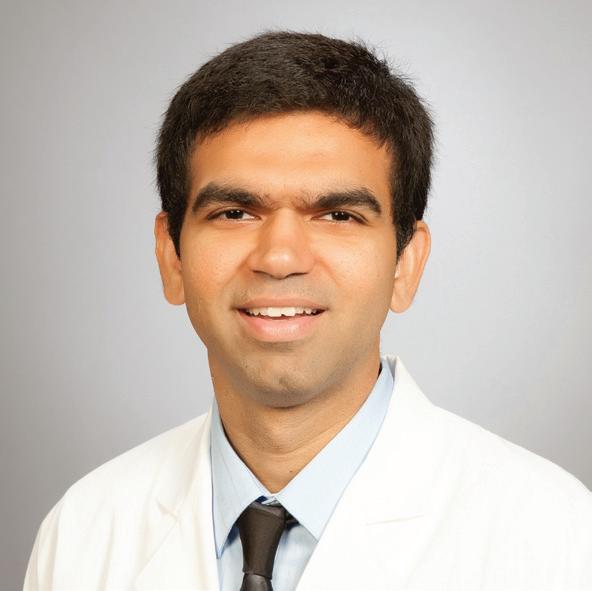
PULMONOLOGY
Our Lady of the Lake Cancer Institute
WHAT ROLE DOES A PULMONOLOGIST PLAY IN CANCER CARE?
Lung cancer is usually identified first by an abnormal chest CT scan. That typically leads to an evaluation by a pulmonologist, who often guides the patient through the process of a biopsy to diagnose malignancy, establishes a stage for the lung cancer and directs the patient onto the treating team of providers which can include oncologists, thoracic surgeons, radiation oncologists and occasionally palliative medicine team.
WHAT RECENT ADVANCES IN PULMONARY CARE ARE IMPROVING OUTCOMES FOR LUNG CANCER PATIENTS?
This is a particular exciting time to be involved in lung cancer care. New drugs and treatment approaches are being identified through research that are improving outcomes. Robotic bronchoscopy has changed the way most lung cancer is diagnosed by offering a highly safe and accurate avenue to sample even small lung lesions and identify cancer early. Another recent addition to our diagnostic abilities is a mobile cone beam CT that we recently obtained at the Lake – the first in Baton Rouge.
WHAT STEPS CAN PATIENTS TAKE TO PROTECT THEIR LUNG HEALTH?
Patients can protect lung health first and foremost by quitting smoking. This reduces their risk of future cancers and also improves their treatment course. They should remain physically active, engage in pulmonary rehab if appropriate and remain vigilant for any new signs or symptoms.
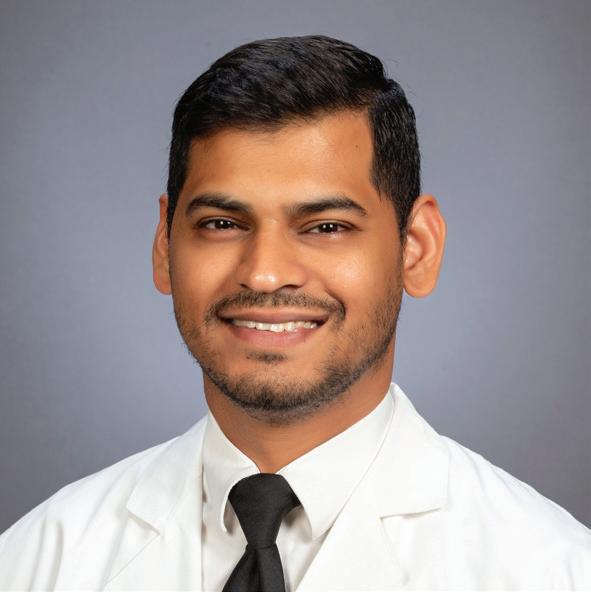
HEMATOLOGY ONCOLOGY
Our Lady of the Lake Cancer Institute
WHAT ADVANCES ARE GIVING CANCER PATIENTS MORE OPTIONS?
It is remarkable the number of advances that we have seen over the past few decades. Immunotherapy and targeted therapy are just the tip of the iceberg. Other exciting advances include bispecific antibodies, CAR-T therapy, antibody drug conjugate, and other new treatments that are not only more effective but also are tolerated better.
I feel like this is the most important aspect of my profession. There is a lot of anxiety surrounding the side effects associated with cancer treatments and how it will affect someone’s life. We mitigate the risk of side effects with different strategies including use of medications, lifestyle strategies and supportive care.
HOW DO YOU PERSONALIZE THE TREATMENT PLAN?
Cancer care is truly a team effort. We meet with physicians from other specialties on a weekly basis as part of a multidisciplinary group. We review each patient’s case in great detail and put together a plan in keeping up with the latest treatment guidelines.
There are a lot of new and upcoming treatments such as K-ras inhibitors, antibody drug conjugate such as Datroway, cancer vaccines, and utilization of CAR-T therapy in solid tumors which are otherwise hard to treat. Integrating AI into cancer care is accelerating drug discovery, enhancing biomarker prediction, and transforming clinical trial design.


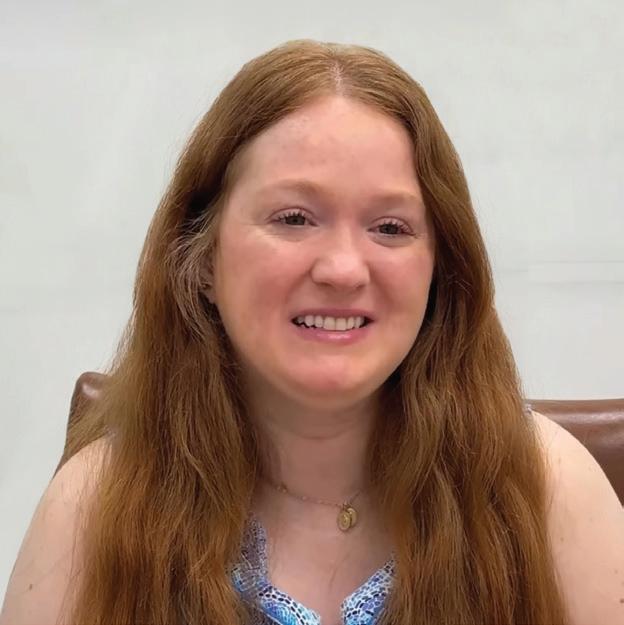
FDA-approved for treatment-resistant depression for adults and adolescents 15 years and older
86% of patients have their symptoms reduced by 50% while 68% have achieved full remission from their depression
Covered by most insurances
Non-invasive - No surgery, no anesthesia
No medications or side effects
Long-term remission


Acancer diagnosis is life-changing in every sense, and given the physical demands of treatment— surgery, chemotherapy, radiation or newer targeted therapies—it should be no surprise that the emotional toll can be just as profound.
Studies show cancer patients are two to three times more likely to experience depression and anxiety than the general population. Whether driven by fear of outcomes, the strain of side effects or the disruption of everyday life, these emotional challenges often follow patients through treatment and beyond.
Traditional treatment options for depression and anxiety include prescription medications, cognitive behavioral therapy and counseling. Antidepressants and anti-anxiety drugs can be effective, but they may also produce new side effects or interfere with existing medications. Meanwhile, talk therapy and counseling can help, but the rigor of cancer treatment often undermines motivation to seek care.
For patients who have tried traditional therapies without finding lasting relief, the search for options can feel discouraging. But Louisiana is home to a treatment that is both effective and widely available. Transcranial Magnetic Stimulation (TMS) offers a different path forward for those living with mental health conditions that haven’t responded to standard care. Fortunately, clinics across the state provide TMS access to patients who might otherwise feel they’ve exhausted their options.
“TMS uses gentle magnetic pulses to stimulate the part of the brain that regulates mood,” explains Jourdan Generes, CEO of Neurojust, which operates TMS therapy at its clinics in Baton Rouge and Metairie. “It balances brain activity, so patients are no longer living in constant fightor-flight mode. There are no systemic side effects, no drug-to-drug interactions, and it won’t interfere with cancer treatments.”
That last point is key for oncology patients. Cancer regimens are often a delicate balance of medications, procedures and
supportive care. Adding another drug to the mix can be complicated, if not risky. TMS offers a non-invasive, non-pharmaceutical alternative that can be used alongside chemotherapy, radiation or immunotherapy without fear of negative interactions.
Though it remains unfamiliar to many, TMS is far from experimental. The science dates back to the mid-1980s, and the FDA approved its use for depression in 2008. Since then, more than 20 million Americans have received TMS therapy.
The outcomes are encouraging. According to Generes, 64% of patients achieve full remission from severe depression and anxiety, while 86% see significant improvement.
“That often means moving from debilitating depression to only mild symptoms,” he says. “That kind of relief can be life changing. Cancer treatment isn’t just about attacking the disease—it’s about supporting the whole person. When you lift the weight of depression and anxiety, you give patients the mental strength they need to keep fighting.”
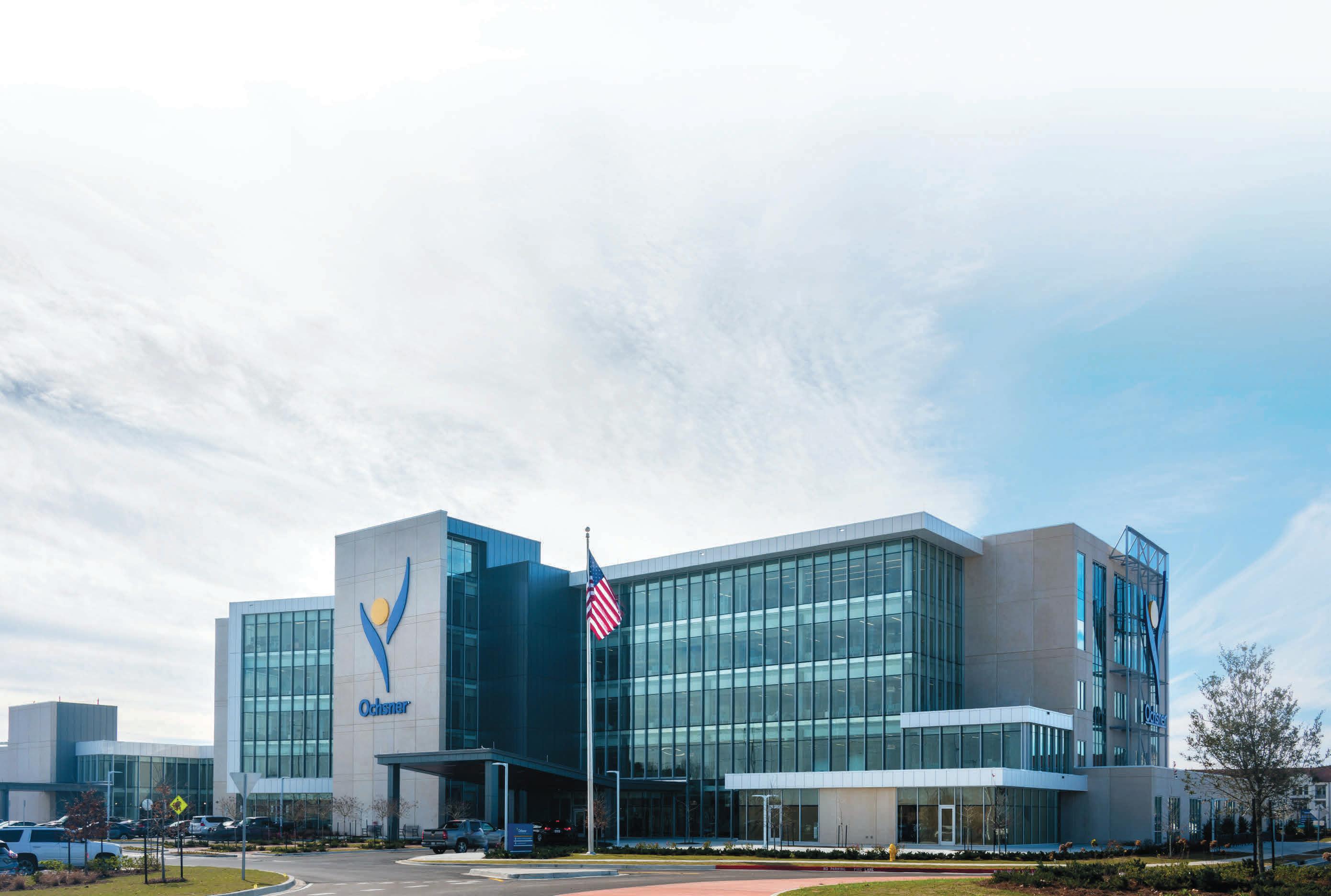
As Baton Rouge grows, so does the demand for accessible, high-quality health care. At Ochsner Medical Complex – The Grove, we’re meeting that demand by expanding our facility and the services families rely on. We’re doubling our operating rooms, adding a cardiac catheterization lab, offering advanced imaging, and expanding primary care alongside OB-GYN, pediatric, and musculoskeletal services. Our new fifth floor will add 30 exam and treatment rooms dedicated to women’s and children’s care.
This investment reflects our deep commitment not only to Baton Rouge, but also to the surrounding communities we serve. We’re proud to grow alongside this region and remain dedicated to bringing the best care close to home.
Learn more at ochsner.org/br.
COLON, RECTAL SURGEON
Ochsner MD Anderson Cancer Center
HOW DO COLON AND RECTAL CANCER TREATMENT DIFFER?
Typically, colon cancer starts with surgical resection then chemotherapy could be possible after surgery. Rectal cancer varies in treatment from local resection to a combined treatment with chemotherapy and radiation before surgical intervention. Each plan is tailored to the patient.
DO MINIMALLY INVASIVE AND ROBOTIC PROCEDURES HELP?
Minimally invasive, and especially robotically assisted surgery, have proven to have better patient outcomes, including decreased pain after surgery, shorter hospital stays and faster recovery overall. The patient can begin additional treatments like chemotherapy as soon as they recover and return to their regular activities sooner.
CAN
Although surgery may look small on the outside with small incisions, it is still a big surgery on the inside. This requires a lot of energy to heal, so most patients feel easily fatigued. Early walking and oral intake of nutritious food, even starting the day after surgery, is crucial for a quick recovery.
HOW CAN YOU REDUCE COLON AND RECTAL CANCER RISK?
A healthy lifestyle is critical to prevent colon and rectal cancer. We recommend smoking cessation, limiting alcohol intake and a diet that’s high in fiber and plant-based protein, while low in red meat, processed foods and saturated fats. We also encourage regular exercise and weight loss where applicable. And, as always, get your colonoscopies. •

SURGICAL ONCOLOGIST
Ochsner MD Anderson Cancer Center
WHAT IS THE VALUE OF A MULTIDISCIPLINARY APPROACH?
Patients each have a unique journey, and they often need any number of services for support. Ochsner MD Anderson brings together experts across oncology, radiology, surgery, nutrition, pain management and other specialties. We also provide a “nurse navigator” to help keep patients informed and on schedule.
HOW DOES THIS TEAM APPROACH IMPROVE CANCER TREATMENT?
It combines expertise. Dieticians help ensure patients get the right nutrition for maintaining their strength. Treatment and recovery might call for physical rehab and pain management. Patients often need mental health care professionals to address their emotional and social needs. We treat the whole patient, not just the disease.
Clinical trials open the door to cutting-edge therapies that may not yet be widely available but hold great promise. Patients in Louisiana can access some Phase 1 trials, which are the earliest stages of testing new treatments. At the same time, technology like telemedicine and remote monitoring makes it easier for patients to stay connected.
I started as a theology major and spent time shadowing a hospital chaplain. I realized I wanted to be someone who could both care for patients physically and walk with families through some of their darkest days.
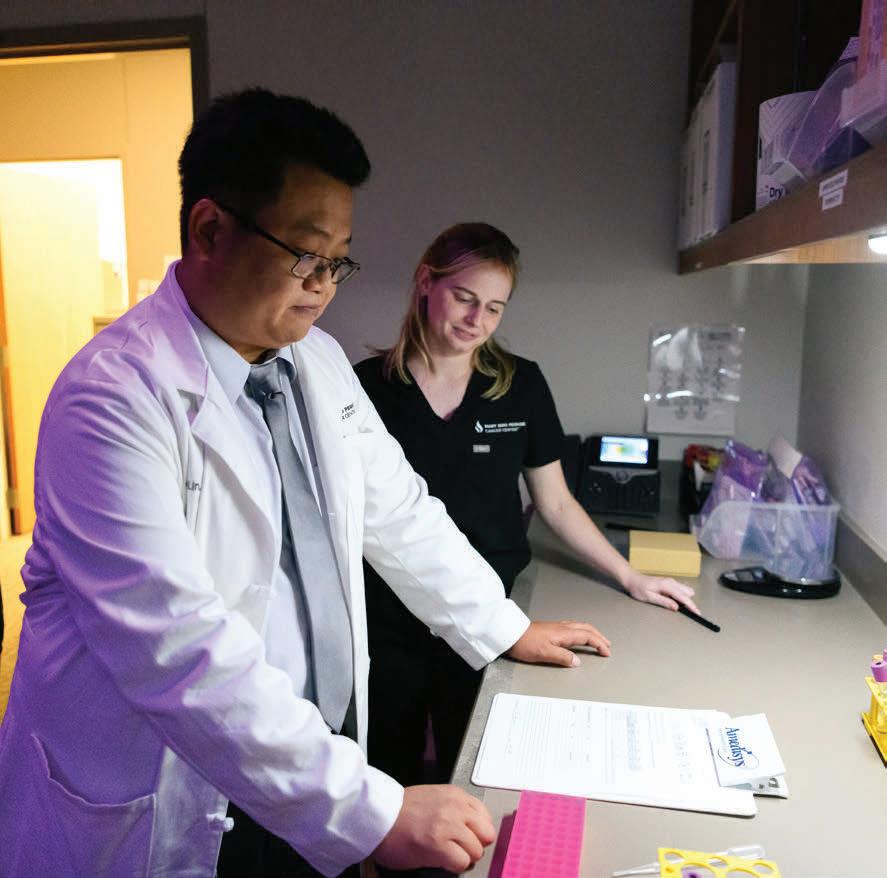

In the war on cancer, experimental and cutting-edge clinical trials are no longer just a last resort—they’re often the frontline strategy. And right now, Louisiana is fast becoming a hub for this transformational work.
Across the state, cancer centers and hospitals are transforming cancer treatment—offering patients access to clinical trials that provide early use of promising new therapies, often years before they’re available to the broader public. These trials are central to growing “precision oncology,” a personal approach using genetic sequencing to uncover specific mutations in a patient’s cancer. Once identified, researchers can match patients with therapies designed to target those genetic markers directly, leading to better outcomes and fewer side effects.
“The classic way to treat cancer has been through non-targeted chemotherapy that’s rather indiscriminate,” explained Dr. Victor Lin, medical director of clinical research at Mary Bird Perkins Cancer Center.
“But now we’re able to look at the genetic sequence of these cancer cells and find out what specifically drives them. Since every cancer is different, we’re able to offer better targeted therapies tailored to each type. It’s a significant evolution.”
That evolution is happening right here in Louisiana, where a first-of-its-kind lung cancer trial is underway at Mary Bird Perkins, marking a major milestone for the state’s research community. Sponsored by Lilly, this phase 3 trial builds on an earlier-phase trial. It’s one of several early-phase trials now accessible in Louisiana, expanding options for patients and allowing more of them to receive advanced care close to home. In a notable reversal, patients from outside the state are even traveling here to participate in trials they can’t access elsewhere.
“We’re bringing access to treatments that patients used to leave the state for,” said Lin. “Now, the unthinkable has happened: patients are coming from out of state to enroll in trials here.”
The benefits of this shift reach well beyond individual care. Growing clinical trials strengthens medical infrastructure, attracts research talent and spurs economic development. Importantly, these trials are also helping address health disparities by expanding outreach to underserved communities.
A recent $400,000 grant is funding efforts to improve participation among rural and minority populations, groups that have long been underrepresented in clinical research. By increasing access to trials, institutions like Mary Bird Perkins are working to ensure that innovation benefits all patients—not just a privileged few. As it rises as a leader in precision oncology, Louisiana’s scientific progress shows that it is most meaningful when it’s accessible. “The goal isn’t just to move the science forward,” said Lin. “It’s to bring that science home—to make sure patients in our communities have access to the very best care, right where they live.”
Mary Bird Perkins is 100% devoted to you and to fighting cancer.

SPECIAL ADVERTISING SECTION
GYNECOLOGIC ONCOLOGY
Woman’s Hospital
WHAT SYMPTOMS SHOULD WOMEN NEVER IGNORE WHEN IT COMES TO THEIR REPRODUCTIVE HEALTH?
I would encourage women to seek evaluation with any bleeding after menopause, heavy or irregular bleeding prior to menopause, persistent abdominal bloating or swelling, persistent pelvic pain or sudden weight loss or weight gain.
WHAT SCREENING OPTIONS SHOULD WOMEN DISCUSS WITH THEIR PROVIDERS BASED ON AGE OR FAMILY HISTORY?
From a gynecologic cancer standpoint, women should make sure that they are having annual pelvic examinations and pap smear testing. Additionally, the U.S. Preventive Services Task Force (USPSTF) publishes screening guidelines for cancers that have screenings available.
HOW DO YOU INVOLVE THE PATIENT IN DECISION-MAKING WHEN MULTIPLE TREATMENT OPTIONS ARE AVAILABLE?
At the first consultation, I try to assess where patients are in processing their diagnosis, who they trust to help them make complex decisions, and what their overall goals are for cancer treatment. Then I usually write out each algorithm of choices, and we identify a plan that most aligns with their goals.
HOW CAN MOLECULAR OR GENETIC PROFILING INFLUENCE CARE PLANS?
Molecular profiling of tumors can inform therapy options for most gynecologic cancers. The information from tumor testing allows us to add in targeted therapies with known treatment efficacy, as well as trial novel therapies.
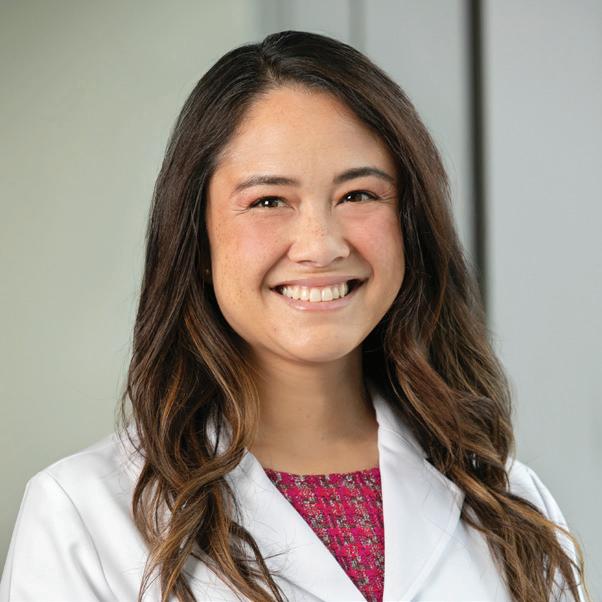
BREAST SURGICAL ONCOLOGIST
Woman’s Hospital
WHAT ROLE DOES A BREAST SURGEON PLAY ON THE CARE TEAM?
We serve as the quarterback of our breast cancer care team. Alongside the patient’s OB/GYN, we provide education, reassurance, and serve as a focal point for trust in the larger team. We help you organize and manage everything you will need in the complex world of healthcare.
WHAT’S THE FIRST THING YOU WANT A NEWLY DIAGNOSED PATIENT TO UNDERSTAND ABOUT THEIR TREATMENT JOURNEY?
It is going to be a tough year, but we will get you through it. We have an entire team to take care of you every step of the way. We know this may be new to you, but this is what we do every day.
WHO ARE IDEAL CANDIDATES FOR BREASTCONSERVING SURGERY?
With oncoplastic surgery, almost all patients, even those with multiple or some larger tumors, can be candidates if they are motivated to save their breast. Oncoloplastic surgery combines traditional breast cancer surgery with reconstructive plastic surgery. The goal is to remove cancer while preserving or improving the natural breast appearance by rearranging the patient’s own breast tissue in one surgery. This often helps avoid a distorted breast and allows patients to heal physically and emotionally.
HOW CAN PATIENTS FEEL CONFIDENT THEY’RE PICKING THE RIGHT OPTION?
The right surgical option is extremely personal. There’s no onesize-fits-all for everyone, and each person’s cancer is unique, just like they are. The best plan is the one that makes you feel most comfortable, not just now but for the next 10 years and beyond.

DR. WILLIAM MILLS Owner, Alinea Performance Physical Therapy
HOW CAN MEN’S PELVIC FLOOR PHYSICAL THERAPY AID MY PROSTATE CANCER PROGNOSIS?
Prostate cancer treatments often carry side effects such as urinary incontinence and erectile dysfunction, both of which impact quality of life. Whether you are preparing for treatment or recovering, pelvic floor physical therapy is an important option to consider. Research shows it can significantly reduce both the frequency and volume of urinary leakage and improve erectile function. Our best outcomes are seen in patients who begin strengthening prior to treatment.
WHAT ACTUALLY HAPPENS DURING PELVIC FLOOR PHYSICAL THERAPY?
While Kegels are part of the process, our therapy approach is much more comprehensive. Our approach empowers patients with practical strategies for bladder control and overall health, including hydration management, bladder scheduling, fiber intake, partner communication, proper core bracing, breathing techniques, and more.
WHAT MAKES ALINEA PERFORMANCE’S SERVICES SO VALUABLE TO YOUR RECOVERY PLAN?
Let’s hear from a past patient:
“I had my prostate removed June 3, 2024. My surgeon referred me to Alinea because they specialize in post-surgery rehab primarily to slow and stop bladder leakage. I followed a program with Dr. Mills that included in-person visits and an app that schedules exercises and tracks daily urine volume leakage. I started around 1,600 grams/week and now am below 64 grams/week. Dr. Jake Lape also treats me with “dry needling” which is virtually painless. Special thanks to Dr. Mills.”




The use of medical marijuana is becoming an increasingly mainstream prescription remedy for a wide range of conditions. While the general public typically associates the growing popularity of cannabis with younger users, many if not most medical marijuana users are patients of all ages seeking relief from a wide range of severe or chronic ailments.
Capitol Wellness Solutions is the only dispensary licensed to sell medical marijuana in the Baton Rouge area. CEO and founder Randy Mire says there’s a common misconception about the customers he serves.
“You’re more likely to find a middle-aged female suffering from anxiety or sleeplessness, or a customer suffering from chronic pain, cancer, epilepsy or PTSD in my dispensaries,” he explains.
This shift in patient demographics highlights the evolution of cannabis as a therapeutic option.
A key driver of this trend is the mounting
body of research validating cannabis’s effectiveness, particularly in alleviating the difficult side effects of chemotherapy. The American Cancer Society website, for example, reports that “the strongest benefits have been shown when cannabis is used to help relieve pain, nausea and vomiting and loss of appetite.”
Data shows a sharp increase in usage over the last two decades. A study from Carnegie Mellon University, which analyzed data from more than 1.6 million respondents, found the per capita rate of people reporting past-year use increased by 120 percent between 2008 and 2022, while the number of days of use per capita surged by 218 percent during the same period.
That same research revealed that in 2022, for the first time, there were more daily or near-daily cannabis users (17.7 million) than daily or near-daily alcohol drinkers (14.7 million) – a historic sociological shift.
The increase is largely attributed to changes in public perception and policy. The Pew
Research Center reported in a January/February 2025 survey that around 9 of every 10 U.S. adults believe marijuana should be legal for either medical and recreational use (54 percent) or medical use only (33 percent).
This broad public support has translated into widespread state-level legalization, with nearly 15,000 dispensaries now operating nationwide. As of early 2025, more than 3.6 million people were registered in medical cannabis programs across the country.
As Mire puts it, his patients are “really just looking to sleep better at night or live a better life.”
While the medical community continues to advocate for more rigorous, large-scale clinical trials, the evidence is compelling. Medical marijuana is not a “cure” for these conditions, but rather a tool for symptom management that can significantly improve a patient’s quality of life.



For more than 55 years, Woman’s has stood beside women at every stage of life. When a gynecologic cancer diagnosis changes everything, our expert team is here to help you move forward—with the con dence, strength, and compassionate care you trust.
Our team of board-certi ed gynecologic oncologists, specialized nurses and cancer navigators o er advanced treatments and personalized support designed for women. From diagnosis to survivorship, the team who knows women best stands with you. You are never alone.
If something doesn’t feel right, don’t wait. Trust your instincts. Trust Woman’s with your care. womans.org/GYNcancer




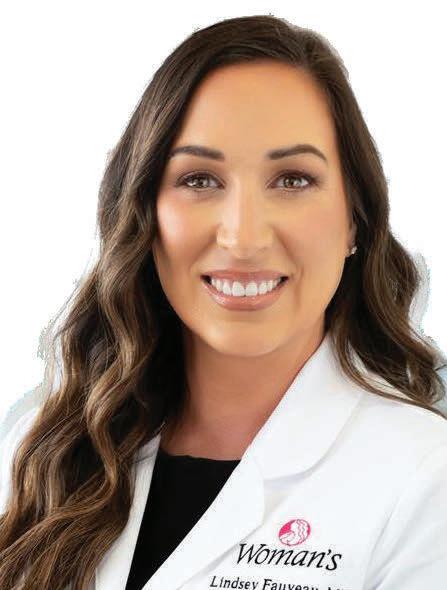
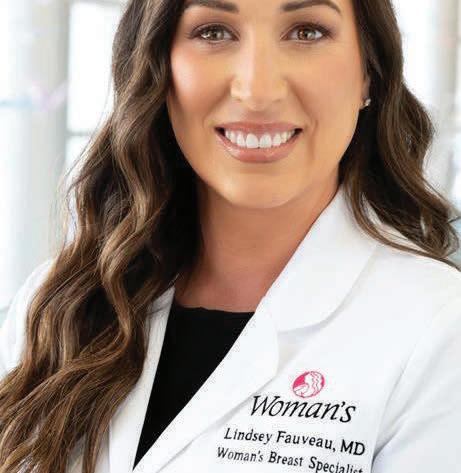
t Woman’s Hospital, breast cancer care is about more than treatment – it’s also about restoring confidence and quality of life. Our team of specialized breast surgeons – Dr. Cecilia Cuntz, Dr. Lindsey Fauveau and Dr. Jamie Patterson – work closely with each patient to help them find the path that best supports their healing and recovery.
Breast reconstruction is most commonly performed using two primary methods: implant-based and autologous procedures. Autologous procedures use the patient’s own tissue, while implant-based reconstruction uses medical-grade implants. Both approaches are available at Woman’s Hospital, allowing each patient to choose the option that best aligns with their individual needs, preferences and treatment plan.
One advanced option for those who qualify is the DIEP (Deep Inferior Epigastric Peforator) flap procedure, which uses a patient’s own tissue to restore the breast after surgery. During this procedure, the team of specialized breast surgeons works alongside reconstructive plastic surgeons to remove and reconstruct the breast.
“The DIEP flap is a highly advanced, autologous reconstruction technique,” explains
Dr. Fauveau. “We use the patient’s own tissue, including fat and blood vessels from the abdomen, to reconstruct the breast. This approach offers a more natural look and feel, and often results in a flatter abdomen.”
Woman’s Hospital is uniquely positioned to offer this procedure. The DIEP flap was pioneered in Louisiana in 1992, giving Woman’s team of breast and plastic surgeons extensive experience through strong regional training.
“Our team of breast surgical oncologists and reconstructive plastic surgeons brings more than 30 years of combined experience performing this procedure,” says Dr. Fauveau. “Patients in Baton Rouge and beyond benefit from a legacy of expertise that is rare elsewhere in the country.”
To determine if a woman is a candidate for the DIEP flap procedure, the team at Woman’s Hospital uses advanced imaging and thorough evaluations to carefully assess each patient’s abdominal blood vessels and overall health, ensuring the best possible outcome.
“Prior surgeries, especially those involving the abdomen, can affect eligibility,” she notes. “But with modern, minimally invasive techniques, many women – even those with previous surgeries – may still qualify.”
Recovery typically ranges from six to eight weeks.
“Our patients appreciate the natural appearance and the peace of mind that comes with using their own tissue,” Dr. Fauveau shares. “Many also value not having to return for implant replacements years down the line.”
At Woman’s Hospital, a dedicated team of breast specialists — including experienced nurses and surgical staff — provides a wide range of comprehensive surgical solutions.
“We have tremendous staff and a dedicated breast team, which is special because they are committed to the cause, and this is what they do every day. We pride ourselves on a smooth, collaborative approach that ensures patients feel supported at every stage,” says Dr. Fauveau. “From the initial consultation to recovery, our focus is on high-quality, evidence-based care in a supportive environment.”
For women facing breast cancer, the extensive team at Woman’s Hospital offers hope, healing and a renewed sense of self. Scan the QR code or visit womans.org to learn more.
CEO, The Olivier Group
“Tennis has been a part of my life since I was 8 years old. My dad taught me the game, and we spent countless hours on the court together. Now, at 52, I get to share that same tradition with my wife and four boys. Playing with them keeps me sharp and pushes me to stay focused on every point—especially since they’re all younger and in better shape.”


When you walk into any branch of the East Baton Rouge Parish Library, you’re stepping into one of the best returns on investment in the parish. For the cost of a library card – which is free to parish residents – citizens get access to resources, services and programs valued at tens of millions of dollars every year.
In 2024 alone, library patrons checked out physical items valued at more than $26 million and downloaded eBooks worth an additional $18.6 million – a direct savings of $44.6 million to the community. And that’s just the beginning.
More than 300,000 cardholders visit the library’s 15 branches, with 2,300 bookmobile stops bringing materials and services to preschools, retirement centers and neighborhood hubs. Library staff answer nearly 900,000 reference questions annually and libraries provide more than 900,000 Wi-Fi sessions, keeping Baton Rouge connected, informed and inspired.
The library’s digital offerings are equally impressive. Business owners and entrepreneurs use powerful tools like Statista (a $11,500-a-year value) and Data Axle Reference Solutions (a $5,000-a-year value) to make data-driven decisions. Job seekers tap into the Career Center for personalized
coaching, résumé help and vocational training. Readers enjoy subscriptions to The New York Times, Wall Street Journal, Washington Post and The Economist, all at no cost. From LinkedIn Learning courses to legal research in Nexis Uni, EBRPL delivers premium content without the premium price tag.
“It’s about real value for real people,” says Assistant Library Director Mary Stein. “If you’re paying for these services on your own, you could be spending thousands every year. At the library, they’re free, and tailored for our local community.”
One of the library’s most exciting current initiatives is the Small Business Engine Series, a partnership with The Alliance. Designed for entrepreneurs, start-ups and small business owners, the series brings in successful local experts to share their experience, insights and strategies.
The format is dynamic – panel discussions instead of lectures – where participants can ask questions and dig into practical, real-world advice. Recent sessions have covered topics like marketing, writing a business plan and securing capital. Each workshop is paired with library resources that attendees
can explore in follow-up “deep dive” sessions with the library’s Small Business Services team.
Each session includes door prizes like brand audits, one-on-one consultations or marketing strategy sessions – services that carry real market value. As Stein notes, “These aren’t T-shirts or tote bags. They’re tools you can take straight back to your business.”
Two more sessions are planned for later this fall, with topics designed to address the most pressing needs of local entrepreneurs. Dates and details will be announced soon, and all past sessions are available to watch on the library’s YouTube channel.
Whether you’re growing your business, changing careers or just curious about the world, EBRPL offers resources worth thousands – for free. That’s more than a library card. That’s an investment that pays the community back every single day.
And remember: voters in East Baton Rouge Parish will decide whether to renew the library’s dedicated property tax – at the same 11.1 mills rate as approved by voters in 1995, 2005 and 2015 – for the next 10 years on Nov. 15; should the measure fail, the library would receive no new funds for tax year 2026.