JANUARY 2023 • PENSACOLAMAGAZINE.COM OLD DRUG, NEW TREATMENT HEALTHY ELIXIRS HOMEGROWN ATHLETES BUSINESS CLIMATE ON THE MARKET A REAL ESTATE SECTION ALSO IN THIS ISSUE: New Year, Healthier You Science-Backed Habits for Better Health


Plan yourperfect event The Hilton Garden Inn Pensacola is the perfect venue to host your next event! Whether it's your birthday, anniversary, wedding, family reunion or meeting, we have the space for you. From a small intimate party to a larger reception, let our experienced banquet manager assist you in coordinating all the details. Our on-site catering department will have everything you need to make your next event special. Amanda Mills - Director of Sales amills@highpointe.com 850-479-8900 Ext: 604 1144 Airport Blvd Pensacola, FL 32504 Vendors: Supposey Rentals - Emerald Coast Event Services - Marry Me Wedding Rentals Photography: Michael Duncan of Duncan McCall


THE NEW 2023 KIA SOUL TIRES FOR LIFE AND LIFETIME POWERTRAIN WARRANTY REQUIRE ALL FACTORY MAINTENANCE FOR AS LONG AS YOU OWN THE VEHICLE. SEE DEALER FOR DETAILS. KIAAUTOSPORTPENSACOLA.COM 6637 PENSACOLA BLVD. | PENSACOLA, FL 32505 850.457.7772 Movement that inspires
GROUNDBREAKING CARE
Bringing groundbreaking care to the communities we serve is a part of our history. And our new health campus is our latest effort to transform health care for the future. Born from a legacy of putting people first through better access, experiences and outcomes, this investment in our Mission of helping people throughout life’s journey is about much more than a physical location or a building. It represents our commitment to care for our community now and for generations to come.

TRANSFORMINGBAPTIST.ORG
LA BOHÈME RETURNS
Pensacola opera opens 40th anniversary season with opera's greatest love story.

Details on the latest proposal for a new, indoor multi-use sports facility in downtown Pensacola.
HEALTHY ELIXIRS Three delicious and healing beverages to keep your body and mind in good health.
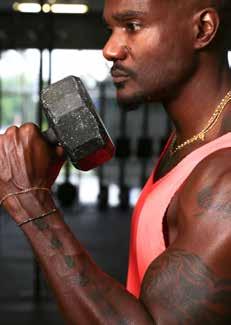

OLD DRUG, NEW TREATMENT How a not-so-new drug is helping people with treatment resistant depression.

HOMEGROWN ATHLETES
Then and now—an inside look into the lives and careers of some of Pensacola's top professional athletes.
6 | JANUARY 2023 CONTENTS
FEATURES 14
16 PRESENTING PROJECT PICKLE
19
23
26
33 NEW
TOPICS 8 Editor’s Note 10 Page 10 with DeeDee Davis 12 Pensacola Scene 37 Event Calendar ON THE MARKET ALSO IN THIS ISSUE: A REAL ESTATE SECTION 14 33 23 26 16
YEAR, HEALTHIER YOU Try these four science-backed habits for better health.

EDITOR’S NOTE
CULTURE + LIFESTYLE
JANUARY 2023
Owner Malcolm Ballinger
Publisher Malcolm Ballinger malcolm@ballingerpublishing.com
Editor’s Note
Editor’s Note

Obesity, diabetes and heart disease became death sentences for too many people battling Covid. While genetics predispose some to these illnesses, many can be managed or eradicated by lifestyle changes. I’d like to focus on making healthy choices while still enjoying the bad-for-you good stuff in moderation.
Happy New Year! After the gluttony of the holidays comes the traditional New Year’s purge. For some, it’s committing to dry January or resolving to start or change fitness routines and eating habits. For others, the New Year brings a time of reflection and renewal in more spiritual ways and they resolve to practice more gratitude and to perform more acts of service. And for others, the New Year is time to shed the unwanted or unneeded burdens of the past—belongings, relationships and guilt.
Executive Editor Kelly Oden kelly@ballingerpublishing.com
Art Director Ian Lett ian@ballingerpublishing.com
2021 issue survived barrage loss and entire loved ones, kept side, at least will change vaccines coronavirus, some freely What has suspect it mental time positive experiences. resolutions Instead, brought home have uncertain. my community. health is our knew it.
already? assure you equally— alone.
it—the I’m over on a word: over Only suspect. pandemic the stress, distancing and many things can provide more return. Society has had fostering know that always a sweet kitty sounds check page 34. for our with some

strange spring. The novel in our so far been it from print with time, Escambia Santa quickly once The fact is, virus or be symptoms. That is community, stay possible--leaving the idea, too, rather than social via world—phone encourage tribe. We bring and something this. in our will see that community groups and safe ways difference distancing. I must outpouring amongst my toilet paper more than to make up applause for our
Kelly Oden Executive Editor
Graphic Designer/Ad Coordinator
Passion and Joy
incredible special-needs pets and owners and she discovered that while these precious babies may take a little more care, the love they give in return is worth every second.
Perhaps the best way to ring in the New Year is to pay a little attention to each of these different aspects of our lives. I think the “everything in moderation” motto should apply to New Year’s resolutions, too. We should certainly strive for all of the things we’d like to improve upon or leave behind, but we shouldn’t beat ourselves up if we fall back into a few of our old habits here and there. Rather, think of these slip-ups as learning experiences and reminders of why we wanted to shed that habit, belonging or feeling in the first place. Above all, we should all resolve to be more kind and patient toward ourselves throughout the coming year.
first responders and hospital workers? Thank you for putting yourselves on the front lines to keep us as safe as possible. Also, a big shout out to all the teachers out there scrambling to put together online lessons to keep our kids engaged and learning instead of worrying about things they cannot control. We appreciate you!
I don’t know about you, but 2020 offered far too little of either of these to me. I was so consumed with my mom’s illness and then with surviving the grief of her loss and the anxiety of the pandemic and the sorrow of so many national news stories that I took little time for myself. This year, I hope to explore creative and personal endeavors that help me rediscover myself and discover new outlets for personal expression.
If exotic animals are more your thing, head on over to the brand spanking new and significantly enlarged Alabama Gulf Coast Zoo. The new location features all the hands-on, up close interaction as the previous location plus added attractions, amenities and experiences that will make for a wonderful family day out.
Garrett Hallbauer advertise@ballingerpublishing.com
Editor Morgan Cole morgan@ballingerpublishing.com
Assistant Editor Nicole Willis nicole@ballingerpublishing.com
Contributing Writers DeeDee Davis Darien Hardy Alex Hilkey
Procrastination
For those interested in self-improvement in the new year, we’ve rounded up four healthy habits that a majority of scientists and doctors agree have the most impact on our overall health and well-being—movement, sleep, nutrition and social connection. We invite you to learn about the how and why of these healthy habits and we hope we inspire you as you begin or continue your journey to living a more healthy and balanced life.
On that note, I encourage you to read our COVID-19 Resource Guide, which provides resources for food, business, community and more. The ever-changing nature of this crisis necessitates that I mention that these resources may or may not be available to you by the time you read this issue. I hope it will provide a place to start, some ideas or some inspiration either way.

In this issue, we also spoke with Justin Gatlin, Beth Barr, Adron Chambers and Michelle Snow—four Pensacola native athletes who went to the top of their game. Learn about their career defining moments and what they are up to now.
If you’re interested in conservation, check out Dakota Parks story on local Panhandle Rooftop Nesting Biologist, Rebekah Snyder. Through her work with Audubon Florida, Snyder helps to ensure local shorebirds have safe nesting spaces in an increasingly overpopulated region.
You may also notice that we have some nonpandemic related stories in this issue. We made the call to include already planned articles that might still be helpful, relevant or enjoyable for our readers. We hope you find them useful.
While many people made glorious headway on home improvement and personal projects in 2020, I did not. I did not organize anything. I did not fix anything. I did not learn a language or a new skill. Nothing. But that’s ok, too. I’m still here. That’s an accomplishment. However, in 2021, I’d like to lighten my load and empty my house of much of the clutter and unnecessary junk that fills it. It’s time to make room for something new.
Sales & Marketing
Paula Rode, Account Executive ext. 28 paula@ballingerpublishing.com
Geneva Strange, Account Executive ext. 31 geneva@ballingerpublishing.com

All of this, plus information on a not-so-new drug that is becoming a game changer for those with treatment resistant depression and post traumatic stress disorder. Ketamine therapy has given thousands of patients hope and, in many cases, a second chance at life. We spoke to Scott Durrance of Apex Psychiatric Services, the only local practitioner offering the treatment. We also spoke to one of his patients, for whom the treatment has done wonders.
All of this, plus a few DIY pet treat recipes and some good news from the Florida legislature regarding protection for pets in abusive situations.
21 E. Garden St., Ste. 205 Pensacola, FL 32502 850.433.1166 | fax: 850.435.9174 ballingerpublishing.com
In this issue, we’ve covered all of these topics and more to help readers shift their own focus in 2021. We hope you enjoy. Here’s to your health!
As for us, Pensacola Magazine has been published under one title or another for more than 40 years. We have no plans on changing that. We will continue to publish and to bring you all the information we can for as long as we can. Please reach out to us with story ideas, inspiration or just a quick hello. We are all working from home and we are missing our water cooler conversations.
We’ve also brought you details on Pensacola Opera’s upcoming performance of La bohème, the scoop on a new proposal for an indoor sports facility in downtown Pensacola called Project Pickle and some recipes for healthy elixirs to jump start your year.
Published by Ballinger Publishing:
So, turn off the news, put down your phone and enjoy these heartwarming tales and adorable of photos of local animals and the folks who care for them. When you’re done, give your kitty a little catnip and throw your dog a bone. It’s these simple pleasures that will keep us all sane.
Stay safe, stay healthy and stay strong, Pensacola!
Happy 2023, everyone! May it be your best year yet.
Kelly Oden
Executive Editor
Kelly Oden Executive Editor
Executive Editor
/pensacolamagazine @pensacola_magazine
Proud member of the
/pensacolamagazine @pensacola_magazine
Renew your subscription now online at www.ballingerpublishing.com: One year $14.95 and two years $22.75.
/pensacolamagazine @pensacola_magazine
subscription now online at www.ballingerpublishing.com: One year $14.95 and two years $22.75.
your subscription now online at www.ballingerpublishing.com: One year $14.95 and two years $22.75.
Subscription expiration date is printed on the address label. Renew your subscription today online at ballingerpublishing.com: One year $14.95 or two years $22.75.
FOLLOW US! /pensacolamagazine @pensacola_magazine
NW Florida’s Business Climate Magazine and Pensacola Magazine is locally-owned and operated. All Rights Reserved. Reproduction or use of the contents herein is prohibited without written permission from the publisher. Comments and opinions expressed in this magazine represent the personal views of the individuals to whom they are attributed and/or the person identified as the author of the article, and they are not necessarily those of the publisher. This magazine accepts no responsibility for these opinions. The publisher reserves the right to edit all manuscripts. All advertising information is the responsibility of the individual advertiser. Appearance in this magazine does not necessarily reflect endorsement of any products or services by Ballinger Publishing. © 2023

8 | JANUARY 2023
Note
Kelly Oden
PENSACOLA MAGAZINE

I hope you have all thawed from the Christmas freeze and that your plants fared much better than mine. I love gardening, but we are all going to be exceptionally busy when spring comes around this year. Let’s hope all of the plant nurseries are making large orders because every variety is going to be in huge demand. I hate looking at the sad remnants of my gardens, but I am afraid to pull up the remains in the hope that something may have survived and miraculously bud. On to the New Year and all fresh possibilities.
One of my favorite things about the New Year is getting a new planner. Not just any new planner works for me. It has to have a nice cover---leather-like, preferably, as this can take the abuse I tend to be guilty of. I like to have a pocket in the cover to hold invitations or letters as back up to their entry on the calendar. And I like nice big blocks with the entire month in front of me, just waiting to be filled with notes. I have learned over the years to make most
entries in pencil so that I can erase if plans change. God forbid
I have to scribble on my clean planner. Something inside of me hopes that if I keep the planner organized, my life will follow suit.
The first thing I do with my new book, in anticipation of the New Year, is lay out an assortment of colored pens. I use an unusual shade to log in every birthday that needs notation. Oh, sure, I could just put them in the computer and get pop up notices, but it’s just not the same.
I am also that one that, given the chance, will choose a real newspaper over online editions most of the time. After birthdays, I enter the Auburn football schedule. Nothing, not trips, not weddings, not social eventsnothing is allowed to interfere with game day. My niece got married this year IN OCTOBER. I was already planning my excuses for missing her day until I saw that she was having it on a Friday. What a relief!
After prioritizing birthdays and college football season, I spend some time reviewing the month on last year’s planner to see if there is anything I need to repeat. It has become painfully obvious that each year is dotted with more doctor’s visits. And it also seems that each year flies by faster than ever. More often than not, I come to the conclusion that I sure spent time on unimportant things last year and make a note to do better. I refer to this calendar countless times a day and depend on it to know where I should be and when I should
be there. It really is the most important tool I have, next to my iPhone, of course. And, yes, I keep a much more abbreviated calendar on my phone to avoid ridicule from those who would say I am in the dark ages.
Over the past year, it seems we have experienced more news of friends diagnosed with serious illnesses and worse, death of friends, making it all the more important to live every moment on that calendar as fully and richly as possible.
The older I get, the more I realize how precious every single second is. So, as I sharpen my pencils and replenish my pens, and begin the annual ritual with my planner, I thank God for my family, my friends, my health and new pages to fill with things that reflect what is really important in life.
And what is a New Year without Resolutions? There is plenty in this world we can't change. I can't give Auburn a winning football season or end the war in Ukraine. But I can improve myself. So, here is my list and it probably is applicable for most of us.
1. Assess your fitness level HONESTLY and act accordingly. Set your minimum exercise requirement and try to do better than that.
2. Choose a new way to get involved in our community. The old cliché about giving is so true. Help others and you are rewarded more than they are.
3. Appreciate your family. This one can be tough because there does come a time when enough is enough and forgiveness can be a real challenge. Not that this has happened to me, but occasionally there is an in-law that will require quiet tolerance. For that matter, it could be an immediate family member. Tolerance and acceptance are two different subjects and there really isn’t a law that says you must cherish everyone who has the same lineage as you.
4. Write more personal notes and mail them. Email and texting are fine, but nothing beats a handwritten message.
New Year!
10 | JANUARY 2023
Happy
DeeDee Davis, Contributing Writer
Page 1 0
Opinion piece: the views expressed in this article are solely of the writer and not representative of Pensacola Magazine








PENSACOLA AIRPORT / CORDOVA MALL 850-478-1123 2187 Airport Boulevard pensacolaairport.hamptoninn.com 850-474-3777 5049 Corporate Woods Drive pensacolaairport.homewoodsuites.com 850-476-8383 6000 Cobble Creek Road marriott.com/pnsrp PENSACOLA DOWNTOWN 850-479-8900 1144 Airport Boulevard pensacolaairportmedicalcenter.hgi.com A Place for You Business Vacation Extended Stay HIGHPOINTE.COM 850-439-3330 700 E. Chase Street marriott.com/pnspc 850-432-0202 601 E. Chase Street marriott.com/pnsdt





12 | JANUARY 2023
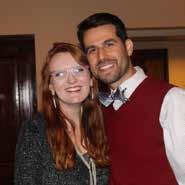
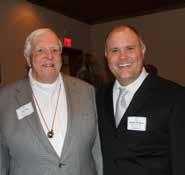
CHRISTMAS PARTY AT MCGUIRES IRISH PUB ESCAMBIA-SANTA ROSA BAR ASSOCIATION CHRISTMAS PARTY AT HERITAGE HALL CHAD & BROOK HENDERSON MAKE A GENEROUS $1 MILLION GIFT TO THE NEW BAPTIST HOSPITAL CAMPUS
PENSACOLA SCENE IRISH POLITICIANS CLUB
Lena Jones & Jock Mobley
Danny Zimmern & Ashton Hayward
Frederick Longmire, Codey Leigh & John Mahoney
Autumn Beck Blackledge & David Cobb
Marianne McMahon, Kitty Meadows & Pat Windham
Hal George & KC Gartman
Lou Ray & Aaron Erskine
Rachel & Aaron McCurdy
Mark Faulkner, Brook & Chad Henderson, KC Gartman
















Christopher J. Bosarge, M.D. Christopher J. LeCroy, M.D. Geoffrey L. Risley, M.D. Aaron B Montgomery, M D Shonak B. Patel, M.D. Fernando E. Kafie, M.D. for Your Varicose and Spider Veins CoastalVeinInstitute.com (850) 912-8249
Axley, M.D. Isaiah T. Brown, M.D. Non-Invasive Treatment T: (850) 944-6805 • E: chopllc@yahoo.com • classichomesofpensacola.com • Parade Winner 2013, 2014, 2015, 2016, 2017, 2018, 2019 • Builder of Dream Home 2015 • Builder Of The Year 2015 Free Design Service Build on our lot or yours! Come visit our furnished model homes Monday - Saturday 10am to 6pm Sunday 1pm to 6pm Just West of the Equestrian Center Now Building Huntington Creek Award Winning Homes!
John
Arrives at the Saenger Theatre La bohème
by Alex Hilkey
Pensacola Opera opens its 40th Anniversary Season with opera’s greatest love story: Giacomo Puccini’s La bohème. This romantic powerhouse makes its long-anticipated return to the Saenger stage on January 20 and 22, 2023.

One of opera’s most romantic stories, La bohème follows four struggling bohemians—a poet, a painter, a musician and a philosopher who are living together in Paris. La bohème follows Mimì and Rodolfo from their first meeting to their final devastating moments, capturing their impassioned relationship through the lens of Giacomo Puccini’s masterful, lush orchestrations. From Musetta’s famous waltz, Quando m’en vo, to the rousing second act outside the Café Momus—featuring the wonderful Pensacola Opera Chorus—this beloved work features some of opera’s most hummable melodies. These bohemian stories of poverty, disease, and the bitter cold of winter reminds us that when you have nothing but love, then you have everything to lose.
Newly appointed Artistic Director Corey McKern makes his Pensacola Opera mainstage directorial debut with this production. “What could be more real than a story of four young artists living in poverty while pursuing art and love?” McKern said. “All of the excitement and energy of trying to survive and thrive in Bèlle Epoch Paris as an artist and a lover pours out of Puccini’s brilliant score. Based on the novel Scenes de la vie Bohème by Henri Murger, La Bohème is a time capsule of why Bohemian life was so attractive to artists all over the globe. Now in 2022, we bring an entire cast of singers from all over the country and indeed the world. These artists experience in life what the audiences witness on stage. The excitement, the heartbreak, the freedom, the hope, all of the things that go into making a life’s work solely from talent and imagination in an art form that takes practiced discipline. La Bohème takes place in the Latin Quarter, as it existed in Paris. However, Bohemia is also a lifestyle and philosophy. As Murger wrote, ‘It is a place where people love lightly and sincerely, weep and laugh freely, are desperately hungry, have real ambitions and at times, die of all these maladies. It is the happiest and most melancholy place in the world.’”
Local soprano Bizhou Chang returns to the Saenger stage as the ill-fated Mimì with tenor Adam Diegel as her adoring Rodolfo, a poet. Soprano Flora Hawk, last appearing in 2020’s H.M.S. Pinafore returns to Pensacola Opera as Musetta alongside her on-again-off-again romance partner and singer Marcello, played by baritone Robert Mellon from 2021’s The Magic Flute. Shaunard, the musician, is played by award-winning baritone Alex DeSocio. The final bohemian, the philosopher Colline, is played by bass Allen Michael Jones who is making his company debut. Pensacola Opera Studio Artist Randy Ho, tenor, will be taking the stage as toymaker Parpignol, with singers from the Pensacola Children’s Chorus as Parisian children in the streets of Paris on Christmas Eve. Rounding out the cast, is tenor Dean Anthony appearing as both the landlord Benoit and Musetta’s rich admirer Alcindoro and baritone Studio Artist Scott Lee as the customs officer. The Pensacola Symphony Orchestra will be conducted by Jerome Shannon in his first production as Principal Guest Conductor. Last performed by the company in 2015, newly appointed Artistic Director Corey McKern makes his mainstage directorial debut with a recently introduced new production from New Orleans Opera and set designer Steven C. Kemp.
La bohème is considered an excellent opera for beginners. The hopelessly romantic story might seem familiar as it was the basis for the Broadway musical, RENT, which features the same main characters and a lot of overlap in the story and music. La bohème is also a short and digestible opera. It’s broken down into four short acts and has a simple, easy-to-follow story line. While some operas can last three or more hours, La bohème tells its story in about two hours – roughly the same as a modern movie or play. The romantic and lush music is so moving; it will truly leave you in tears. While the dynamic storytelling and emotional singing and music makes the opera easy to follow, a synopsis is provided in the program and English supertitles are provided in the theatre.
Tickets start at $26 and can be purchased online through ticketmaster.com or at the Pensacola Opera Center located at 75 S. Tarragona Street in downtown Pensacola. Visit pensacola opera.com for complete details.


Presenting PROJECT PICKLE
City Council to Vote on Indoor-Sports Facility Proposal
by Darien Hardy
DiD you know that, pickleball is the fastest growing sport in the uniteD states? For those of you who are unfamiliar with pickleball, it's basically a mash-up of tennis, badminton and ping-pong. The game is played with a paddle and a plastic ball with holes.
Pickleball’s increasing popularity can be attributed to several factors. First, the game is ideal for all skill levels. Since pickleball’s rules are like that of ping-pong, it’s easy for most people to pick up on how to play the game. Pickleball offers something for beginners who might want to try their hand at a fun new game, seasoned players looking for more competitive play and just about everyone in between.
Also, pickleball is a fun social activity. The courts are small enough for players to hold conversations, and the game can be played with a dozen people per session. If you’re looking to bond with your family or have an outing with friends, pickleball makes it easy to socialize while getting a fun workout.
Speaking of workouts, pickleball is also healthy. The sport is just as great for mental health as it is for physical health. Many professional athletes use pickleball to
have been injured playing other sports as pickleball puts less strain on the body than other games.
Parks and Recreation Departments across the country are finding pickleball courts to be an affordable and popular choice for local parks and recreation facilities. Because pickleball can be played both indoors and outdoors, it is an accessible option for all types of recreational facilities.

As a matter of fact, the sport of pickleball is gaining even more momentum here in Pensacola as Mayor D.C. Reeves and the City work to have Project Pickle voted on and approved by City Council by early January.
Project Pickle is a proposal for the construction of an indoor sports facility that would include modular courts for a variety of sports, including the ever-popular pickleball. The proposal is to bring the facility to the currently vacant Port of Pensacola Warehouse No. 4. President of Whitesell-Green Construction and the proposed developer for the project, Rob Fabbro and local attorney Scott Remington first presented their vision for the new facility to the
Warehouse 4 Sports, the proposed name for the new facility, would serve as a multi-purpose space, which could be used for different types of indoor and outdoor sports as well as trade shows and community events. The facility’s indoor “court sports,” a term coined by Community Outreach Coordinator Travis Peterson, would allow residents and tourists alike to enjoy playing the sports they love, regardless of the weather. The facility would also create opportunities for Pensacola to host more indoor sport tournaments for local athletes. The new facility would also include a large space for various types of community events like graduations, seminars, E-Sport events, expos and large conventions.
Rendering of the proposed Warehouse 4 multi-use sports facility. Courtesy of the City of Pensacola and project developers.
The facility would be developed according to a comprehensive four-step plan. First, the City Council will need to vote on a longterm lease agreement for the

16 | JANUARY 2023
Warehouse No. 4 building. As the facility gets off the ground, the lease will need to have lower payments for the first few years, which the City must approve.
Negotiations for the facility have been in effect months prior to Reeves’s swearing-in ceremony in November. One problem the council faces is that the Warehouse No. 4 is located behind a security fence, so the fenceline will need to be relocated or redesigned before approval. The other issue is the sequencing of meetings. So far, the proposal has been discussed during only two meetings since Reeves began his term in the mayor’s office. Still, the mayor’s goal as of now is to have a lease brought to the council no later than the February meeting.
“We are motivated to get this project across the finish line and we’re working as diligently as possible to make sure the lease makes sense,” Mayor Reeves said. “Once I took office, I requested some additional investment by the private developers to ensure that when they succeed, we all succeed. We’re moving ahead nicely, and we feel confident that we’re going to get this project across the finish line in relatively short order.”
mingling with athletes. There will also be an opportunity for live streaming so that family members all over the world can watch the sport matches. Additionally, a sports themed concession stand and sports bar will be implemented.
The modular courts that have already been proposed can be used as five basketball, futsal or tennis courts or 11 volleyball or pickleball courts. The proposal also includes the production of 12 outdoor multi-use courts.
The Project Pickle Proposal states that after the $2 million investment from the tenant to renovate the warehouse, the Port will receive a share of tournament ticket and parking revenue, in addition to lease payments. The facility will be available through public day-use, membership and tournament play. The tenant will assume insurance for further improvements and will reimburse the Port for existing insurance costs.
Warehouse 4 Sports will support local youth and community sports leagues, increased sports tourism opportunities for tournaments, etc. and beach-to-city connection and visitor experiences. The facility will also have a wide-spread impact on the community. According to the UWF Haas Center, this facility can create up to $28 million in economic impact in the first six years. There are internal estimates of more than $2 million in annual tourism revenue.
“I think Project Pickle has a chance to be a catalyst for economic development and prosperity for the city of Pensacola,” Reeves said. “We know that sports and tournaments that have a regional attraction bring a lot of dollars into a community. To have an additional tool in our tool belt, to have something that can bring people here and say, ‘Hey, we already wanted to come to Pensacola because it’s beautiful. We can have a great time here, but we’re also coming because they’re able to host these tournaments,’ I think that compounds our ability again to attract tourism to the city.”
The next step is, with a minimum $2 million investment from the private sector, the building will need to be brought up to code standards and redeveloped. Then, the updated facility will be open to the community and other visitors for day-use, tournaments, league play and multiple other purposes. The facility will continue to be funded via membership fees.
Finally, in a later phase of the project, the proposed facility building will include a 400-seat arena that can be used for tournament championship games and graduations. This seating area would be set up in a semi-balcony style to avoid audience members
There will also be more options for local youth sports groups to compete in tournaments that are usually held in Destin, Foley or even as far as Orlando, which will greatly cut down on costly travel out of the city. Finally, this facility will connect a vacant and underused space at the Port with the rest of downtown and the historic district, making it a more community-centric place for all. The facility will be built in the Port of Pensacola’s Warehouse No. 4, which is located next to the Commendencia Slip where the Pensacola Bay ferries operate. For more information about pickleball, visit usapickleball.org. For further details and updates on Project Pickle, visit warehouse4sports.com.
• There are currently 4.8 million pickleball players in the United States.
• As the fastest growing sport in America, Pickleball has grown an average of 11.5% per year over the last five years.
• Players 18 to 34 years of age make up the largest percentage of pickleball players at 28.8% nationwide.
• There are currently 10,320 pickleball courts in the United States.
• 2022 marks the 57th anniversary of pickleball
Source: usapickleball.org
PENSACOLA MAGAZINE | 17
“I think Project Pickle has a chance to be a catalyst for economic development and prosperity for the city of Pensacola.”
D i D y ou k now ? pickleball stats & facts











Christopher J Bosarge, M D Christopher J LeCroy, M D Geoffrey L Risley, M D Aaron B Montgomery, M D Shonak B Patel, M D Fernando E Kafie, M D Your Vascular Health is Our Top Priority CoastalVI.com (850) 726-3451 John Axley, M D Isaiah T Brown, M D Your journey has started. What is your next step? Healing starts with knowing and understanding your mind/body/soul connection. Tap into your innate power and learn how to take control of how you feel every day. Mindfulness Coaching, Mental Health Counseling, Medical Marijuana, Life Coaching, Acupuncture, Reiki, Stress Management, Sound Bath, Meditation, Massage Therapy, Past Life Regression, and more 850 777 3334 2701 N 12TH AVE WWW.EMPATHICPRACTICE.US A Holistic Lifestyle Wellness Clinic
Healthy Elixirs
by Kelly Oden
We all know the expression, you are what you eat, but we would be wise to add that you are also what you drink. When we think about getting our daily doses of vitamins, minerals and other nutrients, our go-to solution is often a salad, some lean protein or lightly cooked vegetables and supplements to fill in the gaps. While these are all great options for maintaining a healthy lifestyle, sometimes we want something a little different—something a little exciting. To that end, we’ve rounded up a handful of healthy elixirs—delicious drinks with healing properties to keep your body and mind in good health. Try one or all of them. Bottoms up! Here’s to your health!
The star of golden milk is turmeric—a root in the same family as ginger that has been used as an anti-inflammatory compound in Chinese and Indian cultures for thousands of years. Turmeric gets its brilliant color from its active ingredient, curcumin, which has been found to have antioxidant, antiviral, and anticancer properties. This superfood has also been linked to lower total cholesterol levels and improved liver function. Be sure to include the black pepper—it boosts the absorption of curcumin. Golden milk is often consumed in the evening for a restful sleep. For a morning pick-me-up, try a golden chai.
Ingredients:
4-5 fresh turmeric roots (or 3-4 teaspoons turmeric powder)
3/4 to 1 cup of water
2-3 teaspoons of freshly ground black pepper
3-4 tablespoons cold pressed coconut oil 1 teaspoon cinnamon powder
4 teaspoons fresh ginger, grated (or 2 teaspoons ginger powder)
Directions:
Prepare the Paste
Wash and peel the turmeric and ginger. Finely chop or grate the roots. Note: Turmeric does stain skin and clothing, so be careful or wear gloves. Blend turmeric and ginger into a fine paste, adding a little water at a time to keep paste moist. Transfer paste to a pot. Cook on low and stir continuously for three to five minutes. Remove from heat and add black pepper, cinnamon and oil. Mix well. Store in an airtight container in the refrigerator for up to two weeks.
For Golden Milk
Warm milk of your choice on low heat. Almond milk works very well. Add 1-2 teaspoons of turmeric paste. Heat for 3-5 minutes. Strain. Add honey if desired.

For Golden Chai
Add 1-2 teaspoons of turmeric paste to chai tea. Let steep three minutes. Strain. Add almond milk if desired.
Golden Milk
Fire Cider
An immunity-boosting tonic with A kick, fire cider is a mix of herbs, roots, citrus, peppers and spices steeped in apple cider vinegar. With origins as a folk remedy, fire cider proponents tout its anti-inflammatory, anti-bacterial, anti-viral, decongestant, and circulation-boosting properties. Take it as a shot to get your system going or mix it in your favorite beverage (We hear it’s great in a Bloody Mary!). Fire cider can even be used in cooking—add it to your favorite soups, cooked greens or homemade salad dressing for an extra dose of spicy goodness.

Ingredients:
1/2 cup peeled and diced horseradish
1/2 cup peeled and diced garlic
1/2 cup peeled and diced onion
1/4 cup peeled and diced ginger
1/4 cup peeled and diced turmeric
1 habanero or jalapeno pepper, sliced in circles
1 orange, thinly sliced
1/2 lemon, thinly sliced
1/2 cup chopped parsley
2 tablespoons chopped rosemary
2 tablespoons chopped thyme
1 teaspoon black peppercorns
2-3 cups raw unfiltered apple cider vinegar
1/4 cup raw honey, or more to taste
Beet Apple Carrot Juice

Ingredients:
2 small to medium beets
5-6 carrots
2-3 small apples
2-inch piece of ginger
Juice of one small lemon
Directions:
Wash, peel and chop all of the roots, herbs and spices. Layer everything in a one quart jar. Pour the vinegar over the top of the layered ingredients until the jar is full. Place a piece of wax paper or plastic wrap over the top of the jar before screwing on the lid—this keeps the vinegar from corroding the lid. Screw the lid on tightly and store it in a dark place for about a month. Shake it daily. After one month, strain and store in cool dark cabinet or refrigerate.
besides being A gorgeous color, this simple, fresh juice packs a nutritional wallop. Beets are very hearthealthy and full of vitamins A, C and B-complex. Beets also contain a bounty of minerals like potassium, iron, magnesium and copper. Apples are packed with nutritious dietary fiber and are high in Vitamins A, B1, B2, B6, C, E and K, as well as folate, niacin, zinc, copper, magnesium, potassium, phosphorus, iron, calcium, sodium and manganese. Carrots contain a wide variety of vitamins and minerals such as Vitamin A, B1, B2, B3, B6, C, E and K, folate, niacin, pantothenic acid, potassium, calcium, phosphorus, magnesium and selenium and beta-carotene.
Directions:
Wash all produce. Cut beets and apples in quarters. Peel ginger. Push beets, carrots, apples and ginger through juicer. Add lemon juice. Drink immediately. If storing, fill container to top to eliminate air and seal tightly.


PENSACOLA MAGAZINE | 21
you
your
needs. Along with your
we
care
will
you with customized goals and preferences.
frequent interactions with your provider and
activities including chair yoga, card games, bingo
fitness center
the facility.
Your care team. Your way. Call 850-558-4665 for a guided tour or appointment, or scan the QR code to learn more at ochsner.org/65Pensacola Accepted plans include: All Humana HMO Plans, All Humana PPO Plans, All Humana Honor Plans, All Humana Duals and Chronic Special Condition Plans, All Humana Give Back HMO or PPO Plans COMING SOON University Center, 1095 East 9 Mile Road Pensacola, FL 32514
At Ochsner 65 Plus, the focus is on
and
unique health
physician,
build a
team that
provide
You will experience extended visit times and
care team, along with access to daily group
and arts crafts and you will have exclusive access to a
located inside
Achieving your health goals has never been easier.

Old Drug, New Treatment
Finding Relief From Depression with Ketamine Therapy
by Kelly Oden
Depression, anxiety, post-traumatic stress DisorDer (ptsD) anD many other mental health DisorDers are on the rise, not only in the U.S. but all across the world. While the numbers vary from study to study, the findings from a recent study conducted by Columbia University Mailman School of Public Health and City University of New York report that at least one in ten adults in the U.S. suffer from clinical depression. Another study from Mental Health America suggests that 19.86 percent of U.S. adults are experiencing a mental illness, which is equivalent to nearly 50 million Americans.
While many people with depression find relief in antidepressants and talk therapy, roughly 30 percent of depressed patients do not respond to these treatment options. For those suffering with treatment-resistant depression, the inability to find relief in medication and therapy can exacerbate feelings of hopelessness and lead to increased suicidal thoughts, substance abuse and more.
A new treatment option has recently emerged in a not-so-new drug called ketamine, whose efficacy in treating depression is surprising scientists, physicians and patients alike. Ketamine was first synthesized in 1962 for use as a general anesthetic. It has been widely used as such for decades and has been found to be incredibly safe and effective with very few side effects. The drug got a bad reputation when it gained its popularity as a street drug and was misused by those seeking a quick, cheap high. However, scientists have recently taken a closer look at the drug as a potential treatment for depression and found that it shows remarkable promise.
Ketamine works by increasing the activity of the neurotransmitter glutamate in the frontal cortex of the brain. While other antidepressants work via the serotonin and dopamine pathways (eventually activating glutamate), ketamine goes directly to glutamate activation, which produces a fast-acting antidepressant effect and allows new synapses to form in the brain.
In 2019, the Food and Drug Administration (FDA) approved the first esketamine nasal spray for depression. While the spray
showed impressive results, a cost of $900 per treatment made it inaccessible to the average patient. At the same time, ketamine IV clinics began popping up around the country, offering off-label intravenous treatments that require four hours or more per treatment and a series of four to eight treatments to see results. These treatments also showed favorable results, but costs of $4,000 to $8,000 per series also made it a cost-prohibitive option for most people.
Local psychiatric nurse practitioner, Scott Durrance, did his research and he saw the promise in ketamine, so he started offering Spravato at his clinic, APEX Psychiatric Services, in Downtown Pensacola. Durrance is a former Marine who found his calling while working with youth in crisis at Lakeview Center. After serving his time in the Marines, Durrance decided to pursue his degree in nursing, thinking he would enjoy the excitement of the ER or critical care units. He soon discovered that what he really enjoyed was talking to people and helping them navigate difficult times.
“Critical care is adventurous and you are really helping people who are very ill,” Durrance said. “All that feels good, but I really enjoy interacting with people and learning about them. A psychologist that I looked up to as a mentor once told me that it's an honor when people share their story with us. I really took that to heart. It really puts things in perspective. It’s true, when someone comes in and shares their story it’s an honor. And a lot of times it's not a pleasant story, right? It's often a traumatic story. This person is sharing it with me, and I take that very seriously. So to me, it's a mission. If this person is willing to share that with me, they deserve everything from me to get them better. Which means I can't just stop exploring with what I have available now. I have to look at other options for treatments, too.”
While working at Lakeview, Durrance pursued his psychiatric nurse practitioner degree and eventually started APEX with his wife, Abby. He is quick to note that APEX is a traditional psychiatric clinic that focuses on helping clients find relief from depres-
PENSACOLA MAGAZINE | 23
sion, PTSD and other mental health issues through traditional therapy, medication management and newer scientifically-backed therapies like ketamine. Durrance said that only about eight percent of APEX patients utilize Ketamine therapy, but those who do typically see significant relief from their symptoms.

Durrance started offering the FDA approved Spravato nasal spray, because he saw it as an amazing way to help people, but the cost made it out of reach for most of his patients. He then started offering compounded nasal ketamine for people that couldn't get that FDA approved one.
“We kind of evolved and are also now doing the intramuscular ketamine (IM) injection,” Durrance explained. “For me, whichever modality–nasal, IM, IV–doesn't really matter. For me, the best is whichever one the patient has access to. We expanded our toolbelt a little bit to make it affordable for those that don't have insurance. I didn’t want to be limited by a medication that costs $900 a dose so that without fantastic insurance you can't afford it. I can't stand it when a medication is life-saving and no one has access to it.”
For one of Durrance’s patients, ketamine has been a lifesaver. Ginna Kaiser suffers from PTSD stemming from a childhood trauma. Kaiser explained that PTSD affects her memory and daily life in many ways. She deals with chronic anxiety, panic attacks, auditory triggers and cognitive issues. “This produced a state of chronic anxiety in which my brain was constantly on alert for danger and I was basically in a constant state of panic,” Kaiser said.
From 2000 to 2019, Kaiser tried dozens of medications including Zoloft, Wellbutrin, Geodon, Zyprexa, Paxil, Elavil, Trazodone, Celexa, Klonopin, Hydroxyzine, Savella, Rexulti, Effexor and many medications for insomnia and Attention Deficit Disorder (ADD). She also tried different treatment modalities including Transcranial Magnetic Stimulation (TMS), which didn’t help her PTSD and left her with chronic migraines that did not exist prior to TMI.
Kaiser learned about the studies showing incredible results using ketamine to treat PTSD and depression. In 2019, Kaiser found Durrance at APEX after learning that they were the only clinic locally offering ketamine therapy. Once under Durrance’s care, he adjusted her medications and started her on ketamine treatments. After 19 years of unsuccessful treatment, Kaiser finally found some relief. “Ketamine therapy completely transformed my life,” she explained. “I went from merely existing in a minute-by-minute world with constant fear, anxiety and daily deep depression to a world
where I can maintain and try to head off depression and anxiety before they set in. Therapy and medication management are key as well and have helped me tremendously, but without ketamine I would not be functioning on a level high enough to be able to benefit from and then apply the therapeutic lessons I have gained.”
As for the treatment itself, Kaiser uses the intramuscular injections. ”It takes about five minutes for the medication to kick in,” Kaiser said. “Then I am in a dissociative state for 20 minutes or so. I am usually still somewhat high for at least the remainder of the session (which lasts 1 hour). During this time (after I am out of the dissociative state), I typically either listen to music and surf the web, play a word game or stream comedies. Most often afterwards I just feel sedate, yet not sedated, if that makes sense. If conditions and my environment are right sometimes that feeling can last several hours after, but if the environment is too stimulating it will dissipate quickly.”
Kaiser is grateful for practitioners like Durrance who are willing to look at new and emerging modalities to help those for whom traditional medicine and therapy have been ineffective. “This is the best mental health medication management and psychiatric care that I have ever received,” Kaiser said. “Scott Durrance and his team are kind, caring, efficient and professional. Unlike the psychiatric mental health practitioners in my past, Scott gives patients the time they need at each appointment. I believe his ultimate goal is for his patients to thrive and he tries to make this happen by listening to us and providing thorough and creative care. He has also hired an awesome team and the care we receive from them is unparalleled.”
The treatment protocol for IM ketamine includes an initial consultation ($185) and then two IM sessions per week for four weeks ($90 per session). Patients sit in a quiet, spa-like room in a comfortable reclining chair. A registered nurse monitors their blood pressure and comfort level throughout the process. Most patients listen to music or watch a movie during treatment and many bring blankets and eye covers to make the experience more comfortable. After the initial four weeks, maintenance sessions are scheduled based on individual needs. Durrance says some patients come weekly or bi-weekly and others don’t return for three months or longer. Either way, Durrance sees his patients finding relief that many had come to believe couldn’t be found. And that he says, is what really matters.
Information and peer reviewed clinical studies on ketamine therapy for depression are widely available online. One good place to start your research is the National Institute for Mental Health at nimh.nih. gov.
For more information on APEX Psychiatric Services and ketamine therapy treatment options, visit apexpsychiatricservices.com.
Mental Health Crisis Resources
If you are thinking about harming yourself or attempting suicide, tell someone who can help right away.
• Call 911 for emergency services.
• Go to the nearest hospital emergency room.
• Call or text 988 to connect with the 988 Suicide & Crisis Lifeline. The Lifeline provides 24-hour, confidential support to anyone in suicidal crisis or emotional distress. Support is also available via live chat. Para ayuda en español, llame al 988.
24 | JANUARY 2023
A look inside of the ketamine therapy room at APEX Psychiatric Services in downtown Pensacola.






Call for a free in home design consultation and estimate 850-805-8407 Custom Closets, Garage Cabinets Home Office, Pantries, Laundries Wall Beds, Wall Units, Hobby Rooms, Garage Flooring and more... SPECIAL FINANCING for 12 Months With approved credit. Call or ask your Designer for details. Not available in all areas. PM 40% Off Plus Free Installation 15% Off PLUS TAKE AN EXTRA Imagine your home, totally organized! www.closetsbydesign.com Locally Owned and Operated Follow us *Terms and Conditions: 40% off any order of $1000 or more. 30% off any order of $700-$1000 on any complete custom closet, garage or home office unit. Take an additional 15% off any complete unit order. Not valid with any other offer. Free installation with any complete unit order of $600 or more. With incoming order, at time of purchase only. Expires January 31 2023 Closets byDesign® 2019© All Rights Reserved. Closets by Design, Inc. Licensed and Insured Serving the entire Emerald Coast! Gary B. Leuchtman Board Certified in Wills, Trusts & Estates Recognized as a Super Lawyer FOR ALL YOUR ESTATE AND TRUST NEEDS... • Wills & Trusts • Living Wills • Guardianships • Durable Power of Attorney • Probate & Trust Administration • Probate & Trust Litigation • Tax Planning 921 N Palafox Street Pensacola, FL 32501 Phone: 850.316.8179 Fax: 850.989.3377 leuchtmanlaw.com
Homegrown Athletes
The Then and Now of Pensacola's Professional Athletes
by Nicole Willis
When we think about successful athletes, we often think about people from a few select places— Los Angeles, New York City, etc. The truth is, anyone can become successful, no matter where they’re from. Some of the most talented athletes in the world come from smaller towns and cities. Pensacola has sprouted several talented athletes of its own, some of which have gone on to compete at the Olympic level. Here are the inspiring stories of four of Pensacola’s most elite athletes.

Justin Gatlin
Justin Gatlin is a Pensacola-native Olympic Champion and one of the fastest sprinters of all time Throughout his decade-spanning career, Gatlin has garnered a slew of awards including U.S. Olympic gold, silver and bronze medals in sprinting.

Despite his impressive accomplishments, Gatlin has humble beginnings rooted in Pensacola. In his youth, Gatlin tried out a variety of sports, but fell in love with track and field. During his teen years, he competed as a hurdler while attending Woodham High School in Pensacola.
Gatlin went on to the University of Tennessee to pursue his love of running. He began his sprinting journey in college and started racking up accomplishments and beating records. Seeing all of his success, Gatlin decided to cut his college career short to take his sprinting career a step forward and try to go into the pros.
“From a physical standpoint, I did everything I could do in college,” Gatlin said. “In my freshman year, I tied a 30-yearold record of winning 100 meters and 200 meters as a freshman. Then I repeated the process again during my sophomore year. Within that timeframe of two years of being in college, we won the NCAA championship, outdoor and indoor. So there was really nothing left for me to do except keep winning until I lose. So I betted on going pro, to see where it could take me.”
That gamble ended up paying off for Gatlin, as he became one of the most decorated sprinters to date. Gatlin has received one gold Olympic medal, two silver Olympic medals and two bronze Olympic medals. He won each type of medal for his 100-meter dash.
Throughout his career, Gatlin beat legendary sprinter Usain Bolt multiple times, including during Bolt's final race in 2017. Gatlin reflected on beating Bolt in his final race: “It was a weird feeling because it wasn't like I just beat him at a championship and then it was like ‘alright cool, I'm going to see him at another race later, or I'm going to see him next year.’ It was his last race of his career. His last 100 meters in a World Championship final. This was the last time I was going to have the opportunity to race him… and I beat him. It was rewarding, but at the same time I had to say farewell to someone who was my fiercest competitor.”
World Athletics ranks Gatlin as the 5th fastest sprinter in the world to complete the 100-meter dash. He got to this position by setting his personal best record of 9.74 seconds in Qatar at the IAAF Doha Diamond League.
Though Gatlin announced his retirement in February of 2022, he remains a prominent figure in the athletic world. He currently runs Spire Fitness, an online coaching program for anyone looking to get fit or increase their athletic performance. The program combines nutrition and meal planning guidance from a nutritionist, workouts prepared and monitored by Gatlin and trainers, and support from Gatlin and the Spire Fitness team. The program is personalized to each specific person and their needs. “It is basically tailored to every specific athlete that wants to do something,” Gatlin said.
In addition to Spire Fitness, Gatlin is working on his foundation, the Justin Gatlin Foundation. The foundation focuses on progressing the youth in their sports. Gatlin explained some of the foundation’s recent goals— “the Justin Gatlin foundation is going to start doing more training and speed agilities for kids and younger athletes. It's going to be speed agility that's catering not only to track and field but all groups of sports.”
To keep up with Gatlin, visit @justingatlin on Instagram.
PENSACOLA MAGAZINE | 27
Beth Barr
Imagine yourself as a 16-year-old. Now imagine yourself as a 16-year-old on an Olympic stage. This monumental picture was the reality for Pensacola-native and professional swimmer, Elizabeth (Beth) Barr.
Barr grew up in Pensacola and discovered her love of swimming at a young age. In her childhood, Barr’s mother placed her in all kinds of sports and extracurricular activities to find out what her daughter was interested in. When Barr tried out swimming, she immediately took a liking to it and excelled at it. This skill and passion would lead her into a career of swimming that she is still active in today.
At only 16 years of age, Barr competed in the 1988 Summer Olympics in Seoul, South Korea. During her swim career, she spent most of her time perfecting her backstroke. This dedication paid off, as Barr won a silver medal by swimming the backstroke portion of the women's 4 x 100 meter medley relay. In addition to this high placement, Barr also finished fourth in the women's 200 meter backstroke and fifth in the women's 100 meter backstroke. Despite accomplishing such large feats at a young age, the success did not phase teenage Barr.

“I was going into the Olympics at number two in the world. Now I understand how amazing that is, but at the time, it seemed normal,” Barr explained. “When you're in it, you're focused on performing at your highest level. You're so into what you're doing and making sure you're doing everything right that you're not really stepping back and looking at the big picture. As you get older, you can step back, enjoy and appreciate everything. But when you're in the middle of it, you really don't have time for that. You're supposed to be performing.”
In college, Barr attended the University of Texas where she was a part of the championship winning team. “I'm very proud of what we did at the University of Texas when we won the

NCAA championship. When we went to the championship in 1991, it was such a good feeling,” Barr said. “The backstrokers had the full hand in it. We were so close, down to the wire, and I won the 200 back. Then I got second in the 100, and my teammate got first in the 100 and then that completely sealed up our championship. So that felt really, really good.”
Though she no longer swims competitively, swimming is still a large part of Barr’s life. Nowadays she owns and operates her own swim school called Barracuda Swimworks. The swim school teaches Barr’s own curriculum, which is designed to help people of all ages learn how to swim for survival. As much as Barr enjoys competitive swimming, she is also passionate about making sure everyone has the swim skills they need to save themselves from drowning. “I have my own curriculum, it's my own little survival swim method,” Barr explained. “It's very simple and easy. I'm actually hoping to get that method taught to other municipalities and other programs.” If you would like to learn more about Barr’s current ventures, check out barracudaswimworks.com.
28 | JANUARY 2023
Adron Chambers is a Penacola-native and a former Major League Baseball player. As a teenager, he attended Pensacola High School where he was the football team’s star quarterback. Chambers went to Mississippi State University (MSU) to play football. However, an ACL injury in college switched up his athletic and professional path completely.
As a child, Chambers grew up playing sports with the kids in his neighborhood. He loved playing football, basketball and baseball, but he never imagined that he would be playing sports professionally. “I was always playing sports. Was I dreaming of being a major league ball player or NFL player? No, I was just having fun with it," he explained.
Chambers followed his love and enjoyment of sports into college, where he attended MSU. While attending college on a football scholarship, Chambers tore his ACL. This unexpected injury and the resulting surgery left him in confusion about what to do next. “There was a lot that I was going through just trying to find myself again. After the things that happened at Mississippi State, I was just confused about what direction I was heading, not even just with sports, but in my life,” Chambers explained.
After the injury, he transferred to Pensacola Junior College (now Pensacola State College) back at home. “I looked at Pensacola Junior College as a way to restart,” he said. While at Pensacola Junior College, Chambers rediscovered his love for baseball and was convinced to join the school’s team.
Spending quite some time playing baseball and perfecting his performance, Chambers turned his sport into his career. In 2007, Chambers made his debut in the minor league playing for the Johnson City Cardinals. After a few more years in the minor leagues, Chambers entered the major league in 2011
when he was drafted by the St. Louis Cardinals. Chambers remained with the St. Louis Cardinals from 2011 to 2013. During this time, the team won the 2011 World Series. Despite this win seeming like a huge deal, Chambers does not view the win as more significant than others.

“I won so many championships as a youth. I was around winning all my life, whether it was baseball or football. So those kinds of moments really stick out to me and the World Series sticks out to everybody else,” he said. Chambers elaborated on his career highlights saying, “I guess winning the World Series and receiving that key to the city [of Pensacola] are two highlights, as I am able to represent Pensacola— my favorite place of all time.”
After his time with the St. Louis Cardinals, Chambers went on to play for the Houston Astros, as he signed a minor league deal with the team in late 2013. Since then, Chambers has jumped around and played for a variety of professional baseball teams including the Chicago Cubs, Ottawa Champions, Bridgeport Bluefish and more.
Apart from baseball, today Chambers is focusing his time on being a dad and teaching baseball to children throughout the community. He is passionate about helping kids in the community discover a healthy and enjoyable hobby. “I want to use baseball as a tool to uplift our youth, help them find a path and let them understand that there's so much more out in this world,” Chambers explained. “I grew up on a street in downtown Pensacola where it was rough, so having sports definitely gave me a place to go to lash out anger and frustration, or just have a good time in general.” To keep up with Chambers, follow his Instagram at @adronchambers.
Adron Chambers
Michelle Snow
Born and raised in Pensacola, Michelle Snow first experienced a taste of success when she led Pensacola High School to the state championship in 1998. From there, Snow’s success in her sport only went up.
Growing up, Snow always knew that she wanted to play basketball professionally. However, she was met with a sad reality– in the 80s and 90s, women were rarely seen in the professional basketball scene. The WNBA was only founded in 1996, which is 50 years after the foundation of the NBA. Snow recalls that even her father told her that her dream would likely not be able to become a reality. “I told my dad I was gonna play professional basketball. He laid it out and told me, ‘that's not an option for women.’ I was like, ‘then I'll go overseas, or I'll figure it out. But I am playing professional basketball,’” Snow explained. Despite the odds against her, Snow chased her dream of going pro and ended up doing just that.

In college, Snow played for the University of Tennessee, where she became the third woman in NCAA college basketball history to dunk during a game. In her professional career, Snow has played in the Women’s National Basketball Association (WNBA), USA Basketball and the National Women’s Basketball League (NWBL). In 2002, Snow was a first-round draft pick by the Houston Comets. In her WNBA career, Snow went on to play for the Atlanta Dream, San Antonio Silver Stars, Chicago Sky, Washington Mystics and Los Angeles Sparks. Similar to her dunking accomplishment in college, in 2006 Snow became the second player ever to dunk in a WNBA all-star game. She was also awarded the title of WNBA All-Star in 2005 and 2006.
During her WNBA off-seasons, Snow played on several teams overseas including a Russian team, Dynamo Kursk, which led to her winning a EuroCup with the team in 2012. In her years playing overseas, she has played for teams from Spain, Israel and Turkey.
Despite all of her career successes, Snow says one specific moment was the highlight of her career. “When I think about the WNBA and my professional highlight, it's always been the same– my mom getting flown out to New York and watching me be drafted live in the arena. That moment was huge, because I didn't necessarily know that it would happen,” Snow said. Snow’s mother has Lupus, so this moment was very special for her. “She's one of the reasons that I wanted to get to the pros so bad, to try to ease some of those financial burdens. Allowing her to be a part of that is definitely by far the biggest highlight for me.”
Today, Snow spends most of her time working for Nike. She is able to take her passion for accessible athletics into her current job. “I went from being a Nike athlete to now managing a lot of the classic products within Nike. So when you think of classics, you're talking about the Air Force One, the retro basketball, etc. I also do the access line, which is a ton of fun,” Snow said. “I enjoy doing it [the access line] because I was the kid that couldn't afford the access. So being able to create access for everyone that wants a piece of the Nike dream means a lot to me.” To keep up with Snow, follow her on Instagram at @michellesnow2.
30 | JANUARY 2023

(866) 946-3360 | WindCreekAtmore.com Play for FREE in the Casinoverse app! Big wins and bigger fun! Experience an escape like nowhere else. Present this ad to PLAYER SERVICES to receive: ©2023 Wind Creek Hospitality. Management reserves all rights. Must be a Rewards Member or sign up for an account. Membership is FREE. Must be 21 or older to redeem offers. Limit one redemption per Rewards account per offer code. Offers may not be combined or used in conjunction with any other offers or discounts. Photocopies and digital copies will not be accepted. See PLAYER SERVICES for details. $50 FREE PLAY CODE: A123PM50FP | EXPIRES: 3/31/23 NEW MEMBERS $15 FREE PLAY EXISTING MEMBERS CODE: A123PM15FP | EXPIRES: 3/31/23

NEW YEAR Healthier You
Science-Backed Habits For Better Health
 by Morgan Cole & Kelly Oden
For many of us, the start of a new year involves making a list of resolutions we hope to achieve in the coming year. Typically, these resolutions include daunting goals like losing weight or quitting alcohol. However, there are many simple habits we can incorporate into our daily routines to help us live healthier, happier and more productive lives. We caught up with local physicians and wellness experts to pinpoint some of the science-backed habits that contribute to a life well-lived.
PENSACOLA MAGAZINE | 33
Physical Activity Move!
+ Visit the Bayview Park Outdoor Pursuits Center to rent a kayak or stand up paddle board.
+ Set aside specific times to make physical activity part of your daily or weekly routine, like taking a walk before or after dinner each day.
+ Try activities with others for motivation and mutual encouragement. For example, join a local running club or attend Yoga in Park hosted monthly by the City’s Parks & Recreation Department at Bayview Park and the Community Maritime Park.

Workout for just $1 at a fitness room located in one of the City’s 90 Community Resource Centers.
regular physical activity is one of the most important things you can Do for your health. According to physicians and experts at Mayo Clinic, physical activity can improve your brain health, help manage weight, reduce risk of disease, strengthen bones and muscles and improve your ability to do everyday activities.
Physical activity is anything that gets your body moving. Each week adults need 150 minutes of moderate-intensity physical activity and two days of muscle strengthening activity.
Studies show that regular physical activity can help keep your thinking, learning and judgment skills sharp as you age. It can also reduce your risk of depression and anxiety and help you get better quality sleep.
Both eating patterns and physical activity routines play a critical role in weight management. You gain weight when you consume more calories through eating and drinking than the amount of calories you burn, including those burned during physical activity.
In order to maintain your weight, experts recommend working your way up to 150 minutes a week of moderate physical activity, which could include dancing or yard work. You could achieve the goal of 150 minutes a week with 30 minutes a day, 5 days a week.
The American Heart Association reports heart disease and stroke as two leading causes of death in the United States. They
recommend getting at least 150 minutes a week of moderate physical activity can put you at a lower risk for these diseases. You can reduce your risk even further with more physical activity. Regular physical activity can also lower your blood pressure and improve your cholesterol levels.
Regular physical activity can also help to reduce your risk of developing type 2 diabetes and metabolic syndrome. Metabolic syndrome is some combination of too much fat around the waist, high blood pressure, low high-density lipoproteins (HDL) cholesterol, high triglycerides or high blood sugar.
According to the American Cancer Society, regular physical activity can also help to reduce your risk for developing common cancers such as bladder, breast, colon, lung, kidney and more.
Regular physical activity can help people manage existing chronic conditions and disabilities. For example, regular physical activity can help to reduce pain and improve function, mood and quality of life for adults with arthritis. It can also help control blood sugar levels and lower risk of heart disease and nerve damage for people with type 2 diabetes.
We know 150 minutes of physical activity each week sounds like a lot, but you don’t have to do it all at once. It could be 30 minutes a day, 5 days a week. You can spread your activity out during the week and break it up into smaller chunks of time.
+
35% - 40% of US seniors over the age of 75 are physically active.
$117 billion in annual health costs in the US are attributed to improper physical activity.
Less than 1 in 4 American adults get enough exercise.
34 | JANUARY 2023 Sources: CDC.gov & HHS.gov
Nutrition
accorDing to physicians you are what you eat—this olD aDage is perhaps more important now than ever before. In a world full of processed foods, choosing real, nutritious food is one of the single most important things you can do for your health. The food you eat is used by your body to produce energy and also serves as the raw materials for the body to build and maintain healthy tissues, organs, bones and teeth, which is why it’s important to choose your building blocks wisely.
While diet fads come and go, most scientists and doctors agree that eating plenty of fresh fruits and vegetables is important to any healthy lifestyle. A balanced diet high in fruits and vegetables, lean protein, healthy fats and whole grains is needed for optimal physical and mental energy. Numerous studies have shown that a diet high in fresh plants can lower blood pressure, triglyceride levels, glucose and waist circumference. These reduced numbers all contribute to a reduced risk for a variety of diseases including heart disease and diabetes.
Experts also agree that ‘eating the rainbow’ is a good strategy to work a variety of nutrients into your diet. Nutrient-dense dark, leafy greens and broccoli, as well as orange vegetables, like carrots and sweet potatoes all offer spectacular health benefits. Plus, these healthy plant-based foods provide an excellent environment for your gut to produce the
healthy bacteria it needs to process what you eat and in turn drive many other functions within your body.
While what you eat is critical to good health, what you choose not to consume can also have a big impact. Most experts recommend limiting red meat and avoiding processed meats altogether. One great way to cut back on red meat consumption is to prepare meatless meals one or more nights per week. Experts also agree that you should limit or avoid sugar and sugary drinks as well as overly salty and processed foods. While alcohol can have some mild health benefits, it is best to enjoy it in moderation because excessive use of alcohol can negatively impact overall health and can increase the risk of certain cancers like breast cancer and esophageal cancer.
As for how frequently you eat, that may depend on your current health conditions and intended goals. It is always best to speak with your doctor before starting a new eating pattern that deviates markedly from your existing pattern, but another old adage tends to ring true when it comes to the how and when of eating -- eat breakfast like a king, lunch like a prince, and dinner like a pauper. Many studies have found that eating the bulk of your calories earlier in the day can improve blood sugar and promote weight loss, particularly in those with Type 2 Diabetes.
Eat Up!
+ Shop for produce at local markets like the Palafox Market, The Farm or Ever’man Cooperative Grocery for the best selection of fresh fruits and vegetables.
+ Making healthy eating easy by meal prepping. Choose one day a week to plan your upcoming meals, shop and prep–chop veggies, cook meat and portion servings.
+ Take a cooking class at one of the many local spots that offer them including the Bodacious Shops, Ever’man Cooperative Grocery and Cafe and Pensacola Cooks.

In the U.S., 20% of young people ages 2 to 19 years old and 42% of adults have obesity.
Following a healthy lifestyle may prevent over 80% of cases of coronary artery disease, and 50% of ischemic strokes.
Poor diets are linked to $50 billion in U.S. health care costs.
PENSACOLA MAGAZINE | 35 Sources: CDC.gov & harvard.edu
Sleep Rest Up!
A few tweaks in your daily routine can help make a huge difference when it comes to ensuring you get enough sleep at night.
+ A good sleep routine is essential for a restful night. A good sleep routine starts with creating a consistent bedtime and wake-up time.
+ Create a conducive environment appropriate for sleep by making sure it is quiet, dark and at a comfortable temperature.
+ Avoid over stimulation, things such as exercise and caffeine use.
+ Avoid exposure to blue light which emits from things like the television, cell phone or computer within at least one hour of bedtime.
+ Experts strongly recommend avoiding alcohol before sleep due to its negative effect on the REM stage of sleep, interfering with your normal sleep cycle. 35.2%
sleep accounts for one-thirD of the human lifespan, but for many, what happens to our boDies when we sleep still remains a mystery.
Before the 1950s, most people believed sleep was a passive activity during which the body and brain were dormant. However, sleep is a period during which the brain is engaged in a number of activities necessary to life,which are closely linked to quality of life.
“Sleep is of core importance to overall wellness as it affects almost every aspect of human function, including but not limited to neurological, cardiovascular, endocrine, musculoskeletal and psychological functioning,” Baptist Medical Group Family Nurse Practitioner, Olusegun Asubiojo said.

“During sleep, the brain can process all the data and information received throughout the day and reorganize the information,” Asubiojo explained. “As long as a good circadian rhythm is in place, sleep serves as a reset for your brain to prepare for its mental work for the day ahead.”
He also said that when it comes to sleep, not all sleep is the same. Throughout your time asleep, your brain will cycle repeatedly through two different types or cycles of sleep—REM (rapid-eye movement) sleep and non-REM sleep.
The first part of the cycle is non-REM sleep, which is composed of four stages. The first stage comes between being awake and falling asleep. This stage is considered the Wake or Alert stage during which your body is awake, but your brain is starting to slow down in preparation for sleep.
The second stage is Non-REM stage I-Eye Movement and is the lightest stage of sleep. During this stage, your muscle tone and breathing are all normal, as if you were awake.
The third stage is Non-REM stage II-Deeper sleep stage, in which your body starts to lose muscle tone as you relax, and your heart rate and body temperature begin to drop.
Stage four is Non-REM stage III-Deepest stage, and it is the most critical stage of sleep for your body to repair and regrow necessary tissue, build bone and muscle and strengthen your immune system, according to Asubiojo. During this stage, it can become challenging to wake up and this is also the stage in when sleepwalking or night terrors are likely to occur.
The fifth and final stage of the sleep cycle is the REM stage. Asubiojo explained that during this sleep period, brain activity is similar to that of the wakeful stage. This sleep stage is associated with dreaming and irregular muscle movement. Asubiojo also explained that during this sleep stage, our breathing is more erratic and even irregular.
Though REM sleep was previously believed to be the most important sleep phase for learning and memory, newer data suggests that nonREM sleep is more important for these tasks. Asubiojo explained that the REM stage is not actually restful and that non-REM sleep is actually a more restful and restorative phase of sleep.
As you cycle into REM sleep, the eyes move rapidly behind closed lids, breath rate increases and the body becomes temporarily paralyzed as we dream. The cycle then goes on to repeat itself, but with each cycle you spend less time in the deeper sleep stages of sleep and more time in REM sleep. On a typical night, you’ll cycle through four to five times.
When it comes to how much sleep we should be getting each night, Asubiojo said that the optimal amount of sleep for a healthy adult is between 7 to 9 hours per night. It’s no secret that lack of sleep is unhealthy for our brains, but it also has negative effects on the rest of the body too. According to Asubiojo, lack of sleep has been linked to things like kidney disease, heart disease, mental health disorders, a suppressed immune system, increased injury risk, daytime tiredness, endocrine disorders (diabetes and insulin resistance), obesity and decreased productivity.
of all U.S. adults sleep less than seven hours per night
Women are 40% more likely to develop insomnia, as compared to men
On average, we spend about 2 hours per night dreaming
36 | JANUARY 2023 Sources: CDC.gov, National Sleep Foundation & National Institute of Neurological Disorders and Stroke
Social Connection Connect!
when we think about ways to increase our physical anD mental health for overall wellness, our first thoughts tend to be about diet and exercise. Sure, what we eat and how we move are critical components of a healthy lifestyle, but another component—social connection—can have just as much of a positive or negative impact on our health. As social creatures, humans learn early on that social connection is good because these types of interactions trigger the release of the feel good hormone oxytocin, which also works with other neurotransmitters like serotonin and dopamine to create feelings of pleasure.
While feeling good is reason enough to nurture our social connections, the shared human experience and the sense of belonging that comes from finding one's tribe also contributes to a variety of physical and mental health benefits.

Numerous scientific studies have found significant evidence that social connection can help people maintain a healthy body mass index, control blood sugars, improve cancer survival, decrease cardiovascular mortality, decrease depressive symptoms, mitigate the symptoms of post-traumatic stress disorder and improve overall mental health.
On the flipside, loneliness and social isolation can have a markedly negative effect on overall health and has been linked to higher risks for high blood pressure, heart disease, obesity, a weakened immune system, anxiety, depression, cognitive decline, Alzheimer's disease and even death.
Renowned psychologist Daniel Goleman believes that the quality and tone of our social interactions matter as well. In fact, research showed links between involvement in a distressing relationship and hikes in stress hormones to levels that damage virus fighting cells. In his book, Social Intelligence, the New Science of Human Relationships,
Studies show that strong social connection leads to a 50% increased chance of longevity.
Goleman writes. “Negative interactions also have the power to affect genes that regulate our immune system in a negative way. Nourishing relationships have a beneficial impact on our health, while toxic ones can act like a slow poison in our bodies. The social brain represents the only biological system in our bodies that continually attunes us to, and in turn becomes influenced by, the people we are with. This is why an upsetting encounter with an angry stranger can affect us for hours, which is known as ‘emotional contagion.’ But the opposite is also true—being around upbeat, happy people can also affect our physiology in a positive way.”
So, what can you do to increase your social connections and improve your physical and mental health? Local Licensed Mental Health Counselor Julia Hagens says finding a group hobby and volunteering are both great ways to socialize. “I encourage my clients to find a hobby that they can enjoy with others and join a group that shares their passion,” Hagens said. “Another great way to socialize is to volunteer somewhere. Helping others relieves depression, provides social contacts and gets them out of the house. Finding a group that shares your spiritual beliefs can also provide several benefits including socialization. Exercise is also very important. Exercising in a group provides social contact as well as a boost in endorphins--two birds with one stone.”
And while research shows that in-person socializing is ideal, Hagens says that making contact with friends and family through video chat or the phone can be very helpful as well. She adds that pets can be extremely helpful in alleviating feelings of loneliness and isolation—especially for those with limited mobility or other issues that limit their ability to socialize outside of their home. “Pets are magical beings that can warm our hearts, make us laugh, and give us someone to love,” she said.
58% of Americans felt lonely in 2021. That number was 61% in 2019 and 54% in 2018.
+ Take a group class at First City Art Center, The Gordon Community Art Center or another community organization.
+ Volunteer with your church, Manna Food Bank, Big Brothers Big Sisters of Northwest Florida or another organization with a mission that is close to your heart.
+ Make the first move—call up an acquaintance you’d like to get to know better and invite them out for coffee or a visit to one of our local museums.
59% of women & 57% of men feel lonely.
PENSACOLA MAGAZINE | 37 Sources: psychologytoday.com &
US, Cigna, 2020, 2021



New Special Enrollment Period now in effect!! Zero premium Health Plans available if you qualify! Call Coastal Family today to make your appointment, or stop by our office! Coastal Family Insurance RICHARD PENROSE Agent/Owner 5336 N Blue Angel Parkway Pensacola, FL 32526 FL License: W031236/ Agency: FL L097756 850-308-5705 richard@coastalfamilyins.com CoastalFamilyIns.com Your Local Agency for An Independent Licensee of the Blue Cross Blue Shield Association • Home purchases or construction • Land and land improvements • Timber and Farms • Equipment • And much more FINANCING OPTIONS FOR: NMLS# 699418 Financing for People who LIVE, WORK OR PLAY in the Country 855-GoRural www.GoRural.net
Pensacola Ice Flyers January Schedule
January Home Games and Theme Nights at the Pensacola Bay Center. Games start at varying times. For tickets and information, visit iceflyers.com.
January 6: Birmingham Bulls vs Ice Flyers; Youth Jersey Giveaway
January 14: Birmingham Bulls vs Ice Flyers; Wiener Dog Race Night
January 16: Macon Mayhem vs Ice Flyers; MLK Day Game
January 20: Macon Mayhem vs Ice Flyers; NHL Night
January 21: Macon Mayhem vs Ice Flyers; Military Appreciation Night
January 27: Roanoke Rail Yard Dogs vs Ice Flyers; Bobblehead Night
January 28: Roanoke Rail Yard Dogs vs Ice Flyers; Mardi Gras Night
UWF Historic Trust’s Bootleg Ball
January 13
Dress in your finest 1920s gangster attire and celebrate the troublemakers of the 20s– gangsters, mobsters, politicians, and molls at the Historic Trust’s Bootleg Ball. The Bootleg Ball serves as a fundraiser for the University of West Florida Historic Trust. Bootleg Ball will be hosted at the Museum of Commerce located at 201 Zaragoza Street. Tickets start at $100 each for UWF Historic Trust Members, $125 for non-members and $200 for VIP tickets. Doors open at 7 pm. For tickets and more information, visit historicpensacola.org.
Beethoven & Blue Jeans
January 14
Whether you dress up or dress down, join the Pensacola Symphony Orchestra for this annual celebration of Beethoven, anchored by the composer’s Seventh Symphony. With themes of adversity and ultimate triumph, the symphony is a notable example of Beethoven’s ebullient side. Under the baton of guest conductor Lawrence Loh, the orchestra will also perform Berlioz’s Roman Carnival, Debussy’s Prelude to The Afternoon of a Faun, along with music by contemporary composers Carlos Simon and Polina Nazakinskaya. Beethoven & Blue Jeans is hosted at the Pensacola Saenger Theatre, located at 118 South Palafox Street. The show begins at 7:30 pm. For tickets and show details, visit pensacolasymphony.com.
MLK Day Parade
January 16
After a hiatus from 2020 to 2022, The Martin Luther King Commemorative Celebration Commission announces the return of the MLK Day Parade for 2023. For 34 years, the MLKCCC has delivered this long-standing tradition that is celebrated along the streets of downtown Pensacola. The MLK Day Parade will begin at 11am and is an all-day event featuring local schools, organizations, churches, businesses and attendees from the greater Pensacola community. The parade broadcasts live on WEAR-TV and BlabTV. The parade line up will start at the intersection of Spring and Garden Streets. For more information, visit cityofpensacola. com/calendar.
TobyMac at the Pensacola Bay Center January 26
Christian contemporary artist TobyMac is stopping by the Bay Center in January. TobyMac’s Hits Deep Tour is returning to the stage with support from fan-favorite acts such as CROWDER, Cochren & Co, Tasha Layton, Jon Reddick & Terrian. TobyMac’s Hits Deep Tour is supported nationally by KLOVE, and Air1 Radio, Food for the Hungry, and Altrua HealthShare. Doors open at 6 pm and the show begins at 7 pm. For more information, visit pensacolabaycenter.com.
Family Cooks Class: Kitchen Favorites January 28
Pensacola Cooks is offering families and people of all ages an opportunity to get in the kitchen and learn something new. “Family Cooks Class: Kitchen Favorites” is an interactive, hands-on class where you "learn by doing" at your cooking station with provided kitchen tools. Culinary instructors Mike Selby and Denise Shelton join participants in the central cook area to teach the necessary skills and techniques for recreating some favorite restaurant-style dishes including runza, schnitzel and more. The cost to participate is $45 per student that is 18+ and $35 per student that is ages 6-17. Pensacola Cooks Commissary and Classroom is located at 3670 Barrancas Avenue. For more information, visit pensacolacooks.com.
EVENT CALENDAR
Mike and the Moonpies at The Handlebar
January 28
Mike and the Moonpies is an American neotraditional country and Americana band based in Austin, Texas. The group was formed by singer-songwriter Mike Harmeier in 2007. Its members are Harmeier, drummer Taylor Englert, guitarist Catlin Rutherford, bassist Omar Oyoque and steel guitarist Zachary Moulton. On January 28, Mike and the Moonpies will be stopping by The Handlebar, located at 319 N Tarragona Street. The show will begin at 7 pm. Tickets are $15 in advance, or $20 at the door. For tickets and more information, visit thehandlebar850.com.
27th Annual Cordova Mall Ball
January 28
The 27th Annual Cordova Mall Ball will be held on January 28. Presented by Sandy Sansing Dealerships, this event will feature live entertainment, food, a silent auction and more. Proceeds from the event go toward the Studer Family Children’s Hospital at Ascension Sacred Heart. To date, this event has generated more than $6.4 million for the Studer Family Children’s Hospital at Ascension Sacred Heart, a hospital that has been dedicated to the care of children for more than 50 years. It is the only pediatric facility in the region. For tickets and more information, visit cordovamallball.com.
Tedeschi Trucks Band
January 29
Tedeschi Trucks Band is a Grammy Awardwinning 12-piece powerhouse ensemble led by the husband and wife duo of guitarist Derek Trucks and singer/guitarist Susan Tedeschi. With their own potent original songwriting alongside an extensive canon of influences, the dynamic all-star band owns a reputation for world-class musical expression bolstered by each album and every performance. Since forming in 2010, TTB’s caravan has traveled countless miles to bring its music to audiences around the world. Stop by the Pensacola Saenger Theatre, located at 118 South Palafox Street to catch the band’s show. Doors open at 6 pm and the show begins at 7 pm. For tickets and show details, visit pensacolasaenger.com.
PENSACOLA MAGAZINE | 39
EVENT CALENDAR
Brown Bag Opera
January 31

Take a lunch break with the opera, and pair your sandwich with an aria! Grab a sack lunch–or just yourself–and join us downtown for Brown Bag Opera, a free, monthly performance featuring Jan Miller Studio Artists. Musical performances include a variety of timeless showtunes, dazzling duets and stunning trios. Brown Bag Opera performances will be held at the Pensacola Opera Center located at 75 S. Tarragona Street in downtown Pensacola. Each of the performances begins at 12 pm and lasts about 45 minutes. For complete details and to view the full schedule of events, visit pensacolaopera.com.
Pensacola Mardi Gras 12th Night Celebration
January 6
The 2023 Pensacola Mardi Gras season marks the 12th year for the official Pensacola Mardi Gras 12th Night Celebration. This event has become a favorite of many to help kick-off the season. This year’s event is special, as 2023 will be the first year in a long time that Pensacola has been able to celebrate the Twelfth Night on its actual intended date of January 6. Everyone is invited to attend the celebration and enjoy a fun night filled with Mardi Gras festivities, which will of course include King Cake. The celebration will begin inside Seville Quarter at 5 pm. For more information, visit pensacolamardigras.com.
Thrillbilly Ball
January 14
Join the Krewe of Daisy Dukes for a night of fun at the Thrillbilly Ball! Hosted at Whiskey Joe’s on Pensacola Beach, this ball features all kinds of western-themed fun. Attendees are encouraged to show up in their finest western chic attire. From
8 pm until midnight, guests will enjoy live music performed by Vinyl Revival, a premium open bar, light snacks, a photo station. The Thrillbilly Ball is open to the public and tickets are $65 each. For tickets and more information, visit kreweofdaisydukespensacola.com.
2nd Annual Pawdi Gras
February 5
WolfGang's 2nd Annual Pawdi Gras is a free event open to every dog-lover in the city. As a part of Pensacola Mardi Gras and supported by the Krewe of Hip Huggers, Pawdi Gras puts a pup-centered spin on the typical Mardi Gras parade. Pawdi Gras takes place in downtown Pensacola, with Garden Street being closed down from Tarragona to Palafox. The streets will be lined with vendors, adoptable dogs, music, contests, food trucks and more. 100% of proceeds from the paw-rade will go towards this year’s benefactor, Escambia County Department of Animal Welfare. To register as a part of the event and to learn more, visit wolfgangparkandbrews.com.


PENSACOLA MAGAZINE | 43 NW Florida’s Business
45 The Art of Networking; Connect, Exchange & Collaborate Connect with other like-minded professionals in your field with this roundup of local networking groups and professional organizations. 51 Around the Region Find our what's happening in business, government and cultural news throughout greater Pensacola and Northwest Florida. Special Section • January 2023
Climate









850-432-0202 601 E. Chase Street residenceinnpensacoladowntown.com 850-439-3330 700 E. Chase Street courtyardpensacoladowntown.com 850-476-8383 6000 Cobble Creek Road www.marriott.com/pnsrp 850-474-3777 5049 Corporate Woods Drive pensacolaairport.homewoodsuites. com 850-478-1123 2187 Airport Boulevard pensacolaairport.hamptoninn.com PENSACOLA AIRPORT/CORDOVA MALL PENSACOLA DOWN TOWN Business Vacation Extended Stay HIGHPOINTE.COM A Place for You 850-479-8900 1144 Airport Boulevard pensacolaairportmedicalcenter.hgi.com
THE ART OF NETWORKING

Connect, Exchange & Collaborate
by Morgan Cole
local networking groups anD professional organizations serve as a great way to connect with other like-minDeD professionals in your fielD to exchange iDeas anD resources.
Whether you're searching for a new job or simply looking to connect with other professionals in your field, Pensacola is home to numerous business networking groups and civic organizations that are always looking for new members. From community-service based groups and professional organizations to artist collectives, there are plenty of opportunities available for all types of working professionals, no matter the industry.
When it comes to joining a networking group or any type of membership-based organization, it’s always a good idea to do some research to find the right fit for you. We have gathered up details on a handful of established networking groups and civic organizations to help you get started.
American Advertising Federation Pensacola (AAF Pensacola)
As an affiliate of the national American Advertising Federation, AAF Pensacola is a not-for-profit organization dedicated to supporting and representing the interests of the local advertising community. This membership-based organization includes a diverse group of advertising and communications professionals networked together by common interests including traditional media, advertising, digital media, communications, sales, service, the arts and nonprofit organizations.
Through monthly meetings, continued education and chapter networking events, AAF Pensacola strives to support, connect and develop local advertising professionals throughout Escambia and Santa Rosa counties. aafpensacola.com

PENSACOLA MAGAZINE | 45
American Institute of Architecture Florida Northwest (AIA FL NW)
As an affiliate of the American Institute of Architecture headquartered in Washington D.C., AIA Florida Northwest (AIA FL NW) is one of the nearly 200 chapters located throughout the world. This professional organization for architects offers education, government advocacy, community redevelopment and public outreach to support the architecture profession and improve its public image. AIA members adhere to a code of ethics and professional conduct intended to assure clients, colleagues and the public of an architect's dedication to the highest standards in professional practice. AIA FL NW serves its members and the local architect community through local chapter meetings, networking events, professional development opportunities and more. aianwfl.com
BNI Northwest Florida

BNI Northwest Florida (BMI NW Florida) is part of the world's largest business networking and referral organization, Business Networking International (BNI). This membershipbased organization is dedicated to
helping businesses of all types, both large and small, to grow and increase their bottom line. BNI NW Florida serves its members through various referral and networking groups to help build consistent, proactive and reciprocal business relationships throughout the Florida Panhandle and beyond. BNI helps members develop a structured, positive and professional referral-based marketing program which provides them opportunities to multiple business tools and resources for continuing education and more. bni-nwflorida.com
Florida Public Relations Association (FPRA) - Pensacola Chapter
Founded in 1957, the Pensacola chapter of the Florida Public Relations Association sets the scene for professional development, business networking opportunities and more. This membership-based organization consists of members representing diverse professions within the Pensacola area. FPRA’s Pensacola chapter is home to members from for-profit corporations, health care industry, social services and notfor-profit agencies, media outlets, sports teams and associations, public relations and advertising agencies,
local government and the military, among other business sectors. The chapter provides members with opportunities to connect with other members, the media and the community, as well as assisting its members grow as practitioners through local and statewide professional development offerings and accreditation. fprapensacola.com
Sertoma, Inc.
Established with the purpose of contributing to the local community in as many ways as possible, Sertoma members raise funds throughout the year to support local charities and nonprofit organizations. This civic/service club’s primary mission is to serve their communities by engaging in activities to help the less fortunate. The club consists of a group of dedicated members, trained leaders and experienced volunteers who engage in serving others in need. Through philanthropic events, activities, education and support programs, Sertoma members work collectively to help make a difference. There are Sertoma clubs in cities across the county, with Pensacola being home to a few of its own. sertoma.org
46 | JANUARY 2023
The Northeast Pensacola Sertoma Club's 7th Annual Pensacola Dragon Boat Festival & Races at Bayview Park in Pensacola.
Pensacola Designers
This local nonprofit organization provides networking, education and support for the local creative community. The group is committed to helping our local industry reach new heights of professionalism in the business of being creative. Through annual design conferences, semimonthly meetings, workshops and more, Pensacola Designers brings together some of the brightest minds in design to share insights, lessons and the latest on best industry practices. The group also organizes and hosts an annual design conference called DesignXL, which has been postponed for the past few years as a result of COVID-19. Pensacoladesigners.com
Pensacola LEADers
Established in 1991, Pensacola LEADers is all about making leads. Through weekly membership meetings, participants will have the opportunity to generate strong business leads with other like-minded professionals and business owners throughout the community. The organization has been stimulating business opportunities through effective networking and referrals among a wide variety of individuals from all different types of industries and professions. Meetings are held each week on Wednesdays at the Saenger Theatre in downtown Pensacola with coffee and networking beginning at 7:30 am. pensacolaleaders.com
Pensacola Young Professionals (PYP)
Pensacola Young Professionals (PYP) is a local nonprofit membership organization that brings young professionals together to share their passion for the Pensacola Bay area. Founded in 2006, PYP was established to give the young people of Pensacola a voice, a place in our community and a greater sense of belonging. The organization is run by a group of volunteers which also serve on their board and leadership team. PYP meets for monthly board meetings and hosts team meetings, professional development seminars,
networking events and other special programs throughout the year for its members. The primary mission of PYP is to develop and retain young talent in the Greater Pensacola area and to serve as a catalyst for positive change in our community. pensacolayp.com

Pensacola Muralists Group
This newly-formed collective was established to bring together mural and street artists from across the Pensacola community and surrounding areas. Pensacola Muralists was launched by a group of local artists who are passionate about public art in our community. The collective group of artists practice various art styles, including graffiti, lettering, realism, pop art and more. The group’s mission is to celebrate street art, strengthen Pensacola’s local art community and lift the local industry through resources and education. All types of local artists and creatives are invited to come together to exchange ideas, network, share job opportunities, gain feedback, ask for advice and share industry tips and resources. Check out the Pensacola Muralists Group on Facebook or visit firstcitymuralfest.com
Powerful Women of the Gulf Coast (PWGC)
Officially launched in 2004, Powerful Women of the Gulf Coast (PWGC) is a local nonprofit membershipbased organization fostering women’s business development and
professional growth opportunities. The organization invites local women of all ages, professions and backgrounds to come together, celebrate successes, provide actionable training and tools and encourage collaboration and charitable giving. The group’s mission is to promote, advance and improve women in business through monthly networking meets, in-person social gatherings, annual conferences, individual and group coaching programs, professional seminars and more. powerfulwomengulfcoast.com
Rotary, Inc.
Rotary is a global network of 1.4 million neighbors, friends, leaders and problem-solvers who unite and take action to create lasting change in themselves and in communities across the globe. Rotary members provide service to others, promote integrity and advance world understanding, goodwill and peace through its fellowship of local business, professional and community leaders. Rotary’s 46,000+ clubs located in cities and communities across the world come together to promote peace, fight disease, provide valuable and necessary resources and aid, help save and protect mothers and children, support education, grow local economies and protect the environment. There are multiple well-established Rotary Clubs located throughout the Pensacola area. rotary.org
PENSACOLA MAGAZINE | 47
Members of Five Flags Rotary Club hosted a holiday teddy bear drive for the Escambia County Sheriff's Office to support victims of domestic violence.


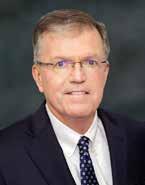
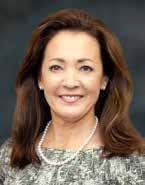
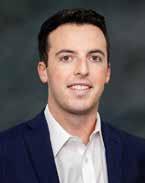
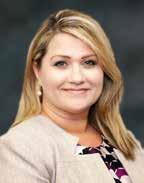
These policies have exclusions and limitations. For cost and complete details of coverage, contact your local insurance agent or Florida Blue. The amount of benefits and premium will vary depending upon the plan selected. Florida Blue is a trade name of Blue Cross and Blue Shield of Florida Inc., an Independent Licensee of the Blue Cross and Blue Shield Association. Torgersen Causey Combined Insurance Services, Inc. is an Independent Broker of Florida Blue. TCBenefitsGroup.com 850.433.9996 Please call us in advance of your benefits renewal for a consultation. 1403 E. Belmont St. Pensacola, FL 32501
Torgersen, CHC Anna Barbee Causey Reid
Todd
Torgersen
Meguess Mike White President Executive Vice President Vice President Director of Consumer Markets Account Executive FLORIDA’S TRUSTED PROVIDER FOR: • Employee Benefits • HR Tools & Resources • Payroll Solutions • Individual Plans from the Team!
Cherie
Chad and Brooke Henderson donated a transformational gift of $1 million to the Foundation in the spirit of Chad’s grandparents, Arch and Lorraine Henderson of Pensacola, Florida. In honor of this gift, a second four-story, 80,000-square-foot medical office building to be built on the new Baptist Hospital campus will be named the Henderson Health Center.
“Much like the goal of the new medical office building, my grandparents always fostered an environment of welcoming and well-being, a place to be cared for and healed,” Chad Henderson said. “One of the things that’s most important to us is to lead by example, just as our grandparents did. We are blessed and fortunate, so we want to give back and positively impact others. This is our first gift of this magnitude, and I hope it’s not the last.”
Chad Henderson founded Catalyst Healthcare Real Estate more than 10 years ago. The company is based in Pensacola and has seen tremendous growth and success in the health care real estate industry, now managing assets in more than 25 states and regional offices in Milwaukee, Dallas, Atlanta and Central Florida.
The Hendersons have amassed numerous memories with Baptist Health Care over the years. Their four children were all born at Baptist, and both have had parents and grandparents who have received significant and meaningful care at Baptist. They wanted to give back to Baptist in a meaningful way that would have a lasting impact for years to come.
“We think about how impressive this project is and the positive influence it will have on Northwest Florida,” Brooke Henderson said. “We are grateful to live in a community with a provider like Baptist that has made such a significant long-term commitment by investing in this new campus.”


For more information, visit ebaptisthealthcare.org.
Around the Region
New Location
Valerie’s House, a non-profit in Pensacola with the sole mission of helping children grieve the death of a family member, will expand into a new home thanks to the generosity of a donation from a Pensacola foundation.
The Chadbourne Foundation has donated $500,000 for the purchase of the new Valerie’s House in Pensacola. The Chadbourne Foundation, under the leadership of Caroline and Brian DeMaria, made the donation after getting to know the mission by knowing participants who benefited from attending support groups at Valerie’s House in Pensacola. Valerie’s House - The Chadbourne Foundation Home for Grieving Families will be located inside a cozy, historic home at 904 East Gadsden Street.
When Valerie’s House Pensacola (VHP) started providing grief support services in late 2020; they did so without a lot of fanfare and $5,000 in the bank. VHP didn’t come to our community riding the coattails of a big capital campaign. Rather, VHP hit the ground running with its proven grief support model, and immediately started providing grief support services to more than 100 children and families. With a proven track record of implementing their mission of “no child grieves alone”; The Trustees of The Chadbourne Foundation believe our sponsorship of the new permanent location is a good fit for our philanthropy and a sound investment in our community, said Caroline C DeMaria, President, The Chadbourne Foundation.
Valerie’s House - The Chadbourne Foundation Home for Grieving Families is the first free standing location in the region with its sole mission to offer ongoing grief support for children and adults at no cost to families. Valerie’s House is not a formalized counseling center, but a community and a platform for grieving families to come together and help each other through the grieving process. Valerie’s House is based on a national model and helps children share, connect, and build bonds with other kids their age. The program uses a variety of art, music and journaling activities. The vision of Valerie’s House is that no child will grieve alone.
Valerie’s House Pensacola founder Crista Brandt, whose own mother died when she was 11 years old, said the new home will allow the organization to help many more grieving children in a warm and inviting environment.
“We are very grateful for The Chadbourne Foundation’s generosity and their belief in our mission,” Brandt said. “This new home will be a game changer in how our community is able to help families heal after a death in their family and it is a dream come true for our families.”
Valerie’s House expanded into the panhandle in late 2020 with Brandt’s leadership and in less than two years, has helped more than 100 children and their families find connection and healing in one of their various peer support groups.
“When I was 11, my mother lost her battle with cancer. I didn’t know anyone that had a parent die or understand what I was dealing with,” Brandt said. “I held in my pain and it made it much worse for my family. It’s our mission to make sure no child ever has to grieve alone in our community.”
Valerie’s House Pensacola has been utilizing the Big Brothers Big Sisters building off Creighton Road since opening in 2021 but has quickly outgrown the space.
Brandt says Valerie’s House is looking forward to the opportunities the new house will bring in helping grieving children and families in the community.
“We know grieving families need to be together and to have a place where they know they can be themselves and heal without judgment,” Brandt said. “That’s exactly what this home will be for our families. We are excited for the future.”
If you would like to get involved with Valerie’s House Pensacola’s new location, including volunteering, decorating and room sponsorships, please reach out to Crista Brandt at crista@valerieshouse.org.
PENSACOLA MAGAZINE | 49
Baptist Health Care Foundation Announces $1 Million Gift From Henderson Family
Valerie’s House Receives Donation for New Home Grief Support Center for Children Will Expand with
Photos by Deanie Sexton Photography
CONGRATULATIONS
Warren Averett, one of the largest public accounting and business consulting firms in the Southeast, is pleased to announce the promotion of four exemplary professionals to Members of the firm.




To view more about the firm, please visit www.warrenaverett.com

50 | JANUARY 2023
TO OUR 2023 NEW MEMBERS
Florida | Alabama | Georgia | www.warrenaverett.com JERI GROCE CPA Audit Montgomery SARAH CLEMENT MAGETTE CPA, CFE, CIA Security, Risk & Controls Birmingham STEPHEN PERKINS CPA Tax Fort Walton Beach JESSICA STORY CPA Audit Atlanta

Funded by business people who champion their belief that ethics in business matters! Better Business Bureau® Foundation Nominate Them Today! info@nwfl.bbb.org | bbb.org 850.429.0002 TORCH AWARD FOR ETHICS Do you know a business or charity that deserves recognition? Application Deadline: Friday, March 31st at 12pm www.bbb.org/nwfltorchaward







KNOWLEDGE OPENS DOORS 17 W Cedar Street | Suite 2 Pensacola, FL 32502 phone: 850.434.2244 fax: 850.434.8081 www.BHHSPenFed.com © 2022 BHH Affiliates, LLC. An independently owned and operated franchisee of BHH Affiliates, LLC. Berkshire Hathaway HomeServices and the Berkshire Hathaway HomeServices symbol are registered service marks of Columbia Insurance Company, a Berkshire Hathaway affiliate. Equal Housing Opportunity. Information not verified or guaranteed. If your home is currently listed with a Broker, this is not intended as a solicitation. 3 Bed, 2 Bath, 2,005 sq.ft — Serenity Found! This home is surrounded by Nature. Boat ramp is nearby. Plenty
the main living area.
entertains guests with the open concept. 3 Bed, 2 Bath, 1,376 sq.ft — This beautiful home is spacious with an open floor plan. Eye catching, easy care wood look vinyl flooring throughout with carpet in the bedrooms. Come view this wonderful community today with underground utilities, sidewalks and street lighting. 4 Bed,
— Beautiful
3 Bed, 1 Bath, 1 Half Bath, 1,246 sq.ft — Affordable remodeled home in desirable Northeast Pensacola! NO HOA. Balcony off the bedroom to the front of the house, an ideal office space for those who work from home. The home has a new driveway and is set back in an alcove that makes it feel like it’s in a cul-de-sac. 3248 BERNATH DR $360,000 | MLS# 618970 6305 CHURCHILL CIR $269,900 | MLS# 619866 6063 HUNTINGTON CREEK BLVD $575,000 | MLS# 616899 6154 ALICIA DR $225,000 | MLS# 619165 Milton Michelle Carlson • 850.686.6588 • michelle.carlson@penfedrealty.com Andra Morgan • 850.450.8844 • andra.morgan@penfedrealty.com Frasier Phelps • 850.485.2665 • frasier.phelps@penfedrealty.com Simone Sands • 850.293.2292 • simone.sands@penfedrealty.com https://mail.google.com/mail/u/0/?tab=rm&ogbl#search/new+photo/CllgCHrjmndtLFRcJwNGfndsCVgMqMbWSQzBgKslGKnMqdzXxxTJZtBLcTSjpZV Beulah Pensacola Milton
of Parking underneath
The kitchen is ideal for
3 Bath, 2,650 sq.ft
home located in the gated Huntington Creek community! This fantastic one-story home with approximately 2650 sqft of living area islocated on an over 1/3 acre lot.

PENSACOLA MAGAZINE | 53 58. Clean Energy Home Upgrades Make Dependable Environmental Improvements 62. Trending Colors and Textures Inspire 2023 Home Design ON THE MARKET a Real Estate Section In This Section 1601975 Home & Auto go together. Like you & a good neighbor. Some things in life just go together. Like home and auto insurance from State Farm®. And you with a good neighbor to help life go right. Save time and money. CALL ME TODAY. State Farm Mutual Automobile Insurance Company, State Farm Indemnity Company, Bloomington, IL State Farm County Mutual Insurance Company of Texas, Dallas, TX State Farm Fire and Casualty Company, State Farm General Insurance Company, Bloomington, IL State Farm Florida Insurance Company, Winter Haven, FL State Farm Lloyds, Richardson, TX Michael Johnson, Agent 3127 E Langley Avenue Pensacola, FL 32504 Bus: 850-478-7748 www.michaeljohnsonagency.com
BY THE NUMBERS
A Look at November's Market Highlights
Market Highlights
November total monthly sales fell 24% compared to October and 30% compared to the same month last year.
The median sale price (both property types combined) slipped 5% from October’s.
The average DOM for residential and condos combined inched up three days from October’s 31 DOM.
On a brighter note, new listings for residential properties jumped 74% compared to October. New condo listings increased by three units to 47.
November pending sales were up 14% over October, but down 22% compared to the same month last year.
54 | JANUARY 2023
Data courtesy of the Pensacola Association of REALTORS ®
For Sale 34 DAYS ON MARKET 262 783 298k PENDING SALES NEW RESIDENTIAL LISTINGS MEDIAN SALE PRICE

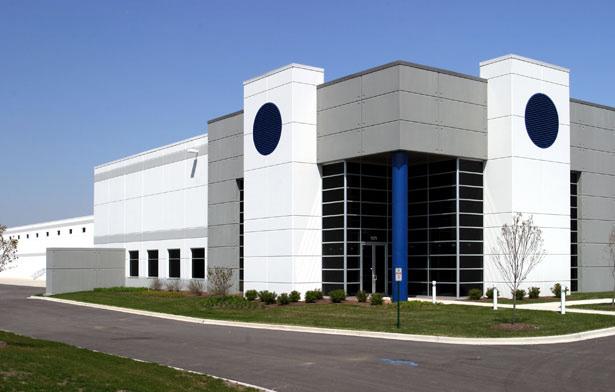





NAI Pensacola 24 West Chase Street Pensacola, FL. 32502 naipensacola.com COMMERCIAL REAL ESTATE SERVICES CAMERON CAULEY, MiCP, CCA,SIOR SENIOR COMMERCIAL ADVISOR President- Property Management 850. 291.3341 cell ccauley@naipensacola.com Closed Transaction Value Exceeding $100MM 1.5 MM SF Property Management Portfolio 100% Satisfaction Rate Cauley working on new.indd 1 12/16/2022 2:54:19 PM Florida’s Top Properties 24 West Chase Street Suite 100 floridastopproperties.com Eric Milstead Senior Residential Real Estate Broker 850-221-0443 Buying or Selling? In today’s tight market you need THE EXPERT. • Over $100 Million in Closed Sales • Seasoned Marketing Specialist • Valuation Expert • Licensed Since 1992 Milstead 20 22.indd 1 4/18/2022 1:18:03 PM
Trending Colors and Textures Inspire 2023 Home Design
over the past year, architectural Design saw a surge in nature-inspireD, earth tones, such as calming shaDes of blue anD green.
Homeowners can expect this trend to continue into the coming months, but with warmer, richer colors.
This ongoing interest in warm neutrals with earthy undertones and pink and blush shades is likely to be increasingly popular in 2023 as homeowners become more adventurous with their color choices as a form of creative expression.

Trending Colors
Selecting the right colors for your home project is often influenced by both your personal preferences and the latest design trends. Some contemporary options to consider include:
• earTh Tones: Warmer, natural-looking earth tones are versatile, working seamlessly with just about any design or architectural style of home. Some trending hues include muted terracotta, green, yellow and plum.
• Warm neuTrals: Although they're not typically used as statement colors, warm neutrals bring a sense of comfort while also offering an inviting, blank canvas to let individuality flow freely. On-trend options include shades of dark brown, caramel, tan or off-white.
• riCh, dark Colors: These deep, saturated hues can make a house stand out and look more modern while still offering a nod to warmer hues. Chocolate brown, brick red or dark jade are popular choices for those who prefer rich hues.
• Pink and Blush shades: Various shades of pink, rose and blush will be increasingly popular choices for homeowners exuding a greater sense of self-expression. In home design, look for these colors to appear in coral, pink, red-orange, raspberry or blush tones.
• sWee T PasTels: There are signs homeowners are ready to bring colors back into their homes. Expect to see sweet pastel shades like soft pink, mint green and light purple in furniture, decor and accessories.
maTerials WiTh Tex T ure
With warm neutrals and earth tones dominating the color palette, both interior and exterior design will depend heavily on texture to add definition. More design choices will move away from faux finishes and instead focus on natural and authentic looks, many of which can be achieved through brick and stone.
Brick and stone give designers options for adding depth and dimension, integrating a play on light and shadows with a variety of textural elements.
Brick carries a sense of tradition, character and timelessness while also serving as a popular choice for homeowners due to its design flexibility. Qualities such as low-maintenance, resilience, durability, sustainability and beauty make brick an option that allows homeowners to balance function with appearance.
Homeowners can find more than 600 brick and stone products with Glen-Gery's extensive product line that offers endless design possibilities and timeless beauty. From handmade to glazed bricks and everything in between, these building products come in a diverse array of colors, textures and sizes, making it easy to personalize living spaces with the latest design and color trends.
Try a virtual design tool like Picture Perfect, which can help you visualize projects, or find other style inspiration at glengery.com.
Bring Color WiTh BriCk
Brick is often selected for its functional benefits, but it's also an appealing building product due to its versatile color, texture and size combinations. Color can evoke a certain mood and assist in achieving a desired outcome. Often, architects and designers even incorporate multiple colors or create custom looks by using multiple brick colors and styles.
To help homeowners hone in on the perfect look to match their vision for contemporary design and align with anticipated 2023 color trends, Glen-Gery will introduce its inaugural Brick Color of the Year, a program that showcases trending hues that lend well to trending aesthetics.
Reflecting contemporary earthy, nature-inspired color trends, the Pitt Cafe Series consists of four soft, neutral-toned, versatile bricks, ranging from creamy white to earthtone and brown-gray with highly pronounced textural features. What's more, the series can be used for both interior and exterior applications for modern or contemporary designs.
56 | JANUARY 2023



David Coate 251-213-8811 david@coateconnection.com 8730tuscaloosadr.com 865-sailfish-court.com Custom Built Coastal Cottage $2.495,000 5BR/5BA 4,600 SF Deep Water Access to Gulf Perdidio Key $1,500,000 4 BR/3BA 3,400 SF Pool, Walk to Beach $150,000 Rental Projection ,
Clean Energy Home Upgrades Make Dependable Environmental Improvements

When you're considering upgrades for your home, earth-friendly enhancements that impact your energy usage are smart investments. Energy-saving home upgrades can offer longand short-term advantages for the earth, your wallet and even your safety.
Many homeowners evaluate their energy needs as they plan home improvements. There are several low-carbon, resilient energy options available that can help safeguard your family. Consider these environmentally friendly upgrades to diversify your home's energy sources, reduce energy consumption and ensure your home is well-prepared to withstand interruptions to power service if the electrical grid fails.
Diversify Energy Sources
The growing conversation to "electrify everything" will require an overhaul on the aging electric grid just to manage the increase in demand. Accomplishing this will take decades and cost billions, according to the Department of Energy. In fact, according to a study conducted by Acupoll Precision Research on behalf of the Propane Education & Research Council (PERC), 54% of respondents believe electricity for everything will be too expensive for taxpayers while 70% strongly agree Americans should have a choice when it comes to their energy source. Propane is a clean, affordable and abundant energy option that reduces carbon emissions right now. Using propane appliances like furnaces, water heaters, fireplaces and kitchen appliances alongside other energy sources reduces the strain on the fragile electrical grid. Unlike electric appliances, propane appliances can work even during power outages.
Seal In Energy
Outdated doors and windows often lack energy benefits. Newer models have stronger, thicker panes that reduce the transfer of heat from inside to outdoors (and vice versa in the warmer months). Updating doors and windows allows you to easily repair any cracks or faulty seals that make
it easy for energy to escape. When your home is well-insulated, your heating or cooling system works more efficiently.
Consider Solar Panels
When many homeowners think of renewable energy, they often think "solar." Some states are mandating solar adoption, and while financial rebates help, solar panels are still considered an expensive upgrade for many people. The number of panels you need depends on your geographic location and weather, as well as the size of your home and your family's energy consumption habits, which can add up. If you have access to propane and electricity, and are planning to upgrade to solar, consider adding propane appliances to offset the energy load required from your solar system.
Install a Backup Power Source
The Department of Energy's "Electric Disturbance Event Annual Report" showed an increase in power outages from 2000 to 2020. More than half of consumers nationwide indicated they or a close family member or friend have been personally impacted by a power outage in the past two years, according to PERC.
As a result, many homeowners are saying "yes" to backup power generators. A propane standby generator can be a key part of resilient home upgrades by offering supplemental electricity in as little as 10 seconds after an outage. Propane doesn't degrade over time, making it an ideal standby power fuel. Plus, it's cleaner than diesel so you can keep your home functioning and family safe while being a good steward for the environment.
Increase Energy Efficiency
While landscaping plays an important role in curb appeal, it also serves more practical purposes. Thoughtfully placed trees and shrubs can block the heat that comes from powerful direct sunlight while serving as a break against blustery winds and providing a natural form of external insulation for the home. In outdoor living spaces, propane-powered appliances can offer
increased energy efficiency. For example, propane can power full outdoor kitchens, fireplaces and fire pits, patio heaters, flame lighting or pool and spa heaters.
Find more ideas and information to inspire your earth-friendly home upgrades at Propane.com.
When the Grid Fails
In 2021, a winter storm decimated a major electrical power grid, leaving thousands of Americans in the dark and cold. Some people lost their lives while others battled to overcome extensive damage to their homes and businesses.
Jennifer Borget's family is one of many that weathered those winter storms. However, the Borget family home used propane to power their water heater, stove, furnace and fireplace.
"When your power goes out, you can still use some propane appliances," said Borget, who blogged about her experience. "This is one of those things I didn't realize but learned during the historic winter storms. When the power was intermittent, our propane-powered fireplace and water heater quickly warmed our family."
One year later, the Borgets are discussing investing in a standby generator to mitigate future power outages.
Another way to reduce the risk of largescale disasters is increasing Americans' reliance on a broader mix of energy sources. Using a combination of propane, solar, electricity and natural gas can keep homes and businesses alike running efficiently and safely.
Relying on alternative energy sources like propane can also make a meaningful environmental impact in the long-term while offering short-term advantages, including continued access to power during emergencies when another energy source fails.
58 | JANUARY 2023


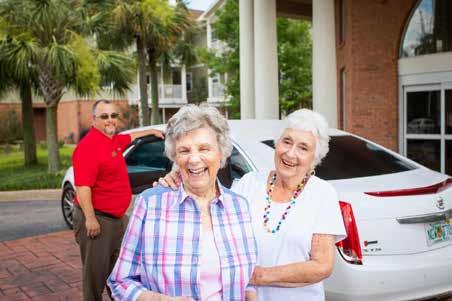



verandapensacola.com 850-396-4866 6982 Pine Forest Rd, Pensacola FL 32526 Assisted Living License #11190