Email backroadportfolio@gmail.com for advertising, subscription, and submission info.
Key West, Florida
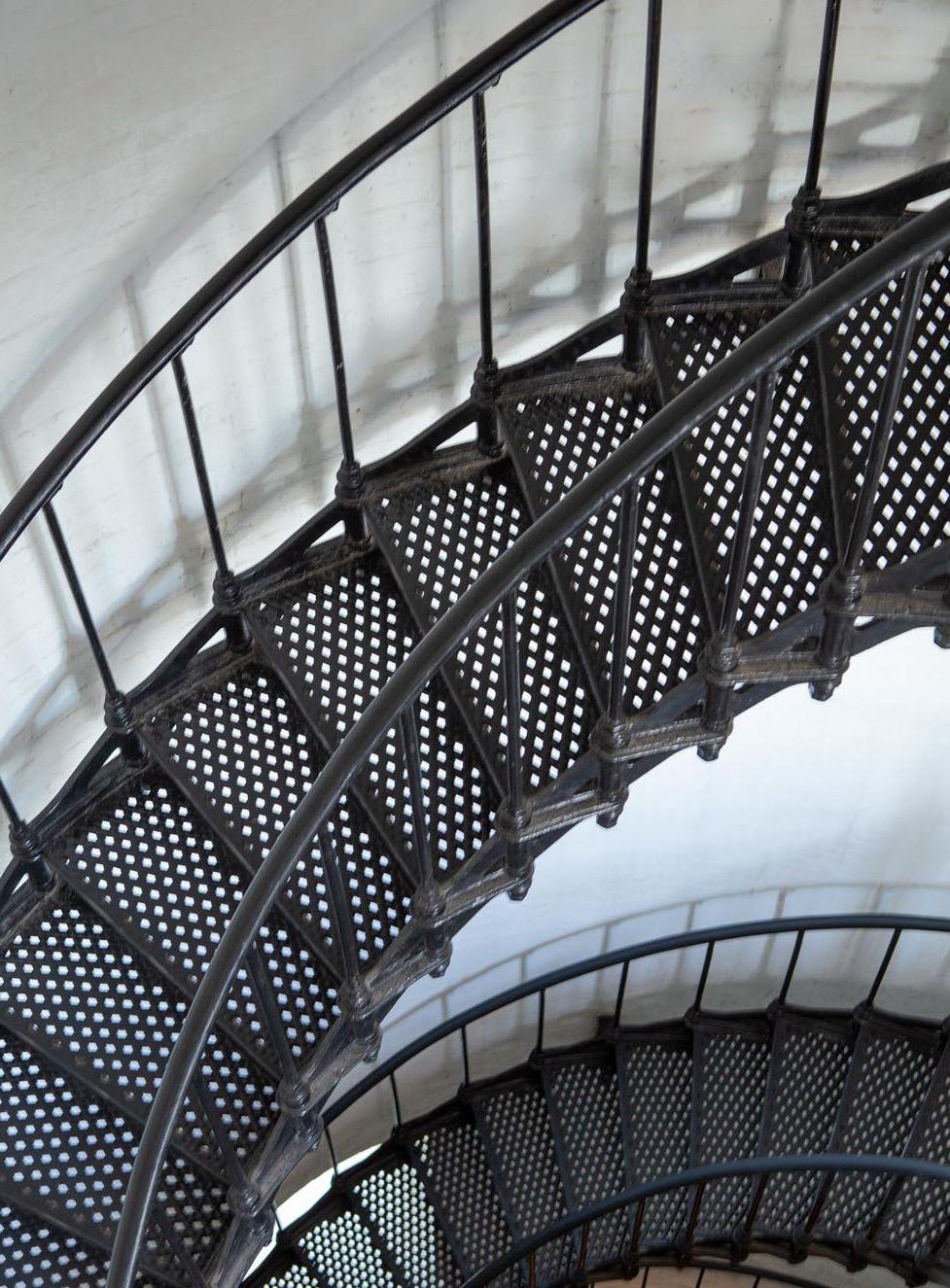
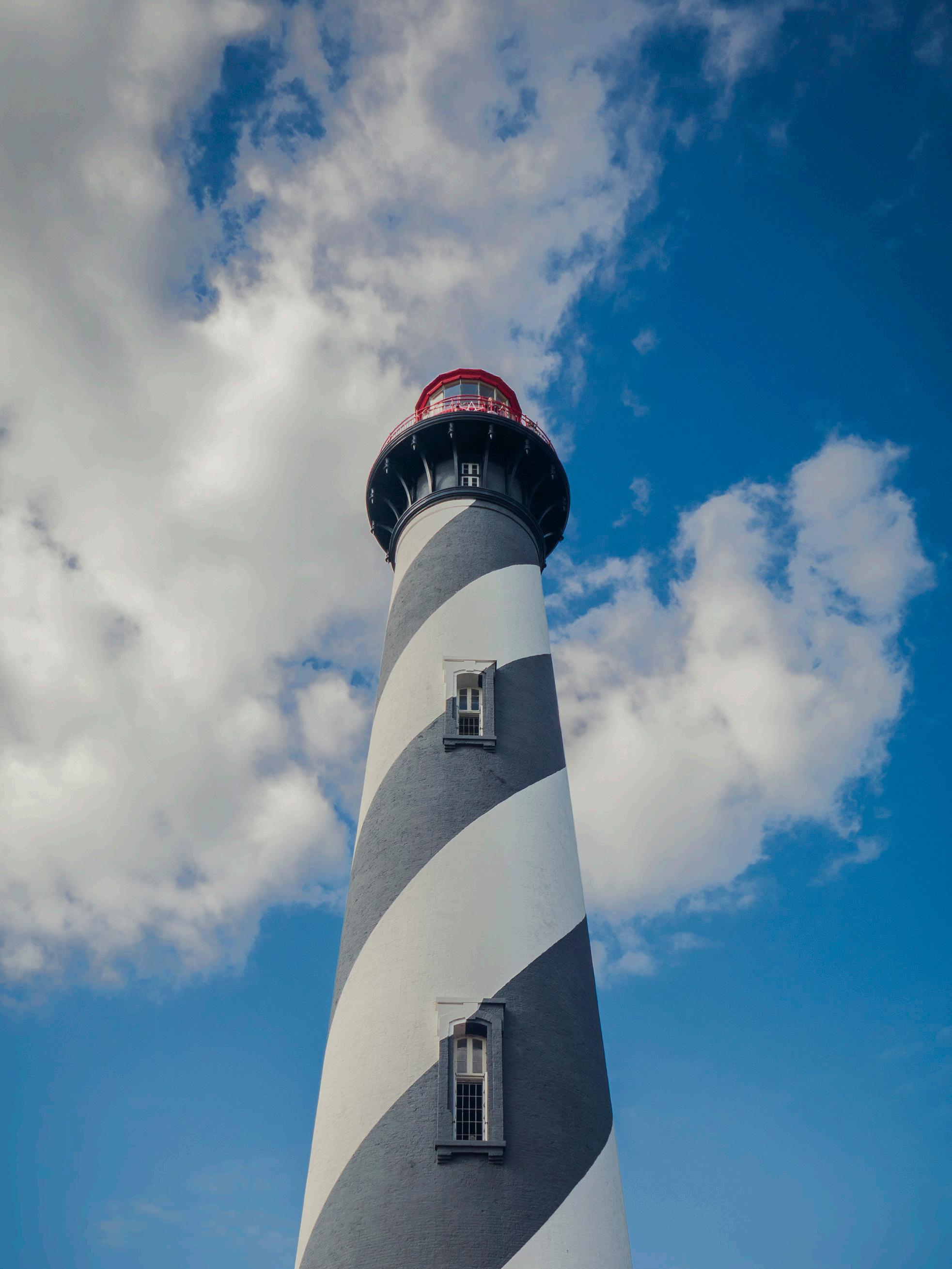
The Key West Lighthouse spiral staircase.
ROBERT CLARK
As summer breezes sweep across the landscape, we reflect on the journey that shaped our nation. In this special issue honoring America’s 250th birthday, Backroad Portfolio invites you to wander the paths where history still lingers— quiet Revolutionary battlefields, steadfast lighthouses, and the timeless spirit of community that binds us.
Tom Poland takes us to hallowed Southern ground at Kettle Creek, Camden, Eutaw Springs, and Clouds Creek, where Revolutionary War battlefields still echo with courage, sacrifice, and the cost of freedom. Meanwhile, Elizabeth Poland Shugg uncovers lesser-known Southern Revolutionary stories revealing the intelligence networks of double agents, enslaved informants, and courageous women couriers whose efforts helped secure America’s independence.
We also celebrate living traditions that keep our nation’s spirit strong. Kurt Dusterberg highlights the 100-year legacy of American Legion Baseball, where thousands of teams annually learn the lessons of sportsmanship, teamwork, and resilience.
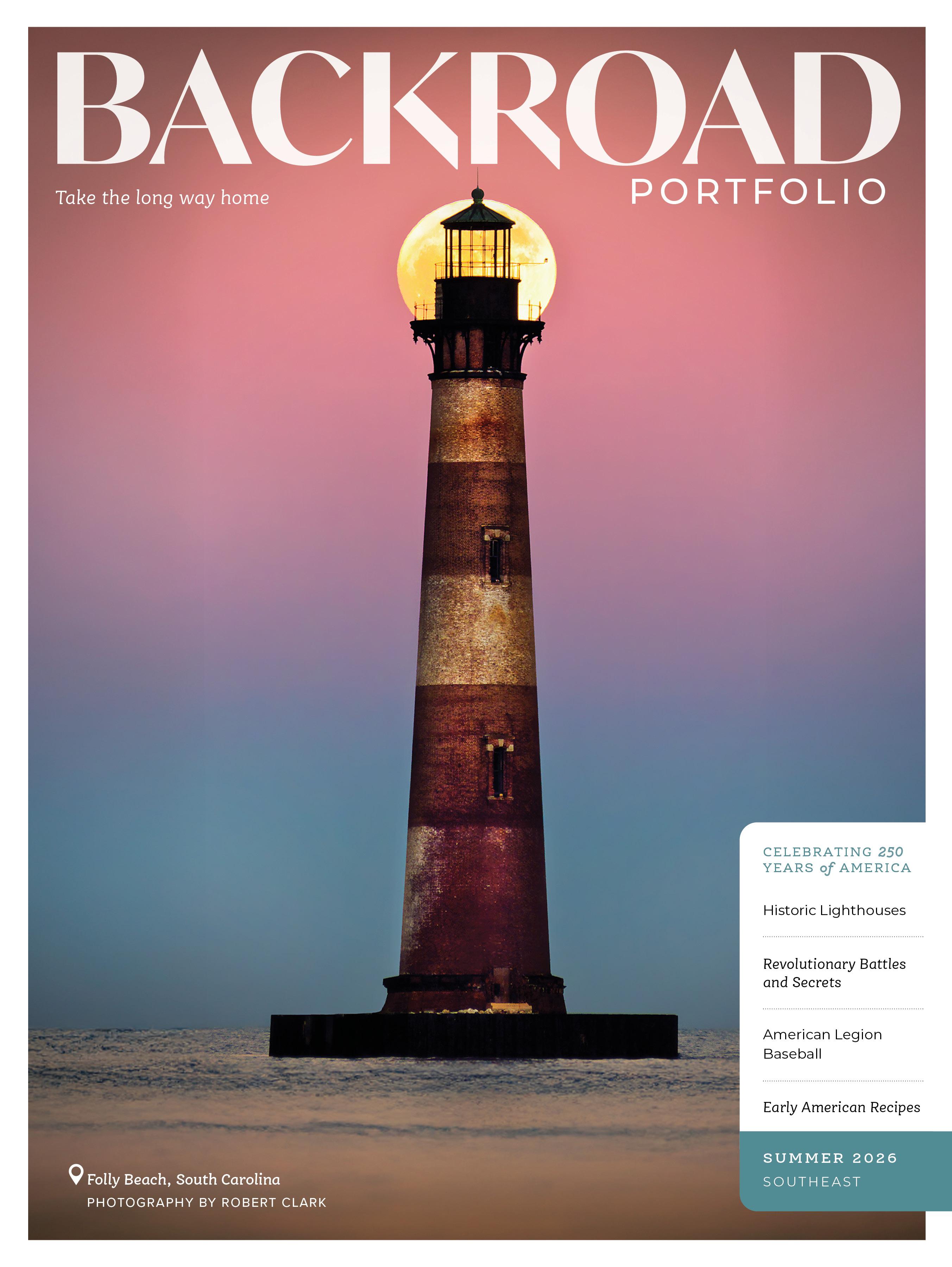
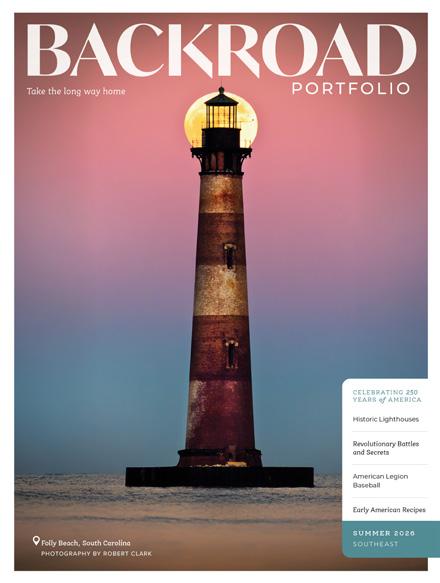
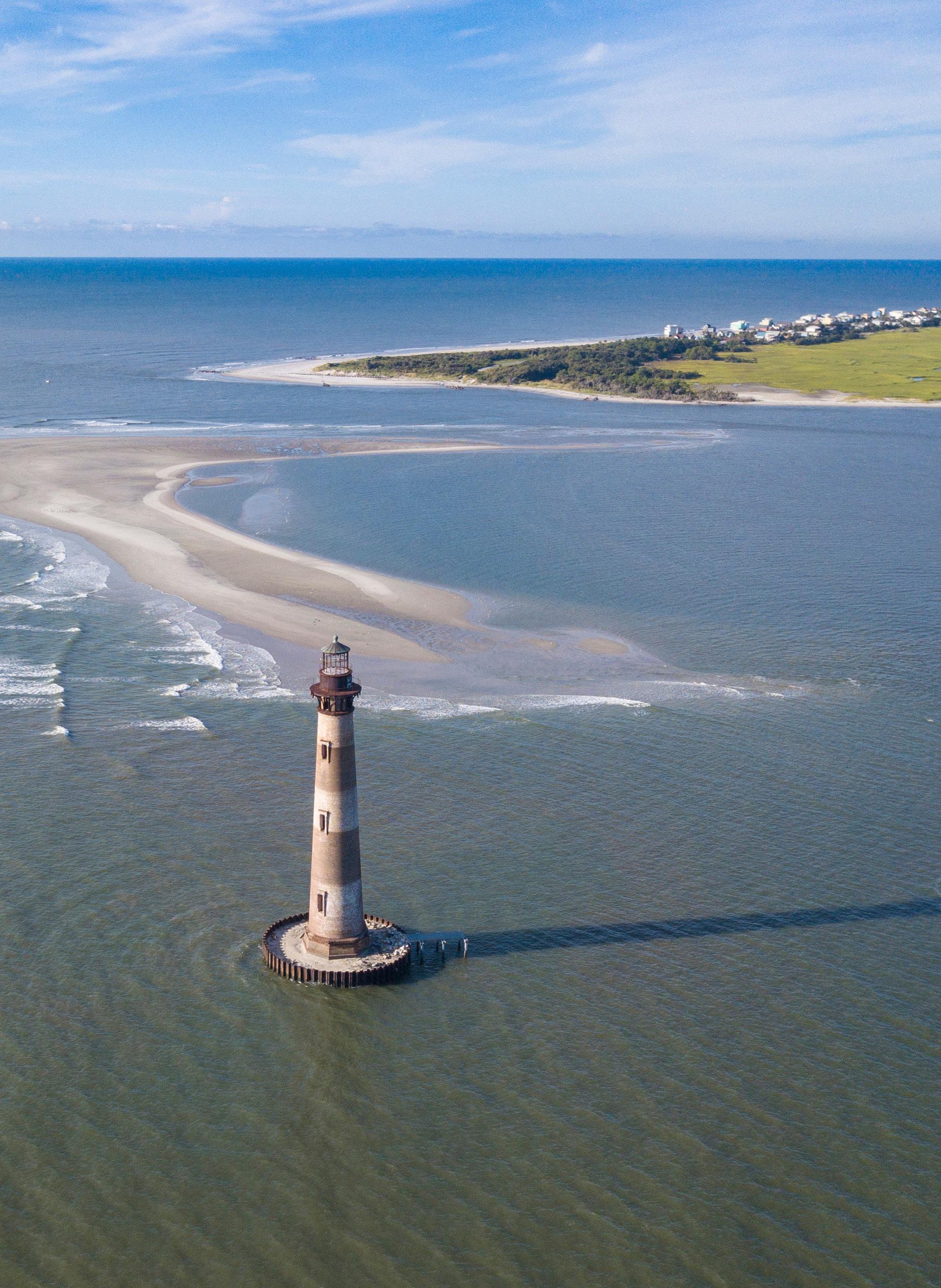
Our There and Back Again journey tours Southeastern lighthouses, blending maritime heritage with Revolutionary history. Beginning at Morris Island (shown on our cover), we also visit Tybee, Cockspur, St. Simons, and Amelia islands. The return trip stops at Thomas Creek Battlefield, Fort Morris, and Dills Bluff. Later, in our Preservation section, we continue our showcase of historic lighthouses with four Florida sentinels of the shore.
Our celebration of America’s semiquincentennial continues with Revolutionary-era recipes, perspectives on the Bill of Rights, and events that commemorate the biggest birthday party America has ever experienced.
As you turn these pages, we hope you feel the pull of the backroads, the quiet dignity of historic places, the strength of community, and the enduring legacy of ideals that have guided generations. Happy Birthday, America!
SEAN PAVONE
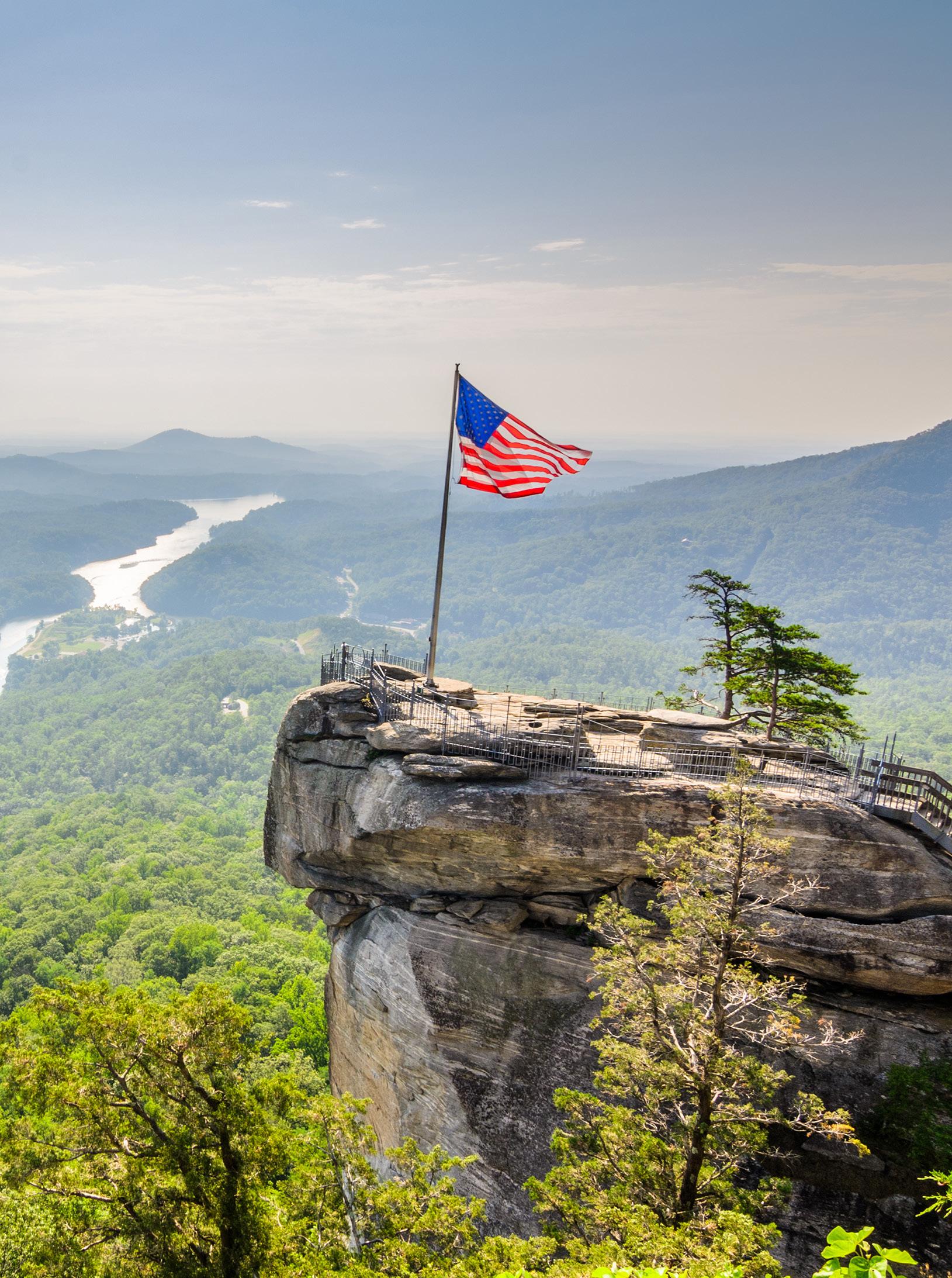
Chimney Rock, North Carolina
The American flag flies proudly in Chimney Rock State Park, an area heavily impacted by Hurricane Helene.
Backroad secrets helped America win her independence, emerging from Native American roads, colonial currency, secret letters, and hidden grottoes.
A REVOLUTIONARY ROUTE
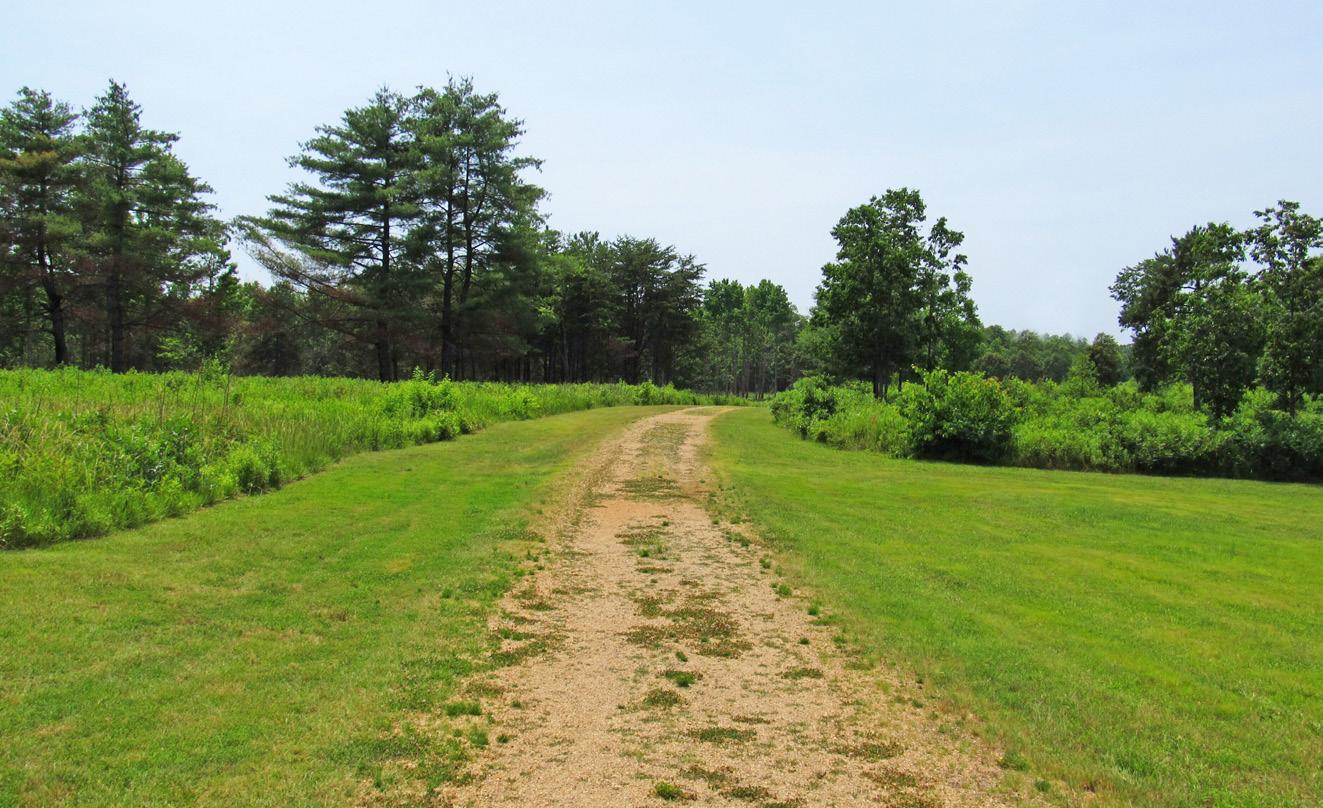
Green River Road, South Carolina and North Carolina
The Green River Road served as an important backcountry route during the Southern Campaign of the American Revolutionary War used by both American and British troops. Originally created by Native Americans and settlers along high ground to avoid wetlands, the road ran from the Pacolet River in South Carolina to the Green River, then advanced into Western North Carolina, turning it into a key wagon and market road before the war. Forces that fought in the Battle of Cowpens traveled and engaged in battles along this road, and it also served militia pursuing British forces before the Battle of Kings Mountain. Portions of the Green River Road still exist today. Learn more at nps.gov/articles/000/green-river-road.htm.
PHOTO BY KEN LUND, COURTESY OF WIKIMEDIA COMMONS
TWO BITS s
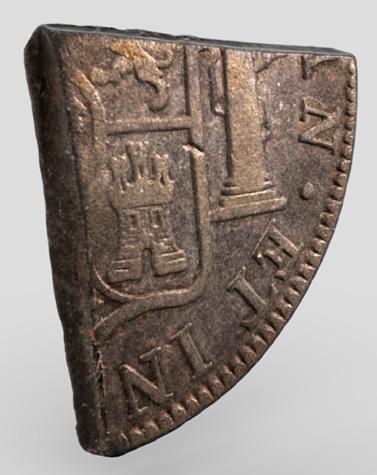
Moncks Corner, South Carolina
This 250-year-old Spanish silver dollar, known as a “Piece of Eight,” was excavated on October 27, 2018, at Fort Fair Lawn, a British outpost in South Carolina during the Revolutionary War. Valued at eight reales—a unit of currency in Spain at that time—the Piece of Eight served as the most common form of tender in the colonies, since no local coins were minted. Its milled edge prevented “clipping” or shaving for profit, and it was worth its weight in silver. Traders often cut it into eight “bits” for change, originating the phrase “two bits” for a quarter—its value under British standards. Learn more at battlefields.org/learn/primary-source-artifact/spanish-piece-eight.
PHOTO COURTESY OF AMERICAN BATTLEFIELD TRUST
FELONIOUS FORGERS
Charlottesville, Virginia
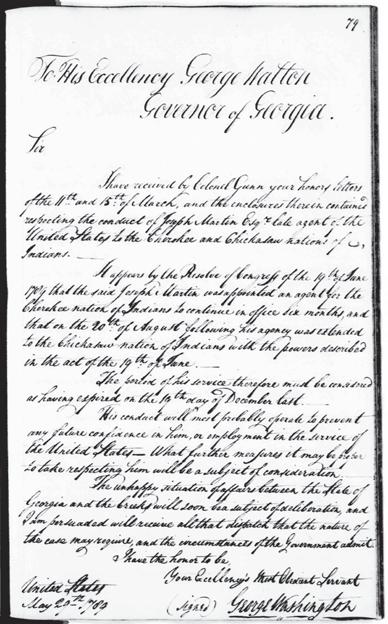
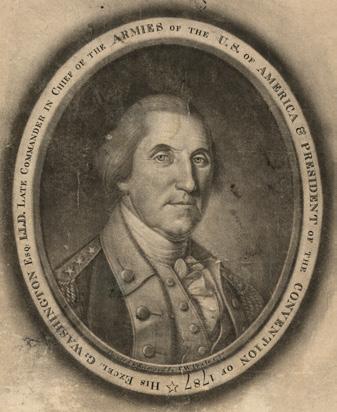
George Washington, commander-in-chief of the Continental Army during the Revolutionary War, prioritized intelligence gathering. He also personally oversaw spy networks and corresponded with agents and handlers using codes, aliases, and sometimes invisible ink. Between 150 and 200 documents attributed to Washington, however, are actually forgeries or facsimiles created long after his lifetime, according to the editors of the Papers of George Washington at the University of Virginia. Some imitated his handwriting using quill pens and artificially aged paper, and sold the documents as authentic. As a result, today’s archivists and collectors must carefully authenticate materials.
LEFT: THIS LETTER, REPORTEDLY AUTHENTIC, IS FROM GEORGE WASHINGTON TO GEORGIA GOVERNOR GEORGE WALTON AND MENTIONS GENERAL JOSEPH MARTIN, WHOM WASHINGTON NOTES HAS BEEN APPOINTED “AN AGENT FOR THE CHEROKEE NATION OF INDIANS.” IMAGE COURTESY OF THE GEORGE WASHINGTON PAPERS AT THE LIBRARY OF CONGRESS RIGHT: GEORGE WASHINGTON ENGRAVING BY CHARLES WILSON PEALE IN 1787, COURTESY OF THE LIBRARY OF CONGRESS
CORNWALLIS’ CAVE
Yorktown, Virginia
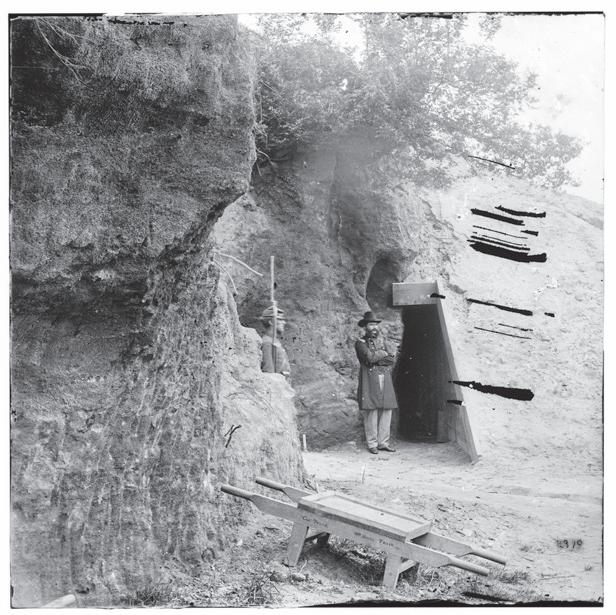
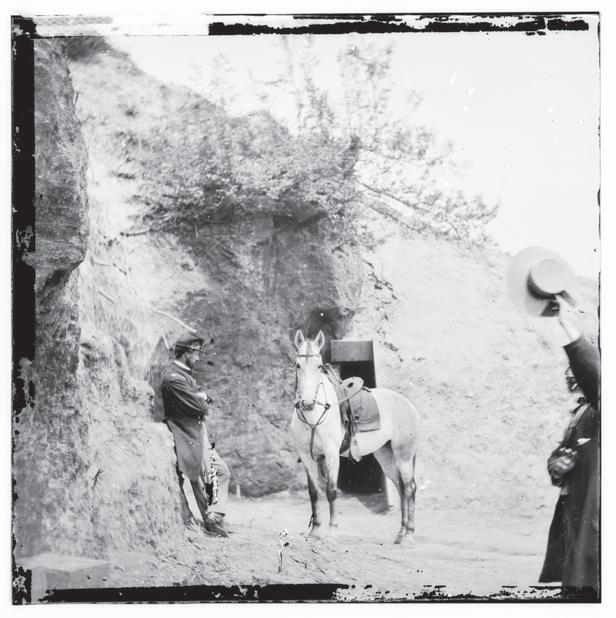
A small, mostly human-made grotto along Yorktown’s waterfront in Virginia, Cornwallis’ Cave holds legendary importance in the final days of the American Revolutionary War. During the 1781 Siege of Yorktown, British General Charles Cornwallis established his base here. Folklore claims he used the cave—less than 350 square feet—as a hiding place and last headquarters to escape relentless American and French artillery bombardment. Though the National Park Service suggests it may have resulted from stone quarrying and was likely used for storage, the cave is a symbol of Yorktown’s pivotal role in securing American independence. The cave later stored munitions in the Civil War and became an early tourist site. Learn more at atlasobscura.com/places/cornwallis-cave.
PHOTOS OF CORNWALLIS’ CAVE FROM THE LIBRARY OF CONGRESS CIVIL WAR PHOTOS COLLECTION, TAKEN
Yorktown, Virginia
GREG MELAND
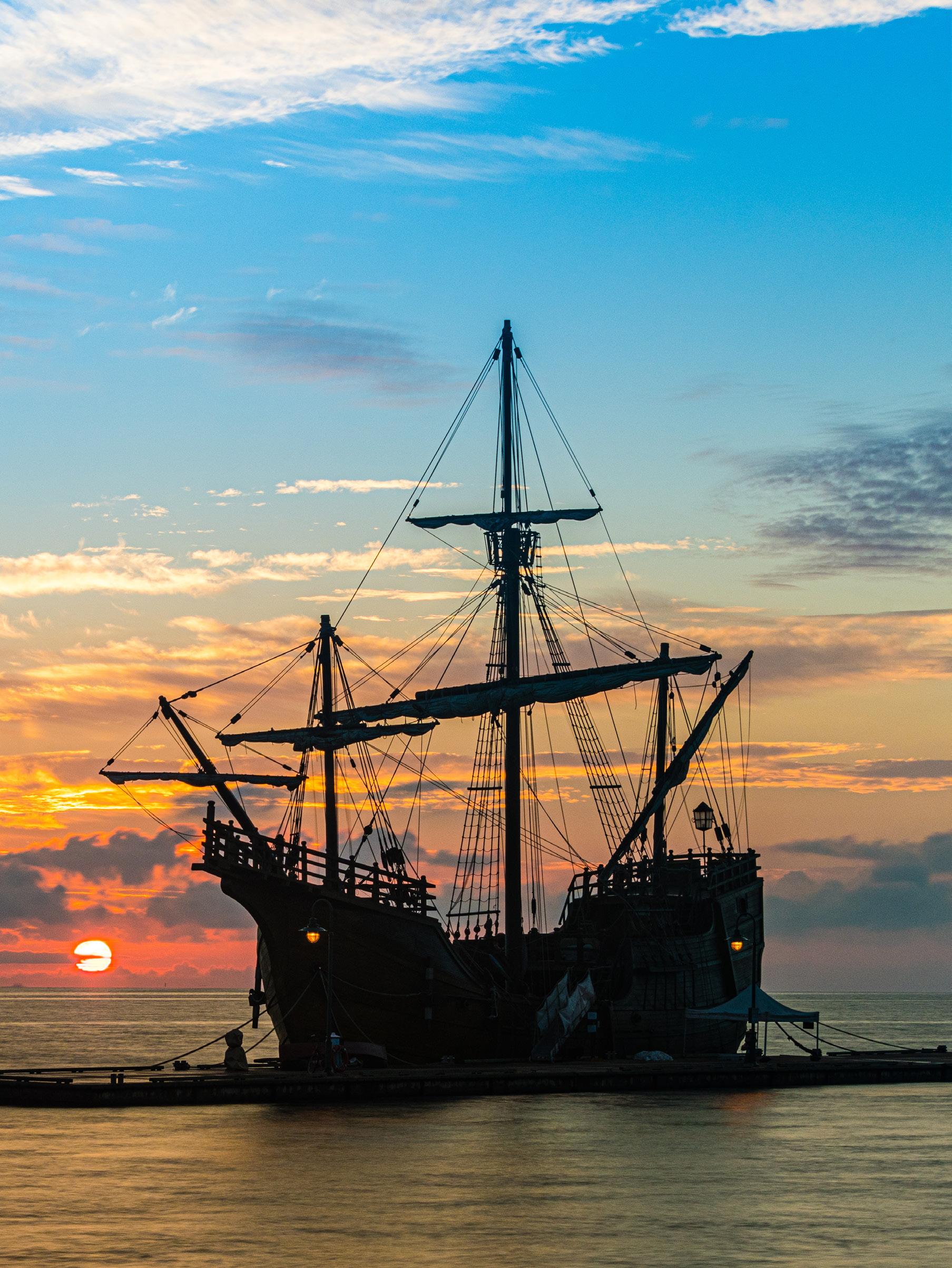
The El Galeón Andalucía—one of only a few existing replicas of a 17th century Spanish galleon—sets sail at sunrise.
No matter what time of year you venture out, Southeastern backroads will transport you to these evergreen destinations.
FORT MOSE HISTORIC STATE PARK
Fort Mose Historic State Park preserves the site of the first legally sanctioned free African settlement in what is now the United States. Established in 1738 by Spanish authorities, the fort served as both a military outpost and a refuge for formerly enslaved Africans fleeing British colonies. Residents formed a unique multicultural community while defending Spanish Florida. Though the original structures no longer remain, a reconstructed fort and museum interpret its legacy. Fort Mose is historically significant as an early symbol of black freedom, resistance, and the pursuit of liberty in colonial North America. Learn more at floridastateparks.org/parks-and-trails/fort-mose-historic-state-park.
15 Fort Mose Trail St. Augustine, Florida
BACON’S CASTLE
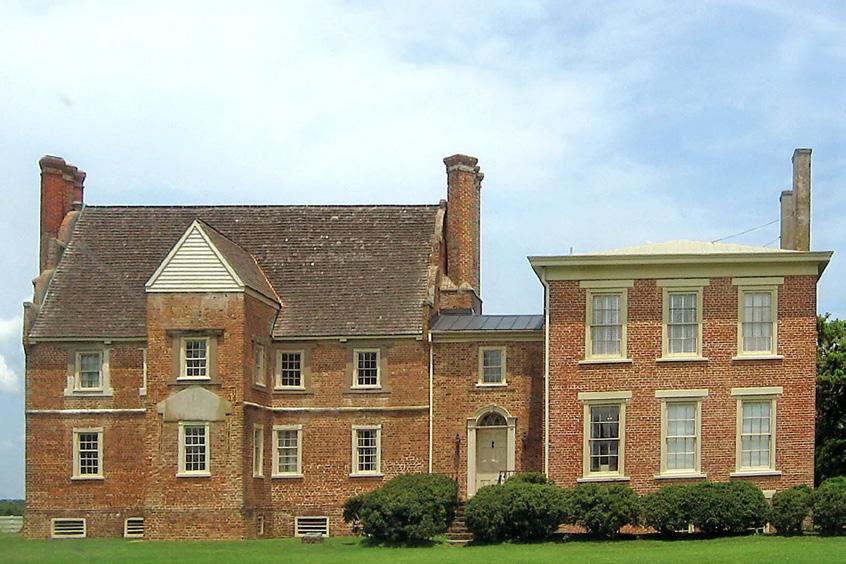
Bacon’s Castle is the oldest brick dwelling in North America, built in 1665 for Arthur Allen and his family. Originally called Allen’s Brick House, this rare example of High Jacobean architecture gained its famous name in 1676 during Bacon’s Rebellion, led by Nathaniel Bacon against royal governor William Berkeley. This early show of colonial resistance to British authority occurred on a property that features a reconstructed 17th-century English formal garden, along with surviving outbuildings like an 1830 slave dwelling, 1820s smokehouse, and barn dating back to 1700. Visitors can enjoy guided tours, a self-guided exploration of the historic grounds, and picnics on the grounds. Learn more at preservationvirginia.org/historic-sites/bacons-castle.
465 Bacons Castle Trail Surry, Virginia
COURTESY OF WIKIPEDIA, SURRY COUNTY TOURISM
COURTESY OF WIKIMEDIA COMMONS
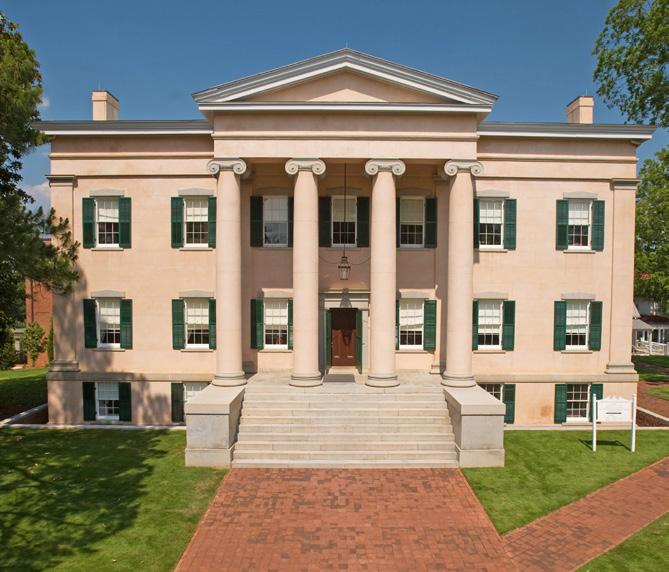
GEORGIA’S OLD GOVERNOR’S MANSION
Georgia’s Old Governor’s Mansion is a National Historic Landmark and one of the finest examples of Greek Revival architecture in the United States. Completed in 1839, it served as the official residence for Georgia’s governors during the state’s capital years in Milledgeville. The mansion witnessed major events spanning the antebellum era, the Civil War, and Reconstruction, including the occupation by Union General William T. Sherman. Today, carefully restored to its 1850s appearance, the mansion operates as a historic house museum, interpreting the lives of governors, their families, and the enslaved people who lived and worked there.
120 S. Clarke Street
Milledgeville, Georgia
BRUNSWICK TOWN AND FORT ANDERSON
Brunswick Town and Fort Anderson is a historic site on the banks of North Carolina’s Cape Fear River. Founded in 1726 as a bustling colonial port, Brunswick exported naval stores like tar, pitch, and turpentine, vital to the British navy. It served as the colony’s de facto capital, hosting royal governors and the colonial assembly. British forces razed the town in 1776 during the Revolutionary War, after which it was never rebuilt.
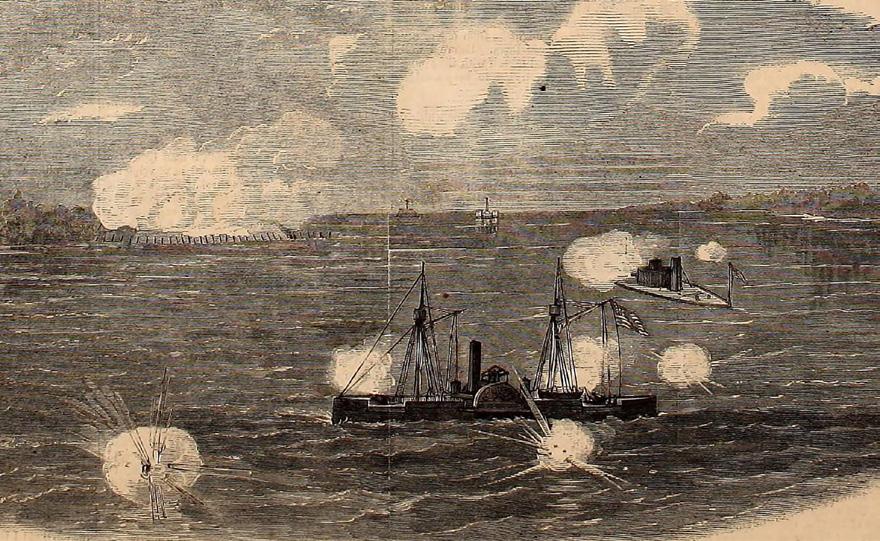
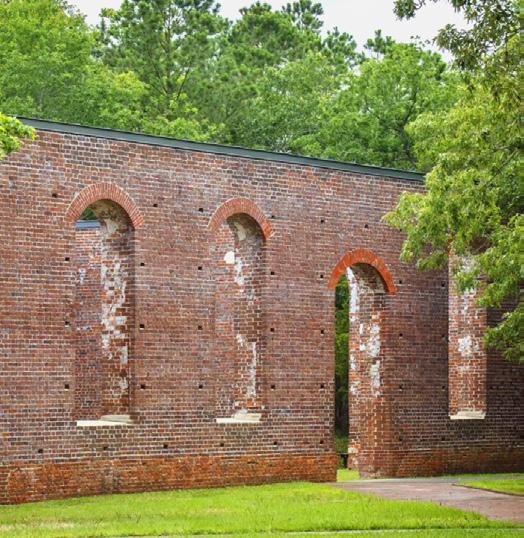
During the Civil War, Confederates constructed Fort Anderson atop the ruins to defend Wilmington. The site today features preserved colonial foundations, the remains of St. Philip’s Church, earthworks of the Confederate fort, and exhibits on both eras. Visitors can explore this layered landscape blending early American commerce, resistance, and conflict. Learn more at historicsites.nc.gov/all-sites/brunswick-town-fort-anderson.
8884 St. Philip's Road SE
Winnabow, North Carolina
PHOTO BY JSMITH0909, COURTESY OF WIKIMEDIA COMMONS
LEFT: PAINTING OF THE BOMBARDMENT OF FORT ANDERSON, COURTESY OF HARPER‘S WEEKLY, INTERNET ARCHIVE BOOK IMAGES RIGHT: BRUNSWICK TOWN RUINS, COURTESY OF WIKIMEDIA COMMONS
ANDRIY BLOKHIN
Charleston, South Carolina
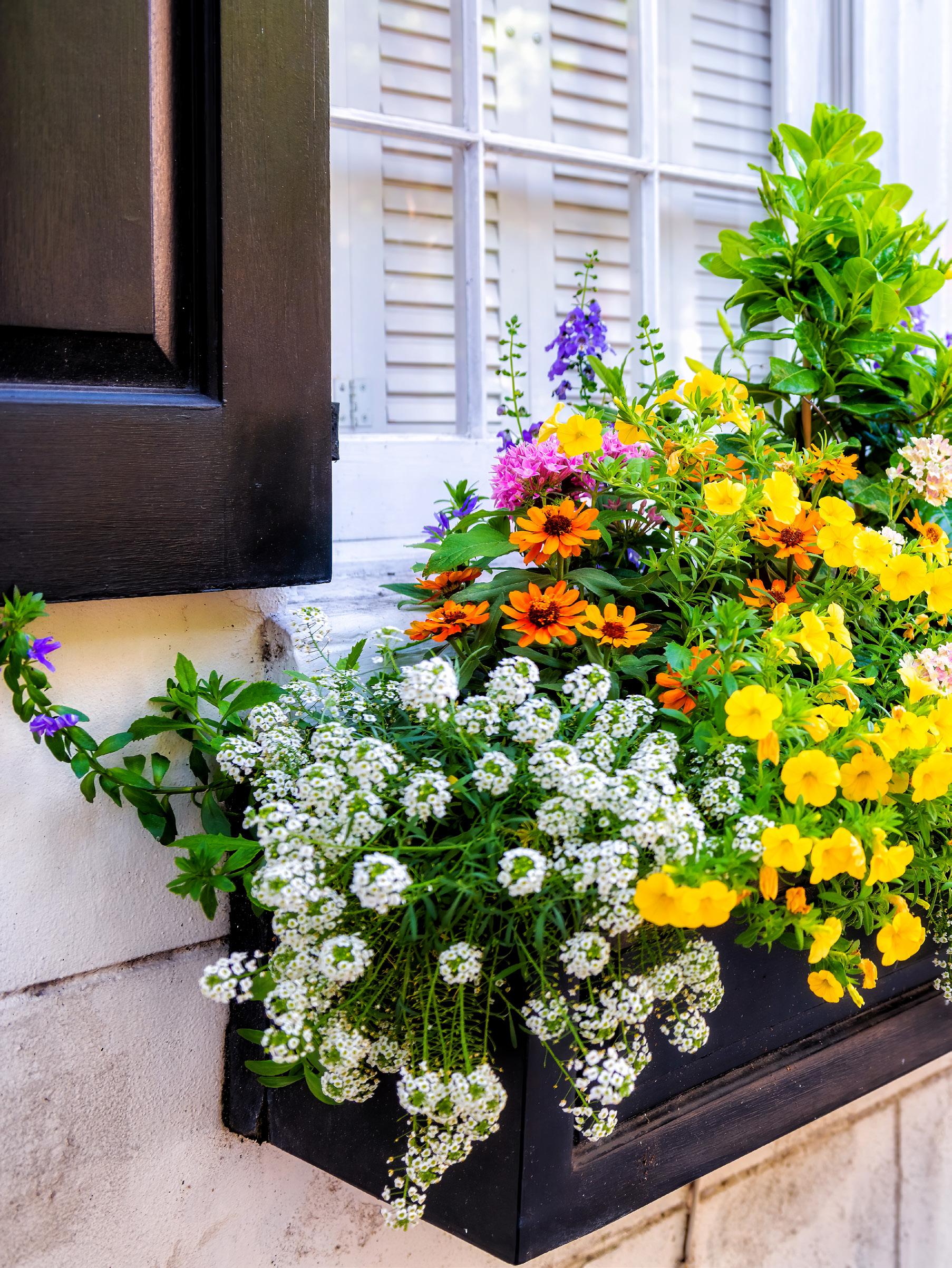
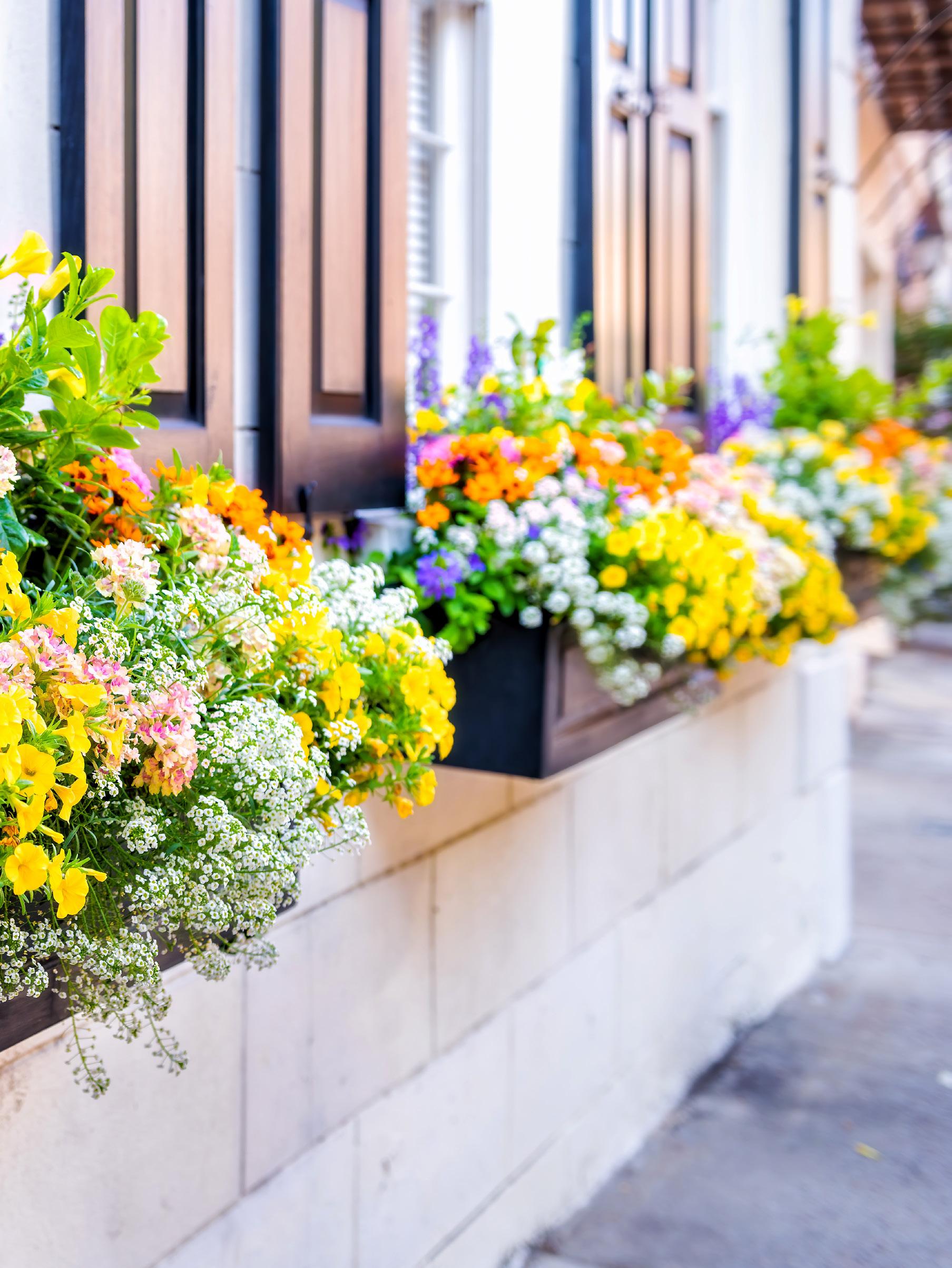
Summer blooms adorn colorful row houses in Charleston.
During this semiquincentennial year, we revisit some of the places and events from the American Revolutionary War period between April 1775 and September 1783.
AMERICA’S DECLARATION
JULY 4, 1776
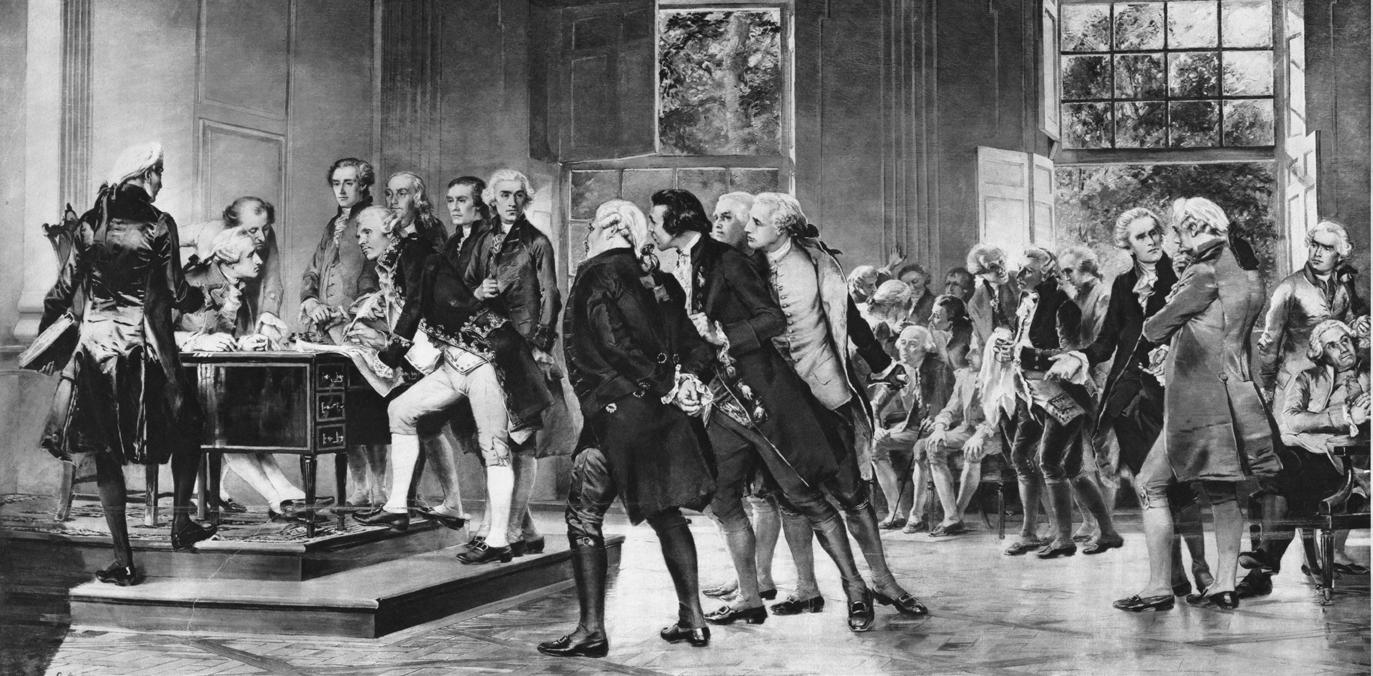
On a hot summer Thursday in Philadelphia, the Second Continental Congress formally adopted the Declaration of Independence. After months of growing tension and debate following the Revolutionary War’s outbreak in 1775, delegates from the 13 colonies voted to sever ties with Britain. Thomas Jefferson’s draft, edited by the Committee of Five—which included John Adams and Benjamin Franklin—listed grievances against King George III and proclaimed the colonies’ right to “Life, Liberty and the pursuit of Happiness.” John Hancock presided, and the document was signed by most delegates later that summer. This act birthed the United States and is being commemorated during this 250th anniversary year through American celebrations nationwide.
Philadelphia, Pennsylvania
THE SIGNING OF THE DECLARATION OF INDEPENDENCE FROM THE LIBRARY OF CONGRESS. PUBLISHED IN 1912
THE SWAMP FOX
AUGUST 1780 TO SEPTEMBER 1781
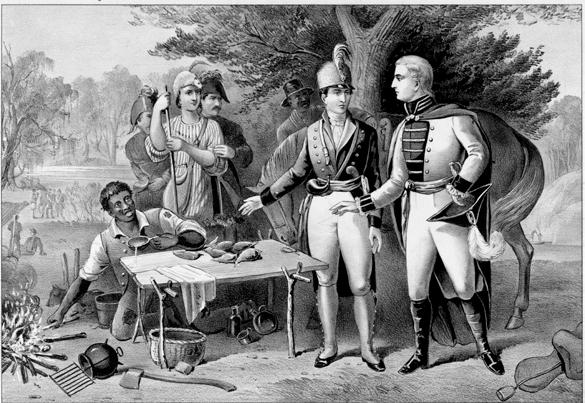
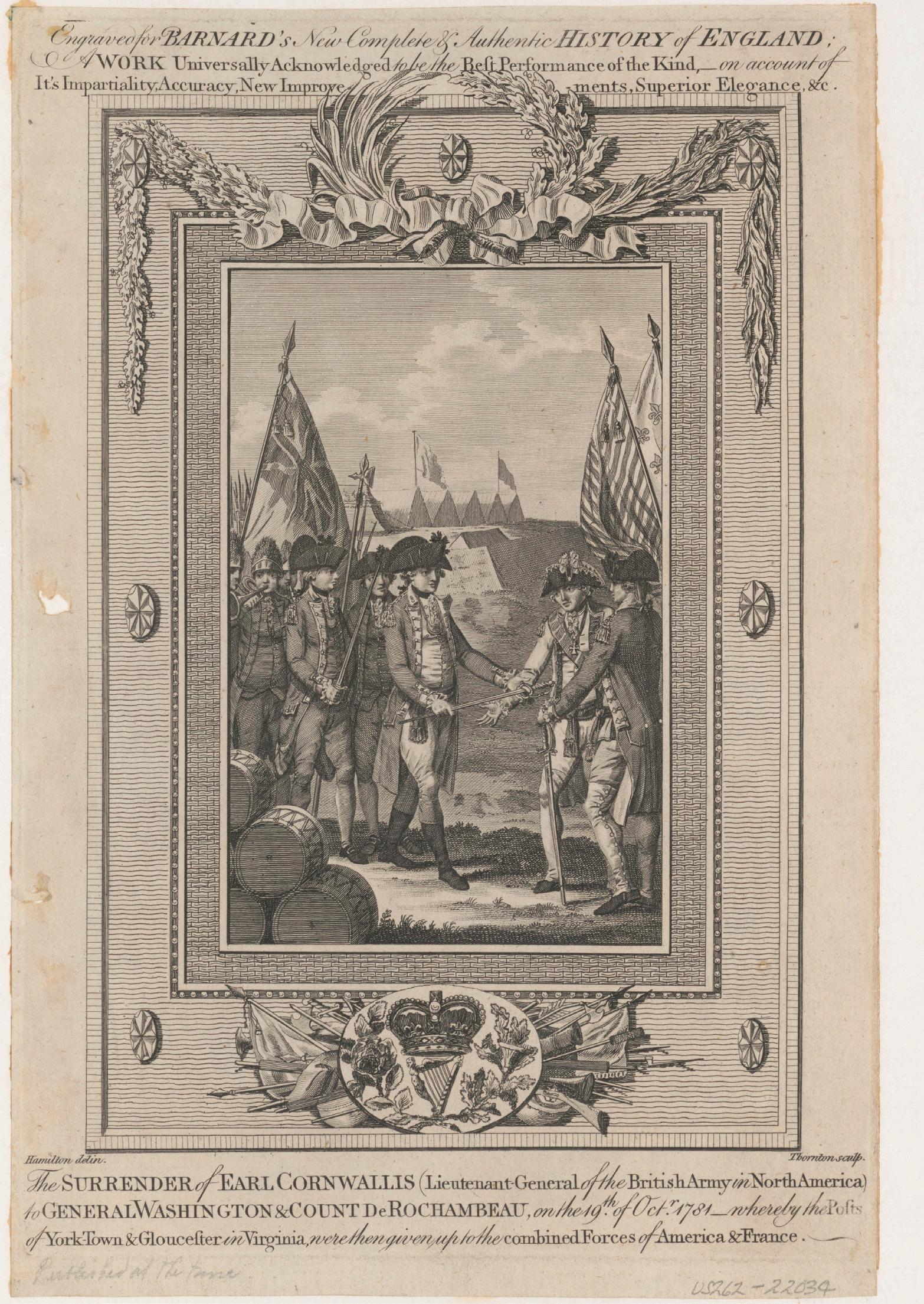
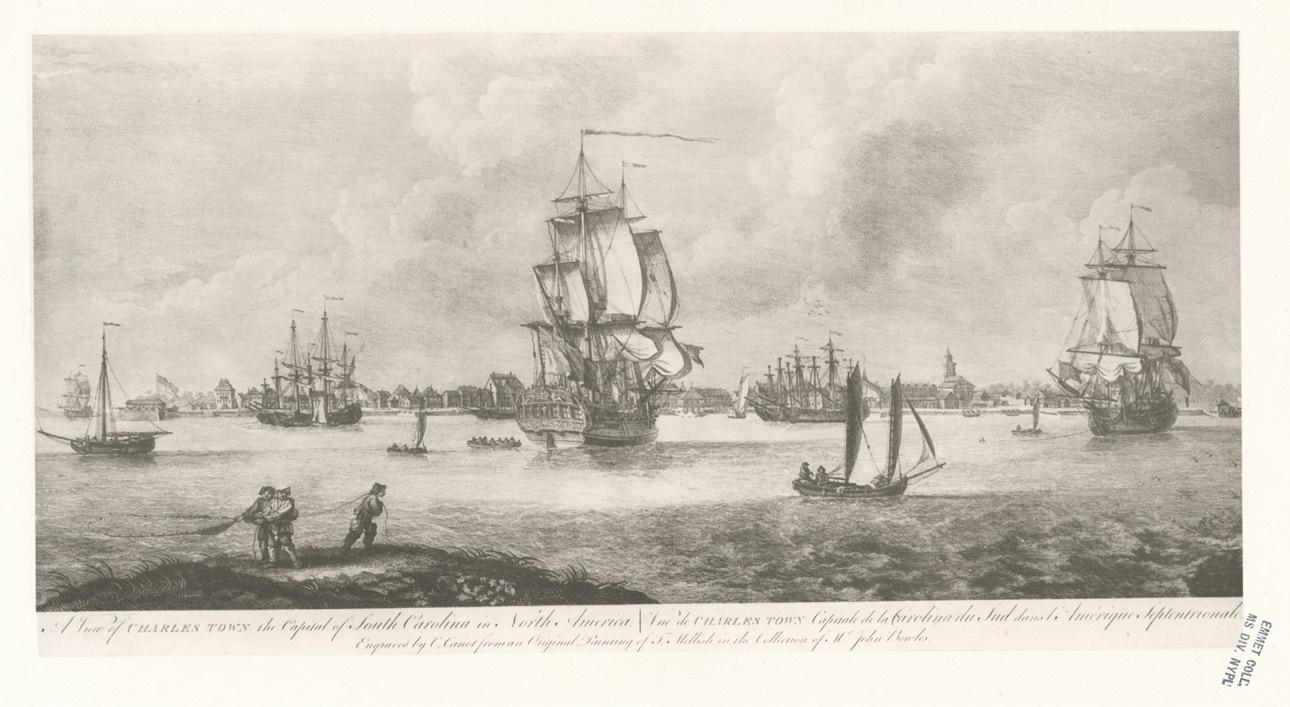
In spring 1780, British forces under General Henry Clinton besieged Charleston, South Carolina. After six weeks, on May 12, Major General Benjamin Lincoln surrendered roughly 5,000 Continental troops—the worst American defeat of the Revolutionary War. The loss gave Britain control of the South and nearly crushed Patriot resistance. Francis Marion, a lieutenant colonel in the Continental Army recovering from a broken ankle, escaped capture. He raised a small militia and waged guerrilla warfare from the swamps and backcountry. Using hit-andrun ambushes, Marion disrupted British supply lines and morale.
British Lieutenant Colonel Banastre Tarleton’s failed pursuit earned Marion the nickname “Swamp Fox.” His resilient tactics helped revive the southern Patriot effort and led to his promotion to brigadier general.
Charleston, South Carolina
PHOTO COURTESY OF THE LIBRARY OF CONGRESS, PUBLISHED BY CURRIER & IVES, 1876; ENGRAVED BY JOHN BLAKE WHITE. THE SWAMP FOX AND HIS BAND SURVIVED ON SWEET POTATOES, WHICH CAME TO SYMBOLIZE PATRIOT DETERMINATION AND STRENGTH.
THE BATTLE OF KINGS MOUNTAIN OCTOBER 7, 1780
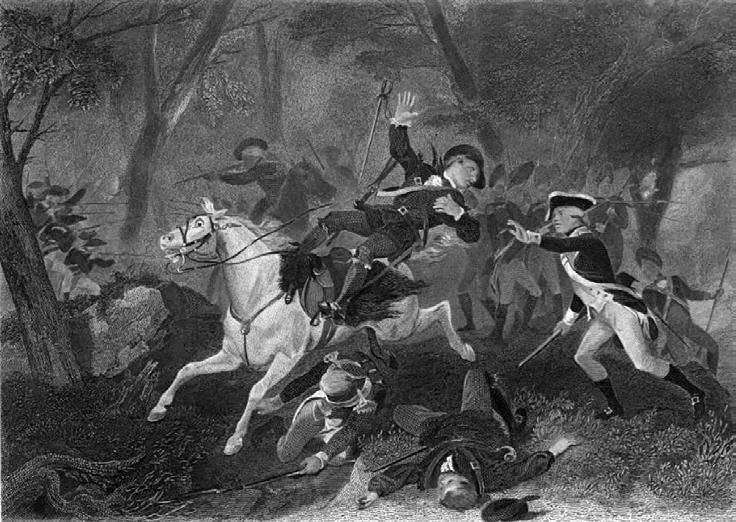
On a rocky, forested ridge straddling the South Carolina–North Carolina border, roughly 900 Patriot “Overmountain Men” who were frontier militia from the Appalachians surrounded and attacked a force of about 1,100 Loyalists commanded by British Major Patrick Ferguson. In a fierce, hour-long battle fought almost entirely between Americans, the Patriots charged uphill repeatedly, using cover and rifle fire to overwhelm the Loyalists. Ferguson was killed trying to rally his men. The Loyalists suffered devastating losses, with over 300 killed or mortally wounded and around 700 captured, while Patriot casualties were relatively light. This decisive victory halted British momentum after the Fall of Charleston and Camden, forced Cornwallis to retreat, and revived Patriot resistance in the South. It’s often called the “turn of the tide.”
Blacksburg, Sorth Carolina
ENGRAVING OF THE DEATH OF BRITISH MAJOR PATRICK FERGUSON AT THE BATTLE OF KINGS MOUNTAIN PUBLISHED IN 1863 FROM THE ANNE S.K. BROWN COLLECTION AT BROWN UNIVERSITY.
FLAGGING HISTORY
1775 TO 1783
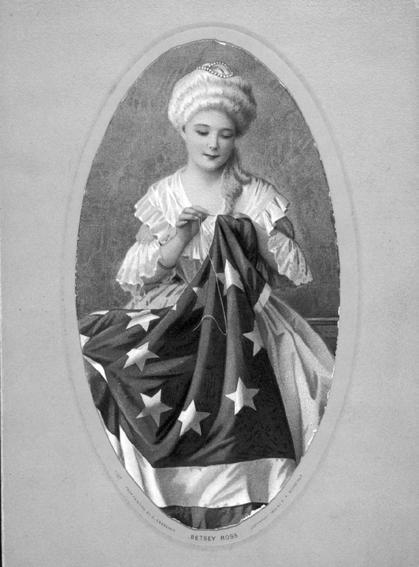
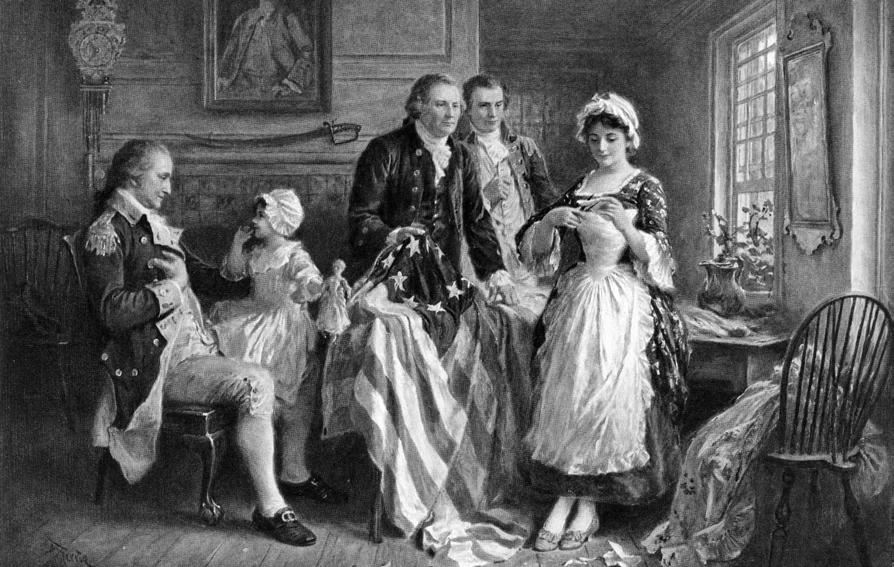
Flags used during the American Revolutionary War varied widely. Early banners like the Grand Union Flag, which symbolized the unity of the thirteen colonies against British rule, combined British symbolism with colonial ideals. Meanwhile, regimental flags often featured mottos such as “Liberty or Death.” The Betsy Ross flag symbolized the new nation’s unity, though its origins are debated. The 3rd Maryland Regiment flag represented disciplined Continental troops at the Battle of Cowpens in South Carolina’s back country. Militias also carried unique designs reflecting local identity and political loyalty.
The Thirteen Colonies
PHOTO BY JACKIE DEBUSK
The new edition is available now!
tompol@earthlink.net
Tom Poland travels southern backroads seeking evidence of how those before us lived, worked, and survived. Each day their farms, barns, outbuildings, stores, churches, and once-essential structures succumb to time and the elements. He photographs and writes about a forgotten land so that others can know it was there. A writer, author, and photographer, his books cover the backroads, vanishing cultural ways, and natural areas at risk. He and co-author Robert Clark document what is, a land that may well become what was.
Take something you want, something you need, something to wear, and something to read on your next backroad journey.
SOMETHING YOU WANT
BougeRV 12V Portable Car Fridge, $199.99 bougerv.com
Keep perishables cool in this 12V 30-quart, compact, compressorpowered portable car refrigerator/freezer designed for road trips, camping, and overlanding. The fridge rapidly cools to as low as -7 degrees fahrenheit in about 15 minutes, and includes an ECO mode for energy efficiency. It also features a three-stage battery protection system, quiet operation, and sleek design with an LED display that works even when tilted up to 30 degrees.
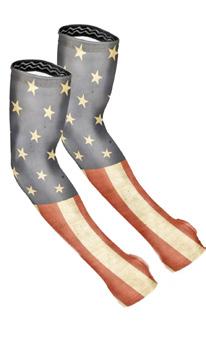
Whether you're in the garden, on the boat, hiking the trail, or working outdoors, your arms can take a beating. Protection Sleeves shield your skin from sun (UPF 50+), scratches, and plant irritation like poison ivy so you can focus on your work or having fun. Lightweight and comfortable, they come in more than 20 different colors and patterns—including a patriotic theme.
SOMETHING TO READ
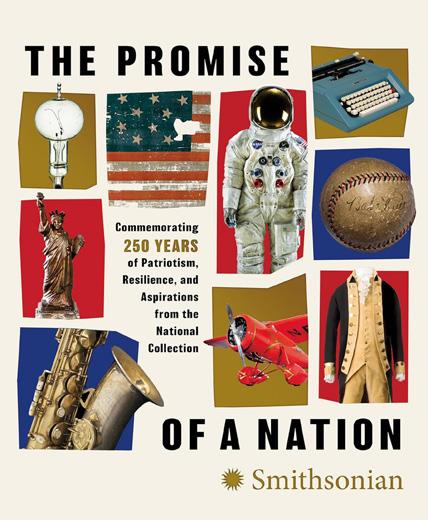
The Promise of a Nation, $40 smithsonianbooks.com
SOMETHING TO WEAR
Men’s and Women’s Embroidered Patriotic Polos, $75.99 store.america250.org
Display your patriotic pride this summer wearing these embroidered polos, available in the official America 250 store. Both the men’s and women’s styles come with sublimated shoulder details and are made with lightweight, performance polyester offering breathable comfort for outdoor events or recreation. The men’s shirt features a classic style, while the women’s shirt comes with a V-neck silhouette.
This beautifully illustrated commemorative volume marks America’s 250th anniversary by spotlighting artifacts from the Smithsonian’s national collection and exploring our nation’s history decade by decade, from the 1770s to the 2020s. See treasured historical objects ranging from George Washington’s sword to Marian Anderson’s concert attire, and read aspirational stories of patriotism, resilience, and democracy.
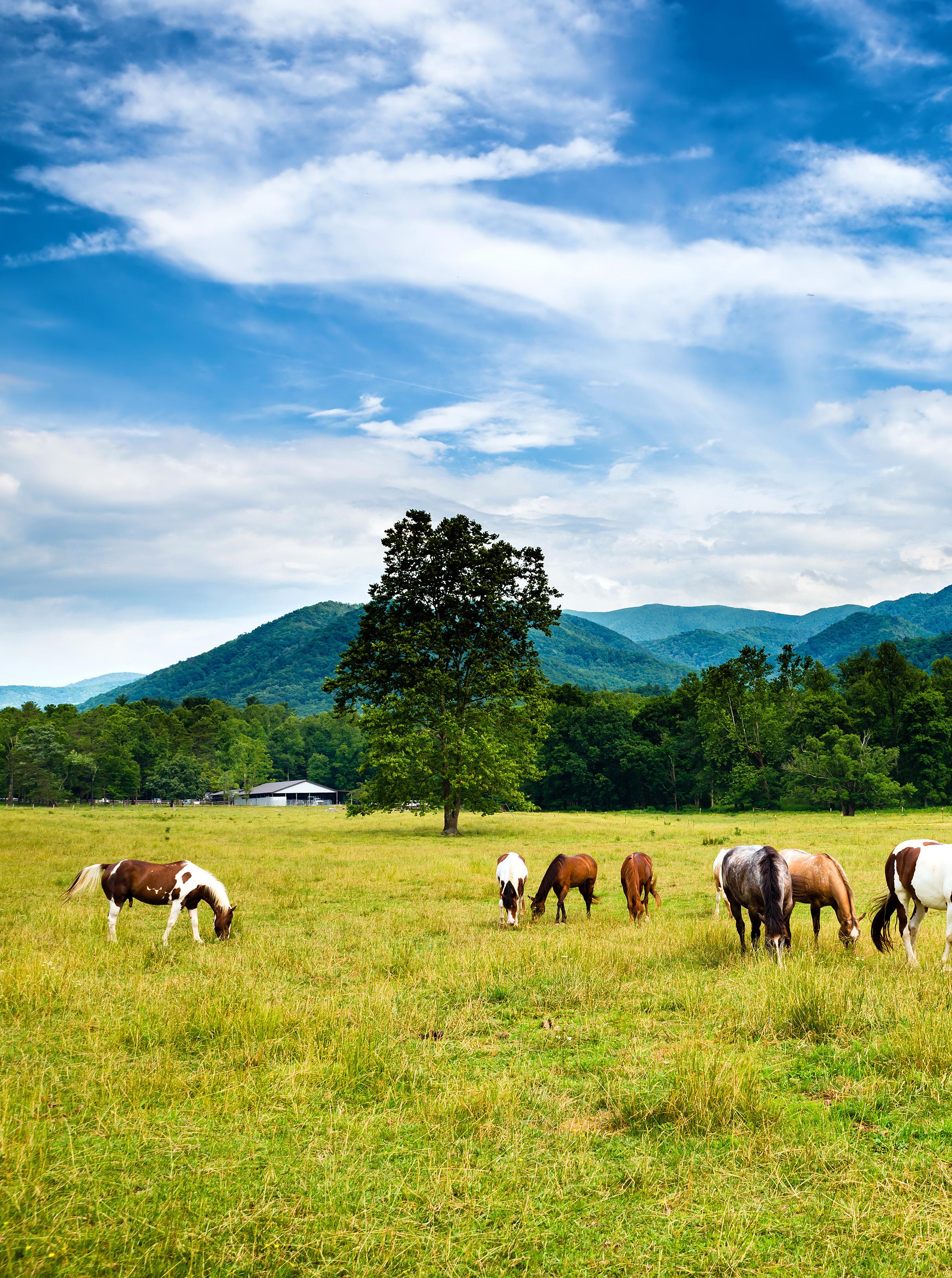
ROBERT HAINER
Cade's Corner, Tennessee
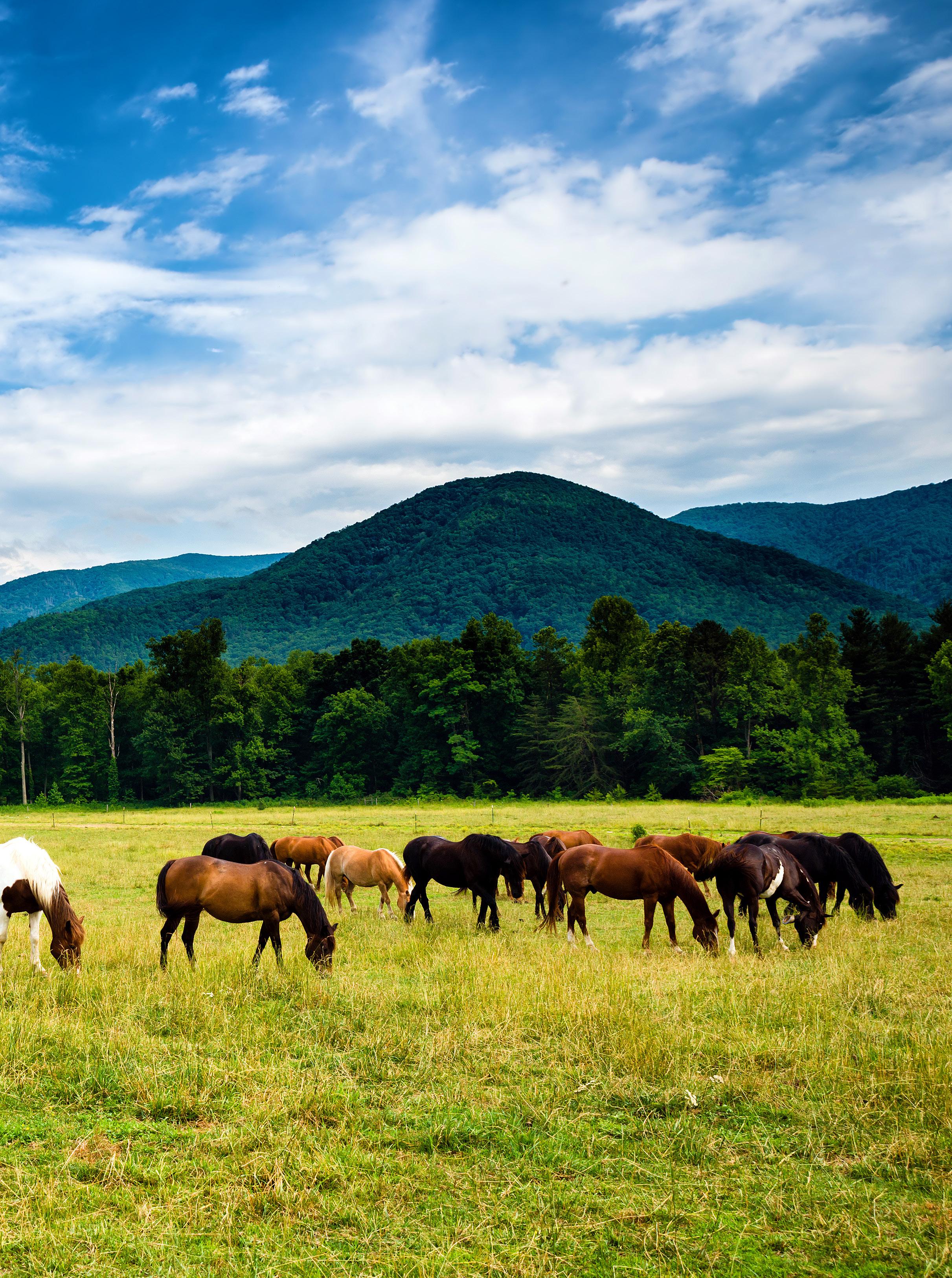
A herd of horses graze in a Great Smoky Mountains valley pasture.
Three Battles and a Massacre
VICTORY, STINGING DEFEAT, A DRAW, AND ‘BLOODY BILL’
BY TOM POLAND
Old battlefields seem more like parks. They’re quiet. Trying to imagine black powder, cannon, and cries of the wounded? Difficult, but not always. Farmers’ plows unearthed so many Minié balls at Shiloh, the soil turned white. Shiloh was of the Civil War. I’m writing of Revolutionary War sites: Kettle Creek, Camden, Eutaw Springs, and Clouds Creek.
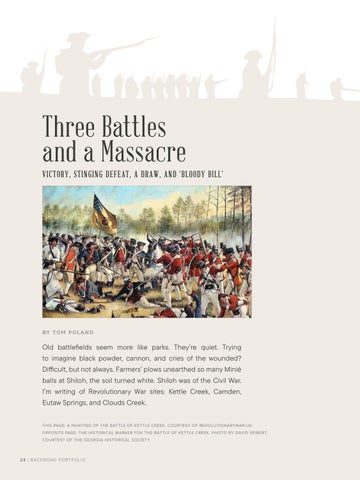
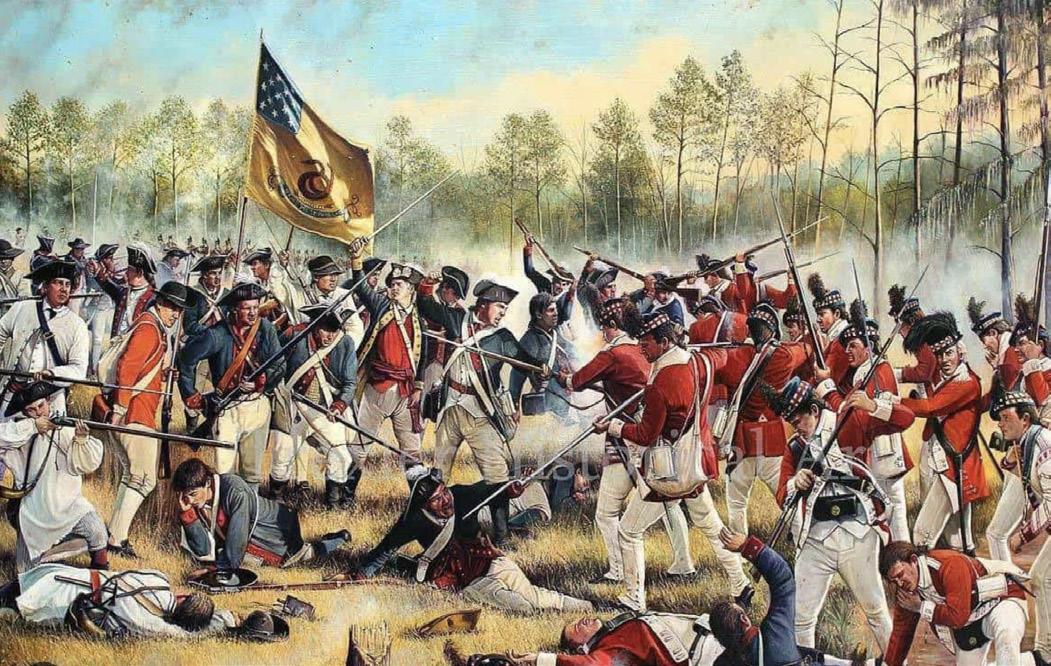
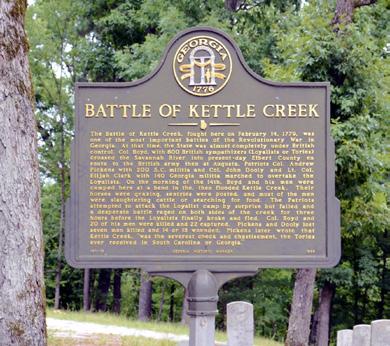
THIS PAGE: A PAINTING OF THE BATTLE OF KETTLE CREEK, COURTESY OF REVOLUTIONARYWAR.US OPPOSITE PAGE: THE HISTORICAL MARKER FOR THE BATTLE OF KETTLE CREEK. PHOTO BY DAVID SEIBERT, COURTESY OF THE GEORGIA HISTORICAL SOCIETY
KETTLE CREEK | FEBRUARY 14, 1779
In Washington, Georgia, I took Route 44 toward Union Point. I crossed Kettle Creek. Then Stoney Ridge Road. Highway 68, took me to Court Ground Road, which took me to War Hill Road. When I saw the stonewall, I stood at the foot of the hill where a key battle of the Revolutionary War took place.
I walked the hill of its cemetery and monument. The air was still, humidity high, and all quiet, save birdsong. Reinforcements arrived, five ladies on a history tour. They told me Plains, Georgia, was next. Men changed history where we stood.
The British just about had Georgia under its thumb when Col. James Boyd led 600 British sympathizers across the Savannah River into present day Elbert County. Patriots Col. Andrew Pickens with 200 South Carolina militia, and Col. John Dooly and Lt. Col. Elijah Clarke with 140 Georgia Militia, overtook them at a bend in a flooded Kettle Creek. The war had not been going well for the Patriots. The British had taken Savannah as part of their southern strategy designed to separate Georgia from middle and northern rebellious colonies. But things were about to change.
Patriots surprised Loyalists twice their number, and a desperate battle raged for three hours. The turning point came when Patriot forces killed Boyd. Immediate panic and disorder set in among the Loyalist ranks. They broke and fled.
While Boyd and twenty of his men were killed and twenty-two captured, Pickens and Dooly suffered seven killed and fifteen wounded. Pickens later wrote that Kettle Creek “was the severest check and chastisement the Tories ever received in South Carolina or Georgia.”
The Battle of Kettle Creek stopped a Loyalist advance and boosted morale after Savannah’s fall. It demonstrated British inability to secure the Georgia interior, halted Loyalist recruitment, and prevented the British from taking full control of upper Georgia.
Forested Kettle Creek battlefield, including “War Hill,” is a 40-acre tract encircling a 500-foot hill. Revolutionary soldiers lie reburied atop the hill.
In school all I heard about was the Boston Tea Party and the shot heard around the world, but battles like Kettle Creek did their part to stave off British control. Sometimes, like those five ladies, you have to seek history on your own. Kettle Creek is a good place to start.
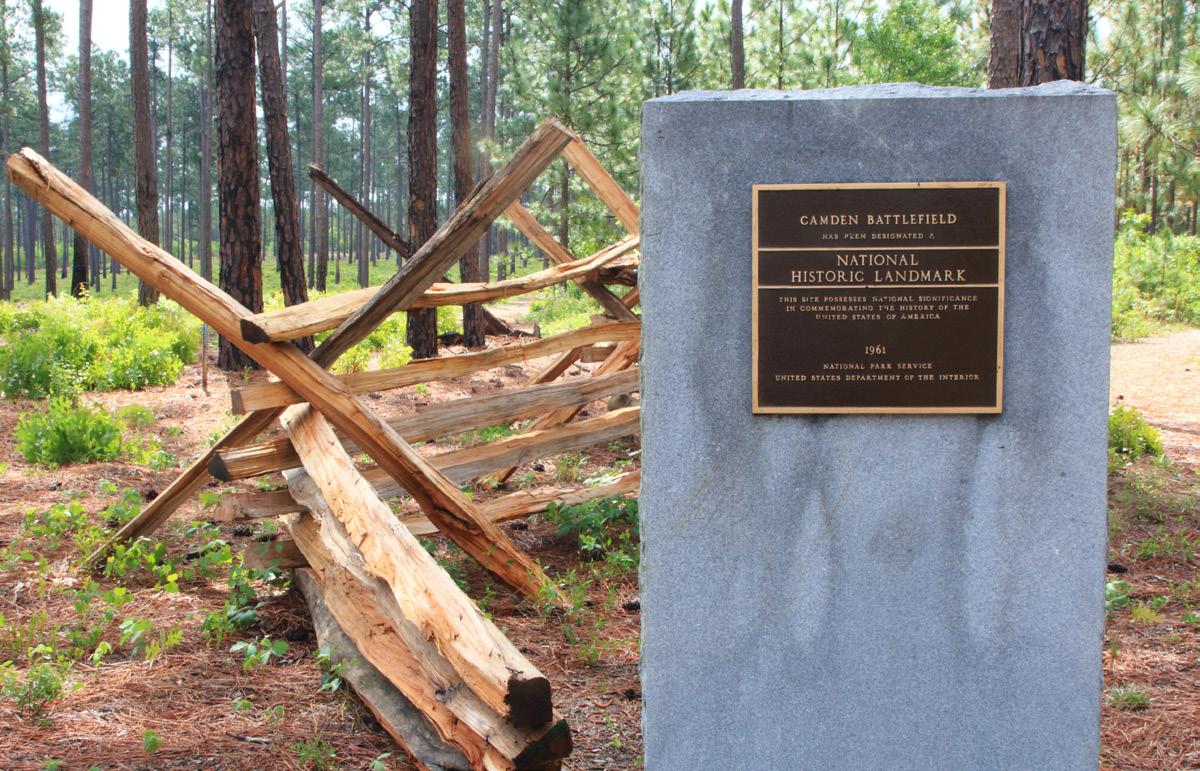
CAMDEN | AUGUST 16, 1780
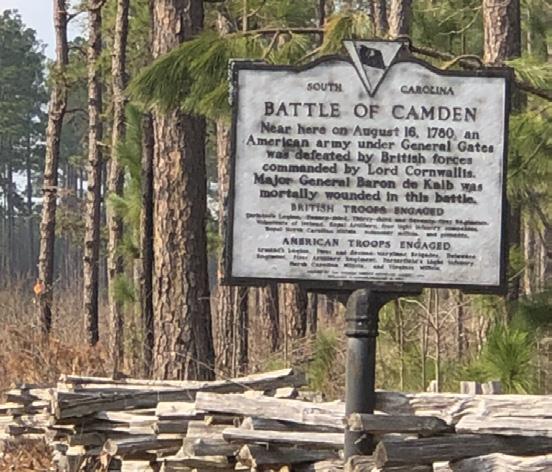
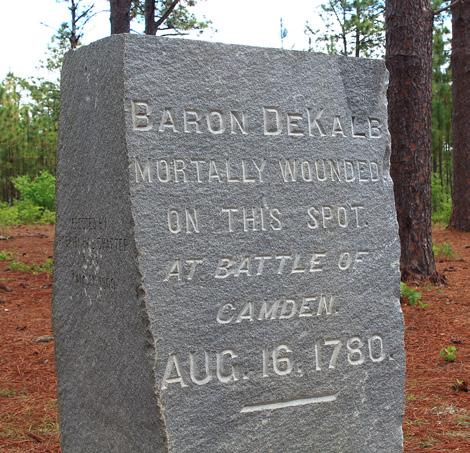
I walk past monuments and flags, past where Redcoats mortally wounded beloved Continental officer Maj. Gen. Baron de Kalb, born Johann Kalb. Past where five Patriots fell. Past where a member of Fraser’s Highlanders died and is buried. The 71st Regiment of Foot, Fraser’s Highlanders, was a prominent British infantry regiment raised to serve in the American Revolutionary War. Lt. Gen. Simon Fraser composed the unit of two battalions recruited from the Scottish Highlands. They were elite, battle-hardened, and feared for their skill with the bayonet.
Bayonets and Camden’s battlefield make me uneasy. Its little white wildflowers possess leaves with stinging hairs. Think swords dipped in toxins. Think stinging defeat. A British bayonet charge would scatter Patriots like a covey of South Georgia quail, and Lord Charles Cornwallis regulars would crush Maj. Gen. Horatio Gates’s unseasoned men. That’s the short of it.
The long of it began with dragoons. Now there’s a terrifying word, dragoon. Armand’s Legion, a Continental Army cavalry unit, i.e. dragoons, and Gen. Sir Banastre Tarleton’s dragoons collided unexpectedly early morning on the Great Wagon Road. They skirmished, withdrew, and waited on dawn.
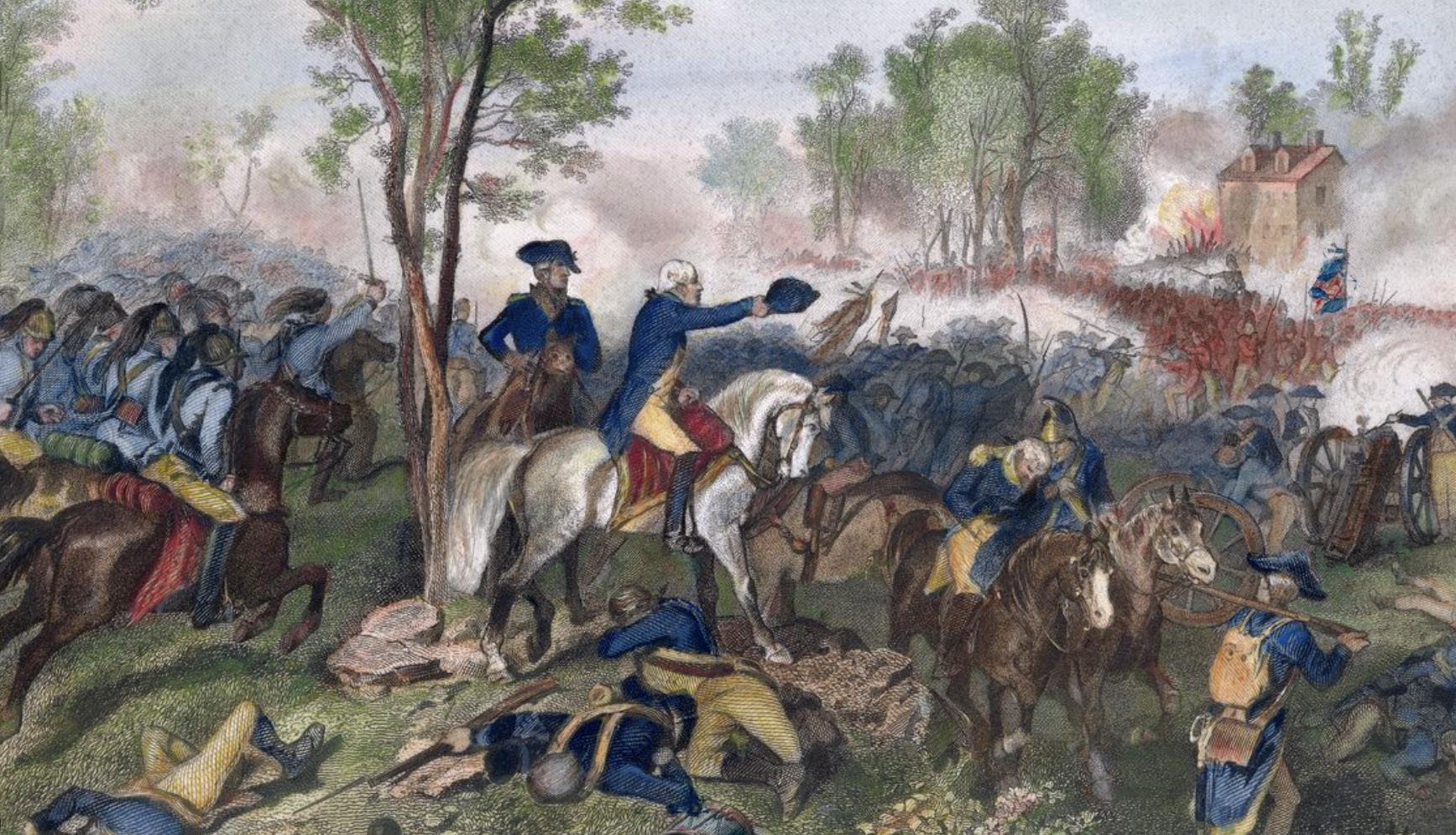
As major conflict brewed, Gates positioned Maryland and Delaware Continentals on his right flank, while placing inexperienced Virginia and North Carolina militia on his left. Gates’s raw militia directly faced elite British regulars. The British 23rd and 33rd Regiments met the advancing Virginians with a disciplined bayonet charge. Lacking bayonets and experience, the Virginia militia fled without firing a shot, followed quickly by the North Carolina militia. A disaster was unfolding.
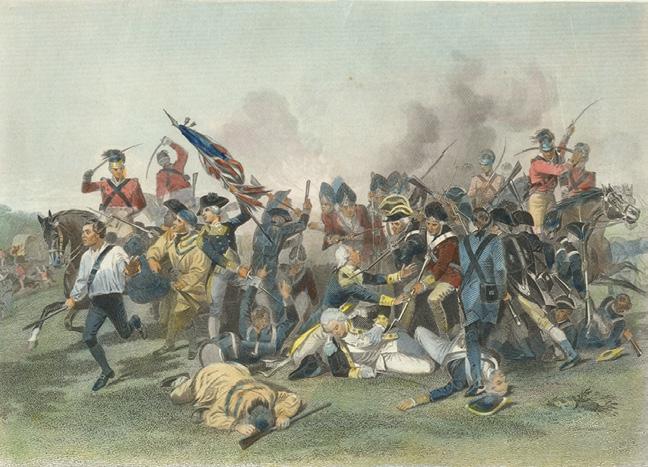
Maryland and Delaware Continentals, led by Maj. Gen. Baron de Kalb, launched successful counterattacks against Lord Rawdon’s wing. British Col. James Webster, wheeled his troops to strike the exposed Continental flank. Surrounded and outnumbered, the Continentals were broken when Tarleton’s cavalry charged their rear. Retreat turned into “rout and slaughter” where Bloody Ban’s dragoons killed many over a 20-mile chase.
Baron de Kalb received eleven wounds—shot thrice and bayoneted over and over. Upon seeing de Kalb, Cornwallis said, “I am sorry, sir, to see you, not sorry that you are vanquished, but sorry to see you so badly wounded.” Cornwallis supervised the dressing of de Kalb’s wounds by his own surgeons in Camden. As he lay dying, de Kalb reportedly told a British officer, “I thank you, sir, for your generous sympathy; but I die the death I always prayed for; the death of a soldier, fighting for the rights of man.”
He died three days later.
Gates fled the field, famously riding 60 miles to Charlotte by nightfall. A clobbering happened here, but silver lined the black cloud of defeat. Nathanael Greene replaced the Coward of Camden. Gates never held a significant military command again. As for Greene, he was the right leader at the right time. The Savior of the South executed a brilliant strategy of exhaustion and attrition that broke the British will to fight. His motto? “We fight, get beat, rise, and fight again.” Greene turned the war around down South, which directly led to the Patriots’ ultimate victory at Yorktown.
When the smoke cleared, the Battle of Camden ranked as one of the worst defeats for an American army in United States military history. It’s widely considered the worst American Revolutionary War defeat on an open battlefield. The British swept a Southern American army out of existence, giving them control of the Southern colonies, albeit temporary. The Patriots suffered approximately 1,900 to 2,000 casualties (roughly 900 killed or wounded, and 1,000 captured), compared to 324 to 350 British casualties.
Historians often rank this engagement alongside the Siege of Charleston as one of the lower points for the Revolutionary cause. Battles like Antietam near Shar rank higher for sheer loss of life, but Camden remains a prime example of a total tactical and leadership failure.
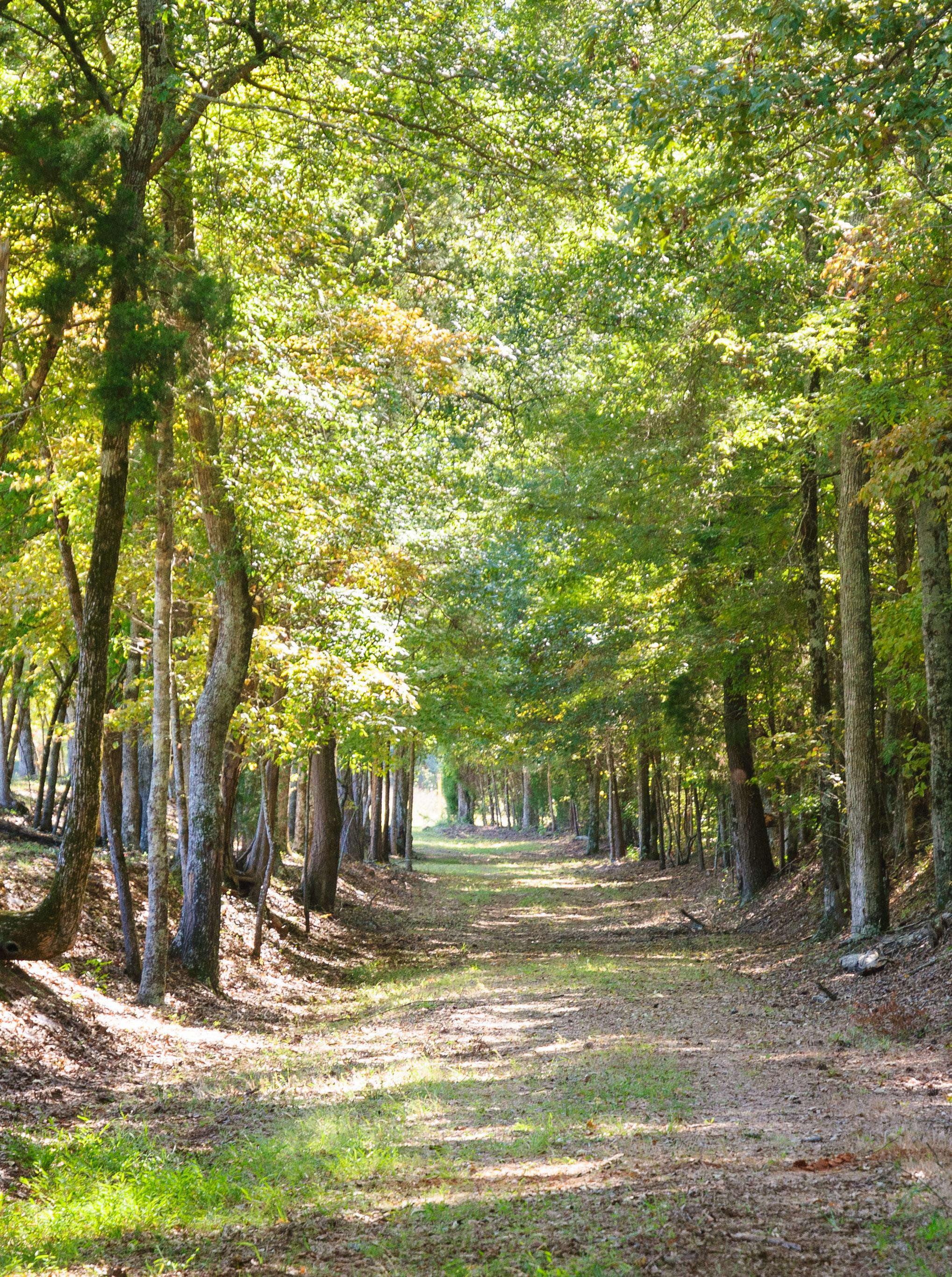
Today the battlefield is doing its part to win another battle—restoring our lost longleaf pines. Historic Camden established a Longleaf Pine Preserve at the battle site with the goal of reforesting 420 acres to longleaf. Today, 200 acres of thinned mixed pine forest resemble a 1780 longleaf savannah. Firebreaks double as interpretive history paths. They give the public easy access to a vital part of our history.
EUTAW SPRINGS | SEPTEMBER 8, 1781
It’s a curious battle. Britain claimed victory, yet retreated to Charleston. Their presence in the Carolina backcountry was done. Often cited for its close-quarters combat and being one of the bloodiest engagements of the war in the South, Eutaw Springs set the stage for the British surrender at Yorktown a month later.
On a cool spring morning I set out for the Eutaw Springs Battlefield, another parklike and peaceful place. It was the last major battle fought on South Carolina soil for independence, and the bloody battle raged for four hours on a blistering day.
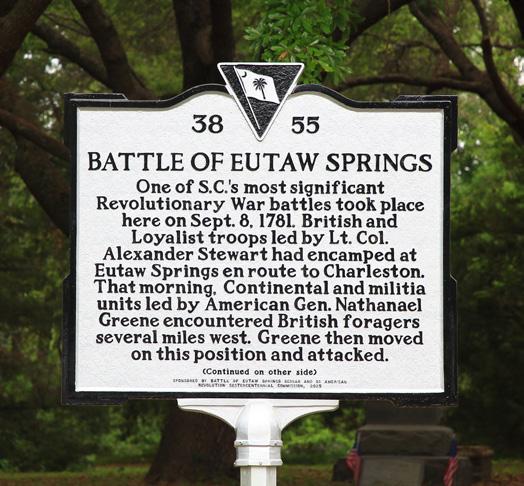
Over 2,000 Patriot forces under Maj. Gen. Nathanael Greene attacked and drove back a British force of around 2,300 Redcoats commanded by Lt. Col. Alexander Stewart. After the ragged, hungry American troops captured the Redcoats’ food and liquor, they stopped their attack to plunder, eat, and drink.
The British regrouped at the Wantoot Plantation house and launched a counterattack led by British Maj. John Marjoribanks, saving the day for the British and something else. He turned aside a British soldier’s sword, sparing the life of Patriot Col. William Washington, George Washington’s nephew.
After staving off repeated American attacks, Col. Stewart led his force back towards Charleston. It was the last major engagement in South Carolina, hastening the Redcoats retreat from the backcountry.
Considered a tactical victory for the British and a strategic victory for the Patriots, the battle is remembered as the Redcoats’ last stand. The American side suffered 119 killed, 382 wounded, and 78 missing or captured. The Redcoats suffered 85 killed, 297 wounded, and 500 missing or captured. All told, there were 1,461 casualties.
It was a curious battle indeed. By 1781, late in the conflict as it was, the British were fighting with Continental Army deserters and the Americans were fighting with British deserters. “At the close of the war we fought the enemy with British soldiers and they fought us with American,” said Gen. Nathaniel Greene.
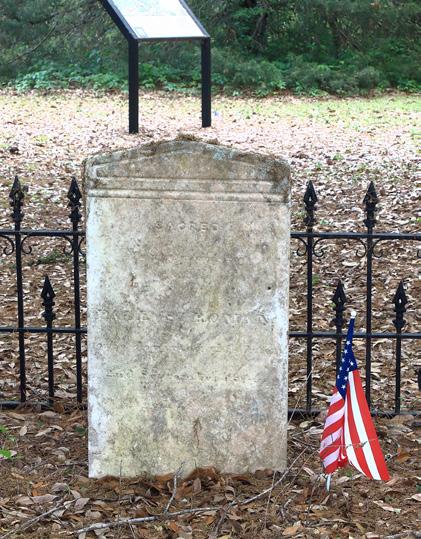
Maj. Marjoribanks is buried at the battle site. His grave was relocated there in 1941 before a dam’s floodwaters covered his grave.
I didn’t see any springs from which the site takes its name. The Santee-Cooper Dam drowned them, but I read that when the lake is at a certain level you can spot their swirling movement offshore.
CLOUDS CREEK | NOVEMBER 17, 1781
For many years I’ve driven Highway 378 from Columbia, South Carolina, to my hometown of Lincolnton, Georgia. Along that route I plunge downhill over Clouds Creek. I knew a massacre was connected to this creek but had no idea where it took place. Now I do. On a cool and cloudy Sunday I made my way to the site in heavy woods near the Saint John CME Church.
A patriot turned prominent loyalist, Maj. William Cunningham, would become notorious for his brutality in a war that set South Carolinians against one another. Cunningham grew up near Ninety-Six, a loyalist community. His cousins were loyalist organizers. Cousin Robert Cunningham refused to sign an early truce with patriots in South Carolina in 1776 and fought until imprisoned.
Various accounts attend Cunningham’s switch from patriot to loyalist. Some say he committed an infraction, was court martialed, and received a whipping. Some say Cunningham was denied a promised promotion when his militia was reactivated in June 1776. Cunningham at first refused to serve duty. When he did, he had a bad attitude and tried to resign. For this, he was arrested and whipped, then discharged.
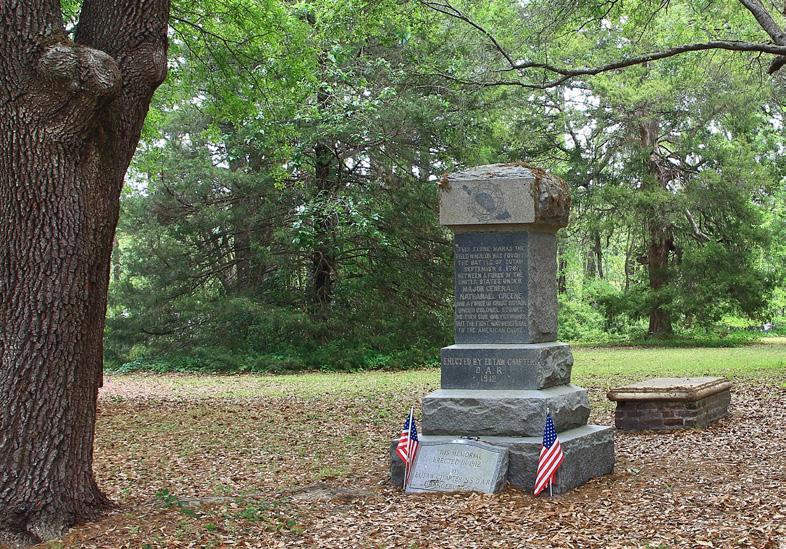
PREVIOUS PAGE, TOP: PAINTING OF THE BATTLE AT EUTAW SPRINGS | IMAGE COURTESY OF NEW YORK PUBLIC LIBRARY VIA WIKIMEDIA COMMONS; BOTTOM: A HISTORICAL MARKER AT THE SITE OF THE BATTLE OF EUTAW SPRINGS | PHOTO BY TOM POLAND; ABOVE: THE GRAVE OF MAJ. JOHN MARJORIBANKS (LEFT) AND A MONUMENT THAT MENTIONS MAJ. GEN. NATHANIAL GREENE (RIGHT) | PHOTOS BY TOM POLAND
During this time, patriots led by Captain William Ritchie kicked Cunningham’s father out of the family home due to loyalist sympathies. Patriots murdered his invalid brother. Cunningham and Ritchie had served together in the patriot militia. In 1778 Cunningham rode to Ritchie’s house, confronted him in front of his family, and shot him. “Bloody Bill” Cunningham would kill 79 patriots.
The Cloud’s Creek Massacre occurred in present-day Saluda County, South Carolina, where Cunningham and his 300-man force slaughtered 28 Patriot militia led by Captains Sterling Turner and James Butler Sr., including Captain Butler’s teenage son, James Butler Jr. After being surrounded at a cabin, the Patriots wet powder was useless due to a hard rain. They surrendered.
Ignoring the plea to surrender, Cunningham’s men massacred nearly everyone. Cunningham killed many with his saber, beheading one. Only two men reportedly escaped.
Following the massacre, Cunningham and his men stopped at Towles Blacksmith shop to have their horses reshod. When Oliver Towles finished re-shoeing his men’s horses, Major Cunningham’s men killed him and his son and set fire to all the buildings as they left.
SC 250’s Bloody Bill by Paul Ariel Jr. states that the War for Independence was not a factor in the Cloud’s Creek Massacre. Bloody Bill’s late 1781 month-long murderous rampage became known as “Bloody Scout,” a mission of retribution against Patriot leaders and collaborators who had targeted Cunningham’s family or fellow Loyalists.
Revenge, bitterness, and no doubt outright meanness fueled Bloody Bill’s killings. The man was never caught. He spent his final years in Nassau in the Bahamas with his cousin, Robert Cunningham. Bloody Bill died in January 1787 around the age of 30.
Old battlefields seem like parks, but they are not. You’ll see trail cams and signs that prohibit relic hunting. A lot of metal flew around these places. Blood flowed. Bones shattered. I have long maintained that war is inevitable as part of the human condition. Visiting battlefields drives that point home.
I remember Vietnam anti-war protests at the University of Georgia. Some group firebombed the Army ROTC building and I recall four protestors holding a “Stop War Now” banner. “Stop War Now” chanted the throng. They might as well have tried to ban gravity. Cormac McCarthy acknowledged their futility—“It makes no difference what men think of war ... war endures. As well, ask men what they think of stone. War was always here. Before man was, war waited for him. The ultimate trade awaiting its ultimate practitioner. That is the way it was and will be. That way and not some other way.”
The American Revolution was a fight for ideals. Honor those war sacrifices. Visit its battlefields.
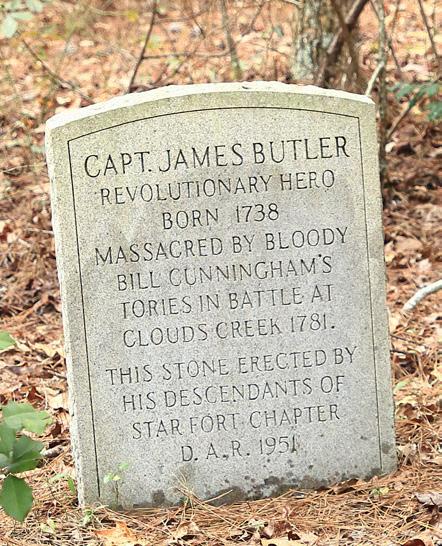
ABOVE: THE GRAVE OF CAPTAIN JAMES BUTLER | PHOTO BY TOM POLAND
ZACK FRANK
Ninety Six, South Carolina
Preserved today as Ninety Six National Historic Site, this quiet South Carolina landscape witnessed a pivotal 28-day Revolutionary War siege in 1781 between Continental and Loyalist forces.
missions that
Revolutionary Secrets Covert Southern
helped
birth America’s freedom
BY ELIZABETH POLAND SHUGG
We Americans often celebrate our hard-won independence from Britain through a familiar set of images: Washington crossing the Delaware, Continental and British army battles, and clandestine northern spy rings.
The South’s role in the war, however, unfolded in a far less orderly way. Across Georgia, the Carolinas, Virginia, and beyond, a shifting landscape of local intelligence networks, civilian participation, enslaved resistance, global alliances, and hidden supply chains contributed to the Patriots’ victory. What emerged was not a single war, but multiple conflicts that played out concurrently.
Stories from the Southern campaign don’t often make it into the overall narrative, so we’re throwing a spotlight on the lesser-known people, actions, and events that helped make the Revolution possible.
THE SOUTHERN INTELLIGENCE WEB
The Southern Intelligence Web
During the pre-Revolutionary war period, Northern Patriots relied on structured espionage strategies through systems like the Culper Spy Ring, directed by Gen. George Washington and Lt. Col. Benjamin Tallmadge. Down South, however, intelligence moved through informal, human networks embedded in daily life.
After the British captured Charleston on May 12, 1780, they set up additional Southern headquarters in cities like Savannah, Augusta, Camden, and Wilmington. British networking depended on Loyalist cooperation, but Patriot intelligence survived through decentralized systems rooted in geography and trust. Brig. Gens. Francis Marion, Thomas Sumter, and Andrew Pickens relied heavily on the movement of information orally across the South Carolina Lowcountry and backcountry—from farmer to courier to militia officer.
Enslaved people also played a crucial role in this system. Because they moved across plantations, towns, and British-occupied areas, they often observed troop movements unnoticed. Their contributions were essential, but rarely documented.
Reports of British movement might pass through several individuals before reaching commanders like Maj. Gen. Nathanael Greene, whose strategy depended on the flow of local intelligence as he shadowed British Lt. Gen. Charles Cornwallis’ forces. Covert intelligence also shaped the Battles of Cowpens and Guilford Court House.
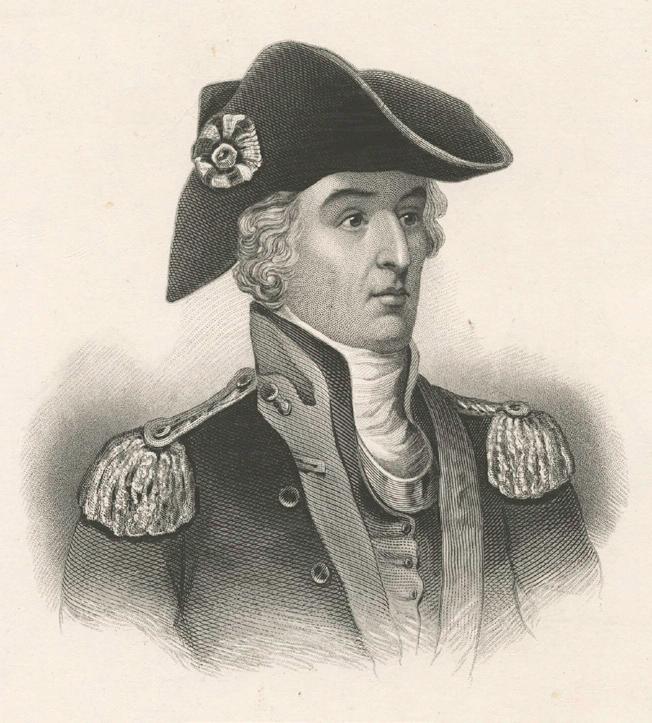
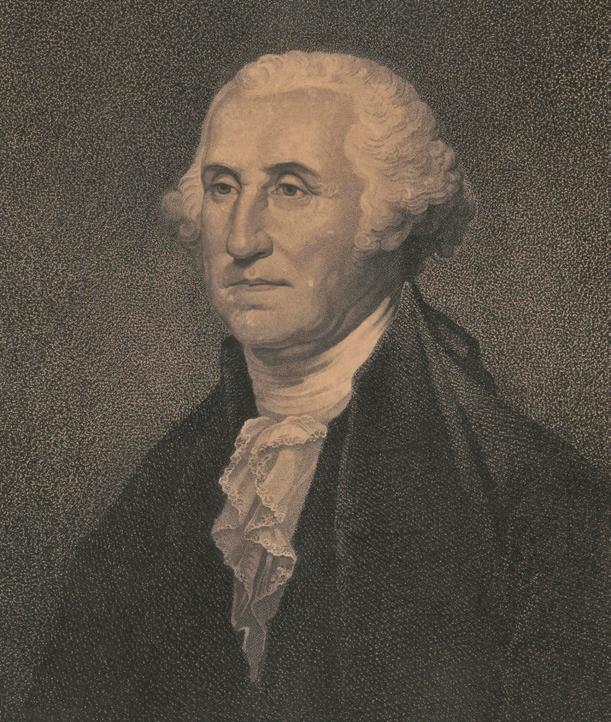
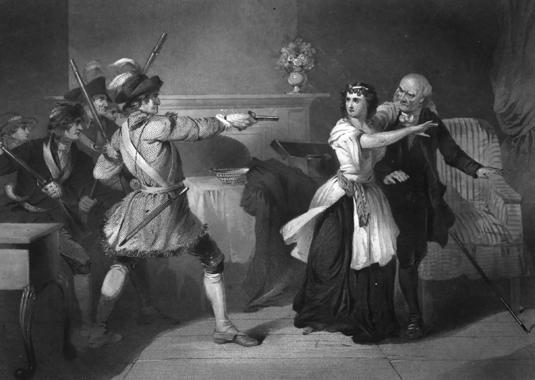
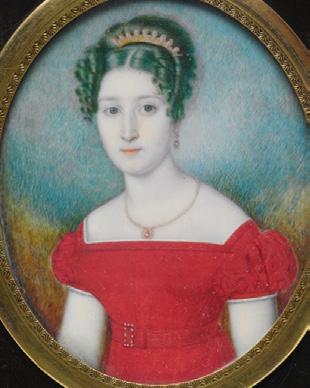
ABOVE: BRIG. GEN. FRANCIS MARION (LEFT) AND GEN. GEORGE WASHINGTON (RIGHT), IMAGES COURTESY OF THE LIBRARY OF CONGRESS OPPOSITE PAGE, TOP: EMILY GEIGER, PHOTO COURTESY OF THE FORT SUMTER AND FORT MOULTRIE NATIONAL HISTORIC PARK FACEBOOK PAGE; MIDDLE: DICEY LANGSTON SPRINGFIELD DEFENDS HER FATHER AGAINST LOYALIST FORCES, IMAGE COURTESY OF THE LIBRARY OF CONGRESS; BOTTOM: REBECCA BREWTON MOTTE, IMAGE COURTESY OF THE METROPOLOTIAN MUSEUM OF ART. COURTESY OF WIKIMEDIACOMMONS
WARRIOR WOMEN
Warrior Women
Women in the Southern colonies didn’t sit by passively observing the war. Embedded in civilian life, they formed important informal intelligence and logistical systems, gathering and transmitting information under conditions of occupation and surveillance.
Three South Carolina women are known for their clandestine courier work in 1781. On January 16, 1781—the night before the Battle of Cowpens—Margaret Catherine “Kate” Moore Barry mounted her horse at Walnut Grove Manor near present-day Spartanburg and rode all night through South Carolina’s backcountry to warn militia forces of British movements ahead of the Battle of Cowpens.
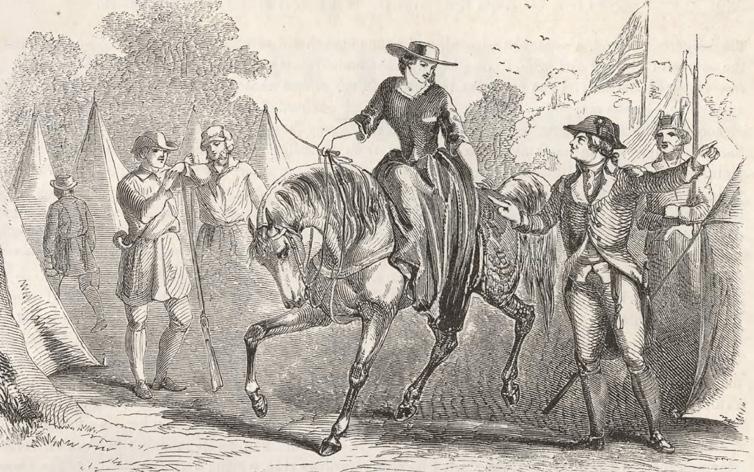
The following June, Emily Geiger rode through the state’s upcountry with an urgent message from Maj. Gen. Nathanael Greene to Brig. Gen. Thomas Sumter. After being intercepted by British forces and taken to Fort Granby for questioning, she memorized the message’s contents, then ate the paper it was written on.
Later that year, Laodicea “Dicey” Langston of the Ninety Six District—now Laurens County—bravely spied on Loyalists near her family’s home and learned that “Bloody Bill” Cunningham’s “Bloody Scouts” planned to attack the settlement where her brother and other Patriots camped. She traveled miles through the backcountry terrain at night—by foot and on horseback—to warn the soldiers in time. They alerted residents and prevented the assault.
Another time, when Loyalists pointed a gun at her disabled father, Dicey stepped boldly in front of him, daring them to shoot. Shaken by her courage, they left without harming anyone.
Other women contributed through direct action and sacrifice. During the May 1781 Siege of Fort Motte in South Carolina, British forces took over the elegant Congaree River plantation home of widowed Patriot Rebecca Brewton Motte to fortify it as a key outpost.
After Gen. Francis Marion and Lt. Col. Henry “Light-Horse Harry” Lee learned of the seizure, they proposed burning the mansion to force a British surrender. In a profound sacrifice for American independence, Motte readily agreed and reportedly supplied the troops with East Indian fire arrows. On May 12, 1781, Patriots ignited the roof and the British soon surrendered. Fortunately, quick-acting Patriots spared the house from total destruction.
Then there was Ann “Nancy” Morgan Hart, a legendary six-foot-tall, redheaded Patriot frontierswoman and spy who was said to have captured or killed British soldiers in her home, prompting Northeast Georgia Cherokee neighbors to nickname her “War Woman.”
Women also sustained the war’s material base while many of the men were away serving militias. They managed farms, fed troops, housed refugees, and treated the wounded. Elizabeth Hutchinson Jackson, Andrew Jackson’s mother, provided humanitarian services at great personal risk. She cared for wounded Patriots after the Battle of Waxhaws in the Carolinas, petitioned British authorities for prisoner exchanges at Camden to secure her sons’ freedom, and treated sick and wounded Patriots on British prison ships in Charleston Harbor where, in November 1781, she succumbed to cholera. Her body was never recovered, but a marker at the Old Waxhaw Presbyterian Cemetery near Lancaster, South Carolina, commemorates her alongside her husband and sons.
A Key Double Agent
A KEY DOUBLE AGENT
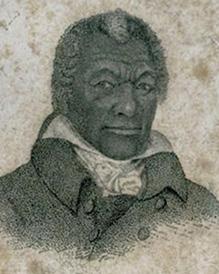
James Armistead Lafayette, an enslaved man from New Kent County, Virginia, became one of the most significant intelligence operatives of the Revolution.
With permission from his enslaver, Armistead joined the Continental Army and came under the command of young French nobleman Marquis de Lafayette, who, in 1777, had anchored his ship at the entrance of South Carolina’s Winyah Bay and rowed to North Island, where he vowed to fight on the side of liberty. Armistead’s ability to move between social worlds primed him for double agency, and that is exactly what Lafayette assigned to him.
Armistead posed as a runaway enslaved man seeking work with the British, which gained him access to enemy camps. There, he observed British commanders and defectors like Benedict Arnold, then relayed this intelligence to American forces. Most notably, his reports during the 1781 Virginia campaign helped Washington and Lafayette anticipate British movements, which contributed to the encirclement of Cornwallis at Yorktown.
Following the war, Armistead was denied freedom because espionage didn’t qualify under the emancipation laws at the time. He petitioned Congress for his freedom, but had no success. When Lafayette learned of Armistead remaining enslaved, he wrote a letter to Congress on his behalf. In 1787, Armistead received his freedom and adopted the name “Lafayette” in gratitude. He later received land and a pension, and lived as a free farmer in Virginia.
SPAIN'S SOUTHERN CAMPAIGN
Spain's Southern Campaign
The Southern campaign of the Revolutionary War was not solely Anglo-American. Before Spain entered the war in 1779, Louisiana’s interim governor, Bernado de Gálvez, smuggled critical supplies like gunpowder, muskets, uniforms, and medicine through the British blockade to Patriot forces via the Mississippi and Ohio Rivers.
After Spain declared war on Britain, Gálvez captured British ports in Pensacola, Mobile, Biloxi, and Natchez with little more than 500 soldiers and two ships. His greatest victory was at Pensacola, where Spanish forces took the city by land and sea. The attack was one of the longest battles of the war—lasting from March 9 to May 10, 1781—and it greatly reduced the number of British forces and ships that could be sent to Cornwallis at Yorktown, which contributed to his impending surrender.
Spanish forces were unusually diverse. They included Spanish regulars, Creole militias, Native allies, and free black soldiers. These units, known as milicias de pardos y morenos, participated directly in combat on behalf of the Patriots.
The Spanish campaign is often overlooked because it took place outside the thirteen colonies and is preserved largely in Spanish-language archives. Yet it was strategically significant because it secured the Gulf Coast and reduced British power across the region.
THE BERMUDA GUNPOWDER PLOT
The Bermuda Gunpowder Plot
Early in the war, Washington’s Continental Army faced severe gunpowder shortages. In 1775, Patriot leaders became aware of supplies stored in Bermuda, a British territory. On August 14, 1775, local Bermudians—many of whom had trade ties with American colonies—assisted Patriot agents in removing gunpowder from British storage to supply Patriots with much-needed ammunition.
The operation involved covert nighttime transfers of barrels onto American ships. Col. Henry Tucker, a prominent Bermuda merchant and politician, played a pivotal role in the raid. His strong family ties to the colonies and fear of a Continental embargo prompted him to travel to Philadelphia to meet with Benjamin Franklin, America’s chief diplomat to France, and Robert Morris, a self-made millionaire who essentially financed the Revolution. Tucker offered salt in exchange for food imports. Instead, the Americans requested gunpowder. Tucker returned home and was instrumental in organizing sympathetic Bermudians to raid a lightly guarded fort. They seized the barrels and covertly rolled them to American ships. Tucker continued smuggling supplies to America after this, and his sons, St. George and Thomas Tudor Tucker, also served the Patriot cause. The gunpowder raid marked the beginning of an ongoing pattern throughout the war of Bermudian merchants trading supplies in exchange for food and lumber, often violating British restrictions.
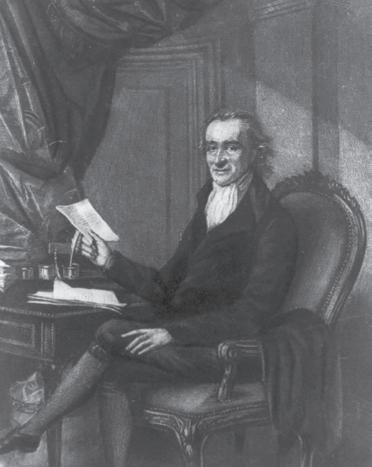
Author Thomas Paine foresaw the courage, ingenuity, and unyielding resolve it would take for the Patriots to win their independence. On December 23, 1776, in the opening line of his American Crisis series, he wrote, “Tyranny, like hell, is not easily conquered; yet we have this consolation with us, that the harder the conflict, the more glorious the triumph.”
Thus, through a covert intelligence ecosystem, personal sacrifices, unlikely alliances, and secretive supply chains, Southern Patriots proved Paine right, helping to secure a hard-won independence that would forever change the course of history.
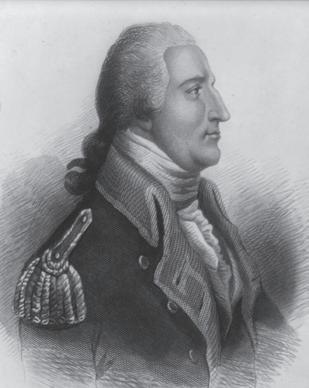
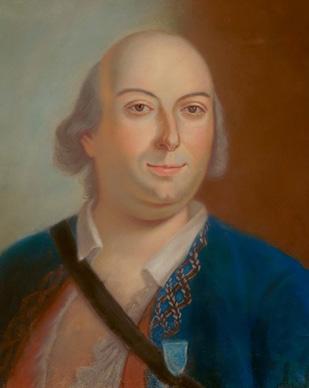
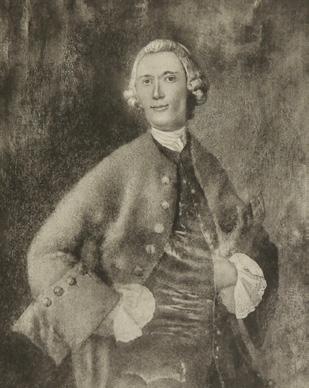
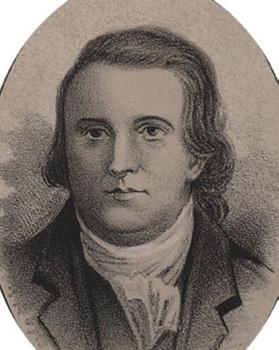
OPPOSITE PAGE, LEFT: JAMES ARMISTEAD LAFAYETTE, COURTESY OF WIKIMEDIA COMMONS; RIGHT: BENEDICT ARNOLD, COURTESY OF THE LIBRARY OF CONGRESS | THIS PAGE, TOP RIGHT: BERNADO DE GALVEZ; TOP LEFT: COL. HENRY TUCKER; BOTTOM RIGHT: ROBERT MORRIS; ALL THREE COURTESY OF WIKIMEDIA COMMONS; BOTTOM LEFT: THOMAS PAINE, COURTESY OF THE LIBRARY OF CONGRESS
BETSY TUCKER
Huntington Beach, South Carolina
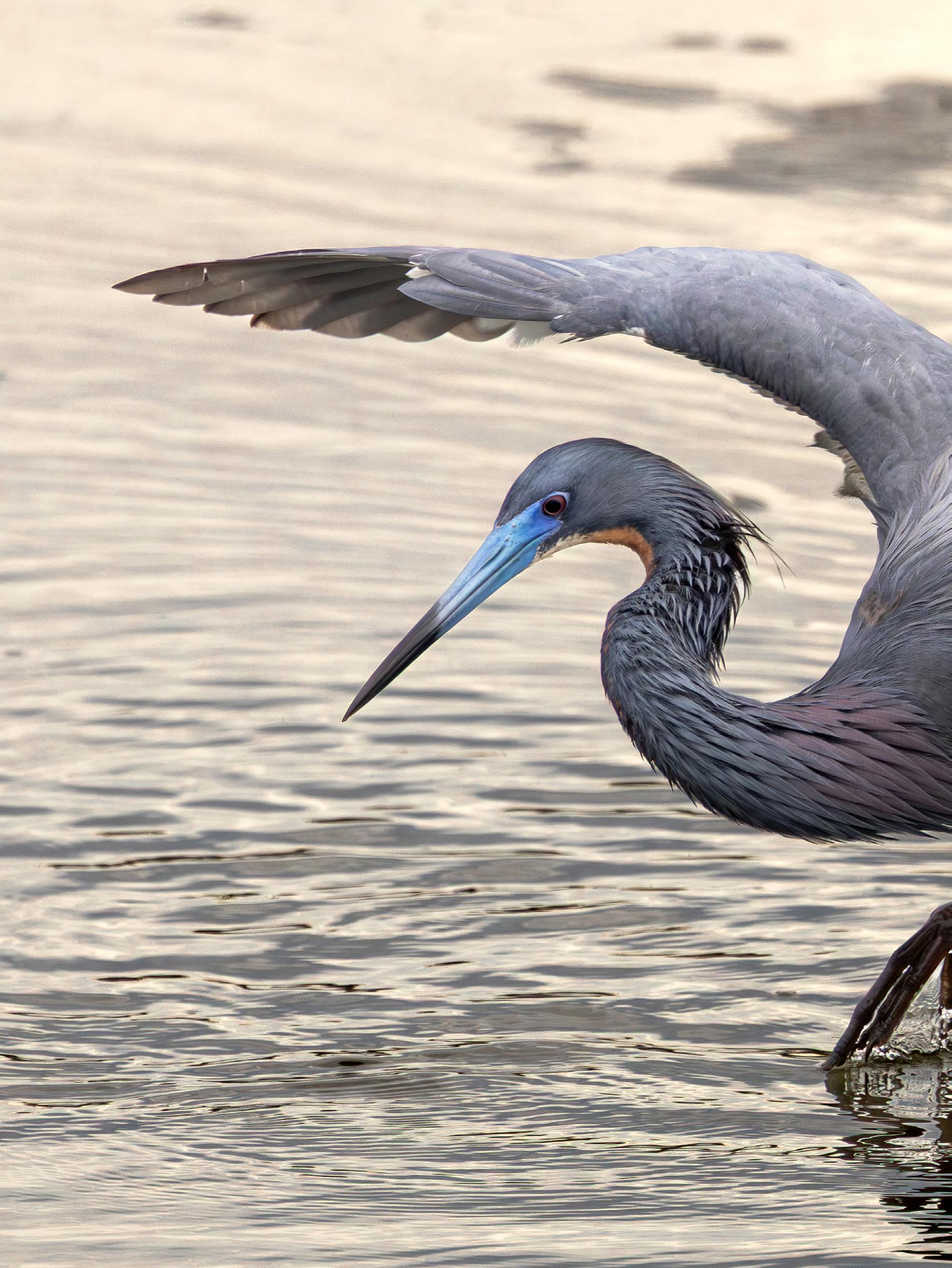
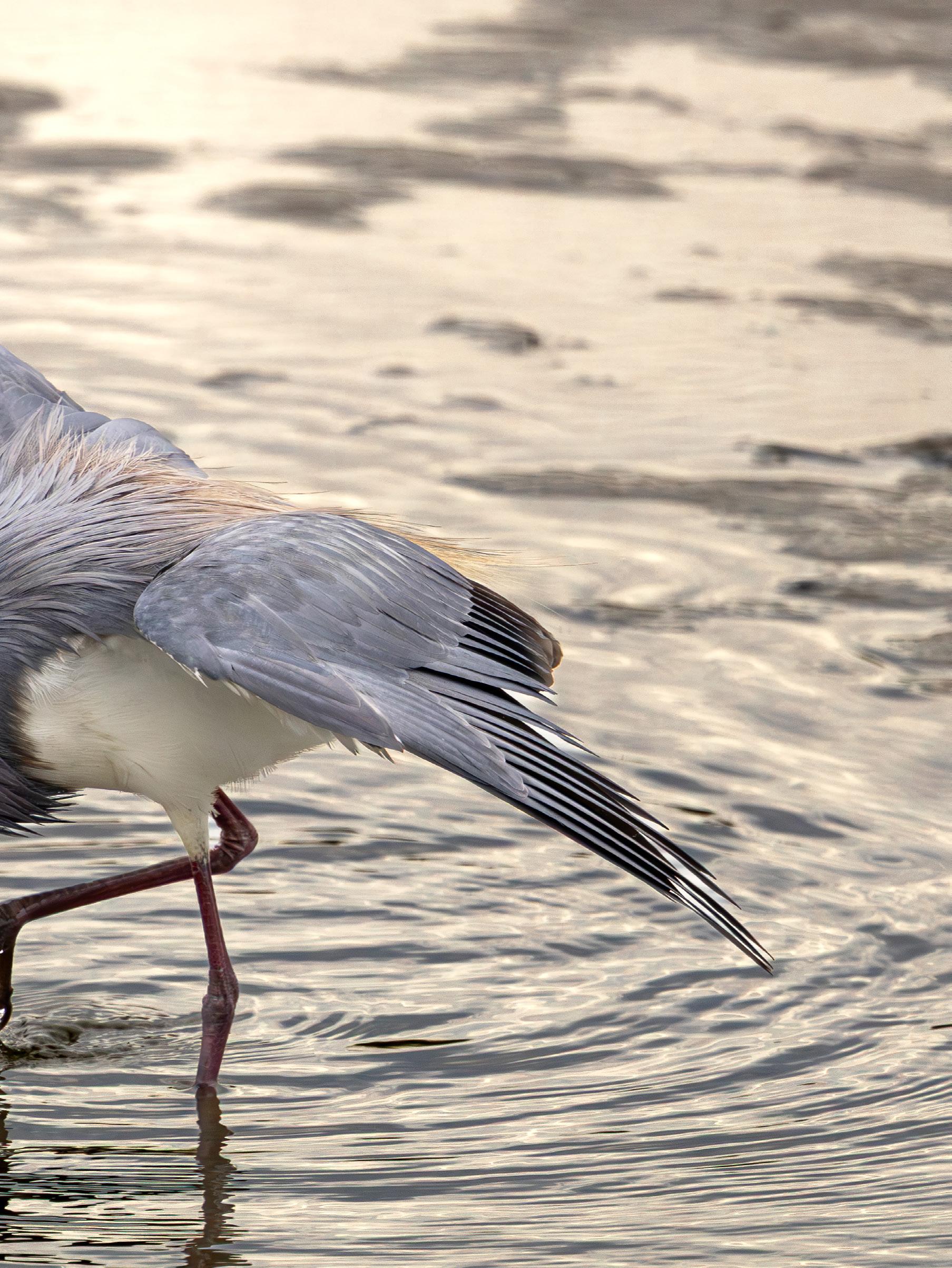
A tricolored heron fishes, donning colors it only displays during breeding season.
BACKGROUND PHOTO BY DON MROCZKOWSKI
BY KURT DUSTERBERG
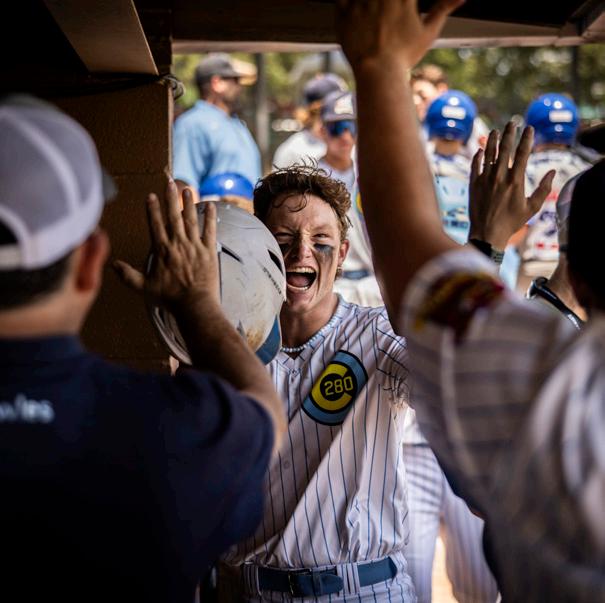
100 years later, American Legion Baseball maintains a proud legacy
Baseball has long been part of our country’s summertime landscape. For more than a century, fans of America’s pastime have filled major league stadiums to watch the greats of the game. In mid-size towns across the country, minor league ballparks have added to the game’s charm with an up-close view of tomorrow’s stars.
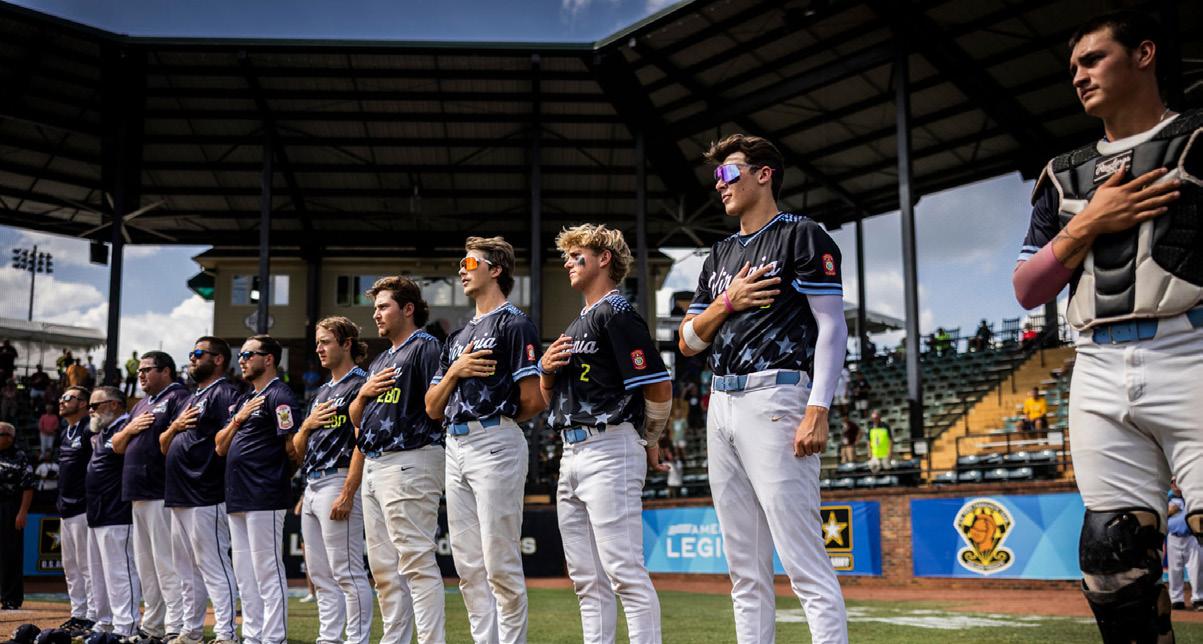
But all across America, another brand of the game—one without much fanfare—has endured for a full century. American Legion Baseball claims more than 3,000 teams that play in local communities. Most players in the amateur baseball organization are older teens, but players as young as 13 are eligible. In many towns, teams are made up of college-bound players, while others do what they can to put together a team to play a summer schedule.
The organization celebrated its 100th anniversary in 2025. “It's been around forever,” says Gary Stone, the American Legion National Baseball Committee chairman. "You don’t last that long if you don’t do something right.”
Stone coached Post 340 in Independence, Missouri, for twenty-five years before serving as an administrator. Over that time, he has seen amateur baseball change. The explosive growth of travel sports has drawn many families toward organizations that seek exposure for their young athletes in highly competitive environments. Legion baseball still operates with one eye toward the American Legion’s foundational objectives. The nation’s largest veterans service organization promotes the importance of sportsmanship and active citizenship.
“You learn how to work together as a team and work toward a goal,” Stone says. “Anybody can learn how to win, but you need to learn how to lose. If you lose, you don’t mope about it for a week. Get over it. It’s a new day tomorrow. It doesn’t mean you teach them to be losers. But you learn how to accept the good with the bad.”
AMERICAN
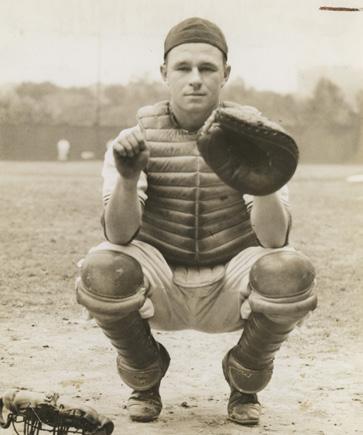
LEGION JUNIOR BASEBALL PLAYER AND MAJOR LEAGUE BASEBALL CATCHER FOR THE PITTSBURGH PIRATES. ALL PHOTOS COURTESY OF THE AMERICAN LEGION.
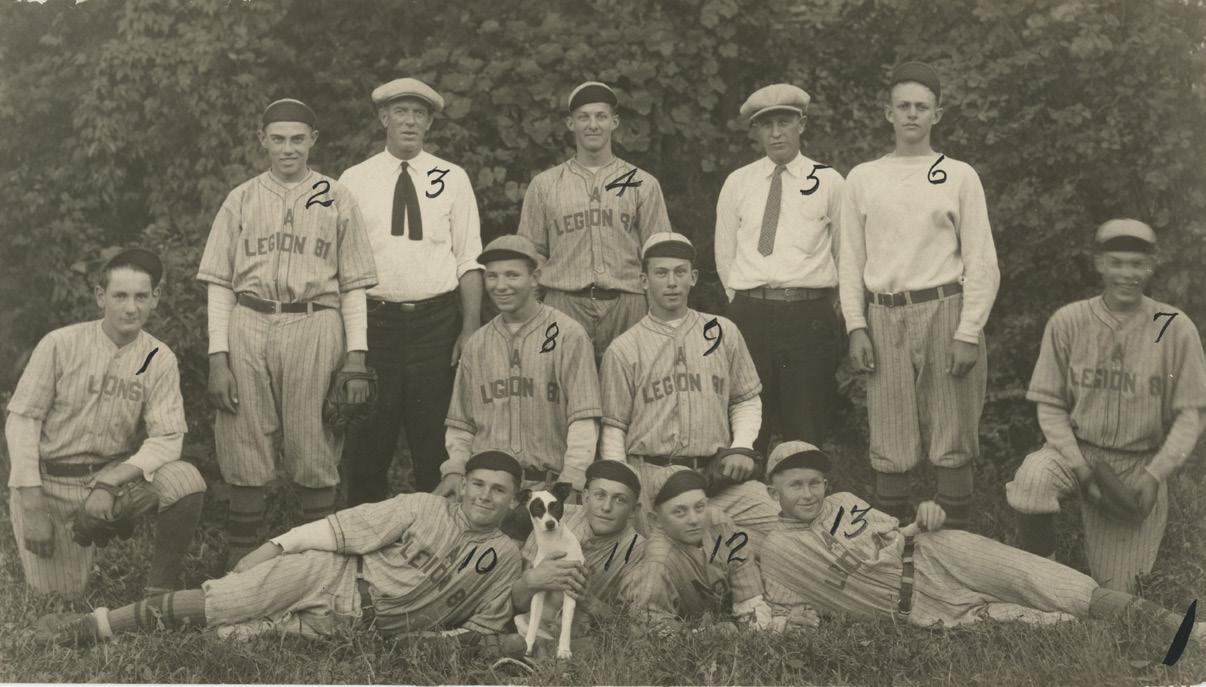
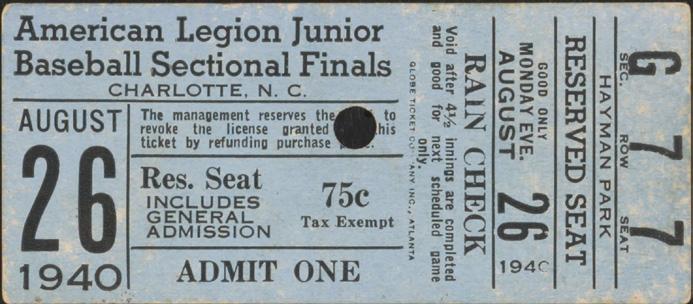
TOP: EL DORADO, KANSAS JUNIOR BASEBALL TEAM PHOTO, POST NO. 81 WILDCATS—ONE OF THE FOUR TEAMS IN THE FIRST NATIONAL JUNIOR BASEBALL TOURNAMENT FINALS HELD IN PHILADELPHIA IN 1926.
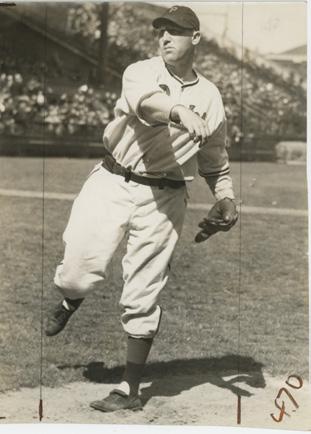
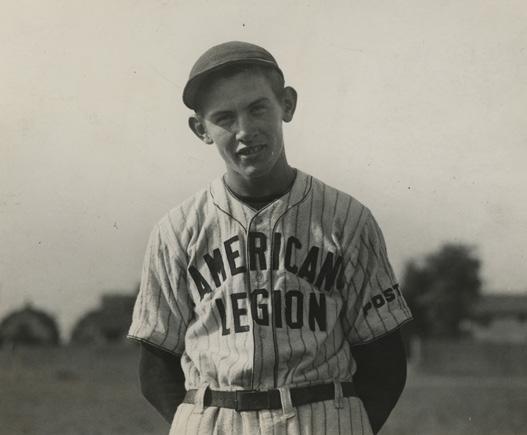
LOWER LEFT: JIM TOBIN, A FORMER AMERICAN LEGION JUNIOR BASEBALL PLAYER AND MAJOR LEAGUE BASEBALL PITCHER FOR THE PITTSBURGH PIRATES, THROWS A PITCH ON MAY 20, 1939, LOWER MIDDLE: A HISTORICAL PHOTO OF AN
LEGION BASEBALL PLAYER IN A NEW UNIFORM. LOWER RIGHT: JOE SCHULTZ, JR., A FORMER AMERICAN
LEGENDARY LINKS
Whatever American Legion Baseball may lack in visibility today, it more than makes up for in tradition. Founded in Milbank, South Dakota in 1925, the group originally rallied around the words of a Sioux Falls attorney, who suggested, “The American Legion could well consider the advisability of assisting in the training of young Americans through our athletic games.”
Within a few years, the group had secured a $50,000 annual donation from Major League Baseball Commissioner Kenesaw Mountain Landis. MLB maintains an informal partnership with the league to this day, thanks to the remarkable success of early Legion players. The Baseball Hall of Fame boasts 90 former players, including Ted Williams, Stan Musial, Johnny Bench, Tony Gwynn and Greg Maddux. In its early decades, American Legion Baseball was so popular that Babe Ruth, long retired from the New York Yankees, became the official ambassador for the organization. He traveled the country in 1947 and 1948 to inspire kids while battling cancer at the end of his life.
More recent major league stars have sung the praises of playing Legion ball.
Don Mattingly was a six-time All Star for the Yankees in the 1980s and 1990s. Now the interim manager of the Philadelphia Phillies, Mattingly starred on his local Legion team. “I played in Evansville (Indiana) for Funkhouser American Legion Post 8,” Mattingly is quoted as saying on the Legion website. “It was a great experience for me. I love Legion. It really kind of got me ready for pro ball because you played a lot of games during the summer break, and there were no true practices because you played so many games.”
SHELBY IN THE SPOTLIGHT
Today, Legion baseball has a hit-or-miss presence around the country. Some states have hundreds of teams, while others number in the single digits. The mid-Atlantic and Southeast have prosperous programs, led by North Carolina, which boasts 100 teams; South Carolina, with 69; and Virginia, with 29.
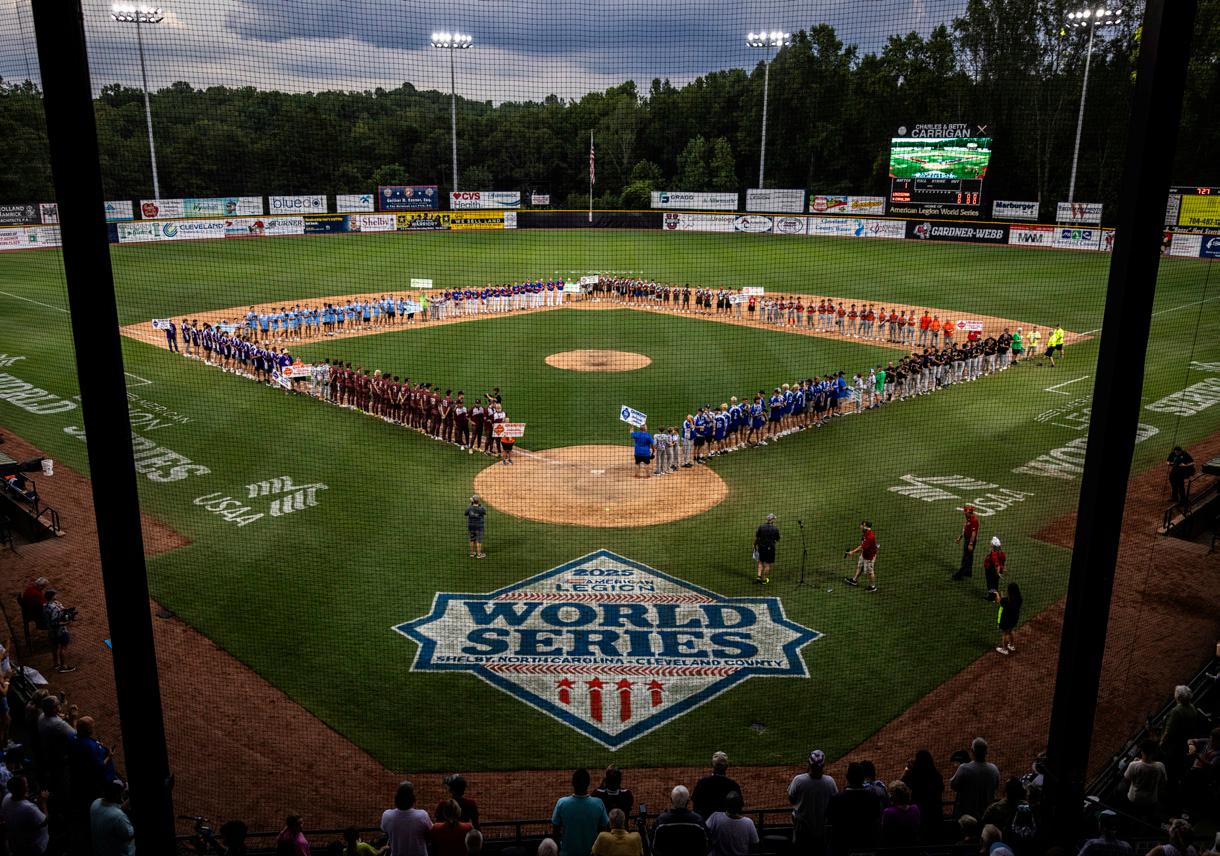
But North Carolina plays a special role in the organization. Since 2011, the town of Shelby has been home to the American Legion Baseball World Series. Located 45 miles west of Charlotte, the town of close to 23,000 welcomes the winners of eight regional championships that represent each of the fifty states. This year, the six-day tournament runs August 13-18, marking the ninety-ninth national championship tournament.
PHOTO: A
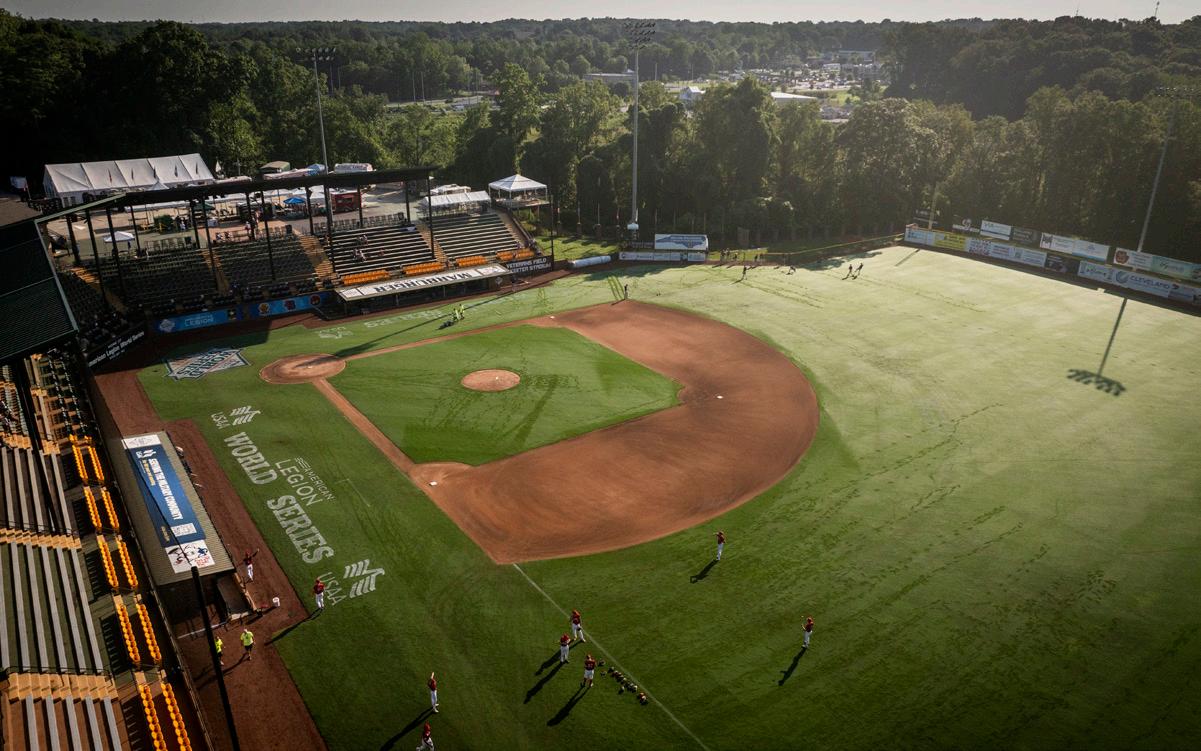
All the games take place on Veterans Field at Keeter Stadium, which celebrates its fiftieth season this summer. The stadium opened in 1976, hosting Shelby American Legion Post 82, but quickly moved into minor league baseball, hosting Class A teams for the Cincinnati Reds, Pittsburgh Pirates, and New York Mets for the next six years.
When the stadium became the permanent home for the Legion’s signature event, annual renovations were in order. “It's amazing how much it's changed,” said Legion baseball historian Richard Walker. “The press box was behind home plate and had no canopy, so it had chicken wire. You really needed it to kind of keep foul balls from (coming in).”
In 2020, the field underwent a $400,000 upgrade to fully modernize the facility, including new Bermuda sod for the field and bullpen, a sophisticated irrigation and drainage system, and a new outfield fence and warning track. The stadium’s seating capacity was upgraded to accommodate 5,500, making it easy to accommodate player families, active military personnel, veterans, and locals. While not everyone can make the trip to Shelby each August to experience one of baseball’s throwback traditions, the American Legion Baseball World Series enjoys a wide reach. ESPN broadcasts and streams all pool play, bracket games and the championship game on its platforms.
Read our conversation with Coach Larry Bowles on page 56 to learn more about the 2025 American Legion World Series champion team from Chesapeake, Virginia.
Learn more about American Legion Baseball at legion.org/get-involved/youth-programs/baseball
PHOTO: TEAMS WARM UP BEFORE GAME 1 OF THE 2025 AMERICAN LEGION WORLD SERIES ON VETERANS FIELD AT KEETER STADIUM IN SHELBY, NORTH CAROLINA. PHOTO BY CHET STRANGE/THE AMERICAN LEGION
CHET STRANGE
Shelby, North Carolina
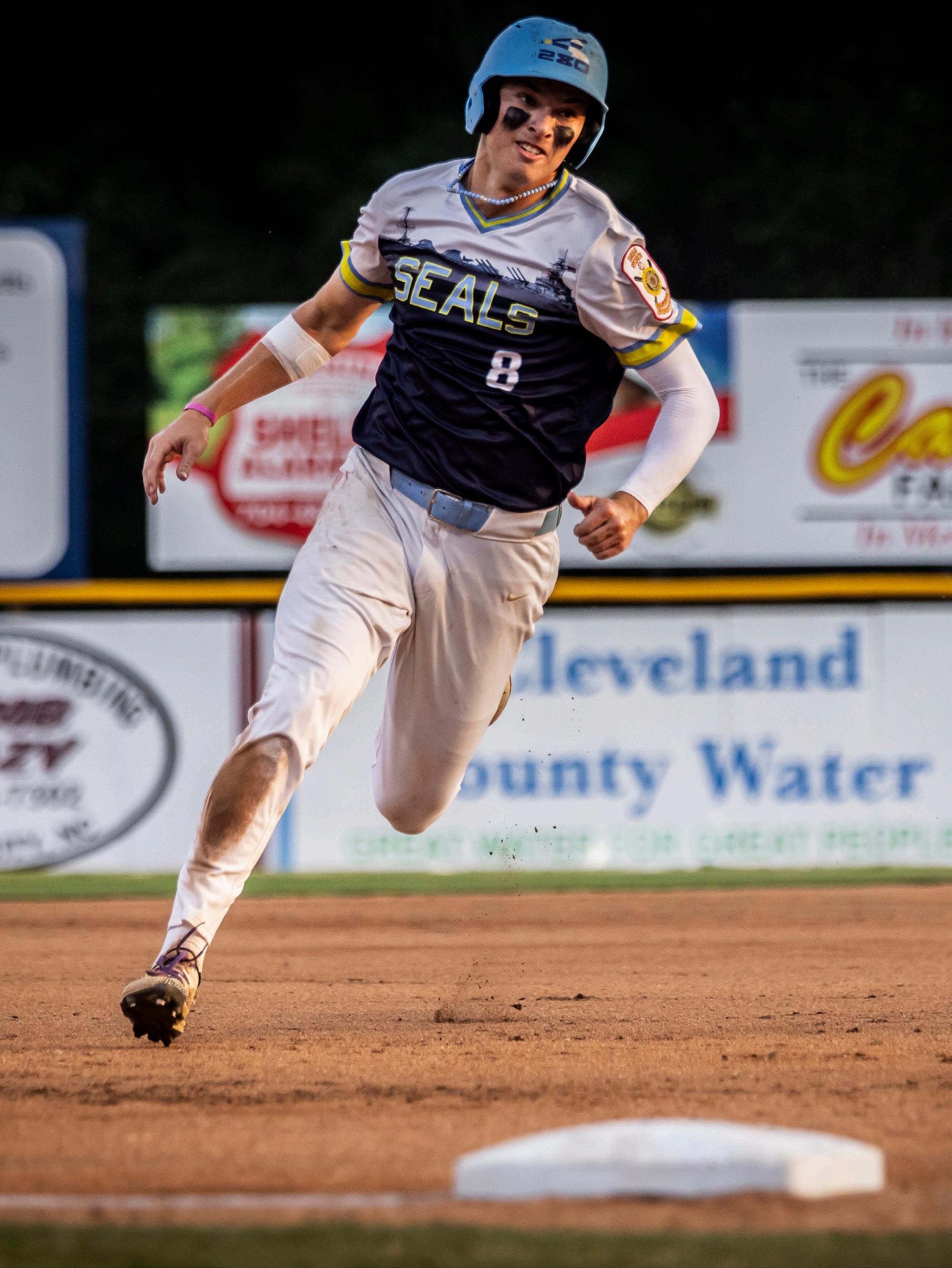
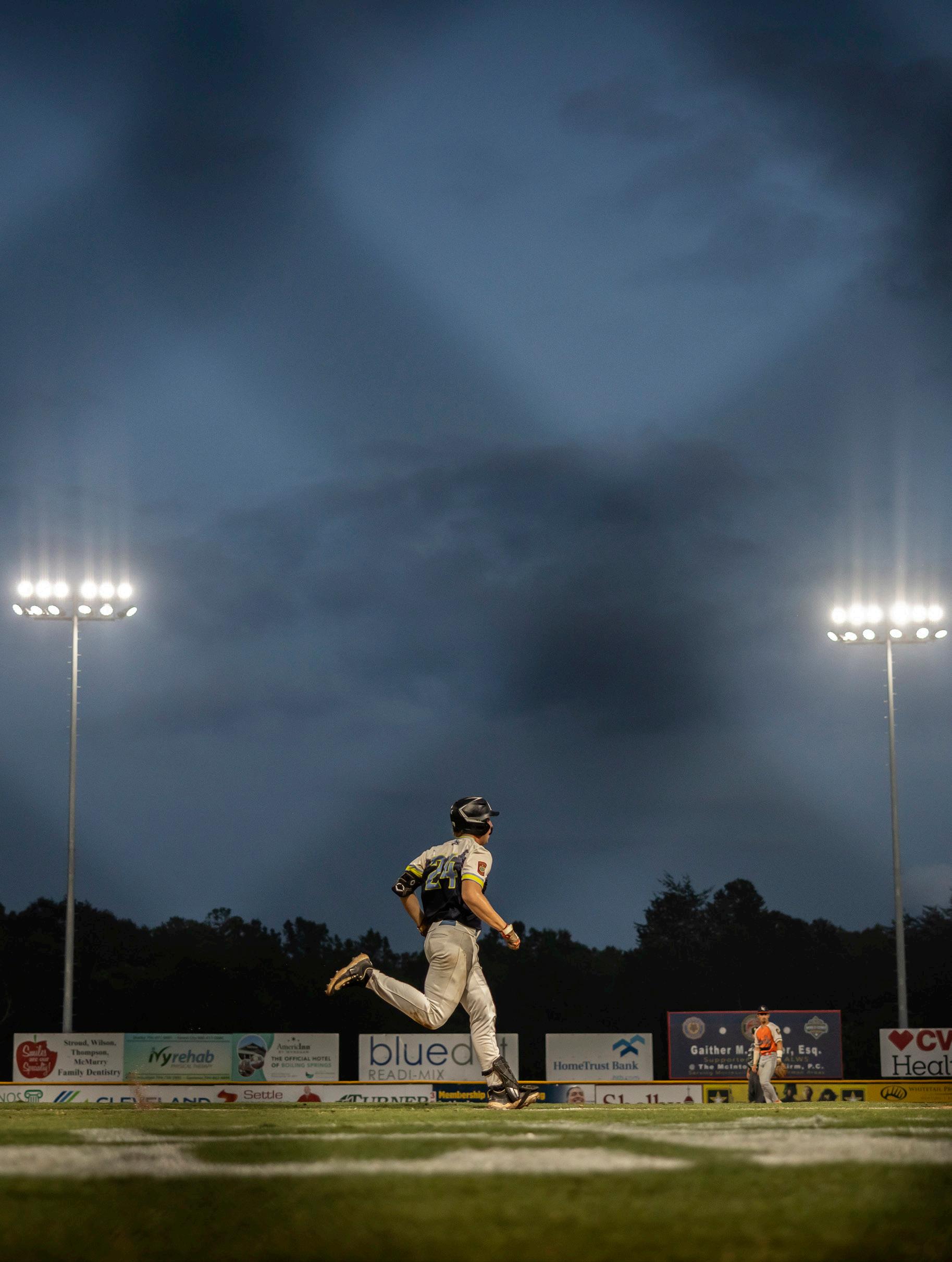
Keegan Haesler of Chesapeake, Virginia Post 280 rounds third to score a run during game 15 of the 2025 American Legion World Series on Veterans Field at Keeter Stadium.
Backroad Portfolio’s exclusive guide to getting there the long way
Sentinels of the Shore
CREATED BY THE BACKROAD PORTFOLIO STAFF
Backroads transport us to the places in between. This recurring feature takes you to and from two destinations via winding rural roads lined with charming small towns, captivating landscapes, and, in this particular journey, historic lighthouses.
In honor of our nation’s 250th birthday, we’re starting this excursion at the Morris Island Lighthouse, which played a role in the American Revolutionary War. On the return trip, we suggest stops at a Revolutionary War battlefield and fort.
We’ve designed this journey to span three days, but you can stretch it out if you’d like. We’ve also suggested accommodations for each location.
Google map links will be included in the online version of this story. Be sure to check websites for updated information or schedule changes at each stop along the way. Let’s get started.
Note: travel times vary depending on day and time of travel.
PHOTO: MORRIS ISLAND LIGHTHOUSE IN TYBEE BEACH, PHOTO BY WOLLWERTH IMAGERY.
Folly Beach to Savannah
Folly Beach, South Carolina g Tybee Island, Georgia g Savannah, Georgia
Day one starts at Morris Island Lighthouse—the only Southeastern lighthouse that played a significant role in the American Revolutionary War—and ends with the Cockspur Island Lighthouse in Savannah.
Morris Island Lighthouse follybeach.com/lighthouse
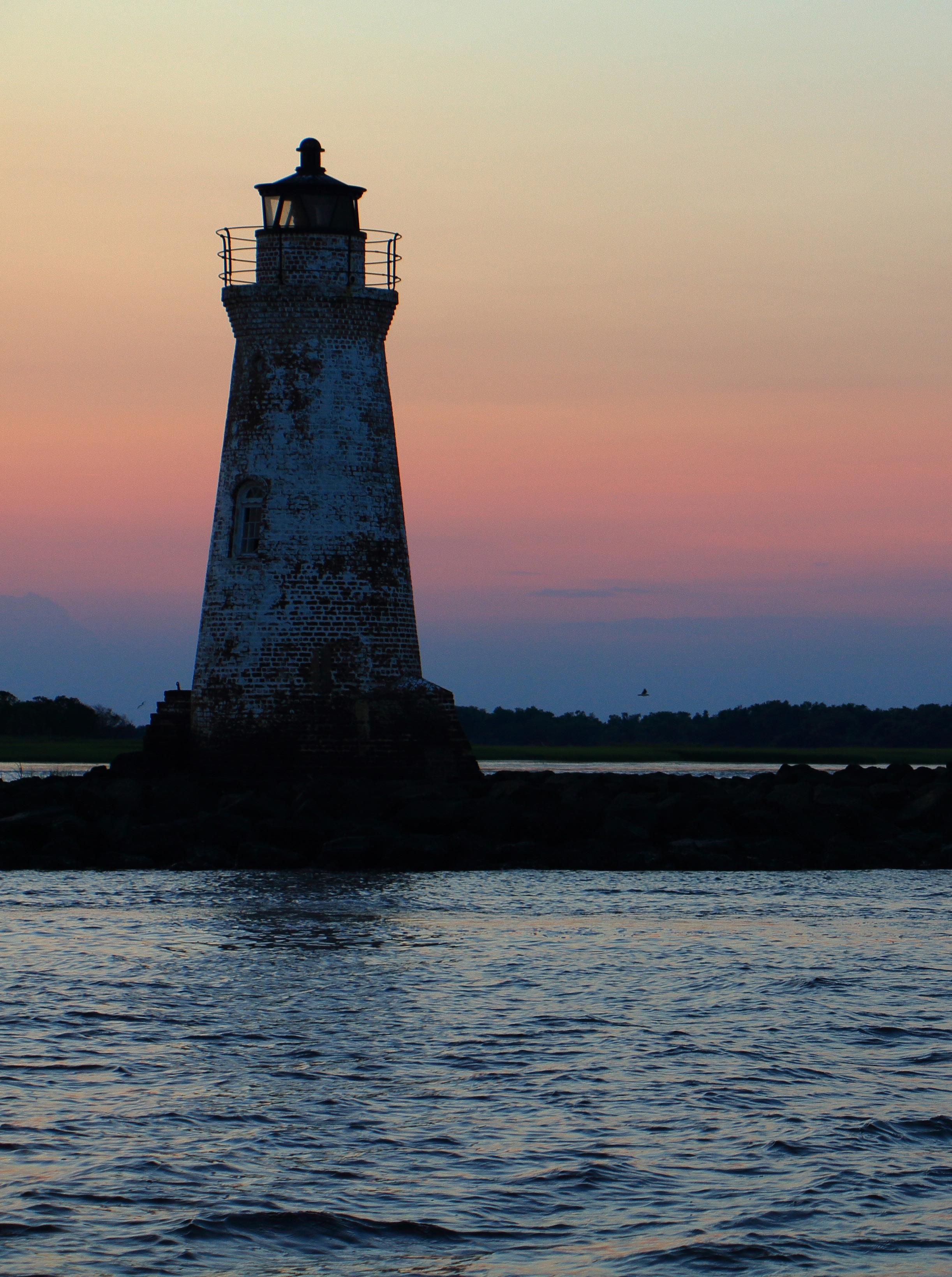
The location of the Morris Island Lighthouse originated in 1673, after the founding of Charles Town, when American colonists lit fires in raised metal pans to guide ships into the harbor. By 1767, they had constructed a proper lighthouse—one of around ten in the colonies at that time. During the American Revolutionary War, Patriots deliberately extinguished its lights to deny British ships safe navigation into Charleston Harbor, a vital port. The original 43-foot tower suffered heavy damage amid wartime actions aimed at disrupting British naval operations, though exact details vary across accounts. The lighthouse was repaired after the war, and a taller replacement standing around 102 feet was constructed in 1801. Morris Island Lighthouse later played a significant role in the Civil War. Today, the lighthouse, which has been relocated several times due to erosion, is viewable by boat only and leans slightly northeast due to an 1886 earthquake and the effects of erosion. The Morris Island Lighthouse is featured on our cover and the opening spread of this feature, page 48.
1750 E. Ashley Avenue, Folly Beach, South Carolina
Tybee Island Lighthouse tybeelighthouse.org
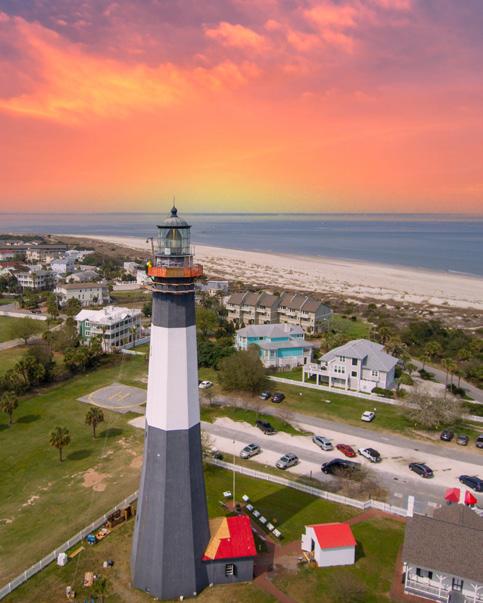
Georgia’s oldest and tallest lighthouse was ordered by Gen. James Oglethorpe in 1732 and has guided ships into the Savannah River for nearly three centuries. The first daymark was completed in 1736 under Noble Jones of Wormsloe Plantation and was rebuilt multiple times due to storms and damage, with a lighted version established later. The current 154-foot tower, with its iconic black-and-white stripes, displays a 1916 daymark, has 178 steps, and features a First Order Fresnel Lens.
During the Revolutionary War, Tybee Island served as a staging area for French Admiral Charles-Hector D’Estaing’s ill-fated 1779 Siege of Savannah, though the lighthouse’s direct role was limited. It played a signaling function in the War of 1812 and was damaged during the Civil War when Confederates burned it. Today, the fully restored light station includes a museum in Battery Garland, offering visitors climbs to the top for panoramic views and a rich glimpse into maritime and military history.
30 Meddin Drive, Tybee Island, Georgia
Cockspur Island Lighthouse cockspurislandlighthouse.com
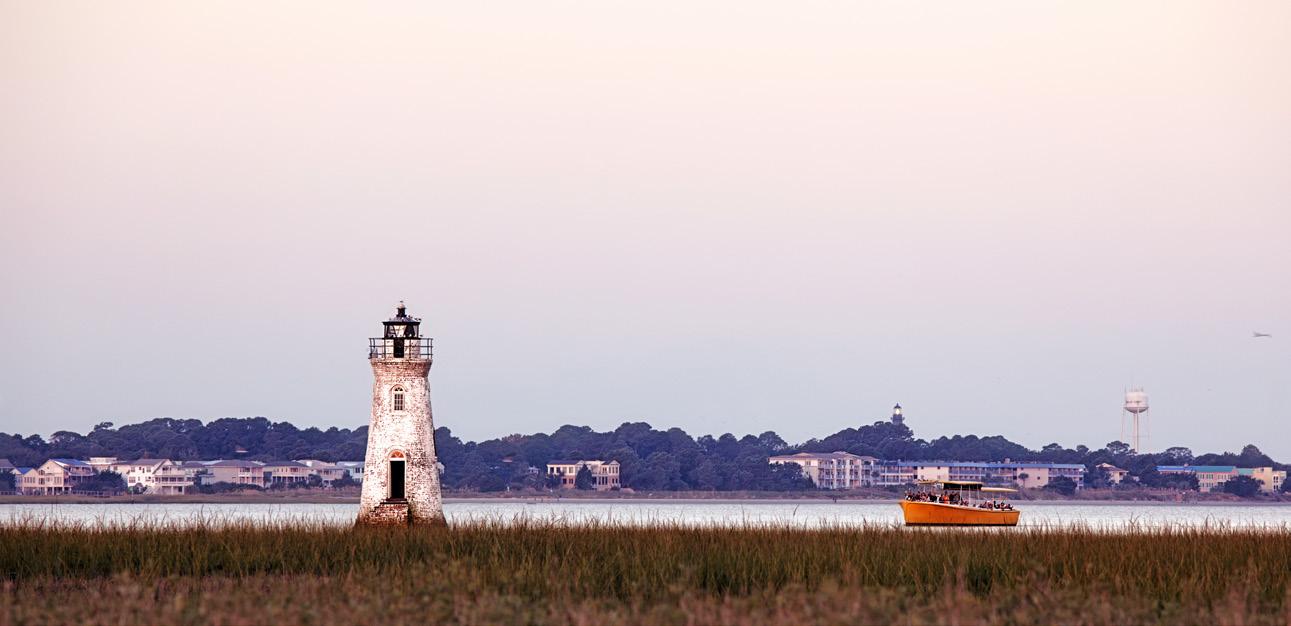
Cockspur Island Lighthouse, located on a small oyster-shell islet off the island, marks the South Channel of the Savannah River. A brick daymark suggests it was first built between 1837 and 1839. The structure was illuminated in 1849 under architect John Norris. Destroyed by a hurricane in 1854, the current 46-foot tower—made of Savannah gray bricks with a distinctive prow-shaped eastern side—was completed by 1856.
During the Civil War, the Cockspur Island Lighthouse stood in the line of fire during the 1862 bombardment of nearby Fort Pulaski but sustained only minor damage. The light was extinguished in 1909 and transferred to the National Park Service in 1958. Today, it’s preserved as a historic landmark, visible from an overlook trail.
Use the Fort Pulaski National Monument address to visit the site:
U.S. Highway 80, Savannah, Georgia
Where to Stay
For each leg of this trip, we will recommend accommodations that blend modern conveniences with Revolutionary War history and coastal charm.
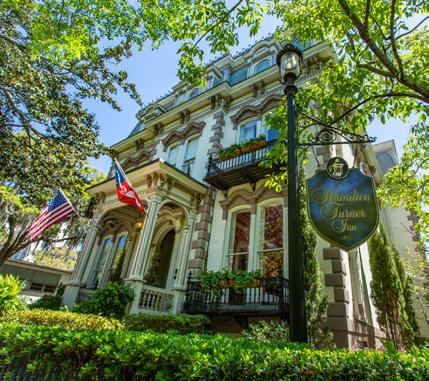
Hamilton-Turner Inn | hamilton-turnerinn.com 330 Abercorn Street, Savannah, Georgia
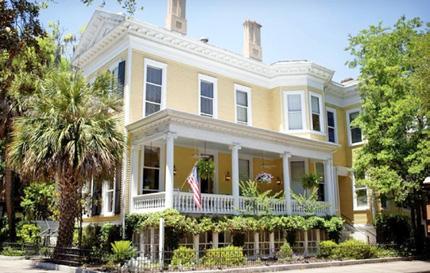
This elegant Victorian mansion on Lafayette Square offers a strong connection to Revolutionary War history through its themed rooms, including the Gen. Nathanael Greene Room. Greene, a key commander under George Washington, played a pivotal role in the Southern Campaign and is buried nearby in Johnson Square. Guests enjoy luxurious period furnishings, Southern hospitality, and proximity to Savannah’s historic squares tied to the city’s Revolutionary past. The inn blends 19th-century grandeur with modern comforts for those seeking an immersive stay in one of America's most haunted and historic cities.
BY
KEEP GOING...
Savannah to Amelia Island
Savannah, Georgia g St. Simons Island, Georgia g Amelia Island, Florida
On day two, leave from the Cockspur Island Lighthouse or the Savannah accommodations of your choice, and end at the Amelia Island Lighthouse, or Fernandina Beach accommodations of your choice in Florida.
Amelia Island Lighthouse fbfl.us/1097/Amelia-Island-Lighthouse
St. Simons Island Lighthouse saintsimonslighthouse.org
Georgia’s second-largest barrier island spans about 12 miles long and 3 miles wide in Glynn County, east of Brunswick. Inhabited since the Late Archaic Period, it later hosted Guale Indian villages and Spanish missions during the 1600s. In 1736, James Oglethorpe built Fort Frederica, site of the pivotal 1742 Battle of Bloody Marsh against Spanish forces. The current lighthouse, built in 1872, replaced the 1810 original, which was destroyed by Confederates during the Civil War to prevent Union forces from being able to use it.
Post-Revolution, the island became a prosperous Sea Island cotton plantation region reliant on enslaved labor. During the Civil War, it was occupied by Union troops. After the war, lumber mills and tourism emerged, boosted by the 1924 causeway. Today, with nearly 15,000 residents, the island blends historic sites like Christ Church and the lighthouse with resort development and natural beauty.
Amelia Island Lighthouse, located in Fernandina Beach, Florida, is the state’s oldest existing lighthouse. Originally built in 1820 on nearby Cumberland Island, Georgia, the brick tower was dismantled and relocated to Amelia Island in 1838 to better guide ships into the St. Mary’s River and Fernandina Harbor. Standing around 64 feet tall with a distinctive white exterior, it was first lit when Florida was still a territory.
The lighthouse survived the Civil War and continues to be an active aid to navigation. Owned by the City of Fernandina Beach since 2001, the grounds are open to the public on Saturdays, with interior tours available by appointment.
215 O'Hagan Lane, Amelia Island, Florida
610 Beachview Dr, St. Simons Island, Georgia
Where to Stay
Forsyth Park Inn | forsythparkinn.com
102 W. Hall Street, Savannah, Georgia
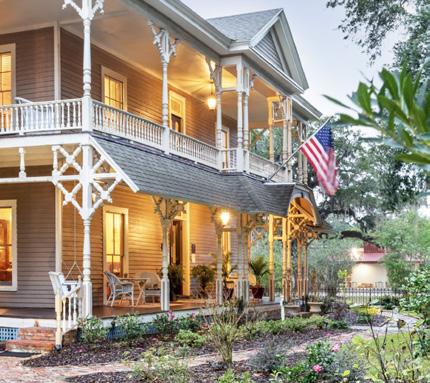
This Queen Anne Victorian Bed and Breakfast overlooks beautiful Forsyth Park and features rooms named after Revolutionary figures, including the Lafayette and Greene rooms. It celebrates heroes like the Marquis de Lafayette and Gen. Nathanael Greene, central to Savannah’s role in the American Revolution. The inn provides spacious rooms with fireplaces, a courtyard garden, and easy access to colonial-era sites as well.
Amelia Island Williams House | williamshouse.com
103 S. 9th Street, Fernandina Beach, Florida
This antebellum historic landmark, which dates back to 1856, embodies Amelia Island's layered colonial and early American history. The island flew multiple flags, including during the Revolutionary period when it served as a refuge for Loyalists amidst colonial struggles. The Williams family home features a secret room used in the Underground Railroad and as Union headquarters later, but its deep roots tie into the broader revolutionary and founding-era transitions of Northeast Florida. Guests enjoy Victorian elegance, gourmet breakfasts, and a peaceful setting in the Fernandina Beach Historic District.
THE AMELIA ISLAND LIGHTHOUSE ON FERNANDINA BEACH IN FLORIDA | PHOTO BY PENNY BRITT
AND BACK AGAIN...
Amelia Island to Charleston
Amelia Island, Florida g Ratliff, Florida g Midway, Georgia g Charleston, South Carolina
For the final day of this coastal excursion, start at the Amelia Island Lighthouse or Fernandina Beach accommodations of your choice, then head to Thomas Creek Battlefield, and end at the Fort Morris State Historic Site in Midway, Georgia.
Fort Morris State Historic Site gastateparks.org/fortmorris
Thomas Creek Battlefield battlefields.org/visit/battlefields/thomas-creek
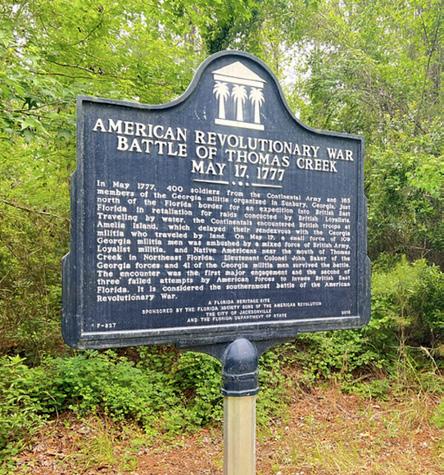
On your way back to Folly Beach, make a stop at the site of the Battle of Thomas Creek, also referred to as the Thomas Creek Massacre. This ambush of Georgia militia by British, Loyalist, and Native American forces occurred during a failed American invasion of East Florida on May 17, 1777, near the mouth of Thomas Creek, south of Callahan in Nassau County. Often called the southernmost battle of the Revolution, you’ll find historical markers, interpretive trails, and preserves that offer a deeper explanation of the battle.
Nassau Village, Ratliff, Florida
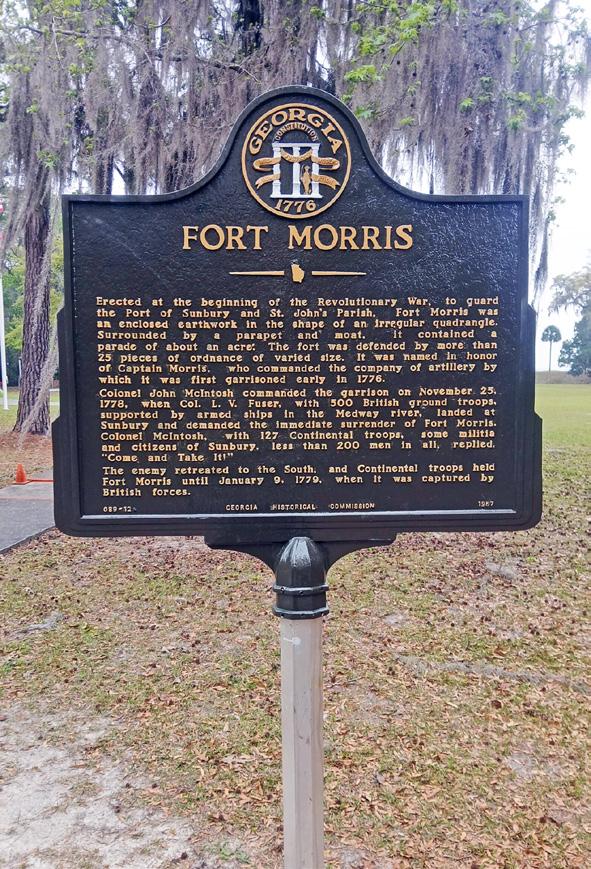
From the Thomas Creek Battlefield, head to Fort Morris State Historic Site, located near Midway, Georgia, where you’ll find some of the state's most significant Revolutionary War earthworks. Built in 1776 to protect the thriving port of Sunbury on the Medway River, the fort was garrisoned by Patriot forces. In November 1778, Colonel John McIntosh famously defied a British surrender demand with the bold reply, “Come and take it!” The British withdrew but returned in January 1779, capturing the fort after a heavy bombardment.
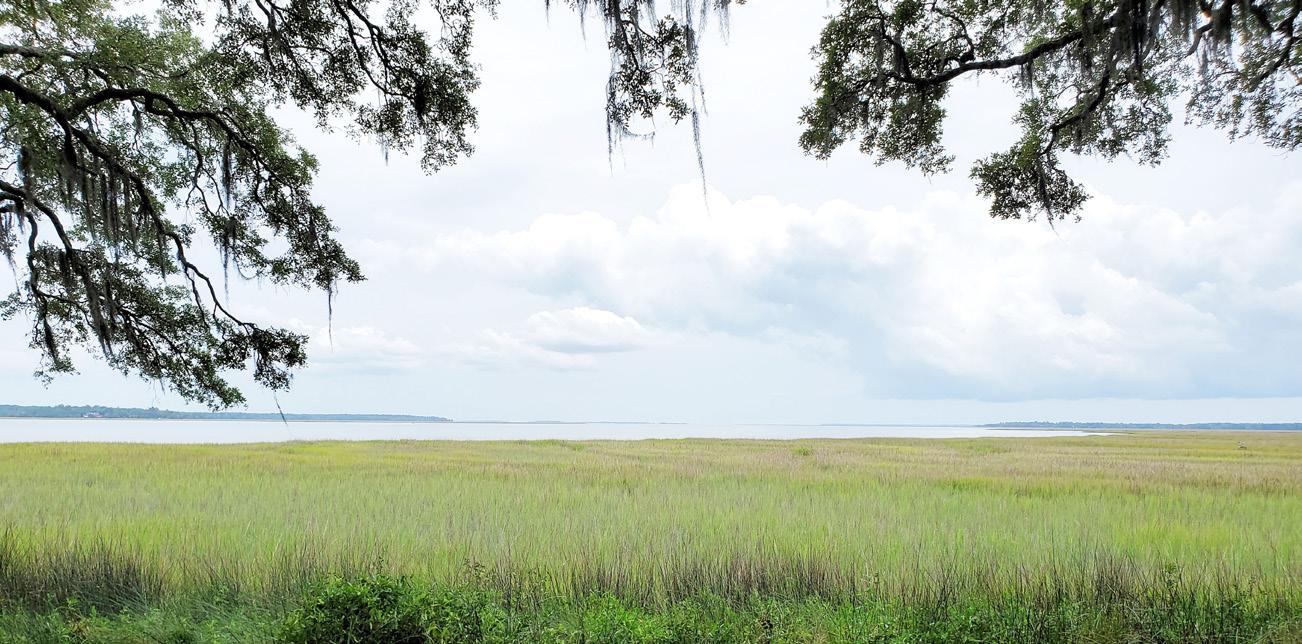
Under the name Fort Defiance, the bulwark saw service again during the War of 1812. Today, visitors can explore its well-preserved earthen fortifications, enjoy panoramic views of Saint Catherines Sound, and learn about colonial Sunbury through the site’s museum and interpretive film. The 66-acre park also offers excellent birdwatching opportunities.
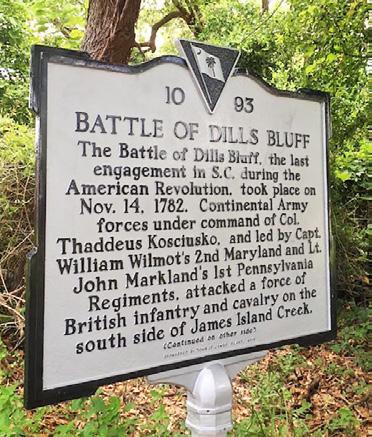
For your last stop, a historical marker on North Shore Drive in Charleston commemorates the site of the Dills Bluff skirmish in South Carolina.
During the final weeks before the British evacuation of Charleston on November 14, 1782, Polish engineer Colonel Tadeusz Kościuszko led a 70-man American force in a daring ambush against British woodcutters at Dills Bluff on James Island. Captain William Wilmot and Lieutenant John Markland’s Continentals surprised the foraging party, but the British quickly reinforced with over 300 troops and artillery. Outnumbered five-to-one, the fierce skirmish resulted in ten American casualties, including Wilmot—often cited as the last Continental soldier killed in the Carolinas. Kościuszko narrowly escaped. Though a small engagement, Dills Bluff marked the final combat action of the Continental Army in South Carolina.
Dills Bluff Road & Fort Sumter Drive, Charleston, South Carolina
Where to Stay
Florida House Inn | floridahouse.com 22 South 3rd Street, Fernandina Beach, Florida
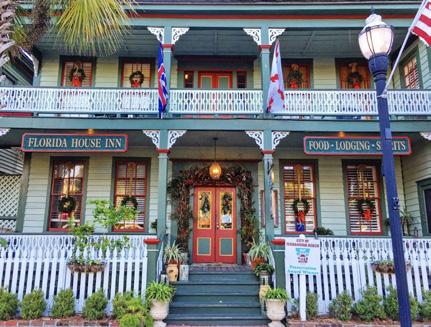
Florida’s oldest surviving hotel, which dates back to 1857, captures the spirit of Amelia Island's turbulent colonial past, which included Revolutionary War-era shifts among Spanish, British, and American influences, resulting in the island changing hands multiple times. As a gathering spot for dignitaries and later revolutionaries, it offers historic rooms, on-site dining, and access to a town with one of the richest flag histories in the United States.
A VIEW OF THE MARSH FROM FORT MORRIS IN MIDWAY, GEORGIA | PHOTO BY JONAH JACKALOPE / WIKIMEDIA COMMONS
Winning It All—for the Right Reasons A conversation with Larry Bowles
INTERVIEW BY KURT DUSTERBERG
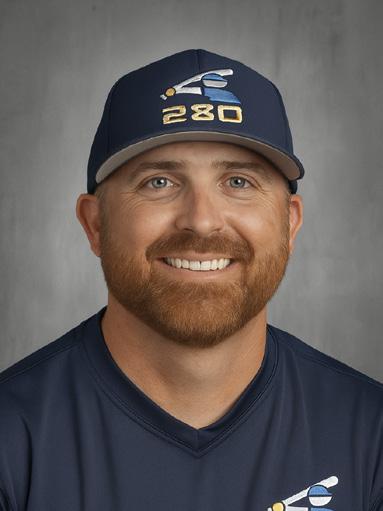
By the time Larry Bowles led Chesapeake, Virginia Post 280 to the American Legion World Series in 2025, he already knew the event was something special.
As a player, he had finished as runner-up for the Virginia state championship in 1994 and 1995—for the same team he was now coaching.
Bowles’ playing days were part of a different era, before youth sports became college-focused and ultra-competitive. So bringing a team to the American Legion national championship tournament represented a chance to do two things: win something special and, at the same time, tap into a baseball niche that represented simpler times.
Despite changes in the sport, Bowles has worked hard to preserve the spirit of Legion baseball. Here’s our conversation with him about his approach to the players and love of the game.
How have you seen youth baseball change in recent years?
Kids are trying to show off for college coaches in the eighth and ninth grade, and they have their personal trainers that they go to on a regular basis. They go to their pitching coach, and everything is hyper-focused on getting a scholarship. So, we tell them, “When you come play for us in the summer, our first order of business is, you have fun.” So we know we already have the camaraderie from the beginning; it’s just whether we have the talent or not.
You already had eighteen players who had college commitments to play baseball last year, so how did you approach last season?
We went into the summer telling the guys, “Look, you're going to go play college baseball in the fall and it's going to become a job.” So we sold them on: This summer, go out here, no stress, no pressure and just have fun. And sometimes it clicks. Last year, it really, really clicked. We had great team camaraderie on top of the team talent.
Do you put much emphasis on the association with the American Legion?
Before the season every year, we get them up to the Legion post to meet some Legionnaires. A lot of parents and players aren't familiar with American Legion like they used to be. It's important to understand that the guys who are fundraising for this are part of this organization. They are not just veterans, they’re combat veterans. They did things that most people in our country don't want to do. When we see veterans, we thank them for their service. We even teach [the players] how to stand for the national anthem. But it’s not too much of a hard sell with our community. We have a very heavy military presence here in the Hampton Roads area [with Naval Station Norfolk.]
Has it been difficult to keep the Legion program together as amateur baseball has changed?
In 2011, we had ten American Legion teams just in the Chesapeake, Norfolk, and Virginia Beach area. We had a whole league. By 2013, there were two teams. There were some years where we just could not put a team together. I think it was 2014 and 2015 that we didn't have a team. I just fought tooth and nail to get a team back together in 2016. It was tough. I was barely putting some rosters together.
Tell me about the experience at the American Legion World Series. Veterans Field at Keeter Stadium in Shelby, North Carolina, has been the permanent home for the event since 2011, and I know it’s something special for the baseball community.
They’ve put so much money into making the stadium what it is. The field is top-notch. It’s on par with a minor league stadium. It’s beautiful. You can feel the weight of it when you’re there. You can tell you’re at the World Series.
They basically shut down the whole town for two weeks. Each team has a local “family” that helps you with everything. Ours was Eastside Baptist Church. We went to the church for a dinner one night and we played cornhole. They were there in the stands with signs, like a host family—the whole church. It was so awesome. The town gets into it. The people show up for the games, so there’s crowds there. The semifinal and final game were experiences like nothing I’ve had before.
We were in a bracket with a North Carolina team from Asheville, so all of North Carolina was rooting for them because it was going to be a great comeback story after Hurricane Helene and the flooding. We beat them in pool play, and I could feel the North Carolina fans switch over. They were rooting for us. If North Carolina couldn’t make it, they were going to root for us. We felt the crowd behind us in those last two games for sure. You feel the hometown, Shelby. This is a big deal to them. They’re proud to be the host of it. It’s so welcoming.
OPPOSITE PAGE: LARRY BOWLES, COURTESY OF VIRGINIA BASEBALL COACHES ASSOCIATION
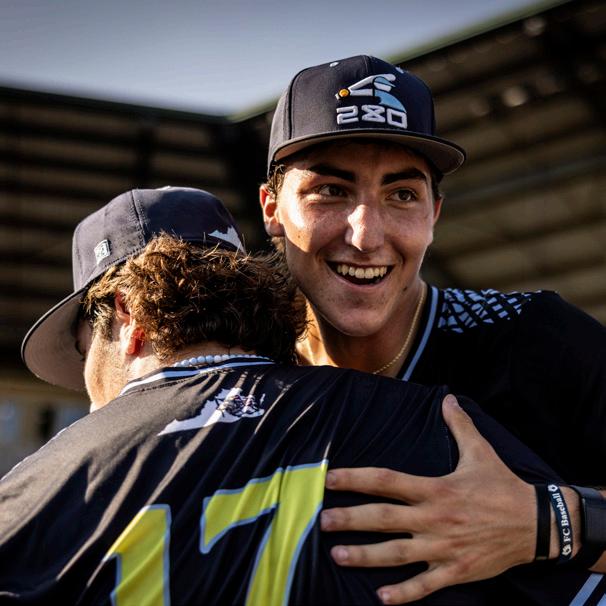
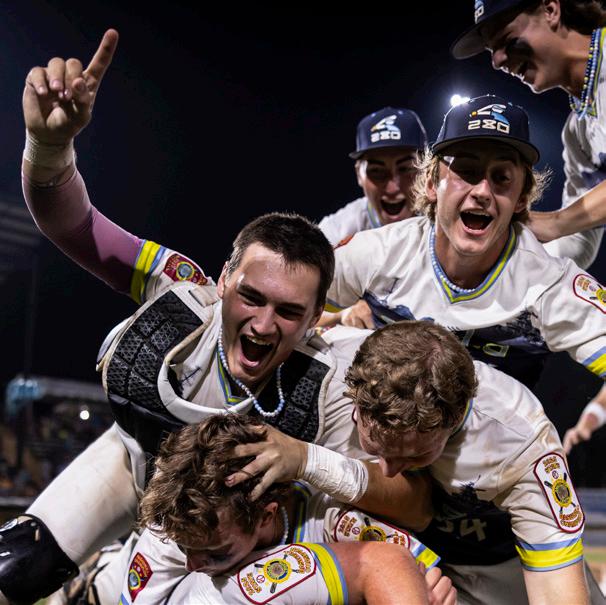
THIS PAGE: CHESAPEAKE, VIRGINIA POST 280, THE 2025 AMERICAN LEGION BASEBALL WORLD SERIES CHAMPIONS, COURTESY OF CHET STRANGE/THE AMERICAN LEGION
It seems like the atmosphere is almost a throwback to another era.
One hundred percent. We have to keep that lane available. It’s a part of Americana, wearing your city on your chest, playing against another city from another state. And when we go to regionals, we’re no longer Chesapeake, we’re Team Virginia. So it’s no longer about “me.” We were only the second team ever to win from Virginia, and there was a sense of pride that our whole community took from it.
At first, (the kids) don’t really get American Legion baseball. They’re just out here playing for a local team. But some of our opponents now are an hour-and-a-half away. We have to go to Williamsburg or Richmond to get games. So about halfway through the season, we’re lining up on the field and we’re playing Richmond. Well, the Richmond players think they are the best baseball in Virginia. And we’re over here thinking we’re the best baseball. And that’s where you get the rivalry. Sometimes I see that switch come on, where they really begin to take that pride of representing our hometown. When that happens, it’s so much more fun.
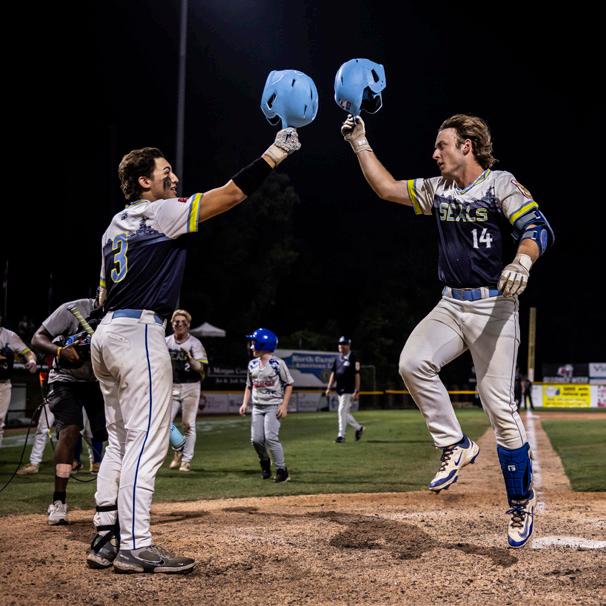
ABOVE: SCENES FROM THE CHESAPEAKE, VIRGINIA POST 280 WORLD SERIES CHAMPIONSHIP GAME, COURTESY OF CHET STRANGE/THE AMERICAN LEGION
CHET STRANGE
Shelby, North Carolina
Ben Kablach of Chesapeake, Virginia Post 280 during game 15 of the 2025 American Legion World Series at Veterans Field at Keeter Stadium.
Beacons
of Preservation
Four Florida lighthouses stand watch through the changing tides of war, trade, and tourism
PHOTOS BY ROBERT CLARK
DESCRIPTIONS BY ELIZABETH
POLAND SHUGG
St. Augustine Lighthouse
St. Augustine, Florida staugustinelighthouse.org
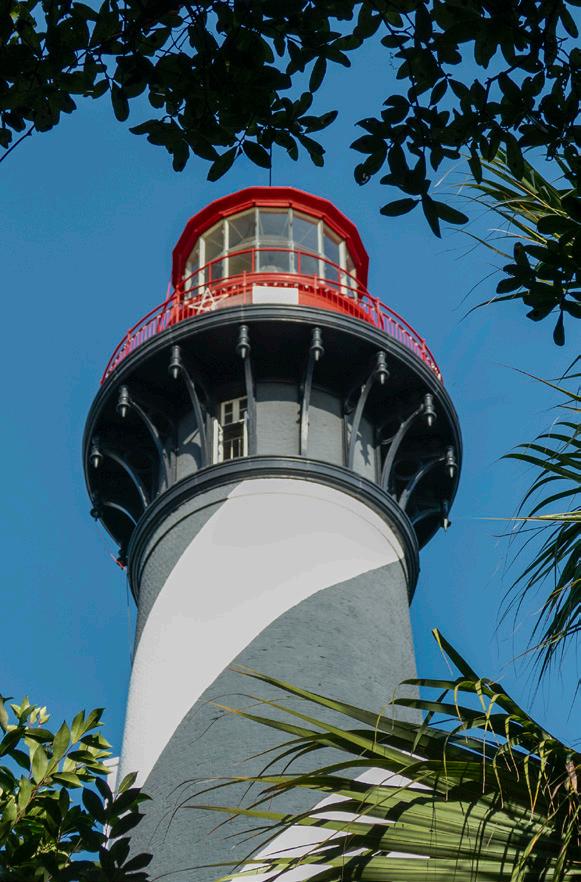
The history of the St. Augustine Lighthouse begins in 1589, when Spanish watchtowers on Anastasia Island were first documented as coastal sentinels protecting the harbor. Those early beacons established a tradition of coastal navigation that eventually led to Florida's first lighthouse. The current 165-foot tower was constructed with Alabama brick and Philadelphia iron between 1871 and 1874 after erosion threatened the previous lighthouse. Since then, it has guided mariners through changing eras of trade, tourism, and wartime defense.
Today, the St. Augustine Lighthouse & Maritime Museum preserves the tower, its original Fresnel lens, and thousands of historical artifacts while conducting archaeological research, educational programs, and ongoing restoration to protect the site for future generations.
Ponce de Leon Inlet Lighthouse
Ponce Inlet, Florida ponceinlet.org
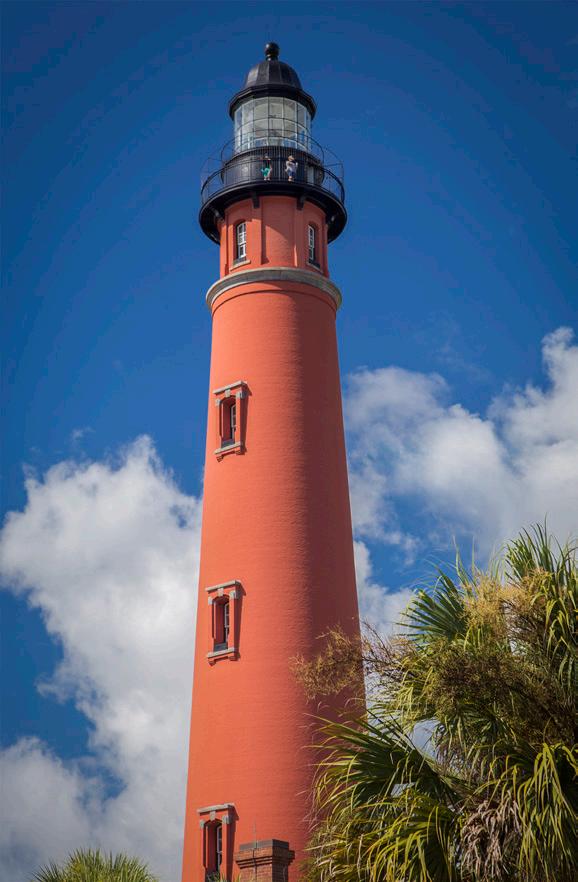
Completed in 1887, the Ponce de Leon Inlet Lighthouse was built to improve navigation along one of Florida’s most hazardous stretches of coastline. Standing 175 feet tall, the brick structure is Florida’s tallest lighthouse and remains one of the nation’s best-preserved light stations. It operated under the U.S. Lighthouse Service and, later, the U.S. Coast Guard before being automated in 1953 and decommissioned in 1970.
Local residents formed the Ponce de Leon Inlet Lighthouse Preservation Association in 1972, saving it from deterioration and possible demolition. Current preservation efforts include restoration of historic buildings, Fresnel lens conservation, masonry repairs, museum development, and educational programs funded largely through admissions and donations.
Cape Florida Lighthouse
Key Biscayne, Florida floridastateparks.org
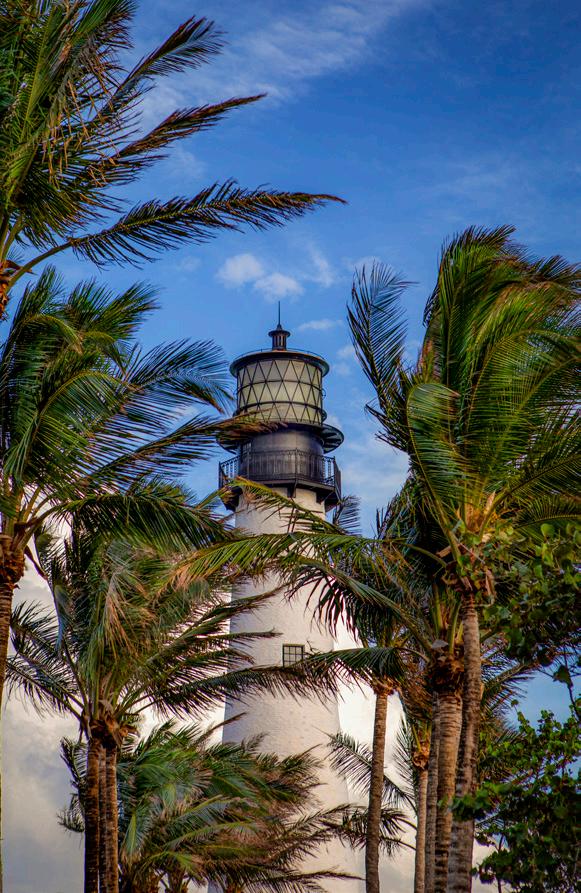
First lit in 1825, the original 65-foot Cape Florida Lighthouse played a critical role in guiding ships through the Florida Straits and survived attacks during the Second Seminole War in 1836. The brick lighthouse was rebuilt and returned to service in 1847, then raised to 95 feet in 1855. It remained active until 1878 when Fowey Rock Light was established.
The state of Florida acquired the property in the 1960s and developed it as part of the Bill Baggs Cape Florida State Park. With some help from the U.S. Coast Guard, the lighthouse was restored to its historic appearance with a new 375-millimeter lens in 1978 and relit. Visitors can also explore a replica of the lighthouse keeper’s 1825 cottage. Current preservation work focuses on structural stabilization, routine conservation, historical interpretation, and protecting the surrounding coastal environment from erosion and storm impacts.
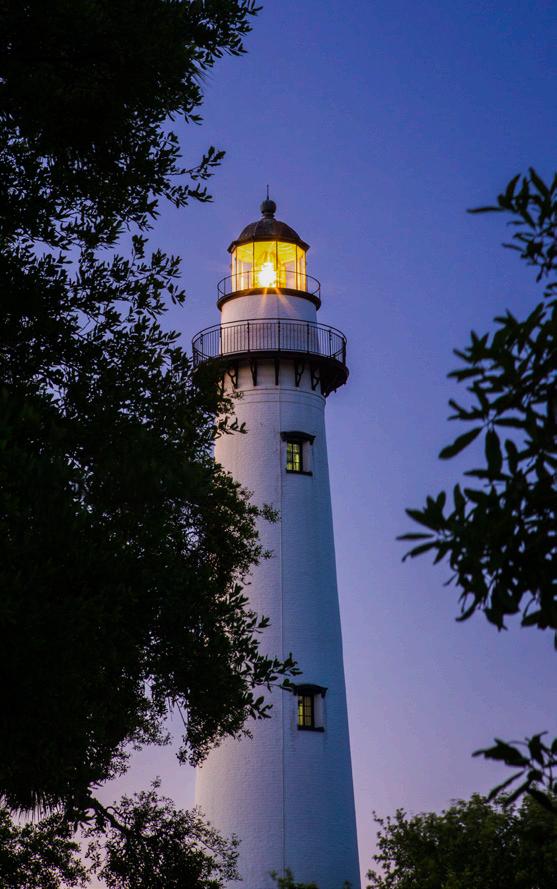
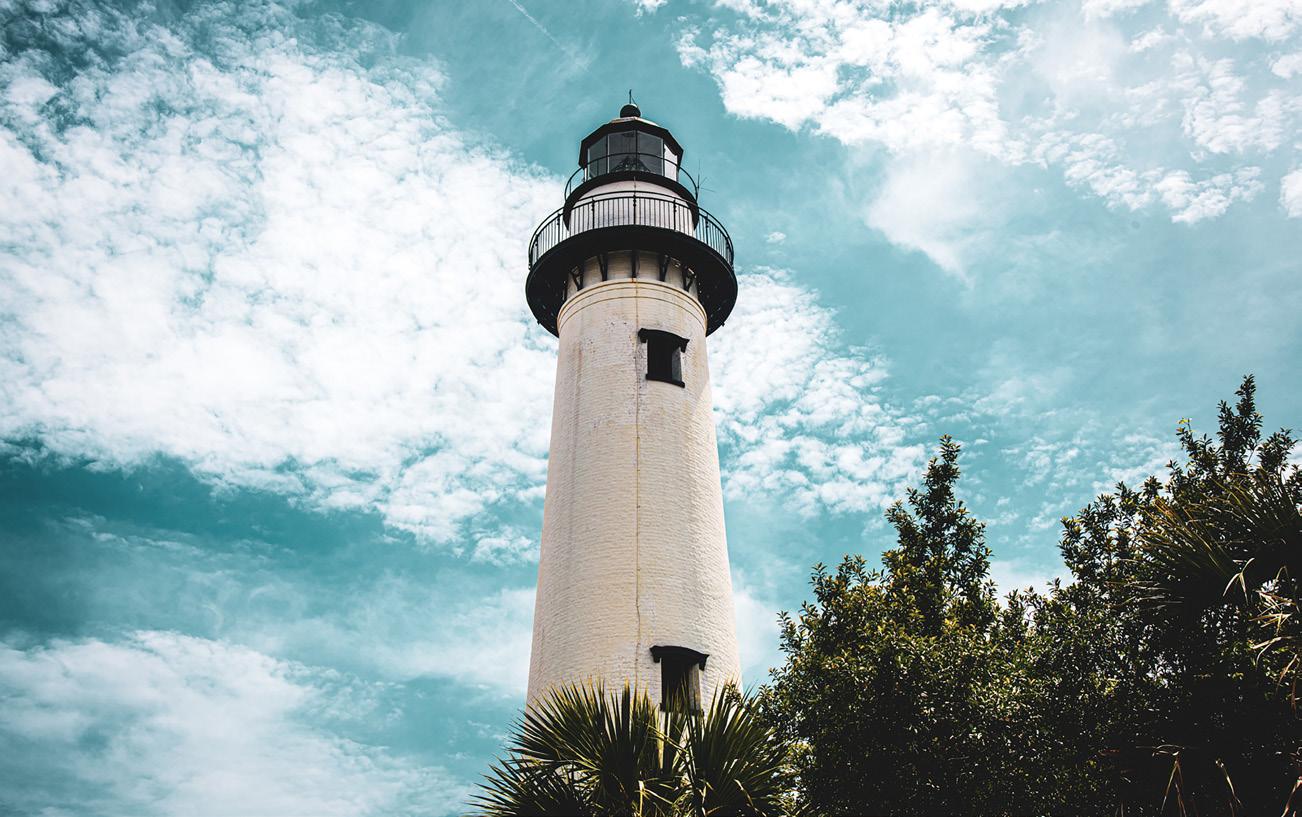
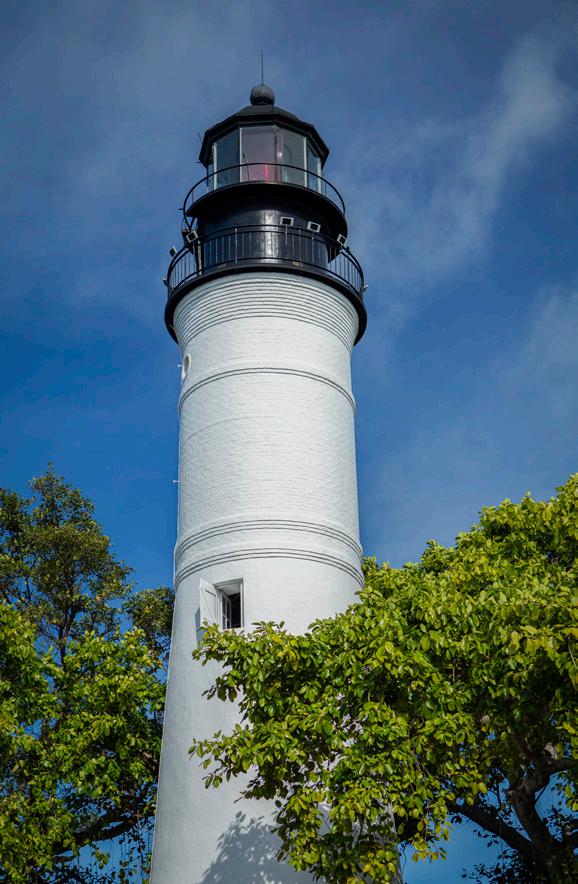
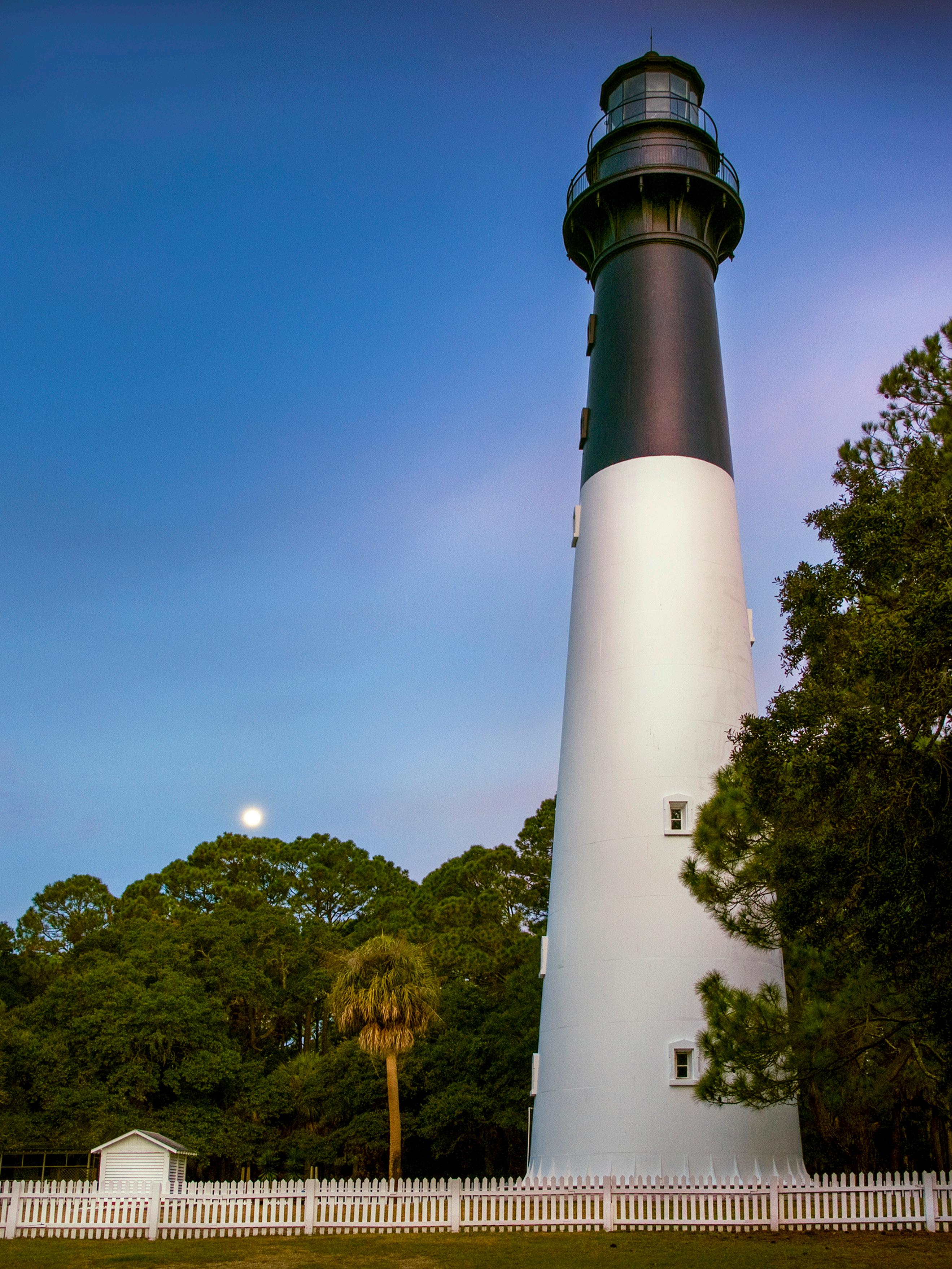
The Key West Lighthouse was established in 1825 to guide vessels through the busy waters of the Florida Keys. After the original lighthouse was destroyed in 1846 by the Havana Hurricane, a new 73-foot, brick and limestone tower was completed in 1848 at a safer location inland. The rebuilt lighthouse continued under the stewardship of Barbara Mabrity, one of the nation's most notable female lighthouse keepers.
Decommissioned in 1969, the site was preserved as a museum by the Key West Art & Historical Society. Ongoing preservation efforts include maintaining historic structures, conserving artifacts, updating exhibits, and protecting the site’s architectural integrity.
ROBERT CLARK
St. Helena Island, South Carolina
Visitors can climb Hunting Island Lighthouse’s 167 steps for views of the island, ocean, and marshlands.
BakingHistory
BY ELIZABETH POLAND SHUGG
s America celebrates its 250th birthday this summer, few ways honor our national heritage more deliciously than through Revolutionary-era meal staples. These historic recipes—Mary Washington’s Gingerbread, Onion Pye, and Whiskey Truffles—connect us to the tastes and traditions that sustained early Americans during the founding of our nation.
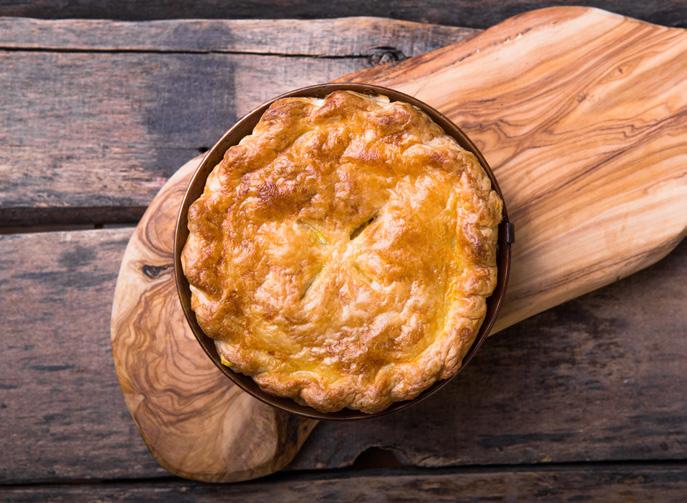
Mary Washington's Gingerbread Onion Pye
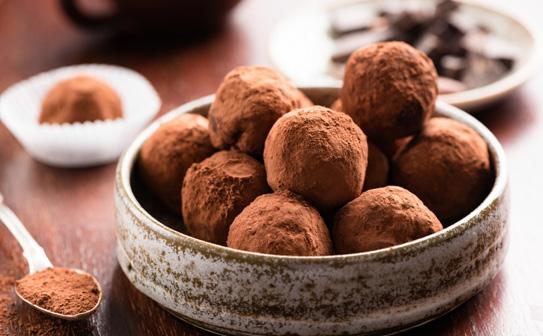
Whiskey Truffles
BY PAULA STEWART PHOTOGRAPHY
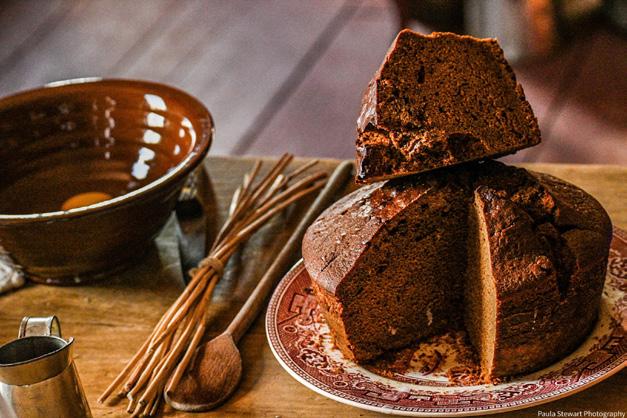
Mary Washington’s Gingerbread
Recipe courtesy of the Mary Washington House Museum Store in Fredericksburg, Virginia
This richly spiced gingerbread recipe is attributed to Mary Ball Washington, George Washington’s mother. It blends molasses, brown sugar, butter, warm milk, brandy, and warm spices like ginger, cinnamon, nutmeg, and mace. The batter consists of orange juice and zest for brightness, raisins for texture, and cream of tartar and baking soda for leavening. Serve it with homemade whipped cream, lemon sauce, or powdered sugar.
Ingredients
• 1 teaspoon of cream of tartar
• 1 teaspoon of baking soda
• 3 cups of flour
• ½ cup (1 stick) of unsalted butter, softened
• ½ cup of packed dark brown sugar
• 1 cup of molasses
• ½ cup of warm milk
• 1 ounce of brandy
• 2 tablespoons of powdered ginger
• 1 teaspoon of nutmeg
• 1 teaspoon of cinnamon
• 1 teaspoon or mace
• 3 eggs
• 1 large orange plus the rind
• 1 cup of raisins
Directions
• Preheat the oven to 350 degrees. Preheat a large sheet pan or two loaf pans.
• Into a bowl, sift the cream of tartar, baking soda, and flour. In a large mixing bowl, cream the butter and brown sugar. Add the molasses, milk, brandy, powdered ginger, nutmeg, cinnamon, and mace. In another bowl, beat the eggs until light and thick.
• Alternatively, add the flour mixture and beaten eggs to the butter mixture, finishing with the remaining flour mixture. Mix in the juice and zest of one orange. Beat until very light, then add in the raisins.
• Pour the mixture into the pan(s) and bake for 45 to 50 minutes.
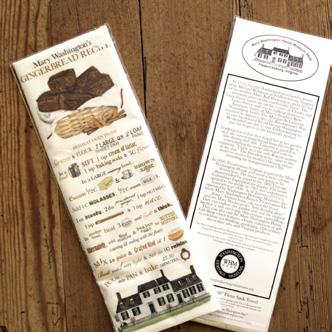
This tea towel displays Mary Washington’s prized recipe. Purchase it in the Mary Washington House Museum Store in Fredericksburg, Virginia, or online, where you’ll also find Mary Washington House watercolor notecards, Balsamic Sweet Onion Jam, and other period products.
Onion Pye
Recipe adapted from the Mount Vernon Inn’s recipe
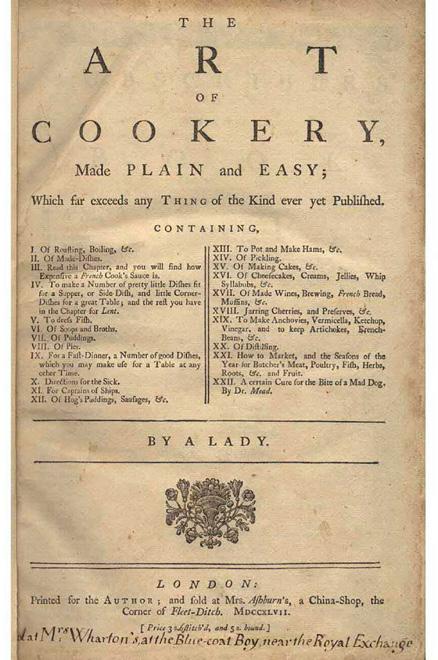
This modern adaptation of Onion Pye, created in 2003 by Lori Trolan, draws directly from Hannah Glasse’s 1747 cookbook The Art of Cookery Made Plain and Easy—a bestseller widely used in British colonies.
Layered with thinly sliced potatoes, onions, apples, beaten eggs, butter, and warming spices like mace and nutmeg, it reflects the era’s savory-sweet pies that combined available produce in a hearty, economical dish. Such recipes were common in George Washington’s household, embodying the flavors and techniques of the country’s founding era.
Ingredients
• Pastry for a 10-inch two-crust pie
• 2 small to medium potatoes, peeled and very thinly sliced
• 2 small onions, peeled and very thinly sliced
• 4 eggs, beaten
• 2 small apples, peeled, cored, and very thinly sliced
• 1 teaspoon of salt
• ½ teaspoon of mace
• teaspoon of nutmeg
• ¼ teaspoon of pepper
• 4 tablespoons of butter
• 4 tablespoons of water
Directions
• Preheat the oven to 375 degrees.
• Line a 9- or 10-inch pie plate with half of the pastry. Dot half the butter over the pastry.
• In a small bowl, mix together the spices, salt, and pepper. In another small bowl, beat the eggs.
• Arrange alternate layers of potatoes, onions, and apples, while inserting beaten eggs and the spice mixture between each layer. Dot with the remaining butter and pour in the water.
• Cover with the remaining pastry, pinching the top crust to the bottom crust around the pie plate. Vent the top with center cross slices and bake it in a preheated oven for about 45 minutes until the potatoes are tender. (Historically, a dutch oven was used to bake this.)
• Note: The potatoes, onions, and apples must be sliced paper thin or it may be necessary to briefly parboil the potatoes (partially boil the potatoes in salt) before assembling the pie.
Whiskey Truffles
Recipe courtesy of American Heritage Chocolate®, the Historic Division of Mars Makes 36 truffles
George Washington developed a strong fondness for drinking chocolate. He first ordered 20 pounds in 1757 and continued purchasing it regularly throughout his life, including a 50-pound order just months before his death in 1799. The Washingtons enjoyed it primarily as a warm breakfast beverage consisting of grated chocolate frothed with milk or water, then sweetened with sugar, and often spiced or fortified with wine or brandy.
This truffle recipe revives 18th-century colonial chocolate traditions using American Heritage Chocolate’s Milk Chocolate Gourmet Hot Cocoa Mix*, which is modeled after the drinking chocolate served at Mount Vernon with notes of vanilla, cinnamon, and orange. The truffles blend whiskey, cream, and chocolate into a ganache that can be rolled in the cocoa mix and/or a mixture of confectioner sugar and cinnamon.
Ingredients
• ¼ cup of whiskey
• 4 tablespoons of sugar
• ¼ cup of heavy cream
• 1½ cups of American Heritage Chocolate Milk Chocolate Gourmet Hot Cocoa Mix
• 1 tablespoon butter
• ½ cup American Heritage Chocolate Milk Chocolate Gourmet Hot Cocoa Mix (to roll the truffles in)
• ¼ cup confectioner’s sugar
• 1 tablespoon of ground cinnamon
Directions for Making the Truffles
• Bring the whiskey and sugar to a boil in a medium saucepan. Cook until the sugar completely dissolves and the whiskey is reduced by a third.
• Add the heavy cream and return the mixture to a boil. Immediately remove the pan from the heat and add the gourmet hot cocoa mix. Stir until the chocolate melts and blends with the cream and whiskey mixture. Add the butter and continue to stir until it blends with the chocolate.
• Transfer the mixture to a bowl, cover it with plastic wrap, and bring it to room temperature. This should take about an hour. Chill the mixture for at least five hours or until ready to use it.
Directions for Rolling the Truffles
• Place the remaining gourmet hot cocoa mix on a plate and set it aside.
• Combine the confectioner’s sugar and cinnamon; place it on a separate plate and set it aside.
• Roll approximately a teaspoon of chocolate ganache into a round ball. Roll the ball in the gourmet hot cocoa mix or confectioner’s sugar-cinnamon blend until it’s completely covered.
• Tip: The chocolate ganache can be prepared up to two weeks in advance. Make the truffles just before you’re ready to enjoy them.
*This drink mix can be purchased online from Amazon or American Heritage Chocolate at americanheritagechocolate.com/products/gourmet-hot-cocoa for around $30.
The Bill of Rights Five founders’ thoughts
BY ELIZABETH POLAND SHUGG
The Bill of Rights occupies a unique place in American history. Ratified in 1791 as the first ten amendments to the Constitution, each right was designed to protect individual liberty and limit government power.
While legal scholars and judges continue to debate the Bill of Rights’ meaning, some of the most memorable insights come from the founders who created them. Their words reveal both the hopes and concerns that shaped America’s creation as a constitutional republic.
Often called the “Father of the Constitution,” James Madison initially doubted whether a bill of rights was necessary but ultimately became its chief architect. In a 1789 speech to Congress, Madison argued that rights’ protections would serve as a powerful safeguard against government abuse, observing that “independent tribunals of justice will consider themselves in a peculiar manner the guardians of those rights.” This statement anticipated the important role that courts would later play in defending constitutional freedoms.
Thomas Jefferson was among the strongest advocates for a bill of rights. In a 1787 letter to Madison, he declared, “A bill of rights is what the people are entitled to against every government on earth.” The quote remains one of the most frequently cited statements in American constitutional history. Jefferson believed certain liberties belonged to individuals by right and should never depend solely on the goodwill of government officials. His words reflect the conviction that freedom of speech, religious liberty, due process, and other protections are fundamental rather than optional.
George Mason, author of Virginia’s Declaration of Rights, refused to sign Constitution because it lacked explicit protections for individual liberties. In his objections to the Constitution, he warned, “There is no Declaration of Rights, and the laws of the general government being paramount to the laws and constitutions of the several States, the Declarations of Rights in the separate States are no security.” His opposition helped fuel public demands for amendments and contributed to the adoption of the Bill of Rights in 1791.
Benjamin Franklin offered a succinct description of the founders’ concern for freedom of expression in his Pennsylvania Gazette: “Freedom of speech is a principal pillar of a free government; when this support is taken away, the constitution of a free society is dissolved, and tyranny is erected on its ruins.” The First Amendment would later enshrine this belief by protecting speech, religion, press, assembly, and petition.
Patrick Henry, one of the Constitution’s most vocal critics, repeatedly warned against concentrating power in a distant national government and was quoted in his June 16, 1788, speech to the Virginia Convention as saying, “The necessity of a Bill of Rights appears to me to be greater in this Government, than ever it was in any Government before.”
While the founders disagreed on many issues, they viewed liberty as an essential condition of human dignity and self-government, and were united in their concern that power, if left unchecked, could threaten individual freedom. More than two centuries later, debates over free speech, religious liberty, gun rights, privacy, due process, and other constitutional protections continue to shape American public life. On pages 70 and 71, we’ve assembled a list of books that offer different perceptions of American history, which help demonstrate how America’s Bill of Rights shaped our nation’s past, and continue to shape its present, and future.
A constitutional republic is a type of government in which officials are elected by the people to represent their interests. This system operates according to a constitution that outlines the laws and principles governing the state. In a constitutional republic, the rule of law prevails, meaning that laws govern the actions of both the government and its citizens, rather than arbitrary decisions made by individuals in power.
You can learn more about the founders featured in this story by visiting their homes and museums.
James Madison
Montpelier Plantation montpelier.org 11350 Constitution Highway Montpelier Station, Virginia
Thomas Jefferson Monticello monticello.org 1050 Monticello Loop Charlottesville, Virginia
George Mason Gunston Hall gunstonhall.org 10709 Gunston Road Lorton, Virginia
Patrick Henry Red Hill Plantation redhill.org 1250 Red Hill Road Brookneal, Virginia
Benjamin Franklin
Benjamin Franklin Museum nps.gov/inde/planyourvisit/ benjaminfranklinmuseum.htm 317 Chestnut Street Philadelphia, Pennsylvania
Benjamin Franklin House benjaminfranklinhouse.org 36 Craven St London WC2N 5NF
Perspectives on American Rights
These books offer various viewpoints on how the Bill of Rights have shaped and impacted America’s development since the late 1700s. Backroad Portfolio does not endorse any of these viewpoints, but provides them for context.
Original Meanings: Politics and Ideas in the Making of the Constitution, $22
By Jack N. Rakove penguinrandomhouse.com
Pulitzer Prize winner Jack N. Rakove explores the debates, compromises, and competing visions that shaped the Constitution and Bill of Rights. Rather than presenting a single original intent, he demonstrates that the founders often disagreed profoundly. The result is a nuanced examination of constitutional meaning that remains relevant to our nation’s modern political and legal debates.
A Matter of Interpretation: Federal Courts and the Law, $20
By Antonin Scalia Princeton University Press
In this concise but influential work, U.S. Supreme Court Justice Antonin Scalia explains textualism and originalism as methods of constitutional interpretation. He argues that judges should rely on the Constitution’s original public meaning rather than evolving social preferences, making the book a foundational text for legal thought.
The Second Founding: How the Civil War and Reconstruction Remade the Constitution, $18
By Eric Foner wwnorton.com
Foner argues that Reconstruction represented a second American founding. By examining the Thirteenth, Fourteenth, and Fifteenth Amendments, he shows how constitutional protections expanded after the Civil War. The book highlights the struggle to extend liberty and citizenship beyond the limits of the original constitutional framework.
The Fractured Republic, $12
By Yuval Levin hachettebookgroup.com
Yuval Levin examines the weakening of families, civic organizations, religious institutions, and local communities in modern America. He argues that healthy self-government depends upon strong mediating institutions between citizens and the state. The book offers a vision of constitutional culture rooted in responsibility, community, and pluralism.
Democracy in America, approximately $20
By
Alexis de Tocqueville harpercollins.com
Alexis de Tocqueville’s observations on early American society remain among the most influential ever written. He explores liberty, religion, equality, local government, civic participation, and democratic culture. His reflections help explain why constitutional rights flourish when supported by strong social institutions and active civic engagement.
A Deeper South: The Beauty, Mystery, and Sorrow of the Southern Road, $28
By Pete Candler
petecandler.com or uscpress.com/a-deeper-south
In this introspective travel narrative, Pete Candler draws from over twenty-five years of journeying the American South’s backroads, blending vivid personal observations, his own photography, and reflections on landscapes, small towns, and forgotten places. From his Georgia family roots to broader Southern terrain, he explores the region’s beauty and hidden histories, while also focusing on its uncomfortable truths and his personal confrontation with them.
Albion’s Seed: Four British Folkways in America, approximately $19
By David Hackett Fischer global.oup.com
Fischer traces four major British migration streams that helped shape regional American cultures. His study explains enduring differences in politics, religion, social values, and constitutional attitudes. For readers interested in Southern identity and American regionalism, it provides valuable context for understanding how culture influences constitutional life.
LINDSEY
Elkmont, Tennessee
Synchronous fireflies start their annual show in Great Smoky Mountains National Park.
LANDSCAPE Escape into the beauty of coastal marshes and wildlife.
BACK BAY NATIONAL WILDLIFE REFUGE
Stretching along Virginia’s southeastern coast near the North Carolina border, Back Bay National Wildlife Refuge offers a quiet escape into one of the region’s most diverse coastal landscapes. A scenic route along Sandbridge Road leads visitors to the refuge, where walking trails, boardwalks, and observation areas provide access to dunes, marshes, and shoreline habitats. Visitors often spot migratory birds, waterfowl, and other wildlife among the wetlands and open waters. Framed by windswept grasses and maritime forests, the refuge preserves the wild beauty that has long defined Virginia’s coastal region.
Virginia Beach, Virginia 4005 Sandpiper Road
Coordinates: 36.6721° N, –75.9156° W fws.gov/refuge/back-bay
Hike through a river corridor shaped by centuries of natural forces.
OBED WILD AND SCENIC RIVER
Nestled within the rugged Cumberland Plateau of eastern Tennessee, Obed Wild and Scenic River protects a landscape of deep gorges, sandstone bluffs, and clear-flowing waterways. Scenic overlooks and trailheads throughout the park provide access to miles of undeveloped river corridors shaped by centuries of natural forces. Visitors can explore forested trails, observe native wildlife, and experience the quiet beauty of the river winding through its rocky canyon.
Framed by towering cliffs and hardwood forests, the Obed offers a remarkable glimpse into one of Tennessee’s most pristine natural landscapes.
Wartburg, Tennessee
208 N. Maiden Street
Coordinates: 36.1003° N, –84.5975° W nps.gov/obed
LANDSCAPE View majestic mountains in four states from atop a Blue Ridge bald.
BRASSTOWN BALD
Rising above the Blue Ridge Mountains of northern Georgia, Brasstown Bald is the highest point in the state and offers sweeping views that stretch across four states on clear days. A paved pathway leads from the visitor area to the summit observation deck, where expansive mountain vistas unfold in every direction. Throughout the seasons, changing foliage, blooming wildflowers, and drifting mountain mist transform the landscape. Surrounded by rolling ridges and distant peaks, Brasstown Bald showcases the grandeur and enduring beauty that define the southern Appalachian Mountains.
Hiawassee, Georgia
2941 Highway Spur 180
Coordinates: 34.8747° N, –83.8107° W gofindoutdoors.org/sites/brasstown-bald/
View early American wildlife roaming across a preserved prairie.
PAYNES PRAIRIE PRESERVE STATE PARK
Located south of Gainesville in north-central Florida, Paynes Prairie Preserve State Park protects a vast natural basin where wetlands, grasslands, and woodlands converge. A network of trails and observation platforms allows visitors to explore the preserve’s diverse habitats and abundant wildlife. Throughout the year, wild horses, bison, alligators, and countless bird species can often be seen across the open prairie. Framed by expansive skies, swaying grasses, and seasonal marshes, the preserve offers a striking reminder of the wild landscapes that once covered much of the Florida peninsula.
Micanopy, Florida
100 Savannah Boulevard
Coordinates: 29.6089° N, –82.3304° W floridastateparks.org/parks-and-trails/paynes-prairie-preserve-state-park
ERICA DE FLAMAND
Cherryville, North Carolina
America’s spirit flies proudly in an abondoned house.
Celebrate America’s 250th birthday this summer with products inspired by our nation’s founding.
Dixie Pottery Flag 250 Vase, $120 dixiepottery.com
Celebrate America’s 250th birthday with this handcrafted stoneware vase made by Dixie Pottery in Canton, Georgia. Measuring 10 inches tall by 7 inches wide, its patriotic design blends American pride with Southern craftsmanship to honor the Semiquincentennial.
Heritage Flag Company Barrel Wood Series Flags, prices vary theheritageflag.com
These handcrafted American flags by Southern Pines, North Carolina-based Heritage Flag Company are made from aged whiskey and bourbon barrels. Each piece is meticulously textured with chiseled stars and rich, natural wood tones, blending rustic character with fine craftsmanship.
The Thomas Jefferson Center for Historic Plants preserves and shares historic and native plant varieties, promoting appreciation for garden history. Located at Tufton Farm, it reflects Jefferson’s horticultural interests while cultivating and distributing plants rooted in early American landscapes. Various seed collections are available for purchase at the Monticello gift shop and online.
Custom Semiquincentennial Whiskey/Wine Barrel*
Made to order, prices vary, as pictured $1,350
Text “Barrel” to 919.219.3065 to order
Celebrate our nation’s 250th birthday by ordering your own custom barrel, fitted with an oak rotating bottom shelf, a middle fixed shelf, and LED lighting. It makes a perfect addition to your home, bar, or man cave to display your favorite bottles or treasures. Available only for 2026, the full-size barrel features a custom top with an engraved tribute to our nation that includes a bald eagle in flight on an American flag with "250 Years of Freedom" engraved on it, and bordered with a steel cable to represent the strength and solidarity of our great nation. Commemmorative half barrels are also available.
*This barrel was handcrafted by one of our readers whose bourbon bar was featured in our Fall 2025 issue.
EIFEL KRUETZ
New Bern, North Carolina
Sailboats race on the Neuse River near Pamlico Sound.
Sail250 Virginia – Norfolk Host City Celebration | June 19-23, 2026
Norfolk, Virginia
sail250virginia.com
This grand maritime festival brings an international fleet of over 60 tall ships and military vessels from 20-plus nations to Hampton Roads for America’s 250th birthday. Visitors can tour ships and enjoy waterfront festivals, live music, cultural performances, and educational programs highlighting Virginia’s Revolutionary history and maritime heritage.
Panhandle Watermelon Festival | June 26-27, 2026
Chipley, Florida
panhandlewatermelon.com
Celebrate Florida’s watermelon harvest with parades, live country music, contests, kids’ activities, food vendors, and community gatherings in Washington County. The festival highlights local agriculture and Panhandle hospitality in a free, family-friendly atmosphere.
Carolina Days Celebration | June 27–July 5, 2026
Georgetown, South Carolina sc250georgetown.org/events/ carolina-days-celebration
Georgetown County kicks off this week-long commemoration of America’s 250th anniversary and the 250th anniversary of the Battle of Sullivan’s Island. Events and attractions include patriotic ceremonies, colonial-themed markets, kids’ activities with scavenger hunts, museum explorations with discounted admission, grave site honors for Revolutionary veterans, and educational programs about local patriots. Highlights feature a Carolina Day procession, time capsule opening, Independence Day concert and fireworks, and the Great Georgetown Cookout.
Take a high tea cruise, listen to old-time fiddlin’, and celebrate a Monticello July Fourth.
America 250 High Tea Cruise | Various dates throughout July Sanford, Florida
Step aboard the historic Barbara Lee paddlewheeler for an America 250 High Tea Cruise. This elegant two-hour luncheon voyage boards at 11:30 a.m. and sails from noon to 2 p.m. Glide along the scenic St. Johns River while enjoying a traditional British-style high tea with a patriotic twist that includes unlimited hot tea selections, savory finger sandwiches, fresh scones with jelly, and bitesized sweets. Guests are encouraged to wear festive or patriotic attire.
Smithville Fiddlers’ Jamboree and Crafts Festival | July 2-4, 2026
Smithville, Tennessee
smithvillejamboree.com
This official Tennessee state festival fills downtown Smithville with old-time fiddling, dancing, music competitions, food vendors, and handcrafted artisan booths. A longstanding rural tradition since 1972, the event offers free performances across multiple stages amid authentic Appalachian heritage.
Monticello Independence Day Celebration and Naturalization Ceremony | July 4, 2026
Charlottesville, Virginia monticello.org
Experience Thomas Jefferson’s Monticello during its 64th annual Independence Day Celebration and Naturalization Ceremony on America’s 250th anniversary. Dozens of new citizens will take the Oath of Allegiance on the West Lawn. Enjoy patriotic music by Dom Flemons, the Virginia Children’s Chorus, and the Lewis and Clark Fife and Drum Corps, plus children’s activities, concessions, root beer floats, and wine and beer tastings. The event is free, but reservations are required.
Experience waterfront fireworks, musket-firing demos, and revolutionary stories.
Waterfront Independence Day Celebration | July 4, 2026
Enjoy a free Independence Day celebration that starts at 4 p.m. at Waterfront Park, featuring patriotic programming, live concerts, and the “largest fireworks display in the Southeast.” Attendees will experience a festive atmosphere filled with live music, regional food, and community pride as one of the South’s most historic cities commemorates the battles and struggles that led to 250 years of American independence.
Independence Day Celebration at Historic Halifax | July 4, 2026
Halifax, North Carolina events.dncr.nc.gov
Celebrate America’s 250th anniversary with a patriotic Independence Day event from 1 to 4 p.m. at the birthplace of the Halifax Resolves, the first official call for independence by any colony. This free event features musket firing demos, living-history interpreters, colonial crafts and trades, and a public reading of the Declaration of Independence. Explore the restored 18th-century buildings and grounds where North Carolina’s revolutionary spirit was ignited. Later that night, watch a fireworks show on the Halifax County Courthouse lawn.
Revolutionary Soldiers of Marietta National Cemetery
July 6, 2026
Marietta, Georgia
visitmariettaga.com/marietta-250
Enjoy a free presentation by Marietta National Cemetery historian Brad Quinlin from 6 to 7 p.m. in Switzer Library’s Community Room as he explores the stories of two American Revolutionary War veterans: John Hames and John Clark. Discover how these soldiers came to be laid to rest at Marietta National Cemetery and learn about their lives, military service, and legacy.
Experience county fair nostalgia, patriotic music, and regional harvests.
Nicholas County Fair | July 22-25, 2026
Summersville, West Virginia nicholascountyfairwv.com
Celebrate Summersville’s agricultural roots at the 101st annual Nicholas County Fair at Veterans Memorial Park, including amusement rides, livestock shows, homemade exhibits, music, and more.
Wilson County Fair | August 13-22, 2026
Lebanon, Tennessee
wilsoncountytnstatefair.com
This annual agricultural fair will incorporate America 250 programming with patriotic exhibits, live entertainment, livestock shows, and educational displays. Enjoy carnival rides, crafts, and regional concessions, highlighting Tennessee’s contributions to American independence.
Georgia Mountain Fair | August 14-16 and 20-22, 2026
Hiawassee, Georgia
georgiamountainfairgrounds.com
This year’s fair features enhanced 250th anniversary elements including patriotic music, historical demonstrations, artisan crafts, and regional concessions alongside traditional entertainment and agricultural showcases.
North Carolina Mountain State Fair | September 11-20, 2026
Fletcher, North Carolina wncagcenter.org/p/mountainstatefair
Celebrate regional harvests, heritage, and America’s 250th birthday in the beauty of the Blue Ridge mountains at Western North Carolina’s premier fair. Organizers will add semiquincentennial exhibits, patriotic displays, and more to its agricultural competitions, crafts, and entertainment this year.
Meet the people behind the stories, photography, and art featured in this issue.
Elizabeth Poland Shugg
EDITOR AND CO-CREATOR
Chapel Hill, North Carolina
Born in Lincolnton, Georgia, Elizabeth grew up in nearby Athens on 200 acres of family land. At 13, she moved to rural Virginia, spending summers in South Carolina. Now in Chatham County, North Carolina, she enjoys traveling backroads and exploring small towns. A professional writer and editor for over 30 years, Elizabeth has worked as editor of seven magazines, four of which she helped launch. She, her husband, and their Brittany, Luna, love hiking and traveling with their three adult children.
Erica de Flamand Olin, North
Carolina
ART DIRECTOR AND CO-CREATOR
A UCONN Fine Arts graduate, Erica has worked over 20 years as a designer, photographer, and creative director in travel, conservation, finance, national security, and events. Featured in over a dozen gallery installations, she’s earned numerous awards and taught as an adjunct professor. Erica runs The Summer House studio and a nonprofit providing nature-based mental health services in rural North Carolina. She lives in the Blue Ridge foothills with her husband, two dogs, and horses.
Tom Poland
WRITER AND PHOTOGRAPHER
Columbia, South Carolina
Tom Poland writes about the South’s people, culture, and nature, with interests in music, writing, and photography. His weekly column, in over 65 newspapers and journals, reaches 100,000 readers. His books include Georgialina, Carolina Bays, and his latest with Robert Clark, South Carolina Reflections: A Photographic Journey. Learn more at tompoland.net and on Substack at tompolandwriter.substack.com.
Robert Clark
PHOTOGRAPHER
Columbia, South Carolina
A resident of Columbia, South Carolina, and native of Charlotte, North Carolina, Robert Clark’s photography has appeared in National Geographic, Newsweek, and Smithsonian. Specializing in architectural, editorial, and fine art photography, Robert has photographed seven South Carolina books, including Carolina Bays (2019) and his latest with Tom Poland, South Carolina Reflections: A Photographic Journey. View his work on Instagram at instagram.com/robertclarkphotographer.
Kurt Dusterberg
WRITER
Apex, North Carolina
Kurt is a journalist who lives in Apex, North Carolina. He covers the National Hockey League and the Carolina Hurricanes for NHL.com. In addition, he is a frequent contributor to several magazines and websites, writing on a variety of subjects. He also spent more than a decade as a television sportscaster. Kurt is the author of Journeymen: 24 Bittersweet Tales of Short Major Leagues Sports Careers, which profiles retired professional athletes from baseball, football, basketball, and hockey. He is married with two grown children.
Betsy Tucker
PHOTOGRAPHER
Advance, North Carolina
Betsy Tucker lives in Davie County, North Carolina, where she works as a regulatory compliance attorney but is often found daydreaming about her next trip outdoors. Even as a child she sought out and watched wildlife, and over the years she has grown more serious about photography. She loves combining the delight of creativity with the work of figuring out where animals will be and why because it makes every successful photo feel earned.
Eifel Kreutz
PHOTOGRAPHER
Charlotte, North Carolina
Eifel Kreutz is a landscape and real estate photographer based in Charlotte. A resident of North Carolina since 2018, he loves exploring the region’s natural beauty, especially in the mountains of Western North Carolina. Eifel enjoys hiking and other outdoor activities, as well as traveling, reading, and watching soccer. He also loves maps, and his full-time job is in the field of geographic information systems (GIS). View Eifel’s photography work and prints at eifelkreutz.myportfolio.com.
ROBERT CLARK
Winnesboro, South Carolina
A colorful collection of paintings awaits shoppers at Christy Buchanan's SHE Garden on Highway 321.
Nestled in the foothills of the Blueridge Mountains in Stanley, Virginia, Shenandoah Woods is a private 200-acre estate spanning from one ridge line to the next and the valley between. We offer romantic log cabins perfect for couples, lodges for larger groups, and a wedding venue with fantastic views of Virginia’s iconic Shenandoah Valley.
Stanley, Virginia
PHOTOGRAPHY BY JASON CAVE
With over 50 years of experience, South Carolina travel photographer Robert Clark explores the Southeast in search of dynamic imagery. Robert’s fine-art collection is available for purchase as custom-printed artwork for your home or business. To see more of Robert’s artistry, follow him on Instagram or send an email if you’re interested in attending Robert’s photography workshops.