BABLAKE HISTORY

Thank you for picking up the 2023 edition of the Bablake History Magazine!

Thank you for picking up the 2023 edition of the Bablake History Magazine!

This issue of the Bablake History Magazine has been compiled by students from across the school body, and with help from numerous members of staff. We hope that our readers can learn something new from the articles within, perhaps find a new interest, or read further into the topics discussed. History is not just about learning from the past, but also informing our views of the present. It has shaped our world into what it is now, as honing knowledge of historical events and trends enables us to develop a much greater appreciation for current occurrences today. Moreover, history allows us to better understand the world in which we live in. This is why we have selected the theme of the Middle East (a topic which is not often covered in our curriculum, but has always been and will always be relevant) for the 2023 edition of our magazine.

We hope you find the magazine interesting to read!
Rhea Cherrington and Abbie Dennis Co-editors
RheaCherrington
AbbieDennis
AbbieDennis
RheaCherrington
AvneetHayer
BethAkinkoye
LibbyStinton
TashaBvunzawabaya
LunaOladiji
We'd like to also thank the members of Food Voyager Club, in addition to the staff who run and supervise it, for contributing to the magazine with their experiences of making and tryingLebanesecuisine.
We'd like to additionally thank Mrs Lenihan for supervisingSeniorHistoryClub,providingmany pieces of interesting information, guiding us through the making of this magazine, ensuring we talk about a diverse range of topics every week,andalwaysinspiringhistoricaldebate!
Mrs Rees and Mrs Hargreaves have also proved themselves indispensable in proofreading this magazine!
Hailed as the father of Arab philosophy, Al-Kindi was born in Kufa around 801 AD. He became a prominent figure in the House of Wisdom, and a number of Abbasid Caliphs appointed him to oversee the translation of Greek scientific and philosophical texts into the Arabic language. He subsequently wrote hundreds of original treaties of his own on a range of subjects ranging from metaphysics, ethics, logic and psychology, to medicine, pharmacology, mathematics, astronomy, astrology and optics. In the field of mathematics, Al-Kindi played an important role in introducing Indian numerals to the Islamic world, and their further development into Arabic numerals along withAl-Khwarizmi,whicheventuallywasadoptedbythe restoftheworld.Al-Kindiwasalsooneofthefathersof cryptography - his book gave rise to the birth of cryptanalysis, which was the earliest known use of statisticalinference.Hewasabletocreateascalethat would enable doctors to gauge the effectiveness of their medication by combining his knowledge of mathematicsandmedicine.


Septimia Zenobia was a third-century Queen of the Palmyrene Empire in Syria, who ruled as Empress (technically still the regent of her son) over the region after the death of her husband, King Odaenathus. In 270, Zenobia launched an invasion thatbroughtmostoftheRomanEastunderhersway and culminated with the annexation of Egypt. By mid-271 her realm extended from Ancyra, central Anatolia, to southern Egypt. Zenobia turned her court into a centre of learning, with many intellectuals and sophists reported in Palmyra during her reign. As academics migrated to the city, it replaced classical learning centres such as Athens for Syrians. Zenobia ruled an empire of different peoples; as a Palmyrene, she was accustomed to dealing with multilingual and multicultural diversity since she hailed from a city which embraced many cultures. The queen's realm was culturally divided into eastern-Semitic and Hellenistic zones; Zenobia tried to appease both, and seems to have successfully appealed to the region's ethnic, cultural and political groups. Her most lasting legacy is in Syria,wherethequeenisanationalsymbol.
TheGreatSyrianRevolt, inwhichrebelsfromthe JabalDruzeState protestedinresponseof Frenchcontrolandtheir repressivepolicies.
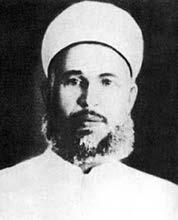
Sheikh Izz al-Din al-Qassam, the popular leader of a Palestinian Islamic resistance movement, is assassinated by the British police after his group is accused of killing a Jewish policeman.
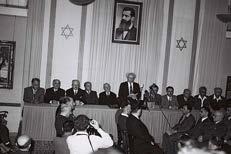
David Ben Gurion, the Chairmen of the Executive of the World Zionist Organization, formally declared the establishment of the State of Israel and its Provisional Government, despite threats of violence from the Arabs. Within hours of the declaration of Independence the United States surprised the world and granted Israel recognition.
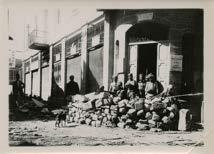
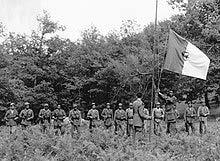
On November 1st, the National Liberation Front (FLN) in Algeria instigates a war of independence against French colonial rule.
Birth of Ali Ahmad Sa’id (Adunis), a Syrian-born Lebanese poet and critic, and a leader of the modernist movement in Arab literature.
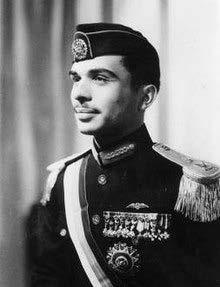
Hussein Ibn Talal, grandson of the assassinated King Abdullah, is declared King of Jordan at age sixteen.
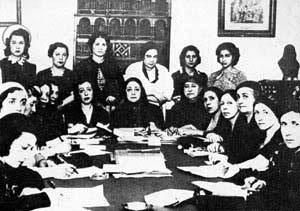
The women of the Egyptian Feminist Union spearhead the formation of the Arab Feminist Conference.
On June 19, Kuwait became fully independent following an exchange of notes with the United Kingdom that terminated the AngloKuwaiti Treaty of 1899 and therefore provided for Kuwaiti independence.
Moroccan King Hassan II orders “The Green March” in November. Thousands of Moroccans march into the western Sahara to assert Morocco’s claim to the territory being vacated by Spain.
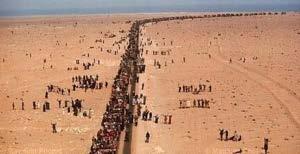
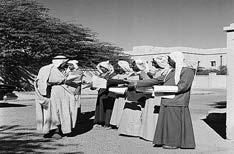
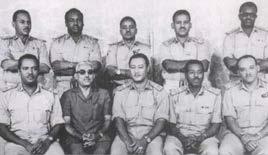
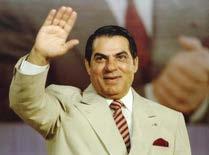
Ben Ali was appointed Prime Minister of Tunisia in October. He assumed the Presidency on 7 November in a bloodless coup d'état that ousted President Habib Bourguiba by declaring him incompetent.
The Yemeni Civil War began; the civil war was fought between the two Yemeni forces of the pro-union northern and the socialist separatist southern Yemeni states and their supporters. The war resulted in the defeat of the southern armed forces.

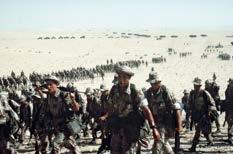
The 1969 Sudanese coup d'état was a successful coup, led by Colonel Gaafar Nimeiry, against the government of President Ismail al-Azhari. The coup signaled the end of Sudan's second democratic era, and saw the beginning of Nimeiry's 16 year rule

Death of Taha Hussein on October 28. Hussein was a pioneer in the modernist movement in Arabic literature. Born on November 14, 1889, poor and blind from a young age, he became best known as a novelist. Death of Ayatollah Khomeini, the political and spiritual leader of Iran since the 1979 revolution.

Malala Yousafzai, a Pakistani female education activist, was born on the 12 July in the Swat District of Pakistan's northwestern Khyber Pakhtunkhwa province, into a lowermiddle-class family.
On the 29th January 2020, the hashtag 'Free Palestine' went viral on Twitter, with an estimated 60,000 tweets per hour being written about the subject, according to The New York Times. We are all aware about the ongoing conflict between Palestine and Israel- but did you know that the war has been exacerbated by Zionism, settler colonialism, and Westernimperialism?
Zionism, as it is defined presently, is the belief that the state of Israel has a right to exist. Deceptively simple, this view is actually rooted in the oppression of Palestinians. The first Zionist congress met in Basel in 1897, and called for the establishing a Jewish state in Palestine. This is what is currently happening: a phenomenon titled settler colonialism, which seeks to replace the native population of a land with a new society of settlers. It differs from our preconceived meaning of classic colonialism, as it only initially and temporarily relies on an empire for their existence. As of 2021, this conflict is responsible for the displacement of over 7.2 million Palestinian refugees, desperately fleeing due to the threat of military occupation, police brutality, and ethnic cleansing - with the Jerusalem authority publicly stating in the 'Jerusalem Master Plan' that they want to keep the Palestinian population of the city below 30%.
SohowdidtheWestbecomeinvolved?
During World War I, Britain occupied Palestine, Iraq, and Transjordan, whilst its ally, France, occupied Syria and Lebanon. Their inveterate diplomatic aim was to ensure the safety of both the overland trade route to India as well as the sea route via the Suez Canal. The Ottoman Empire had formerly been endorsed by Britain - but when it allied with Germany, they were forced to re-consider. By the conclusion of the war in 1918, Britain had signed multiple treaties and declarations - all contradictory - and thus neglected to integrate the competing insistences of both Jewish and Arab communities - leading to the escalating conflict that still exists today.
It began with the McMahon-Hussein Correspondence, in which the British High Commissioner of Egypt, Henry McMahon, exchanged a series of ten letters between July 1915 and March 1916 with Hussein bin Ali, Sharif of Mecca. It agreed that the Government of the United Kingdom would recognise Arab independence and control over Islamic holy sites (including Jerusalem) in order for the Sharif of Mecca to launch an Arab revolt against the Ottoman Empire. The motivation was to alleviate pressure of the Suez Canal by creating instability among the Muslims in the British Empire; purely self-centred in Britain's own interests.
What followed was the Sykes-Picot Agreement of 1916, caused by Britain's re-evaluation of the importance of Palestine as simply a 'buffer zone' to the Suez. It defined both France and Britain's mutually agreed spheres of influences and control in an eventual partition of the Ottoman Empire. Thus, the treaty allocated what is today Palestine, Jordan and southern Iraq to the UK, and Turkey, Syria and Lebanon to France. This severely contradicted the previous McMahon-Hussein Correspondence which had promised Arab independence, hence reinforcing that the Allies' foreign policy was dictated by their colonialism, and that the countries of the Middle East were subject to the control and dominance of the West's selfpromoting motivations.
Arguably the most important and impactful was the Balfour Declaration, a public statement made by the UK Government on the 2nd November 1917. It announced its support for the establishment of a 'national home for Jewish people' in Palestine. Inspired by the hope that the outspoken backing of Zionism would attract more support from the USA in the war, since the President at the time, Woodrow Wilson, also believed in the self-determination of Jewish people. However, this meant another antithetical agreement was thrown into the foreign policy of the Middle East, resulting in the ongoing war today that has so far killed 63,543 people.
The government of Israel is now persecuting Palestinians socially, legally and economically. So what is being done?
Not enough.
The Boycott, Disinvestment and Sanctions (BDS) movement is a nonviolent human rights campaign formed in 2005 by over 170 Palestinian non-governmental organisations, unions and civil society groups. The aim of the movement is to campaign for and protect the rights of Palestinians through the application of international pressure on Israel until it complies with international law.
In the meantime, we can all spread awareness through social media, sign petitions, and educate ourselves regarding this conflict, as well as others currently taking place in the world.

Slavery in the Middle East has been around before the Islamic rule of the Middle East. In 1842, the British Consul General in Morocco asked the Sultan if had taken any measures to stop slavery or the slave trade. The Sultan replied that he didn't do anything about it, as it was the ‘norm since the sons of Adam and that Islam does not prohibit it.’ This reveals how deeply normalised the slave trade was in the Middle East culture. The slave trade was justified in the Middle East due to the belief that Islam did not directly condemn it and is thus fine and justifiable. Slavery was practiced in areas conquered in the seventh and eighth century. Slavery existed before Islam, became the law of land, but continued after the widespread influence of Islam. After Prophet Muhammad died in 632 CE, Islam spread rapidly and the areas under the Islamic rule became known as the Caliphate. The Caliphate encompassed the areas of North Africa, Southwest Asia and Spain. As previously discussed, slavery was rampant in these areas.
There were multiple ways one could become enslaved such as: if one was born into slavery and thus inherited their parent's status as a slave, if someone was captured in a jihad, and people could also be purchased as a slave or given as a tribute. There were also different ranks with enslaved people from high ranking, known as emirs, to lower classes called manual labourers. Theoretically, slavery in Islamic law was not based on race, but in practice, was very different. Moreover, Muslims could not be enslaved according to the law: but again, the reality was very different. The ruler of Bornu, who was of a darker complexion, wrote to the Sultan in Egypt in 1852 about how the slave trades were enslaving freemen and even capturing some of his family and Muslims. This shows how black Muslims were also enslaved and thus religion was not the determining factor. Enslaved people were also excluded from partaking in religious ceremonies.
In 869 CE, there was a rebellion from the black enslaved people towards their Arab masters. It began in southern Iraq, led by enslaved Bantu people, who had been forced into strenuous manual labour. The rebellion spread throughout the Abbasside Caliphate. Their leader was an Arab man called Ali Ibn Muhammad. He himself claimed to be the son in law of prophet Muhammed. However, this was never confirmed and there were rumours speculating around his identity. Abbasid Caliphate was a dynasty that originated from Prophet Muhammed’s Uncle, Abbas, hence the name. During their Golden Age from 775 to 861, they ruled over an expansive area from modern day Algeria to Iran. In 1861, their empire broke down, the power was decentralised, and individual dynasties began to hold more power. This caused political instability in the Caliphate.
Ali had attempted to lead a rebellion in Bahrain in the 860’s which eventually failed. He then moved to Basra and became intrigued by the treatment of black enslaved people and their conditions. Ali began a campaign in an attempt to gain their support in exchange for freedom and wealth. He formed a large following and they began raiding towns, seizing goods and people. In 879, Ali sent his son, Al Abbas, to combat the rebels. The rebellion came to an end with the death of the leader, Ali Ibn Muhammad, in 883. The majority of leaders and former enslaved people were captured and killed by the government, or they surrendered.
This rebellion was cataclysmic on the Caliphate. The economy was put into turmoil and the agricultural land was damaged. The number of deaths is highly contested but the general estimate is around 50,000 causalities overall. At the Battle of Basra, that occurred from the 7th of September to the 10th, 871, approximately 300,000 people died. There are also instances of cannibalism that have been reported due to the impact of the rebellion on food shortages and water supply. There was a different rank of slaves that were involved in the military known as Mamluks, which literally translates to ‘owned.' They were a high rank of enslaved people that were white and non-Arab. They ruled from 1250 to 1517, mainly in Egypt and Syria. They played a crucial role in the society. They conquered the Crusader Kingdom of Outremer and they preserved Islam in Syria and Egypt from Mongols influence. Mamluks were still enslaved, but had privileges that were not afforded to many other enslaved people, such as the chance to handle weaponry. Some Mamluks were captured from as young as 13 years of age, and trained to be soldiers. Under the Ayyubid Sultan, the Mamluk generals managed to use their power to created a dynasty in modern day Egypt and Syria from 1250 until 1517. This reveals the great power the Mamluks had and were able to exert whilst still technically being owned.
Slavery was only abolished relatively recently in the Middle East in comparison to Western nations. Slavery was so ingrained into the Middle Eastern society that it was common practice to trade enslaved people at Mecca, which is classified as the holiest city in the Islamic faith. In 1929, slavery in Iran was abolished. 33 years later, in 1962, Saudi Arabia abolished slavery. Saudi Arabia was formerly known as the Kingdom of Hejaz until 1932, when it joined with the Kingdom of Nejd to form what we now know as Saudi Arabia. When Saudi Arabia was formed, it became infamously known as a slave trade centre during the interwar period. Post World War II, Saudi Arabia had increasing pressure from international powers to abolish slavery. King Faisal yielded into the pressure and ended slavery by instituting a royal decree in 1962. The practice of slavery that had permeated Saudi Arabia, as well as the majority of the Middle East, was finally abolished.
The University of Oxford, Harvard, St Andrews: all extremely well-known, established places of education that we would have thought to be trailblazers and frontrunners of their time. But did you know that the Guinness World Records acknowledgestheUniversityofal-QarawiyyininFez, Morocco, as the oldest existing and continually operating educational institution in the world, foundedbyFatimaAl-Fihri?
Born into a wealthy merchant family located in Tunisia in the early ninth century, Al-Fihri received an education (despite the fiercely patriarchal and restrictive gender expectations of the time), where she promoted the value of learning. This continued when her family emigrated to Fez, where, along with her sister Mariam, she founded the al-Qarawiyyin Mosque and University; consisting of a courtyard, prayerhall,libraryandschoolrooms.


At first, the education taught included courses in religious instruction and the Qu'ran,butitssyllabusexpandedintoArabicgrammar,mathematics,astronomy andmusic-eventuallyhandingoutdegreestoitsstudents.Itsreputationswiftly grew, known to be a famous spiritual and pedagogic centre visited by scholars andintellectualsglobally.ItwasFatimaAl-Fihri'sideaforaneducationalhubthat provided opportunities for advanced learning spread throughout the world in the Middle Ages, resulting in the founding of Europe’s oldest institutions in the following centuries, including the University of Bologna (founded 1088) and the UniversityofOxford(foundedaround1096).
After al-Fihri’s death, the institution continued to be extended. The mosque became the largest in Africa, with a capacity of 22,000. Al-Fihri's legacy has not been forgotten: an award has been named after her in Morocco, which is granted to women who make educational achievements and contribute to empowering women. Furthermore, an academic program and a scholarship giventostudentsfromEuropeandNorthAfricapaytributetoFatimaal-Fihri.
Fatima al-Fihri is one of the earliest advocates of female education that we know of on the globe. In al-Fihri’s case, she used her resources – her tenacity, vision, and financial wealth, to build a school that allowed for girls to study alongside boys. We must therefore use al-Fihri’s work as a launching point to exploreothereffortstoeducategirlsandwomenaroundtheworld.
BY ABBIE DENNIS

In 2016, Crown Prince Mohammed bin Salman announced the Saudi Vision 2030; the vision was structured around three key themes: a vibrant society, a thriving economy, and an ambitious nation. In setting out and hopefully achieving these goals, the country should be able to diversify its economy by reducing its dependency on oil. The plan is similar to other development plans in the Middle East, like the Kuwait Vision 2035, Egypt Vision 2030 and UAE Vision 2021. There are many major projects that have been planned, such as the New Taif project and the Renewable Energy project. But the one shocking everyone is the NEOM project.

The NEOM project is a planned smart city located in the Tabuk Province in north-western Saudi Arabia. The city's plans include multiple regions, including a floating industrial complex, global trade hub, tourist resorts, and a linear cityall powered exclusively by renewable energy sources. The hope of developers is to have this massive project complete by 2030, but experts are sceptic. The project's estimated cost is over $500 billion. The project has been the subject of several human rights controversies, involving the eviction of the local population, an abusive work culture, and the use of surveillance technologies. Nonetheless, work is still continuing. There are multiple planned regions inside this smartcity,including:
The Line: a linear city spanning 170 kilometres long and 200 metres wide. The plans of this city have been ever changing since its announcement in January 2021. The city is to be car free and be large enough to house nine millionresidents.

Trojena: announced in March 2022, this region is to be the first major outdoor skiing destination in the Arabian Peninsula. Trojena will be located in the Sarwat Mountains, off of the Gulf Aqaba Coast. Despite being located in the desert, the climate is considerably cooler thentherestofthissmartcity.
Sindalah: This project plans to be a 1,100,000 cubic yard luxury resort complex off of the city’s coast. It plans to have 86 berth marina, three luxury hotels and could potentiallyaccommodateupto2,400visitorsdaily.
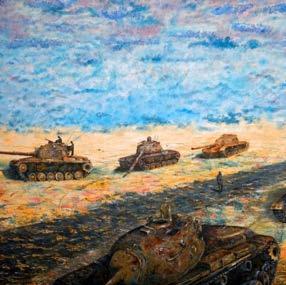
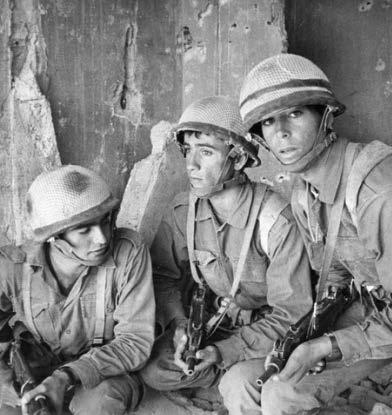
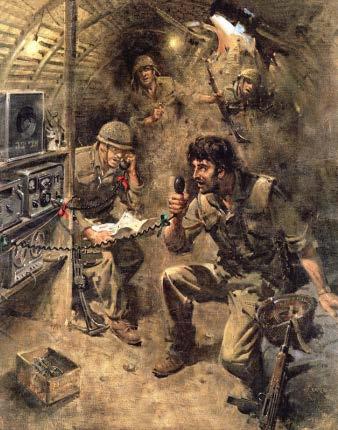
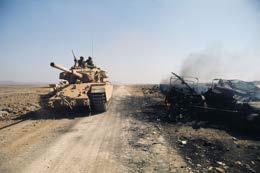
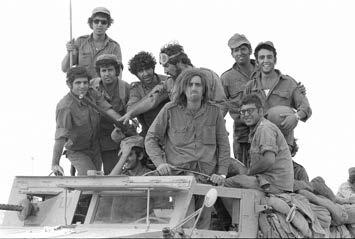
War has existed since the dawn of mankind; and one of those include the Yom Kippur war, otherwise known as the Day of Atonement War, which was faced by the nations of Israel and Egypt. War is inescapable, ineluctable, it is printed into the history books for as long as time.
On the 6th October 1973, hoping to win back territory lost to Israel during the third Arab-Israeli war from 1967, Egyptian and Syrian forces launched a coordinated attack against Israel on Yom Kippur, the holiest day in the Jewish calendar. Taking the Israeli Defence Forces by surprise, Egyptian troops swept deep into the Sinai Peninsular, while Syria struggled to throw occupying Israeli troops out of the Golan Heights. A cease-fire went into effect on the 25th October 1973
Following Israel’s unexpected triumph in the 1967 Six-Day War, it then assumed control over an area that was physically four times larger than what was previously controlled by the Israeli country. Other countries also felt the impacts from the tangible loss of land that was once their own. Jordan lost the West Bank and East Jerusalem, Egypt lost the 23,500 square mile Sinai Peninsular, as well as Syria losing the significantly important Golan Heights. The Golan Heights was an area located in the Southernmost peninsula of Syria. After the Six-Day War and the subsequent loss of land control, Anwar el-Sadat (1918-81), who took office as President of Egypt in 1970, inherited a country that was struggling economically and could not afford to prolong its never-ending war against Israel. He desired peace in order to restore stability and the Sinai, but following Israel’s victory in 1967, it was unlikely that Israel would offer Egypt adequate conditions for peace. They decided to thus fight back for what they had lost.
In 1972, Sadat drove 20,000 Soviet advisors out of Egypt and established fresh diplomatic ties with Washington DC, which would later serve as a crucial mediator in any future peace negotiations. With Syria, he established a new coalition, and an organised attack on Israel was planned. Many Israeli soldiers were absent from their stations for Yom Kippur (or the Day of Atonement) when the fourth Arab-Israeli conflict began on the 6th October 1973, and the Arab armies acquired significant gains with their modern Soviet equipment. The war quickly saw the entry of Iraqi soldiers, and Jordan backed Syria. After a few days, Israel had fully mobilised, and the gains made by the Arabs were repelled by the Israel Defence Forces at great expense to personnel and equipment.
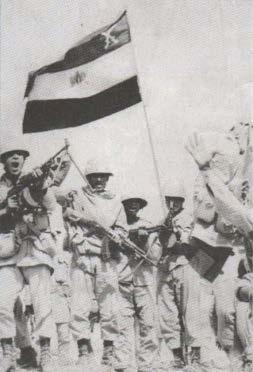
ThefirstpeaceagreementbetweenIsrael andoneofitsArabneighbours,whichwas signedin1978byEgyptianPresidentSadat andIsraeliPrimeMinisterBegin(1913-1992) wasalsosignedin1978.BygivingEgyptthe finalpieceoftheSinaiPeninsulain1982, Israelcompletedthetermsofthepeace agreementsignedin1979.Thisenabled betterrelationstobeestablishedbetween thetwonations.
However,Syriafeltthegraveimpactsof theYomKippurWar,withtheabruptness oftheceasefireresultingintheoccupation ofmoreoftheGolanHeights,asthey cameundermilitarydefeatatthehands oftheIsraelforces.Thisthencalledfor otherArabstatestoexpelEgyptduetothe mistreatmentandsubsequentdominance ofSyriabyIsrael.Oneaspectthatcanbe universallyobservedisthatinhistory, perspectiveisincrediblyimportant,forit candecipherouroutlook.Forsome nations,thewarbroughtbenefits,butfor othersbroughtharrowingpainandsorrow.
Succeedingthis,anairliftofweaponsfromtheUSA helpedIsrael’sposition,althoughPresidentRichard Nixon(1913-1994)delayedtheurgentmilitary assistanceforaweekasacovertexpressionof AmericansympathyforEgypt.TheUnitedNations successfullynegotiatedacease-firebetween IsraelandEgyptonthe25thOctober.However, whatwasmostshockingandruthlesswasthe aftermath;despiteIsraelhavingclaimedvictory,it camewithcosts.ThePrimeMinisterofthetime, GoldaMeir(1898-1978)endedupsteppingdown fromhispoliticaldutiesasthecitizensofIsraelfelt betrayedbythelackofpreparationshownbythe government.ThisindicatesthatdespiteIsrael receivingavictory,thisdidnotcomeeasily,and theaftermathofasituationinhistoryismore representativeoftheactualityofsituationsrather thantheinitialaftermathofaconflict.
TheinitialEgyptianvictoriesthatthenation experiencedatthestartoftheirmilitaryadvances significantlyraisedSadat’sstandingintheMiddle Eastandallowedhimthechancetopursuepeace, despitethefactthatEgypthadonceagain experiencedmilitarydefeatatthehandsofits Jewishneighbour.ThefirstoftwoEgyptian-Israeli disengagementcontractswhichallowedforthe returnofpartsoftheSinaitoEgyptwassignedin 1974.
Ancient Near East refers to the home of early civilisations within a region roughly corresponding to the modern Middle East. The ancient Near East was the first to practice intensive year-round agriculture (farming) and currency-based trade (as opposed to bartering, whereyouexchangeproductsorservices),gavetherest oftheworldthefirstwritingsystem,inventedthepotter's wheel and then the vehicular and mill wheel, created the first centralised governments and law codes, served as birthplace to the first city-states with their high degree of division of labour (the separation of a work process into a number of tasks, with each task performedbyaseparatepersonorgroupofpersons),as well as laying the foundation for the fields of astronomy and mathematics. However, its empires also introduced rigid social categorisation, slavery, and organised warfare.
The earliest civilisations in history were established in the region now known as the Middle East around 3500 BC by the Sumerians, in southern Mesopotamia (modern-day Iraq), widely regarded as the cradle of civilisation. The Sumerians and the Akkadians- who extended their empire to northern Mesopotamia (now northern Syria)- and later Babylonians and Assyrians all flourished in this region. During the 4000s BC, cities begantodevelopinsouthernMesopotamia(Iraq)where temples, whose priests represented the cities’ patron deities, dominated the areas. The main city-state was Sumer,whereitisbelievedtohavegiventhefirstwritten language and became the first great civilisation of mankind. Sargon the Great unites all of these citystates to create the world’s first empire – the Akkadian dynasty.
Many other areas found themselves united following the Sumerian civilisation. For example, the Nile valley of Lower and Upper Egypt was unified under the Pharaohs approximately around 3150 BC. Soon after, civilisation quickly spread through the Fertile Crescent to the east coast of the Mediterranean Sea and throughout the Levant,aswellastoancientAnatolia.Mesopotamiawas home to several powerful empires that came to rule almostthe entire Middle East- particularly the Assyrian Empiresof1365–1076BCandtheNeo-AssyrianEmpireof 911–605BC.
The Assyrian Empire, at its peak, was the largest the world had seen. It ruled all of what is now Iraq, Syria, Lebanon, Israel, Palestine, Kuwait, Jordan, Egypt, Cyprus, and Bahrainwith large swathes of Iran, Turkey, Armenia, Georgia, Sudan, andArabia.
From the early 6th century BC onwards, several Persian states dominated the region, beginning with the Medes and nonPersian Neo-Babylonian Empire, then their successor, the Achaemenid Empire (known as the first Persian Empire), conquered in the late 4th century BC by the very short-lived Macedonian Empire of Alexander the Great. In 66–63 BC, the Roman general Pompey conquered much of the Middle East. The Roman Empire united the region with most of Europe and North Africa in a single political and economic unit. Even areas not directly annexed were strongly influenced by the Empire, which was the most powerful political and cultural entity for centuries. Though Roman culture spread across the region,theGreekcultureandlanguagefirstestablishedinthe region by the Macedonian Empire continued to dominate throughouttheRomanperiod.
As the Christian religion spread throughout the Roman and Persian Empires, it took root in the Middle East, and cities such as Alexandria and Edessa became important centres of Christian scholarship. By the 5th century, Christianity was the dominant religion in the Middle East, with other faiths (gradually including Christian sects) being actively repressed. The Middle East's ties to the city of Rome were gradually severed as the Empire split into East and West, with the MiddleEasttiedtothenewRomancapitalofConstantinople. The subsequent fall of the Western Roman Empire therefore, hadminimaldirectimpactontheregion.

For a number we take for granted as an essential in modern day mathematics, 0 hasn’t always been a part of maths, especially European maths. Today it has two main purposes in mathematics. One of these is to be a place holderinnumberstomakesurethatotherdigitsfallinthe right place to have the right value. For example, without the 0 in 206, you would get 26, which is a number a lot smaller. The other, more abstract use of 0 is when it is referringtotheconceptoftherebeingnothing.
Thefirstoftheseideascanbedatedbacktotheancient Babylonians(inmodern-dayIraq).Theyhadusedaplacevalue number system and had been doing so since at least 1700 BC, although they used cuneiform numbers, and they used a base-60 system rather than a base-10 one. Additionally, it wasn’t until around 400BC that they found it necessary to use placeholders in the numeral system, and these took numerous forms, such as 2 wedges or 3 hooks. However, it was Greek mathematicianslikePtolemywhostartedtointroducethe current notation as they used a 0 as a placeholder in his treatise Almagest, along with the ancient Babylonian numerals. In fact, even the Mayans had a place-value numeralsystem(althoughagainusingabase-20system).
In comparison, few intellectuals in Europe knew of this innovation, and everyone else clung on to old Roman numerals, which were very inconvenient for larger arithmeticoperations,includingmultiplication.
For the use of 0 as standalone number of his own, Leonardo Da Pisa, more famously known as Fibonacci, is often credited. He is most well-known for the Fibonacci sequence of numbers, and helped to introduce 0 and our modern numeral systems to the Europeans with his book Liber Abbacci. However, the use of 0 in this way can be traced back far before him and all the way to the Indian sub-continent. In the early 800s during the reign of the caliph Al-Ma’mun (caliphs were the political and religious leaders of the Islamic empire, considering themselves to be successors of the prophet Mohammed), he founded the House of Wisdom in Baghdad, a great library and intellectual centre, which contained translations of works from Greece to India. Therefore, by the time Fibonacci arrived in the Middle East in his 20s in the late 1100s, scholars in the Middle East had already known about the decimal system and Hindu-Arabic numerals for centuries before, mostly from the works of Indian mathematicians like Brahmagupta, who is from what historians know, the first person to try and extend the numeral system beyond positivenumbersallthewayisthe600s.
Initially, however, there were some troubles with how 0 should be used in arithmetic calculations, especially with division with Brahmagupta initially writing that 0 divided by is 0, which is not the case. Mahavira wrote 200 years later that a number remains unchanged when divided by 0, while Bhaskara wrote another 300 years later that a number divided by 0 equals infinity- and both claims were incorrect. Despite this though, these mathematicians had made great process in introducing 0 negative numbers to our modern numeral system.
Liber Abbaci, which first appeared in 1202, was primarily based on the work of the 9th century mathematician Al-Khwarizmi, who had presented the first way to systematically solve quadratic equations. For this reason, he is known as the father of algebra, a word which itself is derived from the Arabic word al-jabr, meaning “the restoration of broken parts”. His work also introduced the decimal system, where we use 10 digits with their valued determined by the position, from India to the Middle East. This system required a place holder for positions that didn’t have a value, and 0 fulfilled this role as a place holder. Furthermore, Al-Samawal, another Islamic mathematician in the later 12th century, was describing how “if we subtract a positive number from zero the same negative number remains… if we subtract a negative number from zero the same positive number remains.”
Fibonacci never went as far as those mathematicians in the Middle East or India before him, as he never treated 0 as a number in the same way as 1, 2, 3 or 4, referring to it as a symbol. In fact, even after this, it took centuries for the use of 0 to become widespread and standard in European mathematics, with even mathematicians in the 1500s, such as Cardan, omitting 0. It took centuries of work in India and the Middle East before Fibonacci even introduced it to Europe to lay the foundations of how mathematics, which included 0, worked. Furthermore, the work of the House of Wisdom should not be understated. Although little remains from the academy which was destroyed back in the 13th century, what does remain shows evidence of plenty of work to translate works into Arabic and some historians consider it close to a true academy. This is a great contrast to Europe, which following the collapse of the Western Roman Empire, was relatively intellectual behind the global curve, contributing to the name sometimes given to the centuries in the latter half of the first millennium, the Dark Ages. For something so fundamental as 0 in our modern-day mathematical system, it isn’t as old as you might have expected, and the story of its development take place across the world over hundreds of years.

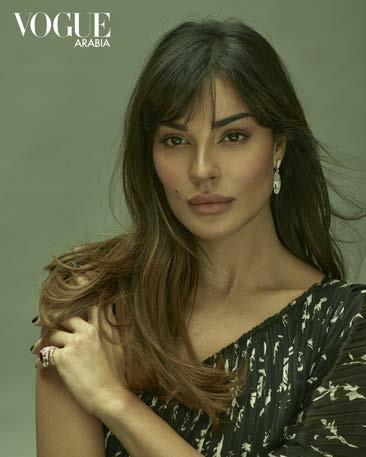
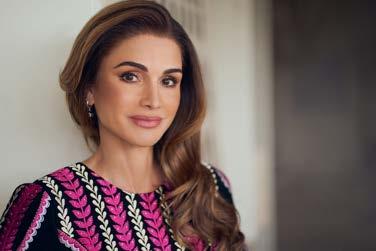
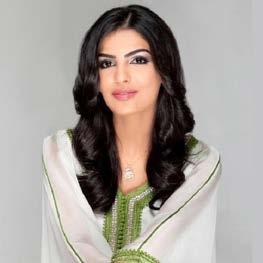
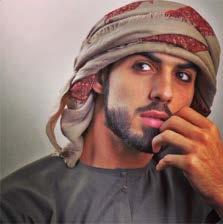

'Movies and commercials always promote the idea that white women are more beautiful- and society supports this assumption by linking beauty to fair skin'

For centuries, typical Middle Eastern features- thick body hair, full eyebrows,hourglassbodyshapes,bouncy curls- have been ridiculed and ostracised from Western societies, who have in turn propagated their own Eurocentric beauty standards (being thin,tall,havinglonghair,andwhich ultimately favours Caucasian people). However,Westernsocietieshaveinstead adoptedcertainMiddleEasternfeatures as 'trends', now deeming them attractive and in-fashion: full eyebrows, a tanned skin colour, brow laminations,fullandcurlyhair.
But what about the features still regarded as 'unattractive'? Noses with a typical Middle Eastern bump or hook are seen as undesirable, unflattering, ugly. Middle Eastern women, with typically more body hair than white women, are often left behind from natural body hair movementsintheWest.
Colourism, still pervading our cultures, has allowed Eurocentric beauty standards to 'pick and choose' what they look like, and to be ethnically ambiguous. Western society sees Middle Eastern features as nothing but 'trends', and wanting to abide with beauty conventionsbut without the systemic marginalisation and oppression that has come withbeingapersonofcolour.
Women in Egypt since discovered the link between chlorine and skin whitening, as dozens of pages on social media and a considerable number of self-proclaimed beauty experts recommended the use of bleach as the ideal way of acquiring fairer skin. According to women’s rights activist Entesar al-Saeid, the bleach craze is only part of the general obsession with whiteness amongst Egyptian women, which, she argues,ismainlytriggeredbythemediaandsociety.
By Rhea Cherrington
78% of people who voted on the BBC Sports Poll agreed that the Qatar World Cup was the best world cup of the 21st century. Seeing Messi crowned champion was a special moment for fans around the world, whilst England faced heartbreak once again. However, the tournament was full of controversy from human rights abuses, corruption and homophobic abuse.
The Qatar World Cup was highly criticised due to Qatar’s stance on same-sex relationships. Qatar became the first Arab nation to host a FIFA World Cup, and one of the most debated issues was FIFA’s decision to award hosting rights to a country that prohibits homosexuality by law. The official religion of Qatar is Islam and so Islamic law is entwined within the country’s constitution. Under the Penal code of 2004, same-sex intercourse is criminalised with a maximum sentence of seven years. The public broke out in outrage as they felt the host nation was non-inclusive. This was heightened when former Qatari footballer and ambassador for the tournament Khakis Salman described homosexuality as “damage in the mind” during an interview with German media. Football fans and commentators expressed how Qatar does not reflect the ethos of football. In an attempt to reduce the promotion of this issue, they removed LGBTQIA+ symbols from the fans entering the stadium, such as rainbows and clothing which portrayed a similar message. FIFA released a statement asking nations to “focus on the football” weeks before the tournament was due to start. This received high levels of criticism from organisations, fans, pundits and commenters from around the world. Many teams planned to protest by wearing onelove captains’ armbands, but were persuaded against this, as any player showing such a symbol would be threatened with an immediate yellow card.
As we have seen, the decision for Qatar to host the World Cup was controversial, but questions were raised again after the death of migrant workers and further human rights abuses. The Qatar World Cup set a record for the highest infrastructure expenditure in FIFA history. It is estimated the Qatari government spent over $200 billion. This money was put towards eight new stadiums, accommodation, and new roads in the capital city Doha, where all 64 games were played.

The record of worker’s rights abuses and deaths of the workers has significantly ruined the reputation the of 2022 FIFA World Cup. The World Cup created a plethora of job opportunities (due to the need to create the infrastructure in time for the tournament) and thousands of migrant workers travelled to capitalise on this. Many came from developing countries like Nepal and Bangladesh. Many of these migrant workers were victims of labour rights abuses,living in poor conditions, with some workers reporting they were misled around the nature of their employment. Lots of companies operated a system called 'Kafala', which required them to sponsor workers to enter the country, but also prevented them from leaving their jobs without permission from their employers. Some thought they had engineering jobs but were forced into manual labour, other had their passports confiscated and many lived in cramped conditions. Over the last decade, there has been increased pressure from other nations to see reforms over labour laws in Qatar, including the abolition of the ‘Kafala system’ and an increase to the minimum wage. There are claims thousands of migrant workers died in Qatar but the official death total is unknown. Anindependent investigationfrom Amnesty International in 2021 claimed that as many as 15,000 migrant workers had died in World Cup-related circumstances. Meanwhile, aninvestigationfromThe Guardianin the same year claimed a total of 6500 deaths. However, fact-checkers have deemed the results of these investigations to bemisleadingas they are based on official figures from Qatar. In comparison,eight workers diedduring the construction or refurbishment of 12 venues at the 2014 FIFA World Cup in Brazil. Due to the horrific abuses toward migrant workers, there were thousands of calls to boycott this World Cup. Despite many arguing it was perhaps one of the best tournaments for football, there is a big question as to whether the 2022 Qatar World Cup should have ever happened. FIFA has come under lots of scrutiny for allowing a nation like Qatar with extreme human rights laws to have ever been granted the right to host such a prestigious tournament. Hopefully, we will begin to see a change in the laws needed for such competitions so these tournaments can become inclusive for all.
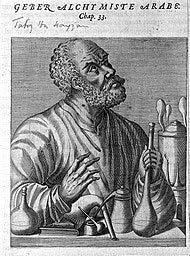
Hecreatedacomprehensiveguidetothe numberingsystem,whichhederivedfromtheIndian Brahmisystemandusedonly10digits(zerotonine, theso-called'Arabicnumerals').Al-Khwarizmi likewiseutilisedthewordvariablebasedmath('aljabr')todepictthenumericaltaskshepresented,for example,adjustingconditions,whichhelpedinafew everydayissues.
Jabirwasachemist,whomadeithisjourneyto makegoldfromdifferentmetals,andfoundsolid acids,forexample,sulfuric,hydrochloricandnitric acids.Aquaregis(royalwater),avolatilemixtureof hydrochloricandnitricacid,istheonlysubstance thatcandissolvegold,andhewasthefirstto discoverit.Jabircreatedalkalisthatinteractedwith theiracidiccounterpartsinordertocontrolthe monsterhehadcreated.Thisinteractionisnow referredtoasneutralisationinmodernchemistry.
DespitehavingbeenfirstconceptualisedinOldGreece, Al-Battanifurthercreatedgeometryasafreepartof science,creatingconnections,forexample, tanø=sinø/cosø.HisgoalwastobeabletofindMecca fromanywhere,whichwouldhelpMuslimsperform Muslimritualslikeburialandprayer,whichrequire participantstofacetheholycity.Hewasanastronomer also,havingshowedthatthefarthestdistanceoftheSun fromtheEarthvariesand,asaresult,eclipsesthatoccur onayearlybasisoftheSunarepossibleaswellastotal eclipses,puttinglifeincompletedarknessforaperiodof time.
Al-Haithamisviewedasoneoftheorganisersbehind currentoptics.PtolemyandAristotleestimatedthatlight eithersparkledfromtheeyetoenlightenitemsorthat lightradiatedfromobjectsthemselves.Al-Haitham,on theotherhand,proposedthatlightreachestheeyevia raysemanatingfromvariouspointsonanobject. ThelawsofrefractionwerediscoveredbyIbnal-Haytham afterhecarriedoutathoroughinvestigationintohow lighttravelsthroughvariousmaterials.Helikewisedidthe initialexaminationsonthescatteringoflightintoits constituenttones


Age rating: 14+ (young adult)
Features: Persian mythology and a sapphic relationship
Plot: a captivating and utterly original fairy tale about a girl cursed to be poisonous to the touch, and who discovers what power might lie in such a curse. Soraya thought she knew her place in the world, but when her choices lead to consequences she never imagined, she begins to question who she is and who she is becoming...human or demon. Princess or monster.
Age rating: 15
Features: based on the Ma Waraa Al Tabiaa novel series, includes the supernatural Plot: haematologist Refaat Ismail, a strong scientific mind, encounters a series of unexplainable paranormal events. Soon, he starts questioning his life and loses sense of what he believes in.
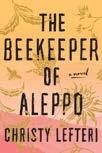

Age rating: 14+
Plot: Nuri is a beekeeper; his wife, Afra, an artist. They live a simple life in the beautiful Syrian city of Aleppo - until the unthinkable happens. When all they care for is destroyed by war, they are forced to escape. As Nuri and Afra travel through a broken world, they must confront not only the pain of their own unspeakable loss, but dangers that would overwhelm the bravest of souls. Above all - and perhaps this is the hardest thing they face - they must journey to find each other again.
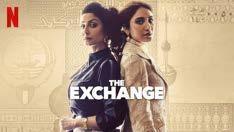
Age rating: 12
Plot: the series explores the tale of Farida and Munira, two ever competitive cousins who are effortlessly good at mathematics and are keen to take on Kuwait's hectic stock exchange. It tells the story of how the duo became the first women in the Kuwaiti Stock Exchange and the multiple challenges they faced in the male-dominated industry.
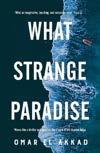
Age rating: 16+
Plot: another dilapidated ship has sunk under the weight of its too many passengers: Syrians, Ethiopians, Egyptians, Lebanese, Palestinians, all of them desperate to escape lives back in their homelands. But, someone has survived the passage: nine-year-old Amir, who is soon rescued by Vanna. Vanna is a teenage girl, who, despite being native to the island, experiences her own sense of homelessness in a place and among people she has come to disdain. It is a story of two children finding their way through a hostile world, but also a story of empathy and indifference, of hope and despair- and about the way each of those things can blind us to reality.
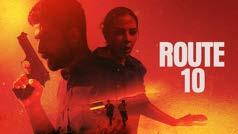
Age rating: 12
Plot: when their flight from Riyadh is cancelled, a brother and sister go on a risky road trip through the desert to attend their father's wedding in Abu Dhabi. A heartracing thriller in which their trip takes a turn when they are pursued by an angry stranger and end up in a fight for their lives.
Age rating: 14+
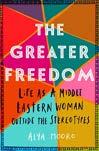
Plot: Egyptian-born and London-raised, Alya Mooro grew up between two cultures and felt a pull from both. Where could she turn for advice and inspiration when it seemed there was nobody else like her? Mooro is determined to explore and explode the myth that she must identify either as ‘Western’ or as one of almost 400 million other ‘Arabs’ across the Middle East. Mooro gives voice to the Middle Eastern women who, like her, don’t fit the mould. Women under pressure to conform to society’s ideals of how a woman should look and behave, what she should want and be. Women who want to think and act and love freely, without feeling that every choice means ‘picking a side’. Women who are two things at once and, consequently, neither.

Age rating: 12
Plot: after a duo of slackers dress up as policemen for a costume party, they decide to prolong their disguise- not knowing that it will lead them to danger. A perfect combination between a comedy and a thriller, this is the perfect movie for a film night.
The Middle East is a predominantly Islamic area. Prior to the popularisation of Islam, pagan beliefs permeated every sphereofsociety.ThemaintenantsofIslamaresubmissionto the will of God hence the name ‘Islam’ meaning submission. The belief system can be condensed into this as ‘there is no god but God and Muhammad is his messenger.’ The Quran is believed to be the direct words of Allah (God) that were revealed to Prophet Muhammad on the ‘Night of Power’ in CE 610.Muhammadissaidtobethelastprophetthatwasmeant to bring people back to Allah. There are arguably two strong underlyingmessagesthatIslamstandsupon:themonotheistic natureoftheIslamicGod,aswellastakingcareofthoseless fortunate than oneself. This quote from the Quran perfectly summarises the latter idea, ‘the good person spends his substance - however much he himself may cherish it - upon his near of kin, and the orphans, and the needy, and the wayfarer, and the beggars, and for the freeing of human beings from bondage.’ The impact Islam has had on the Middle East is unquantifiable. It has impacted every area of societyfrompoliticstodietarychoices.
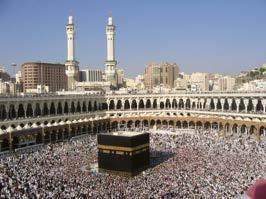
After the ‘Night of Power’ in CE 610, Muhammad began to share the message he received around Mecca. Muhammad’s following grew in Mecca. Muhammad was a part of the Quraish tribe. One of the most prestigious tribes in the area. They were involved in the pilgrim trade in Mecca and the belief in their polytheistic gods was central to their trade. The Quraish tribe believed their gods gave them such success in theirtrade.ThusMuhammad’smessagewasnotreceivedwell as he asserted the doctrine of monotheism, one God. As a result, Muhammad and his followers were exiled in 622 CE to Medina. This is became known as the hijra meaning ‘the flight.’ The hijra was a significant moment on the timeline of Islam and is celebrated annually. Dr Ibrahim B. Syed says: ‘throughout the history of Islam, the migration was a transitionallinebetweenthetwomajorerasregardingtothe message of Islam: the era of Mecca and the era of Medina. In its essence, this signified a transition from one phase to another.' Despite Muhammad and his followers fleeing persecution, in Mecca there was still violent dissensions several years after. However, Mecca eventually surrendered to Muhammad. They surrendered due to a conquest led by Muhammed with 10,000 men in December 629 - January 630. Muhammad overthrew Kaaba which was a pagan symbol, and he is said to have reclaimed it for Allah. The Kaaba is now said to be the ‘dwelling place’ of Allah. Nowadays, over 2millionMuslimsvisitthisshrineannuallyasapartofHajj.
There are 5 main tenants for Muslims, specifically Shia (branch of Islam): the declaration of faith, to testify that there is no true deity except God, and that Muhammad is His Messenger (Shahadah), to pray five times a day (Salah), to pay the yearly alms (Zaleah), to fast during the month of Ramadan (Sawm), and to make the pilgrimage to Makkah that Muslims are to visit once in their life (Hajj).
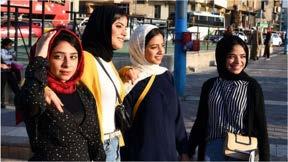
The Middle East is an area that is dominated by a patriarchal society. However, that is a generalisation of the Middle East. The treatment of women differs from country to country in the Middle East. Saudi Arabia can be seen as the epitome of the patriarchy in the Middle East and the impact this has on women is devastating. Women are viewed as the property of their fathers or husbands, for example women cannot apply for a passport, or travel outside the country without their male guardian’s approval. This law was only changed in 2019. In June 2018, women were finally allowed to drive and were given a license after a 30-year prohibition period.
The guardianship system is Saudi Arabia in the cause for unequal rights in Saudi Arabia. Each woman is assigned a male as her guardian and she is to submit to him, and he has authority over her life. When she is born, her guardian is her father and this is transferred onto the husband when she is married. Women are viewed as objects and property until the day they die. Saudi rulers attempt to justify their misogynistic, oppressive actions by misconstruing the Quran to fit into their sexist ideologies. Verses in the Quran such as 'o, you who have believed, it is not lawful for you to inherit women by compulsion. And do not make difficulties for them in order to take back part of what you gave them unless they commit a clear immorality. And live with them in kindness. For if you dislike them - perhaps you dislike a thing and Allah makes therein much good.' from Quran 4:19 unequivocally prohibit sexist treatment of women.
Despite verses like the one above, there are some verses that spark contention in the Islamic community and external to it too. The main verse that appears to encourage the subordinance of women and excuse domestic violence is verse 4:34: 'men are the caretakers of women, as men have been provisioned by Allah over women and tasked with supporting them financially. And righteous women are devoutly obedient and, when alone, protective of what Allah has entrusted them with. And if you sense ill-conduct from your women, advise them first, if they persist, do not share their beds, but if they still persist, then discipline them. But if they change their ways, do not be unjust to them.' How would a Muslim reconcile these two verses, as they seem paradoxical? The Quran was originally written in Arabic, thus the translations into English may not always fully encapsulate the original meaning and intention of the writer. When we look at the Arabic version the meaning is slightly different and is reconcilable with the verse above.
The prevailing sexist attitudes towards women in the Middle East are not solely based upon Islam but rather years of a patriarchal, misogynistic culture and society. The West typically has a pejorative view on the treatment of women in the Middle East and whilst it is not completely unfounded, it normally stems from Islamophobic stereotypes. Unfortunately, Islam has become synonymous with the oppression of woman in the West. This is mostly due to conventions around the hijab.
The history of the hijab has caused lots of controversy. In Iran in the 1920s, the number of people wearing a hijab began to decline, but with the rule of Reza Shah, the choice of not wearing a hijab was discouraged. Eventually, in 1936, it was made compulsory to wear a hijab for the next five years. When his successor came, Mohammed Reza Pahlavi, the number of people wearing the hijab began to decrease again, as it was perceived to be archaic and wasn’t worn by people of a ‘higher’ social class. After the Islamic Revolution, from 1978 to 1979, the wearing a hijab became a legal requirement. In the spring of 1979, Ayatollah Ruholla Khomeini, leader of the revolution, announced that women had to observe Islamic dress code, which included the hijab. Propaganda was used to force women into wearing the hijab. Slogans such as: 'wear a veil, or we will punch your head'and'deathtotheunveiled,'wereplasteredaroundIran. Moreover, Khomeini said that non-hijab wearing women were part of the revolution, 'the women who contributed to the revolution were and are women who wear modest clothes... these coquettish women, who wear makeup and put their necks, hair and bodies on display in the streets, did not fight the Shah. They have done nothing righteous. They do not know how to be useful, neither to society, nor politically or vocationally. And the reason is because they distract and anger people by exposing themselves.’ In July of 1981, a law of compulsory veiling in public was made, with women and girls over 9 being forced into covering their hair, and hiding the shape of their bodies under long, loose robes. In 1982, Iran's Supreme Leader Ali Khamenei, said that the policy (of unveiling - not making the hijab compulsory) was intended to 'eradicate the tremendous power of faith' in Muslim societies thatwasenabledbywhathetermedthe'decencyofwomen', for in his opinion, the hijab protected Muslim women from the 'malicious abuse' suffered by women in the Western societies, and to free the people from fixation with sexual desire. In 1983, a new policy was enforced by an Islamic Punishment Law, which was a punishment of 74 lashes on women who failed to cover their hair in public. How strictly the laws are enforced are partially dependent on the ruling power of the time.
In May 2017, a movement called the White Wednesday movement was created in an attempt to advocate for women's liberty pertaining to the hijab. The campaign encouraged men and women to wear white scarves, bracelets or veils to show their opposition to the mandatory forced veiling code. This movement spread all over social media. Masih Alinejad, the person who started the protest in 2017, described the campaign as 'addressed to women who willinglyweartheveil,butwhoremainopposedtotheideaof imposing it on others. Many veiled women in Iran also find the compulsory imposition of the veil to be an insult. By taking videos of themselves wearing white, these women can also showtheirdisagreementwithcompulsion.'
Whilst some Muslim women may be forced into wearing the hijab, this is not the entire story for many Muslim women around the world. Nazma Khan, the founder of World Hijab Day (on the 1st of February every year), interviewed Muslim women and asked them why they personally choose to wear a hijab. Asha Hussein, one of the women interviewed, explained how the hijab makes her feel less objectified. She explains that 'the first thing I noticed was that people listened more to what I was saying. I was coming to people as a blank canvas and that, as a woman, is both empowering and liberating. It's addictive. I am not my hair, I am not my beauty, I am not my body. I am me.’
The discourse around whether the hijab is oppressive came to light again after the proposed law in France in March 2021 to ban head scarves for under eighteen year-olds. On social media, the hashtag #HandsOffMyHijab began to circulate, which led to discourse about whether the hijab was oppressive or not. Historically, the hijab may have been used as a tool of oppression but nowadays many women choose to wear it out of obedience to their God, Allah and out of modesty. Moreover, many hijabis feel protected when wearing it. Whilst the West may perceive the choice to wear a hijab as a symbol of oppression and misogyny this is not the truth for many, who believe it to be empowering.
Petra, a beautiful city about 240 kilometres south of Amman, Jordan's capital, is important to archaeologists due to its rocklike structures. It is a World Wonder that dates back to the fourth century BC. One begins at Wadi Musa, the park's entrance, and visitors can follow a trail into the Siq, a gorge created when two mountain tectonic plates separated. The rest of the 'Red Rose City,' so named for the pink-hued stone it is carved from, can easily be explored in a single day once you pass through the passageways. The tombs and houses on the Street of Facades, as well as hiking unmarked roads for spectacular views, are additional highlights of Petra.
AVNEET HAYER
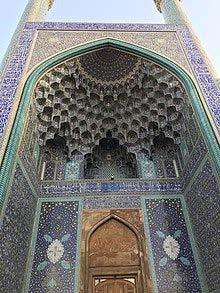
Masjed- e-Shah:
At the beginning of Esfahan's main square, this elegant mosque is a stunning monument thanks to its perfect proportions and the recognisable blue-tiled mosaics that decorate it. It has remained unaltered since its construction four hundred years ago, serving as a memorial to Shah Abbas I's vision and the Safavid dynasty's accomplishments. The mosque's crowning dome was finished in 1629, which was Shah Abbas's last year in power.

AVNEET HAYER, L6ZKS
Jerash is around 50 kilometres to the north of Amman, the capital of Jordan. Jerash has been dubbed the 'Pompeii of the East' due to similarities in its layout and architecture to Pompeii. This is also one of the largest Roman ruins outside of Europe. The Oval Forum, the ancient colonnaded Street, the Temple of Artemis, and the Arch of Hadrian are all must-see attractions. Historically known as Gerasa, the Greco-Roman ruins of Jerash are said to be founded by Alexander the Great. The site is still undergoing excavation. Renovation projects of the Jerash ruins started in the 1920s and are ongoing.


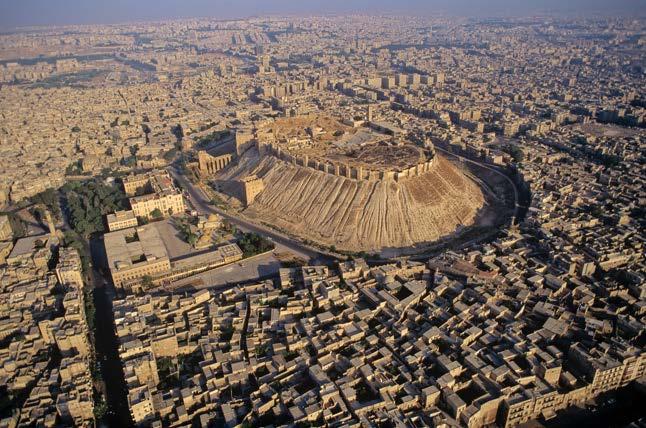
A truly must-see Middle Eastern historical site and one of Jerusalem's most prominent silhouettes. The citadel actually dates back to the Middle Ages, despite being named after the biblical king of the Kingdom of Israel and Judah, David. The Herodian Period (37 BC-70 AD), the Hasmonean Period (141-63 BC), and the First Temple (from 1006 to 586 BC) are all represented in the complex's walls and towers. One of the main reasons the beautiful fortress is so important to history is that it is on a strategic high point between eastern and western Jerusalem, close to Jaffa Gate. The Museum of the History of Jerusalem is now housed in the citadel complex, where visitors can discover more than 3000 years of the city's history.
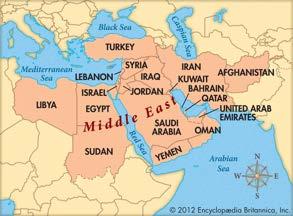
The Middle East is a region which is largely impacted by its geographical location. Although it is disputed which countries make up the Middle East, those typically mentioned include: Iran, Iraq, Turkey, Egypt, Israel, JordanandSaudiArabiatonameafew.
In the news, the Middle East is usually reported on due towar,naturaldisasters(suchastherecentearthquakes in Turkey and Syria), or the lavish lifestyle some live. However, we rarely see reports on the socio-economic side of the Middle East - partially because it was previously believed that the Middle East was relatively equal in terms of the divide between the rich and the poor. However, there is not only a disparity between the classes in this notorious region, but also between genders, which can be quantified by the Gender InequalityIndex (GII) by the United Nations Development Programme(UNDP).
Oil is an abundant resource in the Middle East, and to put it into perspective, Saudi Arabia (2nd), Iraq (6th), Iran (7th), the UAE (8th) and Kuwait (10th) are in the top 10 for the world’s biggest oil producers. Whilst oil production can often be an indicator for the economics status of a country - for example the USA is the world’s biggest oil producer and ranked 1st for GDP in 2022this is not the case for any of the countries aforementioned. One large reason for this is that many countries in the Middle East lack skilled workers. That meant that although they were/are able to harvest the oil,thereisnoindustrywithintheMiddleEasttobeable to do anything with the oil. This can be represented by the fact that the Balance of Trade in the UAE is 290300 (AEDMillion)whereasboththeUKandUSareoperating with a negative Balance of Trade of –5681 (GBP Million) and –68.9 (USD Billion) respectively. The Balance of Trade represents the difference between a country’s imports and exports. This therefore shows that the UAE exports a lot more than it imports, further shown as it is the world’s largest petroleum exporter - whereas both theUKandtheUSimportmorethanitexports.
Thewarsandnaturaldisastersthatweoftenhearabout in the news also contribute to this problem, and during the Iran-Iraq wars, over three million refugees fled from Iran,Kuwaitandthesurroundingareas.
This contributes to the growing disparity between the classes in the Middle East. Currently, in the Middle East, the top 10% of earners earn around 64% of national wealth, which points to an unequal distribution of income. This differs from western Europe, where the top 10% account for 37% of national wealth. Historic wars waged in the Middle East, most of them off the back of the Arab-Israeli conflict beginning in 1948 and the IranIraqwar,meanthatmenhavedied(over1millionintotal from just those two wars), further contributing to the incentive to flee. As of 2021, 9.2 million Iraqis were situated in other countries. It is thought that over half of Arabs are employed in the informal sector, excluding them from protection such as minimum wage, health insurance, pensions and more. The IMF reports that unemployment is the highest in the MENA (Middle East and North Africa) region, primarily amongst young workers, who, in the MENA region, make up around 50% of the population. This means that those in poverty are more likely to remain in poverty, as the lack of jobs/highly skilled jobs mean that it is hard to earn a decentwage.Warshavepaidalargepartinthelackof skilled workers, as refugees from Syria, Yemen and Iraq meantthatby2017,therewereover14.3millionchildren outofschool(accordingtotheUN).
In terms of classes, it seems like there is solely the rich and the poor with no in-between. The poor being in poverty or very close to it, where poverty is defined as the inability to purchase basic necessities (food, clean water,shelter,sanitaryproducts).Recentfiguressuggest that amongst Arab countries, almost 41% of the population is considered to be living in poverty and another 20% are at risk/classified as vulnerable. Previously, it was believed that the middle east was a relatively equal region, possibly because previous ways of measuring expenditure looked at the average per capita instead of considering the range between the richest and the poorest. The HDI indicator is used as a general measure for the welfare of the people in a country and stands for Human Development Index. Although the HDI indicator and other surveys indicate that the Middle East does not suffer from as much inequality as was recently suggested, an article written byLydiaAssouad,ThomasPikettyandFacundoAlvaredo argues that it is one of the most unequal regions in the world, and this can be shown through distributional national accounts. In 2019. Rami G Khouri published an articleaboutinequalityintheMiddleEast.Itagreeswith the position assumed by Assouad, Piketty and Alvaredo, who argue that the statistics in the Middle East are not trulyrepresentativeoftheeconomicsituation.

We often hear and witness in the media that we are presented that women are inferior, without rights and votes, often ostracising an entire nation. But what are the origins of these issues; where do they stem from? These are questions that are rooted in historical education, merely not accepting what we are told, but questioning the unknown, seeking answers for the underlying factors, what lies underneath the surface. As spoken by Alanoud Alsharekh ‘a common theme across the region has been the intersection between women’s demands for more rights and the history of colonisation’.


Rooted inherently in the Middle East’s history books is its occupation by western forces. It has been argued by many historical theorists that women have been hindered by colonial forces, and that there is immense intersectionality within these though processes. The two facets of colonialism and its effects intersecting with the feminist movement is something that has been observed and analysed over the past few years. Social constructs were shaped and instilled in society through the colonial powers. Colonialisation thereby instituted the basis of the European model of patriarchy as the leading gender which was then deciphered as the means against which all others were judged, raising the profile of the coloniality of gender concept. According to postcolonial and feminist scholars, many nations continue to mistreat women long after they gained independence due to both patriarchal and colonial authority. As a result, both male authority and imperialism dominate women. One Middle Eastern nation after another was colonised by the European powers. In 1830, France took over Algeria, and nine years later, Britain took over Aden located in Yemen. Egypt was taken over in 1881, Tunisia in 1882, Libya in 1912, and Morocco in 1912.
Islam was introduced to the Arab Peninsula in the seventh century, and it became ground-breaking. Islam revolutionised women's role in society, as unlike any force before, as it uplifted their status in both the public and domestic spheres, and declared them as morally equal in God's view. Islam provided women with rights that men must fulfil upon them, such as the dowry, inheritance, and financial maintenance in divorce, and condemned the practice of female infanticide and abuse. Women have done a lot to gain every little bit of freedom they have, they have fought for it, and they have paid a high price for it too.
Often people perceive that because of the colonialisation of these parties, the ethos of restricting and tying female voices down has been unfortunately perpetuated as it has manifested long after independence has been gained for these Middle Eastern countries.


1907:
THE FIRST FEMALE EGYPTIAN TO COMPLETE HIGH SCHOOL AND RECEIVE A BACCALAUREATE DEGREE WAS NABAWIYA MOUSSA. BEFORE ANOTHER EGYPTIAN GIRL RECEIVES THIS DEGREE, 21 YEARS WILL PASS. THROUGHOUT HER LIFE, MOUSSA HAS BEEN A TRAILBLAZER IN THE FIELD OF WOMEN'S EDUCATION, ADVOCATING FOR IT THROUGH HER TEACHING, WRITING, AND SPEAKING.
1840: WOMEN'S RIGHTS TIMELINE
THE EMINENT FEMALE POET AND AUTHOR AISHA TAYMUR WAS BORN IN EGYPT. AISHA TAYMUR PARTOOK IN THE EARLY 20TH CENTURY FIGHT FOR WOMEN'S INDEPENDENCE. SHE IS A KEY PLAYER IN THE INTELLECTUAL AND CULTURAL UPRISING OF THE ARAB WORLD.
1923:
FOLLOWING A FEMINIST MEETING IN ROME, 3 PROMINENT MEMBERS OF THE EGYPTIAN WOMEN'S MOVEMENT REMOVE THEIR HEADSCARVES IN CAIRO. HUDA SHAARAWI, CEZA NABARAWI, AND NABAWIYA MOUSSA PROUDLY REMOVED THEIR HIJABS TO SIGNIFY THEIR EMANCIPATION AT THE CAIRO TRAIN STATION. THEY WANTED CHANGES TO THE LAWS GOVERNING MARRIAGE, DIVORCE, CHILD CUSTODY, AS WELL AS THE RIGHT TO VOTE.
1969-74:
A FORCE TO BE RECKONED WITH, GOLDA MEIR, WHO WAS RAISED IN MILWAUKEE AND LEFT FOR PALESTINE IN 1921. MEIR SUCCEEDED LEVI ESHKOL AS PRIME MINISTER IN 1969 AFTER SERVING IN THE FIRST ISRAELI GOVERNMENT SINCE 1948 AS AN AMBASSADOR, A MEMBER OF THE KNESSET, AND FOREIGN MINISTER FOR TEN YEARS.

The Middle East is widely known as being an incredibly wealthy collection of countries. It holds a legacy of wealth, opulence and prestige. It holds great centrality to the modern world, and now more than ever is a driving force in the world of tourism and entertainment, emanating the appeal synonymous with the big cities, whilestillmaintainingitsregality.Why?Theshortanswer is the discovery of oil. Over the past few decades, the wealth that is situated in the Middle East has become increasingly apparent. Of course, there are areas that are stricken with immense poverty, and bloodshed, thereby the polar extremes can be easily identified acrosstheMiddleEasternregionalities.
Some of the world's largest oil-producing nations are located in the Middle East. Saudi Arabia, Iraq, the Unified Arab Emirates (UAE) and Kuwait are all in the main ten oil trading nations universally. The world's economy runs on oil, and many Centre Eastern nations have become remarkably rich from it. Oil-producing nations are frequently associated with the Middle East's wealthiest nations. Prior to the discovery of oil in the 1930s, the region was poor compared to global standards. Oil wealth can now be used to fund economic diversifications in the Middle East, such as focusing on tourism, aviation, global business, and infrastructure projects. This is especially true, as witnessed in Dubai and Saudi Arabia for example, as those nations are diversifying their output to more tertiary sector based fields, to ensure longevity of relevanceandwealthforthefuture.
This then poses the question of, how? Why is it that the Middle East is so densely rich with all of the raw oil reserves and thus an energy and financial goldmine? Structural action - with tectonic action north of millions of years, the Tethys Sea retreated and Centre East was changed over into dry, sandy desert. This brought out the topmost layers, below which are a lot of oil and natural gas deposits. The economy of the Middle East is powered by oil and natural gas. Nearly half of the world's known natural gas reserves and 53% of the world'sprovenoilreservesarelocatedintheregion.
Compared to the global average of just 12%, these two resources account for 51% of all goods exported by the region. Kuwaitis, Qataris, and Emiratis are among the world's wealthiest citizens, and only a small number of nations have vast oil and gas reserves. However, disparities are always going to prevalent. As a juxtaposition, those nations with restricted normal assets - for instance, Yemen, Morocco, and Jordan - have residents who acquire less per capita than the worldwide normal. As a result, oil and gas are the fastest routes to wealth in a region vastly riddled with levels of inequality.
The history of the Middle East is extremely extensive. Antiquated destinations and urban communities that are extremely old, as well as dazzling scenes and current extravagances, draw travellers from everywhere in the world. Visitors bring in a lot of money for nations like Egypt, Jordan, and the United Arab Emirates. The Middle East is wealthy because it has been a popular tourist destination for a long time. The Middle East is home to three of the most influential religions in the world. In the region, there are holy sites belonging to Christianity, Islam, and Judaism. Numerous individuals travel to the Middle East to attend religiously significant sites of worship. This carries a huge number of travellerstothelocaleeveryyearandisonemorejustification forwhynationsintheCentreEast,likeSaudiArabia,Iraqand Israel, are prospering financially. The Middle East is in close proximity to Africa, Asia, and Europe. It has been a region where people and trade have moved through major civilizations for centuries. Today, the Centre East is well off in light of the fact that benefiting from its place between significant worldwide markets is capable. Simply put, the Middle East's location is crucial to its prosperity. As well just like a significant area between fundamental districts of the world, the essential area of the Centre East guarantees the nations of the locale support from strong partners. In order to guarantee the continued prosperity of the nations in the MiddleEast,significantinvestmentsaremadeintheregionby major powers like the United States, China, Russia, and the European Union. Middle Eastern nations are crucial to the currentinternationalorderduetotheirstrategiclocation.
What is most ingenious about the Middle East is the integral factor that they are progressively looking into the future, as the leaders recognise that the historical line of oil supply cannot be sustainable. Looking upon the future endeavours, investment has been made to create a legacy of wealth. The MiddleEast'spositionasahubforinternationalbusinessisyet another factor contributing to its prosperity. Bahrain, Qatar, Saudi Arabia, and the United Arab Emirates are just a few of theMiddleEasternnationsthatactivelyencouragebusinesses from all over the world to set up shop there. Global brands have begun moving their headquarters out of the Middle East as a result of generous tax regimes, lucrative investments, business opportunities, and government policies that support business.

THINGS FELL APART TIME HAD RUN OFF AND THE WALL OF HUMANITY BROKEN DOWN THE SOLDIERS HAVE TIED THEIR SADDLES A WAR JUST BEGAN I WAS NOT THE ONE THE GUN SHOT BUT A PAIN SILENTLY SETTLED IN ME AND I NEVER KNEW THERE WAS A SEA OF TEARS HIDDEN MINE WITHIN THEN I FOUND MYSELF STANDING IN THE MIDDLE OF THE MIDDLE EAST; THE SOLDERS SENSELESS THE RULERS AIMLESS HUMANITY HOPELESS LOVE HAS LOST ITS LANGUAGE THE SONG LOST ITS TONE BEST A SOLDER PICKED HIS GUN UP I TOLD HIM, SHOOT AT ME, LET THEM RUN AND DARKNESS ENGULFED YOU
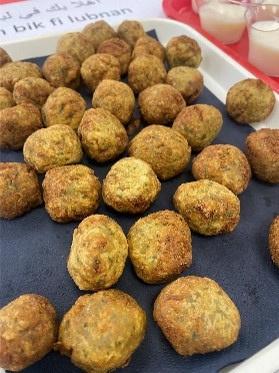
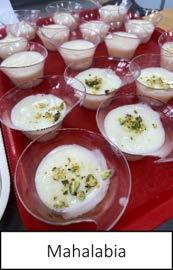
InarecentcollaborationwithBablake’sownFoodVoyager Club,thisarticlewillhelpyoutoknowmoreaboutMiddle Easterncuisineaftervariouspupilscookedupsome Lebanesedelights.Lebanesecuisineisaharmoniousmixof Mediterranean,MiddleEastern,andFrenchcuisines,withthe Mediterraneaninfluencebeingthemostprominent.This varietyofinfluenceonLebanesecuisineisduetothefact thatLebanonhaspreviouslybeenruledbyforeignpowers thathaveinfluencedtheLebanesecuisine.Fromthe16th century,theOttomanEmpirecontrolledLebanonand introducedavarietyoffoodsthathavebecomestaplesin theLebanesediet,includingbaklava,pickledvegetables andlambdishes.AftertheOttomans,Francetookcontrolof Lebanon,whenthecountrywonitsindependence.During thistime,theFrenchintroducedanarrayoftheirmost widelyeatenfoods,particularlytreatssuchascheeseanda varietyofpastries.Inordertoprovideanaccurate representationofthewonderfulcuisine,thefood departmentmadethreedishes:falafel,mahalabiaand tabbouleh.
Theonethatthemajorityofpeoplewill recogniseisfalafel,whichareballsorpatties madefromchickpeasorfavabeans,plusfresh herbsandspices,mahalabia(acreamymilk puddingdessertincludingavarietyofflavours ortoppings,buttraditionallyincludesagarnish ofnutsandrosepetals)andtabbouleh,a saladtraditionallymadeofbulgur,tomato, andfinelychoppedparsleyandmint,often includingonionandgarlic,seasonedwitholive oil,lemonjuiceandsalt.
ThemembersofFoodVoyagerclubthentried andratedeachdish.Theclearwinner,with8 outof10membersagreeing,wasthefalafels. Somesaidthiswasbecauseittastedthebest; andothers,likeAmar,Ariel,Rowan,Daisyand Lucas,saiditwasbecauseofthetextureand flavour.However,someofthemembers preferredtheotherdishes:Riansaidthe mahalabiawasthebestbecauseitwas smooth,lightanddelicious,andAnay preferredthetabbouleh,sayingthattheherbs andspiceswentverywelltogether.

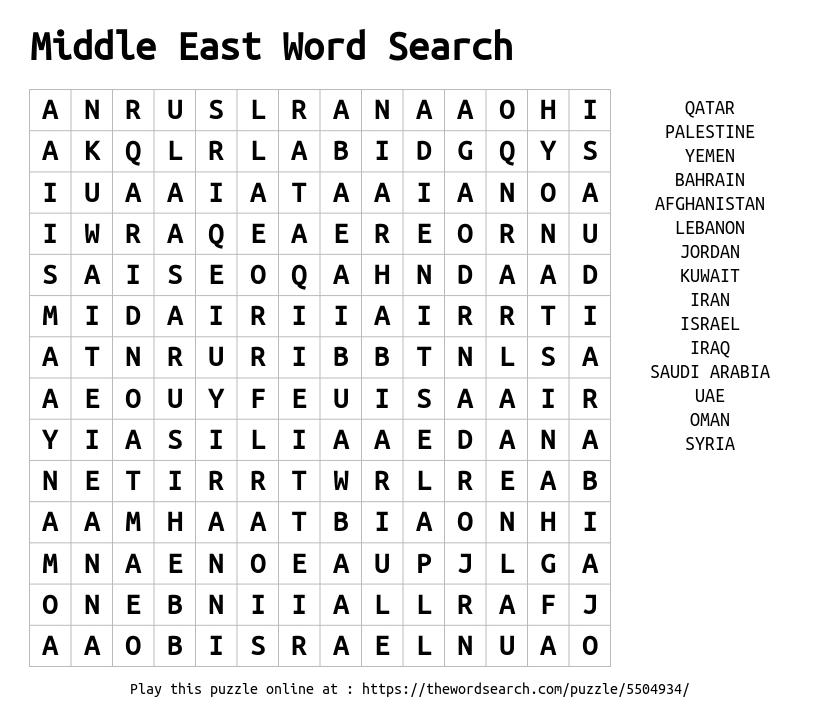
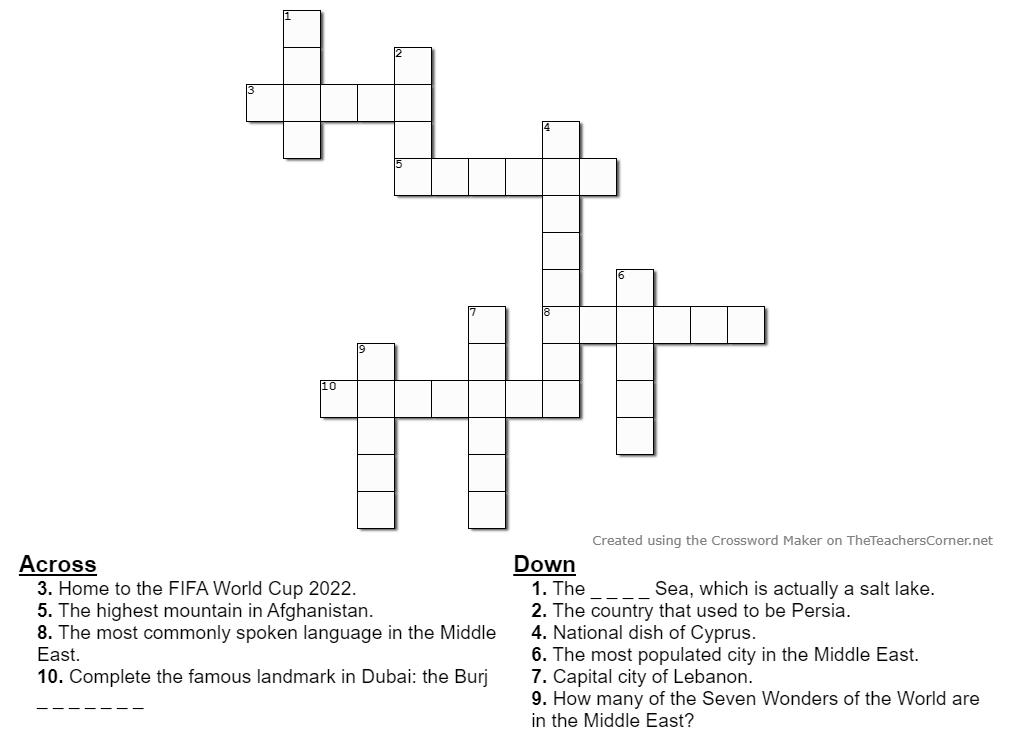
THE _ _ _ _ SEA, WHICH IS ACTUALLY A SALT LAKE
THE COUNTRY THAT USED TO BE PERSIA
HOME TO THE FIFA WORLD CUP 2022
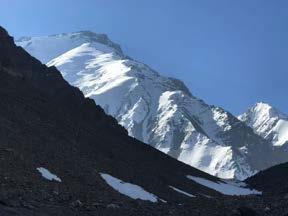
THE NATIONAL DISH OF CYPRUS THE HIGHEST MOUNTAIN IN AFGHANISTAN
THE MOST POPULATED CITY IN THE MIDDLE EAST
THE CAPTIAL CITY OF LEBANON
THE MOST COMMONLY SPOKEN LANGUAGE IN THE MIDDLE EAST
9. HOW MANY OF THE SEVEN WONDERS OF THE WORLD ARE IN THE MIDDLE EAST?
10. COMPLETE THE FAMOUS LANDMARK IN DUBAI (THE TALLEST BUILDING IN THE WORLD CURRENTLY): THE BURJ
ONE- DEAD
TWO- IRAN
THREE- QATAR
FOUR- FASOLADA
FIVE- NOSHAQ
SIX- CAIRO
SEVEN- BEIRUT
EIGHT- ARABIC
NINE- THREE
TEN- KHALIFA
Which Arab mathematician played an important role in introducing Indian numerals to the Islamic world? Use page 15!
2. When was the Great Syrian Revolt? Use page 2!
3. What was the name of the British High Commissioner of Egypt who engaged in the McMahon-Hussein Correspondence of 1915? Use page 4!
4. What was the name of the university that Fatima Al-Fihri founded? Use page 6!
5. What is the name of the landmark that pays ode to the biblical King of Judah? Use page 21!
6. Which Middle Eastern country is the second biggest oil producer in the world? Use page 22!
7. Who was the first female Egyptian to complete high school and receive a Baccalaureate degree? Use page 25!
8. Who wrote the poem 'Things Fell Apart?' Use page 27!
9. When were women in Saudi Arabia legally permitted to drive? Use page 18!
10. What movement was created in 2017 that advocates for women's liberty pertaining to the hijab? Use page 19!