HEALTH & MEDICINE
Health is important–obviously.
It’s probably the most important thing that each of us have to monitor in our everyday life, and yet our idea of health has changed over time.
Back in 1948, the World Health Organization defined this impalpable concept as “a state of complete physical, mental, and social well-being and not merely the absence of disease or infirmity.”
Nearly 40 years later, they elaborated, stating that it was rather, “A resource





for everyday life, not the objective of living.” This important clarification suggested that health was an amalgamation of factors that supported one’s ability to function in communities and society at-large. Being healthy no longer meant that one was just mentally and physically capable, it meant that one was living a full life with meaning and purpose.
Now, more than 40 years after that, as we continue to fend o the ever-encroaching pandemic, it seems as though we are in need of a new defini-

tion. One that encapsulates our new–and volatile–relationship with masks and vaccines, one that considers the global ramifications of an unhealthy society and one that understands how health can be the one thing that keeps us from the brink of precarity.


It may seem counterintuitive to throw a blanket definition on health, but it’s always something that can be improved on. It’s something we can aspire to. Health is a journey that never truly ends, and with that, please enjoy this special edition of the Arizona Daily Sun.



00 1
SUNDAY, MARCH 19, 2023 | azdailysun.com | SPECIAL SECTION
JAKE
DAILY SUN
Ed Kohl talks with nurse practitioner Shanna Ramat inside a mobile medical clinic from North Country Healthcare at Flagsta Shelter Services. Kohl was getting his medications refilled.
BACON , ARIZONA
THE PATH TO HEALING
Coley Todd shares his recovery experience at the Rehabilitation Hospital of Northern Arizona


Coley Todd has always been physically active. He works as an Excavator in construction and helps run the family construction business. Through his youth he was active in basketball and motor cross, racing dirt bikes. He had stepped away from racing dirt bikes, but in his 30s picked the sport up again. He considered himself a “weekend warrior” and participated in the Phoenix Motor Cross Series racing dirt bikes. One of those weekend races changed his life. Coley and his wife Victoria shared the day in April 2022. Coley explained, “I don’t recall much from the accident or the days at the Phoenix hospital or the first week at Rehabilitation Hospital of Northern Arizona (RHNA), “I slept a lot. My wife has had to fill in the missing pieces.” Victoria, who is a physical therapist by trade, stated, “He wrecked on a wet track on a jump. I was there and when I got to him, I saw that he had cracked his helmet. I had a gut feeling there was a head injury. There was an ambulance on scene, but we had to wait for another ambulance to transport him to the hospital. He didn’t know who I was.” Coley was transported to a hospital in Phoenix.
He was diagnosed with a right scapula fracture, back fracture, a right acromioclavicular joint (AC) separation of his shoulder, a right elbow fracture, pulmonary contusions and brain injuries. Coley su ered a bifrontal parenchymal hemorrhage and left parietal hemorrhage which likely were to be a di use axonal injury (DAI). Di use axonal injury is the shearing (tearing) of the brain’s long connecting never fibers (axons). That happens when the brain is injured as it shifts and rotates inside the bony skull. This type of injury has also been referred to as ‘Shaken Baby Syndrome’. Coley states, “The broken bones and other injuries were nothing compared to the brain injury and what I went through with that. I would take broken bones any day over a brain injury.
We provide inpatient rehabilitation services for members of our community who are recovering from or living with debilitating medical conditions, such as:


• Strokes
• Brain injuries
• Spinal cord injuries
• Orthopedic injuries, including hip fractures
• Traumatic injuries
• ALS (Lou Gehrig’s disease)
• Multiple sclerosis
• Parkinson’s disease
• Guillain-Barré syndrome
• Amputations
• Burns
• Neurological conditions




At Rehabilitation Hospital of Northern Arizona we strive to create a healing and nurturing environment. Our hospital features 40 all-private rooms, a spacious therapy gym with the latest rehabilitative technology an aquatic therapy pool, and an outdoor therapeutic courtyard.


2 | SUNDAY, MARCH 19, 2023 ARIZONA DAILY SUN 00 1 HEALTH& MEDICINE
928 774 7070 928 774 7000 Follow Us 1851 N Gemini Drive ∞ Flagstaff, AZ 86001 RHNA.EARNESTHEALTH.COM RECOGNIZED NATIONALLY HEALING LOCALLY. COGNIZED LOCALLY STROKE CERTIFIED | BRAIN INJURY CERTIFIED
The Todd’s are expecting their first child in April 2023.
It was probably around mid-morning of the third day that I knew who my wife was.”





When discussing with both Coley and Victoria their decision to come to RHNA, Victoria stated, “I knew that he needed rehab and in a timely manner. We live in Flagsta and I wanted him to go to rehab where we lived. I had to be persistent with the hospital in Phoenix that we wanted to return to Flagsta for his rehab at RHNA. [RHNA] really worked with us to get him back home. [They] helped with arranging transport to get him back to Flagsta and it was so appreciated. There was something so comforting about looking out the window of our room and seeing Bu alo Park.” Coley stated, “I had a lot of confusion and didn’t always know where I was especially at night. During the day it was better, but at night it was really hard. I am so glad that [RHNA] let my wife stay with me, it helped so much because she helped calm me in those moments.”
At RHNA, we allow what is called Family Attendants to stay with certain patients. The family attendant is a family member approved by the leadership team to stay with the PT in their room overnight. These individuals provide a source of comfort, help in redirecting the patient in instances of confusion and for family training on the patient’s needs as a result of their condition, so they are better able to care for them in the home environment.

As Coley reflected on influences that helped the most in his recovery, he whole heartedly stated his wife and family. He stated with a little laugh and nudged his wife, “My wife is the ‘bulldog’ in the relationship. This is a good thing. She really gets things done and advocated for me every step of the way. When the Phoenix hospital was trying to influence us to stay in Phoenix, it was her persistence that got me back home to Flagsta to go to rehab. She was always
by my side, our family, too. They were so supportive.” At RHNA, as part of our Brain Injury Program, a family meeting is held within five days of admission. The multi-disciplinary team, who have earned advanced certifications to treat and manage brain injuries, works with the patient and the family to create an individualized, progressive treatment plan to o er the patient the best success at recovery.
“Dr. Balouch was so attentive,” Victoria stated. “The family, being new to brain injury needed a lot of education on what to expect, tools on how to help recovery, and we were allowed us to ask so many questions. We needed a lot of education and Dr. Balouch and Colleen, case manager, were so patient. The family conference helped us to understand the brain injury better so we could support Coley in his recovery.”
Coley knew his motivation for recovery was determination in the fact that “I didn’t want Victoria to have to take care of me forever. I had to keep pushing myself.”
Coley has made a significant recovery from both his physical injuries in addition to his brain injury. There are still sometimes that he feels he has lapses in memory, but overall feels he is pretty much back to himself. Six months after his injuries, Coley started playing basketball again. He has thought about one day getting back on his dirt bike, but for now is not going to take any chances. Coley and Veronica are expecting their first child in April of 2023. Coley states, “I have a kid on the way and I’m not going to take any chances. We are so grateful for this upcoming experience of having a child.”
Coley was asked what advice he would give to others that are recovering from a brain injury and stated, “Sometimes people don’t realize how bad an injury can be when there is not a visible injury. There can be sort of a ‘mind game’ that happens with brain injury. You ask yourself, ‘Am
I forgetting something because I’m just human like everyone else or is because of the brain injury?’ Be kind to yourself. Remember to keep trying, there are days that you don’t want to, for sure, but keep trying. Don’t give up on yourself. Keep up that drive to get back to where you were to get to your goals and keep moving forward. Recovery of your brain injury doesn’t end once your leave RHNA.”

Coley is excited for the new adventure of becoming a Dad. He and Victoria ex-

pressed that they didn’t know when or if it would be possible to have a family; and now, here they are expecting their first child about one year after his accident. Coley stated, “I believe that it was harder on my wife than it was on me having a brain injury because there were many times I could not remember. It was our journey, not just my journey in recovery from a brain injury, and I’m so grateful for her and our opportunity to grow our family.”
Feel Your Best



ARIZONA DAILY SUN SUNDAY, MARCH 19, 2023 3 00 1 HEALTH& MEDICINE
CLARICE OLSON
moments.”
“I am so glad that [RHNA] let my wife stay with me, it helped so much because she helped calm me in those
Coley Todd
Book A Consult Today! www.psna.net 928-774-2300 Plastic Surgeons of Northern Arizona’s award-winning, board-certified plastic surgeons offer: Breast Aug/Reduction ● Breast Lift Facelift ● Neck Lift ● Brow Lift Eyelid Surgery ● Rhinoplasty ● Chin Surgery Mommy Makeover ● Tummy Tuck ● Liposuction Arm Lift ● Thigh Lift ● Butt Lift CoolSculpting ● Fat Grafting ● Spider Vein Treatments Botox ● Dermal Filler ● Laser Skin Resurfacing HydraFacial ● Microneedling ● Chemical Peels Booking consults in Flagstaff Sedona, Prescott Valley Cottonwood and Kingman
HEART VALVE REPLACEMENT PROCEDURE
Having TAVR available in city solves travel needs
ABIGAIL KESSLER
Sun Staff Reporter
Aminimally invasive alternative to heart surgery has come to Flagstaff for the first time through Northern Arizona Healthcare’s (NAH) Cardiovascular Institute (CVI).
The first Transcatheter Aortic Valve Replacement (TAVR) procedure in Flagstaff was performed in September by Dr David Leder and Dr Mark Tasset A team of health care experts at CVI have performed between 20 and 25 more since, putting it on track to meet the rate of larger facilities in Phoenix, said Leder, a board-certified interventional cardiologist at CVI.
While TAVR is new to Flagstaff the procedure has been commercially available for about a decade.

Leder said TAVR is currently at a point where for patients who are at moderate or low risk for open heart surgery it is considered an equal option to heart surgery and decisions on which to use often being based on the patient’s preference.
TAVR is most often used to treat a condition called aortic stenosis, where the aortic valve stiffens and narrows,becoming unable to open fully
Leder said aortic stenosis is a common condition, affecting more than two million adults older than 75 years old a total which includes“a significant number” of northern Arizona residents
Symptoms can include chest pain, fainting and congestive heart failure. For most, however, the disease will present as shortness of breath and decreased functional capacity Diagnosis starts with talking to a doctor,who can identify stenosis with a physical examination, as it often creates a distinctive heart sound (or murmur), followed by an ultrasound (known as an echocardiogram), to look at how the valves are pumping and determine the degree of severity
If aortic stenosis is left untreated for two years Leder said the mortality rate is 20% By five years,this increases to 50%, “worse than some metastatic aggressive cancers”
The “gold standard” way to treat stenosis for years had been open-heart surgery to replace the aortic valve, a method that involves cutting through the sternum, opening the chest cavity and then removing the valve and sewing in a replacement.
“Often the surgeon would describe that being akin to major trauma for your body, Leder said It s quite an insult and especially for older patients The recovery,beyond a week in the hospital,it s often months of rehab before you get back
up to full strength You have restrictions: you can’t drive for six weeks can’t lift heavy things, all things that don’t exist with the TAVR procedure”
With TAVR,the new valve is instead inserted through the femoral arteries using a small incision in the leg Once it reaches the heart, a small balloon is inflated to place the new valve over the location of the existing valve (the balloon is removed after placement).
This is similar to the kind of stent that would be used to treat a heart artery blockage, Leder said, only much larger
It all allows for a faster recovery
For a typical TAVR patient, Leder said, “the recovery is two to four hours of bed rest, but you’re up in a chair that same evening and patients are walking and going home the next day Rather than a week in the hospital and months of recovery, its generally a day in the hospital and a couple days of recovery”
Before TAVR was available at the CVI, he said patients with stenosis in northern Arizona were referred to Phoenix for the procedure unless they were a candidate for open heart surgery, which is available at NAH.
“All of our patients basically had to drive to Phoenix ” he said “ To avoid the trip for them is phenomenal and also they’re getting the care by their regular providers So they’re getting the procedure by myself, who is obviously here in Flagstaff, and surgeons who are here, and they follow up with our cardiologists and primary care providers. All of them are local community as opposed to being sent elsewhere That’s been one of the most exciting things, I think, about this.”
What allowed the procedure to come to Flagstaff for the first time, Leder said, was NAH’s investment in CVI, specifically the inclusion of a hybrid operating room (OR). Staff training and other sup-
port and resources was also part of this investment but the main piece was having a hybrid OR, a $7 million investment, according to NAH.
Most cardiac procedures,he explained, are done in a cardiac catherization laboratory (or cath lab), which has a different set of equipment than an operating room
While “extremely rare” (meaning, a smaller than 1% chance,Leder said),inserting the new valve as part of TAVR can tear the existing aortic valve, leading to
the requirement of emergent open heart surgery to treat. Having the procedure take place in a hybrid room that has the necessary operating equipment makes it easier to respond to an emergency should one occur

Having a hybrid OR can also allow other procedures and techniques to make their way to Flagstaff, Leder said, giving examples such as vascular surgeons and new ways to treat structural heart disease. TAVR as a response to aortic stenosis is the most common example of the latter, but CVI plans to bring others to Flagstaff, such as MitraClip or valvein-valve to respond to various problems with the mitral valve.
The hope is to expand access to procedures in northern Arizona
“We have the personnel and the talent to be a true regional referral center where there really should be very little that patients should be needing to go to Phoenix for services that can’t be provided here,” Leder said. “These are all steps to that end.”
More about TAVR can be found at nahhealth.com/cardiovascular-services, or by calling the Cardiovascular Institute at 928-226-6400
4 | SUNDAY, MARCH 19 2023 ARIZONA DAILY SUN 00 1 HEALTH&MEDICINE
NOW
AT NAH
SEAN OPENSHAW OF NORTHERN ARIZONA HEALTHCARE, COURTESY The
Northern Arizona Healthcare s Cardiovascular Institute has allowed for the TAVR procedure to be brought to Flagstaff Before, patients had to be referred to Phoenix for the procedure
hybrid operating room in
“We have the personnel and the talent to be a true regional referral center where there really should be very little that patients should be needing to go to Phoenix for services that can’t be provided here.”
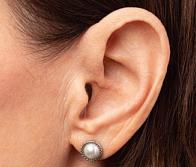
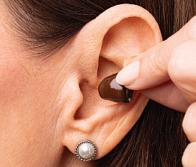
Now You See It Now You Don t! Flagstaff 2700 S Woodlands Village Blvd 928 255 1006 miracle-ear.com/FlagstaffAZ Our hearing evaluation and video otoscopic inspection are always free A hear ng evaluation is an audiometric test to determine proper amplification needs only See store for details Up to 48 channel digital signal processing Digital engineering allows 1,000’s of custom settings Controlled by state-of-the-art software No one will see them, but you will notice the difference! Stop by today for a FREE HEARING EVALUATION* One of the Smallest Custom Hearing Aids Ever Made! EXCLUSIVE Miracle-EarMINI, ™ our SMALLEST hearing aids
Dr. David Leder
“All of our patients basically had to drive to Phoenix. ...




To avoid the trip for them is phenomenal and also they’re getting the care by their regular providers. So they’re getting the procedure by myself, who is obviously here in Flagsta , and surgeons who are here, and they follow up with our cardiologists and primary care providers. All of them are local community as opposed to being sent elsewhere. That’s been one of the most exciting things, I think, about this.”
ARIZONA DAILY SUN SUNDAY, MARCH 19, 2023 5 00 1 HEALTH& MEDICINE
SEAN OPENSHAW OF NORTHERN ARIZONA HEALTHCARE , COURTESY
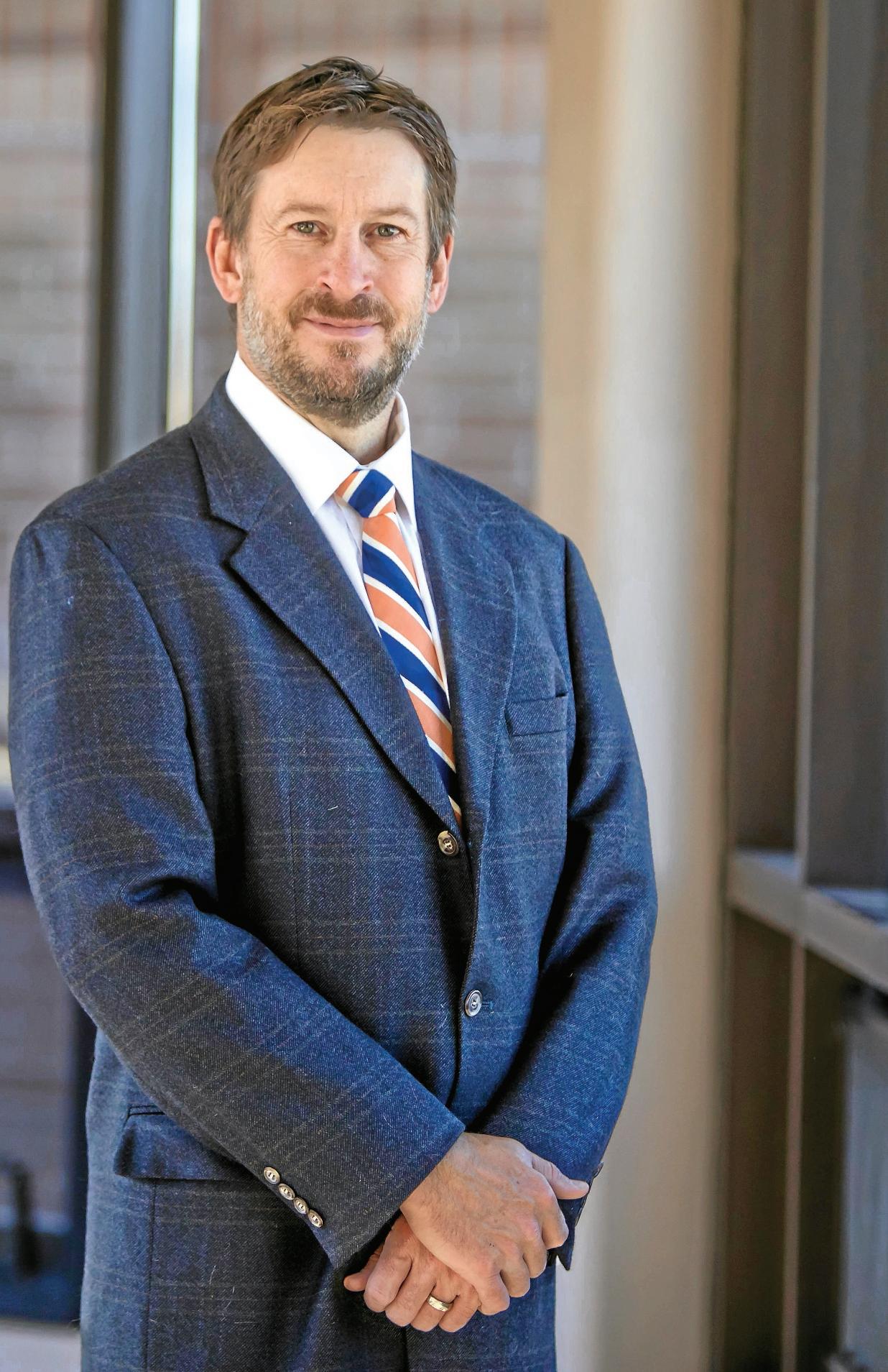
Dr. David Leder specializes in cardiovascular disease at Northern Arizona Healthcare.
Massage Envy FLAGSTAFF 1235 South Plaza Way | Off Milton next to Ross and Safeway (928) 526-3689 M-S 8a-10p | Su 9a-9p We are proud to have ser ved the Flagstaff Community and been selected Best of Flagstaff for the last 14 years! is your home for health and wellness. Our services include Massage, Stretch and Facials! Be sure to call and book your personalized appointment today!
Dr. David Leder
HEARING LOOPS OFFER INDIVIDUALS WITH HEARING LOSS A MORE ACCESSIBLE LISTENING EXPERIENCE

 MATTHEW HAYDEN
Hearing loss a ects millions of people worldwide, and it can create significant barriers to communication, especially in public spaces.
For example, in a busy restaurant, a person with hearing loss may struggle to hear their companions over the background noise. Similarly, in a crowded theater or church setting, this person may miss important dialogue or announcements. Fortunately, technology has come a long way in providing solutions to these challenges, and one of the most innovative and e ective is the hearing loop.
A hearing loop is a simple yet powerful technology that provides a magnetic signal directly to a hearing aid or cochlear implant. This signal can then be picked up by the device’s telecoil, which converts it into clear, amplified sound. This means that people with hearing loss who use hearing aids or cochlear implants can hear more clearly in public spaces that have installed hearing loops.
One of the biggest benefits of hearing loops is that they can help people with hearing loss access public spaces more easily. Going back to our first example, a person with hearing loss may avoid going to the theater because they struggle to hear the dialogue; however, with a hearing loop installed in the venue, they can enjoy the performance just like anyone else. This can make a significant di erence to people’s quality of life, allowing them to participate in activities that they might have otherwise avoided.


Hearing loops are also useful in places like churches, mosques, and synagogues, where services may be di cult to hear for those with hearing loss. Installing a hearing loop system in these spaces can ensure that everyone can participate in worship and feel included in their community.
Another advantage of hearing loops is that they are incredibly versatile. They can be installed in a wide range of spaces, from small meeting rooms to large auditoriums. They can even be used in out-
door spaces, such as stadiums and parks, making them ideal for public events and gatherings. In addition, hearing loops can be used in combination with other assistive technologies, such as personal FM systems, to provide even greater accessibility.
It’s worth noting that hearing loops are not only beneficial for people with hearing loss; they can also be advantageous for businesses and organizations. Installing a hearing loop system can demonstrate an organization’s commitment to accessibility and inclusivity, which can help attract and retain customers and employees with hearing loss. Additionally, hearing loops can provide a competitive advantage, as they enable businesses to o er a level of accessibility that other organizations may not provide.
Hearing loops are an innovative and e ective technology that can provide more access for people with hearing loss. By providing clear, amplified sound directly to a hearing aid or cochlear implant, hearing loops can help people with hearing loss participate in public spaces more easily. They are versatile, easy to use, and can be installed in a wide range of spaces, making them an ideal solution for businesses, organizations, and public spaces. As our society continues to strive for greater accessibility and inclusivity, hearing loops are sure to play an increasingly important role in providing equal access for all.
A hearing loop is a simple yet powerful technology that provides a magnetic signal directly to a hearing aid or cochlear implant. This signal can then be picked up by the device’s telecoil, which converts it into clear, amplified sound. This means that people with hearing loss who use hearing aids or cochlear implants can hear more clearly in public spaces that have installed hearing loops.
6 | SUNDAY, MARCH 19, 2023 ARIZONA DAILY SUN 00 1 HEALTH& MEDICINE
KRISTS LUHAERS ON UNSPLASH
Early signs and symptoms of cataracts are hard to notice. Keep an eye out for changes in your vision, as cataracts affect people differently 350 N. Switzer Canyon Dr., Flagstaff, AZ 86001 928-961-9456 GoodEyes.com SCHEDULE ONLINE!
Walk-in care for the entire family with no appointment needed. For sprains, strains, sports injuries, joint pain and fractures, including onsite x-ray.
We offer same-day access for pain and injuries. Serving our community with the expert care of the Orthopedic & Spine Institute and the convenience and affordability of urgent care.


We're here when you need us most with walk-in care available.
See a highly trained orthopedic specialist at one of our two convenient locations.


107 East Oak Ave. Flagstaff, AZ 86001
340 South Willard St. Cottonwood, AZ 86326
For hours and availabilty, call 800-656-7880 or visit us on the web at: NAHealth.com/ortho-now

For more info Scan here!

ARIZONA DAILY SUN Sunday, March 19, 2023 | 7 00 1 HEALTH& MEDICINE
A NEW ORTHOPEDIC SURGEON TO THE TEAM
Granite Orthopaedics is pleased to announce the expansion of our surgical team with the addition of Dr. Amber Randall, MD, a highly experienced orthopedic surgeon. Dr. Randall is an Orthopedic Surgical Specialist and has over 24 years of experience. She graduated from Harvard Medical School in 1999. She is a liated with medical facilities such as Flagsta Medical Center and Oasis Hospital. With Dr. Randall on board, we’re excited to provide personalized and exceptional orthopedic care to patients in Flagsta and Sedona.

Dr. Randall brings a diverse skillset to Granite Orthopaedics, with expertise in hip replacement, knee replacement, revision joint replacement surgery and general orthopedics. Patients trust her to develop personalized treatment plans that focus on their unique needs and goals. Dr. Randall’s dedication to patient care and expertise in surgical techniques make her a valuable addition to our team.
The field of orthopedic care has seen significant progress in recent years thanks to the development of advanced surgical techniques, implants, and rehabilitation protocols. Orthopedic surgeries for hip and knee replacements are frequently necessary when chronic joint pain, progressing arthritis, limited mobility and daily activities become challenging. Additionally, injection therapy, physical therapy and medications are great, conservative treatment options for patients. These are often the first choice for treatment, managing pain, improving function, and preventing further damage.
Granite Orthopaedics is proud to o er diverse innovative treatments and therapy, resulting in patients experiencing better outcomes and faster recovery times.
A crucial advancement in orthopedic care is the introduction of minimally invasive surgical techniques. Dr. Randall specializes in OMNI robotics, a technology used in joint replacement surgery that utilizes advanced robotics and computer software to help perform surgery with high precision and accuracy. It allows her to plan the surgery beforehand and make adjustments during surgery, resulting in better outcomes. OMNI robotics reduces the risk of complications and speeds up recovery, making it a promising development that revolutionizes joint replacement surgery. As a result, patients often experience less tissue damage making these procedures an excellent choice for patients seeking optimal outcomes.
Granite Orthopaedics is dedicated to progress with orthopedic advancements, enabling patients to receive the best care and look forward to a more active and fulfilling lifestyle after treatment.
Rehabilitation protocols have also improved significantly in recent years.

Prior to surgery, patients now undergo pre-surgical conditioning to optimize their strength and range of motion. Iovera is a treatment used by Granite Orthopaedics before knee replacement surgery to help alleviate postoperative pain. It involves multiple cryotherapy injections that freeze certain nerves in the knee, temporarily blocking pain signals to the brain. The treatment can help reduce the amount of postoperative pain experienced by patients and decrease the need for opioid pain medication. Iovera is minimally invasive, and its e ects can last for several weeks to months. It is a

promising treatment that can enhance the overall experience of knee replacement surgery for patients.
Granite Orthopaedics is dedicated to progress with orthopedic advancements, enabling patients to receive the best care and look forward to a more active and fulfilling lifestyle after treatment.
Granite Orthopaedics is accepting new patients at all four locations, Flagsta , Sedona, Prescott and Prescott Valley. Visit our website at www.graniteortho. com to learn more about our providers and to request an appointment today, or call 928-777-9950, we are available to receive your call Monday—Thursday 8 a.m. – 5 p.m. and Friday 8 a.m. – 12 p.m.


8 | SUNDAY, MARCH 19, 2023 ARIZONA DAILY SUN 00 1 HEALTH& MEDICINE
ORTHOPAEDICS
TOM CLAES ON UNSPLASH
GRANITE
WELCOMES
Amber Randall, MD Specializing in Hip and Knee Replacement and Orthopedic Surgeon Revision 1100 San Flagstaff, 86001 Francisco E N St Suite AZ 95 Soldiers Pass Rd Suite B1 Sedona, AZ 86336 Acc ept ing Ne w Pat ient s 928. 777. 9950 spend another or dysfunction of a musculoskeletal injury the pain or “Don’t condition.” moment living with Granite Orth o.com
THE GUIDANCE CENTER IS EXPANDING THEIR OPERATIONS TO BE THERE WHEN YOU NEED THEM
TERESA BERTSCH, MD
Chief Medical Officer at The Guidance Center
Exciting things are happening at The Guidance Center (TGC).

TGC is ready to be“here when you need us!” with the addition of new and vital services for the community During the pandemic, when over 90% of TGC’s services moved to telehealth, we were busy doing a major remodel and refresh of all our buildings on the TGC Flagstaff campus including our psychiatric hospital residential programs, outpatient clinics and onsite retail pharmacy We also have added multiple specialty services for pregnant women, infants and children.
We now have a dedicated child and adolescent building with beautiful community rooms that house our newly awarded Center of Excellence for Autism With this designation by Care1st and Health Choice Arizona health plans, TGC is able to provide comprehensive
diagnostic and therapeutic services to children and teens who have autism or are at-risk We have two Board-Certified Child and Adolescent Psychiatrists and two psychologists who can evaluate and test for all other childhood disorders as well Our Board-Certified Behavior Analysts can provide in-home and in-school Applied Behavior Analysis assessments to create individualized treatment programs for children and youth so that they can take full advantage of educational opportunities and have a loving and satisfying home life.
TGC was awarded a grant from The NARBHAInstitutetostart“Moms&BabiesFirst”,our signature maternal mental health program using evidence-based practices for pregnant women and their infants through the first year of life. The perinatal period is time-limited and intense Delays in care or inappropriate care can leave lasting negative results on fam-
ilies and babies, such as trauma, suicide, poor attachment, death, developmental delays, family discord and ultimately higher human and healthcare costs Moms & Babies First, which started March 6, provides early identification, prioritization of appointments, evidence-based services delivered by specially trained clinicians and peer support, coordination of services oversight of each Mom & Baby’s care team, a focus on outcomes and clinical support for maternal health and pediatric providers We hope to become a regional center for maternal health and pediatric providers to refer their vulnerable Moms and Babies for behavioral health and substance use care Through our collaboration with the Flagstaff Symphony Orchestra Lullaby Project, each Mom will be able to work with a professional musician to produce a recorded original lullaby about their hopes and dreams to enhance bonding
and joy Guaranteed that there won’t be any dry eyes at that concert!
In December,with assistance from CoconinoCountygrantfunds,TGCacquired astate-of-the-artmobileclinicvanthat can provide confidential onsite and telehealth integrated care services across the county It will regularly be going to Williams and the surrounding areas It will also be used for disasters crises or areas in need of additional supports
TGC accepts all insurances and has a sliding fee scale as well. We provide a full continuum of onsite and telehealth behavioral health and primary care services We would love to have you come work for us if you are interested in making a valuable contribution to our community Please give us a call at 928-527-1899 or visit us at www tgcaz.org to see how we might be able to support you on your journey to leading a fulfilled life We want to be here for you when you need us
It’s overwhelming when your life is turned upside down from a natural disaster, or other emergency situation.
We provide a full range of services from general mental health counseling for everyday stressors to inpatient psychiatric hospital for acute psychiatric emergencies. We provide care to all ages. Care managers, therapists, program supports, and peer supports work together to provide individualized care to children, adults, and families.


The Guidance Center is here for you!

ARIZONA DAILY SUN Sunday, March 19 2023 | 9 00 1 HEALTH&MEDICINE
EMMA SIMPSON ON UNSPLASH YOUR LOCAL MENTAL HEALTH AND WELLNESS RESOURCE! www tgcaz org 928-527-1899 2187 N Vickey St Flagstaff, AZ 86004
HOW TO UNCOVER AND ACKNOWLEDGE PAIN IN SENIORS WITH DEMENTIA


 CINDY HARRIS

Owner of Comfort Keepers®




Although dementia patients experience severe or chronic pain, many studies indicate that they regularly receive fewer analgesics than healthy senior adults. This can primarily be attributed to the fact that while a healthy senior can verbalize pain and discomfort, dementia patients, especially those in the late stages, cannot. Pain reporting is dependent on memory and verbal capacity; dementia patients generally have diculty with both and cannot report when they are experiencing pain. Moreover, if they can report their pain and discomfort,
they may not be able to fully understand the pain scales presented by doctors, so the self-report may be inaccurate.



An additional factor making pain dicult to identify in the elderly in general is that the symptoms may not be the same as in a younger person. For seniors with dementia, it is also not uncommon for the e ects of pain to be erroneously identified as symptoms of dementia. Pain may increase aggression and depression and cause cognitive problems like lack of focus. Unfortunately, if left untreated, pain can cause mental and functional decline and reduce mobility. Unidentified pain can also be an indication of a condition
or infection that needs immediate treatment, so there is a risk the dementia sufferer can experience complications from untreated illnesses.
PAIN INDICATORS



Dementia patients can experience all types of pain ranging from musculoskeletal (joints and bones) and visceral (headaches, intestinal obstructions, peritonitis, appendicitis, ulcers) genito-urinary (urinary tract infections) and dental. No matter what the source of the pain is, however, there are some general cues the person may give that can help family and caregivers identify that the person is
experiencing pain.




Our caregivers, those special people we refer to as Comfort Keepers®, can help families of seniors with dementia by notifying them when some of these pain indicators are present. Our Comfort Keepers are specially trained to interact with dementia patients and report physical or behavioral changes to their supervisor and to family. Some of the changes our Comfort Keepers look for as indicators of pain include the following:
Facial expressions: Dementia patients in pain may squint or close their eyes and furrow their brows when they feel pain.


10 | SUNDAY, MARCH 19, 2023 ARIZONA DAILY SUN 00 1 HEALTH& MEDICINE
ADOBE STOCK
FAC East 1500 N Country Club Rd. • 928-526-8652 FAC West 1200 W Rt. 66 • 928-779-4593 w w w.fl a g s t a f f a t h l e t icc l u b.co m Like us on Facebook: www.facebook.com/FlagstaffAthleticClub A N N IV E R SA RY PR O M O TION Initiation Rates Rolled Back to OPENING DAY RATES!! Your membership includes: • 2 Clubs • State of the Art Strength and Cardio Equipment • Over 35 Types of Group Fitness Classes with Over 90 Classes a Week! • 3 Pools (including a salt pool, a lap pool and an outdoor pool) • 4 Steamrooms, 4 Saunas, 6 Hot Tubs • 2 Kids Clubs • 9 Courts for Basketball, Volleyball, Racquetball, Walleyball, Squash and Handball • Indoor Track, Gymnasium and Climbing Wall • Personal Training • Small Group Training • Physical Therapy • Swim Lessons • Tanning on site plus much more! SPORTSTOP 1500 N. Country Club Rd. • 928-526-0137 FAC members receive a 20% discount on Pickleball and SportStop Leagues. HAS BEEN EXTENDED! Celebrating 44 years with our 1500 N Club Rd. • 928-526-8652 Expires 3/24/23
For seniors with dementia, it is also not uncommon for the e ects of pain to be erroneously identified as symptoms of dementia. Pain may increase aggression and depression and cause cognitive problems like lack of focus. Unfortunately, if left untreated, pain can cause mental and functional decline and reduce mobility.
Vocalizations: Increased moaning, calling out, or groaning may mean the person is feeling pain.
Labored breathing: The person may have more difficulty breathing when dealing with pain.
Body language: The dementia patient may crouch, fidget, stay very still,
limp, or be very restless when feeling pain.
Demeanor: The dementia patient may be more aggressive or verbally abusive. These can be defense mechanisms when the person is feeling pain. The person may also be very upset and inconsolable.

Our Comfort Keepers can help seniors to manage their pain by assisting with daily tasks, helping with meal preparation, reminding them to take and keeping them physically active by taking them on walks or helping with range of motion exercises. Interacting with the senior with dementia and addressing his or her daily
needs can not only provide relief for the senior but also peace of mind and reduced stress for the family.
About Comfort Keepers®: Cindy Harris is the owner of Comfort Keepers. Comfort Keepers is a leader in in-home care providing services since 2003. (928) 774-0888, 214 N. Sitgreaves St. Flagstaff, AZ 86001

ARIZONA DAILY SUN Sunday, March 19, 2023 | 11 00 1 HEALTH& MEDICINE
ADOBE STOCK Our Comfort Keepers
specially
• Personal care • Companionship and housekeeping • Shopping/Errands • Medication reminders • Incidental transpor tation • Dementia and Alzheimer ’s care • Respite care • Safety solutions (928) 774-0888 comfor tkeepers.com/office-527 Ser ving Flagstaff, Payson & Surrounding Areas. Also ser ving NE Maricopa County ©2019CKFranchising, Inc. Most offices independently owned and operated. 0419 A daily dose of joy In-Home Senior Care Ser vices
are
trained to interact with dementia patients and report physical or behavioral changes to their supervisor and to family.
Keehoon Lee, Ph.D
Assistant Professor, TGen North

Connecting Microbes to Health
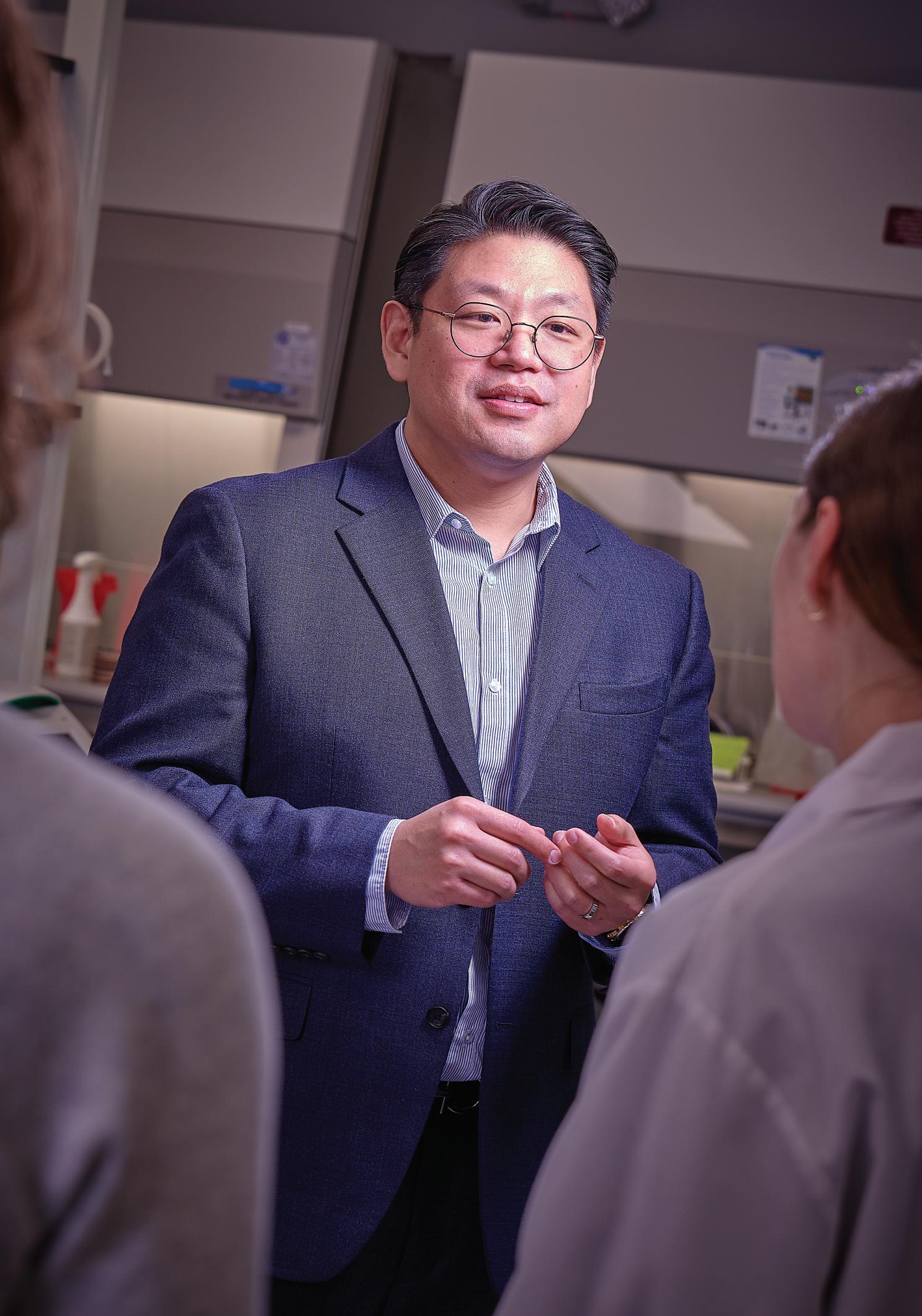
In his research at TGen North, Keehoon Lee, Ph.D., investigates the bacteria, viruses, certain fungi and parasites that inhabit our world. Some of these tiny microbes are helpful while others are harmful. One thing for certain, though, they’re everywhere. Known collectively as the microbiome, their benefits include aiding in digestion, producing vitamins, and contributing to the immune system. But changes in our microbiome can also influence disease. Working to understand how our microbiomes vary depending on factors such as age, diet, environment, and genetics is all in a day’s work for Dr Lee and his colleagues, including how the microbiome may also create the potential of microbiome-targeted therapies for certain diseases and conditions. Learn more at: www tgennorth.org
12 | Sunday, March 19 2023 ARIZONA DAILY SUN 00 1 HEALTH&MEDICINE
