INSIDE
Advancing women’s health from the frontline NP Lorna Scott appointed on the newly created federal government’s National Women’s Health Advisory Council
Clinical Documentation Improvement
How nurses are taking on the role
Demystifying the Voice to Parliament
Why nurses and midwives should care about the YES Vote
CALL ON ME
A PUBLICATION OF THE AUSTRALIAN NURSING AND MIDWIFERY FEDERATION VOLUME 28, NO.1 JUL–SEP 2023
How midwifery continuity of care is improving outcomes for women and babies


 Annie Butler ANMF Federal Secretary
From this date, low-paid aged care workers will start to see an increase in their pay as part of the Federal Government’s pledge to improve wages.
This is the first step in acknowledging the true worth of aged care workers who have been undervalued for the complex work they do.
Just as monumental, RN’s will be required to be on-site and on duty 24 hours a day in all aged care facilities from July 1 2023.
Around 90% of aged care facilities across the country have already met this requirement while the Government is working with the rest of the providers to ensure they meet this goal.

With improved wages and conditions, it will make working in aged care more attractive, and help alleviate the chronic understaffing the sector is experiencing.
Yet while the ANMF recognises these measures mark significant progress in fixing aged care, they are just the tip of the iceberg of real reform.
Providers must be kept accountable in meeting the Government’s legislative requirements, and more work must be done to strengthen the quality of care, which has been neglected for too long.
Nevertheless, the Government’s commitment of $36 billion to aged care in its recent 2023-24 Budget is promising that the issues plaguing aged care will be fixed. The ANMF and members are committed to working with the Prime Minister and respective aged care ministers to continue progressing the sector all older Australians deserve.
Healthcare was also made a priority in the latest Budget. This included a $6.1 billion funding package to strengthen Medicare which included a review of the scope of practice of healthcare professionals, including nurses and midwives.
On the back of the Budget, the Government also released its Nurse Practitioner Workforce Plan, which builds on these reforms and outlines a series of strategic actions to bolster the NP workforce. This, in turn, will underpin the community’s access to quality primary healthcare services.
The plan involves removing red tape, allowing NPs and eligible midwives to receive a 30% increase in Medicare rebates for care for their services without going through a GP. This will remove unnecessary duplication, cost and time-wasting for many Australians in underserved communities and ensure they can access quality care when and where they need it.
It will empower NPs to do what they are qualified and trained for, without needing a collaborative agreement with a doctor, which has long shackled their autonomy, hindering their ability to work to their full scope of practice.
The Government has also introduced a new scholarship program for registered nurses wanting to study to become NPs.
Later this year, Australians will be asked to vote in a Referendum on whether Aboriginal and Torres Strait Islander peoples should have a Voice to Parliament enshrined in our constitution.
Having a Voice to Parliament means that Aboriginal and Torres Strait Islander Peoples will have a say on policies and issues that directly affect their lives. It will be the first meaningful step to improving their lives and will improve many outcomes, such as reducing the gap in health detriments between Aboriginal and Torres Strait Islander peoples and non-Indigenous Australians.
The vote is not about the mechanisms of how the voice will work. It’s about enshrining our First Nations people’s rightful and permanent Voice to Parliament.
The ANMF proudly supports the Unions for Yes campaign and acknowledges the hard work of Aboriginal and Torres Strait Islander peoples to bring the Voice proposal to Referendum.
To find out more, I urge you to read the spread on page 42 in this issue of the ANMJ, where you can read why the YES vote is important to some of our leading Aboriginal and Torres Strait Islander Nurse Advocates or head to the ANMF website and go to campaigns to learn about the facts.
EDITORIAL Jul–Sep 2023 Volume 28, No. 1 1
30 June 2023, will go down in history as the beginning of monumental changes to pay and conditions for nurses and carers working in aged care.
DIRECTORY
ANMF FEDERAL & ANMJ
Level 1, 365 Queen Street, Melbourne Vic 3000 anmffederal@anmf.org.au
To contact ANMJ: anmj@anmf.org.au
FEDERAL SECRETARY
Annie Butler
FEDERAL ASSISTANT SECRETARY
Lori-Anne Sharp

ACT
BRANCH SECRETARY
Matthew Daniel
NT
BRANCH SECRETARY
Cath Hatcher

SA
BRANCH SECRETARY
Elizabeth Dabars
VIC
BRANCH SECRETARY
Lisa Fitzpatrick





OFFICE ADDRESS
2/53 Dundas Court, Phillip ACT 2606
POSTAL ADDRESS
PO Box 4, Woden ACT 2606
Ph: 02 6282 9455
Fax: 02 6282 8447 anmfact@anmfact.org.au
NSW
BRANCH SECRETARY
Shaye Candish
OFFICE ADDRESS
16 Caryota Court, Coconut Grove NT 0810
POSTAL ADDRESS
PO Box 42533, Casuarina NT 0811
Ph: 08 8920 0700
Fax: 08 8985 5930 info@anmfnt.org.au
QLD
BRANCH SECRETARY
Beth Mohle
OFFICE ADDRESS
191 Torrens Road, Ridleyton SA 5008
POSTAL ADDRESS PO Box 861 Regency Park BC SA 5942
Ph: 08 8334 1900
Fax: 08 8334 1901 enquiry@anmfsa.org.au
TAS
BRANCH SECRETARY
Emily Shepherd
OFFICE ADDRESS 535 Elizabeth Street. Melbourne Vic 3000
POSTAL ADDRESS PO Box 12600, A’Beckett Street.
Melbourne Vic 8006
Ph: 03 9275 9333 / Fax: 03 9275 9344
MEMBER ASSISTANCE anmfvic.asn.au/memberassistance
WA
BRANCH SECRETARY
Janet Reah
OFFICE ADDRESS
50 O’Dea Avenue, Waterloo NSW 2017
Ph: 1300 367 962
Fax: 02 9662 1414
gensec@nswnma.asn.au
OFFICE ADDRESS 106 Victoria Street West End Qld 4101
POSTAL ADDRESS GPO Box 1289
Brisbane Qld 4001
Phone 07 3840 1444
Fax 07 3844 9387 qnmu@qnmu.org.au
OFFICE ADDRESS 182 Macquarie Street


Hobart Tas 7000
Ph: 03 6223 6777
Fax: 03 6224 0229
Direct information
1800 001 241 toll free enquiries@anmftas.org.au
OFFICE ADDRESS 260 Pier Street, Perth WA 6000
POSTAL ADDRESS PO Box 8240
Perth BC WA 6849
Ph: 08 6218 9444
Fax: 08 9218 9455
1800 199 145 (toll free) anf@anfwa.asn.au
Front cover
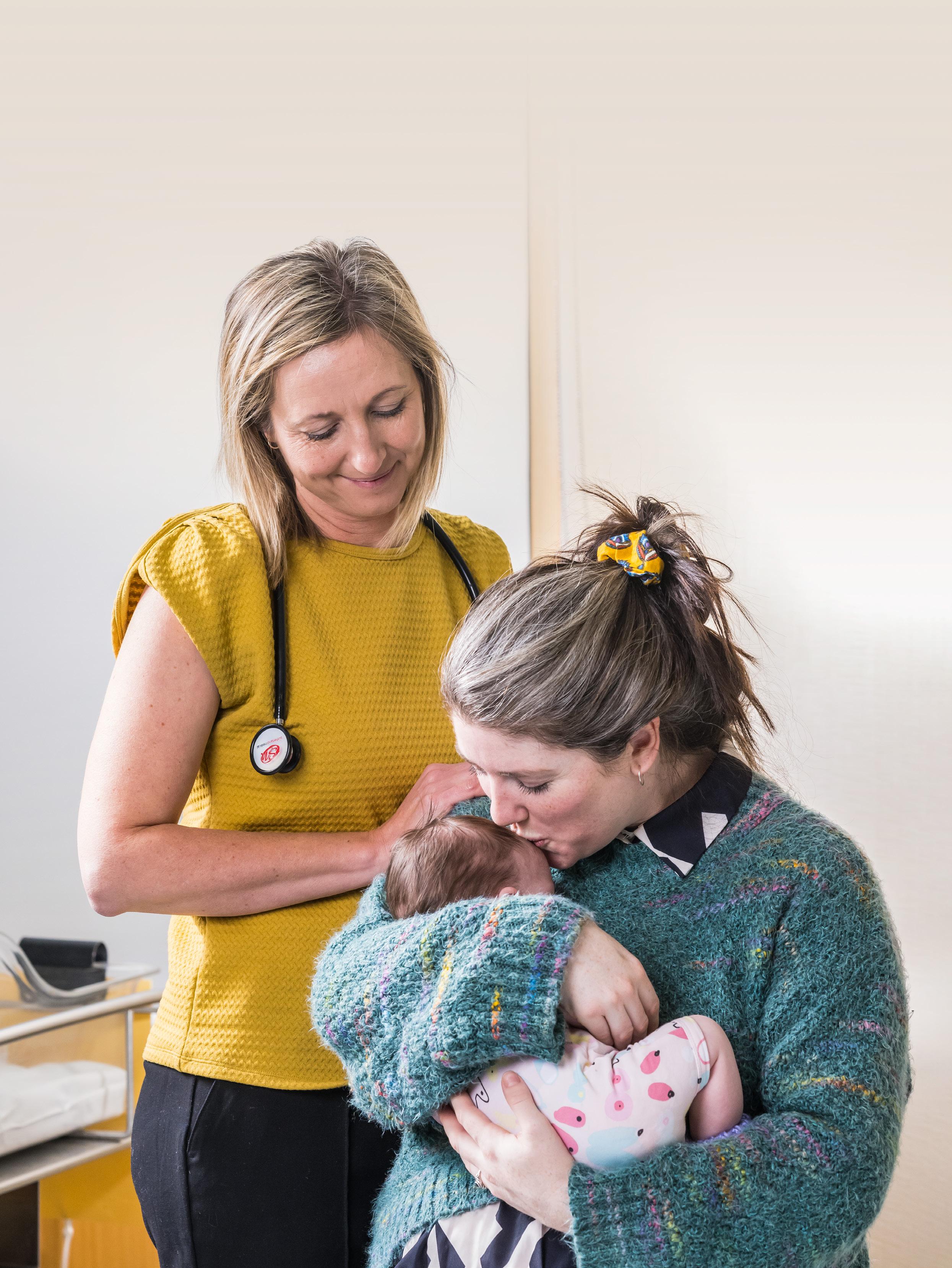
Dhelkaya Health’s Maternity Unit Manager, April Jardine
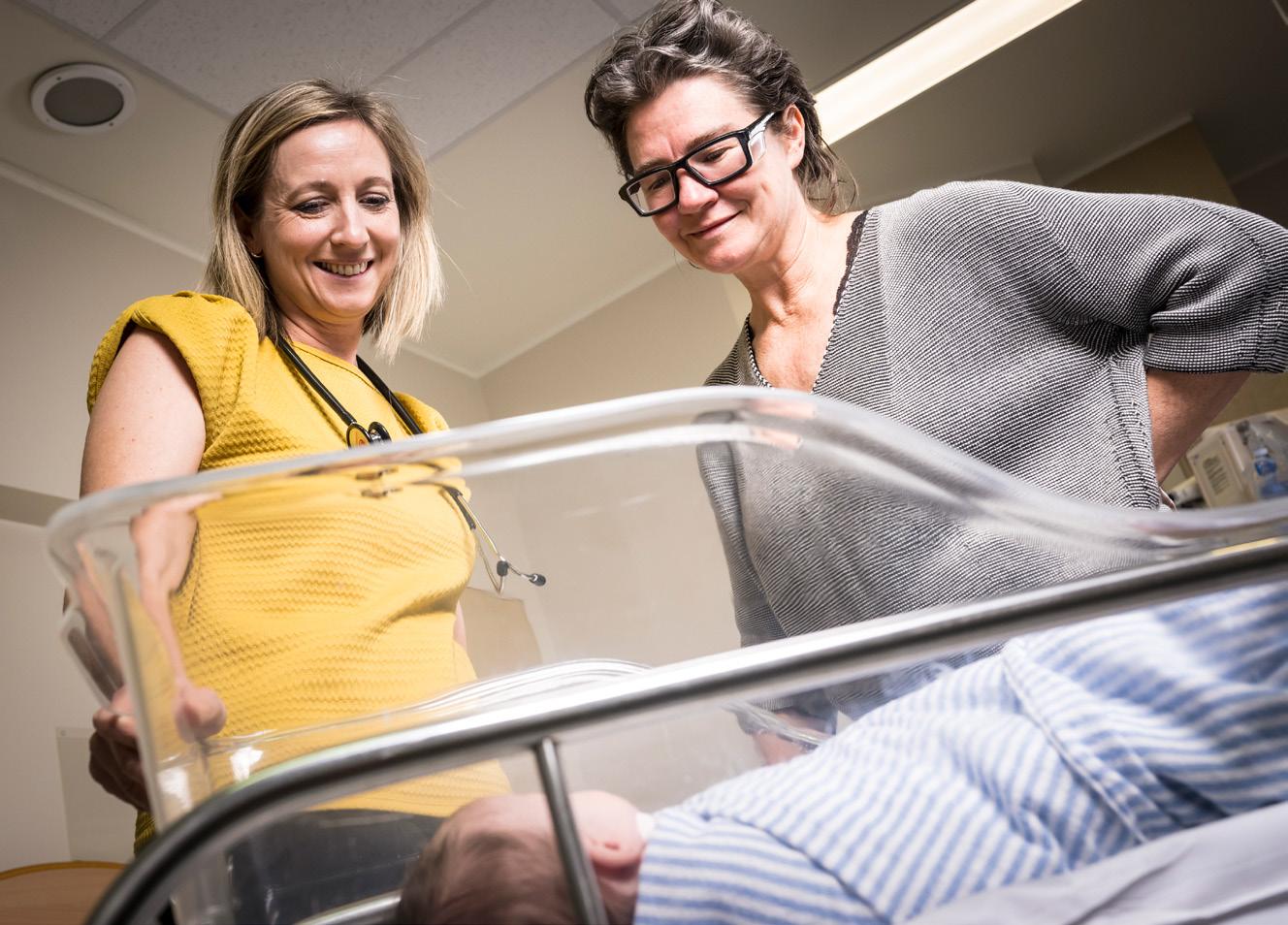
Image by: Chris Hopkins
Editorial
Editor: Kathryn Anderson
Journalist: Robert Fedele
Journalist: Natalie Dragon
Production Manager: Cathy Fasciale
Level 1, 365 Queen Street, Melbourne Vic 3000 anmj@anmf.org.au
Advertising
Heidi Hosking heidi@anmf.org.au
0499 310 144
Design and production
Graphic Designer: Erika Budiman instagram.com/pixels_and_paper_studio
Printing: IVE Group
Distribution: D&D Mailing Services
The Australian Nursing & Midwifery Journal is delivered free quarterly to members of ANMF Branches other than New South Wales, Queensland, Western Australia and ACT. Subscription rates are available via anmjadmin@anmf.org.au. Nurses and midwives who wish to join the ANMF should contact their state or territory branch. The statements or opinions expressed in the journal reflect the view of the authors and do not represent the official policy of the Australian Nursing & Midwifery Federation unless this is so stated. Although all accepted advertising material is expected to conform to the ANMF’s ethical standards, such acceptance does not imply endorsement. All rights reserved. Material in the Australian Nursing & Midwifery Journal is copyright and may be reprinted only by arrangement with the Australian Nursing & Midwifery Journal
Note: ANMJ is indexed in the cumulative index to nursing and allied health literature and the international nursing index ISSN 2202-7114
Online: ISSN 2207-1512
Moving state.
Transfer your ANMF membership
If you are a financial member of the ANMF, QNMU or NSWNMA, you can transfer your membership by phoning your union branch. Don’t take risks with your ANMF membership – transfer to the appropriate branch for total union cover. It is important for members to consider that nurses who do not transfer their membership are probably not covered by professional indemnity insurance.
ANMJ is printed on A2 Gloss Finesse, PEFC accredited paper. The journal is also wrapped in biowrap, a degradable wrap.
The ANMJ acknowledges the Traditional Owners and Custodians of this nation. We pay our respects to Elders past, present and emerging. We celebrate the stories, culture and traditions of Aboriginal and Torres Strait Islander Elders of all communities. We acknowledge their continuing connection to the land, water and culture, and recognise their valuable contributions to society.
REGULAR COLUMNS 1 Editorial 2 Directory 4 News Bites 13 Legal 14 Working Life 20 Industrial 21 Professional 22 Issues I 24 International 26 James 28 Environment & Healthcare 32 Reflection I 34 Viewpoint 36 Issues II 38 Research & Policy 40 Reflection II 56 Healthy Eating FEATURE 8 Call on me: How midwifery continuity of care is improving outcomes for women and babies 42 Voice to Parliament CLINICAL UPDATE 16 The pivotal role of nurses in pain management FOCUS 44 Mental health and Alcohol & Other Drugs
8 JUL–SEP 2023 VOLUME 28, NO.1 @ANMJAUSTRALIA ANMJ.ORG.AU
CONTENTS
A delegation of nurses from the International Council of Nurses (ICN) called for action across critical areas, including Universal Health Coverage and women’s, children’s and adolescents’ health, at the 76th World Health Assembly (WHA) in Geneva in May.

ICN urges action at 76th World Health Assembly
have access to the full range of quality health services they need, when and where they need them, without financial hardship.
“As a priority, governments, together with other country-level leaders, must embed UHC in their national health policy frameworks and budgets,” Ms Gunn said.
“It is also critically important to support, grow and protect the global nursing and healthcare workforce. Nurses are essential for rebuilding the strong and resilient health systems that are needed to deliver care in all situations, including emergencies, conflicts, natural disasters and daily management of care across the lifespan as well as ensure health security.”
Meanwhile, ICN backed WHO’s global strategy to transform women’s, children’s and adolescents’ health.
Michelle Gunn, Chief Nursing Officer at Al Dhafra Hospitals, Abu Dhabi, and a former ICN Global Nursing Leadership Institute scholar presented ICN’s intervention at WHA’s Universal Health Coverage (UHC) discussions.
One of the targets nations set in 2015 as part of the United Nations Sustainable Development Goals, which are supposed to be met by 2030, UHC means that all people
NURSING AND MIDWIFERY TOPS AHPRA’S CRIMINAL PROSECUTIONS
The Australian Health Practitioner Regulation Agency (Ahpra) has racked up its 100th criminal prosecution, with nursing and midwifery topping professions involved most in breaking the law.
Ahpra’s first criminal prosecution was finalised in January 2014 when a West Australian woman was sentenced to a $20,000 fine for claiming to be a registered psychologist. Many of the most serious matters from the list of 100 cases occurred before the National Law change in 2019, with offenders now facing a maximum term of three years jail per offence and maximum fines from $30,000 to $60,000 per offence for an individual, and from $60,000 to $120,000 for a corporate entity.

Nursing and midwifery figured in 27 of the criminal investigations, followed by Medical (20), Psychology (16), Dental (12),
and Pharmacy (8). The most common types of offences included unqualified or fake practitioners (53), suspended or cancelled practitioners (20), and lapsed practitioners (23).
The highest fine imposed was $127,500 for a medical clinic “creating unreasonable expectation of beneficial treatment” through advertising.
‘Holding out’ cases dominated the prosecution list, where someone pretended to be registered when they were not.
For example, a fake NSW dentist was twice prosecuted by Ahpra and fined $68,000 for performing dental acts such
“ICN strongly abhors the lack of access to services by women, their pervasive low socioeconomic status, and societal values that tolerate violence, sexual abuse and other violations of women’s rights that are having a direct impact on the health of women and girls,” ICN’s Consultant Nursing and Health Policy Senior Advisor, Erica Burton, said.
The ICN will hold its 2023 Congress in Montreal, hosted by the Canadian Nurses Association.
as root canal treatment, crowns and tooth extractions and prescribed medicationsdespite having never trained or registered as a dentist.
Ahpra CEO Martin Fletcher said the 100th prosecution was significant for the organisation.
“Pretending to be registered when you’re not is a profound breach of trust with the public. We take these matters seriously and will continue to take strong action to ensure public safety,” Mr Fletcher said.
NEWS BITES 4 Jul–Sep 2023 Volume 28, No. 1
Mums birthing healthy bubs in Aboriginal and Torres Strait Islander community
Almost nine in 10 Aboriginal and Torres Strait Islander babies are born with a healthy birthweight, with numbers remaining steady between 2005 and 2020, according to a new Australian Institute of Health and Welfare (AIHW) report.
Exploring the demographics, risk factors and health outcomes for Aboriginal and Torres Strait Islander mothers and babies, the report showed the birth rate for Aboriginal and Torres Strait Islander mothers was 75 per 1,000 females of reproductive age (15–44 years) in 2020, higher than the birth rate of non-Indigenous females (55 per 1,000 females).
The report showed Aboriginal and Torres Strait Islander mothers who gave birth under the age of 20 halved from 22% in 2005 to 11% in 2020. The average age of Aboriginal and Torres Strait Islander females who gave birth was 26.5 years in 2020. In comparison, the average age of nonIndigenous females who gave birth was 31.2 years. In 2020, 6.2% (18,228) of all babies born in Australia were Aboriginal and Torres Strait Islander, and almost nine in 10 (87%) were born at term.
The proportion of Aboriginal and Torres Strait Islander mothers who attended antenatal care in the first 10 weeks of pregnancy increased from 39% in 2012 to 58% in 2020. Antenatal care visits in the first trimester (before 14 weeks of pregnancy) also increased from 50 to 71% over the same period.
“The earlier uptake in antenatal care among Aboriginal and Torres Strait Islander mothers is an important part of ensuring Aboriginal and Torres Strait Islander babies are born healthy and strong,” AIHW spokesperson Deanna Eldridge said.

“The report shows that Aboriginal and Torres Strait Islander mothers who live in very remote or socioeconomically disadvantaged areas have less access to antenatal care and overall poorer health outcomes.”
Prolonged intimate partner violence puts children at risk, study finds
A child’s repeated exposure to intimate partner violence (IPV) puts them at higher risk of behavioural problems, a University of Queensland study has found.

IPV is a pattern of behaviour between adults that includes physical, sexual, psychological violence and threats of violence, which can negatively impact children who witness it.
Researchers examined the IPV experiences of 2,163 mothers born between 1973 and 1978 using the Australian Longitudinal Study on Women’s Health (ALSWH) data.
“We looked at three-time points, pre-conception when their child turned one, and again when the child was four,” said Dr Katrina Moss, from UQ’s School of Public Health.
“We then linked reports of child behavioural problems to 3,697 eight-year-olds which showed 32% had been exposed to IPV, and of these, 45% were repeatedly exposed.”
Published in the Journal of Interpersonal Violence, the study found that the number of exposures was more critical than
when it occurred in a child’s life, with the risk of behaviour problems increasing each occasion. Between 30-50% of women and 25% of children in Australia will experience IPV.
Dr Moss said up to two-thirds of children exposed to it will have poorer outcomes than their peers.
“It can cause behavioural problems in children, which may be internalised through anxiety, fear, depression, and withdrawal, or externalised with aggression, hyperactivity, impulsivity, drug use, and attention problems,” Dr Moss said.
“Problem behaviours in early childhood can establish poor developmental pathways, which lead to aggression in middle childhood and crime in adolescence.
“The sooner we detect IPV and intervene, the better it is for children and parents.”
NEWS BITES Jul–Sep 2023 Volume 28, No. 1 5
SA pilot project helps improve end-of-life services in aged care
Flinders University palliative care experts, have called for greater focus on end-oflife services in aged care, including better preparing staff and family members.

The ‘Comprehensive Palliative Care in Aged Care Measure’ –a Commonwealth initiative aiming to improve access to quality palliative and end-of-life care for older Australians living in residential aged care – was adopted in various models at seven not-for-profit aged care facilities in metropolitan Adelaide and 15 publicly-funded residential aged care homes in regional SA.
The palliative care models included palliative care needs rounds, workforce education and training, traineeship model, specialist palliative care in-reach support and grief and bereavement support for families.
Professor Jennifer Tieman and Dr Sara Javanparast, from the Research Centre for Palliative Care, Death and Dying (RePADD) at Flinders University, evaluated the project for SA Health.
“We know that aged care is a complex setting facing many challenges, including workforce shortage,” said Dr Javanparast, from the College of Nursing and Health Sciences. “Any new initiative requires strong engagement with the sector to ensure they are aware of the value that the project adds to them, their facilities and to residents.
“Secondly, there is no ‘one size fits all’ model, with each site in the trial subject to their organisational capacity, infrastructure, geography and access to financial and human resources.”
The evaluation also showed the importance and effectiveness of palliative care training and mentoring to improve identification and management of palliative care needs. It also emphasised that equitable access to specialist palliative care expertise, including nurses and medical practitioners, is critical to ensure all Australians living in residential aged care benefit from high-quality palliative care.
AGED CARE WORKERS, NURSES, ‘PRICED OUT’ OF RENTAL MARKET

Many of Australia’s essential workers, including aged care workers and nurses, are being priced out of affordable housing by soaring rents, a new report has revealed.
The report, Priced Out: An Index of Affordable Rentals for Australia’s Essential Workers, compared rent data against award wages across 15 essential worker categories. These included aged care workers, ambulance officers, construction workers, firefighters, nurses and school teachers, leaving every occupation examined in “deep rental stress”. The report found that the results were so critical that a person could earn double the award wage for several occupations and still be in rental stress.
According to the data, the average aged care worker spends 65% of their income on rent each week, based on earning $747 (net) each week, and pays $489 in rent. Meanwhile, nurses are spending 60% of their weekly income on rent, said the report produced by Anglicare Australia for Everybody’s Home- a national campaign to fix the housing crisis launched in 2018.
With soaring costs and vacancy rates at record lows, many were turning to desperate measures to keep up with rents, while others were forced to live for years in share homes or couch surf with friends. Some employers have resorted to providing housing for their workers because there is no other way they could afford to live in their communities.
The report outlines several strategies to end the undersupply of social and affordable housing, specifically greater investment, including building housing at a rate of at least 25,000 each year, to reach a target of 500,000 new homes. This would be accompanied by a plan to sustainably fund and maintain social housing, potentially through tax and policy reforms.
NEWS BITES 6 Jul–Sep 2023 Volume 28, No. 1
HOURLY WAGE PLUS ALLOWANCES
Join our team

As a Rural LAP Aged Care locum, you’ll have the opportunity to travel, meet new people, develop new skills and work in some of the most beautiful places, from the countryside to Outback Australia.
We also arrange and pay for your travel and accommodation plus you’ll receive an hourly wage, a $150 incentive allowance per working day and $100 meal allowance per day.

SCAN QR CODE TO APPLY
CALL ON

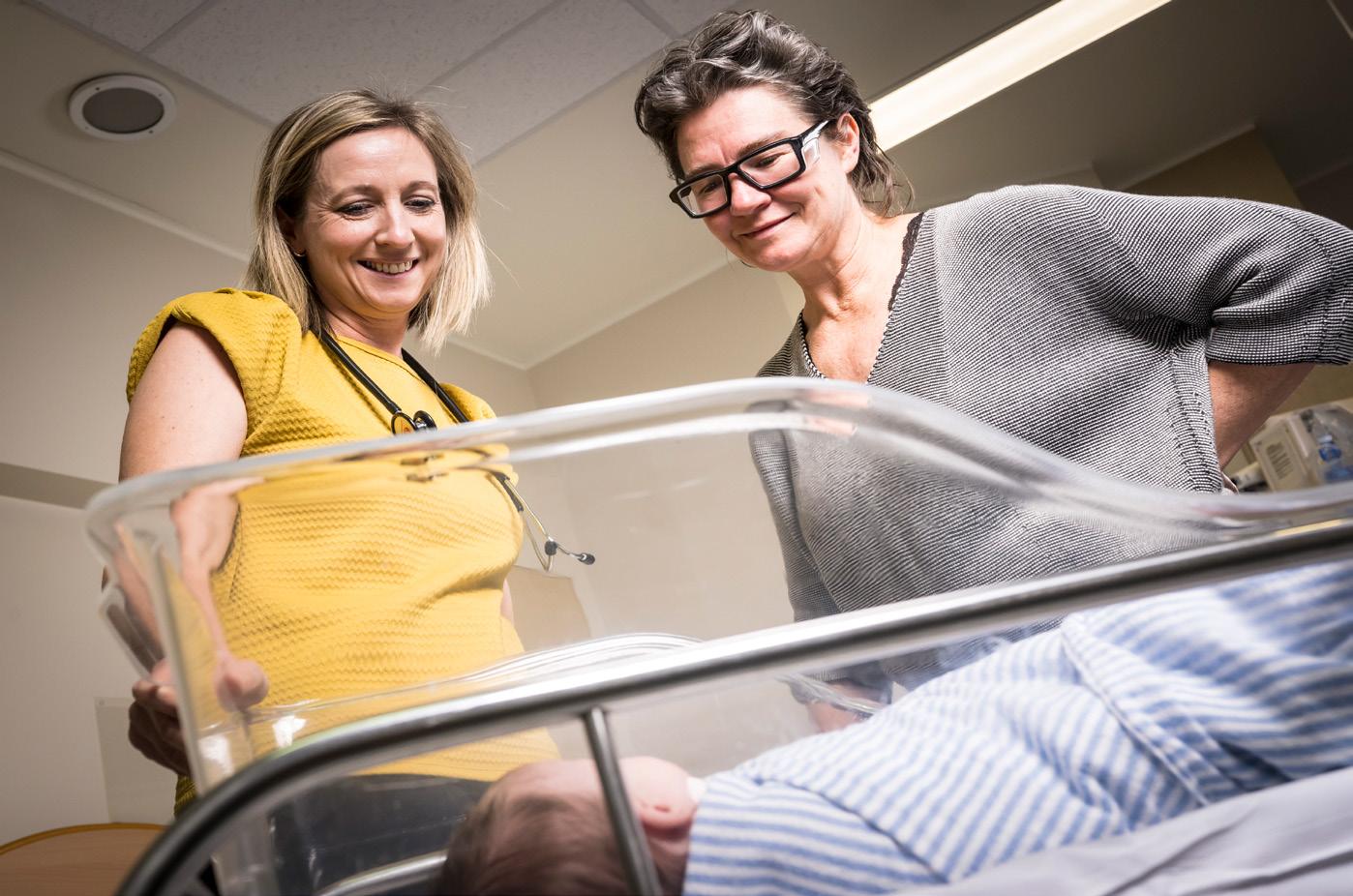
 Dhelkaya Health’s Maternity Unit Manager, April Jardine.
FEATURE
Photo spread: Chris Hopkins
How midwifery continuity of care is improving outcomes for women and babies
Continuity of midwifery care is associated with better outcomes for mothers and babies, yet, it’s not available to everyone. While support for these models is growing in Australia, more needs to be done, writes
 FEDELE.
In2020, Castlemaine Health, a rural health service in central Victoria, resolved to suspend its maternity service and commission an external review amid concerns over quality and safety.
The decision forced local pregnant women to look elsewhere to birth, and left midwives and the broader community shocked, midwife and ANMF (Vic Branch) member April Jardine tells the ANMJ
Those women were supported to birth nearby, with most refocusing to the regional centres of Bendigo and Ballarat. Meanwhile, the tight-knit community, angered at the potential loss of a vital health service, advocated for its survival. An action group, called Supporting Birth at Castlemaine Health, lobbied local government, including garnering over 1,000 submissions from local parents, and holding protests out the front of the hospital.
A year later, following a comprehensive review undertaken by a Governance Committee consisting of key stakeholders including the ANMF (Vic Branch), Department of Health, Safer Care Victoria, Regional Liaison Midwife, Bendigo Health representatives, consumers and the Board, birthing services re-commenced in Castlemaine, this time under an agreed maternity model of care for women and their families. It was underpinned by continuity of midwifery care called Midwifery Group Practice, where women receive care from a ‘known’ midwife throughout pregnancy, birth and the early postpartum period.
Widespread evidence concludes women experience better outcomes when midwives are the primary maternity care providers and work collaboratively with other providers to coordinate maternity care.
Considered the gold-standard for maternity care, women who choose these models experience fewer interventions during birth, reduced caesarean births, less epidural analgesia, and greater satisfaction with care provision. The model also translates to reduced health system costs.
Under the previous maternity care model, led by a General Practitioner Obstetrician (GPO), midwives in Castlemaine provided some degree of continuity of care for women and families but had limited access during the antenatal period and, critically, weren’t able to work to their full scope of practice, reveals April.
Relaunching as Dhelkaya Health, meaning ‘being healthy’ in the Dja Dja Wurrung language, the first birth under the new model occurred in June 2021.
April, now the service’s Maternity Unit Manager, was a member of the Governance Committee and multiple working parties. Along with key stakeholders, she helped support the development and implementation of the MGP model in collaboration with her colleagues and the medical team at Dhelkaya Health. A recent independent evaluation by La Trobe University, which covered the first year of operation, found the model to be highly valued by local women, and staff.
The woman-centred, culturally safe and collaborative model of care offers women three care pathways depending on their needs – midwifery group practice, collaborative shared care and complex maternity care.
The service has two birthing suites equipped with birthing beds, neonatal resuscitation equipment, a bath for water immersion for pain relief in labour and cardiotocograph (CTG) capability.
Four MGP midwives work within the model and are on call for the woman’s labour and birth. Each typically has a caseload of 27 births every year, providing pregnant women considered low-risk with continuity throughout their maternity journey. While midwives are ‘on call’, four days each fortnight are ‘protected days’, so they can switch off their phones and reset, to help avoid burnout.
According to April, more needs to be done to help grow midwifery continuity of care models. The ANMF (Vic Branch), consistent with La Trobe University’s evaluation recommendations, have continued consultation with multiple regional
ROBERT
FEATURE Jul–Sep 2023 Volume 28, No. 1 9
April Jardine and Midwifery Group Practice Midwife Samantha Ward
maternity services across the state, using the template of the Castlemaine model as a guide for replication, noting that each maternity service has its own nuances for its own community and workforce.
“There’s enough evidence out there that shows there’s improved outcomes for women who receive continuity of midwifery care yet at a government level, there appears to be little support in changing the funding to allow these sorts of models to be sustainable,” says April.
BETTER FOR WOMEN
Leading midwife, academic and researcher Hannah Dahlen, Professor of Midwifery at Western Sydney University, says Australia must invest more to give all women access to these midwifery continuity of care models.
Professor Dahlen said it was “a national shame” that only an estimated 10-15% (Australian Institute of Health and Welfare) of the country’s women were able to do so. “If we actually really cared about that, we would do an awful lot more to support it,” she says.
Professor Dahlen, herself, worked within a Midwifery Group Practice up until 2000. Seeing the benefits first-hand helped solidify her own research that the models not only work better for mothers, but midwives too.
“Inevitably, our research comes back again and again, that the best outcomes for women, in terms of physically for them and also their baby, and then in long-term satisfaction and reduction in birth trauma, is continuity of midwifery care,” Professor Dahlen explains.
Global research echoes those findings.
A 2016 Cochrane Review, a systemic review of research into midwife-led continuity models versus others for childbearing women, which included 15 trials and over 17,000 women, found women who received midwife-led continuity models of care were less likely to experience intervention, experienced fewer preterm births and neonatal deaths, and were more likely to be satisfied with their care.
While midwifery continuity of care has more than proven its value, Professor Dahlen points out that models can vary widely. If they are to become more accessible, she believes they must become more adaptable so midwives can work with greater flexibility as part of a cohesive team.
“Some people love being on call 24-hours a day; they live for it,” she explains.
“And while we know women love that, because they get very high-continuity, it’s not right for all midwives.
“[We also need] midwives working in partnerships and groups where they get on. The other critical part is making sure they’re well managed and have good managers that fight for them, advocate for them, and explain the model.
“There’s a lot of misunderstanding about the models, a feeling out there that somehow they (MGPs) think they’re special, or different. And they are different, and they are special, but it doesn’t mean everybody else that’s working out there in maternity care isn’t also special and different,” Professor Dahlen says. “It’s explaining that so it doesn’t become an ‘us and them’ situation.”
As midwifery worldwide faces looming workforce shortages, compounded by issues such as heightened workloads and lack of ratios, as well as increased burnout and exhaustion amplified by the COVID-19 pandemic, Professor Dahlen warns that the profession needs to navigate the oncoming storm.
At Western Sydney University, enrolments in the Bachelor of Midwifery are strong, she says. The problem isn’t that people don’t want to become midwives but, rather, that the health system is burning them out.
“They’re not able to work in models of care that give them satisfaction; the ones that they train for, and want to work in. Expanding more options for midwifery models of care is a really critical way to help deal with this.”
For midwifery continuity of care models to be expanded, Professor Dahlen believes core issues such as flexibility, workload, and potential burnout, must be addressed. Her research shows leadership and management in midwifery-led continuity of care models is a key piece of the puzzle.
A 2019 joint paper that explored essential attributes of Australian midwifery leaders described the ideal Midwifery Group Practice manager as someone who stands up for midwives and women. That they can ‘hold the ground for midwifery, and for women’, while also juggling the unique needs of the service.
“We’ve got to pay our midwives what they’re worth. We’ve got to look after them, defend them, promote them, and put our money where our mouth is. While everybody advocates for this, on the ground you still have a lot of ‘them and us’, [with] midwives being treated badly, or even other midwives saying ‘what is it you actually do?’.”
FUTURE PROOFING THE WORKFORCE
Revealingly, in late 2022, La Trobe University’s School of Nursing and Midwifery released its FUCHSIA (Future proofing the midwifery workforce in Victoria) report. Examining the health, wellbeing and sustainability of the state’s midwifery workforce, over 1,000 Victorian midwives responded to surveys, along with over half of the managers of Victorian maternity services.
The report identified significant EFT (equivalent full-time positions) deficits across the workforce, with a shortfall of at least 200 midwives at the time of the study. A key recruitment challenge was a lack of ‘experienced midwives’, while midwifery turnover was also high, with almost 40% saying they regularly thought about leaving the profession, and over one quarter planning on leaving in the next five years due to feeling ‘worn out’, experiencing ‘work-related stress’ and being ‘disillusioned with midwifery’. Key midwifery workforce challenges identified included physical and mental health issues, poor workplace culture, heavy workloads due to inadequate midwife-to-patient ratios and insufficient numbers of staff, and significant concerns about skill mix.
“The midwifery workforce in Victoria is under substantial stress. There are engaged and motivated midwives entering the profession, but there are ongoing issues around the retention of ‘experienced’ midwives in relation to burnout, job satisfaction, workplace culture, workplace safety, and quality of care,” the report concluded. To improve midwifery workforce sustainability, the report recommended focusing on five key areas – workforce planning and flexibility, working conditions, workplace culture, early career workforce/skill mix issues, and increasing the recognition of midwifery as a respected and independent profession with unique needs and philosophies separate to nursing. The recommendations are consistent with ANMF (Vic Branch) strategies and work to improve the working environment of midwives.
For example, the branch is currently working with Safer Care Victoria, the Department of Health and three health services on a rostering project aiming to make work more flexible for members. While lobbying by the ANMF saw the Andrews Labor Government commit to introducing new postnatal night-shift
FEATURE 10 Jul–Sep 2023 Volume 28, No. 1
ratios of 1:4 in Level 4, 5 and 6 services under the Safer Care Victoria Maternity Capability Framework.
In January 2023, the branch also began work on a maternity workforce initiative trial to investigate options to support and retain midwives, bring midwives back to the bedside, and reduce workloads.
STATE OF MIDWIFERY
Honing in on shared midwifery issues across states and territories, the Australian Nursing and Midwifery Federation (ANMF) Federal Office recently established a dedicated Midwifery Officer Network, with Professional Officers from the union’s branches meeting monthly to tackle emerging challenges.
Some of the most critical relate to workforce shortages and workload issues, triggered by inadequate midwife-to-patient ratios across some states and territories. The Queensland Nurses and Midwives’ Union (QNMU), for example, is campaigning for governments to ‘Count the Babies’ in midwifery workloads. “It’s unsafe for mums and babies, and midwives at the moment,” says ANMF Federal Professional Officer and registered midwife Jasmine Kirk.
“If we don’t have enough staff, it leads to unsafe care for midwives, and unsafe care for the people that we’re looking after.
“To stretch midwives that far, and to sometimes bring nurses into postnatal wards because we don’t have enough midwives, is inadequate, as nurses don’t have the same skills.”
According to Ms Kirk, other major issues include the over medicalisation of childbirth, with Australia’s caesarean rate continuing to climb, and increasing rates of burnout, largely due to lack of staff and resources.
“The work is really emotionally draining and can lead to quite a bit of trauma, despite the parts of it that are very rewarding,” Ms Kirk suggests.
The ANMF believes one solution lies in strengthening continuity of midwifery care models, thereby reducing medical hours, and increasing women-centred care led by midwives working to their full scope.
The union’s recently released Midwifery Continuity of Care Information Sheet argues that in order to improve Australia’s continuity of care provision, geographical and financial accessibility to these models must be increased, especially for rural or remote areas. It calls for greater public awareness, and continuity of care models that offer flexible work arrangements, appropriate personal and development leave, and clear career pathways. Similarly, following negotiations by the ANMF (Vic Branch), the state’s 2020-
24 public sector nurses and midwives enterprise agreement stipulates Midwifery Continuity of Care model arrangements must include appropriate back up and support by other midwives at all times, including the ability to handover to other suitably qualified and skilled midwives, as well as appropriate workloads, remuneration and evaluation of the model to ensure safe, accessible and sustainable maternity care.
“Midwifery continuity of care offers a better work environment for midwives, meaning they are more likely to stay within the workforce once they’ve achieved the right balance,” says Ms Kirk.

MAKING IT A REALITY
Back in Castlemaine, Dhelkaya Health’s MGP model has now delivered nearly 100 babies since it re-opened in 2021. About 200 women are waiting to book into the service. Harcourt mother Siena, who recently gave birth to her first child, Gloria, chose to receive MGP care through the service after hearing positive stories.
“When I fell pregnant, it was just the obvious choice,” she recalls.
“Pregnancy, labour and birth, and postpartum, it’s an incredibly vulnerable time, and having somebody who knows you, having a familiar face, and somebody who knows
“They’re not able to work in models of care that give them satisfaction; the ones that they train for, and want to work in. Expanding more options for midwifery models of care is a really critical way to help deal with this.”
Hannah Dahlen, Professor of Midwifery, Western Sydney University
FEATURE Jul–Sep 2023 Volume 28, No. 1 11
Professor Hannah Dahlen
your medical history, your kind of family situation, and just knows you, feels likes it’s going to have more positive outcomes. And it does, the evidence seems to show it has more positive outcomes but it just felt like that (MGP) would be more supportive for me.”
At the service, Siena was primarily supported through her maternity journey by midwife Maegen Kendall.
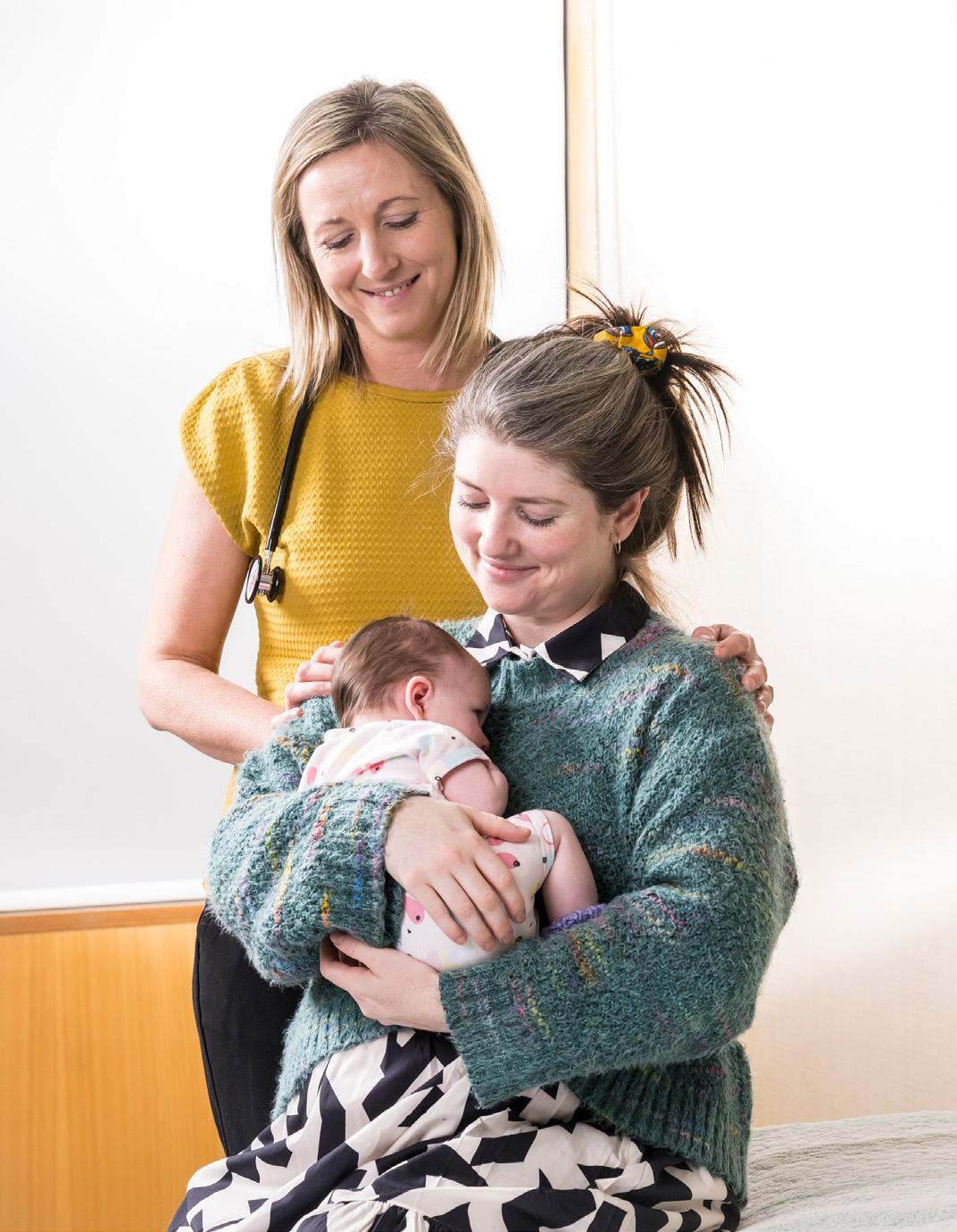
“She was available throughout the pregnancy and then six weeks postpartum as well,” says Siena, who described the experience as empowering.
“We had regular sessions with her, where I felt like I really had time to talk through any and all of my questions, and there are a lot of questions in your first pregnancy. I could call her as well, and her work phone would divert to one of the other midwives if she was on leave or not on call that day. I just felt like I had a lot of support.”
MGP Maternity Unit Manager April says it’s stories like this that reinforce why continuity of care is so important.
“I [recently] went into the birth room as the second midwife and I just sat quietly in the back of the room and just watched
the connection that the midwife and the woman and her partner had formed.
“To be able to see that trust with both of them, and the support and time and respect given in that environment to be able to birth their baby, was really uplifting.”
Notwithstanding the undeniable benefits, midwifery continuity of care models, and others like them, need to be better supported if they are to grow across the country. While the La Trobe University evaluation found the new model was valued by women and staff, it also uncovered several barriers to sustainability. These included concerns over core midwife staff shortages, which increased workload and the potential for burnout, and fears about costs and the funding model.
The report made more than a dozen recommendations, including employing more MGP midwives to reduce the caseload of each member, re-evaluating the funding model, providing greater flexibility around shifts required for Castlemaine MGP midwives at Bendigo Health, and exploring a combined graduate midwifery program between Castlemaine Health and Bendigo Health to ‘grow their own’ midwifery workforce.
April says the service welcomed the strong feedback, as it drives to implement a safe, collaborative and sustainable maternity service.
“Establishing a new model from scratch, it was always going to be imperfect,” she says.
“We needed to look at how we could keep improving to make it sustainable into the future and we have something [the evaluation] really tangible to work with.” Since the evaluation, the service has already begun advertising for a fifth MGP midwife to help reduce, and spread out, caseloads. April’s position will also be expanded and increased, so she has more time to support staff. While a graduate will come on board from next year.
Funding remains problematic, yet the team will continue to push for funding allocation consistent with actual service provision. “For me, it’s just really reinforced that this is why we become midwives, to be able to work to our full scope” April says. “We want to provide women with a high-standard of care that they can be involved with, and we can get to know them, and they can trust us.”
“Pregnancy, labour and birth, and postpartum, it’s an incredibly vulnerable time, and having somebody who knows you, having a familiar face, and somebody who knows your medical history, your kind of family situation, and just knows you, feels like it’s going to have more positive outcomes.”
Local mother Siena Tagliabue
FEATURE 12 Jul–Sep 2023 Volume 28, No. 1
Maternity Unit Manager April Jardine and local mother Siena Tagliabue, with six-week-old daughter, Gloria.
The risk of boundary violations for inexperienced practitioners
Developing and maintaining therapeutic relationships with clients is a core part of a clinician’s role.
Boundary crossings render this relationship vulnerable whilst boundary violations have the potential to do substantial harm to the client.
New practitioners are particularly vulnerable to boundary errors and can find themselves ‘out of their depth’ without realising this, as the following case demonstrates Psychology Board of Australia v Ross (Review v Regulation [2023) VCAT 110 (9th February 2023).
Here it was alleged that the practitioner failed to: establish and/or maintain professional boundaries, appropriately manage termination of the professional relationship, and to maintain accurate and adequate clinical records about the services he provided to his client.
This client had a history of self-harm, borderline personality disorder, anxiety and depression and consulted with the practitioner at first on a weekly basis and later twice a week seeing him 17 times during 2018–2019. Around 25 September 2018, the client attempted suicide and the practitioner being concerned for her welfare phoned her and her husband which inadvertently gave them his phone number which they used sending text messages to the practitioner outside of office hours. Some time later when she was visiting her home country the practitioner gave her his private email address so that they could continue communicating – a boundary crossing that had the potential to become a violation. In the email and text messages sent by the patient to the practitioner she mentioned bringing him a coffee at her next session, holiday destinations, her feelings of guilt towards her husband, her wanting to separate from him, and or have sexual relations outside her marriage and that she fantasised about having an intimate relationship with him.
There was no documentation in the patient’s case notes regarding this. After a second suicide attempt the practitioner visited the client in hospital and hugged her before leaving – this was also not included in the patient’s clinical notes. The practitioner whilst initially claiming that this was in his professional capacity later agreed that it was a personal visit. Soon after the practitioner changed his phone number without informing the patient or her husband –weeks later the patient made a complaint about the practitioner to the Board.
The next day the practitioner sent a letter to the patient terminating the professional relationship however, he did not include any emergency treatment telephone numbers or specific crisis management strategies.
It had been the practitioner’s intention to terminate the professional relationship after a discussion with his supervisor where he revealed his concerns regarding her attempts to sexualise their relationship. However he had delayed doing so knowing she was pregnant and being concerned about her welfare and that of her unborn child should she again attempt suicide if he terminated the relationship. It was also the end of the year and he was unable to find another clinic to take over her care.
The tribunal noted the importance of establishing boundaries, particularly with patients who have borderline personality disorders, to create a predictable interpersonal context for the treatment to occur in and a sense of mutual responsibility clarifying roles and responsibilities of each party. The tribunal obtained an expert opinion who determined that if any boundaries had been established they had become blurred very early in the therapeutic relationship. Furthermore, it was noted that the manner in which the patient and her husband had obtained his phone number was not a boundary violation however, the continuation of communicating in this way beyond the initial reason for doing so as well as using his private email was. Reference was also made to the ethical guidelines for psychologists identifying the potential for emerging boundary issues with clients in relation to internet and telecommunication technology and the fact that the practitioner did not appear to have had a process to support the use of this technology in the therapeutic relationship with the patient. There was also concern in relation to the way the practitioner ended the therapeutic relationship being driven by the response to the patient’s allegations rather than a clinically appropriate decision to make.
The tribunal noted that at the time of the conduct the practitioner had been in independent practice for a year and viewed his conduct as an example of an inexperienced practitioner who failed to recognise that he was professionally out of his depth. Furthermore, the tribunal noted that some of the practitioner’s decision making was well meaning but misguided and this along with his poor judgement led to a cascade of errors where he failed to develop and maintain a therapeutic relationship which then led to the boundary errors. It was agreed that the practitioner had engaged in professional misconduct and that he be reprimanded as he was no longer registered.
LEGAL Jul–Sep 2023 Volume 28, No. 1 13
Linda Starr
An expert in the field of nursing and the law Associate Professor Linda Starr is in the School of Nursing and Midwifery at Flinders University in South Australia
Clinical Documentation Improvement – a nursing role?
 By Joanna Forteath
WOR
LIFE
k ING
I would have been working at a very busy Melbourne Emergency Department at the time, living off adrenaline in a high-pressure environment with an amazing team. Every young nurse’s dream, right? Fast forward 20 years, and here I am, reading notes, lots of notes!
This role is known as a Clinical Documentation Specialist. It is suited to nurses or allied health clinicians who can work with the treating clinicians and assist them in writing in a specific way to ensure clinical coders can use it. When clinicians start as interns, unbeknown to them, they are not writing in a way that can be used by the coders. All their hard work in providing excellent comprehensive care will go unfunded. Coders cannot code from results or treatments – they need a diagnosis. A note entry saying HB 70, give two units, will not be coded. However, if they write acute blood loss anaemia – for two units, it will be. It would be even better if they can specify the cause of the acute blood loss anaemia. These coding rules and requirements were all foreign to me. I simply applied for a job that would provide quality improvement through documentation, resulting in better patient care. I was successful and started the position with another nurse, Deb Hutton. Together we received comprehensive training through the Hospital’s Health Information Management (HIM) Department. Kylie Holcombe (HIM) took us under her wing, equipped us with her exceptional coding knowledge, explained barriers she had faced when trying to engage with clinicians and set us up with all the support a new role would need. The HIM department welcomed their two new ‘nurses’.
Deb and I worked on different quality improvement projects at Grampians Health, Ballarat, for many years. Being known within the hospital helped acceptance of the new role, and we were both pleasantly surprised at how engaged the clinicians were. After all, if the junior doctors write in the correct way that can be coded, the end result is, of course, appropriate funding for the
health service and money talks. However, Deb and I don’t know what the end funding result will be at the time of the reviews – we complete the reviews for quality improvement. The correct funding is simply the end result and an easy way to report the success of what we do.
On a typical day, you will find us on the wards reading different units’ inpatient notes, searching for a missing diagnoses and comorbidities that are clearly impacting and being treated. We ask the treating teams lots of “why’s and “Is that due to?”. The teams will meet with us, mainly at an isolated time and at a meeting place off the ward. The teams that send both junior and senior members have the most success. This ensures that the junior doctors have someone there who can confidently say yes – we are treating for that or no – not relevant this admission. Having a clinical background means we can picture the patient even though all we look at are the notes. This allows us to be very relevant with our questioning. We see great discussions and education amongst the teams while we capture the clinical truth through accurate documentation.
Our CDS role is not just limited to the doctors. We also educate the nurses and allied health teams about how vital their clinical documentation is. They provide evidence for the coders on comorbidities which are relevant and impact the admission.
We started our roles towards the end of 2019, which was impacted by the COVID-19 pandemic. We saw ourselves being redeployed to help with contract tracing on and off for almost two years. To say we missed the CDS role would be an understatement. We just wanted to be back on site, interacting with the clinicians. Interacting with the junior doctors is certainly a highlight. Once they realise that our role supports them, they don’t shy away. If we delivered the role as an audit or sent retrospective documentation queries via email to confirm treatment and a diagnosis, the clinical engagement would not be there, and clinical documentation improvement would be just another chore.
Undoubtedly, nurses working as a CDS need strong HIM support. We are not coders or a HIM. Nurses can complement a HIM team with their clinical knowledge and understanding of how clinicians write and can sympathise with clinicians about the coding documentation requirements. We support clinicians and are inspired by seeing quality care delivered to patients through accurate, comprehensive, smart documentation.
Author
If I had been told 20 years ago that my future nursing role would be reading inpatient notes to look for missing diagnoses of comorbidities and complications that clinicians were actively treating, I would have said no way!
Joanna Forteath is a Clinical Documentation Specialist and Registered Nurse working in Medical Records at Grampians Health, Ballarat Victoria Australia
WOR k ING LIFE Jul–Sep 2023 Volume 28, No. 1 15
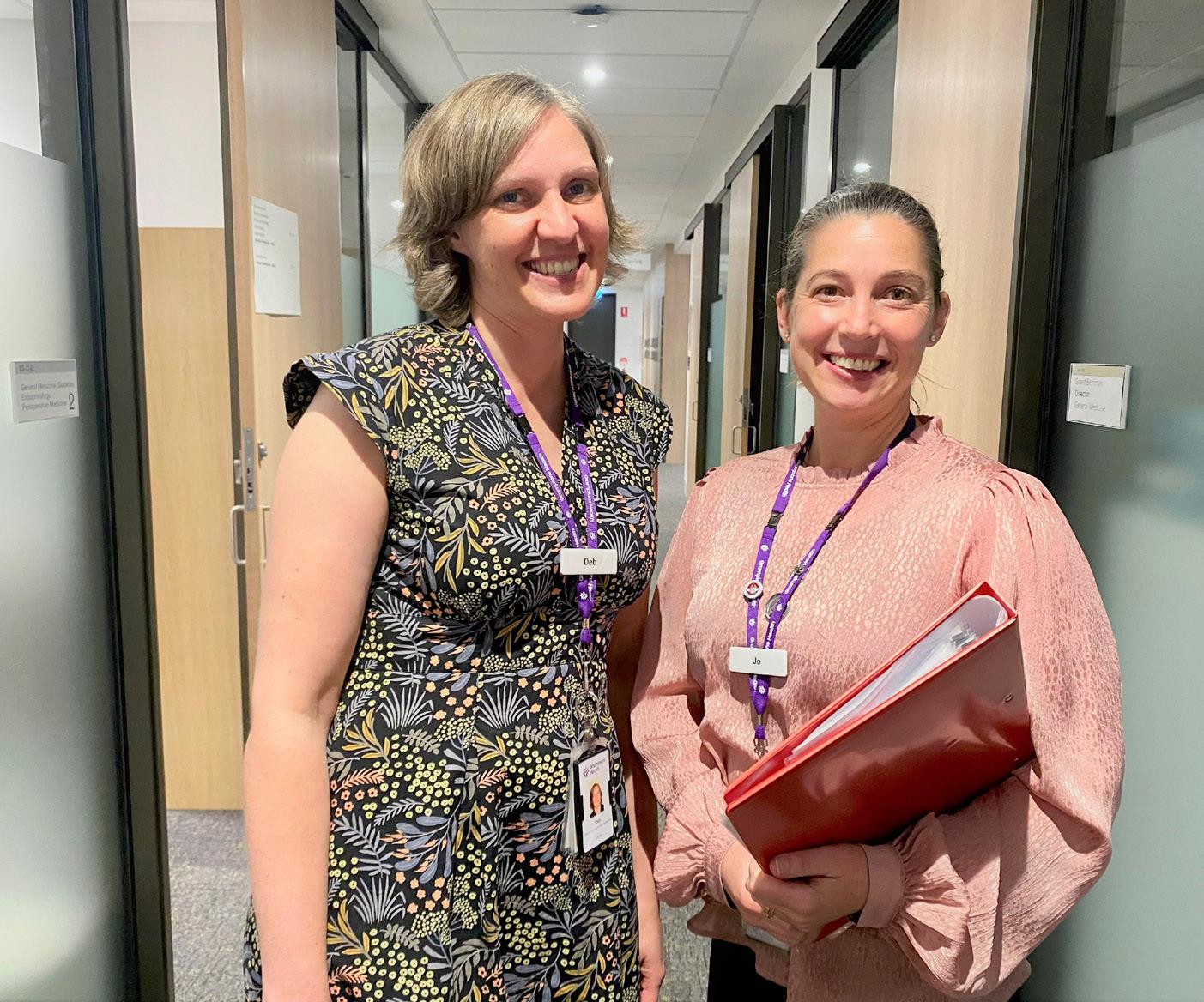
Deb Hutton and Jo Forteath CDS, Grampians Health, Ballarat
The pivotal role of nurses in pain management
 By Olivia Sonneborn, Annie Williams and Nicole Gauthier
Impacts of a revised definition of pain and review of opioid analgesia practice for the future
CLINICAL
16 Jul–Sep 2023 Volume 28, No. 1
UPDATE
INTRODUCTION
Pain assessment is a critical component of optimum nursing care, to enable effective pain management.1 Advances in the understanding of pain mechanisms and management, as well as increasing concerns regarding an opioid crisis in the developed world has brought the importance of accurate, valid and reliable pain assessments into focus for the future. The pivotal role of nurses in conducting pain assessment needs to be explored, in response to the revised, universally accepted definition of pain by the International Association for the Study of Pain (IASP) in 2020 and evolving perspectives on opioid analgesia in acute pain management.
IASP DEFINITION OF PAIN
The IASP definition of pain has been broadly supported and accepted in the pain field, by researchers, educators and practitioners since 1979, and states pain is “An unpleasant sensory and emotional experience associated with actual or potential tissue damage or described in terms of such damage”.2 The revised IASP definition from 2020, now states pain as “An unpleasant sensory and emotional experience associated with, or resembling that associated with, actual or potential tissue damage”.2
This updated definition reflects recent advances in pain medicine, where it is understood pain may derive from nociceptive, neuropathic or nociplastic sources, and that pain may be multimechanistic, creating a complex pain presentation requiring multifactorial management.2,3,4 The revised IASP definition of pain also aims to reinforce the importance of assessing for pain in patients where verbal description is not the sole behaviour or mode available to express their pain, which may include neonates, the elderly, intubated or critically ill patients, persons with intellectual disability or others incapable of verbal self-reporting their pain.2
PAIN MANAGEMENT IN AUSTRALIA
Chronic pain impacts 3.24 million Australians and 20% of the population worldwide.5 Chronic pain is projected to have an increased burden to five million Australians by 2050, which is likely to result in an increased demand for health services and nurses to provide expanded care delivery, including patient support, pain education and to be an integral component of redesigning and implementing innovative, integrated pain service delivery.6,7 Australia has an ageing
population that is projected to increase the burden on healthcare resources and result in an incongruity with the supply and demand of acute care nurses in the future.8 The prevalence of chronic pain combined with an ageing population will generate a greater reliance on accurate and reliable pain assessments to underpin the demand and advancements in pain management practice.
Chronic non-malignant pain (CNMP) is often poorly responsive to opioid therapy, is associated with a risk of long-term health issues and opioid misuse, abuse, addiction and overdose.9 The opioid epidemic and associated mortality rates in the United States of America (USA) since 1999, reflect 44 Americans dying every day from opioidrelated deaths in 2016.9.10 In 2018 opioids accounted for just over three deaths per day in Australia; an annual total of 1,123 deaths; with a greater proportion of these occurring in regional areas and with pharmaceutical opioids contributing to a greater number of deaths in females than males.11,12 Multidisciplinary pain programs with nurse involvement are used to effectively manage chronic pain, by generating improved post-operative pain, mitigating analgesic use, reducing psychological distress and improving physical functioning and satisfaction with the patient’s health.
7,13
The efficacy of pain self-management interventions and cognitive behavioural therapy (CBT) used in chronic pain management are well substantiated by current evidence, with the execution of such programs delivered by nurses, due to their insights, experience and patient-centred approach.
6,13,14
OPIOID ANALGESIA IN PAIN MANAGEMENT
The use and clinical indication for opioids has shifted as a result of escalating problematic opioid use over the past 20 years, with the Faculty of Pain Medicine (FPM) releasing a statement regarding the use of opioids in 2020 on the management of CNMP.15 The FPM statement identifies that opioid analgesia should only be used for severe pain for which “other treatment options have failed, are contradicted, not tolerated or are otherwise inappropriate to provide sufficient management and which has shown to be opioid responsive”.15 This guidance on the appropriate use of opioids from the FPM, highlights the importance of an effective and comprehensive pain assessment to determine the potential nature and source of a patient’s pain, to subsequently identify and differentiate the mechanism of pain from nociceptive or
neuropathic, as well as the acute, persistent or chronic source of pain. The FPM statement relies on an effective, consistent pain assessment being undertaken consistently for individuals to ensure that implemented pharmacotherapeutic treatments are evaluated to determine ongoing pain management plans and identify whether the use of opioids is considered appropriate and effective.16
The FPM are involved in training and accrediting medical pain specialists and are affiliated with the Australian and New Zealand College of Anaesthetists (ANZCA), who released its own statement in 2018 on the role of slow-release opioids in acute pain management. This statement declared slow-release opioids are not recommended for use in the management of acute pain and “The use of slow-release opioids for the treatment of acute pain can be associated with a significant risk of respiratory depression, resulting in severe adverse events and deaths”.17,18 Acute pain can transition into chronic pain if untreated or poorly treated, from neuroplastic changes in the nervous system. Timely and effective treatment of acute pain is essential to prevent transition to chronic pain, with accurate, valid and reliable pain assessment fundamental to effective pain treatments.5,16
NURSES’ ROLE IN PAIN ASSESSMENT
The evolving demand on pain management care for the future and safety of the Australian population, will require a greater reliance on nurses to have a sound understanding and knowledge of pain concepts. Robust and insightful knowledge of pain mechanisms and pain management interventions underpins an accurate pain assessment. With a revised definition of pain by the IASP, due to advancing perceptions and understanding of pain mechanisms, nurses need to consider their role and application of pain assessment into their clinical practice for the benefit of their patients. There are a number of validated and reliable pain assessment tools available for nurses to implement a comprehensive pain assessment, many of which have been used for decades and include assessment of verbal, non-verbal and functional expressions of pain.16,19,20
The importance of the nurse’s role in providing patient and clinician education has been recognised in current literature.21 Nurses play a pivotal role in the dissemination of best practice recommendations, providing education, mentoring and engagement with interdisciplinary team members to produce
CLINICAL UPDATE Jul–Sep 2023 Volume 28, No. 1 17
sustainable and innovative changes. Nurses’ contributions to the achievement of effective pain management is robustly supported by current literature, with expanded and ongoing pain education fundamental to the development of nurses’ and clinician knowledge, understanding and assessment of pain.22,23,24 Nurses are in a principal position to work in partnership with patients to optimise safe and effective pain management and identify selfcare and nonpharmacological strategies individuals can use to sustainably manage their pain.25
CONCLUSION
The definition of pain has changed, the focus of pain management is evolving, and prioritising pain assessments is a key focus for the future. The role of opioid analgesia in acute management is an area of
contention and discussion in the pain field, where their clinical use demands a greater reliance on valid and accurate pain assessments. Nurses have a crucial role in leading and undertaking reliable and appropriate pain assessments to advocate for optimal and evidence-based pain management strategies delivered to patients.
Authors
Olivia Sonneborn
MN (Perioperative Practice)
Clinical Nurse Consultant (CNC)-Pain –Alfred Health Senior Lecturer (Perioperative Practice & Medical Imaging) -Latrobe University
Annie Williams
MScMed (Pain Management) BSN
Acting Director of Nursing, Statewide Services, Eastern Health Clinical Transformation Lead, Hamilton Centre, Turning Point
Nicole Gauthier
MN(NP),MScMed (Pain), NP, CCRN
References
1. Issa M, Awajeh A, Khraisat F, Rasheed A, Amirah, M., Hussain, A, et al. Impact of an educational program on the knowledge and attitude about pain assessment and management among critical care nurses. DCCN. 2019; 38(5): 271-277. doi: 10.1097/DCC.0000000000000375.
2. International Association for the Study of Pain. IASP announces revised definition of pain [internet]. IASP; 2020. Available from iasp-pain.org/ PublicationsNews/NewsDetail.aspx?ItemNumber=10475#:~:text=The%20 definition%20is%3A%20%E2%80%9CAn%20unpleasant,pain%20for%20 further%20valuable%20context.

3. Raja S, Carr D, Cohen M, Finnerup N, Flor H, Gibson S, et al. The Revised International Association for the Study of Pain definition of pain: concepts, challenges, and compromises. PAIN. 2020; 00, 1-7. Doi.org/10.1097/j. pain.0000000000001939
4. Pergolizzi J, Raffa R. The WHO Pain Ladder: Do we need another step? Pract Pain Manag. 2015; 14(1).
5. Pain Australia. What is chronic pain? [Internet]. Pain Australia; 2020. Available from painaustralia.org.au/ about-pain/what-is-chronic-pain
6. Hogg M, Gibson S, Helou A, DeGabriele J, Farrell M. Waiting in pain: a systematic investigation into the provision of persistent pain services in Australia. Med J Aust. 2012; 196: 386-390. doi: 10.5694/mja12.10140
7. Sonneborn O, Miller C. Pain nurse practitioner and pain nurse’s views on opioid management in Australia: A national questionnaire survey. Pain Manag Nurs. 2021; 15(26): 1-7. doi. org/10.1016/j.pmn.2021.05.002
8. Health Workforce Australia. Australia’s future health workforce: Nurses-detailed report [Internet]. Health Workforce Australia; 2019. Available from health.gov.au/internet/main/publishing.nsf/Content/34AA7E6FDB8C16AACA257D9500112F25/$File/AFHW%20-%20 Nurses%20detailed%20report.pdf.
9. Chaudhary S, Compton P. Use of risk mitigation practices by family nurse practitioners prescribing opioids for the management of chronic non-malignant pain. Subst Abuse. 2017; 38(1): 95104. DOI: 10.1080/08897077.2016.1265038
10. Muench U, Spetz J, Jura M, Guo C, Thomas C, Perloff J. Opioid prescribing outcomes of Medicare beneficiaries managed by nurse practitioners and physicians. Med Care. 2019; 57(6): 482- 489. DOI:10.1097/ MLR.0000000000001126

11. Australian Bureau of Statistics. 3303.0Causes of death, Australia, 2018. Australian Bureau of Statistics; 2019. Available from abs.gov.au/ausstats/abs@.nsf/ Lookup/by%20Subject/3303.0~2018~Main%20Features~Opioid-induced%20 deaths%20in%20Australia~10000
12. Pennington Institute. (2020). Australia’s annual overdose report 2020. Retrieved from penington.org.au/ publications/2020-overdose-report/6 Pennington report
13. Schoenwald A, Windsor C, Gosden E, Douglas C. Nurse practitioner led pain management the day after caesarean section: A randomised controlled trial and follow up study. Int J Nurs Stud 2018; 78: 1-9. doi:10.1016/j.ijnurstu.2017.08.009
14. Kaasalainen S, Wickson-Griffiths A, Akhtar-Danesh N, Brazil K, Donald F, Martin-Misener R, et al. The effectiveness of a nurse practitioner-led pain management team in long-term care: A mixed methods study. Int J Nurs Stud. 2016; 62: 156-167. doi: 10.1016/j. ijnurstu.2016.07.022
15. Faculty of Pain Medicine. PS01(PM) Statement regarding the use of opioid analgesics in patients with chronic non-cancer pain [Internet]. Faculty of Pain Medicine; 2020. Available from anzca.edu.au/getattachment/7d7d26196736-4d8e-876e-6f9b2b45c435/ PS01(PM)-Statement-regarding-theuse-of-opioid-analgesics-in-patientswith-chronic-non-cancer-pain
16. Schug S, Palmer G, Scott D, Halliwell R, Trinca J. Australian and New Zealand College of Anaesthetists acute pain management: Scientific evidence [Internet]. ANZCA; 2020. Available from anzca.edu.au/getattachment/4c3b03b752bf-4c10-9115-83d827c0fc38/ Acute-Pain-Management-Scientific-Evidence.aspx
17. Australian and New Zealand College of Anaesthetists. Prescribing slow-release opioids can be fatal leading college warns [Internet]. ANZCA; 2018a. Available from anzca.edu.au/ resources/media-releases/2018-media-releases/prescribing-slow-release-opioids-4-april-2018#:~:text=%E2%80%9CSlow%2Drelease%20 opioids%20are%20not,its%20Faculty%20 of%20Pain%20Medicine.
18. Australian and New Zealand College of Anaesthetists. Position Statement on the use of slow-release opioid preparations in the treatment of acute pain [Internet]. ANZCA; 2018b. Available from anzca.edu.au/resources/ professional-documents/statements/ sr-opioid-statement-with-disclaimer-20200825
19. Freyd M. The graphic rating scale. J Educ Psychol. 1923; 14(2): 83-102. doi. org/10.1037/h0074329
20. Haifeli M, Elfering A. Pain assessment. Eur Spine J. 2005; 15: S17-S24. doi: 10.1007/ s00586-005-1044-x
21. Ingadóttir B, Zoëga S. Role of patient education in postoperative pain management. Nurs Stand. 2017; 32(2): 50-63.
22. Burke A, Denson L, Mathias J, Hogg M. An analysis of multidisciplinary staffing levels and clinical activity in Australian tertiary persistent pain services. Pain Med. 2015; 16: 1221-1237. DOI: 10.1111/pme.12723
23. Kaasalainen S, Ploegg J, Donald F, Coker E, Brazil K, Martin-Misener R. Positioning clinical nurse specialists and nurse practitioners as change champions to implement a pain protocol in longterm care. Pain Manag Nurs. 2015; 16(2): 78-88. DOI: 10.1016/j.pmn.2014.04.002
24. Cui C, Wang L, Li Q, Zaslansky R, Li L. Implementing a pain management nursing protocol for orthopaedic surgical patients: Results from a PAIN OUT project. J Clin Nurs. 2017; 27: 1684-1691. doi.org/10.1111/jocn.14224
25. 25 Sonneborn O, Bui T. Opioid induced constipation management in orthopaedic and trauma patients: treatment and the potential of nurse-initiated management. Int Journal of Orthop Trauma Nurs. 2019; 34; 16-20. DOI: 10.1016/j. ijotn.2019.03.002
CLINICAL UPDATE 18 Jul–Sep 2023 Volume 28, No. 1
Gender equity and safe workplaces

The ANMF’s membership base is overwhelmingly made up of women, making gender equity an urgent and pressing priority for the ANMF.
The past 12 months have seen some significant steps forward with industrial reforms targeted at improving gender equity outcomes, specifically with the aim of creating safe and inclusive workplaces for women.
RESPECT@WORK
Late last year, the federal government passed legislation to implement the outstanding recommendations of the Australian Human Rights Commission’s (AHRC) landmark Respect@Work: National Inquiry into Sexual Harassment in Australian Workplaces 2020.
The Respect@Work Act amends the Sex Discrimination Act 1984 to introduce:
• A new positive duty on employers and PCBUs (“Persons Controlling a Business or Undertaking”) to take reasonable and proportionate measures to eliminate, as far as possible, sexual harassment, sex-based discrimination and harassment, hostile workplace environments and victimisation. The Act expressly acknowledges that the new positive duty does not limit or otherwise affect a duty that an employer or PCBU has under work health and safety legislation.
• An express prohibition against subjecting another person to a workplace environment that is hostile on the ground of sex.
• A lower threshold for sex-based harassment, by requiring the conduct to be ‘demeaning’ rather than ‘seriously demeaning’.
The changes represent a significant and qualitative shift away from a complaint-based system where the onus has been on an individual to hold their employer to account in failing to provide a safe workplace, to one where an organisation must proactively prevent its employees, workers, agents, and the organisation itself, from engaging in discriminatory/harassing conduct. Importantly for ANMF members, an organisation is now also responsible for protecting its employees and workers from being subjected to discriminatory/ harassing conduct by third parties, such as patients, residents and their families.
A report issued by the AHRC in 2018,1 identified that four in five women have experienced sexual harassment in some form during their lifetimes. It is unsurprising that given the feminised nature of the nursing workforce, the same report identified healthcare as the industry where sexual harassment was most prevalent and that this harassment most often came from third parties.
In practice, the new positive duty will look different across organisations, depending on the circumstances. Organisations will need to periodically
undertake risk assessments to identify ‘hotspots’ and manage these risks, by adopting measures that will eliminate, as far as possible, risk of sexual harassment and sex-based discrimination in the workplace.
The AHRC is in the process of producing guidance materials for employers on how they might meet their positive duty, but in a health context, these are some of the measures you should expect your employer to be taking:
• Risk Assessments – your employer should regularly conduct risk assessments within the workplace to identify reasonable measures they should be taking to eliminate, as far as practicable, unlawful conduct in the workplace.
• Evaluating and making changes to work design –this involves assessing the physical layout of the workplace and whether this could contribute to/ enhance the risk of workers experiencing unlawful conduct eg. placement of security cameras in highrisk areas, increasing visibility of work areas etc.
• Reviewing systems of work – this involves conducting a risk assessment of current work practices or service provision to minimise the risk of unlawful conduct occurring (eg. ensuring female nurses are not rostered on alone to look after patients who have engaged in relevant unlawful conduct).
• Education and training – the workforce, including workplace leaders/management should be engaging in training and education regarding the positive duty and the prohibitions in place around sexual harassment and sex-based discrimination. This training should be regular, industry specific and where possible provide relevant information/ examples of how employees can meet the duty in relation to each other as well as the role of the employer in protecting workers from unlawful conduct from third parties.
• Systems and processes for dealing with unlawful conduct – your employer should have accessible and confidential systems and processes in place to deal with instances of unlawful conduct. These systems and processes should be communicated regularly to the workforce. Workers should feel confident that their employer has rigorous processes in place to deal with unlawful behaviour that respect a complainants privacy whilst balancing that against a need to be transparent about addressing incidents of unlawful conduct.
Your employer should consult with you, your colleagues and your union representatives when planning, reviewing and implementing any of these measures to ensure they are complying with the positive duty.
INDUSTRIAL 20 Jul–Sep 2023 Volume 28, No. 1
Laura Miller
Federal Industrial Officer
Reference
1. Everyone’s business: Fourth national survey on sexual harassment in Australian workplaces. Australian Human Rights Commission. 2018
Jasmine Kirk Federal Professional Officer

Reducing midwives risk of work-related injury
Search for an image of a “midwife,” and you will see the internationally identified photo of our profession – a smiling midwife with their head turned, bent over a pregnant belly listening to a foetal heart through a pinard stethoscope.
This heart-warming posture is demonstrative of the strange positions that midwives adopt during their regular day.
Women and midwives have spent decades advocating for active positions during labour and birth. Midwives are delighted to enter a birth suite and see a woman squatting, kneeling, in the shower or bath, or sidelying with a leg supported high in the air. These positions, while excellent for birth, can be extremely damaging to the accoucher.
The positions that we support women in during long labours are challenging to our bodies. Straining a back while holding a monitor on a woman seeking relief in the shower, or crouching under a birth stool to visualise a perineum during tightenings can put tremendous pressure on a midwife’s body. Midwives expect to conform to the chosen position of the birthing woman, and national workplace shortages have led to longer shifts with fewer breaks for relief.
On postnatal wards, midwives assist with awkward breastfeeding positions, and move neonates from uniform cots (poor height work surfaces for most) to low beds. During home visits, furniture is made with little to no ergonomic support offered for weighing neonates on floors or kitchen tables, or checking stitches in a dimly-lit bedroom.
For midwives in Australia, neck and upper back injuries are common, with 25% of midwives reporting upper back injuries and 41% reporting neck injuries.1
A 2021 study found that midwives adopt up to 140 positions during the birthing process.3 Many of these positions involve spinal misalignment and postural instability – exactly what the manual handling experts warn of. Manual tasks, such as vaginal exams or episiotomy, required a wrist position of >15% flexion –a recipe for injury to the hands, wrists, or shoulders.
WHAT CAN YOU DO TO PROTECT YOURSELF?
Start by re-familiarising yourself with the ANMF national policies on Work health and safety and Safe patient handling.
Those who participate in regular physical activity and strengthening exercises are less likely to become injured. Gentle stretching before, during and after shifts helps to loosen tight muscles in the wrists and feet. Of course, listening to your body’s limits during tricky procedures will help prevent some injuries. Consider the position of your shoulders when holding a neonate, and your back when assisting with breastfeeding. Are they square and straight? When was the last time you had a break from this position? Protective postures like squats and lunges, used daily throughout your career, can delay symptoms. Workplaces should also help reduce the effects of the problem. Bringing in physiotherapists to regularly educate the workforce on protective exercises for midwives’ hands, shoulders, knees, and backs can prevent workplace absences due to injury.
References
1. Long MH, Bogossian FE, Johnston V. Functional consequences of work-related spinal musculoskeletal symptoms in a cohort of Australian midwives. Women Birth 2013;26(1):e50-e58.
2. Okuyuco K, Gyi D, Hignett S, et al. Midwives are getting hurt: UK survey of the prevalence and risk factors for developing musculoskeletal symptoms. Midwifery. 2019;79.
3. Kacem I, Boughattas W, Ghardallou M, et al. Prevalence of work related upper limb disorders and the associated psychosocial factors among midwives. Int J Afr Nurs Sci. 2021; 15.
A UK study demonstrated that 91.5% of midwives report having a musculoskeletal disorder in the 12 months prior.2 The majority of these were in the lower back, shoulders, and neck, although older midwives reported more knee pain. These were increased with the demands of the profession; those who worked 12 hour shifts, or night shifts, were more likely to be injured.
If you are injured at work, be sure to report it immediately. Contact your state or territory Branch. Consult with your workplace and with your state’s worker compensation model as soon as possible. Record dates and times, and attend appointments as needed to help you get back on track as soon as possible.
PROFESSIONAL Jul–Sep 2023 Volume 28, No. 1 21
Demystifying Neuroendocrine Cancer for patients and nurses
 By Cristelle Gilmour
Nurses often find themselves in a unique position, with the ability to see both the perspective of the patient and that of healthcare practitioners.
Within this space, nurses become increasingly aware of areas of need, care gaps, and opportunities to improve. It is from here, creativity and innovation in practice can arise.
This is precisely the position
Neuroendocrine Tumour (NET) nurses at NeuroEndocrine Cancer Australia (NECA) found themselves. It was evident there were significant knowledge gaps in daily practice when speaking with patients, other healthcare professionals and published research.1 A challenging reality has led to the creation of valuable resources.
Even though NET’s are the 7TH most common cancer in Australia, resources are scarce, however the NECA team are changing this.2 Acknowledging NETs are somewhat of a mystery to people who receive a NET diagnosis and for many healthcare practitioners involved in their care, has motivated NECAs NET nurses to initiate the development and inception of two programs.
For NET patients the team created “Living with NETs”, an online education program, and for nurses looking to extend their knowledge, they are delivering “How to identify neuroendocrine cancer when it’s not part of your typical line up”, online, on demand education modules.3 Both programs aim to build on the existing NECA resources for patients and healthcare professionals (HCP).4
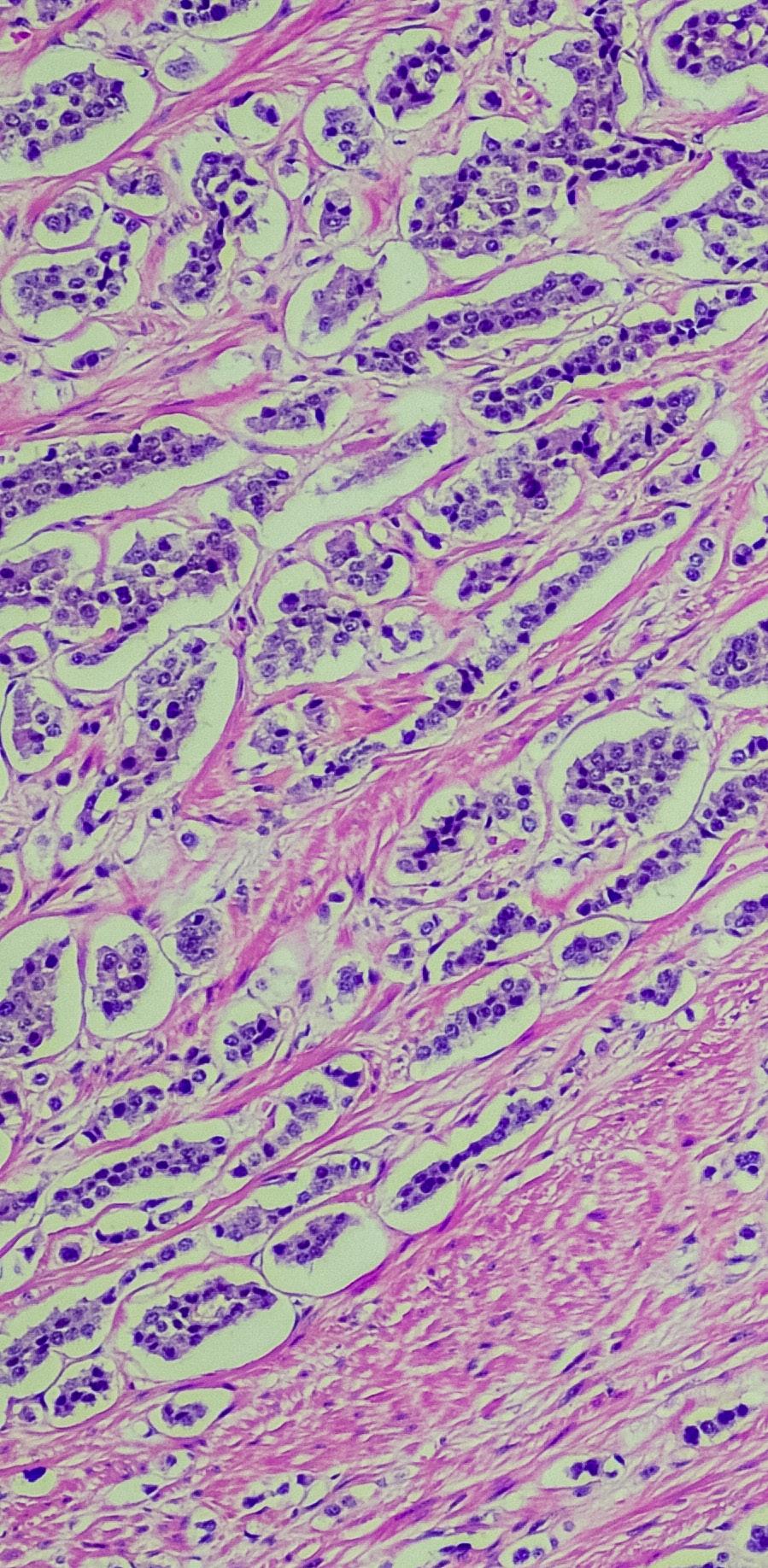
NETs originate from cells of the neuroendocrine system, subsequently they can occur almost anywhere in the body. NET primary sites include gastrointestinal, pancreatic and lung, resulting in numerous non-specific and vague symptoms.5,6 This symptom presentation is often cited as to why NETs are commonly missed or are a delayed diagnosis.1,5,6 Treatment and management are also renowned for being extremely challenging and complex.1,6 Frequently NET symptoms are initially attributed to more common health issues such as irritable bowel syndrome, asthma or menopause and the road to a definitive diagnosis can be long and arduous.6
The aim of both educational programs is to demystify NETs and increase knowledge of this complex illness in both the patient and nursing population.
Living with NETs is an online interactive patient education program accessible Australia wide. Developed in collaboration with Cancer Council Victoria, the program content explains medical information, unpacks complex treatment options, and provides strategies for symptom management. Facilitated by NET nurses with the support of trained volunteer facilitators who are NET patients, the program comprises of four 2-hour sessions over four weeks. Patients can self-refer, or HCP can recommend the program. Topics include; What are NETs, Treatment for NETs, Navigating the Health Care System, Carcinoid Syndrome and Carcinoid Crisis, Nutrition, Exercise, Fatigue Management and Wellbeing.
Content is delivered by Specialist NET nurses, NET patient facilitators, a NET specialist dietitian and an exercise physiologist. The program aims to empower people living with NETs with knowledge so they can understand NETs, live well through ongoing symptoms and treatment, and confidently self-advocate within the healthcare system.
With the NET patients citing a lack of knowledge by HCP about NETs, and the
incidence of NETs rising each year, it is evident the knowledge of HCPs requires enhancing.1,2,5 NET knowledge is essential for many oncology nurses however the demand does not cease there. Some examples of other specialties where nurses require NET knowledge are; general practice and community nurses who are administering treatment, nuclear medicine nurses involved in imaging and treatment, perioperative and surgical nurses managing pre and post operative care along with the anaesthetic risk of carcinoid crisis.5
While not all nurses specialise in NETs, all nurses should be able to turn to accessible educational resources to inform their practice. Identifying this resource gap resulted in the NECA team developing and launching “How to identify neuroendocrine cancer when it’s not part of your typical line up”.3
NECA collaborated with Arterial Education to create a free online on demand short
It was evident there were significant knowledge gaps in daily practice when speaking with patients, other healthcare professionals and published research.1
22 Jul–Sep 2023 Volume 28, No. 1
ISSUES
course with the Australian College of Nursing continuing professional development (CPD) accreditation. A multidisciplinary expert working group was formed to contribute and review the content. The course is framed by multiple case studies of patients from the NET community who wanted to share their stories to improve HCP awareness and knowledge of NETs.
The course content steps through the pathophysiology of NETs, NET symptoms, the diagnostic pathway, pharmacological and non-pharmacological treatments, and the importance of a multidisciplinary whole person approach to NETs care delivery.
The catalyst for creating the two programs began from understanding and acknowledging the reality and the complexity of the patient experience and that of nurses providing their care. Creating and launching NET educational resources and programs for both patients and nurses is a considered approach by the NET nurses at NECA. Through these programs, NECA hopes to achieve an enhanced care experience for all involved.
To refer a patient to the Living with NETs program or to access free online learning about Neuroendocrine cancer go to: neuroendocrine.org.au
Author
Cristelle Gilmour is a Registered Nurse Specialising in Oncology for 22 years with post graduate studies in cancer nursing, malignant wound care, prostate cancer and neuroendocrine cancer and is a Neuroendocrine tumour (NET) nurse at NeuroEndocrine Cancer Australia
References
1. Wolin E, Layden J, Goldstein G, Kolarova T, Hollander R, Warner R. Patient reported experience of diagnosis and burden of neuroendocrine tumors. Pancreas 2017 May/ June; 46(5):639-647

2. Cancer Australia, Australian Government (Internet) Neuroendocrine Tumours. (cited February 2023) Available from: canceraustralia. gov.au/cancer-types/ neuroendocrine-tumours/ statistics
3. Neuroendocrine Cancer Australia (internet) How to identify neuroendocrine cancer when it is not part of the typical line up. (cited February 2023) Available from: https:// neuroendocrine.org.au/ neuroendocrine-tumoureducation-course/
4. Neuroendocrine Cancer Australia (internet) neuroendocrine.org.au/
5. Optimal Care Pathway for people with Neuroendocrine tumours first edition (Internet) Cancer Council (cited February 2023) cancer. org.au/health-professionals/ optimal-cancer-carepathways
6. McDonnell M, Bouvier C, Pavel M, Singh H, Howe J, Singh S, Chen J, Van Genechten D, Gellerman E, Dureja S, Leyden S, Rodien-Louw C, Kolarova T, O’Toole D. Survey of challenges in access to diagnostics and treatment for neuroendocrine tumor patients (SCAN): The diagnostic process of GEPNETs in Australia, Canada, China, France, Germany, the United Kingdom and the United States of America. J Clin Oncol 2022;40 (4) suppl:502
ISSUES Jul–Sep 2023 Volume 28, No. 1 23
The aim of both educational programs is to demystify NETs and increase knowledge of this complex illness in both the patient and nursing population.
Adelaide nurse provides protective presence against human rights abuses in Palestine
By Natalie Dragon
Israeli fighter jets, checkpoints, tear gas and building demolitions were frequent hazards for Australian nurse Carolyn Black during her time as an international observer in Palestine.
Carolyn, a long term ANMF member and a perioperative clinical nurse educator (theatre) at Flinders Private Hospital, spent three months in Palestine with the human rights monitoring organisation EAPPI just before COVID in 2018-19.
“I was turning 50 and wanted to do something for my birthday – something worthwhile. I was looking at the possibility of Mercy Ships but saw EAPPI in my Facebook feed. I was hooked. Less than 12 months later I was in Jerusalem on my 50TH birthday. As a Christian, being in the Holy Land was incredible.”
The Ecumenical Accompaniment Programme in Palestine and Israel (EAPPI)
brings together people worldwide to spend three months living alongside communities under military occupation. By offering a protective presence as an international observer, Ecumenical Accompaniers (EAs) seek to deter and reduce human rights violations in Palestinian communities.
“The hope is that international observation encourages people to do the right thing –someone is watching and so the world is watching,” says Carolyn.
Carolyn was based in Yatta, a city in the south of the Occupied Palestinian Territories (official UN title), which like the rest of the West Bank has been occupied by Israel since the 1967 Arab-Israeli War.
“Occupation has made Palestinian lives really difficult: the various checkpoints when moving from one town to another, having their basic needs such as water and electricity met, and the need to get building permits makes life tough.”
Housing quality and security is one of the biggest problems for Palestinians. Houses are often basic tin construction, much like an Australian garden shed, or just a tent anchored by stones.
“To even have a water tank or Port a loo they have to get a building permit and it’s rare for Palestinians to be able to get a building permit. If Palestinians build without
permission, their home can be demolished. So, they don’t spend money improving their property or using expensive materials and housing is quite poorly built.”

Carolyn witnessed the demolition of a local school which was paid for by EU money (80,000 euros) and built without a building permit. The bulldozers moved in and took all the materials away with them.
“It shows the strength of the Palestinian people – the next day they put up a tent on the demolished site and taught the children. The school was attended by about 80 students and the next nearest school is 3.5km away and over a busy road. It’s cold in the winter in the West Bank and hot in the summer. A lot of the kids don’t make it [to school].”

EAs accompany families in their day to day tasks, including escorting children to school and while working on the land, caring for crops, sheep and goats. EAs also visit and support local Israeli and Palestinian peace organisations who are trying to make a difference and build bridges.
“It was a privilege to see this beautiful, rugged landscape and it was incredibly special to be invited to share in people’s lives,” says Carolyn.
The volatility in the region meant the safety situation changed every day. It was not uncommon to see Israeli fighter jets in the
INTERNATIONAL 24 Jul–Sep 2023 Volume 28, No. 1
skies on the way to bomb Gaza, armed soldiers and heightened security at checkpoints.
“The Palestinians were always concerned for us and our safety. We had someone who took care of our safety and would let us know where it wasn’t safe to go.”
Despite not being there in a nursing capacity, Carolyn was attuned to health risks and healthcare for communities, including the lack of clean water and poor sanitation.
The hope is that international observation encourages people to do the right thing
“Fresh water is trucked in to villages and there is no adequate sewerage system. Chemicals from industry sometimes pollute the groundwater.”
“For top level healthcare, patients really need to travel to Jerusalem. Palestinians need permits to travel to Jerusalem to go to the hospital. If there’s been conflict or an Ambulance is stopped at the border checkpoint, you can’t get through.
“Villages are sometimes serviced by mobile medical clinic vans. These are frequently confiscated by the occupation forces if they don’t have the right permits. There is no public transport to access healthcare in larger towns.”
Not only is access to healthcare haphazard, there is little health screening.
“It’s very difficult, they are traditional communities with low health literacy.
It’s not just the occupation that’s difficult but living in a developing country that is not well-equipped.”
There was also a lot of mental health problems, namely depression and hopelessness, says Carolyn, but there was also solidarity, “a sense that we’re all in this together”.
“My nursing skills came in very handy being in a conflict zone – listening skills and having a neutral political stance”.
Carolyn says while there are little glimmers of hope, they are not from governments and it’s difficult to envision a political solution, including the official line for a two-state solution.
“There’s people chipping away at the edges and it’s heartening to see the good will,” she says.

Organisations such as ‘Combatants for Peace’ a non-profit, volunteer organisation of ex-combatant Israelis and Palestinians working together to end the occupation of Palestine and bring peace to the region. “This experience really pushed me out of my comfort zone, it not only has made me a better-rounded person, but a nurse with a greater appreciation for people who have come from difficult situations.
“I think a lot of people shrug when they hear of the problems in the West Bank. If you just read a bit more and find out a bit more about what is really happening there, and hopefully there will be greater awareness and a move for a solution.




For more information, visit eappi.actforpeace.org.au
Carolyn Black is Peri-operative Education Coordinator at the Flinders Private Hospital. She took three months leave without pay to volunteer for EAPPI.
INTERNATIONAL Jul–Sep 2023 Volume 28, No. 1 25
Clockwise from top left: Carol tree planting with Abed, Carol with donkey, soldiers guard school demolition, school girls in the ruins of their school. Photo credit: EAPPI
James Lloyd
 ANMF Federal Vice President
Substance abuse in nursing
Substance abuse is a significant problem worldwide, and healthcare professionals are not immune. Nurses and midwives face the risk of developing substance abuse problems due to the stressful nature of our careers. As a result, some may turn to drugs or alcohol as a way of coping with stress, leading to addiction.
This is a significant concern, as it may have a substantial impact on patient care and safety. According to studies in the US, an estimated 10% of nurses have a substance use disorder. Our professions focus upon assisting those who cannot help themselves. Nurses are required to develop thick skin, suffer emotional and physical abuse, endure compassion fatigue, give 100%, and often receive little in return. We are shift workers, and often must work in environments that are not fully staffed, leading to burnout.
To deal with these pressures, we acquire various coping strategies: a cathartic cry, a therapeutic run, a forbidden donut for that quick sugar hit, or phoning a friend for an emotional de-brief. But for some, those strategies simply don’t work or are unavailable. Some will turn to alcohol or illicit drugs to provide that blessed relief; unfortunately, this can lead to susceptibility to substance abuse. And for a small percentage of us, this approach leads to addiction. Drug use, intoxication, hangovers or withdrawal from alcohol or other drugs inhibit higher cognitive functions, resulting in poor work practices.
A US study indicated that nursing students had a higher rate of alcohol and drug use than the general population, suggesting that even prior to finishing their tertiary qualification, this use of addictive drugs to cope with stress was prevalent.
Additionally, nursing is still predominantly a female profession. Women are at higher risk of developing physical and other problems, even while consuming less alcohol than men.
Easy access to drugs, a structural factor of a nurse’s physical work environments, is commonly posed as a chief contributor. This access can make it easier to obtain those drugs which lead to addiction. Although our profession operates with a high level of integrity and we have layers of checks and balances, there is a correlation with having access to drugs of addiction and their abuse.
The consequences to the nurses and midwives who misuse drugs or alcohol can be significant. Those under the influence of drugs are at a higher risk of making errors in patient care, leading to adverse outcomes for these patients. Nurses and midwives may also have increased sick leave, resulting in staffing shortages. In the end, those who cannot get successful treatment for their addictions can lose their careers and income. This can exacerbate any previous life stressors.
How do we help support and lessen the risk of our colleagues falling into maelstrom of addiction?
The first step is that workplaces must provide education and training on the dangers of substance abuse and how to recognise the signs and symptoms of addiction. This education should be provided to all health workers to ensure that they understand the risks and consequences of substance abuse. Secondly, support services should be easily accessible and effective to help those suffering from acute or chronic stress and help overcome drug dependence. Those who need assistance may be reluctant to access it, due to a fear of loss of employment, being de-registered, loss of income, stigma, and loss of respect from their peer group. These services need to be confidential, easily accessible, and supportive. Workplaces need to set a non-punitive approach when dealing with staff who have addiction issues (after legal and professional steps have been taken). Most people, when given a chance, will seek to improve their lives – they just need the support to do so.
No one is immune from developing substance abuse. It can affect anyone, regardless of age, ethnicity, gender, economic circumstance, or occupation. Nurses who experience alcohol and other drug problems may pose a risk to clients through intoxication, impaired judgement, mismanagement of medications, unsafe practice, and negligence. Early recognition, reporting and intervention are fundamental for keeping patients safe from harm and helping colleagues recover.
There is a light at the end of the tunnel!
IN AUSTRALIA
and Midwife Support nmsupport.org.au Alcohol and drug counselling online counsellingonline.org.au Lifeline 13 11 14 BeyondBlue 1300 224 636
RESOURCES
Nurse
JAMES 26 Jul–Sep 2023 Volume 28, No. 1
Provided
by
nurses
and midwives, for nurses and midwives.
Nurse & Midwife Support o ers free, confidential and 24/7 health and wellbeing support to nurses, midwives and students across Australia.


Why changing the way we consume healthcare is critical
 By Kathryn Anderson
Will building a stronger primary healthcare infrastructure improve our carbon footprint?

According to multi award winning producer, broadcaster and investigative journalist, Dr Norman Swan, the answer is yes and is key to creating healthier communities, and ultimately resulting in a healthier economy and environment.
Speaking at the ANMF’s (Vic Branch) recent sustainability conference, Dr Swan said it was disappointing at the last Victorian election that it was all about creating more hospitals.
“The more hospitals you’ve got, the more impact you’ve got on climate change,” he said.
“The market for healthcare is not a free market. Basically you have supply and demand and in the healthcare market the demand for hospital beds goes up the more hospital beds you have.
“So in other words you build another hospital, you’ll create more demand for hospital care.”
Dr Swan said hospital care was the most wasteful part of the system in terms of resources. He also said it was not the best place for most people to be cared for.
“Healthcare policy that relies on hospitals is a problem if you are trying to move forward on our climate change impact and for building a more sustainable healthcare system.
“Fundamentally we have a wasteful healthcare system. Between 20 and 40% of what happens in healthcare is waste.
“It’s not just about [ambulance] ramping, it’s not just about hospital waiting lists, it’s about consumption. It’s inevitable and unavoidable consumption of energy and of plastic.
“Even if you’re moving to reusables, think of all the things associated within an admission and that emission is unnecessary.”
Dr Swan said we needed to move our focus more on primary healthcare to significantly address the issue.
physiotherapy clinic – it’s electricity that’s being consumed, as opposed to all the things that are consumed if undergoing testing.”
Dr Swan said the development of new models of care that focus on primary care was critical.
“We’ve got to grasp the opportunity to actually divert people at the point of general practice to more evidence-based care provided opportunity,” he said.
“But instead Victoria (for example) is spending billions on new hospitals which will be filled within a matter of a few years and people want more hospitals.”
However Dr Swan warned discarding unnecessary, meaningless and wasteful ways in preference of new models may be difficult for the community to come to terms with.
“Primary healthcare is where it starts, it’s where problems start and it’s where you can avoid unnecessary healthcare in hospitals which consume energy, plastics and everything else that’s going on.”
As by example, Dr Swan said the rise of obesity in our society, speeds up health issues such as premature cardiovascular disease leading to avoidable comorbidities and premature mortality. If these issues were addressed early through primary care, it could help prevent healthcare consumption and emissions.
“We still have too many arthroscopies going on – this is in the private sector,” he said in regards to unnecessary use of medical devices, which contributes to wasteful energy use.
“Somehow you’ve got to try and find a way to connect more strongly with communities so communities are behind what you’re doing as well. Because part of what we’re talking about here is disinvestment,” he said.
“We’ve got to stop doing some stuff and when you stop doing some stuff, people shout, ‘how can you take away my spinal stimulator [so I] suffer?’ – not realising the spinal stimulator is only causing potential harm and the opiates are certainly causing harm and not actually benefiting your chronic pain- just as two examples.
“So connecting the community in this exercise, which is fundamental, looking at every aspect of the system is going to be really important moving forward,” Dr Swan said.
“Fundamentally we have a wasteful healthcare system. Between 20 and 40% of what happens in healthcare is waste.
Dr Norman Swan
ENVIRONMENT & HEALTHCARE 28 Jul–Sep 2023 Volume 28, No. 1
Photo: Christopher Hopkins
Creative initiative results in recycling genius
By Kathryn Anderson
Nurses and midwives nationwide are collecting vial plastic flip caps in the name of recycling, but what can these colourful pieces of plastic be created in to?
This was the question ICU nurse Fiona, based at Dandenong Hospital, Victoria asked her partner Gavin Harrison when she had an overabundance in tops for a project she was working on for Remembrance Day. “She said, ‘what can we do with them? We don’t want to throw them away’,” Gavin recalls.
Gavin who enjoys woodwork had just finished a pen turning course and decided to see what he could come up with.
“I started playing around with plastic. It is really interesting because you get different grades of plastic and there are [different] melting points.”
Gavin managed to melt the plastic to a point where he was able to work with it. He then rolled the plastic like a ‘cigarette’ and onto the lathe to create a pen.
“I showed my partner the first pen [I created] and she just said, ‘well look at this’ and took it into Dandy [Dandenong] ICU.
“The girls just loved them because they could have their own unique pens. Before I knew it, they were all collecting caps for me [to make more pens],” Gavin said. Since then Gavin has made roughly 1,500 pens.
“It takes me roughly about 35 to 40 minutes to make a pen. And what’s so unique about it is that I have no idea what they’re going to look like until I’m finished.”
Gavin said while the colours of the pens are mainly red and blue he has started getting caps in different colours.
Many of the caps Gavin uses come from Dandenong ICU. “Dandy ICU are the ones that really got me started.”
However, Gavin says he has also started getting caps from all over the country, including from the ANMF (Vic Branch) where Environmental Health Officer Ros Morgan works who is leading the drive.
“I’ve even started getting tops from New South Wales and from Darwin and I think South Australia is also looking into it.” While many of his pens are sold to nurses working at Dandenong ICU, Gavin has been successfully selling the pens at local markets, nationally and across the globe.

“I’ve been selling these pens all over the world. So not only in Australia, but I’ve been sending them over to Saudi Arabia, I’ve gone to the UK, South Africa, Canada, Scotland and the United States.
Recently, Gavin was asked to make 80 pens for a conference. He also provided 400 pens for the ANMF Vic Branch’s recent Health and Environmental Sustainability Conference. “It’s just madness,” he said. “It’s really something that I didn’t expect to take off. “ Gavin says pen making is a hobby and enjoys making them because no two pens are the same. “Every single pen has got a story to it.”
Gavin sells the pens for $25 through his website and part of the proceeds goes back into wildlife supporting the Sea Turtle Foundation.
With caps taking roughly 400 years to break down, Gavin says it’s important to keep them and plastic out of the waterway to protect the ocean’s wildlife.
For more information go to Gavin’s business Recycled Pen Art website: recycledpenart.com.au
GIVEAWAY
We are giving five lucky readers one of Gavin’s recycled cap pens. Let us know what you do to be more sustainable for your chance to win.

Send your answers to ClimateActionForHealth@ anmf.org.au
T&C’s are available on the ANMJ website.

ENVIRONMENT & HEALTHCARE Jul–Sep 2023 Volume 28, No. 1 29
Sarah Almeroth’s love of the environment has led her on a journey to become a sustainability champion in healthcare.
Sarah, who works as the Northern Adelaide Local Health Network (NALHN) Sustainability Environmental Project Officer, became interested in climate change and healthcare when studying for her undergraduate nursing degree.
“There was a real connection for me because I’m so passionate about our environment and sustainability, and given I work in healthcare, I had that light bulb moment where I felt that this was something that needed to be done –which leads me to where I am now.”
Sarah initially connected with a green champion at a local hospital, Adelaide’s Flinders Medical Centre. While there, she observed all sorts of wonderful things happening in the sustainability space, but she also felt like she did not yet have the skills and knowledge for this space.
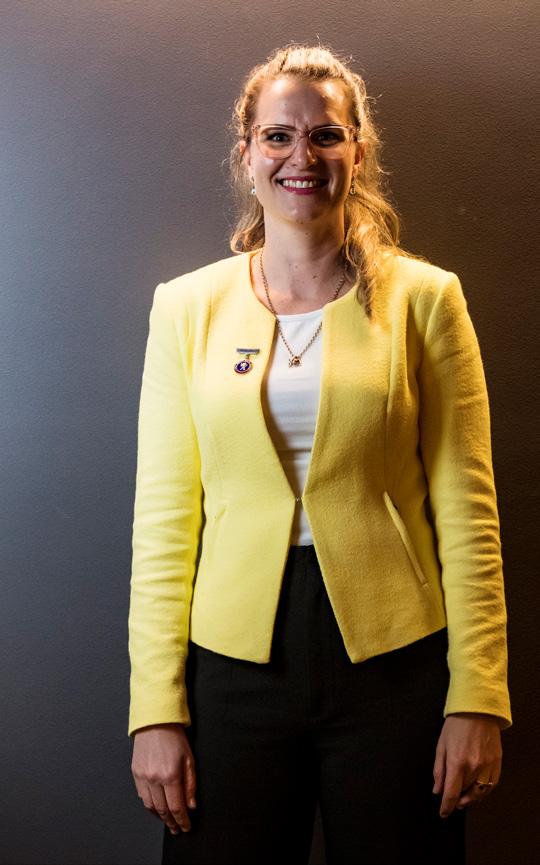
But what Sarah did have was a vision for where she wanted to take her organisation, a ton of passion, determination and drive to make needed changes.
“So that was in 2021, and from that day while working as an anaesthetic nurse [at the Lyell McEwin Hospital, in Adelaide], I became a little obsessed with decarbonising our healthcare system.”
To start with, Sarah created a green team called the Northern Stem Sustainability Team for Environment and Mindfulness.
“We consisted of surgical nurses, anaesthetic nurses, and consultant anaesthetists.”
Sarah spent her spare time researching green initiatives in the perioperative space and then working on ways of integrating change into our hospitals.
Sarah said somewhere along the line, she became the go-to person in Adelaide. “People seemed to know my name and how to contact me.”
She started getting invited to speak at conferences where she talked about what she was doing in the perioperative setting and leading change.
“I was also asked by the University of Adelaide to take part in a hackathon, which is like an intense workshop of innovation from different disciplines like medicine and health science and engineering. The idea was to brainstorm ideas about medical waste when you’re trying to change a healthcare system.”
By the end of 2022, Sarah thought the hospital could be doing sustainability bigger and better, and given the opportunity, she wanted to lead the way.
“But be careful what you wish for because the stars aligned with NALHN looking at sustainability, the executives supported me, and I was offered this role as NALHN Sustainability Environmental Project Officer, which is where I am now.”
One of Sarah’s first projects in the role was looking at alternative PPE gowns. When researching PPE clothing, she noticed it had dramatically changed over time. Referring to her grandmother, who worked as a surgical matron in the 1940s, her PPE was a linen apron that was washed. Projecting forward in time, Sarah’s mother who worked as a nurse in ED, wore an isolation gown that was also washed.
“Several decades later and my PPE is a disposable single-use gown designed to be discarded after single use.”
Reviewing laboratory studies, regulations, guidelines, and standards, highlighted the problems and potential barriers to isolation gowns selected and used, Sarah said.
“When [current] isolation gowns were trialled and tested overseas, the evidence started highlighting gaps that the PPE that was worn did not pass certain standards.”
For example, Sarah says disposable gowns were called into question after recent epidemics, such as the Ebola crisis of 2014, which claimed the lives of over 500 healthcare workers.
“And following this crisis, it was found that some medical gowns on the overseas market were defective, allowing fluid to leak through, ultimately infecting surgeons and nurses in contact with infected patients.”
Other studies have shown the lack of durability of disposable gowns while supporting the durability of reusable gowns and their less detrimental impact on the environment.
“This makes them more economical than disposable gowns and provides greater protection for healthcare workers than the disposable gowns,” Sarah said.
According to Sarah, a patient in intensive care with Covid-19 can require more than 50 single-use gowns during 24 hours.
“Healthcare workers worldwide used approximately 44 million non-PPE items daily during the Covid-19 pandemic generating over 13,000 tons of waste –that is about as heavy as Brooklyn Bridge.”
Sarah said 5.9 million tonnes of waste is generated annually from healthcare facilities. “And that’s in the US alone –we’re talking 1.7 million tonnes of plastic.
Sarah’s Local Health Network is looking at alternative products that provide the same, if not better, protection.
“Looking at alternatives and how they can be implemented is just one way we aim to change our footprint.”
Sarah Almeroth
Photo: Christopher Hopkins
ENVIRONMENT & HEALTHCARE 30 Jul–Sep 2023 Volume 28, No. 1
Sustainability in health champion
Each issue we will be highlighting a sustainability in health champion. To nominate yourself or someone else, contact the ANMJ at ClimateActionForHealth @anmf.org.au
Healthcare sustainability tips and hints

LIGHT BULB MOMENT
In the “I saw the sign” section [last issue’s Environment and Healthcare pages] it discussed turning lights off. On my ward, we installed motion activated lights! In the store room at the tea room that’s not being constantly used, but needs to be illuminated when it is. It’s been really good and takes all the personal action out of the equation.
Phillipa
Sustainability tips or questions



We don’t need to reinvent the wheel to find ways to reduce our impact on the planet. Share your sustainable at work and at home tips with the ANMJ so nurses and midwives nation-wide can do their bit to save the planet. One lucky contributor will also receive a $50 e-voucher from Koala Eco. Contact ANMJ with your tip at ClimateActionForHealth@ anmf.org.au
HANDLE ONCE ONLY
We have small bins either in bays or under sinks depending on type of work. Each bin has the appropriate sign on it. People do say ‘they don’t have time’ initially but with encouragement they start collecting. Far better to handle only once. Champions need to keep educating on the run and it slowly gets better. It’s becoming more ‘normal’ across hospitals these days.
Pamela Luxmoore
CREATING NEW HABITS
One other thing we’ve taken to doing is separating the oxygen tubing from the mask placing it straight into the PVC collection and where storage space permits we save the masks for a rainy day.
 Susan Taylor
GREEN TEAMS MAKING A DIFFERENCE
We use a pre-collection bin because everyone is often too busy to cut off the ports etc. Our green team members go through it get rid of the unwanted bits then put it in our large PVC bin. It works well. Just keep educating and encouraging it’s so worth the effort.
 Sue Bee
More sustainability resources can be found at: anmfvic.asn.au/healthenvironmentalsustainability
ENVIRONMENT & HEALTHCARE Jul–Sep 2023 Volume 28, No. 1 31
Spleen Australia: Our story
By Sharon Willems
Alfred Hospital’s Spleen Registry was established in 2003. At that time, patients without a functioning spleen from the Alfred Hospital and Monash Medical Centre could enrol.
Funding was originally from the Victorian Health Department with the aim of setting up a registry for patients in this vulnerable group. The registry aimed to provide information to patients on how to prevent severe bacterial infections. These infections are often referred to as overwhelming post splenectomy infection (OPSI) and regularly require an ICU admission. OPSI carries a mortality rate of 50–70% and if people survive an OPSI they can have major morbidities eg. limb amputations.
In 2007, the registry became the Victorian Spleen Registry, and in 2015 when Queensland and Tasmania joined, the registry became Spleen Australia (SA). The service is called “Spleen Australia”, even though not all Australians can have access to our evidence-based medical care health package. The Spleen Australia website spleen.org.au is available to all Australians. There is a wealth of information on this website especially around preventing infections in people without a functioning
spleen. Our emphasis, now, is that SA is a clinical service rather than a registry.
BACKGROUND
In 2002 a young woman at the Alfred Hospital died from pneumococcal sepsis. The ICU and medical team felt that if she or her parents knew more about how to detect and prevent sepsis this young woman would not have died, in essence her death would have been prevented. This event was the catalyst for two Alfred Hospital clinicians to apply for a short term funding grant with the Department of Health, Victoria.
The proposal was to set up a registry that would enrol patients and systematically provide them and their GPs with information about the well-known strategies for preventing sepsis in this population.
FUNCTIONS OF THE SPLEEN
The spleen is located on the left hand side of the abdomen underneath the ribs. It is
usually the size of a fist. It has two main functions. It clears old red blood cells from the blood and more importantly it produces white blood cells that filter bacteria, viruses and other pathogens from the blood stream. The most common bacteria that cause infections in those without a spleen (asplenia) or a non-functioning (hyposplenism) are meningococcus, pneumococcus and Haemophilus Influenzae Type b.
Asplenia (removal of the spleen) is commonly due to trauma, blood disorders, cancer, cysts and benign tumours. Congenital asplenia is where people are born without a spleen.
Hyposplenism is a medical condition when the spleen has stopped functioning due to medical conditions eg. Coeliac disease and a range of autoimmune disorders. This condition is usually diagnosed by a specialist physician.
SUSCEPTIBILITY TO INFECTION
People without a spleen have a lifelong risk of serious bacterial infections as they have decreased ability to fight these infections. They can commonly present as infections of the lung (pneumonia), blood (sepsis) or brain (meningitis).
REFLECTION 32 Jul–Sep 2023 Volume 28, No. 1
These infections can develop into an overwhelming sepsis or septic shock. These infections are largely preventable through use of prophylactic antibiotics, immunisations and education with a focus on awareness of early intervention if unwell.
It is very important for those with asplenia/ hyposplenism to know signs and symptoms of an infection and present to a general practitioner or emergency department. Symptoms include fever, cold, shivers, shakes, diarrhoea, vomiting, severe headaches and feeling very unwell. Early intervention by being reviewed by a doctor and receiving antibiotic treatment can save a life.
OPSI can be deadly. If a patient survives this septic episode they are often left losing limbs. The patient pictured, nearly died from OPSI and was left with being a quad amputee needing four prostheses. OPSI is also extremely expensive – costing in the order of $280K per hospital admission only.
WHAT DO PEOPLE WITHOUT A FUNCTIONING SPLEEN NEED TO DO?
People living in Victoria, Queensland, Tasmania, and Western Australia need to register with the SA service. These states fund SA in order to provide a clinical service to its residents. Registering eligible people with Spleen Australia increases awareness of their susceptibility to bacterial infections and decreases preventable infectious diseases (sepsis) in this population. People are registered by their surgeon or a medical officer in a medical team. They may also
be registered by their GP or clinic nurse or can self-register. Medical practitioners in Queensland can register their patients without the patient’s consent, as sepsis prevention in this group is an important public health measure.
Once registered, people are provided with educational materials, an alert card, a personalised vaccination schedule, vaccine record card, access to an App that provides reminders of vaccines due, access to our nursing staff via our phone, and receive the latest medical information via our Health Updates and website.
Education provided by the nursing staff at SA stresses the importance of early presentation to a doctor if unwell with symptoms of a bacterial infection: rigors, nausea, vomiting, high temperatures, diarrhoea and generally feeling very unwell. The spleen specific alert card is to be carried at all times by patients and to be shown when seeing new medical practitioners.
SA encourages patients to get the National Immunisation Program funded “spleen vaccines” vaccines. Our team advocated for the “spleen vaccines” to be funded by the Commonwealth Government. Prior to this patients would be out of pocket for around $600 for the first round of vaccines. Patients are advised to take a daily antibiotic for at least the first three years after a splenectomy. All patients are advised
to have access to an emergency supply that should be taken when they become unwell and not able to seek medical advice promptly. SA has also developed a vaccine reminder App called Spleen–IE.
HOW MANY PEOPLE HAVE ENROLLED WITH THIS SERVICE?
On 1 December 2022 there were over 13,000 patients registered with Spleen Australia.
WHAT CAN YOU DO TO HELP YOUR PATIENTS WHO DO NOT HAVE A FUNCTIONING SPLEEN?
Register your patients with the Spleen Australia clinical service only if they reside in the funded states. The staff will provide information to the patient and their GP. Spleen Australia always tries to increase awareness of susceptibility to infections and how to reduce the risk of these infections, for those without a functioning spleen. If your patients do not live in the funded state please refer to our website for latest medical recommendations and health updates. We ask that you spread the word about Spleen Australia as we celebrate 20 years of being operational in 2023.
Author
Sharon Willems B.Nursing Science. B.App.Sc. Nurse Immuniser is a registered nurse at Spleen Australia.
2023 Spleen Australia celebrates 20 years of being operational
WHAT HAVE WE ACHIEVED?
spleen.org.au (with important information about animal bites and risk of malaria)
Spleen song youtube.com/ watch?v=VzDYzqc6WvI
Multiple publications in medical literature
Demonstrated we save lives and reduce the number of OPSIs in registered patients
Demonstrated SA is cost effective
Presented our research at national and international conferences
COVID advice documents and support for patients and medical practitioners
Translated health advice
Developed a vaccine reminder App for patients
Travelled interstate and to regional areas to inform healthcare providers about our service
Advise the TGA on spleen antibiotics
Review guidelines with Australian Immunisation Handbook
Secured a patron – Australian music rock legend – Daryl Braithwaite
How to contact us 03 9076 3828 or email: spleenaustralia@alfred.org.au
Patient above has given consent for her photo to be published in this article
REFLECTION Jul–Sep 2023 Volume 28, No. 1 33
Fostering civility amongst nurses: A leadership perspective
 By Marianne Ota, Louisa Lam, Julia Gilbert, Georgina Willetts and Danny Hills
Rudeness is an ongoing workforce issue faced by nurses worldwide. Subtle yet disrespectful behaviours are formally known as workplace incivility and contribute to poorer mental health among nurses1 as well as increased reports of staff turnover, stress and burnout.2
While nurse leaders are widely commanded to encourage cultural change through strong leadership3,4 and civility interventions,5,6 little is understood about how this is accomplished. In order to address this gap in knowledge, researchers from Federation University Australia and Australian Catholic University conducted a scoping review of the international, peer reviewed literature exploring how civility is promoted and maintained in the practice setting from a leadership perspective. Civility is the act of respecting others7 and a key concept underpinning our review of the literature. Our findings generated four themes. The first theme indicated that nurse leaders establish a shared vision of a culture of civility8-10 by clarifying
expectations of acceptable behaviours among staff and establishing a healthy practice environment.8 Our second theme focused on education regarding developing the skills of nurse leaders,11,12 encouraging the professional development of staff9,10 and delivering education regarding conflict management.8 Our third theme related to accountability which involved enforcing policies and procedures when workplace incivility occurred in the daily workflow,9 as well as role-modelling and reinforcing positive behaviours.8,13 Our final theme focused on providing support to staff by building relationships,9,14,15 recognising and rewarding good work,9,14 making decisions following staff input and promoting teamwork.9
The review provides a valuable contribution to the literature by revealing several empowering strategies and actions that can be employed by nurse leaders to combat workplace incivility. The review also illustrates the holistic and preventative approach adopted by nurse leaders, which can help guide nurses working in leadership roles, such as nurse managers and clinical educators.
An exploration of each theme revealed further research is required to strengthen our understanding of the topic. While a shared vision was found to positively impact workplace incivility,16,17 evidence to support the remaining three themes were relatively poor. Studies exploring the ability of the manager mostly investigate structured leadership development programs with little focus on workplace incivility. The role of the leader is also poorly defined in research related to workplace incivility education. Enforcing policies and procedures to practice accountability is recommended18 but no empirical evidence exploring how accountability combats workplace incivility was able
34 Jul–Sep 2023 Volume 28, No. 1 VIEWPOINT
to be identified. Cziraki and Laschinger19 found that structural empowerment has a partial effect on work engagement and interpersonal relationships but no links were made with workplace incivility regarding any of the actions and strategies under the theme providing support to staff. Hence, our findings indicate further research is required to strengthen the evidence-base.
As such, workplace incivility is a serious breach of professional nursing codes of conducts and organisational policies related to acceptable behaviours. We encourage nurse leaders to utilise the strategies and actions identified in our review to practically approach workplace incivility as an opportunity to promote a culture of civility for all nurses.

In order to gain a greater understanding of this issue, researchers from Federation University Australia and Australian Catholic University are currently conducting research exploring the experiences of nurse leaders in promoting and maintaining civility. The study employs a constructivist grounded theory design to develop a theory regarding the experiences of nurse leaders in promoting and supporting civility in regional and rural health and aged
care settings in Victoria, Australia. The overall aim of the study is to explore the experiences of nurse leaders when addressing and managing uncivil behaviours between nurses within care teams, as well as exploring potential factors and challenges nurse leaders face in cultivating civility in the workplace.
Nurse leaders have shared their thoughts, experiences and insights with the researchers via in-depth, semi-structured interviews. Regional and rural health and aged care settings were selected for the study location as these settings face specific challenges, particularly in sustaining a skilled workforce.20 The majority of participants reported being either employed in regional health settings, such as hospitals, or rural aged care facilities. Preliminary analysis of this constructivist grounded theory study suggests that communicating clearly, encouraging accountability and nurturing the team are common practices used to promote and maintain civility by nurse leaders in Victorian regional and rural health and aged care settings. However, nurse leaders report a variety of challenges such as a perceived lack of support and training in managing this issue within their healthcare organisations. By constructing a theory illuminating the voices of nurse leaders regarding not only how to resolve workplace incivility, but to encourage civility amongst all nurses, the results of this study are expected to influence workplace policy, nursing education and human resource management.
Publication
1. Ota M, Lam L, Gilbert J, Hills D. 2022. Nurse leadership in promoting and supporting civility in health care settings: A scoping review. J Nurs Manag 30(8), 4221–4233. doi:10.1111/ jonm.13883
Authors
Marianne Ota RN, BN (Hons) is a PhD Candidate Institute of Health and Wellbeing, Federation University Australia, Ballarat Victoria.
Louisa Lam, RN, BHSci, GradDip CC, GradCertED, MPH, PhD is Associate Professor of Nursing, Deputy Head of School (Melbourne), Australian Catholic University, School of Nursing, Midwifery and Paramedicine (VIC), Australian Catholic University, Victoria.
Julia Gilbert, PhD, Bachelor of Law, Grad Cert of Higher Education is a Lecturer/Course Coordinator Institute of Health and Wellbeing, Federation University Australia, Ballarat, Victoria.
Georgina Willetts, FACN CMgr FIML is Head of Discipline Nursing (Acting), Professor, Nursing and Practice Development, Institute of Health and Wellbeing, Federation University Australia, Ballarat, Victoria.
Danny Hills, BN, Grad Cert Mgt, Grad Cert Ter Teach, MN Hons, PhD is Professor of Nursing and Healthcare at Federation University, Institute of Health and Wellbeing, Federation University Australia Berwick, Victoria.
References
1. McPherson P, Buxton T. In their own words: Nurses countering workplace incivility. Nurs Forum. 2019;54(3):455-60.
2. Oyeleye O, Hanson P, O’Connor N, Dunn D. Relationship of workplace incivility, stress, and burnout on nurses’ turnover intentions and psychological empowerment. J Nurs Adm 2013;43(10):536-42.
3. Qiu S, Zhang R. The relationship between workplace incivility and psychological distress: The moderating role of servant leadership. Workplace Health Saf 2022 Oct; 70 (10): 459-467 doi: 10.1177.
4. Young KA, Hassan S, Hatmaker DM. Towards understanding workplace incivility: gender, ethical leadership and personal control. Public Manag Rev 2021;23(1):31-52.
5. Leiter MP, Day A, Oore DG, Spence Laschinger HK. Getting better and staying better: Assessing civility, incivility, distress, and job attitudes one year after a civility intervention. J Occup Health Psychol. 2012;17(4):425-34.
6. Razzi CC, Bianchi AL. Incivility in nursing: Implementing a quality improvement program utilizing cognitive rehearsal training. Nurs Forum. 2019;54(4):526-36.
7. Andersson LM, Pearson CM. Tit for tat? The spiraling effect of incivility in the workplace. Acad Manage Res. 1999;24(3):452-71.
8. Clark CM, Olender L, Cardoni C, Kenski D. Fostering civility in nursing education and practice: Nurse leader perspectives. J Nurs Adm 2011;41(7/8):324-30.
9. Kaiser JA. The relationship between leadership style and nurse-to-nurse incivility: turning the lens inward. J Nurs Manag. 2017;25(2):110-8.
10. Laschinger HKS, Read EA. The Effect of Authentic Leadership, Person-Job Fit, and Civility Norms on New Graduate Nurses’ Experiences of Coworker Incivility and Burnout. J Nurs Adm. 2016;46(11):574-80.
11. Lewis PS, Malecha A. The Impact of Workplace Incivility on the Work Environment, Manager Skill, and Productivity. J Nurs Adm. 2011;41(1):41-7.
12. Smith JG, Morin KH, Lake ET. Association of the nurse work environment with nurse incivility in hospitals. J Nurs Manag. 2018;26(2):219-26.
13. Neubert MJ, Hunter EM, Tolentino RC. Modeling character: Servant leaders, incivility and patient outcomes. J Bus Ethics. 2021.
14. Laschinger HKS, Wong CA, Cummings GG, Grau AL. Resonant leadership and workplace empowerment: the value of positive organizational cultures in reducing workplace incivility. Nurs Econ. 2014;32(1):5-44.
15. Alkaabi O, Wong C. Relationships among authentic leadership, manager incivility and trust in the manager. Leadersh Health Serv 2019;33(1):27-42.
16. Phillips GS, MacKusick CI, Whichello R. Workplace incivility in nursing: A literature review through the lens of ethics and spirituality. J Christ Nurs. 2018;35(1):E7-E12.
17. Slåtten T, Mutonyi BR, Lien G. Does organizational vision really matter? An empirical examination of factors related to organizational vision integration among hospital employees. BMC Health Serv Res 2021;21(1).
18. Crawford C, Frances C, Judson L, Cuenca E, AJadalla A, Tze-Polo L, et al. An integrative review of nurse-to-nurse incivility, hostility, and workplace violence: A GPS for nurse leaders. Nurs Adm Q. 2019;43(2):138-56.
19. Cziraki K, Laschinger H. Leader empowering behaviours and work engagement: The mediating role of structural empowerment. Nursing Leadership (1910-622X). 2015;28(3):10-22.
20. Department of Health. National Strategic Framework for Rural and Remote Health. In: Health Do, editor. 2016.
VIEWPOINT Jul–Sep 2023 Volume 28, No. 1 35
Advancing women’s health from the frontline
By Natalie Dragon
Long-time Australian Nursing and Midwifery Federation (ANMF) member Lorna Scott is advocating for improved women’s healthcare as a representative on the federal government’s National Women’s Health Advisory Council.
Ms Scott, a women’s health nurse practitioner (NP), midwife and Vice President of the NSW Nurses and Midwives’ Association (NSWNMA) was appointed to the newly-created federal government’s National Women’s Health Advisory Council (the Council) in January 2023.
“That we’re finally addressing women’s health needs in itself is fantastic, it’s not just something being tacked on so that the box can be ticked. We’re saying it’s here, it’s for us. It’s for women, by women,” she says. Growing evidence has shown that systemic issues in healthcare delivery and medical research mean women often suffer poorer health outcomes. Women disproportionately experience delayed diagnosis, overprescribing, and a failure to properly investigate symptoms.
The Council, chaired by Assistant Minister for Health and Aged Care Ged Kearney, brings together diverse expertise from leaders in women’s health organisations, consumer groups and peak bodies to examine the unique challenges that women and girls experience in the health system.
Ms Scott is one of the clinicians on the Council and says she feels both honoured and a responsibility to be the voice for nurses, midwives and the women she cares for.
“The Council is fantastic, such a diverse range of women and organisation representatives bringing different perspectives from different areas. I feel honoured to be on the Council representing nurses I think as a NP and midwife I bring the frontline perspective – I bring the clinician perspective.”
A community midwife in her native Scotland, Ms Scott immigrated to Australia in 1986. One of the trailblazers in women’s health nursing since the 1980s, including Past President of the Australian Women’s Health Nurses Association, she was in the first nurse practitioner pilot cohort back in the early 1990s. In 2001, she became Australia’s seventh NP and the first women’s health NP.
“For women in the 80s clearly there was a need for information, it was before the internet. There were lots of different issues, lots of gaps.”
Currently working across several communities in NSW’s Lower Hunter Region, Ms Scott provides women’s health services including contraception, sexual health, cervical screening, menopause, reproductive health, incontinence, and domestic violence.
She welcomes the federal government’s new Nurse Practitioner Workforce Plan announced this week, along with the Federal Budget reforms last week, both supported by the ANMF, that include for the removal of red tape which currently prevents NPs from providing patients with health services they are qualified to do and a 30% increase in Medicare rebates for NP care.
As an NP in the public system, Ms Scott is able to refer patients for services and tests within the public system without patients being out of pocket. But currently the situation is more complicated for NPs who see patients privately.
“One of the current frustrations as an NP is the collaborative care model which can work well if the client has a GP. There are many drugs NPs can prescribe on the PBS, but others like topical oestrogen which we have to get their GP to prescribe first before we can write a PBS script, if they have no GP then we have to write a private script which may be too expensive,” she says. Pleasingly, under the latest Federal Budget reforms there are plans for this to change.
ISSUES 36 Jul–Sep 2023 Volume 28, No. 1
“It’s so important to listen what women are telling you and acknowledging whatever it is they are experiencing. Often their symptoms may be normal, it may be they’re having menopausal symptoms and it’s about providing reassurance to women – but it also might not be normal, it might be they have a thyroid problem or the hot flushes they are experiencing are a stress reaction.”
Ms Scott is a strong advocate for access at the point of need together with affordability.
“It’s something I’m always aware of, many people simply cannot afford to see their GP.”
The Council will focus on a system wide approach rather than specific conditions aimed to promote better health outcomes for women and girls, and ensure their care is better tailored to their needs.
“Hopefully this will provide more holistic care for women on a national level having had recognition by the federal government,” says Lorna.
“Too often women will be ‘googling’ their information or getting information from their peers instead of evidence based information provided by their health practitioner.
“It’s so important to listen what women are telling you and acknowledging whatever it is they are experiencing. Often their
symptoms may be normal, it may be they’re having menopausal symptoms and it’s about providing reassurance to women – but it also might not be normal, it might be they have a thyroid problem or the hot flushes they are experiencing are a stress reaction.”
The federal government has announced 20 endometriosis and pelvic pain clinics with at least one clinic in every state and territory (with a mix of metropolitan and regional locations) to provide specialised, multidisciplinary services and care for women with endometriosis and pelvic pain. Hopefully when this project is in place, it becomes feasible to be rolled out to other areas for women everywhere,” says Scott.
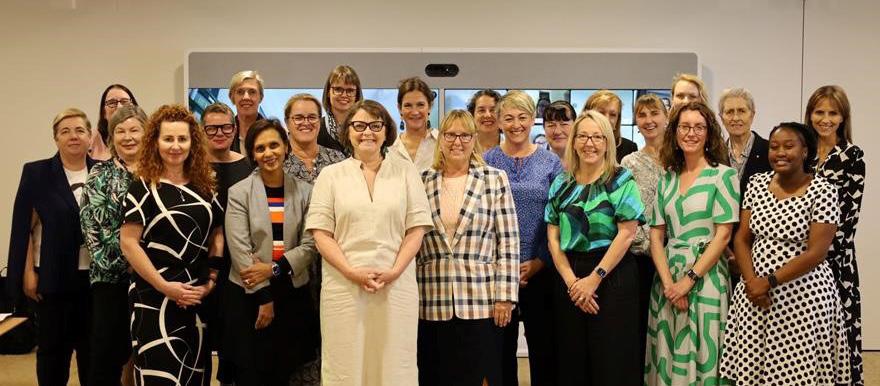
One of the issues is inconsistencies in healthcare services and provision across the states and territories, including for medical and surgical terminations, she says.
A key role for the Council which has had two meetings to date, will be to guide how the government delivers on the National Women’s Health Strategy 2020-2030. Part of this involves community consultation with input from those with lived experience to better understand the barriers and bias women face.

“One of the big, exciting things Minister Kearney has talked about is town hall discussions for women” says Ms Scott.
Last month there was a questionnaire for women and healthcare practitioners to assess and tell their experiences and what the gaps are for them.
The questionnaire will help inform what is needed for women’s health, on how they are treated by healthcare services and the type of care that is provided and needed.
Assistant Minister for Health and Aged Care, Ged kearney with members of the National Women’s Health Advisory Council
Nurse Practitioner Lorna Scott
ISSUES
“That we’re finally addressing women’s health needs in itself is fantastic, it’s not just something being tacked on so that the box can be ticked. We’re saying it’s here, it’s for us. It’s for women, by women,”
Supporting Australian midwives to enhance optimal health outcomes
Midwives are the largest profession providing specialised care for women and babies. With approximately 33,000 midwives in Australia, the profession contributes significantly to mothers’ and baby’s health and the wider community. With a scope of practice that covers the continuum of maternity care as well as sexual and reproductive health, midwives are well-placed to support the best possible community health and wellbeing outcomes.
Midwives work under distinct Standards for Practice and a Code of Conduct and Code of Ethics separate from nurses. As many midwives are also nurses however, the professions are often incorrectly conflated. This can have practical consequences in terms of ensuring targeted reforms that support midwives. The ANMF has articulated concerns that health service organisations are seeking to fill vacant midwifery roles with nurses to provide antenatal and postnatal midwifery care, ostensibly under the supervision and delegation of a midwife. The ANMF’s position is that nurses who are not midwives can only provide aspects of midwifery care for pregnant or birthing women in emergencies or exceptional circumstances when there is no available midwife or physician. Evidence-based information and guidance must also be available for registered nurses when no midwife is available. There should also be timely referral to a midwife and/or physician after the nurse has provided care. In maternity services, nurses who are not midwives should only undertake activities that have been delegated to them under a care plan developed by a midwife responsible for the individual woman’s care in accordance with relevant state/territory legislative requirements. Nurses and midwives should be able to choose whether they want to be a midwife, a nurse, or both and should not be pushed to comply with an employer’s wishes. This highlights the need to ensure that midwifery maintains and enhances its unique professional identity while advancing where midwives can contribute to wider health and wellbeing benefits within their full scope of practice.
The Labor Government has demonstrated an interest in improving utilisation of the midwifery workforce through the federal Budget. Notably, there was acknowledgement of the contribution that midwives can make in primary healthcare ($50.2m), mental health ($17.8m), and prescribing for participating endorsed midwives ($46m). Further, a scope of practice review is also anticipated to help enable midwives to work to full scope of practice. While these promises demonstrate the Government’s intention to better recognise midwives, further reforms and funding is necessary. These investments are positive,

but midwives have not necessarily been singled out as the commitments appear to contain no dedicated funding specifically supporting midwifery. The potential risk is that the smaller but no less important workforce of midwives might not benefit equally from funding committed to the wider workforce. The growing appreciation of midwives and their work would ideally work in tandem with a concerted effort to support and sustain this valuable workforce. As with many who work in health and maternity care, the pandemic has resulted in a concerning number of midwives who are considering leaving their jobs or the profession. This could be pronounced in areas where despite the valuable roles midwives take, due to wider challenges, midwives find it difficult to maintain their recency of practice. This can be a considerable problem in regional and remote areas where employers prefer to hire dual registrants as their nursing scope of practice can enable them to work across a more diverse range of patients and their presentations. A national midwifery strategy and workforce reform agenda must focus on this and other issues that impact midwives and the care they provide.
Increasing awareness and understanding of the work of midwives has demonstrated benefits among other healthcare professionals and the community is a key step towards supporting and growing the profession. Enabling midwives to embed midwifery continuity of care models into primary care settings around Australia is also critical. Further, privately practicing midwives must have ready access to appropriate indemnity insurance through removing legislation that mandates collaborative arrangements with health services/medical professionals.
As evidence accumulates regarding the effectiveness, feasibility, and acceptability of midwifery care, the path for futureproofing midwifery roles and practice becomes easier. The ANMF continues to advocate and work with Governments and key stakeholders including the Australian College of Midwives (ACM) to ensure that supporting this critical workforce is recognised as a national priority with broad-ranging benefits for women, babies, and the wider community.
Dr Micah D J Peters
RESEARCH & POLICY 38 Jul–Sep 2023 Volume 28, No. 1
Dr Micah DJ Peters is the Director of the ANMF National Policy Research Unit (Federal Office) and Senior Research Fellow in the Rosemary Bryant AO Research Centre, UniSA Clinical & Health Sciences, University of South Australia

C_AD_2302_ANMJ_Sept_180x130_MH
POSTGRAD
HEALTH
CRICOS: 00219C | TEQSA: PRV12073 | RTO: 40939
NOW, START ONLINE ANYTIME
WE SEE YOU INVEST IN YOURSELF STUDY
MENTAL
NURSING
APPLY
Nursing students love working with older people –but have mixed feeling about working in aged care
By Victoria Traynor, Kasia Bail, Stephanie Munk and Josephine Bonney
The spotlight on reform of aged care service provision continues after the Royal Commission into aged care, with discussion continuing about workforce shortages and recruitment and retention of registered nurses (RNs).1
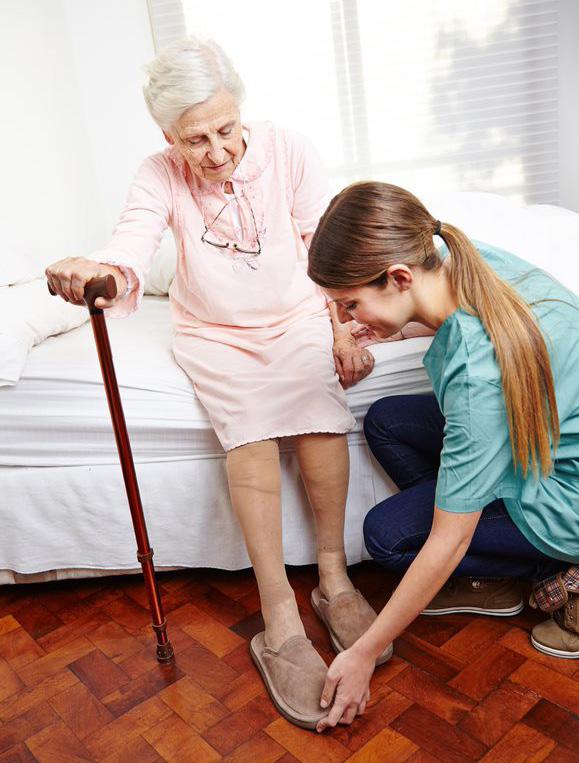
Whilst there are negative perceptions about working in the specialty of aged care,2 the results of a short poll exploring RN student attitudes to aged care highlights that these students love working with older people but have mixed feelings about working in aged care itself.
The University of Canberra and the University of Wollongong conducted a short poll and involved 120 RN students, of whom 23% were 1ST year, 44% middle years, and 33% were final-year students, with 33% of respondents currently stating they work in aged care.
A majority of respondents (70%) reported that they loved working with older people, with 13% stating that they wanted to work in residential aged care as a new graduate or in the future. This is an important cohort of students we should focus on and encourage to establish rewarding gerontology careers. Open text comments were optional in the poll, with responses shedding light on why this percentage was low but also providing a unique opportunity for potential improvements that may attract new RNs into aged care. Responses echoed findings from the Royal Commission,3 focussing on low pay, lack of staff, poor conditions, poor nurse-to-patient ratios and high workloads, distress at resident experience, lack of support, education and transition to practice for career development (see Table 1).
In regards to pay and conditions, student nurses said things like:
“Aged care is understaffed, overworked, underpaid and has so many ‘procedures’ in place to protect the residents. These are good in theory but end up taking away the RN’s time to actually provide hands-on care.”
“Less clinical work and more administrative work, which I do not enjoy.”
“Way too difficult, underpaid, overworked.”
Students specifically highlighted low RN ratios and lack of staff impacted their perception of wanting to work as an RN in aged care, for example:
“The ratio is unsafe. It’s unacceptable to AINs administering medications no matter how simple the process is, it’s not safe. The pay is shocking.”
“The role of the RN sounds incredibly stressful and understaffed. I don’t think the RN would be able to be truly supported in a team environment and is thrust into a pseudo-manager role.”
REFLECTION 40 Jul–Sep 2023 Volume 28, No. 1
“As an AIN, I work loving in an aged care home because I get to know people and their stories and can help them in their daily activities, whereas when I see Registered Nurses, they have to do follow-ups, documentation, and everything by themselves for 50 residents each. I don’t think the nurse to the resident ratio is still fair in an aged care home.”
Students indicated dissatisfaction with the quality of care able to be provided and distress at the residents’ experience as dissuading students from wanting to work in aged care. For example:
“Patients don’t have good quality of life, and I find that quite depressing.”
“Very task oriented […], I personally feel that I didn’t have a voice working there, so imagine how the residents felt.”
Nursing students highlighted that the level of support, access to education and ability to provide clinical care in their new graduate transition year was seen as low. Quotes included:
“For the update of knowledge and skill, hospital is best”.
“It is too much mental stress with less support in aged care. There is no transition.”
“I understand the call for RNs in aged care. However, I would prefer to not start as a new graduate due to the broad responsibilities and little hands-on practice alongside many unsupportive aged care management teams.”
These quotes highlight that students are interested in ‘changing the dynamic’ but would like support to do so and support to transition from student to new graduate nurse in aged care.
Successful transition to practice programs are described as embedding mentorship4 and providing access to education.5 Aged care transition programs exist (see adhere.org.au/gerontological-nursingcompetencies), yet around 50% of students were either unaware or unsure if graduate transition to practice programs were available in aged care.
Eleven percent were very interested in a new grad position in aged care (10/10), and 20% were not (0/10), highlighting the range of variation of undergraduate student interest. Interestingly, those indicating their interest as being moderate (5/10) to high (9/10) was 31%, which may indicate an opportunity that, given the right circumstances, more RN students may see aged care as a potential for graduate employment. As this respondent highlights:
“If the pay and conditions are improved, I would be more likely to consider this as an attractive option.”
This information should give the sector hope that many nursing students are open to increasing their work in aged care with the right support and modifications of the workplace environment.
The new movements towards increased pay and improved conditions support this momentum. Watch this space for upcoming evidence about how these transition-to-practice programs are helping new graduate nurses embrace careers in gerontological nursing and shaping the future of quality aged care. Thanks to the students who responded.
For more information about transition to graduate programs, see GNC – adhere.org.au/gerontologicalnursing-competencies/
For information about Gerontological Alliance of Nurses Australia (GANA), go to: adhere.org.au/gana
Authors
Victoria Traynor RGN, BScHons, PGCHE, PhD, Professor of Nursing at the University of Wollongong and Founding Director of Aged and Dementia Health Education Research (ADHERe).
Kasia Bail RN, BN(Hons), GCHE, PhD, conjoint Associate Professor of Gerontological Nursing at the University of Canberra, and ACT Health Directorate and lead in the Ageing Research Group.
Stephanie Munk, RN, BN, Research Assistant at the University of Canberra, and Practice Nurse at Next Practice.
Josephine Bonney, thirdyear student nurse at the University of Wollongong, and digital media intern for Aged and Dementia Health Education Research (ADHERe).
References
1. Committee for Economic Development of Australia (CEDA). (2021). Duty of Care: Meeting the aged care workforce challenge 2021. cedakenticomedia.blob.core. windows.net/cedamediacontainer/kentico/media/researchcataloguedocuments/ recent%20research/pdfs/ aged-care-workforce-2021final_1.pdf
2. Rayner JA, Fetherstonhaugh D, Beattie E, Harrington A, Jeon YH, Moyle W, & Parker D. 2022. “Oh, older people, it’s boring”: Nurse academics’ reflections on the challenges in teaching older person’s care in Australian undergraduate nursing curricula. Collegian
3. Royal Commission into Aged Care Quality and Safety. 2020 Counsel Assisting’s Final Submissions RCD.9999.0541.0001
4. Vidal J-AM, & Olley R. 2021. Systematic literature review of the effects of clinical mentoring on new graduate registered nurses’ clinical performance, job satisfaction and job retention. Asia Pac J Health Manag, 16(4), 7082. doi.org/10.24083/apjhm. v16i4.739
5. Rush K L, Janke R, Duchscher JE, Phillips R, & Kaur S. 2019. Best practices of formal new graduate transition programs: An integrative review. Int J Nurs Stud, 94, 139-158. doi.org/10.1016/j. ijnurstu.2019.02.010
REFLECTION Jul–Sep 2023 Volume 28, No. 1 41
TABLE 1: Themes of open text responses in poll Proportion of the 32 open text comments that related to theme* * some comments related to multiple themes 40% 40% 12% 21% 31% 15% Education, clinical practice opportunities and career development Lack of support and or transition Satisfaction with quality of care I would be able to provide Distress at resident experience Ratios/lack of staffing Pay/conditions
Supporting the YES campaign for a Voice to Parliament is our business
After more than 65,000 years of continuous culture, it’s time Aboriginal and Torres Strait Islander peoples are recognised in our 122-year-old Constitution. Aboriginal and Torres Strait Islander peoples want recognition in a practical form by having a say on issues and policies that impact them.

Social justice has always been a key pillar of union business. It is why the Australian union movement, including the Australian Nursing & Midwifery Federation Federal Office and state and territory Branches, is strongly supporting the ‘Yes’ campaign.
Australian voters will take to the polls in a referendum to decide whether an Indigenous Voice to Parliament will be enshrined in the nation’s constitution – enabling Aboriginal and Torres Strait Islander peoples to provide advice on policies and laws that affect them.
The Voice to Parliament will be a group of Aboriginal and Torres Strait Islander peoples who represent communities and provide advice to Parliament.
The Constitution cannot be changed by politicians, it can only be changed by the Australian people. We’re the owners of the Constitution. This is an opportunity for us to work together towards change.
“This is not dependent on the government of the day deciding on whether Aboriginal and Torres Strait Islander people have a Voice, it requires being in the Constitution so the government of the day cannot take it away. It takes a lot to change the constitution,” former Board Member of the Congress of Aboriginal and Torres Strait Islander Nurses and Midwives (CATSINaM)

Jennie Gordon said.
Ngunnawal Goulburn woman and registered nurse, Ms Gordon, was one of the elected representatives of the ACT and region delegation to the gathering on 26 May 2017 when the Uluru Statement from the Heart was written.
“The Uluru Statement from the Heart was a gift to the Australian people to walk in a spirit of reconciliation and endorse an Aboriginal and Torres Strait Islander Voice to Parliament,” she said.

National Indigenous Officer at the Maritime Union of Australia
and co-chair of the Uluru Working Group Thomas Mayo said now is the time to get behind the From the Heart ‘yes’ campaign. He urges ANMF and other union members to share the message.
“We need people on the ground to work for us for the right outcome. Those networks are important for support.”
Thomas Mayo, National Indigenous Officer, Maritime Union of Australia (holding the open book) with a group of Indigenous students.
42 Jul–Sep 2023 Volume 28, No. 1 VOICE TO PARLIAMENT
Authorised by Annie Butler, ANMF, 365 Queen Street, Melbourne, 3000
A NEW FUTURE
A referendum to constitutionally recognise Aboriginal and Torres Strait Islander peoples through a Voice is an opportunity for all Australians to come together and contribute to building a stronger, fairer nation.
CATSINaM CEO, Ali Drummond, a Meriam, Erubam and Wuthathi man and registered nurse, academic and health advocate, said the Voice to Parliament wasn’t just about a change in the Constitution – it’s a call for a new future. “This isn’t just us voting for a Voice to Parliament. I think it’s a maturing of the country as well. It’s understanding that we’re moving towards a place where we can have conversations around history, where both Aboriginal and Torres Strait Islander peoples and non-Indigenous people are at the table, shaping our future and what that looks like.” Mr Drummond acknowledged that relinquishing power can be very uncomfortable. “So, I ask you to look for that discomfort, whether that’s in sitting through truth-telling, or thinking about ‘how do we’ relinquish power in partnerships with Aboriginal and Torres Strait Islander peoples.”
IT’S UP TO US
Even though a number of politicians have already said they oppose the proposal, ultimately, it’s the Australian people that will decide the success of the referendum.
Lots of people will want to play politics and have an interest in dividing our nation, but if Australians accept the invitation of Aboriginal and Torres Strait Islander peoples, it will be a positive step forward for us as a country.
THE TIME IS NOW
The referendum will need a double majority to pass, meaning a majority of Australian voters need to support the proposed change, and a majority of voters of Australia’s six states also need to support the change. It’s time we open our nation’s next chapter by voting YES, at the referendum.

yes23.com.au
fromtheheart.com.au/ about/our-people
SELF-DETERMINATION
“This is a real practical change to make a real practical difference,” said Sye Hodgman, a Trawlwoolway Palawa-Pakana nurse and First Nations Strategy, Policy and Research Officer with the Queensland Nurses and Midwives’ Union (QNMU).

Even when they have had good intentions, governments, and parliaments by themselves have not provided lasting solutions. A Voice to Parliament will ensure that Aboriginal and Torres Strait Island peoples can advise politicians about what works in their communities. It is about making sure policies and laws deliver real results on the ground and better value for taxpayer money.

“… evidence has shown that throwing money at the problem doesn’t work with Aboriginal and Torres Strait Islander health. Since 2008 and the Closing the Gap strategy, billions of dollars have been thrown against the wall for Aboriginal and Torres Strait Islander health, with very little to show for it,” said Mr Hodgman.


Experience shows that when grassroots Aboriginal and Torres Strait Islander peoples can give advice to politicians, better decisions are made.
“When self-determination and governance is in the hands of Aboriginal and Torres Strait Islander peoples, and we’re running our own programs, not only are the outcomes substantially better, but it costs substantially less money per program too,” Mr Hodgman said.
“This isn’t going to be a silver bullet and there’s still lots of work to do to actually get through self-determination, but this is a big step in the right direction.”

Jul–Sep 2023 Volume 28, No. 1 43 VOICE TO PARLIAMENT
Front left: CATSINaM CEO, Ali Drummond
Authorised by Annie Butler, ANMF, 365 Queen Street, Melbourne, 3000
FOCUS
MENTAL HEALTH & ALCOHOL AND OTHER DRUGS

SELF-REPORTED CONFIDENCE
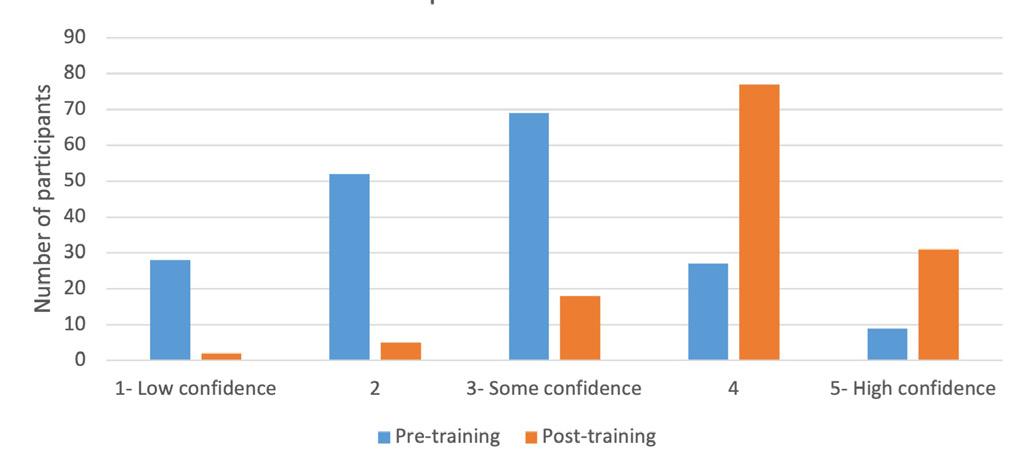
Developing a capability framework for dual diagnosis
By Samantha Clark, Sandra Clancy and Hoiyan Karen Li
People with a “dual diagnosis” have both a mental illness and a substance use disorder. People with a dual diagnosis have higher rates of suicide, social isolation, service use and homelessness.1,2
Services for mental health (MH) and alcohol and other drugs (AOD) often don’t overlap, meaning that healthcare is managed through separate services; this makes effective assessment, diagnosis and treatment difficult.
There is also a lack of professional knowledge and confidence about dual diagnosis, which can lead to gaps in healthcare provision and frustration for those using services eg. a person seeks treatment for their MH issue use, and the clinician directs them to seek AOD service input before, this can lead to neither issue being addressed and the interrelationship between the two disorders not identified. The Dual Diagnosis Capability Framework (The Framework) was developed to provide a framework to upskill nurses and other clinicians in MH and AOD to improve service provision to consumers. Commencing with the Foundation Practitioner level, and progressing through to Practice Informed Practitioner level, and finally, Advanced Practitioner level, the framework outlines how clinicians can grow their knowledge, skills, processes and behaviours through support, training, education, practice, and supervision. Over a period of 12 months, 16 training packages were delivered by nurses to 182 clinicians. Mental health staff were provided training in alcohol and other drugs and dual diagnosis, and alcohol and other drugs staff were provided training in mental health and dual diagnosis. Feedback on The Framework has been very positive. Front-line practitioners have benefited from a coordinated approach to develop them as dual diagnosis-competent practitioners and provide holistic care to consumers. The evaluation data revealed increases in
FOUNDATION PRACTITIONER
Understanding barriers to engagement for people with co-morbidity and that people with these complex needs are at risk of falling through the gaps of not accessing treatment or not having their needs met by healthcare services.
SELF-REPORTED KNOWLEDGE
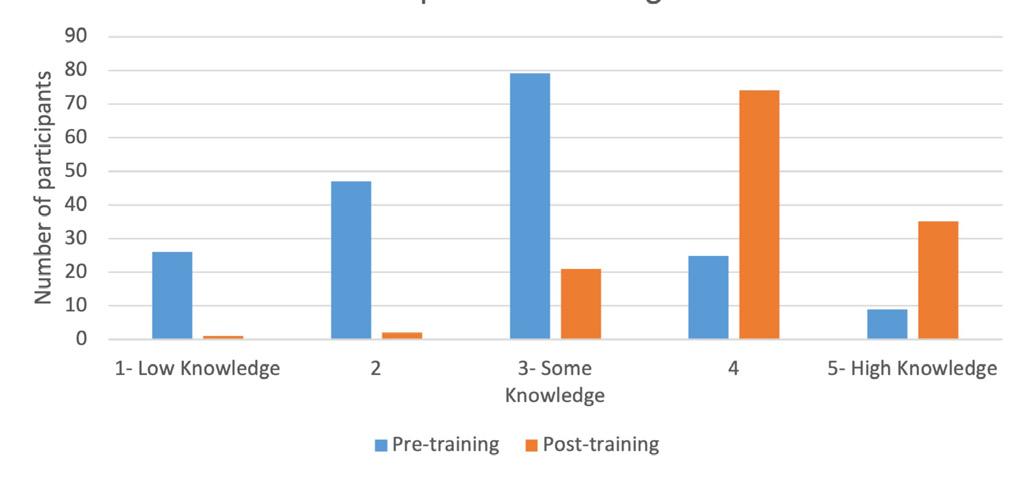
knowledge and confidence following the training. The Framework provides a roadmap to other hospitals and health services to increase the capability of nurses and other practitioners to provide care to people who experience both disorders.
Authors
Samantha Clark, Metro South Health, Queensland Health, Brisbane, Australia; Metro North Health, Queensland Health, Brisbane, Australia and Insight, Queensland Health, Brisbane, Australia Sandra Clancy Metro South Addiction and Mental Health Service, Metro South Health, Brisbane, Australia Hoiyan Karen Li, Metro North Health, Queensland Health, Brisbane, Australia and Insight, Queensland Health, Brisbane, Australia.
CAPABILITY FRAMEWORK
PRACTICE INFORMED
PRACTITIONER
PRACTITIONER
RECOGNITION OF CO-OCCURING DISORDERS
Utilise strategies to engage dual diagnosis clients. Be able to understand the unique experiences a person with dual diagnosis may have and be able to communicate this understanding effectively and emotionally.
Use interpersonal communication skills to make people with dual diagnosis feel welcome and develop an effective relationship resulting in engagement in a meaningful therapeutica relationship.
References
1. Ahmed S, Stanciu CN. Addiction and suicide: An unmet public health crisis. AJP-RJ. 2017;12(12):3-6. doi: 10.1176/appi. ajp-rj.2017.121202
2. Schütz C, Choi F, Jae Song M, Wesarg C, Li K, Krausz M. Living with dual diagnosis and homelessness: Marginalized within a marginalized group. J Dual Diagn. 2019;15(2):88-94. doi: 10.1080/15504263.2019.1579948
ADVANCED PRACTITIONER
Adaption of clinical practice to maximise engagement for people presenting with co-morbid conditions.
Preparing the workforce for working with people who have both mental health and alcohol and drug use presentations:
FOCUS Jul–Sep 2023 Volume 28, No. 1 45
Let’s talk about weed: Informing practice
By Theresa Oke, Jane O’Connor, Wendy Smyth and Cate Nagle
Opioid misuse has increased over the last two decades, accompanied by an increasing number of deaths associated with overdose from opioids.
In fact, problems related to the therapeutic (prescription misuse) and non-therapeutic (illicit use) of opioids have become a global public health concern. Treatment programs have been established to address opioid addiction. The most used illicit opioid is heroin. However, prescription opioids also present a significant problem in the US and Australia.
Using opioid substitution medication on a regulated treatment program (Medication Assisted Treatment for Opioid Dependence – MATOD) has been the gold standard treatment for opioid dependence for over 40 years. Offering evidence-based pharmacological interventions involving long-acting synthetic opioid substitute medications, including methadone elixir, Buprenorphine mono (Subutex), buprenorphine/naloxone (suboxone), and Sublocade or Buvidal (long-acting injection), have demonstrated efficacy in decreasing opioid use, decreasing crime, and promoting community safety as well as improving quality of life outcomes.
While highly regulated, participants engaged on MATOD are often poly substance users with con-commitment use of alcohol, stimulants, benzodiazepines, and cannabis. Cannabis has been described as a gateway drug because of its potential to provide an entry point for the use of other drugs. Despite this, clinicians lack consensus regarding the effects of concurrent cannabis use in individuals with opioid dependence, including those engaged in MATOD. The management of
these individuals remains the subject of debate. Legalising medicinal cannabis in recent years has added to the complexity of clinician attitudes toward concomitant cannabis use on MATOD.

With a lack of evidence regarding the effects of cannabis use on MATOD consumers, and therefore the necessity to treat cannabis use as a secondary diagnosis, clinician caseload, patient acuity, and patient treatment outcomes are suggested as possible explanations for clinician attitude.
The authors of the Let’s Talk About Weed study undertook research to gain insight into the attitudes of those clinicians working directly with consumers on MATOD regarding the con-commitment use of cannabis while engaged in the program.

“Let’s Talk About Weed”, is a cross-sectional study using an anonymous online questionnaire sent to clinicians who work directly with consumers on MATOD programs in Australia. Surveys are also disseminated to professional organisations (eg. Drug and Alcohol Nurses of Australasia – DANA) and professional networks. All clinicians working in drug and alcohol services (public and private) who work directly with consumers on MATOD were included in the survey scope. Participants were invited to respond to the survey via a distribution point through professional groups such as DANA, supported by QNMU.
Soon to be submitted for publication, the authors hope that results from this study will lead to improvements in treatment outcomes for consumers engaged in MATOD and contribute to a stronger evidence base regarding cannabis and its effects. For further information on the study, contact the researchers:
Theresa Oke, Clinical Nurse – ACT, Bundaberg Hospital and Health Service –theresa.oke@health.qld.gov.au
Jane O’Connor Clinical Nurse Consultant – ATODS, Townsville Hospital and Health Service – jane.oconnor@health.qld.gov.au
Wendy Smyth PhD, OAM, Nurse Researcher Townsville Hospital and Health Service –Wendy.symth@health.qld.gov.au
Cate Nagle, PhD Professor of Nursing and Midwifery James Cook University and Townsville Hospital and Health Service –cate.nagle@jcu.edu.au
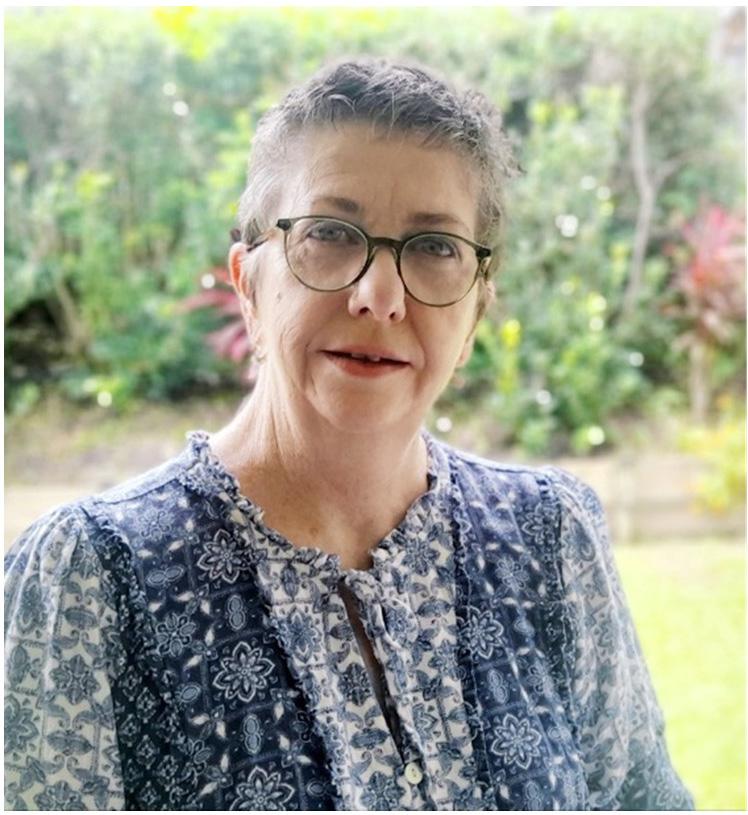
Authors
Theresa Oke, Clinical Nurse – ACT, Bundaberg Hospital and Health Service
Jane O’Connor Clinical Nurse Consultant – ATODS, Townsville Hospital and Health Service
Wendy Smyth PhD, OAM, Nurse Researcher Townsville Hospital and Health Service
Cate Nagle, PhD Professor of Nursing and Midwifery, James Cook University and Townsville Hospital and Health Service
Jane OConnor
46 Jul–Sep 2023 Volume 28, No. 1 FOCUS
Theresa Oke
The shifting patterns of alcohol use and mental health among young people
 By Scott Steen and Mary Steen
Mental health problems and alcohol use are closely linked. Alcohol intake can result in both mental and physical health problems and exacerbate social issues.
Many people use alcohol to cope with their mental health, and a wider Western culture promotes drinking as a form of stress relief.1,2 Additionally, longer-term alcohol drinking increases the risk of relational conflict, financial and employment prospects, and harmful risk behaviours, further compounding mental health difficulties. It is well recognised that excessive alcohol use can increase liver and heart disease, cancer, and stroke risk.2
INTERNATIONAL TRENDS
Interestingly, high-resource countries, including Australia, show a general reduction in young people (aged 12-24 years)3 drinking alcohol than generations before them.1.4 Explanations for the decline include shifting living and economic standards and advancing technologies.1 Younger people face growing uncertainty about their future, less secure employment prospects, and reduced access to housing and living at home longer.1,5 The rise in social media and internet use has increased awareness about the consequences of alcohol and social influence to limit consumption, particularly binge drinking.5 Greater parental engagement is an influential factor5 and likely reflects the shifting patterns of living standards and access to online information and social influences.
Regardless of these changes, there are rising rates of mental health problems among young people, especially following the COVID-19 pandemic.6 The same factors reducing alcohol use are offered as
reasons for increases in mental health problems, including economic uncertainty, reduced finances, and increasing technology and social media exposure.7 Limited evidence suggests alcohol is being replaced by other illicit substances5 or meaningfully influenced by government policies.5,8 At a general level, it seems links between alcohol use and mental health are changing.
International trends disguise wide variation between and within countries.1 Epidemiological research shows that a subset of the population disproportionately consumes alcohol. For instance, findings from England show around a quarter of the heaviest drinkers consume three-quarters of the total alcohol consumed, with nearly one-third consumed by 4.4% of the population.9 Another factor worth considering is the reliance on self-report data when analysing trends, as they remain susceptible to social desirability bias. Generally, findings indicate people under-report their alcohol use, with around half of alcohol sales unaccounted for compared with selfreport data.10
While the general trends of alcohol use appear promising, it is important not to overlook the shifting patterns of those using alcohol to cope. Changing alcohol use within the population risks isolating and stigmatising groups further. The rise in mental health among young people still represents a risk factor for alcohol use. Poor mental health is shown to be a stronger predictor of alcohol use than alcohol leading to poorer mental health.11 Those caring and supporting young people, including health professionals, need to be mindful of the changing patterns and encourage open, safe, and non-judgemental conversations around mental health and alcohol use even though the general trends are encouraging.
Authors
Dr Scott Steen – Clinical Psychologist and Senior Lecturer, University of Hertfordshire, UK Professor Mary Steen – Professor of Midwifery, University of Northumbria, UK and Adjunct Professor, University of South Australia, Professorial lead for Maternal and Family Health
References
1. Vashishtha R, Pennay A, Dietze P, Marzan MB, Room R, Livingston M. Trends in adolescent drinking across 39 high-income countries: Exploring the timing and magnitude of decline. Eur J Public Health. 2021 Apr 1;31(2):424–31.
2. Bellis MA, Hughes K, Nicholls J, Sheron N, Gilmore I, Jones L. The alcohol harm paradox: Using a national survey to explore how alcohol may disproportionately impact health in deprived individuals. BMC Public Health. 2016 Feb 18;16:111.
3. Australia | Factsheets | Youthpolicy.org [Internet]. [cited 2023 Mar 20]. Available from: youthpolicy.org/ factsheets/country/australia/#:%7E:text=Definition%20 of%20Youth,%2D19%20and%20 20%2D24.
4. Livingston M. Trends in non-drinking among Australian adolescents. Addict Abingdon Engl. 2014 Jun;109(6):922–9.
5. Vashishtha R, Livingston M, Pennay A, Dietze P, MacLean S, Holmes J, et al. Why is adolescent drinking declining? A systematic review and narrative synthesis. Addict Res Theory 2020 Jul 3;28(4):275–88.
6. Santomauro DF, Herrera AMM, Shadid J, Zheng P, Ashbaugh C, Pigott DM, et al. Global prevalence and burden of depressive and anxiety disorders in 204 countries and territories in 2020 due to the COVID-19 pandemic. Lancet. 2021 Nov 6;398(10312):1700–12.
7. Imran N, Zeshan M, Pervaiz Z. Mental health considerations for children & adolescents in COVID-19 Pandemic. Pak J Med Sci. 2020 May;36(COVID19-S4):S67–72.
8. Paschall M J, Grube JW, Kypri K. Alcohol control policies and alcohol consumption by youth: A multi-national study. Addict Abingdon Engl [Internet]. 2009 Nov [cited 2023 Mar 19];104(11). Available from: pubmed.ncbi.nlm.nih. gov/19832785/
9. Public Health England (2016). The public health burden of alcohol and the effectiveness and cost-effectiveness of alcohol control policies: An evidence review. London: Public Health England.
10. Boniface S, Shelton N. How is alcohol consumption affected if we account for under-reporting? A hypothetical scenario. Eur J Public Health 2013 Dec;23(6):1076–81.
11. Bell S, Orford J, Britton A. Heavy drinking days and mental health: An exploration of the dynamic 10-year longitudinal relationship in a prospective cohort of untreated heavy drinkers. Alcohol Clin Exp Res [Internet]. 2015 Apr [cited 2023 Mar 19];39(4). Available from: pubmed.ncbi.nlm.nih. gov/25787314/
FOCUS Jul–Sep 2023 Volume 28, No. 1 47
By Nina Sivertsen, Paul Cooper, Tahlia Johnson, Tegan Putsey and David Copley
High and increasing prevalence rates of mental health problems among young people mean that youth mental health is a key priority for policymakers worldwide.1
University students around the world have increased vulnerability to poor mental health.2,3 Studying nursing is often regarded as more stressful than other healthcare studies, leading to

compromised mental wellbeing in students.4 This is due to learning to care for acutely ill patients amongst staff, resource shortages, fear of making mistakes during high-intensity workloads and stressful learning environments.3
When compared with the general population of the same age, university students have more mental health problems, such as depression, anxiety, suicidal thoughts, psychosis, addiction, suicide risk, the use of mental health drugs and other chronic mental illnesses.5
THE PLIGHT OF EXTENSIONS
A study comprising 3,736 undergraduate nursing students showed that students struggled to adjust and cope with stress arising from their nursing programs. This was particularly felt among third-year students nearing completion with increased responsibilities and autonomy.3 Students with mental ill-health require more academic support, such as individual followup and extending assignment due dates.6
Higher education institutions support nursing students needing to request extensions on assignments for various reasons, such as personal or family illness, unexpected emergencies, or other unforeseen circumstances. It is up to the discretion of the nursing faculty to determine whether an extension is warranted, and they may require documentation or other evidence to support the request. By providing reasonable accommodations, higher education institutions can help ensure the success and wellbeing of their students while maintaining academic standards. What students do not often factor in, is the flow-on effect an extension may have on subsequent assessments, often leading to further distress and management issues of academic workload.
For example, in 2022, one nursing subject saw 839 student enrolments, of which 92% of the student cohort (n=769) requested an extension on an assignment. By far, the reasons for requesting an extension was poor
Mental health, wellbeing, and support needs of nursing students –‘Help! I’m overwhelmed, I need an extension’
FOCUS 48 Jul–Sep 2023 Volume 28, No. 1
mental health impacting on workload and academic study, mental distress, and anxiety. The plight of extensions on nursing teachers means that most teacher-student time goes into administrative tasks and individual-topic counselling time with students in distress. Whilst staff are empathetic to situations causing stress, each extension request read, review, reset, further marking provision, assignment drop box settings and communication with students would take a minimum of five minutes. The time totalled a minimum of 64 hours of one semester and one nursing subject, almost two full weeks of work dedicated to extensions, on top of other expected work. Another aspect is that many nursing teachers feel the emotional demands of the interpersonal interactions with distressed students. Emotion is a compelling factor in the retention and job satisfaction of professionals, and the impact of emotions, feelings, and reactions has become an issue in the nursing teaching workforce.7 Even though nursing students’ mental health can be a significant factor in their need to request extensions on their assignments, and the demanding nature of nursing school can lead to high levels of stress and anxiety, which can negatively impact a student’s ability to complete their work within the designated timeframe, the impact of approving or rejecting extensions for nursing teachers has by some been described as ‘emotional blackmail’ and can lead to lowered job satisfaction and high turnover of staff.7
Furthermore, the mental load is a common reason for burnout in nursing students and a common reason for why they are ‘dropping out’ of the degrees before completion, and this could impact on the profession of nursing, which is already in desperate need of more qualified nurses.8,9
WHAT INTERVENTIONS IMPROVE STUDENTS’ WELLBEING
One way to mitigate student distress could be to implement support officers. Nursing student support officers play a vital role in ensuring the success and wellbeing of nursing students. These professionals provide students with guidance, support, and resources to help them navigate the challenges of nursing school. Nursing student support officers can assist students in accessing academic support services, such as tutoring and study groups, and can assist with time management, organisation, and study skills. Additionally, they can provide emotional support to students struggling with the demands of nursing school, such as stress or anxiety. By working closely with nursing students, support officers can help them to achieve their academic and personal goals while promoting their overall health and wellbeing. However, research conducted in Northern Ireland found that only 4% of university students seek help from their institution.5 Other interventions to improve student wellbeing are free mental health and wellbeing support programs and 24/7 confidential counselling.5 Midwifery research evaluated ‘student support circles’, which were reflective groups for all
first-year students at two Australian education institutions, and the student support circles were found ‘extremely useful’ by 30%.10 Organisations, particularly academic ones, continually add to staff scope of practice without adding to their knowledge base. A further intervention is to improve the training in mental health for academic and professional staff within the University. A study comprising over 5,000 students showed that although effective, increasing rates of mental ill-health among students in higher education have led to rising demand for campus counselling services and longer waiting times for at-risk students.1 Some higher education institutions limit counselling to six sessions,11 whilst COVID-19 has caused significant disruption, particularly evident within the university student population where their traditional ways of learning were abruptly reorganised and support structures removed.6
CONCLUDING REMARKS
Nursing students are at risk of experiencing mental health challenges due to the demanding nature of their studies and the stresses of the healthcare environment. This can potentially impact nursing teachers’ wellbeing and job satisfaction. Students are often exposed to high levels of stress, including long hours of study, clinical rotations, and exposure to patients with complex and sometimes traumatic medical conditions. As a result, it is essential for nursing schools to prioritise the mental health and wellbeing of their students. This can be achieved by providing support services, such as counselling and therapy, mindfulness, and stress reduction techniques, and promoting healthy lifestyles in addition to the required learnings for the qualification. Additionally, nursing schools can work to create a supportive and inclusive learning environment, fostering a sense of community and collaboration among students and nursing teachers. By doing so, nursing schools can help their students thrive both academically and personally, thus producing balanced and well-rounded graduates who can carry these skills into the broader nursing profession.
Authors
Dr Nina Sivertsen RN, BN(Hons), Grad Cert Ed (Higher Ed), PhD is Senior Lecturer, Caring Futures Institute, College of Nursing and Health Science, Flinders University, Adelaide South Australia
Paul Cooper, MA MH Nursing is Associate Lecturer and Student Engagement Coordinator, College of Nursing and Health Science, Flinders University, Adelaide, South Australia
Tahlia Johnson BMidwif, BHlthSc(Hons) is Lecturer in Aboriginal Health, College of Medicine and Public Health, Flinders University, Adelaide South Australia
Tegan Putsey RN, BNg (Hons), RM, BM, MACN is Associate Lecturer in Nursing, Teaching Specialist (Clinical), College of Medicine and Public Health, Flinders University, Adelaide South Australia
David Copley RN, BNg, Grad Dip (MHN), Dip App Sc (Dev-Dis), Cert 1V TAE is Mental Health Academic – Rural and Remote Health (SA), College of Medicine and Public Health, Flinders University, Adelaide South Australia
References
1. Walsh S, Cullinan J, Flannery D, Kennelly B. Modelling student preferences for the design of campus counselling services. Stud High Educ [Internet]. 2022 [cited 2023 Mar 20];47(2):305–17. Available from: tandfonline.com/doi/abs/10.1080/03 075079.2020.1744124
2. He FX, Turnbull B, Kirshbaum MN, Phillips B, Klainin-Yobas P. Assessing stress, protective factors and psychological well-being among undergraduate nursing students. Nurse Educ. 2018 Sep 1;68:4–12.
3. Li ZS, Hasson F. Resilience, stress, and psychological well-being in nursing students: A systematic review. Nurse Educ. 2020 Jul 1;90:104440.
4. Kotera Y, Cockerill V, Chircop J, Kaluzeviciute G, Dyson S. Predicting self-compassion in UK nursing students: Relationships with resilience, engagement, motivation, and mental wellbeing. Nurse Educ Pract. 2021 Feb 1;51:102989.
5. Cilar L, Barr O, Štiglic G, Pajnkihar M. Mental well-being among nursing students in Slovenia and Northern Ireland: A survey. Nurse Educ Pract 2019 Aug 1;39:130–5.
6. Alomari A, Hunt L, Lord H, Halcomb E, Fernandez R, Middleton R, et al. Understanding the support needs of Australian nursing students during COVID-19: A cross-sectional study. doi.org/101080/ 1037617820211997147 [Internet]. 2021 [cited 2023 Mar 20];57(3–4):258–68. Available from: tandfonline.com/ doi/abs/ 10.1080/10376178.2021.1997147
7. Lo WY, Lin YK, Lin CY, Lee HM. Invisible erosion of human capital: The impact of emotional blackmail and emotional intelligence on nurses’ job satisfaction and turnover intention. Behavioral Sciences 2023, Vol 13, Page 37 [Internet]. 2022 Dec 31 [cited 2023 Mar 20];13(1):37. Available from: mdpi.com/2076-328X/13/1/37/ htm
8. Valero-Chillerón MJ, GonzálezChordá VM, López-Peña N, Cervera-Gasch Á, Suárez-Alcázar MP, Mena-Tudela D. Burnout syndrome in nursing students: An observational study. Nurse Educ. 2019 May 1;76:38–43.
9. Bakker EJM, Verhaegh KJ, Kox JHAM, van der Beek AJ, Boot CRL, Roelofs PDDM, et al. Late dropout from nursing education: An interview study of nursing students’ experiences and reasons. Nurse Educ Pract. 2019 Aug 1;39:17–25.
10. Oates J, Topping A, Arias T, Charles P, Hunter C, Watts K. The mental health and wellbeing of midwifery students: An integrative review. Midwifery. 2019 May 1;72:80–9.
11. Broglia E, Millings A, Barkham M. Challenges to addressing student mental health in embedded counselling services: a survey of UK higher and further education institutions. doi. org/101080/0306988520171370695 [Internet]. 2017 Jul 4 [cited 2023 Mar 20];46(4):441–55. Available from: tandfonline.com/doi/abs/10.1080/03 069885.2017.1370695
FOCUS Jul–Sep 2023 Volume 28, No. 1 49
Alcohol use in the over 65’s
By Melise Ammit
Alcohol is the most common substance used by elderly people in Australia. People over 65 are more likely than any other age group to drink daily and exceed guidelines for risky consumption levels.1

They are more at risk of falls, injuries, and chronic conditions and are more likely to be taking medications that may interact with alcohol.2
Ageing increases physical vulnerabilities such as decreased tolerance for alcohol due to slowing metabolism, decreased hepatic blood flow, inefficient liver enzymes and reduced renal clearance.3 Elderly brains are more sensitive to substances; in fact, alcoholdependent people are five times more likely to develop dementia than non-drinkers. Alcohol is an important risk factor for falls due to acute confusion, neuropathy, and reduced bone density; falls are the most common reason for hospitalisation in the elderly.4
Psychological and social issues increase in prevalence as people age. Loss, grief and isolation may become justification for continued drinking, or they may result from drinking. Finding a reason to NOT drink is hard sometimes.
Identifying alcohol use disorders in the elderly can be challenging due to memory problems, higher levels of denial, and embarrassment. Standard screening tools have limited application as they have thresholds that do not adjust for the increased sensitivity the elderly
person has to alcohol. Australian guidelines for the safe use of alcohol give no recommendation for those over 65 other than to consult their health professional. The current four standard drinks benchmark of risky drinking for adults may floor a person who is frail, alone, and malnourished.5
On the other hand, older people are anecdotally more compliant with ‘doctor’s orders’. This gives agency to the clinician who can illicit protective factors, give clear recommendations on safe levels of alcohol, and stress the importance of thiamine supplementation. Thiamine deficiency is often underdiagnosed and overlooked.6 One, or all, of the triad of Wernicke’s encephalopathy – ataxia, confusion, and nystagmus –is often present in older people who use alcohol; these people are also less likely to eat well or take vitamin supplements. Having a low threshold for diagnosis of thiamine deficiency ensures that priority is given to thiamine replacement – indefinitely.
Guidelines for administering thiamine suggest parental administration of up to 500mg three times a day for at least three days for people with a history of falls, ataxia, and alcohol use. This dosage can be challenging to replicate in an outpatient setting, though intra-muscular administration before commencement of high-dose oral thiamine is appropriate. Also, simple harm-reductive suggestions such as eating before drinking, taking thiamine daily and using non-slip socks can reduce the risk of falls and ensure that any drinking elderly people do does not compromise their health.
Author
Melise Ammit BN (Hons) is a Clinical Nurse Specialist 2 at Northern Sydney Local Health District: Drug & Alcohol Service, Manly NSW
References
1. Australian Institute of Health and Welfare. [Internet]. Alcohol, tobacco & other drugs in Australia, updated 2022; cited 2023 March 20. Available aihw. gov.au/reports/alcohol/ alcohol-tobacco-other-drugsaustralia/contents/drugtypes/alcohol.
2. Drug info [Internet] State Library of NSW. Drug and alcohol information for older people; cited 2023 March 20. Available from druginfo. sl.nsw.gov.au/
3. Kim H, Kisseleva T, Brenner DA. Aging and liver disease. Curr Opin Gastroenterol. 2015 May;31(3):184.
4. Soomar SM, Dhalla Z. Injuries and outcomes resulting due to falls in elderly patients presenting to the Emergency Department of a tertiary care hospital: A cohort study. BMC Emerg Med. 2023 Dec;23(1):1-0.
5. Haber P, Lintzeris N, Proude E, Lopatko O. Guidelines for the treatment of alcohol problems. 2009.
6. Crome I, Bloor R. Older substance misusers still deserve better diagnosis – an update (Part 2). Rev Clin Gerontol Cambridge University Press; 2005;15(34):255–62.
FOCUS







3 Buffalo Court Berwick VIC info@safe-super.com.au INVEST IN YOUR FUTURE I N V E S T S A F E L Y REACH OUT TO LEARN MORE With property prices now rising, don't wait too long U S E Y O U R S U P E R O R H O M E E Q U I T Y P A Y L O W O R N O T A X O N I N C O M E O N G O I N G P R O P E R T Y M A N A G E M E N T Purchase an investment Purchase an investment property in Melbourne's property in Melbourne's rapidly expanding rapidly expanding South East for South $1,000 deposit. $1,000 deposit. S e l e c t 4 - b e d r o o m p r o p e r t y i n v e s t m e n t s a r e m o r e s t a b l e a n d p r o f i t a b l e t h a n i n v e s t m e n t s i n s h a r e s ( 0 3 ) 9 7 0 2 2 5 9 5 SAFE-SUPER COM AU La Trobe Nursing & Midwifery START IN SEMESTER TWO La Trobe University CRICOS Provider Code Number 00115M. TEQSA PRV12132 –Australian University. DC40017 –05/23 MIDYEAR APPLICATIONS NOW OPEN Master of Nursing (Nurse Practitioner) Master of Midwifery Practice Master of Mental Health Nursing Graduate Diploma in Child, Family and Community Nursing
Changing the conversation:
Nurses, midwives, and addiction
By Celeste Pinney
The nursing and midwifery professions are currently in a vulnerable position. The workforce is facing critical staff shortages, with a projected national deficit of approximately 85,000 nurses and midwives by 2025 and increasing to 123,000 by 2030 (Health Workforce Australia, 2014).
In light of this, it is critical that creative and innovative solutions are pursued to attract and retain Australia’s largest cohort of health professionals. Nursing and midwifery are recognised as highstress occupations, with many nurses and midwives enduring chronic stress and employing unhealthy coping strategies to manage their stress. High-stress levels are unequivocally one of the major factors contributing to health impairment, staff turnover and, consequently, staff shortages.
ALCOHOL AS A COPING MECHANISM
Like many in society, some nurses/midwives turn to alcohol as a coping mechanism when stress becomes overwhelming.
Research released this year conducted by Deakin University and the Nursing and Midwifery Health Program Victoria titled ‘Alcohol consumption among Australian nurses: A cross-sectional national survey study’, found problematic alcohol use has increased amongst nurses.

COVID-19 introduced a unique set of stressors that inflamed an already frayed cohort of health professionals who were called upon during the pandemic to care for the community under extreme and unusual conditions. The researchers acknowledge that the climate nurses worked in during this time is likely to have contributed to a rise in high-risk alcohol use. It is imperative that we look to support nurses and midwives facing addiction. One, because alcohol use increases the risk for decreased work performance and patient safety, and two, because supportive measures will likely reduce the rates of poor health, burnout, and turnover. Most importantly, nurses and midwives should not be harmed by their work.
WHAT DID THE RESEARCH FIND?
In the abovementioned study, it was revealed that 36.9% of nurses engaged in risky alcohol consumption. This finding shows an increase in hazardous alcohol use from previous research conducted.
Nurses in this study had higher levels of alcohol use than those found in other industries.
Nurses working in emergency departments consumed alcohol at greater levels than those working in other areas of nursing.
ADDICTION IS COMMON
Addiction can affect anyone, and no one is immune to falling into its grip. A quarter of all Australians will experience addiction at some point in their lives. At the ‘Rethink Addiction’ conference in Canberra in 2022, people passionate about creating change in addiction came together to call for a nationally coordinated response to alcohol, drugs and gambling harm. “Addictions are health and social issues, not criminal issues” was one of the key takeaways from the conference. Stigma and shame prevent people from seeking help with addiction, with it taking an astonishing 18 years on average for people to reach out for support.
A CALL TO ACTION
The study calls to action a much-needed reform of the alcohol treatment sector. Only about one-third of Australians who need addiction support can currently access them, with people finding themselves on months-long waiting lists for treatment.
The researchers of the study make the following recommendation:
“Our findings indicate that there is a need for targeted strategies and interventions to attempt to reduce high-risk alcohol consumption among Australian nurses. Given the dynamic stresses experienced by the nursing workforce due to the COVID-19 pandemic, it is essential that these strategies are developed as a matter of urgency”.
PROGRAMS TO SUPPORT NURSES AND MIDWIVES FACING ADDICTION
The Nursing and Midwifery Health Program Victoria is a nurse and midwife-led service initially developed to support nurses and midwives with substance-related health concerns. Last year, the federal government announced funding to expand the case management model to all states in Australia. The ANMF Federal Office is establishing the service funded by the Federal Department of Health and will be known as the National Nurse and Midwife Health Service. The rollout of this service over the next two
years will help support a nationally targeted strategy to reduce problematic alcohol consumption among nurses and midwives. With more nurses and midwives having access to a tailored service that prioritises early intervention and support for those with addiction and sensitive health concerns, reducing substance use, burnout, and staff turnover is a likely outcome.
ADDICTION PEER SUPPORT GROUP
Nurses and midwives in Victoria battling addiction can access a peer support group for addiction run by the Nursing and Midwifery Health Program Victoria. The group’s purpose is to allow a safe, open and non-judgemental space where nurses and midwives with lived experience of addiction can come together to support one another and help reduce stigma and shame surrounding addiction. For anyone wanting to find out more or access this program, please contact the Nursing and Midwifery Health Program Victoria on (03) 9415 7551.
SELF HELP ADDICTION RESOURCE CENTRE (SHARC)
SHARC is another program offered nationally and in Victoria to people with addiction issues. They offer counselling, peer support and a residential recovery program named Oxford Houses, where residents run each house democratically. The ANMF Vic Branch funded one house, especially for nurses and midwives. To gain access to this program, you can contact SHARC directly, or if you are a participant of the Nursing and Midwifery Health Program Victoria, you can be referred.
It’s time we change the conversation around addiction and create a society in which the barriers to support are eliminated so that nurses and midwives with addiction and sensitive health concerns can access high quality treatment in a timely manner, reducing burnout, stress and improving health outcomes.
Author
Celeste Pinney RM is the Stakeholder engagement co-ordinator and Senior clinician at the Nursing and Midwifery Health Program Victoria
References
1. jmvh.org/wp-content/uploads/2014/11/Sheard-Pages-fromJMVH-September_web-4.pdf)
2. health.gov.au/sites/default/files/documents/2021/03/nursesaustralia-s-future-health-workforce-reports-overview-report. pdf
3. sciencedirect.com/science/article/abs/pii/S1322769622001883
4. sciencedirect.com/science/article/abs/pii/ S0376871614019735?via%3Dihub
FOCUS 52 Jul–Sep 2023 Volume 28, No. 1

FOCUS Jul–Sep 2023 Volume 28, No. 1 53
An alternative approach to critical reflection in mental health nursing: The cognitive behavioural model
By Bob Batterbee
Reflection is a dominant nursing concept widely used for professional development. However, research indicates that there are many barriers to reflective practice,1,2 with a lack of enthusiasm for current models of reflection.3
Cognitive behavioural approaches to critical reflection are common among mental health nurse therapists in the United Kingdom,4,5 however, the approach is not currently used in Australia.
A dominant feature of reflective practice and cognitive behavioural therapies is their shared use of conceptual models, both of which are designed to facilitate the formulation of thoughts, emotions, and actions. Cognitive behavioural reflection utilises generic cognitive behavioural therapy approaches, and conceptual models aid the identification of cognitions, emotions, behaviours, and physical sensations, as illustrated in Figure 1. Unlike common reflective models, which use a staged process,6 the cognitive behavioural model offers a heuristic approach allowing entry and exit at any point of the formulation. The personal conceptualisation created by the reflector then informs an analysis of the situation.
FIGURE 1: A cognitive behavioural reflective model adapted from Greenberger & Padesky (1995)
health nursing and environments.7 An example of a student formulation is illustrated in Figure 2.
FIGURE 2: Illustrating a cognitive behavioural conceptualisation of a student reflection.
THOUGHTS
References
1. Barbagallo MS. 2021. Nursing students’ perceptions and experiences of reflective practice: A qualitative metasynthesis. Teach Learn Nurs 16(1), 24-31.
2. Kelsey C, & Hayes S. 2015. Frameworks and models –Scaffolding or strait jackets? Problematising reflective practice. Nurse Educ Pract, 15(6), 393-396.
EMOTIONS
The formulation provides the user with a conceptual map, helping them to understand the problem. In this case, the student concludes that their assumptions about mental illness are unhelpful, causing them to avoid patient contact. The student then decides to challenge the unhelpful assumption by changing the behaviour, as illustrated in Figure 3.
3. Timmins F, Murphy M, Howe R, & Dennehy C. 2013. “I Hate Gibb’s Reflective Cycle 1998” (Facebook© 2009): Registered nurses’ experiences of supporting nursing students’ reflective practice in the context of student’s public commentary. Procedia Soc Behav, 93, 1371-1375.
4. Bennett-Levy J, Thwaites R, Chaddock A, & Davis M. 2009. Reflective practice in cognitive behavioural therapy: The engine of lifelong learning. Reflective Practice in Psychotherapy and Counselling, 115-135.
5. So SHW, Bennett-Levy J, Perry H, Wood DH, & Wong CW. 2018. The Self-Reflective Writing Scale (SRWS): A new measure to assess self-reflection following self-experiential cognitive behaviour therapy training. Reflective Pract, 19(4), 505-521.
6. Gibbs G. 1988. Learning by Doing: A guide to teaching and learning methods. Further Education Unit. Oxford Polytechnic: Oxford.
The benefit of the model to mental health nursing is that it formulates concepts identified in everyday practice. The conceptual model is easily retained and used instinctively by individuals or can be used as a conceptual guide for group reflection. The model has recently been utilised in comprehensive nursing education and tested in mental health student placement areas as an alternative to current models of reflection and significantly increased reflective insight by students on placement. Students embarking on mental health placements for the first time reported that the model helped them to challenge pre-conceived assumptions about mental
PHYSICAL Predicted blushing and fidgeting is stopping me
I need to challenge the assumption and fear by talking to patients
The cognitive behavioural approach offers an alternative model of reflection for mental health nurses and students embarking on mental health placements for the first time. The model increases insight into unhelpful assumptions, hindering practice development and person-centred mental healthcare.
This commentary forms part of a PhD project being undertaken by Robert Batterbee, which has integrated a cognitive behavioural approach to reflection in nursing education. Bob is the Academic Chair of the Graduate Certificate in Contemporary Issues in Mental Health Care (C1166), available online through Murdoch University.
Author
Bob Batterbee is a Lecturer, Generalist and Mental Health, Mental Health Nursing Lead, College of Science, Health, Engineering & Education Murdoch University, Western Australia
7. Batterbee RA, Bradshaw J, Frost A, Hunt S. 2022, October 27-28. A cognitive behavioural approach to critical reflection and transformative learning in nursing and midwifery education [Conference presentation]. SNMSS 2022 Symposium, Brisbane, Queensland, Australia.
FOCUS 54 Jul–Sep 2023 Volume 28, No. 1
THOUGHTS EMOTIONS BEHAVIOUR PHYSICAL
Assumption about mental illness = “I might say the wrong thing to a patient that will trigger a negative response”
Fear, anxiety or frustration
Avoid talking to patients PHYSICAL When I get anxious, I blush and fidget
BEHAVIOUR
FIGURE 3: A
cognitive behavioural
a
Unhelpful assumption about communication with people with a mental illness
Predicted increased anxiety, fear and frustration is making me avoid BEHAVIOUR
finalised
conceptualisation of
student reflection. THOUGHTS
EMOTIONS
Finger Pointing and Calling (FPC): Nurses using visual and motor perception to reduce medication errors in opioid treatment clinics
 By Jason Dalla Lana, Sijimole Johnson and Hoiyan Karen Li
Medication errors can stem from repetitive high volume dispensing of medications.


Our service is one of the largest opioid treatment services in the country. Our service saw a spike in medication errors in the second half of 2021 (an increase of 500%, mirrored across the whole of our health service), so we performed a quality activity to try to improve patient outcomes.
Nurses from our service trialled the Finger Pointing and Calling (FPC) method for LongActing Injectable Buprenorphine (LAI-Bup). On the one hand, the new medication, Long Acting Buprenorphine (LAI-Bup), increased our clients’ freedom by reducing the daily dosage of opioid treatment to a monthly visit. On the other hand, it also increased the chance of errors because of the rapid increase in demand in our service. After all, LAI-Bup was easily mistaken for other medications, and it’s a fairly repetitive task.
FPC was first used to reduce human error in Japanese train drivers and has since been implemented in other industries. FPC is thought to reduce human error by activating both the visual and motor cortex of the brain, simultaneously enhancing alertness, concentration and task awareness and has been trialled in healthcare to reduce medication error.
The Finger Pointing and Calling technique is fairly simple. Whenever a medicine is being dispensed to a patient, two staff members double-check essential information by pointing at it and calling it out while the second staff member checks it against the order. The essential information that was selected for this project was the medication name, dose and expiry date.
Staff were involved in developing the brief five-minute training, which was delivered to three teams. A pre and post 5-point Likert scale staff perception survey showed a high level of satisfaction with trial implementation, perceived value and
FINGER POINTING & CALLING FINGER POINTING & CALLING
A technique to ensure medication safety in the administration of long-acting injectable buprenorphine


willingness to use FPC. Visual audits, total injections and total medication incidents were reported monthly to the teams. During the trial period, 1,502 injections were administered with zero medication incidents (with the comparison period having five medication incidents).
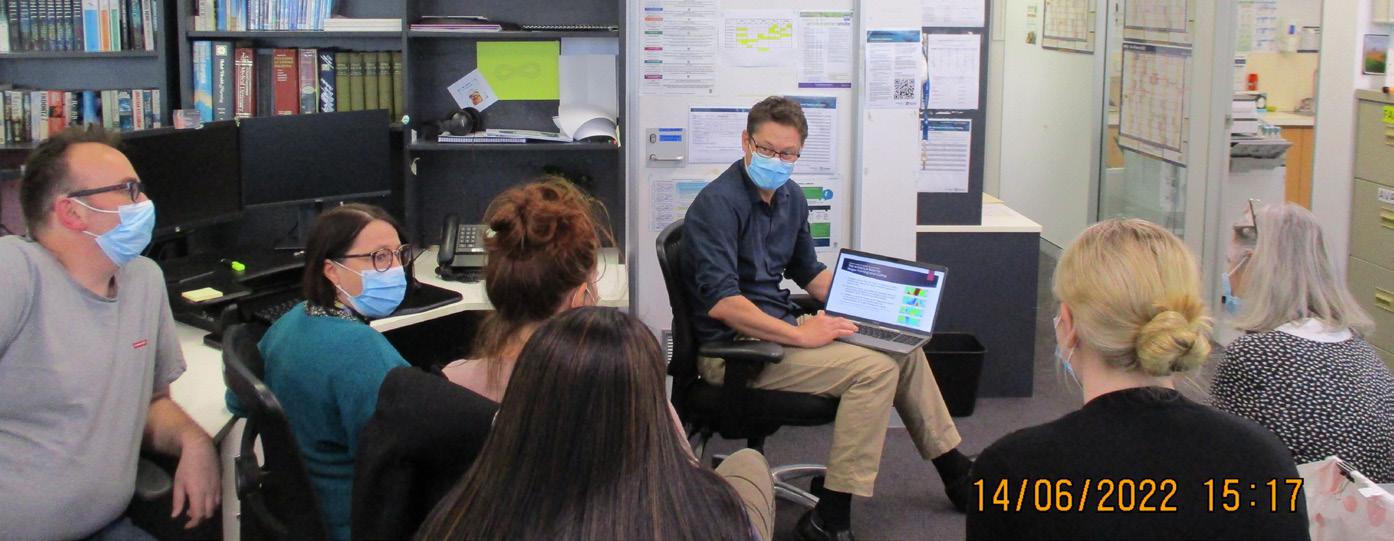
FPC was easy to teach, able to be rapidly communicated and implemented within existing service resources. The technique was well received and valued by staff and resulted in a decrease in medication errors. We initially started in one clinic of the service and then expanded to all three clinics within our service due to the ease of the scalability of this project.
Simple solutions borrowed from other fields can help to increase medication safety in our services. Sometimes the simple things are the best. Our advice to other services looking to adopt the approach? Do it. It’s very low overhead and very effective. Develop the strategy from the bottom up: ask for feedback from the staff using the technique and involve them in developing any training resources.
Disclosure of interest statement: We have no conflict of interest to disclose.
References
1. Tsang LF, Tsang WY, Yiu KC, Tang SK, Sham SYA. Using the PDSA cycle for the evaluation of pointing and calling implementation to reduce the rate of high-alert medication administration incidents in the United Christian Hospital of Hong Kong, China. Patient Sav Qual Improve J. 2017;5(3):577-83. doi: 10.22038/PSJ.2017.9043
2. Mitobe J, Higuchi T. Top-down processing of drug names can induce errors in discriminating similar pseudo-drug names by nurses. Human Factors. 2022;64(3):451-65. doi: 10.1177/0018720820946607
3. Shinohara K, Naito H, Matsui Y, Hikono M. The effects of “finger pointing and calling” on cognitive control processes in the task-switching paradigm. Int J Ind Ergon. 2013;43(2):12936. doi: 10.1016/j.ergon.2012.08.004


Authors
Jason Dalla Lana, Metro North Health, Queensland Health, Brisbane, Australia

Sijimole Johnson, Metro North Health, Queensland Health, Brisbane, Australia
Hoiyan Karen Li, Metro North Health, Queensland Health, Brisbane, Australia and Insight, Queensland Health, Brisbane, Australia
1–3
1. 2. 3. Look at the medication. Point your finger at the medication Call out the following: • medication name • medication dose • expiry date
Metro North Mental Health - Alcohol & Drug Service
FOCUS Jul–Sep 2023 Volume 28, No. 1 55
Five-minute inservice at a nurse meeting
Welcome to Healthy Eating
Each issue we will be featuring a recipe from Maggie Beer’s Foundation, which ensures research, education and training will lead to better outcomes and the delivery of nutritious and flavoursome meals to our ageing population in nursing homes. Maggie’s vision is not only to improve nutrition and wellbeing for the aged, but also for all who enjoy good wholesome food.

Warm pear & chocolate crumble

Did you know that this delicious dessert delivers four times the energy and three times the fibre of a serving of tinned fruit and ice cream?
Preparation 25 mins
Cooking 15 mins
(plus 10 mins for the pears)
Serves 6–8 ramekins
INGREDIENTS
CRUMBLE
80g caster sugar
65g plain flour
115g cold unsalted butter
40g almond flakes
20g oats
PEARS
1.5kg Beurre Bosc pears, peeled and chopped into 1.5cm cubes
65g unsalted butter
60g 70% chocolate
METHOD
1. Preheat oven to 220ºC.
2. Place sugar, flour and cold butter into a food processor and pulse until the mixture starts to come together.
3. Add almonds, oats and continue to pulse the mixture until it forms a large crumb. Your end result will depend on the food processor and temperature of the butter –make sure it’s cold.
4. Spread the crumb mix evenly on a tray and refrigerate for about 15–30 minutes.
5. To make the pear filling, melt the butter in a large pot over high heat.
6. Once the butter has melted reduce to medium heat.
7. Add the pears and cook for 10–15 minutes or until soft, but not falling apart.
8. Remove from the heat and allow pears to cool.
We invite you to try and make Maggie’s recipe.
Send a photo of you and your creation from this issue, and in a sentence, let us know what you liked about It. If we pick your entry, we’ll publish it in the next ANMJ and reward you with a $50 Maggie Beer voucher. Send your entry to: healthyeating@anmf.org.au
Marita Dennis, good job on making Maggie’s loaded LCM bars, published last issue. We hope you enjoy your $50 Maggie Beer voucher.
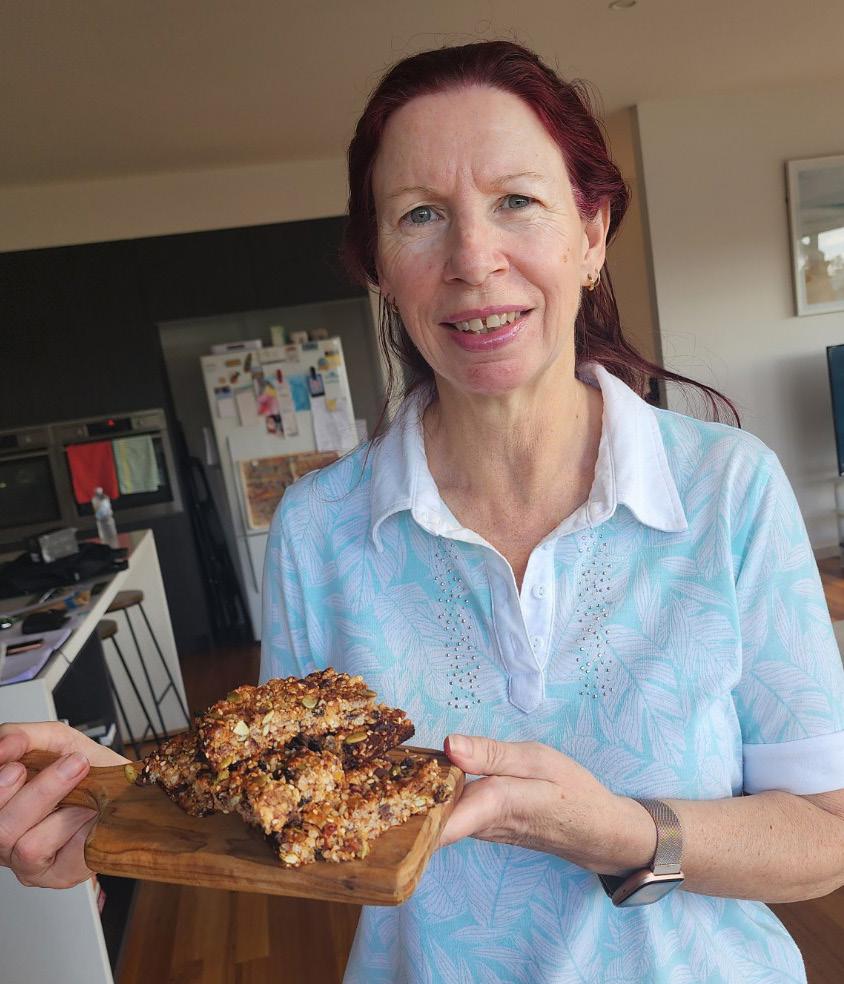
“As with all Maggie’s recipes, this is a winner! Loaded LCM bars are delicious, quick and easy to make and perfect for lunch boxes or a healthy snack at home or work.
Thank you, Maggie.”
9. Divide the pear mixture evenly between each ramekin and add a sprinkle of chocolate to each of them.
10. Then top each ramekin with crumble topping.
11. Place ramekins on a tray and bake for 15 minutes or until golden.
12. Serve warm, with a scoop of good vanilla ice cream.
HEALTHY EATING 56 Jul–Sep 2023 Volume 28, No. 1
Food styling and photo by Erika Budiman © instagram.com/pixels_and_paper_studio

Issued by H.E.S.T. Australia Ltd ABN 66 006 818 695 AFSL 235249, the Trustee of HESTA ABN 64 971 749 321. Consider whether HESTA’s products are appropriate for you by reading the relevant Product Disclosure Statement and Target Market Determination at hesta.com.au or call 1800 813 327. Past performance is not an indicator of future performance. SuperRatings 10 Year Platinum Performance 2013-2023 (MySuper). At HESTA, we believe in providing strong long-term returns while having an impact on the world our members retire into. Learn more at hesta.com.au A top performing fund driving real world impact
It’s time for a confidence booster in peripheral IV cannulation.
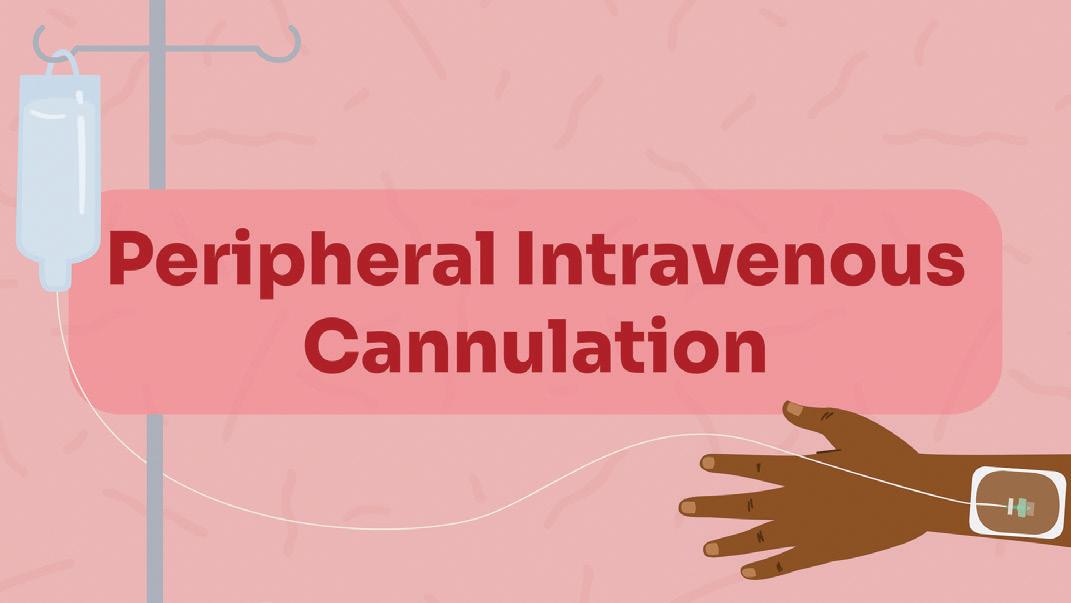
This new Ausmed Course takes you through a step-by-step demonstration of the correct way to perform peripheral intravenous cannula insertion.
This is just one of over 1,250 learning resources available with an Ausmed Subscription.


Scan QR code to start this course today

has
involved in the care of patients affected by cancer and

for
www.ausmed.com.au
54m
the educator!
Emily Matthews
works as a Clinical Nurse Educator and
Clinical Nurse Specialist who
been
haematological disorders
over 10 years. Meet