
Leading The Future of Pain Care
JUNE 2026, NEWSLETTER

Editor’s Note
Jo Harmon
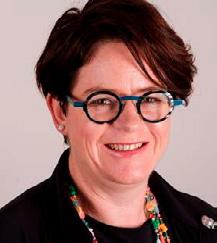
Hi everyone,
We have a lot of content for this edition, and in it are a lot of summaries from the recent Australian Pain Society conference.
You will really enjoy reading Bernadettes’ presidents reflection and the account by Professor Tasha Stanton. Additionally, it is great to be able to catch up with both the best poster and the best free paper presenters.
It is hard to believe, but winter is really starting to set in. Don’t worry-great news, the dates for the next APS 2027 conference have been released. Yay Gold Coast here we come.
As a starter, get ready for painSTAR - the Australasian Pain School for Translation And Research is seeking applicants. So great to see a mixture of international and national speakers at this event. Such an amazing opportunity to collaborate and network to link all aspects of pain care provision from bench, bedside and to the boardroom.
Upcoming in June is the national pain survey and pain week. This years’ theme is ‘pain takes a nation’ and this is the one week of the year when annual action is undertaken to raise the awareness of chronic pain and its impact on everyday life.
The next upcoming webinar is on the all important topic Can rodents experience placebo and nocebo effects like we do? A great webinar to look forward to, so sit back, get toasty and bust out the hot chocolate and marshmallows while watching.
On a personal note, I have been volunteering as the assistant editor of APS newsletter for almost six years now. Its time for me to hang up the hat and pass it onto another person. Please do reach out and consider how much of a fantastic opportunity it is to be part of the APS newsletter. I have met so many people and have been able to see so much. I do recommend considering undertaking this opportunity for the networking it provides.
Stay warm and keep sharing your stories,
Until next time, take care,
Dr Joanne Harmon

Gold Coast Convention & Exhibition Centre 13 - 16 April 2027
REGISTER
President’s Reflection
Bernadette Smith

What an absolute clinker of a conference!
This year’s APS Annual Scientific Meeting (ASM) was packed with outstanding science, practical discussion, collaboration and connection, but what stood out most was the energy and optimism across the pain sector, and the shared commitment to improving outcomes for people living with pain.
One of the great strengths of the ASM is the opportunity it creates not only for learning, but also for collaboration and future planning. Alongside the scientific program, the APS Board and committees made the most of valuable face-to-face time together. The APS Board held a full-day meeting focused on advocacy and capability development, while committees progressed important work across education and innovation, relationships, and planning for the 2027 APS 47th ASM jointly hosted with the International Symposium of Paediatric Pain on the Gold Coast.
Building on efforts to create more opportunities for member engagement in the Exhibition Hall, APS introduced a dedicated APS booth this year, and it quickly became one of the busiest and most welcoming meeting points of the conference. It was fantastic to see members, new members
and delegates engaging with APS, exploring the new website and learning management system, connecting with Board members and Secretariat staff, and sharing thoughtful and constructive feedback.
Nearby, the PainSTAR booth created a wonderful opportunity for prospective EMCR delegates to meet faculty and alumni, with enthusiastic conversations already building around PainSTAR 2026.
Another real highlight was the excitement and momentum building amongst pelvic pain researchers and clinicians. There was a genuine sense of collaboration and collective purpose emerging across disciplines, with conversations continuing well beyond the formal sessions and growing enthusiasm around the possibility of a future APS Pelvic Pain Special Interest Group.

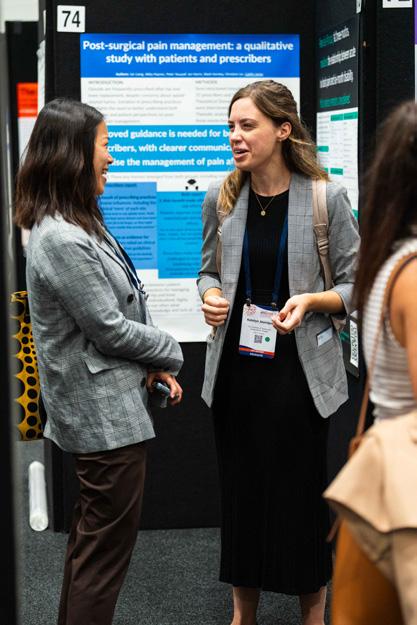
The generosity of APS members, volunteers and committee members throughout the meeting was, as always, astounding. Across every session, committee meeting and networking conversation there was a strong willingness to contribute expertise, ideas and time to strengthen the pain sector.
That spirit of collaboration carried through to the APS-led pain sector breakfast, which brought together leaders from organisations including the Faculty of Pain Medicine, Australian Pain Solutions Research Alliance, Pain Australia, Chronic Pain Australia, the New Zealand Pain Society, and representation from the International Association for the Study of Pain.
Discussion focused on the future of ePPOC, with strong agreement across the sector about its ongoing importance and the value of working collaboratively to support its future direction. There was a shared commitment to constructive partnership and ongoing discussions with ePPOC leadership and the University of Wollongong around sustainability and future governance. Laura explores this discussion further on page INSERT in her accompanying newsletter article.
The conference concluded in fitting style at the Gala Dinner, which provided a true crescendo to the meeting. In true Adelaide style, the live band proved far too enticing for many to stay seated for long, with the dance floor quickly filling as the evening progressed. Sharp-eyed attendees may even have spotted a certain cricket-loving Englishman on the dance floor sporting RM Williams boots, while a former APS President channeled true ABBA energy with tambourine in hand!
It is certainly an important moment for the pain sector. Systems only change when people come together with a shared purpose, and this year’s ASM showed just how much energy, goodwill and collaboration exists across the sector to do exactly that.
On behalf of APS, thank you to all speakers, delegates,
this momentum over the coming year and as we head
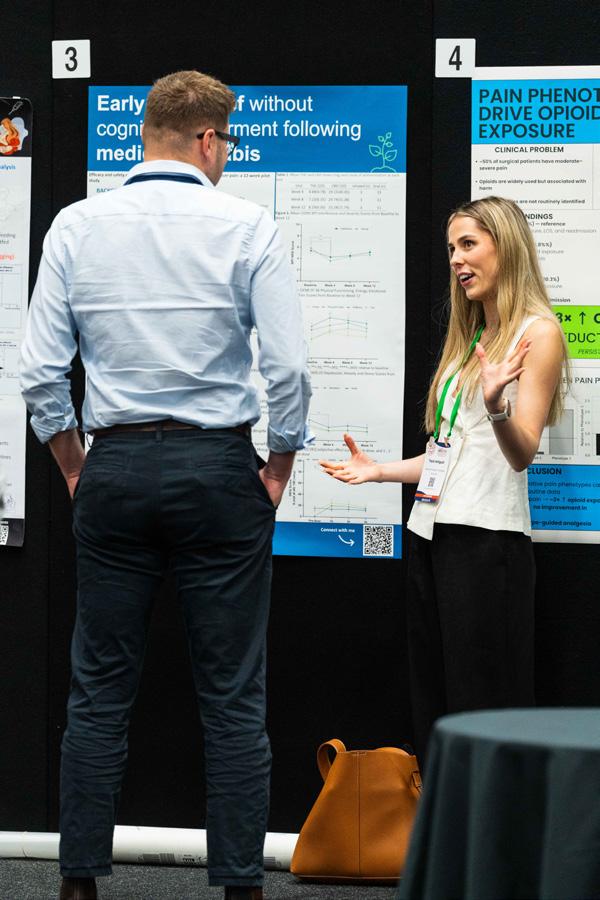
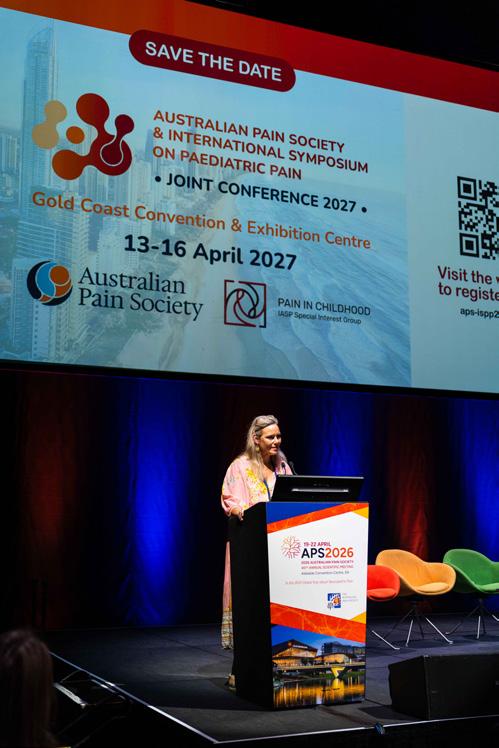
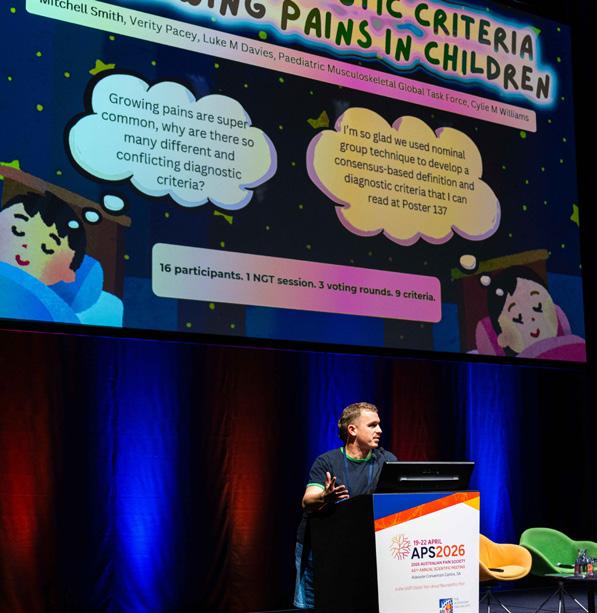
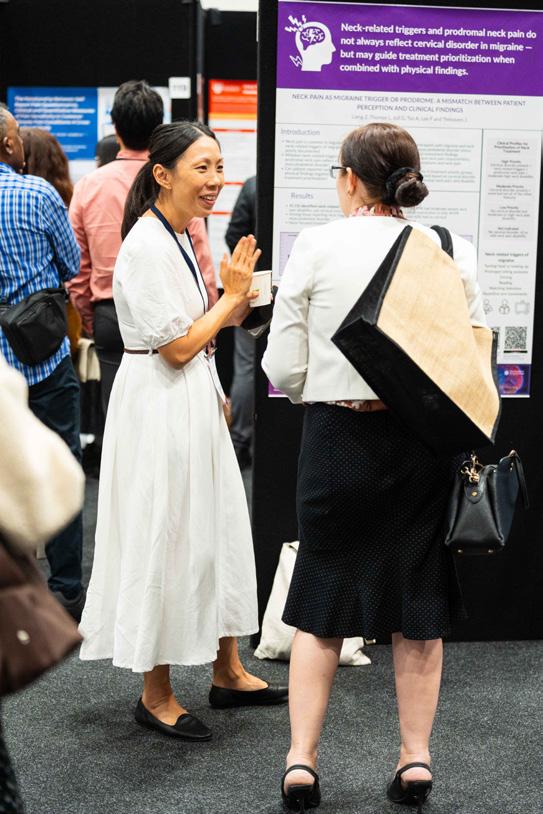
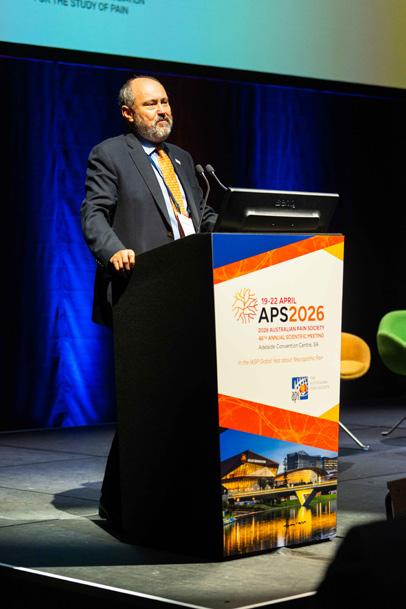
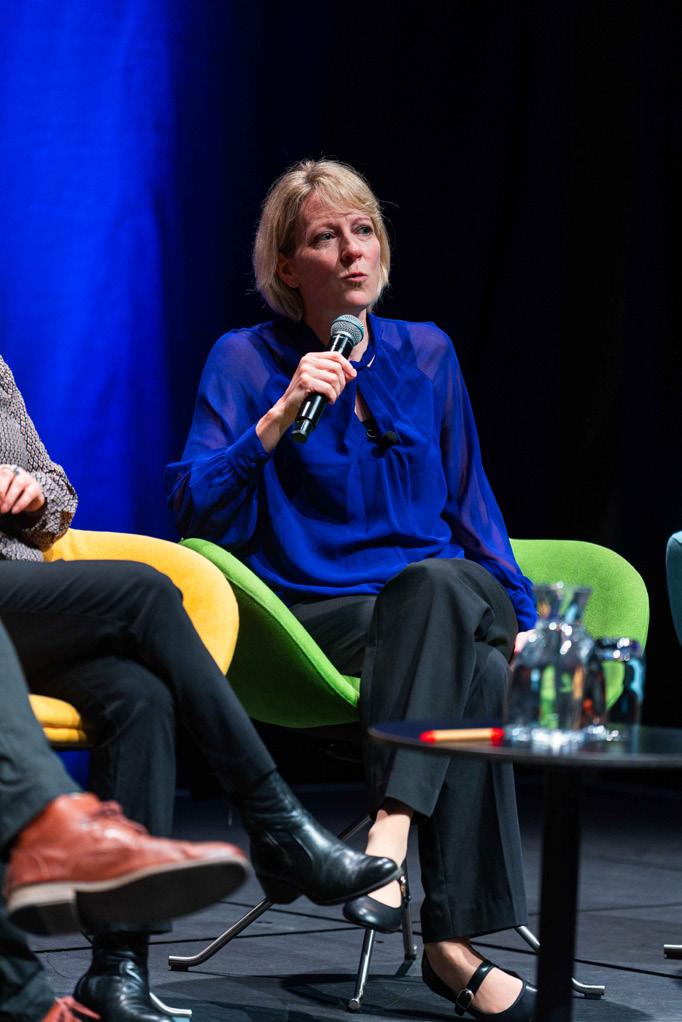
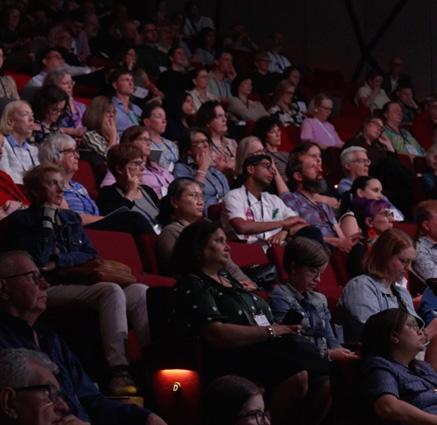
TOP LEFT: Mitchell Smith winner of Best Rapid Communication Presentation; TOP RIGHT: IASP update with Prof. Andrew Rice; BOTTOM LEFT: APS Members networking at event; BOTTOM RIGHT: Prof. Anina Schmid on “Rethinking Whiplash Through a Neural Lens”
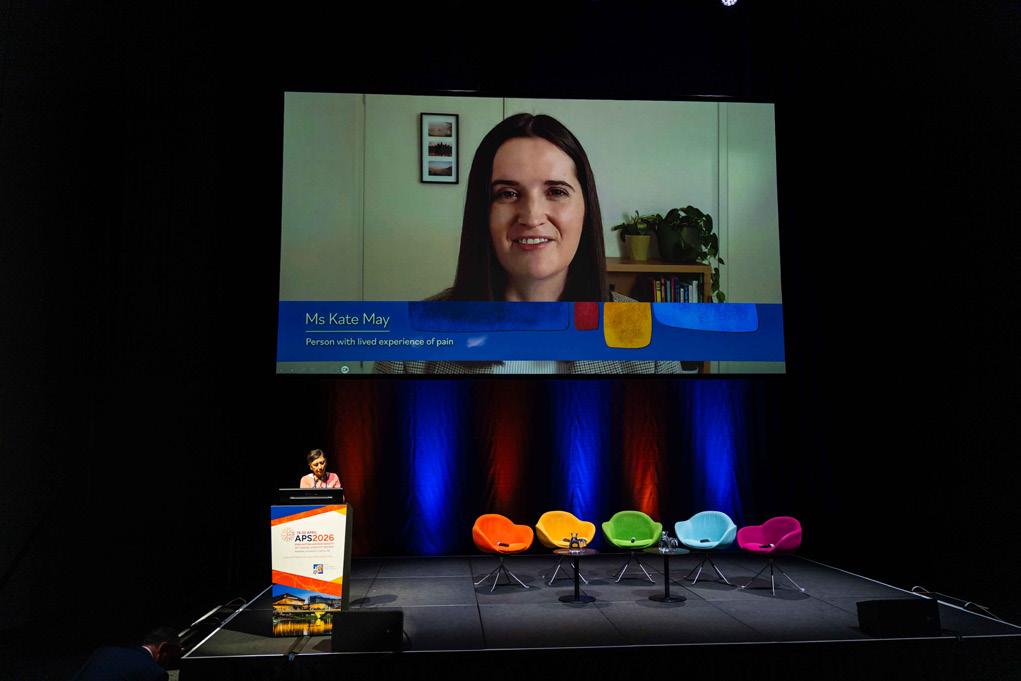
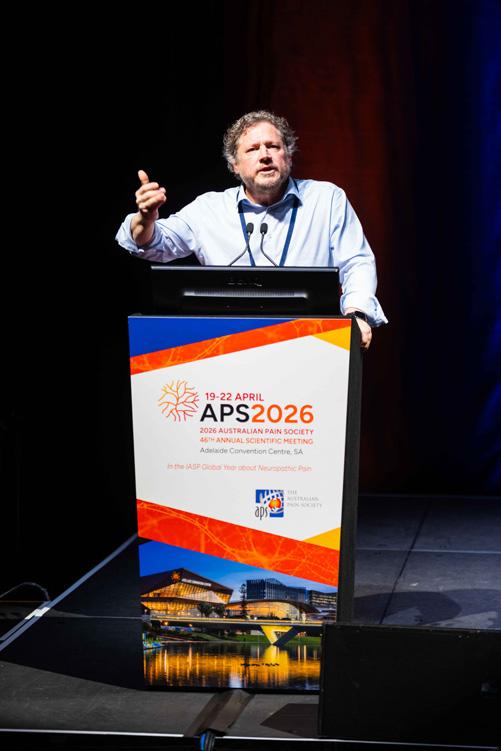
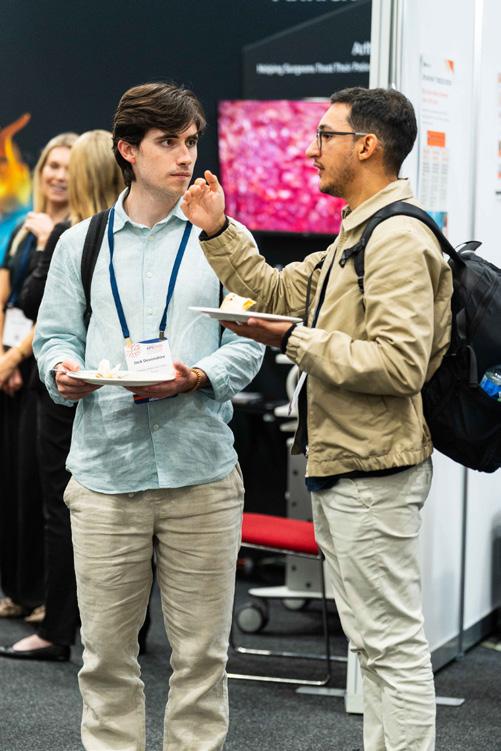
TOP: Prof. Helen Slater introducing the new Australian standards for health practitioner pain management education BOTTOM LEFT: Prof. Yves De Koninck “Chloride dysregulation: The next target for pain therapeutics”; BOTTOM RIGHT: APS Members
Be Smart And Fail Fast: Applying Learnings From The Hunt For Novel Neurodegenerative Disease Therapies To Neuropathic Pain
Dr Lincoln Tracy

Dr Nadia Soliman, a senior research fellow at the Evidence for Policy and Practice Information Centre at University College London in the United Kingdom, and Dr Michael Ferrero, a postdoctoral researcher at NeuRA’s Centre for Pain Impact, shared the honour of delivering the named lecture in 2026.
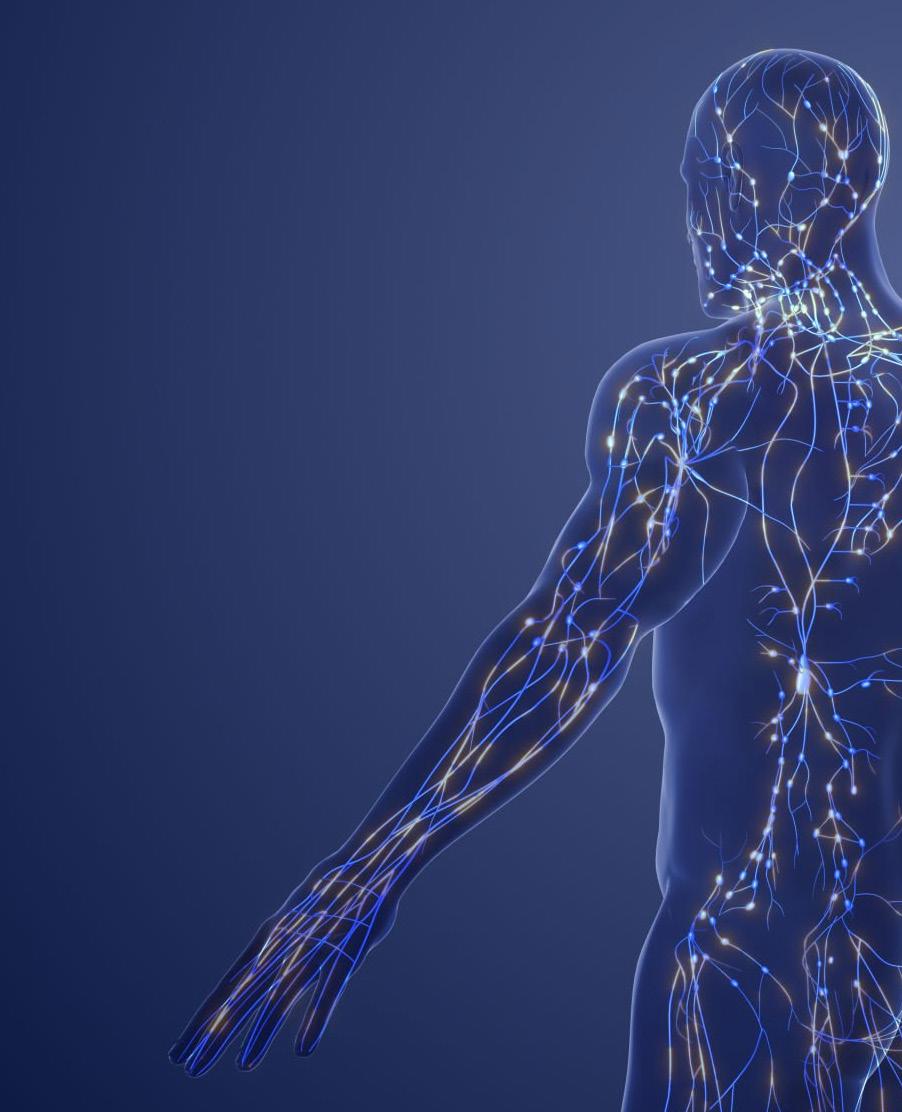
The following is a summary from the 46th Annual Scientific Meeting (ASM) of the Australian Pain Society (APS), which took place in Adelaide from April 19-22, 2026. Since 2019, the ASM has featured a named plenary lecture drawing inspiration from the International Association for the Study of Pain’s (IASP) Global Year Against Pain, an advocacy effort to raise awareness of pain. The IASP chose 2026 to be the Global Year for Neuropathic Pain.
The pair discussed the findings and implications of the International Association for the Study of Pain’s (IASP) Special Interest Group on Neuropathic Pain (NeuPSIG) 2025 systematic review and metaanalysis on pharmacotherapy and non-invasive neuromodulation for neuropathic pain.
The 2025 review marked the third time the NeuPSIG had published treatment guidelines for neuropathic pain, after Robert Dworkin led the initial efforts in 2007 before Nanna Finnerup and Nadine Attal did the same for the first revisions in 2015. There have been multiple developments in pharmacological approaches and neuromodulation techniques in the decade since the previous guidelines were published.
Dr Soliman explained that although high quality care depended on having up-to-date guidelines, there was no objective rule for when a review or guidelines should be updated.
“The decision rests on whether new evidence or methodological advances are likely to change conclusions or strengthen confidence in existing recommendations,” she told delegates.
“The widely cited Finnerup review did prompt reconsideration in light of emerging data on novel pharmacological treatments and neuromodulation, alongside advances in systematic review methodology, which would enable us to conduct a more rigorous appraisal of the trials.”
A multidisciplinary group that featured representatives from 13 different countries reviewed the existing literature base for randomised, doubleblind, placebo-controlled trials for any neuropathic pain condition, provided there were at least 10 participants per group at the end of the treatment period. The group focused on interventions that had been administered for at least three weeks or had at least three weeks of follow-up in the event where the treatment or intervention was administered in a single session.
The literature search resulted in data for 48,789 adult participants across 313 trials, with 284 studies testing a pharmacological agent and the remaining 29 involving a neuromodulation approach. Eighty-four different drugs were assessed as part of the pharmacological trials, while six different neuromodulation approaches were used.
2026 Global Year Neuropathic pain
Faculty of Pain Medicine (ANZCA) anzca.edu.au/fpm
International Association for the Study of Pain (IASP) www.iasp-pain.org
Australian Pain Society www.apsoc.org.au
New Zealand Pain Society www.nzps.org.nz\


“Overall, there is limited treatment efficacy,” she said. “The fundamental limitation is that systematic reviews give us average effects. They rarely allow us to determine which treatment works best for each subgroup of people.”
“We also cannot yet provide a practical treatment algorithm. We don’t have sufficient evidence to guide initiation, titration, or withdrawal in a rigorous way. And while combination therapy is widely used in practice, the current evidence base is simply sufficient to confidently recommend specific combinations.
“Despite a rigorous synthesis of the evidence, an unmet need remains.”
DR FERRERO THEN TOOK THE STAGE AND DISCUSSED THE STRENGTHS, LIMITATIONS, AND THE FUTURE RESEARCH AGENDA IN MORE DETAIL.
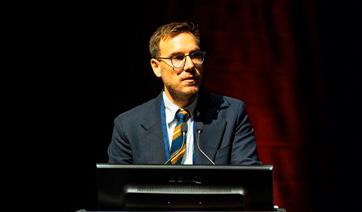
“I suppose the headline finding of our review is that treatment effects remain modest,” Dr Ferrero said as he compared the numbers needed to treat for the recommended first line therapies from the 2015 and 2025 guidelines.
Over the course of a decade the NNT and 95% confidence interval for gabapentin increased from 7.2 (5.9-9.1) to 8.4 (6.3-12.6), from 7.7 (6.5-9.4) to 8.9 (6.912.3) for pregabalin, from 6.4 (5.2-8.4) to 7.4 (5.6-10.9) for SNRIs, and from 3.6 (3.0-4.4) to 4.6 (3.2-7.7) for tricyclic antidepressants, meaning that the treatment effects have gotten smaller.
“You’ll probably notice that the precision of the estimates for the more recent review is wider,” he told delegates. “That’s largely due to a difference in the
statistical model, but even when accounting for that difference, the treatment effects remain smaller.”
“But we had a pretty good idea that this was coming. A secondary analysis of the 2015 review led by Nanna Finnerup showed that the effect sizes of neuropathic pain treatments have decreased over time. They also investigated factors that were associated with decreasing efficacy, and they found that study size, duration of follow-up, and the use of intention to treat analysis were all associated with smaller effects.
“When we apply a similar analysis to our current data set, we see that that trend has continued, so all recommended therapies show a decrease in effects over time, and there’s also a negative association with study sample size. So generally, we would consider that the study sample size gives us a more precise estimate of effect, but here I think it’s safe to say that they probably give us a more unbiased estimate as well, and therefore we’ve probably gotten a little bit closer to the truth.”
The decreases in effect size could not be explained by increases the placebo effect or by treatment effect heterogeneity (where responders to the treatment are hidden in the overall averages).
SO WHERE TO NEXT?
Dr Ferrero proposed two ways the pain field could approach the ongoing quest for more effective treatments for neuropathic pain. The first was using alternative clinical trial methodologies that result in faster answers, such as umbrella or platform trials.
The former approach involves testing multiple targeted interventions for a single disease simultaneously. The latter also involves testing multiple interventions at the same time, but with the addition of performing regular interim analyses so ineffective treatment arms can be dropped and new treatment arms can be added while the trial is still running.
“I think we do have a unique opportunity to shape the future of neuropathic pain treatment by using trial methods like these, which are very efficient and cost effective once established, but they’re also very, very challenging and there will certainly be painspecific challenges that need addressing,” he said.
The second way involved new methods of drug repurposing, because even the most efficient clinical method will be useless without a pipeline of trial ready treatments. And with declining industry investment in analgesic therapies over recent decades, the research field needs to understand which repurposed drugs should be prioritised for clinical trials.
“We’ve got a really nice example out of the motor neuron disease space, where researchers from the University of Edinburgh have devised a priority framework that considers published literature, experimental drug screening, pathway network analysis, drug control databases, and critically, expert opinion and patient preferences to identify and prioritise drugs for evaluation.”
This is the kind of framework that the neuropathic pain field is looking to adopt, Dr Ferrero explained. But the success of any initiatives in this space would depend on collaboration and establishing international research consortia to help shape the research agenda and improve health outcomes.
“Again, we have a really nice example from the neurodegenerative disease space, which is the HEALEY ALS platform trial. They’ve set up a bidding process whereby sponsors can evaluate their drugs within the platform, [but] researchers maintain control
over the platform and the trail design and judge what’s suitable for evaluation. This platform along led to for publications of different therapeutics last year, and I think that’s really, really impressive.”
The four publications, published in the JAMA family of journals, ultimately showed that none of pridopidine, verdiperstat , CNM-Au8, or zilucoplan altered disease progression in ALS. But using the platform trial approach allowed these investigational products to be tested more efficiently, which ultimately gets researchers closer to finding a treatment that works.
It seems the time has come to for the pain field to fail fast as they strive to identify novel and effective treatments for neuropathic pain.

Dr Lincoln Tracy is a senior research fellow at Monash University and writer from Melbourne, Australia. He is a member of the Australian Pain Society and enthusiastic conference attendee. You can follow him on (@lincolntracy) or check out some of his other writing on his website.

Australian Pain Society
2026
DISTINGUISHED MEMBER AWARD
Awarded for services to the promotion, treatment and science of pain management and lifelong contribution to the Australian Pain Society.


Professor Lorimer Moseley AO
BAppSc(Phty)(Hons), PhD, DSc
Professor Lorimer Moseley AO is a remarkable clinical scientist, listed among the top national scholars in Medical Science, who has contributed enormously to The Australian Pain Society, the science of pain medicine, to public and patient education about the nature of pain and how to manage it, and to those individuals who have been fortunate to have worked with him. Most of us have had the opportunity to be entertained and inspired by his presentations at our Annual Scientific Meetings. Lorimer is unique in the true sense of that word, referring to his original concepts, which will be emphasised, but first his current appointments, some metrics, related facts, achievements and awards.
Current appointments: Distinguished Professor; Professor of Clinical Neurosciences; Foundation Chair in Physiotherapy. CEO Pain Revolution.
Lorimer has authored 436 scientific articles and eight books. His H-index is 109 and there have been 45,000 citations in 17 fields. These metrics place him in the top 0.2% of scientists internationally. He has gained >$30million in research funding. He has delivered >100 keynote lectures at world or continent-wide meetings, in 13 fields. Among his 66 trainees, several of whom have achieved awards, are 27 PhDs. His Pain Education papers are cited in 27 Scopus subject categories, including economics, econometrics, finance and energy, which demonstrates the broad impact of his work.
Lorimer`s 2020 award, Officer of the Order of Australia (AO) cited: “distinguished service to pain and its management, science communication, education and to physiotherapy, to humanity at large”. Lorimer was awarded the IASP Inaugural Ulf Lindblom Prize for Clinical Sciences. He was the youngest allied health professional to be made a fellow of the Australian Academy of Health & Medical Sciences. He was the first recipient of a meritselected Doctor of Science from UniSA (for significant and sustained contributions). He has also received 21 prizes from government or professional societies in 15 countries and many other awards. Lorimer has consulted to government health departments in 11 countries, and his implementation and public service initiatives are cited as exemplar in 4 National Pain Strategies.
Lorimer has given much to the public. In 2009, he developed and initially funded BodyinMind.org, a non-profit interdisciplinary blog that published 1000 posts over 10 years, providing free, independently reviewed and summarised pain science and practice updates, accessed by >100,000 visitors per month in >100 countries. In 2017 he led and initially funded the establishment of the prize-winning Pain Revolution, a non-profit initiative with the vision ‘that all Australians have the skills, knowledge and access to local support to prevent and overcome persistent pain’. It is now sustainable on the back of community grants and fundraising. Pain Revolution delivers three programs that serve to build health system
capacity, and shift public understanding around pain and its management, in rural and regional Australia. Pain Revolution has trained and provides ongoing support for >100 rural health professionals as ‘Local Pain Educators’. Pain Revolution was cited as ‘exemplar’ in the Australian Pain Action Plan and is now being replicated in the UK, USA & Europe.
How did it all begin and what insights led to such achievements and contributions? As a physiotherapist, Lorimer observed that ‘living well despite pain’ made no sense to patients and was their most common reason for not increasing activity or participating in prescribed pain management strategies beyond the program. He found that patients favourably responded to explanations about the nature of pain, so such explanations were tested informally in 4 randomised controlled trials, then 90 replication international trials, with upgraded information, leading to the widely applied Explain Pain (book first written with David Butler in 2003). The development, testing and refinement of methods arising out of this perceived disconnect between guidance and patient`s understanding has transformed clinical practice internationally and was described in his DSc citation, from three previous Chief Editors of Pain, as ‘comparable with the gate control theory and central sensitisation in the scale and magnitude of impact on the pain field’, and ‘has cemented Australia as a leading light in pain management approaches internationally’.
Two other original concepts have had extensive
international impact. Firstly, The Imprecision Hypothesis positioned pain as the response, not the stimulus. This was an innovative idea - as recognised by the NHMRC Marshall & Warren Prize and extended classical conditioning theory by integrating it with modern neuroscience concepts around the principles that govern how neural networks work. The Imprecision Hypothesis predicted that during the acute phase of painful event, the more precisely an individual recognised the aggravating position, movement or task, the less likely it was that pain would generalise to a wider array of activities. The Imprecision Hypothesis, co-authored with Johan Vlaeyen, generated a new field of enquiry, which has since yielded > 50 publications.
Secondly, the Cortical Body Matrix theory, also generated a new field of enquiry, yielding > 30 publications. This theory has reinforced the importance in pathological states of both the state of the body and the person’s impression of the state of the body. The development of this concept led to a paradigm-shifting discovery of anatomicallyspecific autonomic and immune regulation based on cortically-grounded maps of body ownership and threat (published in PNAS, Current Biology, Brain and Annals of Neurology). This contribution has led to new assessment and treatment protocols for neurological conditions such as stroke, anorexia, body dysmorphia and autism.
Lorimer, we thank you for your wonderful contributions to pain science and education.
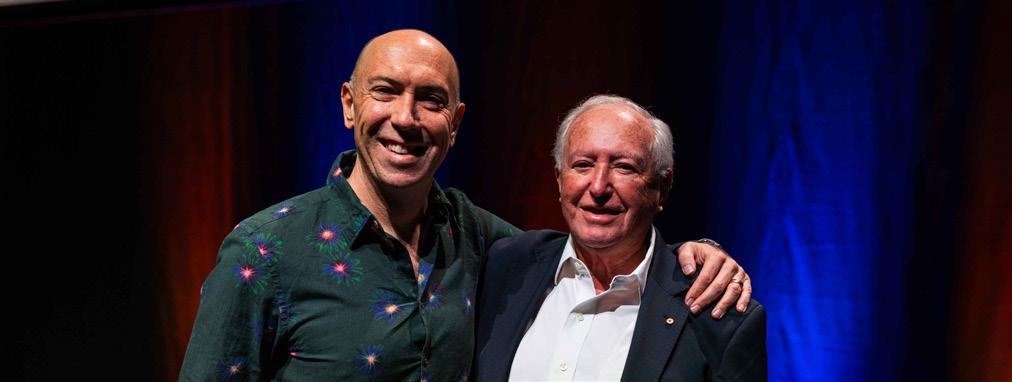
PHOTO ABOVE: Professor Lorimer Moseley & Associate Professor David Champion AM

Professor Kevin Keay BSc(Hons), GradDipScMed, PhD
Kevin Anthony Keay, the much loved first child of Ann and Colin Keay, was born and raised in Sale, Greater Manchester. His school days were spent at the local Park Road Sale Primary School and the Sale Boys Grammar School. Kevin’s family was tightly rooted in their close-knit neighbourhood, and his early years were characterised by the principles of hard work, humility and curiosity – values that remain with him today.
After high school, Kevin embarked on a life of academia, completing a Bachelor of Science (Hons) (1984) and then working as a Research Assistant in the Physiology Chemistry Lab in the Department of Pure Zoology at the University of Leeds. From there, he took a Senior Research Assistant role in the Department of Psychology at the University of Sheffield, demonstrating a clear and early interest in multi-disciplinary research and practice.
As a young academic, Kevin imagined himself moving to Paris or Utrecht but that changed after a chance encounter with Pascal Carrive at a conference in Budapest. At the time, Pascal was doing his PhD with renowned neuroscientist Richard Bandler and after having chatted with Kevin for a while, Pascal suggested that he “come and do a Postdoc in Sydney”. Kevin had never seriously considered relocating to Australia, but he was very familiar with Bandler’s work and curious to know more. Once back home, Kevin wrote to Bandler, mentioning his meeting with Pascal and expressing an interest
in potential opportunities. Bandler responded enthusiastically, and Kevin ultimately secured a fellowship in the Department of Anatomy at the University of Sydney, supported by the Guggenheim Foundation. Moving to Australia was a big decision though, and Kevin vacillated until one night, when attending a local quiz night with mates, he won a Fosters’ beer ashtray. He took it as a sign and in 1989, arrived in Sydney ready to embrace new beginnings. And it’s a good thing he did because it was in Sydney, in 2008, that he met his partner, David.
Once in Australia, Kevin completed his PhD (Neuroscience: University of Sheffield) (1992) and subsequently thrived in numerous roles across the University of Sydney. With a passion for clinical research, Kevin also completed a Graduate Diploma in Science Medicine (Pain Management, University of Sydney) (2000) and held honorary research roles with the Pain Management and Research Centre (Royal North Shore Hospital, NSW) (1995-1997) and The Salk Institute for Biological Sciences (La Jolla, California, USA) (1996). The latter remains a career highlight for Kevin, affording him the opportunity to chat over morning teas with some of the giants of pain science, including the legendary Francis Crick.
Fast forward to today, and Kevin is now the Professor of Neuroscience and Chief Anatomist, Deputy Head of School and Theme Leader – Neuroscience in the School of Medical Sciences (Faculty of Medicine
and Health) and a co-lead of the Translational Psychopharmacology Team at the Brain and Mind Centre. At the time of writing he was ranked in the top 1.6% of published authors worldwide in the field of neuralgia (Expertscape), had published >100 papers (3 of which are in the top 50 cited papers in neuroscience at the University of Sydney), written 10 book chapters and secured >$9M in research funding.
His research has focused on understanding the key neurobiological, neural and non-neural, changes that underpin the transition from acute to chronic pain, particularly for neuropathic pain states. His early studies sought to define the organisation of the midbrain circuits that mediate active and passive emotional coping responses triggered by stress, threat and pain. He identified discrete parallel circuits (brainstem, forebrain, cortical) responsible for either active or passive coping and demonstrated that they were selectively activated by pain arising from either superficial (active) or deep (passive) structures. He then examined how chronic pain conditions might interact with these circuits and found that the sciatic nerve constriction model (a particular preclinical model of neuropathy), provided the richest model of the human chronic pain presentation. As such, it could be examined in much better translatable detail, enhancing the ability of preclinical studies to inform effective pain treatment; work that he now continues.
Kevin is a natural born educator and mentor, who is passionate about supporting new and emerging researchers to find their path. Whilst at the University of Sydney he has supported >30 PhD students and >60 honours students to complete their studies. He has also supported countless colleagues to establish their careers and grow as professionals. Kevin’s exemplary approach to teaching and training was recognized in 2013 when he was awarded the Professor JA Young Medal for Excellence in Research
and Teaching and for Exemplary Service to Sydney Medical School and the University.
From an Australian Pain Society perspective, Kevin joined the APS in 1992, just a few short years after arriving in Sydney. He took over as Chair of the Scientific Program Committee (SPC) in 2016 and has since led the development of 10 high quality annual scientific meetings (ASMs). During the Coronavirus pandemic, Kevin enthusiastically supported the pivot to an online format to enable the planned content from the cancelled 2020 ASM to be delivered via a series of webinars and for the 2021 ASM to be delivered as a fully online conference. As SPC Chair, Kevin is known for always supporting innovation and encouraging active participation. When new ideas are suggested, Kevin never says no. Instead, he gently asks “and how would that work?”, thereby encouraging everyone on the SPC to think broadly, strategically, and bravely. Under his leadership, the SPC has adopted innovations like the debate, ‘One Thing’, and the Early Career Researcher (ECR) networking session (now renamed “meet the minds”). Early career researchers have also been actively and deliberately embedded in a range of roles across the programme, always supported behind the scenes by experienced colleagues. Kevin’s approach to the SPC and ASM development has not only enhanced individual careers, it has also actively enhanced connection across the society.
In short, Kevin is an internationally recognised preclinical researcher who embodies the ethos of the multi-disciplinary approach – connecting, supporting, and collaborating broadly across the full spectrum of pain-related impacts. He is a leader who gives generously of his time and his knowledge, and who encourages others to do the same. He is a thoroughly deserving recipient of the 2026 Australian Pain Society Distinguished Member award.
and Health) and a co-lead of the Translational Psychopharmacology Team at the Brain and Mind Centre. At the time of writing he was ranked in the top 1.6% of published authors worldwide in the field of neuralgia (Expertscape), had published >100 papers (3 of which are in the top 50 cited papers in neuroscience at the University of Sydney), written 10 book chapters and secured >$9M in research funding.


His research has focused on understanding the key neurobiological, neural and non-neural, changes that underpin the transition from acute to chronic pain, particularly for neuropathic pain states. His early studies sought to define the organisation of the midbrain circuits that mediate active and passive emotional coping responses triggered by stress, threat and pain. He identified discrete parallel circuits (brainstem, forebrain, cortical) responsible for either active or passive coping and demonstrated that they were selectively activated by pain arising from either superficial (active) or deep (passive) structures. He then examined how chronic pain conditions might interact with these circuits and found that the sciatic nerve constriction model (a particular preclinical model of neuropathy), provided the richest model of the human chronic pain presentation. As such, it could be examined in much better translatable detail, enhancing the ability of preclinical studies to inform effective pain treatment; work that he now continues.
This is to recognise
The Australian Pain Society on behalf of
2026 Australian Pain Society 46th Annual Scientific Meeting Delegates

for contributing 1,013 native trees and shrubs in the Yarra Yarra Biodiversity Corridor.
Thank you for supporting biodiverse reforestation and habitat restoration within Australia’s largest carbon sink project.

Scientific Program Committee (SPC) in 2016 and has since led the development of 10 high quality annual scientific meetings (ASMs). During the Coronavirus pandemic, Kevin enthusiastically supported the pivot to an online format to enable the planned content from the cancelled 2020 ASM to be delivered via a series of webinars and for the 2021 ASM to be delivered as a fully online conference. As SPC Chair, Kevin is known for always supporting innovation and encouraging active participation. When new ideas are suggested, Kevin never says no. Instead, he gently asks “and how would that work?”, thereby encouraging everyone on the SPC to think broadly, strategically, and bravely. Under his leadership, the SPC has adopted innovations like the debate, ‘One Thing’, and the Early Career Researcher (ECR) networking session (now renamed “meet the minds”). Early career researchers have also been actively and deliberately embedded in a range of roles across the programme, always supported behind the scenes by experienced colleagues. Kevin’s approach to the SPC and ASM development has not only enhanced individual careers, it has also actively enhanced connection across the society.
Kevin is a natural born educator and mentor, who is passionate about supporting new and emerging researchers to find their path. Whilst at the University of Sydney he has supported >30 PhD students and >60 honours students to complete their studies. He has also supported countless colleagues to establish their careers and grow as professionals. Kevin’s exemplary approach to teaching and training was recognized in 2013 when he was awarded the Professor JA Young Medal for Excellence in Research
Plant-A-Tree Program!
Thank you to all APS 2026 delegates who contributed to the Plant-A-Tree Program this year.
In conjunction with Carbon Neutral, the APS continues to plant a tree for each delegate who attends their ASMs. Additional trees were available for delegates to purchase through the registration form.
This is the sixth year the APS ASM has invested in planting trees on behalf of their delegates. Since the 2021 Virtual ASM, your attendance has resultd in the planting of 6,947 trees. (That's around the equivalent of 4 Footy Ovals!)
In short, Kevin is an internationally recognised preclinical researcher who embodies the ethos of the multi-disciplinary approach – connecting, supporting, and collaborating broadly across the full spectrum of pain-related impacts. He is a leader who gives generously of his time and his knowledge, and who encourages others to do the same. He is a thoroughly deserving recipient of the 2026 Australian Pain Society Distinguished Member award.
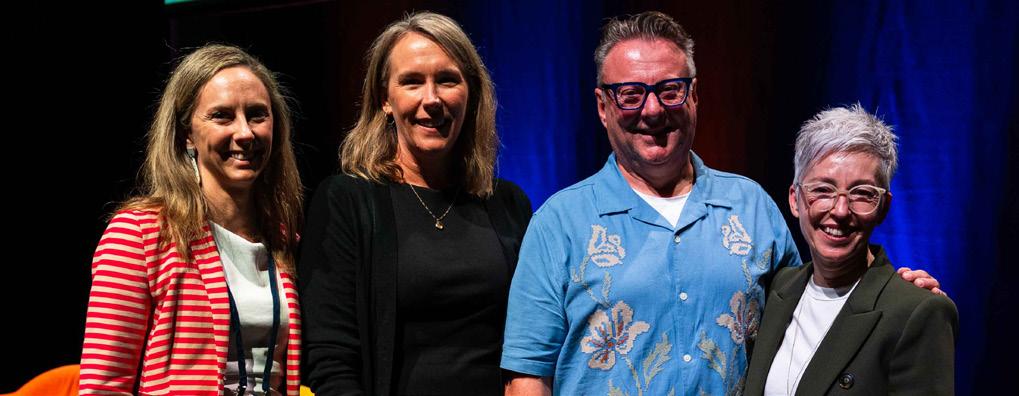
PHOTO ABOVE: Dr Laura Prendergast, Professor Anne Burke, Professor Kevin Keay and Bernadette Smith.
Post-conference review of the Australian Pain Society’s 46th Annual Scientific Meeting
Professor Tasha Stanton, Convenor of the Local Organising Committee

Can you believe it is already over?
Our much loved 46th Annual Scientific Meeting of the Australian Pain Society was held from 19 – 22 April at the Adelaide Convention Centre (ACC), next to the beautiful Linear Park along the River Torrens.
Almost 700 attendees were present, joining us from across Australia, as well as attracting international guests from Denmark, Belgium, United States, the UK, Japan, and Canada, all of whom were heartily welcomed with unseasonably warm weather that perfectly complemented the fantastic scientific program and unmissable social events.
This meeting started off with a little something new on Sunday. In addition to the much-loved multidisciplinary preconference workshops, a Consumer Event Forum was run. Organised in collaboration with Chronic Pain Australia, this event aimed to provide summaries of our new learnings about pain to both those with lived experience of pain and their family members, and brought in some well-known speakers, including Professor Andrew Rice current IASP president. Held at the South Australian Health and Medical Research Institute (SAHMRI or affectionately known as the cheese grater!), this event attracted over 40 attendees with robust discussion and lively questions. The conference then formally kicked off with the Welcome Reception at the ACC. This saw lots of laughs, hugs and greetings between colleagues and friends, paired with top notch entertainment, courtesy of the Inu Acapella Choir, who serenaded us with some of our favourite tunes.
MONDAY – DAY 1 OF THE CONFERENCE – WAS A CRACKER!
A beautiful and engaging Welcome to Country by Cliffy “Tangku Munaitya’ Wilson started us off right. We then heard from Professor Mark Hutchinson, the newly appointed Dean of the College of Health of Adelaide University, about the future of pain research both locally and in Australia, followed by IASP President Professor Andrew Rice to update about all
things IASP. The IASP Global Lecture on Neuropathic pain was shared by Dr Michael Ferraro and Dr Nadia Soliman and it reinforced the sheer quantity and nuance of the current evidence for the management of neuropathic pain.
Monday also included the inaugural “Pitch Perfect” plenary session, hosted by the infamous Professor Anne Burke, where brave APS researchers gave a 5-minute pitch on their vision for the future of precision strategies to improve neuropathic pain management, all vying for (a fictional) $100 million in funding. Facing a formidable panel of basic and clinical science researchers, they withstood challenging and left of centre questions, with all resting on the audience vote. It was a tie! The win was split between Professor Michele Sterling and Dr Daniel Harvie – congratulations! A nail biter indeed, and a beautiful representation of the talent, creativity, and multidisciplinary nature of our members. We certainly will all remember Dr Dan Harvie’s hilarious Shark Tank slide and hilarious (photoshopped) pictures of him with billionaires of dubious backgrounds to showcase his ‘investors’.
Our brilliant international speakers, Professor Yves de Koninck, and Professor Aninna Schmidt stretched our brains, providing thought-provoking talks exploring new targets for therapeutics for pain (hint: Professor Yves says chloride dysregulation!), mechanisms and management of entrapment neuropathies and the case for viewing whiplash from a neuropathic lens (from who I consider to be ‘Nerve Queen’, Professor Schmidt), as well as how light might help us to decode and control nociceptive pathways. They were also both wonderful additions to our Pitch Perfect panel – asking hard-hitting questions all around. And the cherry on top of this cake? Our wonderful national speakers highlighted again the rigour and quality of field-leading work in pain being led in Australia.
The topical symposia were of incredibly high quality. From the great endometriosis screening debate to thinking about the future and exploring the implications of artificial intelligence, we were challenged to think beyond the present and imagine what might be possible. We saw inspiring sessions on engaging those with lived experience as true research partners, as well sessions that spanned basic to clinical research, which highlights the integrative and interdisciplinary nature of our society. These were supported by the high quality of our free

paper and (record number!) poster presentations.
The social events were, of course, amazing! Our always popular “Meet the Minds” session brought together early career researchers, students, and clinicians to ask the ‘questions you aren’t meant to ask’ to our international and national invited speakers. We also had a brilliant Monday evening at Bank Street Social and a fantastically fun Gala Dinner, with Jimmy & The Mirrors, making it impossible to stay away from the dance floor!
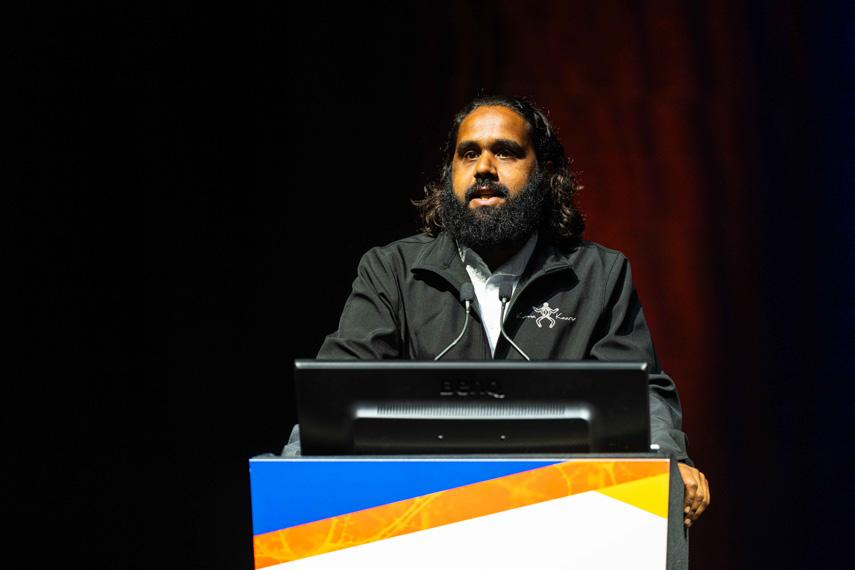
And, of course, we need to give a big round of applause to our conference award winners! Help me to congratulate:
APS RISING STAR: DR LEWIS CRAWFORD
APS BEST FREE PAPER PRESENTATION: DR JOHN-PAUL FULLER-JACKSON
Importantly, we celebrated many of our members for their incredible achievements. Two absolute giants in our field were honoured for their work and for their dedication to the APS, receiving Distinguished member awards: Professor Lorimer Moseley AO and Professor Kevin Keay. I suspect there were quite a few “not-dry” eyes in the audience as we got to hear about their impact and the values that helped them stay true and navigate to where they are today.
A huge thank you to Professor Kevin Keay who has fearlessly led the Scientific Program Committee for the last decade and will step down after this meeting. He has led with kindness, with courage, and in a manner that fosters collaboration. He is an ardent supporter of early career researchers and always made sure all voices were heard. We have repeatedly experienced the power of his leadership as illustrated by the creativity and the quality of our annual scientific conferences. Indeed, our conference is something special - and I quote Dr Lewis Crawford’s dad - “Wow, I’ve never been to a conference like this before. It’s like a big reunion. Everyone is just so happy to see each other.” What a wonderful legacy to have.
And an enormous thank you to the talented, inspiring and multi-tasking queen, Alex Robertson, as well as the rest of the brilliant DCC&A, who helped guide us to plan and make this incredible meeting happen. We have treasured working with you and have always appreciated your guidance and support as well as the
APS BEST RAPID COMMUNICATION PRESENTATION: MR MITCHELL SMITH
APS BEST POSTER: MS NAVNEET CHADHA
care with which you approach our collaboration. It was never approached as just a ‘job’, and for that you hold our utmost respect and appreciation.
As I bring this conference summary to a close, I leave you with a call to action. In the conference’s final moments,Professor Kevin Keay challenged us to “Incite this meeting to rebellion!”. So let us continue to rebel – not through grand gestures alone, but through the everyday actions that shape pain care. Let us challenge what is inequitable, push back against what is not right, and refuse to accept systems that fail people living with pain. Because our work, our voices, and the partnerships we build are not peripheral to change – they are the force that drives it. And I think it’s important that we always remember that.
ON THAT FINAL NOTE, UNTIL NEXT YEAR, FRIENDS. I LOOK FORWARD TO SEEING YOU IN 2027 AT THE GOLD COAST!
ABOVE LEFT: Dan Harvie – Pain Pitch (shark tank); ABOVE RIGHT: Welcome to Country, Cliffy “Tangku Munaitya” Wilson
Consumer Event Highlights
Bernadette Smith
As part of the Australian Pain Society’s ongoing advocacy engagement and commitment to improving outcomes for people living with pain, APS was proud to partner with Chronic Pain Australia and Pain Revolution to deliver a consumer-focused event in the lead up to the APS Annual Scientific Meeting, proudly supported by inaugural sponsor FlexEze.
Held at the SAHMRI, the event welcomed 42 attendees including people living with persistent pain, carers and supporters for a day focused on practical strategies, contemporary pain science and lived experience, all presented in accessible, plain language.
Aligned with the IASP Global Year theme and reflecting the importance of keeping the person living with pain at the centre of care, the program combined evidence-based information with practical “take-home” strategies attendees could start using straight away.
The session was warmly chaired by Flona Hodson, Vice Chair, Chronic Pain Australia and featured an engaging and enthusiastic line-up of speakers. Lance House from Pain Revolution brought energy, humour and practical insights into movement and pain education, while Professor Andrew Rice translated complex pain science into accessible and relatable discussion that resonated strongly with attendees. Andrew also encouraged participants to engage with GAPPA, the Global Alliance of Partners for Pain Advocacy, whose vision is to improve the lives of people affected by pain through better integration of lived experience into pain research, management, education, and advocacy worldwide.
Dr David Hohenschurz-Schmidt challenged attendees to think differently about pain and selfmanagement approaches, while Dr Katherine Brain and Dr Lucy Kocanda presented a fun and engaging pain session focused on practical and realistic strategies people could apply in everyday life.
Lived experience speaker and APS Director Anjelo Ratnachandra brought warmth, honesty, humour and hope to the day, with many attendees continuing conversations with him well into the breaks and panel discussions.
There was a strong sense of connection and openness throughout the event, with attendees actively engaging in discussion, sharing experiences, and asking thoughtful questions during the live panel session. Educational handouts and practical resources were eagerly snapped up, while door prizes including signed copies of Anjelo Ratnachandra’s book, and the extremely popular FlexEze heat packs disappeared quickly and definitely added to the fun atmosphere of the day.
Importantly, this was the first APS consumer event delivered following development of the Consumer Engagement policy, representing an important step in strengthening how APS engages with consumers and lived experience perspectives across its activities. APS also sincerely thanks the APS Consumer Advisory Committee for their guidance and support in reviewing and shaping the event.
While APS is not a consumer organisation, collaboration with consumer organisations and lived experience advocates is an important part of APS’s broader advocacy and engagement role.
Consistent with the principles promoted through GAPPA, these partnerships help strengthen knowledge exchange, improve pain literacy, and support greater inclusion of lived experience perspectives in pain research, education, and broader sector discussion. Events such as this reflect the value of clinicians, researchers, educators, and consumers learning from one another in a shared and respectful space.
APS looks forward to reflecting on participant feedback from this inaugural event and exploring opportunities to continue consumer engagement activities at future meetings, including the 2027 ASM on the Gold Coast.
Warm regards, Bernadette



Become a Local Pain Educator with Pain Revolution.
If you are a Health professional interested in learning more about pain and developing skills in engaging your community to start a better pain conversation, this might be for you. It’s time to unlock your potential and become a Local Pain Educator with Pain Revolution!
The 2-year training program will equip you with the skills and knowledge to make a real impact on persistent pain outcomes in your community, while increasing your confidence, job satisfaction, and ability to achieve better results with complex and challenging clients. With mentorship, resources, and a nation-wide network of support, you'll be on the path to a fulfilling and rewarding journey in helping you and your community understand persistent pain and what to do about it. Open to all registered health professionals across the globe, so don't miss out on this opportunity.
Pain Sector meeting at APS ASM
Laura Prendergast

APS 2026 saw a welcome return of the long-standing tradition of having a combined boards meeting of the Pain Sector, bringing together all the key pain organisations across Australia, New Zealand and the international community.
Chaired by the Australian Pain Society, the goal was to highlight unifying priorities for the pain sector that will drive meaningful, coordinated progress. Representatives ( to name a few) included the multidisciplinary voices of Australian Pain Society (APS) and New Zealand Pain Society (NZPS), the medical leadership of the Faculty of Pain Medicine (FPM) and the research expertise of Australian Pain Solutions Research Alliance (APSRA), the international perspective of IASP, and the consumer advocacy of Chronic Pain Australia and Pain Australia.
While the pain sector has many shared objectives, the central theme to this meeting’s discussion was the future of the pain outcomes collection across Australia and New Zealand. The electronic Persistent Pain Outcomes Collaboration (better known as ePPOC) is a world leading initiative, established in 2013 to improve chronic pain management by measuring patient outcomes in a standardised way across jurisdictions in both public and private specialist pain services in Australia and New Zealand. As is typical across healthcare and research, funding stability requires continued focus so that the benefits of this work remain visible and well supported. In recent years, pain sector organisations have provided letters of support for ePPOC to
strengthen funding through pre-budget submissions, grants and state funding bodies.
The meeting provided a valuable opportunity to discuss shared concerns about ePPOC’s sustainability and think deeply about its future. Each organisation brought its own lens and priorities, including clinical, research, consumer and multidisciplinary perspective, to highlight ePPOC’s strengths while also considering opportunities to reinforce the pain outcomes infrastructure to ensure it remains fit for purpose. Discussions also reinforced the immense human resources that have been devoted to ePPOC over the years, most notably by people living with pain, who complete the measures and provide valuable data which enables pain services to continually reflect upon and improve programs and treatment.
The face-to-face format added depth and momentum to relationships that are usually maintained across digital platforms. Members may not always realise that APS and the broader pain sector do meet regularly about many pain-related issues and initiatives like ePPOC, in order to support one another on emerging priorities, advocacy work and joint projects. Coming together in person reinforced the value of these connections and highlighted how real human interaction strengthens collaboration, drives innovation, and supports the shared commitments that underpin progress across the sector.
The meeting closed with a sense of alignment and optimism, with planned actions that are already underway at the time of writing. Knowing how important ePPOC is to pain services and people living with pain, the whole pain sector is committed to continued engagement and advocacy for its value. The Australian Pain Society will also continue to keep members informed as this work advances and further sector developments take place.
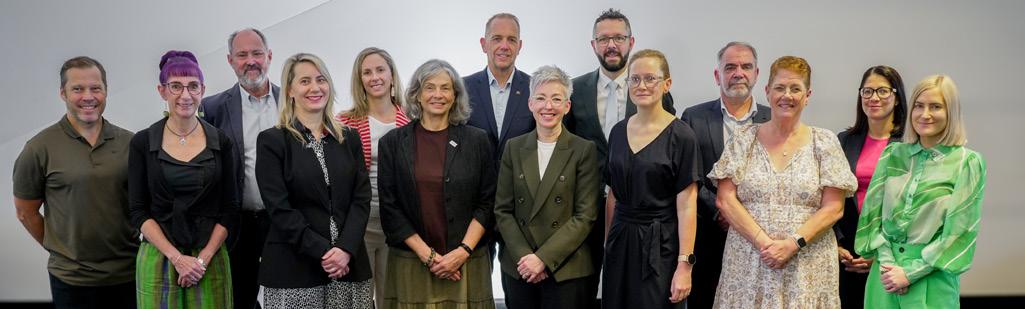
Nerves And Bone Cancer Pain: Impact Of Osteosarcoma On Nerves Inside Bone
Dr John-Paul Fuller-Jackson
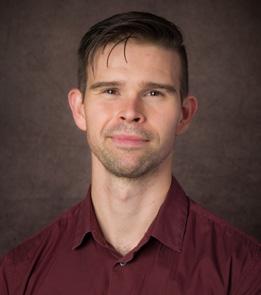
Dr Fuller-Jackson is currently a postdoctoral researcher in the Pain and Sensory Mechanisms Laboratory led by Prof Jason Ivanusic at the University of Melbourne. He is an expert in the application of tissue clearing and light sheet microscopy, a combination of techniques used to visualise complex 3D structures, nerves in particular.
Dr Fuller-Jackson, in collaboration with Prof Heegaard’s team from the University of Copenhagen, investigated the relationship between bone cancer pain and nerves inside bone. The study focused on osteosarcoma, a type of bone cancer derived from cells inside bone. Osteosarcomas are rare, but patients overwhelmingly present with bone pain. This pain starts off as a dull ache but progresses to intense breakthrough pain as the cancer degrades the surrounding bone. While treatments for the cancer itself are constantly improving patient outcomes, there are few effective options available to manage this pain. This is in part due to a limited understanding of how osteosarcoma affects the sensory nerves inside bone—the nerves responsible for signalling this debilitating pain.
Dr Fuller-Jackson applied tissue clearing and light sheet microscopy to visualise the nerves within the femurs of mice with and without osteosarcoma cells injected into the bone marrow cavity by colleagues in Prof Heegaard’s laboratory. By the time the mice exhibited pain behaviours, the impact of the osteosarcoma on the nerves inside the bone was clear. The cancer had almost completely destroyed all myelinated sensory nerves, which are protected by a myelin sheath. In contrast, unmyelinated sensory nerves remained intact despite the presence of the tumour. The pattern changes dramatically when examining nerves that wrap around the outer layer of the bone, within a
tissue called the periosteum. In femurs affected by osteosarcoma, it was the unmyelinated sensory nerves that altered, increasing in number and density, while myelinated nerves were unaffected.
This study revealed that the development of osteosarcoma pain in mice corresponds with the destruction of myelinated nerves inside the bone marrow, and the growth of unmyelinated sensory nerves outside the bone—a combination of internal neuropathy and external hyperinnervation. This research was made possible through international collaboration, and future work will investigate how early these changes occur and how long they persist as osteosarcoma develops. Ultimately, the goal is to determine whether these same nerve alterations occur in human osteosarcoma patients, and to inform future therapeutic approaches for treating osteosarcoma-related bone pain.
DECLARATION:
This work was supported by funding from the Australian National Health and Medical Research Council, EUREKA Innovation Fund Denmark (210300073B), and the Carlsberg Foundation, grant CF231620. Dr Fuller-Jackson has no conflicts of interest to declare.
BEST RAPID COMMS AWARD
Reaching Consensus On A Definition And Diagnostic Criteria For Growing Pains In Children Using Nominal Group Technique
Mitchell Smith

Mitchell Smith is a paediatric podiatrist and PhD candidate in the School of Primary and Allied Health Care at Monash University. His doctoral research focuses on supporting clinicians and families managing lower limb growing pains in children.
Imagine you are a parent of a young child who has started to complain of intense, aching pain in their legs just before bedtime, even waking up in the middle of the night with pain. While it doesn’t happen every night, it does seem to interfere with their sleep – and yours. You are naturally quite worried and take your child to see a health professional who tells you: “It’s just growing pains, it’s nothing”. Sure, the pain may not be caused by any significant disease or pathology, but that’s not exactly comforting at 2 am when you’re awoken by your distressed and crying child. Consulting with many of these families in my clinical role was the seed of my PhD research.
A growing pains diagnosis is typically given when there is no evidence of another organic cause for limb pain. Gaining accurate and clear diagnosis of growing pains is what stands between a child being managed in primary care (GP, podiatrist, physiotherapist etc.), and perhaps having multiple referrals to rheumatology, orthopaedics, or tertiary pain clinics. One of the first studies of my PhD was a scoping review of the assessment, diagnostic criteria, and outcome measures reported in studies of growing pains. We found 15 unique diagnostic criteria throughout the literature, many of which slightly contradicted each other or seemed to have been developed ad hoc by the study authors. If you are As a diligent clinician, you could go and consult the available literature, and leave more confused than when you started regarding how to confidently diagnose a child with growing pains.
Our research aimed to develop an updated, consensus-based definition and diagnostic criteria for growing pains in children. We used a modified nominal group technique (NGT) involving an online meeting with our participant panel to discuss, debate, and agree on items and statements to include in our criteria set. This study was completed with the Paediatric Musculoskeletal Global Task Force, an international collaboration of medical and allied health professionals who advocate for improved musculoskeletal health care for children. Members of this group made up a portion of our participants, and many came on board as coauthors.
Following three rounds of voting, the panel agreed on the following definition of growing pains: ‘Episodic, transient childhood musculoskeletal limb pain with no identifiable cause or sequelae, typically in the evening or night’. Nine diagnostic criteria and two additional considerations were agreed upon, forming the finalised criteria set. We hope that these new criteria will give clinicians more confidence in the identification of children with growing pains and reduce unnecessary escalation of care. As a community health clinician myself, I’m always looking for how we can support our colleagues in tertiary services by managing appropriate clients in primary care.
It was a great honour to share some of this work at the recent APS 2026 Annual Scientific Meeting with both a poster and a Rapid Communication presentation. My fellow PhD student Jessica
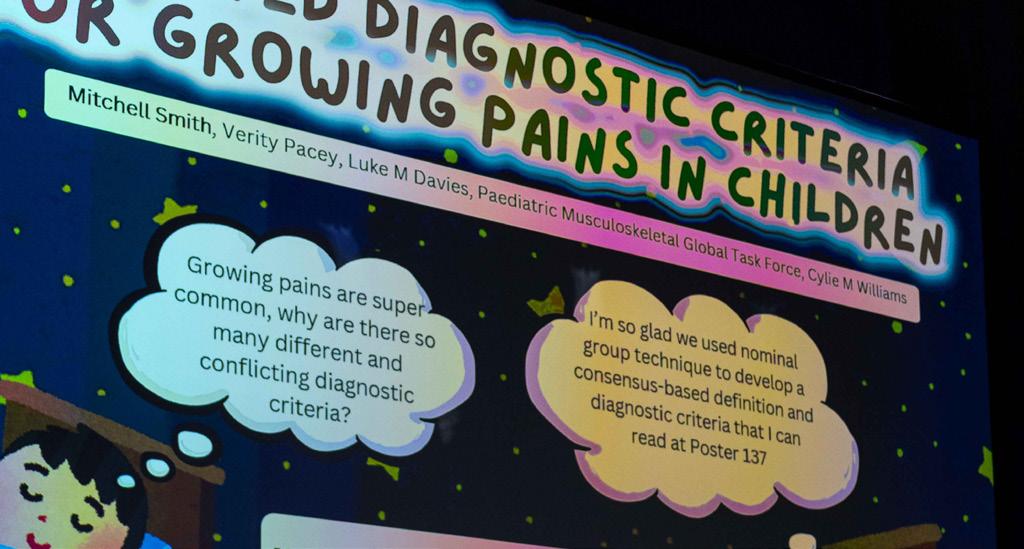
Coventry also presented her exciting work around communication frameworks for clinicians working with children with chronic pain. I am incredibly fortunate for my PhD research to be part of Kid’s Leg Pain (www kidslegpain.au), an MRFF-funded project which aims to improve outcomes for families of children with chronic lower limb pain. Keep an eye out for some of our upcoming work, including a systematic review of interventions for growing pains and interviews with children and their caregivers about their growing pains experience and priorities when seeking healthcare.
DECLARATION
* Mitchell’s research is supported by an Australian Government Research Training Program scholarship. The work discussed in this report is part of Kid’s Leg Pain, funded by a Medical Research Future Fund grant (ID #2015863).
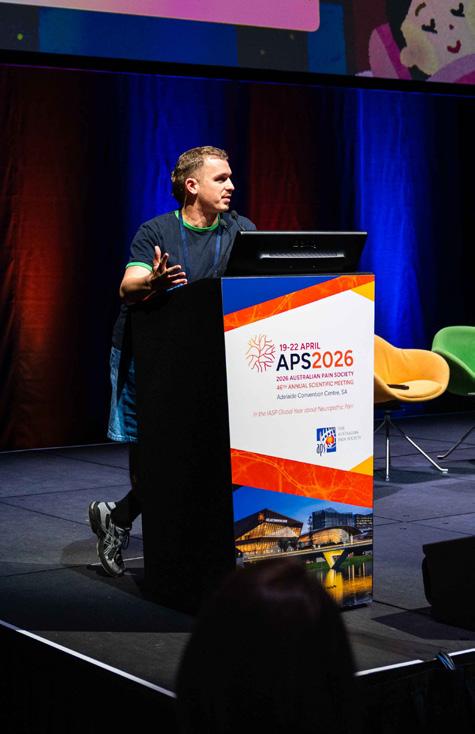
BEST POSTER AWARD
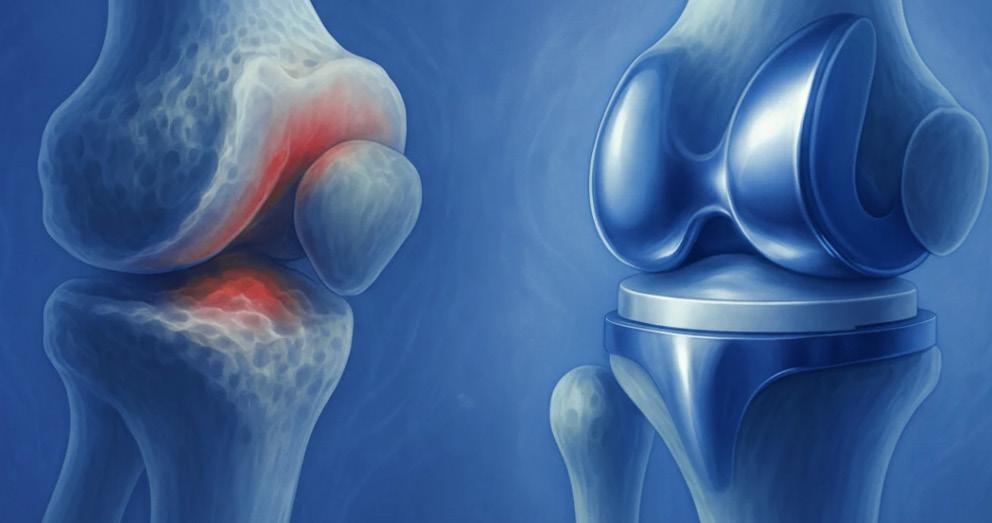
Development Of The Early Pain Intervention After Knee Replacement (epik) Model Of Care
Navneet Chadha

Navneet Chadha is a physiotherapist and second-year PhD candidate at the University of Sydney and the Institute for Musculoskeletal Health, with a focus on orthopaedic care and chronic disease management. Her research centres on developing and evaluating the EPIK model of care for people with persistent knee pain after knee replacement surgery, aiming to improve quality of life and make a meaningful difference in postoperative care management.
In Australia, approximately 70,000 total knee replacements (TKRs) are performed each year. While the procedure generally improves overall pain and function, one in five individuals continues to experience persistent pain after surgery. To address this, our EPIK research team led by Prof. Sam Adie, Dr. Giovanni Ferreira, A/Prof. Joshua Zadro, Prof. Ian Harris, and Prof. Ilana Ackerman, in collaboration with the Australian Orthopaedic Association National Joint Replacement Registry, will conduct a randomised controlled trial to test the effectiveness of the EPIK model of care for people experiencing persistent post-operative pain.
Currently, Australia does not have a structured model of care to manage people with persistent pain after TKR. However, the Support and Treatment After Replacement (STAR) care pathway has proven to be both effective and cost-efficient for people in the United Kingdom (UK). This success inspired the creation of EPIK, which stands for “Early Pain Intervention after Knee Replacement.” Before testing this new model for effectiveness and safety, it needed to be appropriately adapted for the Australian context. To achieve this, we conducted a multi-phase adaptation process alongside consumers and clinicians to ensure the model is practical and feasible in clinical practice.
The development of EPIK was structured in three stages. First, we collaborated with the UK STAR investigators to learn from their experiences, refining our initial draft across two dedicated meetings. Stage two involved extensive stakeholder
engagement. We conducted 61 interviews with a diverse group of stakeholders, including nine consumers with lived experience and a range of Australian clinicians: 20 physiotherapists, 15 orthopaedic surgeons, 14 general practitioners, two health-fund managers, and one nurse. Finally, in stage three, we held co-design workshops with a multidisciplinary team of 12 clinicians and nine consumers with lived experience of a TKR. Together, they developed practical, patient-centred strategies based on the feedback gathered in stage two.
Throughout this process, vital insights shaped the final model. The UK STAR team initially highlighted key considerations regarding telehealth delivery, surgeon engagement, and the timing of pain assessments. Subsequent stakeholder interviews revealed broad support for EPIK, though participants noted challenges to address, such as patient motivation, clinician readiness, and the overall complexity of pain management. Ultimately, the third stage concluded with unanimous consensus on the final EPIK model, with all participants emphasising the importance of patient advocacy, reassurance, and personalised, continuous care.
Meaningful end-user engagement throughout the iterative development process has underpinned the final adaptation of the EPIK model of care. The EPIK trial will involve patients with an Oxford Knee Score pain subscale score of 14 or less being randomised to either usual care or receive the EPIK model of care. Participants receiving the EPIK model of care will then receive a 1-hour telehealth consultation
with the EPIK care coordinator, during which the reasons for persistent pain will be explored, referrals to existing health services will be initiated, and up to six check-in calls will be provided over the 12-month trial period.
EPIK has the potential to become the first model of care designed to improve care coordination for Australians living with persistent pain after TKR. If proven to be both effective and cost-efficient in the upcoming trial, EPIK may transform care pathways and improve health outcomes for this population group.
DECLARATION
* Navneet Chadha is receiving funding for her PhD through the University of Sydney Postgraduate Award. The EPIK study is funded by the Australian National Health and Medical Research Council (APP2032516) and the Ramsay Hospital Research Foundation (2023TCG0048).
Annual Scientific Meeting Travel Grant
Fred Collin

Fred Collin is a second-year PhD student at Laboratory of Neuroimmunology and Behaviour at the University of Sydney. His work investigates the neuroimmune modulation of alternative and complementary therapies in preclinical and clinical models of chronic neuropathic pain. He has a curiosity for all things neuroscience.
The Australian Pain Society’s 46th Annual Scientific Meeting was the second conference I have attended. I am very thankful for the generosity of APS as their travel grant allowed me to travel from Sydney to attend. At the conference I presented a poster explaining my research into the immune dysfunction in individuals with spinal cord injury and how it is modulated following cannabidiol treatment. Before my poster presentation, I walked around the poster hall and found a couple other PhD students presenting their research that was also looking at cannabidiol for chronic pain. It was very refreshing to chat with like-minded researchers who also understood the demands of a PhD. I received constructive feedback on how my poster looked and on my presentation style, which was really helpful, as I will be presenting another poster later this year at the IASP 2026 World Congress on Pain.
I attended the meet-the-minds workshop in Adelaide which was full of valuable career, research, and life advice. I met some incredible researchers and leaders such as Associate Professor Gila Moalem-Taylor and Professor Andrew Rice. Through my conversations with them, I gained a better understanding of the importance of community and cooperation, both within your lab and with collaborators. I also attended this workshop last year and had an amazing time, so I knew I had to sign up again. I would highly recommend this workshop to any early-to-mid career researchers looking for advice. The advice I received is helping me to decide where to take my career next, whether that be continuing in research or teaching.
The conference was full of great plenary and topical sessions with wonderful presenters. Some that stuck out to me were Professor Yves De Konick’s presentation on chloride dysregulation and the
discussion on placebo and nocebo in pain by Lewis Crawford and Damien Boorman. Prof Yves De Konick did an excellent job at explaining the complex mechanisms of chloride and KCC2’s role in pain. Lewis and Damien both had engaging presentations which was complemented by an interactive questionnaire that proved the effect of placebo. Presentations like this stick with me, not only for their information, but for how I can improve my presentation skills to also present in an engaging manner. This is a big part of going to conferences in my opinion. I learn about the science at the forefront of pain and the methods that are being used to achieve these findings. I also get to learn more about how I improve my own skills which is a longer lasting type of learning, which I hope, is reflected and echoed in each and every presentation I do.
The 2026 APS conference was an amazing time with great sessions and social events. It went by so fast from the Sunday to Wednesday as I would rush off to each session circled in my calendar. The conference started with a bang as the basic pain research dinner on the Sunday night was full of great food, wine, and discussions with researchers from very different fields. This was a taste of what was to come as each day I learnt more and more about pain, both directly in my field of neuropathic pain, as well as in other fields, such as the Alyra IUD device for pelvic and menstrual pain. The gala dinner was also great, with an amazing live band. As the Wednesday rolled around, I felt melancholic yet also excited for the conference next year. I am equally excited for all the amazing presentations next year as well as the delicious dinners.
Welcome To The New APS Website – With A Fresh New Look And New Web Address!
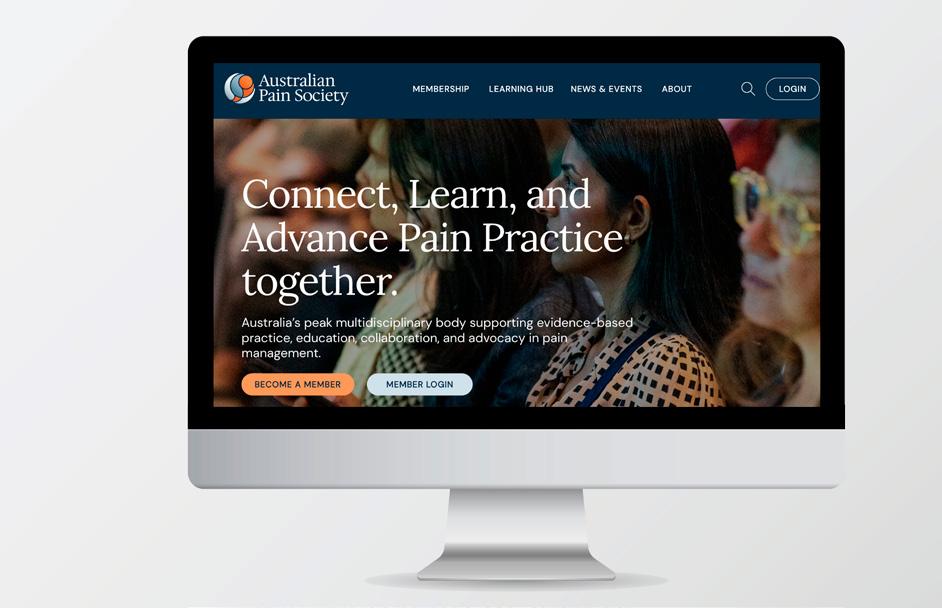
Members can now access their APS member record via the Member Login on the Home Page, or through the MEMBERSHIP menu by selecting My Member Profile.
LOGGING IN
To login, simply use the email address where you receive APS communications and select the ‘Forgot Password’ option to create your password.

MEMBER BENEFITS AND FEATURES
Once logged in, members can:
• Record, track and export CPD activities for the current year
• Access recordings of recent APS webinars — an exclusive member benefit
• View and update contact details
• Access and save their digital membership card to a mobile device
• View and download membership invoices for future renewals
TO ACCESS THESE MEMBER FEATURES: Login via MEMBERSHIP > My Member Profile
We encourage all members to explore the new website, set up their password and become familiar with the updated member portal.
We welcome feedback and suggestions as we continue to improve the member experience.
Please feel free to contact us at: office@australianpainsociety.org
Australian Pain Society — Pain
Research & Clinical Webinars
MONTHLY | FIRST WEDNESDAY | 7:00PM (AEDT, SYDNEY TIME)
A New Way to Connect, Learn and Lead in Pain Care
We have launched a new national webinar series designed to bring together clinicians, researchers, and emerging leaders across the pain community.
These sessions showcase cutting-edge research and practical clinical insights, spanning the full spectrum of pain care — from primary care to complex multidisciplinary management.
OPEN TO EVERYONE. BUILT FOR THE APS COMMUNITY.
Live webinars are free for members and nonmembers, with exclusive access to recordings available to APS members.
WHY ATTEND?
Hear directly from leading experts in pain research and clinical practice
Gain practical, evidence-based insights you can apply immediately
Stay connected with emerging trends, policy updates, and innovations
Be part of a growing, national interdisciplinary pain community
Pelvic Pain is Hiding in Plain Sight
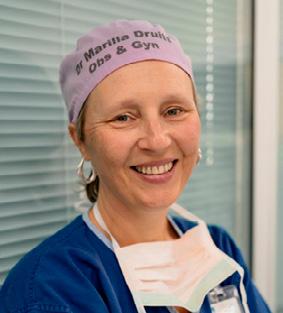
At the Australian Pain Society’s inaugural webinar, Dr Marilla Druitt offered something many clinicians need more of: a practical way into a topic that can feel complex, sensitive, and easy to sidestep.
Her focus was pelvic pain, but her message reached much further — this is not a niche issue for gynecologists alone. It is a whole-person pain problem, and one that clinicians across disciplines are already seeing, whether they realise it or not.
From the outset, the session set out to make pelvic pain more approachable for non-specialists. Marilla moved from anatomy and physiology to epidemiology, red flags, referral pathways, and system reform, all with a strongly practical lens. What emerged was a picture of a condition that is both common and routinely under-recognised. Dysmenorrhea affects 70–90% of teenagers, and around 20% of Australian adult women experience pelvic pain. Yet significant pain is still often normalized, especially when it starts early.
A central thread through the talk was that clinicians may be missing useful clues by not asking one deceptively simple question: where does the pain sit in the menstrual cycle? Dr Marilla described how pain may cluster around menstruation, ovulation, or the second half of the cycle and how symptoms like migraine, irritable bowel syndrome, and rheumatoid arthritis can also worsen with hormonal shifts. The implication was clear: the menstrual cycle is not peripheral information. It is clinical data.
Just as striking was her call to move beyond the search for a single “cause” and instead think in terms of contributors. Pelvic pain may involve the uterus or ovaries, but also the bladder, bowel,
pelvic floor, the brain, and the patient’s wider social world. This biopsychosocial framing will be familiar to pain clinicians, but Dr Marilla showed how important it is in pelvic pain care, where patients may arrive expecting a purely biomedical answer and clinicians need to bring them gently into a broader understanding.
The talk also balanced breadth with clinical caution. Red flags still matter. Cancer, infection, pregnancy, and ectopic pregnancy must be excluded, while celiac disease, inflammatory bowel disease, porphyria, and sexually transmitted infections may also sit behind pelvic pain presentations and be overlooked.
In the discussion that followed, one of the most memorable themes was that better care does not always depend on a perfect multidisciplinary clinic. Sometimes what matters most is one trusted clinician who can stay with the patient, explain options, and help them begin. Dr Marilla described the therapeutic alliance as a major part of clinical benefit and argued that patients often need a guide as much as a service map.
The webinar also located pelvic pain in a broader national moment. With the National Action Plan for Endometriosis, new pelvic pain clinics, PBS changes, and the Victorian women’s pain inquiry, reform is underway. But the session made clear that education, validation, and earlier intervention are still urgently needed.
If there was one lasting impression from the evening, it was this: pelvic pain is not a side issue. It is a common, consequential pain problem hiding in plain sight. And for many patients, progress may begin when a clinician asks a better question, takes the pain seriously, and resists the temptation to look away.
Managing Pelvic Pain In Primary Care – What To Ask, What To Assess, What To Do Next?
UPCOMING WEBINARS

Can Rodents Teach Us Anything About the Brain Mechanisms of Placebo Analgesia and Nocebo Hyperalgesia in Humans?
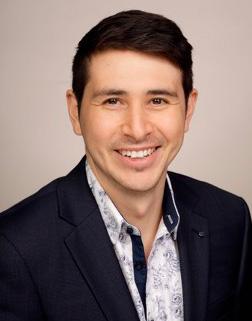
WITH DR DAMIEN BOORMAN
Can rodents experience placebo and nocebo effects like we do? And if they can, are the underlying brain mechanisms actually the same as in humans? More importantly, can studying animals truly tell us anything meaningful about how placebo and nocebo shape pain in patients? Placebo analgesia and nocebo hyperalgesia are powerful modulators of pain, yet their neurobiological basis remains difficult to study directly in humans. Animal models offer a unique opportunity to probe underlying mechanisms, but a critical question remains: how well do these models translate?
7PM AEDT, 1 JULY 2026
REGISTER YOUR SPOT
In this webinar, I will present a novel crossspecies approach designed to directly compare brain activity between humans and rodents during placebo and nocebo responses. By combining whole-brain activity mapping in rodents with neuroimaging in humans, we developed a framework to examine whether these phenomena share common neural substrates across species. This work aims to bridge a longstanding gap between preclinical and human research, providing new insight into whether animal models can reliably inform our understanding of pain modulation, and ultimately, whether they can help guide future clinical interventions.
Dr Damien Boorman is currently a CIHR Postdoctoral Fellow in the Martin Pain Lab at the University of Toronto. He originally trained in philosophy, completing a BA focused on the philosophy of mind, before transitioning into neuroscience to investigate how subjective experiences arise from brain activity. This path led him to placebo and nocebo effects, which sit at a unique intersection between brain, body, and psychology, where expectations can profoundly alter the experience of pain. He completed his PhD at the University of Sydney in the Lab of Neural Structure and Function, where he developed novel preclinical models of placebo analgesia in the context of chronic pain. His current research combines whole-brain activity mapping, functional connectivity, and cross-species approaches to identify the neural circuits underlying pain modulation, with the ultimate goal of translating findings from animal models into clinically meaningful insights.
UPCOMING WEBINARS

COMING UP NEXT
JULY
Dr Damien Boorman
Placebo analgesia: from neurobiology to chronic pain management
AUGUST
Prof Toby Newton-John Partnering with the partner: why family matters in chronic pain care
SEPTEMBER
Dr Joshua Pate
7PM AEDT, 5 AUGUST 2026
Partnering with the Partner: Why Family Matters in Chronic Pain Care WITH PROF. TOBY NEWTON-JOHN
Why family and partner dynamics are central to chronic pain outcomes.
REGISTER YOUR SPOT
How children learn what pain means, and why clinicians should care
OCTOBER
Prof Claire Ashton-James Communication and the social dimensions of pain
NOVEMBER
Prof. Damien Finniss
Harnessing Placebo Effects to Enhance Clinical Outcomes in Acute Pain
FEBRUARY 2027
Assoc Prof Gila Moalem-Taylor
APS MEMBERS RECEIVE
• Exclusive access to webinar recordings
• Ongoing learning aligned to CPD development
• Priority access to future APS education initiatives
BE PART OF IT
This series marks an important step in strengthening accessible, high-quality pain education across Australia.
Explore the full series via the new APS website

Gold Coast Convention & Exhibition Centre 13 - 16 April 2027


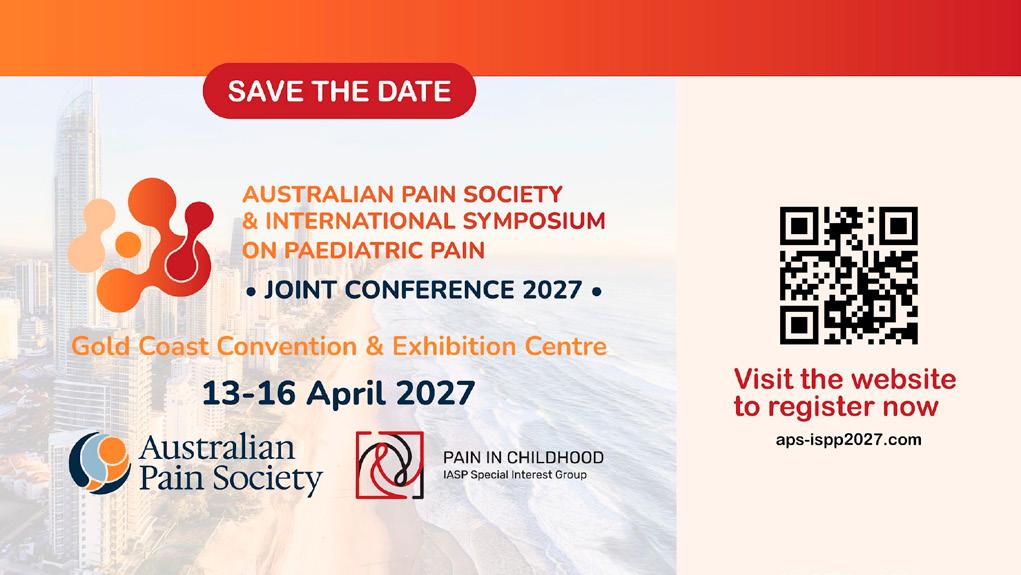


APS ASM 2027- THE GOLD COAST AWAITS
We are delighted to announce the first confirmed speakers for ASM 2027:





PROFESSOR Fiona Blythe
Dr Yann Quidé
PROFESSOR David Spanswick

Dr Hemakumar Devan
PROFESSOR Andrew Briggs
REGISTER YOUR INTEREST AND STAY UPDATED ON SPEAKER ANNOUNCEMENTS AND PROGRAM RELEASES BY VISITING THE ASM 2027 WEBSITE




Start with OPEN — An online Clinical Pain Training Program for all healthcare professionals, in partnership with the Australian Pain Society.
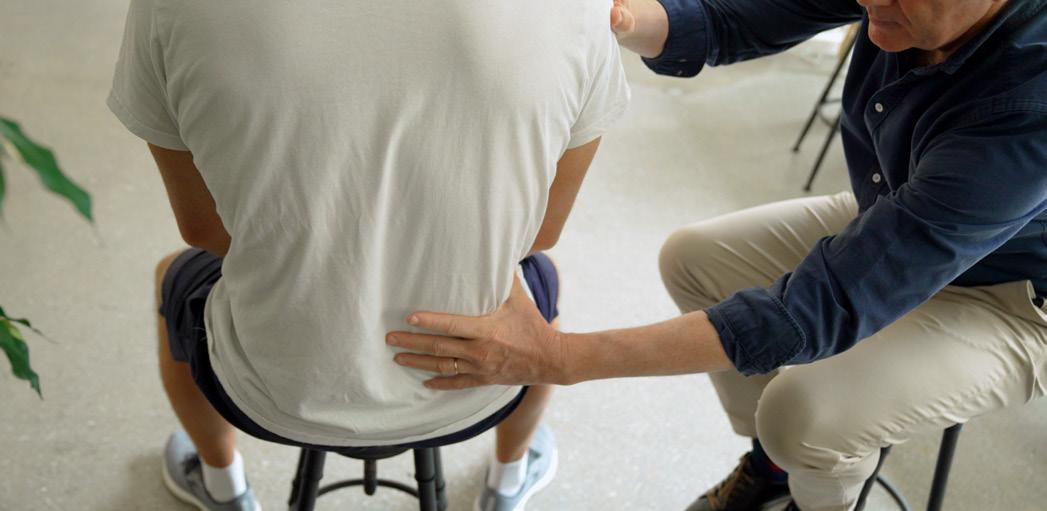

“OPEN equips clinicians with the confidence and skills to apply their knowledge at the coal face, enabling pain care to be delivered directly at the point of care.” JOYCE MCSWAN, CEO OPEN & PAINWISE










Pain is common in older people, yet it is often missed or undertreated in residential and community aged care settings.
IF STAFF DON’T KNOW THE SIGNS OF PAIN, IT CAN EASILY GO UNNOTICED — IMPACTING QUALITY OF LIFE, MOBILITY, MOOD, AND CARE OUTCOMES.
WHAT IS PAINACT?
• 7 short, pain-focused training modules
• Practical and realistic videos and conversations with staff and residents in care settings
• Designed to be delivered as simple in-service sessions by a Registered Nurse
• Suitable for residential aged care, home care, community care and NDIS providers
THROUGH PAINACT, PERSONAL CARE WORKERS LEARN TO:
• Listen to residents’ concerns
• Validate and acknowledge pain experiences
• Recognise when pain requires further action or escalation
Improve pain care across your facility with this accessible, evidence-based training program.
WHY PAIN TRAINING MATTERS




About the National Pain Survey & National Pain Week
The National Pain Survey, led by Chronic Pain Australia helps to better understand what it's really like to live with ongoing pain in Australia and what needs to change.
National Pain Week is Australia's annual week of action that raises awareness of chronic pain and it's impact on everyday life.
The theme, 'Pain Takes A Nation', aims to bring greater awareness to the vicious cycle of pain many people experience, including stigma, isolation and mental health challenges.
Chronic pain is not just physical - it affects daily life, emotions and identity.
By sharing these experiences, we aim to build greater understanding and support for those living with pain and those who care for.

Key Dates
National Pain Survey Closes 14 June 2026
National Pain Week 26 - 31 July 2026
SURVEY CLOSES 9 AUGUST 2026
About the Kids in Pain Survey & Kids in Pain Week
The inaugural Kids in Pain Survey is a national research initiative designed to capture the lived experiences of children, parents, and carers navigating paediatric pain. This data will help inform policy, improve clinical care, and guide future research. By sharing their stories, families can help shape a better future for all children living with pain.
Kids in Pain Week is an initiative by Chronic Pain Australia to raise awareness for the 1 in 5 children living with chronic pain.
The week highlights the invisible struggles of paediatric pain, including severe impacts on school, sleep, and social participation. It advocates for better care, education, and support for affected
Calendar of Events
June
23–24 JUNE 2026
Occupational Therapy Australia
OT Exchange 2026: From Ideas to Impact
Brisbane Convention and Exhibition Centre, Brisbane, QLD
July
19–22 JULY 2026
Rehabilitation Medicine Society of Australia & New Zealand
RMSANZ 2026 9th Annual Scientific Meeting –Bridging the Rehabilitation Gaps
Darwin Convention Centre, Darwin, NT
26—30 JULY 2026
Chronic Pain Australia
National Pain Week
National Pain Week is Australia’s annual week of action that raises awareness of chronic pain and its impact on everyday life.
August
07–09 AUGUST 2026
Neuromodulation Society of Australia & New Zealand
2026 NSANZ 19th Annual Scientific Meeting
Sheraton Grand Mirage Resort, Gold Coast, QLD
September
14–16 SEPTEMBER 2026
National Rural Health Alliance 18th National Rural Health Conference
Equity & Innovation: shaping rural health, disability & ageing
Adelaide Convention Centre, Adelaide, SA
October
3 OCTOBER 2026
Faculty of Pain Medicine (FPM)
Spring Meeting
RACV City Club, Melbourne
16 OCTOBER 2026
Pain Nurses Australia (PNA)
Annual Professional Day
Rydges Southbank, Brisbane
26–30 OCTOBER 2026
International Association for the Study of Pain (IASP)
IASP 2026 World Congress on Pain
Bangkok International Trade & Exhibition Centre (BITEC), Bangkok, Thailand
November
15—19 NOVEMBER 2026
Australian Pain Society
2026 PainSTAR — Pain School for Translation and Research
Novotel Barossa Valley Resort, Adelaide Hills
PROMOTE YOUR EVENTS THROUGH APS COMMUNICATIONS
The Australian Pain Society is pleased to support the promotion of conferences, workshops, educational activities and events relevant to the pain community.
If your organisation has an upcoming event, initiative or opportunity you would like shared with APS members through the APS newsletter, website or social media channels, we would be happy to hear from you.
APS also welcomes opportunities to promote APS initiatives and events through partner and stakeholder newsletters and communication channels as part of a reciprocal communications approach across the broader pain sector.
To discuss opportunities for cross-promotion or to submit content for consideration, please contact: office@australianpainsociety.org
Australian Pain Society Directors






President
Mrs Bernadette Smith
Psychology Plus
South Burnie TAS 7320 03 6431 9959 03 6431 9950
President Dr Laura Prendergast
Persistent Pain Management Service
Northern Health
Broadmeadows VIC 3047 03 8345 5166
Workdays Mon & Thu
Secretary Ms Jacintha Bell
Lifeworks Occupational Therapy
Mount Lawley WA 6050 0451 178 880 08 6323 3329
Treasurer & SPC Co-Chair
Dr Duncan Sanders
Pain Management Unit, Sydney Medical School, University of Sydney/Managing Pain Clinic and E3 Physio Gold Coast QLD 07 5620 1234 07 3009 0420
ACT Director Mr Anjelo Ratnachandra
Beyond Pain Pty Ltd
Belmont VIC 3216 0400 202 803
NSW Director
Dr Connor Gleadhill
Department of Health and Aged Care
Primary Care Division
Newcastle NSW 2308 0405 203 661






NT Director
Dr Amelia Searle
Flinders Medical Centre Pain Management Unit
Bedford Park SA 5042 08 8204 5499 08 8204 5440
QLD Director
Mrs Karla Wright
Fernvale Priceline Pharmacy
Fernvale QLD 4306 07 5427 0695 07 5427 0698
SA Director
Ms Heather Gray
Royal Adelaide Hospital
Adelaide SA 5000 heather.gray@sa.gov.au
TAS Director
Mr Sinan Tejani
Launceston General Hospital
Launceston TAS 7250 0469 967 841
VIC Director Dr Alison Sim
10 South Sports Medicine
Geelong VIC 3220 0488 988 315
WA Director
Dr Katrina Liddiard
Senior Lecturer
Edith Cowan University Joondalup WA 6027
Australian Pain Society Office Bearers






Immediate Past President
Mrs Joyce McSwan
Gold Coast Primary Health Network
Persistent Pain Program, QLD and PainWISE 0412 327 795 07 3539 9801
SPC Co-Chair
Dr Karin Plummer
Research Fellow
Queensland Children’s Hospital, Department of Anaesthesia and Pain
Brisbane QLD
IASP Liaison
Professor Fiona Blyth AM
Sydney School of Public Health
Faculty of Medicine and Health
University of Sydney Camperdown NSW 2006
Fiona.blyth@sydney.edu.au
Communications Coordinator
Mrs Bernadette Smith
Psychology Plus South Burnie TAS 7320 03 6431 9959 03 6431 9950
Newsletter Editor Clinical A/Prof Kylie Bailey
Sagacity Services
Mount Hutton NSW 2290 0447 905 085
Newsletter Assistant Editor
Dr Joanne Harmon
School of Clinical and Health Sciences
University of South Australia
Adelaide SA 5000 08 8302 1442


Emeritus Professor Maree Smith AC
Centre for Integrated Preclinical Drug Development
University of Queensland St Lucia QLD 4072
Professor Luke Henderson
Anatomy & Histology, School of Medical Sciences
Brain & Mind Centre
University of Sydney Camperdown NSW 2006
The Australian Pain Society is a multidisciplinary association whose purpose is to advance pain management through education, research, and advocacy for transformational improvements in clinical care.
EMAIL US YOUR FEEDBACK GET IN TOUCH VISIT APS WEBSITE