


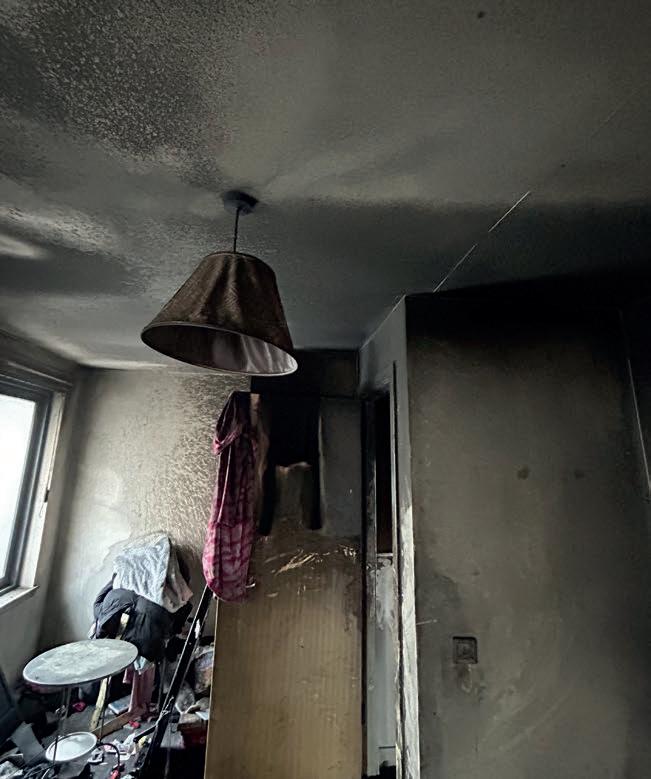
This devastating image shows the aftermath of a recent house fire at a Melville Housing Association property and underscores the vital importance of fire and carbon monoxide protection at home.
The fire started after a lighter was left on the bed, with it moving through the upstairs rooms and activating the Aico 3000 Series alarms. Thankfully, the alarm sounds were heard by quick-thinking neighbours, who were able to alert the residents so they could evacuate safely.
Due to the AudioLINK+ function of the fitted Aico alarms, the landlord was able to review a range of vital data after the incident, showing a peak temperature of 102°C and a CO level of 450ppm within the home.
Aico’s Relationship Manager, Rory Fraser, was shocked by the extensive damage to the property when he visited with MHA to retrieve data from the still-operational Aico alarms. This incident is a powerful example of Aico’s unwavering commitment to developing life-saving products that deliver when it matters most.









Hello and welcome to the September issue of ECN!
The IET and BSI are calling on all electrical professionals to share their thoughts on Amendment 4 of BS 7671, the Wiring Regulations.
Amendment 4 is set for release in 2026 and will bring in changes to harmonised standards at the European level that the UK needs to adopt. Until then, electrical installers need to have a copy of the ‘brown book’ (Amendment 2, 2022) and the new free PDF bolt-on, Amendment 3 (2024).
The Draft for Public Consultation (DPC) for Amendment 4 kicked off on 7 August. The proposed changes cover a range of areas, like requirements for Stationary Secondary Batteries, low voltage generating sets, power over ethernet, energy efficiency, and more, reflecting rapid advancements in technology.
The DPC can be viewed on the BSI portal at standardsdevelopment.bsigroup.com and you can give your feedback here too.
The consultation period wraps up on 3 November 2024 – please take a look at the proposed changes and send in your comments by this date.
I’m sure you’ve noticed that this issue is a big one – 92 pages, in fact! There is a lot to talk about in the industry right now, as you’ll find out as you read through all of the news, projects and new product releases, as well as our special features on Circuit Protection & Switchgear; Software & Apps; Sustainability/Circular Economy; and Wiring Accessories.
This month I speak to Electrical Safety First’s Richard Harvey in our monthly Interview, and our Ask the Expert column is back, with Sultana Rahman from Sevadis discussing how electricians can overcome common challenges when it comes to installing EV charge points.
And if you’d like to get your hands on a programmable thermostat courtesy of Sanagamo, please don’t forget to enter this month’s competition!
I hope you enjoy the issue – see you next month!
T: 01634 673163
CARLY WELLER
E: carly@allthingsmedialtd.com
DEPUTY EDITOR: SIMON ROWLEY
T: 01634 673163
E: simon@allthingsmedialtd.com
GROUP ADVERTISEMENT MANAGER:
KELLY BYNE
T: 01634 673163
E: kelly@allthingsmedialtd.com

STUDIO: MARK WELLER
T: 01634 673163
E: mark@allthingsmedialtd.com
MANAGING DIRECTOR: DAVID KITCHENER
T: 01634 673163
E: david@allthingsmedialtd.com
ACCOUNTS
T: 01634 673163
E: susan@allthingsmedialtd.com


PRIMARY SCHOOLS SECONDARY SCHOOLS
FURTHER EDUCATION
HIGHER EDUCATION

Choose the education lighting specialist. Choose NVC Lighting.
NVC Lighting understands the demands of lighting educational establishments. From classrooms and laboratories to corridors, sports halls, car parks, and beyond, installing the correct lighting ensures not only a safer environment but one that enhances student well-being and cognitive performance.
Our lighting products offer unrivalled efficiency to help lower energy bills and vastly improve site sustainability. Our extensive product range, which includes low glare solutions, means that NVC Lighting can help you create the perfect learning environment. Plus, with our market-leading 7-year warranty, you can trust that our products are designed to stand the test of time, providing long-term reliability and peace of mind.
According to the latest data from MCS (Microgeneration Certification Scheme), the UK has now reached 250,000 all-time certified heat pump installations.
It is a major milestone in the UK’s adoption of small-scale renewables, and the latest data highlights that uptake is gathering pace. From January to July 2024, more than 30,000 certified heat pumps were installed in homes and small businesses across the UK, which is a 45% increase compared to the same period in 2023 and puts 2024 on track to be a record-breaking year for the technology as more people transition to cleaner, greener heating solutions.
The Boiler Upgrade Scheme (BUS) remains a vital part of making heat pumps more affordable and accessible. Recent government figures show that Boiler Upgrade Scheme applications
Develop Training has announced the launch of a confined space safety campaign aimed at Small and Medium-sized Enterprises (SMEs).
are up 73% from January to June 2024 compared to the same period in 2023, with a total of 14,554 BUS applications submitted in the first six months of 2024. This reflects the growing number of consumers across England and Wales who are taking advantage of the incentive, which provides £7,500 towards the installation of a heat pump and requires it to be MCS certified.
For those in Scotland, the Home Energy Scotland (HES) Grant and Loan offers a similar incentive, with grants up to £7,500 for heat pump installations, and up to £9,000 for households that qualify for a rural uplift.
Ian Rippin, CEO of MCS, says, “It’s great to see the growing number of consumers across UK who are switching to heat pumps to heat their homes. Clearly, there is still some way to go in

order to achieve the target of 600,000 annual heat pump installations by 2028, but with the BUS running until March of
The initiative includes an online toolkit designed to enhance workplace safety and ensure regulatory compliance.
The newly launched confined space safety toolkit is a vital resource for SMEs, Develop says, as it provides them with the information and tools needed to navigate the complexities of the Confined Space Regulations 1997.
The toolkit is available on Develop’s website and is designed to help businesses understand their legal obligations, identify confined spaces, implement appropriate safety measures, and access necessary compliance training.
“Our goal is to ensure that all businesses, regardless of size, have the resources and knowledge to keep their employees safe,” says Kate Denial, Operational Training Manager at Develop Training. “Confined spaces pose significant risks, and it is crucial that employers are aware of their legal responsibilities to recognise these dangers and know how to manage them effectively.”
The campaign highlights several key aspects of confined space safety:
• Understanding legal obligations
• Identifying confined spaces
• Implementing safety measures
• Access to training
Develop Training, developtraining.co.uk


JTL, an independent apprenticeship provider in the electrical and plumbing trades, is set to break ground on a new state-of-the-art training hub in Preston.
The company says that the investment highlights its commitment to enhancing local employment opportunities and addressing the critical skills gap in the region.
Located in Cable House just outside Preston city centre, the new Preston Training Centre will offer first-class training facilities designed to provide high-quality apprenticeships in both electrical and plumbing, equipping learners with future-proofed skills for the industry.
The region has seen an increase in shortages in the number of electricians and plumbers in recent years.
JTL Preston will integrate training on green skills – for example, electric vehicle charging techniques, solar PV installation and battery storage – reflecting JTL’s commitment to sustainability and the evolving needs of the industry.
Previously a call centre, the site is soon to be refurbished and will feature industry standard workshops, teaching rooms and exam preparation resources. Initially, it will offer four electrical courses and one plumbing course, training 256 electrical and 64 plumbing apprentices over a four-year apprenticeship cycle, with the potential for further expansion. It has excellent transport links, and a dedicated JTL team in place to provide tailored support both to learners as they embark on their apprenticeship journey and also employers as they take on an apprentice.
The centre is also supporting the creation of 12 training officer and tutor roles and is set to welcome its first cohort of apprentices in early 2025. JTL, jtltraining.com

the same year, consumer demand looks set to continue rising.”
MCS, mcscertified.com
Toolstation has launched its ‘Raise Your Skin Standards’ campaign which is designed to raise awareness of sun protection for tradespeople when working outdoors.
The campaign features images of plaster cracking and flaking, alongside striking statistics on how tradespeople are affected by skin cancer. Meanwhile, the text on the advert reads: “Cracking – you wouldn’t leave a site like this, so why let it happen to your skin? Stand up to skin cancer with sun protection on site”.
The campaign launched as research from Toolstation found that one in four (24%) tradespeople never wear sunscreen when on the job, despite 68% always (or often) wearing it while on holiday. The poll of tradespeople also found that 59% of customers who work in a trade had suffered from sunburn while working outside.
Half (50%) of trade customers who rarely or never wear sunscreen when working outside in the summer said they don’t wear protection because they forget or don’t think about it, while 14% don’t think they need it. The same proportion (14%) opt against wearing it because they believe it to be inconvenient.
Greg Richardson, Head of Marketing at Toolstation, says, “We know that tradespeople don’t have much time on their hands, so prioritising suncare can be difficult – but it’s really important that tradespeople are well informed about the implications of being burnt while working in the sun and the steps they can take to minimise that risk. We hope the campaign helps them overcome that risk and will make wearing sun cream when working outdoors as common as PPE.”
Toolstation, toolstation.com


The Ovia® Sentro range is ideal for lighting larger outdoor areas, with an IP65 rating they can withstand any weather. Supplied in a black finish as standard and is available in 10W, 20W, 30W & 50W standard or PIR variants.


During A-level results week in August, ECA highlighted the importance of electrical apprenticeships in the move to low carbon technologies and net zero.
ECA is putting the need for more electrical apprentices firmly at the centre of the new government’s agenda. The association has recently launched the Electrical Skills Index – a dataset analysing how many people in England are starting classroom-based courses compared to apprenticeships – to highlight the areas of the country facing a shocking shortage of electrical skills.
The Electrical Skills Index shows constituency by constituency how newly elected MPs in England can champion electrical apprenticeships in their area.
A career in electrical engineering, design or installation can open a whole world of opportunities, ECA says, and it all starts with an apprenticeship.
ECA’s own Technical Director, and former President, Mike Smith began

his electrotechnical career at 15. He comments, “Undertaking an electrical apprenticeship was the best decision I ever made. It gave me the opportunity to learn about electrical theory and the
Heating and hot water expert, Baxi, has announced a record sponsorship deal with EFL Championship newcomers, Oxford United FC, which will see the company become the club’s principal partner from the start of the 2024/25 season.
As part of the new deal, Baxi branding will feature across the front of Oxford United’s men’s and women’s first team kits, along with replica shirts for both adults and juniors.
In addition, as principal partner, Baxi branding will also be present across the Kassam Stadium and its hospitality areas, as well as on the club’s website. Baxi will also work with Oxford United to deliver marketing campaigns across social and digital platforms to engage with the club’s growing fanbase, including those featuring the club’s and Baxi’s mascots, Ox and Baxter.
Baxi’s partnership with the club will also see the company increase its engagement with homeowners, heating professionals and businesses in the region. Both organisations also carry ambitions for growth into a sustainable future. Baxi’s support for low carbon heating solutions is also echoed by Oxford United’s plans to deliver the UK’s first all-electric stadium. Baxi, baxi.co.uk

practical elements of how to install various cabling methods, containment, switchgear and electronics.
“Far from restricting career choices, undertaking an apprenticeship has opened so

New research from Drayton has found that a fully-zoned smart heating control system is the most cost-efficient way to reduce carbon emissions from heating systems.
By developing a marginal abatement cost curve (MACC), the research from Drayton compares the cost-efficiency of heating controls against other energy efficiency measures, like loft and cavity wall insulation.
Research shows that for the average UK household, a heating system with a full multi-zone heating control solution can save £187 per tonne of CO 2e (emitted CO 2) reduced. This means that the system not only lessens CO 2e emissions, but also creates significant cost savings on energy bills over its lifetime thanks to its short payback period.
To achieve these results, a full smart-zoned heating control system should include a timer, smart thermostat and individual room control achieved with radiator thermostats.
This is compared to solid wall insulation and other fabric measures, which were found to produce a positive MAC, meaning that it costs more money to reduce carbon emissions using these technologies. Drayton, draytoncontrols.co.uk
many doors for me and allowed me to develop as I wanted, at a pace that suited me.”
ECA, eca.co.uk
Trimble, an industrial technology company, is to host a Connected Construction Conference in London this autumn.
Taking place at Hilton Bankside on 17 October 2024, the event will cover every stage of the project cycle from concept to construction, showcasing the latest digital trends, innovations and industry-leading software suites.
Aimed at construction professionals and free to attend, the one-day conference will guide attendees through every stage of the construction process, demonstrating how Trimble’s range of solutions combined with industry insights can streamline processes, improve collaboration and deliver results.
With a packed agenda, the conference will feature keynote presentations from leading experts in their field, interactive sessions, live software demonstrations, product masterclasses, customer stories and engaging panel discussions on a range of topics, including The Building Safety Act, AI & Technology Trends, and the value of Connected Construction. Many of the sessions will also feature a live Q&A, in which attendees are encouraged to ask questions and open up a dialogue with industry leaders in order to expand their knowledge base.
You can register your free place at the event on the Trimble website.
Trimble, construction.trimble.com








At a time when demand for qualified electrical professionals has never been higher, Scotland’s largest construction trade association, SELECT , has launched a much-anticipated new online employment resource to help companies source key personnel.
The body is introducing an easy-to-use, free jobs board to allow its 1,240 member firms to advertise vacancies directly on the front page of the SELECT website. Adverts include the full job description and details of how to contact the company to find out more.
The new tool has already been widely welcomed by employers in an industry which has been facing significant skills shortages, fuelled by the fact that electricity and electrotechnology underpin every aspect of modern Scottish society.
The industry in the UK employs more than 208,000 people and, according to the latest market intelligence published by the Electrotechnical Skills Partnership, sector growth will require an additional 33,000 workers by 2027.
During its first few weeks of operation, member firms across Scotland have submitted a number of vacancies for staff including electricians, fixed wiring testing and inspecting engineer, E&M electrical craftsperson and trainee quantity surveyor.
To ensure the widest reach, the board has been made public, with SELECT only hosting vacancies for members and all applications made directly to the relevant firm.
SELECT, select.org.uk
The latest NAPIT publication, NAPIT Practical Guide: Solar Photovoltaic Systems, is now available for purchase.
The title has been created to assist electricians and renewable contractors with a practical understanding of solar photovoltaic (PV) systems including design, selection, installation and commissioning of solar PV systems.
The publication provides practical guidance on the maintenance and fault finding of solar PV systems, using a simple approach to finding the faults that may occur and how to rectify them.

The digital edition has already been released, and printed copies of the guide are available to pre-order and are due out on 9 September. The pre-sale price, which is in place until 13 September, is set at £25.
The latest NAPIT Practical Guide features:
• Overview of Solar Photovoltaic Systems
• Scientific Principles of Solar Photovoltaic Energy
• Requirements, Standards and Guidance for Solar Photovoltaic Systems
• Solar Photovoltaic Systems and Component Parts
• Solar Photovoltaic Design
• Solar Photovoltaic Installation
• Solar Photovoltaic Commissioning
• Solar Photovoltaic Maintenance and Fault Finding
From the concept of design of a solar PV system, the guide covers expected performance, PV self-consumption and grid independence to the array mounting and roof interactions, and on to the cable type, location, connections and inspection and testing.
The digital and printed versions can be purchased from napitdirect.co.uk. NAPIT, napit.org.uk

Gary Lynch from Birmingham, Richard Pullen from Banwell and Steve Cook from Wallasey have reached the semi-finals of Screwfix Top Tradesperson 2024.
Gary, 33 (pictured right), who owns Lynch Electrical Services, has more than 17 years’ experience working in the trade. He showcased resilience, dedication and ambition in the initial application, which secured him a place in the semi-finals for the national award.
Gary was inspired to start his own business after a knee injury left him unable to walk for 12 months. Since setting up his business in 2021, Gary has worked tirelessly to ensure that it delivers high quality workmanship and outstanding customer service.
Richard, 39, works for PB Design and Developments, and has more than 12 years’ experience working in the trade. Having retrained as an electrical engineer, Richard previously worked as a telecommunications operator for The Royal Corps of Signals in the Army for over a decade. He then moved to PB Design and Developments, where his passion for electrical works took off, specifically, carrying out installation work for hospitals and on the London Underground.
Steve, 48, who owns S.C. Electrical Contractors, has been working in the trade for more than two decades. Working across

the Wirral area, Steve works with his son, a second-year apprentice, and both pride themselves on the strong reputation they have built for their business.
Each will now compete against 26 other top tradespeople from across the UK and the Republic of Ireland for a chance to be shortlisted as a finalist.
If successful, they will become one of just 10 finalists to take part in the in-person final to be held at Screwfix LIVE on 27 September 2024. Here, a panel of industry experts will put each tradesperson through their paces before selecting this year’s overall champion.
The winner will be crowned Screwfix Top Tradesperson 2024 and take home a fantastic trade bundle made up of tools, tech and training worth £20,000/€20,000. Screwfix, screwfix.com


As GCSE results were released at the end of August, NICEIC encouraged businesses to tap into a pool of potential new recruits.
The electrical industry is experiencing significant growth, driven by the UK’s ambitious net zero targets and the surge in demand for sustainable energy solutions. As electricity becomes the primary energy source for homes, businesses and transport, advancements in generation and storage technologies are creating a wealth of opportunities for young people.
School leavers entering the workforce through the likes of apprenticeships and training courses are able to bring fresh perspectives on this through their strong desire to learn. By investing in their training and development, businesses can cultivate a highly skilled and future-proofed workforce.
Paul Collins, NICEIC Technical Director, says, “Businesses investing in young talent is essential for the future of the electrical and energy sector. School leavers bring a fresh perspective and a strong work ethic, making them valuable additions to any business. By providing opportunities for training and continued professional development, companies can create a future-proofed and skilled workforce.
“As the UK looks to businesses to step up and achieve its net zero goals, the demand for skilled electricians and engineers is continuing to grow, creating ample opportunities for those looking to take on new talent to close the existing skills gap.”
NICEIC encourages businesses to explore the benefits of recruiting school

leavers for electrotechnical roles. By investing in their training and development, businesses can secure a pipeline of skilled
Scientists at Oxford University Physics Department have developed a revolutionary approach which could generate increasing amounts of solar electricity without the need for silicon-based solar panels. Instead, their innovation works by coating a new power-generating material onto the surfaces of everyday objects like rucksacks, cars and mobile phones.
Their new light-absorbing material is, for the first time, thin and flexible enough to apply to the surface of almost any building or common object. Using a pioneering technique developed in Oxford, which stacks multiple light-absorbing layers into one solar cell, they have harnessed a wider range of the light spectrum, allowing more power to be generated from the same amount of sunlight.

This ultra-thin material, using this ‘multi-junction’ approach, has now been independently certified to deliver over 27% energy efficiency, for the first time matching the performance of traditional, single-layer, energy-generating materials known as silicon photovoltaics.
“During just five years experimenting with our stacking or multi-junction approach we have raised power conversion efficiency from around 6% to over 27%, close to the limits of what single-layer photovoltaics can achieve today,” says Dr Shuaifeng Hu, Post Doctoral Fellow at Oxford University Physics. “We believe that, over time, this approach could enable the photovoltaic devices to achieve far greater efficiencies, exceeding 45%.”
This compares with around 22% energy efficiency from solar panels today (meaning they convert around 22% of the energy in sunlight). At just over one micron thick, it is almost 150 times thinner than a silicon wafer. Unlike existing photovoltaics, generally applied to silicon panels, this can be applied to almost any surface.
The researchers believe their approach will continue to reduce the cost of solar and also make it the most sustainable form of renewable energy.
Innovations promise additional cost savings as new materials, like thin-film perovskite, reduce the need for silicon panels and purpose-built solar farms. Oxford University, ox.ac.uk
talent and contribute to the industry’s continued growth.
niceic.com
Scolmore Group has announced the appointment of David Bates as the company’s new Director of Operations and Logistics. David will have responsibility for overseeing all operations in the warehouse and comes to Scolmore Group with a wealth of experience, having worked for more than 25 years within operational management roles for a range of organisations in the UK and Europe.
C-TEC has announced the appointment of Riah Winstanley to its Internal Sales Team. With three years’ experience in C-TEC’s manufacturing facility, most recently as a Team Leader, Riah already has a wealth of knowledge about the company’s life-safety systems. Riah will focus on creating new business relationships and providing the highest levels of customer support.
NVC Lighting has welcomed four new Area Sales Managers and a new Key Account Manager. Mark Compton, Billy Foster, Aaron Chandi and Andrew Dear join NVC Lighting as Area Sales Managers with extensive sales backgrounds in the lighting sector. Mark Holman has joined the company as Key Account Manager, responsible for building contractor relationships and growing project opportunities.
SELECT has appointed Catherine Gillon as its new Director of Employment Affairs and Secretary of the SJIB. Catherine is a highly accomplished HR professional with almost 30 years’ experience and her role at SELECT will encompass delivering expert employment guidance to members, shaping industry policies and liaising with trade unions.

An interlinked fire alarm system recently played a vital role in saving the life of a tenant living in a social housing property in Scotland.
Neighbours were alerted to the fire in Mayfield, Dalkeith, when home safety specialist Aico’s Multi-Sensor Alarm was activated and began to sound. While the resident was initially unable to respond, neighbours who heard the alarms through the wall were able to wake them so they could get to safety.
The fire started in the main bedroom of the property, which is owned by Melville Housing Association, whilst the occupant slept downstairs.
The flames moved quickly through to the upstairs hallway and activated alarms which were interlinked and located throughout the property.
Thanks to the AudioLINK+ function of the Aico 3000 Series alarms, the landlord was able to review the data following the incident, which showed a peak temperature within the home of 102°C, with carbon monoxide levels of 450ppm (parts per million) – nine times over the safe limit.
David Todd, Property Manager for Melville Housing Association, says, “After speaking with the fire service, neighbours and the tenants of the property, it’s clear that the smoke and heat detection is very likely to have saved the occupant’s life. The fire started in the upstairs of the property with all alarms sounding due to being interlinked. The occupant, who has complex needs, was unable to recognise the dangers, however, neighbours alerted him by banging on the door and signalling through the window.
“Thankfully, the occupant was ushered away to safety and is now fine.
“The neighbours were alerted due to the noise from the alarms themselves. With us being able to take readings off the smoke alarms, which showed temperatures of over 100°C and carbon monoxide being nine times the safe limit, it left us in no doubt that the alarms were working, did their job, and played a significant part in keeping everyone safe.
“The law on fire alarms means all Scottish homes need to have interlinked alarms, which this incident has proved is very important.”
Neal Hooper, Managing Director at Aico, says, “Lives were saved, which is the most important thing. This really brings home the importance of life safety and of having things in your home which give you peace of mind every time you go to bed.
“If the alarms had not alerted the neighbours and, ultimately, the tenants, a tragedy would surely have occurred. Instead, everyone was evacuated from the property and did not come to any lasting harm.
“Fire and carbon monoxide alarms are critical life safety devices, and this example, along with many others, is testament to the hard work and dedication we give to our products to ensure they perform as expected when they are needed. Too often people will wait until there is increased legislation and regulation before they are forced into taking life safety seriously. We do need better and clear legislation, but at the same time there are relatively inexpensive options which can be fitted to give you peace of mind.”

All Aico alarms are manufactured in-house at its factory in Shannon, Ireland, and each alarm is individually tested
multiple times before it leaves the factory to ensure high quality functionality and quick responses.
“This incident illustrates the importance of everyone having functional, compliant smoke alarm and CO systems in their home,” Neal adds.
“People often think nothing like this will happen to them, but it can, and it’s important to stress to regularly test all of their alarms to make sure they’re working and to check their expiry date.”
Melville Housing Association has been working with Aico for a number of years and about 95% of alarms in its properties have been supplied by the manufacturer.
“Aico facilitates a number of roundtable events with housing associations which are very well received and where we are able to share important knowledge about fire safety including smoke alarms and fire doors,” David adds.
Aico, aico.co.uk
Simple and intelligent, the 3000 Series provides whole property coverage.


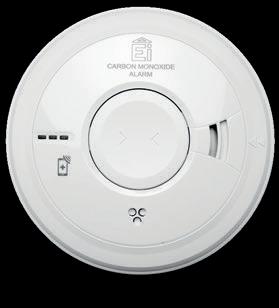

The technologically advanced 3000 Series includes both Multi-Sensor and Single-Sensor alarms, detecting Fire and Carbon Monoxide from just one range, while maintaining the simplicity that installers love.
Smart, connected and future-proof.

Add the Ei3000MRF for wireless interconnection and data extraction via the Ei1000G Gateway

A new pedestrian and cycle bridge has been built at Newport station in Wales, forming a vital crossing over the Great Western Mainline Railway.
The 230m bridge is divided into several distinct parts, including two dark grey steel sections that span the railway lines plus stairs and a lightweight step-free ramp on each side.
Lighting was a key aspect of the bridge’s construction, with a particular focus on safety, security and accessibility. The design called for a discreet handrail solution to illuminate the floor deck while also supporting users with limited mobility.
M&E consultant, Vitec, was appointed to oversee the lighting and approached DW Windsor to fulfil key elements of the scheme’s design.
To satisfy the brief, DW Windsor supplied products from its Garda illuminated handrail range, adapted to suit the project’s unique requirements. For the ramps and stairs, nearly 500m of seamless stainless-steel handrail was installed, fitted with 300mm Garda Classic asymmetric modules.
For the main bridge deck, where a handrail could not be used for safety reasons, an alternative approach was required. To overcome this challenge, DW Windsor developed a bespoke solution, integrating Garda LED

modules directly into the two parapet structures slotted between the vertical ribs. Additional lighting was also supplied for the central section between these structures where, again, handrails could not be used.
To achieve the required light levels, 3000K LED modules were spaced at approximately 2m across the whole structure.
In addition to the bridge lighting, the brief specified that lighting should be integrated into the hard

Yattendon Estate, a diverse farming and property business spanning over 9,500 acres of land in South Berkshire, has commissioned its third SolarEdge solar system in just over a year. The latest installation will be used to power the refrigerated storage facilities and cutting room for the estate’s farm shop – despite the fact that construction of the new building will not be completed until 2026.
With the estate locked into an expensive energy tariff of £0.55 per kWh, the owners are on a mission to reduce their reliance on grid-supplied electricity as quickly as possible. For this project, the installer, Your Eco, struck on the innovative idea to install a rooftop solar system as a temporary ground-mount solar solution to power the construction of the new facilities. Your Eco estimates that once the building work is complete, the solar array will be taken offline for approximately one week and moved onto the roof of the building; the labour and materials for which are all factored in to a highly-competitive four year ROI.
Annually, the new array is forecast to produce 288kWh of clean, renewable electricity, reducing CO2 emissions by approximately 55t per year. Your Eco estimates that over the lifetime of the installation, the system is expected to achieve an incredible ROI of 738%.
The solar system features 720 solar modules which are transformed into powerful smart modules with SolarEdge Power Optimisers, and three SolarEdge DC-optimised inverters. Power optimisers maximise energy production from solar modules by mitigating the impact of shading, soiling and module mismatch which can severely limit production in traditional solar systems. The solution also embeds advanced, inbuilt safety features designed to reduce voltages to touch-safe levels during maintenance and in the unlikely event of an emergency – both critical considerations for ground mount and rooftop solar arrays. SolarEdge, solaredge.com
landscaping beneath each ramp. To support this, DW Windsor supplied sections of its Vaio linear system, which were recessed horizontally into the granite seating around the perimeter. Additional Ligman uplighters were also installed into the planters to illuminate the ramp soffits and vertical supports.
DW Windsor, dwwindsor.com
Bodycare, a leading health and beauty retailer with over 130 stores across the UK, has chosen TRILUX lighting solutions as part of its ongoing store improvement programme.
Bodycare faced the challenge of upgrading its store lighting to create a vibrant shopping atmosphere while keeping costs down and ensuring a speedy installation process. This was a significant challenge as it required a balance between cost-effectiveness and quality. TRILUX addressed these challenges with a tailored lighting solution that improved the look and feel of Bodycare stores nationwide.
Over the past year, several Bodycare stores were upgraded with new TRILUX lighting solutions. The project focused on two main concepts:
• Toko + Quira EW CRI 94 for stores with recessed ceilings.
• E-Line Next LED continuous line and spotlights in black for stores without recessed ceilings. TRILUX’s Toko and Quira, with their high colour rendering index of 94, ensure that Bodycare’s merchandise is presented in the best possible light. This high CRI makes product displays pop, sparkle and entice customers. The efficient white LED chips and precision optics deliver excellent performance at a very reasonable price point, offering a cost-effective solution for retailers looking to enhance their store environments.
The E-Line Next LED continuous line system, known for its groundbreaking light quality, proved the perfect solution for stores without a ceiling grid. This system offers the flexibility to add spotlights to highlight specific product displays in suspended versions. The choice of black fittings helps the luminaires fade into the background, allowing the lighting distribution to guide and entice shoppers.
TRILUX, trilux.com


A leading safety charity has installed renewable energy at its award-winning activity centre in a bid to improve its carbon footprint.
DangerPoint is an award-winning interactive life skills centre based in Talacre, North Wales. It aims to help people learn in a fun and practical way, to inspire, inform and engage, and to make positive life choices, both for themselves and the environment.
Its offering includes educational tours and a quest activity for schools and organised groups. Since 2005, it has educated more than 116,000 people.
Staff at the site wanted to play their part in the fight against climate change and decided to have renewable energy installed to generate their power, lower their energy bills and reduce their carbon dioxide emissions.

Seddon was brought on board to design and install the solar PV and battery system at the North Wales DangerPoint site, which is said to be ‘game-changing’ for the attraction.
Seddon designed and installed a 20.1kWp solar PV system and 17kW battery storage system, and it took contractors four days to carry out the work.
Robert Moss, Divisional Director of Seddon Engineering Services, says, “It was significant for Seddon to help this game-changing charity reach its net zero potential.

For a Hartlepool furniture group, it was the flexibility of BG Sync EV that made it a no-brainer to upgrade from its previous EV charging system.
The Optimum Group is a specialist commercial furniture manufacturer, with a purpose-built showroom and factory space in Hartlepool. When it needed to upgrade its previous EV charging units to accommodate more vehicles, BG Sync EV provided the flexibility needed for everyone in the company.
After an endorsement from its business vehicle leasing company, the group chose North East EV charging specialist, Get Charging, to recommend and install the most suitable EV chargers for the company.
Mike Pearson, Director of The Optimum Group, says, “Increasing our business vehicle fleet meant we needed to increase the number of EV chargers we needed, and Sam at Get Charging recommended the BG Sync EV chargers. We wanted an option that didn’t just use an app, but could also be activated with a key fob for ease of use.
“The key fobs mean everyone in the business can quickly and easily use the chargers without having to rely on having their phone on them or having their phones charged up. Although, the great thing about the chargers is that you have a choice – some of our staff prefer using the app and so they have the option to do that.”
With dynamic charging up to 22kW on three-phase AC power, the Type 3-Phase BG Sync EV charger uses Wi-Fi, Ethernet and RFID connectivity with 24-hour app support, making charging accessible for all. It’s easy to install and suitable for residential and commercial use, with three-phase power required, and fully compliant with the latest electric vehicle regulations.
BG Sync EV, syncev.co.uk
“Not only will it reduce its carbon footprint and lower energy bills, it will also cement the charity as a UK leader in renewable energy.
“We meticulously assessed the property, ensuring the work was delivered exactly in line with the charity’s core needs. Taking the initiative now means DangerPoint can continue offering hugely important safety information.”
Seddon Engineering Services, seddon.co.uk
Aztec Solar Energy has helped a new 667,185ft² logistics development achieve exceptional sustainability credentials.
Located at Hooton Park, Ellesmere Port, the BREEAM Outstanding scheme has been built by developer, Stoford, for global automotive company, Stellantis, and will serve as a UK parts distribution centre for Peugeot.
A total of 276 photovoltaic (PV) panels have been installed at the site together with an Alpha modular battery storage system and a Solis inverter.
The solar array covers a section of roof space to the south-west of the development. At its peak, it has the potential to produce 138kWp and generate more than 110,000kWh annually. This design is expected to reduce carbon emissions by 51,837kg per year and has enabled the building’s base build works to be classified as ‘net zero carbon in operation’.
The modular battery storage system further enhances energy efficiency. When renewable production is high and building demand is low, this on-site solution allows surplus electricity to be stored, so it can then be released when needed, decreasing reliance on the grid.
Neil Dodd from ESC, an engineering and sustainability consultancy acting for Stoford, says, “Sustainability has been carefully considered throughout the design process of this impressive development, with many features that go above and beyond standard requirements.
“The electrical energy generated by the PV panels plays a vital role in helping the building to achieve its BREEAM Outstanding rating as well as its net zero carbon in operation status.”
The PV panels add to a range of sustainability features at the distribution centre aimed at minimising embodied carbon and reducing energy consumption. The building, which has an EPC A rating, comprises rainwater harvesting, LED lighting, and 32 EV car charging points.
Aztec Solar Energy, aztecsolarenergy.co.uk

Pin point fire zones using MAGDUO’s intelligent 2-wire technology, which allows all devices on the same pairs of wires.


email:
The job market is evolving, and so are young people’s choices in vocational training. Traditional trades like electricians and mechanics have always been seen as stable, well-paid careers, but renewable energy jobs, such as solar panel installation and wind turbine maintenance, are becoming popular due to increasing environmental concerns. This shift reflects changing values and career interests.
Confused.com’s energy experts surveyed UK 16-24-year-olds. The company wanted to know their views on renewable energy trades versus traditional vocational subjects.
trades are people most interested in?
The top 10 trades young people would be most interested in studying for a career are:
1 Electrician – 17.8%
2 Mechanic – 15.8%
3 Bricklayer – 11.9%
4 Renewable energy technician – 8.9%
5 Carpenter and joiner – 8.2%
6 Plumber – 7.8%
7 Solar panel installer – 6.8%
8 Biomass technician – 6.7%
9 Plasterer – 6.6%
10 Wind turbine technician – 5.8%
Traditional trades, essential for construction and maintenance, show a higher overall interest. Electricians and mechanics are notably the most popular, likely due to established career paths and access to education. However, renewable energy trades are emerging as attractive options, surpassing some well-established vocations such as plumbing and plastering.

When it comes to overall interest in either traditional or renewable energy vocational subjects, most young people stated they’d be interested in pursuing either (33%). This indicates that there’s trust in future job opportunities for those wanting to get into renewables.
Both traditional and renewable energy trades attract people for different reasons. A high salary is a big draw for both (50% for traditional vs 44% for renewable energy). Flexibility is also important (37% for traditional vs 36% for renewable energy).
Job security is key too, with traditional trades slightly higher (35% vs 33%).
Environmental impact is a much stronger draw for renewable energy courses (25% vs 18%). Renewable energy’s 24% and 21% interest in its growth and job prospects exceed traditional energy’s 22% and 19%.
On the other hand, traditional trades have a higher interest in self-employment opportunities (21% vs 18%).
Both traditional and renewable energy vocational courses are valued for similar practical aspects. However, renewable energy courses have a unique appeal due to their environmental benefits and future growth potential.
More young people know how to apply for apprenticeships in traditional vocational courses (68%) than in renewable energy courses (56%). In the North East, 65% know how to apply for renewable energy apprenticeships, while only 46% know how to apply in the South East.
When asked about local colleges offering renewable energy courses, responses were mixed. About 40% knew these courses were available, 39% were unsure, and 21% said their colleges do not offer them. There is some uncertainty about renewable energy courses at local colleges, but many respondents know they are available.
The top 10 trades believed to offer the highest salaries upon completing qualifications are:
Young people generally see electricians as offering the highest salaries. Next are renewable energy roles. They include renewable energy, wind turbine, and biomass technicians. Traditional trades, such as mechanics and plumbers, also have significant earning potential.
Electric vehicle charging point installer was the least selected for the highest salary (13.7%). However, it was seen as better paying than traditional trades like welder (12%), carpenter and joiner (11%), scaffolder (10%), roofer (9.6%) and plasterer (8%).
The biggest hurdle to pursuing renewable energy courses is a lack of information in schools. Over 43% of young people stated that they’d want information about available training programmes during school years, along with work placement opportunities during education.
Young people also believe there are few local jobs (25%), high training costs (24%), limited training locations (23%), and unclear job prospects (22.5%). They want higher apprenticeship salaries (41%) and more help finding apprenticeships (39%).
While traditional trades maintain a strong appeal, renewable energy vocational courses are increasingly seen as viable and attractive career paths. To encourage this transition, discussions in schools about renewable energy options, along with access to training facilities while being financially supported, will see more enter the renewable energy workforce.
Confused.com


Andy Reakes, Director of Growth and Development at the JIB and ECS, and Peter Behan, Director at Group Horizon, share insights into the BEMS Experienced Worker Assessment (EWA), the successful completion of which results in the award of an ECS Gold card. They also discuss the importance of validating the competence of experienced workers and how to complete these assessments.


The Building Energy Management Systems (BEMS) Experienced Worker Assessment (EWA) was launched in June 2024. It provides a solution for tradespeople in the building controls sector who previously had no formal way of proving their competence, despite working in the industry for many years. These experienced professionals can now obtain an Electrotechnical Certification Scheme (ECS) Gold card upon successful completion of the BEMS Controls Engineer EWA. Feedback and support from the Building Controls Industry Association (BCIA), employers, training providers and other industry representatives contributed to the work on this EWA. This occupational qualification maps to the BEMS Level 4 apprenticeship standard and supports the framework for ECS cards in the building controls sector, updated in October 2023. The apprenticeship was launched in 2021, in partnership with the BCIA, to address an industry-wide shortage of BEMS Controls Engineers. It followed more than four years of work by the Trailblazer Employer Group.
The BEMS Controls Engineer EWA is the latest addition to the electrotechnical EWAs currently available and is a crucial development for the sector. The importance of industry standards and building safety made it vital to get every detail of this assessment right. It enables professional engineers to prove the competence they have built during their years of working in the industry.

This EWA has been delivered by Group Horizon, a national training provider offering a range of specialist training programmes which include Apprenticeships, Functional Skills, Jobseeker Short Courses and Workforce Development Programmes. ECS, administered by the Joint Industry Board (JIB), is the sole ID and competence card scheme for electrotechnical operatives in the UK and is recognised and endorsed by the industry.
An electrotechnical EWA programme aims to assess and validate the skills and knowledge of workers who have gained significant experience in a particular field but did not have the opportunity to undertake an apprenticeship or regulated training route. It offers a cost-effective way for skilled professionals, with industry experience, to be assessed to the same nationally recognised standard as those completing an apprenticeship. Each EWA has been developed to mirror the relevant apprenticeship standard without requiring a return to college. It is important to emphasise that this is not a shortcut to getting qualified. Those who lack the range of competence and duration of industry experience after training will not have the skills or knowledge required to successfully complete the assessment.
A number of EWA routes have been developed in recent years, including Installation Electrician and Domestic Electrician, which are based on the same content as their respective apprenticeships. This means that new entrants and existing workers are assessed and accredited against the same industry standard.
For example, there are four pathways in the Fire, Emergency and Security Systems (FESS) sector; Fire, Fire & Emergency Lighting, Fire & Security, and Security, each with their own assessment. EWAs for Network Infrastructure Installers and Panel Builders are also in development.
There are five key stages in the EWA process. Obtaining an EWA ECS card gives you a maximum of 18 months to complete the assessment before it expires. Completing all stages allows a candidate to build their portfolio and prove that they have the competency to hold and obtain an ECS Gold card.
• EWA application: The first stage is to complete your online EWA application. You will need to provide the following: personal information, industry experience and/or qualifications, name, and contact details of sponsor. A member of the Group Horizon EWA team will review your completed online application form.
• Registration: After successful application, you will be able to register for the programme. You will be emailed a link to the Group Horizon online EWA portal which you will use throughout your programme. You will be provided further information, advice and guidance and be able to check if this is the right option for you. You will then be asked to submit a passport style photograph and your National Insurance Number.
• ECS testing: After completing and registering for the EWA, you will receive an email confirming your ECS Health Safety and Environmental Awareness test and ECS BEMS knowledge test.Please ensure you follow the instructions carefully; you could fail the test if you don’t.
• ECS Health Safety and Environmental Awareness test (30 minutes): You must achieve a pass mark of 86% (43 out of 50 questions).
• ECS Battery test (90 minutes): You must achieve an overall pass mark of 60% (84 out of 140 questions) over the 14 sections. Upon completion you will receive a gap analysis on the areas you need to improve on.
• Assessment stage: There are three assessments that you are required to complete, covering the 15 duties, to be uploaded to the EWA portal. This can be done via the Skills Assessments, supported by Witness Testimonies. This must all be your own work and verified by your employer/sponsor. Each assessment will be reviewed and evaluated by a qualified assessor, to ensure a fair and accurate assessment process. Resubmissions are also possible.
• Interview stage: You will be invited to attend an online interview with an industry technical expert to demonstrate your knowledge, skills and competency. After completion of the interview, and sign off from the technical expert, you will be awarded your ECS Gold card.
Group Horizon, grouphorizon.co.uk





5 FINISH OPTIONS SOLID CONSTRUCTION - The Juno is constructed from Aluminium making for a robust track head.
Signify has transformed windowless spaces at Battersea Power Station with lighting that mimics nature.
Last summer, the iconic Battersea Power Station in London opened a new co-working space, spanning the second and third floors of the historic Boiler House. The Engine Room sits right in the centre of the new development, within an art-deco inspired area befitting the unique architecture of the historic Grade II listed building. With limited access to daylight in this 3,676m2 footprint, there were concerns that the productivity and well-being of workers could be adversely affected. This was a problem that needed to be addressed to attract workers to The Engine Room.
Originally designed by Giles Gilbert Scott, Battersea Power Station was built in 1929, decommissioned in 1983, and re-opened in October 2022 following a transformational eight-year restoration. The space needed a lighting solution to deal effectively with the lack of daylight. Workplace solutions provider, IWG UK, partnered with Signify to draw on its range of lighting solutions and transform windowless areas within The Engine Room into productive, inspiring workspaces.

NatureConnect mimics daylight, bringing the benefits of daylight indoors, and replicates a view of the sky in windowless areas

Studies show that spending time in spaces without windows or proper access to daylight has a huge impact on productivity and mood, while also impacting sleep. Signify’s groundbreaking NatureConnect solution mimics daylight, bringing the benefits of daylight indoors, and replicates a view of the sky in windowless areas. It has been shown to boost energy levels, support circadian rhythms and help increase levels of alertness and vitality.
NatureConnect has brought all of these advantages to Battersea, helping tenants feel a sense of connection to the outside world. Now, windowless spaces feel full of sunlight, as if blue skies are right above. This makes the location much more attractive for workers.
Innovative use of lighting is crucial to injecting life back into old buildings such as the iconic Battersea Power Station. Increasingly, many of us are spending a lot of time indoors, often in locations without windows or proper access to daylight. And studies show daylight has a huge impact on productivity and alertness, reduces stress and contributes to better sleep. NatureConnect mimics daylight and replicates a view to the sky using light scenes that boost energy levels and help windowless spaces feel in sync with nature.
The NatureConnect system can be installed in various ceiling types and integrated with popular control systems. Users can easily select scenes from a
day rhythm that incorporates a sunset effect to more energising scenes, all enabled by Interact.
Interact, Signify’s secure, scalable IoT platform combines energy-efficient luminaires and comprehensive system monitoring and management software to support sustainability goals. The system has occupancy sensors that detect the presence or absence of people and turn lights on and off accordingly, optimising energy efficiency.
Signify’s broad lighting portfolio prioritises health and well-being, resulting in well-lit environments where employees can see well, feel well, and function well. Thanks to the transformative power of light, The Engine Room at Battersea Power Station now supports a thriving office community and serves as a unique and remarkable place to work in an iconic location.
With Europe aiming for net zero emissions by 2050, increasing the energy efficiency in older and refurbished buildings such as Battersea is a big challenge. Earlier this year, Signify joined forces with Climate Group and other partners to launch ‘Renovation Revolution’ to boost renovation rates across the European Union. Harnessing the benefit of cutting-edge lighting technology to make the most of windowless spaces, and achieving a higher occupancy of such areas, can support this revolution.
Signify, signify.com


Experience seamless product integrations & a wide range of business opportunities from Snap One at EI Live 2024. Showcase of brands include Control4, OvrC, Araknis, Triad, Wattbox, Binary and More! 18-19 SeptemberStand 111
Experience seamless product integrations & a wide range of business opportunities from Snap One at EI Live 2024. Showcase of brands include Control4, OvrC, Araknis, Triad, Wattbox, Binary and More! 18-19 SeptemberStand 111
Experience seamless product integrations & a wide range of business opportunities from Snap One at EI Live 2024. Showcase of brands include Control4, OvrC, Araknis, Triad, Wattbox, Binary and More! 18-19 SeptemberStand 111


Sangamo’s new three channel programmable thermostat with RF and Wi-Fi, provides the means to operate and control separate heating zones within a residential property and in doing so increase efficiency and reduce energy use and utility costs. Easy installation and ease of programming and operation are at the heart of the new kit.
The new Sangamo Thermostat Kit is suitable for properties with two-zoned heating systems and is designed to help installers comply with the requirements of Part L Building Regulations where two zone heating is stipulated. The kit comprises two RF programmable room thermostats to control heating over two zones and hot water programming, and one receiver complete with three independent channels – two for heating and one for hot water. The system can be programmed and controlled directly or remotely via the ClickSmart+ app.
One of the main features which supports the new programmable thermostat’s energy efficiency lies within the programming capabilities. When a call for heating or hot water is made, it requires it to be within a specific time and below a specific temperature. For example, the
‘on’ period would be between 08:00 and 11:30 hours if the temperature is below 19°C. Up to six on and off periods per day can be programmed.
Sangamo is keen to emphasise how easy it is to install the kit, as well as to programme and operate it. Thermostats can be wall mounted and are supplied with a wall-fixing mount and a free-standing base for table top positioning. The thermostats control the receiver via radio frequency, so there is no need for cable runs, and they can be powered either by replaceable batteries or USB-C power source.
The receiver features a large back-lit display screen that ensures full visibility in any light conditions and the intuitive touch button interface makes for easy and complete control. The sleek white design ensures the kit will blend with any interior.
ESP, espuk.com
For your chance to win a Sangamo Three Channel Programmable Thermostat, simply answer the following questions correctly:
1. How many on/off periods can be programmed on the Sangamo Three Channel Programmable Thermostat per day?
a) Two b) Six c) Four
2. With which Building Regulations is the Sangamo Three Channel Programmable Thermostat designed to comply?
a) Part L b) Part M c) Part D
3. How many heating zones is the Sangamo Thermostat kit suitable for?
a) One b) Four
c) Two
The winners of the July competition – - two slimline and two traditional FSTs, courtesy of Timeguard - were Aldo Macari, Graham Tumber, Jane Vare and Bruce Woodcraft.
All entries must be returned by 30 September 2024. The editor’s decision is final. For the full terms and conditions, visit electricalcontractingnews.com/ competition-terms.
The name of the winner will be published in the November issue of ECN.
*Prize not exchangeable.


Expanding your presence in the smart home market or starting a new journey into it could truly transform your business. EI Live! is the UK’s only dedicated showcase for this expanding market and exhibitors at this event are looking to the electrical contracting sector for partners. Taking place at the Farnborough International Exhibition Centre from 18-19 September, register at eiliveshow.com today!
Lucrative opportunities are waiting for quality electricians and electrical contractors in the smart home market. Environmental control, intelligent lighting, smart security, home automation and easy to fit entertainment solutions such as multi-room music and home cinemas are all opportunities for business and customer expansion.
EI Live! provides a showcase of all the industry’s major players and products to either begin your smart home journey or expand your presence. Many EI Live! exhibitors are looking to expand their customer base, and skilled electricians already have the skills and the customer groupings needed to move into this market.
EI Live! offers a unique opportunity to meet with key suppliers and find out more about this expanding market. It’s FREE to attend and easy to get to, with thousands of free commercial vehicle-friendly parking spaces right outside the venue.
There are many opportunities to learn at the show, including a session dedicated to helping electricians and electrical contractors better understand the smart home market.
Taking place on Wednesday 18 September at 12pm, a one-hour panel discussion will be hosted by one of the smart home’s biggest players, Snap One. Entitled ‘From Electrician to Home Tech Installer’, the session examines this journey by talking directly with individuals and companies who have made this transition. The session covers areas such as ‘What does the journey look like and what support should you take advantage of along the way?’


EI Live! provides a showcase of all the industry’s major players and products
There are many opportunities to learn at the show
Jeff Hayward, host of the Integrated Home Podcast, talks to a panel of contractors who are now integrators to find out what others can learn from their experiences. The panel includes Kyriacos Androu, Founder of The EAV Way and install company, Electricus Audio Visual. Kyriacos has over 15 years of experience in providing innovative and customised solutions for home, development and commercial properties. He is a certified electrical engineer, Control4 programmer and designer, as well as a home cinema design workshop graduate, with expertise in technology architecture, lighting design, mechanical and electrical design, and security consulting and design.
Also on the panel is Greg Smith, Director at Penkhull Electrical, one of Staffordshire’s premium electrical contractors. Penkhull Electrical is a long-established, highly responsive electrical contractor, supporting the commercial and residential communities in and around Staffordshire. The company applies its technical expertise and industry knowledge to transform spaces using intelligent electrical solutions. The team are also Control4 certified system integrators, helping clients create bespoke spaces through the power of home automation. Learn directly from these successful individuals who now count home automation as a major part of their business.
Another session that matches the needs of contractors either expanding their presence or moving into smart home for the first time takes place on Wednesday 18 September and again on Thursday 19 September, at 10.40am on both days. Presented by highly experienced
smart home operator Wim De Vos, this presentation is entitled ‘Unlock Your Profit Potential and Build a Thriving Business’. Wim, of Genesis Home Technology Architects, will share his expertise on how installers of smart home technology can maximise their earnings by leveraging current trends and best practices. With a focus on innovation and profitability, Wim will provide actionable insights and strategies to help installers thrive in the growing home technology industry.
Wim will highlight the most profitable services that installers can offer, such as smart home automation, home security and high-end audio/video installations. Learn how to effectively upsell and cross-sell complementary products and services to increase average order value and boost revenue. Discover the importance of fostering strong relationships with clients and how to leverage these connections to generate repeat business and referrals. Wim will also discuss the latest industry trends and how installers can stay ahead of the competition by embracing new technologies and innovative business models.
Ultimately, with leading distributors and manufacturers showcasing over 400 brands and thousands of home automation products, services and innovations at EI Live! electricians can get a clear view of what is involved and make the contacts to help them move into this exciting sector. With many electricians already having made the move, don’t be left behind in adding these products and services to your offering. Find out more and register to attend for FREE at the official show website.
EI Live! 2024, eiliveshow.com


Sultana Rahman at Sevadis discusses how electricians
overcome common challenges when it comes to installing an EV charging point at domestic or commercial properties.
As electric vehicle adoption surges across the UK, the demand for reliable and efficient EV charge point installations is growing rapidly. For electricians, this presents a significant opportunity, but it also comes with its unique set of challenges. Understanding and overcoming these challenges is crucial to ensuring successful installations that meet both safety standards and customer expectations.

One of the first challenges electricians face is conducting a thorough site assessment. Before installing an EV charge point, it’s essential to evaluate the electrical infrastructure of the site. Many existing buildings, especially older ones, may not have the capacity to support the additional load required by EV chargers. This can lead to potential overloads or even electrical failures if not addressed properly.
To overcome this, electricians should perform a detailed load calculation to determine if the current electrical panel can handle the new load. If not, upgrading the panel or installing a dedicated circuit for the EV charger may be necessary. Additionally, implementing load management solutions, such as dynamic load balancing, can help distribute the electrical load more evenly, preventing potential issues.
Another common challenge is dealing with limited space for installation. For smaller properties, finding an appropriate location for the charger can be difficult. It’s essential to consider the proximity to the main electrical supply, accessibility for users, and compliance with safety regulations, such as maintaining adequate clearance from other objects.
Electricians can overcome space constraints by exploring alternative mounting options, such as wall-mounted chargers or compact pedestal chargers that require less space. Additionally, working closely with customers to identify the most practical and compliant location can ensure a successful

installation without compromising on functionality or safety.
EV charge points often require complex wiring setups, especially when multiple chargers are being installed. This can be challenging, particularly when working with older electrical systems or integrating with existing infrastructure. Ensuring proper grounding, correct cable sizing, and compliance with local electrical codes are all critical factors in avoiding issues during and after installation.
To address these complexities, electricians should stay updated on the latest wiring standards and best practices specific to EV charging. Investing in training and certifications related to EV charger installations can provide the necessary expertise to tackle these challenges effectively.
Finally, managing customer expectations is a challenge that cannot be overlooked. Customers may have specific preferences or unrealistic expectations about the installation process, costs, or the capabilities of the EV charger. Clear communication is key to ensuring that customers understand the installation process, any potential limitations, and the costs involved.
By providing detailed explanations and setting realistic expectations from the outset, electricians can build trust with their clients and avoid misunderstandings that could lead to dissatisfaction.
Overcoming these common installation challenges requires a combination of technical expertise, careful planning, and effective communication. For electricians, staying informed about the latest developments in EV charging technology and maintaining a proactive approach to problem-solving will not only help in overcoming these challenges but also position them as trusted experts in the growing EV charging industry.
Sevadis, sevadis.com
99% product reliability
10 second technical response time
20 minutes for average AC install

Our industry-leading support for EV charging solutions sets us apart, providing you with unrivalled assistance and expertise. Benefit from seamless installations and ongoing reliability and in turn enhance your reputation and customer satisfaction.
Get in touch today and speak to one of our team of experts 0330 058 7144

Carly Weller catches up with Richard Harvey, Electrical Installation Safety Engineer at Electrical Safety First and ECN Awards Judge, to learn more about his career so far, his experience at Electrical Safety First, and his advice for the electrical contractors of tomorrow.
CW: Hi Richard, please tell us about yourself and how you got into the sector.
RH: I always wanted to be a mechanic when I left school, due to my obsession with cars. However, my Dad had other ideas. He was a gas engineer and plumber by trade but could also turn his hand to most things –apart from the dark art of electrics, due to him being colourblind. So, my journey started way back in 1991.
I enrolled at East Birmingham Technical College, where I had to undertake a series of tests, including maths, English and a practical to become eligible to register for an electrical apprenticeship, subject to finding an employer to take me on.
My four-year apprenticeship began with a local contractor, whilst attending college on a block release basis. I was fortunate enough to work on a wide variety of jobs and was mentored by an outstanding electrician, who took me under his wing. I completed the apprenticeship in 1995, including the NVQ3 and AM2. With an appetite for more knowledge, I continued my learning at the college for a further year to undertake the C course on a day-release basis, which I completed and passed. I remained with the same contractor for a number of years running various jobs, until I decided to set up my own company, registering as an Approved Contractor with the NICEIC in 2005.
After several years successfully running the company, an opportunity arose, enabling me to enter the world of lecturing at a further education college. So, in 2015, I started part-time, where I was introduced to Gary Hayers, who inspired me to do more to help the next generation of electricians and pass on my experience and knowledge. I soon became full-time at the college, where I gained a Level 5 Certificate in Education and Level 3 assessing award.
After two wonderful years at the college, I was offered a new role as a Tutor Manager with a private training provider, where I led a group of six lecturers delivering the City and Guilds 5357 apprenticeship framework and various other upskilling courses.
After eight years within the teaching and learning space, an opportunity came along to join Electrical Safety First as an Electrical Installation Safety Engineer and, in April 2023, the next part of my journey began.

CW: For those who may not know, can you give us an overview of the work that Electrical Safety First does?
RH: Electrical Safety First is a UK charity dedicated to reducing deaths and injuries caused by electrical accidents. Our aim is to ensure everyone in the UK can use electricity safely.
We provide expert information and advice to help people protect
themselves from faulty, damaged, sub-standard and poorly maintained electrical installations and electrical appliances. We conduct campaigns aimed at persuading government and industry to improve legislation and standards. And consumer-focused campaigns, to equip members of the public with crucial safety knowledge, when buying or using electrical products in their homes.


CW: Tell us about your current role – what are you responsible for and what does the normal working day consist of?
RH: A typical day may start by reviewing and responding to technical enquiries, followed by a meeting with the Deputy Technical Director to discuss progress on current projects and strategies. Throughout the day, I could be working on developing technical publications, preparing for an upcoming presentation, or attending a standards development meeting. Additionally, I liaise with stakeholders and partners to ensure our initiatives are aligned and mutually beneficial.
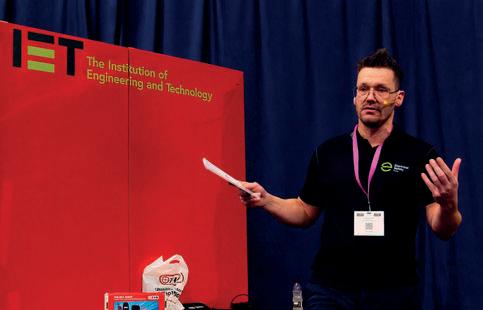
My role is dynamic and requires a balance of technical expertise, strategic thinking, and effective communication. I also produce and deliver presentations and technical reports, respond to the technical helpline and consumer enquiries, build and maintain relationships with key stakeholders and partners on installation safety matters, and work closely with the ESF Communications and Public Affairs teams to provide technical support and consumer guidance.
CW: What are the best parts of your role? What are the most challenging?
RH: I love working with the Technical Team to drive positive change in attitudes toward electrical safety within both the professional and private sectors through our Best Practice Guides and media campaigns. This role allows me to continuously learn new skills, update my knowledge of emerging technologies and gain additional qualifications.
One of the most challenging aspects of my role is obtaining organisational views and reaching a consensus when developing questions and answers for the Wiring Regulations Advisory Group (WRAG). We have fantastic engagement from many major organisations within the electrical industry, and it is important that all views are considered and reflected in the guidance that we create as a collective.
CW: We are delighted that you are joining the ECN Awards judging panel this year –why did you want to get involved?
RH: I enjoy being involved in the judging process and working collaboratively with other industry professionals. I can’t wait to start delving through the various entries and nominations. This industry has some fantastic success stories – the only problem may be deciding who the winner is, or there just may be one that stands out from the crowd. Watch this space!
CW: What in your career are you most proud of?
RH: Stepping out of my comfort zone has allowed me to challenge myself and develop many new skills in areas I never imagined. I earned my Level 5 Certificate in Education and Training and since then I have been dedicated to developing learners on their journey to becoming fully qualified. Through Electrical Safety First I am able to provide free advice and guidance to both the public and professionals daily. Representing the Charity on JPEL sub-committees B and D is something I never thought I would achieve. Additionally, I am a regular guest on the Apprentice 121 podcast hosted by Mark Allison.
CW: What’s next for you and Electrical Safety First?
RH: We have a lot of work ahead of us. The new version of BS 7671, The Wiring Regulations, is currently out for DPC and through our work on the JPEL
sub-committees, collectively with our counterparts, we will be looking at all the feedback and comments and ensuring that Amendment 4 is fit for purpose. In addition to this, we have several investigations underway on both electrical products and electrical installations, with a key focus on ensuring a safe transition to low carbon electrified homes.
Also, we are very excited to be working with Learning Lounge on a new Apprentice Channel of Excellence (ACE) which will be completely free, and should go live in early 2025. You can register for that right now, at ace.learninglounge.com.
Finally, we will be launching new social media channels, dedicated to providing resources and updates for electrical professionals. So, keep an eye out for them – and make sure you give them a follow, so you get the inside track!
CW: Do you have any career advice for people starting out in the industry?
RH: Work hard to cultivate the right attitude and behaviours. Don’t be afraid to ask questions and always show up on time with the correct equipment. Push yourself to learn and do more – knowledge is power, as they say. Ensure you are on a recognised pathway and focus on one qualification at a time. Always choose quality over quantity and take pride in your work.
CW: What do you think should be made a priority for the electrical sector?
RH: Pushing to maintain the highest of standards and encouraging ongoing professional development. In addition to raising the levels of safety awareness, ensuring that we have the right level of skills, training and competency throughout the electrical workforce, has to be the priority. With our advancing technologies and the increasing complexity of installations, particularly as we move towards integrating more low carbon technologies, the electrical engineer must understand the design, selection and integration of all aspects of these installations.
CW: Where do you see the industry in five years?
RH: I believe the industry is becoming ever more complex with more and more emerging technologies appearing on a day-to-day basis. Safer, better skilled and very active.
CW: What are your interests away from work?
RH: I am an avid follower of Formula One motor racing and a part-time Liverpool supporter. I love exploring new places and seizing the opportunity for a spontaneous weekend getaway whenever possible. I also cherish spending time with my two teenagers, whenever they can fit me into their busy schedules.
Electrical Safety First, electricalsafetyfirst.org.uk

Circuit protection is arguably one of the most important aspects of an electric system –protecting people and premises, reducing the risk of fire, and ensuring that operations continue to run smoothly. Yet, recent data collated by Direct365 in association with all 50 UK Fire and Rescue authorities found that 4,634 callouts were made for electrical-related fires at businesses over the past three years. Therefore, utilising equipment that is both reliable and robust is essential: for safety as well as operational continuity.
There truly is no room for error, says Paul Mcllvaney, Marketing and Technical Manager at Gewiss UK. Here, he explains the company’s pioneering ReStart range, including its dedicated Autotest feature, and how Gewiss can assist contractors in enhancing the safety, reliability and stability of electrical networks:
“Safety should always be the priority for any electrical project, without question. All too often, however, faulty or seized residual current devices (RCDs) can leave customers (and their installation) unprotected and at total risk.


“One challenge in particular that is regularly reported sector-wide is the scheduling and management of functional testing for RCDs. Imperative for electrical safety (and compliance with BS7671), testing verifies the function of the RCD, and that it will operate as intended. Unfortunately, however, it’s not uncommon for this to be temporarily neglected and (seemingly) more pressing tasks favoured instead. But, this lack of examination could cause a faulty RCD to be left unnoticed, meaning it’s not functioning effectively under specified conditions, and could even lead to detrimental consequences.”
“Passionate about combating these issues (as well as totally harnessing automation, monitoring and reporting), Gewiss launched the solution: Autotest. This patented technology integrates durability, efficiency and innovation to help end users build and maintain safe and reliable electrical networks.
“Totally bespoke in its abilities, it automatically completes functional testing of RCDs every 30 days – while maintaining the electrical supply. This allows for any RCD failures or issues to be highlighted in their infancy, which will be raised and alerted instantly. A swift solution can be found, such



Electricians rave about our rotary isolators, scan to see why!
as replacing the compromised component(s), before any potentially dangerous situations can arise or escalate. Not only does this ensure continuous integrity of the electrical system, but also allows faults to be resolved and rectified in good time – ahead of the mandatory six-monthly manual tests as outlined in BS7671.”
“Over the years, our team of experts have been at the forefront of this sector – continuing to address the challenges that contractors are commonly reporting – and have also pioneered an innovative selection of cutting-edge Automatic Reclosing Devices (ARDs). This ReStart range has been carefully curated to support contractors in improving uptime of mission-critical low voltage (LV) networks, as well as to improve safety, reduce overheads, and always ensure a continuous power supply for essential circuits.
“Ideal for protection from both direct and indirect contact in the event of an earth fault, our comprehensive catalogue of ReStart components are specifically tailored to combat nuisance tripping. This quality is essential for restricted access environments where a consistent and reliable supply is critical – making them particularly beneficial to sectors, such as telecoms and data centres, refrigeration and HVAC, pharmaceutical and healthcare, and infrastructure and utilities.
“During such a scenario where the RCD is tripped (due to a lightning strike or transient fault, for example), ReStart will thoroughly check the entire circuit to identify the potential issue, and the power supply will only ever be restored if safe to do so, providing ultimate peace of mind. The majority of the time it is secure, meaning the supply is quickly restored and the continuity of service is maximised. As a result, company downtime is kept to an absolute minimum, ensuring that there is very little (if any) impact on the wider business: a feature which is especially paramount in the current climate, where every second counts.
“Understanding the importance of utilising valuable resources, ReStart reduces the need for manual intervention or monitoring. Instead, engineers can see real-time data, gather vital analytics, and utilise historical trends to help predict maintenance schedules and programme inspections. Accessible at their fingertips, this can be simply managed and controlled via our software or integrated into the local BMS. This decreases the overall operational costs and allows in-house manpower to be better used elsewhere within the business.
“In relation to BS7671, ARDs should only ever be installed in the associated part of the network, and access should be limited to skilled personnel. Plus, a warning sign should be clearly displayed near the point of access (and prior to entry).”
“For all businesses, regardless of size or sector, time is money. And so being able to wholly trust that the technology is safe, durable, reliable and boasts longevity is –understandably – an important factor when investing in equipment. Designed entirely with contractors and customers in mind, both our ReStart and Autotest ranges possess an abundance of bespoke benefits – from remote diagnostics and regular monitoring and reporting through to upholding the highest standards of safety and compliance. But they also both enable contractors to upsell improved safety and uninterrupted service to customers.
“Following the successful installation and introduction of equipment, end users want to be able to trust that the product will deliver exactly what was promised. And, they want to rest assured that experts are on-hand to sustain standards and provide adequate after-sales support, especially interested in its quality, availability and timeliness. At Gewiss, our network of service suppliers are available to introduce, install and maintain this industry-leading technology – giving you total peace of mind.”
Gewiss UK has partnered with a number of companies and contractors in improving the safety and reliability of electrical solutions for the industry. Recently, the company collaborated with ICEE – an engineering and telecommunications provider that works with clients across the globe – providing a ReStart Autotest miniature circuit breaker (MCB) to enhance their ways of working.
Ryley Arnold, ICEE’s Sales and Marketing Team Lead, says, “Incorporating Gewiss’ ReStart Autotest RCD into our existing bespoke equipment enclosures has provided new avenues and opportunities for long-term reliability. Thanks to its automation function, engineer callouts have been

reduced, which in turn enhances end user experiences, promotes ease of use, and results in significant cost savings for our customers.
“Internet Service Providers (ISPs) –especially those building full fibre networks across the UK – require consistent, reliable, and robust solutions. They cannot afford disruptions to customer connections and must be able to trust that long-term outages are minimised at all costs – including to those networks that are extremely remote. Gewiss’ range lends itself particularly well to our customers in this field, and we’ve already had glowing reviews.
“ICEE intends to utilise the Gewiss Restart Autotest range across our entire bespoke equipment enclosure offering. Not only because the components enhance our customers’ experience, but also due to their impressive cost savings, ultimate reliability and the automation abilities.”

Gewiss UK, part of the global Gewiss Group, is a leader in the distribution of electrical solutions. Proud innovators in the ARD RCD arena, Gewiss holds worldwide patents for its pioneering ReStart and ReStart Autotest range. With different configurations to suit many applications, these components have been carefully designed to meet the needs of contractors and companies across the globe. Wholly committed to safety, reliability and education, the company offers exclusive demonstrations of this leading technology on-site or at its Head Office in Cambridge.
Gewiss UK, gewiss.com


Jake Green, Head of Technical Engagement with Scolmore Group, considers conditions where current may flow in more than one direction, and where it may be necessary to select protective devices that are ‘bidirectional’ in nature rather than ‘unidirectional’.
BEAMA issued a technical bulletin in 2024 detailing a concern where certain protective devices failed to operate safely when required where current flowed in either direction.
An electrical installation having more than one source of supply current may create conditions where current can flow in more than one direction. Where this is the case, it is necessary that protective devices are able to operate correctly in whichever direction current flows.
To address the issue of current flowing in two directions Amendment 3 of BS 7671 (BS 7671: 2018+A3:2024) was issued on 31 July 2024 and is to be implemented immediately. The amendment introduced one new requirement (Regulation 530.3.201) and two new definitions.
• Bidirectional protective device – a protective device where it is intended by the manufacturer that a source of supply is connected to either or both sets of connection terminals.
• Unidirectional protective device – a protective device where it is intended by the manufacturer that a source of supply is only connected to one defined set of connection terminals.
Regulation 530.3.201 requires that due account is taken by the designer and installer of the likely direction of current flow and select protective equipment accordingly.
Single-pole, single-pole and neutral (two-pole) and double-pole devices are
Electricians rave about our rotary isolators, scan to see why!


Autotest performs automatic RCD functional tests every 30 days, ensuring compliance if manual testing is neglected.


Automatically detect & report faults, ensuring safety & reliability without the need for human intervention.


typically labelled with ‘In’ or ‘Supply’ and ‘Out’ or ‘Load’. Where devices are labelled ‘In/Out’ or ‘Supply/Load’ they will always be unidirectional in nature and under certain conditions should not be selected for use.
Unidirectional devices can always be used where there are no alternative sources of supply. Bidirectional devices will not be specifically labelled with ‘In’ and ‘Out’ and are likely to be labelled with ‘L/N’ or ‘L1/N1’ and ‘L2/N2’. Bidirectional devices are likely to be necessary where multiple sources of supply exist.

Where the normal supply operates in parallel with a second source of supply, consider an example where a solar PV system has no battery storage system installed. In this condition power flow will be in one direction only (unidirectional); that is from the solar PV generator into the inverter and then from the inverter to the means of protection in the consumer unit/distribution board. In such a condition the protective measure of ADS applies, and the conditions detailed in Regulation 434.2.1 would apply[1]
However, even in this condition, Regulation 530.3.201 will still apply even though the source of supply is unidirectional. A bidirectional protective device would be required since within a consumer unit/distribution board the supply from the inverter is likely to be connected to the load side of the protective device whilst the supply side protective device is connected to the busbar within the consumer unit.
Consider a second example, where a solar PV system has an attached battery storage system installed. In this condition, power flow will be bidirectional; that is current can flow from the solar PV generator to the normal supply or to the battery storage system, and also from the normal supply to the battery storage system. In such a condition, the protective device will be required to be bidirectional in nature.
Fig 1 details the likely direction of current flow where a solar PV installation contains a battery storage system.
Where a prosuming installation exists, and an electrical installation containing a solar PV system and battery storage system is a prosuming installation, Regulation 826.1.2.2 requires account to be taken of all directions of current flow and polarity.
In addition to the general requirements of detailed above, further requirements exist in relation to the use of RCDs and protection against thermal effects.
Regulation 551.7.1 requires two conditions to be fulfilled:
• Protection against thermal effects (Chapter 42) and protection against overcurrent (Chapter 43) must remain effective in all situations
• Where an RCD provides additional protection (415.1) for a circuit connecting the generator set to the installation, the RCD must disconnect all live conductors (including the neutral).

The effect of the second bullet point is that where a solar PV system or similar is installed the protective device must be capable of switching the neutral conductor.
When carrying out periodic inspection and testing in those installations where Regulation 530.3.201 now applies, great care will need to be taken regarding the relevant coding associated with the presence of unidirectional/bidirectional devices. Whilst a Code 1 (immediate danger) will rarely be necessary there may be situations where either a Code 2 or Code 3 will apply. The inspector will need to consult the current guidance issued within the industry for help in selecting the appropriate code.
With the increasing installation of prosuming electrical installations, it will be necessary for designers and installers to utilise bidirectional protective devices.
Scolmore, scolmore.com
[1] Permits a device used for fault protection to be installed between a point of a reduction in cross-sectional area and the position of the protective device where:
• The length of conductor does not exceed 3m
• Installed in such a manner as to reduce the risk of fault to a minimum
• Installed in such a manner as to reduce to a minimum the risk of fire or danger to persons


The recent publication of Amendment 3:2024 to BS 7671:2018 has implications for surge protection installations. Robin Earl, Market Development Manager at DEHN UK, provides some insight into the rationale and reasoning behind the changes.
The amendment has come about because clarity is required regarding the use of RCDs, RCCDs, AFDDs and RCBOs in installations where current flow could be in either direction.
For example, this would be the case on PV systems exporting to grid, as well as consumption within the structure including domestic installations.
The same applies to EV installations when a car is plugged in that is fully charged and the vehicle could feed into the main installation as opposed to the other way around.
At present most of the above listed electrical devices are unidirectional; and we can tell this is the case if the devices are marked as load or supply (alternatively in or out or some other marking that shows that the devices have a specified way to be installed).
If installed incorrectly the safety functionality of the device can be compromised, hence the amendment.


Unidirectional and bidirectional devices will have a new definition in BS7671 and this is related to the marking of the devices.
Since the announcement of the new amendment, DEHN has been asked several times about the status of surge protection devices and the requirements of the new regulations.
The company says it can clarify that in general power LV SPDs are bidirectional; this can be safely stated as the DEHN SPDs are not marked as load or supply, and in any event, the SPD is a parallel wired device, across the supply or load to be protected.
But there are exceptions to this –smaller type 3 SPDs that are usually wired close to sensitive end loads as required in section 534 of the 18th Edition BS7671.
By looking at the datasheet and the installation guide on the DEHN UK website, there are terminals 1 and 2 for L and N marked for the input side and terminal 3 and 4 for the L and N on the output side.
These type 3 SPDs can be wired in series and have both a defined input and output, otherwise expressed as unprotected and protected sides.
These type 3 devices also have a defined nominal current value as they are series installed.
The circuit diagram shows that there is a difference with one component required to be preceding the other for effective performance and coordination in the circuit.
Within the DEHN Yellowline range of data SPDs, these too often have marked and defined inputs and outputs shown as protected and unprotected.
So, whilst SPDs are not specifically mentioned in the amendment, designers and installers should be aware that some SPDs do have to be installed in the prescribed way according to the manufacturer’s instructions.
DEHN UK, dehn.co.uk
Electricians rave about our rotary isolators, scan to see why!


MK Sentry Circuit Protection provides a range of metal 3 phase Type B enclsoures with a complete portfolio of safety devices. The empty and part-populated variants enable the installer/end user to create a bespoke configuration with incoming switch, surge device (SPD), and combinations of arc fault (AFDD), earth leakage (RCD/RCBO) and over current (MCB/RCBO).
Suitable for commercial and industrial applications with enclosure options for incoming switch with RCD (Type A or B) or with surge device (SPD). All of the MK Sentry devices within the range are 10kA with single, double and triple pole MCB’s in both B and C Curve. And to complete the range connectors, contactors and accessories.
CircPro (UK) Limited
3C Lamson Road, Rainham, Essex RM13 9YY
Phone: 01708 986180
Email: enquiries@circpro.co.uk
mksentrycircuitprotection.co.uk
• Full range of empty and pre-populated boards - 4 to 16 module
• Full range of devices
• Complies with BS7671:2018
• 10 year guarantee - 5 year guarantee (SPD & AFDD)
• Bespoke configurations available
• Project support available


Specification -
IP20 • BS EN 61439-3 • Dual terminal mains switch
• T2 Surge protection compatible
Deeper board with ample wiring space

Existing Niglon devices can be used with Protego boards.


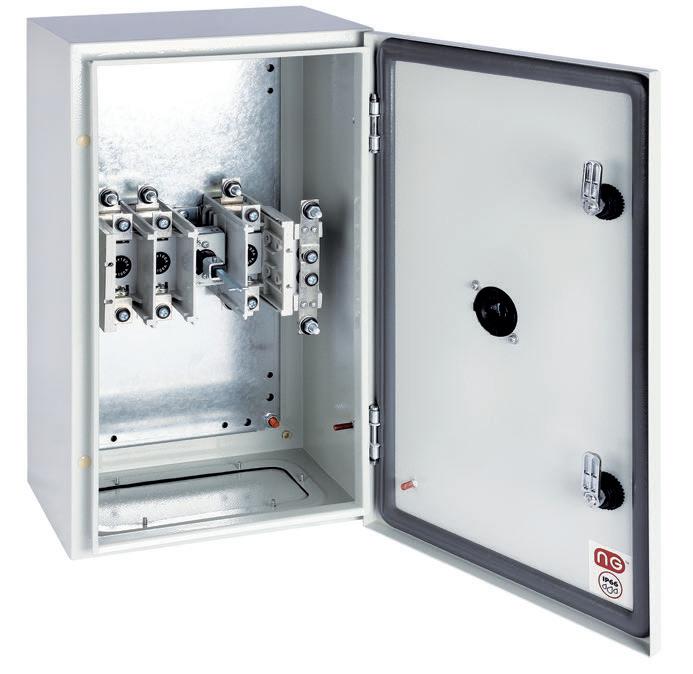

The electric vehicle revolution is reshaping our world, but it’s not just about the cars –it’s about the infrastructure that supports them. As the UK moves towards a sustainable future, the demand for a reliable, well-integrated EV ecosystem is growing rapidly.
Lewden is developing the EV ecosystem with a wide range of products that make EV charging accessible and efficient for both residential and commercial settings.
The final missing piece of this puzzle was the charger itself. With the introduction of the Siena 7.4kW Single Phase AC Mode 3 Smart Charger, Lewden’s EV ecosystem continues to evolve.
In residential settings, the success of an EV charging system depends on the seamless integration of key components that ensure safety, efficiency and compliance with regulations. The backbone of this setup is the careful management of electrical load and protection, which is where Lewden’s range of consumer units plays a crucial role.
For many homes, the existing main consumer unit may not have the capacity or optimal layout to directly accommodate an EV charger. In such cases, Lewden’s EV Consumer Units offer a tailored solution, providing a dedicated space to manage the increased load without compromising the home’s electrical system. These units are particularly useful when the EV charger is located in a garage, basement or another indoor space where a direct connection to the main consumer unit isn’t feasible due to distance or capacity limitations.
For outdoor installations, Lewden’s IP65 rated Outdoor EV Consumer Units are essential. These units are designed to handle the challenges of external environments, offering robust protection against rain, dust and temperature

fluctuations. Together, these specialised consumer units play a critical role in ensuring that every home can be equipped with a safe, compliant and efficient EV charging system. They allow for flexible installation options, making it easier to integrate EV charging into any residential setup, regardless of the layout or location.
The latest addition to the residential setup is the newly introduced Siena 7.4kW Smart Charger. This stylish and user-friendly charger is easy to manage with the Monta app, allowing users to monitor and schedule their charging sessions effortlessly. Additionally, the Siena charger supports integration with solar power, providing a sustainable charging solution.
While residential installations are important, commercial EV infrastructure demands a more flexible approach due to its complexity and scale. Lewden’s EV Feeder Pillars are central to meeting these demands, offering highly customisable power distribution across multiple charging points. Tailored to deliver between 100A and 630A, these pillars can be adapted to various applications, from large car parks to public charging stations. Complementing these pillars, Lewden’s Three Phase Distribution Boards efficiently manage and control the power flow throughout the site. These boards, integrated with surge protection devices and circuit breakers, ensure that each circuit is safely and reliably operated.
The key to Lewden’s success in supporting the EV revolution lies in its integrated approach. From the specialised consumer units that manage the increased demands of home charging to the infrastructure needed for commercial installations, every product in Lewden’s EV ecosystem is designed to work together.
By focusing on the complete picture – from power distribution and surge protection to the final charging point –Lewden is building the infrastructure that will power the next generation of transport. This comprehensive approach means that, whether you’re installing a single charger at home or managing a large-scale commercial charging network, you can trust that Lewden’s products will deliver

the performance and reliability you need. The seamless integration of all components within this ecosystem highlights Lewden’s commitment to providing solutions that are not only efficient but also adaptable to future advancements in EV technology.
The transition to electric vehicles is a crucial step toward a sustainable future, but it requires more than just advanced cars; it needs a well-integrated infrastructure. Lewden’s comprehensive EV solutions, including the newly introduced Siena 7.4kW Smart Charger, ensure that both residential and commercial users can make this transition smoothly and confidently. By offering products that work seamlessly together, Lewden is strongly supporting a sustainable future, ensuring that every aspect of the EV charging experience is covered, from the first connection to the final charge, helping to secure a bright and adaptable future for electric mobility.
Lewden, lewden.com/products/renewables


•
•
•
•
•
•
• MOV & GDT+MOV Versions


• IP40 Metal Clad or IP65 ABS Enclosed versions
• AC & DC Surge Protection Devices
• Type 1, 2 & 3 SPD’s
• Main Switch, MCB, RCBO or Fuse protection
• Up to 50kA Imax
• Suitable for all earthing & lightning systems
• 1 Phase + N & 3 Phase + N
• Plug in Modular Construction
• 18th Edition compliant
• cULus, TUV, CSA, EAC & CE/UKCA Approved

• MOV & GDT+MOV Versions
• Plug in Modular Construction
• 18th Edition compliant
• cULus, TUV, CSA, EAC & CE/UKCA Approved


• DC Surge Protection Devices
• Type 1 & 2 SPD’s
• Up to 40kA Imax
• Suitable for all earthing & lightning systems
• Up to 1500VDC Operating Voltage
• 100,000A Short Circuit withstand versions
• Visual & Remote status indicators
• MOV & GDT+MOV Versions
• Plug in Modular Construction
• 18th Edition compliant
• EAC & CE/UKCA Approved


•
•
•
•
•
Raphael Magnus, Managing Director of Safe Electric, looks at the importance of selecting the correct ACB, MCCB, MCB, RCBOs and bi-directional devices in electrical engineering design and adhering to electrical standards.
There have been many systems over the decades where changes have been made in the selection of a protective device or the incorrect cable size has had a detrimental effect on the system, which can lead to a cascade failure and a lot of damage to those systems.
When designing electrical systems, it is crucial to select the appropriate Air Circuit Breaker (ACB), Moulded Case Circuit Breaker (MCCB) and Miniature Circuit Breaker (MCB), to ensure safety and efficiency. MCBs are available in various types, such as B, C and D, and different breaking capacities, such as 6kA, 10kA and 15kA. This article will discuss the differences between these MCBs and the importance of using the correct one.
ACBs and MCCBs are used in higher power applications and protect against overloads, short circuits and earth faults.
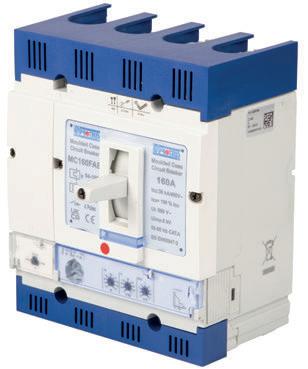

Micrologic devices are electronic trip units used in ACBs and MCCBs to provide advanced protection and monitoring features. These devices can be customised to meet specific application requirements and ensure the safety and efficiency of electrical systems. Using the correct devices ensures selecting the appropriate MCB, ACB and MCCB type and breaking capacity is crucial for the following reasons:
• That the circuit is protected against overloads, short circuits and earth faults, preventing fires and equipment damage.
• Properly sized devices minimise nuisance tripping and ensure that the electrical system operates efficiently.
• Adhering to the guidelines outlined in electrical standards, such as BS 7671 and the Electrical Installation Design Guide by the IET, ensures that the electrical installation meets the required safety standards.
You should always check your source readings and adjust for the worst-case scenario. For example, wet-dry environmental conditions: just because it works in the wet season does not mean it will when the ground is baked dry and the resistivity of the soil increases, or the operational temperatures soar.
B, C and D-type MCBs differ in their tripping characteristics, which determine how quickly they will disconnect the circuit in response to an overload or short circuit.
• B Type MCBs: These MCBs are designed for general use in residential and light commercial applications. They trip between three to five times the rated current (In) and are sensitive to low-level short circuits.
• C Type MCBs: Suitable for commercial and industrial applications, C-type MCBs trip between five to 10 times the rated current. They are less sensitive to short circuits than B-type MCBs, making them ideal for circuits with inductive loads, such as motors and transformers.
• D Type MCBs: These MCBs are designed for circuits with high inrush currents, such as large motors, transformers and X-ray machines. They trip between 10 to 20 times the rated current and are the least sensitive to short circuits among the three types.
Breaking capacity refers to the maximum current that an MCB can safely interrupt without causing damage. The higher the breaking capacity, the more robust the MCB.
• 6kA: Suitable for residential and light commercial applications with lower short-circuit currents.
• 10kA: Commonly used in commercial and industrial settings with higher short-circuit currents.
• 15kA: Designed for heavy-duty industrial applications with very high short-circuit currents.


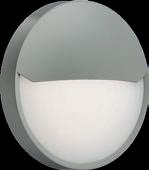


This may not always be the case – you need to check your source reading. If you are close to a transformer, the fault levels can be very high and the Ka level of your device may no longer work – one size does not work for all!
Arc Fault Detection Devices (AFDDs) are critical in preventing electrical fires caused by arc faults. Arc faults occur when there is a breakdown in the insulation of a conductor, which can create a high-temperature arc that ignites surrounding materials. AFDDs are designed to detect these dangerous arcs and disconnect the circuit before a fire can start.
Incorporating AFDDs into your design, particularly in high-risk areas such as residential bedrooms, old buildings, or structures with flammable materials, can significantly enhance safety. AFDDs are now recommended or even mandated in certain regions by electrical standards such as BS 7671.
The importance of adhering to standards like BS 7671, including Amendment 3, cannot be overstated. This amendment introduced crucial changes to ensure the safety and efficiency of electrical installations, particularly concerning bi-directional devices in battery storage and PV generation systems.
There are many systems out there that have the wrong protective devices fitted and it could take years to find and rectify these, and then only if the inspecting engineer is conversant with understanding and spotting this when an
EICR inspection is carried out – this must be urgently addressed and more training is required.
These devices must be correctly selected and configured to manage the flow of electricity in both directions, ensuring safe and reliable operation. Failing to comply with these standards can lead to serious consequences, including electrical fires, equipment damage and even potential loss of life.
Relying on the Max Zs of 1667 for an RCBO can lead to an unsafe electrical installation. It is essential to design the electrical system to work within the Max Zs of B, C and D curve devices, as specified in the electrical standards. This ensures that all the equipment that makes up your design which includes MCBs, ACBs, MCCBs, RCBOs and unidirectional bi-directional devices will trip within the required time, providing adequate protection against overloads, short circuits and earth faults.
Not setting the parameters properly on micrologic MCCBs and ACBs can have disastrous effects, including arc faults and damage to electrical systems. These devices are designed to protect electrical systems from overloads, short circuits and earth faults, but improper settings can lead to catastrophic failures.
It is crucial to follow the manufacturer’s instructions and adhere to electrical standards when setting up these devices to ensure the safety and efficiency of the electrical system, and ensuring you follow the design calculations is vital for a safe system.
The misuse and total lack of understanding in the industry – especially by the cowboy element – has led to thousands of badly designed systems that are potentially unsafe and just waiting to cause a problem. It’s now a case of when, not if!
Selecting the appropriate, ACB, MCCB, MCB, RCBO or unidirectional/ bi-directional devices and adhering to electrical standards, such as BS 7671 and the Electrical Installation Design Guide is crucial for designing safe and efficient electrical systems.
Electricians must and need to be taught to understand the importance of proper design and adhere to the guidelines to ensure the safety and efficiency of electrical systems.
Finally, it is crucial to set the parameters properly on micrologic MCCBs and ACBs to prevent the potential for ARC faults and damage to electrical systems –setting them at max settings is just a recipe for disaster.
More needs to be done in our industry to educate in a way that feels safe to electricians to accept that none of us knows everything and that it is okay to ask. Our education systems are not set up to do this, without charging huge fees to impart vital safety knowledge.
Many electricians are dyslexic or have trouble grasping maths. They are great installers, yet there is no safe way out there where they can learn without feeling like they are being put on the spot or fear being ridiculed, which means they continue making the same mistakes through lack of knowledge.
Governing bodies and leaders need to address this in a way to reduce the anguish and mental stress caused by being put in the spotlight.
It would be beneficial to have a free refresher course available for the complex area of mathematics, which needs to be used properly almost every day in our industry. This applies to all levels, from apprentice upwards. If we don’t use it for years or decades, we tend to forget.
This, along with practical examples of how to apply the maths, such as resistors in parallel, serves as a valuable lesson in reading insulation resistance that can significantly advance this industry.

In today's world, the health of electrical systems is critical to the continuity of services. Malfunctions can lead to significant financial losses and, in critical settings, endanger lives.
Schneider Electric has revolutionised electrical safety with the Acti9 Active Safety System, an all-in-one solution which combines the safety features of miniature circuit breakers, residual current devices, and arc-fault detection devices with monitoring, pre-alarming, alarming, and diagnostic capabilities. This combination enables early detection of installation issues and electrical faults to help avoid or mitigate their consequences.
To realise the full potential of visibility and advanced protection, the Active Safety System brings together a connected device, a gateway, and power monitoring software:
• Acti9 Active is a compact 36mm device with integrated residual current device (RCD), miniature circuit breaker (MCB), arc fault detection device (AFDD), and over-voltage protection. The all-in-one device delivers an exceptional level of protection for people, appliances, and circuits from fire risk. This product had won many innovation Awards before its launch, which is testament to the unique and innovative nature of the device.
• EcoStruxure Panel Server is a high-performance gateway that enables cloud connectivity in an Active Safety System. It provides convenient connection to edge control software programs, BMS systems, and cloud applications. It allows data retrieval from wireless sensors and Modbus devices and optimises energy management solutions. It was designed through a secured development lifecycle in accordance with IEC 62443-4-1, and is certified for IEC 62443 SL1.
• EcoStruxure Power Monitoring Expert is an intuitive software that aggregates installation data for greater visibility and display of actionable insights. It alerts Facility Managers to problems as they occur as well as to predicted issues. It is compliant with IEC 62443 cyber security standards.
Acti9 Active Safety System gives users greater control over their electrical installations. The advanced safety and connectivity features enable condition monitoring and improve visibility, power availability and reliability, as well as enhancing protection, service continuity, and efficiency. Users benefit from:
• An all-in-one solution covering a wide range of faults
• Increased service continuity with fewer breakdowns
• Remote monitoring, diagnostics, and analytics, resulting in fewer disruptions and more efficiency gains
• Easy maintenance – it’s simple to stay on top of the panel’s condition and maintain it
• Simple installation and upgrades to the Acti9 Active distribution boards with integrated devices and wireless connectivity
• A compact integrated device of just 36mm, which is suitable for the smallest of spaces
Scan the QR code to find out more
Sean Smith, Managing Director of Michael Smith Switchgear, looks at the standards relating to low voltage switchgear.

It’s quite rare that issues arise with low voltage switchgear assemblies. When they do, it can be years after installation – and the consequences can be catastrophic. Increased load and prematurely ageing materials can cause under-rated components and poorly-designed assemblies to overheat and catch fire.
That’s why, 10 years ago, BS EN 61439 became compulsory and superseded BS EN 60439. This was updated for the manufacture of low voltage switchgear and control gear assemblies.
It redefined the minimum standard of how assemblies are designed, constructed and installed. In one fell swoop, the standard brought new order, safety and reliability to the design, manufacture and assembly of low voltage switchgear and control gear assemblies.
BS EN 61439 removed loopholes from the withdrawn standard that had been used by the majority of the switchgear industry over the preceding years.
The removal of Partial Type Tested Assemblies (PTTAs) from the standard –and a change in wording and description to the compulsory Design and Routine Verifications of all Assemblies – would make for a more consistent and safe LV switchboard marketplace.
At least it would have done, had it been consistently and universally applied over the last decade.
Adherence with BS EN 61439 is necessary in order to meet wider legal safety obligations. This means it also limits the risk of potential liabilities in the future.
For example, the Electricity at Work Act may become applicable once an assembly is in service. As BEAMA notes, this means that – in the event of an incident involving risk of injury or death – the Health and Safety Executive (HSE) will almost certainly become involved.
If the HSE then determines that the fault was because of poor design or workmanship, the assembly manufacturer is implicated. Responsibility is generally not time barred, and those found to have broken the law face large fines or even prison.
On a more straightforward commercial level, manufacturers making overblown or false claims about the performance of low voltage switchgear assemblies may fall foul of trade and consumer laws – potentially years after installation.
Applying the applicable standard (BS EN 61439) to all assemblies helps to reduce the risk of both eventualities. It offers a level of defence against unforeseen accidents and gives users quality assurance. Demonstrating compliance with BS EN 61439 is not an absolute defence in all circumstances, but it is a good starting point and in most cases could be sufficient.
So, what is in the standard? BS EN 61439 sets out a stage-by-stage guide to safety and performance requirements relating to low voltage switchgear and control gear assemblies used in industrial, residential and commercial settings. It covers specific requirements relating to assemblies, distribution boards, usage on construction sites and in public networks, and busbar trunking. Taken together it provides a way of testing the performance of either bespoke or standard assemblies.
BS7671:2018 IET Wiring Regulations (18th Edition) defines a low voltage switchgear and controller assembly as: Combination of one or more low voltage switching devices together with associated control, measuring, signalling, protective, regulating equipment, with all the internal electrical and mechanical interconnection and structural parts (see BS EN 61439-1).
The result is that BS EN 61439 removes uncertainty for those building and fitting low voltage switchgear assemblies into the wider electrical system. As such, it offers a best practice blueprint, which provides a clear and detailed roadmap for manufacturers and installers for a standardised, safe assembly. When making their procurement decisions, users don’t often specify that their assemblies need to be compliant with BS EN 61439. It is often assumed. However, it’s an extremely effective method for all parties to avoid any difficult conversations in the future. There are

a vast range of verifications to be carried out and full compliance to the standard should be checked by the purchaser or end user.
In summary, installing a switchboard that does not fully comply with BS EN 61439 breaches BS7671:2018 (18th Edition) Wiring Regulations for the installation.
By adhering to the BS EN 61439 standard, manufacturers can ensure that their assemblies are legally compliant and safe for use. The quality assurance provides all parties with peace of mind, knowing that the low voltage switchgear assemblies they depend on to protect their electrical system are built to the latest standards of safety and performance.
For assembly manufacturers, BS EN 61439 is flexible enough to allow creative solutions to bespoke client requests. No two switchboards are the same. Therefore, BS EN 61439 has enough flexibility to enable bespoke designs tailored to specific applications and requirements, which also fully comply and adhere to the standard.
Taken together, it all means that – whether it’s a small commercial building or a large data centre – bespoke low voltage switchgear assemblies can be designed and built without compromising on safety or reliability. And we all know that adaptability is crucial in an evolving electrical landscape, where one-size-fits-all solutions rarely cut it.
Michael Smith Switchgear, mssl.uk.com


Accessing the right information and tools efficiently can significantly improve productivity and eliminate frustration. Pro Certs Software has been at the forefront of developing electrical applications for over a decade, offering a comprehensive suite of resources including tables, charts, calculators, formulas and an electrical certification software package. Whether you’re using a mobile device or a desktop PC, Pro Certs Software ensures that you have the necessary support at your fingertips.
Pro Certs Software began designing and developing electrical applications for the Windows, Apple and Android mobile platforms back in 2011, progressing to cloud electrical software solutions and electrical certification software packages, giving the company over 10 years in the field.
The online cloud-based electrical software is accessible via a web browser from a desktop PC, Mac or laptop. Enjoy the benefits of the larger screen sizes offered by desktop PC’s and laptops to carry out your electrical calculations, such as cable sizing or maximum demand and diversity (amongst others) or for looking up electrical tables with ease using the search index to search for what you are looking for.
Features include easy-to-use navigation with a searchable index; online – log in from anywhere; tools and electrical calculators; electrical tables; and charts.
The latest additions to this cloud web-based electrical software solution are the Maximum Demand Calculator, UI improvements, and a new single phase and three phase maximum demand calculator to calculate your total connected load then apply diversity.
Pro Certs Software has a full suite of electrical apps which are available for Apple and Android devices to serve the needs of an on-site electrician, be that for assisting with EICR’s, looking up a maximum Zs value or just checking the copper equivalent size of an SWA cable armouring. There are free apps available, with the more complex apps being paid-for versions.
Some of Pro Certs Software’s applications include:
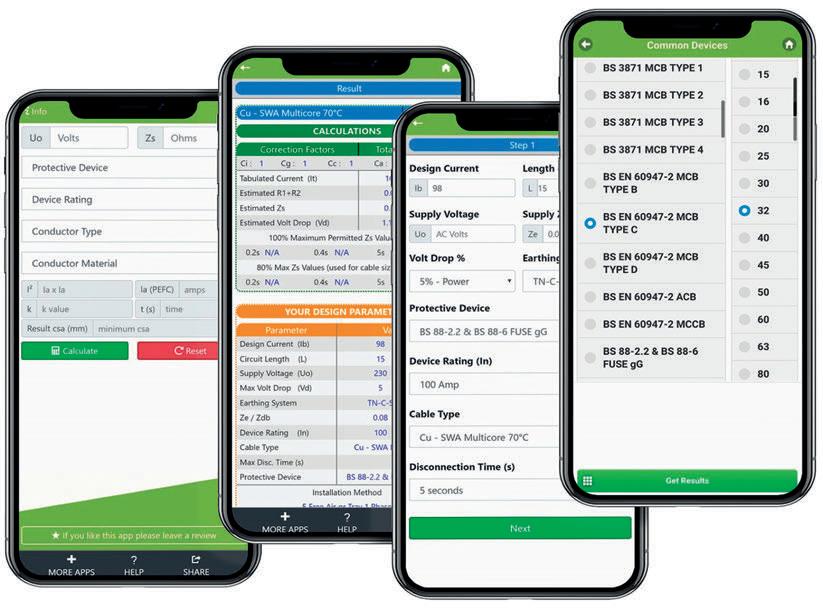
Unleashing the power of precision, Pro Certs Software’s Electrical Cable Size Calculator is a game-changer for industry professionals. This essential tool provides a seamless way to determine the ideal cable size for any electrical project, ensuring efficiency and safety. With its user-friendly interface, navigating complex calculations has never been easier. Whether you’re a seasoned electrician or a novice DIY enthusiast, this calculator simplifies the process,
allowing you to make informed decisions with confidence.
Utilising advanced algorithms, the calculator considers various factors such as voltage drop, current and maximum Zs values, delivering results in seconds. Say goodbye to guesswork and hello to accuracy. Empower your projects with the right cable size, saving time, money and potential headaches down the line. From residential wiring to large-scale industrial installations, this tool is a must-have in your arsenal.


The Adiabatic Equation Calculator couldn’t be any easier to use, just enter your voltage and Zs values, then select your choice from the following drop-down options:
• Protective Device
• Protective Device Rating
• Protective Conductor Type
• Protective Conductor Material
The app is pre-programmed with the operating time/current characteristics for the protective device circuit breakers, fuses and RCBO’s, so you don’t need to look them up.
You then select your choice of protective conductor type, then conductor material. The options available for protective conductor material depends on the selected conductor type.
Once you have completed the quick steps mentioned above, tap the calculate button to get the results.
In addition to calculating the protective conductor size, the Adiabatic Equation calculator also displays all the other relevant calculation results associated with the final calculation of the earth/earthing conductor/protective conductor size.

Calculating the maximum demand and total connected load can be daunting and confusing, but Pro Certs Software’s web-based diversity calculator software makes it easy. This is included within the company’s cloud-based online electrical software or as a standalone app. This maximum demand calculator will calculate the maximum demand for single phase and three phase loads from the total connected load and apply diversity using three different methods, with the option to apply an additional usage factor (UF) to the diversified load (DL).
Trying to locate the correct maximum Zs value for a specific protective device can be very time consuming, and sometimes you may find yourself needing the Zs value for a specific device and can’t find it or don’t have the Zs table to hand. The Max Zs Values app shows all your Zs values in one place.
The electrical certification package ‘Pro Certs’ is based on BS 7671 and has been designed for flexibility, ease of use and simplicity and is suitable for one-man-band electricians and large electrical contractors with multiple users, with a dedicated Management Web Portal and cloud syncing between devices. The Pro Certs electrical certification software is available on iPad, Android Tablets and Windows PCs – this, coupled with the cloud syncing function, creates a simple yet powerful electrical certification package.
The 7909 Certification app is based on BS 7909, for use with BS 7909 code of practice for temporary electrical systems for entertainment and related purposes. Go paperless with this 7909 Certification app for producing your custom temporary electrical system sign-off certificates, including G1 Completion Certificate, G2 Schedule of Test Results and G3 Confirmation of Electrical Completion based on BS 7909 model forms. This app includes many time-saving auto-completion features, vastly reducing the time taken to produce sign-off certificates.
Pro Certs Software, procertssoftware.com


In the classic film The Matrix, Morpheus famously offers Neo a choice between a red pill and a blue pill – the chance to either wake up to the reality of the future or remain in blissful ignorance. Electricians today face a similar crossroads, as the rapid advancement of technology, particularly artificial intelligence (AI), presents both challenges and opportunities. Benjamin Dyer, CEO and co-founder of Powered Now, asks, will you embrace the ‘red pill’ of technological innovation, transforming your work and business? Or will you stick to traditional methods, potentially missing out on the efficiencies and growth digital tools offer?
For decades, the role of an electrician has been grounded in hands-on expertise, problem-solving, and a deep understanding of electrical systems. However, there is a new reality, and electricians are not exempt; digital tools are revolutionising the industry and learning how to navigate this change is very important. The shift from manual processes to digital solutions is streamlining various aspects of the job, from managing paperwork to improving customer interactions.
However, it’s not just software companies leading the charge to digitisation; the government is as well. A great example of this is how we pay our taxes. Recent government initiatives, such as Making Tax Digital (MTD), have further accelerated the adoption of digital technologies.
While it may seem a pain, these measures are designed to simplify compliance, reduce paperwork, and ensure that businesses operate as efficiently as possible. For electricians, this digital shift represents both a challenge and an opportunity. The challenge lies in adapting to new technologies, while the opportunity lies in leveraging these tools to improve productivity and grow their businesses.


2024 is the year Artificial Intelligence went mainstream. You can’t turn on the TV without being told that AI is either going to kill us or turn life into some sort of utopian paradise. These are extreme examples. We should think of AI as more of a useful tool rather than a weapon that’s going to take over the world or our jobs, at least for now. These AI tools are everywhere, and electricians can easily access them to predict problems, optimise workflows, and even communicate with customers.
AI’s ability to analyse data and predict outcomes is particularly valuable in predictive maintenance. Sensors are now so cheap, and everything can be connected to the internet for a tiny amount of money. Imagine having a tool that can warn you of potential failures in an electrical system before they happen. This capability allows electricians to perform maintenance proactively, reducing client downtime and preventing costly repairs. Predictive diagnostics also enable electricians to pinpoint issues more accurately, saving


time and improving service quality. Companies like Fiix are an excellent example of this; it has software that can connect to installed devices and report and alert before a problem occurs.
Automated job management tools are becoming increasingly popular among electricians. These tools can automate scheduling, quoting, invoicing and customer and staff communications. For example, AI can optimise schedules based on job urgency, location and available resources, ensuring that electricians can complete more jobs in less time. Automation also reduces the administrative burden, allowing electricians to focus on the technical aspects of their work rather than getting bogged down in paperwork.
Powered Now, is one of the most popular in the UK doing this, but there are others, such as SimPro and Commusoft. The back office used to do job management, but that’s no good if you are a one-man band; you are the back office! So think of these tools as an extra team member and offload the heavy lifting.
Powered Now recently exhibited at the brilliant Installer Show in Birmingham.
Over 30k visitors were made up of electricians, renewable installers and heating and ventilation engineers. It was a hectic three days on the Powered Now stand, but it was amazing to see how intelligent some of the hardware was becoming. For example, on one of the stands was a whole demonstration of how AI is used in energy management.
We used to call these smart buildings, but the truth is that the controls, sensors and connected software on the market now are a level above simply being smart. AI
tools can analyse an entire building’s energy usage patterns and suggest optimisations to reduce consumption and costs. For example, AI can learn when certain areas of a building are most frequently occupied and adjust lighting and HVAC systems accordingly, or it can recommend the installation of energy-efficient components based on real-time data.
For electricians, this means providing installation and repair services and offering clients smart energy solutions that can lead to significant savings and environmental benefits. AI tools can help electricians offer value-added services, like detailed energy audits, which are becoming increasingly important as sustainability needs grow.
In 2016, Mark Farmer authored an influential report titled Modernise or Die The report, which was commissioned by the UK government and published in October 2016, offers a comprehensive analysis of the UK trade industry and its significant productivity challenges.
The report outlines several pressing issues facing the trade industry, including labour shortages, low productivity and a lack of innovation. It emphasises that the industry is at a critical juncture where failure to modernise could lead to severe consequences.
While AI and automation are key drivers of change, productivity remains the central theme in the technological evolution of the electrical trade. For electricians, increasing productivity is more than just doing more work; it’s about working smarter, not harder.
Digital tools and AI can significantly streamline workflows, reducing the time spent on repetitive tasks. For instance, the job management software mentioned above can automatically populate forms with customer and job details, eliminating the need for manual data entry. By automating routine tasks, electricians can free up time to focus on more complex and rewarding aspects of their work.
In the field, mobile technology is a game-changer. Electricians can now access job details, update work progress and communicate with clients directly from their smartphones or tablets. This saves time and ensures that all information is up-to-date and accessible from anywhere. Mobile apps tailored for electricians can also capture essential data on-site, such as photos or signatures, further streamlining the process. However, be prepared for a lack of signal. The UK mobile network really is terrible, so it also needs to work offline!
Integrating AI and digital tools also enables electricians to make data-driven decisions. Electricians can identify trends, optimise pricing and improve service delivery by analysing data from past jobs. For example, tracking job profitability can help electricians understand the most lucrative jobs, allowing them to focus on areas that will drive business growth.
While technology offers numerous benefits, it’s important to remember that the essence of the electrical trade lies in craftsmanship and expertise. AI and automation are tools that enhance, rather than replace, the skills of a professional electrician. The key to success in this new era is balancing technological adoption with the traditional values of the trade. As technology continues to evolve, we must commit to continuous learning. Staying updated on the latest tools, techniques and regulations is essential for maintaining a competitive edge. Training programs, online courses and industry certifications can help us keep pace with technological advancements and ensure we can effectively leverage new tools. Despite the rise of digital communication tools, maintaining personal connections with customers remains crucial. While AI can handle many aspects of customer interaction, the human touch is still irreplaceable when building trust and understanding your customer’s needs. Combining efficient digital communication with a personal touch is vital.
The future of the electrical trade is undoubtedly digital, with AI and automation playing leading roles. However, the successful electrician of tomorrow will be one who can skilfully integrate these technologies into their daily work while maintaining the craftsmanship and personal service that define the trade.
Tools like Powered Now, FiiX and others mentioned are just part of the broader digital ecosystem available to electricians today. The focus should be on how these tools, along with others, can enhance productivity, improve customer satisfaction, and ensure compliance with evolving regulations. By embracing technology while staying true to the core values of the trade, electricians can look forward to a future that is more efficient and rewarding.
However, while you may prefer Morpheus’s blue pill and stay where you are, the world is moving fast. In this rapidly changing environment, the most successful electricians will be adaptable, tech-savvy and customer-focused. By leveraging the power of AI, digital tools and automation, electricians can transform how they work, delivering better results for their customers and greater satisfaction in their careers.
Powered Now, powerednow.com

Clenergy EV looks at the crucial role software plays in managing EV chargers, along with the significant growth opportunity it presents for installers in a rapidly expanding market.
As the EV charger installation market becomes more competitive, installers need to find ways to stand out.
Competing with recognisable names like Octopus can be tough, but it doesn’t mean increasing costs. Instead, installers can get creative by improving their services, and that’s where EV charging software comes in.
In short, EV charging software is essential for anyone managing an EV charger. But what does it do, and how can it help EV installers grow their business and tap into the huge opportunity presented by the 300,000 public (and many more private chargers) needed by 2030?

Without EV charging software, your customers can charge their vehicles – and that’s about it.
While this can be okay for some home users, it leaves them without post-install support, and unable to leverage new tech to save money and make the most of their EV charger installation. For multi-charger sites, going without software isn’t even an option.
Those managing sites will need software to carry out basic functions like processing payments, offering driver support, setting variable tariffs (e.g. employees vs the public), and keeping chargers online without needing a physical maintenance team.
All this means that having software included in your offering improves your value to multi-charger clients, making you a more attractive option for commercial customers and increasing the chances of word-of-mouth referrals.
Efficiency is key for installers. No one wants to be bogged down waiting for customer service responses or technical support, especially when plenty of new clients are waiting.
It’s even worse when you’re called back to a site because a customer can’t start a charge.
With EV charging software, support is often just a phone call away. Clenergy EV software, in particular, includes an EV installer site that provides in-depth instructions on getting chargers online, reducing the risk of errors or the need for callbacks.
While software installation may take a few more minutes upfront, it reduces the need for return visits. And sets you up for future installations at the same site.
Many of Clenergy EV’s installer clients have benefited from this as their customers’ EV fleets expand. Once
customers are set up with the system, installers can complete jobs quickly and efficiently, boosting revenue through referrals and the fee earned for each charger added to the platform.
All of this sees installation businesses unlock additional revenue, attracting high-value clients, and increasing operational efficiency with only a few minutes of extra set-up time.
Anyone who works in EV knows the huge difference just a few large-scale clients can have.
Few sectors have the kind of foresight that we now do – knowing that nearly every major and minor business in the country will need identical services over the next 5-10 years.
For those who can stand out in the competitive installer market, there is a lot to gain.
Take Royal Mail, for instance. The company just announced an additional 2,100 electric vehicles to its 5,000-strong fleet. Most of the charging infrastructure to support this will be installed at its depots. And yet, there are still 40,000 more vehicles in the fleet that will require electrification by 2040.
Granted, this is a particularly large case, but the same is happening to companies of all sizes across the UK. Not to mention the 49 million drivers who are still to make the switch to electric.
Innovations like cross-street gullies are gaining traction, offering a solution for the 30% of UK drivers who don’t have off-street parking. The questions around EV infrastructure are being answered, and the growing demand for charge points is becoming a reality.
By partnering with EV charging software providers, installers can secure a lucrative slice of this fast-growing market.
Clenergy EV, clenergy-ev.com


The number of commercial and industrial buildings installing photovoltaic systems is growing exponentially. Chris Cowling from Aztec Solar explains how to get the specification and installation right for now and the long term.
According to Drax’s Electrical Insights report, the rate of new solar panel installations more than tripled between September 2022 and 2023. As a country we installed a total of 2.9GW, bringing our total to 18.1GW. And this growth is set to accelerate, with the report forecasting 4.6GW of solar installations in 2024.
The demand is particularly strong in public sector, commercial and industrial buildings as organisations seek to meet their carbon reduction commitments, reduce their electrical costs and secure their supply.
Payback periods for solar installations are typically about five-to-seven years, but depending on your client’s electrical consumption they can be as short as three years. After that, they are saving or even generating revenue by exporting it back to the grid. A good PV module will still be producing 90% of its output even after 25 years, so the potential lifespan of the system could be longer than you think. It makes the design of
the system crucial both in selecting the right products and planning for the long term.
Planning renewable generation over a long period is not simply a case of finding the lowest cost solution. You must specify a system that meets the needs of the organisation now and in the following decades. And you need to consider the practicalities of the installation plus the future operations and maintenance to minimise the lifecycle cost over its lifespan.
It all starts with the design and a clear idea of your customer’s electrical consumption and what it is likely to be in the next few years. Are they, for example, planning to charge more electric vehicles in the future – whether that’s cars, commercial delivery vehicles or forklifts in a warehouse?
Most commercial organisations will use most of their electrical power in the day and can often use all the power generated by a PV system, so they may or may not need energy storage using batteries. The advantage of having batteries is that you can use the generated power when the sun is not shining and also receive and store energy from the grid at low peak times for additional
use when you need it. Each installation is different and it’s a matter of judgement.
Before you start your design, you will need to conduct a thorough site audit to assess the roof structure, its load-bearing capacity and the best areas to install the PV modules. This is to maximise their output, avoid skylights and other services and consider safe passage for future operations and maintenance and in the event of an emergency.


Bespoke spiral PUR and PVC cables made to your specification in white, grey, black or colour of choice. We are also the only UK manufacturer supplying textile braided spirals in a range of over 140 finishes.
For sales and enquiries please contact us at +44 28 9079 2155


If you outsource the design and installation then it’s a good idea to employ a company that also provides operations and maintenance support, as it will have a clear understanding of what to consider for the long term.
For product specification, you should only consider Tier 1 products. These are audited for performance and also for their provenance. Organisations are typically installing PV systems as part of their sustainability drive, so the last thing they want is their PV modules produced using slave labour.
PV modules generally have a warranty of 25 years and will, in many cases, last

even longer; whereas inverters could need replacing after 10 years. You need to plan for future access for the maintenance of both and their potential replacement.
Many commercial installations will have several thousand PV modules so you need to think about remote monitoring of the system so that a maintenance team can clearly identify and find where a fault is.
They will need access to the system, so think about the positioning of distribution boards, inverters and the PV panels. At a basic level, PV panels will need cleaning regularly, but if they need replacing or maintenance then remember that they will be generating DC voltage electricity, so you need to mitigate the future risk to personnel.
PV modules typically have an output voltage of 30-60V. Connecting several of these modules serially in a string creates a high voltage of up to 1,000V DC in a commercial installation, which can be dangerous to installers and for future maintenance.
Traditional string inverters cannot reduce this DC voltage, even if they are turned off. This has two implications. Personnel will need experience in working on live equipment but, more importantly, you need to select an inverter that will reduce the voltage to a safe level for maintenance or in an emergency, if, for example, firefighters need to access the roof.
Fortunately, inverter technology has caught up with this safety requirement. Systems like Solar Edge have power optimisers, inverters and individual
monitoring on each module. This allows for the automatic shutdown of PV arrays and lowers and maintains the voltage in all DC conductors below 50V and to 1V per optimiser for either maintenance or in an emergency.
A further safety requirement for inverters is that they must detect and terminate an electrical arc by shutting down. Such arcs could be due to connectors or cables being damaged or not properly connected.
This technology also keeps output levels high. In a traditional arrangement, if one module is not working properly then other modules in that string will drop down to a minimum level. With the inverter technology described above, if one module is not at full capacity for whatever reason it does not affect the other panels’ output.
Every installation is different and each poses its own challenges for the specification, installation and commissioning.
Factors to consider include when you gain access to the building to crane or lift the PV modules onto the roof, how long the power will be shut off for connection and commissioning, and the health and safety of the building occupants and those installing the system.
For many commercial buildings, such as hospitals, for example, there may only be a very small timeframe where you can connect, commission and test the system before they need the building’s power back on.
The specification, design, commissioning and ongoing maintenance of a PV system is vital if an organisation is going to maximise the rewards from renewable self-generation over its long lifespan. It pays to design such systems with future maintenance in mind and to consider the system’s future requirements for replacing equipment and the needs of personnel who need to maintain it.
Get the specification right and the building landlords and occupants will reap the rewards for decades. And, perhaps more importantly, you will be making a significant contribution to the climate and our future energy security.
Aztec Solar, aztecsolarenergy.co.uk





Break into ring final circuits. Repair or extend existing cable runs. Connect 2 spurs with the 4 way splitter. Maintenance free.


No earth sleeving required.
Compact - Fits through a 24mm or 30mm hole.
Lightning fast QuickwireTM push in technology.


The Waste Electronic and Electrical Regulations (WEEE) were introduced to the UK back in 2007, but Recolight says that many contractors it speaks to either aren’t aware of them or don’t know how to use them. Lyndsey Tweddle, Recolight Customer Service Manager, gives a WEEE update and explains what this means to electrical contractors.
Most waste electricals, such as fluorescent tubes and most waste luminaires, are classified as hazardous, and it is illegal for a business to send hazardous waste to landfill or to mix it with other wastes.
Electrical contractors and their customers have a duty of care to make sure their waste is disposed of correctly. This applies to all who:
• Produce or store waste
• Collect and transport waste
• Receive waste for recycling or disposal
There is a downside to not doing the right thing. If a contractor disposes of waste in an illegal fashion, both they and their customer could be subject to enforcement action by the Environment Agency.
Recolight is a not-for-profit WEEE Compliance scheme, set up by the lighting industry and funded by the lighting industry to manage a free recycling service for lamps. If you collect 1,000 lamps each quarter, the container and collection is free too. If you have smaller quantities collected in your van, Recolight can help as it has a UK network of 850 lamp and 40 light fitting drop-off points. Search the map on the Recolight website to find the one closest to you, and then simply drop off your waste lamps between jobs. It’s free for you to do this.

The environment agencies have reporting procedures in place to control the storage and movement of WEEE, with which businesses must comply.
A hazardous waste consignment note is an Environment Agency requirement. They’re used to track the amount of WEEE that is being recycled and not going to landfill. They have three copies: one to leave at the drop-off point, one for you, and one for your customer (where you pick up the waste from). But following a recent Environment Agency derogation, in England you no longer need to take a consignment note with you, provided the waste is produced as a result of your own business activities, and you drop the waste off at an electrical wholesaler.
The wholesaler must not charge you to drop off the waste but must complete a consignment note when the waste is collected for recycling.

Options to repurpose the lighting or to use remanufactured lighting should always be considered Recolight is a
You will find guidance on the Recolight website to help you with consignment notes, WEEE storage exemptions, and waste carrier licences.
Recycling should always be regarded as the last option, and when working on a lighting project, options to repurpose the lighting or to use remanufactured lighting should always be considered. This will always be a better environmental outcome because when product is sent for recycling, much of the embodied carbon is lost.
If the light fittings you’re replacing haven’t reached the end of their life, you can give the fittings a second life by donating them on the Recolight Reuse Hub. If the fittings need to be upgraded, a lighting remanufacturer can do this.
Recolight, recolight.co.uk








Recolight is the leading UK WEEE compliance scheme for lighting, taking on responsibility for its members’ WEEE compliance. O ering free integrated Lamp and Luminaire collection and recycling and the biggest UK-wide network of collection points for all WEEE lighting.
equipment,


Recolight go beyond recycling, by o ering circular economy services, facilitating the reuse of lighting equipment, and helping to avoid unnecessary recycling of surplus new lighting.


Working with the lighting industry, Recolight o er support and services to help their Producer Members transition to a Circular Economy.


LEDVANCE has expanded its product portfolio with the launch of LEDVANCE renewables. This innovative product line consists of photovoltaic panels, inverters and batteries, offering a comprehensive, integrated and sustainable solution for both residential and commercial customers. This move underscores LEDVANCE’s unwavering commitment to environmental protection and aligns with its tagline, ‘Power Through Light’.
As a frontrunner in the lighting industry, LEDVANCE is not only maintaining its status but is also embracing a broader vision that empowers customers to leverage the power of light for both illumination and sustainable power generation. Venturing into the B2B channel within the energy market, LEDVANCE positions itself as an innovative, forward-thinking company with a focus on environmental responsibility.
In line with the global initiative to achieve carbon neutrality by 2050, LEDVANCE’s new product segment addresses the urgent challenges of climate change. Launched in 2023, LEDVANCE Renewables integrates solar panels, inverters and batteries into an all-encompassing system. What sets this solution apart is its bundle offer for all main components of a photovoltaic system,


providing customers with a convenient one-stop-shop experience.
LEDVANCE Renewables unlocks a myriad of benefits for residential and commercial customers, including energy cost savings, energy independence, a reduced carbon footprint, a comprehensive product range, and interoperability with the individual system components. The product line ensures seamless integration tailored to the unique energy needs of homes and business owners alike. LEDVANCE Renewables products can also be integrated into other photovoltaic systems due to their compatibility and standards. The LEDVANCE Renewables App allows for easy monitoring and control of the entire photovoltaic system, providing real-time insights anytime, anywhere.
LEDVANCE offers a complete package from consultation and system supply to performance, monitoring and after sales support. This integrated approach positions LEDVANCE as the preferred choice for installers and wholesalers, driving demand among end consumers who own houses or commercial facilities.
By expanding into the realm of renewable energy, LEDVANCE continues to lead in innovation, empowering customers to contribute to a sustainable and brighter future. Beyond lighting, LEDVANCE offers vertically integrated, renewable energy solutions for the building sector. Together, the lighting division and the renewable energy division form a comprehensive ecosystem for residential, commercial and industrial buildings.
LEDVANCE, ledvance.com Tel: 01925 465 000

LEDVANCE provides a comprehensive range of products and services for photovoltaic systems, including panels, inverters, and batteries for residential and commercial use.


B.E.G. has made an example of how buildings can become more sustainable by turning its own headquarters in Germany into a ‘showcase for energy efficiency’.
The construction and operation of buildings are deemed one of the biggest ‘climate killers’, accounting for 38% of global emissions according to research.
But B.E.G. in Lindlar, Germany, has become a ‘trailblazer for sustainable buildings’ thanks to the installation of a new server solution and state-of-the-art NetX building automation systems technology. The tech incorporates a geothermal heat pump, ventilation, photovoltaic system, blinds, lighting, access, and security areas to form a single automation system.
At Lindlar, the geothermal system is controlled via ModBus and the photovoltaic system via BACNet. Air quality, air-conditioning, shading, the control of the gate system and accesses are controlled via KNX and the lighting control via the in-house DALI-SYS. In the high-bay warehouse, a wireless system called Casambi is also used due to its flexibility.
Different communication protocols and bus systems such as Modbus, BACnet, KNX, DALI and Casambi become a functional unit under NetX via one simple router. Heating, shading, excluding unused areas, and increasing security all improve comfort at Lindlar.
B.E.G. employees have an individual access chip which opens and closes the access gate to the premises and activates the room air conditioning when a building area is opened.

In the offices, super-flat sensors are used to control the lighting and provide increased comfort. This changes the light colour during the day and helps support the natural biorhythm of the employees. In the dark winter months, the Human Centric Lighting (HCL) function ensures a fresh start to the day.
Special HVAC wall sensors not only control temperature but humidity too, so that fresh, oxygen-rich air is experienced in the office rooms. In the process, it measures the proportion of volatile organic components – VOCs for short – so adhesives and chemicals that are emitted from walls, floors and furniture, which can lead to feelings of illness, are removed.
Human exhalations such as the smell of sweat, sulphurous compounds, essential oils, perfume, hairspray and deodorant are also VOCs. If there are too many of these VOCs in a room, it is automatically ventilated. The sensors are also used in the conference rooms of B.E.G. where many people spend long periods of time and where permanently fresh air increases the ability to concentrate and the sense of well-being.
Hygienic and particularly energy-saving lighting of the sanitary facilities is implemented via another sensor, called the Indoor 180-KNX-DX. It reacts to movements and then switches on the light. It also has a noise detection system. This means that it also detects a presence in individual cubicles. During periods of non-use, luminaires remain switched off.
By adjusting the BMS server via a KNX router in connection with a blind actuator and a KNX weather station, building automation at Lindlar can also be adjusted to the course of the sun. In this way, the climate is much more pleasant inside during the summer, while in winter the blinds provide additional thermal insulation.
A mixture of KNX, DALI and Casambi sensors are installed in the B.E.G. warehouse building. In the high-bay warehouse area, detectors with their excellent daylight-dependent regulation, in combination with KNX sensors, help to ensure that optimum lighting conditions are always available.
B.E.G. has also implemented an innovative lighting guidance system where light accompanies the user through the warehouse like a ‘cloud of light’. Thanks to sensor coordination across groups and even lines, the light is fully activated in the area where the user is located. The surrounding areas dim to a fixed orientation light value. As a result, the user never has a completely dark area in their field of vision – all adjacent, visible aisles are illuminated with orientation light.

In all unused areas, the light is automatically switched off and energy is saved. All the different systems are controlled by a server located at each site and combined with a higher-level server installed in the administration building. This allows the greatest possible degree of fail-safety through the use of several controllers, as well as a maximum degree of control at the same time, and this is location-independent. The user only needs an internet-capable end device (smartphone, tablet or notebook) with a pre-installed browser and a secure connection.
The German manufacturer insists the ‘path to climate neutrality is through building automation solutions’ which is an ‘investment in the future’. Paul Jones, Sales Director of UK & Ireland at B.E.G, also says these types of systems are vital to the world in achieving its climate goals. The UK currently aims to reach net zero by 2050.
Paul says, “The B.E.G. HQ in Lindlar is a fantastic example of how using building automation systems can turn buildings into highly energy efficient spaces. Building automation also makes the use of a building a lot more flexible as control can take place digitally. Changes can be implemented quickly and cost-effectively with less effort.
“In any building in which sensors perceive their environment, energy can be saved in areas where no use takes place. In addition, weather data and existing lighting conditions can be incorporated to prevent energy waste. The savings also mean an increase in comfort for the building user, because there is no need to worry about functionalities such as air conditioning, lighting or security as everything runs automatically.
“Since renewable energies are not sufficient to satisfy the current hunger for energy, the NetX B.E.G. technology installed at Lindlar can be key to the world achieving its climate goals.”
B.E.G., beg-luxomat.com


PD4N-DALI-LINK


BEAMA has launched its Net Zero Service, designed to support its members – who represent a significant portion of the electrotechnical supply chain – in navigating the complexities of transitioning to net zero and embracing sustainability.
As the urgency of addressing climate change intensifies, the electrical industry is increasingly recognising the importance of sustainability and the circular economy. This sector has a unique opportunity to lead by implementing innovative solutions that minimise environmental impacts while fostering long-term resource efficiency. This has resulted in more sustainability requests and more companies setting and measuring Scope 3 emissions within their supply chains.
BEAMA’s Net Zero Service equips its members with a developing corporate toolkit designed to reduce both operational and embodied carbon, while embracing the principles of the circular economy. The service provides a wealth of educational resources, policy guidance and regulatory advocacy, addressing crucial aspects of sustainability from climate commitments to sustainable product design. A key component of the service is the newly established Technical Sustainability Committee (TeSC), which reviews and develops relevant standards and guidelines, ensuring that processes across the sector are both consistent and comparable. Through the knowledge and insights provided by the Net Zero Service, BEAMA members are well positioned to navigate their route towards circularity, while contributing to the development of sustainable electrification systems and infrastructure. The service encourages
collaboration on industry challenges, such as reducing embodied carbon, by facilitating focused Task and Finish groups, among other resources.
A notable outcome of the Net Zero Service is the Product Carbon Initiative, developed through a Task and Finish group. This initiative addresses limitations in existing processes and guidance on how to address embodied carbon for MEP products, navigating differing formats, and challenges stemming from varying terminology and divergent definitions. Additionally, it makes clear the imperative for a cohesive and collaborative approach to embodied carbon requests.
For manufacturing companies, considering the costs and challenges of transitioning to a circular model is critical. By maintaining materials at their highest value for as long as possible there is the potential for both cost and environmental savings. Designing products for durability, repairability and recyclability supports reductions in demand for raw materials and optimises production inputs. This approach not only conserves resources but also enhances the overall value proposition of products.
The shift towards a circular economy also opens up new opportunities within the electrical sector. Working together, stakeholders can identify resource efficiencies and foster innovation, all while reducing emissions. The Net Zero Service includes workshops designed to promote collaboration, learning and supply chain engagement, fostering a strong community of practice.
As the electrical industry continues its journey towards sustainability, BEAMA’s Net Zero Service provides the essential support and guidance needed to navigate this complex transition.
Yselkla Farmer, CEO at BEAMA, says, “As we journey to net zero, supply chain businesses are at the forefront of a profound shift in the political, economic and environmental landscape. No company is immune from this transformation or can decarbonise alone. Shifting entire supply chains to more sustainable practices is essential, with community and collaboration needed at the core.
“BEAMA’s Net Zero Service empowers manufacturers to lead in decarbonising their supply chains, providing knowledge, tools and a platform for supply chain collaboration, best practices, and driving progress in industry standards and regulation.
“This initiative allows us to support businesses in making informed decisions and meaningful actions toward net zero and circularity. As a trusted not-for-profit trade association, we have responded to our members’ call for guidance on this critical issue, extending beyond our traditional electrotechnical scope.
“I believe in the strength of collaboration. The leadership and engagement we are seeing from our community of manufacturers shows promising progress toward a sustainable future. My hope is that other sectors can follow – taking decisive actions to engage their supply chains and drive real progress and action.”
BEAMA, beama.org.uk




A development of 16 social homes designed and built to achieve Passivhaus standard has been constructed in Dalbeattie, Dumfries & Galloway, with the support of Baxi and its air source heat pump solutions and services.
To play its part in the delivery of these new net zero homes for Loreburn Housing Association, heating contractor
James Frew required a solution that would provide sustainable heat to the properties – in this case, air source heat pumps.
The team then needed to find a strategic partner that would be able to offer the solutions and onsite support to implement the technology. Facing stringent design requirements to make the homes efficient and low carbon, James Frew decided to partner with Baxi to benefit from its full range of support services, training and efficient products.
Designed by architect, Robert Potter and Partners and built by main contractor Ashleigh (Scotland), the two and three-bedroom properties were to meet the highest standards of energy efficiency and comfort – part of Loreburn’s commitment to delivering new homes fit for the future. This type of home will play a key role as local authorities and housing associations such as Loreburn look to deliver new homes in line with the New Build Heat Standard (Scotland) or Future Homes Standard.
Using the Passivhaus model, the entire home had to be designed around achieving the best energy efficiency, as well as the heating source being a heat pump. This involved specifying not only the insulation and windows to meet the standard, but also the correctly sized heat pump for each home.
Space was also a consideration in the homes. The design needed to guarantee there was ample room for the internal and external elements of the heat pump solution, without compromising on comfort for tenants.
The James Frew team worked closely with Baxi’s experts to ensure the correct specification of heat pump for the design requirements of each house. Baxi’s air source heat pumps, compatible cylinders and uSense controls were specified to provide the heating and hot water provision for each of the 16 homes through three radiators.
As part of Baxi’s heat pump service, the team of engineers had access to the company’s specialist training to allow them to become familiar with the specified solution and be confident in installing it before the project began. They also benefitted from expert support on site, ensuring the full system was
designed correctly and could be installed within the space.
Rob Pearse, Director of Distribution Sales at Baxi UK, says, “This innovative project is a great example of how collaboration and consultation can achieve amazing results for delivering net zero social housing. As heating solutions experts, we can work closely with social housing providers and their appointed contractors to consider the different approaches for low carbon heating, selecting the most suitable combination of solutions for the application.
“Whether it is a new build project to Passivhaus standard like this one or decarbonising existing developments through retrofit, we are committed to providing the complete home service to our social housing clients.”
Alison Maxwell, Project Delivery Officer for Loreburn HA, comments, “The standard of these homes is testament to Loreburn’s commitment to building warm and highly energy efficient homes, where technology and intelligent design come together to create a sustainable future for our tenants.”
Baxi, baxi.co.uk

Introducing our FlameGuard dry lining boxes which feature an intumescent layer that starts to expand at 190ºC and upwards, filling the metal box cavity.


Fire safety in high rise residential buildings was put under the spotlight in the wake of the 2017 Grenfell Tower tragedy, leading to the introduction of the Building Safety Act 2022. The legislation is intended to improve the design, construction and management of higher-risk buildings. Building regulations require new buildings to be designed and built to limit the spread of fire and to help residents escape in the event of a fire. Here, Jake Green, Head of Technical Engagement at Scolmore Group looks at the regulations covering the selection and erection of wiring systems to minimise the spread of fire.
Section 527 details the requirements of BS 7671 for the selection and erection of wiring systems to minimise the spread of fire.
The general requirements are:
• That a wiring system is installed so that the general building structural performance and fire safety are not reduced (527.1.2)
• Wiring systems passing through building element openings shall be sealed to the degree of fire resistance prescribed for the particular element (527.2.1)
• 527.2.4 details the necessary sealing arrangements.
There is no requirement within BS 7671 for installers to be registered with a specific registration body to carry out such work.
The guide, ‘Firestopping of service penetrations – Best practice in design and installation’ published by the Finishes and Interiors Sector is supported by ASFP, BESA, BSRIA and GPDA and has a foreword by Dame Judith Hackitt. This guide was issued after the Grenfell Tower tragedy.


The FlameGuard Back Box from Click Scolmore is designed to offer total peace of mind in the event of fire. In the event of a fire, the blue intumescent layer within the box expands as the temperature increases, filling the metal box cavity. The expanded seal eliminates the flow of air through the void and thereby starves the fire of vital elements for combustion.
The Click FlameGuard back boxes are the only fire rated dry lining back boxes on the market that have ‘configurable’ lugs allowing installation into different depths of plasterboard. With installers tending to use double layered boards, requiring depths of up to 30mm, standard versions do not fit. They have been designed to work with up to 30mm boards and operate in exactly the same way. It is as simple and quick to install as a standard cavity wall box.
Key features include:
• Durable all steel construction
• Multiple cable entry points
• Unique spring loaded lugs
• 47mm depths
• Earth terminal fitted
The FlameGuard back boxes have been tested and conform to both fire and acoustic BS EN standards. Fire: BS EN 1363-1: 1999 & BS EN 1364-1: 1999. Acoustic: BS EN ISO 10140-2: 2010 & BS EN ISO 717-1: 1997. They comply with Building Regulations. They are fire tested up to 90 minutes with the capability of the boxes being mounted back to back.
The guide (page 45) highlights third-party product certification schemes for passive fire protection products. The guide states, ‘Using correctly installed certificated products provides a powerful demonstration that due diligences have been served.’
There are third-party certification schemes for penetration seal installers. These include WarringtonFire, IFC, BRE and BM Trada. Furthermore, the IFE has a Level 2 Certificate in Passive Fire Protection. This qualification has been developed with the Association for Specialist Fire Protection (ASFP).
However, the competence of the installer sits differently to that required of the product. As long as the product meets the requirements of the specifier and meets the requirements of BS 7671, the installer is responsible for its correct installation.
BEAMA has recently (2023) published a technical bulletin covering intumescent and acoustic pads and covers. This brief guide does highlight a concern regarding the use of such materials. Wiring accessories are

tested when mounted on a standard wall box (plastic or metallic) having no added firestopping material. BEAMA has undertaken tests and found that overheating may occur, leading to products exceeding their design temperature, with accessories containing electronic equipment being particularly prone to such risks.
BEAMA states the following: ‘Intumescent and acoustic pads and covers shall not be used unless approved by the manufacturer of the wiring accessory. Approval shall take into account the influences of the pad(s) and cover(s) upon the relevant requirements of the accessory product standards e.g., temperature rise and internal clearances.’
It is clear that the question raised is not one that simply covers the seals themselves and the regulatory requirements and other guidance, but one that addresses manufacturer concerns about the reliability of the accessory once intumescent pads are installed. However, as stated earlier in this article, the competence of the installer sits differently to that required of the product.

As long as the product is third-party certified and meets the requirements of the specifier along with the requirements of BS 7671, the installer is responsible for its correct installation.

Scolmore, scolmore.com


In the ever-evolving world of electrical installations, the need for products that combine durability, functionality and aesthetics is paramount. Eurolite continues to set the bar high with its Metal Clad range. The recent addition of grids to this range marks a significant leap forward, catering to the dynamic needs of modern infrastructures and offering unparalleled versatility.
The Eurolite Metal Clad range has long been revered for its robust construction and resilience, making it a preferred choice for industrial and commercial applications where durability is non-negotiable.
Crafted from high-grade materials, these metal-clad units are designed to withstand the rigours of daily use and harsh environments, providing a reliable solution that stands the test of time.
Sales Director, Carl Robinson, says, “The metal clad grid range is a great addition to our product portfolio with grid plates ranging from 1-12 gang, and a vast array of clip-in ‘n’ switch modules such as key switches, appliance switches and dimmer switches.
“To have this alongside our current metal clad offering of Euro modules, RCD sockets and all the essential products you would expect, we now have a solution for all your commercial requirements.
“All our products are tested to the relevant BS number and come with a 25-year guarantee.”
However, durability does not come at the expense of aesthetics. The sleek, modern design of the Metal Clad range ensures that these units can seamlessly integrate into any environment, from contemporary offices to high-tech industrial spaces. The addition of grids enhances this integration, offering a more refined look that complements the existing decor while maintaining the sturdy essence of the range.


The introduction of grids into the Metal Clad range is a game-changer, providing unmatched flexibility in electrical installations. Grids allow for the modular arrangement of switches and sockets, enabling tailored configurations to meet specific requirements. This adaptability is crucial in today’s diverse market, where one-size-fits-all solutions are no longer viable.
Installers and end-users can now mix and match different modules within a single grid frame, creating customised setups that optimise space and functionality. Whether it’s a complex industrial control panel or a streamlined office workstation, the ability to configure multiple devices within a unified grid system simplifies the installation process and enhances the overall user experience.
In an era where technological advancements are rapid and continuous, future-proofing installations is a critical consideration. The Metal Clad range with grids is designed with foresight, accommodating future expansions and technological upgrades. This forward-thinking approach ensures that
the installations remain relevant and functional as new technologies emerge and requirements evolve.
The addition of grids to the Eurolite Metal Clad range is a testament to the brand’s dedication to innovation and customer-centric solutions. By combining robust durability, aesthetic appeal and unparalleled flexibility, Eurolite continues to lead the way in electrical installation solutions. This latest enhancement not only meets the current demands of diverse environments but also anticipates future needs, making the Eurolite Metal Clad range a prudent and forward-looking choice for any project.
This is an all-metal range in a stylish silver finish and the back boxes have been developed to ensure an exact fit, for that seamless look! It’s ideal for use in residential projects looking to achieve a modern industrial look with a sophisticated edge. Tough and impact resistant, Metal Clad is also suitable where hard-wearing performance is required – such as workshops, garages, sheds, schools and industrial premises.
Eurolite, eurolite.co.uk
Offering a full range of inserts.

METAL CLAD RANGE


•Easy knock outs
•Spacers supplied to keep the grid at the perfect depth
•Easy clip and out grid switches
•Comprehensive grid range
•1-12 gang plates
13A USB A+C sockets up to 4.8A rating
Tested to requirements BS1363-2:2016+A1:2018
Available in round, square, and screwless profiles
Made from High Grade Stainless Steel
Lacquered to reduce fingerprint marks
Manufactured in the UK
Screwless easy clip profile, 6mm depth plate
Sleek curved edge profile, 9mm depth plate


Square modern profile, 4.5mm depth plate


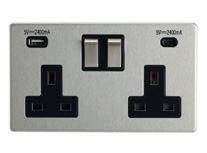
13A USB A+C sockets, up to 3A rating
Tested to requirements BS1363-2:2016+A1:2018
Available in frameless and framed variations
Curved and slim profile
Available in White, Grey, and Black colour options
Made from robust thermoplastic
Flame-retardant and resilient to withstand hard impacts
Manufactured in-house


Manufactured in the UK Metal
Superior resistance to impact, ideal for industrial and commercial environments
Tested to the requirements of BS1363-2:2016+A1:2018
High-finish epoxy powder coating
Corrosion-resistant finish
Key switch range suitable for fire or burglar alarm panels
RCD sockets and spurs also available in this range
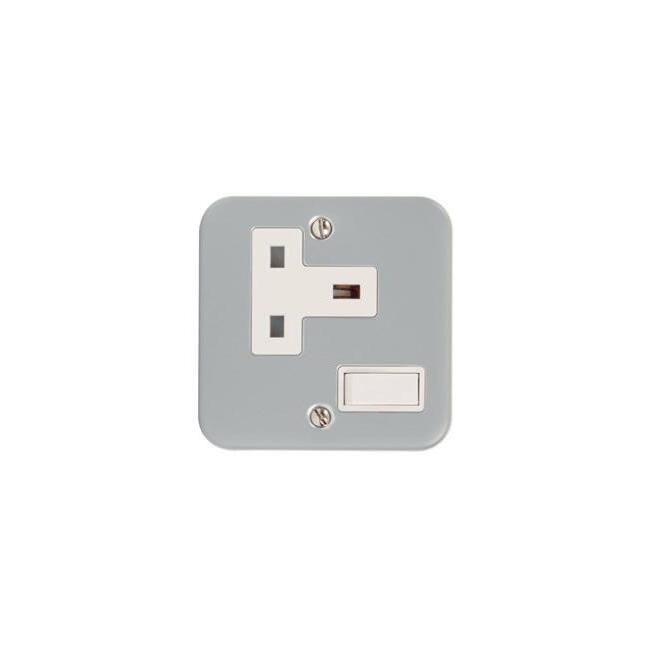


Selectric is committed to innovation that anticipates the needs of its clients. The company understands that new products are vital for the growth and success of any business and believes that it is this proactive mindset that sets the company apart from other manufacturers in the electrical industry.
With the strategic appointment of new key personnel and the development of cutting-edge product ranges, backed by compelling new literature and marketing endeavours, Selectric is firmly positioned for future growth. As the company forges ahead, it maintains focus on continuous development, regularly listening to the electrical marketplace and collaborating with industry stakeholders to develop new products that align with their ever-changing needs. Recent feedback has driven Selectric to invest significantly in its smart accessories; the GRID360 Kinetic range.
The GRID360 Kinetic range is a new revolutionary wireless switch system and represents a major leap forward in sustainability and convenience. Wireless kinetic switches operate by using kinetic energy generated from pressing a button to send a signal to a receiver, which then activates the connected device or appliance. The kinetic energy from the action of pressing the button powers the transmission of the signal, eliminating the need for batteries or wiring. This innovative technology offers a convenient and energy-efficient solution for controlling various devices in a wireless manner. This setup has several advances over traditional switches:
• No wiring: First and foremost, this advanced technology eliminates the need for cumbersome and unsightly wires. This not only simplifies the setup process but also makes it possible to use the switch in a wider variety of locations. With a wireless switch, users can control their devices from a remote location, such as a different room or even outside. This is particularly useful for controlling lights, fans and other appliances in the home, as well as for controlling various office equipment in the workplace.


• Energy efficiency: The system uses a very small amount of energy as it generates power through the kinetic energy of the user’s interaction, making it a sustainable choice for smart home automation. This in turn reduces overall power consumption which results in economic savings and contributes towards an improved carbon footprint.
• Flexibility: Wireless kinetic switches do not rely on traditional wiring for power, which allows them to be placed in various locations without the constraints of wiring locations. They can be placed virtually anywhere within their communication range, providing flexibility in switch placement and room design.

• Ease of installation: Wireless kinetic switches are easy to install because they do not require any hardwiring or complex installation processes. Simply mounting the switch where desired and pairing it with compatible receivers or devices allows for a quick and hassle-free setup. This makes them an efficient and convenient option for those looking to add a switch to their home without the need for professional installation.
• Reliability: Another advantage of the GRID360 Kinetic wireless switch is that it is much more reliable than traditional wired switches. Since the switch does not rely on a physical connection to the device, there is no risk of the switch becoming disconnected or damaged due to accidental impacts. This results in a more dependable and stable experience, which is particularly important for professional applications.
There is a wide range of receivers to choose from to solve real-life controlling requirements and Selectric offers a range of non-dimmable, dimmable and smart receivers. The lowest and highest brightness level can be set by an app on the smart dimmer. This helps the performance and compatibility of the dimmer to suit more dimmable light fittings whilst avoiding the flicker and slow response issues often found with smart dimmers.
The GRID360 Kinetic system uses the Tuya Smart app and the Smart Life app. These apps are both smartphone applications that allow users to control and manage smart home devices such as lighting, thermostats, cameras and more. While both apps are quite similar in functionality and user interface, the Tuya Smart app is specifically designed to work with products powered by Tuya Technology, whereas the Smart Life app is a more generic
platform compatible with a wider range of smart devices from various manufacturers. Ultimately, the choice between the two apps may come down to the specific devices a user wants to connect and control within their smart home ecosystem.
You can pair up to 10 switches with any of the Selectric receivers, offering a large range of flexibility depending on your scenario. There’s also an IP65 waterproof silicon wireless fob switch available which is ideal to be added to a keyring for operating garage or shed door systems. A 30m transmission range (depending on context) ensures the switches perform steadily under complex indoor installations and a 70m transmission range for outdoor.
GRID360 Kinetic switches have been designed to integrate into Selectric’s ever-popular GRID360 range of plates, allowing you to match all current finishes ranging from the generic white finish to a rich dark bronze. The GRID360 range offers a high level of flexibility and customisation with its fully interchangeable grid switch modules and plates. The elimination of yokes by allowing modules to screw directly into each plate simplifies installation and offers a wide array of options to meet various requirements efficiently. With over 400 items and thousands of possible combinations, the options available are vast and can cater to a wide range of needs, ensuring that there is something to suit everyone’s preferences and requirements. Ultimately, the choice between wireless kinetic switches and traditional switches should be based on factors such as the building’s design, user preferences, budget and compatibility with existing systems. So, if you are looking for a more intuitive and flexible way to control your devices, consider investing in GRID360 Kinetic wireless switches today.
Selectric, selectricuk.co.uk
Up to 10






Often, the unsung stars of electrical installations are the white plastic sockets and switches that keep electricity safe in homes, offices and business buildings. Although these fittings may seem like simple parts, they are very important for keeping electricity safe. Deliver Electrical explores how white plastic switches and plugs help make electrical systems safer.
The insulating qualities of white plastic make it the material of choice for most plugs and switches. When used correctly, white plastic fittings serve as insulators, blocking the flow of electrical current, in contrast to metal fittings, which conduct electricity. Because of the insulation, white plastic plugs and switches are a better option for electrical installations, particularly in wet or humid environments, because they lessen the likelihood of electric shock.

White plastic sockets and switches are created to adhere to strict safety norms and regulations. In the UK, standards are established by organisations like the British Standards Institution (BSI) and the Institution of Engineering and Technology (IET).
Adherence to safety standards guarantees that white plastic fittings are made with materials and characteristics that enhance electrical safety, including fire resistance, mechanical strength and insulation resistance.
The longevity and durability of white plastic switches and sockets are well-recognised. These fittings are impact-, corrosion-, and UV-resistant and are constructed of premium thermoplastic materials like ABS or polycarbonate. Because of their longevity, white plastic switches and sockets are less likely to fail or malfunction and endanger electrical safety over time.
Correct installation and usage of electrical fittings depends on proper identification and labelling. A lot of the time, white plastic switches and sockets include labels and markings that clearly state the circuit identification, voltage rating and purpose. This obvious identification reduces the possibility of mistakes or mishaps brought on by improper installation.
Many safety equipment products and accessories that further improve electrical safety are compatible with white plastic switches and plugs. Some of them, which offer further defence against electric

shocks, short circuits and electrical fires, include surge protectors, circuit breakers and residual current devices (RCDs). Users can build complete electrical safety systems suited to their particular requirements by combining white plastic fittings with safety equipment.
White plastic plugs and switches must be inspected and maintained regularly to ensure they stay safe and work properly. Every once in a while, homeowners should check their fittings for harm, wear or loose connections. Regular testing and inspections by professional electricians can find possible problems and fix them quickly, which lowers the risk of electrical accidents or failures.
White plastic sockets and switches are very important for making electrical systems safer in homes, businesses and factories. Because they are insulated, meet safety standards, last a long time, are easy to identify, work with safety devices, and need regular upkeep, they help make electrical installations safer. Knowing how these fittings help improve electrical safety can help homeowners, electricians and building workers choose and install the right electrical fittings for their projects.
Explore our new Q-NECT range of Lever Connectors and Connection Boxes.

Strong, quick and reliable solutions.


Integrating audio systems into a home or property doesn’t have to be expensive or complicated to install. Award-winning British audio manufacturer, Q Acoustics, has an enviable track record of designing affordable multi and single-room audio solutions that are easy to fit, deliver class-leading audio and offer intuitive operation in any room in the home.
The introduction of the E300A is the company’s most advanced system yet, with this ceiling installed, voice-controlled Hi-Fi amplifier ready to be the heart of any smart home eco-system. Use the power of Amazon Alexa with other compatible and popular smart home products such as light fittings, thermostats and door entry.
A simple and elegant solution, the main unit and speakers can all easily be fitted in the ceiling during building work or renovation, while it is also suited to pre-fitting into new builds or extensions. A certified fire-resistant rating of 60 minutes means E300A maintains a fire barrier without the need to fit a separate fire hood. Once installed, E300A is a discreet, zero-clutter solution to your smart home audio requirements.
E300A is compatible with popular music services Amazon Music, Apple AirPlay 2, TIDAL Connect and Spotify Connect – simply select E300A as a speaker to play through on the app. Connection to the internet is available using the Ethernet socket or via Wi-Fi.
Driven-by a high-quality stereo amplifier, E300A delivers 2 x 25W of power at 6ohms – optimised for Q Acoustics’ wide range of in-ceiling and in-wall speakers. It can power up to four speakers in the same room or across multiple rooms. No matter which you choose, E300A can fill your home with dynamic, immersive high-fidelity sound.
E300A is supplied with everything you need for installation, including speaker cables, power cable and a cutout template.
Q Acoustics, qacoustics.co.uk
Unicrimp offers a comprehensive range of products in its growing Q-Fire fire-rated collection, including All Round Banding products.
The All Round Banding range provides users with an expanded choice of fixing solutions, suitable across a range of applications and environments – helping installers to satisfy the latest IET Wiring Regulations 18th Edition.

The pre-punched steel banding is highly versatile and has multipurpose uses – to secure cables, pipes, ducts and conduits. It is easy to cut and bend and the pre-punched holes allow for easy fixing using nails, screws or bolts.
The All Round Banding range comprises a choice of a non-coated galvanised steel finish in 12mm and 17mm widths, LSF coated options in black (12mm and 17mm widths), plus red and white colour choices (available in 12mm widths). They are all supplied boxed in a 10m coil size. Unicrimp, unicrimp.com
Recent additions to ESP’s comprehensive range of Duceri Emergency Lighting products are the new Circular Bulkheads, which offer contractors independently tested products that combine high performance with ease of installation.
These new Bulkheads are available in slimmer designs and offer selectable colour temperature (CCT) modes ranging from 3000K to 4000K and 6000K, which ultimately improve overall lumen outputs. They are IP65-rated and come with three 20mm surface knockouts that allow flexibility and convenience for the installer.
The range now comprises:
• 14W LED Emergency Circular Bulkhead

• 14W LED Emergency Circular Bulkhead with Microwave Sensor
• 14W LED Mains Only Circular Bulkhead
• 14W LED Mains Only Circular Bulkhead with Microwave Sensor
The Emergency models now include Lithium batteries to complement the recent Duceri revamps and offer three-hour duration periods.
The full Duceri Emergency Lighting brochure can be found on the ESP website, as well as on the Scolmore Group app. ESP, espuk.com


In the fast evolving world of electric vehicles (EVs), the demand for efficient and reliable charging solutions has never been higher. EV Blocks is stepping up to meet this need with its innovative new product, the B800, which has been specifically designed to accommodate DC chargers, marking a significant advancement in EV infrastructure.
The B800 features a precise design with a single entry point for ducting and a detachable adaptor plate for mounting DC chargers. This thoughtful engineering simplifies maintenance and charger updates, making it a game-changer for contractors and EV charging station operators.
One of the most significant problems the B800 solves is the lengthy concrete curing process. Being precast, the B800 eliminates the need for pouring and curing concrete bases. This allows for quicker installation and reduced downtime, enabling faster deployment of charging stations to meet the growing demands of the EV market.

Moreover, the B800’s spacious entry point simplifies initial DC charger installation and future maintenance by providing easy access to cables and hard-to-reach areas during the ducting, cable pulling and cable dressing phases. This user-friendly design reduces repair time and ensures charging stations remain operational and efficient, offering a reliable service to EV owners.
Additionally, the B800 promotes a more simplified and consistent infrastructure for DC chargers. Its standard design means that installation processes can be streamlined across multiple sites, leading to uniformity and predictability in charging station setups. This consistency is beneficial for contractors, operators and end-users, ensuring that every installation meets high standards of quality and performance.
In conclusion, EV Blocks’ B800 is a groundbreaking solution in the EV charging infrastructure landscape. As the demand for EVs continues to rise, innovations like the B800 will play a pivotal role in shaping a sustainable and efficient future for electric mobility. EV Blocks, evblocks.com

Highly durable and very easy to install, the new BT EVO from Knightsbridge is designed so that the versatile bulkhead fitting can meet the needs of every application, whether it be commercial or industrial, indoor or outdoor.
The BT EVO is incredibly flexible, with users being able to customise the fitting by choosing one of three wattages – 9W, 14W or 18W – and selecting a colour temperature between 3000K to 5700K to suit their needs. This configurability is enhanced with a wide range of options beyond standard, including emergency, microwave sensor, emergency microwave sensor, corridor function, emergency corridor function, daylight sensor and, finally, emergency daylight sensor.
Ease of installation is a key feature of the BT EVO range. Having been designed for complete flexibility, the bulkheads include BESA and four 20mm conduit entries, making them ideal for retrofitting projects. Terminals are push-fit with loop-in, loop-out capabilities.
The design, upgraded from Knightsbridge’s existing BT range, includes slimmer bezels and an enhanced diffuser, resulting in a sleeker aesthetic and more uniform illumination. The bezels come in a


choice of standard round or eyelid, in matt black, chrome and grey.
This – combined with the choice of wattages, CCTs and options – results in the BT EVO being one of the most versatile bulkhead ranges available on the market today: affording designers and installers a huge number of mix-and-match variations while allowing stockists to manage inventories more efficiently with one straightforward collection.
The standard and emergency versions of the BT EVO bulkhead can be supplied with a fully adjustable microwave sensor, an integral natural daylight sensor for exterior use only or a fully adjustable corridor/stairwell function sensor. The latter employs motion detection to activate the light, adjusting the output to conserve energy without compromising security or health and safety.
With an IK10 rating for impact resistance, the BT EVO’s UV-stabilised polycarbonate body retains both its looks and structural integrity – it will not degrade or go yellow in sunlight – and the bulkhead is IP65-rated for dustproof and weather resistant performance.
Further assurance of reliability in action comes from a comprehensive five-year warranty, that also covers the LiFePO4 battery fitted to the emergency version. Knightsbridge, mlaccessories.co.uk
SPONSORED STORIES FROM THE INDUSTRY
Delivering improved illumination and durability, Ansell Lighting has upgraded its popular Raptor Twin Spot emergency light. Offering superior performance and reliability, the newly enhanced version ensures optimal safety and visibility in emergency situations.
Ideal for large open spaces such as warehouses, open plan offices and retail environments, the compact, modern Raptor Twin Spot now offers an impressive 500 lumen output on standard models or 700 lumen output on high output models. Ingress protection (IP) standards have also been upgraded, with Raptor now delivering IP65 across all models.

Available in both black and white finishes, Raptor’s two moulded polycarbonate heads can be individually adjusted for complete versatility and controlled direction of light. To aid installation, side conduit entry positions have also been added to enhance flexibility and ease of wiring.
Powered by a long-lasting LiFePO4 lithium battery, which protects against short circuits, over-charging, and mechanical damage, Raptor is a highly reliable emergency light. Raptor also comes with a five-year product and battery warranty.
Ansell Lighting, anselluk.com
The Inceptor U-Lite from Ovia is a highly successful U-Lite luminaire and is designed to bring even more benefits to the installer. Inceptor U-Lite is a slimline, non-corrosive utility LED luminaire, designed to offer protection against the elements. With a removeable diffuser and gear tray, the Inceptor U-Lite ensures a hassle-free installation.
This Inceptor model includes switchable CCT: 4000K, 5000K and 6500K and improved assembly. The gear tray and diffuser assembly can be disconnected and removed by disconnecting the suspension clips and Molex connector for lighter/simple installation of the base. Offering multiple positions for the terminal block allows greater flexibility for retrofit installations. The luminaire also offers emergency self-test as standard.

With 60 variants in the Inceptor U-Lite range, Ovia is offering a product that is suitable for every market and for numerous applications, for example warehouses, manufacturing facilities and car parks. The Inceptor U-Lite is offered in dimmable and addressable variants in the form of SwitchDim, Corridor Function and DALI, which can cater for every application. Ovia, oviauk.com
Jam-packed with an array of innovative new features and designs, Ansell Lighting has made a number of significant upgrades to it Z LED Performance high/low bay.
Engineered to offer improved functionality, performance and ease of installation, the new model provides unparalleled standards for industrial lighting options.
Perhaps the most significant enhancement for users is that the upgraded Z LED Performance now delivers an outstanding 180lm/w, providing exceptional brightness and energy efficiency. Unlike many high/low bay fixtures it also offers three CCT settings – 4000K, 5000K and 6500K – and is 1-10V dimmable as standard, providing enhanced control over illumination levels.
With ease of installation a key priority for installers, Ansell Lighting has also ensured that additional options such as emergency packs and energy saving microwave and PIR sensors are now plug-in for faster and straightforward setup. These accessories can also be controlled by remote control for enhanced convenience and operational flexibility.

Highly robust, the IP65-rated Z LED Performance is also now available in three wattages, accommodating installation at lowbay and highbay heights. Narrow, 55° lens options are also available to allow for alternative beam angles in spaces such as racking aisles, whilst aluminium reflectors can be added for enhanced light distribution.
Adding instant emergency functionality to the Z LED Performance, another exciting addition to the product is the creation of the new Hawk Highbay Emergency Kit.
An easy fit, plug in emergency pack, Hawk Highbay can be quickly and easily fitted on to the top of the Z LED Performance using speedy terminals and pre-wired connections. Providing a minimal and discreet appearance, it seamlessly integrates with the fixture without compromising the benefits of the Z LED Performance, such as 180lm/W efficacy, three CCT settings, and dimmability. Ansell Lighting, anselluk.com

Click Scolmore has introduced a variety of new products to its comprehensive wiring accessories portfolio. This includes the Deco and Deco Plus Decorative Unswitched Socket Outlets, the 50A Definity Control Switch Inserts and the Mode In-Wall Toothbrush Chargers.
The new Deco and Deco Plus two-gang unswitched socket outlets have been added to Click’s extensive decorative wiring accessories range. Designed with the consumer in mind, the socket outlets are offered with a safety shutter feature to increase security and overall reassurance. The safety shutters are designed to exceed BS 1363 requirements, where a standard BS 1363 Shutter only requires an engaging earth pin to open the shutter. These are available in satin chrome or stainless steel finishes and black or white inserts.
Added to the Definity range are the 50A Control Switch Inserts which have been introduced in Polar White and Black to match the other Definity inserts in the decorative wiring range. This allows for a non-ingot solution for Polar White, Metal White, Matt Black and Metal Black cover plate finishes.
New to the Click Mode range are the one-gang and two-gang In-Wall Toothbrush Chargers. Compatible with most Oral-B toothbrush models, these products offer a wireless charging point for electric toothbrushes as well as additional space for a spare/replacement toothbrush head. The design allows them to be fitted directly onto the bathroom wall, offering easy access to charging without messy cables, and ensuring the electric toothbrushes are always charged and ready to go. They are also antibacterial and antiviral certified.

The full range of wiring accessories can be found in the Click Issue 15 Catalogue and viewed on the Click website, as well as on the Scolmore Group app. Scolmore, scolmore.com
Snickers Workwear’s new range of lightweight mid-layers are a fusion of style and performance – built for active work in the autumn.
Crafted for full flexibility on site, optimal comfort and built for active work, they’re fully flexible and can be worn as an outer layer when it’s warmer or a mid-layer when it’s a bit cooler.
They’re full of handy technical features and innovative fabrics to tame the wind, plus brand new energising colours to brighten your workday.
Choose from new street-smart styles such as the Windblocker Half-Zip Hoodie or the Lightweight Flexiwork Mid-Layer Jacket – creative

workwear solutions designed to make your job easier.
Whichever Snickers Workwear mid-layer you choose, you can be sure that they all have body-mapping designs for a great fit, outstanding functionality and long-lasting comfort – all day, every day.
Snickers Workwear, snickersworkwear.co.uk
Each model in the new Intelligent Dimmer range from Knightsbridge is now equipped with the versatile VFR200I module, allowing for a seamless switch between trailing edge and leading edge dimming technologies.

The result not only improves the usability of the trimming function, which requires delicate care to prevent breakages, but also delivers optimal performance from all lighting types, from traditional incandescent bulbs to modern LED systems.
Another benefit is that the dimmers now can control the lighting output precisely, significantly reducing flickering issues at lower intensities, ensuring smooth dimming transitions and extending the lifespan of lighting fixtures.
The dimmers are suitable for a wide range of light sources, including incandescent (10-200W), mains voltage halogen (10-150W), low voltage halogen with electronic transformer (10-150W), and LED dimmable lamps (5-150W).
Safety is also improved because the dimmers now incorporate an inrush current limiter that stops overheating and protects against blown fuses and tripped circuit breakers. Overload and overheat protection further safeguard the electrical system, enhancing the overall reliability of the dimmers. Knightsbridge, mlaccessories.co.uk
Introducing the newly revamped Axiom Curvex range, where cutting-edge design meets performance excellence. Launched in 2022 and now even better, this attractive modular white accessory range aims to complement modern interiors with its sleek low-profile design and gracefully rounded edges.

Manufactured in durable fire-resistant thermoplastic, this extensive and expanded range is designed to meet the vast majority of installer requirements, including switches up to three-gang/two-way, 20A and 45A double pole options plus intermediate and dimmer switches. Sockets have one and two-gang single and double pole fittings, both switched and unswitched, a range of data and shaver sockets, as well as upgraded 45A cooker switches and fused connection units. In total, the Curvex range, including cavity boxes, amounts to upwards of 50 lines.
Designed for ease of installation, Curvex features solid screws for deep fastening into terminal blocks, with captive screws and clear terminal markings to help ensure strong long-lasting connections. In terms of quality, the Curvex range has 6mm thick plates, is certified to all relevant BS and BS EN Standards and is backed by a 25-year guarantee.
CED Electrical, cedelectrical.co.uk
Megaman has released the new MEGAquick Lever Connector for lighting installations. With simple loop in/loop out lever connectors and large easy push-in terminals, it enables an effortless first and second fix with no tools required. Featuring translucent and quick release covers, it allows installers to carry out safety inspections ‘mega-quick’.
Micaela Abbott, Sales Director at Megaman comments, “The MEGAquick was developed directly by working contractors after gaining feedback that installers were looking for a quick, reliable and efficient solution to help them ensure consistently compliant installations every time.
“The Lever Connector is compatible with up to 2.5mm2 thick cables and works with all types of lighting fixtures in various household applications and similar building installations where a connection between solid and fine-stranded conductors is required. It is already connected and part of our own new FR-PRO GU10 fire-rated downlight can and will be included with other new products due for launch later this year.”
Megaman, megamanuk.com


Take your listening experiences to new heights.
Take your listening experiences to new heights.
The all-new 8” ln-Ceiling Speakers by Sonos and Sonance feature completely new acoustic components, offering natural, room-filling sound with discrete installation.
The all-new 8” ln-Ceiling Speakers by Sonos and Sonance feature completely new acoustic components, offering natural, room-filling sound with discrete installation.
Pre-order now at your distributor
Pre-order now at your distributor

Fully compliant to IEC 61243-3:2014
Voltage Indication 12-690V AC/DC
Single Pole Detection
GS38 Shrouded Probes
Audible Continuity & Phase Sequencing
Built in LED Torch Light
Voltage Indication Fully Operational without batteries
690V AC Output
Suitable for High & Low Impedance Devices
Low Battery Indication


Comprehensive Award Winning Safe Isolation kits! Scan the QR or Visit: www.dilog.co.uk/isolate to find out more
