
Atlanta Parent April 2023 / atlantaparent.com BEST Guide to Day Camps Autism Changes the Way Kids See the World Dig in the Dirt!










12 24 28
YEARS OF ATLANTA PARENT

Publisher’s Note / 8 Good Stuff / 10 For the Fridge / 78

There are so many ways to have fun in the dirt! Try our ideas for encouraging a love of all things green.

Recycling is more complicated these days — use our tips to do it right. Plus, easy ways to celebrate Earth Day.

Kids with autism see the world differently. Read about how an autistic child learns, and how you can be more inclusive.
58

Avoiding the End-of-School-Year Scramble

It’s almost here! Tips and tricks for staying organized at the end of the school year.
Family Fun Guide: Top events, spring break staycations, nature walks, not-to-miss shows, root for the home team, festivals and more. Page 61
It’s time to sign up! Start your search with the best day camp guide.
SPECIAL ADVERTISING
Five Great Vacation Destinations / Page 17
APRIL 28-29, 2023
FRI: 10 A.M. – 7P.M. | SAT: 10 A.M. – 3 P.M.
SHOWCASING OVER 80 PROFESSIONAL ARTISTS WHOSE WORK INCLUDES FINE ART PAINTINGS, CERAMICS, PHOTOGRAPHY, POTTERY, JEWELRY, AND MORE!
VISIT THE WEBSITE TO LEARN MORE! ARTISTMARKET.WESLEYANSCHOOL.ORG

PUBLISHER Liz White lwhite@atlantaparent.com
ASSOCIATE Laura Powell PUBLISHER lpowell@atlantaparent.com
ACCOUNT Carolyn Haushalter EXECUTIVE chaushalter@atlantaparent.com

ACCOUNT Genie Lockeretz EXECUTIVE glockeretz@atlantaparent.com
WRITER Emily Webb DIGITAL ewebb@atlantaparent.com
CONTENT CREATOR
COPY Mary Williams EDITOR
EDITORIAL Sheri Taylor-Emery ART DIRECTOR creative@atlantaparent.com

PRODUCTION Robin Mintz
ADMINISTRATIVE Amanda Allen ASSISTANT
MARKETING Felicia Barman MOM
Sign Up For Our e-Newsletter at AtlantaParent.com


Like Us on FACEBOOK

Atlanta Parent magazine is published monthly by Atlanta Parent, Inc., 2346 Perimeter Park Drive, Atlanta, GA 30341. Telephone 770-454-7599, Fax 770-454-7699. Atlanta Parent magazine is available free of charge throughout the metro area and as a digital issue at atlantaparent.com. Atlanta Parent magazine welcomes letters, articles, artwork and photographs from its readers and the community. Atlanta Parent magazine is not responsible for the return of unsolicited materials. All rights reserved. Any reproduction in whole or in part, is prohibited without written permission.
© Atlanta Parent, Inc. 2023

It’s time to dig in the dirt! Each year, I look forward to spring weather and the chance to get out and work in my garden. It’s such a rewarding experience, and pulling weeds is a great stress-buster for me. The thing about gardening is that you can do it on any scale with your kids. Whether you keep it simple and do a pot of flowers, plant one or two tomatoes in a sunny spot, or go all out with a veggie garden, it won’t disappoint. I’m already looking forward to the taste of a ‘real’ summer tomato — homegrown or from the farm market.
In April, we celebrate Earth Day, and I’m always looking for ways to “go green.” I’m a dedicated recycler, but after our conversation with Peggy Whitlow Ratcliffe at Atlanta’s Live Thrive, I learned that there are better ways I could be doing it. Peggy is the executive director of CHaRM (Center for Hard to Recycle Materials) and gave us some great tips on how to improve and streamline our recycling habits.


Now is the time to make your summer camp plans! Camp is fun for all kids, but it’s especially important for working parents to make sure their summer is covered. I’m amazed how many types of camps there are, from classic camps with traditional activities, to specialty camps in art, gaming, STEM, languages, theater and even film production. It’s even possible to explore more than one type of camp over the summer. Many are already filling up — make sure you’re not disappointed by registering now. Our camp guide will help you find the right one for your kids.
Atlanta Parent is excited to be out and about this month! Visit us in the Kids Village at the Dogwood Festival on April 15 and 16, and at Lemonade Days at Brook Run Park on April 22 and 23. We’ll also be at the Atlanta Kids Expo in Gwinnett on April 29. Stop by any or all of these festivals to say hello, pick up the latest issue of Atlanta Parent and spin the wheel for great prizes. We love the opportunity to meet our readers and hear what’s on your mind.


Get outside. Enjoy Atlanta’s beautiful flowers and springtime weather.

MAY 15 – AUG. 15

A summer of fun including Storytimes in area parks and splash pads, camp inspired crafts and programs, a week of magic shows, and much more!
Log how much you read and win prizes!

Learn More: gwinnettpl.org

Keep Levi’s products out of landfills with their Levi’s SecondHand Trade-In Program. Gather your old Levi’s jeans, denim shorts and Trucker Jackets for a trade-in appointment. You can receive credits ranging from $5-$30, and the retail store at Ponce City Market will accept tradeins. On the website, shop resale jeans for sustainable fashion. Find more information at secondhand.levi.com/trade-in.

For Days makes 100% recyclable fashion in a zero waste system available to everyone. As part of that mission, they offer the Take Back Bag to start a circular revolution and end fashion waste. Order the bag, clean out your closet and send the filled bag back for recycling any textiles, including socks, underwear, sheets, pillow cases, towels, linens, shoes and handbags. You’ll also earn $20 in Closet Cash credit. Available at fordays.com for $20.

Live more sustainably with Green + Simple. Launched in 2018, this website helps families with sustainability by addressing different aspects of life, including beauty, fashion, kids, culture and home, as well as a range of experts, change makers and storytellers and earth-friendly products and initiatives. Learn more at greenandsimple.co.

Igloo’s RECOOL is the world’s first cooler made entirely from biodegradable materials. After use, the cooler can biodegrade and return to the Earth. Designed with a 16-quart capacity, fill with drinks, ice and food for an on-the-go adventure. Cup holders and an easy-grab handle are built into the lid. Available at igloocoolers.com for $9.99.

The Standard Baggu is the perfect reusable bag to haul with you everywhere. The item can fold up into a flat pouch for easy storage in your bag or car, and it can hold up to 50 pounds. Made from recycled nylon material, it’s also machine washable for using over and over. Available in multiple colors and patterns, including Hello Kitty, cherries, marigolds and more. Available at baggu.com for $14.



Spring has sprung!
Bring the beauty and the bounty of the season home and get your hands dirty by starting a garden with your kids. Grow vegetables for a yard-to-table eating experience or flowers to make your yard more inviting. Make gardening a springtime family affair with these ideas and activities.

n Don’t know when to start? The danger of frost needs to be over before planting, but Georgia’s weather can be unpredictable! The experts at “The Old Farmer’s Almanac” have a planting database where you can enter your zip code, and they’ll provide information on when to sow indoors, transplant and seed outdoors. Find information at almanac.com/gardening/planting-calendar. For more help, you can also reach out to your local county extension service; they are happy to share their advice.
n Plants that germinate and grow quickly are the best for keeping kids’ interest. Try peas, pole beans, sunflowers, radishes, corn, morning glories, cucumbers, pumpkins, squash or nasturtium. You can also ask them what they’d like to plant, particularly if they like fruits and veggies, or give them a few options to choose from.

n Keep the area small. You don’t want it to feel like a chore; you want it to be fun. Let them decorate their own areas with painted rocks or labels they create themselves. Square Foot Gardening is a small-space and efficient way to grow vegetables; find more information at squarefootgardening.org.
n Make the space a creative hideaway! Find instructions for building a green bean teepee and a sunflower house on almanac.com.
pbs.org
Make your yard more inviting to birds, hummingbirds and butterflies with additions to your garden.
n Attract blue jays, cardinals and chickadees to your yard with a bird feeder or birdbath. You can build an easy bird feeder using a pinecone, peanut butter, bird seed and twine. Check out Home Depot’s website for a kid’s project and instructions on how to build a bird feeder on your window. Follow Pike Nurseries’ idea for creating and hanging a colorful birdbath in your yard.
n For a fun craft and to see one of nature’s pollinators at work, create a hummingbird feeder with a plastic bottle, cotton ball, rubber bands, flowers, yarn, water and sugar. Find full instructions at pbs.org.

n According to The National Wildlife Federation, butterflies are attracted to red, yellow, orange, pink and purple blossoms that are flat-topped or clustered and have short flower tubes. Some native flowers that fit the bill in Georgia are milkweed, sunflowers, persimmon, phlox and coneflowers. You can also make it easy with Insect Lore’s Butterfly Garden; available at insectlore.com for $27.99.
We could all do with a little magic! Add some whimsy to your garden with cute fairies, pixies, elves, gnomes and more from fairyhomesandgardens.com. Craft a cute fairy house on a terra cotta pot; find full instructions at lifecreativelyorganized.com.

n Beetle & Bee Kids
Garden Hand Tools: This set includes a trowel, rake and shovel specifically designed for kids and is recommended for ages 5 and older. $20.19 at amazon.com.
n Grow With Me Adjustable Garden
Tool Set and Child’s Wheelbarrow Set: Kids will have fun getting their hands dirty with this set featuring a wheelbarrow, shovel, hoe, leaf rake and soil rake. $99 at hearthsong.com.
n Kids Gardening Tools: The Storybook Kids Explorers Club offers a cute set featuring a “how-to” board book to spark interest in gardening, as well as a bag, shovel, rake, trowel, gloves, garden stakes and a watering can. $19.99 at amazon.com.

n Natures Good Guys Live Ladybugs: Learn all about ladybugs and how they help plants thrive. $5.25 at amazon.com.
lifecreativelyorganized.com
If you don’t live in a place where you can plant in your yard, your kids don’t have to miss out on the experience of gardening. Patios and balconies are places for potted gardens; depending on the amount of sun you get, try these plants: pansies, herbs, succulents, ferns or marigolds.
n Faber-Castell’s Creativity for Kids: The GROW line is a collection of crafts for kids to grow little gardens of their own with creative twists. Plant a woodland forest, magical land and more. Find products at fabercastell.com.
n Miracle Gro: Their collection for kids that encourage planting, painting, viewing roots or playing with dinosaurs. Find products at creativekids.com.
n The Simplay3 Seed to Sprout Raised Kids Patio Garden: Help little ones learn about gardening by growing flowers, fruits or vegetables in a kid-friendly container. It includes an eight-piece garden tools accessory set that is perfect for a child’s hands. Available at simplay3.com for $69.99.

Cont’d on next page

Take a break from your hard work to enjoy a themed snack time.
n Serve dirt pudding, ants on a log or rainbow vegetable and fruit kabobs. You can also serve fruits and veggies in a creative way by cutting them up and serving them to resemble flowers.

n Use what you’ve grown! Plant a themed garden that will allow you to make foods using what you planted. Plant the herbs and veggies needed for salsa or pizza, then enjoy a themed dinner night and enjoy the fruits (pun intended) of your labor.
n Have a garden party with your neighbors and friends. Show off your beautiful blooms, and create recipes using the fruits and veggies grown in your yard. Serve flower-shaped cookies or cupcakes. Spread the love of gardening by sending everyone home with seed packets or seed papers; check out botanicalpaperworks.com for seed paper, seed paper confetti and seed bombs.
Metro Atlanta has so many green spaces that bloom beautifully during the season and make a fun family field trip.

n Serenbe’s gardens include a pollinator garden, an herb garden and a medicinal garden. On Saturdays, you can also tour Serenbe Farms, a certified organic farm with more than 300 varieties of vegetables, herbs, flowers and fruits. serenbe.com
n The Atlanta History Center has multiple grounds and gardens for exploring animals, plants and flowers. The Smith Farm represents the 1860s era with historic varieties of crops, an enslaved people’s garden, a kitchen garden, heirloom flowers, sheep, goats, chickens and turkeys. Other gardens include native plants, Asian plant collections, waterfalls and more. atlantahistorycenter.com
n Explore the Wylde Center’s public greenspaces for woodland paths, meadows, flower gardens, a butterfly garden and more. wyldecenter.org
n The Lou Glenn Children’s Garden at the Atlanta Botanical Garden features a charming Flower Bridge, a vegetable garden demonstrating the various stages of edibility, colorful flowers and a collection of honeybees. atlantabg.org
n The State Botanical Garden of Georgia’s Alice H. Richards Children’s Garden is a learning environment with themed gardens, edible landscapes, handson garden plots and interpretive elements. botgarden.uga.edu
n Check out your local farmers market for locally grown produce and to support community agriculture. botanicalpaperworks.com
Check out these gardening books for more ideas:
n Presented by the North Fulton Master Gardeners, Little Diggers is a Family Gardening Series at the Sandy Springs Farmers Market. The program is held every third Saturday of the month. citysprings.com
n “Roots, Shoots, Buckets & Boots: Gardening Together with Children” features 12 easy-to-implement ideas for themed gardens, activities, crafts and more.


n Eric Carle’s “The Tiny Seed” comes with seeded paper to help you grow your own flowers.

n For little ones who can’t manage heavy digging, check out “The No-Dig Children’s Gardening Book” for step-by-step processes of gardening projects.


Make summer memories at these family-friendly spots.

Take in the scenic views in Rabun County or live like a sailor at Patriots Point. Spend time outdoors in beautiful Banner Elk, explore South Carolina’s Old 96 District, or discover Alpine Helen.
Start planning your visit today – there’s something for everyone!
If you’re looking to expand your family’s horizons, let Rabun County provide the view! In addition to amazing mountaintop lookouts, Rabun County can give you a whole new outlook. This nearby getaway offers a wealth of experiences that will take your family out of ordinary and into extraordinary. Enjoy outdoor activities like hiking, biking, rafting, horseback riding, fishing and much more. There’s something for everyone in Rabun County! 706-782-4812; explorerabun.com
Cont’d on next page

Plan a group trip to Patriots Point for Operation Overnight, where kids can sleep like sailors aboard the USS Yorktown, hear stories of high-seas heroism, and live like a sailor aboard the ship. This experience of a lifetime includes tours of the USS Yorktown, USS Laffey, Vietnam Experience and Medal of Honor Museum, the “Live like a Sailor” program, scavenger hunt, and free parking. Plan your visit to Patriots Point today, right on the Charleston Harbor! 843-881-5932; patriotspoint.org/ operation-overnight

At a cool elevation of 3,701 feet in North Carolina’s Blue Ridge Mountains, the resort town of Banner Elk offers lots of outdoor adventure. Get a rush at speeds up to 27 mph at Wilderness Run Alpine Coaster and enjoy a walk across the Mile High Swinging Bridge at Grandfather Mountain. Interact with alpacas at Apple Hill Farm, or enjoy summer chairlift rides at two ski resorts. Hiking, mountain biking, rafting, swimming and great restaurants, too. 828-898-5398; bannerelk.com
Cont’d on page 20


Travel to Alpine Helen, a place that has Old World towers, gingerbread trim, traditional German foodstuffs, strasses and platzes spilling over with Scandinavian goods. This natural beauty is perched on the Chattahoochee River in the Northeast Georgia Mountains. Enjoy zip lining, tubing, indoor slot car racing, laser tag, over 25 restaurants, 150 shops, and Georgia’s only mountain coaster and largest Adventure Lodge — Unicoi State Park. 706-878-2181; helenga.org
Get ready for a road trip with scenic state parks, historic sites, friendly farms and more. South Carolina’s Old 96 District is a great road trip destination for making memories. This guide showcases favorite places to stay, eat and explore. Featuring the counties of Abbeville, Edgefield, Greenwood, Laurens and McCormick. 864-984-2233; visitold96sc.com/family-fun
n Banner Elk bannerelk.com

n Patriots Point for Operation Overnight patriotspoint.org/operation-overnight
n Alpine Helen helenga.org
n Rabun County explorerabun.com
n South Carolina’s Old 96 District visitold96sc.com/family-fun

Plan a group trip to Patriots Point for Operation Overnight , where kids can sleep like sailors aboard the USS Yorktown, hear stories of high-seas heroism, and experience a sailor’s life aboard the ship.
PLAN YOUR VISIT AT PATRIOTSPOINT.ORG

 by Tanni Haas
Whether it’s just a few hours in the car to your vacation destination or one with frequent stops – road trips are a lot of fun. However, they can also be stressful. Here’s a list of some top stress-busting tips for your next vacation.
n Get the Kids Involved: Get the kids involved in planning the trip; they can help with everything from choosing where to go, where to stay and what to do along the way. When kids take ownership of something, they’re less likely to get bored or act up.
n Take Plenty of Pit Stops: If you plan to drive for many hours a day, schedule regular pit stops. Don’t just use these stops as opportunities to get something to eat or to take a bathroom break, find places along the route where the kids can have some fun. Try out road-side attractions where kids can release some of their energy.
n Pack Plenty of Entertainment and Snacks: Bring lots of entertainment — electronic games, board games and playing cards. Kids can easily get bored during long drives. Get the kids off their headphones, do the same yourself and listen to some music together. If you have time, create a joint playlist before the trip starts. Also bring plenty of snacks. Even if you’ve carefully mapped out your trip, there’ll be times when it’s difficult to find a place to eat.
n Engage the Kids: Keep your kids as engaged as possible while you’re on the road. Instead of having adults sit up front and kids in the back, one grown up should hop into the back seat and interact with them. After all, one of the main reasons to take a road trip is to spend quality time with your kids.
n Give the Car A Check-Up: One thing that can definitely reduce stress is knowing that the car is in tip-top shape before you hit the road. Have it checked thoroughly by a mechanic, including brakes, fluids, lights and tire pressure. Make sure that your emergency road service membership is current, and pack your membership card.
n Pack Emergency Supplies: Things can happen on the road. To be on the safe side, pack emergency supplies. This includes stuff for you and the kids, such as antiseptic wipes, band aids, batteries and phone chargers, a first-aid kit, hand sanitizer, motion sickness pills and water. Don’t forget stuff for the car — flashlights, jumper cables and a spare tire.
n Packing and Unpacking: For trips with lots of stops, pack smaller bags that contain what everyone needs on any given day; the toiletry bag should be packed separately. It makes no sense to pack multiple toothbrushes for everyone!
n Read About the Places You’re Going and Passing: Bring travel books about your destinations and the places that you’ll pass along the way. That’ll keep them occupied, make time in the car more fun for everyone and the trip more meaningful.
n Accept That Things Can Go Wrong: It’s great to look forward to your road trip, but don’t expect that everything will go exactly as planned; that’ll only stress you out when something unexpected happens. You may hit traffic or find that you don’t have time for a stop you had planned.
n Split Your Duties: Instead of trying to do everything yourself, which can be stressful, you and your partner can take on different responsibilities or rotate them during the trip. For example, one of you can make restaurant reservations, and the other can figure out how to get to and from the hotel and local attractions.
n Make Reservations in Advance: Many people like to be spontaneous. But, when it comes to vacationing with kids, uncertainty can also be stressful. Consider pre-booking not just your hotel, but also the local attractions you want to see and restaurants where you want to eat. When things are booked in advance, you can just relax and enjoy each other’s company.
n Take It Slowly: If you want to have a stress-free road trip, take it slowly and leave plenty of time for everything. If you’d originally planned to visit two or three local attractions a day, spread them out over two or three days. Schedule some downtime every day. A good rule of thumb is that the pace of the trip should be set by what your youngest kid can handle.
n Keep Everyone Safe: It can be hard to keep track of the whole family. If the kids have their own smartphones, make them download tracking apps so you always know where they are. For younger kids, write down your contact information and secure it in a safe, concealed place on their body, like sewn into a pant pocket. Always follow safe driving rules and wear your seat belts.
Likely, you’ve heard of the three Rs: reduce, reuse, recycle. Most people are recycling on some level, but how much do you really know about it? What are the things you should be recycling on a daily basis? What do you do with items your weekly recycling pick up can’t handle? We spoke to Peggy Whitlow Ratcliffe, the Executive
Director ofLive Thrive’s Center for Hard to Recycle Materials (CHaRM), for answers to these and other important recycling questions.
Recycling doesn’t have to be hard, and an easy way to implement it in your home is by paying attention to specific items.
“Whether you live in a multi-family home, work in an office or are at school, there are five materials that always have value if you recycle them: plastics #1 and #2, aluminum, metal, paper and cardboard,” Ratcliffe said. “If they are recycled clean, dry and loose, they are valuable commodities.”


To recycle, gather items in a bag and dump them into the bin loose — bags are often not recyclable. In order to avoid contamination, recycle items that are clean and dry. Many communities accept commingled recycling, and often you do not have to remove caps or labels, as machines can do that during the separation process. Contamination can render some materials unfit for recycling, such as food residue on paper products, so clean products before dumping them.
“Plastic bags, plastic grocery bags, stretchy bags, fruit and vegetable bags or plastic film can be brought to CHaRM, but most grocery stores have locations at their entrance to deposit plastic items. We’ve all forgotten to bring a reusable bag at the grocery store, but the next time you go back, take it with you, so it can be recycled.”
The garage and storage spaces in your house don’t have to be filled to the brim with items you don’t think you can recycle and aren’t sure what to do with. Beyond the Fab Five, CHaRM accepts hard-to-recycle items, including Styrofoam, musical instruments, bikes and bike parts, electronics, shredded paper, paint, chemicals, mattresses, compost, cooking oil, tires, textiles, appliances, metal, books and cigarette butts.
Ratcliffe also recommends digital resources like Earth 911, where you can put in what you want to recycle and your zip code, and it will give you the closest location to take that item.
“Things have come a long way,” she said. “There are a lot of people and manufacturers who are really trying to find ways to recycle; if we’re going to have it, let’s find another use for it. We can commit to reusable materials that are sustainable and recapture that into something other than landfilling.”
The recycling rate in the U.S. is 32%
Plastics
#1 and #2, Aluminum, Metal, Paper and Cardboard
Labels such as “fresh,” “natural” or “ecofriendly” do not denote they are environmentally friendly. When a company purposely deceives the consumer with misleading information to act as if the product is good for the environment when it is not, it is called “greenwashing.”
Some things to think about when you’re shopping: Avoid buying single-use, disposable items; buy products with less packaging; shop in bulk; use reusable bags; buy cloth napkins instead of paper napkins and cloth dish towels rather than paper towels; and try to buy recycled products when you can.

It can also help for you to think about the life of a product before you buy.
“We should try to make sure that for all of these things that we want, we know what we’re going to do with them once we’re done,” Ratcliffe said. “Items do have a second life if properly recycled.”
Another misconception is that the recyclable symbol on a product means it’s recyclable. This is not true; rather, the number inside the recycle symbol is a resin identification code. Instead, check your item for a black and white How2Recycle label. This standardized labeling system communicates recycling instructions, and many brands have opted to add these labels to their products. Find more information at how2recycle.info.
l CHaRM:
A permanent drop-off facility that aims to improve environmental health by encouraging reuse and diverting thousands of pounds of household hazardous waste and other hard-torecycle items from landfills and water systems. 1110 Hill St. SE, Atlanta. 404-600-6386. Fees: $0-$20. Book an appointment online at livethrive.org/charm.

Remanufacturing is like recycling on steroids. It’s an industrial process through which a previously manufactured product or part is returned to a like-new, same-asnew or better-than-new condition through a controlled, reproducible and sustainable process.
“Georgia is number two in the nation for remanufacturing,” Ratcliffe said. “It is a $2.5 billion industry in our state that supports a circular economy. By recycling, you’re supporting the economy in Georgia, providing jobs and making a difference to help the environment.”
l Kids Day
CHaRM Decatur
April 22, 9 a.m.-noon
Celebrate Earth Day with a number of environmental groups, recycling partners and corporate partners to provide interactive and educational activities for kids focused on recycling, materials management and how to live a sustainable lifestyle. 1223 Columbia Dr., Decatur. 404-600-6386. Free admission. livethrive.org
At CHaRM, 96% of all items are recycled, repurposed or reengineered. For example, Styrofoam is reused for home insulation, cardboard and paper can be remade into new boxes, and plastics are repurposed into carpet.
Recycling aluminum saves 95% of the energy needed to make a new can
Recycling and reuse accounted for 681,000 jobs and $37.8 billion in wages in the U.S.

It doesn’t matter if it’s a tree, a flower or a seed. When we grow new things, it helps the Earth. Trees help replenish oxygen and keep the planet cool, flowers can help endangered species like bees, and growing your food helps reduce the amount of food transport needed.

Supporting Georgia growers is a great way to keep the Earth healthy. Many farmers markets are opening this month. For a list of family-favorite markets go to atlantaparent.com.
Did you know the U.S. has 62 national parks, including 11 in Georgia with three in the metro area? Helping your kids fall in love with these treasures will grow their appreciation for the planet.
Teach kids to look for recycling symbols on packages to recycle as much as possible. At the end of a week, see how much you recycle compared to how much you throw away. Try to get your recycling output to beat your trash output.
Use some of those recycled items to create something. You can have a theme or let everyone create whatever they want. This is a great rainy-day craft!
Instead of tossing things you no longer want or need in the trash, have a household collection day. Once you gather some items, make a family trip to the local donation center or give things to another family that could use them.
Watch the video of young poet Amanda Gorman reciting her poem, “Earthwise.” Kids and adults will be inspired to treat our planet well. Then, take a few minutes to write your own poems and share them with one another.
Earth Day is the perfect opportunity to remind kids how to appreciate and take care of our planet. Raising earthconscious kids has never been more important than it is today. Fostering a love for our planet helps all of us live longer and healthier lives. And it doesn’t have to be overwhelming. Start small by trying one activity a month or go big and try all these fun activities with your kids today.
Gather pinecones or large sticks to use for the feeder. Cover them with a layer of peanut butter and roll in birdseed. Hang outdoors for birds to enjoy.

In honor of the 52nd Earth Day, commit to taking 52 hikes, walks or bike rides this year. We can all do something active once a week for a year.

Swap out one plastic item for a more sustainable option from your household per month. Try reusable water bottles, travel mugs, straws, shopping bags or even glass alternatives to bulky plastic containers.
Do a little research about Leave No Trace and then have a fun family challenge. On your next outing see if you can cover your tracks and leave no trace that you were even there.
The best way to help kids take care of the Earth is to fall in love with it. Spending time outside, enjoying the beautiful creatures and landscapes is great for fresh air and exercise as well as learning to love this great big, beautiful planet we call home.


“Your whole neurology, your whole brain, your whole way of seeing the world is different,” said Dr. I. Leslie Rubin, the Developmental Pediatrician at The Rubin Center for Autism and Developmental Pediatrics. “These kids are quite different in how they see people and the world. Our observations of them are a reflection of the expectations we have. Children and people with ASD see the world in different and unique ways — we learn as much from them as they learn from us.”
ASD is a neurodevelopmental disorder affecting a child’s social skills, communication or behavior. Receiving an official diagnosis is the first step in receiving services, including help with education and insurance. With ASD, a child’s brain develops and works differently, both inside and outside of school.

Each child with autism has a distinctive learning profile. Some may be talented in noticing details or remembering facts, while others show a talent in the arts. Many struggle in similar ways with sensory issues, social experiences, attention, language and executive functioning (the part of the brain that plans and executes complex behaviors).
“The big thing for teaching neurodiverse kids is to allow learning in many, many different ways,” said Dr. Michael Siller, the Executive Director of the Marcus Autism Center’s Louise and Brett Samsky Preschool, an inclusive preschool for ages 2-4. “In education, there is this concept of Universal Design for Learning, which advises teachers from the get-go to offer lots of different learning opportunities. Because
learning starts with motivation, we have to offer different ways of connecting with learning opportunities and getting students invested. They have behaviors that make it hard for them to stay invested, as they might have sensory issues, it might get too loud for them, or it might get too crowded for them. Allow children to live with their sensory peculiarities, but still participate in learning, even if they have to wear headphones or have a special seat.”
Children with autism may have difficulty shifting attention to a new task, problems with memory processes or listening to verbal instructions. Using the learning styles of visual, auditory and kinesthetic can help children.
“Most kids have problems with auditory and do better in visual, but if given information visually and auditorily, they do even better,” Rubin said. “Some kids will not be able to follow what the teacher says, but they look at their next-door neighbor and what they’re doing and know that’s what they’re supposed to do. Some kids have incredible memories; they can recite dialogues of their favorite videos, or they have a good visualspatial memory, almost like they have a built-in GPS. It’s a different kind of learning for all children.”
Some kids may be better at learning via music or by watching other people perform the action. Some kids with autism also use communication devices, such as computer-based push buttons.
“Visuals help kids with autism because communicating verbally is sometimes hard,” Siller said. “Visual learners need to see and have graphics to visualize the steps of an activity or to know what’s expected of them throughout the day. Some children need visual schedules for what’s next or visuals for recognizing their emotions.”
No two children with autism spectrum disorder (ASD) are alike. ASD relates to the way a child learns, but the child is still learning and developing, even if it is not typically. Understanding the way your child’s brain works can help you engage with him.
“If you’ve met one individual with autism, you’ve met one individual with autism.” – Stephen Shore
Understanding a student’s learning preferences may be trial and error. Some nonverbal children cannot process visual and auditory input at the same time and would only be able to focus on one or the other.

“Our kids are just amazingly unique,” said Debbi Scarborough, the Founder and Head of School of Cumberland Academy of Georgia, a private school specializing in the needs of children with Asperger’s, ADD, ADHD, high-functioning autism, PDD-NOS and learning disabilities. “They are literal kids: they need structure; they think in black and white; they really need to know what to do; they question you if they don’t understand it. We need to give them clear instruction and may need to give them accommodations, where a neurotypical child wouldn’t need those accommodations. They’re bright, but it’s a lot of processing for them and stimulation, and you have to be careful with that.”

ASD is often understood through the behavioral challenges a neurotypical child would deal with less frequently.
“We like to think of kids in bins, and kids with autism have specific things they struggle with,” Siller said. “But they’re not the only ones who struggle; other kids struggle with communication, self-regulation, executive functioning, knowing how to wait. Kids with autism may need a little bit more help, but we’re more similar than we are diverse.”
Often, children with autism take part in special therapy services, such as behavioral, speech, language, physical or social-relational.
Cont’d on next page
Autism spectrum disorder (ASD ) is a developmental disability caused by differences in the brain. There is often nothing about how people with ASD look that sets them apart, but people with ASD may communicate, interact, behave and learn in ways that are different from other people.
Comprehensive Autism Evaluations personally performed by Pediatric Neurologist Reet Sidhu, MD.
EVALUATIONS INCLUDE:
l Neurological Examination
l Genetic and Medical Testing
l Autism Diagnostic Observation Schedule (ADOS-2)
l Direct communication with child’s therapists and teachers
l Visit with Family Resource Advocate
l Comprehensive Neurodevelopmental Report
ReetSidhu,MD,Founder,InspirePediatricNeurology

“ I find it incredibly rewarding to help a child and their family during difficult times in life. It is a privilege and honor I take very seriously. Being a patient at Inspire Pediatric Neurology means being a part of our family. ”

Developmental issues impact the entire family, not just the individual child. At GCADP we develop a comprehensive plan to help the child and family thrive. The result will determine the best options and path to success for your child.
“Learning is rewiring your brain,” Rubin said. He likens the process to learning to play a musical instrument. “At the start, you don’t know anything about the instrument, let alone how to read music. But the more you practice, the more you’re able to play, and then, you can do it without looking at the music. You’ve created new pathways in your brain. Therapies are mechanisms for creating new pathways in the brain. Therapies use repetitious elements to help children learn, and one-on-one engagement helps them to relate to another person. The ultimate goal for learning is how to be independent and best function in society.”
Some schools incorporate specific classes into the instruction to help students with behavioral challenges. Cumberland Academy of Georgia integrates social and life skills into students’ schedules to teach how to interpret social cues, demonstrate appropriate social pragmatics and put them to practice. The day also begins with unstructured time to allow students to interact with each other, and kids can participate in sports and afterschool clubs for more engagement.
“The spectrum is just so wide range, but for some students, behaviors are more about frustration,” Scarborough said. “Some students get frustrated because they think they’re going to get it wrong, and they want to be perfect. Some may get frustrated at a noise in class that bugs them. You have to know what triggers the students and give them a break when needed. We teach them to learn coping skills, which is done in the social skills classes and with the counseling department.”
The school has seen success with the incorporation of academics and skills classes. “We had a 100% college acceptance rate in last year’s senior class,” she said. “We want to teach them to love to learn, and it’s important that they understand it.”
One misconception Scarborough deals with is that ASD relates to troubling behavior. “These are kids who cannot predict the intentions of others, because they don’t understand social cues,” she said.
Rubin explained ASD behaviors are often a reflection of the societal expectations we hold. “One of the characteristics of ASD is they do not make eye contact. That’s not totally true; it’s just that the quality of eye contact is different. These individuals may not make as good eye contact, because they think and learn differently. There’s a phenomenon in psychological evaluation called processing speed, which describes the speed with which you process information. For most children with autism, processing speed is one of the lowest scoring elements. It speaks to the difficulty of taking information in, making it work and being able to respond.”

Avoids or does not keep eye contact
Does not respond to name or show facial expressions by 9 months of age
Does not play simple interactive games, like pat-a-cake, by 12 months of age
Uses few or no gestures by 12 months of age
Does not share interests with others
Does not pretend in play
Shows little interest in peers
Has trouble understanding other people’s feelings
Exhibits restricted or repetitive behaviors
Dr. Mark Moncino and learn more about how we can help your family thrive.
Reacting differently to an expected social norm can allow children with autism to keep their brains on track to whatever task or conversation is at hand.

As a parent, understanding the special way your child thinks can help you to be more effective at teaching your child new skills and enforcing learning at home.
You can use visual systems at home to help your child, such as using graphs for tasks or chores. Visual schedules or timers may also help children with transitions. Break big tasks down into small, manageable steps to help your child understand how to get started and see that they are making progress.
Kids may seem distractible, because when they see an object, they are immediately drawn to it. Try to clear away distractions before beginning a learning activity. Some kids may have items they fixate on, such as trains or dinosaurs. It may help to incorporate these fixations into your activities, such as reading themed books or using toys to demonstrate numbers.
You may also need to provide explicit instruction for new skills. Learning new things you’ve never been taught is called implicit learning, but children with autism


need more help with these types of tasks, such as reading body language, trying new foods or playing pretend. You can help by demonstrating how to do something.
To help with behavior, teach a selfcalming routine for your child to do right when they start to get frustrated, or even before they begin a challenging task.
Don’t be afraid to ask for help. Ask your child’s teacher or therapist what strategies they use with your child that you can implement at home.
“For parents, make learning meaningful
to children,” Siller said. “There are opportunities in everyday activities to embed learning. On a walk, at the grocery store, getting dressed — there are lots of opportunities to embed communication and life skills in these routines. For children, we want them to be intrinsically motivated. We can help kids along the way with rewards, if we have expectations for children that we want to encourage. Be mindful of these expectations and give them feedback along the way that they’re on the right track.”
Cont’d on next page
Isolated. Rejected. Lonely. Helpless. These are some of the feelings parents of children who have been diagnosed with autism spectrum disorders experience on a daily basis. “As a parent, the perception is everybody else is having epic birthday parties, everybody else is playing little league, everybody else is at the Mexican restaurant on Friday night, and you’re missing out,” said Sally Jetmundsen. “Often these scenarios are not what’s really happening, but it can feel that way when you want to be part of something.”
Autism, like other special needs situations, very much impacts the entire family. “Parents of children with autism are at an increased risk of depression. It’s very important for the parents’ mental health to have regular social interactions,” noted Dr. Brandi D. Smith, a Licensed Psychologist with Children’s Autism Assessment Center in Dunwoody. “Being part of the community boosts their own emotional functioning.”
Jetmundsen, the Director of Admissions at Cumberland Academy, is a Peachtree Corners mom of two sons — one who is neurotypical and one who, now 22, was diagnosed with autism at age 7. “Everybody needs a sense of belonging and acceptance no matter what your situation is,” she said. “I don’t think people think about the siblings or parents. I have a younger son, and we had to have hard discussions. Are you going to be embarrassed when
friends come over? It can feel hard to find a balance to be loyal to a family member and still just be a kid.”
One common misconception is that people who are autistic are unable or uninterested in connecting with others. In truth, many autistic kids like to socialize. They just do it differently. “For the child, it’s about the fact that they are missing out on social situations their peers would experience,” said Smith. “What comes naturally to neurotypical kids is a learning thing for them.” Jetmundsen agrees, “Kids on the spectrum are funny and clever. They often have interesting skills and talents, so you can embrace that in social situations.”

Being inclusive is also a benefit to you and your neurotypical child. “It benefits everyone to be exposed to all people,” said Smith. “The more experiences we have, the better off we are as people.”
“This year, my child is in an inclusive classroom with several students who are on the spectrum,” said Meghan Johnson of Roswell. “I’ve seen a higher level of patience and understanding develop over the course of the year.” Learning about people with autism and being exposed to them on a regular basis also builds empathy and leadership skills. “If there are kids who naturally want to help others, they can enhance that side of themselves,” said Jetmundsen.
Children are naturally curious and accepting of others, so they can teach us a lot about how to embrace others. “My child has asked a lot of questions this year and it’s given us a platform to discuss kindness and other ways people are different,” said Johnson. “It has reminded me to be more open.”


This will make you (and your child) more comfortable. There are lots of videos online that are child-friendly that can help you gain a better understanding of autism and how to interact with those on the spectrum. Explain behaviors you might see and why. For instance, flapping of the arms can mean someone with autism is happy or excited; this behavior may seem strange or the opposite if you are unaware.
Say something like, “I would love for you to come over…” or “I’d love for our families to get together…” Just as you would with any child, ask about preferences. The requests might be different than with another family, but that’s just fine.
There is such a broad range of presentations that some families may want to meet up at their home where their child is most comfortable, others may express sensitivities to noise or light, and in some cases, limiting the length of the meet up is what will be best. Just asking about what works best will go a long way and be enough.
And, don’t make it the thing that makes your friend or family member feel different and shun them. Different isn’t a bad thing. Talk about the traits of autism, like being able to hyper-focus or know what day of the week a certain date is, that make the world a better place.
Though autism is common, stereotypes with negative connotations remain prevalent, which can make people feel uncomfortable and unsure of how to approach the subject. Smith and Jetmundsen shared these tips for successfully integrating social interactions with friends and family effected by autism. 1 2 3 4 5
Reach out, invite them to things, offer to talk. Most importantly, when someone is sharing, listen. Often, people share a story about themselves to try and relate. Don’t do that! Find out how to show your friend or family member support by truly listening to their needs.
Do you know a child who resides within the city of Atlanta in need of special education services?

Atlanta Public Schools Child Find services can open a window of hope for a brighter future for infants, children and young adults identified with a disability or developmental delay.


For more information, call the Dept. of Special Education.
Ages 3-5: 404-802-1690
Ages 6-21: 404-802-2636

Friends. Fun. Field Trips!
Dive into all things LEGENDARY this summer!

Immerse yourself in the legends of Bigfoot to Atlantis, legendary stars from music and screen, tales of sports legends, even Knights of the Round Table!
Unique weekly themes
Memorable experiences & activities
Never hear, “I’m bored” this summer!
free
22 metro Atlanta locations!
Many
Junior Achievement Summer Camp. Multiple locations. Ages 10-14. June 12-16. One-week session. 9 a.m.-3 p.m. Develop an understanding of basic business principles and the world of work. $150+/week. georgia.ja.org/summer
Squirrel Hollow Camp. The Bedford School, Fairburn. Ages 6-14. June 12-July 7. Two-week sessions. 8:15 a.m.-4 p.m. Academic boost in a recreational setting. $1,400/session. thebedfordschool.org

Wealthy Habits Money Camps. Multiple locations. Ages 11-18. May 30-July 28. Two- and five-day sessions. 9 a.m.-4 p.m. Saving, budgeting, credit, investing and more. $125-$299/session. wealthyhabits.org/inpersoncamps/atlanta-summer-camp
Art, Animals and Farm Fun. The Art Barn at Morning Glory Farm, Canton. Ages 5-12. June 5-July 28. One-week sessions. 9:30 a.m.-3 p.m. Meet friendly animals and make awesome art on a real farm. $425/week. theartbarn.com
Callanwolde Fine Arts Center. Atlanta. Ages 4-18. June 5-July 28. One-week sessions. Full- and half-day. Themed arts camps, teen summer studios, dance and more. $173-$395/week. callanwolde.org
Camp Carlisle. Carlisle Montessori School, Atlanta. Ages 3-7. June 5-Aug. 11. One- and twoweek sessions. Times vary. Hands-on activities, art and Montessori education. $580-$820/session. carlislemontessori.com
Young Writers Intensive Summer. Agnes Scott College, Decatur. Ages 11-18. June 12-23 (high school), June 26-30 (middle school). One- and two-week sessions. 9 a.m.-3 p.m. Fiction, creative, non-fiction, storytelling and poetry writing. $500-$850/session. agnesscott.edu/agnesengage Cont’d on next page
Camp Carlos. Michael C. Carlos Museum at Emory, Atlanta. Ages 7-17. June 5-July 28. Oneweek sessions. 9 a.m.-5 p.m. and 10 a.m.-4 p.m. In-person art-making camps. $300/week. carlos. emory.edu/camp
On the look out for the perfect day camp? They are a summer savior. Your search starts here with a camp for every interest. Plus, your kids will have a blast all summer.
Chastain Arts Center KickstART Summer Camp. Atlanta. Ages 5-17. June 5-Aug. 4. One-week sessions. 9:30 a.m.-2:30 p.m. and 3:30-5 p.m. Eight weeks of art-themed camps for budding artists. $100-$300/week. ocaatlanta.com/chastain

Fabricate Studios Sewing Summer Camps. Atlanta. Ages 7 and older. June 5-Aug. 4. One-week sessions. 9 a.m.-noon and 1-4 p.m. Sewing, fiber arts, fashion design, cosplay, and more. $350/week. fabricatestudios.com
The Art Place World Tour Summer Camp. Marietta. Ages 6-18. June 5-July 28. Four- and five-day sessions. Full- and half-day. Explore artistic forms and traditions from around the world. $80-$225/week. artplacemarietta.org

High Museum of Art Summer Art Camp. Atlanta. Ages 6-14. June 5-July 28. One-week sessions. 9 a.m.-4 p.m. Young artists are invited to dive into art. $450/week. high.org/camp
Johns Creek Art Center Summer Camps. Johns Creek. Ages 5-18. May 30-July 28. Four- and five-day sessions. 9 a.m.-3 p.m. Ceramics, drawing, mixed media, painting, and more. $295+/session. johnscreekarts.org
Metal Arts Guild of Georgia Wildfire Jewelry Camp. Doraville. Ages 12-17. June 5-16. One-week sessions. 9:30 a.m.-3 p.m. Learn the art of traditional jewelry-making. $299-$325/week. metalartsguildga.org/summer-camp
Passport Adventures in Art Summer Camp. The Hudgens Center for Art and Learning, Duluth. Ages 5-12. June 5-July 28. One-week sessions. 9 a.m.-2:30 p.m. Drawing, painting, mixed media, clay, nature, art show and fun. $255-$275/week. thehudgens.org
Splatterdash Studios Art Camp. Peachtree City. Ages 5-12. May 31-July 27. One-week sessions. 8:30 a.m.-noon and 12:30-4 p.m. Painting, drawing, ceramics, mixed media and more. $200/ week. splatterdash.com
Spruill Arts Summer Camp. Dunwoody.
Ages 3-18. May 30-Aug. 4. Four- and five-day sessions. 9:30 a.m.-3 p.m. Visual arts, performing arts, creative and studio arts; visual arts scholarships available. $230-$285/session. spruillarts.org/camps

Vinings School of Art Camp. Smyrna.
Ages 6-13. June 5-Aug. 9. One-week sessions. 9:15 a.m.-3 p.m. Canvas, drawing, clay, sculpture, early and late drop/pickup. $380-$490/week. viningsschoolofart.com/summer-camps
Zone of Light Studio Summer Art Programs. Atlanta. Ages 5-12. May 30-Aug. 11. One-week sessions. 8:30 a.m.-5 p.m. Creative and unique art programs. $320-$420/week. zoneoflightstudio.com

Artz for the Harp Performing Arts Camp. Powder Springs. Ages 5-12. June 5-July 28. One-week sessions. Full- and half-day. Harp, piano, guitar, acting, fitness, and more. $175-$250/week. artzfortheharp.org

Atlanta Academy of Ballet & Dance. Atlanta. Ages 3-12. June 10-24 and July 8-22. Three-week sessions. Times vary. Ballet, jazz, contemporary and more. $45-$175/ session. aabdstudios.com
Atlanta Ballet Summer Day Programs. Atlanta. Ages 2-17. June 5-July 24. Sessions and times vary. A variety of dance classes for beginner and intermediate levels. $520/session. centre.atlantaballet.com/summer-programs
Atlanta Dance & Music Academy Summer Camps. Atlanta Ballet Center for Dance Education. Multiple locations. Ages 5 and older. June and July. Sessions and times vary. A variety of dance classes for beginner and intermediate levels. $520/session. centre.atlantaballet. com/summer-programs
British Academy of Performing Arts. Marietta. June 6-July 22. Ages 5-12. One-week sessions. 9 a.m.-3 p.m. Musical theater camps featuring Encanto, Peter Pan & Tinkerbell, Annie, Matilda and more. $395/session. bapa.us
Camp Woodshed. Guitar Shed, Atlanta. Ages 8-16. June 5-9 and July 10-14. One-week sessions. 9 a.m.-1 p.m. Week-long band camp at Guitar Shed. $300/week. guitarshedatl.com
Community Music Centers of Atlanta. Multiple locations. Ages 5-18. May 30-Aug. 4. One-week sessions. Full- and half-day. Themed music and instrument camps, music academies and more. $300$425/week. cmcatlanta.com
Dancentre South Camps. Woodstock. Ages 3-5. Dates vary. Four-day sessions. 9 a.m.-noon. Dance camp themes include Imagine It!, Jungle Jam and Princesses and Fairytales. $149/session. dancentresouth.com
Eclectic Music Summer Camp. Atlanta. Ages 5-12. May 30-July 28. One-week sessions. 9 a.m.-3 p.m. Learn new instruments and jam with new friends. $525/week. eclecticmusicatlanta.com/summer
GSU College of the Arts Summer Music Institute. Atlanta. Ages 13-18. June 19-23. One-week sessions. Times vary. Intensive musician training; tracks include choral, orchestral, jazz and music industry. $450/week. thearts.gsu.edu/educational-outreach
Integrity 360 Dance Studio Dance Camps. Marietta. Ages 2-12. June 5-July 20. Three-, four- and fiveday sessions. Times vary. Mini-Mover Dancer and Broadway Revue Camp options. $69-$279/week. integrity360dancecenter.com
Lotus Performing Arts Summer Dance Camp. Atlanta. Ages 1-18. May 30-June-9. One-week sessions. 9:30 a.m.-1:30 p.m. Themed dance camps include boot camp, acro theater and princess. $280/session. lotusperformingarts.com
Moving in the Spirit. Atlanta. Ages 8-13. July 5-28. One-week sessions. 9 a.m.-5 p.m. Dance classes, choreography workshops, field trips and performances. $250/week. Financial aid available. movinginthespirit.org

Rock Band Summer Camp. Bach To Rock Johns Creek. Ages 7-14. June 5-Aug. 14. One-week sessions. 9 a.m.-noon and 12:30-4 p.m. Join a band, play hit songs and get coaching from pro musicians. $300/ week. bachtorock.com/johnscreek
School of Rock East Cobb Summer Music Camps. Marietta. Ages 7-18. June 5-July 28. One-week sessions. 9 a.m.-3 p.m. Camps for musicians of all skill levels in guitar, bass, drums, keyboard and vocals. $425/week. eastcobb.schoolofrock.com
School of Rock Johns Creek Summer Music Camps. Johns Creek. Ages 8-17. June 5-July 28. One-week sessions. 10 a.m.-3 p.m. Join a band in summer music performance camp. $500/week. johnscreek. schoolofrock.com
For 50 years, High Meadows Camp has offered an authentic, traditional outdoor program on more than 40 acres of farm, woodland, and unique facilities.


Registration opens in January.
Three-Week Session Dates:
May 30 – June 16


June 19 – July 7
July 10 – July 28
Tutu Camp. Tutu School at Halcyon. Alpharetta. June 5-9 and July 5-7. One-week sessions. Fulland half-day. Explore the enriching world of ballet. $250-$350/week. tutuschool.com
The Actor’s Scene Summer Camps. Buford. Ages 4-18. June 19-23 and July 10-21. One- and two-week sessions. Full- and half-day. Character creation, film camp, improv and more. $139-$549/session. theactorsscene.com
Alliance Theatre Drama Camps. Nine locations. Ages 18 mos.-18 yrs. May 30-July 31. One- and two-week sessions. Times vary. Drama, musical and performance theater, songwriting and camera camps. $425/week. alliancetheatre.org/camps
ART Station Summer Arts Camps. Stone Mountain. Ages 5-14. June 5-23. One-week sessions. 9 a.m.-5 p.m. Explore creativity through performing, literary and visual arts. $170-$180/week. artstation.org

Atlanta Workshop Players Performing Arts Camp Roswell and Brookhaven. Ages 7-18. June 12-July 29. One- and two-week sessions. Times vary. Performing arts and adventure intensives and VIP movie camp. $450-$2,295/session. atlantaworkshopplayers.com

Center for Puppetry Arts Puppet Camp. Atlanta. Ages 5-12. June 12-July 28. One-week sessions. 9 a.m.-3 p.m. Learn about the creative and collaborative world of puppetry; camps are designed for three age groups. $395/week. puppet.org

Forefront Arts Children’s Theatre. Multiple locations. Ages 4-18. May 30-Aug. 4. One-week sessions. 9 a.m.-1 or 3 p.m. Little Mermaid, Encanto, Matilda, Wednesday Addams and more. $259-$399/ week. forefrontarts.com
NextGen Broadway Summer Camps. Sandy Springs Performing Arts Center. Ages 7-10. July 10-14. Oneweek session. 9 a.m.-4 p.m. Musical theater camp; perform in Disney’s Aristocats Kids. $300/session. citysprings.com
Shakespeare Superheroes Camps. Decatur and Atlanta. Ages 4-12. May 30-July 28. Sessions vary. 9 a.m.-3 p.m. Shakespeare, improv, musical theater and stage combat. $375-$750/session. shakespearetavern.com
SUMMER CAMPS AT AGNES SCOTT COLLEGE agnesscott.edu/agnesengage
Summer camps at Agnes Scott College are a wonderful opportunity for talented budding writers, STEM enthusiasts and language buffs to explore and enhance their respective interests. Students will learn how to strengthen their analytical and written communication skills, engage in exploration, problem solving, collaboration and team building as part of this camp experience. Agnes Scott College provides a safe, welcoming environment for all campers and takes pride in its long history of running camps. “Make summer exciting again, come to Agnes Scott.”
ATLANTA ACADEMY
678-461-6102 | atlantaacademy.com | Roswell

Summer fun has just begun at Atlanta Academy! Register for awesome and cool camps during the month of June. They have exciting program offerings for Preschool-8th grade campers, including Jam Camp, Art, Little Ninja, Basketball skills, Cooking and more. Morning and afternoon half day camps offered weekly. Full Day option too. The campus is conveniently located in Roswell off 400 and Holcomb Bridge Rd. Visit atlantaacademy.com/summer-camp to register.
ATLANTA GIRLS’ CAMP atlantagirlsschool.org/camp
Atlanta Girls’ Camp celebrates everything girls entering grades 1–6 can do and be—dreamers, makers, and leaders! At this camp hosted by Atlanta Girls’ School, campers learn and have fun through art projects, STEM activities, games, and more. June 6-9, June 12-16, and June 19-23. Camp runs from 8:00 a.m. to 3:00 p.m. with aftercare available. Sign up today!

BEST TENNIS CAMP
470-456-3729 | besttennisga.com
Best Tennis Camps’ goal is to offer a fun, learning environment that will provide the basic tools your child will need to develop tennis-specific skills, such as teamwork, balance, agility, hand eye coordination and more. Campers play a ton of games and stay as active as possible. Let Best Tennis Camp introduce your child to a sport they can play for the rest of their lives. Come out and join the game at Hudlow Tennis Center!

Stagedoor Theatre Summer Camps. Dunwoody. Ages 3-18. May 30-Aug. 4. Four- and five-day sessions. Full- and half-day. Musical theater and acting camps: Into the Woods, Aladdin, Annie and more. $132-$315/session. stagedoortheatrega.org

Woodstock Arts Summer Camps. Woodstock Arts, Woodstock. Ages 5-15. June 5-July 28. Oneweek sessions. 9 a.m.-4:30 p.m. Singing, dancing, acting, the world of theater and performing arts. $310/session. woodstockarts.org/camps
Atlanta Academy Summer Camps. Ages 2-13. June 5-30. One-week sessions. Times vary. Music, karate, programming, programming, basketball, STEAM, art, cooking and more. $200-$400/session. atlantaacademy.com
Atlanta Girls’ Camp. Atlanta Girls’ School, Atlanta. Ages 6-11. June 5-23. One-week sessions. 8 a.m.-3 p.m. Girls can enjoy adventures in STEM, the arts, and more. $425/session. atlantagirlsschool. org/camp
Atlanta Montessori International School. Atlanta. Ages 6-12. May 31-July 21. One-week sessions. 7:30 a.m.-6 p.m. Engaging camps featuring STEM, art, physical fitness, games and more. $268-$375/ week. camps.endeavorschools.com

Big Blue Marble Academy Summer Camp. Multiple locations. Ages 5-12. June-Aug. Weekly or drop-in sessions. 6:30 a.m.-6 p.m. Learn about music from around the world on a Global Music Tour. $195+/session. bbmacademy.com
Blessed Trinity Catholic High School Summer Day Camps. Roswell. Ages 5-18. June 6-July 29. One-week sessions. 9 a.m.-noon. Sports, musical theater, drama, track, girls’ football, softball and more. $175-$300/week. btcatholic.org
Brandon Hall Summer Programs. Brandon Hall School, Atlanta. One- to three-week sessions. June 5-July 14. 8:30 a.m.-2:30 p.m. Youth Entrepreneurial and Leadership Academy, Academics, ELL Global Village, Architecture and more. Day and boarding options. $1,000-$4,700/session. brandonhall.org
Camp Arrowhead. Stonecreek Church, Milton. Ages 5-12. May 29-July 28. One-week sessions. 8 a.m.-3 p.m. Jesus-centered adventure summer day camp. $200-$250/week. camparrowhead.camp Camp Faith. Faith Lutheran School, Marietta. Ages 2-12. May 30-July 21. One-week sessions. 9 a.m.-4 p.m. Full- and half-day specialty camps. $180-$250/week. faithmarietta.org
404-869-8003 | buckssportbarn.com
Bucks Sport and Circus Barn is excited to present four fun summer themed camps. Camp options include Creative Circus Camp, American Ninja Warriors Camp, Arts and Crafts Camp or Aragorn and Outback’s Magic Camp. There is something epic for every kid. The Barn has two buildings and 9,000 sq ft of indoor space on 2 creekside acres in Buckhead. The ultimate summer adventure awaits! Visit the website to learn more and register.
770-599-5567 | o2bkids.com/summer-camp

678-992-2119 | camparrowhead.camp
School’s Out and it’s Time to PLAY! O2B Summer Camp offers FUN first to every child every day, but rest assured that your child’s learning will never stop. The integrated activity approach offers an unprecedented variety in subjects such as Art, Science, Technology and Sports. Add in Neighborhood Time, Team-Building Fun and weekly Themed Events…and this will be a summer your child will remember forever!
Camp Arrowhead is an adventure-fueled, Jesus-centered, funpacked day camp in the heart of Milton, GA. It is filled with low rope elements, team competitions, theme days, and highly trained counselors to make every day at camp awesome. Camp Arrowhead teaches kids to adventure bravely, grow their faith, and help them learn how to follow Jesus. Weeks of camp are scheduled to begin in May and continue through July. Check out the Instagram and Facebook pages for more! Instagram.com/camparrowhead.camp; facebook.com/camparrowhead.camp
678-565-1910 | cedarspreschool.com
School’s Out and it’s Time to PLAY! Summer Camp at Cedars Preschool offers nonstop fun and learning for every child. The integrated activity approach offers an unprecedented variety of subjects such as Art, Science, Technology and Sports. Add in teambuilding fun and weekly themed events, and you’ll have a summer your child will remember forever!
circuscamp.org | Decatur and Sandy Springs

Children will jump for joy when you sign them up for Circus Summer Camp! They’ll learn real circus skills – trapeze, tightwire, juggling, magic, even throw a pie in a clown’s face! Campers choose what they want to perform and work together to present a grand finale Circus Show! All skill levels are welcome! Decatur: June 5-July 28: Sandy Springs: June 19-30. Ages 5-teen. circuscamp.org


Camp Ruach! Etz Chaim Preschool, Marietta. Ages 1.-6. June 5-July 28. Sessions and times vary. Daily water play, crafts, music, sports, games and much more. $92-$400/session. etzchaim.net/campruach

Carrington Academy Summer Camps. Alpharetta. Ages 5-11. May 30-July. 28. One-week sessions.

6:30 a.m.-6 p.m. Sports, makerspace, STEAM, science, drama, arts and more. $248/session. carringtonacademy.com/camp/summer-camp
Cedars Preschool. Multiple locations. Ages 5-13. May 30-Aug. 1. One-week sessions. Times vary. Art, science, technology, sports and teambuilding with weekly themed events. Prices vary. cedarspreschool.com
Cottage School. Roswell. Ages 5-18. May 30-July 28. One-week sessions. Full- and half-day. Arts and crafts, sports, academic enrichment, cheer, culinary and more. $100-$385/week. cottageschool.org
Endeavor Montessori. Dunwoody. Ages 6-12. June 5-July 28. One-week sessions. 7:30 a.m.-6 p.m. Engaging and educational camps include Beach Daze, Party in the USA, Summertime Circus and more. $248-$375/week. camps.endeavorschools.com
Galloway School Summer Programs. Atlanta. Ages 3-18. June 5-July 27. One-week sessions. Full- and half-day. Camp Galloway themed camps, water play, STEM, athletic, academic enrichment, theater and more. $195-$425/week.
Girl Scouts of Greater Atlanta Summer Camp. Camp Timber Ridge, Mableton. Ages 5-15. June 5-July 28. Sessions vary. 7:45 a.m.-5:15 p.m. Hiking, swimming, canoeing, coding, engineering, crafts and more. $240-$550/session. girlscoutsummer.com
Greater Atlanta Christian School GROW Camp. Norcross. Ages 4-13. June 5-July 28. One-week sessions. 8:30 a.m.-4 p.m. Christian day camp for summer fun. $285/week. gac.growcamps.org
High Meadows Summer Day Camp. Roswell. Ages 5-14. May 30-July 28. Three-week sessions. 9 a.m.-4 p.m. Outdoor activities directed at self-improvement, environmental awareness and non-competitive achievement. $1,425/session. highmeadowscamp.org
Holy Innocents’ Episcopal School Bear Camps. Atlanta. Ages 4-18. May 30-July 21. One-week sessions. Full- and half-day. Soccer, cheer, art, LEGOs, Harry Potter, basketball and more. $165-$365/week. hies.org/bearcamps
In the City Camps. The Weber School, Atlanta. Ages 5-13. June 12-Aug. 4. One-week sessions. 9 a.m.-4 p.m. In the CIty Camps offer day camp with an overnight camp feel. $375-$440/week. inthecitycamps.org

404-614-0466 | cmcatlanta.com | Four Locations
CMC Atlanta’s popular themed day camps for kids strike the perfect balance between a creative, effective music curriculum and some good, old-fashioned fun. The professional faculty offer themed camps for grades K-5 and Performance Workshops for grades 6-8 and 9-12. Camps focus on musical styles, genres or instruments to ensure camper’s genuine interests are met. Performance Workshops includes classical, jazz, rock, country, folk and/or hip-hop and culminate in a Student Showcase. Private lessons included. Register today, space is limited!
ECLECTIC MUSIC
404-537-1382 | eclecticmusicatlanta.com/summer | Inman Park
Led by Atlanta’s finest musicians and teaching artists, Eclectic Music camps are routinely a top pick for Atlanta Parent families. Rising 1st-6th graders get creative playing instruments, singing, dancing, and diving into the world of music. Musically inclined kiddos of all abilities (from beginners to semi-pros) learn to jam as a band; spending their days learning new instruments and songs and culminating in a performance for friends and family! One of Atlanta’s most creative, fun, and nurturing camp programs, Eclectic Music camps are top-notch, year after year.
FOREFRONT ARTS THEATRE CAMPS AND SHOWS


forefrontarts.com | 770-864-3316 | 9 Locations
Calling all budding performers, kids and teens who love the spotlight! One-week performance camp themes include: Little Mermaid, Encanto, Mary Poppins, Aladdin, Matilda, Improv and Comedy, Harry Potter, Dance Camp Jr, Charlie and the Chocolate Factory and Wednesday Addams. Teens will love the full-scale production of Legally Blonde or Broadway Now camp. Each week culminates in a big Friday performance! Camps run May 30-August 4. Half- and full-day options for ages 4-18. Extended care available 8 a.m.-5:30 p.m. Register today!
GAME CAMP NATION
888-663-9633 | gamecamp.com | Alpharetta
Game Camp Nation is an educational game studio for kids and teens where campers turn video game ideas into reality! Through summer camps and year-round online lessons, they deliver engaging courses to aspiring game designers, programmers, and artists of all skill levels. Campers enjoy Coding, eSports, Pixel Art, Swimming, Game Design and more. Ages 9 – 19. Weekly sessions May 30 – June 15. Enroll today.

Josh Powell Camp. Acworth. Ages 5-10. May 30-Aug. 4. One-week sessions. 8 a.m.-3 p.m. Traditional outdoor summer day camp for boys and girls. $370-$450/week. joshpowellcamp.com
KinderCare Learning Center Champ Camp. Multiple locations. Ages 5-12. May-Aug. One-week sessions. Full- and half-day. STEM, art, teamwork and discovery. $200+/week. kindercare.com

Landmark Christian School Summer Camps. Fairburn. Ages 4-18. June 5-July 21. One-day and one-week sessions. Times vary. STEM, art, athletics, music, academics and more. $50-$785/session. landmarkchristianschool.org

Legendary Summer Camp. The Sunshine House. Multiple locations. Ages 5-12. Dates, sessions and times vary by location. Explore all things legendary - Bigfoot, music stars, sports legends, knights of the Round Table and more. $155+/week. sunshinehouse.com
Lovett Summer Programs. Atlanta. Ages 5-18. June 5-July 21. One-week sessions. 9 a.m.-3 p.m. Academic, art, athletic camps and more. $300+/ week. lovett.org

Lutheranch Camp. Tallapoosa. Ages 5-17. June 4-July 21. Full-and half-week sessions. Times vary. Outdoor Explorers, Horse Lover’s and Wranglerin-Training day camps include a variety of fun outdoor experiences. $80-$440/session. lutheranch.org
Marist School Summer Camps. Atlanta. Ages 5-17. June 6-Aug. 5. One-week sessions. Times vary. Sports, sports broadcasting, music technology, ceramics, and science. $190-$385/week. marist.com/summercamps
McGinnis Woods School. Alpharetta. Ages 4-13. May 30-Aug. 4. One-week sessions. 9 a.m.-5 p.m. Weekly themes, STEM, arts and crafts, field trips. $275/week. mcginniswoods.org
MJCCA Summer Day Camps. Dunwoody.
Ages 4-14. May 30-Aug. 11. One-week sessions.
9 a.m.-4 p.m. Theme, sports, teen, performing arts, traditional and more. $415-$475/session. mjccadaycamps.org


Montessori Academy at Sharon Springs. Cumming. Ages 6-12. May 30-July 28. One-week sessions.
7:30 a.m.-6 p.m. Educational and fun camps such as Mad About Meteorology, Teamwork and Party in the USA. $260-$325/session. camps.endeavorschools.com
Montessori Academy at Vickery. Cumming. Ages 6-9. May 30-July 28. One-week sessions.

8 a.m.-6 p.m. Weekly themes include Rocking Robots & Machines, Teamwork and Dino World. $180-$400/ week. camps.endeavorschools.com
Mount Paran Christian School Summer Programs


Kennesaw. Ages 3-13. June 5-July 21. One-week sessions. Full- and half-day. Academic, arts, and athletics, including fishing and football. $200-$240/ week. mtparanschool.com/summerprograms
North Cobb Christian School Summer Camps. Kennesaw. Ages 4-18. May 30-July 28. One-week sessions. Full- and half-day. Lego, Disney, Minecraft, Star Wars and Marvel, crafting, sports, and more. $110-$450/week. ncchristian.org/camps
O2B Kids Summer Camp. Alpharetta. Ages 5-13. May 29-Aug. 11. One-week sessions. Weekly themes include superhero, safari extreme science, building, camping and more. $200/week. o2bkids.com

on page 46


770-993-7975 | highmeadowscamp.org
Since 1973, High Meadows Camp has offered a rich, traditional outdoor day program on more than 40 acres of meadow and woodland. Campers entering kindergarten through ninth grade have opportunities for selfdiscovery, while gaining confidence through age-appropriate activities and a program that focuses on self-improvement, personal responsibility, and environmental respect. Three-week sessions offer campers the opportunity to develop strong relationships with peers and staff role models, giving time for projects and skill development.
LEADING EDGE GYMNASTICS ACADEMY

678-975-7469 | legawinder.com
Join Leading Edge Gymnastics Academy for an exciting summer of camps! LEGA camps are committed to providing a week of fun and knowledgeable instruction for kids ages 3-12 (must be potty trained), with a goal of growing each child’s love for gymnastics. Each week of camp has a different theme and campers move through gymnastics event rotations, arts and crafts, games, relays, and water play (on select days). Register today at legawinder.com/camp
MOVING IN THE SPIRIT SUMMER DANCE CAMP
404-624-5295 | movinginthespirit.org
At Moving in the Spirit's Summer Dance Camp, students ages 8-13 build confidence, community, and creativity while learning choreography from various styles of dance: creative dance, jazz, contemporary dance, hip hop and fusion. Recreational field trips and workshops on health and wellness, life and leadership skills, and literacy are also part of the fun! At the end of week four, students perform a special show for family and friends. Sliding scale tuition is available. Weekly sessions; July 5-28.

atlantaparent.com
O2B KIDS
770-599-5567 | o2bkids.com/summer-camp

School’s Out and it’s Time to PLAY! O2B Summer Camp offers FUN first to every child every day, but rest assured that your child’s learning will never stop. The integrated activity approach offers an unprecedented variety in subjects such as Art, Science, Technology and Sports. Add in Neighborhood Time, Team-Building Fun and weekly Themed Events…and this will be a summer your child will remember forever!

Oak Grove Academy. Alpharetta. Ages 5-10. May 30Aug. 4. One-week sessions. 8 a.m.-2 p.m. Weekly themes include meteorology, space, circus, robots, teamwork and more. $180-$325/session. oakgroveacademy.org
Oodazu Summer Camp. Atlanta. Ages 3-9. May 22Aug. 18. One-day and one-week sessions. Full- and half-day. Climbing, playing, crafting and yoga. $60+/day; $275+/week. oodazu.com
Pace Academy Summer Programs. Atlanta. Ages 5-18. June 5-July 21. One-week sessions. Full- and half-day. Adventure begins at Pace — day and specialty camps, academic, athletic, and driver’s ed. $250-$710/week. paceacademy.org
Paideia Summer Camp. Atlanta. Ages 3-14. June 12-July 14. One-week sessions. Full- and half-day. Creative, individualized and sports camps. $268-$450/ week. paideiaschool.org

Parker-Chase Preschool. Five locations. Ages 5-12. May 30-Aug. 3. One-week sessions. Times vary. Engaging and educational camps include Friends of the Rainforest, All Star Athletes, Wild West, Summertime Circus and more. $165-$275/session. camps. endeavorschools.com

Phase Family Learning Center. Alpharetta. Ages 5-12. May 30-Aug. 4. One-week sessions. 8 a.m.-5:30 p.m. Themed camps with sports, nature, art, teamwork, STEAM and more. $295/week. phase.center
Richmond Hill Montessori Academy. Richmond Hill. Ages 5-12. May 30-July 21. 8 a.m.-4 p.m. One-week sessions. All-star athletes, dino world, meteorology, career day and more. $140-$175/session. richmondhillmontessoripreschool.com
St. Benedict’s Episcopal School Summer Camps. Smyrna. Ages 3-13. May 30-July 28. One-week sessions. Full- and half-day. Over 75 camps in academics, STEAM, sports, art, and cooking. $215+/ week. stbs.org/summer-camps
Steve and Kate’s Camp. Atlanta. Ages 5-12. June 12-Aug. 4. One-week sessions. 8 a.m.-6 p.m. Media lab, stage, water play, sports, maker crafts, bread making, special weekly activities and more. $105/day. steveandkatescamp.com/atlanta
Summer at Galloway. The Galloway School, Atlanta. Ages 3-18. June 5-July 28. One-week sessions. Full- and half-day. Summer fun starts at Galloway! Open to the community. $195-$445/week. gallowayschool.org/summer
Trinity School Summer Camp. Atlanta. Ages 4-13. June 5-30, July 31-Aug. 4. One-week sessions. Times vary. Academics, specialties, and sports, including before-/aftercare. $245+/week. trinityatl.org
678-745-9900 | skyzone.com/roswell
This week-long summer camp combines awesome fun with active experiences! Sky Camp activities include open trampoline jumping, Dodgeball, Sky Slam, Wipe Out, Sky Fitness, Games and Crafts. Sky Camp provides a daily snack and lunch. Full & half day options available. Sibling Discounts. It’s easy and hassle-free for parents: Drop them off and they’ll have the best experience ever! Call for more information: 678-745-9900. skyzone.com/roswell

STEVE AND KATE’S CAMP
470-703-6391 | steveandkatescamp.com/atlanta
Since 1980, Steve & Kate’s has put kids in charge of their own learning experience. Campers choose from a variety of activities in real-time, including sewing, coding, film, sports, and more!
Families can buy any number of days, and use at any time – no weekly reservations required. Or, buy a Summer Pass, which covers the whole season. If your plans change, they’ll automatically refund any unused Passes at summer’s end. Lunch, snacks and all hours (8 a.m.-6 p.m.) included.
SWEMSCHOOL
678-247-4599 | swemschool.com
Journey with the SwemSchool around the world this summer for the best SwemCamp that your kids will experience! Each fun filled week will include swimming instruction, water play and STEAM activities to explore each continent. Half day and Full day slots available, but space is limited! Register today at www.swemschool.com. For more information email info@swemschool.com or call 678-247-4599.

NIKE SPORTS CAMPS


800-645-3226 | ussportscamps.com
Summer is better when you are doing something you love! Nike Sports Camps offers youth camps for all ages and ability levels in Atlanta and the greater metro area. For 48 years, Nike Sports Camps has furthered the passion for sport and activated play in millions of young athletes nationwide. The camps offer a chance to build advanced techniques in a favorite sport or learn foundational skills in a new one. Find a camp today!
Walker School Summer Programs. Marietta. Ages 3-14. June 5-July 28. One-week sessions. Full- and half-day. Offering an extensive variety of academic, athletic and artistic camps. $160-$390/week. thewalkerschool.org
Wesleyan School Summer Camp. Peachtree Corners. Ages 3-14. June 12-July 21. One-week sessions. Fulland half-day. Day and specialty camps, including arts, athletics, STEM and life skills. $175-$400/week. wesleyanschool.org


Westminster Summer Camps. Atlanta. Ages 5-17. May 31-July 29. One- and two-week sessions. 9 a.m.-4 p.m. A wide variety of day, specialty and sports camps for all ages. $250-$880/week. westminster.net


Whitefield Summer Programs. Whitefield Academy, Smyrna. Ages 5-18. May 29-July 28. One-week sessions. 7:30 a.m.-6 p.m. Offering a Christ-centered environment for your child. $240-$300/week. whitefieldacademy.com/summer
Woodward Academy Summer Camps. College Park and Johns Creek. Ages 5-18. May 30-July 28. One-week sessions. Full- and half-day. Academics, sports, arts, technology, robotics, writing and more. $240-$400/ session. woodward.edu/camps

YMCA of Metro Atlanta. Multiple locations. Ages 3-15. May-Aug. Sessions and times vary. Leadership, sports, swim, reading, cooking, art, STEAM, cheer, dance and more. See website for pricing. ymcaatlanta.org
Alliance Francaise. Atlanta. Ages 7-16. June 12-23. One-week sessions. 9 a.m.-4 p.m. Learn French and explore fables from around the French-speaking world. $450/week. afatl.com

Brilliant Bilingual Summer Camp. Pure Hope Church, Mableton. Ages 5-11. June 10-July 28. Oneweek sessions. 9 a.m.-3 p.m. Learn about countries, their languages, traditions and more. $235/week. brilliantbilingual.com
Da Vinci International School Summer Camp. Atlanta. Ages 18 mos.-10 years. May 30-July 21. Oneweek sessions. 8 a.m.-3 p.m. Science experiments, coding, nature hikes, art projects and more. $280-$350/ week. dvischool.com


GAO Chinese Culture Academy. Atlanta. Ages 4-15. June 5-July 21. One-week sessions. 9 a.m.-5 p.m. Immersive Mandarin, Chinese art, calligraphy, reading, writing and cooking. $330/week. gaoacademy.com
Spanish Academy Summer Camps. Multiple locations. Ages 2-9. June 5-Aug. 7. One-week sessions. 9 a.m.-1 p.m. Camps are highly interactive, lively, fun and full of Spanish. $235/week. thespanishacademy.com
Cont’d on page 51
678-213-4278 | viningsschoolofart.com/summer-camps.html
Children create with clay, learn about famous artists and how to paint large canvas paintings, grout mosaics into wooden trays, sculpture-making with plaster, and drawing techniques such as perspective and portraiture. Separate age groups of 12 students per room: 6-10 and 10-13 years. Camp hours are 9:15 a.m.-3 p.m. Choose any week June 5-August 9, $390/wk, early drop off/ later pick-up for an additional fee. Optional music lessons in piano, guitar or violin available 3 p.m.-6 p.m. for an additional cost. viningsschoolofart.com/summer-camps.html


WHITEFIELD ACADEMY SUMMER PROGRAMS
678-305-3000 | whitefieldacademy.com/summer
Whitefield Academy Summer Programs help children in their spiritual, physical, educational, and mental growth in a loving, caring, safe, and Christ-centered environment. It is a Christ-centered summer camp for rising PreK4 through 12th–graders offering all-day programs and specialty sports, arts, and academic camps. Campers are challenged to learn new skills, make new friends, see new places, and develop their God-given gifts…all while having tons of FUN! For a full list of dates and offerings, visit the website to learn more and enroll for a summer of fun!
ZONE OF LIGHT STUDIO
678-948-8059 | zoneoflightstudio.com
Zone of Light Studio offers the most unique and memorable Summer Art Programs in the southeast. Eleven weeks of programs are for kids who love to be creative, make friends and have fun! This year the campers’ favorite themes are back, like Circus Week, Adventure Week, and Around the World Week! Programs are for ages 5-12, from 8:30 a.m.-5 p.m. daily, with Extended Care available. Conveniently located near Emory/Morningside.
SUMMER SAFARI CAMP AT ZOO ATLANTA


404-624-5822 | zooatlanta.org/camp
Join the Zoo for an exploration of all things wild! Zoo Atlanta’s Summer Safari Camp is the perfect summer break experience for children ages 5 to 14. Through Zoo explorations, up-close animal encounters, STEAM-based projects, hands-on science activities, environmental games and more, campers learn about attainable strategies and goals to combat environmental issues and are charged with finding simple ways that they can make a difference.


STARTALK Exploring Career Pathways in Chinese or Korean. Agnes Scott College, Decatur. Ages 15-18. July 8-23. Two-week session. Language, music and sports immersion, cultural activities and field trips. Free. agnesscott.edu/agnesengage
Tabula Rasa the Language Academy. Multiple locations. Ages 3-12. June 5-July 28. Two-week sessions. 7:30 a.m.-5:30 p.m. Spanish total immersion camps with weekly themes. $850/session. trlanguages.com
YHale Summer Camp. Yi Hwang Academy of Language Excellence. Duluth. Ages 5-11. June 5-30. Four-week session. 9 a.m.-3 p.m. Dual-language immersion summer camp. $950/session. yhale.org
Blue Heron Nature Preserve Summer Camp. Atlanta. Ages 4-12. May 31-July 28. One-week sessions. Fulland half-day. Hands-on activities focused on discovery, exploration, creativity and a connectedness to nature. $275-$405/session. bhnp.org
Camp Autrey Mill. Johns Creek. Ages 4-11. May 30July 28. One-week sessions. Full- and half-day sessions. Learn about history and nature through crafts, games, puzzles and historical artifacts. $215-$315/week. autreymill.org

Camp Elachee. Elachee Nature Science Center, Gainesville. Ages 4-11. May 30-July 21. One-week sessions. Full- and half-day sessions. Explore creeks and woodlands, make crafts, sing camp songs, and more. $180-$225/week. elachee.org
Camp Kingfisher. Chattahoochee Nature Center, Roswell. Ages 4-14. May 30-Aug. 3. One- and two-week sessions. 9 a.m.-4 p.m. Hikes, animal encounters, science explorations, canoeing, swimming, arts and more. $250+/session. chattnaturecenter.org/education/camp
Critter Camp. Atlanta and Decatur. Ages 6-14. May 29-Aug 4. One-week sessions. 9 a.m.-3 or 4 p.m. A science-based look into the world of amphibians and reptiles. $290-$415/week. critter-camp.org
Dunwoody Nature Center Camp. Dunwoody. Ages 4-13. May 30-Aug. 25. One-week sessions. Times vary. Splash in the creek, learn through play, go on weekly adventures and reconnect with nature. $200-$365/ week. dunwoodynature.org

EnviroVentures Camp. Piedmont Park, Atlanta. Ages 5-10. June 5-July 28. One-week sessions. 9 a.m.-4 p.m. Learn, play, and explore outside at this environmental education camp. $310/week. piedmontpark.org/camp

Fernbank Museum Summer Camps. Ages 5-12. June 5-July 28. One-week sessions. 9 a.m.-4 p.m. Explore a world of science and nature through experiments, games and more. $350/week. fernbankmuseum.org
Summer Safari Camp at Zoo Atlanta. Atlanta. Ages 5-14. May 30-Aug 4. One-week sessions. 9 a.m.-4 p.m. Weekly themes encourage campers to engage in ways they can save wildlife and wild places while having fun. $320-$425/session. zooatlanta.org/camp

Alpharetta Recreation and Parks Camps. Multiple locations. Ages 6-15. May 31-Aug. 5. One-week sessions. Full- and half-day. Arts and crafts, swimming, music and acting, nature, hiking, sports and more. $150-$525/week. alpharetta.ga.us

Cont’d on next page

Camp Best Friends. City of Atlanta Department of Parks and Recreation. Multiple locations. Ages 5-12. June 5-July 21. One-week sessions. 7:30 a.m.-6 p.m. Athletics, arts, field trips and more. $110/session. atlantaga.gov
Camp Superstars. DeKalb County Department of Recreation, Parks, and Cultural Affairs. Multiple locations. Ages 5-15. June 6-July 29. One-week sessions. 7 a.m.-6 p.m. Swimming, crafts, nature, sports, health, team games and more. $66+/session. dekalbcountyga.gov
City of Decatur Summer Camp Programs. Multiple locations. Ages 5-17. June 5-July 28. One-week sessions. 8 a.m.-4 p.m. Day and enrichment camps, sports, swim and teen leadership. $275+/week. decaturga.com

Forsyth County Parks and Recreation
Summer Camps. Multiple locations. Ages 6-15. May 30-July 28. Four- and five-day sessions. Times vary. Outdoor recreation, sports, art, cheer, specialty and more. $100 +/session. parks.forsythco.com
Gem City Camp. Custer Park Sports and Fitness Center, Marietta. Ages 6-12. May 29-July 28. One-week sessions. 9 a.m.-4 p.m. Camps designed to promote healthy and active lifestyles for youth. $100-$120/week. mariettaga.gov/156/parksrec
Gwinnett Parks and Recreation Summer Camps. Multiple locations. Ages 5-13. June 5-July 28. Oneweek sessions. 7:30 a.m.-6 p.m. Art, swimming, dance, games, outdoor exploration, water play. CAPS approved. $150+/week. gwinnettparks.com
Lake Acworth Adventure Camp. Acworth Parks and Recreation. Ages 6-14. May 30-July 27. One-week sessions. 9 a.m.-4:30 p.m. Sports, swimming, canoeing, hiking, field trips, arts and crafts, and more. $150/week. campacworth.org
Peachtree City Parks and Recreation. Kedron Fieldhouse and Aquatic Center. Peachtree City. Ages 2-18. May 30-Aug. 2. Four- and five-day sessions. Times vary. Sports, games, art, LEGO, Playball, Tame the Brain and more. $75-$230/session. peachtree-city.org
Roswell Recreation and Parks Summer Camps. Multiple locations. Ages 3-14. May 30-Aug. 4. Two- to five-day sessions. Times vary. Creative and performing art, athletics, aquatic, specialty, and more. $135+/ session. roswellgov.com
Sandy Springs Recreation and Parks. Multiple locations. Ages 8-14. June 1-July 28. One-week sessions. Times vary. A variety of themes include Explorer Day Camp, Sports Camp, Ultimate Frisbee Camp, and more. $85-$175/week. registration.sandyspringsga.gov
Bright Path Academy of Georgia Summer Camp. Alpharetta. Ages 11-18. May 30-July 28. One-week sessions. 9 a.m.-2 p.m. Campers participate in social/ emotional, art, physical and academic activities. $395/ week. brightpathacademy.org
Camp Dream. Speak. Live. Arthur M. Blank Center for Stuttering Research, Atlanta. Ages 4-16. July 17-21. One-week session. 9 a.m.-3 p.m. Intensive and fun therapy program for children who stutter. Free. blankcenterforstuttering.org/treatment

Cumberland Academy of Georgia Summer Camp. Sandy Springs. Ages 9-18. June 5-July 21. One-week sessions. 9 a.m.-2 p.m. Summer camps for students with autism, ADHD and more. $400-$425/session. cumberlandacademy.org
Cont’d on page 54


Lekotek Computer Camp. Tucker. Ages 4-11. June 26-July 13. Four-day sessions. Full- and halfday. Fun, challenging activities develop literacy, communication, fine motor, cognitive, and recreational abilities. $125-$150/session. lekotekga.org/camp.html
Social Skills Today Summer Camp. Lilburn. Ages 4-18. June 5-July 14. One-week sessions. 9:30 a.m.-3 p.m. Social skills instruction, summer fun activities, friendships and more. $300-$400/week. socialskillstoday.com
Therapy & Learning Center of Georgia. Mill Springs Academy, Alpharetta. Ages 5-21. May 29-July 28. Oneweek sessions. 9 a.m.-3 p.m. Social Skills, Academics and ABA. $170-$350/week. tlcgeorgia.com

A5 Volleyball Club. A5 Sportsplex, Roswell. Ages 8-18. May 31-July 28. Three-day sessions. Full- and half-day. Camps and clinics for beginners to advanced players. $165-$340/session. a5volleyball.com
Agape Tennis Academy. Decatur and Alpharetta. Ages 4-18. May 30-July 28. Four- and five-day sessions. Times vary. Camps cover all aspects and skills of the game in a fun environment. $140-$400/session. agapetennisacademy.com
Atlanta Aquatics Swim Camp. Marietta. Ages 3-15. June 5-July 21. One-week sessions. 9 a.m.-5 p.m. Games, daily swim lessons, snorkeling and water safety. $299/ week. atl-aquatics.com

Atlanta Extreme Volleyball. Suwanee. Ages 6 and older. May 30-July 27. Four-day sessions. Skills camps focus on hitting, passing, setting and blocking; advanced beach volleyball camps. $120+/session. aevc.org
Atlanta Junior Rowing Summer Camp. Roswell. Ages 12-18. June 5-Aug. 4. One-week sessions. 7:30-9:30 a.m.; 10 a.m.-noon. Learn-to-Row camps teach the fundamentals of rowing. $175/session. atlantajuniors.com
Atlanta School of Gymnastics. Tucker. Ages 5-12. May 30-Aug. 4. One-week sessions. Full- and half-day. Camps include gymnastics, games, arts and crafts, water play and more. $195-$295/week. atlantaschoolofgymnastics.net/camps
We offer a variety of quality summer day camps in Sandy Springs that encourage positive character development! Our staff are committed to providing a safe environment where campers can be challenged and achieve success.


Learn more and register at registration.sandyspringsga.gov
shirt included!
Baseball Camp. D-BAT. Multiple locations. Ages 7-13. May 29-Aug. 4. One-day to one-week sessions.
9 a.m.-2 p.m. Baseball camp focusing on all skill levels. $100-$300/session. dbatatlanta.com
Best Tennis Camp. Hudlow Tennis Center, Norcross. June 5-July 21. One-week sessions.
9 a.m.-1 p.m. Basic and High-Performance camps teach skills in a fun learning environment. $400$450/week. besttennisga.com
Challenger Soccer Camps. Multiple locations. Ages 2-16. Dates vary. One-week sessions. Full- and halfday. Engaging, age-appropriate instruction inspired by the world’s leading soccer nations. $99-$250+/session. challengersports.com
Grindstone Fitness Let’s Move Camp. Alpharetta Elementary School. Ages 5-11. June 12-16. Oneweek session. 8:30 a.m.-3 p.m. Campers will have a blast getting fit and having fun. $325/week. grindstonefitness.net
H20 Swim Camp. Seaventures, Alpharetta. Ages 5-12. May 30-July 28. One-week sessions. 8:30 a.m.-5:30 p.m. Learn-to-Swim camp filled with weekly themed activities. $300/week. seaventures.com
Hi-Five Sports Summer Camp. Alpharetta. Ages 4-14. May 30-July 21. One-week sessions. Full- and half-day. Basketball, baseball, football, soccer, dodgeball, STEM, arts and craft and more. $225-$375/ session. hifivesportsatl.com
KidSpace Summer Camp. Intown Stars Gymnastics, Decatur. Ages 5-12. May 30-July 28. Five-day sessions. 8:15 a.m.-4:15 p.m. Free play, roller skating, art projects, reading, games and more. $395-$650/ session. intownstasatl.com

Leading Edge Gymnastics Academy. Winder. Ages 3-12. June 5-July 28. One-week sessions. 9 a.m.-3p.m. and 9 a.m.-noon. Fun and knowledgeable instruction grows a love for gymnastics. $250-$375/week. legawinder.com

Lotus Fencing Academy. Chamblee. All ages. June 5-July 28. One-week sessions. 9 a.m.-1 p.m. Develop speed, endurance, precision, and flexibility while poking others and having fun. $295/session. lotusfencing.com
Nellya Fencers Beginner Camp. Atlanta. Ages 7-10. May 29-June 9, July 24-28. One-week sessions. 9 a.m.noon. Learn sabre fencing at Atlanta’s most prestigious facility. $225/session. nellyafencers.com
Nike Sports Camps. Multiple locations. Ages 5-18. Dates vary. One-week sessions. Full- and halfday. Youth camps for all ages and abilities; campers build foundational skills or advanced techniques in a new or favorite sport. Prices vary. ussportscamps.com
NOC Atlanta Summer Camps. Multiple locations. Ages 10-15. June and July. Three- and four-day sessions. Times vary. Kayaks, SUP, canoes and rafts, mountain biking. $315-$450/session. noc.com/ chattahoochee-youth-programs
Smoke Rise Country Club Camps. Stone Mountain. Ages 3-14. June 9-July 28. Sessions vary. Full- and half-day. Youth tennis and sports camps in tennis, golf, flag football, swimming and more. $70-$290/ session. smokerisecc.com

SwemCamp. South DeKalb SwemSchool, Decatur. Ages 5-13. June 5-July-28. One-week sessions. Full-and halfday. Swimming camps that dive into each of the seven continents. $245-$495/week. swemschool.com
Terminus Wakeboarding Camp. Cartersville. Ages 7-14. May 29-July 28. One-week sessions. 8 a.m.-1 p.m. Learn to wakeboard for the first time or develop skills. $350-$399/week. terminuswakepark.com
Cont’d on next page


Astro Camp Youth STEM Camp. Agnes Scott College, Decatur. Ages 11-17. June 5-9. One-week session. 9 a.m.-3:30 p.m. Explore astrophysics, earth science, heliophysics, planets, and the Space Station. $350/week. agnesscott.edu/agnesengage
Buttercup STEAM Camp. Atlanta. Ages 8-14. June 12-16. One-week session. 9 a.m.-3:30 p.m. Coding and robotic camp for girls; learn, build and code in a fun environment. $485/week. buttercupsteam.io Camp Invention. Multiple locations. Ages 5-12. June 5-July 28. One-week sessions. Times vary. STEM summer camp, Wonder, is packed with hands-on STEM adventures. $260+/week. invent.org/local

campMODA. Museum of Design Atlanta. Ages 6-18. June 5-July 28. One-week sessions. 9 a.m.-noon and 1-4 p.m. Design camps for kids who love to make stuff. Virtual options available. $300-$350/week. museumofdesign.org/camps
Camp Tech Revolution. Agnes Scott College, Decatur. Ages 10-15. June 19-July 28. One-week sessions. 9 a.m.-3:30 p.m. Featuring 60+ courses in STEM learning throughout the summer. Prices vary. agnesscott.edu/agnesengage
Club SciKidz STEM Summer Camps. Multiple locations. Ages 4-13. June 12-July. 28. One-week sessions. Times vary. Fun science camps include Pokemon Professors, Emergency Vet, Minecraft, Robotics and more. $349/session. atlanta.clubscikidz.com

Code Ninjas. Multiple locations. Ages 5-18. May 30July 31. One-week sessions. 8:30-11:30 a.m. and 12:30-3:30 p.m. Coding and game building, STEM, robotics and more. $149-$239/session. codeninjas.com

Code Wiz Summer Day Camp. Lawrenceville. Ages 6-17. May 30-July 28. One-week sessions. 9 a.m.-noon and 1-4 p.m. Roblox, Minecraft, Unity, Python, HTML/ CSS, robotics and 3D printing. $300-$350/week. thecodewiz.com/lawrenceville-ga

Code Wizards HQ Virtual Summer Camps. Ages 8-18. May 31-Aug. 5. One- and three-week sessions. Times vary. Live, interactive camps in Roblox, Minecraft and accelerated coding. $399-$447/session. codewizardshq.com
Computer Museum of America Summer Camps. Roswell. Ages 8-12. June 5-July 28. One-week sessions. Full- and half-day. STEAM, Minecraft chemistry, animation, 3D CAD and Engineering and more. $300/ week. computermuseumofamerica.org
Engineering For Kids of East Atlanta. Multiple locations. Ages 5-14. May 30-July 21. One-week sessions. 9 a.m.-3 p.m. STEAM, hands-on projects, robotics, Minecraft and more. $190-$425/week. engineeringforkids.com/east-atlanta
The Friends School of Atlanta Summer Camps. Decatur. Ages 5-14. June 5-July 21. One-week sessions. 9 a.m.-3 p.m. STEAM-inspired summer camp fun! $290/week. friendsschoolatlanta.org/summer-camps
Game Camp Nation. Alpharetta. Ages 9-19. May 29-June 16. One-, two- and three-week sessions. 8:30 a.m.-5 p.m. Turn video game ideas into reality at Camp Camp Nation. $669-$800/session. gamecamp.com


Georgia Tech CEISMC Summer Programs. Atlanta. Ages 7-18. June 14-July 28. One-week sessions. 9 a.m.-3.p.m. Hands-on learning in science, technology, engineering, art and mathematics. $360-$450/session. studentprograms.ceismc.gatech.edu

iD Tech. Emory University, Atlanta. Ages 7-17. May 39-July 21. One-week sessions. Times vary. Game design, Roblox, Minecraft, Python, space flight, video production and more. $949+/week. idtech.com
Kids 4 Coding. Multiple locations. Ages 7-14. June 5-July 28. One-week sessions. Full- and half-day. Scratch, Game Development, Roblox, Minecraft, AI, Python, Robotics, Autonomous Cars & Augmented Reality. $260-$619/week. kids4coding.com
Science Akadémia STEM Camps. Alpharetta. Ages 3-12. May 30-Aug. 5. One-week sessions. 9 a.m.-4 p.m. A fun opportunity for kids to enjoy science; before- and after-care available. $234-$359/ week. satapos.com


Science of Fun STEM Camp. Decatur. Ages 5-9. May 31-July 29. One-week sessions. 9 a.m.-3 p.m. Weekly STEM themes include Fun Forces, Weird Weather, Life Lessons and Busy Bodies. $349-$399/ week. scienceoffun.com


Spike Studio Summer Steam Academy. Georgia Institute of Technology, Atlanta. Ages 14-17. June 5-16. One-week sessions. 9 a.m.-1 p.m. Students will develop and present creative solutions to real-world problems. $200/session. spikestudio.org
Stemtree Summer Camp. Atlanta. Ages 5-14. June 5-Aug. 11. One-week sessions. 9 a.m.-3 p.m. Interactive projects, experiments, and activities encourage creativity and problem-solving. $460/ session. stemtree.com/buckhead
Atlanta History Center Summer Camps. Atlanta. Ages 6-14. June 5-30. One-week sessions. 9 a.m.-4 p.m. Fun, educational, and creative history and writing camps. $375/week. atlantahistorycenter.com

Bucks Sport and Circus Barn Summer Camps. Atlanta. Ages 5-12. May 29-July 28. One-week sessions. 9 a.m.-4 p.m. Circus camp and American ninja warrior camp. $425/week. buckssportsbarn.com

Camp Sparkles. Sparkles Family Fun Center. Smyrna. Ages 5-13. June 5-30. One-week sessions. 9 a.m.-5 p.m. Skating, laser tag, STEM/STEAM activities, games, crafts, movies and more. $170/week. sparklesfamilyfuncenters.com

CineCamp ATL. Georgia State University, Atlanta. Ages 13-18. July 10-21. Two-week session. 9:30 a.m.-3:30 p.m. Learn filmmaking from pre- to postproduction and complete a short film. $500/session. atlantafilmsociety.org/cinecamp-atl
Circus Camp. Decatur and Sandy Springs. Ages 5-18. Decatur: June 5-July 28; Sandy Springs: June 19-30. One- and two-week sessions. Times vary. Trapeze, juggling, clowning, magic, unicycle and more. Virtual show each Friday. $300-$380/week. circuscamp.org
Easy Going Sewing. Atlanta. Ages 8-17. June 5-Aug. 4. One-week sessions. 9 a.m.-4 p.m. Sewing basics plus specialty camps - quilting, backpacks, bags and more. $489/week. easygoingsewing.com
Flour Power Kids Cooking Studios. Alpharetta. Ages 5-12. May 30-Aug. 4. One-week sessions. Full- and halfday. Fun and engaging cooking camp for kids. Pricing varies. flourpowerstudios.com/alpharetta
Kid Chess Summer Camp. Multiple locations. Ages 5-12. June 5-July 21. One-week sessions. Full-and half-day. Join the Kid Chess and Chess Zone team and challenge toprated, kid-friendly coaches. $285+/session. kidchess.com
Production Rockstar Academy Summer Camp. Atlanta. Ages 11-17. June 5-30. Six-day sessions. Handson experience with real world professionals in film, TV, broadcast and event production. See website for pricing. productionrockstars.com
Sky Zone Sky Camp. Roswell. Ages 5-13. One-week sessions. June 5-Aug. 4. Full- and half-day. Week-long camps combine healthy exercise and fun. $165-$220/ week. skyzone.com/roswell

Young Chefs Academy Culinary Camp. Multiple locations. Ages 7-17. May 30-Aug. 4. Sessions vary. 9 a.m.-1 p.m. and 1-4 p.m. Fully-immersive culinary camp experience. $65-$299/session. youngchefsacademy.com/ georgia

It happens every year. You would think I would be ready for it, expecting the onslaught of papers coming home, projects due, last-minute field trips, and end of the year concerts, parties and assemblies. By mid-May I’m wound tight, running from place to place unsure we can actually fit it all in and survive.
In an effort to be proactive I’m doing something about it. I don’t want the rest of the year to feel like a vortex sucking us all down. Not this year. No, ma’am. This year I’ve got a game plan.
1 2

Get rid of as many papers as you can.
You know the deluge is coming. The art projects, the worksheets, the reports with stickers on the front. Clear out what you have now so you will be ready. Be ruthless and get rid of anything you don’t need. File away the things you need.
The last weeks of school the kids will be coming home with full backpacks ready to empty them on the kitchen table five minutes before dinner. Instead, get a basket or box and label it with their name. Let them decorate it so they’re more inclined to use it. Give the box a home and tell them all end of the year stuff goes right in their special box. Set aside a time you can go through it together, so you can give all the appropriate ooohs and aaahs
3 4
I know the end of the year feels like the last time you would want to stock up on school supplies. But trust me on this. Make sure you have some glue sticks and markers that still work. Have a few sheets of poster board around or some colored paper. Those last-minute end of the year projects will be a lot less stressful if you can avoid a 9 p.m. Walmart run. Just think of it as getting craft supplies for the “I’m bored” days of summer.
Here’s your chance to get ready. This is not the time of the year to add in extra, unnecessary events. That calendar is going to fill up fast and without warning. Clear what you can to make room for what’s coming.
Now that the calendar is cleared, track the incoming dates like it’s your job. Find out when the band concert or the end of the year songfest is going to be. If a notice comes home or an email comes through about an end of the year hoopla, get it on the calendar right then. Notice hasn’t come home? Check with the teacher or school secretary. As much as I like the calendar on my phone, I can’t give up my wall calendar. These dates are important and out of the usual routine. Be ready. Knowledge is power.

By this point in the year they’re pretty gross. Do yourself and your kids a favor and wash them now. This is also a great way to make sure they will make it until the very last day. Tell the kids to check lost and found for water bottles, sweatshirts, anything they may have lost track of.
Teacher gifts are handled differently everywhere. Find out how things are done and get shopping. What you will purchase isn’t much different now than it will be in a few months. This is an easy thing to check off your to-do list. Get what you need. Wrap it up and put it in a designated place. Set up a phone or email reminder a week before the last day so you know where you put everything. You’ll be so glad you did.
With graduations and mother’s day tea and end of the year assemblies make sure you pass along important dates to the Grandparents or other special people who would want to come celebrate. Giving them the heads up early will ensure you don’t forget to invite someone special.
The last few weeks get crazy, but we all still need to eat. Stock up on packaged snacks and quick meals. Make a double batch of whatever you’re cooking and put one in the freezer for an easy meal when the days are packed. When you run home from work and school pickup, to sports and then back out for a science fair, you’ll be glad you have dinner already prepped.
As a family, pick one thing you will look forward to doing when school gets out. It can be a day at the pool together or ice cream for breakfast. Have something you can look forward to doing together after all the craziness has passed.


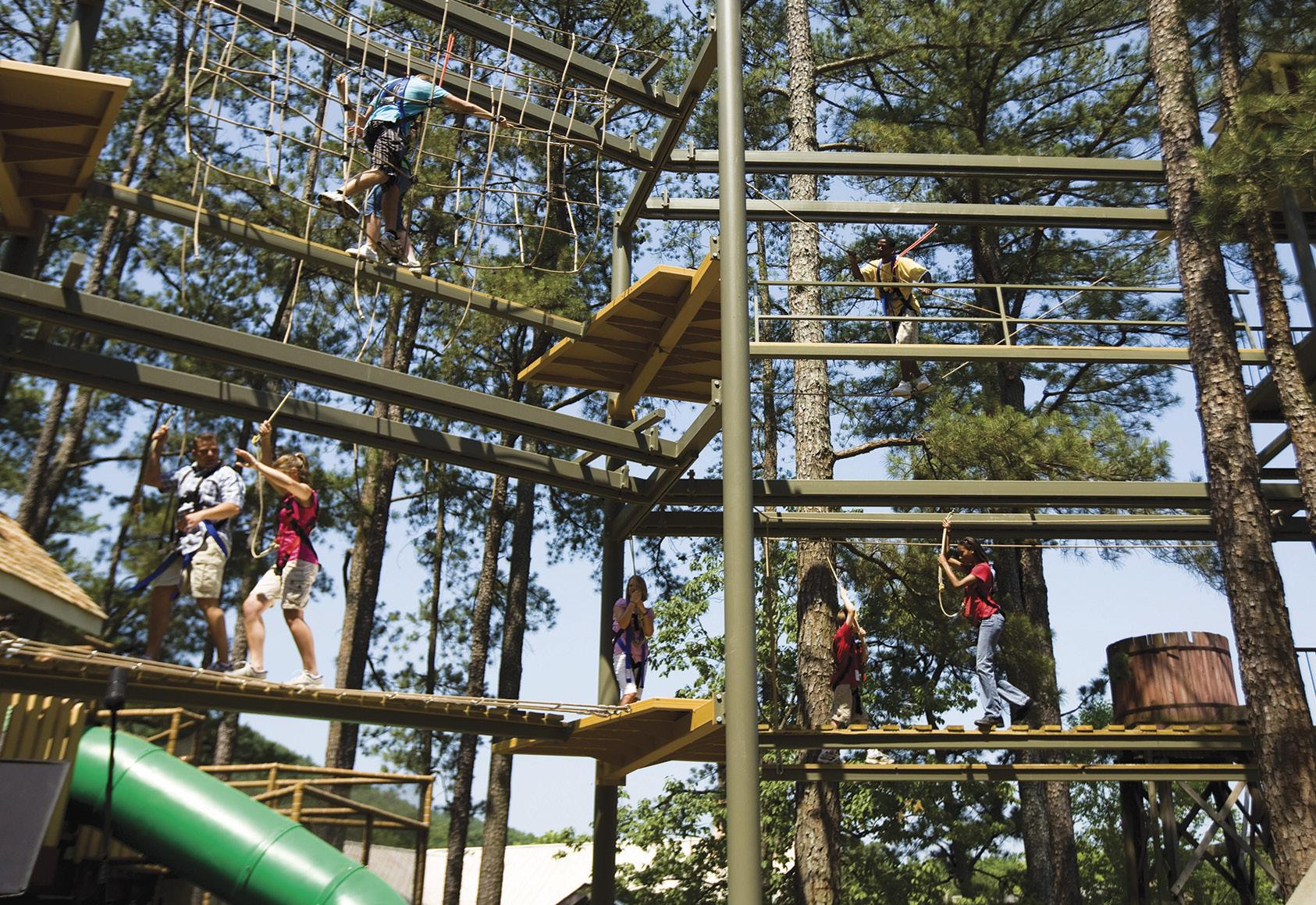


Due to COVID-19 safety precautions, most places are requiring advanced ticket purchase. Call or check websites for procedures. Events may be cancelled or changed after our deadline. Please check before visiting to confirm. Full calendar online at atlantaparent.com
High Museum of Art / April 9, noon-5 p.m. Special family-friendly programming includes a local Atlanta DJ, art making, access to special exhibitions and more. 1280 Peachtree St. NE, Atlanta. 404-733-4400. Free admission. high.org
Orchid Daze
Atlanta Botanical Garden / Through April 9
View thousands of beautiful, fragrant orchids and murals by local artists to celebrate winter’s favorite plant. 1345 Piedmont Ave. NE, Atlanta. 404-876-5859. $24.95-$27.95; ages 3-12, $21.95$24.95; ages 2 and younger, free. atlantabg.org

2023 Lantern Parade — Take It to the River

Morgan Falls Overlook Park / April 15, 6-9 p.m. Travel along the Chattahoochee River to see water lantern puppets come to life. The parade steps off at 8:15 p.m. 460 Morgan Falls Rd., Sandy Springs. 770-730-5600. Free admission; lantern kits, $6-$30. sandyspringsga.gov

Atlanta Motor Speedway
April 15, 2:30 p.m.
Watch athletes compete as they race along the track. At the FanFest, get an insider’s look as teams prepare, practice and qualify with video game rigs, toy play tables and more. Doors open at 8 a.m. 1500 Tara Pl., Atlanta. $20-$95. supercrosslive.com
Fairburn / April 15-June 4. Sat.-Sun. 10:30 a.m.-6 p.m. Travel back in time to the Renaissance with gallant knights battling, artisan shoppes, delicious food, people-powered rides and more. 6732 Virlyn B. Smith Rd., Fairburn. 770-964-8575. $26.95-$29.55; ages 6-12, $13.95-$16.56; ages 5 and younger, free. garenfest.com
Speeder Days
Southeastern Railway Museum
April 15, 10 a.m.-5 p.m. and April 16, 1-5 p.m. Ride the amazing pieces of history that used to be the way people traveled across North America, and explore train history in the museum. 3595 Buford Hwy., Duluth. 770-476-2013. $18; ages 2-12, $12; ages 1 and younger, free; speeder rides, $4. train-museum.org
Michelin Raceway Road
Atlanta
April 21-22, 8 a.m.-6 p.m. and April 23, 8 a.m.-3 p.m.
Watch this thrilling 190 mph superbike road race for the best racing in six classes, and enjoy the Kids Zone, carnival games and stunt and bike shows. 5300 Winder Hwy., Braselton. 949-572-9495. $30$70; ages 12 and younger, free. motoamerica.com
Monster Jam
Atlanta Motor Speedway
April 22-23. See website for times. This adrenaline-charged motorsports experience features world champion athletes tearing up the dirt in 12,000-pound monster truck competitions of speed and skill. 1500 Tara Pl., Atlanta. 800-844-3545. $20-$75+. monsterjam.com
Alive in Roswell
Roswell / April 20, 5-9 p.m.
Revel in the spirit of Roswell with music, food trucks, vendors, boutique shopping and more. Historic Canton St., Roswell. 770-594-6271. Free admission. aliveinroswell.com
Disney on Ice Presents
Find Your Hero
Gas South Arena
April 20-23. See website for showtimes. Discover the hero inside you with characters from “Moana,” “Tangled,” “The Little Mermaid” and more. 6400 Sugarloaf Pkwy., Duluth. 770-626-2464. $29-$240. disneyonice.com
Suwanee Town Center / April 21, 5-10 p.m. and April 22, 2-10 p.m. This two-day celebration showcases community, culture and creativity with a lantern parade, performances and food from Asia, Latin America, the Caribbean and more. 330 Town Center Ave., Suwanee. 678-468-9041. Free admission. atlnightmarket.org


Oakland Cemetery / April 27-May 7. See website for times. This after-dark arts experience showcases innovatively lit headstones, mausolea, flowers, trees and buildings and includes live music, cocktails and a pop-up shop. 248 Oakland Ave. SE, Atlanta. 404-688-2107. $20-$25; ages 4-17, $15-$20; ages 3 and younger, free. oaklandcemetery.com


Tellus Science Museum / April 29, 1-11 p.m.

View the sun using a solar telescope, explore astronomy-themed activities, watch “Wall-E,” go on an outdoor star walk and more. 100 Tellus Dr., Cartersville. 770-606-5700. $17; ages 3-17, $13; ages 2 and younger, free. tellusmuseum.org

Gwinnett County Fairgrounds Exhibition Center
April 29, 10 a.m.-2 p.m.
Enjoy fun for the whole family with activities for kids, a kids’ talent show, health and wellness screenings, face painting and more. The first 300 kids will receive a string backpack filled with goodies. Registration requested. 2405 Sugarloaf Pkwy., Lawrenceville. 770-963-9205. Free admission. scnievents.com/kids-expo
Midland Greenway / April 30, 1-4 p.m. Bring your skateboards, roller skates, bikes, scooters and strollers for a rolling good time with giveaways, music, food, yard games and more. 682 Grove St., Gainesville. 770-297-5477. Free admission. exploregainesville.org
Georgia International Horse Park April 29, 1-4:30 p.m. Go on a mini train ride. 1632 Centennial Olympic Pkwy., Conyers. 470-207-5025. $2, Cash only. northgeorgialivesteamers.org
Toddler Takeover
Alliance Theatre / April 29-30, 9 a.m.-2 p.m. This special experience for children ages birth to 5 features performances, art-making activities, music, a parade led by a “Sesame Street” character and more. 1280 Peachtree St. NE, Atlanta. 404-733-4600. $25-$50; ages 6-17, $5-$8; ages 5 and younger, free. alliancetheatre.org
Honor Mother Nature at these Earth Day events.
Earth Month
Children’s Museum of Atlanta / April 1-27
Celebrate the importance of nature and the Earth by making seed paper, growing your own garden, exploring composting and recycling and more. Reservation required. 275 Centennial Olympic Park Dr. NW, Atlanta. 404-659-5437. $13.95-$19.95; ages 11 months and younger, free. childrensmuseumatlanta.org
Kids Day
CHaRM
April 22, 9 a.m.-noon
Environmental groups, recycling partners and corporate partners will host interactive and educational activities for kids to learn about recycling and reusing items and to celebrate Earth Day. 1223 Columbia Dr., Decatur. 404-600-6386. Free admission. livethrive.org

Earth Day
Kids Day

Atlanta Botanical Garden / April 22, 10 a.m.-noon
Take part in engaging family activities to celebrate Earth Day, and view a special performance of “The Lizard & El Sol.” 1345 Piedmont Ave. NE, Atlanta. 404-876-5859. $27.95; ages 3-12, $24.95; ages 2 and younger, free. atlantabg.org


Atlanta is lucky to have the only existing major league franchise to have played every season since professional baseball came into existence. Truist Park, where the Atlanta Braves play, is also unique; it houses the first zip line and climbing tower in a major league ballpark. Ready to enjoy some baseball? Here’s how:
Atlanta Braves’ fans are rooting for a fifth World Series win in 2023! The home opener day is April 6, when the Braves will battle the San Diego Padres.

From the enormous Atlanta Braves symbol made out of LEGO bricks to the monument garden, there is so much to see and do before the first pitch. Hope & Will’s Sandlot, a state-ofthe-art kids’ zone (where you’ll find that zip line) has carnival games and more. Game tokens are $1 each. The Braves Kids Club is free for ages 14 and younger; check the website for special benefits, including giveaways and discounts.
On Family Sundays, kids 14 and younger can run the bases after the game, enjoy free entry to Hope & Will’s Sandlot, and score giveaways like Braves bobbleheads. Check the website for more special events and offers, including Coca-Cola Wednesdays, when fans can sit in the Coca-Cola corner on any Wednesday for $18. On select days, the Value Pack ($25+) includes a game ticket, snack and drink. Upgrade your game experience with Batting Practice Experience tickets ($90+), where you can go on the field to watch batting practice. Tours of Truist Park ($15-$25) are offered year-round and take guests to the press box, dugout and more.
Purchase parking passes online prior to the game, and use the Waze app to navigate to your specific lot, since each lot has its own address. Each ticket holder can bring their own food and one bottle of water into the stadium. The food must fit inside a clear, gallonsized plastic bag. Find more information on mlb.com/braves.

n Gwinnett Stripers
The Stripers will take on the Jacksonville Jumbo Shrimp on opening day March 31. Special nights at Coolray Field include fireworks, giveaways, Star Wars Night, Family Value Tuesdays and Funday Sundays. milb.com/gwinnett
n Rome Braves
AdventHealth Stadium is home to this team with opening day on April 6 as the minor league Braves battle the Greenville Drive. Check the website for ticket promotions and giveaways, including all-you-can-eat Wednesdays and family fun days. milb.com/rome
n The Macon Bacon, part of Georgia’s Coastal Game League, opens at historic Historic Luther Williams Field on June 2. Game themes include Fan Appreciation Fireworks, Hawaiian Night, and Star Wars Night. Stop in the Pork Shop for souvenirs. maconbaseball.com
n When the Savannah Bananas play at Historic Grayson Stadium, it’s part circus, part sporting event, with dancing players, a dad cheering squad and plenty of craziness. Tickets can be hard to find, but if you’re planning a trip to Savannah, try not to miss seeing this exhibition team play. thesavannahbananas.com
Baseball is often referred to as America’s favorite pastime, but why? Maybe because the sport is 177 years old!Savannah Bananas Rome Braves Atlanta Braves
Atlanta’s got some drama! Head to a local theater for a spectacular show.
The Boy Who Kissed the Sky Alliance Theatre
April 1-15. See website for showtimes. This musical is inspired by the early life and influences of musical icon Jimi Hendrix. Recommended for ages 8 and older. 1280 Peachtree St. NE, Atlanta. 404-733-4600. $24-$42. alliancetheatre.org
Penguin in My Pocket Center for Puppetry Arts
Through April 2. See website for showtimes. A scientist penguin crash lands in the jungle when her experimental jetpack fails, and she must work through challenges to find her way home. 1404 Spring St. NW at 18th, Atlanta. 404-873-3391. $22. puppet.org
Charlotte’s Web Center for Puppetry Arts
April 4-May 21. See website for showtimes. Charlotte the spider uses her wits, words and webs to save her friend Wilbur the pig. 1404 Spring St. NW at 18th, Atlanta. 404-873-3391. $22; ages 1 and younger, free. puppet.org

Spring Break Magic Show
Aurora Theatre / April 5, 10 and 11:30 a.m.
Magician Arthur Atsma captivates with a sleight of hand magic show. 128 E. Pike St., Lawrenceville. 678-226-6222. $7. auroratheatre.com
Blippi: The Wonderful World Tour
Atlanta Symphony Hall / April 7, 6 p.m.
Indulge curiosity as you dance, sing and learn with Blippi and special guest Meekah to discover what makes cities special with a musical party. 1280 Peachtree St. NE, Atlanta. 404-733-4900. $20-$67+. aso.org

Treasure Island
Dunwoody Cultural Arts Center
April 14-15, 7:30 p.m. and April 16, 2:30 p.m.
This thrilling musical is about pirates, treasure maps and mutiny on the seas for a swashbuckling adventure. 5339 Chamblee Dunwoody Rd., Dunwoody. 770-396-1726. $10-$15. stagedoortheatrega.org
The Princess and the Pea, Y’all
Aurora Theatre / April 15, 11:30 a.m.
Presented by That Puppet Guy, the classic Hans Christian Andersen tale gets a Southern-fried makeover. 128 E. Pike St., Lawrenceville. 678-226-6222. $7. auroratheatre.com
Roswell Cultural Arts Center / April 21, 7 p.m. and April 22, 2 and 7 p.m.
Presented by Roswell Youth Theatre, this adaptation of the Broadway musical shows a fast-talking salesman falling in love with a town librarian. 950 Forrest St., Roswell. 770-641-3727. $15. roswellgov.com


Eddie Own Presents: Red Clay Music Foundry
April 28, 7 p.m.; April 29, 2 and 7 p.m. and April 30, 2 p.m. Based on the tale from the Brothers Grimm, view the story of the twelve dancing princesses through ballet, cancan, polka, waltz and Irish dancing. 3116 Main St., Duluth. 678-315-4094. $20-$25; ages 17 and younger, $15-$20. eddieowenpresents.com

Aurora Theatre / April 29, 11:30 a.m.
From The Story Ship, paleontologist Diggery is showing his dinosaur fossils to a live audience when he discovers a top secret box for an interactive science adventure. 128 E. Pike St., Lawrenceville. 678-226-6222. $7. auroratheatre.com
Roswell Cultural Arts Center / April 30, 4 p.m.
Enjoy an afternoon of a cappella harmonies and vibrant song and dance from performers around Atlanta. 950 Forrest St., Roswell. 770-641-3727. $22.50-$32.50. roswellgov.com
The Lizard & El Sol
Alliance Theatre / Through April 30. See website for showtimes. For ages 0-5, this interactive adventure is based on a Mexican folktale about when the sun disappeared from the sky. 1280 Peachtree St. NE, Atlanta. 404-733-4600. $10; ages 6-17, $5; ages 5 and younger, free. alliancetheatre.org


Spend the day exploring nature from different vantage points at this natural wonderland. Summit Sky Ride and Sky Hike are ideal for adventurers who love soaring views. If ground level is more your speed, enjoy the great outdoors with the Scenic Railroad, Great Locomotive Chase Adventure Golf, Camp Highland Outpost and more at Stone Mountain Park’s Spring FUN Break. Special attractions and performances include the Puppy Pals Comedic Stunt Dog Show, a hilarious dog show seen on “America’s Got Talent,” a high-energy magic show with Magic with Matt, meeting and greeting triceratops in Dinosaur Explore and more. 1000 Robert E. Lee Blvd., Stone Mountain. 800-401-2407. $39.95; ages 3-11, $34.95; ages 2 and younger, free. stonemountainpark.com
There’s always something wild happening at Zoo Atlanta! Your kids will use up plenty of energy walking around to see the more than 1,000 animals that call Zoo Atlanta home. Plus, they’ll love playing, climbing and sliding in the KIDZone. You’ll love that the Zoo connects us to animals, educating and inspiring conservation. View and learn about elephants, zebras, giraffes, ostriches, giant pandas, reptiles and so much more. See from the perspective of animal treedwellers with the Treetop Trail, cool off with the Splash Fountain, take a ride on one of the Endangered Species Carousel’s carved wooden animals and more. 800 Cherokee Ave. SE, Atlanta. 404-624-9453. $25.20-$31.70; ages 3-11, $20.20$25.45; ages 2 and younger, free; kids’ activities, extra. zooatlanta.org
Save the drive to Florida and check out the recently reopened LEGO Discovery Center. Even if you’ve been there before, the $5 million renovation, makes this a new and reimagined experience. Design and build a spaceship, take charge and launch it into the digital universe with Spaceship Build & Scan, put creative skills to the test by playing with LEGO bricks in Build Adventures, let the littlest builders take on construction challenges in DUPLO Park, and build your own Minifigure with Minifigure Creator. 3500 Peachtree Rd., Atlanta. 404-848-9252. $28.99-$41.99; ages 2 and younger, free. legodiscoverycenter.com


n Chattahoochee Nature Center. The “EcoTinker Science Stations” explore the connection between STEM and nature. While there, enjoy a guided hike along the River Boardwalk trail, and also on location, the Screaming Eagle Aerial Adventure has two courses for different ages and experience levels. 9135 Willeo Rd., Roswell. 770-992-2055. $15; ages 13-18, $11; ages 3-12, $9; ages 2 and younger, free; aerial adventure, additional fee. chattnaturecenter.org
n Fernbank Museum of Natural History. “The Nature of Color” depicts the science of color. The beauty of nature comes alive with 75 acres of outdoor natural adventures with WildWoods and Fernbank Forest. Explore permanent exhibits like “STEAM Lab” and “Fantastic Forces” for the science of rockets, hands-on learning projects and more. 767 Clifton Rd., Atlanta. 404-929-6300. $25.95; ages 3-12, $23.95; ages 2 and younger, free. fernbankmuseum.org
n Georgia Aquarium. View tons of aquatic creatures, including “The Sharks! Predators of the Deep” to learn about the fascinating world of sharks. You’ll also see manta rays, whales, sea lions, penguins, dolphins and alligators. 225 Baker St. NW, Atlanta. 404-581-4000. $42.99-$47.99; ages 2 and younger, free. georgiaaquarium.org
n Children’s Museum of Atlanta. “Splash and Bubbles: Dive In, Lend a Fin!” heads under the sea for ocean exploration, marine biology, ocean science and different ecosystems. Permanent exhibits include exploring food, the world, nature, colors, sounds, the human body, science and the six simple machines. 275 Centennial Olympic Park Dr. NW, Atlanta. 404-659-5437. $17.95-$19.95; ages 11 months and younger, free. childrensmuseumatlanta.org
n College Football Hall of Fame. Celebrate the great American sport with a three-story Helmet Wall, augmented reality displays and more. Test your own skills by kicking a field goal, throwing like a quarterback and taking on the obstacle course. 250 Marietta St. NW, Atlanta. 404-880-4800. $24.99; ages 3-12; $17.99; ages 2 and younger, free. cfbhall.com

n Six Flags Over Georgia. Featuring thrilling roller coasters and rides, this theme park has Blue Hawk, Dare Devil Dive, Goliath and more. Even the youngest in the family will have a great time with Daffy Duck Bucket Blasters, SUPERMAN: Tower of Power and more. For the daredevil in your family, check out Scream Break every night for haunted attractions and scares. 275 Riverside Pkwy. SW, Austell. 770-739-3400. $34.99+; parking, $30. sixflags.com/overgeorgia
n Beat The Bomb. Offering a team experience, players suit up in protective hazmat gear and advance through a series of hi-tech game rooms in a mission to beat the paint or foam bomb — will your family succeed? 1483 Chattahoochee Ave. NW, Atlanta. $39.95. beatthebomb.com/atlanta
It’s slime time! You’ve seen plenty of photos about it on social media, so why not use Spring Break as an excuse to immerse yourself in sensory play (and slime) at Sloomoo Institute. Dig into dozens of slime vats, and create delightful slime that appeals to sight, touch, smell and sound with a DIY bar using 40 colors, 150 charms and 60 scents. Stand under a waterfall of slime with Sloomoo Falls, walk on slime with Lake Sloomoo, test ASMR experiences, and pose with the Slime Wall. 3637 Peachtree Rd. NE, Atlanta. $39; ages 11 months and younger, free. sloomooinstitute.com

This year, Easter is on April 9. Celebrate with these egg hunts and events.


n Hop-A-Long Easter Egg Hunt. Avalon. April 8, 8:30 and 9:30 a.m. Two different egg hunts for ages 0-3 and 4-7 to collect 10 eggs and trade them in for a bag of treats. 400 Avalon Blvd., Alpharetta. 770765-2000. Free admission. experienceavalon.com
n Easter Egg Hunt. Shallowford Presbyterian Church. April 8, 9:30-11 a.m. Before the egg hunt, join in a pancake breakfast. 2375 Shallowford Rd., Atlanta. 404-321-1844. Free admission. shallowford.org
n Eggcellent Adventure. Honeysuckle Park. April 8, 9:30 a.m.-noon. Visit with Peter Cottontail and Mr. Bunny, play games, hunt for eggs and more. 3037 Pleasant Valley Dr., Doraville. 770-451-8745. Free admission. doravillega.us
n Easter. Children’s Museum of Atlanta. April 8, 9:30 a.m.-12:30 p.m. and 1:30-4:30 p.m. Learn how to Bunny Hop, listen to an Easter storytime, and create Easter Bunny ears. 275 Centennial Olympic Park Dr. NW, Atlanta. 404-659-5437. $19.95; ages 11 months and younger, free. childrensmuseumatlanta.org
n Easter Bunny at Avalon. Avalon. April 8, 9:30 a.m.-6 p.m. Create memorable moments with the Easter Bunny. 400 Avalon Blvd., Alpharetta. 770-765-2000. $15+. experienceavalon.com
n Easter Egg Hunt. Rossie Brundage Park. April 8, 10 a.m. Take photos with the Easter Bunny, and search for hidden eggs. 350 Autry St., Norcross. 770-448-2122. Free admission. norcrossga.net
n Easter Egg Hunt Extravaganza. Grayson Community Park. April 8, 10 a.m.-noon. Family fun includes an egg hunt and activities. 475 Grayson Pkwy., Grayson. 770-963-8017. Free admission. events.exploregwinnett.org
n Kiwanis Club Easter Egg Hunt. McIntosh Trail Recreation Complex. April 8, 10 a.m.-noon. Ages 2-12 will love inflatables, candy, face painting, prizes, egg hunts and more from the Kiwanis Club and the Peachtree City Fire Department. 191 McIntosh Trail, Peachtree City. Free admission. peachtree-city.org
n Egg-citing Egg Hunt. Panola Mountain State Park. April 8, 10 a.m.-noon. Find the hidden eggs along the nature trail. Reservation required. 2620 Hwy. 155 SW, Stockbridge. 770-389-7801. $5; parking, $5. explore.gastateparks.org
n Hoppy Easter. The Works. April 8, 10 a.m.-1 p.m. Explore a variety of kid-friendly activities, photo opportunities, live music and egg hunts. 1235 Chattahoochee Ave. NW, Atlanta. $20. theworksatl.com
n Northeast Cobb Community Egg Drop. Sprayberry High School. April 8, 10 a.m.-5 p.m. Enjoy fun, food, games, a DJ, and more, and kids will marvel as a helicopter drops eggs onto the football field to start the hunt. 2525 Sandy Plains Rd., Marietta. 678-303-2622. Free admission. travelcobb.org
n Eggstravaganza. Warbington Farms. April 8, 11 a.m. and 12:30, 2 and 3:30 p.m. Go on an egg hunt with prizes, play in the fun park area, explore the farm and more. 5555 Crow Rd., Cumming. 770-889-1515. $11.95; ages 3 and younger, free. warbingtonfarms.com
n Kids Easter. Cosmo’s Pizza & Social. April 8, 11 a.m.-3 p.m. Enjoy an Easter buffet, pictures with the Easter Bunny, an egg hunt and crafts. Parents do not need to purchase tickets. 144 E. Crogan St., Lawrenceville. 770-338-9274. $25. pizzaoncrogan.com
n Easter Bunny. Bass Pro Shops/Cabela’s. April 8, 11 a.m.-6 p.m. and April 9, 11 a.m.-3 p.m. Take a free photo with the Easter Bunny. See website for locations. 1-800-227-7776. Free admission; photo packages, $15-$20. basspro.com
n Bunny Photo Experience. Town Center at Cobb. April 8, 11 a.m.-7 p.m. Capture memories with photos in the Bunny’s Spring Garden. 400 Ernest Barrett Pkwy., Kennesaw. 770-424-0742. Free admission. towncenteratcobb.com
n Visit with the Easter Bunny. North Point Mall. April 8, 11:30 a.m.-6:30 p.m. Take photos to commemorate the holiday. Reservation recommended. 1000 N. Point Cir., Alpharetta. 770-740-9273. $20. awesomealpharetta.com
n Eggs-stra Special Needs Egg
Hunt. Rossie Brundage Park. April 8, 1 p.m. This event is designed for children with special needs in an inclusive and safe environment. 350 Autry St., Norcross. 770-448-2122. Free admission. norcrossga.net
n Eggstravaganza Community Egg
Hunt. Tom E. Morris Sports Complex. April 8, 1-3 p.m. This event will feature egg hunts, the Easter Bunny, inflatables, face painting, balloon animals and refreshments. 3415 Claire Dr., Hapeville. 404-669-2136. Free admission. hapeville.org
n Easter. The Collection at Forsyth. April 8, 1-5 p.m. Shop the pop-up market, take photos with the Easter Bunny, ride the train, play in the bouncy house and more. Bring a nonperishable food item to benefit Meals by Grace. 410 Peachtree Pkwy., Cumming. Free admission. collectionforsyth.com
n Eggs-traordinary Extravaganza. Cherokee County Aquatic Center. April 8, 2-5 p.m. Ages 1-3 will enjoy an outdoor hunt, while ages 4-10 will hunt for eggs underwater at different times. Also, enjoy inflatables, face painting, crafts, prizes and the Easter Bunny. Reservation required. 1200 Wellstar Way, Canton. 678-880-4760. $15. playcherokee.org

n Easter Sunrise Service. Stone Mountain Park. April 9, 7 a.m. Two simultaneous, interdenominational Easter services commemorate the holiday at the top of the mountain. Park gates open at 3 a.m. 1000 Robert E. Lee Blvd., Stone Mountain. 800-401-2407. Parking, $20. stonemountainpark.com
n Easter Brunch & Egg Hunt. Park Tavern. April 9, 11 a.m.-noon. Enjoy a special visit from the Easter Bunny as you enjoy brunch and an easter egg hunt. 500 10th St. NE, Atlanta. 404-249-0001. $49.95; ages 7-12, $27.95; ages 4-6, $15; ages 3 and younger, free. parktavern.com
n Easter Family Fun Festival. Phase Events Center. April 9, 12:30-2 p.m. This event features 20,000 candy-filled eggs, face painting, bounce houses, a petting zoo and more. 12150 Morris Rd., Alpharetta. 770-3314313. Free admission. awesomealpharetta.com
n Easter Egg Hunt. Sandy Springs. Artsapalooza. April 9, 2 p.m. Go on a hunt for more than 10,000 eggs and enjoy the children’s area afterward. 6100 Lake Forrest Dr. NE, Sandy Springs. 404-614-0006. Free admission. sandyspringsartsapalooza.com

Enjoy rides, games, music, food, kid’s activities and artist’s markets at these not-to-miss festivals.


Piedmont Park
April 14, noon-9 p.m.; April 15, 10 a.m.-9 p.m. and April 16, 10 a.m.-6 p.m. Why we love it: This Atlanta staple has something for everyone! Shop the Fine Artist Market for sculptures, paintings, pottery, jewelry, photography and more. Enjoy a variety of music genres with live acts, and see dancing, singing and more on the International Stage to celebrate Atlanta’s diversity. The Kids Village features hands-on arts and craft projects, a teddy bear hospital, puppet shows, manicures, inflatables, bubbles and more. 929 Charles Allen Dr., Atlanta. 404-827-8663. Free admission. dogwood.org

Downtown Kennesaw
April 22, 10 a.m.-6 p.m. and April 23, noon-5 p.m.
Why we love it: This festival features a parade with floats, high school bands, marches and more than 1,000 youngsters representing the local area. Shop more than 200 arts and crafts booths, taste delicious food, watch performances and live music on two different entertainment stages, and play with children’s activities. Main St., Kennesaw. 770-423-1330. Free admission. jrmmanagement.com
Lemonade Days Festival
Brook Run Park
April 19-23. Wed.-Fri. 4-10 p.m.; Sat. 10 a.m.-10 p.m. and Sun. noon-6 p.m.
Why we love it: One of the highlights of this festival is the popular “Dunwoody Idol” competition, which showcases middle and high school singing talent. Besides the local talent, enjoy full-scale carnival rides, food and beverage vendors and stage performances. 4770 N. Peachtree Rd., Dunwoody. 770-668-0401. Free admission; individual ride tickets, $1.25; unlimited rides, $20-$30. dunwoodypreservationtrust.org
Inman Park Festival
Inman Park
April 29, 11 a.m.-9 p.m. and April 30, 11 a.m.-6 p.m.
Why we love it: First developed in the late 1800s, Inman Park is home to many historic homes and parks, and this festival celebrates its history and community. Watch wild and quirky groups march through the streets with the parade, listen to a wide variety of music with three stages, see classical and contemporary dance programs, and shop the market. Kids will love the Little Gnomes Zone with slides, obstacle courses, crafts, aerial acrobats and more. Edgewood Ave., Atlanta. Free admission. festival.inmanpark.org
For more festivals, go to atlantaparent.com


Don’t miss these fairs and carnivals for an exciting time!

Town Center at Cobb Carnival
Town Center at Cobb
March 30-April 9. See website for hours. Thrill seekers and adrenaline junkies will love these spectacular rides and roller coasters, and for a special visual treat, the rides rotate between 250 different colors for a cool experience. 400 Ernest W. Barrett Pkwy. NW, Kennesaw. 1-866-666-3247. Free admission; ride tickets, $1.50-$60. dreamlandamusements.com

ACA Spring Fair


Riverdale Town Center
March 31-April 9. See website for hours. Experience thrilling and family rides that even the littlest in your family will enjoy. Play games, purchase fair food, and watch live shows and entertainment. 7210 Church St., Riverdale. 229-429-1507. Free admission; ride tickets, extra. claytonchamber.org



Atlanta Fair

Kids love the thrills and freedom of riding on a board and the self-confidence that comes with mastering a new skill. Skateboarding has many physical benefits, including coordination, concentration, balance and exercise. And it helps children develop an understanding of the importance of practice, patience and dealing with consequences.
Skating on a sidewalk, parking lot or street is not the safest option. Instead, try one of these skate parks in metro Atlanta and Athens. Most skate parks do not have supervision, so parents will want to stay close by. Check websites for park rules, parental supervision and waiver requirements.

Arthur Langford, Jr. Skate Park: This mid-size park caters to beginner skaters, the park also features a playground and basketball court. 6,500 square feet. Atlanta. Free. 404-546-6813. beltline.org/parks/arthur-langford-jr-park
Kennesaw Skatepark: This park, the largest in Atlanta, is the first ever permanent skate park to feature elements modeled on a competitive street skate park plaza design. 40,000 square feet. Kennesaw. Free. 770-4229714. kennesaw-ga.gov/kennesaw-skatepark
Historic Fourth Ward Park: The park offers world-class skateboard amenities as well as a playground and multi-use athletic field. The skate park is sectioned off by skill level. Skateboarder Tony Hawk contributed to building the park. 17,000 square feet. Atlanta. Free. 404-546-6813. beltline.org/places-to-go/ historic-fourth-ward-skatepark
Fowler Park: This suburban park has specific hours for ages 12 and younger only; see website for dates and time. 30,000 square feet. Cumming. Free. 770-886-4088. parks.forsythco.com/parks-facilities/ parks/fowler-park
Go with the ‘Flow’
Brook Run Skate Park: This park has concrete bowls and half-pipes in a “flow” style, which combines elements of bowl parks and street plazas. 27,000 square feet. Dunwoody. Free. 678-382-6850. dunwoodyga.gov
Skate a Big Bowl
Skate Park of Athens: An outdoor skate park with a 13-foot bowl as the central feature. Children 11 and younger must be accompanied by an adult. 12,000 square feet. Athens. Free. 706-613-3991. accgov.com/524/skate-park
n Glenloch Recreation Complex Skatepark: A park accommodating skaters of all ages and skill levels, which was designed with input from local skaters. 4,050 square feet. Peachtree City. Free. 770-631-2525. peachtree-city. org/322/glenloch-recreation-complex
n McKoy Skate Park: This park offers pipes, rails and ramps. Decatur. Free. 404-377-7231. decaturga.com/ activeliving/page/mckoy-park
gwinnettcounty.com (click on Guide to Your Parks)
n Bay Creek Skate Park: Skate park with skateboard and BMX ramps. Good for all skill levels, with a bowl and a plaza. 20,000 square feet. Loganville. Free. 770-978-5271.
n DeShong Skate Park: Features a twisting and winding streetscape to explore, complete with stairs and grinding rails. 10,000 square feet. Stone Mountain. Free. 770-978-5271.

n Duncan Creek Park: This skate complex is the largest skate park in Gwinnett County, offering users a safe environment to practice their sport and multiple bowls to choose from. 20,000 square feet. Dacula. Free. 678-277-0850.
n J.B. Williams Park: A 9,600-squarefoot skate park with ramps and elevated platforms. Lilburn. Free. 678-277-0179.
n Mountain Park Park: Skate the volcano, a flow bowl, handrails and more at this 8,000-square-foot park. Lilburn. Free. 678-277-0179.
n Pinckneyville Park: This park has a free skate area, as well as a roller hockey rink. Peachtree Corners. Free. 678-277-0920.
n Ronald Reagan Skatepark: The 10,000-square-foot street plaza skatepark is within Gwinnett County’s Ronald Reagan Park. Lawrenceville. Free. 678-277-0179.
n Settles Bridge Park: This skate park has a smooth bowl with shallow and medium depth, along with a street section in its 10,000 square feet. Suwanee. Free. 678-277-0910.
Purchase proper gear to ensure that your son or daughter has the safest skateboarding experiences possible. Your child will need:
n Elbow pads ($14-$30)
n Wrist guards ($13-$25)
n Knee pads ($20-$40)
n Skateboard ($150-$180)

n Helmet ($25 or more)
When buying your skateboard, make sure to purchase at a store where employees have a good knowledge of skateboarding. The size of board should be matched to the size and weight of your child. Purchasing the wrong size skateboard could lead to injuries or cause damage to the board. Beginners should take lessons to learn safe skating techniques. Skateboard shops sometimes offer group lessons and can recommend instructors for individual lessons. Check out Dunwoody Skateboarding (dunwoodyskateboarding.com) SKATEATL (skateatl.com) or GOSKATE (goskate.com).
Dunwoody Nature Center
Hike around Wildcat Creek, the wetlands boardwalk or the two miles of Piedmont forest. The awesome playground is an added treat with two climbing towers, a giant rope swing, tall slides and more. 5343 Roberts Dr., Dunwoody. 770-394-3322. Free admission. dunwoodynature.org

Cascade Springs
Nature Preserve
An easy, less than two-mile part-paved, partdirt trail round trip takes you by the remnants of a stone springhouse (with moat) and Civil War-era trenches on this former battlefield site. Plus, there’s a small waterfall. 2852 Cascade Rd. SW, Atlanta. 404-546-6788. Free admission. atlantaga.gov
Constitution Lake and Doll’s Head Trail
This easy, round trip half-mile hike has a fascinating surprise. The highlight of the park’s trail system is the quirky Doll’s Head Trail, filled with folk art created by local Atlanta artists and park volunteers. 1305 S. River Industrial Blvd. SE, Atlanta. Free admission. atlantatrails.com
Roswell Riverwalk
Go playground to playground, from Riverside Park to Azalea Park, and then on to boardwalks adjacent to the Chattahoochee Nature Center. This flat trail runs alongside the Chattahoochee River for up-close views of the water and its wildlife. 9100 Willeo Rd., Roswell. 770-640-3253. Free admission. visitroswellga.com
Sawnee
Mostly known for the Indian Seats natural rock formation at the peak of the mountain, Sawnee has an easy, short hike best for younger children. The brief round trip leads to a tree house and a trail of fairy houses. Another short (but steep) climb leads to an observation deck. 4075 Spot Rd., Cumming. 770-781-2217. Free admission. parks.forsythco.com
Three choices of looped trails, all under two miles, make this a great spot for beginners. There’s a wide variety of sights to see, too. Ponds, a butterfly garden, antique farm equipment and resident critters are all part of the landscape. 5665 Reynolds Rd., Morrow. 770-603-4188. Free admission. claytonparks.com
A pond is at the center of this moderate two-mile flat loop. Adjacent to a playground, this tranquil spot is a great place to see ducks, turtles, geese and other water fowl. 1551 W. Nancy Creek Dr., Brookhaven. 404-637-0542. Free admission. brookhavenga.gov
This land in north Atlanta flourishes with nature and wildlife. Families can regularly spot a box turtle, a midland water snake or the carnivorous lady slipper orchid while walking on the easy two miles of trails. Kids especially love the replica of a teepee. 9770 Autrey Mill Rd., Johns Creek. 678-366-3511. Free admission. autreymill.org
Amazing views await at the summit of the crater-filled Arabia Mountain. The trail is short, but along the way, plenty of unique land forms and plants entertain. Multiple access points. 404-988-8384. Parking, $0-$5. arabiaalliance.org
About 20 minutes east of downtown Atlanta, this park offers a wooded trail along a stream leading to ruins of the Manchester Textile Mill. Other trails wind through forests, ferns and wild azaleas. Try the red trail for the easiest route. 1750 Mount Vernon Rd., Lithia Springs. 770732-5871. Parking, $5. gastateparks.org/sweetwatercreek
This park boasts more than 15 miles of wooded trails, and you can even explore a reconstructed 1860s homestead. In the warmer months, pack a bathing suit for the swimming hole at Lake Allatoona. 50 Lodge Rd. SE, Acworth. 770-975-0055. Parking, $5. gastateparks.org/redtopmountain
The Mountain Trail is steep with some level terrain that leads to the peak, where a panoramic view of Atlanta is the reward; rocky sections make this best for more advanced hikers. There are also easier trails and activities at this historic battlefield site. 900 Kennesaw Mountain Dr., Kennesaw. 770-427-4686. $5. nps.gov/kemo
Explore 15 miles of walking and hiking trails, including the one-mile trail to the top of the mountain. The Nature Garden trail is an easy walk around large oak trees. The hike to the top is more challenging, but includes great views of downtown Atlanta. 1000 Robert E. Lee Blvd., Stone Mountain. 800-401-2407. Parking, $20. stonemountainpark.com
Pack your water bottles and enjoy one of Atlanta’s many beautiful trails and bask in the beauty of spring. Remember to leave no trace!
jasonsmusicparty.com
Yellowhouseparties.com
Customized spa parties! Experience our beautiful venue where your princess will enjoy a pampering spa experience in spa robes, receive edible facials, mini manis & pedis, glitter makeovers, have a runway show and more. 470-301-3485.

skyzone.com/roswell
Sky Zone offers party packages that can be customized to meet your needs with jumping, dodgeball, Warrior Course, Sky Slam, Wipe Out, Sky Tower, VR, Party Space, Pizza, beverages and more! 678-745-9900.

Birthday Party
MusicBirthdayParty.com
Celebrate your baby’s special day with live music! Circle-dances and sing-alongs, our music birthday parties are perfect for 1-4 year olds and guests of all ages. 404-618-1475.


BucksSportBarn.com
Buckhead’s top spot for private parties and camps! More than 300 costumes and epic performers. Themes: Circus, Sports, Crafts, Superheros, Princesses, American Ninja Warrior and more.


circuscamp.org
Celebrate your child’s birthday with our trained professionals. One-on-one instruction. Magic shows, balloon sculpting, juggling, face painting and other extras available. Register online Dunwoody and Decatur, 404-370-0001.


KBFunZone.com
Step foot into the KB Fun Zone. A mobile gaming truck party offering a top-of the-line gaming experience. Equipped with the latest and greatest video games. Book your party today! 404-916-0703.

altitudeeastcobb.com
Altitude Trampoline Park is the place for kids to freeplay! Parties are indoor adventures that will have guests bouncing, soaring, tumbling and battling their way to a one-of-kind experience. Call today! 770-693-7627.

CO-PRODUCED BY

PRESENTED BY


SATURDAY APRIL 29
10AM-2PM
GWINNETT COUNTY FAIRGROUNDS
FREE event with over 50 vendors, summer camp info, door prizes, stage presentations including story time/singing/magician, face painter, Early Learning Corner & Activities sponsored by Building Babies Brains with fun, hands-on activities for kids & more. Plus the first 300 kids in line will receive a string backpack filled with goodies. Come join the fun! Free Parking, Food Trucks & More!


APR 22 – 23 ATLANTA MOTOR SPEEDWAY


APRIL 14-16,
PRESENTED BY

Young visitors will find plenty to do in the Kids Village presented by Visit Tallahassee! Families will enjoy creative hands-on arts and crafts projects, inflatables, puppet shows, interactive activities and more!


For More Information Visit:
SPONSORS & PARTNERS
