December 2022 Volume 17 | Issue 12 Support Local Etsy Businesses Meet Mongolian Artist Eriko Tsogo


TUES FRI: 9am 6pm SAT: 9am 1pm Affordable Senior Living in Beautiful Cherry Creek!
HUD-subsidized rents as low as ⅓ monthly income
On site Health & Wellness Center
24-hour emergency response system
Full calendar of life enrichment activities & trips
Nutritious meals served 6 days a week Call 303.399.1146 for more information Kavod Senior Life is a non-profit, non-sectarian organization providing housing and services to older adults and people with disabilities that does not discriminate on the basis of race, color, religion, national origin, sex, disability or familial status. 22 S. Adams St. Denver 80209 303.399.1146 800.659.2656 TTY KavodSeniorLife.org
•
•
•
•
•





Gambling problem? Call 1-800-522-4700.
We’d like to thank everyone who took the time to fill out our Best of 2022 survey that helped us compile this year’s list. Congratulations to all of the businesses and organizations that were recognized and encourage you to support them -- whether that means dining at their restaurant or following them on social media! Thank you to our Editorial Director, Mary J. Schultz for putting together the descriptions of the winners and writing several of the articles for our final issue of the year!
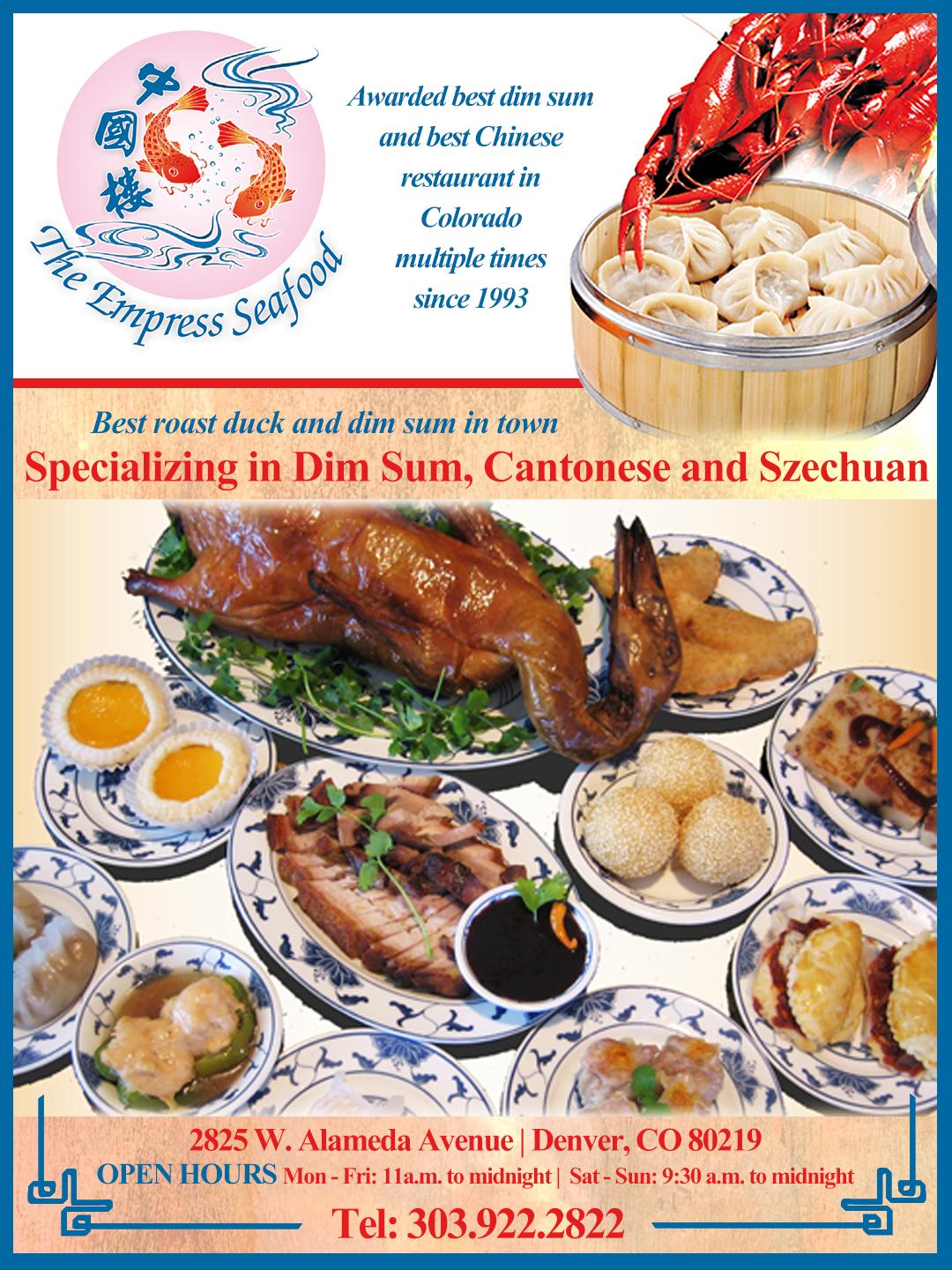
As 2022 comes to an end, we are grateful for all of our readers who continue to support Asian Avenue magazine, and keep our community-focused pub lication chugging along! We wish you all a safe, healthy, and warm holiday season with those you care about most. And we look forward to seeing you in 2023, specifically at our annual Lunar New Year Banquet! This year we will be celebrating on Saturday, January 14 and ringing in the year of the rabbit! At Empress Seafood Restaurant, we will feature lion dance performances, hand out red envelopes, and enjoy a 10-course Chinese banquet dinner.

Happy new year! Look forward to starting anew!
December 2022 | President’s Note 4
NOTE
ASIAN AVENUE - PRESIDENT’S
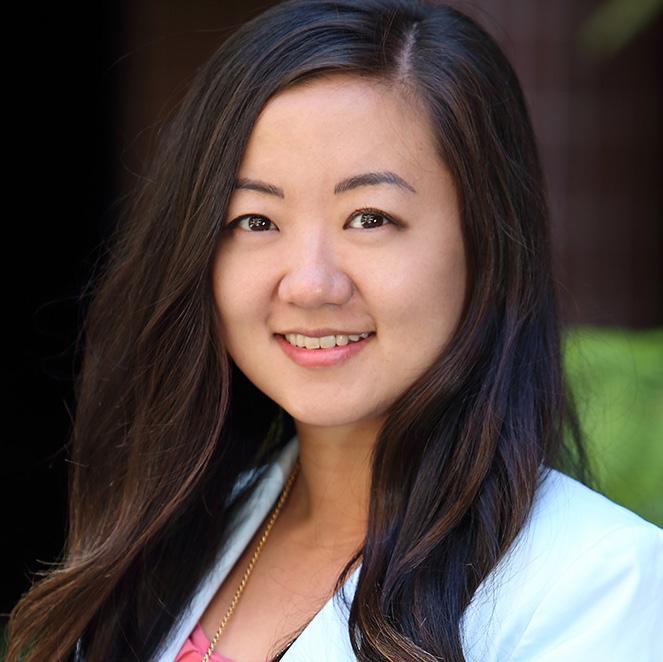
Annie Guo VanDan, President Asian Avenue magazine
Connect with us! hello@asianavemag.com @asianavemag
History Colorado






Mortgages Online and Mobile Banking Business Services Savings Accounts And Much More! Checking Accounts efirstbank.com 1 800 964 3444 NMLS ID # 458768 | Member FDIC Visit us online or at any convenient location. See us for all your banking needs. Explore eleven museums and historic sites across Colorado, including the History Colorado Center in Denver.
We Are
Colorado







6 December 2022 | Table of Contents ASIAN AVENUE MAGAZINE P.O. Box 221748 Denver, CO 80222 Tel: 303.937.6888 E-mail: hello@asianavemag.com www.asianavemag.com Find us @AsianAveMag #AsianAveMag DEC 2022 20 OP-ED: ‘Why We Need Land’ explains the importance of taking care of our land, water, and resources 22 COMMUNITY UPDATE: Nathan Yip Foundation grants awards to rural teachers across Colorado to fund their unique projects 23 ON SCENE: Colorado’s Hmong community celebrates their annual new year for the first time since the pandemic began 8 RISING STAR: Colorado School of Mines student Zoe Baker achieves in national track & field 10 SPOTLIGHT: Meet Colorado’s Mongolian artist Eriko Tsogo 12 COVER STORY: In our annual final edition of the year, we present the “Best of 2022” list, voted by our readers 18 FEATURE: Local Etsy business owners share their products, which make great gifts for the holiday season 8 12 Publisher & Founder CHRISTINA YUTAI GUO President ANNIE GUO VANDAN Editorial Director MARY JENEVERRE SCHULTZ Graphic Designer/Videographer LIJIN ZHAO Web Designer JASON ZHANG Marketing Manager JOIE HA Editor DAMIAN SIU Staff Writer PATRICIA KAOWTHUMRONG on the cover We end the year with our Best of 2022 edition that recognizes local businesses and organizations as voted by Asian Avenue readers! Asian Avenue magazine (ISSN 1932-1449) reserves all copyrights to this issue. No parts of this edition can be reproduced in any manner without written permission. The views expressed in articles are the authors’ and not necessarily those of Asian Avenue magazine
promote your business? Asian
magazine offers businesses
cost-
way to reach consumers
metro areas
For
or
us at hello@asianavemag.com for our media kit and ad rates.
story ideas to hello@asianavemag.com.
magazine is
with the Colorado Asian Culture and
Network.
Looking to
Avenue
a
effective
in the Denver/Boulder
and beyond.
more information, call 303.937.6888
e-mail
Send
Asian Avenue
in association
Education
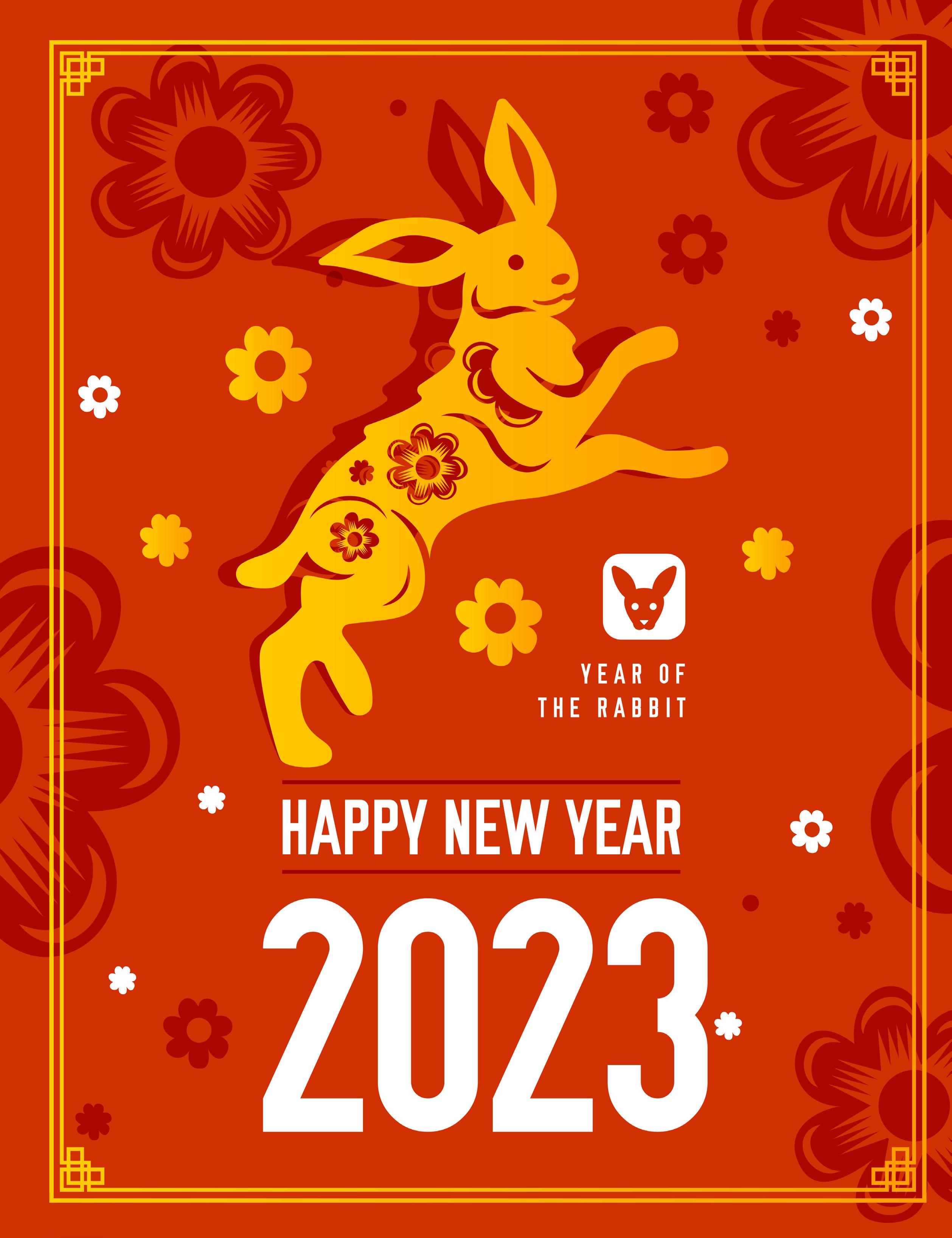
SAVE THE DATE Asian Avenue’s Lunar New Year Banquet Saturday, Jan. 14. 2023 Empress Seafood Restaurant in Denver Follow @asianavemag for more information or get tickets at asianavemag.com
Accomplished Chinese American College Student Achieves High Honors at Mines
By Mary Jeneverre Schultz
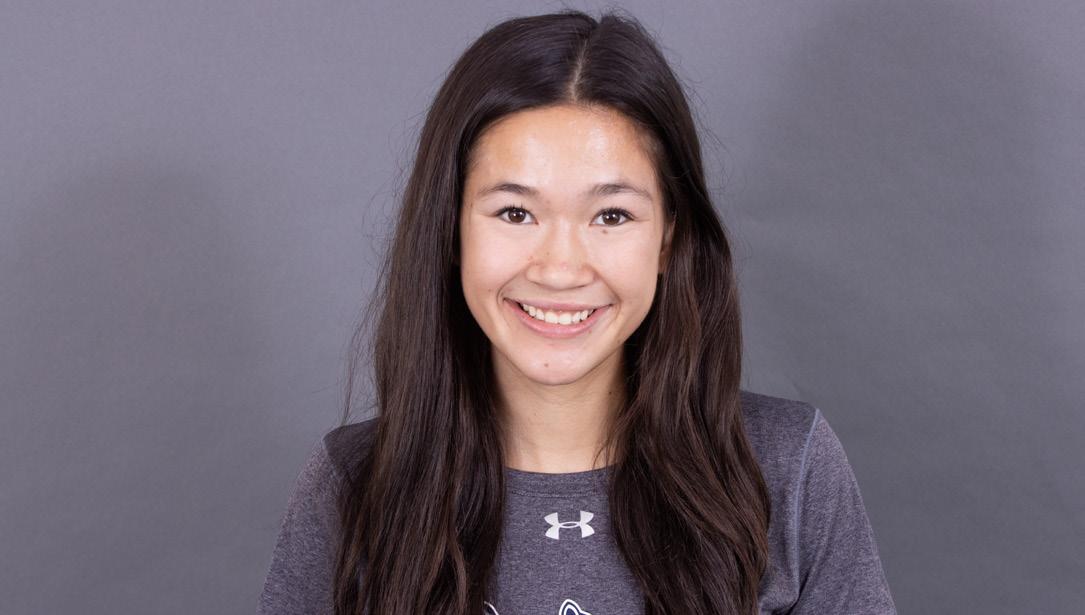
For the first time in the history of Colorado School of Mines in Golden, computer science major and athlete Lau ren Zoe Baker stands as one of the top nine finalists for the 2022 NCAA Woman of the Year award. The winner will be selected in January 2023 at the NCAA Convention in San Antonio.

The Longmont resident has already accomplished so much during her college career, graduating with 4.0 GPA and dual Bachelor of Science degrees in computer science and applied mathematics/statistics. But those accomplish ments did not stop there. In addition to her nine-time All-American awards in track and field plus cross-country, she co-authored six research papers published in presti gious journals.
Track & Field
Baker, 22-years-old, never dreamed of competing at the collegiate level in track and field. She confessed to trying track & field in middle school.
“I wasn’t any good,” Baker admitted. Then, she attempted cross-country in high school. “I did it for fun and I wasn’t really good, then,” said Baker, who
added she would do trial runs with her father, Jim Baker.
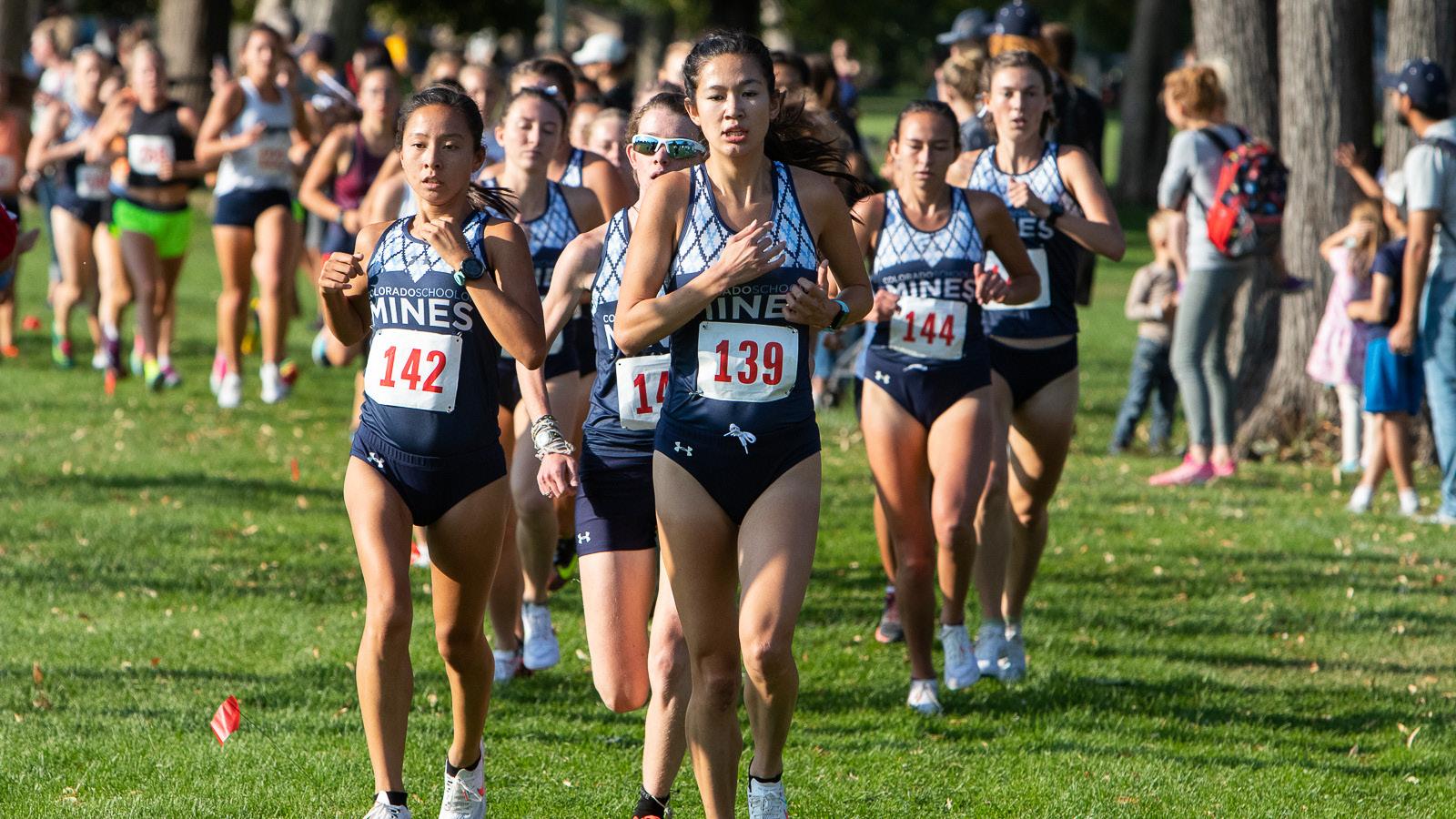
She attributes her success on the field to her strong com munity of women engineers and athletes. “I trained in the summer of junior year in 2018 and made varsity,” she said. “Now, I’m addicted to excel.”
Undergraduate College Life
She graduated last May 2022 as summa cum laude with dual bachelor’s degrees. She interned last summer at Goo gle. Now, she is working on her master’s degree with a tar get graduating date of Spring 2024. Her career goals could include going straight into industry as a software engineer or checking out research possibilities with a Ph.D., in com puter science.
“Zoe is really an amazing student,” said Hua Wang, com puter science associate at Colorado School of Mines. “She’s smart and diligent.”
She knows the industry is ripe for possibilities because in dustry experts indicated the widening gap of experts and faculty in computer science. Students, graduating with de grees in computer science, can pursue careers in technolo gy, engineering, and financial industries. In fact, computer
December 2022 | Rising Star 8
science is one of the fastest growing programs at Mines.
Growing up in Colorado
Born in New Jersey, her family moved to Colorado when she was only two months old. She has visited China to meet her mom’s parents in Liuzhou at a young age. Her mom is from the province of Guangxi in China.
“I grew up in a mixed household and my Mandarin is a little rusty,” said Baker. Her younger brother is currently at tending University of Colorado Boulder.
Hobbies
When she’s not training or studying, she is exploring outdoor Colorado through hiking adventures and skiing during the winter. Her indoor hobbies include reading books from the fantasy genre.

But she isn’t just reading English, Baker is teaching her self French by re-reading all the Harry Potter books in the European language. “I would like to know French at the in dustry-level with certification.”
Advice to Younger College Students
Her advice to students: “Stick with it,” she said. She credits her success as a student to Mines being a ‘focused’ school. She admitted computer science was challenging and intim idating but her love of computers overcame those hurdles.
She challenges younger students to ‘think like a comput er scientist,’ and believes it will be easy to catch up in the knowledge of specific hardware.
She credited her coach, Chris Siemers, Mines Cross-Country Head Coach, for helping her develop and maximize her skills.
“It’s easy to be focused and find your support groups,” she said. “I struggled with anxiety in high school, and it has been a long road to get to a healthy balance.”
When she’s not a student or training on the field, she volunteers as an Honors TA for first-year students, mento ring fellow undergrads as a resident advisor and tutoring high school students in math and computer science. Her accomplishments have opened opportunities for her to present at diversity-centric conferences and events.
“I am grateful for my particular college team. It’s amazing to be part of a sport surrounded by women engineers.”
Do you know a student you want to celebrate their success? Contact Asian Avenue at Hello@AsianAveMag.com – we’d love to feature more rising stars and share their stories.
9
|
Avenue Magazine
Lauren Zoe Baker
Asian
Growing up in Colorado, Lauren Zoe Baker’s mother is from Guangxi, China.
Baker, a student at Colorado School of Mines, is a top finalist for the 2022 NCAA Woman of the Year Award.
Photo Credit: Colorado School of Mines
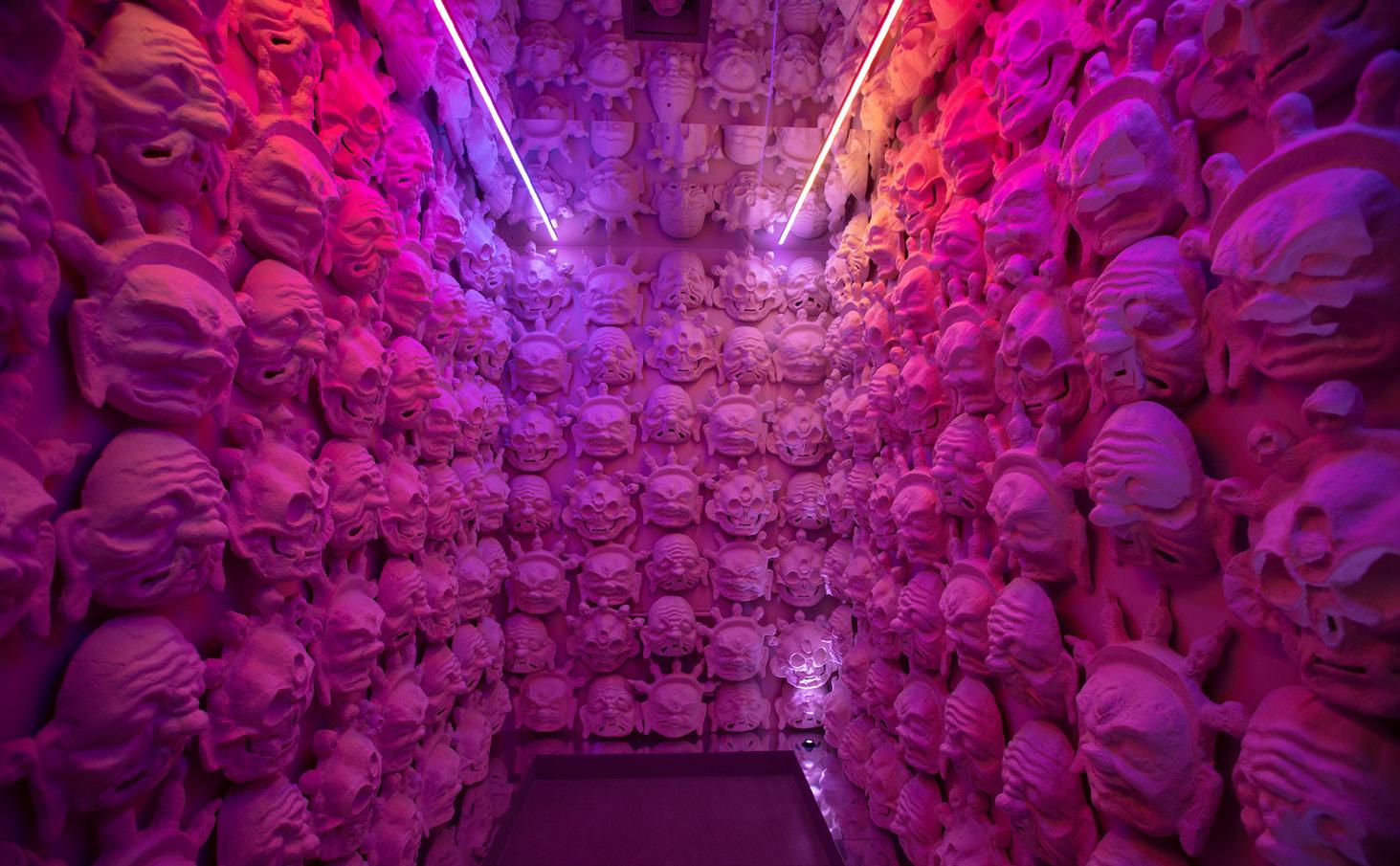
Multi-media artist Eriko Tsogo of Mongolia collaborated with her fa ther, mother, and sister on an exhibit at Meow Wolf Denver Convergence Station.
Known for her art within Denver’s Mongolian community, those at Meow Wolf welcomed her art, representing southeast Asian culture.
“Stepping into the hauntingly beau tiful space of Mongovoo Temple feels like entering a futuristic time machine to ancient Mongolia. But the most awe-inspiring part of this installation is that it was created by a family of artists called BETART Collective. Each mem ber of this talented family --- daughter Eriko Tsogo, father Tsogo Mijid, moth er Batkhishig Batochir, and daughter Jennifer Tsogo --- has a prestigious background in art, activism, film, slam poetry, puppetry, and more,” said Erin Barnes, Public Relations Manager of Meow Wolf.
Through connections and Tsogo’s work with the Denver School of the Arts, she met the founding members of Meow Wolf in Santa Fe. Emily Mon toya and Benji Geary extended an invi tation to Tsogo to showcase her art.
Tsogo, in turn, extended the invita tion to her family. “It was an avenue to introduce my culture and honor the legacy of my father, immigrant dad, of Mongolian culture,” she said.
She feels great responsibility to her culture but admits the healing process of her arts
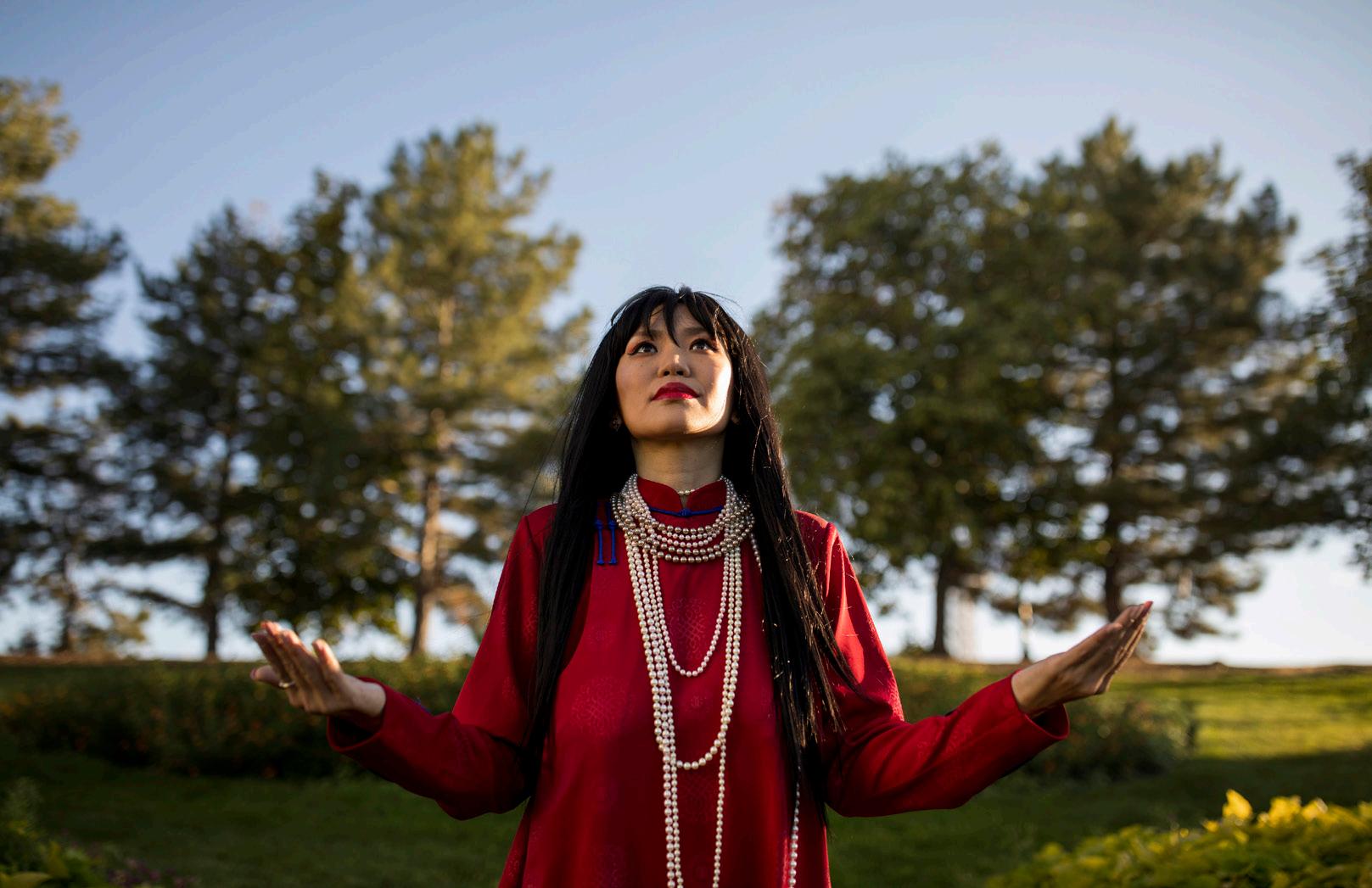
Tsogo’s art is heart and soul. Her art heals her.
“I am a cultural bearer and I’d like to think my art is multi-disciplinary --- a social practice embodying my culture both personally and privately,” she con fessed.
Her art deals with the trauma of flee ing her country of origin. The healing helps psychologically, methodology and holistic healing.
“As an AAPI, I am a daughter and marginal person of no land. It’s both inspirational but painful so I aspire to heal,” she said. “Through art, I want to show that energy and my aspirations are simple --- happiness.”
Denver, Colorado
Her family is based in Denver. When her father settled the family in Denver, he along with his family, created the Mongolian Culture and Heritage Cen ter of Colorado (mongolianchcc.org).
Tsogo indicated Colorado was the perfect choice for her and her family because it showed similar weather cli mates and the four seasons, compared to their country of origin.
Her favorite things about Denver include the sky, nature and feeling of familiarity. “I love being able to see the
Mongolian artist Eriko Tsogo heals through her art
mountainscape, like delicately cut ori gami laying still on the horizon every day. I love Colorado’s colorful sky and cloud formation,” she said. “Denver will always be one of my homes as it stores most of my growing memories.”
The Mongolian culture is nomadic in nature, migrating every five to seven years, according to Tsogo. Back in 2001, Colorado ranked #1 as the largest set tlement of Mongolians outside of the country. Those numbers have dwin dled, making Colorado #3 in recent years. Currently, Chicago and Oakland rank number 1 and 2.
DACA Recipient
Tsogo moved to the US in 1999, when she was eight years old. Back in Mongolia, her father used his artistry to criticize the government, forcing the family to flee the country.
She is a DACA recipient. DACA, which stands for Deferred Action for Child hood Arrivals, is an administrative re lief program that protects immigrants who came to the US when they were children from deportation and pro vides a work permit.
“DACA was a saving grace. I can work visibly and not under the table,” she ad mitted.
Artist Residency
Tsogo is currently an artist in resi
Written by Mary Jeneverre Schultz
December 2022 | Spotlight 10
Photo by Sarah Banks
dence at the Currier Museum of Art in Manchester, New Hampshire. She is working on her social practice project called Green Mask.
“During my residency, I get to work with the museum’s diverse commu nities ranging from vets, youth, the disability community, and the general public on making individual recycled masks while also building a larger seg mented community totem masks us ing the four natural elements,” she said.
Her residency is scheduled to finish December 13.
As a devout Buddhist, her art displays these recognized tropes of influences. “It’s my center and my core. My daily prayers pervade my art,” Tsogo shared.
Green Mask Project
This project is a multi-faceted, eco-inspired humanities social practice project, exploring identity, place, and culture through a combination of sus tainable mask making methods using recycled and upcycled materials. Green Mark is designed to help promote sus tainability, social equity, diversity, and inclusion. The project seeks to build community and collective empow erment through sharing stories and building art with community.
“The Green Mark workshop seeks to challenge how we perceive ourselves and thereby others in relation to place and environment,” she said. “The final recycled mask creations become mir rors that invite the viewer to see them selves in the sameness we all share beyond social barriers. Green Mask project is a call for coexistence, for a greener world in which individuals can unite in celebration of our distinctions and of our common humanity.”
The Currier Totem
This project is an eco-inspired com munity building empowerment proj ect about individual and collective identities consisting of four large ring mandalas each representing one of
the four natural elements: fire, water, air, earth. Since prehistoric times, the number was employed to signify what was solid and balanced; it is a symbol of wholeness and universality, a sym bol which draws all to itself.
“In this spirit, we invite the Man chester community to help build the totem using recycled items collected from Currier’s own recycling,” she said. “Through symbolic material meaning, the inside composition of the manda la reflects the collective identity of our inner worlds while the outside barrier represents the collective identity of our outer worlds.”
The Currier Totem is designed to re flect the diversity and value of the peo ple and communities that visit the mu seum and simultaneously help protect the windhorse spirit of the museum and its surrounding communities.
Future Plans
Tsogo defines home as a communi ty of support. While her current family lives in Colorado, her extended family are still in Mongolia.
She plans to move next year, but does not know where to settle down yet. As she decides her next move, she is slowing down to take care of herself. “I need to make time for my interper sonal life,” she said.
In 2023, she is planning her upcom ing residency in Denver. “It will be my goodbye show,” she said.
From January to March, her exhib it will showcase animated immigrant stories on five different subjects. She indicated the artists will be a cohort of interns from The Art Lab. She described the project as a mentorship. “It’s my way of giving back to the community,” she said.
She has selected immigrant leaders in the community and will present the exhibit as an audio animation encased in an altar sculpture. She intends for the exhibit to help humanize immigra tion and migration journeys.
Advice to Young Artists
Tsogo urges young artists to be bold.
“We need more AAPI creatives in the world,” she said. “Please never stop as piring, be true to yourself, to your mes sage, to your craft, believe in yourself and don’t let anything stand in the way of pursuing your passion and sharing your gifts with the world.”
The 32-year-old artist is obsessed with the metaverse, and practicing dig ital art that will help her go through her physical trials.
Follow her on Instagram and TikTok at @erikotsogo or sign up for her newsletter at erikotsogo.com.
11
Magazine
Artist Eriko Tsogo | Asian
Avenue
Eriko Tsogo’s “Mongovoo Temple” displayed at Meow Wolf. Photo by: Kate Russell
Best of 2022




Tous Les Jours

Best Asian Bakery
Honorable Mentions
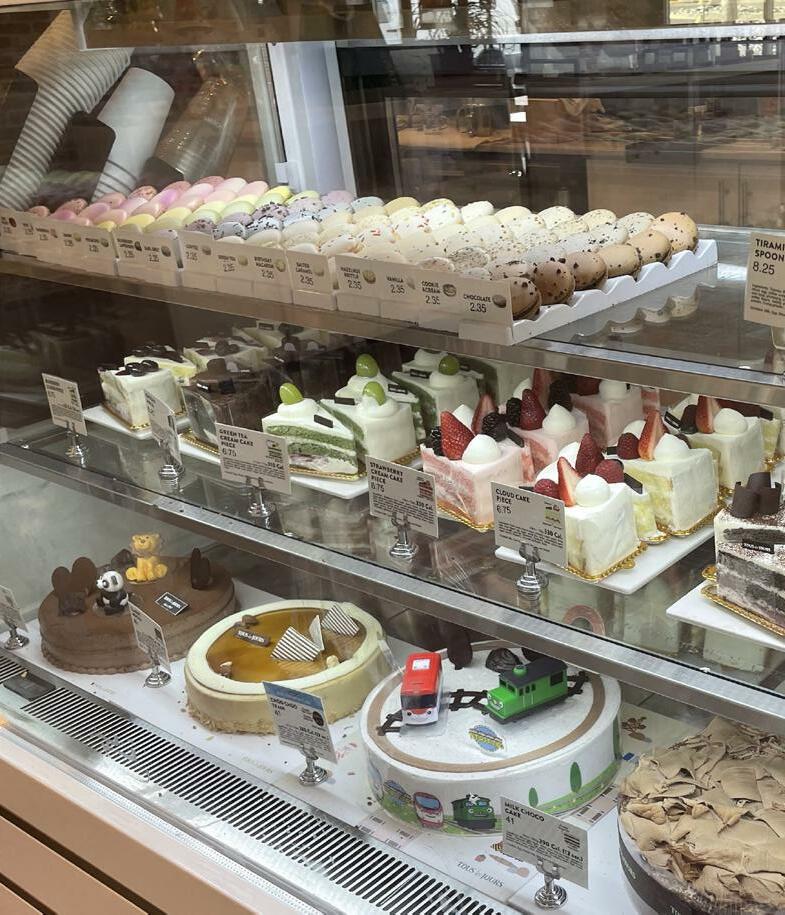
With three metro area locations, Tous Les Jours (tljus.com) is a South Korean bakery that specializes in French-Asian-inspired baked goods. TLJ offers a variety of cake fla vors such as hazelnut pistachio, vanilla, Nute lla, and chocolate. Savory pastries include tomato and olive flavors. Hot and cold bever ages such as ube latte and pumpkin pie mac chiato are also cafe favorites. TLJ operates more than 70 locations in the US and 1,650 bakeries globally.
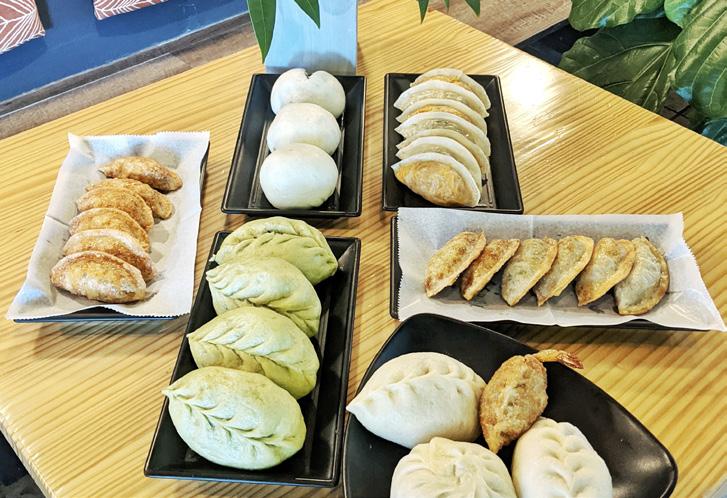
Seoul ManDoo (seoulmandoo.com) of Aurora stands as the favorite dumpling eatery of 2022. Even Yelp reviewers agree by ranking them the #14 on their Top 50 Places to Eat in Denver list. Mandu are Korean dumplings, well-known as street food and pop ular on New Year’s Day. They can be steamed, boiled, pan-fried, or deep fried. This shop offers to-go and frozen dumplings for those who want to consume the delightful bites of Korean delicacies at home or share them with friends.

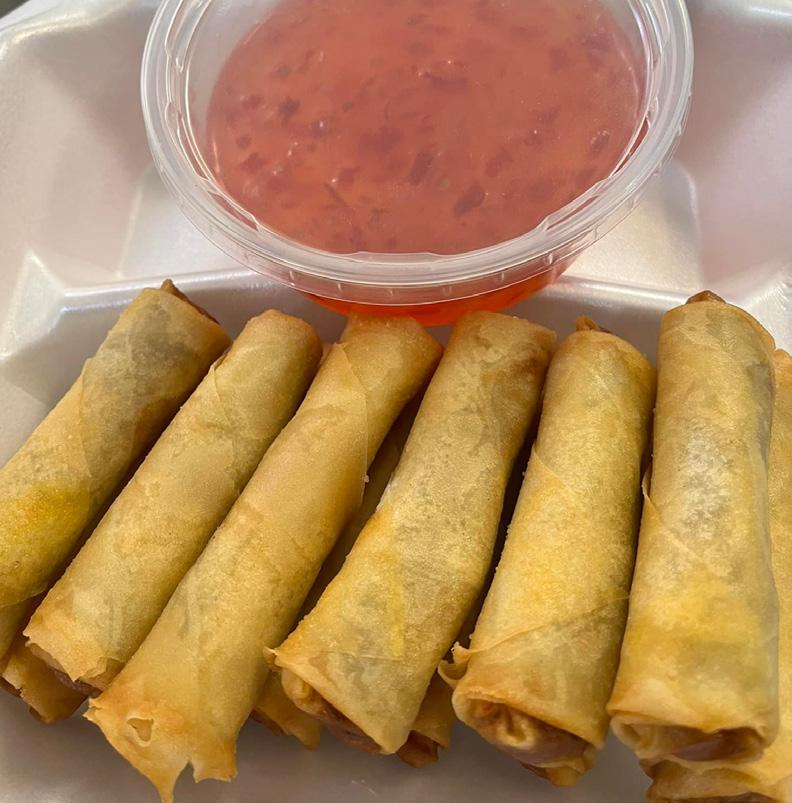
A new 2022 category, Ihawan sa Colorado Filipinostyle BBQ (fb.com/ihawansacolorado) takes the cake for best lumpia, which they serve across town from their food truck, typically parked at local breweries in Aurora and Denver. Lumpia, also known as Filipino or Indonesian egg rolls, are popular appetizers at potlucks and holiday parties.
December 2022 | Cover Story 12
Tous Les Jours
Aurora | Westminster | Thornton
Voted by Asian Avenue readers, congrats to this year’s Best of 2022. Support these Asian-owned businesses by dining with them or following them on social media.
Banh & Butter Bakery Cafe Tokyo Premium Bakery
Honorable Mentions
Best Dumplings
Lao Wang Noodle House Yuan Wonton
Seoul Mandoo
Food
Honorable
Manila
Julie’s
Ihawan sa Colorado
truck in Denver metro area Seoul Mandoo 2222 S Havana St Unit J, Aurora, CO 80014
Mentions
Bay
Kitchen
@seoul.mandoo @ihawansacolorado @touslesjoursco Best Lumpia Ihawan sa Colorado
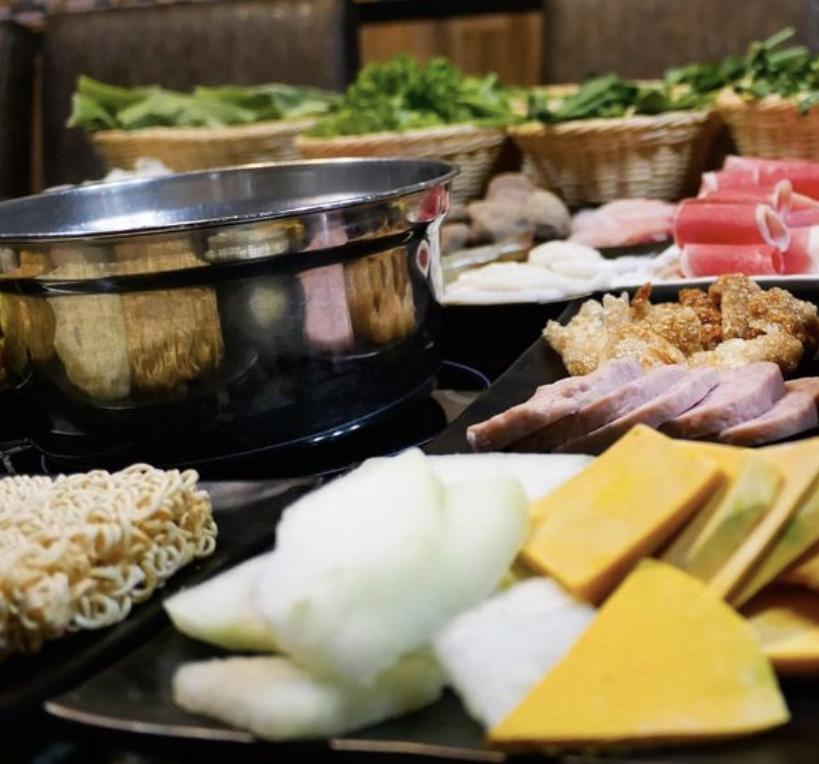
Aki Asian Hot Pot (akihotpot.com) in Aurora wins again in 2022 for best hot pot. Known for its wide selection of in gredients and broth options, the proteins include lamb slices, beef slices, pork bel ly, chicken and more. In addition, Aki Hot Pot offers 15 different vegetables. Read ers noted that the price is reasonable at $23.99 for all you can eat deliciousness.
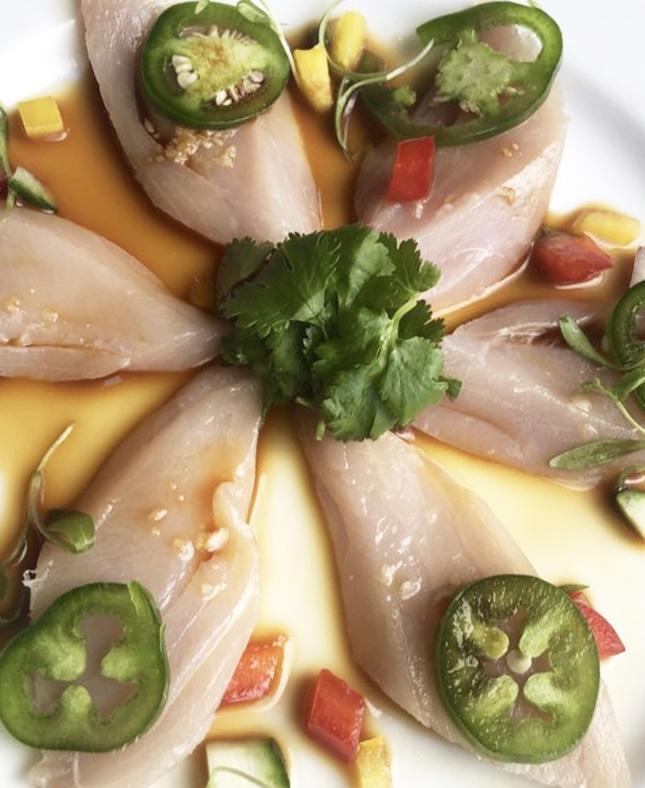
Sushi Den (sushiden.net) on Denver’s Pearl Street is recognized by our read ers for the best sashimi in town. The restaurant orders fresh fish daily, making their sashimi platter a desired entree for die-hard raw fish fans. There is a three-week wait on their reservations.
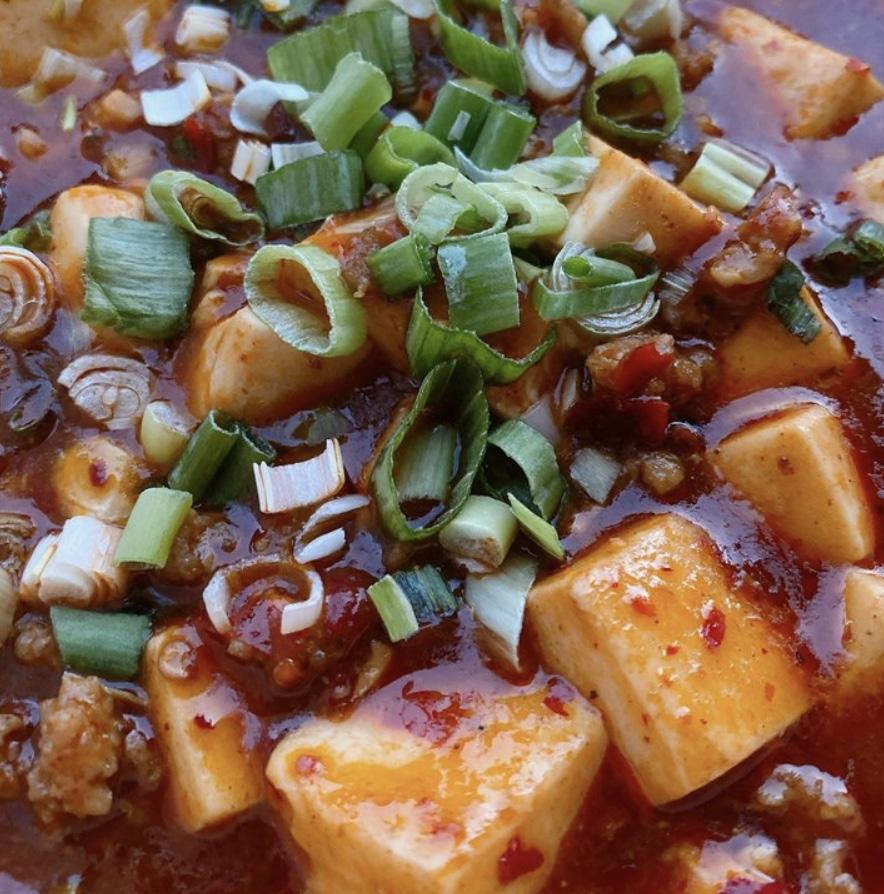
Hong Kong Station (hkstation denver.com) is the local favorite serv ing the popular Szechuan dish, Mapo Tofu with Minced Pork. Choose your spice level, pour on top of rice, and enjoy! Keep in mind that there is often a wait at HKS during lunch and dinner hours, so plan accordingly!
Honorable Mentions
Star Kitchen
S Parker Rd, Aurora, CO 80014

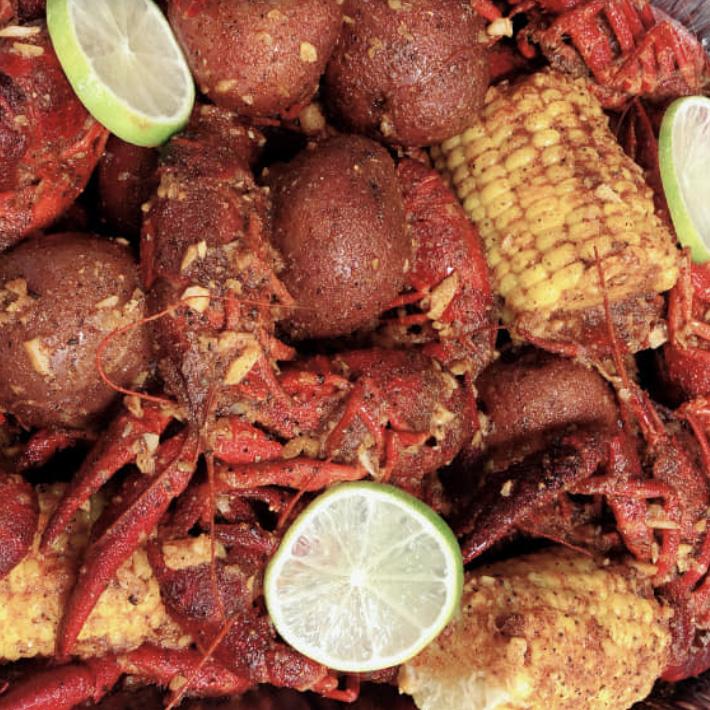
Serving fresh, delicious seafood in a variety of flavorful sauces, The Juicy Seafood (thejuicysea foodusaco.com) is known for its juicy combos fea turing lobster tail, snow crab, shrimp, mussels, and corn and potatoes. The fun, interactive dining expe rience is topped with a full bar, and happy hours on weekdays from 3pm to 6pm.
13 Best of 2022 | Asian Avenue Magazine
Seafood
The Juicy
2727
人间烟火 U&I BBQ
Honorable Mentions Uchi
Sonoda’s
Sushi Den 1487
Aki Asian Hot Pot 12303
@akiasianhotpot Honorable Mentions Seoul Korean BBQ & Hot Pot Old Town Hot Pot Best Hot Pot Aki Asian Hot Pot Hong Kong Station 6878 S Yosemite St, Centennial, CO 80112 Best Mapo Tofu Hong Kong Station Best Sashimi Sushi Den Honorable Mentions The Asian Cajun The Crawling Crab Best Seafood / Crawfish Boil The Juicy Seafood @hk_station2020 @sushidendenver @thejuicyseafoodco
Denver
Sushi
S Pearl St Denver, CO 80210
E Mississippi Ave #125 Aurora, CO 80012
4233 S Buckley Rd, Aurora, CO 80013
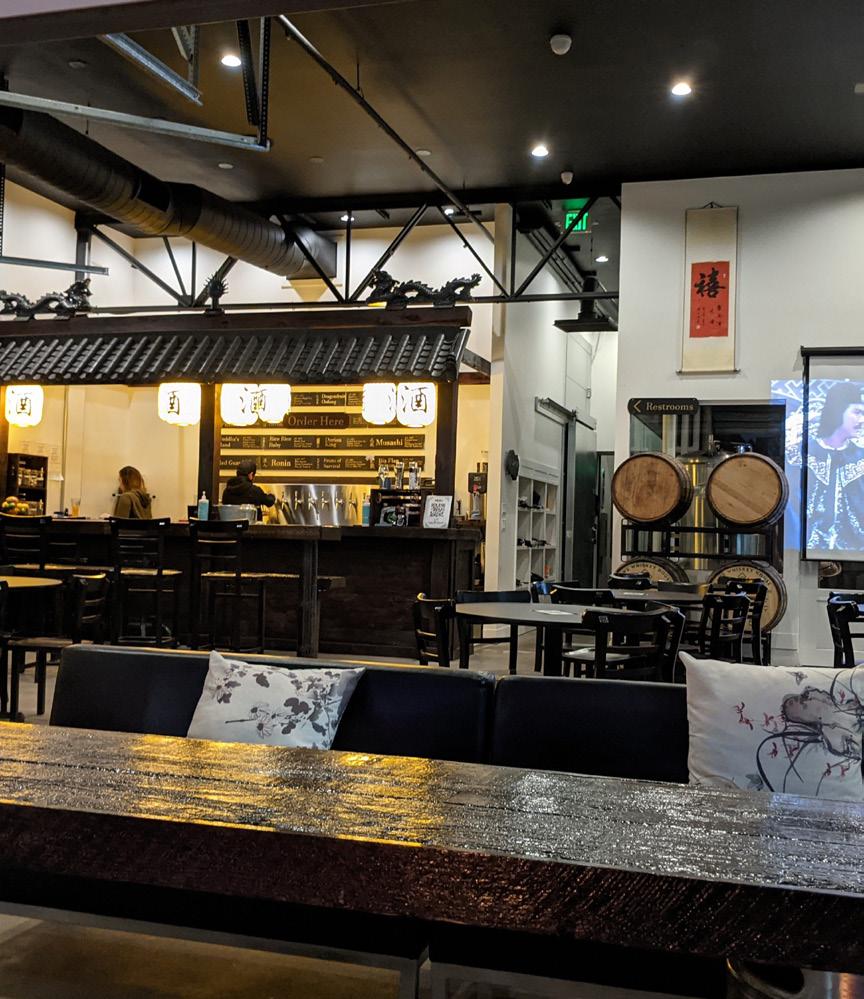
Jade Mountain Brewery and Teahouse (jademountain. beer) wins for its ambiance and brew offerings. Situated in the corner of a bustling shopping center, Jade Mountain show cases vintage martial arts films and a variety of Asian-inspired beers and tea beverages. You will also often find food trucks, snacks, and events at the brewery.
Katsu Ramen
1930 S Havana St #4, Aurora, CO 80014
Katsu Ramen (ramendenver.com) provides ramen bowls authentically prepared by an experienced Japa nese chef from Osaka, Japan. The restaurant packs in diners, who crave a hot bowl of noodles and flavorful soup, especially during the winter season. One of the customer favorites is the black garlic ramen (pictured).

CO

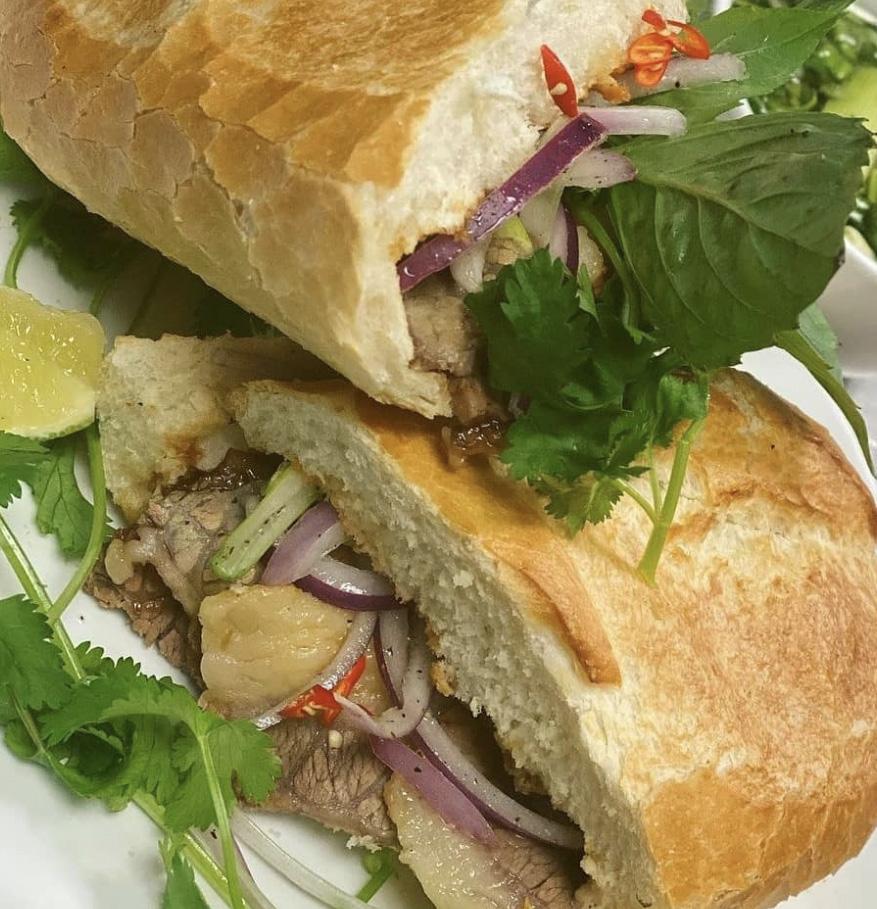
New Saigon Bakery (newsaigonbakery.com) on the Little Saigon District of Denver has offered this Vietnamese sandwich since 1987. The family-owned business offers pickled daikon, carrots, cucumbers, cilantro, and jalapenos in all their banh mi sandwiches. Their top seller is the grilled lemongrass pork.
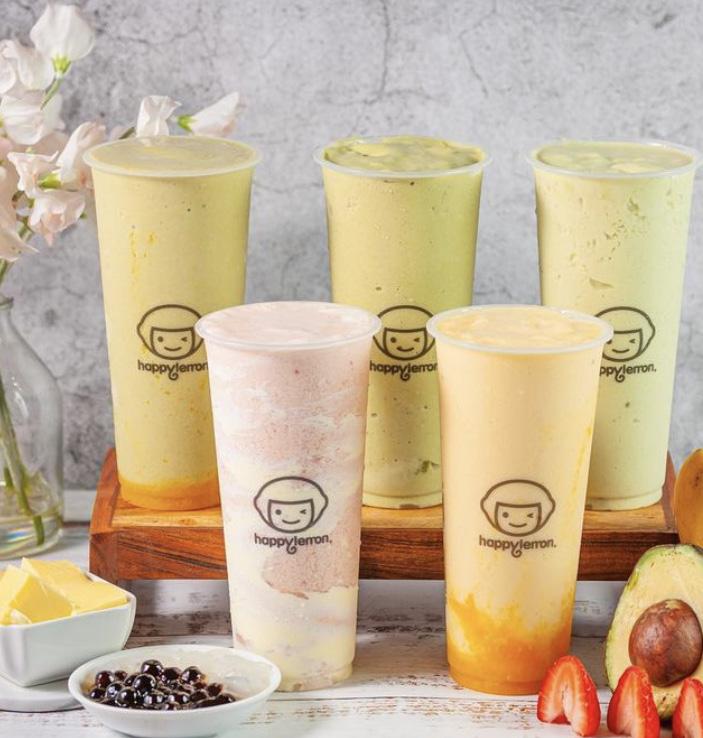
Happy Lemon (happylemonusa. com) of Greenwood Village, wins this competitive category — best bubble tea. With a large selection of classic milk teas, smoothies, and salted tea drinks, Happy Lemon is also known for its bubble waffle desserts. Read ers also noted that the owners and staff of Happy Lemon are par ticularly helpful!

December 2022 | Cover Story 14
Honorable Mention Comrade Brewing
Best Asian Brewery
Jade Mountain
New Saigon
Bakery 640 S Federal Blvd, Denver,
80219 Jade Mountain Brewing Company
Honorable Mentions Vinh Xuong Bakery Banh & Butter Bakery
brewing @newsaigonbakery Best Banh Mi New Saigon Bakery Best
@jademountain
Ramen Katsu Ramen
Honorable Mentions
Ramen Star Tokio
@katsuramen_co Best Bubble Tea Happy Lemon
Happy Lemon 9686 E
Greenwood
@happylemonco Honorable Mentions Kung Fu Tea Denver Tea Street
Arapahoe Rd Unit B
Village, CO 80112
Yak and Yeti Multiple Locations
Best Indian Curry
Yak and Yeti
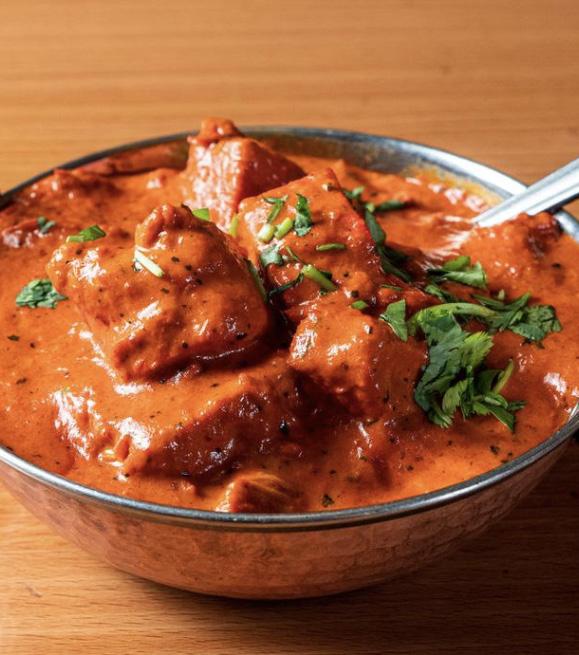
Yak and Yeti (theyak andyeti.com) offers five locations across the met ro area: Denver, Arvada, Thornton, Westminster, and Wheat Ridge. The full-ser vice restaurants feature fine Indian food, along with handcrafted beer, made right on the premises. Their curry dishes present com plex flavors and spices that hit the spot during the winter season.
Honorable Mentions
Monsoon Cuisine of India Star of India
1144 S Colorado Blvd, Denver, CO 80246
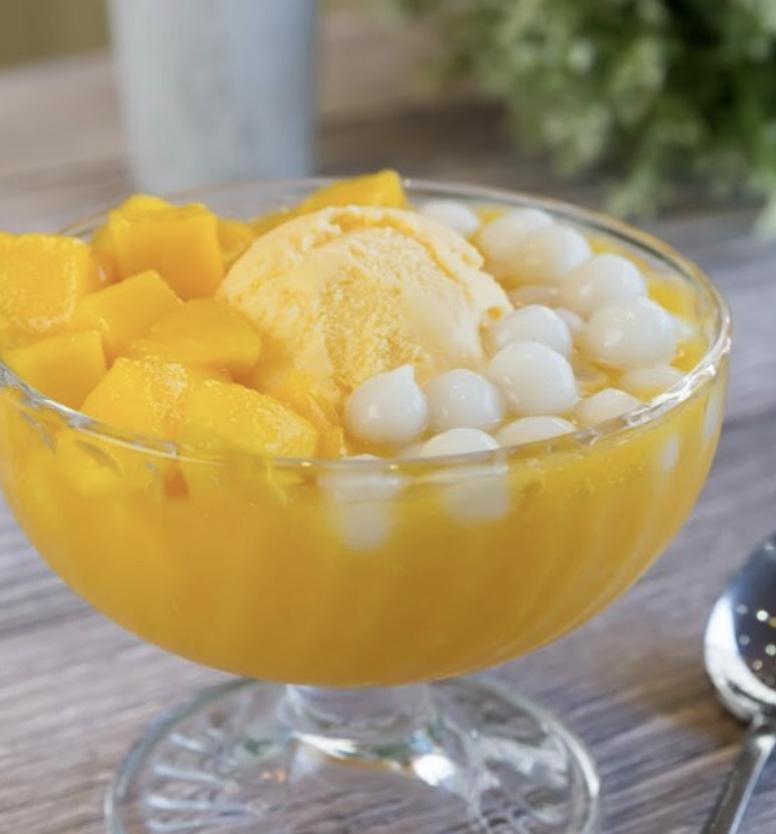
Mango Mango Desserts (fb.com/mangomango denver) leads the way for Denver’s best Asian dessert at their Hong Kong style, mango-themed eatery. New desserts were launched this year including ube mille crepe cake, mango coconut sticky rice with ice cream and man-coco sticky smoothie. For those cold days ahead, Mango Mango offers a variety of hot beverages such as teas, lattes, and coffees.
Honorable Mentions
Seoul Korean BBQ & Hot Pot
2080 S Havana St Aurora, CO 80014
Best Korean Soup
Seoul Korean BBQ & Hot Pot
Honorable Mentions
Tofu House Dae Gee Korean BBQ
Pearl of Siam
18660 E Hampden Ave, Aurora, CO 80013
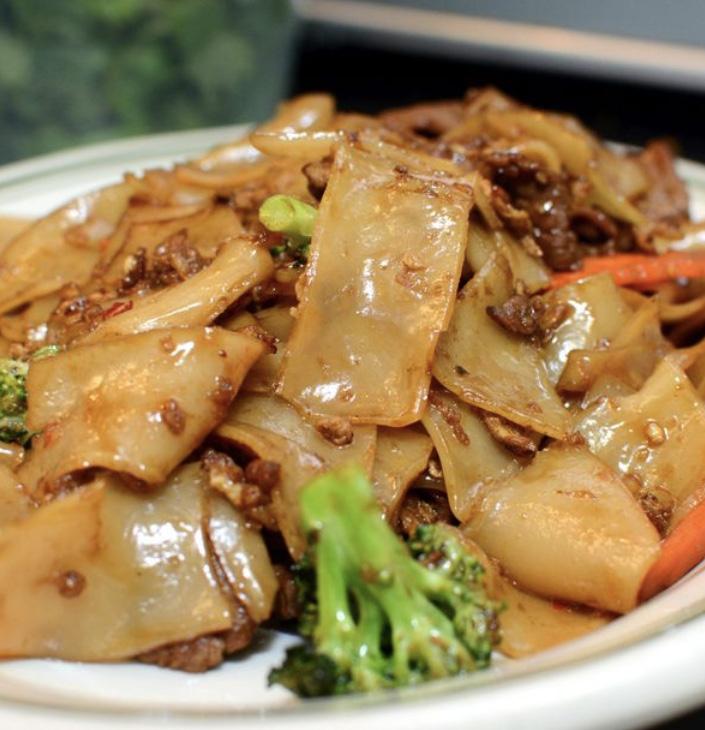
In 2021, Pearl of Siam (pearlofsiam.net) took home the best Pad Thai recognition and this year, they were voted #1 for the best Drunken Noodles. This speaks to how loved the family-run Thai restaurant is! Their drunken noodles boasts rice noodles stir-fried with red and green bell peppers, eggplant, yellow onion, green beans, basil leaves, bean sprouts and chili sauce.
Honorable Mentions
Liang’s Thai Food US Thai Cafe
Best Drunken Noodles
Pearl of Siam
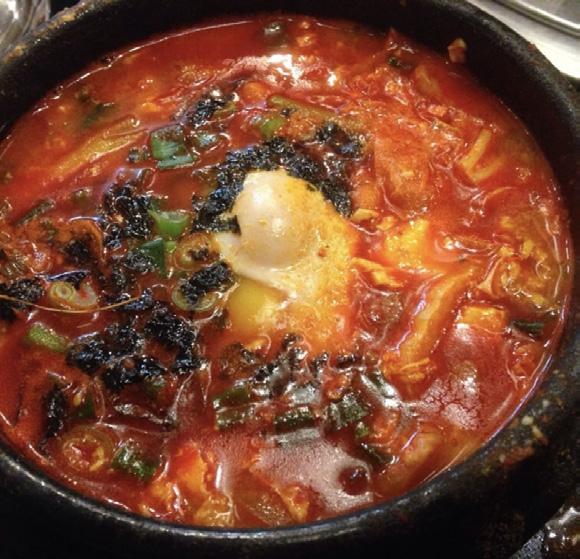
Seoul Korean BBQ & Hotpot (seoulkorean bbq.com), a favorite On Havana Street, provides authentic Korean cui sine. The food is served fresh and the ambiance is perfect for diners looking for authenticity. Favorite soups at Seoul include soon tofu, kim chi jjige, and sulnong tang. Check out their menu to see photos of the dishes to help you choose!

15 Best of 2022 | Asian Avenue Magazine
Mango Mango Desserts
Best Dessert Mango Mango Desserts
@mangomangodenver
SNOWL | Bambu Desserts & Drinks
@yakandyeti @pearlofsiam restaurant @seoul.koreanbbq
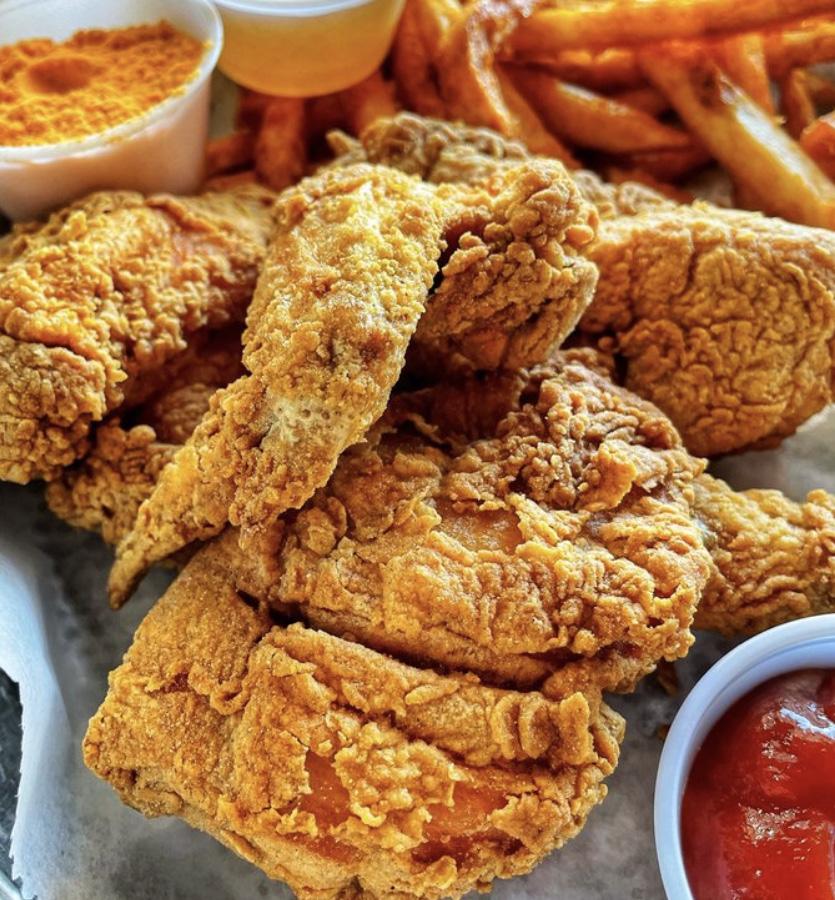
Angry Chicken (angrychickenco.com) wins best Asian-style chicken for a second year in a row! This South Korean restaurant offers different styles of fried chicken, with sauces that include sweet spicy, Cajun, and original. In addition, other chicken styles include wings and thighs that are light, crispy, and moist!
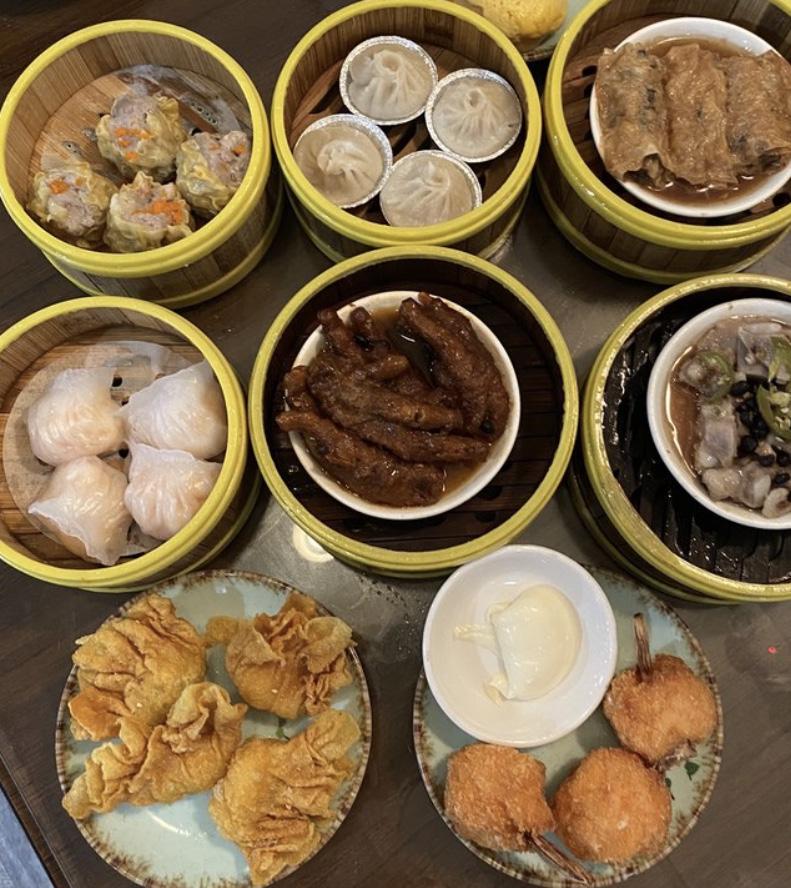

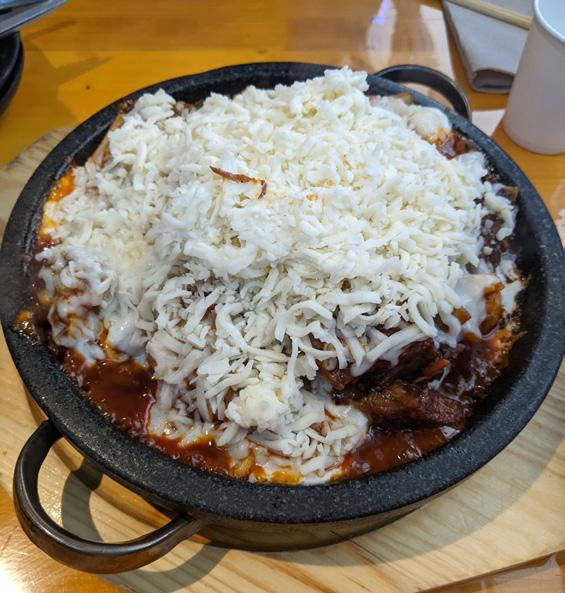
Mr. Tang in Aurora (onhavanastreet.com/ business/mr-tang) is a hidden gem for authentic Korean food. With family style dining, a variety of choices include kimchi pancake, oxtail soup, and even short rib pot. The new restaurant opened a few months ago showcases an electronic menu board, making it modern and eclectic at the same time.
December 2022 | Cover Story 16
Angry Chicken
Best Chicken Angry Chicken Honorable Mentions Bonchon Chicken | Kickin’ Chicken @angrychickenauroraco Star Kitchen 2917 W Mississippi Ave, Denver, CO 80219 Old Town Hot Pot 2852 S Havana St, Aurora, CO 80014 Daughter Thai Kitchen & Bar 1700 Platte St Suite 140, Denver, CO 80202 Best Dining Experiences Honorable Mentions Great Wall Supermarket Pacific Mercantile Mr. Tang 2680 S Havana St Unit M, Aurora, CO 80014 HMart 2751 S Parker Rd, Aurora, CO 80014 Best New Asian Restaurant Mr. Tang Best Supermarket HMart (Aurora)
1930 S Havana St #13, Aurora, CO 80014
H Mart
supermarket in town!
to share
dining
Star Kitchen @hmartcolorado
Our readers continue to agree that
(myhmart. com) is the best Asian
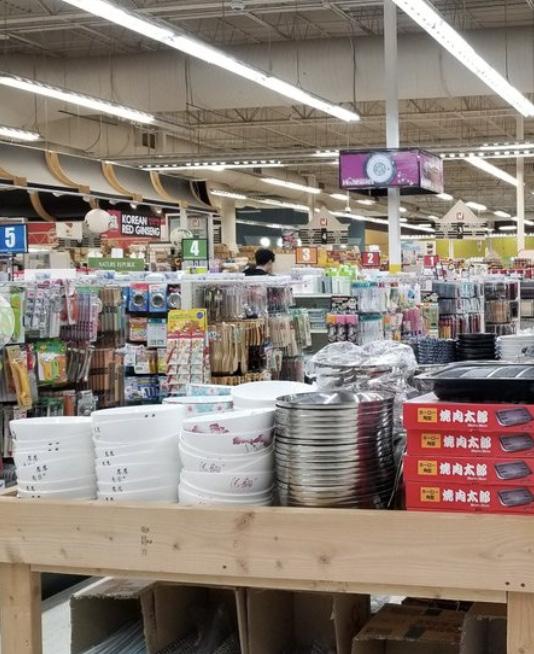
The Sentinel Colorado also awarded H Mart as Aurora’s Best Asian Market in November 2022. H Mart offers an array of ingredients not typically found in a grocery chain store for home-cooked chefs, fresh produce, Asian snacks, housewares, and more. We asked voters
restaurant’s with the best overall
experience. Here are some favorites that were named:
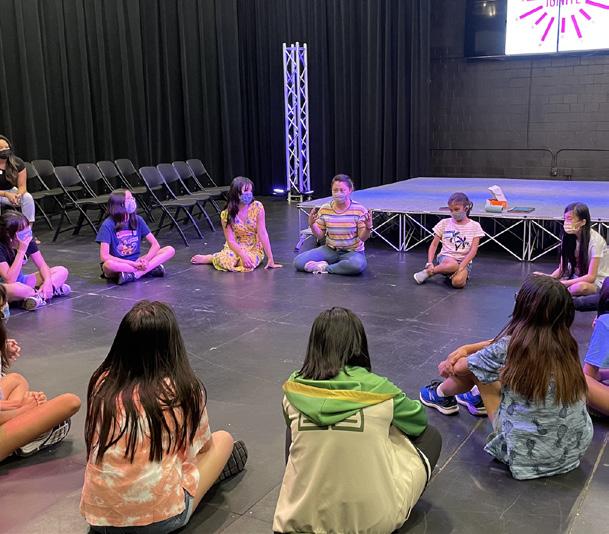
Voted the best Asian-led organization of the year, Asian Girls Ignite (asiangirlsignite.org) empowers and motivates AAPI girls and women by celebrating their uniqueness and shared stories. Founded by Joanne Liu and Mehgan Yen, their activities include cultural learnings, career development and outdoor activities of skiing and hiking. AGI held its Elevasian Night Market in August of 2022 focused on Asian women businesses.
Honorable Mentions
Truong An Gifts
333 S Federal Blvd #116, Denver, CO 80219

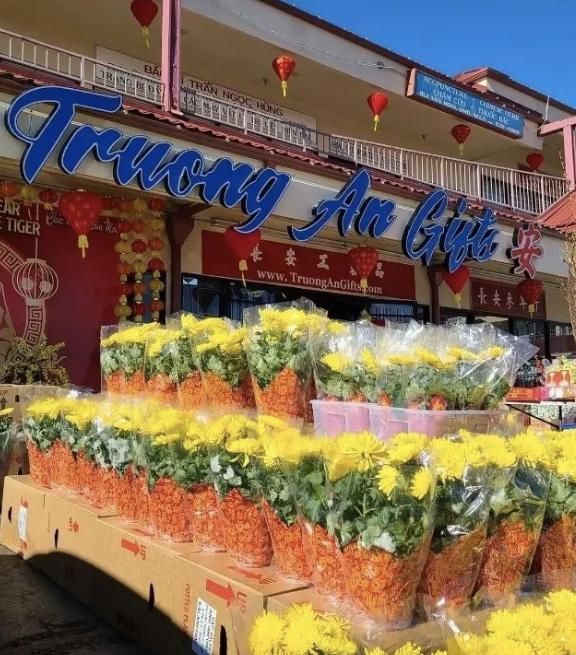
Truong An Gifts (fb.com/Truongangifts) has attracted customers from afar for its festivals, night markets, and community events. The family-owned retailer stands prominently in Denver’s Far East Center on Federal Blvd. The store offers an array of merchandise that includes Asian gifts, plants, skincare, jewelry, housewares, candy, snacks, and apparel. It is a treasure trove of items for special occasions and is one of the best retailers to grab Lunar New Year gifts.
Best TV Series
At Once (A24 Films) wins as the best Asian/Asian American film of the year. Released in March 2022, the film is about “what ifs” in a comedy and sci-fi action genre. Actress Michelle Yeoh, actor Ke Huy Quan and famed actress Jamie Lee Curtis display their talents throughout the movie. If you’re a big fan of the 1980s movie, Goonies, actor Quan plays the gadget kid in this misfit adventure of pirates and treasures.

All of Us Our Dead on Netflix tells the story of a zombie apocalypse that suddenly breaks out in a South Korean city and takes over a high school. With no food or water, and communication cut-off by the government, the students must use equipment around the school to protect themselves. Released on January 28, 2022 by Netflix, the thriller was renews for a second season.

Best of 2022 | Asian Avenue Magazine 17
Far East Center | Asian Pacific Development Center
Best Film Everything Everywhere All At Once
Everywhere
Everything,
All
All of Us Are Dead Thank you for everyone who voted in our Best of 2022 survey, especially members of the Facebook Groups: Crazy Hungry Asians of Colorado, Subtle Asian Colorado, and Avenue Avenue Magazine. Happy new year! Honorable Mentions Turning Red | Easter Sunday Honorable Mentions Bling Empire | Pachinko Best Colorado Organization Asian Girls Ignite Best Asian-Owned Business Truong An Gifts @asiangirlsignite @truongangifts
Support local Etsy business owners this holiday season
By Mary Jeneverre Schultz
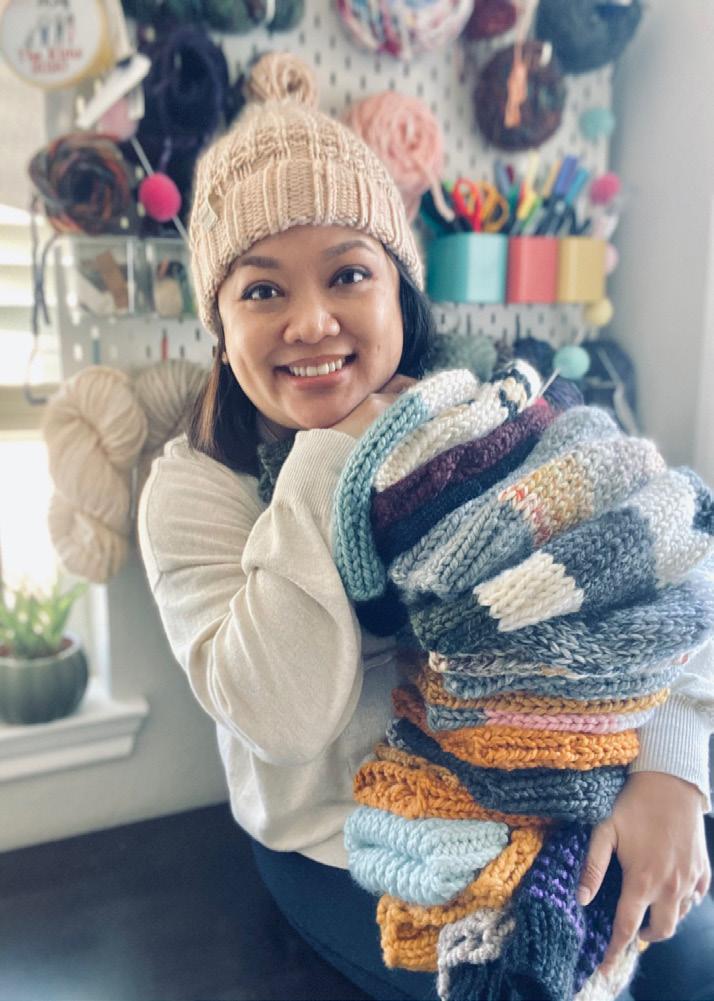
Kim started with hats, and now also knits sweaters and scarves.
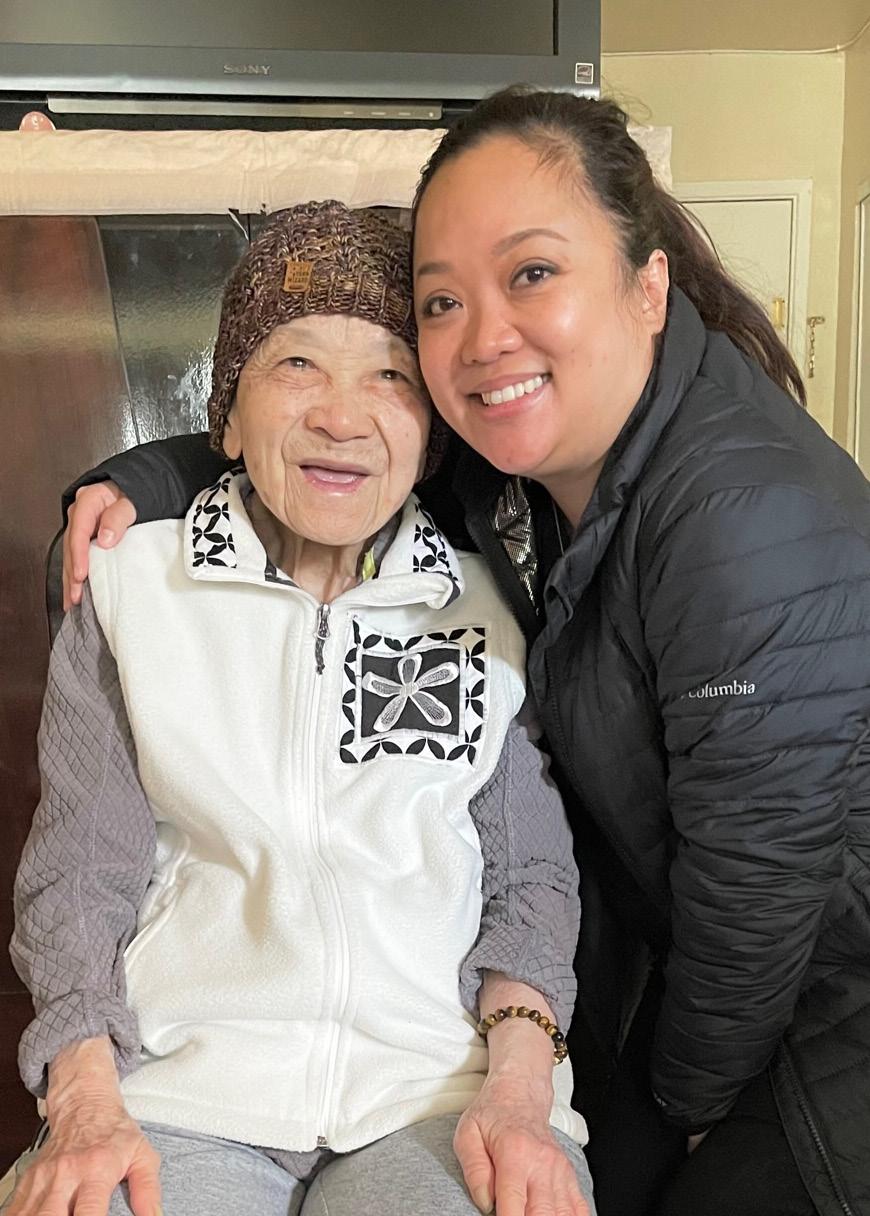
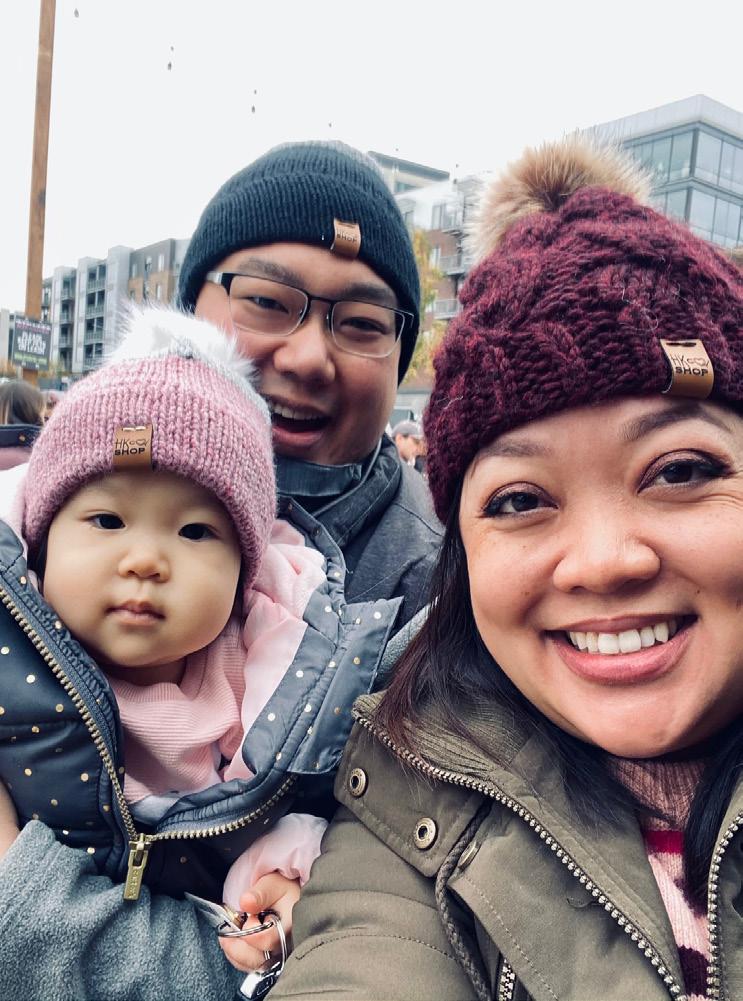
Kim enjoys knitting hats for her husband and daughter.
As the gift-giving season is upon us, are you tired of crowded shopping malls? Would you rather shop online from the comfort of your bed?
Global e-commerce sales are expected to hit $5.5 tril lion in 2022, according to Cloudwards, an organization that tracks online sales.
Etsy sales are calculated in this figure. Etsy.com is an on line global marketplace, where sellers who create hand made, unique merchandise, can get their products into the hands of customers from across the world. As you consider suitable gifts for everyone on your list, take a look at these three Colorado-based Asian American Etsy sellers creating unique items.
Knitted Hats
hkcoshop.etsy.com
Hien Kim sells knitted hats and caps for all ages in a vari ety of different colors, ranging between $24 to $95. Kim moved to Colorado in 2019, when her husband re located for a job. The pandemic and the move from Mary land prompted her to return to a familiarity – knitting.
“I started off making a scarf like how my grandma taught me, then I started learning how to knit hats and sweaters,” she said. “It started with my grandma and then
Most of her inspiration comes from her Grandma.
I wanted to start knitting for my daughter and husband.”
In 2020, Kim desired to give back. For every ordered hat, she would knit another one and donate to a homeless shelter. In that year, she donated 22 hats. Contact her at hkcoshop@gmail.com.
Filipino Accessories Etsy.com/shop/AmihanTrends
For Filipinos who are looking for attire and accessories, this is the perfect Etsy shop for you. Artist Nonie Cruza do assists her wife, Patricia Cruzado, in designing, shirts, hoodies, training daggers and knives with a touch of Fili pino culture.
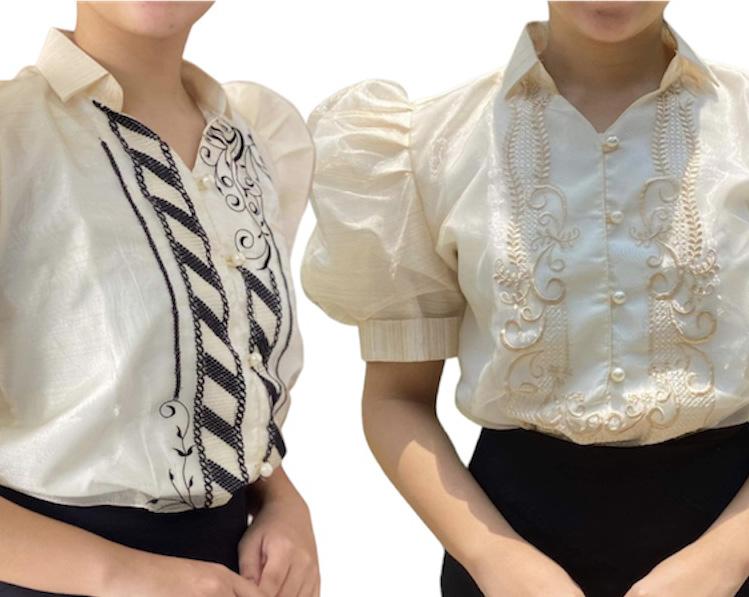
Cruzado imports Filipiniana tops and accessories to reach out to female buyers. Importing from the Philip pines allows Amihan Trends to help fellow Filipinos gen erate income but it’s mostly to retain the heritage and culture of the Philippines.
“I want Filipinos/Filipinas to have easy access to these products here in the U.S.,” said Patricia Cruzado. “The bo leros are my best sellers.”
The name Amihan means season dominated by the trade winds. “So, like the trade winds or trends, we switch and shuffle our products depending on the demands as
18 December 2022 | Feature
long as it’s within the Filipino theme,” she said.
Each October, Cruzado sees a rise of sales during this month, which is Filipino American History Month. Their shop has received numerous, different requests from colors to sizes. Cruzado was thrilled to see attendees of a recent Colorado Filipino gala wearing products from her Etsy site.
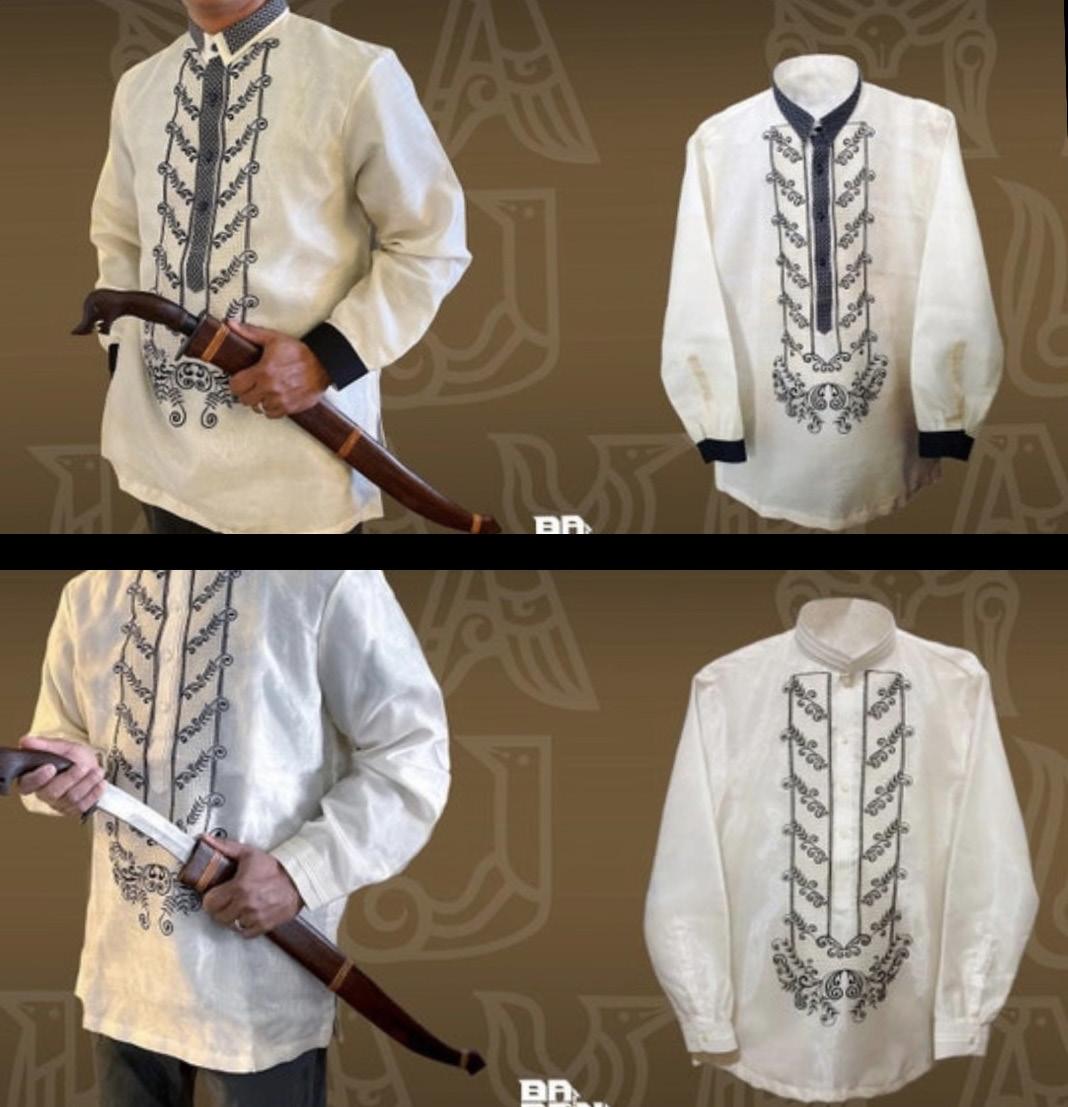
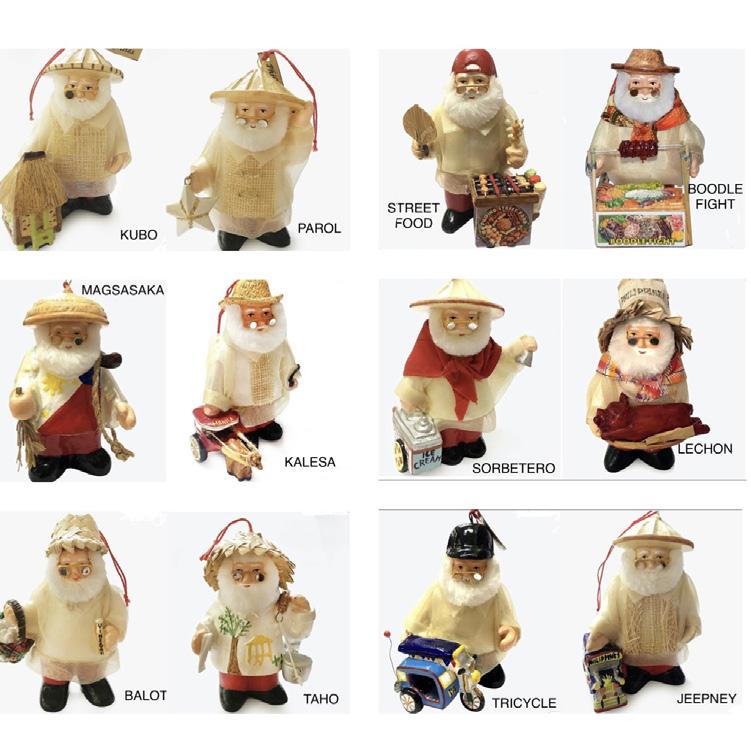
For the holidays, Cruzado released Pinoy Santa orna ments, which include Santas wearing the traditional bar ong Tagalog and Santas sitting on a jeepney or tricycle. In addition, barongs for ladies will be released this month. Contact them at amihan.trends@gmail.com.
Homemade soaps Etsy.com/shop/rhodellorganics
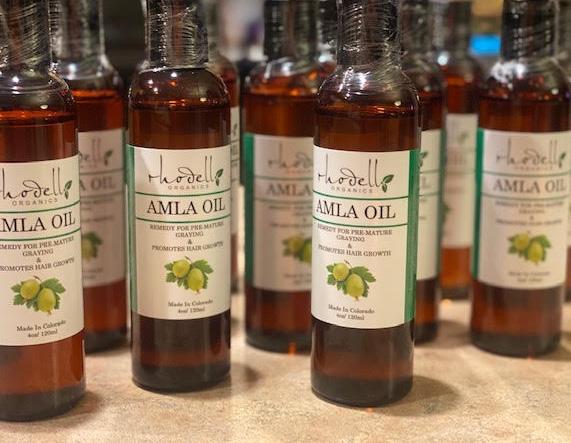
Priscilla Rahn, who is a career educator in Denver, dis covered Etsy eight years ago, when she was searching for creative wedding invitations. She became an instant fan. She now creates organic hair, skin, and body products for both women and men through her business Rhodell Or
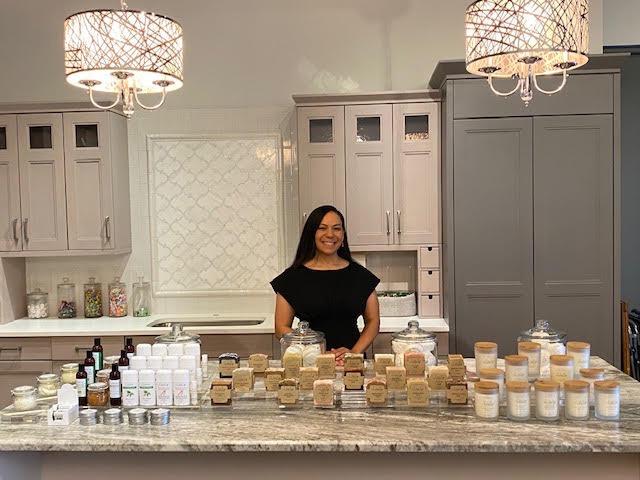
ganics. In addition, she produces candles made from natu ral soy blended wax with a price range of $7 to $45 offering free shipping within the US.
“When I started my business, my goal was to make clean products free from toxic ingredients,” she said. “Every ingre dient that I use in a product is listed on my Etsy site be cause I believe it’s important for customers to know exactly what is in everything that I make.”
Her top seller is Amla Oil, made through an Ayurvedic process that helps grow and strengthen the hair. The Amla Oil is a blend of coconut, jojoba and olive oils. She has also customized products for clients, who have certain aller gies. Other products include lip balm, cold-pressed soaps, bath bombs, deodorants, and body butters.
Contact her at rhodellorganics@gmail.com.
Are you a local entrepreneur selling on Etsy or your own website? Reach out to Asian Avenue Magazine by e-mailing hello@AsianAveMag.com or message us on social media @asianavemag. We’d love to feature you.
Etsy Businesses | Asian Avenue Magazine 19
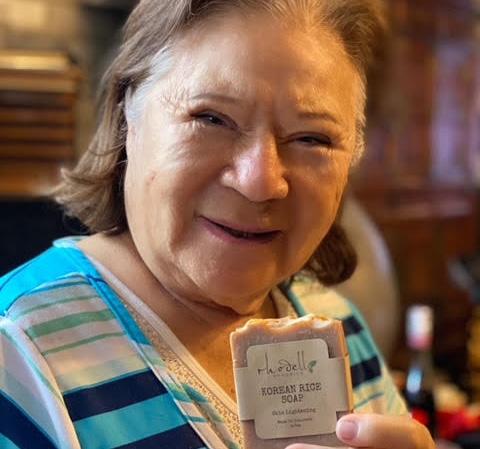
Priscilla Rahn showcase her products. Amla oil is a top seller for Rhodell Organics.
Rahn’s Korean mother shows one of her favorite products.
Pinoy Santas are offered by Amihan Trends.
Barong Tagalog are Filipino shirts for men.
Barongs for ladies will be released this month.
WHY WE NEED LAND
Written by Benu Amun-Ra
Without air, we can’t breathe. Without water, we’ll even tually die. Without land, to grow the food we need to eat, our survival is bleak. We are killing ourselves…literally. These are facts. Food is medicine. Another fact.
Everything we need to survive comes from the relation ships we establish on this planet we call home.
In fact, I was taught at a young age that we are the em bodiment of the Earth. We are made from the same mate rials, oxygen, carbon, hydrogen, nitrogen, calcium, phos phorus and like our planet we are 70 percent water. It’s why we make the best compost and return to the earth as fertile materials because we are not separate from our ‘mother.’ We are the land!
It’s why we have such a strong connection to it and why some cultures will go to war over it. It’s why we continue to kill each other to possess it, instead of understanding that it’s always been a part of us and we a part of it. We need to change the way we look at ‘owning’ land. If you want to get religious, we were made to be ‘custodians’ of the land and the animals that live upon it as they are our family mem bers too. We were meant to be ‘caretakers,’ but we got fired from that job long ago when we started looking at it as a limitless resource from which we can only profit.
Do we really loathe ourselves so much to continue ex ploiting ourselves into utter self-destruction? I can under stand why the youth feel that the future is a waste because we have taken so much that there will be nothing left for them. They have long been ‘woke’ to that fact and why the mental health crisis continues to rise.
Back to land, back to us being in relationship with our selves, which is this planet we call home. My whole life is tied to land. Both my parents are the products of slavery and are generational farmers. My father is African Amer ican, and my mother is South Korean. I am a farmer and a seed saver. I take pride in saying that statement. It de fines a small part of me, but it also speaks volumes to the heritage that created me. I am grateful that I have come into the knowledge of my ancestors to see we’ve been led astray to think we were ever separate from the land. That
Indigenous wisdom of reciprocity and belonging is at the core of being a farmer and custodian of the soil. Which would explain why in just the United States alone, eighty percent of rented farmland (283 million acres, 30 percent of all farmland) is owned by those that use it in agricultural production but are not actively involved in farming.1 That’s a lot of land not to be connected to.
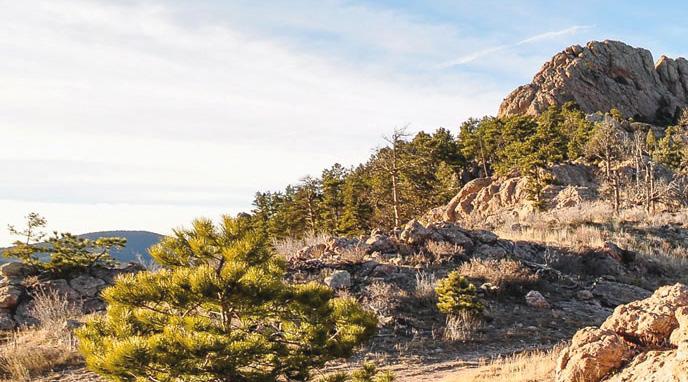
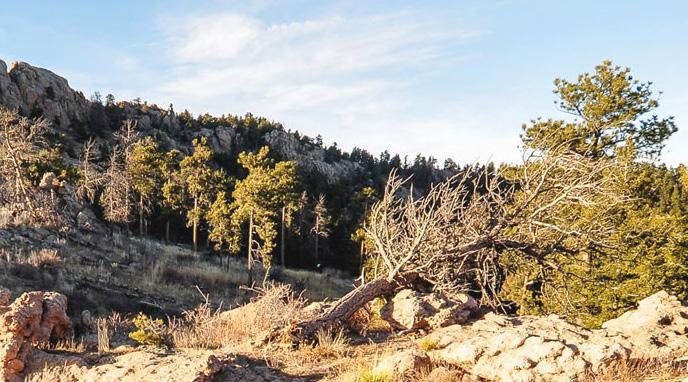
A little backstory about my struggle with gaining access to grow and be with the land. My family held a small acre in Fort Collins, Colorado in an area known as Horsetooth Res ervoir and Open Space. The land was located near Poudre Canyon and precisely across from one of the largest water resources in that area but there was an irony to this situation.
In order for our farm to be viable we needed access to the main water line which was on the other side of the main road. That meant we had to pay for that water access by boring underneath the road, work with engineers, obtain permits, city approval along with community meetings with neighbors to give the ‘go ahead’ for the disruption it was going to cause.
That would cost us more than what the land was actu ally valued at and with the increasing taxes due to prop erty values going up caused by gentrification, our family wouldn’t be able to keep up.
Once the pandemic hit in 2020, Fort Collins became one of the most coveted places to live in the western US and after a failed GoFundMe campaign to raise money to sup port our efforts, we were left with little choice but to sell it.2
My struggles as a woman of color, a single parent and the caregiver of an adult child that lives with multiple dis abilities, I have seen my share of systemic ‘isms’ that per petuate inequities. It is the purpose behind my advocacy and why I fervently am an agent of change. Farmers of col or, immigrant farmers, and female farmers, who typically have smaller farms receive less government support than any other farmer.
The 2018 Farm Bill continues to maintain discriminatory practices and in doing so, will inevitably fall short of struc turally transforming the U.S. food system. It is my hope
December 2022 | Op-Ed 20
Horsetooth Mountain Open Space in Fort Collins, Colo.
that this will change with the upcoming 2023 Farm Bill and why many farmers of color protested a recent land access grant worth 300 million from the USDA that gave a short three month period with little technical assistance if any.
An article from Eater also highlights that, “Farmers of color face other challenges as well, from succession plan ning, a lack of capital to pay taxes and liens, to resistance to farming rooted in the historical trauma associated with slavery and the deceptive methods in the taking of share croppers’ land.”3 And while the attraction in farming seems to be growing, many ethnic farmers start out with a dis advantage, often lacking access to family land or wealth, financial support, proper training, and outright blunt dis crimination from the agricultural industry.
As we continue to face this ongoing pandemic, land ac cess is virtually non-existent for marginalized demograph ics. According to the National Young Farmers Coalition, 41% of respondents in their national 2022 Young Farmer Survey said that finding access to capital to grow their businesses was very or extremely challenging. That number was even higher for farmers of color: 59% for black farmers and 54% for all BIPOC farmers.
Secure, equitable access to farmland is an issue that im pacts us all, and the future of our Food and Agriculture sys tems. All of our voices are important in calling on Congress to create a 2023 Farm Bill that supports young farmers.
As a part of NYFC’s One Million Acres for the Future
BENU AMUN-RA
is a land advocacy fellow in the National Young Farmers Coalition Land Advocacy Fellowship. She is a generational farmer, seed saver and founder of S.A.C.R.Ed Eco-Center based in Centennial, CO.
campaign, I am diligently asking my local members of Congress to make a historic investment in equitable land access (congress.gov/members/find-your-member). You should, too. Your voice matters. The more we collectively use our voices, the louder the crescendo. Like cicadas in the summer...
So, why must we horde, defile, pollute, extract, and de stroy the one thing that plainly defines our existence? Land is everything to a farmer. As I said before, we ARE the land. It feeds us sustenance in more ways than just our bodies, but our mind and spirit as well. Without it our existence has no meaning, no way to belong to the world. We cannot grow our ‘medicine’ because without food, we die. Without water, we die. Without air, we die. Well, so on and so on.
It’s time to return to the land and start belonging not only to ourselves, but our home and ‘mother.’ It’s time to wake up! A certain politician exclaimed that his state is where “woke goes to die,” it’s actually the opposite, if we don’t wake up we definitely will.
This is a crucial moment to invest in those individuals who will be the next custodians of agricultural land and will continue to grow food for our communities for the foreseeable future. Our country must step up to the task of securing affordable access to land for young farmers and marginalized farmers of color... We cannot wait.
To get involved with the campaign and receive alerts, please sign up here: https://p2a.co/6TaLlaN.
References:
1) ers.usda.gov/topics/farm-economy/land-use-land-value-tenure/ farmland-ownership-and-tenure
2) livability.com/best-places/the-2020-top-100-best-places-to-live-inamerica/fort-collins
3) eater.com/2019/1/25/18197352/american-farming-racism-usagriculture-history
Why We Need Land | Asian Avenue Magazine 21
Nathan Yip Foundation Awards
$95,000 to 49 Rural Colorado Teachers
The Nathan Yip Foundation announced last month that over $95,000 was awarded to 49 rural Colorado teachers to create and implement classroom projects that will have a positive im pact on their students/classroom.
In its first ever rural Colorado teacher grant program, the Na than Yip Foundation received 145 requests, totaling more than $300,000 in requested funds. Teachers who work in 140+ rural or small rural school districts in Colorado were able to apply to fund a dream they have for their students by completing a simple grant application.
The Nathan Yip Foundation works to empower rural Colora do schools and students by providing resources to help close the increasing opportunity and experience gap between edu cation in rural schools and those in more urban areas.
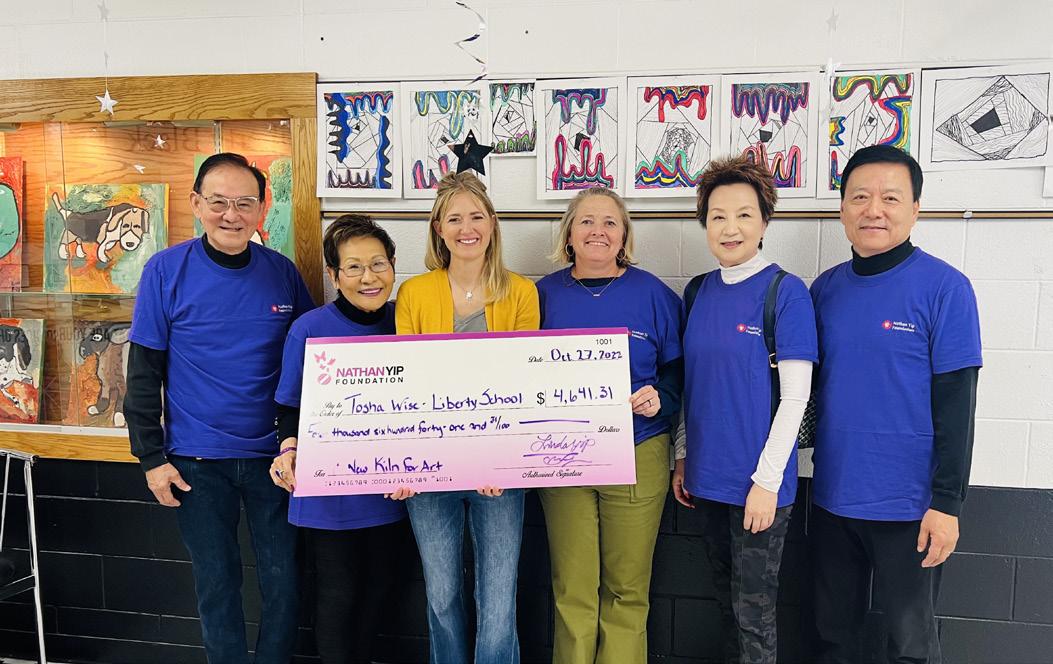
The Nathan Yip Foundation (NYF) awards Tosha Wise, the art teacher at Liberty School in Joes, CO, funds to use to purchase a new kiln for her students.
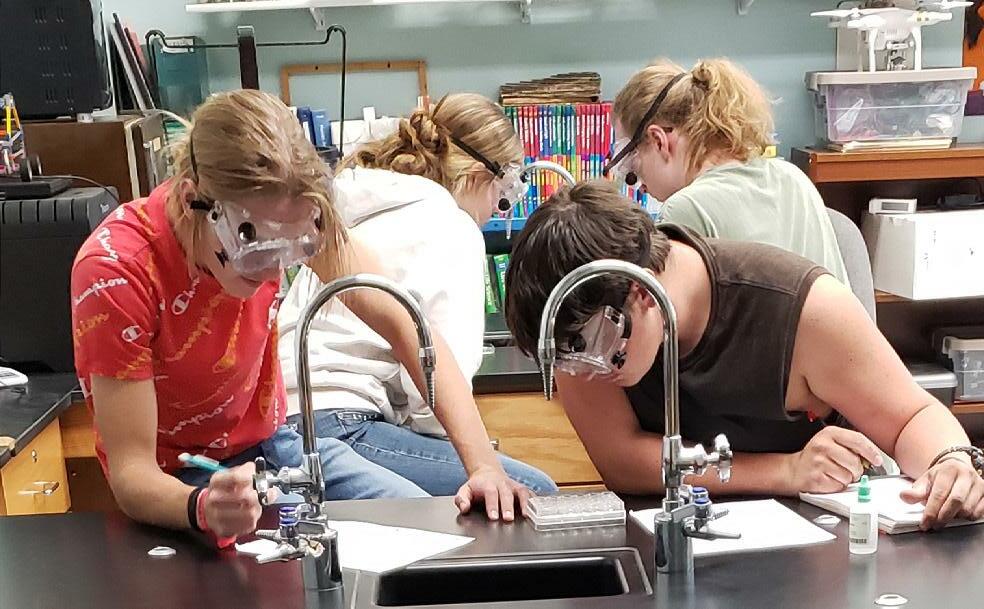
At Cotopaxi High School, the teacher requested funds for a chemistry lab that students can use to explore chemical substances and reactions.
Other funded requests included:
· Rolling carts for a roving music teacher in Custer County;
· Books focused on inclusivity for a classroom in Alamosa;
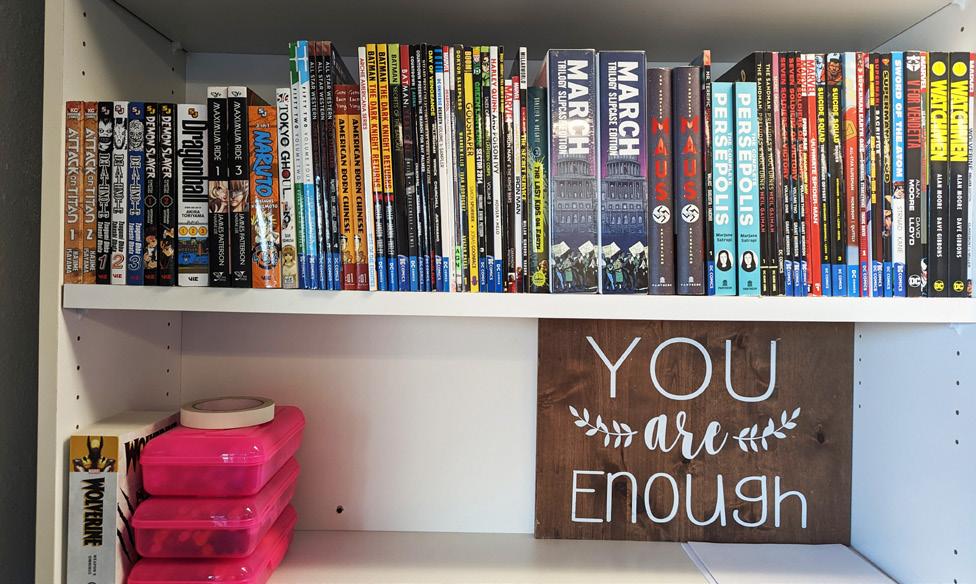
Funds helped to create a graphic novel library with books selected by the students at Alamosa Alternative School. Join
· English language learner family nights and bilingual books to encourage family literacy;
· Bringing gifted students from rural Delta County to explore museums and career opportunities in the metro area;
· Materials for research based speech interventions for a speech/language pathologist; and
· Hands-on materials for students in all areas of science to help a new science teacher on the eastern plains.
22 December 2022 | Community Update
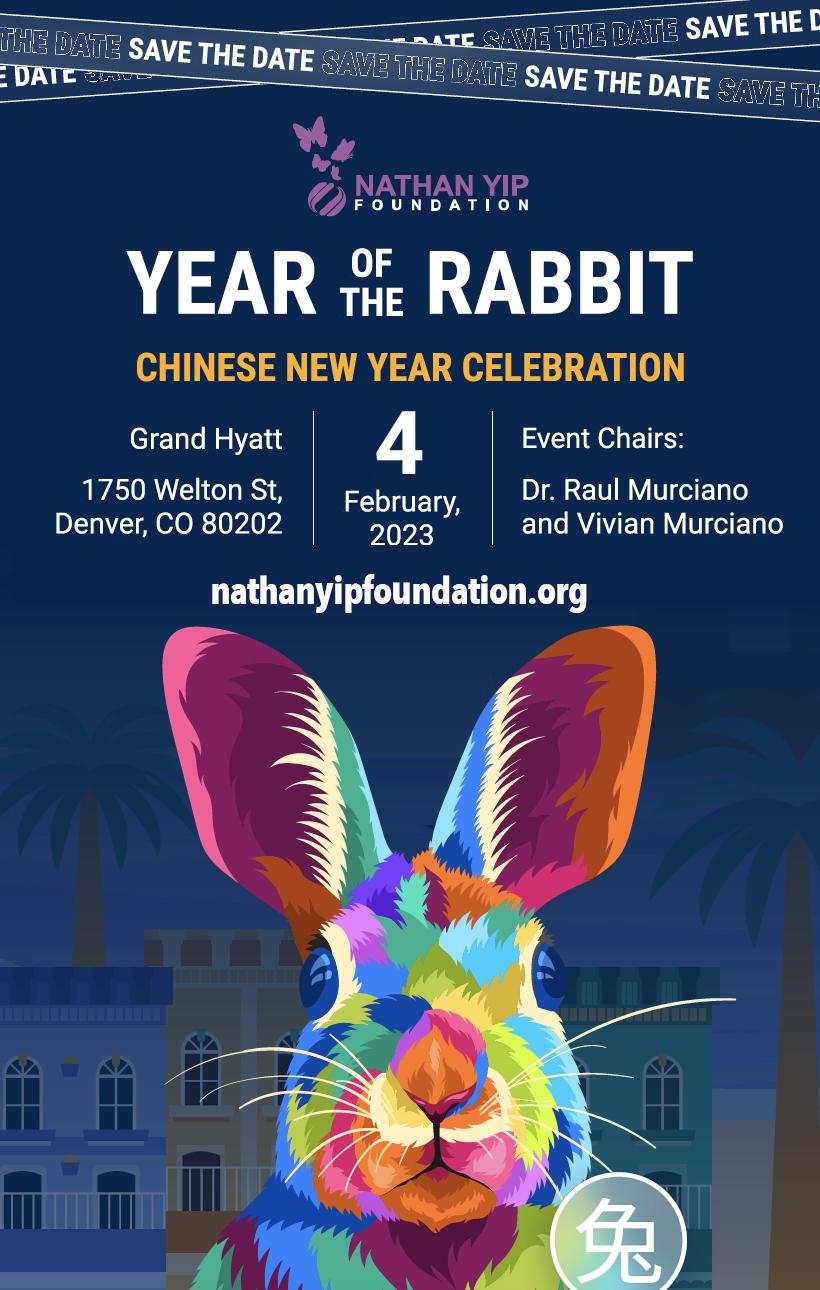
NYF on February 4, 2023 for their annual Chinese New Year Celebration to support their mission to elevate K-12 rural education.
Colorado celebrates Hmong New Year

The Colorado Hmong New Year 20222023 was celebrated by the Hmong Col orado community on November 26-27 at the Adam’s County Fairgrounds, it’s first time since a hiatus due to COVID. The event welcomed special keynote speaker, Dr. Calvin Yang of Dictumdoose, and per former, Deeda Thao. Both guests helped to welcome the New Year with pov pob
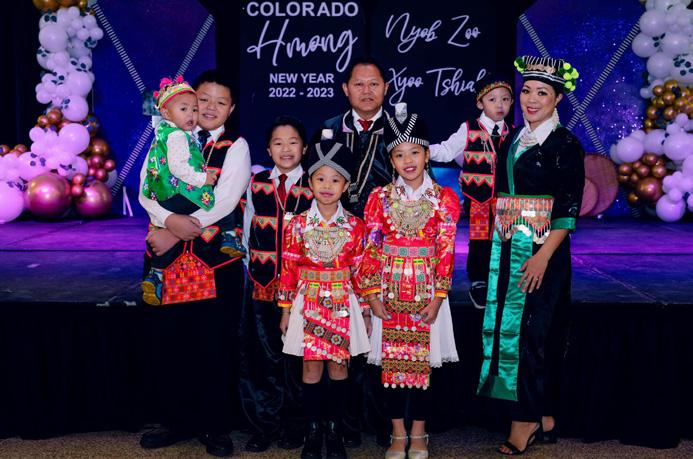
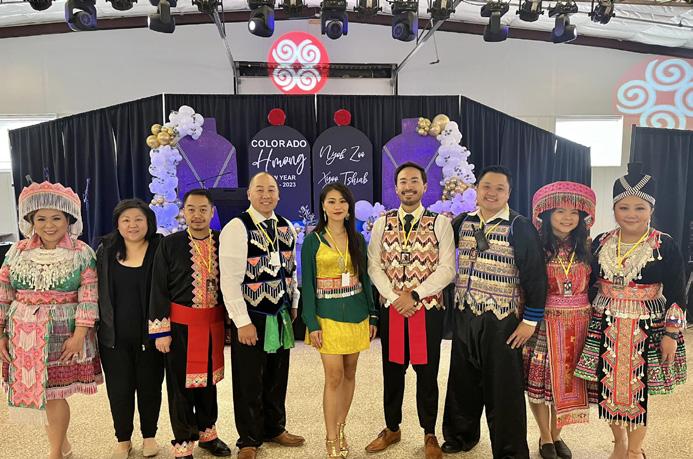
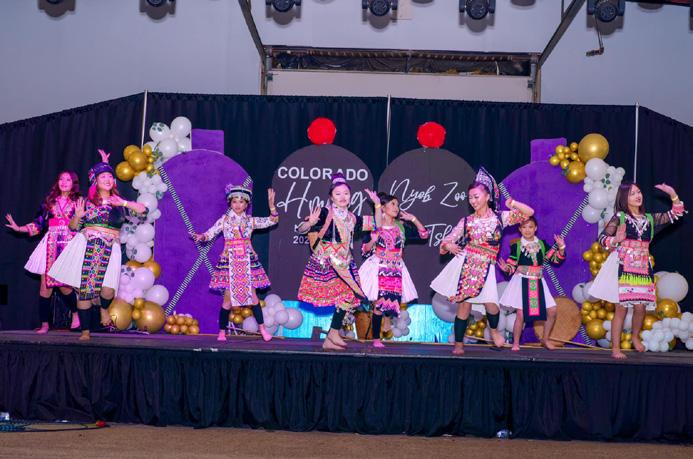
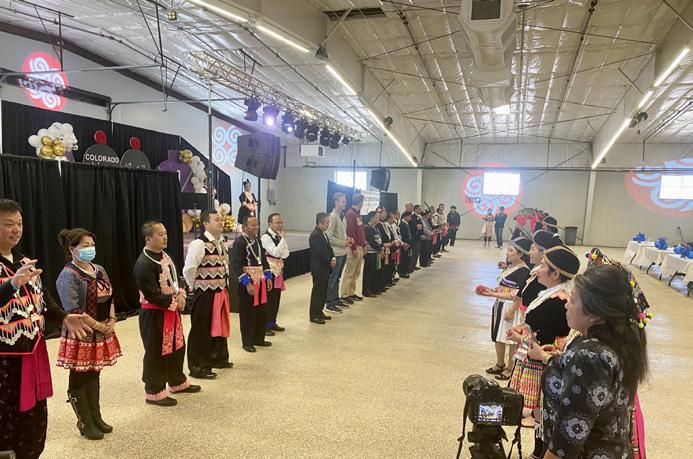
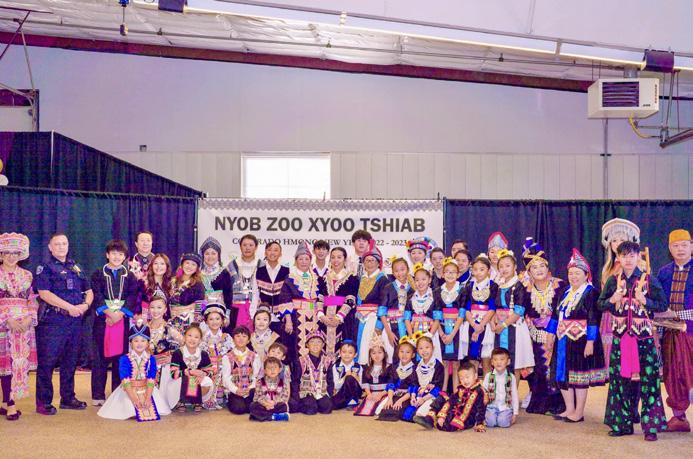
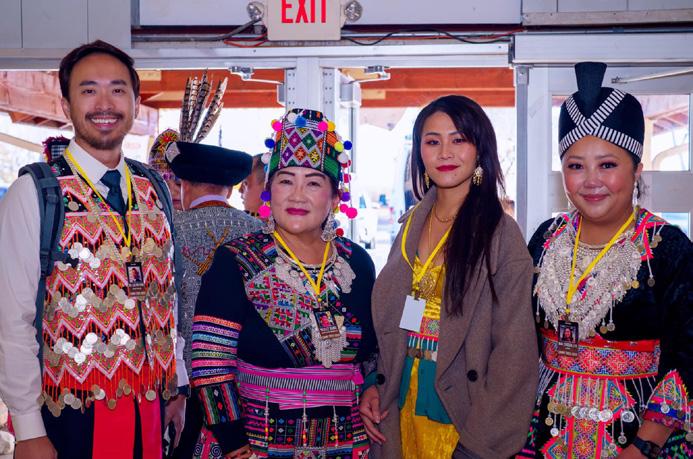
(ball tossing) and cheered on the local per formers that included: Nkaujhmoob Den ver, Ntxhais Nplooj Dawb, Ntxhais Hmong Colorado, Ntxhais Koom Siab, Rose and Ally, Daisy, and Nkauj Hmoob Ntxim Hlub. There were vendors and sponsors that filled the Al Lesser building to make this year’s celebration even more exciting.
Saturday evening included a night party

in which Deeda Thao performed, along with local acts, Laxia Lee, Ashley Lee, Niam Ntxoov Hwj Lauj, and rapper Kaecino, fol lowed by a dj party. The Hmong New Year event made a great comeback this year.
The Hmong New Year planning com mittee thanks the volunteers, vendors, sponsors, and guests for making it a suc cess! Learn more at fb.com/ColoradoHNY.
On Scene | Asian Avenue Magazine 23