
THE NEW RANGE ROVER AND RANGE ROVER SPORT
The pinnacle of refined capability, the 2023 Range Rover delivers unparalleled experience in a luxury performance SUV. A modern and sophisticated interior, underpinned by exquisite detailing and an intuitive approach to relevant technology. From Power Assisted Doors to ‘hot stone’ massage seats — every aspect of the Range Rover delivers a luxurious travel experience. Plus, the available seven-seat Long Wheelbase offers an unrivaled travel experience for seven adults.
NEW 2023 RANGE ROVER / Starting at $104,500*

Created for those who lead by example, the third-generation Range Rover Sport evolves the character and distinction of its predecessors into a vehicle of breathtaking desirability. Its imposing presence is born from its muscular stance and dramatic proportion, while the reductive modern design accentuates its visceral power, performance, and agility.
2023 RANGE ROVER SPORT / Starting at $83,000*

Land Rover Minneapolis 8905 Wayzata Blvd, Golden Valley, MN 55426 763 222 2200 LandRoverMinneapolis.com **2023 Range Rover and 2023 Land Rover Defender. Price shown is Base Manufacturer’s Suggested Retail Price. Excludes $1,350 destination/handling charge, tax, title, license, and retailer fees, all due at signing, and optional equipment. See Retailer for details NEW
THE LAND ROVER DEFENDER
Everything about the Land Rover Defender bears testimony to the vehicle’s undeniable spirit of adventure. Individually customize your off-road system preferences with Configurable Terrain Response® and stay connected with the intuitive Pivi Pro infotainment system. So, whether you’re rock crawling in Moab or tearing through snow in Alaska, the Land Rover Defender is ready for just about anything.
NEW 2023 LAND ROVER DEFENDER / Starting at $53,500*

**2023 Range Rover and 2023 Land Rover Defender. Price shown is Base Manufacturer’s Suggested Retail Price. Excludes $1,350 destination/handling charge, tax, title, license, and retailer fees, all due at signing, and optional equipment. See Retailer for details
YEARS ago, Rudy Luther purchased the British Leyland Franchises from B&K Imports and began selling and servicing such historic makes as MG, Austin Healey, Aston Martin, Jensen, Triumph, and of course, Jaguar and Land Rover. Today we are the largest volume Jaguar and Land Rover dealership in the upper Midwest. We invite you to visit our state-of-the-art facility in Golden Valley to experience for yourself a half-century of dedication and the vehicles that made it possible.


Land Rover Minneapolis 8905 Wayzata Blvd, Golden Valley, MN 55426 763 222 2200 LandRoverMinneapolis.com 52
If you can think it, we can make it. Don’t settle for something that is close to what you want - create exactly what you want with a custom design from us!
CUSTOM
Gunderson’s is proud to have a full team of custom designers, goldsmiths, technicians and gemologists that are ready to make your vision come to life.


DESIGN WAYZATA | The Promenade 300 SUPERIOR BOULEVARD • WAYZATA, MN 55391 • 800-444-4431 • WWW.GUNDERSONS.COM


SIOUX CITY | SIOUX FALLS | OMAHA | FARGO | WAYZATA
exclusively at MOA
For a shopping experience you won’t find anywhere else, shop the unique retailer collection at Mall of America ®—Arc’teryx, Blue Nile, Canada Goose and more—and discover the first, the unique, the only, and the newest at every turn. MALLOFAMERICA.COM
A design house focused on everyday luxury.
Keep pace with every trend at this Euro-based retailer.

®
A beauty brand created for the creators.


Create your shade, choose your finish, add your flavor.
A love of natural materials, a commitment to community.

Founded in Dearborn, Michigan to serve and protect hardworking people.
Providing comfort for good through sustainable fabrics and generous giving.
Committed to self-expression and hardworking style.

 In-store interior design
& 3D
modeling services
1 Quick
Ship program available
2
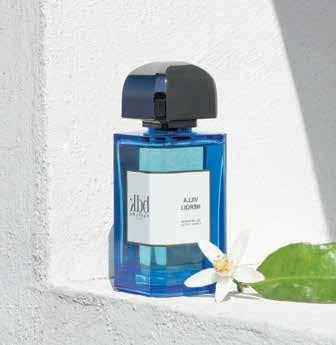
Bubble 2. Curved 3-4 seat sofa, designed by Sacha Lakic. Astréa. Armchair, designed by Sacha Lakic. Rocket. Cocktail tables, designed by Nathanaël Désormeaux & Damien Carrette. Sun Tropic. Rug, designed by Nany Cabrol.

AVAILABLE AT MARTINPATRICK 3




Interior design, fine home furnishings, and beautiful men’s and women’s apparel. Experience the classic and contemporary, brought artfully together. THE NORTH LOOP | MPLS | 212 3RD AVE N SUITE 106 | WWW.MARTINPATRICK3.COM
LISA
YANGBDK MARTINPATRICK 3 STUDIO
ISABEL MARANT
LIGNE ROSET
PROENZA SCHOULER
RRRES

MANSHIP BUILDERS | 480.488.9111 | MANSHIPBUILDERS.COM
COREY
GAFFER © GAFFER PHOTOGRAPHY INTERIORS BY
DAVID MICHAEL MILLER

CHARLES R. STINSON ARCHITECTURE + DESIGN | 952.473.9503 | CHARLESRSTINSON.COM


LIVE EXCEPTIONALLY MINNEAPOLIS DESIGN CENTER Exquisite Furnishings. Superior Design Services. Visit us at imsdesigncenter.com IMS 275 Market Street Minneapolis MN 55405
Photography provided by Fuse, IMS
suite 265

Appliances should work for your lifestyle, which is why our highly trained staff listens to help ensure the best appliances at unbeatable prices. And with fair and fast service, our team is always there for you. We hope to become your appliance specialist for life, giving you more time to spend on what truly matters.

EDINA SAINT PAUL NE MPLS. MAPLE GROVE WOODBURY APPLE VALLEY SHAKOPEE COON RAPIDS ROCHESTER S MPLS. OUTLET ANKENY WEST DES MOINES
LAUNDRY
at

212 THIRD AVE NORTH AT MARTIN PATRICK 3 | 612.339.1588 | CONCIERGE@THELOUPEMPLS.COM | THELOUPEMPLS.COM | @THELOUPEMPLS

SHOP NOW: CIRCALIGHTING.COM 877.762.2323 EXPERIENCE VISUAL COMFORT
COMTESSE XL OFFSET CHANDELIER IN HAND-RUBBED ANTIQUE BRASS DESIGNER: PALOMA CONTRERAS
WHERE
DESIGN


BEEN dreaming of living
nature
still near the
out to White Oaks
just west of

home

WE PROUDLY FEATURE ANDERSEN WINDOWS IN OUR HOMES WHITE OAKS SAVANNA HOME SITES ARE SELLING FAST. TO LEARN MORE, ARRANGE A TOUR AND SELECT A LOT, CONTACT US TODAY. CALL 651-300-0129 VISIT WHITEOAKSSAVANNA.COM IF YOU’VE
close to
yet
cities, come
Savanna™,
Stillwater. This unique architecturally-driven community features 30
sites on 200 acres of lush prairie. Choose one of our award-winning architects and builders and we’ll help you select the perfect site for your sanctuary.
GREAT
LIVES ARRANGE A TOUR OF OUR PHASE TWO LOTS. AMAZING HOMESITES ARE STILL AVAILABLE.
The


Introducing the only Pro Range with built-in sous vide. COOKING | VENTILATION | REFRIGERATION | DISHWASHING
way to cook 185 West Plato Blvd, St. Paul, MN 55107 651-227-6331 allinc.com Experience it live on our showroom floor. Precision, power, and versatility is our recipe for ensuring everything you make is made in the best way possible. That’s why Signature Kitchen Suite proudly presents the 48-inch Dual-Fuel Pro Range, one of the most versatile pro ranges ever built, offering Ultra-High™ and Ultra-Low™ burners, induction, a True Combi-Steam™ oven, a chromium griddle, and the ultimate cooking precision of sous vide.


Quality Furnishings, Timeless Design Schedule a complimentary design consultation today at gabberts.com Bloomington | 952.927.1500 Little Canada | 651.634.6700 gabberts.com
THE STYLE ISSUE

26 Artful Living
PHOTOGRAPHY PROVIDED BY RUNWAY MANHATTAN/MONDADORI
“Look Good, Feel Great with Beautiful Skin.”

CR UT CHFIELD D ERMA TO LO GY 1185 Town Centre Drive Suite 101, Eagan | 651.209.3600 | www.CrutchfieldDermatology.com CRUTCHFIELD DERMATOLOGY SEAL OF APPROVALAESTHETIC Experience counts. Quality matters. Recognized by Physicians and Nurses as one of the best Dermatologists in Minnesota for the past twenty years. Olivia Crutch eld ~ daughter and patient
TM Now o ering Televisits. Expert skincare from the comfort and safety of your own home.

28 Artful Living 128 WHO WORE WHAT Inside the politics of fashion. IN EVERY ISSUE 224 ADVERTISER INDEX • 226 PUBLISHER’S TAKE • 228 LAST CALL FEATURE CONTENTS ILLUSTRATION
BY LABYRINTH OF COLLAGES
| PHOTOGRAPHY PROVIDED BY
ROBYN
BECK,
POOL, MATT WINKELMEYER, SUSAN
WOOD/GETTY
IMAGES AND KEVIN MAZUR

R.F. MOELLER Jeweler 50th & France ◆ Highland Park ◆ RFMoeller.com Celebrating Love Since 1951 The Byes Photo
CONTENTS
CULTURE
47 TREND
Chris Plantan on the art of bookscaping.
NICE RIDE
Our review of the 2023 Range Rover lineup.
58 AT AUCTION
Fashionistas bid on iconic style photography.
COLLECTING
Why watch collectors are turning back the clock.
69 FARE
Cooking at home with chef Gavin Kaysen.
STYLE
76 MEN’S STYLE
David Coggins’ tips for avoiding top fashion faux pas.
80 FAVORITE THINGS
The Martha Dayton
Design team loves the artful and eclectic.

85 FASHION
Brunello Cucinelli womenswear comes to Martin Patrick 3.
90 DESIGN
Victoria Sass creates a bohemian dream inside her own home.
97 GUIDE
Gifts for the ultimate host in your life.

COMPASS
108 EXCURSION
How Qatar became an art and architecture hot spot.

115 DESTINATIONS
Introducing the world’s new fashion capitals.
121 TOUR
The Artful Living guide to Napa Valley.
30 Artful Living
53
64
PHOTOGRAPHY
PROVIDED BY VICTORIA CAMPBELL, CHRIS
MOTTALINI
AND FINN PARTNERS
Your achievements have earned champions.

You’ve
TH MAN
EMEN

WEAL
AG
T
worked hard for your wins, your wealth, your assets. Now match that with a trusted financial guide with a wealth of experience, knowledge and shared values. Let the trusted team guide you in your next steps. Let’s talk. Serving Minnesota with more than 30 locations | oldnational.com 11 YOUR SUCCESS IS EVERYTHING
Tyler Torgerson, Wealth Planning Consultant, VP; Jeanne Krigbaum, Wealth Planning Director, VP; Nick Gergen, Portfolio Manager, CFA; Jacie Fogelberg, Wealth Advisor, SVP
CONTENTS
HOME
142 PROPERTY GALLERY
Coldwell Banker Realty presents the finest homes for sale.
162 ARCHITECTURE
John Kraemer & Sons and Charlie & Co. Design craft a modern lake home.

170 DESIGN
Bruce Kading turns his talents to his own kitchen.
176 BUILD MA Peterson creates a coastal chic sanctuary.
182 NATURE
A new Hendel Homes project embraces art and nature.
ADVENTURE
189 OBSESSION
Laura Schara’s ode to the cowboy boot.
192 EXCURSION
All aboard a two-week Caribbean sailing trip.
196 EQUUS
Ocala, Florida, becomes an equestrian haven.

INTEL
203 JEWELRY
The Loupe brings exclusive luxury jewelry to the Midwest.

208 HISTORY
Unpacking the storied past of high-end department stores.
213 SCANDAL
A deep dive into the multilevel marketing phenomenon.
220 NORTH NOTABLES
The region’s best and brightest.
32 Artful Living
PHOTOGRAPHY
PROVIDED
BY
SPACECRAFTING, WORLD EQUESTRIAN CENTER AND THE LOUPE

FROM THE EDITORS
Kate Nelson: It’s undeniable that our world feels more political than ever, and we’re not just talking about who you vote for this November. Politics has infiltrated all aspects of our lives — from the way we spend our money to the media we consume to the clothing we wear. So it seemed only fitting for our annual ode to style to have Artful Living contributor and acclaimed fashion editor Laura Antonia Jordan do a deep dive on that last topic. She brings her unique insider (and uniquely British) perspective to “Who Wore What,” exploring how fashion and politics intersect. (page 128)
Hayley Saunders: Fashion is back in a big way, and it’s a constant theme throughout this issue. Here in Minneapolis, Martin Patrick 3 gave us the inside scoop on its upcoming Brunello Cucinelli womenswear collection set to debut this fall (page 85).

On the auction front, Christie’s recently sold some of the world’s most iconic fashion photography taken by the likes of Helmut Newton, Irving Penn and Ellen von Unwerth (page 58). Plus men’s style guru David Coggins gives his advice for avoiding common faux pas (page 76), and resident outdoorswoman Laura Schara pens an ode to the classic American cowboy boot (page 189).
KN: Looking for a scintillating, scandalous read? Marisa Petrarca wades into the murky world of multilevel marketing to investigate why, even amidst massive backlash, we Americans can’t seem to resist these get-rich-quick schemes (page 213). And Brittany Chaffee takes us back in time to the plush heyday of the luxury department store (page 208).
HS: Of course, style extends beyond just what we wear. It’s also a huge part of our homes, which is on full display in Prospect Refuge Studio designer Victoria Sass’s dreamy bohemian Midwestern abode (page 90). And it even factors into the food we make, as celebrated Twin Cities chef Gavin Kaysen shows in his new cookbook (page 69). However you choose to convey your unique style, we’re happy to be a part of your stylish life.
Happy reading, Hayley Saunders Managing Editor + Associate Publisher
Kate Nelson Editor-in-Chief34 Artful Living

Serious about style. Fanatic about function. FiddleheadDesignGroup.com photo by Spacecrafting Interiors. Kitchen & Bath.
Kate Nelson
Editor-in-Chief
Emma Cutler Velez Publisher
Hayley Saunders Managing Editor + Associate Publisher
Margaret Cooper Art Director
AJ Longabaugh
Digital Editor
Genevieve Cossette
Director of Sales
Meg Kelly
Marketing + Events Manager
Mitchell Lambert Business Manager
Halle Klum Intern
Frank Roffers
Founder + Editor-at-Large
Pete Burgeson President
Editorial Advisory Board
Heidi Libera, Chris Plantan, Dana Swindler
Contributors
Writers: Merritt Bamrick, Jennifer Blaise Kramer, Brittany Chaffee, David Coggins, Bonnie Culbertson, Katie Dohman, Amber Gibson, Ashlea Halpern, Laura Antonia Jordan, Chris Lee, Wendy Lubovich, Marisa Petrarca, Chris Plantan, Anne Roderique-Jones, Laura Schara, Marguerite Vanderford Photographers: Victoria Campbell, Spacecrafting, Ashley Sullivan Illustrators: Hilbrand Bos, Labyrinth of Collages, Klawe Rzeczy
Advertising Sales
Contact Emma Cutler Velez at 612-803-1910 or evelez@artfulliving.com.
Subscriber Services
Contact us at 952-230-3133 or hello@artfulliving.com.
Artful Living
1125 Buchanan St. NE, Minneapolis, MN 55413
Artful Living is published by North Co., all rights reserved. No part of this publication may be reprinted without permission. North Co. cannot be held responsible for any errors or omissions. Artful Living is committed to preserving the environment and demonstrates this by printing efficiently and sustainably. In consideration of environmental impact, this magazine is 100% recyclable.
36 Artful Living

streeterhomes.com 952.449.9448 | englerstudio.com 952.564.6488
THE MAGAZINE
On the Cover
Twirling upon our autumn 2022 style issue is Swedish model Caroline Winberg adorned in an alluring fringed outfit that begs to be seen. Originally appearing in Harper’s Bazaar Czech Republic, this image showcases Winberg gracefully commanding the attention of the viewer as the tassels of her ensemble sway from side to side, creating movement that seems to jump right off the page. This playful black-and-white portrait has our team inspired to take risks with our wardrobe this fall, whether that be incorporating new textures and fabrics, opting for a statement headpiece, or embracing a more vibrant color scheme. We hope you feel emboldened to step out of your comfort zone, too.

About
Artful Living is one of the top independent boutique lifestyle magazines across the United States with international reach. Founded in 2008, this award-winning quarterly magazine features engaging original content and beautiful design, bringing the best of the North and beyond to an affluent audience with impeccable taste. This elegant, intelligent publication aims to inspire and entertain, highlighting culture, home, style, travel, food, profiles and more. The Artful Living lifestyle brand is headquartered in Minneapolis.
SUBSCRIBE TODAY
Artful Living Delivered Right to Your Doorstep
To subscribe to Artful Living or order back issues, visit ArtfulLiving.com. For bulk copies, contact us at
or hello@artfulliving.com.
38 Artful Living
952-230-3133
PHOTOGRAPHY BY GREG KADEL
Begin
orthopedic journey with

Start at Summit. EASY TO START Online scheduling EASY TO BE SEEN No referrals needed EASY TO GET CARE Orthopedic urgent care SUMMITORTHO.COM
and complete your
us.
White House Wardrobe
A look at the most memorable first lady fashion moments.


Sign up for the
JOIN THE CLUB
Next Level
Top signs you’re being targeted by a multilevel marketing scheme.

Comfort Queen
Our favorite comfort clothing brands of
Artful Living in Your Inbox
ArtfulLiving.com.
40 Artful Living
Artful Note newsletter, our guide to the artful life, on
2022.
ARTWORK PROVIDED BY CHARLES
OMMANNEY/GETTY IMAGE, SALTYCOTTON/FLICKR AND TUCKERNUCK

Responsive support you can bank on.
BWBMN.COM Member FDIC Discover Bridgewater Bank.
We are committed to providing the best experience for our clients

creating a home that is a reflection of who they are.
From furniture refreshes to remodels to new builds, we are here to take your dreams and transform them into the unimaginable.


is what makes a #HenriHome.
Paul
Designing
while
This
Based in St.
|
Nationwide @henriinteriors henriinteriors.com


© 2022 Nor-Son Custom Builders. All rights reserved. MN Lic.#BC001969 NO ONE BUILDS LIKE NOR - SON Nor-SonCustomBuilders.com

Autumn 2022 45 CULTURE TREND 47 NICE RIDE 53 AT AUCTION 58 COLLECTING 64 FARE 69 PHOTOGRAPHY BY LIBBY ANDERSON
Every home has a story.charlieandcodesign.com | 612.333.2246
book smart
THE ART OF BOOKSCAPING.
 BY CHRIS PLANTAN PHOTOGRAPHY BY VICTORIA CAMPBELL
Autumn 2022 47 CULTURE TREND
WHAT DOES EVERY BEAUTIFUL ROOM have in common? Books. They’re like favorite companions that make a space feel personal. Bibliophiles and interior designers agree that decorating with books is one of the most meaningful ways to style your home. They add a sense that real people actually live here. Bookcases and shelves can sometimes be overrated. Instead, surrounding yourself with stacks of novels gives your house a more lived-in feeling. There’s nothing like a beautiful collection stacked to perfection to add character to any space. But there’s an art to this seemingly simple way of bookscaping.
The first place that probably comes to mind for a book stack is the coffee table, but there are so many other intriguing spots in your home to host your literary collection. Plus showcasing an assortment in unexpected areas doubles the pleasure. Towers are an exceptional way to create interest in both traditional and contemporary settings. While they make a strong architectural statement when stacked formally, they can also be piled casually for a more effortless look.
It may sound obvious, but ordering your tomes from largest to smallest is the safest way to go, especially on a table or work surface. Consider composition, subject matter, size and room placement when culling a great collection. Step back every once in a while to get the balance and feel just right. Try multiple stacks to create a skyline of sorts, then cap with a crowning element for a finishing touch.
These favorite trinkets are like the cherry on top and can be swapped out seasonally or complemented by fresh flowers. Consider an art object, a candle, small trinket dishes or other prized items that complete the narrative. For example, an assortment of travel tomes topped with a beloved souvenir or hotel ashtray can tell the story of your most recent adventures and conjure cherished memories.
Above all, your books should reflect your interests, your passions and your personal taste. Take the pressure off and have fun with how you store and display them. As Roman statesman Cicero once said: A room without books is like a body without a soul.

CULTURE TREND 48 Artful Living


A modern American Steakhouse rooted in rich tradition featuring meat and seafood in an approachable & warm environment. 229 6th Street E, Saint Paul, MN 55101 (651) 968-1050 www.noyescutler.com


Builder: Kyle Hunt & Partners Interiors: Alecia Stevens Landcape: Yardscapes Photo: Scott Amundson 6801 Wayzata Boulevard, St. Louis Park, MN 55426 952-546-6162 AllSeasonsFire.com SCAN ME

LIVING
 BY MITCHELL LAMBERT
Autumn 2022 53 CULTURE NICE RIDE
WITH THE 2023 RANGE ROVER AND RANGE ROVER SPORT, THE BEST JUST GOT BETTER.
LARGEPHOTOGRAPHY PROVIDED BY LAND ROVER
LAND ROVER RECENTLY unveiled the all-new redesigned Range Rover and Range Rover Sport as part of its 2023 model lineup. The manufacturer purposefully gave each a modernized face-lift but retained favorite aspects of previous generations, leaving critics thrilled. Although at first glance each clearly resembles this year’s model, slight yet impactful differences will leave current and potential owners yearning for an upgrade.
The Range Rover has been the go-to SUV for those who enjoy riding in style, comfort and luxury for decades. The latest iteration offers exciting new features. The exterior design boasts a simplified look with improved headlights, integrated taillights, a new grill and flush door handles. Inside, a 13.1-inch touchscreen with haptic controls and a completely refreshed interface makes navigating the vehicle’s systems effortless.
Climate control is also stateof-the-art in the new Range Rover. Integrated air purification technology keeps odors, allergens and bacteria at bay. The auto’s fourzone system lets the driver, the front-seat passenger and each of the outer rear-seat passengers regulate their respective spaces.

Those looking for an out-of-this-world audio experience can upgrade to the Meridian Signature Sound System. This package includes a subwoofer with 34 speakers throughout the cabin, creating a concert-like atmosphere on the road. And with the combination of laminated glass and Active Road Noise Cancellation technology, which integrates speakers in the headrests to virtually eliminate outside noise pollution, passengers can enjoy a quiet and immersive experience that no other SUV can offer.
Both models are available with numerous engine types, ranging from standard gasoline to electric hybrid. Auto enthusiasts can rest assured that the electric hybrid models boast the same performance and practicality of a standard Range Rover but with the added bonus of an all-electric mode with up to an estimated 48 miles of range. This lets drivers embark on long-distance road trips with ease while still allowing for work and local commuting using zero fuel consumption.
Overall, the 2023 Range Rover and Range Rover Sport both offer a first-class experience across the board. While the two models may seem similar with their styling and features, they are designed for distinct customers. Those in need of an SUV geared toward comfort with expansive storage space will appreciate the full-size Range Rover, while drivers who want a more nimble, performance-oriented vehicle will prefer the Range Rover Sport. With Land Rover, you simply can’t go wrong.
2023 Land Rover Range Rover
• Starting at $104,500
• Three engine types
• Eight-speed automatic transmission
• Electronic air suspension with Dynamic Response Pro
• Electronic active rear locking differential
• 20-way heated electric seats with power-recline heated rear seats
• Active Road Noise Cancellation
• Cabin Air Purification Pro

• Four-zone climate control
• Curved 13.1-inch touchscreen with haptic control
• Apple CarPlay and Android Auto compatibility
• 3D surround camera
2023 Land Rover Range Rover Sport
• Starting at $83,000
• Four engine types
• Eight-speed automatic transmission
• Electronic air suspension with Dynamic Response Pro
• Electronic active rear locking differential
• All-terrain progress control
• Hill launch assist
• 20-way heated electric seats with power-recline heated rear seats
• Curved 13.1-inch touchscreen with haptic control
• Apple CarPlay and Android Auto compatibility
• 3D surround camera
For more information on the all-new 2023 Range Rover and Range Rover Sport, visit Jaguar Land Rover Minneapolis in Golden Valley or log onto jaguarlandroverminneapolis.com.
54 Artful Living CULTURE NICE RIDE

Autumn 2022 55
the world








Show
your smile. Accredited Fellow is the highest credential earned from the AACD. drnorling.com • 952.544.4129
PHOTO BY PEARL PHOTOGRAPHY


INTERNATIONAL MARKET SQUARE SUITE 568 { 612 } 886-3960 BRUCEKADING.COM — Designing exceptional interiors for extraordinary clients and their families. — 612.823.0233 aharchitecture.com Albertsson Hansen Architecture, Ltd.
STRIKE
THE ART OF SELLING STYLE.
 BY WENDY LUBOVICH
A POSE
58 Artful Living CULTURE AT AUCTION
PHOTOGRAPHY PROVIDED BY CHRISTIE’S

Autumn 2022 59
LEFT: "BRIGITTE BAUER" BY F.C. GUNDLACH • RIGHT: "MAINBOCHER CORSET" BY HORST P. HORST
FASHION PHOTOGRAPHY IS HAVING A MOMENT. IN THE MIDST OF A CHAOTIC WORLD, filling our walls with resplendent haute couture imagery makes everyday life feel more glamorous. That’s why buyers from around the world recently took part in two landmark auctions at Christie’s in Paris, where sartorial splendor was on full view.

But why now? Why are glossy style photos so in vogue? Surely recent blockbuster museum exhibitions have helped frame the conversation. This year’s Yves Saint Laurent exhibit at the Louvre in Paris, the 2019 Christian Dior retrospective at London’s V&A Museum and the 2011 Alexander McQueen exhibit at the Metropolitan Museum of Art in New York City have all contributed to our passion for fashion.
Although it’s often the designers themselves who spark the greatest interest, fashion photographers have garnered star status as well. In the early years, these creatives were simply responding to a commercial need. But starting in the 1950s, icons like Richard Avedon, Helmut Newton and Irving Penn began to insert their own artistry into their work, creating striking and sublime images.
Models, meanwhile, have always brought their own bravura. Collectors are keen to snap up portraits with familiar faces from their youth. “People who once dreamt in front of Linda Evangelista, Cindy Crawford, Christy Turlington or Kate Moss are now willing to afford one of the famous images,” says Elodie Morel-Bazin, Christie’s European Head of Photography.
All this explains why buyers near and far clamored to take home iconic fashion photography from the Christie’s sale of the Susanne von Meiss collection earlier this year. The Swiss journalist and entrepreneur is refocusing her world-class assortment to concentrate on contemporary works, selling off 110 covetable collectibles. “Susanne von Meiss is a great connoisseur,” notes Morel-Bazin. “Buyers like collections like hers; they feel they can trust them.”
Meticulously chosen around the theme of “allure,” the items represent the crème de la crème of fashion photography through the 20th century. Fashionistas bid online and during a live evening sale on the stellar images, which all carry a posh provenance. And while some sold for impressive amounts, others went for more modest sums, allowing even first-time collectors to join the fun.
The work “Brigitte Bauer” (1966) by German photographer F.C. Gundlach captures the Twilight Zone–infused zeitgeist of the swinging sixties with a woman posed in a psychedelic black-and-white swimsuit. “He was able to reflect in his photographs a mix of elegance and modernity in line with the graphic designs of this era,” Morel-Bazin points out. The work sold for
It’s all about high society panache in the 1970s image “Portrait de femme au chapeau” by American photographer Henry Clarke. Oozing with elegance, the model is posed on a diagonal, her bold hat and long gloves the essence of refinement. The final price tag was €882, an absolute auction house bargain.

Unsurprisingly, snapshots of famed actresses proved popular. A 1955 photograph of the ever swan-like Grace Kelly by Elliott Erwitt sold for €3,780, while a 1971 wind-blown portrait of Brigitte Bardot by Terry O’Neill took in €8,820. The dazzling close-up shows the famous beauty smoking a cigarette.
But sometimes it’s all about the backstory. One of the most iconic images in the sale turned out to be the most intriguing, too. “Mainbocher Corset” (1939) by Horst P. Horst features a woman from behind, donning a lace-up corset with long ties cascading below. The work, which carries a surreal, erotic charge, marks a historic moment for the photographer, who was about to flee Paris on the eve of World War II.
Horst later recalled: “I left the studio at 4 a.m., went back to the house, picked up my bags and caught the 7 a.m. train to Le Havre to board the Normandie. We all felt that the war was coming… and life would be completely different after. This photograph is the essence of that moment. While I was taking it, I was thinking of all that I was leaving behind.” With an estimate of €10,000, this unique work ultimately failed to find a buyer during the prestigious sale, which sometimes happens in the fast-paced auction world.
The star lot of the evening was undoubtedly one of the fashion world’s most admired photographs, “Rue Aubriot” (1975) shot for Vogue France by Helmut Newton. Captured on a dimly lit backstreet, it shows an androgynous model with slicked-back hair in a classic Yves Saint Laurent Le Smoking suit holding a smoldering cigarette. In the end, this utterly timeless image sold well above the estimate for €60,480, epitomizing the famous words of Saint Laurent himself: “Fashion fades; style is eternal.”
60 Artful Living CULTURE AT AUCTION

Autumn 2022 61
LEFT: "UNTITLED" BY CHRIS VON WANGENHEIM • RIGHT: "PORTRAIT DE FEMME AU CHAPEAU" BY HENRY CLARKE


STUDIOMDESIGNCENTER.COM 763.717.8500 Plymouth Lake Geneva


Kathryn Kennedy 612.558.6488 kennedy@cbrealty.com TJ Pierret 651.755.6669 TJ@cbrealty.com Deanna Doyle 651.246.8054 deanna.doyle@cbrealty.com MAKING HOME DREAMS HAPPEN A iliated real estate agents are independent contractor sales associates, not employees. ©2022 Coldwell Banker. All Rights Reserved. Coldwell Banker and the Coldwell Banker logos are trademarks of Coldwell Banker Real Estate LLC. The Coldwell Banker® System is comprised of company owned o ices which are owned by a subsidiary of Anywhere Advisors LLC and franchised o ices which are independently owned and operated. The Coldwell Banker System fully supports the principles of the Fair Housing Act and the Equal Opportunity Act. Murphycodesign.com
time travel
WHY VINTAGE WATCH COLLECTORS ARE TURNING BACK THE CLOCK.
 BY MARGUERITE VANDERFORD
WIXON
BY MARGUERITE VANDERFORD
WIXON
64 Artful Living CULTURE COLLECTING PHOTOGRAPHY PROVIDED BY
JEWELERS
ESCAPING TIME IS VIRTUALLY IMPOSSIBLE IN TODAY’S WORLD. GLOWING NUMBERS STARE BACK from smartphones, laptops, dashboards and all the other screens in our lives. Digital alarms startle us into obedience with anxiety-inducing chimes and marimba timers. In the past several years, the pervasiveness of impersonal modern clocks has given way to a resurgence of older, more nostalgic forms of keeping time. And like clockwork, the market for men’s vintage luxury watches
“When people think of wristwatches, they might first think of something utilitarian like a smartwatch,” explains Dustin Reed, vintage watch expert at Wixon Jewelers. “Recently, we’ve seen the floodgates of interest open when it comes to vintage wristwatches with classic designs and historic backgrounds. A vintage watch has lived its own life, with a real history embedded in its patina or hand-wound spring. That unique personality brings the wearer a kind of joy that extends beyond simply carrying something to keep time.”
The craze for vintage timepieces — which Reed defines as 30 years or older — has soared as of late, culminating in the most successful spring auction season New York City has ever seen. New generations of celebrity, from Timothée Chalamet to Henry Golding, are popularizing classic styles à la Paul Newman and Gordon Gekko in the pages of GQ and Vanity Fair Sure, collectors still crave iconic 40- to 41-millimeter military- and diver-inspired timepieces, but demand is also high for dressy 32- to 36-millimeter models that evoke the golden era of mid-20th century design.


For seasoned collectors and newcomers alike, buying and selling in such a sizzling market requires knowledge to complement that enthusiasm. “More options exist than ever before, from eBay to vintage watch websites to consumer marketplaces,” explains Reed. To avoid falling victim to fakes or so-called Frankenwatches — timepieces cobbled together using both original and inauthentic parts — he recommends consulting a trained expert.
“Our in-house watchmakers assess the authenticity of every vintage watch in our collection,” he says. “Everything from the mechanical and cosmetic condition of the parts and movements to the maintenance history to the originality of accessories is verified to put buyers at ease.” Especially for fragile vintage watches without more modern resistance features, an educated eye helps mitigate the risk of miscalculating wear-and-tear. The appeal of partnering with highly educated, non-commissioned experts at a brick-and-mortar retailer extends beyond just fraud protection.
As an official Rolex jeweler and an authorized Patek Philippe retailer, Wixon Jewelers capitalizes upon close relationships with elite brands for the benefit of their clients. “Receiving the most coveted pieces and having access to genuinely rare or uncommon watches helps our clients assemble exclusive collections,” Reed shares. For collectors interested in the long-term value of their acquisitions, that can directly impact financial investment: “Vintage timepieces from major watchmakers like Rolex or Patek Philippe have increased in value over time, trading almost like blue-chip stocks,” he adds. As an alternative asset class akin to antique art or fine wine, luxury watches have even outperformed the stock market amidst economic uncertainty.
Although financial value is certainly a factor, for most collectors, it’s rarely consideration. “At Wixon Jewelers, we match clients with pieces that they genuinely love and are passionate about,” Reed says. “Collections are shaped based on what an individual is drawn to, whether that’s a specific vintage chronograph movement or an iconic brand design.” Once an aficionado has established a focus and started to seek out variations, the thrill of the chase is on. And when it comes to getting started, there’s no time like the present.
Autumn 2022 65

DENALICUSTOMHOMES.COM | 952.239.4652 IMAGINE | DESIGN | BUILD


halunenlaw com 612.605.4098 Clayton Halunen Founder and Managing Partner Get the severance you deserve. Serious negotiator Serious litigator Serious results They say winning isn’t everything. When it comes to executive severance negotiations, it’s the only thing. We represent executives and professionals against some of the largest companies nationwide.
dwell in beauty.
 O’HARA
FULL-SERVICE INTERIOR DESIGN // FURNISHINGS
MARTHA
INTERIORS OHARAINTERIORS.COM // 952.908.3150 //
BY LIBBY ANDERSON
KITCHEN CONFIDENTIAL
 BY KATE NELSON
COOKING AT HOME WITH CHEF GAVIN KAYSEN.
BY KATE NELSON
COOKING AT HOME WITH CHEF GAVIN KAYSEN.
Autumn 2022 69 CULTURE FARE PHOTOGRAPHY
IF YOU’VE BEEN PAYING ANY ATTENTION, YOU KNOW THAT CELEBRATED TWIN CITIES CHEF
Gavin Kaysen is having a big year: two new eateries (Mara and Socca, situated in the shiny new Four Seasons Hotel Minneapolis), a new baby (his third son, Crosby, born in June), a new catering company (the aptly named Spoon Thief) and soon, a new cookbook. That’s in addition, may I remind you, to his other Soigné Hospitality ventures: Spoon and Stable, Demi, Bellecour Bakery, and KZ ProVisioning, the pro athlete catering company he runs with pal Andrew Zimmern that fuels sports teams like the Minnesota Wild, Timberwolves and Lynx.
At this point, you (like me) may be wondering how in the hell Kaysen manages to get all this done. If you ask him this very pointedly (like I did), he’ll demure — and credit the incredible team he’s built, now some 160 people. Plus, he says, it’s the example set for him by mentors and friends, like Daniel Boulud and Andrew Carmellini.
“When I worked for Daniel, I was always like, ‘How does he do it?’” Kaysen recalls. “We’d be on a trip to Paris together to cook at an event. Then we’d land back in New York City at whatever time, and the driver would bring Daniel to his restaurant, which he lived above. I wanted to go to bed, but he’d go into work.”
Then there’s Andrew Carmellini, the chef behind some 15 New York City eateries. “I remember him telling me that when you go from restaurant one to restaurant two, it’s a lot harder than going from two to three, three to four, four to five,” he explains. “And it’s true. From a business perspective, when you go from one to two, it’s really tough because you don’t have any infrastructure set up. But when you add the third, fourth and fifth business, you can build that infrastructure.”
This is when Kaysen mentions a hat we don’t often think of him wearing: CEO. “What’s tough about the restaurant business is people don’t see chefs as CEO types; they see us as artist types,” he says. Another hat we don’t often think of chefs wearing? Family man, which Kaysen decidedly is.
In fact, his familial influences — particularly Grandma Dorothy — are what prompted his culinary journey that we’ve all been lucky enough to witness. He pays tribute to her in his new cookbook, At Home, out this fall. As the title indicates, it’s all about Kaysen cooking in his own kitchen.

He tells me a quick side story: how just two years into Spoon and Stable’s meteoric rise, he was working on a cookbook with a big publisher, but it didn’t feel right. He wasn’t ready to immortalize the restaurant onto paper at that point. Now, with the wisdom of the better part of a decade and all those various business ventures, it feels right.
But this book isn’t about how he cooks at his restaurants; it’s about how he cooks at home, for and with his family. “Truthfully, cooking at home for me is a very, very peaceful experience, and I need to do it every week,” he shares. “I don’t do yoga, but I imagine it’s like when people do yoga. I meditate a lot, and it’s a form of meditation for me. If I have a lot on my mind, I’ll cook for three or four hours, just doing meal prep for Linda and the boys.”
Those meditations come in the form of paella (a frequent family request), chicken and dumplings, and Grandma Dorothy’s sunbuckle cookies. She passed before she was able to see Kaysen’s success, but he honors her with little touches at his storied establishments, like the tins filled with cookies that conclude a meal at Spoon and Stable.
In fact, making sunbuckle cookies alongside her when he was just 7 years old is one of his earliest baking memories. “What inspired me to cook food for a living really started with her,” Kaysen says. “I remember making food and seeing how that act brought all of our families together to sit down at a table. As a child, I thought that was a really powerful experience. That was my aha moment — realizing food is a vehicle to bring people together — and I knew that was what I wanted to do for the rest of my life.”
Of course, that’s easy to say when you’re a world-class chef. What about the rest of us? Kaysen has us covered with step-by-step recipe videos (thanks to his popular pandemicera initiative, GK at Home), plus he gives plenty of kitchen pointers throughout the book. His top tips for success: get yourself properly set up, give yourself plenty of time and do your best to source the best ingredients. Because in reality, “if you have really great salt, really great vinegars, really sharp knives and a cutting board, you’re basically there,” he notes.
Beyond the recipes and the advice, Kaysen tells me, he hopes his cookbook has one clear takeaway: “It’s really about that experience my grandmother taught me, which was put the ingredients together, make a delicious meal and bring everybody to the table. That’s the beauty of cooking.”
70 Artful Living CULTURE FARE
Dorothy’s Chicken and Dumplings
Makes 4 servings
This homey, comforting soup is one of the first dishes my grandmother taught me how to make. At the time, I didn’t realize just how many techniques it was teaching me: how to make chicken stock, how to cut various vegetables, how to make and use a roux, and so on. I like making this soup for dinner parties because I can make it ahead, then serve individual portions in little Staub cocotte dishes.
Dumplings
1 cup all-purpose flour
1 tsp. baking powder
1 tsp. fine sea salt
1 tsp. freshly ground black pepper
cup buttermilk
Stew
¼ cup avocado oil (or canola oil)

1 pound boneless, skinless chicken thighs and breasts, cut into 1-inch cubes fine sea salt freshly ground black pepper
1 cup white pearl onions, peeled and halved
1 small carrot, peeled and diced
1 small rutabaga, peeled and diced
2 Tbsp. unsalted butter
¼ cup all-purpose flour
1 quart chicken stock
cup sour cream
cup finely chopped parsley
1. For the dumplings: In a bowl, stir together flour, baking powder, salt and pepper. Make a well in the dry mixture. Slowly drizzle in buttermilk and stir gently with a fork; batter should stick together but remain a bit wet. Use your hands to gather batter together into a dough. Cover with a wet towel and set aside.
2. For the stew: In a 4-quart Dutch oven, heat oil over medium-high heat. Season chicken with salt and pepper. Working in batches to avoid overcrowding, sear chicken on all sides until browned but not cooked through, about 5 minutes. Add onion, carrot and rutabaga, and season with salt. Cook until lightly browned, about 4 minutes.
3. Reduce heat and add butter and flour. Cook until flour is lightly browned and has a nutty fragrance, about 2 minutes. Add chicken stock and scrape bottom of pan to deglaze. Bring to a boil, then reduce to a simmer, season with salt and pepper, and cook 10 minutes. Bring heat up to a gentle boil, add sour cream and whisk to combine.
4. Scoop a dollop of dumpling batter into pot so it rests atop liquid; repeat with remaining batter. Cover, reduce heat to low and cook 5 minutes. Flip each dumpling, replace lid, and cook 3 to 5 minutes longer (dumplings will turn a shade whiter when finished). Season stew to taste with salt.
5. To serve, divide stew among bowls, sprinkle with parsley and enjoy.
For more of Gavin Kaysen’s family recipes, log onto our website.

¾
¼
¼
Autumn 2022 71




DOM INTERIORS A RESOURCE FOR LIVING DOM MINNEAPOLIS 275 MARKET STREET, SUITE #145 MINNEAPOLIS MN 55405 T: 612-341-4588 E: INFO@DOMMINNEAPOLIS.COM DOM INTERIORS NEW YORK | 66 CROSBY STREET NEW YORK, NY 10012 | 212.253.5969 | INFO@DOMINTERIORS.COM Valcucine Launches New Artematica Soft Outline


New Location: 2800 Campus Drive, #44, Plymouth, MN 55441 | www.ehc.bz (Across from West Health at the Intersection of Highway 55 & Interstate 494) Board Certified in Internal Medicine Dudley McLinn, M.D. & Jason Reed, M.D. Executive Health Care invites you to experience the most efficient, comprehensive, and convenient physical examination program available. We understand the demands of your career, your schedule, and your life. We know how your health affects the well-being of your family and the vitality of your company. Call to schedule your comprehensive executive physical at 612-871-6268.


RENOVATION • NEW CONSTRUCTION • AGING IN PLACE • CONDO “forever home”Ensuring your truly lives up to its name 612.217.2853 • CITYHOMESLLC.COM ROUND THREE PHOTOGRAPHY

Autumn 2022 75 MEN’S STYLE 76 FAVORITE THINGS 80 FASHION 85 DESIGN 90 GUIDE 97 STYLE PHOTOGRAPHY BY SPACECRAFTING
FASHION FAUX PAS
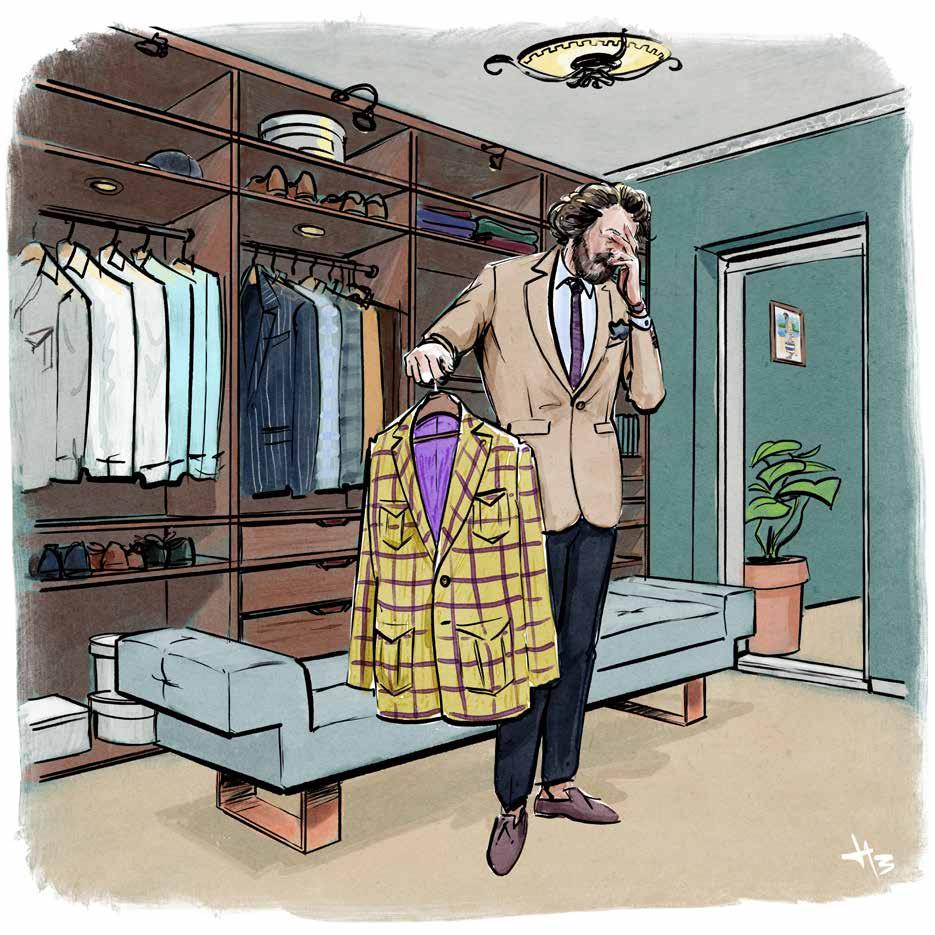
76 Artful Living DAVID COGGINS ON COMMON SARTORIAL MISSTEPS AND HOW TO AVOID THEM. ILLUSTRATION BY HILBRAND BOS
STYLE MEN’S STYLE
THERE COMES A TIME IN EVERY MAN’S LIFE WHEN HE LOOKS INTO HIS CLOSET AND DOESN’T like what he sees. Staring back at him is a bombastic tie, an overly daring shirt or, lord have mercy, a pair of leather pants. There might be something he vaguely remembers buying that shimmers or flares, something recommended by a persuasive sales associate. These clothes seem to have been acquired by some other human with demonstrably worse taste than oneself (isn’t that always the way?).
Yes, we’ve all made these mistakes. How do they happen? Well, often a mistake starts from a place of experimentation, of confidence and, dangerously, of sartorial zeal. This is why you should never buy a hat while on holiday. When you return home, your beret suddenly makes less sense when you’re no longer enjoying a glass of Sancerre at the Café de Flore (I’m not sure how hot it looked even while you were in Paris). There might be a pinstripe suit that seems a little too graphic once you’ve stepped away from Savile Row that’s now relegated to a John Dillinger–esque Halloween costume.
The intention might have been good, but context, fit and trend conspired to leave you humbled. If you’re lucky, you didn’t make this error while attending the Academy Awards. The rest of us can pray the offending image is buried deep in the minds of friends and family (and the Google archives). In short, we’ve all aimed too close to the sartorial sun.
Over the course of this column, I’ve advocated for men to take a few chances; we want to expand our horizons, after all. But that doesn’t mean we don’t err from time to time. For instance, you might find a pair of jeans deep in a drawer that seems to have become stonewashed over time (I’d get those out of the house before any witnesses get hurt). Here are some tips for avoiding common sartorial mistakes men make — let us learn from them and carry on to a better dressed place.
Avoid pattern problems.
You get bored with solids? I hear you. Maybe a loved one pushed you into something a little more interesting What you’re often left with is something far too graphic. This happened to me when I had a windowpane jacket made by a Neapolitan tailor. The fabric swatch was a lovely oatmeal brown with a nice blue windowpane. But when it was made up, the contrast was too loud. A friend said I looked like a backup dancer in one of Fred Astaire’s later color films. That stung; you want to be compared to Fred himself — and in black and white.
Beware bold colors.
It’s good to get tonal. It’s also good to branch out. But it’s dangerous to go all the way. Clothing brands and fashion magazines try to sell you on a look for the season, with a color that “pops.” This shows up well in catalogs and store windows. But we don’t live in ad campaigns (thank goodness). So bright red pants are probably best left for models or Italian men who own yachts named Spritz
Don’t get too tight.
Nothing that promises to make you look thinner ends up making you look thinner. Slim-fit is not helping you if it’s tight; it merely makes you look uncomfortable. I have a pair of trousers that I pray won’t split when I sit down (this is not a good thing!). I should probably retire them from the rotation or cut down on beer when I’m fishing. Overly small clothes don’t make you look small; they make you look big.
Dress your age.
Trying to dress like a teenager never works out well (not even for teenagers!). New rinse for jeans? Sneakers named for a basketball player who’s your son’s age? Let’s pass on those.
Keep your hobbies secret.
You like to golf or fly-fish? Fine, but your clothing doesn’t have to telegraph these interests with novelty ties adorned with golf balls (what I call the dreaded “Father’s Day tie”). This is also true of sports team (go Vikings!). We don’t need to be branded with a team unless we’re in the stands having our hearts broken (also: Vikings).
Take it easy on trends.
Are you on the leading edge of the sartorial avant-garde? Do you buy your clothes in Tokyo? Then by all means dabble in the latest trends. The rest of us should let things settle down before embracing whatever is thin, wide, cropped or oversize.
There are many styles that take some getting used to: Fair Isle sweaters, tasseled loafers, herringbone jackets, white bucks, a velvet dinner jacket. The first time you wear these, you might feel a little self-conscious. But these clothes have all been worn successfully by generations of men. While you’re getting comfortable, you can rest assured that you have history on your side. Sometimes you never get comfortable and move on. Maybe you’ll realize, as I have, that white jeans will just never work for you. That’s alright; I’ll survive (and so will you). A little self-knowledge is always a good thing.
A Minnesotan turned New Yorker, David Coggins is the author of the New York Times bestseller Men and Style and writes a style column for Artful Living.
Autumn 2022 77


612.454.5637PurcellQuality.com Est. 1995
Cosmetic


SERENEOAKSDENTAL.COM 651-288-3111 DR. GESICA HORN & DR. CHAD LOWEEN
Dentistry
Martha Dayton and Kelly Perry’s FAVORITE THINGS
THE DYNAMOS BEHIND MARTHA DAYTON DESIGN LOVE THE ARTFUL AND ECLECTIC.

 BY CHRIS LEE
MARTHA DAYTON DESIGN’S RESIDENTIAL, MULTIFAMILY AND boutique commercial projects range in style but invariably display a certain refined cohesion. Whether a project occupies a stately Kenwood lot, an expanse of Minnetonka lakeshore or a North Loop condo lobby, the look is edited and sophisticated, tempered with a witty, playful touch.
Spend a few minutes with President/Principal Designer Martha Dayton and Design Director Kelly Perry, and you understand why. They radiate contagious enthusiasm and love breaking the rules. Both followed unorthodox career paths (Dayton as a design director for a local developer and a real-estate flipper; Perry as a Tiffany’s jewelry designer and a Christie’s art consultant). Dayton hung out her shingle in 2005, and Perry joined her shortly thereafter. Since then, they’ve built a well-trained team of interior designers. With assurance born of experience, they instruct new hires: “Keep your skills, but throw out the rules. We don’t have those here.”

Dayton and Perry requested to be interviewed together about their favorite things, and for good reason. They both gravitate toward the eclectic, often drawing on the Twin Cities’ thriving artisan community. As Dayton explains, “Our answers are usually the same, and we run everything past each other. Why do this separately?”
1 | Room
“Currently, my favorite is my own living room,” shares Dayton. During a recent renovation of her 1892 house, she refurnished with the mix of styles she favors: “It was really fun to shop for my own house and have an excuse to spend time on 1stDibs.” She also sourced pieces from International Market Square’s Holly Hunt, AJ Maison and Tapis Décor. “Some things are very old and some are very new,” she notes, “but it’s cohesive.” She particularly loves the wall of gallery-hung art featuring work by beloved local and national artists, pieces by her children, and finds from the Midway Monster Drawing Rally.
2 | Trend
They love today’s eclecticism — a mix of colors and styles we wouldn’t have seen 10 years ago. Perry’s own home demonstrates: “We recently bought a house on Lake Minnetonka, so I got to start all over and bring everything I love into my rooms.” That means layering rugs, pattern, color, old lighting, new tables, coffee-table books and — always — fresh flowers.
80 Artful Living STYLE FAVORITE THINGS
1 2
3 | Colors
“Basically, everything goes,” laughs Dayton. “Our No. 1 loved Instagram photo combined a multicolor chevron hide rug with a multicolor plaid chair in a historic home in Kenwood.” This is one category where their personal preferences differ: Dayton favors pink and red, while Perry likes green, blue and pink. When designing a space, “we like white on the walls and neutral furniture,” Dayton says. “Then you pop art, books, pillows and rugs. You can change up the art and pillows, and change the whole look of the room.”

4 | Space to Design

The dining room, because it’s a space where you can take a risk. “It’s got every element we like to design with: tables, rugs, lighting, wallpaper, flowers,” shares Dayton. Perry adds: “We both love entertaining, so it’s one of our happier rooms. We love to be able to cook for everyone, then bring them together and gather around the table.”
5 | Accessory
They consider good coffee-table books the essential finishing touch to a well-styled room. “We love layering them,” Perry says. “Everyone needs good coffee-table books and fresh flowers.”

6 | Icon
Both love Iris Apfel, the centenarian fashion icon famous for her bright colors, oversize jewelry and trademark enormous eyeglasses. “She dares to be different and doesn’t hold back on anything,” explains Perry. “She loves her jewelry, her faux furs and her eyewear — all of which we also love. We just love everything about her!”

7 | Shops
Each has a favorite in her respective neighborhood. Dayton loves Kenwood’s Isles Studio, a fascinating shop filled with natural history collectibles and fine home goods. Perry prefers Wayzata’s Historic Studio, a lovely store selling luxurious accessories, paintings and global artifacts.

8 | Destination
The beach, hands down. Though Perry prefers Cabo and Dayton Costa Rica, they both love the sand and sea of the Pacific Coast.

Autumn 2022 81
3 6 7 4 5 8 PHOTOGRAPHY PROVIDED BY KORY KEVIN STUDIO, SPACECRAFTING, AJ PICS/ALAMY STOCK PHOTO AND ISLES STUDIO


REALIZED LANDSCAPE VISIONS DESIGN. BUILD. LIVE! (612) 961-5692 • WWW.CLAIRMONTBUILDERS.COM
Screen dreams
Do you ever dream of being outside with all of the comforts of the indoors? With the touch of a button, Phantom Screens lets you enjoy the outdoors, without annoying bites or buzzes. Fully customizable, so all your dreams can come true, from insect protection, added privacy, to shade from the sun and more. Dream on at phantomscreens.com

(763) 425-4280
BY BRUNELLO CUCINELLI
ITALIAN AFFAIR
 THIS FALL. BY KATIE DOHMAN
Autumn 2022 85 STYLE FASHION
BRUNELLO CUCINELLI WOMENSWEAR COMES
TO
MARTIN PATRICK
3
PHOTOGRAPHY
PROVIDED
ITALIAN CASHMERE IS AN ART. SO MUCH SO that Brunello Cucinelli, one of the world’s leading cashmere brands, has its own School of Contemporary High Craftsmanship and Arts, located in the tiny hamlet of Solomeo, Italy. Its aim is to rediscover and enhance age-old artisanal craftsmanship, passing it down through the generations. And a handcrafted Brunello Cucinelli piece is truly an heirloom, to be passed down through the generations as well.

Brunello Cucinelli is a selective brand, and it’s quite a coup to land its contemporary, elegant apparel in-store. Beloved Minneapolis retail destination Martin Patrick 3, which has been carrying its menswear for five years, matches Brunello Cucinelli’s taste, curation and sense of family ownership. Plus, the boutique has a massive appreciation for the brand’s unique ability to combine raw materials of the highest quality with creativity and know-how that’s the legacy of fine Italian craftsmanship.
It was only a matter of time before MP3’s female clientele started asking for the store to carry the brand’s womenswear, too, explains MP3 Marketing Director Anthony Serino, especially as the historically men’s shop began to cater some offerings to women. “Getting the Brunello Cucinelli women’s line is a huge win for us, because our clientele is very sophisticated and fashionable,” he adds. Furthermore, the success of the men’s business coupled with MP3’s distinct reputation made it an obvious decision for the brand.
MP3’s new director of women’s buying, Samantha Tousey — who has previous experience with Chanel and Dior under her belt — will launch the retailer’s first Brunello Cucinelli women’s collection this October. “The customer in the Midwest wants to look understated, but still wants quality items,” she explains. “Brunello Cucinelli offers an elegant, sophisticated product without being over-the-top like other brands that are more runway-driven. I would call it ‘effortlessly chic.’ You can put something on and immediately look elevated without looking like you’re trying too hard.”

The debut collection will feature a curated selection of styles from Brunello Cucinelli’s fall capsule, which is strongly focused around the holiday season. Fashionistas will have access to a collection in an alluring palette of gray, champagne and rose. Tousey touts everything from elegant outerwear, such as trenches and puffer coats, to exquisite evening pieces, including a showstopping champagne silk dress. While the collection mostly centers around solids, there will be “great fantasy plaids” to discover as well, she says.
But it won’t all be big holiday pieces; the collection will also include Brunello Cucinelli’s famous knits and sweaters, plus other pieces that will fit right in at a “fabulous luncheon.” Tousey raves about a bomber jacket with a monili-detailed applique on the sleeves in a specialty pattern reminiscent of argyle that would pair beautifully with wide-leg trousers. Rounding out the day-to-evening assortment will be leather goods to finish the looks. And with such a stylish selection of effortlessly chic womenswear, it’s clear the partnership between Martin Patrick 3 and Brunello Cucinelli is a match made in fashion heaven.
86 Artful Living STYLE FASHION
At TEA2, we believe homes should be designed around living. But a retreat, a true retreat, nourishes play, too—cannonballs from the dock, family games, glimpses of wildlife, secrets passed between cousins in the bunkhouse: these are the delights and memories we can help you make.

We do it by integrating outdoors with indoors, creating a place of casualness and connectedness. We work in materials with a history of character and place. Formal entryways are replaced with gracious, spacious porches; dining rooms with open areas that expand or contract with seasons and guests. We plan every view from the moment you step foot in the door, while providing neat hideaways for the bags in your hands.

You can expect this degree of thoughtfulness and thoroughness from us through the entire building process, ensuring that your retreat becomes part of your family lore and legacy. Let’s talk about your project. Visit us at TEA2architects.com


TEA2 is a service mark of TEA2 Architects, Inc.
We specialize in creating places where the grandkids will put their phones down.
celebrate

THE LYNHALLLynlake LynLake: 2640 Lyndale Ave S, Minneapolis, MN 55408 • Edina: 3945 Market St, Edina, MN 55424 • 612-870-2640 • www.thelynhall.com Bespoke Weddings Rehearsal Dinners Corporate Gatherings Restaurant Private Dining Edina
special moments


IN TEGRIT Y IN EVERY DE TAIL Ado r- Homes.c om 612.59 0. 8099 LIC #761771 ADOR artlive fall22 FINAL.qxp_Layout 1 7/20/22 2:58 PM Page 1 C M Y CM MY CY CMY K Prestige Pools - Summer Ad for ArtfulLiving-2outlined.pdf 1 2/16/17 1:27 PM
midwestern sensibility

STYLE DESIGN 90 Artful Living
DESIGNER VICTORIA SASS CREATES A GLOBAL, ECLECTIC DREAM INSIDE HER OWN HOME. BY JENNIFER BLAISE KRAMER
PHOTOGRAPHY BY
CHRIS
MOTTALINI

Autumn 2022 91

92 Artful Living STYLE DESIGN
VICTORIA SASS KNOWS A THING ABOUT global boho design. Born in Minnesota, the Prospect Refuge Studio owner/principal spent a decade in Santa Cruz, California, and studied in her husband’s native city of Copenhagen, Denmark. This unique mash-up of Midwestern charm, coastal casual and urban modern has undeniably influenced her work, which has caught the eyes of some 14,000 Instagram followers and landed her on Architectural Digest’s 2022 list of New American Voices. Her distinctive and collective approach always reflects and embraces its locale, and nowhere is this more apparent and celebrated than in her own family home, set in Minneapolis and deeply steeped in nostalgia.

“Every layer of your life is important,” Sass asserts. “Your experiences manifest themselves in your work and home.” For her, they manifested into a 5,000-square-foot brick dwelling in East Isles. The semi-converted triplex boasts endless grandeur with 12-foot ceilings, giant windows and six bedrooms (including two in the top-floor apartment for visiting friends and family) plus an opportunity to return the residence to single-family living. In doing so, the couple opted to lose a bathroom off the kitchen, letting them open up the floor plan — ideal for keeping an eye on their three young kids. Then it was all about personalizing the large volumes to create “little pockets of intimacy in the vastness of space,” while honoring the property’s history.

“This home has lived so many lives,” Sass says, noting that each room evolved through the remodel, one getting a bit lighter than the next. “As you walk through it, you progressively move through the decades.”
The entry represents the house’s first life and true 1900s glory as the oldest and darkest area, where the original fireplace and woodwork were salvaged. With its glowing paneling and an arched glass window, there were so many curves and angles to honor that Sass knew wallpapering would be a nightmare. So she instead opted for a custom handpainted mural by She She, getting the whimsical effect she was after.
The preserved dining room features another original fireplace and intricate wood detailing juxtaposed with a modern RH chandelier and table
Autumn 2022 93
and contemporary Gubi suede chairs. Moody plaster paint gives the walls texture in both this space and the kitchen, where black cabinetry and pendants contrast white trim — a request from her husband, who she laughs would’ve painted everything white given the chance.
While they brightened up much of the residence with touches like white trim and colorful upholstery, nothing is sunnier than Sass’s golden office, where wooden furniture and family heirlooms are married in a yellow box wrapped in Toile de Lapins wallpaper and curtains by Nicholas Herbert. “It’s like working in a little pat of butter,” she muses. “It’s candlelit all the time and works with all the seasons — steaming in the summer and glowy and warm in the winter.”

Given that it’s her favorite room, she’s adorned it with sentimental pieces, such as her grandparents’ plates and patterned draperies tied back with ropes and tassels. When the door is open, just passing by and peeking in offers the same nostalgia she feels on a drive through the Midwest, like spotting a little glowing house in the middle of nowhere. It’s one of those “little pockets of intimacy in the vastness of space,” which she feels are something to respect.
“In the Midwest, we do a lot of interesting things besides pond hockey,” she laughs. “Midwestern design is something to celebrate, and I’d love to see it more appreciated as its own vernacular, like California’s or the Northeast’s. We Midwesterners tend to sweep our culture under the rug, but we have so much nostalgia and heritage.”
In channeling this concept, Sass looked to fellow Prospect Refuge designer Emily Hunt (who she calls her “muse for Midwestern design”) as well as Amy Thielen, author of The New Midwestern Table, a cookbook that made her tear up while reading. Be it plates on the wall, handed-down books, braided rugs, cheerful tablecloths or wallpaper borders done in a new way, these unmistakable throwback moments create emotional experiences.
“I don’t go for trend — instead, I ask, What would my relatives have done?” she notes. “The key is to keep it modern so it’s not kitschy and doesn’t look like a time capsule.” The result is a fresh, bohemian look that has meaning and resonates deeply with others.
“I love a bohemian collective energy,” Sass concludes. “We put offers in on totally done homes, but then, what is there to dream about? Where’s the romance? This is eternally endless work, but I love the work.” While she admits it’s been a slow evolution, most of their home is finished. Now they’re tweaking the second level and finishing off the basement, which is currently still a dirt-floor cellar. But surely, a fantasy awaits and, as Sass says, “the dream will keep going on forever.”
STYLE DESIGN 94 Artful Living

Autumn 2022 95


THE GUIDE


GIFTS
FOR THE ULTIMATE HOST IN YOUR LIFE. PRODUCED BY KATE NELSON AND HAYLEY SAUNDERS PHOTOGRAPHY BY SPACECRAFTING
Autumn 2022 97 STYLE GUIDEPRESENTED BY
PREVIOUS Williams-Sonoma Dorset Champagne Coupes, $29.95 each • Intex Entertainment Premier Backgammon, Barnes & Noble, $49.95 • LEFT Crate & Barrel Charlotte Glass Cake Stand, $49.95
• RIGHT Tiffany & Co. Diamond Point Decanter, $225 • Crate & Barrel Calder Double Old-Fashioned Glasses, $12.95 each • Intex Entertainment Premier Dominoes, Barnes & Noble, $24.95

STYLE GUIDE 98 Artful Living

Autumn 2022 99
Jo
Shop

100 Artful Living STYLE GUIDE
Malone London Diffuser, Bluemercury, $105 • Pottery Barn Booker Pillar Candleholder in Brass, $29.50 • Pottery Barn Chateau Acacia Wood Round Board in Black, $59
Galleria Stores: Ampersand Shops • Barnes & Noble • Bluemercury • Crate & Barrel • Pottery Barn • Tiffany & Co. • Williams-Sonoma


HOME | FASHION | DINING | BEAUTY NEW PRODUCTS, NEW STORES, NEW SEASON! Now Open PARACHUTE, MADEWELL, INTERIOR DEFINE, SWEET IVY, SWEETGREEN Coming Soon ROTHY’S INSPIRED BY THE UNCOMMON @GALLERIAEDINA | GALLERIAEDINA.COM CRATE & BARREL | TAPER HOLDERS, SHINOLA | CLOCK, PUMPZ | AGL BOOTS & MULBERRY BAG


Acreage Living in Orono Schools WELCOME TO HILLTOP PRAIRIE 13 Custom Home Sites 2.8 - 6.8 Acres Each Lots Starting at $245,000 with Custom Home Packages Starting at $1,600,000 County Road 90, ½ Mile South of Highway 12 Independence, Minnesota Learn More at HilltopPrairie.com and NortonHomes.com


MINNEAPOLIS 4245 EXCELSIOR BLVD (952) 285-2777 NAPLES, FL 870 6TH AVE SOUTH (239) 213-1240 WWW.TRADITIONS.COM TRADITIONS Classic Home Furnishings WWW.STUDIO.TRADITIONS.COM FINE HOME FURNISHINGS WHIMSICAL ACCESSORIES EXCEPTIONAL INTERIOR DESIGN 35 YEARS OF
MEXICAN RIVIERA GETAWAY IS CLOSER
Starting this fall, the stunning Celebrity Solstice® sails the Mexican Riviera departing from Los Angeles. Visit stunning destinations, including Puerto Vallarta and Cabo San Lucas. Along the way, enjoy rooms so stunning you won’t want to be found, restaurants that awaken every sense, and service so intuitive you’ll wonder if we can read minds. Plus, enjoy drinks, Wi-Fi, and tips All Included*—and limited time savings on cruise fares and airfare.

*Visit celebrity.com to see our latest offer. All Included Pricing Packages apply to inside, ocean view, veranda, Concierge Class, or AquaClass® stateroom (“Eligible Bookings”). All guests in an Eligible Booking who choose the “All Included” pricing package will receive a Classic Beverage Package, Gratuities (“Tips”) Included, and an unlimited Surf Internet package. All guests with an Eligible Booking in The Retreat will receive the Indulge Package at no additional charge including Premium Beverage Package, Tips Included, OBC and an unlimited Stream Internet package, for all guests in the stateroom. OBC amount varies by length of sailing. Offer is not combinable with Interline, Net, Travel Partner, and Employee Rates. Refer to celebritycruises.com and the Cruise Ticket Contract for additional terms and conditions. Changes to booking may result in removal of offer. Offers and prices are subject to availability, cancellation, and change without notice at any time. without prior notice. ©2022 Celebrity Cruises Inc. Ships’ registry: Malta and Ecuador. YOUR
THAN YOU THINK. CALL 1-888-283-6374 | CONTACT YOUR TRAVEL ADVISOR | VISIT CELEBRITY.COM SCAN FOR CURRENT OFFERS
COMPASS

Autumn 2022 105 EXCURSION 108 DESTINATIONS 115 TOUR 121
PHOTOGRAPHY PROVIDED BY FINN PARTNERS




Distinctive Homes. Elite Services. Exceptional Properties. Strategic Marketing. With 20+ years of real estate sales and custom home building experience, as well as unmatched Parkwood Knolls expertise, Heather Hansen offers buyers and sellers elite service with remarkable results. Contact Heather today for all your real estate needs! HEATHER HANSEN, REALTOR® Heather Hansen Real Estate Team C.612.366.0051 | O. 952.844.6000 heather.hansen@cbrealty.com heatherhansen.cbintouch.com 7550 France Avenue | Edina, MN 55435 Affiliated real estate agents are independent contractor sales associates, not employees. ©2022 Coldwell Banker. All Rights Reserved. Coldwell Banker and the Coldwell Banker logos are trademarks of Coldwell Banker Real Estate LLC. The Coldwell Banker® System is comprised of company owned offices which are owned by a subsidiary of Anywhere Advisors LLC and franchised offices which are independently owned and operated. The Coldwell Banker System fully supports the principles of the Fair Housing Act and the Equal Opportunity Act. 21RG0S-DC_MN_7/21


TRUNK SHOW NOVEMBER 4–5 ArtfulLiving.indd 1 8/5/22 4:07 PM
GOLDENSTATE

108 Artful Living COMPASS EXCURSION
HOW QATAR BECAME ARABIA’S ARTS AND ARCHITECTURE HOT SPOT. BY ASHLEA HALPERN
PHOTOGRAPHY PROVIDED BY FINN PARTNERS

Autumn 2022 109
MY FIRST INDICATION THAT QATAR IS a country unlike any other is the herd of metallic oryxes that greets me in the arrivals hall at Doha’s Hamad International Airport. Designed by Dutch sculptor Tom Claassen, it’s one of a dozen world-class artworks scattered throughout the terminal. But it isn’t until I’m standing at the paws of a 23-foot-tall pineapple-yellow teddy bear with a glowing lamp for a head — the eerily brilliant work of Swiss artist Urs Fischer — that I really start to wonder: Is this an airport or an art museum? The answer is both.
Her Excellency Sheikha Al Mayassa bint Hamad bin Khalifa Al Thani, chairperson of Qatar Museums and sister of the ruling emir, is one of the most powerful art buyers in the world. Her taste influences everything in this oil-rich nation. The royal family set a record when it paid a whopping $6.8 million for Fischer’s 20-ton teddy, but that’s chump change for a monarchy determined to transform its sliver of the Arabian Peninsula into a cultural polestar. Those strapping bronze oryxes? They’re just an amusebouche for the aesthetic feast that’s to come.
Qatar has been on a spending spree ever since it landed its bid for the 2022 FIFA World Cup, with more than a million visitors expected to descend upon the capital city come November. The frenzied expansion includes luxe hotels, shiny stadiums, and a slew of new and revitalized museums. Cranes are a staple on the skyline — which is so iconic now that it rivals Manhattan and Hong Kong. Even my Sri Lankan taxi driver, who has lived here on and off for six years, says he gets lost because the city changes so quickly.
I’m in town for the ribbon cutting of the new 3-2-1 Qatar Olympic and Sports Museum, which is timed to the World Cup draw. Drafted by Catalan architect Joan Sibina, it’s one of the largest sports museums on the planet and the first Arab institution to join the Olympic Museums Network. Its sprawling galleries trace the global history of sport, from Roman charioteers to Jamaican bobsledders, and showcase every Olympic torch from the 1936 games onward. I spend an hour strolling through the Hall of Athletes, taking in the stories of both icons (Babe Ruth, Tom Brady) and trailblazers (Japanese Paralympic swimmer Mayumi Narita).
The National Museum of Qatar, the brainchild of Pritzker Prize winner Jean Nouvel, is another recent addition that stops me dead in my tracks. Circling its exterior, I’m captivated by the building’s curvaceous interlocking discs, said to be inspired by the crystallized petals of the desert rose. I find the collection inside even more striking — especially the Pearl Carpet of Baroda, a 19th century rug embellished with more than 1.5 million pearls, diamonds, emeralds and sapphires. By the time I plunge into the rabbit hole that is Pipilotti Rist’s hallucinogenic “Your Brain to Me, My Brain to You,” the Swiss creative’s first site-specific installation in the Middle East, I’ve become officially entranced by these superlative museums.
But my checklist of must-sees doesn’t end there. Word has it Dutch architect Rem Koolhaas is so in love with his work at the Qatar National Library that he visits monthly. I see why as soon as I set foot in its soaring all-white interior. More than 400,000 books are shelved in a tiered lobby, while a maze of earthy Iranian marble displays collectible manuscripts. A tour typically takes three hours, but I have just one, most of which I spend scooping my jaw up off the floor.
I’m equally impressed with I.M. Pei’s Museum of Islamic Art, which rises like a cubist wedding cake out of the jade-hued Arabian Gulf. Slated to reopen shortly before the World Cup, it’s been undergoing a reimagining for the past 18 months. I sneak into the multistory lobby for a quick look and risk fainting like a Victorian duchess while taking in its glory.
In between museum hopping, I make the rounds to headlining shows at flagship galleries, including a haute couture Christian Dior retrospective at fashion incubator M7. I nosh on luscious halvah ice cream at contemporary Qatari eatery Saasna and


110 Artful Living COMPASS EXCURSION
get a behind-the-scenes tour of Culture Pass Club, the country’s first members-only arts club. Situated in a suite of 14 townhouses decorated by Diane von Furstenberg, India Mahdavi and other design luminaries, it’s the kind of place where VIP creatives go to hobnob and rest their heads.


Most enjoyably, I wander the back alleys of Souq Waqif, a shopping bazaar built on the site of a centuryold trading market. My curiosity leads me to a row of Oudh vendors, hand-blown perfume bottles cluttering their shelves, and to spice shops selling mountains of pistachios and dried figs. I shuffle past men puffing clouds of fragrant shisha and women in niqabs ladling out batter for Nutella crepes. In the chaos of it all, I find more art: a giant severed thumb painted gold. One of the best-known sculptures by late French Nouveau Réalisme pioneer César Baldaccini, it stands out in the bustling market like, well, a sore thumb.
This high/low mix seems strange at first, but incongruity is a theme here. Women cover themselves headto-toe in black abayas, for instance, but their hands are adorned with rare jewels and designer handbags. Bentleys and Lamborghinis idle at stoplights, driven by men dressed in princely thobes and gutras, while dust-caked laborers toil in the blazing sun just beyond the windshield. I quickly come to realize that Doha’s mind-boggling growth wouldn’t be possible without the migrant workers who grind away in the shadows, hammering the rafters of half-erect stadiums and delivering mint lemonades to poolside terraces. Most of these laborers come from Southeast Asia, and more than 6,000 of them have died in the city’s breakneck race to World Cup dominance — a distressing fact that any visitor marveling at these vertigo-inducing skyscrapers must grapple with.
In that way, I’m grateful to escape the city. Paradoxically, the most memorable experience I have in Qatar happens in the middle-of-nowhere desert. After bouncing around in the back of a 4WD past gypsum plateaus and Dune-esque scrubbiness, I happen upon the holy grail: four steel slats some 170 feet tall standing upright in the ecru-colored sand.
“East-West/West-East” is the work of minimalist American sculptor Richard Serra. He named it this because viewers are supposed to start on one end, walk a kilometer east, then whirl around and walk back. I just happen to have timed it perfectly, so I’m the only one there as the sun sinks into the horizon, bleeding a tangerine puddle as it goes. Far removed from the glitz and glam of Doha, it’s just me and the art — and we both feel grounded.
Autumn 2022 111







WHERE TRADITION AND TASTE COME TO LIFE BRINGING INTENTION HOME Our mindful approach to interior design creates a unique understanding of how to perfectly connect everything you value with how you want to live. 612-354-3271 | LILUINTERIORS.COM ART OF FAMILY | MINNEAPOLIS, MINNESOTA
BY MICHAEL CAMPANELLA AND FRANK RAMSPOTT
FASHION FORWARD
FASHION FORWARD
INTRODUCING THE WORLD’S NEW FASHION CAPITALS.
 BY BONNIE CULBERTSON
FASHION TRENDS SEEM TO CHANGE WITH THE WIND, YET the cities we look to for style inspiration — places like Paris, Milan and New York City — have managed to remain the same. It’s ironic, really, how an industry that’s so of-the-moment can still be stuck in its ways. If we really want to keep the contents of our closets ultra chic, it’s time to consider other forward-thinking destinations that are making their way onto the style map. As forces from technology to globalization continue to shape our lives, these five destinations are poised to become the new fashion capitals of the world.
COMPASS DESTINATIONS Autumn 2022 115
PHOTOGRAPHY PROVIDED
STOCKHOLM
Sustainability is more than a trend; it’s the new status quo for how we live. When it comes to apparel that supports our planet, Stockholm, Sweden, is leading the way. The city that brought us H&M and IKEA has proven its chops for stylish yet approachable forms. Now, it’s adding green to the mix, pioneering everything from clothing that captures CO2 emissions to textiles made from 100% recycled fabric waste. In addition to hosting famed ecolabels like House of Dagmar, Remake Sthlm and Jennifer Blom, Stockholm is also home to the Sustainable Fashion Academy, which equips global brands with the knowledge and tools to prioritize sustainability alongside economic growth. Between that and hiring longtime sus-advocate Catarina Midby to lead the Swedish Fashion Association, Stockholm is serving up not only style inspiration but also sustainability savvy.

SHANGHAI
International brands are eager to snag a piece of the large, lucrative pie that is the Chinese market, and a showcase at Shanghai Fashion Week is where companies can get an edge over the competition. What started as an event to lure eminent American and European labels to the East has spawned its own class of established Shanghai lines, like effortlessly elegant designer Ming Ma and ultra femme womenswear label Shushu/Tong. And while Shanghai has historically drawn tourists to its black market of knockoffs, the government is taking steps to crack down on fakes. Recently, a court awarded a major damages payout to New Balance by a party selling its label without permission, setting a precedent that will surely scare off faux hawkers and appeal to fashion houses.
THE METAVERSE
In the not-too-distant future, tastemakers may get the scoop on the latest looks not by watching models strut the runway but instead watching their own avatars walk a virtual one. Metaverse Fashion Week debuted this spring, after the pandemic demonstrated a need for online gatherings in lieu of in-person ones. In a place known as Decentraland, attendees sampled brands like DressX, Rarible and the Fabricant by paying to have themselves Photoshopped into their imaginative outfits. Designers can also showcase their work via filters overlaid onto videos or sell certain pieces as NFTs. All of this is made possible using exclusive technology that converts 2D images into 3D experiences. Throughout the week, attendees “try on” clothing virtually then have the threads shipped to them to add to their real wardrobes. While it’s hard to imagine a fashion world based solely online, we’re sure to see the influence of these digital destinations grow as we usher in a new era of couture.
LOS ANGELES
Despite all its sunshine, the Los Angeles fashion scene is starting to cast a shadow over its East Coast counterpart in both creativity and relevance. Its laid-back beach vibe appeals to Gen Zers, who are rejecting the glamorization of New York City’s infamous “work hard, play hard” lifestyle. As the global center of film and television for more than a century, the City of Angels is a natural draw for creatives of all kinds, who shape the aesthetic playing dress-up in costume castoffs. The massive amount of gently used studio garments available here makes it one of the best secondhand shopping destinations in the world. Even as red carpet looks move from the silver screen to our phone screens, Los Angeles benefits from social media’s ability to inform trends, which has officially eclipsed New York City’s editorial-driven influence.
MEXICO CITY
When The New York Times named Mexico City its top tourist destination back in 2016, foreigners flocked here for the food, art and rich culture. In the years since, this vibrant metro has seduced young people from across the globe, who bring with them an influx of new ideas inspired by Mexico’s rich heritage. Ironically, it’s the destination’s ability to deftly draw on tradition that yields such fresh-feeling looks. The cast of characters at the forefront of the style scene is as colorful as the buildings and street murals, like fashion-forward drag queen Carmen Monoxide or Parisian transplants Aude Jan and Charles Gout of Audette, whose handbag line is inspired by Mexico City’s vibrancy.
116 Artful Living COMPASS DESTINATIONS

Autumn 2022 117
PHOTOGRAPHY
BY RAIMONDA KULIKAUSKIENE


DESIGN | BUILD | REMODEL L AKECOUNTRYBUILDERS.COM | 952.474.7121 TWIN CITIES GREATER MINNESOTA NW WISCONSIN

Chuck Ryan | 612.290.4333 Chuck@France50.com Sheri Moberg | 612.965.6291 Sheri@France50.com NOW SELLING www.france50.com
the excellent cooking performance of Sub-Zero, Wolf, and Cove. Enter into our showroom, turn the ruby red knobs of our Wolf ranges, open the smooth drawers of Sub-Zero refrigeration and encounter a new level of luxury. Schedule an appointment today and create your own unique appliance suite!


sub - zero , wolf and cove appliances 11300 W. 47th Street, Minnetonka, MN 55343 | www.rothliving.com | 952.933.4428 | rsvpmin@rothliving.com Experience
BY KAREN WIBBS
NAPA VALLEY
TOUR
THE ARTFUL LIVING GUIDE TO NAPA VALLEY. BY AMBER GIBSON
FALL HARVEST SEASON IS UNDOUBTEDLY THE BUSIEST AND MOST EXCITING TIME TO visit Napa Valley. Vintners have waited all year for this moment, and visitors can get a glimpse of the magic behind winemaking. Five separate towns make up the valley, from Calistoga in the north followed by St. Helena, Yountville, Napa and American Canyon at the southernmost point. This tight-knit agricultural community’s poignant resilience has helped it weather recent fires and an ongoing drought, all with a mission of making the most sublime, age-worthy wines for your enjoyment.

Autumn 2022 121
PHOTOGRAPHY
STAY
ALILA NAPA VALLEY
Begin the day with cold-pressed juice, coffee and pastries on your private terrace overlooking Beringer’s vineyards at this 68-room adults-only retreat, tucked away on the hillside yet just minutes from downtown St. Helena. Guest rooms boast a calming palette and deep soaking tubs, while the property’s original 1905 Victorianstyle guesthouse is now home to Acacia House by Chris Cosentino. The celebrity chef celebrates California’s bounty with tantalizing dishes like sea urchin cacio e pepe and Napa lamb loin dressed with local produce.
A spirit of holistic health permeates throughout, from complimentary cocktail classes using freshly picked herbs from the garden to treatments at Spa Alila incorporating ancient healing techniques and biodynamic botanicals from Be Here Farm + Nature. The concierge team can arrange for guided bike tours and exclusive access to tastings in winemakers’ homes, ensuring guests experience Napa Valley like true insiders.


122 Artful Living
COMPASS TOUR
PHOTOGRAPHY PROVIDED BY ALILA NAPA VALLEY,
NEAL FAMILY VINEYARDS AND EMMA K. MORRIS
COMPLINE
This unassuming eatery and wine shop by friends and veteran sommeliers Matt Stamp and Ryan Stetins is a welcome respite from the area’s ubiquitous cabernet sauvignon and chardonnay. Here, the wine list features esoteric bottles from across the globe along with hard-to-find California favorites. Plus the convenient downtown Napa location makes Compline a fun stop while exploring on foot. Pick a hidden gem from Austria or Burgundy from the wine shop for dinner; the vinos you’ll discover here are all delicious right now, no cellar aging required.
Pair a glass of grower Champagne with duck fat fries and crunchy farmers’ market crudités dipped in ramp zhug while pondering the small, eclectic chalkboard menu. Executive Chef Jammir Gray infuses global flair into her dishes, with plenty of vegetarian and vegan options like red kuri squash agnolotti with chestnut, and stuffed collards with maafe peanut stew and pickled okra.

NEAL FAMILY VINEYARDS

Vintner Mark Neal considers himself a farmer first and foremost. He hails from one of the pioneering families of Napa Valley, farming organically alongside his parents on their Rutherford property, where they grew grapes and walnuts. Young Mark started driving a tractor at age 8, and by the time he was 14, he was making garage wine with his father. Today, he operates the largest organic and biodynamic farming company in the valley, managing 720 acres of vineyards for many of the region’s cult-favorite varietals.
Neal Family also makes just a few thousand cases of 100% estate-grown biodynamic and regenerative organic wines from family property in the Rutherford and Howell Mountain AVAs. The brand is best known for its cabernet sauvignon, but the citrusy vermentino is delightfully elegant as well. Personalized tastings are by appointment only, including tours of the vineyards, caves and winery.
SIP
Autumn 2022 123
DINE
DINE

Best known for having the world’s largest collection of Napa Valley wines, Press is a perfect archetype of the destination’s signature laid-back luxury. Under chef/partner Philip Tessier’s leadership, the restaurant has evolved beyond just a steakhouse to a celebration of California ingredients that’s equally appealing to pescatarians and vegetarians. First-timers should opt for the new seasonal six-course tasting menu with wine pairings (and add the addictive seeded pretzel epi bread and crispy pig ears, too).
Start with a few small seafood bites — osetra caviar, braised abalone, octopus croquettes — followed by salty pillows of ricotta gnudi delicately wrapped in squash blossoms. There’s yellowtail in lemongrass nage, truffle-glazed chicken or the 60-day aged tomahawk for two before pastry chef Mina Pizarro ends the night with a sweet delicate touch. Many of her desserts, like the riz au lait with Champagne mango sauce, are inspired by her Filipino heritage.
KOLLAR CHOCOLATES

Visit this quaint artisan chocolate shop in the heart of Yountville to watch chocolatiers at work while you shop for mouthwatering sweets to take home. The glossy chocolate bonbons resemble precious jewels and are almost too pretty to eat, but once you bite into the rich ganache, it’s hard to resist devouring an entire box. Flavors here are anything but ordinary; there are pistachio amaretto, passionfruit, lavender and fennel pollen bonbons as well as white chocolate bars flavored with saffron and toasted poppy seeds.
Chocolatier Chris Kollar won Food Network’s Chopped in 2020, and his fanciful confections have been named one of Oprah’s favorite things. He works exclusively with Valrhona, the iconic French brand favored by top pastry chefs globally, and frequently creates limited-edition treats for holidays. Many local wineries, distilleries and hotels offer Kollar Chocolates for pairings and turndown service, plus they’re available to ship nationwide, too.
SHOP PRESS
COMPASS TOUR 124 Artful Living
STAG'S LEAP WINE CELLARS


Arguably the most iconic cab in Napa Valley, Stag’s Leap Wine Cellars S.L.V. estate-grown cabernet sauvignon took top honors at the 1976 Judgment of Paris blind tasting, beating out first growth Bordeaux as the best red. This shocking upset earned Napa global respect among oenophiles. Today, winemaker Marcus Notaro works closely with vineyard operations director Kirk Grace, precisely tilling, trellising, leafing and selecting the ideal clones and rootstock to craft world-class wines nearly 50 years later.
Book the new celestial tour and tasting for a guided experience of the caves, glass in hand, followed by a seated tasting of current releases, including flagship FAY and S.L.V. cabs, paired with bites by chef Travis Westrope. Dolmas filled with buffalo milk ricotta and plumped currants bring out FAY’s juicy raspberry notes, while S.L.V. skews more masculine, with cocoa flavors and powerful tannins.
SIP
Autumn 2022 125
PHOTOGRAPHY PROVIDED BY KOLLAR CHOCOLATES, JOHN TROXELL AND STAG’S LEAP


LELCHAV.COM • 612-353-5087 LIGHTING DESIGN | SHADES | INTEGRATED HOME SYSTEMS PHOTOGRAPHY BY PAUL CROSBY
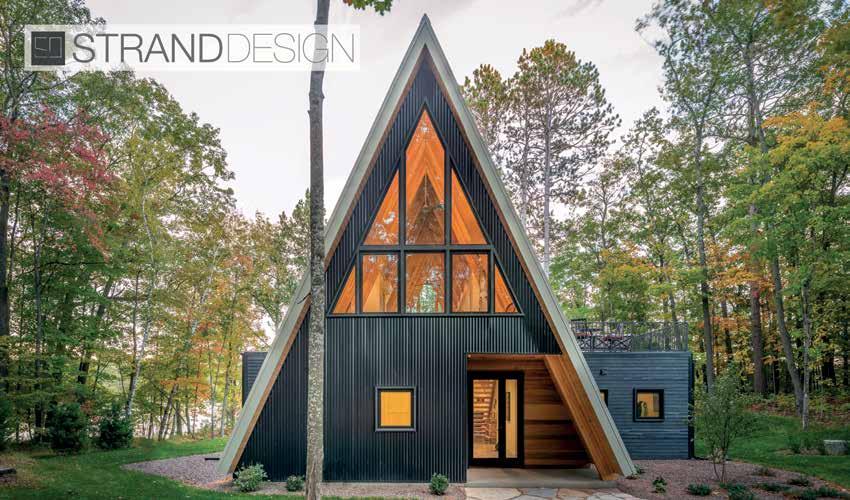


WHO
FASHION
MORE THAN

WORE WHAT
HAS ALWAYS BEEN POLITICAL, BUT IN TODAY’S TURBULENT LANDSCAPE, WHAT WE WEAR SAYS
EVER. LAURA ANTONIA JORDAN EXAMINES THE MEANINGS AND MOTIVATIONS BEHIND HOW WE GET DRESSED NOW. ILLUSTRATION BY LABYRINTH OF COLLAGES FEATURE
 PHOTOGRAPHY PROVIDED BY KEVIN MAZUR, RUNWAY MANHATTAN/ MONDADORI, ROBYN BECK, POOL, SUSAN WOOD/GETTY IMAGES, MATT WINKELMEYER, PRINCESS DIANA ARCHIVE AND WALERY

FEATURE
IN MY CAREER AS A FASHION EDITOR, I often find myself occupying two very different worlds at once. The more extravagant, most photogenic parts of my existence coexist with deadlines, bills and grocery shopping (i.e., the very un-Instagrammable bits). It’s not unusual for me to rub shoulders with royalty, billionaires and Oscar winners at an industry event then take the night bus home. I am both an insider and an outsider, a participant and an observer. The surreal is by now completely ordinary.
In Paris in July, as the most recent round of haute couture collections was unveiled, that surrealism was amplified. Real life and pure fashion fairy tale felt simultaneously further apart and more enmeshed than ever.
Because there, as dresses priced at hundreds of thousands of dollars were presented to the 1% of the 1% in gilded salons and capacious show spaces, the real world felt closer than ever. A little context refresher: In Ukraine, the Russian invasion raged on. In the United States, Roe v. Wade had been overturned just days earlier. In France, the previous month’s legislative elections saw President Emmanuel Macron lose control of the National Assembly and revealed a polarized public. Across the Channel, once bulletproof British Prime Minister Boris Johnson, who had somehow survived scandal after scandal, finally surrendered. (A stark example of the collision of my two worlds: I had the BBC live stream on silent on my phone during one show, eagerly awaiting his resignation speech). On top of that, it was a summer of strikes and catastrophic acts of nature.
To say we live in volatile, terrifying times is an understatement. Local and global politics feel very much like everybody’s business. They always have been, of course, but this is the first time in many of our lifetimes that we’ve witnessed the precarity of supposedly sacrosanct, stable systems and the impact that a few can have on the many.
Putting it clumsily: Politics is everywhere. Putting it bluntly: It’s in. So too, by definition, is fashion. It begs the question: What role does politics play in fashion, and vice versa? Can designers and brands make meaningful political statements? And in our ordinary lives, how much of what we wear is ruled by political motivation? In short, is fashion political? And if it is, should it be?
It’s important to establish what we mean when we say “politics.” There is the official dictionary definition, which pertains to government and legislature, constitutions and elections. But there’s also what I think of as the casual lower-case interpretation, which is broader and less tangible. It encompasses everything from the boardroom (office politics) to the bedroom (sexual politics). Both definitions are about not just asserting our beliefs, but ourselves. And isn’t fashion too about asserting our private selves in a very public way?
• • • • •
The most obviously political show of the fall/winter 2022 collections (which were presented in early 2022, available in stores now) was also one of the most personal. Taking place the week following Russia’s invasion of Ukraine, the Balenciaga show was held in a giant snow globe, originally conceived as a commentary on climate change. Models trudged across a windy tundra, some of them dragging XXL bags as if they’d been hastily usurped from their homes. It felt apocalyptic and horrifyingly familiar. The parallels between what was occurring on stage and what was unfolding in real time on the same continent were alarming.
For creative director Demna, this wail about the state of the world was also poignantly particular. On each attendee’s seat was a T-shirt in the colors of the Ukrainian flag and a
note from the designer explaining how the war had “triggered the pain of a past trauma” when, at age 10, he and his family were forced to flee their home country of Georgia. That, he wrote, was when “I became a forever refugee. Forever, because that’s something that stays in you.”
“In a time like this, fashion loses its relevance and its actual right to exist,” his note continued. “Fashion Week feels like some kind of an absurdity. I thought for a moment about canceling the show that I and my team worked hard on and were all looking forward to. But then I realized that canceling this show would mean giving in, surrendering to the evil that has already hurt me so much for almost 30 years. I decided that I can no longer sacrifice parts of me to that senseless, heartless war of ego.” In merging the global and intimate, Demna produced one of the season’s most moving, most lauded collections.
• • • •
Demna’s Balenciaga show was dedicated “to fearlessness, to resistance, and to the victory of love and peace.” Those sentiments are echoed by Ukrainian designers still living and working there. For them, their work, their business, their very existence is now inextricable from politics.
At home in Kyiv, designer Ivan Frolov was awoken by the sound of explosions the morning of February 24. For the safety of his team, he stopped production immediately. “We were OK with any decision employees made, either staying in Kyiv — half of which did — or moving to other places where they felt safer,” he tells me. After a month, however, something strange happened: “We got used to living with constant sirens and running to a bomb shelter,” he says. “Our team who stayed in Kyiv decided to come back to production and started sewing the unloadings for the vests and rocket carriers for the Ukrainian army. We also transferred some of our sewing machines to another volunteer bulletproof vest production site.” Later, he launched Frolov Heart, a charitable initiative supporting the Masha Foundation’s efforts to help children who have lost their parents.
But for Frolov, who has continued to produce his daring after-dark collections, creation is itself a political act: “From my perspective, fashion does matter as it gives people hope and it can be a powerful platform for change. We’re using it to create, which is the antidote to what our enemies do; they destroy.”
To design is one thing, to shop is another. But according to Katimo’s Katya Timoshenko, whose spring/summer 2022 collection was created in Kyiv “under the sounds of air raid sirens,” that’s exactly what people are doing.
For her, there’s something innately political not just about Ukrainians designing and making

•
I
clothes, but about buying, wearing and, yes, even enjoying them. When Timoshenko reopened the Katimo store in April, women immediately came in and bought dresses. She was surprised: Why would someone want to buy a new dress when air raid alerts were sounding every few hours?
“I realized that buying a new dress in such a difficult period is a search for support; it’s a life-affirming action that makes you feel alive,” she explains. One customer placed an online order to her home in Kyiv. Even though she was abroad, knowing that a sleek yellow dress would be waiting for her gave her something priceless: hope. “And here, obviously, it’s not about a simple possession,” notes Timoshenko. “It’s much more than buying new clothes.”
Fashion has always been about much more than clothes, but the scale of the industry’s reaction to the war in Ukraine has been unprecedently immense and united. There have been creative responses, like Dior’s Maria Grazia Chiuri collaborating with Ukrainian artist Olesia Trofymenko for her fall/winter 2022 couture collection. The tree of life, a cross-cultural emblem of harmony and circularity, was the starting point.
And when those pieces, with their extravagant folkloric embroidery, appear on red carpets and at galas, won’t they be so much more than just clothes? Won’t they also be gestures of solidarity? It’s worth noting, too, that Christian Dior — whose work Grazia Chiuri is always respectful to — founded his house in the aftermath of World War II. His response? The radical New Look, which spelled not only a new optimism but the reinvigoration of a very valuable industry.
Designers, brands and prominent individuals have responded to the war with public declarations of support (often via social media, which, for good and bad, is the most easily accessible platform to

show allegiance with a cause). There’s also been financial action, from fundraising to direct donations. Above all, widespread sanctioning of Russia — and the subsequent departure from the powerful market by brands ranging from Chanel to Zara — is a pertinent reminder that fashion is not just an art; it’s an industry. Money talks.
• • • • •
Bolstering fashion’s almost unanimous response to the war in Ukraine is a wider cultural shift, with a spirit of collaboration emerging. Look, for instance, at how enfant terrible Jean Paul Gaultier has handed over the reins of his house to guest designers (most recently, Balmain’s Olivier Rousteing), or how Marc Jacobs proudly posts his outfits, tagging the designers behind them. See Fendace, the ultra desirable partnership of what should be two rival Italian houses, Fendi and Versace (or, for that matter, Fendi’s collab with Kim Kardashian’s Skims line).
Taken with the deliberate you-can-sit-with-us spirit surging through the industry, this has a political undertone. It emphasizes community, unity and a marked move away from the partisan divisions that have marred capital P politics for the past decade.
The design duo Marques’Almeida (helmed by Portugal-based couple Marta Marques and Paulo Almeida) has always felt a duty to do more. For them, contributing to the kind of world they want their daughter to grow up in means helping nurture community. This September, they launched the Marques’Almeida Foundation, which puts independent artisans at the forefront.
“We did some mentoring projects with young designers and artists, and that became our whole life,” Marques explains. “At this point, I think what started very instinctively halfway through our career has now become the forefront of everything we do: this whole idea of sustainability, of being active in and empowering our community and celebrating them so that people are seen. This guides everything else. If the next 10 years are centered around that, we are happy.”
132 Artful Living FEATURE
“Fashion does matter as it gives people hope and it can be a powerful platform for change. We’re using it to create, which is the antidote to what our enemies do; they destroy.”


134 Artful Living FEATURE
Collaboration is not new, nor is it in and of itself political, but it does have a positive social impact that shouldn’t be sniffed at. This was one of the most uplifting consequences of the pandemic, when designers rallied together for a larger cause. Could it be that they found purpose in PPE, the most literal garment of all?
Let’s be cynical for a moment, however, and ponder an important question: Is this all a marketing ploy? Has activism simply become a trend? No doubt many brands have been forced to catch up with the zeitgeist, held to account by #MeToo, Black Lives Matter and the weight of social media, an ever-vigilant watchdog ready to pounce on every inappropriate or insensitive move. Now, to not speak out is to say something; silence can be costly. And while a greater sense of accountability is no doubt positive, it does beg a question of authenticity.
London-based designer Richard Malone is ferociously smart and unafraid to speak out about what he believes is right. A vocal champion of the working class, he focused on sustainability long before it became a buzzword. So does he think that brands have a duty to speak out about the causes that matter to them?
“Now more than ever, what we buy represents who we are. Understanding what brands stand for is important.”
(the luxury group presiding over Versace, Jimmy Choo and Michael Kors) are just a few of the many companies that have promised to help their employees access safe abortion care.
The times we’re living in are as economically unsettling as they are socially disconcerting. For brands, dollars mean dollars, whoever they come from. In other words, to risk alienating customers still takes guts. So, yes, it does matter when Ralph Lauren posts to its 14 million followers on Instagram: “We have always been inspired by the ideal of freedom that underlies the American dream. Everyone should have the choice to pursue the life they want to live.” And it can make a difference when Tory Burch publishes an open letter to her team stating that “I am outraged by the Supreme Court’s decision to overturn Roe v. Wade, stripping women of the constitutional right to make safe, informed choices about their own bodies” (both brands also pledged formal action). Indeed, standing up for something can be both sincere and savvy; one does not void the other.
• • • • •
“In many cases, it can be a clear contradiction in terms,” he says with characteristic frankness. “Sincerity is something that’s extremely hard to come by in fashion, when the endgame is to profit the same people it has always profited.” For his part, Malone doesn’t believe that sharing memes or TikToks counts as meaningful action: “Real action happens from real experience and difficult conversations that happen in real life.”
In 2018, the Irish designer was crucially active in his support of repealing his home country’s Eighth Amendment, which effectively outlawed abortion (the law was repealed by a landslide in a historic referendum). When he took part in Selfridges’ Anatomy of Luxury campaign, he wrote “Repeal the Eighth” and “Women’s Rights are Human Rights” on the windows of the luxury London department store. (It was promptly removed, and Selfridges released a statement explaining it’s a “politically neutral safe space.”)
So given the fury surrounding the overturning of Roe v. Wade, does Malone think fashion can meaningfully weigh in on that discussion? “I’m not sure it can,” he confesses. “It happens so often that fashion attaches itself to a cause then the people who are actually doing the work — educators, lawmakers, charity workers — get eliminated from the conversation.” Brands that want to make a difference, he says, should take real action, like making direct financial contributions to nonprofits.
At the time of writing, a multitude of brands, from mainstream to luxury, have pledged formal action. Early on, Patagonia promised to cover bail for any of its employees arrested while protesting the Supreme Court’s decision. Gucci, Levi’s, and Capri Holdings
Given the tempestuous nature of today’s unrelenting news cycle, one almost feels sorry for the fashion execs trying to get it right. To run a legitimate, functioning business you must appeal to as many people as possible; but to appeal to people, you must also find a niche and hone not just an identity, but an entire language of desirability. It’s about culture building.
For some brands, society, taste and the zeitgeist have moved on faster than they have, leaving them looking like the wrong kind of throwback. Consider Victoria’s Secret. Once upon a time, the U.S. lingerie retailer’s annual show was one of the biggest events on the fashion calendar, a razzmatazz no-expense-spared bacchanal of panties and professionally sculpted bodies. Then, a series of events (#MeToo, body positivity, the unraveling of Jeffrey Epstein) converged. We all left the chat before they did.
Autumn 2022 135
• • • • •

FEATURE
Or look at Abercrombie & Fitch. That tan, whitened-teeth, ripped, preppy aesthetic was one of the definitive looks at the turn of the millennium. Then, murmurs of racism and sex scandals (outlined in Netflix’s White Hot: The Rise & Fall of Abercrombie & Fitch documentary) plus, frankly, the evolution of collective taste rendered it too irrelevant.
Both brands have done an about-face and deliberately rewritten their aesthetic language to chime with more woke times. For Victoria’s Secret, the Angels are gone and in their place are new advocates like Megan Rapinoe and Priyanka Chopra Jonas who are famous, as The New York Times puts it, “for their achievements and not their proportions.” The company has repositioned itself for the female gaze and not the male one.
Meanwhile, A&F is doubling down on diversity with a social media campaign showcasing the very people it once excluded. A statement from CEO Fran Horowitz, who’s being credited with making the heritage brand cool again, included this promise: “We’re focused on inclusivity — and continuing that transformation is our enduring promise to you, our community.”
The sincerity of these makeovers is up to us, the buying public, to decide. But it’s starkly apparent that, despite multibillion-dollar sales figures, neither of these brands possesses the cultural clout they once did. In the time it took them to rework their mission statements, new names rose to the fore. For instance, diversity and inclusivity have always been part of the DNA of Rihanna’s Savage X Fenty lingerie line. Authentic evolution is not just about optics.
• • • • •
And what of the clothes that you and I wear?
Most people I know would be mystified if I suggested that their sartorial choices were in any way dictated by politics. But ask them about the choices they made that morning (look at the choices you made this morning), and it’s unlikely they were governed entirely by practicality. Rather, we all communicate messages through our clothes. It’s how we express who we are, who we want to be. What we wear either unifies or separates us; fashion is our fast-track admission to our chosen communities.
Sometimes our intentions are obvious.
Consider Congresswoman Alexandria OcasioCortez’s “Tax the Rich” Brother Vellies dress at the 2021 Met Gala or actress Natalie Portman’s Dior cape worn at the 2020 Oscars embroidered with the names of snubbed female filmmakers.
You don’t need access to bespoke designer creations to say something. Widely available T-shirts, caps and totes fulfill the same literal
purpose: That’s hot! We should all be feminists! You are on Native land! These easily accessible, intentionally unremarkable pieces of apparel are “a means of communication to the masses, a walking billboard to communicate important facets of ourselves without saying a single word,” observes Kacion Mayers, editorial director of Dazed Media, which publishes Dazed & Confused, the British magazine that’s been at the forefront of youth culture since 1991.
But the meanings and messages are there, stealthily conveyed, in everything we wear. Often they’re quiet, aesthetically anonymous even, but still a nod and wink to those in the know. As Katimo’s Katya Timoshenko explains, when we buy clothes, we’re buying the “stories that stand behind these things. When I buy a new dress, not only do I want a new piece of clothing, I want to be part of the brand’s world.”
We now choose which brands to align ourselves with purposefully. And it works both ways; companies also carefully consider who they want to be affiliated with. Look at how Fred Perry withdrew its black and yellow polo shirt from sale in North America in 2020 after it was adopted by the far-right group Proud Boys. Or consider how fashion houses publicly distanced themselves from former first lady Melania Trump. (It wasn’t based on how the born clotheshorse and one-time model looked.)
It’s not only about who you don’t want wearing your clothes, but rather who you do. Today, brands are deliberately associating themselves with individuals who aren’t models or celebrities by trade, be it Proenza Schouler recruiting writer Ottessa Moshfegh to pen its fall/winter 2022 show notes or Mejuri jewelry (in collaboration with creative mastermind Jenna Lyons) casting trans actress Tommy Dorfman and journalist Noor Tagouri in its ad campaigns. Choices like this convey a clear message: We are a brand of substance as well as style.
So, no, it’s not a coincidence that Vice President Kamala Harris wore Black designers to the presidential inauguration or that actress Gemma Chan chose to celebrate designers of Asian heritage for the Crazy Rich Asians press tour. And when Beyoncé sings on this year’s tour-de-force album Renaissance that “this Telfar bag imported, Birkins, them shit’s in storage,” it’s a statement about so much more than a handbag; it’s about championing a queer Black designer. For her, Telfar’s Bushwick Birkin (available for less than $300) now trumps the clout of Hermès’s iconic handbag (which has sold for six figures). Beyoncé is vocally supporting inclusion and accessibility while asserting the authority and autonomy of Black people not only to exist in the world of luxury fashion but to shape it.
These are just a handful of examples of the public figures using clothes as shorthand for their values. “Now more than ever, what we buy represents who we are,” says Chineseborn, London-based, couture-trained designer Huishan Zhang. “Understanding how the things we own are made and what brands stand for is important to our clients.”
• • • •
The red carpet has become fertile ground for political expressions. Just look at singer Harry Styles: At once alpha and camp in his feather boas and pink sequins, he’s redefining masculinity for the mainstream. It’s a pertinent commentary on gender norms. Or consider the archival Versace dress Zendaya wore to the 2021 BET Awards, a deliberate homage to Beyoncé, who wore a shorter version to the same ceremony in 2003 (with its dual sustainable and style-literate credentials, vintage is a smart move). Or recall Kim Kardashian’s ultimate assertion of A-list power: donning the controversial Marilyn Monroe dress for this year’s Met Gala (not just a dress, the dress). It was a play for icon status rather than mere celebrity. On the other end of the spectrum, we have the likes of Selena Gomez, Katie Holmes and Sienna Miller repeatedly wearing Spanish high-street giant Mango — a gesture of accessibility, semaphoring a relatable, down-to-earth quality.

Rihanna is, in my books, an expert political dresser. It doesn’t seem born out of a desire to be provocative, but rather in her complete ease in her own skin. During her pregnancy, she refused to toe the maternity muumuu line. Instead, she leaned into turbo-charged, fashion-fluent glamour with a hefty dose of sexiness, wearing everything from a sheer Dior negligee to a custom Coperni crop top. Even in 2022, this could still shock.
To see not just a woman’s body, but a pregnant woman’s body, in all its unapologetic magnificence felt important. That Rihanna is also a Black woman — a demographic so
Autumn 2022 137
•
often told to know their place — is notable. With every look she said, Know my place? This is my place! Rather than fit the narrative, she rewrote it. Don’t tell me that wasn’t political.
I would argue that dressing sexy is, for women, often an intrinsically political move. A short skirt does not mean we’re “asking for it.” In the summer of 1994, Princess Diana’s black off-the-shoulder revenge dress spelled her emancipation from the royal family. In the 1970s, Diane von Furstenberg’s wrap dress became a symbol of sexual empowerment (no zips or buttons made it easier to slip out of a bedroom without waking someone). And today? We have Lizzo, who absolutely refuses to hide her beautiful body — a more powerful expression of a woman’s ownership of her own sexuality than any motivational quote could ever be.
“Fashion is silly at times. It’s also provocative, upending, challenging and meaningful.”
• • • • •
Similarly, when actress Florence Pugh attended the Valentino haute couture show earlier this year in a gown that revealed her nipples, she received sadly predictable, entirely anticipated backlash. But guess what? She owned it and used it as an opportunity to call out the behavior. “What’s been interesting to watch and witness is just how easy it is for men to totally destroy a woman’s body, publicly, proudly, for everyone to see,” she wrote on Instagram. “I’ve lived in my body for a long time. I’m fully aware of my breast size and am not scared of it.”
Pugh’s confidence was certainly admirable, but most must rely on quieter, safer-for-work methods to make ourselves heard. I can’t imagine that any of us have much in common with Kate Middleton and Meghan Markle, yet there are lessons we can learn from how they approach fashion. The duchesses are both expert diplomatic dressers, proficient in the art of the covert sartorial statement. They re-wear pieces to assuage any accusations of Marie Antoinette–esque opulence; they dress in the colors of the countries they’re visiting; they champion homegrown designers.
Since Markle departed England for America, there have been subtle changes in her wardrobe that signify an ambition beyond her current role. To some, they indicate a desire to move into capital P politics. It might look unremarkable, but those capacious handbags and sleek folios she has carried on trips to the United Nations (despite, no doubt, having plenty of people to tote her stuff around for her) speak volumes: I am busy. I have important things to do that cannot wait.
Fashion is a dialogue, not a monologue. For many of us, it’s the easiest tool at our disposal for communicating to those around us not just how we want to look, but how we want the world to look, too. What the explicit style statements and the below-the-radar moves, the thrift shop finds and the extravagant custom gowns all remind us is that fashion indeed does matter.
Which brings me back to July’s couture collections. Texas-born Daniel Roseberry opened the week with a dazzling Schiaparelli collection (coincidentally, the designer behind Lady Gaga’s presidential inauguration look, finished with a dove of peace brooch as a beautifully political statement). He addressed the very purpose of fashion head-on in his show notes.
“All of us who work in fashion know that much of the rest of the world thinks that what we do is silly,” he wrote. “It’s a boring criticism, and we all argue otherwise, but if you think about it, fashion is silly at times. It’s also provocative, upending, challenging and meaningful. It’s breathtaking. It’s beautiful.”
He’s right. Fashion can be all those things and more, all at once. And isn’t there a political purpose in beauty, anyway? It’s hopeful; it says life is worth showing up for. I’m not surprised that post-pandemic, people couldn’t wait to dress up again, sending sales of party dresses and high heels soaring. To wear something solely because it’s beautiful is a gesture of respect not only to oneself but to the world around us.
Another thing I’m familiar with in my role as a fashion editor is the need to defend the existence of fashion. I’m armed with retorts for the skeptics: It’s an industry that employs millions of people globally. It’s an art; if we’re not to question the purpose of a Beethoven symphony or a Picasso painting, I don’t see why we should a Valentino gown. Fashion is more than just clothes; it’s a megaphone and an expression of self. It’s about saying we want to be seen, but also heard.
In anxious times, it’s easy to feel silenced, but fashion can help amplify the voices we do have. Will a pretty blouse make you go to a polling place? No. Does buying a handbag replace grassroots activism? Again, nope. But can fashion help shape the world for the better? Yes, I like to think it can.
Even today, not everyone has the right to wear what they want, how they want. It’s still a privilege to dress with freedom. Yes, fashion can be silly, but there’s also sincerity and substance to be found within that silliness. To think it isn’t political is to miss the point entirely.
For more on the politics of fashion, including top first lady looks and the most political fashion moments throughout history, visit ArtfulLiving.com
138 Artful Living FEATURE

Autumn 2022 139


Autumn 2022 141 PROPERTY GALLERY 142 ARCHITECTURE 162 DESIGN 170 BUILD 176 NATURE 182 HOME PHOTOGRAPHY BY SPACECRAFTING





VIEW The Autumn PROPERTY GALLERY 2825 LITTLE ORCHARD WAY | ORONO | PRICE UPON REQUEST FEATURED PROPERTY ON PAGE 144 Cover Represented by DREW HUELER Photo Courtesy of Spacecrafting
PRESIDENT’S MESSAGE
Experience the Best with Coldwell Banker®
In today’s dynamic real estate market, having an experienced agent who can help you navigate it is vital. Whether buyer or selling, you want the best of the best, and that’s exactly what you get with a Coldwell Banker Realty affiliated agent.
We’ve been representing luxury properties for 116 years and are proud of our incredible track record in luxury real estate sales. Today, we continue to provide exceptional service to buyers and sellers in our own communities and around the world. On average, Coldwell Banker ® agents handled $267 million in $1 million+ home sales each day with an average sales price of $1.9 million in 2021 1 . It's not a surprise that Coldwell Banker Realty is the leader in luxury real estate sales in the Twin Cities area 2
When you work with a Coldwell Banker agent, you gain access to a variety of incredible resources. Take for instance the RealVitalize ® program, which helps with home improvements and repairs to prep your home for sale—we cover the upfront costs and we get paid back when your home sells 3 . There’s also Exclusive Look, which privately markets your home to our powerful network of agents before it hits multiple listing services and online sites. These are just a few of the programs and resources available to give you an edge in the market.
There really are so many benefits to working with a Coldwell Banker agent. So take a moment and look through the impressive properties in the enclosed Autumn Property Gallery.


We also want to thank those who have entrusted the sale of their home to our talented agents. If you’re considering selling or buying a home, get started today by contacting a Coldwell Banker Realty affiliated agent or visiting ColdwellBankerHomes.com .
Matt Baker PresidentMinnesota and Western Wisconsin Coldwell Banker Realty
or
of
markets

at participating brokerages. RealVitalize is not
and
doesn't
after
seller must pay
with
the
Banker System nor any of its respective franchisees or affiliated
Autumn 2022 143
1. Data based on closed and recorded buyer and/or seller transaction sides of homes sold for $1 million or more as reported by affiliates of the U.S. Coldwell Banker franchise system for the calendar year of 2021. USD$. 2. Based on closed sales volume and total number of units closed information from Northstar MLS for the Anoka, Carver, Dakota, Hennepin, Ramsey, Saint Croix, Scott, Wright and Washington counties for properties $1 million and above as reported on Aug. 10, 2022 for the period of Jan. 1-July 31, 2022. Sales volume calculated by multiplying the number of buyer and/or seller sides by sales price. One unit equals one side of a transaction (buyer or seller). Source data is deemed reliable but not guaranteed. 3. Seller must pay for work upon earlier of closing, listing no longer being in effect,
12 months after completion
work. Available in select
only,
available in all states
available only at participating offices. Void where prohibited by law. Additional terms and conditions apply. Results not guaranteed. If listing
sell within 12 months
first project completion,
back the full amount of program services. All property enhancement services are provided by the applicable service providers affiliated
Angi. Neither
Coldwell
companies is providing any property enhancement product or service in connection with the RealVitalize program. Not intended as a solicitation if your property is already listed by another broker. The property information herein is derived from various sources that may include, but not be limited to, county records and the Multiple Listing Service, and it may include approximations. Although the information is believed to be accurate, it is not warranted and you should not rely upon it without personal verification. Affiliated real estate agents are independent contractor sales associates, not employees. ©2022 Coldwell Banker. All Rights Reserved. The RealVitalize logo and service mark are owned by Anywhere Real Estate Group LLC. Coldwell Banker and the Coldwell Banker logos are trademarks of Coldwell Banker Real Estate LLC. The Coldwell Banker System is comprised of company owned offices which are owned by a subsidiary of Anywhere Advisors LLC and franchised offices which are independently owned and operated. The Coldwell Banker System fully supports the principles of the Fair Housing Act and the Equal Opportunity Act.


144 | COLDWELL BANKER REALTY 2825 LITTLE ORCHARD WAY | ORONO 4 BR 10 BA | PRICE UPON REQUEST 1060 74TH STREET | VICTORIA 5 BR 6 BA | PRICE UPON REQUEST XX RIVERVIEW ROAD | EDEN PRAIRIE LOT/LAND | $1,295,000 3193 CYPRESS CIRCLE S. | MEDINA 4 BR 4 BA | SOLD 2031 NORWAY PINE CIRCLE | MINNETONKA 4 BR 4 BA | $899,950 4721 VALLEY VIEW ROAD | EDINA 4 BR 3 BA | $785,000 DREW HUELER 612.701.3124 drew.hueler@cbrealty.com drewhueler.com Cover Property Recreational lakeshore at its finest - over 120 feet of shoreline on private Schutz Lake. 2+ beautiful acres with charming bridge over to dock. Stunning one level living home with water views from nearly every room. Unprecedented opportunity to build on one of the most beautiful sites in Eden Prairie. Over 17.5 acres of wooded privacy with views overlooking the Minnesota River valley. Bring your own plans and builder to turn your dream home into a reality. With stunning architecture and elegant details throughout, this home is truly one of a kind. Incredibly private setting on 0.8 wooded acres with panoramic wetland views. Impeccable Edina rambler has been fully remodeled and lives like new construction. Kitchen has been updated with new cabinets, quartz countertops and more. Newly created main level master with luxurious ensuite and walk-in closet. True turn-key living in coveted Wayzata schools. This home combines quality craftsmanship with impeccable design. Open concept main level with an abundance of natural light. Minutes from Medina Golf & Country Club. Impeccably private estate living on one of Minnesota’s most premier sites. 360 feet of lakeshore on Maxwell Bay. Remodeled by John Kraemer & Sons, this home combines unparalleled craftsmanship with timeless elegance.





145COLDWELLBANKERHOMES.COM | 565 FERNDALE ROAD W. | WAYZATA 6 BR 8 BA | $13,450,000 An incredible opportunity to capture the last great estate site in Wayzata! Small quiet bay leads to Lake Minnetonka, with a dock for lake access. Existing 1914 house has large rooms for entertaining, high ceilings and beautiful bluestone patios, gardens and lawns. Panoramic views of open wetlands stretch to the north, while to the south there are seasonal views of Lake Minnetonka from one of the highest wooded bluffs in Wayzata. Twelve unspoiled acres, all tucked discretely on Wayzata's most sought-after address. Subdivision potential. MEREDITH HOWELL 612.940.4566 mhowell@cbrealty.com meredithhowell.com 630 INDIAN MOUND STREET UNIT 202 | WAYZATA 3 BR 5 BA | $5,750,000 Built to the highest standards with expansive views of Lake Minnetonka, nestled on the village hillside in Wayzata. With the feel of a European chateau, this handsome building with only 7 units, exudes taste and exclusivity. This double unit enjoys private access and two beautifully appointed lakeside terraces. A wine collection and tasting room to capture the interest of the finest wine connoisseur. If you are looking for the finest condo overlooking Minnesota's most famous and sought-after lakes, this is it! 1324 MOUNT CURVE AVENUE | MINNEAPOLIS 7 BR 7 BA | $2,850,000 Designed by noted Chicago architect, George Maher, this historic 1910 Lowry Hill mansion is extraordinary. Its overhanging eves, low, horizontal roofline and entry are typical of Prairie-style features. Sitting proudly on a private .5-acre lot with commanding views of the city. The balanced and grand, yet warm formal rooms are inviting. The spacious primary suite with an adjacent sun-filled sitting room provides a private retreat. The carriage house apartment above the garage and stable below harken back to earlier times.


146 | COLDWELL BANKER REALTY HILL FARM CONDOMINIUMS | NORTH OAKS NEW CONSTRUCTION | 2-4 BR 2-4 BA | $775,000 - $2,300,000 CASCADE CONDOMINIUMS | LILYDALE NEW CONSTRUCTION | 2-3+ BR 3 BA | $1,400,000 - $2,500,000 JIM SEABOLD 651.276.8555 jim@boldmarketing.com boldmarketing.com Hill Farm Condominiums is located on a serene 22-acre site surrounded by 300 acres of conservancy land. Attention to design and detail has been made to include an expansive amenity collection and elevated luxurious interior standards. Enjoy the ease of a maintenance-free lifestyle in this private North Oaks location. HIGHLAND BRIDGE CUSTOM HOMES | SAINT PAUL NEW CONSTRUCTION | 3-4 BR 3-4 BA | $1,400,000 - $2,500,000 Highland Bridge Custom Homes offers a once-in-a-generation opportunity to build your dream home along Mississippi River Boulevard. This carefully designed development includes 50+ acres of parks and attractions. Highland Bridge is set to be the most sustainable neighborhood in the region featuring energy, storm water and solar initiatives. Rarely does such an opportunity present itself like the new Cascade Condominiums. Situated on the bluff in Lilydale overlooking the Mississippi River, this boutique luxury condominium development will consist of 11 residences. The team behind this project is truly exceptional with PKA as the architectural firm leading the design.
George W. Stickney

David Stickney
Kevin Stickney


147COLDWELLBANKERHOMES.COM | 8565 SQUIRE LANE | MINNETRISTA 4 BR 4 BA | $2,149,000 Located on a picturesque 10 acre panorama overlooking Whaletail Lake, this thoughtfully designed, 2011 Lecy built, one-level walkout home is a testament to flawless craftsmanship, magnificent detailing and timeless architecture. Must see recently finished 48x60 Lester outbuilding offers space for any hobbyist or workshop and includes a 3/4 bathroom plus a one of a kind loft with full wet bar/ kitchen, billiards area and living room perfect for entertaining! This property is loaded with upgrades at every turn. Deeded dock on Whaletail Lake. MARSH POINTE PRESERVE DEVELOPMENT | MEDINA NEW CONSTRUCTION | $1,250,000+ Marsh Pointe Preserve is a luxury single family home community located in Wayzata school district. This 36-acre site is an exclusive enclave of 30 spectacular home sites offering privacy and majestic views. Architecturally designed and built by Charles Cudd Co. A rare opportunity to build your dream home. Reserve a new home site today! PRAIRIE HEIGHTS DEVELOPMENT | EDEN PRAIRIE 3 BR 3 BA | $845,000+ Welcome to Prairie Heights, a new luxury villa home neighborhood built exclusively by Norton Homes in Eden Prairie. Showcasing 23 beautiful lots and architecturally designed plans, this opportunity provides the convenience and simplicity of one-level, maintenance-free living. Exceptional details and amenities are afforded with Norton Homes high level of standard features including the ability to make custom selections. The association includes lawn care and snow removal allowing you more time to enjoy family, travel and recreational activities.
952.476.3694 gstickney@cbburnet.com
952.250.0122 djstickney@cbburnet.com
952.250.2015 kwstickney@cbburnet.com Jacob stickney 952.250.1267 jmstickney@cbburnet.com
KRISTI WEINSTOCK

200 WILDHURST ROAD | EXCELSIOR
BR 5 BA
Blending contemporary design with traditional charm, this turnkey home is sure to impress.


sandy lakeshore on beautiful Crescent Beach in the Minnetonka school district. Designed by Mike Sharrat and built in 2001 by Narr Construction, every detail has been executed using the finest materials and finished to superior standards.

3600 NORTHOME ROAD | DEEPHAVEN
BR 8 BA |
Exceptional custom home on an estate-like setting, situated on a private 2.37-acre lot set amongst nature and mature trees. Decadent and quality finishes at every turn. Modern open floor plan with vaulted ceilings, great room concept and walls of west facing windows overlooking a pond and pool with seasonal lake views.
19645 MANOR ROAD | DEEPHAVEN
Stunning custom home on a private and

3931 TONKAWOOD ROAD | MINNETONKA

main level
with
walk-out lower-level with
Exceptional walk-out rambler with on trend MCM flair offers main floor living with fabulous entertaining spaces!
fully refreshed residence features open public rooms, tons of natural
and
wooded
148 | COLDWELL BANKER REALTY
5
| $3,200,000
Exceptional
6
$2,199,000
5 BR 4 BA | $1,100,000
rare, nearly 1-acre walkout lot. Open floor plan accommodates
living
high-end features at every turn. Sun-soaked
10 foot ceilings.
4 BR 4 BA | $950,000
This
sunlight
gorgeous
views!
612.309.8332 kdweinstock@cbrealty.com weinstockgroup.com


149COLDWELLBANKERHOMES.COM | 2427 E. LAKE OF THE ISLES PARKWAY | MINNEAPOLIS 4 BR 8 BA | $4,500,000 Iconic Lake of the Isles Spanish Revival with gracious terraces, wood floors, wall murals/fresco finishes, gourmet kitchen, elegant living room, theater and owner's suite. This 4 bed, 8 bath home has a 6 car garage, elevator and solar power. 17 CIRCLE W. | EDINA 6 BR 5 BA | $2,695,000 Extensively remodeled in 2016, set on stunning acre+ site in Hilldale. Center island kitchen open to family room. 4 bedrooms on upper level, walkout includes sport court. Extensive decking, brick patio with fire pit, triple garage with great mudroom. 6605 DOVRE DRIVE | EDINA 4 BR 6 BA | $2,395,000 Custom built stone rambler with high ceilings and walls of glass overlooking exterior pool and terrace with fireplace. Vaulted great room opens to center island kitchen, main level study and primary suite. Triple garage. Property includes extra lot. 35 GROVELAND TERRACE | MINNEAPOLIS 2 BR 3 BA | FROM $2,400,000 Under construction with Spring 2023 occupancy. 4-unit Condominium designed by PKA Architects with premier Sculpture Garden and Minneapolis skyline views. Unique features include direct elevator access and private yard. More at 35Groveland.com. 600 S. 2ND STREET UNIT S205 | MINNEAPOLIS 2 BR 2 BA | $1,795,000 Delightful, light-filled 2BR + den with great Mississippi River and Stone Arch Bridge views. End unit with expansive center island kitchen open to great room. Den with built-ins, private balcony, two garage spaces. 93 GROVELAND TERRACE | MINNEAPOLIS 3 BR 3 BA | $899,000 Tranquil treetop setting with seasonal skyline views. Contemporary spaces, 3 bed, 3 bath, upper-level family room, sauna, attached 2 car garage and elevator. Private yard and outdoor space. Easy stroll to Walker Art Center, lakes and dining. BERG LARSEN GROUP 612.925.8404 getinfo@berglarsengroup.com berglarsengroup.com



150 | COLDWELL BANKER REALTY 4908 ROLLING GREEN PARKWAY | EDINA 5 BR 8 BA | $5,500,000 This signature home located in prized Rolling Green of Edina is surrounded by perfectly placed verdant gardens and lush privacy landscaping. Offering elegant designer finishes, marble wrapped kitchen, theater, elevator and inground pool. 6604 INDIAN HILLS ROAD | EDINA 7 BR 7 BA | $4,995,000 4716 W. LAKE HARRIET PARKWAY | MINNEAPOLIS 3 BR 4 BA | $2,650,000 Superbly sited to underscore a deep relationship to the tranquil water and nature surroundings, the perfect backdrop for a luxuriously elevated Mpls Lakes lifestyle. Voluminous spaces, custom finishes, elevator and gracious open public spaces. 2810 W. LAKE OF THE ISLES PARKWAY | MINNEAPOLIS 5 BR 7 BA | $2,250,000 This charming Lake of the Isles residence effortlessly blends casual elegance and unrivaled privacy. Storybook backdrop with stunning lake views, decorated moldings, third floor tree-top views, walls of windows and serene owner's suite and bath. 1725 DUPONT AVENUE S. | MINNEAPOLIS 5 BR 5 BA | $1,649,000 Stately light-infused brick-wrapped Lowry Hill residence provides the perfect balance of irreplaceable historic architectural details, thoughtful updates and luxurious modern-day sensibilities - set on sprawling garden-inspired corner lot. 4917 MORGAN AVENUE S. | MINNEAPOLIS 3 BR 4 BA | $1,400,000 Custom crafted by acclaimed L Cramer with luxurious finishes, light-infused designer spaces, open concept layout and stylish kitchen with gathering island. Exceptional walkability to the beautiful Mpls Chain of Lakes, parks, trails and restaurants. BRUCE BIRKELAND 612.414.3957 BBirkeland@cbburnet.com BruceBirkelandGroup.com Custom designed gated residence set on sprawling woodland setting overlooking Arrowhead Lake. This luxurious home offers exceptional finishes, gracious proportions, voluminous interiors, open-concept spaces and magnificent walls of windows.




151COLDWELLBANKERHOMES.COM | One of a kind Historic Lakeshore Estate: Amazing and unique 2-acre estate resides behind private Harrington Road gates and is a short walk into downtown Wayzata. There is approximately 180 feet of premium perfect southwest main lower lakeshore. 553 HARRINGTON ROAD | WAYZATA 8 BR 8 BA | SOLD FOR $8,750,000 2795 PHEASANT ROAD | ORONO 5 BR 6 BA | SOLD FOR $4,375,000 1615 LOCUST HILLS TRAIL | WAYZATA 5 BR 5 BA | SOLD FOR $3,135,000 18321 HEATHCOTE LANE | DEEPHAVEN 5 BR 6 BA | SOLD FOR $3,150,000 756 WIDSTEN CIRCLE | WAYZATA 3 BR 4BA | SOLD FOR $1,505,000 2943 FARVIEW LANE | ORONO 5 BR 4 BA | SOLD FOR $1,150,000 ELLEN DEHAVEN 612.817.5555 edehaven@cbrealty.com ellendehaven.com Lakeshore estate with glorious and majestic southwest views! 150 feet of sweeping long vistas with hard pack bottom. This beautifully constructed home is sited on over an acre of land lending to the stately appearance at the crest of the hill. Locust Hills one of a kind! This “today” home is magical and amazing. Streeter built, with attention to amenities and the use of space. This easy living home offers one of the biggest dock slips available in the Association, on Grays Bay. One of the most desirable homes in Deephaven! Every detail has been thought of to make the home easy to live in, while enjoying the intrinsic beauty of the design and details. The home and pool are perfectly situated on the lot to gather light all year. Rare, high demand, easy living, 3-bedroom Widsten Townhome in the heart of Wayzata. A short walk to all amenities. Possible docking thorough the city in lottery. Stunning, timeless and classic home in prime Orono location. Exquisite setting and detailing, remodeled and refreshed, and ready to move in! Get a seasonal glimpse of the lake while enjoying the glorious gardens and wildlife.
JEFFREY



152 | COLDWELL BANKER REALTY 5570 MAPLE HEIGHTS ROAD | GREENWOOD 5 BR 9 BA | $8,995,000 Landmark Lake Minnetonka estate featuring panoramic water views at every turn! Worldclass combination of architectural details and masterful craftsmanship. One-of-a-kind island setting offering unparalleled privacy with 1,150' of shoreline. 2303 HUNTINGTON POINT ROAD E. | MINNETONKA BEACH 4 BR 5 BA | $7,999,000 Thoughtfully designed residence overlooking 200' of level shoreline. Main-level lakeside primary suite and expansive bluestone patios with phantom screens and stone-surround fireplaces offering the perfect blend of indoor + outdoor living. 25510 BIRCH BLUFF ROAD | SHOREWOOD 4 BR 6 BA | $5,750,000 East Coast inspired retreat featuring panoramic water views over 110' of shore! Enjoy the spacious floorplan with walls of folding glass doors opening to the lakeside patio. Four bedroom suites + laundry on the upper level. 4-car heated garage. 2619 E. LAKE OF THE ISLES PARKWAY | MINNEAPOLIS 4 BR 7 BA | PRICE UPON REQUEST Spectacular redesign by PKA and Streeter showcasing extraordinary finishes and glorious sunsets over Lake of the Isles. Natural-light filled spaces with French doors opening to the breathtaking terraces surrounded by opulent gardens. 5533 BROOKVIEW AVENUE | EDINA 5 BR 4 BA | $1,799,000 Beautiful South Harriet Park home offering an open flowing floorplan and natural light-filled spaces! Amenities include four bedrooms + laundry on the upper level, hockey shooting gallery and heated garage. Close to the creek, ECC and 50th & France. 4834 TIMBER RIDGE CIRCLE | MINNETONKA 5 BR 6 BA | $1,999,995 Gorgeous Gonyea-built masterpiece on a quiet cul-de-sac in highly sought after Minnetonka schools! Enjoy the open floorplan with floor-to-ceiling windows overlooking the private backyard. Four bedroom suites + laundry on the upper level.
DEWING 612.597.0424 JDewing@CBRealty.com JeffreyDewing.com


153COLDWELLBANKERHOMES.COM | 3025 BROOKS LANE | MINNETONKA BEACH 5 BR 5 BA | $3,495,000 Classic coastal style home in Minnetonka Beach! 1.7-acre estate setting surrounded by woods and resort-level amenities. Great room design with exceptional detail, including layered enameled woodwork, coffered ceilings and custom cabinetry. 6314 MAPLE RIDGE LANE | VICTORIA 4 BR 5 BA | $2,779,000 A private winding drive leads to this lodge-style lake home sited on over an acre of land and 100+ feet of lakeshore. Dramatic great room with beamed ceiling, stone fireplace and wall of windows with big water views of Smithtown Bay. 1705 EMERSON AVENUE S. | MINNEAPOLIS 5 BR 6 BA | $1,895,000 Signature brick colonial in the heart of Lowry Hill. Grand entertaining spaces inside and out with exceptional detail throughout including hardwood floors, endless enameled millwork, coffered ceilings and custom cabinetry. 3420 COUNTY ROAD 44 | MINNETRISTA 3 BR 4 BA | $1,795,000 Recently renovated two-story with 195' of level Lake Minnetonka lakeshore, lush, park-like lawn and sandy beach. Miles of big water views of Priest Bay and beyond from just about every room. 4903 SUNNYSIDE ROAD | EDINA 5 BR 4 BA | $2,095,000 New England-style home in historic Country Club. Idyllic setting with level lawn and long views down Minnehaha Creek. High level of detail throughout and southerly views of the creek from almost every room. 6040 LORING DRIVE | MINNETRISTA 5 BR 4 BA | $3,295,000 Lake Minnetonka Lakeshore! Stonewood-built coastal cottage with miles of big water views and sandy shoreline. Open design with floor-to-ceiling windows across the entire lake side of home. GREGG LARSEN 612.719.4477 glarsen@cbburnet.com gregglarsenhomes.com
KRISTA WOLTER


457TH PLACE
FARM ISLAND TOWNSHIP


MONARCH

154 | COLDWELL BANKER REALTY SANDPIPER LANE | NORTH OAKS 3 BR 3 BA | $1,795,000 Welcome home to Lakeshore living in North Oaks on Pleasant Lake with 450' of lake frontage! This all brick home has panoramic and sunset views from several rooms and a spacious floor plan. Updates and remodeling done by Michels Construction. SHADOW LANE | NORTH OAKS 4 BR 4 BA | $1,650,000 Traditional brick two story located in the MV School District is close to Pleasant Lake and nearby trials. Gourmet kitchen opens up to a large informal dining space overlooking the private backyard. Owners’ suite with custom walk-in closet.
|
4 BR 3 BA | $1,595,000 This ‘to-be-built’ home will take advantage of all lakeshore views, enjoying the morning sun, afternoon activity on the lake and picturesque evenings. This peninsula lot with over 1,000' of lakeshore is also available as a lot without the home. 18581 COUNTY 4 | SPRING GROVE 3 BR 2 BA | $1,495,000 Beautiful 54-acre flower farm in the countryside of Spring Grove. The gentle sloping landscaping has $3.5 Million worth of peony flowers + nursey & outbuildings. Venture to the top of the property for a view that stretches across miles of land.
WAY | NORTH OAKS 6 BR 5 BA | $1,295,000 This custom, 2 story walk-out home in the MV School District features generous spaces, upgraded finishes and a private backyard with pond views. Spacious kitchen includes center island with granite countertops and informal dining area. 209 QUAIL STREET | MAHTOMEDI 4 BR 3 BATHS | $995,000 A unique opportunity in the heart of Mahtomedi. The award-winning Hagstrom Builder is offering custom built villas, each secluded on nearly half an acre with private views. Taking lot reservations now!
612.247.5106 Krista@KristaWolter.com KristaWolter.com


155COLDWELLBANKERHOMES.COM | 620 BUSHAWAY ROAD | WAYZATA 2 BR 3 BA | $3,900,000 Iconic Wayzata Lakeshore. Prime location, shoreline and exquisitely charming cottage with build options for the future. Exceptional .96 acre building site: 463 feet of level south/SE facing, rip rap shore, framed by soaring trees and extensive gardens and a winding paver driveway. Take a short stroll to enjoy downtown Wayzata. Gary Petersen 952.451.0284 Ian Petersen 612.910.6005 4812 LAKEVIEW DRIVE | EDINA 7 BR 8 BA | $3,200,000 Ryan Platzke 952.942.7777 Mary Frances Miller 952.300.7874 117 PORTLAND AVENUE 702 | MINNEAPOLIS 2 BR + DEN 3 BA | $1,995,000 Spectacular one-of-a-kind loft penthouse in the historic North Star Lofts. Features include original limestone brick, soaring twenty foot ceilings in the main living area with two stories of windows, wood-burning fireplace, hardwood floors, main level living and modern finishes including a gourmet designer kitchen. Ruth Whitney Bowe 612.805.7412 Betsy Lucas 612.327.5905 Custom-built contemporary Lake Harvey. 4 car garage, 7,010 sq ft. Features: floor/ceiling moving wall, custom FP, open concept staircase. jacuzzi room w/lake views & shower. 5 BRs up each w/individual baths. W/O LL: Wet bar, workout room, wine cellar, extra 1,000 sq ft to enhance as you wish. Minutes to Edina CC, 50th/France.


156 | COLDWELL BANKER REALTY 552 LAKERIDGE COURT | SHOREVIEW 6 BR 5 BA | $1,465,000 Donna Vanneste 651.200.7788 donnavanneste@cbburnet.com 5201 BLAKE ROAD S. | EDINA 5 BR 5 BA | $1,795,000 Quality and charm are two words used to describe this historic home. This masterpiece has been updated throughout including a complete remodel of the lower level that includes a pub and the perfect media room for game day or movie night. Enjoy entertaining in the private backyard with pool, hot tub, and built in grilling area. Mark Schill 612.859.4507 Mark@MarkSchill.com One of a kind architectural design, built by Zawadski Home/Ben Nelson Design. Bright, sunny with an abundance of windows. High end finishes throughout. Expansive open Chef's Kitchen with beamed ceiling and enameled inset cabinetry. Prestigious Snail Lake landing neighborhood walkable to Snail Lake Regional Park. Top Moundsview Schools. 3444 NORTHSHORE DRIVE | ORONO 3 BR 3BA | $969,900 Enjoy the splendor of Lake Minnetonka with 76 feet of lakeshore and panoramic, south-facing long views on Crystal Bay! Patrick & Michelle Morgan 612.803.2339 morganrealestate@cbburnet.com 18900 52ND AVENUE N. | PLYMOUTH 5 BR 5BA | SOLD Rare chance for newer construction home with Athletic Court, nestled on almost 2 acres with stunning wetland views! Patrick & Michelle Morgan 612.803.2339 morganrealestate@cbburnet.com


157COLDWELLBANKERHOMES.COM | 111 4TH AVENUE N. UNIT 304 | MINNEAPOLIS 2 BR 2 BA | $529,000 Clean contemporary urban living in N Loop. Open floor plan from kitchen to living room. Lots of custom updates. Wall of windows in living area and a balcony with downtown vistas. Full owner's suite complete with walk-in closet and full bath. 2 bedrooms with 2 full baths makes this a perfect 10. Call for more details. Judy Shields 952.221.1723 jshields@cbburnet.com 18530 COUNTY ROAD 6 | PLYMOUTH 3 BR 4 BA | $2,650,000 New Construction rambler on 1.21 acres with 100' of Mooney Lakeshore. Absolutely stunning design details and features. Lisa Piazza 612.751.0976 Erik Myhran 612.810.3745 11185 COUNTY ROAD 24 | WATERTOWN 5 BR 3 BA | $2,200,000 Amazing horse property, known as the Red Door Ranch. Impressive barn, arenas and pastures. Meticulously updated home! Kelle Bowe 612.518.8762 kbowe@cbburnet.com 101 OLIVE STREET E. UNIT 3 | STILLWATER 3 BR 2 BA | $1,299,000 Completely renovated condo with high end finishes in a rare downtown Stillwater location. Amazing St. Croix River views. Adam Nyberg | The Nyberg Group 651.329.5514 Adam.Nyberg@CBrealty.com 10241 MENDEL ROAD N. | STILLWATER 3 BR 3 BA | $875,000 A nature lover's once in a lifetime opportunity just North of Stillwater that offers 10 acres of privacy on Silver Lake. Adam Nyberg | The Nyberg Group 651.329.5514 Adam.Nyberg@CBrealty.com




158 | COLDWELL BANKER REALTY 4846 THOMAS AVENUE S. | MINNEAPOLIS 5 BR 2 BA | $1,235,000 Arts & Crafts beauty steps to Lake Harriet. Wonderful period woodwork, lights and wallpaper, enchanting screened porch. Fran & Barb Davis | Jonna Kosalko 612.554.0994 bjdavis@cbburnet.com 2568 UPTON AVENUE SOUTH | MINNEAPOLIS 3 BR 4 BA | $999,000 | PENDING Custom-renovated home with two-story library room nestled in between Lake of the Isles and the Kenilworth Channel. Fran & Barb Davis | Jonna Kosalko 612.554.0994 bjdavis@cbburnet.com 4404 ZENITH AVENUE S. | MINNEAPOLIS 5 BR 4 BA | SOLD Classic Linden Hills home blends new and old with a three story addition. Updated kitchen. Great room. Finished lower level. Josh Zuehlke 612.735.2345 jwzuehlke@cbburnet.com 3819 ZENITH AVENUE S. | MINNEAPOLIS 3 BR 3 BA | SOLD Recent improvements have transformed this Linden Hills home. Seamless flow and modern amenities. Steps from Bde Maka Ska. Josh Zuehlke 612.735.2345 jwzuehlke@cbburnet.com 4415 ZENITH AVENUE S. | MINNEAPOLIS 4 BR 2 BA | SOLD Prime Linden Hills location. Award winning, 2010, home renovation and expansion. Well-appointed design and open concept. Josh Zuehlke 612.735.2345 jwzuehlke@cbburnet.com 26772 NW 117TH | ZIMMERMAN 6 BR 5 BA | PRICE UPON REQUEST Quality custom built home with amazing lake views on 2.5 acres. Spacious kitchen, walnut floors. Walkout lower level. Sarah Balestri 612.590.7703 smbalestri@cbburnet.com

Consult with a Coldwell Banker Global Luxury® Property Specialist today. ColdwellBankerLuxury.com *Based on total number of units closed in Minnesota for properties of $1 million or more as reported by the REGIONAL MULTIPLE LISTING SERVICE OF MINNESOTA, INC. on Feb. 7, 2022 for the period of Jan. 1, 2021-Dec. 31, 2021. One unit equals one side of a transaction (buyer or seller). Source data is deemed reliable but not guaranteed. Affiliated real estate agents are independent contractor sales associates, not employees. ©2022 Coldwell Banker. All Rights Reserved. Coldwell Banker and the Coldwell Banker logos are trademarks of Coldwell Banker Real Estate LLC. The Coldwell Banker® System is comprised of company owned offices which are owned by a subsidiary of Anywhere Advisors LLC and franchised offices which are independently owned and operated. The Coldwell Banker System fully supports the principles of the Fair Housing Act and the Equal Opportunity Act. 22H49T_MN_6/22 MINNESOTA’S LEADER IN LUXURY *

BALDAMAR.COM | 1642 County Road B2 West • Roseville, MN 55113 • Reservations: 651.796.oo40 Baldamar marks the turning point where we usher in the new standard for style, service and steak. It means the menu’s made with old-world craft at its core and modern day meat eaters in mind — with flavors forged in fire and folded into pure primal perfection. It’s where every steak is aged 40 days and 40 nights for a taste of biblical proportion, and where crazy-fresh seafood means it was caught during your morning commute. At the bar sits every spirit imaginable, and someone who isn’t afraid to use them. This is more than a new steakhouse. It’s a line in the sand. It’s not just where you celebrate special occasions. It’s where you create them. Private & Group Dining • Happy Hour • Sunday Buffet Brunch • Gift Cards • New Year’s Eve • New Year’s Day Hangover Buffet
Renaissance Florence was a hub of inventiveness and creativity, and artist Sandro Botticelli was at the center of it all. This major exhibition is a once-in-a-lifetime opportunity to see Uffizi stars that rarely travel outside Italy. And with a dozen works by Botticelli himself, it is one of the most comprehensive shows on the artist ever staged in the United States.


October 16–January 8 Botticelli and Renaissance Florence Masterworks from the Uffizi
Get tickets today! artsmia.org 612.870.3000 Opening Weekend Sponsors: Lead Sponsors: Generous Sponsors: Supporting Sponsor: This exhibition is organized by the Minneapolis Institute of Art and the Uffizi Galleries. Ronald and Eva Kinney Family Foundation Sandro Botticelli (Italian, 1445–1510), Pallas and the Centaur (detail), c. 1482, tempera on canvas, Le Gallerie degli Uffizi, Florence Nivin and Duncan MacMillan Foundation Media Sponsor: Major Sponsors: This exhibition is supported by an indemnity from the Federal Council on the Arts and the Humanities.
HOUSE OF GLASS
JOHN KRAEMER & SONS AND CHARLIE & CO. DESIGN CREATE A MODERN LAKE MINNETONKA RETREAT. BY MERRITT BAMRICK

162 Artful Living HOME ARCHITECTURE PHOTOGRAPHY BY SPACECRAFTING

Autumn 2022 163

HOME ARCHITECTURE 164 Artful Living
YOU MIGHT NOT CATCH IT AT FIRST — THE GLASS BOX HOME TUCKED INTO THE WOODS OFF MAXWELL BAY.
That’s because the simple rectangular form was crafted to complement the lakeshore site, not compete with it. “What stands out to me is how perfectly it’s designed onto the land,” shares John Kraemer, vice president and director of sales and marketing for John Kraemer & Sons. He had previously worked with the clients on a more traditional house, but everyone was excited to build something totally different on the lake: a 5,500-square-foot modern retreat that fosters a connection to the outdoors.
The property spans nearly 10 acres and brims with the best of Minnesota landscape: rolling hills and bluffs, prairie fields, wetlands, heavily wooded forests, and, of course, iconic Lake Minnetonka. “At the very first meeting, we established that we wanted to blur the lines of indoor/outdoor,” says Charlie Simmons, founding principal and designer at Charlie & Co. Design, who worked in tandem with architect Anthon Ellis on this project. The duo took their cues from the site to celebrate the natural beauty the clients were drawn to.

There was one source of inspiration in particular: a grouping of lodgepole pines. Soaring high into the sky, the trees immediately offered a sense of place and inspired some of the earliest design choices. The slender trunks are mimicked in the verticality of the distressed cedar siding, 10-foot-tall sliding glass doors and trellis-like wooden slats that adorn a stunning skylight in the living room. “The pines are pivotal, because you see them before you even enter the house,” explains Ellis, who positioned the structure as close to the trees as possible (without disturbing the roots, of course). A flat roof keeps sightlines clear, with the trees dramatically exploding beyond the plane.
Once inside, you’re enveloped in natural light and sweeping water vistas. The team stripped away the walls on the lakeside, infilling steel posts with three bays of Marvin sliding glass doors. “It’s 60 feet of dynamic views,” Kraemer notes. But why
Autumn 2022 165
should walls have all the fun? A continuous skylight spans the entire public area of the main level, stretching from the kitchen cabinetry to the living room fireplace. It’s lined with wooden slats to filter the late afternoon sun while creating interesting shadow play.
Interior designer Jeremy Wunderlich thoughtfully brought a bright approach, selecting light oak floors throughout and applying a soft stucco with a slightly textured finish to the ceiling and certain walls. It captures the magic of the natural light while beautifully balancing rustic materials like the Friesian limestone featured on the fireplace and entry wall and the dark cedar siding that wraps from the exterior into the living room.
A step through the sliding glass doors reveals an outdoor area fit for both entertaining and respite. The patio is equal to the length of the house, with dedicated space for everything from a family dinner to a solo sunbath, and is covered by a deep roof overhang. Down past the pines sits a detached porch that’s open-air most days but, with the flip of a switch, transforms into a protected hideaway thanks to Phantom screens. Farther afield, an organically placed footpath designed by Topo leads to a hot tub built right into the bluffs, boasting a remarkable lake view even while tucked amongst the trees.
Another standout feature is the two-story glass bridge connecting the public and private zones of the home. It’s complemented by an adjoining light well, which ushers extra brightness into the lower level bedrooms and living area and doubles as a sunken garden. The team even planted two maple saplings in the space as a “thank you” to the inspirational site. “It’s a beautiful tie-in of old and new,” notes Simmons, adding that the young trees have already grown past the first story of glass.
Just like nature itself, the design and build process is ever evolving. “We’re constantly working to find solutions that are even better than what we originally planned,” says Kraemer, a sentiment echoed by the entire team. But one thing is certain: Letting nature shine sure seems like a good place to start.

166 Artful Living HOME ARCHITECTURE

Autumn 2022 167


Affiliated real estate agents are independent contractor sales associates, not employees. ©2022 Coldwell Banker. All Rights Reserved. Coldwell Banker and the Coldwell Banker logos are trademarks of Coldwell Banker Real Estate LLC. The Coldwell Banker® System is comprised of company owned offices which are owned by a subsidiary of Anywhere Advisors LLC and franchised offices which are independently owned and operated. The Coldwell Banker System fully supports the principles of the Fair Housing Act and the Equal Opportunity Act. 22LW76_MN_8/22 YOUR LUXURY REAL ESTATE LEADERS IN THE ST. CROIX RIVER VALLEY With offices in Forest Lake, Hudson, Stillwater, White Bear Lake and Woodbury, Luxury Property Specialists with the Coldwell Banker Global Luxury ® program are ready to assist with all your real estate needs. Mike Boege 651.325.7419 mwboege@cbrealty.com Lana Cook 612.747.2300 lmcook@cbrealty.com Abby Dean 651.226.6035 abby.dean@cbrealty.com Ryan Ecklund 612.598.8475 ryan.ecklund@cbrealty.com Lauren Janoski 651.675.9900 lauren.janoski@cbrealty.com COLDWELLBANKERLUXURY.COM Becky Peuttila 612.810.0930 becky.peuttila@cbrealty.com Carver O’Flannigan Group 651.600.2433 carmelcarver@cbrealty.com Hyounsoo Lathrop 651.233.8527 hlathrop@cbrealty.com Sara Letourneau 651.964.8274 saraletourneau@cbrealty.com Jacqueline Nordstrom 320.372.0739 jacqueline.nordstrom@cbrealty.com Matt Vorwerk 651.343.1890 mrvorwerk@cbrealty.com Melissa Wiegele 651.403.0184 melissa.wiegele@cbrealty.com The Nyberg Group Adam Nyberg | adam.nyberg@cbrealty.com | 651.329.5514 Sam Schoenborn | sam.schoenborn@cbealty.com | 651.260.8596 The Johnson Group Brian Johnson | bjjohnson@cbrealty.com | 715.381.4240 Mark Johnson | mrjohnson@cbrealty.com | 612.597.8073


clothing&gear excelsior • minnesota BRIGHTWATER SHOP WWW.BRIGHTWATERCLOTHING.COM VISIT 256 WATER STREET EXCELSIOR, MN I NTERIOR DESIGN FURNITURE DECOR ENTERTAININ G GIFTS 785 EAST LAK E STREET, WAYZATA | 95 2. 47 6. 2406 or shop onlin e gracehilldesign.com S h o p . y l e D i gn C M Y CM MY CY CMY K grace-hill-artful-living-fall-2022.pdf 1 8/3/22 9:17 AM

HOME DESIGN 170 Artful Living
SMALL WONDER
DESIGNER BRUCE KADING TURNS HIS TALENTS TO HIS OWN KITCHEN.
 BY WENDY LUBOVICH
PHOTOGRAPHY BY SPACECRAFTING Autumn 2022 171
TWIN CITIES INTERIOR DESIGNER BRUCE KADING IS A PATIENT man. He waited 46 years to finally renovate the cozy kitchen in the 1930s Tudor where he and his wife, Marcia, have lived since 1976. The reason for the delay? Kading was simply too busy helping loyal clients create their own dream homes. “I didn’t want to do it until I could do it right,” he says.
Finally in 2022 the opportunity arose, and Kading took it. Tucked along Minnehaha Parkway in Minneapolis, the residence carries a graceful grandeur, with plaster cove ceilings and arched doorways and windows. The idea was to bring that same ambiance into the kitchen, then mix in plenty of modern-day practicality. “My wife needed the space to function well, and I wanted to add lots of detail,” he explains.
Kading started with the kitchen sink, which quickly became a focal point. Specially chosen for its deep, dramatic size, the apron sink is set into a custom-built walnut cabinet that oozes with sophistication. Its two pilasters flank the white basin, while elaborate trim frames the entire console. “I wanted it to look like an antique piece of furniture,” he notes. “It adds a sense of history.”

Known for his layered approach, which expertly blends antiques with subtle variations of color, texture and form, Kading has an encyclopedic knowledge of design periods. So it’s no surprise he brought that same rigor to his own kitchen, where dozens of aesthetic touches add up to a nuanced whole.
Case in point: The upper cabinetry is painted a soft white, while the lower cabinetry is just a hint darker, all to add a subtle play of tone. The glass tile backsplash shimmers in gradations of blue, gray and aubergine (Marcia’s favorite color), lending a vintage vibe and blending softly with the adjacent dining room. Above the stove, a custom hood gleams with a
burnished pewter patina. One thing you won’t see here? The dishwasher, which is hidden behind a faux panel that looks like three drawers; same goes for garbage storage.
But what’s perhaps most appealing is the diminutive nature of the space — too small even for a center island. Kading has certainly designed spacious kitchens for clients, but he’s quite happy to honor the original size of his own. After all, bigger isn’t always better. “It functions quite well; I can walk two steps to get anywhere,” he observes. “There’s a lot of interest in smaller, cozier kitchens again, because with an open kitchen, it’s harder to hide the mess.”

And while this space is indeed on the petite side, the design packs a very big punch. The walls are painted a rich aubergine, offering a vibrant pop against the otherwise neutral palette. Turns out there’s a story behind that color (Benjamin Moore Black Raspberry 2072-20); it was inspired by a piece of pottery the couple purchased on a European vacation back in 2005. “We were in Italy and bought this pot with bright sunflowers and shades of aubergine and plum,” Kading recalls. “We always said we were going to design our kitchen around it.”
So they did just that. The beloved vessel now has a special place in the updated kitchen, lovingly tucked on an upper shelf — a keepsake of the Kadings’ love of travel and food. It’s one of the many reasons this space has quickly become a family favorite, the ideal gathering spot where the couple can entertain their daughter, son-in-law and seven grandchildren. It’s living proof that even after four decades, good things do indeed come to those who wait.
For a closer look into Bruce Kading’s kitchen, head to ArtfulLiving.com.
172 Artful Living HOME DESIGN


SO UVENIR CAN ADIAN WHISK Y 21 and over. Please drink responsibly. reserve your bot t le to d ay : souvenirwhis k y.c om

THE NEW

176 Artful Living HOME BUILD
PHOTOGRAPHY
BY ALYSSA LEE
NAUTICAL
MA PETERSON CRAFTS A COASTAL CHIC SANCTUARY.
 BY WENDY LUBOVICH
Autumn 2022 177
IT’S PURE AMERICANA: THE DREAM OF LIVING BY THE SEA IN an abode with open views of the shifting tides. That was the idea when MA Peterson set out to create a new house in Cottagewood — only instead, this 4,000-square-foot residence is set along the shoreline of Lake Minnetonka. “I lived in New England for most of my twenties, and I’ve always loved the classic homes along the Atlantic Coast,” the owner explains. “Our goal was to build an authentic Cape Cod shingle-style home, and I think we accomplished that beautifully.”
This home carries that kiss of the sea, complete with a breezy palette, broad vistas and easy charm. From day one, the goal was to optimize the exhilarating views of the lake, some of the best in the area. So they focused on the living room, where three large picture windows highlight the glistening water, like framing a work of art. And then there’s the little magic trick built into the space. During the day, a long bench seat hugs the windows, making this the quintessential spot to read a book. But come evening, press a button and a large pop-up TV gently rises out of the bench, perfect for movie night.
It’s these nuanced, often hidden details that delight. In the main sitting area, for instance, a wall is clad in wood paneling painted a crisp white. But you’d never know it has a secret door that leads into the owner’s suite — a stylish surprise to be sure. There’s also a two-story tower with endless glass to maximize views. And in the dining room, a four-way vaulted ceiling boasts accent lighting with a golden glow. “It’s about clean details that are not overly embellished, creating understated shadowing with subtle drama,” notes MA Peterson Owner/Chief Designer Mark Peterson.
For four decades, the Edina firm has been designing, building and renewing houses that feel like private sanctuaries. Recognized both locally and nationally for its exacting detail, the company prides itself on creating forever homes that are tailored to each individual client. Collaboration is key, and MA Peterson is known for its seamless partnerships with craftspeople, interior designers and even outside architects.
For this latest project, the client had recently become an empty nester and was looking for a new residence to enjoy both on his own and when his two adult daughters visit. The team partnered with Katie Bassett Interiors, who added a quiet sense of coastal chic. Cream-colored furnishings ground the main sitting and dining areas, where a pair of blue-and-white striped chairs provides the pop — a restrained nod to all things nautical. Meanwhile in the airy kitchen, cane-backed stools capture the breezy feel of the beach.

While there’s plenty of panache, there’s also a savvy dose of Midwestern practicality built right in. That’s especially evident on the lower level, where a screened-in room can be converted to a cozy heated space come winter. Plus there’s no need to worry about the intense western sunlight; hidden motorized blinds take care of that. And although it’s not visible from the outside, a generous storage room offers easy access to the lake.
All of these special touches make this bespoke home a joy to live in. True to the mission, it’s a little bit of Cape Cod in Minnesota, a long-awaited chance for this empty nester to celebrate life along the water. “The only thing missing is the ocean,” the owner teases, “but the views of the lake are pretty spectacular.”
HOME BUILD
178 Artful Living


Autumn 2022 179


WWW.CHAZININTERIORS.COM FURNITURE IN STOCK! DELIVERY AVAILABLE WITHIN 7 DAYS! 1250 E Wayzata Blvd, Wayzata MN 55391 info@ChazinInteriors.com(952) 935-0300 Interior Design, Furniture Showroom, Complimentary Staging Services


Preferred Medspa of the Minnesota Vikings Cheerleaders www.mypurelux.com | 952-460-0160 | Edina, MN Elite Laser Hair Removal, SculpSure Body Contouring, Diamond Glow, Chemical Peels & Skin Pen, Laser Pigment & Vessel Removal, Versa/Restylane Filler for Lips and Face, Lip Flip, Botox, Dysport, Skin Better Science Skincare Complimentary skin care consultations available.
OUTSIDE

THE
182 Artful Living HOME NATURE
BOX
PHOTOGRAPHY BY SPACECRAFTING
A NEW HENDEL HOMES PROJECT EMBRACES ART AND NATURE. BY JENNIFER BLAISE KRAMER

Autumn 2022 183
DUBBED THE “WHITE GLASS BOX ON THE HILL,” THIS DWELLING LITERALLY checks all the boxes. The owner, a single woman moving from Chicago to the Twin Cities to be near family, wanted a small and striking house that was close to quaint downtown Afton yet surrounded by nature. After finding the perfect lot, she tapped Hendel Homes to begin the dream weaving process.
“The client didn’t need a lot of space, but she wanted it to fit the way she lives,” notes principal Amy Hendel, who enlisted James McNeal Architecture and Design. The team delivered just enough space with 2,000 square feet staggered among a series of modern, monochromatic boxes. Done in mostly black and white inside and out, the rooms include a primary suite, guest room, mudroom, mini office and great room, plus a large covered porch for entertaining.

Although grandchildren are among the frequent visitors, the heart of the home features a custom de Giulio centerpiece that Hendel calls “not your little kid kitchen.” This grown-up zone was made to precisely fit every item, with custom features and lighting at every turn. Iceberg quartzite counters are paired with dovetail custom cabinetry and trim work in cool stainless steel, nickel and mirror. Hidden panels in the backsplash remain streamlined when closed yet open up to a spice cabinet and pantry. Like the rest of the abode, everything is black, white and gray, a palette complemented by six-inch white oak floorboards, sliding doors and oversize windows that let the outdoors flow in.
“She loves nature and wanted large picture windows to frame the art outside,” Hendel says. While the setting is walkable to town, it’s also incredibly private, protected from road noise and full of big, beautiful trees and fields. Snippets of these views look more like snapshots when taken in from strategic windows set at eye level for watching sunsets or snowfalls from comfy armchairs. Given that the client also has an impressive art collection, the challenge became balancing window placement to showcase the natural beauty outside yet retaining enough wall
space to display her paintings and sculptures inside. Once that was determined, it was a team effort to maintain a sense of calm and serenity.
To strike the right tone, Pamela Cariveau of Coco Perry Design chose organic textiles and neutral materials, from creamy tiles and ceramics to muted mohair and woods, to keep things modern yet quiet, complementing the surroundings. “It was important that the interior materials of this home create a dialog between architecture and nature,” she notes. “The subtle colors create a perfect

184 Artful Living
HOME NATURE
frame for the surrounding landscape.”
While working with a restrained palette, the designer brought in some striking pieces that played up the existing art collection. One feat was the Bocci dining room light fixture from Filament that’s hand fabricated by draping sheets of thin porcelain over diffusers, resulting in unique shapes for each and every shade.
“From the first moment I saw the renderings of this home, I imagined this cluster of porcelain pendants to complement the lines of the architecture and bring an organic playfulness to the space in the same way that

her art lives in the home,” says Cariveau. “Much to my surprise, when it came time to unbox her art, I came across a Robert Vickrey piece in which the nuns’ habits looked much like the Bocci light fixture shades. This was one of those perfect visual moments that had not been planned!”
More playfulness pops up in accent rooms, from the paper tiger in the office to the patterned wallpaper in the powder room. The muted Schumacher wall coverings made famous in rocker Mick Jagger’s flat are adorned here with organic stone glass blob pendants — another opportunity to spin subtle colors and exciting shapes into a modern, artistic interior statement while not overpowering the beauty outside.
“I love how we created vignettes that marry art, artifact and architecture with the landscape,” Cariveau shares. “By carefully weaving the organic undertones of all the bespoke finishes, each space flows seamlessly to the next while maintaining a connection to nature.”
Autumn 2022 185

ADVENTURE

Autumn 2022 187 OBSESSION 189 EXCURSION 192 EQUUS 196
PHOTOGRAPHY PROVIDED BY
ANDREW
RYBACK

Building nely crafted custom homes SINCE 1969 651-483-0518 | info@zawadskihomes.com ZawadskiHomes.com | #BC345856 Design | Build | Remodel Distinctive Homes in Extraordinary Settings
foot loose AN ODE TO THE UTTERLY AMERICAN COWBOY BOOT.
 BY LAURA SCHARA PHOTOGRAPHY BY ASHLEY SULLIVAN
Autumn 2022 189 ADVENTURE OBSESSION HAIR AND MAKEUP BY LAUREN O’LEARY | COWBOY BOOTS PROVIDED BY OLD GRINGO
THE COWBOY BOOT: A QUINTESSENTIAL ICON IN THE STYLE world. It’s fascinating to me that footwear originally worn by cattle herders traveling from Mexico to the United States in the 1600s has landed in the fashion hall of fame. Not only do cowboy boots never go out of style, they’re also season-less. No need to pack them away, as they pair perfectly with your favorite summer sundress or a great pair of jeans come fall.
For years, cowboy boots were the foundation of functional footwear for working men on cattle farms and ranches. The comfortable yet practical boot didn’t become a fashion statement until the late 1970s, when Ralph Lauren debuted them on his runway. From there, Princess Diana was seen tucking her jeans into cowboy boots, and since then, they’ve always had a place at the top of the trend curve. Today, you can find them in endless colors, prints and patterns. Old Gringo is one of my favorite brands, effortlessly combining high-quality craftsmanship with unique style.
My personal obsession with cowboy boots began at a very young age. My dad was a fan, so I needed to literally follow in his footsteps with my own pair of “buckaroos.” I loved the sound they made as I clomped throughout the garage following him around as he tinkered with his fishing boat. My obsession grew so deep that I wore my cowboy boots every day with the same pair of red jeans with a banana patch on the pocket. In fact, my mom had to call the elementary school to let them know I indeed had other clothes but refused to wear anything other than my beloved cowboy boots and jeans.
My Justins, as they’re called in the cowboy world, would travel with me to my grandmother’s farm, where I learned to ride horses. As I grew older, my love for the Western world continued to develop. My sister and I got into barrel racing, a rodeo sport where you and your horse take hairpin turns around three barrels in a cloverleaf pattern as fast as you possibly can. This sport required cowboy boots as functional equipment, and I was all for it. I saved up my money and bought a pair of Roper boots. They were the soft leather lace-up style and a bright cherry red color, which brought plenty of fashion flair to the rodeo arena. That was more than 20 years ago; I still own those boots, and they’re still in style today.
There’s just something about the American spirit of the cowboy boot. Once you put them on your feet, your soul takes on this energetic grit and strength that our forefathers needed to survive and succeed in the 1800s and early 1900s. I don’t see the cowboy boot ever going out of style, as it’s so deeply embedded in our history, culture and fashion. Plus, once you and your boots spend some long miles together, they’re as comfortable as house slippers. It’s incredible that a simple boot can be a legendary part of American history yet remain so fashionable for so many years. I forever hold my cowboy boots close to my heart as the memories made and the trails traveled together will never be forgotten.
Laura Schara is a lifelong outdoor enthusiast and cohost of the television series Minnesota Bound.

190 Artful Living ADVENTURE OBSESSION


Back to the Business of Dressing again Special Occasions, Business and Travel Photos courtesy of Gladson New York c. 2020 TopShelfInc.com E 612.824.2800 E Minneapolis E Since 1976 Call for appointment 952.473.4440 thesittingroomstudio.com excelsior, mn

192 Artful Living ADVENTURE EXCURSION
PHOTOGRAPHY BY SLIM AARONS
SMOOTH SAILING
TWO WEEKS ON A BOAT WITH NO WI-FI, NO AIR CONDITIONING AND NO CONNECTION TO THE REAL WORLD? NO PROBLEM.
BY ANNE RODERIQUE-JONESI’M TOLD I LEARNED TO SWIM BEFORE I could walk. My dad tossed toddler me like a pebble into Missouri’s Table Rock Lake, and I apparently took to the water as if I had fins. My family had a modest lake house in the Ozarks where I learned to water ski as a child. We’d take our small boat out fishing or tie up in a cove to jump off the rugged bluffs. It wasn’t anything fancy, but we were boat people — the sort of folks who establish their own onboard etiquette, converse about wake zones and host cocktail hour on the dock.
I’m now a New Yorker living in a high-rise apartment, where my husband and I are lulled to sleep by a soundtrack of honking taxis and ambulance sirens. I’m no longer among my family of boat people, but my job as a travel writer allows me to occasionally trade in the concrete jungle for the waves: surfing in Hawaii, swimming with sharks, paddling with a dog on a standup paddleboard. I’ve been lucky enough to travel to 50+ countries, but the best experience to date was two weeks spent on a boat.
First, let me be transparent: I’m borderline vain. I religiously highlight my hair, get pricked with Botox, laser my body, tattoo my eyebrows and have an embarrassing amount of shoes. Sure, I grew up as a boat person, but I traded in my deck shoes for wedges long ago, and I admit I felt trepidation about such an adventure. Oh, and did I mention this was our captain’s maiden voyage?
One of our close friends had spent his free time obtaining his ASA 104 captain’s license, clocking hours out of Jersey City. A lover of sports, booze and good times, he was the ideal candidate for a sailor with a mouth to match; his wild side was rivaled only by his deeply analytical nature. So of course we signed up to be guinea pigs on his first solo sail.
Our group of seven friends and strangers in our thirties arrived in St. Lucia for what felt
like a Real World reunion at sea. Our home for the trip? Carto Wines, a 43-foot Beneteau Oceanis monohull cruiser with three cabins and three heads (shop talk: three bedrooms, three toilets), a dining table, a gas stove/oven, a fridge and a sink. There was no Wi-Fi and no air conditioning — no problem, right?
The journey officially kicked off at La Soufrière volcano, where we covered our bodies in mud and soaked in the hot waters. This felt somewhat ceremonious, as if we were washing away our everyday lives, and offered a hint of what was to come: Adventures aren’t always pretty, but they’re often exhilarating.
The next morning, we debriefed on what would be our biggest sail. It was during this time that we settled into our roles: preparing group meals, whipping up cocktail hours, creating the proper playlists and, of course, handling onboard safety. The last of which would prove clutch during the nine-hour sail to Bequia: Our steering wheel chain broke, forcing us to use the emergency tiller to direct the boat. If this weren’t concerning enough, we were also battling a squall; at one point, I looked up to see our sail cresting the water’s edge. But our trusty captain “steered” (I use the term loosely given the circumstances) us to safety, and we arrived with time to sip an icecold Hairoun beer on the beach.
Many of our stops were reachable only by boat, providing adventures that were unique and intimate — and sometimes a bit strange. In the Tobago Cays, I snorkeled among colorful fish, sleek stingrays and graceful sea turtles. (The moment would have been perfect for Instagram, but I’d long forgotten about social media.) On Jamesby, we climbed a cacti-dotted bluff that revealed impossibly blue waters below. In Carriacou, we held a makeshift standup paddleboard yoga class. There was Happy Island, a tiny plop of sand with nothing more than a dive beach bar; then Mayreau,
where we concluded our evening in the wee hours belting out “It’s All Coming Back to Me Now” alongside the reggae bar owner, who had a serious penchant for Celine Dion.
By week two, I had ditched my makeup, shoes of any sort and the boat bedroom, which had become beyond stuffy. Instead, I slept out on the bow under a blanket of stars and bathed in the ocean waters. Sunburnt and salty, I had found my sea legs — and I had officially returned to my boat people roots.
On our last day, we swam to the depths of Grenada’s Molinere Bay. Artist and environmentalist Jason deCaires Taylor created the world’s first underwater sculpture park here in 2006, home to 70+ works, like the notable “Vicissitudes.” The ring of life-size figures, cast from local children, is linked through held hands — a hauntingly beautiful image evoking a sense of strength and stability.
At one point in the trip, I took a mental picture: Against the backdrop of a setting sun, wet swimsuits and towels hung from the boat railing. My husband was making burgers on the small grill, the smell of dinner mingling with salt and sunscreen. There were no horns or sirens, no smartphones or laptops. It seemed we had discovered the key to happiness: life on the bow of a boat.
Upon returning to land and to reality, I caught a glimpse of myself in the mirror (something I’d not done for two weeks), and the image shocked me. My hair resembled a bird’s nest, my skin was wrinkled from the sun and my nails looked as if I’d gone rock climbing barefoot. But I felt glorious. Much like that cleansing volcanic mud bath, it was as if I had peeled away a layer to reveal something — or someone — new. To me, boat people are the sort who believe that experiences, not material objects, are what make one content. And while I won’t be abandoning my high heels again any time soon, I couldn’t agree more.
Autumn 2022 193
SMART®
LUXURY CONFERENCE
| 10:30am - 5:30pm |
Square

IDEAS IN ACTION. Icons,

This highly coveted, limited-edition conference, which debuted PowerHouse SMART® Talks last season in Chicago, is coming to the Twin Cities.
Join top luxury industry architects, builders, designers, developers, landscapers, Realtors®, and professional commerical and residental industry affiliates in the Twin Cities area and beyond for a day of in-person learning, relationship building, and collaboration.

Advance ticket price $195 through November 1st | www.phsluxuryconference.com Percentage of ticket proceeds donated to Matter - regular ticket price at $215

Geniuses, Mavericks PowerHouse
MINNE
Minneapolis, Minnesota 11/16/2022
International Market




Lights, Installation, Maintenance & Removal Included Go Green wih LEDs - Non-Invasive Fasteners We Use Bucket Trucks to Reach From 30-60 Feet Call or Text 612-695-5390 CustomChristmasLighting.com CustomChristmasLightingINC@gmail.com 23 Years in Business FREE Estimates (612) 865-5548 • 635 E Lake St, Wayzata, MN 55391 • anneliese@giannis-steakhouse.com Celebrate the holidays at Gianni’s. Contact the team to book your next event. Recipient of Wine Spectator ’s “Award of Excellence” 2022 Gianni's_Holiday Ad_2022.indd 2 8/4/22 4:29 PM
HORSE

196 Artful Living ADVENTURE EQUUS
WITH THE WORLD EQUESTRIAN CENTER, OCALA IS OFFICIALLY A HORSE HAVEN.
 BY KATE NELSON
Autumn 2022 197 POWER
PHOTOGRAPHY
PROVIDED
BY
ANDREW
RYBACK
AND
WORLD EQUESTRIAN
CENTER
UNTIL RECENTLY, OCALA DIDN’T TOP MANY TRAVELERS’ bucket lists. But with the addition of the World Equestrian Center, the Central Florida city is quickly edging out Lexington, Kentucky, and Wellington, Florida, as America’s horse capital. This world-class sporting complex represents the country’s largest equestrian facility, plus it boasts the only five-star accommodations in town with the Equestrian Hotel. In short, Ocala has officially become a horse haven, attracting athletes and aficionados alike.
Spread across nearly 400 acres (with another 300 earmarked for future development), WEC features 22 indoor and outdoor arenas, including the breathtaking 128,000-square-foot Grand Arena — no doubt the property’s pièce de résistance, situated adjacent to the Equestrian Hotel with unparalleled views. The vast complex is also home to seven restaurants, 25 barns, a veterinary hospital, two exposition centers, a chapel and more.
Competitive equestrians from across the globe and across all disciplines, from jumping to dressage to Western pleasure, are clamoring at the opportunity to show here. No detail was overlooked in developing this exceptional equine-first facility, including discipline-specific footing, dedicated bridle paths and comfortable, climatecontrolled stabling that houses nearly 3,000 horses.

The complex is also expertly equipped to host future international events, such as Olympic Games and World Cups. Unsurprisingly, WEC’s debut has sparked a land rush, with savvy equestrians buying up nearby acreage and even abandoning longtime horse hot spot Wellington for Ocala’s laidback lifestyle and more temperate climate.
The Equestrian Hotel is a horse lover’s fantasy. The inn’s 248 elegantly appointed rooms and suites are dripping in custom decor, from the horse motif carpet lining the hallways to the bedside lamps resembling show trophies. The striking lobby, with its 20-foot ceilings, crystal chandeliers and floor-to-ceiling stone fireplace, sets the tone from the minute guests walk in the door. Exquisite original artwork is showcased throughout, with each of the five floors acting as an immersive gallery for a different artist. It’s truly a bucket list stay for anyone with an equine appreciation.
Discerning travelers will be delighted by the hotel’s luxe trappings: fine dining, the serene Calluna Spa, a state-of-the-art fitness center, well-equipped event and meeting spaces, a relaxing outdoor pool, and plentiful walking paths. High-end shopping here includes a Lugano
Diamonds outpost, the cheerful Mr. Pickles & Sailor Bear Toy Shoppe, and more, with exciting additions on the way and even more clothing, tack and gear shops peppered throughout the palatial property.
Among the Equestrian Hotel’s seven eateries, the premier culinary offering is fine-dining flagship Stirrups, which overlooks the Grand Arena and specializes in steaks, chops and sustainable seafood. The restaurant’s terrace also acts as the venue for Saturday night VIP Viewing and Dining Experiences, with a delectable threecourse chef’s dinner served up right alongside the show-jumping action. The boisterous Yellow Pony is where athletes, owners, spectators and locals gather for craft beer, pub fare and camaraderie after a long day of riding. And there’s a reason Emma’s Patisserie has a line out the door each morning.
Executive Pastry Chef Yohann Le Bescond’s sweet creations — think buttery croissants, French macarons and almosttoo-pretty-to-eat entremets — are most certainly the best part of waking up in Ocala.
The beauty of WEC is that you don’t need to be an equestrian to appreciate all it has to offer, which is precisely how its proprietors planned it. It’s all part of the Roberts family’s vision for a Central Florida golf and equestrian wonderland. The horse-loving clan (who has for decades owned an equestrian facility in Ohio of the same name) is singlehandedly responsible for reshaping Ocala, with trucking magnate Ralph “Larry” and wife Mary leading the way. Their dream was partially realized with the 1987 development of the adjacent private Golden Ocala Golf & Equestrian Club, which boasts a riveting 18-hole championship course designed by Ron Garl, three restaurants, tennis courts, a swimming pool, a spa and salon, a stately clubhouse, and 10 distinct neighborhoods of high-end homes and vacation rentals.
And when WEC and the Equestrian Hotel opened in 2021, their vision officially came to life. But the big plans don’t stop there. Over the years, the Roberts have amassed an impressive 6,000 acres of land here, including the notable Ocala Jockey Club. They recently broke ground on a second hotel on the WEC property (set to open in 2024), plus there are talks of additional residential offerings, including miniature farms.
Thanks to the World Equestrian Center and its visionary proprietors, Ocala has officially become America’s premier horse destination. The Roberts’ dedication to the sport is inspiring, and their massive impact evident. They’ve fulfilled not only their own dreams, but that of equestrians and horse admirers the world over.
198 Artful Living ADVENTURE EQUUS
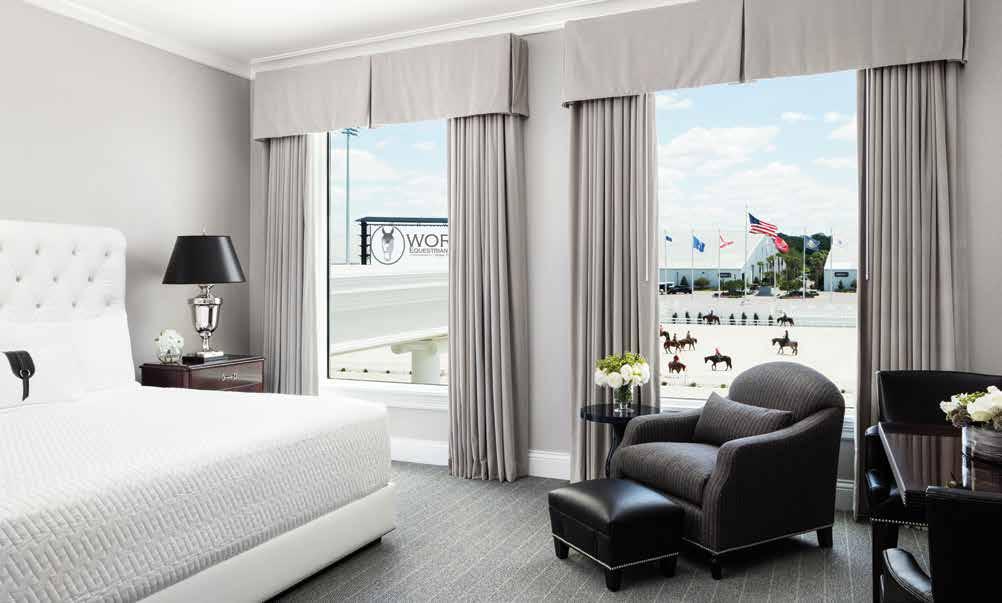

Autumn 2022 199

827 GLENWOOD AVE, MINNEAPOLIS | 612-374-1090 OUR PASSION IS BRINGING YOUR VISION TO LIFE

Autumn 2022 201 JEWELRY 203 HISTORY 208 SCANDAL 213 NORTH NOTABLES 220 INTEL PHOTOGRAPHY PROVIDED BY THE LOUPE


612-338-2020 vujovich.com MN License: BC006077 Transformative Home Remodeling
ARM
THE LOUPE BRINGS EXCLUSIVE LUXURY JEWELRY TO MINNEAPOLIS. BY MERRITT BAMRICK


Autumn 2022 203 CANDY INTEL JEWELRY PHOTOGRAPHY PROVIDED BY THE LOUPE

INTEL JEWELRY 204 Artful Living
SOMETHING SPECIAL IS HAPPENING at The Loupe. The luxury jewelry boutique quietly came onto the scene as a concept for JB Hudson Jewelers, but since 2021 is finding its own fashion-forward footing with CEO and Creative Director Kiki McMillan leading the now privately owned specialty shop. She pairs her New York City design prowess with Fashion Director Dee Hewitt’s Los Angeles style savvy to bring their industry knowledge and passion to Minneapolis.
A few steps into Martin Patrick 3 reveals the 400-square-foot boutique, which provides a jewelry collection and shopping experience unlike anything the Midwest has ever seen. “We focus on brands and artists who are thriving on the coasts, but haven’t yet had much exposure here,” McMillan explains. Even since initial concepting, the duo knew they wanted to showcase designers with artisan appeal. “It made for the perfect partnership with Martin Patrick 3,” Hewitt adds.
The Loupe’s collection, which currently features 18 designers, is a well-rounded and thoughtful curation, but also a dynamic one — consistently offering the most contemporary designs on the market. The story behind each piece, be it the craftsmanship, the technique or the inspiration, is what sets The Loupe apart. “Storytelling is in our DNA,” Hewitt punctuates, noting the team’s editorial approach to merchandising. They go a step beyond the trends, bringing a fashion editor’s eye to fine jewelry.

For McMillan, it’s about more than clients making a purchase. “It’s about going beyond what’s beautiful and understanding the selection of that particular piece,” she says. Tastemakers and trendsetters can shop The Loupe a few ways, the latest being by private appointment. New this year is dedicated space in the Colonial Warehouse building, just above the boutique, where individual shopping experiences encourage a special connection to the collection. Whether a one-on-one styling appointment or an elegant afternoon with friends, clients can expect service as luxe as the gems themselves.
Ah yes, the gems — think multicolor emerald and sapphire, decadent opal, and audacious tourmaline for fall. McMillan and Hewitt typically are a bit quieter with color, but they say there’s no denying the deep, rich hues for autumn, made contemporary by unique shape and scale. Large rings are in vogue again, from single- to multi-stone, and layered bracelets continue to trend but with a twist, like combining bangles and cuffs for some high-contrast, ultra personalized arm candy. Plus the team is excited to welcome new hoop earrings from designer Nancy Newberg, who’s known for creatively incorporating diamonds and stones into mixed metals.
“We see jewelry as wearable art,” Hewitt shares. She points to the creations of designers like Kimberly McDonald, Irene Neuwirth and Silvia Furmanovich, who bring a bit of the unexpected to Minneapolis from New York City, Los Angeles and São Paulo, respectively. It’s a keen reminder that exceptional jewelry knows no bounds — a story The Loupe will continue to tell for years to come.
Autumn 2022 205
Farmers!
It’s a story that never gets old. Kowalski’s has once again been named a Minnesota Grown Retailer of the Year! We couldn’t do it without the support and partnership of our local farmers and distributors. We thank these businesses for their help in supplying Kowalski’s customers with the best of the best local produce year-round:

UNTIEDT’S VEGETABLE FARM
RUSS DAVIS WHOLESALE
BUSHEL BOY
URBAN GREENS
REVOL GREENS FIRESIDE ORCHARD
ROB’S GOURMET GREENS
THE GREENSTED
MINNESOTA’S BEST ORGANIC GARLIC FOREST TO FORK
PYRAMID SPROUTERS LIVING GREEN SALADS
thank you, ...and many more!

11 Twin Cities Locations kowalskis.com


InVision-Optical.com | we see you randolphid.com 952.473.0288
WHITE BEADS DRAPE DOWN PILLARS IN THE DAYTON’S OVAL Room in downtown Minneapolis. A woman known simply as Madame A rules the floor. She’s dressed in all black and carries an alligator bag the size of a fox. Her hair is pulled back in a tight bun, exposing one white and one black pearl earring. Sales girls often find her in the stockroom, smoking a long, flat European cigarette.
Jeanne Auerbacher ran the Oval Room for decades. The space, adorned with petite table sets and glowing lamps, didn’t have a scrap of clothing in sight. One had to ask Madame A for that. She lavished women in the likes of Hattie Carnegie and Gilbert Adrian, the Hollywood costume designer who created Judy Garland’s gingham Wizard of Oz pinafore
Madame A is just one of the many highlights of golden age department store grandeur. Places like Dayton’s were fashion-forward before the phrase had been coined. Even today, these landmark institutions remain important pillars of society, proving that shopping will always hold drama close to the heart.
Long before the tap of a button could summon an Amazon delivery van, department stores summoned the masses. In their earliest days in the 1880s, these shops functioned much like a village square, peddling wares like clothing and dry goods. Window displays did double duty as showpieces and a means of preventing overcrowding inside.
Through the years, department stores developed a flair for the dramatic. Windows were stuffed with World War II support efforts, Cinderella scenes, exotic animals, famous mannequins and even live celebrities. Attractions like an indoor ski hill drew crowds. Chic tearooms appealed to men with their power lunch potential. Elevator operators donned white gloves. Every detail was just right.
The Midwest became a retail mecca thanks to early department stores like Donaldson’s and Dayton’s as well as shopping centers like Southdale, America’s first fully enclosed, climate-controlled mall. Dubbed the Glass Block Store and labeled a “revelation to Minneapolis,” Donaldson’s burst
REVISITING THE STORIED PAST OF LUXURY DEPARTMENT STORES.
BY BRITTANY CHAFFEEShopping Spree
gunpowder from the rooftop on opening day in 1889. Trolleys brought marvelers to the five-story building bedecked with plate-glass windows and an interior courtyard.
Dayton’s debuted in downtown Minneapolis a few years later in 1902, boasting mahogany floors, green velvet carpet and a private fitting room. A 32-foot soda fountain and candy store sweetened children’s hearts. In 1919, Dayton’s even hired pilots to deliver goods to out-of-towners.
Speaking of fast-traveling fashion, Dayton’s was also the first American department store to carry sought-after London youthquake styles. Coveted sixties designer Mary Quant agreed to bring her collection and models to Minneapolis for a show aimed at college students. Because of all the buzz, British fashion sensation Twiggy — 17 and wispy at the time — even showed up to reveal her namesake collection.
Savvy retailers quickly realized shoppers would linger longer if they were properly amused and satiated. When it came to show room entertainment, the sky was the limit. The flagship Saks Fifth Avenue in New York City caused quite a commotion when it unveiled an indoor ski hill in 1935. Snow was made from Borax soap. Skiers could learn from top instructors
208 Artful Living INTEL HISTORY

Autumn 2022 209
PHOTOGRAPHY
PROVIDED BY PARAMOUNT PICTURES
like Sig Buchmayr. Women bought sportswear and après-ski attire apropos for post-slope dinner.
After all, shopping (skiing optional!) does stoke the appetite. St. Paul’s River Room, when it first opened in Schuneman’s in 1947, charmed with pink booths and crystal chandeliers. Ladies noshed on fresh salads while admiring fashion shows. Children enjoyed puppet breakfasts and matinees. The current Ordway musical inspired the monthly meal themes. Over in Minneapolis at Dayton’s, the 12th floor Oak Grill and Sky Room served up its infamous popovers as well as panoramic views of the downtown skyline, earning the nickname “the public’s penthouse.”
As for a suburban stunner, Southdale opened in nearby Edina in 1956. “Southdale is the first center to have a blight-proof community planned around it,” Austrian architect Victor Gruen told the Minneapolis Tribune at the time Plastic foliage peppered its marble interior. The so-called Garden Court of Perpetual Spring was designed to mimic Vienna’s town squares and featured a 21-foot-tall birdcage. Honorable mentions: a goldfish pond, a performance stage, a childcare center and even a small zoo.
Storefronts became pure theater, with retailers working hard to one-up each other with their riveting displays. In 1913, Chicago’s Siegel-Cooper set the standard by constructing the Brooklyn Bridge out of handkerchiefs. Dayton’s displayed the world’s first “living” mechanical elephant in 1922. In 1938, Lord & Taylor bleached cornflakes to turn its New York City storefront into a blustery winter wonderland. By the forties, families filled the streets to experience window unveilings, with crowds of city dwellers four-deep.
Flower displays served as a thank you to the community. Donaldson’s did it first in 1957, with an installation of 45,000 carnations portraying fairy-tale scenes from Cinderella, Little Red Riding Hood, and Hansel and Gretel. Dayton’s followed shortly thereafter in 1960, when its storied eighth floor auditorium morphed into multiple gardens with some 100,000 blooms. A number of shows featured animals. One even included a live circus complete with three elephants, 15 ponies, five poodles, seals and leopards, many of them from St. Paul’s Como Zoo.
Of course, there’s no greater showstopper than show biz. In the seventies, window displays became temporary stages for pop culture powerhouses. The likes of Prince, Madonna, Dolly Parton, Whoopi

Goldberg, Joan Rivers and Magic Johnson posed in the front windows of Barneys New York, all thanks to pioneer provocateur window dresser Simon Doonan. “Everything has to have a little bit of a twist,” he once said. “A little bit of kookiness. A little je ne sais quoi ” Doonan helped set the stage, quite literally, for thinking outside the glass box.
Today, landmark stores the world over keep retail fresh and exciting. In Paris, Le Bon Marché has reading rooms for leisure seekers. In London, Selfridges has assembled a shrine-like shoe gallery. At Tokyo’s Isetan, guests enjoy some post-purchase R&R on the spacious rooftop garden. And back in the United States, the Mall of America is celebrating its 30th birthday this year — a strong statement about the enduring power of retail.
Take it from visionary RH CEO Gary Friedman: “Many who report on retail’s imminent death are overlooking the obvious — we are physical and social creatures,” he wrote in a memorandum dubbed “The Death of Retail is Overrated.” “History will demonstrate that the physical manifestation of a brand will prove to be the most compelling and cost-effective way to engage and inspire customers in a physical world.”
So when it comes to department stores, it seems we’re not far from the Madame A heyday. Everything that’s old is new again. At its core, shopping will always be centered around experience, an inspiring space blurring the lines between retail and reality.

210 Artful Living INTEL HISTORY
PHOTOGRAPHY BY SCOTT MCPARTLAND AND PATRICK WARD/POPPERFOTO


Plan your financial legacy Talk with the Pink Wealth Management Group about creating a customized investment strategy today. Visit us at www.pinkwmg.com. Thomas Pink, CFP®, AAMS® Senior Vice President – Financial Advisor Senior Consulting Group (651) 430-5550 | thomas.pink@rbc.com Investment and insurance products: • Not insured by the FDIC or any other federal government agency • Not a deposit of, or guaranteed by, the bank or an affiliate of the bank • May lose value © 2022 RBC Wealth Management, a division of RBC Capital Markets, LLC, registered investment adviser and Member NYSE/FINRA/SIPC. All rights reserved. 22-WQ-01357 (05/22)

Level UP
MULTILEVEL MARKETING THE GREAT AMERICAN DREAM — OR THE GREAT AMERICAN SCHEME?
 BY MARISA PETRARCA ILLUSTRATION BY KLAWE RZECZY
IS
INTEL SCANDAL Autumn 2022 213
JILL DREHMER CLAIMS TO HAVE CRACKED the code to financial freedom. The year was 2015, the place an upstate New York grocery store, where the 36-year-old mom of two discovered that federal assistance no longer covered her kids’ favorite cereal. A revelation ensued: “I thought, ‘There’s got to be a better way to make some extra income — something.’” As fate would have it, Drehmer found that something in LuLaRoe, a multilevel marketing company that today is riddled with controversy.
The California-based brand peddles women’s clothing to a loyal fan base. Its pièce de résistance are buttery soft leggings covered in quirky prints (everything from butterflies to monster trucks). In theory, this all sounds painfully innocuous, right? After all, we’re talking about pants purchased from someone’s aunt via Facebook. Rumors swirled that LuLaRoe had a shady side, but only recently did its seams very publicly unfurl.
Last year, Amazon Prime Video unveiled LuLaRich, a can’t-look-away docuseries that exposed the company’s deceptive marketing tactics and illegal pyramid scheme practices (oops!). Months before the show’s release, LuLaRoe settled a lawsuit with Washington state for $4.75 million. Why? It was fronting as an MLM but blatantly violating the Federal Trade Commission’s consumer protection guidelines and Anti-Pyramid Promotional Scheme Act. The brand was selling a get-rich-quick narrative, but in actuality, the overwhelming majority of its “independent fashion retailers” made little to nothing — or even lost money.
For the record, LuLaRoe isn’t alone in battling bad press or litigation. Quite the contrary; the list of controversial MLMs is lengthy, including Amway, Herbalife, Primerica and more. But alas, people still want to jump on the bandwagon. Drehmer is one of some 7.3 million people hoping to get a taste of the American dream, according to Direct Selling Association data.
So what’s the appeal? Why do so many people continue to join MLMs, even in the wake of such immense backlash?
For the unfamiliar, MLMs use a direct-selling business model that relies heavily on word of mouth (or, in today’s age, social media). Unsalaried distributors sell products and services to friends, family and strangers while also recruiting others to work under them. In turn, they get a cut of their recruits’ income, thus directing more and more cash to the top of the food chain.
The legal lines between MLMs and pyramid schemes are dangerously blurry, if not altogether obscured. Although the FTC is tasked with investigating potentially illegitimate MLMs, these organizations remain largely unregulated unless there’s a viable reason to take a closer look (say, a boatload of formal complaints).
“The government can’t and hasn’t looked at every
enterprise that exists,” says Hamline University economist and MLM expert Stacie Bosley. In other words, “you shouldn’t presume all MLM companies are legal, because that’s probably not true.” Ultimately, it’s at the consumer’s discretion to decide whether a brand is legit. Some red flags that an MLM just might be an illegal pyramid scheme? The company prioritizes recruitment over actual sales, requires an upfront investment and doesn’t buy back unsold inventory.
Self-discretion is a big ask in the case of MLMs, especially because this business model is woven into the fabric of our nation’s culture. After all, household names continue their reign in homes across America. To point, Avon and Mary Kay still have a stronghold on our makeup bags, while Tupperware remains a staple in our kitchens.
Those are just the big-name brands. Thousands of companies have cropped up since the MLM model was established in the late 1800s, and they span all categories, including beauty, wellness, financial services, home appliances — even electricity. And they bring in the big bucks, too: a record $42.7 billion in 2021, per the Direct Selling Association.
Cue Drehmer and her new reality. A dutiful LuLaRoe retailer since 2016, she says the company has changed her life. Now debt-free, she’s reached peak financial freedom, including buying a new home, complete with an in-ground pool, separate bedrooms for her boys and a fully stocked boutique that she runs like a storefront business. Sounds a lot like the American dream, right?
The sad truth is that Drehmer is one of few to achieve such success. An astounding 99% of independent distributors lose money, according to FTC research. And yet, that abysmal stat doesn’t seem to scare people off. “Not everyone who comes into contact with these schemes sees themselves in that 99%,” notes Jane Marie, cohost of The Dream podcast, which investigated MLMs as part of its popular first season.
But why? “We seek information that supports our existing beliefs,” Bosley asserts. In this case, that 1% confirms that success is indeed possible — even if the objective data suggests otherwise. We cling to that idea of being the exception, not the rule, with the hope of a fervent gambler.
The economic influence of MLMs is blinding. Equally appealing, however, is the allure of a tightknit community. Add in wine nights, star-studded conventions and “free” cruises, and you have a seriously sweet-sounding social life.
Take it from Jessica Hickson, a former topranking rep with health and wellness company It Works. “Once you’re in, you’re showered with love, encouragement and people lifting you up, making you want to be surrounded only by those people,” she explains. (Sort of like a sorority, but with the possibility of a paycheck.)
Better yet, MLMs proclaim to be an escape from
214 Artful Living INTEL SCANDAL

Autumn 2022 215

216 Artful Living INTEL SCANDAL
the 9-to-5 grind, an opportunity to amass wealth on a part-time schedule. We’ve all seen the sales pitch: Be your own boss! Set your own schedule! Work from anywhere! The appeal is seductive — and it works.
It’s so influential that it doesn’t even really matter what products they’re marketing, says Amanda Montell, author of Cultish: The Language of Fanaticism. “They’re selling this community, this promise,” specifically targeting people locked out of the “dignified labor market” who are unable to bring home a paycheck the traditional way, she explains.
That’s why so many MLM sellers are stay-athome parents, college students and the like. “We’re talking about women who want to feel empowered, who want to feel like they’re interacting with other adults while contributing to the household financially,” Montell notes. “MLMs make such larger-than-life, transcendent promises about what this opportunity will afford their recruits that it feels even scammier, even cultier.”
The term “brainwashing” might seem extreme, but it’s pretty apt. “It’s very confusing to watch a loved one in an MLM, because sometimes they act normal and other times they act like a stranger,” notes Steve Hassan, PhD, one of the nation’s foremost cult experts. What many people don’t realize, he adds, is that this behavior is deeply psychological. For that reason, he’s dubbed MLMs “commercial cults.”
“Brainwashing is better understood as a dissociative disorder,” he says. “Meaning there’s an identity disturbance where you have the group identity versus your identity. The group programs you to suppress your own conscience, your own critical thinking, your own interests and values, and creates a pseudo-identity in the image of the leader of the group.”
The anti-MLM movement is gaining traction online, with thousands rallying on Facebook, TikTok, Reddit and other platforms to try to deconstruct the business model — or at the very least chastise its existence. Hickson is among them. The goal of her popular YouTube channel is to “save all the current #BossBabes from heartbreak, betrayal and shadiness.”
“There’s been a steady trend toward MLMs marketing themselves as a mode of female empowerment,” Marie explains. “What they’re really peddling is self-esteem and personal achievement. You have to pay for rah-rah sessions, conferences and motivational seminars and spend more and more time parroting that on your social media. In a lot of the training materials I’ve seen, these companies recommend you spend as much time posting about your #GirlBoss goals as you do posting about the actual products.”
At the movement’s core is an undying dedication to exposing MLM exploitation, both fiscal and emotional. Although the business model may sound straight-up utopian to some, Montell says these
brands are strategically “weaponizing language”
— in other words, telling people exactly what they want to hear. And they adapt to the zeitgeist. “In COVID times, MLMs pivoted to using more new-age mystical language, talk of holistic beauty and divine alignment,” she adds.
That applies to recruitment tactics, too. A former Arbonne rep who prefers to remain anonymous called it quits amid the pandemic. Her reasoning?
“They started using the pandemic to bring in new people,” she notes. “They were like, ‘People are losing their jobs; they need this.’” But hidden behind that message was the idea that the more people you bring in, the bigger your team, the bigger the profit in your pocket.
It’s easy to write off MLMs as cut-and-dry deception, especially in this age of the ultimate scammer (see: Anna Delvey, Elizabeth Holmes, Adam Neumann). But it’s not that simple. Money aside, proponents also praise the sense of community and the personal freedom.
Take Timothy Brown, AKA “the Avon Man,” who got involved at age 15 and never left. “My father was an Avon representative, so that sparked my interest,” says the optometrist by day, direct seller by night. “I asked my dad to sell for him so I could earn some money to buy a car and pay for the insurance.”
Today, Brown reps Avon in memory of his father, who passed away in 2009. “I’m blessed to continue the tradition,” he explains. “I feel like Dad is living and still selling through me.”
Or there’s 20-something Valeryn Tabares, whose husband joined Avon to escape the daily grind. He got the idea from his parents, who had been reps for 25 years. After welcoming their first child, she too quit her day job to become his business partner and get more family time. The pair bought their house and first family car “solely off an Avon salary,” but she’s more passionate about what it’s done for their relationship: “They say that business can separate you, but I feel like it brought us closer.”
What Tabares describes is, by definition, the American dream. It’s what everyone in MLMs is ultimately seeking: their own version of success, whether that’s securing a swanky pink Mary Kay Cadillac or being able to afford your kids’ favorite cereal. As for the risk of failing? For many, they’re willing to gamble with their lives. After all, the greater the risk, the greater the reward, right?
Objectively, of course, the odds of getting rich aren’t in our favor — but in some perverse way, that’s actually part of the MLM appeal. “We have this exceptionalism mentality in this country, whether we’re seeking spiritual enlightenment, TikTok fame or success as an Amway seller,” Montell concludes. “We think, ‘I know that it doesn’t happen to most people, but I’m confident it will happen for me.’”
For more on multilevel marketing schemes, log onto ArtfulLiving.com.
Autumn 2022 217


OCTOBER 12 - 16, 2022 www.tcartweek.org ALL MY RELATIONS GALLERY BOCKLEY GALLERY BURNET FINE ART & ADVISORY DAVID PETERSEN GALLERY DREAMSONG HAIR AND NAILS HIGHPOINT CENTER FOR PRINTMAKING KATHERINE E. NASH GALLERY LAW WARSCHAW GALLERY AT MACALESTER COLLEGE MIDWAY CONTEMPORARY ART MCAD GALLERIES MIRROR LAB NIGHT CLUB PAPA PROJECTS PUBLIC FUNCTIONARY ROSALUX GALLERY SECOND SHIFT SOO VISUAL ARTS CENTER CATHERINE G. MURPHY GALLERY AT ST. CATHERINE UNIVERSITY TOA PRESENTS WAITING ROOM WALKER ART CENTER WEINSTEIN HAMMONS GALLERY Serpent, 2022 by Allison Baker, courtesy of Dreamsong. 5 DAYS 25 EXHIBITIONS 30+ EVENTS 200+ ARTISTS

North
THE REGION’S BEST AND BRIGHTEST.
BY KATIE DOHMANMercedes Austin Mercury Mosaics
“Working with my hands saved my life,” says Mercedes Austin, founder and CEO of Mercury Mosaics. “There’s something therapeutic about working with your hands, and it’s what centers me. It’s the only way I’ve learned to navigate life and do something that adds value to the world. Returning to the trade is the constant thread, though; I don’t really relate to the label of CEO.”
But Austin has, in many ways, skyrocketed: from working as a dusty-booted, hangnailed mosaic artist in a Northeast Minneapolis studio to running an in-demand artisan tile brand in the midst of a very Instagram-friendly expansion, with a new design studio plus manufacturing facilities in both Minneapolis and Wadena — encompassing some 38,000 square feet of handmade, hand-glazed tile crafted by 40 employees.
“Because of my artist background, I don’t have the most traditional ways of doing things,” she shares. “But I don’t let that be the barrier. I figure out where the speakeasy entrance is; I figure out the code to the door.”
The code now looks like clients clamoring for mineral-green fish-scale tile lining the walls of their spa shower or a nearly 3D geo-hex pattern in bold pops of blue, gold and white as a kitchen backsplash above the stove.
“We’re here to wake up your walls in a way that’s thoughtful and beautiful,” Austin explains. “And we invite you to participate in how that looks. We’re super old-school, so you can talk to us and be pen pals with us. But we’re also very forward-thinking, so you can interact with us on your iPad, too. You choose your own journey.” And that goes for their business practices, too, where they’re figuring out how to reuse their “oopsies” and repurpose “misfit tiles,” becoming more sustainable by the day.
“The concept is to never give up,” she affirms. “So many things can go wrong, but at the end of the day, if you believe in what you’re doing and it’s something that inherently brings joy, that’s all that matters.”
220 Artful Living INTEL NORTH NOTABLES • AL PROMOTION
PHOTOGRAPHY BY SPACECRAFTING
Notables

Autumn 2022 221
Eric Flom and Nancy Nelsen-Flom
INTERSOURCE by STARK
As far back as September 2020, flooring and design experts Eric Flom and Nancy Nelsen-Flom knew they were ready for a change. They were ready to expand INTERSOURCE, their beloved flooring show room, within Minneapolis’s International Market Square. And somewhere in the back of their minds, they were thinking about a succession plan for the future, too.

They had their eye on prime real estate near the atrium restaurant at IMS and had been in talks with management for months when an offer too good to refuse came along. Longtime luxury flooring brand STARK approached the husband-and-wife duo about becoming INTERSOURCE by STARK. The pair had no plan to sell the company this soon, but the serendipity was irresistible.
STARK brings its heavy-hitting expertise for longtime security — it has been around for 90 years and has some 600 employees — along with a focus on cutting-edge luxury design. Plus the merger frees up the pair to focus on what they do best: working with their clients on both commercial and residential flooring projects (including all hard-surface flooring besides stone and tile), through every step in the process from measuring to installation. “For the community, it’s everything INTERSOURCE was, with the addition of STARK product and custom capabilities, which really expands our offerings,” Eric explains.
“Eric made an analogy, and it’s really true: We took the elevator to the top floor and the entire team got off with us,” Nancy says. It was crucial to them that the team remained intact and that they continue to be involved with the day-to-day operations. “STARK isn’t coming in and booting us out; they value our local knowledge and expertise. It took us 26 years to develop this team, and we wouldn’t be where we are today without them.”
As of this fall, INTERSOURCE by STARK will be moving into its larger, newly renovated space just off the atrium with its seasoned team — and with a whole new host of capabilities beyond its already stellar full-service offerings. So to any rumors that the team is out at INTERSOURCE: definitively not true. “We’re still here and intend to be here as long as we’re of value,” Eric says, as Nancy jumps in: “And as long as we’re having fun!”
222 Artful Living INTEL NORTH NOTABLES • AL PROMOTION
PHOTOGRAPHY BY SPACECRAFTING
BY CÉLINE MICHEL
Stephany Eaton PureAlchemy Design
As someone who graduated with a chemistry degree, Stephany Eaton didn’t come at interior design from what most would consider the usual avenues. “It goes back to my childhood,” says the owner and principal of PureAlchemy Design. (Her German parents were both technically educated, her father an engineer and her mother in the architectural field but both with a strong artistic eye.) “For us, it went hand-in-hand. They always said something should be put together well to function, but it should also be beautiful to experience.” During her younger years in Europe, she was surrounded by Old World beauty combined with contemporary design, which influences her work to this day.
After working as a chemist, Eaton began expanding into interior design — and fell in love. Her client base grew, and she left her day job to fully pursue commercial and branded-space design, also earning a degree in sustainable design from Boston College. Her final research project was all about how design impacts human well-being, health and productivity.

It’s that marriage of science and art — the alchemy, if you will — instilled by her parents and reinforced by her training that today powers her interiors business, where she designs sustainable commercial spaces to reflect a company’s energy and to optimize employee efficiency.
Her love of science is evident as she harnesses the power of design to transform and energize environments. Her work is influenced by research on productivity, quality of life, light (fluorescents are a no-no), color (“In Minnesota, half the year is white, so color is important!”), sustainability (she’s a LEED Green Associate) and, of course, layout. “If you have intrigue in how you pass through an office, it enhances well-being and creativity,” she says. And doing it sustainably only makes good sense.
“I love bringing an ambiguous entity like a commercial environment to life for people to live in during their waking hours,” Eaton exclaims. “You see the change in the people who work there, which is the greatest reward for me. Bettering someone’s life by fostering an environment that feeds who they are is good for the human experience, which in turn promotes health and productivity for all of us. That’s a win-win scenario: for the ultimate good of employers, employees and also the human experience in life.”
For a decade now, she and her team have seen the clear results of translating wellness research into transformational environments where employees are actually excited to work. And the science behind it all drives the PureAlchemy mission to this day: to inspire authentic connection to brands, and the work companies do, through creative and dynamic spaces.
Autumn 2022 223
PHOTOGRAPHY
ADVERTISER INDEX
6Smith, 219
Abitare Design Studio, 200
Ador Bespoke Homes, 89
Albertsson Hansen Architecture, 57
All Seasons Fireplace, 51
ALL, Inc., 22
Amy E. Haglin Interior Design, 78
Art Resources Gallery, 113
Aulik Design Build, 227
Baldamar, 160
Bridgewater Bank, 42
Brightwater Clothing & Gear, 169
Bruce Kading Interior Design, 57
Celebrity Cruises, 104
Charles R. Stinson Architecture + Design, 12–13
Charlie & Co. Design, 46
Chazin Interiors, 180
Circa Lighting, 20
City Homes, 74
Clairmont Design + Build, 83
Coldwell Banker Realty Global Luxury, 159
Coldwell Banker Realty Property Gallery, 142–158
Coldwell Banker Realty St. Croix River Valley, 168
Crutchfield Dermatology, 27
Custom Christmas Lighting, 195
David Heide Design Studio, 107
Denali Custom Homes, 66
DOM Interiors, 72
Douglas Flanders & Associates, 173
Eminent Interior Design, 127
Eskuche Design Group, 67
Executive Health Care, 73
Fiddlehead Design Group, 35 France 50, 119
Gabberts Design Studio & Fine Furniture, 25 Galleria, 101
Gianni’s Steakhouse, 195
Grace Hill, 169
Gunderson’s Jewelers, 4–5
Halunen Law, 67
Hammer Made, 41
Heather Hansen Real Estate Team/ Coldwell Banker Realty, 106
Hendel Homes, 23
Henri Interiors, 43 Hilltop Prairie, 102
International Market Square, 14–15
InVision Distinctive Eyewear, 207 Jaguar Land Rover Minneapolis, inside front cover, 1–3
Jester Concepts, 225 John Kraemer & Sons, inside back cover Kathryn Kennedy Group/Coldwell Banker Realty, 63
Keenan & Sveiven, 83 Kowalski’s Markets, 206
Kyle Hunt & Partners, 33 Lake Country Builders, 118 Lelch Audio Video, 126 LiLu Interiors, 114
Lucy Interior Design, 73 MA Peterson, 113
Mall of America, 6–7 Marion Parke, 96
Martha Dayton Design, 52 Martha O’Hara Interiors, 68 Martin Patrick 3, 10–11 Max’s, 107
Minneapolis Institute of Art, 161 Minnesota Screens, 84 Murphy & Co. Design, 63 Nancy Norling, DDS, 56
Nor-Son Custom Builders, 44 Noyes & Cutler, 50
Old National Wealth Management, 31
Parasole Restaurant Holdings, 112 Paris Dining Club, 175
Phantom Screens, 84
Pink Wealth Management Group, 211
Plastic Surgery Consultants, 82
PowerHouse SMART Luxury Conference, 194
Prestige Pools, 89
Prospect Refuge Studio, 49
Purcell Quality, 78
Pure Lux Medspa, 181
R.F. Moeller Jeweler, 29
Randolph Interior Design, 207
Rehkamp Larson Architects, 51 Roche Bobois, 8–9
Roth Living, 120
Sanctuary Salonspa, 103
Serene Oaks Dental, 79
Souvenir Whisky, 174
Spacecrafting, 186 Stonewood, 16–17
Strand Design, 127
Streeter Custom Builder, 37
Studio M Interiors, 62
Summit Orthopedics, 39 Swan Architecture, 24
Talla Skogmo Interior Design, 118 Tanqueray/Diageo, 140
TEA2 Architects, 87
Terry John Zila, 212
The Loupe, 19
The Lynhall, 88
The Sitting Room, 191
Top Shelf, 191
Traditions Classic Home Furnishings, 103
Twin Cities Art Week, 218
Vujovich Design Build, 202
Warners’ Stellian, 18
White Oaks Savanna, 21
Wixon Jewelers, back cover
Zawadski Homes, 188
224 Artful Living


1115 2ND AVE S MPLS, MN ALL LOCATIONS ARE PART OF JESTER CONCEPTS RESTAURANT HOLDING GROUP FOR MORE INFORMATION VISIT JESTERCONCEPTS.COM ELEVATE YOUR DINING EXPERIENCE. BOOK WITH US ON TOCK 730 N WASHINGTON AVE MPLS, MN510 GROVELAND AVE MPLS, MN
PUBLISHER’S TAKE
AUTUMN ALWAYS FEELS LIKE THE START OF THE YEAR TO me in many respects: back to school (even if I’m not going), back to sweaters and back to a slower pace of life after cramming so much into summer. I’ve gone from dreading the end of summer to fully embracing the change, refresh and reset that fall provides. Here are a few things that are inspiring me this season.
There is truly never time for anything as a mom, and I’ve learned that having a rotating uniform of beautiful yet simple pieces gives me time back to be with my daughter. I’m loving Scandinavian indie brand Totême’s timeless, elegant staples that give a pulled-together look no matter what life throws at me. Think head-to-toe denim, cozy wrap sweaters and cashmere scarves in rich neutrals, like their fall collection that I’m eyeing for the season. A change in weather also calls for self-care that meets the moment. Soft Services was created by Glossier alums Annie Kreighbaum and Rebecca Zhou, who have zeroed in on body care with powerful formulas previously reserved for facial products. I’m entrusting this thoughtful line to exfoliate away my summer skin and nurture it into the dry season. I don’t claim to be a wine expert, but I’m calling it like I taste it. Big Salt is a delicious dry, crisp, minerally organic white that I discovered while dining with old friends. It’s absolutely worth picking up and sharing with your old friends, too. I love hearing how 2020 led people to veer away from what didn’t serve them anymore in the name of creating something beautiful. Ceramicah is a gorgeous example of this. Husband-and-wife duo and former architects Micah Blyckert and Alexandra Cadiz are now creating handmade ceramic lamps and one-of-a-kind vessels that are quickly becoming collectors’ items, like their Raku collection. Local artist and curator Suyao Tian’s work caught my eye immediately, particularly watching her unique use of watercolor during her calming process videos. She just opened her own gallery, Viewpoint, in St. Paul. Tian is absolutely an artist to follow as she continues to share her profound gift with the world.

My very best,

 Emma Cutler Velez


 Publisher


226 Artful Living
PHOTOGRAPHY PROVIDED BY TOTÊME, SOFT SERVICES, BIG SALT, CERAMICAH AND SUYAO
TIAN


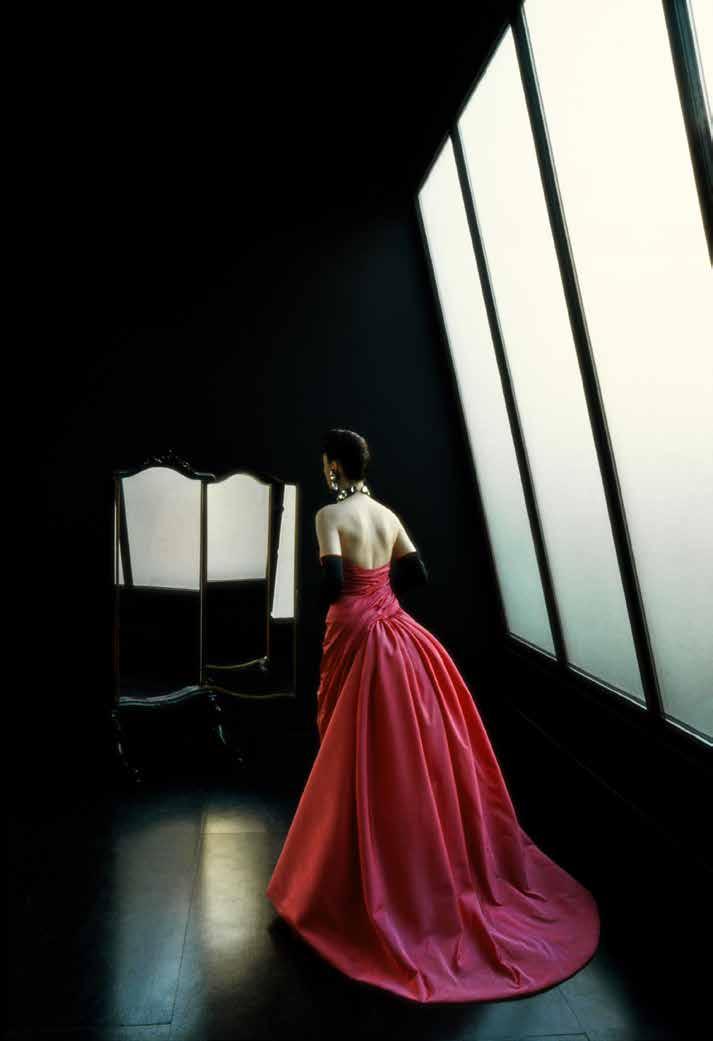
228 Artful Living Go inside Christie’s recent auctions of iconic fashion photography on page 58. LAST CALL
“EVENING DRESS, L’OFFICIEL, PARIS, 1989”
©
FRANK HORVAT STUDIO
|
PHOTOGRAPHY
PROVIDED BY HATJE CANTZ

CUSTOM BUILDERS & REMODELERS EDINA 4906 LINCOLN DRIVE WAYZATA 240 MINNETONKA AVE. S., SUITE 101 WWW.JKANDSONS.COM TEL 952-935-9100 THE ONLY FOUR TIME BUILDER OF THE YEAR.
