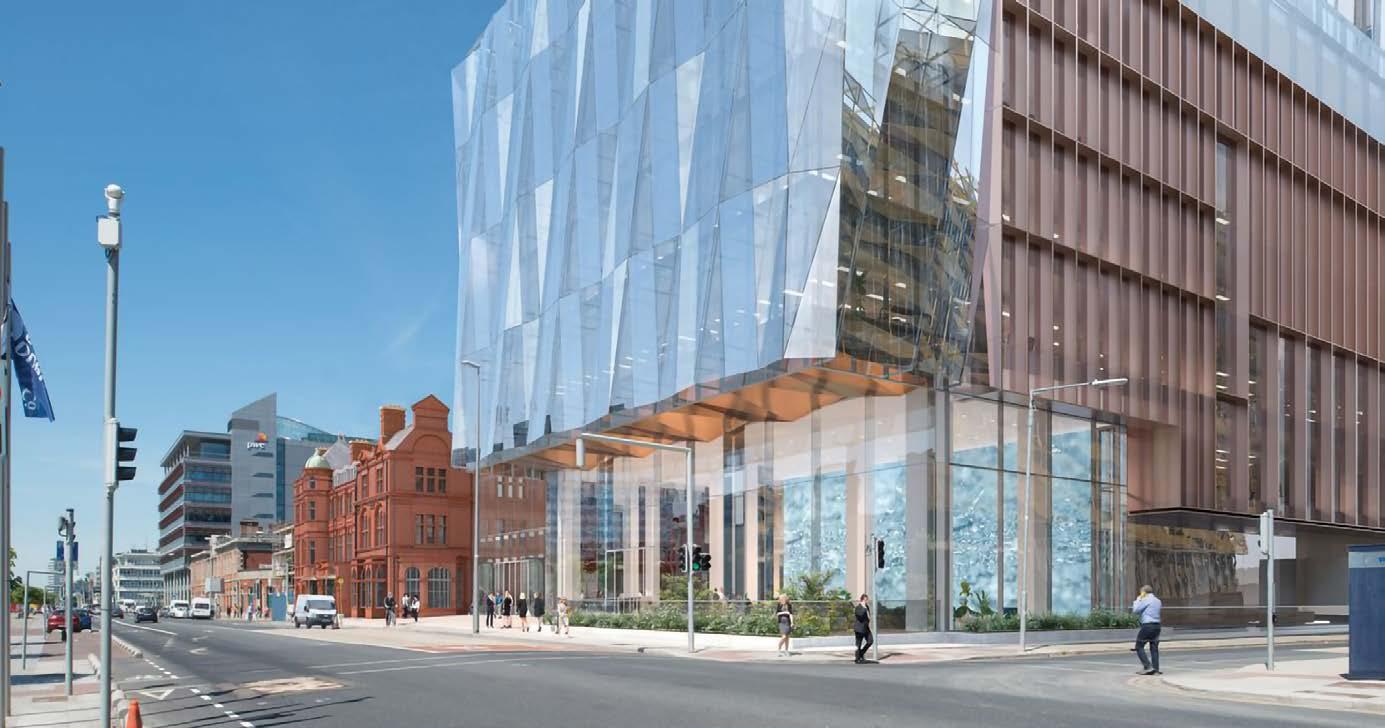
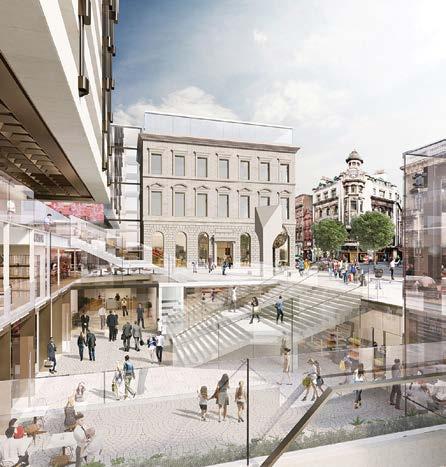
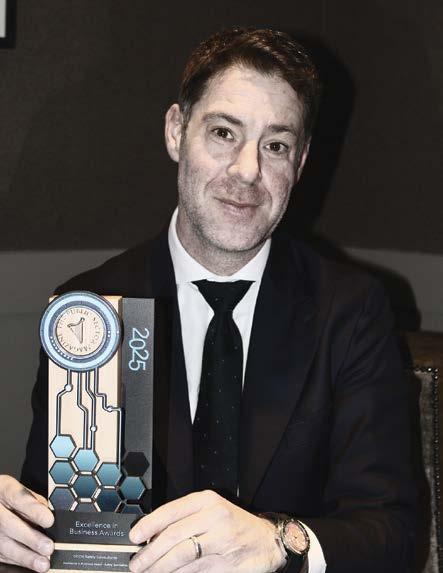
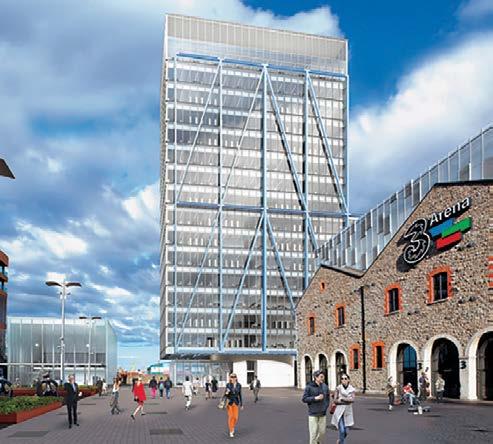
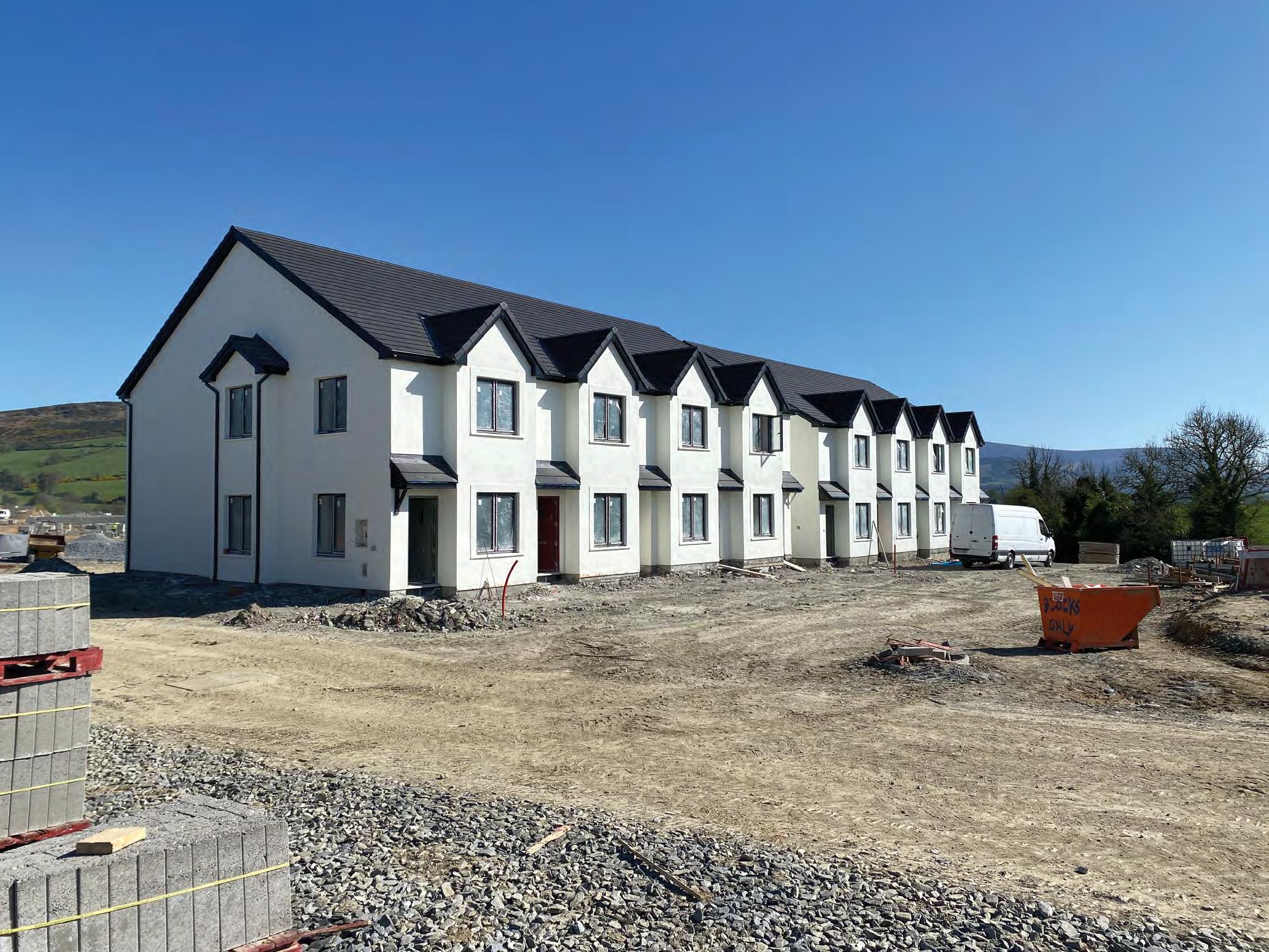
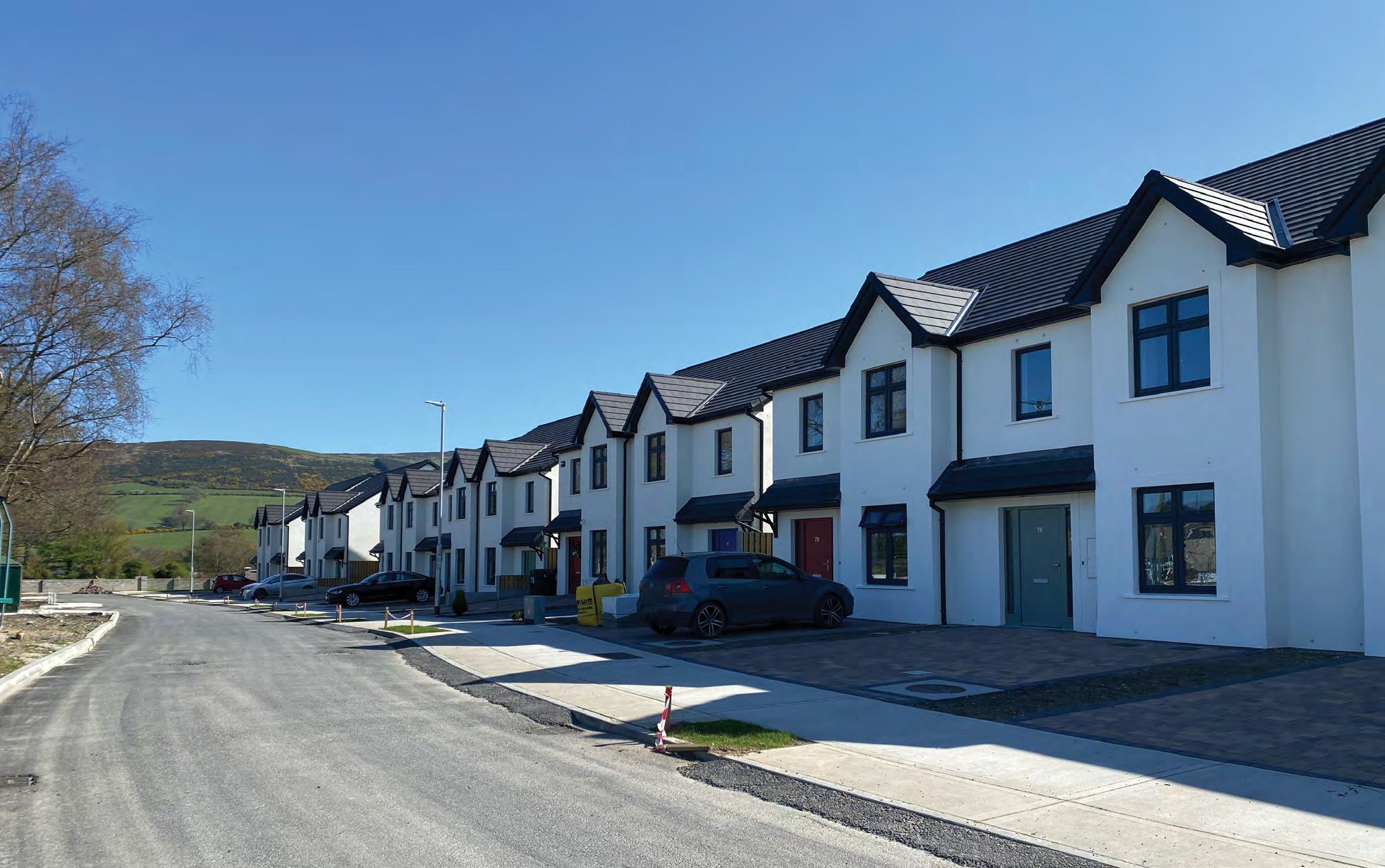
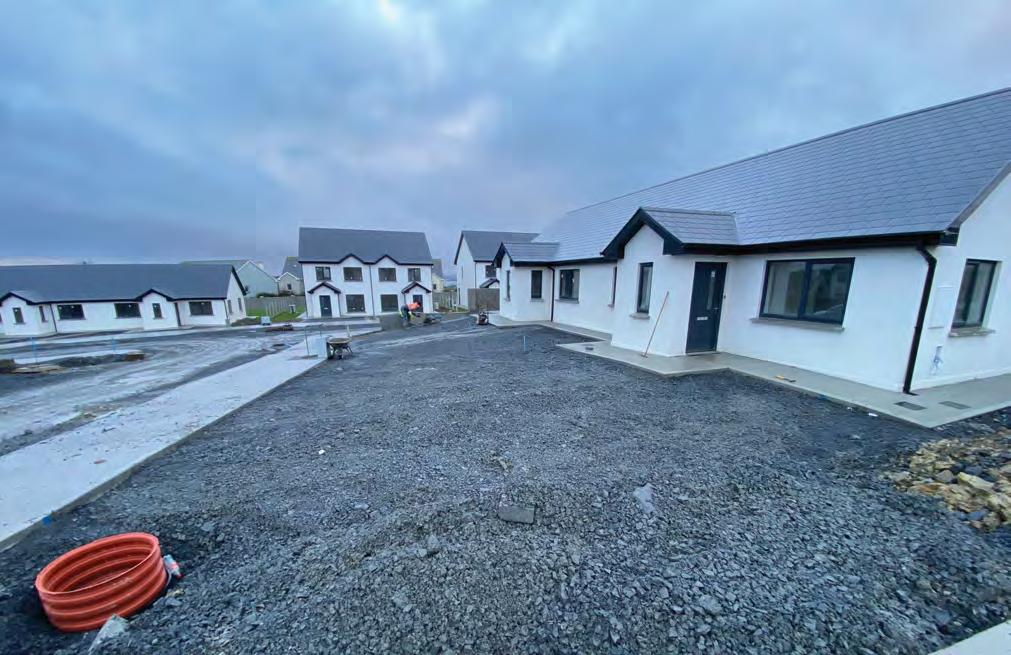
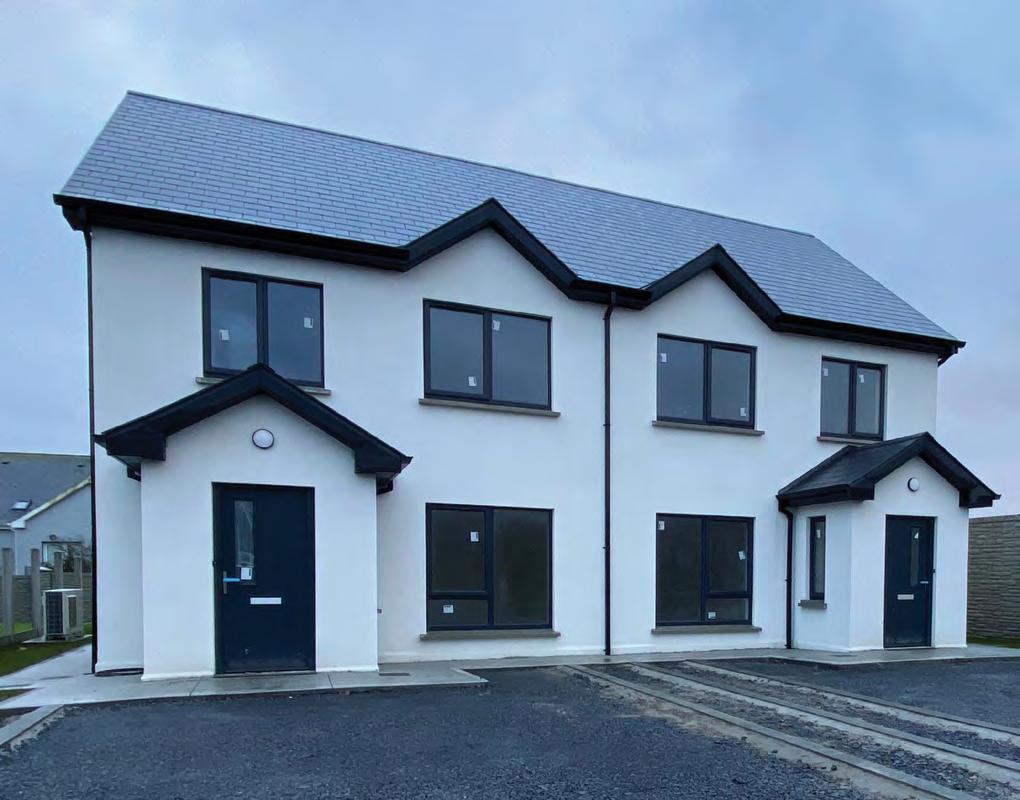
50 Planning with Vision Gravis Planning’s consultancy expertise fuels major developments
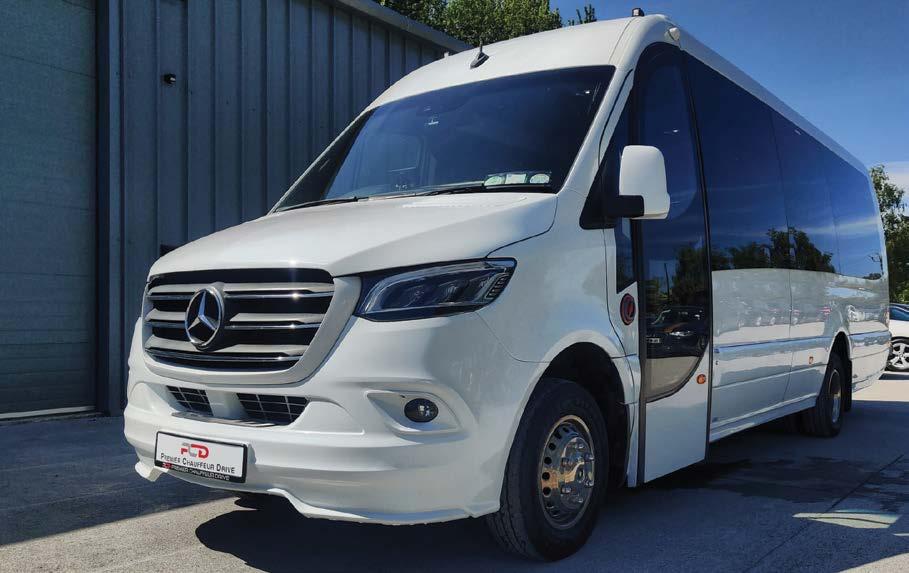
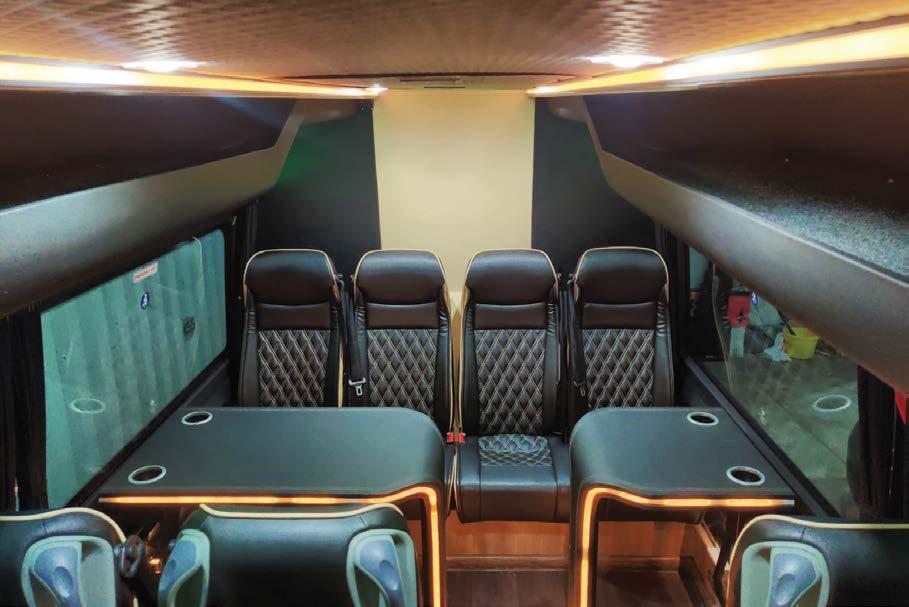
53 Chauffeur Class
Premier Chauffeur Drive elevates Dublin Airport passenger experience
56 Digitial Health Revolution
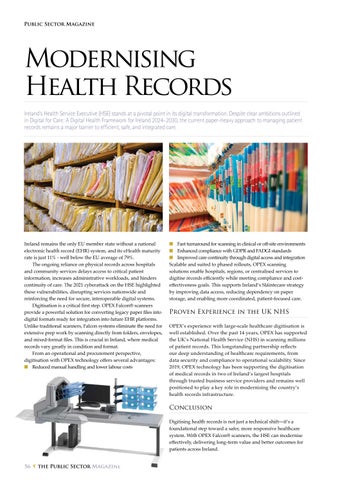
Modernising health records for safer, more efficient care
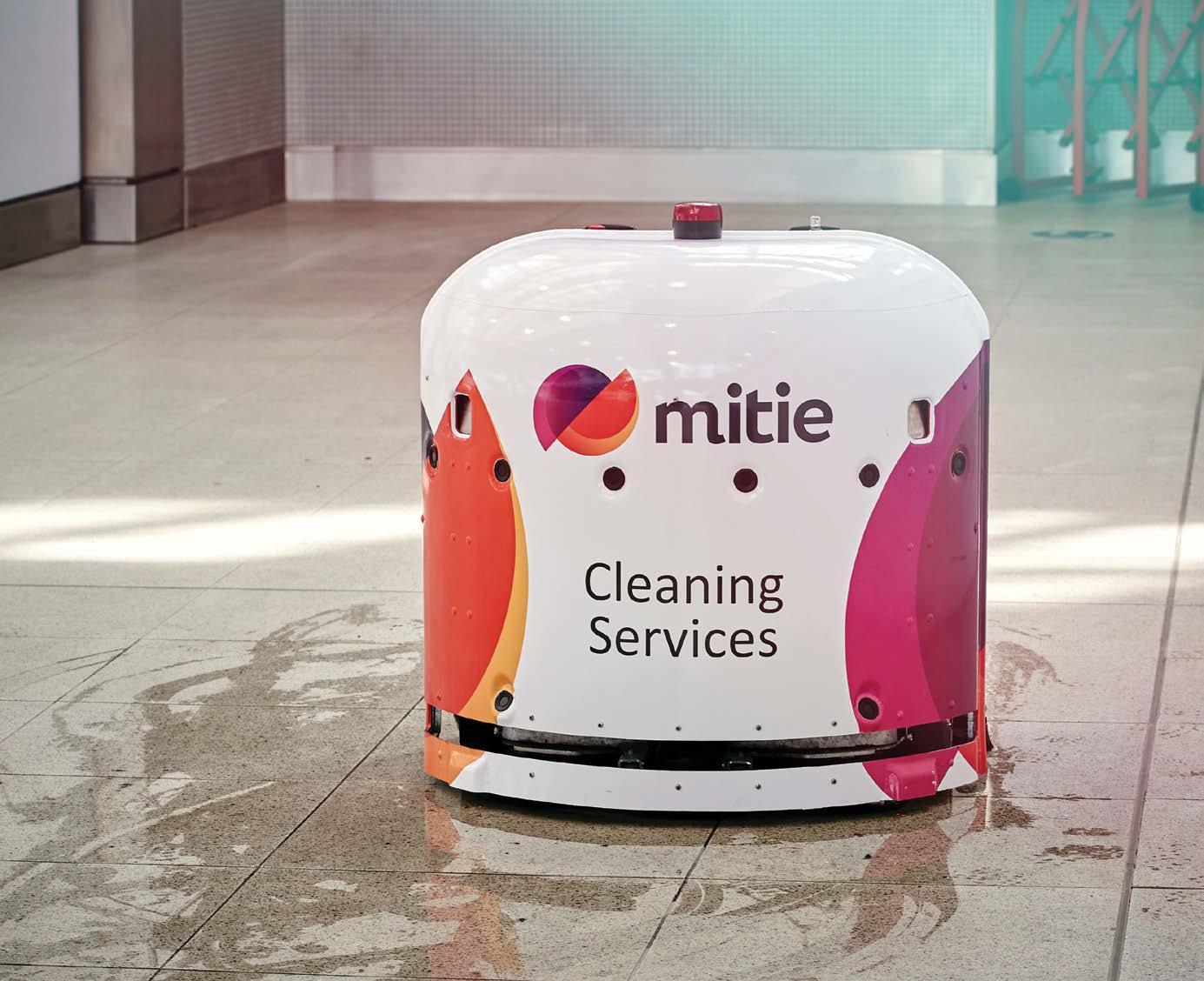
57 Keeping Terminals Spotless
Mitie’s trusted partnership with Dublin Airport Authority
59 Design that Connects Nineyards crafts experiences that leave a lasting impression
61 Dublin Express Delivers Premium bus service sets the standard for city travel
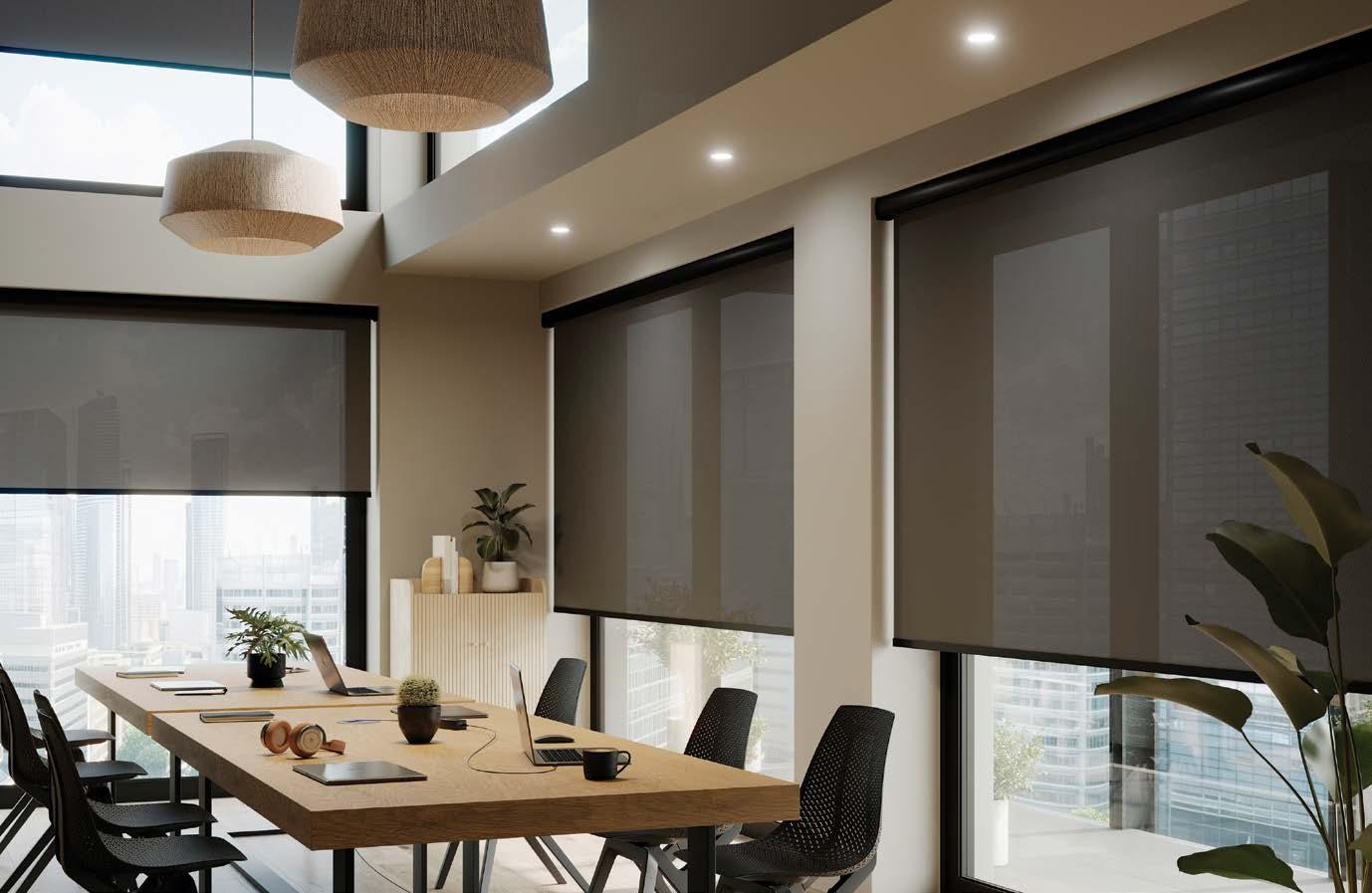
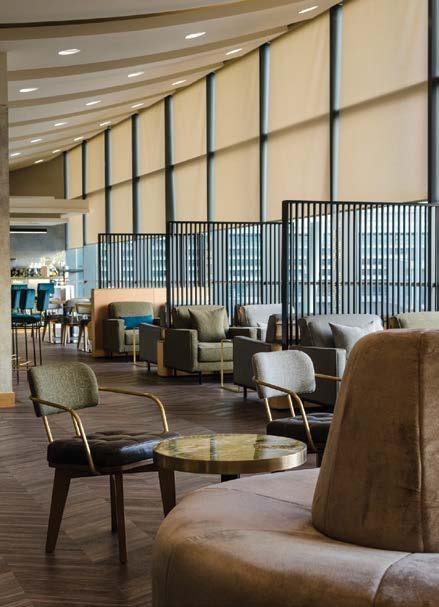
64 A Clear Vision Bay Blinds: 21 years of innovative window solutions
66 Powering Decarbonisation
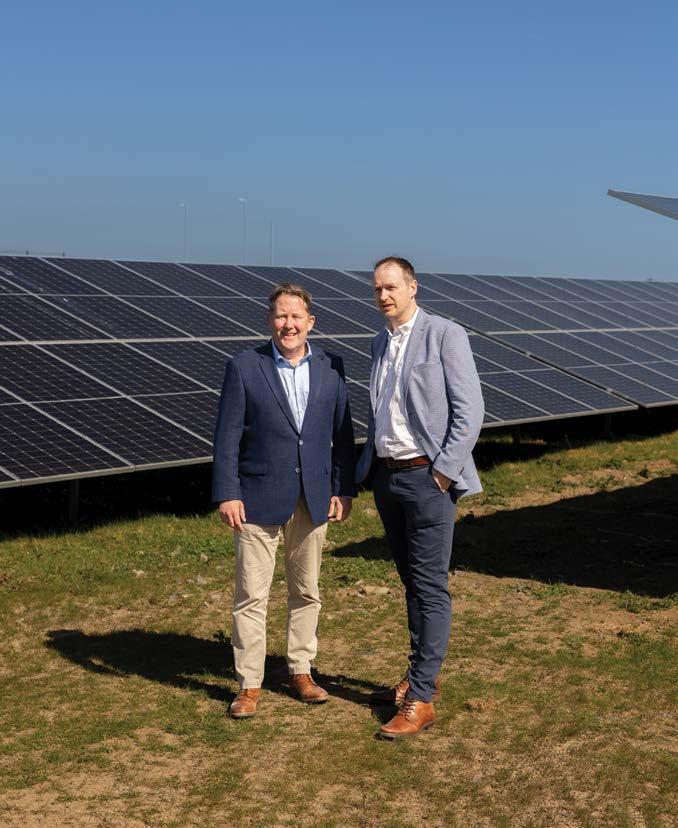
Greenvolt Next drives sustainable energy growth
69 NDP Progress Update
National Development Plan review and progress tracker launched
72 Private Equity & Housing
Exploring private investment to tackle Ireland’s housing shortage
74 Construction Boom Ahead Ireland’s construction sector poised to outpace Europe
76 Building Safely Consultancy services focus on safety in design and construction
78 Faster Infrastructure Delivery Government taskforce aims to accelerate key projects
82 Backing Home Builders
Home Building Finance Ireland boosts residential supply
85 Ramping up Apartment Delivery New push to ramp up apartment construction in cities
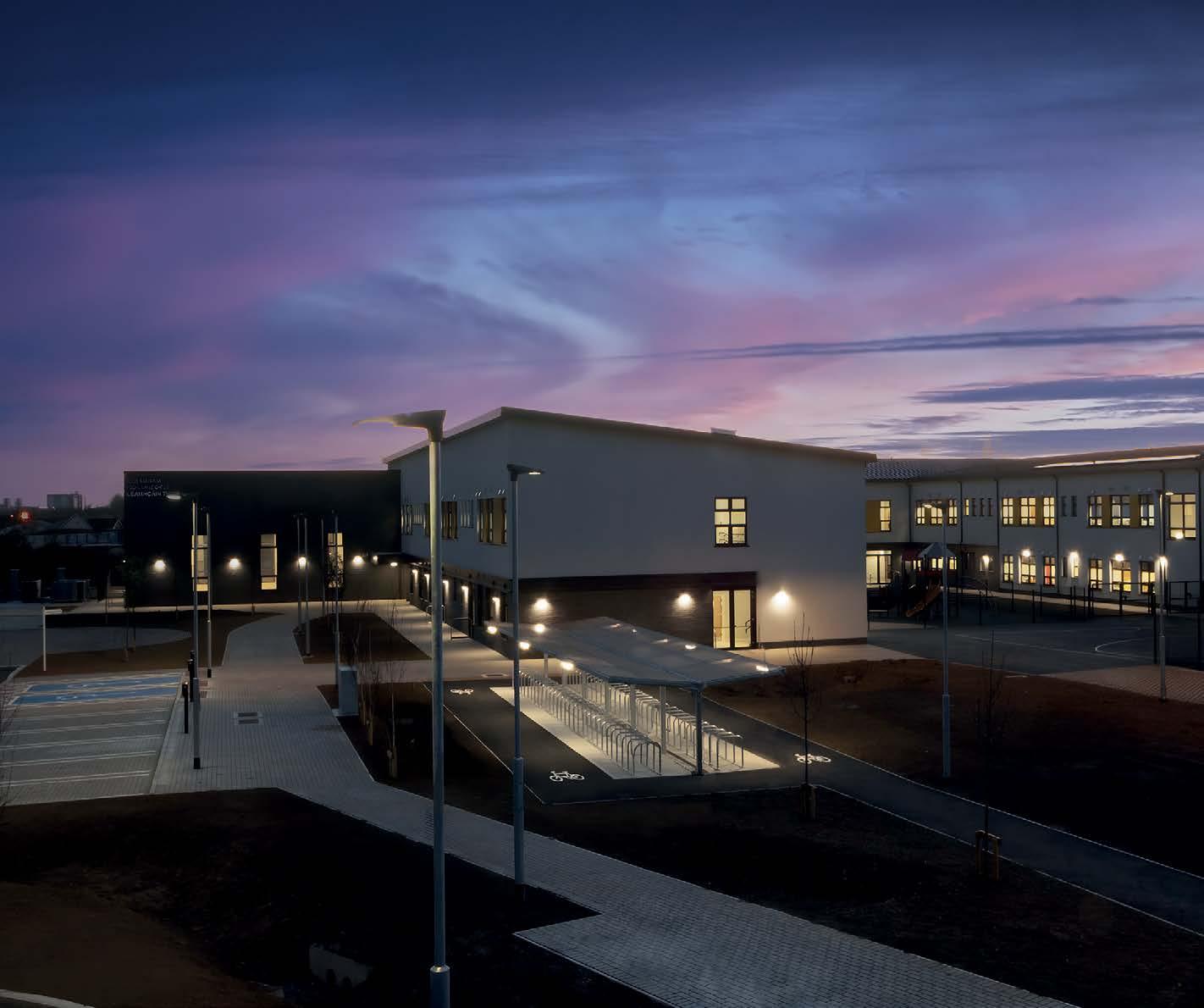
88 Modern Schools Faster Milestone project signals change in school construction methods
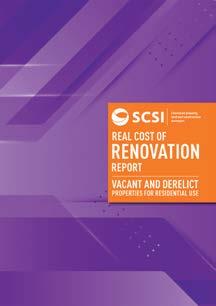
90 True Retrofit Costs
SCSI report reveals costs and opportunities in retrofitting
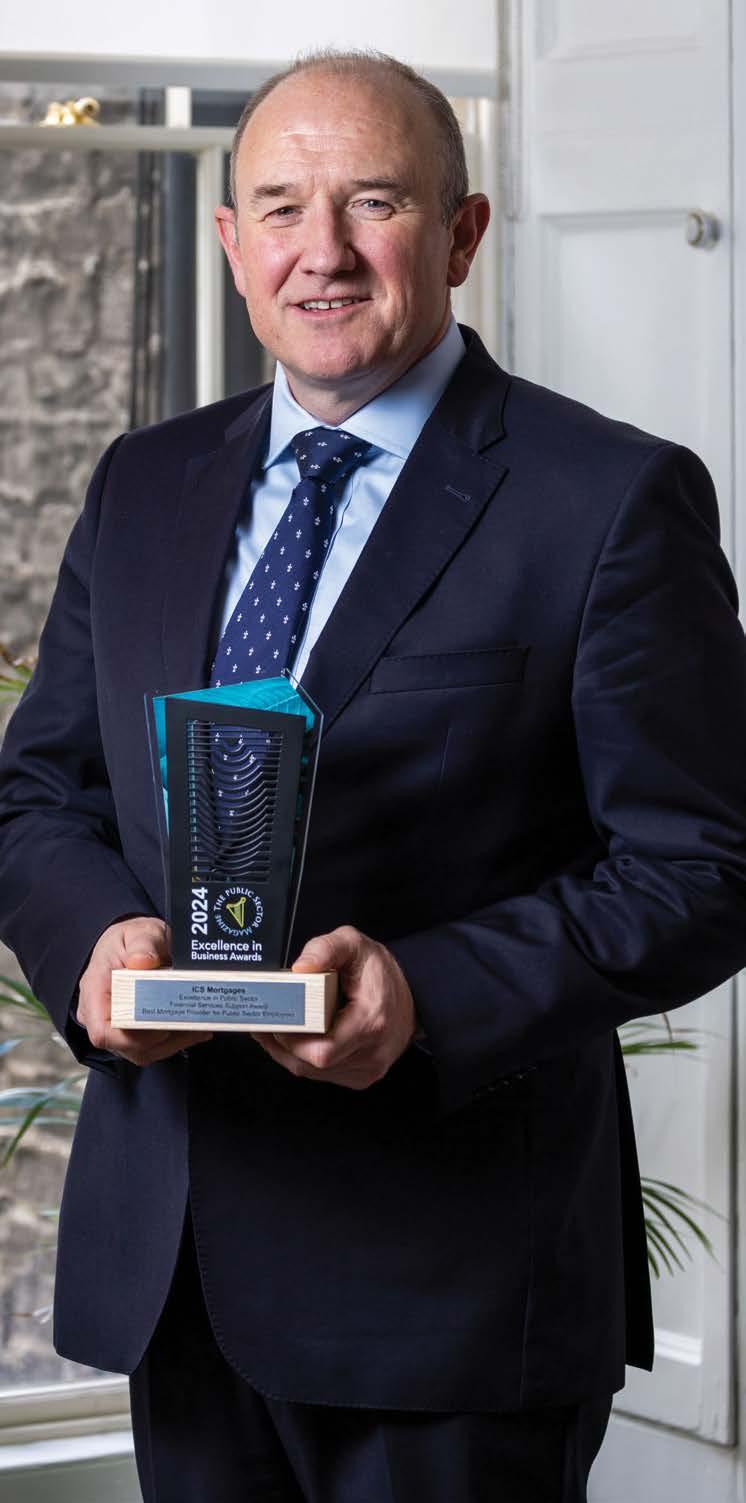
95 Mortgages that Matter
ICS Mortgages supports Ireland’s public sector homebuyers
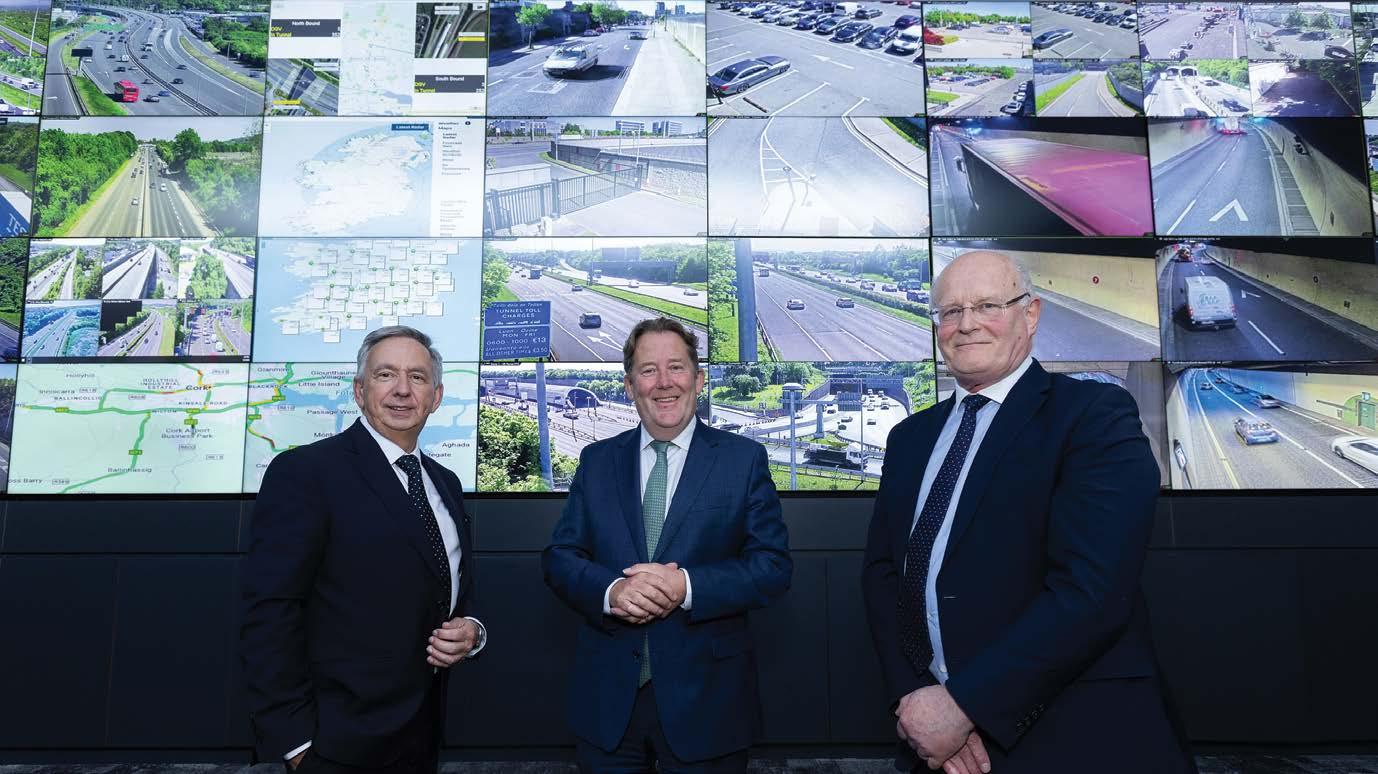
96 Tunnel Management Experts Egis wins major tunnel operations contract
98 Unblocking Housing Plans
New planning bill targets thousands of delayed homes
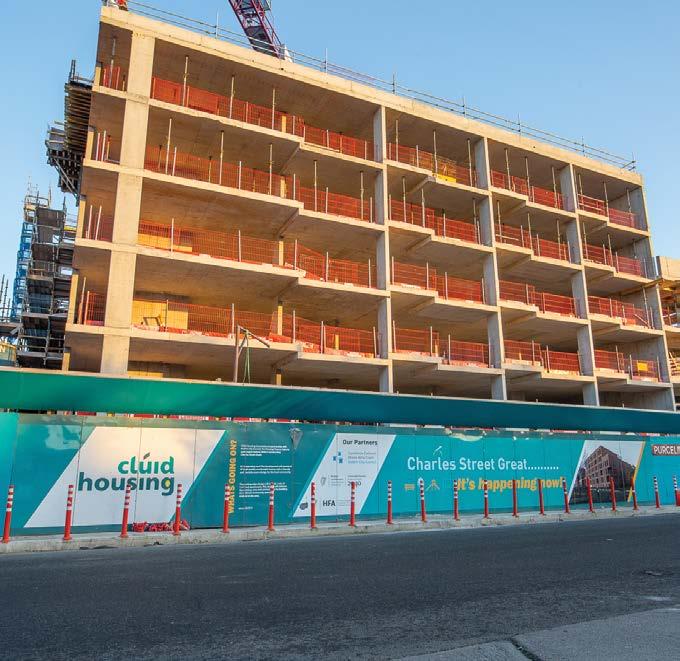
100 30 Years of Quality Homes
Clúid celebrates three decades of delivering affordable housing
103 New Rental Reforms
Government introduces landmark measures for renters’ rights
107 Trade War Warning
Analysts say trade tensions could hit Irish house prices
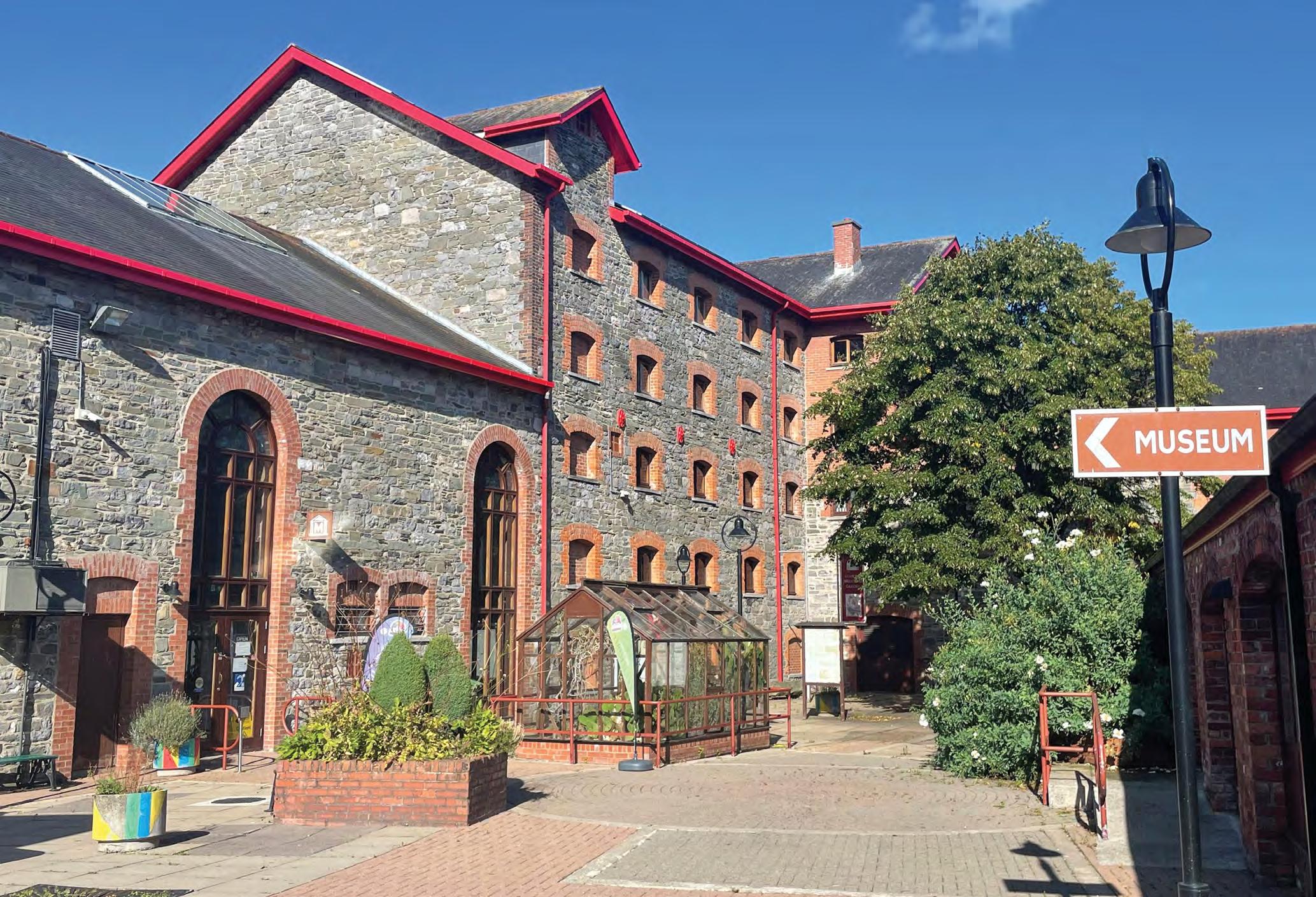
110 Dundalk’s Cultural Heartbeat Celebrating the town’s museums and rich heritage
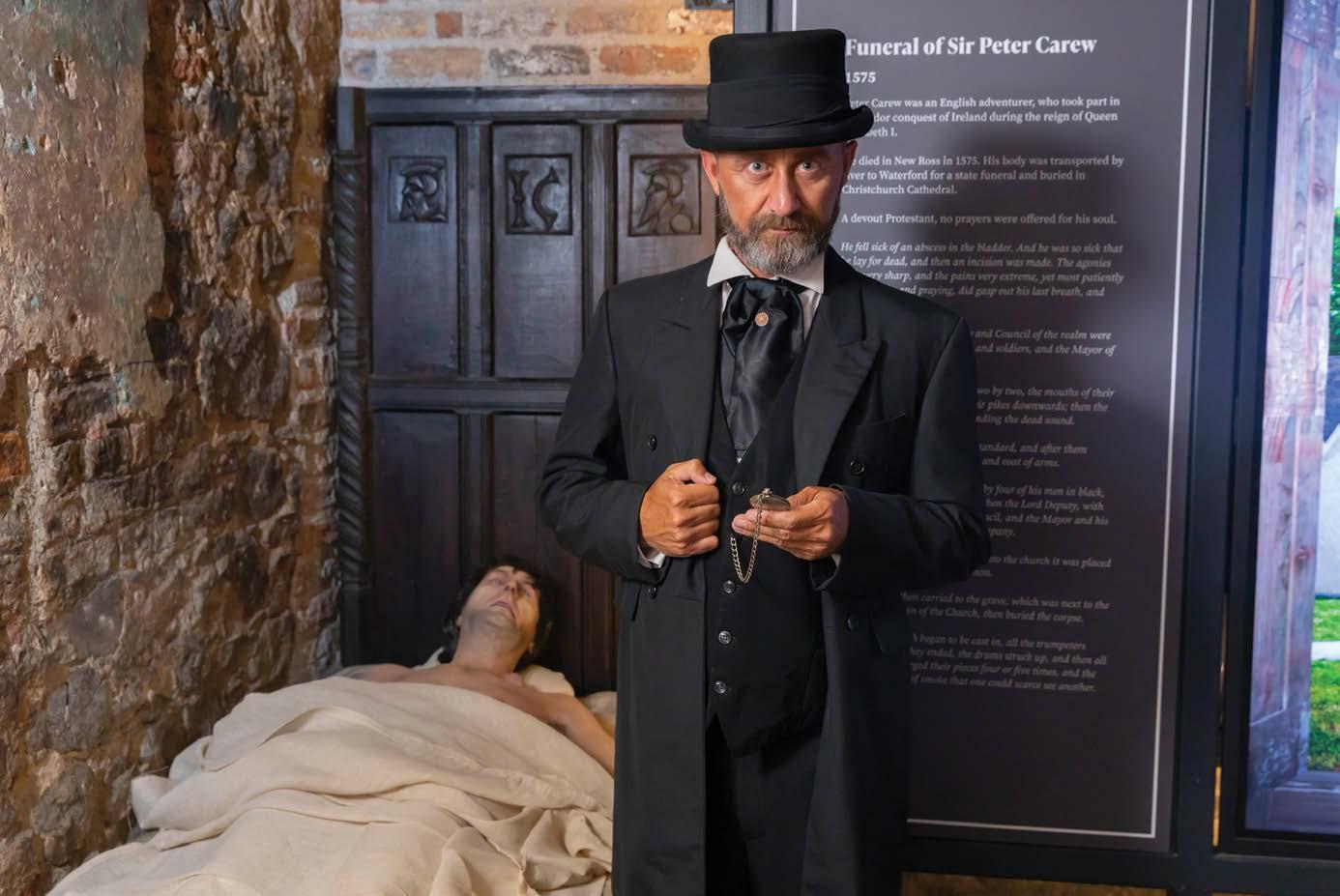
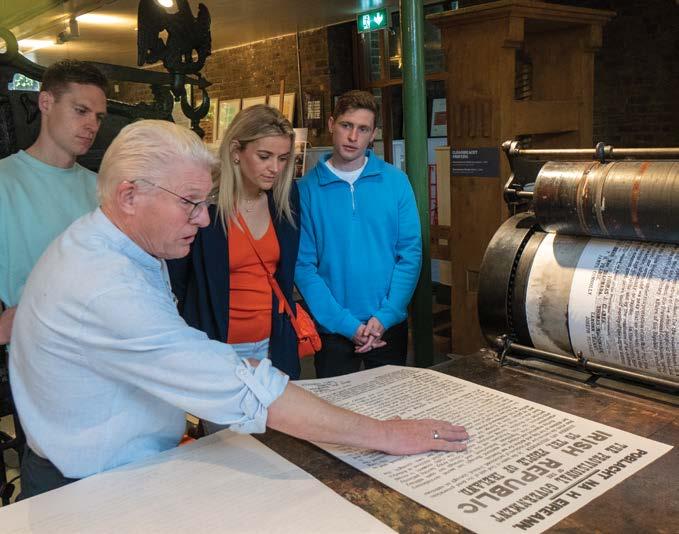
111 Quirky Museum Trail
Discover Ireland’s most surprising and unusual museums
114 Port Progress
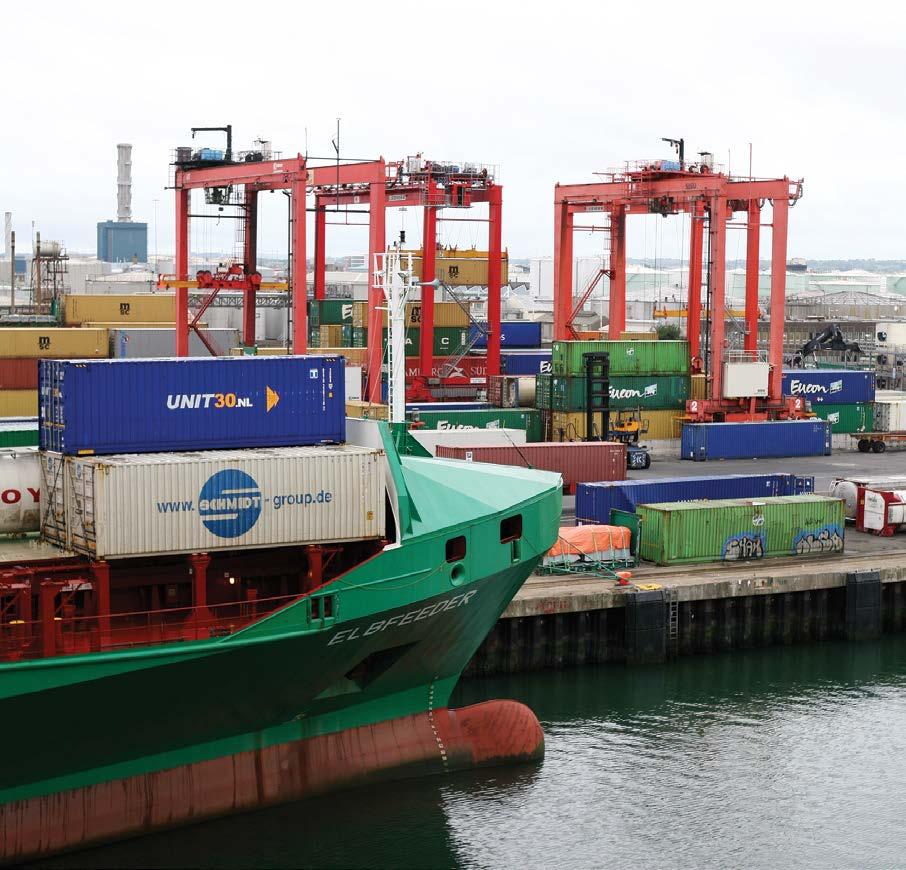
Dublin Port Masterplan marks significant construction milestones
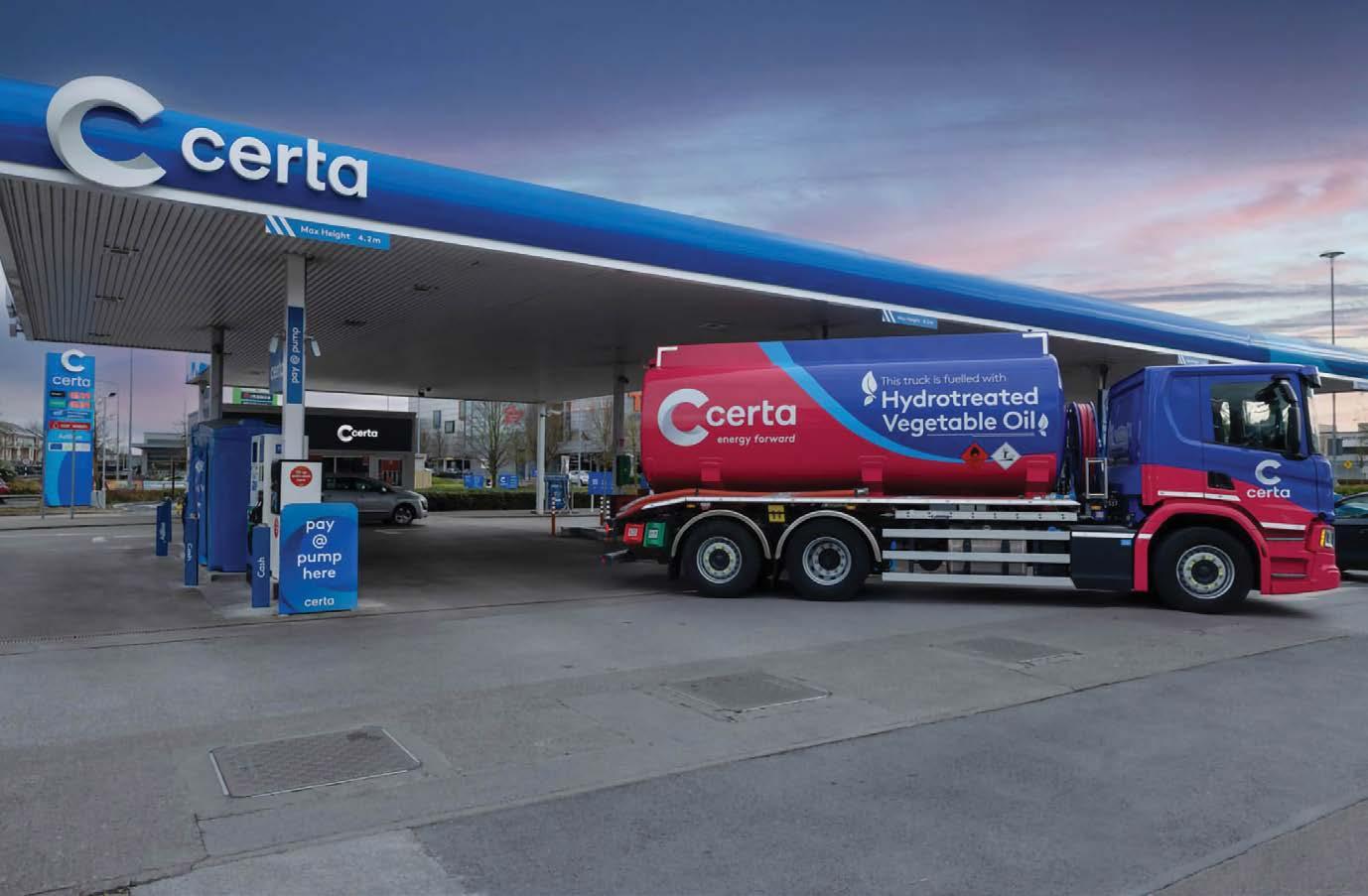
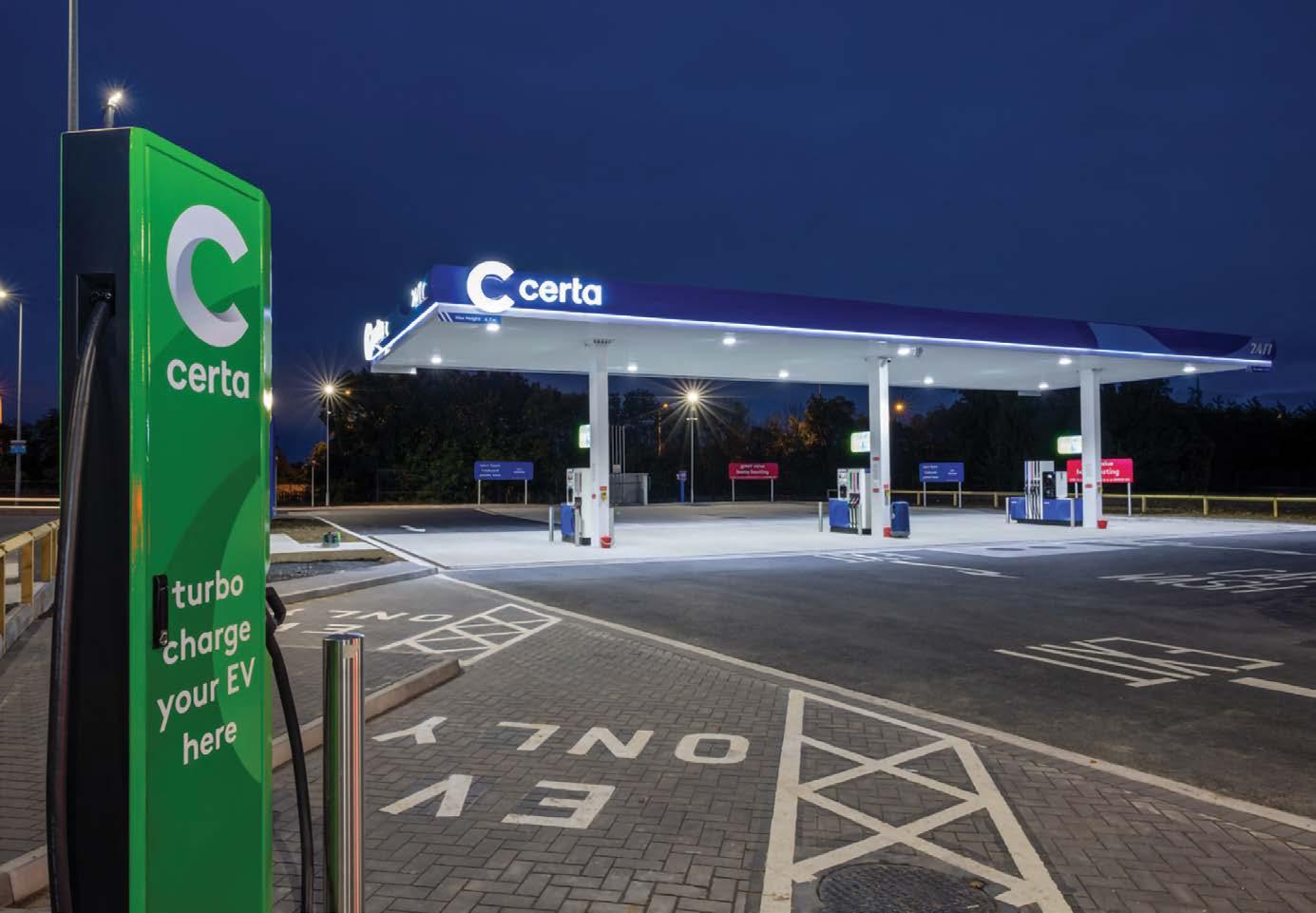
116 Fuelling a Greener Ireland
Certa leads the charge with biofuels and renewable solutions
118 Investing in Education
Strategic investment reshapes how Ireland educates for tomorrow
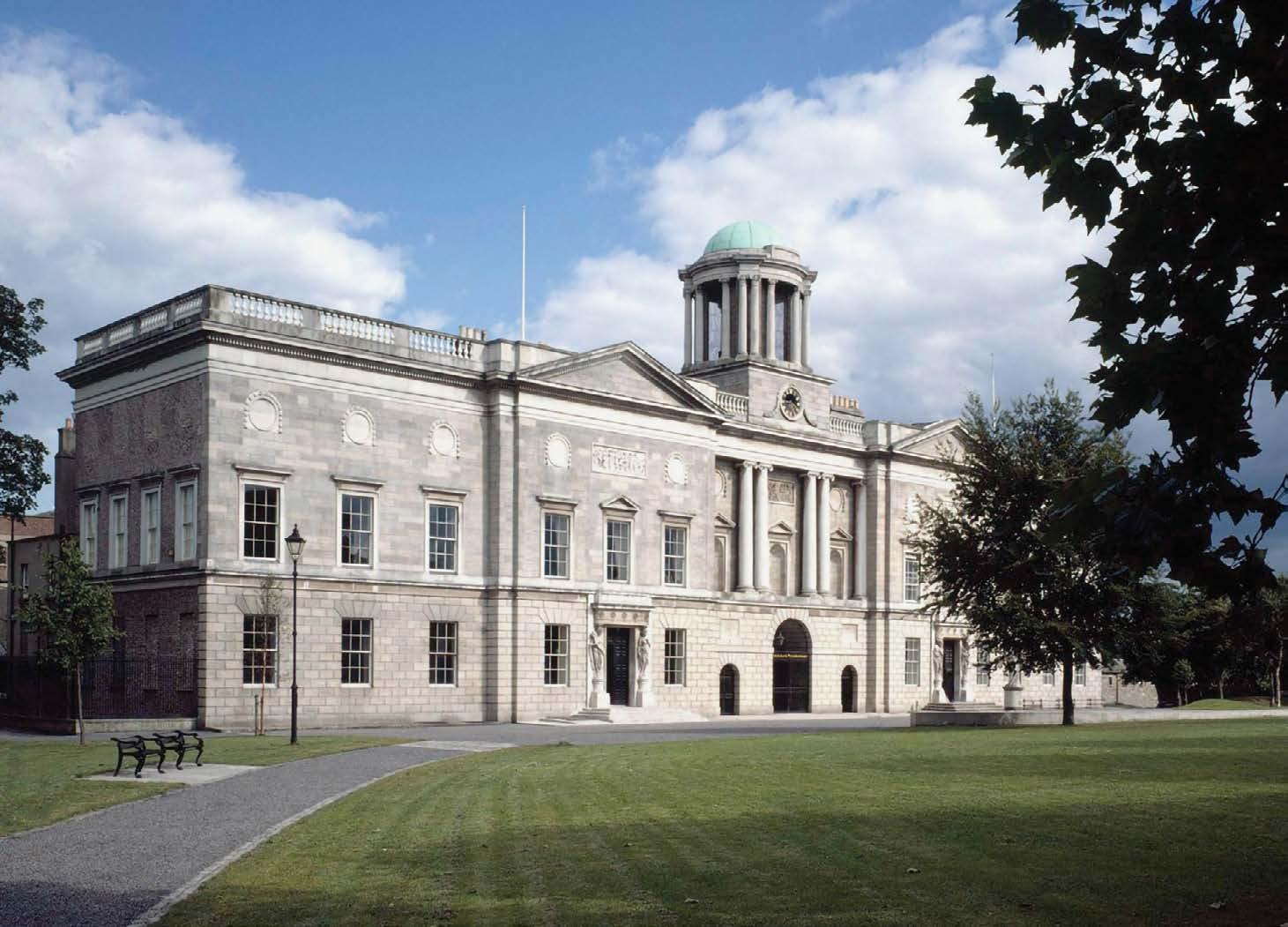
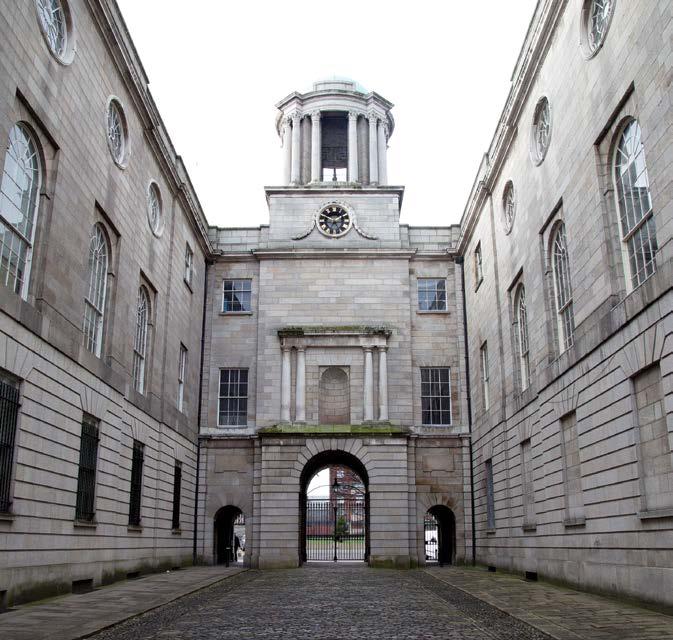
122 Policy and Law at King’s Inns
Centuries-old institution remains central to shaping Irish law
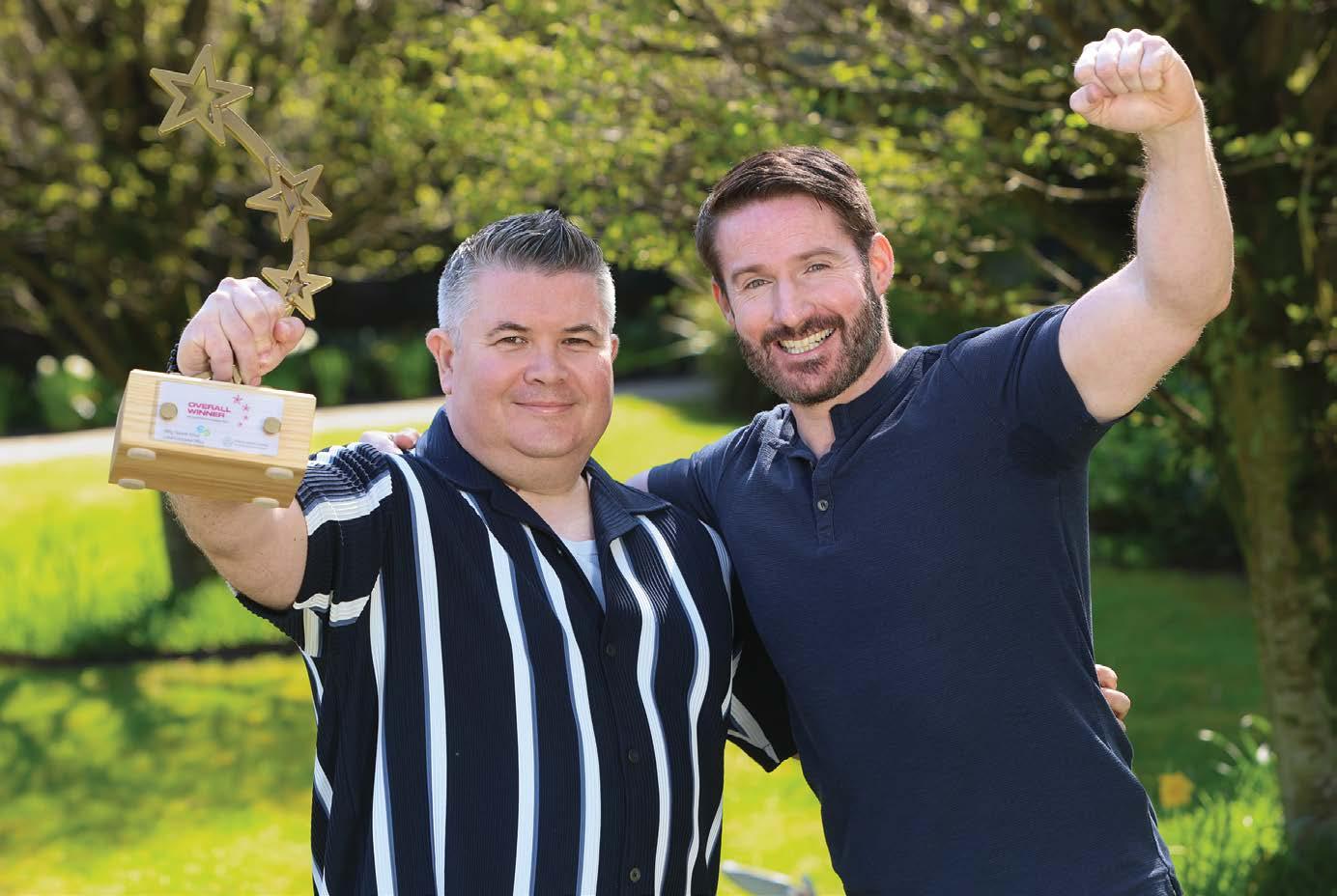
124 AI Transformative Care Award-winning AI system delivers smarter patient care
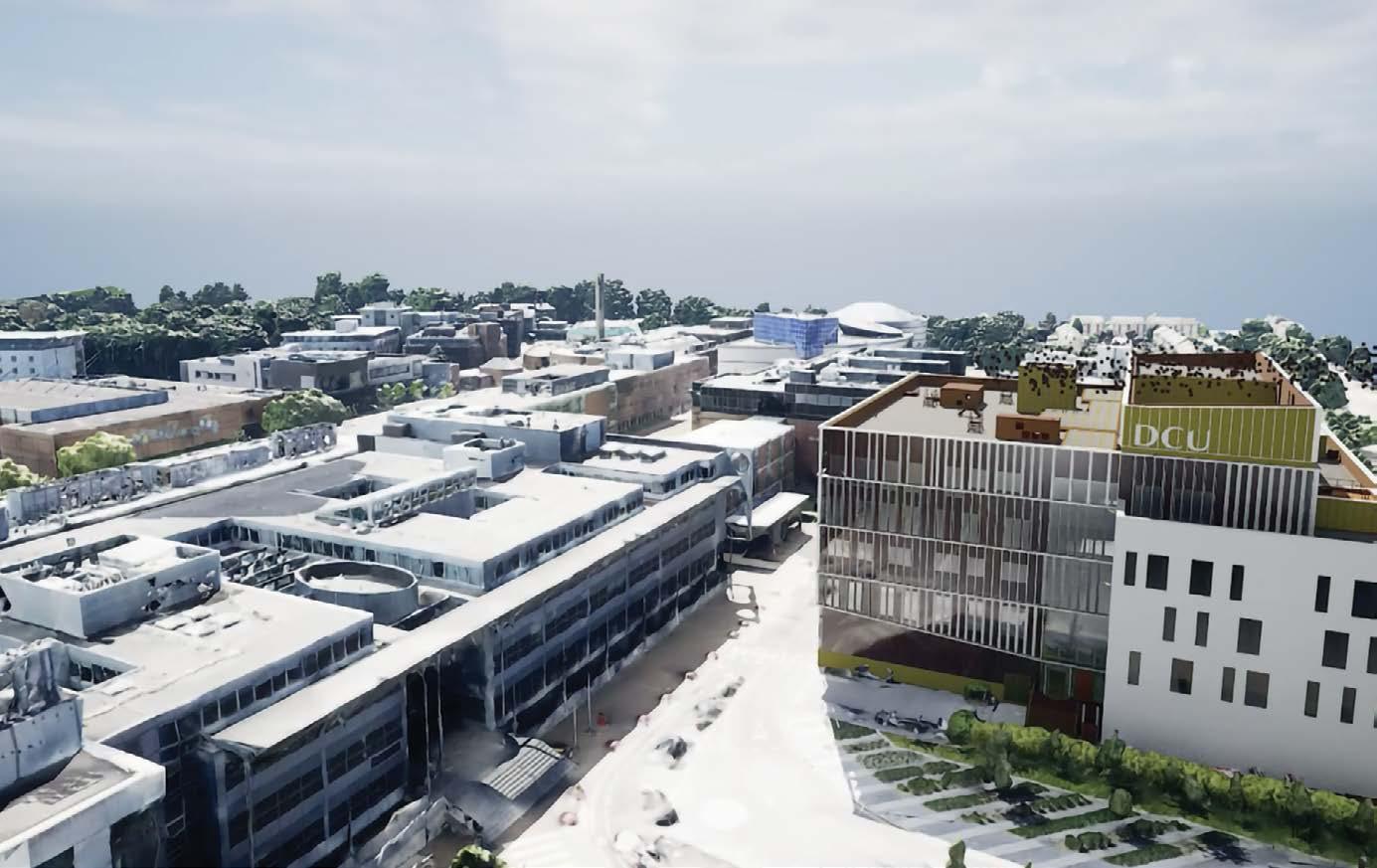
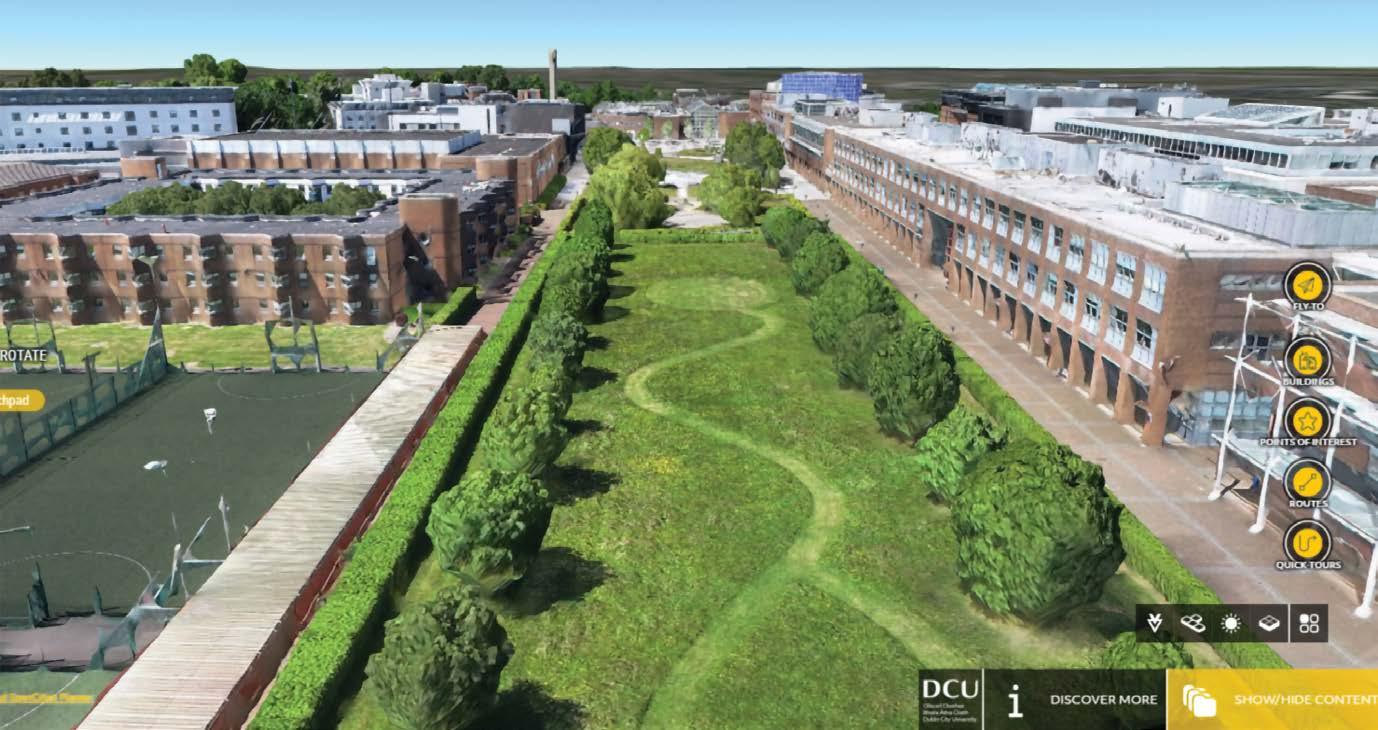
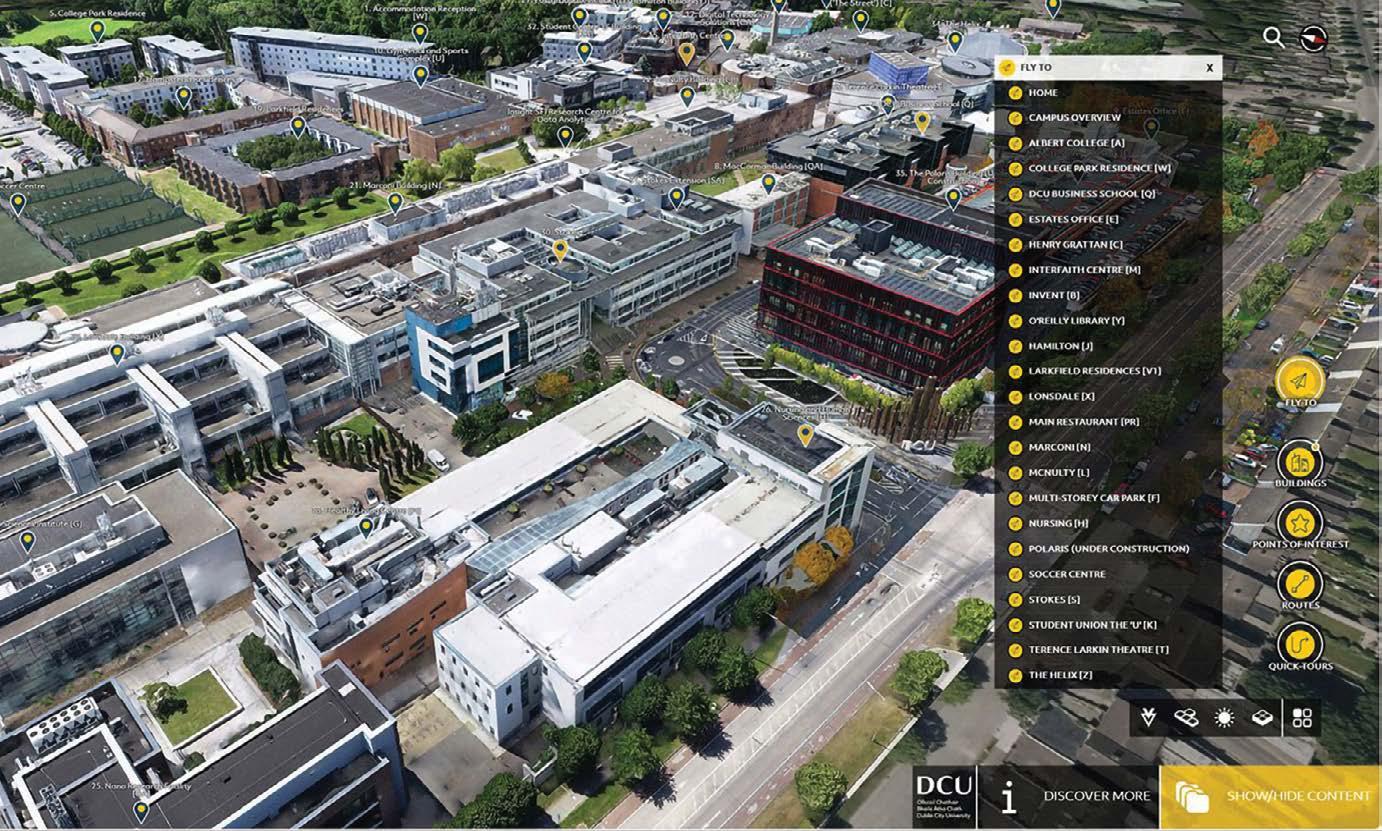
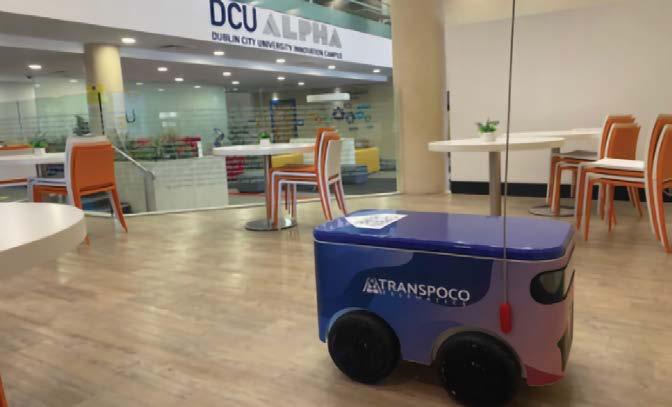
128 DCU’s Living Lab
Smart DCU sets the standard for urban innovation
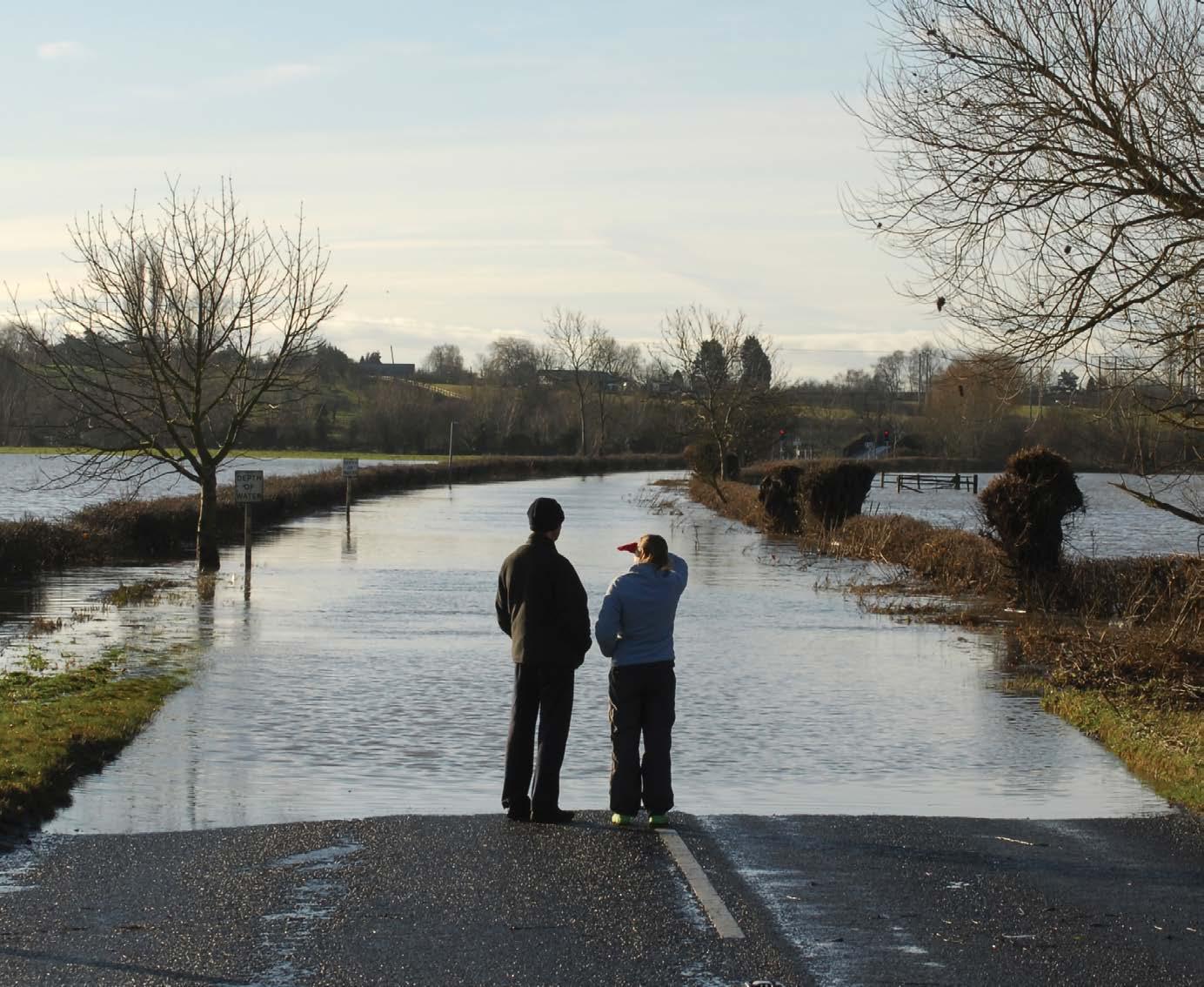
131 Climate Challenges Ahead EPA warns Ireland is falling behind on emissions targets
134 Renewable Energy Leader
BnM powers Ireland’s net zero ambitions
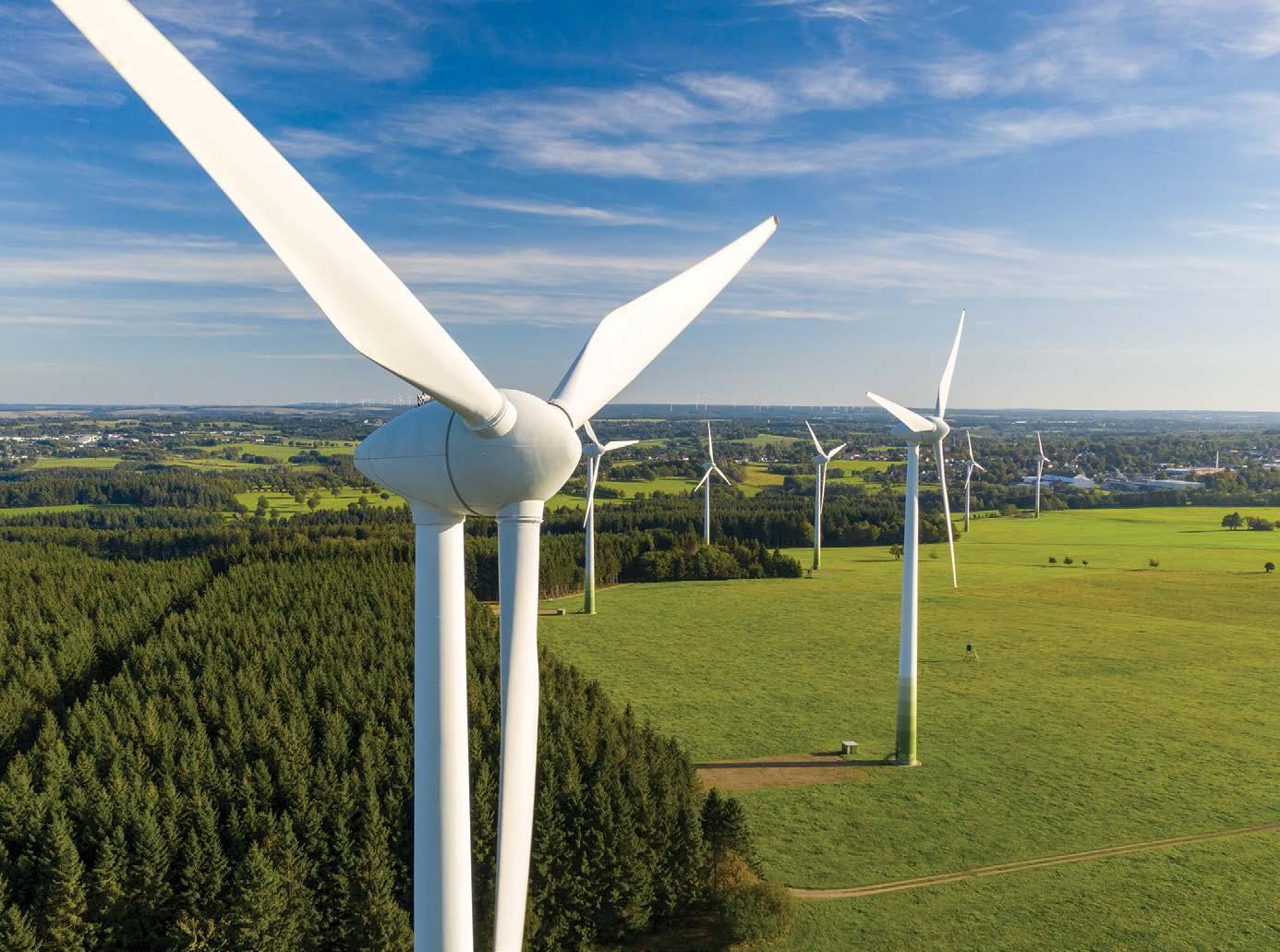
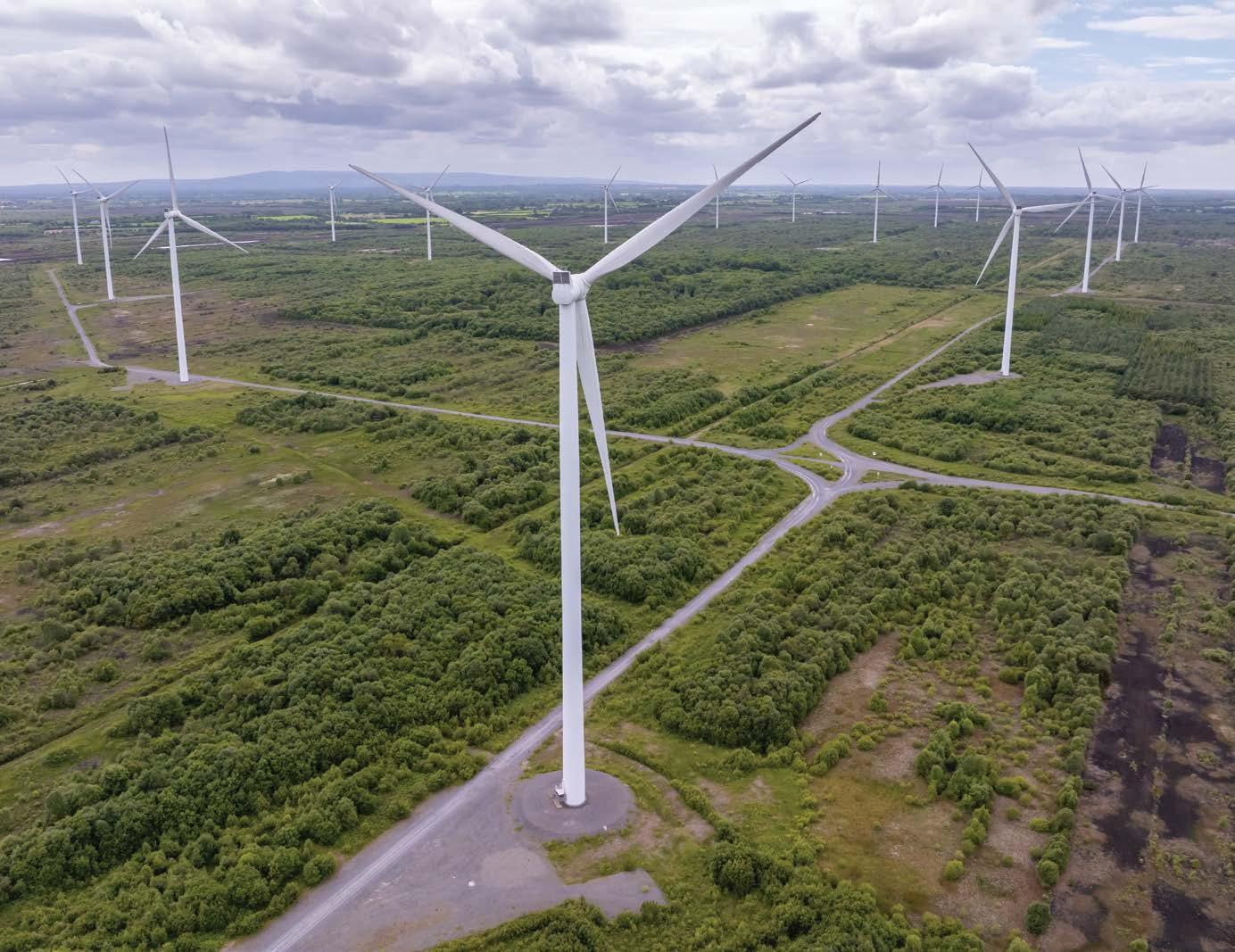
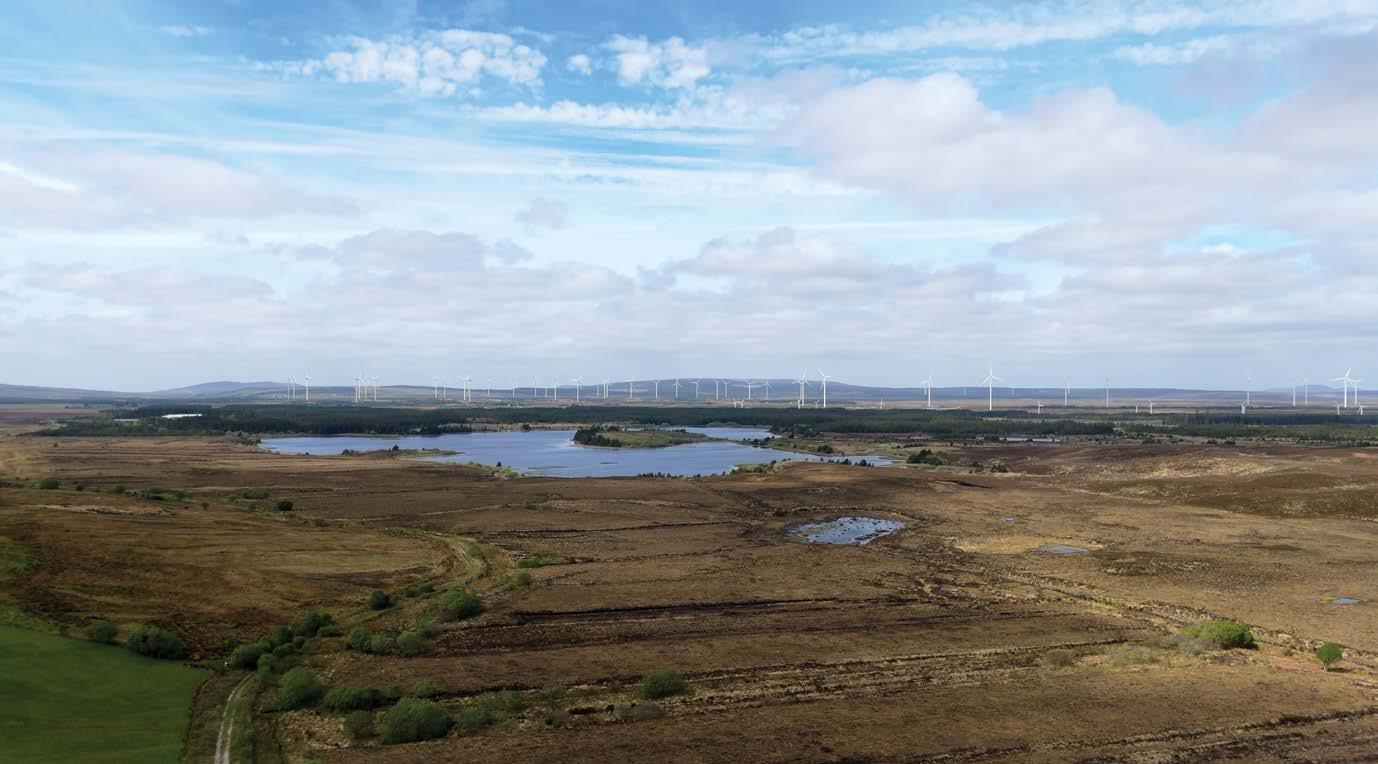
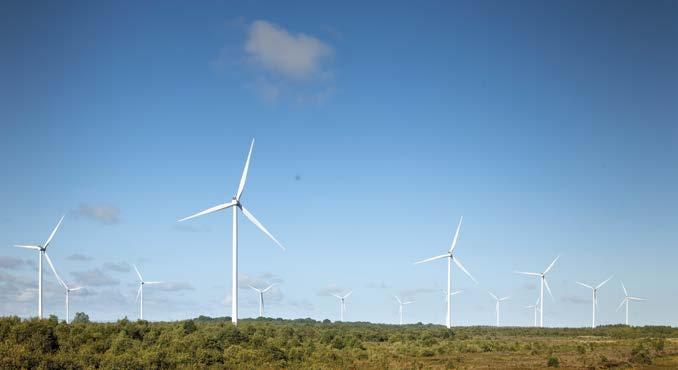
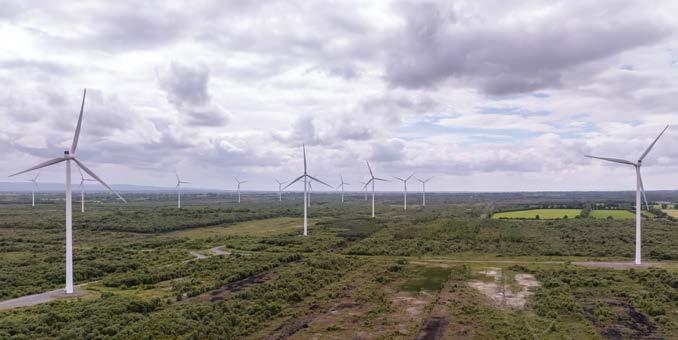
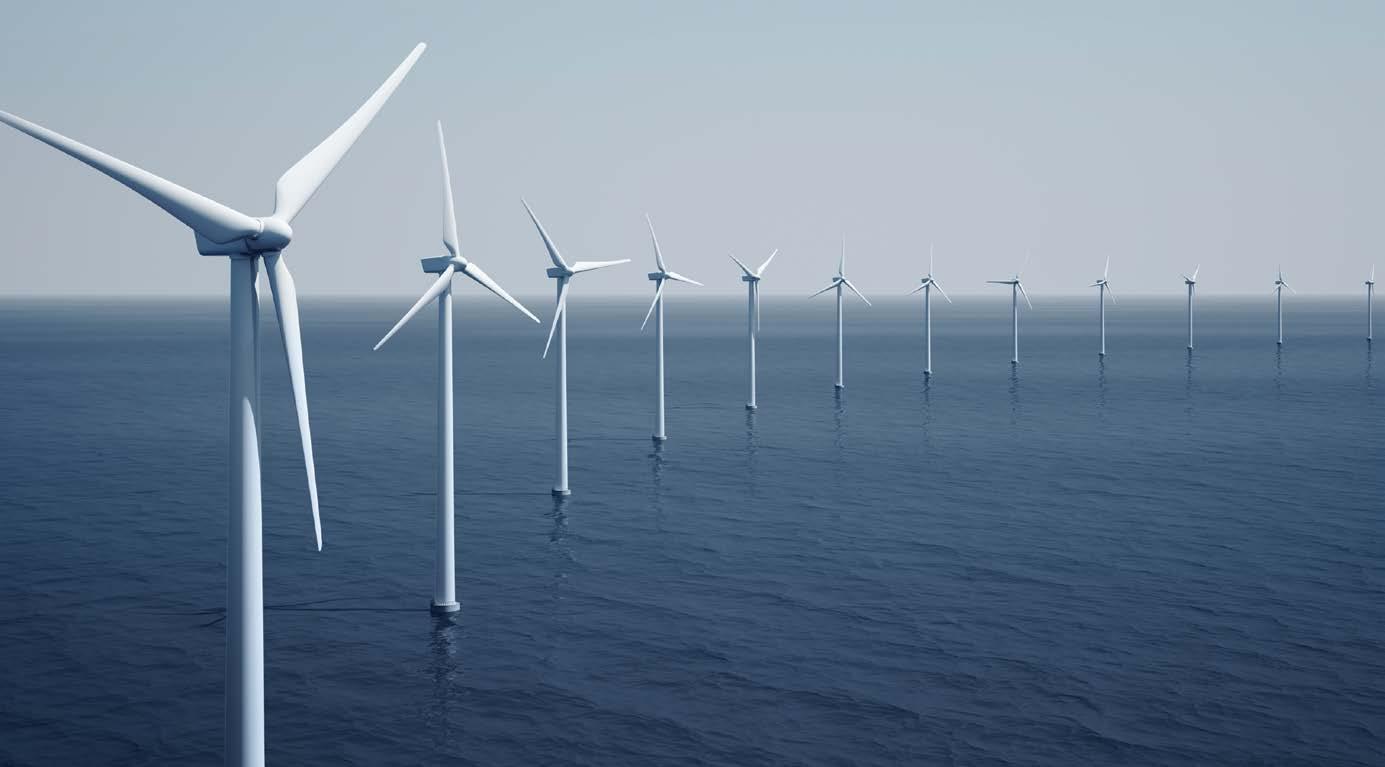
137 Capturing Ireland’s Wind Opportunities and hurdles for wind energy expansion
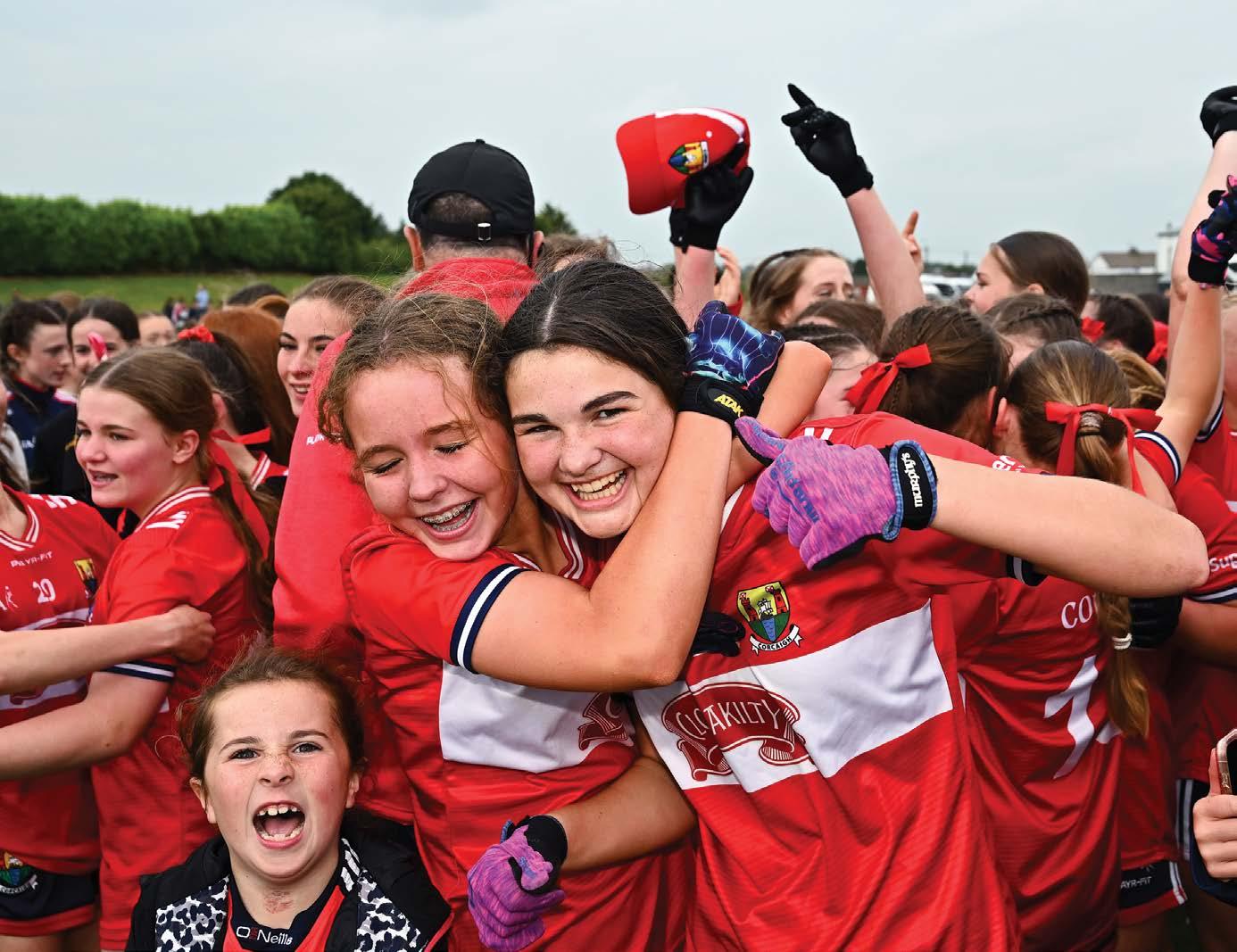
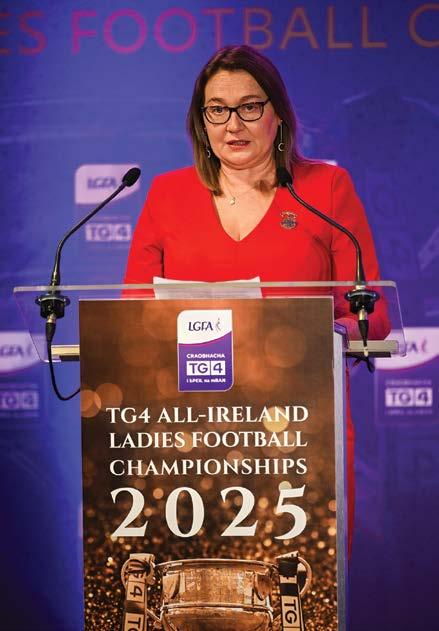
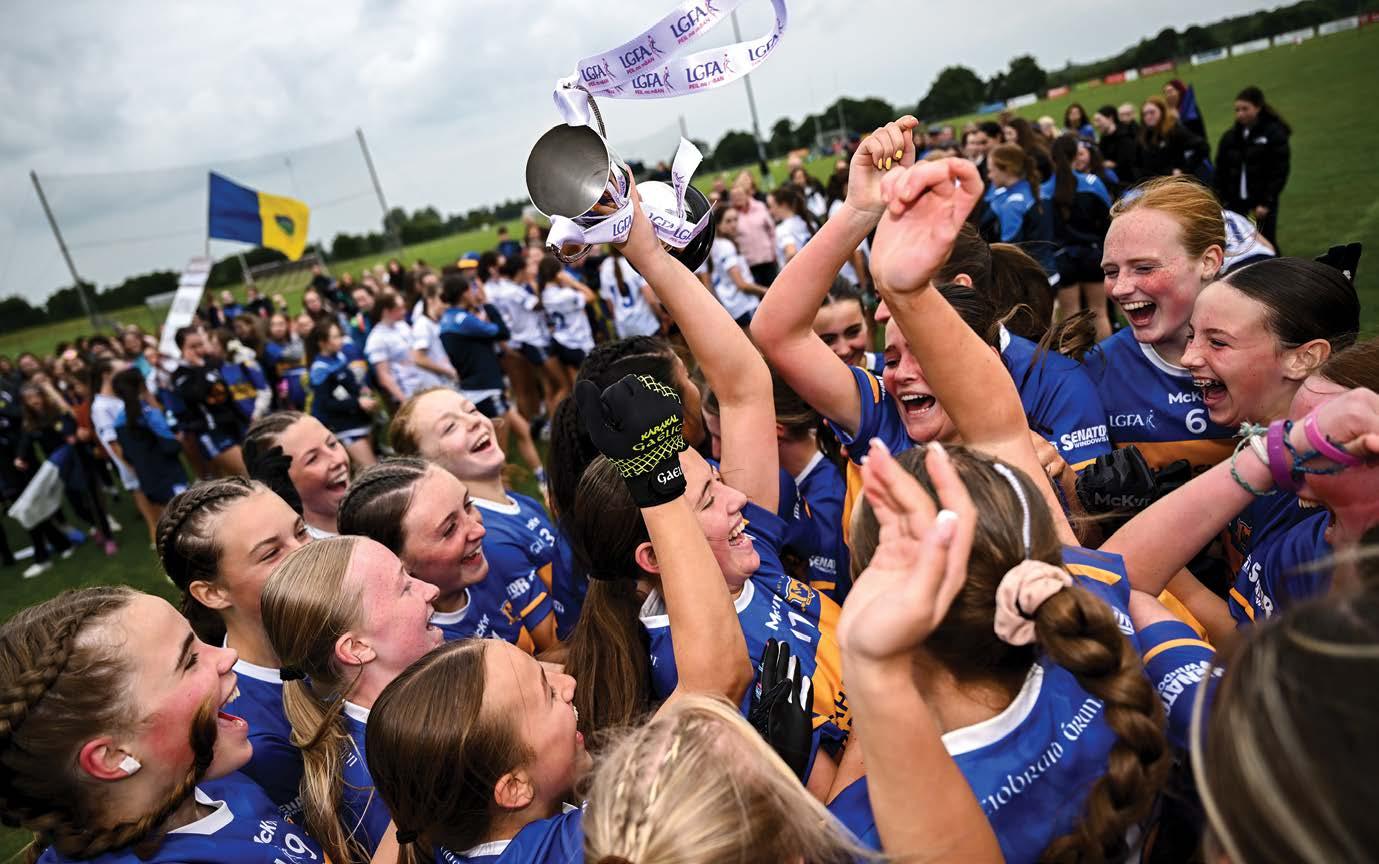
140 Ladies GAA: 50 Years On Celebrating half a century of trailblazing women’s sport
145 Backing women in Sport
AIB celebrates 40 years supporting Ladies Gaelic Football
147 Parking for the Future
The Irish Parking Association evolves to tackle modern challenges
151 Access and Security Pioneers
Electro Automation: 40 years of secure access solutions
145 Backing women in Sport
In the News
The latest news from Ireland’s housing and construction sectors.
DRIVING LOCAL GOVERNMENT REFORM
The Department of Housing, Local Government and Heritage has announced the establishment of a new Local Democracy Taskforce aimed at reforming and strengthening local government across Ireland.
Housing Minister James Browne confirmed that the Government has agreed an ambitious Terms of Reference for the Taskforce, which will deliver a detailed programme of reforms over the coming months.
“The work of the Taskforce will pave the way for the next generation of local government reform,” Minister Browne said. “Local authorities provide over 1,100 services and are the linchpin for the lives of many in our community at a local level.”
The Taskforce, chaired by Jim Breslin,
UPGRADING SOCIAL HOUSING FOR OLDER PEOPLE
The Department of Housing, Local Government and Heritage has announced €23 million in funding to help local authorities upgrade and adapt existing social housing stock across the country.
The funding, approved under the Disabled Persons Grant and the Improvement Works in Lieu scheme, will support essential modifications that allow older people and individuals with disabilities to continue living independently in their own homes. Works funded through this scheme include minor adaptations such as installing ramps, stairlifts and grab rails, as well as larger projects like building extensions to alleviate overcrowding and creating accessible ground-floor bedrooms and wet rooms.
In addition, the Improvement Works in Lieu scheme enables local authorities to carry out works on privately owned homes where an applicant has been
former Secretary General of multiple government departments, will focus its work on four key areas: Structure, Finance, Functions, and Governance/ Accountability.
Minister of State with responsibility for Local Government and Planning, John Cummins, said he expects recommendations within six to nine months. “This Taskforce will examine a number of matters around the structure, functions, governance and funding of local authorities,” Minister Cummins said.
“This includes examining the rebalancing of power between elected councillors and the Executive, devolving more decision-making powers, and providing councillors with greater budgetary input, among other things.”
The Taskforce will include elected member bodies, executive representatives, oversight agencies, and independent experts. The initiative delivers on a key commitment in the Programme for Government.
approved for social housing, providing greater flexibility to meet housing needs.
Minister of State with responsibility for Older People, Kieran O’Donnell, emphasised the positive impact on older people’s quality of life. “My absolute priority as Minister with responsibility for older people is to empower older
individuals to remain living in the homes and communities where they have made their lives. This funding announcement is a positive measure in contributing to this,” he said.
Local authorities will administer the schemes directly, with Exchequer funding covering 90% of the cost and councils contributing the remaining 10%.
Minister for Housing James Browne
SKILLS GAP IN ADVANCED MANUFACTURING
A new report has highlighted the pressing need for coordinated action to address a growing skills gap threatening the advanced manufacturing sector across the island of Ireland.
The 2025 Future Skills Report, funded by InterTradeIreland and launched recently at the Advanced Manufacturing Training Centre of Excellence (AMTCE) in Dundalk, warns that the sector’s competitiveness, innovation, and economic contribution are at risk without immediate and collective intervention.
Compiled for the AMTCE, the Advanced Manufacturing Innovation Centre (AMIC) at Queen’s University Belfast, and Irish Manufacturing Research, the report identifies the rapid evolution of technologies such as artificial intelligence, robotics, and automation, alongside changing consumer demands and intensifying global competition as key drivers of current challenges.
Among its key findings, the report reveals that demand for advanced technical and transferable skills is outpacing the ability of education systems to respond. It also highlights low engagement from younger demographics, particularly women, and a fragmented training landscape lacking a unified all-island strategy.
To tackle these issues, the report recommends establishing an all-island skills taskforce, developing cross-border apprenticeships with mutual qualification recognition, and accelerating curriculum updates through a dedicated unit. It also calls on industry to play a greater role in shaping course content, providing work-based learning opportunities, and promoting manufacturing careers.
Martin O’Brien, Chief Executive of LMETB, described the findings as a clear competitiveness warning, urging governments, agencies, educators, and industry to act collectively.
NEW FUNDING MODEL NEEDED
Ibec, the group that represents Irish business, has today warned that Ireland’s current public investment model for research and innovation (R&I) does not match the country’s long-standing ambition to become a European Innovation Leader.
In a new report published as part of its Business Ambition campaign - one of six policy papers released in the lead-up to the Government’s forthcoming Action Plan on Competitiveness and Productivity - Ibec highlights that industry is responsible for the vast majority of innovation investment in Ireland, while public funding continues to lag significantly.
According to the report, this imbalance is contributing to stagnation in Ireland’s innovation performance and risks undermining its comparative advantage, particularly as other countries are significantly enhancing their innovation ecosystems, often at a lower cost base.
To safeguard innovation as a key driver of competitiveness, productivity, and high-value employment, Ibec believes Ireland must increase public investment in research and innovation to 1% of GNI by 2035. Ibec also proposes the establishment of a new multiannual fund, modelled on the successful Programme for Research in Third-Level Institutions, to support the long-term development, maintenance, and talent needs of Ireland’s third-level institutions.
Meadhbh Costello, Senior Policy Executive at Ibec, said: “Ireland is currently ranked 7th on the European Innovation Scoreboard and is classified as a ‘Strong Innovator’, with world-class performance in areas such as tertiary education and employment in knowledge-intensive sectors.
“But if we are serious about becoming a European Innovation Leader, we must urgently address the structural weaknesses in our innovation ecosystem, especially the decline in public investment and stagnation in key performance indicators.
“Business R&D spending has surged, yet public investment is lower today than it was in 2007. In contrast, countries like the Netherlands, Sweden and Denmark have increased public research budgets by 20% to 40% in the same period.
“Without a bold and ambitious funding model underpinning Ireland’s new innovation strategy, we will fall short of our ambitions under Impact 2030. We will lack the talent, infrastructure and ecosystem needed to lead on innovation.”
IRISH SMES SHOW RESILIENCE
Business confidence among Irish small and medium-sized enterprises (SMEs) has softened slightly amid growing fears of a global trade war sparked by new US tariffs. A new survey by Linked Finance shows that optimism, which hit a record high late last year, has dipped back to more typical levels. At the end of Q4 2024, business optimism stood at 67%, but this has eased to 62% for Q1 2025. While overall business activity remains marginally negative year-on-year, with SMEs reporting a -5% dip compared to -3% for the same period in 2024, exporters experienced a surge last quarter. Many rushed to fulfil orders ahead of new US tariffs announced by President Donald Trump in April. However, a sharp swing is
expected for Q2, with a third of exporters forecasting lower activity as stockpiles are worked through.
Concerns over a potential trade war are widespread, with two-thirds of SMEs expressing worry about its impact on their businesses. Larger firms, companies outside Dublin, and those in the retail and wholesale sectors are particularly uneasy.
Despite these pressures, microbusinesses (with up to three employees) are the most optimistic since before the pandemic, with 70% expecting steady or increased activity this quarter.
Linked Finance CEO Niall O’Grady noted that while geopolitical uncertainty has dented sentiment, Irish SMEs remain resilient. “Irish businesses have
INCREASE IN HOME COMPLETIONS FOR Q1 2025
Minister for Housing, Local Government and Heritage, James Browne TD, has welcomed new figures from the Central Statistics Office (CSO) showing a continued rise in home completions during the first quarter of 2025.
According to the CSO’s New Dwelling Completions Report, a total of 5,938 new homes were completed between January and March, a 2% increase compared to the same period last year. More than half of these were scheme dwellings (50.9%), with apartments accounting for 30% and single dwellings making up the remaining 19.1%. Notably, apartment completions rose by 13.4% year-onyear, reaching 1,781 units. Welcoming the figures, Minister Browne said: “Today’s figures are to be welcomed, and will be very much welcomed by the almost 6,000 families who will avail of these homes. That said, this Government is committed to delivering on very ambitious targets. I want to scale up delivery as rapidly as possible so we can see much greater increases in the future.”
The Minister also outlined plans to establish a dedicated housing activation office to tackle underperforming areas and unlock sites for development. Additionally, the imminent launch of An Coimisiún Pleanála will introduce mandatory deadlines to streamline planning decisions and reduce court delays.
weathered Brexit, Covid, and inflation shocks. They’re concerned, but they’re also adaptable,” he said.
CLOUD COMPUTING GUIDANCE NOTES
The Minister for Public Expenditure, Jack Chambers, has welcomed the publication of updated guidance on cloud computing from the Office of the Government Chief Information Officer (OGCIO) and the Office of Government Procurement (OGP). These notes are designed to support the public service with the implementation of cloud services, a key enabler of digital innovation at scale, underpinning the public service transformation agenda. Taken together, they will help public bodies maximise opportunities while mitigating risks involved in the procurement and use of cloud services. They include guidance on a variety of important aspects, including pre-market engagement, data protection, and exit management.
The updated cloud computing advice note from the OGCIO builds on previously published advice while reflecting recent developments in technology, policy, and the legislative environment. The OGP’s guidance focuses on the procurement of cloud services and replaces earlier versions. It includes a useful, easy-reference toolkit to assist public service bodies when preparing tender documentation, particularly regarding contractual and commercial provisions.
“My department is committed to improving and digitalising public services,” Minister Chambers said.
“The use of modern technologies such as cloud and artificial intelligence is a key enabler in delivering on these commitments. These notes provide helpful guidance to support public sector bodies as we continue to work together to drive the digital transformation of public services on behalf of the people of Ireland.”
AGRI-FOOD TRADE MISSION TO KOREA AND JAPAN
Minister for Agriculture, Food and the Marine, Martin Heydon, has concluded a successful six-day agri-food trade mission to the Republic of Korea and Japan, undertaken in collaboration with Bord Bia and Enterprise Ireland. The mission focused on reinforcing Ireland’s growing trading relationship with both countries and highlighting the quality and sustainability of Irish produce. During his visit to Japan, Minister Heydon met with key counterparts including Minister Koizumi of the Ministry of Agriculture, Food and Fisheries, and Minister Niki of the Ministry of Health, Labour and Welfare. “This was an excellent opportunity to discuss issues of mutual interest, including opportunities for trade and broader cooperation between our two countries,” he said. In Osaka, Minister Heydon joined EU Commissioner for Agriculture and Food, Christophe Hansen, at the Ireland Pavilion for EXPO 2025 Osaka Kansai, and participated in a panel discussion on “Sustainability and Innovation in the Farming and Food Sector”. Highlighting the impact of Irish exporters, he noted: “It was encouraging to see firsthand the strong impact Irish agri-food exporters are making in the Korean and Japanese markets.” He praised companies such as ABP, which supplies Irish beef tongue to Negishi, a 50-restaurant chain in Tokyo, and Donegal’s Irish Premium Oysters, now exporting up to 200 kilos monthly to Japan. “What has become very evident from this trade mission is that Irish grass-fed dairy and beef produce is of significant interest to the Japanese public, who are particularly keen on sustainably produced products,” he added. Minister Heydon affirmed his department’s commitment to expanding market access in Asia, concluding: “It is clear from this trade mission that the Irish agri-food sector is in an excellent position.”
RESPONSIBLE USE OF AI IN PUBLIC SERVICES
Minister for Public Procurement, Digitalisation and eGovernment, Jack Chambers, has launched the Guidelines for the Responsible Use of Artificial Intelligence in the Public Service. The new guidelines aim to help Ireland’s public sector harness the transformative potential of AI while ensuring responsible, transparent, and ethical use.
Minister Chambers highlighted that AI is already reshaping how governments deliver services and meet rising digital expectations. “AI offers immense possibilities to improve public services. These guidelines support responsible innovation that is practical and easy to follow, ensuring better policy and better outcomes for the people of Ireland,” he said.
The guidelines complement the Government’s wider digital transformation agenda and the National AI Strategy, Here for Good. They include practical resources such as Government Principles for Responsible AI, a Decision Framework, a Responsible AI Canvas, and AI Lifecycle Guidance.
FINDING SITES FOR UDZS
Housing Minister James Browne has signed an order enabling local authorities to identify suitable sites for Urban Development Zones (UDZs), while the Land Development Agency (LDA) and Regional Assemblies may bring appropriate sites to the attention of local authorities and the Minister.
Urban Development Zones, introduced in the Planning and Development Act 2024, are designated areas within existing settlements earmarked for large-scale, plan-led residential and urban development. These zones are intended to provide a structured framework to ensure coordinated and sustainable urban growth.
Designation of UDZs by the Government will be backed by significant State investment in infrastructure to enable development.
Minister Browne emphasised his desire to accelerate implementation
The Institute for Public Administration will also provide free tutorials and in-person training to support public servants in applying the guidelines in their daily work.
Examples of AI already in use include St. Vincent’s University Hospital exploring AI-assisted heart ultrasound scans to reduce patient waiting times; Revenue using Large Language Models to speed up taxpayer query resolution; and the Department of Agriculture using AI to detect errors in grant applications. These new guidelines form a key part of the Better Public Services strategy, ensuring that technology delivers inclusive, seamless services that tackle major societal challenges and improve lives nationwide.
of the Planning and Development Act 2024, stating: “I am announcing a further reform to our planning system, my third in two weeks, in order to boost housing and unlock the potential to build more. The overall aim of the Urban Development Zone process is to provide an updated and more flexible approach to the delivery of large-scale developments and essential infrastructure, compared to the current Strategic Development Zone process. UDZs will take over as the main vehicle for delivering large-scale integrated development.”
DRIVING MODERN METHODS OF CONSTRUCTION
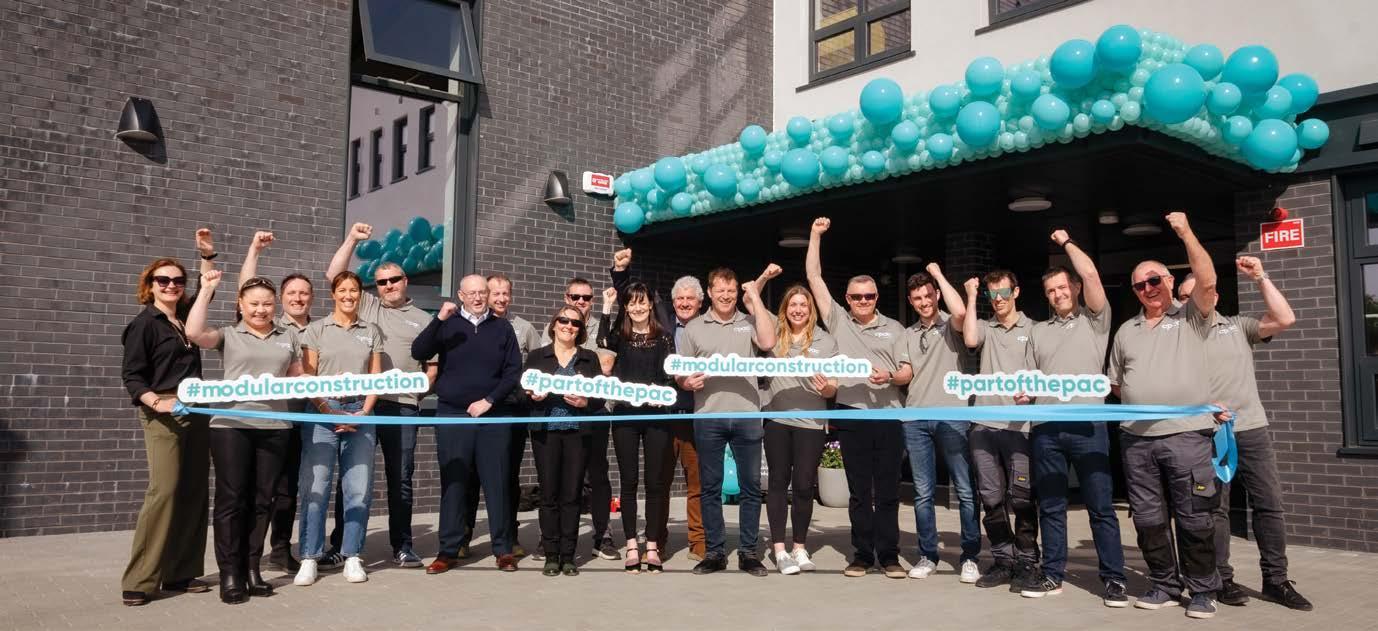
A landmark cross-government initiative to accelerate the adoption of Modern Methods of Construction (MMC) was unveiled on Saturday at a joint ministerial event at Mount Lucas, Co. Offaly. The event marked both the launch of the MMC Action Plan and the official groundbreaking of Ireland’s first National Demonstration Park for MMC.
The MMC Action Plan, published by the Department of Further and Higher Education, Research, Innovation and Science in collaboration with industry and education partners, sets out 58 concrete actions across eight themes to modernise the construction sector, expand housing delivery and create sustainable, skilled jobs.
Speaking at the event, Minister for Further and Higher Education, Research, Innovation and Science, James Lawless, described the initiative as a transformative milestone:
“I am delighted to publish this landmark Action Plan, which will assist in the accelerated adoption of Modern Methods of Construction. It represents
REVAMP FOR OVER 2,000 VACANT HOMES
my departments and the Government’s strong commitment to meeting national skills needs. The National Demonstration Park will be Ireland’s flagship centre for showcasing, learning and innovation in MMC.”
Co-funded by the Departments of Housing and Enterprise, the Demonstration Park will be located at the National Construction Training Campus, operated by Laois-Offaly ETB. It will feature live MMC technologies, immersive training, and research facilities to build public and industry confidence in innovative construction methods.
Minister for Housing, Heritage and Local Government, James Browne, underlined the housing impact: “Mount Lucas showcases the potential of modern methods of construction to transform
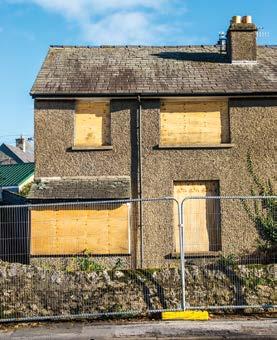
More than €112 million has been paid out under the Vacant Property Refurbishment Grant, helping to return over 2,000 vacant and derelict properties to residential use nationwide, Minister for Housing, Local Government and Heritage, James Browne TD, announced today.
By the end of March this year, a total of 12,404 applications had been received since the grant’s launch in July 2022, with 8,652 approved. Payments continue to rise each quarter as refurbishment works are completed. Notably, over 630 grants were paid out in the first quarter of 2025 alone, a sharp increase from 146 in the same period last year.
Donegal leads with the highest number of applications (1,114), while Cork County has the most grants paid to date (152), with Mayo following closely behind.
An interactive story map launched alongside the new figures shows the impact of the scheme across Ireland, featuring local authority data and striking ‘before and after’ images of refurbished homes.
the homebuilding landscape and drive both efficiency and quality. This is exactly what we need.”
Minister for Enterprise, Peter Burke, emphasised the wider economic benefits:
“The MMC Action Plan will help provide the skills needed for broader adoption of innovative construction methods. Ireland is turning the dial on how we approach MMC, and these efforts will contribute significantly to building more housing for our citizens.”
The first demonstration units are due for completion by the end of 2025, with training and public engagement scaling up in 2026. The initiative supports key national strategies, including Housing for All and the White Paper on Enterprise, positioning Ireland at the forefront of construction innovation.
€27 MILLION INVESTMENT IN CIRCULAR ECONOMY
Chambers Ireland has welcomed the announcement of funding to accelerate Ireland’s transition to a circular economy. “We particularly welcome this investment as it demonstrates a clear commitment to supporting the circular economy as a national priority,” said Executive Ian Talbot. “This will help communities and businesses to innovate, reduce waste, and build a more resource-efficient future. A thriving circular economy is essential not only for environmental protection but also for enhancing competitiveness and supporting our long-term economic resilience. Companies want to engage with the Sustainable Development Goals. It’s encouraging to see continued support for initiatives that will help them adapt and adopt sustainable practices.”
Transport Security
Ireland should adopt a dedicated Garda transport division, say user groups.
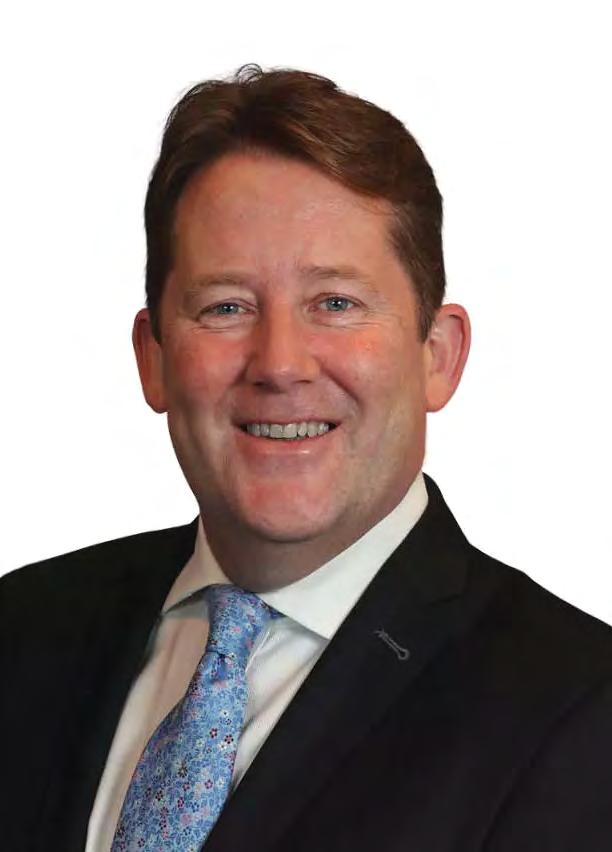
Minister for Transport, Darragh O’Brien, has reaffirmed the Government’s commitment to creating a “Transport Security Force” with powers aligned with those of the Airport Police. However, public transport user groups argue that a different approach could prove more effective, offer greater legal clarity, and reduce the need for Garda backup.
The Department of Transport has confirmed that the proposed Transport Security Force would “operate in a similar manner, and have comparable powers, to Airport Police and Customs Officers.” However, Airport Police currently have limited authority. They can detain individuals but must hand them over to Gardaí for investigation. This limitation was highlighted by the establishment of a 24-hour Garda station at Dublin Airport in 2022.
Like the Airport Police under the DAA, the new force would operate under the National Transport Authority. Minister O’Brien issued his statement following a meeting of the Public Transport Safety Working Group, which includes representatives from the National Transport Authority, trade unions, An Garda Síochána, the Department of Justice, and passenger advocacy groups.
Two of Ireland’s main passenger user groups have
expressed a preference for a dedicated division within An Garda Síochána, along the lines of the British Transport Police. While the UK has an independent transport police force, Ireland’s single national police model suggests that a Garda transport unit would be more consistent with systems used in France, Germany and the Netherlands.
Jason Cullen, chair of Dublin Commuters, which advocates for sustainable transport, said his group is “open to an Airport Police-style solution for the moment,” but believes a British Transport Police-type model “would certainly be simpler.”
“In the short term, we have been calling for increased Garda presence, including plain-clothed officers on public transport while the dedicated unit is being formed,” Cullen said. “The new security force will operate much like the Airport Police. They will have the power to arrest but not to investigate. That responsibility will remain with An Garda Síochána.”
He added, “It is still to be determined what those powers would actually look like. For now, it appears that the goal is to put properly resourced security personnel on all forms of public transport. That will require new primary legislation,
which will take time to pass through the Dáil. That is why we are calling for more immediate action in the meantime.”
Cullen also noted there “seems to be a resistance” to making the new entity a Garda unit, though the reasons have not been clearly communicated to the Working Group, of which Dublin Commuters is a member. “If we are moving towards safer public transport, then we are open to an Airport Policestyle solution for now,” he said. When asked if a British Transport Police model would be preferable, he replied, “It would certainly be simpler.”
Mark Gleeson, spokesperson for Rail Users Ireland, was clearer in his view that the transport force must fall under Garda authority. “Rail Users Ireland has campaigned for over a decade for a transport police, and we welcome this progress. However, the time for talking is long over. We need a dedicated group of Gardaí assigned to public transport deployed immediately.”
Minister
for Transport, Darragh O’Brien.
At a minimum, Gleeson argued, there should be uniformed Gardaí stationed at major stations and interchanges. “The powers granted should be full Garda powers with sufficient scope to exercise them. These should not be limited to stations, trains or stops, but should include the ability to pursue and arrest anywhere,” he said.
This would enable the unit to address a range of issues, from antisocial behaviour and vandalism to cable theft affecting Irish Rail. “The British Transport Police should be the benchmark. It is a proven solution operating in a legal environment much like Ireland’s. The last thing we want is a transport security force having to call Gardaí every time they detain someone.”
“It is also far simpler to have a Garda transport corps,” he added. “Creating a separate transport security force would require amending a mountain of legislation to grant powers. It is in everyone’s interest that officers are trained and attested as Gardaí. That is the most effective approach and the one the public will trust.”
The Department of Transport said the new Transport Security Force “will play a central role in tackling safety and security incidents” on public transport. Minister O’Brien told the meeting that work has already begun on the necessary legislative proposals and emphasised the importance of the Working Group in planning and implementing the Government’s commitment.
“The establishment of the Transport Security Force is a high priority for Government,” O’Brien said. “I fully support all ongoing work, including this Group’s efforts, to create a safer public transport network for staff and passengers.”
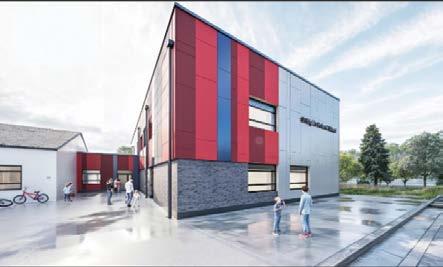
Vision Built and Zero Emission Building (ZEB) Schools
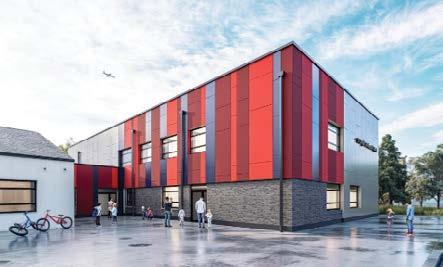
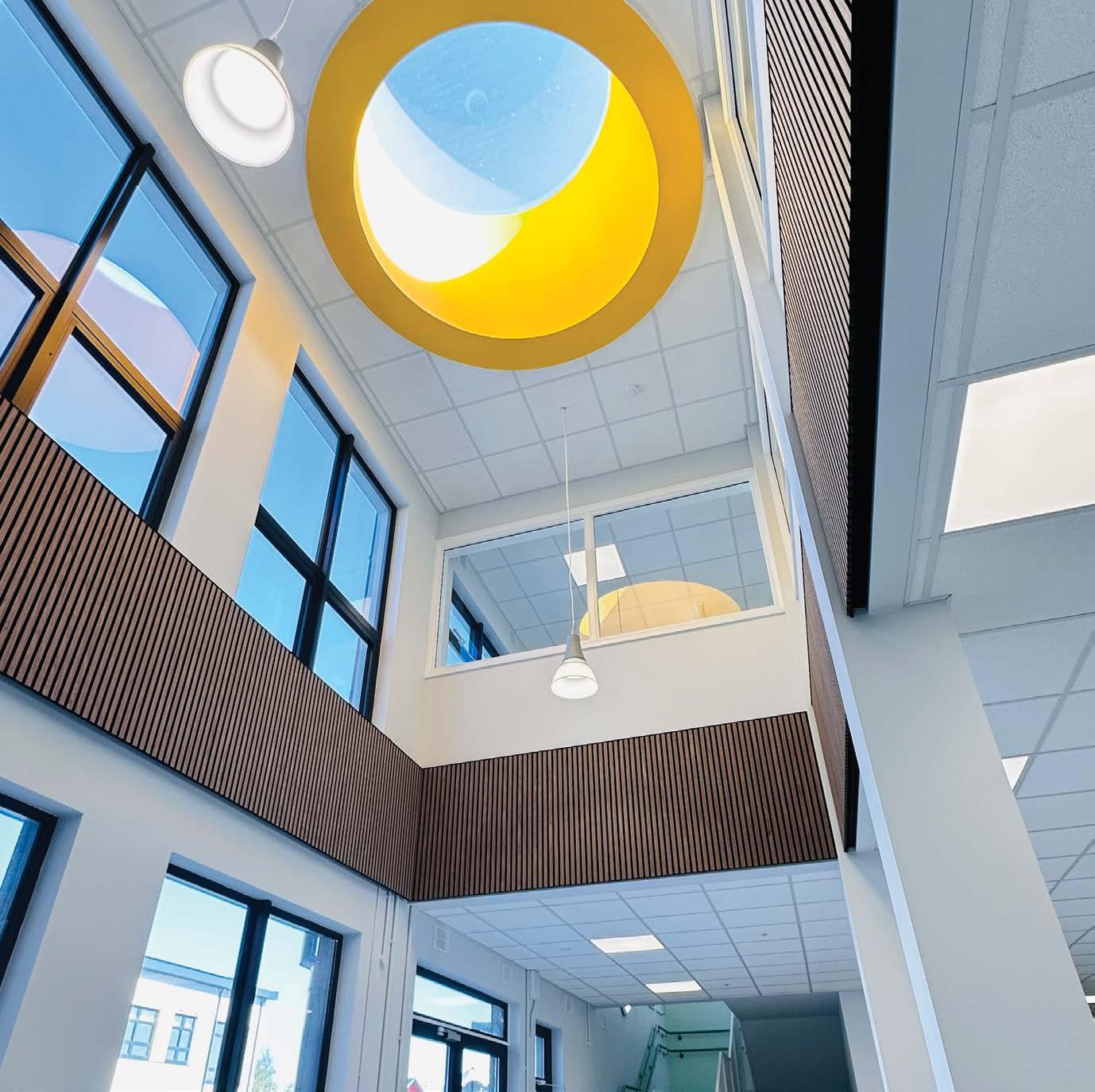
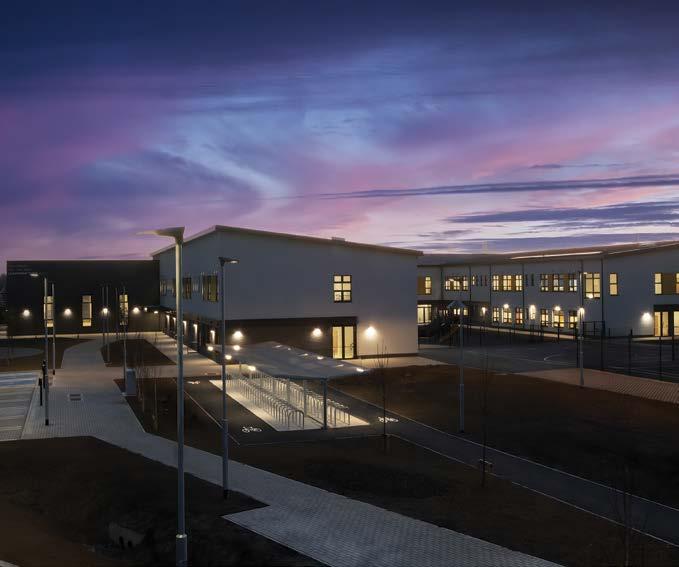
Vision Built have been commissioned by the Department of Education, to deliver a 2-storey Modular ZEB, using their MMC Category 1 steel framed Modular building solution. St. Brigid’s National School in Singland, Limerick, has recently been highlighted as part of Ireland’s Zero Emission Building (ZEB) school initiative, integrating energy-efficient systems and participating in sustainability education. Zero Emission Building (ZEB) schools are a strategic priority for the Department of Education (DoE) in Ireland because they align with multiple national goals across climate action, education, infrastructure, and public health.
The modular building will be produced at Vision Built’s Tubbercurry manufacturing facility and delivered to site in a Just-in-time basis. Vision Built will be delivering the project as a full turnkey solution. This modular school of the future has a GIFA c. 1,290m², consisting of 49no. Modules, and includes SEN classrooms and specialist rooms. The project achieved planning approval on the 31 January 2025, with Vision Built commencing on site on the 17 February, modular installation began on the 28th March and concluded on the 1 April, with target project completion towards the end of July 2025.
What is ZEB School Design?
ZEB school design refers to educational buildings that are designed, constructed, and operated to produce zero net carbon emissions. This is achieved through a combination of energy-efficient architecture, renewable energy systems, and sustainable construction practices. In Ireland, ZEB principles are increasingly being integrated into both new school builds and retrofitting projects. Some of the key features of ZEB schools are:
■ Higher performance insulation and airtightness
■ Mechanical Ventilation with Heat Recovery (MVHR)
■ Heat pump systems for low-carbon heating
■ Photovoltaic (solar) panels for renewable electricity
■ Smart energy monitoring systems
In addition to the above, Vision Built have targeted to use, and sourced, Lower Embodied Carbon (LEC) steel, aka ‘Green Steel’, for use in the main structural hot rolled steel sections of the modular frames, sourcing from European supply chain and
produced using Electric Arc Furnaces (EAF). As an example, in comparison Traditional Blast Furnaces (BFs) used in steel production:
Raw Materials:
■ EAF uses mostly scrap steel and sometimes Direct Reduced Iron (DRI), heavily promoting recycling and reduce reliance on mining
■ EAFs are powered by electricity, which can be renewable, compared to traditional which relies on coal (coke) as a fuel and reducing agent. EAF’s can be nearly carbon-neutral if powered by green electricity
■ EAFs emit significantly less CO₂ (up to 75% less), key to decarbonising the steel industry
Building the Future: ZEB School Design in Ireland
As Ireland intensifies its commitment to climate action and sustainable development, the education sector is emerging as a key player in the transition to a low-carbon future. Central to this transformation is the adoption of Zero Emission Building (ZEB) principles in school design - an approach that not only reduces environmental impact but also enhances learning environments for students across the country.
ZEB school design is not just about buildings - it’s about creating healthier, more inspiring spaces for the next generation while safeguarding the planet.
DAA - Connecting Ireland For 85 Years
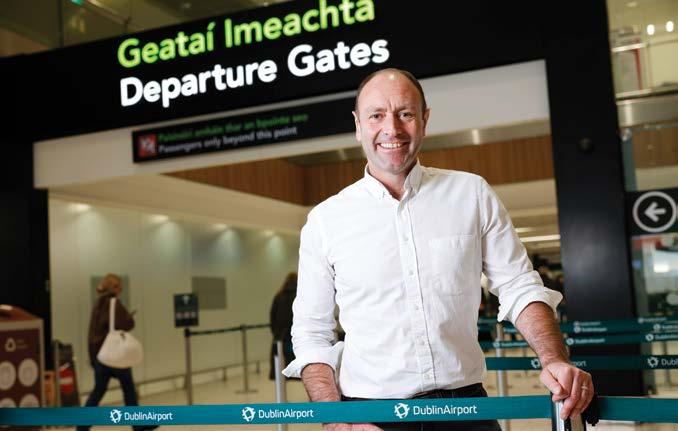
January 19th, 2025, marked a special day for DAA - 85 years since the first flight from Dublin to Liverpool in 1940. As staff, passengers, and the local community celebrate this milestone year with tours, events, and the odd cake or two, we discuss how far the company has come and its flight plan for the future with Kenny Jacobs, DAA’s Group CEO.
As Ireland’s leading airport and travel retail group, DAA facilitates millions of journeys each year and plays a pivotal role in shaping the future of aviation at home and abroad. With operations spanning 13 countries, DAA’s footprint is expansive, but its heart remains firmly rooted in Dublin and Cork Airports. DAA’s leadership is focused on transforming Irish aviation for the better through a combination of innovation, international reach, and a bold stance on infrastructure challenges.
A Legacy of Connectivity, A Future of Leadership
Headquartered at Dublin Airport and state-owned, DAA operates with an ambitious and inclusive vision: to be airport industry leaders delivering excellence in a sustainable future. Their purpose - “to enable business and connect lives across the world” - feels more relevant than ever as global mobility surges
post-pandemic and businesses seek out new markets in the face of geopolitical unrest and trade tariffs.
The group’s principal operations span three pillars: managing Dublin and Cork airports, operating global airport retail through Aer Rianta International (ARI), and delivering expert consultancy via DAA International. In 2024 alone, DAA’s airports welcomed 37.7 million passengers, underlining the company’s vital role in Ireland’s transport infrastructure.
The Cork Ascent
Cork Airport is enjoying a renaissance. With record-breaking months and growing international reach, it’s become established as Ireland’s fastest-growing airport. In March, it posted a 10% increase in passenger numbers compared to the same month last year.
“Cork Airport’s impressive passenger growth is a clear indicator of the airport’s vital role in supporting jobs in tourism, business and internationally trading companies across the South of Ireland,” remarks Kenny, adding, “DAA is committed to supporting Cork Airport to grow to five million passengers a year within the next decade.”
With direct services to 14 countries, 56 routes via nine scheduled airlines and a new Capital Development Plan in the works, Cork Airport’s trajectory is upward and confident. “We’ve lots of exciting plans, including investing in expanding the terminal facilities and infrastructure,” Kenny says.
Dublin’s Passenger Cap is a Cap on Growth
In stark contrast to Cork’s ascent, Dublin Airport is battling bureaucratically imposed limitations. The airport’s passenger numbers for March 2025 remained flat, restrained by the contentious 32 million annual passenger cap.
Kenny comments: “March was another month where
passenger numbers were lower year-on-year despite huge demand from both passengers and airlines to fly in and out of Dublin Airport.”
The implications are profound. With Dublin Airport contributing €10 billion in gross value added to the Irish economy and supporting over 116,000 jobs, the cap isn’t just a capacity issue - it’s a national economic bottleneck.
“There is widespread agreement that a pragmatic and constructive approach is needed to resolve this critical national issue impacting Ireland’s main transport hub,” Kenny notes. “DAA’s job on behalf of the Irish state is to ensure our island nation’s connectivity… but we cannot do that effectively while the cap remains in place.”
There is an argument sometimes floated that the passenger load should be better spread out amongst Ireland’s regional airports, but it’s an argument that doesn’t fly with Kenny Jacobs, who says: “I’d love all the regional airports to have good growth and, because we run Cork, we totally get regional airports. But airports are like hotels, you may have the capacity, but it is a very open, regulated industry and the airlines decide where they want to come and go from.”
“Look, for the past two years Dublin has been capped. The airlines haven’t gone to the regional airports, they’ve gone to Gatwick, they’ve gone to Manchester. So capping Dublin doesn’t drive regional growth,” he adds.
Looking Across the Water
While Ireland hesitates, others surge ahead. The UK government is backing airport expansion across Heathrow, Gatwick, and beyond, and doing so with purpose. “A key element of the UK approach is to speed up their planning system to back those building for the UK’s future,” Kenny observes.
Ireland, by comparison, is mired in planning delays on large infrastructure projects. However, change may be on the horizon. The new Programme for Government, released in January,
acknowledged the importance of good global connectivity and committed to working with stakeholders to remove the cap.
“We welcome the new Irish government’s commitment to working with all stakeholders to resolve the cap… and to speeding up major infrastructure development to grow jobs, connectivity and tourism,” Kenny says. “Ireland has long been regarded as an aviation pioneer and innovator, we want to be setting the standard rather than playing catchup with our neighbours.”
A Dual-Pronged Strategy for Dublin
In the face of the cap, DAA isn’t sitting idle. In December 2024, it lodged a ‘no build’ Operational Application with Fingal County Council, seeking to raise the cap to 36 million passengers annually - without constructing new infrastructure.
This short-term fix runs alongside a much larger €2.4 billion Infrastructure Application to raise the cap to 40 million and fund major development projects focused on sustainability and capacity building. The plan aims to transform Dublin Airport’s physical footprint and secure Ireland’s place as a global transport leader.
Global Footprint, Local Responsibility
While DAA operates globally, it focuses sharply on its local responsibilities - particularly noise mitigation and community engagement around Dublin Airport.
DAA recently announced a sound insulation grant scheme
for up to 400 homes. The programme will provide €30,000 per eligible home - an increase from the previously proposed €20,000 - to cover upgrades like acoustic glazing and attic insulation.
“We’ve insulated hundreds of homes against noise and had a particular focus on schools. For example, there’s a special needs school where we’ve made a very significant investment in their indoor and outdoor facilities so that the kids are protected from noise,” Kenny explains.
“We’ve done a good job of reducing the noisiest aircraft. If you go back to 2019, only about 5% of the aircraft coming and going from Dublin were new, quieter, greener planes. By this summer, around 49% will be the newer aircraft with a significantly reduced noise profile.”
Under Kenny’s leadership, the company is keen to be both a good neighbour and a part of the community. “It’s about that ongoing relationship which I believe we have with the local community at Dublin and Cork Airports,” Kenny explains. Referring to Dublin Airport, he says: “Most of our staff live in Fingal. Nearly everybody you’ll meet will have an uncle, an aunt, a cousin, a sister or a brother who does something at the airport. And people know that the airport is a massive creator and driver of the economy and jobs.”
DAA demonstrates its social responsibility via a €10 million Community Fund launched in 2017 that supports local groups and projects. To date, a total of €2.75 million has been allocated, including €500,000 in 2024, to more than 100 applicants. The company’s Community Engagement team made over 120 home and school visits last year, and the independently chaired Community Liaison and Environmental Working Groups hosted 11 meetings.
Sustainability and Future-Proofing
DAA’s longer-term vision is centred on sustainable growth. Investment in infrastructure, like the €230 million spent across the group in 2024, is not just about expanding - it’s about evolving responsibly.
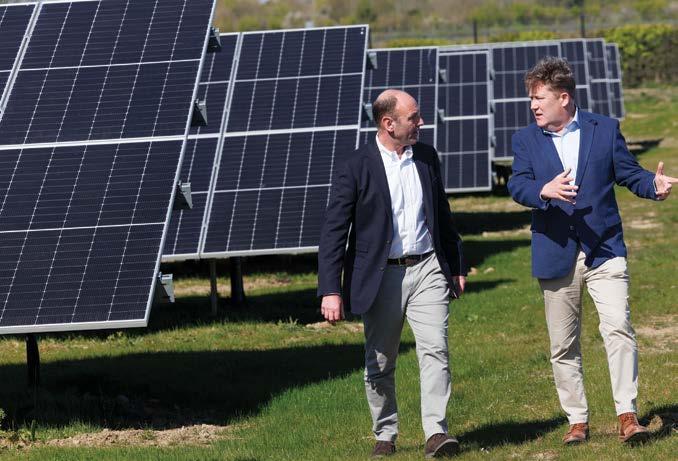
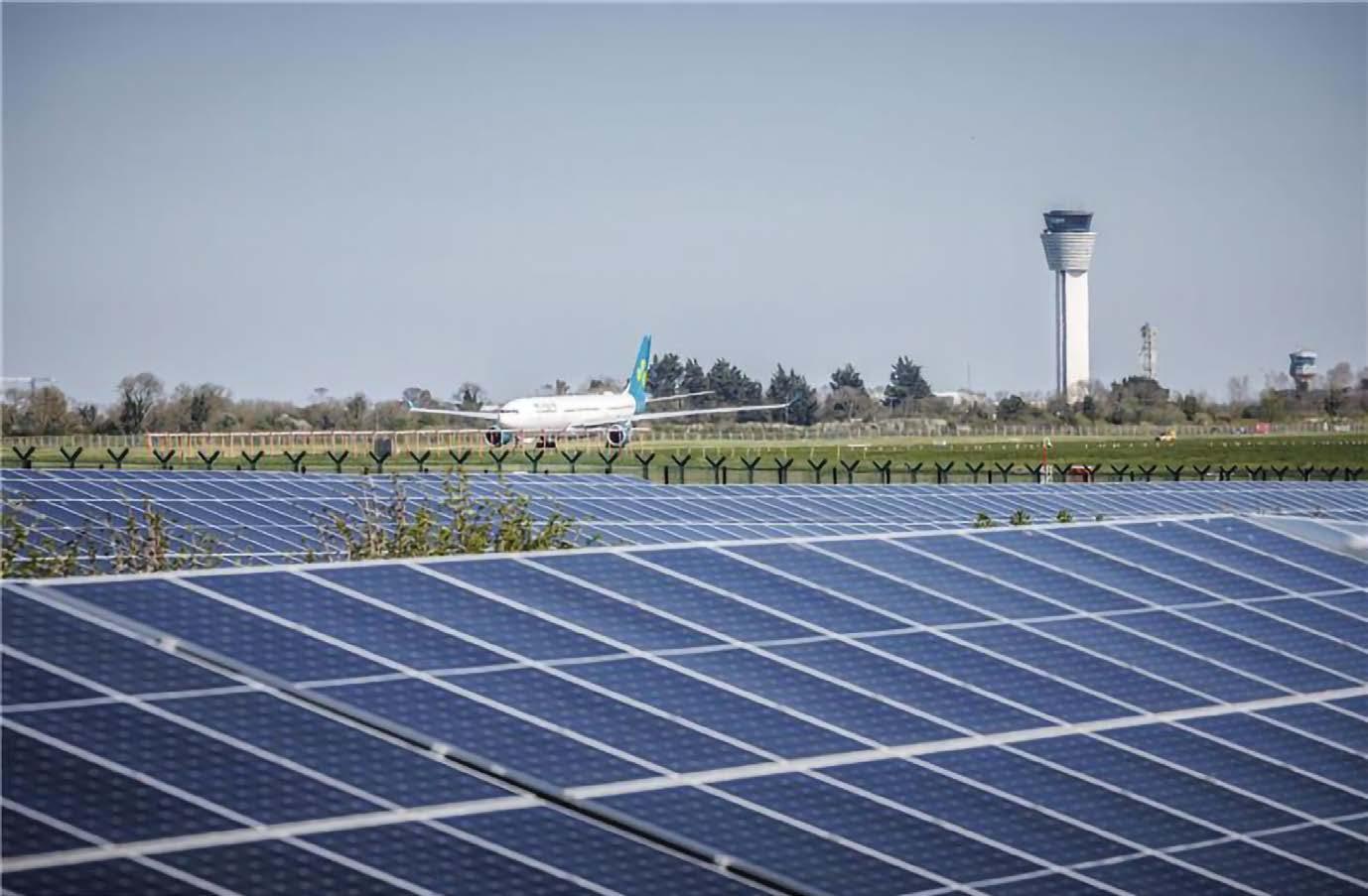
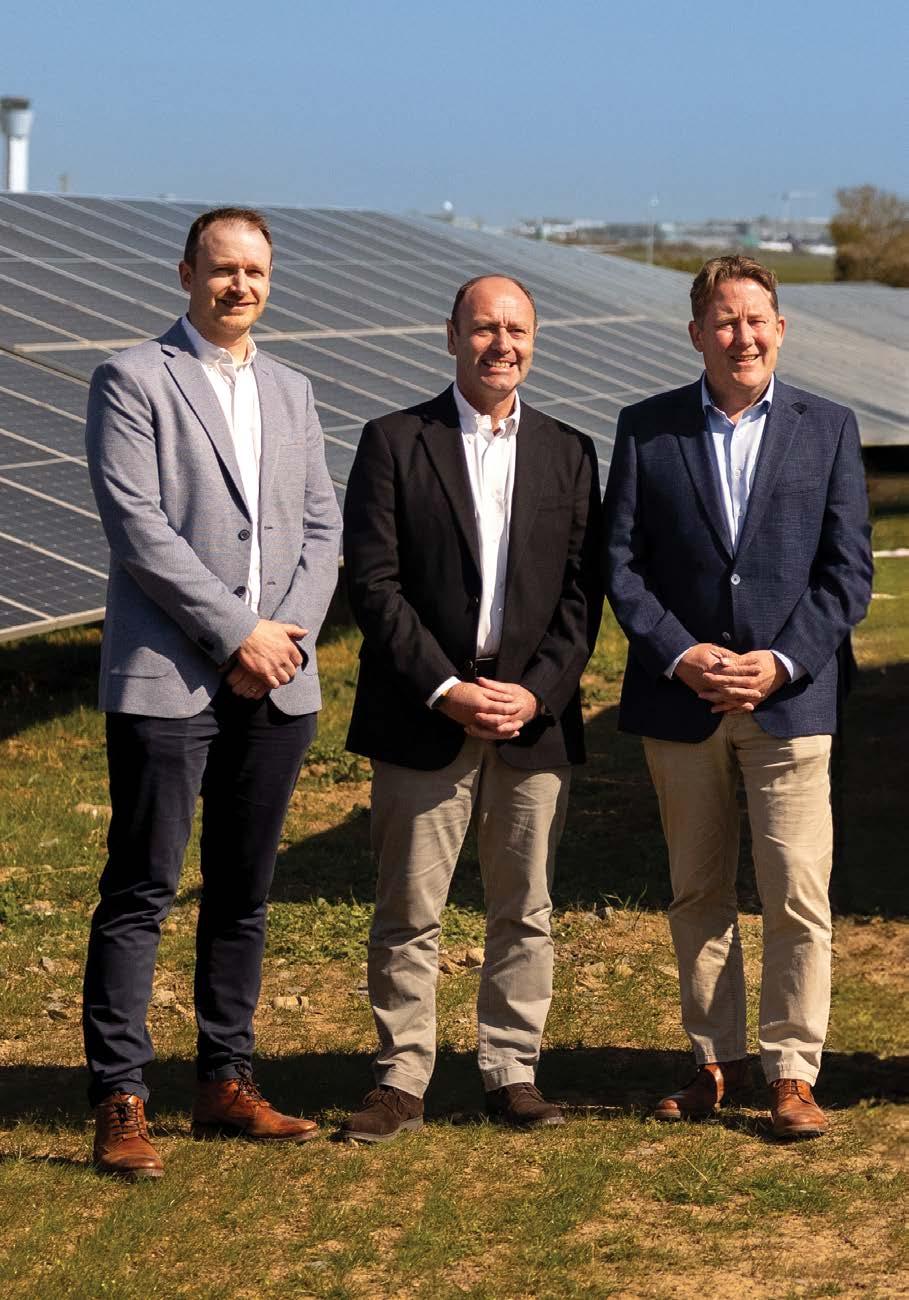
“We’ve added a solar farm in Dublin that will provide around 12% of our electricity. We will add more solar farms, including one in Cork. Geothermal is on our radar, and then, ultimately, there’s our €2.5 billion infrastructure plan - €400 million of that is what we consider sustainability investments,” Kenny shares.
DAA is also focussed on innovating the passenger experience so that it’s more seamless and enjoyable. For instance, 66% of the passengers at Dublin Airport are single travellers and many are plugged into their headphones. Kenny enthuses: “So we’re going to load up all the gates into our Dublin Airport app so that you can just enter your gate number and be directed to it.” In tandem, there will be a trial to turn off tannoy announcements which can become a bewildering and intrusive cacophony in airports. The recently introduced sensory room has proved to be very popular with parents of children with particular conditions and regular musical events are proving to be a big hit with passengers.
With initiatives ranging from quieter aircraft incentives to advanced noise monitoring systems, new passenger facilities and strong community engagement, DAA is building for the future while honouring its social licence to operate.
Strong Financials, Stronger Outlook
Financially, DAA is in robust shape. With expected group revenues topping €1.1 billion in 2024 and a reduced net debt position under €700 million, the company is well-positioned to fund its ambitious plans without compromising financial discipline.
“2024 was a strong year for both Dublin and Cork airports,” Kenny remarks. “I’d like to thank all the hardworking staff at both airports who sent more than 37 million passengers on their way with a smile throughout the year.”
Undoubtedly, one of DAA’s greatest assets is its team. “The team at DAA are driven by passengers, and our mission is to be there as part of their travel journey,” Kenny explains. “We love travel, and we love people who want to travel. That’s our business. Being Irish, we’ve travelled the world and love it when the world comes to Ireland.”
Looking Ahead
DAA’s story is one of contrasts: Cork surging forward, Dublin poised but constrained. Yet the trajectory is unmistakably upward. With committed leadership, strong financials, international presence, and growing political support, DAA stands at a critical juncture.
The cap on Dublin Airport may be slowing the pace for now, but the determination to lift it - and unlock the full potential of Irish aviation - is resolute. As Kenny Jacobs aptly puts it: “We want to be setting the standard rather than playing catchup with our neighbours.”
And with DAA’s bold vision, there’s every reason to believe they will.
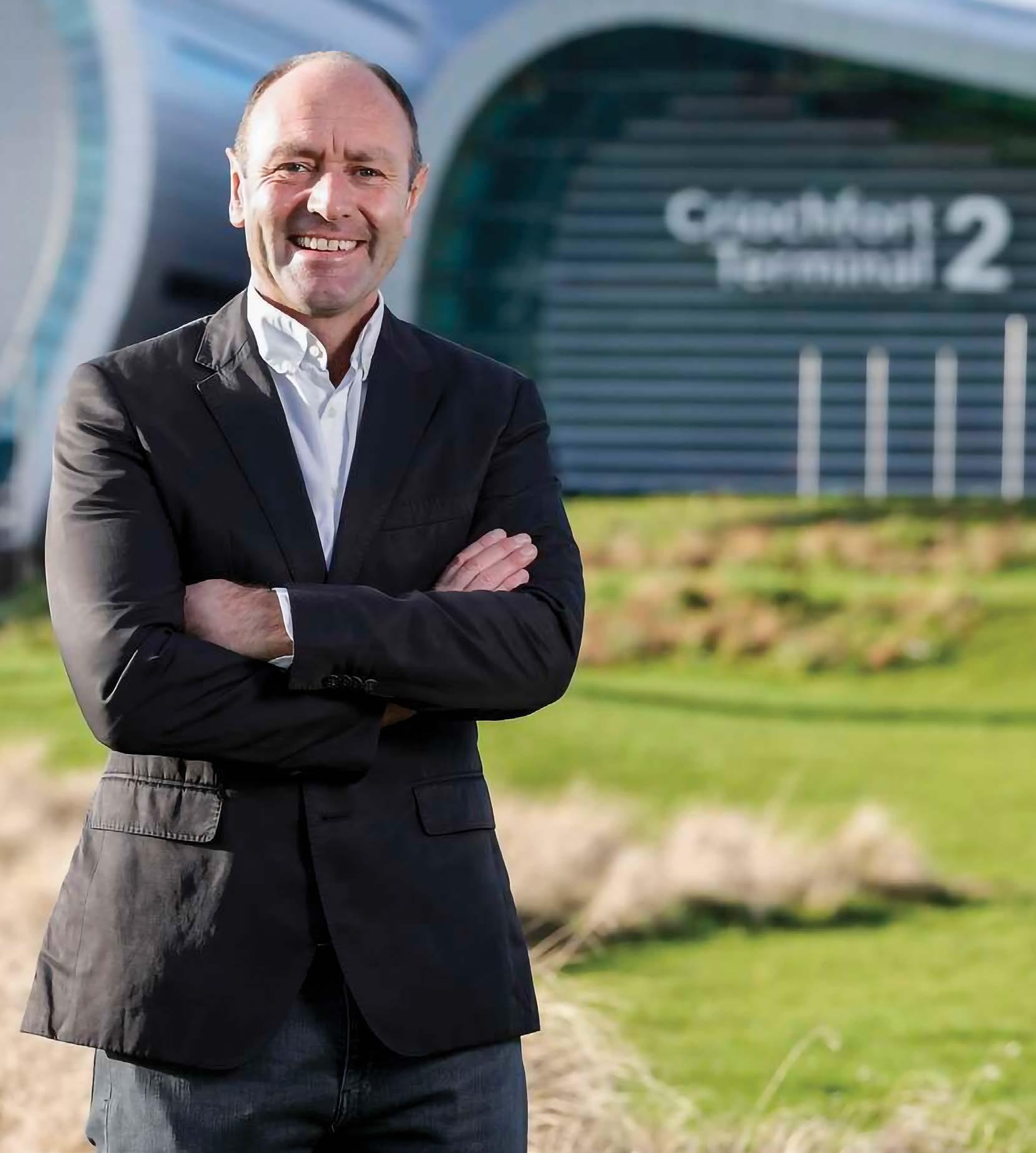
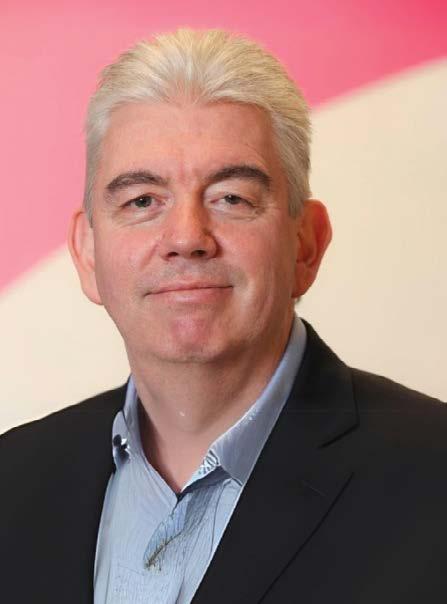
Kenny Jacobs, Group CEO of DAA
Discover Ireland’s Foremost Taxi App
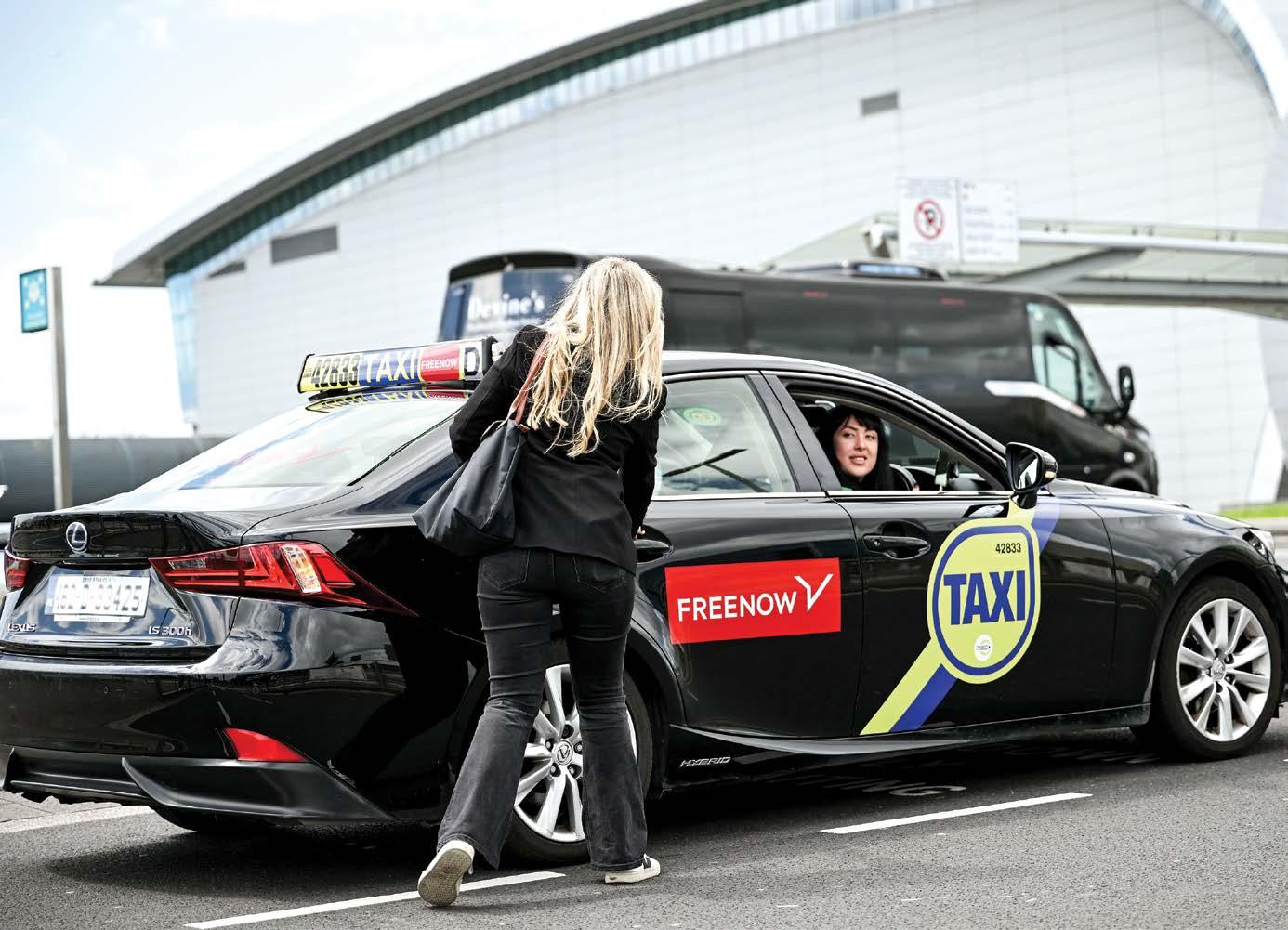
FREENOW is Ireland’s No. 1 Taxi app, and is a company truly rooted in the European taxi industry. Founded in 2009 the FREENOW app, which at that time was called mytaxi, was the world’s first app connecting professional taxi drivers and passengers.
In addition to taxis, FREENOW also offers other options to passengers, such as bikes, ebikes and car rental. This is possible through close collaborations with other mobility businesses.
Dublin Airport is one of the company’s most significant destinations
When asked about FREENOW’s operations at the airport, FREENOW Ireland General Manager, Danny O’Gorman shared that Dublin Airport is one of their busiest destinations in Ireland. “In fact, Dublin Airport was the busiest airport in Europe for FREENOW taxi drop-offs and pickups last year, with more than a million taxi journeys in 2024,” he adds.
There are a number of advantages to using FREENOW for
airport travel. “We are committed to delivering a reliable service for passengers travelling to and arriving at Dublin Airport all year round. FREENOW’s Airport Prebook Promise feature ensures that passengers are compensated if any pre-booked taxis to Dublin, Cork, Shannon and Knock Airport are delayed or cancelled. If the taxi is late by 10 minutes or more, passengers will receive a €15 voucher. They will receive a €50 voucher if the trip doesn’t happen,” O’Gorman says.
He continues: “For passengers arriving at the airport, ensuring that they can book a cab via the FREENOW app whenever they need one is our top priority. On average, the wait time for a FREENOW taxi is 10 seconds for ride acceptance and 3.4 minutes for driver arrival. This reflects the hard work of driver partners who are dedicated to providing a prompt and reliable service for passengers across the country.”
The Airport Prebook Promise is not the only benefit available to FREENOW passengers
“We know passengers see taxis as a safe and reliable way to get to their destination. According to a recent survey we conducted, avoiding the worry of missing the last bus and quickly reaching their intended destination are the top reasons Irish consumers choose taxis as their preferred public transport option. For those who rely on taxis on a regular basis, we have launched a subscription service - FREENOW PLUS - which offers a 10% discount on every taxi journey booked through the FREENOW app. The subscription costs €6.99 per month, and the discount applies to all trips taken via taxi, ebike and pedal bike up to a limit of €10 off per journey, allowing regular passengers to save €12 per month on average on their trips”, O’Gorman says
EV taxi numbers are growing on the FREENOW app
As well as enhancing the passenger experience, FREENOW is equally committed to supporting its driver partners through initiatives to make the transition to an EV adoption as smooth as possible.
“There is a clear appetite for switching to electric among our driver partners. We currently welcome, on average, 16 new battery EVs each week, with our EV fleet growing by 26% last year. To further encourage EV uptake, we have partnered with an EV provider to offer our driver partners reduced priced electric vehicles. When combined with the eSPSV grant scheme, this can reduce the cost of switching to a new electric taxi by up to €26,590. This has been very successful, with over 100 drivers availing of the offer since the partnership was launched in October 2024,” O’Gorman says.
Providing a regulated taxi service for all
FREENOW’s other priorities include maintaining a fair, sustainable and wellregulated taxi industry and improving accessibility in the taxi sector.
General Manager UKI, Danny O’Gorman We know passengers see taxis as a safe and reliable way to get to their destination. According to a recent survey we conducted, avoiding the worry of missing the last bus and quickly reaching their intended destination are the top reasons Irish consumers choose taxis as their preferred public transport option.
“We fully support the NTA’s regulated framework, which upholds high standards for drivers and ensures passenger safety. Deregulation could destabilise the sector, making it harder for drivers to earn a stable income and potentially lowering service quality,” O’Gorman says.
“We are also committed to tackling mobility issues faced by wheelchair users. FREENOW supports an increase in funding to the Wheelchair Accessible Vehicle Grant (WAV) to ensure that all drivers who want to avail of it can. Taxis are an essential part of Ireland’s public transport infrastructure, and the WAV Grant Scheme has been hugely important in making the national fleet even more accessible. However, the Scheme is currently in very high demand, with funding only available for a limited number of applicants, and people who need wheelchair accessible taxis are still having difficulty finding a suitable taxi. More support is therefore essential in growing the accessible taxi fleet,” he continues.
This commitment is demonstrated by FREENOW’s partnerships with Irish Wheelchair Association (IWA). “Last year, we launched our fundraising partnership with IWA to allow FREENOW passengers to round up the cost of their trip to the nearest euro and donate the difference to support their work in Ireland. We also recently hosted a Wheelchair Accessible Vehicle demonstration for taxi drivers in Dublin. This was in collaboration with IWA and was aimed at keeping drivers up to speed with best practices for picking up or dropping off wheelchair passengers. The enthusiasm at the practical demonstration showed that there is a clear interest from drivers in ensuring that they can provide exceptional service for wheelchair users,” O’Gorman says.
What’s next for FREENOW?
O’Gorman is focused on continuing to support driver partners and passengers while expanding FREENOW’s offering across Ireland. “In 2025 our ambition is to expand to more regions across Ireland to provide reliable and efficient services to more passengers and businesses nationwide,” he concludes.
Pascall + Watson: Delivering Design Excellence
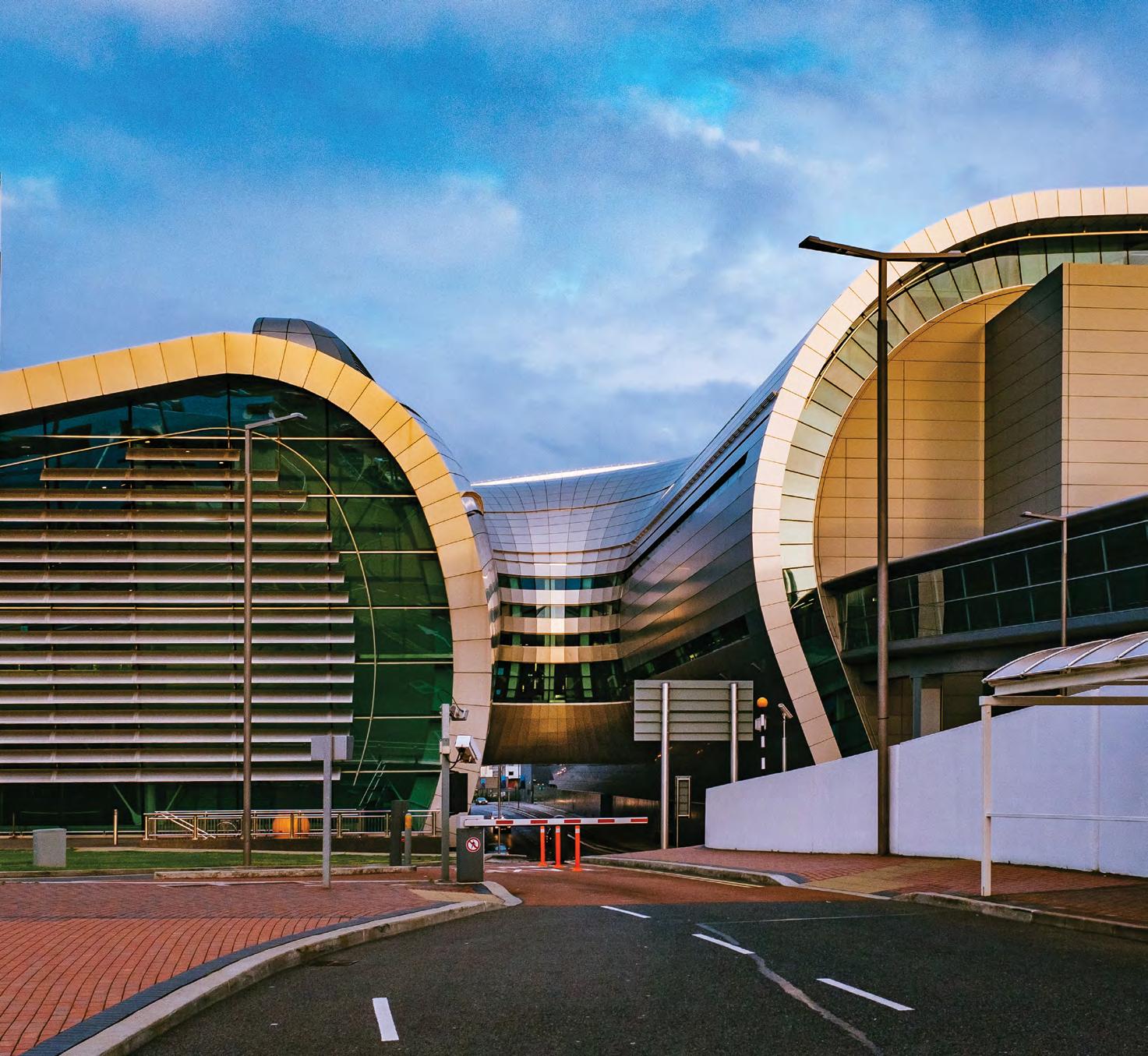
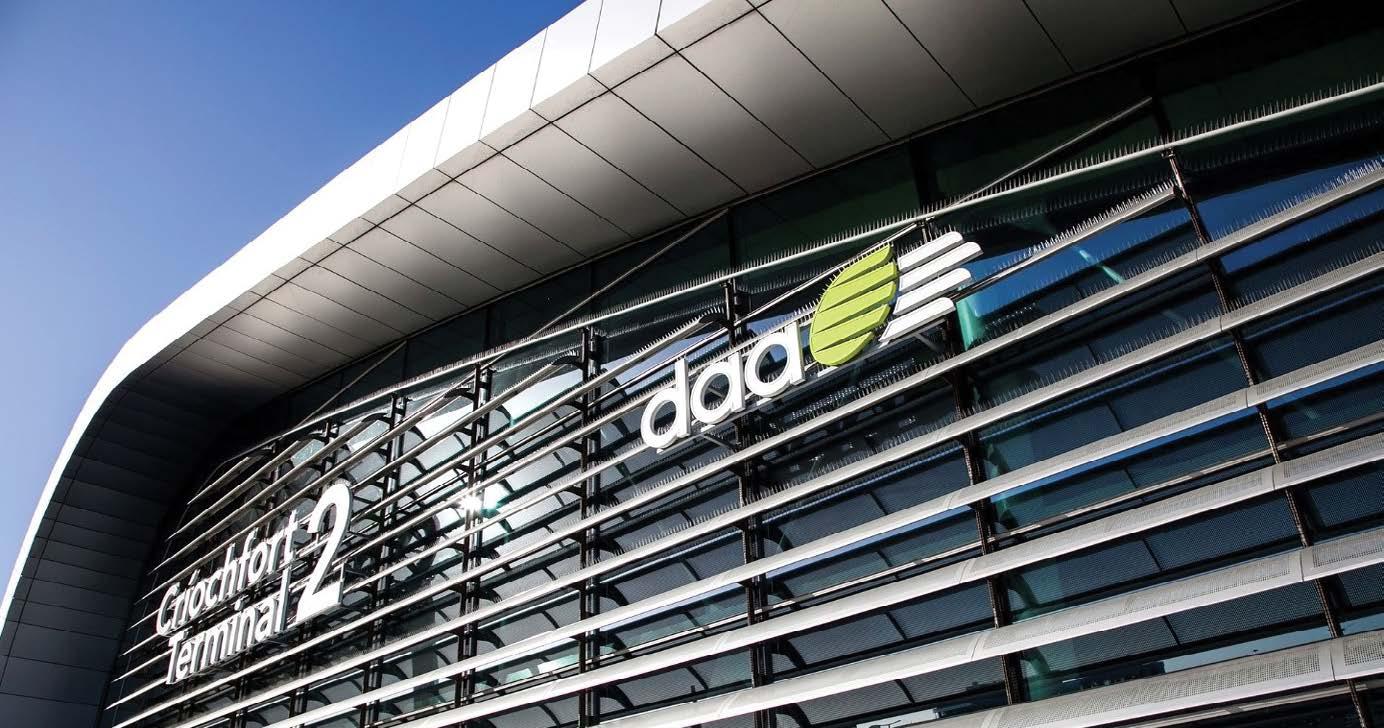
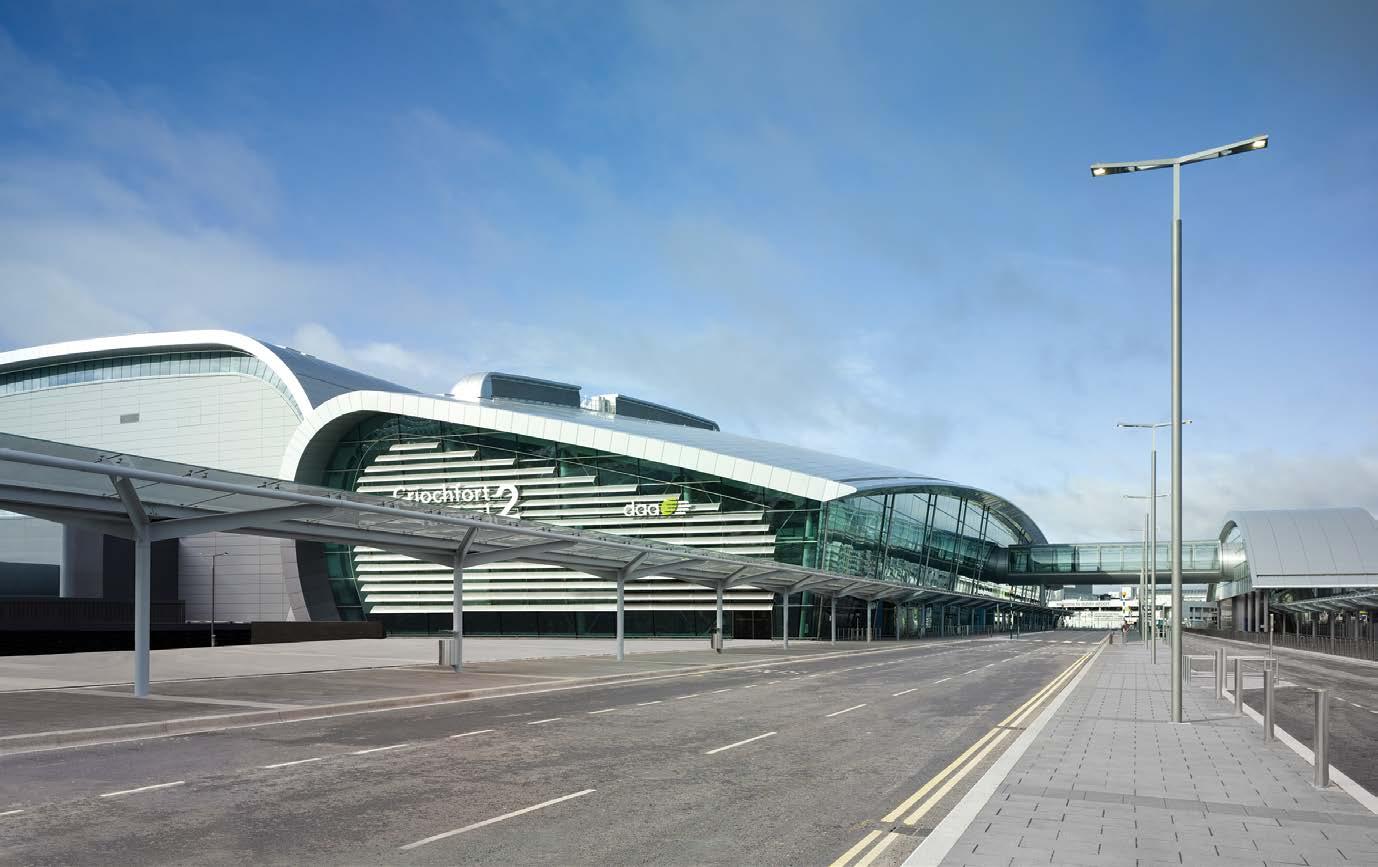
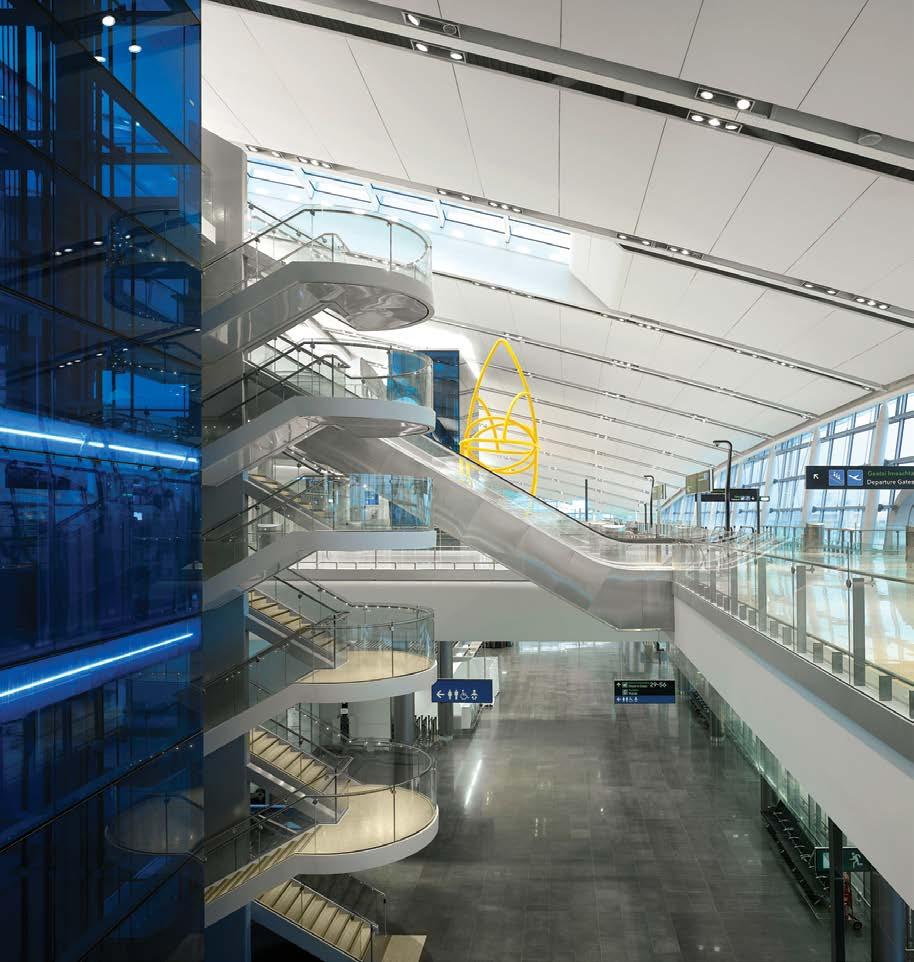
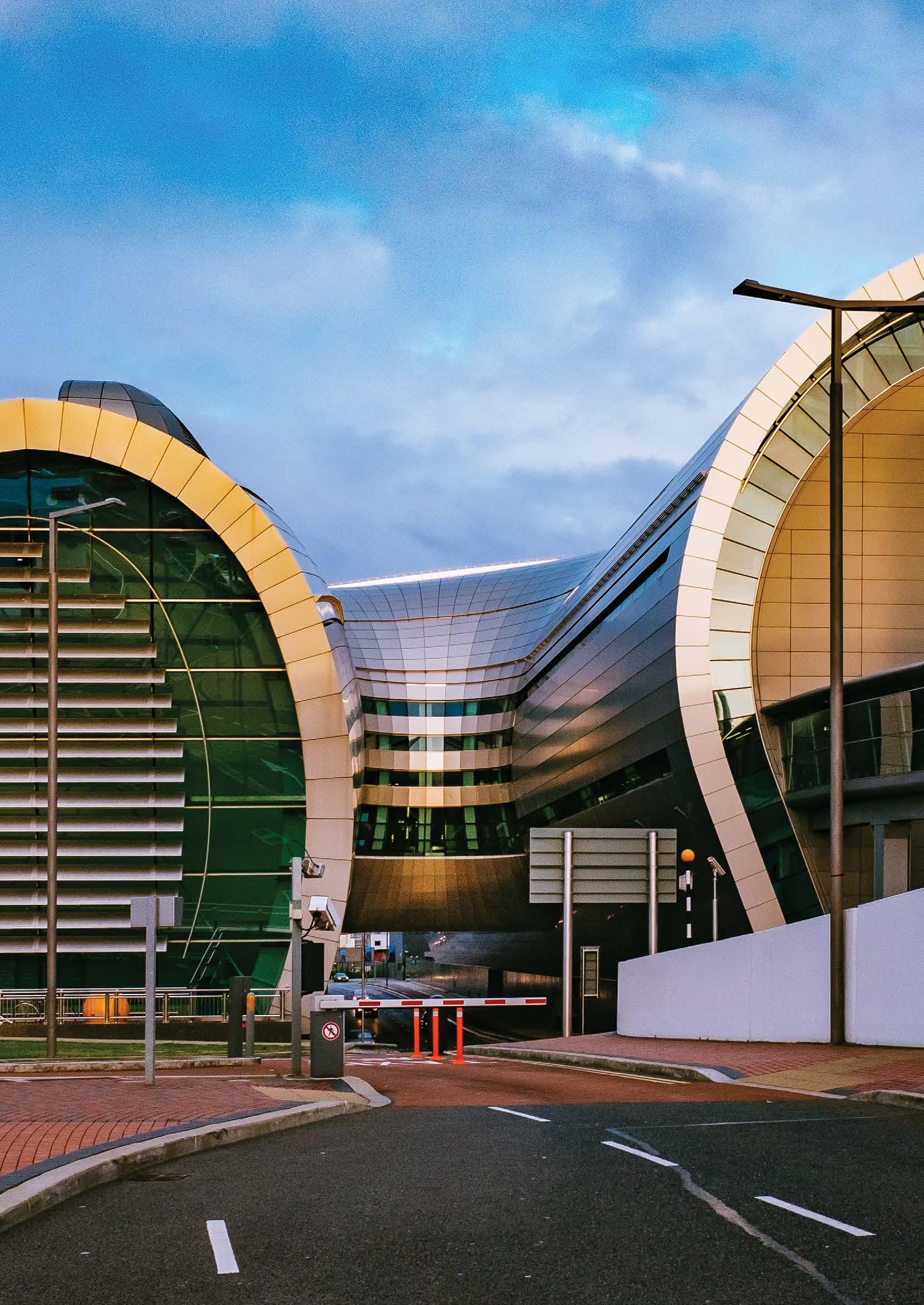
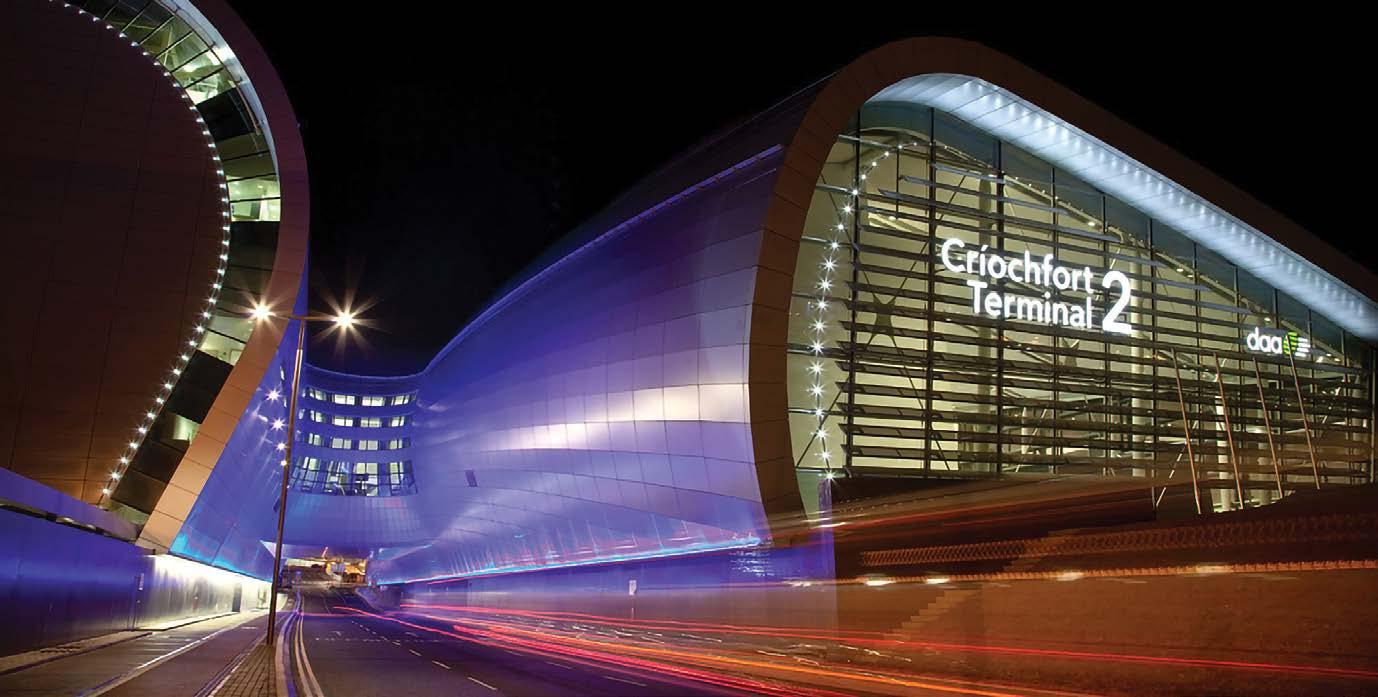
Since its completion, Dublin Airport’s Terminal 2, designed by Pascall + Watson has been widely praised for its design, which prioritises passenger flow, natural light, and a modern aesthetic. It features a visually striking steel and glass exterior, utilising natural light to create bright and comfortable spaces.
With nearly seventy years of distinguished practice, Pascall + Watson has built a reputation as one of the world’s leading architectural firms. From modest beginnings to an international network of studios in Ireland, the UK and the Middle East, the firm has evolved continuously, delivering design excellence across a vast range of sectors - from community spaces to multibillion-euro transport hubs that shape cities and transform everyday life for millions.
At the heart of Pascall + Watson’s philosophy is a simple but powerful idea: good architecture should leave a positive, lasting impact on the people and communities it serves. This mission drives every project, every client relationship, and every decision the practice makes.
As a certified carbon-neutral company, Pascall + Watson doesn’t treat sustainability as an aspiration - it is an embedded, measurable standard. The firm is at the forefront of advancements in Building Information Modelling (BIM), sustainable practice and inclusive design, while shaping the future of aviation, rail, advanced air mobility, commercial,
leisure, hospitality, science and education sectors.
While many firms deliver beautiful buildings, Pascall + Watson’s true strength lies in its depth of partnership and collaborative ethos. Rather than imposing pre-set solutions, the practice listens closely, interprets client ideas, and translates them into practical, compelling architecture.
This commitment to clear communication, outstanding service and dependable delivery has earned Pascall + Watson the trust of clients across continents. Internally, the firm nurtures an open culture where ideas flow freely among designers, clients and consultants. As Technical Director Tony Ward explains:
“When people think about Pascall + Watson, they know our ideas are not just creative - they’re buildable. It’s about making sure the concept stands up theoretically and practically. It must excite people, but they also know we understand complex projects. It’s a shockingly boring word, but it’s dependability. It’ll look great - and you can build it too. That’s why we’ve been doing what we do for as long as we have.”
A Great Place to Work and Grow
Pascall + Watson understands that its people are its greatest asset. The firm invests heavily in nurturing talent, providing continuous opportunities for training and professional development. This ensures architects and designers are not just technically excellent but aligned with the practice’s mission to deliver transformative architecture that responds to changing needs.
Millions of people pass through Pascall + Watson-designed spaces every day - from bustling international airports to welcoming community centres. Each project is a testament to the firm’s dedication to creating environments that are vibrant, inclusive and adaptable.
Few sectors demonstrate Pascall + Watson’s expertise more clearly than aviation, where the firm has shaped over 150 airports in more than 30 countries. Its approach balances efficiency with passenger comfort, sustainability with practical delivery, and architectural vision with engineering rigour.
Matthew Butters, Aviation Director, reflects on his nearly three decades in the field:
“I’ve worked on aviation projects for 27 years - it wasn’t intentional, projects kept coming. We’ve designed airports all over the world: Beijing, Singapore, India, the Middle East, throughout Europe. Sometimes it’s our own project from concept to delivery; other times, we collaborate with local partners because you need that local know-how.”
A standout example is Beijing Daxing International Airport, one of the world’s largest transport hubs, delivered in partnership with Zaha Hadid Architects. Designed for an opening phase capacity of 85 million passengers, rising to 150 million, it demonstrates the scale Pascall + Watson can handle.
Principles of Great Airport Design
Designing an airport is a balancing act between engineering, passenger experience and sustainability. As Matthew explains:
“The early stages start with master planning - that defines not just buildings but the whole aviation infrastructure. We work closely with engineers for runways and airfields, while we focus on terminal design.”
This dual approach - functional design for operations like baggage handling and security, combined with concept design for form and cultural identity - ensures terminals meet rigorous performance demands while leaving a memorable impression.
Environmental integration is fundamental too.
“You have to design so you don’t disturb local watercourses, and you minimise environmental impact. We’ve always focused on energy efficiency - using building shapes and materials that cut heat loss. And you have to think long-term: geometry that made sense 30 years ago might not suit new aircraft. So, airports must be adaptable and future-proof,” says Matthew.
Terminal 2, Dublin Airport
One of Pascall + Watson’s proudest achievements is Dublin Airport’s Terminal 2 (T2) - a landmark project that exemplifies the firm’s ability to deliver world-class infrastructure on time, within budget, and with enduring impact.
In 2005, Pascall + Watson developed a comprehensive masterplan for Dublin Airport, covering over 100 individual projects designed to secure the airport’s future. At its heart was T2: a new 75,000 m² terminal to expand capacity and set new standards for passenger experience and sustainability.
Tony who was born and reared in Ireland, recalls:
“A lot of T2 was done from London and because I’m Irish, I was super excited to be working on an airport in Ireland. We were designing for 15 million passengers a year - the airport is now at over 33 million. So, it’s done everything we wanted it to do. Dublin dwarfs all other Irish airports; it’s a reflection of Ireland itself.”
Iconic - Practical - Sustainable
The challenge was immense: build a major terminal within the airport’s tight ‘horseshoe’ site while keeping Terminal 1 fully operational. The result is a flowing, elegant structure that maximises natural light, calms the passenger journey, and operates with high efficiency.
Matthew highlights the mindset:
“You don’t want to build a terminal only to tear it down a few decades later. You design it so it can evolve over time. Stansted is a great example of that, and we brought the same thinking to Dublin.”
Key features include a dedicated US Customs pre-clearance facility, advanced security with C3 scanners, efficient baggage handling and a rich mix of retail and passenger amenities. Despite its striking form, T2 was cleverly delivered using standard construction systems - proof of Pascall + Watson’s ability to blend ambition with practicality.
T2 outperformed statutory sustainability standards, cutting CO₂ emissions by 17% compared to baseline designs, and incorporated allowances for future upgrades such as rooftop solar panels - measures that still stand up to today’s tougher regulations.
T2 quickly gained public acclaim, winning the CMG Building Design Award for Public Building of the Year. It remains a benchmark for flexible, sustainable airport designand a statement of Pascall + Watson’s ethos: design that works today and tomorrow.
Tony puts it simply: “We don’t do flamboyance for the sake of it. Every curve in T2 expresses the structure honestly. Even now, it would meet or surpass current standards. It’s built to last, structurally and environmentally,” he says.
Delivering T2 without major disruption to airport operations required precision planning and close stakeholder coordination. Over nine million man-hours, input from over 40 countries and tight sequencing ensured the project stayed on track.
“One of the biggest challenges,” Tony recalls, “was fitting a 75,000 m² terminal within that tight site while keeping everything else running. We achieved it by constantly refining the design and working hand-in-hand with the client.”
Matthew adds: “When everyone pulls in the same direction, even the most complex airport becomes possible.”
T2 quickly gained public acclaim, winning the CMG Building Design Award for Public Building of the Year. It remains a benchmark for flexible, sustainable airport design - and a statement of Pascall + Watson’s ethos: design that works today and tomorrow.
As global air travel adapts to technological advances and sustainability imperatives, Pascall + Watson continues to lead with experience and fresh thinking. From master planning to passenger experience design, the firm balances practical delivery with visionary ideas.
Terminal 2 at Dublin Airport embodies that approach: an iconic national gateway built on careful planning, honest design, and close collaboration - qualities that define Pascall + Watson’s past, present and future.
Pascall + Watson: dependable, inventive, and always ready to deliver architecture that stands the test of time.
Over 40 Years in Partnership with Dublin Airport
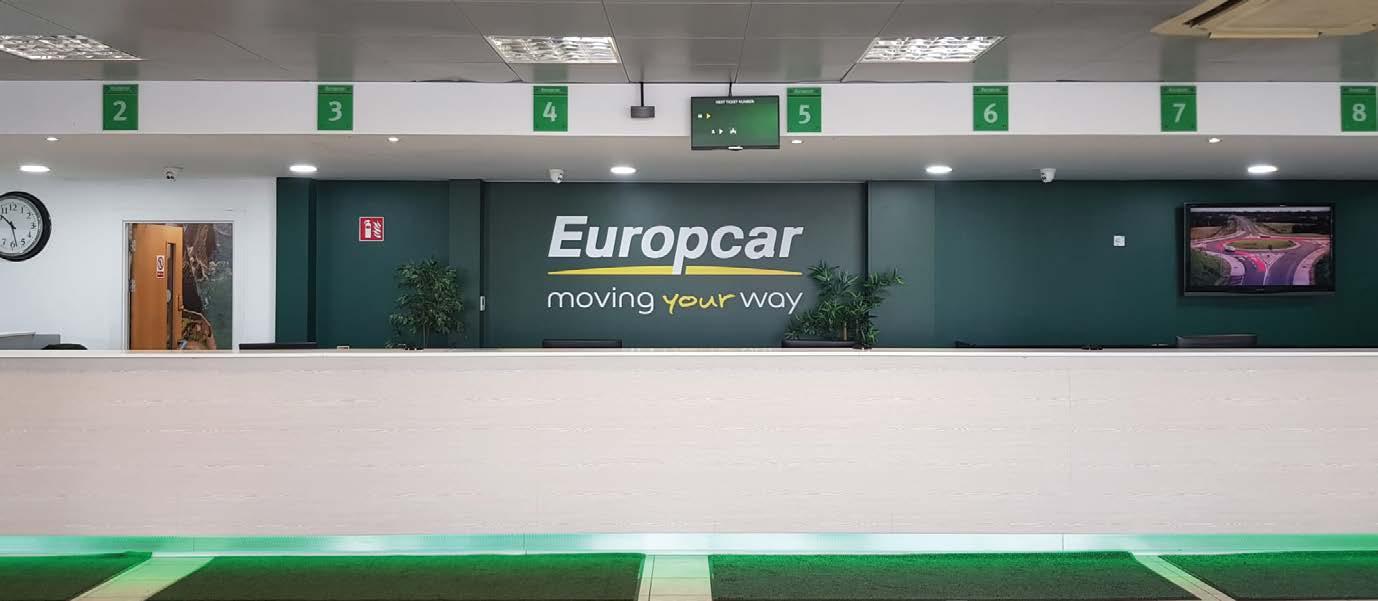
Europcar is proud to play a longstanding role in keeping Ireland moving. As the country continues to evolve its transport infrastructure in response to environmental and economic demands, Europcar and its sister brand GoCar are helping deliver the next generation of smart, sustainable mobility for both public and private sectors.
“As Dublin Airport celebrates its remarkable 85th birthday, Europcar Mobility Group sends our warmest congratulations. It’s a milestone that resonates deeply with us as Europcar marked our 75th anniversary just last year. Over these years we’ve also enjoyed a great partnership with Dublin Airport and are proud to say that it’s a relationship that now spans over four decades. The airport has played a pivotal role in supporting Europcar’s success in the Irish market and we too have always worked hard to support Dublin Airport in its growth. We look forward to our continued collaboration over the next 40 years and beyond.” - Paul McNiece, Head of Country – Ireland & Commercial Director UK & Ireland.
In Ireland, Europcar operates a nationwide network, offering car rental, van hire, and long-term mobility services tailored to meet the evolving needs of both B2C and B2B customers. With over 400 employees across the country, the
company is deeply embedded in local communities and plays a key role in supporting regional economies. Europcar’s commitment goes beyond mobility solutions — supporting holidaymakers, businesses, and public sector partners in moving smarter, greener, and more efficiently, as part of a collective effort to shape the future of mobility in Ireland.
As part of the global Europcar Mobility Group, which is active in over 140 countries, Europcar Ireland brings worldclass mobility innovation to a local context, tailored for Irish infrastructure, climate goals, and community needs.
The Irish Government has made sustainable mobility a central pillar of its national climate and transport strategies. Through national strategies like the Climate Action Plan, National Sustainable Mobility Policy, and Local Authority Climate Action Plans, there is a strong focus on reducing
emissions, promoting active travel, and advancing the transition to low-emission and shared transport options. Public sector bodies are being encouraged to lead this change, by electrifying fleets, adopting carsharing models, and investing in shared mobility hubs across towns and cities.
As part of Europcar Mobility Group, GoCar - Ireland’s leading car-sharing platform - is actively supporting this transformation. By reducing fleet costs, lowering emissions, and providing smarter, on-demand access to vehicles, GoCar and Europcar together offer scalable, sustainable mobility solutions that align closely with government goals for cleaner, more efficient public transport systems.
Europcar Mobility Group is firmly committed to sustainability, earning top-tier recognition for its environmental efforts. The Group was awarded the EcoVadis Platinum Medal, placing it in the top 1% of companies worldwide for sustainability performance, and is also ISO 14001 certified for environmental management. As the first mobility services company with Science Based Targets initiative (SBTi) approved carbon reduction goals, Europcar has pledged to cut Scope 1 and 2 emissions by 46.2% and Scope 3 emissions by 27.5% by 2030.
Europcar is committed to leading the transition toward more sustainable mobility in Ireland through significant investments in electric and hybrid vehicle fleets, the expansion of flexible rental and car-sharing services, and are helping reduce emissions and congestion across cities and communities. With vehicles available from one hour up to 24 months, Europcar’s B2B offering enables Irish businesses to drive cost efficiency, reduce or remove the need for large scale capital fleet expenditure, and comes with servicing and maintenance included as standard.
By offering alternatives to traditional vehicle ownership, whether through short-term rentals, corporate fleet solutions,
or GoCar’s on-demand car-sharing, Europcar Mobility Group is empowering individuals and businesses to make greener transport choices. The goal is clear: to deliver smarter, more responsible mobility that meets today’s needs without compromising tomorrow’s environment.
Across Ireland, local authorities and county councils are playing a vital role in promoting sustainable transport through the development of shared mobility hubs. These hubs, supported by partnerships with GoCar, are helping to reduce car dependency, cut emissions, and make more efficient use of public space.
From Cork to Donegal, councils are integrating car sharing into town and city planning, offering residents and council employees convenient, cost-effective access to vehicles without the need for private ownership. This initiative is a key step in aligning with national climate goals and promoting smarter, greener communities.
Europcar is dedicated to expanding access to transport solutions throughout Ireland in 2025 and into the future, offering a sustainable and flexible alternative to private and business vehicle ownership. Having recently opened three new stations in Ireland, this brings Europcar’s nationwide footprint to a total of 28 branches, with GoCar providing over 800 vehicle sharing locations across the country.
As Ireland accelerates its transition to a low-emission, digitally enabled transport future, Europcar and GoCar stand ready to support that journey. With a proud legacy of partnership with Dublin Airport and a growing role in enabling sustainable mobility across the country, Europcar Mobility Group continues to invest in solutions that benefit individuals, businesses, and the public sector alike. Through innovation, experience, and a shared vision for a greener tomorrow, Europcar and GoCar are not just keeping Ireland moving, they’re helping shape how it moves into the future.
Paul McNeice - Head of Country Europcar Ireland
Lifting higher
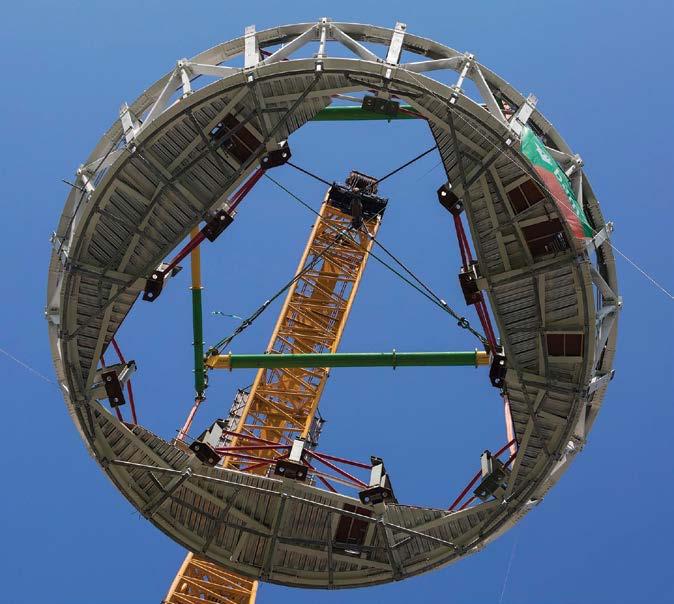
Gabriel O’Brien Crane Hire Ltd is one of Ireland’s longest established crane hire companies boasting more than four decades of experience.
Thanks to time spent leading the charge in the industry the firm has built up a unique approach that mixes modern engineering with long-term knowledge, gathered since the company’s inception. The company was founded in 1989 by Gabriel O’Brien with one 15-tonne mobile crane on his books. Since then, the fleet has grown to one of the largest in Ireland, boasting over 50 models within its ranks, and Gabriel now runs the company alongside his son, Conor.
The entire fleet of cranes is kept in pristine condition, with a complete update carried out within the last three years. This commitment to keeping its equipment up to date has led to the company owning Ireland’s only self-propelled modular transporter, a key piece of equipment for lifting projects enabling the firm to be able to transport the massive hardware often needed to complete complicated works.
Gabriel O’Brien Crane Hire has a selection of items for hire ranging from from 800-tonne mobile and 11350 crawler cranes to 3.5-tonne spider cranes that can fit in the tightest of spaces. These are used in a wide variety of onshore and offshore industries, including the construction, oil, and wind energy sectors.
The company offers a 24 hour a day comprehensive service including its free site inspection, to the execution of a lift, along with detailed pre-planning, fully qualified operatives and unrivalled attention to detail.
Across the process of each lift, the engineering expertise of O’Brien Cranes is evident. The firm’s staff are certified in both Ireland and the UK and trained in manual handling and working at heights, and the team has a vast knowledge of lifting across a whole range of industries. The planning process includes full CAD drawings of how the lift will be carried out, using the most modern engineering expertise to work around wind resistance, underfoot conditions and any other factors
which may influence the lift. This all goes towards ensuring that all work is completed in the most hassle-free yet fully secure environment for its clients.
Due to its detailed planning and proven track record, O’Brien Cranes has been trusted with some of the most challenging projects across Ireland and the UK. Its impeccable safety record goes hand-in-hand with attention to detail in both the preparation and carrying out of all lifts. Most of the work is done before any lift takes place, with site investigation and careful planning, including RAMS (risk assessment method statements) and 3D CAD drawings being created to map out even the most complex projects in detail. All of this combines to make Gabriel O’Brien Crane Hire LTD a company to trust with your project lifts.
Proud Supporters of the DAA
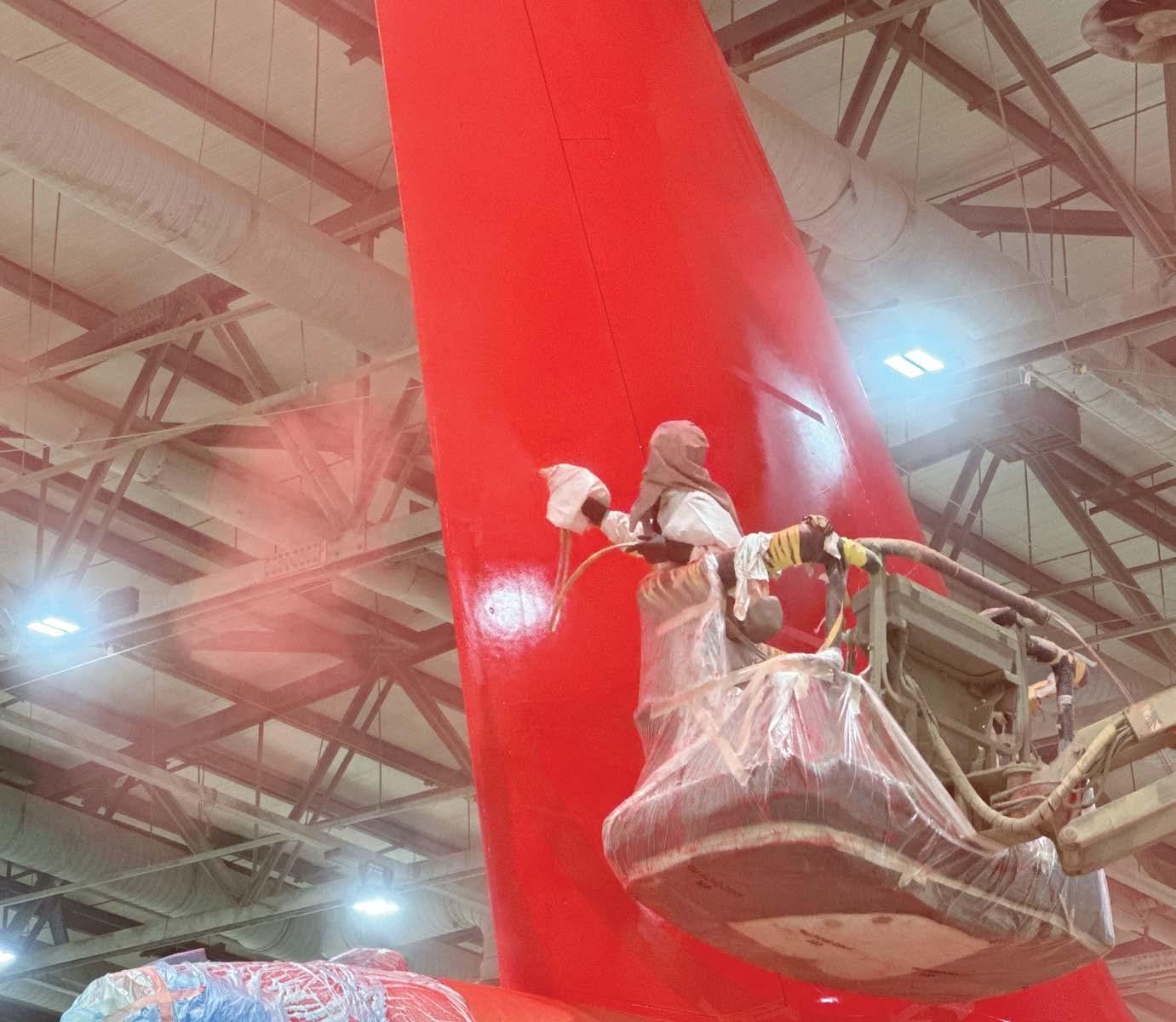
Over 15 years ago, International Aerospace Coatings (IAC) made a decisive move that would further cement its European and global presence with the establishment of operations at Dublin Airport.
The expansion at this strategically located facility not only enhanced flexibility for IAC’s clients, servicing both domestic and international markets, but also marked a pivotal chapter in the company’s European growth story. The company has since grown to become the global leader in aircraft painting and coating services, currently operating 19 facilities across 10 locations through Europe and the US. IAC is proud to have its global headquarters based in Ireland, along with having an Irish workforce of over 300 team members.
Since 2010, the Dublin facility has operated a state-of-the-art, environmentally controlled wide-body paint hanger, capable of accommodating up to three A320 sized narrow body aircraft or a single wide body such as an Airbus A330 or Boeing 747-400. In addition to its paint facilities, the site also hosts IAC’s in-house graphics production, reinforcing the company’s commitment to delivering end-to-end aviation solutions. Over the years, the Dublin facility has supported hundreds of high-profile projects for some of the industry’s biggest names. Some notable projects include:
Aer Lingus
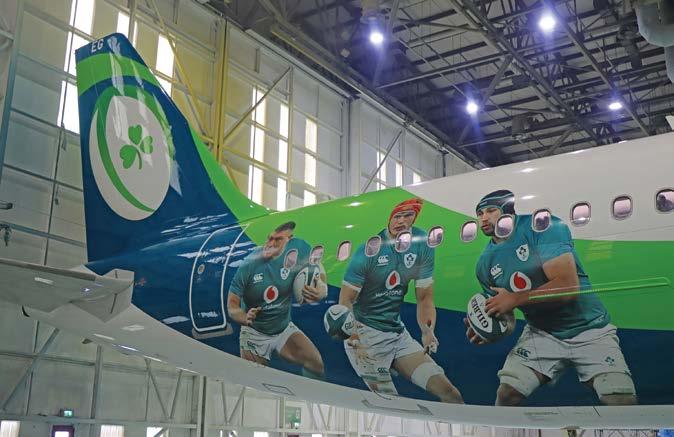
In 2015, IAC partnered with Aer Lingus to produce the “Green Spirit” livery on an A320 aircraft, celebrating the airline’s sponsorship of the Irish Rugby Football Union. This paint event was technically supported by one of IAC’s group companies ‘Eirtech Aviation Services’ who provided approved livery drawings.
Fiji Airways
IAC can accommodate the world’s largest and most modern aircraft in its hangar in Dublin. Over the years the team has completed many projects including the very striking Fiji Airways aircraft, with its distinctive new Masi symbol which brings Fiji’s culture and heritage to life on their new A350.
IAC’s Dublin operation is just one element of its broader global footprint. As a recognised global leader in aircraft painting, interior refurbishment, graphics, and technical services, the IAC Group is a cornerstone of the aviation support ecosystem. The combination of IAC’s high-performance coatings expertise paired with ‘Eirtech Aviation Services’ engineering, technical services, CAMO and regulatory capabilities provides a comprehensive, end-to-end aviation services platform, from aircraft acquisition through to transition and end-of-life support.
Serving international airlines, private operators, military
aircraft and aviation leasing companies across the globe, the IAC group provides tailormade aircraft painting, aircraft interior refurbishment and aircraft graphic solutions that ensure regulatory compliance globally. The company’s speciality capabilities, global footprint, proprietary processes and systems and supplier relationships create a unique platform that offers customers improved efficiencies and reduced costs.
IAC holds a Part 145 Maintenance Organisation A1 Rating from the Irish Aviation Authority (IAA), enabling base and line maintenance to be integrated seamlessly into painting projects. IAC’s commitment to excellence is further underscored by its ability to provide EASA and FAA Part 145 support across Boeing and Airbus fleets at its global facilities.
The company’s excellence has been recognised industry wide with recent recognition from the Aviation Industry Awards, where IAC was recently awarded the prestigious ‘MRO Achievement Award’ and the ‘Apprenticeship Programme Award’, the latter for the second consecutive year, reflecting IAC’s dedication to workforce development and future growth.
IAC’s global headquarters is based in Shannon, Co. Clare, Ireland. With ten state-of-the-art facilities across the USA and Europe, IAC has capacity for 28 lines of aircraft and processes 800+ paint events and 1000+ engineering and technical service projects per year. For
Dublin - 85 Years of Irish Aviation
As the daa Group celebrates 85 years since the first commercial flight from Dublin Airport, and looks ahead to the future opportunities and challenges of aviation in Ireland, we take a walk through the fascinating history of the airport and how it’s become woven into the political and social fabric of Ireland.
An Airport is Born
Although 2025 marks 85 years since the first civil flight from Dublin Airport, its history as an airfield dates back further, to the early days of aviation and the struggle for Irish independence. Initially known as Collinstown Aerodrome, work began on the site in 1917 to construct a wartime base for the British Royal Flying Corps. Construction had just come to a completion in 1919 when the Irish War of Independence broke out, and the British Army took over the base.
In early 1919, ‘Collinstown Camp’ as it was then known, became the target for a daring raid by 25 Irish volunteers who broke in and stole 75 rifles and 5,000 rounds of ammunition - the largest loss of weapons by the British army during the conflict. The site was used as an internment camp for Irish republicans
through to the end of 1922 when the land was transferred to the Irish Free State and fell into disrepair - grass poking up through the former runways.
The site languished in a sorry state until the Irish government selected it as the site for a new civil airport in 1936, and created Aer Rianta to oversee Ireland’s aviation infrastructure. On a cold Friday morning on January 19th, 1940, the first commercial flight from Dublin was made to Liverpool’s Speke Airport in an Aer Lingus Lockheed 14. Meanwhile, construction was progressing rapidly on Terminal 1, which opened the following year to great acclaim. The terminal, designed by Desmond FitzGerald was an Art Deco marvel, heavily influenced by the grand ocean liners of the time with its sweeping, tiered white facade.
The World War II years saw the airport struggle with flights heavily restricted; however, flights resumed as the war drew to a close in 1945, including the introduction of a Dublinto-London service. 1947 heralded the first European service between Amsterdam and Dublin with KLM, leading the way for an expansion in services and the airport’s infrastructure. By 1948, the airport could boast of three hard-surface runways, and by the dawn of 1950, it had handled a cumulative 920,000 passengers. The fifties were a significant period of
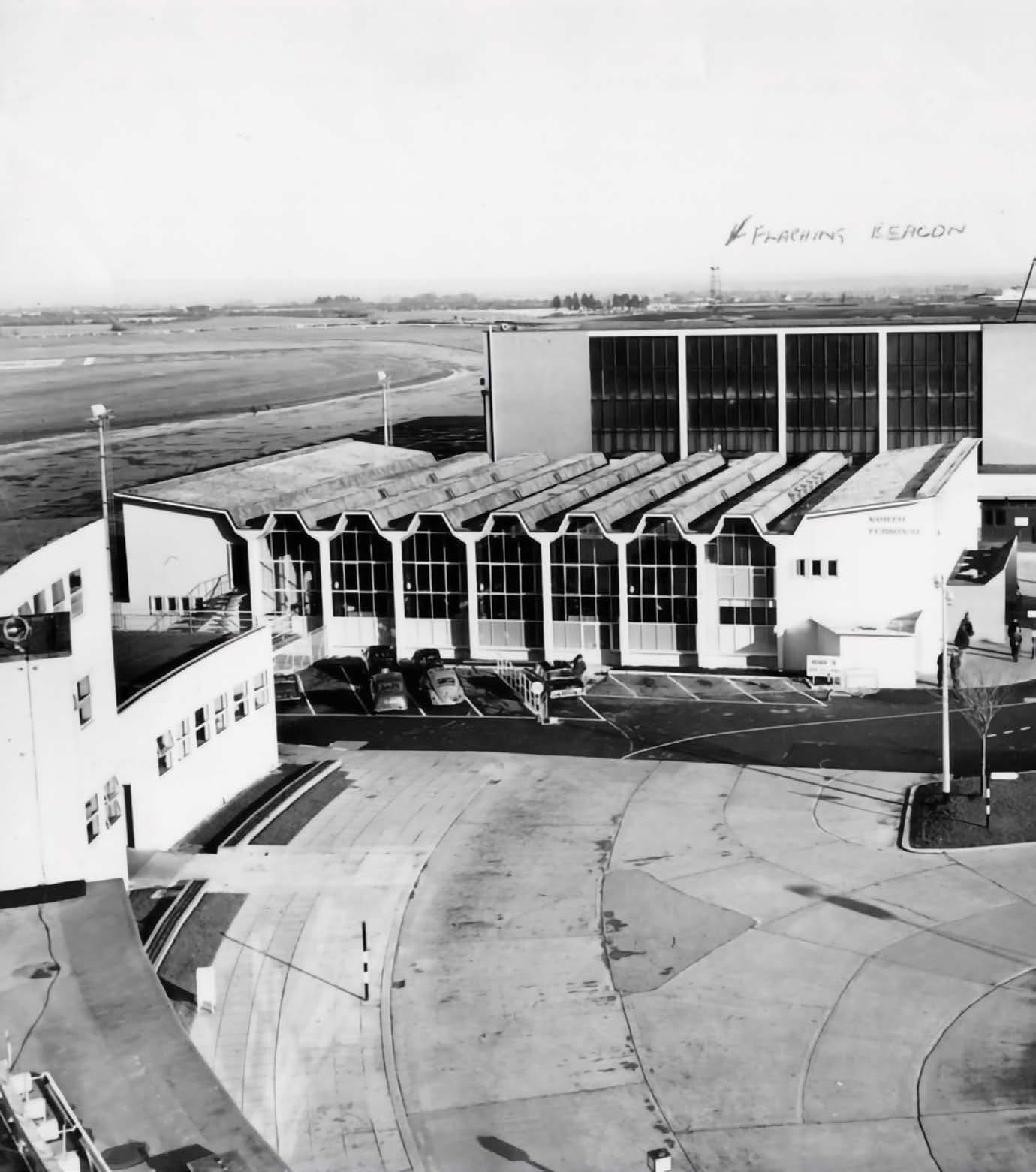
growth for Dublin Airport as flights became more accessible to the masses. Terminal 1 was expanded to accommodate larger passenger numbers, and the runways were extended to support a greater number of aircraft. Aer Lingus brought in its first transatlantic flight in 1958, and passenger numbers increased so much that they outstripped the capacity of the beautiful Terminal 1, necessitating the construction of a new terminal. The North Terminal opened in 1959, effectively splitting departures and arrivals between the two terminals. As a result, Dublin Airport had established itself as the aerial gateway to Ireland, handling half a million passengers per year.
The advent of commercial jet engine planes, such as the Boeing 707, 737 and BAC One-Eleven saw decreased journey times and increased long-haul flights and passenger numbers, which the airport responded to with new departure gates next to Terminal 1. It was also during the 1960s that the airport solidified its place in Dublin’s social life, with its restaurant gaining a reputation as one of the best airport restaurants in Europe and becoming a
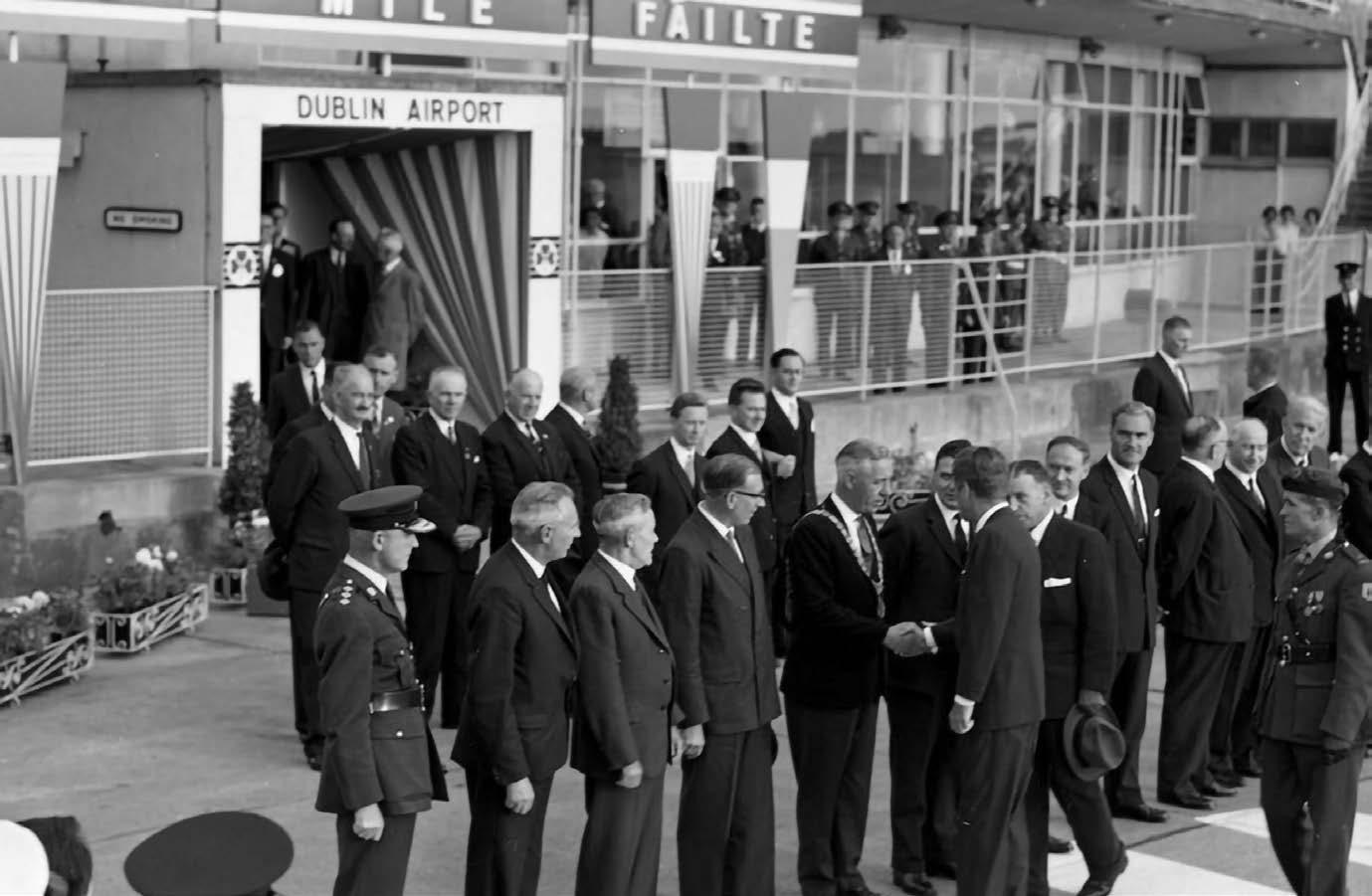
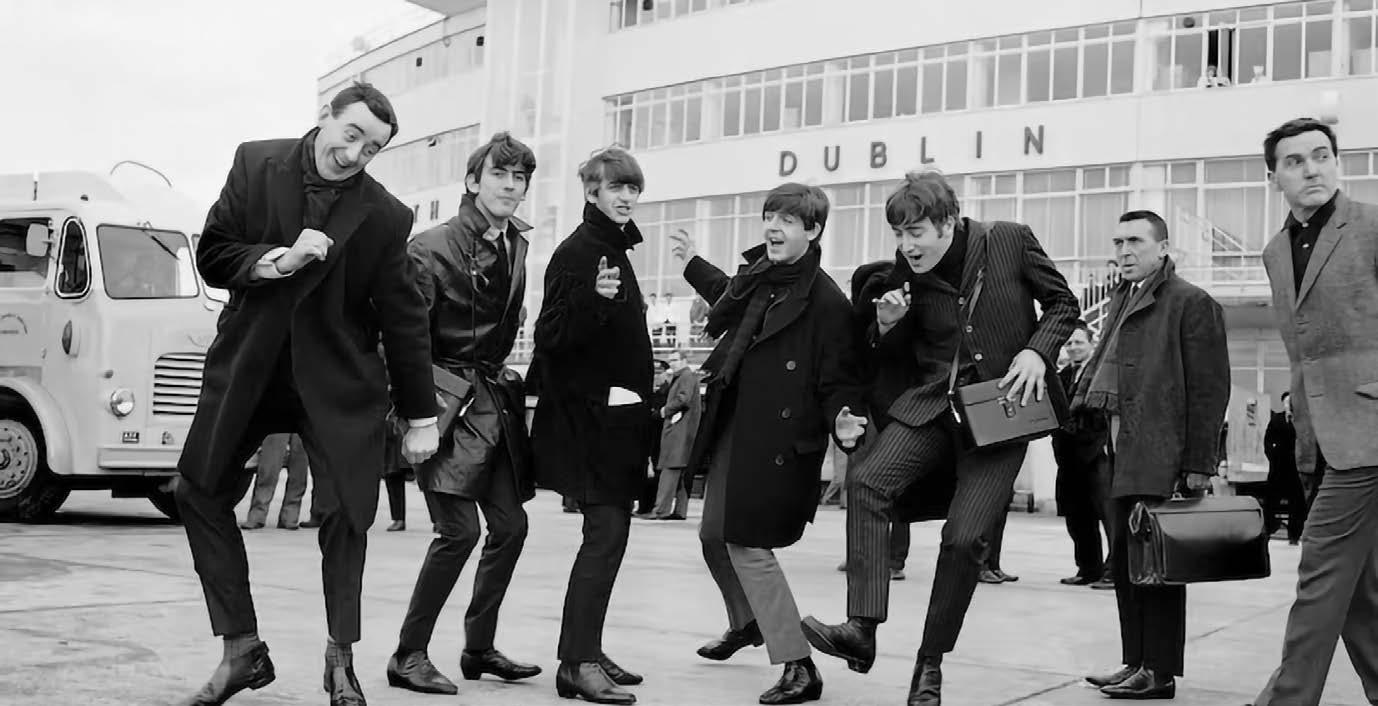
destination in its own right, thanks to its weekend dinner dances. Dublin Airport found itself in the spotlight of the world’s press in June 1963 when John F Kennedy touched down to visit his ancestral homeland, making history as the first American President to visit Ireland. The flashbulbs went into a frenzy, as did the crowds, when The Beatles landed in Dublin later the same year, and hundreds of Gardai were drafted in to hold back the screaming hordes of teenage girls. The airport also welcomed Charlie Chaplin, Audrey Hepburn with her husband,
Mel Ferrer, Princess Grace of Monaco, and many other famous faces of the time.
The iconic ‘Jumbo Jet’, the Boeing 747 made an appearance in Aer Lingus livery in 1971, taking part in a ceremonial fly-by of O’Connell Street that year. With the advent of wide-bodied jets, passenger numbers exploded, and a new terminal with a capacity of up to 6 million passengers a year (today’s Terminal 1) was built to handle the increase.
But amid all the growth and glamour, a stark reminder
landed that Dublin Airport held a symbolic place in Ireland’s troubled political landscape. On 30th November 1975, a bomb planted by the UDA exploded, killing one and injuring another eight people.
A more positive note was sounded in 1979, with the visit to Ireland of Pope John Paul II, who touched down to a rapturous welcome before addressing a record-breaking 1.25 million people at a Mass in Phoenix Park.
No Frills Flights
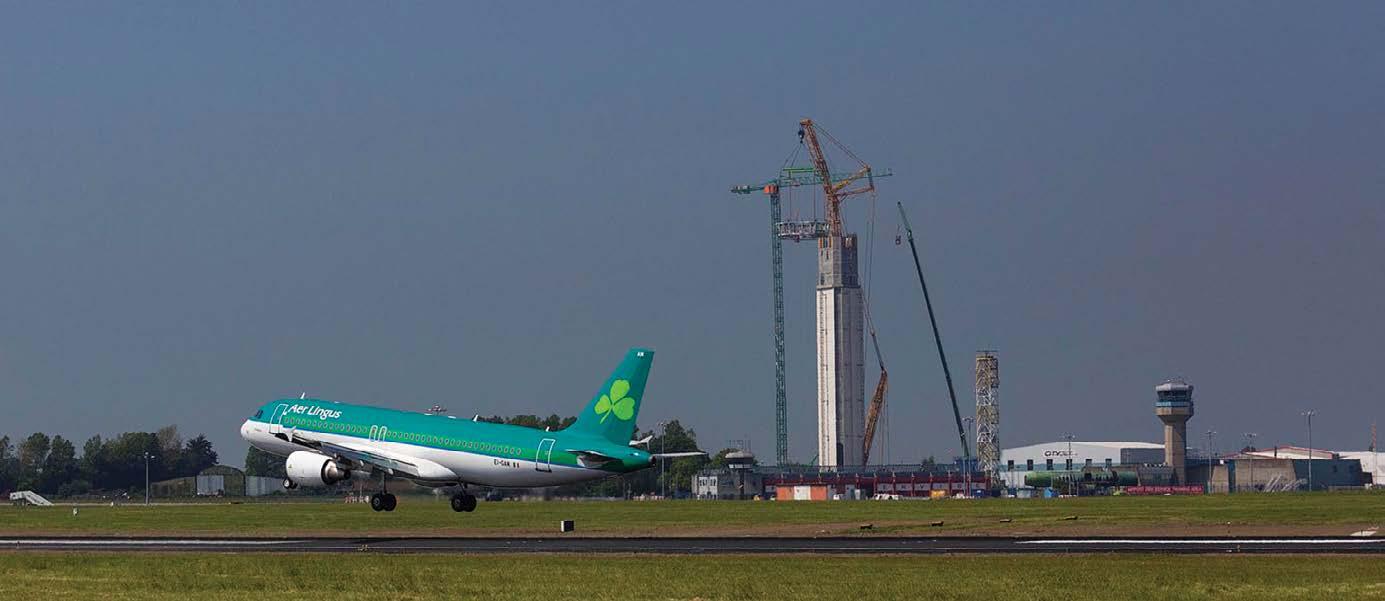
The 1980s saw the emergence of a new concept: the no-frills, budget airline. A fledgling low-cost airline called Ryanair emerged in 1985, quickly establishing itself and challenging the supremacy of Aer Lingus and British Airways on the Dublinto-UK routes. Cheap fares spawned rapid growth, with Dublin Airport breaking the five million passenger mark in 1989. The airport had to adapt and grow again, this time gaining a new 8,650ft runway to accommodate larger jets and a new state-ofthe-art control tower.
By the 1990s, budget airlines had increased the number of routes and passengers, and this, along with the Celtic Boom, enabled the airport to handle over nine million passengers a year by the end of the decade. After 67 years at the helm, Aer Rianta’s stewardship of the airport formally ended in 2004 with
the creation of the Dublin Airport Authority (DAA). DAA took over the day-to-day operations of the airport with a mandate to operate as an independent commercial entity.
Another milestone was reached in 2008 when the legal requirement for transatlantic flights to have a stopover in Shannon Airport was finally abolished, allowing Dublin Airport to operate direct flights to the US. Shannon was removed from the DAA group entirely in 2012. As a result of this change, DAA was able to attract new long-haul services to the United States. Despite the country’s financial crisis, it sought to expand to meet the growing demand with a new terminal. The new Terminal 1 opened in 2010, increasing passenger capacity to 15 million and offering attractive facilities for the transatlantic flights, such as US preclearance.
In 2014, the Dublin Airport Authority rebranded itself simply as ‘daa’.
Lingus 747 in 1971
Williams - Airliners.net, CC BY-SA 4.0, Commons Link
Ryanair takes flight @firstversions.com
Pandemic and Recovery
In the years leading up to 2020, Dublin Airport experienced significant growth, overtaking Gatwick as the 11th busiest airport in Europe and handling nearly 40 million passengers annually. However, in early 2020, the COVID-19 pandemic swept the world, and travel restrictions severely impacted the airline industry. Passenger numbers plummeted to a little over seven million, a 77% decrease to levels not seen since the early 1990s. In the face of this crisis, daa had no choice but to pause expansion plans and implement cost-cutting measures.
In 2022, the first new runway in 30 years was opened. The North Runway increased the airport’s capacity for flights and paved the way for a post-pandemic rebound in passenger numbers that reached nearly 32 million in 2023. Whilst beneficial for the economy, this rebound wasn’t without its challenges, as recruitment difficulties arose in the
post-COVID environment, leading to frustrating delays in business operations.
The Gateway to Ireland
Today, Dublin Airport is a vital infrastructure asset underpinning Ireland’s open, trading economy and its tourism industry. It connects the country to over 180 destinations worldwide. Symbolically, it is a place of beginnings and endings, echoing Ireland itself as a country where many of its people have left for far-flung places, in search of new beginnings and a better life, but where joyous welcomes await those returning home.
It continues to find itself at the centre of political debates, particularly around balancing growth with environmental commitments. Despite that, it remains deeply ingrained in both the Fingal community, creating jobs and businesses, and in the hearts of the Irish people.
Introducing Colas Active Seal with PenTack
Asphalt pavements naturally deteriorate over time due to aging and oxidation of the binder, leading to cracks and surface wear. Extreme weather, including high temperatures and moisture, accelerates this decline, while heavy traffic further compromises roadway integrity.
This degradation results in the loss of vital aggregate and mortar, reducing asphalt lifespan. However, sealing surfaces effectively protects against water and air intrusion, regenerating binder flexibility and restoring lost mortar. These actions significantly extend pavement life, ensuring safety and durability for years to come.
By using Colas Active Seal with PenTack, you can enhance the lifespan of your pavements by up to six years, promoting safer and more dependable roadways for everyone. Following site trials conducted in 2017 and 2018, Provisional Type Approval Installation Trials (prTAIT) began in 2019. This effort led to Transport Infrastructure Ireland (TII) incorporating “Surface Course Preservation Systems” into Series 900 in 2023. Since its introduction in Ireland, Colas has implemented Active Seal rejuvenation works on key road assets such as the M1 and M8.
Colas Active Seal offers significant environmental advantages compared to traditional milling and installation of new Hot Rolled Asphalt (HRA) pavement surfaces. By using Active Seal to rejuvenate and restore existing asphalt, Colas reduce the need for extensive material extraction and processing, which significantly cuts down on carbon emissions. This method conserves resources and minimises waste, leading to a lower carbon footprint.
Additionally, studies indicate that using Active Seal can achieve CO2 savings when compared to the conventional methods of removing and replacing asphalt. By choosing this innovative sealing solution, not only can Colas enhance the lifespan of existing pavements, but we also contribute to more sustainable construction practices, ultimately supporting efforts to combat climate change and promote eco-friendly infrastructure solutions.
To determine if the Colas Active Seal treatment would reduce or stop the loss of pre-coated chipping from the HRA pavement,
Active Seal Site Chip-loss Results
trials were carried out to measure chip loss before and after applying Active Seal. The results show that the Active Seal treatment is functioning as intended. The new bituminous binder, combined with the pre-coated fine aggregate, creates a new mastic material on the HRA surface, effectively securing the pre-coated chips in place.
Prior to the application process, the road must be temporarily closed to ensure the safety of workers and motorists. A comprehensive traffic management plan is implemented to redirect vehicles and minimise disruptions. It is vital to allow sufficient curing time for Active Seal, which requires keeping traffic off the surface during this period to ensure proper setting. This careful planning facilitates a smooth application process while prioritising public safety and convenience, ultimately leading to optimal results.
Cleaning is a crucial first step in sealing cracks and joints in asphalt. Once the area is clean, the treatment can commence. This cold-applied bitumen emulsion rejuvenates the flexibility and adhesive properties of the existing binder. By adding fresh binder and asphalt mortar, Colas Active Seal rebuilds the pavement’s microstructure for enhanced durability. The system includes a regenerating oil to soften the binder, a slow-curing emulsion to replace lost binder, and water to manage viscosity, effectively restoring asphalt integrity and extending its lifespan.
To improve the durability of asphalt surfaces, fine aggregate is added during application to reduce further degradation. The unique formulation penetrates deeply, filling voids and microcracks that can increase water infiltration, thus minimising moisture damage and restoring essential surface friction. This meticulous sealing process ensures that asphalt remains robust, flexible, and long-lasting. Adjustments in viscosity and spray rate are made based on pavement conditions, providing a tailored approach that enhances performance and extends the lifespan of the asphalt.
Colas Active Seal utilises a specialised spraying truck with an adjustable width of up to 6.5 meters. This advanced truck contains three tanks for a bitumen emulsion that binds effectively, a rejuvenator emulsion for enhanced flexibility, and water to manage viscosity. After the initial spray, hand spraying ensures complete coverage, including areas with protruding aggregate. The surface is then left undisturbed to allow the sealing materials to penetrate the asphalt, enabling the emulsion to break down while excess water evaporates. This careful process results in a durable seal that extends pavement life and improves performance.
Once the water from the sealing process has evaporated, a
high PSV aggregate is applied to restore lost mortar, especially on motorways. Using a sand distributor with a capacity of 14 tons, Colas applies between 1.2 to 2.4 kilograms of the high PSV aggregate per square meter, depending on pavement condition. After application, sweeping ensures the aggregate is embedded in the surface while excess material is removed. This method enhances the pavement’s structural integrity, contributing to its overall durability and longevity.
Colas Active Seal is highly effective for airports, as it prevents stone loss and slows coating degradation while meeting stringent friction requirements. At Ørsta-Volda Airport in Norway, Colas sealed approximately 35,000 m² of the main runway, which features dense asphalt concrete pavement with milled drainage grooves from 2008. Colas Active Seal has a maintenance contract with Avinor A/S, managing 45 airports in Norway, and has enhanced pavement longevity at over 20 of them to date. Similar projects have also been completed at airfields in Lecce, Italy, and Stauning Lufthavn, Denmark. By using Colas Active Seal, you not only extend the service life of your pavements but also improve their durability and resistance to water penetration. Colas Active Seal is a solution that has been successfully used on over 20 million square meters of surfaces across Europe.
Planning Consultancy Excellence
Gravis Planning Director, Ed Barrett, provides an overview of the company and their ambitious plans for growth in the coming years, and discusses their ongoing planning consultancy work with daa at both Dublin and Cork airports as well as other sectors which Gravis is involved in.
Gravis Background
Gravis Planning was formed in 2003 and is one of the largest independently owned planning consultancies on the island of Ireland. With offices in Dublin, Belfast, Edinburgh and London, the company has an extremely experienced senior leadership team, with a total of 30 staff.
As an integrated planning and strategic communications consultancy, Gravis Planning is active across all sectors of built development in Ireland and the UK, with a particular expertise in large infrastructure and energy projects.
The company’s planning team provides advice across all aspects of the planning process and has managed applications for some of the largest development projects in the country. Its planning work spans Environmental Impact Assessment (EIA), Development Plan advice, site search, feasibility and appraisal studies, planning appeals and preparing masterplans for a range of planning uses and locations.
The in-house strategic communications team prepare
and implement detailed communications plans including stakeholder mapping, providing strategic advice on how best to introduce projects to communities, building awareness and understanding issues.
Through its market-leading consultancy services, Gravis Planning provides strategic advice that delivers robust planning results for its clients as quickly as possible.
Work with daa
Gravis Planning has worked closely with daa since 2018, providing planning consultancy services for numerous projects at both Dublin and Cork airports. The team helps to guide projects through the planning system through the provision of direct advice to daa, and also specialist planning advice to multi-disciplinary project design teams. They have worked on projects of all scales, both landside and airside, including largescale taxiway and apron enhancement works and the approved upgrade of Terminal 1.
company also supports the daa planning team in safeguarding airport operations at both Dublin and Cork, through ongoing monitoring and engagement with third-party planning applications in designated zones, to ensure that development does not impact detrimentally on the airports.
Other Sectoral Experience, Energy, Residential and
Leisure.
Alongside its work with daa and other transport bodies, the company has built significant expertise across key sectors such as energy, residential, healthcare, advertising and leisure.
The commitment to net zero is wellestablished in legislation and Government policy and Gravis Planning is working extensively across all parts of energy sector as it transitions to a renewables-based system. This includes large-scale solar and wind projects, as well as grid infrastructure upgrades and new, lower carbon flexible generation power stations.
Plans for Growth
In 2023, due to significant new client wins and continued growth across the UK and Ireland, Gravis Planning announced the opening of new offices in both London and Edinburgh. This represented a major expansion by the company outside of Ireland and marked the latest phase in an ambitious strategy for growth.
The company has a strong team in place in its Dublin office, with recent senior hires and plans to grow further. Soon entering its seventh year in business in Dublin, Gravis Planning’s presence in the Irish planning market continues to grow steadily and progressively year on year.
Government targets around housing are proving difficult to meet at present for a range of reasons. As planning professionals, Gravis Planning obviously has an important role to play in securing the necessary approvals to allow developers to get on with building much needed new homes. Despite the challenges, the team can advise on how best to navigate planning processes for residential projects of all sizes.
The company are also advising on a number of projects in the leisure sector, most notably in supporting the redevelopment and expansion plans for some of the most prestigious golf clubs in Ireland. The team considers this an important sector moving forward, which will help to support local economies through high-value tourism.
The team is also seeing the demand for its strategic communications services increase in the Republic of Ireland. Unlike other jurisdictions, there is no statutory requirement for community consultation in advance of the submission of major planning applications. Expectations within local communities and from elected representatives for meaningful consultation are clear however, and the organisation is witnessing more and more developers work with key stakeholders as they seek to take forward their proposals. The Gravis Planning view has always been that consultation strategies should be designed and implemented in line with the scale and complexity of the proposed planning application, and the team works closely with clients to devise engagement strategies that are right for their project.
As the company looks ahead, the team are confident that there will continue to be a strong demand for its services, and that its business will continue to grow in Ireland across all sectors.
If you would like to get in touch with Gravis Planning to discuss its services, please email ebarrett@gravisplanning.com or phone +353 1 224 1590.
Ed Barrett, Director, Gravis Planning
The
Airport Chauffeur Service at its Finest
For 85 years, Dublin Airport has been the gateway to Ireland - a place where journeys begin, connections are forged, and the spirit of Irish hospitality greets the world. Premier Chauffeur Drive are proud to play a pivotal role in that experience, delivering a level of service that redefines luxury ground transportation.
As Dublin Airport celebrates this milestone, Premier Chauffeur Drive honours its partnership and shared commitment to excellence, offering travellers a stress free, prestigious, and meticulously curated arrival experience.
The Premier Chauffeur Drive Difference: Beyond Transportation
Premier Chauffeur Drive is more than a transport provider – it is the first impression, the trusted partner, and the silent facilitator of success for Ireland’s most discerning travellers. Its clients include corporate executives, international dignitaries, diplomats, government officials, and private individuals who expect not just a transfer, but an experience that reflects their status and aspirations.
The company’s core mission is simple: to transform every journey into an elegant, stress-free, and memorable experience. The team understands that in today’s fast-paced world, time is the most valuable asset. That’s why Premier Chauffeur Drive’s service is built on three non-negotiable pillars: precision, discretion, and comfort
Whether their clients require a single transfer, a multi-vehicle corporate event solution, or a bespoke itinerary for a private tour, the team delivers with military-grade precision and the personalised touch of Irish hospitality. Every interaction is an opportunity to exceed expectations and build lasting trust.
Comprehensive Solutions for Every Need
Premier Chauffeur Drive’s service portfolio is designed to meet the diverse needs of the modern traveller. They offer:
■ Dublin Airport Transfers: From plane to car without
delay. The company’s chauffeurs monitor flight schedules in real-time, ensuring they are there when your flight arrives. For private aviation clients, the team works with their partners Signature Aviation and Platinum Services and follow their VIP protocols, minimising wait times and maximising privacy.
■ Corporate Transport: Whether for board-level meetings, high-stakes negotiations, or major conferences, Premier
Chauffeur Drive delivers a transport solution that reflects the professionalism and prestige of your organisation. Their fleet becomes an extension of your brand image.
■ Diplomatic and VIP Services: The company is the trusted partner for embassies, consulates, and government delegations. Their chauffeurs are trained in high-security protocols, cultural sensitivity, and confidentiality, ensuring a flawless and secure experience for high-profile clients.
■ Bespoke Travel Solutions: From luxury golf tours across Ireland to multi-day private itineraries for leisure travellers, the team designs custom experiences that blend comfort with adventure, always underpinned by their commitment to excellence.
Every service is delivered with a relentless focus on detail, discretion, and client care - because in the Premier Chauffeur Drive world, there is no room for compromise.
Ireland’s Most Exclusive Collection of Vehicles
Premier Chauffeur Drive’s fleet is a direct reflection of the brand - elegant, modern, and meticulously maintained. The company invests in the finest vehicles to ensure that every journey is a statement of luxury.
Their flagship models include:
■ Mercedes-Benz E-Class: The perfect blend of luxury and performance, designed for the executive who values comfort without compromise.
■ Mercedes-Benz S-Class: The pinnacle of automotive sophistication – where cutting-edge technology meets unmatched elegance.
■ Mercedes-Benz V-Class: The ultimate in group travel, offering space, versatility, and luxury in equal measure.
■ Mercedes-Benz Sprinter: A premium mini coach that combines practicality with professional-grade features for seamless business mobility.
Each vehicle is equipped with the latest amenities, including high-speed Wi-Fi, refreshments, charging ports, and climate control, ensuring a productive and comfortable environment en route.
The company’s fleet is meticulously cleaned and inspected after every journey. They operate a strict maintenance schedule, guaranteeing that every vehicle remains in pristine condition, both mechanically and aesthetically.
At the heart of Premier Chauffeur Drive is a team of elite professionals who represent the pinnacle of chauffeur excellence. Their chauffeurs are more than drivers; they are trained to anticipate client needs, respect cultural nuances, and handle sensitive situations with discretion and poise.
Every member of the team undergoes a rigorous selection process, background checks, and continuous professional development. They are experts in route planning, local knowledge, and VIP protocols. They are problem-solvers, hosts, and brand ambassadors in one.
Discretion is a non-negotiable value at Premier Chauffeur Drive. Its clients can trust that every journey remains confidential, and every detail is handled with the utmost care.
The Partnership with Dublin Airport: Setting the Standard for Arrival
Dublin Airport’s 85-year history is a testament to its role as Ireland’s gateway to the world. Premier Chauffeur Drive’s partnership with the airport aligns seamlessly with its vision of delivering world-class services that reflect Irish excellence. Together, they create a stress free transition from air to ground - where travellers experience not just a transfer, but a curated welcome that sets the tone for their entire visit.
The company is honoured to support Dublin Airport’s mission of offering the highest standards of service to its millions of annual passengers. As the airport evolves for the future, Premier Chauffeur Drive remains a trusted partner in delivering a world-class, luxury ground transportation solution.
The Premier Chauffeur Drive Commitment: Service Without Compromise
In an era where time is scarce and first impressions matter more than ever, Premier Chauffeur Drive is the partner you can trust to deliver with precision, professionalism and punctuality. They don’t just move clients from one place to another; they create an experience that makes every journey exceptional.
As Dublin Airport celebrates 85 years of connecting Ireland to the world, the company looks forward to continuing its role in welcoming the world to Ireland - and ensuring that every journey is defined by excellence, from the moment clients step off the plane.
The Human Touch Behind the Wheel
Modernising Health Records
Ireland’s Health Service Executive (HSE) stands at a pivotal point in its digital transformation. Despite clear ambitions outlined in Digital for Care: A Digital Health Framework for Ireland 2024–2030, the current paper-heavy approach to managing patient records remains a major barrier to efficient, safe, and integrated care.
Ireland remains the only EU member state without a national electronic health record (EHR) system, and its eHealth maturity rate is just 11% - well below the EU average of 79%.
The ongoing reliance on physical records across hospitals and community services delays access to critical patient information, increases administrative workloads, and hinders continuity of care. The 2021 cyberattack on the HSE highlighted these vulnerabilities, disrupting services nationwide and reinforcing the need for secure, interoperable digital systems.
Digitisation is a critical first step. OPEX Falcon® scanners provide a powerful solution for converting legacy paper files into digital formats ready for integration into future EHR platforms. Unlike traditional scanners, Falcon systems eliminate the need for extensive prep work by scanning directly from folders, envelopes, and mixed-format files. This is crucial in Ireland, where medical records vary greatly in condition and format.
From an operational and procurement perspective, digitisation with OPEX technology offers several advantages:
■ Reduced manual handling and lower labour costs
■ Fast turnaround for scanning in clinical or off-site environments
■ Enhanced compliance with GDPR and FADGI standards
■ Improved care continuity through digital access and integration Scalable and suited to phased rollouts, OPEX scanning solutions enable hospitals, regions, or centralised services to digitise records efficiently while meeting compliance and costeffectiveness goals. This supports Ireland’s Sláintecare strategy by improving data access, reducing dependency on paper storage, and enabling more coordinated, patient-focused care.
Proven Experience in the UK NHS
OPEX’s experience with large-scale healthcare digitisation is well established. Over the past 14 years, OPEX has supported the UK’s National Health Service (NHS) in scanning millions of patient records. This longstanding partnership reflects our deep understanding of healthcare requirements, from data security and compliance to operational scalability. Since 2019, OPEX technology has been supporting the digitisation of medical records in two of Ireland’s largest hospitals through trusted business service providers and remains well positioned to play a key role in modernising the country’s health records infrastructure.
Conclusion
Digitising health records is not just a technical shift—it’s a foundational step toward a safer, more responsive healthcare system. With OPEX Falcon® scanners, the HSE can modernise effectively, delivering long-term value and better outcomes for patients across Ireland.
Mitie’s Partnership with Dublin Airport Authority
At the heart of Ireland’s busiest transport hub, Mitie is proud to support the Dublin Airport Authority (DAA) in delivering worldclass standards of cleanliness and hygiene across Terminal 1 and Terminal 2. The company’s relationship with DAA is more than a service contract - it is a strategic partnership rooted in trust, collaboration, and a shared commitment to excellence.
Mitie and DAA have cultivated a strong and dynamic working relationship that reflects a mutual dedication to passenger safety, operational efficiency, and environmental sustainability. By aligning their goals and working seamlessly together, Mitie and DAA ensure that Dublin Airport remains a welcoming and hygienic environment for millions of travellers each year. This partnership is a testament to the value of close collaboration in delivering essential public services that enhance both user experience and national infrastructure
Mitie Ireland was recently recognised in 3 categories at the Facilities Management Awards 2025 as well as being the first FM company to achieve the IBEC Keep Well Mark which has been retained for 5 consecutive years. This is formal acknowledgement of the organisation’s work and commitment relating to employee wellbeing, mental health, and culture development.
The company provides a wide range of facilities management services across Ireland, delivered as integrated FM contracts, bundled or as single services, depending on client requirements. The service offering includes cleaning, technical services, projects, energy and building services, security, front of house, and sustainability, along with consultancy services in
H&S and security.
Mitie Ireland has relationships with clients encompassing public and private sectors in diverse environments including pharmaceutical, retail, education and corporate. Its wide array of customers, and extensive geographic footprint, gives it the scale to design and deliver a quality and data-driven, customer focussed solution, to client operations spread across the island of Ireland.
Mitie is recognised as a leader in ESG among global industry peers. Its goal is simple: Net Zero Carbon by the end of 2025, or as the company calls it - Plan Zero. Mitie’s ESG team also supports clients on their journey towards net zero. Mitie has the ability to deliver as well as provide consultancy services, so clients are assured of the expertise, resources and collaborative approach that gain maximum impact and provide organisations the platform from which to constantly improve sustainability and eliminate carbon.
The organisation has implemented cleaning technology in a range of sectors and environments. Mitie’s robotic cleaning range includes scrubber driers, vacuum cleaners, mops, internal and external sweepers as well as innovations such as UV robotics and misting robots.
Mitie believe that AI for facilities management makes
Mitie believe that AI for facilities management makes things more humanly possible and has the potential to permanently transform the way buildings and places are maintained, managed and protected.
things more humanly possible and has the potential to permanently transform the way buildings and places are maintained, managed and protected. The company’s AI ambitions are supported by five themes made possible with its AI-enabled product suite, Intelligent X: Visibility - moving from blind spots to hyper-awareness; Readiness – going from hindsight to powerful foresight; Agility –going from reactive to proactive services; Experience – going from daily disruption to everyday delight and Resilience –going from worrying about downtime to working uninterrupted. Mitie is using AI to drive true facilities transformation.
Les Sheridan – Managing Director Mitie Ireland
“I’m incredibly proud of our partnership with the DAA, from mobilising the services in under four weeks to the high-quality service delivered every day. The relationship is underpinned by a collaborative approach to implementing innovative solutions, a true partnership. No two days in Dublin Airport are the same but working together we ensure high standards of cleanliness are always maintained. We look forward to further developing our partnership with the DAA over the coming years”.
Crafting Experiences That Resonate
Nineyards does far more than simply deliver services - it delivers understanding. Its design, fabrication, technical production, live activation, and construction service departments aren’t isolated units passing work along a chain. They are interconnected disciplines, each informed by the others, working in concert to produce smarter, more strategic outcomes.
The company’s value lies not in offering every service, but in knowing how and when each one adds value. Even when only one part of the business is engaged, the work benefits from Nineyards’ deep, integrated knowledge of the whole. This isn’t about selling more, it’s about thinking better.
Nowhere is this expertise more evident than in two standout projects at Dublin Airport that underline the company’s unique approach to design and production.
Dublin Airport’s East Lounge
For many travellers, the airport experience is fraught with stress. Nineyards was brought in to change that narrative with the creation of Dublin Airport’s East Lounge, a refined sanctuary for business and first-class passengers flying eastward to destinations like Dubai, Hong Kong, and Abu Dhabi.
The brief was clear but ambitious: create an “Oasis of Calm” that merged the best of Irish hospitality with the sensibilities of the modern global traveller. Nineyards rose to the challenge with aplomb. Drawing inspiration from Ireland’s natural and artistic heritage, the team incorporated premium local materials such as Connemara Marble and Kilkenny Limestone. These were carefully balanced with gold, brass, and leather accents, creating a palette that whispered luxury without shouting.
The design was visually striking but also symbolically layered. In a subtle nod to the “east meets west” ethos, the grain of the Irish oak panelling was set at precise angles between 45 and 135 degrees, always pointing eastward. Handcrafted furnishings by local artisans, Delaney’s Bespoke Furniture and STABLE of Ireland, brought further depth and authenticity to the space.
Dublin Airport East Lounge
Reimagining the Executive Lounge, Terminal 1
Nineyards was again enlisted by the Dublin Airport Authority to elevate the Executive Lounge in Terminal 1. This time, the challenge was to reconfigure and rejuvenate an existing space that had grown outdated due to increased footfall and changing passenger expectations.
What followed was a masterclass in cost-conscious creativity. Maintaining much of the original infrastructure, Nineyards developed a new brand palette and introduced a more structured layout. A key innovation was the clear delineation between dining and relaxation areas, with warm panelled walls adding a sense of comfort.
Seating was diversified to cater to various needs, from communal high tables to intimate hush stations. Each furniture piece was designed and built in-house, seamlessly integrating modern requirements like USB power outlets.
The barista zone also received a facelift, featuring mosaic tiling inspired by the Irish landscape. A final layer of bespoke elements, including a custom newspaper stand and bookshelves, ensured the lounge felt both welcoming and refined.
The projects delivered at Dublin Airport showcase Nineyards’ integrated approach at its best - where design, fabrication, and live activation align to elevate the passenger experience. This methodology, however, extends far beyond the aviation sector. Across retail, brand environments, and public spaces, Nineyards applies the same cross-disciplinary thinking to deliver cohesive, high-impact results. The following case studies demonstrate how this integration-first mindset consistently drives smarter, more connected outcomesregardless of industry or scale.
Bringing Light to Life: A Living Sculpture for LinkedIn Dublin
Nineyards were commissioned to develop a sculptural centrepiece for the reception of LinkedIn’s new Dublin headquarters—an installation inspired by the Celtic Tree of Life. The challenge was to translate a poetic concept into a technically robust, high-impact experience piece in the heart of Dublin.
The result was a dynamic, layered paper sculpture that responds to its environment through intelligent lighting and sound. Industrial designers, AV specialists, and rigging experts collaborated to ensure seamless integration with the building’s architecture, while maintaining the organic feel of the original vision. Every detail—from material development
to environmental programming—was handled in-house, demonstrating Nineyards’ ability to fuse creativity with precision.
Designing Simplicity: A Human-Centred Customer Experience for Tirlán
Nineyards was tasked with transforming Tirlán’s Customer Experience Centre into a space that reflected innovation while delivering a sense of anticipation from the moment visitors entered. The journey began with a reimagined entrance, featuring acoustic baffles and intelligent lighting that subtly responded to movement and time of day.
Inside, a customisable LCD “shop window” screen and adaptive environmental video wall allowed the space to shift dynamically between business units. Modular furniture and integrated tech ensured flexibility for both client engagement and internal use.
At the core was a bespoke control system, activated by RFID-enabled brand “trophies,” allowing users to trigger tailored room settings. This intuitive, human-centred approach turned the suite into a responsive, immersive experience— keeping the Tirlán brand front and centre at all times.
More Than Makers
A profound respect for design, detail, and story unites all of Nineyards’ work, whether it’s an airport lounge, an iconic centrepiece or an intelligent and immersive business space. Their vertically integrated approach, with design studios and manufacturing under one roof, enables a level of quality control and agility few can match.
In their own words, they’re “moment makers.” But the truth runs deeper: Nineyards draw from their shared knowledge to craft integrated spaces and experiences that resonate long after the moment has passed.
Terminal 1 Executive Lounge LinkedIn
Tirlan
Dublin Express: Powered by People
With demand for efficient, comfortable travel on the rise, Dublin Express continues to lead the way in premium public transport. In 2024, the company carried over two million passengers, reflecting its growing reputation for reliability, service quality and innovation.
From airport runs to intercity travel, the focus is clear: a seamless customer experience from start to finish.
Delivering Seamless Travel
For time-sensitive passengers heading to and from Dublin Airport, reliability is essential. Dublin Express offers frequent services, with coaches running every 7½ minutes to the city centre most of the day. Through its Rail2Air partnership with Irish Rail, services from Heuston Station operate every 15 minutes, making transfers easy and efficient. Connections via Tara Street, Custom House Quay and Terenure extend reach across the city.
Every detail is designed with the passenger in mind - from mobile ticketing and real-time coach tracking to onboard amenities like free Wi-Fi and charging ports.
“We aim to make each journey stressfree,” says Director for Ireland Rory Fitzgerald. “From technology to timing, we want our passengers to feel in control and comfortable.”
Expanding Routes, Growing Reach
The Belfast–Dublin service, launched nearly two years ago, has seen strong and steady growth. As one of the company’s key areas for expansion, there will be further investment in this highdemand corridor, with the goal of continually maximising capacity and maintaining a first-class experience.
Meanwhile, the Dublin fleet, which runs on Hydrotreated Vegetable Oil (HVO), continues to support the company’s sustainability goals. Dublin Express was the first privately owned public transport operator in Ireland to adopt HVO, reducing emissions without compromising performance.
A Strong Team at the Core
Meanwhile, the Dublin fleet, which runs on Hydrotreated Vegetable Oil (HVO), continues to support the company’s sustainability goals.
Looking Ahead
What truly sets Dublin Express apart is its people. From drivers and CSAs to the wider operational team, staff are at the heart of every success. Continuous training and development ensure every team member is equipped to deliver exceptional service.
“We’re proud of the team we’ve built - and the partnerships we’ve nurtured since the start,” says Fitzgerald. “Customer focus isn’t a box we tick; it’s in our DNA.”
With new projects planned for the summer and beyond, Dublin Express is focused on growing its services and brand. Innovation remains central to this vision, helping the company scale while staying responsive to evolving passenger needs.
As winners of Dublin Airport Coach Operator of the Year 2024, Dublin Express continues to set the standard - providing fast, friendly and future-ready transport for all.
Bay Blinds: A Clear Vision
In the ever-evolving world of design and innovation, longevity speaks volumes, and Bay Blinds is a shining example. With over 21 years in business, this family-run enterprise, led by husband-and-wife team Liam and Ruth Brady, has built a reputation for excellence, reliability, and a forward-thinking approach that keeps them at the forefront of the blinds and window solutions industry.
Operating from its factory and showroom in Millennium Business Park, Ballycoolin, Bay Blinds specialises in residential and commercial window coverings. Its in-house manufacturing capabilities mean it maintains the highest quality control standards while offering a wide range of custom solutions to suit projects of all sizes.
Bay Blinds has cultivated a longstanding partnership with the Dublin Airport Authority (DAA), delivering bespoke window solutions across various airport facilities. Recent contributions include outfitting The Martello Lounge - formerly The East Lounge - with premium automated blinds that complement the lounge’s panoramic runway views and tranquil ambience. In Terminal 1 and Terminal 2, Bay Blinds has been instrumental in enhancing passenger comfort by installing
and maintaining blinds in the revamped Liffey Lounge and other lounge areas, ensuring optimal light control and privacy. Additionally, the company’s expertise was pivotal in the recent upgrade of the exclusive Platinum Services suite, where tailored window treatments contribute to a luxurious and private environment for VIP travellers.
Notably, Bay Blinds played a key role in the iconic new Air Traffic Control (ATC) tower at Dublin Airport - the tallest occupied structure in Ireland at 86.9 meters - by providing specialised blinds installation and ongoing maintenance, thereby supporting the tower’s state-of-the-art design and functionality. Through these projects, Bay Blinds continues demonstrating its commitment to quality and innovation in enhancing Dublin Airport’s infrastructure.
Bay Blinds’ collaborative spirit is key to its success. The team works closely with architects, designers, and clients to ensure bespoke solutions meet exacting standards. Working with a diverse portfolio of respected clients across both public and private sectors, Bay Blinds’ commercial expertise has earned the trust of major organisations, including OCS, the Department of Housing, Local Government & Heritage, and Respond Housing, where it delivers high-quality window solutions that meet rigorous standards. The company also collaborates closely with leading construction and fit-out companies such as Flynn Management & Contractors, Hyde Interiors, Walls Construction, and Castlethorn Construction, supporting large-scale developments and fit-outs with professional, reliable service and long-term maintenance support.
The firm’s impact isn’t limited to Irish shores. Bay Blinds has worked on numerous projects both nationally and internationally. Recently, the team brought their expertise to the Amazon Data Centre offices in Friesstrasse, Frankfurt, underlining the company’s capability to deliver top-tier results on an international stage.
Back home, the company continues to make its mark, most recently teaming up
with Hyde Interiors to bring a luxury finish to the prestigious East Wharf Apartment complex - proof that whether it’s a corporate HQ or a high-end residential development, Bay Blinds delivers excellence every time.
Bay Blinds is committed to reducing its environmental impact and promoting sustainable practices throughout its operations. It continually seeks out eco-friendly materials, improves energy efficiency in its manufacturing processes, and minimises waste wherever possible. By working closely with responsible suppliers and embracing innovation, it aims to offer products that not only enhance but also support a healthier planet. Its dedication to sustainability drives it to keep evolving and find new ways to care for the environment now and in the future.
With a track record of quality, a commitment to innovation, and a personal touch that only a family-run business can offer, Bay Blinds continues to shape Ireland’s - and Europe’s - interior landscapes, one window at a time.
If your public sector organisation needs a reliable partner for blinds supply, installation, or servicing, think Bay Blinds Dublin.
Delivering Decarbonisation
Two decades ago, two brothers created a company named Enerpower, they set out with a simple goal: to help Irish businesses reduce their reliance on fossil fuels by using biomass boilers. Today, Greenvolt Next, part of Greenvolt Group, a pan European platform for decentralised enery solutions, that operate both in Ireland and the UK driving the green transition for some of the biggest brands on the market.
“We started in biomass heat production, then moved into wind energy, installing one-off turbines for factories across Ireland,” explains John Carty, CCO, Greenvolt Next Ireland & UK. “By 2015, we recognised that solar power was becoming the dominant force and now, it makes up more than 90% of our work.”
This evolution has been nothing short of remarkable. From installing single turbines for local factories, the company now designs, supplies, installs and maintains large-scale renewable energy systems for multinationals like Lidl, Tesco, Eli Lilly, Pfizer, MSD, Microsoft, PepsiCo and Coca-Cola.
“We are now the largest installer of solar facilities in the commercial and industry space in Ireland,” Carty confirms.
A pivotal moment in the company’s journey came in 2023 when it joined forces with Greenvolt Group - a major European renewable energy player operating in 19 countries. “We entered into partnership with the company – and subsequently changed the name to Greenvolt Next Ireland We then expanded and entered into the UK market as Greenvolt Next UK,” Carty says.
“During that period, opening the UK office in Warrington to service the UK market and being part of the Greenvolt group has given us the ability to continue to provide an unrivalled service and build our relationships with large multinational clients.”
Greenvolt Next Ireland has effectively positioned itself as a “one-stop shop” for clients aiming to achieve net zero emissions. Its comprehensive offering covers solar PV, heat pumps, battery storage, wind energy and long-term operations and maintenance.
“Our solar installations dominate our workload, but we’re always evolving,” Carty notes. “We transitioned our heat
Greenvolt Next: Powering Ireland and the UK towards a sustainable future.
department from biomass to heat pumps and now deliver largescale projects like the Amazon data centre for South Dublin County Council - which we continue to maintain. We’re also combining solar PV with battery storage. For example, we’re installing Lidl’s first net zero store in Maynooth, complete with solar panels, a battery system and carports.”
Greenvolt Next Ireland’s expansion into battery storage marks a critical next step. “We see batteries as a massive part of the future, especially given the intermittent nature of renewables. They will become a key service for commercial and industrial clients and in utility-scale projects. For instance, in Scotland we’re installing a 30 megawatt-hour system for a major utility scheme.
Supporting the Green Transition
Demand for Greenvolt Next’s services has never been higher. “We’re extremely busy,” Carty says. “It’s no longer just a case of companies choosing to go green — it’s effectively obligatory, because their customers are demanding it, while regulatory ESG requirements are also making it unavoidable. We make the transition as seamless as possible by handling planning, design, installation, and ongoing maintenance. One point of contact, no headaches.”
Rising energy costs have also made the business case for renewables stronger than ever. “Many of our clients are reaping substantial benefits from having fixed the cost of their electricity for the next 25 to 30 years. There’s no cheaper energy source out there and for those who can make the investment, it’s a no-brainercheaper energy, price stability and carbon savings in one.”
While solar has become easier to deploy - thanks to changes that mean most rooftop installations no longer require planning permission - wind remains a challenge.
“When you compare kilowatt-hour production, wind gives better output over a 24-hour period and across the year. But the planning process is long and complex. It’s a big disincentive,” Carty explains. “Solar, on the other hand, is straightforward - unless you’re in an aviation zone, you don’t need planning permission. So, 90% of our business is solar, although we do have some wind projects in the pipeline.”
Carty is clear that broader planning reform is overdue. “The ability to object to a project in Wexford even if you live in Donegal is definitely a problem. But it’s not for me to sort out. I would commend the government for making solar easier though - that’s made a big difference.”
High Targets
To reach the government’s 80% renewable generation target by 2030, Ireland plans to have 22 GW of renewable electricity capacity installed, up from 6 GW at the end of 2023, Greenvolt Next Ireland is playing its part with an ambitious goal of delivering 1 gigawatt of its own.
“We’ve moved into the utility sector to achieve this. Previously, in the commercial and industrial sector, we delivered about 100 megawatts over four to five years. Now, we’re doing much larger projects, from 7 to 50 megawatts, for utility-scale developers in the RES auctions. One client alone has over 100 megawatts in our portfolio,” says Carty. “Between now and 2030, most of our growth will come from the utility segment.”
According to Carty, the company’s approach to designing solutions is highly individualised: “It depends on the client. Clients can go after the low hanging fruit first - they attack the electrical side first because it’s the cleanest and simplest solution in terms of installing solar on their roof. Then they might look at transitioning their heat load over to biomass or heat pumps - we investigate and assess what is most convenient and suitable for them.”
This pragmatic yet holistic approach reflects a deep understanding of the challenges businesses face. While solar installations are relatively quick and frictionless - especially outside aviation zones - heat pump integration can demand increased electrical capacity on site, often bumping up against Ireland’s grid limitations.
“Heat pumps have that issue if the customer doesn’t have the electrical connection,” Carty explains. “Biomass can fill that void, reducing direct emissions without adding strain to the electrical network.”
Whether working with a supermarket chain or a pharma giant, the fundamentals of Greenvolt Next’s solutions remain consistent. “Most systems fall into three types: rooftop, groundmounted, or carport. Lidl, for example, is the biggest owner of rooftop solar in Ireland - we’ve installed 17 or 18 megawatts for them. Coca-Cola has a carport system, and we’re adding a ground-mounted system too,” Carty explains.
When land and grid connections allow, large groundmounted systems can deliver major scale - like the 9 megawatt project at Dublin Airport. “We’re now building similar-sized systems for the utility market. It’s the same technology and structures, just scaled up.”
Underpinning Greenvolt Next Ireland’s rapid deployment is an attractive financing model: power purchase agreements (PPAs) that remove upfront capital costs. “Absolutely, financing is vital,” says Carty. “We will finance and fund the project, so
Minister Darragh O’Brien and John Carty, CCO Greenvolt Next
the client doesn’t have to put any money down. They simply pay for the electricity produced. It unlocks sustainability for companies that may not have access to capital or prefer to invest it in other areas of their business.”
One of the strongest arguments for companies to invest in on-site renewables is cost predictability, according to Carty, “Fix 25% of your energy and you know what it’s going to cost for the next thirty years. You’re avoiding price volatility and displacing emissions - it’s a no-brainer for most businesses.”
Dublin Airport Solar Farm: A New Benchmark
One of the company’s most high-profile projects to date is the ambitious 9MW solar farm at Dublin Airport - the largest of its kind on an Irish airport campus. The project is a cornerstone of Dublin Airport’s decarbonisation strategy and a clear statement of intent that major infrastructure can successfully integrate on-site renewable generation.
Located on a 28-acre site within the airport grounds, the solar farm comprises more than 15,000 high-efficiency solar panels and is expected to generate up to 9GWh of clean electricity annually. This covers around 13% of Dublin Airport’s total electricity needs - enough to power the entire airfield operations, with surplus feeding terminals and campus facilities. In real terms, the project will displace over 2,500 tonnes of CO₂ emissions each year.
Delivering a solar farm on an active international airport came with unique challenges. “Dublin Airport have their own standards for electrical infrastructure, IT, communications, and security,” Carty explains. “So working with multiple stakeholders and designing a system to meet those specifications was complex - but our team worked closely with every department to deliver a system that meets stringent safety and performance requirements.”
further demonstrating the company’s expertise in integrating renewable systems within highly regulated transport hubs.
From large corporate campuses to critical national infrastructure, Greenvolt Next Ireland’s tailored solutions and financial models are removing barriers and delivering measurable decarbonisation - exactly what Ireland needs as the clock ticks down on its 2030 targets
The project has already secured planning for future expansion: Phase 2 aims to add another 6,000 panels by 2027, which will boost the share of solar power to more than 20% of the airport’s electricity demand - supporting daa’s target to cut direct emissions by 51% by 2030.
Cork Airport and Beyond
Hot on the heels of Dublin’s success, Greenvolt Next Ireland has also secured planning for an elevated solar carport system at Cork Airport. This 1.8MWp project will supply up to 30% of Cork Airport’s energy needs once operational,
Projects like Dublin Airport’s solar farm show what’s possible when expertise, collaboration, and innovation come together with clear climate ambition. And with more projects already on the horizon, Greenvolt Next looks set to remain at the forefront of Ireland’s clean energy transition
As Ireland and the UK push towards net zero, the Greenvolt Group is determined to lead from the front - evolving, expanding, and adapting to meet the climate challenge headon. “Our mission is to deliver cost-effective, resilient renewable energy solutions that help clients decarbonise quickly and efficiently,” says Carty. “We’ve come a long way in 20 years, but the next decade will be our most exciting yet.”
John Carty, CCO Greenvolt Next,Keeny Jacobs, CEO daa, Minister Darragh O’Brien.
National Development Plan Review
Public consultation launch for National Development Plan Review and updated project Ireland 2040 progress tracker.
Minister for Public Expenditure, Infrastructure, Public Service Reform and Digitalisation, Jack Chambers officially launched the public consultation for the Review of the National Development Plan (NDP) during a recent visit to the new Cystic Fibrosis Ward currently under construction at Beaumont Hospital. Alongside this significant announcement, the Minister also launched an updated Investment Projects and Programmes Tracker and the latest version of the MyProjectIreland interactive map.
The public consultation, now live on the Department’s website invites citizens and stakeholders from across Ireland to share their views on investment priorities and areas of national significance, helping to shape the next phase of public infrastructure development.
Speaking at the launch, Minister Chambers highlighted the significance of the NDP as the Government’s primary vehicle for long-term public investment: “In the past four years, more than €65 billion has been invested through the National
Development Plan to improve people’s lives - building roads, homes, schools, and hospitals,” he said.
“This consultation is an opportunity for the public to influence how we invest to continue transforming Ireland’s infrastructure for the better.”
With Ireland’s population and economy continuing to grow at a robust pace, the Minister emphasised the need to ensure the country can keep pace with the demand for housing, energy, water, and transport infrastructure. The review is also a key mechanism to maintain and strengthen Ireland’s global competitiveness and improve living standards for all.
The NDP review, which will be published in July 2025, will extend the Government’s infrastructure investment strategy to 2035. The updated plan will account for a record level of capital funding, incorporating resources such as the Apple Escrow Fund, proceeds from the sale of bank shares, and the Infrastructure, Climate and Nature Fund - totalling an additional €20 billion in available capital.
Minister Chambers said the review will prioritise transformative, growth-enhancing infrastructure to meet our objectives over the next decade. “That includes delivering the supporting infrastructure to enable the construction of 300,000 new homes by 2030, particularly in water, energy, and transport. We will also reassess existing plans, update project costings, and ensure strong value-for-money and effective delivery across all sectors.”
Minister
for Public Expenditure, Infrastructure, Public Service Reform and Digitalisation, Jack Chambers
“With a record
€15 billion capital budget in 2025, the Government is focused on delivering infrastructure that improves public services and supports thriving communities.”
The review process is already underway, with Departmental officials engaging bilaterally with spending departments to assess their capital priorities for the period 2026–2030. Ministerial-level engagement is also ongoing to finalise the revised investment priorities.
Concurrently, the Department’s Infrastructure Division is conducting a detailed analysis of the barriers to infrastructure delivery and identifying the reforms required to improve project outcomes and timelines.
Coinciding with the consultation launch, the Department also unveiled the updated Investment Projects and Programmes Tracker and MyProjectIreland interactive map, accessible at gov.ie/2040. These tools are key transparency and engagement mechanisms under Project Ireland 2040, offering a detailed snapshot of progress in delivering the NDP.
The updated Tracker includes data on more than 500 major projects and 146 programmes, each with estimated costs above
€20 million. The redesigned dashboard interface allows users to view real-time updates, visualise project data, and monitor sectoral and regional investment progress across health, housing, education, transport, and more.
The MyProjectIreland map now features almost 2,000 projects - from social housing schemes and schools to water treatment plants and transport upgrades - and includes enhanced search functionality, mobile responsiveness, and Eircode search capabilities.
Minister Chambers highlighted the Tracker and Map as vital tools in increasing public awareness of infrastructure delivery: “These updates provide people with a clear view of what is being delivered in their local areas. With a record €15 billion capital budget in 2025, the Government is focused on delivering infrastructure that improves public services and supports thriving communities.”
Notable projects completed in 2024 and showcased on the map include:
■ Health upgrades such as a new ward at Portiuncula Hospital and an extension to Mullingar Radiation Department.
■ Social housing developments in Dublin 15, Dublin 20, and Kilkenny.
■ New water infrastructure in Wicklow and Kilkenny.
■ Transport investments including the Listowel Bypass and the N22 Ballyvourney to Macroom road.
■ Educational facilities like Mungret Community College, Co. Limerick and St Clare’s Primary School in Cavan.
■ Cultural investments including a new public library in Ennis, Co. Clare. The National Development Plan is an essential component of Project Ireland 2040, which combines the National Planning Framework and the capital investment strategy. With a lifetime budget of €165 billion to 2030 - now further augmented - the NDP supports the delivery of ten National Strategic Outcomes and Departmental spending ceilings that enable consistent, multi-annual investment planning.
As the public consultation gathers views and the review process advances, Minister Chambers reaffirmed the Government’s commitment to inclusive, transparent, and impactful infrastructure delivery:
“This is a moment to shape the infrastructure that will serve future generations. We encourage everyone - citizens, businesses, and communities - to take part in the consultation and help us build a better Ireland.
Is Private Equity The Answer?
As demand for homes continues to outpace supply, and with the state struggling to meet its ambitious construction targets, policymakers have begun courting private capital to bridge the gap. This marks a shift in strategy, reflecting both the scale of the crisis and the limitations of public funding and traditional development models.
Private equity firms bring substantial financial resources and can mobilise large-scale investment quickly, making them attractive partners in a housing market where delays have become a hallmark. The government hopes that by easing planning restrictions, offering co-investment opportunities, and ensuring regulatory certainty, it can create an environment
in which private investors are confident to commit long-term capital. In turn, this would help accelerate the construction of thousands of new units, particularly in urban centres like Dublin and Cork, where housing demand is most acute.
However, this approach is not without controversy. Critics argue that bringing in profit-driven investors risks further inflating prices and rents, making housing even less affordable for ordinary Irish citizens. There are fears that private equity involvement will prioritise high yield returns over social outcomes, leading to more luxury developments and fewer homes accessible to low and middle-income earners. Opposition parties and housing advocacy groups warn that relying on
The Irish government is increasingly looking to private equity firms to help address the country’s chronic housing shortage.
financialised solutions could deepen the housing crisis in the long run, especially if it reduces the state’s direct role in providing affordable and social housing.
Supporters of the strategy counter that the urgency of the situation demands pragmatic responses. With construction costs high, labour shortages ongoing, and public finances stretched by other priorities such as healthcare and climate transition, they argue that refusing private capital is unrealistic. Some also note that international models, including in countries like Germany and the Netherlands, have successfully used private investment under strict regulation to increase housing stock without sacrificing affordability.
The Irish government has stressed that any involvement of private equity will be accompanied by safeguards. These include rules around long-term rental commitments, caps on profit margins for subsidised projects, and requirements to build a mix of housing types. Yet questions remain about how effectively such safeguards can be enforced, especially given the complexity and opacity often associated with large investment funds.
As Ireland grapples with one of the worst housing
“As Ireland grapples with one of the worst housing shortages in Europe, the turn toward private equity represents both an opportunity and a gamble”
shortages in Europe, the turn toward private equity represents both an opportunity and a gamble. It underscores the scale of the problem, and the political difficulty of solving it with public resources alone. Whether this strategy will ultimately deliver the housing Ireland needs remains an open and highly contested question.
Colm McGrath, Head of Surety, Howden Ireland
Construction Set for Growth
Ireland’s construction industry set to outperform Europe in 2025.
Ireland’s construction industry is projected to emerge as one of Europe’s strongest performers in 2025, positioning itself ahead of many EU peers after a challenging period marked by rising costs and subdued activity. Recent market analyses from global consultancies Linesight and Arcadis underscore this optimism, highlighting a resilient domestic economy, robust public investment programmes, and strong demand in high-growth sectors such as data centres and life sciences as key drivers underpinning this positive outlook.
Following a difficult 2024 characterised by high interest rates, rising labour costs, and inflationary pressures, construction output across Europe is set to rebound this year, with Ireland, Finland, and Spain leading the way. According to Arcadis’s inaugural Ireland Market View, the Irish economy is expected to grow by 3% in 2025, bucking the wider EU trend and supporting a construction sector recovery. Domestic demand and fixed capital formation are forecast to expand by up to 3%, providing a solid platform for industry activity.
Central to this growth trajectory is the government’s continued commitment to tackling the housing crisis and addressing critical infrastructure gaps. The new coalition government - comprising Fianna Fáil, Fine Gael, and the Regional Independent Group - has signalled unwavering support for the National Development Programme, which will ramp up in 2025 with major hospital and housing projects moving through procurement. Private housing is also set to
bounce back after a sluggish 2024, with house completions expected to rise by 10%.
Sector-specific opportunities further strengthen the outlook. The data centre market remains a standout performer, with Dublin consolidating its position as a European hub. However, access to reliable power is increasingly constraining development. In response, operators are investing in alternative energy solutions such as renewable self-generation, corporate power purchase agreements (CPPAs), and on-site generation. Notably, Microsoft recently entered a CPP agreement with SSE Renewables and FuturEnergy Ireland to secure 30MW of wind energy, while a pilot project in Dublin will deploy green hydrogen fuel cells to power a data centre control facility.
Life sciences also represent a key growth avenue. The sector has seen €1.2 billion invested in European R&D startups in the first quarter of 2025 alone. In Ireland, life sciences manufacturers are leveraging existing facilities to expedite market entry and adapt swiftly to shifting demands - though lingering uncertainty around transatlantic tariffs poses a potential drag on exports and future capital investment.
Despite this promising outlook, the industry faces several persistent challenges that require careful management to sustain momentum. Cost inflation remains a pressing issue, with Ireland’s rate currently tracking slightly ahead of the European average at 2.5–3.5% for 2025. Labour shortages, especially among skilled electrical and mechanical, electrical and
With strong domestic demand, increasing public investment, and a growing workforce, 2025 presents a positive outlook for the industry.
The data centre market remains a standout performer, with Dublin consolidating its position as a European hub.
plumbing (MEP) specialists, are exacerbating project delays and inflating wage costs. Arcadis data shows construction earnings climbed by as much as 14% year-on-year in 2024, even as overall worked hours stagnated - indicating that labour market tightness will continue to fuel wage-driven inflation into 2025.
Supply chain vulnerabilities also persist. While construction commodity prices have stabilised somewhat, uncertainty around US-EU tariff negotiations threatens procurement timelines and component availability, with knock-on effects on project costs. Richard Joyce, Managing Director-Europe at Linesight, emphasises that early contractor engagement, flexible procurement strategies, and resilient supply chains will be vital to navigating these external risks.
Perhaps the most critical systemic challenge is Ireland’s strained power infrastructure. Grid congestion, driven by ageing networks, rising peak-hour demand, and decentralised renewables, is hampering energy-intensive industries like data centres. A recent GLOBSEC grid transition index rated Ireland only ‘partially prepared’ for the green energy transition, lagging behind key neighbours such as the UK and France. Addressing these constraints through upgraded transmission capacity, storage solutions, and diversification of power sources is now an urgent priority.
Nevertheless, Ireland’s construction sector has shown remarkable adaptability and innovation, especially in missioncritical and sustainable development. As Fintan Kenny, Director at Arcadis Ireland, notes: “With strong domestic demand, increasing public investment, and a growing workforce, there are strong reasons to maintain a positive outlook for the industry. But careful planning and proactive risk management will be essential to capitalise on this momentum while mitigating cost and capacity pressures.”
Ireland’s construction sector is in a position of relative strength compared to many European counterparts. Robust economic fundamentals continued public and private investment, and high-potential sectors such as data centres and life sciences will drive growth. Yet, to fully realise this potential, the industry must address cost pressures, labour shortages, and power supply challenges through strategic planning, innovation, and resilient partnerships.
With the right policy support and industry collaboration, Ireland’s construction industry is well placed to deliver sustainable, long-term growth in the years ahead.
Arcadis data shows construction earnings climbed by as much as 14% year-on-year in 2024, even as overall worked hours stagnated – indicating that labour market tightness will continue to fuel wage-driven inflation into 2025.
INCREASE IN HOUSING COMPLETIONS
The number of homes completed in the first three months of the year increased by 2% compared with the same period last year, new figures show. Completions data published by the Central Statistics Office (CSO) show there were 5,938 dwellings competed in January, February and March in 2025.
■ Just over half of completions were scheme dwellings, 30% were apartments, and 19% were single dwellings.
■ The number of apartment completions was up 13.4% when compared with 2024, the number of scheme dwellings was down 1.7%, and the number of single dwellings was down 3.5%.
■ Six out of eight regions in Ireland saw a rise in homes completed when the first three months in 2024 are compared with 2025. Nearly a third of completions in the first quarter of the year were in Dublin, with a fifth in the Mid-East region (counties Louth, Meath, Kildare, and Wicklow).
■ The region with the largest relative increase in completions was the West - Galway City and County, Mayo, and Roscommon - at 5.8%, while the border regions of Cavan, Donegal, Leitrim, Monaghan, and Sligo saw the second largest relative growth at 5%.
■ The Government has come under pressure to boost Ireland’s supply of homes amid a housing crisis that has seen house prices skyrocket and resulted in record numbers of homeless people.
■ The last coalition had a target of building around 33,000 homes a year until 2030, but this target was raised in the programme for government to over 300,000 new homes between now and the end of 2030.
■ The target for this year is 41,000 new builds, despite the fact that the Government missed its new-build target of 33,450 for last year by 3,120.
■ The Department of Housing released figures this week that confirmed the Government missed its new-build social housing target by 1,429 last year, or 15%, having also missed it in previous years.
■ The Central Bank has projected that the Government will miss its own housing targets by a wide margin for the next three years.
Safe and Sound
Renewed focus - design and construction safety consultancy services
DCON Safety Consultants have proven themselves to be a highly reputable and comprehensive safety consulting firm that adheres to the highest industry standards embodying its commitment to excellence, compliance, and innovation for their client organisations since their incorporation in late 2016. Nearing their 10-year anniversary, their Managing Director, Diarmuid Condon reflects upon, and is encouraged by, the impact of external factors on national construction requirements. While uncertainty often involves risk and unpredictability, it also creates space for innovation, new ideas, and unique solutions that has allowed DCON Safety Consultants to hone on domestic infrastructure prospects.
The high-risk nature of the built environment will always prioritise safety. Specialist industry safety consultancy firms play an essential role in ensuring that projects are not only designed, constructed and completed successfully but are done so with minimal risk to life, property, and reputation. Founded
on the values of honesty, integrity, trust, and professionalism, DCON Safety Consultants has become a pivotal partner to a significant number of Ireland’s most ambitious public and private sector projects. With a proven track record across design supervision, planning compliance, health and safety strategy, and expert witness services, DCON Safety Consultants brings industry-leading insight and decades of hands-on experience to every engagement. Their client-focused ethos, senior project resource allocation, and commitment to compliance assurance distinguishes them as a consultancy of consistently high calibre.
At the heart of their service offering and day-to-day operations resides a deep understanding of project lifecycle needs ranging between pre-planning and post planning stages. The firm tailors its services to each project’s unique characteristics, considering the client’s goals and challenges. From the earliest planning stages to post-completion considerations, their industry qualified resources, each with
a minimum of 10 to 25 years’ average industry experience offer insightdriven, results-oriented guidance. Their philosophy is simple but effective: every potential benefit of a project is mirrored by a potential risk, and expert planning is the art of balancing both.
The leadership of Diarmuid Condon, as Managing Director, further sets the firm apart. A seasoned construction professional with a surveying background, Diarmuid has contributed to more than 500 projects since his chance introduction to construction safety in 2002. His leadership style is defined by his soft skill mentorship, strategic vision, and relentless pursuit of safety excellence. DCON Safety Consultants has played, and continues to play, a central role in landmark projects such as large residential development schemes, ambitious LDA developments, unique Sports Campus projects, adaptive reuse and conservation sensitive projects, highly regulated campus programmes and public realm and infrastructure investments. Their client list reads like a who’s who of the Irish private and public sectors, and spans diverse sectors from healthcare and aviation to hospitality, tech, life sciences, residential and retail
development.
The company’s ability to navigate complex regulatory landscapes while delivering practical, real-world solutions has won the respect and appreciation of clients across the industry. As one client testimonial puts it, “DCON Safety Consultants brought both strategic foresight and detailed practical advice that made a real difference to our project delivery. Their professionalism and commitment to best-in-class safety outcomes is second to none.”
In conclusion, DCON Safety Consultants represents the very best of what a safety consultancy should and could beinformed, experienced, adaptable, and client-focused. Under the leadership of Diarmuid Condon, the firm continues to set the benchmark for excellence in the industry, consistently delivering innovative solutions that protect lives, safeguards assets, and supports the successful delivery of complex projects. In an ever-evolving construction landscape, Diarmuid closes by noting: “Embracing uncertainty with a positive and adaptable mindset can lead to growth and new opportunities that others might overlook.”
Diarmuid Condon, Managing Director
Accelerating Infrastructure Delivery
On 19 May 2025, Minister for Public Expenditure, NDP Delivery and Reform, Jack Chambers, officially launched the new Accelerating Infrastructure Taskforce, marking a significant development in the Irish Government’s ongoing efforts to overhaul and expedite the delivery of critical national infrastructure.
The establishment of this Taskforce signals a renewed determination to tackle longstanding barriers that have impeded progress in providing the essential infrastructure needed to sustain Ireland’s economic competitiveness and social wellbeing.
Ireland’s infrastructure capacity has been under increasing pressure due to sustained economic growth, rapid population expansion, and the imperative to meet ambitious climate and housing targets. Delays and cost overruns in major projects have
attracted criticism for decades, undermining public confidence and stifling the delivery of housing, transport upgrades, energy grid improvements, and water services.
Recognising this, Minister Chambers has prioritised infrastructure delivery as a cornerstone of his department’s reform agenda. The creation of the Accelerating Infrastructure Taskforce builds directly upon other key steps already taken, including the establishment of a new dedicated Infrastructure Division within the Department of Public Expenditure, NDP Delivery and Reform. This Division integrates seconded infrastructure experts from frontline agencies such as ESB Networks, EirGrid, Uisce Éireann, Transport Infrastructure Ireland, and An Bord Pleanála - ensuring that practical delivery experience directly informs policymaking.
Launching the Taskforce, Minister Chambers stated, “This Taskforce is a critical component of the Government’s infrastructure reform agenda. It will ensure that my department’s work programme is rigorously focused on tackling the most important barriers to the delivery of critical economic
Sinn Féin’s Public Expenditure and Reform spokesperson, Mairéad Farrell, has dismissed the Taskforce as “old wine in new bottles”
infrastructure. This critical infrastructure - water, electricity and transport underpin and is necessary to achieve all of the social and economic goals we share, as well as supporting economic growth and enhancing our domestic and international competitiveness.
“If we are to build a society that can meet our ambitious goals we simply must get better at how we build and deliver cost effective, value for money infrastructure. The taskforce will play a critical role in advising government on how we can achieve this by identifying these key barriers impeding progress, and how we can overcome them to unlock infrastructure delivery.”
The central mission of the Accelerating Infrastructure Taskforce is clear: to provide robust, actionable guidance and oversight that will accelerate the delivery of key economic infrastructure, notably in the water, electricity, and transport sectors. These networks are the backbone supporting economic growth, competitiveness, and the social ambitions embedded in national strategies.
The Taskforce has been given specific functions to fulfil this mission:
■ Strategic Guidance: Offering expert input to develop policy proposals designed to fast-track infrastructure delivery.
■ Barrier Identification: Ensuring that the most significant obstacles impeding timely project delivery are accurately pinpointed and prioritised.
■ Reform Action Development: Recommending a select number of high-impact, realistic, and time-bound reform measures for Government approval, targeting the identified bottlenecks.
■ Oversight and Accountability: Overseeing the practical implementation of these reforms through structured challenge meetings with the relevant departments and delivery agencies.
The central mission of the Accelerating Infrastructure Taskforce is clear: to provide robust, actionable guidance and oversight that will accelerate the delivery of key economic infrastructure, notably in the water, electricity, and transport sectors.
Importantly, this initiative aligns with the Government’s broader review of the National Development Plan (NDP), which has underscored the urgency of prioritising investment in growthenhancing infrastructure such as energy grid capacity, transport connectivity, water supply resilience, and digital health systems.
To deliver on its ambitious remit, the Taskforce brings together a strong balance of independent expertise and practical delivery experience. It is chaired by Minister Chambers himself and consists of twelve members: six independent figures with distinguished records in infrastructure delivery, and six ex-officio members drawn from commercial semi-states and local government entities directly engaged in project execution.
The independent members include Sean O’Driscoll, Chairman of the Economic and Social Research Institute (ESRI) and former Chairman and CEO of the Glen Dimplex Group, Mary Hughes, a Chartered Town Planner with over 25 years’ experience, Michele Connelly, former Partner in KPMG and Head of Global Infrastructure, Feargal O’Rourke, Chairman of IDA Ireland, Eamon Booth, former Managing Director of John Paul Construction and Imelda Mannion, former Vice President for Global Programme Management at Jacobs.
These appointments ensure that the Taskforce benefits from a blend of policy acumen, planning expertise, financial governance, and practical construction management know-how.
The Taskforce will convene monthly and maintain a direct line to the newly formed Infrastructure Division within the Department. This arrangement is designed to facilitate a two-way flow of insights: the Taskforce’s recommendations will shape departmental policy, while embedded infrastructure specialists will bring operational experience to bear in crafting actionable reforms.
Ireland’s infrastructure capacity has been under increasing pressure due to sustained economic growth, rapid population expansion, and the imperative to meet ambitious climate and housing targets.
This collaborative model is complemented by other Government initiatives aimed at addressing chronic delays. The National Development Finance Agency (NDFA) will expand its project management, financial advisory, and planning support to Departments, ensuring best practice is embedded early in the project lifecycle. Meanwhile, the Department of Housing’s new Acceleration Office will work in tandem with the Infrastructure Division to unblock constraints
that hold back housing supply - a core political priority given Ireland’s acute housing shortage.
Minister Chambers has emphasised that these integrated efforts are intended to shift the public sector’s mindset from inertia and procedural delays to proactive, standardised delivery. As Taoiseach Micheál Martin recently noted, “This is potentially a game changer in terms of the mindset within the public service... it can take too long for infrastructure projects to get delivered, quite frankly.”
The launch has received strong support within Government and from stakeholders who have long called for a more agile approach to public capital projects. Minister of State Emer Higgins welcomed the Taskforce, highlighting its consistency with Fine Gael’s election commitments to speed up housing and energy infrastructure while Tánaiste Simon Harris has also stressed the importance of ensuring competitiveness through timely delivery of strategic infrastructure.
However, the initiative has not been without its critics. Sinn Féin’s Public Expenditure and Reform spokesperson, Mairéad Farrell, has dismissed the Taskforce as “old wine in new bottles”, arguing that previous efforts such as the Construction Sector Group in 2018 produced quality analysis but were ultimately undermined by Government inaction. Farrell characterised the new body as a case of “back to the future” and questioned whether yet another memo to Cabinet will translate into tangible results on the ground.
Despite political scepticism, the Accelerating Infrastructure Taskforce represents a significant attempt to institutionalise reform and accountability within Ireland’s infrastructure delivery system. By blending high-level expertise with on-the-ground operational knowledge, and linking this to robust oversight and interdepartmental cooperation, the Government hopes to overcome the inefficiencies that have historically delayed progress and escalated costs.
As Ireland faces pressing demands for sustainable housing, modern energy networks, resilient water systems, and enhanced transport links, the success of this Taskforce will be critical. If it delivers as intended, it has the potential to unlock the economic and social dividends that come with high-quality, timely infrastructure - ultimately strengthening Ireland’s competitiveness and quality of life in the years ahead.
Tánaiste Simon Harris has also stressed the importance of ensuring competitiveness through timely delivery of strategic infrastructure.
Home Building Finance Ireland
Home Building Finance Ireland (HBFI) was established by the government in 2019 to increase the supply of residential development finance for new homes. It operates on a commercial basis and is designed to provide funding to builders and developers for viable residential developments.
HBFI has been designed to provide an additional financing option and to complement the funding options available from the main banks and alternative lenders.
When HBFI launched in 2019, it offered a single product to builders and developers. The finance offering has now evolved into five separate products designed to meet various challenges and gaps in the market. These products include:
n Small Development Product.
n Housing and Apartment Development Product.
n Social / Affordable Housing Product.
n Green Funding Product; and,
n Accelerate Product for developers who have a demonstrated record of delivering schemes of 100 units or more per annum.
HBFI provides loan facilities for the development of both social and affordable housing schemes and schemes delivered for the private market.
Progress to Date
As of 31 December 2024, HBFI had approved over €2.66 billion in funding to support the delivery of 13,186 new homes across 184 developments in 23 counties.
Of the HBFI approvals to 31 December 2024, 5,251 were for Social/Affordable homes and 559 for Part V. 40% of all funding approved by HBFI to date has been for Social/Affordable Homes with an additional 4% for Part V housing.
A HBFI-funded mixed tenure development of 49 homes in Co. Wicklow.
Working with Local Authorities and Affordable Housing Bodies
Along with private housing schemes, HBFI has funded numerous social and affordable schemes. HBFI has also been able to facilitate the funding of developments on local authority lands by developers under a licence agreement. This structure does not generally allow the funder to take security on the land, however, HBFI has been able to provide a funding solution to several such schemes.
HBFI is keen to support Cost Rental projects and has recently concluded its first transaction of this type. It is anticipated that this will be an area of significant growth for HBFI as the new Secure Tenancy Affordable Rental Investment Scheme (STAR) gains further traction and the Land Development Agency (LDA) ramps up delivery over the coming years.
For turnkey transactions HBFI offers builders and developers funding of up to 85% of the cost of the entire social or affordable project. The approach is flexible and funding requirements are tailored on a case-by-case basis to suit the individual needs of the scheme.
HBFI’s business development team is regionally based and is available to meet with prospective customers, Local Authorities and Affordable Housing Bodies (AHBs) in-person and on-site to discuss available funding options.
The team at HBFI are committed to continue working with Local Authorities, AHBs and developers to further increase the supply of social, affordable, and private market homes and assist the government in reaching its Housing for All targets.
For more information on HBFI and how we can help visit www.hbfi.ie or
A 14 home HBFI-funded project in Co. Clare that is contracted to the Local Authority.
A HBFI-funded mixed tenure development of 49 homes in Co. Wicklow.
Promoting Apartment Building
Minister Browne launches new call to boost apartment development in Irish cities.
Minister for Housing, Local Government and Heritage, James Browne, has announced a renewed call for expressions of interest under the Croí Cónaithe Cities Scheme – a government initiative aimed at closing the viability gap for apartment construction in Ireland’s five main cities. The latest phase of the scheme, launched at Woodward Court in Leopardstown, Dublin 18, reflects growing momentum behind the programme, which supports the delivery of new-build apartments for sale to owner-occupiers.
The Croí Cónaithe (Cities) Scheme, administered by The Housing Agency on behalf of the Department of Housing, is designed to address the financial challenge of building apartments in urban areas where construction costs often exceed the market sale price. High-rise apartment developments face disproportionately high structural costs, including requirements for lifts, fire safety systems and underground parking. In addition, apartments cannot typically be sold in phases, meaning significant upfront investment is required before developers can recoup costs.
“Right now, there are thousands of planning permissions for apartments in cities that have not been activated due to a viability gap between the cost of delivering an apartment and
the market value for them. This targeted measure supports the supply of apartments that otherwise would not have been built – giving people the opportunity to buy a home in one of our vibrant cities,” said Minister Browne while speaking at the Dublin launch.
To date, over 1,000 apartments have been approved for delivery under the scheme, with contracts signed for 1,083 units and a further 1,600 in the pipeline. These developments would likely not have proceeded without the financial intervention the scheme provides. Early signs point to strong demand from prospective homeowners, with units at both the Leopardstown and Cork developments selling quickly – a trend the Minister described as “a huge vote of confidence for the scheme.”
A significant update to the scheme now makes it more accessible for smaller developers. The minimum eligibility threshold for participation has been halved from 40 apartments to 20, making it easier for mid-sized construction firms to get involved.
“I am particularly pleased to announce that under this latest call for expressions of interest, it will be more feasible for smaller-scale builders and developers to avail of the scheme,” Minister Browne said. “So, I’m encouraging construction firms
L-R: Seán O’Neill, Managing Director, Park Developments; James Browne, Minister for Housing, Local Government and Heritage and Martin Whelan, CEO, Housing Agency at the launch of latest Croí Cónaithe Cities call at Lightburne, Murphystown Way, Dublin 18.
of all sizes to apply and contribute to providing quality homes in our urban centres.”
Martin Whelan, Chief Executive of The Housing Agency, welcomed the latest call and emphasised the scheme’s role in boosting housing supply and improving affordability for firsttime buyers.
“The Croí Cónaithe (Cities) Scheme is working effectively and gaining strong momentum,” Whelan noted. “By bridging the viability gap, the scheme is providing opportunities for individuals and families to buy a home in the city they want to live in, close to where they work and close to the amenities they need.”
He also highlighted the scheme’s importance in supporting urban living and sustainable growth: “It’s good for owner-
occupiers and good for the cities they want to live in.”
With many of Ireland’s leading homebuilders already participating, the Department and The Housing Agency are now looking to widen engagement, particularly among smaller regional developers who can contribute to densifying city centres and addressing housing needs.
As Ireland continues to grapple with urban housing shortages, the Croí Cónaithe Cities Scheme represents a proactive intervention to stimulate construction, support homeownership and revitalise city living. The latest call for proposals marks a key step forward in delivering on Housing for All’s ambitions and ensuring that viable, affordable homes are within reach for more people across Ireland’s urban centres.
L-R: Martin Whelan CEO, Housing Agency; James Browne, Minister for Housing, Local Government and Heritage; Seán O’Neill, Managing Director, Park Developments at the launch of latest Croí Cónaithe Cities call at Lightburne, Murphystown Way, Dublin 18.
L-R: Martin Whelan CEO, Housing Agency; James Browne, Minister for Housing, Local Government and Heritage; Seán O’Neill, Managing Director, Park Developments at Woodward Court, Glencairn Gate, Murphystown Dublin 18.
Seán O’Neill, Managing Director, Park Developments and James Browne, Minister for Housing, Local Government and Heritage at the launch of latest Croí Cónaithe Cities call at Woodward Court, Glencairn Gate, Murphystown Dublin 18.
Major Milestone in Irish Construction
Up to now, if you wanted to build a permanent new school you had no real option but to use traditional methods and materials and build from the ground up on site with all the usual ‘building site’ drawbacks.
New schools are needed across the country, and it’s time we looked at more viable delivery methods. What every principal wants is a simple, smooth, efficient, process that gets their school open on time, on budget, and ready for learning.
That old method is now well and truly in the past with the recent completion of Ireland’s first permanent modular-built school for Lucan East Educate Together National School in Kishoge, Co. Dublin. Delivered by Meath based main contractor
CPAC Modular, the two-storey 3,600sqm primary school building is undoubtedly a major milestone in Irish construction.
The school comprises 16 general ‘primary’ classrooms, a dedicated library, multiple SET rooms, a large double height internal general assembly/multi-use hall with service kitchen, a dedicated special education wing, and a host of toilets, stores, offices and teachers break room.
Mark Whitehead, Construction Director, CPAC Modular says: “We’ve reached a milestone with this project, not just for CPAC, or for school buildings in general; this is truly a turning point for the Irish construction industry.”
“Built in just 18 months on a green field site, the project proves without any doubt that modular buildings can match (and even exceed) traditional methods in quality, longevity, look, and feel, while delivering faster completion and a greatly reduced environmental footprint,” Mark comments.
This project is being seen as a landmark on Ireland’s road to sustainable construction in line with the government’s 2030 commitments. Comprising of 152 individual structural modules, produced offsite in CPAC’s Dunshaughlin HQ, and landed on-site in sections over a six-week period. The project also benefited from inhouse digital design development and production planning to ensure the highest quality and fastest completion programme.
Now finished, it looks and feels like any comparable modern building, and as far from the perceived notion of what a modular building looks and feels like. “This building is the result of extensive design development and fire testing, third-party certification, process planning, material selection, investment in new state of the art machinery, expert knowledge, and our extensive professional experience,” Mark adds.
Significantly, what CPAC has achieved is a ‘permanent modular building system’ suitable for a wide variety of uses from apartments to hospitals, nursing homes to student accommodation. This is not a desktop design experiment – this is the application of a tested - modular building system capable of delivery up to ten storeys high.
While modular buildings have typically been utilised for temporary use, the Lucan school is not only a proof of concept, but
it is an acceptance of modular for permanent public infrastructure at a time of substantial demand across the whole public sector.
“Early involvement at project consideration stage is key but we can work with clients who have received outline planning permission. We take the plans and modularise them to ensure a faster and better finished project,” Mark comments.
Working to the highest ISO safety and quality standards, the CPAC Modular team (better known as the PAC) is committed to delivering fully fire tested & building regulation compliant solutions to meet the current and future needs of their clients. Using their extensive experience, technical abilities and LEAN principles throughout their business, CPAC Modular create modern sustainable spaces for people to thrive in.
“During the Lucan project we held a series of live onsite CPD courses for clients, architects, specialist designers, and government agencies – the result was a changed perspective by all of what modular buildings are capable of being,” Mark adds.
CPAC Modular, as well as celebrating 45 years in business, is investing €16 million in a new state-of-the-art production facility in Co. Meath. This will triple the current capacity and deliver a real choice for your next build!
Real Costs of Retrofitting
SCSI’s 2025 retrofitting report lifts the lid on real costs and opportunities in office upgrades.
In a first-of-its-kind report, the Society of Chartered Surveyors Ireland (SCSI) has brought unprecedented clarity to the financial realities and potential rewards of retrofitting office buildings in Ireland. The Real Cost of Retrofitting Offices Report 2025, published recently and supported by AIB, presents hard data from seven detailed case studies of office buildings in Dublin. It lays bare the viability challenges and substantial opportunities for property owners as they grapple with how to modernise
aging, carbon-intensive office stock.
The report’s key revelation is striking; only three of the seven retrofitting case studies analysed were deemed financially viable when based purely on uplift in building value - without the influence of value-added elements such as extensions or tenant-driven improvements. Nonetheless, where viable, retrofitting delivered a significant return, with rental income increases of between 40% and 66% - a clear incentive for action.
Growth Opportunity
The implications of the report extend beyond pure numbers. With approximately 60% of office stock in Ireland holding a Building Energy Rating (BER) of D1 or lower, the commercial sector lags behind residential efforts in the race to reduce emissions and improve energy performance.
According to co-author Sarah Garry, Chartered Valuation Surveyor, said the research highlights a significant disparity between the progress in residential and commercial retrofitting and that this lag is a growing concern.
“While the residential sector is responding more positively to energy upgrade targets, the commercial sector lags considerably. According to the CSO, almost 60% of offices having a Building Energy Ratings (BER) of D1 or lower,” she said.
“Services encompassing mechanical and electrical upgrades which cover lighting, heating and ventilation, often represented the most significant cost component in retrofit projects. The proportion of these costs ranged between 21% and 76%. Our findings indicate that not all significant service investments
resulted in an improved BER.”
“Unless owners of poor performing commercial buildings with low BER ratings can find a route to retrofitting they face the risk of their assets becoming stranded and unoccupiable.”
“On the other hand, by retrofitting the property, they can improve income level from the asset – in some cases the increase in rental income ranged between 40% to 66% – increase its capital value and secure its future. In addition to the sustainable benefits there are also many social benefits in preventing vacancy and improving the vibrancy and appeal of the area.”
Project Viability
The research panel, comprised of ten Chartered Valuation Surveyors, used a standardised metric known as the Net Effect to measure viability. This evaluated the retrofit cost against the uplift in building value - assuming vacant possession and excluding grants and extensions. A positive Net Effect implied that retrofitting costs were recovered through increased market value.
Three of the seven office buildings studied met this
Built Better.
Our passion can be seen in every construction detail, every material choice, every ISO certified quality process, every safe working day, and in every smile by the students and staff of Ireland’s first permanant, modular-built, school for Lucan East ETNS. Co. Dublin.
benchmark. Two of these were modern, well-located properties in good condition where relatively lower retrofit costs could be offset by increased rental yields. The third viable case came from a building in fair condition where a balance between cost and improved performance was achieved.
However, the remaining four properties - due to higher costs, limited rental uplift potential, or physical limitationsdid not pass the viability threshold, suggesting the investment would not be recoverable purely from value uplift.
Real Costs
The report’s analysis focused on “hard costs” - the physical costs of retrofitting, such as structural repairs, insulation upgrades, heating and lighting systems, and roof works. It deliberately excluded “soft costs” such as professional fees and site financing, as well as any enhancement works outside core energy upgrades.
Retrofitting costs varied widely:
■ Group 1: Four office buildings in good condition (20–35 years old) had retrofit costs ranging from €225/m² to €1,814/m². Only two of these were viable under SCSI’s assessment.
■ Group 2: Two mid-aged offices (25–60 years old) in fair condition had more moderate costs, ranging from €917/m² to €1,154/m². One was deemed viable.
■ Group 3: A single building in poor condition, around 40 years old, recorded a cost of €1,462/m², largely driven by extensive external, service, and internal upgrades. This retrofit was not financially viable.
The key takeaway is that retrofitting is not one-size-fitsall, according to co-author and Chartered Quantity Surveyor Anthony Cloonan, “The findings underscore the necessity for tailored, case-by-case assessments. Setting clear strategic objectives and prioritising expenditure based on the building’s condition is essential. Done right, retrofitting should be at least cost-neutral in most cases,” he said.
Services Drive Upgrades
Interestingly, the report found that mechanical and electrical (M&E) services - covering lighting, ventilation, and heatingwere among the most significant cost components, representing between 21% and 76% of overall retrofit expenditure. However, not all such investments led to a commensurate improvement in BER, pointing to the need for a more fabric-first approach to energy upgrades.
SCSI is urging policymakers and building owners to focus more heavily on the insulation and thermal performance of buildings, rather than placing too much emphasis solely on services.
Calls for SEAI grant Reform
A central recommendation from the SCSI is a review of SEAI (Sustainable Energy Authority of Ireland) grant structures. At present, the fragmented and inconsistent nature of retrofit supports limits their usefulness in financial viability assessments. The SCSI suggests that grants be restructured to focus more directly on improving building fabric - walls, roofs, windows - and thereby enhance thermal efficiency and longterm building performance.
SCSI also recommends encouraging collaboration between property owners and tenants on retrofit strategies and urges the development of state guidance for undertaking retrofits in tenanted buildings, where business continuity and disruption costs could present further challenges.
The President of the SCSI Kevin Hollingsworth said the research underscores the complex challenges of retrofitting office stock while demonstrating the clear financial advantages achievable through strategic upgrades.
“One of the key takeaways of the report is that all case studies showed an increase in estimated value and improved yield, with only one showing no change in rental expectations,” he said. “But as the market increasingly prioritises high-performing, sustainable properties and the scrutiny of buildings increases via EU directives, owners who fail to adapt risk being left behind with stranded assets.
“Clearly a ‘do-nothing’ approach presents significant risk. In light of the viability challenges highlighted in this report the SCSI is recommending a review of SEAI grant allocations and thresholds to encourage a greater focus on ‘fabric upgrades. By improving insulation levels in walls, roofs etc, buildings will achieve greater thermal efficiency.
“We are also recommending that government departments and state agencies encourage an increase in retrofit collaborations between property owners and tenants.”
Kevin Hollingsworth, President of the SCSI
“The market is rapidly prioritising sustainable buildings.
Owners who fail to act risk holding obsolete, stranded assets.”
“While this report analysed retrofitting costs based on vacant possession, not all buildings will be vacant prior to works. As a result, the financial cost of business disruption was not analysed. We are recommending that relevant state agencies develop further guidance and supports for building owners and tenant considering a pathway to retrofitting.”
AIB: Retrofitting is a Climate and business Imperative
Mary Whitelaw, AIB’s Chief Strategy and Sustainability Officer, highlighted the role retrofitting can play in reducing global carbon emissions.
“The UN has estimated that nearly 40% of global carbon dioxide emissions come from real estate. Retrofitting existing buildings reduces the whole-life carbon of a structure by not adding to the carbon already embodied in them,” she said.
She emphasised that this report provides a vital data-led foundation for financial decision-making and will support
a more proactive approach among commercial property stakeholders.
The publication of the SCSI’s report is well-timed. With the European Union’s Energy Performance of Buildings Directive (EPBD) placing increasing pressure on building owners to meet high energy performance standards, Irish offices that do not adapt will face reduced desirability and increasing regulatory pressure.
The report also highlights the absence of guidance around retrofitting while buildings are still occupied - a likely scenario for many owners. Further policy clarity is needed to mitigate disruption costs, support business continuity, and facilitate the smooth execution of retrofit projects in live environments.
The Real Cost of Retrofitting Offices Report 2025 marks an important milestone in Ireland’s sustainability and commercial real estate journey. It confirms that while retrofitting presents undeniable challenges - particularly around financial viability - it also offers considerable upside.
With rental gains of up to 66%, potential value uplift, and the broader goal of decarbonisation, the case for retrofitting is compelling - if approached strategically. The challenge now lies in scaling this understanding across the commercial property sector and aligning financial, technical, and policy tools to support the transition.
For more information, the full report is available via the Society of Chartered Surveyors Ireland website at www.scsi.ie
THE SCSI’S REAL COST OF RETROFITTING OFFICES REPORT 2025
Highlights for first time the real costs and the financial challenges and opportunities involved in retrofitting commercial offices
■ Report finds office retrofitting can boost rental income by up to 66%.
■ Three out of seven retrofit office case studies found to be financially viable without value added elements.
■ Authors warn of danger of obsolescence in long-term low BER rated commercial buildings.
■ SCSI calls for review of SEAI retrofit grants and for them to be focused more on insulation and reducing energy consumption.
Building for the Future
At ICS Mortgages, we’ve long admired the dedication, stability, and contribution of Ireland’s public sector workers. For many years, we’ve tailored mortgage solutions that reflect the financial profiles and long-term planning needs of public servants – and it’s something we take great pride in.
While our Public Sector owner-occupier mortgage, where we consider your income 3 points up the pay scale remains a key part of our offering, this year we’re expanding the conversation.
As the property market evolves, so too do the opportunities for public sector professionals to build wealth – not just homes. That’s why we’re excited to shine a spotlight on our Buy-to-Let (BTL) and Bridging Finance products in this special construction edition.
Many of our public sector customers are exploring BTL as a long-term investment strategy – purchasing properties to renovate, rent out, or even hold for future family use. With competitive rates – which have seen consecutive rate reductions – and flexible lending criteria, it’s an excellent option for those seeking a straightforward, long-term investment.
For those looking to purchase and improve properties that may not meet standard lending requirements, our BTL Renovate bridging product offers a practical solution. With flexible terms and a streamlined refinance process built in, it’s ideal for investors who see the potential in refurbishment opportunities.
We’ve also seen growing interest in our Trading Down bridging option, which supports homeowners planning to sell their current home and move to a smaller one. Recent product enhancements – including the removal of threeway closings and associated legal fees – have made this route more straightforward and cost-effective than ever.
Looking ahead, we’re especially excited to be introducing our Flexi Interest Only mortgage for owneroccupiers. This unique product offers two years of interest-only payments on a fixed rate, followed by three years of capital and interest payments, before moving to variable. It’s perfect for those navigating life changes, career transitions, or just looking to manage cash flow in the early years of homeownership.
At ICS Mortgages, our commitment to public sector borrowers remains at the heart of what we do – whether you’re buying your first home, investing in a rental property, or planning your next move. With competitive rates, flexible criteria, and a practical approach to lending, we’re here to help you take the next step with confidence.
To learn more, visit www.icsmortgages.ie or speak with your local mortgage broker. Let’s build something great – together.
Tunnel Contract Goes to Egis
Egis one of the country’s largest multi-disciplinary consultancy, engineering and operations firms, has been awarded a new contract to operate and maintain the Dublin Tunnel and the Jack Lynch Tunnel in Cork and monitor 1,200 km of motorway 24/7.
The eight-year contract, which can be extended for another eight years, has been awarded to Egis in Ireland by Transport Infrastructure Ireland (TII) following a tender process and includes the 24/7 operation of the Dublin-based Motorway Operations Control Centre (MOCC), which monitors over 1,200km of the country’s motorways. If extended to 16 years, the full contract could have a potential value of €600 million (excluding VAT).
Egis has operated the Dublin Tunnel since it opened in 2006 and has implemented significant and sustainable upgrades in partnership with Transport Infrastructure Ireland.
Minister for Transport Darragh O’Brien attended the MOCC, joined by Pat Maher, Director of Network Management TII, and Steve Preece, CEO of Egis in Ireland, and Pierre-Yves Massille, Global CEO of Egis Consulting and Operations Business Line, to mark the signing of the contract.
The contract award marks the third successive time that Egis has won the contract to manage and operate the Dublin Tunnel, extending the company’s longstanding partnership with TII.
The latest contract places Egis Road & Tunnel Operations (ERTO) in charge of the full operational management of three nationally critical assets - the Dublin Tunnel, the Jack Lynch Tunnel and the MOCC.
Under the new agreement, Egis will oversee tolling operations and the management of toll revenue at Dublin Tunnel, while also taking responsibility for a wide range of essential services including routine and reactive maintenance, fire safety compliance, and the operation and upkeep of key infrastructure such as electrical, drainage, ventilation, and lighting systems.
Utilising the extensive resources of the MOCC and associated infrastructure distributed around the network, Egis will monitor approximately 1,200km of motorway, liaising with various service providers to ensure optimum response to incidents. In locations such as the M50, where there is near full camera coverage, Egis is tasked with incident detection and coordination of response, traffic monitoring and control and direct coordination with maintenance contractors and
Pictured at the event to mark the signing of the operations and maintenance contract for Dublin Tunnel, Jack Lynch Tunnel and the Motorway Operations Control Centre (MOCC) at the MOCC were: Steve Preece, CEO, Egis in Ireland, Darragh O’Brien, Minister for Transport, T.D., and Pat Maher, Director of Network Management, Transport Infrastructure Ireland
emergency services during incidents.
Additionally, Egis will manage calls from Ireland’s 1,600 emergency roadside telephones and be responsible for the operation of variable message signs that provide real-time information to road users across the network.
As part of the contract, Egis will align its operations with TII’s Sustainability Implementation Plan. This will include an intention to source 100% of operational energy from renewable sources from day one and continuing to transition the infrastructure to net zero.
As the current operators of the Dublin Tunnel, Egis has already implemented or is in the process of implementing a series of improvements that are designed to ensure the tunnel continues to operate to the highest standards.
A new tolling system at the Dublin Tunnel, designed by Arup and project managed by Egis, now uses laser technology and number plate recognition to process vehicles more quickly and improve traffic flow. The Dublin Tunnel’s SCADA system (Supervisory Control and Data Acquisition System), which monitors and controls processes and equipment, has been replaced to include the enhanced automation of functions such as temperature management and the escalation of any issues requiring the input of human controllers.
In 2022, all the lights in the Tunnel were switched to LEDs, a process that involved changing 1,800 light bulbs and resulted in a 60% reduction in light-related energy usage.
Darragh O’Brien, Minister for Transport, said: “I am pleased to recognise the award of this contract by Transport Infrastructure Ireland to Egis in Ireland. Transport Infrastructure Ireland will oversee this contract on behalf of the state and working with Egis will continue to deliver all the services as agreed. The Dublin Tunnel, Jack Lynch Tunnel and the country’s motorway network are critical pieces of national infrastructure
that contribute to improved road safety and Ireland’s economic growth and competitiveness.
“Egis and TII have worked together to identify and implement upgrades to improve operations and reduce emissions. This includes a series of recent upgrades at the Dublin Tunnel, which required a level of extra closures over the past year. I would like to thank all road users and stakeholders for their patience during this time and I am pleased to say that the works have now been completed and have led to improved traffic flow and enhanced monitoring systems in the Tunnel.
“Egis have confirmed that they are back on the regular maintenance schedule and will continue to monitor for major scheduled public events taking place, so that tunnel closures do not coincide.”
Steve Preece, CEO of Egis in Ireland, said: “We are delighted to have won the contract to operate, maintain and oversee these vital pieces of national infrastructure. We have been stewards of the Dublin Tunnel since 2006 and we are acutely aware of the need to ensure it operates and is maintained to the highest standards. We have just completed a series of upgrades to the Dublin Tunnel, and we are confident this will ensure it remains a critical part of both the city’s road network and of the country’s economic system. We apply the same high standards to the maintenance and operation of the Jack Lynch Tunnel and to monitoring the country’s motorway network. We would like to thank Transport Infrastructure Ireland for choosing us as their partners and we look forward to continuing our work for the agency.”
Pat Maher, Director of Network Management TII, said: “We congratulate Egis in Ireland on this contact award and look forward to working with them over the next eight years. Egis has proved to be an effective partner for TII and shares our commitment to operating and maintaining a safe and efficient national road network to the highest-quality and sustainability standard.”
Pat Maher, Director of Network Management, Transport Infrastructure Ireland, Darragh O’Brien, Minister for Transport, T.D., Steve Preece, CEO, Egis in Ireland, and Helen Bray, Chief Financial Officer, Egis in Ireland
Planning Increased Housing Delivery
Government introduces new planning bill to unlock thousands of delayed housing units.
The Minister for Housing, Local Government and Heritage, James Browne, and the Minister of State for Planning, John Cummins, have announced Cabinet approval for the priority drafting of the Planning and Development (Amendment) Bill 2025. Aimed at accelerating housing delivery, the Bill introduces critical reforms to ensure that the full potential of existing planning permissions - particularly those at risk of expiring or stalled by Judicial Review - is realised. The Government intends to enact the Bill before the Oireachtas summer recess.
This legislative intervention is a targeted response to growing concerns over thousands of stalled but approved
housing units, particularly in urban areas, that are in danger of lapsing due to statutory time limits or procedural delays in the planning system.
At the core of the Bill is a provision allowing developers with planning permissions for housing developments that have not yet commenced but are nearing the end of their duration period to apply for an extension of up to three years. This change marks a significant departure from existing legislation, which only allows extensions where developments have already commenced and are substantially complete.
Importantly, this extension will not be automatic. To qualify,
developers must apply within six months of the Bill’s enactment and commence works within 18 months. This is intended to ensure that the extensions translate into real-world activity and housing delivery. As Minister Browne put it, “I want shovels in the ground and homes built. Developers won’t be allowed to rest on their laurels.”
According to figures cited by the Minister, over 40,000 uncommenced residential units sit on 265 wholly inactive development sites within Dublin alone. Of these, approximately 15,000 units are set to expire within the next two years without intervention.
The Bill also seeks to address a long-standing issue in planning law: the impact of Judicial Reviews (JRs) on the duration of planning permissions. Under the new legislation, the period during which a planning permission is subject to Judicial Review will no longer be counted as part of its lifespan. This provision will apply retrospectively to permissions already reviewed or currently under review and subsequently upheld.
Over 40,000 uncommenced residential units sit on 265 wholly inactive development sites within Dublin alone. Of these, approximately 15,000 units are set to expire within the next two years without intervention.
Minister of State Cummins explained, “At the moment, the clock doesn’t stop on the duration of a planning permission when it’s under Judicial Review. With this change, the time lost will be reinstated.” He noted that just under 19,000 residential units across 52 sites have been subject to Judicial Review in the past five years, with 15,800 of those ultimately permitted but with diminished validity periods due to court proceedings. A further 3,000 units remain under review. These changes are expected to breathe new life into developments that have been tied up in legal limbo and provide developers with a renewed window of opportunity to bring projects to completion.
In parallel with these urgent housing measures, the Bill will introduce transitional provisions to support the smooth
implementation of the Planning and Development Act 2024, which is replacing the 2000 Act as the governing framework for Ireland’s planning system.
The transitional amendments will clarify that development plan variations and local area plans already initiated under the 2000 Act can continue under that legislation even after the relevant provisions of the 2024 Act come into force. This will ensure continuity for local authorities currently in the process of aligning their development plans with the Revised National Planning Framework 2025, which sets a target of delivering over 50,000 new housing units annually.
The provisions will also maintain the validity of planning assessments undertaken under the old legislation, ensuring they continue to have regard to the National Planning Framework, Regional Spatial and Economic Strategies (RSESs), and Ministerial Guidelines as carried forward under the 2024 Act.
Ministers Browne and Cummins both underscored the pragmatic and targeted nature of the proposed legislative reforms. Minister Browne described the Bill as “about getting things moving,” while Minister Cummins characterised it as “an important and practical decision” that will help unlock a significant pipeline of housing already approved.
By addressing both time-bound permissions and legal process delays, and by clarifying the transition between old and new planning regimes, the Planning and Development (Amendment) Bill 2025 represents a crucial step toward meeting Ireland’s acute housing needs.
If enacted as planned, the legislation could play a key role in activating thousands of dormant housing units and helping the Government meet its ambitious housing targets under Housing for All and the Revised National Planning Framework.
Clúid – 30 years of delivering quality homes
2025 marks the 30th anniversary of the first Clúid residents getting the keys to their new homes. Since then, over 32,000 people have benefitted from a high quality, secure, long-term, affordable Clúid home.
1,525 homes delivered in 2024
Clúid had a record year in 2024 – delivering 1,525 brand new social and Cost Rental homes. As well as being the organisation’s single biggest year, in terms of delivery, it is also the third year in a row that Clúid has delivered more than 1,000 homes.
3,795 people taken out of housing need in 2024
In 2024 alone, 3,795 people who had previously been in unsuitable housing made their home in a Clúid property. For many, it was the first time that they had a secure, appropriate, affordable place to call their own.
Vital delivery partner for Housing for All
Since its foundation in 1994, Clúid has been an important partner to local and national government in achieving housing targets. In 2024, Clúid provided approximately 15% of all new build social homes in Ireland. Clúid also provided more than 20% of all Cost Rental homes in the state last year.
952 homes currently under construction on 13 active building sites
Clúid is engaged in a large-scale building programme, with 952 homes currently under construction using its Clúid Design and Build approach and the sector-leading Developer Design and Build approach. Many more homes are in the design, planning and pre-construction phase.
724 Cost Rental Homes
Clúid delivered Ireland’s first ever Cost Rental homes in 2021. It now provides secure, long-term rented homes at a fair rent for more than 700 households who are not eligible for social housing support but who are struggling to rent on the private market. Clúid continues to deliver affordable housing with over 1000 new Cost Rental homes in the pipeline.
40 dedicated repairs and maintenance staff
To ensure homes continue to be great places to live long into the future, all Clúid’s homes are maintained to a high standard. Leading this programme of responsive and planned work is Clúid Works – its in-house teams of plumbers, electricians, carpenters and painters and decorators. They go the extra mile to ensure Clúid residents are comfortable and safe in their homes.
Clúid delivered 649 new social and Cost Rental homes through its construction programme in 2024. In addition to these, Clúid also purchased 876 new homes. This method of delivery – turnkey – is important not just for residents and AHBs, but also for the wider construction sector. Turnkey homes help boost social housing stocks, create mixed tenure communities – where social tenants live alongside Cost Rental tenants, private tenants and owner-occupiersand reduce the level of risk carried by AHBs. AHB agreements to purchase turnkey homes can also allow developers to get financing to build additional phases, unlocking even more housing delivery.
Innovating to improve sustainability
As members of the Irish Green Building Council and Lean Construction Ireland, Clúid is always working to ensure its homes are as sustainable as possible. The organisation’s Innovative Partnership with GEM Construction is working to reduce waste and inefficiencies through early contractor engagement. They intend to share the findings with the wider sector to reduce its collective carbon footprint. In recognition of the benefits of biodiverse outside space for both residents and nature, Clúid launched its Landscaping and Biodiversity Guide – the first of its kind in the sector – in 2023. The guide sets standards for the organisation’s new build homes.
Upgrading Clúid homes
Clúid is also working to make its existing homes more energy efficient – making them more comfortable and cheaper to run for the residents, and better for the environment. Between 2018 and the end of 2024, Clúid completed retrofit works to achieve a minimum B2 BER on 2,226 properties nationwide. As a direct result of the retrofit works completed between 2020 and the end of 2024, the organisation has reduced CO2 emissions by 60 metric tons annually.
An integral part of the construction ecosystem
Great Charles Street
Building homes and communities
Rental Reforms
Government announces landmark reforms to rental sector which will include nationwide rent controls and stronger tenant protection.
The Irish Government has unveiled a sweeping reform package for the private rental sector, combining nationwide rent controls, enhanced security of tenure for tenants, and targeted measures to boost investment and increase the supply of rental homes.
The new policies, announced by Minister for Housing, Local Government and Heritage James Browne and Minister for Planning and Local Government John Cummin, represent one of the most significant interventions in the Irish rental market in recent years.
The proposed reforms, informed by the Housing Agency’s Review of Rent Pressure Zones and Potential Policy Options, include the extension of rent control measures to the entire country, the phasing out of ‘no fault’ evictions for most tenants, and new mechanisms designed to retain existing landlords and attract fresh investment into the residential rental sector.
Nationwide Rent Controls
At the heart of the reform package is the expansion of rent controls to cover all rental properties nationwide. Under the new system, rent increases will be tied to the Consumer Price Index (CPI), with a safeguard cap of 2% per year during periods of high inflation - ensuring predictability and affordability for tenants. This move simplifies the current system of Rent Pressure Zones (RPZs), which has been criticised for creating a two-tier rental market and for being difficult to enforce.
Minister Browne emphasised the importance of uniformity and said the Government will be extending rent controls nationally to protect all tenants. “This would simplify the operation of rent controls and ensure that all tenants are offered rent control protections,” he said.
Importantly, rent control will be linked to tenancies rather than properties. However, to encourage continued investment, landlords will be allowed to reset rents to market rates at the beginning of a new tenancy - except in cases of ‘no fault’ evictions. This is intended to prevent what the Government refers to as “economic evictions,” whereby landlords might seek to artificially terminate leases to achieve higher rents.
Minister
for Housing, Local Government and Heritage James Browne
“Tenants entering into a lease with larger landlords will no longer face ‘no fault’ evictions. Those leasing from smaller landlords will also benefit from substantially improved protections,”
In a move hailed as a significant victory for tenant rights, the Government will introduce new protections to further restrict ‘no fault’ evictions. Under the new regime, larger landlords - those with four or more rental properties - will be prohibited from terminating tenancies without cause, provided tenants have met their obligations. Smaller landlords (those with three or fewer properties) will also be subject to tighter rules, including the introduction of rolling six-year minimum duration tenancies.
Minister Browne said these changes will further enhance the current provision of tenancies of unlimited duration. “Tenants entering into a lease with larger landlords will no longer face ‘no fault’ evictions. Those leasing from smaller landlords will also benefit from substantially improved protections,” he said.
Smaller landlords will only be able to end a tenancy during the six-year period under specific conditions, including personal or family hardship, or if the property is required for a family member. After six years, termination will be allowed in limited scenarios such as sale, renovation, or change of usebut only with due notice and justification.
Supporting Investment and Supply
While the Government has pledged stronger protections for renters, it has also acknowledged the pressing need to address the underlying housing supply crisis. Minister Browne reiterated the urgency of increasing housing output, particularly apartment construction, which remains far below demand.
To that end, the reforms also include targeted incentives to attract developers and landlords. For instance, new apartments commenced following the enactment of the legislation will be subject to CPI-linked rent increases, offering investors greater certainty on long-term returns. This provision aims to boost confidence among institutional investors while maintaining fairness for tenants.
Minister Cummins highlighted the balance the reforms seek to strike: “There is a critical need to attract investment into new apartments and our rental market,” he said. “The measures proposed are finely balanced between the interests of tenants and the need for private investment. These changes will also be a critical intervention in preventing homelessness.”
Furthermore, all landlords will retain the right to sell properties with tenants in-situ, offering flexibility in managing property portfolios while preserving tenant stability.
Implementation Timeline
The new system is set to come into effect on March 1st, 2026, allowing time for legislation to be drafted, passed, and implemented. Minister Browne plans to bring the Heads of the Bill to Cabinet before the summer recess, paving the way for the necessary amendments to the Residential Tenancies Acts.
In the interim, the Government has committed to a clear and sustained communication campaign to ensure landlords, tenants, and investors understand the upcoming changes. The Department of Housing will also work closely with the Residential Tenancies Board (RTB) to support enforcement and compliance.
The rental reforms announced this week represent a landmark policy shift aimed at stabilising the Irish rental market. By extending rent controls nationally, ending most ‘no fault’ evictions, and fostering investment in new housing, the Government is seeking to rebalance a market long plagued by affordability issues and volatility. While the success of these measures will ultimately depend on their implementation and enforcement, they mark a decisive step toward a more secure and equitable rental system in Ireland.
Rental Controls
New measures to address soaring rents and improve tenant security.
Minister for Housing James Browne has unveiled a substantial new package of rent control measures in response to Ireland’s persistently high rental costs and increasing tenant insecurity. Acknowledging that rents across the country are “way too high”, the Minister’s announcement marks a pivotal intervention in an increasingly strained rental market, although he cautions that it is not a “silver bullet” and will require time to deliver significant change.
Ireland’s rental sector has faced sustained pressure in recent years. Rapid demand, limited supply, and investor caution have combined to push average rents far beyond affordable levels for many households. The Rent Pressure Zone (RPZ) system - originally introduced to curb excessive annual rent increases in high-demand areas - was due to expire at the end of this year. However, with rents continuing to outpace wages, and no immediate solution for the housing supply crisis, the government has opted to renew and expand this approach.
The policy direction broadly aligns with recommendations from the Housing Agency, which has conducted a recent review of RPZ effectiveness. While the Agency supports stricter controls, it also warns that real relief will come only when new housing supply materialises, a process it estimates could take at least three to four years.
Key Elements of the New Rent Controls
Under the revised measures, RPZ rules will be extended nationwide from March next year. This means that all existing tenancies in Ireland will be subject to a maximum annual rent increase of either 2% or the prevailing rate of inflation, whichever is lower. The aim is to prevent runaway rent hikes that have become increasingly common outside the previously designated zones.
However, to avoid deterring much-needed investment in new apartment developments, rent increases for newly built units will be tied solely to inflation rather than capped at 2%. Minister Browne acknowledged that some financial investors have avoided Dublin due to the existing caps, so this adjustment seeks to incentivise fresh supply while maintaining fairness for tenants.
From March 1, 2026, new tenancies will come with enhanced protections and a six-year minimum rolling tenancy will become standard. At the end of each six-year term, landlords will have the right to reset rents to current market rates - unless the tenancy ends through a so-called “no-fault eviction.” Large landlords (those with four or more tenancies) will be prohibited from using no-fault evictions altogether. Small landlords retain limited rights to do so in cases like personal or family need, but crucially, they will not be allowed to reset rents afterward, limiting incentives to
From March 1, 2026, new tenancies will come with enhanced protections and a six-year minimum rolling tenancy will become standard.
misuse the system.
Minister Browne emphasised that these changes aim to strike a delicate balanceensuring landlords can secure fair market returns while providing renters with greater stability and predictability.
Main Objectives
The overarching aim of the package is to stabilise rents and protect tenants in a market that has become unaffordable for many. By extending RPZ controls nationwide, the government intends to prevent abrupt and excessive rent hikes, which have hit renters particularly hard in smaller towns and rural areas as urban prices push demand outward.
Equally, by allowing market resets only after six-year tenancies, the reforms seek to deter unfair evictions designed solely to push up rents between tenants. The ultimate goal, according to Minister Browne, is to foster a fairer rental sector where increased supply gradually drives down prices through competition.
However, both the Minister and the Housing Agency have been clear: supply remains the decisive factor. Without a significant increase in the construction of new rental homes - especially apartmentspressure will persist. The Agency’s analysis suggests that while the new caps and longer leases will temper volatility, rents could still rise in the short term until additional housing stock comes online.
Enforcement and Compliance
Minister Browne emphasised that these changes aim to strike a delicate balance— ensuring landlords can secure fair market returns while providing renters with greater stability and predictability.
To avoid deterring much-needed investment in new apartment developments, rent increases for newly built units will be tied solely to inflation rather than capped at 2%.
The success of these reforms will hinge on effective oversight. The Residential Tenancies Board (RTB) will be responsible for ensuring compliance, adjudicating disputes over market rent valuations, and investigating breaches of the new rules. Minister Browne has called for higher penalties for landlords who violate eviction bans or reset rents unlawfully, while acknowledging legal limits on the size of fines before matters must go to court.
A proposed public register of rents is also under consideration to boost transparency and empower tenants to challenge unfair increases. These steps are vital, given persistent concerns about enforcement gaps under the current system.
Substandard Properties
While rent levels dominate headlines, another pressing problem continues to undermine tenants’ rights: poor accommodation standards. Newly released figures show that three quarters of
rental units inspected by South Dublin County Council last year failed to meet minimum legal standards. Out of 4,772 properties examined, 3,594 were found to be non-compliant, triggering thousands of improvement letters but only a handful of formal enforcement notices.
These shocking figures highlight a parallel crisis: even where rents are high, many tenants are living in substandard homes, often with safety and health risks. Councillors and housing advocates argue that this points to systemic neglect and a lack of meaningful penalties for non-compliant landlords. Some have called for stronger local authority powers and more robust inspection regimes, alongside the new rent controls, to ensure that tenants’ basic living conditions are safeguarded.
The Housing Agency
The Housing Agency has broadly welcomed the package, viewing it as a sensible extension of the RPZ framework and a pragmatic attempt to balance tenant protections with investor confidence. It reiterated, however, that true relief will depend on accelerating the pace of new construction - a complex challenge involving planning reform, funding certainty, and market incentives.
Tenant advocacy groups have cautiously endorsed the six-year tenancy rule and the tighter eviction controls but warn that without strict enforcement and adequate resourcing for the RTB, unscrupulous landlords could still find ways to exploit loopholes.
Meanwhile, critics from parties such as People Before Profit argue that reliance on the private rental market remains fundamentally flawed. They advocate for a stronger role for the State in building and providing social and affordable housing directly on public land, to reduce dependence on private landlords altogether.
Minister Browne’s new rent control package represents a significant policy shift and an acknowledgement of the unsustainable burden high rents place on Irish households. Extending RPZs nationwide, introducing minimum six-year tenancies, and limiting no-fault evictions are meaningful steps towards a fairer rental landscape.
However, the scale of the challenge remains daunting. Without a surge in new housing supply and a robust commitment to enforcing standards, tenants may continue to face unaffordable rents and unacceptable living conditions. The coming years will test whether these reforms can deliver not just stability and fairness but also the long-promised fall in rental costs that so many families urgently need.
Trade War Threatens House Prices
Trade war could trigger a sharp correction in Irish house prices, according to recent reports.
A newly published set of reports by MyHome, in collaboration with Bank of Ireland, has brought renewed attention to Ireland’s delicate housing market and its heavy reliance on the wellpaid workforce employed by U.S. multinationals. As global trade tensions simmer, the findings suggest that a full-blown tariff conflict between the U.S. and Europe could expose Ireland’s housing sector to a sharp downturn, with significant implications for prices and economic stability.
Ireland’s modern economic story is inextricably tied to its success in attracting global giants such as Apple, Google, Pfizer, and Meta. These multinationals employ thousands of people locally and collectively account for roughly 10% of all private employment in the country. In 2023 alone, multinational firms paid Irish workers an estimated €37 billion, making up nearly a third of national wages. This concentration of high-income earners has contributed to Ireland’s chronically expensive housing market, where average prices now stand at eight times the national average income of €51,000 - the widest affordability gap since 2009.
While this influx of high salaries has boosted spending and supported property demand, it has also made the market acutely vulnerable to any external shock that threatens these jobs. The threat has become more tangible with growing speculation that a renewed Donald Trump presidency could revive tariff wars, potentially targeting pharmaceutical exports and corporate tax advantages that have long underpinned Ireland’s appeal to U.S. firms.
The MyHome and Bank of Ireland reports provide timely insight into this complex dynamic. They caution that Ireland’s relatively thin and illiquid housing market is highly sensitive to a negative demand shock if high-paying multinational jobs were to disappear. According to Conall MacCoille, Chief Economist at Bank of Ireland, this scenario could lead to a “dramatic reduction” in house prices, driven by sudden declines in buyer affordability and confidence.
Currently, the housing market remains robust despite these clouds on the horizon. The first quarter of 2025 saw
Ramping up housing construction and diversifying the economic base are critical to insulating the housing market from external shocks, according to MyHome’s Managing Director Joanne Geary
In 2023 alone, multinational firms paid Irish workers an estimated €37 billion, making up nearly a third of national wages. This concentration of high-income earners has contributed to Ireland’s chronically expensive housing market, where average prices now stand at eight times the national average income of €51,000
national asking price inflation reach 8.1%, with prices in Dublin up 6.2% and the rest of Ireland rising by 9.2%. One in seven properties is selling for at least 20% above the asking price. The median asking price for newly listed homes is now €375,000 nationally and €450,000 in Dublin. Mortgage approvals continue to climb, with the average approval amount rising 7% year-on-year to €318,400.
However, these price gains are underpinned by an acute shortage of supply. MyHome reports just 10,800 homes available for sale nationwide, a fresh record low, while the average time to sale agreed has fallen to just 11 weeks. Meanwhile, although new housing completions are increasing - with over 21,000 units completed in 2024, the highest since the Celtic Tiger era - the Central Bank projects that Ireland needs at least 52,000 new homes annually to meet demand.
The reports highlight that a US-EU trade war would likely target sectors that are vital to Ireland’s economic engine. Pharmaceutical exports alone represent a significant portion of the country’s trade surplus with the U.S., which reached $50 billion last year. Any tariffs or regulatory barriers could prompt multinationals to scale back operations or relocate, causing layoffs among Ireland’s highest earners and triggering a cascading effect across the housing market.
Critically, while falling house prices might seem like a relief for frustrated first-time buyers, economists caution that such price drops would not result from a healthy rebalancing but rather a broad economic slowdown with job losses and reduced incomes - a scenario far more damaging than the affordability crisis itself.
The MyHome and Bank of Ireland reports deliver a stark reminder of the risks embedded in Ireland’s success story. While the country has reaped enormous benefits from hosting global technology and pharmaceutical leaders, this dependency leaves both the housing market and the wider economy exposed to geopolitical tensions beyond Dublin’s control.
Policy experts agree that the solution does not lie in sacrificing high-value sectors but in tackling Ireland’s chronic supply shortage. As MyHome’s Managing Director Joanne Geary emphasises, ramping up housing construction and diversifying the economic base are critical to insulating the housing market from external shocks.
In an increasingly uncertain global climate, Ireland’s ability to maintain a stable housing market hinges on balancing the benefits of foreign investment with a robust, resilient supply of affordable homes - ensuring that a sudden trade dispute does not translate into a housing market crisis.
The reports highlight that a US-EU trade war would likely target sectors that are vital to Ireland’s economic engine.
Dundalk’s Cultural Heart
Museums are special places. They are hallowed halls of history; locations to consider the events of the past; reminding the visitor of how the simple echoes of times gone by continue to reverberate; influencing not only our present but also our future.
They are inspirational places, reminding countless generations of how our forebears survived and thrived despite all of life’s many pressures and challenges. When done properly a museum and its interpretation provides an oasis; a place of calm, affording the visitor the opportunity to appreciate and admire the tenacity, character and genius of those who went before.
The County Museum, Dundalk is one of those museums. It provides the visitor with a unique opportunity to bear witness to the past. Over three galleries of permanent exhibition the story of Louth is revealed through a variety of artefacts ranging from examples of Stone Age archaeology to relics from Early Christian Ireland; from delicate, handcrafted Bronze Age bowls to beautiful crocheted samplers from the 19th Century; ultimately culminating in the presence of a three-wheeled Ferrari red Heinkel ‘Bubble’ Car – a reminder of the area’s storied and noble Industrial past.
Staff at the Museum contend that every item has a story
and that it is their duty, their mission to ensure that this story is recorded; to be shared with future generations. These are the stories of Peter Rice (the Dundalk-born engineer who was involved in the construction of many of the 20th Century’s greatest building projects); of Sir Francis Leopold McClintock (who famously traced much of Canada’s coastline); of Beatrice Hill-Lowe (the first Irishwoman to win a medal at the modern Olympics); and of St. Brigid (one of Ireland’s greatest saints).
Ultimately it is the nature of this interconnected relationship between artefact and individual that makes a visit to the County Museum, Dundalk such an authentic experience. This is a place where history is privileged above legend; where a community’s sense of self is captured, communicated and shared for generations to come. This Museum is a place which treats stories of triumph and tragedy with equal measure; it affords the visitor the opportunity to think and reflect, to savour, aspire and be inspired. It is the story of our ancestors. It is the story of us.
History with a Twist
Looking for a day out that’s off-centre and full of character? From butter lore to flying boats, leprechaun tales to trench warfare, these delightfully different museums offer unexpected stories that will surprise and charm curious visitors.
If you think museums are all hushed halls and velvet ropes, think again. Throughout Ireland, history doesn’t just sit quietly in a glass case. It lives in old railway stations, hides in trenches dug into farmers’ fields, and lingers in the churned aroma of Cork butter. From rebel hideouts to war stories, secret love tokens to ancient bog bodies, Ireland is full of unusual, offbeat places that bring the past to life in unexpected ways.
Take Dundalk County Museum, for instance. Housed in a beautifully restored 19th-century jail, this place is a revelation. It’s not just about dusty displays or tired timelines. It’s a vibrant, well-curated look at the history of Louth, packed with stories about industry, politics, local heroes and life on the border. It’s smart, lively, and full of the kind of detail that reminds you how rich local history can be when it’s told well. If you’re anywhere near the northeast, it’s well worth the detour.
Down in Clonakilty, you’ll find Michael Collins House, a small museum with a big story. Set in a Georgian townhouse on Emmet Square, it brings the life of “The Big Fella” into focus
with personal letters, period artefacts and clever displays that explore not just the politics, but the man behind them.
If you prefer something grittier, head to Moy in County Armagh, where a full-scale First World War trench has been recreated on a working farm. Known as the Moy War Trench Experience, it offers a visceral, hands-on glimpse into what Irish soldiers endured on the Western Front. It’s eerie, educational, and a powerful reminder of a shared history that often goes unmentioned.
And then there’s the Butter Museum in Cork. Yes, butter. And yes, it’s brilliant. This quirky little spot in Shandon tells the story of Ireland’s world-famous dairy industry, from ancient bog butter to Cork’s 19th-century dominance in global trade. It’s far more gripping than you might expect, and a reminder of just how important butter is to our economy and culture.
Over in Waterford, you can enjoy a cultural double-bill with two of Ireland’s newest and most unusual museums. First up is the Irish Museum of Time, housed in a gothic-style church and
Foynes Flying Boat Museum
showcasing a dazzling collection of more than 600 clocks and watches from around the world. Whether you’re into horology or just appreciate beautifully made things, it’s an unexpected treat.
Just around the corner is the Irish Wake Museum, tucked into a 15th-century alms-house. Here, Irish death customs, wakes, keening, superstitions and more are explored in detail, complete with atmospheric storytelling. It’s dark in theme but rich in tradition, and far from morbid. It highlights the humour, warmth and community spirit found in Irish mourning rituals.
Limerick boasts the Foynes Flying Boat Museum, a nostalgic treat for anyone curious about Ireland’s role in early aviation. Once the hub for transatlantic flying boats in the 1930s and 1940s, Foynes was where glamorous Pan Am passengers touched down before long-haul air travel took off. Today, the museum includes a full-scale replica of a Boeing 314, vintage radio rooms, maritime history, and a tribute to the first Irish coffee ever made (yes, it was invented here and there’s a tasting station).
Also in Limerick, nestled in the grand Palladian splendour of the former 18th-century Custom House, the Hunt Museum houses over 2,500 objects spanning 5,000 years from Neolithic artefacts and medieval treasures to works by Picasso, Renoir, Yeats and Irish designer Sybil Connolly. The Georgian building itself, designed in the 1760s, is a masterpiece of limestone architecture, beautifully restored to showcase both its historic grandeur and its art-filled spaces.
What sets the Hunt apart is its commitment to inclusion and sensory engagement. Through its ‘Inclusive Museum’ initiative, the Hunt has redesigned displays in close
collaboration with visually impaired and autistic visitors. The result is low benches, tactile replicas of artefacts, clear audio-visual labels in enlarged and braille formats, sensory maps and quiet zones. Their award-winning “Seeing Without Sight” gallery invites visitors to touch 3D-printed versions of selected objects while listening to audio descriptions, offering an enriching, multisensory experience that’s rare in many museums. In a world where most museums place artefacts behind glass, the Hunt’s approach is refreshingly tactile. You can stand close to a medieval crucifix, hold a replica of a Greek vase, and truly appreciate the texture, weight and craftsmanship of centuries-old art.
Irish Wake Museum, Waterford Treasures, Waterford City
National Print Museum, Guided Tour, Haddington Road, Dublin
They remind us that history isn’t always grand or polished, it’s local, layered and often very personal.
In Howth, Dublin, you’ll find another treasure: Ye Olde Hurdy Gurdy Museum of Vintage Radio. Set inside a Martello Tower overlooking the sea, it’s packed with antique radios, Morse code gear and early televisions. The volunteers are as full of stories as the exhibits, and the whole place hums with the golden age of communication.
For a more grounded slice of social history, head into Dublin’s north inner city to visit 14 Henrietta Street. This tenement museum walks you through 300 years of life in a single building, from Georgian wealth to cramped 20th-century housing. It’s beautifully presented and emotionally powerful, putting real faces and stories to the rise and fall of a city street.
For a mischievous twist on culture, the Dublin-based National Leprechaun Museum offers a theatrical experience that revives Irish folklore through interactive storytelling, immersive sets and optical illusions. It’s a playful dive into the magical side of our identity, perfect for all ages and told with genuine Irish wit.
The best thing about these places? They’re unexpected. They remind us that history isn’t always grand or polished, it’s local, layered and often very personal. Whether it’s told through a butter churn, a trench, a radio dial or a rebel’s overcoat, it’s every bit as compelling as it is curious.
Donegal Railway Heritage Museum, Interactive Railway engine Cab, Co Donegal
Glenview Folk Museum, Ballinamore, Co Leitrim
The 3FM Project is the third and final Masterplan project needed to complete the development of Dublin Port and bring it to its ultimate and final capacity by 2040
Dublin Port Masterplan
Significant progress is being achieved at Ireland’s largest marine construction project.
Dublin Port Company’s Masterplan 2040 Project 2 (MP2) is progressing at pace. The project includes the construction of a new quay wall at Berth 52 East and a significant new roll-on/ roll-off (Ro-Ro) facility at Berth 53 to support growing freight and ferry traffic and introducing new technology for the safer berthing of ever larger vessels.
The works involve the installation of a combi-wall quay structure, a double-tier linkspan and modern bridge system for Ro-Ro vessels, and extensive marine and landside infrastructure. Berth 53 will feature a 290-metre open jetty with nine marine platforms (known in the industry as Dolphins), while the
landside development includes a 400m access road, electrical services, CCTV, and an asphalt-paved operational yard.
Environmental compliance is central to the project, with construction activities adhering to strict licensing conditions and seasonal restrictions to protect the River Liffey’s ecosystem. In particular, no piling occurs in the river during the peak salmon smolt migration period from March to May, while dredging is confined to October through March.
“This is a critical investment in Dublin Port’s capacity and resilience. Michael McKenna, Dublin Port Harbourmaster, says.
The Berth 52/53 project not only enhances our ability to
“This is a critical investment in Dublin Port’s capacity and resilience.”
handle next-generation Ro-Ro vessels but also reflects our commitment to responsible environmental stewardship. By delivering this infrastructure, we’re ensuring the port continues to serve as Ireland’s largest and busiest port, facilitating over €165bn worth of trade each year and growing.
“Construction is being carried out under carefully controlled conditions, with respect for designated environmental windows and marine habitat protection standards. As we operate inside the UNESCO Dublin Bay Biosphere, it is crucial that all construction activities work in harmony with the surrounding ecosystems.”
The quay wall at Berth 52 East will extend the existing reclaimed land 40 metres into the river, providing a structural connection to the Berth 53 jetty.
The combi-wall design, consisting of large-diameter tubular and sheet steel piles, will be installed using rotary boring and vibration piling techniques.
The Berth 53 Jetty’s design includes a 9-metre environmental screen to protect the nearby Special Protection Area (SPA) from vessel wash and a 1.2-metre high visual barrier. The new linkspan system is engineered to accommodate a wide range of Ro-Ro vessels, with hydraulically operated ramps that enable access to multiple deck levels.
Dublin Port’s Masterplan 2040 consists of three major projects; the Alexandra Basin Redevelopment which is nearing completion, MP2, and 3FM Third and Final Masterplan project which is currently in the planning permission pipeline with An Bord Pleanála.
The 3FM Project is the third and final Masterplan project needed to complete the development of Dublin Port and bring it to its ultimate and final capacity by 2040.
The 3FM Project at Dublin Port is focused on expanding port capacity on the Poolbeg Peninsula and involves constructing
new terminals for both Roll-on/Roll-off (Ro-Ro) and Lift-on/ Lift-off (Lo-Lo) freight, along with a new public road and bridge (Southern Port Access Route - SPAR) to improve access and traffic flow within the port and to the surrounding areas. The project is a key component of Dublin Port’s Masterplan 2040 and aims to provide 20% of the port’s capacity needs by 2040.
Dublin Port’s MP2 project received EUR73.8m in funding from the EU’s Connecting Europe Facility for Transport programme in 2024.
9M INVESTMENT IN RAIL FREIGHT YARD
Dublin Port, working with Irish Rail, has completed a €9 million investment in the freight yard at North Wall. The facility will manage all rail freight operations during upcoming works on Alexandra Road and creates additional capacity for potential future rail freight volumes, subject to market demand.
The works on Alexandra Road, starting shortly and lasting around 18 months, will complete much-needed remedial upgrades to road and rail infrastructure, which has deteriorated in recent years, presenting operational and safety risks.
The Alexandra Road rail line will be future proofed to accommodate higher wheel loads, with direct rail access into the Port expected to resume in 2027 via the upgraded line. The project also includes a new HGV route, pedestrian and cycle path, and replacement of underground services, including ducting to support EirGrid’s ‘Powering Up Dublin’ project.
This is the most significant completed rail freight investment at any Irish port over the last decade and supports Dublin Port’s long-term commitment to sustainable transport and rail freight, as outlined in its Masterplan2040
Michael McKenna, Dublin Port Harbourmaster
Fuelling Change
Certa, which is a DCC Energy business, is a leading fuel supplier with a vision to become Ireland’s most exciting energy company, connecting people and businesses to the most progressive energy solutions available, including biofuels and solar power.
The company makes it easy for customers to transition to cleaner, greener energy solutions that reduce their carbon footprint, and it has led the way in the renewable energy sector by introducing solutions that are both accessible and affordable.
Certa became the first fuel supplier in Ireland to open a fully-fledged Hydrotreated Vegetable Oil (HVO) fuel station in 2023. HVO is produced from waste plant matter and can be used as a direct replacement for diesel without any need for vehicle or engine modifications to support motorists to lower their carbon emissions by up to 90%.
“We want to make it as easy as possible for our customers to transition to cleaner energy solutions that reduce their carbon footprint and lower their energy costs,” says Orla Stevens, Managing Director of Certa Ireland.
“Our strategy to make HVO more widely available and to offer solar solutions to homes, vehicles and businesses underlines our ambition to empower all of our customers to make decisions that lower their carbon emissions and that save them money,” she added.
One in five of Certa’s 49 unmanned, pay@pump forecourts now offers HVO alongside other fuels as it continues to make the biofuel more widely available to motorists seeking a
renewable alternative to diesel.
Certa has provided new HVO pumps alongside diesel and petrol pumps and the fuel is distinguished through the use of a pink nozzle to stand out from the traditional black diesel and green petrol nozzles.
Certa is also helping a growing number of businesses and public events to lower their emissions and to transition to HVO as a renewable fuel, including Amazon Web Services (AWS), John Sisk & Son Ltd, Dublin Airport, Dublin Port, The National Ploughing Championships, the Irish Open and Bloom.
Its strategy to deliver cleaner energy solutions has also led to its acquisition of leading solar and renewable energy specialists Alternative Energy Ireland, enabling Certa’s commercial, industrial and domestic customers to make greener, sustainable choices and to transition to renewable energy solutions.
Certa has not only rolled out HVO to 12 of its forecourt sites across 8 counties - with more coming in 2025 - but has also led by example by transitioning its entire fleet of delivery vehicles from diesel to HVO.
“Our fleet of over 100 trucks travels over 3,000,000 kilometres each year. The transition was seamless, we had no retrofitting to do on our vehicles because HVO is a drop-
in product. The switch is equivalent to reducing our fleet to nine trucks in terms of carbon emissions output, with no loss of efficiency,’ said Ms. Stevens.
“We see HVO as a key transition fuel in Ireland and this is why we have also launched EcoMax which is a new lower carbon blended biofuel for the home heating market. We are the first to offer this HVO/Kerosene blend in Ireland and it can enable each of the 700,000 Irish households who currently use liquid fuel heaters to lower their home heating carbon emissions by up to 20%. Switching to HVO is more affordable compared with the thousands of Euro that it costs to install a heat pump and to retrofit a home,” she added.
There is no denying that HVO has a valuable role to play in helping the Government to achieve its target of a 51% reduction in overall greenhouse gas emissions by 2030, and to setting a path to reach net-zero by no later than 2050.
Looking at the broader energy landscape, Certa continues to find ways to build a better world through new energy solutions, and its acquisition of leading solar business AEI shows that it is continually seeking to strengthen its ability to offer renewable energy solutions to its customers.
“In addition to offering solar as a solution to all our customers
through AEI, we are continuing to install Solar PV panels at our forecourts as part of our commitment to reducing our carbon emissions to net zero by 2050 or sooner,” said Ms. Steven.
“Our new forecourt in Liffey Valley, for example, has 66 Solar PV panels to help power the site, including its carwash and two EV fast chargers with speeds of up to 180 KWh, saving an estimated 7 tonnes of carbon a year. New dealers joining our Emo network have the opportunity to power their forecourt with high quality Solar PV panels to help reduce their running costs and to lower their carbon emissions,” she added.
Certa believes that what it does as a business really matters, and that HVO and solar fit this ethos perfectly. The company is committed to its strategy to deliver progressive solutions that help customers to reduce their carbon emissions and energy costs.
“We are there for our clients 100%. We are a trusted partner on their journey, helping them to power their businesses, and to reduce their emissions and demand on the national energy grid. Everyone has a role to play in helping Ireland to achieve its climate change targets, and Certa will continue to offer products and solutions to help motorists, homes and businesses to play their part,’ said Ms. Stevens.
Orla Stevens, Managing Director, Certa Ireland
Strategic Investment in Education
As Ireland’s economy and society evolve, so too must its approach to education. From early years to professional training, institutions are rethinking how they deliver skills, values, and leadership for the future.
In every successful society, education plays a central role, not simply as a system of instruction, but as the mechanism through which economies grow, institutions evolve, and individuals realise their potential. In Ireland, where talent and knowledge are among our greatest natural resources, the strength and adaptability of the education system underpin our long-term success.
An Evolving Landscape
From primary and secondary schools to third-level institutions, professional training programmes and lifelong learning initiatives, Ireland’s education landscape is broad and continually evolving. The challenges are complex: embracing digital transformation, addressing skills shortages, embedding inclusion, meeting the demands of a fast-changing labour market, and ensuring that educational outcomes remain relevant and equitable.
Over the past two decades, the system has undergone significant transformation. Investment in infrastructure, curriculum reform, and a renewed emphasis on equity and access have all shaped how education is delivered. Yet the core objective remains the same: to provide learners with the skills, knowledge, and values they need to thrive in an increasingly dynamic world.
Today, education providers must balance the immediate operational pressures of staffing, funding, digital delivery and campus management with the need to prepare for long-term structural shifts. In response, many institutions are embracing good practice models that prioritise collaboration, learner experience, and future-focused delivery. There is increasing investment in virtual learning environments, digital tools, and blended approaches, alongside a commitment to data-led decision-making and staff development.
In every successful society, education plays a central role, not simply as a system of instruction, but as the mechanism through which economies grow, institutions evolve, and individuals realise their potential.
Aligning Education with Employment
One of the most notable trends in the sector is the growing alignment between education and employment. As industries contend with skills shortages in key areas such as healthcare, ICT, construction, and law, education providers are working more closely with employers to shape relevant, industryaligned learning pathways. Apprenticeships, micro-credentials, and work-based learning are gaining traction, offering flexible, targeted opportunities for learners of all ages. This evolution presents both opportunities and challenges. Institutions are finding new ways to deliver value through hybrid learning, upskilling and reskilling programmes, and more inclusive entry routes. However, they also face sustained pressures around funding, staffing, sustainability, and mental health supports. Maintaining quality while delivering accessibility and innovation is a delicate balancing act.
Professional and vocational education sits at the heart of this shift. As the world of work becomes more specialised and interdisciplinary, training providers must equip learners with both core knowledge and the transferable skills required to lead, adapt, and solve problems. Legal education offers a powerful lens through
which to view this balance of tradition and transformation.
One institution that continues to lead by example is The Honorable Society of King’s Inns. As Ireland’s oldest legal education body, King’s Inns has trained generations of barristers and legal professionals while continuously evolving to meet contemporary needs. Its academic programmes, which include both full-time and part-time options, reflect the highest standards in legal education while embracing the importance of flexibility, accessibility, and broader professional development.
Beyond its central role in training barristers, King’s Inns offers a growing suite of diploma and advanced learning programmes designed for professionals working across the public and private sectors. From regulatory affairs to advocacy and administrative law, its courses address the practical legal knowledge required across multiple spheres of public life.
This blend of intellectual rigour, public service ethos, and modern relevance makes King’s Inns a model for legal education and training in Ireland today. In a time when the rule of law, social justice, and civic responsibility are more important than ever, institutions like King’s Inns play a vital role in preparing individuals not just for professional success, but for principled leadership and public impact.
Innovation in Action
Across the country, many other Irish education and training institutions are also leading the way in innovation and excellence. Further Education and Training (FET) centres, coordinated by SOLAS, are pioneering flexible skillsbased learning with strong regional industry partnerships. Technological Universities are investing in STEM outreach and sustainability-focused programmes that link research with local enterprise. The National College of Art and Design (NCAD) continues to blend creativity with commercial design thinking, while the Irish Management Institute (IMI) has expanded executive education tailored to leadership in the public sector. At the primary and post-primary levels, schools are embedding wellbeing, environmental literacy, and digital citizenship into the curriculum, often supported by dynamic teacher-led initiatives and collaborative networks. These achievements reflect the breadth of innovation in Irish education today and demonstrate the capacity of the system to lead with both purpose and creativity.
Ireland has, in recent years, emerged as a beacon of educational excellence on the global stage. According to Eurostat, Ireland has the highest proportion of third-level graduates in the EU, with over 62% of people aged 25–34 holding a third-level qualification, well above the EU average of around 42%. This strong foundation of knowledge, research, and innovation has not only supported domestic prosperity but also attracted a growing number of international students. Today, Ireland is home to tens of thousands of overseas learners, drawn by the quality of teaching, the global reputation of its institutions, and the welcoming, English-speaking environment.
From law and engineering to business, medicine, and the creative arts, Irish universities and colleges are increasingly recognised as world-class centres of learning.
Shaping the Future
Looking ahead, Ireland’s education system continues to adapt and lead on the global stage. Significant national and institutional strategies are now underway to integrate artificial intelligence (AI) and advanced learning analytics into teaching and curriculum design, enhancing personalisation, tracking student engagement, and supporting more inclusive learning experiences. Initiatives such as the Department of Education’s Digital Strategy for Schools and the National Artificial Intelligence Strategy place a clear emphasis on preparing both learners and educators for a technology-driven future. At third level, flexible course structures, remote and hybrid models, and lifelong learning pathways are being expanded to better support adult learners, working professionals, and those retraining for emerging sectors.
Ireland’s embrace of new pedagogical models including problem-based learning, project-led collaboration, and interdisciplinary teaching is not only meeting the needs of modern students but helping to shape global best practice. These innovations ensure that Ireland is not only participating in global education trends but actively setting the pace.
As Ireland continues to shape a more inclusive, knowledgedriven future, education and training remain the country’s most powerful strategic assets. From classroom to courtroom, and from early learning to executive development, it is through education that we build the skills, ideas, and values that will define the next generation.
Our Advanced Diplomas are tailored for public sector professionals who need legal understanding to lead with confidence.
Delivered online through live, expert-led classes, these prestigious part-time qualifications are designed to fit your schedule — and fuel your impact.
Public Procurement Law
Quasi-Judicial Decision-Making
Immigration and Asylum Law
Electoral Law and Politics
Planning and Environmental Law
Data Protection Law
Shape Policy. Navigate Law.
For over 450 years, King’s Inns has been at the heart of legal education in Ireland. As our society and institutions evolve, so too does the role of public servants in shaping, interpreting, and applying the law across every aspect of Irish life.
The Honorable Society of King’s Inns School of Law: Advanced Diplomas
Today, legal knowledge is not just the domain of lawyers. It is an essential tool for professionals working across planning and infrastructure, public procurement, immigration services, regulatory bodies, education, governance, and policy-making.
At King’s Inns, we offer a suite of Advanced Diploma programmes tailored specifically to empower public sector professionals with the legal understanding they need to lead with confidence, integrity, and impact.
Delivered through live online classes with leading legal experts, our Advanced Diplomas fit around professional work schedules, offering a prestigious qualification without the need for full-time study.
Programmes Shaping Public Sector Leadership
Whether you are navigating public contracts, making regulatory decisions, managing data responsibly, or implementing national policies, there is a King’s Inns Diploma designed for you.
Advanced Diploma in Public Procurement Law
Public procurement is the cornerstone of transparent governance. This Diploma provides in-depth expertise in the rules, risks, and procedures that govern public contracts, helping organisations to deliver value and fairness in every tender process.
Advanced Diploma in Quasi-Judicial Decision-Making
For professionals making administrative, regulatory, or adjudicative decisions, understanding the principles of fairness and due process is essential. This course is ideal for tribunal members, regulators, and public administrators striving for lawful, defensible outcomes.
Advanced Diploma in Immigration and Asylum
Law
As Ireland’s immigration landscape grows more complex, this programme equips public sector professionals and NGO staff with the knowledge needed to navigate evolving legal frameworks with sensitivity and authority.
Advanced Diploma in Electoral Law and Politics
With democracy under scrutiny worldwide, safeguarding electoral integrity is more important than ever. This Diploma is essential for civil servants, political advisors, and election agents involved in the electoral process.
Advanced Diploma in Planning and Environmental Law
Shape Ireland’s future sustainably. This course offers planners, engineers, architects, and local authority staff a thorough grounding in the legal and regulatory frameworks governing development and environmental protection.
Advanced Diploma in Data Protection Law
In an era of increased scrutiny on data privacy, this Diploma empowers professionals handling personal data to do so responsibly and lawfully, ensuring compliance with GDPR and broader legal obligations.
Advance Your Career with Ireland’s Most Trusted Legal Educator
King’s Inns Advanced Diplomas are designed for busy professionals who need practical, real-world legal knowledge. Classes are delivered online, live, and interactive, ensuring you have direct access to expert lecturers and peer learning opportunities — all while maintaining your professional commitments.
Join the growing network of public sector leaders who trust King’s Inns to deepen their legal understanding, enhance their career prospects, and serve the public with excellence.
Applications for the 2025/2026 Academic Year Are Now
Open
Places are limited across all Diplomas.
Explore the full range of Advanced Diploma courses and apply today at kingsinns.ie/advanceddiplomas
AI Powered Patient Care
An AI Powered patient care system wins national enterprise of the year with business recognised across a range of categories, including Innovation, Export, Sustainability, and Start-Up.
A company who has created an AI patient care system that can eliminate inefficiencies in patient appointments has taken the top prize at the National Enterprise Awards. SPRYT is a virtual assistant that can liaise directly with patients on appointments via simple SMS communications to ensure appointment completion and can effectively reallocate appointments in realtime to eliminate no shows and doctor and consultant wastage.
The company was set up by Neill Dunwoody and Daragh Donohoe in 2022, supported by Local Enterprise Office Monaghan, and pilots of the company’s ASA tool with the NHS have seen a 160% increase in appointment conversion rates. They have also seen a 260% increase in patient engagement using this tool, while removing 80-90% of the administration around appointments.
The Awards, which are an initiative of the Local Enterprise
Offices to celebrate the best small businesses in Ireland, were held at the Round Room in the Mansion House in Dublin in what is their 25th year. Alan Dillon,T.D., Minister of State for Employment, Small Business and Retail , announced this year’s winners in front of representatives from the Local Enterprise Offices, Enterprise Ireland and the Local Authorities and small businesses from across the country at the event.
Announcing the award winners at the Mansion House Minister Dillon said: “The National Enterprise Awards are a celebration of the innovation, resilience, and ambition that define Ireland’s business community. Each year, the calibre of finalists continues to rise, reflecting the extraordinary talent and determination of entrepreneurs across the country. These businesses are not only creating jobs—they are shaping the future of our local economies and communities.
“Tonight’s winners represent the very best of what Irish enterprise has to offer, and we remain committed to supporting them as they grow, compete, and thrive on both a national and global stage. These businesses are at the core of every town, village and community and are vital to our economy. We will ensure businesses continue to get the support they need to grow, prosper, and remain competitive,” Minister Dillon continued.
Kieran Comerford, Chair of the Local Enterprise Offices, said; “The National Enterprise Awards are a celebration of the very best of what Irish enterprise has to offer. It highlights those companies who are primed to take those next steps and scale up into international markets and it also highlights excellence in key areas of business development such as digitalisation, sustainability and exporting.
“We will no doubt see the winners here go on to do great things over the coming years but for every business that has made it to this point, it is validation that they have created an outstanding business. Entrepreneurship is the road less taken but we have to encourage more people to take that leap and show them the benefits it can bring.
“We have some amazing people across the country and many have started businesses that are taking on the world. Look at some of our previous winners like Pestle & Mortar, Bevcraft and Advanced Cosmetics. As the Local Enterprise Offices we will continue to encourage and support great ideas and new businesses because we have the entrepreneurs to make amazing global companies.”
Alan Dillon,T.D., Minister of State for Employment, Small Business and Retail
“The National Enterprise Awards are a celebration of the innovation, resilience, and ambition that define Ireland’s business community.
There were several other category winners announced on the night.
Innovation Award
The winner of the Innovation Award was MoneySherpa, supported by Local Enterprise Office Louth. MoneySherpa provide a complete home buying service including mortgages, surveys, and conveyancing in one place and also provide software to the property industry to integrate the home buying journey.
Best Export Award
The winner of the Best Export Award was Seabound Engineering, supported by Local Enterprise Office Donegal. Seabound Engineering is Ireland’s only SCMS-certified aluminium shipyard, specialising in custom-built vessels for the aquaculture, inshore and offshore fishing, and marine sectors,
including Ireland’s largest aluminium catamaran and it’s first amphibious vessel.
Best Start Up Award
The winner of the Best Start-Up Award was HappyPath Labs, supported by Local Enterprise Office Cork North & West. HappyPath Labs provide software solutions for the contact centre industry, including AI-driven interaction analytics, and scalable customer contact technology serving both national and international markets.
Green / Sustainability Award
The winner of the Green/Sustainability Award was Vision Green Consultancy, supported by Local Enterprise Office Carlow. Vision Green Consultancy helps companies to integrate sustainability in their operations helping organisations reduce carbon impact and boost performance.
Digital Award
The winner of the Digital Award was TAPiTAG, supported by Local Enterprise Office Westmeath. TAPiTAG develop NFC-powered digital solutions, including business cards, marketing tags, and donation platforms. Their cloud software helps to enhance customer interactions, streamline operations, and provide analytics. They currently have more than 45,000 users in over 75 countries.
This year’s winners share a €50,000 investment fund, while nine regional winners were also announced on the night.
Those winners are –
■ CozmoTec Consulting in the Dublin Region (backed by LEO Fingal)
■ Decontamination Technical Services in the Midland Region (Back by LEO Offaly)
■ SOS Cookies in the Mid-West Region (backed by LEO Limerick)
■ Fused by Fiona Uyema in the Mid East Region (backed by LEO Kildare)
■ Breakthrough Maths in the South West Region (backed by LEO Cork South)
■ Deep Digital Solutions Group in the South East Region (backed by LEO Waterford)
■ Slick+ in the North West Region (backed by LEO Sligo)
■ Fire Doors Ireland in the North East Region (backed by LEO Cavan)
■ WONDR Jellies in the West Region (backed by LEO Mayo)
Also honoured on the night were Keoghs Farm who won the Outstanding Achievement Award. An example of a company who began with their Local Enterprise Office and then accessed support from Enterprise Ireland to grow their business globally.
Originally a 200-year-old potato farm in north county Dublin owned by the Keogh Family they faced a shrinking market in 2011. In response, Tom Keogh set up Keoghs Crisps at the farm as a means of diversifying the business. They have continued to grow over the years and now export to 22 countries and employ 150 people at their family farm in rural north Dublin.
Carol Gibbons, Head of Entrepreneurship and Local Enterprise, Enterprise Ireland, said: “The high calibre of businesses in today’s final highlights the vibrant entrepreneurial spirit and innovation within Ireland’s SME base right now. The innovative solutions these businesses have developed are impressive, and I am encouraged by their pioneering spirit and determination to develop products and services with a positive impact on our society.
“Enterprise Ireland’s ambition is that Irish businesses will be the key drivers of the Irish economy, and we are proud to play a role to drive this ambition - providing supports, insights and expertise to founders at all stages of their business journey. I would like to congratulate all the winners and wish them every success as they continue their growth journey.”
Shane Tiernan, Chair, CCMA Economic Development Committee, said; “Local Enterprise Offices (LEOs) are essential service providers in our Cities, Towns and Villages, offering much needed supports to small businesses that are a lifeblood to our local economies and communities. The entrepreneurship
they nurture, is key to driving development within every county, with these businesses forming the economic backbone of both urban and rural communities across Ireland.
“LEOs are also at the forefront of helping small businesses lead the way in decarbonisation, ensuring these enterprises are expanding on their leadership role in the use of carbon-free and renewable energy sources. The annual National Enterprise Awards offer a very important and unique opportunity to celebrate the significant role of small businesses in our society and showcase the exceptional innovation and excellence that LEOs foster at the national, regional, and local level.”
Previous winners of the National Enterprise Awards include Irish Yoghurts (1998), Obelisk (2000), Simtech Aviation (2008), Digiweb (2004) and Design Pro (2013), Terra NutriTech (2018), Pestle & Mortar (2019), Bevcraft (2021), Aqualicence in 2022 and Advanced Cosmetics in 2023.
Last year’s winners were DreamDev Technologies, supported by Local Enterprise Office Kildare, who developed an AI augmented platform to help companies to significantly increase their product’s time to market.
The National Enterprise Awards are one of a number of initiatives that the Local Enterprise Offices run, to foster entrepreneurship across the country. Others include Local Enterprise Week, the Student Enterprise Programme, National Women’s Enterprise Day and Local Enterprise Showcase. The Local Enterprise Offices in local authorities are funded by the Government of Ireland through Enterprise Ireland.
For more information see www.LocalEnterprise.ie
Smart DCU: Building a Living Lab
In an age where cities must grow smarter to meet the challenges of climate change, energy efficiency, and urban mobility, Dublin City University (DCU) is pioneering a model for innovation that blends academic research, cutting-edge technology, and real-world application.
The Smart DCU project, a collaboration between the Insight Research Ireland Centre for Data Analytics, the university and Dublin City Council (DCC), positions the DCU campus as a “living lab” - a testbed for smart city solutions.
At the heart of this initiative is a novel concept: the digital twin. It’s a buzzword that’s gaining traction across industries, but at DCU, it’s being shaped into a tangible and practical tool for transforming how cities understand and manage their infrastructure, energy, and environment.
What Is Smart DCU?
Smart DCU is a flagship project under the wider Smart Dublin programme. Its core aim is to explore how emerging technologies - from the Internet of Things (IoT) to AI - can be harnessed to improve urban life. The project tests innovations that could scale across Dublin and beyond by treating the university’s campuses as miniature cities.
“Our approach is to use DCU as a microcosm of the city,” explains Kieran Mahon, Smart DCU Projects Facilitator. “We test things like smart mobility, smart energy, and environmental sensors on campus - because what works here often translates very well to the city environment.”
The partnership allows researchers, students, startups, and companies to experiment with solutions in a controlled but realistic environment. It also provides Dublin City Council with valuable insights before deploying technologies more broadly in the capital.
The Power of the Digital Twin
One of the most exciting developments within Smart DCU is its work on a digital twin of the campus. A digital twin is a dynamic digital replica of a physical space - in this case, DCU’s academic campuses - that integrates real-time data to simulate and monitor the environment.
“We’re an academic institution, but we’re also enabling innovation. Companies can come in and trial technologies on campus, and students get to work on real-life projects with real data.”
“We started off with a static digital twin - a 3D model of the campus,” says Mahon. “Then we looked at how we could enhance that by integrating live data feeds from various sensors, building management systems, and other sources.”
This shift from static to dynamic transforms the digital twin from a simple map into a powerful analytical tool. Live data allows stakeholders to visualise and respond to events in real time. From tracking energy consumption and air quality to modelling footfall and space usage, the twin offers unprecedented insight into how the campus functions.
According to Kieran, the digital twin has immense potential: “It gives you a centralised view of what’s happening across the campuses. That can help facilities managers make informed decisions, support researchers with data, and allow students to engage with the campus in new ways.”
Smart DCU Projects Facilitator, Kieran Mahon,
Sustainability and Smart Energy
Smart DCU’s digital twin is already influencing the university’s approach to sustainability. By pulling in data from energy meters and building systems, it allows for more
precise monitoring and optimisation of energy use.
This level of detail helps DCU reduce its carbon footprint and supports Ireland’s broader energy efficiency and climate action goals. With universities increasingly under pressure to meet sustainability targets, Smart DCU offers a replicable framework for others to follow.
A Living Lab for Industry and Research
The Smart DCU campus isn’t just a playground for researchers; it’s also a launchpad for businesses. Through partnerships with startups and established tech companies, Smart DCU enables the real-world testing of new products and services.
Kieran highlights this dual role: “We’re an academic institution, but we’re also enabling innovation. Companies can come in and trial technologies on campus, and students get to work on real-life projects with real data.”
The digital twin plays a central role in this collaborative ecosystem. Startups working on energy tech, mobility solutions, or environmental monitoring can plug their systems into the
twin to visualise outcomes and gather feedback. Meanwhile, DCU researchers benefit from access to granular data in a realworld context.
It’s a win-win that Mahon believes is key to Smart DCU’s success: “The fact that we’re not just simulating – we’re actually operating in a live environment – makes the findings much more robust and valuable.”
Challenges and Opportunities
Of course, managing such a complex and evolving platform comes with its challenges. Integrating data from disparate systems, ensuring security, and maintaining data accuracy all require ongoing effort.
“One of the big challenges is ensuring we’re GDPR compliant – it’s a critical area to get right,” Kieran admits.
There’s also the human side of innovation to consider. Smart technology is only as useful as the people who use it, and fostering a culture of engagement and collaboration across departments is crucial.
“Buy-in from the university community has been really important,” says Kieran. “We’ve worked hard to ensure that staff and students see the value of what we’re doing – whether that’s through better facilities, opportunities for learning, or involvement in research.”
A Smarter Future
Looking ahead, the Smart DCU team plans to enhance the digital twin with more real-time sensor data, and explore new layers of integration, including mobility data, waste management, and predictive modelling.
Mahon is particularly excited about the possibilities of AI: “If we can start to use machine learning on the data we’re collecting, we can begin to predict things – like when a building’s energy usage is about to spike or when maintenance might be needed.”
There’s also interest in making parts of the digital twin more publicly accessible, allowing citizens to engage with smart city data in transparent and informative ways.
“It’s about democratising the data,” Mahon says. “If we can visualise information clearly, it helps everyone make better decisions – from students choosing where to study to city planners designing better infrastructure.”
Smarter Cities, Starting with Campuses
As urban areas grapple with the pressures of growth and climate resilience, initiatives like Smart DCU demonstrate the potential of universities to lead the way. By turning its campus into a living lab powered by a digital twin, DCU is innovating for its own community and laying the groundwork for smarter, more sustainable cities.
In Kieran’s words, “We’re showing what’s possible when you blend technology, academia, and public sector collaboration – and we’re just getting started.”
Ireland’s Climate Challenge
EPA warns that Ireland is seriously off course in its efforts to meet climate targets.
Ireland is facing a stark climate reality. A new report from the Environmental Protection Agency (EPA) has issued a clear and urgent warning: the country is significantly off track to meet both its legally binding national emissions targets and EU climate obligations. Without immediate, scaled-up implementation of climate action plans, Ireland will fall dramatically short of its 2030 goal - a reduction of 51% in greenhouse gas (GHG) emissions compared to 2018 levels. According to the EPA’s projections, even in a best-case scenario where all current climate policies and measures are fully implemented, Ireland is only likely to achieve a 23% cut in total GHG emissions by 2030. This is less than half of the legally
mandated 51% reduction outlined in Ireland’s Climate Action and Low Carbon Development (Amendment) Act 2021. Worryingly, this projection has been revised downward from 29% in 2024, highlighting a deepening gap between aspirations and delivery.
The situation is similarly bleak under the EU’s Effort Sharing Regulation (ESR), which requires a 42% emissions reduction by 2030. Ireland is currently projected to achieve a maximum of just 22% - placing it among the poorest performers in the EU.
The EPA report identifies nearly every sector of the economy as being on track to exceed its emissions ceiling by 2030. Three sectors stand out as particularly underperforming:
■ Transport: With a 50% reduction target, transport emissions are now projected to fall by just 21% at best - potentially as little as 9% if implementation falters. The sluggish transition to electric vehicles is a major contributor. Current projections suggest only 640,750 EVs will be on Irish roads by 2030 - far below the 945,000 target. This includes just 82,500 fully electric vehicles today, with the remainder being hybrids.
■ Industry: Emissions from this sector are projected to fall by only 12%, less than half of the 35% reduction target. Industrial energy usage remains largely dependent on fossil fuels, and progress in decarbonising this sector has been slower than anticipated.
■ Residential Buildings: Homes and buildings, which need to achieve a 40% cut in emissions, are only projected to deliver a 22% reduction. The rollout of retrofitting schemes and renewable heating systems has not kept pace with the scale required.
In the agriculture sector - responsible for over one-third of Ireland’s emissionsthe picture is similarly concerning. The EPA projects a maximum 16% reduction by 2030, short of the 25% target. Worse still, updated science now makes direct comparison with previous sectoral targets difficult, and in some scenarios, emissions from agriculture could even rise slightly. Methane emissions, in particular, remain a major challenge.
Momentum is building for Ireland’s lowcarbon society, but we need to accelerate it and scale up the transition.”
The land use, land use change and forestry (LULUCF) sector is the only one where emissions are projected to increase, by as much as 95%. This is primarily due to Ireland’s maturing forests transitioning from carbon sinks to carbon sources, combined with intensified land use and delayed implementation of mitigation measures such as peatland rehabilitation and afforestation.
While the Irish Government has set ambitious goals through its Climate Action Plan, the EPA report makes clear that progress is hampered by a persistent gap between policy ambition and practical delivery. Laura Burke, Director General of the EPA, highlighted the growing divergence between planned reductions and reality: “Although emissions trends are going in the right direction, the gaps to our European and National emission reduction targets are now projected to be larger than last year. This highlights the economy-wide effort needed to decarbonise our society and the focus must shift from policy aspiration to practical implementation.”
“As we get closer to 2030 and receive more information on the impact of agreed policies and measures, it is concerning to see projected reductions and lack of progress in the delivery of actions to reduce emissions including in the electrification of our transport sector and the expansion of renewable electricity
“We have seen a decoupling of emissions from economic growth—a rare achievement under such pressures,”
powering our homes and businesses and the implementation of carbon reduction measures in agriculture.”
Renewable energy development - particularly wind and solar - offers a prime example. Originally targeted to deliver 22 gigawatts by 2030, current estimates now suggest only 16.1GW will be available - a 25% shortfall. Wind industry representatives cite delays in planning and infrastructure development as key barriers. Similarly, biomethane is forecast to generate just 4.3TWh compared to a target of 5.7TWh, and district heating schemes are delivering a mere 0.2TWh out of a planned 2.7TWh.
The implications of failure are not just environmentalthey are deeply financial. A joint report by the Fiscal Advisory Council and the Climate Change Advisory Council, titled “A Colossal Missed Opportunity,” has estimated that Ireland could face EU compliance costs of between €8 billion and €26 billion beyond 2030 if current trends continue. These costs are linked to non-compliance with emissions reduction targets under the ESR and LULUCF regulations, with the precise amount depending on the scale of underachievement and the market price of compliance units across the EU.
However, there is still time to act. The same report shows that by accelerating just three critical measures - upgrading
Laura Burke, Director General of the EPA
Minister for the Environment, Climate and Communications Darragh O’Brien
the electricity grid, expediting the rollout of electric vehicles, and supporting sustainable farming - potential costs could be slashed by more than half. The estimated cost of implementing these three measures is just one-tenth of Ireland’s planned capital spending to 2030, making this a clear value-for-money investment in the national interest.
Ireland’s national share of renewable energy in 2023 stood at just 15%, falling short of the 16% benchmark and lagging 28 percentage points behind the 2030 target. The country is also set to overshoot its energy efficiency targets by 19–21%, indicating underperformance in reducing primary and final energy consumption.
Compounding these challenges is the fact that some original assumptions in Ireland’s carbon budgets were based on hopedfor technologies and emission cuts that were not specifically identified at the time. The EPA notes that no viable methods have yet been identified to deliver these “unallocated cuts.”
Despite some recent progress - a 6.8% drop in emissions in 2023, with similar results expected for 2024 - these reductions are not enough. As Laura Burke remarked, “Momentum is building for Ireland’s low-carbon society, but we need to accelerate it and scale up the transition.”
Minister for the Environment, Climate and Communications Darragh O’Brien has acknowledged the urgency of Ireland’s climate challenge following the Environmental Protection Agency’s (EPA) latest emissions projections. While recognising the concerning findings, Minister O’Brien insisted that “real progress” has been made and emphasised that the EPA’s projections “are not
absolute forecasts, they reflect delivery to date.”
Minister O’Brien also highlighted key developments, including the operational launch of the Greenlink interconnector to the UK and the construction of the Celtic interconnector to France, which will strengthen energy security and enable increased renewable energy trade.
The Minister also pointed to a 6.8% fall in emissions in 2023, surging electric vehicle sales, expanded home retrofits, and initiatives like the Renewable Heat Obligation. “We have seen a decoupling of emissions from economic growth - a rare achievement under such pressures,” he noted.
Despite progress, O’Brien conceded that Ireland “needs to move faster” to close the growing gap between aspiration and delivery, echoing EPA calls for an economy-wide acceleration in climate action.
Ireland’s climate trajectory, as outlined by the EPA, is one of lost momentum, missed targets, and mounting risks - both environmental and economic. While ambitious plans and frameworks are in place, the country now faces a critical moment: implement the necessary changes or bear the burden of failure.
If Ireland is to meet its obligations and avoid potentially colossal financial penalties, it must treat climate action with the urgency it demands. Stronger leadership, faster implementation of proven policies, and real investment across sectorsparticularly in energy, transport, and agriculture - will be key.
The choice is stark: act now and invest in a sustainable future or continue falling behind and pay the price for inaction.
Powering Ireland’s Net Zero Future
BnM is a leading renewable energy provider supporting Ireland’s journey to net zero by delivering secure, renewable energy for businesses across the country.
Working with our landbank, strategic partners and local communities we are building a 5GW renewable energy pipeline, including onshore and offshore wind, solar, biomass and biogas projects – enabling industrial growth while contributing to Ireland’s sustainable future.
In the past year, BnM generated over 1.8 terawatt-hours (TWh) of renewable electricity, from a diverse portfolio of assets. The company has undertaken a series of major projects focused on wind, solar, and battery storage solutions. Through strategic partnerships, innovation, and continuous investment in green infrastructure and cutting-edge renewable technologies, BnM continues to drive progress in the energy sector and reduce national dependence on fossil fuels.
Leveraging this renewable energy pipeline to decarbonise key industries that are integral to Ireland’s economic growth is a core focus for BnM. The company’s Eco Energy Park offering is supporting sustainable industrial expansion by co-locating large companies from a range of sectors with a variety of renewable energy technologies across its landbank, enabling businesses to achieve low-carbon growth in their operations. This is the first of its kind in Ireland and is an important addition to the infrastructural capacity of the State and its ability to support large-scale industrial growth and development in a sustainable manner, enhancing the national grid.
Another key initiative is the €1 billion BnM-SSE Renewables joint venture, aiming to develop up to 800MW of onshore
wind power across the Midlands. This investment will support Ireland cutting 500,000 tonnes of carbon emissions annually, meeting the state’s carbon reduction goals. Wind farm projects within this joint venture include Lemanaghan in Offaly, Littleton in Tipperary, and Garryhinch in Laois-Offaly, Coolnagun in Longford-Westmeath, Kilberry in Kildare, Bellair on the OffalyWestmeath and Derryfada in Galway-Roscommon.
In 2025 BnM secured planning permission for the third phase of the Oweninny wind farm in County Mayo. This phase of the wind farm will consist of 18 turbines and will be constructed alongside Ireland’s largest on shore wind farm, the 192 MW Oweninny Wind Farm.
Beyond wind energy, BnM is expanding its solar portfolio. In partnership with ESB and Voltalia, it has developed 108MWp Timahoe North Solar Farm in Kildare. This project is part of a broader agreement targeting 500MW of solar energy for the national grid, strengthening Ireland’s renewable energy mix and advancing its 2030 sustainability.
Bord na Móna has also successfully developed, energised and deployed a 25 MW, 3-hour Battery Energy Storage System (BESS) based at its Cloncreen Wind Farm in Co. Offaly. The battery project will enable more renewable energy on the Irish electricity system as well as helping to provide greater energy security with 75 MWHr of capacity being available to the system. The battery will store energy from renewable sources during periods of high wind output or during periods of low demand and provide it back to the system when it is needed most.
BnM has been serving communities across Ireland for over 90 years. Today it continues to support business and local communities not only by safeguarding renewable energy supply, but also through BnM’s dedicated programme of community initiatives including community benefit funds, Mount Lucas Wind Farm, Lough Boora Discovery Park, its business accelerator Accelerate Green, the Pathways to the Future educational supports and other initiatives.
Through these initiatives, BnM continues to play a crucial role in Ireland’s shift to a sustainable, low-carbon future. By aligning its strategy with national and EU climate objectives, BnM is not only leading its sector but also shaping the broader sustainable transformation of Ireland’s economy. With continued investments in renewable energy, green hydrogen, and sustainable industrial partnerships, the company is wellpositioned to drive Ireland’s energy transition and set a model for global best practices.
To find out more about BnM’s work powering Ireland’s net zero future, go to bnm.ie
Capturing Wind Power
There are a number of critical challenges to address if Ireland is to realise its ambition of becoming a leading player in wind energy generation.
Ireland’s wind energy sector stands at a pivotal crossroads. With its long-standing reputation as a leader in onshore wind generation and its ambition to become a key player in offshore wind, Ireland’s renewable energy future remains bright. Yet, as Wind Energy Ireland’s (WEI) latest annual reports reveal, this potential is under serious threat. Grid constraints, planning delays, and under-resourced infrastructure are impeding progress at a time when urgency has never been greater.
In 2024, wind energy accounted for 32% of Ireland’s electricity generation - down 3% from the previous year. While this remains a significant portion of the national energy mix, the year-on-year decline is cause for concern. The primary culprit was not a lack of wind, but the inadequacy of Ireland’s electricity grid. According to WEI, large volumes of wind energy were curtailed due to grid congestion - resulting in wind farms being shut down, even during periods of high wind output.
Noel Cunniffe, CEO of Wind Energy Ireland, described 2024 as “the worst on record” for the volume of wind power lost and said that very time a turbine is switched off, the nation pays the price - literally and environmentally. Electricity prices rose throughout the year, with December’s wholesale average reaching €136.99 per megawatt-hour, up from €88.97 in the same
Ireland’s offshore wind targets are in serious jeopardy and need immediate action
month the previous year. Simultaneously, more carbon-emitting fossil fuels had to be burned to make up the shortfall.
“Every time a wind turbine is shut down because the grid cannot take the electricity, it means higher bills and more carbon emissions,” Cunniffe said.
“Making the electricity grid strong enough to accommodate increasing volumes of renewable energy is essential. Building out our energy storage infrastructure is also vital so that we can save excess renewable energy for when we need it.”
This underperformance isn’t due to a lack of ambition. Ireland now has 5,000 MW of installed onshore wind capacity, more than halfway towards the 9,000 MW target set in the Climate Action Plan 2030. Wind farms generated over 13,258 GWh in 2024 - more than one and a half times the total electricity used by all residential customers combined. Counties like Cork, Kerry, Galway, and notably Offaly - making the top four for the first time - led wind energy generation.
The figures are based on EirGrid’s Supervisory Control and Data Acquisition data compiled by MullanGrid, market data provided by ElectroRoute and county-level wind generation data provided by Green Collective.
“Irish people want the clean energy that wind farms provide
from the Government, according to Wind Energy Ireland (WEI)
and by growing our renewable energy sector, we can build an Ireland that is energy independent, delivering warm homes, cleaner air and one that meets the needs of our growing economy,” Mr Cunniffe said.
While onshore wind has matured significantly, offshore wind represents Ireland’s next frontier. However, despite ambitious targets, progress remains sluggish. WEI has warned that Ireland’s offshore wind goals are “in serious jeopardy.” The industry’s blueprint for recovery - launched in tandem with WEI’s Offshore Wind Conference in Dublin - outlines 24 targeted actions to revive momentum.
The action plan emphasises resourcing planning authorities, clarifying grid access and offshore auction procedures, and expanding critical infrastructure, particularly ports. It also recommends fast-tracking the Designated Maritime Area Plan (DMAP) in the south coast and progressing sites such as Tonn Nua, Li Ban, Manannan, and Danu.
Despite the operational headwinds, wind energy continues to deliver immense value to Ireland. According to WEI’s Cutting Carbon, Cutting Bills report (compiled by consultancy Baringa), wind energy saved Ireland over €1.2 billion in gas spending in 2024. This figure includes €748 million saved in imported gas costs and an avoided emission of 5 million tonnes of CO₂ - the equivalent of taking 1.8 million cars off the road.
March 2024 emerged as the strongest month for wind generation, delivering savings of €120 million. Meanwhile, December - coinciding with peak gas prices - saw €170 million in avoided gas expenditure. These figures underscore wind energy’s critical role in enhancing Ireland’s energy security, cutting emissions, and supporting domestic economic activity.
Crucially, Cunniffe has warned that a lack of expertise and resourcing in the planning system - particularly within An Bord Pleanála - risks derailing large maritime projects. “These are some of the largest infrastructure projects in the State’s history,” he stressed, urging “whole-of-government” leadership to ensure delivery timelines are met.
“No one benefits when turbines are turned off,” Cunniffe remarked. “The more we rely on indigenous wind power, the more we shield Irish homes and businesses from volatile fossil fuel markets.”
While 2024’s performance reflected systemic shortcomings, Ireland’s wind energy potential remains immense. A groundbreaking study commissioned by WEI and conducted by planning consultancy MKO identified approximately 1,302 km² of land - less than 2% of Ireland’s landmass - suitable for additional
Noel Cunniffe, CEO of Wind Energy Ireland
onshore wind development. This could deliver nearly 6,000 MW of new capacity, trebling existing output when combined with the current pipeline.
The study is the first of its kind to holistically assess land availability by factoring in environmental, planning, and design constraints. It reinforces onshore wind as Ireland’s most affordable renewable energy source and a powerful tool for long-term price stability.
The report calls on the Government to set new targets: 11,000 MW by 2035 and 15,000 MW by 2040. This would require coordinated policy at regional levels, updated national wind energy guidelines, a strengthened electricity grid, and a unified approach to assessing landscape sensitivity.
“Every time a wind turbine is shut down because the grid cannot take the electricity, it means higher bills and more carbon emissions.
Brian Keville, Managing Director of MKO, noted: “Ireland has significant additional potential to harness our indigenous onshore wind energy resource. This analysis proves that we can do so responsibly and efficiently.”
At the heart of Ireland’s wind energy bottleneck lies its planning framework. As it stands, the planning system is too slow, under-resourced, and ill-equipped to manage the scale and complexity of modern wind energy projects. Whether onshore or offshore, developers face significant delays, leading to lost opportunities and investor uncertainty.
Noel Cunniffe is calling for swift and decisive action: “We need
a robust, well-resourced planning system to keep projects moving. That means building expertise, expediting assessments, and finalising long-overdue development guidelines.”
The funding announced under Budget 2025 to reinforce grid infrastructure is a welcome step, but more is needed, he says. Without strategic, long-term investment in planning and delivery capabilities, Ireland risks falling behind its European peers.
Ireland’s wind energy journey is far from over. While 2024 brought setbacks, the sector remains vital to achieving Ireland’s climate goals, safeguarding energy sovereignty, and insulating consumers from future price shocks. The decline in wind’s share of electricity last year was a symptom of broader infrastructural failings - not a reflection of declining resource potential.
To move forward, Ireland must reinforce its electricity grid, overhaul its planning system, and empower state agencies to support delivery. Offshore wind, in particular, requires immediate political urgency and investment if it is to play the transformational role envisioned.
As WEI’s report makes clear, Ireland has the wind, the technology, and the industry know-how. What is now required is a coordinated national effort - combining policy, investment, and regulation - to ensure that wind energy continues to blow in the right direction for decades to come.
Field of Dreams 40 Years of Ladies GAA
From its roots in community pride to a world-record crowd at Croke Park, the story of Ladies GAA is one of resilience, passion, and cultural transformation. As the LGFA marks its 50th year, we look at how Irish women reshaped the sporting landscape and the nation itself, one game at a time.
Long before the formation of the Ladies Gaelic Football Association, the Gaelic Athletic Association (GAA) had already established itself as a cornerstone of Irish cultural life. Founded in 1884, the GAA was more than a sporting body, it was a unifying force for a nation asserting its identity. Through Gaelic football, hurling, and community events, the GAA played a pivotal role in shaping Irish pride, especially in the years following independence. It became a rallying point for parishes and counties alike, fostering fierce loyalties, deep-rooted traditions, and a shared sense of belonging that transcended sport.
Yet for all its influence, the GAA was for most of its history
a male-dominated institution. While women supported from the sidelines, their own participation remained peripheral until 1974, when that began to change.
In 1974, a small group of pioneers gathered in Hayes’ Hotel in Thurles to make history. What they launched that day was more than a sporting organisation; it was the beginning of a cultural shift. The founding of the Ladies Gaelic Football Association (LGFA) not only gave structure to a sport that had been bubbling under the surface for decades, but it also sparked a broader conversation about women’s roles in Irish life, identity, and community. Forty years on, the impact of Ladies GAA has been nothing short of transformative.
resources, and infrastructure gave the sport a new level of professionalism and visibility. Sponsorship no longer meant token support, it meant a long-term commitment to building the game.
2020 brought its challenges and for many it was a year to forget, but ever the optimist, Leinster President Trina Murray was quick to look at the positives. “The upside of Covid-19 is that we got to stream way more of our games. This has really worked in our favour and our games have been opened up to a new audience.”
Leinster LGFA supported home clubs in the 2020 Leinster Club Championship to stream their games and the uptake in this resulted in 12 of 16 matches being streamed live. “We will continue to stream as many games as possible to increase our support and give the players the platform they truly deserve.” Trina promised. Adding to the optimism she quoted the empowering words of US Youth Poet Laureate Amanda Gorma when she became Leinster President: “There is always light if only we are brave enough to see it. If only we are brave enough to be it.”
Thanks to the relentless efforts of determined, trailblazing women, players, coaches, administrators, and advocates, the Ladies GAA began to reap the rewards of decades of persistence. Their drive, vision, and refusal to be sidelined laid the foundation for a more visible, respected, and celebrated sport.
Murray
“Together we can achieve much more. There is always light if only we are brave enough to see it. If only we are brave enough to be it.”
The All-Ireland Ladies Football Final became a staple of the Irish sporting calendar, drawing growing numbers each year. Media began to take notice. TG4’s decision to broadcast live matches was crucial, offering visibility and recognition to athletes who had previously gone unnoticed.
Cultural Impact
The rise of Ladies GAA has dovetailed with broader societal changes in Ireland. Once a deeply conservative country, Ireland has become a beacon of social progress, and the growing status of women’s sport is a part of that transformation.
Players like Cora Staunton, Briege Corkery, and Lyndsey Davey have become household names, not just for their athleticism but for their role in challenging outdated gender norms. Their stories inspire young girls to pick up a ball, dream big, and take up space on the field and beyond.
Association Ambassador Lyndsey Davey said: During my career as a Ladies Gaelic Footballer, I’ve not only learned skills to assist me on the field of play, but I’ve also developed life skills to benefit me as a person.
“Many of the skills that players acquire off the field of play, and in their daily lives, can be put to good use in
game situations – and vice versa – and they’ve certainly stood me in good stead throughout my career.
Ladies GAA has also influenced maledominated sports governance. It has led to important conversations about equal pay, facilities, and respect. In 2021, a major milestone was reached with the launch of the “One Club” model, encouraging GAA clubs to unify their operations across men’s and women’s teams, including camogie and ladies’ football.
The stories of dual-code athletes - those who excel in both camogie and ladies football have added to the mythology and momentum. These players, often juggling club and county responsibilities across two demanding sports, embody the resilience and versatility that defines Ladies GAA.
Community and Identity
Perhaps the most powerful legacy of Ladies GAA is its role in Irish communities. In rural towns and urban centres alike, women’s teams have become pillars of local identity. They build community bonds, foster lifelong friendships, and offer role models for younger generations.
The reach of Ladies GAA also extends far beyond Ireland. Irish diaspora communities from Boston to Brisbane have embraced the sport. In doing so, they maintain cultural links and share the spirit of Ireland with the wider world.
School outreach programs, club open days, and volunteer coaching have played a vital role in ensuring inclusivity and accessibility. The sport has also embraced players from diverse backgrounds, making Ladies GAA a symbol of modern Irish identity, open, energetic, and evolving.
Yet while the progress has been remarkable, challenges persist. Issues around funding, access to facilities, and media parity remain unresolved. Many top players still juggle full-time jobs, training schedules, and long travel without the support structures available to their male counterparts.
The merger talks between the GAA, the LGFA, and the Camogie Association have stirred debate. While many welcome the prospect of unity, others worry that women’s voices could be diluted in a larger structure. What’s clear is that any merger must be approached with equity and consultation at its core.
The Importance of Representation
Why does Ladies GAA matter? Because sport is never just about scores and silverware, it’s about belonging, confidence, and representation. For decades, boys in Ireland grew up with heroes on the field. Thanks to the Ladies GAA, girls now do too.
Trina
Humble Beginnings
Gaelic games have long held a place of deep pride in Irish hearts. Yet for much of the GAA’s early history, women were spectators rather than participants. That changed in the 1970s, a decade marked by immense social change in Ireland. Women were entering the workforce in greater numbers, pushing for legal rights, and challenging traditional roles both in the home and in public life. It was a time of growing confidence and visibility for Irish women, not only in business and politics, but increasingly in sport.
This broader movement toward emancipation created fertile ground for sporting progress. A growing appetite for gender equality met a groundswell of grassroots enthusiasm. In July 1974, with little fanfare but no shortage of determination, the LGFA was born.
The first official All-Ireland Ladies Football Championship took place that same year, with Tipperary crowned champions. It was a modest start. Facilities were lacking, funding was scarce, and media coverage was practically non-existent. Players often washed their own kits and travelled to matches in family cars. Yet what they lacked in resources, they made up for in grit and community spirit.
The Struggles of the Early Years
The 1980s and 1990s were a testing time for Ladies GAA. The organisation was operating in the shadow of the larger, more established GAA. Integration with the male organisation remained elusive, and many women’s teams found themselves training on poor pitches at inconvenient times. Despite this, participation steadily increased. By the late 1990s, counties like
Monaghan, Mayo, and Waterford were drawing serious crowds, with some All-Ireland finals attracting upwards of 20,000 fans to Croke Park. Sponsorship began trickling in, and the quality of play rose dramatically.
Looking back at these times Dublin LGFA’s very first chairperson, Aine Keogh said:
“It’s absolutely fantastic to see where we have come to. We had to, I won’t say get down on our bended hands and knees to try and get Croke Park for the first ever final [between Kerry and Wexford in 1986], but basically, we did. There was a lot of effort put into it from all the counties involved at the time,” Keogh added.
“It’s just automatic now. It’s just put in the calendar. They’ve come an awful long way. It’s even the girls from the schools up now playing. 40 years ago, that just wasn’t done. It’s fantastic.”
The LGFA also worked tirelessly to build links with schools and colleges, laying the groundwork for a strong pipeline of talent. Initiatives like the All-Ireland Post-Primary Schools competitions helped normalise girls’ participation in Gaelic games from a young age. The sport began to embed itself more deeply into the fabric of Irish life.
Watershed Years
In 2017, a record 46,286 spectators packed into Croke Park to witness Dublin’s victory over Mayo. By 2019, that number had swelled to 56,114, a world record for a standalone women’s sporting event. These milestones were not just about attendance; they were about validation. Women’s Gaelic football had arrived.
Another transformative moment came with the introduction of Lidl as the title sponsor for the National Football League. Their sustained investment in marketing,
Seeing women compete, lead, and triumph on the same hallowed grounds once reserved for men has a ripple effect. It shapes how young girls see themselves and how society sees them. It changes schoolyard dynamics, alters corporate boardrooms, and redefines leadership.
Moreover, the visibility of female coaches, referees, and administrators ensures that leadership roles in the sport are no longer seen as the preserve of men. Representation off the field is as crucial as on it.
Looking Ahead
The next chapter of Ladies GAA will be shaped by younger generations who’ve grown up seeing women dominate in Croke Park. The bar has been raised, but so too has the expectation that women will no longer settle for second best.
Looking forward, the LGFA is focused on long-term development across every level of the game. Strategic plans are underway to increase access to high-quality coaching, ensure equal use of facilities, and expand opportunities for young players through schools and club pathways. Investment in player welfare, sports science, and mental health support is gaining ground, recognising that elite performance demands a holistic approach.
There’s also a renewed push to strengthen the presence of women in leadership roles on county boards, in refereeing, and in club management structures. Grassroots initiatives are being designed to draw in more volunteers, especially women who can mentor the next generation.
Technology and digital media will play a key role in the next phase, with ambitions to further boost coverage of league and championship games across streaming platforms and national broadcasters. The aim is clear: sustained visibility and equal recognition.
In parallel, the LGFA is championing the completion of a fair and equitable merger with the GAA and Camogie Association, one that guarantees the autonomy, voice, and vision of the women’s game are protected. As Irish society continues to evolve, so too does the landscape of sport. The ambition is not just parity with men’s Gaelic football, but an environment where girls in every parish believe that this game is truly theirs to lead, shape, and grow.
The future of Ladies GAA is bold, inclusive, and driven by those who know the value of every hard-won inch, on and off the pitch.
A Game-Changer
Ladies GAA is more than a game. It’s a mirror reflecting the progress of a nation. What began as a side event with a handful of determined players has become a movement that champions inclusion, ambition, and Irish pride. As we mark fifty years of this extraordinary journey, one thing is clear: the field has changed, and there’s no going back.
From the parish pitch to Croke Park’s grand stage, the legacy of Ladies GAA is still being written by the players, the fans, and the communities who believe that the game is for everyone. And what a game it is.
FOUR DECADES OF DEDICATION: AIB HONOURS DUBLIN LGFA
Colin Hunt, Chief Executive Officer, AIB, showcases AIB’s support for the LGFA on this historic occasion for the organisation.
As we celebrate the remarkable milestone of 40 years of the Dublin Ladies Gaelic Football Association, AIB is incredibly proud to stand alongside an organisation that has championed dedication, community, and the sheer power of sport. The LGFA’s journey is a testament to the unwavering commitment of countless players, volunteers, and supporters who have built a vibrant and inspiring sporting landscape.
For decades, AIB has been a supporter of Gaelic Games, including the GAA and Camogie All-Ireland Club Championships. However, last year marked a truly historic milestone for AIB and, crucially, for Ladies Gaelic Football. AIB became the title sponsor
A HISTORIC FIRST: THE UNIFIED AIB CLUB PLAYER AWARDS AND THE LGFA TEAM OF THE YEAR
The 2024/25 club season marked a pivotal moment for Ladies Gaelic Football. It was AIB’s inaugural year sponsoring the AIB Ladies Gaelic Football Club Championship, which added to their long-established support for the GAA Club Championships and Camogie Club Championships. This also meant that for the first time, there were dedicated AIB Ladies Gaelic Football Club Awards.
In a truly historic first, the 2024/25 AIB Club Player Awards ceremony at Croke Park unified the celebration of excellence across all four club championship codes: LGFA, Camogie, Gaelic Football, and Hurling. This groundbreaking event not only marked the debut of awards for the Ladies Gaelic Football Association (LGFA) All-Ireland Club Championships but also the very first time that all awards spanning these four Gaelic Games codes were celebrated at a single ceremony. A highlight of the evening was the recognition of the AIB Ladies Gaelic
of the Ladies Football All-Ireland Club Championships. This unprecedented partnership united four codes of Gaelic Games – Gaelic Football, Hurling, Camogie, and Ladies Football – under one banner for the first time, with a strong focus on elevating the profile of the LGFA.
This unification under AIB’s #TheToughest campaign underscores our deep commitment to showcasing the dedication, skill, and incredibly high standards on display at club level across Gaelic Games, with a particular emphasis on the dynamic growth and passion within Ladies Football. The AIB Ladies Football All-Ireland Club Championships truly bring to life the commitment of all involved.
AIB is delighted to support the LGFA as it continues to grow and inspire future generations of players across the country. We greatly admire
the dedication and commitment shown by so many people involved in Ladies Football. It’s particularly inspiring to be part of this journey as we witness Dublin LGFA celebrating 40 years of remarkable development and success.
Football Club Team of the Year 2024/25. This exceptional team showcased the incredible talent and dedication within the sport, featuring eight players from All-Ireland champions KilkerrinClonberne, five from Leinster champions Kilmacud Crokes, and one player each from Ulster champions Clann Éireann and Munster champions Castleisland Desmonds. The full AIB Ladies Gaelic Football Club Team of the Year 2024/25 was named as follows: Dearbhla Gower (Kilmacud Crokes, Dublin), Eilís Lynch (Castleisland Desmonds, Kerry), Sarah Gormally (Kilkerrin-Clonberne, Galway), Niamh Divilly (KilkerrinClonberne, Galway), Aoife Kane (Kilmacud Crokes, Dublin), Nicola Ward (Kilkerrin-Clonberne, Galway), Hannah Noone (Kilkerrin-Clonberne, Galway), Aisling Madden (Kilkerrin-Clonberne, Galway), Lauren Magee (Kilmacud Crokes, Dublin), Niamh Cotter (Kilmacud Crokes, Dublin), Louise Ward
(Kilkerrin-Clonberne, Galway), Olivia Divilly (Kilkerrin-Clonberne, Galway), Eva Noone (Kilkerrin-Clonberne, Galway), Niamh Murray (Clann Éireann, Armagh), and Michelle Davoren (Kilmacud Crokes, Dublin). KilkerrinClonberne, who claimed their fourth consecutive AIB All-Ireland Senior Club Championship title, included the inspirational Louise Ward, who was also named the AIB Ladies Gaelic Football Club Player of the Year. Her leadership and skill were instrumental in her team’s success, particularly in overcoming a strong challenge from Kilmacud Crokes in the All-Ireland Final.
This comprehensive recognition
of the Ladies Gaelic Football players alongside their counterparts in Hurling Gaelic Football and Camogie elevated the profile of women’s sport and is evidence of AIB’s commitment to equal recognition across all codes.
While the focus of the awards was on collective and individual excellence, the spirit of #TheToughest campaign continues to resonate across LGFA. To bring these inspiring narratives to life, AIB launched “The Toughest Traits” content series. The series featured Galway and Kilkerrin-Clonberne star Louise Ward. Louise took All Blacks legend Kieran Read through the demands of elite sport alongside the pressures of launching her own sportswear manufacturer business, “Gowa.”
In a truly historic first, the 2024/25 AIB Club Player Awards ceremony at Croke Park unified the celebration of excellence across all four club championship codes: LGFA, Camogie, Gaelic Football, and Hurling.
AIB is incredibly proud to have played a part in this historic season, celebrating the heart and soul of LGFA – the club players.
The Irish Parking Association
Evolving to meet modern challenges
Founded in 1995, the Irish Parking Association (IPA) has grown from a small group of equipment providers into Ireland’s principal representative body for the parking industry. From its informal beginnings—a handful of businesses gathering to navigate legislative hurdles—the IPA has matured into the sector’s main point of contact for local authorities and government alike.
As David Cullen, Director of the IPA, explains, its origins were modest: “The IPA originally started in the 90s by a couple of equipment providers … who sought to represent the industry per se.” Early operators like Park Rite and NCP became “the backbone of the Association,” and over time, its remit expanded well beyond equipment and enforcement to shape policy, engage with local councils, and future-proof parking infrastructure as cities grow.
Resetting Relationships
While advocacy has always been central to the IPA’s work, Cullen admits the Association must rebuild strained relationships with local councils to stay relevant in an era of sustainable transport and changing commuter habits.
“We’re resetting the organisation,” he says frankly. because we have basically been protesting against anything the council tried to do in the last six years—and we haven’t always been correct, so we’re looking to address that at the current time.”
Healing these rifts is a top priority. By shifting from a purely defensive stance to one of partnership, the IPA aims to help councils deliver solutions for congestion, climate targets, and urban liveability.
Expanding the Mission
Cullen is clear: the future is bigger than traditional parking. “We’re expanding into mobility and working with local authorities on initiatives like EV charging, repurposing multi-storey car parks, park and ride solutions—that type of thing.”
This means rethinking how car parks fit into broader city planning. As cities push for modal shifts toward active travel and public transport, parking spaces must evolve into flexible hubs for electric vehicles, shared mobility, last-mile logistics, and renewable energy.
One area where Cullen sees an obvious need for change is Ireland’s persistent use of vehicle clamping—a practice abandoned by most of Europe.
“We’re the only country in Europe left clamping,” he says bluntly. The practice deeply frustrates motorists, there are 100,000 people a year clamped and that’s 100,000 very annoyed people and it has the potential to escalate into dangerous conflicts. People have been killed here and there’s one guy who has been left permanently brain dead as a result,” he notes, describing violent incidents linked to de-clamping disputes.
David Cullen, Director of the IPA
“The solution is not to vilify cars but to work with the councils… and promote and assist with sustainability.”
The IPA argues for a straightforward alternative: a system like the UK’s, where fines and an appeals process replace immobilisation. “In England ... if you don’t pay, you get a parking fine in the post for €60. And that’s it. You’re not stuck. You can appeal it before you pay it,” Cullen explains. In contrast, Irish motorists must pay a release fee upfront, regardless of their circumstances. “You’re totally trapped. We don’t give a toss if you have the money to pay or not,” he says.
He is adamant that technology and data privacy safeguards already exist to support this change: “It can be done, but it’s just lack of interest.” Cullen sees abolishing clamping as both a practical step and a potential political win.
The IPA’s links with international bodies help Ireland keep pace with industry best practices. “We are members of the British Parking Association … the big benefit from the BPA is that they have nearly a hundred staff. Permanently, we have zero. So they’re very much at the forefront of legislation, safer car parks, green initiatives, etc.,” says Cullen.
As a member of the European Parking Association too, the IPA remains connected to discussions on sustainable transport, low-carbon planning, and legislative trends at EU level. While the IPA remains a voluntary body, these links keep Irish operators plugged into a wider network of expertise.
Annual IPA Show
At its 2024 Annual Conference, four clear priorities emerged for Ireland’s parking and mobility future:
Enforcing fines for cross-border drivers remains a stubborn challenge, especially in border towns like Dundalk, according to Cullen. “There’s no real process at the moment ... people ... don’t give a toss about getting a parking fine,” he says. While private operators can use debt collectors, local authorities often struggle to pursue fines outside their jurisdiction. A shared system for crossborder information and debt recovery would improve compliance and fairness.
EV Infrastructure
The EV transition promises cleaner transport but poses costly challenges for Ireland’s outdated multi-storey car parks. Older sites were never designed for heavy electrical loads.
“Most multi-storey car parks didn’t have any real electricity requirement … Just to get ESB Networks to get power to the building will cost half a million,” Cullen explains.
While modern sites like The Point Village can host chargers easily, retrofitting older buildings demands big investment and grid upgrades. Myths about EV weight damaging structures are unfounded: “The Tesla 3 is 100 kilos lighter than the Ford Mondeo,” he points out.
The IPA is calling for targeted funding to retrofit Ireland’s estimated 60 multistorey car parks—around 20 in Dublin, 10 in Limerick, and 6 each in Cork and Galway—so they can serve the rising EV fleet. Properly developed park & ride sites can cut congestion and reduce emissions. But financial viability remains a barrier. “They’re not viable … you can’t build a car space if you’re only getting four quid a day. Like in town, it’s €4.90 an hour,” says Cullen. Without public funding, suburban sites cannot break even.
A thousand-space park & ride is planned for Lissenhall, but wider rollout will need sustained government backing. “There’s a massive financial cost to congestion … you multiply [the success of Swords Express] across the city, yeah, that would be big,” he says.
Mutli-Storey
Car Parks: A Flexible Urban Asset
Underused city car parks could become valuable multi-use hubs. “Car parks, except for Christmas, are rarely full,” Cullen points out.
He sees opportunities for delivery depots, secure cycle parking, e-bike fleets, and even flexible workspaces. Dublin City Council is actively exploring how to unlock this potential: “Dublin City Council were saying about promoting mobility, bikes delivery, all
For Ireland to meet climate goals and modern mobility needs, the existing parking network must be part of the plan
– not an afterthought.
that kind of stuff from car parks… so we have that.”
A recurring frustration for operators is the lack of consistent rules for safety and new technologies.
“From county to county, the regulations or advice on dealing with, say, basement car parks and whether car parks should have sprinklers or not—it’s down to the individual county fire officer,” Cullen explains.
He believes national standards are essential to ensure fire safety, EV provision, and modernisation are addressed uniformly and cost-effectively.
A more Collaborative future
Cullen candidly admits the IPA got it wrong on some past campaigns—like strongly opposing Dublin’s City Centre Transport Plan. “We’ve been embarrassed to say we got it wrong … some car parks are busier than ever,” he says.
This lesson is reshaping the Association’s approach. “We’re resetting the IPA to work with councils … instead of saying no, no, no, we’d say, well, would you consider putting up some
signs, advising people, and be better at publicising?”
Better data, integrated parking apps, and clear signage can help make parking part of the solution for sustainable transport—not a relic of car dependency.
For Ireland to meet climate goals and modern mobility needs, the existing parking network must be part of the plan— not an afterthought. Cullen puts it simply: “The solution is not to vilify cars but to work with the councils … and promote and assist with sustainability.”
Through stronger European ties, pragmatic reforms, and a willingness to partner with government, the IPA aims to transform parking into a smart, flexible piece of Ireland’s transport puzzle. Abolishing clamping, expanding EV infrastructure, growing park & ride capacity, and reimagining car parks as urban assets could all help Ireland move closer to a clean, connected, and commuter-friendly future.
By championing practical solutions and rebuilding trust, the Irish Parking Association is positioning itself not just as a guardian of parking spaces but as an advocate for a modern mobility system that works for everyone.
Electro Automation: Security and Access Solutions
Since its founding in 1984 by John Walsh and Paddy Doherty, Electro Automation has been at the forefront of introducing automated gate and access control systems to the Irish market.
At a time when such technologies were rare, the company carved out a niche by providing innovative solutions that enhanced both security and convenience. Today, with operations across Ireland and the UK, Electro Automation is recognised as one of the leading specialists in automation and security systems.
The company offers an extensive range of products and services tailored to a wide variety of clients. From automatic gates and doors to advanced car parking systems, barriers, turnstiles, access control, and wireless locking solutions, Electro Automation serves commercial properties, retail parks, hospitals, hotels, schools, stadiums, and residential developments. Whether it’s a small-scale installation or a complex, multi-site project, every solution is customised to meet the specific needs of the client.
What truly sets Electro Automation apart is its end-to-end project delivery. The company manages everything from initial consultation and system design to installation, commissioning, and ongoing maintenance. Its team of engineers, project managers, and service personnel collaborate to provide seamless, high-performance results, backed by a commitment to quality and reliability.
Electro Automation’s track record includes high-profile installations at some of Ireland’s most iconic locations, such as the Aviva Stadium, Dublin Airport, Trinity College, and the Guinness Storehouse. The company recently celebrated its 40th anniversary, marking the occasion by expanding its operations with a new branch in Birmingham.
Looking to the future, Electro Automation is focusing on several key areas of growth. With the rising demand for secure
and stylish automation in homes, the company is expanding its domestic market presence. It is also leveraging the in-house design and manufacturing expertise of its UK division to offer bespoke, architecturally tailored systems. Internationally, the company continues to deliver large-scale projects across mainland Europe.
Electro Automation attributes much of its success to its experienced team, many of whom have been with the company for over two decades. This loyalty reflects a company culture built on integrity, support, and a customer-first ethos. Sustainability, long-term reliability, and exceptional service remain central to its operations.
For those considering an automation, parking, or security project, Electro Automation invites enquiries via www. electroautomation.com or by calling 01 824 6666. With decades of experience and a proven track record, the team is always ready to help bring projects to life.