


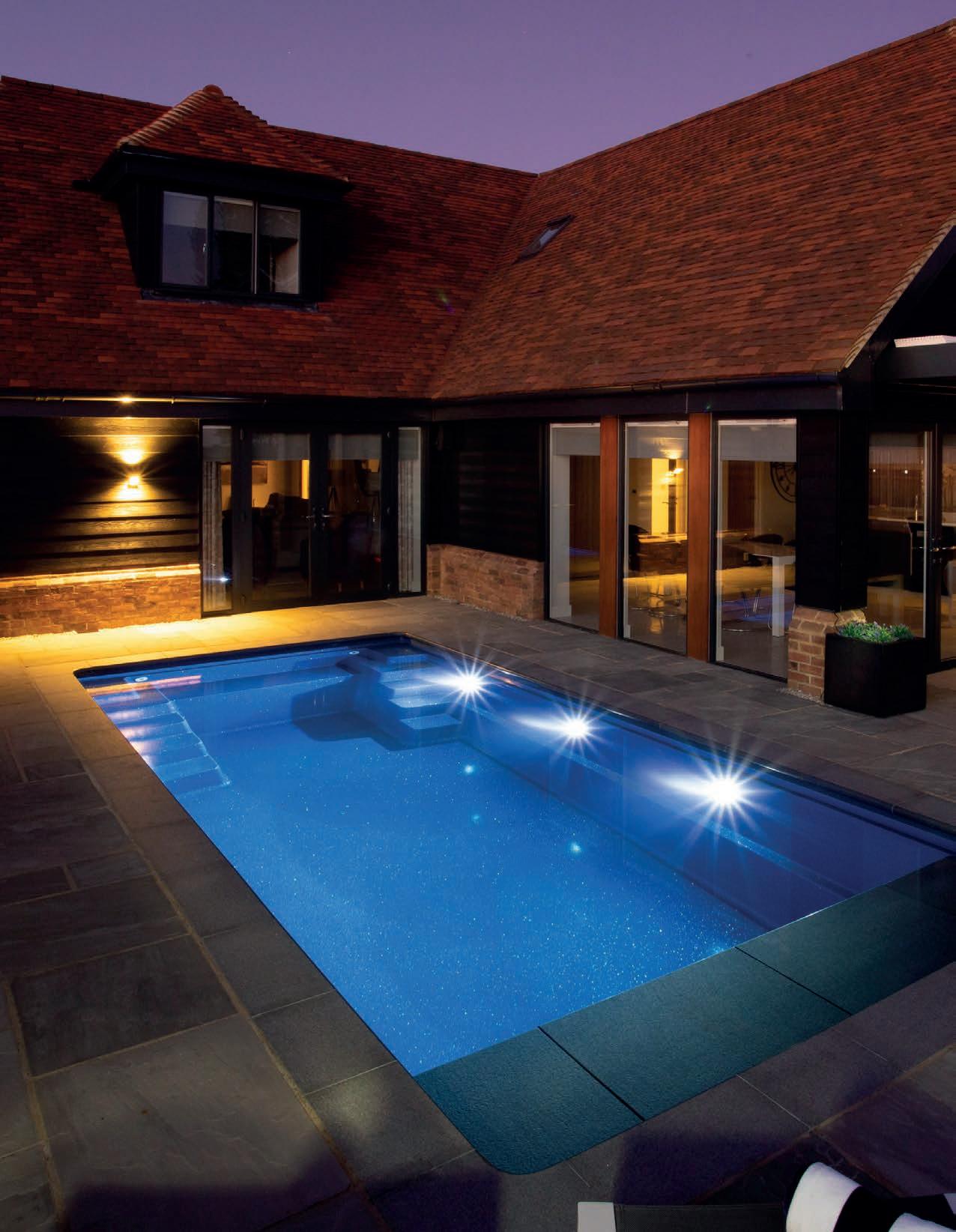
ABOVE-GROUND POOLS

Smaller pool solutions for family summer fun
EVENTS ROUNDUP
What’s on where over the coming months and beyond
COLD WATER THERAPY
It’s time to chill with portable ice baths and plunge pools

Products that show wet leisure environments in their best possible light
PLUS LIGHTING OPTIONS
OFFICIAL MAGAZINE FOR THE UK INDUSTRY JUNE 2024 POOLS SPAS HOT TUBS SAUNAS CHEMICALS ACCESSORIES & MORE Company Visit – Fonteyn Spas UK | Chemical Incident Register | Project Focus – Heatstar STA Pool Plant – Swim School Pools | Opinion | 13 Pages Of The Best Industry News
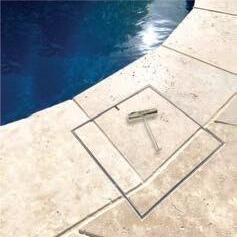
Safe. Seamless. Stunning. Skimmer Lids from HIDE

Integrated, seamless covers that blend into your landscape.
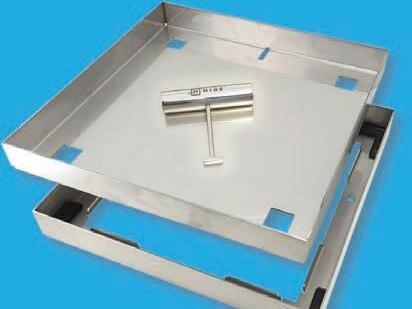
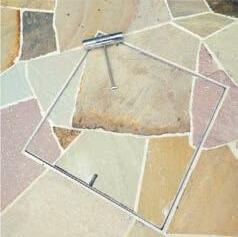
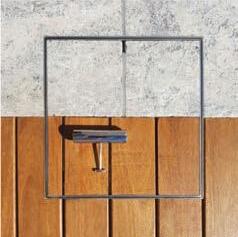
The HIDE system incorporates your selected surface material into the lid, enabling it to blend into the landscape, creating a luxurious, uninterrupted outdoor space.
HIDE’s innovative lids for skimmer boxes, access points and drain covers provide a sophisticated upmarket finish.Available in a comprehensive range of sizes and depths, to suit a wide range of applications.


3 Landscape Close, Weston on the Green, Bicester, Oxfordshire, OX25 3SX, UK T: 01869 934333 | E: info@fairlocks.co.uk | W: www.fairlocks.co.uk EXCEPTIONAL SERVICE, QUALITY PRODUCTS
Good design is obvious. Great design is invisible! SKIMMER LIDS n ACCESS COVERS n CONCRETE COVERS n DRAIN COVERS
SPN incorporating Pool & Spa Industry is the official trade magazine for the UK wet leisure markets and is the only trade publication that invests in the industry it serves.

Editor and Co Publisher: Jon Wadeson
Features: Karen Witney

Features & Subeditor: Andrea Hartshorne
Co Publisher and Sales Director: Tony Weston
Accounts: Sam Bartholomew
Design: Colin Halliday
For editorial enquiries contact Jon on: T: +44 (0)20 8306 8150
E: jon@aqua-publishing.co.uk
For advertising enquiries contact Tony on: T: +44 (0)1474 813433
E: tony@aqua-publishing.co.uk
For accounts enquiries please email accounts@aqua-publishing.co.uk
For production enquiries please email production@aqua-publishing.co.uk
For general enquiries please email info@aqua-publishing.co.uk



Looking back to my thoughts in the issue last June, I’m definitely getting a case of déjà vu. And whilst it’s not exactly the same, it does seem that spring hasn’t delivered weatherwise for our industry for the last couple of years now, although this year, and in fact the last several months, have been something else.
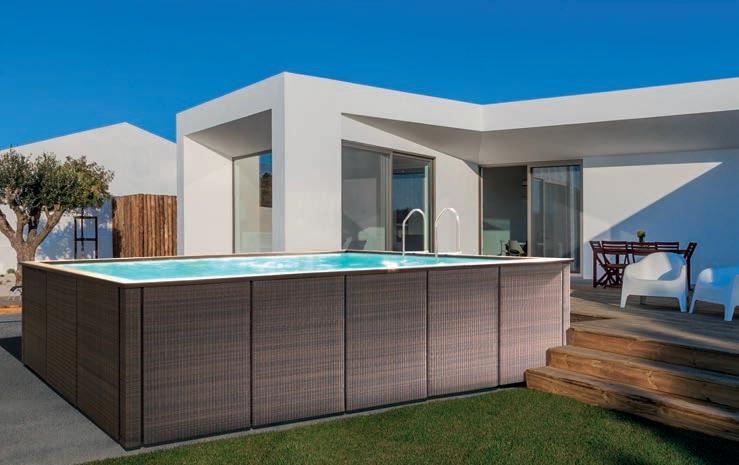
of above-ground pools, a sector that’s still very popular despite alternative products being available, a fact that is largely due to a wide range of options offering lots of flexibility and exceptional value for money.
A cool development that has really taken off over the last couple of years is ice baths and plunge pools. They also go by other, similar names, but in short, these products all provide cold water therapy and inside we take a look at just some of the portable options that are currently available to chill out in.
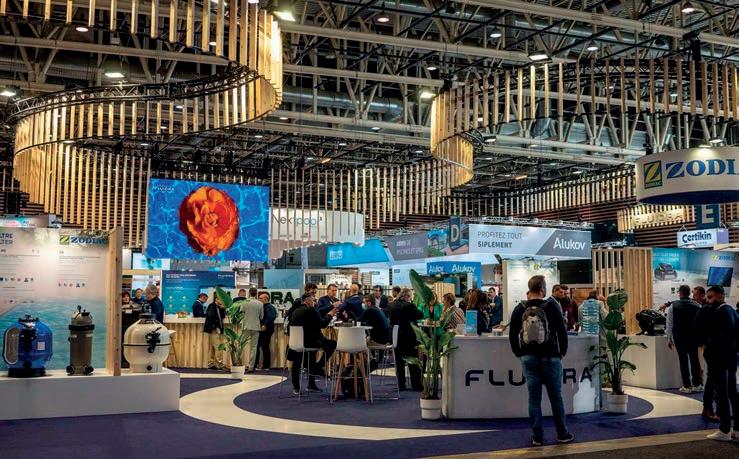
With the latest products offering improved benefits of ownership plus a thirst for knowledge always key in keeping businesses one step ahead of the competition, exhibitions are great places for both and in this issue, we also round up the events that are taking place in the coming months and beyond.
To subscribe or amend / cancel an existing subscription, please visit our website. Annual subscription rates (6 issues): UK £30, Europe £50 and ROW £60
SPN is published by
W: www.aqua-publishing.co.uk
Printed in the UK by The Manson Group Ltd
Aqua Publishing Ltd accepts no liability for any insert, display or classified advertisement included in Swimming Pool News. While every reasonable care is taken to ensure that all advertisers are reliable and reputable, Swimming Pool News can give no assurance they will fulfil their obligations under all circumstances. The views expressed in the articles in Swimming Pool News are the contributors’ own. All rights reserved. Copyright for all materials published in SPN remains with the publishers. Material contained in this publication is not to be reproduced in whole or in part without the prior permission of Aqua Publishing Ltd.
The Met Office say that May was the warmest on record though. Was it? Personally, I don’t see how. The seemingly never-ending rain did finally let up and temperatures edged up I guess, but it was a very low bar after all. That said, over the last couple of weeks, after many people citing the weather as a cause to a slow start to the year, the industry does seem to have picked up so maybe the season is finally up and running at last – I hope so – and I’m crossing my fingers that it’s more a case of a delayed start to the season, rather than a shortened one.
At least energy costs and inflation are finally going in the right direction, something which should greatly assist those looking to buy or use the products that our industry provides.
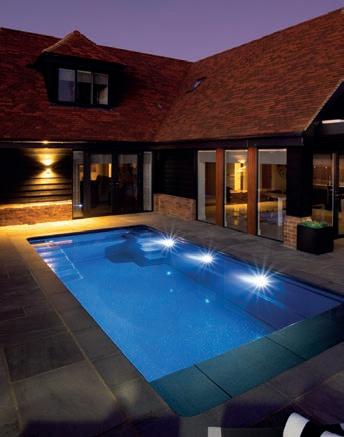
As an innovative industry, adapting to challenges has always been a strength across the many sectors which make up the wider wet leisure industry. For example, placing the spotlight on producing more energy efficient products and being eco-friendly were high priorities for many manufacturers way before this recent energy crisis came about, so it’s fitting that in this issue we have a feature on the latest lighting options that are illuminating pool and spa projects across the UK and showing them in their best possible light whilst also reducing energy costs.
Inside, we also explore what’s new in the world
If that wasn’t enough, we’ve a number of shorter pieces this issue too. Golden Coast’s Adam Clark looks at the subject of getting the right training in his latest ‘Opinion’ piece, and there’s a useful feature on swim school pools provided jointly by the STA and SPATA. Also pooling their resources, key industry bodies have worked together to create a new initiative with the launch of the pool plant ‘Chemical Incident Register’, and we take a closer look at it.
We’ve a project piece from Heatstar which highlights the needs for bespoke design, plus we’ve been on the road to see the impressive site of Fonteyn Spas UK in Leicester and report on it inside.
As ever, there’s also updates and further useful information from the BSPF, SPATA and BISHTA, along with useful information from affiliated companies. Plus, we’ve also got our round up of all the latest industry, product, people and eco news from both here in the UK and abroad too.
So, that’s this latest issue of SPN fully broken down for you. As always, I hope you enjoy reading it, find it useful, and fingers crossed for a great and long summer!
Jon Wadeson - Editor
PS – If you are involved within the industry and have some relevant news that you would like to appear within SPN, please do get in touch.


www.swimmingpoolnews.co.uk SPN June 2024 1
Aqua Publishing also publishes: What Pool & Hot Tub magazine – our sister publication – is the only consumer magazine in the UK that provides the complete and crucial information that potential buyers are looking for!
more information visit the What Pool & Hot Tub website at www.whatpoolandhottubmag.co.uk Editor’s letter
For
P U B L I S H I N G You can now
SPN on: OFFICIAL MAGAZINE FOR THE UK INDUSTRY JUNE 2024 POOLS SPAS HOT TUBS SAUNAS CHEMICALS ACCESSORIES & MORE Company Visit – Fonteyn UK Chemical Incident Register Project Focus – Heatstar STA Pool Plant – Swim School Pools Opinion 13 Pages Of The Best Industry News PLUS LIGHTING OPTIONS Products that show wet leisure environments in their best possible light ABOVE-GROUND POOLS Smaller pool solutions for family summer fun EVENTS ROUNDUP What’s on where over the coming months and beyond COLD WATER THERAPY It’s time to chill with portable ice baths and plunge pools SPN_June_2024_Cover.indd 3 10/06/2024 19:45 EDITOR’S LETTER
follow
Inside This



CONTENTS 2 June 2024 SPN www.swimmingpoolnews.co.uk
COVER COLD WATER THERAPY 46 It’s time to chill with portable ice bath, cold tub and plunge pool products LIGHTING OPTIONS 51 Products that show wet leisure environments in their best possible light ABOVE-GROUND POOLS 59 Smaller pools to ensure garden leisure and pleasure for family summer fun EVENTS ROUNDUP 64 A look at what’s on and where in the coming months and beyond FEATURES POOL & SPA INDUSTRY 33 The industry’s associations dedicated pages STA POOL PLANT 38 The STA and SPATA highlight the main considerations for swim school pools NEW INITIATIVE 40 A look at the recently launched pool plant ‘Chemical Incident Register’ COMPANY VISIT 45 We discover more than spas on a visit to Fonteyn Spas UK’s impressive facility OPINION 72 Golden Coast’s Adam Clark looks at the importance of getting the right training NEWS INDUSTRY 06 The latest industry news, info, projects and gossip PEOPLE 12 New appointments and updates on industry personnel PRODUCT / ECO 14 Innovations and new products on the market HOT TUB, SWIM SPA 22 & WELLNESS Dedicated news for this important sector WORLD 27 All the latest news from around the world 59 46 38 51
Issue Of SPN





READER SERVICES
DIGITAL EDITION
BUYERS GUIDE

Read this and previous editions online at www.swimmingpoolnews.co.uk
For suppliers of products and services in the pool, spa and sauna market turn to page 68
SUBSCRIPTIONS
Ensure you receive a regular copy of SPN (Swimming Pool News). Subscribe online today at www.aqua-publishing.co.uk
FORWARD FEATURES
For our forward features, please visit our website at www.swimmingpoolnews.co.uk

Moving oors


The alternative approach
no and low chlorine solutions
Heat pumps
Dehumidi cation
Stainless steel pools, spas and accessories
CONTENTS www.swimmingpoolnews.co.uk SPN June 2024 3
Next Issue •
•
•
•
•
•
Plus much, much more!
Water testing products
–
64 43 22 45
Myrtha Pool Flexes Refurbishment Expertise With Holiday Park Project
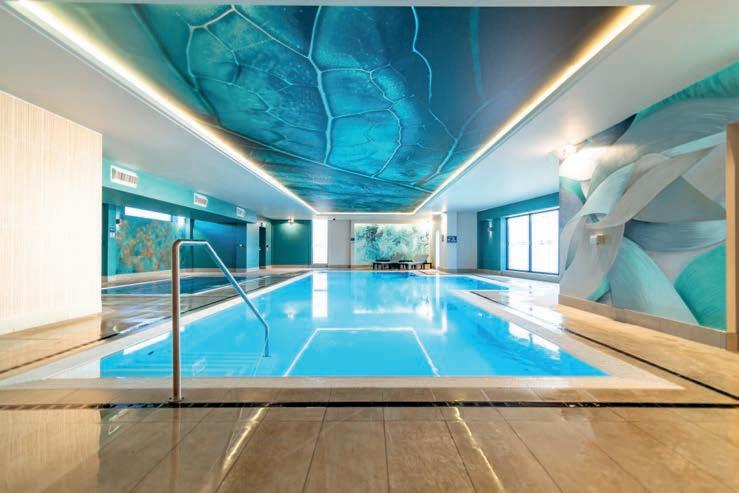
A popular East Sussex holiday park has received new pools as part of a refurbishment project to improve the site’s indoor offering for 2024.
Rye Harbour, part of Park Holidays, now includes a 13x6m and 2x4m pool from modular pool provider Myrtha Pools, alongside a new steam room, gym, bar and restaurant area for guests to enjoy.
The pool facilities are constructed of stainless steel rather than traditional concrete, providing energy efficiency and improved filtration benefits for both owners and users. Constructed offsite, this method reduced installation time, aiding project efficiency and timeline delivery.
Kate Mcknight, Country Manager UK & Ireland at Myrtha Pools, said: “The accessible deck level designed pool area adds to our growing portfolio of refurbishment projects, with renovation now being a key avenue for achieving updated leisure facilities, while keeping project cost and time to a minimum.
“Park Holidays has really bought into this philosophy, with families and guests able to enjoy a fantastic range of attractions under one roof, while building sustainably for the future.”
The new pool installation at Rye Harbour was undertaken by Cresta Leisure, a longterm partner of Myrtha Pools in the UK.
Simon Bareham, Managing Director
at Cresta Leisure, said: “Delivering this high quality indoor pool offering is a great example of how holiday park owners can drive net zero philosophies while delivering a visually impressive aesthetic for guests.
“Working with Myrtha Pools and Park Holidays, to achieve a successful installation in reduced time, has been perfect to help achieve our long-term goals. We now look forward to continuing the successful
relationship and deliver more exciting environments for guests and staff alike.”
Cresta Leisure 01305 259253 www.cresta-leisure.co.uk
Myrtha Pools UK 07860 852339 www.myrthapools.com
Construction Work Well Underway At New David Lloyd Club In Suffolk
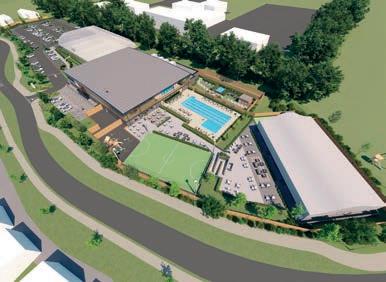
David Lloyd Clubs has announced that construction is underway at the highly anticipated David Lloyd Bury St Edmunds at Marham Park, with the new facilities opening in late 2024.
Located on the north edge of the Suffolk town, the new Club will offer a wide range of state-of-the-art health, fitness, racquets and spa facilities for families and adults of all ages.
In addition to the premium range of fitness facilities, the new Club will include a luxurious indoor and outdoor Spa Retreat, David Lloyd Clubs signature wellness offering, boasting a range of distinctive experiences and rooms including a Himalayan Salt Sauna, Rainforest Experience Shower, revitalising citrus steam room, serene ice cave, plunge pool, and a hydrotherapy pool, all in a stunning space designed to aid relaxation and rejuvenation. A tranquil Spa Garden
will also be present.
Stuart Caswell, new club acquisitions director at David Lloyd Clubs said: “We’re excited to see the development at David Lloyd Bury St Edmunds progress at such a great rate. While the opening of the new Club isn’t due until this winter, we’ve already seen a lot of enquiries from those interested in joining which is fantastic news.
“Offering a wide variety of premium health and wellness facilities, our new Club has something for people of all ages, and we look forward to welcoming the local community in 2024.”


install solar PV systems in 40 Clubs, one



David Lloyd Clubs has an ambitious target to become carbon net zero by 2030 – two decades before the country as a whole. By the end of 2024, they are set to install solar PV systems in 40 Clubs, one of which will be the newest site at Bury St Edmunds.


NEWS All the Latest News, Info, Products
Gossip From the UK
Spa
NEWS 6 June 2024 SPN www.swimmingpoolnews.co.uk
and
Pool and
Industry and Beyond
fitness premium

IN BRIEF
SPATA WEBSITE ADDS FEATURE FOR COMMERCIAL SECTOR
Industry association SPATA have recently added a new feature for commercial customers to the front end of its website – the Commercial Pools & Spas Hub.
The Hub is a one-stop solution, gathering a wealth of information for commercial customers in a single, convenient location. SPATA believes this will significantly enhance the browsing experience for these potential customers.
One of the features included is ‘Commercial Case Studies’. This section has been populated with projects from SPATA members who recently won British Pool & Hot Tub Awards in the Commercial Pools category and provides a great incentive to enter the 2025 Awards – entries open online in June 2024.
£26M INVESTMENT PAVES THE WAY FOR HEALTH AND WELLBEING HUB
South Holland District Council in Lincolnshire has bolstered its successful £20m UK Government, Levelling Up Fund bid with a £6m investment to see the Castle Sports Complex in Spalding transformed into a health and wellbeing hub.
Alliance Leisure has been appointed to deliver the works through the UK Leisure Framework, owned by Denbighshire Leisure Limited (DLL).
Works are expected to begin in the autumn and will see the Castle Sports Complex completely remodelled and extended to include an integral swimming provision. A 6-lane 25 metre pool will be supported by a second, 20m teaching pool for individuals, groups, clubs and local schools giving young people access to the facilities they need to develop essential swim skills. Outside, a splash pad will also be added to accommodate families and young children. These facilities will replace the current provision offered by Spalding Swimming Pool.
Circadian Trust Turns Its Active Lifestyle Centres ‘Green’ With Major Solar Panel Programme
New solar panels generating more than 360,000 kilowatt hours (kWh) of clean energy and saving 75 tonnes of carbon a year have been installed at Bradley Stoke Active Lifestyle Centre in South Gloucestershire.
The panels cover 1,875m2 of the leisure centre’s roof and in summer, will convert enough daylight / sunlight into electrical energy to power the entire 7,000m2 site. This includes electricity for the swimming pool, all the exercise machines, pumps and lighting for the centre, without needing any power from the grid.
The £390,000 investment is shared between Circadian Trust, the charity that runs the centres, and South Gloucestershire Council, which owns the site.
Next, Circadian Trust is investing in a PV system at Yate. Ineco Energy will continue to lead the project, rolling out clean energy systems across two more sites by September 2024.
The programme plays a key part in Circadian Trust’s commitment to become carbon neutral.
Ian Jones, Circadian Trust Director of Building and Environment, said: “These PVs are a game changer. They’ve been live at Bradley Stoke since January this year and, with the lighter days, we are already seeing a huge difference, with up to £5K a month in energy savings.
“Since 2005, we have had a continuous


improvement programme to reduce our carbon footprint. Various initiatives such as LED lighting, new swimming pool covers, and BMS Building Management Systems have made a big difference to both our energy consumption and costs.”
The photovoltaic system, or PV for short, has been designed, installed and will be maintained by one of the UK’s leading sustainable energy companies and solar panel specialists, Ineco Energy.
New Eston Pool Is Granted Planning Permission
Planning permission has been granted to build a new swimming pool and learner pool in Eston.
Redcar & Cleveland Borough Council’s Regulatory Committee granted approval of the planning application at the start of April.
The new facility, which is designed to Sport England specifications, will provide a 25 metre, six lane pool with changing areas, a 150-seat spectator gallery, an official’s room for gala use and a Changing Places facility which can be accessed via a new lobby. The facility will also include a separate learner pool, welcoming children and young people to learn how to swim.
The swimming pool will be accessible for all and will facilitate public swimming, swimming lessons, as well as galas and competition swimming. It seeks to enhance the existing leisure centre and provide much improved health and wellbeing facilities for the whole community.
Sustainability measures have
also been incorporated into the design of the leisure facility, including solar panels, air source heat pumps, increased wall insulation and pool infiltration equipment.
Demolition works have concluded with construction works set to start in the autumn aiming for an opening in early 2026.
Councillor Ursula Earl, Cabinet Member for Health, Welfare and Housing at the Council, said: “It’s fantastic news that the Eston pool has been granted planning permission. The separate learner pool will be a brilliant asset to our borough for children, young people, and all those with special needs young and old, to enjoy the water and learn the vital skill of swimming.

“The facility, which is part of a wider sports offer at Eston Leisure Centre, will also become a place for residents to boost their physical activity and will host galas and competitions which will be great for the whole borough.”


NEWS www.swimmingpoolnews.co.uk SPN June 2024 9
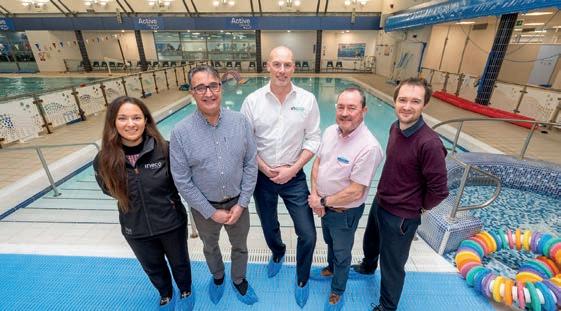
LEFT TO RIGHT: Ineco
Marketing Manager Lauren Polhill; CEO Circadian Trust Mark Crutchley; Ineco Energy Director Adam Peat; Circadian Trust Director of Building & Environment
Ian Jones; South Gloucestershire Council Cllr Alex Doyle for residents to boost competitions which will


IN BRIEF
NEW LINCOLNSHIRE FACILITY ON TRACK FOR SUMMER OPENING
Mablethorpe’s new Station Leisure & Learning Centre, which is being delivered by Alliance Leisure on behalf of East Lindsey District Council, is on track to open this summer, and will provide a wealth of health and wellbeing opportunities for the area.
Designed by lead architects Pozzoni, the £13.9m development includes a four lane, 25m swimming pool – the first public pool for the town.
East Lindsey District Council secured £7.4m in Government Levelling Up funding through the Towns Fund, supported by the Connected Coast Town Deal Board, to help pay for the new centre.
“The residents of Mablethorpe have been crying out for a public pool for years and the existing centre had reached the end of its useful life.
“We were tasked with creating a centre that met both the current and future needs of the area,” said Sean Nolan, Business Development Manager at Alliance Leisure.
ISPE SEMINAR RETURNED TO HATFIELD
The 131st ISPE Seminar was held in late March, and for the first time since 2008, returned to the Hatfield Comet Hotel in Hertfordshire.
ISPE President Jimmy Lamb, FISPE, welcomed nearly 40 delegates who enjoyed a number of presentations covering a wide range of subjects. Speakers included Steve Nelson, TnISPE(Cert.), Chris Carr, FISPE and Will Dando, FISPE, Clive Morton from Wrightfield Pools, gave a commercial sponsored presentation on moveable floors, and of course Jimmy himself. The next ISPE Seminar will be held on Wednesday 23 October at a venue to be decided, and plans are to include: Plantroom Planning, Filtration, Chemistry, Disinfection, Preventative Maintenance, Automatic Dosing plus more.
Aqua Technics Pools Launches In-field Dealer Training Days
Aqua Technics Pools UK, the UK and European distributor of some of the world’s most popular and highest quality one-piece composite pools, have begun rolling-out their intensive in-field dealer training days.
Newly recruited dealers, who’ve taken up exclusive territories since the Australian brand’s UK launch at this year’s SPATEX, have been immersing themselves in all things Aqua Technics on a tour of owners’ homes where the brand’s pools have been installed.
Commenting on the initiative, Dorian Davies, Dealer Network Manager said: “We start off at Aqua Technics UK’s HQ in Ashford for coffee and a pre-brief before we set off on a tour of six homes in the vicinity. The sites are chosen such that, by the end of the day, dealers and their staff have seen first-hand examples of all the top-selling pools stocked in the UK, in all the top-selling colours, and with a variety of different factory options including different covers, swimjets, pool fittings and lighting. Photos and videos



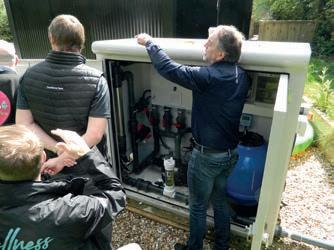
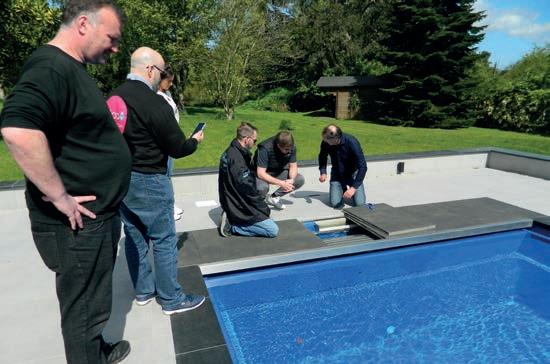

are great, but there’s nothing like seeing the product in the flesh, installed and in-use, for dealers to really see what a fantastic quality pool Aqua Technics really is. We also discuss all the considerations made during the pre-sale site visits so that the logistics of getting the pool in could be planned.”
The day’s packed itinerary also
includes a visit to Aqua Technics Pools UK’s production facility where dealers can view pools being fitted out and plant-rooms being prefabricated before being shipped out.
Dorian added: “Hearing genuine feedback from real buyers, as opposed to sales-spiel from a salesman or brochure, is completely priceless information when it comes to dealers’ communications with future prospects of their own.”
Aqua Technics Pools UK 0330 043 7061
www.aquatechnicsuk.com
Chemoform Buys Majority Stake In Complete Pool Controls
Chemoform AG, a leading European supplier of recreational water chemicals and ancillary pool equipment, has purchased a majority of shareholding in Gloucestershire-based Complete Pool Controls Ltd (CPC).
Chemoform has been a minority shareholder in CPC since its inception 18 years ago and both companies have benefitted from working closely on supplies, logistics and product innovation.
Chemoform CEO Cedric Mayer-Klenk advised “that the UK market was an important European market for the group, and that CPC was a perfect

fit for the chemical activities of the Chemoform group”. He also noted that “consolidation was gaining momentum in Europe, allowing companies to invest in product compliance and innovation from shared platforms”.


Speaking about the purchase, Mark Ramsden, Commercial Director of CPC said: “The timing of the deal was perfect as biocidal registration and regulatory requirements were both costly and time consuming exercises that Chemoform resources would help alleviate.” He also added that “Chemoform have proved to be reliable and supportive partners over many years”.
Both Mark Ramsden and fellow director Andy Page are remaining with the business and will retain a significant but reduced shareholding. Business support and service levels will be unaffected and hopefully enhanced by this development. Furthermore, customers should benefit from supply continuity, product innovation and improved buying power.
NEWS www.swimmingpoolnews.co.uk SPN June 2024 11
Complete Pool Controls 01242 662700 www.cpc-chemicals.co.uk
01242 662700
THIS: Aqua Technics Pools UK Managing Director Anthony Exell demonstrates a pit mounted slatted cover option and (INSET) points out factory options which have been added to the standard package in one of the company’s prefabricated plant rooms
All Change At ISPE As Luke Griffiths Takes Up The Reins
After 35 years as the ISPE General Secretary, Ross Alcock is retiring at the end of June 2024 and the ISPE Council of Management are pleased to announce that the new General Manager of the Institute will be Luke Griffiths.
Luke began his professional journey at the age of 16 as a lifeguard at a local swimming baths, where he not only honed his swimming skills but also discovered a passion for facility management. Over the years, Luke progressed into managerial roles across a range of venues, from historic pools to modern leisure facilities, gaining comprehensive experience in operations management.
While working full-time, Luke pursued a degree in Leisure Management and Events Operations, graduating in 2010. His interest in commercial pool plant operations deepened significantly as he became involved in the decommissioning and commissioning of several facilities.
Luke’s commitment to professional development in pool plant beyond mandatory pool plant qualifications led him to attend SPATEX, where he participated in numerous seminars. In 2014, Luke gained pool plant tutor status with the Swimming Teachers’ Association (STA) and after completing a SPATA course, held internal training for pool plant operators within the organisation. In 2016, Luke took on the
role of Technical Manager for Pool Plant at the STA, overseeing and developing pool plant qualifications, projects, conferences, online programmes and business development. His passion for the field and innovative ideas caught the attention of ISPE’s directors when the position of General Manager opened due to Ross Alcock’s retirement.
During his interview, Luke shared his vision for ISPE’s future, which aligned closely with the directors’ aspirations. He is excited to implement new strategies and initiatives aimed at growing the membership and enhancing the value proposition for current members.
ISPE 01603 499959


Fluidra Appoints Jaime Ramirez As CEO
Fluidra has appointed Jaime Ramirez as the company’s new Chief Executive Officer (CEO) following a comprehensive succession planning process by the Board.
Since the merger with Zodiac in 2018, Fluidra has established its position as a global market leader; developed its product portfolio, services and solutions; capitalised on opportunities; and successfully navigated the challenges of the pandemic. The appointment comes at an appropriate moment for Fluidra, as trading in the sector normalises and it looks forward to its next phase of development and expansion.
Jaime has a proven track record and extensive experience in global consumer and industrial products, bringing over 30 years of P&L responsibility and a wealth of leadership expertise to the role. His strategic vision makes him the ideal leader to guide Fluidra into its next phase of development.
Jaime Ramirez’s impressive background includes serving as EVP & President of Stanley Black & Decker Inc.’s Global Tools & Storage Business, where he ran a business with more than US$10bn in revenue and led high-performing teams globally. His expertise in driving growth and profitability, business transformation, strong organisations and strategic acquisitions will be invaluable assets as Fluidra seeks to capitalise on new opportunities and enhance shareholder value.
Commenting on his appointment, he said: “I am honoured and excited to join Fluidra and look forward to working together with the Board of Directors and the company’s talented team to continue driving the business forward and delivering value to our customers, shareholders and communities.”
Bruce Brooks, Fluidra’s current CEO, has been instrumental to Fluidra’s success over the past six years and Jaime and Bruce will work together to ensure a smooth transition during the rest of the year with Bruce stepping down as Chief Executive Officer on 31 August 2024. Bruce will continue to serve as a Non-Executive Director.
Alukov UK Welcomes Jon Parker As Business Manager
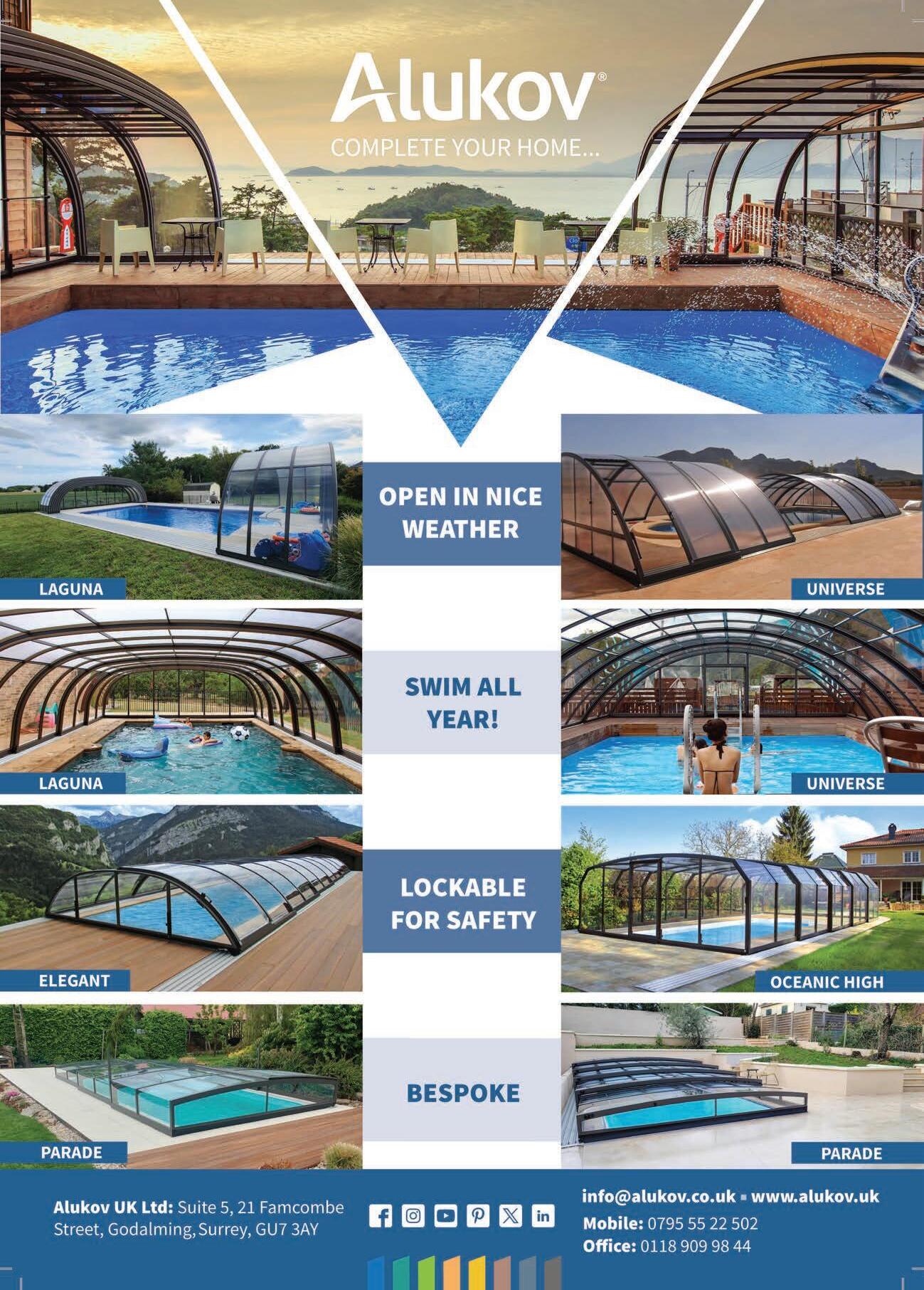
Enclosure specialists Alukov UK are thrilled to announce the newest addition to their team with the appointment of Jon Parker, who has joined the Surrey-based operation as Business Manager. Jon brings with him over a decade of invaluable pool industry experience having worked previously at Pananche Pools Ltd.
In his role, Jon will spearhead the promotion of Alukov products within the UK market, nurturing and cultivating strong business relationships with the company’s valued trade partners. His keen eye for identifying new market opportunities will be instrumental in driving forward business growth. Furthermore, Jon will be dedicated to providing unwavering support to Alukov UK’s customers, ensuring they receive the highest level of service possible, from initial enquiry to project completion and beyond. Having worked closely with the company during his previous role, Jon’s connection with Alukov isn’t
new. His first-hand experience with the company and its enclosure products left such a lasting impression that when the opportunity arose, he eagerly seized the chance to join the Alukov family.
Speaking about his appointment, Jon said: “I plan to utilise the skills I have learned with Mark Jackson TnISPE(Cert) at Panache Pools Ltd to help grow the UK enclosure market and support our trade dealer network with my knowledge of their own businesses.
“I’m very excited for this next chapter in my career and would love to hear from you if you have a brief to discuss, a project to deliver or just to chat about how to get more use out of your swimming pool / outdoor space.”


PEOPLE NEWS 12 June 2024 SPN www.swimmingpoolnews.co.uk
www.ispe.co.uk
Alukov UK 0118 909 9844 www.alukov.co.uk





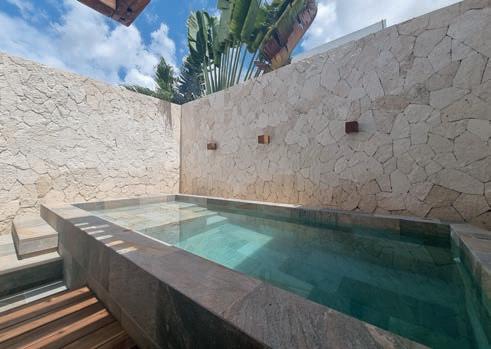
Following a new partnership with Rosa Gres porcelain stoneware, Certikin are now able to offer a complete design and manufacture solution for both indoor and outdoor pool tiling projects.
This bespoke service means Certikin can take details of a project and, working with the team at Rosa Gres, produce full design visuals as well as a detailed breakdown of the stoneware required. This not only helps clients see how their completed pool will look, but also gives an accurate cost of the materials needed.
At Rosa Gres, they love to create evocative, inspiring and beautiful colours. At the same time, they focus on designing innovative solutions for the most technically demanding projects.
They have over 40 years’ experience in the creation of complete and functional systems where each finished piece plays an essential role. The special pieces that are created are what set them apart from competitors.
Rosa Gres porcelain tiles are created from natural raw
Pentair’s
materials and are fired at over 1,200°C which results in a tile with almost zero porosity and high durability to make it the product of choice for a wide range of projects including pools.
The base pieces are manufactured using the pressing method to ensure the perfect size and calibre is obtained. This means, that these pieces can be installed with a narrower joint. Extrusion is used to manufacture all special pieces, steps, edges, channels, gratings and half rounds. With this method, more robust, resistant and longer lasting pieces can be obtained.
The unique combination of pressing and extrusion means Rosa Gres can produce both base tiles and special pieces in the same colour, creating maximum visual harmony. With more than 30 colours and textures, and a range of design options, Rosa Gres has a solution for all tastes.
Certikin 01993 777200 www.certikin.co.uk
Gaffey Reveals New Innovation In Electrochlorination
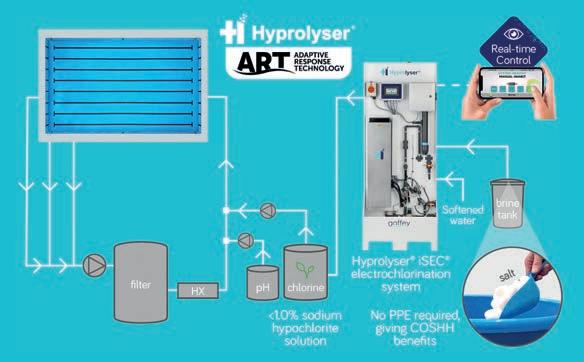
New Adaptive Response technology, ‘ART’ for short, is set to be a gamechanger for electrochlorination water disinfection.
This innovative technology, developed by Gaffey, is built into their range of Hyprolyser® iSEC® electrochlorination systems and allows them to adjust to constant changes in both environment and site conditions. Addressing increasing climatic influences such as high ambient and warm feed water conditions in plantrooms and overcoming fluctuating water pressures is essential to manage during daily operations.
Hyprolyser® ART can detect the smallest irregularity within its process and automatically self-regulate to function seamlessly, ensuring continual and consistent chlorine generation for effective and efficient chlorination. On-screen annotations instruct remedial actions to be taken by the operator to avoid unnecessary interruption to chlorine generation.
Gaffey are also simultaneously launching their new Hyprolyser® iSEC® High Capacity Skid 250-2000 system, where a single unit alone can deliver up to a huge equivalent of 291 litres sodium hypochlorite 14% per day to treat up to 4,000m3 of pool water for example.
Hyprolyser® electrochlorination systems are fully compliant under HSE/BPR and deliver real COSHH and cost saving benefits. Generating non-hazardous <1% sodium hypochlorite from salt, water and electricity, Hyprolyser® is one of the most sustainable water disinfection solutions available for pools today.
Managing Director Phil Gaffey said in a statement: “We are proud to be more than just manufacturers in the water disinfection industry. Pushing technology forward is always our goal and by listening to industry feedback combined with improving technology, our in-house technical team have made some great strides that will make a real impact for our customers all around the world.”
Gaffey 01254 350180 www.gaffey.co.uk
Whisperflow VS2M – A Pump That Quietly Goes About Its Business
We all know silence is golden, but did you know that a variable speed pump is one of the quietest pumps in the world? Available from SCP UK, Pentair’s Whisperflow VS2M is a universal pump which is suitable for all types of residential swimming pools up to 120 m3
Featuring impeccable hydraulic and modern design, for the highest efficiency at low speeds and with very low energy consumption, as its name suggests, a key feature of this pump is that it is also super quiet, measuring only 47dBa at 1m.
This energy efficient variable speed pump allows continuous filtration at a slow speed with the option to backwash the filter at maximum speed. This optimises filtration quality as the slower the water circulates through the filter,
the better the filtration quality.
Featuring a large, robust and reliable 6-pole permanent magnet motor, the Whisperflow VS2M is a 2hp variable speed pump which has a manual mode plus three programmable speeds. Suitable for use in saltwater pools (up to 4 g/l), the pump offers a quarter-turn opening lid for easy opening and locking, plus four digital inputs for external control. For peace of mind, the Whisperflow VS2M comes with a three-year warranty plus an additional one-year ‘TradeGrade’ warranty is also on offer too.



SCP UK 01293 546126 www.scpeurope.com
PRODUCT / ECO NEWS 14 June 2024 SPN www.swimmingpoolnews.co.uk
Rosa Gres Porcelain Stoneware From Certikin


Reliability And Strength –
Besgo’s Automatic Backwash Valves Are Now Available From Certikin
Safety Covers From Pool Cover Specialists

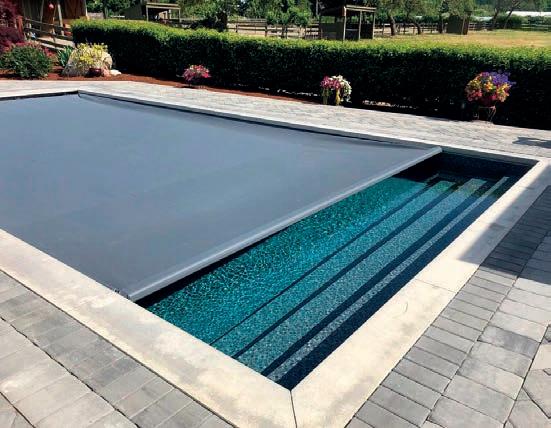
Available through SCP UK, Latham’s Pool Cover Specialists brand of automatic safety covers offers one of the widest choices of models, options, fabrics and colours in the industry. Each system includes stainless steel hardware and drive mechanisms that are available in either stainless steel or marine-grade aluminum which are backed by industry leading warranties.
Besides their primary purpose of keeping unsupervised little ones and pets out of the pool, these automatic pool covers offer a number of savings and maintenance benefits for pool owners including:
• Up to 90% reduction in water evaporation
• Up to 70% reduction in pool heating costs
• Up to 70% reduction in pool chemical use.
Four options are available for both the tracks and lids and there’s five options for the coping (three for aluminium and two for stone).
ten standard fabric colours are also available which allows installers the flexibility to design a pool cover to match each owner’s unique style. Colours include: Navy, Royal Blue, Light Blue, Aqua, Forest Green, Tan, Mocha, Grey, Charcoal, Black.
Use of the cover is simple and each system can be operated via a standard key switch which can be upgraded to a touch sensitive keypad if required.
With standard sensor and smart board technology installed, it’s good to know that water features are no problem for these covers as Pool Cover Specialists’ Water Feature Shutoff controller will work on any pool.
Through the many options available, most pool shapes and sizes can be covered and to provide maximum flexibility for pool projects around the country, SCP UK also offer an installation service.
SCP UK 01293 546126 www.scpeurope.com
Following on from their appointment as an official distributor of the popular filter media AFM (Activated Filter Media), Certikin are also working with Dryden Aqua as a distributor of another of their leading products, Besgo valves. Manufactured in Switzerland, the Besgo 5-way valve is a pneumatic valve that can be installed with any filtration system so backwashes can be automated in a simple, efficient and safe way. Thanks to a higher backwash speed than traditional 6-way valves, Besgo 5-way valves are regarded as some of the best automatic backwash valves, with them guaranteeing superior backwash results and allowing owners to take full advantage of their pool by reducing the time spent on maintenance. As well as the 5-way valves, Certikin also offer the Besgo 3-way valves which have the same unique advantages and are also available in a wide range of diameters.
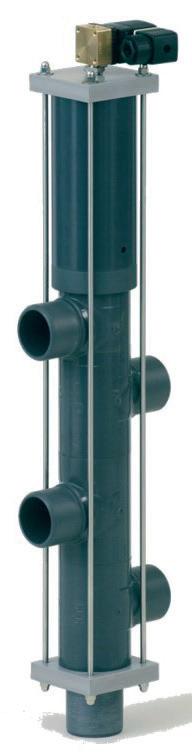
Besgo valves can also be combined with one of the unique control units which are available for both skimmer and overflow pools. For the latter, the AS Control Plus will allow the water to be directed to either the overflow channels or the bottom drain of the pool, depending on the outside temperature, to stop evaporation and thus energy consumption, with savings of at least 10,000kWh per year. With the ability to control variable speed pumps and inverts, the AS Control for skimmer pools will make the pool always run at the right speed to optimise energy consumption and filtration performance. It can also be configured to control the pool’s water level, filter backwashes, dosing equipment, heating system and more!
Certikin
01993 777200 www.certikin.co.uk
The Hampshire One-piece Pool From AstralPool
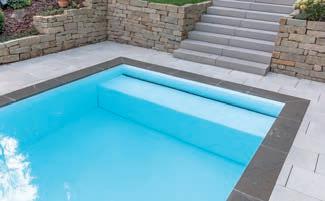
AstralPool are already well known for their modular pools, with the brand being one of the world leaders in those made from galvanised and stainless steel. However, their offering has been extended further this year with the addition of a range of one-piece pools manufactured from high quality polymer. Known as ‘The Hampshire’, the range is available is three sizes: 6m x 3m, 7m x 3m and 8m x 3m (all with a constant depth of 1.5m).
The design of The Hampshire creates a minimalist transition between the pool wall and the water run off whilst maintaining the maximum water level. This is achieved thanks to the uniquely designed skimmer which sits at the rear of the pool. With the pool fully prefabricated, a one-piece pool is one of the quickest and easiest ways to
construct and complete a swimming pool project. The Hampshire range comes complete with all the required AstralPool fittings, as well as LED lighting and built in steps for easy access to and from the pool. To complete the package, the seat bench houses an automatic slatted cover which is available with a choice of slats and colours (slats are an additional cost to the pool package).
Choosing ‘The Hampshire’ one-piece pool option comes with peace of mind, as AstralPool UK can also provide dedicated project management services to ensure seamless supply, transport and positioning of the pool.
AstralPool UK 01329 514000 www.astralpool.com/en
PRODUCT / ECO NEWS www.swimmingpoolnews.co.uk SPN June 2024 17
Automatic
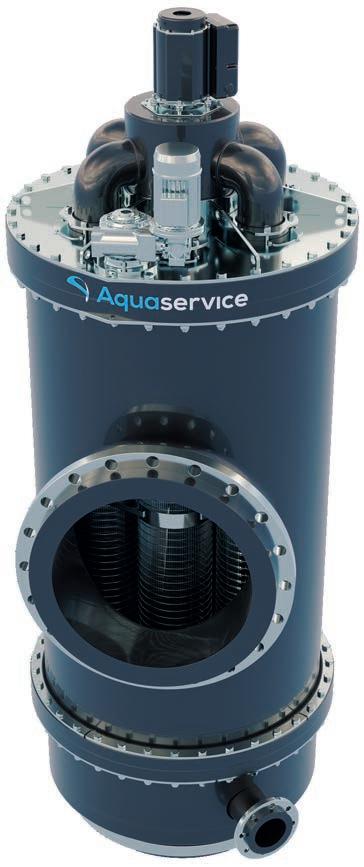
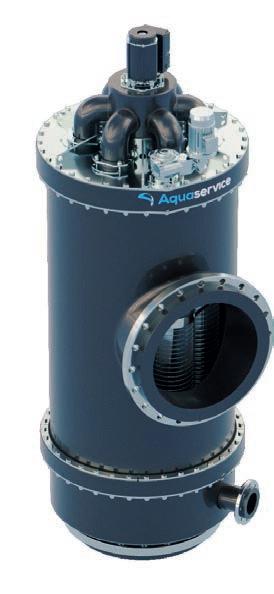
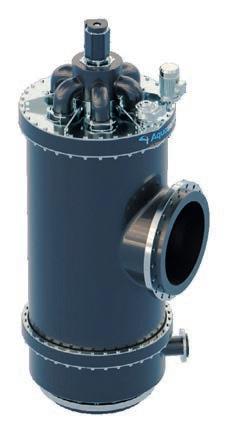
Aquafilter POOL LINE

• Self Cleaning Automatic Filter
• No media
• No waste products
• Low head loss
• HDPE casing
• Corrosion free housing
• Continuous flow
• Low resistance
• Complies to NSF 50
• Filtration down to 5µn

Made in Norway
FOTO: PAVEL DANILYUK-PEXELS.COM Aquaservice AS | Oxford House - Lower Road - Chinnor - Oxfordshire - OX39 4DU - UK Tel. 44 7469 879242 | sales@aquaservice.no | www.aquaservice.no READ MORE
Triple action Pool Line filter
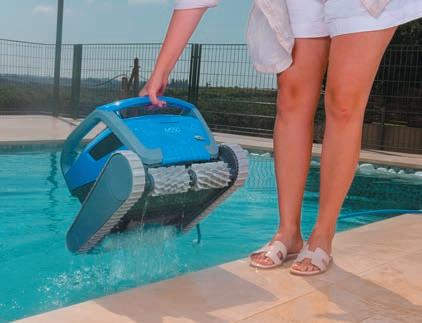
Superior Pool Cleaning, Made Even Easier With Dolphin
New for 2024 and available from Certikin, the Dolphin M550 features advanced technologies to give the best possible pool cleaning performance.
When it comes to scrubbing and filtering, this pool cleaner is a powerful machine. Featuring intense scrubbing action and superior waterline scrubbing capabilities, the Dolphin M550 delivers hard to match cleaning results.
Its simple operation and user-friendly handling eliminate the complexities of pool cleaning and the unit offers:
• Impressive results for all in-ground pool shapes up to 15m giving cleaning coverage of floor, walls and waterline
• Top access multi-layer filter basket for rough, fine and ultra-fine dirt
• 18m tangle free cable with innovative swivel technology for nimble and smooth movement
• A ‘Pick Up Mode’ where the robot conveniently waits at the edge of the pool for quick and easy removal
• A caddy for easy storage and handling.
For convenient use, thanks to the MyDolphin™ Plus app, the Dolphin M550 remains constantly connected, empowering owners to control the cleaner effortlessly from anywhere at any time. Alternatively, the Dolphin M550 allows owners to customise weekly schedule cleaning times to fit every need.
Certikin
01993 777200
www.certikin.co.uk
EZWheels – An Innovation For Suntrap Systems’ Popular EZ Pool Lifts
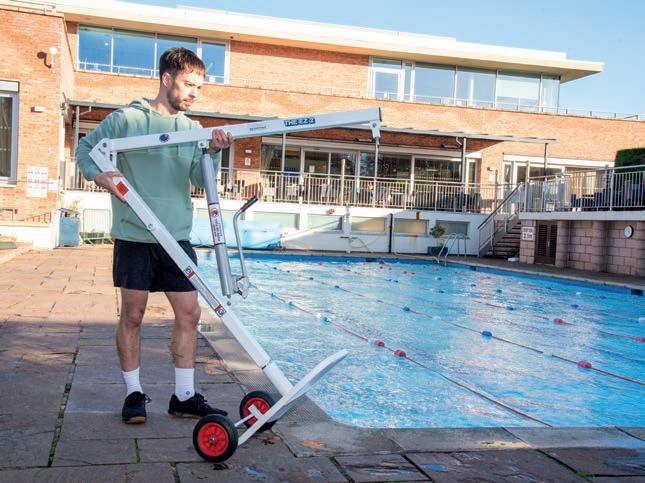
Suntrap Systems, a leading supplier of pool and spa hoists for disabled access, have recently developed and launched a brand-new accessory for their popular manual EZ and battery-assisted Power EZ pool lifts.
Their new ‘EZWheels’ have been designed to make light work of moving the lifts as well as provide an innovative method of storage minimising the risk of damage to the hoist when not in use. Manufactured in the UK, key features of the EZWheels base unit include:
• Powder-coated stainless steel for strength and durability
• Dimensions 540mm width x 525mm length (approx. 22.5” x 21”)
• A ‘locking pin’ to secure the lift for moving
• Easy to use, simply tilt the base and transfer to storage, saves time and effort
• Helps comply with Health & Safety and manual handling policies.
Suntrap’s manual EZ and Power EZ are a popular choice of lifts particularly
among leisure centres, holiday parks, gyms and hotels, helping these complex operations remain compliant with the Equality Act 2010 with minimal hassle.
The hoists supplied by Suntrap Systems are among the lightest and most compact available yet still have a market-leading lifting capacity of 181kg. However, one of the major concerns raised by potential customers is often centred around their moving and manual handling.
When combined with Suntrap’s unique EZWheels, there’s now less to worry about as poolside staff no longer need to carry the lift away from the pool – they simply lift the hoist from the poolside socket and place it straight into the EZWheels base. The lift can then be easily moved to a suitable storage area, where it can remain safely in the base unit until needed again.
Suntrap Systems
0121 428 1155
www.suntrap-systems.co.uk
Designed For Commercial Pools – Aral Plus Cast Iron Pumps
Available through specialist wet leisure distributor, AstralPool UK, Aral Plus is a range of centrifugal pumps which have been manufactured from cast iron and feature an AISI-304 stainless steel pre-filter basket. The range of 11 pumps – available with power rates from 3hp up to 12.5hp – have been specifically designed for use within commercial swimming pool environments. Featuring a standard 2-pole motor design, with low rates of up to 180 m3/h, they allow
a high level of performance and operate at 3,000rpm.
New for 2024, is the impeller, which is now manufactured in bronze. In addition to the impeller upgrade, all
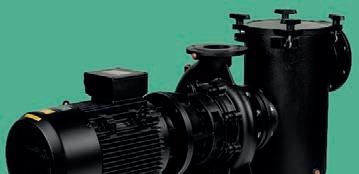

come into contact with the water have now undergone a cataphoresis treatment. This process significantly extends the lifespan of the cast iron by providing a robust barrier against corrosion and oxidation, ensuring durability and sustained performance over time.
AstralPool UK
01329 514000 www.astralpool.com/en
PRODUCT / ECO NEWS www.swimmingpoolnews.co.uk SPN June 2024 19
other components that
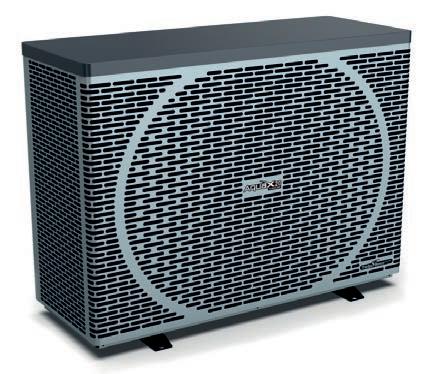
New For 2024 – Exclusive Aqua X Models From SCP
New for the 2024 season, SCP UK have introduced three new and exclusive Fairland AquaX heat pump models – the AquaX 20, AquaX and AquaX Vertical – all of which are available in a number of sizes which range from 13.5kW to 27kW.
All three models incorporate a ‘Cool & Heat’ function and offer 4-season functionality (request sizing for all year use), with the AquaX 20 model operating from temperatures as low as -20°C. This model also achieves COP 20 – a new industry standard for energy efficiency – with 1 kW consumed becoming up to 20 kW maximum in the pool.
Each features a turbo function too, meaning an extra 20% capacity for quicker heat up. In addition, all are extremely quiet in their operation, with the AquaX 20 and AquaX models featuring TurboSilence inverter technology which is an optimised version of Fairland’s original Full-inverter technology. This perfectly balances the inverter / compressor / control and heat exchanging technology, which creates the turbo performance and
silent operation at the same time. By incorporating data research and historical analysis of the variable operation conditions of 4-season swimming from the early stage of R&D, TurboSilence inverter technology achieves precise power adjustment and output.
For ease of operation, each model includes a digital control panel plus there’s built in Wi-Fi which ensures simple remote control via an app.
For peace of mind, warranties are long, with AquaX and Vertical models offering 12 years on both the heat exchanger and compressor, plus five years on parts, with the Aqua X 20 model extending this with 15 years and seven years respectively.
SCP UK 01293 546126 www.scpeurope.com
Introducing The New LILIAN Photometer Wave
The LILIAN Photometer Wave for analysing water in pools and spas has been available since the beginning of this year. Based on using the company’s innovative and unique SensoSticks, the measurements of e.g. free, bound, total chlorine and pH value can be determined simultaneously within only approx. 60 seconds. Of course, other pool-relevant parameters are also available – eight in total – and the testing data is all stored digitally.

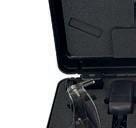




The detection accuracy for both chlorine and pH is with a tolerance of only +/- 0.03 – a value which the company advise is unique on the market in on-site analysis, taking into account the short time required. In addition, there is no need for any kind of sample preparation, as is common with conventional photometers. A fact which saves both time and money! In addition, users can use the LILIAN app and manager free of charge for digital data processing.
So who is the new LILIAN Photometer Wave designed for? Well, the target group is
diverse – all those who do not analyse water samples on a daily basis but value the highest level of detection accuracy and objective documentation are eligible. These include, for example, health authorities, hygiene institutes, laboratories, pool builders, service technicians, managers of communal facilities, service providers and more.
Compared to the company’s established Photometer Pro, the cost price of the new Photometer Wave is significantly lower, but the cost per analysis is only slightly higher, with SensoSticks available in packs of five pieces.
Lilian Labs GmbH +49 531 387 274 36 www.lilianlabs.com
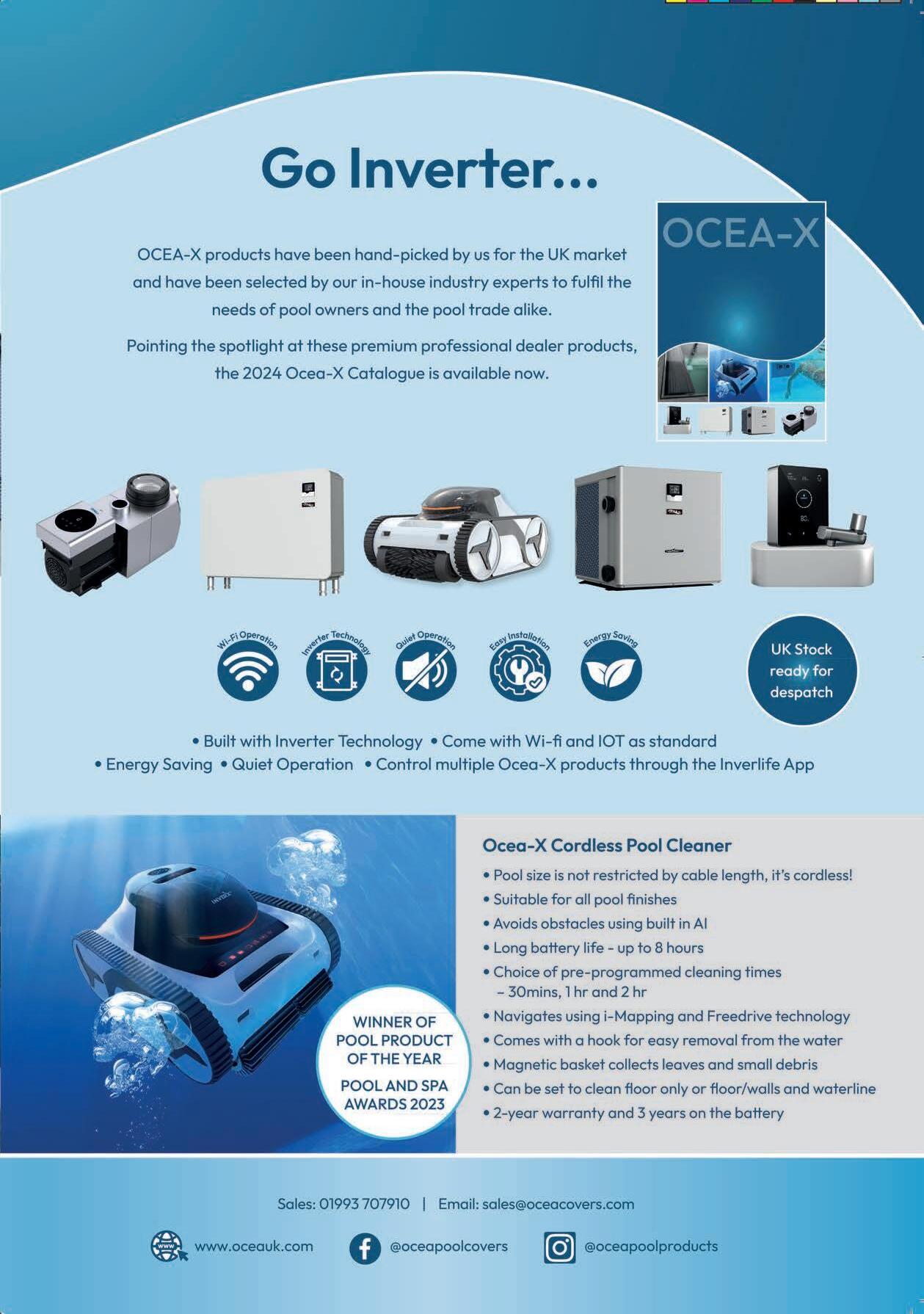
Enjoy PMSM Performance Advantages With Ocea’s Inver Hero Pump
As part of their collection of handpicked products in their latest Ocea-X range, Ocea UK’s Inver Hero Pump, with full-inverter technology, is a solution that is sure to impress.
The pump features a Permanent Magnet Synchronous Motor (PMSM) which is a cross between an induction motor and brushless DC motor. With permanent magnets, PMSMs can generate torque from a standstill and they are typically used for high performance efficiency drives. High performance motor control is characterised by smooth rotation over the entire






speed range of the motor – there’s full torque control at zero speed and fast acceleration and deceleration – meaning a PMSM motor offers better efficiency than previous AC models.




Upon set up the integrated smart technology establishes the maximum flow rate achievable according to water turnover and requirements in the pool’s circulation system. The smart system will adjust to affect and balance the circulation rate according to pressure changes in the pool system, with smooth, whisper quiet operation. Without the traditional 3-5 speed variable limitations,


the pump offers 100% control over the flow rate and allows users to adjust it to their desired rate outside of set parameters. When the flow is turned right down, the power consumption also drops due to the inverter technology and the PMSM motor, so no energy is wasted.
Features include backwash function, integral digital controller, skimmer mode and Auto-inverter mode which will adjust flow rate according to what it requires at a specific time.
Ocea UK 01993 707910 www.oceauk.com
PRODUCT / ECO NEWS 20 June 2024 SPN www.swimmingpoolnews.co.uk
affect and balance the circulation rate changes traditional




New YakisugiInspired Wood Burning Hot Tub Offers A Striking Design
Balboa Water Group Partners With WaterGuru
Balboa Water Group has signed a strategic agreement with WaterGuru, Inc. – a leader in recreational water monitoring technology – with the agreement providing Balboa with an exclusive licence to integrate WaterGuru technology into Balboa’s leading products for the spa industry.


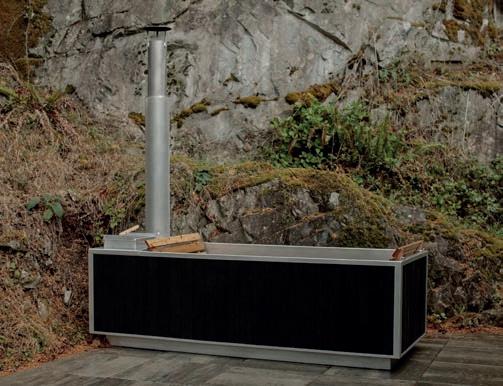
GOODLAND, a Canadian lifestyle brand that offers a growing collection of designforward outdoor living objects, has just launched a new exterior look for their most popular product – the Wood Burning Hot Tub. The newly released Soot Black finish is inspired by the traditional Japanese process of charring cedar to create yakisugi – blackened and heat-treated wood. The new finish further distinguishes GOODLAND as a brand that offers design-focused, functional and meaningful objects that help improve our connection with nature.
The original Wood Burning Hot Tub – with a western red cedar exterior – has sold out multiple times, and has been celebrated for its durability and design. The new exterior in Soot Black draws inspiration from the tradition, benefits and aesthetic of yakisugi, yet is made with a unique process that uses heat treatment
and soot paint to provide consistency, quality and longevity.
“Our new finish brings together a soot black look with the benefits of heat treatment,” explained GOODLAND Founder Craig Pearce. “The resulting finish is both aesthetically beautiful and truly durable. The heat treatment makes the Nordic pine more resistant to the natural elements, and the finish doesn’t require regular maintenance.”
Like the original model, the soot black finish also features premium materials like western red cedar interior seating and marine grade aluminum. The all-weather construction and triple-insulation allow users to soak in any season, while the tub also doubles as a cold plunge in the summer months.
886 2464 www.hellogoodland.com
“This collaboration brings together the unparalleled expertise and resources of both companies to drive innovation, enhance product offerings, and deliver exceptional value to customers worldwide. By leveraging our collective strengths and capabilities, Balboa and WaterGuru are raising the standard of excellence for the hot tub and spa industry,” said Josef Matosevic, President and Chief Executive Officer of Helios Technologies, parent company of Balboa.
The patented technology from WaterGuru enables spa owners to attain healthy spa water consistently, an important element needed in broadening the market adoption of spas. Incorporating this proven technology into Balboa’s products will fully automate the monitoring of spa water chemistry, providing spa owners with real-time data via an app. For property and hotel managers overseeing multiple spas, viewing their water health data in a single dashboard is a game changer to eliminating water quality issues.
The paradigm-shifting solution:
• improves water quality with daily automated and on-demand testing/monitoring
• reduces chemical use
• increases hot tub longevity
• acts as an early warning system prior to pump failures and ensures that water temperature is maintained at desired levels.
Together, Balboa and WaterGuru are bringing to market state-of-theart water sensing and automated solutions for the spa, plunge pool, and cold plunge pool industries.
“We are thrilled to partner with Balboa Water Group in this groundbreaking venture. This collaboration underscores our shared dedication to fostering innovation that pushes technical boundaries in addressing long-standing spa owner concerns,” said Paul Fulton, Chief Executive Officer of WaterGuru.
Balboa Water Group
+1 714 384 0384
www.balboawatergroup.com
Certikin Has Hot Tub Energy Savings Covered
There are many benefits for investing in a hot tub cover, and no more so for the fact a quality cover will help to retain heat, which can save energy and reduce heating costs. Illustrating that saving energy doesn’t have to compromise style, Certikin’s range of spa covers now includes their new ProTex range. Available in five colours, the covers are manufactured in the company’s purposely equipped manufacturing facility in Leeds and are produced alongside the company’s existing range of covers. Made from recyclable materials, the new covers are up to 25% lighter than normal covers but are three times stronger than covers
which use the traditional vinyl material. This provides superior tear and abrasion resistance.
All Certikin spa covers are made to order to almost any size and shape, although some common sizes and colours are held in stock for quick dispatch.










Rigorous testing has taken place to ensure the finished product meets the requirements for spa covers within the European Domestic Spa Standard EN17125, and also the safety aspects of the commonly quoted American Standard ASTM F1346-91. The use of superior material throughout results in a premium-quality product offering high levels of durability and heat retention at a competitive price.
Certikin 01993 777200

www.certikin.co.uk

HOT TUB, SWIM SPA & WELLNESS NEWS 22 June 2024 SPN www.swimmingpoolnews.co.uk
GOODLAND +1 250



A New And Complete Sanitising System For Swim Spas From FROG®
Swim spa owners will completely flip over a new product made just for them – FROG® @ease® Sanitizing System for Swim Spas – which was launched at the start of the year.
According to its manufacturers, when launched, the new system was the first and only complete sanitising system for swim spas on the market.
FROG Maintain® for Swim Spas is a non-chlorine shock designed specifically for once-a-month shocking with FROG @ease for Swim Spas. Keeping swim spa water clean and clear has been a struggle because of the lack of a complete sanitising systems for them. Swim spas are not pools, and not hot tubs, so they can’t be properly sanitised in the same way as either.
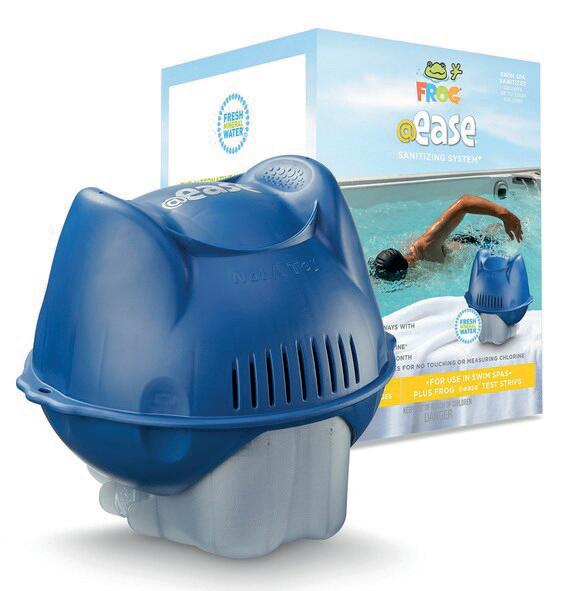
clear for weeks – unlike adding chemicals by hand before and after every use. FROG @ease kills bacteria in two ways, with FROG Sanitizing Minerals™ and SmartChlor®, a unique, patented type of chlorine that releases slowly and maintains a continuous low chlorine level at all times.
SpaFlo’s ContraSpa Unveiled At Luxury London Hotel
ContraSpa by SpaFlo has launched at the eco wellbeing sanctuary Bhuti located at independent luxury hotel Bingham Riverhouse in London.
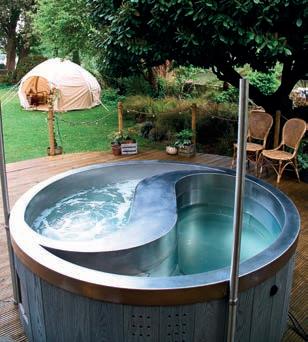
Launched earlier in the year at the SPATEX trade show, the first ever UK-made hot and cold water, single shell and dual use therapy spa is available for Bhuti guests to use at the iconic hotel in Richmond. Bhuti at Bingham Riverhouse has created a unique outdoor wellness space helping people connect with nature whilst working on body and mind, and the ContraSpa fits perfectly in the space with guests able to see, hear and feel the River Thames in the tranquil garden setting. SpaFlo’s ethos is ‘health through water’ and ContraSpa, with its contrast water therapy offering, embodies this ethos providing the ultimate water wellbeing therapy aid. It’s ideal for Bhuti visitors as they can work on body and mind by soothing the stresses and strains of everyday life whether through easing muscle soreness, improving mental wellbeing or supporting their immune system whilst enjoying a hot and cold water plunge.
Contrast water therapy – the process of moving from hot water to cold water – is one of the oldest natural water therapies with extensive wellbeing benefits. Regular contrast water therapy users may boost their immunity, aid rehabilitation from injuries, support DOMS recovery, and some suggest it can boost the metabolism too. Many people also use it to enhance their sleep and support their mental wellbeing.
Sanitisers work differently in different volumes of water, at different water temperatures, in different climates and depending on how people use them – and pools, hot tubs and swim spas vary widely.
FROG @ease for Swim Spas is purpose-built for the volume and temperatures unique to swim spas. It’s an easy way to keep swim spa water clean and
With FROG @ease, swim spa owners shock their swim spa only once a month. FROG Maintain, a single-dose non-chlorine shock designed specifically for swim spas, makes it easy; cut open and pour in – no measuring needed. Within 15 minutes swim spa water is clean and clear.
King Technology
+1 800 222 0169 www.kingtechnology.com
SpaFlo’s founder Richard Gowland commented: “Health through water is at the heart of what we do. Spas, pools and water features all have their unique wellbeing properties. I am delighted to partner with Bingham Riverhouse, a beautiful independent hotel in Richmond, London to celebrate wellness in their newly created outdoor wellbeing space.”
SpaFlo 0151 424 9742
www.spaflo.co.uk
Feel The Spirit Of Löyly With Harvia And Certikin
Available from Certikin, the Harvia Spirit heater, combines the Finnish sauna tradition with modern technological innovation. Designed for connoisseurs of luxury and relaxation, the Harvia Spirit is not just a sauna heater, it also scores on its aesthetics. Featuring a sleek, organic form that cradles heatradiating stones, its elegant curves and robust build, is tailored to fit seamlessly into different sauna layouts, making it suitable for both domestic
and commercial spaces. Engineered for rapid heating, its efficiency is paired with impressive energy-saving features, making it a sustainable choice. Its compatibility with Harvia Xenio control units offers precise control over temperature and humidity, allowing for a customised sauna experience.
The Spirit comes with Wi-FI connectivity as standard via the MyHarvia App, offering the freedom to control the sauna remotely, schedule sessions and
adjust settings with ease. It incorporates advanced safety features including an automatic shut-off if an object is detected on the heater, and a sophisticated overheating protection system. These features, along with compliance with stringent US safety standards and regulations, ensure peace of mind.
Certikin
01993 777200
www.certikin.co.uk






HOT TUB, SWIM SPA & WELLNESS NEWS www.swimmingpoolnews.co.uk SPN June 2024 25

WATERCO-FOUNDED BRAND EXPANDS IN NEW ZEALAND
Waterco-founded Swimart, Australia’s longest serving swimming pool and spa franchise network, has merged with Paramount Pools in New Zealand in a move that brings together a combined 98 years’ experience in the Australasian market.
The amalgamation cements two of the most well-known retail pool and spa brands in New Zealand and Rick Graham, Swimart’s Executive Officer for both countries, emphasised the significance of the merger as a pivotal aspect of Swimart’s growth strategy.
“Swimart acknowledges the rich history of Paramount Pools within the New Zealand market and commits to honouring its legacy,” he explained. “From the rebranding process to supplier support and customer care, we have the utmost respect for Paramount Pools’ remarkable heritage.”
The additional scale will allow Swimart to deliver a new benchmark when it comes to servicing retail customers and taking care of their pool and spa needs – and solidify the brand’s position as a thriving and successful business entity.
HAYWARD® EARNS 2024 ENERGY STAR® PARTNER OF THE YEAR AWARD
Hayward Holdings, Inc. is proud to announce that it has received the 2024 ENERGY STAR Partner of the Year Award from the US Environmental Protection Agency (EPA).
“At Hayward, we believe in leading by example, and this recognition reaffirms our dedication to producing energyefficient solutions that not only benefit our customers but also contribute to a cleaner and greener future for all,” said Kevin Holleran, President and Chief Executive Officer of Hayward. “We are proud to receive recognition from ENERGY STAR for the fourth consecutive year, and we eagerly anticipate further strides in innovation.”
Vietnam’s Asteria Mui Ne Resort Trusts Waterco For Perfection
Located in the coastal town of Mui Ne in Phan Thiet, Binh Thuan Province in Vietnam, the Asteria Mui Ne Resort is one of the newest go-to hotels for travellers worldwide.
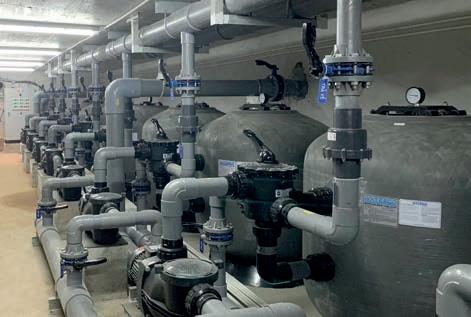
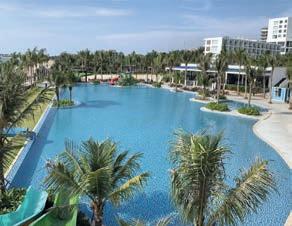
Despite having plenty to do in the area, for some, a perfect vacation simply means relaxing in the vicinity of the resort: enjoying a leisurely swim in a 2,000m2 infinity pool with the breathtaking view of Mui Ne and its sand dunes as the backdrop or going for a dip in a huge massage pool with other like-minded resort guests.
For these pools, the team behind the Asteria Mui Ne resort sought out the expertise of Vietnam’s very own pool specialist – KITI Pool. With over 15 years of experience in swimming pool and water treatment services, KITI Pool is no stranger to quality pool equipment.
As an advocate of reliable products and services, KITI Pool recommends only the best to its customer base, with Waterco proudly being among the trusted brands they endorse. KITI Pool has utilised Waterco’s
lineup of equipment in several of their projects over the years and the personal pools of the project executors have even opted for Waterco products too!
To meet Asteria Mui Ne’s requirement, KITI Pool proposed and installed 8 Micron SM1200 fibreglass filters, 8 Hydrostar 550 MKIV along with 2 Hydrostar 700 MKIV pumps, plus a large quantity of floor inlets, spa jets and four main drains.
By incorporating a Waterco pool filtration system, Asteria Mui Ne Resort can rest assured that its pools will always be in a clean and clear condition. Moreover, Waterco equipment offers added durability that ensures that the resort’s investment in the pool filtration system is a long-term and cost-effective solution.
Waterco Europe 01795 521733 www.waterco.eu
Ezarri Add Tiled Luxury At Florida’s Chateau On The Ocean
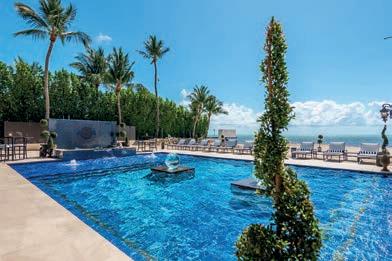
Imagine an elegant haven on the warm shores of Florida, where every detail exudes luxury and distinction. At The Chateau on the Ocean, a dream destination for relaxation and celebration, Ezarri’s pool tiles have transformed spaces into environments of design and functionality.
From the sparkling waters of the swimming pool to the most intimate corners of the interiors, the company’s glass mosaic tiles, in the vibrant tones of their metal collection, add an unparalleled touch of sophistication and durability.
The pool, lined with the exquisite Azurita and Oxido glass mosaic tiles, is a prime example of coastal luxury. Guests can immerse themselves in its crystal-clear waters that reflect the sky and transport them to a world of serenity and wellbeing.
Fountains, adorned with Ezarri’s glass mosaic tiles, add a charming touch to outdoor spaces, reflecting the timeless beauty of the company’s glass mosaics. Inside the venue, glass mosaic creations stand out on columns, adding a touch of distinction to the spaces. Their subtle presence adds an elegant detail that complements the
overall beauty of the environment.
Ezarri take customisation to the next level too and using digital printing technology, created the logo of The Chateau on the Ocean, ensuring its faithful reproduction and durability, and made it a key feature at one end of the stunning swimming pool.
Ezarri Mosaico +34 943 164 140 www.ezarri.com
IN BRIEF www.swimmingpoolnews.co.uk SPN June 2024 27 WORLD NEWS


Pentair Earns 2024 ENERGY STAR®
Partner Of The Year –Sustained Excellence Award
Pentair, a leader in helping the world sustainably move, improve and enjoy water, was honoured recently to receive the 2024 ENERGY STAR® Partner of the Year – Sustained Excellence Award from the US Environmental Protection Agency (EPA) and the US Department of Energy. This is the twelfth consecutive year Pentair has received this award.
“Pentair strives to create a better world for people and the planet through smart, sustainable water solutions that improve energy and water efficiency and improve customer outcomes,” said Karla Robertson, EVP, General Counsel, Secretary and Chief Social Responsibility Officer. “We are proud to provide our customers with energy-efficient products and are extremely honoured to once again receive the ENERGY STAR Partner of the Year Award in recognition of our continued collaboration with the EPA.”
Pentair was the first manufacturer of pool equipment to receive ENERGY STAR certification for its variable speed pool pumps and has been named an ENERGY STAR Partner of the Year consecutively each year since 2013 – longer than any other manufacturer in the pool industry – and in 2023, offered 29 ENERGY STAR certified pool pump models.
Every year, the ENERGY STAR programme recognises prominent companies and entities for their exceptional efforts in advancing towards a sustainable energy economy. Winners of the ENERGY STAR awards are at the forefront of their respective sectors in promoting and crafting energy-efficient products for industrial, commercial and residential purposes. These initiatives play a crucial role in combating the climate crisis, safeguarding public wellbeing, and fostering a sustainable energy landscape for all. Winners are selected from a network of thousands of ENERGY STAR partners.
Bespoke Ezarri Tiles Shine With Distinction
At Jordan Hotel
Prepare to submerge yourself in a realm of opulence and individualisation at the heart of Jordan!
The distinguished W Amman Hotel boasts a main pool that exudes a distinctive allure, courtesy of Ezarri’s bespoke tile: the Custom Pixel Mosaic, which redefines elegance.
Envision a pool that not only rejuvenates the body but also enchants the soul with its meticulously crafted beauty. At W Amman Hotel, this vision materialises, as the brand’s personalised mosaics infuse every dip with a touch of sophistication.


When the W Amman Hotel was looking to renovate their main pool, they knew they needed something extraordinary. That’s why they turned to Ezarri’s team of experts to create a unique design, meeting every client specification, and elevating the concept of luxury to new heights.
The result is a masterpiece of creativity and craftsmanship, where each tile tells a story of innovation and style. This custom tile project is now part of Ezarri’s Large Projects catalogue, where it stands out as a living testimony of the company’s ability to turn dreams into reality.
In a world where customisation can be key, the W Amman Hotel’s tile demonstrates that excellence is in the details. Each carefully placed tile is a tribute to the artistry and dedication that defined this unique project. Make a pool shine with Ezarri’s custom pixel mosaics and discover how the perfect combination of innovation and style can transform even the most ordinary of pools into a luxurious oasis!
Ezarri Mosaico
+34 943 164 140
www.ezarri.com
More Stock Plus A Better Service – SCP Opens A CSL Facility
In order to provide their customers with the largest possible range of products, wet leisure distributor SCP has invested in a CSL (Central Stock Location) facility situated in France. The opening of the site in February this year highlights SCP’s commitment to be closer to its customers and to serve and support them in the way they deserve.
Found in Vitrolles-Marseille in the south of the country, the new facility’s location was carefully chosen – it is near to Marseille’s port meaning easy access to container deliveries, whilst also being close to several autoroutes (motorways) which facilitates straightforward distribution to both southern and northern European countries. The CSL has a 33,000m2 footprint and can store up to
25,000 pallets.
The new facility makes it possible for all SCP branches throughout Europe to propose new product ranges to their customers and reduce delivery times. Today, more than 600 stock-keeping units are centralised with a capacity of approximately 10,000 units.
Daily shuttles between the CSL and the wide network of SCP branches located across Europe are planned, meaning the delivery of the right product to the correct location as quickly as possible to better serve the company’s professional customers.



WORLD NEWS 28 June 2024 SPN www.swimmingpoolnews.co.uk
SCP UK 01293 546126 www.scpeurope.com

HornerXpress Worldwide Honoured With Prestigious Exporting Award
NIVEKO Pool Provides A Stylish Place To Relax
US company HornerXpress
Worldwide, a leader in the global distribution of swimming pool supplies and equipment based in Ft. Lauderdale, Florida, is proud to announce that it has been awarded the 2024 President’s ‘E Star’ Award.
This esteemed recognition is bestowed upon companies who have previously been awarded the President’s ‘E’ Award, and then further demonstrates a sustained increase in export sales over a fouryear period.
The President’s ‘E’ Award was created in 1961 by Executive Order of the US President, to recognise the individuals, firms, or organisations which contribute significantly in the effort to increase United States exports. Winning the ‘E Star’ Award highlights HornerXpress Worldwide’s continued performance and leadership in international trade, marking the company as a standard-bearer within the industry.
“HornerXpress Worldwide has demonstrated a sustained commitment to export expansion. The ‘E’ Awards Committee recognises HornerXpress

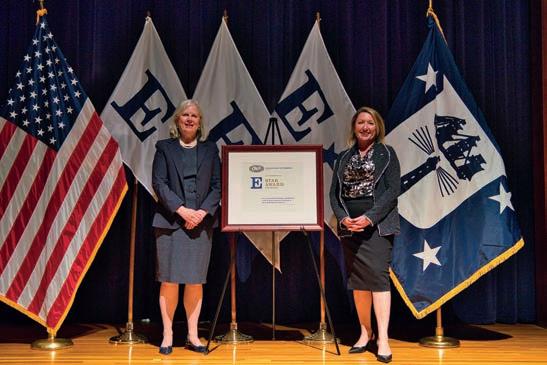
US Deputy Under Secretary for International Trade, Diane Farrel (left) with HornerXpress Worldwide Vice President, Linda Carroll
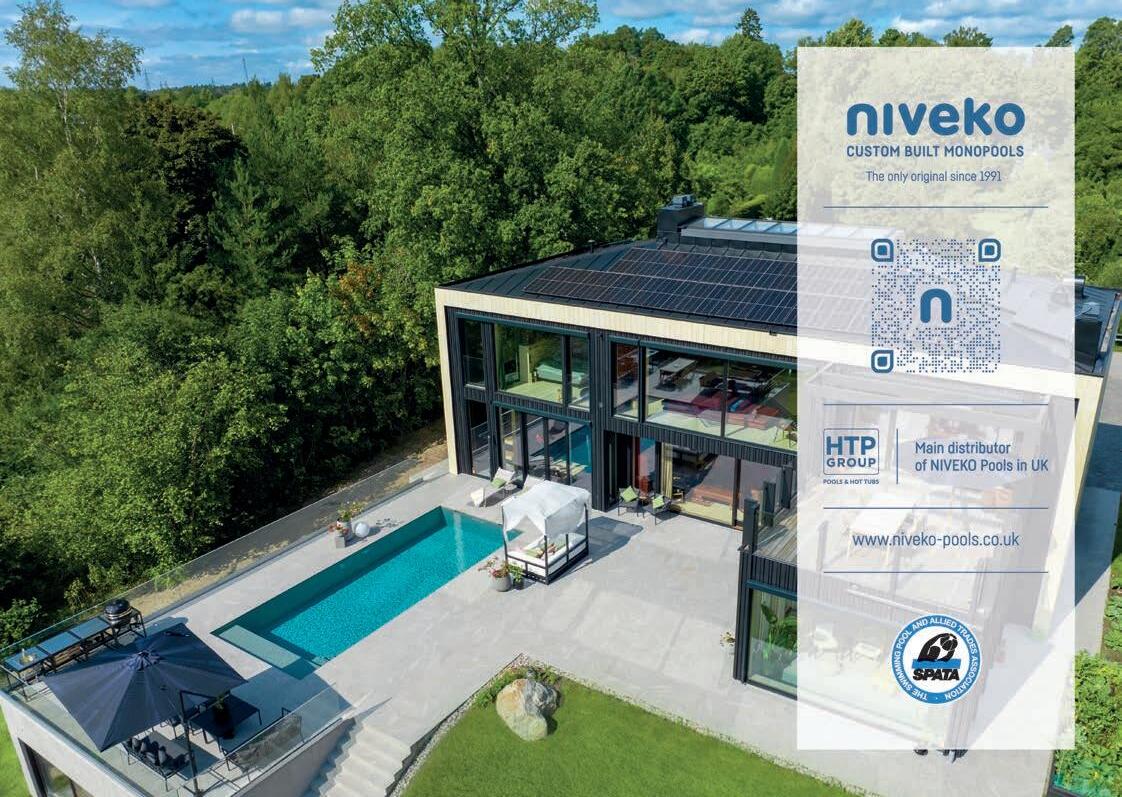
This beautiful villa has been designed down to the finest detail. The precise blend of materials, shapes and colours has resulted in a modern home that radiates elegance while also offering a comfortable place to live. The NIVEKO pool takes this villa to a whole new level of luxury. Perfectly complementing the architecture of the house, it is not merely a water feature, but more a synonym for the perfect combination of elegance and state-of-the-art design.

Worldwide’s significant export growth since receiving the President’s ‘E’ Award for Exports in 2016. The company’s innovative and market driven sales and distribution channels were also notable,” said US Secretary of Commerce Gina Raimondo in her congratulatory letter to the company.
Since its previous recognition with the President’s ‘E’ Award, HornerXpress Worldwide has expanded its reach, scaled operations and entered new international markets, thereby driving significant growth in export sales.
“Our team is honoured to receive the President’s ‘E Star’ Award as a validation of our hard work and dedication to not just meeting, but exceeding, the benchmarks set in international trade,” said Linda Carroll, Vice President of HornerXpress Worldwide. “We’re thankful for all of our customers, partners and colleagues who have contributed to our success. This award is not just a milestone but a motivator for us to continue innovating and leading in the industry.”
The company the owners chose for their project was Interhiva –NIVEKO’s Profi partner in the Netherlands, which has many years of extensive industry experience. NIVEKO can vouch for each of its Profi partners, and this project was proof of that. They provided the best possible service and the entire process of installing the pool went as smoothly as can be.
The Skimmer Top Level they chose, measuring 10 x 3.7 x 1.5m, offers the perfect place to both exercise and relax. The ash grey colour and modern stairs add a touch of sophistication that blends in nicely with the surroundings. To save energy and enhance safety, the pool also includes a PC Solar Aquadeck slatted cover, which is effectively hidden in the slatted cover beach within the entrance to the pool.
The luxurious outdoor furniture is the icing on the cake that complements the classy design of this villa. Not only does it beautifully match the overall architecture, it also creates an atmosphere of endless wellbeing. This outdoor space is now the perfect haven in which to rest and relax.
NIVEKO s.r.o. +420 572 693 246 www.niveko-pools.com

Therme Group Partners With SK ecoplant To Progress South Korean Wellbeing Resort
Therme Group, a global pioneer of inclusive wellbeing that uses the latest technological approaches to enhance its experiences, has announced the signing of a Memorandum of Understanding (MOU) with SK ecoplant, a prominent player in environmental and energy technologies and part of SK Corp, one of South Korea’s largest conglomerates. This landmark partnership marks a significant stride in Therme Group’s vision to introduce a transformative wellbeing destination to South Korea’s Incheon City, as part of its prestigious Golden Harbor development project.
Under the terms of the agreement, SK ecoplant would serve as the primary
contractor, overseeing licensing, design support and construction activities at the designated site. Meanwhile, Therme Group Korea would retain overarching responsibility for the development and operational facets of the project. The MOU also outlines a collaborative technology venture, where both entities will synergise their respective expertise to enhance project outcomes.
Renowned for its diversified energy solutions encompassing solar power and fuel cells, alongside cutting-edge environmental technologies like water treatment, SK ecoplant brings a wealth of experience to the partnership. In alignment with Therme’s commitment to pioneering sustainable
and wellness-centric environments, the resort will integrate advanced air and water filtration systems, coupled with state-of-theart heat exchange technology.
Park Kyung-il, CEO of SK ecoplant, stated: “Through this agreement, we will strengthen our relationship with Therme Group and create synergy in the global market through active collaboration.”
Dr Robert Hanea, CEO of Therme Group, commented: “Partnering with experts such as SK ecoplant will enable Therme Group to deliver its unique wellbeing proposition to Incheon City. Together, we’re committed to redefining the standard of sustainable innovative urban wellbeing.”
WORLD NEWS 30 June 2024 SPN www.swimmingpoolnews.co.uk
Images courtesy of Jaro van Meerten


A NEW GENERATION of an industry favourite
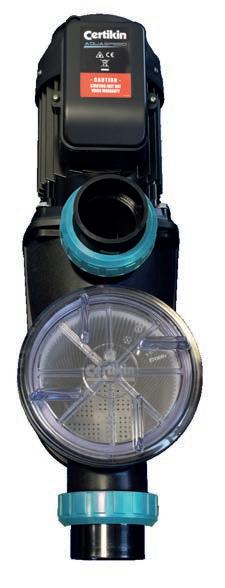
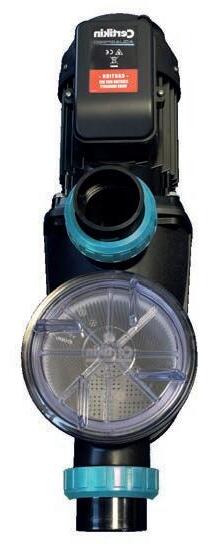
The new and improved Aquaspeed pump, which is available exclusively from Certikin
AQUASPEED
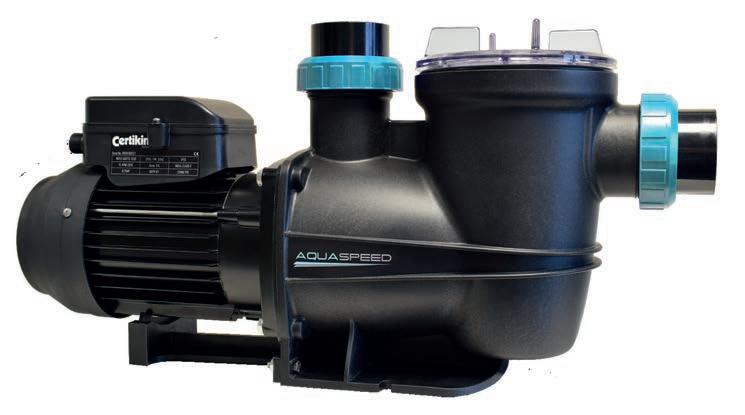
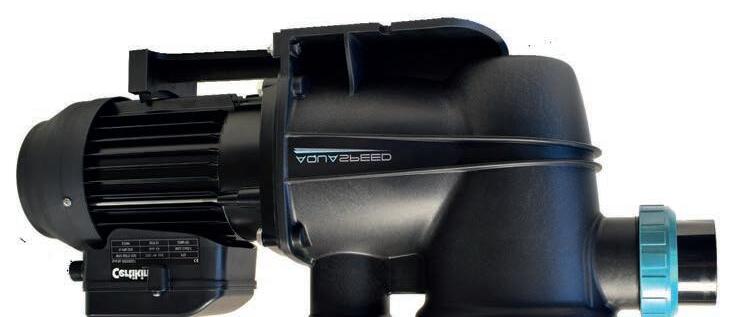
As well as a modern look, the new model has an upgraded motor which is manufactured using the latest technology to provide an efficient and powerful pump. Despite this upgrade, there are no changes to the dimensions, so it remains fully interchangeable with previous Aquaspeed models without any changes to the pipework.
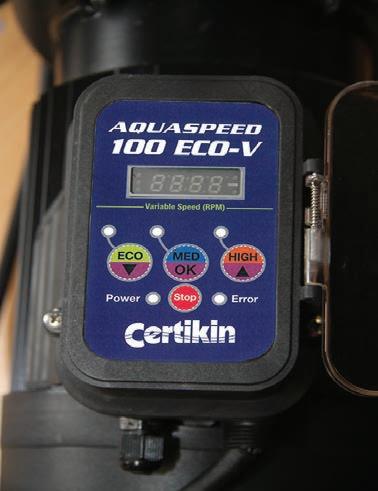
Available in a range of sizes from 0.5hp to 3hp including variable speed models
The variable speed versions of the Aquaspeed pump have 3 pump settings. Each setting can be programmed to ensure that the performance is the most efficient and therefore cost effective.
01993 777200 info@certikin.co.uk www.certikin.co.uk


Shaping A Better Industry For All

With Dyfed Thompson-Smith now active in his role as BSPF President, we are delighted to receive an article from Pete Grinnall on his reflections of being the BSPF President for the last two years which can be found on the following page of this issue. The BSPF is very grateful for Pete’s ongoing contribution to the industry. There is always work going on to improve the knowledge of the industry, so a massive ‘thank you’ is extended to all of the companies that have invested time so far in developing industry guidance for products that promote cold water immersion. Our industry has extensive guidance for hot tubs and other products that promotes warm water immersion, but there is relatively less guidance for cold water immersion. Following an initial meeting with a number of manufacturers of these cold water products, which also saw other industry experts in attendance, it is anticipated that information will be available this year. Updates will also be introduced into the BISHTA Standards. It is envisaged that feedback will be shared with the HSE for products sited in business and commercial settings. This industry guidance will also supplement the PWTAG Technical Note being developed on Ice Baths.
Workplace fairness and unlocking the potential of the whole workforce continue to be key themes for the industry working group on Equality, Diversity and Inclusion. The working group recently agreed to modify the title from Equity to Equality to help more
In this latest issue, BSPF Managing Director Chris Hayes highlights some of the important initiatives being worked on – often without any fanfare and behind the scenes –
that is making the sector a more professional and safer environment for all
clearly explain what ‘EDI’ is. A training course will be piloted before the end of this year.
BISHTA and SPATA have decided to bring their respective members together this year with a British Pool and Hot Tub Conference 2024. This will be the first time since before the pandemic that members can meet up with each other. By holding a conference, rather than just an Information and Networking Day (combined with the AGM), there will be an opportunity to reflect on all of the items that members need to be aware of. News of the sessions and speakers will be announced very soon via the member e-newsletters.
After a great deal of hard work by Will Dando at Plastica, a useful xls calculator tool to help meet the requirements in the domestic outdoor pool standard EN 17645 ‘Environmental performance efficiency –Performance evaluation, methodology and classification of the use of pools and their equipment’ is nearing completion. Training will be provided on this calculator, once the materials are ready.
Huge congratulations to the SPATA and BISHTA award winners announced during the 2024 British Pool and Hot Tub Awards, who are now being shortlisted for the 2024 EUSA Awards, which will be announced at Piscine Global in Lyon this November. Full details of the UK entries will appear in the next issue of SPN.
Look out for the SPATA and BISHTA categories and entry criteria for the British Pool and Hot Tub Awards 2025, which are coming very soon. Thank you to the sponsors of these awards; there is still time to add your name and sponsor a category.
Every year at this time, we dedicate a page in the magazine to promote Drowning Prevention Week in the UK (and also World
Drowning Prevention Day, which is on 25 July). Although there remain very few deaths in pools and hot tubs, we can still play an important role in promoting safety.
In this issue (page 37), we welcome an article from our colleagues at RoSPA and the National Water Safety Forum (NWSF).
The NWSF brings a number of bodies together in cooperation with an interest in water safety, including a campaign called #RespectTheWater. Our industry is represented on the Swimming Advisory Group (although this sub-group has not met for a few years) and also on a Communications Group (which does meet about once per month).
One fundamental way our industry can help reduce the chances of people drowning is by providing swim school venues that are fit for purpose. A number of SPATA members have been building their own swim school facilities or helping to build facilities for other businesses. It is expected that SPATA can work with other organisations to unlock more water space that can contribute to more people learning to swim.
Finally, this issue includes an article from our friends at Wright Hassall about potential issues when recommending third parties to a project. If something goes wrong, then there may be a possibility that you will be held responsible. There is also a contribution from long-standing SPATA and BISHTA members, Nsure, on the importance of being insured for Contract Works. Please see pages 35 and 36, respectively, for more details on both articles.
Have a great summer.
www.swimmingpoolnews.co.uk SPN June 2024 33 POOL & SPA INDUSTRY
BISHTA and SPATA have decided to bring their respective members together this year with a British Pool and Hot Tub Conference 2024” DIARY DATES 2024 27 Jun EUSA Meeting, Zoom 2 Jul SPATEX Board, WebEx 4 Jul BSPF Board, Andover 11 Jul SPATA Technical Committee, WebEx 5 Sep SPATA Technical Committee, WebEx 19 Sep PWTAG Council, Zoom
Oct SPATA Council Meeting, WebEx
3
BSPF President’s Reflections
As Pete Grinnall, the President of the British Swimming Pool Federation (BSPF), has recently ended his two-year term, in this Q&A, we asked him to reflect on his time in office
Q. Can you tell us a bit about you and how you managed the challenges of balancing the Presidency with your everyday life and work role running Complete Spas?
A. It was a great honour to be asked if I would consider taking the role of the BSPF President. I knew that I would be following in the footsteps of some of the industry’s great stalwarts. Being Chair of BISHTA for the previous two years stood me in good stead for the role.
I feel that the role of President of any organisation is the pinnacle of a professional career. After 17 years, it felt right to do this and give back to an industry I enjoy being part of, even if it has not always been easy sailing. Starting Complete Spas with Rachel during a recession in 2007 certainly helped, with the last 18 months being the toughest that the Hot Tub Sector has seen for as long as I can remember.
Of course, achieving this wouldn’t have been possible without the incredible team at the BSPF supporting me, so thank you Chris, Jan, Sallie, Claire, Jenna and Debbie, who together form the backbone of the team in Andover. Their unwavering support and assistance have been truly exceptional.
Q. What goals did you set out to achieve when you started your role as President, and have you accomplished them?
A. Certainly! Absolutely! Elevating the membership and visibility of the BSPF, SPATA and BISHTA has consistently ranked as a paramount objective, alongside bolstering support for our current members. This goal has been partially realised through heightened engagement on social media, hosting various outdoor events and expanding our reach globally with the advancement of WAPSA, solidifying our position as a formidable – if not foremost – authority in the wet leisure industry worldwide.
With the increase in hot tub usage, garden pop-up pools and hot tubs in business settings, water hygiene has become an even more crucial topic to drive awareness and capabilities. The number of extra water hygiene management courses and tutors has increased, helping spread knowledge and expertise rather than diseases, as well as the
work of BISHTA with the holiday parks and homes industry to raise awareness of the responsibilities of HSG 282 and the guidance that BISHTA can provide to this industry.
Q. What have been your highlights as President?
A. I think this year’s SPATEX was fantastic. After a very odd few years, with the mixed emotions of COVID and horrendous personal sacrifice and loss, mixed with the exciting increase in sales throughout the industry (which didn’t come without its drawbacks), to then a sudden drop in sales, due to circumstances that few could have predicted, from various sources such as the energy crisis and chemical shortage, to name a few. To then walk around the SPATEX show and talk to so many friends and visitors who admitted times were tough at the moment, but they were still keen and hopeful that the hot tub industry would survive and bounce back for the better, was very encouraging.
It’s not all doom and gloom for the pool industry, either. It seems as strong as ever, with everyone I spoke to having full order books for 2024 and into 2025.
As I write this, we certainly can see an increase in footfall and sales at Complete Spas (albeit small). Customers are more inclined to hang on to their spas a little longer, making servicing and repairs a large part of the business.
As for the 2024 Gala Evening and British Pool & Hot Tub Awards (hosted by SPATA and BISHTA), this was the largest turnout ever, with over 300 attendees travelling from all over the world to help celebrate the best in the industry. Well done, not just to the winners and runners-up, but to everyone who attended and entered the Awards. This goes a long way in promoting the wet leisure industry in the UK and the extended European opportunities through the 2024 EUSA awards.

Q. Do you have any advice for Dyfed Thompson-Smith as your successor?
A. Let’s have the President’s Weekend somewhere warm and dry, please. Oh! And Jan only drinks Marlborough Sauvignon Blanc!
Seriously, keep up the excellent work. As previously noted, we have a strong support team available, along with the collective skills, knowledge and expertise of the committed members of the BSPF Board, SPATA National Council, BISHTA Committee, the Technical Committees for both SPATA and BISHTA, PIP’s Committee, and the SPATEX Board. It’s only through collaboration that we can continue to grow the voice of our industry!
As we thank Pete for his active contribution, it is useful to note that the BSPF was formed in 1999, and members include BISHTA, SPATA, SPATEX, PIP and the STA. The President chairs the BSPF board meetings, comprising representatives from the above membership.
The role of the President is very important, as the person is the public face of all five separate legal entities currently active on behalf of the members and the wider industry, where applicable.
The President has a multifaceted role, including activities such as the annual Industry Gala Evening, the President’s Weekend, the BSPF AGM and attending meetings involving the BSPF at home and abroad.
BSPF
01264 356210
www.bspf.org.uk
Elevating the membership and visibility of the BSPF, SPATA and BISHTA has consistently ranked as a paramount objective, alongside bolstering support for our current members”
POOL & SPA INDUSTRY 34 June 2024 SPN www.swimmingpoolnews.co.uk
Think Twice Before Recommending Others
In this issue, Steven Hayward, a Partner at Wright Hassall LLP looks at the potential pitfalls of recommending or endorsing the skills of others and highlights an example where more care was needed when doing so
It is often the case that consultants or contractors are asked by their clients or others (the ‘Employer’) if they can recommend another to carry out certain works. This is particularly prevalent with construction-related works, and so we expect most (if not all) SPATA members will have been asked at some point if they can recommend another to undertake works.
More often than not a recommendation is given and, in most cases, the recommended party completes the works for the Employer without issue, and to the Employer’s satisfaction. There can be occasions, however, where matters do not turn out so well and the recommended party’s works fall below the standard required. In these circumstances, can the Employer seek any redress against the recommending party?
This question has previously been considered by the Courts in the context of an Architect’s recommendation to an Employer of a ‘very reliable’ contractor who later proved to be most unreliable. In the case of ‘Valerie Pratt v. George J Hill Associates (1988)’, Valerie Pratt (VP) instructed an Architect, George J Hill Associates (GHA), to design a bungalow. During the period of the GHA’s works, VP asked GHA to get ‘at least two more tenders from people you feel you think would give a fair price and do a good job’. GHA replied to say that GHA had received two estimates from builders who had both ‘carried out previous contracts for me and are very reliable’. VP selected one of those ‘very reliable’ tendering contractors – Swanmore Builders Limited (SBL) – to carry out the construction works.
On the facts, SBL proved to be wholly unreliable. In the words of Lord Justice Purchas in the Court of Appeal, SBL “seem to have done almost everything wrong from laying out the foundations incorrectly onwards”. As a result, almost all of SBL’s work had to be demolished and re-constructed. VP terminated the contracts of GHA and SBL, and VP sought to recover damages from SBL by way of an arbitration process. Before the arbitration had completed however, SBL became insolvent. VP would not, therefore, recover any damages from SBL.
Given SBL’s insolvency, VP commenced proceedings against the Architect, GHA, seeking to recover the substantial costs
incurred as a result of SBL’s sub-standard performance (including the costs incurred by VP in the arbitration process against SBL). VP ultimately succeeded in the claim against GHA, the recommending Architect; the Court’s view being that the losses incurred by VP (including the remedial costs and the costs of the arbitration that were unrecoverable from SBL) were caused by the incompetence of SBL and GHA’s ‘negligent misrepresentation’ as to SBL’s reliability and competence. Negligent misrepresentation is a representation made carelessly and in breach of the duty owed by one party to another to take reasonable care that the representation is accurate.
The above case should act as a warning to all when being asked to give recommendations. Each case will, of course, turn on the facts, and it is unclear if VP would have succeeded against GHA had GHA not described SBL as being ‘very reliable’. Nevertheless, we suggest the following:
• Great care should be taken before recommending or endorsing the skills of others. If, as above, a recommended party is described in a certain manner, the recommending party could inadvertently find itself liable to reimburse an Employer should the recommended party prove to be incompetent and cause the Employer loss. Accordingly, to mitigate the risk, where recommending, extensive research should

be undertaken as to the competence of those being recommended.
• Alternatively, if the recommending party wishes to give the name of another that may be able to assist, this can be accompanied by a warning that the competence of the referred party is unknown, and that no reliance should be placed on any recommendation.
The Employer can always contact the recommended party directly and ask for evidence of its previous works. It would also be helpful if any recommendation and warning is given in writing to avoid any dispute regarding what the relevant representation comprised; or
• Simply decline to give a recommendation due to a case you have read about in an industry publication!
If a SPATA member wishes to discuss the above with the writer, or has legal issues in connection with any project, please contact Wright Hassall LLP’s specialist construction and engineering solicitors via email to: spata@wrighthassall.co.uk. Wright Hassall LLP has assisted SPATA members previously with negotiating contract terms, project advisory and dispute resolution services.
Wright Hassall 01926 886688 www.wrighthassall.co.uk
...if the recommending party wishes to give the name of another that may be able to assist, this can be accompanied by a warning that the competence of the referred party is unknown”

POOL & SPA INDUSTRY www.swimmingpoolnews.co.uk SPN June 2024 35
Insurance For Contract Works
With the risks and insurance needs surrounding contract works not always being fully understood, here, Michael Bickers, Account Manager at specialist insurance firm Nsure, takes a closer look at the subject and what industry companies need to bear in mind when working on projects
Whilst most contracting companies understand the need for Employers and Public Liability insurance, not all will appreciate either the risks involved or the insurance available to cover Contract Works prior to hand over to a customer.
Most will appreciate the risk posed from the likes of fire or storm if building a house or industrial unit, particularly as a project nears completion, but with other construction sites, external swimming pools being an example, some may underestimate the vulnerability of partially complete works to the elements or alternatively, simply decide to take a chance.
To some extent that is understandable, contracts can be of relatively short duration and the values, of at least the part of the contract perceived to be at risk, may not seem significant, however, unexpected events can and do occur and are sometimes from unanticipated causes.
With a long involvement of arranging insurance for companies in the wet leisure industry, Nsure have handled many claims for damage to contract works over the years and have seen losses from a number of causes. These include theft (particularly of hot tubs), bleaching or reactions from chemicals and mechanical, lifting or handling malfunctions, however, we have always felt that it is not without a certain irony that water is a frequent cause of claims. Prior to completion many sites will have a susceptibility to water damage either directly by storm / rain or the subsequent flooding or saturation of the ground and we have dealt with claims where a pool has lifted or ‘popped out’ of the ground.
When claims occur, they can be complicated and expensive, particularly if the cause or extent of damage is not immediately apparent, which is often the case given much of the work will be covered up. Multiple contractors on larger contracts can also be a complication, and the greater the complexity, the greater the cost of rectifying any damage, hence Contract Works (also known as Contractors All Risks) insurance is usually a contractual requirement for larger projects
but is, for the reasons already outlined, also recommended for all contractors.
There can be a misapprehension that damage to the Contract Works will be covered by a Public Liability policy however the vast majority of Public Liability policies do not provide any cover for contract works, they are designed to cover damage to third party property or injury to third party persons. Where any cover is provided, and the Nsure Poolsure and Spasure specialist policies for the industry come into this category, it tends to be for losses arising from defective design or workmanship, although the Public Liability cover extensions complement rather than replace the need for Contract Works insurance.
Contract Works policies usually provide some cover for losses arising from defective design or workmanship but only for the consequences of the defects, not rectifying the actual defect itself. This is another area where cover and any claims can be complicated, and as our experience is that these issues tend to manifest themselves after construction has been completed, there


is the difficulty in establishing under which type of policy a claim will be covered. It is one of the reasons we always recommend that contractors have Liability, Contract Works and Professional Indemnity insurances to provide cover for all the eventualities that are generally insurable at realistic premiums.
One last important point relating to the Contract Works is that the insurance cover will be subject to the insured party being responsible for the damage under any contract conditions that apply, which with some conditions such as JCT contracts, will stipulate who is responsible for arranging insurance on the project.
I have so far concentrated on cover for the Contract Works but the other main benefit of these policies is the availability of cover for tools, plant and equipment whether owned by employees or the company or hired in. Unsurprisingly theft is the main cause of claims for construction equipment and most insurers will impose security restrictions for items either left on site and particularly items left in vehicles overnight. Excesses are also normally set at a level to exclude smaller losses. It can be a valuable cover but make sure you are aware of any security conditions or exclusions and the level of excess before deciding whether it is worth insuring. With hired plant, whilst cover is available under a Contract Works policy, it may be worth taking the cover that is often offered by the hire companies, simply to keep any claims that occur off your policy and avoid being penalised with the higher premiums that can result.
There can be a misapprehension that damage to the Contract Works will be covered by a Public Liability policy however the vast majority of Public Liability policies do not provide any cover for contract works”
POOL & SPA INDUSTRY 36 June 2024 SPN www.swimmingpoolnews.co.uk
Nsure Insurance 01424 229762 www.poolsure.co.uk
Safety First For Swimming Pools, Hot Tubs And More
With safety in and around water always a top priority, Carlene McAvoy, Senior Policy Manager at the Royal Society for the Prevention of Accidents (RoSPA) looks at resources and initiatives to make wet environments a safer place for all
Swimming pools and hot tubs are great for family fun, fitness and wellbeing – but they must be used sensibly and managed and operated with safety at the top of the agenda.
HSG179
The fourth edition of ‘HSG179: Managing health and safety in swimming pools’, published by the Health and Safety Executive, provides guidance for those who have any involvement with the operation and management of health and safety in swimming pools. It includes health and safety law, new developments in relation to equipment and facilities, plus swimming pool design.
Swimming pool managers should consider the environment within which they are operating. Who will be using the area? Are there any particularly vulnerable users such as under-5s or later-life swimmers? What is the proximity to areas where glass and / or alcohol are used?
The design of the pool should follow HSG179 and other relevant guidance,

ensuring that deep water and vertical sides are not immediately presented to visitors. Consider how the area is left when not being used. For example, in a domestic setting can children get to the water unnoticed? Supervision is a key factor of swimming pool safety and technology such as pool monitoring equipment and CCTV should be considered in addition to traditional methods. Emergency arrangements must also be put in place. For example, if children are reported as missing, the water should be checked first. It is essential that the water quality is checked at intervals that are proportionate to the amount of use too. The Pool Water Technical Advisory Group (PWTAG) offers relevant training in this area for all swimming pool owners and operators.
HOT TUBS & SPAS
The Chartered Institute for the Management of Sport and Physical Activity (CIMSPA) provides industry practice and guidance on the operation of hot tubs and spas. In addition, RoSPA has issued the following advice on installing a hot tub for a family:
• Ensure that the hot tub is fitted with a solid and lockable cover that a child can only open with adult help
• Make sure the hot tub is covered when not in use
• Always ensure that children are supervised when around an open hot tub
• Ensure that chemicals are stored safely, out of reach of young children
• Children under five should not go in a hot tub.
NWSF
A voluntary network of groups, working together to reduce water-related deaths and associated harm was established in 2004 following a government review into water
Swimming pools and hot tubs are great for family fun, fitness and wellbeing – but they must be used sensibly and managed and operated with safety at the top of the agenda”

safety. The National Water Safety Forum (NWSF), hosted by RoSPA, brings together a number of national organisations, including The Royal National Lifeboat Institute, Maritime & Coastguard Agency and the Royal Life Saving Society UK, with the ambition of creating a ‘one-stop shop’ for drowning prevention and water safety in the UK.
‘Respect The Water’ continues as the NWSF’s key campaign, which highlights what to do if someone is discovered struggling in the water. The best way to help them is by staying calm, staying on land and following the three-step rescue guide – Call, Tell and Throw. Call 999 and ask for the right service. Tell them to float on their back. Throw them something that floats.
WORLD DROWNING PREVENTION DAY
Lastly, 25 July 2024 is World Drowning Prevention Day. Organisations and individuals are encouraged to share information about the day on social media to raise awareness about drowning prevention, using the hashtag ‘World #DrowningPrevention Day’. The United Nations also recommends measures to prevent drowning such as teaching swimming and water safety and training bystanders in safe rescue skills and resuscitation of drowning people.
NWSF
0121 248 2235
www.nationalwatersafety.org.uk
RoSPA 0121 248 2000
www.rospa.com
ABOUT ROSPA
RoSPA is a not-for-profit organisation that has worked for more than 100 years to help people recognise and reduce their risk of accidents, at home, on the road, at work and at leisure. Our goal is to enable everyone to live their lives to the full, safely.
POOL & SPA INDUSTRY www.swimmingpoolnews.co.uk SPN June 2024 37
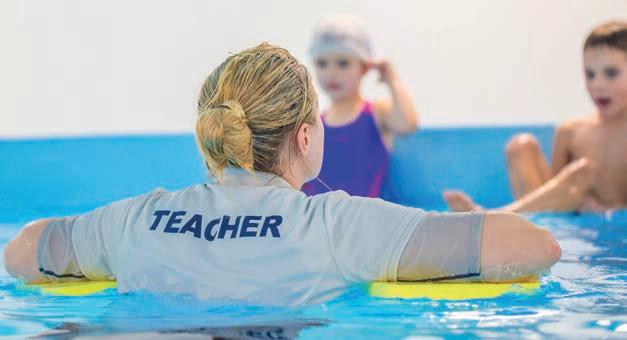
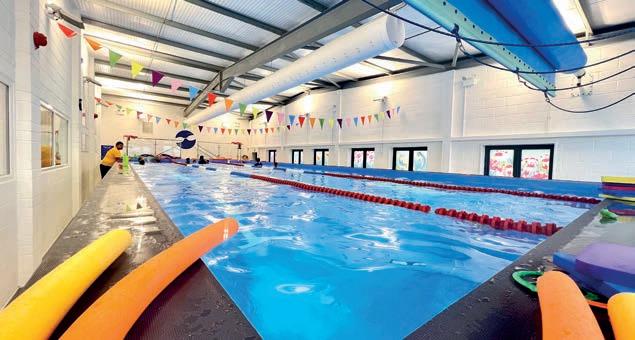
Advice For Building A Swim School Pool
In a recent survey carried out by the STA, more than half of UK swim schools cited they would consider building their own pool in the future. In response, the STA and SPATA have joined together to list here the main basic points to consider, in relation to the project requirements for a pool suitable for a swim school
When it comes to swim schools across the country building their own swimming facilities, there has been a number of successful examples featured within SPN over recent years, and with demand for pools outstripping supply, it’s a trend that’s sure to continue. Here, we cover some of the main considerations for those keen to take the plunge into ownership.
SWIMMING POOLS
An indoor (or enclosed) pool for all year teaching is preferable, but not necessarily essential.
The pool size is important to ensure the correct water area for the purpose and number of persons using the pool (safe bather area). The ideal water depth to
introduce the individual to learning to swim can typically range from 0.8m – 1.2m. For babies / children, the preferred water depth is around 1.2m to ensure that the supporting adult remains comfortable within the water (enabling them to maintain a safe position at all times). Where the pool depth is greater than 1.35m this should be noted in the risk assessment (and PSOP), as the water depth may be an issue for some of the participants learning to swim. Varying depths will have a direct effect on staffing the pool in terms of teaching and lifesaving.
Easy entry and exit to (and from) the pool. For ease of access to the pool, steps (and handrails) are generally more useful and accessible than ladders, but other entry and exit methods may be used. If it is a new build or major building renovation, change of use
POOL WATER TEMPERATURES
The following recommendations are taken from ‘The Pool Water Treatment Advisory Group’. They are maximum values and are not intended as set targets.
• Children’s teaching pool 29-31oC / 84-87oF
• Babies under 3 months or 5.5kg / 12lbs 32oC / 89oF
• Babies (over 3 months), young participants 30-32oC / 86-89oF and disabled participants
• Hydrotherapy pool 32-36oC / 89-96oF Ideally 34.5oC / 94oF (Thermoneutral)
• Recreational swimming 27-29oC / 80-84oF
• Competetive swimming and diving, fitness swimming 26-28oC / 78-82oF
• Leisure waters
28-30oC / 82-86oF
etc., then disabled access and egress may be compulsory.
POOL WATER TEMPERATURE
Pool water at the correct temperature (ideally 29ºC – 31ºC for children and ideally 30ºC – 32ºC for babies over 3 months) for indoor pools. The water temperature is important to have set at the optimum range for teaching, as it is very difficult to vary the temperature quickly. A risk assessment will determine at what temperature the commercial or domestic pool should be set. The original pool finish should be checked as part of the risk assessment to ensure that it is suitable for these higher water temperatures.
THE POOL HALL ENVIRONMENT
For indoor pools, the correct pool hall environment, with adequate heating and ventilation is required. The pool hall environment needs to be fit for the purpose so that swimming teachers can be comfortable on poolside and the participants are also not too cold or too hot while being taught. Please note, the air temperature within the pool hall should be the same as, or 1ºC above, the water temperature to a maximum of 30ºC (for staff and visitor comfort). When air temperatures are expected to be below pool water temperatures, evaporation will be excessive, and, will radically increase the energy costs. This should be recognised and discussed with a swimming pool specialist at the design stage.
38 June 2024 SPN www.swimmingpoolnews.co.uk
STA POOL PLANT – SWIM SCHOOL POOLS
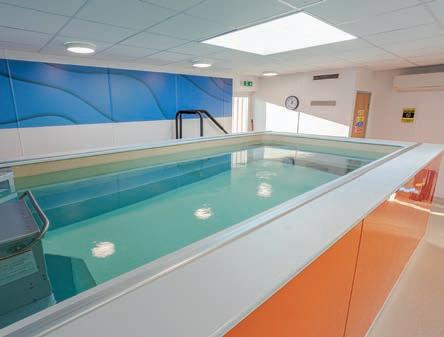
FILTRATION SYSTEMS
The filtration system should be capable of dealing with the design bather load (2.7m2 of water surface area per bather – also take into the account if a responsible adult and swimming teacher is in the water, which in this case would represent three bathers). A swim school is considered a type 2 pool (according to BS EN 15288-1) and will require circulation and filtration systems that meet commercial standards. This includes medium rate filtration with a recommended turnover period and effective surface draw off, and bottom drains for all pools, to ensure a safe hygienic pool. However, where this is not possible, then a risk assessment should be carried out to determine whether the existing provision can be made safe and suitable for the proposed purpose with the introduction of control parameters. In most cases, this will require adjustments to the size of filters, probably larger pipework and installing secondary disinfection (e.g. UV) and flocculation. Also, assessment and possible modification of bottom drain(s) and / or low suction outlet(s) to ensure the safety of participants. All flow and return fittings should be assessed to ensure maximum flow rates are not exceeded.
ADDITIONAL FACILITIES
Appropriate changing, shower and toilet facilities to cater for the total number of participants in each of the proposed swim groups (with adequate numbers of nappy change facilities where appropriate away from poolside, so that people are not changing nappies at the poolside).
The provision of a car park (or parking spaces) will undoubtedly be an advantage. Where on site parking is not possible, then suitable advice will need to be given to the swim school participants by the swim school owner on how to get to the venue and any restrictions on street / road parking.
SAFETY
Appropriately qualified teaching and lifesaving staff will be required – see the STA Swimming Teaching Code of Practice – available via the ‘STA Online’ login on the STA website (an account / registration is required).
Suitable rescue equipment is essential, it should be easily available, and include



emergency instructions for use, tailored to the actual pool tank and surrounds.
It is of the utmost importance, in all premises, that the relevant insurances are in place too, especially if the pool that is used for swimming teaching and other activities is owned and controlled by another party. Both the swimming teacher’s insurers and the pool owner’s insurers should be satisfied with the conditions of all the relevant insurance provisions. Both public and employers’ liability insurance will potentially be required and needs to be comprehensive for all users and employees specific to aquatic activities.
A specific degree of knowledge of the pool plant operation is needed and specific pool plant qualified staff are required, if the swim school is operating the swimming facilities, and, where the risk assessment demands. For safe operation a recognised pool plant level 3 qualification and site-based training is essential. Anti-slip floors and adequate floor drainage is recommended in all wet areas and swim school operators should be aware of what
cleaning products and pool chemicals are to be used (to ensure they are compatible with the pool chemicals) including appropriate storage of all chemicals in a detailed COSHH assessment, highlighting each product’s potential risk to H&S. Specific PPE is required for all potential circumstances.
Swimming teachers, especially in outdoor facilities, also need to take into consideration such things as:
• Changing room location
• Blankets and foil blankets required for an evacuation of an indoor pool
• Seasonal temperature change
• Evacuation points.
COMMUNICATION
Pool rules to be set and clearly displayed in relation to participants’ ‘pool etiquette’, including pre-swim hygiene practices, when not to swim and appropriate swimwear for the age of the participant (e.g. suitable nappies for babies).
Underpinning all of this is: ‘any pool used for swimming teaching should undergo a rigorous risk assessment for all aspects of use, and from these assessments a comprehensive set of risk controls should be in place to ensure a safe, hygienic pool is provided for all users of the pool and building’.
SPATA
01264 356210
www.spata.co.uk
STA 01922 645097
www.sta.co.uk

A specific degree of knowledge of the pool plant operation is needed and specific pool plant qualified staff are required, if the swim school is operating the swimming facilities”
SETTING UP A SWIM SCHOOL WEBINAR
STA Ambassador Adam Comfort hosts a webinar for those thinking about setting-up their own swim school. It talks through all the key business areas that need to be considered and shows how setting up a swim school is more than achievable.
The webinar, worth ½ STA CPD point, covers:
• Products to offer – Private, Groups, Baby, Adults, Squads etc
• Difference in swim schools – leisure centres, private, health clubs
• Best use of pool space and pool mapping
• Team management and training
• Policies – legal considerations i.e., contracts, pool venue agreements, insurance
• KPI’s – occupancy and how that equates to margin and growth etc.
• Online swim systems
• Assessments and badging
• Qualifications and Poolside lifesaving cover
• Health and Safety – risk assessments
• Equipment
• Payroll and / or employed vs self employed
• STA Swim Star accreditation and benefits.
It can be found via www.safetytrainingawards.co.uk within the ‘Online Learning’ section and under ‘Webinar modules’
www.swimmingpoolnews.co.uk SPN June 2024 39
STA POOL PLANT – SWIM SCHOOL POOLS
Newly Launched Registry Tracks Pool Chemical Incidents
With chemical accidents and incidents seeing a dramatic rise, key industry bodies have worked together to launch a pool plant ‘Chemical Incident Register’ in a bid to help the sector improve standards of chemical handling, and we take a closer look at the initiative
By Jon Wadeson
Chemical incidents in the UK have risen dramatically over the last few years, particularly since the COVID pandemic, with the three-year average between 2021-2023 up by 62% according to Water Incident Research Hub data from August 2022. This concerning surge prompted the formation of the Pool Chemical Forum. Hosted by the CBA (Chemical Business Association), the Forum includes a cross sectional group of prominent industry bodies including the Institute of Swimming (IOS), Chartered Institute for the Management of Sport and Physical Activity (CIMSPA), Swimming Pool and Allied Trades Association (SPATA), Pool Water Treatment Advisory Group (PWTAG), Royal Life Saving Society UK (RLSS UK), chemical specialists Brenntag UK and not-for-profit fitness industry association ukactive. This group has worked together with the aim of providing a means to assist the industry in becoming more informed around the occurrence of incidents and through the newly created Pool Chemical Forum, it aims to gather meaningful information about incidents in both commercial and domestic settings. All data entered into the Chemical Incident Register will be independently and anonymously collated and information can be provided online via a simple to complete web form (identifiable information is not collected about the site or company, where the incident occurred or the person reporting it). The information will then be shared with the pool industry approximately once a quarter and the Forum hopes this will improve best practices and training within the sector, and in doing so, will make it a safer place to operate within.
Unfortunately incidents and accidents are a fact of life, but these can become more frequent where processes are not in place or followed, perhaps through a lack of understanding and awareness or training”
Tim Doggett, CBA, CEO said: “Health and safety is at the heart of what we do at the CBA. The launch of the Pool Chemical Forum and its incident register will help identify the root cause of accidents, allowing the sharing of lessons to be learnt, enabling preventative measures and furthermore, establishing guidelines to ensure the safety of professionals. This is made possible by bringing together major leaders in the sector, encouraging and inspiring improvement, collaboration and knowledge transfer.”
Daniel Ekema, Pool Plant Programme Leader, Institute of Swimming said: “Unfortunately incidents and accidents are a fact of life, but these can become more frequent where processes are not in place or followed, perhaps through a lack of understanding and awareness or training.
“Not all incidents are reported, perhaps due to fear or concerns about repercussions, and so we hope this anonymous register will help the sector to gather more meaningful information for a broader understanding
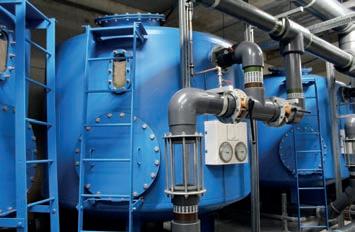
of how accidents occur at pools, spas and other water features, both in commercial and domestic settings. The Pool Chemical Forum’s learnings from this data will help us to better understand day-to-day accidents that may be occurring, which will help us at the Institute of Swimming to better develop our Pool Plant training programme to help keep everyone safer.”
Available at www.surveymonkey.com/r/ GZDWFS8, the Chemical Incident Register asks simple questions in an easy-to-use questionnaire format. The register can be completed by people responsible for pool plant safety at a pool or by someone else observing unsafe practices or accidents.
CBA 01270 258200 www.chemical.org.uk
IOS 01509 640640 www.swimming.org
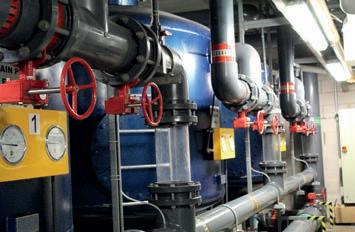
ABOUT THE CHEMICAL BUSINESS ASSOCIATION
Founded in 1923, the Chemical Business Association (CBA) has a long and illustrious heritage in delivering for its members and is the leading organisation representing the complete chemical supply chain. Many of its members are SMEs and include manufacturers, distributors, traders, warehouse operators, logistics and transport companies, as well as service providers and suppliers who collectively are the main chemical industry interface providing products and services to virtually every sector.
Such a diverse membership gives the distinct advantage of a 360-degree view and insight of the global chemical supply chain which, combined with the extensive and in-depth expertise of its staff, enables the CBA to provide wide-ranging services and support to its members, and to engage and work closely with Government and other key stakeholders in the UK and overseas.
Chemicals are vital for society and with more than 97% of all manufactured products containing inputs from the chemicals industry, CBA members handled in excess of 27 million tonnes and make over 2.25 million deliveries of chemicals last year. Health and safety, people and sustainability are at the heart of the CBA, and it leads and participates in many initiatives such as the ‘Responsible Care Programme’ which it has been part of since 1993.
NEW INITIATIVE 40 June 2024 SPN www.swimmingpoolnews.co.uk

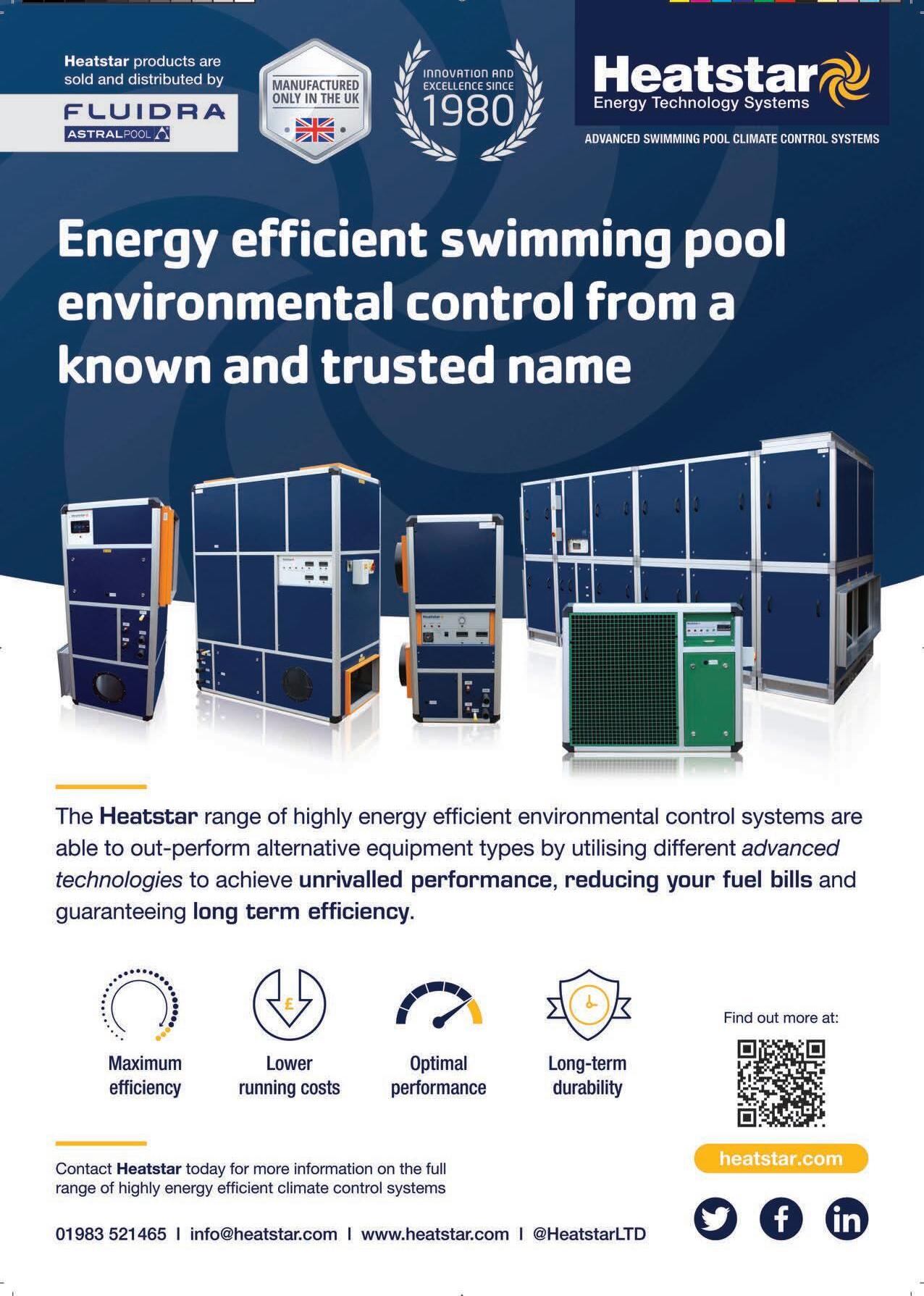
Cornish Holiday Park Specifies Large Capacity Heatstar System
With a need for a new dehumidification system for its wet leisure facilities, Hendra Holiday Park turned to Apex Pool Engineers and Heatstar who together, provided the perfect bespoke solution and a seamless install within a limited plant room space at the popular holiday resort
Located in the seaside resort of Newquay in Cornwall, Hendra Holiday Park has been run by the same family for over 50 years. On site, visitors will find the popular Oasis Fun Pools which comprise a 30m swimming pool with three water flumes, a river rapid ride, plus a toddlers’ splash pool.
When it became apparent that the facility’s outdated and inefficient dehumidification system needed replacing, management at the holiday park turned to local firm Apex Pool Engineers to find the right solution. For 25 years, Apex Pool Engineers have built up an excellent reputation in the South West as an installer of top-quality pools, and have specific expertise in the provision of wet leisure facilities to hotels and holiday parks. Due to the large areas of pool water and the requirement for effective dehumidification, the decision was made to proceed with the installation of a Heatstar Taurus.
One of the great strengths of Heatstar is their ability to design and build a suitable environmental control system that perfectly suits the application at hand, made exactly to order. Units not only have different design orientations, but also the physical structure of the machine can be altered to a horizontal construction or built in sections if plant room space or access is limited. Due to this, Heatstar have become known as being a ‘goto’ company when it comes to the successful dehumidification of large commercial pools, with their Taurus EC range always offering a perfect solution. These Taurus systems are exclusively designed and manufactured for use in large municipal swimming pools and leisure centres with pools, and offer humidity control, energy recovery, fresh air, variable
rate ventilation, mechanical cooling and renewable energy heating solutions.
Heatstar’s sales and design team were able to create a special bespoke unit that was split in to eight sections to allow it to be lifted up onto the first-floor plant room and between two existing steel supports. Heatstar were able to provide the project’s structural engineers accurate details on the floor contact points of the Taurus to ensure the building’s floor reinforcement areas suitably matched when the unit was in place. With the plant room offering limited space for the unit, the Taurus was cleverly designed with one of the eight sections manufactured slightly smaller to ensure a perfect fit under an existing steel support.
The new Taurus unit incorporates cross flow recuperators allowing the unit to recover energy from the exhausted pool room air into the fresh air which in the long term will reduce running costs significantly for heating, enabling the Holiday Park to save money.
The unit has also been designed in such a manner to be able to temporarily match the original airflows, allowing the unit to comply with existing duct sizes until further works are possible. Once the ducting capacity is increased, the airflows can be adjusted giving the management at the Holiday Park the option to run all year round should they wish to do so. This is something they
have not been able to do previously due to the insufficient airflows and heat recovery provided by the previous unit.
The unit was completed and delivered on time and with the pools closed for the winter season, Apex Pool Engineers were able to take advantage of this quiet time and orchestrate a seamless install, with the added assistance of a dedicated Heatstar engineer to connect and assemble the eight sections of the Taurus together on site.
Alex Cole, Director at Apex Pool Engineers said: “Heatstar designed, manufactured, delivered and commissioned the Taurus system exactly as planned. We have installed many Heatstar products over the years and they are currently building further bespoke designs for us.
“All credit to the team at Hendra Holiday Park, who coordinated all the other trades involved and we look forward to continuing our close working relationship with one of our oldest customers.”
Apex Pool Engineers
01872 571787
www.apexpoolengineers.co.uk
Heatstar
01983 521465
www.heatstar.com
Heatstar’s sales and design team were able to create a special bespoke unit that was split in to eight sections to allow it to be lifted up onto the first-floor plant room and between two existing steel supports”
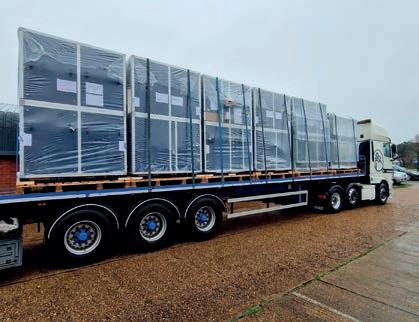
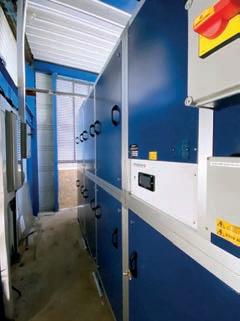
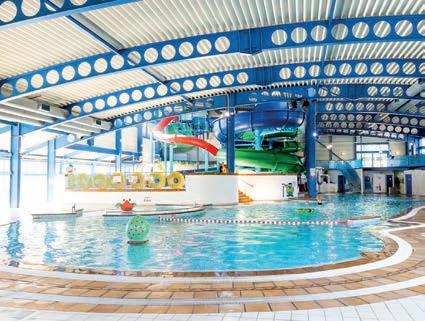
PROJECT FOCUS www.swimmingpoolnews.co.uk SPN June 2024 43

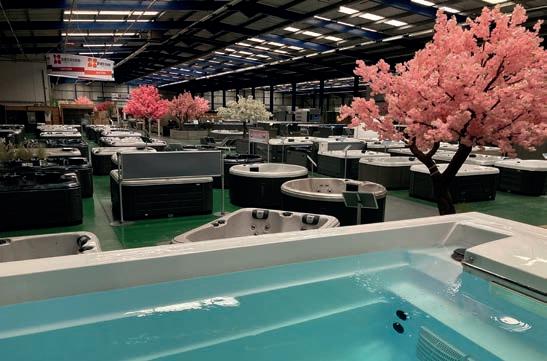
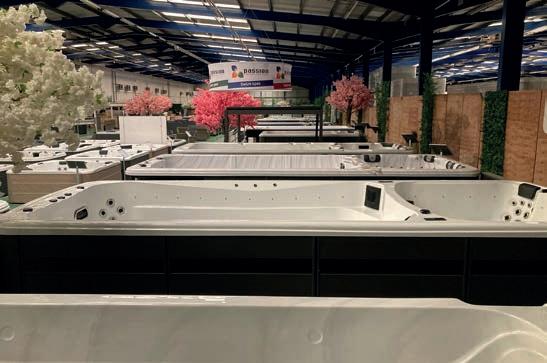
Everything Outdoor Living, All Under One Large Roof!
With numerous hot tubs and swim spas dominating an enormous showroom facility, it’s easy to see why Leicester-based Fonteyn Spas UK claim to have the biggest outdoor living facility in the country. Having paid a trip to the business, we discovered more for ourselves about the company and its vast product offering which aims to offer the complete package of outdoor living solutions
Located in the heart of Leicester, the Fonteyn Spas UK showroom is a go-to destination for trade professionals and businesses specialising in outdoor living. It is also the UK’s main hub and distribution point for the Passion Spas and Fonteyn Spas brands. The impressive site displays over 150 spas, 45 swim spas, a sizeable number of saunas, plus one of the largest ranges of ice baths available. But that’s just the start. From high-quality BBQs to premium garden furniture, the site showcases the pinnacle of outdoor living solutions. In short, Fonteyn offers everything required to meet needs of the most particular of clients and exceed their expectations.
Walking around, it’s clear that the company’s impressive array of over 150 spas includes models for every situation, from intimate two-seaters to expansive family-sized units. Each spa is equipped with cutting-edge technology, powerful jets and luxurious seating designed for ultimate comfort. By partnering with Fonteyn, businesses can offer clients not just a product, but a holistic experience that enhances their quality of life.
Importantly, the Fonteyn team understands that a swim spa is more than just a product –it’s a lifestyle investment – and their extensive selection of over 45 swim spas caters to various preferences and requirements, from compact models, ideal for small gardens to luxurious options with advanced features, Fonteyn have them all. Designed for both relaxation and fitness, the company’s vast range of swim spas offer the perfect blend of functionality and
comfort, ensuring trade customers can provide clients with the best possible options.
For athletes and wellness enthusiasts, Fonteyn’s range of ice baths is hard to beat. The company is proud to offer one of the largest selections of ice baths in the region, catering to both professional and home use. Whether for elite athletes or individuals looking to enhance their recovery routine, Fonteyn’s range of ice baths provide the ultimate in cold water therapy solutions.
With such extensive ranges of hot tubs, swim spas and ice baths, all under one roof, as you would expect, extensive wet testing facilities are available at the site which ensures purchasing peace of mind for those who want to get in the water and experience a product first-hand.
As already mentioned, Fonteyn offer more than just these ranges of wet leisure products. The team believe that outdoor spaces should be an extension of the home,
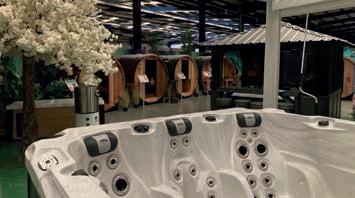
offering relaxation, entertainment and enjoyment. Having walked round the site, it is clear that the showroom is a treasure trove of outdoor living essentials. The company’s BBQ range includes everything from compact grills for small patios to full outdoor kitchens designed to delight even the most discerning grill masters. Each piece is selected for its quality, performance and style, ensuring trade customers can offer clients top-tier culinary experiences in their own backyards.
Fonteyn’s garden furniture collection is equally impressive, offering a wide variety of styles and materials to suit any taste and budget. From cozy bistro sets for two to large dining tables for family gatherings, visitors to the showroom can find the perfect pieces to enhance any outdoor space. Each item is chosen for its durability and aesthetic appeal, ensuring clients can enjoy their outdoor spaces for years to come.
With so much to offer, the Fonteyn Spas showroom is the ideal place to start any journey in outdoor living solutions. All the of the products displayed are available for purchase and are available to other Passion Spas’ retailers too.
Fonteyn Spas UK (Passion Spas) 0116 466 5666 www.fonteyn.co.uk
With so much to offer, the Fonteyn Spas showroom is the ideal place to start any journey in outdoor living solutions”
COMPANY VISIT www.swimmingpoolnews.co.uk SPN June 2024 45
It’s Time To Chill!
Over the last few years, the cold water therapy side of the wet leisure sector has gained real traction thanks to some high-profile media coverage detailing the many benefits that it provides. Whilst still a niche sector, the resulting wave of new products made available, especially from manufacturers within the hot tub sector, was almost inevitable, and in this issue, we take a closer look
at some of the portable options
Despite what’s been a challenging period for the wellness sector, and in particular for hot tub retailers and brands, one product area that has really taken off over the last couple of years is that which involves cold water therapy.
There’s many names being used across the industry for these products – ice baths, plunge pools and cold tubs to name just a few – plus there’s also solutions which combine both cold and hot environments to consider too. Whatever the term used for the product, they are all referring to the immersion of the body into a product which contains cold water of 15°C or less.
Having been used for hundreds if not thousands of years, cold water therapy provides a number of physical and mental benefits. These include but aren’t limited to: improved support for the immune system, stress reduction due to the release of dopamine, improved sleep quality, pain relief and improved recovery time for certain injuries, plus an improved metabolism for weight management.
These benefits have meant in more recent times, cold water therapy has been used primarily by athletes but also by those in the
By Jon Wadeson
know, however, partially due to increased media exposure highlighting the many benefits that cold water therapy provides, more people are now taking a much closer look at products in the sector and the range of benefits that the chilled water affords.
So with cold water therapy and the products that provide it looking like a trend that is set to continue, in this issue, we put a number of the portable options that are currently available under the spotlight.
CHILL TUBS EXTEND RANGE WITH GAME-CHANGING INFLATABLE ICE BATH
One brand that has enjoyed tremendous success with their cold water therapy products is Superior Wellness who introduced their popular Chill Tubs brand at the start of 2023. The well-received Original model, was joined by the Lite, limited edition Obsidian and Pro models last year, all of which have again proven to be extremely popular options within the sector.
Now the company has announced the next product in their extensive range of ice baths, bringing the range up to five models.
The Chill Tubs Essential Pod is the new,
lightweight addition to the range and has been designed for those at the beginning of their cold water journey or for those that require the flexibility of an easily transportable option.
The inflatable ice bath is both portable and simple to use, with durable fibreglassreinforced PVC walls for the perfect cold plunge experience. Simply use a hose pipe and fill with cold water and to reduce the temperature further, adding ice or ice packs. Alternatively, a chiller with accessories can be purchased as an optional extra. The thermal lid allows the temperature to maintain at as low as 3°C, and both the pod and the lid are insulated, keeping the outside weather from affecting the tub.
The easy-to-maintain tub is ideal for those wanting to try the physical and mental benefits of cold-water therapy, as well as the more experienced, on-the-go users. In fact, it takes less than five minutes to inflate for a super-easy set up.
CERTIKIN’S HARVIA FROSTY OFFERS
COLD THERAPY FOR BODY AND MIND
Regularly exposing the body to cold water for
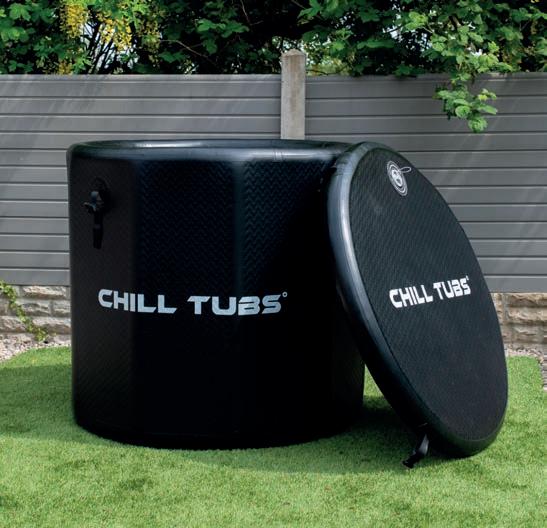

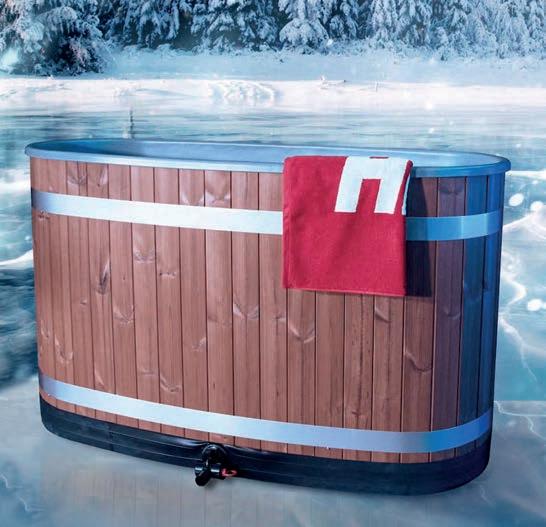
COLD WATER THERAPY 46 June 2024 SPN www.swimmingpoolnews.co.uk
Available from Certikin, Harvia Frosty is a cold plunge enabling owners to experience cold water therapy at home
The Essential Pod is the new, lightweight addition to the Chill Tubs range from Superior Wellness
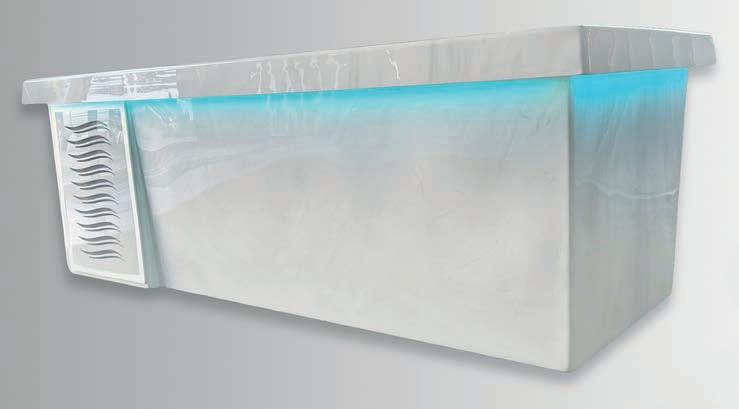
Having been used for hundreds if not thousands of years, cold water therapy provides a number of physical and mental benefits”
short periods of time brings several health benefits, however, this mode of therapy has typically only been available for professional athletes and people visiting spas and swimming halls – and, of course, people doing ice swimming during the winter – but having access to an always-ready cold ice tub is an excellent way to achieve these health benefits. Available from Certikin, Harvia Frosty is a cold plunge enabling this healthy practice to be part of a user’s daily routine in the comfort of their own home. Harvia Frosty is always ready to be used and owners can easily adjust the water to the desired temperature, the lowest being 4°C.
The oval-shaped Harvia Frosty cold tub comfortably fits two people, also enabling a shared moment to take care of your wellbeing. Harvia Frosty is made of highquality materials that are safe to use, feel comfortable on the skin, and are easy to maintain. Harvia Frosty always comes with an insulated cover to maintain the desired temperature energy efficiently and improve safety by keeping children out of the ice pool. Both the pool and the cooling unit come with a warranty of two years.
COAST SPAS UK OFFER A ‘FRESHE’ APPROACH TO COLD WATER THERAPY
Coast Spas UK, a trading name of Catalina Spas™, stands out as a beacon of excellence, providing unique hot tub and swim spa models that are built with cutting-edge technology and supreme quality.
The brand’s latest model includes what they say is the largest cold plunge available on the market, which measures in at 196cm in length, 74cm in height and 80cm in width. The Coast Freshe is designed to provide a comfortable experience for people of all heights and sizes, and is a champion product within Coast’s health and wellness
product line.
By putting an electric chiller inside the tub rather than a standalone outside, this offers a space saving option with other benefits that include more efficient cooling, a consistent temperature, ease of use and a product that is more cost-effective to own and run.
Coast Freshe has been designed to be aesthetically pleasing for both inside and outside settings.
By using state-of-the-art insulation materials, the Coast Freshe also features modern wrap around lighting on the outside and has two underwater lights to illuminate the design.
The integration of Coast Spas into the UK market through Catalina Spas™ not only brings forth a range of hydrotherapy options but also emphasises a commitment to enhancing the overall wellbeing of individuals. As the allure of at-home spa experiences continues to grow, the brand
stands at the forefront, offering a blend of luxury, technology and relaxation for discerning customers across the country.
A RANGE OF COLD THERAPY PRODUCTS FOR A VARIETY OF NEEDS AND BUDGETS
Passion Spas is proud to present an exceptional range of ice baths designed to meet the needs of athletes, wellness enthusiasts and health-conscious individuals alike. The brand partnered with Wim Hof, aka ‘The Iceman’, and has utilised his extensive knowledge of cold therapy to produce a variety of models to cater for different preferences, requirements and budgets.
Available through Passion Spa dealers around the UK, including Fonteyn Spas UK in Leicester – the Passion’s hub in the UK, and also it’s largest outlet and a premier destination for outdoor living solutions – each of the ice baths has been crafted to provide the ultimate in cold water therapy.
The range starts with The Iceman’s Barrel™ option. With its refined design and sturdy appearance, this compact bath is the perfect addition to anyone’s daily cold therapy routine. Moving up the range, there’s the compact yet powerful Revive, which is perfect for home use, and the larger, more advanced models like the Breeze, which is ideal for professional athletes or wellness centres.
For customers looking for the contrast of hot and cold therapy in a single product, there’s the Elevate option which provides two separate bodies of water. The heated section offers a variety of massages for relaxation for six people and in the cold section, two people can work on restoring and improving their health using cold water therapy.
Each product in the range is engineered with high-quality materials to ensure durability and optimal performance. All Passion Spas ice baths are also easy to set up and maintain, making them a convenient addition to any home or facility.
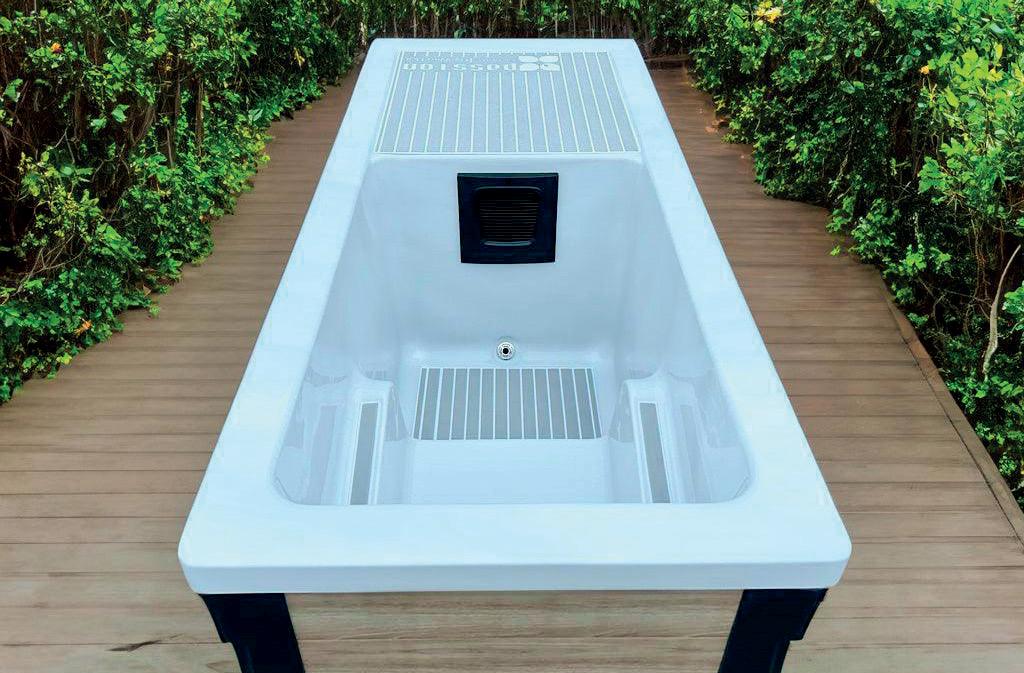 The Breeze from Passion Spas is ideal for professional athletes or wellness centres
COLD WATER THERAPY www.swimmingpoolnews.co.uk SPN June 2024 47
The Coast Freshe is designed to provide a comfortable experience for people of all heights and sizes
COLD WATER THERAPY
Whether for a professional athlete who is looking to enhance their training regime or someone seeking to improve their overall wellness, these ice baths offer a practical and effective solution.
ENJOY CONTRAST THERAPY WITH THE VALARIS FROM MASTER SPAS
Towards the end of last year, swim spa and hot tub brand Master Spas announced the latest addition to its Michael Phelps Chilly GOAT Cold Tub line up. The Valaris contrast therapy tub offers two separate bodies of water designed to redefine recovery and performance for athletes and wellness enthusiasts alike.
The second product in the Michael Phelps Chilly GOAT Cold Tub line up, the launch of the Valaris followed the success of the brand’s Alpine cold tub. Combining the benefits of cold water immersion with the comfort and therapy of a hot tub, the Valaris offers the ultimate contrast therapy experience in one product.
“We are proud to introduce the Valaris, the latest addition to our Michael Phelps Chilly GOAT Cold Tubs family,” said Kevin Richards, Vice President of Sales and Marketing at the time of the launch. “With its dual therapy capabilities, powerful chilling and heating systems, and unmatched quality, the Valaris is set to redefine how individuals approach their recovery and performance enhancement routines.”
The Valaris is ideal for athletes, fitness enthusiasts and wellness seekers who want an all-encompassing solution for enhancing their wellbeing. Users can tailor their experience to their specific needs. They can choose to immerse themselves in the soothing warmth of the hot tub side for relaxation and muscle tension relief. Alternatively, they can opt for the cold water immersion side to reduce inflammation, improve circulation and accelerate recovery. For the ultimate wellness experience, combine the two sides as part of a contrast water therapy routine, reaping the
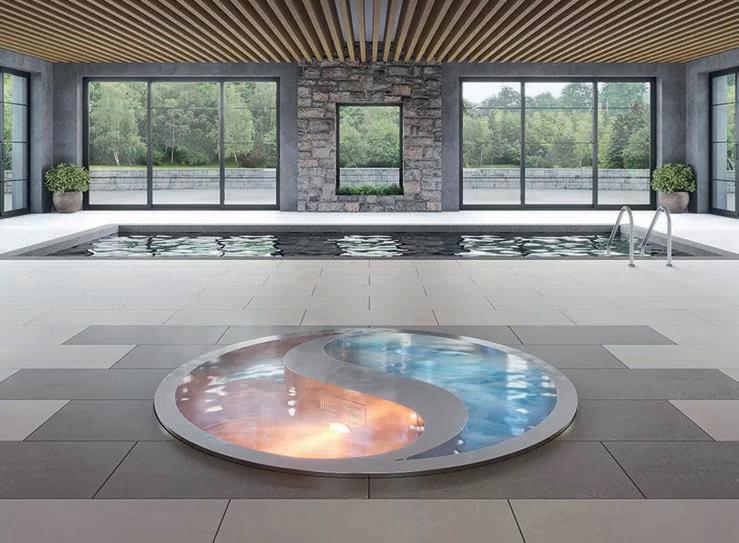
SPAFLO’S CONTRASPA – THE FIRST UK MADE CONTRAST THERAPY SPA
Created by SpaFlo’s founder Richard Gowland, ContraSpa was unveiled earlier in the year at SPATEX after he identified a gap in the market for a high-quality, dual use, single shell spa that provides hot and cold water therapy. Many of SpaFlo’s clients have relied on just hot water spas, and some have used them as a cold water plunge and then jogged to their sauna. This new concept creates a unique opportunity for people to enjoy an immediate and contrasting cold and hot water therapy.
The luxury spa design is based on the company’s logo and ethos, with a unique Ying / Yang separating the water whilst allowing easy access through cleverly integrated steps.
The spa is made of UK sourced sustainable commercial grade steel, and clever lighting highlights the hot and cold areas, ensuring it looks beautiful. Controls are Wi-Fi and touchscreen enabled.
team pioneering the at home cold and hot water therapy spa. The benefits of cold water and hot water therapy have been documented for many years, and it is exciting that SpaFlo has launched this UK first to help people harness the power of contrast water therapy.” Richard Gowland said: “Health through water is at the heart of what we do. Spas, pools and water features all have their unique wellbeing properties. In contrast, water wellbeing has been around for many years. I am delighted to launch the first ever single shell and dual use UK contrast therapy water spa to market to help people benefit from the wide-ranging advantages of cold and hot water therapy from their homes.”
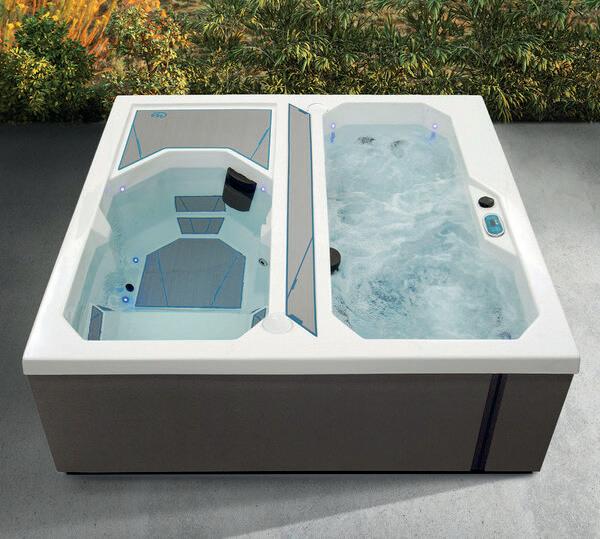

Colin Jackson joined the SpaFlo team as an ambassador for the launch of ContraSpa and commented at the time: “I used cold water therapy throughout my years as a professional athlete and am now working with the next generation of elite athletes. It is exciting to be working with the
FOR FURTHER DETAILS:
48 June 2024 SPN www.swimmingpoolnews.co.uk Certikin 01993 777200 www.certikin.co.uk Coast Spas UK 01980 611555 www.coastspas.co.uk Fonteyn Spas UK (Passion Spas) 0116 466 5666 www.fonteyn.co.uk Master Spas UK 01253 599330 www.masterspas.co.uk SpaFlo 0151 424 9742 www.spaflo.co.uk Superior Wellness 01246 559071 www.superiorwellness.co.uk
full benefits of both hot and cold therapies in one session.
The Valaris – the second product in the Michael Phelps Chilly GOAT Cold Tub line up
SpaFlo’s ContraSpa is a high-quality, dual use, single shell spa that provides hot and cold water therapy
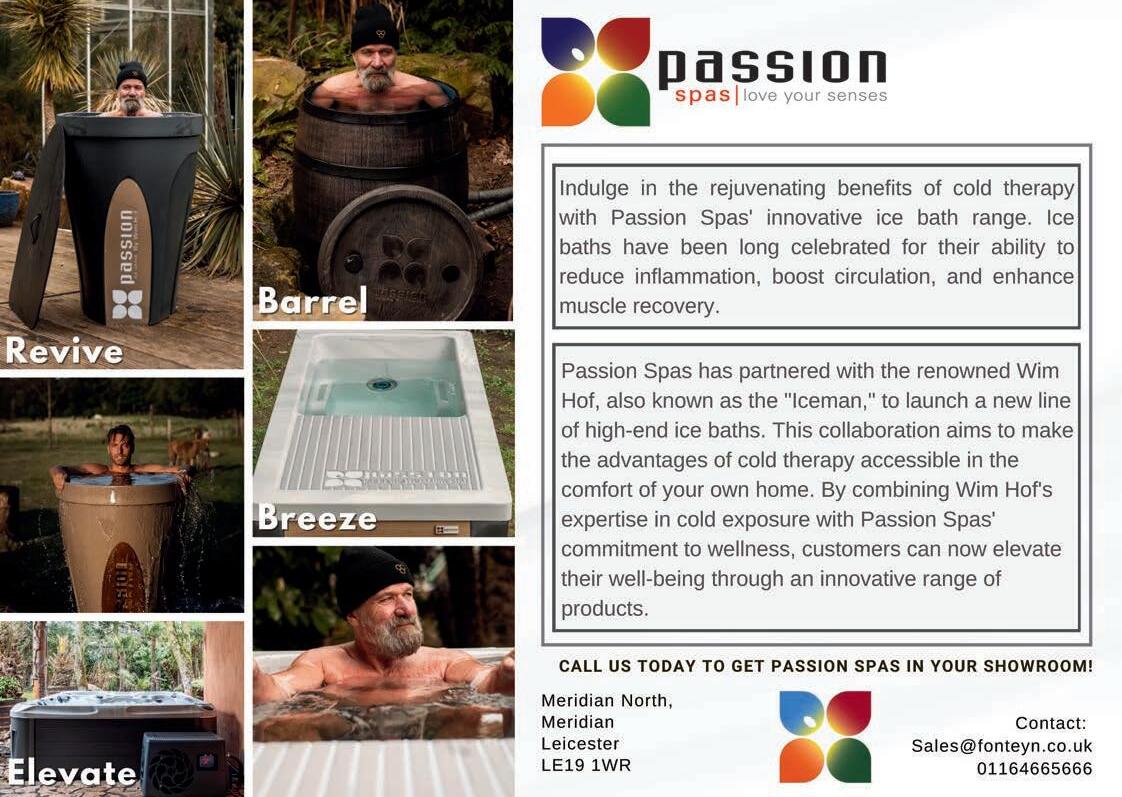
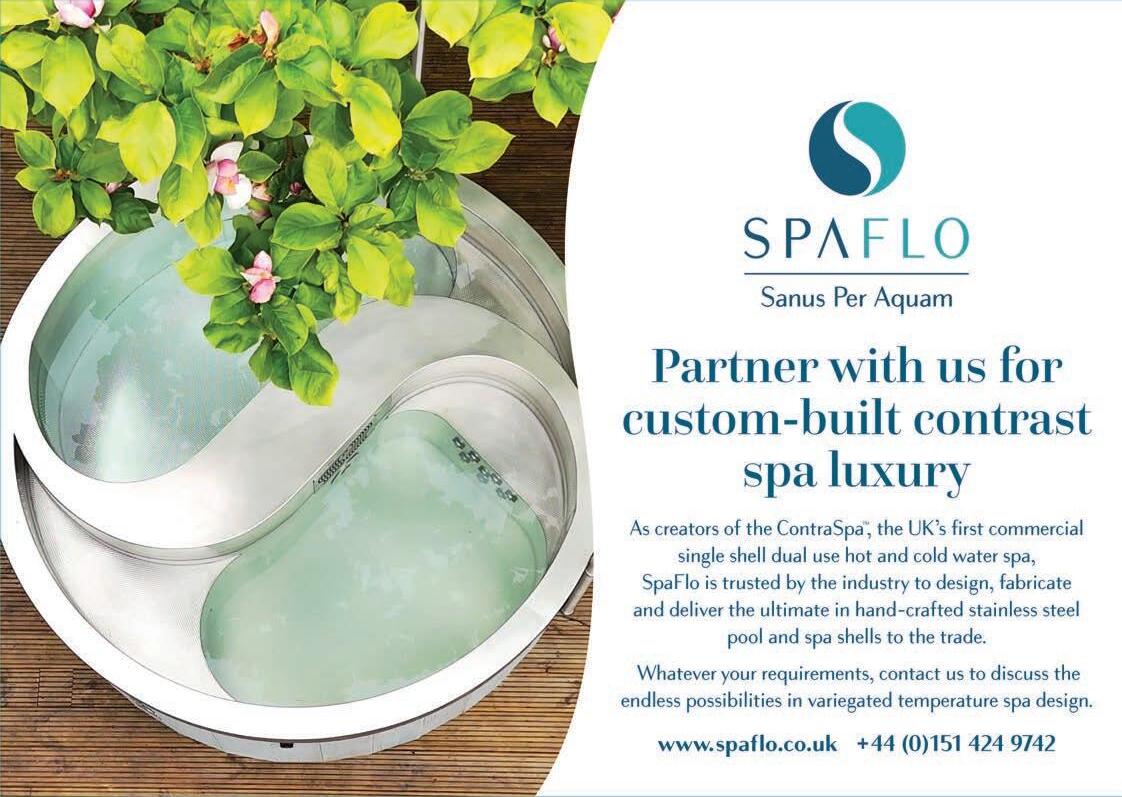




Illuminating Options That Show Wet Leisure In Its Best Possible Light

One sector that has developed at a great rate over recent years is that of lighting, and thanks to the latest innovative and energy saving technologies, plus some highly creative planning ideas, numerous options are now enhancing a wide variety of wet leisure environments of all sizes and creating stunning and welcoming settings. With solutions for both in and out of the water, we take a look at some of the latest products
With a wide variety of options available for an ever widening range of wet leisure settings, it’s fair to say that the current lighting technologies for water-based environments have played a huge part in transforming the looks of many of today’s pool and spa installations in both domestic and commercial environments, allowing them to be seen in their best possible light and making them more appealing places to frequent.
Powerful and highly efficient LEDs have quite rightly become the accepted choice of professionals across a variety of projects and their use has meant that the uninspiring yet functional lights seen a generation ago have now all but been left in the past.
As with any kind of solution that features technology at its core, improvements are made on a continual basis and time has definitely not stood still for the options found within the lighting sector. LED lights offer a far more sustainable solution. They don’t generate toxic waste, they have a longer service life and perhaps most importantly, they consume significantly less energy to work resulting in greatly reduced bills. All round, they are a much more eco-friendly solution.
Beyond these improved practical benefits, an increasing number of designers and installers have realised that a mix of cleverly installed lighting can provide dramatic effects inside a pool or spa, enhancing features and producing that elusive ‘wow’ factor. Creative lighting can also be used externally to soften walls and other finishes too. They can even provide enhanced visual benefits which greatly assists with safety – a fact that is particularly beneficial to commercial settings.
reducing running costs over the product’s lifetime.
With plenty of options available on the market from a variety of manufacturers, this issue, we take look at some of the illuminating solutions which are on offer this season.
A COMPREHENSIVE AND VERSATILE RANGE OF LED LIGHTS FROM ASTRALPOOL
Available from AstralPool UK, LumiPlus is an extensive range of underwater spotlights for public, commercial and residential pools. The entire range is made of high-quality LEDs and electronic components, and is manufactured entirely in the EU to European quality standards.
The family of LumiPlus Flexi spotlights, FlexiNiche, FlexiSlim and FlexiRapid, is characterised by its great adaptability to any type of new-build and existing liner or concrete pool and can be fitted in a niche, on the surface or to a nozzle. With LumiPlus Flexi it’s possible to choose:

In short, whether old or new, complete areas can be improved through the use of thoughtful and imaginative lighting – providing safety and style whilst
AstralPool’s LumiPlus is an extensive range of underwater spotlights for public, commercial and residential pools and includes ‘Plug & Play’ options
By Jon Wadeson
• The light colour
• The fastening system
• The colour of the faceplate.
The light colour is available in white, warm white and RGB whilst the faceplate is available in four different shades: white, beige, light grey and anthracite.
Ideal for both commercial and residential pools, the LumiPlus Flexi system is the easiest way of illuminating or renewing your pool’s lighting. Products from the range provide energy efficiency up to the A++ standard and are compatible with liner and concrete pools.
Launched in 2022, the FlexiMini is AstralPool’s most flexible, convenient and compact option for LED lighting.
More harmonious, elegant and efficient pools are the three things that pool owners look for most when designing a new space in their garden or renovating an existing water feature. Which means that opting for smaller, discreet and energy-efficient designs is undoubtedly a guarantee of success.
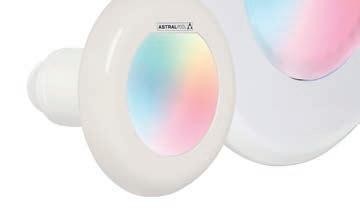
With all this in mind, AstralPool, a world leader in the manufacture and supply of swimming pool materials and products, has developed its new LumiPlus FlexiMini lights. The smaller size of these LEDs makes for a more discreet and modern design that aligns with current trends for residential pools.
The LumiPlus FlexiMini takes flexibility to a new level: not only be adapted to almost any existing installation, but also offers two wattages to choose from.
CERTIKIN – A LEADING LIGHT IN SWIMMING POOL ILLUMINATION
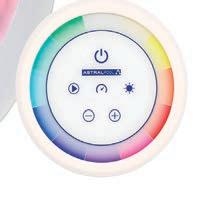
Over the years, Certikin have continued to develop an ever-expanding lighting range which includes the successful PU2 mini LED light, alongside the Certikin PU9 and PU6, some of the most popular and reliable lights in the industry.
The company are keen to remain at
LIGHTING OPTIONS www.swimmingpoolnews.co.uk SPN June 2024 51
LIGHTING OPTIONS
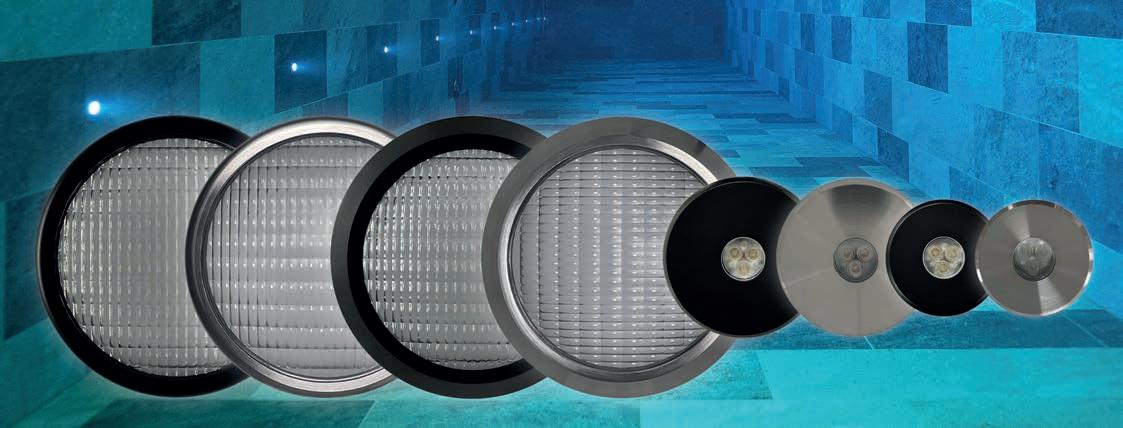
the forefront of lighting design and deliver products that the industry demand. In addition to the existing stainless steel finish, the PU2 is now available with a black fascia, ideal for pools with a darker finish. Still manufactured in stainless steel, the dark finish is achieved through the application of a hard-wearing, black coating.
The range has also been extended further with the addition of a variable white LED. This gives the ability to set a specific white colour temperature, from a warm white of approximately 2900K to a cool white of approximately 5100K. In addition, the lights are dimmable between 100% and 5%.
Another addition this year is the PU3 LED range. These large LED push fit lights (177mm diameter for concrete and 199mm for liner pools) are niche-less and like the smaller PU2 range (at 72mm for concrete and 98mm for liner pools) are available in either the stainless steel or black finish.
The PU3 lights deliver approximately 2,150 lumens which is brighter than the equivalent larger PU6 light and means only one light is required for 20m2
For installations of the PU2 lights, Certikin recommend one light per 8m2
Both the PU2 and PU3 lights offer simple installation solutions with a high output and a neat finish. Certikin offer different LED options across both the PU2 and PU3 lights, with both ranges available in either RGBW or white, alongside the new variable white option for the PU2 range. The RGBW and variable white versions are controllable via a smartphone using the free app, giving control over colour, sequences and brightness.
WATER-TEC LIGHTING OPTIONS SUIT A WIDE RANGE OF SETTINGS
...a mix of cleverly installed lighting can provide dramatic effects inside a pool or spa, enhancing features and producing that elusive ‘wow’ factor”
Pool Products – have been developed with recent environmental issues at the forefront of their design. LED lighting is now the world’s number one choice for all lighting applications and with Water-Tec, Fairlocks are able to offer the very latest technology – high powered LEDs with low energy consumption combined with the contemporary look that customers desire.
Some of the benefits of the Water-Tec LED lights include all 316L stainless steel bodies with electro polished front face, high powered energy efficient LED power of 2,000lm for WT4 and WT5, up to 50,000 hours life span, colour changing RGB options with full digital control (DMX and Zigbee).
LED lighting is now the go-to option for swimming pool lighting as it offers the safest, most cost-effective option. The Water-Tec light range features options for either Warm or Cool lenses and standard 20m cable
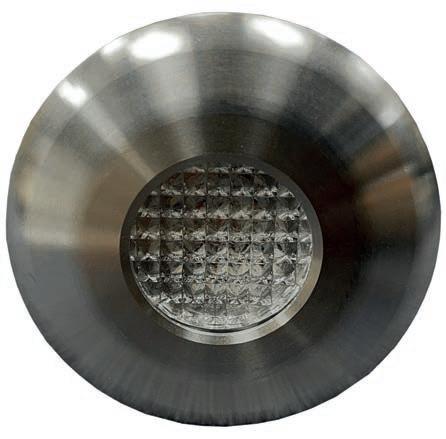
The latest range of products from WaterTec – which are available through Fairlocks
length. All are controllable to suit the mood / ambience of the pool with both Wi-Fi and / or a smart device (both White and RGB) options. The team at Fairlocks can advise on the number of lights required to provide the best lighting display for the size of pool, and type of atmosphere the lighting design can provide. There really are unlimited options with swimming pool lighting and it comes down to style, design and the ultimate look of the finished pool that will determine the light installation.
GOLDEN COAST OFFERS A RANGE OF INNOVATIVE LIGHTING OPTIONS
Over at Golden Coast, their pool lighting collection has everything that pool builders need. From Dutch manufacturer EVA Optic there’s the SubAqua range, offering atmospheric yet robust lighting that’s designed to withstand even the most
52 June 2024 SPN www.swimmingpoolnews.co.uk
Certikin’s PU2 and PU3 lights offer simple installation solutions with a high output and a neat finish
Fairlocks Pool Products offer a range of Water-Tec lighting solutions including the popular WT1 (left) and WT5 options (right)
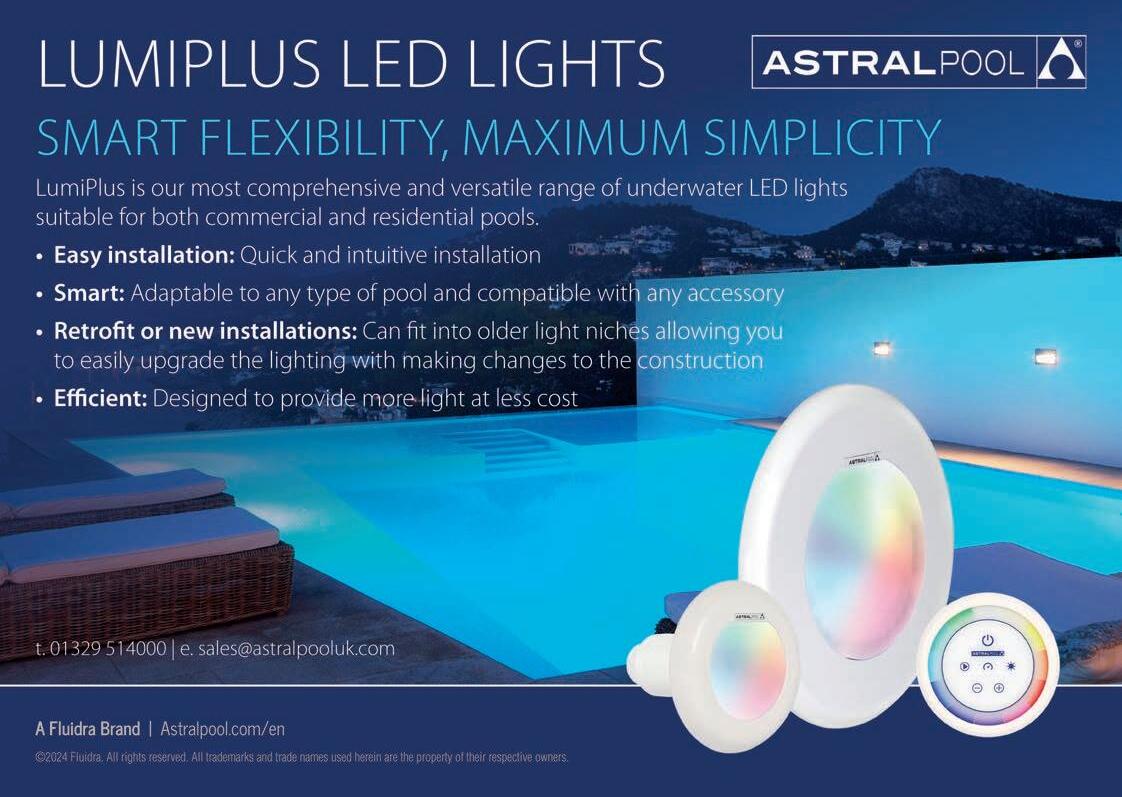
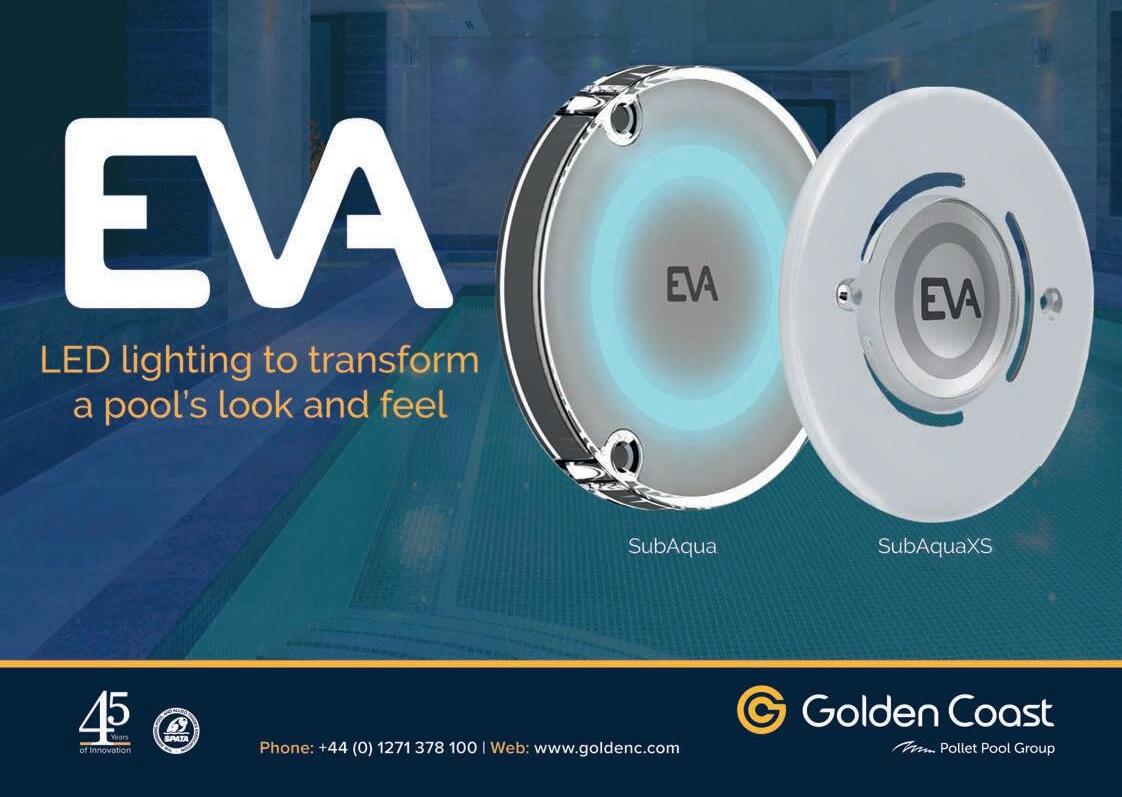
The WT Range of Stainless Steel LED Lighting From

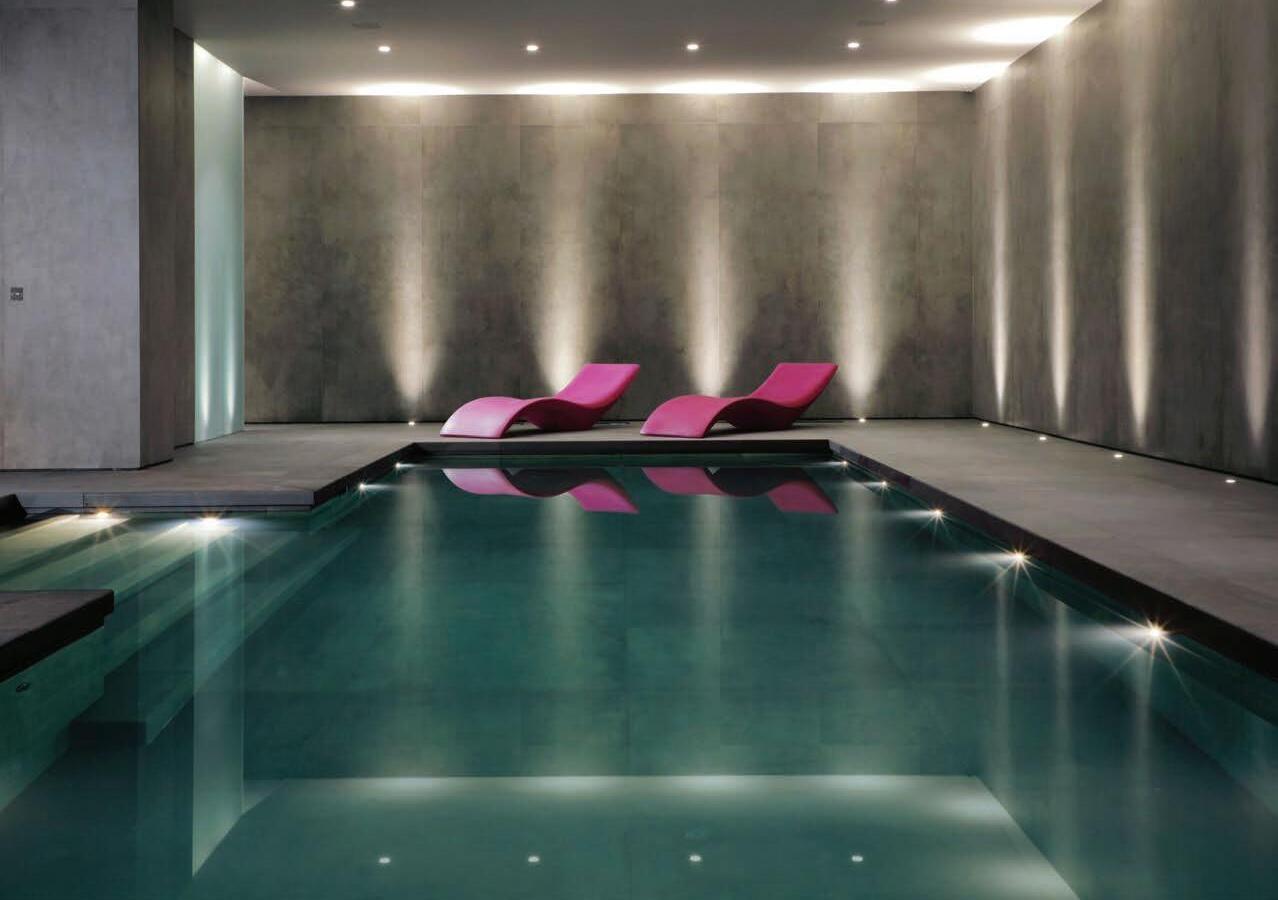
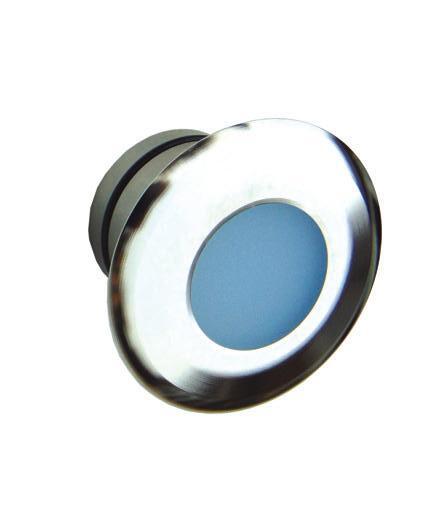
LED lighting is now acknowledged as the world’s number one choice for all lighting applications. Fairlocks are pleased to offer this latest technology using high powered LED’s, with low energy consumption, combined with the quality your customers require.


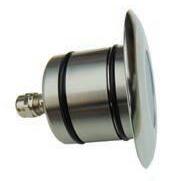

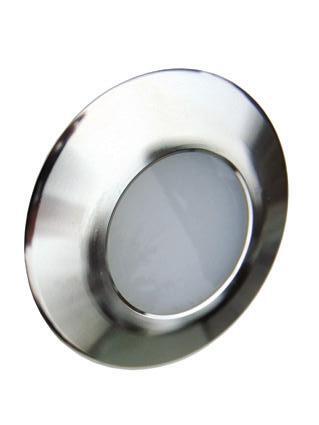



UK MANUFACTURED • BESPOKE 316 STAINLESS STEEL CONSTRUCTION • LINER AND CONCRETE VERSIONS AVAILABLE UP TO 50,000HRS LIFE SPAN • RGB COLOUR CHANGE OPTION WITH WI-FI CONTROLLABILITY • DMX CONTROL OPTION SIMPLE INSTALLATION –EITHER PUSH OR SCREW FIT VERSIONS • 20M CABLE AS STANDARD (LONGER LENGTHS AVAILABLE ON REQUEST)
3 Landscape Close, Weston on the Green, Bicester, Oxfordshire, OX25 3SX, UK T: 01869 934333 | E: info@fairlocks.co.uk | W: www.fairlocks.co.uk EXCEPTIONAL SERVICE, QUALITY PRODUCTS WT1 WT2 WT3 WT4 WT5
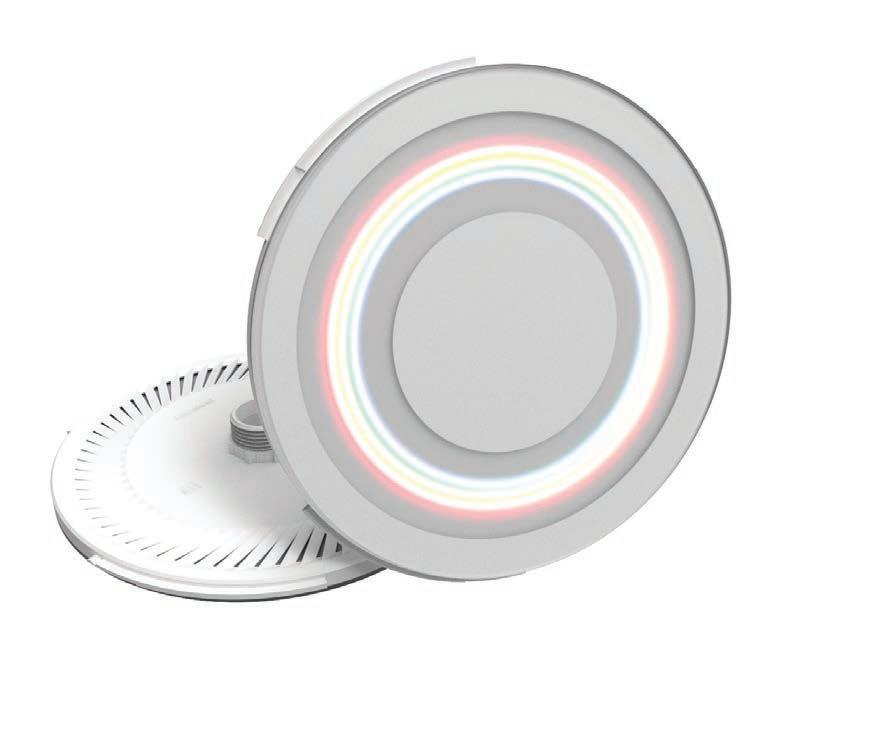
challenging of pool environments. Models include the 25W Mono available in warm white, clear white and Mediterranean blue, as well as the 25W RGBW in either warm or clear white. Equipped with six high-power LEDs, these lights are ideal for residential pools, while the SubAquaXS range is perfect for those wanting to illuminate spa baths, whirlpools and smaller pools.
This year, the team also added DuraVision’s Allegro DVA to their collection – a versatile lighting solution available in a choice of sizes and colours. With 14 programmable colour options as well as a dimming function, this option is ideal for pool builders wanting to create a fully immersive, multi-sensory experience. The product is also compatible with VISION Face Plates, which are available in a multitude of shades and allow for
further personalisation of the swimming pool aesthetic.
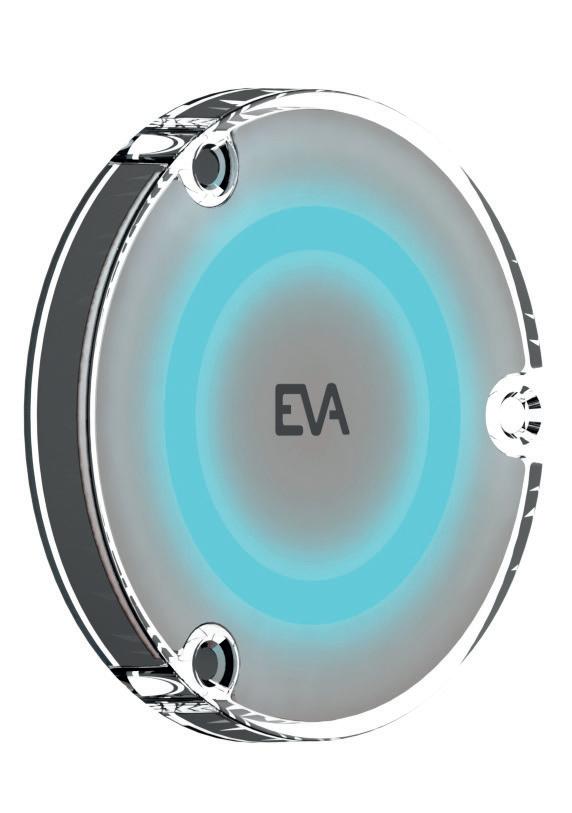
Golden Coast also offer a number of alternatives from DuraVision, including the super low-profile Adagio Pro, and the popular Moonlight range. All lights come with a range of accessories and controllers, allowing for full customisation and automation of the pool lighting experience.
ENLIGHTENED THINKING – WIBRE’S UNDERWATER OPTIONS FEATURE ELEGANT DESIGN
Available exclusively in the UK from Light Projects, Wibre’s CENTUM°° range comprises a range of built-in and surface mounted underwater spotlights which use the very latest technology to offer industry-leading light outputs.
This, coupled with temperature monitoring and integrated surge protection, ensures optimum operation, long life cycle and low maintenance.
The CENTUM°° range was expanded last year and now includes seven recessed IP68 underwater fittings meaning there’s a solution for smaller pools and spas through to large and competition swimming pools.
The 4.0502 expanded on the CENTUM°° range with an elegantly designed linear recessed underwater spotlight for medium to larger sized swimming pools and other underwater areas.
The Mixflux configuration of 12 high performance LEDs with carefully selected lenses creates a particularly wide and homogeneous distribution of light through the entire water surface as well as intensive
UNDERWATER TO CATCH THE EYE IN PRIVATE POOLS CASE
STUDY
With the right underwater lighting owners can get the maximum ambiance from a private swimming pool. Available in the UK through Golden Coast, EVA LED underwater lighting has been known for years for its durable quality, the rock-solid product quality and high light output and has already been used in many public swimming pools and water parks. In addition, the underwater lighting is also ideal for private swimming pools, such as this private pool.
There are standard colour-changing programmes available, but EVA can also custom-design one specifically so that owners can easily adjust a private pool’s atmosphere to suit any mood. Furthermore, owners can also connect underwater lighting and audio to synchronize lights with the beat of their favourite music for a fantastic audio-visual experience in a private home wellness setting.
In this luxurious private swimming pool, two EVA LED underwater lights were used. These powerful underwater lights not only illuminate the entire pool but also the walls and the ceiling, creating a stunning effect.
The EVA LED underwater lighting placed in private swimming pools can be controlled with a PC, tablet or smartphone via the EVA
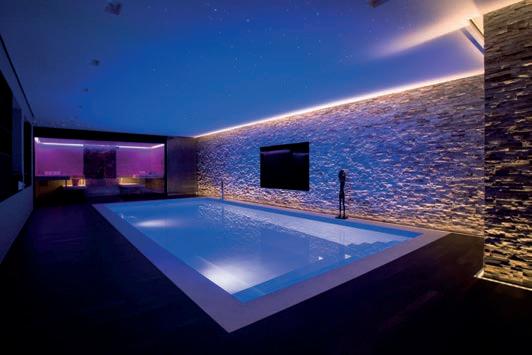 The SubAqua underwater LED light is the latest innovation from Dutch manufacturer EVA Optic
LIGHTING OPTIONS www.swimmingpoolnews.co.uk SPN June 2024 55
Availble through Golden Coast, DuraVision’s Allegro DVA is a versatile lighting solution available in a choice of sizes and colours
ArchiTech EVO DMX controller.
and light
With one press of a button, the colour
intensity of the underwater lighting changes.
LIGHTING OPTIONS
illumination of the pool floor. Single colour options available in 3000K, 4500K or 6500K with up to 6,900lm output while the RGB-W variants add drama with coloured light. The alternative 20° symmetric lenses provide a higher intensity direct punch of light when mounted in the pool floor, shallow pools, fountains or other installations.
Designed for competition and sports swimming pools, the 4.0492 is Wibre’s most powerful recessed underwater floodlight providing up to 18,600lm output. The Mixflux asymmetric optical array is optimised to illuminate the full body of water perfectly, ensuring the safety of athletes with no glare or inefficient upward light. Standard LED options include monochrome 3000K, 4500K and 6000K whites plus RGB-W variants for dynamic effects.

The compact V4A (1.4571 317L) stainless steel housing is rated for IP68 to a depth of 25m and requires 70% less installation space compared to previous models.
ENJOY ENERGY-EFFICIENT LED LIGHTING OPTIONS FROM PLASTICA
Plastica believe that any swimming pool light sold should be LED and have made a conscious effort to adopt and understand the concept in order to give the best possible service and support in planning and specifying LED lighting projects. They are able to offer a full range of options, from standard like for like PAR56 replacement, all the way up to multi-light configurations which all link into a central controller to ensure synchronicity during colour changes across the size range.
The Eolia light is a direct replacement for PAR56 style lighting systems, present in most standard pool installations. These are available in Cool White, with 25W and 36W versions, as well as a 40W RGBW which can be linked to other BRiO RGBW lights such as the Mini BRiO+.

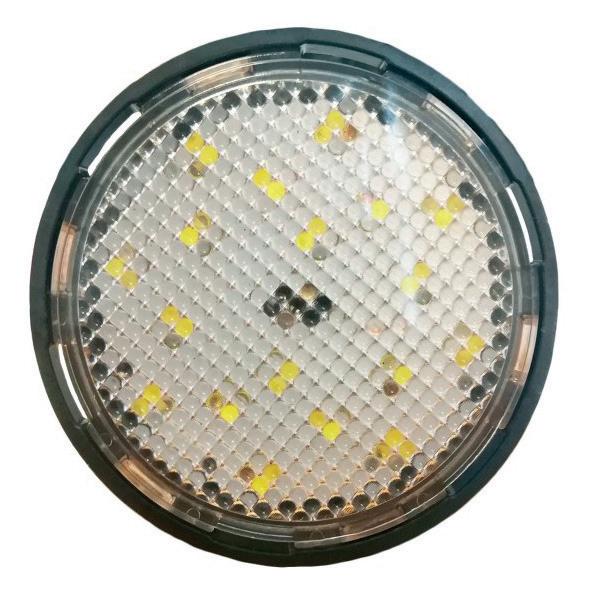
Also available is the Chroma universal light – an essential product to help bring pools with old, obsolete or hard to source lights back to life.
Its adjustable feet allow it to be fitted to most PAR56 style niches, as well as others that possess a niche within the adjustable limitations of the light. These lights are available with 20W and 40W versions in white and a 36W RGBW model which, just like the Eolia, can be synchronised with other RGBW lights within the BRiO range.
Lastly, there’s the Mini BRiO range, which has evolved over the last few years and fetures impressive 1.5” mini lights. The Mini BRiO+ range is a direct replacement for the older Mini Chroma models, but with a much lower power consumption.
EXPECT BIG RESULTS FROM SCP’S COMPACT LIGHTING SOLUTIONS
Over the last few seasons, SCP UK have introduced LED lights from French manufacturer CCEI to their product offering.
Added first was the Mini BRiO 2 LED light generation which gives an unmatched powerful and compact solution to lighting up swimming pools. With 1,300lm produced by the 12W white option and 900lm from the RGBW, along with a choice of stylish bezels, these lights provide many possibilities in pool lighting.

Install the Mini Brio 2 in CCEI wall conduits and take advantage of a compact design solution. Furthermore, there is no need to pull the connection up above the water line as the wall conduit is watertight at the back.
The Mini Brio 2’s were followed by the Mid-BRiO – a solution which features a combination of many technologies and offers an unrivalled power / light/ size ratio in the swimming pool market. Light up pools with a product that has a diameter of just 75mm and delivers up to 2,600lm.
This new generation of lights is the missing link in swimming pool lighting and allows owners to differentiate a pool with lighting that is as subtle as a mini spotlight but as
powerful as a big spotlight.
Thanks to its ingenious design, the MidBRiO has an impressive light beam angle of up to 160°. Where other lights diffuse 120°, the Mid-BRiO illuminates more of the pool delivering high-performance lighting with hardly any unlit areas.
Mid-BRiO delivers a compact, innovative and modern solution for illuminating swimming pools of the future. It screws into a standard 1.5” wall inlet regardless and is compatible with all pool coverings (one-piece, liner, concrete, etc.). For a customised finish, it is available in two standard bezels as an elegant stainless steel version or white, plus anthracite and grey options are also available as a special order. SPN
Available exclusively from
Available from SCP UK, the CCEI’s Mid-BRiO has an impressive light beam angle of up to 160° Plastica’s Chroma universal light is an essential product to help bring pools with old, obsolete or hard to source lights back to life
Light Projects, Wibre’s Centum°° 4.0502 is their most powerful recessed underwater floodlight
56 June 2024 SPN www.swimmingpoolnews.co.uk FOR FURTHER DETAILS: AstralPool UK 01329 514000 www.astralpool.com/en Certikin 01993 777200 www.certikin.co.uk Fairlocks Pool Products 01869 934333 www.fairlocks.co.uk Golden Coast 01271 378100 www.goldenc.com Light Projects 020 7231 8282 www.lightprojects.co.uk Plastica 01424 857857 www.plasticapools.net SCP UK 01268 273040 www.scpeurope.com






Above-ground And Wooden Options Offering Summer Family Fun And Great Value

Despite tough competition from other wet leisure products, there’s always demand for above-ground pools in the UK. Available in a range of materials, the idea behind these mainly smaller, entry-level solutions is cost effectiveness combined with straightforward installation that will provide many hours of garden fun for UK families. With plenty of options available this year, we take a look at the everpopular value for money options
By Jon Wadeson
The above-ground pools sector –which includes wooden pools, lined metal-framed pools and more – has been a popular choice for many years, and that’s not just been down to their relatively affordable price tag versus other, similar options. Size and flexibility combined in an easy to use and simple to install package have also played their part.
One of the biggest appealing factors of these pools is that they are within reach of those families who dream of getting on the ‘pool owning ladder’ and it’s this mix of cost and convenience which has increasingly resonated with UK consumers, especially those on a budget.
For families with plans of longer term pool ownership, a little imagination and landscaping can mean that the options available for these versatile projects can quite literally transform even the smallest of garden spaces and provide hours of enjoyment and relaxation for their owners. When space isn’t an issue, and if family fun is the top priority, above-ground options can provide most of the benefits of a full sized more permanent pool, but for a much lower cost.
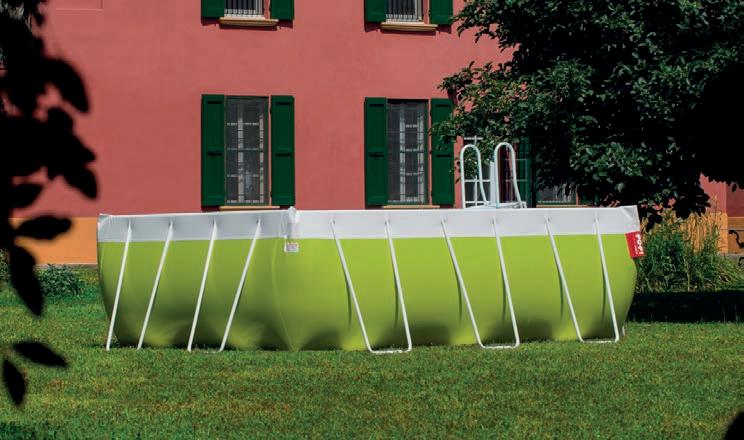
Increasingly these pool options have been sought by families or owners who want to make the pool into a real feature in their garden and they are often sunk partially or sometimes fully into the ground with decking and landscaping really finishing the project off in often very impressive ways.
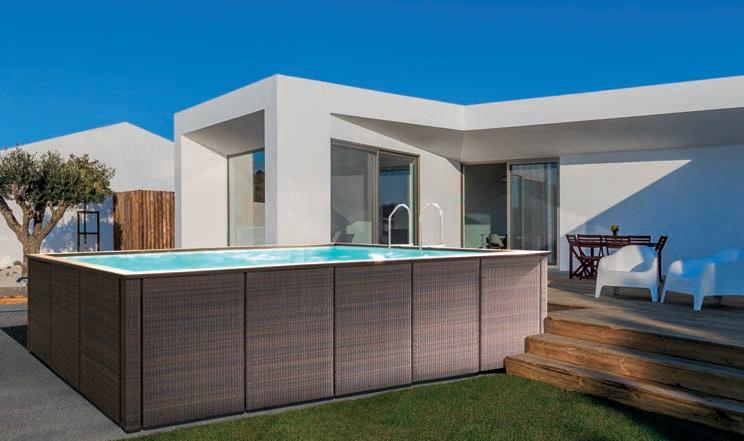
The ease of building them is a big advantage over other types of pools too, and with installs taking just a few days, aboveground pools are a great optional extra for any garden and can often mean they are an impulse buy to satisfy the needs of families who, more often than not, have young children to keep entertained.
With so much going for them, it’s no wonder that the British public has started to look at the more serious above-ground and wooden pools as an investment for both their families and gardens, and despite a slow start to the season, this could end up being another good year for the above-ground and wooden pool sector, plus of course, any extras and accessories that accompany them!
EXPERIENCE ITALIAN DESIGN WITH PISCINE LAGHETTO ABOVEGROUND POOLS
Established over 50 years ago, Piscine Laghetto® has always stood out for its ability to understand and anticipate the trends and expectations of its customers, striving to offer products that are technically excellent and at the same time iconic and design
www.swimmingpoolnews.co.uk SPN June 2024 59 ABOVE-GROUND & WOODEN POOLS
Available from AstralPool UK, the Piscine Laghetto® Dolcevita, an above-ground pool that not only looks stylish, but is also functional
Easy to assemble and suitable for many surfaces, the Piscine Laghetto® Pop!® is available through AstralPool UK
ABOVE-GROUND & WOODEN POOLS
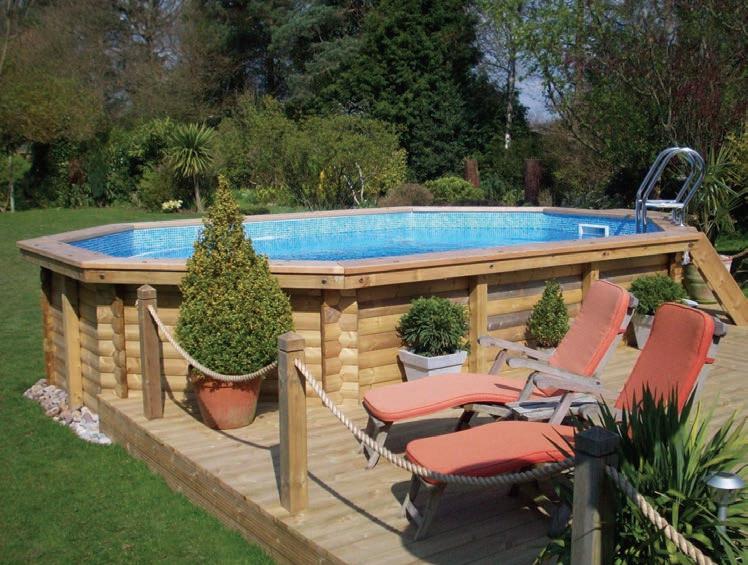
orientated. Over the years, the company has endeavoured to create pools that become a piece of furniture which fit seamlessly into the garden, terrace or even inside the home.
One of the most popular models is the Dolcevita, an above-ground pool that not only looks stylish but is also functional and easy to assemble. A distinctive feature of the pools are the uniquely designed panels. The panelling consists of a structure made from Magnelis steel onto which a synthetic polypropylene fibre obtained by extrusion is woven by hand. It is this craftmanship which gives each pool a unique appearance and make it stand out from other pools in the market.
The Diva model is available in a range of nine different sizes with a choice of finishes. Offering even more is the Diva LTI, which includes an integrated technical room.
Another above-ground pool under the Piscine Laghetto® brand is Pop!®. The result of unmistakeable Italian design, the pools are made up of highly tensile resistant liner which is supported by a structure specifically designed and engineered to support the pool. Easy to assemble and suitable for many surfaces, Pop!® is available in four vibrant colours to bring a pop of colour to any outdoor space.
Part of Fluidra, Laghetto Pools are available exclusively in the UK from AstralPool.
SUPERIOR WOODEN POOLS, BRITISH BUILT TO THE HIGHEST QUALITY
professionally notched in-house on the state-of-the-art machinery to guarantee ease of build and maximise the strength of the construction. They have no side buttresses which can be unattractive and take up valuable space, nor do they require any concreted-in steel supports, making installation far easier. The steel plates and shoes used in the construction of Certikin wooden pools have been designed to remove the need for extra external bracing found on other timber pools. All this adds up to give one of the strongest free-standing pools on the market.
Available in three sizes; 4.2m x 4.2m, 6m x 4.2m and 4.7m x 2.9m, the pool packages come complete with steps, Certikin flow fittings, filtration, maintenance kit, solar bubble cover and a 30thou liner from Certikin’s in-house liner production facility.
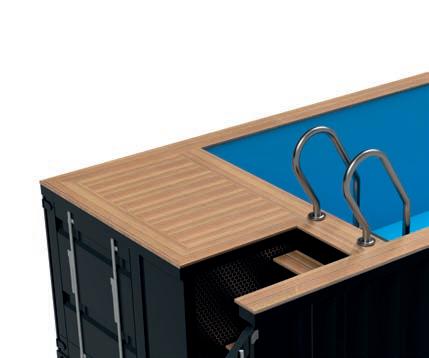
Certikin wooden pools are a superb addition to any garden with the attractive design blending perfectly with natural surroundings. Made of Scandinavian redwood and Iroko hardwood, they are built to the highest standard. The redwood walls are
The 4.7m x 2.9m Dolphin Sport is ideal for the addition of a Fastlane swimming machine which will enhance the fun factor and boost exercise potential.
Being supplied from one of the UK’s leading swimming pool equipment manufacturers, owners can be confident that they are not just getting excellent product quality, but the unrivalled service care that is available before and after any purchase.
DOODLE BUILD’S SWIMBOX – A UNIQUE AND ECO-FRIENDLY ABOVE-GROUND CONCEPT
For something altogether different in the world of above-ground pools, shipping container conversion company Doodle Build, in collaboration with Eco Pool Award-winning Love2Swim Ltd, have developed SwimBox – the first ‘Plug & Play’ swimming pool inside a shipping container, to be designed, engineered and manufactured in the UK. These pools are produced by up-cycling shipping containers and from the beginning of the design process, efficiency was at the heart of the product. Designers wanted to create a sustainable pool that was cheap to run and held the heat within the structure. This was achieved with a very high level of PIR insulation, a cleverly designed plant room and a solar cover to take advantage of what nature provides.
Factory built to reduce carbon footprint, SwimBox pools require minimal site work and are vastly cheaper to run than a traditional pool, creating minimal environmental impact.
Available in two sizes – 20ft and 40ft –each SwimBox is completely customisable. From the infinite paint choices for the sides, to the hundreds of liner options, to the different decking colours and textures.
Domestic, semi-commercial and commercial versions all include varying
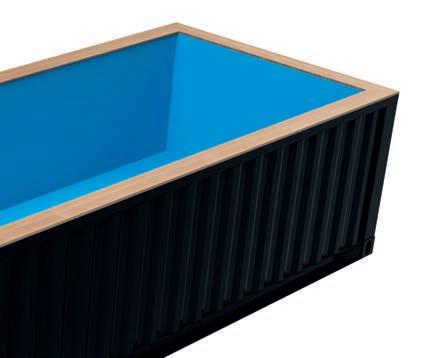

60 June 2024 SPN www.swimmingpoolnews.co.uk
something altogether different,
Certikin wooden pools are a superb addition to any garden with the attractive design blending perfectly with natural surroundings
For
there’s the SwimBox above-ground pool from shipping container conversion company Doodle Build

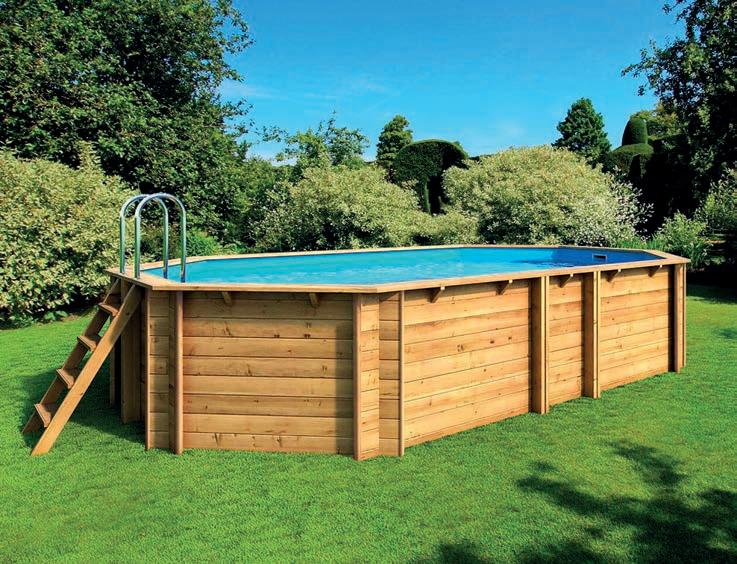
bespoke plant room options to suit the usage of the pool – the sky’s the limit!
The pools are installed in just one day and can be located virtually anywhere, from sloping sites to luxury roof top locations. All that is required is either a concrete pad in the four corners or the use of temporary foundations.
The swimming pools are forever portable too – a feature that is perfect for a domestic customer that wants the longevity of the product, knowing that they can take it with them if they were ever to move house. This flexibility also makes them ideal for a pool
DISCOVER A RANGE OF WOODEN OPTIONS ADDED BY LIGHTHOUSE FOR 2024
Lighthouse have greatly expanded their catalogue for the 2024 season and new products that have been added include a range of wooden pools from some of the industry’s top names.
At the entry level and ideal for little
For their above-ground pools, Plastica responsibly sources top-quality timber from reliable suppliers across the globe

swimmers, is the French-made Pistoche Little Pool from Procopi – a 2 x 2 x 0.64m lined pool equipped with an integrated protective cover to close the pool and prevent access while the pool is not in use. This easy to assemble and space-saving pool features aluminium coping, a built-in cartridge filter that adjusts to the water height and comes with a two-year guarantee on the wooden structure.
Next there’s the Weva Wooden Pools from BWT. This range of five pools – three Octogon and two Rectangle – can be located aboveground, partially in-ground or fully in-ground.
The pool structure on these Weva models is made of class IV treated solid Northern pine, and each comes with a P-FI filtration group that is easy to install, removable access ladder and a dark blue 0.75mm liner.
For more beautiful, flatter coping with a longer service life, BWT chose class III treated Northern spruce, selected based on its resilience, mechanical strength and excellent weatherability.
Weva pools feature a ten-year guarantee on the structure and coping with a minimum of two years on all other elements.
Lastly, but by no means least, there’s the Urban range from Procopi which offers three sizes of rectangular pools, each with a builtin slatted cover.
This hassle free and practical range is easy to assemble and can be placed above-ground or fully in-ground and comes with a complete pool kit.
WOODEN POOL PACKAGES FROM PLASTICA TO SUIT EVERY BUDGET
Plastica offers a diverse selection of aboveground wooden pool packages, catering

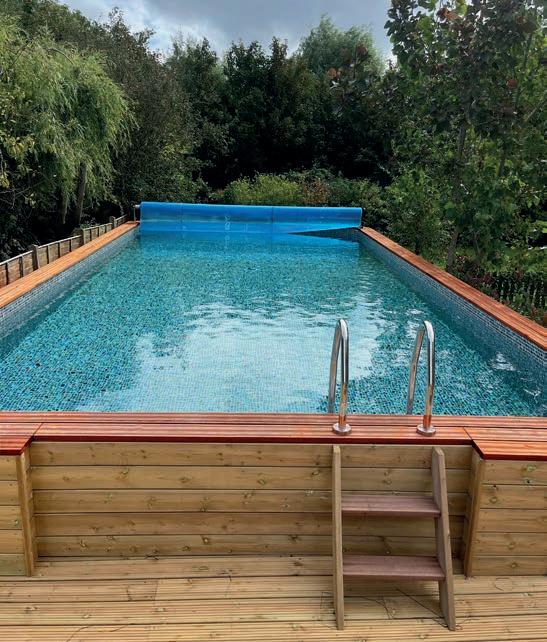
www.swimmingpoolnews.co.uk SPN June 2024 61
flagship Chelsea
is a spacious option measuring an impressive 5 x 10 metres internally for those with ample garden space Image courtesy of 1066 Pools Image courtesy of Homewood Leisure ABOVE-GROUND
WOODEN POOLS
Plastica’s
pool
&
builder, looking to keep customers happy with an interim option plus they can also be an event pool that can be transported from site to site to provide an income source.
Lighthouse have greatly expanded their catalogue which now includes Weva Wooden Pools from BWT and options from Procopi too
ABOVE-GROUND & WOODEN POOLS
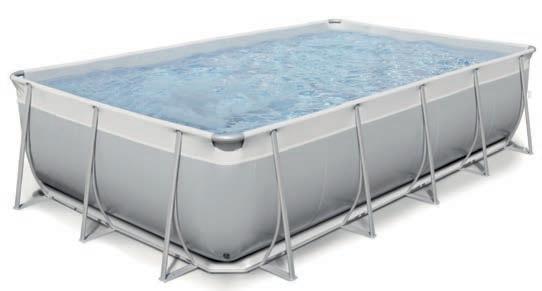
to various budgets without compromising on quality. Crafted from premium natural wood, each pool comes with a ten-year pro-rata warranty on its wooden framework.
The Standard package comprises the essentials: the wooden pool itself, iFlo filtration with glass media, liner with foam underlay, solar cover, pipes and fittings, maintenance and chemical starter kits and metal braces where necessary.
Plastica responsibly sources top-quality timber from reliable suppliers across the globe. This wood undergoes precision cutting and pressure treatment to meet the highest standards. Pressure treatment involves impregnating the timber with preservatives under controlled conditions, safeguarding it against fungal decay and insect attacks for an extended lifespan.
Their range of wooden pools caters to various preferences and space constraints. Starting with the Eco and Fun models, which offer a cost-effective and visually appealing upgrade from inflatable or metal-framed pools, to the flagship Chelsea, a spacious option measuring an impressive 5 x 10 metres internally for those with ample garden space.
A standout among Plastica’s offerings is the Exercise pool, featuring a built-in strap system that eliminates the need for steel braces, allowing for direct installation on any hard surface. This not only saves time but also reduces costs for both trade professionals and end-users. The straps, constructed from stainless steel, ensure longlasting durability, resisting rust and corrosion.
With so much going for them, it’s no wonder that the British
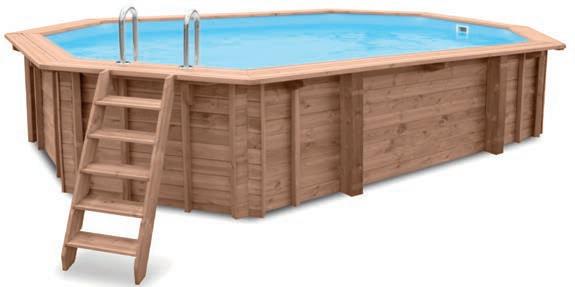
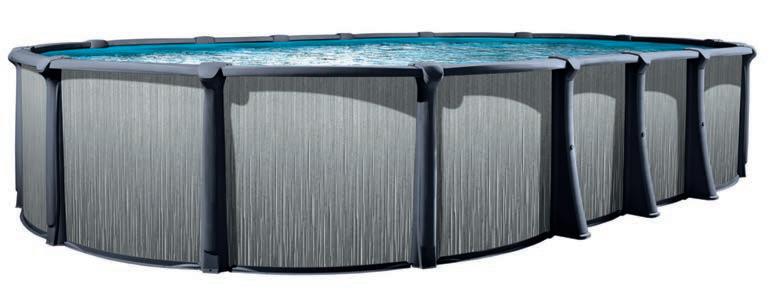
With over 50 years of industry experience and manufacturing based in the UK, Plastica has earned a reputation for high-quality, reliable products. Their deep understanding of the wet leisure market and their dedicated, knowledgeable staff contribute to their continued success and customer satisfaction.
BUDGETS WON’T BE BROKEN WITH SCP’S RANGE OF ABOVE-GROUND OPTIONS
SCP UK’s range of above-ground pools has been further refined for the 2024 season and consists of products from their exclusive Garden Leisure AGP brand plus wooden pool options from Abatec.
Garden Leisure AGP metal-framed pools are available in three sizes – with pool capacities of 14m3, 16m3 and 20m3 –and are quick to set up. Produced in Italy by an ISO 9001 Quality system certified manufacturing company, they feature a 60mm diameter top frame and selfsupporting metal frame structure. Each of the pools in the metal-framed range come with a high quality polyester fabric pool liner (750 g/m2 square) which has been treated against algae and UV, and each pool has a skimmer placed in a pocket in the pool liner corner. These innovative pools feature 15 patents across the full range and come with a kit which includes 6m3/h sand filter, skimmer, security ladder, cleaning kit and connections.
Three rigid walled pools are on offer in the form of the Pacific, Serena and Gemini options and each is available in either circular or oval variants. The beauty, strength and design are what make all of these aboveground options stand out. The use of subtle curves and smooth lines combined with a modern look give an upmarket bespoke finish to each model.
There’s four choices in the wooden pools range produced by leading European manufacturer Abatec. It starts with the 4.34m diameter Tropical Sunshine model and ends with the large, 6m x 4.19m rectangular Summer Oasis.
Made from dense Scandinavian 45mm high quality timber, each of these kit pools can be installed above-, in- or partially in-ground and come with a five year wood warranty.
All the above-ground pools from SCP UK contain a range of pool kits, the contents of which will vary depending on which pool option is required.
AstralPool UK
01329 514000
www.astralpool.com/en
Certikin
01993 777200
www.certikin.co.uk
Doodle Build
02476 272428
www.doodlebuild.co.uk
Lighthouse 01752 253525
www.lighthousepools.co.uk
Plastica Pools
01424 857857
www.plasticapools.net
SCP UK
01293 546126
www.scpeurope.com
62 June 2024 SPN www.swimmingpoolnews.co.uk FOR FURTHER DETAILS:
SCP UK’s range of aboveground pools consist of three ranges of differing pool types to suit a variety of budgets
public has started to look at the more serious above-ground and wooden pools as an investment for both their families and gardens...”
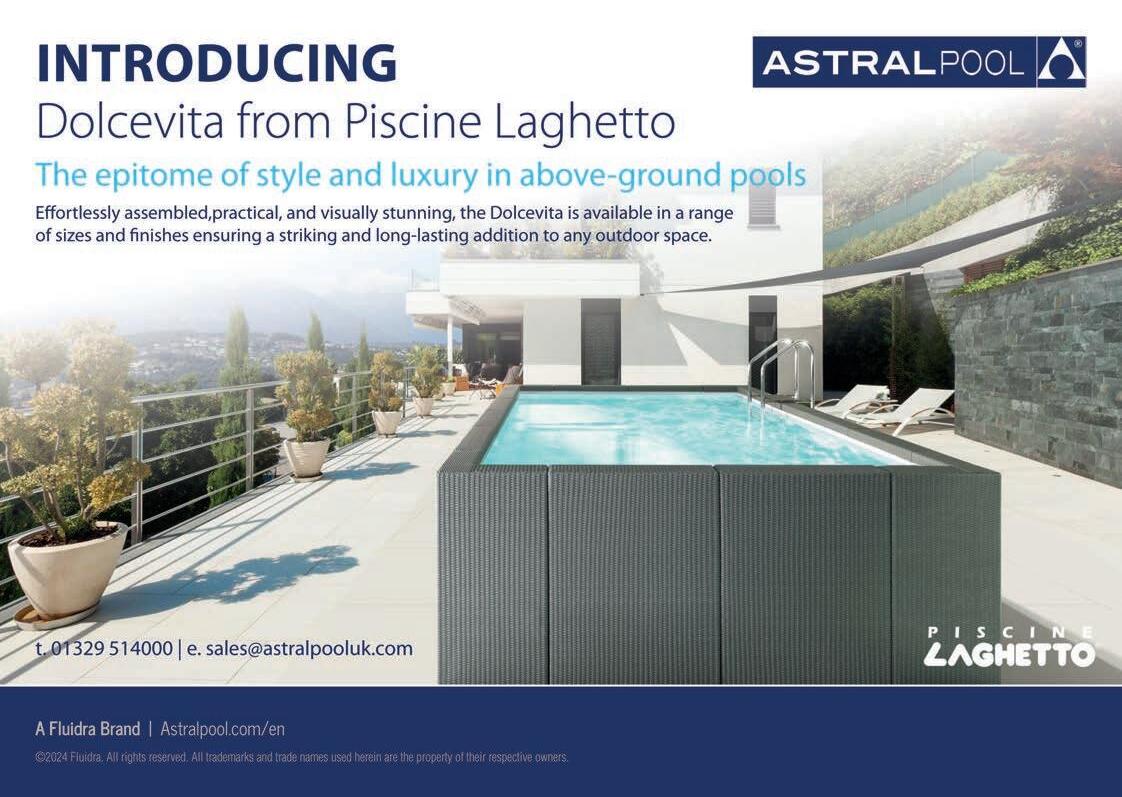


Events Roundup
With exhibitions back in full swing for the global wet leisure industry, in this issue, we take a closer look at what’s on and where over the coming months, in both Europe and further afield, plus highlight events that are on the horizon too!
UNLEASH INNOVATION AND NAVIGATE THE FUTURE AT SPLASH! 2024
The SPLASH! Trade Expo is the leading pool and spa show in the southern hemisphere and is a must attend event for anyone involved in delivering products or services relating to pools and spas.
Taking place on 21 and 22 August at the Gold Coast Convention & Entertainment Centre in Queensland, the two day event is Australasia’s largest dedicated pool and spa trade show and provides attendees with a unique opportunity to be inspired, informed and gain important industry insights and how best to navigate professional growth into the future. It is the only place in the region to meet key industry suppliers, experts and decision makers all under one roof.
With over 100 exhibitors, the SPLASH! Trade Expo offers an unrivalled innovation showcase, where visitors can discover groundbreaking solutions, cutting-edge technologies, and disruptive ideas that will redefine the landscape of any wet leisure business.
The event brings together the brightest minds and the latest innovations at a single venue, providing a platform for attendees to witness the future in action.
SPLASH! is more than a trade expo – it will include insightful keynote speakers too, so visitors can gain insights from industry pioneers and visionaries who have navigated the challenges and triumphs of their respective fields.

The 2024 line up of keynote speakers will be carefully curated to provide guests with the knowledge and inspiration needed to propel businesses forward. The SPLASH! Trade Expo also attracts participants from around the globe, offering a diverse and international perspective on industry trends and challenges.
Attendees can also participate in hands-on workshops and engaging panel discussions led by experts in their fields. Whether visitors are looking to hone specific skills or dive deep into industry-specific topics, SPLASH!’s interactive sessions are designed to provide actionable takeaways.
INTERBAD 2024: INDUSTRY TOGETHER UNDER ONE ROOF FOR THE FIRST TIME
Taking place from 22 to 24 October in Stuttgart, German show interbad will be held this year for the 30th time. At the end of April, 85% of the 26,800m2 of the event’s exhibition space in the newly acquired L-Bank Forum (Hall 1) – the largest hall at Messe Stuttgart – had already been taken by exhibitors, a fact which reaffirms interbad’s status as one of the world’s most important industry platforms for public and private swimming pools, spas and saunas.
“Almost 300 exhibitors will present their solutions, products, ideas and answers to the current challenges in the industry. The forthcoming interbad could therefore be summarised under the motto ‘smart’ and
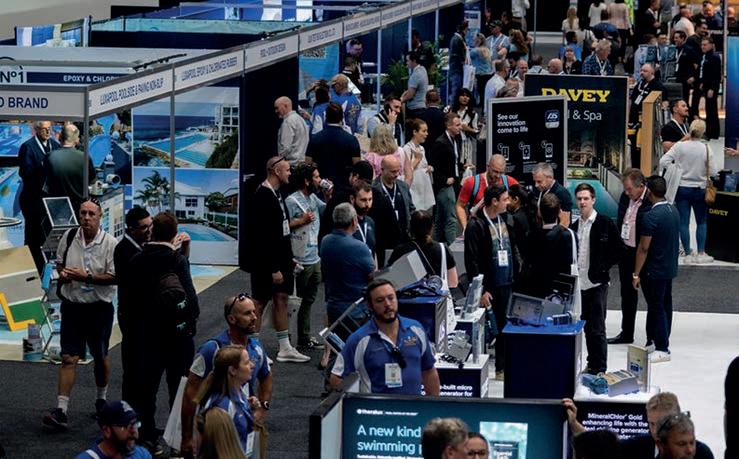 By Jon Wadeson
‘sustainable’. We have translated this into a general slogan for the industry and therefore say the following: ‘Water is our element. Sustainability is our principle’,” said Claudia Döttinger, Vice President of Messe Stuttgart.
There will be other anniversaries besides interbad‘s 30th. For example, the concurrently staged Congress of the German Association for the Recreational and Medicinal Bath Industry will take place for the 70th time while the German Sauna Association will celebrate its 75th anniversary this year too.
“This year, the 30th interbad will be a special trade fair. It will be held at a time when the industry is experiencing some innovations,” said Christian Mankel, Managing Director of the German Association for the Recreational and Medicinal Bath Industry. “The corona pandemic was a catalyst for digitalisation and the energy crisis a catalyst for the heating transformation. The industry must help to shape this transformation – in a smart and sustainable manner.”
At interbad, the DGfdB will place its concept ‘Commune 2030’ at the forefront of its trade fair presentation in October. The question of how swimming pools can act as a facilitator of an urban community will then be explored.
The popular special section ‘Saunas from Finland’ will again form part of interbad in 2024, with a large number of companies havimg already announced their participation.

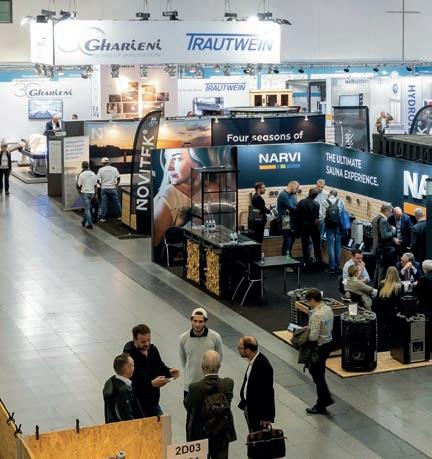

64 June 2024 SPN www.swimmingpoolnews.co.uk
EVENTS ROUNDUP

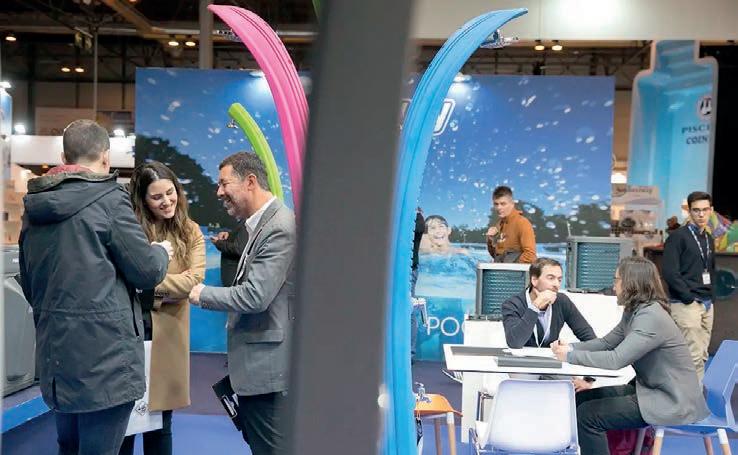
Offering the widest range of products on the market, Piscine Global will be able to meet the needs of the industry through the innovative solutions proposed by its exhibitors, solutions that respect the environment”
MADRID’S PISCIMAD EXPO – PART OF INTERNATIONAL CONSTRUCTION WEEK
Taking place from 5 to 8 November at IFEMA in Madrid, Spanish pool exhibition PISCIMAD brings together professionals to share the latest news in services and equipment in the swimming pools, wellness and aquatic facilities sector.
Operating under the umbrella of International Construction Week, the last edition of PISCIMAD, in conjunction with VETECO, CONSTRUTEC and SMART DOORS, saw the participation of 90,000 professionals, which has firmly established the co-located event.
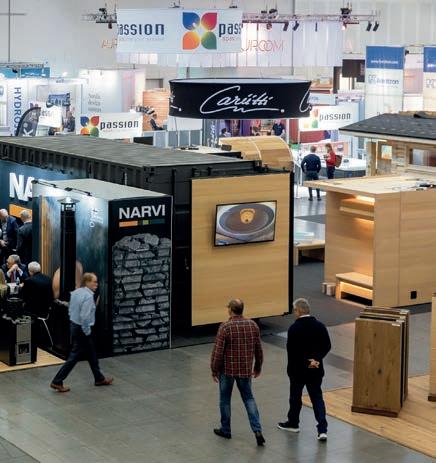
PISCIMAD and International Construction Week focus on knowledge, innovation and solutions, being strategic. They offer a meeting point for the global exhibition and presentation of new products, as well as conferences that address innovation, professional training and solutions for distributors, construction companies and developers.
The Spanish Association of Swimming Pool Professionals (ASEPPI) forecasts that the swimming pool industry in Spain will grow by approximately 8% to 10% by 2024. Spain is the second largest territory in the European Union in terms of volume of pools and business in this sector and there is still significant potential for further growth. The


organisers of PISCIMAD will contribute to the growth of this sector in Spain by generating new business opportunities and sharing the latest innovations in services and equipment.
PISCIMAD will facilitate business opportunities and foster key synergies with the CONSTRUTEC, VETECO and SMART DOORS events.
The Show will once again be the major event for wet leisure, bringing together all the companies and professionals in this field. Furthermore, it will facilitate commercial interaction, as well as the promotion, marketing and national and international distribution of all products, services and value chain-related to aquatic facilities.
It will also feature an engaging programme of activities, including practical workshops, where visitors will learn about the operation of their facilities and the best ways to maintain them.
A NEW LOOK PISCINE GLOBAL IS REINVENTING ITSELF FOR 2024
Organised by the GreenTech+ division of the GL events group and the Fédération des professionnels de la piscine et du Spa (FPP – Federation of Swimming Pool and Spa Professionals), Piscine Global is the landmark international trade show in the field of swimming pools and wellbeing. Preparations are well underway for the next Piscine Global event, which takes place from 19 to 22 November 2024 at Eurexpo-Lyon in France – and according to the organising team, the show will mark a turning point.
Recognised as the international benchmark for new releases and innovation within the swimming pool and wellbeing sectors, Piscine Global is reinventing itself, bringing fresh eyes to the sector and its priorities, while also offering exhibitors and visitors a unique trade show experience focused on the sector’s transformations too.
The show sees innovation as the driving force behind the transformation of the pool industry and its stakeholders and for 2024, Piscine Global will be taking a fresh look at the industry and the challenges it faces.
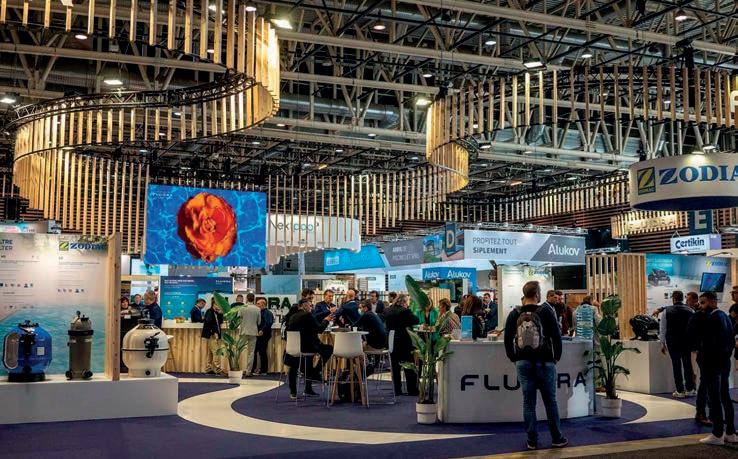
SPN June 2024 65 www.swimmingpoolnews.co.uk
EVENTS ROUNDUP
EVENTS ROUNDUP



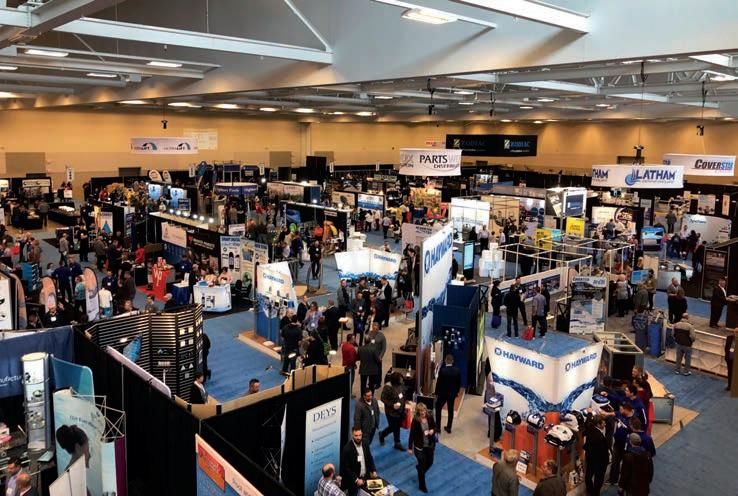
The aim of the show is to chart a path for the industry and its stakeholders, embracing innovation as the driver of transformation to a more sustainable future. With this in mind, the exhibition will examine in detail all the key issues facing the swimming pool / and health spa industry: water management, energy consumption, innovation, etc.
Offering the widest range of products on the market, Piscine Global will be able to meet the needs of the industry through the innovative solutions proposed by its exhibitors, solutions that respect the environment.
The show is also positioning itself as a
key opportunity to reflect on, understand and discuss the future challenges facing the sector, including sustainable development.
Over four days, conferences in the Pool Arena and areas dedicated to themes will provide the opportunity to ask questions and better understand these issues.
A true innovation laboratory, Piscine Global is the place to be to detect, decipher and adopt trends in the wider wet leisure sector.
CANADIAN CONFERENCE & EXPO RETURNS TO A NEW VENUE FOR 2024
The Pool & Hot tub Council of Canada
(PHTCC) is looking forward to bringing the pool and spa industry together at their annual Canadian Pool & Spa Conference & Expo which takes place at a new venue this year – the Enercare Centre in Toronto, Ontario – and runs from 2 to 5 December, with the Exhibition element open from 10am to 5pm on 4 December and 10am to 2pm on the 5 December.
With over 70 companies already confirmed as exhibitors for this year’s event, the Canadian Pool & Spa Conference & Expo brings together leading manufactures and distributors each year to showcase their latest products, services and technological advances, plus offer certified, hands-on training courses, seminars and product demonstrations.
The Conference & Expo’s goals are straightforward: to increase industry visibility, generate leads and sales for manufacturers and distributors, provide a platform so that visitors can network with industry peers, and gain insights into the market and potential customers.
With the above in mind, several PHTCC Courses, Seminars and Live Automation Workshops are presented annually at the Conference & Expo that can help visitors upgrade their skills for the latest trends, industry’s safety best practices and maintenance of high-quality workmanship.
The event also provides a platform to host the PHTCC’s AGM and also reward the best companies within the sector through their Design & Construction Awards.
WHAT’S ON AND WHERE 2024-25 – AT A GLANCE
AUGUST 2024
13 – 16 August
EXPOLAZER & OUTDOOR LIVING
Expo Center Norte, São Paulo, Brazil
Tel: +55 2226 3100
Email: atendimento@francal.com.br
Web: expolazer.com.br
21 – 22 August
SPLASH! AUSTRALIA
Gold Coast Convention Centre, Queensland, Australia
Tel: +61 2 9660 2113
Email: info@splashexpo.com.au Web: www.splashexpo.com.au
SEPTEMBER 2024
3 – 5 September
ASEAN PATIO POOL SPA EXPO 2024
IMPACT Exhibition Centre, Bangkok, Thailand
Tel: +86 202 207 4185
Email: info@grandeurint.com
Web: www.aseanpoolspaexpo.com
OCTOBER 2024
22 – 24 October
INTERBAD
Messe Stuttgart, Germany
Tel: +49 711 185 600
Email: info@messe-stuttgart.de Web: www.interbad.de
NOVEMBER 2024
5 – 8 November
PISCIMAD
IFEMA - Feria de Madrid, Spain
Tel: +34 91 722 3000
Email: customerservice@ifema.es Web: www.ifema.es/en/piscimad
15 – 17 November
INTERNATIONAL POOL, SPA, PATIO EXPO
Kay Bailey Hutchison Convention Center, Dallas, USA
Tel: +1 212 951 6683
Email: info@poolspapatio.com Web: www.poolspapatio.com
19 – 22 November
PISCINE GLOBAL
Eurexpo, Lyon, France
Tel: +33 (0) 4 78 176 324
Email: visitorpiscine@gl-events.com
Web: www.piscine-global-europe.com
DECEMBER 2024
4 – 5 December
CANADIAN POOL & SPA EXPO
Enercare Centre, Toronto, Canada
Tel: +1 800 879 7066
Email: mette@poolcouncil.ca
Web: www.poolandspaexpo.ca
JANUARY 2025
28 – 30 January
THE POOL & SPA SHOW
Atlantic City Convention Center, New Jersey, USA
Tel: +1 609 689 9111
Email: info@thepoolspashow.com
Web: www.thepoolspashow.com
30 January – 1 February
AQUAFUN
Istanbul Expo Center, Istanbul, Turkey
Tel: +90 212 570 6305
Email: tureks@tureksfuar.com.tr Web: www.aquafunexpo.com
FEBRUARY 2025
4 – 6 February
SPATEX 2025
Coventry Building Society Arena, Coventry, UK
Tel: 01264 358558
Email: info@spatex.co.uk
Web: www.spatex.co.uk
12 – 14 February
FORUM PISCINE
Bologna Exhibition Centre, Bologna, Italy
Tel: +39 051 272 523
Email: ufficiostampa@absolutgroup.it
Web: www.forumpiscine.it
66 June 2024 SPN www.swimmingpoolnews.co.uk






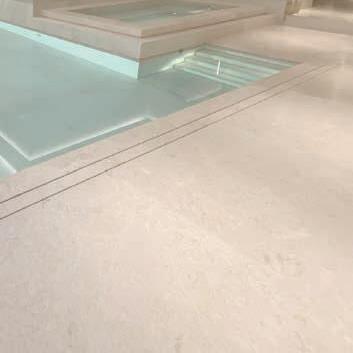
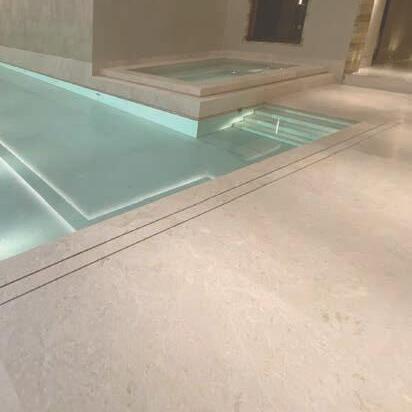
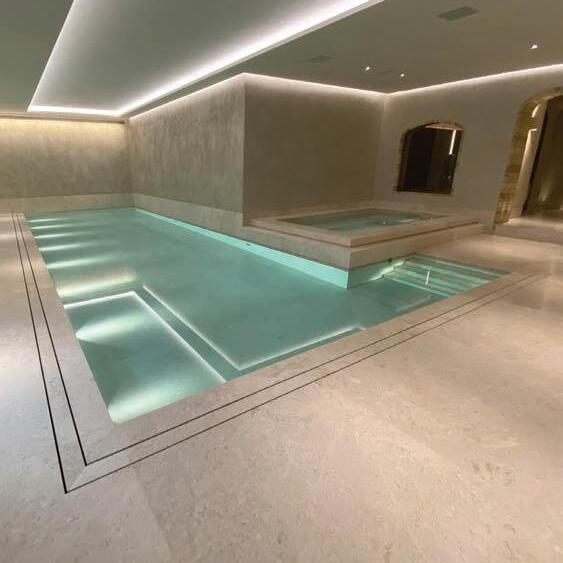





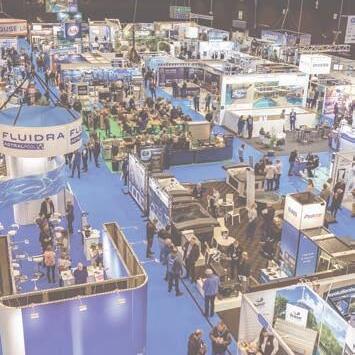


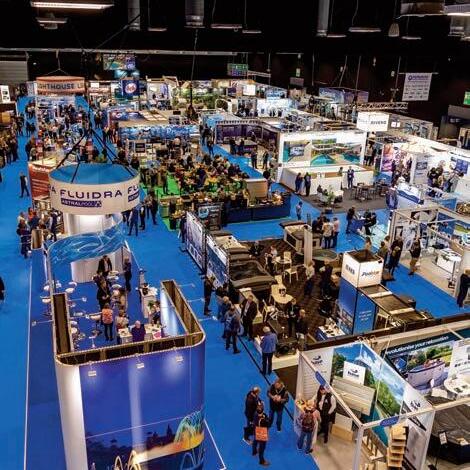


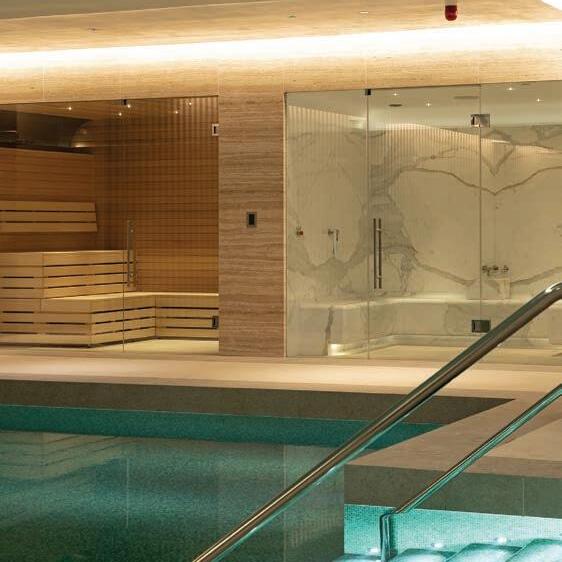
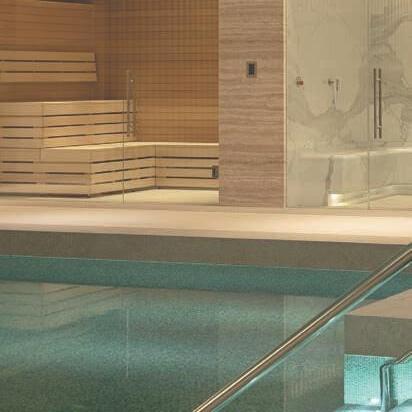

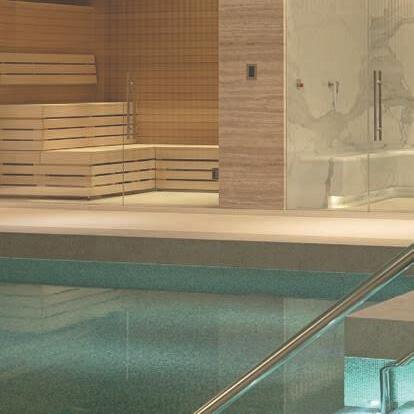

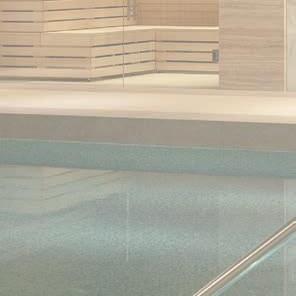
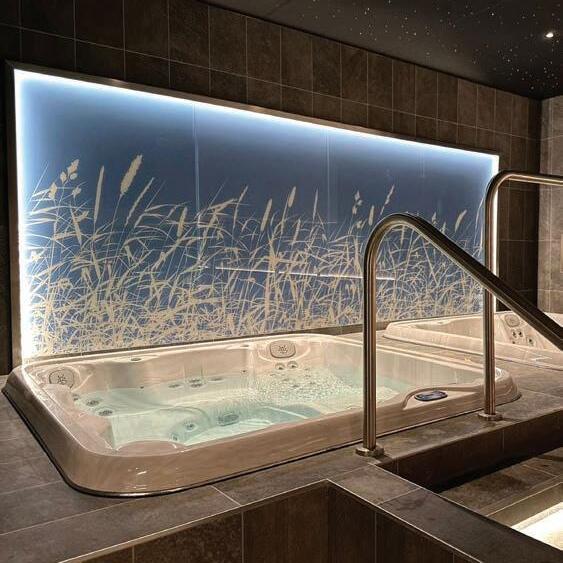


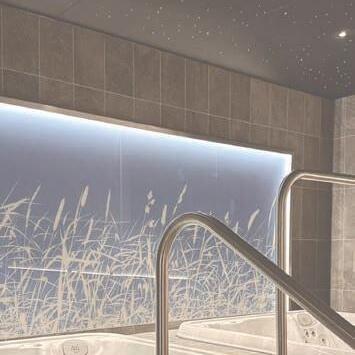










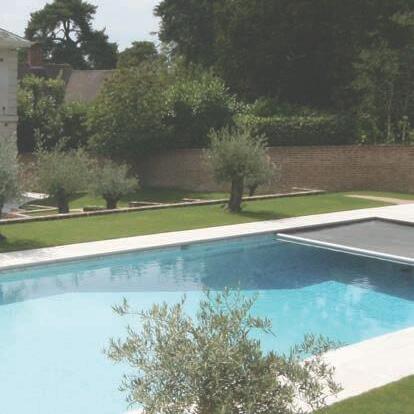
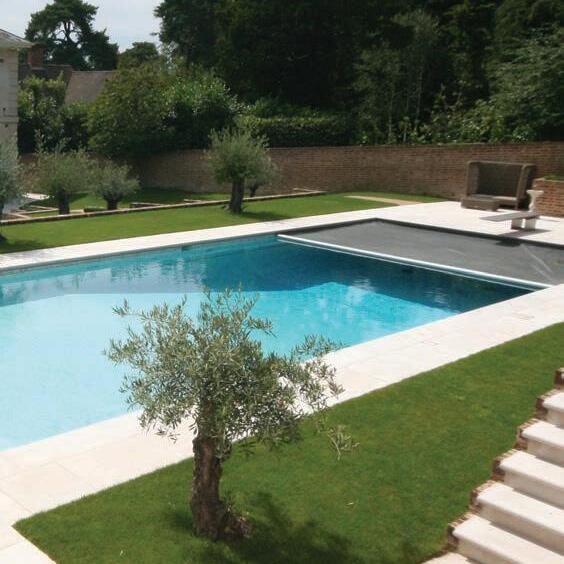
All sectors of the water leisure industry from pools, spas, saunas, hydrotherapy, steam rooms and play equipment, in the domestic and commercial arenas, are represented at SPATEX. FOR MORE INFORMATIONAND TO REGISTER FOR FREE VISIT: WWW.SPATEX.CO.UK OR CALL +44 (0)1264 358558
BUYERS GUIDE







68 June 2024 SPN www.swimmingpoolnews.co.uk CONTROL PANELS
ADVERT
THIS BUYERS GUIDE
JUST £345! THAT’S 6
12
COVERAGE FORJUST UNDER £1 PER DAY! TO ADVERTISE CALL TONY WESTON ON 01474 813433 E. TONY@AQUAPUBLISHING.CO.UK HEAT EXCHANGERS ON-SITE LINING ON-SITE LINING HEAT EXCHANGERS AN ADVERT THIS SIZE IN THIS BUYERS GUIDE IS JUST £345! THAT’S 6 ISSUES OR 12 MONTHS COVERAGE FOR JUST UNDER £1 PER DAY! TO ADVERTISE CALL TONY WESTON ON 01474 813433 E. TONY@AQUA-PUBLISHING.CO.UK PLAY EQUIPMENT COUNTER-CURRENT SYSTEMS ONE-PIECE POOLS
AN
THIS SIZE IN
IS
ISSUES OR
MONTHS
PLAY EQUIPMENT

POOL BUILDERS

POOL COVERS

POOL COVERS

POOL ENCLOSURES

POOL ENCLOSURES

POOL ENCLOSURES

POOL ENGINEERS

BUYERS GUIDE www.swimmingpoolnews.co.uk SPN June 2024 69
BUYERS GUIDE







70 June 2024 SPN www.swimmingpoolnews.co.uk PRESSURE TESTING & LEAK DETECTION EQUIP POOL LIFTS & SPA HOISTS SPRAYED CONCRETE POOL EQUIPMENT AN ADVERT THIS SIZE IN THIS BUYERS GUIDE IS JUST £345! THAT’S 6 ISSUES OR 12 MONTHS COVERAGE FORJUST UNDER £1 PER DAY! TO ADVERTISE CALL TONY WESTON ON 01474 813433 E. TONY@AQUAPUBLISHING.CO.UK POOL ENGINEERS AN ADVERT THIS SIZE IN THIS BUYERS GUIDE IS JUST £345! THAT’S 6 ISSUES OR 12 MONTHS COVERAGE FOR JUST UNDER £1 PER DAY! TO ADVERTISE CALL TONY WESTON ON 01474 813433 E. TONY@AQUA-PUBLISHING.CO.UK POOL REELS & COVERS POOL REELS & COVERS POOL ENGINEERS






BUYERS GUIDE www.swimmingpoolnews.co.uk SPN June 2024 71 Alukov UK 15 Aqua Technics Pools 29 Aquaflex 41 Aquaservice 18 AstralPool UK 16, 26, 53 & 63 Bowman 16 Certikin 57 & 58 Complete Pool Controls 58 Dripool 41 EVi Pools 08 Fairlocks Pool Products IFC & 54 Gaffey OBC GMT Spas 24 Golden Coast 53 & IBC Heatstar Europe 42 ISPE 50 Lighthouse 26 & 31 Mikel Tube WDB 21 NIVEKO (HTP Group) 21 Ocea UK 04 & 05 On-site Pool Linings 57 Passion Spas 44 & 49 Piscine Global 23 Plastica 63 SCP UK 13, 23, 31 & 50 SpaFlo 49 SPATEX 67 STA 10 Starscape Star Ceilings 50 Suntrap Systems 57 Ustigate Waterplay 10 Waterco 07 Waterco/Certikin 32 ADVERTISERS INDEX TILED SPAS WATER MONITORING & CONTROL UNDERWATER DIVING REPAIRS SPRAYED CONCRETE WATER TREATMENT WATER TREATMENT
Getting The Right Training
“For years I have been strongly behind the importance that technical support plays in delivering the best customer support. But now I’m becoming more and more focussed on offering technical training to fill that role,” says Adam Clark, General Manager at wet leisure specialist Golden Coast
Ilike to learn, to improve and develop and be the best version of myself that I can be and I like to help other people to do the same. There is an attitude and an approach that I’ve learnt from fitness that I believe is going to work in our industry as well. So we’ve taken some thinking from the gym and we have applied it to an Academy.
TEACH A MAN TO FISH…
I’ve always enjoyed learning new things; acquiring new skills or improving the ones I’ve already got. In terms of wet leisure, that attitude has never been more relevant than it is today. If you look across the sweep of the wet leisure industry, it now encompasses a whole raft of skills, technical know-how and areas of specialist knowledge. We use water treatment technology that is as advanced as any in the world. The latest energy efficient pumps are marvels of engineering. Automation that manages chemical dosing, or indeed the whole pool environment, that looks like it needs a software engineer to understand it, let alone install it.
But like so many things, with the right training, people gain the skills and the confidence to tackle jobs that they might have thought were beyond them. Surely that is the essence of great customer support. The right training lets you achieve more than you thought you could.
DEADLIFTS
A deadlift looks like a simple thing and you might assume that the amount of weight you can lift is simply down to how strong you are but that isn’t so.
In a deadlift the barbell is at your feet, you bend over and pick it up. Stand up straight. Lock out your knees and you’ve done it. Simple. But a good deadlift is down to technique and skill and the right mental attitude. Yes, you need to be strong but you need to know how best to utilise that strength. And so we come to training. You need to spend time in the gym doing the exercise over and over again. You need to work with a coach who will study your form and show you where to improve it. Ideally, you need a goal; something to aim for, an

achievement at the end of your training.
As a keen Crossfitter, that’s how I’ve approached my training in the gym and that is how we’ve approached building the Golden Coast Academy.
A NEW TRAINING FACILITY
A gym is a space with equipment, staff to help you train and other gym members to work with and support you, as you get better and as you get stronger. That’s how I look at the new Academy.
The Academy is located at our Newbury branch. It’s a lively training environment laid out over two floors. The upper has a specialised training room that includes live controllers on the walls, enabling hands-on learning in programming and troubleshooting. On the ground floor there is a purpose-built pool that showcases the latest innovations in lighting, pool covers and has a fully functioning pool plant.
It’s a functional environment that lets you train for the real world.
YOU ARE ALREADY A MEMBER
The Golden Coast Academy works on an open-door policy and we welcome visitors to come and explore the facilities.
We want the Academy to be a market leading training facility for the industry. We want it to be a gym you visit regularly. Training
...with the right training, people gain the skills and the confidence to tackle jobs that they might have thought were beyond them”
is about adding value to yourself, which in turn means you can add more value back to others. It resonates with the old Golden Coast adage, ‘we succeed when you succeed’.
As a distributor I feel we have a duty to educate those who want it; to help them understand the products we sell. Our Academy gives us the perfect setting to do that.
BE COMFORTABLE WITH BEING UNCOMFORTABLE
The wet leisure industry is constantly changing and that rate of change is getting faster and faster. It’s not just about the environment that we work in; the need to reduce energy usage, to be green and to be sustainable but also the solutions and technologies that we have developed to meet those customer demands; heat pumps, UV water treatment, automated control and dosing systems.
The world is changing and we must change with it. Getting the right training and expanding your skills is one of the best ways of doing that and there is no time like the present to make that happen.
I’ve just turned 40 and I’m still constantly seeking new ways to be better, whether it’s knowing more about our bodies – micro biomes in our gut and how they help us with our digestion, or whether it’s getting better in the gym – getting that heavier deadlift with an improved technique.
So, I look forward to seeing you in Newbury.
Golden Coast 01271 378100 www.goldenc.com
72 June 2024 SPN www.swimmingpoolnews.co.uk OPINION


Game changing technology makes electrochlorination a must for pool water disinfection. A first for electrochlorination, Gaffey’s Adaptive Response Technology allows Hyprolyser® to adjust to changing environmental and site conditions to ensure continued effective chlorine generation.
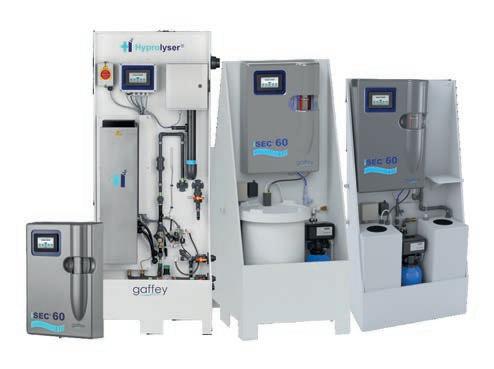
to ruffle a
feathers
Set
few
Hyprolyser® iSEC® on-site electrochlorination systems Call 01254 350180 or visit www.gaffey.co.uk Hyprolyser® is manufactured by and registered trademark of Gaffey Technical Services Ltd. 2023 FIND OUT MORE
