











Don’t miss out on the next issue of






Don’t miss out on the next issue of
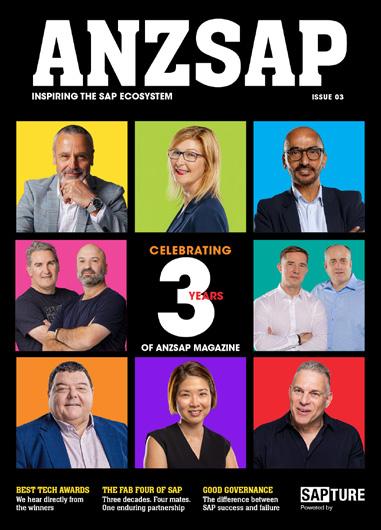
It's hard to believe we’re already at Issue 03 of ANZSAP Magazine, and marking three years of ANZSAP as a platform for the community. When we first launched, the goal was simple: create a space where the ANZ SAP ecosystem could share its knowledge, experience, and stories with one another.
Three years on, what’s become clear is just how generous and engaged this community truly is.
As I read through the articles in this issue, one theme kept surfacing: the conversations are evolving. We’re no longer just talking about implementations or upgrades. We’re talking about rescue missions and rebuilding trust. About governance, clean core discipline, and the realities of cloud adoption. About AI not as a buzzword, but as something that is fundamentally changing how people work, learn and think.
And yet, at the centre of all of it, the common thread remains the same: people. Whether it’s leaders stepping in to realign struggling transformation programs, architects shaping futureready strategies, trainers rethinking how we prepare teams for the ‘ask and do’ era, or organisations using SAP technology to drive meaningful social impact, this issue is a reminder that transformation succeeds or fails at the human layer.
We also pause in this edition to remember Paul Roddis, whose career and leadership left a lasting imprint on so many across our ecosystem. His story is a powerful reminder that beyond programs and platforms, it’s connection, curiosity and generosity that shape our industry.
For a specialist publication, the breadth of topics continues to surprise me. From enterprise architecture and AI-enabled training to purpose-driven delivery and transformational change, the insights shared here reflect a community willing to ask harder questions and share honest lessons from the field.
As always, this magazine is written by the community, for the community. It only exists because so many of you are prepared to contribute your time, experience, and perspective. For that, we're incredibly grateful.
We hope you find something in these pages that challenges your thinking, affirms your experience, or sparks a new conversation.
And as ever, your feedback is always welcome.
In the meantime, enjoy.

Chelsie White Editor
EDITORIAL TEAM
SHANE MORGAN Founder
CHELSIE WHITE Editor
DANIELLE CHUNG
Client Services Manager
EMILY HARRIS Head of Design
STEVE COLQUHOUN Sub Editor
EVA GOROBETS Photographer
CONTRIBUTING WRITERS
BEN PRICE
CLAUDIA MILANESI
LAUREN ROOKER
SCOTT MASSON
BRADLEY BURT
ANTHONY BUNTIC
STUART CHOI
JEREMY PITCHFORD
FRANK MAGLIOZZI
DMITRY ELSHIN
FRANCOIS KEET
DEBRA LINDER
CLEMENTINE MAK
SHAUN BRADRIDGE
ADAM HISLOP
CARY FARMER
DUDLEY CARTWRIGHT
ADAM QUIGLEY
DOUG GIBSON
ASHLEY SALZMAN
SUNIL SAWANT
JAMIE GRANDE
DAVID PAYNTER
BARBARA CIANCIO
LISA PETERS
JASON ANTHONY
CONTRIBUTING COMPANIES
COVANTAGE
THE SMITH FAMILY
EPI-USE
NEOS BY ARGON
PWC AUSTRALIA
SAPTURE
SAP AUSTRALIA
HR CROWD
BETA DIGITAL
TRINERGY BUSINESS SOLUTIONS
SOTERION
BDO
INVICTUS PARTNERS
SUNTORY OCEANIA
ACCENTURE
SA POWER NETWORKS


Deliver consistent, connected service that keeps customers coming back.







Watch this 4-Min Trending Chats episode


24 THE FAB FOUR OF SAP Three decades. Four mates. One enduring partnership.
44 SELECTIVE DATA TRANSITION
A pragmatic approach going beyond Greenfield and Brownfield.
90 FUE ALIGNMENT
The importance of aligning SAP Access Governance with FUE Licensing.
106 GOOD GOVERNANCE
The difference between SAP success and failure.
138 THIRD ANNIVERSARY CELEBRATION
Three years of the ANZSAP magazine community in pictures.


90 FUE ALIGNMENT
The importance of aligning SAP Access Governance with FUE Licensing.

86 THE TRANSFORMATION FIXER
Lessons learned from fixing failed transformations.
96 DRIVING SAP CHANGE
Insights on disruption, AI and people engagement.
126 AGILE ADOPTION OF SAP IBP
Reducing SAP IBP implementation through an Agile approach.
132 WINNING TEAMS
How forming and coaching the right humans wins the client.
154 GETTING S/4HANA RIGHT
A value-led guide.
MOVERS & SHAKERS
Key moves in the ANZ SAP ecosystem since
SAP BEST TECH AWARDS
An overview of the awards, followed by winner
SAP CONCUR WINNERS
Localisation on a global scale.
CHRIS O'BRIEN WINNERS
Driving social impact through ethical systems.
A tribute to the late Paul Roddis.
54 ENTERPRISE ARCHITECTURE
Meet SAPs newly formed ANZ team.
116 THE CHIEF GEEK
Jamie Grande, a woman making SAP happen.
122 THE CX STACK
Suntory Oceania's Barbara Ciancio on connected customer experience.
158 EVOLVING OUR ENERGY FUTURE
Jason Anthony on SA Power Networks' journey to Distribution Systems Operator.
36 RECRUITMENT
Sapture looks at the current SAP ecosystem recruitment landscape.
62 ASK AND DO ERA
How AI is redefining, disrupting and training strategy.
68 RETHINK, RESET, ROADMAP
Making the most of the ECC sunset.
76 TAMING THE BTP BEAST
From digital wild west to secure, scalable and cost-effective.
101 RISE TO THE CHALLENGE
The opportunities arising from SAP Cloud ERP Private.
111 A JOURNEY TO CLOUD ALM
A step forward in innovation.


A quick look at some of the key moves within the SAP ANZ ecosystem since ANZSAP Issue 02 was published.

Nicholas Nicoloudis
SAP AI & Innovation Lead for ANZ, Accenture
Appointed January 2026. Formerly Non-Director EREA Victorian Schools.

Andy Hoyle
Head of Digital Supply Chain, Dyflex
Formerly ANZ SAP Supply Chain Practice Manager - DXC Practice for SAP. Andy joined Dyflex in January 2026.

Paul Dearlove
Director, SAP Practice Leader ANZ, DXC Technology
Paul moved to DXC Technology from his previous role as Head of Sales DigiCo Infrastructure REIT in November 2025.

Lee Marshall
Head of AI, ANZ Solution Advisory, SAP
Lee was formerly Senior Solution Engineer at Microsoft, moving to his new position in October 2025.

Brian Senior
Executive General Manager, SAP
In March 2025 Brian moved from Director, Public Sector at Google Cloud ANZ to his new position.

Ryan Mitchelmore
Head of SAP Public Sector Centre of Excellence, SAP
In August 2025, Ryan moved to SAP from his previous role; ERP Capability Planning Manager for Defence Australia.

Gretta Svendsen
Executive General Manager, Corporate, SAP
Formerly Regional VP of Sales at Salesforce, Gretta moved to her new position in March 2025.
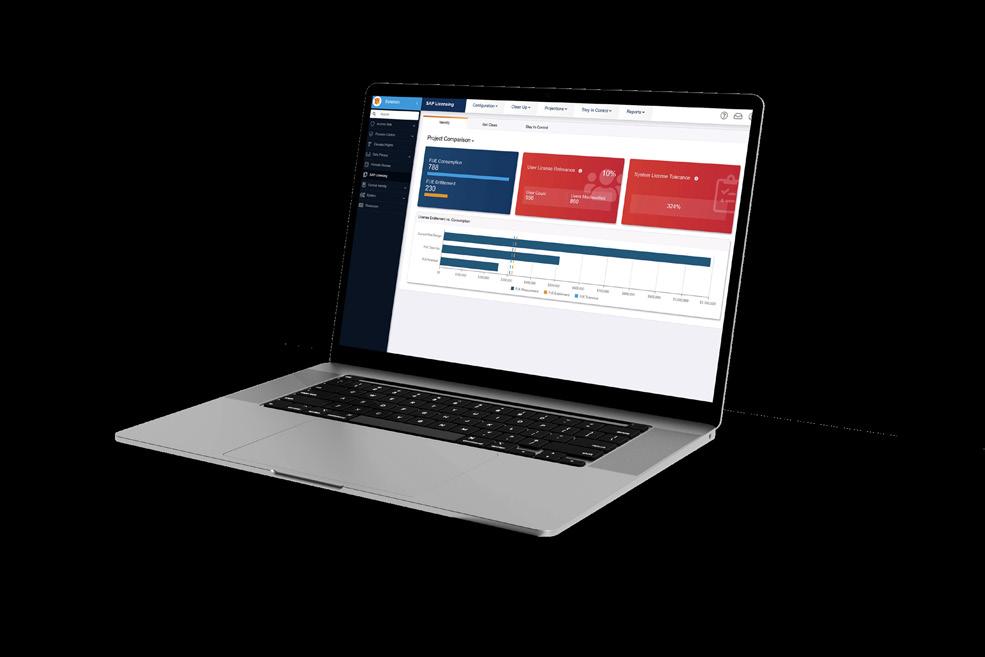
Analyse actual user activity to determine the exact number of Full Use Equivalent (FUE)
✓ Pay only for what you need
✓ Optimise your SAP licensing
✓ Ensure compliance

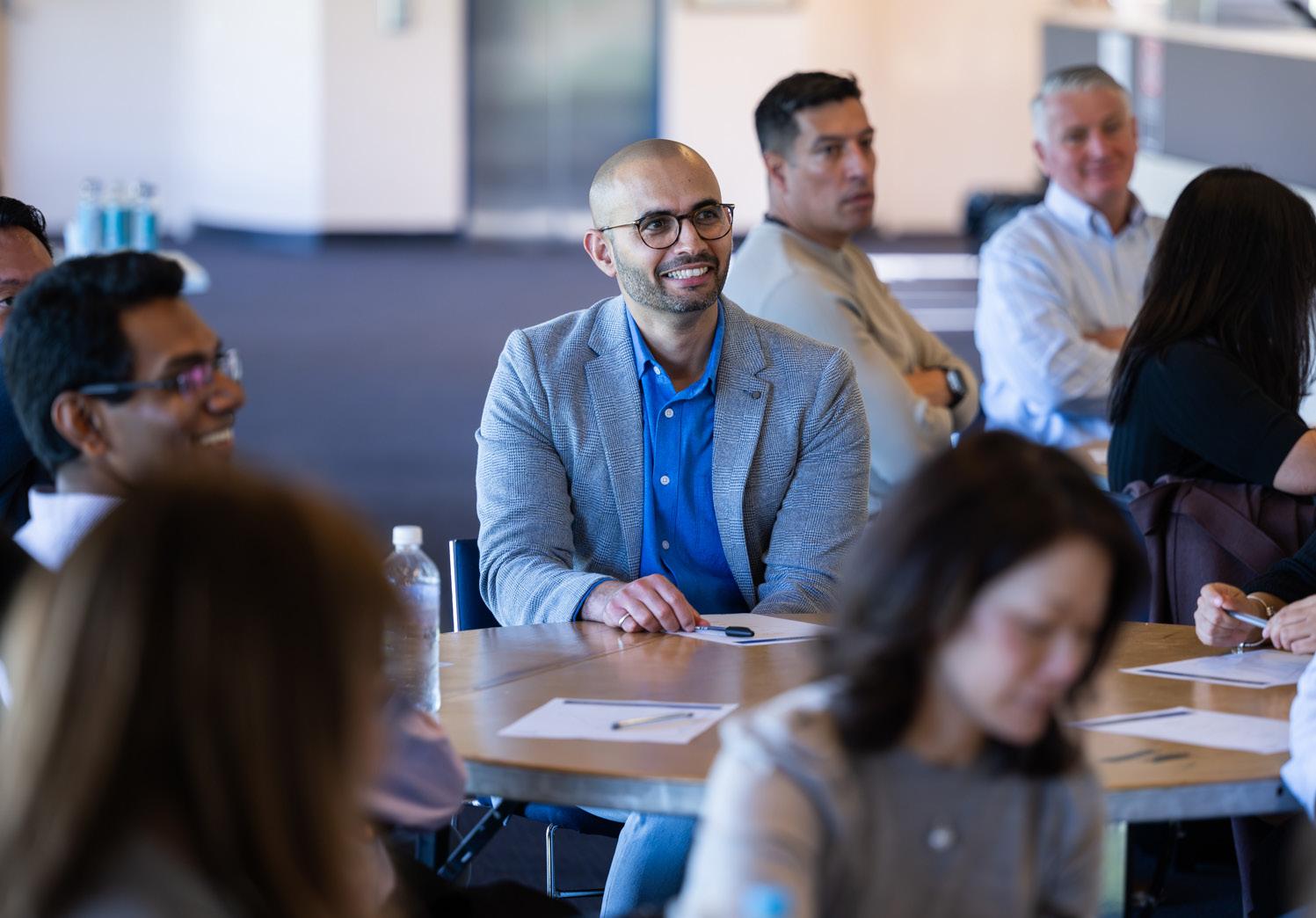
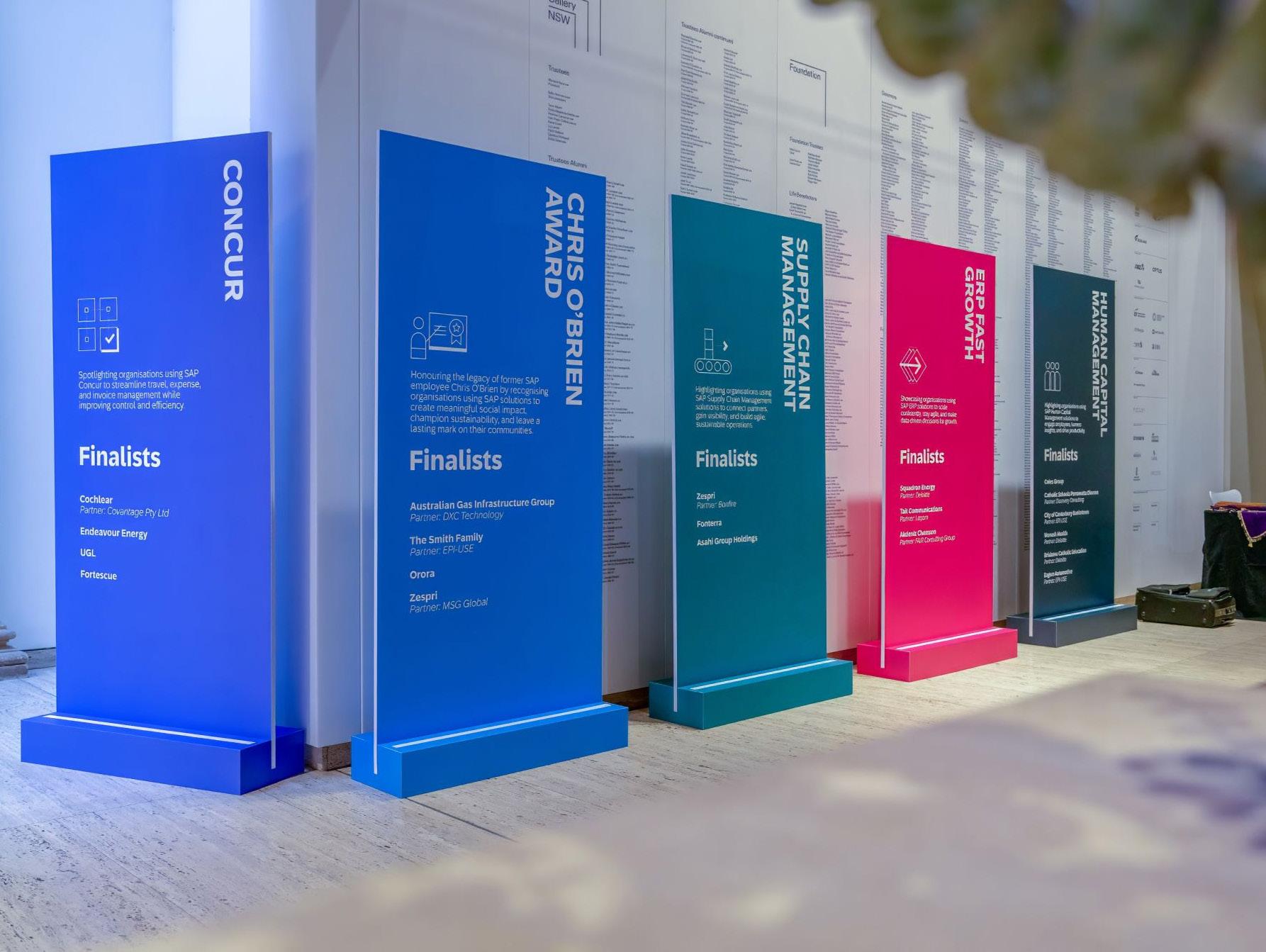
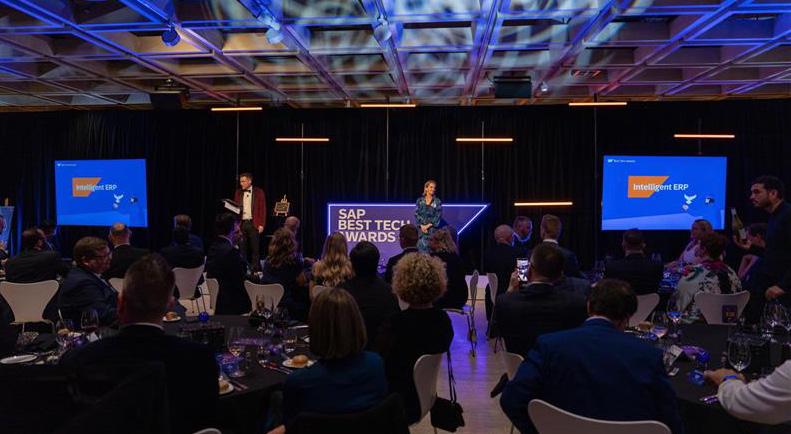
In October 2025, SAP recognised Australia and New Zealand’s most forwardthinking organisations at the SAP Best Tech Awards 2025, celebrating enterprise customers delivering highimpact digital transformation. Award recipients were announced at an in-person ceremony at the Art Gallery of NSW, bringing together industry leaders from across the region.
Judged on business impact, execution, and long-term value, winning entries showcased how organisations are using SAP solutions to streamline
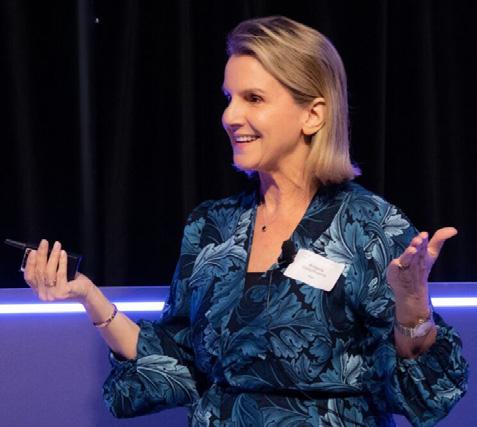
operations, improve productivity, enhance customer and employee experiences, and harness data and AI to support sustainable growth. As SAP ANZ President and Managing Director Angela Colantuono noted, the awards reflect how technology is increasingly being used not simply to reduce costs, but to unlock new revenue, sharpen competitive advantage, and position IT as a true growth engine.
In the following pages, ANZSAP features interviews with two award recipients, Cochlear and The Smith Family,
in partnership with Covantage and EPI-USE. These two case studies illustrate how enterprise technology is being applied to drive commercial performance, also to strengthen service delivery, improve accessibility, and extend organisational impact – demonstrating the broader role digital platforms can play in supporting positive social and community outcomes.
Further on in this issue, an article about another winner, Suntory Oceania, explores how similar platforms are being used to drive customer experience and commercial performance at scale.

Business Transformation
Telstra and Bunnings
Next Gen Innovator
Zespri and Coles Group
Industry Disruptor
Nutrien Ag Solutions
Woolworths Group
Data and Analytics
Transport for NSW
ERP Fast Growth
Squadron Energy
Intelligent ERP
Supply Chain Management
Asahi Group Holdings
Human Capital Management
Coles Group
Customer Experience
Suntory Oceania
Spend Management
Coles Group
Concur
Cochlear
The Chris O’Brien Award
The Smith Family and EPI-USE

GLOBAL CONSISTENCY, LOCAL ADAPTATION
Rolling out a single travel and expense solution across 33 countries is no small feat. But for Cochlear, a global organisation providing implants for people with hearing loss; and their implementation and change partner, Covantage; success meant more than just technical delivery. It was about creating a framework that balanced global consistency with local needs, whilst making the process engaging along the way.
Their Concur transformation earned them SAP Best Tech Award recognition in the Concur category, celebrating an approach that turned governance and localisation into a model of collaboration, humour and shared ownership.
In this ANZSAP winners Q&A, Danielle Chung catches up with Ben Price, Managing Partner at Covantage, as he reflects on how complex tax and integration challenges were overcome, near-universal user adoption was achieved, and how they were able to prove that structure and creativity can co-exist, even in a project of this huge scale.

How did you achieve localisation in such a large global project spanning 33 countries?
It certainly wasn’t easy! If I was to summarise, I would say that the cornerstone of success was to implement a repeatable framework and obtain that crucial regional engagement.
We started with standard global templates for expense policies and audit rules, then tailored configurations for each country. This included Concur Travel, tax compliance, credit card feeds and allowances. A clear governance model gave us global owners and regional SMEs to validate local requirements before rollout.
Regional engagement was key. We also tried to keep things fun – adding reward and recognition along the way, which made collaboration across regions not just effective but enjoyable.
What key steps or framework did you follow to manage localisation effectively while maintaining global consistency?
The project itself followed a standardised format across all locations:
• Kick Off & Governance
• Requirement & Build
• Integration & Testing
• Go-Live (in regional phases)
• Hypercare
Standardising the format allowed the project team to use the governance approach to manage local country requirements. And governance played a huge role. It helped us assess local requirements, discuss trade-offs,
and decide whether to adopt or improve processes to drive efficiency. The project charter became our grounding point, a place to debate, decide and move forward without letting emotion creep in, especially around travel and expense policy changes.
Were there particular regions that posed more challenges than others? How were these overcome?
Like any project, project challenges come in various forms. Integration was one. Especially bringing employee data out of non-SAP systems and into Concur. We solved this by bringing in the right technical expertise to build a custom integration, ensuring security, scale and predictability to the employee data workstream.
Functional hhallenges came from regions with complex tax set ups such as LATAM, which also posed challenges based on existing process and compliance needs. These required close collaboration between the regional SMEs and the project team. And of course, communication and change Management. We did a lot, but there is always more you can do. Using formal eLearning tools helped us deliver consistent training and support change at scale.
What feedback did you receive from users? Was the solution better received or more successful in certain regions? Lots of feedback – which is always a good sign!
Coming from an older, nonmobile inflexible solution, users were quick to embrace Concur's
simplicity and flexibility. Feedback came in three main areas: business policy, tool usability, and roles and responsibilities.
The policy refresh and new training helped clear up the many questions about what was (and wasn’t) allowed. The Concur tools themselves were seen as a positive, a major upgrade, especially the mobile features. And the roles and responsibilities discussions were an unexpected highlight, empowering managers to make decisions on exceptions creating both ownership and accountability.
All of that led to near 100% adoption in the first rollout phase, thanks to ease of use, mobile functionality and quick reimbursement times.
How did ANZ compare to the rest of the world? Did the region have any unique challenges, compliance considerations, or approaches?
The project team here in ANZ brought a combination of skill, humour, compassion and support. All the right ingredients for success. A bunch of motivated likeminded people focused on a common problem can achieve a lot. However, it’s not something you find in every country.
The Australia team were a highly multicultural team which really helped. People were comfortable working with different perspectives and using those to build consensus and clear plans.
ANZ also served as a proving ground. Using Concur end-toend with multiple modules and configurations. That experience made it so much easier to roll out in other regions later.







The Chris O’Brien category in SAP’s Best Tech Awards 2025 recognises organisations using SAP solutions to drive social impact and shared value.
This year’s winner, The Smith Family, is an Australian charity dedicated to helping young Australians experiencing poverty thrive in their education.
Their collaboration with SAP specialist EPI-USE, part of Group Elephant and driven by a purpose beyond profit, demonstrates how technology can be used to serve a greater good. Together they modernised HR and people systems through SAP SuccessFactors, with ethics, empowerment and social impact at the core.
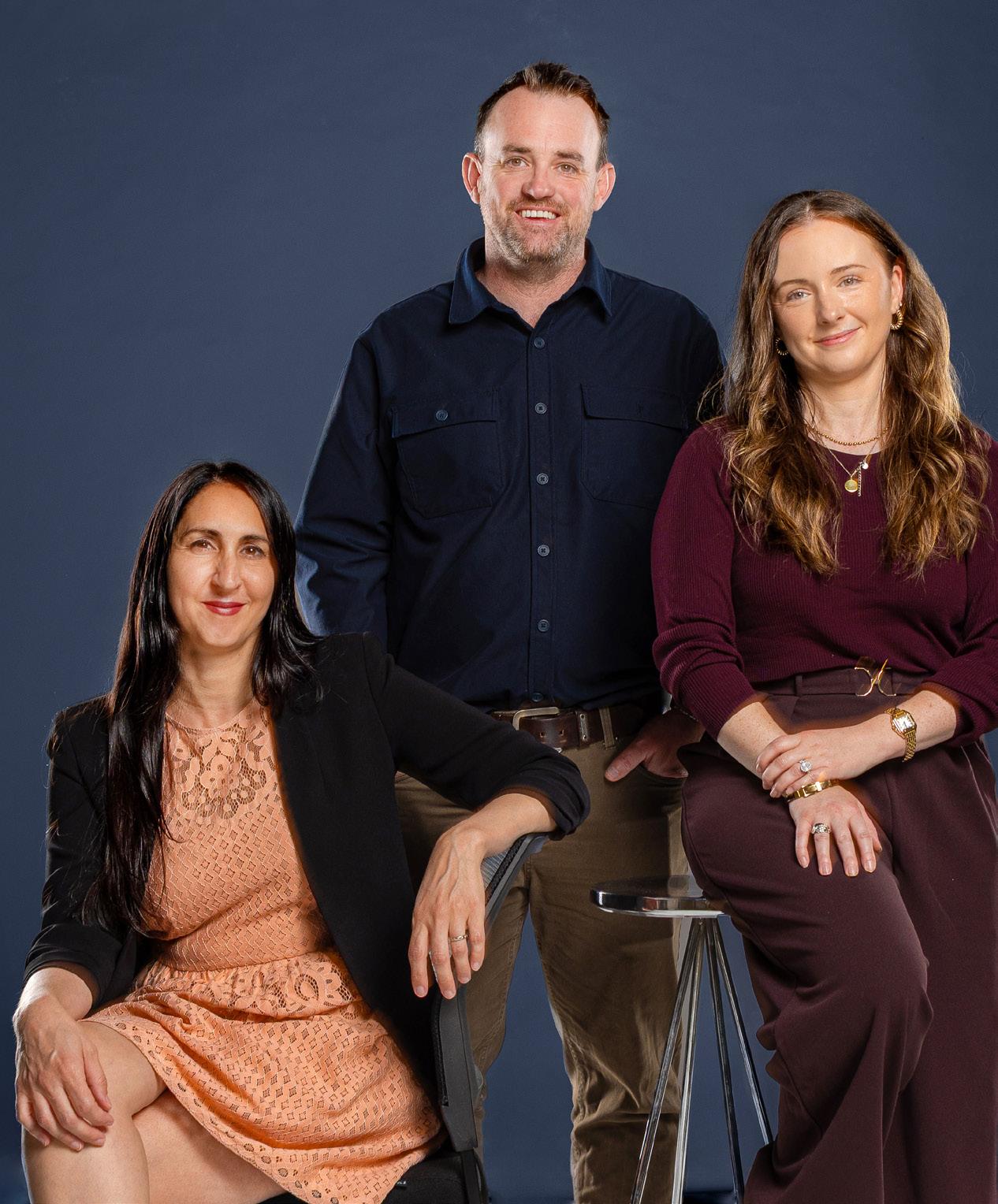
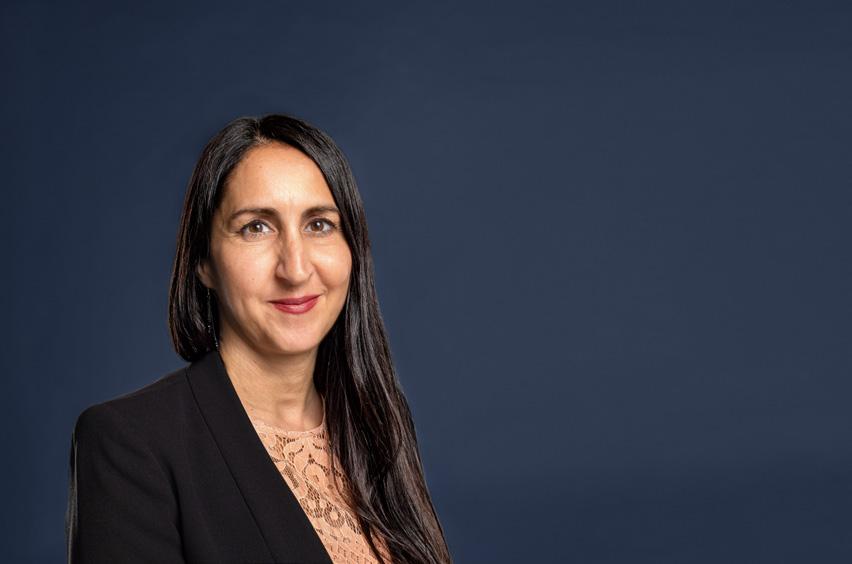
In this ANZSAP winners’ Q&A, Claudia Milanesi, HR People & Systems Advisor, Lauren Rooker, National Manager, People and Performance from the Smith Family caught up with ANZSAP's Danielle Chung alongside Scott Masson, SAP SuccessFactors
Embedment Services
Practice Lead at EPI-USE, to reflect on how shared values shaped their award-winning partnership.
MEANT BEING CLEAR, FAIR AND RESPONSIBLE; NOT JUST IN OUTCOMES, BUT IN HOW WE WORKED.”

Both The Smith Family and EPI-USE have strong social-impact values. How did that shared sense of purpose influence the way you worked together from the start?
From the outset, both The Smith Family and EPI-USE recognised a shared commitment to creating lasting social value. For The Smith Family, through supporting the education of children growing up experiencing disadvantage and for EPI-USE, through enabling people to do meaningful work with great systems. That alignment shaped a genuinely collaborative partnership built on trust, transparency and empathy.
What did “ethical delivery” look like day-to-day during the partnership? Were there moments when values or principles guided key decisions? Ethical delivery meant being clear, fair and responsible; not just in outcomes, but in how we worked. Together, we prioritised sustainable design choices over quick fixes, ensured transparent communication, and respected The Smith Family’s time and resources. When faced with competing priorities, we always opted for the approach that protected long-term stability and user confidence, rather than short-term convenience.
The “embedment model” focuses on building internal capability rather than ongoing reliance. How does that reflect an ethical approach to systems integration, and what impact has it had?
The EPI-USE Embedment Model was built around a simple belief: true success is when the client doesn’t need us every day. By focusing on client enablement, capability-building and knowledge transfer, The Smith Family gained confidence to manage, evolve and extend their SAP SuccessFactors environment independently. This ethical approach turned technology into an enabler of empowerment, helping The Smith Family take ownership of its future without constant external reliance.
Technology projects can be disruptive. How did you ensure the transformation stayed peoplecentred – protecting wellbeing, inclusion, and the charity’s mission while driving change? From the outset, both teams recognised that technology should serve people, not the other way around. We made a conscious effort to pace the transformation around The Smith Family’s capacity and mission priorities, introducing change in manageable stages, providing clear communication and hands-on support for staff. EPI-USE embedded empathy into delivery, ensuring new processes improved daily experience rather than adding pressure. That people-first mindset helped sustain engagement,
TECHNOLOGY, WHEN GUIDED BY VALUES, CAN STRENGTHEN COMMUNITY OUTCOMES.”
PURPOSE
CREATED ACCOUNTABILITY, IT REMINDED US THAT TECHNOLOGY WAS JUST THE MEANS TO AN END: ENABLING OUR TEAM MEMBERS TO FOCUS ON CHILDREN AND FAMILIES.”
inclusion and wellbeing throughout the journey.
What have you learned about aligning values between partner and client? How can purpose actually make a project more effective? We learned that shared purpose accelerates alignment and trust. When both sides lead with values, conversations shift from 'delivery' to 'impact'. Purpose created accountability, it reminded us that technology was just the means to an end: enabling our team members to focus on children and families. It also reinforced that ethics and efficiency are not opposites – they strengthen each other.
How will this experience influence the way you approach future projects; for EPI-USE as a purpose-driven SI, and for The Smith Family as a not-for-profit embracing technology? This collaboration set a blueprint for purpose-driven transformation. For EPI-USE, it reaffirmed that ethical enablement and long-term partnership deliver deeper, more measurable impact. For The Smith Family, it showed that technology, when guided by values, can strengthen community outcomes. Together, we’ll continue refining systems and capability, so every improvement translates into greater opportunity for the children The Smith Family supports.

When you’re hiring and choosing between two strong candidates, what will tip the balance?
Capability? Culture fit? Speed? Price? Sector pedigree? Availability?
If those clash – which one wins?
It is super important to know what you’re hiring against because this changes:
• How you screen
• How you prioritise
• How you select
For example:
If you hire for personality and stakeholder strength ...
You screen heavily for communication and evidence around that.
If you hire for immediate start ...
You prioritise people that match that availability need.
If you hire for sector pedigree ...
You tighten your search pool.
If you hire for value (cost) ...
You calibrate seniority accordingly.
Without clarity on decision hierarchy, you don’t have a brief, you have guesswork.
If you stick with this format, you have more chance of getting a relevant short list and clarity on what the ideal person looks like when it comes to final selection.

If you’d like to sense-check your current hiring approach or refine your decision hierarchy, we offer a complimentary ‘Improve Your Hiring Strategy’ conversation with Shane Morgan.
A focused, practical discussion designed to help you sharpen your brief, align stakeholders, and increase shortlist relevance.
Scan below to book your free hiring clarity session IMPROVE

A
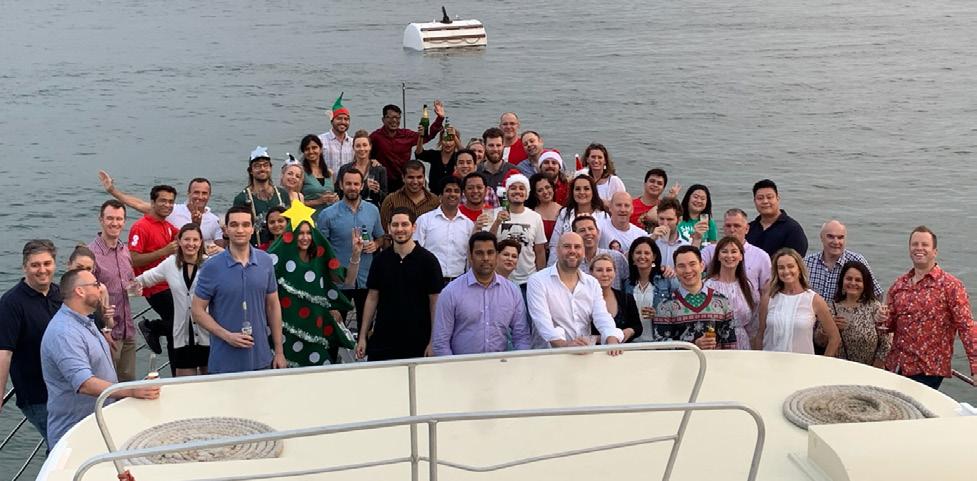
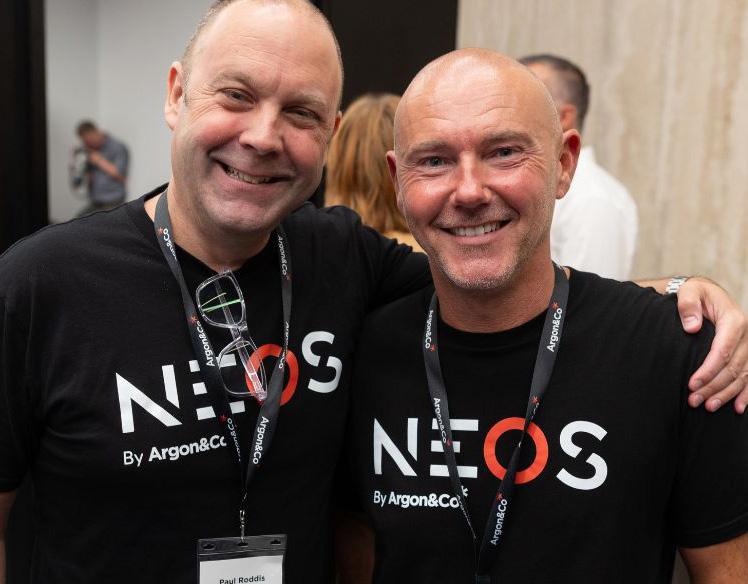
In August, the SAP and broader supply chain community in Australia and New Zealand lost one of its most generous leaders and most recognisable voices. Paul Roddis, the founder of NEOS, leaves behind more than a distinguished career, he leaves a legacy of innovation, humour, and deep belief in what’s possible when great people come together to solve meaningful problems.
Paul’s journey into the world of supply chain began in the UK in the late 1980s, selling barcode technology long before it became standard practice. After travelling the world, he eventually settled in Australia, where his curiosity and entrepreneurial instinct found their home. What followed was nearly four decades of contribution to the supply chain technology ecosystem in sales, partnerships, alliances, and ultimately leading implementation and consulting organisations with SAP technology at the core.
Paul believed that real transformation happens because of people. Not just the consultants
delivering the work, but the client teams living it. For him, technology was the enabler, but it was the people, on both sides, who created the change. This belief shaped his instinct to surround himself with great thinkers, builders, and practitioners, people who cared as deeply about the craft of supply chain as they did about technology. Whether through his pivotal role in Icon Integration or most recently through NEOS, the company he founded to meet his vision for technology delivery delivered by people deeply immersed in the supply chain; Paul built environments where capable people could grow, experiment, challenge convention, and deliver meaningful results.
Colleagues often described him as a connector, inquisitive, someone who remembered names, cared about people, and made sure talented individuals found their way to opportunities where they could thrive. His leadership style was approachable and human. He asked questions, listened deeply, and carried a
Paul leaves behind more than a distinguished career, he leaves a legacy of innovation, humour, and deep belief in what’s possible when great people come together to solve meaningful problems.”
sense of humour that made solving complex problems seem much less stressful than they actually were.
Beyond the programs, platforms, and projects, Paul’s greatest career impact may be the people he shaped along the way; those he mentored, supported, encouraged, and gave space to grow. Many leaders across the ANZ SAP ecosystem credit him for opening doors, creating new pathways, and building the type of workplace culture where intelligence and kindness carried equal weight.
Paul passed away peacefully on 21st August 2025, surrounded by family, after a courageous battle with cancer. He was 55.
He leaves behind an industry permanently shaped by his vision and a community deeply grateful for the time, energy, and heart he invested over the years.
His legacy lives on in the organisations he founded, in the teams continuing the work he started, and in the countless people whose careers and lives are better because he was part of their journey.
Paul
David Roddis 5 July 1970 – 21 August 2025
One enduring partnership
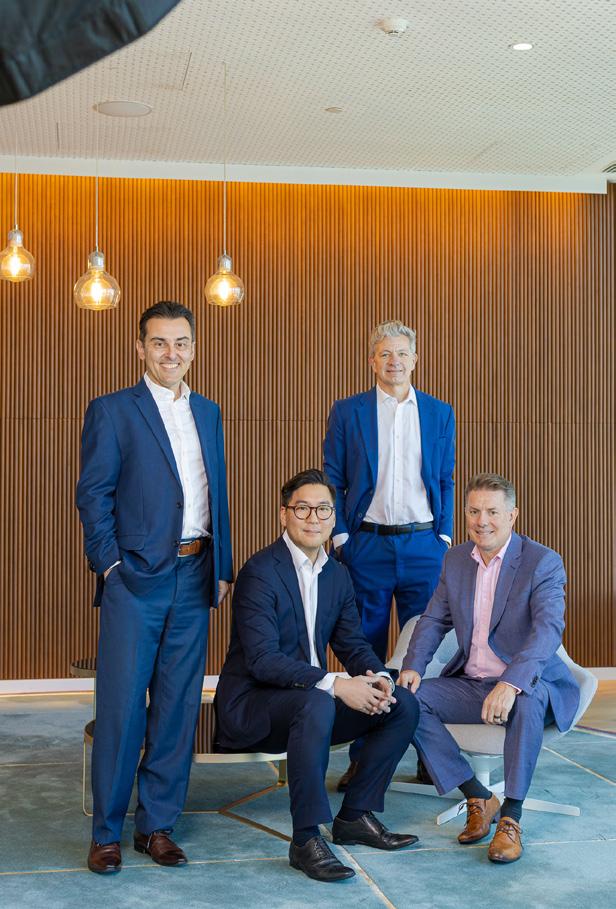
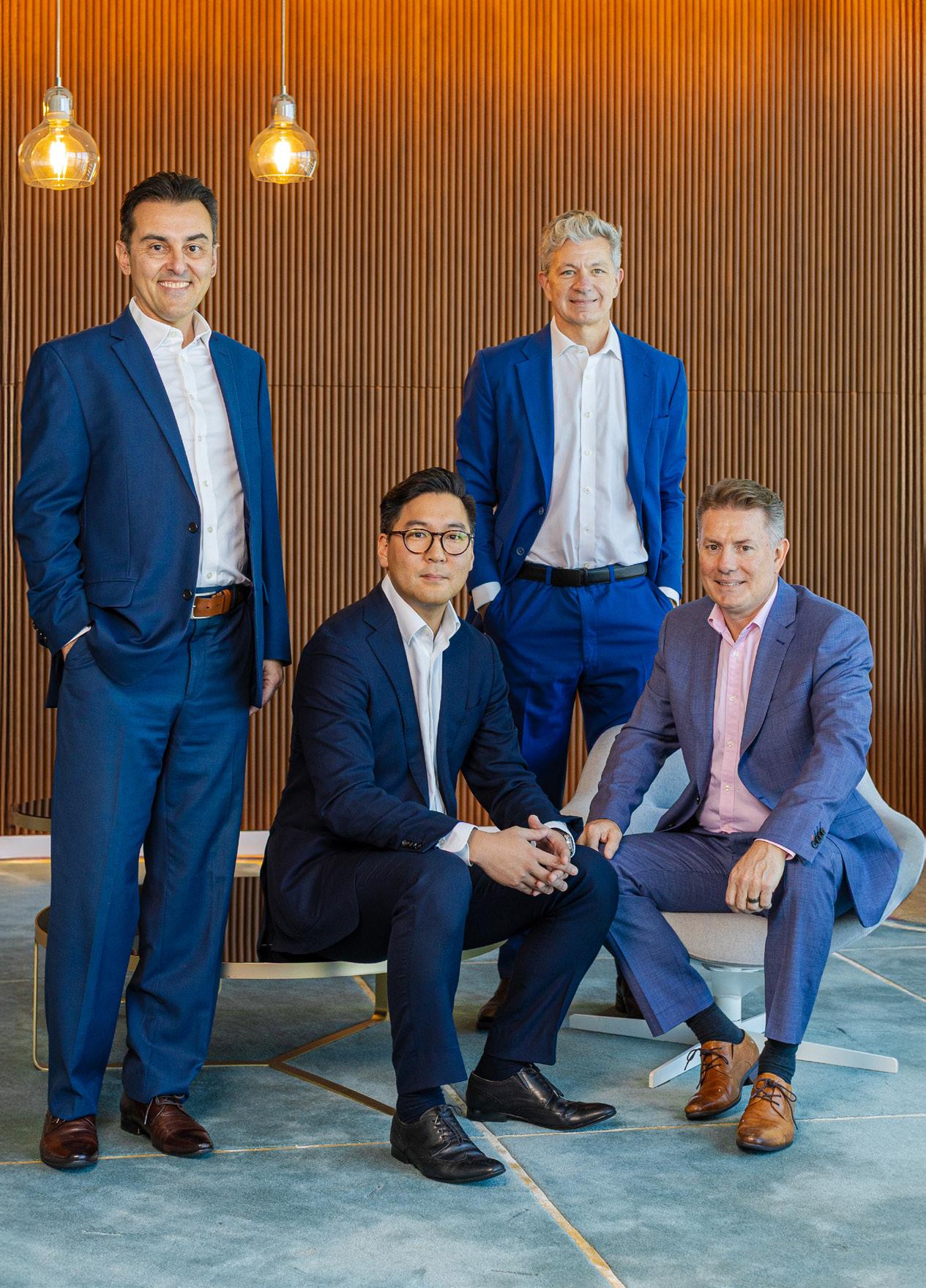
How a 30-year collaboration became the driving force behind PwC Australia’s SAP transformation leadership. Three decades. Four mates.
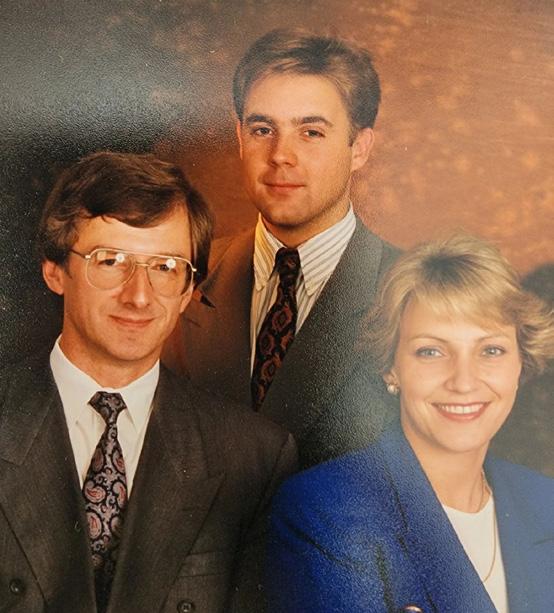
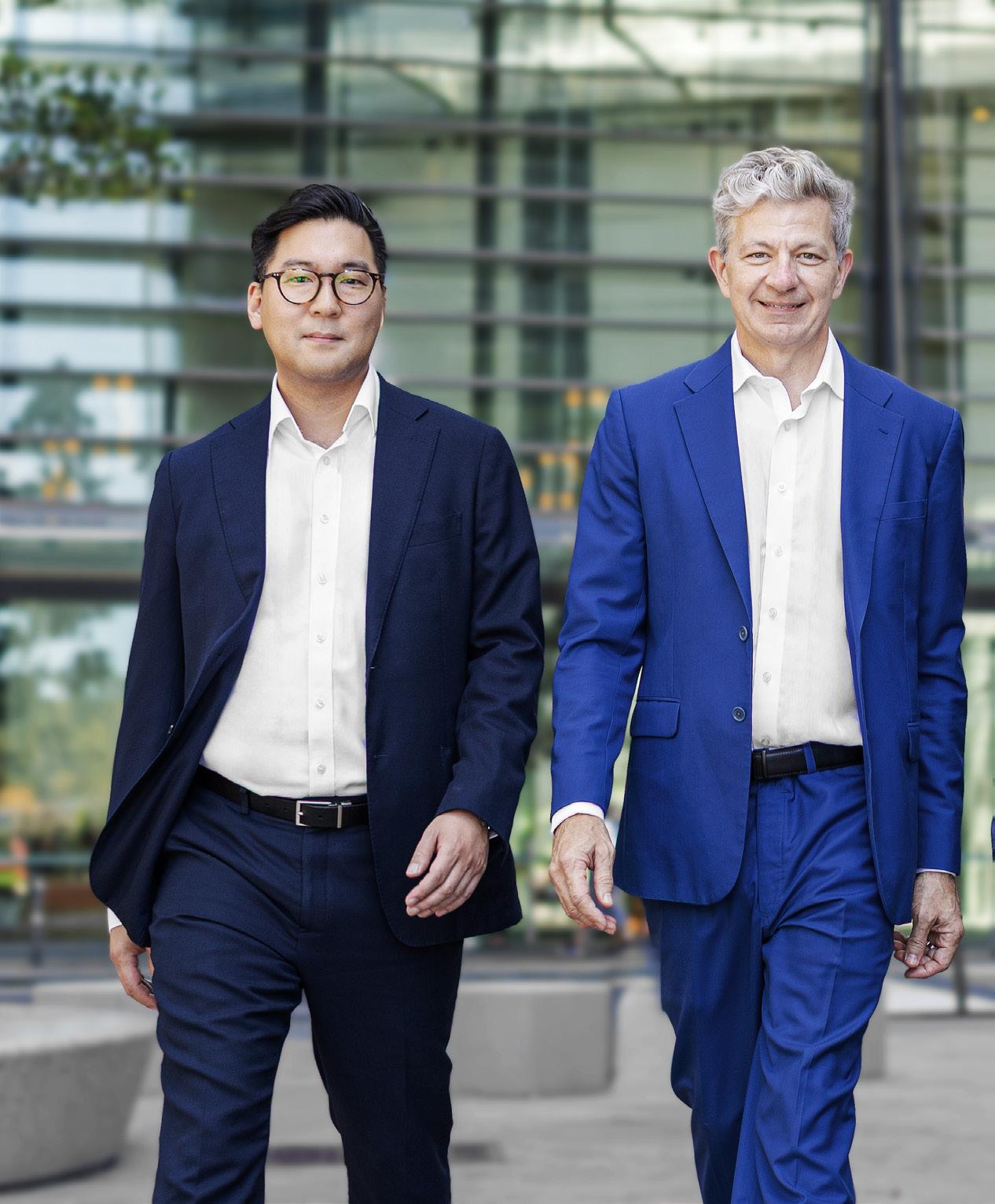
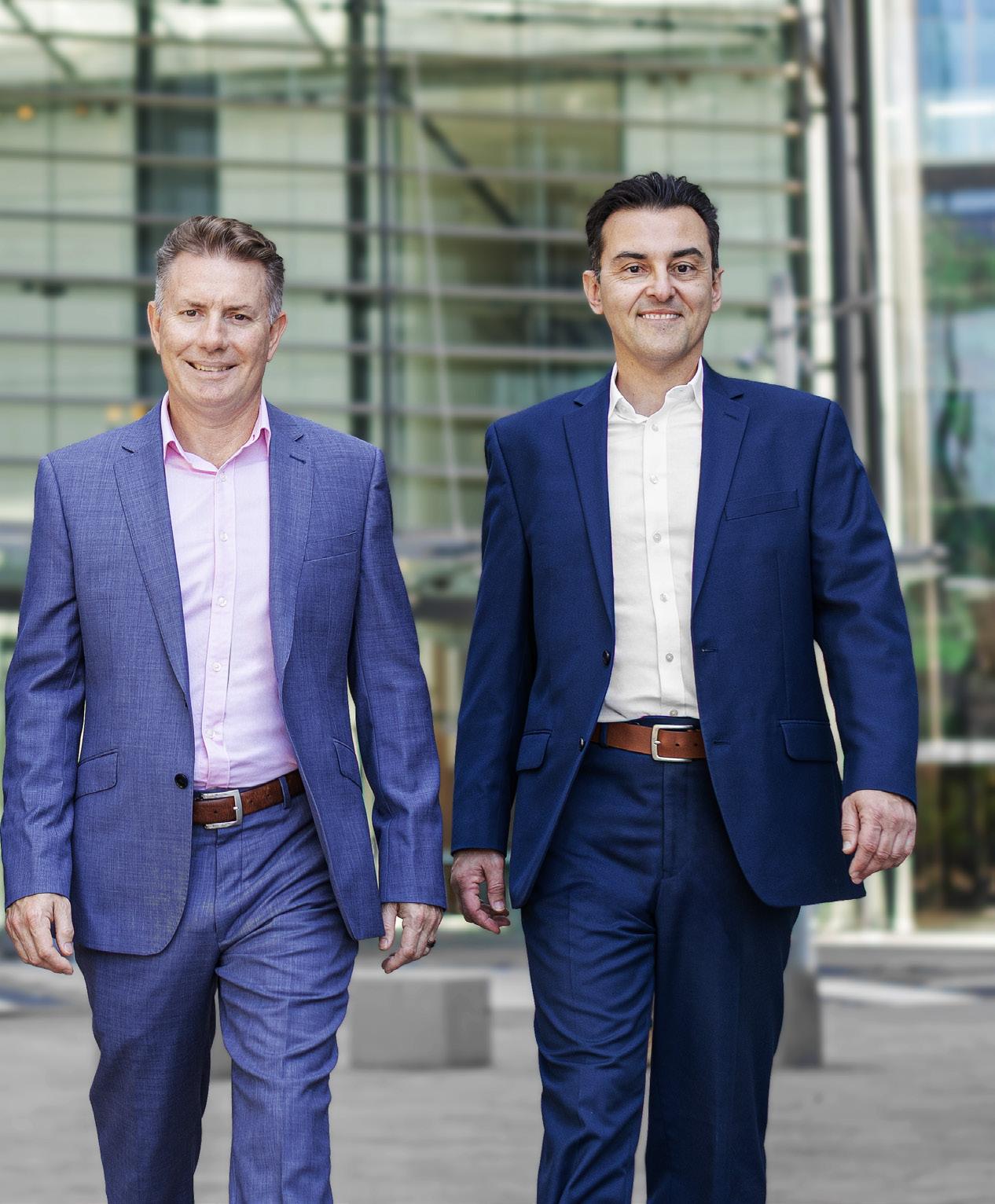
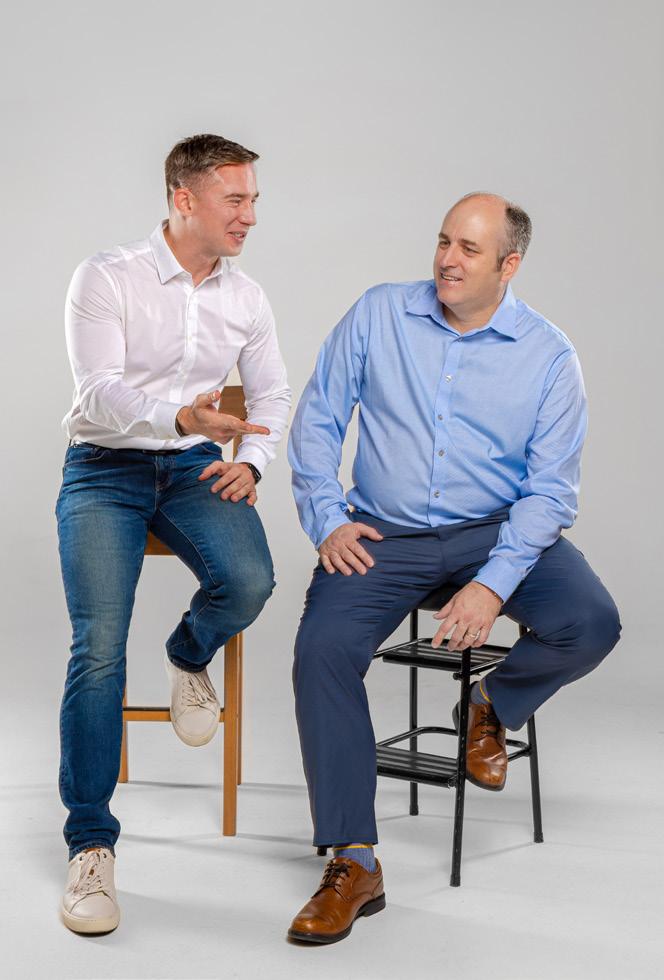
In a market in which transformation teams form and fade frequently, this one has endured and evolved for more than three decades. Known within PwC Australia and across the SAP Australia ecosystem as the Fab Four, Bradley, Anthony, Stuart, and Jeremy have built and scaled practices through four organisations and overseen countless transformation programs.
Each of these partners has a distinctive leadership style and skillset that complements the others, and each brings a unique talent to the table:
Bradley Burt
The Visionary – strategy & foresight.
Anthony Buntic
The Architect – structure & disciplined delivery.
Stuart Choi
The Innovator – culture, capability & curiosity.
Jeremy Pitchford
The Market Maker – client connection & value creation.
Yet together, their undeniable chemistry – forged over 30 years of shared success, challenge and reinvention – has helped shape the evolution of SAP in Australia. From Benelong to Lodestone, Deloitte to PwC Australia, they’ve been building businesses, developing leaders, and successfully delivering some of the region’s most complex transformations. This partnership, defined by trust, challenge and mutual respect has helped form the foundation of PwC Australia's SAP capabilities and success.
Three decades on, their bond, curiosity and complementary strengths continue to shape how clients experience transformation across the region.


“We’ve always tried to give people room to test themselves and learn. That’s how you build leaders who last.”
The first thing that stands out when you ask Bradley to define his 30-year career spent leading some of the largest and most complex SAP programs in the APAC region, is his foresight. Having spent decades anticipating where the market is heading and building practices to meet it, he has become known for his ability to see what’s coming before others do.
It is this instinct, not just to predict but to build for the future, that has shaped his success and helped define the cohesion of the Fab Four and earned him the title of 'The Visionary'. His talent for strategic foresight is a stabilising force: Bradley sets direction, frames the opportunity, and brings market alignment to moments of transformation.
His partnership with fellow Fab Four leader, Anthony Buntic,
began in 2003 with a shared vision; to create a Tier 2 consultancy.
Benelong Consulting grew quickly, was acquired by Lodestone in 2007 and started a regional expansion across the APAC region. When the market shifted again, Bradley and Anthony moved to Deloitte, and later to PwC Australia, each time building new capability to match a new moment in SAPs evolution.
But it isn’t only commercial success that follows him; people do too.
“We still have people working for us today at PwC Australia that we hired back in 2003 in Benelong … wherever we go, they just follow.”
The why, he says, comes down to leadership philosophy: giving smart people the room to stretch and trust their potential long before they see it themselves.
His instinct for building alliances has played a defining role in
shaping Bradley’s approach to the PwC Australia partnership with SAP. “If you’re not talking to SAP, you’re a little bit invisible”.
Looking ahead, his focus – like the market – has shifted to AI. But his view is grounded, not hypedriven: AI only works when data, process and capability are ready. PwC Australia is already applying it to accelerate SAP delivery, automating documentation, improving fit-to-standard, and reducing complexity.
Vision, for Bradley, isn’t theoretical, it is operational, measurable and repeatable.
It’s about building the business exactly when the market needs it. And alongside Stuart, Jeremy and Anthony, he continues to shape what the next era of SAP transformation will look like, not by waiting for the shift but building for it.
“Success isn’t hype or method, it’s building the right approach for the organisation in front of you.”
When PwC Australia SAP Practice
Lead Anthony speaks, you realise that this is a man who likes structure. Someone for whom operational excellence and data governance are second nature. It is this innate ability to bring order, focus and discipline to even the most complex transformation, that has earned him the title of 'The Architect.' The systems builder and delivery backbone of the Fab Four.
It is this calm, structured counterbalance to Bradley Burt’s vision and foresight which created such a formidable partnership when they first teamed up in 2003. Anthony’s skill in balancing innovation with discipline was central to bringing Benelong Consulting to life and becoming a successful Tier 2 consultancy.
As the person who ‘gets it done‘, he possessed the operational muscle and drive to keep major
programs on track.
Make no mistake, his love for structure doesn’t make him any less of a people person. Anthony brings architecture, not only to systems but to culture –establishing rhythm, process and clarity that help teams operate confidently and grow into their roles. His approach creates environments in which capability can scale, expectations are understood and where delivery frameworks are clear enough for people to step into stretch roles and succeed. He is the person who brings much-needed architecture and process to business culture, laying the essential building blocks that help people to thrive.
Today, as organisations navigate competing pressures around AI adoption, migration pathways, timelines and value case uncertainty, Anthony’s thinking remains grounded and refreshingly
direct. For him, the technology choice, greenfield, brownfield or hybrid decisions are secondary. The real differentiator is whether the organisation is ready, aligned and positioned to realise value.
In an era of AI-enabled transformation, Anthony continues to shape how PwC Australia approaches delivery, connecting governance, data and capability building with pragmatic sequencing and discipline execution. His work ensures that what is imagined can be delivered and what is delivered can be sustained.
And within the Fab Four, Anthony continues to play the role he always has: The one who turns vision into a structured journey, balancing innovation with discipline, enabling scale and ensuring transformation is delivered with confidence, clarity and purpose.


“Curiosity isn’t a buzzword ... it’s the difference between someone who follows a method and someone who transforms a client.”
THE INNOVATOR – EDGE CAPABILITY, CULTURE & FUTURE-READY DELIVERY
Spend five minutes speaking with Stuart and one thing becomes clear: he is wired for what’s next. Whether it’s analytics, public cloud, automation or AI, his instinct is to explore, test, learn and build capability long before the market realises it needs it. That mindset – part curiosity, part experimentation, part conviction –is what has earned him the title 'The Innovator'. And it’s what continues to shape PwC Australia’s SAP offering today.
His journey with the Fab Four began almost 20 years ago, when he joined Bradley and Anthony after the early Benelong years. While their styles differ, the chemistry was immediate; innovation meeting foresight and operational discipline. Where others saw a market constraint, Stuart saw an opportunity.
That instinct has helped shape his success.
For Stuart, innovation is never theoretical; it must be tested in delivery, proven by outcomes and matured into something scalable.
“The process isn’t just building something new. It’s building it, maturing it – and then commercialising it.”
His work has repeatedly created first-mover advantage: from early public cloud adoption to mid-market SAP, he recognised emerging patterns before they became mainstream.
Yet innovation alone isn’t what defines his role in the Fab Four; his investment in people does. Often described (to his discomfort) as the “people partner”, Stuart has become a mentor figure for earlycareer consultants and capability builders inside PwC Australia.
He teaches, not directs. He asks questions, not just for answers, but to instil curiosity.
That philosophy is central to how PwC Australia builds its next generation of delivery talent. Fostering capability, confidence and autonomy, not dependency.
Today, as AI, data and ERP converge, Stuart’s experience sits at the centre of the shift.
For many organisations, scaling AI isn’t a technology challenge, it’s a foundation challenge. And this is where his thinking resonates most: innovation must be built on readiness, integrity and relevance.
Within the Fab Four, Stuart remains the catalyst, the one who explores the emerging, tests what’s possible and builds capability that ensures PwC Australia is not just responding to the future, but shaping it.
“Clients don’t just buy technology –they buy confidence, alignment and the belief the program will deliver value.”
Jeremy’s career began where many SAP leaders start, deep in the technology. His early years were spent as an ABAP developer, shaping systems lineby-line and building the technical foundations that underpin largescale transformation. But over time, his role evolved far beyond technology delivery. Today, Jeremy is known as a connector. The person who brings value into focus, aligns stakeholders and creates the conditions for momentum. It’s why he is known as 'The Market Maker'.
What defines Jeremy’s contribution to the Fab Four isn’t just his technical credibility, but also an ability to make complex conversations simple, grounded and centred on outcomes that matter. His concept of the Value Integrator reflects that thinking. Transformation doesn’t succeed because technology is implemented, it succeeds when
business alignment, capability and design come together with the right system approach.
His path intersected with fellow Fab Four members at Lodestone, where Bradley and Anthony hired him after his move to Australia. The working relationship was immediate; mutual trust, complementary skill, and shared ways of working that turned a team into a partnership. That shared dynamic carried through Lodestone’s acquisition, then to Deloitte, and now to PwC Australia, where the four continue to lead one of the region’s most significant SAP practices.
Jeremy’s role today spans both advisory and delivery: shaping the S/4HANA Case for Change, supporting clients unsure how or when to modernise, and building business alignment early, well before program execution begins. For many organisations still on ECC, his guidance bridges
uncertainty: migration pathway, pace, sequencing, value case and readiness.
While others focus on processes and messaging, Jeremy focuses on what people believe. He helps organisations understand why change matters, where the real value is, and how to move forward with confidence instead of reacting under pressure.
In large-scale programs, this mindset has been critical. He combines program leadership with relationship stewardship, ensuring delivery doesn’t happen to the client, but with them.
Within the Fab Four, Jeremy remains the translator, converting strategy into commercial relevance, complexity into clarity and technology into meaningful business value. His strength is connection: bringing the right people, capability and conversations together to create momentum that lasts.

Here we are at Q1 2026, and the SAP recruitment landscape in ANZ is entering a defining phase. The 2027 ECC end-ofmaintenance deadline is nearly here, and organisations are accelerating decisions around S/4HANA, RISE and ERP cloud transformation. But hiring activity isn’t a straightforward surge. Instead, we’re seeing uneven demand: strong appetite for consultants with modern cloud, data, integration and supply-chain depth, while legacy-only skillsets face a slower market.
Continued economic caution, longer approval cycles, and shifting workforce expectations are also playing a role. This is creating a market that feels busy beneath the surface, yet selective and timing-dependent in practice.
In terms of talent sourcing and availability there continues to be difficulties in finding the right person, the “unicorn” that many hiring managers need. However, compared to a year ago I have seen a change in our clients’ understanding of just how difficult it is to find that person. A realisation of the lack of abundance in the market, driving more realistic candidate expectations and a willingness to compromise on requirements.


SHANE MORGAN Founder, Sapture

Brought to you by
Across large swathes of the ANZ tech workforce, temporary and contract hiring appears to be trending upward, particularly in companies seeking agility during digital transformation. Having said that, permanent hiring remains alive in organisations prioritising long-term capability, governance, or internal platform stewardship.
In the SAP ANZ ecosystem contract hiring is currently leading the way, particularly for roles tied to S/4HANA preparation, cloud migration, integration and delivery execution.
Organisations are prioritising flexibility as program timelines, budgets and scopes continue to evolve ahead of the 2027 deadline.
Permanent hiring hasn’t disappeared, but it has become more selective. We are seeing permanent roles anchored to building internal expertise and product ownership, not just short-term project delivery.
Some public sector programs and organisations with committed roadmaps are beginning to secure permanent talent earlier; but for most, contractors and fixed-term engagements remain the primary model as transformation momentum builds.
Compared to last year’s picture of stability, movement in permanent salaries continues to be subtle and uneven. Overall, salaries remain steady with limited upward pressure, but we are seeing pockets of uplift where organisations are securing roles aligned to cloud, integration, data, and S/4HANA migration capability.
Because of the employer selectiveness discussed above, with a focus on candidates who can build internal capability and support long-term platform ownership rather than purely deliver, the broader salary landscape remains relatively flat. Yet professionals with skills directly tied to transformation readiness and future-state operating models are commanding firmer offers than those with legacy-only experience.
As discussed above, contract demand continues to sit ahead of permanent hiring, but the rate landscape remains mixed. As with last year, capability and context matter: contractors experienced in transformation delivery,
The SAP talent market isn’t slowing, it’s recalibrating. Demand is still there,but it’s shifting toward capability aligned to cloud, integration and transformation rather than legacy skillsets.
SHANE MORGAN

Shane Morgan Founder, Sapture
Values: Curiosity, connection, integrity
Expertise: Talking … a lot! But also listening hard. I know the SAP ANZ ecosystem inside-out, shaped by nearly 20 years immersed in SAP recruitment and many real conversations with the people working in it.
Ambition: To live up to my reputation as the SAP Matchmaker by earning trust and delivering top-class service. Non-negotiable, every time.
Thoughts on trends: Expect the unexpected! The VUCA economy continues and hiring activity reflects this.
Market watch: Expect contract hiring to stay ahead through 2026. As programs finalise cloud roadmaps, strongest demand will sit with organisations executing integration, supply chain and data governance at scale ahead of 2027.
Danielle Chung
Values: Attention to detail, reliability, genuine connection
Expertise: Meticulous delivery, business development and client services leadership, and building strong, trusted partnerships across the SAP ecosystem.
Ambition: To be known for doing exactly what exactly is promised. And then some. Raising the standard on client service and collaboration.
Thoughts on trends: AI continues to be a strong topic of conversation. However, it is becoming clear that new skills are required in data integrity and analysing, questioning and understanding outputs. Those that can protect quality, validate insights and challenge AI assumptions responsibly are in demand.
Market watch: Overall demand for SAP talent will be shaped less by role type and more by proven ability to safeguard data, de-risk cloud programs, and support AI-ready platform evolution.


stakeholder engagement, or newer SAP environments continue to attract competitive, and in some cases considerably higher rates than we saw the year before. Meanwhile, more traditional or BAU technical roles are experiencing flatter pricing and more negotiation. Market uncertainty around budgets, timing, and scope is still influencing decision-making, meaning the strongest rate movement is concentrated where capability materially reduces program risk or accelerates delivery timelines.
Candidate expectations continue to evolve, and the factors influencing job decisions are shifting beyond salary alone. Flexibility remains a priority, but it has matured from simply location-based autonomy to something broader: meaningful work, growth pathways, and future relevance. SAP professionals are increasingly assessing whether a role positions them to stay competitive as capability shifts across the ecosystem.
Another influence is the growing role of AI within the SAP landscape. As intelligent automation becomes embedded in platforms, the skill requirements are changing. It’s no longer just about knowing the system, it’s about knowing how to work alongside it. SAP professionals now need the skills to validate AI outputs, ensure data integrity, interpret insights responsibly and challenge assumptions. Roles offering exposure to AI-enabled capability, data governance or process automation are gaining more traction than those tied solely to legacy functionality or repetitive BAU activities.
Overall, the SAP recruitment landscape in ANZ is defined not by a single trend, but by divergence. Permanent roles are steady and increasingly strategic. Contract hiring continues to lead transformation activity. Salaries and rates remain resilient, but uplift is concentrated in future-aligned skill areas and those all-important soft skills, rather than across the board. And for candidates, the decision to move is becoming more intentional, less about job change, more about capability positioning. As transformation momentum builds across the region, the organisations most likely to secure the talent they need are those able to communicate stability, progression, and meaningful involvement in the next phase of SAP evolution.
Permanent salaries are holding steady, but where we see movement is in roles tied to future capability, not maintenance.

Amy Robertson SAP Executive Accounts Coordinator
Values: Integrity, kindness, fairness
Expertise: Helping people feel genuinely heard, creating trust through care, consistency, and relationships built on respect, not pressure.
Ambition: To be known as someone who protects people and process, doing the right thing even when it isn’t the easiest path.
Thoughts on trends: Candidates are increasingly choosing employers who pair technical challenge with strong, human-centred cultures, clear expectations, and integrity in delivery.
Market watch: Hiring momentum will be dictated by organisations ready to execute, not those still evaluating. The biggest bottleneck to watch is internal approvals, not capability.
Flexibility still matters, but candidates now want clarity and purpose. They’re asking: “Is this role aligned with where SAP is heading and where I want my career to go?”
AMY ROBERTSON
Paul Bas Recruitment Consultant, Sapture
Values: Respect, keeping my word, competence
Expertise: Building personal relationships, putting candidates at the centre, and remembering the details that matter; skills, career paths, and the human story behind the CV.
Ambition: To be known across the ANZ SAP ecosystem as the recruiter who goes above and beyond for candidates, every time.
Thoughts on trends: SAP professionals are increasingly prioritising employers who offer stability, transformation exposure, flexible working models, and cultures built on delivery. Whether freelance or permanent.
Market watch: S/4HANA, cloud and data migration programs are driving hiring demand in ANZ, and experienced functional SAP specialists are those most highly sought as a result.

Contracting demand continues to lead, but rates vary depending on skill alignment. Where someone can de-risk delivery or accelerate a roadmap, the market is willing to pay for it.
PAUL BAS


Frank Magliozzi, SAP Transformation Executive, has over 30 years’ experience including on some of the largest and most complex global SAP programs. In this article, he shares why the extremes of Greenfield and Brownfield don’t always deliver the balance organisations need, and how Selective Data Transition (SDT) offers a pragmatic path to S/4HANA. Readers will learn what each approach entails, where SDT adds value, and the key considerations leaders should weigh up before making the move. (SDT)
Organisations, whether driven by the impending end-of-life for SAP ECC or competitive pressures, face tough choices when planning their journey to S/4HANA. Decisions on types of conversion can be difficult as often, neither Brownfield nor Greenfield conversions provide the best path forward.
Brownfield, whether driven by the impending end of life for SAP ECC or by the desire to get ahead of the avalanche of modernisation projects forecast between 2026 and 2030, faces unique pressures. Proving a compelling ROI on a pure technical upgrade via a Brownfield conversion can be challenging. The costs of this type of project,
let alone the disruption it causes to an organisation, usually fail to provide the sought after return. Meanwhile, the exorbitant investment required for a full Greenfield reimplementation can stretch budgets and timelines beyond acceptable limits.
I’ve written this article for decision-makers who are looking for a different approach. One that balances cost, risk, and innovation and helps with charting a course that avoids the extremes of both Brownfield and Greenfield.
With over 30 years in and around SAP, I’ve had the privilege of
witnessing the platform’s evolution from R/2 and R/3 to today’s S/4HANA platform. My career has spanned consulting, architecture, project leadership, practice management and strategic advisory roles across all industries. Throughout, I’ve been involved in some of the largest and most complex global SAP programs, including multi-country rollouts, multi-system consolidations, and enterprise-wide migrations.
More recently, I’ve led and contributed to numerous complex Selective Data Transition (SDT) programs, including high-impact transformations for Land Registry Services, Coles Group, Fortescue Metals Group, and Bega Cheese.

Understanding migration approaches: SDT vs. Greenfield vs. Brownfield
As organisations prepare to transition to SAP S/4HANA, selecting the right migration strategy is one of the most critical decisions in the transformation journey. Each approach, whether Greenfield, Brownfield, or Hybrid (Selective Data Transition - SDT) has its advantages and trade-offs. See below for a comparison of timelines, costs and other important attributes during the transformation journey.
Greenfield Full reimplementation of SAP S/4HANA from scratch. Best for radical simplification and standardisation.
Brownfield Technical conversion of ECC to S/4HANA. Retains existing configurations and processes.
SDT Hybrid approach: selectively migrate data and processes. Ideal for phased rollouts and complex landscapes.
*Costs and timelines are indicative and will vary based on system complexity, geographic scope, and
(preserves all legacy data)

“SDT provides the pragmatic middle path, preserving what’s valuable, redesigning what’s outdated and doing so without the disruption of starting over.”

This has shown me first-hand the game-changing value of an SDT approach for organisations seeking transformation without disruption. A hybrid approach that aligns with the realities that modern businesses face.
Selecting the right migration strategy and aligning the execution with business goals is one of the most critical decisions in the transformation journey. Greenfield, Brownfield, and Hybrid (SDT)each offers distinct advantages and trade-offs. From what I’ve seen, however, Greenfield and Brownfield often sit at opposite ends of the spectrum, whilst
“Selecting the right migration strategy and aligning the execution with business goals, is one of the most critical decisions in the transformation journey.”
SDT provides a more balanced alternative. Understanding these differences is essential for aligning the execution with business goals.
The Greenfield approach involves a complete reimplementation of SAP S/4HANA from the ground up. It provides a clean slate, allowing organisations to redesign processes, eliminate legacy complexities, and adopt SAP best practices. Greenfield is particularly attractive to businesses seeking radical simplification or those with outdated, heavily customised systems. However, it comes with significant costs, long timelines, and the loss of historical data unless separated, also demanding substantial change management.

In contrast, the Brownfield approach is a technical system conversion from SAP ECC to S/4HANA. It retains existing data, configurations, and processes, making it a faster journey and less disruptive. It minimises business impact and enables preservation of a current operating model. However, despite speed and costefficiency, it also carries forward legacy issues and limits the opportunity for process innovation. The potential for outdated structures and technical debt might hinder long-term agility and innovation opportunities.
The SDT approach offers a hybrid alternative. It enables organisations to selectively migrate data and processes to S/4HANA,
preserving what’s valuable while redesigning what’s outdated. This hybrid approach is particularly well-suited for complex landscapes, such as those involving multiple SAP systems, regulatory data retention requirements, or the need for phased transformation. It allows businesses to harmonise master data, consolidate entities, and modernize selectively, without the disruption of a full reimplementation (Greenfield) or the limitations of a technical conversion (Brownfield).
• Business complexity: I have found that the more complex the environment, the less likely it is to be suited to a Brownfield or Greenfield transformation approach. There are exceptions, like some high complexity instances where starting from scratch with Greenfield is the only option. Whereas simple, noncustomised environments would definitely benefit from the straight forward approach of Brownfield. But it is the multi system, medium-complexity landscapes where there’s an appetite for business innovation that should really consider a Hybrid-SDT transformation approach.
• Data retention needs: Many ECC environments have been around for decades and have accumulated large data
footprints. Typically, when I ask the question “how much data do you need going forward?” most organisations will still reply, “All of it”! This, I find comes from a place of fear, customers not wanting to make a wrong call, either because they don’t know what actual data is required, for legislative reasons, or because they don’t understand the options available to retain that data going forward.
In practice, industries with strict audit or regulatory requirements may need to keep their data for compliance, but it doesn’t mean that it all needs to reside in their ERP platform. This is where SDT’s selective data preservation is powerful: retaining what’s necessary whilst shedding what isn’t. Brownfield keeps everything by default, Greenfield typically requires separate data handling, but SDT gives you choice.
• Process optimisation goals: If the goal is end-to-end process redesign, eliminating legacy inefficiencies, Greenfield provides the greatest freedom. However, SDT delivers a balanced approach, enabling targeted redesign where it matters most, without the disruption of a full reimplementation.
• Budget and timeline: Brownfield often incurs the lowest upfront cost and shortest timeline. SDT sits in the middle, trading off some speed for greater control. Greenfield demands the highest investment and longest ramp-up, which not every organisation can carry.
• Business outcomes: Ultimately, the migration strategy should be driven by business outcomes, not just technical feasibility. It should above all be a business-lead not technology-lead program. But in my view, SDT gives leaders the

best opportunity to align with strategic priorities – whether the goal is simplification, compliance, scalability, or innovation – without being locked into either of the extremes.
Ultimately, the migration strategy should be driven by business outcomes, not just technical feasibility. Choosing the right approach depends on several key factors. Every organisation must assess their business complexity, the importance of historical data, appetite for process redesign, and budget and timeline constraints. But in my experience, the extremes of Brownfield and Greenfield don’t always deliver the balance leaders are looking for. As we move toward
the 2027/2030 deadline, the avalanche of S/4HANA projects will expose these limitations more clearly. SDT provides the pragmatic middle path, preserving what’s valuable, redesigning what’s outdated and doing so without the disruption of starting over. That’s why I believe SDT should be on the table from day one of any transformation discussion.
For leaders ready to go deeper, the examples and implementation patterns in the side panel – Realworld scenarios, illustrate how SDT has been executed across different industry contexts.
As discussed in the main article, my experiences with SDT have spanned the last eight years. I’ve come across varying degrees of complexity, ranging from simple lift-and-shift to complex multi-phased transformations. In practice, the type of transformations that can occur are best represented by the dial in Figure 2 below, representing the nuances of an S/4HANA journey. As you can see, it represents Brown, Green and SDT options, and the range of transformations that are possible within an SDT approach.
• Opportunity to change SAP enterprise structures to current or future business model (CoA, PC/CC, Plants etc.)
• Adopt innovations (e.g. new G/L, BP conversion, financial cockpit) during upgrade
• Review reporting, UX and security strategy
• Data optimisation: Selective or full data transformation and migration
• Data cleanse and database reduction
Foundational Core +
• Limited change (mandatory only) to business processes, no redesign
• Historical data maintained – no changes to operating model, structures or data reduction
• Minimum change management
• Lowest risk/reward
Leading Practice Adoption +
• Not just SAP ECC but external applications migrated to S/4HANA
• New target operating model and business processes
• Implement new software, functionalities & modules (SF, Ariba)
• Changes to target operating model and business processes
• Adopt new SAP innovations and functionalities
• Full data transformation, data cleanse and database size reduction
• Organisation-wide transformation adopting SAP best practices
• Opportunity to redesign business processes and implement new functionality
• Master data and open item balances only
• Highest risk
Figure 2: Transformation Dial – with Benefits Spectrum.

Completed in late 2020, this finance modernisation project followed a major corporate restructure.
Using SNP’s BLUEFIELD™ Selective Data Transition (SDT) approach, the team migrated over 12 years of historical data and custom configurations, implemented a new General Ledger, and moved from on-premise to Microsoft Azure.
The project lasted five months, reduced the data footprint from 2.3TB to 900GB, and delivered near-zero downtime with minimal UX changes. This program is recognised as a Leading Practice Adoption on the Transformation dial (see figure 2).
In 2020/21 this organisation partnered with a specialist consultancy to migrate from SAP ECC to SAP S/4HANA on Microsoft Azure using SNP’s BLUEFIELD™ SDT approach.
The project consolidated multiple ERP instances and included Unicode conversion, finance harmonisation, and concurrent implementation of Joint Venture Accounting (JVA) and Group Reporting. This strategy enabled the business to retain essential historical data, streamline processes, and achieve near-zero downtime.
On the Transformation Dial (figure 2), this program sits between Leading Practice Adoption and Enterprise-Wide Transformation.


Completed in late 2018, this was one of the earliest S/4HANA migrations in Australia, using S/4HANA 1609. The approach was essentially a lift-and-shift with only mandatory changes applied, and the only AI introduced was for banking due to SAPGUI deprecation.
The project took around 5½ months, with minor integration issues during the first go-live attempt quickly resolved, before a successful cutover the following week.
While relatively simple compared to later projects, it was considered groundbreaking at the time and sits at the Foundational Core end of the Transformation Dial (figure 2).
Figure 3: How risk, cost and delivery effort increase across the spectrum from Brownfield to Greenfield, with SDT providing flexible balance.
Greenfield
Hybrid (SDT) Brownfield
Figure 3 illustrates the relationship between timeline, cost, and risk across the three transformation approaches. As can be seen, there is a strong correlation between the approach taken on the Transformation Dial (Figure 2) and these factors, although the impact depends on the level of transformation undertaken. In some cases, concurrent multiple projects are undertaken, which may skew the elements of timeline, cost & risk.
Consider a phased approach with a Phase ZERO. This will help you understand your organisation's WHY? And, more importantly, help justify a real business case.
Engage with industry experts. They will help you review your journey with a non-biased lens. This does not mean talking to the SI’s that responded to your tender, as this will only give answers to the questions you asked. Instead, find someone who will challenge your thinking and avoid the 'Yes sir, three bags full sir' metaphor.
Don’t just jump into your project. Understand the whole journey. These projects are costly and the last thing you want to do is redo work. Break the journey into a series of interrelated phases that build on each other. As the saying goes “break it down into manageable steps”. It becomes easier to conceptualise, justify and most importantly, deliver.

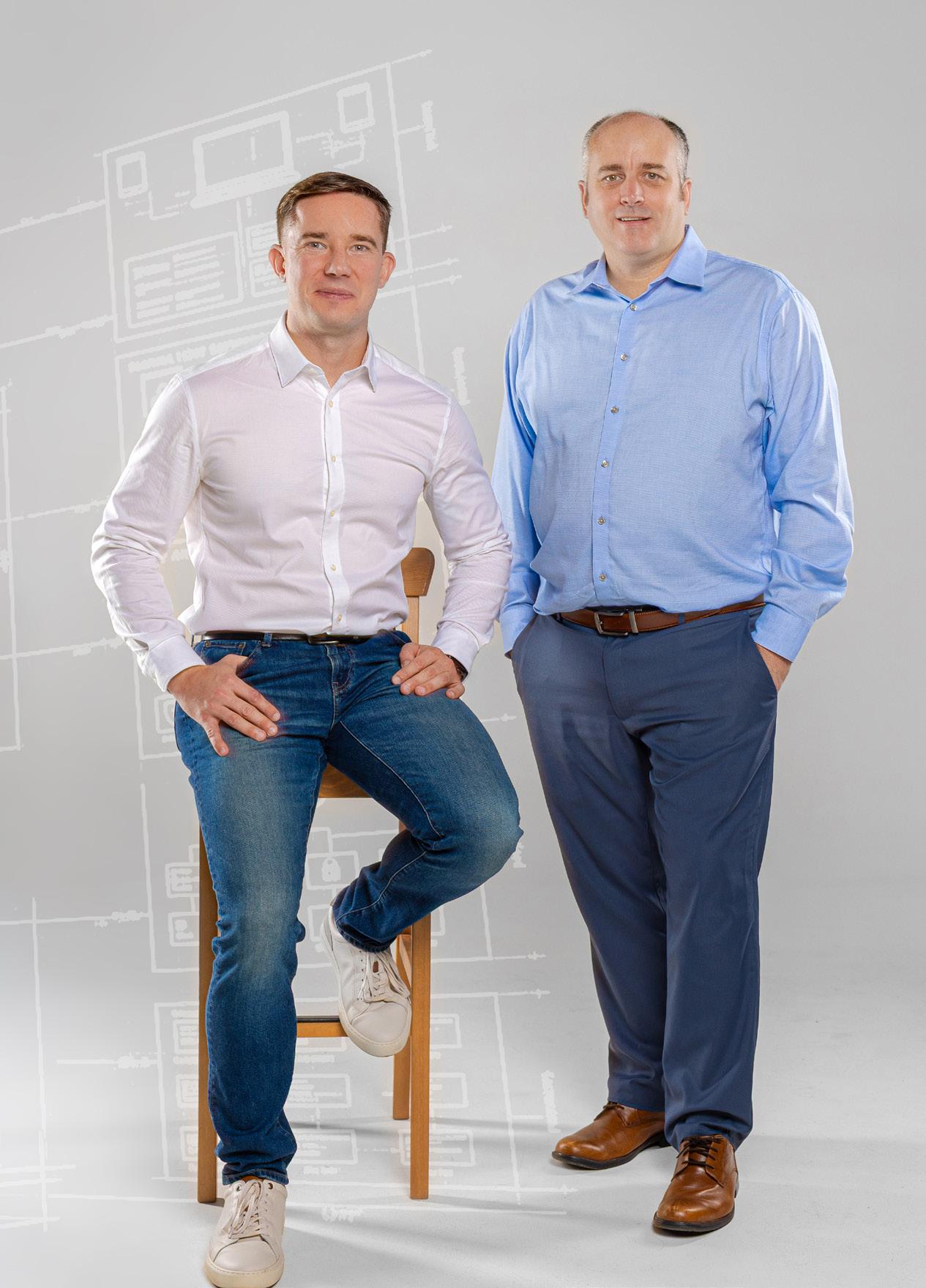
SAP has a newly formed team in ANZ focusing on Enterprise Architecture – the Enterprise Architecture RISE team. In this Q&A we meet Dmitry Elshin, ANZ Enterprise Architecture Team Manager, who heads the team, to find out more and to meet his newest addition, Francois Keet, Chief Enterprise Architect. Together they discuss the significance and scale of Cloud ERP adoption in ANZ. Offer insights into how organisations can optimise success on their SAP journey.
Dmitry, can you please tell us about the Enterprise Architects team in ANZ, its role, strategy and mission.
Dmitry: The team consists of about 20 experts in enterprise architecture across Australia and New Zealand. Each architect has deep SAP and industry knowledge and focuses on a select number of strategic customers, allowing deeper relationships and understanding.
Most of us are certified in TOGAF and SAP’s Enterprise Architecture Framework, and we rely on tools like SAP LeanIX for architecture modelling, SAP Signavio for process transparency, and SAP Cloud ALM as the backbone of the RISE with SAP methodology.
Strategically, we act as the “right hand” to customers’ executive teams. Our architects combine expertise in SAP S/4HANA, cloud ERP, data strategy, AI, and integration to help them adopt best practices such as Clean Core and to gain tangible business value.
Our mission is simple: to help customers build a solid, future-ready foundation for their digital transformation. Every engagement starts with the customer’s transformation roadmap, built around their business strategy, vision, and target application architecture. From there, we help translate that vision into a practical execution plan.
The team is part of the broader Business Transformation & Architecture Organisation and works hand-in-hand with them. We aim to make every customer transformation a holistic success, from strategy to execution.
Francois, with your background and client experience, what value will your new role in the Enterprise Architecture team bring, both now and in the future?
Francois: Having sat on the customer side as both a CIO and transformation leader, I know how tough it can be to balance ambition with reality. My role is to be a sparring partner and trusted advisor, someone who’s been through the same decisions our customers are facing. With RISE, it’s about more than moving to the cloud, it’s applying the methodology, embracing a clean core, and using SAP BTP and AI to deliver outcomes that really matter.
Looking ahead, I’d like to bring clarity and confidence. For SAP, that means connecting the dots and unifying our story, so we approach customers with a clear, outcome-driven vision. For customers, it’s showing them that RISE isn’t just a technical migration, it’s a chance to
It starts with the foundation: a clean, unified ERP core and reliable data. Without that, AI can’t deliver meaningful results.’’



RISE isn’t just a technical migration, it’s a chance to simplify, innovate, and rethink how their business runs.”
simplify, innovate, and rethink how their business runs. My goal is to make their journey less daunting and far more rewarding.
How does the Enterprise Architecture team support clients – what services and value do you deliver?
Dmitry: Our work starts where strategy meets execution, helping shape client transformation governance; this may involve setting up the Design Authority and Solution Standardisation Boards, keeping architecture decisions clear, compliant, and aligned with SAP’s clean core principles. This helps catch issues early and ensure design choices support scalability and future innovation.
From there, we get hands-on. We run LeanIX sessions to map target architectures, use Signavio to visualise processes and identify optimisation opportunities, and leverage SAP Cloud ALM to monitor progress through each phase. We also co-create transformation success plans that tie architecture outcomes directly to measurable business KPIs.
For ANZ customers, this approach means less complexity, faster decisions, and a transformation that stays on track, from roadmap to real results.
How does the ANZ Enterprise Architecture team help organizations adopt Business AI?
Dmitry: We help customers make AI real. It starts with the foundation: a clean, unified ERP core and reliable data. Without that, AI can’t deliver meaningful results.
So, the focus is on data strategy, connecting ERP data to SAP’s Business Data Cloud and ensuring it’s structured, high-quality, and ready for insight.
In parallel we identify where AI adds the most value, from automated invoice handling to predictive forecasting or compliance checks. We encourage customers to start small, pilot use cases early, and integrate them directly into business workflows.
Our Architects make sure those AI capabilities – whether transactional ERP or LoB solutions, Business AI or SAP Joule assistant, are embedded into live processes, not running in isolation. And we always link AI projects to clear outcomes: faster cycles, smarter decisions, measurable value. That’s how innovation sticks.
You’ve mentioned clean core a lot. What does that mean to your customers in practice?
Dmitry: A key pillar of any plan is the Clean Core journey: aligning SAP Cloud ERP with best practices across extensibility, integration,
processes, data, and operations. It’s what enables agility, continuous innovation, and adoption of new capabilities like AI.
We guide customers through clean core governance and maturity assessments, track measurable KPIs, and use SAP Cloud ALM to maintain quality gates throughout delivery. In parallel, we help define data and AI strategies, ensuring data is structured, actionable, and ready for analytics and automation.
By combining all of this with SAP’s integrated toolchain, LeanIX, Signavio, and Cloud ALM, we keep architecture, process, and execution connected. We also work closely with our certified implementation partners to ensure their delivery approach is fully aligned and that every project moves in one clear direction, from design to value realisation.
How quickly are ANZ organisations moving to Cloud ERPs like S/4HANA and what challenges do they face along the way?
Dmitry: The shift is happening fast. Australia and New Zealand are among the most cloud-ready markets in APAC. Many organisations here skip incremental steps and go straight to Public Cloud ERP. Analysts note that ANZ companies lead the region in greenfield SAP S/4HANA Cloud transformation programs.
Both SAP Cloud ERP Private and Public are driving momentum because they combine software, infrastructure, and services into one subscription. It’s a clean, structured path to modernisation, helping businesses start afresh, simplify their landscapes, and accelerate value realisation.
That said, the toughest challenges aren’t usually technical, they’re human and architectural. Technology can be upgraded, but transforming mindsets and processes takes real leadership. Many projects stumble when teams try to replicate old ways of working in a new system. The key is aligning executives early, defining the futurestate processes together, and maintaining strong governance from day one.
Another major trap is custom code and messy data. Decades of modifications can’t simply be 'lifted and shifted' to the cloud. That’s why we advocate a clean core approach, using BTP, APIs, and Fiori instead of hard coding, and running data clean-up well before go-live. Clean data is the foundation.
Finally, skill gaps can slow transformation. Cloud ERP brings new tools and roles, so we focus on upskilling teams and partnering with SAP Services for guided adoption.
Technology can be upgraded, but transforming mindsets and processes take real leadership."

Moving to SAP Cloud ERP isn’t an IT upgrade, it’s a strategic reset."
In short: success comes from vision, governance, and discipline; technology just makes it real.
Dmitry, in closing, what final message would you give to ANZ business and IT leaders considering SAP Cloud ERP and Enterprise Architects?
Dmitry: As was mentioned, moving to SAP Cloud ERP isn’t an IT upgrade, it’s a strategic reset. It’s an opportunity to simplify your digital core and build foundations for innovation. Success comes from vision and discipline: invest early in enterprise architecture, set up strong governance, and commit to clean core principles from day one. Those who treat the move to Cloud ERP as a business transformation, not just a migration, gain speed, agility, and readiness for AI-driven growth. Our ANZ Enterprise Architecture team is here to help make that happen; connecting strategy, architecture, and execution so SAP customers can realise value today and stay future-ready tomorrow.
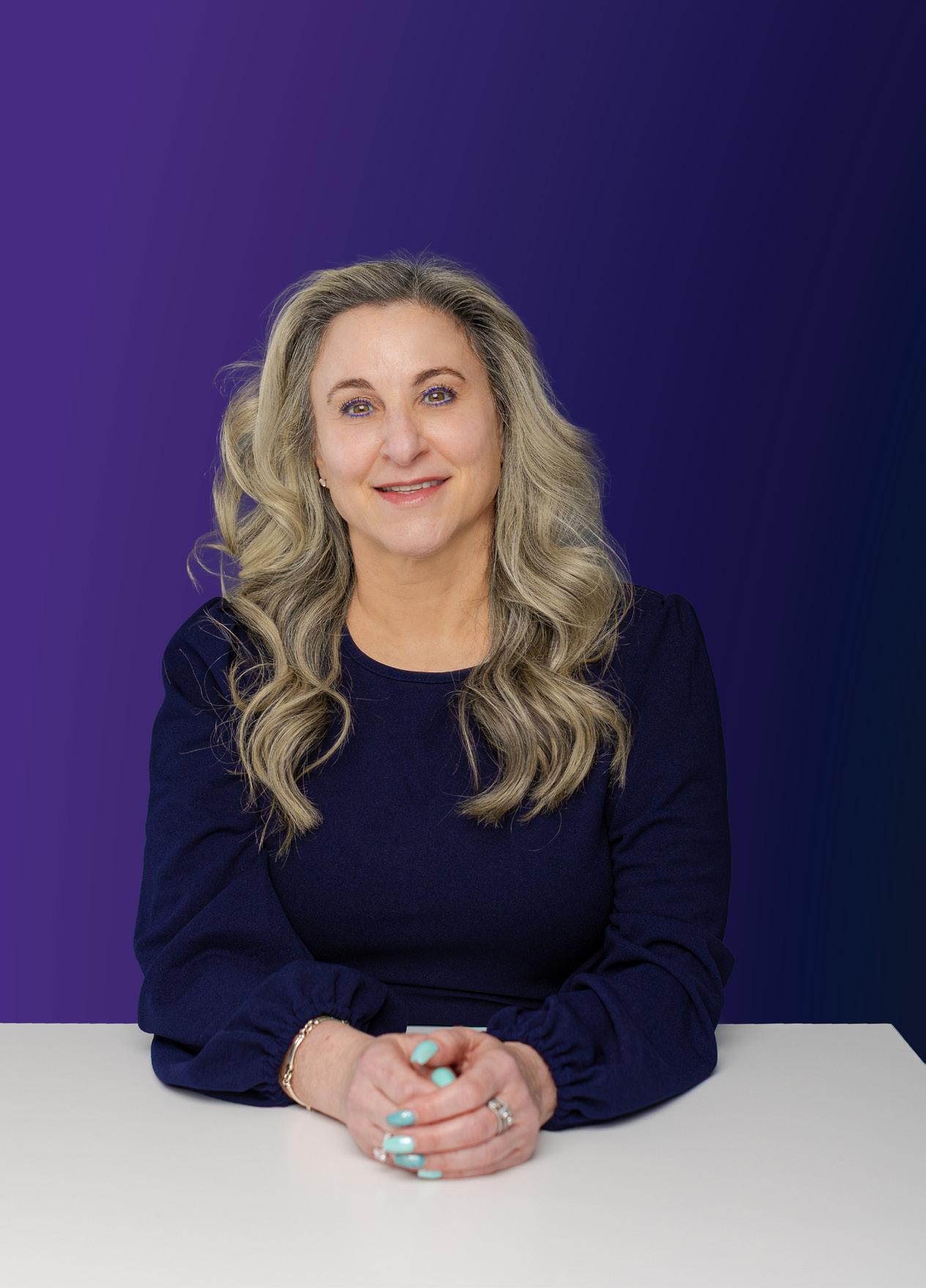
Debra Linder, an AI-Enabled Transformation Consultant, explores how AI is reshaping learning faster than organisations can adapt. In this opinion piece, she discusses how training is often an afterthought and unpacks why that mindset is risky. She warns that in the emerging 'ask and do' era of AI, poor training may be what derails the transformation, not the technology.

We’re in a time when the tech landscape is shifting fast; cloud, automation and embedded AI are changing the game, often faster than our people can keep up. Organisations keep pouring millions into digital transformations, but training remains an afterthought. The world has changed, yet many still cling to old training mindsets or treat AI-generated content as a shortcut. Both approaches fail.
Ignore this, and even the best transformation will unravel.
When users only learn clicks, go-live is followed by a surge in help desk calls, plummeting adoption, and retraining costs that spiral out of control.
THE ‘ASK AND DO’ ERA HAS ARRIVED
For years I’ve walked into SAP training rooms, guiding users through system navigation, transaction codes, role-specific workshops, and job-aids. We taught purchase orders, approvals, and custom-code quirks. It was about memorisation steps: which button to click and which code to enter.
But now? The shift is real: users don’t need to learn steps; they need to know what to ask. Context trumps clicks every time.
Today, you can ‘ask’:
• “What’s our inventory risk in Region A?”
• “What’s the margin on product Y this quarter?”
And the system, powered by AI, will ‘do’ it. Instead of remembering clicks, users now interpret information and make decisions. The cognitive challenge is no longer how to navigate screens, but how to think critically, frame smart questions, and interpret what comes back.
Conversational AI changes absolutely everything. SAP’s Joule, a generative AI co-pilot, allows users to ask natural-language questions, perform transactions or seek insights grounded in their own business data and context.
There’s a big difference between using AI as a co-pilot embedded in the work, and using AI as a quick way to churn out more training content. The first changes the job; the second often just adds noise.
This fundamentally shapes the entire user journey:
“Open transaction ME21N > click here > complete field > post” will become, “ask Joule to create a PO for vendor X and route for approval”.
“2015 was about teaching people how to click. Now is the time to teach them how to think.”
Traditional SAP training has relied on large modules, screen walkthroughs, endless workshops, manuals and checklists.
It’s all so 2015.
• A three-minute video always outperforms a quick-reference guide.
• A sharp role-play inspires more behavioural change than a 90-minute demo. SAP systems and humans have both changed. 2015 was focused on teaching people how to click. 2025 needs to shift to teaching people how to think.
Training done months before launch? Mostly forgotten the moment it’s needed. This means more errors, more support calls and more risk, exactly when you can least afford it.
The 'why' should come early, but the 'how' should be short, contextual, and delivered on-thejob.
Platforms like WalkMe support the training shift from a one-off event to continuous, embedded support. It’s much more effective because it gives people real-time help exactly when and where they need it.
Too often leadership believes the solution is purely tech-based: “We’ll use AI to generate training artefacts, we’ll save money, job done!” But AI will amplify whatever training mindset you already have. If that mindset is broken, AI just makes bad training faster.
So why not schedule an online demo or record a webinar and upload an AI-generated quick guide? Sounds promising ... until you realise that nobody watched the webinar, and nobody remembers the demo.
Training is still approached as a content-dump, not a change-journey. When your system upgrade, module rollout or AI automation is part of the transformation, old-school training simply doesn’t cut it.
The kicker: even when the system builds the materials, the real work of change is human. If you don’t adapt both content and human-driven change, your transformation is in serious trouble. The problem isn’t just a delivery channel or format.
“Training is still approached as a content-dump, not a changejourney.”
It’s a mindset. AI doesn’t fix a broken training strategy. It scales it.
You need a different way of thinking, not just different tech.
The shift is a watershed moment for training professionals. Trainers were once click guides. Now, they must coach people in context mastery:
• Ask smarter, context-rich questions.
• Interpret and validate AI responses.
• Check outputs against data and business rules.
• Know what to do when something looks off.
And behind all this still sits one of the biggest threats: 'garbage in, garbage out'.
Everyone is focused on AI literacy before we’ve uplifted our data literacy. Clean, trusted data is still the foundation. If the data is weak, the AI is weak, and any training built on it will be weak too.
So stop thinking we just need new artefacts! A new capability is emerging: 'data interpretation' Users and trainers alike must ask:
• Why did the AI put vendor X into the high-risk bucket?
• What assumptions were made?
• What data fed the prompt?
Training must embed this. Prompt-engineering alone isn’t enough. The AI can generate answers, but it’s up to real humans to coach, interpret the output, and know when (and how) to act.
Given this shift, training needs analysis and delivery must evolve. In the Ask-and-Do era, with AI co-pilots embedded in the work, a more modern sequence is needed. Teams that follow this pattern see higher adoption and far fewer “I don’t know what to do” tickets post go-live:
• Start with why – shape the mindset,
• Deliver how in short, on-demand bursts,
• Reinforce after go-live, where learning embeds. Yes, build the AI-powered materials; create microlearning modules, chatbots, just-in-time content. But remember: the core job hasn’t changed, it’s evolved.
Trainers aren’t just content creators; we’re change-agents, guides, performance enablers and human-machine collaboration coaches.
If your SAP users are still ploughing through thick manuals, grinding through marathon sessions and learning clicks instead of thinking, you’re missing the moment.
People learn in bursts, by asking, by doing. And they need guides for that process, not just a video or an AI module. They need humans who understand systems, business process, data, change, culture and vision.
If we want to win in these upcoming times, we need to do three things:
• Recognise the problem (legacy formats no longer cut it,
• Embrace the solution (AI+micro-learning+datafluency,
• Bring in the expert who knows how to bridge process, people and technology. The Change Agent, the Human-Machine Coach, the Data Interpreter.
Whether you build this capability internally or bring in someone who already lives it, your transformation depends on it.
Because you won’t just be training for SAP any more, you’ll be training for the Ask-and-Do era. And if you don’t get it right, if your training is not fit for purpose, it will kill your transformation.
In this article Clementine Mak, Head of Advisory, HR Crowd argues that the ECC end-ofsupport deadline is more than a system upgrade. It is a prime opportunity to rethink your Human Capital Management (HCM) technology strategy and build a roadmap for the future.



The clock is ticking towards SAP’s 2027 ECC end-ofsupport deadline. For HR and IT leaders across Australia and New Zealand, it’s decision time, not just about core HR and payroll systems, but about how talent, time and engagement processes are integrated and future-flexible.
For many, that means a move to SAP SuccessFactors. But this isn’t just a tech swap; it’s your chance to reset how people, process and business goals come together.
While the 2027 deadline is a catalyst, it shouldn’t be your only driver. This moment gives HR and IT leaders a golden opportunity to rethink how value and outcomes are delivered through people, processes and technology, especially as new AI-powered capabilities offer fresh ways to transform solutions and drive strategic impact.
Handled well, transformation unlocks efficiencies, improves employee experience, strengthens compliance, and positions HR as a strategic business partner. Rushed decisions? They lead to complexity, misalignment and missed opportunities.
The window for strategic planning is narrowing. The choices made now will shape your organisation’s people experience and workforce agility for years to come.
While the urgency is real, leading organisations aren’t rushing into system selection; they’re pressing pause and investing in clarity first.
It’s tempting to jump straight into vendor selection or system implementation as the deadline looms. But without a clear view
A well-crafted Human Capital Management roadmap should include ...
1. A clear-eyed view of the current state
Understand your systems, processes, data quality and organisational structure. Be honest about what is and isn’t working.
2. Insightful gap and risk identification
Insights drive better prioritisation – identify process inefficiencies, compliance risks and user pain points.
3. A well-defined future-state vision
This should align to business goals and employee experience, and factor in emerging capabilities, such as SAP’s roadmap and the evolving role of AI.
4. A phased, value-led transformation plan
Sequence matters. Prioritise initiatives based on business impact and readiness, to deliver value early and often.
5. True stakeholder alignment
Without buy-in from HR, IT, Finance and the business, even the best plans stall. Get alignment early, and with shared priorities and ownership.
Achieving this level of clarity needn’t be a six-month ordeal. With the right experts, tested tools and stakeholder engagement, your transformation strategy and roadmap can be shaped in just six to eight weeks.
Identify key leaders and decisionmakers early, and plan around their availability. Their engagement is critical for momentum and results.



of your current state, challenges and goals, you risk costly missteps.
Tech-first approaches often skip the most important step: alignment.
True transformation that is purposeful and impactful happens when business, people, and technology strategies are outcomes-driven from the start.
Begin with the right questions
• What HR processes are causing friction?
• How do our people strategies align with business goals?
• Are our processes scalable and adaptable?
A roadmap brings discipline. It helps you to evaluate tools through the lens of your strategy and your people’s needs.’’

• What does a great employee experience look like for us?
• Is our people data accessible and providing valuable insight?
Answering these takes more than internal debate; it requires a structured, strategic approach.
A tailored HCM technology roadmap is one of the best investments you can make. It connects business strategy with
people priorities, mapping where you are today, where you’re headed, and the steps to get there, whether through continuous improvement or full-scale transformation.
Crucially, it helps to secure executive buy-in with a clear, evidence-based plan that reflects your organisation’s context –workforce, culture, and readiness – and shapes a strong business case for change.
Implementing a roadmap also safeguards against distractions. Innovation in HR tech, especially
involving AI, is exciting; but too often, organisations rush to adopt tools without asking why. A roadmap brings discipline. It helps you to evaluate tools through the lens of your strategy and your people’s needs. A clear plan today is the best protection against rushed decisions tomorrow.
For SAP customers, a roadmap also plays a critical role in navigating platform decisions. Managing time and pay remains a key challenge in the shift from ECC. SuccessFactors is SAP’s
long-term direction, but capabilities in these areas are still evolving. HCM for S/4HANA (H4S4) provides a bridging option, though the limited support window makes it a short-term solution. These decisions are complex and highly contextual. Engaging an expert external advisory partner helps to evaluate options and build a pathway that balances immediate needs with long-term goals.
External advisory is still under-used in HCM transformation; it’s often seen as a “nice to have” when it’s actually essential.
Whether you’re a CHRO defining people strategy, a CTO shaping system architecture, or a HR Director driving change, engaging an external advisor helps to align priorities and bridge the gap between ambition and execution.
Internal HR tech landscapes often grow reactively, shaped by short-term fixes rather than longterm strategy. Most teams simply don’t have the time, distance or cross-industry perspective to objectively assess their technology maturity or evolving needs. It’s common to assume you have to figure it out alone or rely on implementation partners; but strategy and implementation require different skills, mindsets, and ways of thinking.
A strong advisory partner brings more than a plan. They offer:
Independent thinking, supported by proven tools and methodologies, helps teams to step back and focus on what really matters.
Cross-industry insight
Advisors bring leading-practice experience and lessons from other sectors, helping teams to challenge
assumptions, avoid common pitfalls, and adopt what works in real-world and complex HCM environments.
Strategic challenge
Great advisors don’t just validate your plan, they stretch thinking, reframe what’s possible, and elevate outcomes, balancing shortterm needs with long-term vision.
The goal is to ensure transformation reflects your strategy and your organisational culture and values, not just the tech spec.
Throughout my career, I’ve seen how a tailored advisory partnership accelerates success. My team works with clients to produce HCM roadmaps using frameworks developed over decades of experience. This allows organisations to move more quickly and with confidence, with plans tailored to their size, sector and goals.
With the right support, organisations don’t just implement faster, they implement better.
Still figuring out your HCM solution strategy? Start with a roadmap. Whether you’re refining your time and pay strategy or choosing between SAP platforms, engage your stakeholders and assess where you are today. Don’t go it alone, find expert partners who can accelerate clarity, build momentum and balance objectives.
This isn’t just about meeting a deadline. It’s about turning a moment of change into a foundation for something better, more aligned, more adaptable and more future-flexible.


The goal is to ensure transformation reflects your strategy and your organisational culture and values, not just the tech spec.”
From digital Wild West to secure, scalable, and cost-effective

With SAP BTP becoming the cornerstone of innovation, many organisations risk repeating the same mistakes made in the early days of cloud adoption. Drawing on lessons learned from hyperscalers and real-world case studies, Shaun Bradridge, CEO and founder (left), and Adam Hislop, Cloud Partner, at Beta Digital outline a six-part framework designed to bring structure, governance, and financial discipline to BTP. Transform chaos into clarity and ensure innovation remains secure, scalable, and sustainable.

The challenges we are beginning to see with SAP BTP are not new. The history of cloud adoption is littered with examples of enthusiasm outpacing discipline. One of the very reasons cloud became so attractive was its ease of consumption, but that ease has often come at a price. In the early days of public cloud, infrastructure and services were spun up quickly, often without governance or fiscal oversight. Costs spiralled, services sprawled, and what looked like agility at first soon became a tangled web of inefficiency.
Australia Post offers a telling example. In its early embrace of cloud, services multiplied rapidly but without the necessary guardrails or financial accountability. The result was 18 months of intensive work to establish a FinOps foundation capable of bringing costs under control and flattening spend. Their story is far from unique. Across industries, similar experiences have driven the evolution of cloud governance into a discipline with established methods and controls that are now considered essential.
As SAP BTP becomes the cornerstone of innovation for many SAP customers, these lessons from hyperscaler cloud adoption are more relevant than ever. Compounding this, the shorter lifespan of BTP compared with the longer histories of AWS, Azure, or Google Cloud means less accumulated wisdom and fewer codified frameworks and observability features to assist customers in their journey. That’s why it is vital to consider discipline, oversight, and structure from the very outset, rather than trying to retrofit them later, when the problems are already entrenched.
To help customers avoid these same pitfalls, we’ve developed a practical six-part framework to provide the structure and guardrails organisations need before chaos has the chance to set in.
Governance is often the first thing skipped, and a sure-fire way to accrue technical debt, spiralling costs, security holes and a maintenance nightmare of inconsistent applications.

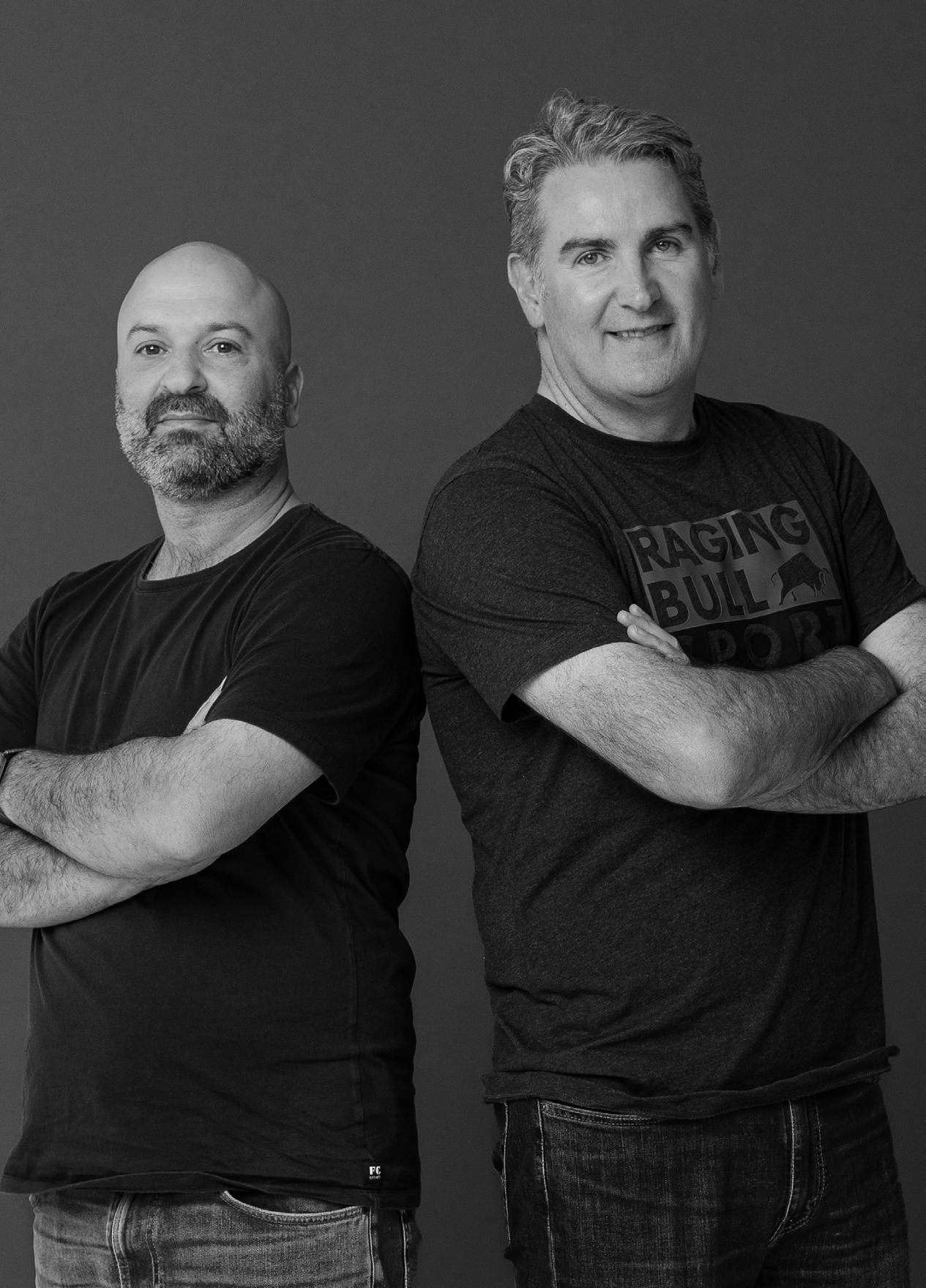

You cannot outsource accountability for how the platform is used, which is why a Centre of Excellence (CoE) becomes such a critical asset. Drawing on SAP’s own blueprint, and with representation from IT, business, and security, the CoE’s mandate is to establish a governance model that sets the rules of the road for the entire BTP landscape. While in the early stages individuals may hold multiple responsibilities, it is essential to assign clear ownership for each area, so that every element has a gatekeeper who can enforce standards and develop the approach over time.
• Do we have a clear account and landscape strategy? A foundational map defining a logical hierarchy for global account, directories, and subaccounts, that also separates production and non-production workloads?
• How are we managing security and identity management? BTP should be federated with the corporate identity provider, establishing clear role-based access controls (RBAC), and defining security policies for data and connectivity.
• How will we track, allocate and optimise costs? And are there formal approval processes in place for new services and regular reviews of resource utilisation?
• Do we have clear development and operations guidelines for how solutions are built and deployed? Everything from preferred integration patterns and development standards, to defining CI/CD processes and change management protocols needs to be included.
• Do we have a clear gatekeeper for architecture,
security, finance, development, and operations? One that ensures that every aspect of the platform has someone accountable for enforcing and evolving the agreed approach?
Once your CoE has defined the governance policies, the next step is to establish a BTP landing zone to enforce them. A master blueprint for your BTP environment; a pre-configured, secure, and compliant foundation that ensures every new project starts on the right foot.
Instead of setting up new subaccounts manually and hoping for the best, a landing zone provides a standardised, automated way to provision environments that already have your essential configurations built in. By enforcing inheritance down through the platform, consistency and security are maintained across all projects, ensuring that no team strays from the guardrails you have defined. Without a landing zone, every new project risks becoming a custom one-off, which is costly and hard to secure.
It’s also the most effective way to prevent the “Wild West” from ever taking hold.
• Do we have a logical hierarchy for our global account, directories, and subaccounts, or is each project starting from scratch?
• Are our security and identity services preconfigured and federated with our corporate
identity provider? Is there a clear set of user roles and groups?
• Do we have standardised connectivity with preestablished cloud connectors, destinations, and private links to key on-premise and cloud systems?
• Do projects get a baseline set of entitled services, such as the Integration Suite and Cloud ALM, automatically for project teams to consume?
• Is there built-in monitoring and logging set up, with standardised configurations for monitoring, alerting, and forwarding logs to central systems like Splunk or Grafana?
• Is inheritance configured so that policies, security settings, and configurations flow consistently from the global account down to subaccounts, reducing drift and enforcing compliance?
This isn’t just a technical exercise. A well-designed landing zone accelerates project delivery, reduces risk, and provides the essential guardrails that allow your teams to innovate safely and at scale.
Even with governance and a landing zone in place, costs can still spiral if financial discipline is not embedded. The challenge many organisations face is that cloud consumption is deceptively easy to scale, which makes it just as easy for costs to balloon unnoticed. Without a clear view of credit consumption, cost allocation, and forecasting, the organisation risks falling into the same traps that plagued the early days of cloud adoption. This is where FinOps comes in.
FinOps in SAP BTP is not just about cost-cutting; it is a structured approach to financial operations that links consumption with business value. It gives transparency into spend, ensures accountability, and creates a culture where teams balance innovation with fiscal responsibility. Also, a FinOps capability provides the tools to monitor, analyse, and forecast spend across global accounts, helping ensure every dollar invested delivers measurable value to the business.
A strong FinOps model for BTP typically includes centralised monitoring of consumption across all accounts, visibility into credit usage, flexible tagging
for cross-charging, forecasting based on historic consumption patterns, and the ability to verify bills down to the service level. When extended with tools like SAP Analytics Cloud, organisations can take this further into advanced reporting, scenario analysis, and business-aligned planning.
• Do we have centralised visibility of BTP consumption across all global accounts, or is usage being tracked in silos?
• Can we monitor credit consumption in real time and forecast future spend with accuracy?
• Are costs tagged and allocated back to business units, projects, or products in a way that drives accountability?
• Do we have processes in place for billing verification and cost breakdown at the service level?
• Are we using SAP Analytics Cloud or similar tools to link cloud spend directly to business outcomes and value?
• Have we automated manual processes, such as invoice matching or cost posting, to reduce effort and minimise errors?
FinOps is about more than keeping the bill down. Done well, it establishes a culture where financial accountability, transparency, and optimisation are as much a part of the platform as security or integration. It brings governance full circle, ensuring that BTP innovation is not only technically sound but also financially sustainable.

If you cannot see it, you cannot manage it. One of the most common blind spots in BTP adoption is the absence of a comprehensive monitoring strategy. Without visibility you are flying blind, which quickly leads to performance bottlenecks, wasted resources, and an endless cycle of firefighting.
To effectively manage a modern cloud-centric landscape, you need modern tools. This is where SAP Cloud ALM comes into play. As the successor to the on-premise focused Solution Manager, it is designed specifically for cloud environments and provides the capabilities needed for proactive monitoring, root cause analysis, and ensuring that business processes run smoothly. In my view, it is critical for managing both SAP BTP and S/4HANA Cloud solutions. Your monitoring strategy must extend beyond
simple system checks. It needs to provide a holistic view that spans performance, usage, and cost. While SAP Cloud ALM is SAP’s recommended tool for SAP-specific monitoring, it is equally important to integrate its alerting capabilities into enterprise-wide platforms such as Splunk or Grafana. This prevents your SAP landscape from becoming a black box and ensures you maintain a unified view of IT operations. The difference this makes is significant: reactive firefighting gives way to proactive management and greater confidence in stability.
• Do we have a comprehensive monitoring strategy in place, or are we still reacting after problems occur?
• Are performance, usage, and cost being monitored holistically?
• Is SAP Cloud ALM being used for SAP-specific monitoring, or are we relying only on enterprise tools?
• Have we integrated SAP alerts into platforms like Splunk or Grafana so SAP isn’t a black box?
The agility promised by BTP can only be truly realised if you adopt a DevOps approach. DevOps is more than just a set of tools; it’s a cultural shift that breaks down the traditional silos between development and operations teams, fostering a culture of collaboration, automation, and continuous improvement.
Without this shift, you‘ll find your BTP innovation bottlenecked by slow, manual release cycles that undermine the very benefits the cloud platform is designed to deliver. The core of a successful DevOps practice is Continuous Integration and Continuous Delivery (CI/CD). This involves automating the build, testing, and deployment of your BTP applications and integrations.
By establishing automated CI/CD pipelines, teams can release new features and fixes more frequently, more reliably, and with less risk. This can be achieved using SAP’s native tools, like the SAP Continuous Integration and Delivery service, or by integrating with the established DevOps tools your organisation may already be using, such as my favourite GitHub Actions or other tools like Azure DevOps, Jenkins and TeamCity.
Crucially, DevOps must not introduce another “Wild West”. Standards and guardrails defined by your Centre of Excellence are essential to ensure that pipelines deliver speed without compromising security or compliance. Done well, DevOps combines agility with control, creating a foundation where innovation can scale sustainably.
• Have we broken down silos between development and operations, or are teams still working separately?
• Are our release cycles automated through CI/CD, or manual and slow?
• Are we using SAP’s Continuous Integration and Delivery service, or integrating with other established DevOps tools?
• Has our Centre of Excellence defined guardrails, so CI/CD pipelines remain secure and compliant?
By combining SAP BTP with the hyperscaler, you build a landscape that moves beyond a standard implementation to an architecture that is ready to meet the demands of your business today, and for years to come.
As you start running business-critical applications on SAP BTP, the conversation must shift from ’if’ a failure will happen to ’when’. It’s a reality every C-suite gets nervous about, and rightly so. This is why your architecture needs to be more than just functional; it must be resilient by design.
Thinking you can rely solely on a standard BTP setup is a common misstep. One of the most effective ways to build for the future is by tapping into the power of hyperscalers like AWS, Microsoft Azure, and Google Cloud Platform. This isn’t about choosing one over the other; it’s about creating a powerful hybrid architecture that amplifies the value of your entire SAP investment.
The best way to set this up is to follow established reference architectures from SAP and leading cloud providers.
There are also key concepts to champion for a truly resilient landscape: harden your perimeter with a Web Application Firewall for public-facing apps, ensure you have a robust backup and Disaster Recovery (DR) plan; and design for High Availability (HA) by deploying applications across multiple availability zones.
By combining the power of SAP BTP with the global, battle-tested infrastructure of a hyperscaler, you build a truly resilient application landscape. One that moves beyond a standard implementation to an architecture that is ready to meet the demands of your business today, and for years to come.
• Do we plan for failures as inevitable, or are we relying on standard BTP setup alone?
• Have we followed reference architectures from SAP and cloud providers, or built ad-hoc?
• Do we use a Web Application Firewall for internet-facing applications?
• Are our backups tested, and is our Disaster Recovery plan solid?
• Have we designed applications for High Availability across multiple zones?

SAP BTP is rapidly becoming the cornerstone of innovation for SAP customers, but like every great technology shift before it, success depends as much on discipline as it does on creativity. Left unchecked, adoption can quickly descend into a digital Wild West of cost overruns, security gaps, and fragile applications. Yet with the right governance, foundations, financial discipline, monitoring, cultural shift, and resilient architecture, BTP becomes a platform that not only drives innovation but does so in a way that is secure, scalable, and sustainable.
The framework outlined here is not a theoretical model but a practical guide, built on lessons learned from the first generation of cloud adoption. Applied consistently, it transforms BTP from a playground of experiments into an enterprise platform that delivers real business value.
The message is clear: taming the BTP beast is less about limiting innovation and more about creating the structures that allow it to thrive. By acting early, setting firm guardrails, and embracing practices that combine agility with accountability, organisations can unlock the full potential of SAP BTP while avoiding the mistakes of the past.
Whether you're moving to, SAP SuccessFactors or S/4HANA, we cut through complexity to deliver a clean, compliant, low risk migration.

EPI-USE is the worlds largest and most experienced independant SAP HR/PAYROLL specialist.
With a track record of successful delivery on many SAP transformation programs, over half of which started as rescue missions, Cary Farmer, Program Director, Trinergy Business Solutions, has seen what truly drives success … and what derails it. In this thought piece, he shares lessons from the front line on how to rebuild trust, restore alignment, and keep transformations on track.
Most organisations embarking on transformation programs don’t truly understand what they’re stepping into. Some aren’t even clear on the detail of what they want to achieve. Too often organisations have started programs themselves, only to discover they’re not ready, they have massive conflicts with the Systems Integrator (SI), and it all ends in frustration.
Around half of our projects/ programs have been started as recovery missions, with the focus on getting back on track.
In many cases we arrive to pending lawsuits, blown budgets, fractured relationships and serious internal bickering, with no light at the end of the tunnel. I can recount far too many projects where the customer has refused to sign off on the design. When trust is broken down

that badly, it doesn’t matter what is being presented, the SI just can’t get the agreement they need.
The first step in the recovery mission is always the same –understand the people. Identify the stakeholders and their expectations and where alignment has been lost. Too often a single department, usually IT or Finance, tries to lead what is really a business-wide transformation. These implementations are not IT solutions; they’re business transformation initiatives. Having executive sponsorship present in the steering committee or overall governance is critical.
Most of the early work is spent educating on what a transformation program really is and defining the problem we’re trying to solve, before trying to solve it. The 'how' is the part most understood by the SI, but the missing piece is usually the

The turning point comes when everyone stops the blame game, clarifies roles, and commits to owning the outcome together.”

alignment up front. Many programs have been jumped into so quickly that kick-off criteria haven’t been qualified. These then limp along, with the SI Program Manager constantly trying to catch up.
When projects stall, what helps most is an independent voice, like ours, to act as the bridge between the SI and the customer. Someone who can see both perspectives, assess capability and address difficult issues early on. Independence builds trust and helps re-establish a focus on shared outcomes rather than competing agendas. Successful recovery depends less on taking sides and more on clarifying drivers, managing expectations, and restoring confidence in delivery.
Transformation succeeds or fails on people, yet their value is so often missed.
Avoiding people turnover, motivating teams and keeping a close eye on all project staff is critical, including Leads. Success breeds success, so the minute you start seeing those results, celebrate that success, keeping people engaged and focused on delivering the plan.
The best people are the hungry ones who take ownership. They want to solve the problem and drive out the solution, and usually all they need is a little guidance and support from an experienced partner who can see what’s coming. Experience brings foresight, the ability to sense in advance when things are going to go awry. When that foresight builds trust, teams align naturally to drive the common goal – delivery!
Coming in as Mr Fixit has shown me that stakeholders are often more focused on being right than finding solutions. The turning point comes when everyone stops the blame game, clarifies roles, and commits to owning the outcome together.
Another frequent issue is lack of ownership. Too many organisations take on too much, are not really invested in the solution or expect the SI to simply produce the solution. But it’s never that simple. It’s theirs to own, co-design, drive, and validate. A team effort. Process ownership is critical, and waiting until User Acceptance Testing to get involved is always too late. It leads to redesign, stoppages and delays. Training and change management are equally nonnegotiable; when either is cut short, the project’s success is at risk.
Transformation isn’t about software. It’s about clarity, leadership and people. It’s an extensive journey, starting with a clear value proposition and running through process analysis, design (fit/gap), build, test and training. And every stage depends on alignment and accountability.
After many successful SAP programs, one lesson stands out for me: success doesn’t come from templates or tools. It comes from experienced transformation leaders. Those people who understand the bigger picture, who are willing to ask the hard questions early, and who take genuine ownership of the outcome. When all those qualities come together, problems get fixed, and progress takes care of itself.
This article by Dudley Cartwright, the CEO of Soterion, explores how the introduction of the SAP STAR measurement framework means necessary adjustments to SAP Access Governance. These adjustments need to be made with licensing efficiency in mind to mitigate organisational financial exposure.


For many years, the primary driver for implementing SAP access control solutions has been to strengthen internal controls, specifically to prevent Segregation of Duties (SoD) violations and reduce the risk of fraud. Access risk management has rightly been seen as a cornerstone of financial governance, ensuring that no individual has excessive or conflicting access that could result in unauthorised activity or financial mis-statement.
However, with the introduction of SAP’s STAR measurement framework, used for licensing in S/4HANA and SAP Cloud ERP Private (formerly RISE with SAP), the landscape has shifted. Under this new framework, SAP user license classifications are based on the authorisation objects and field values assigned to users, as defined in the STAR rule set – as opposed to broad, manually assigned user types.
This shift introduces significant financial exposure for organisations whose access requirements overstate actual license needs, sometimes substantially. This leads to an inflated Full Use Equivalent (FUE) count, which forms the basis for RISE contract pricing, potentially locking organisations into higher-thannecessary licensing costs. Most SAP role designs were never developed with licensing efficiency in mind.
Furthermore, during the subscription period, ineffective access provisioning and role management can result in ongoing FUE creep, triggering costly mid-term true-ups.
While the risk of fraud remains valid, many organisations now face an even greater financial risk due to poor license management. This reality calls for a broader approach to access control, one that includes both SoD risk management as well as user (FUE) license management.
The STAR measurement framework introduced by SAP for S/4HANA
is positioned by SAP as a significant improvement over previous licensing models. Under ECC, license classifications were based on broad user types, which were often ambiguous, leaving room for interpretation. By contrast, STAR assigns license categories according to a defined set of authorisation objects and field values; users whose roles include those values fall into the corresponding license tier. This shift to a more definitive approach to user licensing enables organisations to design their SAP roles with licensing in mind, eliminating guesswork and potentially reducing uncertainty around license requirements.
“This shift to a more definitive approach to user licensing enables organisations to design their SAP roles with licensing in mind, eliminating guesswork and potentially reducing uncertainty around license requirements.”
1. Difficulty justifying migration business cases
Most existing SAP role designs were not built with licensing considerations in mind. Therefore, when STAR measurements are applied during cloud migration planning, FUE counts are often heavily overstated. This inflates costs and undermines the business case.
2. Overpaying for FUEs
Remediation activities can be highly technical. Without a license-focused optimisation approach, organisations risk paying for significantly more FUEs than they actually need.
3. Subscription cost increases
Post-contract, subscription costs can escalate unexpectedly when SAP access changes inadvertently assign highcost authorisations. This often reflects challenges in maintaining license-aware access governance, rather than a flaw in the STAR framework itself.
Whilst the STAR rules are considered structured, transparent and relatively lenient, overpayment is possible and commonly linked to role designs that don’t align access with actual business needs.


Those
who act early benefit significantly from license efficiencies, reduced risk, and longterm financial control.”

With STAR measurement now in play, organisations must shift their role design mindset. A role design optimised for SoD compliance may not be efficient for licensing. In many cases, SoD-optimised roles are too broad and inadvertently trigger higher license classifications.
Effective licensing by design means defining SAP roles that strike a balance between business functionality, compliance, and license efficiency. This involves categorising users accurately, separating high-cost functionality, and tailoring access to actual job requirements. By building roles around license tiers, organisations can significantly reduce their FUE consumption without compromising operational needs.
One of the most common mistakes organisations make is waiting too long to address licensing concerns. Whether it’s a role clean-up initiative or a full redesign, these projects require time, resources, and cross-functional alignment.
The more time an organisation has to prepare, the greater the opportunity to analyse, model, test, and optimise the design before migrating to SAP Cloud ERP Private. There is a direct and measurable correlation between preparation time and long-term license efficiency.
In contrast, starting late often results in rushed remediation, half-finished clean-up, and excessive FUE allocations that could have been avoided with better foresight.
Preparation is only part of the picture. Ongoing visibility into how access changes affect licensing is becoming increasingly important – particularly under the STAR framework, where small authorisation adjustments can have a measurable financial impact.
Continuous monitoring can be approached in a number of ways depending on organisational needs and complexity. This is where SAP licensing
management platforms, like Soterion’s SAP License Manager, come in – to model FUE exposure, simulate the license impact of access changes, and identify optimisation opportunities in real time.
For example, the insight given by Soterion’s SAP License Manager empowers organisations to plan more accurately, understand where optimisations can be made, and estimate the effort needed for remediation. Then, beyond the initial assessment, it enables ongoing management by simulating the FUE impact of every SAP access change request before it is implemented in the productive system. This functionality helps organisations manage their license position in real-time, reducing the risk of mid-term surprises and unbudgeted true-up costs.
The move to SAP’s STAR licensing model is more than just a change in how licenses are counted, it’s a shift in how access, compliance, and cost efficiency must be managed together. The organisations that respond strategically will benefit the most.
Aligning SAP role design with both SoD compliance and license optimisation is no longer optional, it is essential. Those who act early, prepare thoroughly, and continuously monitor their access landscape will benefit significantly from license efficiencies, reduced risk, and long-term financial control.
Why early engagement, user experience and smart tools matter more than big budgets.

Adam Quigley, Change Partner/ SAP Change Specialist, BDO, shares his insights on disruption, AI and why engaging people early is critical to the success of any SAP transformation –regardless of budget.
What are the biggest challenges organisations face when implementing SAP solutions, and how does effective change management address them?
One of the biggest challenges is getting people to adopt new ways of working, not just the new system. Greenfield SAP implementations often involve process changes, role changes, and new compliance requirements, which can create employee resistance. And for brownfield, there’s Fiori and user interface changes to get to grips with. Without effective change management, organisations risk low adoption, system workarounds, and poor data quality, leading to fewer benefits and less return on investment in the new technology. Focus should be on early stakeholder engagement, experiential learning, and embedding change champions within the business. Data-driven insights are important to measure adoption and enable the approach to be refined as the implementation progresses.
It’s widely recognised that SAP transformations succeed or fail on how quickly people adopt, adapt and realise value.

organisations with less experience of change or whose digital literacy is lower; there needs to be a bigger investment to get people ready, well before a potential go-live.
3. And of course, AI. Australia is behind other countries in adoption of AI, so we have more to do here. Recently, SAP has announced new innovations and embedded generative AI across the SAP SuccessFactors HCM suite, with over 75 AI accelerators. And across HR and Finance, there are a multitude of use cases to help reduce repetition and allow teams to focus on the things that matter. But we need to look more deeply at how we can use Agentic AI to uplift the employee experience by removing manual tasks from their workload.
“One of the biggest challenges is getting people to adopt new ways of working, not just the new system.”
What are you seeing in the Australian market and globally, when it comes to accelerating the adoption of SAP?
There are three things I’m noticing:
1. Firstly, globally broadening digital access is expected to be the most transformative trend – both across technology-related trends and overall – with 60 per cent of employers expecting it to transform their business by 2030, according to the World Economic Forum’s Future of Jobs Report 2025.
2. In Australia, we’re still seeing organisations spend significant dollars on updating their core ERP platforms and move to SAP S/4HANA before the 2027 deadline. Meanwhile, thousands of SAP customers still need to make the move from on-premise to the cloud. But to get there faster, it’s important that leaders get their people skilled on the technology earlier – even with a brownfield (or selective transformation) there are still changes to processes and ways of working. SAP requires an upfront investment of change management effort, and that’s especially the case in
What part of the market, or sector, interests you most? Where are you seeing heightened demand for change services?
In Australia, we’re seeing a lot of investment in health, aged care and disability services and having worked on change in the sector, I know that improving patient outcomes and uplifting staff experience is critical. Over the next two years, the Federal Government will spend $1.2bn on aged care technology improvements.
Moreover, recent industry analysis has revealed that globally, 57% of IT spending in healthcare is channelled towards hospitals - and for good reason. Beyond driving digital transformation in such a vital industry as healthcare, these significant investments ultimately create elevated digital experiences, helping to improve patient experience. There’s so much still to do around transitioning EMR (Electronic Medical Records) and other digital system improvements into hospitals.
And in disability services we’re continuing to see a lot of complexity in administering the NDIS. This makes it especially important to support not-for-profits as they navigate these challenges and continue their essential work.
Outside of these sectors, across the country, from retail to education, there’s continued demand for SAPrelated change management.
What critical skills do great change teams have? SAP transformations are highly process-driven and
deeply integrated into business operations, meaning change management needs to go beyond “comms and training”.
Traditional change management often focuses on awareness and engagement but change management for SAP requires a more intimate knowledge of SAP and the associated business processes. That means using persona-based training, digital adoption tools, and hypercare models to ensure employees can confidently use the system in their daily roles.
It also requires an ability to articulate and communicate to the business the benefits of the SAP transformation and why they need to get on board. Tapping into the skills of journalists, marketers and storytellers to help bring the program to life in language that people will understand.
To achieve this, we need change teams positioned at the intersection between technology and people. And practitioners who understand the technology, the processes and the business to really help organisations make these critical shifts. I think that’s where change specialists can add the most value, as long as they are also using the latest tools and platforms to accelerate digital adoption.
How do you see the market for technology and change management evolving?
I think what’s really interesting are the number of challenger organisations and technology implementers in Australia really disrupting the big SI model.
And there’s increasingly a role for a non-technology player to play more of a business integrator role, really taking on the change management, PMO and program assurance type roles. And in the process allowing pure play technology implementers to own the system deployment.
Organisations are increasingly open to a consortium-based approach when it comes to finding the right people to staff these projects. That’s even more important as the 2027 date approaches and resourcing in the SAP space is ever tighter.
As a result, I think you’ll see more alliances like these, between specialist change consultancies, challenger organisations and technology implementers.
What more needs to happen to help users adopt S/4HANA? And how has change management evolved to meet new business needs?
The move to S/4HANA can be challenging. Whilst there are a number of tools at our disposal, there are a couple which stand out for improving adoption:
1. Behavioural science-based approaches can be useful, such as the ones focusing on:
• Habit formation – embedding SAP usage into employees’ daily routines.
• Reinforcement mechanisms – recognition programs and ongoing coaching. Alongside gamification which can help users get to grips with SAP early by encouraging team competition.
• Data-driven insights – measuring adoption and making real-time adjustments.
2. Creating a compelling narrative and vision to utilise the power of storytelling, is just as important as ever. Users expect compelling, consumer grade marketing experiences to help them understand what they need to do.
As the demands of these programs become more complex; the need to build leaders’ change capability is essential. These programs can be tough for leaders, so investing in uplifting their change

“AI and automation are game changers for SAP change management.”

leadership capability is increasingly crucial to a more successful SAP program.
3. I also believe there’s still a desire for ever better user experience. There have been significant improvements recently, for example with the introduction of Fiori applications within SAP. However, ERP user experiences are still not on a par with the levels users experience in their every-day lives, for example with online retail and banking applications. We’re working with platforms like Staffbase and Pendo to help bridge this gap, engage employees more quickly and also help relay contextual information in a more appealing way.
Can you suggest three things every organisation implementing change should consider?
1. Change fatigue is real. Many SAP projects span 12 to 24 months, and employees often disengage over time. The solution? Start early with change, and frequent, bite-sized interventions, not just a big push before go-live.
2. Making the most of digital platforms to support your people is critical – they may not be suitable for every part of your workforce (some might still like their printed quick reference guide, and that’s fine!) but, for most, these platforms are an important tool in your toolkit.
3. The run up to go-live and hypercare should be structured, not reactive. Organisations need a clear post-go-live adoption plan, including coaching, in-system support, structured feedback loops and a Change Champion network to lean on.
How do you see AI and automation impacting SAP change management? Are there any tools or methodologies you are incorporating to stay ahead?
AI and automation are game changers for SAP change management. AI-powered chatbots can provide real-time user support, reducing the burden on IT helpdesks. Process mining and analytics help to identify adoption gaps and proactively address issues.
In respect of tools or methodologies, we’re currently leveraging AI-driven digital adoption platforms (DAPs) to provide in-system guidance, which is making change more seamless for users. And also, utilising platforms such as Staffbase and the Staffbase Companion which acts as the user’s personal Change Champion, directing them to training materials and support content to minimise questions to the helpdesk post go-live.
What advice would you give to CIOs and business leaders to secure executive buy-in for SAP change initiatives?
Start by connecting the dots between the SAP initiative and the organisation’s strategic priorities – whether that's growth, compliance, workforce productivity, or customer experience. Executives are more likely to back a change when they see it as a business enabler, not just an IT upgrade.
Second, frame change management as a critical investment in value realisation. An SAP program isn't successful at go-live – it’s successful when people use the system the right way, every day. Executive buy-in means actively championing the change, role-modelling the new behaviours, and holding their teams accountable for adoption.
Finally, make it personal. Help each executive understand “what’s in it for me and my business”. Use data, stories, and scenarios that show how SAP will help their function operate more efficiently or make better decisions.
How do you navigate resistance to change in large SAP implementations, particularly in industries that are traditionally slow to adopt new technologies?
Resistance usually stems from fear of the unknown or lack of perceived value. And let’s face it – people are busy! My approach is to:
• Create personalised impact stories –Demonstrate how SAP will make employees’ jobs easier.
• Co-design the change with end-users –Make them feel like part of the solution. If users need a new app, let them offer input into the design.
• Show quick wins – Early success stories build momentum and trust. Showcase these on platforms like Staffbase.
“An SAP program isn't successful at go-live, it’s successful when people use the system the right way, every day.”


That's SAP Business AI





Explore AI in action Customer Experience at its best with AI at the core.

















There’s much more to the transition to SAP Cloud ERP Private (formerly known as RISE with SAP) than meets the eye with many challenges to meet, but also opportunities to seize, says Doug Gibson, Managing Partner at Enterprise Software Advisory firm Invictus Partners.


“It’s a completely new purchase with a new agreement, new SKU’s, derivative pricing models and many contractual considerations.”
Most organisations considering the transition to SAP Cloud ERP Private are focused on technical preparation, customisations and implementation approaches, such as determining whether to go brown, green or blue field.
While this is, of course, key to a successful program, one area that many CIOs aren’t paying enough attention to, or don’t have the in-house skills and capability to manage correctly, is how to set up their new contract with SAP.
How Cloud ERP Private differs
SAP Cloud ERP Private agreements are very different to perpetual agreements and SAP’s other cloud subscriptions like SuccessFactors, Concur, etc. For example, where an organisation previously would transition from an ECC to an S/4HANA perpetual agreement, that product or contract conversion was easily done. It took into account the perpetual assets the client owned, and the client would then basically pay the delta.
In the world of SAP Cloud ERP Private, things are very different. Firstly, it’s a completely new purchase with a new agreement, new SKU’s, derivative pricing models and many contractual considerations unique to an SAP Cloud ERP Private agreement. Given these will be subscription agreements of three-, five- or seven years in duration, it’s vital to ensure everything is right.
When considering your move to SAP Cloud ERP Private, you need to understand your current usage of ECC or S/4HANA perpetual licensing to determine product requirements in the SAP Cloud ERP Private subscription. Also, product roadmaps or treatment plans for depreciated products and shelfware identification. All of these feed into what your SAP Cloud ERP Private bill of materials (BoM) will look like, as well as what opportunities you have to reduce costs associated with shelfware.
For example, there are a lot of SKU’s inside the SAP Cloud ERP Private portfolio you need to be aware of. In the days of ECC and S/4HANA perpetual licensing you would have ERP Foundation and Named Users, and that’ll let you do accounts payable, accounts receivable, general ledger, etc. When you move to SAP Cloud ERP Private, you can add further capability to these core offerings, which SAP calls S/4HANA addons. For example, the S/4HANA add-ons could be SKU’s like Advanced Payment Management or Advanced Financial Close. It’s important to understand not only what you’re using today, but the functional requirements you need in the future, because that’s going to feed into an SAP Cloud ERP Private agreement.
In certain cases, SAP has changed the metrics or units by which products are purchased, meaning customers may struggle to interpret or apply the new
criteria accurately, leading to confusion or difficulty in estimating required quantities. Adding to this complexity, when SAP moved over from the RISE with SAP offering to the new SAP Cloud ERP Private, this introduced additional changes in product bundles and associated pricing.
Foundational to SAP Cloud ERP Private is what SAP has termed the Full Use Equivalent (FUE). This is essentially the named user model for Cloud ERP, and it’s a good model because it can help you to manage and optimise your user licence types. Getting the starting position right is important because the FUE model is linked to ‘T-shirt sized’ (eg. S, M, L, XL) infrastructure landscapes for the underlying compute (HANA DB, App Servers, etc). Consequently, ensuring your FUE’s are optimally aligned to your compute is important. SAP’s T-shirt sizing model breaks up the compute into the number of FUE’s, and then takes into account the associated infrastructure size.
As an example, we had a North American client who needed 3,500 FUE to cover user access for 16,000 users across the group, along with requiring 6TB of production compute. When we did the analysis, 3,500 FUE’s only gave them a T-shirt size of 2TB for production, meaning they would need to add extra compute at an additional cost to uplift the t-shirt sizing to their required 6TB.
Working with the client, we identified that increasing to
6,000 FUE’s would get them to 6TB, therefore not requiring the infrastructure extensions at extra cost and, interestingly, saving them $4 million over the term of the contract without changing discount levels. In essence, understanding this model and getting it right is a bit of an artform; but it’s important, because it lays the foundation from which to build the rest of the agreement.
In the SAP Cloud ERP Private offering, there are a lot of new SKU’s, including derivative pricing SKU’s (similar to the HSAV or SAV model in the perpetual world). For example:
• Disaster recovery in the cloud equates to an additional 17 per cent cost to the deal.
• If the contracted availability Service Level Agreement (SLA) of 99.9% is required (vs the 99.7% offered as standard), this comes at a 50 per cent uplift on the deal value. Many organisations stipulate high SLA’s, for example, that you need 99.9%, because this is what is provided in the existing on-premise environment.

“Disaster recovery in the cloud equates to an additional 17 per cent cost to the deal.”
However, when moving into cloud, a clear understanding of what the SLA’s are, what they mean in real terms and whether they meet the required criteria or not, is critical. If they don’t, are you happy to pay the premium for the uplift?
Making sure you understand the derivative pricing models is going to be very important. These are non-discountable, and the only way to reduce these costs is to actively work to get better commercials in place for the foundational products, thereby getting a better baseline from which these derived costs will be based.
Before starting a negotiation with SAP, be very clear on what you’re after. Are you after a three-, five- or seven-year agreement? What do you need to look for? How do you cap annual uplifts? What do you need to make sure you have in place to ensure compliance while running two contract models and related landscapes (on-premise model as well as a cloud model) over the course of your migration/
transformation program? How do you reduce your left-hand side of the ledger (on-premise support costs) over time as you move over and consume your cloud subscription, to ensure no ‘double bubble’ in costs on the right-hand side of the ledger as you move away from on-premise and reduce your support costs?
Look out for BoM stuffing, where you’ll get items that you might not necessarily need, or ‘place holders’ which leads you to ending up with shelfware in the cloud, remembering that you’re locked into a three-, five- or seven-year agreement.
We have been supporting clients with their RISE with SAP/SAP Cloud ERP Private negotiations since 2021, and have now also started supporting some of those clients with their renewals. One thing we have seen over these agreement terms is that even with the best intentions/planning in the world, some of the BoM and quantities were not right, leading to either compliance exposure or shelfware on select subscriptions. However, given our clients’ agreements included rebalance/ remix clauses, this helped them to better align entitlements to usage, thereby mitigating additional cost exposure outside the budgeted subscription costs, and ensuring maximum value out of each SKU.
While this is only a sample of considerations, there are a lot of things you need to be aware of as an organisation before you even start your deal negotiations with SAP.
As they say, a good lawyer will never ask a question they don’t know the answer to, and the same thing applies when going into a negotiation with a software vendor such as SAP.

“A good lawyer will never ask a question they don’t know the answer to, and the same thing applies when going into a negotiation with a software vendor such as SAP. ”




Ashley Saltzman, Lead Strategic Negotiator, Resolution Excellence Centre at Accenture and Founder & Host of The Inner Circle: An Exclusive Live Roundtable Forum for SAP Transformation Leaders. Ashley was the Head of Commercial Escalations at SAP (Asia Pacific Japan) for seven years and he has over 25 years’ experience rescuing and negotiating troubled SAP transformation programs. In this article, he shares why governance makes or breaks a project, the three pillars that always hold true, and how both clients and System Integrators can use governance to prevent disputes and recover trust when things go wrong.
I work in a highly specialised role, where I get brought in to untangle the commercial challenges of problem projects. In these situations, my focus is on project governance – making sure that roles, responsibilities, decisions, and communications are clear so the program can get back on track and stay there. My job is to resolve, recover, or negotiate these projects to a conclusion. These are programs that are in trouble or have gone off the rails, usually because of disagreements between the System Integrator (SI) and the client – over the progress (or lack of it!) of a project, or what has been delivered.
Because of my experience, I’m often asked why projects fail. And my answer is always the same: documentation, communication, and accountability. In over 25 years, these three pillars have never changed, and they are at the heart of effective project governance.
In this article, I'll share my insights into the governance practices that support these pillars. Ultimately, these are the practices that separate projects that fail from those that succeed.
Good governance means these elements are done extremely well. Firstly, there’s clear, accurate documentation maintained by both the project team and the client. This keeps everyone informed and creates a reliable record of decisions, risks, and delivery milestones.
Strong communication ensures that this documentation isn’t just filed away but actively shared with all stakeholders, so they know what’s happening – at the right level of detail and at the right time.
Decisions made on incomplete or outdated information are where trouble starts.
Accountability underpins both. Everyone should know who is responsible for what, who makes which decisions, and how changes are approved. Without accountability, issues slip through the cracks, and blame replaces problem-solving.
Good governance doesn’t just create a paper trail; it creates

THE THREE PILLARS OF EFFECTIVE SAP GOVERNANCE
Yet many project managers are nervous about issuing formal delay notices, worried about backlash from the client. On the client side, these notices are often received as though they’re an accusation or an offence when in fact, they’re simply a record of a material change that could affect schedule and cost.
Governance requires these notices to be issued. They’re not finger-pointing; they’re transparency. They put changes on record, allow timely decisions, and give both parties a chance to manage the impact. When governance is strong, project managers can report and manage changes without fear of negative feedback, no matter which party is responsible. That’s how you keep a project on track rather than letting small delays snowball into major disputes.
Even with excellent governance, things will sometimes go wrong. That’s the reality of complex transformation programs. The difference between a small setback and a full-blown crisis is how the issue is handled.
Too often, I’m called in only after an issue has blown up. By then, positions are entrenched, and emotions run high. The fastest way to escalate a situation is to delay acknowledging it or to hide it, hoping it will go away. Good governance forces transparency early. When risks or problems are raised promptly, solutions are easier to find, and relationships stay intact.
When I step into a troubled project, the first thing I look for is the governance framework. I look for how documentation is maintained, I seek feedback on issues around communication and explore if there are concerns around accountability.
TOO OFTEN, I’M CALLED IN ONLY AFTER AN ISSUE HAS BLOWN UP. BY THEN, POSITIONS ARE ENTRENCHED, AND EMOTIONS RUN HIGH.’’
We rebuild those foundations first, before addressing the commercial issues impacting delivery.
Rebuilding trust between client and SI is equally critical. Trust comes from fairness and openness: following agreed processes, being honest about challenges, and keeping the client informed without spin or fear of backlash and damaging a relationship. Once trust begins to return, collaboration improves, and the project can start to recover.
Recovery isn’t the finish line. Once a project is back on track, governance needs to be actively maintained. That means:
• Continuing to share accurate documentation and updates.
• Holding regular reviews of decisions and risks.
• Making sure delay notices, scope changes, or risk escalations are documented and issued promptly.
• Reinforcing accountability so the same problems don’t recur.
Clients and SI's both benefit from this discipline. For clients, it provides confidence and control. For SI's, it protects delivery teams and commercial margins. Good governance reduces surprises for everyone.
Success is a project where governance is strong enough to catch problems early, handle them constructively, and keep the program moving forward.
For clients, that means being willing to hear uncomfortable news without overreacting. For SI's, it means having the discipline to report bad news promptly, even when it feels risky. And for project managers, it means trusting the process: issuing delay notices, documenting changes, and holding stakeholders accountable.
When you have that culture, your program can take the inevitable bumps in stride. That’s what excellent governance looks like –and it’s the difference between a transformation that stalls and one that delivers on its promise.

Sunil Sawant recently oversaw an electricity distributor company’s transition from Solution Manager to Cloud ALM. In this article he shares an overview of the journey so far, and gives a glimpse of what comes next.
Every journey starts with a single step, and this one began with a vision to modernise and streamline SAP Application Lifecycle Management (ALM) processes at an electricity distribution organisation.
The organisation had always been early adopters of SAP technology and focused on innovation. However, their SAP landscape had become more complex and growing demand on teams highlighted the need for change.
In recent years, SAP has been moving toward a cloud-first model, with SAP Cloud ALM designed as the natural successor to Solution Manager, which will reach the end of mainstream maintenance in 2027.
With key SAP systems now hosted in RISE, there was an opportunity to

take the next step – adopting SAP Cloud ALM, a cloud-native solution designed for organisations ready to embrace the future of SAP.
This was also an opportunity to simplify. Cloud ALM offers a lighter, more intuitive platform for managing implementations and operations, and it’s designed for organisations that are ready to embrace the flexibility and automation of the cloud.
Before making the move, a Cloud ALM Readiness Check was run to assess the environment and identify the steps ahead. This gave a clear view of what was required to transition from Solution Manager and helped plan a phased approach rather than a big-bang migration.
It was important to take the time to understand how Cloud ALM would fit into the broader SAP ecosystem, particularly within the new RISE landscape. That preparation gave the confidence to move forward gradually, aligning adoption with ongoing projects and system upgrades.
Throughout the process, collaboration was key. Internal teams worked closely with SAP to ensure the new platform supported both current needs and the longterm business direction.
Even though the journey is still underway, tangible benefits have already been seen. Cloud ALM has provided better visibility, simpler monitoring, and faster access to insights across systems.
As new capabilities such as Real User Monitoring and Clean Core dashboards are rolled out, improvements in efficiency and responsiveness have been seen. The platform’s simplicity allows more focus on continuous improvement and less on managing infrastructure.
A key lesson is that this type of
“
For any other organisations considering a move to Cloud ALM, it is crucial to see it not as a destination, but as another step forward in innovation.’’
transition is as much about people as technology. The whole process required an in-depth review of ways of working, collaboration efforts, and the use of data to drive improvement.
The organisation sees the adoption of Cloud ALM as an important part of their broader digital transformation journey. The platform will continue to play a key role in helping manage increasingly complex SAP processes and support the systems that underpin business. This isn’t a single project; it’s an ongoing journey.
And for any other organisations considering a move to Cloud ALM, it is crucial to see it not as a destination, but as another step forward in innovation. To recognise it as an opportunity to continuously improve how a business operates, collaborates and delivers value both internally and externally.
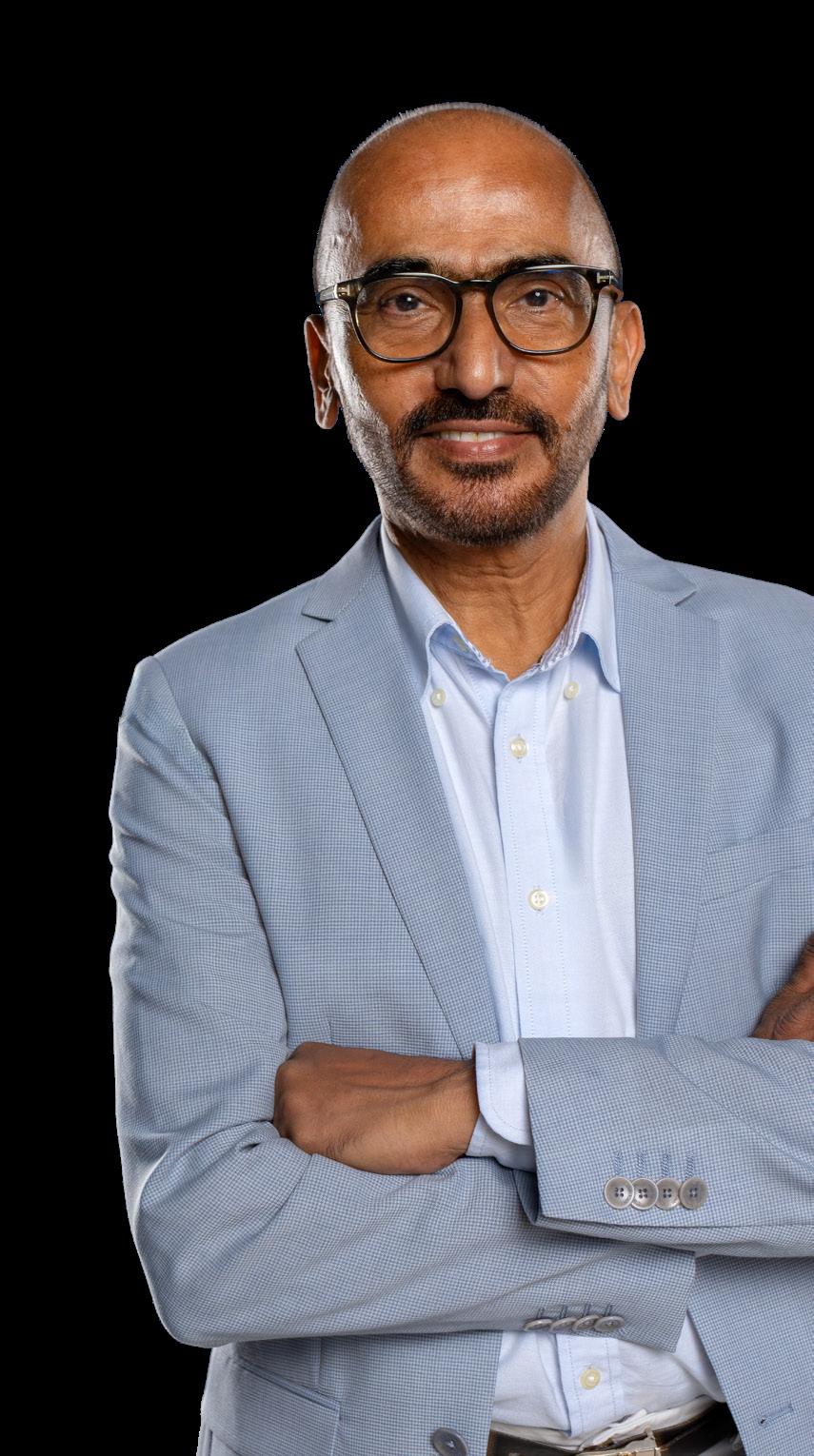




Women Making SAP Happen Spotlight: Jamie Grande
As part of Sapture's Women Making SAP Happen initiative, Amy Robertson caught up with Jamie Grande, Head of Enterprise Applications, Lion, to hear the story of how she went from fresh graduate to her current role. They discuss what it is like to be the only woman in the room and what advice she would give to other women working in the SAP ANZ ecosystem.
I’m Jamie Grande, Head of Enterprise Applications at Lion, or as I like to introduce myself –the Chief Geek!
About 25 years ago, as a fresh Management Economics university graduate looking for work, I saw a job ad from a consulting company. They were looking for senior SAP consultants for a large greenfield SAP implementation. At the time, I didn’t even know what SAP was, but I applied because the ad said, “earn in dollars”. To give some context, my friends and I had this weekly Sunday breakfast tradition. Everyone was starting to land their “dream jobs” and bring in some real money. Naturally, I started feeling the pressure to find a job too.
By a stroke of luck, my CV somehow bypassed HR and landed directly on the desk of the company’s director. He called me in for an interview. During our conversation, he mentioned they typically only hire experienced SAP professionals. But because senior SAP consultants were hard to find back then, he was exploring the idea of training fresh graduates. He took a chance on me and suggested I start with SAP development.
Then, just one month into the job, my team leader asked me to deliver the BC400 ABAP training course to the client’s technical team! To put this into perspective: I had no idea what a database was. I had learned what SAP was only a few weeks earlier. I had never owned a computer. I didn’t even know where my files went after I hit "Save". I actually had to call my brother to help me retrieve them!
But I still said yes, not fully understanding what I was really getting myself into. Imagine having to conduct a full SAP ABAP course without having coded a single program before. Before I could even start, I had to learn how to use a computer. At this point, I still didn’t fully understand how or why SAP was being used by companies.
I didn’t sleep for two weeks whilst preparing. The day finally came. My leader stayed available in chat in case someone asked me a question I couldn’t answer. The scariest day for me was when I had to teach debugging, when I had no idea what it was. And, of course, that was also the day the CIO decided to attend.
I like to tell this story when people ask me what my proudest career moment is. It’s the memory I return to when I’m in any situation when I have no idea what I am doing or where to even start. It reminds me that with strong selfbelief and confidence there is nothing that can’t be solved.
It is this ethos that shapes how I lead today. People often tell me I’m calm under pressure and it’s something I am most proud of. After 25 years of being part of large SAP implementations and projects, I have never seen a challenge that is insurmountable, that our team couldn’t eventually overcome. And I believe that being a leader who stays calm, shows confidence and trust in their team’s abilities, and who is willing to make tough decisions and take accountability for whatever happens, has been key. That to me is what real leadership looks like in high-pressure moments.
I often get asked about what it’s like working in a male-dominated industry as a woman.
I grew up in a family of strong women. I studied at an all-girls school. The person who taught me SAP ABAP was a female. Six out of nine of my leaders were female. And every single one of those six female leaders were brilliant! Women who support other women. Women whom I’ve witnessed confidently holding their ground in meetings full of men, commanding respect without intimidation.


Six out of nine of my leaders were female. Andevery single one of those six female leaders were brilliant! Women who support other women.’’
These experiences have made me less conscious about situations when I am the only woman in the room. Although I did at one point collect pictures of the many roundtables and meetings where I have in fact been the only woman! But in all honesty, the combination of me being a short, Asian, highly introverted female has been more of a challenge than just being female alone.
I have learned that just as the confidence to overcome insecurities and barriers improves

as you age and gain more experience, the need to be liked reduces significantly. Although holding an authoritative position at a company and having an empowering leader also helps. On a practical side, having a strong SAP technical background has been invaluable. I have encountered many instances when I felt I had to use that knowledge to prove that I know what I am talking about because of my gender. Luckily, I have quickly learned to prioritise learning over my own ego.
I’ve also accepted that not everyone will agree with everything I have to say, that not everyone will be nice. But when I attend those difficult meetings, I always come prepared. And above all I am always my authentic self, acting with integrity and in accordance with my core values. Stress often arises when we are forced to act against them. For example, if kindness is your core value, being compelled to be unkind at work will cause immense stress. And seriously, it’s not worth it.

“
But in all honesty, the combination of me being a short, Asian, highly introverted female has been more of a challenge than just being female alone.”
Q What advice would you give to women starting out in SAP who may struggle with selfdoubt or imposter syndrome? Everyone at various points will experience self-doubt or imposter syndrome. And the first thing to say to those feeling it, is just to know that it's normal.
But if it starts to become more than just a fleeting feeling, talk to a trusted advisor, mentor or SME. Sometimes just voicing it helps to put things into perspective. In fact, I believe a bit of self-doubt can actually be healthy. It’s the catalyst that drives us to learn more, grow, and improve. Without it, we risk assuming we know everything. And that’s when real problems begin.
Embrace your doubts as a sign that you’re pushing yourself, and remember, growth often starts with a little discomfort.
Q What’s one experience you had to fight hardest for in your SAP career and what did it teach you?
I don’t think there’s a single defining experience. It’s an ongoing balancing act between driving innovation, supporting the team’s growth, and doing what’s truly best for the company. Every so often, everything aligns perfectly, and you get to lead projects that excite everyone, while delivering real business value.
From an SAP tech perspective, I’ve witnessed several major shifts. First, the transition from procedural to object-oriented programming. Then, the move from traditional GUI to Fiori. After that, the evolution from working primarily within SAP to embracing microservices. And now, AI is the hot topic on everyone’s lips.
The real challenge is adapting to these changes quickly, but thoughtfully. As a leader, I feel the added pressure and responsibility to stay ahead, to know when it’s time to pivot, and to prepare both myself and my team for the future.
Every now and then, I do feel satiated with the amount and speed of change. When this happens, I ensure I take time to recharge, have a break, and pause. I would recommend that approach to everyone.
Q What would you like the next generation of women in SAP to experience that you didn’t?
I recently came across the concept of a Personal Board of Directors, and I only wish I had learned about it sooner. The idea is simple but powerful: to truly grow, you need a diverse group of people in your corner; a sponsor, mentor, truthteller, cheerleader, connector, peer coach, and someone who offers a diversity lens. Too often, we expect our immediate manager to fill all these roles. But this is impossible and will just lead to disappointment.
When I first heard about this concept, I immediately shared it with my team. It was a lightbulb moment for me; not just as an individual, but as a leader. I had unknowingly placed the burden on myself to be everything for my team. Learning this lifted that weight, and reminded me that leadership doesn’t mean doing it all alone.
Growth and learning happen fastest through connection with others. So, to the next generation of women at SAP: Seek out a female mentor, support one another, and lift as you climb.

In technology, wellness and modern digital culture, the idea of a stack has become shorthand for connected systems working together to deliver better outcomes. It’s also a useful way to describe how many organisations are now thinking about customer experience, not as isolated tools or channels, but as an integrated set of capabilities that support how people work, buy and interact.
At Suntory Oceania, that concept can be seen in a recent transformation focused on bringing multiple platforms together into a more unified customer experience foundation across ANZ.
Led by Barbara Ciancio, Head of Digital IT Solutions and her team, this transformation program was recognised in the SAP Best Tech Awards 2025 for Customer Experience, reflecting the scale and coordination required to create a more connected approach.
In the following Q&A, Barbara shares the considerations, decisions, and challenges behind the program, and offers encouragement to others navigating similar work: to stay curious, be willing to engage with new technology, and remain part of shaping what comes next.

Barbara, can you introduce Suntory Oceania and your role in the recent transformation?
Absolutely. Suntory Oceania is a multi-beverage business that brings together the best of Suntory Global Spirits and Suntory Beverage & Food across Australia and New Zealand. We have a team of 1,500 people, a portfolio of over 40 market-leading brands, and produce around 30 million cases annually. Our business offers end-to-end control of the portfolio, from manufacturing to sales and distribution, ensuring quality and consistency at every stage.
As Head of Digital IT Solutions, I was responsible for shaping and delivering the digital strategy that underpinned this transformation, aligning technology, people, and process to support our new route-tomarket model. Leveraging my experience of leading growth-driven, customer-centric digital transformations in SAP and FMCG to create a program that has modernized our digital foundations and set us up for future innovation.
What triggered the need for such a significant digital overhaul at Suntory Oceania?
As we became Suntory Oceania, our growth ambitions required a comprehensive overhaul of our route-to-market model. We recognised the need to scale and streamline nine separate technology systems, which we achieved over a 24-month program. The goal was to improve efficiency, collaboration, and user experience by leveraging the use of market-leading technology, laying out the foundation for scalable growth and innovation.
What were the biggest challenges you faced during this transformation, and how did you overcome them?
The transformation was ambitious in both scale and complexity. One of the biggest challenges was delivering such a large scope of change within a fixed timeframe, unifying nine systems and deploying them across the business in just 24 months. This required meticulous planning and coordination, especially as we managed multiple vendors and dependencies. Integrating a diverse portfolio; adding alcohol products alongside non-alcohol ranges while adhering to regulations, was another major hurdle.
We also needed to support the evolution of our channel strategy, moving from a purely channel-based approach to smarter

We recognised the need to scale and streamline nine separate technology systems, which we achieved over 24-month program.’’
customer segmentation and tailored engagement.
Building omni-channel capability and investing in digital ecosystem were critical. We overcame these challenges by working with authenticity, engagement, and a flexible mindset. One of the key areas was ensuring our technology partners were deeply involved throughout the journey. Deep collaboration and a shared commitment to our goals enabled us to deliver on time and with lasting impact.
How did SAP and your technology partners enable this transformation?
SAP and its implementation partners were at the core of our transformation. We extended core functionality within SAP S/4HANA, SAP BTP, SAP Sales and Service Cloud, SAP Commerce Cloud, and SAP Emarsys to create a unified digital ecosystem.
This integrated e-commerce, CRM, sales automation, and customer service, delivering a realtime 360 degrees customer view. Accenture and DXC worked closely with our teams to design and deliver scalable, customer-centric solutions and support adoption across the business.
What tangible benefits have you seen for employees and customers since the transformation?
The results have been significant. We saw increases in average order value in the first three months, growth in volume deals purchased in the first six months and an increase in ISV through our online store platform. Employees now have real-time data access, improving decision-making and efficiency. Customers benefit from tailored experiences, self-service support, and frictionless engagement across all channels.

Most importantly, bring your people along for the journey; their buy-in is essential for success.’’
Live chat adoption is growing, and our field teams are empowered with smart selling tools and analytics.
What does this transformation mean to you personally as a leader in SAP and FMCG?
This transformation is a source of immense pride and achievement for me, both professionally and personally. Drawing on years of experience in technology and business within the FMCG sector, I’ve had the privilege to help shape and deliver leadingedge solutions that truly make a difference.
Deploying a unified digital ecosystem powered by SAP, and seeing the tangible impact on our people and customers, is incredibly rewarding. It’s not just about implementing new systems, it’s about creating experiences that empower teams, drive growth, and set new benchmarks for our industry. Being able to apply my expertise to solve complex business challenges and witness Suntory Oceania evolve into a more agile, innovative, and customer-centric organisation, is a highlight of my career.
How do you see Suntory Oceania evolving in the next few years?
We’re committed to continuous innovation. Our digital transformation has set the stage for further advancements, especially in leveraging AI and datadriven insights. I see Suntory Oceania becoming even more agile, customer-focused, and efficient, with technology empowering our teams and driving the future of our business.
What advice would you give to other organisations embarking on similar journeys?
1. Start with a clear vision and ensure your technology partners share your commitment to innovation.
1. Embrace change wholeheartedly, it’s essential for growth and success in any transformation.
1. Build close, collaborative relationships with your team and partners, because having a united and capable team is critical when navigating complex projects and dependencies.
2. Focus on authenticity and engagement , real stories from employees make a difference.
3. Invest in market-leading technology and don’t be afraid to challenge the status quo.
4. Most importantly, bring your people along for the journey; their buy-in is essential for success.
Any final thoughts for our readers?
See what’s possible! As a technologist, engage with new trends, build strong teams with can-do attitudes and creative thinking, be prepared to try and adapt, and enjoy the process of shaping the next phase of your organisation’s digital evolution.
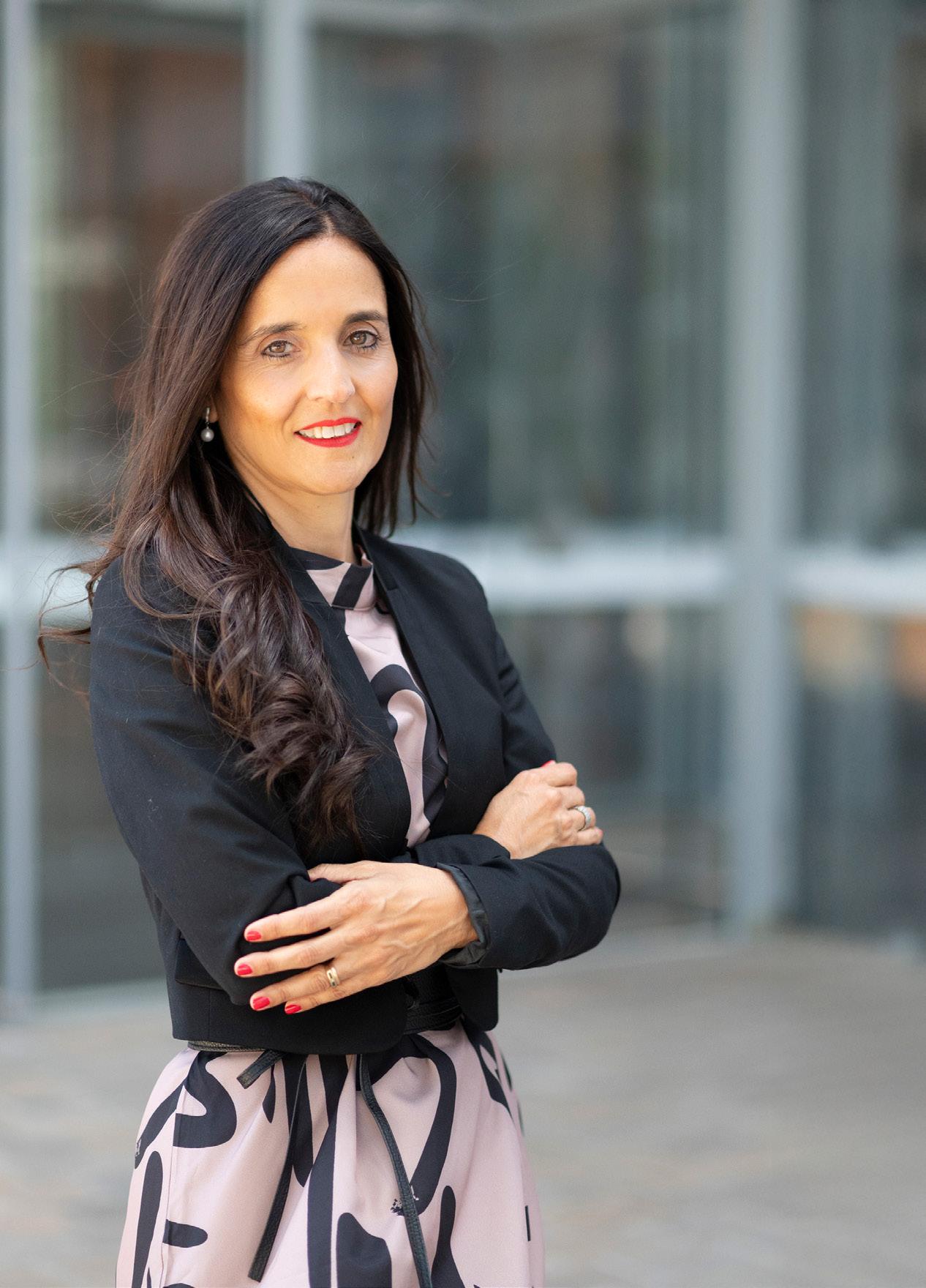
Its
about creating experiences that empower teams, drive growth, and set new benchmarks for our industry.’’

Dr David Paynter is a recognised expert in Digital Orchestration and Supply Chain Planning, published in both academic and corporate literature. In this article, he explores why SAP IBP adoption in the mid-market has lagged and shows how an Agile approach can cut implementation from 12 months to just one month, making advanced planning faster, lower-risk and more accessible to the mid-market.
SAP IBP is now widely recognised as the leading Advanced Planning System (APS). It has strong adoption rates globally among large enterprises and midmarket lead-adopters and receives top ratings by agencies. However, despite market conditions making it a perfect time to reap the benefits of an APS, adoption by most midmarket product-makers has lagged.
Why? Traditional 12-month waterfall implementations that follow the same path as large ERP projects. And that’s a shame, because IBP is almost tailor-made for the mid-market.
SAP IBP connects end-toend business processes in one integrated contemporary, easyto-use solution set. This makes it the perfect solution for a midmarket product-maker needing to streamline business processes.
It is NOT a large ERP project, it’s a planning system for planners. Its unique proposition is in providing a fully functional advanced planning and response capability – across demand, inventory, supply and distribution – which is perfect for mid-sized manufacturing organisations where resources are tight, and efficiency directly impacts the bottom line.
Out of the box, it natively integrates with SAP ECC and SAP S/4HANA (and can also be integrated with non-SAP systems) with SAP providing standard patches and a simple handshake to connect the two.
SAP IBP also works seamlessly with the Oliver Wight Integrated Business Planning methodology, supporting the management of Product Portfolio, Demand Review, Supply Review and Management
IBP is still often delivered like a big ERP project, with long timelines, large project teams and high costs. That’s where Agile offers a different way forward.” “
for the business. Also, iterations of dashboard analytics can be conducted by the business to suit the business (just like Excel). Furthermore, IBP can be implemented in parallel to existing spreadsheets and validated against them before go-live.
• Reduced cost of implementation and maintenance.
• Greater “Digital Orchestration” of the whole business rather than using only the underlying ERP system (Paynter, D. & Samson, D., 2025).
• AI ready, providing the readymade end-to-end data platform for the upcoming AI innovations in planning technologies.
But despite these benefits, IBP is still often delivered like a big ERP project, with long timelines, large project teams and high costs. That’s where Agile offers a different way forward.
Business Review. And the benefits aren’t limited to supply chain. Financial Teams can benefit using SAP IBP for financial forecasting: revenue, cashflow and working capital projections, both for current and forthcoming periods, with greater accuracy and business commitment.
The user base is also different. IBP is principally used by numerically literate supply chain planners and analysts, people who are already used to modelling in spreadsheets, so adoption is quicker. And the user-interface of SAP IBP can be run in Microsoft Excel (for planners used to Excel) and/or in a web-based browser (for management users), simplifying the change management effort
Traditionally, ERP projects had large technical project teams, long timelines and high investment. Even today, IBP is often approached in the same way – with big program methods that add complexity, require extensive change management and drive up costs.
But IBP doesn’t need all that for mid-market sized businesses. It’s a cloud solution that is more like a highly advanced cloud-based Google Sheet than an old AS400 Mainframe. It therefore begs the question – why not implement it in the same way?
In fact, SAP itself can offer a short standard implementation timeline for SAP IBP using the traditional waterfall approach

– rarely matched by the more custom waterfall approach provided by most system integrators. However, there is another way …
Agile implementation of SAP IBP. Implementation is best started with the Demand Planning capability in the S&O module, providing collaborative forecasting and both long-term revenue and gross margin projections, leveraging standard costs.
• Raw materials using planning BOMs.
• Supply planning to plan the entire network from customers to suppliers. Each module can then be implemented quickly, in a standard step-by-step manner.
Using an Agile approach, a standard offline pilot can be delivered in just in 14 days, followed by a 14-day integration. After that new, or more advanced capabilities can be added progressively each month, paced to match business maturity levels and focused only on high priorities. So, the business drives the implementation at the pace that their team can absorb – not driven by the SI, saving time and wasted effort and money.
To sum up – Agile matters. It offers a new streamlined approach for SAP ERP planning users to implement IBP. It fits the needs and budgets of mid-sized business making contemporary planning capabilities accessible, even when limited by legacy ERP systems and spreadsheets. Agile delivers efficiencies across end-to-end process quickly, whilst enabling mid-sized businesses to adopt IBP modules step by step. And as planning maturity develops, Agile SAP IBP grows with the business. With Agile, mid-market organisations no longer have to lag behind, they too can reap the benefits provided by SAP IBP.
A packaging manufacturer in the consumergoods sector faced an all too familiar challenge: too many spreadsheets, inconsistent forecasts, and limited visibility across sales, production, and finance. Traditional ERP-style projects were out of reach – too slow, too expensive, and too heavy for the business to sustain.
The team adopted the lean Agile “IBP in 14 Days” framework provided by IBPReady. An approach designed to get SAP IBP live fast and prove value early.
Rather than a 12-month rollout, the project instead followed a 14-day sprint model. Working directly with planners and functional leads, instead of a large technical project team, allowed decisions to happen in real time. Within two weeks, the company was already running its first Demand Review.
In just 28 days, the business moved from fragmented Excel sheets to a working SAP IBP environment covering demand planning across all key product lines. The Agile delivery reduced time and cost by more than 70 per cent, while giving planners immediate visibility of forecast accuracy, stock-out risks, and margin performance.
The business is now extending its solution module-by-module – Demand, then Supply, then Inventory, maintaining the same 14-day cadence and scaling maturity at its own pace. As I like to say; “Agile makes advanced planning accessible.”
This project demonstrates that mid-market organisations can achieve in weeks what once took a year: clarity, speed, and measurable impact, without the weight of a traditional ERPstyle waterfall program.
“This project demonstrates that mid-market organisations can achieve in weeks what once took a year: clarity, speed, and measurable impact without the weight of a traditional ERP-style waterfall program.”
In this thought piece, Lisa Peters, Managing Director – SAP Business Group & Product Lead – Accenture Enterprise Services for Government (AESG), Accenture Australia and New Zealand; discusses why successful SAP solution implementation relies on team, rather than individual performance. She explains how specific team coaching is essential and how it differs from individual coaching, outlining the measurable benefits for forward-thinking organisations open to investing in it.

Forming and coaching the right humans wins the client



Implementing and maintaining SAP solutions is a team sport. No individual can do it alone. A group of skilled individuals with diverse backgrounds and experiences in areas such as process, technical, change, training or data migration and testing – need to come together, collaborate and make it work. This level of alignment is no mean feat, with individuals typically from different organisations and backgrounds, with varied learning styles (visual, auditory, kinesthetic), and distinct communication styles, alongside a myriad of other unique characteristics and strengths.
With 30 years in the SAP implementation industry, my passion lies in overcoming these challenges to enable both individuals and teams to function at their best. In the early days of my career, there was little formal coaching, it was just about learning on the job – I myself learned from the people that led the teams I was part of. However, in the past 10 years or so, I have observed and been part of more formalised approaches to coaching –these have typically still been centered on coaching the individual (e.g. 1:1 coaching programs).
Individual coaching tends to focus on aspects such as leadership. It works on the assumption that people receiving leadership coaching will become good team coaches, yet that’s not always the case. Effective team coaching requires very specific skills and knowledge, such as understanding team dynamics, behaviours, the different types of teams, and where they are at in their journey – e.g. forming, storming, norming, performing). Then additional skills are required, such as facilitation of group activities, team building, and team reflection techniques. I believe that if leaders were also trained in team coaching techniques like these, we would see more effective problem-solving, work completion and most importantly, thriving and happy team members.
At its heart is creating space for the team to come together, ideally at the forming stage, to set out:
• what they need to achieve (“the vision”)
• why it’s important (“the purpose”)
• how they intend to achieve the outcomes (“the values and behaviours”).
This would then form the basis of a team charter. In my experience it’s very important to do this upfront as the team forms, although it’s possible at any time in the team’s journey, for instance if a performance “reset” is required.
This, along with team building activities, is a great way to kick off a project and to help team members to get to know one another. However, equally as important, yet a
I believe that if leaders were trained in team coaching techniques, we would see more effective problemsolving, work completion and most importantly, thriving and happy team members.”

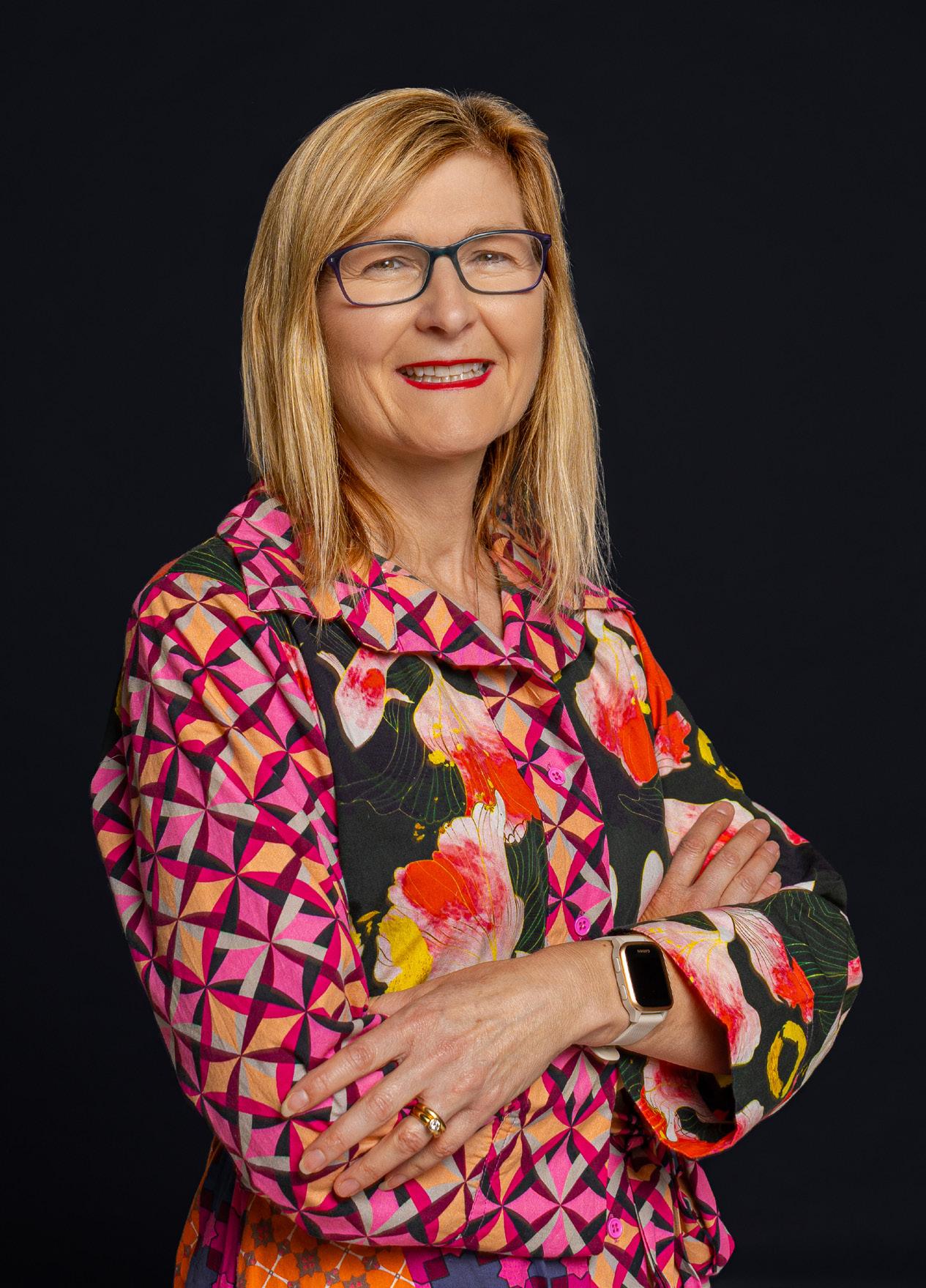

part of team coaching that is often overlooked as teams get busy in their day-to-day, is creating a routine for the team to regularly pause and reflect on what is working well, what isn’t and taking action to change things. Building time into schedules to pause and reflect is key to the team being able to continuously improve and adapt as situations change. The pause-and-reflect should not be about what the team is 'doing' such as activities that are running late or solution challenges. It instead needs to be about team performance. How are they communicating? Are they upholding the team charter? It's essential to create a safe space to discuss and reflect, to capture actions and then measure progress against those actions the next time around.
The analogy I like to use is that of a professional football team …
• At the start of the season, they come together and define their vision, what position in the competition they desire to achieve at the end of the season, and how they will achieve this outcome.
• They use regular training sessions to build team skills, such as communication on the field, and reflect on performance.
Building time into schedules to pause and reflect is key to the team being able to continuously improve and adapt as situations change.”
• They then go into each game, putting their training into practice to the best of their ability, despite factors they can’t control – their opponents, the weather or injuries, but they are using the skills they have learned to do their best. The best teams also support each other when things get tough.
• Then at half-time, they come together and reflect on what’s working and what needs to change, then adapt play accordingly in the second half.
This cycle of reflection and adjustment continues throughout the season, helping the team improve and stay adaptable.
Whilst concepts such as team development and team building have been around for years, team coaching is one of the newest coaching disciplines, still in the early stage of maturity.
Yet there’s a growing body of research showing that 50-70 per cent of the variation in team performance can be attributed to creating well-designed and well-structured teams at the beginning of the team life cycle.1
David Clutterbuck’s 'Coaching the team at work' is the result of over 20 years of research undertaken by practising team coaches and major corporations globally. The book outlines that in today’s complex and constantly evolving business and social environment, teams must adapt frequently. I recommend it, if this article has piqued your interest!
References:
[1] Hackman, J. and R. Wageman, A theory of team coaching. The Academy of Management Review, 2005. 30(2): p. 269-287
I am a realist. For time and money to be invested in team coaching activities, there must be a return on investment. And for me, four main benefits stand out.
1. Increased employee engagement
The correlation between employee engagement and productivity is clear. And a key driver of engagement is feeling that opinions matter. In a well-functioning team, individuals feel safe to contribute, and their input is valued, which boosts both engagement and performance.
2. Reduced attrition
Higher employee engagement leads to lower turnover. In a delivery setting continuity matters – team churn disrupts progress, culture and client relationships. Coaching supports retention by improving how teams function and connect.
3. Increased win rates

In sales pursuits, we pull together diverse teams –sales, delivery, tech, industry experts – and a lot of time goes into helping them gel. In my experience, even a light-touch, pragmatic approach to team coaching can get these short-term teams working more effectively, faster. That can make all the difference when the window to win work is tight.
4. Reduced cost of poor quality work
The costs of implementation issues and overruns can be significant. Team coaching improves the performance of a team. This adds another dimension to typical ways of managing effective delivery, such as having detailed project plans to follow, or having a team with the right skills. It also focuses on how the team perform together, adding a proactive layer to project management by improving collaboration and surfacing dysfunction early on.
Reflecting on these benefits and on how much professional sporting teams invest in having great coaches, I truly believe there is a huge opportunity in our SAP implementation world for this type of coaching. My vision for the not-so-distant future is that team coaching becomes a core part of the way we work – with leaders trained in coaching techniques, support from professional team coaches and regular time to pause and reflect on performance. This isn’t about packing more into our busy days and making teams work harder. It’s about working more effectively and helping teams stay adaptable, engaged, and aligned in a constantly changing environment!
3rd
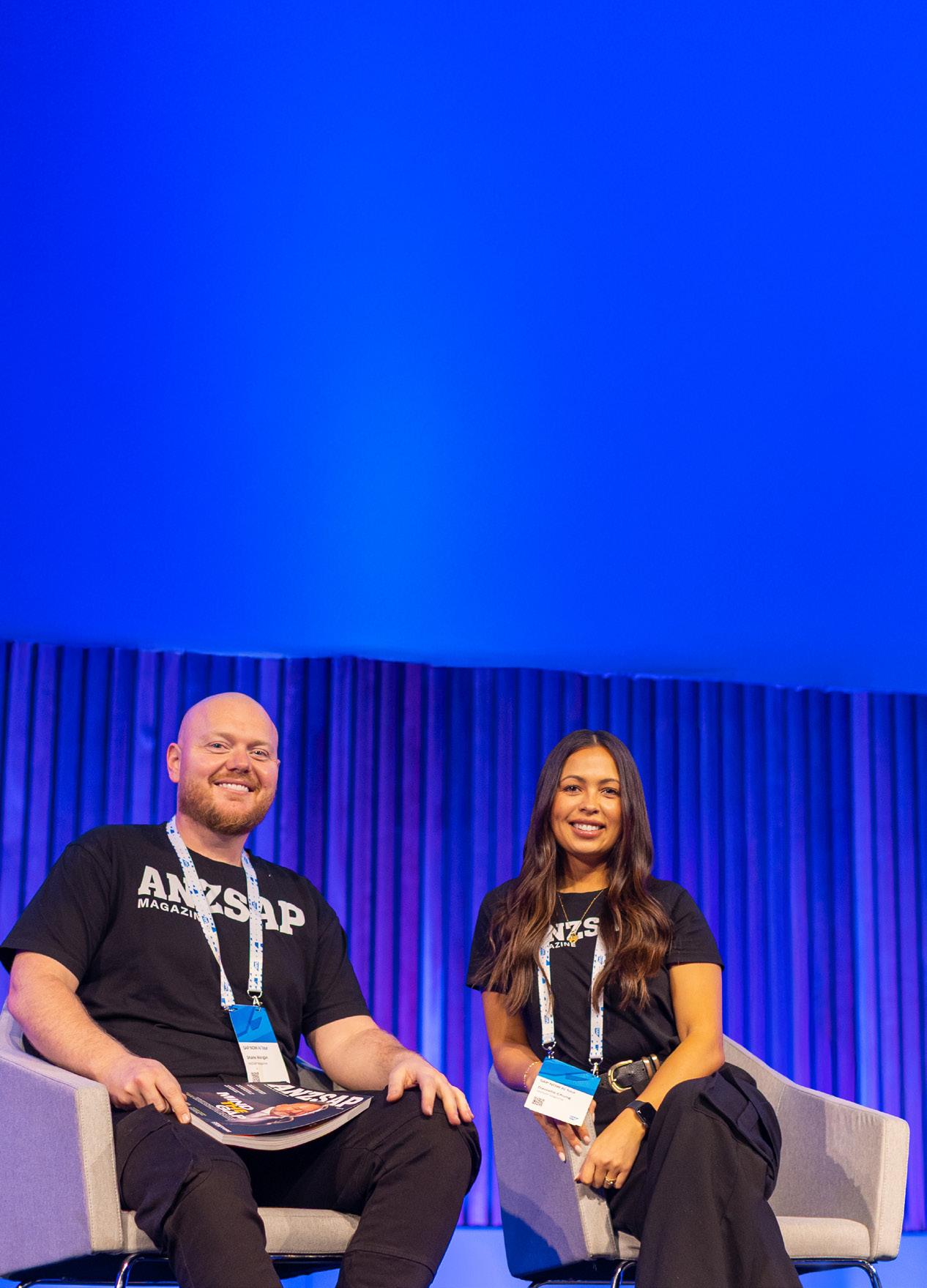
As we celebrate the third anniversary of ANZSAP Magazine, we take a look back at some of the highlights of the last three years.
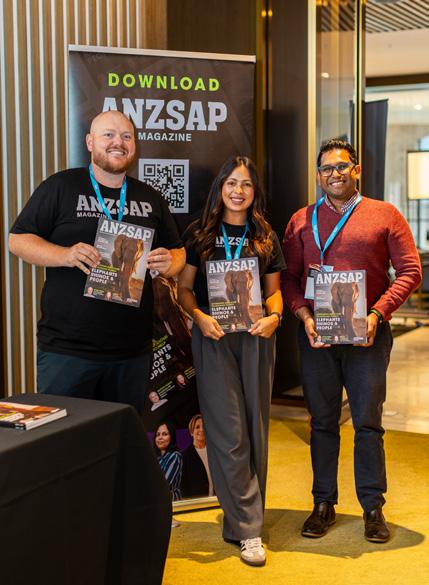

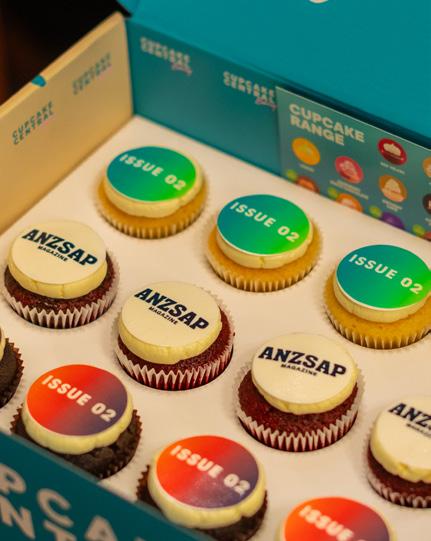


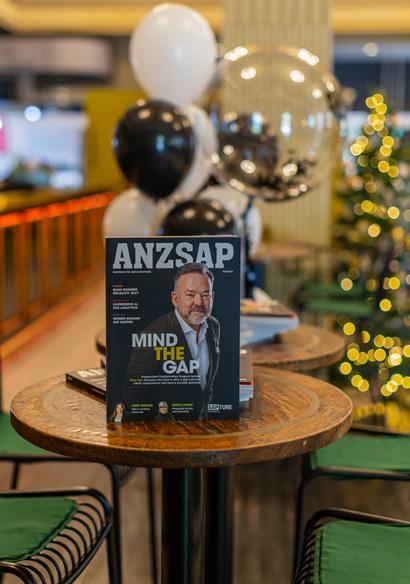
95 contributors
5 SAP event sponsorships
3 round tables
9 photo shoots
4 launch parties
THREE YEARS. COUNTLESS VOICES. ENDLESS TOPICS.
Three years of articles as diverse as the people who wrote them.
We’ve talked about saving elephants, the sexiness of frugality, and even compared SAP projects to ancient wisdom.
We’ve explored blockchain, looked across industries from finance to supply chain to energy, and gone from early mentions of AI in Issue 01 to it becoming the conversation today.
A snapshot of how fast our world, and our community, moves.
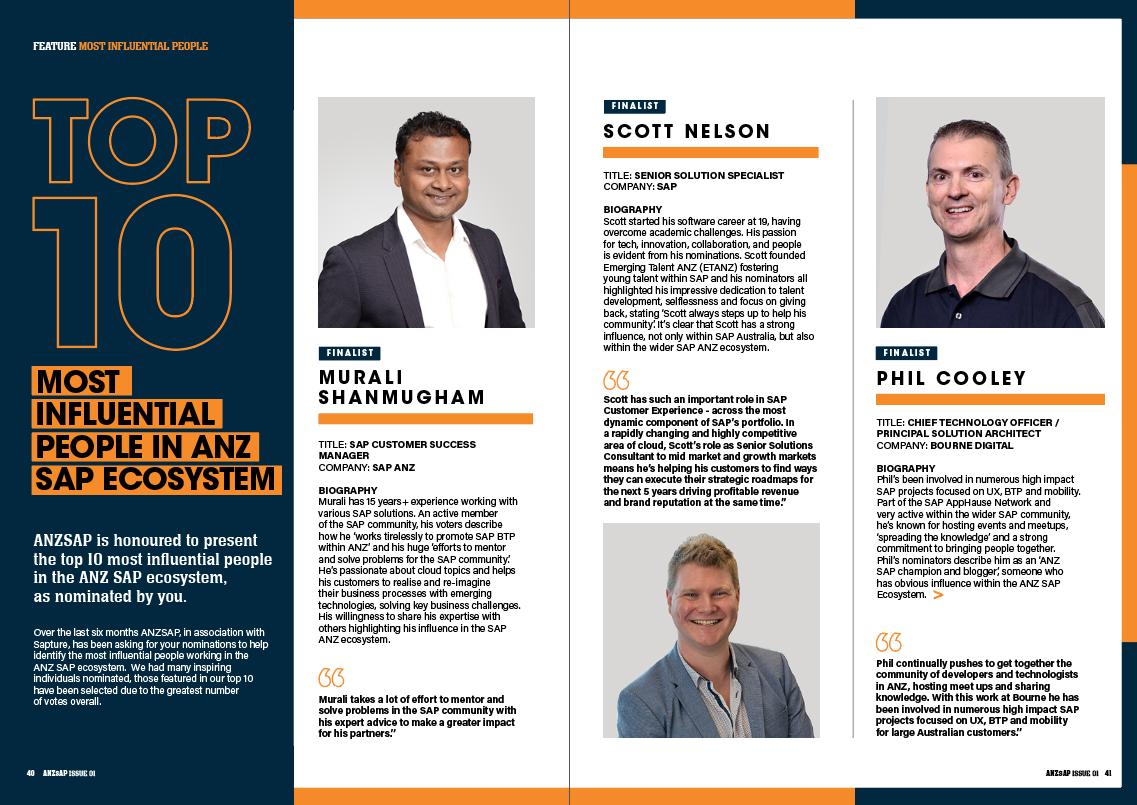
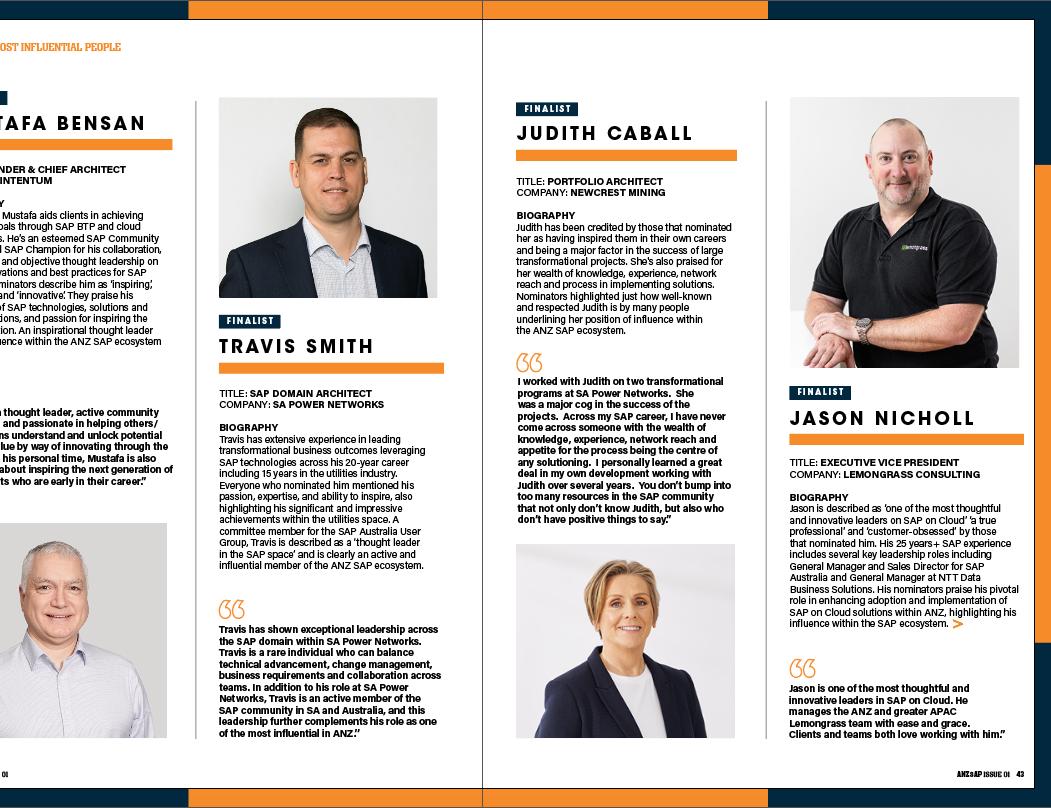
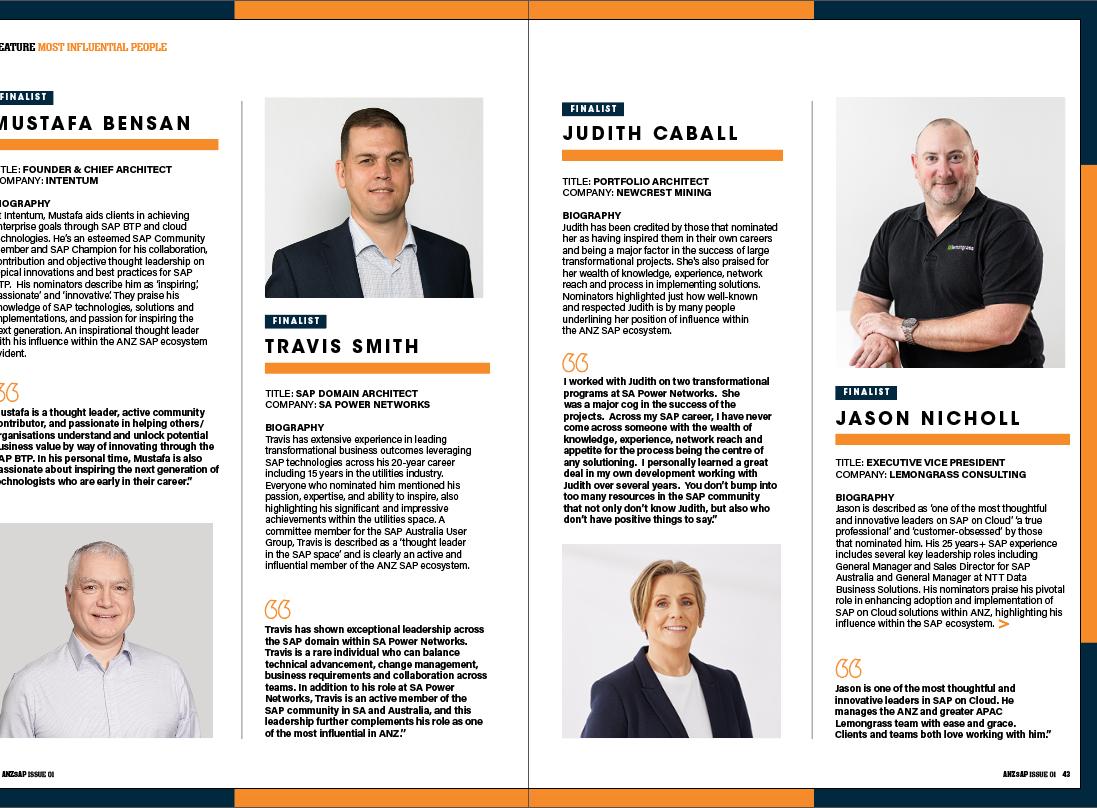
In Issue 01 we ran the inaugural Top 10 Most Influential People in SAP competition, as voted for by you. Jackie Elias was crowned our winner.
WOMEN IN SAP Sapture's Amy Robertson (right) interviewed Poornima L Nathan, Chapter Lead.
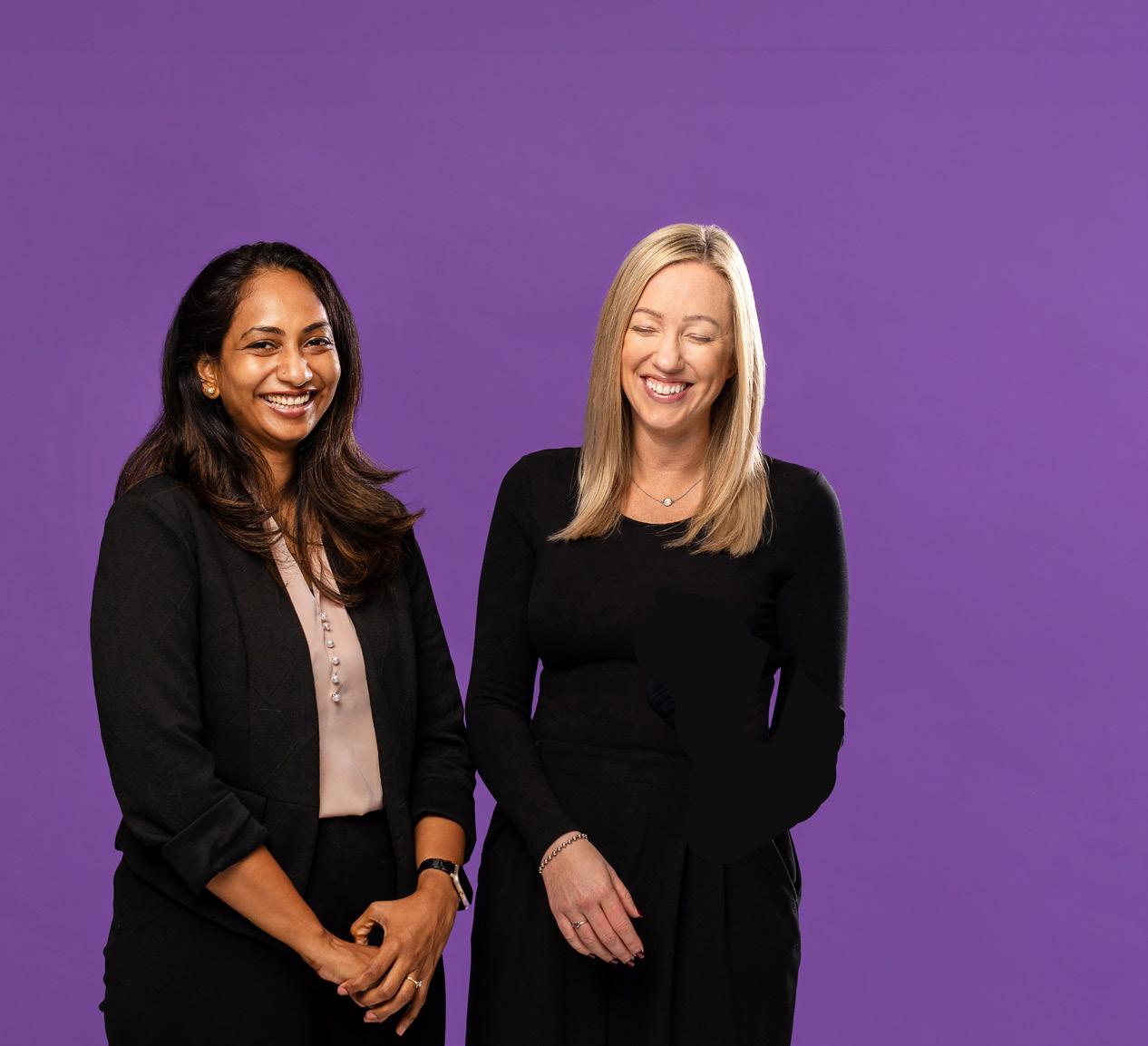

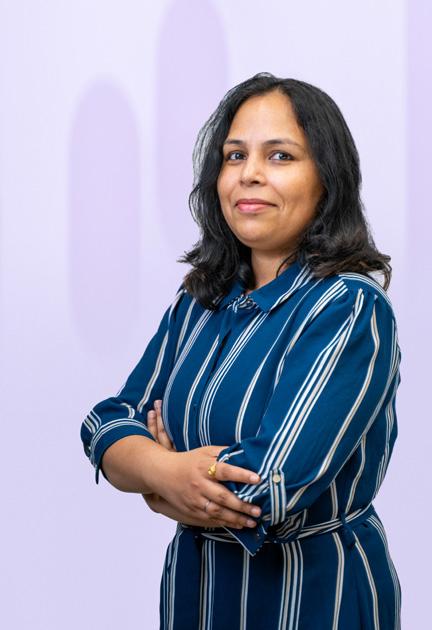


In this feature Specialist,Covantage, to embrace frugality in 2025. He explains why he believes business frugality is strategic and necessary, yet also sexy and reveals practical ways to fully embrace it.

MAKE BUSINESS FRUGALITY SEXY
Issue 02: Ben Price presented his challenge to embrace frugality in 2025.

THE ARCHITECTURE NOT OFTEN DISCUSSED
Issue 02: Jorg Thuijls explored all things architecture, and how it is changing and evolving.



mbracing frugality in 2025
a strategic move. Let me convince you it is also bold
Let me go further and innovating and leading on topics, business frugality particular, you will pick up a sexy we all need to learn.
convinced already. At Covantage we commonly work
CFOs aiming to enhance their company’s financial health, foster innovation, and build corporate resilience. As part of those project
I’ve gained a unique insight frugality in action, and I’m impressed.
delve further, let’s look at official definition of frugal:
Frugal/ˈfru:ɡl’/ economical in expenditure; prudently or sparing; not wasteful. Dictonary.com
this definition of frugal, ask yourself the following questions: does my Chief Financial care about being frugal?
Should I care?
absolutely you should!
Whether you’re a CFO, CIO, Project Manager or a Human Resources
Leader, frugality can help you increase value, agility and return investment, and reduce risk, uncertainty and costs.
more detail see Figure 1 (next page), Yes, You Should Care.

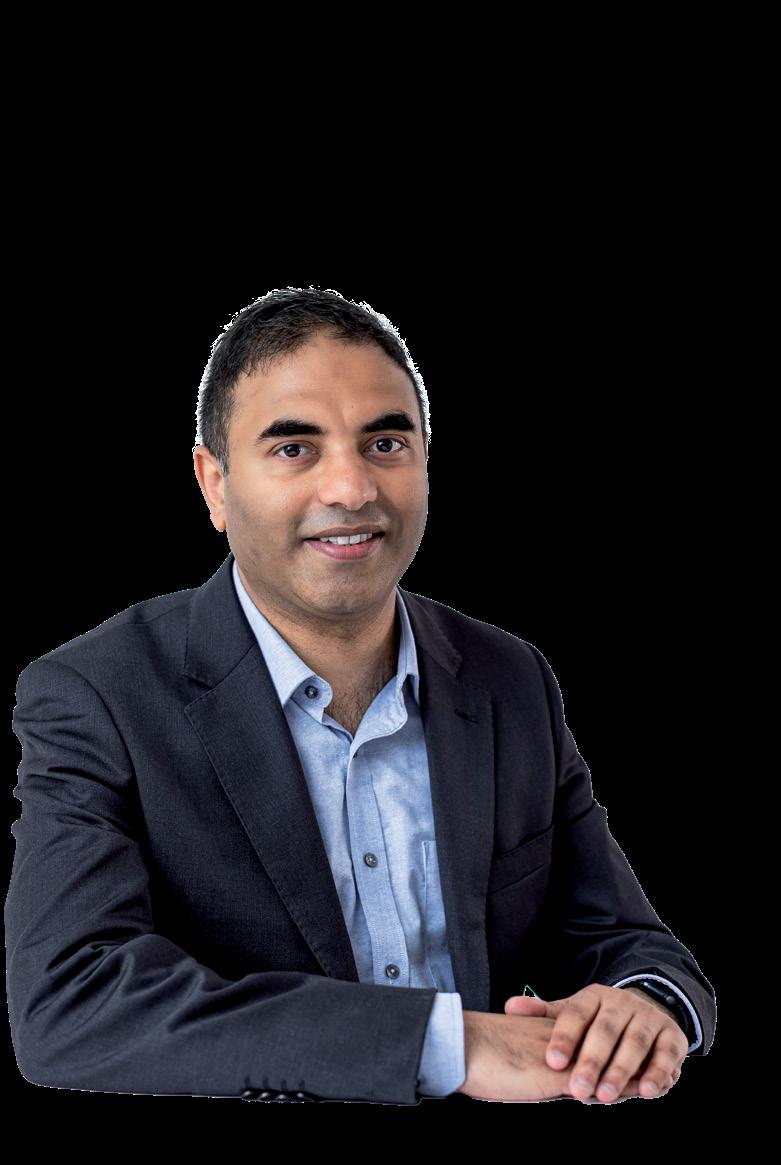



Leveraging SAP Fiori, a user-friendly and enabled interface, empowers users with access to SAP functionalities on mobile devices.’’
Embracing frugality is not about cutting costs at the expense of quality or growth. Instead, it's about smart management of resources, driving a culture of innovation and efficiency, and SAP has come a long its user experience
Prabi Selladurai explored some common pain points of manufacturing solutions.

BUILDING A STRATEGIC SAP BUSINESS CASE Issue 01: Jenny Moyle underlined the importance of a robust SAP business case to project success.
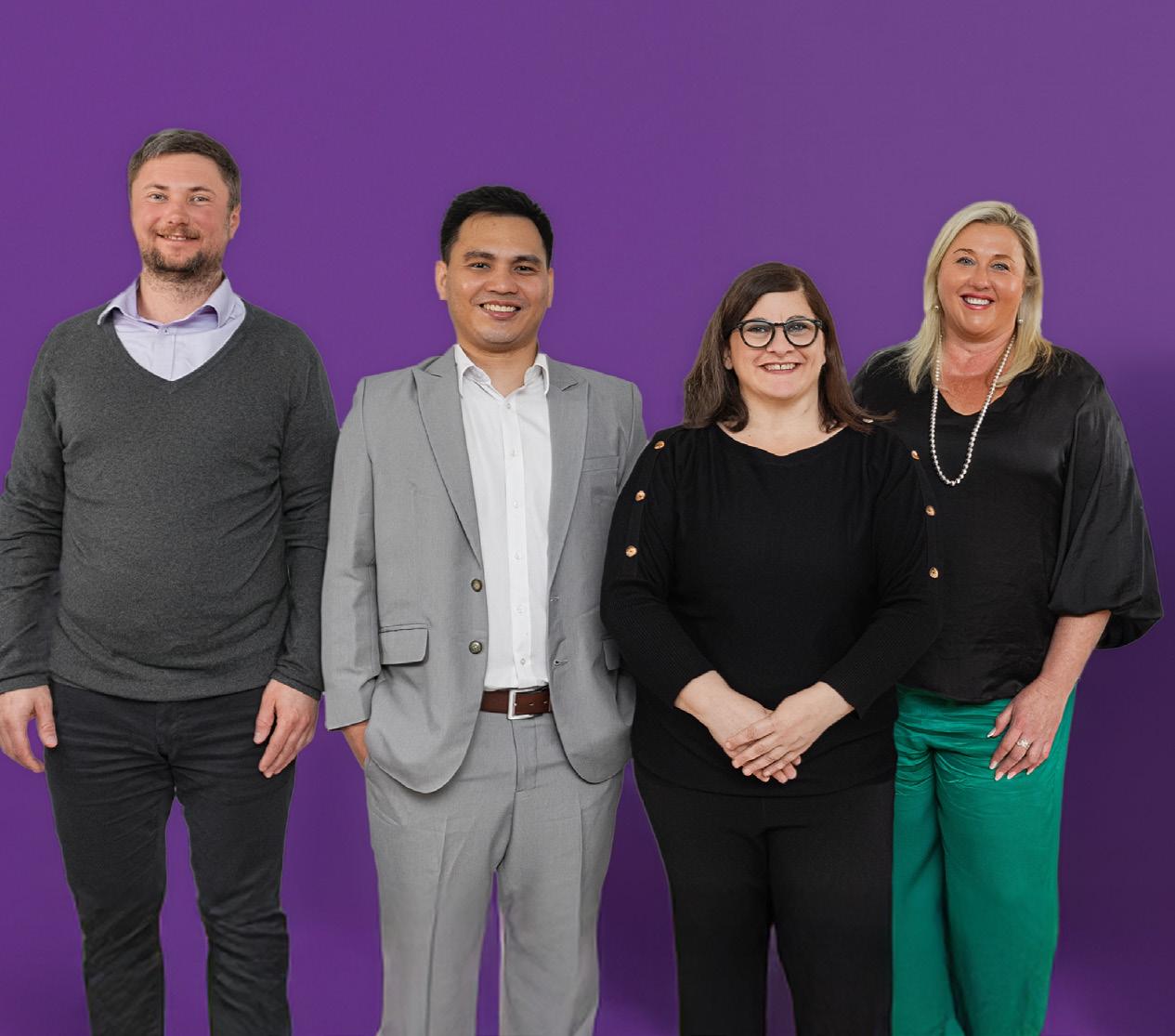

Our aim is to facilitate conversations, connections and collaborations, and to grow community. We couldn't do that without the support of our fantastic contributors. Collectively we're stronger.

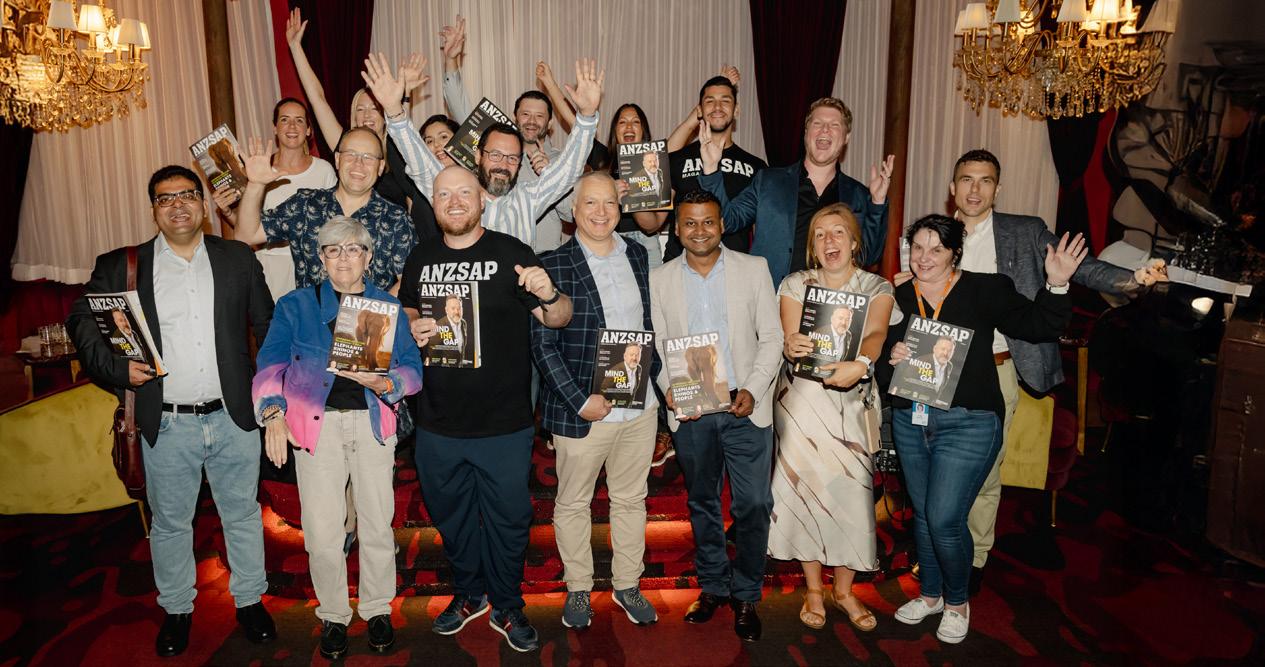
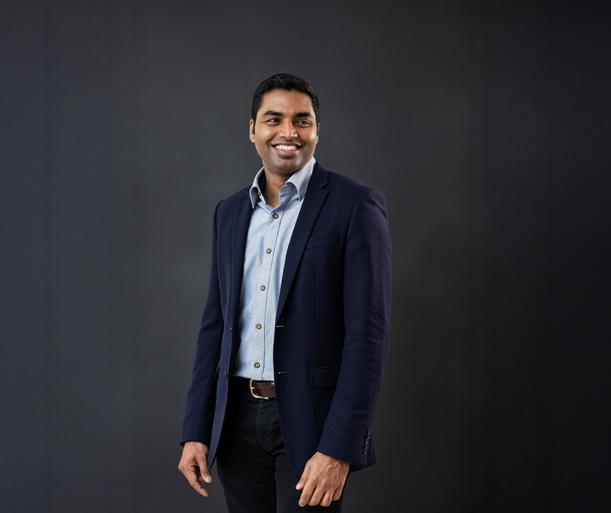
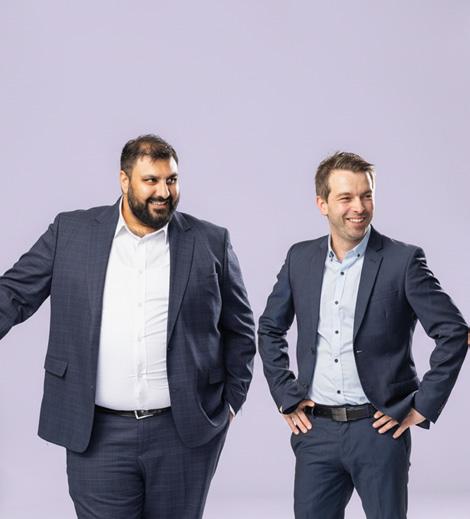

OUR CONTRIBUTORS GET GLAMOROUS
Our contributors have been glammed up and attended a total of nine professional photo shoots.



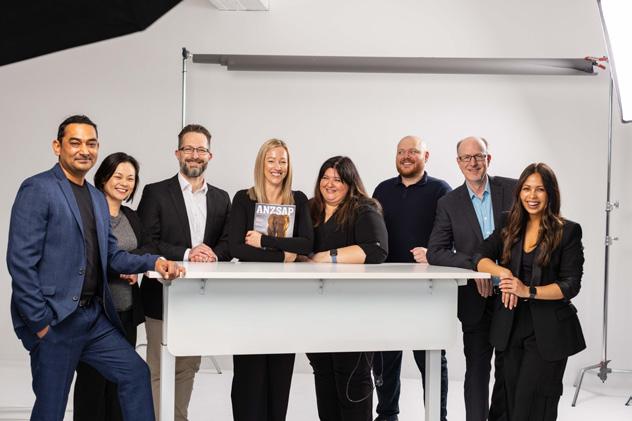

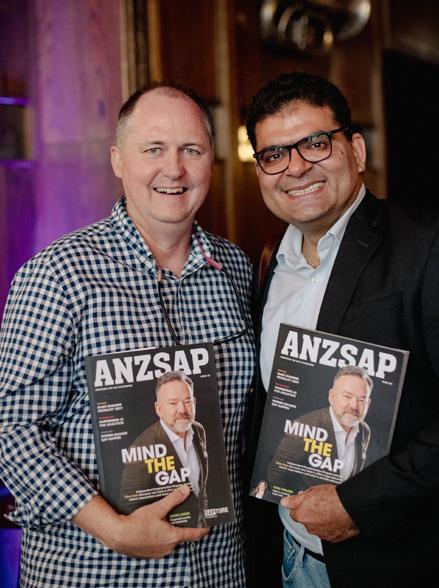
We love a party and we have loved celebrating with our contributors.
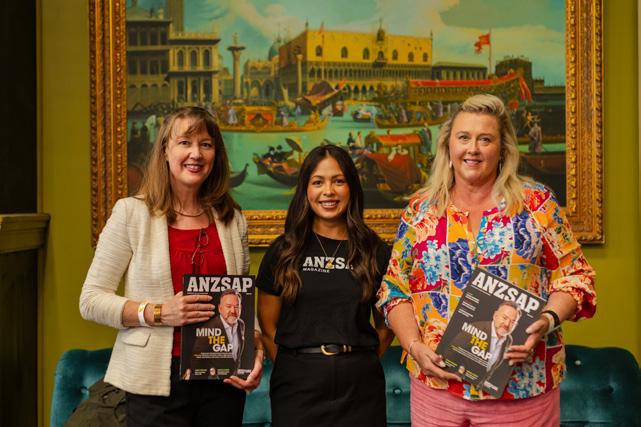
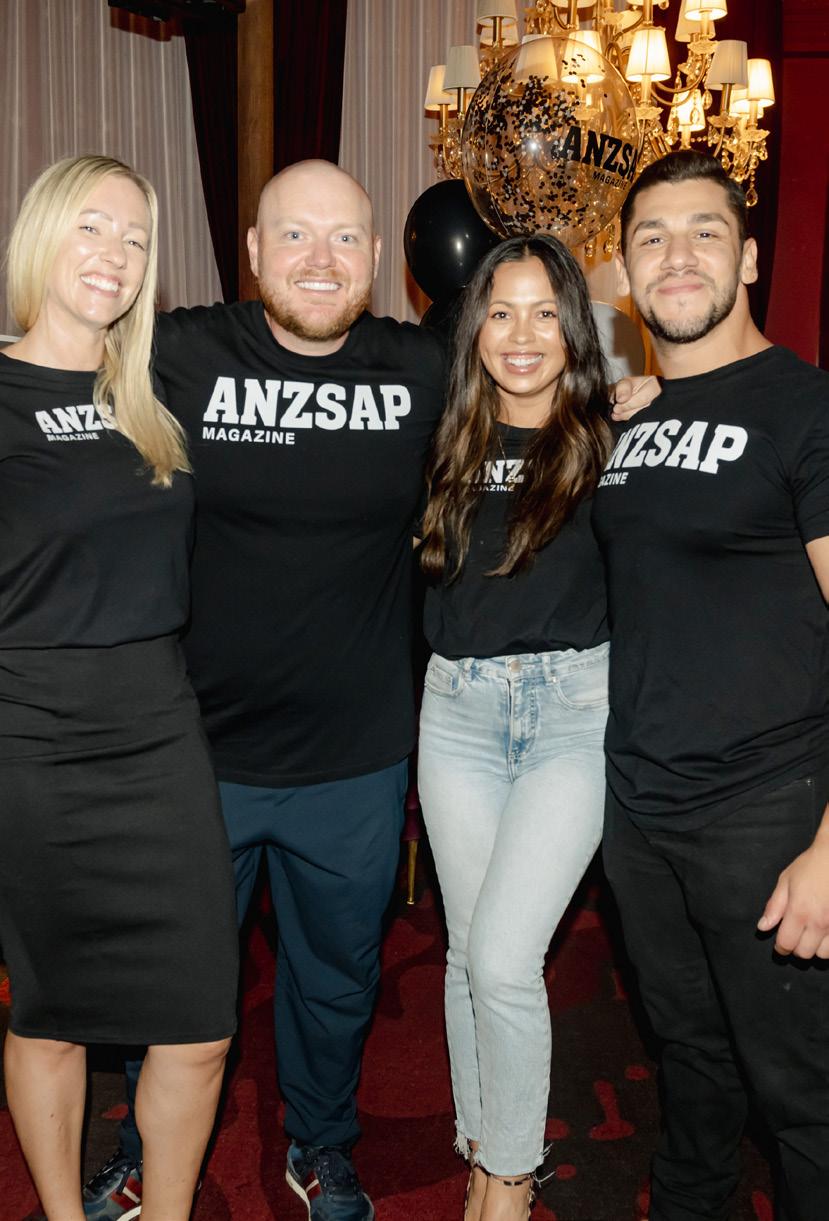
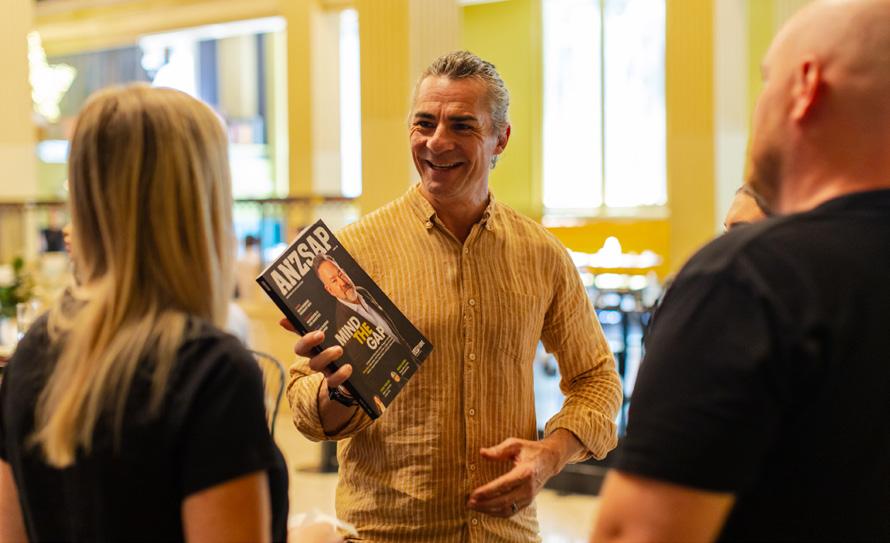
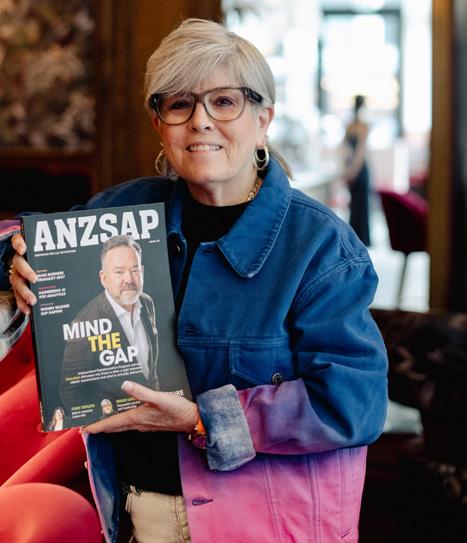

Great conversations, lots of laughter and even a few magic tricks thrown in. And, of course, a few photos with the latest issue!
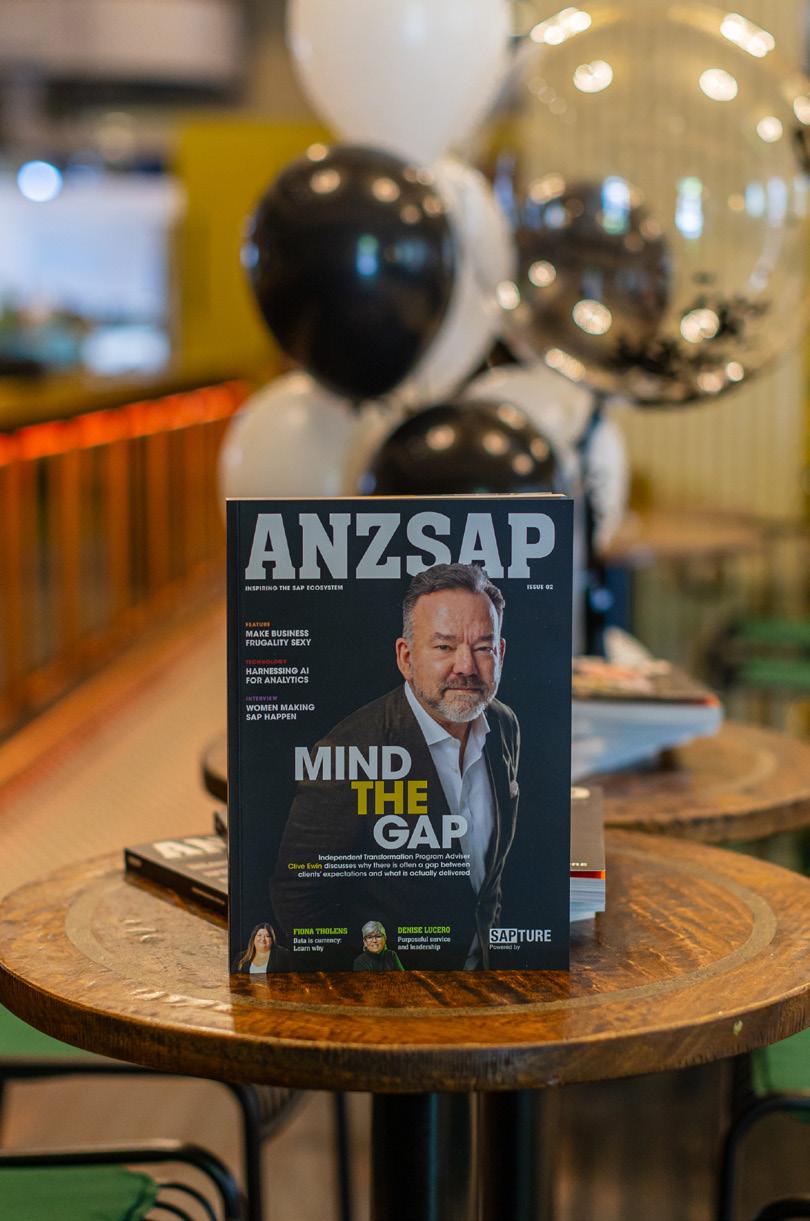
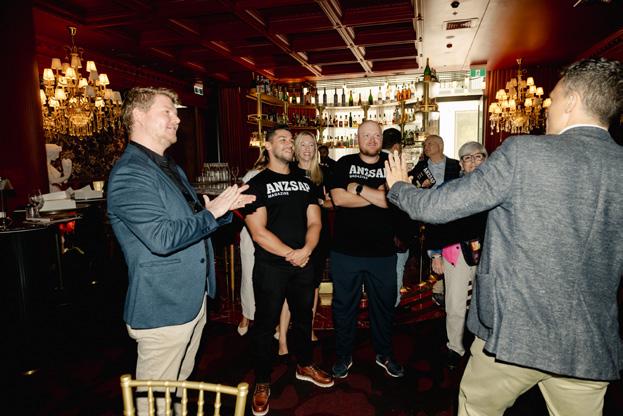

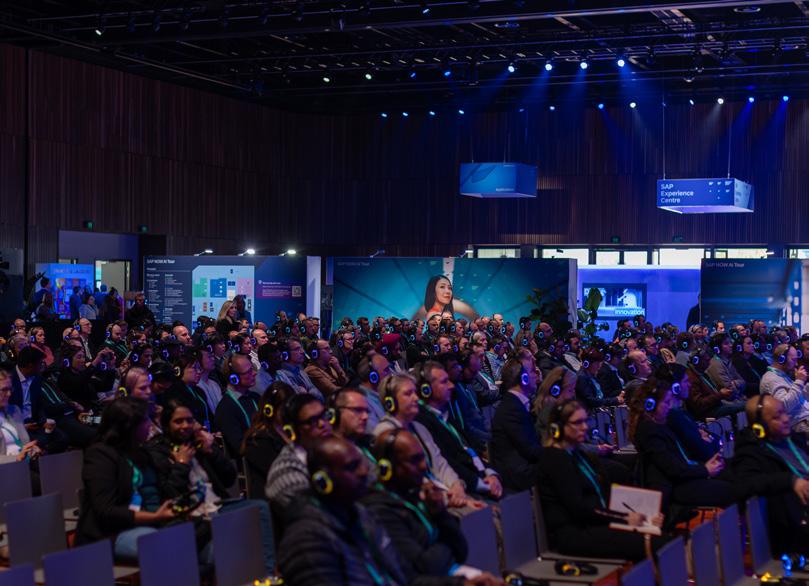
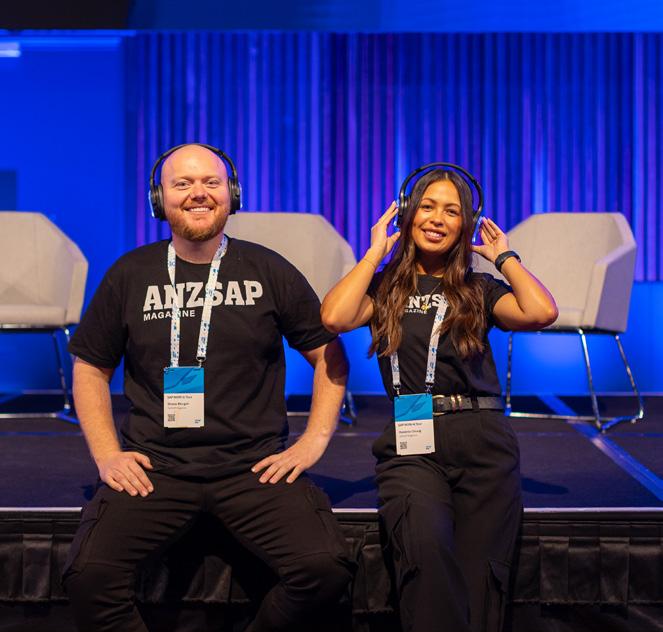
Over the last three years, AI has moved from the sidelines to the heart of ANZ business. And we were absolutely thrilled to be official media partner of the SAP NOW AI Tour. There was a major buzz in the air about the exciting conversations and insights shared.
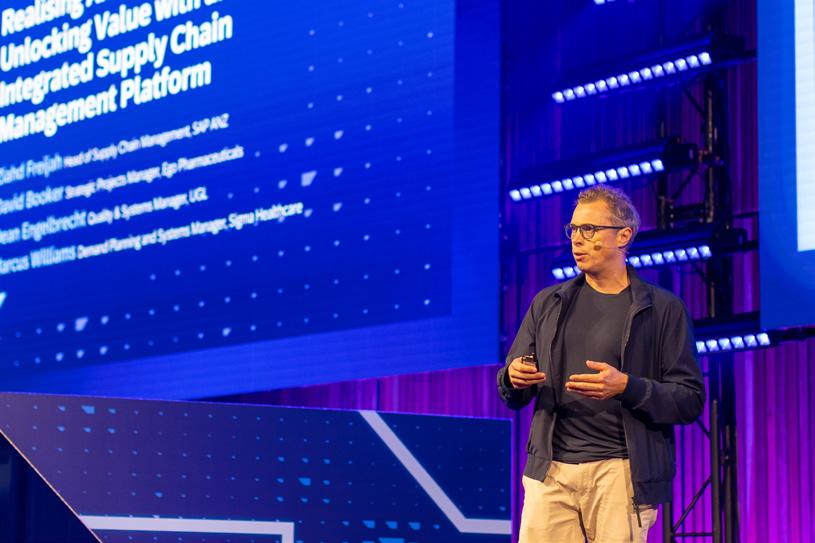
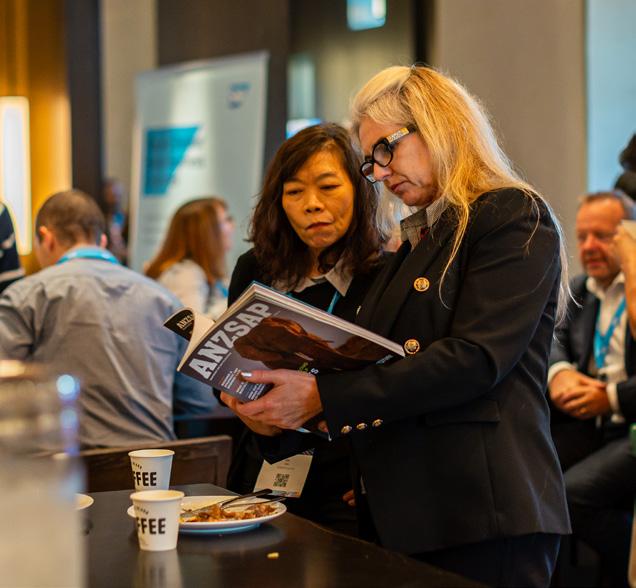
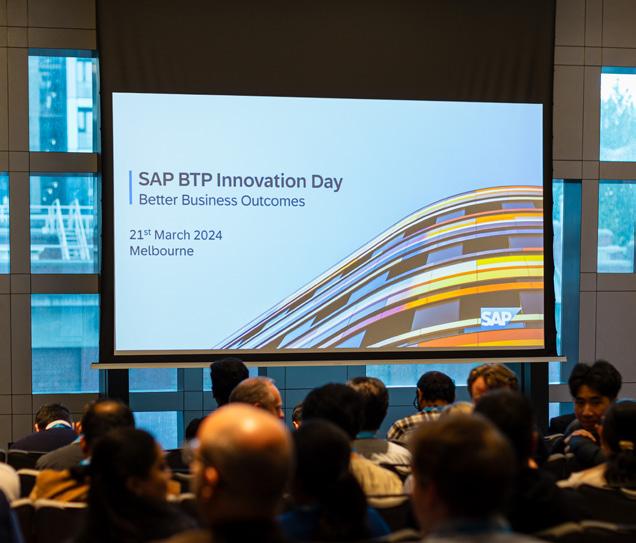
DAY TOUR 2024 ANZ
ANZSAP Magazine was the official digtial sponsor of the Innovation Day, our first sponsored event.
It was a privilege to be part of such a lovely afternoon exploring innovative strategies for HR transformations. Great food and such impressive views.
That elephant shot though...
What an experience! We took the magazine and loved catching up with the community in five cities: Brisbane, Sydney, Melbourne, Auckland and Perth.


ANZSAP MAGAZINE
15.5K 21K 28K+ READS IMPRESSIONS WEBSITE VISITORS
Email subscribers & community database
Combined LinkedIn page followers
18K+ 14K+ 100,000K+
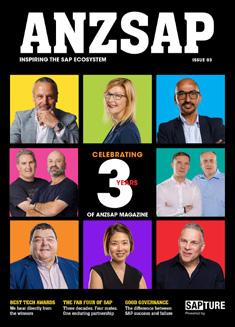
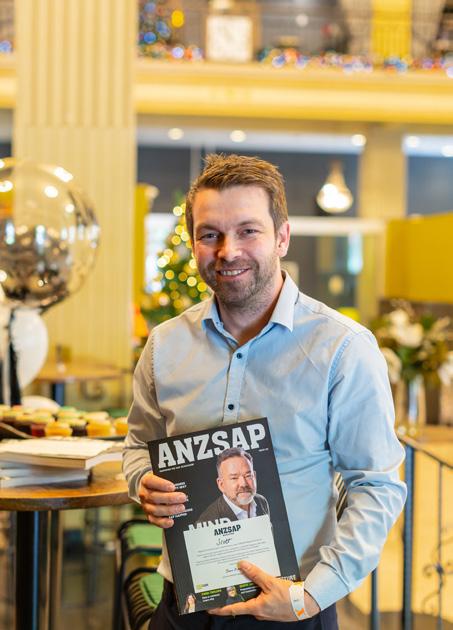





Total organic social reach

135K+ 96% 28K
Visitors ANZ Unique visitors

PwC Australia is an SAP Platinum Partner with deep experience delivering S/4HANA transformations for organisations around the world. In this guide, PwC Australia’s SAP leaders, Bradley Burt, Anthony Bunic, Stuart Choi and Jeremy Pitchford share their experience of how organisations yet to transform can get S/4HANA right and, above all, maximise value realisation.





One of the biggest challenges leaders face when driving a business case for transformation, is that the financial case rarely stacks up on its own. Remaining tied to heavily customised ECC creates technical debt and a competitive disadvantage, but translating that into a compelling case is genuinely difficult.
Yet it is important to be able to effectively articulate that case for change. Insights we’ve gained from other organisations highlight that a strong case should include:
• A clear view of the current state and its constraints.
• A target vision aligned to business needs.
• A cost–benefit analysis that resonates with the board.
• A recognition that staying on ECC limits access to AI and modern capabilities.
Overall, it should focus on a valueled approach, grounded in process improvement, simplification, and future capability. This proves far more effective than a purely technical justification.

Organisations are increasingly looking for S/4HANA delivery approaches that reduce disruption without sacrificing transformation. A few patterns have emerged from successful programs:
1. GenAI-enabled delivery accelerates outcomes
Organisations are beginning to use GenAI assets and delivery agents to increase efficiency, automate tasks, and improve quality during the S/4 program. These should always be aligned to the SAP Activate framework.

2. Industry best practices reduce rework
Pre-configured, industry-specific environments (e.g., PwC Australia’s Industry Edge) help teams start with proven processes rather than building from scratch, which reduces implementation risk and speeds up deployment.
Together, these approaches are enabling organisations to modernise without getting stuck in long, costly technical projects.

S/4HANA isn’t the finish line; it’s the platform on which modern capability is built."

A surprising number of organisations have already implemented S/4HANA but have not realised its potential.
Two common themes emerge:
1. Brownfield-only approaches often carry legacy issues forward. If a migration did not include genuine transformation, the organisation may still be operating with deeply embedded legacy technical debt.
2. Post-go-live optimisation is essential.
Many organisations need to unlock “trapped value” through:
• Streamlined processes.
• Data clean-up.
• Leveraging embedded generative AI.
• Using intelligent automation.
• Improving analytics and decision-making.
S/4HANA isn’t the finish line it’s the platform on which modern capability is built.
Wherever you are on your S/4HANA journey – building the case, delivering the program, or trying to unlock value after go-live – one lesson is consistent across all organisations.
S/4HANA only delivers on its potential when approached as a value-driven business transformation, not a technical upgrade.
This requires clarity, discipline and a willingness to rethink processes, not just migrate them.
As the energy transition accelerates, SA Power Networks is shifting from a traditional distributor to an agile, datadriven Distribution System Operator. During this shift, rather than pursuing a single large transformation, SA Power Networks is evolving through deliberate, incremental change; modernising systems, enabling the workforce, and strengthening its ability to integrate renewables, emerging technology, and customer participation.
This Q&A with Jason Anthony, Head of Enterprise Applications at SA Power Networks, explores how the organisation is approaching this journey, the lessons learned along the way, and how innovation, collaboration, AI, and SAP Joule are shaping its next chapter.



What does becoming a Distribution System Operator mean in practical terms for SA Power Networks, for your teams, customers, and the market?
Jason: The transition to a Distribution System Operator (DSO) marks a fundamental shift for SA Power Networks (SAPN), evolving from a traditional asset manager into an active, dynamic system orchestrator. This new role involves real-time balancing of supply and demand by actively integrating Consumer Energy Resources (CERs) such as rooftop solar, batteries, and EVs, through sophisticated monitoring and optimisation.
• For the network: It dramatically enhances our ability to integrate renewable generation, balance energy flows and invest efficiently to maintain a reliable network.
• For customers: It creates new value streams by optimising energy use in homes and businesses, and being rewarded for supporting the grid by participating in the market. All customers will benefit through increased utilisation of our network – we’re delivering more energy through the same infrastructure, leading to lower unit costs.
• For the organisation: It necessitates significant investment in technology, regulatory adaptation, and upskilling our teams for new responsibilities. This will transform our business and ensure that we are best placed to be at the centre of the future energy system.
Ultimately, becoming a DSO positions SA Power Networks to effectively navigate the energy transition, fostering decentralisation, innovation, and delivering enhanced value to all stakeholders.
You’ve described your approach to Operational Support as “walking among hills, not climbing mountains". How does that mindset enable this kind of ongoing evolution?

“The mindset of ‘walking among hills, not climbing mountains’ reflects our approach of incremental progress over dramatic, highrisk leaps.”

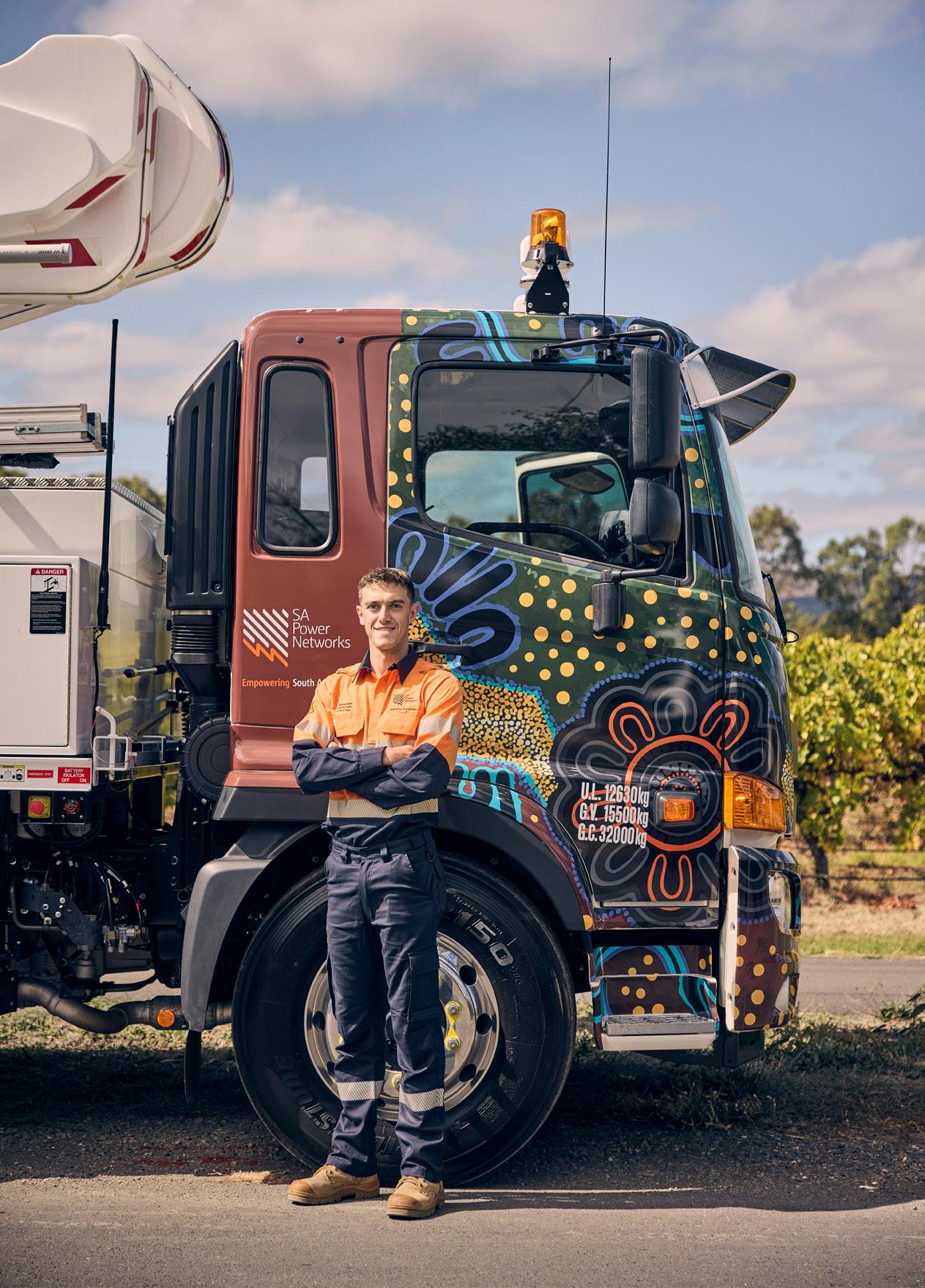
The mindset of "walking among hills, not climbing mountains" reflects our approach of incremental progress over dramatic, high-risk leaps. By choosing this approach, SA Power Networks ensures it remains at the forefront of innovation while maintaining reliability, costeffectiveness, and customer satisfaction.
The approach also reflects a commitment to long-term success and adaptability in a rapidly changing energy landscape.
In addition, walking among hills allows for easier course correction and adaptation. If a particular path proves unproductive, it’s simpler to pivot or adjust than if the organisation were committed to scaling a massive "mountain" that requires significant investment and effort.
It is a mindset that encourages a culture of ongoing learning and refinement. Instead of aiming for one monumental achievement, the focus is on consistent, iterative improvements that compound over time. Conversely, climbing mountains often involves high stakes and significant risks. Therefore, by choosing hills, the organisation can experiment, learn, and evolve without the fear of catastrophic failure.
Many utilities take a “wait and leap” approach to transformation. Why has SA Power Networks deliberately chosen to move through continuous, smaller upgrades instead?
Large-scale, sudden transformations often come with significant risks, including operational disruptions, implementation challenges, and unforeseen costs. By adopting incremental upgrades, SA Power Networks can mitigate these risks,
testing and refining changes in smaller, manageable steps.
The energy sector is rapidly evolving, with advancements in technology, regulatory changes, and shifting customer expectations. A continuous upgrade approach allows SA Power Networks to remain agile and adapt to these changes in real time, rather than waiting for a major overhaul that may become outdated by the time it is implemented. Moreover smaller, incremental upgrades spread costs over time, making investments more manageable and predictable. This approach avoids the financial strain and potential budget overruns associated with large-scale transformations.
By continuously upgrading, SA Power Networks can take advantage of emerging technologies as they become available, rather than waiting for a single leap that may miss out on the latest innovations. So, by choosing this approach, SA Power Networks ensures it remains at the forefront of innovation while maintaining reliability, cost-effectiveness, and customer satisfaction. It reflects a commitment to long-term success and adaptability in a rapidly changing energy landscape.
What benefits have you seen in areas like risk management, cost control, and innovation, for example, from this approach? With gradual upgrades of systems and processes, SA Power Networks can ensure that the network remains stable and reliable throughout the transformation process. This avoids outages or service interruptions for customers. Smaller upgrades allow costs to be spread over time, making financial planning more predictable and manageable and avoiding the large upfront capital expenditure
“Instead of aiming for one monumental achievement, the focus is on consistent, iterative improvements that compound over time.”
associated with "big bang" transformations.
However, the incremental approach still allows SA Power Networks to innovate, integrating new technologies as they become available and ensuring the network remains future-ready. Likewise, smaller upgrades can be implemented quicker, allowing SA Power Networks to deliver new capabilities and services to customers faster than waiting for a large-scale transformation.
You’ve recently completed your SAP RISE migration and Extend Warehouse Management (EWM) go-live. What lessons did those milestones teach you about how to manage change at scale while keeping momentum?
I would say the most important element was continuous business engagement at all levels and strong project governance. For EWM we had on-site presence – for example, facilitating workshops and end user training directly on the warehouse floor, rather than sitting in a conference room with PowerPoint slides.
For RISE, breaking the program into smaller, demonstrable increments with clear definition of done, helped. Considering the large program of work and multiple moving pieces, this helped us stay on track and prioritise. There were a lot of unknowns with RISE, given our complex landscape and the scale of this implementation. We learned very quickly that it was easier to make mistakes and correct them rather than waiting for the perfect solution.
We worked hard to create a culture in which raising risks early was rewarded, not punished.
Regular progress updates to business and project leadership, including sharing challenges and requesting support when needed (e.g., addressing delays, budget concerns), were critical.

This transparency ensured shared accountability between the business and the project team throughout the implementation. Establishing clear roles and responsibilities within the project team, supported by regular communication, empowered team members to make decisions at their respective levels. This clarity was crucial in maintaining delivery momentum and ensuring project success.
How do emerging technologies like AI and SAP Joule fit into your vision and where do you see them adding the most value next?
Technologies like AI and SAP Joule align closely with SA Power Networks' goals of delivering reliable, sustainable, and innovative energy solutions to South Australians. These technologies
have the potential to transform how we operate, optimise processes, and deliver value to customers, employees, and stakeholders. Joule can provide real-time recommendations and insights to employees, helping them make faster, more informed decisions.
By embracing these technologies, SA Power Networks can continue to lead the way in delivering innovative energy solutions, improving reliability, and supporting South Australia's transition to a sustainable energy future.
SA Power Networks is seen as a highly active member of the SAP and utilities community. Why is that collaboration important, and how does sharing lessons help drive the industry forward? By actively engaging with these
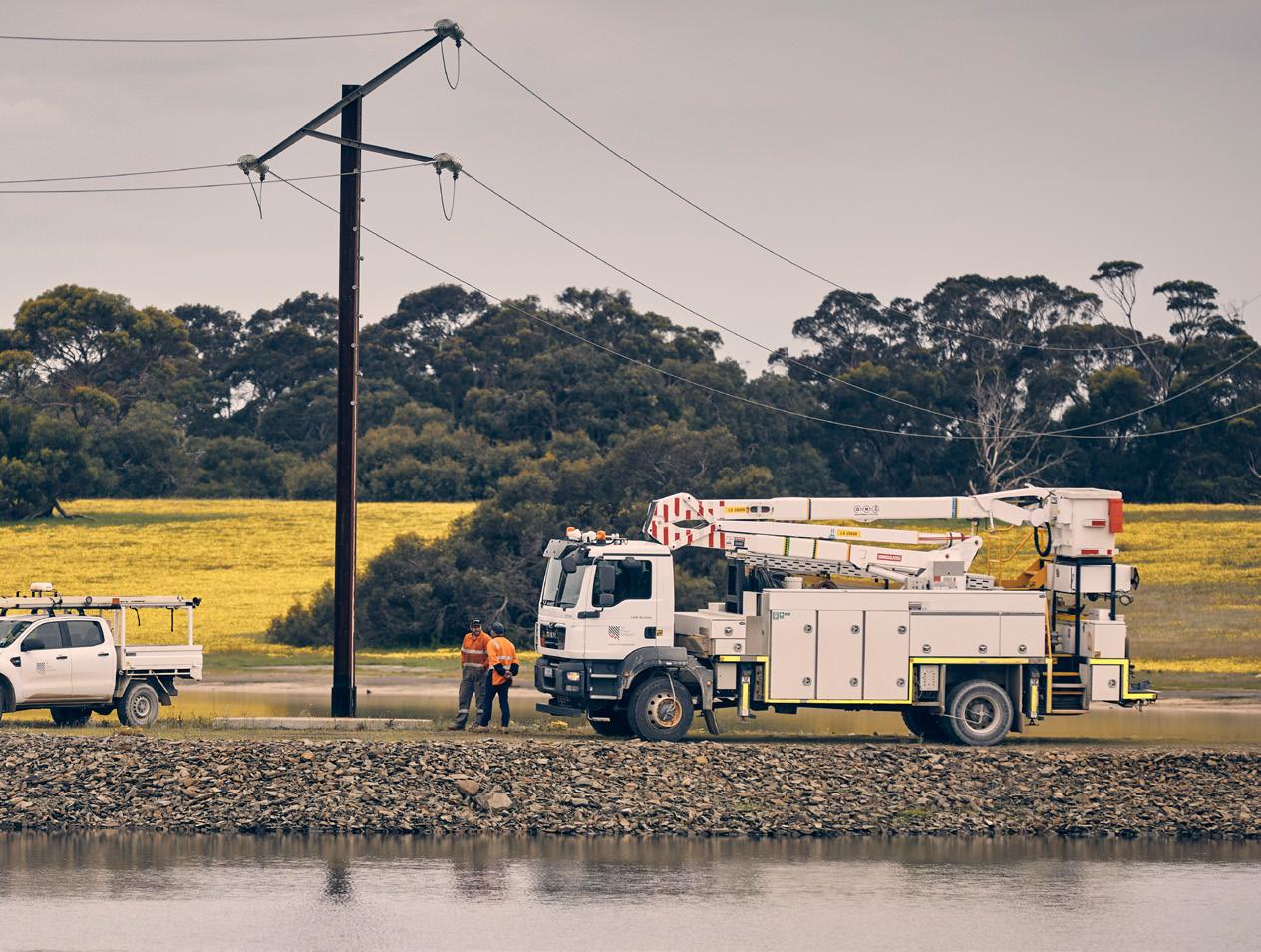
communities, SA Power Networks can stay at the forefront of technological advancements and operational strategies. SAP solutions are widely used in the utilities sector, and collaboration allows organisations to share insights on how to optimise these tools for better asset management, customer service, and operational efficiency.
Utilities face common challenges, such as integrating renewable energy, managing ageing infrastructure, and improving customer engagement. Collaboration enables organisations to tackle these issues collectively, leveraging shared expertise to develop effective solutions.
SA Power Networks is uniquely positioned to lead these collaborative efforts due to its reputation and learnings, as an
innovative organisation. By actively participating in industry forums, sharing case studies, and engaging with peers, SA Power Networks not only strengthens its own operations but also contributes to the broader advancement of the utilities sector.
This leadership role helps ensure that the industry continues to evolve in a way that benefits customers, communities, and the environment.
How are you preparing your workforce to thrive in this new, data-driven, AI-supported operating model?
Transitioning to an AI-enabled operating model requires a strategic and phased implementation focused equally on people and technology.
This involves upskilling the workforce through targeted training
“We learned very quickly that it was easier to make mistakes and correct them rather than waiting for the perfect solution.”
in AI concepts, applications, and cybersecurity. Crucially, it means fostering a cultural shift where employees view AI as an enhancement tool not a replacement allowing automation to free them for strategic, creative, and customer-focused work.
We are working to ensure AI systems are intuitive and ethically sound, starting with small-scale projects to build confidence and demonstrate immediate value before scaling. By prioritising ethical use and regulatory compliance, SA Power Networks can ensure its workforce is prepared to thrive in this datadriven environment, boosting engagement, satisfaction, and operational excellence.
If you look three to five years ahead, what will success look like for SA Power Networks? Delivering safe, reliable, equitable and affordable electricity to all South Australians.
We are striving to improve the customer experience, through streamlined communications, faster response times, and tailored services that meet diverse needs.
SA Power Networks has a key role in supporting customers in their energy transition, by evolving our role to ensure that we unlock household, network and market value.
This will take strong collaboration with other key players in the market, but we are already setting a blueprint for nationwide change, on how an electricity network can make a fundamental contribution to the efficiency, equitability and affordability of an entire energy system.