amane currents
CLIMATE ADAPTATION: A NECESSITY AND AN OPPORTUNITY CLIMATE ADAPTATION: A NECESSITY AND AN OPPORTUNITY


Plus:
wo factors for successful water sanitation PPPs veraging the benefits of voluntary carbon markets
harting the growth of chemical recycling
Volume 4, Issue 1 | Winter 2023
The climate shift: We can’t just ‘mitigate’, now is the time to adapt Vinod Jose, Principal
Achieving universal sanitation: Key success factors for private sector involvement
Ida Johansson, Principal and Kitty Rooney, Consultant
Looking ahead: Amane leaders weigh in on what to expect in 2023
Project developers should ‘opt in’ on voluntary carbon offsets

Lucas Corral Basterra, Project Manager, Anatole Baudin, Consultant, with support from Salvador Soto
Explained: Opportunities in chemical recycling
Kalindi Rana, Project Manager and Ankita Soni, Senior Consultant
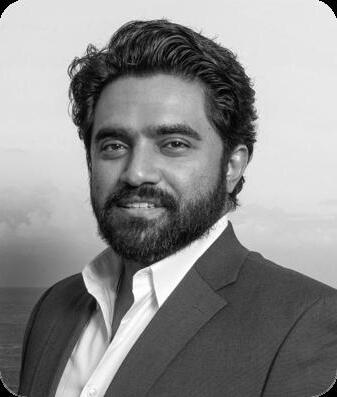
Employee Spotlight: Vinod Jose, Principal
Amane inks agreement to support the delivery of world-class waste management services to the city of AlUla in Saudi Arabia
Amane connects with future leaders in water Amane checks out the latest industry innovations at WEFTEC
Welcome to Winter 2023 amane currents Contents amane currents is published quarterly by Amane Advisors in Summer, Fall, Winter and Spring. Amane Advisors assumes
for unsolicited manuscripts or images. 3 Editorial Director Visit us on
no responsibility
Amane in the News Meet Amane’s New Hires About the Authors 4 8 12 16 19 21 23 24 28 Volume 4, Issue 1 | Winter 2023 bmalarkey@amaneadvisors.com Managing Editor Feedback Lauren Trucksess William Malarkey ltrucksess@amaneadvisors com currents@amaneadvisors.com Amane Year in Review 27 Event Radar 26
Welcome amane currents WINTER 2023
In nature, the winter season forces many living beings to adapt to changes in their environment Similarly, at Amane, we see many ways in which our business and our clients have adapted in recent months – to changing economic conditions, new opportunities, and with the arrival of fresh talent and expertise.
This issue of currents explores the theme of adaptation more deeply.
After a year that began with deadly snowstorms in parts of the US, Pakistan, and Canada, and ended with record rainfall and flooding in California, our lead story looks at the urgent need to adapt to climate change in the ‘here and now’.
With most efforts focused on mitigating climate change by reducing greenhouse gas levels, Principal Vinod Jose explains why investing in solutions that help communities respond to and prepare for the near-term consequences is equally important.
Adaptation takes on a slightly different meaning in our second story. Here, we look at how publicprivate partnership projects have been adapted across regions, communities, and project types to drive better outcomes for all parties.
Principal Ida Johansson shares her perspective on the factors that are most likely to determine the success of projects in the sanitation sector, with examples from India, Namibia, and Brazil.
And with interest in carbon offsets growing steadily over the past year, our team explores how a few major financial institutions are adapting traditional investment mechanisms to reduce risk and generate stronger returns for infrastructure projects through the use of credits from voluntary carbon markets – as well as how developers can structure their projects for success.
In this issue, you’ll also find a brief explainer on chemical recycling and how it's evolving as an alternative and complement to mechanical recycling. Plus, we've got the latest Amane news and some of the industry events where you’ll spot our team members in the coming months.
As always, thank you for reading. We wish you the best for the year ahead!
Sincerely,
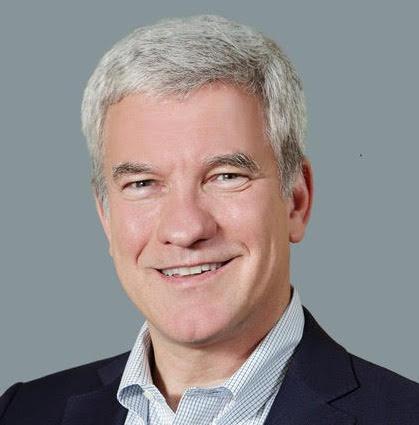
Bill Malarkey Managing Partner, North America

Page 3 WINTER 2023
The climate shift: We can’t just ‘mitigate’, now is the time to adapt
 By: Vinod Jose, Principal
In the fight against climate change, global efforts – and investment dollars – have focused almost exclusively on supporting mitigation But as Amane Advisors Principal Vinod Jose explains, progress has not happened at the speed or scale required to stave off the effects of climate change – and investing in climate adaptation is both a necessity and the next big opportunity for corporates and investors alike.
When Al Gore’s ‘An Inconvenient Truth’ debuted more than 15 years ago, it moved climate science into the mainstream and signaled the start of climate tech’s journey toward becoming a sector in its own right. The film brought awareness to how rising levels of CO2 and other greenhouse gases (GHG) were leading to increasingly severe climate impacts – and focused global attention on the need to mitigate these increases in global temperatures.
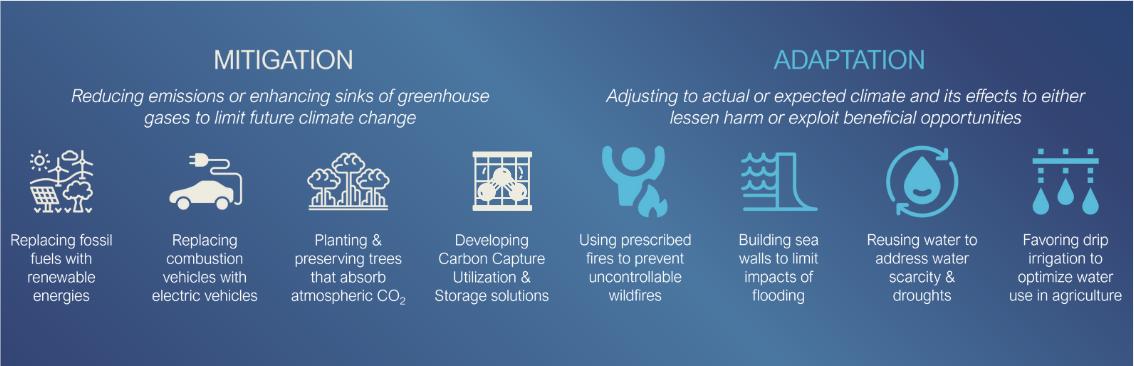
Since then, governments, corporations, and communities across the world have recognized the need to act – adopting policies and incentivizing solutions aimed at tackling the problem of climate change. By and large, these efforts have had an almost singular focus on mitigation – specifically, taking measures to reduce emissions and enhance ‘sinks’ to store carbon.
The idea was that by stabilizing greenhouse gas levels early enough, we could stave off the worst impacts of climate change and transition to a greener, more sustainable future.
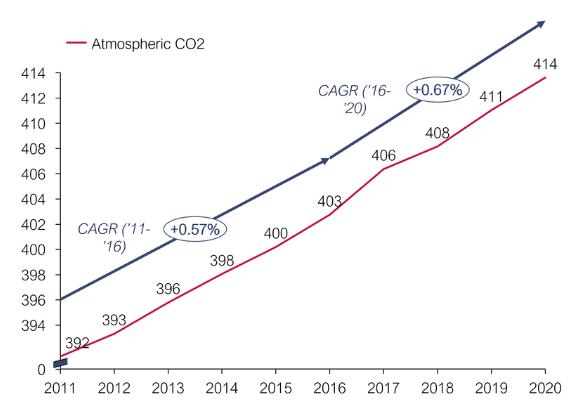
While efforts to decarbonize are critical and must continue, what’s become increasingly clear is that our efforts have proven too little, too late. In fact, despite up to 94% of global annual climate investment over the last decade going toward mitigation efforts, the global concentration of atmospheric CO2 has slightly accelerated (+0.1% CAGR).
The time to truly “mitigate” climate change has passed.
Page 4 WINTER 2023
Global concentration of atmospheric CO2 has slightly accelerated (+0.1% CAGR) in the past decade, despite exponential investments. Source: NOAA
Today, we face a new reality; one in which higher global average temperatures trigger widespread changes in weather patterns –resulting in more frequent and intense heat waves, storms, floods, and droughts, as well as rising sea levels.
This new reality calls for a new perspective; namely that we cannot rely solely on mitigation. We must also accelerate and scale investments in climate adaptation so that we can adequately respond to and prepare for the consequences that are already unfolding.
The adaptation ‘triple dividend’
Climate adaptation is the process of adjusting to the actual or expected climate to either lessen harm or capitalize on opportunities. While mitigation includes activities such as replacing fossil fuels with renewable energy sources and developing carbon capture utilization and storage solutions, examples of adaptation efforts include building sea walls to limit the impacts of flooding, reusing water to address scarcity and droughts, and using prescribed fires to prevent uncontrollable blazes.
Climate adaptation is the lesser-known cousin of climate mitigation – as well as the lesser funded. Experts say for every $18 dollars spent on climate mitigation, only $1 is spent on adaptation measures and adaption accounted for less than 10% of the $660 billion invested into climate tech in 2020.
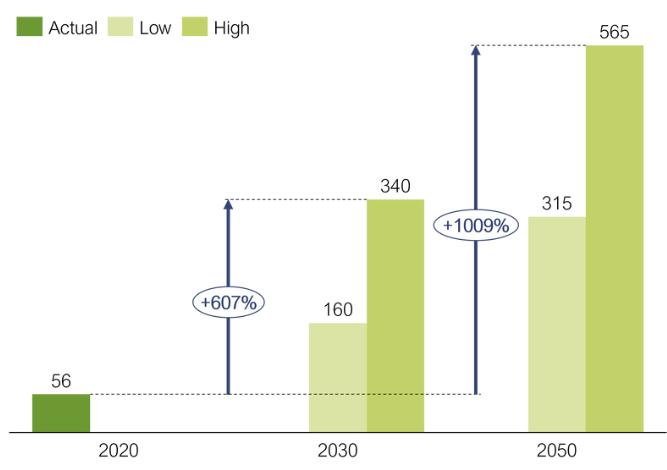
Aside from the fact that climate change is already in the here and now, this funding gap is concerning for two main reasons. First, the UN estimates adaptation efforts could cost developing countries anywhere from US$160 to US$340 billion annually by 2030 – or as much as US$565 billion by 2050.
Page 5 WINTER 2023 Average
yearly atmospheric concentration of CO2, 2011-2020, ppm
The second reason, however, is that there is actually a strong economic case for investing in climate adaptation. According to the World Resource Institute, every $1 invested in adaptation generates a return between $2 and $10.
Annual costs of climate adaptation in developing countries alone will grow tenfold by 2050
Water is the key to adaptation
While carbon is the primary focus of climate mitigation efforts, climate adaptation centers heavily on water. From sea level rise and historic flooding to droughts and fire – water, or the lack of it, is the clearest manifestation of climate change today.
Unfortunately, the traditional water sector is already facing several chronic challenges that necessitate additional funding and innovation –with population growth and rising demand increasing water stress. As it stands, 1.6 billion people will lack access to safe drinking water by 2030, and 2.8 billion will lack access to sanitation services. Climate change is only further exacerbating the causes and effects of these – and other – water challenges, making adaptation solutions all the more critical.
Annual cost of adaptation for developing countries, $USD bn Source: UN Environmental Programme
In fact, climate adaptation investment has the potential to yield a ‘triple dividend’ – helping organizations and communities to avoid economic losses, realize positive gains, and deliver wider social and environmental benefits. For instance, estimates show spending $800 million on early weather warning systems in developing countries would avoid losses of up to $16 billion per year.
Meanwhile, investing $250–$500 per hectare in better dryland farming practices could increase cereal yields by 70% to 140%, and investing in the health of mangrove forests, which contribute up to $50 billion per year in non-market benefits to the fishing, forestry and recreation sectors would help support local jobs, food supplies and tourism.
That’s part of the reason why water has been identified as the top priority sector for adaptation action by countries that are party to the UNFCCC (United Nations Framework Convention on Climate Change). It’s also the common denominator in the top five global risks identified by the 959 respondents to the World Economic Forum’s Global Risks Perception Survey.
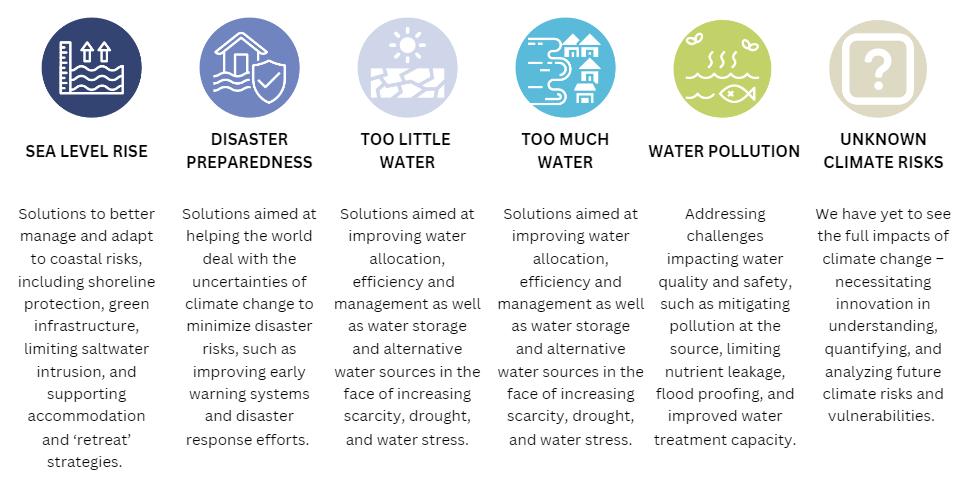
Climate adaptation touches the entire water sector. The Amane Advisors team currently tracks a wide variety of response options and climate adaptation technologies (CAT), which the UNFCCC defines as hardware, software and ‘orgware’ designed to reduce the vulnerability, or enhance the resilience, of a natural or human system to the impacts of climate change.
Page 6 WINTER 2023
We have organized our findings into six key adaptation areas in which the opportunity and need for innovation and investment is greatest:
Climate adaptation is the future
The above list is just a snippet of the role of water in realizing climate adaptation but it’s clear there is an incredible opportunity for both traditional water players as well as investors and new entrants. In fact, I see a lot of reason for optimism. The reality is that we’re not starting from scratch; many of the solutions we will need most to adapt already exist in some form. By reimagining, repurposing, and scaling existing technologies for new applications and use cases, we can accelerate our ability to adapt to the more immediate impacts of climate change.
For traditional water sector players, exploring adaptation solutions will open up new market opportunities beyond their core focus today. It presents an opportunity to diversify and futureproof their business. For investors seeking to capitalize on the momentum and the
necessity of adaptation, the opportunity lies in de-risking their investments by better understanding the nuances of the increasingly complex – and critical – water market. And it’s an incredible time for startups who are bringing fresh ideas and expertise into the fold.
When a person or organization successfully adapts to a change, they grow. While there’s no doubt that climate change represents the biggest challenge of our time, it’s an equally significant opportunity for progress. By better understanding the challenges and changes ahead, the water sector can grow more resilient and become more effective stewards of the planet’s most critical resource.
Page 7 WINTER 2023
Achieving universal sanitation: Key success factors for private sector involvement
 By Ida Johansson, Principal and Kitty Rooney, Consultant


Access to clean, safe sanitation is considered a fundamental human right – but today, about half of the world’s population still goes without With billions of dollars needed to close the gap, developing countries often turn to the private sector for support But as we explore in this article, there are two main factors that determine whether collaborations between the public and private sectors are likely to succeed.
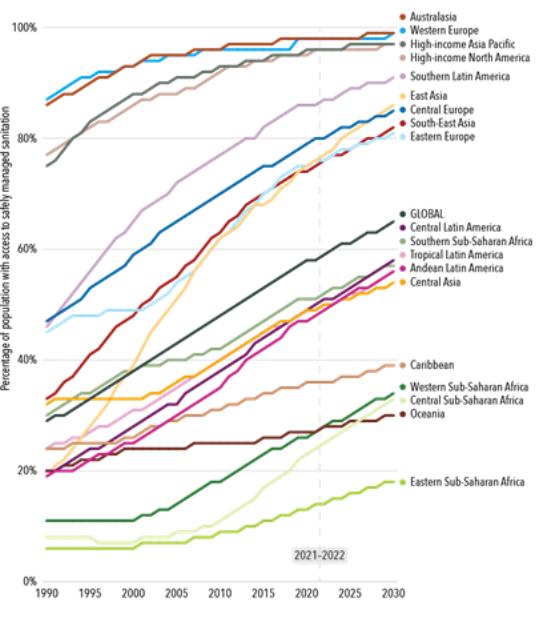
Today, only 54% of the world has access to safely managed sanitation, with one in four lacking access to a toilet and around 45% of household wastewater being discharged without safe treatment. And while the UN has a target of achieving universal access by 2030 (SDG 6.2), this target is forecast to be missed by 35%.
Poor sanitation is an issue with social, economic, health, and environmental ramifications; it impacts quality of life, pollutes natural ecosystems, contaminates resources, and releases methane – the most potent greenhouse gas (GHG). Natural disasters such as flooding can also damage less resilient sanitation systems, resulting in the spread of disease.
The World Bank estimates that achieving universal sanitation will require extensive investment – up to $49 billion in CAPEX per year until 2030 – but securing this level of funding is challenging, particularly in developing countries where it’s needed most. Consumers are less willing to pay for low visibility services, municipalities often lack the experience or resources to implement robust systems, and tariffs often fail to cover operating costs. At a national level, high debt levels have affected some countries’ borrowing capacity, and competing demands mean sanitation is not always prioritized.
Attracting funding from the private sector can help fill the gap, but historically, many
Page 8 WINTER 2023
wastewater initiatives involving private players have failed to deliver.
By looking at some of the more successful examples of wastewater private-public partnerships (PPPs), however, we see that a project’s success often comes down to two main factors; its financial viability and scalability.
Projections on achieving SDG 6.2
The private sector (IVRCL in collaboration with VA Tech Wabag) was contracted to construct a sewer system with a five-year network O&M and to build a wastewater treatment plant under a 14-year build-operate-transfer (BOT) contract. After the BOT expired, a five-year treatment plant O&M contract was awarded to Wabag.
For the initial sewer construction CAPEX, domestic grants, and concessionary loans facilitated access to finance for a municipality with a low credit rating. Around 30% of CAPEX was collected through sewer connection charges, and tariffs were set at a reasonable level to cover operating expenses. This was made possible through a successful consumer outreach program, which increased willingness to pay. In addition, a take-or-pay condition guaranteed a minimum income for the private operator.
Multiple sources of funding, one goal
There are several ways to ensure wastewater PPPs are financially viable – which, in turn, maximizes their impact and longevity.
India’s first wastewater PPP, the Alandur Sewerage Project (1996), used multiple financing mechanisms to get off the ground. Prior to the project, Alandur (population ~165,000) used septic tanks with unregulated sludge disposal.
Elsewhere in India, in Sinnar and Wai, the private sector has been delivering fecal sludge management (FSM) services (the collection, transportation, and treatment of waste without a sewer system) since 2018. Private companies have been contracted for scheduled sludge collection, which generates more predictable cash flow and reduces transportation costs compared to on-demand collection. Two new sludge treatment plants (one in each city) have been built and their operations are outsourced under design-build-operate-transfer (DBOT) contracts.
Sinnar’s treatment plant was funded by the municipality, whereas a grant from the Gates Foundation was awarded for the construction of Wai’s treatment plant. The municipalities also implemented a sanitation tax on all properties, with higher rates for non-residential properties. This is used to pay the private operators via performance-linked payments based on criteria such as the number of tanks de-sludged.
Page 9 WINTER 2023
Source: Global Water Intelligence, Bill & Melinda Gates Foundation
To mitigate the risk of non-payment, the municipality is required to keep three monthsworth of contract payment as a reserve.
Around 95% of households have accepted the new scheduled service, with differential taxes resulting in some houses paying approximately one-fifth of what they previously paid. Furthermore, de-sludging has risen from seven to eight septic tanks per month to seven to eight per day – resulting in a substantial increase in sewage treatment.
Unlocking new revenue opportunities
Using existing resources to create new revenue streams can also increase the financial viability of wastewater PPP projects. One example comes from Windhoek, Namibia, where a wastewater recycling plant is operated by Veolia (67%) and Wabag (33%) under a 20-year O&M contract. Wastewater reuse provides around 35% of the drinking water supply for the city, helping to combat water scarcity pressures from the arid climate and population growth. Leveraging wastewater as a resource, in this case for potable water, has helped to attract private sector interest.
For non-sewered solutions, additional revenue streams can be generated through the integration of activities. For example, in the Indian State of Maharashtra, over 100 new sludge treatment plants have been co-located with solid waste treatment plants. Sludge is cocomposted with solid waste and sold to farmers. Waste-to-energy approaches, such as producing biogas, are also promising new opportunities to offset operational costs and boost profits.
Achieving success through scalability
Focusing on improving the scalability of wastewater PPPs is another success factor
enabling operators to realize cost and productivity efficiencies.
In Brazil, achieving universal access to sanitation by 2033 is estimated to require a total CAPEX investment of US$143 billion. There, wastewater PPPs utilizing a BOT model have historically proven unsuccessful due to the extensive investment required at beginning of the project and the long horizon for profitability (30-35 years).
With the goal of achieving universal access to sanitation requiring such extensive investment, a new PPP law was introduced in 2020. It mandates competitive bidding for new contracts, standardizes regulation to create a more stable business environment, and enables the aggregation of multiple municipalities for water and wastewater services.
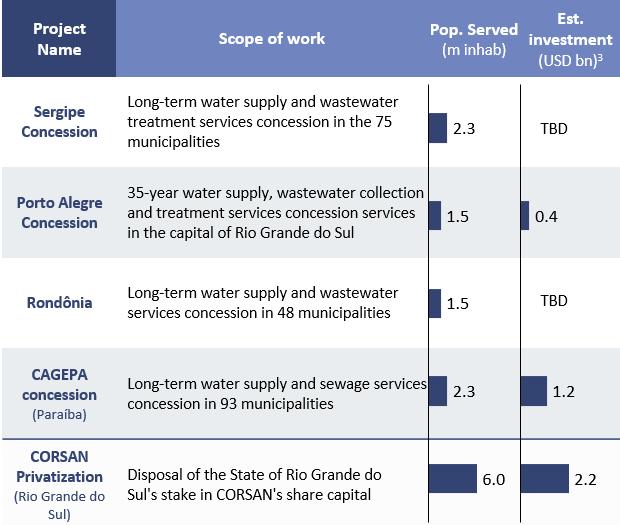
Retail concession opportunities with BNDES
Source: BNDES, Global Water Intelligence
Page 10 WINTER 2023
–
This law is expected to give rise to opportunities for the private sector through large-scale concessions and privatization of utilities, which are being promoted by the Brazilian Development Bank (BNDES).
However, achieving a similar level of scalability in non-sewered PPPs is more difficult. Nonsewered sanitation solutions are typically implemented in rural areas where low population densities make the construction of sewers unfeasible. In these instances, a more innovative approach is required.
In Wai and Sinnar (as mentioned above), scalability was achieved by integrating various FSM activities along the value chain including collection, transportation, and treatment of fecal sludge.
In Senegal, the National Sanitation Office of Senegal (ONAS), with financial support from the Gates Foundation, launched an FSM project in Dakar in 2011. For sludge collection, call centers were set up to facilitate open bidding between collection companies, which created scalability through the aggregation of demand. Cost transparency and increased competition decreased prices for users, while the volumes of sludge collected have risen – boosting revenues for private operators.
The ONAS also tendered seven-year O&M contracts for sludge treatment plants. Improved operational efficiencies and greater volumes of sludge treated (the number of trucks delivering sludge more than doubled) saw net profits increase by around 200% within four years. However, it is important to acknowledge that funding from the Gates Foundation was critical for the success of this PPP.
These examples demonstrate the importance of prioritizing the commercial viability and scalability of wastewater PPP projects. But there are other factors that contribute to a project’s success. Public outreach campaigns can play an influential role in improving willingness to pay, while strong political buy-in, transparent regulation, and financial risk mitigation can also help to attract private players.
Development institutions also play a critical role; grants and concessionary finance are still relied upon to meet CAPEX requirements, and technical and financial assistance is used for increasing the capabilities of municipalities.
Achieving universal access to sanitation will thus require wastewater PPPs to be carefully designed in order to attract the private sector but will also likely rely upon leveraging capital and technical assistance from development institutions.

Page 11 WINTER 2023
Focusing on improving the scalability of wastewater PPPs is another success factor –enabling operators to realize cost and productivity efficiencies."
Looking ahead: Amane leaders weigh in on what to expect in 2023
With rising global inflation, Russia’s invasion of Ukraine, and the resulting price shocks and energy disruptions, as well as intensifying climate change, 2022 was packed with notable events that shaped the world; many of which will continue to impact strategic decision-making in the year ahead
As we move into 2023, we asked several Amane Partners to share their thoughts on key industry trends impacting decision-making across water, waste, and resource recovery and to identify emerging areas of opportunity
The push to decarbonize is unlocking both environmental and business benefits for water utilities and waste management companies alike.
Water utilities are dependent on energy from fossil fuels – it accounts for more than half of the sector’s greenhouse gas (GHG) emissions. And with more than a quarter of utility operating expenditure going toward energy, there is both an environmental and economic incentive to decarbonize.
“We’re now seeing more utilities exploring opportunities to generate their own energy, diversify their energy mix, and implement measures to improve and reduce overall energy consumption to drive cost savings, while also meeting climate pledges and customer expectations,” said Partner Geoff Gage.

“Similarly, waste management companies are also recognizing the economic benefits of decarbonization. Smart solutions, such as AIbased waste sorting, are driving operational improvements, enabling companies to generate higher yields from similar waste inputs and effectively reduce their carbon intensity. Additionally, more waste players are actively investigating carbon capture, utilization and storage (CCUS) technology.”
Page 12 WINTER 2023
Energy insecurity is boosting demand for greener alternatives, including renewable natural gas.
In a global environment where energy supply increasingly needs to be both secure and renewable, conventional fossil fuels are less and less attractive. As more countries seek to mitigate their dependence on imported fuels, we expect renewable natural gas (RNG) to play a key role in providing a reliable and green alternative.
The recent invasion of Ukraine has revealed weak spots in the current energy supply chain. As a result, the US and Europe are looking to strengthen their energy reserves and diversify their supplies by drawing on resources close to home.
“RNG is fully interchangeable with conventional natural gas and can help mitigate climate change as a renewable energy source, particularly when it’s generated from municipal sewage sludge, agri-waste, and animal manure. We’re seeing much more activity in this sector, including new financial incentives that are pushing biofuel and RNG below diesel prices, increased investment in biogas production, and the creation of greenfield plants," said Partner Amedeo Vaccani.
With a highly fragmented market, we see opportunities for a wide variety of new and existing players across the value chain to accelerate their growth and optimize performance."
Major companies will look inward, focusing on driving improvements in operational performance over big strategic plays.
As the uncertain economic conditions, accompanied by rising interest rates, continue into 2023, we are beginning to see more companies refocusing efforts to improve their operational efficiency and performance – with less appetite to take on major strategic ventures or acquisitions. Major players are looking for new ways to accurately benchmark their operational performance and implement initiatives to improve plant availability, yields, energy use, and profitability.
“Benchmarking is critical to realizing a return on investments in operational performance and it takes specialized expertise to generate actionable insights from and contextualize your data. Our team is already working on several projects – across both water utility operations and in the waste-to-energy sector – to assist companies in improving efficiency. These operational investments enable companies to improve their resiliency during a downturn and prepare to ramp up activity quickly as market conditions improve,” said Partner Geoff Gage.
Page 13 WINTER 2023
Benchmarking is critical to realizing a return on investments in operational performance and it takes specialized expertise to generate actionable insights from and contextualize your data."
Interest in resource recovery solutions is growing in MENA as the region looks to decouple energy production from the oil industry.
In the Middle East and North Africa (MENA), generating energy independently from the oil industry has become a core focus. Large parts of the region have net-zero targets, with individual companies, as well as new cities such as Masdar City in the UAE, striving to cut their carbon footprint.
Simultaneously, the region is undergoing a waste transition: 90% of the region’s waste is currently dumped, but new waste and recycling services are now being implemented.
“The confluence of these two trends – a desire for net-zero and a demand for improved waste services – is giving rise to huge opportunities for resource recovery in MENA,” said Partner Christophe Guillet.
"Energy-from-waste offers an energy source alternative to oil, whilst combatting the unsustainable dumping of waste in a region with a growing population."
Companies across all industrial sectors are looking to address their water risk profile.
At the current pace of industrial activity, the world will experience a 53% shortfall in its global water supply by 2050. The widening gap in water supply and demand is being driven by climate change and increasing water stress –and it’s prompting many companies to reconsider how they plan to mitigate their water risk.
Water risk can manifest in a number of ways –disrupting production and supply chains, increasing operating costs, and reducing output. Both large users of water – such as those involved in mining, paper, and food and beverages – as well as all companies with direct engagement with increasingly active and environmentally aware end consumers – are particularly at risk.
“Water is not an endless resource; the supply cannot keep pace with rising demand – and it’s now a strategic issue for most global businesses. The gap will cause shortages as well as quality issues for a wide variety of companies, which is why we’re increasingly seeing businesses seeking to develop a comprehensive strategy so as to mitigate risks to their operations, reputation – and even their ‘license to operate’”, says Partner Bill Malarkey.
Page 14 WINTER 2023
“Water is not an endless resource; the supply cannot keep pace with rising demand – and it’s now a strategic issue for most global businesses."
Project developers should say 'yes' to voluntary carbon offsets
By: Lucas Corral Basterra, Project Manager, & Anatole Baudin, Consultant, with support from Salvador Soto

The market for voluntary carbon offsets is gaining momentum as more companies set emissions reduction commitments and more investors seek out opportunities to increase their exposure to climate-friendly projects. In this article, we explore how voluntary carbon markets (VCMs) can be leveraged to benefit sustainability projects and how developers can ensure they don’t miss out.
The concept of carbon financing or carbon trading has been around for decades, particularly with the 1997 Kyoto Protocol helping to formalize government-run, compliance-based schemes. While voluntary carbon markets (VCM) emerged shortly after, one can argue that this funding mechanism is just now coming into its own – and creating new opportunities for investors and project developers in the process.
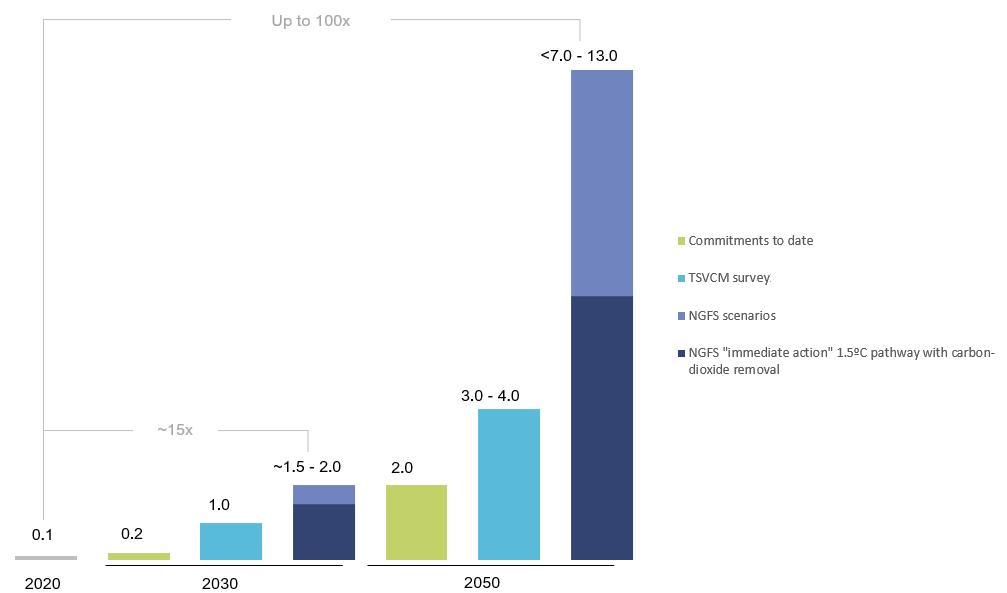
In 2021, the VCM value exceeded $1 billion for the first time. This past year, it added another $400 million in value and according to the Taskforce on Scaling Voluntary Carbon Markets (“TSVCM”), demand for carbon offsets could be multiplied by a factor of 15 by 2030 – hitting $50 billion in value.
Carbon markets help accelerate efforts to decarbonize the economy by creating a financial incentive to reduce emissions and enabling project developers to attract private financing towards sustainability projects that might otherwise be financially unviable.

With growing demand being driven by corporate sustainability commitments, there is ample opportunity for project developers to secure funding and get new projects off the ground. But doing so means ensuring projects are set up for success. Developers must structure projects to be eligible to generate carbon offsets – or risk losing out.

Page 15 WINTER 2023
Strengthening the financial viability of sustainability projects
Unlike their mandatory counterparts – such as those implemented in the EU, the UK, or in California – VCMs, as the name suggests, rely exclusively on companies’ willingness to offset their greenhouse gas emissions (GHG) through the voluntary purchase of carbon credits –rather than for compliance purposes. Compared to mandatory initiatives, VCMs are more fluid and generally unrestrained by boundaries or industry type. Each carbon offset – a certificate equivalent to the avoidance or reduction of one ton of CO2e – is unique, meaning that it cannot be applied to more than one project. Hence, carbon financing opens a new way for sellers to draw funding and gives buyers the possibility to compensate their GHGs at a lower cost than through available technologies while mitigating reputational risk for both.
By helping to attract private financing and creating an additional revenue stream, carbon
offsets can be used to improve the financial viability of climate-focused projects. Throughout its life, the project earns credit each time the corresponding emission reductions are verified. The credit can then be sold on the market through a broker or an exchange. The price a credit will be sold for depends on the relative supply and demand forces at the time of the sale as well as the type of project involved. As a rule of thumb, however, afforestation or reforestation projects typically reach around $20 per metric ton of CO2 equivalent (mtCO2e) whereas technology-based carbon removal projects can fetch up to $300/mtCO2e.
Carbon offsets can be applied to a great variety of projects, ranging from nature-based projects such as reforestation or wetlands restoration to technology-based projects such as renewable energy, methane, or direct carbon capture.
Page 16 WINTER 2023
Voluntary demand scenarios for carbon credits, gigatons per year
Source: NGFS; TSVCM; McKinsey analysis
For that reason, carbon offsets also maximize the environmental and social benefits of the project, such as protecting biodiversity, preventing pollution, improving public health, and supporting job creation.
Voluntary carbon offsets also encourage investment in innovation and knowledge transfers across regions, particularly in developing regions where the potential access to capital is limited and the potential to reduce emissions is high.
On the buyers’ side, carbon offsets provide a cost-mitigating tool. With regards to current emission-reduction alternatives available to companies, buying carbon credits usually remains the most economical way for corporations to compensate for their GHG and achieve internal sustainable targets. Similarly, at a time in which environmental issues are increasingly being priced by global markets and climate actions are watched closely by shareholders and customers, a commitment to the VCM is valued – whether it is through financial or non-financial aspects.
By integrating carbon financing into their projects’ financial structure, developers can bolster the financial viability of their projects in a fast-changing business environment.

Adapting projects to capitalize on VCM opportunities
To capitalize on financial opportunities created via VCMs, developers must be aware of the requirements and how to best structure their projects for success. To qualify, projects need to be audited by independent third parties and registered under a private standard – such as Verra, Gold Standard, or Climate Action Reserve – to determine the quality of the carbon offset and track their issuance and retirement.
This is a key point of project structuring as projects must comply with core principles and requirements – such as those of additionality or permanence, among others – to be eligible.
Once the project is compliant, validated, and registered under the respective bodies, developers must consider the type of investment vehicle under which a project can be structured, and how to recognize revenue generated from the carbon credit issuance.
In this regard, the London Stock Exchange (LSE), for instance, has made significant advances by implementing a mechanism where carbon offset projects are bundled under a holding structure, which is, in turn, listed as an investment vehicle in the Exchange. This structure optimizes risk allocation, and it allows corporates and other investors in need of carbon offsets to retire them when needed and mitigate a portion of their emissions. Likewise, investors will be able to realize returns in the form of carbon credits instead of, or in addition to, cash dividends and other forms of distribution.
Page 17 WINTER 2023
Examples like the LSE and other exchanges such as AirCarbon and Xpansiv CBL are all exceptional efforts to bridge the knowledge gap in a carbon credits ecosystem that still lacks for better governance and regulation.
It also demonstrates the willingness of big market infrastructure players to step into the market as there is still plenty of room for structuring innovation and financial tools; ETFs and futures are already implemented and booming. Hence, there is a clear investment potential that will leave outsiders at a disadvantage.
Several significant challenges remain for the continued development of VCMs, particularly around standardization, transparency, and pricing consistency But recent initiatives are bringing greater credibility.
The launch of the Voluntary Carbon Markets Integrity Initiative (VCMI) in 2021, the release of new carbon standards by the Integrity Council for the Voluntary Carbon Market (ICVCM) in 2022, and other efforts such as the Science Based Targets initiative (SBTi) are bringing more clarity as to how companies can effectively assess their progress and provide oversight that projects genuinely contribute to the global effort to reach net zero.
Voluntary carbon markets are an important tool in the fight against climate change. By ensuring credits are of high integrity, companies are supported in making measurable projects, and projects are implemented successfully, we can progress further and faster in achieving critical climate goals. There is also still significant room for disruption, and those who leverage the opportunity – especially in a world that is becoming more sustainability-driven – can gain the competitive edge.
Page 18 WINTER 2023
By integrating carbon financing to their projects’ financial structure, developers can bolster the financial viability of their projects in a fast-changing business environment."
Explained: Chemical Recycling
Our new ‘Explained’ feature offers a quick dive into new technologies, applications, and market opportunities. In this issue, we explore chemical recycling and look at the tailwinds supporting its growth.
Research by Kalindi Rana, Project Manager and Ankita Soni, Senior Consultant
A planet of plastic
Over the last 30 years, plastic consumption has quadrupled, reaching 460 million tons in 2019.
The UN Environmental Programme estimates that if historic growth trends continue, global production of primary plastic could reach 1,100 million tonnes by 2050.
Global plastics production
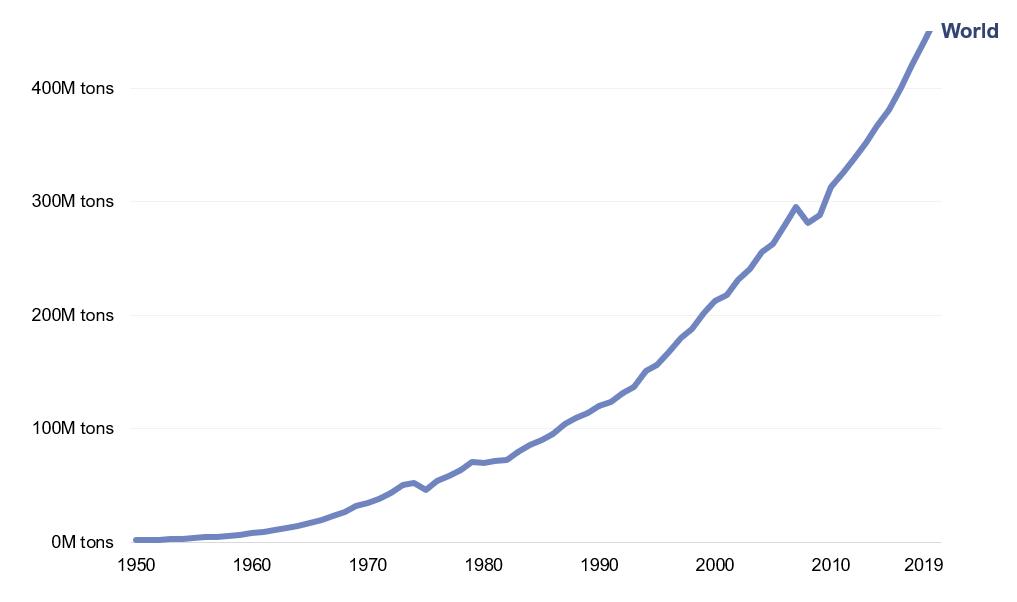
Source: Our World in Data based on Geyer et al (2017) and the OECD Plastics Outlook
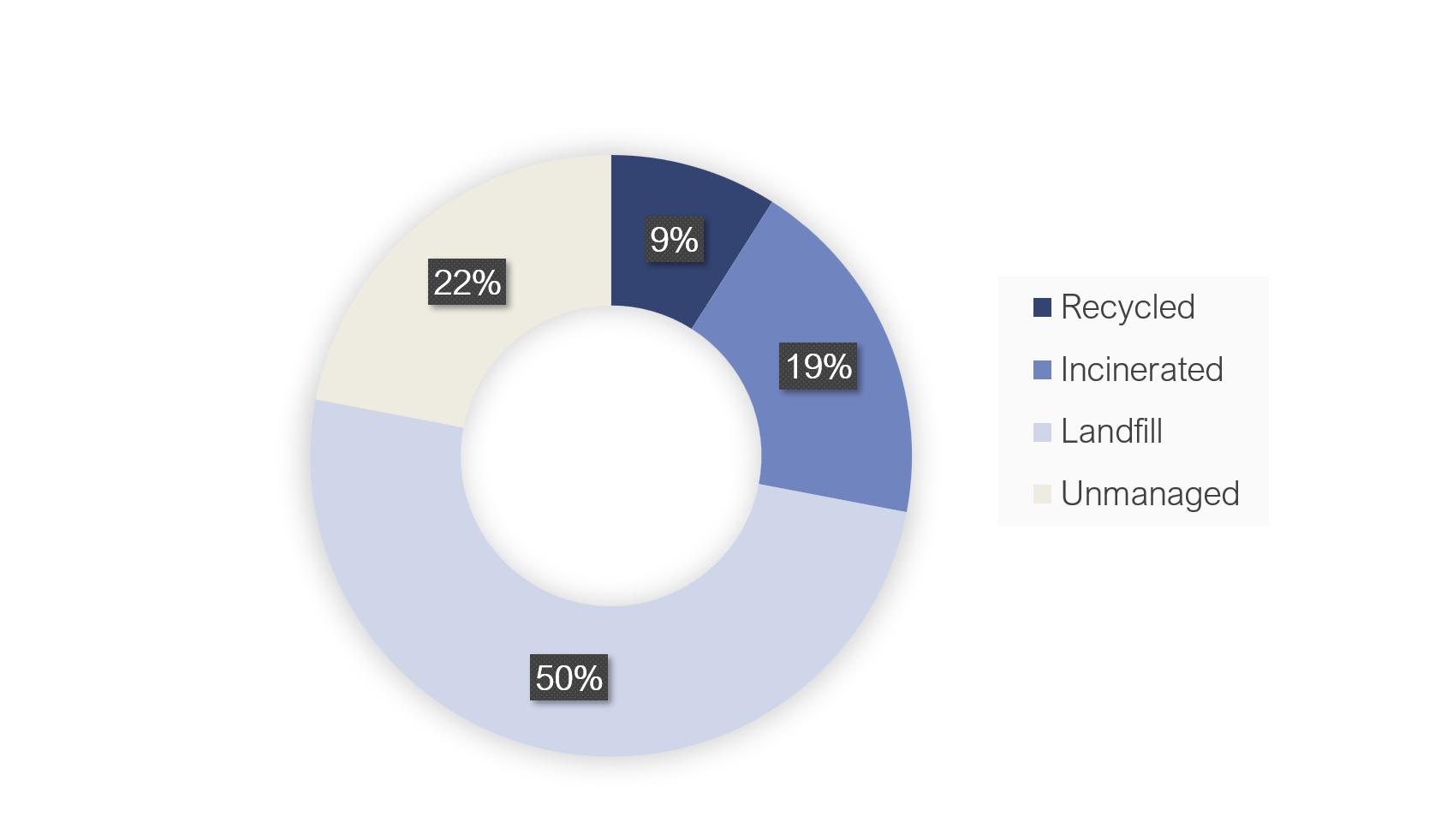
Despite the large volume of waste, only 9% of plastic waste is recycled globally.
Around half of it ends up in landfills, while 22% evades waste management altogether and is burned in open pits, lands in uncontrolled dumpsites, or ends up polluting the natural environment.
What is chemical recycling?
In traditional mechanical recycling, plastic is crushed and remelted into pellets to make new products With chemical recycling, heat or chemical processes are used to split the polymer chains, resulting in materials with the qualities of brand-new resin
Selective chemical depolymerisation process

PURE POLYMER MONOMERS, AND OTHER RESULTANT MOLECULES

Purification and reprocessing
Page 19 WINTER 2023
Image credit: Royal Society of Chemistry
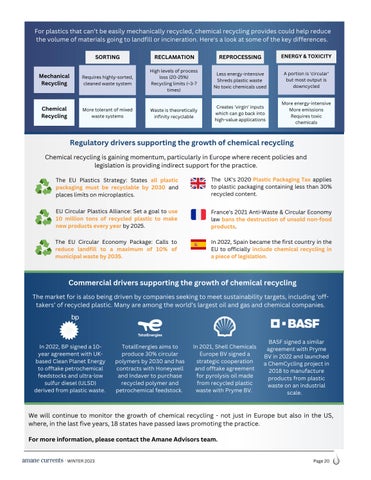
For plastics that can’t be easily mechanically recycled, chemical recycling provides could help reduce the volume of materials going to landfill or incineration Here's a look at some of the key differences
Mechanical Recycling
Requires highly-sorted, cleaned waste system

Chemical Recycling

More tolerant of mixed waste systems
High levels of process loss (20-25%) Recycling limits (~3-7 times)
Waste is theoretically infinity recyclable
Less energy-intensive Shreds plastic waste No toxic chemicals used
Creates 'virgin' inputs which can go back into high-value applications
A portion is 'circular' but most output is downcycled
More energy-intensive
More emissions
Requires toxic chemicals
Regulatory drivers supporting the growth of chemical recycling
Chemical recycling is gaining momentum, particularly in Europe where recent policies and legislation is providing indirect support for the practice.
The EU Plastics Strategy: States all plastic packaging must be recyclable by 2030 and places limits on microplastics.
EU Circular Plastics Alliance: Set a goal to use 10 million tons of recycled plastic to make new products every year by 2025.
The EU Circular Economy Package: Calls to reduce landfill to a maximum of 10% of municipal waste by 2035.
The UK's 2020 Plastic Packaging Tax applies to plastic packaging containing less than 30% recycled content.
France's 2021 Anti-Waste & Circular Economy law bans the destruction of unsold non-food products.
In 2022, Spain became the first country in the EU to officially include chemical recycling in a piece of legislation.

Commercial drivers supporting the growth of chemical recycling
The market for is also being driven by companies seeking to meet sustainability targets, including ‘offtakers’ of recycled plastic Many are among the world’s largest oil and gas and chemical companies
In 2022, BP signed a 10year agreement with UKbased Clean Planet Energy to offtake petrochemical feedstocks and ultra-low sulfur diesel (ULSD) derived from plastic waste.

TotalEnergies aims to produce 30% circular polymers by 2030 and has contracts with Honeywell and Indaver to purchase recycled polymer and petrochemical feedstock.
In 2021, Shell Chemicals Europe BV signed a strategic cooperation and offtake agreement for pyrolysis oil made from recycled plastic waste with Pryme BV.
BASF signed a similar agreement with Pryme BV in 2022 and launched a ChemCycling project in 2018 to manufacture products from plastic waste on an industrial scale.

We will continue to monitor the growth of chemical recycling - not just in Europe but also in the US, where, in the last five years, 18 states have passed laws promoting the practice.
For more information, please contact the Amane Advisors team.
Page 20 WINTER 2023
REPROCESSING
SORTING RECLAMATION
ENERGY & TOXICITY
Employee Spotlight
Name: Vinod Jose
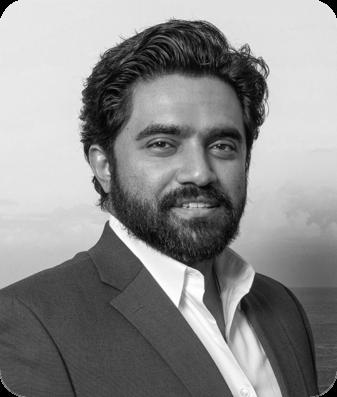
Position: Principal
Office: Philadelphia, USA
Joined Amane: 2020
Nationality: US / Indian American
Languages spoken: English, Malayalam, Hindi, Basic German
When did you know you wanted to work in the water and broader sustainability sector?
Compared to many of my Amane colleagues, I am relatively new to the water sector. I had been working for a management consulting firm that focused on mining and metals and was looking for a change in my career.
I’ll admit that I hadn’t thought too much about everything that happens in the background each time you turn on the tap, but I had heard it said that ‘water is the next gold’ and the sector immediately appealed to me. Amane’s expertise in water and other areas of sustainability, its global presence, and the fact that all the Partners came from the industry and had deep industry knowledge was compelling for me.
What do you like best about your job (or find most rewarding) and why?
The US is a growth market for Amane and I am fortunate to have had the opportunity to play a role in building the US team and the business. Over the last two years, it has been rewarding to see the growth – both in the variety, scale, and impact of our client work as well as the personal development of my team members.
Additionally, as part of the broader leadership team, I was given the opportunity to co-lead Amane’s innovation offering. I have long been passionate about investing in innovative companies and startups and I believe that innovation, particularly in the water sector, is critical for our future and very relevant for climate tech and sustainability funds that have emerged in recent years. It is a great feeling to be part of the solution and support companies in developing, implementing, and scaling technologies with a positive impact.
What has been the biggest surprise about working at Amane Advisors?
As I’ve grown to understand our business and the sector more fully, I’ve been pleasantly surprised to see how strong a position Amane holds in its niche areas – particularly in water. I am impressed by our reputation and the strong relationships we have with our clients.
For me, this reputation is best reflected in the fact that we often hear from mainstream private equity funds who are eager to learn more about the water sector, as well as tier-one generalist consulting firms who are seeking our expertise to support their projects.
Page 21 WINTER 2023
It is very cool and I know our reputation will only continue to grow with the added capabilities and expanded practice areas made possible by our merger with AVP.
What three words would you use to describe Amane Advisors?
Young - We still have so much potential. Ambitious - We’re growing quickly and taking on interesting, challenging work. Focused - We play to our strengths.
What three words would your colleagues use to describe you?
I would hope that my colleagues would describe me as:
Optimistic - With a bias toward positive thinking
Having a growth mindset
Candid - That I communicate with honesty, objectivity, and sincerity.
What are your favorite activities outside work?
Outside of work, I enjoy spending time with family, reading books, playing chess, and playing 56 – a strategy card game played in Kerala, India. I also enjoy investing in startups and buying and renovating properties.
What is your current book, podcast, or show recommendation?
Books – I like reading about entrepreneurs and investors as well as stories about people and companies who challenge the status quo. I recently read Dear Chairman by Jeff Gramm which is a great history of corporate raiders in the US. I am currently reading Only the Paranoid Survive by Intel founder Andrew Grove, who describes how the company survived multiple crises to become a global leader.
Podcasts – I enjoy listening to Acquired, in which the hosts research publicly listed companies and share insights on their strategy and their viewpoints from an investor perspective. It is well-researched and gives you a very good starting point to understand how some of the large successful companies operate.
Show – I recently watched Ancient Apocalypse on Netflix. Graham Hancock’s life’s work is well presented and challenges mainstream thinking around human history and the origins of civilization. His research is quite relevant to today’s discussions around climate change, as the time period he is investigating is the end of the last Ice Age.
What is the best advice you have ever received, and who gave it to you?
Life gives you opportunities to learn and evolve constantly – there is always room to improve.
If you pay attention, you can also learn from almost any situation. That’s why I feel like I’ve had so many teachers all around me in life, and I’m unable to pick just one. However, I was lucky to grow up with hard-working and industrious parents, who instilled strong values in me.
I am also thankful to the authors of the books I have read as they took the time to pen insights learned over decades of their successful careers, and I am grateful for the patience that my co-workers and family have when working or spending time with me. I continue to learn from all these experiences.
Page 22 WINTER 2023
New Faces at Amane
Amane Advisors is kicking off the new year strong, having recently welcomed two new faces to the team, and inviting a former intern to join the ranks as a full-time employee
Mwai Exartier, Resource Manager (Bahrain)
Mwai joined Amane in late October 2022 to lead the company’s proactive recruitment efforts, which include identifying candidates across all levels, building Amane's employer branding, and strengthening its relationships with universities around the world
Mwai has been based in Bahrain for the past 10 years Prior to joining Amane, she worked with both private and government organizations and supported recruitment efforts on several of the giga projects underway in Saudi Arabia She has also worked with leading healthcare organizations in the United States
Born in Malawi and raised in the US, Mwai graduated from the University of Maryland with a degree in Psychology/Sociology She also holds a Master’s degree in Healthcare administration
Cláudia Goncalves, Project Manager, Bahrain
Cláudia joined Amane Advisors in November, following seven years at Deloitte Portugal Throughout her career, she has provided advisory services, including strategy and operations consulting to clients across multiple industries and geographies In particular, she brings specialized knowledge in M&A programs, business planning, and target operating models
Cláudia completed her MBA with a major in Strategy & Entrepreneurship at Catolica-Lisbon SBE She holds an undergraduate degree in Business Administration from the University Institute of Lisbon


Armand Shokouhzadeh, M&A and Project Finance Analyst, France
Armand first joined Amane as an intern in May 2022 and accepted a full-time analyst role in November. Armand has held similar roles in management consulting in both Paris and London and studied at the Fundação Dom Cabral in Brazil.
Armand holds a Master's degree in Management and a Master of Science in Corporate Finance from SKEMA Business School, as well as a degree in Economics and Management from Panthéon-Assas University.

Page 23 WINTER 2023
Amane News & Updates
Amane inks agreement to support the delivery of world-class waste management services to the city of AlUla in Saudi Arabia
“Saudi Arabia envisions Al Ula as a global showcase of history, heritage, culture, and environment. The region is the size of Belgium and it’s incredibly exciting to have the opportunity to bring our expertise to a project", said Principal Ismail Alaoui.
"As the country modernizes and diversifies its economy, we see our role as helping ensure the region's waste, energy, and other resources are managed responsibly so that it can be enjoyed for generations to come.”
Amane Advisors has signed a memorandum of understanding (MOU) with The Royal Commission for AlUla (RCU) in Saudi Arabia, which is seeking to preserve and develop AlUla, a city of outstanding natural and cultural heritage, located in the country’s northwest.

As part of the agreement, Amane will support the RCU in delivering world-class waste management services within AlUla, including implementing collection and cleaning services and establishing recycling and treatment facilities at Resource Management Park. It will also guide the RCU in meeting an ambitious waste recovery objective of 70% by 2035.
Amane Advisors has completed more than 50 water, waste, and resource recovery projects in Saudi Arabia, and leaders say the company is eager to continue contributing to the Kingdom’s sustainable development.
The RCU was established in July 2017 to take a sensitive, sustainable, and responsible approach to the urban and economic development of AlUla.
The RCU also signed a foundational agreement with RATP Dev to develop local mobility solutions for residents and tourists as well as an MOU with Idverde to cover sustainable landscape development and support the RCU’s biodiversity goals.
All three agreements were supported by Afalula, the French Agency for AlUla Development.
“The signing of the contract with RATP Dev and the memoranda of understanding with Amane Advisors and Idverde are proof of the common desire of Saudi Arabia and France to provide AlUla with smart and innovative solutions for mobility, waste management, and landscaping, and to serve the region, its residents, and the visitors of today and tomorrow," said Gérard Mestrallet, Executive Chairman of Afalula.
Page 24 WINTER 2023
Amane's Ismail Alaoui and Waleed Aldayel, RCU (front) participate in a signing ceremony joined by (L to R) Ludovic Pouille, Ambassador of France to the Kingdom of Saudi Arabia, French Minister Olivier Becht, Gérard Mestrallet, Afalula, and Amr Al Madani and Abeer M. AlAkel of RCU.
Amane connects with future leaders in water at the University of Pennsylvania
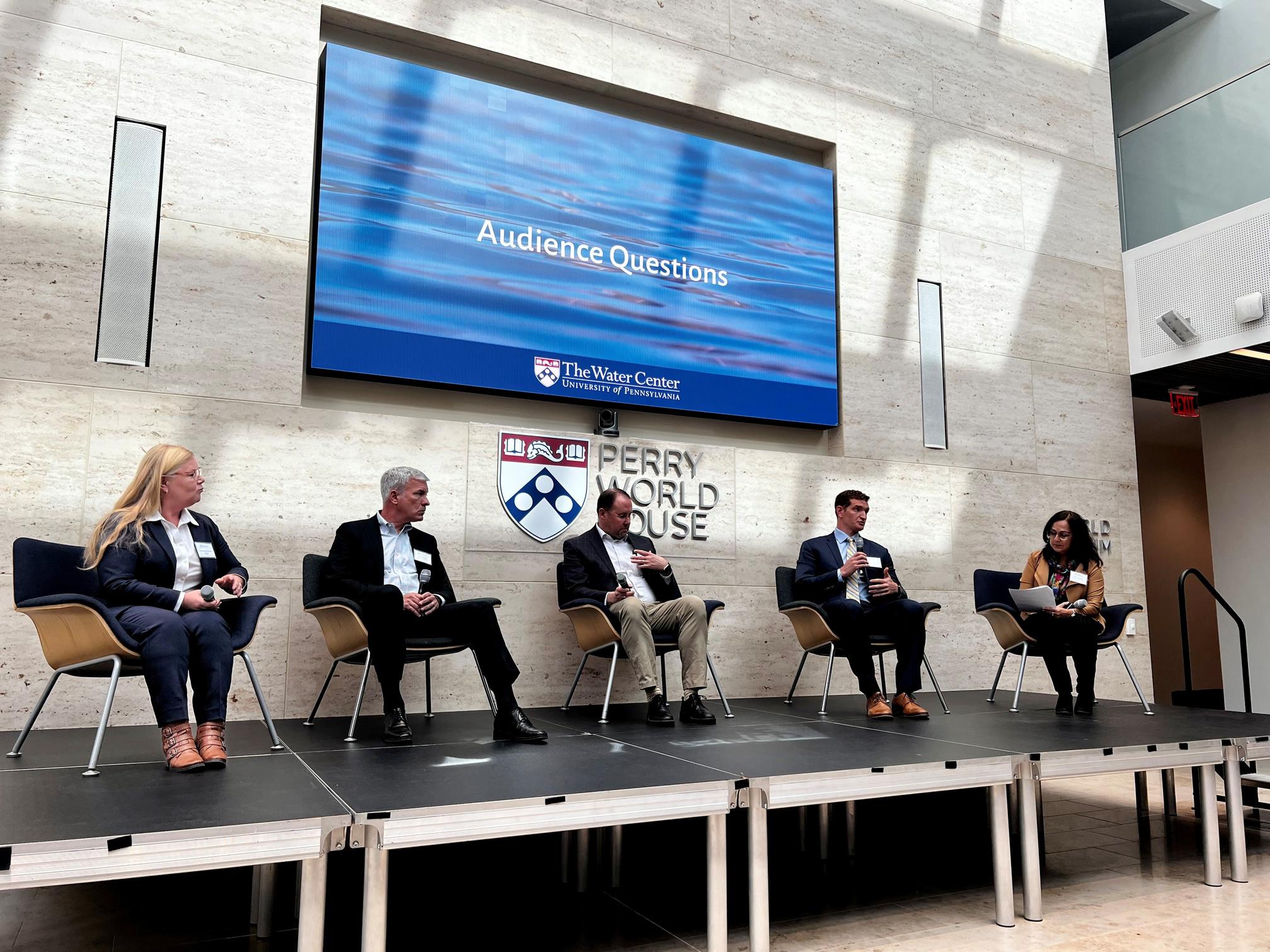
Keynote speakers Carla A. Reid, General Manager at WSSC Water, and Angela Curry of Bentley Systems shared their personal career journeys and perspectives with the students.
Amane US Managing Director Bill Malarkey participated as a presenter and panelist, joining Chris Crockett of Essential Utilities, Lotta Kanto Oeqvist of Solenis, and Alex Rubilar of Hach to talk more about their organizations’ impact on water resiliency and innovation, and future career opportunities in the water industry.
In late October, members of Amane’s US team had the opportunity to speak with emerging water leaders at a Career Day event hosted by The Water Center at the University of Pennsylvania. Amane was a proud sponsor of the event, which featured presentations by water industry leaders across the private and public sectors.
“The Water Center at Penn is a unique resource for students who are passionate about solving urban water challenges. It was exciting to see so much passion for building more resilient and sustainable water solutions and up-and-coming talent for the sector,” said Malarkey.
Amane checks out the latest industry innovations at WEFTEC
Senior leaders within Amane’s US team, Partner Bill Malarkey and Principal Vinod Jose, attended the Water Environment Federation's Technical Exhibition and Conference (WEFTEC) in October.
The four-day event is touted as the largest of its kind in North America. With the event location alternating between Chicago and New Orleans, WEFTEC was back in The Big Easy in 2022 – with more than 10,000 in attendance.
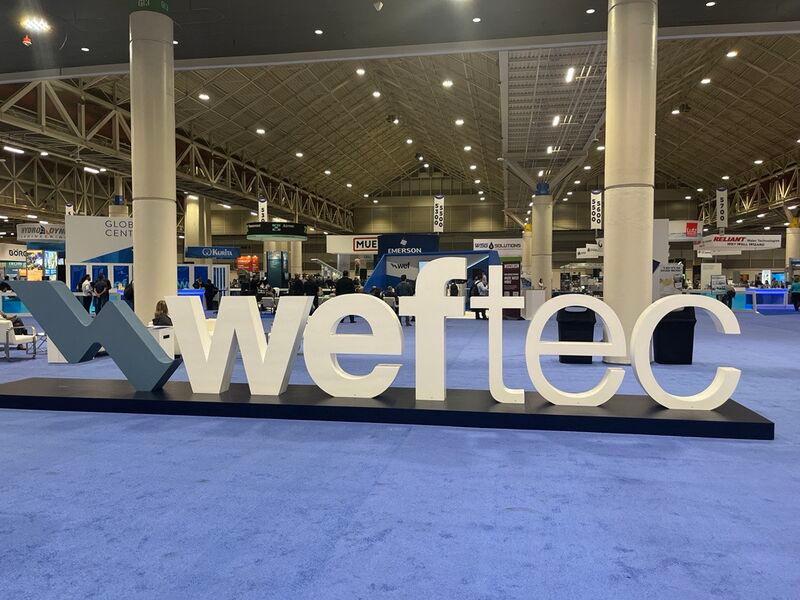
The team had the chance to connect with Amane clients and other water professionals from around the world and check out the latest technologies and innovations.
“As a first-time attendee, I was impressed by the scale and energy of the event. After collaborating virtually for a large portion of the last two and a half years, it was great to connect with so many clients, investors, startups, and partners in person,” said Vinod.
“The combination of the conference and exhibition made for an interesting event. In particular, I enjoyed learning more about emerging innovation areas, including the latest developments in PFAS destruction,” he added.
Page 25
L to R: Lotta Kanto Oeqvist of Solenis, Amane Advisors' Bill Malarkey, Chris Crockett of Essential Utilities, and Alex Rubilar of Hach, with moderator
Event Radar
Upcoming events
It's only January but our team has a packed calendar. Here's a look at some of the events taking place across water, resource recovery, and energy recovery and where you may be able to spot some of our team members.
American Water Summit
January 24 to 26th - Los Angeles, USA
Lignofuels 2023
February 8 and 9 - Helsinki, Finland
World Water-Tech Innovation Summit
February 21 and 22 - London, UK
WaterReuse Symposium
March 5 to 8 - Atlanta, USA
World Biogas Expo
March 29 and 30 - Birmingham, UK
Be sure to get in touch with our team if you would like to connect at an upcoming event!
If you'd like to speak with us about events and speaking opportunities, send an email to marketing@amaneadvisors.com
Page 26 WINTER 2023
2022: Year in Review
While our team is already back in action for 2023, we wanted to reflect on the past year and say thank you to our colleagues, clients, partners, and friends who have helped make it our most exciting year yet!
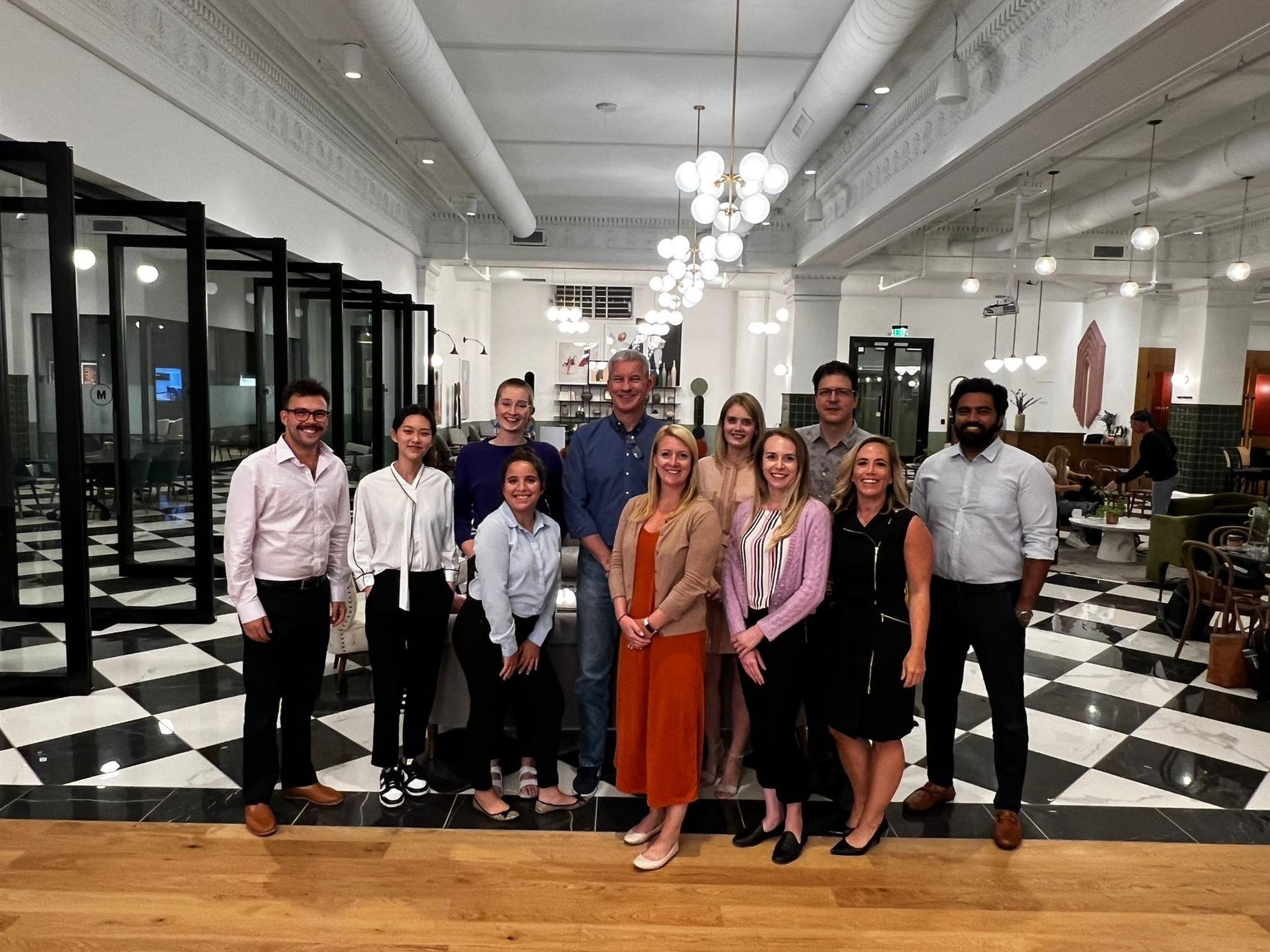
Our merger with AVP brought new capabilities to the team, including Amedeo Vaccani as Partner, and enabled us to formally expand our practice areas to include water, resource recovery, and energy recovery
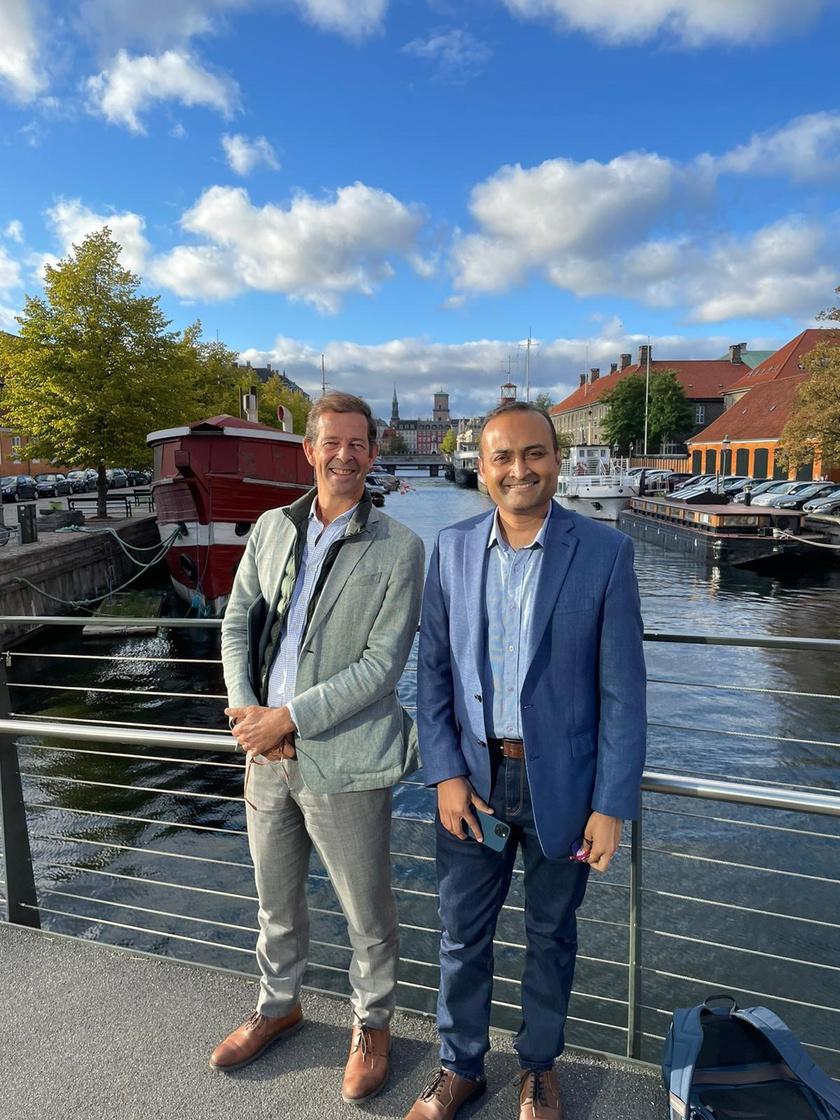
It was a year of growth for Amane; we added a total of 18 new staff to our global team - a 42% increase YoY.
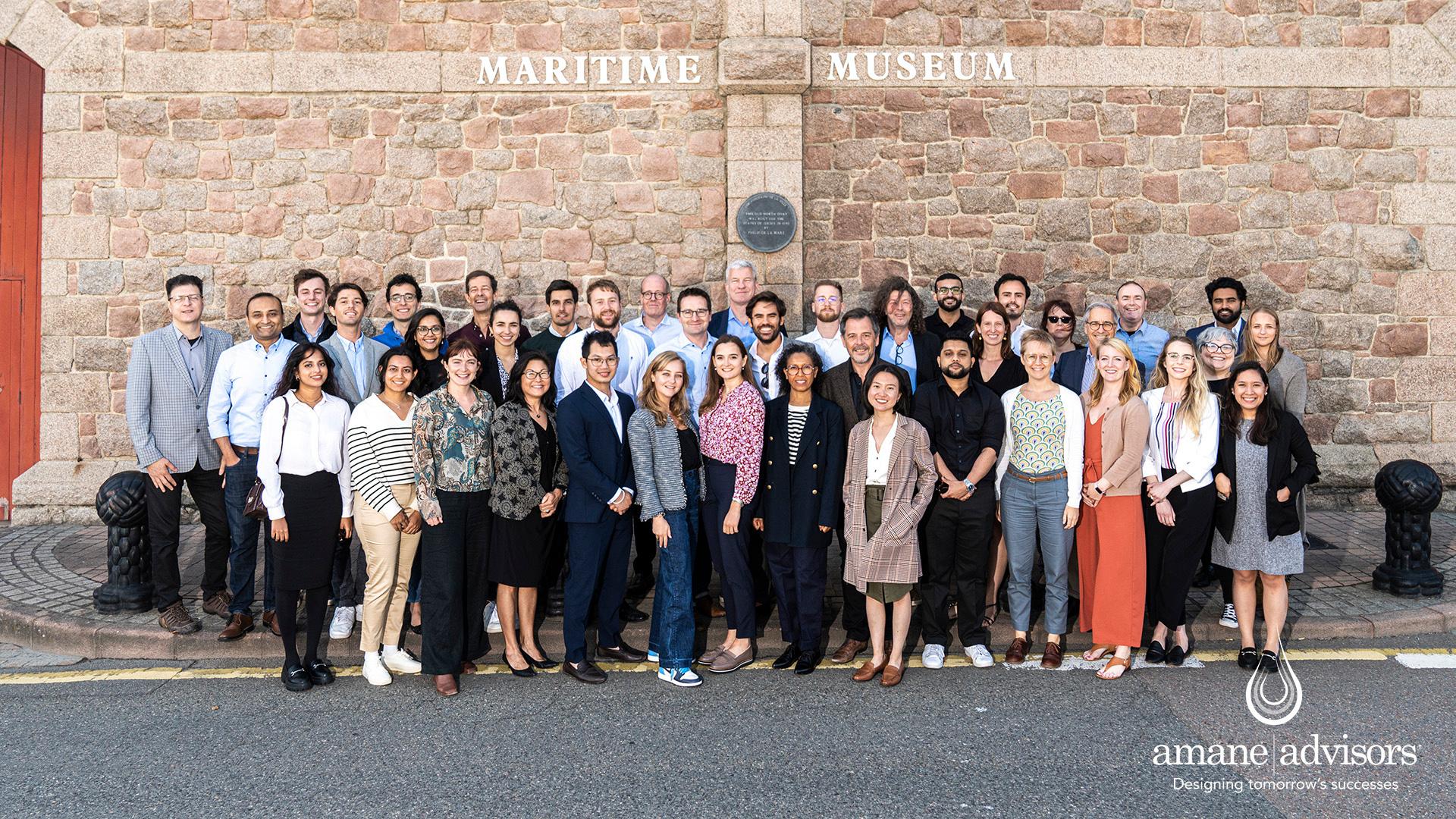
Our team had the opportunity to recharge and realign during our company retreat in Jersey, in the UK's Channel Islands
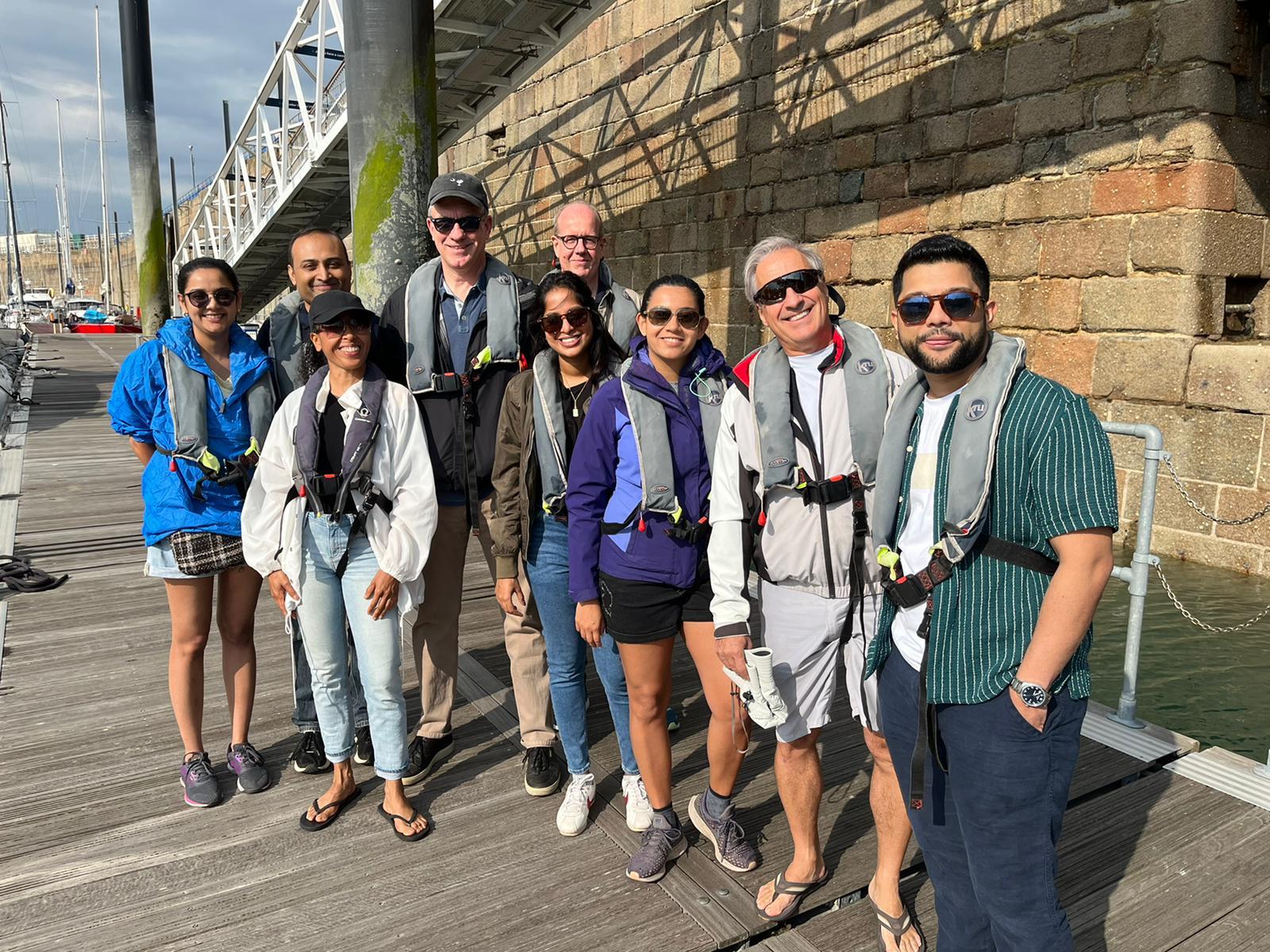
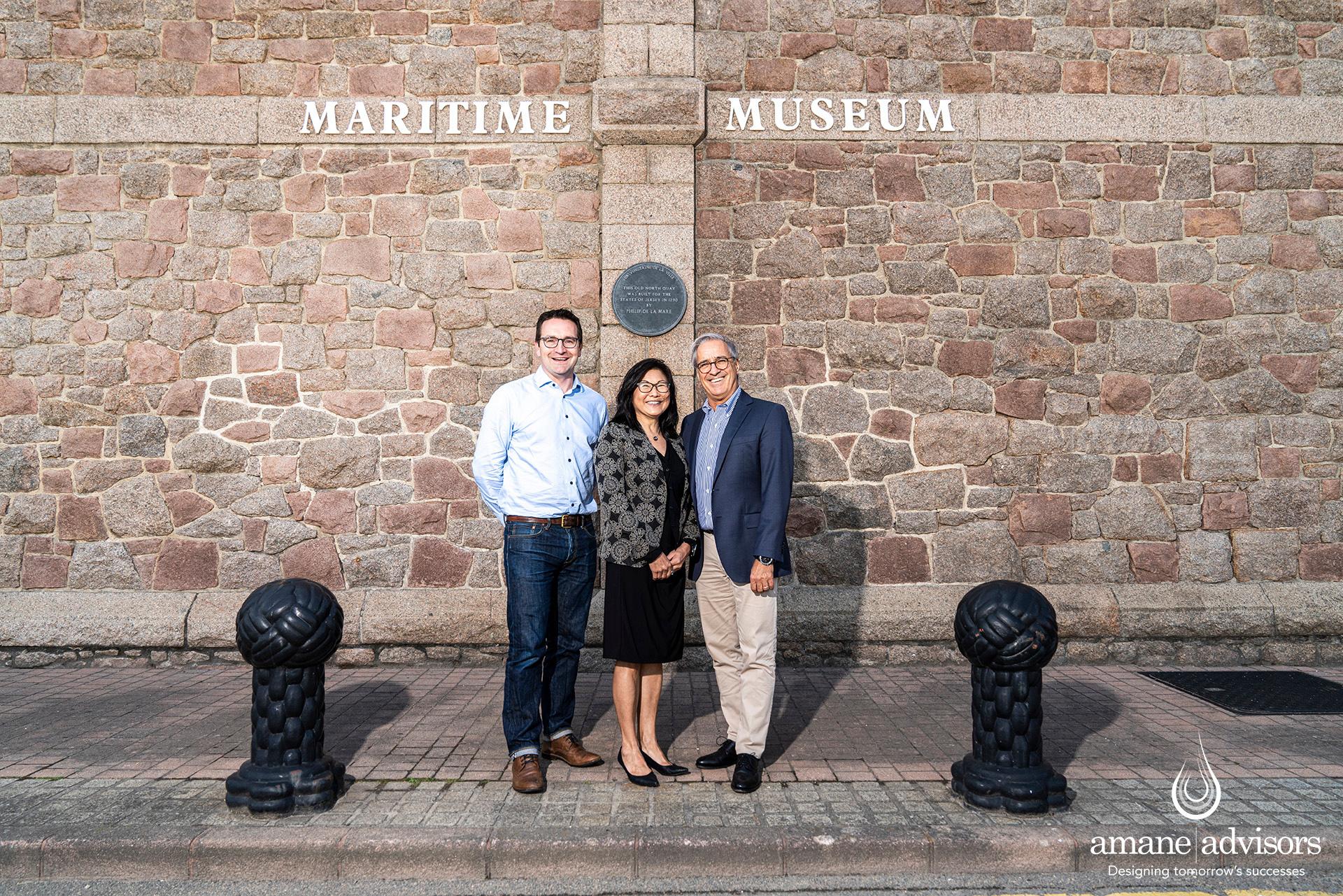
We also opened a new office in Madrid - our eighth permanent office globally
Together, our team completed 120+ new projects globally for more than 80 different clients.

for a great year! We're already excited about what's to come in the year ahead
Thank you
Anatole Baudin
About the Authors
is a Senior Consultant at Amane Advisors He is based in Paris and can be reached at abaudin@amaneadvisors com
Lucas Corral Basterra
is Project Manager, Infrastructure Finance at Amane Advisors. He is based in Madrid and can be reached at lcbasterra@amaneadvisors.com.
is a Principal at Amane Advisors. She is based in Singapore and can be reached at ijohansson@amaneadvisors.com.
Vinod Jose
Ida Johansson is a Principal at Amane Advisors. He is based in Philadelphia and can be reached at vjose@amaneadvisors.com.
Managing Partner, North America, and Editorial Director of amane currents He can be reached at bmalarkey@amaneadvisors com
Kalindi Rana
Bill Malarkey is a Project Manager at Amane Advisors She is based in Paris and can be reached at krana@amaneadvisors com
is a Consultant at Amane Advisors She is based in Oxford and can be reached at krooney@amaneadvisors com
Ankita Soni
Kitty Rooney is a Senior Consultant at Amane Advisors. She is based in Paris and can be reached at asoni@amaneadvisors.com.
Lauren Trucksess
is Global Marketing Manager and Managing Editor of amane currents. She is based in Philadelphia and can be reached at ltrucksess@amaneadvisors.com.
Page 28 WINTER 2023
Contact us
FRANCE
44 rue Lucien Sampaix
75010 Paris
Tel: +33 (0) 1 75 43 17 00
UNITED KINGDOM
Summertown Pavilion
18 – 24 Middle Way
Oxford, OX2 7LG
Tel: +44 (0) 1865 655 715
USA
85 Old Eagle School Road
Suite 204
Strafford, PA 19087
Tel: +1 610 906 2916
BAHRAIN
Office 116, Platinum Tower, Building 190, Road 2803, Block 428, Seef District
Tel: +97 377 110 110
CHINA
11/F Tomson Commercial Building
No.710 Dongfang Road
Pudong District, Shanghai, 200122
Tel: +86 21 58818236
SINGAPORE
541 Orchard Road Liat Towers, #20-04
Singapore 238881
Tel: +65 6515 0725
SWITZERLAND
A. Vaccani & Partner AG
Zürichbergstrasse 66 CH-8044
Zürich
SPAIN
Atrium Business Center Avenida
General Perón 29, Floor 16 28020
Madrid
contactus@amaneadvisors.com
amaneadvisors.com