HAIR RESTORATION SPECIALISTS
ISSUE 46 SUMMER 2023 BY
FOR
RESTORATION SPECIALISTS
|
HAIR


HOW TO REACH US WEBSITE: WWW.SUNSHINETAPE.COM PHONE: (954) 458-9790 EMAIL: INFO@SUNSHINETAPE.COM ©2023 Sunshine Tape Products LLC. All Rights Reserved. SOCIAL MEDIA: Facebook & Instagram: @SunshineTape NEW CUSTOMERS GET 10% OFF FIRST ORDER Made in the USA | Private Labeling Available Code: AHLC10 SUNSHINE TAPE PRODUCTS Premium Hair Replacement and Hair Extension Tape, Adhesive and Solvent Manufacturer for over 36 years CREATE A WHOLESALE ACCOUNT TODAY



contents Why Mentorship is Important Stop Feeling Like an Imposter Special HAIRNOW 23 Section 11 19 22 THIS ISSUE MADE POSSIBLE BY THE SUPPORT OF THESE ADVERTISERS | PLEASE SHOW YOUR SUPPORT IN RETURN 5 Welcome New Members 7 Incorporating Trichology 11 Why Mentorship is Important 15 8 Easy Questions 17 Meet the Pets 19 Stop Feeling Like an Imposter 22 SPECIAL HAIRNOW 23 SECTION 45 AHLC Academy THE LINK MAGAZINE 3
contributors
KELLY CARSON
EDITOR, THE LINK MAGAZINE

PARTICIPATING VENDORS
SHANNA MOLL
OWNER, REFINED HAIR/ STUDIOYOU EDUCATION


JOHN RANNEY
OWNER, FREEDOM CLINIC
The Link Magazine is the official, quarterly publication of the American Hair Loss Council. The Trade Association Serving the Hair Restoration Industry. For advertising or contributing editorially, please contact us:


THE AMERICAN HAIR LOSS COUNCIL 615-721-8085 or info@ahlc.org


THE LINK STAFF
Publisher: Janine Farro
Editor: Kelly Carson
Editorial Committee: Lisa Ferestad, Kelly Nemitz
AHLC Board of Directors
Randy Clark, Board Member

Joseph Ellis, President
Janine Farro, Administrator

Susan Kettering, Executive Director
Marsha Scott, Past President

SUBSCRIPTIONS
Subscriptions to The Link Magazine are mailed FREE to AHLC members within the continental U.S. International members are provided digital copies. Please contact us for additional shipping rates if you are an AHLC member outside the US and wish to receive a printed edition.
To become an AHLC member or renew your membership please call 615-721-8085 or log on to AHLC.org.

LEGAL STUFF
The opinions expressed in The Link Magazine are those of the authors and may not reflect the views of the AHLC. Advertisements in The Link may not reflect the beliefs, opinions or attitudes of the AHLC and do not imply endorsement.
© 2023 The American Hair Loss Council, All rights reserved. Reproduction in whole or in part without written permission is prohibited.
4 THE LINK MAGAZINE
Welcome New Members!
Alisa Hall, Rivive Organic Salon, Roanoke, Virginia
Specializing in hair replacement and hair restoration, Alisa Hall favors a holistic approach to hair loss. She has been in the beauty industry for nearly 30 years.


Debra Hughes, D Enchanted, Austin, Texas
Debra Hughes has androgenetic alopecia and for the past eight years, she has worn helper hair and struggled to find great quality pieces. After researching for a few years, in 2019 she decided to venture out on her own to help create pieces to benefit women who desire to have luxurious hair while looking as natural as possible. She continues to create and enhance wig caps and toppers to achieve her goal of providing the most comfortable piece while looking and feeling as beautiful as ever.
Karla Jacobson, Attitudes Studio
Salon & Hair Bar, Hammond, Wisconsin
Karla Jacobson has been busting the myths about small-town stylists and salons since the day she opened Attitudes Studio Salon 18 years ago. As a single mom who didn’t want to drive an hour and a half each way to work in a large market, she set out to prove that small-town stylists have just as much to offer as big-city stylists. She quickly became a sought-after color specialist and never looked back. Besides being an educator, she works behind the chair specializing in luxury services such as color smoothing treatments, eyelash extensions, hair extensions, toppers, and more recently adding certified wig fitter to her accolades. “I want everyone to feel their best when they leave my salon, and I will continue to evolve and offer products and services to make this happen,” she said.
Robyn Kelley, Trendz Salon, Martinez, Georgia
Robyn Kelley opened Trendz Salon in 2010 with the support of her husband, Billy, and her children A.J.,


Austin and Kaylee with a dream of serving the community as well as the needs of clients. The addition of the Wig & Topper Boutique was yet another passion that Kelley wanted to bring to the community. The boutique manager, Lisa Merritt, has been wearing alternative hair since 2017 due to her own hair loss and has been a long-time client and friend of Kelley's. Together, their drive to help anyone suffering from hair loss has made for a safe and welcoming atmosphere where so many are finding their confidence and joy again with the help of alternative hair.
Dr. Alicia Mingo, Medcap Glam, Larchmont, New York


Tamika Campbell, President MedCap Glam Hair Loss Control Clinic aims to provide the best support by conducting a private consultation, identifying hair loss with scalp scoping, and suggesting a hair growth regimen or a medical wig. Hair loss can profoundly affect your emotional healing and self-assurance.
NEW VENDOR MEMBERS

Ellen Wille — A Woman, A Company, A Brand. From a suitcase filled with ideas, Ellen Wille, a self-made hair designer, founded her company in 1967 after completing studies in Paris. Synonymous with the utmost quality, the Ellen Wille brand reflects Wille's hands-on involvement in every design aspect, from concept to finishing touches. With distinctive cap designs, light European-like density, and salon-inspired color blends, Ellen Wille offers unparalleled innovation. Her unwavering commitment to perfection has elevated Ellen Wille to become a global leader in hair design, creating impeccable styles that are true works of art.
Patrick Rennalls,

Flava In Ya Hair, Bronx, New York
Flava In Ya Hair is home to all things hair and beauty. We offer a multitude of services including hair restoration. Rennalls is a master cosmetologist and an expert hair replacement specialist. Evolving from haircuts, Rennalls now provides systems of high-quality hair-creating solutions for children, women, and men experiencing problems with hair loss as a result of cancer or alopecia.
Denise Seibert, 9 Two 0 Scalp - HealthWellness, Bel Air, Maryland
Denise Seibert is a certified trichologist, natural health practitioner and cosmetologist with more than 40 years in the hair industry, committed to providing clients with the best solutions for their hair loss and scalp disorders. 9 Two 0 was established to serve clients with whole body health from scalp to toe through natural health practices. We focus on identifying the root cause of hair loss and create customized treatment plans that will lead to healthy hair and scalp with lasting results.
We are dedicated to providing education and training in the use of microscopy in polarized light in the trichological sector, both in Italy and internationally. This modality, commonly used in Italy for many years, is a powerful diagnostic tool in the field of trichology, for both technicians and medical doctors. The Italian Academy of Hair Microscopy is an Italian association dedicated to the study and scientific research of microscopy in trichology and hair science, in particular the use of microscopy in polarized light. We run national and international training courses teaching trichologists, doctors and technicians how to use this modality to help their clients who are suffering from problems with their hair and scalp.
Since 1987, Sunshine Tape Products has been manufacturing affordable and reliable products in the hair replacement industry for customers all over the world. Sunshine provides licensed barbers, stylists and salons with the highest quality hair replacement and hair extension tape, adhesives, solvents and hair care products. We consistently meet and exceed our customers’ expectations and ensure they have everything they need to run a successful business including private-label manufacturing and custom product development.

THE LINK MAGAZINE 5

OLIVER 2 MEN’S SYSTEM • Cuticle intact with a soft, silky feel • Lightweight and durable • All men’s systems provide different styling options to suit every client’s needs • Cap size: 8.5”x7” and 8.5”x9” • A versatile base made with lace and polyurethane that can be bonded or taped HAIR SYSTEM WITH 100% NATURAL HUMAN EUROPEAN HAIR CALL TO ORDER 949.520.7711 www.amanihair.com Follow us on:
Incorporating Trichology into the Hair Replacement Clinic

million people, there are only two certified trichologists that I am aware of. There are also no dermatologists specializing in hair loss, and most dermatologists and family doctors brush off their patients' hair loss concerns, leaving their patients frustrated and helpless.
Consequently, our phone rings constantly with people wanting to book appointments with the trichologist. Many people want to see a trained hair loss professional — a trichologist — before deciding on treatments or procedures. This is because many do not understand or believe that their hair loss is simply genetic. And, it may not be.
Benefits to the Clinic
to answer their questions and prescribe the proper treatments more effectively.
Many of the people I see do not believe the cause of their hair loss is genetic. So having the tools and expertise to convince them is helpful. And it’s more than just looking at the scalp through a microscope. You need to be able to explain to your patient what you are seeing. You need to know all of the symptoms of the many hair loss conditions and be able to translate those into proper diagnoses.
Added Revenue Streams
By John Ranney, Owner, Freedom Clinic, Toronto, Ontario, Canada
Trichology is a branch of dermatology concerned specifically with the hair and scalp. While there are many concerns about the hair and scalp, hair loss is one of the most important areas of trichology.
The problem with modern-day dermatology is that while education in the area of hair loss may take place in a dermatologist’s training, few dermatologists actually practice diagnosing and treating hair loss once they become licensed dermatologists. This creates a distinct need for trichologists specializing in hair loss and other scalp concerns.
Demand
In my market in the greater Toronto area of Ontario, a population of over 6
There are several important benefits that trichology can bring to the hair replacement clinic. Being a trained and certified trichologist brings a wealth of knowledge into your studio. Now, you are able to properly recognize and understand the various causes of hair loss, the stages people are at, and what can be expected of their response to treatments. Questions like: Should I use laser therapy on my patients with frontal fibrosing alopecia can be properly answered. There is nothing more frustrating and possibly misleading, than not being able to honestly answer a patient’s question due to a lack of knowledge.
Being a certified trichologist adds legitimacy to your studio. You are now more respected not only by other professionals in the industry but also by the patients you are treating. They trust you more, and rightly so, because your training allows you
Trichology allows you to add more services to your studio. Treatments and related products for scalp issues other than hair loss are an entirely new revenue stream. And the initial consultation itself can be a paid consultation since your goal here is to inform the client of their condition and then the possible solutions. In the past, we did so many consultations where the client only wanted to know the cause of their hair loss, and may not have had any intention of doing anything. These consultations can be billed as “Detailed Scalp Analysis” or something similar, thus becoming a new source of revenue. In our clinic, we charge $175 ($125 U.S. dollars) for this type of consultation.
Two Different Consulting Approaches
A trichology consultation is different from a consultation for the purchase of a hair system or other specific service. It is important to differentiate this prior to meeting your client. In your trichology consultation,
CONTINUED ON PAGE 9 THE LINK MAGAZINE 7
GEMTRESS TOPPERS BACK IN STOCK
READY FOR IMMEDIATE DELIVERY
100% HAND-TIED
100% HUMAN HAIR IN 10" AND 14" LENGTHS
A VARIETY OF UNIQUE CONSTRUCTIONS
NATURAL COLORS THAT BLEND PERFECTLY WITH YOUR CLIENTS’ HAIR

LEARN MORE: hairvi.co/toppers523

We're open six days a week from Monday through Saturday between 9:00 am to 5:30 pm.
What can we do for you next?
800-327-5555

which should be a paid service, you will analyze the scalp and hair using various tools, and enter into a much more detailed consultation questionnaire. This differentiation can be done by pre-screening on the phone, or can also be done once you sit down with the patient. Your initial “discovery” portion of the consultation process will help you determine if this client needs a full-scale hair loss workup, or is simply looking for a hair system, hair transplant, or platelet-rich plasma treatment. For example, men with moderate to advanced androgenic alopecia generally do not require a full analysis, as the cause of their hair loss is usually obvious. In these cases, we move into a sales consultation for our various solutions.
This may lead to some confusion in marketing, as many studios like to advertise a free consultation. In our salon, we do still offer an initial free assessment, and it is during this initial consultation that we can determine if the client needs the full scalp analysis. However, if you have the details of your trichology services on your website, including consultation fees and services, many patients will call and book for this specific service, making the screening process moot.
What is Needed
In Canada, there are several requirements that should be met to offer trichology services. The first is the training. There are three major sources of specific Trichology training that I am aware of. In order to avoid the promotion of these facilities I will not offer any details, however, interested parties can contact me, or simply Google “certified trichologist training.”
Outfitting your studio is not difficult once you are trained. You will need a consultation room, which most studios and salons will already have, a computer and a good digital microscope for scalp analysis. There are other tools that you will learn about in your training that you may choose to use. A more detailed questionnaire will also be provided in your training.
To take your trichological analysis to the next level, I also recommend getting
teamed up with a nurse practitioner or general practitioner who can offer:
1. Blood test requisitions
2. Simple prescriptions for finasteride, oral minoxidil, steroid creams, spironolactone
3. Referrals to other specialists for biopsies, or clinical injectables. Incidentally, if you have access to a trained registered nurse, you can offer some of these services in your clinic, such as plateletrich plasma treatment.
4. Approvals for services like platelet-rich plasma treatment.
This opens up our ability to offer even more services such as platelet-rich plasma injections. It is also important to note that once these trichology clients undergo their analysis and have a complete understanding of hair loss from a trained professional, they are most likely going to come to you for any of their future hair and scalp needs. So many of these clients do turn into hair

or scalp treatment, hair transplant and hair system clients.
From Salon to Clinic
Adding trichology to your hair replacement studio or salon definitely raises the bar on several levels. The complete hair loss clinic will be able to offer a level of expertise your competition does not have. It also adds the possibility for several more revenue streams. When you list these services as well as the team members on your website (RNs, NPs), referrals start to pour in from other professionals. This approach has been so powerful in our Toronto clinic that we no longer need to advertise any of our hair loss services. Our Google presence has shot up to the first page for most keywords, and we are now booked at least two weeks out just for consultations. Aside from this, we’ve added several revenue streams, which can also be offered to our existing clientele, and raised our legitimacy far above any of our competitors.
CONTINUED FROM PAGE 7 THE LINK MAGAZINE 9

Why Mentorship is Important It's a Valuable Tool for Your Treasure Chest
By Shanna Moll, Owner of Refined Hair and Studio You Education
How much time and money have you spent on continuing education only to go back to your studio and continue doing absolutely the same thing you were before?
In the past 10 years, I have spent upwards of $100,00 trying to improve my skills. After the conferences, workshops, and classes, I’d return to my studio and open the manual to remind myself of something and realize it wasn’t written clearly or in a way I could understand. This was so frustrating and I realized individual mentorship was a more beneficial way to achieve goals. I like having someone
available whom I can ask questions and bounce ideas off of.
Here are some things to look for when searching for the right mentor:
■ Find someone you trust who has been successful in the area you want to grow. Read reviews and ask if you can speak to some mentees to hear their perspectives.
■ Your mentor should meet you where you are. It’s OK if you are just getting started and have tons of questions or if you already have a successful hair replacement studio and want help

ON PAGE 13 THE LINK MAGAZINE 11
CONTINUED


Restoring Hair. Raising Revenue. Rewarding Results. Explore our Human Hair Toppers Emma Rhapsody We’re proud to offer two fantastic options that are sure to meet your clients’ needs. Back in stock and available in a variety of colors! Emma Base Size: 7 ¼” x 6” Emma Hair Length: 12” or 16” Rhapsody Base Size: 6” x 6 ½” Rhapsody Hair Length: 6” or 16” www.internationalhairgoods.com | (800) 328-0311 | promos@inthair.com
making it better or even if you want to plan a road to retirement. Find someone who is willing to help you develop your goals and plan a way for you to achieve them.
■ Goals should be both short- and long-term. Often it is helpful to develop goals for three months, one year, three years and five years. Goals can also change as you grow and learn more. Your mentor can guide you and help you achieve them.
■ Regularly scheduled coaching sessions should be part of the mentoring plan. I find meeting once a week for a period of time is most helpful. A good mentor will assign homework based on goals and there will be time to discuss it at your next session. This will help you stay focused on track, even when you are super busy.
■ Good mentors want you to be successful and do not want to waste your time or money. They should be able to help figure out the probable length of coaching needed to achieve your goals. Then they should be available, as needed, for questions and additional coaching when you need clarification or have something new to discuss.
Putting a Plan in Action
▶ Developing goals. A mentor will help you focus on one or two things. No one can be an expert in everything so it’s important to narrow your focus or one or two goals.
▶ Developing a plan to reach your goals. Here, your mentor can help you achieve your goals by creating a specific, step-bystep plan.
▶ Asking the right questions. Do you want to work less and make more money? Do you want to add another location? Do you want to focus on hair replacement and not mainstream hair? Your mentor can help you wade through these weighty questions and come up with a strategy right for you.
▶ Refining your consultation. A mentor can help you be a more effective listener during your consultation and make suggestions for improvement. A mentor can demonstrate a consultation or even join in one of yours.
▶ Redesigning your studio. Your mentor can help you look at your studio from a client’s perspective and identify ways to make the experience better for everyone.
▶ Providing skills-based training. Your mentor should have the knowledge base you want and share their expertise in a precise and organized way.
▶ Helping to figure out the rate of return. An experienced mentor can help you determine what your time is worth per hour and how to price services for maximum return. They can also help you decide whether is it time to hire staff to support or provide specific services.
▶ Managing a team. Your mentor can help you create an environment that is positive and supportive so everyone wants to come to work.
CONTINUED FROM PAGE 11
The myriad ways a mentor can help build our career and business include:
THE LINK MAGAZINE 13


No Startup Fees, Minimums or Restrictions Fully Customizable Three Base Designs Natural Scalp Appearance Optimal Industry Lead Times Simple Online Ordering Process Virtual Education Support Available REDEFINED Technology CUSTOMIZE YOUR CLIENTS’ ORDERS TODAY! CALL: 1.800.462.9447 EMAIL: hairreplacement@jonrenau.com jonrenau.com REMY EUROPEAN HUMAN HAIR INJECT TECHNOLOGY
8 Easy Questions: Kendra Runnals
Title: Owner, Hair Stylist
Salon: Parlor Beauty & The Wig Parlor
Location: Hampstead, New Hampshire
Question #1: Tell us about where you grew up.
Answer: I grew up here in southern New Hampshire in a small town about 45 minutes from Boston, Massachusetts. Winters are cold here, but I’ve always loved the season changes. We get all four seasons and each one brings so many opportunities and things to do.
Question #2: What was your favorite cartoon growing up, and why?
Answer: I honestly don’t think I watched cartoons but I know every Disney movie there is. They are classics and I am still a big Disney fan.
Question #3: If a movie were made about your life, who would play you?
Answer: Kate Hudson, in "How to Lose a Guy in 10 Days." That’s me.
Question #4: Describe your high school years.
Answer: My high school years honestly were some of the best times of my life. I met my husband there and I met some of my best friends to this day. I was on the cheerleading and track teams, making varsity all four years. Cheerleading was my heart through school, I think it paved my foundation of women supporting women and always being encouraging. I find it helped me create the salon team I have now, knowing how to lead a team to be successful.
Question #5: Who have been your most substantial influences in life?
Answer: My influencers have been my grandparents. Watching them own businesses and provide for their family really molded how I wanted to be as I was growing up. There really are so many influences in my life, at all different ages and stages. I am influenced because I’m always striving
to grow as a person. Right now my biggest influencer is my 9-year-old girl Lucy. She is always making me want to be a good example of a business owner, a hardworking and good mother. She is my purpose.
Question #6: How would friends and acquaintances describe you?
Answer: Oh jeez. Depends on which friends you ask. I think they would say I’m fun to be around!
Question #7: What would you do differently if you had a chance?
Answer: If I could do things differently I think it would be to slow down a little bit. I still have to remind myself of that, but to be grateful for what I have while I’m working for what I want. It’s easy for a business owner to keep wanting to expand and go bigger. But it kinda takes away that accomplishment feeling of how far you have come. I always have a new business idea. Then I tell myself to just focus on the two salons I have. I also would have retired two years ago from working Saturdays for 20 years. Having Saturdays back is such a gift to a busy stylist behind the chair. It was the highway to burnout so I wish I knew that years ago and would have saved myself the challenge.
Question #8: Describe a scene of your vision for the future.
Answer: For the future I’d love to be doing classes online, still managing my salon and taking extension and wig clients. I hope to have my business for many more years so a lot of what I have is on my vision board, really I just want to take care of it well so my staff and the salon stay nice for years to come.


If you are a current AHLC member and would like to be featured, scan the QR code and fill out the form.
Become a member and get featured!
THE LINK MAGAZINE 15
Trending Weight Loss Injections And Hair Loss Connection

In 2022, five million Americans were prescribed Ozempic, a large increase from 230,000 in 2019. In recent years the surge in weight loss injections has had a profound effect on hair loss. Why?

Semaglutide and Tirzepatide suppress appetite, causing people typically to eat significantly less than their bodies are used to while in treatment. Rapid weight loss can shock the system causing an uptick in shedding, also called Telogen Effluvium.
Telogen Effluvium can happen when you lose weight quickly and without following a proper diet or guidelines. The body may not receive enough nutrients that are sufficient for healthy hair resulting in loss. Hair then goes into emergency mode because it’s not getting fuel that it needs such as iron, zinc and biotin, which are essential for healthy hair growth.
When it comes to hair loss, many factors can make an impact on the increase in hair loss clients we see. Keeping up with what is trending in health and wellness culture can be an integral indicator as to why we see more and more hair loss clients in our practice. If weight loss injections are being administered, here are ways to help get ahead of and stabilize hair loss:
FOLLICULAR ANALYSIS

See what nutritional supplements you need to build your system up. Epigenetic testing tells us what your body is lacking to help us rectify your deficiencies through foods and supplementation when needed.
DIET & COLLAGEN
Ensure you are getting enough of the right type of protein in your diet. Collagen is also a great way to help your overall system and help hair to grow while helping your skin and bones.
Find
To learn more about how you can help your clients with hair loss, email code AHLC to education@nhlma.com and receive exclusive member pricing. In addition, if you have questions regarding your clients growth, email inquiries or photos for more information education@nhlma.com.
National Hair Loss Med Aesthetics
We fill in the blanks for hair, skin and wellness.
SCALP TOPICALS
Topicals that increase scalp blood flow should be used nightly to help wake up dormant hairs and circulate blood flow to the hair follicles. This helps when you have had a shedding occur and helps to accelerate the growth.
602-283-2355 | www.nhlma.com TOP HAIR LOSS EDUCATORS
National Hair Loss Med Aesthetics will be at the AHLC conference speaking on about what is trending with patient hair loss & more
our booth at the AHLC Conference!
Meet The Pets
We all love our pets. So, let’s get to know each other. Meet the Pets lets you show off your favorite fur baby, fish or any other loving creature in your world.
Pet Owner's Name: Christian "Tiago"
Santiago, Owner, Procapilar By Tiago, Miami, Florida
Pet's Name: Bruno and Piki, the best assistants!

Pet's Age: 11 years and 9 years, respectively.
Pet's Breed: Terrier mix and Bichon mix, respectively
What does your pet add to your life?:
They both are the best part of our day. Nothing is more rewarding than coming home after a long day of work and seeing them both waiting at the door. They are our best assistants.
Does your pet come to work with you?
They both come every Friday to the salon and their part is to greet every client who walks in and then sit next to them to keep them company while they get embellished by Tiago.
What is your pet’s superpower?
Bruno is the best guardian dog, Piki’s superpower is her ears, which you'll notice in the photo.
If you are a current AHLC member and would like your pet to be featured, scan the QR code and fill out the form. Become a member and get featured!

THE LINK MAGAZINE 17
GO! ALL SYSTEMS
• WE’RE FULLY STOCKED
• WE’RE FULLY STAFFED
• NEW STANDARD CUSTOM ORDERS DELIVER WITHIN 2-3 MONTHS
CALL FOR QUOTE
Our on-hand inventory is back to pre-pandemic levels and our expert US-based customer service team is ready to assist with your orders!
YOU’RE IN THE DRIVER’S SEAT
SUCCESS BEGINS WITH CERTIFICATION
Register for a 2-day certification workshop at our Lenexa, KS headquarters.
• June 4-5, 2023
• August 20-21, 2023
• November 12-13, 2023
Customized training and in-studio education available.
HAIRUWEAR.COM/AMERICAN-HAIRLINES 1-888-766-6832 @AMERICANHAIRLINESOFFICIAL BEFORE
SCAN FOR MORE INFO
System shown: Trend II AHL235805 | 050223 ©2023 HairUWear Inc.
Stop Feeling Like an Imposter How To Succeed at Being Your Authentic Self
By Kelly Carson, Editor
You walk into a room of hair-care professionals just like you. You're armed with all the latest certificates and up-to-date training. But you are suddenly wracked with fear and wondering whether you belong.
Are you good enough? Are you smart enough? Do you have enough experience to run with this crowd?
Those types of questions are all part of imposter syndrome. The Harvard Business Review defines imposter syndrome as: "doubting your abilities and feeling like a fraud. It disproportionately affects high-achieving people, who find it difficult to accept their accomplishments. Many question whether they're deserving of accolades."
WebMD gives a brief history of imposter syndrome that is easy to understand.
"In 1978, psychologists Suzanne Imes and Pauline Rose Clance first described imposter syndrome in high-achieving professional women. More recently, experts have found that it's common among both men and women in many lines of work.
One study found that about 70% of all people have felt like an imposter at some point. Imposter syndrome often affects those who are highly capable perfectionists. Among those reported to have felt this kind of self-doubt are scientist Albert Einstein, athlete Serena Williams, singer Jennifer Lopez, and actors Natalie Portman, Lupita Nyong’o, and Tom Hanks.
"Studies show that those who are different from most of their peers, such as women in high-tech careers or firstgeneration college students, are more likely to have imposter syndrome. Research
has also found that imposter syndrome is common among Black American, Asian American, and Latinx college students in the United States."
The American Psychological Association reports that "up to 82% of people face feelings of impostor phenomenon, struggling with the sense they haven’t earned what they’ve achieved and are a fraud. These feelings can contribute to increased anxiety and depression, less risk-taking in careers, and career burnout."
“There’s an ongoing fear that’s usually experienced by high-achieving individuals that they’re going to be ‘found out’ or unmasked as being incompetent or unable to replicate past successes,” said Audrey Ervin, a clinical psychologist in Doylestown, Pennsylvania, said in an APA article published online. She is also the academic director of Delaware Valley University’s graduate counseling psychology program.
The American Psychological Association offers seven strategies to help overcome impostor feelings, which we have condensed here.
Let go of perfectionism
As with all troubling emotions, one of the best ways to manage impostor feelings is to address the cognitive distortions contributing to them. While Jessica Vanderlan, a clinical instructor of psychiatry at the Washington University School of Medicine in St. Louis leads group discussions among medical residents, the tips remain the same
across all fields because impostor feelings often lead to burnout. A common suggestion she shares is to take a step back to look at the bigger picture. What facts support that you deserve to be in your role?
While doing this, monitor your internal dialogue. Vanderlan recommends "a simple exercise of asking yourself how you might support a friend who minimizes their accomplishments and then applying the same supportive language to your own narration."
Share your feelings
"If you don’t trust your own “facts,” Vanderlan recommends enlisting other people. Sharing your impostor feelings with others can not only reduce loneliness but also open doors for others to share what they see in you.
"Be strategic about whom you share with. Airing impostor struggles with peers can promote comparison and increase the impostor phenomenon, but venting to trusted individuals outside your professional circle can provide a more helpful picture of your accomplishments and value," the APA reported.
You can get a lot of help talking with people who are experiencing it as you are, and you can share your insecurities and in turn, gain new coping skills.
If your impostor feelings rise to the level where they negatively impact your functioning, then Kevin Cokley, a professor of educational psychology at the University
CONTINUED ON PAGE 21
THE LINK MAGAZINE 19


WE OFFER: WE'VE GOT YOU COVERED. YOUR ONE STOP SHOP FOR ALL YOUR HAIR REPLACEMENT NEEDS. WWW.NEWIMAGELABS.COM @NEWIMAGELABS Same As Stock QUICKER AND MORE ACCURATE CUSTOM ORDERS
AND SUPERIOR QUALITY PRODUCTS AND SERVICES
PERFECT TOOLS TO MAKE CUSTOM
EASIER OVER 40 HAIR REPLACEMENT SYSTEMS FOR MEN
25
SYSTEMS
REPLACEMENT
PRODUCTS TO MEET YOUR
STAY IN TOUCH
CUTTING-EDGE
THE
ORDERING
AND OVER
HAIR
FOR WOMEN THE MOST COMPREHENSIVE COLOR RINGS IN THE INDUSTRY FOR MEN AND WOMEN THE SAFEST LINE OF HAIR
APPLICATION
NEEDS 1-800-359-4247
of Texas at Austin who has studied the impostor phenomenon since 2013, suggests working through these thoughts in therapy.
Celebrate your successes
"People who struggle with impostor feelings tend to brush off their successes, which can only exacerbate the experience," The APA reported. "If someone congratulates you, don’t move on too fast. Pay attention to how you respond and aim to speak more positively about yourself."
Lisa Orbé-Austin, a New York–based psychologist, executive coach, and coauthor of "Own Your Greatness: Overcome Impostor Syndrome, Beat Self-Doubt, and Succeed in Life," said, "taking time to applaud yourself, whether you gain a new credential or publish a paper, or just have a good client session, can help you internalize your success."
The APA report says you could simply reflect on your efforts, but external, concrete reminders are also important. For example, if you receive an email with positive feedback, save it or print it. Vanderlan said she keeps a few emails from reviewers and past supervisors near her desk so she can look at them and remember how others see her. The accomplishments don’t have to feel significant. “It can also be little things that, taken together, show you to be an incredibly competent, high-functioning professional,” Cokley said.
Let go of perfectionism
It's important to know here that you don’t have to lower the bar, but adjusting your standards for success can make it easier to see and internalize your accomplishments, the APA reports. Vanderlan suggests focusing on progress rather than aiming
for perfection. “In clinical work, there may not be a perfect way through a patient scenario, but we have to be OK with being good enough,” she said.
And when you don’t meet your standards, resist the urge to see your failure as an exposure, according to the APA. Instead, Orbé-Austin suggests reframing failures as opportunities to learn and grow, which will ultimately move you toward the success you’re seeking.
The APA also suggests it may help to release yourself from rigid roles. For example, Orbé-Austin said "people with impostor phenomenon often see themselves as helpers − people who come to the rescue. “Breaking free from those roles so you can be someone who doesn’t know it all or someone who can’t always help can allow us to be more robust people and professionals,” she said.
Cultivate selfcompassion
Self-compassion, as Ervin describes it, using mindfulness to shift from an external locus of self-worth to an internal one — can help you let go of perfectionism. Try to observe when your impostor feelings surface and how you respond to them. “Whereas the impostor phenomenon is unconscious and mindless, mindfulness can help you move in a different direction,” Ervin said. “It’s about learning to recognize those feelings of fear and learning to truly be OK as you are, without your accomplishments.”
Share your failures
Hearing what other people think of you isn’t the only way to grow out of impostor phenomenon.
Richard Gardner, an assistant professor
of management, entrepreneurship, and technology at the University of Nevada, Las Vegas, said discussing failures in a group can help paint a realistic portrait of what other people are struggling with.
For example, you can look at your resume and see all the accomplishments you've made, but when you see another colleague's accomplishments, you can feel rejected. Seeing your worst and someone else’s best can spark comparison, which can aggravate impostor feelings.
The APA says that to combat this, Gardner and other junior professors in his field occasionally share their failures in a Facebook group. “These things happen to every single person, even if they’re top of their field,” he said. “Sharing the learning moments in those failures can be a really good organizational culture practice.”
Accept it
The APA reports that as you learn to work through the impostor phenomenon, it will probably interfere less with your well-being. But taming impostor feelings doesn’t mean they’ll never show up again. APA reported that Vanderlan said it’s common for them to arise at any career shift.
“We’re always going to be faced with new experiences or roles, and that’s when this will really come out,” Vanderlan said. “So it’s good to recognize even if you’re making progress, you might be in a position next year where these things come up again.”
Remember that impostor feelings can arise at any career shift, especially if the people you are surrounded by have different achievements. So take the time during professional and casual gatherings such as the American Hair Loss Conference HairNow 23 to meet new friends, find a mentor and find your strength.
CONTINUED FROM PAGE 19
THE LINK MAGAZINE 21
It's reunion time — that time when scores of people gather for the hair loss industry's annual conference at the American Hair Loss Council's HairNow 23, this year at the Opryland Hotel in Nashville, Tennessee.
From Sept. 16-18, AHLC members will have an opportunity to attend educational breakout classes ranging from advanced technical how-tos to practical business and marketing insights from over 20 vendors. Conference ticket includes trade show floor, break out classes and meals. Our event is a unique opportunity to exchange ideas with your peers. during the event and during breaks, breakfast, lunch and dinner.
In this section of The Link magazine, vendors that serve our industry show you what you can expect when you attend the conference. Not only will the vendors present some of the classes, but they will also host booths on the trade show floor inviting you to meet one-on-one and learn about the latest products and strategies for your success.
We can't wait to see you in Nashville!

If you haven't already, go to AHLC.org and click on the HairNow 23 tab to register.
Early-bird rate extended until August 1!
Just $449
Group room rate is just $229 (+ taxes and resort fee)
22 THE LINK MAGAZINE
Amani Hair will introduce new products during the American Hair Loss Council's HairNow 23 gathering in September in Nashville.
Among the products to be featured will be Amani's new 2-in-1 top piece. The topper will seamlessly blend with your own hair to develop a flawless look, completely undetectable. It will be part of our Signature line and comes in several different lengths up to 12 inches.

Natural Gray virgin hair — Amani incorporated 100% virgin natural gray hair into our two collections, the Signature and Berlin Collection, as well as pre-colored gray in our Ready to Wear Collection. You will find light to medium gray hair in our top pieces like the T-Zone as well as in our Lily wig from the Berlin Collection to our Franka wig in the Ready to Wear Collection for a long-term solution for your clients.
We also extended our ready-to-wear collection and the signature line to provide you with the continuation of the same outstanding products that you have known and trusted over the years. Amani Hair is well known for using only 100% European unprocessed virgin hair. These new products will continue to bring you excellence in beauty as demonstrated in Amani's current lines.
During the conference, you have the opportunity to attend Nazy Curtis' seminar. She will present "How to have Inventory for Every Budget," where she will talk about how to expand your inventory without having to pay for it until needed, allowing you to guarantee the pieces you want when you want them.

Learn the importance of working with a supplier who doesn't want to compete with you and why you need to be a smart, strategic, and long-term investor in your own business to be successful in the future.
Be sure to visit us at our booth on the main vendor floor.
September
◆
16-18
Nashville, Tennessee
EDUCATOR: Nazy Curtis
THE LINK MAGAZINE 23
Amani Signature Collection Free Hold Design 2
The focus of our class this year will be on helping business owners set, measure and track sales and marketing goals to grow their company. Together we will build a clear road map to success for your business.
Sales and marketing are the engines that drive business growth. Some companies fall into the trap of thinking they’re too small to advertise effectively or that their budget isn’t enough to make a real difference, but we all have to start somewhere.
Our “Metrics That Matter” class will go through important key performance indicators that you can track and measure to help understand your starting point and guide you as you grow. Whether you’re a one-employee company or a multimillion dollar business, there are strategies for everyone that can help take your company to the next level.
Be sure to find us at the American Hair Loss Council’s annual conference this year in Nashville to help build a custom metric tracking strategy for your business, or simply just to brainstorm ideas about how you can use advertising and analytics to see real results.

President of Atlas Digital, Lenny Ventimiglia IV’s family has been in the hair restoration industry for more than 50 years. Growing up around a salon, Ventimiglia's first experience in online advertising and marketing was focused on growing the family business. After helping them reach record sales and revenue numbers, Atlas Digital was founded as a way to help other small business owners find similar success.

their specific needs. Every company in this industry is different, and there are no one-size-fits-all solutions to your marketing strategy. Digital marketing can be confusing, so we believe that simplicity is key. By simplifying marketing and advertising analytics, we make it easy for you to see results and business growth.
right marketing solutions
 EDUCATOR: Lenny Ventimiglia
Are you looking to grow your business, increase revenue, or spend less time behind the chair? You won’t want to miss Atlas Digital’s class “Metrics That Matter” at HairNow 23.
24 THE LINK MAGAZINE
Atlas Digital specializes in internet marketing and helping business owners find the
for
Colleen Camp, education director for BosleyMD, will lead a 1-hour session discussing the different types of hair loss during the American Hair Loss Council's HairNow 23 coming in September to Nashville, Tennessee.
“I find being involved in the thinning hair space is the most rewarding point of my career," Camp said. "The professional industry has never been better equipped to treat and prevent hair loss than ever before. Now is the best time to provide your clients with the most comprehensive approach due to technological advances, medical information, and exceptional educators sharing their knowledgeable background and handson experience”.
The workshop will offer insight into the different types of hair loss including COVID shedding and why it is still affecting more women than men. Camp will also share highly effective ways to navigate the conversation when it comes to talking to clients about hair thinning, as sometimes opening the conversation can be the most challenging.

She also will be sharing the “Thinning Hair Expert” certification program that offers six comprehensive training
Tennessee
modules including why hair loss happens and a unique approach system to help stylists talk about the subject of hair loss. Camp authored this program to empower and educate professionals to feel confident with their salon clients. This self-paced education program has already attracted over 2,000 stylists seeking in-depth education. Upon completion, it includes a personalized certificate, salon locator and client referral opportunity. Access to the certification program will be offered during the HairNow 23 conference. http://BosleyMD.TalentLMS.com.
Additionally, Camp will be sharing why she aligned with BosleyMD for her client’s hair and scalp health needs. She said she finds the list of doctors and professionals who have devoted their careers to join the fight against hair loss can be narrow at times, though she found a long list of devotees within the BosleyMD organization.
BosleyMD’s 360 view of solutions gives practitioners more to offer and recommend to clients of all ages and different stages of hair loss. She also said she appreciates their strategies towards inward health and how it can be a significate approach in preventing
hair loss and keeping the hair you have.
Session includes:
■ Types of Hair Loss
■ Telogen Effluvium
■ PCOS, Postpartum, Alopecia Areata
■ COVID Shedding
■ Trichotillomania
■ Navigating the conversation about hair thinning
Camp is inviting all conference attendees to BosleyMD's booth on the trade-show floor. She became a sought-after expert regarding COVID hair loss during and post-pandemic, sharing her knowledge of hair loss types, treatment and prevention with salon industry professionals.
“It is an absolute pleasure to share my expertise during this 1-hour session," she said.

September
◆ Nashville,
EDUCATOR: Colleen Camp
16-18
THE LINK MAGAZINE 25
Glenn Michael Milliet, a best-selling author and public speaker, will present "Communication, Consultation and Sales Closing Mastery Workshop as part of the American Hair Loss Council's HairNow 23 in Nashville, Tennessee.

The interactive class is for stylist and salon owners, both new and experienced, looking to improve their ability to communicate, connect, and close consultations that deliver greater value to their clients all while producing higher profitability for both stylist and salon, all without pushy old school selling techniques.
In this results-driven solution-based communication and consultation class you will learn how to:
■ Easily overcome communication challenges and fears to close more sales.
■ Speak in any situation with the confidence, clarity, and conviction that will gain fans of your business.
■ Transform every consultation into a value-rich, results-driven, and profitable opportunity.
■ Deliver a proven consultation system guaranteed to increase your income and gain the answers to powerful key consultation questions that touch clients’ emotions and make them want to buy.
Milliet will have a booth on the trade-show floor where attendees can schedule a 30-minute communication and business evaluation session at no cost. While at the booth be sure to register for the Expert Brand Position 30-Day Jump Start Program giveaway.

Milliet brings 47 years of experience in the salon and hair restoration industry to his presentations. In August, his new salon book, “Pretty Rich, Communicate, Connect, and Close Your Way to a Life of Purpose, Passion, and Profits” will be released.
 EDUCATOR: Glenn Michael Milliet
26 THE LINK MAGAZINE
September 16-18
CRLAB | ADVIHAIR is excited to announce that Angelo D'Andrea was appointed CEO in 2023. As we continue to grow in the U.S. market, we have expanded our CRLAB USA team by adding Jodie Vanderhoof as the COO; Starr Fox as the national sales manager; Diana Ford as the U.S. trainer and manager of CRLAB Laguna Hills Training Center; Rebekah Black CRLAB Stylist Laguna Hills; and Annabeth Barre as the custom support specialist for our North America Partners.


Furthermore, we have established our U.S. office in Encinitas, California, which serves as a hub for distributing our CRLAB trichology products, Simply Natural stock hair systems, and our U.S. corporate offices.
To meet the needs of U.S. consumers and continue to expand our product offerings in the U.S., we are thrilled to introduce a new product line specifically formulated for textured hair. We are excited to showcase the newly developed textured hair product line at the HairNow 23 conference. Additionally, with the ongoing demand for quality stock hair systems, we have launched Simply Natural. Our stock systems are injected, and we only use 100% natural, unprocessed hair. CRLAB is committed to providing the highest quality products and services to our valued partners, and we look forward to continuing to grow and meet the needs of the U.S. market.
Tennessee
During the conference, we will be showcasing our cuttingedge Trico software and equipment. During the demonstration, we will provide attendees with the unique opportunity to have their scalps examined, offering a comprehensive understanding of their current condition. Using our advanced software and state-of-the-art equipment, we will capture detailed images of participants' scalps, allowing us to delve deep into the underlying factors affecting scalp health. This analysis will reveal valuable insights, such as hair follicle status, sebaceous gland activity, and potential issues or abnormalities. Our demonstration aims to educate attendees on the importance of scalp health and empower them to make informed decisions about their hair care routines. In addition, by understanding what's happening on their scalps, individuals can proactively address concerns like dryness, dandruff, or other conditions.
We invite you to visit our booth, where our experts will be available to showcase our Trico software and equipment, providing a personalized glimpse into the state of your scalp and offering tailored recommendations for optimal scalp care.
EDUCATOR: Elisabetta Benini
◆ Nashville,
Angelo D'Andrea, CEO
Starr Fox, National Sales Manager
Left to right: Annabeth Barre, Custom Support Specialist Diana Ford, Manager, Laguna Hills Training Center Rebekah Black, Stylist, Laguna Hills
THE LINK MAGAZINE 27
Jodie Vanderhoof, COO
The history of Ellen Wille began with a suitcase full of ideas.
Wille is a self-made hair designer who built a global brand from a small company. After completing her studies in Paris, the company was established in 1967. A commitment to the highest quality shapes the corporate philosophy, which is what the Ellen Wille name stands for. As one of Europe's top brands for more than 50 years, Ellen Wille has been making waves in the U.S. for the past 10 years.
Her styles feature her passion for modern flair, classic elegance, and of course her iconic natural density that makes her wigs look and feel the most natural. Attention to detail is what made Ellen Wille famous in the European market.


That same high-quality focus is why this brand is quickly becoming a top brand in the U.S. market as it is in Europe.
Ellen Wille approaches her design and innovation unlike any other designer and manufacturer in the business. Her passion for wig perfection is evident — she guides every meticulous detail, and each Ellen Wille wig is unique. All aspects of an individual style, from the hair fiber to the coloring to the cap design, are about ensuring the most beautiful look, natural movement and comfortable fit. Wille remains involved in every detail of design, from the first idea to the finishing touches.
We are thrilled to make Ellen Wille’s debut at the American Hair Loss Council’s annual event to introduce you to our U.S.-based team and colleagues that will be here from Germany. Join us to experience the unique and luxurious brand that is Ellen Wille. Gain insights about alteration and customization techniques that will take your salon service model to the next level, providing your clients with the ultimate luxury experience.

 EDUCATOR: Sabrina Gutierrez
28 THE LINK MAGAZINE
Ellen Wille, Founder Jorgia Sotelo, Sales Director
As the account supervisor at enCOMPASS Advertising Agency, Elizabeth Suarez brings a wealth of knowledge and expertise to the hair restoration industry.

With more than a decade of experience partnering with dozens of hair studios, enCOMPASS has become a leading marketing expert in the industry. Their wealth of data provides them with a unique advantage when it comes to creating marketing campaigns that are both effective and efficient.
Suarez's seven years of experience in the hair industry have allowed her to gain invaluable insights into the marketing landscape of the industry. This year, the focus of the American Hair Loss Council's class is on how studio owners can make educated decisions on where to allocate their marketing
dollars. With the digital landscape constantly evolving and offering an endless array of tactics and channels, it can be difficult for studio owners to determine which approach is best for them. That's where Suarez and enCOMPASS come in.
The class is designed to equip studio owners with the knowledge and data they need to make informed decisions when it comes to their marketing strategies. The goal is to help them get the most bang for their buck, maximizing the effectiveness of their marketing campaigns. By providing insights into the latest trends and tactics in the industry, Suarez and her team hope to help studio owners stay ahead of the curve and reach their target audience in the most effective ways possible.
Through the class, studio owners will learn about the latest marketing techniques, such as search engine marketing, social media marketing, display advertising, online video, email campaigns and more. They will also gain insights into how to track and measure the success of their marketing efforts, allowing them to adjust their strategies as needed to achieve the best possible results.
Suarez's expertise and enCOMPASS Advertising Agency's wealth of data make them the ideal partner for studio owners looking to improve their marketing strategies. By attending HairNow 23 American Hair Loss Council class, studio owners will gain invaluable insights and knowledge that can help them make informed decisions and maximize the effectiveness of their marketing campaigns.
Don’t forget to stop by enCOMPASS’ booth to receive industry-exclusive one-sheeters and giveaways.

September 16-18 ◆ Nashville,
EDUCATOR: Elizabeth Suarez
Tennessee
THE LINK MAGAZINE 29
Last year, Hair Visions International introduced the Axion men’s model, the new Gemtress women’s toppers and the UtraTress UltraSeamless extensions. This year, we are excited to present several new products to expand your business and will be focusing on long hair bonding techniques to help women with diffused hair loss.
Our breakout session presentations by Baha Alwardi will be an Introduction to Women's Hair Replacement. Alwardi will talk about how there is always room to learn different techniques.
"A good foundation is the key to a successful relationship. I have been teaching this class for many years and it has evolved since I learned the method," Alwardi said. "I discovered why women won’t take the next step, upgrade from 'long hair bonding' to a better alternative method of attachment. 'Long hair bonding' is only an introduction. Learn my three-dot method of application and gain women clients for as long as you are in business."

Also, Diane Donofrio will teach Introduction to Diffuse Hair Loss in Women:

The Many Causes and Solutions. Diffuse hair loss is affecting women more often than ever, causing distress and selfesteem issues. The causes are numerous and complex, and they need to be understood to offer a proper solution.
Join Donofrio in her quest to help women with diffused alopecia. Learn, inside and out, the life cycle of the hair system and the reasons why so many women will face diffuse alopecia in their lifetime. Donofrio will present the most common causes and solutions to help you, as a nonmedical professional, to properly advise and provide her with a path to healthier hair, improving her quality of life.
Join us to preview the launch of our hair creations for active kids and young adults experiencing hair loss and alopecia. We refined our cap designs to meet their every need.
The Hair Visions team will be on-hand for you to review the latest additions to our TressAllure Look Fabulous synthetic line. See live demonstrations of hair and scalp scoping with the Capilia Head First trichology program. We will also show you how to place hassle-free custom orders for the most efficient results and demonstrate the launch of our new online ordering system. We will also be demonstrating and showing how hair extensions can add a revenue source to your business.
The Hair Visions team looks forward to welcoming you to our suite of booths. Stop by to receive your gift and a chance to win valuable products and services from our popular prize wheel.

Become a Visionary at Hair Visions International. Hair. It’s what we do!
“What can we do for you next?”
 EDUCATORS: Baha Alwardi and Diane Donofrio
30 THE LINK MAGAZINE
Long-time hair replacement specialist Greg Taylor, whose parents created Taylormade almost 70 years ago as Taylor Topper, said he is joining his company with Hair Art International under the guidance of owners Jackie and Doris Yu.
"In a few weeks, I will be turning 77, Taylor said. "So it is with a lot of soulsearching that I, along with my team, have decided to retire.
"As you probably know, Hair Art and House of European Hair are owned by Jackie and Doris Yu. The two are among the most involved, hands-onowners in our industry," Taylor said. "Jackie and Doris are the only people I contacted when I decided to sell Taylormade. They were my first, and last, choice to take over my company. They have been offering beautiful, natural Caucasian hair products, through House of European Hair, for many years. They understand crafting natural hair."
The transition is expected to be completed in June, just in time for the
American Hair Loss Council's HairNow 23 annual conference Sept. 16-18 in Nashville, Tennessee.
The professional, member-only annual conference will be among the first opportunities for hair loss professionals to interact one-on-one with the expanded company and see the product offerings. Hair loss pros will also have to opportunity to meet face-to-face with the Yus during the three-day conference.

Doris Yu will be presenting a wig ventilation class, where attendees will have the chance to see the live demonstration. Attendees are invited to drop by their booth for more information and a ton of fun. There will be a lucky box, and reveal its brand-new product line.

While business mergers can often cause angst among some, Jackie Yu offered strong reassurance. He said all existing Taylormade pricing will continue for one year, and any product warranty concerns will be handled according to Taylormade's standards.
Any order that you have pending in Taylormade production will be completed by Taylormade artisans. During the transfer period, clients can call our office, at the existing Taylormade phone number, until everything is flowing smoothly.
We look forward to seeing you.
EDUCATOR: Doris Yu
A change is afoot in the hair loss industry, one bringing together two powerhouses in the business.
THE LINK MAGAZINE 31
September 16-18 ◆ Nashville, Tennessee
HairUWear and American Hairlines are excited
The company's booth will feature both ready-to-wear wigs and toppers from Raquel Welch, Gabor, and HIM as well as non-surgical hair replacement solutions for men and women from American Hairlines. Its sales and education teams will be presenting new wigs and systems with intermittent model demonstrations at the booth.
The American Hairlines classes at the AHLC's HairNow 23 conference in Nashville, Tennesse, “Men's System Application and Undetectable Cut-In Techniques, will include live model demonstrations with techniques for how to perform a seamless, natural-looking men’s system application and cut-in.


American Hairlines Educator Brandie Reyes will share her expertise in finding the perfect solution for any client.

An essential aspect of this demonstration is how to achieve looks that are fashion-forward and relevant. The future of non-surgical hair replacement is appealing to all ages; most importantly, new younger clients who are doing their research and are seeking stylists who are at the top of their game. Overcoming the taboos of past generations and misconceptions is an integral part of being a successful hair replacement specialist.
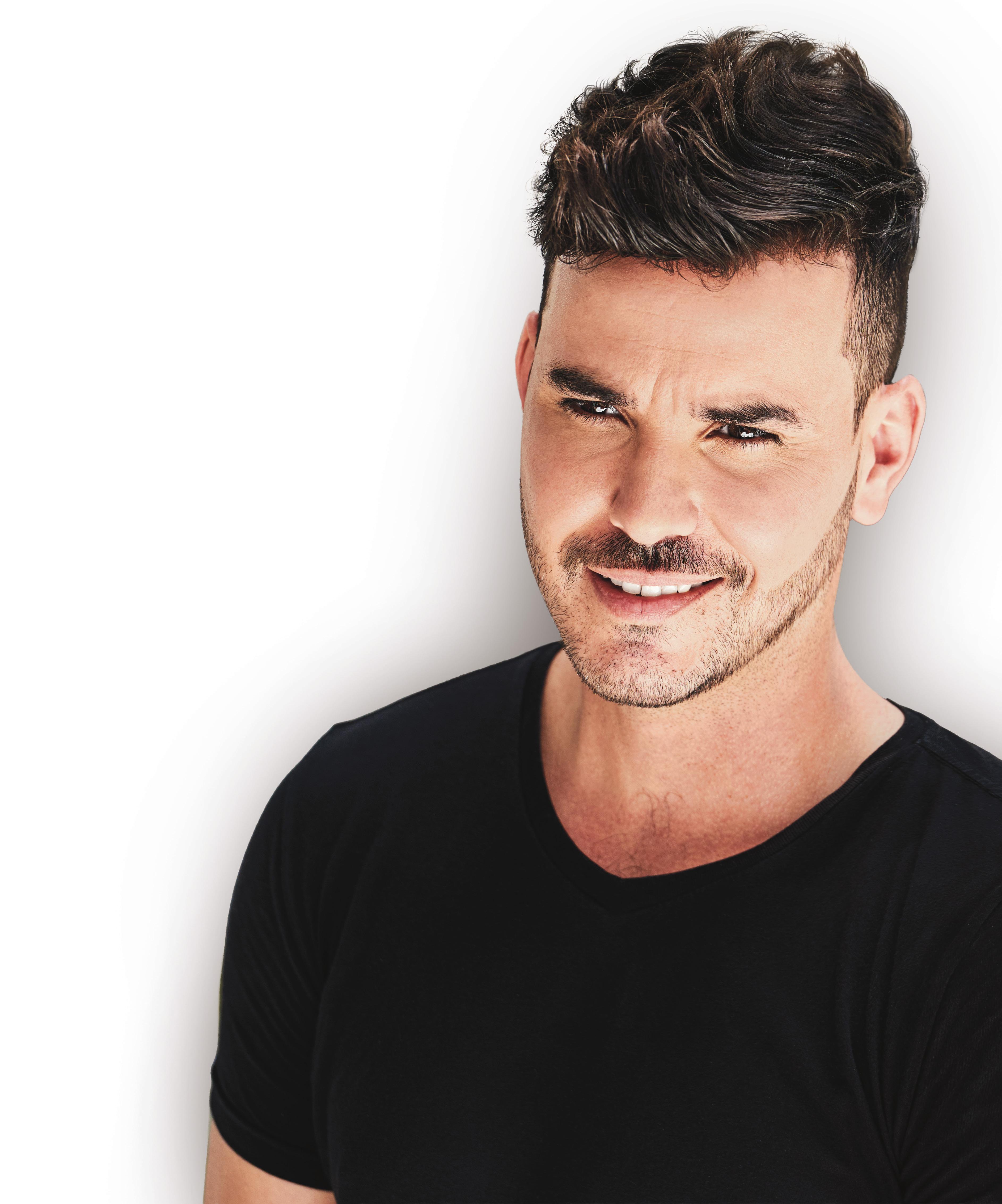
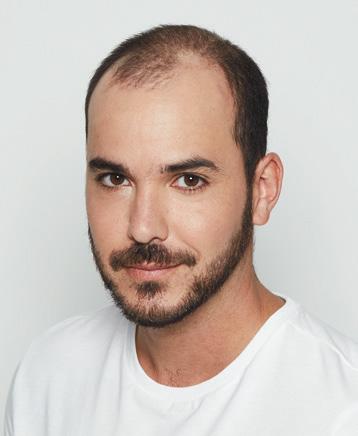
During the breakout classes, American Hairlines will feature two models and discuss options for selecting the perfect system and application techniques for different ages and lifestyles. Attendees will be able to witness first-hand their dramatic before and after.
American Hairlines is celebrating more than 40 years in non-surgical hair replacement systems for men and women. Its longevity is due to its consistent unsurpassed quality, innovative design, and superior customer service.

EDUCATOR: Brandie Reyes
Reyes is a successful hair replacement specialist and stylist from Phoenix, Arizona, since 1996. She has traveled North America with American Hairlines since 2005, sharing her passion and knowledge of non-surgical hair replacement and American Hairlines products with industry professionals. As the featured presenter and educator at countless hair loss symposiums, trade shows and training workshops, Reyes inspires those she meets, not only providing them with technical and product knowledge but also giving them the tools to help develop their businesses. Reyes's work has been featured on television, catalogs and HairUWear marketing materials.
American Hairlines and HairUWear offer various training options; hands-on workshops, in-studio training opportunities, and virtual options for non-surgical hair replacement. Email education@ hairuwear.com , visit www.hairuwear.com or contact your account executive for additional information.
to present at AHLC HairNow 23 in September in Nashville.
32 THE LINK MAGAZINE
We cordially invite you to stop by and visit us at our booth during the American Hair Loss Council's HairNow 23. Take advantage of exploring our cutting-edge technology and witness firsthand the exceptional quality standards of our custom and stock hair products.

To enhance the precision and customization of our services, we utilize our state-of-the-art 3D scanner, specifically designed for accurate scalp measurement, enabling us to create tailored wigs that perfectly match individual requirements. Experience the exclusive unveiling of our enhanced version of the 3D scanner showcased last year at HairNow 2022 in Charlotte.
Hi-Mo is a South Korean-based company with 65 retail and service facilities. Additionally, Hi-Mo has four state-of-the-art factories with more than 3,500 technicians who provide nothing short of near perfection at every stage of production.
See for yourself the artistry of production that puts Hi-Mo in a class of its own. Research and development innovations over the years by Hi-Mo have propelled the company to become a global giant in the

Nashville, Tennessee
Asian markets. Our booth will be staffed by company technicians who will be demonstrating and explaining all aspects of their hair products and our newest computerized 3D scanner machine that ensures a perfect fitting fully customized finished product for you and your clients' complete satisfaction. Be the first in your area to offer the exclusive Hi-Mo approach and products into your market.
Our educational class during the conference is titled Hair Science and
Technologies. The class is designed to help you understand the dynamics and interactions of natural human, processed human hair and man-made advanced synthetic fibers.
Learn how to determine the quality of hair so as to not be disappointed or confused. Also featured will be a complete computerized 3D custom mold scanner that provides the perfect fitting hair products available in the global markets.
EDUCATOR: Richard Gizzi
September
◆
THE LINK MAGAZINE 33
16-18
We are all here to talk about hair. Each of us comes with a different point of view, but we have one goal: To make the people who come to us feel good. It is our job to figure out how we can help them, each of us with our own specialization. We want to talk to you about the study of hair, with a technique well-known in Italy and widely used by trichologists: microscopy in polarized light.

There are no secrets for a microscopist technician. We can tell things like the diameters of the hair stem to the anchoring system. We can even figure out what is making the hair fall out and weakening it to see if is a nervous system factor, whether from digestive problems or even from sleep deprivation problems.
The Italian Academy of Hair Microscopy's goal is to provide some important answers to our clients, better study the hair and all the metabolisms around it, understand if all the therapies and treatments really work, and quantify with precise numbers all the results.
The I.A.H.M. booth at the American Hair Loss Council's HairNow 23 gathering will have experts available to answer questions. And if you are a member of the World Trichology Society let us know.
The I.A.H.M is an Italian academy of hair microscopy that holds courses in the United States, Brazil, Canada and Europe. For information email iahmicroscopy@gmail.com
Dr. Martina Candido is a biotech specialist with a master's degree in trichological science from the University of Florence in Italy. She has suffered from alopecia areata for more than a decade now. Her mission is to help people that suffer from hair loss and hair-related issues. She is a lecturer in microscopy in polarized light, coordinator of tricoItalia and co-founder of IAHM, which is supported by The Italian Society of Hair Restoration and Surgery. Currently, she is focused on training other professionals to spread the science behind trichology. She will teach the breakout class: What Happens When The Hair Falls Out? What really happens when hair falls out? How does the fall occur? What tissue the hair is wrapped in, how it deteriorates, and why?
 EDUCATOR: Dr. Martina Candido
34 THE LINK MAGAZINE
Are you ready for the hair replacement revolution? Our class, "Client Consultations: Building Trust and Setting Realistic Expectations in the Social Media and Post-COVID Era" is designed to help you rethink, support, or improve client consultation practices for clients interested in alternative hair options.
Whether you're a hair replacement expert or just starting out, this collaborative class will help you explore best practices to deliver outstanding consultations that inspire confidence in your clients.
With social media powerhouses like Tik Tok and YouTube leading the way, the hair replacement experience — and client expectations — are being
redefined. But with this shift comes a potential downside. Some clients may have misconceptions about the process, maintenance, and realistic options for these key services you’re offering.
To ensure your clients are fully informed, exploring alternative (and customized) consultation approaches may be a way to elevate client adoption and loyalty. Moreover, in this post-COVID age, it’s crucial to adapt your consultation methods to appeal to a brand-new clientele. As the world navigates through changing times, being flexible and open to adapt may help you attract and retain clients.
The class will be led by Jerry Holt and Jessica Catalde, two industry pros with decades of experience and different perspectives on client consultations. They will share their approaches for clients interested in semi-permanent men's hair replacement, women's toppers, and wigs, with consideration for both


human hair and synthetic options. They will be demonstrating how to customize your consultation to partner with the stylists delivering the service (if it’s not the consultant) and ensure that client expectations are realistic, achievable, and personalized.
Your goal is to create a comfortable and supportive environment for your clients. Asking the right questions to understand your client's needs, preferences, and expectations — especially as it relates to their budget, maintenance, and ability to commit time for regular appointments — is key. This will help you recommend the best solutions and options (product and service type, human hair or synthetic options, attachment methods, etc.) that will meet their specific needs and exceed their expectations.
The IHI Team is looking forward to seeing you at the HairNow 23 Conference. Come see us on the vendor floor.
EDUCATOR: Jerry Holt and Jessica Catalde
September
◆ Nashville,
THE LINK MAGAZINE 35
16-18
Tennessee
Joli Caméléon is a more affordable premium European hair Brand. Many of your peers choose us as their primary vendor or as their go-to backup when their primary vendor cannot deliver on time.

If you would like to know more about today’s Joli Caméléon, visit us at our triple booth at the American Hair Loss Council’s HairNow 23 in September or set up a private conversation.


Our products feature:
• No-odor, antibacterial perimeter-bondable toppers. In stock in four base sizes or custom. Check out our PüR Silver collection.
• And, at AHLC for the first time, PüR Silver no-odor toppers are now available for men too.
• Joli Dancer is among the industry’s best-performing and beautiful, non-bonded prosthetics for those with active alopecia.
• Luxury European hair? We’ve got that at competitive prices.
During our class at HairNow 23, Caméléon BondAbility will be taught by Shanna Moll. You will learn how to bond where you need to on a safer, cleaner, more comfortable base. No shaving is required. It is the perfect bond for fine European hair toppers. Let your clients keep all the hair they have, just add more. See how to create a better, safer, and cleaner attachment method, uniquely taught by one of the most experienced educators in the U.S.
 EDUCATOR: Shanna Moll and Michael Leigh
At Joli Caméléon, we stand for beauty, quality, service and innovation.
36 THE LINK MAGAZINE
September 16-18 ◆ Nashville, Tennessee
Join us at the Jon Renau booth during HairNow 23 to meet the team and experience a live demonstration of Jon Renau’s men’s hair replacement systems, where you’ll learn how to permanently bond men’s hair replacement systems on a live model with a standard businessman’s haircut. This technique will reveal how seamlessly the systems and cutting method complement the natural hairline.
Meet with our consultative staff to review a wide variety of Jon Renau’s natural-looking solutions that cover all stages of hair loss, experience our most comfortable and lightest thin skin bases, to the most durable Cheveux Direct custom offering featuring our direct inject technology.

Don’t miss out as we will be introducing our nine latest women’s bondable hair replacement stock systems lineup and
11 men’s stock systems. Jon Renau has developed an easy-to-use, proprietary custom ordering platform that will be on display during HairNow 23 as well. Demonstrations will be available.

Don't miss our break out class where Caiden Britt will teach Tape Stacked Bonds. There is no such thing as a “one size fits all” solution when it comes to hair replacement and its coinciding bonding methods. In this class, discover an innovative technique that can be added to your arsenal of attachment options when working with your favorite toppers from Jon Renau. Britt’s revolutionary tape stack bond is a modern approach to the traditional concept of long hair bonding; saving not only time, but the frustration that sometimes occurs when working with messy adhesives.
 EDUCATOR: Caiden Britt
THE LINK MAGAZINE 37
Kim Flores, Vice President of Sales
MeevoPay is embedded into Meevo software, enabling new opportunities to capture payments, increase efficiencies, and provide enhanced visibility into daily transactions.
With comprehensive POS options, superior functionality, and transparent low rates, MeevoPay enables salon and spa software users to unlock their profitability with less hassle and more peace of mind. The new payment processing solution brings tremendous value to beauty and wellness businesses, simplifying customer transactions with flexible and convenient payment options and improving staff productivity with smart
and reliable tools.
“We are excited to expand our service offering to include embedded payment processing. Meevo customers can now benefit from appointment booking, inventory management, email marketing, payment processing, and more, coupled with our superior support team,” said Sebastian Vos, chief executive officer of Millennium Systems International. “The launch of MeevoPay is another exciting way that we are improving Meevo for our clients.”
MeevoPay provides unparalleled payment protection with built-in risk mitigation tools that block fraudulent activity, improve authorization rates, and keep client data safe and secure at all times.
“What a monumental achievement for MSI! Merging our award-winning service with an embedded payment processing platform demonstrates how focused our organization is on our clients' success. We’ve already heard from several MeevoPay clients who love the ease of onboarding, increased performance, and simplified process for reconciliation,” said Matthew M. Scudder, chief payments
officer of MSI. "We look forward to the next stage of MeevoPay and continuing our commitment to innovations that support the businesses we serve.”
Meevo clients are already praising MeevoPay, “We are really enjoying MeevoPay. The speed and ease of transactions are incredible. The super friendly and helpful customer support is the best part! I am so grateful to have this software as the center of my business,” said Erin Mohr, owner of The Up & Up Salon.
With effortless payment processing options and a guaranteed POS uptime of 99.95% or more, MeevoPay empowers its users to work more efficiently and offer seamless and even contactless checkout experiences that help foster customer satisfaction and loyalty.
We can’t wait to connect with everyone at the AHLC HairNow 23 conference. Stop by our booth to learn more about Meevo. Also be sure to join our class “Exceeding Guests Expectations: When You Give the Best, You Receive the Best” by Meevo educator Tony Sansone.
 EDUCATOR: Tony Sansone
Meevo, salon and spa software
by Millennium Systems International, recently launched a state-of-the-art POS and payments system with competitive rates and industryleading fraud detection.
38 THE LINK MAGAZINE
As hair loss becomes more prevalent in our times the array of alternative hair products offered has become more complex. There is no longer a one-piece-fits-all for today’s customers.

Alternative hair customers have become increasingly demanding and detailed in their requests for color, density, texture, and length of their alternative hair, and the many nuances and details in wig and topper construction have become all the more relevant and vital.


Additionally, as the world becomes more advanced and technology gets smarter, traditional ordering time has become obsolete. Most clients can’t afford the time nor do they have the patience for the traditional custom ordering time. The smarter we can work the better we can adapt to our clients’ needs.
Attend our training class during AHLC's HairNow 23, where we will share with you how our wigs, toppers and accessories, will allow you to transform and empower your clients and more efficiently service them in a fraction of the time − keeping them satisfied and coming back for more.
Be sure to stop by our booth to find out about the vast array of wigs, toppers, and accessories Milano Collection has to offer. Learn about our innovative products, designed with hair loss clients in mind, and find must-have accessories, wigs and toppers that are natural-looking, beautiful and comfortable. While you’re here, speak one on one with us to see how we can better service your growing needs and how we can personalize options just for you!

 EDUCATOR: Judy Geisinsky
Milano Collection has always been a pioneer in the world of alternative hair, and we have extensive expertise in meeting the needs of the hair loss community.
THE LINK MAGAZINE 39
September 16-18 ◆ Nashville, Tennessee
Join the National Hair Loss Med Aesthetics team of experts for hair loss and follicular analysis appointments during the American Hair Loss Council's HairNow 23 in Nashville. The team will be performing in-person hair, skin, and nails testing, as well as immune testing.
Stop by while limited quantities are available. Discuss customized educational training for hair restoration in your business. Learn about NHLMA's state-of-the-art hair boosters and injectables. Experience a cutting-edge follicular analysis to see specific vitamin deficiencies, environmental interferences, up to 400 food intolerances, gut and cardiovascular health, and beyond what a blood lab can determine.
During class time, hear Carly Klein,
president of National Hair Loss, speak on hair loss due to stress, trending weight loss injections, hormones, genetics, environmental factors and more.
NHLMA’s certified nutritionist Julie Clarke will also be speaking on follicular hair testing and the impact of exposures, nutrient deficiencies, gut and environment on hair.


The training will include FAQs such as: What are the different types of hair loss, and how can I determine my client’s type of alopecia? How can I help treat and prevent hair loss for my clients? And how can I implement a custom hair recovery program?
Beyond these topics, walk away with an understanding of hair root analysis and how to test follicles to see what is going on in the system, the importance of epigenetic testing, and how to identify active inflammation of the scalp.
After training, visit NHLMA's booth to receive a gift and complimentary hair, skin and nail follicular testing (while supplies last), as well as discounted immune follicular testing.
NHLMA also offers hands-on oneon-one training at our education center where you can learn more about shadowing live cutting-edge treatments, hair loss education and business strategy.
 EDUCATOR: Carly Klein and Julie Clarke
40 THE LINK MAGAZINE
September 16-18 ◆ Nashville, Tennessee
This year, we are thrilled to showcase our extensive selection of upscale products. From men's and women's hair replacement systems and accessories to our ProGen Global brands and Luxia Artiss European hair extensions, we have something for everyone.

Get ready for an exclusive preview of our latest groundbreaking products. Be amazed by our AI scalp grader, which utilizes artificial intelligence to analyze the scalp and hair in a fraction of the time compared to other cameras. We also are proud to introduce our patented tape-in extensions, set to revolutionize the industry.
Join us at our booth to interact with industry professionals and educators who have been instrumental in helping others succeed alongside New Image Labs. Learn from the expertise of Ricky Knowles, Keith Zimmerman and Marcelle Laurenne, who have years of experience in teaching and mentoring.

Karyna Fields will delve into the world of the best hair extensions featuring our double-drawn 100% European Luxia Artiss hair extensions and will go into the proper care techniques with our innovative Or & Argan Hair Care Collection, designed to repair, enhance, and preserve hair without weighing it down.

During our classes, you will gain valuable knowledge on analyzing your clients' scalp, hair and cuticles using Pro|Gen Probe devices, as well as find solutions for various scalp and hair issues such as dryness, damage, oiliness, dandruff, sensitivity, hair loss, and product buildup
with our Active Care In-Salon Treatment.
You will discover our exceptional Nutrifuse line, specially formulated for the hair replacement industry. We will also introduce you to our Fiberbond and Luxia Artiss hair fibers and teach you how to apply them to both male and female clients.
Unlock the secrets to running a successful hair replacement business as we guide you through completing a custom order form with Debbie Metz who will share her expertise and will provide tips and tricks to optimize your next order. Implementing these tips will help you maximize profits and achieve success in the hair replacement industry.

By visiting our booth, you will have a chance to win top-of-the-line complimentary products, experience our advanced and efficient AI Scalp Grader camera in action, and have an exclusive look at our new tape-in extensions. But that's not all. Attendees will also have an opportunity to win tickets to our next CrossFit event at our West Palm Beach, Florida, headquarters and so much more.
Don't miss out on this incredible opportunity. Join us at the New Image Labs booth and you might just win a complimentary Nutrifuse Kit, Or & Argan Kit, or your new favorite coffee mug.
EDUCATOR: Ricky Knowles, Karyna Fields, and Debbie Metz
We look forward to welcoming you to the New Image Labs booth during the American Hair Loss Council's HairNow 23.
THE LINK MAGAZINE 41
This is where we introduce hair extensions.
Hair extensions have become increasingly popular in the hair replacement world and for good reason. In addition to being a high-margin revenue stream, hair extensions offer an easy, affordable and customizable solution for your client’s hair loss problem — without the psychological commitment.
This is where we introduce OnStage Hair Extensions.
On Stage Hair Extensions are not only faster and easier to learn — they also offer a reusable, sustainable, ethically sourced, and cost-effective hair loss solution. This trust and value are crucial when introducing a hair replacement product to your existing client base. These seamless, natural-looking extensions are the benchmark of the beauty industry and can be effectively used to achieve many of your clients’ hair goals.
Another benefit of offering OnStage Hair Extensions is that it can help attract new clients who may not have been interested in traditional replacement services. By offering this service and a particular product line, you can expand your clientele and increase your revenue.

Finally, OnStage Hair Extensions can help keep salon employees engaged and motivated by giving them a new challenge, an opportunity to develop their skills, and a path to prosperity.
At our booth during American Hair Loss Council's HairNow 23, you will see how quickly On Stage Hair Extensions can create customized hair replacement solutions that will set you apart from the competition.
Our innovative and unrivaled application technique makes it the perfect service addition for a more modern approach to addressing your clients' hair loss needs. Our superior quality,
reusable and ethically sourced hair is available in multiple lengths, textures and application methods — making it the most versatile product on the market today. Come see and touch our hair personally! Try it for yourself!
With more than 30 years of experience as a professional stylist, Bernard Ory has a passion for the hair industry. He began his career in his hometown of Slidell, Louisiana, and launched On Stage Hair Studio, a full-service salon that specializes in hair extensions and hair replacement services. Today, Ory is internationally recognized as an expert in hair extensions and hair replacement and is often hired to teach the latest hair addition techniques.
Ory is passionate about helping stylists succeed and offering them the opportunity to learn the skills needed to be professional, prepared and profitable in this competitive industry. Ory also co-owns and operates SHE Hair USA, On Stage Hair Extensions and The Profitable Stylist Academy — distribution companies that retail ethically sourced extension hair, products, machines and advanced online education to salons and stylists around the world.
He is committed to bringing innovative and quality hair extension and hair replacement products to the market and is excited to share his extensive knowledge with fellow professionals.
 EDUCATOR: Bernard Ory
As a hair restoration specialist, you may have noticed that your female consultations are initially hesitant to fully engage in the traditional hair replacement process. While some may be comfortable, many others are looking for that “in-between” solution to their hair loss problem.
42 THE LINK MAGAZINE
Sara Micallef, founder of Project Hair Co., will introduce her coaching and mentoring services as well as her fully customizable courses in hair replacement, during American Hair Loss Council's HairNow 23 in Nashville, Tennessee.

She is known for her techniques and her ability to connect with clients, ensuring the best results.
At Project Hair Co.'s booth you will find giveaways, raffle baskets with some of a hairdresser's dream products,
brochures, a video loop, Instagramworthy content/photo ops, social media follow-for-follow, as well as demonstrations on blend cutting techniques.
During her break out class she will teach on connecting with clients. Finetune your ability to connect with clients! Provide clients with the highest level of care and support by exhibiting a compassionate and empathetic approach, ensuring that each client feels comfortable, well-informed, and confident throughout their hair restoration journey. Along with consistently demonstrating a high level of technical skill, professionalism and work ethic − we will highlight how we can show a genuine commitment to delivering outstanding results.
Micallef has 11 years of experience servicing hair replacement clients, is in high demand, and is passionate about delivering exceptional results. Her dedication to ensuring her clients are confident with their hair is remarkable.
She also started a support group for people with fine or thinning hair called Fine Hair Friends on Facebook that currently has just over 50,000 members worldwide.
Micallef's enthusiasm translates over to her teaching methods with her students. The students that have taken Project Hair Co.'s courses in hair replacement attested to gaining knowledge, and tips, and have said they gained confidence in delivering the best service. Students enjoy the fact that her courses are fully customizable — meaning that they can choose which topics to learn and what will benefit them as an individual or as a salon in general.
Project Hair Co. invites you to stop by our booth and network. We would love to get to know you as a person, your story, your passion, what makes you excited about this industry, and what you do in your career. We so look forward to meeting you.
 EDUCATOR: Sara Micallef
THE LINK MAGAZINE 43
September 16-18 ◆ Nashville, Tennessee
Are you ready to enhance your social media presence? Catch "Power Up Your Social Media Strategy: Discover the Impact of Video Content for Unparalleled Engagement and Conversion!"

at HairNow 23 and drop by the Tabengin Consulting booth to discuss your social media presence and get a tip or two. Why should you embrace the power of video in your social media?
In today's fast-paced digital age, social media connects people to businesses and communities worldwide. Video is the undisputed champion of content types, capturing consumers and generating engagement and yes, video for social media can boost your online presence.
What can video content do for you?
Grab Attention: Videos catch attention. It is more engaging than static images or text since it is dynamic and visually appealing. Videos in your social media strategy can hook visitors right
away, making them more likely to watch, share and connect.
Convey Emotions and Stories: Video is a versatile medium that allows your business to convey emotions, tell stories, and create authentic connections. Whether through heartfelt testimonials, behind-the-scenes glimpses, or product demonstrations, videos provide a unique opportunity to evoke emotions and foster a deeper connection with your audience. By leveraging this emotional impact, you can humanize your brand and create relationships with your followers − the social in social media.
Boost Engagement and Reach: Due to its high interaction, social media algorithms favor video content. Videos are prioritized in Facebook, Instagram and TikTok feeds. Likes, comments, and shares show algorithms that your material is important, increasing organic reach. Video on social media boosts your messaging and internet presence.
Help Your Audience Remember: Studies have shown that people tend to remember things better when they are shown on video. Videos use sight, sound and movement to make your content easier to remember. Videos can help you explain complicated ideas whether you're trying to teach your audience something about hair loss, share a lesson on how to care for their
hair, or give them an update on your business. By showing your message in a video, you make it more likely that your followers will understand, remember, and share it.
Encourage Action: Video material has been shown to get people to act and buy. By adding compelling calls to action to your videos, you can get people to do what you want, like sign up for your newsletter, check out your website, or buy something. Videos can be used as strong tools to get your audience to take the next step and get more involved with your brand or business. Some examples include an interactive end screen, a swipe-up link, or a promo code.
The popularity of video on social media isn't just a passing fad. It's a sign that it works well to engage and sway people online. Video content stands out because it has a unique mix of visual appeal, the ability to tell a story and emotional effect. This lets you connect with your target audience in meaningful ways. Adding video to your social media strategy can set you apart from the competition, get more people to interact with you, reach more people, and hit your goals.
Embrace the power of video to open new opportunities for social media connection and success.
EDUCATOR: Jeanne Beirne
44 THE LINK MAGAZINE
AHLC MEMBER SPONSORED EDUCATION

One-Day Business Seminar Coaching
June 3 Amani Headquarters, Newport Beach, California, Cost $399
Take your business to the next level, transform, and learn all the steps for a successful business to elevate your skills and set yourself apart from other salons and stylists. Train with Nazy Curtis, founder of Amani Hair Newport Beach. With more than 25 years of experience, Nazy will provide you with an understanding of target groups and solutions, consultation technical training as well as an overall marketing strategy.
As a bonus, get answers to your questions about color-customized human hair systems. For additional information or to register, contact Rike at info@amanihair.com.
CNC Training
March 9-10 West Palm Beach, Florida
May 7-8 Wall Township, New Jersey
Learn all the steps for designing a beautiful CNC hair prosthetic with master trainers Eliana Bottiglieri, Danielle Marzella, and CRLAB Laguna Hills trainer Diana Ford. The two-day training will include live models for hands-on training with designing a CNC, 3D scanner, application, removal, customization, and cut-in.
CRLAB Training
July 23-24 CRLAB Laguna Hills, California, Training Center
Learn all the steps for a successful CRLAB client consultation, Trico test, scalp treatments and a thorough understanding of the client's needs, careful assessment of the scalp and hair, and tailored recommendations for scalp treatments and hair care products. Communication with the client and proper use of products and tools are essential for achieving optimal scalp health.
For additional information contact starr.fox@crlab.com, jodie.vanderhoof@ crlab.com, or visit crlab.com
Two-Day Nonsurgical Hair Replacement Certification
August 20-21 Lenexa, Kansas (Kansas City)
Included in the two-day certification:
Day 1: Mastering the Basics
• Hair extension and pieces application
• Heat styling Tru2Life® fiber
• Wig construction
•*Wig styling and steaming
• Stages of hair loss and ready-to-wear solutions
• *Cap customization
Day 2: Advanced Certification
• Human hair care and styling
• *Restoring Tru2Life® Fiber
• *Point Cutting Techniques for Wigs
• *Cap Customization
• *Customizing Hair Density
*Hands-on activities. Curriculum is subject to change. Contact your HairUWear account executive or email education@hairuwear to register.
Hair Visions International's Virtual Coaching
Improve your hair replacement skills. Forget the hassle of booking flights or hotels. Our virtual interactive class saves you valuable time, money, and most importantly, keeps you and your staff safe in the comfort of your home or studio. Professional trainer Baha Alwardi brings his knowledge and expertise as one of Hair Visions’ leading instructors.
Virtual classes offered:
• Long Hair Bonding
• Introduction to Hair Replacement for Women
• Perimeter Bonding and Grafting
• Link Method: The Art of Hair Replacement Without Chemicals
• Understanding hair loss and hair growth
• Nonsurgical solutions for hair loss
• Detailed review of system construction
• Client consultations for men and women
• Live model demonstrations of American Hairlines systems
• Hands-on template-making
• Hands-on system removal and maintenance
• Hands-on men’s system application customization
• Hands-on women’s system application and customization
• Home care instructions
One-on-one virtual and in-studio training opportunities are also available. Contact your American Hairlines account executive, call 866-618-1200 or email education@hairuwear.com
HairUWear On the Road Two-Day Workshop
August 6-7 Little Rock, Arkansas
October 15-16 Pittsburgh, Pennsylvania
June 11-12 Milwaukee, Wisconsin
Transform your business and elevate your skill with hands-on training by the industry’s best instructors. Our extended program covers everything you need to know about wigs, toppers, clip-in extensions and hairpieces.
Don't miss this opportunity to improve your hair replacement skills and grow your business. Sign up for a Virtual Coaching class today! Contact Karla Hurtado at 800-327-5555, ext. 3325 today.
Intensive
Advanced Hair Replacement Training Date Open (call for available dates), HairArt Salon, Los Angeles, California
Learn everything you need to know about the hair replacement business from one of the leaders in the industry. HairArt has been in the hair replacement business for nearly 40 years and founder and head stylist Doris Yu will teach you all the intricacies of the business; from how to discuss with your clients the delicate nature of hair thinning/hair loss and recommending the correct solutions, to making a mold, proper hair ordering, techniques for applying perm and semiperm attachments, performing proper hair ventilation, cutting and styling. You will get an intensive hands-on training on mannequins and actual clients, so by the end of the course, you will be able to incorporate hair replacement solutions for your clients immediately and add to your portfolio of services. Techniques and client interaction are crucial for success, so a one-day or two-day course is not enough practical experience to fully understand, which is why we strongly recommend a minimum of a one-week course. All training materials and hair are included in the cost of the course. Mannequin, tools, and practice pieces are yours to keep. $6,000 for one-week course.
Contact: 310-217-8900
THESE CLASSES QUALIFY FOR AHLC MASTER'S CERTIFICATION POINTS THE LINK MAGAZINE 45
Micro Point Solutions Certification
Virtual, Minneapolis, Cleveland, Phoenix, Boca Raton (call for dates)
Going where no extension has gone before — the top of the head — this solution is for clients in the early stages of hair loss. A safe, healthy way to add volume and density to your client’s fine, thin hair. Recreate the look and feel of your client’s natural hair and visibly boost thin hair in just one appointment.
Intro to Hair Replacement Certification
Minneapolis, Cleveland, Phoenix, Boca Raton (call for dates)
Hair replacement certification class helps you master the many fundamental technical aspects of nonsurgical hair replacement for women and men. Intensive and comprehensive handson technical training, and includes thorough client consultation and coaching, and in-depth business discussion.
Cyberhair Certification - Virtual
The Cyberhair Customs Designs Certification addresses the technical and business aspects of working with Cyberhair. This comprehensive session encompasses the many possibilities of nonsurgical hair replacement for women and men, and how they will exceed the expectations of your hair loss clients. Typical Cyberhair Custom lead time is 4-6 months.
Call 800-328-0311, ext. 1008 for information or to register, or email Promos@IntHair.com. Visit us at InternationalHairGoods.com
In-Person Education Masterclass Certification
• Increase revenue, reduce returns and maximize your time.
• Increase brand awareness and impact purchase decisions.
• Implement client retention strategies
Topper Certification
This is designed to provide you with the tools and knowledge you need to service one of the fastestgrowing segments in alternative hair, the topper client. Because after all, not every client is ready for a wig. You will learn to:
• Address all aspects of in-person and virtual topper consultation.
• Customize toppers and apply blending techniques.
• Provide maintenance and care.
• Set the right expectations to ensure success. For information contact JREducation@jonrenau.com, 800-462-9447, or log on to jonrenau.com/education
Hair Loss Academy
Gain knowledge, transform your business, and fill in the blanks for hair, skin and wellness.
• One-on-one course training customized to your unique practice.
• How to incorporate a hair recovery program in your own practice.
• Identify different forms of alopecia.
• Create customized prevention programs.
July 23-24 Dallas, Texas
October 8-9 Philadelphia, Pennsylvania
In this two-day, hands-on certification you will learn how to transform and grow your business by expanding your product offerings and obtaining knowledge for more lucrative upselling. Setting you apart as an elevated professional.
In this certification you will learn:
• How to increase your ROI, reduce returns and maximize your time.
• Business development strategies.
• Professional customization and servicing techniques to promote a better client experience while you generate recurring revenue.
• How to further your industry knowledge and expertise in alternative hair. Limited seating with multiple locations in 2023. Contact us to learn more.
On-Demand Education
Ready when you are regardless of distance or time zones. No travel expenses, no lost time, no waiting for what you need.
Men’s Hair Replacement Certification
New to hair replacement or looking to expand your knowledge? From perimeter to full scalp bonds, temporary tapes to long-term hold, this certification provides multiple techniques and options based on your skill level and your client’s needs.
You will learn how to ensure a positive experience for your clients through:
• New client requisition and consultation.
• Preparation plus application for multiple base designs.
• Care instructions for a successful at-home experience.
• Client retention through follow-up and program pricing.
Cheveux Direct Inject Certification
Cheveux Direct inject systems offer our hair replacement customers the ability to design handcrafted custom systems for their clients with high-quality European hair, the most natural innovation added to Jon Renau.
You will learn how to ensure a positive experience for your clients through:
• Consultation with a new client and transitioning current clients into a new system.
• Placing a custom order.
• Preparation and grafting application for a non-shaved method
• Care instructions for a Cheveux Direct system
Masterclass Certification
Business Success Mastery + Product Knowledge for Success certification will lead you through the hair loss clients' journey, providing you and your team with actionable steps to emphasize capturing new clients while gaining market share to engage today’s clients and give the best client experience.
• Carry your own at-home booster.
• The difference between PRP, exosomes, and other booster treatments.
• Treat chemo-radiation-related hair loss.
• Cutting-edge customized protocols for treatments.
• Booster injections that aid extension damage or traction alopecia.
• Tracking your clients' success with digitized 3D global photos
• New follicular assessment to find environmental exposures, nutritional deficiencies, food intolerances, and more!
Receive hands-on training with medical professionals, real patients, and live procedures in webinars, half-day, two-day and virtual training.
For information, visit nhlma.com/academy-courses, email education@nhlma.com, or call 602-283-2355.
CrossFit Educational Training
November 5-6 New Image Corporate Headquarters, West Palm Beach, FL
Our CrossFit training will help you take your business to the next level! Learn from the top salons and educators in the country!
At New Image Labs, we offer CrossFit Educational Training that prepares you to be the best in the hair replacement industry, Whether you're new to the industry or experienced. We deliver intensive, hands-on training and certification sessions to help you gain in-depth knowledge of our latest technology and products and how they will benefit your business. Our renowned team of educators provides expertise in application, theory, and technique to help you meet your clients' needs and demands. Get ready to train with the best of the best at our New Image Labs Headquarters. Educators: Ricky Knowles, Keith Zimmerman, Randy Clark, Karyna Fields, Marcelle Laurenne.
• Tools for success using Pro|Gen Probe scalp analyzers
• Attract new clients with Pro|Gen Active Care scalp therapy
• Repair and maintain processed hair with Pro|Gen Nutrifuse hair products
• Become a hair fiber master with Pro|Gen Fiberbond Keratin Thickening Fibers
• Increase your bottom line with our new Club.W women’s collection
• The art of delivering to the female market with top-of-head or full caps
• Transform pre-custom lace and skin units to custom units
• Become a certified Luxia Artiss hair extension stylist
• Deliver pre-custom skin units from start to finish
• Procedures for custom hair orders, from mold making, proper hair samples, distribution, etc. Stay up to date with any future CrossFit educational training opportunities by visiting our website: newimagelabs.com/pages/training or contact Debbie Metz 800-359-4247, ext 343 dmetz@newimagelabs.com.
46 THE LINK MAGAZINE
KEEP YOUR CLIENTS COOL THIS SUMMER
Beat the Heat With Walker Tape® Products
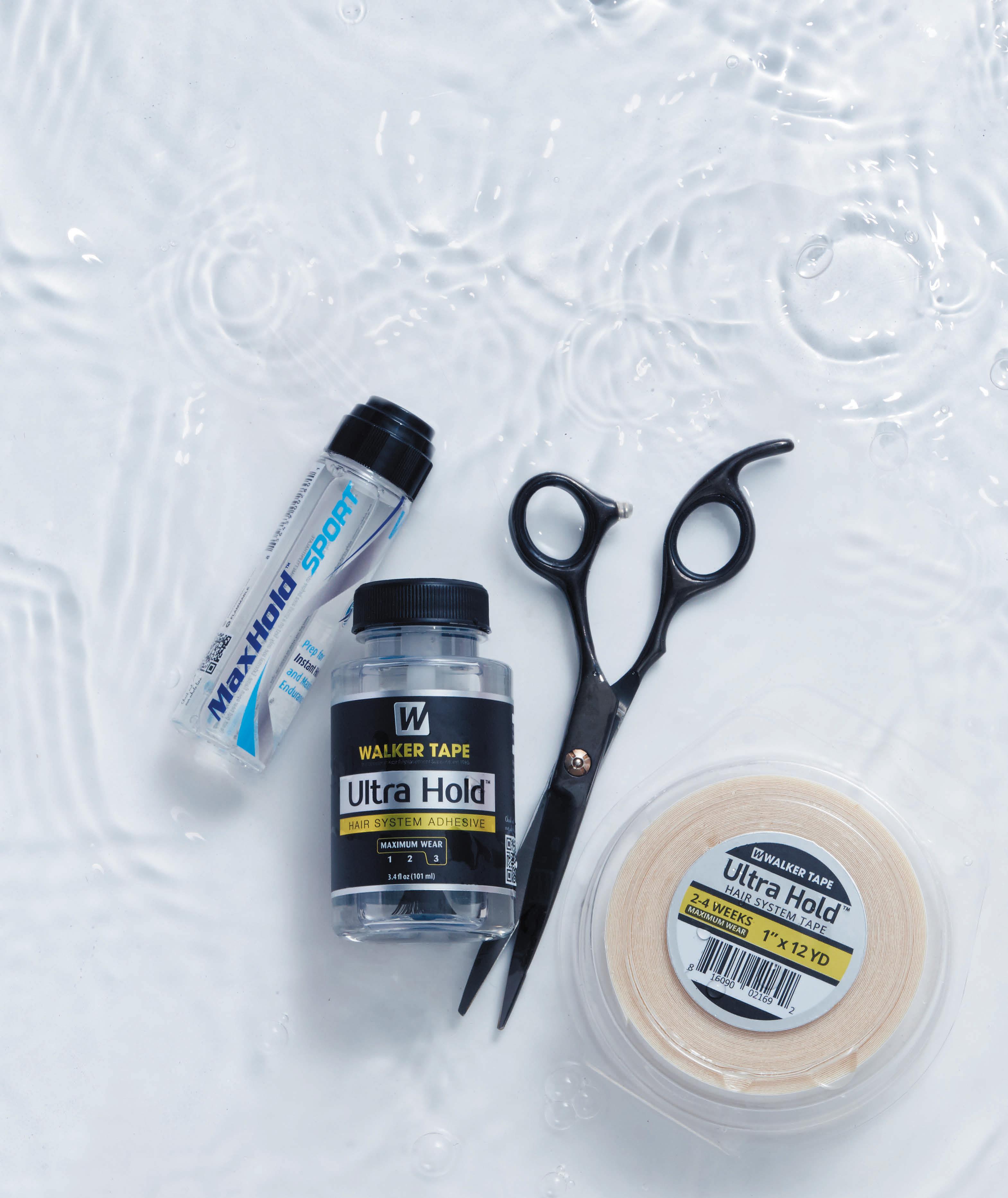
THE LINK MAGAZINE 47










WIGS • TOPPERS • EXTENSIONS • MEN’S HAIR SYSTEMS HEH is looking to design the most natural looking and feeling human hair wigs and systems on the market today for boys and girls ever created! AND WE NEED YOUR INPUT ON DESIGNS AND STYLES What needs for children’s wigs do you see going unfilled? Let us know, and if your design is chosen for production we’ll give you $500 o your fi rst order of our new hyperrealistic children’s wig line. Give children back their childhood STUDIOS: WE NEED YOUR INPUT! House of European Hair 400 W. 157th St. Gardena CA 90248 1.888.HAIR ART • houseofeuropeanhair.com • hehmens.com Johanna B. 310.928.7657 service@houseofeuropeanhair.com Scan to contact us!
