EXPRESSED, CONTAINED AND REPRESENTED MOVEMENT The depiction of movement in architecture exists in various forms. These are broadly classified as expressed, contained and represented movement. The three mentioned classifications however, are not the only ones and there are other notions to the same. (Hardy, 2011) People move about, lifts and escalators go up and down, sun and shade play across the walls through the day, the breeze wafts through the openings and the foundations gently settle. Apart from these literal kinds of movement, architecture can prompt movement—or in other words imply, convey or embody movement—without actually moving. The notion that architecture represents implied movement within built forms that are not themselves in motion, has been a conventional part of modernist thinking, and still seems to be widely taken for granted. (Forty, 1997) Movement can have many implications and meanings. In terms of the physical realm, they can be categorized as the followingFigure 8-(Facing page) The Fibonacci curve- the most natural movement (Source: Pinterest)
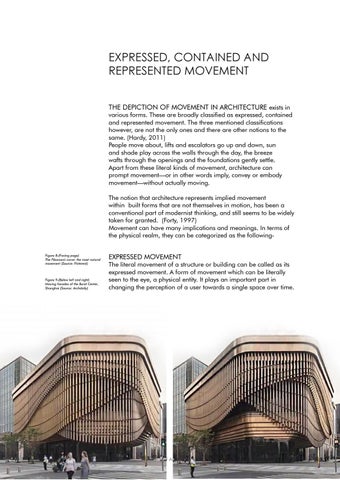
Figure 9-(Below left and right) Moving facades of the Bund Center, Shanghai (Source: Archdaily)
EXPRESSED MOVEMENT
The literal movement of a structure or building can be called as its expressed movement. A form of movement which can be literally seen to the eye, a physical entity. It plays an important part in changing the perception of a user towards a single space over time.
Advaith Mani / Fifth Year B.Arch / L.S.Raheja School of Architecture
023