
The new frontier of light pollution isn’t outside – it’s inside.
Inspire a better world through influence and design
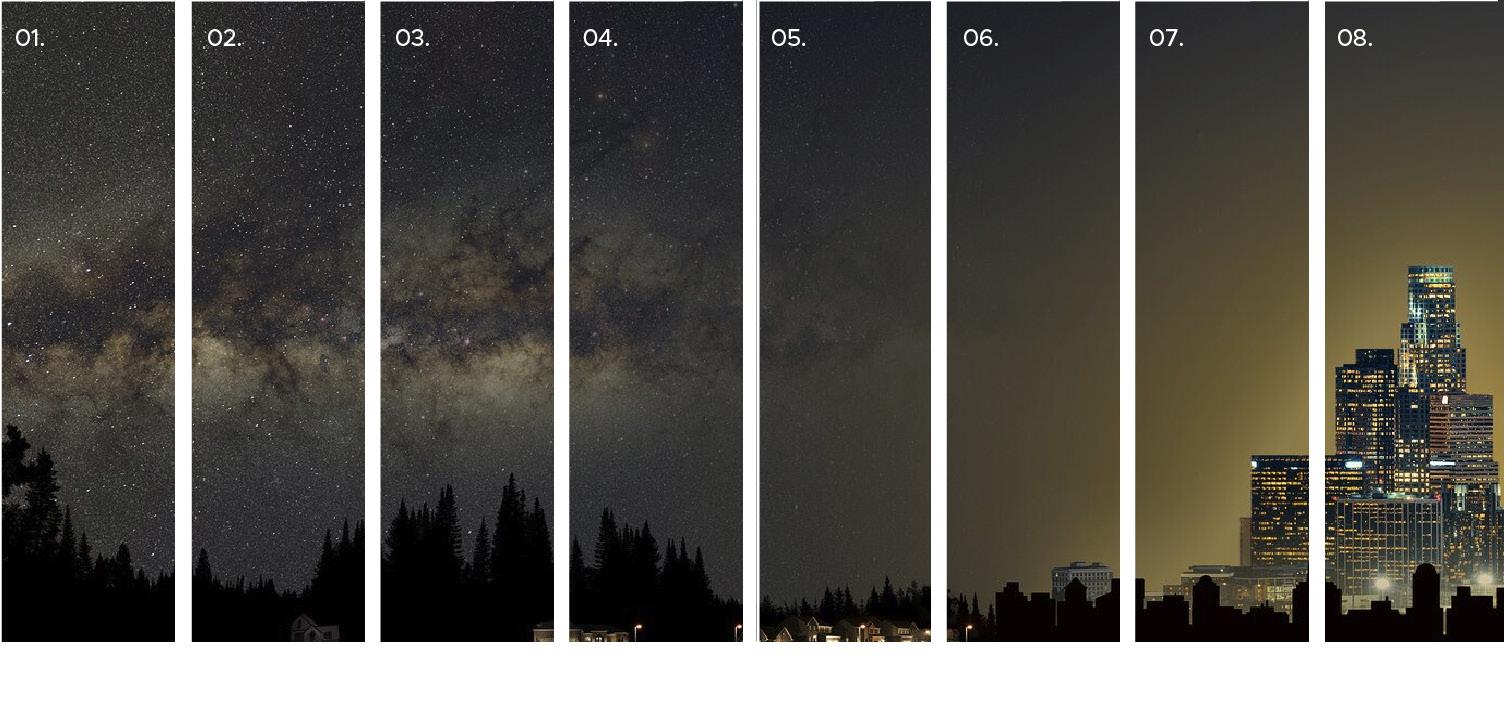
More than 80% of the world’s population and ecosystems live under light-polluted skies. Light pollution is often blamed on streetlights and signage. But the real problem may be the glow from within.
Our research shows interior lighting can spill up to 13 times more light into the environment than exterior fittings – and as much as 98% of light spill can originate inside buildings.
Every living thing needs darkness.
Here’s what happens when it’s taken away.
Human sleep suffers Ecosystems unravel
Light leaking into homes disrupts circadian rhythms, increasing fatigue, stress and metabolic risk.
Wildlife can’t adapt
Fauna exposed to constant artificial light lose vital cues for feeding, breeding and migration.
01 04 02 05 03
Plants react as if it’s warmer
In UK studies, trees budded a week earlier under streetlights – a shift equivalent to around 2°C of global warming.
Pollinators, insects and birds depend on darkness; when it disappears, food chains weaken.
Energy is wasted
Unnecessary lighting burns power, carbon and money for no benefit.
Traditional lighting standards address exterior and interior areas in isolation.
Typically, external standards examine building façade, landscaping, car parks, streetlights and signage.
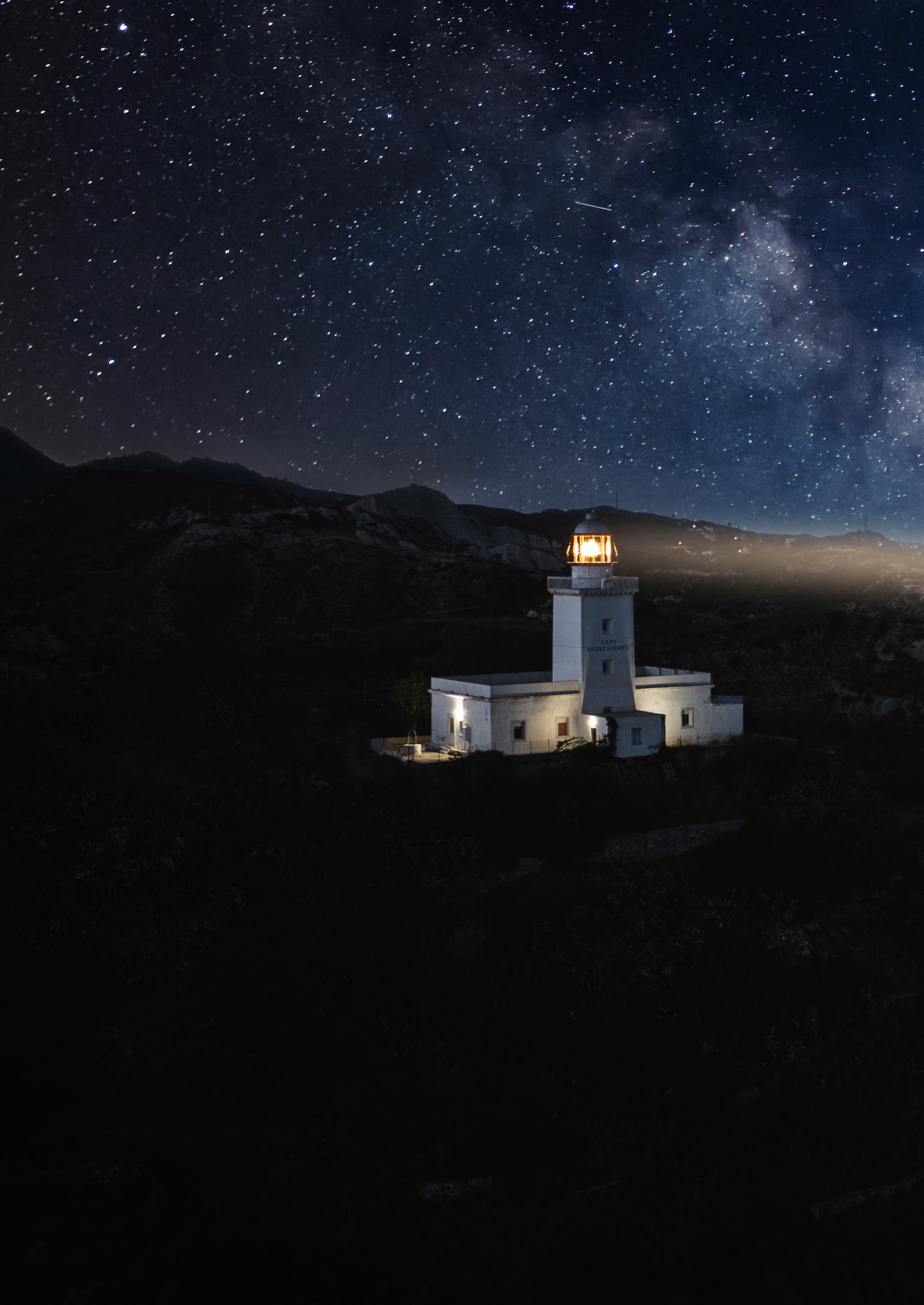
Our specialist lighting team recently tested what happens when we look inward.
Modelling light spill for a development beside sensitive urban bushland showed that most light spill comes from inside, through glass.
In fact, interior lighting produced 13 times the maximum allowable light spill.
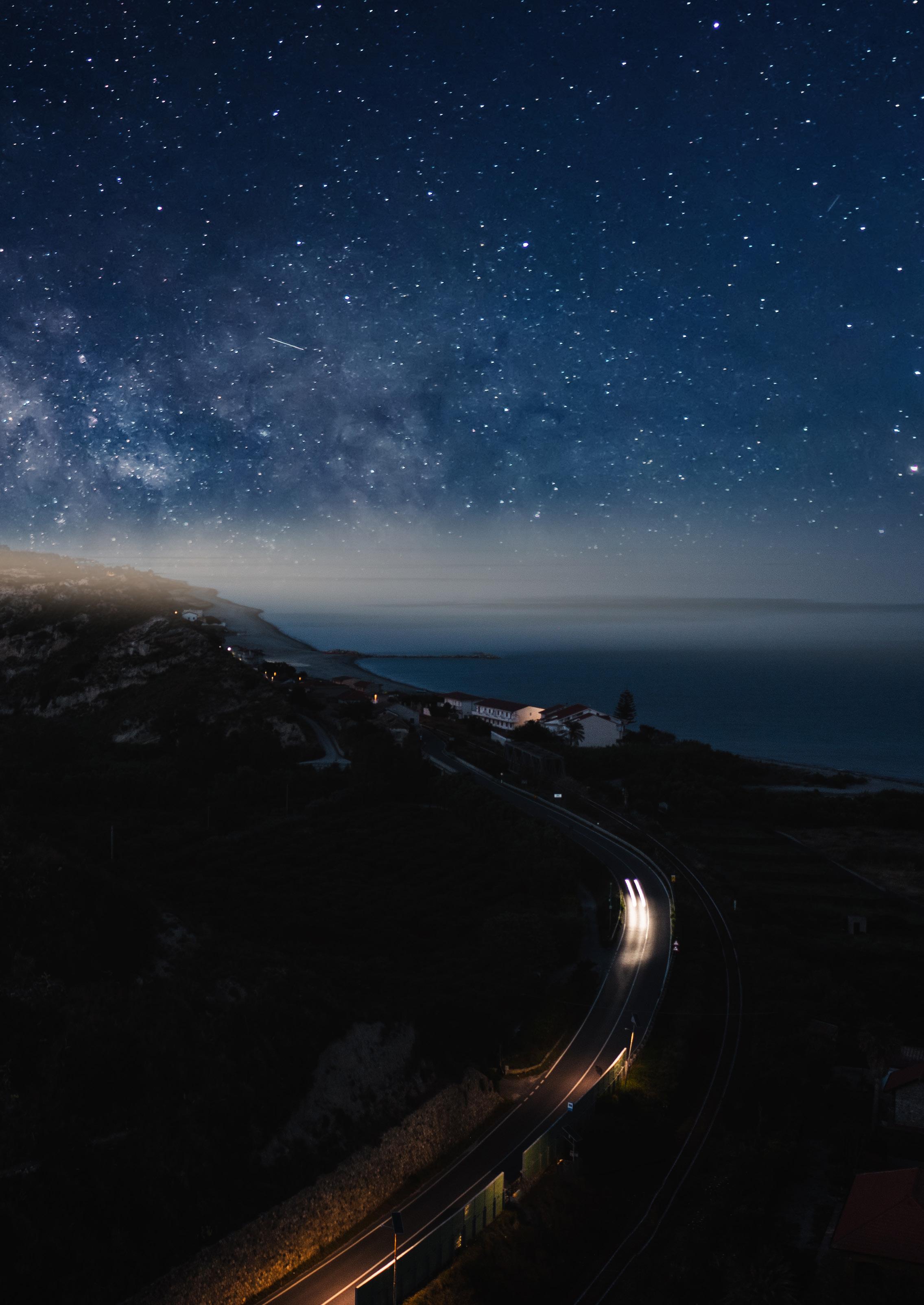
Our approach is simple: measure how bright the site already is at night, and design so the new building doesn’t add to it.
That principle has become our benchmark for responsible lighting in sensitive environments.
Dave Anderson Specialist Lighting Lead ADP Consulting
Every project must meet the minimum requirements set by local councils, and in many cases, that includes national standards.
The most progressive project teams go further, adopting best practice and demonstrating leadership.

AS/NZS 4282 – the shared Australian and New Zealand standard – is a voluntary standard that is embedded in many planning schemes. This provides a framework for outdoor lighting control, but stops short of tackling interior spill.
In the United Kingdom, light spill is treated as a ‘statutory nuisance’ under the Environmental Protection Act 1990. Councils can compel property owners to mitigate lighting that harms health or the environment.
DarkSky International has defined five principles for responsible outdoor lighting – useful, targeted, low level, controlled and considered correlated colour temperature – but stops at the building envelope.
Australia’s National Light Pollution Guidelines for Wildlife extend that thinking to habitats, advising designers to reduce illumination that disrupts foraging, reproduction and migration.
Green Star is leading the next step. Under Green Star Interiors v1.3, project teams must show that direct light from internal sources to the night sky is eliminated. This means:
1. Lights off automatically between 9 pm and 6:30 am, or
2. Blinds or awnings with a visual light transmission (VLT) ≤ 10 in the ‘blocked’ position, or
3. Automated louvres or equivalent systems achieving the same outcome.
The next iteration of Green Star Interiors, due in 2026, will tighten these expectations further.
Together, these frameworks point in one direction: responsible lighting design not just as a courtesy to neighbours, but as an obligation to nature.
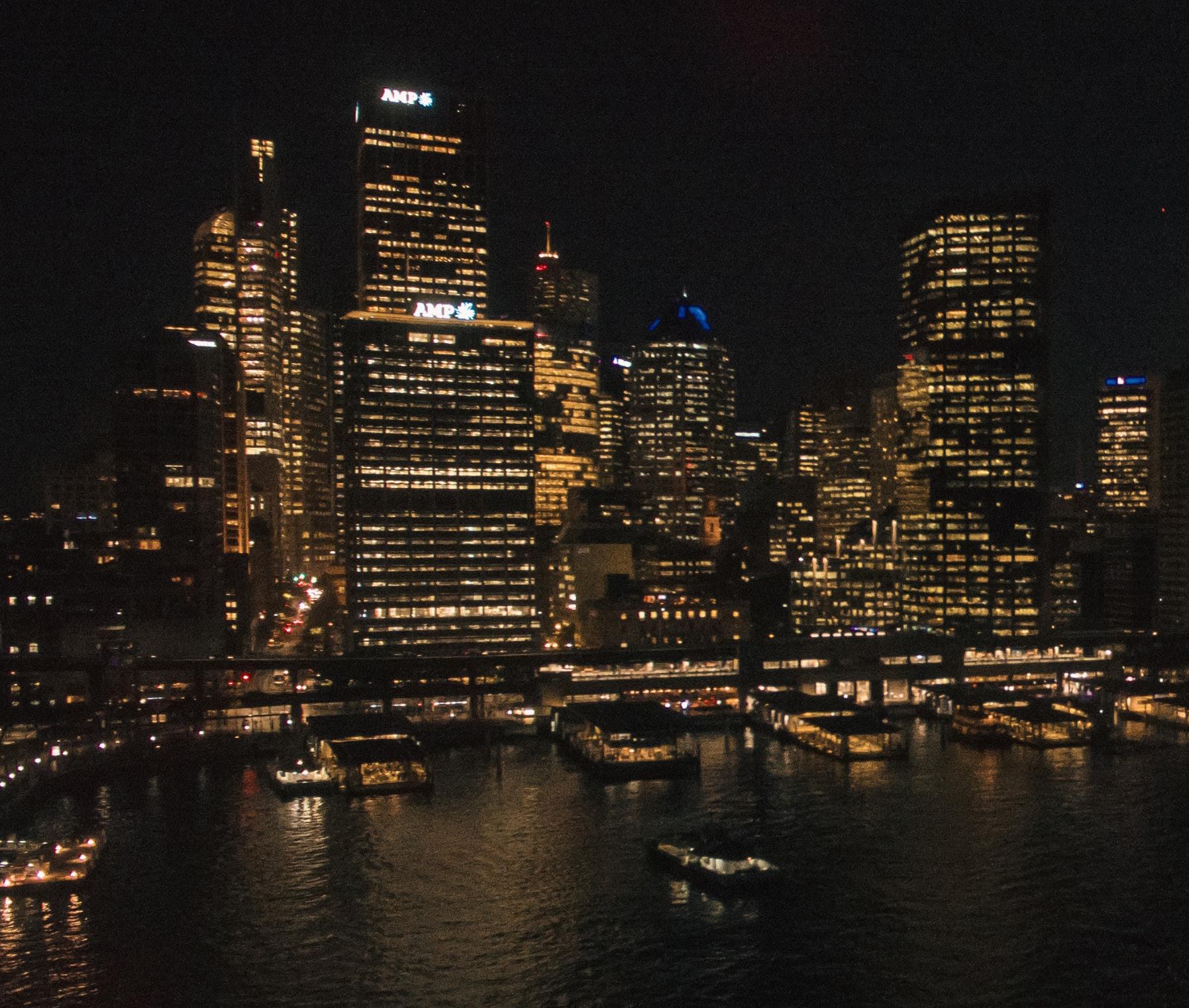
Rethink luminaires near glazing. Use architectural details, baffles, indirect lighting and timed controls.
01 02 03 04
Smarter glazing
Set upper VLT limits and integrate auto-blinds or louvres after hours.
Adaptive controls
Automate dimming and shutdowns aligned to occupancy, not operating hours.
Ecology-led planning
Map dark corridors with ecologists and align curfews to species behaviour.
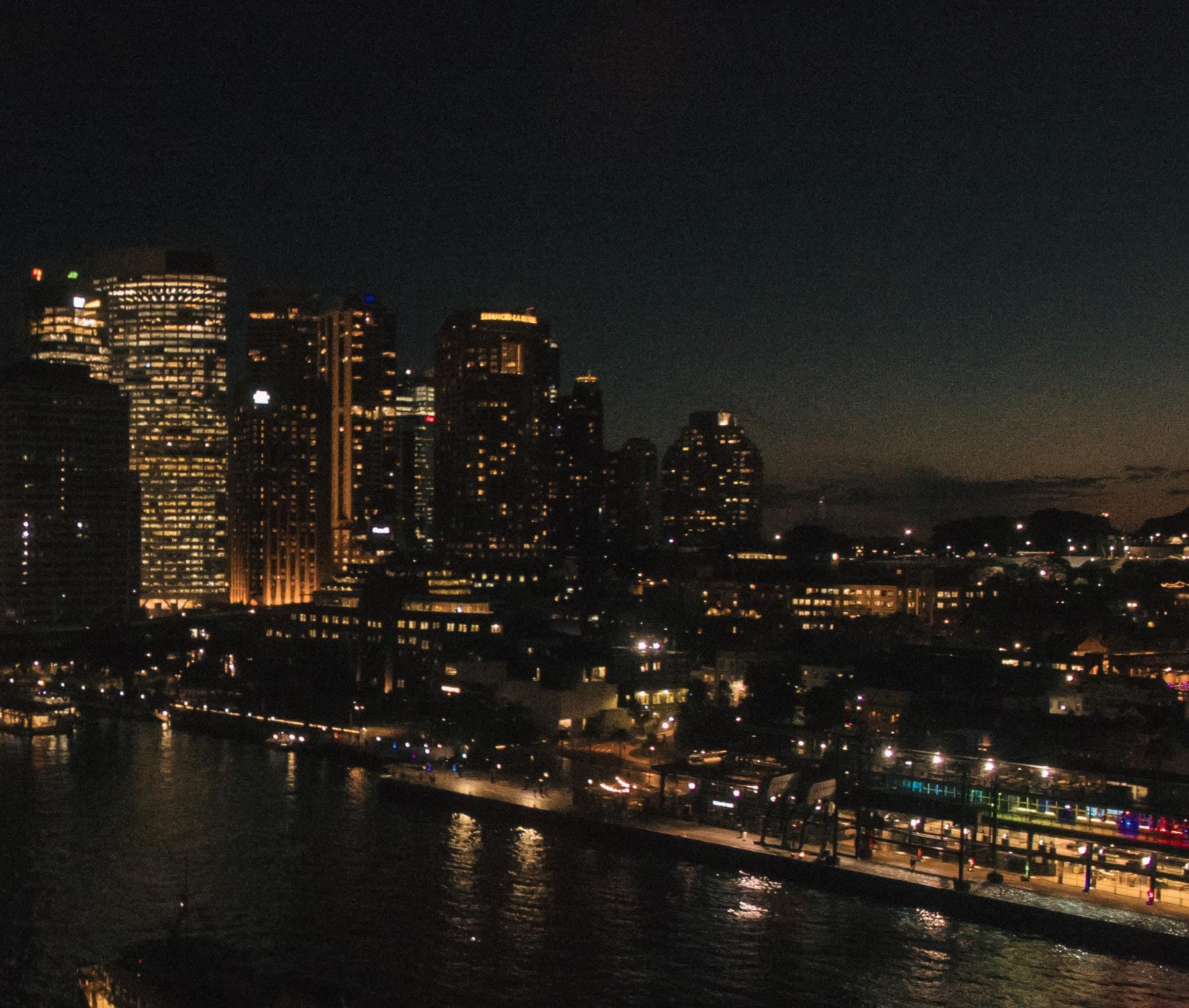
Every lumen that escapes a window is a design decision. The future of darker skies depends on what happens inside our buildings.
Dave
Anderson Specialist Lighting Lead ADP Consulting
Think... Fast is ADP Consulting’s short-form insights series.
Where Think… , is deep and discursive, Think... Fast is concise yet compelling.
ADP Consulting’s vision is to inspire a better world through influence and design.
Founded in 2011 in Australia, ADP Consulting is a trusted sustainability-led multi-services engineering consultancy with more than 350 thinkers, and a growing international footprint.
ADP Consulting has now joined forces with Ayesa, one of the world’s largest technology and
engineering companies, in a move that facilitates new pathways and accelerates our growth.
We provide building services engineering, structures, sustainability, ICT, acoustics, audio visual, security, vertical transportation, specialist lighting and energy design to the property and construction industry.
Our experts


Dave Anderson Specialist Lighting Lead
E d.anderson@adpconsulting.com
M +61 431 079 913
Lucy Krimmer Specialist Lighting Associate
E l.krimmer@adpconsulting.com
M +61 3 8583 9619


‘Think’ is a thought leadership series developed by ADP Consulting to ask and answer some of the big questions confronting the property and construction industry.
Click below to read our latest thought leadership.