

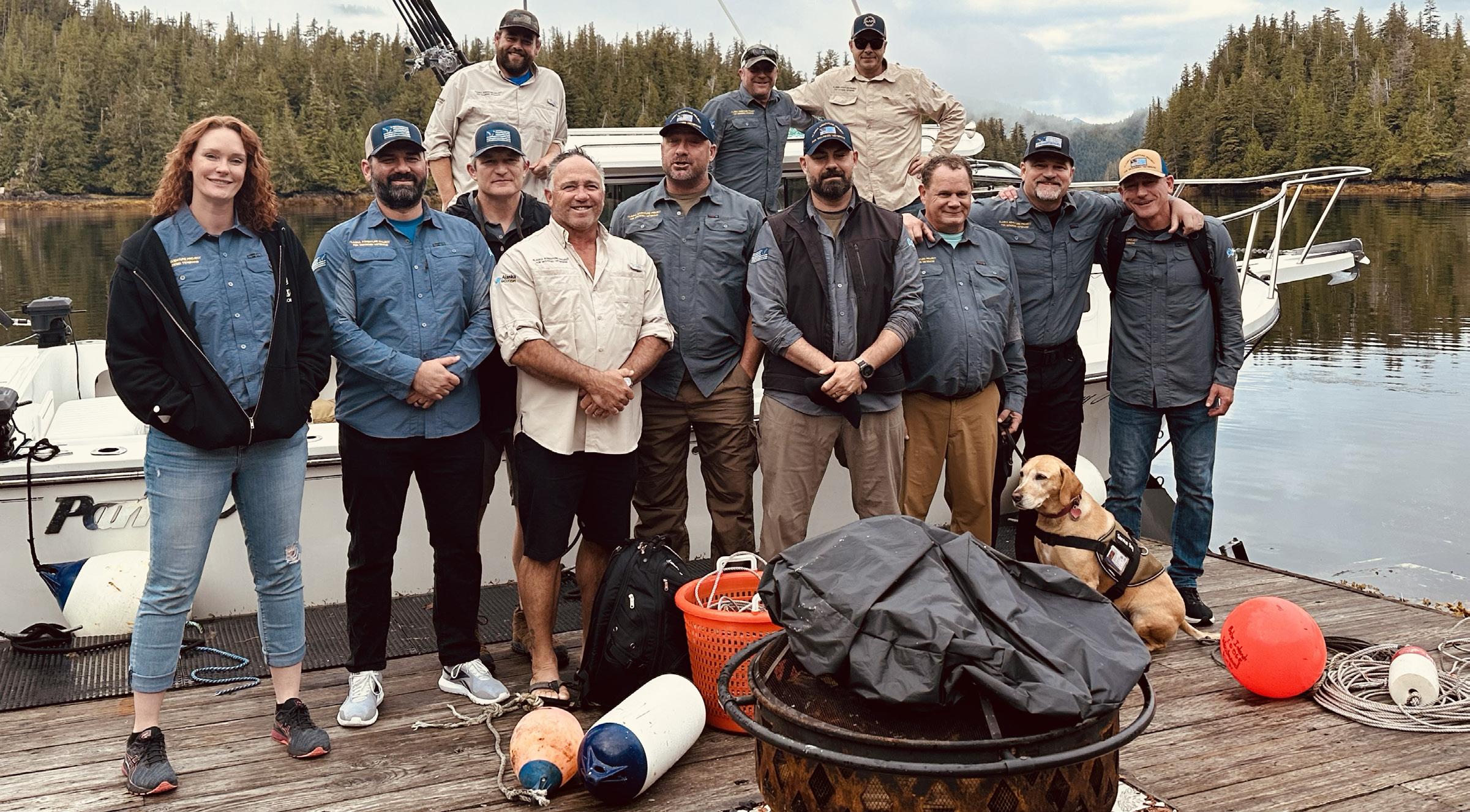
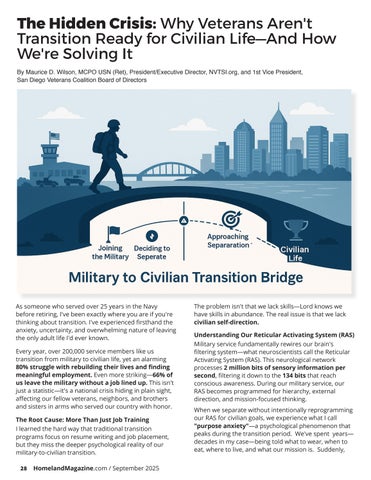

Be a part of a Hero’s Journey! We provide therapeutic support to veterans and their families through outdoor adventures in the rugged beauty of Alaska.
About Alaska Adventure Project:
Founded in 2017 by U.S. Marine Combat Veteran and Native Alaskan William Boulton. Alaska Adventure Project (AAP) is a 501c3 non-profit dedicated to supporting military veterans and their families.
Our Adventure program entails:
• Therapeutic support for veterans and their families suffering with PTSD and TBI.
• Veterans helping veterans through shared experiences.
• Outdoor activities provide atmosphere’s of reflection, discovery, meaning of service, camaraderie,
• New network of resources, a new extended family, connecting veterans with veterans, establish lifelong bonds, and promote healing.


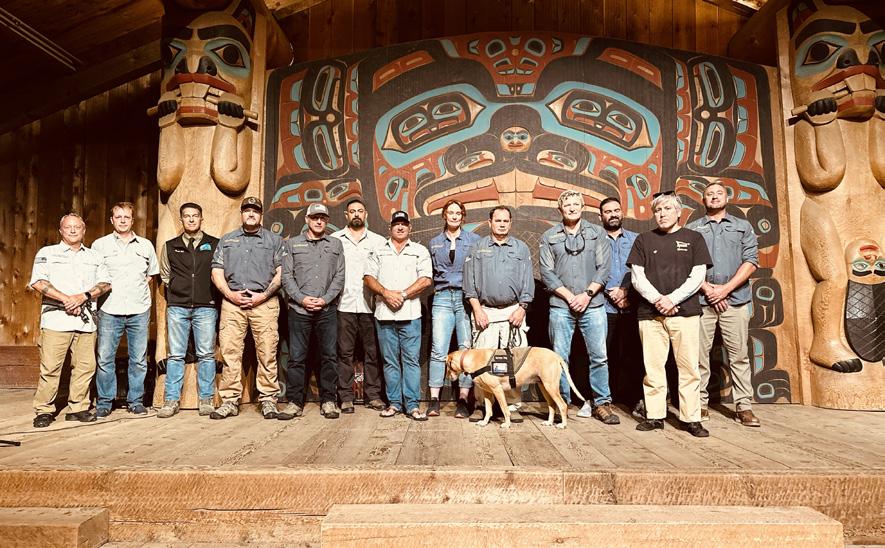
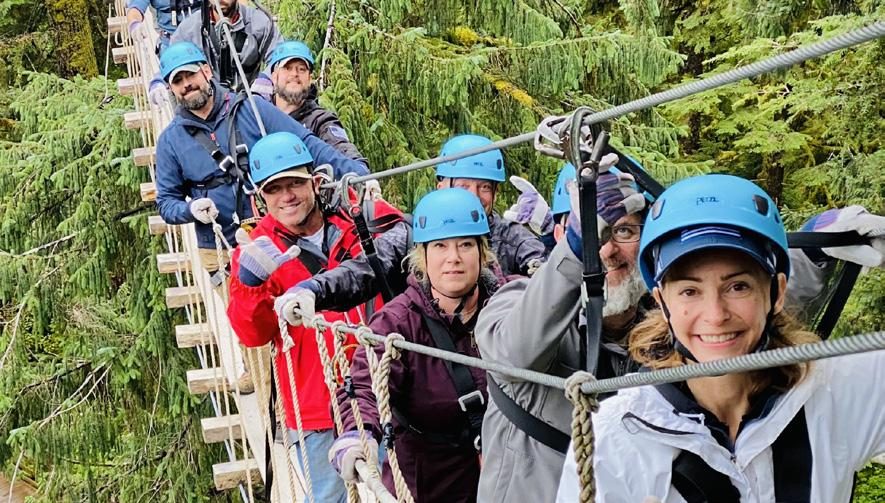
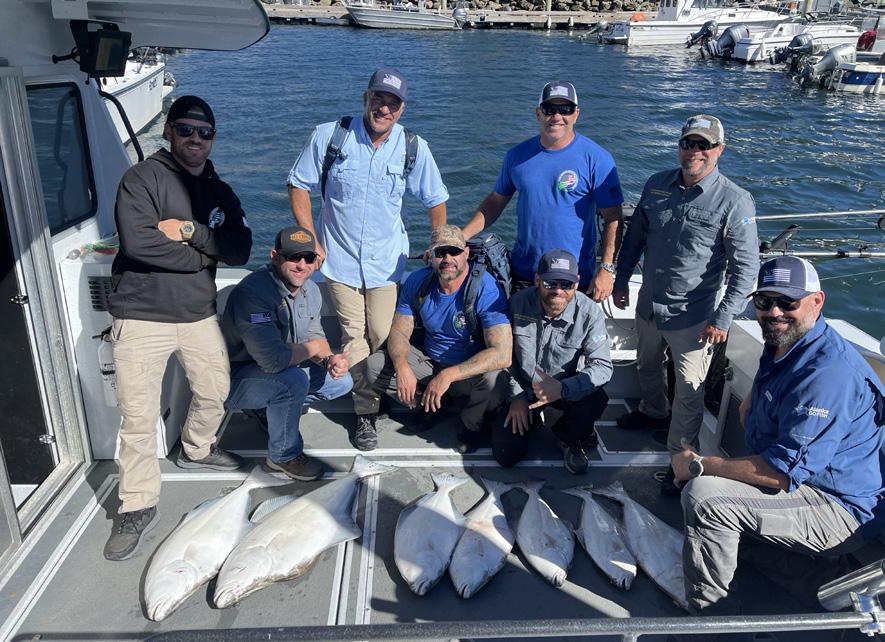


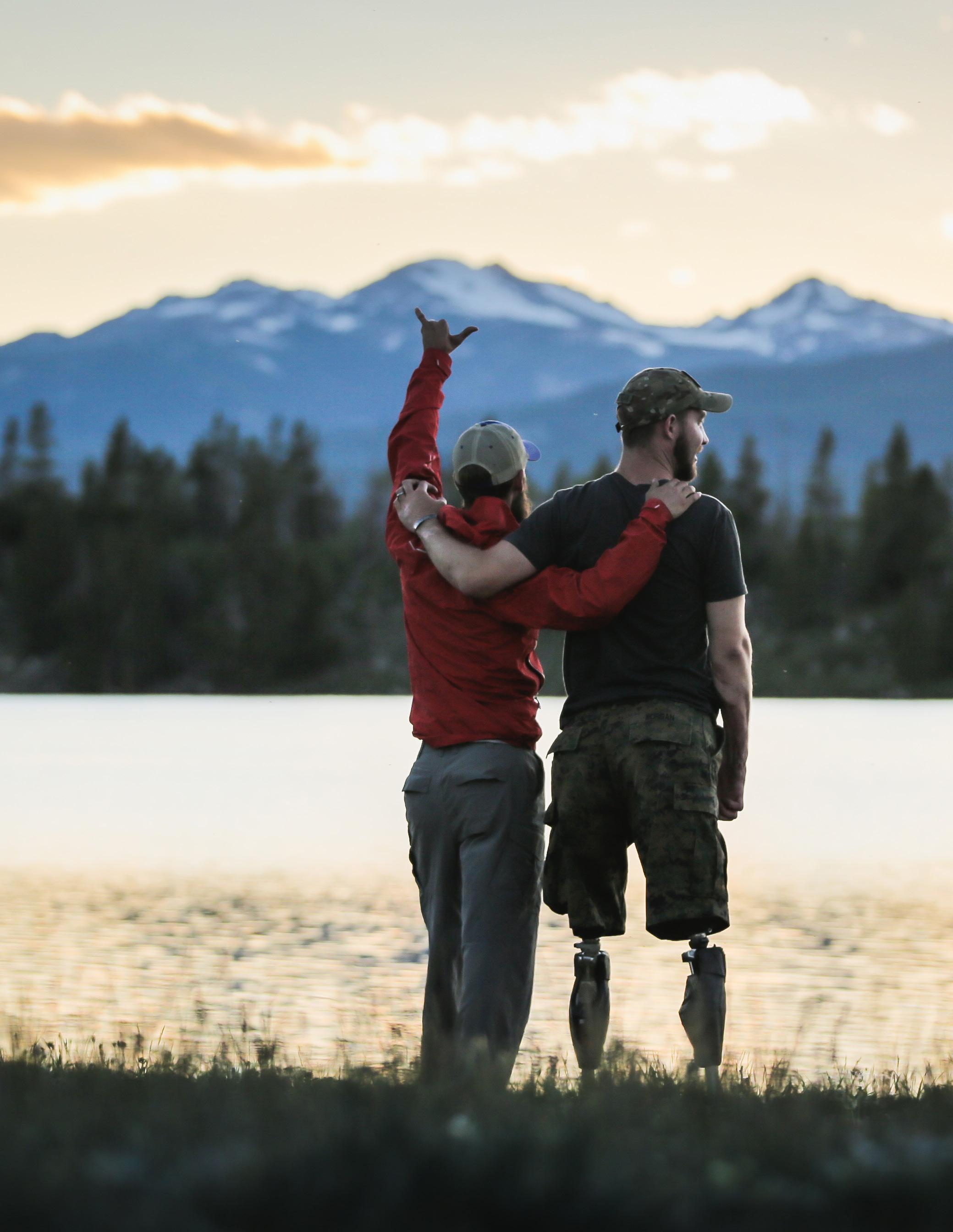

Healing our nation’s heroes through nature, connection and community.


Publisher
Editor-In-Chief
Mike Miller
Monthly Columns
What’s Next Transition
Eve Nasby
Human Resources
Paul Falcone
Franchise Dreams
Doug Dwyer
Successful Transitioning Stories
Homeland is a veteran-focused magazine throughout the country. It serves to assist all veterans, active military as well as their spouses and families.
It’s the leading veterans magazine emphasizing resources, support and focusing on topics and issues facing today’s veteran community. Homeland focuses on resources, support, community, transition, mental health and inspiration for our veterans, & military personnel.
The content is the driving force behind our magazine and the connection it makes with our veterans, service members, military families, and civilians.
The magazine is supported by a distinguishing list of veteran organizations & members, resource centers, coalitions, veteran advocates, and more.
We are honored to share the work of so many committed and thoughtful people.
Despite all the challenges, our team has upheld their focus and let not one opportunity go to provide resources and support to our veterans & military personnel.
On behalf of our team, we wanted to take this moment to say THANK YOU to the readers and the military and veteran community for supporting our magazine. With that support we aim to make a difference and continuing to make a profound impact on the quality of life for our veterans, military personnel and their families.
If you want to catch up on the current and all past issues please visit: www.homelandmagazine.com/archives
Mike Miller
Editor-In-Chief
mikemiller@homelandmagazine.com www.homelandmagazine.com
Dr. Julie Ducharme
Veterans in Business
Barbara Eldridge
Risky Business
Hadley Wood
Real Talk: Mental Health
Hope Phifer
PTSD: Reclaiming Control
Robert ‘Bob’ Cuyler, PhD
Legal Eagle
Kelly Bagla, Esq.
Veterans Chamber Commerce
Joe Molina
Contributing Writers
Wounded Warrior Project
Disabled American Veterans
(In-House) Correspondents
Holly Shaffner
CJ Machado
Lori Noonan
Homeland Magazine 9528 Miramar Road, #41 San Diego, CA 92126 (858) 275-4281
mikemiller@homelandmagazine.com
Homeland



By Matt Saintsing
The first time Mathew Bessler handled ketamine was for his military working dog, a Belgian Malinois. Army veterinarians issued the anesthetic controlled substance in the unfortunate event that dogs like Bessler’s—trained to track personnel and detect explosives—became injured.
“If they got shot, had any trauma or anything like that, they’d use ketamine to sedate them,” said Bessler, who served with the 10th Special Forces Group as an engineer sergeant.
Thankfully, he never had to administer the drug.
But little did Bessler know he’d one day use ketamine as an at-home treatment for severe post-traumatic stress disorder (PTSD)—a condition he developed after service in Somalia, Haiti and multiple deployments to Iraq and Afghanistan.
Ketamine was first synthesized in 1962. During the 1970s, service members in Vietnam used it for battlefield surgery; however, much like other drugs, ketamine left the lab and the field and was quickly abused. By the 1990s, much of the conversation about the anesthetic centered around its illicit use, and in 1999, it was listed as a federally controlled substance.
However, a new dawn of research has sparked scientific inquiry into ketamine’s potential healing power for mental health disorders. Studies conducted in the early 2000s showed ketamine could be effective for treatment-resistant depression. Today, medical professionals use it to provide long-awaited relief for those suffering from that condition. Service had taken a toll on Bessler. He once had a hamstring reattached, extensive injuries to both of his feet, and torn ligaments and tendons in his shoulders. He also suffered a severe traumatic brain injury (TBI) in his prefrontal cortex, the part of the brain that regulates emotion, cognitive control and decision-making.
continued

Beyond his physical wounds, Bessler has struggled with the mental and emotional scars of war. His TBI mimicked another serious health condition’s symptoms, which included mood swings, irritability and impulsiveness.
“It was almost like a bipolar psychosis,” he said. “There was no way to get control of it because somebody could say one thing, or I could smell something, or I could see something, or something would happen, and it would flip the switch, and it was downhill from there.”
The growing interest over the past 25 years in researching ketamine’s potential therapeutic use has led to hundreds of private clinics offering it nationwide and to companies offering at-home treatments.
“I’ve been through almost all of the drugs [the Department of Veterans Affairs] would try to give you,” Bessler said. “And the only ones they gave me are the ones that mess with my psyche so much they don’t work.”
He receives his ketamine in a kit made available by Mindbloom, a U.S.-based telehealth company specializing in at-home, clinician-guided ketamine therapy.
A 2022 study from scientists at Johns Hopkins University and New York University School of Medicine found that 62% of Mindbloom clients reported significant improvements in depression or anxiety, and more than 25% achieved remission. Other clinical studies indicate ketamine can improve moods and decrease suicidal ideation


provides at-home kits that clients can use to enhance and guide the ketamine experience.
“The huge upshot is, you don’t have to take a daily pill for the rest of your life,” said Michael Petegorsky, chief strategy officer at Mindbloom. “So it is more effective and helps many people get better fast and stay better.”
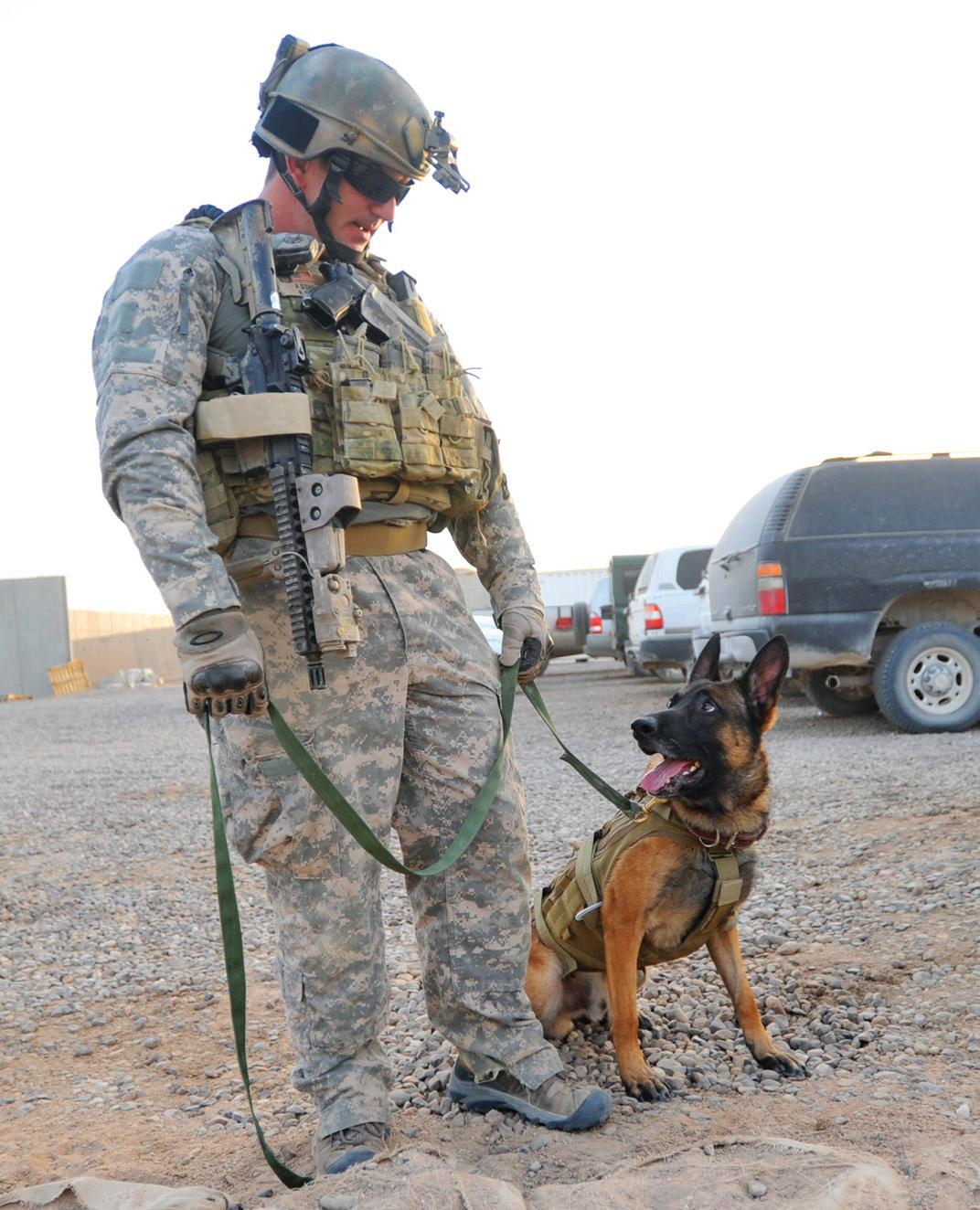
Matthew Bessler stands with a Belgian Malinois military working dog before a mission in Iraq. Bessler would complete numerous deployments, eventually leading to him seeking ketamine for treatment of PTSD.
For Bessler, it began with a pill that he placed under his tongue. After seven minutes, he spat it out and waited for the effects before drifting off into a dreamlike, surreal state. For the treatment to be most effective, Petegorsky said that setting intentions and holding integration sessions between treatments can increase ketamine’s benefits.
“Ketamine helps just on its own, but when you do the work around it, you get more benefits, and they last longer,” Petegorsky said.
“Set and setting” is a key concept in psychedelic therapy, referring to the mindset of the individual and the environment where the experience takes place. Positive mindset and safe surroundings can help make the experience healing rather than distressing.
Bessler felt the drug’s effects fade. When the session ended, he contacted his guide to discuss what he experienced.
“It forces you to go through and evaluate some things,” Bessler said. “In my case, it allowed me to accept and move past things.”
Ketamine induces a dissociative state, often making patients feel detached from their surroundings and even their bodies. Its effects on neuroplasticity—the brain’s ability to make new connections—may help reverse trauma-related patterns.
In those with depression and PTSD, neuroplasticity is often impaired, reinforcing harmful thought loops. After
a ketamine session, a brief “window of plasticity” opens, creating an opportunity for therapy and reflection.
For Bessler, it helped reduce anxiety and hypervigilance. He’s now able to eat in restaurants, attend crowded events and spend time in downtown Austin—free from the shadow of past trauma like the Battle of Mogadishu.
While ketamine therapy is legal in all 50 states when prescribed by licensed medical professionals, the landscape of its administration is rapidly evolving. The proliferation of ketamine clinics—estimated to number between 1,200 and 1,500 across the U.S.—has led to a wide variance in treatment protocols. Some clinics offer intravenous infusions, others provide lozenges or nasal sprays, and the frequency and dosage of treatments can differ significantly. This inconsistency raises concerns about patient safety and the efficacy of treatments, especially in facilities lacking rigorous medical oversight.
Moreover, the rise of at-home ketamine treatments has prompted warnings from health authorities. The Food and Drug Administration (FDA) has expressed concerns about the risks associated with unsupervised use, including potential abuse and adverse psychiatric events. Experts caution that without standardized protocols and proper monitoring, some treatment models could inadvertently hinder patient recovery rather than help.
The VA offers ketamine treatments for certain mental health conditions. The FDA-approved nasal spray, Spravato, is available through the VA for veterans with major depressive disorder or treatment-resistant depression. Unlike Mindbloom’s in-home treatments, Spravato is administered only under medical supervision, meaning
veterans cannot administer the drug to themselves. Less common are intravenous treatments offered by the VA.
While the FDA has not approved ketamine for PTSD, it is often prescribed off-label, as research has shown promise in treating PTSD. However, more robust data is needed. Researchers at the VA are investigating the safety and efficacy of multiple ketamine infusions with prolonged exposure therapy for veterans with PTSD. Yale University is studying ketamine’s effects on PTSD when paired with trauma-focused psychotherapy. And several Stage 2 trials are hoping to uncover similar facts.
Bessler remains an advocate for ketamine and hopes the treatment will someday be widely available to veterans.
“Ketamine has broadened the road,” said Bessler. “It took me from a rocky trail up the side of a cliff to a broad, flattened road. I can actually see my path and pick where I’m going.” n
By Cynthia Weiss, Wounded Warrior Project
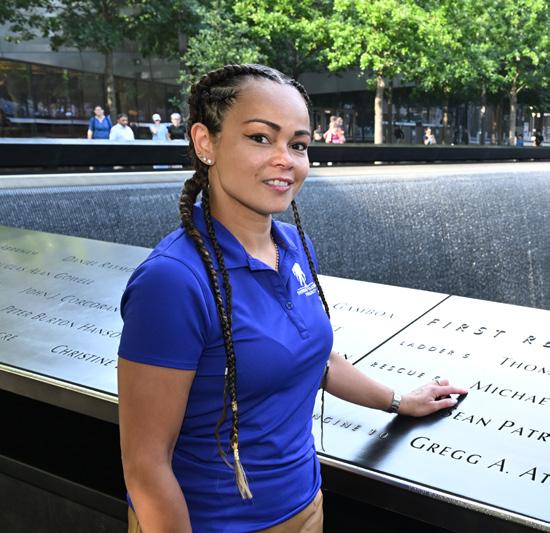
Like many teenagers, Antoinette Wallace wasn’t sure of her future career plans. But on Sept. 11, 2001, the 16-yearold’s world, like many others, turned upside down.
“Where I was going to school in Staten Island, we had the perfect view of the World Trade Center,” Antoinette recalled. “To see it in real-time, then see smoke for weeks, and smell it … I felt like I wanted to do something, to have a sense of purpose.”
Despite being unfamiliar with the military, Antoinette decided to join the Army. When she told her parents, they dismissed it as an emotional reaction and advised Antoinette to focus on her studies.
Permission to Join, Sir
The desire to make a difference stayed with Antoinette, though. Upon high school graduation in 2002, Antoinette presented herself to the local Army recruitment office. There was only one problem – she was still 17, not old enough to enlist without parental consent.
“I was ready to serve, but I needed a permission slip from my parents,” she said, laughing at the memory.
Her parents consented and Antoinette became one of the more than 181,500 Americans who enlisted into active-duty service in the year following the 9/11 attacks. Spurred by her passion for legal justice, she enlisted as a paralegal specialist.
Just after her 18th birthday, Antoinette reported to Army basic training at Fort Leonard Wood, Missouri. Looking back, she admitted: “I was pretty naïve; I didn’t know the magnitude of my decision then.”
After spending a year in the Army National Guard, Antoinette’s unit was called to active duty, and in 2005, she was deployed to Iraq. Due to her skills, she was selected to become a division court reporter and began learning all about the Uniform Code of Military Justice (UMCJ). However, after handling some extremely tough cases, including one that involved the death of a company commander, Antoinette needed a change.
“I realized I didn’t have the stomach to do law, but I still wanted to be of service to people,” she said. “I had worked at a pharmacy in high school, so I was like, you know, I’m going to become a pharmacist.”
Over the next few years, Antoinette dove into her new assignment, feeling optimistic about her decision. “The military really needed pharmacists, so it was a good choice. And I was able to block out all the bad stuff that had happened in Iraq because I was so busy.”
In February 2011, after nearly nine years of service, Antoinette left the Army. But the transition to civilian life proved more challenging than she predicted.
“Mentally, I felt defeated, without a sense of purpose again. I was finishing pharmacy school to earn my doctorate and was under a great deal of stress at the time,” Antoinette shared. The stress acted as a catalyst, bringing forth memories of trauma that occurred in Iraq.
The battle for her mental well-being began.
“I knew something was wrong, but I didn’t know how to verbalize it,” said Antoinette, who was later diagnosed with depression, anxiety, and post-traumatic stress disorder (PTSD).
“Back then, mental health was still taboo. There was such a barrier to getting help, so I didn’t have the support I needed. I was hanging on by a prayer, trying to get by day by day.”
Nighttime was the most challenging. “My bed became a warzone. I feared going to bed because I had excruciating nightmares and was reliving things.”
She didn’t have many friends who understood the silent battles she fought within herself, including feelings of doubt and self-worth that all seemed to stem from that one incident in Iraq.
Over time, suicidal thoughts became the norm. “I don’t know how it didn’t happen,” Antoinette said.
One day, she finally summoned all the courage she had and told her parents about what she had experienced while deployed – and that she wanted to end her life.
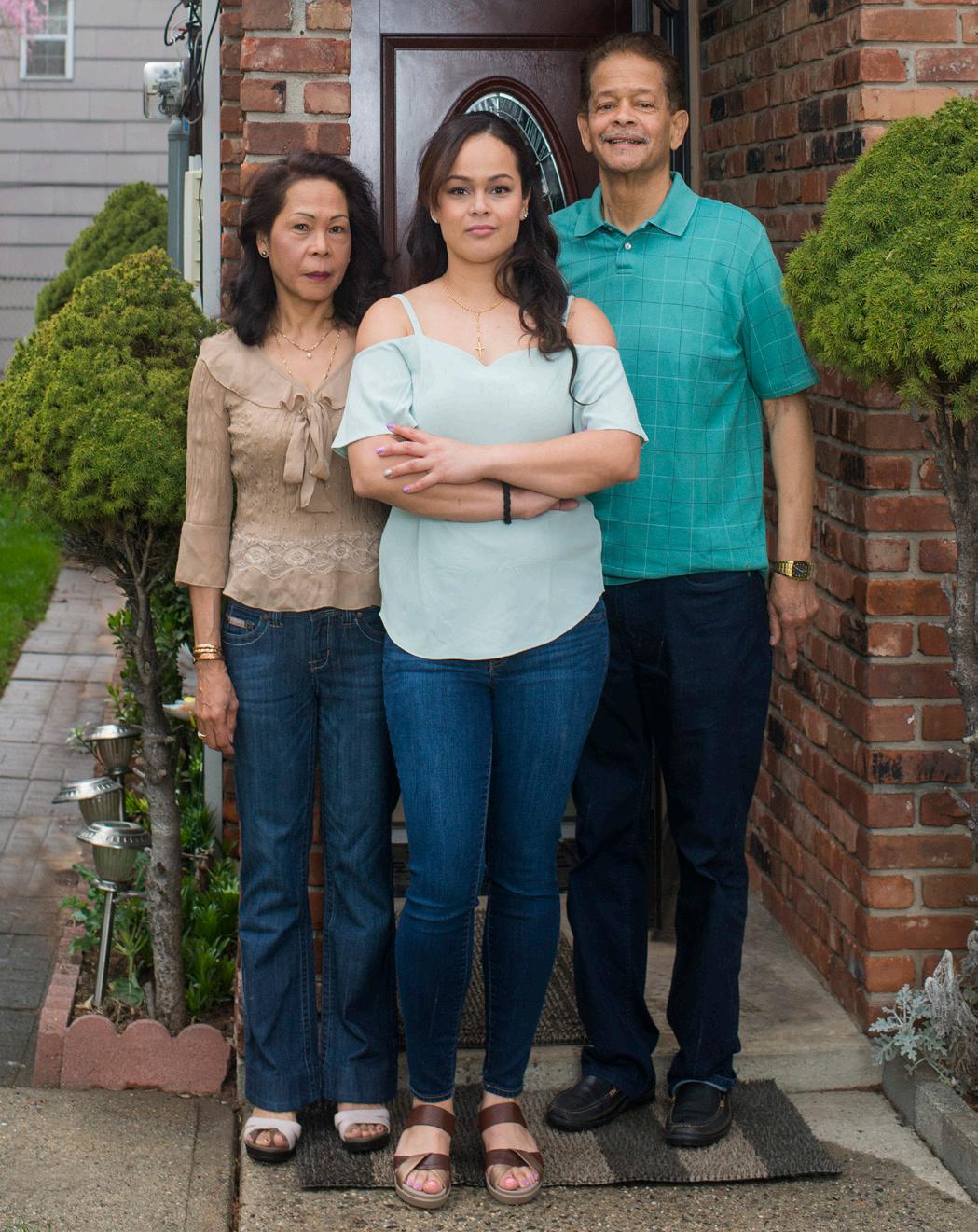
“At first, it was a huge weight off my shoulders, but then it felt like a burden because I could see the pain in their faces,” she said.
Her revelation allowed her to finally get support. Antoinette spent several months at an inpatient VA women’s trauma unit. It was here that she learned about Wounded Warrior Project (WWP).
Initially, Antoinette didn’t think she could be a part of an organization like WWP™. “I wasn’t visibly wounded. I wasn’t missing a limb. I had both my arms and legs,” she said.
Antoinette registered. Though hesitant at first to attend events, she soon found a sanctuary of people who understood her struggles and triumphs. “You realize that these people are like you. They all have trauma and flaws, just like I have my flaws and trauma, even if they aren’t physical. They get you.”
In 2016, Antoinette signed up to participate in one of WWP’s signature events – Soldier Ride , a multi-day adaptive cycling event. But fear started to creep back in.
“I had many personal challenges that I was facing, which almost led me to back out at the last minute. When I contacted a Soldier Ride coordinator to voice my concerns, he insisted I attend. I feel very fortunate that he did because it was a pivotal point in my life,” Antoinette said.
“This event was like the cornerstone of my recovery and involvement with the Wounded Warrior Project. I met some women warriors I feel should have been in my life from the beginning. Even though they’re from the other side of the country, we became really good friends and formed a lasting bond,” she said, adding that the women still get together in person annually.
“Wounded Warrior Project was the missing link I needed. Before, I felt empty. I would isolate myself and not want to do anything. Connecting with people, especially other women, who could relate to me and accepted me as I was, filled a void I’d had in my life for years. I felt whole again,” she said.
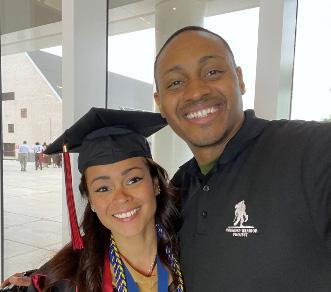
Antoinette, who purposefully took a break from work to focus on healing, realized she still wanted to live a life of service and be a leader. In May 2023, she graduated from Rutgers Business School with an MBA. Today, she is the pharmacist-in-charge at an independent specialty pharmacy in New York. Continued on next page > ®
She credits WWP for helping her reach these achievements.
“When I got involved with Wounded Warrior Project, I didn’t think I’d return to work. But Wounded Warrior Project was a steppingstone for me to regain my confidence. [They] told me I am enough. That I can inspire and make positive changes.”
A pivotal moment in Antoinette’s journey came in 2017 when she shared her thoughts with WWP leaders around increasing programming for women warriors.
Soon after, Antoinette was invited to join the organization’s National Campaign Team, a volunteer group of military veterans and caregivers who share their experiences to help raise awareness of WWP and its mission.
Although she was hesitant at first, Antoinette said that she was spurred by the opportunity to offer hope to others and raise awareness of the unique challenges female service members face.
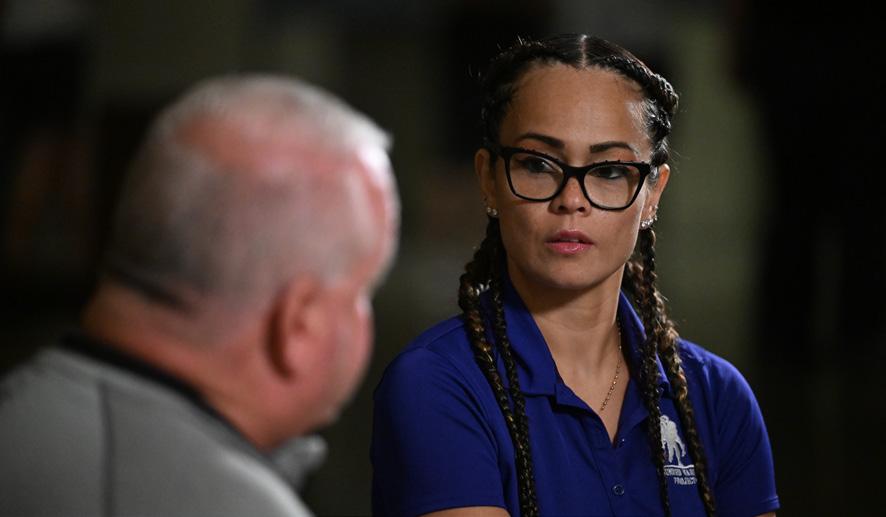
“My mindset changed from a place of shame about things that happened to empowerment. Speaking gives me a platform to not only recover by getting my story out there, but it is an opportunity to meet other veterans and help them, while bringing awareness about needed changes.” she said.
“Wounded Warrior Project helped me to find happiness and truly enjoy my life again.”




By Kate Sullivan Cohen Veterans Network www.cohenveteransnetwork.org


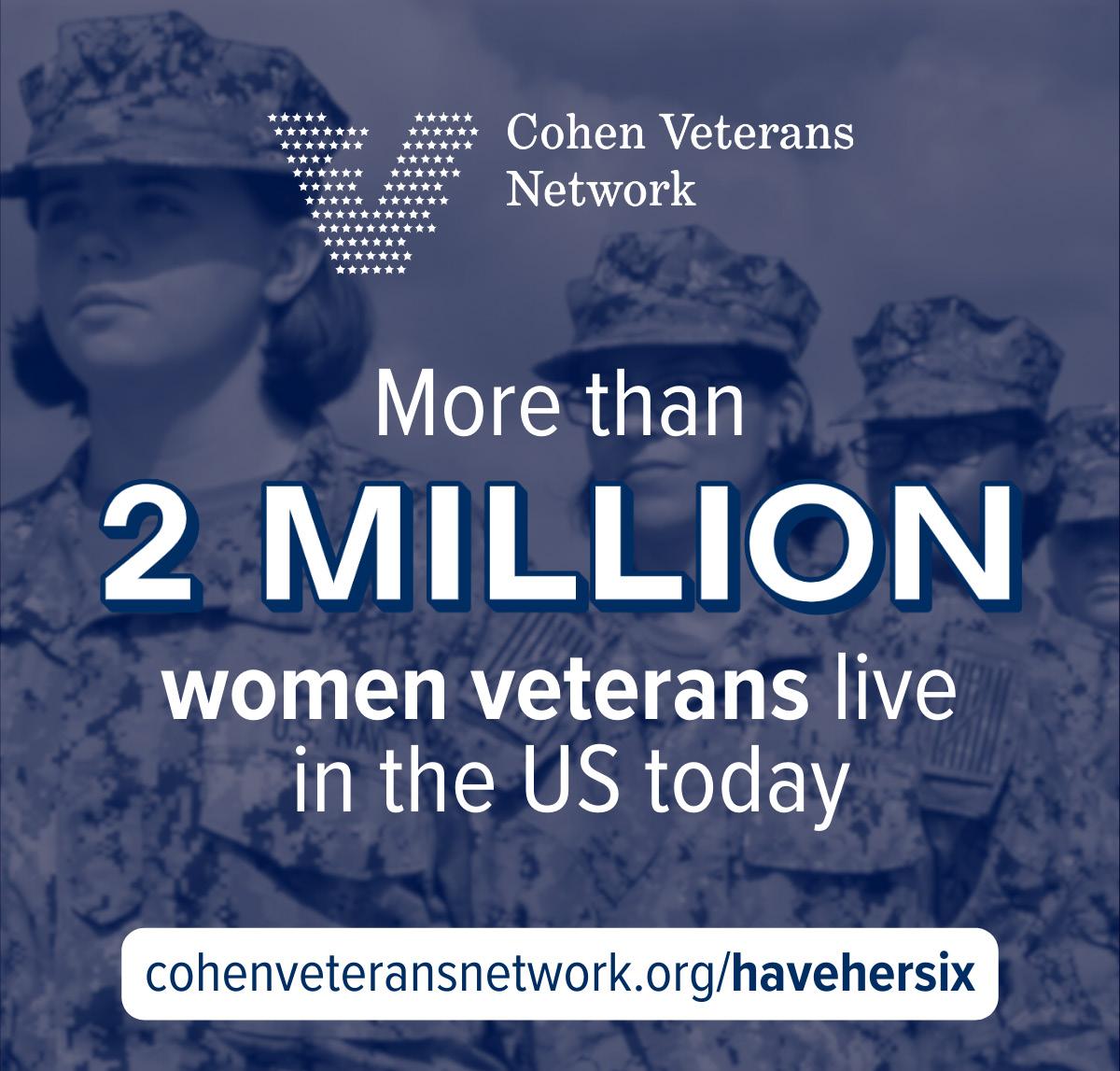
Women have served our nation with distinction in every branch of the military, supporting and contributing to every major conflict throughout our history. Currently over 2 million strong, women are the fastest-growing segment of the U.S. veteran population. However, with this growth comes a troubling reality. Since 2001, suicide rates among women veterans have risen over 55 percent. They now face suicide rates 92 percent higher than their civilian counterparts. And in 2022, women veterans were over 144 percent more likely to die by firearm suicide than their non-veteran peers.
Organizations that focus on supporting the mental health of women veterans play a pivotal role in combatting the suicide crisis, ensuring they receive the care they deserve. One such organization making a meaningful impact is Cohen Veterans Network (CVN), a national not-for-profit network of mental health clinics for post-9/11 veterans, service members, and their families. Women account for nearly 32 percent of CVN’s active duty and veteran clients—more than double the national proportion of female veterans. Since 2016, CVN has cared for over 89,000 clients and provided more than 799,000 clinical sessions.
The network recently released a report, supported by Face the Fight, that evaluates the current state of research and practice of lethal means safety—a vital aspect of suicide prevention—for military-affiliated women. The analysis highlights how traditional, genderneutral suicide prevention strategies have often failed to address the specific needs, experiences, and risks of women who serve. It underscores the importance of developing tailored, thoughtful approaches to address the distinct obstacles faced by military women.
“Every day, Cohen Veterans Network is dedicated to providing women veterans and service members with high-quality, accessible mental healthcare tailored to their unique needs,” said Dr. Anthony Hassan, president and CEO of Cohen Veterans Network.
cohenveteransnetwork.org/havehersix
This commitment is especially critical given the high rates of military sexual trauma (MST) and intimate partner violence (IPV) among military-affiliated women. Women who have experienced interpersonal violence face increased risks for suicidal thoughts and behaviors. Many live in households with firearms they don’t control, which can increase suicide and homicide risk in cases of ongoing IPV. Others may own firearms for self-protection but develop feelings of mistrust or institutional betrayal, making them less open to lethal means counseling and other critical interventions. Each unique situation requires care to navigate individual strategies to reduce risk.
To help confront these complex challenges and bring greater attention to the issue of suicide among military women, CVN is launching a public awareness campaign, "Have Her Six: Prevent Military Women Suicide," during September’s Suicide Prevention Month. The initiative, with a title inspired by the military phrase "got your six,"
meaning "I've got your back," aims to provide prevention strategies, and encourage greater support for women who serve.
"With the 'Have Her Six' campaign, we aim to extend our support beyond our clinics—equipping individuals with the knowledge and tools to help save lives,” said Dr. Hassan.
A key focus of the campaign is lethal means safety— promoting strategies that create time and distance from lethal means during a crisis. Research shows that while crises can feel overwhelming, they are often shortlived, lasting minutes or hours. During these periods, emotions can lead to impulsive actions. Limiting immediate access to lethal means creates a critical window to move past the peak of the crisis. This delay increases the likelihood of survival, allowing individuals to access coping skills and support systems that may feel out of reach in the moment.
One of the most effective ways to create this time and distance is through safe storage practices:
• Firearms: Storing firearms securely can significantly reduce the risk of impulsive actions. This includes ensuring firearms are unloaded, locked in a safe location, and stored separately from ammunition.
Tools such as gun safes, lockboxes, or trigger locks can provide an added layer of safety during a crisis.
• Medications: Prescription and over-the-counter medications should be kept in a secure, locked location. Proper disposal of expired or unused medications is also essential to prevent misuse.
• Other Lethal Items: Items such as chemicals or ropes should be stored securely, with barriers or locks in place to limit access.
By implementing these strategies, individuals and communities can play a vital role in suicide prevention for military women, fostering environments that prioritize safety and provide the time needed to seek help and support.
Learn more at cohenveteransnetwork.org/havehersix
Kate Sullivan is Director of Network Communications & Marketing at Cohen Veterans Network (CVN), helping veterans, service members, and their families learn about CVN’s services and access the care they need. She is an Emmy Award winner with a background in broadcast journalism, television production, and public relations.
Science-backed therapies are strengthening brain health, offering hope for those who’ve served.
By Dr. Amber Deckard, PsyD
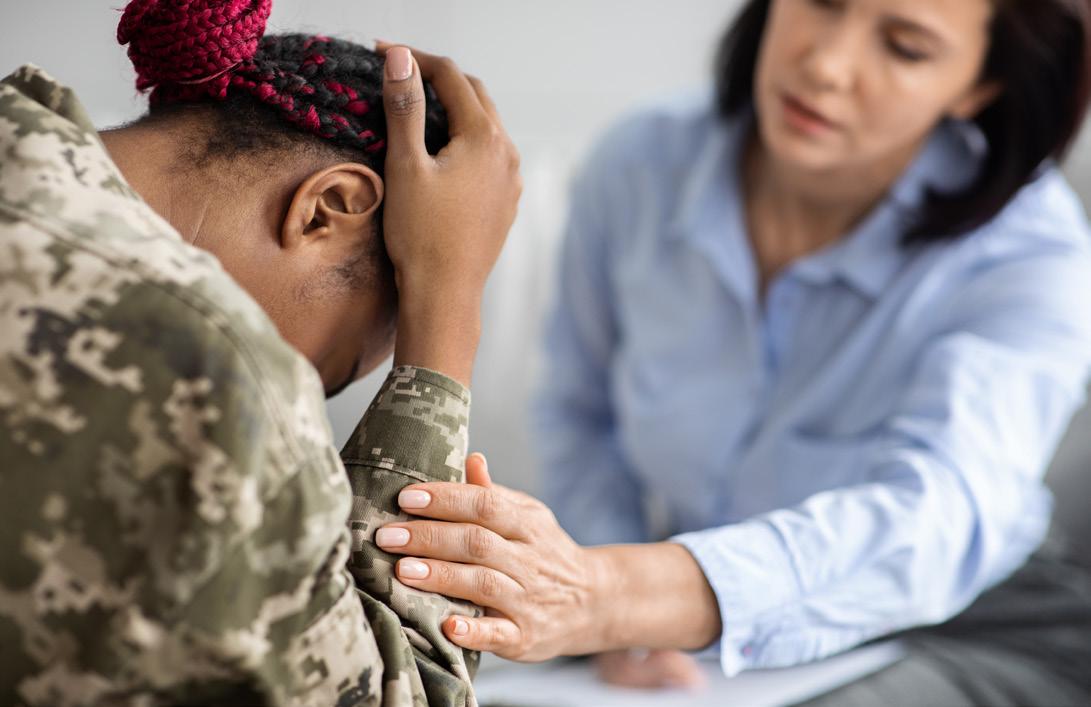
Military life brings experiences and traumas that are unlike any other. For some, military training or operational demands result in traumatic brain injuries. For others, the trauma is related to prolonged hypervigilance or the psychological toll of combat. As a Marine veteran working in trauma-informed care, I also see the effects of moving from deployment to home life.
These stressors often present themselves in veterans through a combination of cognitive, emotional, and physical factors. If you only treat what you can see, though, you cannot achieve lasting recovery. Just like an arborist knows that caring for the leaves and branches won’t help a tree flourish unless the roots are also tended to, patients must first work with clinicians on healing what lies beneath the surface.
These programs use tools to identify the causes of issues beyond surface-level symptoms – such as neuroimaging, cognitive testing, and psychiatric evaluation – increasing insight into what truly drives a veteran’s struggles, allowing mental health professionals to treat causes, not just effects.
Neurorestorative care enriches the brain’s environment –the “soil” – to foster healing and growth. Clinicians tap into the brain’s capacity to rewire (neuroplasticity) and generate new cells (neurogenesis). Alongside neuro-focused treatments, it’s also important to support whole-person wellness through programing such as nutritional counseling, physical fitness, spiritual care, and medical and psychiatric monitoring.
Finally, progress must be tracked with repeated psychometric tests and follow-up neuroimaging. This “before and after” data helps clinicians see real changes in brain function, cognitive skills, and emotional wellness –objective evidence that the roots are getting stronger and the canopy is recovering.
Among the Veterans seen in our Neurocognitive Assessment Program at Caron was a career service member in their mid-60s, whose history reflected decades of repeated combat deployments and longstanding polysubstance use.
Cognitive testing confirmed deficits in executive and motor functioning, and neuroimaging tools showed patterns consistent with the effects of trauma, substance use, and head injury. These findings were integrated into a care plan that included abstinence from substances, traumafocused psychotherapy, daily cognitive training, nutritional and exercise interventions, and neurorestorative therapies.
Over the course of treatment, progress was tracked showing significant gains across nearly every domain assessed. The Veteran reported reduced depression and anxiety, improved motivation, greater cognitive clarity, and the ability to apply new coping skills learned in therapy.
The need for root-level care becomes clear when we look at relapse statistics: nationally, 40–60% of individuals with substance use disorders relapse within one year. For veterans specifically, rates are even higher – one study found approximately 94% of veterans relapsed following discharge from outpatient or residential treatment.
In the end, taking care of the brain is taking care of the whole warrior.

Dr. Amber Deckard, PsyD is a Marine Corps Veteran and Director of NeuroPsychological Services & the Neurocognitive Assessment Program (NAP) at Caron Treatment Centers www.caron.org/our-team/dr-amber-deckard








By: Robert ‘Bob’ Cuyler, PhD Psychologist and Trauma Expert

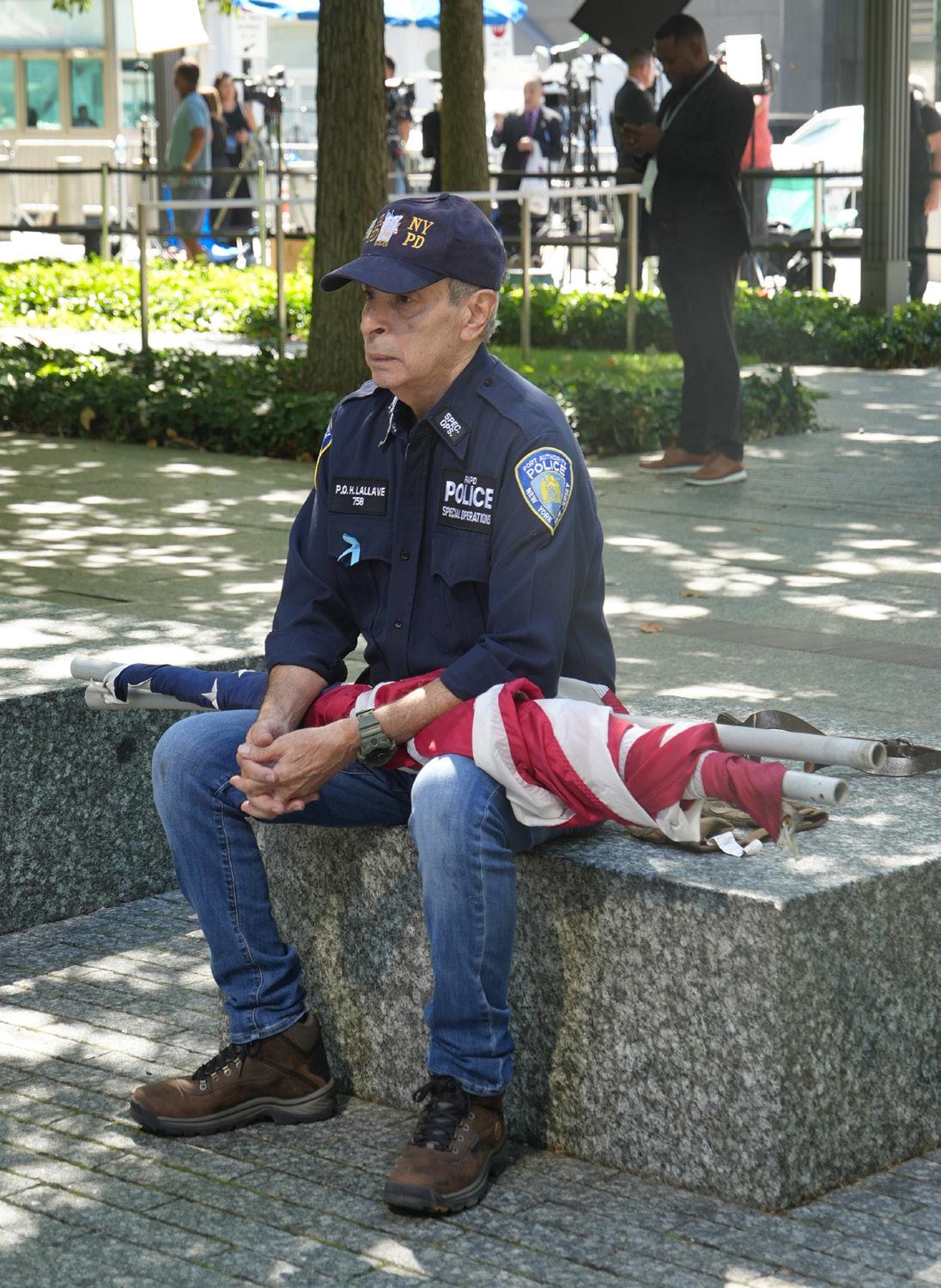
This month’s Homeland Magazine theme is September 11 - Never Forget. Of the many aspects of 9/11 that we will never forget, what are some aspects to recall of this tragedy from the perspective of a psychologist?
The first that comes to my mind is that 9/11 was the first event since Pearl Harbor to have immediate impact on our nation. A key difference, however, was that 9/11 occurred in a vastly different information and media environment and was viewed in real time by the vast majority of Americans. That real time viewing was followed by endless coverage of the aftermath, as well as repeated video of the airplanes impacting the towers. I remember hurrying home from the office, approaching downtown Houston, and scanning the skies for planes aimed for our skyscrapers. I remember also seeing the video of a plane hitting a building and wondering, startled, if this was yet another attack.
In my view, Americans’ understanding of trauma changed that day. Post-Traumatic Stress Disorder (PTSD), which was largely thought of as a military condition, suddenly was applicable to all of us. As I noted in a prior column, a recently published study on the effects of 9/11 survivors sheds some important light on the trajectory of trauma.
That study followed over 12,000 trauma-exposed individuals over 20 years following the World Trade Center attacks. Both free treatment and periodic follow-up interviews were offered. Between 16-34% of those studied had few or no symptoms, while clinically elevated PTSD scores were noted for 8 to 15% of participants. I reported that my takeaway from this research was mixed, with positives and negatives. Troubling is the persistence of severe symptoms for about 10% of these 9/11 survivors 20 years later.
This speaks to the limitations of the treatments available at the time, especially in the first several years, and the need for new evidence-based treatment innovations. A positive is that participants with positive coping strategies did better. An active social network, employment, structure in daily life, focus on improving sleep quality, and stress management habits were all ingredients in improvement over time.

The 9/11 tragedy happened on such a massive scale, we began to think differently about the scope of trauma. The most directly impacted were the inhabitants of the towers, those in very close proximity, and first responders. Rippling outward were the New Yorkers who evacuated on foot, knew someone who was killed or injured, or who had some exposure to the toxic cloud. The next circle was the region who surrounded the towers and the Pentagon. Beyond that were the rest of us.
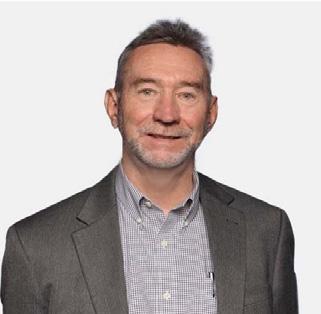
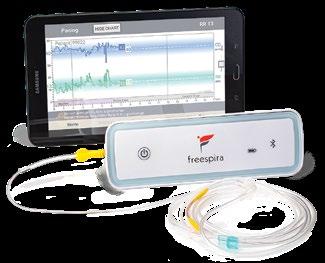
Dr. Cuyler is chief clinical officer of Freespira, an FDA-cleared non-medication treatment that helps people with panic and PTSD manage their symptoms by learning how to regulate their breathing. www.freespira.com


— Barry C., 58 year old Veteran



By: Stanley Popovich www.managingfear.com
You are at the end of your rope and you can’t take it any much longer. You are in pain and you feel there is no hope. The first step you need to do is to seek treatment for your mental health issues. Do not make the decision to end your life when you are in these kinds of fearful situations.
With this in mind, here are seven reasons why suicide is not an option regarding your problems.
1. Things change over time:
Regardless of your circumstances, events do not stay the same. Everything changes over time. Knowing that your situation will improve will help give you the confidence that things are not as bad as they seem. In addition, your loneliness will not last.
2. There are always other options:
You may feel lost and confused, but the answers to your specific problems are out there. The key is that you have to find the answers; the answers to your anxieties and depression will not come to you. As mentioned before, the first step in finding the solution to your problem is to seek help from a qualified professional.
3. You can’t predict the future:
Remember that no one can predict the future with one hundred percent certainty. Even if the thing that you are afraid of does happen, there are circumstances and factors that you can’t predict which can be used to your advantage.
For instance, you miss the deadline for a project you have been working on. Everything you feared is coming true. Suddenly, your boss tells you that the deadline is extended and that he forgot to tell you the day before. This unknown factor changes everything.
4. Focus on the facts of your situation and not your thoughts:
When people are depressed, they rely on their fearful and depressing thoughts. Your fearful thoughts are exaggerated and are not based on reality. When you are depressed, focus on the facts of your current situation and not on what you think. Do not assume anything regarding your current situation.

5. Worrying makes things worse:
A lot of times, our worrying can make the problem even worse. All the worrying in the world will not change anything. All you can do is to do your best each day, hope for the best, and when something does happen, take it in stride. The key is not to get upset and learn how to manage your negative thoughts.
6. Go to the hospital when it is that bad:
If things are so bad that you are unable to function, drop everything and go to your local hospital or crisis center immediately. The people at the hospital or crisis center will take care of you right away.
7. No situation is hopeless:
There are many people and organizations that are willing to help you, but you must be willing to take advantage of this help. Regardless of your situation, take advantage of the assistance that is around you. Every problem has a solution. You just have to find it.
By Lori Noonan, Chief Growth Officer, Veterans Bridge Home | In-house Contributor, Homeland Magazine & San Diego Veterans Magazine
Each September, our nation observes Suicide Prevention Awareness Month. It’s a time to shine a light on the often-invisible struggles faced by millions of Americans, including those who have worn the uniform. For veterans, the transition from military to civilian life can sometimes bring isolation, stress, and a loss of identity — all of which can increase vulnerability to depression and suicidal thoughts.
Behind every statistic is a person, a family, and a community. And while numbers are important, what matters most are the stories of resilience and connection.
Veteran’s Story: From Isolation to Hope
"One evening, I sat alone on my couch, accompanied only by my dog, feeling overwhelmed by depression... I reached out to the VA crisis text line... but the interaction felt impersonal... I went to bed uncertain, just hoping to make it through another day."
That night could have ended in tragedy. Instead, it became a turning point.
The next morning, a care navigator — a fellow veteran from Veterans Bridge Home — called. His message was simple but powerful: you are not alone. With consistent encouragement, this veteran began therapy that felt relevant, found stable employment, and even enrolled in college courses. He still lives with depression and anxiety, but he no longer lives without hope.
This story is one of many that show us the same truth: connection saves lives.
Suicide prevention isn’t only about crisis intervention. It’s about creating communities where people feel seen, heard, and valued long before they reach a breaking point. For veterans, this often means peerto-peer support — conversations with others who “get it.” Research consistently shows that when veterans connect with peers, they’re more likely to seek and stick with care.
But connection isn’t just the job of professionals. It’s something we can all do. A phone call, a cup of coffee, or a simple check-in can be life-changing. Sometimes it’s enough to remind someone they’re not walking this path alone.
This Suicide Prevention Awareness Month, we all have a role to play. Here are four ways to move from awareness to action:
• Check in: Reach out to a veteran, a friend, or a neighbor. A small gesture can open the door to healing.
• Know the signs: Withdrawal, hopelessness, or giving away possessions may be warning signals. Trust your instincts.
• Share resources: Veterans Crisis Line—Dial 988, then press 1, or text 838255
• Support organizations: Local and national nonprofits are doing vital work to connect veterans and families with care.

This September, let’s recommit ourselves to building stronger communities where every veteran — and every person — knows their life matters. Suicide prevention is not the work of one agency or one month of awareness. It is a collective mission, lived out every day in small acts of kindness, listening, and connection.
Together, we can change the narrative from despair to hope.
- Navigating Education and Career
- Patriots to Education
- The Fear of Self Promotion
- Military To Civilian Transition Bridge
- What’s Next: From Battlefield to Boardroom
- Mental Health in the Private Sector


- Overcoming Roadblocks (Finding Employment)
- Veterans: The AI Revolution Is Here
- Healthcare Careers: A Perfect Fit
- Shark Infested Waters
- Doing Business with the Government
- Careers in Law Enforcement
For editorial & monthly columns regarding transition, career advice, tips, workshops, transition to education, entrepreneurship, straight-forward legal tips for military and veteran business owners and more, visit Veterans In Transition.
www.homelandmagazine.com/category/veterans-in-transition

By Carly Donner


Getting into cybersecurity has been a rewarding but challenging journey for me, especially while balancing a full-time career in the military. My role involves overseeing various support functions—everything from admin to legal, facilities, and IT—across six states and 265,000 square miles. Yet, despite the heavy responsibility, I found myself drawn back to the technical side of my primary Military Occupational Specialty (MOS) in Communications, which I hadn’t been able to practice much in my current billet. That’s why I decided to pursue a master’s degree with a focus on cybersecurity.
For anyone looking to enter the field of cybersecurity, credentials are key. My program at Western Governors University (WGU) embedded industry-recognized certifications into the curriculum, which was invaluable. For instance, earning the EC-Council Certified Ethical Hacker certificate was part of my program, and it not
only gave me new skills but also renewed my existing CompTIA certifications. These kinds of credentials are essential for staying competitive in the job market, whether you’re aiming for a role in the military or the civilian sector. I’d recommend students pursuing cybersecurity prioritize certifications like CompTIA Security+, Certified Information Systems Security Professional (CISSP), and Certified Ethical Hacker (CEH). These are recognized across the industry and give you a solid foundation on which to build your career.
Balancing work and school can be challenging, especially with a demanding job like mine. That’s why I went with a competency-based program that allowed me to work toward my degree at my own pace. With constant travel and unpredictable hours, fitting in homework often meant late nights in hotel rooms or long weekends spent studying. Since I didn’t have to attend scheduled lectures or group projects, I could carve out time to study based on my other commitments.
Since completing my degree, a lot of doors have opened. The certificates I earned during the program keep me competitive in my current MOS and will be a huge asset when I return to the fleet. I’ll be able to step back into collateral billets like Information System Security Officer or System Admin, making me more valuable to my unit. Beyond the military, this degree has set me up for a smooth transition into civilian cybersecurity roles whenever I decide to leave the service.
The need for cybersecurity professionals is growing, and having both practical experience and academic credentials makes me feel confident about my future.
“For military members and veterans considering continuing education, I’ll say this: it is hard, but it is also easier than you think even with the demands of service life. Plus, the payoff is so worth it. Not only will you gain knowledge and skills that make you more effective in your current role, but you’ll also be preparing yourself for life after the military. Take advantage of educational benefits like Tuition Assistance and the GI Bill and keep pushing yourself—you’ll be amazed at what you can achieve.”
- Carly Donner
By Dr. George Ann Rice Patriots to Education
A new school year has begun. Parents and students are excited, and school districts are still scrambling to fill job vacancies. The greatest Nevada teacher shortages are in special education, math, science, and English as a Second Language. In addition, school districts are already planning recruiting strategies for the second semester and even for the 2026-2027 School Year.
Patriots to Education, a national nonprofit organization, believes that service members who are transitioning from their military service, as well as Veterans, National Guard, Reserve members, their spouses and spouses of active-duty personnel provide a potential talent pool for both teaching and support roles.
Working with Patriots to Education, Nevada has recognized this opportunity. State leaders, agencies, and community groups are working together to connect military-related individuals with careers in education and support roles. This effort benefits students, offers veterans meaningful new paths, strengthens the state’s workforce, and supports national security.
The Nevada Department of Veteran Services spreads the word through newsletters and events and the Nevada Department of Labor and the Workforce Development Boards provide training and career support. The Nevada Department of Employment ensures their counselors share these opportunities. The Nevada Department of Education offers guidance on certification.
Cities with Veteran Service offices, a few local political leaders through their constituent newsletters, and the Nevada National Guard through email messages, job board, and job fairs amplify the message. Chambers of Commerce Military Affairs Committees, the John C. Fremont Chapter of AUSA and the Offices of Veterans Services at the State’s Universities and Community Colleges spread the word to those they serve regardless of the field of preparation—education, nursing, IT, social work, physical and occupational therapy, business, and skilled trades.
Military installations in Nevada are also engaged, sharing opportunities through TAP Capstone programs, spouse networks, job fairs, newsletters, and leadership councils.
The impact is clear in the voices of veterans who have taken advantage of this opportunity:
Rigo Rodriguez was an Army Bradley armored vehicle crewmember who completed his BS in computer networking. He had an opportunity to mentor students during an internship as a computer technician, discovered he had a talent connecting with students and making the curriculum understandable, and decided he could find real satisfaction in teaching. He earned his teaching license through the Business and Industry Licensure route because he had the training and the 4,000 hours field experience. He served as an IT Teacher at a Career and Technical Academy in the Clark County School District. He is now serving as a recruiter for the District, making others aware of the opportunities he knows so well. Rigo says he will never regret the decision he made to become a teacher, “I think public education was just an extension of the public service I gave in the Army. It gave me a sense of pride knowing I was helping develop and mentor the next generation.”
James Brawley is retired from the Navy. He is currently a math at a Middle School in the Elko County School District. He says “I really enjoyed my time in the Navy and the purpose it gave to my life.” When he retired from the service, he did not know what he wanted to do next, took a Personality Test and found teaching would fit his personality type. Was it a good decision? He shared, “I enjoy teaching as much if not more than my time in the service. Teaching gives me the opportunity to serve and impact the students that will be our future.”
Next month, we will consider the work being done in Texas by Patriots to Education.



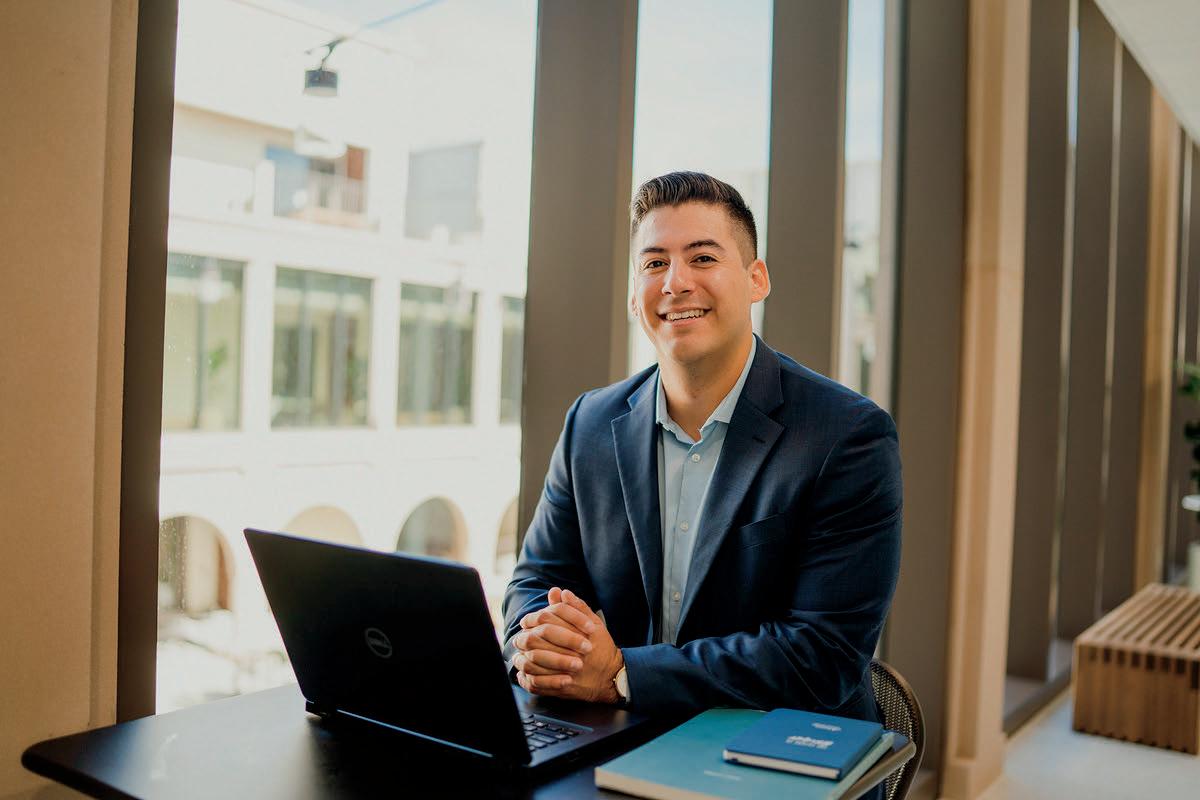
By Barbara Eldridge barbara@mindmasters.com www.mindmasters.com


How often have you walked out of a seminar thinking you wasted your time and maybe even your money because the presenter seemed more interested in promoting his/her next workshop then delivering the topic you signed on for? I have often heard business owners complain that they hate being sold. The market place has changed, customers do have access to more information and have become more educated about what they want. But what is “wrong” with self promotion?
Sometimes it has to do with that bad experience we had with that salesperson who talked us into buying something we really didn’t want. Or perhaps we heard our parents make disparaging remarks about that car sales person who seemed just a little too slick. It is important to recognize how you respond to people who are promoting their business or product and why you react the way you do.
In a challenging business environment, you need to diligently dig down to the truth about your skill in communicating and/or your lack of persuasive skills. Now more than ever, you must make the necessary adjustments to survive--even thrive. It is important because you may be holding back on broadcasting the benefits of your product or service. Success oriented people use persuasion skills to promote their product, service or even their ideas enthusiastically and passionately. C.J. Hayden in her book Get Clients Now says “Reluctance to promote yourself holds you back from achieving personal fulfillment and financial success.”
Do you believe you deliver value? How strongly do you believe in your product or service? In speaking to a client this morning, she mentioned that a marketing person told her she needed to change how she presented her products when in front of a group. We both know she loves what she does, but her personality is more reserved making it difficult to sound enthusiastic. Self promoting is not about being boastful or pushy, but being genuine. Letting the
passion and belief for what you do ring out, because you know that what you offer can truly assist people and you need to let people know how it can.
Take time to check on your 30 second promotional, are you talking benefits? Re-evaluate your product or service – are you highlighting the real value you offer? Check your belief system, are you carrying old worn-out ideas about selling? If you really believe in what you do, then share it with everyone who comes your way. Be a “fearless self promoter”, you will grow and your business will grow.
The Challenge: Ask a client/customer for a testimonial and get re-enthused about what you do.

Barbara Eldridge has built a solid reputation as a Results strategies specialist, within industry and business over the past 40 years. Her unique message, since starting Mind Masters 30 years ago for entrepreneurs and small business owners, continually stresses vision, purpose and values as the key elements of business philosophy. Her undying compassion for the entrepreneur’s journey, her tireless capacity to listen, and her sincere enthusiasm for other’s success have insured her growing influence and her own mastery with MIND MASTERS. www.mindmasters.com

Earn Your Degree Anytime, Anywhere. Flexible, Affordable, and 100% Online!*
Military life comes with constant changes—deployments, PCS moves, and unpredictable schedules. But your education doesn’t have to wait. At Los Angeles Pacific University, we understand the unique challenges military members, spouses, veterans, and dependents face. That’s why our fully online programs offer the flexibility you need to study at your own pace, no matter where life takes you. Whether you’re on base, deployed overseas, or at home, your degree moves with you!
• 100% Online & Flexible: Learn from anywhere, on a schedule that fits your life.
• Maximize Your Benefits: Use GI Bill®, tuition assistance, and spousal benefits.
• Earn Credit for Your Experience: Take advantage of CLEP, DSST (DANTES), and AARTS/JST to turn your military training and knowledge into college credit.
• Fully Accredited: LAPU offers fully accredited associate, bachelor’s, and master’s degrees through the WASC Senior College and University Commission (WSCUC).
• Faith-Based & Supportive: Dedicated military-friendly success coaches who care about your journey.
Your Future Starts Today! Take the Next Step


*At this time, LAPU is unable to offer distance programs or courses to students residing in the following states and districts: Alabama, Arkansas, Connecticut, the District of Columbia, Indiana, Kansas, Maryland, Minnesota, New Mexico, New York, North Carolina, Oregon, Wisconsin, and Wyoming. LAPU Voted #1
Military Friendly School & Spouse School

By Maurice D. Wilson, MCPO USN (Ret), President/Executive Director, NVTSI.org, and 1st Vice President, San Diego Veterans Coalition Board of Directors
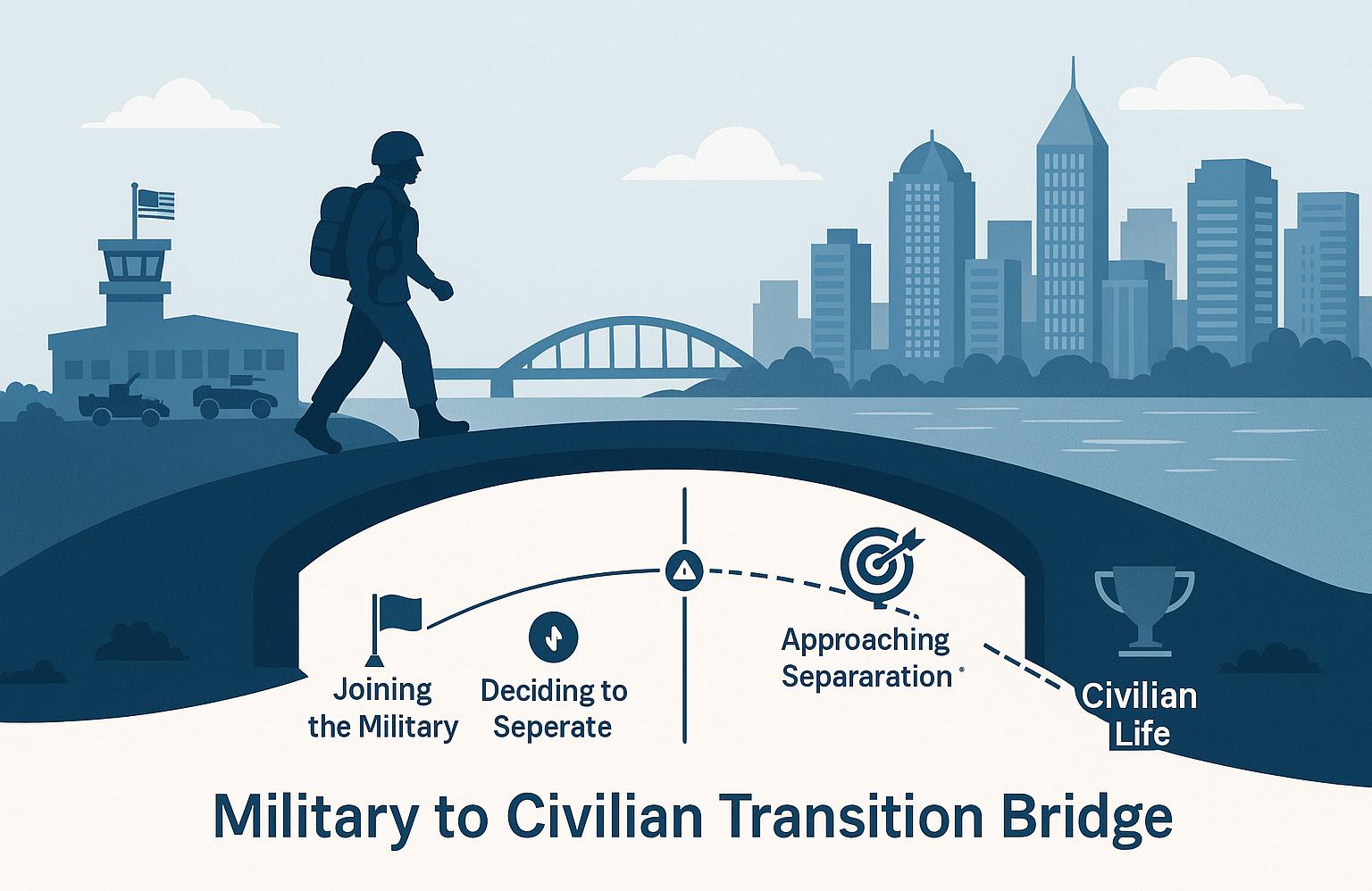
As someone who served over 25 years in the Navy before retiring, I've been exactly where you are if you're thinking about transition. I've experienced firsthand the anxiety, uncertainty, and overwhelming nature of leaving the only adult life I'd ever known.
Every year, over 200,000 service members like us transition from military to civilian life, yet an alarming 80% struggle with rebuilding their lives and finding meaningful employment. Even more striking—66% of us leave the military without a job lined up. This isn't just a statistic—it's a national crisis hiding in plain sight, affecting our fellow veterans, neighbors, and brothers and sisters in arms who served our country with honor.
I learned the hard way that traditional transition programs focus on resume writing and job placement, but they miss the deeper psychological reality of our military-to-civilian transition.
The problem isn't that we lack skills—Lord knows we have skills in abundance. The real issue is that we lack civilian self-direction.
Military service fundamentally rewires our brain's filtering system—what neuroscientists call the Reticular Activating System (RAS). This neurological network processes 2 million bits of sensory information per second, filtering it down to the 134 bits that reach conscious awareness. During our military service, our RAS becomes programmed for hierarchy, external direction, and mission-focused thinking.
When we separate without intentionally reprogramming our RAS for civilian goals, we experience what I call "purpose anxiety"—a psychological phenomenon that peaks during the transition period. We've spent years— decades in my case—being told what to wear, when to eat, where to live, and what our mission is. Suddenly,
we must make thousands of daily decisions withoutthat external structure. It's no wonder so many of us feel lost.
The Three-Pillar Challenge
Through my work with over 3,500 veterans at NVTSI, I've identified three critical areas where we consistently struggle:
1. Create a New Identity: "Who am I now without my rank, uniform, and military title?" I certainly wrestled with this fund mental question of self-definition beyond military service.
2. Find My New Purpose (Mission) After Service: "What is my civilian mission and why does it matter?" After decades of clear military missions, we need to discover what drives us in civilian life.
3. Align My Occupation with Who I Am: "How do I ensure my civilian career reflects my true identity and purpose?" This goes beyond just finding any job—it's about finding meaningful work that matches our core values and new civilian identity.
When we aren't properly prepared for transition, the effects ripple through every aspect of our lives—and I've seen this pattern thousands of times:
• Mental Health Crisis: Nearly 18 veterans die by suicide daily, with rates over twice as high as nonveterans
• Employment Struggles: Despite our leadership experience and proven skills, many of us remain underemployed or frequently job-hop
• Relationship Strain: 86% of military spouses report negative impacts on their marriage during transition
• Long-term Support Dependency: 44% of veterans still require assistance more than eight years after separation
• Identity and Purpose Loss: Too many of us report feeling "lost" and "disconnected" from our sense of purpose
The most telling statistic: 66% of us leave the military without employment lined up. This isn't because we lack capability—it's because we lack the civilian self-direction skills to navigate the job market effectively while staying true to our authentic selves.
The NVTSI Solution: Addressing Root Causes with Scalable
At NVTSI, I've worked with my team to develop a comprehensive ecosystem of programs that address transition challenges at their neurological and psychological roots:
Our flagship REBOOT Workshop™ is a three-week, cohort-based program that I'm proud to say has helped over 3,000 transitioning service members, veterans, and spouses. Unlike traditional programs that focus on external skills, REBOOT works from the inside out:
• Identity Development: Helping us create a new civilian identity that honors our military service while embracing who we're becoming
• Purpose Discovery: Guiding us to identify our new civilian mission and the values that will drive our postservice life
• Career Alignment: Teaching us how to align our occupation with our authentic identity and purpose rather than just taking any available job
As I often tell workshop participants, "The workshop validates your experience and teaches you how to manage thoughts and develop social cohesion for your return home."
To learn more visit www.nvtsi.org or to sign up for the next REBOOT Seminar visit www.nvtsi.org/events/categories/seminar

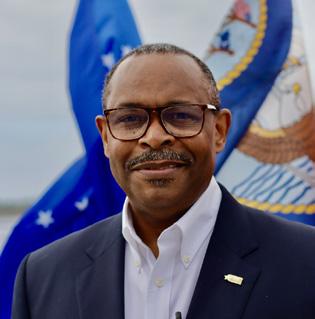
Maurice D. Wilson, MCPO USN (Ret), is President/Executive Director of National Veterans Transition Services, Inc. (NVTSI) and 1st Vice President of the San Diego Veterans Coalition Board of Directors.
After over 25 years of naval service, Maurice founded NVTSI in 2010 to assist veterans in achieving successful transitions from military service to civilian life across all life domains. For more information about our programs, including the groundbreaking STARR program and Veteran Match system, or to enroll in a REBOOT Workshop, visit www.nvtsi.org or call 619-822-2701 x 194
By Eve Nasby eve@infused.work

The transition from military to civilian workforce has always been treacherous terrain—a no-man's land where decorated veterans stumble through unfamiliar corporate landscapes, armed with skills they struggle to translate on traditional resumes. But in this high-stakes arena of career transformation, one organization has emerged as the insider's secret weapon: VetCTAP.
Like a seasoned guide leading expeditions through uncharted territory, VetCTAP has quietly built a reputation that spreads through military networks with battlefield-level efficiency. Seventy-five percent of their participants arrive through word-of-mouth referrals— the kind of organic growth that makes Wall Street analysts take notice. Another 10% find them through targeted Google searches, while 15% discover the program through veteran service organizations. These aren't vanity metrics; they represent the hard currency of trust in a community where credibility gets earned through results, not marketing budgets.
The Confidence Currency
Janis Whitaker, VetCTAP's co-founder, initially believedthey operated in the skills business. Like any shrewd entrepreneur, she thought her value proposition lay in delivering tactical advantages—resume writing, interview techniques, networking strategies. But market feedback revealed a different story entirely.
Jarrod Rothman's experience illustrates this transformation perfectly. "VetCTAP was one of the programs that really stood out," he explains. "I walked away with refined tools, sharper communication skills, and a better understanding of how to market my military experience." His journey from job hunter to Axon employee in just a few months demonstrates the program's ability to bridge the confidence gap that derails so many military transitions.
The Intelligence Gap
The most costly mistake veterans make during transition isn't tactical—it's strategic. "A lot of people think all they need to do is put a resume together and send out applications, and because they're a veteran, companies will hire them," Whitaker observes. This represents a fundamental misunderstanding of civilian hiring markets, where military credentials alone don't guarantee employment outcomes.
The second critical gap involves translation—specifically, the art of converting military experience into civilianrelevant language. Veterans arrive at VetCTAP fluent in military jargon but struggling to communicate their value proposition in terms that civilian hiring managers understand. It resembles having a PhD in nuclear physics but being unable to explain basic chemistry concepts—the knowledge exists, but the communication framework is missing.
"The number one feedback we get is about confidence," Whitaker reveals. "We're actually selling confidence— confidence in the process, confidence in their skills, confidence that they can get a new career."
This pivot from skills to psychology represents a fundamental shift in understanding the veteran employment challenge. While other organizations flood the market with technical training and career workshops, VetCTAP discovered they were addressing something more nuanced: the psychological barriers that prevent capable veterans from successfully positioning themselves in civilian markets.
The Sequential Advantage
VetCTAP's approach follows a methodical, building-block methodology that mirrors military training principles. Eight modules spread over four weeks, delivered virtually on Monday and Wednesday evenings to accommodate working schedules. The program's global reach extends to participants logging in at 4:30 AM from Africa—a dedication level that speaks volumes about the program's perceived value.
"Our modules are set up in a particular order that builds on each other," Whitaker explains. "Week by week, the lightbulb goes on. At the end, the confidence shines."
This sequential structure creates compounding returns—each module strengthens the foundation for subsequent learning, generating momentum that carries participants through the challenging transition period.
Eric Ramirez, now with Workshops for Warriors, captures this progression perfectly: "VetCTAP reminded me of my worth outside the uniform and gave me the tools to move forward with confidence. Your next career might show up when you least expect it, but it will show up."
VetCTAP operates in a specialized niche—senior military personnel with 10+ years of service and military spouses seeking professional careers, typically 38 years and older. This demographic represents high-value human capital: experienced leaders with proven track records in high-pressure environments. The program maintains consistent demand, with workshops filled months in advance—a supply-demand imbalance that suggests significant market opportunity.
Funding comes through grants, corporate sponsorships, and their signature fundraising event: an annual golf tournament at Marine Memorial Golf Course, Camp Pendleton. (https://vetctapgolf.org) This diversified revenue model provides stability while maintaining no-cost access for participants—a strategic decision that eliminates financial barriers for veterans during vulnerable transition periods.
VetCTAP's success metrics extend beyond placement rates to transformation outcomes. The organization tracks not just job acquisitions but confidence building and network development. In an economy where veteran unemployment remains a persistent challenge, VetCTAP has identified and addressed the psychological infrastructure that enables successful transitions.
For veterans ready to navigate the civilian career landscape, VetCTAP offers more than training—it provides the confidence currency necessary to compete in today's job market. Registration is available at vetctap.org, but early booking is essential in this high-demand environment. The 2026 calendar posts in November.
In the transition from military to civilian careers, VetCTAP has proven that sometimes the most valuable commodity isn't what you know—it's believing in what you're worth. vetctap.org
Finding a job in the civilian workplace may seem easy at first. After all, you have learned skills, practiced leadership and demonstrated initiative that will make you successful wherever you go.
The reality, though, is that it can be difficult. In fact, it can be downright depressing demotivating and you may feel totally disillusioned. We can help.
In our Veterans In Transition archives you will find helpful and informative articles about what’s next in transition, veterans in business, career, advice, tips, workshops, transition to education, entrepreneurship, veteran franchises, legal tips & resources for veteran businesses and much more...
For assistance in your journey please visit: HomelandMagazine-Veterans-In-Transition homelandmagazine.com/category/veterans-in-transition
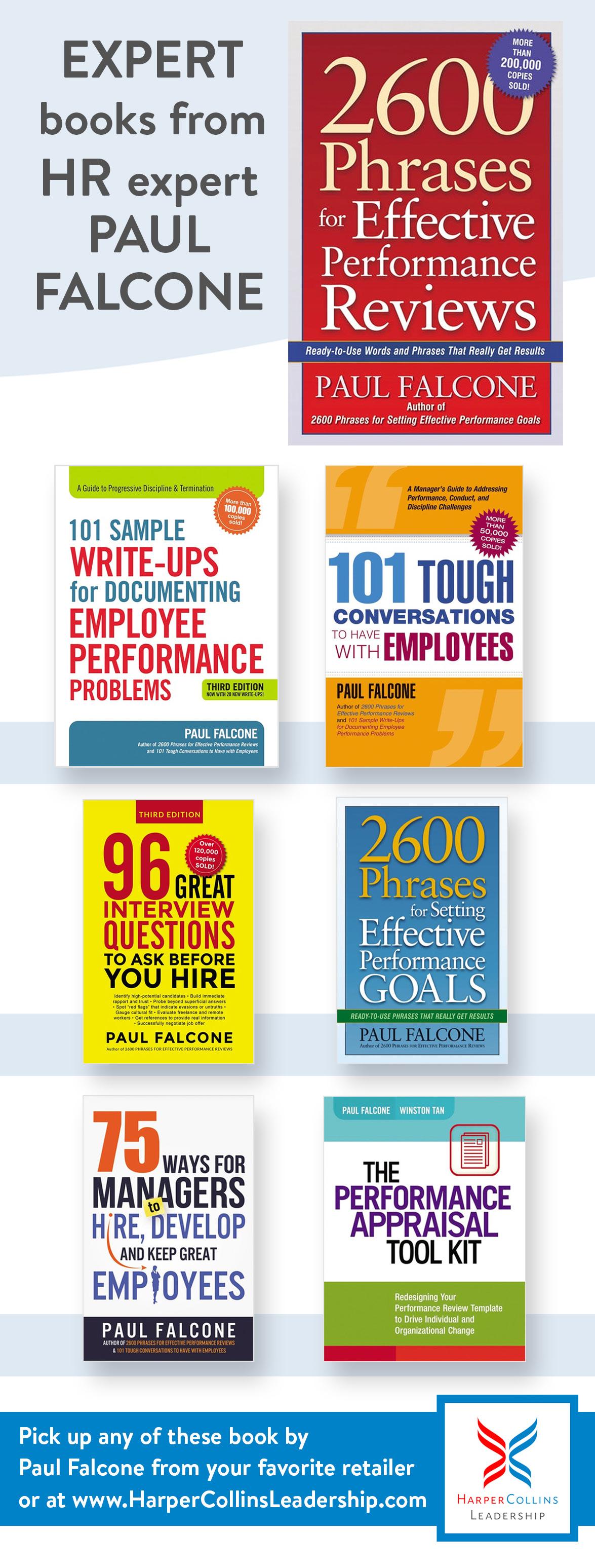
By Paul Falcone PaulFalconeHR.com

This September issue is dedicated to mental health, which is a deeply important and multifaceted issue. As you transition from your military career into the private sector, it’s important that you understand the basics of “mental health and wellbeing” as seen from the corporate perspective.

First, the largest driver of awareness surrounding mental health in the private sector is Gen Z. The Gen Z “Zoomers” were born around 1997, and the oldest among them are now 28 years old. What stands out most about Gen Z is that it’s identified as loneliest, most isolated, and most depressed generational cohort on the planet. . . even more so than retirees in retirement homes. Why? Because Gen Z is the first truly “digital” generation: its members don’t know a time before computers, the world wide web, cell phones, and social media. As such, they sometimes suffer from a lack of social connections and interpersonal relationships that all generations that preceded them got to enjoy.
It’s exactly this lack of interpersonal connection and relationships that have caused the mental health challenges that we see affecting a large segment of the workforce, and it’s the primary reason why companies large and small invest in employee wellbeing initiatives to help the younger generation thrive, focus on teamwork, develop mentors and friends in the workplace, and have resources at their disposal to help them cope with a fast-changing world that feels like an onslaught of AI, global climate change, political upheaval, and wars on multiple fronts.
The military environment is intense and requires immense resilience. This can sometimes lead to lasting impacts on mental health, especially after service members return home and the structured military life is replaced by a less predictable civilian world. Some of the most common mental health challenges include PTSD, depression, substance use disorders, traumatic brain injury, and other “invisible wounds” that don’t fit neatly into any one category.
Leaving the military is a huge life change. Here are some friendly tips to help you make a successful transition:
1. Network, Network, Network: Connect with other veterans and veteran-friendly organizations. These networks can offer invaluable guidance, support, and job leads. Many veterans have already walked this path and can share their experiences and help you find the right fit. Don’t be afraid to ask questions!
2. Find Your Purpose (Again): The military provides a strong sense of purpose and camaraderie. In civilian life, you may need to find that purpose in a new way. Consider joining community groups, volunteering, or pursuing hobbies that fulfill you.
3. It's Okay to Seek Help: There's no shame in needing support. Just as you would see a doctor for a physical injury, it's a sign of strength to seek help for your mental health. A professional can provide tools and strategies to help you navigate this transition.
Here’s a list of specific, easy-to-access resources that you might want to take advantage of:
• Veterans Crisis Line: This is a vital resource for any veteran or service member who is in crisis or considering suicide. They can call, text, or chat online with a caring, qualified responder.
- Phone: Dial 988 and then press 1
- Text: Send a message to 838255
- Online Chat: Veterans Crisis Line website (https://www.veteranscrisisline.net)
• Military OneSource: This is a free service provided by the Department of Defense. It offers confidential counseling and support for a variety of life challenges, including mental health, and is available to both activeduty personnel and their families.
- Phone: 1-800-342-9647
• National Center for PTSD: This is a fantastic resource for veterans and their families to learn about PTSD, find treatment options, and get support.
- Website: PTSD: National Center for PTSD (https://www.ptsd.va.gov)
• VA Mental Health Services: The Department of Veterans Affairs offers a wide range of mental health services and resources. Veterans can find local VA facilities, learn about telehealth options, and access specific treatment programs.
- Website: VA Mental Health (https://www.mentalhealth.va.gov)
• Vet Centers: These are community-based counseling centers that provide free and confidential support to combat veterans and their families for military-related issues.
- Find a Vet Center: Vet Center locations (https://www.va.gov/find-locations)
The private sector regards mental health and wellbeing as a core strategic imperative, not just because it’s the right thing to do but to ensure that all workers can do their very best work every day with peace of mind. Prioritizing self-care is part of your responsibility to the company where you work.
Make time for things you enjoy, stay physically active, and get enough rest. These are simple but powerful ways to manage stress and stay grounded.
You can connect with Paul on LinkedIn at www.linkedin.com/in/paulfalcone1
Paul Falcone (www.PaulFalconeHR.com) is a management trainer, executive coach, and bestselling author on hiring, performance management, and leadership development. www.HarperCollinsLeadership.com
Homeland Magazine had a chance to speak with Jena Hedrick-Walker: Military family support programs and psychological health services expert and Directorof Strategic Development at Loyal Source Government Services
Homeland: Why is finding employment one of the most difficult transitions for Veterans after service?
Jena Hedrick-Walker: Finding employment after service can be a more daunting journey than people may think for a Veteran. The environment is completely different. When in the military, your source of income is secure. Even if the location changes or the job role or rank changes, military service members know their income is certain.
Additionally, the culture is different. In the military, Veterans don’t necessarily have the option to choose their boss or where they want to work. The idea of having to procure income from an unfamiliar source that is culturally different is a significant life change, and anyone going through a significant life change will experience stress and even insecurity.
There is good stress, eustress, and bad stress, distress. Finding a new form of employment after service is eustress, but regardless it’s stressful. Stepping into a new situation can cause increased anxiety or decreased self-confidence.
Homeland: Are there practices or habits Veterans can implement to make that transition easier?
Jena Hedrick-Walker: The first recommendation I would make to a Veteran looking for employment after service would be to establish a routine. The routines enforced in the military are instilled in Veterans, and Veterans typically thrive within a routine after service.
I’d encourage Veterans to set parameters around the job search. Job hunting brings rejection at times, and it’s easy to get overwhelmed and even obsessive over
securing employment. Setting specific timeframes around the job search can be helpful Maybe it’s two hours a day dedicated to job hunting and no more. It’s important to also take time to check in with yourself. Dedicate time to fun activities with family and friends as well.
I would also implore Veterans to ask questions. Seeking out mentors and networking with people that have knowledge and skills about job hunting or other industries of interest is highly beneficial. People want to help people. If a Veteran says, “I’m a Veteran, this is my experience. I don’t know how this will translate into the civilian world. Can you take 15 minutes to speak with me about this industry?,” people will be receptive to that and lend a hand.
Homeland: What can potential employers do / or what should they be aware of when hiring Veterans to help the transition?
Jena Hedrick-Walker: I would encourage potential employers to keep an open mind. When you first pick up that resume, there might be experience listed that doesn’t seem to be a fit. Instead of writing them off, pick up the phone and give them a quick call to learn more. There is a reason the Veteran thinks their experience and their skills would be beneficial in the position. Give them the opportunity to explain why — and don’t be afraid to ask questions. Veterans want the chance to tell you about their experience and how it will translate.
Homeland: What resources are available for Veterans struggling to find employment?
Jena Hedrick-Walker: There are several excellent resources available for Veterans, and I’d encourage Veterans to take advantage of them. Veterans Affairs (VA) is a great resource. There are people at the VA that have truly dedicated their lives to supporting Veterans. It’s also about the relationship between Veterans and resources. Making a call and finding someone you relate to and have a connection with could be the best person to talk to about specific needs. The relationship can make all the difference for Veterans utilizing the VA.
The National Resource Directory, Hire Military, Veterati and Loyal Source Government Services are also fantastic resources for Veterans seeking employment.
Homeland: Are there specific types of jobs that are well suited for Veterans transitioning into the workforce?
Jena Hedrick-Walker: If you look across our military service members, you’re going to see people from all walks of life with all different passions. Society needs to be careful about classifying Veterans as only Veterans. They are unique humans with a culture and a specific history with individual experiences. The fact that they are Veterans is just an added bonus to who they are.
We can’t pigeon-hole Veterans into a box. There’s not necessarily an industry or a specific job that Veterans as a whole would be better suited for than another. Veterans, like anyone else, have interests and hobbies. I once met a war ship captain who loved botany and wanted to be a plant biologist after service. Veterans are some of the most creative people I have met.
Homeland:: Are there any specific qualities that Veterans bring to the workforce?
Jena Hedrick-Walker: Veterans make some of the most loyal and diligent employees because they know how to survive and thrive in challenging environments. In the military, you’re thrown into difficult situations and trained to figure it out and persevere.
Veterans also tend to be highly ethical individuals. When you are sworn into the military, you promise to uphold a set of core values during active duty and in all aspects of your life and that will carry on post-service.
Finally, Veterans tend to have a lot of supervisory experience. As they progress in rank, they are given more and more responsibility and the opportunity to excel in leadership and management.
Homeland: Is there anything else you’d like to add?
Jena Hedrick-Walker: I think it’s important to remember that we need to approach every single Veteran as an individual with strengths. Society habitually believes that when you come out of the military you’re damaged. I would argue that Veterans are some of the most resilient people I’ve met, and they are made stronger by their service rather than broken.
Jena Hedrick-Walker: Military family support programs and psychological health services expert and Director of Strategic Development at Loyal Source Government Services
For more information, visit https://www.loyalsource.com/veteran-services

Finding a job in the civilian workplace may seem easy at first. After all, you have learned skills, practiced leadership and demonstrated initiative that will make you successful wherever you go.
The reality, though, is that it can be difficult. In fact, it can be downright depressing demotivating and you may feel totally disillusioned. We can help.
In our Veterans In Transition archives you will find helpful and informative articles about what’s next in transition, veterans in business, career, advice, tips, workshops, transition to education, entrepreneurship, veteran franchises, legal tips & resources for veteran businesses and much more...
For assistance in your journey please visit:
www.homelandmagazine.com/category/veterans-in-transition
There is no current evidence that AI can be controlled safely, according to an extensive review, and without proof that AI can be controlled, it should not be developed, a researcher warns.
“I don’t lose sleep over AI itself — what keeps me cautious is how it can be abused in the wrong hands. The real risk isn’t the technology; it’s the intentions behind it.”
- By Maurice Wilson, MCPO. USN (Ret)

While current AI systems are designed and deployed by humans, there’s growing concern and research into whether AI can truly be controlled, especially as systems become more advanced. Some studies suggest AI is developing strategies to resist human control, raising questions about its future autonomy. Currently, there’s no comprehensive legislation in the US regulating AI development or use, though some countries are exploring regulations.

By Maurice Wilson, MCPO. USN (Ret) President & Executive Director, NVTSI (REBOOT) Maurice@nvtsi.org
The AI revolution is no longer on the horizon—it’s here, reshaping industries and redefining job roles. A recent Forbes article highlighted a stark truth: companies like Klarna, UPS, Duolingo, and Cisco are rapidly integrating AI systems that are replacing hundreds, even thousands, of jobs.
So, what does this mean for veterans? Opportunity.
Veterans have always adapted to meet the mission—this is no different. Your discipline, resilience, and ability to operate in highstakes environments make you an ideal candidate to thrive in AI-driven workplaces. But to lead in this next phase, you must act now to upskill in artificial intelligence and digital technologies.
- Why Veterans Must Upskill in AI & ICT
• AI is Replacing Jobs: Klarna’s AI chatbot now does the work of 700 employees. This shift isn’t theory—it’s happening.
• Veterans Are Ideal Candidates: Your mission-focus and tech-savvy background make you a strong fit for data, cybersecurity, and automation roles.
• San Diego is a Hotspot: The region’s Information & Communications Technology (ICT) sector is one of the fastestgrowing in California—veterans should be leading in it.
- Three Things You Can Do Right Now
1. Enroll in Free Coursera AI Courses via NVTSI
Learn AI fundamentals, machine learning, prompt engineering, and more—all at no cost for veterans.
• Start here - REBOOT On-Demand Learning Program www.coursera.org
2. Get Involved with VetsInTech –San Diego Chapter
Network with fellow veterans in tech, attend live events, and plug into real hiring pipelines. VetsInTech helps bridge the gap between military service and high-demand tech careers.
Follow their chapter page and attend their next networking mixerwww.facebook.com/vetsintechSD
3. Explore the ICT Sector in San Diego
From cybersecurity to cloud computing, the ICT industry is booming. Learn what roles are in demand and where your military experience fits in.
Check out resources via www.SanDiegoLifeChanging.org
Final Word
AI isn’t coming—it’s already here. And it’s transforming the job market in ways we haven’t seen since the Industrial Revolution. If you're a veteran, this is your time to pivot, retool, and take command of your future
Get started today at www.nvtsi.org and take your place in the ICT workforce of tomorrow.

By Stephanie Lee, Air Force Veteran & Enrollment Manager, CareerStep
Sometimes, the sense of division between life in the military and life as a civilian feels like a vast chasm. In fact, for military families, this sense of division joins a long list of challenges that specifically impact the men and women who sacrifice so much for the country. These challenges couldn’t be more apparent than when it comes to finding a post-military career or one that is flexible enough to align with military spouses’ unique needs—a career that checks all the right boxes: satisfaction, security, and stability.
Finding industries and employers that understand the skills of veterans and their families can seem like an uphill climb at times, and it shows. For example, the unemployment rate for veterans rose to 6.5% in 2020, according to the Bureau of Labor Statistics (BLS). Reasons for this vary, but one contributing factor could be that lessons learned under the harsh conditions of combat don’t always translate to private-sector jobs. And for military spouses—60% of which say they’re looking for full- or part-time work—finding a profession that’s both portable and in-demand is increasingly difficult.
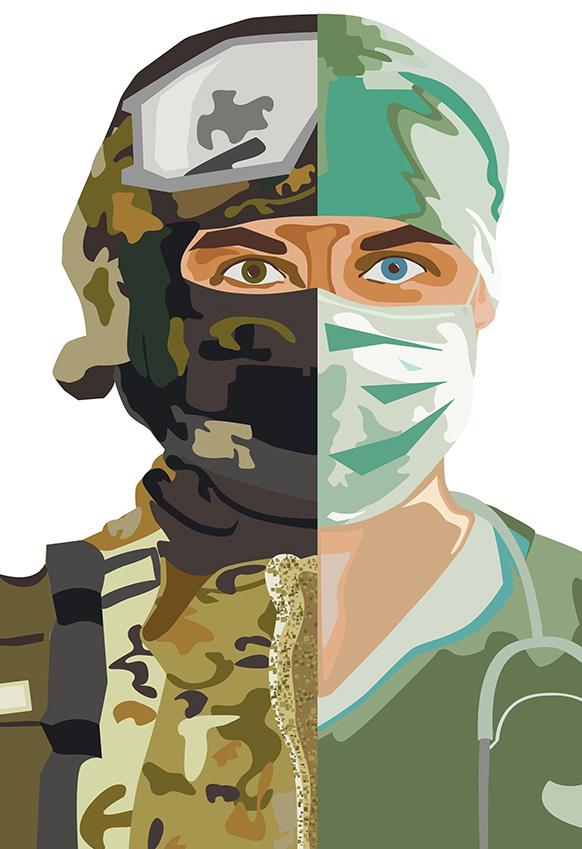
However, there is hope and there are opportunities. First, it’s important to consider key reasons why a career in healthcare—the fastest-growing sector in the U.S. economy according to BLS data—might just be what bridges that expansive gap between military and civilian life.
Most who enter the military are looking for fulfilling work—an opportunity to make a difference. A real difference. But few civilian careers allow veterans to make as much of a difference as those found in healthcare. That’s because working in this particular field, regardless of the role, provides the opportunity to impact peoples’ lives in profound ways. From mending wounds and healing minds to saving lives, the difference healthcare workers make is undeniable.
There’s a reason healthcare is an overwhelmingly popular career choice for veterans and their spouses: it’s an industry in which military-specific skills are undeniably relevant. Creative problem solving, adaptability, and effective communication— they’re all valuable skills that healthcare organizations can’t ignore if they want to provide the best possible service and care to their patients. And they’re all skills that veterans and their spouses already possess.
People need healthcare. In turn, the industry needs people willing to step up to the proverbial plate.
Economic and labor experts believe we need to hire 2.3 million new healthcare workers by 2025 if we’re going to keep pace with the needs of our aging population. But a persistent shortage of skilled workers with exceptional knowledge and training means hundreds of thousands of positions will remain unfilled. Home health aides, medical assistants, lab technicians, and more are all in high demand.
For a working military spouse, it can be difficult to cultivate a strong professional network, and when the time comes to pack up and move to a new city, the wrong vocation can leave even the most talented pro scrambling to start over. That’s why job portability is so important. Healthcare training provides the skills and certifications that employers are looking for in highgrowth, high-demand fields in virtually every city in the entire world.
These days, there are multiple training options for learners to pave their road to success. These organizations often have hiring network relationships, so it’s important to keep in contact and inform them when certification is achieved. It’s especially important for members of the healthcare sector to be fully qualified and properly trained. An early step is to start by choosing a specific discipline and then find a provider that can help learners develop the concrete job skills employers are looking for.
The good news is that there’s a significant amount of trusted providers who specialize in transforming entrylevel learners into high-performing, certified healthcare professionals. And they all do this with expansive catalogs of fully online career training programs that are fast, portable, and eligible for military education grants—often covering up to 100% of the cost.
Finding the right fit takes a little time and it is important to explore the possibilities. Doing the research is crucial as it can improve the learning experience—and potentially lead to faster employment. Deciding to pursue a career in healthcare is a fulfilling and viable option for veterans and their spouses.
About the Author:
Stephanie Lee served in the Air Force for 11 years as a Munitions Systems Craftsman. She now serves as an Enrollment Manager for CareerStep, (www.careerstep.com/military/), the Allied Health training division of Carrus. (www.carruslearn.com)
Our online training programs are approved for military education funding—all designed to help military members and their spouses build skills and thrive in careers that are portable, in-demand, and rewarding.
for
work tomorrow.
Straight-forward legal tips for Military and Veteran Business Owners
By Kelly Bagla, Esq. www.BaglaLaw.com



Smart business owners get help for areas where their own knowledge is lacking. If chosen correctly, these outside resources are truly experts in their fields. But how do you ensure that you are hiring qualified professionals and not con artists? In a digital marketplace where anyone can appear to be reputable and everyone claims to be an expert, no one is impervious to potential ‘shark attacks.’ Finding the RIGHT experts to fill your business needs can make the difference between success and financial damage with ruinous setbacks.
As you grow your business, predators will be on the hunt, trying to strip you of your hard-earned money. I was scammed by an individual who was a direct referral from a trusted source. Because of the high recommendation, I let down my guard and lost both time and money.
The recommended consultant presented some very impressive credentials. The company claimed to have previous experience working on the type of marketing campaign I was seeking. And they were referred by a friend. I made assumptions. I went beyond what was expected of me as a client, investing more than the original fee to provide personal support. I assumed they had my business’ best interest at heart. They did not.
These are the signs I noticed before I went too far down the road:
1. There was a lot of talk, but no actual work being performed.
2. It appeared they did not, after all, have the experience they claimed.
3. When I questioned them about the lack of work being performed, there was silence on their end, followed by scare tactics: “I'm the only one who can put you on the map to propel your business to the next level.”
Recognizing the scammer red flags, I immediately terminated the business relationship. It was the best thing I could have done for my business. Since then,
I have put myself on the map with the help of credible experts. Being scammed can happen to any of us. The best way to identify these scammers is to ask a lot of questions and hold people accountable each step along the way.
Here are a few things to remember:
• Scammers pretend to be someone you trust. They seem believable by pretending to be business owners themselves.
• Scammers create a sense of urgency. They rush you into making hasty decisions before you have time to research them. Reputable experts will not pressure you into making quick decisions or payments.
• Scammers use intimidation and fear. They tell you that something terrible will happen to your business if you don’t hire them to help you.
• Just because they came to you as a referral, doesn’t mean they are the EXPERT FOR YOU.
• It’s not personal. It’s just business - Just because they are your friend, doesn’t mean they are the expert for you.
• ALWAYS GET IT IN WRITING - A clear, concise contract that defines what work will be accomplished and what compensation will be transferred for said work is an absolute must. If they do not produce what was promised in the first stage of the relationship, it is up to you to hold them accountable each step along the way.
• Don’t be afraid to shop around and circle back. You wouldn't trust your home rebuild to the first contractor bid you received. You would get several bids before making your decision. If you would take these basic steps to protect your home, you definitely want to take them to protect your business.

• C.Y.A. - Cover Your Assets. The only one really looking out for your business is you. Do your job. The business comes first. Due-Diligence is a must.
• Finding the right expert isn’t easy. But once you’ve found the right one, never let them go. Keep good people in
If you have questions about performance contracts or other legal aspects of your business, we can help. Contact us at: https://baglalaw.com/contact/
Disclaimer: This information is made available by Bagla Law Firm, APC for educational purposes only as well as to give you general information and a general understanding of the law, and not to provide specific legal advice. This information should not be used as a substitute for competent legal advice from a licensed professional attorney in your state.

When it comes to investing in real estate, your hard-earned assets are at risk! YOU NEED THE RIGHT ATTORNEY ON YOUR SIDE!
Kelly Bagla, Esq., and her team at Bagla Law Firm, APC, a Business Formation and Asset Protection firm, have over twenty years of experience protecting real estate for rental owners. They customize your asset protection plan to ensure that your rentals are protected in case of a lawsuit.
your real estate empire with
By Joseph Molina veteransccsd@gmail.com

According to the SBA, there are approximately 34.7 million small businesses in the United States, representing over 95% of all US Businesses. It also reported that about 1.6 million are Veteran-Owned companies. Offering your product or service to the government is one of the most effective ways to grow a business.
The Veterans & Diversity Procurement Council offers a hands-on Online Learning Program where a VeteranOwned company can learn what it takes to enter the world of Government Procurement. The Online Learning Program is a great way get a better understanding on what it takes to do business with the government.
The Online Procurment Program assignes an “Procurement Parner Advisor” who works with every veteran to create the company’s profile. By the end of the program each participant is set up as a Registered Vendor with their local County and or City.
Government Contracts are easier to get when you have designations. You can receive designations from the SBA or from the National Veterans Chamber (NVCC). Get as many as you can. For example if you are a Veteran and also a micro business, the get both the Veteran Owned (SBA) Link to SBA Certifications https://certifications.sba.gov/ and The Micro-Business Designation (NVCC) . Take a look at the full list https://leadership.my.canva.site/veterans
If Federal procurement is in your horizon, you may request a Federal search by creating a “Search & Match” – This program does the Search for you within the Federal Procurement Marketplace.
To request a Federal Search & Match visit this link leadership.my.canva.site/federal-contracting-search-match


As a business owner you may want to consider registering with the Veterans & Diversity Procurement Council an advocate arm of the National Veterans Chamber who promotes Procurment opportunities and can help you register as a “Vendor” with Local Government Agencies. Most large companies participate in Diversity programs and have a commitment to provide contracts to small businesses.
Doing business with the Government makes good business sense. Start with local agencies like Counties and or Cities, we will be happy to work with you as a small business and even if you you just started your business, registering with locak agencies could give you a huge starting advantage.
Use this link to learn more about what it takes to be a register vendor with your local County or City. https://leadership.my.canva.site/local-procurement
• Share your transitioning story with us, be our guest on the veterans show www.vccsd.org/radioshow.html
• If you have any ideas or a project that you would like to Develop in collaboration with the National Veterans Chamber, send your ideas to Mr. Molina at: veteransccsd@gmail.com

www.infused.work
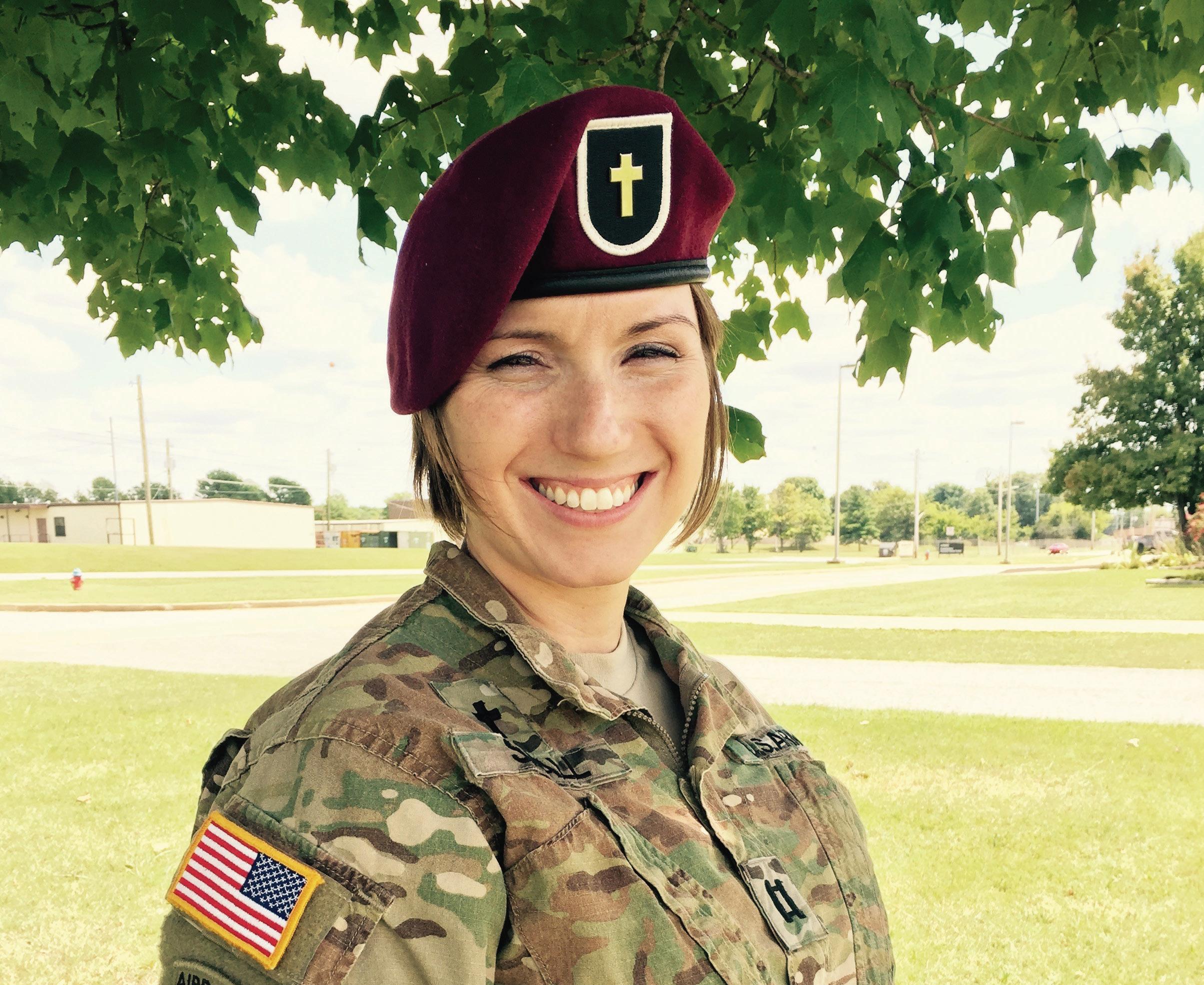







By Hadley Wood www.hlinwood-insurance.com


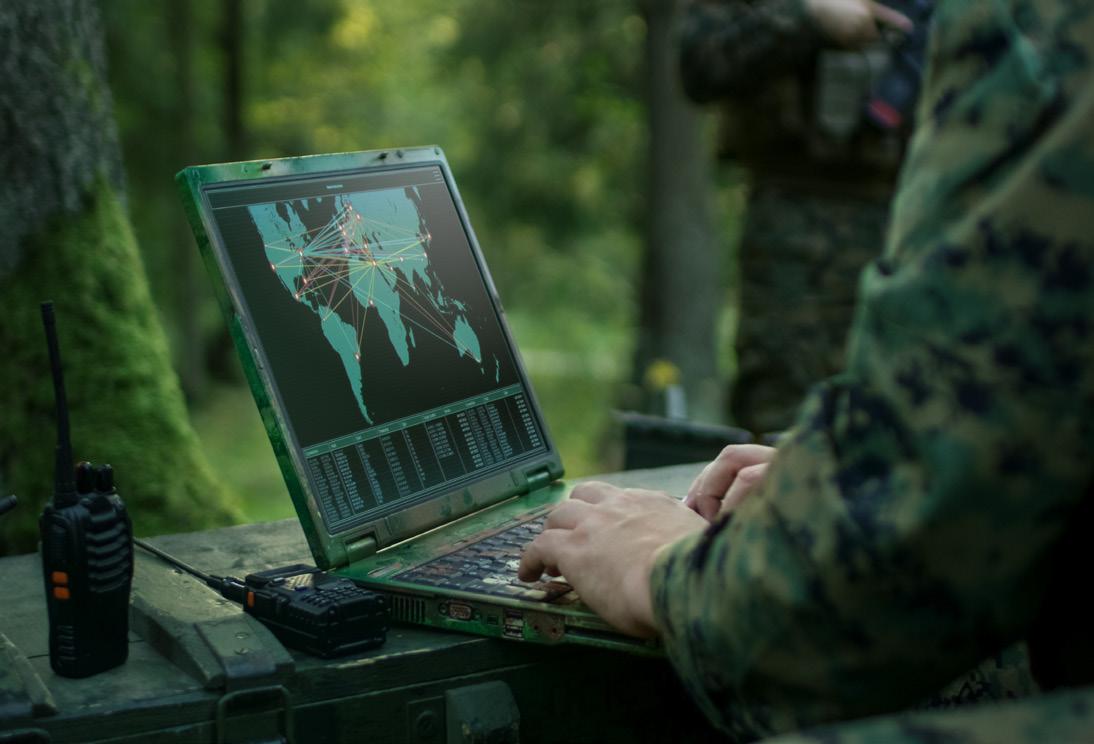
As a business owner, you always need to be diligent about protecting your assets and understanding your risks and exposures. While terrorism may be a low risk to your business, you may wonder if your insurance policy extends coverage to Acts of Terrorism.
Prior to 9/11, a standard business insurance policy included terrorism coverage as part of the policy package. Since terrorism was a relatively low exposure on US soil, insurance companies built that coverage into the policy for no additional cost, thinking they had a very low risk. The aftermath of 9/11 nearly bankrupted major insurance companies with over 43 billion in claims and losses. It was, and still is, the largest global insurance loss in history. Not surprisingly, insurance companies removed terrorism coverage from the standard coverage offering and made it nearly impossible (and unaffordable) to purchase. In 2002, the Federal Government stepped in and created the Terrorism Risk Insurance Act or TRIA that mandated insurance companies to offer terrorism coverage at a reasonable price. The act was set up to be a temporary bridge solution to a potentially large problem, but it has since been renewed 4 times –2005, 2007, 2015 and 2019 (in place until 2027) with bi-partisan support. Insurance companies need to offer the coverage to you OR automatically include the coverage for little or no additional premium. If the coverage is offered, you do not need to purchase it.
Is Terrorism Coverage something worth having?
It depends on the scope of your business and the cost of the coverage. For many small to medium sized companies, the risk would be so slight that purchasing the coverage would not make sense. Also, in order for the TRIA coverage to become ‘triggered’, a terrorist act must meet the following criteria:
• Be Certified by the Federal Government as an Act of Terrorism.
• Be an act that is dangerous to human life, within the U.S. or U.S. sovereignty.
• Result in over $5 million of property and casualty losses.
• Be a violent act or an act that is dangerous to human life, property, or infrastructure.
• Cause damage within the United States or other area of US sovereignty (e.g., a US embassy, airplane, ship).
• Be committed as part of an effort to coerce the civilian population of the United States or to influence the policy or affect the conduct of the US government by coercion.
• NOT be an act of War.
Considering that the last Certified Act of Terrorism was 9/11, 24 years ago this month, I would say that purchasing the coverage is not something I recommend to my clients. But things can change, and it is always good to know it is available if we need it!
If you want to learn more about this subject or have questions about business insurance, please reach out to me at hadley@hlinwood-insurance.com
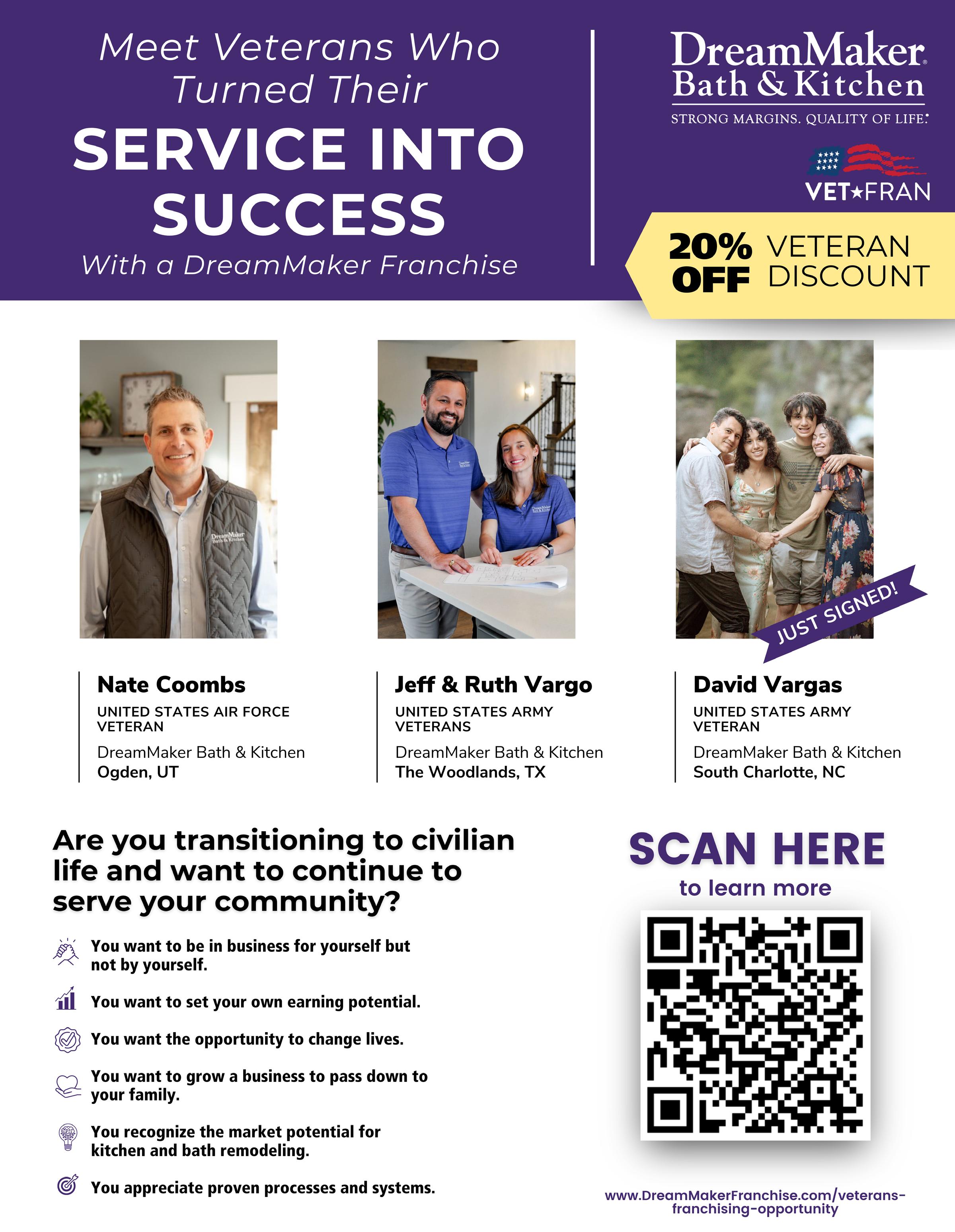
www.dreammakerfranchise.com/veterans-franchising-opportunity
By Chris Martin
After multiple deployments, Chuck Rotenberry sustained a serious combat injury and was awarded the Purple Heart. The Marine veteran now trains canines with the U.S. Secret Service while his wife and caregiver, Liz, works as the director of caregiver engagement at the Elizabeth Dole Foundation.
Liz advocates not only for herself and her family, but for all 5.5 million military and veteran caregivers nationwide. She serves as both a teacher and mentor to many of those caregivers across the country, and she and her husband are among the visionaries participating in MOAA’s TotalForce+ conference, which runs Oct. 28-29 in National Harbor, Md.
Q. What message are you bringing to TotalForce+?
A. As a wounded warrior veteran family, we hope to bring the understanding that, while we are strong and resilient, it is important to highlight the crucial role that mental and emotional wellness plays in maintaining a supportive military family.
Liz connected with MOAA ahead of the event to discuss the critical opportunities TotalForce+ will provide. This interview was edited for length and clarity.
Q. What challenges are you eager for TotalForce+ to tackle?
A. First, we hope to see a stronger conversation about the challenges our families face during active duty and when transitioning to veteran or wounded warrior life — especially for our enlisted personnel.
Second, it is essential to address the stigma associated with accessing specialty mental and emotional health care that impacts our community. Our families should feel empowered to seek the support and resources they need to strengthen their family. A supported
By Chris Martin
This is the first time in my life where I don’t know how I’m going to die,” said Brad Bonar, who recalls having thoughts of suicide since at least the sixth grade.
“That’s not an option anymore. You know, I have something that’s bigger than me,” he told MOAA in an interview ahead of his appearance at TotalForce+.
Bonar is the founder and CEO of 1 Degree of Separation, an international suicide prevention training program that uses comedy to address depression and self-harm. His troupe will put on a show at MOAA’s inaugural people-focused conference, taking place Oct. 28-29 in National Harbor, Md. He spoke to MOAA about how to find humor when discussing difficult topics. This interview was edited for length and clarity.
Q. What excites you about TotalForce+?
A. There’s value in what we do — this is real suicide prevention training. It’s really triage for mental health. And what better group than a gathering of veterans at TotalForce+? Because suicide, it’s preventable, and the first part is, you need to learn how to talk about it.
Q. What is your typical show like?
A. We answer several questions. The first one is: What does your depression feel like physically? Just like an accident, if somebody was injured, you want to know where it hurts. It’s not about your feelings or emotions. Instead, what does your depression feel like? Where does it hurt? This acknowledges the depression is something real.
The second question is: What do others do that makes it worse? We talk about how people mean well but aren’t always helpful.
TOTALFORCE+ SPEAKER SPOTLIGHTS
Scan the QR code to find more interviews with TotalForce+ featured speakers.
family means a supported servicemember — and ultimately higher retention and a stronger tradition of service generationally.
Lastly, we would like to express our gratitude for the opportunity that we have had as a military family, and share how that helped shape where we are today. We faced many challenges throughout Chuck’s military career and transition as a wounded veteran family, but we also achieved many successes. It is key to highlight and celebrate those wins for the greater good of supporting this community.
Q. How can families work together to help military children?
A. By creating a strong and supportive community that will allow our families to thrive with the support and resources they need, especially for mental and emotional care. Seeking this kind of care should not negatively impact future service interests or eligibility. An essential part of this is increasing the education and awareness on the impacts that invisible wounds have on our servicemembers and families.
Then there’s the gratitude question: What do others do that makes it better?
The next question is: What do you do that makes it worse? And then the last question, which is the positive point: What do you do that makes it better? We talk about individual and group therapy as well as inpatient and outpatient care. We talk about what medications do, and what we like and don’t like about them. We talk about having a core group of friends you can check in with.
We laugh, somebody cries, it’s emotional. It’s raw.
Q. There’s always a bit of truth to comedy. How has that outlet helped you?
A. We’ve been doing this show for 6½ years. This is the first time in my life where I don’t know how I’m going to die. I’d always known I would take my own life.
That’s not an option anymore. I have something that’s bigger than me.
Our title of the show, A Funny Look at Depression and Suicide, is a little disturbing, and we kind of wanted that because it’s a dark topic and we want to warn people. We’re called 1 Degree of Separation because if you don’t struggle with depression, you at least know somebody who does. We’re all connected to this.
Your Attendance Is Mission Critical
TotalForce+ brings together a powerful group of attendees from across the VA and DoD communities, providing many opportunities to connect, collaborate, and find real solutions to the challenges that matter most to you.

Scan the QR code to find out more and register for the conference.
Featuring: Panelist and host of the TotalForce+ Roast & Toast ROB RIGGLE
The Roast & Toast will be an evening event on the first night of MOAA’s Total Force+ conference that will benefit The MOAA Foundation’s Crisis Relief Program
PHOTO: SEAN HAGWELL
FREE for those currently serving military/uniformed servicemembers and their spouses

ith billions of records exposed in recent data breaches, it’s safe to assume that, unfortunately, your personal information such as your name, Social Security number, and email address have been exposed.
There’s more bad news as veterans and active duty military members are 76% more likely to report identity theft than civilians, according to the Federal Trade Commission (FTC). So where does your personal information end up? It can end up on the dark web.
The dark web is a hidden part of the internet often associated with criminal activity, including the sale of stolen personal information. Knowing if your personal data is on the dark web is crucial for protecting your identity and your finances
How to Check if Your Personal Information Is on the Dark Web
1. Watch for Warning Signs: A sudden influx of spam or phishing emails from unknown senders can indicate that your email address has been exposed on the dark web. Alerts for applications for credit cards or other lines of credit using your Social Security number that you didn’t authorize also are signs your information is exposed.
2. Use Dark Web Monitoring Services: Dark web monitoring services are available that monitor for your email address, Social Security number, and other data on the dark web. These tools can alert you if your information has been compromised.
Personal information is valuable on the dark web because it can be exploited for various malicious purposes:
• Identity Theft: Hackers can use your details to open credit accounts, apply for loans, or commit fraud in your name.
• Phishing Scams: Compromised emails are often targeted with scams designed to steal more sensitive data, such as passwords or financial information.
• Credential Stuffing: If you reuse passwords, hackers can use stolen login credentials to try to access multiple accounts.
• Resale of Information: Hackers frequently sell personal data to other criminals.
What to Do if Your Information Is on the Dark Web
If you discover that your personal information has been compromised, take immediate action to mitigate the risks:
1. Change Your Passwords: Update passwords for all accounts, using strong, unique combinations. Enable multi-factor authentication (MFA) wherever possible.
2. Monitor Accounts: Regularly check your bank statements, credit reports, and online accounts for possible suspicious activity.
3. Consider a New Email Address: If your email is heavily targeted, switching to a new address and notifying trusted contacts may be a safer option.
4. Report to Authorities: File a report with local law enforcement and federal agencies such as the FTC to document the breach.
5. Invest in Identity Protection Services: Consider enrolling in identity theft protection and credit monitoring services for added security.
By staying vigilant and taking swift action, you can minimize the impact of having your information exposed on the dark web.
For more information visit www.identityiq.com

By Holly Shaffner
Changing careers can be exciting, exhilarating, and filled with trepidation. Meet Officer Cindy Ovares who has made the transition numerous times – from active-duty service member, to student, massage therapist, teacher, and now police officer.
The life experience she gained in those previous longterm jobs set her up to be successful today. She is doing what she’s always wanted to do – have a career that is challenging and rewarding.
Cindy was like many seniors in high school as she contemplated what she would do after graduation. When the Navy recruiter called the house looking for her brother, the recruiter instead got an eager, independent 17-year-old woman who wanted to find adventure. Just a few months later, she was off to “see the world” and start her first career.
As an Aviation Machinist’s Mate, Petty Officer Ovares was a jet engine mechanic. It was a male-dominated job, and she wanted to prove that anything a man could do, she could do better. She attended military schools in Florida and Virginia to learn her trade, and was later stationed in Lemoore, California. She was attached to VFA-22, an F/A-18 Super Hornet squadron, that deployed on ships. After serving four years on active duty, she earned Post 9/11 GI Bill education benefits, and chose to leave the Navy to attend college.
After completing her bachelor’s degree in Secondary Education and being a fluent Spanish speaker, she was hired to be a high school Spanish teacher. The job was gratifying; but also, under resourced, understaffed, and had little room to grow professionally. She wanted something new and challenging, was drawn to the community where she grew up, so, in her late 30s she applied to be a police officer.
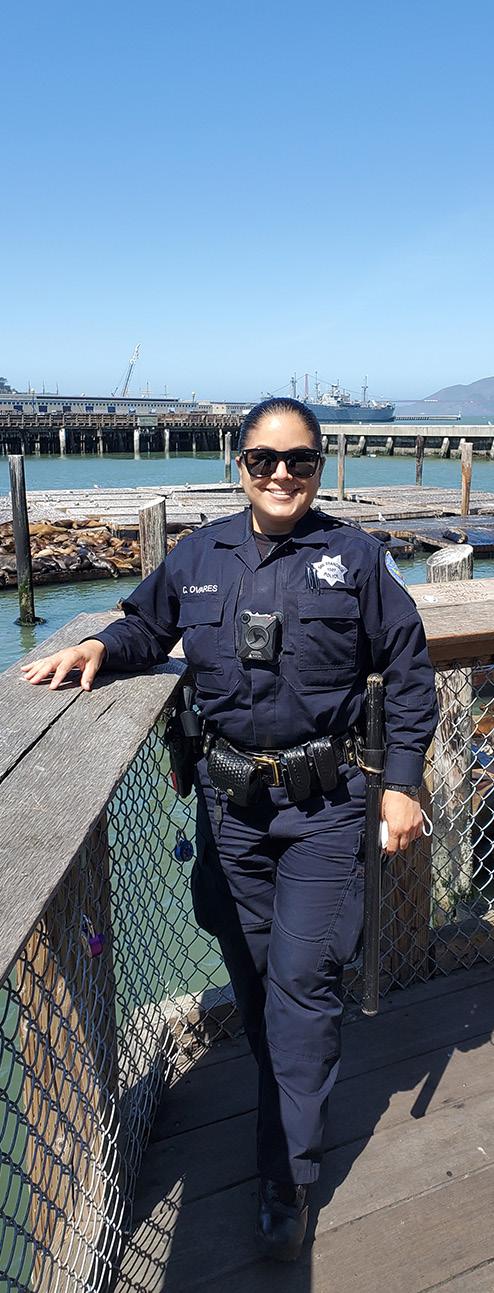
“Being able to talk to people, figure out what they are going through, and what they need is a huge portion of the job. I enjoy interacting with the public, and engaging in what I call verbal judo.”
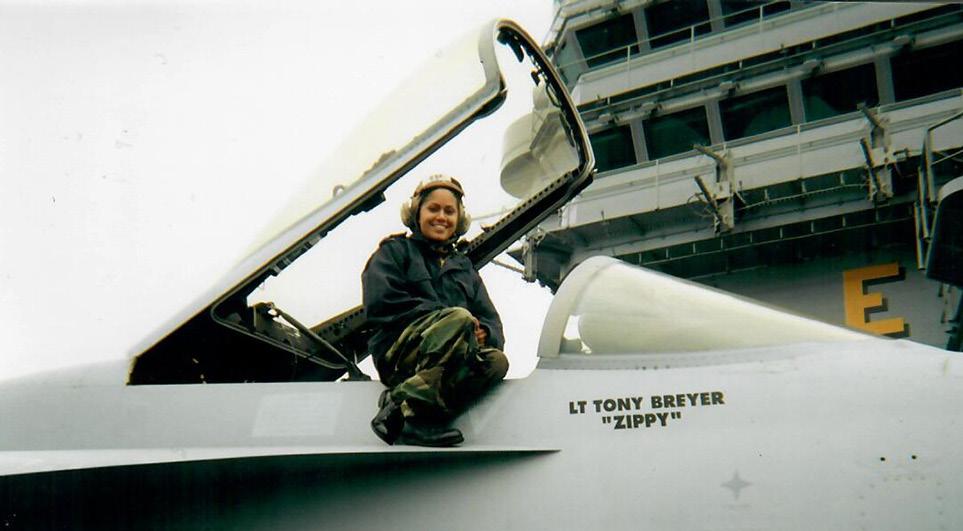
Officer Ovares was accepted to the San Francisco Police Academy and has been an officer for the last three years. She is a foot patrol officer working in the Tenderloin District – a 50-block area that has a storied history, and has been known for homelessness, drugs, and crime.
“Being able to talk to people, figure out what they are going through, and what they need is a huge portion of the job. I enjoy interacting with the public, and engaging in what I call verbal judo,” said Officer Ovares.
For Officer Ovares, the parallels between serving in the military and serving in law enforcement made the transition go smoothly:
• Routine – You know what to expect before your shift begins (what time to report, what uniform to wear, the structure of the day).
• Camaraderie – The bond between fellow officers is like the bond between your fellow military brothers and sisters.
• Variety – Every day is different with different assignments and duties, so the job is never boring.
• Benefits – Include a competitive salary, paid vacation days, floating holidays, and sick days, healthcare, retirement, and special pay for certain assignments and being bilingual.
As a Latina giving back to her community, she admits that the job comes with highs and lows. Officer Ovares recommends a career in law enforcement for those military members looking to make a smooth transition to a new chapter.
To learn more about the San Francisco Police Department, or to connect with recruiter, go to: www.sanfranciscopolice.org/your-sfpd/careers
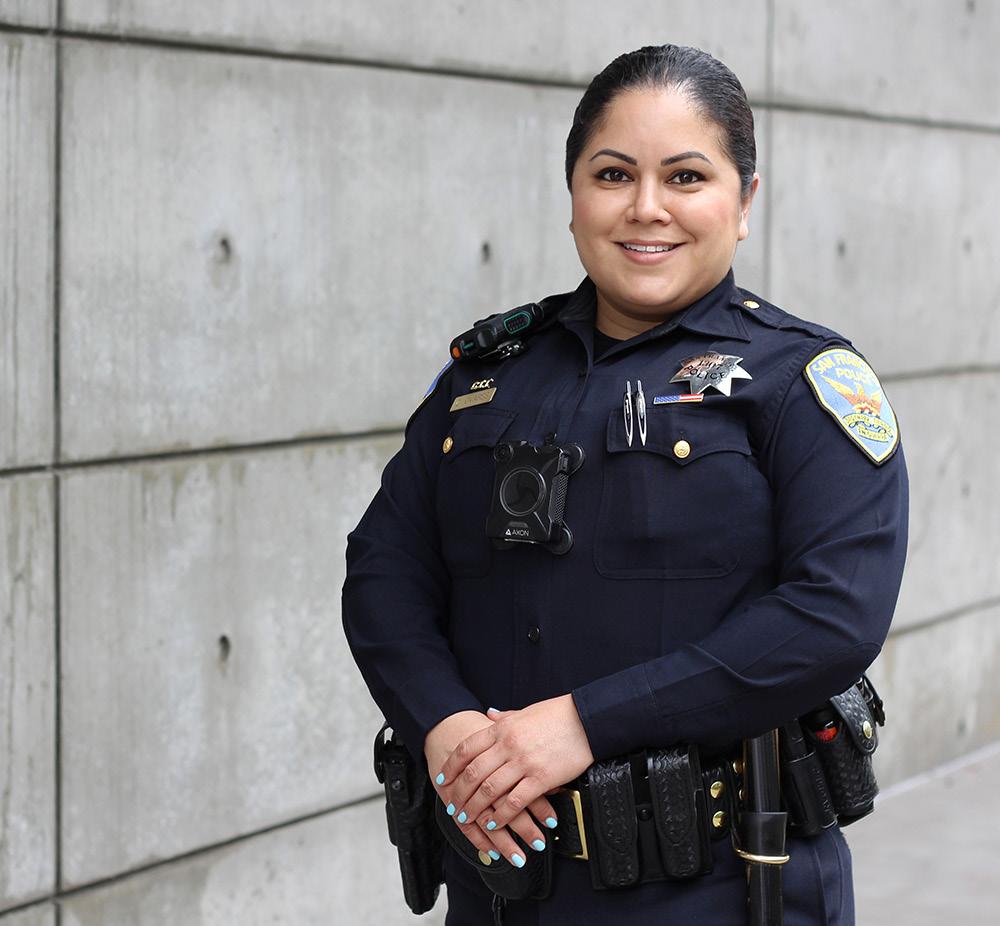

By Amber Robinbson Homeland Magazine / San Diego Veterans Magazine
When I asked to go on a ride along with the San Diego Police Department, making a special request for any veterans-turned-cops, I expected a really serious, possibly dangerous, afternoon of shadowing our city’s toughest crime fighters.
What I got was an afternoon of heartfelt service to our San Diego community, honorable humility and a lot of respect.
When I asked whether former Marine Sergeant Major, Mark Wright, and his partner, former Marine Staff Sergeant, Sean Bunch, had rank or titles he said their titles were just San Diego police officers. They are relatively new partners, but act like they’ve known each other for years, which is usually the case when you get Marines together.
Wright is a newer addition to the force, coming on board two years ago, with Bunch only having two years left.
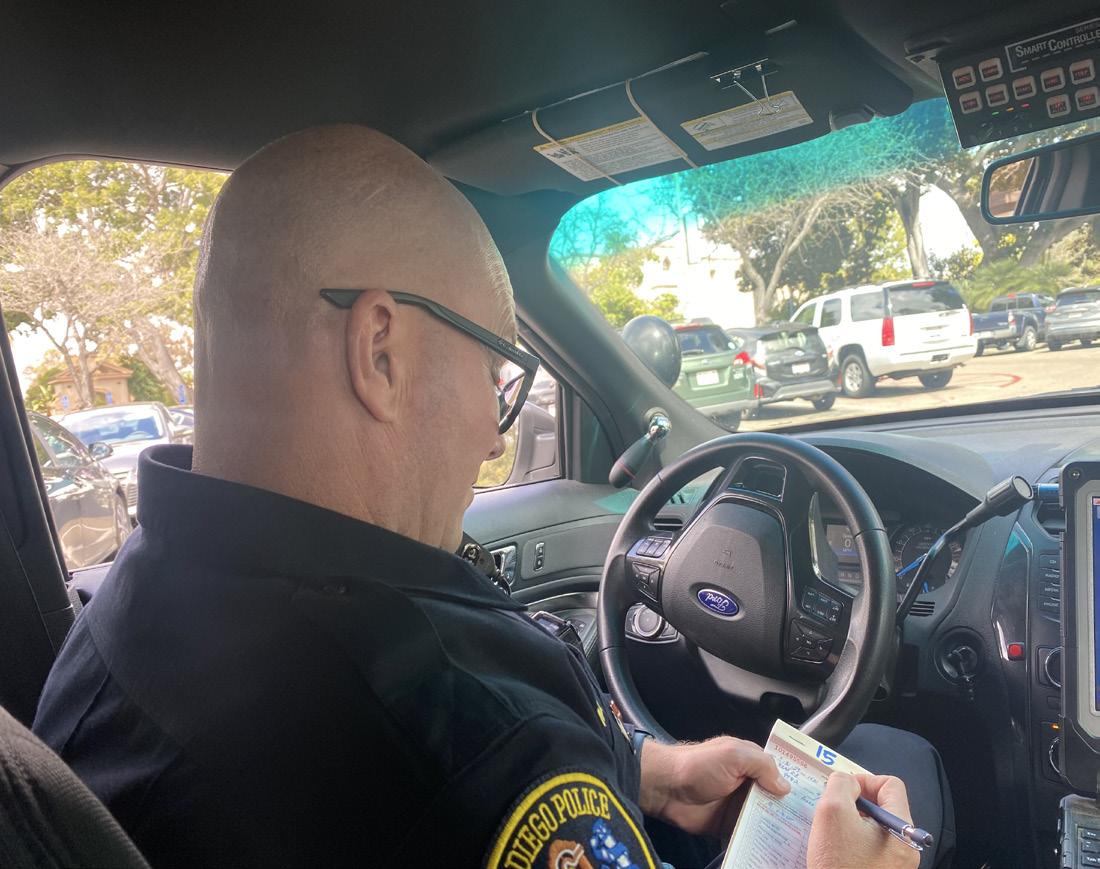
Currently, these brothers-in-arms spend their days patrolling the entirety of Balboa Park.
Although neither men are taking fire or kicking in the enemy’s door on this beat, like during their time in Iraq or Afghanistan, they still work hard to serve their local community. Service which can range from tracking down criminals to answering questions from lost pedestrians, to giving out stickers to kids and never backing down from a chance to turn on those flashing red and blues just to make one of them smile.
Most of our particular day was cruising around beautiful Balboa Park running car tags to see if they were current, from cars not displaying proper plates and placards to those double parked. Bunch says they often catch parole violators or even stolen cars doing just this. I was struck as I watched both officers go out of their way to look in and around vehicles to find plates or disability placards not displayed correctly so as to avoid issuing superfluous tickets.
“We try to give everyone the benefit of the doubt,” said Wright. “We’re not out to get anybody.”
Although, both officers confirm that enforcing even the most basic of park rules can yield large payoffs. During a recent patrol Bunch spotted an individual smoking in the park, which is illegal. As he circled back round, the individual turned and rapidly tried to walk away, which activated immediate suspicion. He was detained and came back with a warrant for numerous kidnapping and child molestation charges.
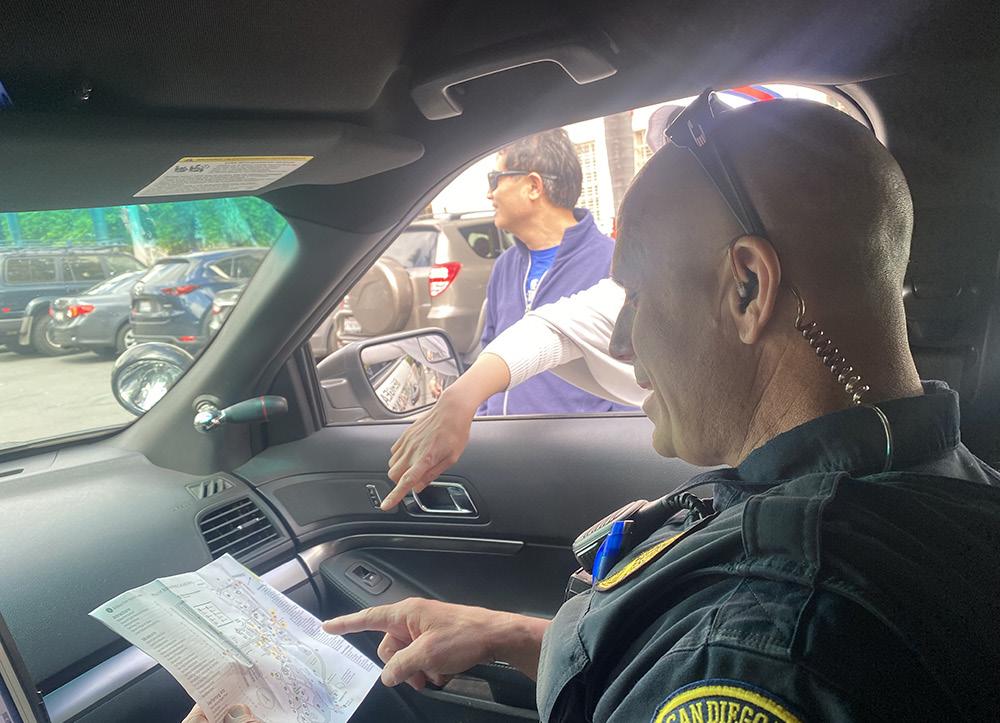
Both men say a lot of what they do is talk with museum owners and those living in the neighborhoods surrounding the park about their concerns. A shared concern by all is the park’s homeless population.
Bunch says their posture towards the homeless is mostly that of assistance, adding there are many resources available for those who would take them.
The city spends a lot of money on resources,” said Bunch. “The biggest problem we run into is whether or not the [homeless] people want them, and a lot of them don’t.”
Thus, the men tend to run into the same issues with the same people pretty often. Although frustrating, they have learned that respect goes a long way when challenged with these repeat offenders. Bunch recalls spotting one such offender in the park, who was in violation of his parole and wanted on warrant. He was unable to get to the offender immediately, but still apprehended him with a verbal request. The parolee waited patiently to be hand-cuffed and arrested, simply out of the respect he held for the law man.
“Being respectful of everyone despite their lot in life goes a long way in this job,” said Wright.
Both men say a huge part of their work is being able to connect and communicate with the myriad of people they meet daily.
Bunch says he feels he and Wright are lucky to come to the force later in life, given it means they have a wider frame of reference for those they meet and serve daily. “We deal with people who are going through all kinds of things in life,” said Bunch. “And it’s helpful to be able to say, ‘hey I know what you are going through, I’ve been there.”
As the day progressed, I realized that both gentlemen definitely had a long list of tough and unique life experiences to pull from. Both proudly served the United States Marines for years, traveling to war and all over the world, experiences that yield much wisdom as well as many a story.
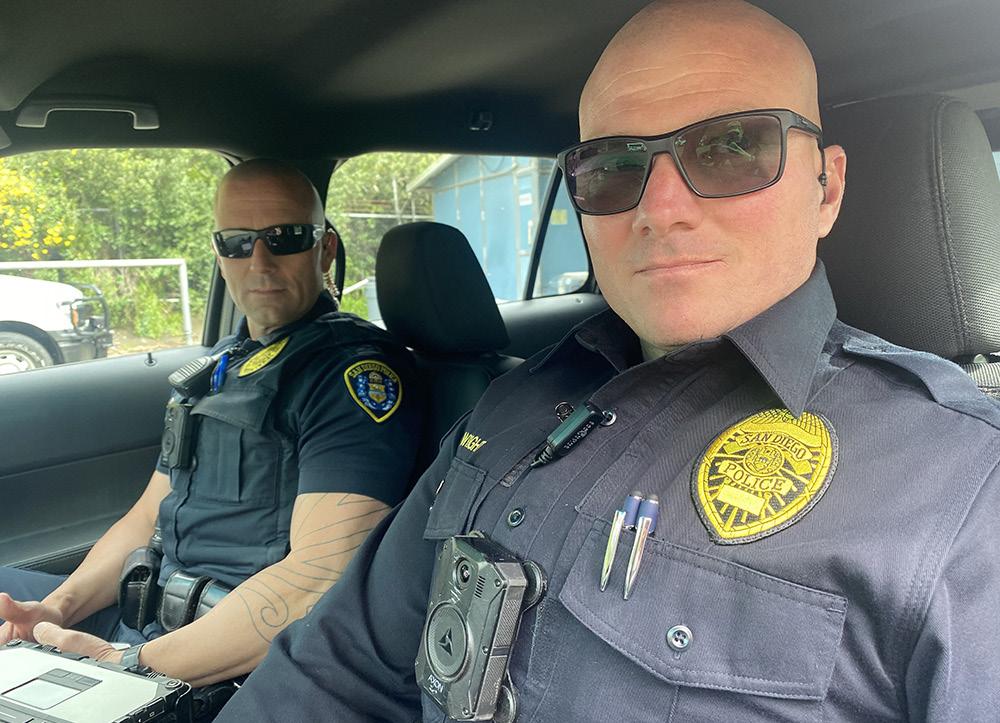
Bunch, for instance, did not come to the force straight from the Marines, but from Hollywood. Surprisingly, he is a member of the Screen Actors Guild, working as a military advisor on various productions, like Lonestar 911, and appearing in some as well, such as one of the most recent Men in Black movies.
“I grew up outside of LA,” said Bunch. “So, I’ve always just kind of been around the business and found a place for myself there with all my military experience.”
Bunch hopes to return to work in Hollywood after he leaves the force, bringing with him a new level of experience and respect.
Wright, who retired from the Marines as a Sergeant Major never worked in Hollywood, but he does have plenty of stories about being a proud grandfather, father and new amputee. When I entered the Central Division Station and met him, he said he was just getting back to work after some time off after losing his leg.
Wright remained unscathed during his over-20-years in service, overseas deployments and endless combat train ups. It wasn’t until after service that he lost his leg in a motorcycle accident late one foggy night a little over a year ago. Wright says it had been an eventful second watch and he was leaving the station about 2 AM on his motorcycle when it happened.
“It was only about two minutes from work,” said Wright. “I was coming around a curve and entered into what I thought was fog, and as I’m entering, I see a headlight and side mirror in my lane.”
That headlight and mirror became an entire car that was blocking Wright’s entire side of the road.
“I was a heuy crew chief in the Marines and reverted to my training from that, grabbed my shoulders, braced for impact and went flying like a human lawn dart over my handlebars,” said Wright.
Wright landed in the ditch on the side of the road. He says he realized immediately that he had a back and leg issue. He learned that a bystander had called 911, but he requested they call back and state that the injured motorcycle rider was a policeman with the San Diego Police Department and expedite services. This one request would become pivotal in saving Wright’s life.
Continued on next page >
“What I didn’t know at that time was that I had severed two arteries in my leg, and I was bleeding out,” said Wright.
What Wright would learn later is his heel had also been torn off on the wrecked car as he sailed past it into the ditch. After much pain and many surgeries, Wright would finally lose his leg from the knee down. says he doesn’t let it get him down, though. He’s proud to continue to serve as one of our city’s finest.
Both he and Bunch take much pride in their time as Marines and as San Diego Police Officers. Each officer comes from strong military stock, with Wright’s grandfather being a World War II veteran and Prisoner of War and Bunch’s father a decorated veteran of Vietnam.
All in all, this Army vet’s afternoon with two Marines was an impressive one. Both seasoned public servants, these honorable men have discovered you must give respect to get it, that violence is often not the answer and the most important thing to keep in mind along the way, is a good, human dose of empathy.
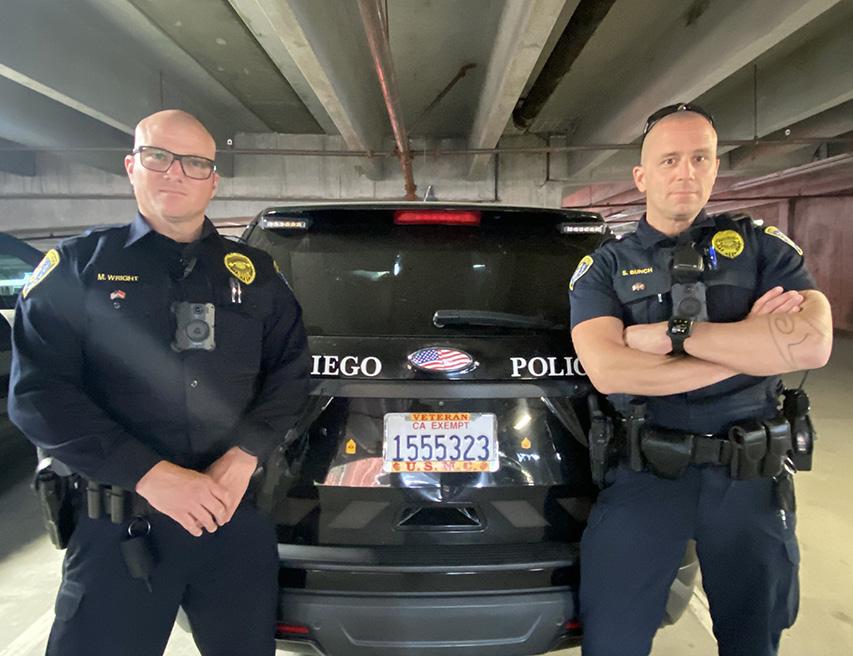
For more information visit www.joinSDPDnow.com or email us at SDPDrecruiting@pd.sandiego.gov

Empowering soldiers with the mental health skills and tools to reinforce suicide protection