MILITARY VETERANS IN
CAREERS-EDUCATION
Resources & Strategies
Working-Service Dogs
CAREERS-EDUCATION
Resources & Strategies
Working-Service Dogs
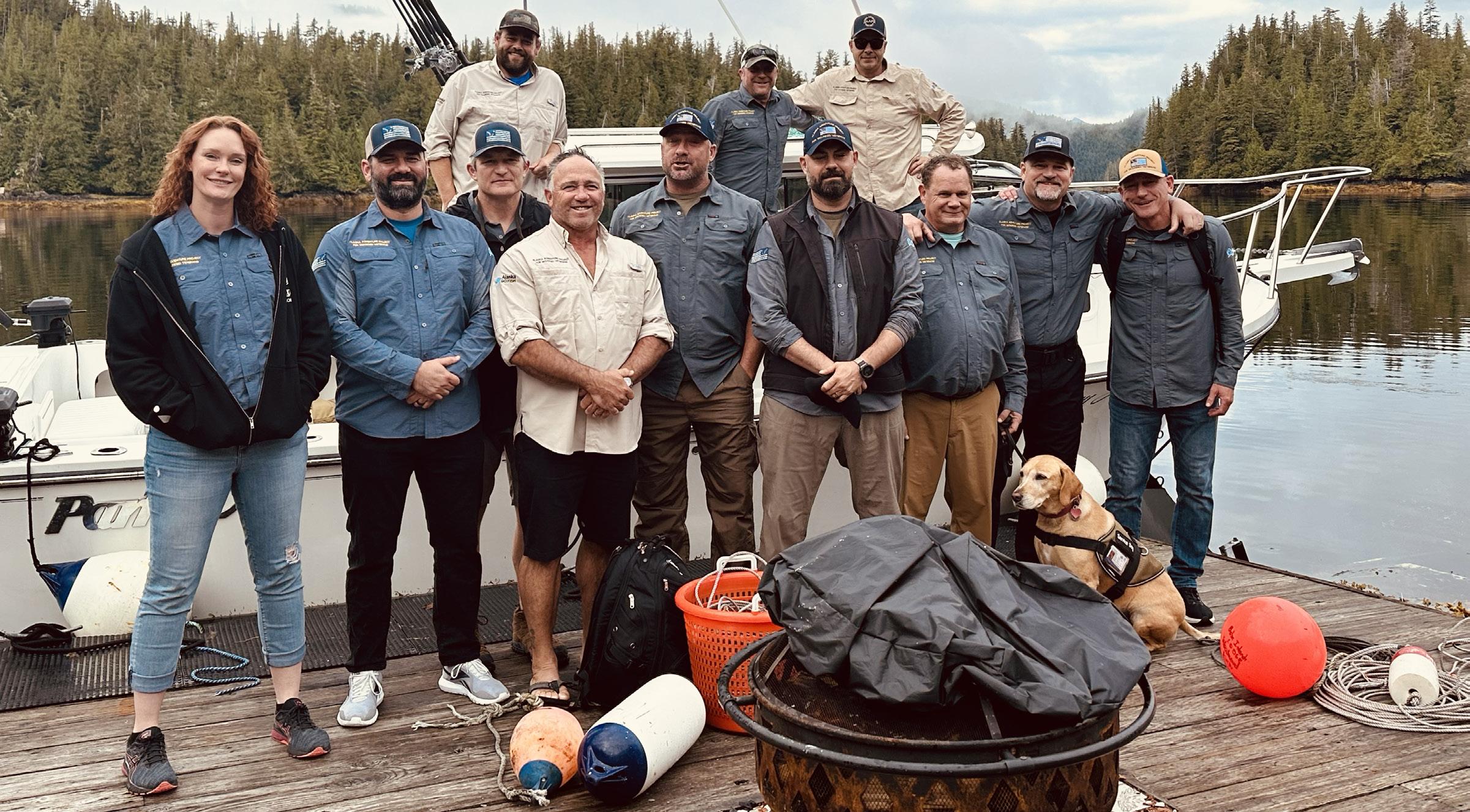
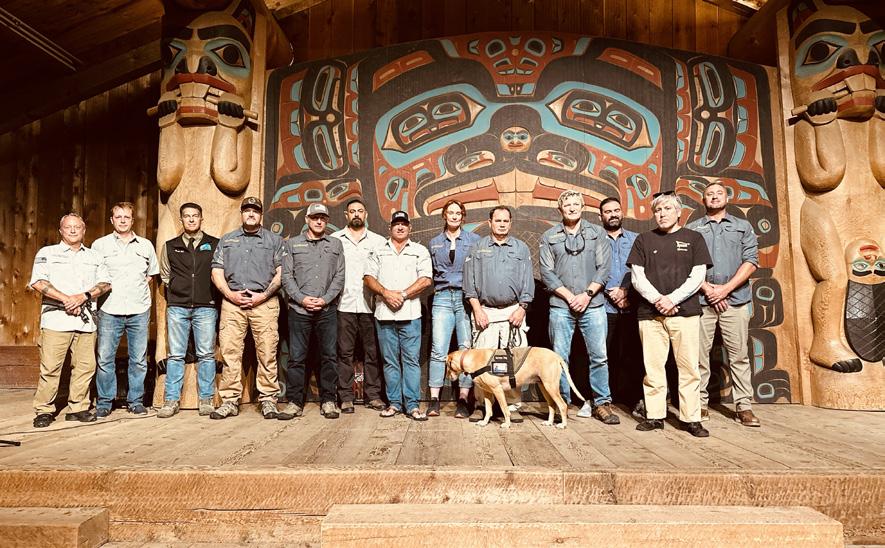
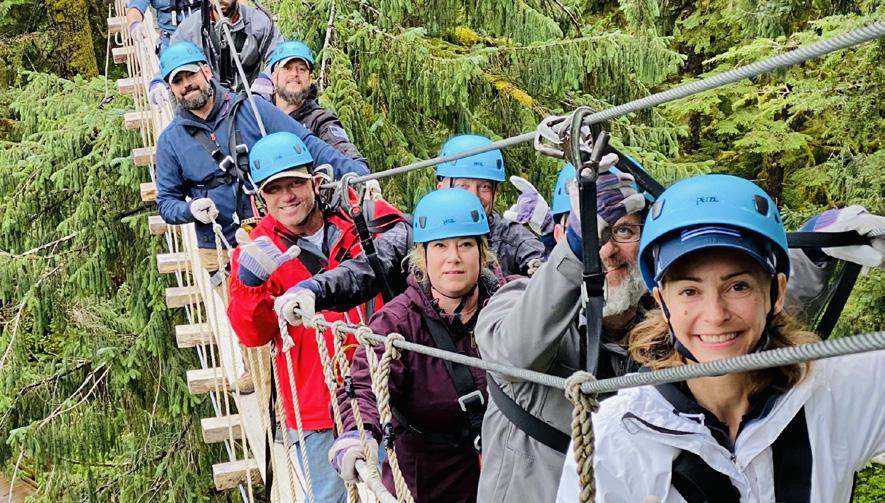
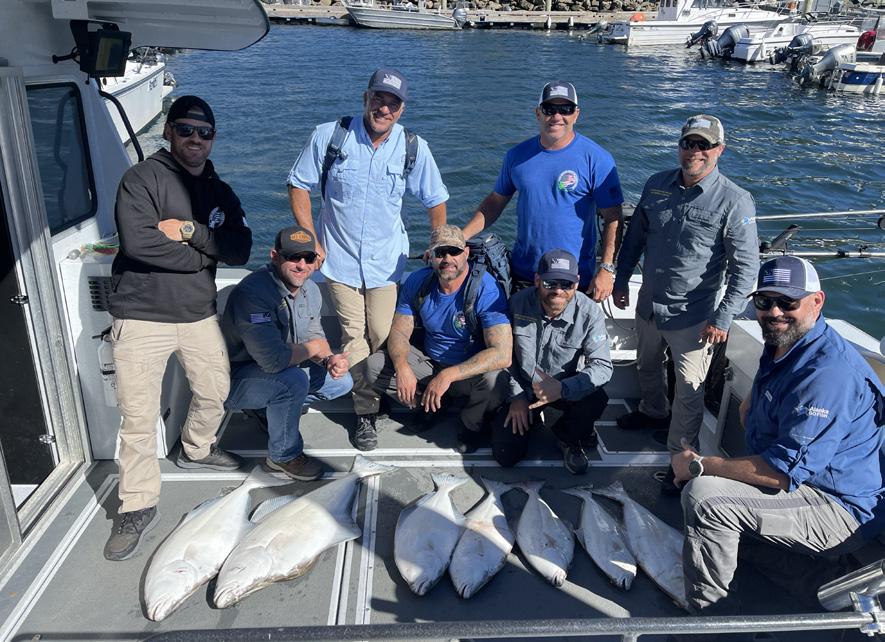
Be a part of a Hero’s Journey! We provide therapeutic support to veterans and their families through outdoor adventures in the rugged beauty of Alaska.
About Alaska Adventure Project:
Founded in 2017 by U.S. Marine Combat Veteran and Native Alaskan William Boulton. Alaska Adventure Project (AAP) is a 501c3 non-profit dedicated to supporting military veterans and their families.
Our Adventure program entails:
• Therapeutic support for veterans and their families suffering with PTSD and TBI.
• Veterans helping veterans through shared experiences.
• Outdoor activities provide atmosphere’s of reflection, discovery, meaning of service, camaraderie,
• New network of resources, a new extended family, connecting veterans with veterans, establish lifelong bonds, and promote healing.






Publisher
Editor-In-Chief
Mike Miller
Monthly Columns
What’s Next Transition
Eve Nasby
Human Resources
Paul Falcone
Franchise Dreams
Doug Dwyer
Successful Transitioning Stories
Homeland is a veteran-focused magazine throughout the country. It serves to assist all veterans, active military as well as their spouses and families.
It’s the leading veterans magazine emphasizing resources, support and focusing on topics and issues facing today’s veteran community. Homeland focuses on resources, support, community, transition, mental health and inspiration for our veterans, & military personnel.
The content is the driving force behind our magazine and the connection it makes with our veterans, service members, military families, and civilians.
The magazine is supported by a distinguishing list of veteran organizations & members, resource centers, coalitions, veteran advocates, and more.
We are honored to share the work of so many committed and thoughtful people.
Despite all the challenges, our team has upheld their focus and let not one opportunity go to provide resources and support to our veterans & military personnel.
On behalf of our team, we wanted to take this moment to say THANK YOU to the readers and the military and veteran community for supporting our magazine. With that support we aim to make a difference and continuing to make a profound impact on the quality of life for our veterans, military personnel and their families.
If you want to catch up on the current and all past issues please visit: www.homelandmagazine.com/archives
Mike Miller
Editor-In-Chief
mikemiller@homelandmagazine.com www.homelandmagazine.com
Dr. Julie Ducharme
Veterans in Business
Barbara Eldridge
Risky Business
Hadley Wood
Real Talk: Mental Health
Hope Phifer
PTSD: Reclaiming Control
Robert ‘Bob’ Cuyler, PhD
Legal Eagle
Kelly Bagla, Esq.
Veterans Chamber Commerce
Joe Molina
Contributing Writers
Wounded Warrior Project
Disabled American Veterans
(In-House) Correspondents
Holly Shaffner
CJ Machado
Lori Noonan
Homeland Magazine 9528 Miramar Road, #41 San Diego, CA 92126
(858) 275-4281
mikemiller@homelandmagazine.com
Homeland

An enemy attack ended her military career 22 years ago, but this combat-wounded veteran wasn’t done serving
By Elizabeth DePompei
For Latoya Lucas, becoming a veterans advocate started from her hospital bed at what is now Walter Reed National Military Medical Center.
Lucas remembers waking from a deep, medicated sleep and seeing a card left by her bed. The card was from DAV
“Just so I knew that they were there,” she said.
As someone whose life had just been forever changed by war, Lucas knew how a small gesture could be deeply meaningful. Soon, her husband was pushing her in a wheelchair, going room to room visiting other wounded service members and trying to lift their spirits.
“I couldn’t serve in uniform anymore, but I knew I wanted to continue to serve in another way,” she said.
It’s a goal Lucas has since far surpassed.
“Latoya has been a staunch advocate for ill and injured veterans and has been an incredible inspiration to so many women veterans,” said DAV National Legislative Director Joy Ilem. “I could not be prouder of her—for all her years of serving her fellow veterans and for her personal
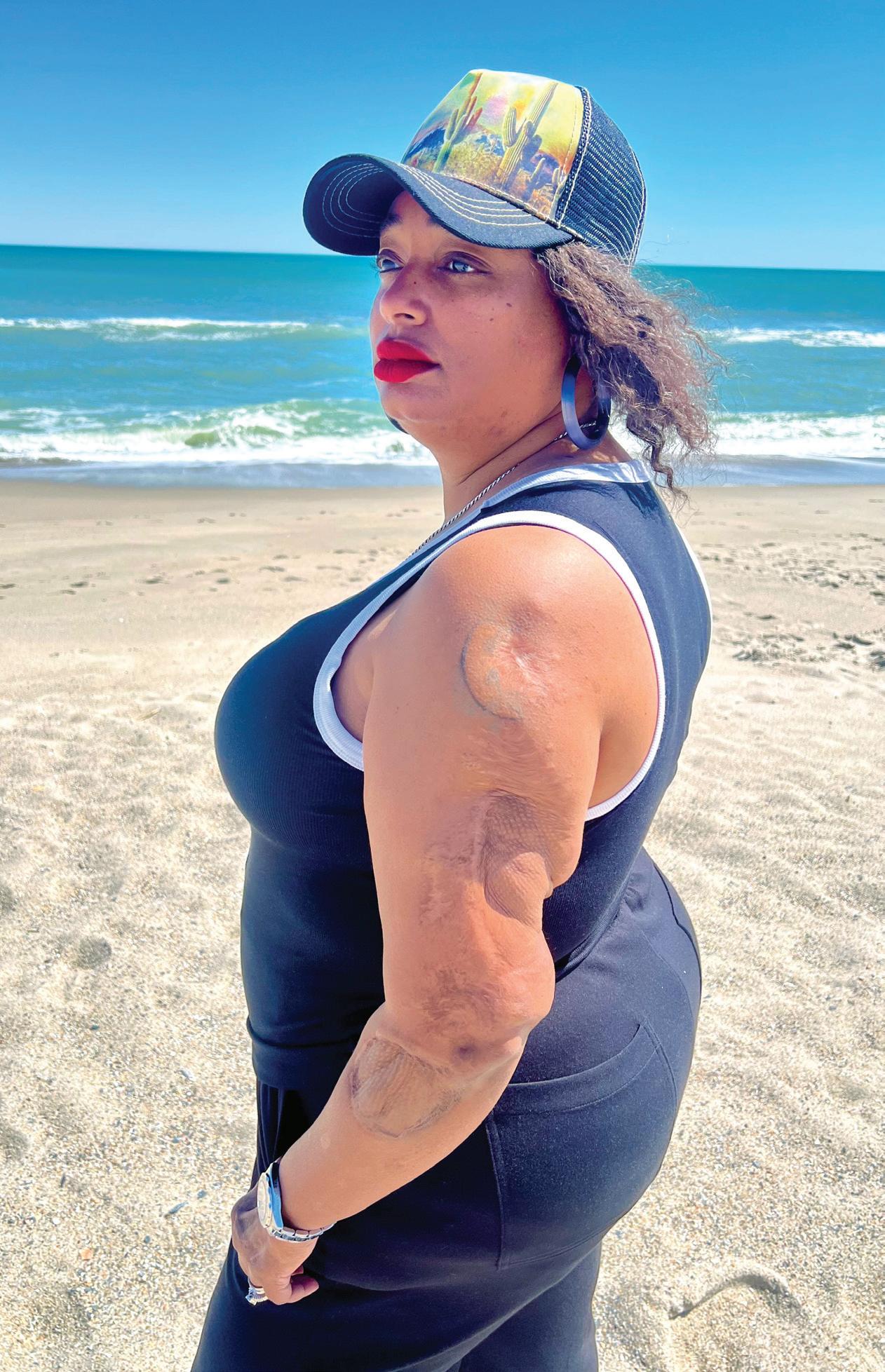
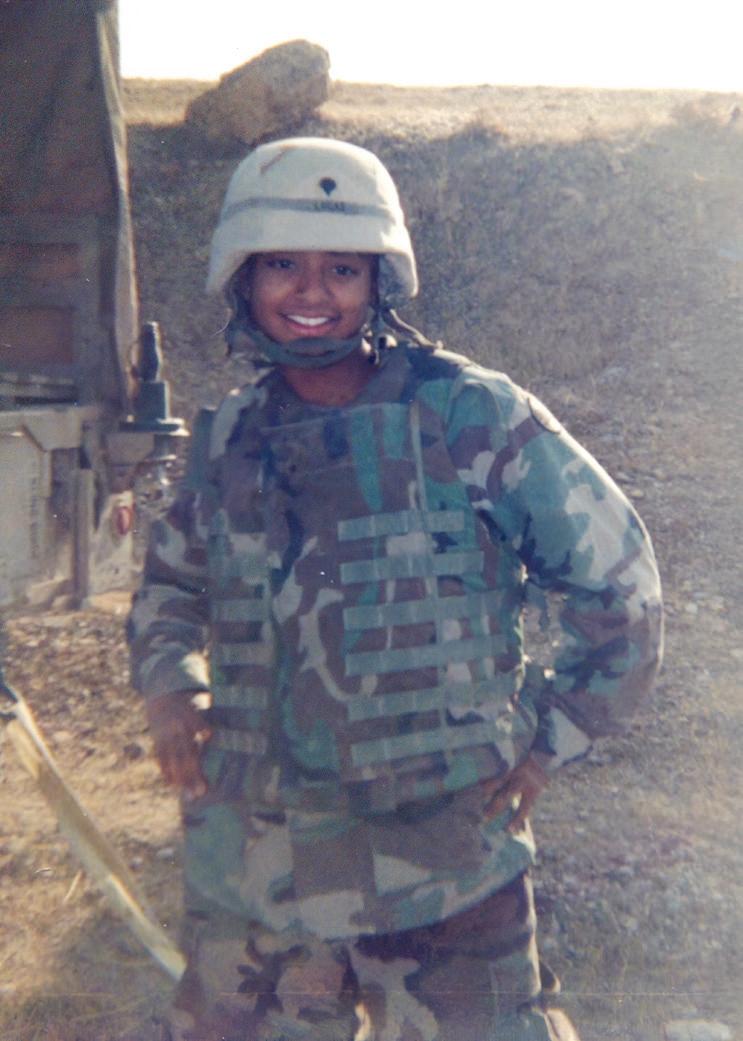
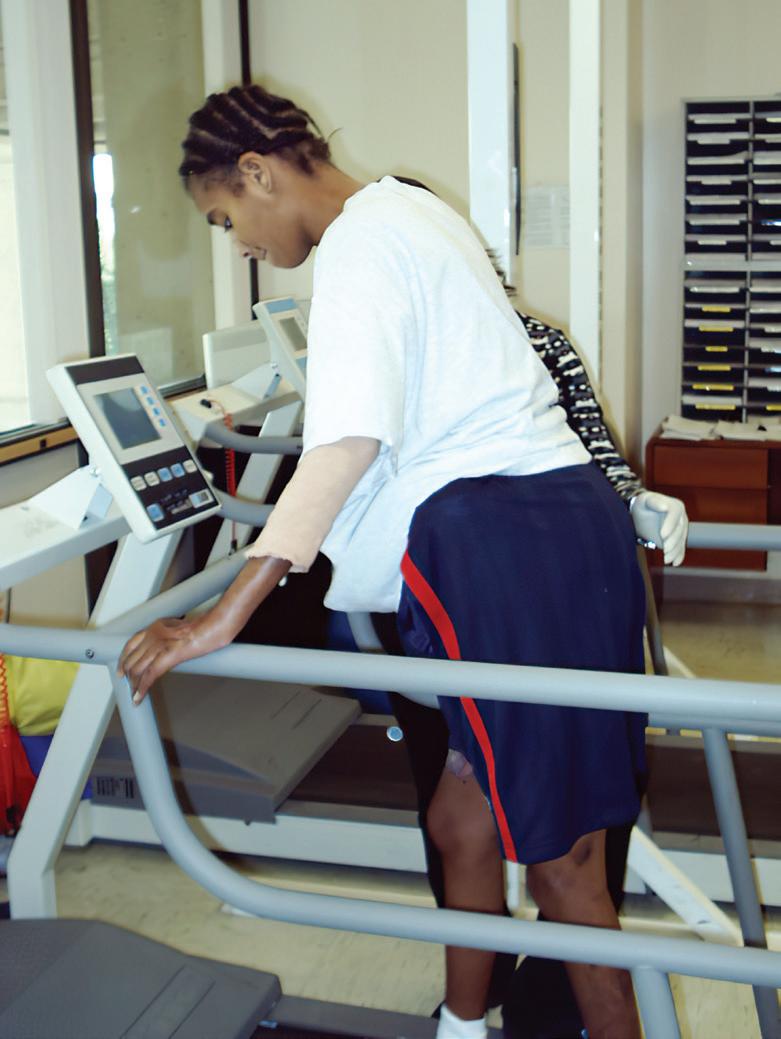
Combat-wounded Army veteran Latoya Lucas used to worry about people seeing the burns and scars of war that cover her body. But now, she’s proud of the sacrifice and resilience they represent. “It’s a liberated feeling, where you can just go out and just be yourself,” she said.
growth and tenacity to never let her injuries define her or hold her back from living a full and meaningful life.”
Lucas joined the Army in 1999 and became a heavy construction equipment mechanic. By the time she deployed to Kuwait in April 2003 at the start of the Iraq War, she was married and had a 2-year-old daughter.
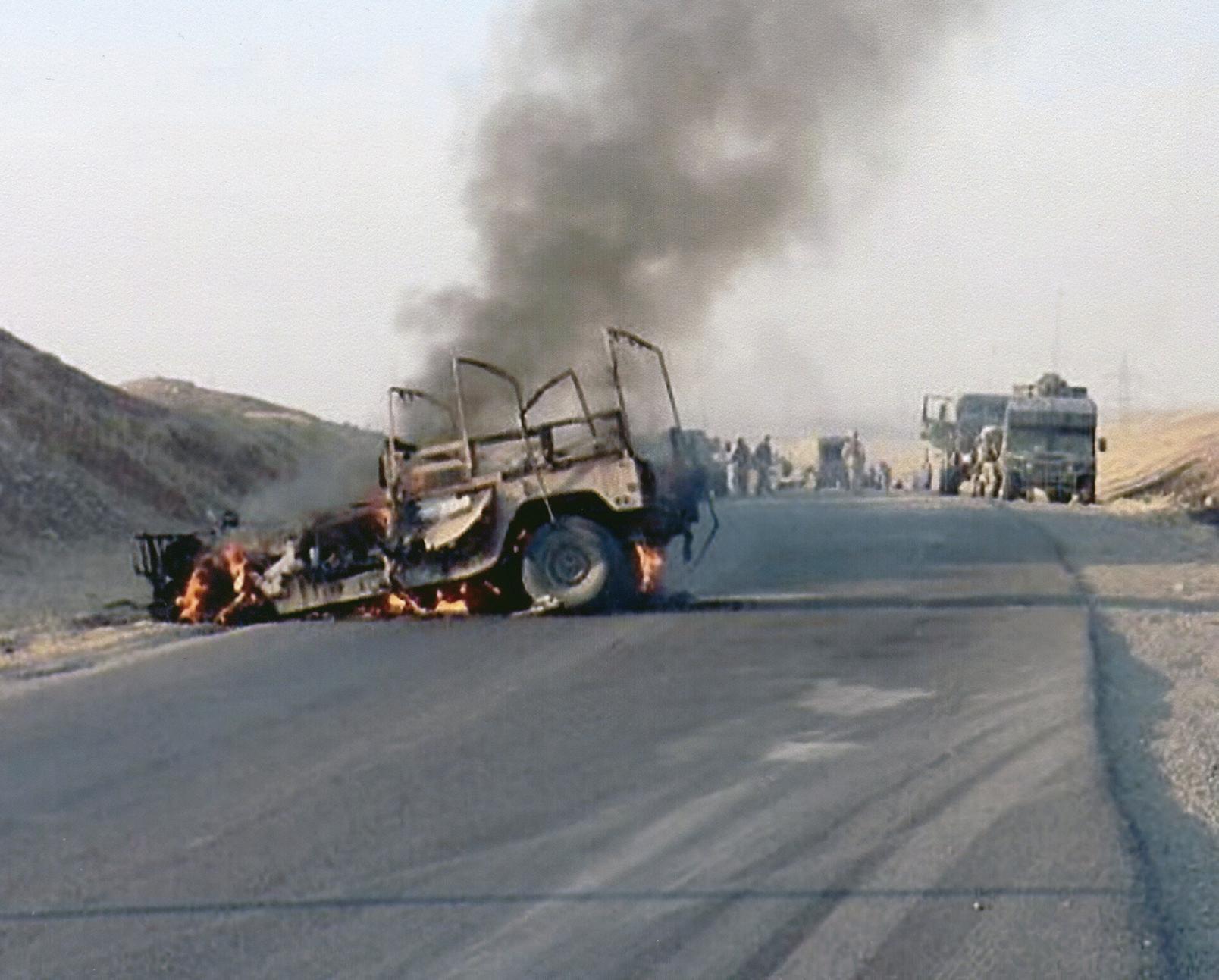
As Lucas’ unit made the more than 650-mile haul from Kuwait to Mosul, in northern Iraq, Lucas was on high alert. Through intense heat and sandstorms, her convoy drove past burned-out American military vehicles.
She thought of Shoshana Johnson, one of seven soldiers ambushed and captured by enemy forces on a similar
journey just weeks before. Eleven other soldiers had been killed.
Then, on July 21, 2003, three months into her deployment, Lucas came face-to-face with the perils of war. Before daybreak, Lucas was in a two-Humvee convoy and headed down the dark, desolate road they so often traveled. She remembers seeing the first rocket-propelled grenade (RPG) narrowly miss the lead vehicle and hit the front of hers. A second RPG hit directly under her seat, ejecting her from the Humvee. As Lucas woke on the ground bleeding, she heard enemy gunfire. Then she saw her Humvee start rolling down the hill toward her.
“And then my sergeant sat on the back tire to prevent it from really crushing me,” Lucas said.
The left side of her body was severely burned. Her pelvis was broken. Flesh from her thigh and arm had been blown off. What followed were multiple surgeries, painful skin grafts and five months of inpatient care at Walter Reed.
Lucas was left with the scars of war and the invisible battle with post-traumatic stress. Twenty-two years later, she still struggles with that trauma, along with pain, limited mobility and cognitive issues. The anniversary of that day is one of reflection, but there isn’t a day that goes by that Lucas doesn’t think about what happened in Iraq.
And yet, the feeling that overwhelms her most is gratitude. She thinks about how, if she had died that day on the road in Iraq, her 2-year-old daughter would have been left without a mother and her husband without his life partner. Instead, she survived, watched her daughter grow into an accomplished woman and celebrated her 25th wedding anniversary in 2024.
“I just feel so blessed … that, you know, God has allowed me since that time to see so much,” Lucas said. “I feel like I’m here for a reason, and over the past 20 [plus] years, I’ve just been trying to chase that purpose.”
Lucas has publicly shared her story countless
times, including through DAV’s national public service announcement campaign, “Victories for Veterans.” She also represented DAV as a member of the Department of Veterans Affairs Advisory Committee on Women Veterans.
“To be on that board and represent the combat-wounded female veteran community, it was important,” Lucas said.
Today, her advocacy is focused on securing the passage of the Major Richard Star Act, which would allow combatdisabled retirees with fewer than 20 years of service—like Lucas—to collect retirement pay, without reduction, along with VA disability compensation.
“I had aspirations of being a career soldier,” Lucas said. “That was cut short because I was serving my country.”
Lucas said the inability to receive disability and retirement pay concurrently is one “injustice that really needs to be corrected” for herself and so many others like her.
Advocating for the bill’s passage is just one more opportunity for Lucas to continue her service to veterans, a mission that began in the aftermath of July 21, 2003.
“It’s just been a remarkable journey,” she said. n
By Cynthia Weiss, Wounded Warrior Project
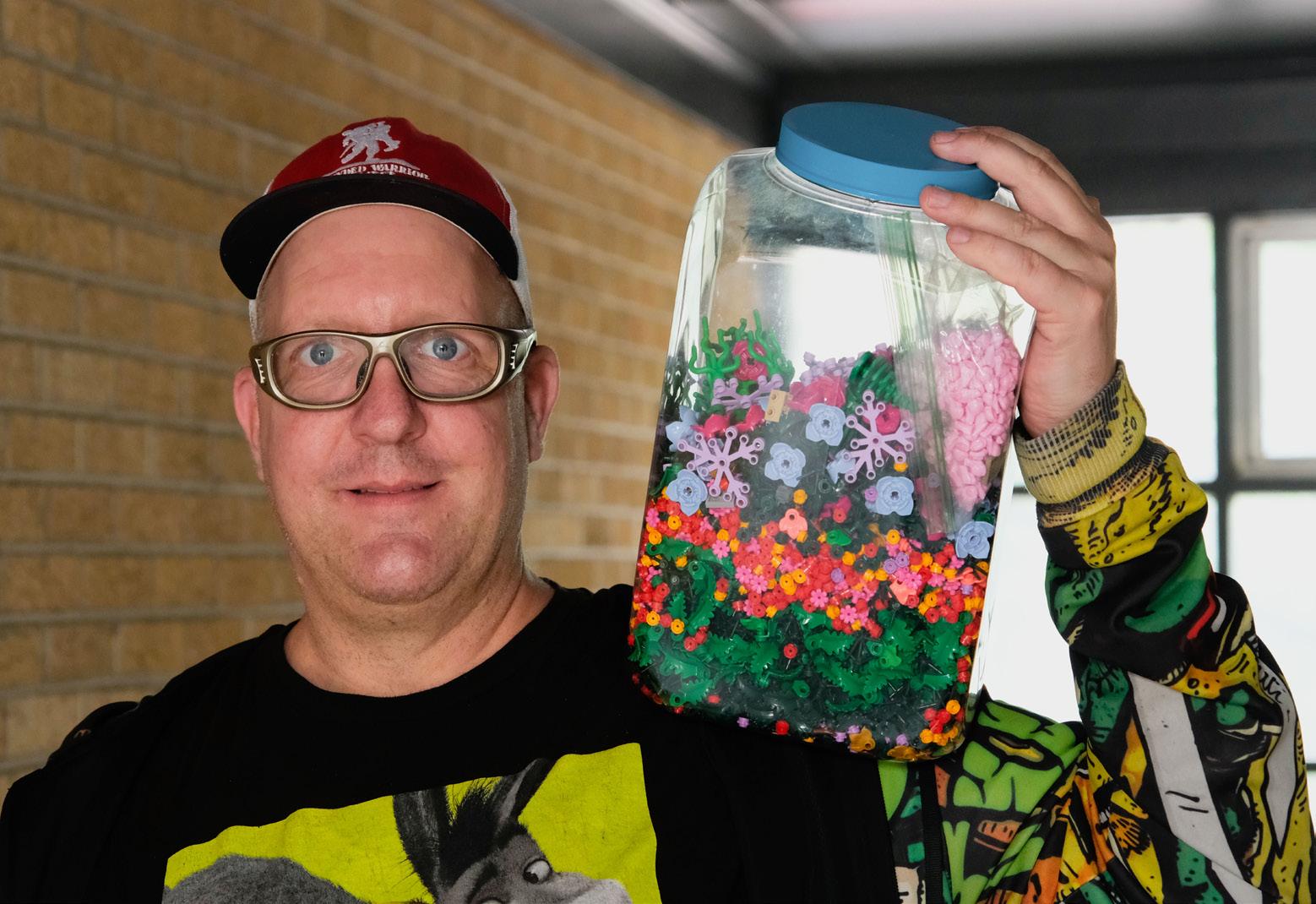
For years, Jonathan “J” Dagen found life anything but joyful. An Army veteran who survived combat, homelessness, and years of emotional pain, J struggled daily trying to find peace. He never imagined a friendly voice on the phone and a pre-packaged LEGO® kit would lead him out of the darkness.
During one deployment, J and his unit befriended a group of local Iraqi children. “The kids had a ball, so we’d play soccer with them. There was one young girl … she would always come over and I’d give her treats. I was always smiling with the kid.”
He didn’t know her name, so he lovingly called her “crumb snatcher.”
But they did.
As J clicked each piece of colorful plastic into place, he found something unexpected: a reason to keep going.
J’s journey proves that sometimes what you need to thrive is some faith, a friendly voice, and a bit of creativity.
J joined the Army at age 19, excited about the future. A few years later, after 9/11, he deployed to support Operation Enduring Freedom and Operation Iraqi Freedom, where he focused on recovering and salvaging equipment and parts. While his position didn’t directly involve combat, he was very close to the impacts of war.
“I didn’t know what to expect when I got over there. I only knew what the movies showed. But there’s nothing cinematic about it,” said J, who relied on humor with his unit to cope. “We needed some levity with the things we saw.”
One day, shots rang out and mortar rounds hit their location. J hit the ground without thinking – his training kicking in immediately.
When the dust cleared, he found the little girl had died in the blast.
More than 20 years later, J still clearly recalls his thoughts as he covered her with a poncho. “When I got up from the ground, and I saw they had hit her, I cried. I had no power. I couldn’t do anything to stop it,” he said.
J recalls a deep sense of guilt. But he pushed his feelings down, telling himself to get through and get home to his soon-to-be wife Miriam.
When he returned to the States, J was excited for the future. “Miriam and I were getting married, and I was excited to go to college and get a good job,” he said.
But memories of the little girl in Iraq haunted him day and night.
“I’d see visions of her everywhere, not just in my dreams,” said J, who often awoke screaming from nightmares.
J dismissed his wife whenever she tried to talk to him about his experiences. “I was embarrassed to talk about things even though I knew something was wrong.”
For years, J struggled to cope with the trauma he’d experienced. He connected with a few local veteran programs and tried counseling, but nothing seemed to work long-term. As he lost multiple jobs, J’s self-esteem plummeted. “I felt like a failure,” he said.
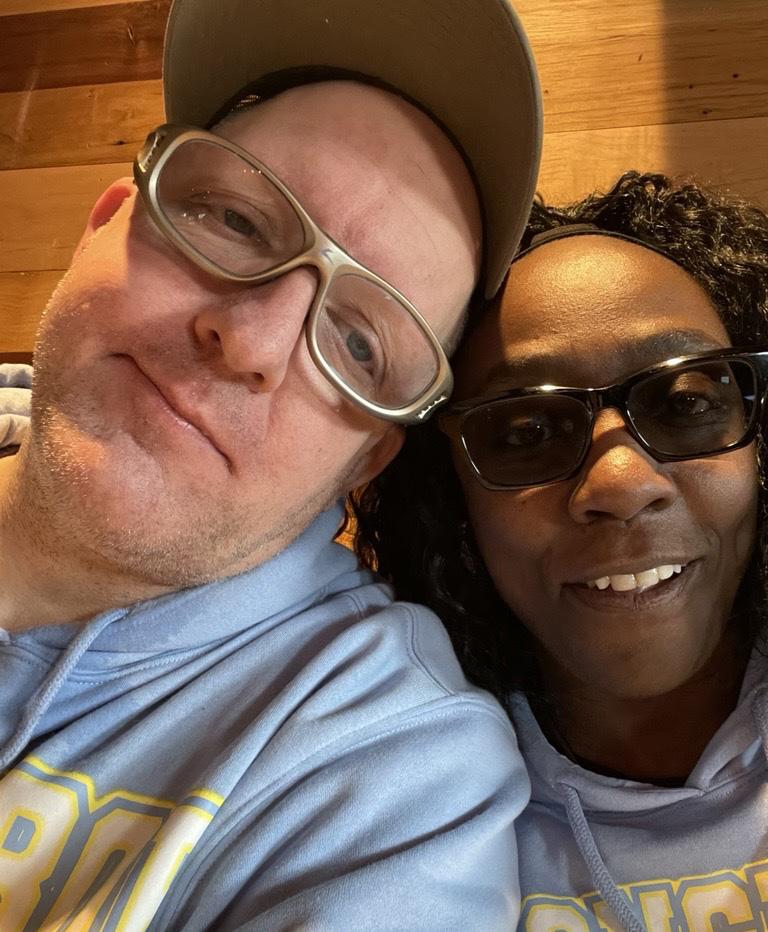
Over time, the shame grew heavier. He pushed Miriam away. Depression led to thoughts of suicide.
‘Someone Heard Me’
J describes that period of his life as a series of bad choices; however, he vividly recalls the night everything changed.
“I remember having this ominous feeling... I didn’t know I was capable of hurting myself, but I didn’t want to be here anymore.”
Then he remembered a card in his wallet – it was for Wounded Warrior Project® (WWP). He dialed the number.
“I’m on the side of the road and I need help,” he recalled telling Angelic Johnson, the WWP Resource Center representative who answered J’s call that night.
She comforted him and arranged for him to stay in a nearby hotel that night. This began a new chapter for J.
“Someone heard me. They listened,” he said.
Sharing Leads to Understanding
WWP helped J identify support, and in May 2023, he courageously registered for WWP Talk, which opened
the door to healing with guidance and emotional support via a weekly phone call.
Though nervous about sharing details of the past, J recalls the voice on the other end of the phone being bright and nonjudgmental. “She listened to me. She asked me questions and helped me see that I could grow, that I had potential,” said J.
During weekly calls, J began to explore new ways to cope with stress and symptoms of post-traumatic stress disorder (PTSD).
He started journaling, writing about the hard days and the victories. Through his journal, J gained clarity.
“I learned I wasn’t a coward. I was human,” he said.
Over time, J’s confidence grew. “WWP Talk was the best thing. It inspired every other journey and me to push my boundaries a little at a time.”
In late June 2023, J participated in a Project Odyssey retreat, a week-long program that relies on outdoor adventures to strengthen coping skills and build resilience. He recalls a pivotal moment when he was asked to reassemble a broken cup.
As he put the shattered pieces back together, he realized, “That cup was my life. It wasn’t perfect, but it held together. That resonated.”
During this time, Miriam gifted her husband a prepackaged LEGO brick set based on a popular cartoon series. J built it, but it didn’t bring him joy, so he tore it apart and built something new.

Looking at his creation, J realized that the tiny colored bricks were a metaphor for his life.
“Just because something comes with instructions doesn’t mean you have to follow them. You have the power to create something new,” he said.
Soon, the Dagens’ home began to look like a toy store, with piles of small plastic building blocks strewn about. But J didn’t see disarray; he saw endless possibilities.
Play therapy helped him manage his PTSD symptoms. Some days, he would sit for hours, creating, tearing down, and rebuilding. The process was almost meditative.
“It became my channel for stress, because when I’m building, I’m not worried or thinking about other things,” J explained.
As J’s mental resilience improved, he turned his attention to improving his physical health. “I want my physical health to match the life I’m living mentally,” he said.
J began with cycling, joining a Soldier Ride® event. Then he attended a WWP Physical Health and Wellness Expo. Today, he’s lost more than 20 pounds and found more energy.
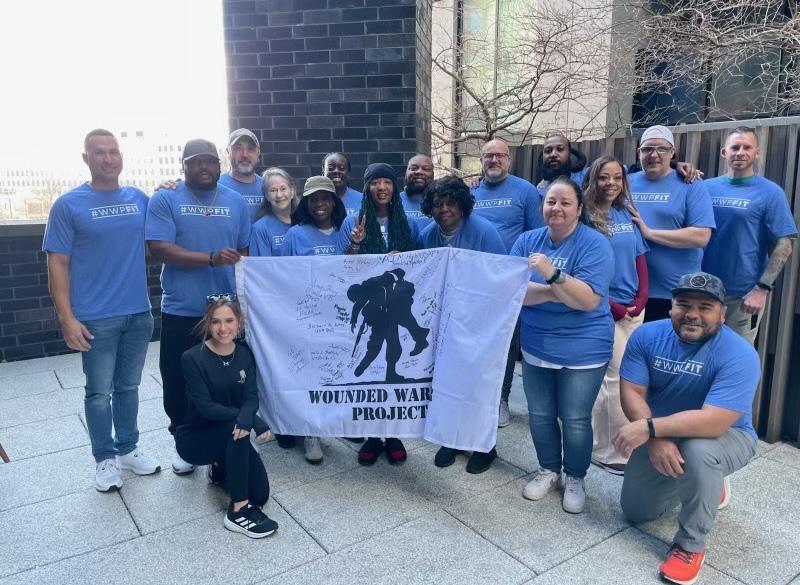
“Wounded Warrior Project is the safest place I’ve been. There are a lot of veterans like me. I know I’m not alone anymore,” J said.
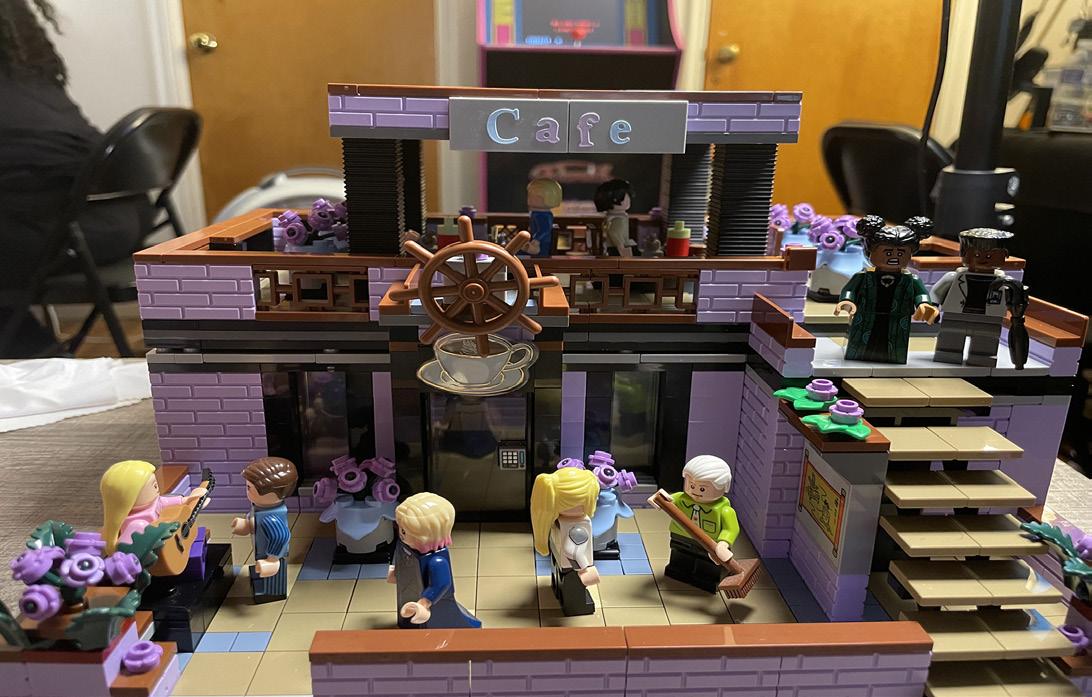
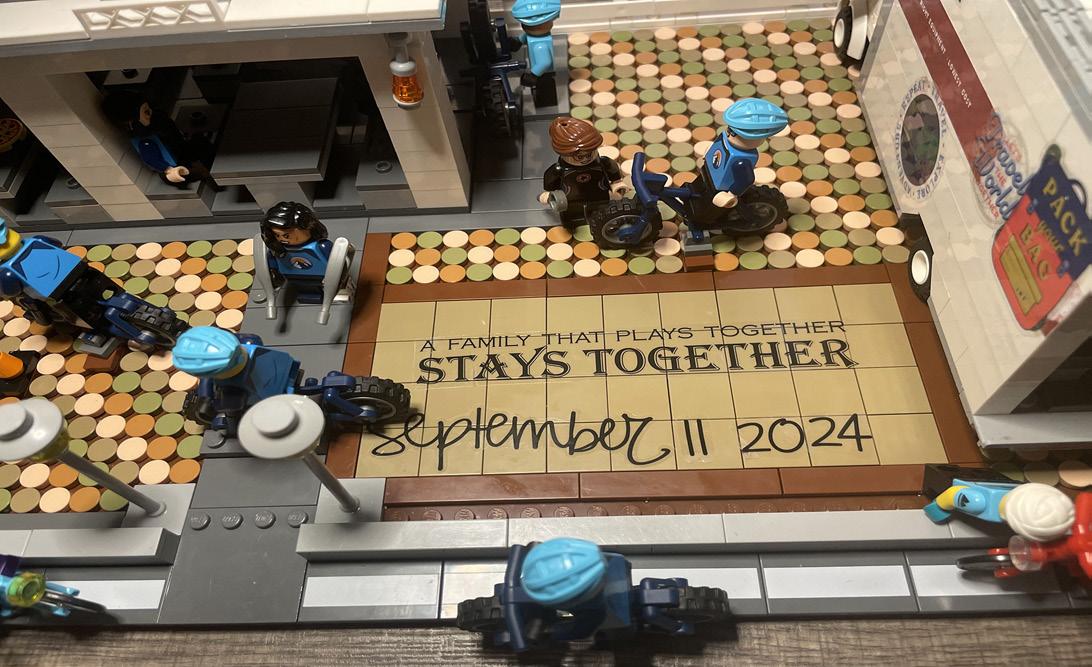
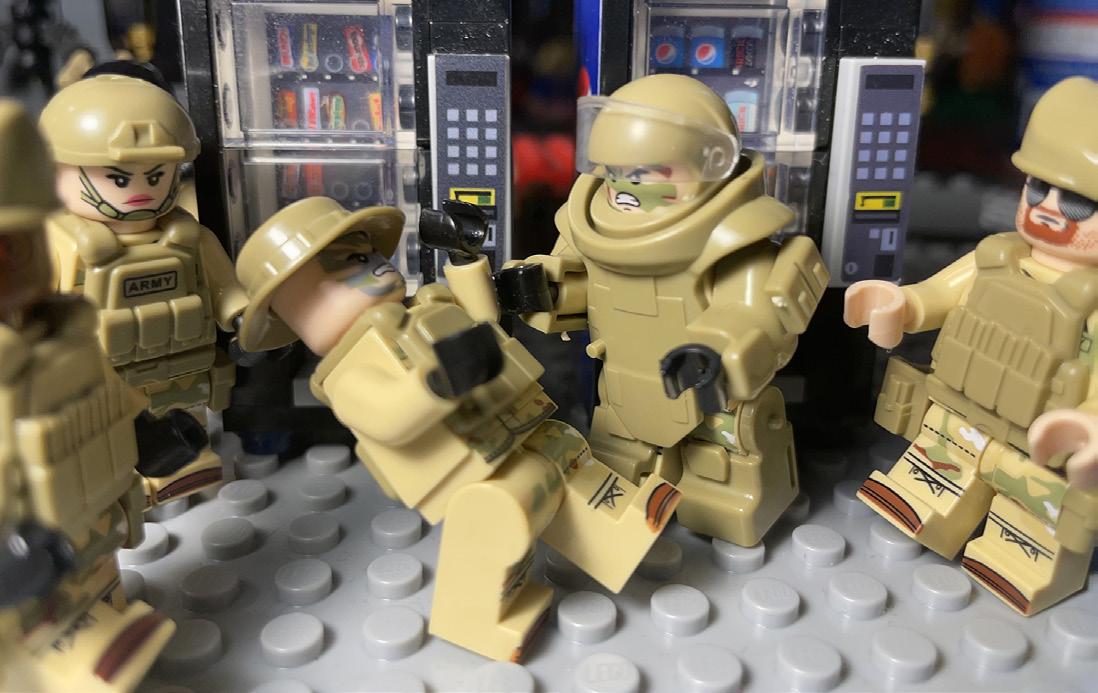
To honor his healing journey, J began using LEGO bricks to create miniature replicas of his WWP adventures.
The details are precise: look-alike mini figures of staff members and other participants, and one-of-a-kind 3D-printed bricks that J designs to help recreate certain scenes from his experiences. Some pieces include automation, lights, and even smoke.

‘You Are Your Greatest Resource’
J knows his journey isn’t over, but he’s found resources to lighten the load. Reflecting on what his WWP Talk coach always told him, he’s looking forward to a bright future.
“She always said, ‘You are your greatest resource.’ It’s true. Wounded Warrior Project gave me tools. They gave me a place to belong. But at the end of the day, I had to pick them up and use them.”
J recently launched a YouTube channel to teach others about the value of play therapy, and he joined forces with WWP to present a series of virtual sessions for veterans to learn more about its therapeutic aspects. www.youtube.com/@JonathanDagen
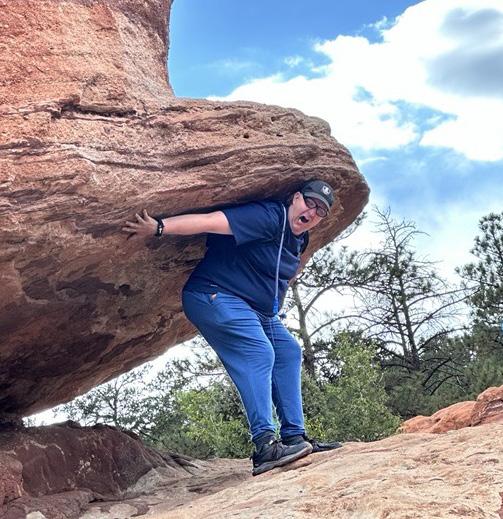
Along with sharing his love for play therapy, J hopes his journey inspires others. He offers three pieces of advice:
• Invest in yourself. “Ask for help. You’re worth it.”
• Baby steps matter. “It starts with one day, then one day becomes two.”
• Change your perspective. “Words have power. Speak to yourself like you matter – because you do. I didn’t realize how much my words held me back until I changed them.”
To learn more, visit woundedwarriorproject.org or call 888.WWP.ALUM (997.2586) to connect with the WWP Resource Center.

Navigating the resources available to veterans can be confusing, Homeland Magazine believes no veteran should have to go it alone.
At Homeland Magazine you can find Veteran organizations and private nonprofits with resources for veterans that can help ease the process of attaining earned benefits, coping with the lasting effects of service-connected injuries and finding programs and services that meet your specific needs.
By Lori Noonan, US Navy Veteran, CEO of Capacity Builders, and Inhouse Contributor of Homeland Magazine and San Diego Magazine
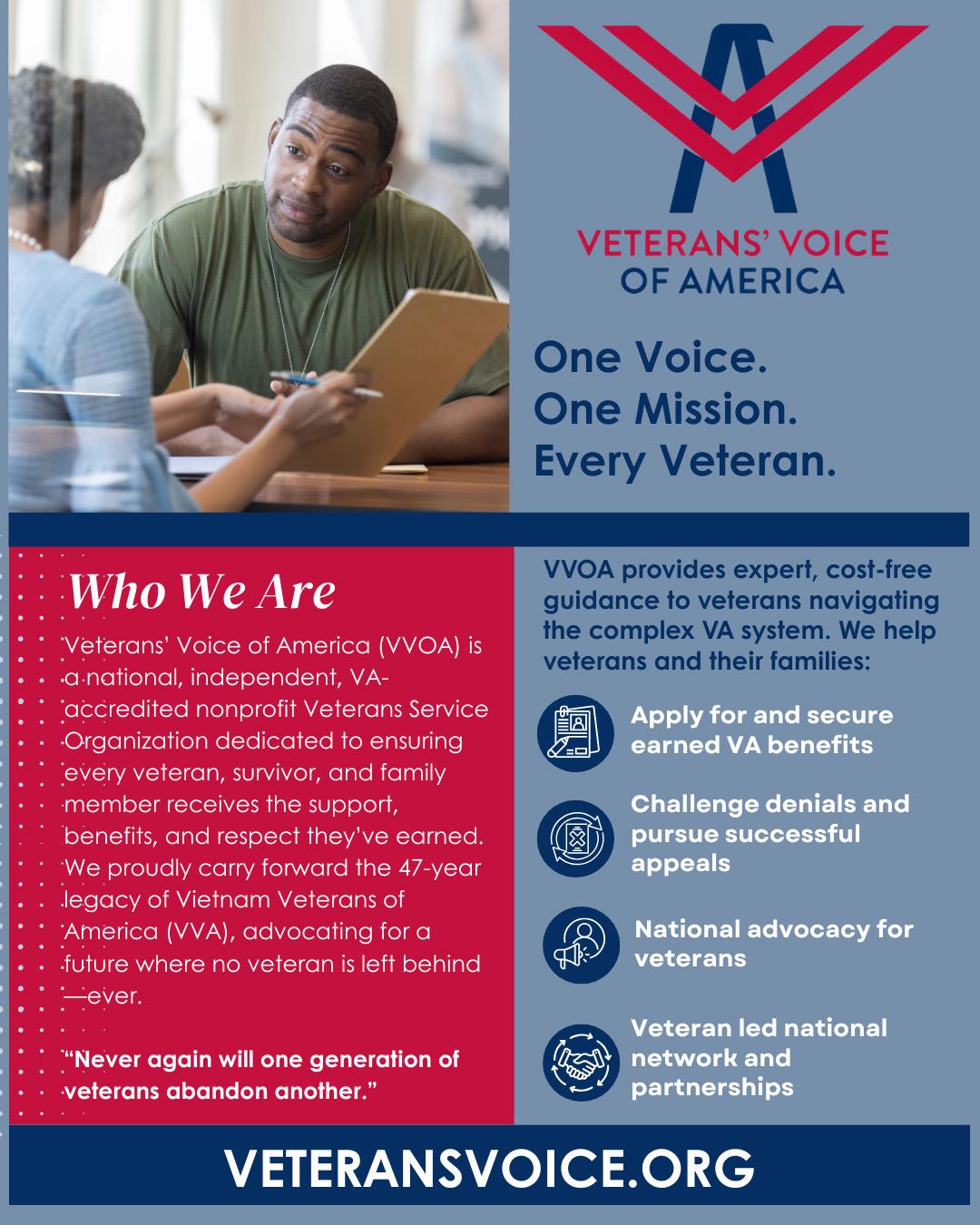
Every veteran has a story—and every story deserves respect, recognition, and rightful support. Veterans’ Voice of America (VVOA) exists to make sure that happens.
VVOA is a new, independent, VA-accredited Veterans Service Organization born from the 47-year legacy of Vietnam Veterans of America (VVA). Its mission is simple but vital: to help veterans and their families secure the benefits they’ve earned through service— benefits that increase quality of life, build family stability, and contribute directly to local communities and economies.
Too often, veterans face complicated, frustrating barriers when applying for health, disability, housing, or education benefits. That’s where VVOA steps in.
With a team of expert Service Officers and a growing national network, VVOA helps veterans apply for and fight for their earned compensation from the Department of Veterans Affairs (VA)—at no cost to the veteran. From navigating initial claims to challenging unjust denials, VVOA advocates ensure veterans receive the income, healthcare access, and stability they deserve.
This work is transformational.
When a veteran receives a monthly disability award, that income doesn’t just support their household—it helps pay rent, buy groceries, and invest in local businesses. VVOA’s work infuses millions of dollars annually into the very neighborhoods where veterans live. It’s not just a matter of justice—it’s economic development.
Health benefits, too, are life-changing. Veterans often struggle with chronic illnesses, mental health issues, or service-connected injuries. Access to VA care and coverage not only saves lives, it preserves families and communities.
Most importantly, VVOA represents a new model of advocacy: forward-looking, inclusive, and rooted in the belief that every generation of veterans deserves the same unwavering support.
As VVA state-level service programs begin to shift, VVOA is stepping up—adopting and continuing these programs so that no veteran or survivor is left behind.
The call to serve didn’t end with enlistment—and neither should the support.
Veterans’ Voice of America is here to honor that truth. Whether you’re a veteran in need, a family member, or someone looking to give back, VVOA invites you to be part of this essential mission.
Support the movement. Honor the service. Secure the future.
Learn more at www.veteransvoice.org
By Clinician Arturo Garcia
The Steven A. Cohen Military Family Clinic at VVSD www.cohenveteransnetwork.org


This summer, you may be experiencing a life change. This could include a new duty station or assignment, kids heading back to school, or even transitioning out of the military. For me, it has been the emotional shift of seeing my child start school for the first time. Like many parents, I have felt nervous, a little sad, and deeply aware of how fast time moves.
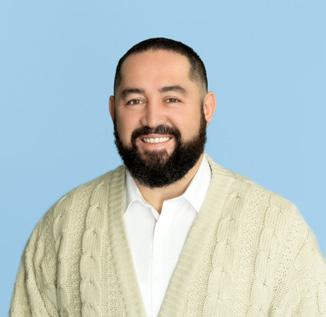
While some changes are manageable, others hit harder, even if we don’t recognize it right away. Maybe you’ve started noticing something feels off, or you’re not quite yourself lately. Or maybe it’s someone else who sees it first; a loved one, fellow service member, or supervisor might have pointed out that you don’t seem like your usual self. These moments matter. You matter. And they are worth listening to.

If you’re starting to wonder whether something is off, here are five signs it could be time to connect with a mental health professional:
You are feeling emotionally unregulated. You may be noticing that your emotions feel harder to control than usual. You might be quicker to anger, feeling constantly stressed, or finding yourself sad and tearful without fully understanding why. These emotions can hit especially hard following a major life change, like a move, separation from the military, or a shift in family dynamics. If your emotional responses feel more intense or harder to manage than what seems typical for you, it could be a sign your system is overwhelmed and in need of support.
Everyday tasks are starting to feel overwhelming. Responsibilities that you normally handled with ease, like going to work, managing a schedule, caring for your family, or keeping up with errands, may now feel exhausting or unmanageable. You might find yourself procrastinating more, missing deadlines, or feeling paralyzed by decisions that used to be simple. This kind of mental fatigue can be a signal that your mind and body are reacting to ongoing stress in ways you didn’t expect.
You’re pulling away from people or losing interest in things you used to enjoy.
Maybe you're not responding to text messages, canceling plans, or just don’t feel like being around people. Even the activities that used to bring you joy, like working out, hobbies, or spending time with friends and family might now feel like a chore or completely unappealing. Social withdrawal and loss of interest are common signs of emotional strain and can be early indicators of conditions like adjustment disorder or depression.
There are noticeable changes in your routine. Your sleep might be all over the place. Either you can’t fall asleep, or you’re sleeping much more than usual. Perhaps, your eating habits may have shifted too,
whether you're eating less due to stress or eating more for comfort. You may also find that basic tasks like showering, cooking, or tidying up feel unusually difficult. These disruptions in your daily functioning can be your body’s way of telling you something isn’t right.
You feel stuck, overwhelmed, or alone. At times, you might feel like you’re just spinning your wheels, doing a lot, but not getting things done. You may be mentally exhausted, emotionally drained, or feel like you’re carrying more than you can hold. You might even find yourself thinking, “I don’t know what’s wrong.”
These are powerful signs that your internal resources are stretched thin, and that now could be the right time to reach out for professional support.
Seeking mental health support is crucial for addressing challenges like stress, anxiety, depression, and relationship difficulties. The Steven A. Cohen Military Family Clinics at VVSD, as part of Cohen Veterans Network, emphasizes the importance of accessible,
high-quality care for veterans, service members, and their families. By offering evidence-based treatments and removing barriers like cost, the clinics ensure that individuals can receive the help they need to improve their well-being and navigate life's transitions effectively. Learn more by visiting cohenveteransnetwork.org
With 20 years of experience serving in the United States Air Force, Clinician Arturo Garcia, ASW, Master Sgt USAF (Ret.), is a seasoned logistic expert and a quality assurance team lead, who managed administrative processes and providing support to service members. He developed strong analytical, communication, and leadership skills that enables him to excel in challenging and dynamic environments. He retired at the rank of Master Sergeant (MSgt). His career field was 2T2 – Air Transportation. Arturo earned a Transportation Management Associate of Applied Science (AAS) and Bachelor of Arts in Sociology. Today he is a Clinician at the Steven A. Cohen Military Family Clinic at VVSD, San Diego, supporting the military community with help around trauma, anxiety, depression, and other mental health challenges.
By: Robert ‘Bob’ Cuyler, PhD Psychologist and Trauma Expert

Most of what we know about PTSD is in the relatively short term. Part of the definition of PTSD is that symptoms and distress emerge and persist beyond six months after a major trauma. For most people, there is significant distress soon after trauma exposure but the impact lessens over time- this is considered an acute stress reaction and not PTSD unless the symptoms remain. This is one reason that it is challenging to judge the impact of early intervention, since the majority of people will show decline in distress even if they get no treatment. We have relatively sparse information about the long-term impact on individuals with PTSD. A recently published study on the effects of 9/11 survivors sheds some important light on the trajectory of trauma.
This study followed over 12,000 trauma-exposed individuals over 20 years following the World Trade Center attacks. Both free treatment and periodic followup interviews were offered. 16-34% of those studied had few or no symptoms, while clinically elevated PTSD scores were noted for 8 to 15% of participants. Across the 20 year study period, the average PTSD scores remained relatively the same, but a deeper look into the data showed an important distinction. The ‘average’ represented about half of participants who improved over time and about half whose conditions worsened, so the two trends effectively were canceled out in the average. When the researchers looked at how participants looked over time, the most common time marker was about 9 years post-event to show meaningful improvement.

By the end of the 20 year period, about 75% showed significant improvement. There remained a group of about 10% whose symptoms worsened over the two decades and, understandably, had the most impact on life function and highest mental health costs. There remained some uncertainty about what may be responsible for either resilience or risk.
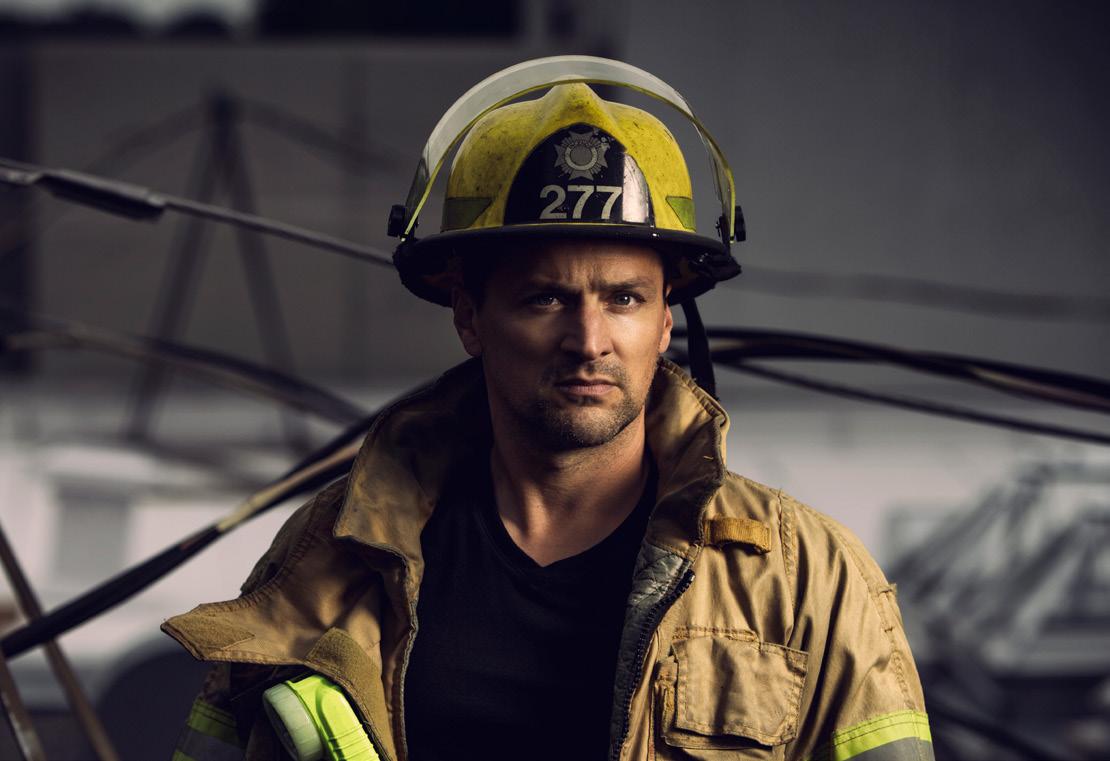
The researchers speculated that first responders (e.g., police or firefighters) may benefit from training that strengthens coping skills. Other groups such as construction workers, without formal training programs, fared worse than first responders.Another factor at play for long term negative impact may be exposure to other subsequent trauma exposure following 9/11. It’s also likely that genetic factors influence vulnerability.
news.va.gov/124302/community-care-who-eligible-how-can-access-it
My takeaway from this research is mixed, with positives and negatives. Troubling is the persistence of severe symptoms for about 10% of these 9/11 survivors 20 years later. This speaks to the limitations of the treatments available at the time, especially in the first several years, and the need for new evidence-based treatment innovations. A positive is that participants with positive coping strategies did better. An active social network, employment, structure in daily life, focus on improving sleep quality, and stress management habits were all ingredients in improvement over time.
Most often, exposure to trauma is not under our control at all. Afterwards, these self-management skills may be the most important prevention tactics (in addition to treatment) that can reduce the impact of trauma.
If you are a trauma survivor, take an inventory of your self-care practices and see what you can add.
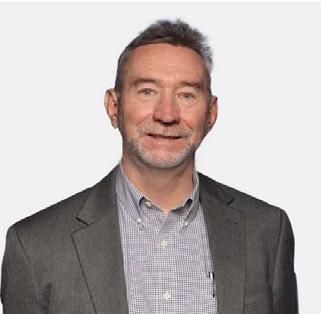
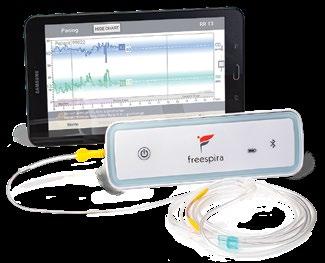
Dr. Cuyler is chief clinical officer of Freespira, an FDA-cleared non-medication treatment that helps people with panic and PTSD manage their symptoms by learning how to regulate their breathing. www.freespira.com





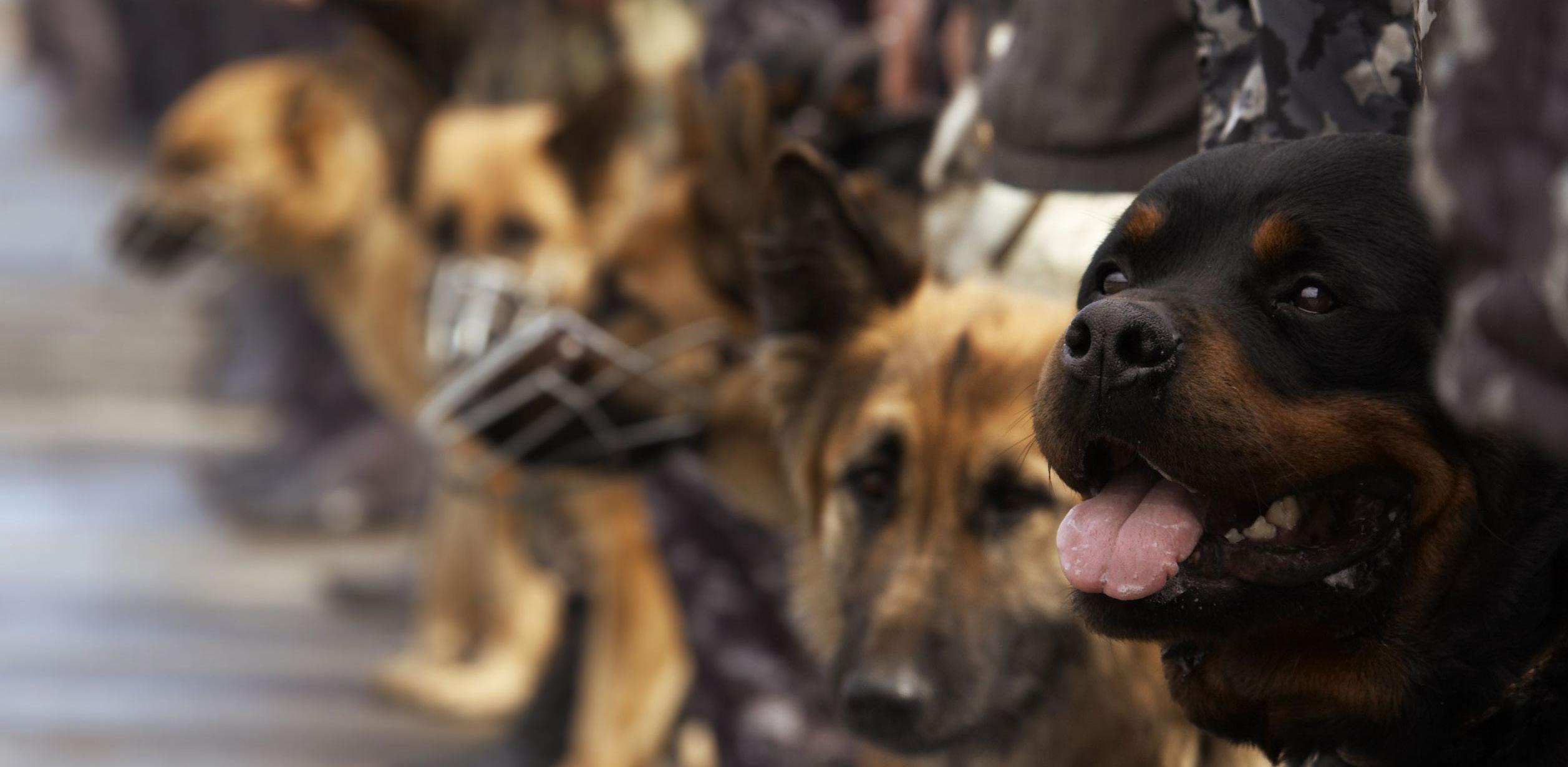
Our FIRST Issue of ‘Dog Days’ of Summer started in 2017, and is now one of our most popular issues every year.
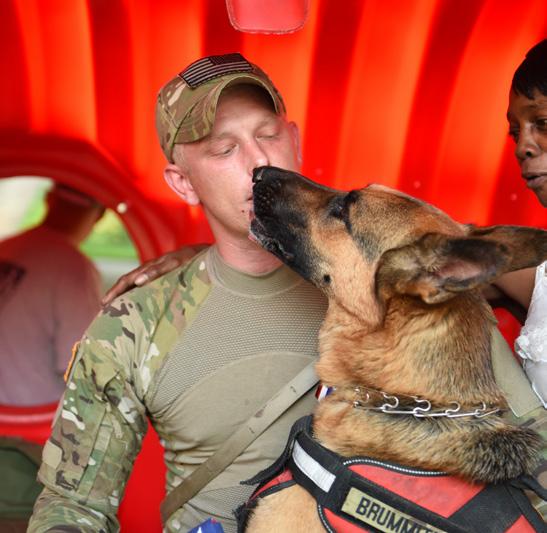
“I got my service dog when I was medically retired out of the military, and it was the best thing that ever happened to me. I wish every medically retired serviceman could have a service dog. He’s amazing. He’s my best bud. I go everywhere and anywhere with him.”
- Marcus Luttrell
“Service dogs show us that it’s not our disabilities that define us, but our abilities to overcome them.”
“Service dogs give us the courage to face the world, even when it feels like the odds are against us.”
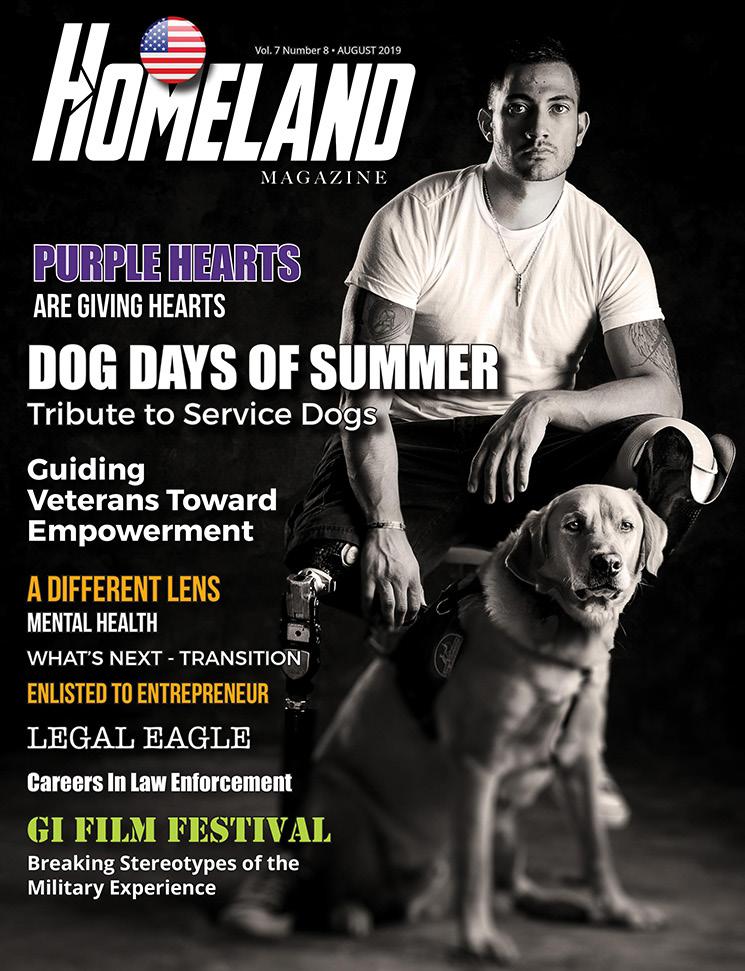
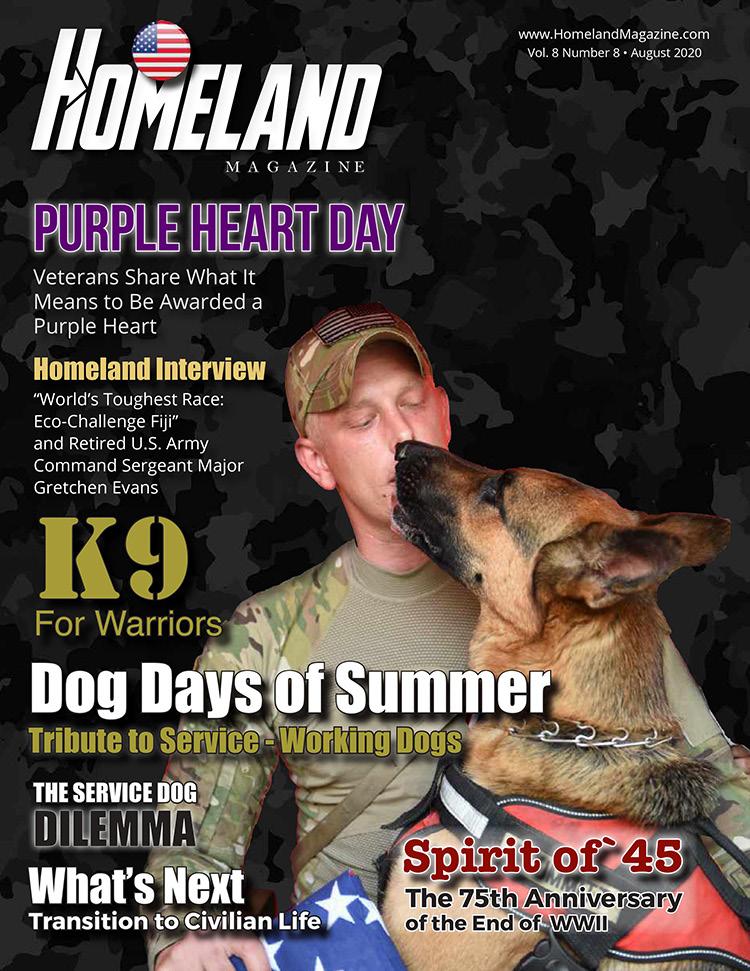
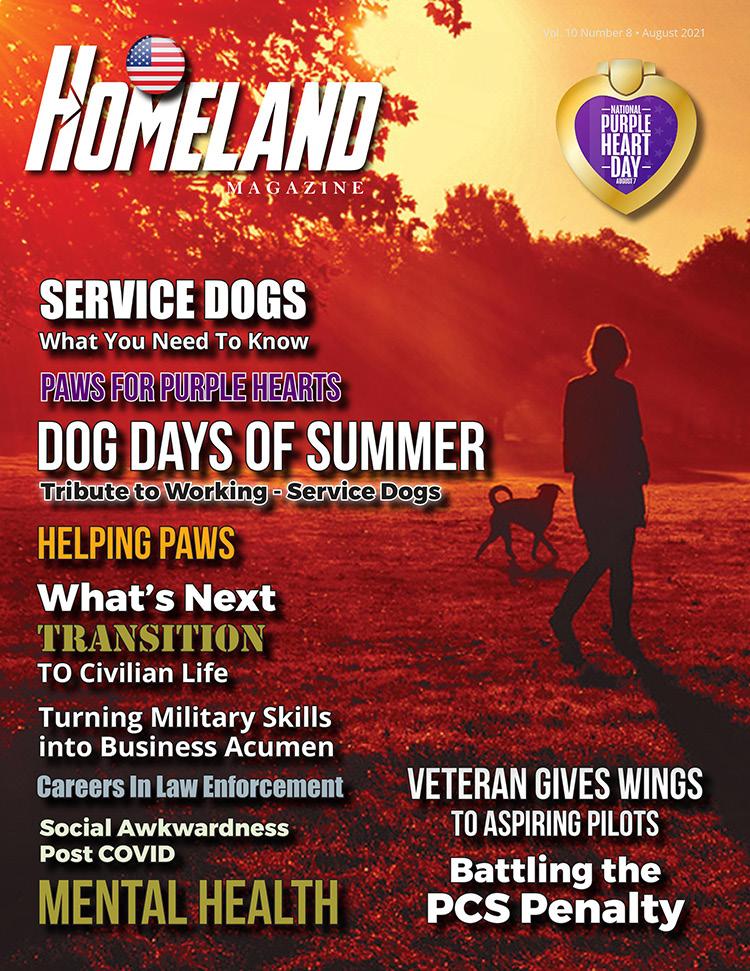
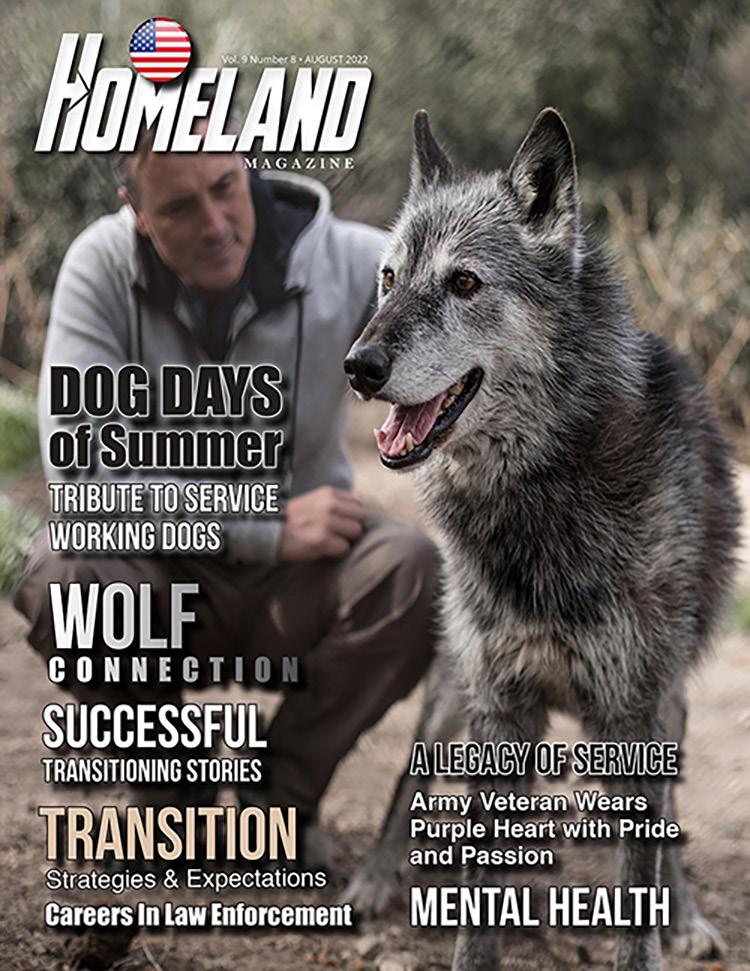
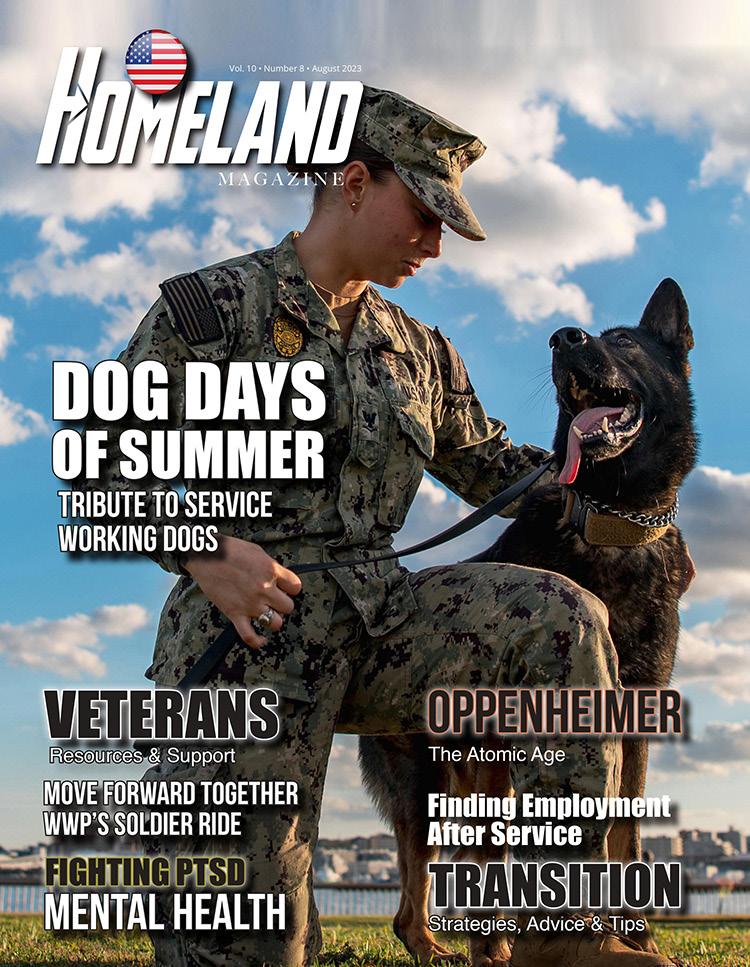
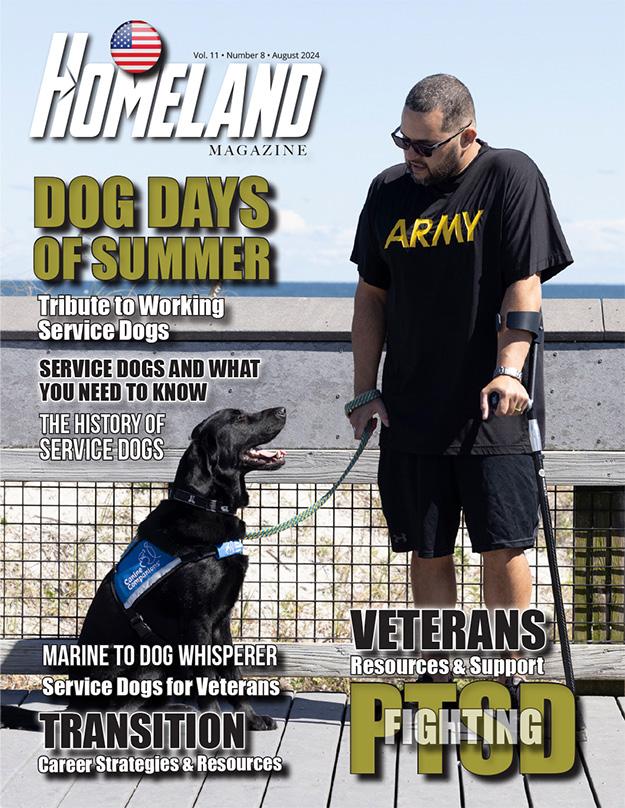
Why is this time of year, approximately forty days from early July to early September, referred to as the ‘Dog Days’ of Summer?

‘Dog
Many people believe the phrase “dog days of summer” stems from the fact that dogs tend to be a bit on the lazy side during the hottest days of summer.
Of course, who can blame them? With that much fur, dogs that exercise during the hot days of summer can overheat easily.
We have all heard the myths about Dog Days, most of which focus around our canine friends, which is why the old folks say this time of year is called Dog Days.
Some of the myths are:
Hunting dogs will not hunt, dogs go mad and foam at the mouth for no apparent reason, snakes go blind and strike at anything that comes near them, (dogs in particular), no use in going fishing because the fish will not bite, wounds and sores will not heal, if it rains on the first day of Dog Days, it will rain every day for the next 40 days, or the opposite-if it does not rain on the first day of Dog Days then it will not rain for 40 days, and the list of myths goes on.
Sometimes myths are just myths. Handed down from generation to generation, but the real origination of this time of year being dubbed Dog Days, is based on a partial myth also.
The term Dog Days was coined in ancient Rome, and was named after the star Sirius, the Dog Star, which is the brightest star besides the sun. It was thought that due to the rising and setting of Sirius at around the same time of the sun each day this time of year, that Sirius added its heat to the sun’s heat, thereby making the days hotter. Hence the term Dogs Days.
Our modern day usage of the term has little to do with Sirius or his alleged wrath. We use the term Dog Days to refer to anything that is slow, lazy or languishing.
I think the best way to appease the wrath of Sirius is to gather up my canine friends and find a hilltop breeze or go stagnate on the couch in front of the air-conditioning or maybe hit the beach and enjoy the cool ocean breeze.
Have you ever wondered about the first service dogs? Who trained them and what types of tasks did they perform? Were dogs considered “family members” as they are today? Or were they nothing more than tools? We thought it would be interesting to take a quick look at the history of service dogs and how their roles evolved over time.
Nobody knows exactly when dogs and humans first forged their inseparable bonds. The oldest dog ever found was a perfectly preserved puppy found frozen in the permafrost in the Far East. Scientists estimate its age to be about 12000 years old.
We know that Ancient Egyptians kept both cats and dogs and valued them enough to take them along into the afterlife. Dog mummies have been found from as early as the sixth century B.C. and in Peru, a burial place dating back to 900 A.D. holds individual plots for both dogs and their owners.
The evidence is strong that dogs have played an important role in men’s lives for a very long time.
When, though, did dogs first begin to help those with disabilities?
One of the first known references to service dogs is found in Ancient Rome. Frescoes depict blind men being led by dogs and Ancient Chinese scrolls talk of the same.
In America, one of the first well-known seeing eye dogs made history in 1928. Buddy and his blind owner, Morris Frank, publicly demonstrated how his dog could guide the visually impaired by having him navigate a busy New York intersection. Since then, guide dogs have been publicly accepted and sought for those with vision problems.
It wasn’t until the 1960’s that service dogs for those other than the blind began to be trained and recognized. For the hearing impaired, dogs could signal a crying baby, a telephone, or the sound of sirens.
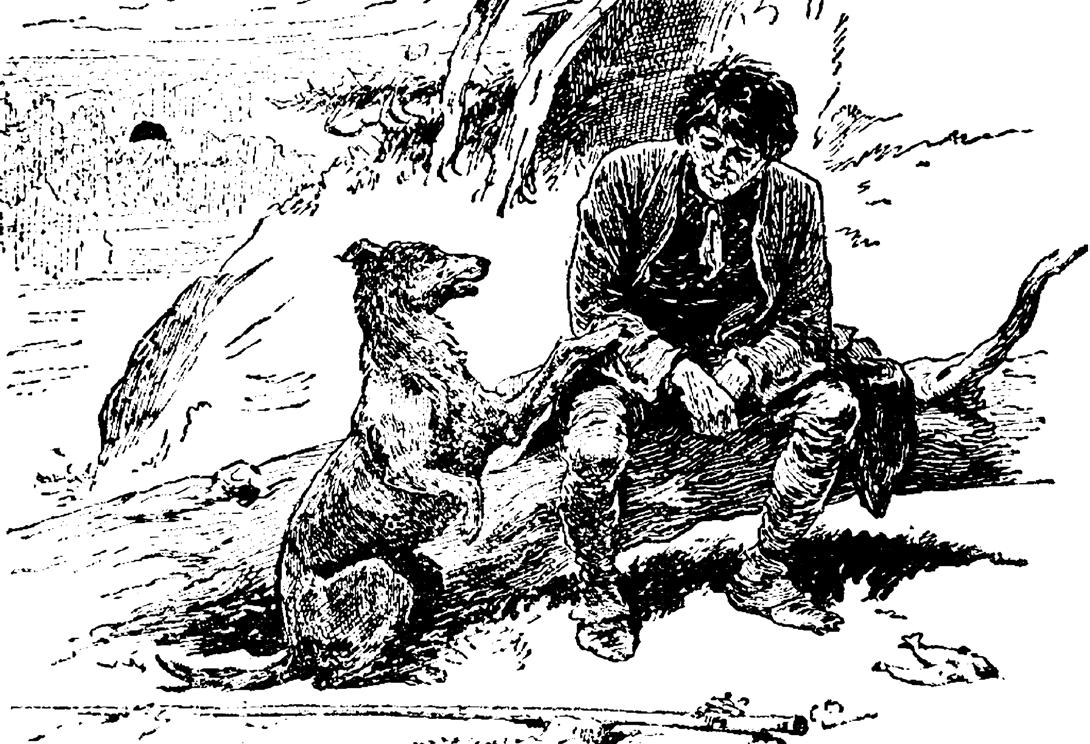
As time went on, dogs became companions for autistic children and soldiers suffering PTSD. Today, a service dog can be trained for all manner of tasks.
• Recognizing the onset of seizures.
• Notification of blood sugar issues.
• Stability and many others.
But, the role of the modern service dog wasn’t really defined until the American with Disabilities Act of 1990. That particular law was written to prohibit discrimination based on disabilities, but it also defined the rights of service dogs.
The ADA defines service dogs (or animals) as being TRAINED to perform tasks for a person with disabilities. They are not just companions, though they also fill that role. Service dogs are caregivers, nurses, and assistants.
Today, the role of “service dog” has broadened to the point that new laws are required. Whereas it was once understood, that a service dog was trained to execute a specific task, people will now try to take untrained animals into public access areas. These dogs are often for emotional support as opposed to being trained to perform physical tasks.
For those who have invested time and money in their trained? service dogs, this can present a source of frustration.
For anyone wanting more information on how to acquire a trained service dog or how you can train your own dog to become one, please feel free to contact
White Mountain College for Pets (603) 536-4219
www.collegeforpets.com office@collegeforpets.com
Help us prepare more service dogs for wounded warriors.
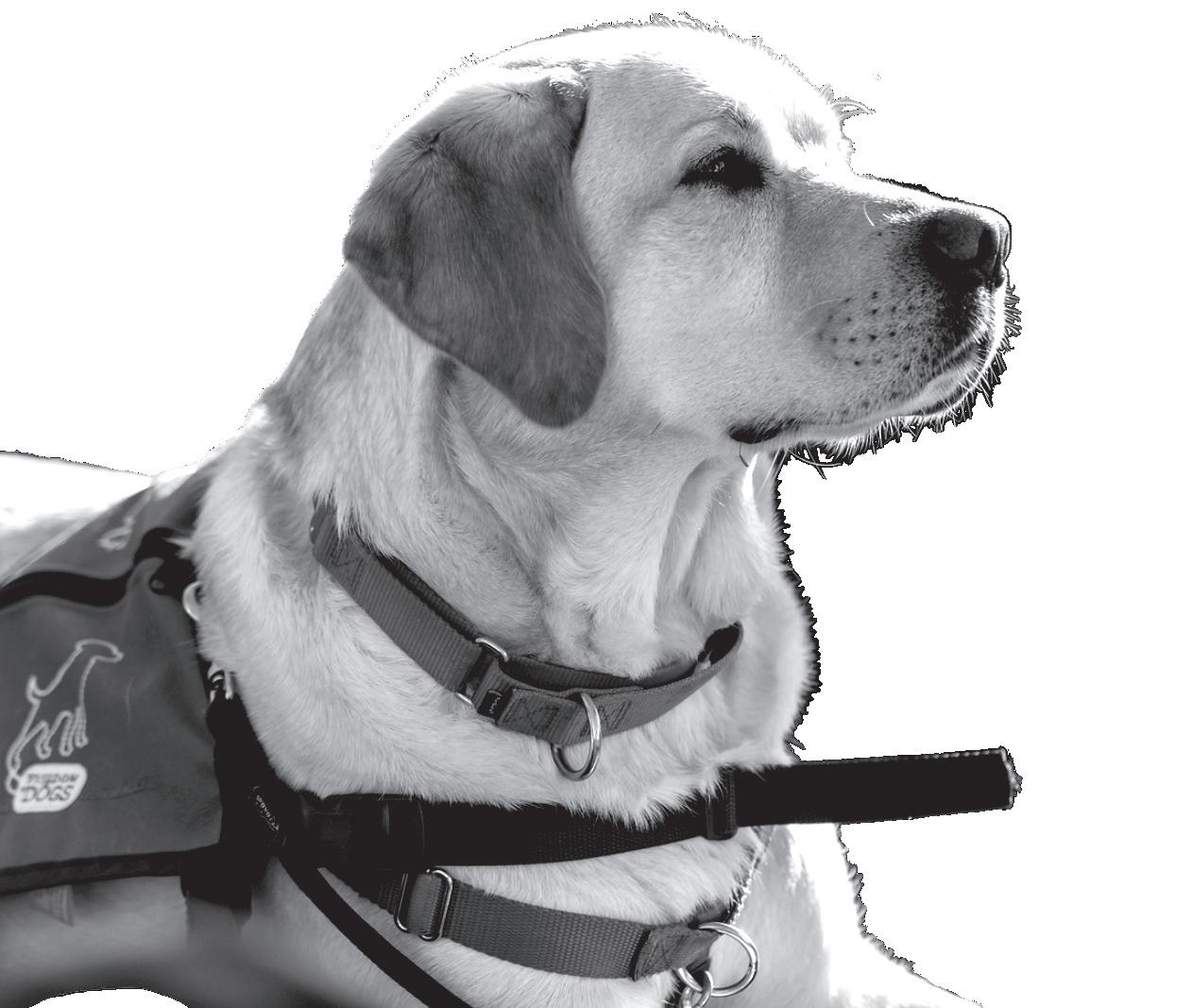
At Freedom Dogs, we pair specially trained service dogs with active-duty military and veterans recovering from PTSD, traumatic brain injuries, and other combat-related challenges. These dogs do more than assist—they heal, empower, and restore hope.
To serve more warriors, we need more puppy raisers—and the resources to guide each dog’s journey from playful pup to trusted partner.
Whether you open your home to raise a future service dog or make a donation to support their training, your impact is life-changing. Together, we can bring strength, companionship, and healing to those who need it most.

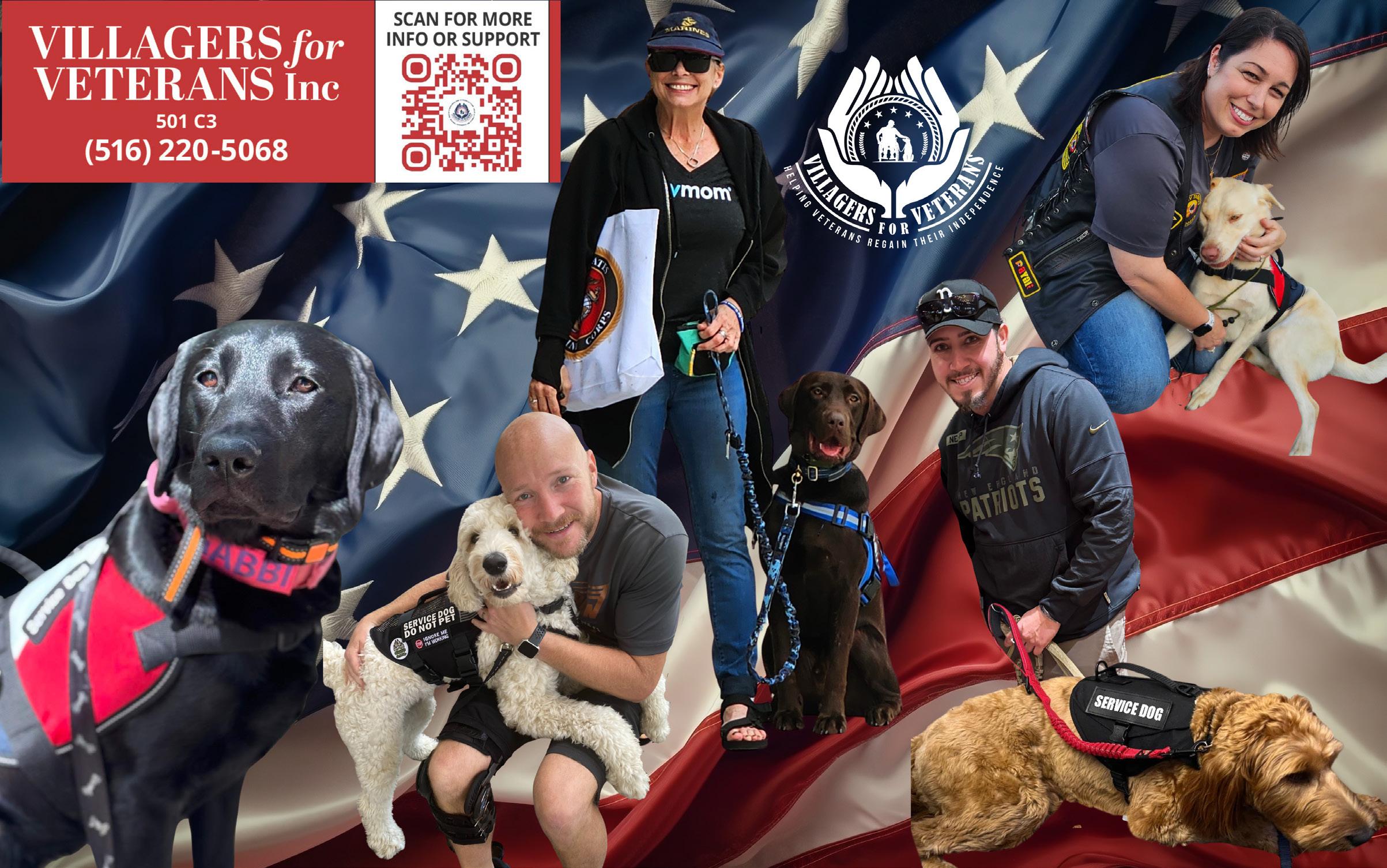
By Emily DeCiccio, for Villagers for Veterans
When Marie Bogdonoff walked through the halls of Walter Reed Medical Center back in 2014, she didn’t leave as the same person who arrived. The young soldiers she met there, many with life-altering injuries, had given everything in service to their country, yet faced uncertain futures. She left Washington, D.C. with a calling. By 2015, she had founded Villagers for Veterans (V4V), a 100% volunteer-run nonprofit based in The Villages, Florida.
Ten years later, that calling has become a mission with impact that reaches far beyond state lines.
Since its founding, V4V has proudly sponsored 24 service dogs, each one becoming a life-changing companion to a Veteran. These dogs are trained to open doors, retrieve dropped items, and provide alerts for seizures or emotional distress. But their greatest gift is harder to describe: they bring peace, confidence, and the feeling of being safe again.
Before the pandemic, V4V partnered with the Patriot Service Dogs, which trained service dogs through a unique partnership with the Lowell Correctional Facility in Ocala, Florida, through its W.O.O.F. program (Women Offering Obedience and Friendship). But when COVID-19 shut down access to the prison system, V4V had to quickly adapt.
V4V now works with a network of private trainers in central and southern Florida, enabling them to provide service dogs faster than ever before. While many national programs have waiting lists of three to five years, V4V can now match Veterans with a fully trained service dog in a fraction of that time.
“There’s no greater feeling than watching a Veteran light up when they meet their dog,” said Bogdonoff. “These dogs help them regain control over their lives. And now we can give that gift much sooner.”
Another pillar of V4V’s mission is restoring physical independence. Since 2015, the organization has provided 34 all-terrain wheelchairs and mobility vehicles to injured Veterans. These aren’t luxury items, they’re lifelines. They allow Veterans to navigate parks, beaches, and even just their own neighborhoods again.
One such Veteran, Sgt. Pam Kelly, had her life upended in 2002 during a sling-load operation gone wrong.
A snapped helicopter cable left her a quadriplegic. Years later, V4V stepped in and, through generous community fundraising, built her a fully customized smart home, complete with Bluetooth-enabled features, widened doorways, and accessibility from top to bottom.
Pam’s house wasn’t just about technology. It was about dignity. “I knew Pam could gain great independence in this community,” Marie recalls. “She had already given so much for her country. It was time someone gave back to her.”
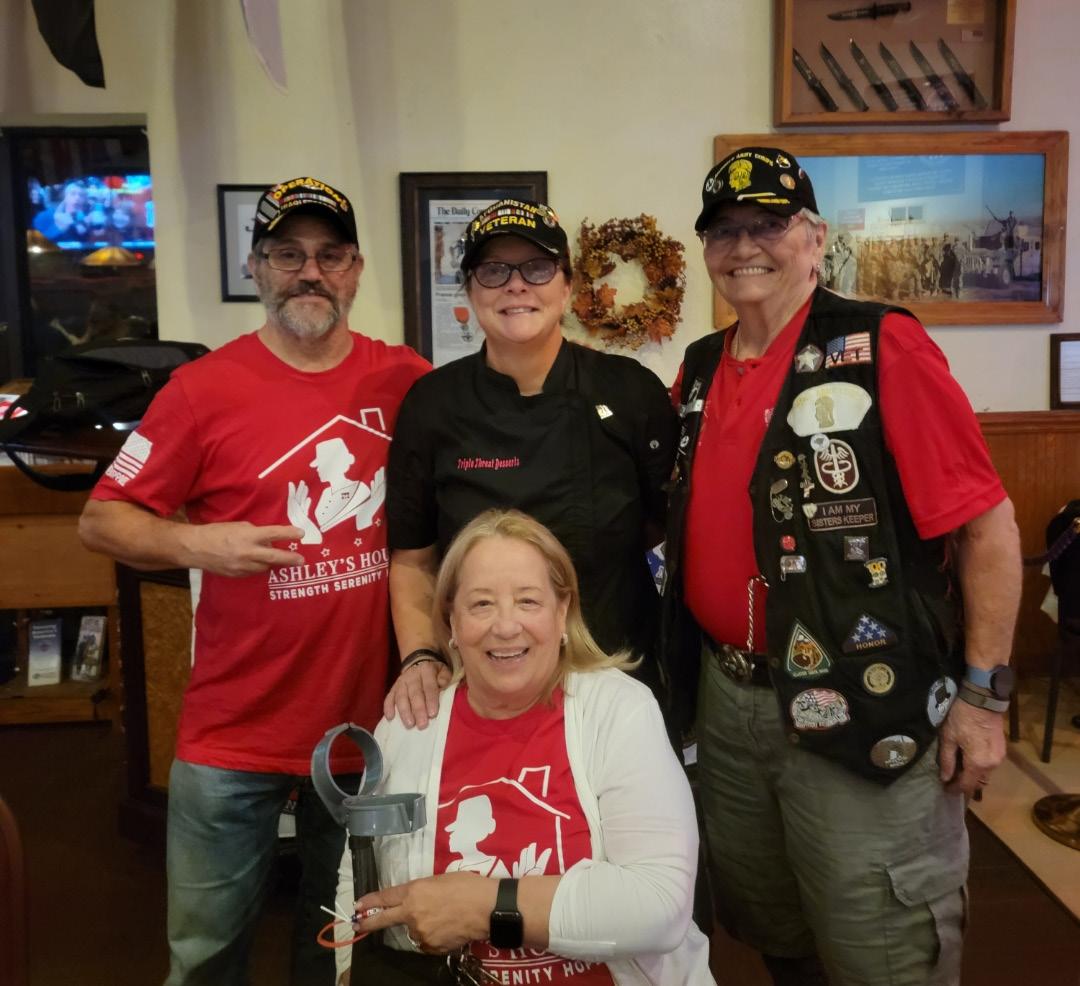
Perhaps the most urgent work V4V does today is in support of female Veterans in transition. In 2023, V4V opened Ashley’s Cottage, a three-bedroom transitional home named for Lt. Ashley White Stumpf, who was killed in Afghanistan in 2011. The cottage has already provided stability and support for women leaving military service, many of whom might have otherwise fallen through the cracks.
Now, the organization is close to completing its most ambitious project yet: Ashley’s House, a 4,000-square-foot home that will house six women at a time for stays of up to a year. Construction is about three-quarters finished, and doors are expected to open by the end of 2025.
Why this shift toward transitional housing? Marie explains, “We realized that by the time a female Veteran becomes homeless, it’s often too late for what we can offer. So we decided to act earlier. We’re focusing on that vulnerable period right after discharge—when everything is changing, and the risk of slipping into crisis is at its highest.”
Ashley’s House will provide not only shelter, but also access to education, medical care, financial literacy resources, and emotional support. The goal is not just to help Veterans survive, but to equip them to thrive.
Beyond its large-scale projects, V4V also quietly provides countless small grants to Veterans facing immediate crisis. Whether it’s a hotel room for someone who just lost housing, help with a utility bill, or funds for emergency
dental care, these moments of support happen quickly and compassionately, because V4V doesn’t believe in waiting lists when someone is in pain.
More than a nonprofit
In ten years, Villagers for Veterans has grown from a heartfelt idea into a trusted, action-based organization that steps up where others fall short. From service dogs to smart homes, from mobility gear to transition housing, every dollar raised goes directly to helping those who’ve served.
It’s a promise: that no Veteran should have to navigate the hardest parts of life alone. It’s a belief: that every Veteran, especially those too often overlooked, deserves support that’s personal, dignified, and real.
As summer heat settles over the country, and this issue celebrates the companionship and courage of service dogs, Villagers for Veterans will keep working *doggedly, compassionately* to give more Veterans a fresh start.
To learn more, donate, or get involved, visit villagersforveterans.org or follow their journey on social media.

Front-
By Martina Schmidt,
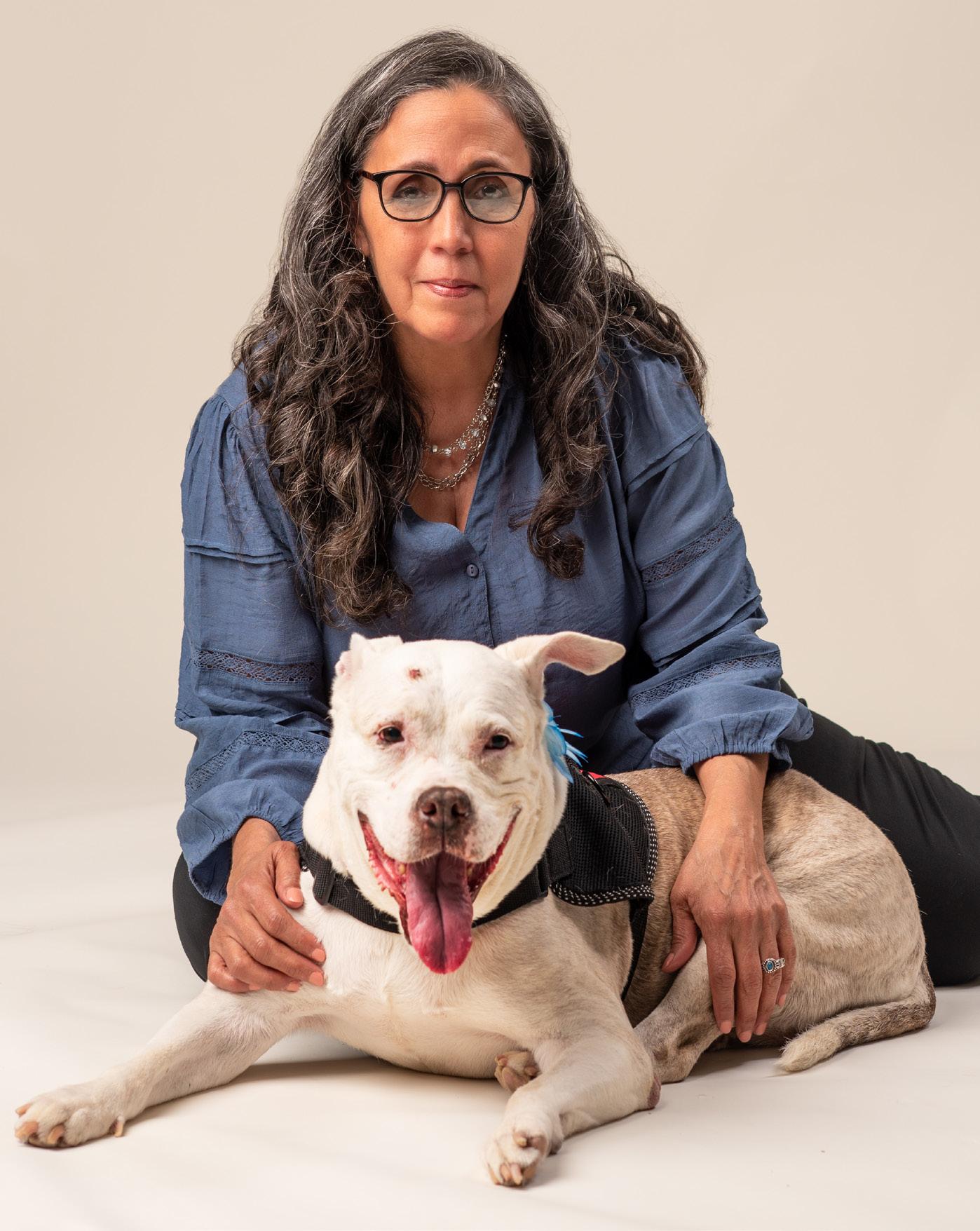
Gina served in the U.S. Armed Forces for 27 years. She began her military career in the U.S. Air Force as an Aircrew Egress and Aircrew Life Support Technician, supporting various aircraft. After the Sept. 11 terrorist attacks, she assisted in transporting essential personnel and rescue dogs to New York and Virginia.
Later, Gina joined the Puerto Rico Army National Guard, where she served as a recruiter and noncommissioned officer in charge of the Recruitment Sustainment Program. She provided leadership in both recruitment and retention, impacting the lives of countless service members and their families.
Throughout her time as a recruiter, Gina was deeply moved by the gratitude of those whose lives she helped shape. Remarkably, she accomplished all this while raising her daughter as a single mother. She is now married and a proud grandmother to her 13-year-old grandson. Gina and her husband share their home with her emotional support dog, Nerea, along with two other dogs, two hens and two roosters.
An advocate for animal welfare, Gina has served on the board of an animal sanctuary for 17 years. In 2021, she graduated from Greenville Technical College as a veterinary assistant and continues to dedicate her life to helping both animals and people.
She is also a member of South Carolina Women of the Upstate and Vets Helping Vets.
Gina wants the public to know: “We exist. We’ve been around since World War I. We are here to serve our country—not for special treatment, but for equal recognition of what we do.”
To her fellow women veterans, she offers this message: “Never forget—we are here for one another, and we know your struggles. Together, we are stronger.”

At the She Served Initiative, we are dedicated to honoring and amplifying the extraordinary experiences and achievements of women veterans. Through the powerful combination of photography and storytelling, we aim to shed light on the often-overlooked roles women have played in the military. By sharing their diverse journeys and fostering public awareness, She Served works to ensure these trailblazing women receive the recognition, respect and representation they have long deserved.
For more information, visit sheservedinitiative.org
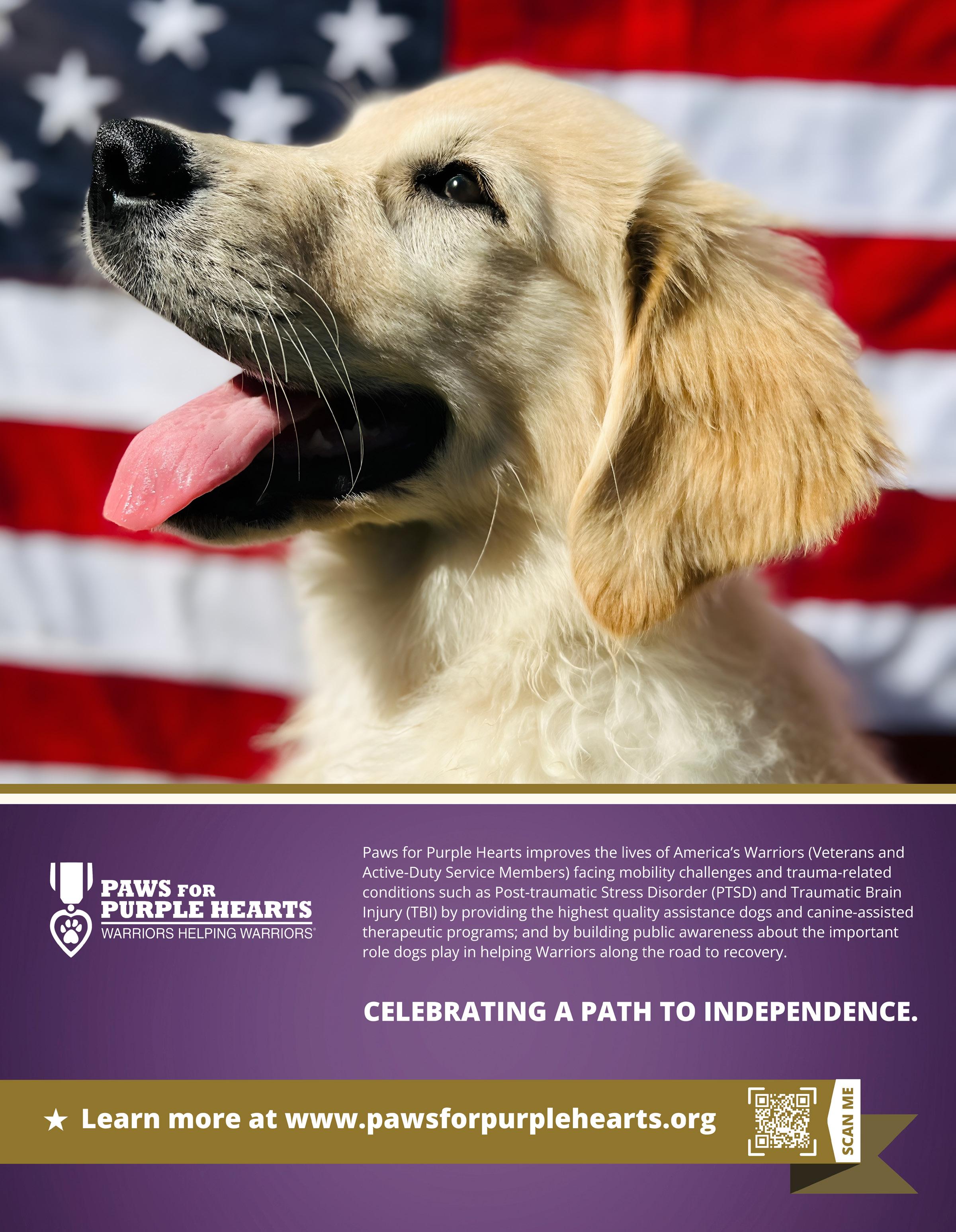
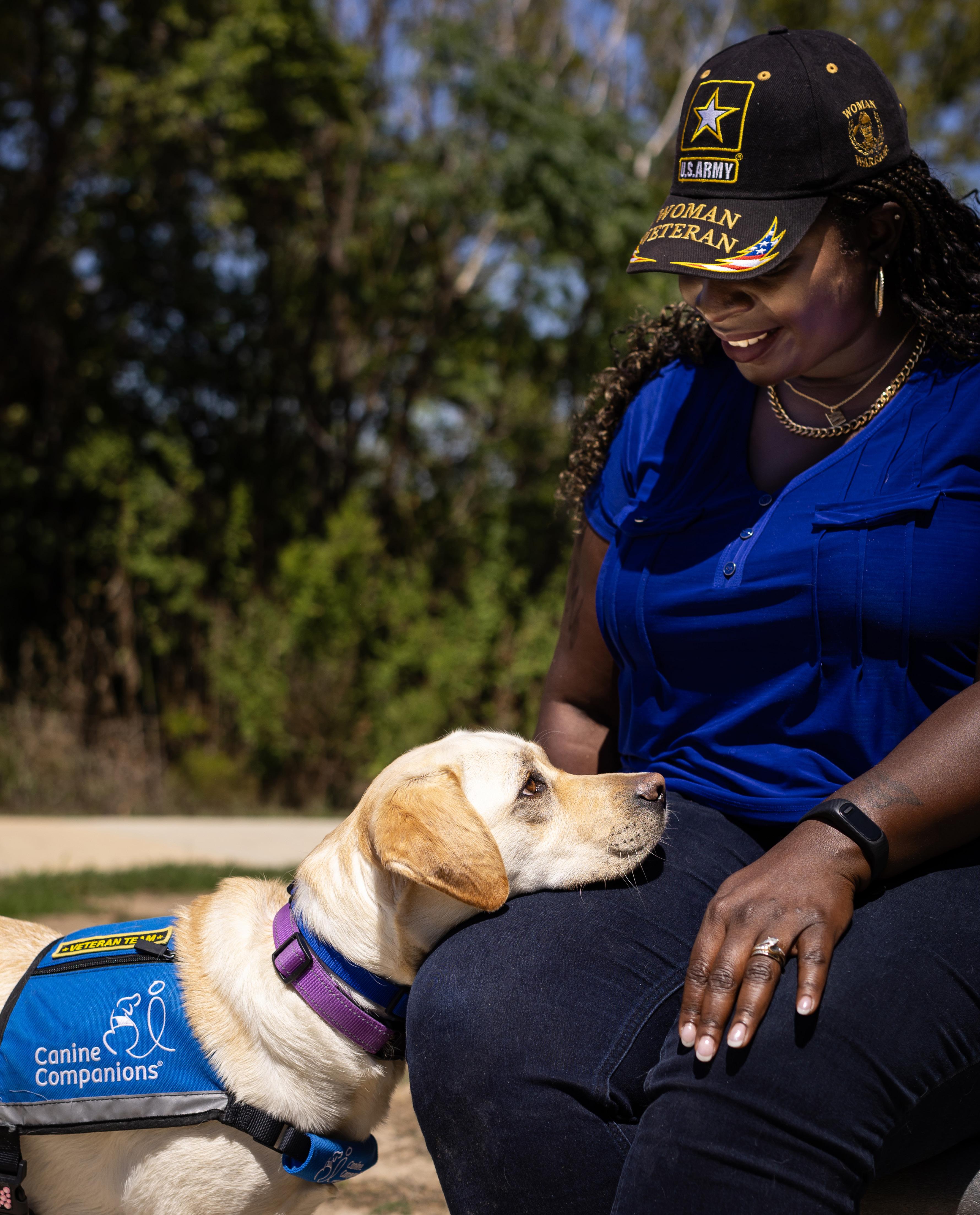
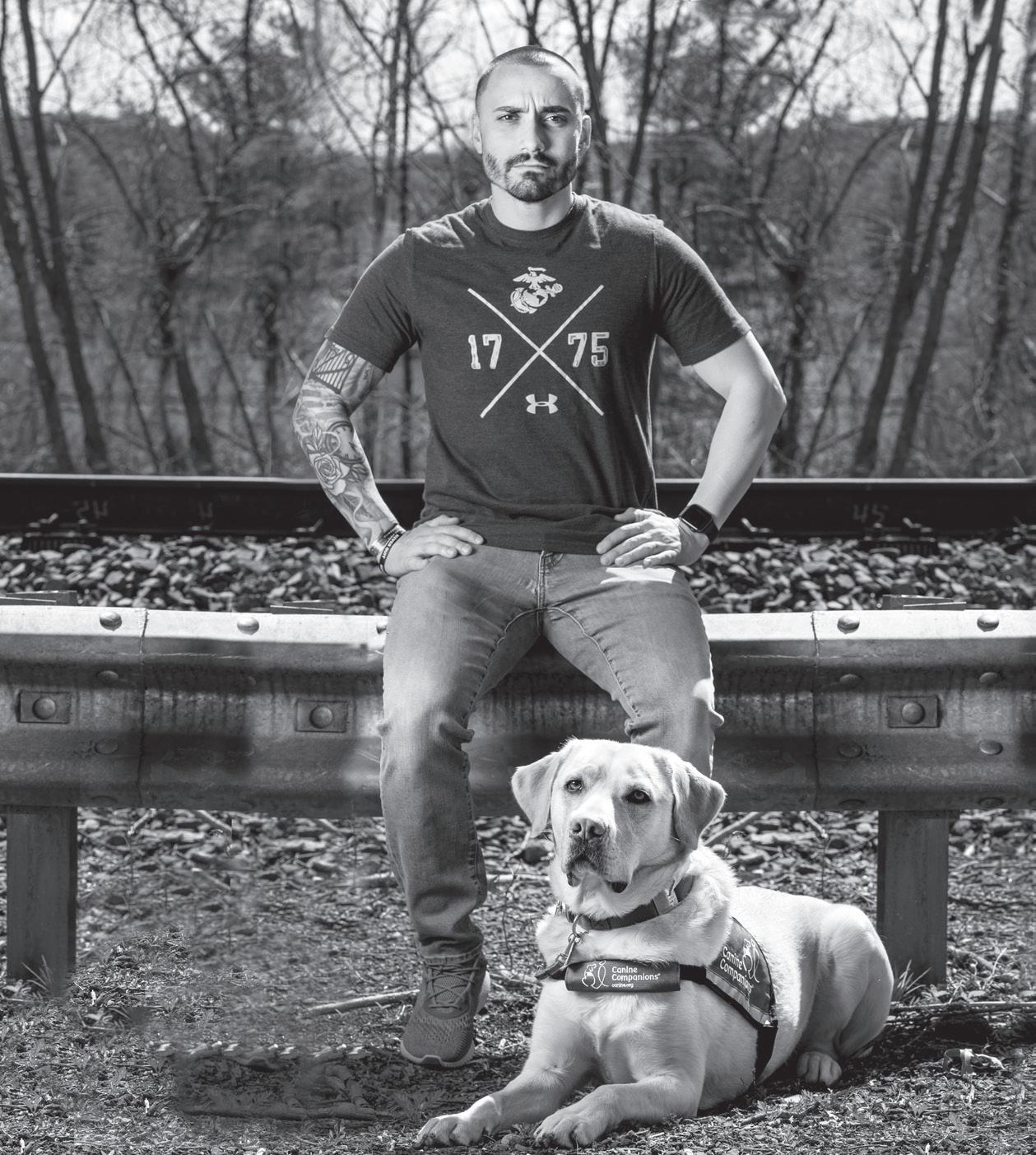
In 1975, Canine Companions® pioneered training dogs to assist people with disabilities to enhance independence and self-reliance, creating the service dog. Fifty years later, the organization has provided over 8,000 service dogs to adults, children and veterans with disabilities in addition to facility dogs to professionals working in healthcare, criminal justice and educational settings – entirely free of charge.
The specially bred, raised and trained Labrador and Golden Retrievers assist with physical tasks including pulling manual wheelchairs, opening doors, retrieving dropped items, alerting to important sounds and interrupting post-traumatic stress disorder-related anxiety and nightmares.
• Donate: As a nonprofit, Canine Companions relies on donations from individuals and organizations to ensure all service dogs are provided to clients free of charge.
- Start a fundraiser at canine.org/diy.
- Attend an event at canine.org/events
- Sponsor a puppy at canine.org/sponsorapuppy.
- Make a donation in honor of a friend, family member, dog or veteran at canine.org/donate.•
• Volunteer: Expertly trained service dogs don’t happen without the support of dedicated volunteers. Learn how you can support Canine Companions at canine.org/get-involved
- Support Canine Companions at events, through local volunteer chapter activities or at one of the organization’s training centers.
- Puppy raisers across the U.S. teach future service dogs crucial socialization and foundational exercises for 18 months to prepare them for expert training by Canine Companions to enter a life of service.
- Canine caretakers care for breeder dogs and newborn Canine Companions puppies for the first eight weeks of life.
• Apply: Learn more about receiving a free service dog at canine.org/apply
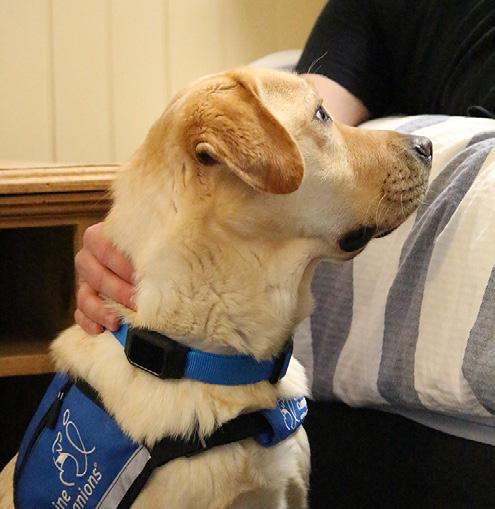
Canine Companions is committed to helping veterans thrive through best-in-class service dogs and ongoing innovation. The recently released CanineAlert™ Device is designed to do just that – revolutionize the way service dogs support individuals with disabilities.
Developed in-house in collaboration with experts in the field, the patented CanineAlert System uses biometric data, monitoring the handler’s heart rate through wearable technology that wirelessly communicates with the service dog’s collar device with the help of an app. When irregularities in the wearer’s heart rate are detected, the device triggers a gentle vibration, prompting the service dog to intervene. Through specialized training, the service dog performs specific tasks tailored to the handler’s needs, such as interrupting a nightmare or aiding in their recovery process.
"Not every nightmare I have am I vocalizing or moving around. That's what Service Dog Dubs watches for. Sometimes there are nightmares where that doesn't happen. That's why I love the CanineAlert device - it just takes my heart rate rising to get him to react. Before, he may not have noticed that."
– U.S. Army veteran Megan and Canine Companions Service Dog Dubs
This innovative approach not only provides essential assistance, but also facilitates faster and more effective responses from the service dog, ultimately preventing escalation.
As a fire support specialist in the U.S. Army, Cpl. David Medina penetrated enemy lines, faced harsh hand-to-hand combat and called in airstrikes. It was a job that required efficiency, resilience and courage. The danger took its toll during a 2010 mission in Iraq, leaving David with life-changing injuries.
David was wounded in combat when his vehicle struck an improvised explosive device that left him with a brain injury and physical injuries, as well as severe hearing loss. War also left invisible wounds – cognitive issues and post-traumatic stress disorder (PTSD).
“Coming home was a different kind of mission,” David says. “I saw things no one wants to see. When the adrenaline was gone, I really felt the injuries. The physical and psychological change was 180 degrees.”
At a military retreat, David learned that a service dog could be a game-changer. In 2014, he was matched with Canine Companions Service Dog Lombard.
After eight years of devoted service, Lombard passed the call of duty to Service Dog Kellen. Now, Kellen assists David with the physical tasks Lombard did so faithfully, tugging off socks, retrieving crutches and turning on lights.
However, Kellen provides even more sense of safety and peace of mind for David, thanks to his training to mitigate symptoms of PTSD. Tasks like anxiety interruption and creating a buffer in crowds have been life-altering for David’s ability to connect with the world around him.
“When we’re in public, I can manage better because Kellen makes that space. I feel more at ease,” David remarks. “I am more comfortable in the world because of Kellen’s special PTSD training. Now I can even go to busy school events for my daughters that I couldn’t do before.”
Now, David can participate in his life more fully knowing that no matter what he needs, Kellen has his back.
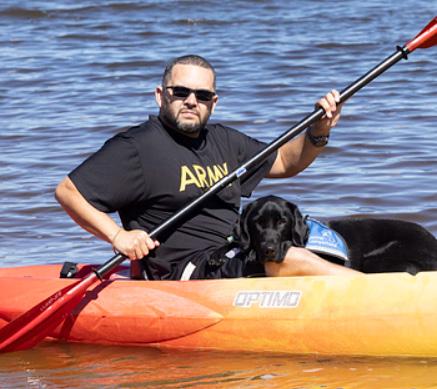
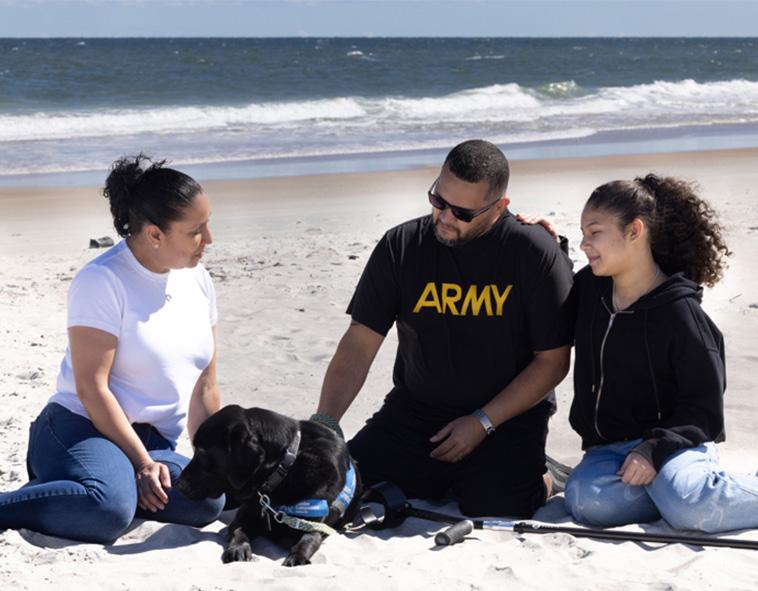
"Raider, " a rescued Labrador Mix, will enhance well-being among Navy crew
Media Contact: Kate Miller, Beck Ellman Heald, kate@behmedia.com, (858 242-2165
Shelter to Soldier is excited to introduce Raider, the latest pup making a positive impact in our program! Raider, a one-year-old lab mix adopted from Labs and More Rescue, is currently in training as a shipboard Morale Dog through the San Diego-based nonprofit organization’s Canine Ambassador program. This initiative is designed to support the emotional wellness, morale, and operational stress control of Sailors and Marines. Aboard the USS Makin Island, Raider will serve as a four-legged crew member, offering support through structured interaction, presence, and engagement as a part of Shelter to Soldier’s ongoing mission to support the mental well-being of those who bravely serve our country.
Shelter to Soldier’s Canine Ambassadors work across a range of settings to support the military and veteran community. They attend STS veteran applicant
interviews, support trauma recovery therapy, participate in group sessions, and visit active-duty service members and their families, offering moments of connection and care when it’s needed most.
Raider’s assignment aboard the USS Makin Island extends this vital work and supports efforts to improve mental wellness and quality of life for those serving our country. His training began in April, and he is set to live full time aboard the ship beginning in August.
The need for operational stress control support among active-duty Navy service members is more urgent than ever. According to Pentagon data, the Navy experienced a record number of suicides in the first quarter of 2024, 24 deaths in just three months, the highest quarterly figure since 2018. Raider’s role aboard the USS Makin Island helps address this crisis by fostering camaraderie within the crew, reducing operational stress, and increasing awareness for shipboard wellness and behavioral health services.
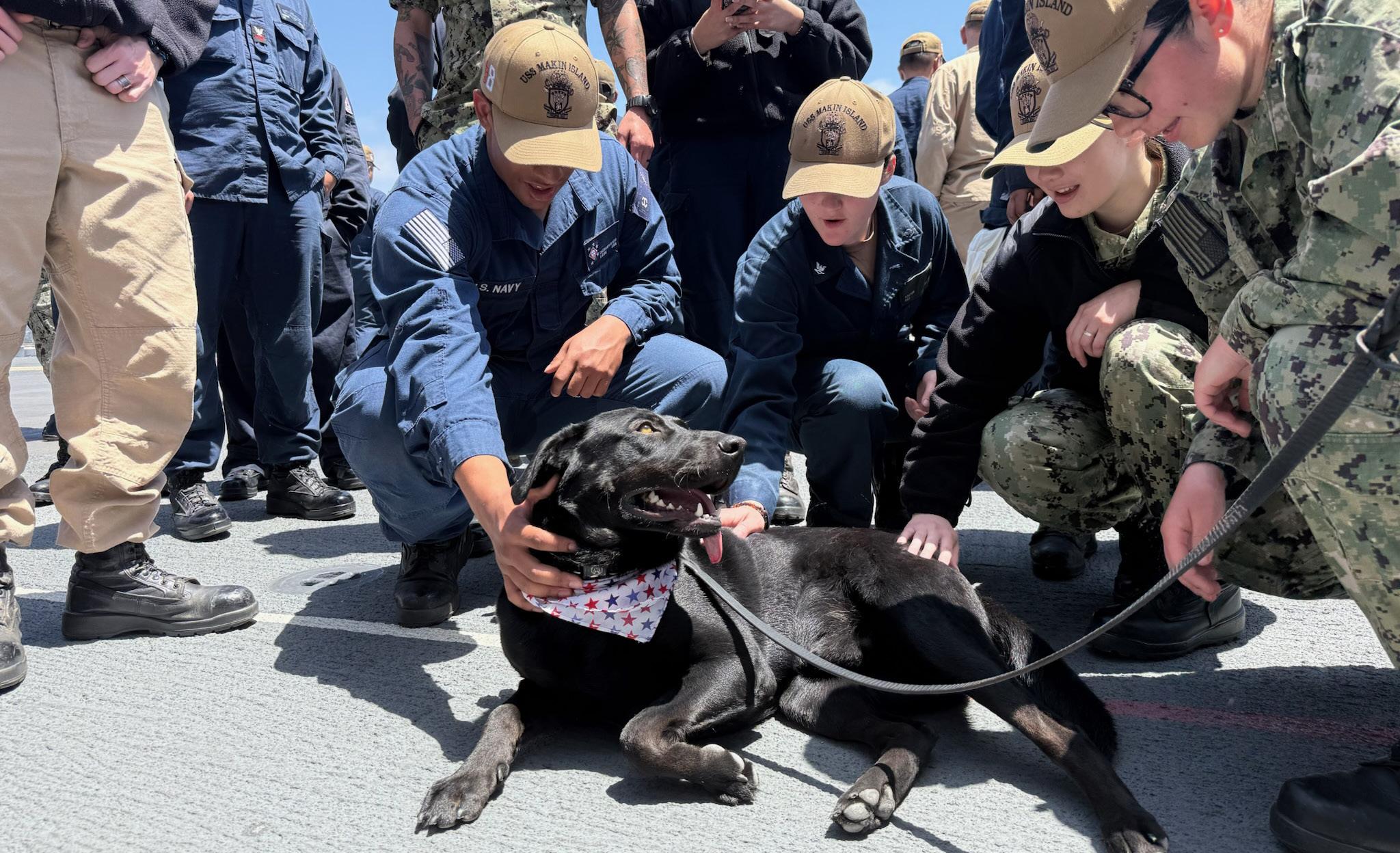
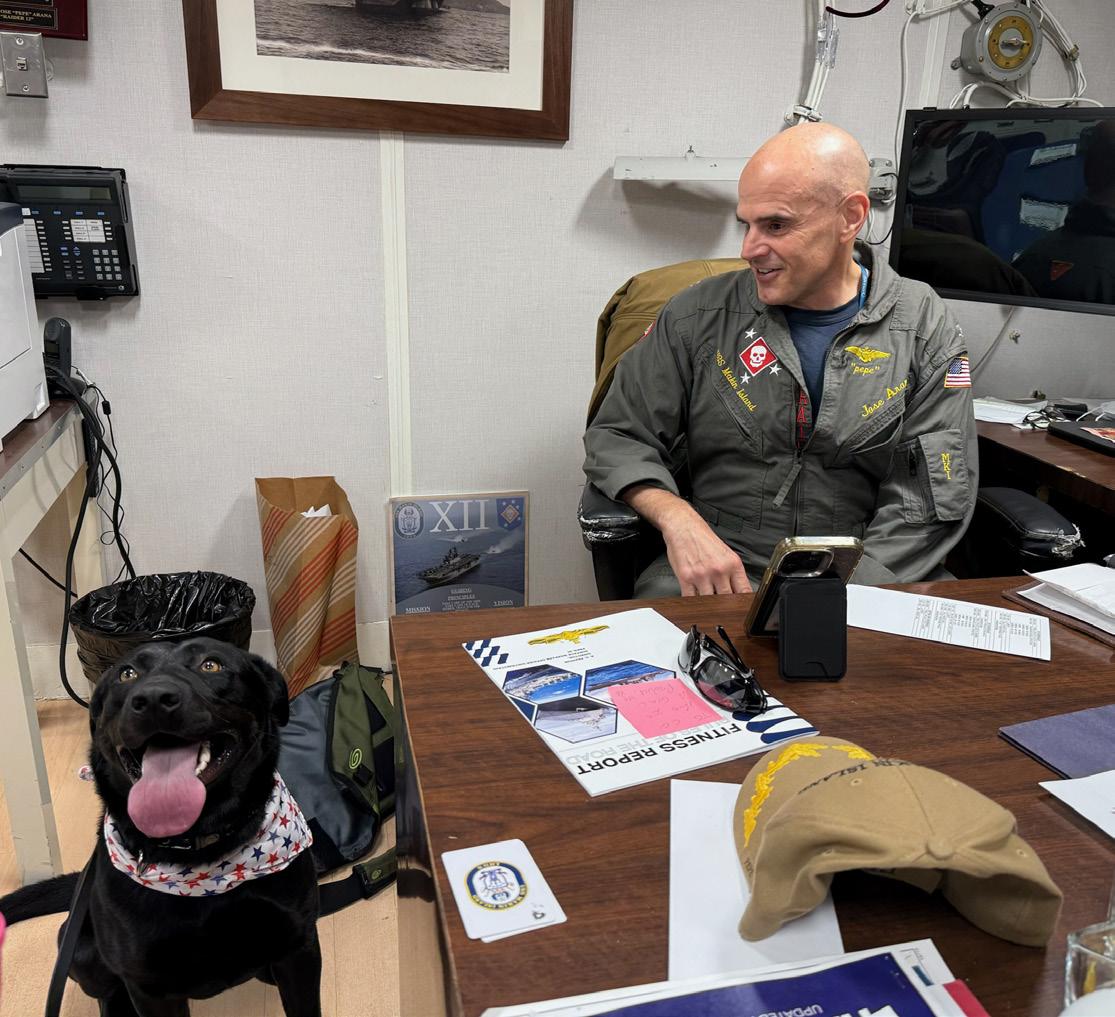
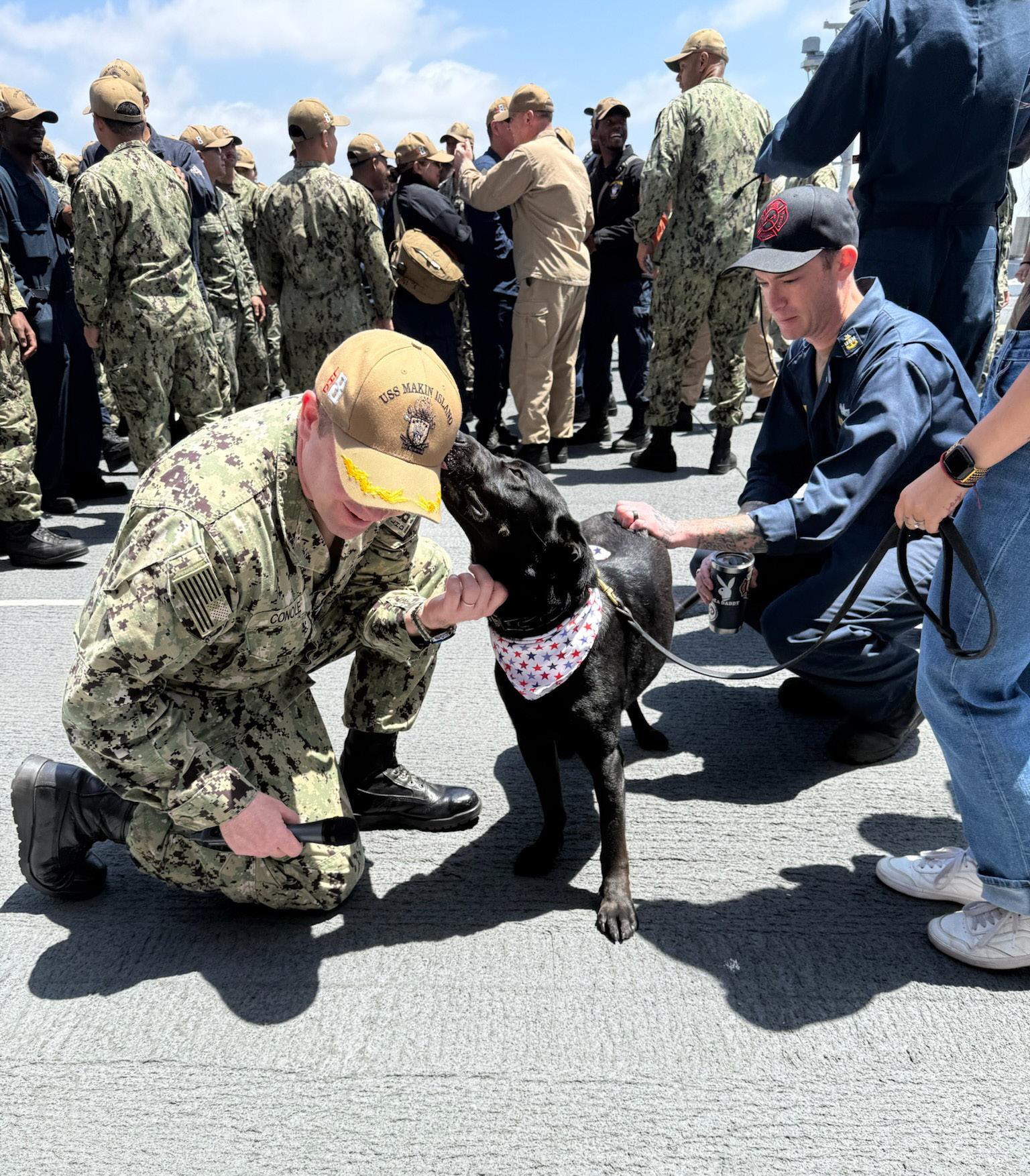
Raider’s placement was made possible through the generous sponsorship of Jeff and Karen Shabel, whose ongoing commitment to Shelter to Soldier’s mission has directly helped enhance the lives of both rescue dogs and the veterans and service members they support.
About Shelter to Soldier:
Shelter to Soldier™ is a CA 501c3 nonprofit organization that adopts dogs from local shelters and trains them to become psychiatric service dogs for post-9/11 veterans suffering from Post Traumatic Stress (PTS), Traumatic Brain Injury (TBI) and/or Military Sexual Trauma (MST).
www.sheltertosoldier.org
Our program also places emotional support animals (ESAs) with active-duty military, veterans, Gold Star Families and first responders.
The Shelter to Soldier Canine Ambassadors are a team of certified therapy dogs and their volunteer handlers who provide no-cost visits of love and comfort to local military personnel, veterans, and their families.
For more information on Shelter to Soldier and their programs, please visit www.sheltertosoldier.org
The number of veterans with service-connected disabilities has risen dramatically in recent years. Since 2008, the percentage of veterans with such disabilities has increased from 15% to more than 30%. Today, over 2 million veterans have a disability rating of 70% or higher. While the nature of these disabilities varies widely from mobility challenges to invisible wounds like PTSD, they all impact independence, daily functioning, and quality of life.
Since 1989, Canine Support Teams (CST) has been committed to enhancing the lives of individuals with disabilities by providing specially trained service dogs. We believe in the power of the human-animal bond and its ability to restore independence, confidence, and connection. Over the years, our dogs have been placed with individuals living with conditions such as Multiple Sclerosis, Cerebral Palsy, limited mobility, Traumatic Brain Injury, Post-Traumatic Stress Disorder, and more.
CST is proud to be accredited by Assistance Dogs International (ADI), the global authority on standards for service dog organizations. This accreditation ensures that we meet and maintain the highest standards in training and care. Additionally, the Department of Veterans Affairs recognizes ADI-accredited organizations, which may make veterans eligible for specific benefits, including service dog insurance coverage through the VA.
Each dog is uniquely trained to meet the needs of their future handler. Tasks may include walking beside a wheelchair or walker, retrieving dropped items, opening and closing doors, pressing elevator buttons, removing socks or jackets, turning lights on and off, and alerting others in case of an emergency. The possibilities are nearly endless; the impact is immeasurable.
Veterans often face steep challenges in recovery, employment, education, and social reintegration. The PAWZ for Wounded Veterans initiative was created to meet the growing demand for service dogs among veterans, and to provide these dogs and ongoing support at no cost to the veteran. The program is built to not only support the physical and psychological needs of veterans but also to foster healing through the unconditional partnership between human and dog.
It all begins with a volunteer puppy raiser. From 8 to 12 weeks old through approximately 16 months of age, each puppy is raised in a home environment and socialized through everyday outings and new experiences. Whether the raiser is working or retired, has children or other animals, enjoys a quiet home or an active lifestyle, any of these situations can help raise a well-rounded puppy.

CST provides nearly everything needed to support the puppy’s journey. Raisers teach basic obedience and help the puppy build confidence in new environments. During this stage, puppies earn key certifications such as the AKC S.T.A.R. Puppy and Canine Good Citizen
Once ready, the puppy enters our Prison Pup Program. This innovative program began in 2002 at the California Institution for Women in Chino and later expanded to the California Institution for Men. Today, more than 50 incarcerated participants are involved, training up to 25 dogs at any given time.
Under the supervision of CST’s professional trainers, carefully selected inmates learn operant conditioning techniques to teach the dogs advanced service tasks. These include providing deep pressure therapy, walking beside mobility devices, retrieving items, opening and closing doors, and more. The bond formed between the inmates and dogs fosters responsibility, empathy, and purpose.
Importantly, the inmate trainers gain valuable certifications and career skills that are difficult to replace with technology, skills that can support meaningful employment and successful reintegration after release.
Matching a veteran with a service dog is only the beginning. CST provides lifetime support to each team. Our trainers work closely with the handler and their family to ensure a smooth transition, addressing the needs of both dog and human. If challenges arise, or if the veteran’s
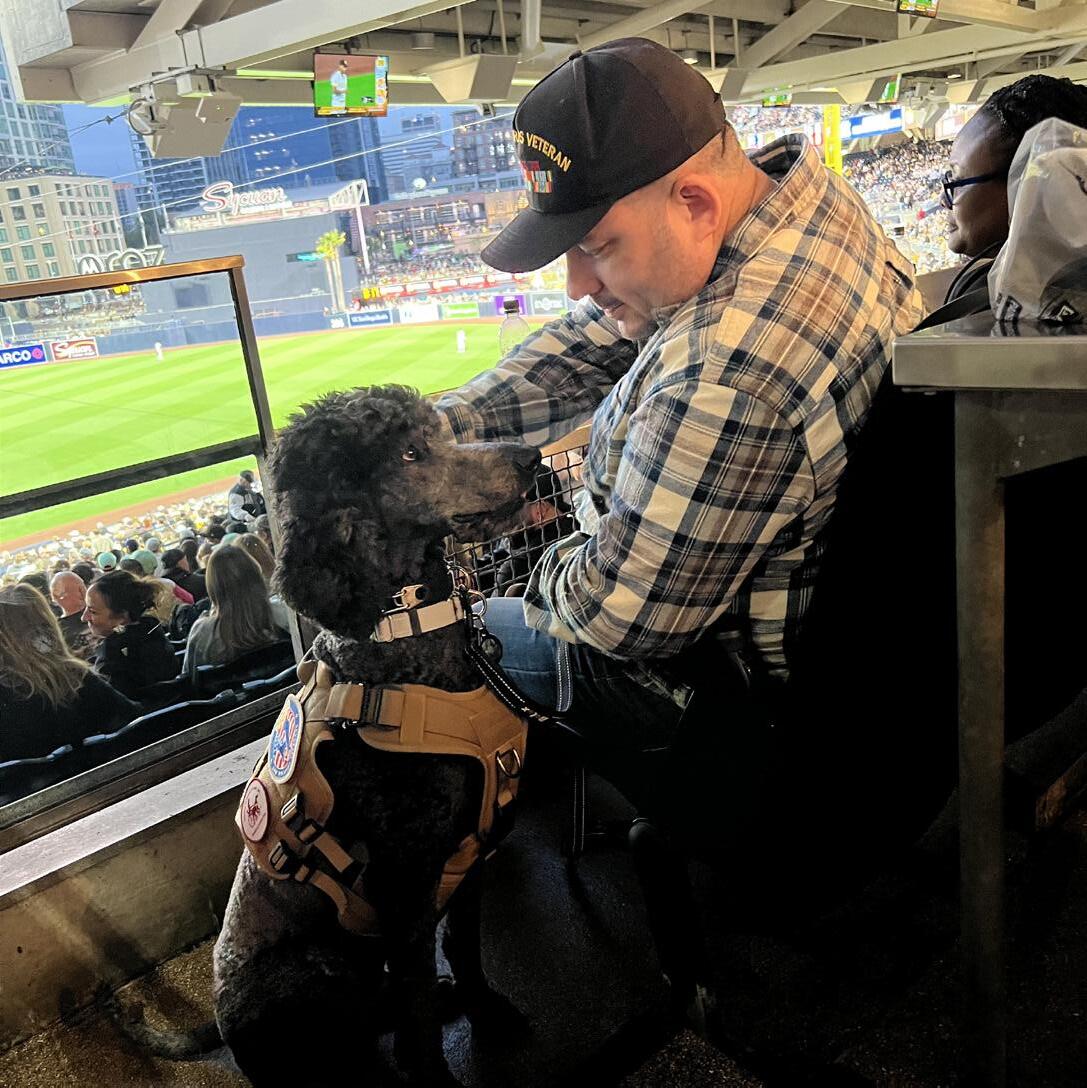
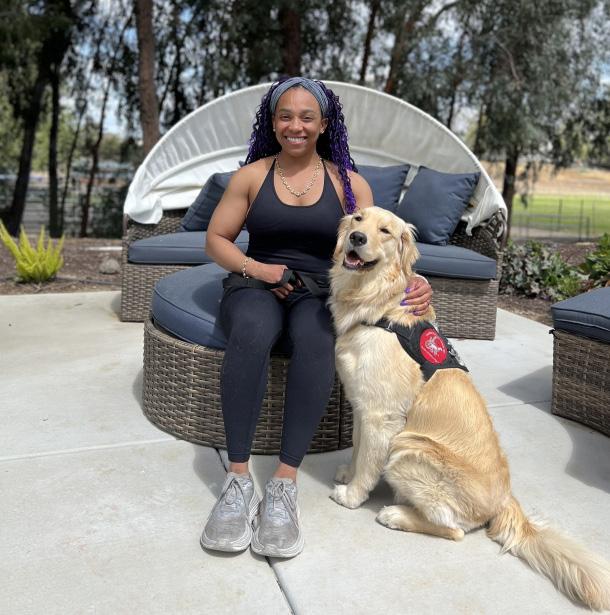
needs evolve, we offer personalized, in-person training to help keep the team on track.
We also facilitate annual Public Access Tests for each team to ensure continued success and provide any additional support that may be needed.
At Canine Support Teams, we are deeply committed to each partnership. Every dog, every veteran, every journey matters.
If you’re interested in advocating, volunteering, donating, or if you know a veteran who may benefit from a service dog, please visit www.caninesupportteams.org or contact us at CSTMain@CanineSupportTeams.org

By Dani Graymore www.servicedogtrainingschool.org
A quick look at the past reveals the incredible technological progress we've made over the years! Many things we now consider essential to daily life didn’t even exist just a few decades ago. Progress has transformed every aspect of our lives, including transportation.
Alongside public transportation and personal cars, Uber has become a popular choice. It has revolutionized travel, making transportation more accessible and convenient.
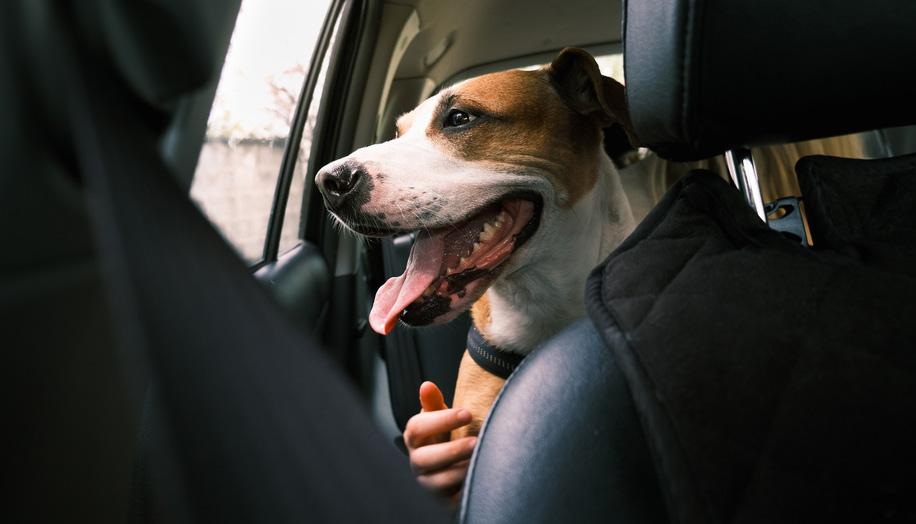
However, for pet owners, finding a ride that welcomes their paw friends hasn’t always been easy, until Uber Pet came in! This is a feature designed specifically for passengers traveling with their pets.
Today, we’ll explore Uber Pet, how it works, and what you should consider before booking your next ride.
What is Uber Pet?
Uber Pet is a specialized ride option that lets riders bring their pets along. Unlike standard Uber rides, where accepting pets is up to the driver, Uber Pet ensures that drivers agree to transport both the passenger and their pet.
Currently available in select cities, this service offers an alternative to public transportation or searching for pet-friendly taxis.
How to Book an Uber Pet Ride?
Booking an Uber Pet ride is simple, requiring just several steps:
Create an account
If you don’t have an Uber account, sign up using your email or phone number.
Log in
After creating an account, log in. You may need to enter a verification code sent to your email or phone (check your spam folder if you don’t see it).
Enter your trip details
Put in your pickup and drop-off locations.
Choose whether the ride is for yourself or someone else.
Choose your ride type
If available, select Uber Pet from the ride options.
Add a payment method
Payment options vary by location, but common choices include:
• Credit & debit cards
• Apple Pay & Google Pay
• PayPal (in some regions)
• Uber Cash / gift cards
• Venmo (US only)
• Cash (available in select areas)
Request your ride
Tap the “Request Uber” button to confirm your ride. You can sign up and request a ride from our browser or from the Uber app. To download the app, you need to go to the App Store or Google Play based on your phone’s operating system (iOS or Android).
Uber Pet is designed for dogs and cats, but other small domesticated animals may also be allowed at the driver’s discretion.
Riders are allowed to bring one pet on an Uber Pet trip.
Uber Pet rides are a bit more expensive than standard options due to the inclusion of a pet.
Additionally, if a pet sheds excessively, has an accident, or causes damage to the vehicle, a cleaning fee may apply.
To avoid additional charges, riders are advised to consider the following tips.
Riders are advised to have their pets restrained through a leash or harness. Alternatively, the pet may be placed in a carrier.
It’s recommended that riders put a towel or blanket on the seat to reduce the risk of damage.
Riders may want to ask the driver about their preferred spot in the vehicle for the pet to travel.
Pets should be well-mannered and not left unsupervised during the trip.
State and federal laws require Uber drivers to accommodate riders with service animals, prohibiting any refusal of service based on their presence.
Discriminating against riders with service/assistance animals is strictly prohibited, and drivers who violate this rule may lose access to the Driver app. For more details, review Uber’s Community Guidelines and Service Animal Policy.
Do You Have to Choose Uber Pet to Bring a Service/ Assistance Animal?
No. Service/assistance dogs are considered medical equipment and not pets. Therefore, you are not obliged to choose the Uber Pet option for your ride.
Service/assistance animals are dogs that have been individually trained to perform specific tasks for individuals with disabilities. It’s important to note that the term ‘disability’ doesn’t cover only visible physical conditions.
A disability can refer to a wide range of health conditions, including but not limited to diabetes, seizures, hearing impairments, autism, anxiety, PTSD/CPTSD, depression, panic attacks, etc.
It is also worth noting that service/assistance dogs can be of all breeds and sizes. Laws in many countries, including the US and UK, do not require them to wear identification or training gear.
That said, it may not always be obvious that a dog is a service/assistance animal. If a driver is unsure about the dog’s status, they may respectfully ask the rider. If the rider confirms that their dog is a service/assistance animal, they may be asked to provide proof of training or confirmation that the dog meets hygiene and behavior standards appropriate for public spaces.
Drivers are required to accept riders with assistance animals. If Uber receives a credible complaint that a driver refused a trip because of the presence of a service/assistance dog, they will review the case.
Depending on the outcome, the driver may lose access to the Driver app permanently.
Beyond being deactivated from the platform, drivers may also face legal fines for refusing a service animal. These penalties vary by location, reaching up to $8,000 in Australia, $1,650 in New South Wales, and $3,000 in New Zealand.
Uber Pet makes traveling with pets easier, especially for those who don’t own a vehicle.
Whether you need to bring your beloved paw friend for a vet check-up; would like to take them on a walk to the local park; plan a stay for them in a pet-friendly hotel, or plan a casual outing with them, Uber Pet can be a convenient option! You won’t need to worry about pet restrictions on public transportation or shared rides where animals are not allowed.
With Uber Pet, drivers already know they’ll be transporting an animal. This helps prevent potential altercations with drivers who don’t wish to transport pets and may cancel your ride because of them. This ensures a smoother experience for both riders and drivers.
Public transportation can be overwhelming for pets due to the presence of triggers such as loud noises, unfamiliar people, odors, etc. Uber Pet offers a quieter, and more controlled setting, which is helpful to pets with little to no experience in crowded areas. It reduces stress and creates a more comfortable ride for the pet.
Additionally, since pets travel in a private vehicle, there’s no need to worry about navigating tight spaces or following public transport rules regarding animals.
Before booking, you should consider a few factors to ensure a smooth and stress-free ride for you and your pet.
Before booking an Uber Pet ride, you should make sure your pet is comfortable with car travel. Some animals experience anxiety or motion sickness, so taking your furry friend on short trips can help them adjust.
You may also consider bringing their favorite blanket or toy for comfort and a calming effect during the ride.
To ensure a positive experience for everyone involved, you should keep your pet clean and well-groomed before the trip. Be mindful of shedding or muddy paws to prevent any mess. Keep in mind that a cleaning fee may apply if your pet soils the vehicle or causes damage.
It’s important to remember that Uber Pet isn’t available everywhere. It is recommended that you check in advance to see if the service is available in your area.
If it’s not an option in your city, you may need to explore alternative pet-friendly transportation options.

Dani Graymore is a Certified Dog Trainer with over 10 years of experience in the field. She currently teaches assistance dog training classes at one of the SDTSI onsite schools in Plovdiv, Bulgaria.
Dani specializes in working with reactive dogs and addressing behavioral issues, with a particular passion for teaching scent work. She is a proud member of the Guild of Dog Trainers and a Professional Member of the Pet Professional Network.
www.servicedogtrainingschool.org
Guide Dogs of America | Tender Loving Canines (GDA|TLC) is a nonprofit organization that provides service dogs at no cost to veterans living with PTSD, traumatic brain injuries (TBI), military sexual trauma (MST), and/or mobility limitations. These life- changing partnerships empower veterans to regain independence, rebuild confidence, and reintegrate into their communities. Kim’s story is one powerful example of that mission in action.
Retired Air Force Lt. Colonel Kim proudly served her country for 21 years. A devoted wife and loving mother, Kim and her family have always shared a passion for sports. Football and basketball games were their happy place, a beloved tradition that brought them together and created lasting memories.
In 2018, Kim was diagnosed with spinal cancer, likely linked to burn pit exposure during her deployment in Iraq. After undergoing surgery and radiation, she lost sensation from the mid-chest down. Tasks she once did without thinking— like walking or balancing— became steep mountains to climb. A few unexpected falls led to broken bones in her foot and ankle.
Kim describes her new reality with striking clarity: “If you’ve ever had dental work, you know how they numb your mouth—you can move it, talk, but you just can’t feel it. Or when your arm falls asleep and it tingles as it wakes up. That’s what my legs feel like all the time: numb or asleep.”
Outings with her family, once a joyful experience, began to feel daunting. Kim started declining invitations, fearing crowds and uneven ground. A walker might have offered support, but accepting it felt like surrendering her independence. Instead, she leaned on her husband and daughter in public, quietly carrying the emotional weight of dependency.
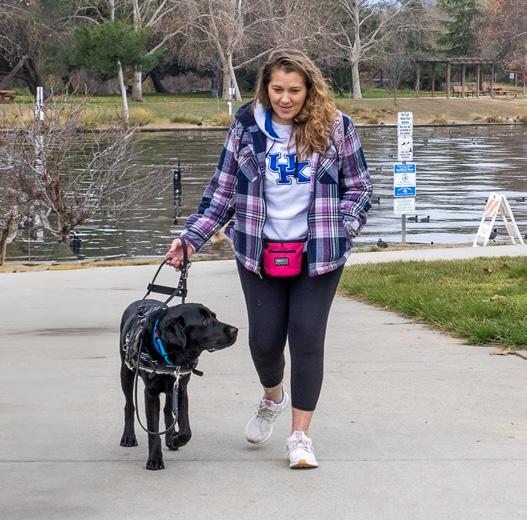
Then came Jackson.
“Meeting Jackson was like gaining an instant best friend,” Kim shares, a smile lighting up her face. “There’s no judgment, just unconditional love. He helps me with balance and mobility, but just as importantly, he’s there for my PTSD. He’s my constant support.”
Through GDA|TLC, Jackson was custom-fitted with a mobility harness tailored to give Kim the counterbalance she needed to walk with confidence. With Jackson by her side, the world opened back up. Family outings became enjoyable again, not stressful.
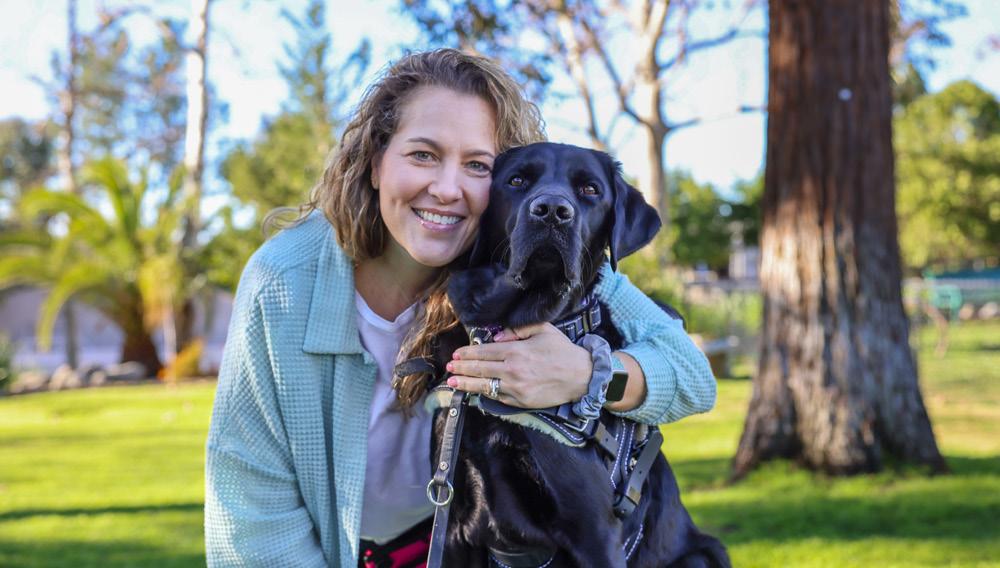
And Jackson, with his gentle presence, helped signal to those around Kim that she needs space to move safely. No more explanations, just renewed confidence and dignity.
Before Jackson, Kim had to mentally run through a checklist before accepting any invitation: Will it be crowded? Will someone be there to support me? Is it too far to walk? More often than not, the answer was no.
Now, that has changed. “Today, when I get an invite, 9 times out of 10, I say yes. My family can relax and enjoy themselves without worrying if I need to lean on them,” she says.
Kim’s story echoes the experiences of countless veterans across the country. These brave men and women are more than just heroes. They are parents, siblings, and friends, surrounded by loved ones who want nothing more than to see them regain their strength and spirit.
For many, a service dog is the key to that second chance. Reflecting on her partnership with Jackson, Kim shares, “You can count how many teams GDA|TLC graduates, but what you can’t count is how these dogs make life possible again. They make life worth living. Thank you, GDA|TLC, for giving me my life back. We are forever grateful.”
Thousands of veterans like Kim are waiting for the life-changing partnership a service dog can provide. GDA|TLC is committed to matching veterans with expertly trained dogs, but they rely on support from the community to make it possible.
If you’re a veteran living with PTSD, TBI, MST, or mobility challenges, know this: You don’t have to walk this road alone. A service dog could be the partner who helps you reclaim your confidence and independence.
Visit guidedogsofamerica.org/veteran-service-dogs to learn more and start your journey.
If you’re a supporter, your kindness has the power to transform lives. Whether through a donation, volunteering, or simply spreading the word about GDA|TLC’s mission, your efforts help ensure more veterans like Kim find the support they deserve. Ready to be part of the next story of hope?
Visit guidedogsofamerica.org and join us in changing lives, one partnership at a time.
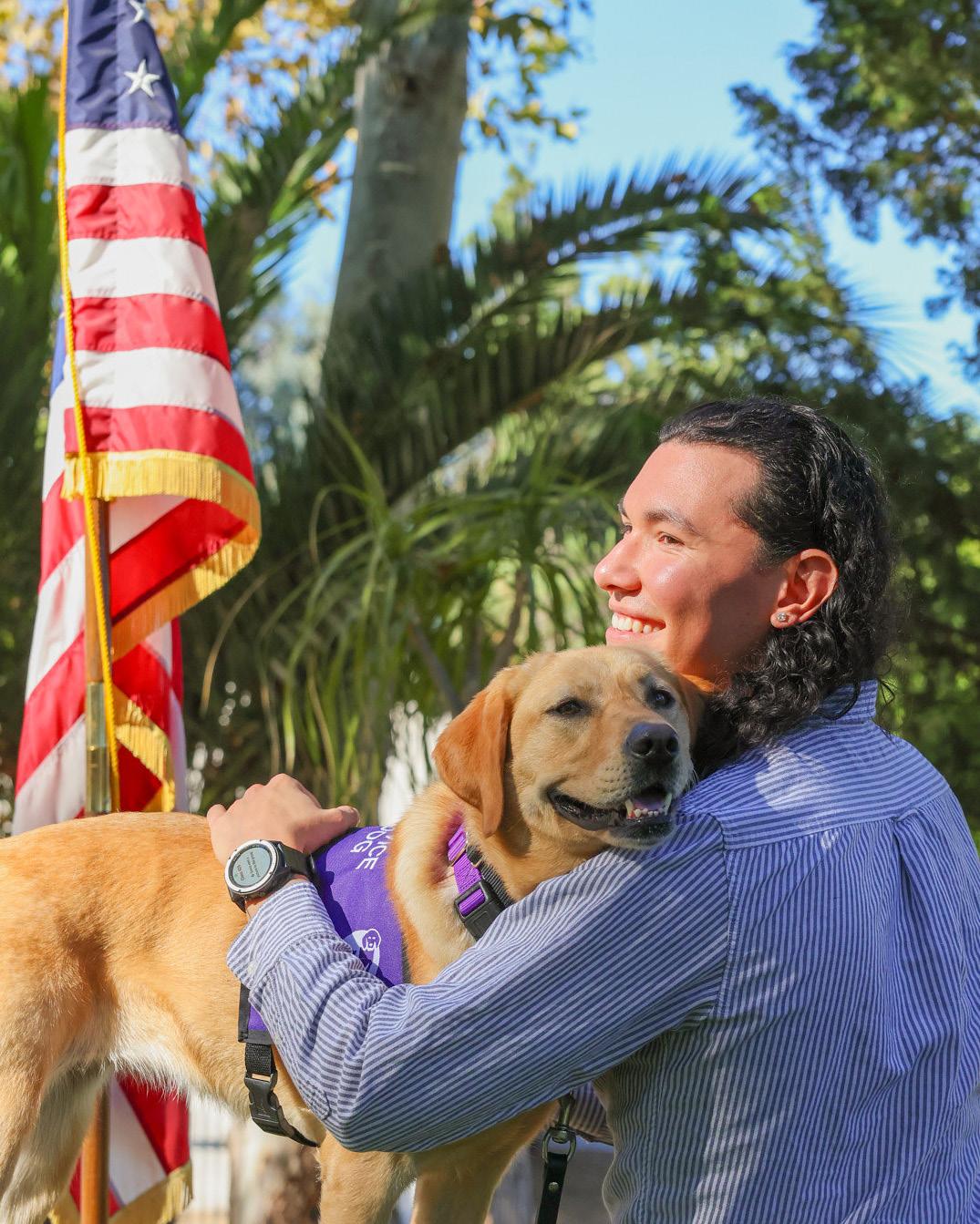
Service dogs are transforming veterans’ lives, providing mobility support, emotional healing, and the freedom to live fully again.
• Apply for a Service Dog • Raise a Puppy • Volunteer
Donate

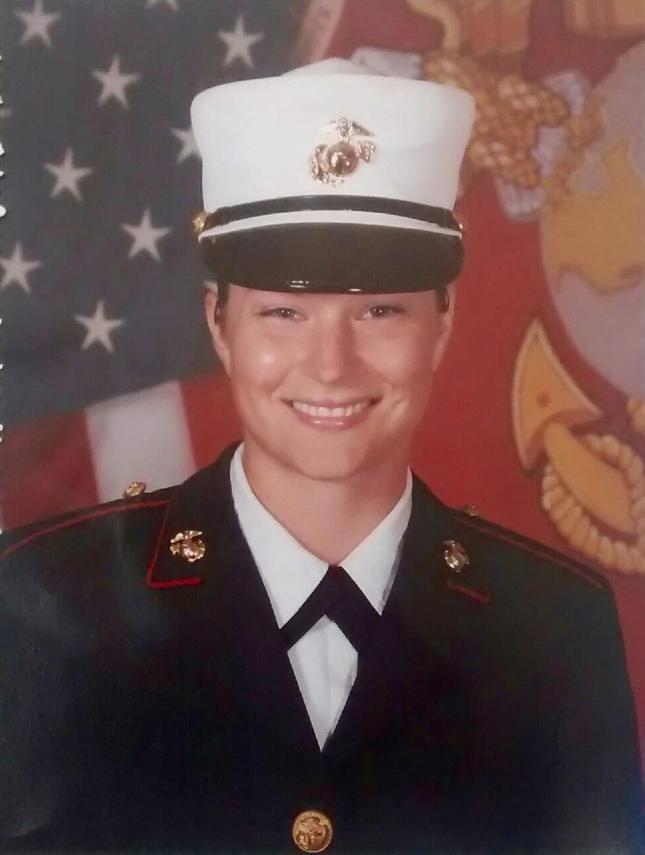
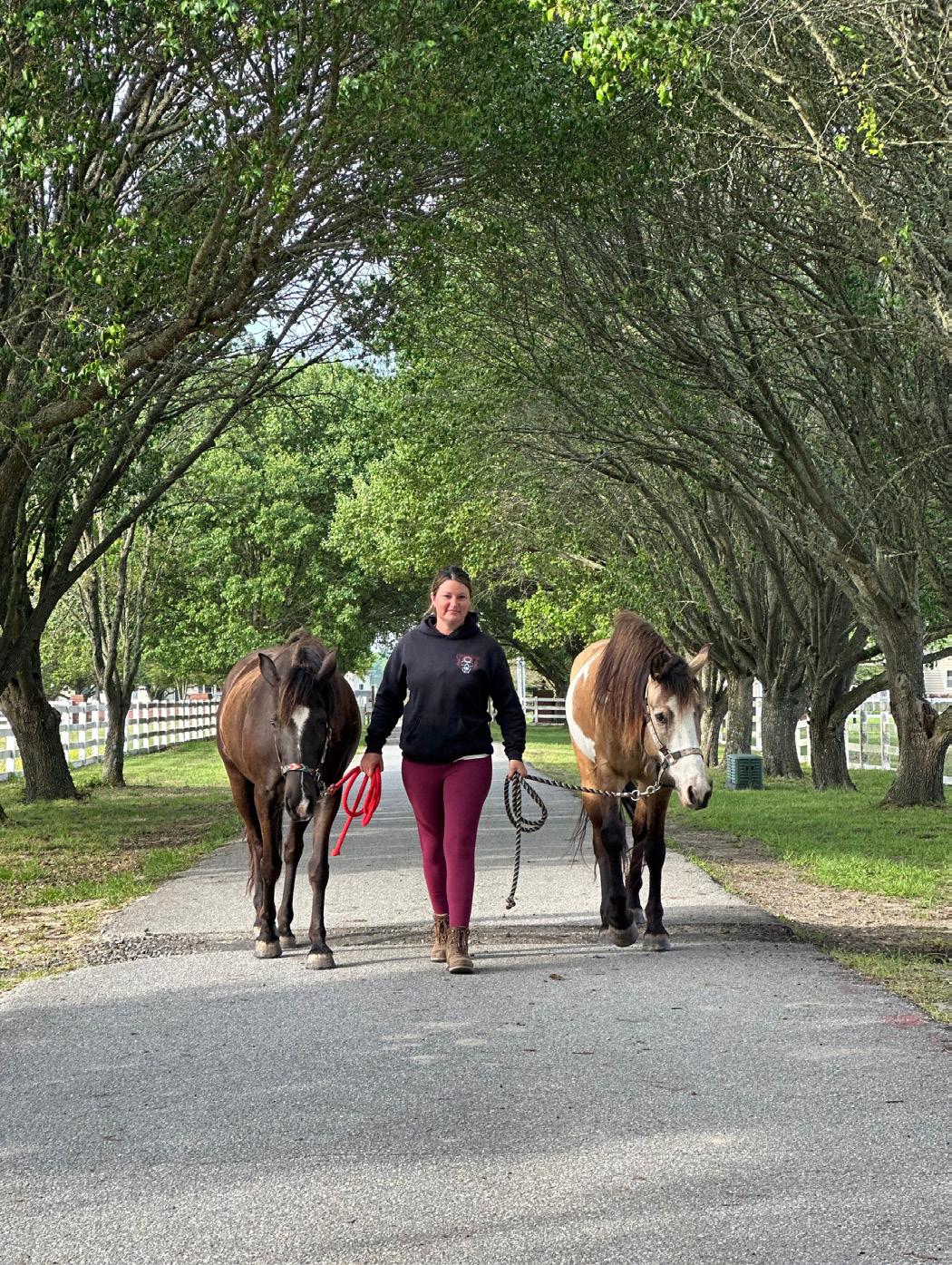
I'm a Marine Corps veteran, Reiki practitioner, and horse trainer specializing in trauma recovery through somatic experiencing and connection with horses. My work bridges the gap between veterans and civilians, fostering community and addressing the roots of veteran suicide
My own healing journey from complex trauma to purpose drives my passion for helping others. With support from individuals and nonprofits, I help build systems that create lasting change.
I believe true community is built through curiosity, trust, and connection By reigniting a sense of hope and presence, I support those who feel lost in survival mode much like the feral horses I train, whose instincts once mirrored my own.
With grit, integrity, and gentleness, I stand ready to ride alongside anyone ready to take ownership of their healing
Susie is Harmonetiks newest Team Member.












- Patriots to Education: A New Mission
- How to Beat the War on Succes
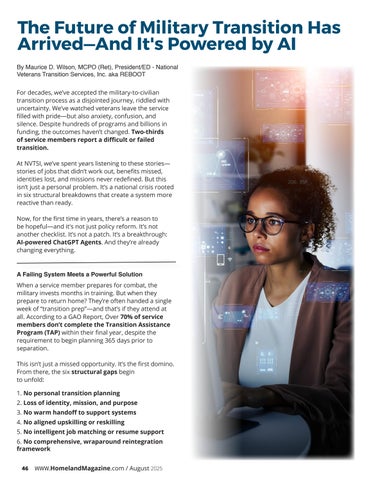
- The Future of Military Transition (AI)
- Tackling the Transition to Civilian Life
- The Doggone Truth about Transitioning


- Supervisors that Inspire high-level employees
- Job Search and Career Transition 2025
- Asset Protection Behind the Corporate Veil
- Careers in Law Enforcement
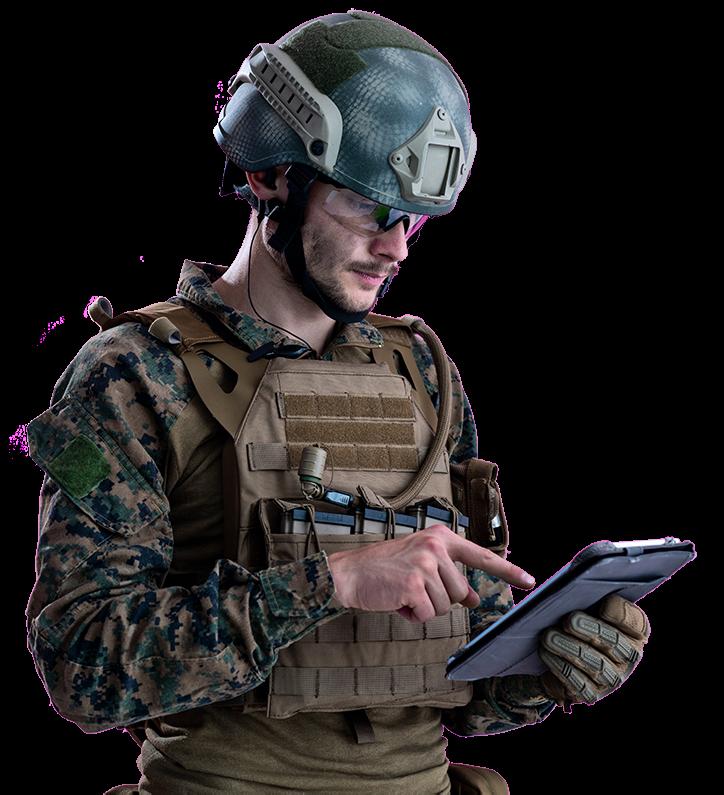
For editorial & monthly columns regarding transition, career advice, tips, workshops, transition to education, entrepreneurship, straight-forward legal tips for military and veteran business owners and more, visit Veterans In Transition.
www.homelandmagazine.com/category/veterans-in-transition

Your Mission. Your Education. Your Pace.
Turn your military training into a mission for justice with a Criminal Justice degree from Los Angeles Pacific University. Our 100% online program is built for military members, spouses, veterans, and dependents, offering flexibility and Christ-centered support from coaches who understand your journey. Whether you’re on base, deployed, or at home, LAPU moves with you. Study anytime, anywhere!*
• Maximize Your Benefits – GI Bill®, Tuition Assistance & Spousal Aid
• Earn Credit for Military Experience – CLEP, DSST, JST & More
• Fully Accredited – Associate, Bachelor’s and Master’s Degrees

Voted #1 Military Friendly School & #1 Spouse School
*LAPU is currently unable to offer distance programs in select states. Visit website for details.


Just like boot camp molded you into the service member you would become, our free on-site and virtual programs mold you into the college student you strive to be.

Boot camp prepared you for the military. We prepare you for college. Scan the code to learn how our programs help enlisted veterans succeed in college
By Dr. George Ann Rice Patriots to Education
Across the nation, school districts are grappling with a critical teacher shortage that threatens student achievement and long-term opportunity. Classrooms without qualified educators lead to larger class sizes, diminished one-on-one instruction, and the loss of programs that spark curiosity and creativity. This issue is particularly challenging for students in underserved communities, where access to consistent, high-quality instruction is essential for closing opportunity gaps.
But this is more than just an education issue—it’s a national imperative.
The ripple effects of a weakened public education system extend to national security, economic vitality, and civic engagement. A lack of STEM educators limits innovation. Underserved schools widen inequality. Unfilled teaching positions leave future generations less prepared to meet the challenges of our time and to take technical jobs that are being created now. Even military readiness is affected: the U.S. Department of Defense reports that over 70 percent of young Americans are ineligible for military service, often due to educational shortcomings. And military families—crucial to the stability of defense communities—consider the quality of local schools when deciding where to live and whether to stay.
One Big Step Toward a Solution: Tap into a powerful, often-overlooked resource: the military-connected community.
Patriots to Education (PTE) is a nonprofit initiative that unites two national priorities—supporting veterans and strengthening public education. PTE actively recruits and supports Veterans, Reservists, National Guard members, military spouses, and transitioning service members (within one year of separation) to pursue meaningful careers in public education teaching, related-service providers, support staff, technical and operations. These individuals bring unmatched leadership, discipline, and mission-focused mindsets— qualities that schools need now more than ever. Also, they provide diverse and male role model candidates needed by students from all ethnicities and many from father-less homes. Students must be taught to understand and appreciate the uniqueness of our country.
Each year, approximately 200,000 men and women transition out of the military. According to the California Center for Military Integration, nearly 70 percent of them are unsure of their next steps. PTE offers them a clear pathway forward: a career that continues their legacy of service while making a lasting impact on the next generation.
Through strategic outreach—Transition Assistance Program (TAP) Capstones, installation education offices, installation-wide newsletters, Key Spouse programs, and onboarding events for incoming families—PTE connects early and meaningfully with those in transition. It also collaborates with National Guard and Reserve units, veteran organizations, and state employment programs like Work for Warriors and CareerSource to ensure those best positioned to serve in schools and central services are reached.
There are over 5 million veterans under the age of 50 living in the U.S. today. Many of them—and their spouses—are eager for purposeful careers that align with their values. PTE empowers them with assistance in identifying the training, resources, and support needed to thrive in public education, whether in the classroom or in school support roles.
Our mission is simple but powerful: honor the continued service of our nation’s heroes while strengthening the schools that shape America’s future. Success isn’t just measured in placements—it’s measured in student outcomes, community impact, and the knowledge that those who once defended our nation are now helping to educate and inspire it. Together, we’re building brighter futures—one classroom at a time.
In the months to come, we will share the work in several states and let you hear from those who have already accepted this New Mission with A Crucial Impact.



By Barbara Eldridge barbara@mindmasters.com www.mindmasters.com


After several years hosting events and introducing dynamic guest speakers, I had a realization: while expert content is valuable, what entrepreneurs need more is connection. A space to share real-world challenges, get unstuck, and tap into the hard-won insights of others who’ve walked a similar path.
That’s why we transformed our Marketing Meet Up. We shifted from presentations to powerful peer-driven conversations. And the results were remarkable.
The attendees didn’t just leave with ideas—they left with answers, strategies, and most importantly support. They experienced the kind of camaraderie that many veterans miss after leaving the military service—the sense of purpose, mutual respect and shared mission.
As a veteran you are no stranger to grit, leadership, and calculated risk. These qualities serve you well in business. But entrepreneurship is also a different kind of battlefield—one that often feels isolating. You’re the commander, the supply chain, the communications officer—and when things get tough, it’s easy to wonder, Where do I turn?
When you’ve invested so much in your business, falling short on results isn’t just frustrating—it can feel personal. Yet in today’s high speed, ever evolving marketplace, staying on course is no easy mission. That’s where community makes all the difference.
In the military no one fights solo. The same should be true in business. When your part of a mastermind or peer advisory group, you gain something powerful: collective wisdom. You can brainstorm solutions, focus on high value tasks, and get clear on what’s next—with a team at your side.
In on going meetings we saw how quickly things shift when business owners come together.
Trust is built. There’s shared experience. There’s mutual accountability. And there’s momentum.

The danger of doing it alone. You end up relying on what you know—and when you hit a blind spot or lose focus, it’s easy to get derailed. That costs time, money, and confidence. But in a well-run mastermind, things change. It’s not just about venting—it’s about doing
You show up, share your challenge, and walk away with clarity, a plan and the accountability to follow through. When you report back with progress, you’re not just checking a box-you’re reinforcing your mission, your purpose and your momentum.
Veterans Understand the Power of a Unit—Let’s Bring that to Business
Veteran entrepreneurs are uniquely positioned for success. You understand strategy. You take ownership. You know how to execute under pressure. But even the best trained soldier needs backup. That’s what a mastermind group provides: backup, insight, and a boost when you need it most.
As Napoleon Hill in his bestselling book Think and Grow Rick, wrote a master mind is the “Coordination of knowledge and effort in a spirit of harmony between two or more people for the attainment of a definite purpose” which he stresses is the necessary “POWER” that moves ideas into action-and action into results.
So let me ask you, What’s your biggest business challenge right now?
• Is it marketing? • Leadership? • Sales?
• Financial clarity? •Technology?
• Understanding your customers better?
• Structuring your business for growth?
Whatever it is, you don’t have to figure it out alone.
If you have never experienced a “real” mastermind, now is the time. Join a group. Start one. Ask for help. Take the next step. Because the war on success can be won—but not solo.
Ready to Level up and?
Share real challenges
Tap into the real experience of fellow entrepreneurs
Get fresh strategies
Stay focused, take action, and measure results
Veterans thrive in teams—your business should be no different. Whether you’re launching, growing or rebuilding, a master mind group can give you the structure, accountability and camaraderie you need to succeed.
Barbara Eldridge has built a solid reputation as a Results strategies specialist, within industry and business over the past 40 years. Her unique message, since starting Mind Masters 30 years ago for entrepreneurs and small business owners, continually stresses vision, purpose and values as the key elements of business philosophy. Her undying compassion for the entrepreneur’s journey, her tireless capacity to listen, and her sincere enthusiasm for other’s success have insured her growing influence and her own mastery with MIND MASTERS. www.mindmasters.com

Finding a job in the civilian workplace may seem easy at first. After all, you have learned skills, practiced leadership and demonstrated initiative that will make you successful wherever you go.
The reality, though, is that it can be difficult. In fact, it can be downright depressing demotivating and you may feel totally disillusioned. We can help.
In our Veterans In Transition archives you will find helpful and informative articles about what’s next in transition, veterans in business, career, advice, tips, workshops, transition to education, entrepreneurship, veteran franchises, legal tips & resources for veteran businesses and much more...
For assistance in your journey please visit: Homeland-Veterans-In-Transition homelandmagazine.com/category/veterans-in-transition
By Maurice D. Wilson, MCPO (Ret), President/ED - National Veterans Transition Services, Inc. aka REBOOT
For decades, we’ve accepted the military-to-civilian transition process as a disjointed journey, riddled with uncertainty. We’ve watched veterans leave the service filled with pride—but also anxiety, confusion, and silence. Despite hundreds of programs and billions in funding, the outcomes haven’t changed. Two-thirds of service members report a difficult or failed transition.
At NVTSI, we’ve spent years listening to these stories— stories of jobs that didn’t work out, benefits missed, identities lost, and missions never redefined. But this isn’t just a personal problem. It’s a national crisis rooted in six structural breakdowns that create a system more reactive than ready.
Now, for the first time in years, there’s a reason to be hopeful—and it's not just policy reform. It’s not another checklist. It’s not a patch. It’s a breakthrough: AI-powered ChatGPT Agents. And they’re already changing everything.
When a service member prepares for combat, the military invests months in training. But when they prepare to return home? They’re often handed a single week of “transition prep”—and that’s if they attend at all. According to a GAO Report, Over 70% of service members don’t complete the Transition Assistance Program (TAP) within their final year, despite the requirement to begin planning 365 days prior to separation.
This isn’t just a missed opportunity. It’s the first domino. From there, the six structural gaps begin to unfold:
1. No personal transition planning
2. Loss of identity, mission, and purpose
3. No warm handoff to support systems
4. No aligned upskilling or reskilling
5. No intelligent job matching or resume support
6. No comprehensive, wraparound reintegration framework

The result? Veterans become lost in a maze of disconnected services, job boards, benefits portals, and vague advice. It’s no wonder 66% of them say the process failed them.
But what if, instead of being alone with a checklist, every service member had a digital assistant—an AIpowered “transition officer”—to help manage every step?
Imagine an AI assistant that:
• Logs into your MYTT365.online dashboard
• Scans your progress, flags overdue tasks, and gives you your next three priorities
• Syncs your tasks with your calendar and emails reminders
• Builds a civilian resume from your military experience
• Matches you to real jobs that fit your skills
• Suggests certifications and training based on your future goals
• Sends progress reports to your mentor, counselor, or coach
This is not science fiction. This is ChatGPT Agent, launched in 2025 by OpenAI—and now being fully integrated into the MYTT365.online platform. It’s like having a 24/7 XO dedicated to your post-military mission. And when paired with the proven structure of the REBOOT Workshop, it creates something we’ve never had before: a smart, personalized, end-to-end transition system.
With this technology, we can finally close the six gaps that undermine transition success:
• Preparation & Planning: Your AI Agent tracks your tasks and deadlines from Day 1. No more last-minute panic.
• Identity & Purpose: REBOOT + AI prompts help you rediscover who you are beyond the uniform—and what comes next.
• Warm Handoffs: Your Agent ensures follow-ups with OnwardOps, VA, and VSOs actually happen.
• Reskilling & Upskilling: AI helps you find futurefocused career paths and shows you what certifications to pursue.
• Job Matching & Resumes: No more translating MOS codes. The Agent builds your resume and applies to jobs for you.
• Community Reintegration: It connects the dots— healthcare, housing, benefits, and mentorship—in one interface.
At NVTSI, we’re not just teaching this—we’re scaling it. Our new webinar,“Automate Your Transition: ChatGPT + MYTT365”, is already helping transitioning service members across the country build their own transition agents. In just one hour, they leave with a working system that thinks, tracks, and acts on their behalf. And the results? Transformative.
Veterans are reporting greater clarity, confidence, and momentum. Tasks that once felt overwhelming are now automated. The burden is lifted. The mission is back on. We believe this technology represents the future of transition support—and NVTSI is leading the way, right here in San Diego.

If you’re preparing to leave the military—or supporting someone who is—now is the time to integrate AI into your transition plan. You can register for the next free session at: www.mytt365.online/webinar
We’ll show you how to activate your Agent, sync it with MYTT365, and turn the chaos of transition into a wellrun operation. Because you’ve already answered the call to serve. Now let’s make sure you’re supported, empowered, and equipped for the next chapter—with technology as disciplined and mission-focused as you are.
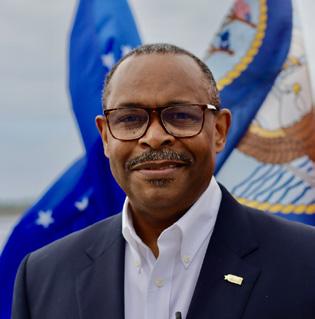
Maurice D. Wilson, MCPO (Ret), President/ED - National Veterans Transition Services, Inc. aka REBOOT
To learn more visit www.nvtsi.org or to sign up for the next REBOOT Seminar visit www.nvtsi.org/events/categories/seminar
By: Chris Martin
Military service isn’t a detour — it’s a launchpad. For Nate Boyer, the discipline, resilience, and leadership forged in uniform didn’t pause his ambitions, but rather propelled them forward.
Boyer served with Army Special Forces, spent time on the Seattle Seahawks’ roster prior to the 2015 NFL season, and is a co-founder of Merging Vets & Players (MVP), a nonprofit addressing issues faced by veterans and athletes after taking off the uniform.
Boyer’s session at the TotalForce+ conference, which runs Oct. 28-29, will challenge the notion that military service means putting life on hold, instead highlighting how the military builds world-class performers, innovators, and leaders, equipping them to thrive in any field.
Boyer spoke with MOAA about transitioning out of service and how to overcome assumptions in the private sector. This interview was edited for length and clarity.
Q. What excites you about Total Force+?
What we get more than anything out of our time and service in the military is how to be a good teammate, how to be a leader, how to persevere, how to sacrifice, and how not to quit. Those are the intangibles that will get you to that next place. You just have to put the reps in and be willing to sacrifice just like you did when you wore the camouflage.
We come from all walks of life. We have various skill sets. That’s what is special about the military — we come together, these people with various experiences, and we solve one problem at a time as a team, but with lots of different viewpoints. We learn discipline and the willingness to fight for the person next to you and potentially die for them, even if you don’t even like them that much.
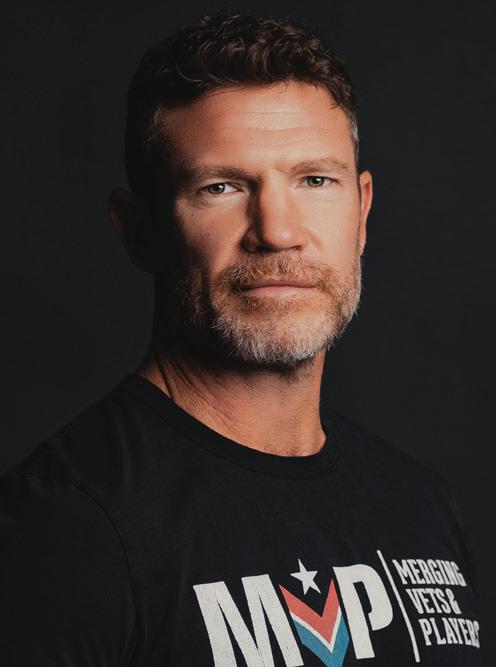
U.S. Army Green Beret, Co-Founder MVP, Filmmaker, Former NFL Player
A. It’s the opportunity to connect with veterans and people that support veteran causes, and to rally the community together while also being inclusive of the civilian population.
It’s easy to have silos in today’s world. What’s interesting to me about TotalForce+ is the aggregation of these different communities and the focus on veterans’ stories and initiatives, and also making sure the community at large is aware of these things and that we’re reaching more than just those we’re comfortable engaging with.
Q. What message are you bringing to attendees?
A. We often get into this mindset that our skills need to directly translate to the next thing we do. That’s not only untrue, but you will be holding yourself back.
That’s an important lesson for a lot of people. We all have control over how we treat our neighbor every day, or how we treat our co-worker or colleague.
Q. What advice do you have for those transitioning out of service?
A. You’re going to want that element of service and purpose, and to have that feeling you are contributing to the betterment of society every day. But there’s also value in taking a break. Before you jump ship, start to look at other opportunities to discover what you’re into.
I did an internship at 34 years old, and yeah, it felt a little weird the first day because I’m making coffee and cleaning the fridge out and picking up lunch. But I was at a production company, and that was what I was interested in. I needed to start in the proverbial mail room like everybody else and just learn. But you’ll quickly find if you approach it right, with humility and this idea that nobody owes you anything just because you served in the military, people will find you and learn about your experience. Then, all of a sudden, you’re sitting in other meetings. Look, you’ve dedicated quite a bit of your life to the thing you did before, especially if you’re retiring out.
Scan the QR code to find more interviews with TotalForce+ featured speakers.
People will look for a lateral transition into the business world or something like that. If you’re able to do that, that’s awesome, but that’s probably not the reality for most people — think of the people in those sectors that have been spending the same amount of time there that you did in the military. It’s OK to not have the most ideal job out of the gate, as long as it’s in the right place and a spot that interests you.
Q. Why is it important to hear from veterans about improving the lives for those currently serving?
A. When I was in, the last thing I thought about was being a veteran. I didn’t understand that there were post-service resources and such a big community. It’s crucial veterans lead the way in helping because we’ve done it — we’ve been there. People are going to listen to us if we have a shared experience. But experiencing those in a different way, that’s also extremely valuable because we don’t want to just do things all the same.
Q. What’s the next big project MVP has planned?
A. We’ve got nine chapters around the country already operating, and we’re opening a few more this year. Interestingly enough, we’re starting to operate in the D.C. area, and that’s another reason we’re really excited about TotalForce+.
It’s been tough these last few years with a lot of these vets, including myself, that were part of the 20-year war. The way it ended — it’s been hard on a lot of people. Some feel their service was in vain. Of course that’s not true at all: There were so many people that we helped and so much that we did, and we only did what we were able to do.
So that’s what’s special about events like TotalForce+ and about what we’re trying to do with MVP — letting everybody know that we recognize all that stuff, the insecurities, the survivor’s guilt, regrets.
But I’m doing everything I can to mitigate those and continue moving forward with people around me. That’s what’s important.
Chris Martin is a senior editor for MOAA’s Military Officer magazine.
Your Attendance Is Mission Critical
TotalForce+ brings together a powerful group of attendees from across the VA and DoD communities, providing opportunities to connect, collaborate, and find real solutions to the challenges that matter most to you.
Scan the QR code to find out more and register for the conference.
The Roast & Toast will be an evening event on the first night of MOAA’s Total Force+ conference that will benefit The MOAA Foundation’s Crisis Relief Program Featuring: Panelist and host of the TotalForce+ Roast & Toast ROB RIGGLE
PHOTO: SEAN HAGWELL
By Eve Nasby eve@infused.work

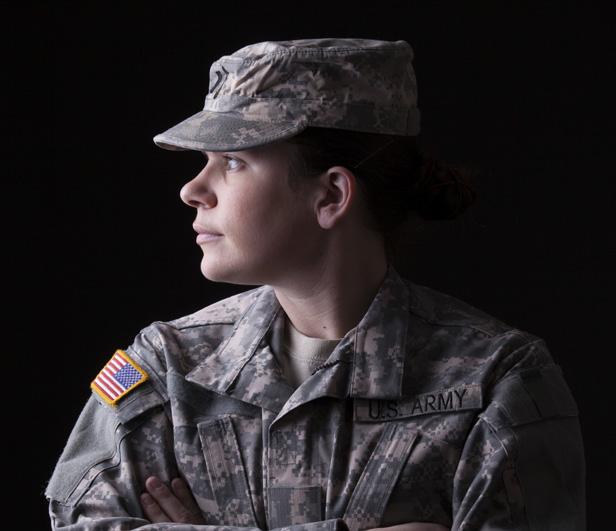
The heat is suffocating. The air shimmers like a mirage on the tarmac, and you're wondering if this will ever end! Welcome to the dog days of summer when the mercury climbs past 100 degrees, the base housing AC units start dropping like bad transmissions, and everyone's thinking the same thing: "How many days until this deployment/assignment/enlistment is over?"
“Dog Days of Summer”? The phrase originates from the ancient practice of tracking the star Sirius, known as the "Dog Star," which rises alongside the sun from July 3 to August 11. It was believed this celestial alignment brought "heat, drought, lethargy, fever, mad dogs, and bad luck" – basically everything that could go wrong when conditions get brutal!
Sound familiar? It seems to be a perfect metaphor for the most challenging transition you'll ever face –from military to civilian life. Just like those ancient civilizations who believed Sirius added its scorching heat to an already blazing sun, your transition combines the intensity of leaving everything familiar with the pressure of proving yourself in completely foreign territory.
Transition is all about trust in your network. Most who transition out well will find their next jobs through someone they know, not through dropping their resumes into a bottomless online database. I’ve said it before and I’ll say it again; your network determines your net worth. Your network can be pivotal in your professional survival, your career trajectory, and your ability to land somewhere that doesn't make you question every life choice that led you to this moment.
Think about those brutal summer training exercises. You had buddies who didn't just help you survive – they helped you thrive when conditions were at their worst.
The civilian job market is exactly like those dog days, except instead of surviving heat exhaustion, you're navigating a landscape where 87% of exiting service

members land a job within six months, and leave that job within 12. So how do you avoid a desperate grab on the first available job out of the military?
Here's where your network can help: informational interviews. Think of these as reconnaissance missions in enemy territory, except the "enemy" is your own lack of civilian market intelligence, and the territory is an industry you're trying to infiltrate.
Check out LinkedIn where you may find a former Air Force logistics officer who's now revolutionizing supply chain management at Nike. She remembers what it felt like to translate military precision into civilian profit margins and would love to offer guidance.
When you reach out, be intentional. Don't send generic "I'd like to pick your brain". Try, "I'm transitioning from my role as a communications specialist and I'm fascinated by your work in crisis communication for Fortune 500 companies. Could we chat for 20 minutes about how military communication protocols translate to corporate crisis management?"
Come prepared with questions that show you've done your homework. Respect their time and follow up with a thank-you that references specific insights they shared.
Focus your resume on results. Numbers speak. If you were able to save money and or time and produced results in your military career, you will be able to do that for any company in the civilian world. Craft your resume language with that in mind.
For example, instead of "Managed security protocols for forward operating base." Write, "Implemented comprehensive security frameworks protecting highvalue assets worth $50M+, achieving zero security breaches over 18-month deployment." Same mission, different language – and suddenly corporate executives envision you protecting their data centers!
Your resume serves one purpose. To get you the interview. Once you are face-to-face with decisionmakers, you need to execute with the precision of a special operations mission.
Every answer should be a mini-movie showcasing problem-solving, leadership under pressure, and quantifiable results. Use the STAR method (Situation, Task, Action, Result). See our previous articles specifically outlining the details of this proven strategy.
Where do you want to establish your new base of operations? What's the economic landscape? Are there established veteran networks that can accelerate your integration? What about the infrastructure that supports your family's success – schools, healthcare?
Get everyone aligned on the vision. If your spouse is expecting San Diego lifestyle but you're targeting Des Moines opportunities, you're going to have problems. Family buy-in is mission-critical for long-term success.
As these dog days of summer eventually give way to cooler seasons, remember that every skill acquired in the military – strategic thinking, network building, adaptive execution, and relentless pursuit of objectives – is exactly what you need to dominate your civilian transition.
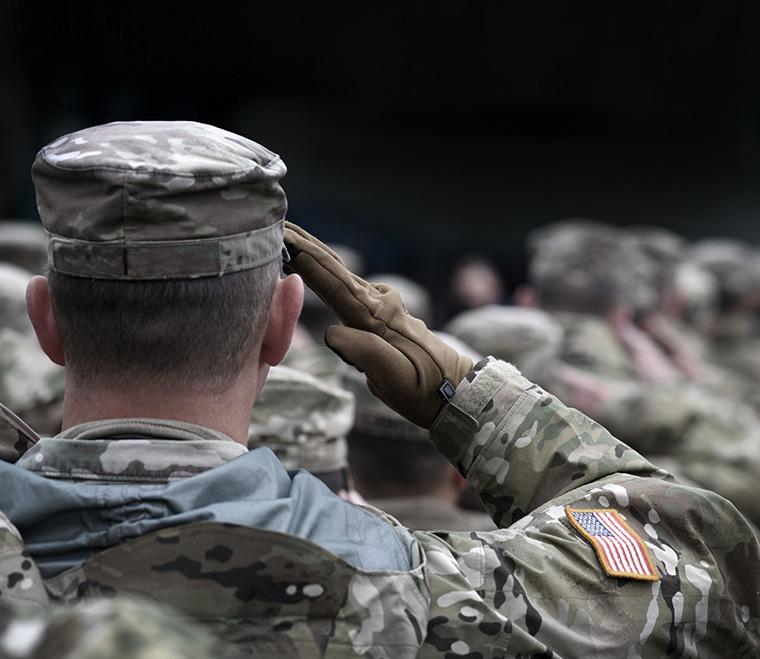
Need help with your transition? Have questions? Link up with Eve on Linked In today www.linkedin.com/in/eve-nasby-given-hiring-expert
Finding a job in the civilian workplace may seem easy at first. After all, you have learned skills, practiced leadership and demonstrated initiative that will make you successful wherever you go.
The reality, though, is that it can be difficult. In fact, it can be downright depressing demotivating and you may feel totally disillusioned. We can help
In our Veterans In Transition archives you will find helpful and informative articles about what’s next in transition, veterans in business, career, advice, tips, workshops, transition to education, entrepreneurship, veteran franchises, legal tips & resources for veteran businesses and much more...
For assistance in your journey please visit: HomelandMagazine-Veterans-In-Transition homelandmagazine.com/category/veterans-in-transition
By Joseph Molina veteransccsd@gmail.com www.vccsd.org

Becoming a great supervisor is about having the ability to bring out the best in your team. The most effective supervisors lead with intention, demonstrate empathy, and hold themselves to high standards. If you're looking to grow into a leader your team genuinely wants to follow, here are the top 10 habits of great supervisors.
1. They Lead by Example
Great supervisors understand that actions speak louder than words. They model their behavior, work ethic, and professionalism in a way that demonstrates positive leadership. Supervisors set the tone for the workplace.
2. They Communicate Clearly
Communication is the backbone of effective supervision. Successful leaders speak clearly, listen actively. They don’t just give instructions—they inspire confidence.
3. They Lead by Inspiration
Great supervisors empower and lead by inspiration. These managers trust their employees to do their jobs by giving them room to make decisions.
4. They Recognize and Appreciate Effort
Top supervisors regularly acknowledge contributions, celebrate wins, and provide positive feedback. Whether it is a thank-you note or public recognition during a meeting, they make employees feel seen and valued. Recognition fuels morale.
5. They Provide Constructive Feedback
Great supervisors understand the importance of timely, respectful, and actionable feedback. They help team members learn from mistakes, always with the intention of helping them succeed.
6. Emotional Intelligence
Supervisors who are emotionally intelligent understand how to navigate different personalities, manage stress, and respond with empathy. They build trust by being self-aware, listening with care, and responding to team needs with emotional insight.
7. They Solve Problems, Not Blame People
Great supervisors focus on solutions. They encourage accountability without fear, making it

easier for employees to come forward when encountering challenges.
8. Fair and Consistent
Effective supervisors are fair, apply rules uniformly, and make decisions based on merit and facts—not personal biases.
9. They Stay Organized and Focused
Great supervisors know how to manage time, delegate effectively, and keep projects on track. Their organizational habits help reduce chaos, promote productivity, and build team confidence.
10. They Invest in Team Growth
Great supervisors mentor, coach, and encourage their employees to stretch their abilities. Whether it is offering training, assigning new responsibilities, or recommending resources, they actively support their team’s growth.
Final Thoughts:
To become a supervisor that people genuinely want to follow, it is not enough to manage—you must lead.
Leadership is about integrity, empathy, and consistency. By developing these 10 habits, you will not only increase your own effectiveness, but you will also create a workplace culture where people thrive—and that is the mark of a truly great supervisor.

By Paul Falcone PaulFalconeHR.com


The summer issue is always a good time to take a mid-year reckoning of the state of the job market in general plus any particular challenges being felt by job seekers—new or experienced. Overall, job search is tough right now. Markets don’t like uncertainty, and with tariffs, inflation, DOGE federal government cuts, and military conflict looming over the horizon, CFOs are hanging onto and hoarding cash (just like you and I may be as private citizens). As a result, companies are hiring at nearly the lowest rate in a decade and are looking to cut costs wherever they can.
The job market for transitioning military personnel is and will always be dynamic, with both opportunities and challenges. While veteran unemployment rates can fluctuate, there are consistently "hotter" areas and effective job search strategies to leverage your military experience in the private sector. Here's a breakdown of what's hot and how to approach your job search to get optimal results.
• Hot Industries and Roles for Veterans Military personnel bring highly valued skills, such as leadership, problem-solving, teamwork, adaptability, and working under pressure. These translate well into several in-demand civilian sectors:
1. Technology and IT: This sector continues to boom, and veterans are highly sought after.
• Cybersecurity • Data Management and Analytics
• Software Development and Architecture
• IT Tech Support
2. Logistics and Supply Chain Management: This is a natural fit for many veterans given their experience in coordinating resources, personnel, and equipment in complex environments. Roles include:
• Operations Manager
• Logistician (Managing supply chains, inventory, transportation, and warehousing).
3. Healthcare: A fast-growing industry with a need for disciplined and team-oriented individuals.
• Nursing and Allied Health (i.e., technicians and specialists)
• Healthcare Administration
4. Project Management: Military experience in planning, delegating, and meeting deadlines makes veterans excellent project managers across various industries like construction, IT, and logistics. PMP (Project Management Professional) certification is highly recommended.
5. Skilled Trades: If you have mechanical, engineering, or technical expertise, trades like welding, HVAC, and electrical work offer stable careers with solid earning potential. Apprenticeship programs can be a great entry point.
6. Government and Defense Contracting: Many veterans find fulfilling careers in these sectors, leveraging their military experience and familiarity with government operations. Roles include:
• Defense Analyst
• Security Consultant
• Federal Agents and Law Enforcement: Police officers, correctional officers, and various agent roles are consistently in demand. (Focus on state and local rather than federal government openings until things settle down.)
• VA Careers: The Department of Veterans Affairs actively recruits veterans for roles like police, medical support assistants, and environmental services. For more ideas on the types of jobs that may interest you, visit the Bureau of Labor Statistics’ “Occupational Outlook Handbook” at https://www.bls.gov/ooh/
• Key Job Search Strategies for Active Military Transitioning to Civilian Life
In tougher job markets, it becomes all the more important that you stand out in terms of your job search strategy. The following tips will help you do just that.
1. Translate Your Military Experience: This is perhaps the most crucial step. Civilian employers often don't understand military jargon, acronyms, or the direct civilian equivalent of your military roles.
• Quantify your accomplishments: Instead of saying "managed a team," say "led a team of 15 personnel responsible for X, resulting in Y improvement/efficiency."
• Use civilian-friendly language:
Rewrite job descriptions and achievements using terms that a civilian hiring manager will recognize and value (e.g., "logistics" instead of "supply NCO").
• Utilize military skills translators: Resources like the VA's military skills translator can help. (See https://news.va.gov/ (VA Careers) and www.military.com/veteran-employment-project)
• Focus on transferable skills:
Highlight your leadership, teamwork, problem-solving, adaptability, communication, discipline, and ability to work under pressure.
2. Leverage Transition Resources:
• Transition Assistance Program (TAP): Attend workshops to learn about career exploration, job search strategies, resume writing, and interview skills.
• Veteran-focused organizations: Organizations like Hiring Our Heroes, Soldier for Life, Marine for Life, Military Officers Association of America, Non-Commissioned Officers Association, United Service Organizations, and VetSec offer valuable support, networking, and job placement services.
• DoD SkillBridge, Hiring Our Heroes, HeadLamp: These programs can help you gain civilian certifications and practical experience before you even leave the military.
Further, connect with other veterans on professional networking platforms. Attend job fairs. Clean up your social media (especially from strong political statements). Go heavy on establishing your LinkedIn presence (since that’s the first place employers look when seriously considering candidates). And make use of the GI Bill to cover tuition costs for degree or technical training.
Yes, it’s asking a lot. . . But by focusing on in-demand fields, actively translating your military skills, and utilizing the wealth of resources available, transitioning military personnel can successfully navigate the civilian job market and find rewarding careers, despite all the craziness in today’s job market.
You can connect with Paul on LinkedIn at www.linkedin.com/in/paulfalcone1
Paul Falcone (www.PaulFalconeHR.com) is a management trainer, executive coach, and bestselling author on hiring, performance management, and leadership development.
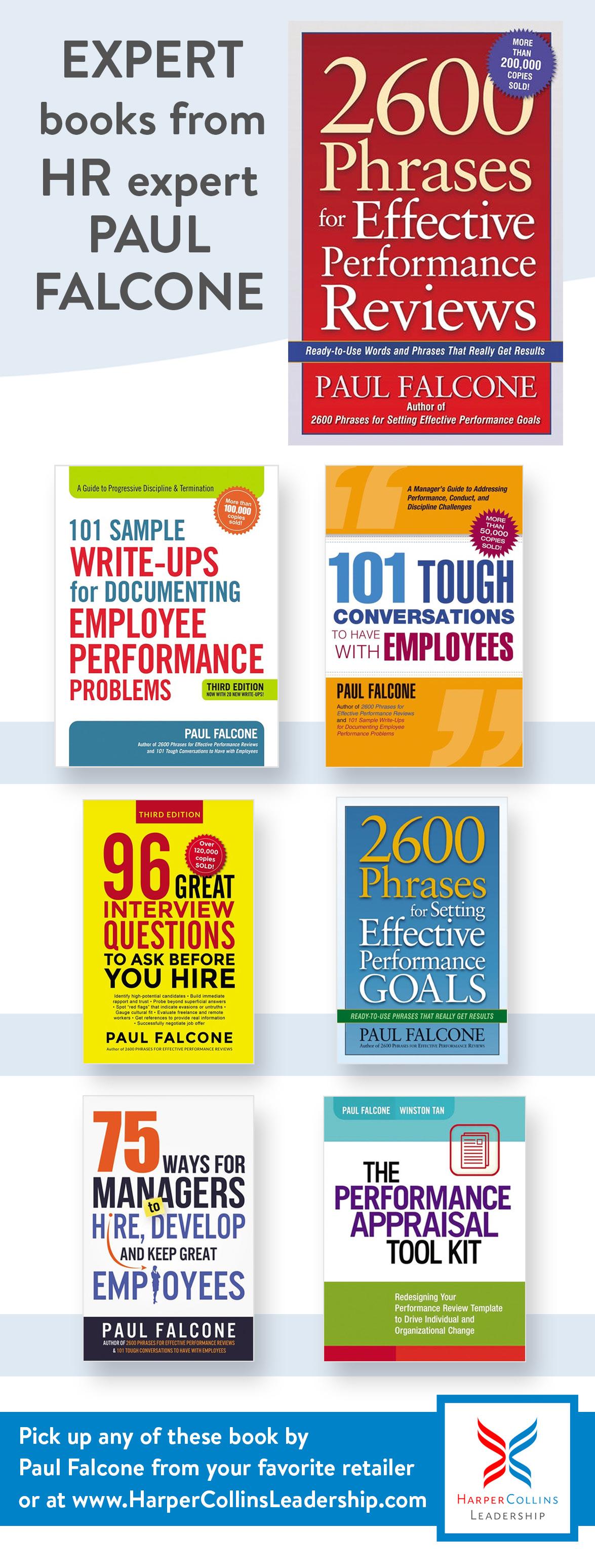
www.HarperCollinsLeadership.com
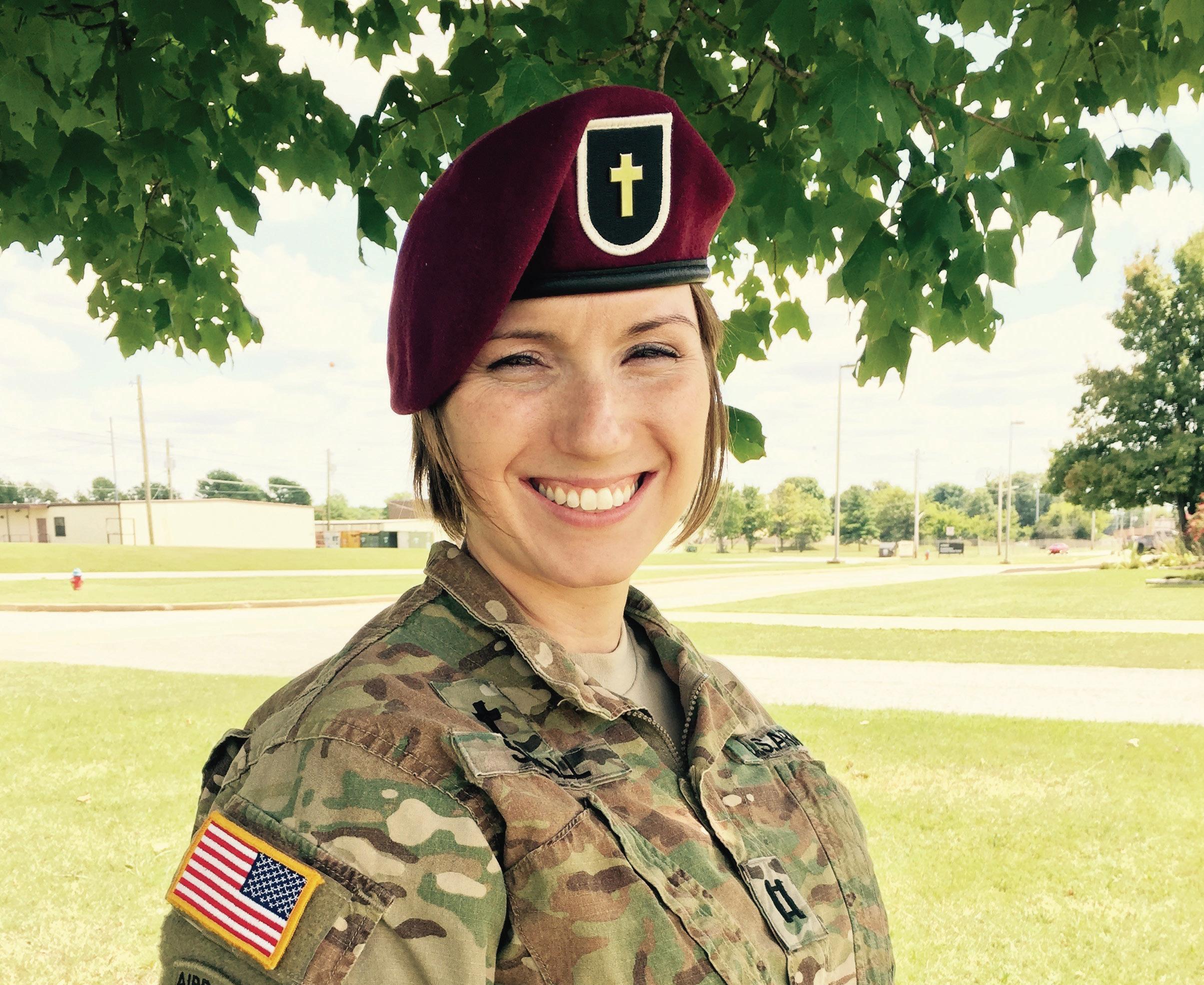






Straight-forward legal tips for Military and Veteran Business Owners
By Kelly Bagla, Esq. www.BaglaLaw.com

As a business owner, you’ve worked hard to accumulate assets and a comfortable life. But without proper asset protection, your personal and business assets are at risk. A proper strategy for protecting your assets begins by insulating personal wealth from business liabilities. This can be achieved through various legal structures, such as: Limited Liability Companies (LLCs), or Corporations. These structures create a “corporate veil” or legal separation between the company as a separate legal entity and the individuals who own it.
Most business owners have a serious misconception about this protection. Did you know that once your company is incorporated, the limited liability protection afforded by the incorporation process is NOT automatic? Incorporated entities do not automatically become barriers between your personal assets and your business assets. The company must comply with corporate formalities to enjoy limited liability protection for your personal assets.
Corporate compliance includes you treating your incorporated entity as completely separate from yourself. Otherwise, if your business is sued, the person suing may try to show the court that you have not maintained your business to the letter of the law, thus “piercing the corporate veil” and attaching your personal assets as part of a judgment.
While the laws vary from state to state, courts will generally abstain from piercing the corporate veil unless there have been signs of serious misconduct.
Below is a general overview of what you should do to keep your business in compliance with the law.
File an annual report: Most states require some sort of annual report filing on the anniversary of your incorporation date.
1. File amendments for any changes. If you make major changes to your corporation, you may need to keep your state up to date with filing Articles of Amendment.
2. Keep up to date with any meeting minutes. Record meeting minutes whenever you hold a corporate meeting. The minimum requirement regarding meeting minutes are the annual minutes, which appoint directors and officers.
3. File DBA for any name variations: A business may have an official name and then use variants of that name or different names to do business. You should file a DBA (Doing Business As) with the county where you do business for each name used.

4. Get an EIN: You must obtain a Federal Tax Identification number, also known as an Employer Identification Number (EIN). This nine-digit number is as important for your company as a social security number is important for you personally.
5. Separate bank accounts. Open a separate bank account for your incorporated entity. This action separates your personal money from your business money and prevents any comingling. This will show separation from personal assets, thus proof of a separate entity existence for your business. Additionally, this action will allow your incorporated entity to start creating its own credit rather than using your personal credit.
6. Use full legal name: The name of the corporation should be used in full, including “Inc.” Or “LLC,” on all contracts, invoices, and documents used by your company. This clearly indicates the existence of the incorporated entity as a separate entity.
7. Use your title: Always use your title, such as President, Chief Executive Officer, or Secretary, when signing on behalf of your incorporated entity. Using the name of the corporation and your title further creates separation from you as an individual. Generally, by using your title, a person or entity suing you can only sue you as a corporate officer and not you, as an individual person.
8. Federal Beneficial Ownership Information Reporting (BOIR): Most businesses must file an initial BOI report to comply with the Corporate Transparency Act (CTA). You only need to file a BOI report once, unless there are changes to the reported information.
Failure to file required paperwork can lead to fines and penalties, including suspension of your incorporated entity. By following these corporate compliance steps you can enjoy limited liability protection under the law. Of course, specific requirements will vary based on your business type and location.
If you need help determining if your corporation is compliant, we can help. Please visit my website at www.BaglaLaw.com

ATTORNEY
Kelly Bagla, Esq., and her team at Bagla Law Firm, APC, a Business Formation and Asset Protection firm, have over twenty years of experience protecting real estate for rental owners. They customize your asset protection plan to ensure that your rentals are protected in case of a lawsuit.
Disclaimer: This information is made available by Bagla Law Firm, APC for educational purposes only as well as to give you general information and a general understanding of the law, and not to provide specific legal advice. This information should not be used as a substitute for competent legal advice from a licensed professional attorney in your state.
By Hadley Wood www.hlinwood-insurance.com
The hot, sultry days of porch lemonade with friends, beach parties with S’mores, BBQ and pool parties always come to mind when I think of summer.
But what are the ‘Dog Days of Summer’ and what does it mean? It is widely accepted that the meaning derives from the Greek belief that the summertime months of July and August would bring drought, bad luck, unrest and extreme heat. With the rise of the star system Canis Majoris (Greater Dog) otherwise known as Sirius (in Greek - meaning scorching), which rises in the months of July and August, it makes sense that the Greeks would connect the Dog with the Summer months and connect the dots, as they are. We can see Sirius in the sky as our brightest star in the July and August months.
So, the ‘Dog Days of Summer’ does have a deeper meaning - and one we can relate to the rising cost of insurance many of us may be feeling these days. Because rising heat in the summer months brings an increase of fires, floods, landslides, angry tempers – that increases theft, homicides, rape, etc.
• The rate of violence tends to double between June-September
I get calls all the time about this. ‘Why are my insurance rates going up’ OR ‘Why is my insurance canceling me’? Here is a breakdown of the behind-the-scenes logic:
The Insurance business is a business to make money. There are many people involved projecting probable events and possible scenarios that dictate the risk factor for each category of risk. Insurance companies have Re-Insurance Companies and Actuarial reports behind them to back them up with financials and capitalization – to share the risk of claims. Typically, the Re-Insurance carrier is funding 40%-60% of claims. If the ReInsurance companies decide that the risk in a certain area is too high, they will back out. That will in turn force the underlying carrier to pull out of the market because they cannot promise the shared capitalization needed to fund the expected risk.



Now I know that is all goby-gook to many people but the bottom line is this:
• If insurance companies find that any risk is too high, they will back out of a market or state. They may keep current policies but not accept new policies until the risk is lifted.
• If there is an imminent or current hazard (fire/flood/ earthquake/etc.) insurance companies will put a hiatus on writing new business in that area or for that risk.
• If your rates have /are increasing – this is not necessarily because of any action or claim you may have. This is likely because the insurance company has found that your industry or operations or location has had many claims and they have to consider you a higher risk.
• If your rates have gone up significantly, call your broker or agent and ask why. Make sure you let them know you are doing your due diligence to keep risks down (fire suppression, alarms, etc.) Have your Broker/Agent check alternate markets – maybe there is a better package out here for you.
Sadly, significant climate changes over the last 35 years has resulted in increased risk of flooding in many states, warming of the oceans which results in more hurricanes in the southern states (and future hurricanes in the Pacific), fire damage in the West and South-West areas and severe drought across many states. The risk factor is higher now and will only increase and insurance rates are likely to increase across the board in the future years.
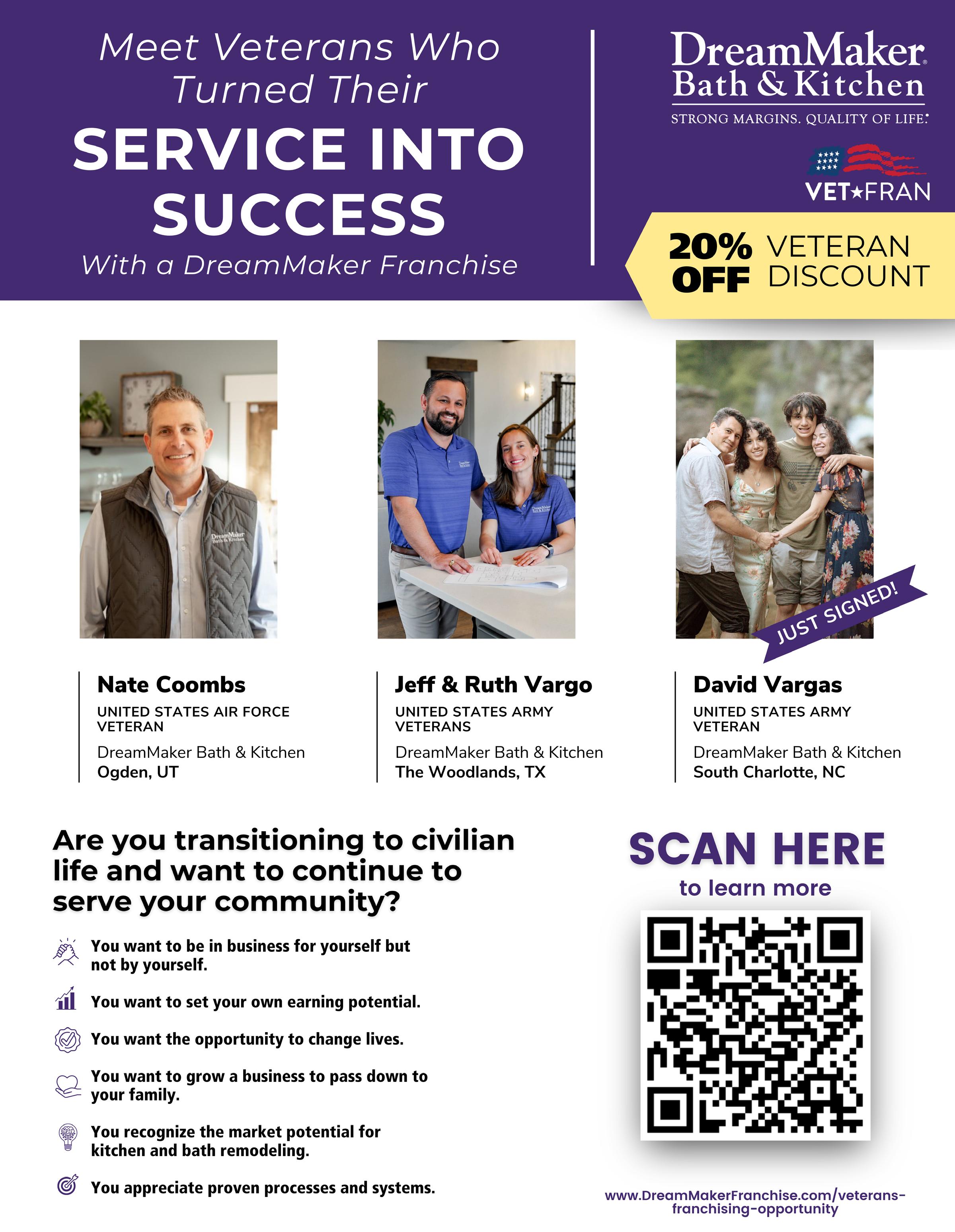
www.dreammakerfranchise.com/veterans-franchising-opportunity

ith billions of records exposed in recent data breaches, it’s safe to assume that, unfortunately, your personal information such as your name, Social Security number, and email address have been exposed.
There’s more bad news as veterans and active duty military members are 76% more likely to report identity theft than civilians, according to the Federal Trade Commission (FTC). So where does your personal information end up? It can end up on the dark web.
The dark web is a hidden part of the internet often associated with criminal activity, including the sale of stolen personal information. Knowing if your personal data is on the dark web is crucial for protecting your identity and your finances
How to Check if Your Personal Information Is on the Dark Web
1. Watch for Warning Signs: A sudden influx of spam or phishing emails from unknown senders can indicate that your email address has been exposed on the dark web. Alerts for applications for credit cards or other lines of credit using your Social Security number that you didn’t authorize also are signs your information is exposed.
2. Use Dark Web Monitoring Services: Dark web monitoring services are available that monitor for your email address, Social Security number, and other data on the dark web. These tools can alert you if your information has been compromised.
Personal information is valuable on the dark web because it can be exploited for various malicious purposes:
• Identity Theft: Hackers can use your details to open credit accounts, apply for loans, or commit fraud in your name.
• Phishing Scams: Compromised emails are often targeted with scams designed to steal more sensitive data, such as passwords or financial information.
• Credential Stuffing: If you reuse passwords, hackers can use stolen login credentials to try to access multiple accounts.
• Resale of Information: Hackers frequently sell personal data to other criminals.
What to Do if Your Information Is on the Dark Web
If you discover that your personal information has been compromised, take immediate action to mitigate the risks:
1. Change Your Passwords: Update passwords for all accounts, using strong, unique combinations. Enable multi-factor authentication (MFA) wherever possible.
2. Monitor Accounts: Regularly check your bank statements, credit reports, and online accounts for possible suspicious activity.
3. Consider a New Email Address: If your email is heavily targeted, switching to a new address and notifying trusted contacts may be a safer option.
4. Report to Authorities: File a report with local law enforcement and federal agencies such as the FTC to document the breach.
5. Invest in Identity Protection Services: Consider enrolling in identity theft protection and credit monitoring services for added security.
By staying vigilant and taking swift action, you can minimize the impact of having your information exposed on the dark web.
For more information visit www.identityiq.com

By Holly Shaffner
Changing careers can be exciting, exhilarating, and filled with trepidation. Meet Officer Cindy Ovares who has made the transition numerous times – from active-duty service member, to student, massage therapist, teacher, and now police officer.
The life experience she gained in those previous longterm jobs set her up to be successful today. She is doing what she’s always wanted to do – have a career that is challenging and rewarding.
Cindy was like many seniors in high school as she contemplated what she would do after graduation. When the Navy recruiter called the house looking for her brother, the recruiter instead got an eager, independent 17-year-old woman who wanted to find adventure. Just a few months later, she was off to “see the world” and start her first career.
As an Aviation Machinist’s Mate, Petty Officer Ovares was a jet engine mechanic. It was a male-dominated job, and she wanted to prove that anything a man could do, she could do better. She attended military schools in Florida and Virginia to learn her trade, and was later stationed in Lemoore, California. She was attached to VFA-22, an F/A-18 Super Hornet squadron, that deployed on ships. After serving four years on active duty, she earned Post 9/11 GI Bill education benefits, and chose to leave the Navy to attend college.
After completing her bachelor’s degree in Secondary Education and being a fluent Spanish speaker, she was hired to be a high school Spanish teacher. The job was gratifying; but also, under resourced, understaffed, and had little room to grow professionally. She wanted something new and challenging, was drawn to the community where she grew up, so, in her late 30s she applied to be a police officer.
“Being able to talk to people, figure out what they are going through, and what they need is a huge portion of the job. I enjoy interacting with the public, and engaging in what I call verbal judo.”
Officer Ovares was accepted to the San Francisco Police Academy and has been an officer for the last three years. She is a foot patrol officer working in the Tenderloin District – a 50-block area that has a storied history, and has been known for homelessness, drugs, and crime.
“Being able to talk to people, figure out what they are going through, and what they need is a huge portion of the job. I enjoy interacting with the public, and engaging in what I call verbal judo,” said Officer Ovares.
For Officer Ovares, the parallels between serving in the military and serving in law enforcement made the transition go smoothly:
• Routine – You know what to expect before your shift begins (what time to report, what uniform to wear, the structure of the day).
• Camaraderie – The bond between fellow officers is like the bond between your fellow military brothers and sisters.
• Variety – Every day is different with different assignments and duties, so the job is never boring.
• Benefits – Include a competitive salary, paid vacation days, floating holidays, and sick days, healthcare, retirement, and special pay for certain assignments and being bilingual.
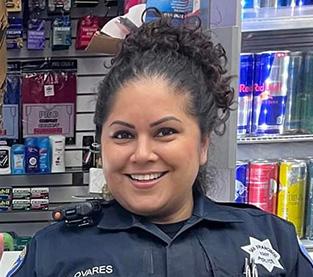
As a Latina giving back to her community, she admits that the job comes with highs and lows. Officer Ovares recommends a career in law enforcement for those military members looking to make a smooth transition to a new chapter.
To learn more about the San Francisco Police Department, or to connect with recruiter, go to: www.sanfranciscopolice.org/your-sfpd/careers