Winter 2023 | www.accpa.asn.au A LIFE-CHANGING FEDERAL BUDGET IN THIS ISSUE Key areas of home care reform How to meet growing demand for independence and care Innovative workforce solutions The role of allied health in aged care Mergers, compliance and cyber breaches Fit-for-purpose technology Architecture creating affordable homes, inclusive care and building communities IT’S TIME TO CELEBRATE AGED CARE 7 August

SUPPORTING LEADERS IN ESTABLISHING ADVISORY BODIES

Starting December 2023, aged care providers must establish two advisory bodies focusing on Consumer and Quality Care as a response to the Royal Commission’s recommendations. Both home care and residential aged care providers need to enhance their governance processes within a limited six-month timeframe. Anchor’s Certified Advisory Board Chairs offer a comprehensive guide aligned with best practices and evidence-based principles. This guide ensures compliance while promoting a consumer-centered culture and high-quality care.
The Anchor Excellence team has extensive knowledge of the aged care ecosystem, clinical governance, regulations, and consumer needs. We understand the time and resource constraints faced by operators due to rapid reforms and workforce pressures. Count on us for support in navigating these challenges.


Anchor Excellence can provide assistance with:
• Guidance for your Executive and Board
• Advisory body establishment- including membership, briefing and onboarding


• Packaged frameworks, resources and templates (all style guided for your organisation)
• Joining your advisory body as a Chair or Member (quality care and consumer)
• Compiling required documentation and reports that meet the requirements stipulated by the Commission




To schedule a complimentary discovery meeting with one of our Certified Advisory Board Chairs, please scan the QR code provided. This meeting will offer valuable insights into how Anchor Excellence can support your organisation in navigating these changes effectively.

(02) 8610 1950
www.anchorexcellence.com
info@anchorexcellence.com

Educate Discovery Establish Execute
Advisory Body
T: 1300 222 721 E: editor@accpa.asn.au
COMMUNICATIONS & MARKETING MANAGER
Page
T: 0424 604 447 E: simon.page@accpa.asn.au
ADBOURNE PUBLISHING PO Box 735, Belgrave, VIC 3160
ADVERTISING Neil Muir (03) 9758 1433
Robert Spowart 0488 390 039
Production: Sonya Murphy 0411 856 362
Administration: Tarnia Hiosan (03) 9758 1436
DISCLAIMER
Aged Care Today is the regular publication of Aged & Community Care Providers Association (ACCPA). Unsolicited contributions are welcome but ACCPA reserves the right to edit, abridge, alter or reject material. Opinions expressed in Aged Care Today are not necessarily those of ACCPA and no responsibility is accepted
With the Budget comes the biggest ever pay rise for aged care workers, which will act as an important incentive to attract the necessary number of skilled workers into the workforce.

It gives the sector a lot of reasons to celebrate, on Aged Care Employee Day, 7 August.
As always, we’ve worked hard to provide you with the most up-to-date insights – from experts in their field – to bring you the information you need to know.
From health and wellbeing, to governance and finance, and architecture and design, there’s something in this issue for everyone. We hope you enjoy the read.
Linda Baraciolli, Editor
by the Association for statements of fact or opinions expressed in signed contributions. Aged Care Today may be copied in whole or distributed among an organisation’s staff. No part of Aged Care Today may be reproduced in any other form without written permission from the article’s author.
5 EDITOR
ACCPA
Linda Baraciolli
ACCPA ADDRESS Suite
Macquarie Street Barton, ACT Australia 2600
Simon
ACCPA
3/42
OPINION One year on, and going strong 7 Advocacy wins for aged care 9 A life-changing Federal Budget 11 NATIONAL UPDATE The six key areas of home care reform 17 Retirement villages: a ‘supported living’ model 19 Great leaders are made 21 Mentorship in aged care nursing 22 Discovering aged care careers goes national 25 Home care careers 27 Aged care employee day for everyday heroes 29 HEALTH & WELLBEING The bigger picture for infection control 32 Dignity for dementia 34 The importance of allied health 37 The power of physiotherapy in aged care 39 Improving care for survivors of stroke 40 How therapy dogs are helping aged care residents at Alino Living 43 The cold plasma revolution 45 The burden of chronic wounds 47 Biodegradable nitrile gloves 48 Preventing incontinence associated dermatitis 51 The value of a bidet 53 CULTURE & DIVERSITY Choice and control 54 Supporting the needs of Australia’s veteran retirees 57 CALD staff and technology 59 Tackling the winter blues 61 We all have a part to play 63 What you need to know about voluntary assisted dying 64 People with disability in aged care 67 WORKFORCE & TRAINING A smoother path for your super 69 A proven workforce strategy 70 Removing barriers for our older workforce can help us all 73 A unique aged care workforce solution 74 TAFE NSW traineeships help boost aged care workforce 77 Upskill your staff with free learning 78 Training for osteopaths in aged care 79 Proof we need more staff 81 Immersive training key to changing the face of ageing 82 GOVERNANCE & FINANCE Improving care standards 83 Notices to agree, non-compliance and human resource challenges 85 Refundable deposits for aged care providers 89 Why asset management plans are not set-and-forget 91 Avoid the major derailer of a merger or acquistion 92 Navigating compliance challenges: a case study 94 AN-ACC, six months on 95 Third-party cyber breaches 96 The future of in-home aged care 97 INNOVATION & TECHNOLOGY The right technology solution 98 State of the industry report into technology in aged care 99 Building excellence in technology 100 A game-changer in aged care 102 AI in aged care 104 The benefits of technology delivered via television 105 Independent study demonstrates value of fit-for-purpose technology in aged care 106 Top 10 tech tips to keep your clients at home 108 Contents Why asset management solutions are a must 109 Home care client management, rostering, invoicing, payroll 110 Technology designed for aged care providers 111 BUILT ENVIRONMENT & DESIGN Paynters and ECCQ build a bolder future for inclusive care 112 Affordable homes for life help older renters age in place 114 New model of seniors’ living in demand 117 Housing affordability and age-appropriate design 119 Maximising the small household model 120 WHAT’S NEW What’s new 122 EDITOR’S NOTE
to our winter issue
AgedCareToday –the magazine of the Aged & Community
Providers Association (ACCPA). We’re in the
of
Welcome
of
Care
midst
incredible transformation in aged care, supported by an historic investment by the Albanese Government.
A LIFE-CHANGING FEDERAL BUDGET IN THIS ISSUE Key areas of home care reform How to meet growing demand for independence and care The role allied health aged care Mergers, compliance and cyber breaches IT’S TIME TO CELEBRATE AGED CARE 7 August
Cover shot: HealthX PALM carers Elenoa (Ellen) Sauduadua from Fiji (left) and Koroteba (Koro) Ereata from Kiribati (right) are supporting aged care resident Patricia Yarrington. HealthX is an Approved Employer under the PALM scheme, a government initiative. Read more on page 74. (Image courtesy HealthX)



One year on, and going strong
ACCPA ready for the exciting challenges ahead in aged care
Welcome to our winter edition of Aged Care Today.
By the time you read this we will have completed our first full year as the Aged & Community Care Providers Association – and what a journey it has been!
I wish to acknowledge the hard work of ACCPA staff during what has been a challenging year as we formed our new organisation. They have worked hard to ensure that our members continue to be supported and receive our communications without interruption. The teams united to facilitate our inaugural ACCPA national conference in Adelaide last October, which was a huge success.
Staff from the former LASA and ACSA were transitioned to ACCPA in March, completing the creation of our new peak organisation. And following a board workshop in April attended by our Executive Leadership Team, we now have a finalised set of strategic objectives and an updated communications strategy.
To complete our board, in March we announced the appointment of Geraldine Lannon, CEO of Baptcare Victoria, to the board. I am delighted to welcome Geraldine, and we look forward to working alongside her. She brings extensive experience as both a clinician and as a leader in the health sector in Western Australia before her current role.
With ACCPA’s future course now set, the organisation is looking at ways to further build capacity – and capability – to support and inform members.
With our four strategic objectives now in place, we will be looking to develop fresh ways we can support innovation to assist aged care providers to enhance the daily lives of older Australians. This issue of Aged Care Today has a number of stories about innovative practices in home and residential care
through to retirement living.
I wish to congratulate our leadership and policy and advocacy team on their success in achieving significant wins for our sector in the May Federal Budget.
Not the least was the government’s announcement of $11.3 billion to fund the cost of the 15 per cent increase in minimum award rates for age care staff to be paid in full, from 1 July 2023. This gives us a great opportunity to promote aged care as a career of choice.
The momentum has continued to build into 2023 with our program of state conferences and symposiums commencing first with Queensland in April, which was a tremendous success over three days, and concluding with our WA state conference at the end of June. We will also have our second national conference in Adelaide this October.
The enthusiasm of conference attendees and the breadth and depth of the speaker programs and information sessions reflects the incredible hunger for information from those who work in our sector.
Aged care still faces enormous challenges, including change management – resulting from reform and the implementation of new standards and requirements that continue to flow from the Royal Commission into Aged Care Quality and Safety final report.
There are also the major challenges of building workforce capacity and finding a sustainable funding model into the future. ACCPA’s leadership continue to engage with government on all of these issues, with CEO Tom Symondson recently invited to join the new Aged Care Sustainability Taskforce.

ACCPA has been building its own capability in the area of workforce development and attraction. The launch in April of our Discovering Careers in Aged Care campaign is a case in point. Forming the centre of the campaign are three video interviews with staff who work in aged care. They illustrate each individual’s journey towards a career in aged care, the kind of work they do, and why they love their job.
Our Workforce Development team has also begun to garner some success with the Nursing Transition to Practice Program. It launched in February and resulted in 85 graduates from its inaugural intake of 125 nurses.
The program is supported by federal government funding and targets a broad audience that includes nurses be they enrolled or registered or seeking to transition to practice in the aged care sector. They can be school leavers; those looking to change or restart their career or older workers seeking to extend their career.
These are among the exciting challenges ahead for our sector.
Dr Graeme Blackman AO FTSE FAICD Chairman, Aged & Community Care Providers Association
7 OPINION
Advocacy wins for aged care
ACCPA sets strategic direction to achieve sector reform

Most of you will have read by now of the considerable gains in the May federal budget for the aged care sector, many of them the result of consistent advocacy by ACCPA.
We were delighted that the Federal Government committed to fully support the 15 per cent increase to minimum award rates for aged care staff, including on-costs, to be paid in full, from 1 July 2023.
Following ACCPA’s advocacy the government shifted from its original position to pay in two instalments – 10 per cent in July this year, and 5 per cent from July 2024 – to pay it in one hit and included the full range of on-costs.

Our pre-budget advocacy pushed for this change along with consideration of a sustainable funding system, greater indexation, and deferral of the Support at Home program to allow further consideration of the program design.
We also succeeded in getting a six-month delay to the cut in working hours allowable for international student visa holders to the end of this year – the only sector to achieve this.
These decisions, along with general funding announcements totalling $12.4 billion, gives the sector sufficient support to meet the requirements for Registered Nurses 24/7 and the required increase in minutes of care from October.
Funding for an extra 9,500 Home Care Packages also eases the burden while we concentrate on engagement with the government on getting the new Support at Home program right for July 2025.
These are significant announcements which give aged care providers some stabilisation in the face of the extreme challenges they have experienced with workforce shortages and the financial losses particularly for residential care providers.
Two of the more interesting decisions in the budget were the announcement to establish the Aged Care Taskforce,
which has a brief to look at the long-term sustainability of the sector and we hope will also deal with the challenging issue of consumer contributions.
Starting a national conversation about the issue of consumer contributions was our number one pre-budget recommendation, and we welcome the government’s commitment to doing just that with the establishment of the Taskforce, which I am now privileged to be a part of.
The Government also picked up various strands of aged care reform proposed by the Aged Care Royal Commission including looking at the professionalisation of our workforce, career development and revised skills training.
There were measures to expedite processing of visas for skilled migrants ready to work in aged care and funding to better reward GPs who visit patients in residential aged care.
These announcements are an important marker on the road to achieving that once-in-a-generation aged care reform advocated by the Royal Commission in its final report.
9 OPINION
ACCPA CEO Tom Symondson speaking at the ACCPA National Conference 2022. The next one will be held 25-27 October 2023. Stay up-to-date with the latest conference news at www.conference.accpa.asn.au
Another significant marker is that it is almost a year since the formation of a unified, strong voice for our sector – ACCPA.
Our finalised Executive Leadership Team met with our board for a workshop in April to consider ACCPA’s strategic direction and settle on four key pillars, our Strategic Objectives which will shape our future direction:
1. Purposeful advocacy, informed by evidence and the views and experiences of our members and consumers.
2. Unite, through leadership and alliances, the voices of aged care reform.
3. Encourage a capable, innovative, and trusted sector that has continuous improvement at its heart.
4. Build ACCPA’s capability and culture to deliver for members.
I want to focus for the moment on Strategic Objective 3 and the role that ACCPA will play with regard to innovation in aged care.
While ACCPA intends to build its capacity and role beyond advocacy to supporting members with tangible structures which guide their aged care service delivery, the need to encourage innovation is the key to the future of aged care.
ACCPA wants to encourage world’s best practice when it comes to innovation in aged care.

This means encouraging development of new ideas and ensuring those ideas are identified and shared, not just confined to a single site.
How we will structure innovation into our teams so that it becomes ingrained that we share ideas widely is yet to be determined.
We want to not only identify innovation but build on the skills to support assessment of ideas and their scaling up so they can be widely adopted across the sector.
The first of the baby boom generation will be turning 80 in a couple of years and they have made it clear they want to live their old age differently from their parents’ generation.
This is where innovation will play a role: design in accommodation, models of care, affordability, and activities so that people can enjoy their lives regardless of age, and then get the support they need at home.
These are just some of the challenges ahead of us.
Tom Symondson, CEO, Aged & Community Care Providers Association
10 OPINION
* Eligibility criteria apply. 1 Duty of care: Meeting The Aged Care Workforce Challenge. CEDA 2021. RTO 90003 | CRICOS 00591E | HEP PRV12049 Enjoy financial incentives and benefits.* Employ a new aged care trainee. An additional 400,000 aged care workers are needed by 2050 to meet the demand for aged care services.1 Employing a new trainee is a great way to future-proof your business, while providing a motivated and career-driven employee trained for your specific business needs. And with government financial incentives and benefits currently available, there has never been a better time. 131 601 TAFE NSW Traineeships
A life-changing federal budget
Historic investment in aged care
In May, the Albanese Government handed down its second Budget – with health and aged care at its core.
I’m delighted the Budget has largely been welcomed by the health and aged care sectors and, most importantly, by everyday people including older Australians.
Our investment in aged care is historic. The Budget delivers an overall spend in aged care of $36 billion in 2023–24 – with reforms to restore dignity in aged care and put the needs of older people at the centre of the system.
The Albanese Government has a strong agenda for aged care.
We will grow the workforce, improve care quality and time, embed sector transparency and accountability and ensure the dignity of older Australians is front and centre.
There are a number of important firsts in this Budget.
For the first time, aged care workers will get paid fairly with our $11.3 billion commitment to fund a 15 per cent pay increase – the biggest ever pay rise for them.
This is life changing money. For personal care workers, it’s nearly $140 a week or $7,000 a year, extra. For registered nurses, it’s an extra $198 a week or more than $10,000 a year. It will be a huge help for providers in attracting and retaining staff. Building the workforce will help the sector deliver 24/7 registered nurse care, increase care minutes for residents, embed culturally safe practices and enhance system transparency.
We will help providers make the necessary transitions for a reformed aged care system, with a new Aged Care Act. The Act will clearly set out clear obligations for providers and legislate requirements that protect the rights of older people to safe, quality care.
We are designing a new regulatory framework – in consultation with the sector – that will improve quality and safety and restore trust and confidence in the sector.
We are also introducing Monthly Care Statements in residential care, improving food and nutrition support and regulation, and enhancing Star Ratings.
A new Aged Care Taskforce will review funding arrangements for aged care and help us design a system that is fair and equitable for all Australians.
And for the first time, we will have an interim First Nations Aged Care Commissioner.

Our pending Support at Home program has been postponed and will commence on 1 July 2025. This extra time will allow us to refine its design and address issues that matter most to the people receiving and delivering home care. The Support at Home program will shape aged care for generations to come. We want to do it once and do it right.
In framing the Budget, the Government listened to the concerns of aged care providers and the sector.
We understand the impact of ongoing viability issues, with the added pressure of reform, especially for residential aged care and those in regional, rural and remote areas.
Providers will benefit from funding to meet the increased cost of care, with support to deliver care in rural and remote communities and build and train the workforce.
For the first time, people will make choices about their own aged care, not providers.
The Government is ending bed licenses assigned to providers from 1 July 2024 and allocating care places to individuals instead. Older people and their families will be able to choose an aged care home and move if they need to.
We will ensure that average minimum care minutes per day are enough for older people with higher care needs, and give residents better access to general practice care, including through our new MyMedicare team-based care approach.
Crucially, the Budget provides real on-the-ground benefits not only for people in aged care, but for ageing Australians more broadly.
Sixty day prescribing, 60 minute consultations (including for telehealth), the largest increase to bulk-billing incentives in Medicare’s 40-year history, the new MyMedicare approach to team-based, wraparound care, and better access to afterhours care, are all changes that will make a real difference to people’s lives – and pockets.
11 OPINION
This is particularly the case for the many older Australians who are managing complex and chronic conditions.
Similarly, free vaccinations at the pharmacy, a network of 58 Medicare Urgent Care Clinics around the nation, more doctors, nurses and allied health professionals working in general practice teams and offering services under Medicare, and extra funding for wound care, will make it easier for Australians to get affordable care when and where they need it.
The centrepiece of the health Budget is an historic $5.7 billion investment in Medicare. This strengthens Medicare, once and for all, as the foundation of the nation’s health system. It enables us to build a Medicare that is more flexible, more responsive and modern. A stronger Medicare for patients and health practitioners.
We are turning the corner in aged care reform but there is still much to do before we get where we want to be.
We promised to fix aged care, and we are committed to continuing to deliver on that promise.
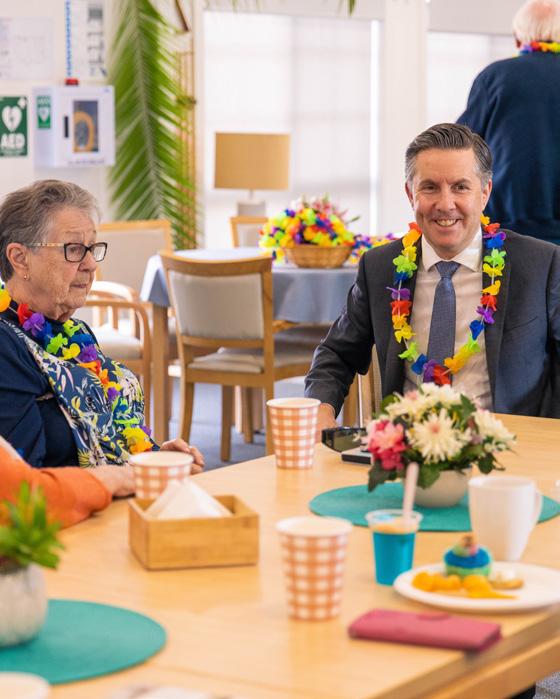 Minister
12 OPINION
The Hon Mark Butler MP
for Health And Aged Care
Minister Butler celebrates volunteers at the Gulf Point Retirement Village, North Haven, South Australia.
WORKING TOGETHER TO CREATE AN INDUSTRY TO BE PROUD OF.




HOME CARE | RESIDENTIAL CARE | NDIS | RETIREMENT LIVING
Anchor Excellence has been at the forefront of delivering exceptional services to providers of residential care, home care, NDIS, and seniors living since 2018.
Imagine the peace of mind that comes with having a trusted advisor by your side, guiding you through the ever-evolving challenges of the industry. From comprehensive consulting services to immersive education programs, we offer a diverse range of programs, solutions and resources designed to meet your specific needs. When you partner with Anchor Excellence, you gain access to our wealth of knowledge and expertise. We bring a proven track record of success, working hand in hand with providers like you to achieve exceptional outcomes. Our unwavering commitment to excellence sets us apart as a trusted ally, ready to equip you with the tools and strategies necessary to navigate a complex landscape.
Business Advisory and Strategy
• Strategic situation assessment (ideal for smaller providers), strategic planning and workshop facilitation
• Board and Key Personnel advisory and training
• Financial performance, funding optimisation including higher RADs and additional services
• Advisory body initiation, provision of independent Certified Chairs
• Third-party assistance for executive recruitment (top tier roles) role scoping and interview attendance
• User design briefing for new developments, refurbishment planning in brownfields
• Care & compliance due diligence (to complement your financial due diligence)
• Assistance with mergers, acquisitions and AP transfers including transition management and home closures
Education and Workforce Development
• Full suite of Anchor Academy programs - Online | On demand | In person
• Workforce Demand Analysis
• Interim leadership roles and on-site support
• AN-ACC strategy and performance review
• Anchor Academy programs and masterclasses
• Team Management Systems - High Performing Teams workshop, Team Management Profiling and 360 Linking Leaders Profile
Consumer Experience and Engagement

• Anchor Studio (creative design services)
• Consumer consultation, engagement and codesign including customer journey mapping
• Community stakeholder consultation and focus groups
• Interim marketing and communications support
• Project marketing (end-to-end)
• Competitor analysis and research
Compliance and Operations Management
• Eligible advisor appointments (Governance and Business, Care and Services) for Sanctions and NTAs
• Full independent compliance reviews, compliance health checks and assessment visit readiness support
• Nutrition and dining experience audit reviews
• Compliance coaching
• NDIS compliance review and registration assistance
• Independent incidents and complaints investigation
• Assistance with occupancy strategy and management
Quality and Clinical Governance
• Training for Directors including Key Personnel development
• Board advisory services
• Quality management system review
• Model of Care design, development and documentation
• Anchor Policy and Process
Leadership and Governance
• Development of Clinical Governance frameworks and manuals
• Interim placement for leadership roles
• Risk and governance framework development
• Delegation schedules and grievance resources
• Project support for transformation
• Executive leadership development including 360 Linking Leaders Profile
• Mentoring and coaching (CEO/General Manager/ Clinical Managers)
We offer great incentives on top your hourly wage and super, including $150 per working day and a $100 meal allowance per day on placement plus, we arrange and pay for your travel and accommodation.
Rural and remote aged care services need our support, and with your help, we can alleviate workforce shortages and reduce burnout.

+ Registered and enrolled nurses
+ Aged care facility managers
+ Care coordinators
+ Personal care workers
A LOCUM PROGRAM FOR HEALTH AND AGED CARE SERVICES
SCAN QR CODE TO APPLY
Join our locum community HOURLY WAGE PLUS SUPER AND INCENTIVES
The six key areas of home care reform
Better care outcomes will be the key metric by which we will be able to measure the success of home care reform.
There are numerous reform interdependencies that will be critical to realising better care outcomes for older Australians living in their own homes; each reform initiative on its own will have limited impact, as will disjointed reform implementation activity.
Whether you call it synergy, teamwork or something else, there is something special that happens when we all work together towards a common goal – to build capacity across the in-home aged care system that can respond to the supplydemand challenges for integrated social and health care in the community, for all levels of need.
So, what are some of the key in-home aged care reform interdependencies and what is their implementation status?
We’ve mapped out six key reform areas that need to be progressed in tandem – to achieve the care outcomes every Australian deserves.
1. Program design
Home care recipients and service providers are about to step into the implementation of a single program for over one million older Australians that will see the assessment of need and implementation of supports shaken up from 1 July 2025. The demand for strong leadership, operational change management and transition support among existing service providers will be imperative. From an advocacy perspective, providers and care recipients will need to continue to engage in the refinement of program design.
2. Pricing and funding
The Independent Health and Aged Care Pricing Authority will develop pricing advice for the in-home aged care program. They have commissioned a costing study to be completed in 2023, working with the sector to develop draft pricing advice. This is something providers are encouraged to engage with if they have capability. It will support an evidencedriven approach to in-home aged care pricing and funding arrangements, provided against a schedule of services matched to program design.
3. Legislation and regulation
A new model for regulating aged care will be outlined in a new Act and its subordinate legislation. Proposed changes include provider registrations, provider obligations and responsibilities, regulatory oversight, complaints and feedback, and information for older people.
While a ‘go live’ date has not yet been confirmed, transition of current providers to new provider registration categories will likely occur via deeming arrangements matched to program design beforehand. A sequenced and staged approach to transition, with detailed plans, will be shared with the sector in 2023.
4. Workforce and innovation
Nearly 1.5 million Australians rely on aged care. Workforce shortages, mounting to 25,000 people in 2023-24, will grow out to 38,000 by 2024-25. Across the next decade, aged care workforce supply challenges will become even more pressing as our population ages.
Workforce recruitment, development and retention models must be overhauled. Innovation responsive to workforce supply constraints will become a priority in supporting care recipients, providing respite for informal carers, and enabling ageing in place through to higher levels of in-home care.
5. Quality and measurement
System and provider level data collection to measure the impacts of home care reform on improving care quality outcomes will need to be fit-for-purpose. Providers will deliver services against a multi-provider support plan where care outcomes will be dependent on the co-ordinated efforts of participating providers.
In this context, capturing quality indicators to measure individual provider performance in delivering quality care at the price set by Government will not be enough. Measurement needs to address the collective efforts of stakeholders contributing to support plan implementation in achieving quality care.
Identifying meaningful data metrics for collection and reporting in a standardised and recurrent manner requires understanding how the implementation of various reform initiatives will interact in generating care outcomes.
17 NATIONAL UPDATE
Program Design Pricing & Funding Legislation & Regulation Workforce & Innovation Quality & Measurement System Stewardship Care Outcomes
The whole is greater than the sum of its parts
AGED CARE SUPPORT SPECIALIST
National Care Solutions is ready to work with you to achieve maximum outcomes for your residents and business though contemporary ethical methodologies. We deliver Face to Face & Online Consultancy and training services to meet client specific needs. National Care Solutions is a professional customer focused aged care specialist company focusing on consultancy management and training for residential and home care providers. We have been working successfully with providers for over 17 years to bring about positive outcomes.
NCS specialises in providing assistance for services of all sizes, including rural and regional standalone services.
Specialty areas include:
• Accreditation and remediation issues
• Application writing
• Policy review and management
• Zoom and face to face training
• AN ACC Management and training
Contact Lyn Turner, Director
P: 0418 733 786 E: lyn@nationalcaresolutions.com.au
www.nationalcaresolutions.com.au
The review of the aged care quality standards will progress in 2023 with a pilot of their implementation. Concurrently, a pilot of quality indicators for home care will be progressed commencing late 2023.

6. System stewardship
The implementation of multiple reform interdependencies needs to recognise the dynamic and variable context in which the future of in-home aged care is to be provided to older Australians who will have diverse needs in diverse locations.
This will require sufficient operational flexibility at a national level, with targeted incentives to encourage provider agility and innovation in care operations to address market demand and failure.
Establishing the Inspector-General of Aged Care and supporting office as a key mechanism for system stewardship requires legislation, and the draft Inspector-General of Aged Care Bill will be progressed in 2023. The outcomes of regional stewardship pilots to strengthen governance and support the implementation of aged care reforms in regional areas also need to be progressed.
Troy Speirs, Senior Policy Advisor, Aged & Community Care Providers Association
18 NATIONAL UPDATE
Retirement villages: a ‘supported living’ model
How to meet the growing demand for independence and care
Retirement can be an exciting time of life filled with new opportunities and experiences. However, for many older adults, it can also be a time of uncertainty and worry. People wonder if they will be able to manage daily tasks and activities into the future, and seek a sense of community and belonging, where they can feel safe.
This is where supported living in a retirement village can be a compelling proposition. Offering a range of benefits for residents including increased independence, social connection, and access to a range of support services and amenities, it’s the perfect antidote to worrying – and it’s why we need more of this model of care, for the future.
Increased independence
One of the primary benefits of supported living in a retirement village is the increased level of independence it can offer. Residents can live in their own self-contained unit, with the added reassurance of knowing that help is available if needed.
Many retirement villages in Australia are designed to cater to the needs of ageing residents, with features such as wheelchair accessibility, grab rails in bathrooms and emergency call systems. This can provide added peace of mind for residents and their families, knowing that the village is equipped to handle their needs as they age.
Additionally, many retirement villages offer a range of services and amenities to help residents manage daily tasks and activities. This can include help with housekeeping, meal preparation and personal care, as well as access to on-site nursing services. By providing support in these areas, retirement villages can help residents maintain their independence and quality of life.
Social connection
Another important benefit of supported living in a retirement village is the social connection it can provide. Many older adults may find themselves feeling isolated or lonely as they age, especially if they continue to live in a large house in the suburbs and have lost touch with friends and family members.

Retirement villages can offer a sense of community and social connection for residents. Many villages offer a range of activities and events, from exercise classes and movie nights to group outings, happy hours, dinners and social clubs. This can be particularly important for people who may be living alone or who have limited opportunities for social interaction.
The social aspect of retirement village living can also provide opportunities for residents to learn new skills and pursue their interests. For example, some villages offer art classes, gardening workshops, or computer courses. This can help older adults stay active and engaged, both physically and mentally, and can provide a sense of purpose and fulfillment in their later years.
Affordability
Supported living in a retirement village can also be a more affordable option for our senior Australians who may be struggling to manage the costs of living independently. Many retirement villages offer a range of payment options, including upfront payments, draw-down on the ingoing contribution or ongoing rental arrangements, which can be tailored to suit the individual needs and budget of each resident.
Additionally, many retirement villages offer access to government subsidies through home care packages), or can coordinate packages through external providers for their residents which can help to reduce the cost of care and support services. This can make retirement village living a more accessible and affordable option for older adults.
In order for Australia to provide a quality ageing experience, we need to have providers that can offer a range of benefits for residents, at different price points to suit different budgets, to ensure everyone can access the kind of lifestyle they want, as they age.
Paul Murphy, Member Advisor – Retirement Living & Seniors Housing, Aged & Community Care Providers Association www.accpa.asn.au
19 NATIONAL UPDATE
Nutritionally balanced meals for healthy seniors.
With over 235 meals developed by dietitians and prepared by chefs, Lite n’ Easy offers a delicious, food-first approach to promoting independence, choice & health for older Australians.
Lite n’ Easy have also introduced a new range of meals called My Choice which have been designed to meet the specific nutritional needs of older people who may have a reduced appetite. My Choice meals provide the same energy and protein (an essential nutrient for seniors) as our standard dinners but in a smaller portion, making them easier to finish.
Lite n’ Easy partners with many Home Care Package providers across Australia, so that seniors can have access to even more affordable healthy, delicious meals. If eligible, HCP recipients could save 70% off the cost of their meals.

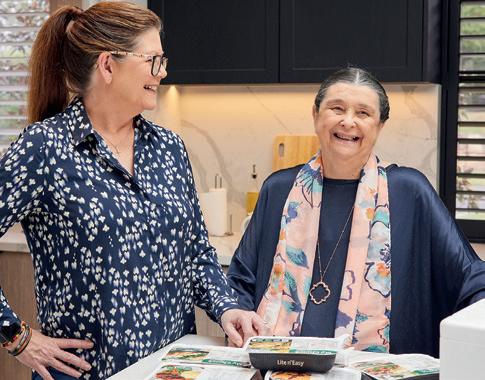

Lite n’ Easy’s service is flexible with no lock-in contracts or subscriptions, so customers are free to order week-to-week as needed.
In addition to supporting HCP providers and recipients, Lite n’ Easy is now also supporting the broader Aged Care sector by providing meals in bulk to respite centres, residential aged care facilities, hospitals and many other organisations looking for alternative healthy meal solutions for their employees and residents.
For an effective and affordable meal solution to suit your business needs, please email Lite n’ Easy at: agedcare@liteneasy.com.au
Visit www.liteneasy.com.au/my-choice or call 13 15 12 for more information.
Independence | Choice | Happiness
“It’s given me back my independence. It’s given me back my health. It’s just wonderful.”
“The meals from Lite n’ Easy are a tremendous help for my health and independence - one of the best food delivery services I have tried.”
Aunty Barb & her daughter/carer, Yoni
Penny - QLD NDIS participant
Great leaders are made
Leadership will be your point of difference
It is often noted that self-awareness is the first component of emotional intelligence, and self-knowledge, the initial step towards understanding others. Engaging in reflective practice is challenging in a world that occupies our time with digital distraction, with work demands breaching the barrier into our personal lives. However, to lead others, you must first know yourself.
The relentless march of change in the aged care sector, the ongoing impact of COVID-19, the current pressure of workforce shortages and the need to retain existing employees, have resulted in an increasing burden of pressure and stress on leaders and their teams.
At the Aged & Community Care Providers Association (ACCPA), we believe it’s vital to build leadership capacity within the sector, which is why we’ve programs specifically to support aged care leaders.
ACCPA offers two leadership programs – Leadership Accelerator Program and Comprehensive Leadership Program – customised for the aged care sector. Mapped against the Australian Aged Care Leadership Capability Framework, they meet the needs of leaders at every stage, on their growth journey.
Recently a group of new participants were asked at the commencement of their leadership program, to identify the qualities that make great leaders. The participants defined them as people who share information, make fair decisions, demonstrate empathy, give clear directions, respect ideas, appreciate and utilise other peoples’ strengths and approach challenges with an open mind. An important aspect of good leaders, they said, was that they show a willingness to learn. With aged care organisations operating in a contested marketplace and offering a range of competitive services, the point of difference will not be in service charge, but rather it will be forged through loyalty based on the trusted relationship built with care recipients and employees who represent their brand of care delivery.
Leaders are responsible for creating cultures that foster psychological safety, nurture creativity and innovation, and promote diversity and inclusion that lead to strategic plans being embraced and operationalised.
Leading others requires discrete skills including selfregulation, the ability to control or redirect disruptive impulses, especially in times of high stress, and the capacity to manage this stress to avoid burnout – so ongoing training is a must.

The ACCPA Comprehensive Leadership Program, facilitated by Registered Nurse Cheryl Edwards who has more than three decades of experience in residential aged care management, offers a deep dive over six months with online coursework and one-on-one coaching sessions. Designed for Level 2 and Level 3 leadership positions in aged care, it begins with a self-assessment tool, the CILCA 360, to help leaders better understand themselves and their leadership style and capabilities.
The popular ACCPA Leadership Accelerator Program, on the other hand, is a shorter practical three-month course ideal for new or emerging leaders and offers seasoned leaders a refresher. Facilitated by leadership expert Bruce Williams, the program is both flexible and robust, it is underpinned by academic theories and delivered in an engaging, accessible way. Participants can select individual modules or complete the entire program, with or without CILCA360, and it consistently gets 4.5 and 5-star ratings by participants.
While the ACCPA Comprehensive Leadership Program is already fully booked for 2023, the final intake for the ACCPA Leadership Accelerator Program (running 12 September to 21 November) is currently open. There is also the option of an exclusive ACCPA Leadership Accelerator Program for your organisation. For more information about program options contact training@accpa.asn.au
Tegan Roberts, Manager – Learning & Professional Development, Aged & Community Care Providers Association www.accpa.asn.au/professional-development
21
A great leader is one who invests in themselves, for the benefit of others, or as Simon Sinek says, “Great leaders, eat last.”
Mentorship in aged care nursing
Insights from a nurse mentor at MYVISTA
Mentoring is an effective and proven model for improving the quality of aged and community care in Australia. Yet mentorship in aged care nursing can often be overlooked as part of training and development.
A good mentor can provide support, guidance, encouragement and advice to new nurses, helping them to learn and grow in their roles. This in turn can lead to better care and a more cohesive nursing team.
This is why on-site mentorship is an integral part of ACCPA’s Nursing Programs, enriching the overall experience and enabling new nurses to learn from more experienced nurses including how to navigate various workplace challenges.
Bronwyn Doyle, National Lead of ACCPA’s Aged Care Transition to Practice Programs, says, “The mentor is a kind and supportive clinical nurse who will work with newly graduated nurses and guide them throughout the 12 month program.”
With the advice and guidance of a mentor, all graduate Registered Nurse (RN) and Enrolled Nurse (EN) participants in ACCPA’s Nursing Programs are provided with practical and hands-on support in their first year of clinical practice. Participating organisations identify experienced Registered Nurses to mentor, guide and support the transitioning nurse from the start to completion of the programs.
Qualities that make for a good mentor are patience and the passion to teach or share knowledge with others. They are easily accessible and approachable while nurturing the development of the mentee.
Rebecca Glass is the Clinical Nurse Lead (CNL) and nurse mentor at MYVISTA. Bec says “I work alongside the Registered Nurses and Graduate Nurses to develop competencies, confidence and motivate them to learn and ask questions.
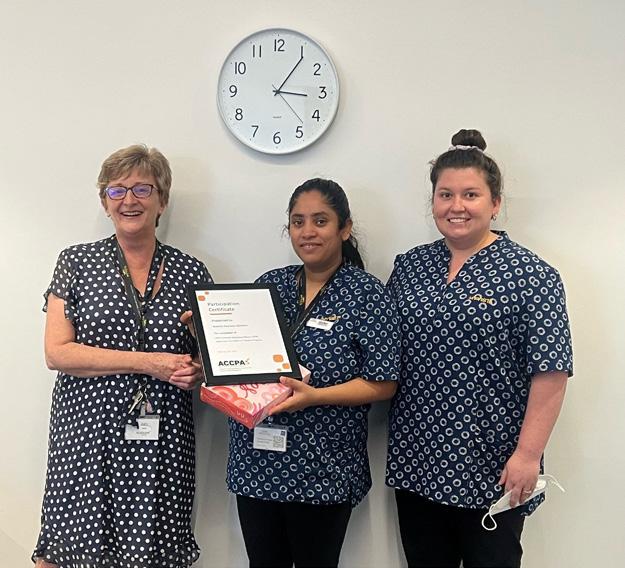
“As a participating organisation in ACCPA’s Nursing Programs, MYVISTA support their graduate nurses in a variety of ways, ensuring they are always working with an experienced Registered Nurse.
“The graduate nurses are allocated to resident areas that have less complex numbers of residents so that they have time to learn and gain experience and confidence.
“The ACPPA Nursing Program and internal mentor support was the ideal way to support the new graduates and allow them to thrive in a positive learning culture.”
Bec says the key to a successful mentoring relationship is “ensuring the graduates know someone is always there
for them and to use adult learning principles and open communication”. Importantly, she allows time to spend with them as part of the team and on an individual basis.
Communication and teamwork are critical to the mentorship to enable knowledge and experience to be shared.
“We have daily discussions and create different scenarios to navigate how to deal with various situations. If the nurse graduate is attempting something for the first time, I’ll be right there with them. I’ll ensure they are both confident and competent, allowing them opportunities to observe prior to practice.”
ACCPA’s Nursing Programs also include training and support for mentors, and our nursing team maintain regular contact throughout the program. Participants are connected using a private learning management system, Moodle, allowing for easy access to professional development resources, participation in forums and networking activities.
Bec is a strong advocate for aged care and is passionate about supporting nurses. Her advice to graduate nurses is to remember that nursing is a lifelong learning journey and to use all resources available to them.
With ACCPA’s Nursing Transition to Practice Program, all graduate RN and EN participants will be supported by ACCPA and the partnered aged care organisations with education sessions and on-site mentorship.
Alexandra Harrison, Workforce & Industry Development Information Coordinator, Aged & Community Care Providers Association
www.accpa.asn.au/nursing
22 NATIONAL UPDATE
L-R: MYVISTA CEO Irene Mooney , Clinical Nurse Lead Rebecca Glass and graduate Registered Nurse Seema Gautam Ghimire.
ELDAC Dementia Toolkit
The ELDAC Dementia Toolkit offers evidence‑based resources about palliative care and advance care planning that can assist you and your organisation in supporting the end of life needs of people with dementia and their families.

The toolkit is designed for health professionals and aged care staff and is a free online resource that is user‑friendly, evidence‑based, and developed by aged care experts. The Dementia Toolkit contains 2 main sections with information, tools, and downloadable resources to use across care settings.
Clinical Care
● Information on dementia
● Clinical assessments and resources for palliative care and advance care planning organised according to the ELDAC Care Model’s 8 clinical care domains
● Best practice management of pain, nutrition and responsive behaviours
● Resources for families.
Education and Learning
● Opportunity to evaluate your dementia knowledge
● Dementia Personal Learning Plan to focus your education needs
● Recommended dementia education and resources to meet your lear ning goals
● Links to online websites and resources.
The Dementia Toolkit is available on the ELDAC website: www.eldac.com.au
eldac.com.au ELDAC is funded by the Australian Government Department of Health and Aged Care
These outstanding team members didn’t receive the pay rise they deserve, so we think it’s time they were recognised.
With individual gift rewards up for grabs, SoupedUp’s Hospitality & Lifestyle Aged Care (HLAC) Heroes is the perfect way to recognise and reward heroes working in aged care sites.


Know someone who goes above and beyond? Nominate them today!
Nominations close Thursday August 31 2023.

*Catering* *Cleaning* *Laundry* *Lifestyle* It’s your time to be recognised! Nominate your heroes today!
Nominate Now soupedup.com/hlacheroes soupedup.com/hlacheroes | info@soupedup.com
Discovering aged care careers goes national
Attracting workers is our priority
With Australia’s rapidly ageing population, it is no secret the aged care sector is in need of support now more than ever, with an increasingly unmatched demand on the workforce that is not expected to decline in years to come.

The Discovering Aged Care Careers (DACC) campaign is the evolution and legacy product of the now-finished Women Discovering Aged Care Careers program (WDACC), an initiative that was focused solely on encouraging unemployed women living in Tasmania to consider a career in the aged care sector.
The WDACC program produced valuable assets, resources and findings while attracting suitable candidates to information sessions, which are now being used and applied throughout the DACC campaign, which aims to reach men and women Australia-wide.
ACCPA’s Services & Sector Capacity team have transformed the niche, state-wide Tasmanian WDACC program into a national initiative with a broad workforce message available to any Australian interested or considering working in the sector. The campaign’s aim is to bridge any gaps in knowledge the general public may have towards jobs and careers available to them throughout the sector, and will seek to grow the workforce by attracting new faces and fresh perspectives as opposed to people already employed in the sector.
This is accomplished by pulling from various resources developed by the team, some old and some new.
The DACC campaign will feature fresh imagery, repurposed videos and new stories, all of which will highlight new opportunities for anybody considering a career in aged care. The campaign will be supported by social media marketing in the form of Facebook and YouTube advertisements, as well as Google advertising.
The campaign will focus primarily on breaking down barriers and stereotypes associated with jobs and careers within the aged care sector. DACC will promote careers and opportunities within the sector not only as a viable and rewarding option, but also an attractive one for all individuals, irrespective of their background or previous career choices.
Many of the positions that will be highlighted throughout the campaign’s life are entry level and do not require formal qualifications or extensive experience but will present job seekers with unique opportunities to upskill and work their
way up to management or higher level positions where they can enjoy a stable and meaningful career long-term.
Campaign assets and details are featured on the ACCPA Workforce Hub, a platform dedicated to the development of the sector’s workforce. The Workforce Hub provides information on career options, training and education, and employment programs and initiatives.
The DACC campaign is an important step in the promotion of aged care careers and opportunities, and will provide necessary insights to ensure we tap into the right demographic when marketing aged care careers.
The campaign’s call to action – to visit the workforce hub –invites Australians to consider building a meaningful career while making a positive impact on the lives of others, through the age services industry.
One of the exciting tools developed for the DACC campaign includes the Supporter Toolkit, designed to encourage all stakeholders in the aged care sector to support the promotion of aged care careers by sharing the resources on their channels.
Be sure to visit the ACCPA Workforce Hub to check out the Supporter Toolkit and various other assets and resources developed to benefit your organisation.
Omeed Shahriari, Marketing Coordinator – Home Care Workforce Support Program, Aged & Community Care Providers Association
www.employment.agedservicesworkforce.com.au/careers/
25 NATIONAL UPDATE
Discovering Aged Care Careers is new campaign is targeting newcomers to the aged care workforce.


26
Home care careers
older Australians in need of home care support
The Australian Government’s Home Care Workforce Support Program is helping older Australians stay at home for longer, with access to adequate care and resources they may require, by focusing on workforce.
By growing the workforce that provides home care across the country, the program looks to create supply where there is an ever-growing demand.
The consortium tasked with delivering the program in Victoria and Tasmania – Aged & Community Providers Association (ACCPA), Human Services Skills Organisation (HSSO) and PowerHouse Hub (PHH) – is in the midst of delivering its campaign through their Home Care Careers brand, with a sincere focus on attracting quality candidates for providers in need.
Home Care Careers seeks to recruit home care workers across Victoria and Tasmania and has recently been expanded to source residential aged care workers and disability care workers in rural and regional areas (MMM 3-7). For Victorian and Tasmanian providers, registering with Home Care Careers is a free, no-risk method of recruiting new home care workers, as well as being granted access to the program’s products and retention support.
To date, Home Care Careers has achieved over 2,000 candidate registrations, 1.5 million online video views, 1.3 million radio advertisement listeners and 180,000 cinema admissions. More than 2.5 million people have also been exposed to Home Care Careers advertisements on public transport throughout Victoria and Tasmania.
Following this attraction campaign, there will be a pre-screening process to enable the presentation of quality candidates to employers.
The hero film featured heavily throughout the Home Care Careers marketing campaign presents the message that those of us with care in our DNA are inherently a great match for a career in home care.
The film’s creative concept is subtle yet intricate as hardly any words are spoken throughout the 30 second run time. Three acts of random kindness and care are depicted. At the end of the video, the previous scenes are linked to a career in home care through a text, prompting viewers to consider a career in home care.
While the program has invested heavily in traditional media outlets and achieved favorable results, the most effective and strongest performing channels have been Google and social media advertisements, having delivered over half of the program’s registrations.
The data collected at this pivotal halfway point of the campaign highlights that more than 85 per cent of currently registered candidates are females above the age of 45. While these results are great, building a sustainable workforce relies on the participation of the next generation.
In order to address the need to appeal to a younger demographic, the campaign will be developing and marketing a lighthearted, interactive quiz on social media. The quiz titled ‘Karma Neutral’ invites the participant to answer a series of ‘what would you do?’ scenarios with a selection of multiplechoice answers. The call to action at the end of the quiz will be a visit to the Home Care Careers website, where participants can learn more or register.

Another useful marketing asset developed by the Home Care Careers team is the ‘Day in the Life of a Care Worker’ film shot in May. The video focuses on the day-to-day roles of three
home care workers – a Personal Care Worker, an Allied Health Professional, and an Enrolled Nurse.
The purpose of this video is to educate and inform candidates considering a job or career in home care on the pros, cons, and realities of the job – giving viewers a genuine sense for what is required of them in their potential future jobs.
The care workers appearing in the film are real care workers, and their clients are their real clients. The film does not use any actors, and is not scripted. The film showcases the team’s desire and commitment to painting a true and authentic picture of the aged care and home care sectors.
The various promotional assets and media channels utilised in this marketing campaign are designed to support and boost Victorian or Tasmanian provider’s current marketing plans and schedules.
Currently, over 100 providers have registered with Home Care Careers, and are enjoying the benefits of being attached to this campaign and receiving recruitment services, products, support and much more.
The Home Care Careers team have invested heavily in the attraction of quality candidates to the sector –relieving the burden from employers. Any Victorian or Tasmanian home care provider or Commonwealth Home Support Program provider can sign up for the Home Care Careers program today by visiting the website (www.homecarecareers.com.au).
Omeed Shahriari, Marketing Coordinator – Home Care Workforce Support Program, Aged & Community Care Providers Association accpa.asn.au/aged-care-employee-day
ACCPA, HSSO and PHH are delivering the Federal Government’s Home Care Workforce Support Program in VIC/ TAS. For more information about how to access new recruits in your state or territory, visit www.health.gov.au/ initiatives-and-programs/home-careworkforce-support-program
NATIONAL UPDATE 27
A campaign designed to benefit

Aged care employee day for everyday heroes
Celebrate

The aged services industry depends on its employees – the men and women who work tirelessly in many different roles, to care for our elders and loved ones.
There are more than 427,000 aged and community care staff who are the backbone of the care workforce for the 1.5 million older Australians who are living in care or receiving support to remain living in their own home.
Over recent years we’ve seen tremendous goodwill and generosity from aged care staff, as they battled natural disasters like floods and bushfires, and courageously showed up day after day throughout the worst of the COVID-19 pandemic.
As the peak body for aged care in Australia, the Aged & Community Care Providers Association (ACCPA) knows how hard they work, the unsung heroes of our community. This is why acknowledging the effort of aged care workers is so important, and why we continue to build awareness for the valuable role they play in our community, on Aged Care Employee Day.
A national day of celebration held on 7 August each year, it is designed to honour those working in residential care, home care and community care, highlighting the incredible work that each and every team member involved in caring for older Australians does to ensure older people can live their best lives.
With the hashtag #thanksforcaring, Aged Care Employee Day gives residents, their families and loved ones, along with the entire community, a chance to say ‘thank you’. It’s an important reminder of the caring and considerate work of our aged care staff who do their best to make the lives of older people better.
ACCPA CEO Tom Symondson is encouraging the aged care sector to unite again this year, and for providers to mark this special day for their staff.
“We are calling on providers to join us in saying ‘thank you for a job well done’ and recognise the hard work of aged care staff,” said Tom.
“Be they personal carers, nurses, kitchen and laundry staff, diversion therapy staff, allied health professionals, administrators, gardeners or volunteers, they have all worked above and beyond the call of duty to keep our vulnerable older Australians cared for and safe.
“This is particularly so during the COVID-19 pandemic which is still having an impact on the aged care sector, meaning extra care and protection is still needed to keep our older people safe.
“Aged Care Employee Day puts these everyday heroes in the spotlight, celebrates them and highlights the many different roles that they undertake in the daily care of our elders.
“ACCPA is proud to host Aged Care Employee Day, a national annual awareness raising initiative that was begun by Whiddon as an in-house event in 2018, and we are pleased to see the entire sector understand is value for our industry.”

There are many ways to get involved and say ‘thanks for caring’ to our aged care workers. If you’re a provider, visit accpa.asn.au/aged-care-employee-day for tips and resources on how to make this a special day for your staff.
We also encourage you to send your stories, photos and videos to us at media@accpa.asn.au so we can share them on our YouTube channel. When sharing them on your social media channels, please use the hashtag #thanksforcaring, to help draw attention to this important day.
Sharon Wilkinson, Communications & Marketing Advisor, and Linda Baraciolli, Aged Care Today Editor & Communications Advisor accpa.asn.au/aged-care-employee-day
your staff on 7 August!
For a long time, the Aged and Disability Care sector in Australia has been looking for their software providers to offer a fully integrated solution to drive efficiencies by scheduling services, maintain compliance and seamlessly manage payroll, billing, account management and general ledger.
Care Systems ensures
■ Rostering and scheduling is managed efficiently.
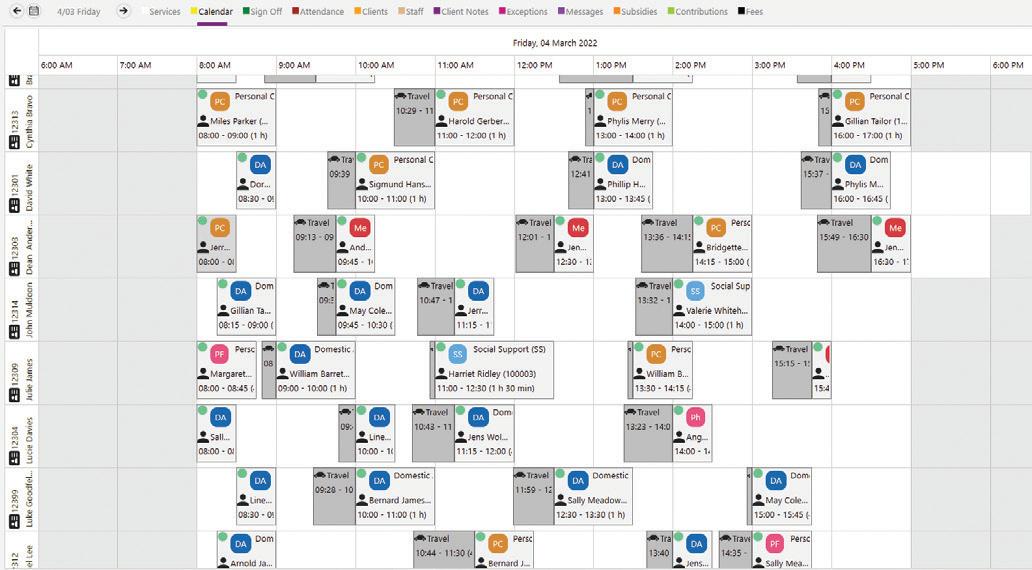
■ Overstated KMS (both between and during service delivery) are eliminated.
■ Staff receive the information they need to be effective in their role of delivering quality care.
■ Employees are paid in line with the relevant EA or Award. On time – every time.
■ Clients receive accurate and compliant statements and invoices with no manual data transfer or need for 3rd party integrations.
■ Your organisation maintains compliance while delivering quality services to your clients.
■ Government reporting is generated without the need to import/export data.
Care Systems has listened to what its clients and the market are asking for, and are proud to deliver its suite of fully integrated and cloud-hosted applications that will create efficiency and support compliance for any organisation in the Aged and Disability Care sector.
Ensuring your compliance is maintained
From front-end home and residential client management and service rostering with the support worker mobility app, to resident billing, ACFI calculation, back-end payroll, billing, accounts and government reporting
Using the latest Care Systems cloud technology, payroll and client billing is simple and streamlined. Care Systems’ HomeCare and HomeCare Mobile modules seamlessly integrate to manage your rostering, filling empty shifts quickly and easily, while managing your KMS, worker skills and client preferences.
Once services are completed, real time mobile time and attendance data is matched to rostered shifts and services, enabling swift approval and processing of Payroll.

Want to maximise revenue and ensure effective and compliant Client and Resident Billing?

Care Systems supports providers to maximise their funding entitlements and ensure Clients and Residents are billed correctly. We can manage your Medicare payment statement reconciliation and analysis to ensure you don’t miss out on funding entitlements, payments and supplements.
As clients are billed directly from the system, end of month reconciliation and reporting occurs in parallel.
Have peace of mind knowing your residents are billed correctly, and your staff are paid accurately and on time.
Call David 0418 604 924 www.caresystems.com.au
The bigger picture for infection control
Our service environments must not suffer amid other priorities
With aged care at a crossroads, the increased emphasis on care minutes has come at an important time. This new policy is likely to put real pressure on many providers but nevertheless aims for outcomes that can only improve the lives of older Australians in residential care.
As providers grapple with the best way to meet these mandated obligations, though, it remains equally important that we do not lose sight of environmental considerations – especially as infection control remains front and centre in public discourse around the sector’s pandemic response and ongoing outbreak management.
This mission-critical area is in danger of having to take a backseat as providers rightly focus on complying with new care requirements. In driving operational efficiency and managing broader cost pressures, many will feel they have no choice but to make cuts to their cleaning departments to redeploy resources towards clinical and other areas.
This is not to say that providers are systematically dismissing the importance of infection control. The opposite is very
much true, with our clients on high alert as they actively live and work with COVID-19. Rather, they have been put in a position where they will need to make difficult decisions affecting the day-to-day experience and service environment of residents.
This challenge is also reflected at a policy level. The muchneeded wage increase being funded for aged care will apply to carers but not all support staff who play critical roles in creating positive resident experiences, including cleaning personnel who must internalise very specific rules, procedures and shifting directives to be effective in the industry.
The unique infection control challenges facing aged care certainly have not subsided. As service environment will always be an essential pillar in the overall health and wellbeing of residents, how can providers and industry partners balance this challenge?

First, it’s important to ensure stakeholders across all levels and departments are aligned on the importance of environmental and infection control considerations – and that they are willing to act on them in collaborative, practical ways.
• Registered Nurses
• Endorsed Enrolled Nurses
• Assistant in Nursing Cert 3 & 4
• Special Project Coordinators specialising in supporting facilities ready for accreditation
• COVID 19 Support Staff
LOOKING FOR SUPPORT
• Filling last minutes shifts
• Ongoing shifts
• Block bookings
• Contracts
• Part Services
• Permanent Recruitment
• Assessment Centre to cater for your bulk recruitment needs
• “Managed Service Arrangement” –Managing your agency usage
32 HEALTH & WELLBEING
NNPLUS CAN GIVE YOU THE STAFF YOU NEED SPEAK WITH US TODAY FOR MORE INFORMATION www.nnplus.com.au or call 1300 158 440
For example, it is quite common for disparate policies and rules to be implemented, differing significantly between sites and providers despite all working towards the same expectations set by the ACQSC and state health authorities. These can often make it difficult for support teams on the ground to operate efficiently and effectively.
Second, adequate time must be allocated (within reason) to relevant partners, teams and personnel involved in maintaining the service environment. This is the only way to achieve optimal resident outcomes and maximum compliance with accreditation requirements, while ensuring all matters are always acted upon with respect to consumer choice, dignity and privacy.
Continuing to cut time from cleaning departments challenges the reality of what can be achieved. It also creates unreasonable time pressure on support staff, driving good talent out of the sector towards more relaxed work settings. Importantly, most external service providers understand the current challenges and are willing to work with clients to come to mutually beneficial solutions that do not compromise standards.
At Medclean, this is very much our own approach. In delivering specialist facility services to the aged care sector, we always work with clients to determine how we can meet their most critical needs within available budgets. This approach safeguards both the sustainability of our service and their operational integrity. Importantly, we want to help providers send the message to residents and their relatives
that infection control will always be a key priority, even in circumstances where cuts may be needed.
Finally, we always encourage providers to be open to innovation, including new technologies and methods. It is not uncommon for some operators to lean on tried-andtrue routines over new, proven recommendations from experts. However, as we confront a shifting infection control landscape, industry partners and specialists need the room to explore new approaches that may prove game-changers in achieving infection control certainty.
In managing outbreaks throughout the initial COVID-19 wave that many of our clients encountered, we employed new, TGA-approved disinfectants and hand-rubs that increased the efficacy of high-touchpoint sanitising while creating a barrier that continued to kill new virus particles on the spot. We saw outstanding results, with very positive client feedback.
The keys to effectively navigating this new dynamic will be collaboration and a mutual willingness to adapt. Importantly, providers who call on independent operators to help manage specific functions will need to ensure they are working with proven experts that truly add value, improving overall service experience and safeguarding the health of consumers in the process.
Petar Miljkovic, Director of Strategy, Medclean www.medclean.com.au
Healthier meals, home delivered
You’ll just love the homemade taste
For over 27 years Tender Loving Cuisine has been serving the community with care, compassion and respect. Australian Made and Owned, our health accredited, home delivered meals cater for dietary requirements with all meals developed and supported by independent review. Our extensive menu also includes selections that are Dairy Free, Low Salt, Gluten Free, Heart and Diabetes Friendly. Our purpose is to assist clients to maintain their dignity and independence.
Assured nutrition, great taste, strict dietary controls and dedicated customer service is at the heart of what we do. With a trusted reputation and Industry Recognition, Tender Loving Cuisine sets the standard in quality and reliability. We proudly provide meals in Aged Care Packages, NDIS, CHSP and the general community in areas of QLD, NSW, ACT and VIC. Contact us for brochures or futher information, we’re here to help!


33 HEALTH & WELLBEING
Call 1800 801 200 or Visit tlcmeals.com.au TLC Meals deliver to over 3,200 suburbs across NSW, ACT, VIC and QLD
Dignity for dementia
In recent years dementia support across the health and aged care sectors has been revolutionised in the way it is provided and viewed, shifting from a medical model to a largely person-centred or strengths-based approach.

Most people living with dementia will experience changed behaviours at some stage, and yet it is one aspect, which has not transitioned to this new model of care, instead often being viewed as a ‘behaviour’ to be ‘managed’.
Dementia affects everyone in different ways and changes in behaviour or emotional state such as anxiety, aggression, hallucinations, loss of inhibition, depression, irritability, apathy and delusions are common. They can be displayed through both verbal and non-verbal behaviours, such as shouting, hitting, becoming withdrawn, pacing, repetitive behaviour and discontinuation of routines.
These changes can occur as a result of changes in the brain caused by dementia, or other factors such as the behaviour of others around them or way in which a person such as a care worker or carer is interacting with them. It could also be due to an underlying illness, infection or pain, difficulties with communication, something occurring in the environment around them or in relation to their own personal story.
We know that the majority of people living with dementia will at some stage experience challenges with verbal
through
communication. This can include difficultly finding the right words, putting a sentence together in a way that’s meaningful to others and engaging in conversation at a speed that most people expect.
With these difficulties, one of the few ways to communicate their emotions or state of being at a particular time might be through facial expressions, body language and actions. It is that person’s way of telling someone how they’re feeling; that they are in pain, frightened, lonely or overstimulated.
Understanding changed behaviours
When a person living with dementia exhibits changes in their behaviour, it’s vital that we consider the reason for that change to address the underlying cause and ensure better outcomes where the person is treated with dignity and respect. When viewing a behaviour as one to be managed, the cause is not identified, and consequently any treatment is not likely to have meaningful impact or solution.
Dementia Australia’s CAUSE’d (Communication, Activity, Unwell/unmet needs, Story, Environment, dementia) model is a tool that can be used by carers and care workers alike to systematically think about what might be triggering that change by considering the following areas:
■ Communication. Is communication acting as a trigger?
■ Activity. Is an activity causing stress or distress?
34
HEALTH &
It’s time to view changed behaviours
a different lens
WELLBEING
■ Unwell/unmet needs. Is the person unwell or is there an unmet need, for example, is the person in pain?

■ Story. Is the behaviour to do with the person’s story? Are they getting up at 3.00am every morning because they used to be a farmer and for them, 3.00am is when the day starts?
■ Environment. Is there an aspect of the surrounding environment which is unsettling or not enabling?
■ Dementia. If the above factors don’t identify the underlying cause for the behaviour, then a medical approach is used. Are there biochemical changes occurring in the person’s brain because of the dementia that is eliciting these responses and behaviours?
Changed behaviours have an underlying reason People living with dementia deserve to live dignified lives where they are treated equally and with compassion and respect; a person-centred or strengths-based approach must be applied.
When a person is respected and their needs are put first, the benefits for everyone involved are overwhelmingly positive. We know that it helps to reduce agitation, make them feel more at ease and comfortable. It enables the person’s
The resident is our focus.
Established 26 years, Meditrax is one of the largest providers of aged care medication governance services in Australia
We work with a range of organisations, from aged care to the disability sector, collaborating to provide the unique support required
If you would like to increase your knowledge, improve your provision of care, or would simply like to know more about medication management, get in touch
P | 02 9819 0600
F | 02 9819 0630
E | meditrax@meditrax.com.au
www meditrax com au
needs to be fulfilled; mentally, emotionally, physically and environmentally, meaning they have the quality of life they deserve, as well as trusting the person providing care.
This is validated by countless people impacted by dementia and organisations who share their experiences and tell us what a difference it makes putting the person at the centre of their care.
All health and aged care professionals should apply a person-centred or strengths-based approach to every aspect of care including changed behaviours. Treat the person you are caring for with dignity and respect by identifying and managing their needs, and listening to what they are communicating through their behaviour.
Dementia Australia has a number of resources, educational tools and programs for healthcare professionals available at www.dementialearning.org.au.
The more that staff know, the better the outcomes will be for the person living with dementia, the people around them and our communities.
Dr David Sykes, Director, Dementia Australia’s Centre for Dementia Learning www.dementialearning.org.au
1
2
4
35 HEALTH & WELLBEING
CONSULTING Medication Governance in Aged Care
POLICIES AND PROCEDURES Medication Administration and Governance
EDUCATION Workshops and Training, MediLearn LMS
AUDITS AND ASSESSMENTS Psychotropic and Medication Management & Risk
RMMR AND QUM SERVICES 7th CPA Federal Government Funded Program
3
5
DualPak Ready Meal Trays
Made from pressed paperboard, the DualPak tray features natural insulation properties that will not crack, even when frozen. Perfect for preparing, displaying, storing and heating prepared meals in, the DualPak tray is the go -to choice for makers of good food. DualPak packaging options can be
tailored specifically to your cooking

Request a Demo


A choice of cost effective tray sealing machiner y for DualPak trays is also available, from ergonomic and convenient benchtop sealers to inline automatic models.
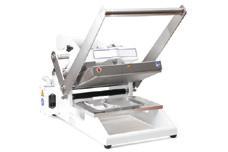
Contact your Confoil representative today for a demonstration of our tray sealing machiner y options.
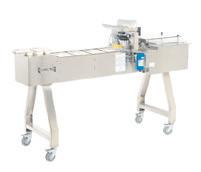
6-8
per minute
per
Sealing Equipment
from Confoil
1308 Sealing Machine Manually- operated, sealing
trays
1808 Sealing Machine Automated system, trays
minute Tray
Available
methods and the packaging needs of your healthcare facility. confoil.com.au | customerservice@confoil.com.au | +61 3 8720 1900
The importance of allied health
A reflection on recent changes and goals for the future
The introduction of a new funding model for residential aged care (AN-ACC), as well as the legislation of allocated care minutes rising from the Royal Commission and aged care reform, has impacted the allied health workforce.
Since the new model has been in place, feedback from some allied health practitioners has revealed a general feeling of uncertainty, with reports of reduced hours of employment and job losses leading to some leaving the industry.
When introducing AN-ACC, the Australian Government Department of Health stated that “providers are required under legislation to make available allied health services to residents who need them”, with the new funding tool designed to allow residential aged care services, and allied health professionals, to provide the most beneficial treatments consistent with the residents’ individual care plans.
What steps need to be taken to make the new model work for clients, practitioners and service providers?
To discuss the current state of allied health, the problems, opportunities, and solutions, I gathered a group of physiotherapists from research, management and clinical practice to discuss the issues, including Dr Jennie Hewitt, physiotherapist and the lead researcher of the Sunbeam Trial, and Dr Michelle Guerin, physiotherapist and Academic Lecturer with research interest in improving the quality of health care.
Here is a summary of our recent round table discussion collective opinion.
Benchmarking is important
A quality allied health service aligns with the benchmarks outlined by Allied Health Professionals Australia in their 2023 position statement:
1. development and implementation of a national care assessment and planning tool
2. benchmarks for service provision (eg. allied health care minutes/day, or allocating funds for allied health service provision)
3. multidisciplinary care
4. systematic monitoring and regulation of allied health quality and safety
5. comprehensive allied health data collection and reporting
6. workforce planning and support
7. integration to My Health Record.
Care must be personalised
The care assessment tool must recognise the necessary items leading to the selection of appropriate person – centred services and resources.
Communication, coordination and multidisciplinary team planning will enable appropriate referrals to allied health practitioners which will improve the resident’s care, including admission to residential care, following hospital discharge or when there are increased in care support requirements.
Multidisciplinary collaboration
While many issues need to be solved, the new funding model has the potential for a positive impact on care provision, as allied health services can now be focusing on the individual’s assessed needs and goals, and allowing for care based on sound clinical reasoning.
The allied health scope now allows for more creativity, and collaboration between professions, such as physiotherapy, occupational therapy, speech pathology, podiatry and dietetics. The new model promotes evidence-based best practice, based on individual health concerns, with appropriate goal setting.
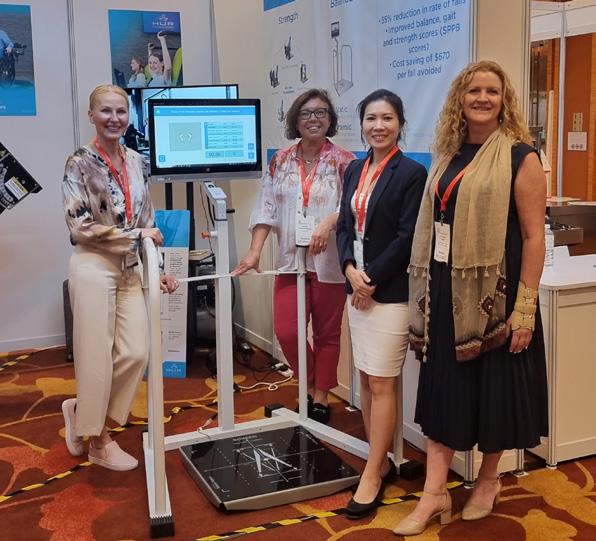
Allied health leads to cost savings
Allied health services benefit residents on many functions such as general mobility, cognitive function, the prevention and care of pressure sores, and general social engagement.
37 HEALTH & WELLBEING
L-R: Chief Operating Officer HUR Finland Lena Smeds-Furu, Physiotherapist & Research Lead HUR Australia Dr Tuire Karaharju-Huisman, Managing Director IMM Healthcare Malaysia Dr Jillian Yeoh and Physiotherapist & Academic Clinician Dr Jennie Hewitt, demonstrating HUR strength and balance equipment.
enkindle.com.au/outlookreport23
These services can further lead to cost savings in many fronts. For example, improvements in mobility can lead to the reduction of care staff required for transfers.
Research evidence is also clear on the importance of exercise therapy in the reduction of falls. The implementation of the Sunbeam protocol, currently rolled out in hundreds of residential care facilities, lead to 55 per cent reduction of falls, with a potential cost saving of up to $670 per fall avoided, leading to an estimated $120 million saving for the Australian healthcare economy in the first year alone.
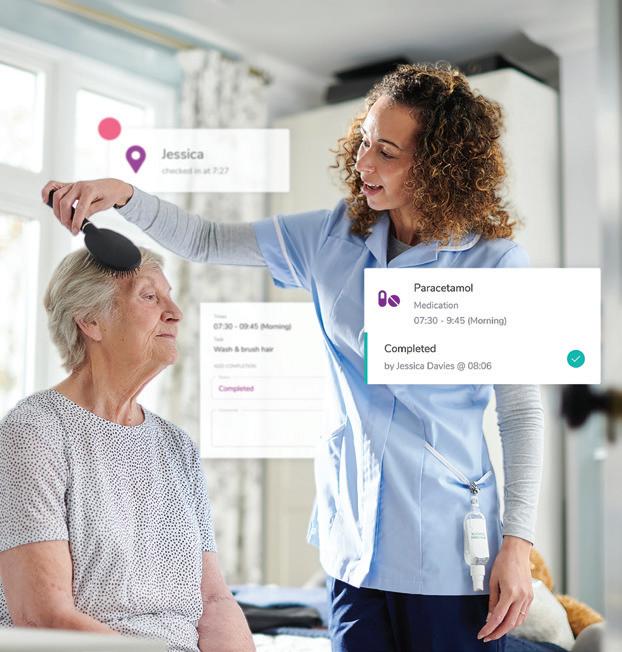
Adequate funding is vital
Peak bodies continue to advocate for separate funding for allied health providing an opportunity for therapist directed evidence-based care, based on clinical reasoning of the client’s needs and goals, allowing the allied health practitioners to put their clinical skills fully in action.

enkindle.com.au/topinnovations23
Allied health practitioners working in residential aged care are passionate about their work and want industry to continue to value their services allowing residents to maximise their quality of life. If we want a quality aged care system, allied health must be an integral part of our service models.
Dr Tuire Karaharju-Huisman, Physiotherapist & Accredited Exercise Physiologist, HUR Australia
www.huraustralia.com.au


hello@enkindle.com.au


www.enkindle.com.au
Fed up with paper-based processes? Invoicing and payroll a headache? Struggling with compliance or reporting? Looking to improve your communications across the circle of care?

38 HEALTH & WELLBEING
FACILITATION&PLANNING|TENDER&BUSINESSCASEDEVELOPMENT
STRATEGICADVISORY|OPERATIONALREVIEW&SERVICEDESIGN|USER EXPERIENCEJOURNEYS&DESIGN|WORKFORCESTRATEGYPLANNING|STRATEGIC
NEWAGEDCAREREPORTS SCANTODOWNLOADREPORTS TOPHOMECAREINNOVATIONSIN AGEDCARE HOMECAREOUTLOOKREPORT2023 03 8518 4374 | carelinelive.com.au * Min contract term applies. Offer ends 30/10/2023 and is inclusive of remote onboarding. For full T&Cs, visit: carelinelive.com/10-months-aus Better systems mean better care. CareLineLive is award-winning home care management software that will improve efficiency and capacity in your home care business. It’s easy-to-use and affordable.
care rostering taking up all your time? 12 MONTHS FOR 10 IF YOU BOOK A DEMO TODAY
Home
The power of physiotherapy in aged care
A partnership with JMV and Guide Healthcare is reaping the benefits
Sydney not-for-profit aged care provider, James Milson Village (JMV) has joined forces with Guide Healthcare to empower residents to improve their health and fitness on-site as part of a new physiotherapy program.
Commencing in January this year, the program focuses on supporting residents from both independent living and residential aged care homes to improve their strength, mobility, balance, falls risk and overall physical confidence.
The results of the program so far have already seen an improvement in quality of life and the ability for residents to participate in regular activities. With physiotherapists visiting the sites on an ongoing basis, the team has seen both physical and mental improvements across the board.
“We’re really enjoying working with JMV to improve the outcomes of its residents through our unique physiotherapy program,” said Simon Kerrigan, Founder of Guide Healthcare. “Our team has enjoyed having access to the on-site gym to broaden the scope of what physiotherapists can offer for residents.
“With a dedicated space and state-of-the-art equipment, we are enjoying getting residents out of their rooms and into group or one-on-one sessions that focus on building strength and mobility.”
The JMV gym features resistance-based machines, as well as a group training area with parallel bars, rehab stairs, a treadmill, free weights, battle ropes and high-tech app-based reactionary games. JMV North Sydney has also acquired quality pneumatic resistance training equipment to support resident’s wellbeing outcomes.
“Pneumatic machines use compressed air to create resistance, making them safer for older adults and those recovering from injuries. It’s an excellent way to counteract the age-related loss of muscle mass, improve strength and convert fat to muscle,” said Simon.
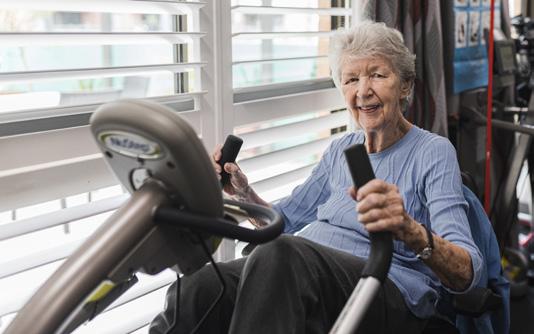
“We are seeing some great outcomes when using these machines as part of our program. We have residents who are recovering from various replacement surgeries and these machines have allowed them to confidently focus on rebuilding strength and balance.
“The use of pneumatic equipment is also proving valuable for general strength training without causing any stress or strain on ageing muscles and joints.”
CEO of James Milson Village, Brad Williams, said the partnership with award-winning Guide Healthcare has
been hugely positive with residents raving about the new program.
“It’s been fantastic to have a fresh team of physiotherapists join our village to support residents’ health outcomes. These physiotherapists are dedicated to empowering our residents to move, face challenges, reach goals and have fun at the same time.
“Physiotherapy in aged care is no longer just about pain management, it’s about prevention and training to ensure that our residents can remain active and independent within our village and beyond in our community.
“We want residents to be able to continue their normal activities as they age and reduce the risk of falls or injuries. We love hearing from our residents after their physiotherapy sessions. They have huge smiles on their faces and are excited to reach new goals as part of the program.”
Margaret Martin is part of the residential aged care community at JMV and has been utilising the new physiotherapy program to effectively manage her pain and improve her mobility.
“We have loved hearing about Margaret’s positive outcomes of the program. Through group exercise and our one-on-one physiotherapy program, she is undertaking a mix of balance training, walking, aerobic and resistance training to maintain bone density and improve her strength,” said Brad.
“Since our new physiotherapy program was implemented, we can already see huge improvements in the health and mobility of our residents and it’s been even more beneficial in the social and emotional aspect too, particularly after a few years of COVID-19 restrictions.”
James Milson Village www.jamesmilsonvillage.com.au
39 HEALTH & WELLBEING
Margaret Martin is one of the residents at JMV who is benefiting from the new physiotherapy program
Improving care for survivors of stroke

Stroke is a lifelong condition estimated to affect over 500,000 Australians, 75 per cent of whom are aged over 65. Those who survive have an elevated risk of recurrence due to risk factors related to the original stroke, and many older stroke patients have other chronic conditions that impact their health and recovery.
A Monash University study, published in The Lancet Regional Health - Western Pacific, has confirmed that Medicare supported policies enabling additional funding for GPs to provide structured chronic disease management improve long-term survival following stroke and Transient Ischaemic Attack (TIA, which produces temporary stroke-like symptoms).
Since 1999, the Australian Government has supported GPs to provide chronic disease management plans. They encourage multidisciplinary care, so that health professionals from a range of disciplines collaborate on care and self-management through better communication with patients.
Managing risk factors that caused the initial stroke is critical in preventing further strokes. This includes maintaining blood pressure and cholesterol levels within a normal range, using antithrombotic medication if a person has atrial fibrillation, and supporting people to adhere to medications related to these risk factors.
No two strokes are the same, so when caring for someone with a stroke it is important that their individual health, physical and mental health needs are assessed in accordance with clinical guidelines Living Clinical Guidelines for Stroke Management, which can be downloaded from the InformMe website (www.informme.org.au).
Our project also found that multidisciplinary care can improve long-term outcomes, especially for those left with ongoing disability. This may include access to allied health professionals such as physiotherapists, occupational therapists and speech pathologists. Such therapists can help survivors maximise their independence with daily living activities and improve communication and mobility. Being physically active is also important for maintaining mobility and reducing stroke risk factors.
Physiotherapists can design safe and appropriate exercise programs for people living with stroke. Mental health problems such as anxiety and depression are also common, affecting approximately 40 per cent of survivors. Monitoring mood and providing psychological services is often beneficial. Chronic disease management plans can identify needs, and support access to appropriate types of care.
Our study was developed to determine the effectiveness of government-funded chronic disease management
policies in improving long-term outcomes – survival, hospital presentations and preventive medication adherence. It focused on people living in the community but the findings are relevant to all people living with stroke, including those in aged care.
The 12,386 participants were identified through the Australian Stroke Clinical Registry from 42 hospitals in Victoria and Queensland. Registry data was linked with state and national hospital, general practice, pharmaceutical, aged care and death datasets. Registrants living in the community, not receiving palliative care, and who survived to 18 months following stroke/TIA were included.
Those with a plan, compared to similar people without a plan, had 26 per cent improved survival over 12 months. A 16 to 23 per cent improvement in adherence to preventative medication was observed in those with a plan.
An increase in hospital admissions for elective procedures was also observed in those with a plan, possibly due to better identification of patient needs by their GP. Despite the health benefits, only 45 per cent had a chronic disease management plan.
Project lead and author, Associate Professor Nadine Andrew, is from Monash University’s Central Clinical School and the National Centre for Healthy Ageing.
“Our findings provide a strong case for promoting the benefits of chronic disease management policy in primary care of people living with stroke/TIA and we hope that our results will provide support for the ongoing provision of these and similar plans by the Australian government,” she said.
“Strategies to improve uptake at the GP level are needed and could include greater financial incentives and mandates, education for patients and healthcare professionals, and ongoing population monitoring involving audit and feedback.”
Co-investigator Associate Professor Monique Kilkenny, from the School of Clinical Sciences at Monash Health, strongly advocates for “efforts to ensure quality of care provided to patients with stroke for improvement of healthcare and patient outcomes”.
“The increase in overall hospital presentations may represent an informed patient cohort more able to recognise the need for presentation to hospital,” she said.
The study was funded by the National Health and Medical Research Council and supported by the Australian Stroke Clinical Registry and National Centre for Healthy Ageing.
Associate Professor Nadine Andrew, Research Data Lead, National Centre for Healthy Ageing, Monash University
www.monash.edu
HEALTH & WELLBEING
New study shows a multidisciplinary approach is key

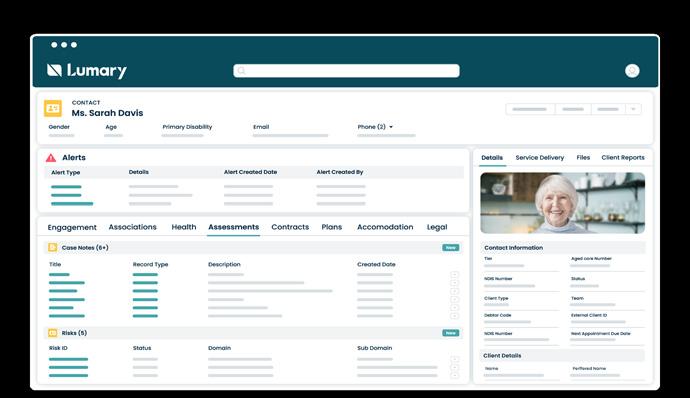
first with next generation software designed to create better care outcomes
transform with Australia’s leading care management software. Trusted by 200+ healthcare providers to deliver quality care. Find out more www.lumary.com Better Wellbeing Through Technology
All-in-One Care Management Software Put people
Operationally
Experience Genuine Care
PALM Scheme – Pacific Workers from Health+ People

MINIMISE RECRUITMENT COSTS
Deal with one provider who can service all your recruitment needs.
CONSISTENCY OF CARE
Foster meaningful connections between your residents and caregivers, and create an environment that nurtures and supports well-being.

BUILD A CULTURE OF RESPECT
Pacific Australia Labour Mobility (PALM) Scheme candidates bring a cultural heritage rooted in profound reverence for elders. They carry a strong sense of pride in representing their families and nations, translating into the development of dignified care practices for your residents.
CONTAIN TURNOVER
Stabilise your workforce by placing candidates for up to four years.
FEDERAL GOVERNMENT FUNDING AVAILABLE
Strengthen your capacity to care and upskill PALM Scheme candidates while they work for you, including Certificate III (Individual Care).
SOURCE QUALIFIED CANDIDATES
Our candidates are qualified in Aged Care, Individual Support, Community Services, Disability Support, Hospitality, and Catering. They are motivated, eager to learn, and ready to make a positive difference.
Make a profound impact on your aged care facility!
Contact Health+ People at 0438 651 462 to unlock the potential of the PALM Scheme or to discuss your specific needs and explore the comprehensive solutions we can provide.
HEALTHPLUSPEOPLE.COM.AU
How therapy dogs are helping aged care residents at Alino Living
Why you should consider a pet therapy program
Aged care homes are often seen as places where people go to live out the rest of their lives in peace and quiet. However, for many residents, loneliness and isolation can be a major problem. This is where therapy dogs come in.
Therapy dogs are specially trained to provide companionship and support to people in need. They can help to reduce stress, anxiety and depression, and they can even improve physical health. In aged care homes, therapy dogs can provide a much needed sense of purpose and connection for residents.
One such facility is Alino Living’s Killarney Court, an aged care provider on the Central Coast of New South Wales. Killarney Court recently welcomed two new therapy puppies, Molly and Lilly, to their community. The puppies, who are 12-week-old King Charles Cavaliers, have already made a positive impact on the lives of the residents.
“Molly and Lilly are a joy to have around,” said Mary Salmon, Facility Manager of Killarney Court. “They are always happy to see the residents and seem to know when someone needs a little extra love.”
Molly and Lilly are just two examples of the many therapy dogs that are making a difference in the lives of aged care residents. These dogs provide companionship, support, and unconditional love, and they can help to improve the quality of life for residents in a number of ways.
Therapy dogs can reduce stress and anxiety by providing a sense of companionship and unconditional love; improve mood by providing a distraction from negative thoughts and
feelings; and support physical health by encouraging residents to get up and move around.
They can also reduce loneliness and isolation by providing a sense of companionship and belonging, and by encouraging social interaction as residents to interact with each other and with the dog.
If you are an aged care provider considering adding a therapy dog to your facility, there are a few things you should keep in mind.
Choose the right breed
Not all breeds of dogs are suitable for therapy work. Some breeds are more energetic than others, and some breeds are more prone to health problems. It’s important to choose a breed that is wellsuited for the demands of therapy work.
The team at Killarney Court spent a significant amount of time researching different breeds of dogs before deciding on King Charles Cavaliers. They considered a variety of factors, including the dogs’ temperament, size, and grooming needs.
Ultimately, they decided that King Charles Cavaliers were the best fit for their community because they are known for being gentle, affectionate and easy to care for.
Get the dog trained
Therapy dogs must be trained to interact with people in a safe and appropriate manner. They must also be trained to provide basic obedience commands.
The team at Killarney Court is following a strict training program provided by an experienced dog trainer to ensure the puppies grow up to be loving, wellbehaved companions for the residents.
Provide the dog with the proper care
Therapy dogs require the same level of care as any other dog. They need to be fed, walked, and groomed regularly. They also need to have access to fresh water and a clean place to sleep.
At Killarney Court, the residents and staff share this responsibility, with Mary reporting that there is no shortage of love and care for Molly and Lilly.
“Molly and Lilly are receiving the best possible care from the staff and residents of Killarney Court. They are being fed a healthy diet, given plenty of exercise, and loved unconditionally. The puppies are thriving in their new environment, and they are already making a positive impact on the lives of the residents,” she said.
If you’re willing to put in the time and effort, adding a therapy dog to your aged care facility can be a rewarding experience. Alino

43 HEALTH & WELLBEING
www.alinoliving.com.au
Living
Killarney Court resident Peter Chambers with Molly (left) and Lilly (right).
COMINGSOON!
The Alexys Aptus Nurse Call System is an intelligent IP-based solution for accurate care reporting.


Automatically capturing every carer/RN to resident interaction, thus ensuring the mandatory 200 minutes of direct care are recorded and available for audit.



Aptus seamlessly integrates with your existing nurse call system or upgrades to the latest in nurse call systems. Aptus also offers easy automated reporting, direct to your inbox, with a real-time dashboard of your facility’s care activity.

To receive additional information on release dates and free upgrade pathways for Alexys SLA clients. Please scan the QR code to sign up for our newsletter and automatically enter our holiday package give away.
Upgrade to Aptus today. For more information: Call: 1300 ALEXYS (1300 253 997) or +61 2 8294 2699 Email: enquiries@alexys.com.au or visit alexys.com.au

44 Different versions for any situation related to transport, large and small rooms. • Native bacteria • Animal epithelia Breathe safely with the break-through plasma technology in air sanitizer. • PlasmoCar • PlasmoAir • PlasmoLight • PlasmoHands • Fungi & Mold
Odors Eliminates for entire interior: • Enveloped viruses (incl. SARS, COVID-2 & monkey pox) 0418 634 534 No filters. No maintenance.
ALEXYS.COM.A U
•
APTUS THE INTELLIGENT SOLUTION FOR ACCURATE CARE TIME REPORTING
The cold plasma revolution
New sanitising product hits Australian shores
A new sanitising product has been introduced into Australia, since January this year, and it’s well worth taking a closer look. Based on cold plasma technology, it could really revolutionise the healthcare and aged services industries – making it easier for residential aged care providers to protect their residents from serious illness and disease.
What is cold plasma and how does it work?
Cold atmospheric plasma is a gas mixture of ionised molecules and electrons. In addition to solid, liquid, and gaseous substances, it is referred to as the fourth state of matter.
The value of cold plasma in sanitising products is that the charged particles eliminate up to 99.99 per cent of native bacteria, enveloped viruses, SARS-CoV-2, fungi and mould, pollen, animal epithelia and odour molecules.
Easy to use, the machine operates automatically when plugged into 240V power, there is no waste material, and it is human and animal safe.
This application in relation to sanitising products started back in 2014 in Germany, where the devices have been produced ever since.
Extreme convenience
The cold plasma disinfection system for air and surfaces sanitisation offers maximum cost-effectiveness as no complicated filters have to be replaced. This leads to a maintenance-free device with no follow-up costs.
Aiming to cater to different scenarios and needs of the community and collective transport, small and large rooms, there are four available portable devices: PlasmoAir (Pro and Compact), PlasmoHands, PlasmoLight and PlasmoCarIt also offers maximum comfort. The cold plasma devices can work automatically and continuously for 24 hours-a-day, or they can be easily switched on and off, at any time.
Air sanitisation in real time
The risk of infection is reduced after only half an hour of operation. After that, the device continues to disinfect whisper-quietly and in real time, with pathogens directly eliminated from rooms or vehicles as soon as someone enters the space and exhales.

This is possible because the cold plasma is generated and distributed evenly into the room and onto surfaces. The disinfection therefore takes place in real time and on the spot. This is completely different to other air purifiers available in the market, which are generally bulky, loud and maintenance intensive, and do not disinfect in real-time because they first

suck in the room air and filter it in the device before blowing it out again.
Award-winning PlasmoHand
Conventional hand sanitisation products can cause longterm skin damage when used repeatedly (if they are alcoholbased), they are often used by people incorrectly, and they can generate a lot of plastic waste.
On the other hand, the patented plasma-activated aerosol is so effective that it even reaches the areas between the fingers, under the fingernails and the space between jewellery and skin. Unlike alcohols, it does not damage the skin’s own flora. The mixture is just as harmless for objects such as mobile phones, keys, credit cards and much more.
The product was awarded in 2015 (Shaumburgh)m in 2021 (Best Hand Hygiene at Healthy Innovation Awards, Dubai) and 2022 (German Innovation Award).
Besides electricity and ambient air, PlasmoHand requires a very small amount of distilled water – about one drop per application. It is then atomised into the finest aerosols, whose tiny particles wet the entire hand.
Where can cold plasma devices be used?
We believe cold plasma technology will be the standard in various disciplines where hygiene is fundamental. It is a highquality, sustainable and uncomplicated healthy technology solution that simplifies people’s lives.
Cold plasma devices can be safely used in places and vehicles faced with constant transit of people and consequently contamination, such as waiting rooms, community cars, high-risk areas, patient rooms (where there is disease), and transport vehicles. It is currently being rolled out in ambulances in Germany.
Innovation is the key to tomorrow’s world and cold plasma technology is one that people can trust – safe and simple, easy to use and highly effective.
John Markarian, Managing Director, Soularch Aged Care Supplies Australia www.soularchagedcare.com.au
45 HEALTH & WELLBEING
Does your team have the skills to provide quality dementia care?


Dementia Capable Care Training from CPI is




evidence-based, person-centred dementia and behaviour training programme for front-line









THE COURSE COVERS:
An enriched model of care for improving the quality of life of individuals and caregivers.





Approaches for each stage of dementia to allow individuals to thrive.

How to understand and address perceived negative behaviour.
Our cost-effective ‘train-the-trainer’ model certifies members of your organisation to train their colleagues.
The Eden Alternative® model of care provides a flexible framework to build staff and organisational capacity, deepen relationships and grow community. This ensures effective change and compliance outcomes across the care continuum enabling people to grow.

To find out more go to crisisprevention.com or email information@crisisprevention.com
an
staff.
+innovative education
transformative care model
P: +61 437 739 779 E: training@edeninoznz.com.au W: www.edeninoznz.com.au Our Services Eden Registry Eden Consulting Services We offer flexible online and face to face education Our education provides synergy with the new Aged Care Quality Standards Creating Community Our Education Products Certified Eden Associate Training Reframing Dementia Dementia Beyond Drugs Intro to the Eden Alternative
The burden of chronic wounds
Game-changing new product for fast healing and better care
Over 450,000 Australians are suffering, more than $6.6 billion of the nation’s health and aged care budgets is expended, and more than $4,000 is spent by each patient on out-of-pocket costs.
These statistics from Wounds Australia underline the annual burden of chronic wounds on the nation’s finances and its people.
It’s a health crisis which Wounds Australia, the national peak body for wound prevention and management, has described as Australia’s hidden epidemic. One which disproportionately affects people aged over 65.
Yet, according to the Aged Care Quality and Safety Commission (ACQSC), inadequate wound management is among the most common clinical complaints it receives.
Inadequate documentation of wound assessment, infrequent wound assessment and failure to update treatment plans are some common preventable mistakes.
Wounds Australia says when patients do not receive appropriate wound diagnosis and treatment, they can be denied the ability to work, study, exercise and do tasks that others take for granted. The mental toll is also significant.
The Aged Care Quality Standards (Standard 3) identifies wound care as a core area where consumers and the community should “expect the safe, effective and quality delivery of personal and clinical care” and where residential aged care providers need to be more proactive in providing the best possible care.
The ACQSC highlights that good wound management begins with a comprehensive assessment of a resident’s wound – accounting for age, health and nutritional status – and is supported by a treatment plan that is reviewed and updated regularly. If the wound worsens, it should be referred to a wound nurse specialist or GP for escalation.
Wound Australia’s Standards for Wound Prevention and Management (2016) also offers a framework for promoting best practice in wound prevention and management and emphasises health care professionals have “a responsibility to engage in evidence-based practice and promote care strategies that have been shown to be efficacious”.
The potential for best-practice and early intervention approach to wound management was recently highlighted by an Australian clinical study which evaluated the efficacy of an Australian designed first responder skin tear and assessment pack in multiple aged care settings of a single aged care provider.
Sentry Medical’s Senturian® Skin Tear Pack - First Response (STP) is an all-in-one sterilised wound care solution with instructions to assist personal care assistants to promptly attend to aged care residents’ wounds, classify their severity, and record treatment outcomes for later review by a nurse.
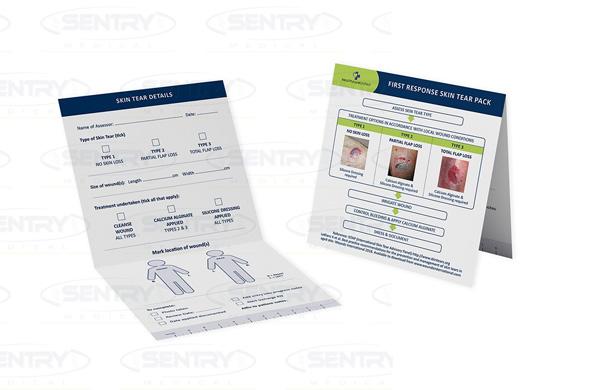
The pack was the subject of a four-month independent, randomised controlled trial across four aged care sites in 2021, overseen by Healthcare United and RMIT University, using a nurse who specialises in wound management.
The study found the pack had reduced the average healing time for Type 3 skin tears from 50.9 days to 9.8 days. Type 1 and Type 2 tears healed 13 days and nearly 27 days faster, respectively.
Facility skin tear treatment costs were reduced from $20,037 to $2,366 over the course of the study.
St Bart’s introduced the STP at its 40-men James Watson Centre in Perth in November 2022, with Registered Nurse Andrea Poutsma saying it has become the “go to” product to treat skin tears.
“We’ve had good results, we even had a good result for quite a large skin tear, which we didn’t think we would use the pack to treat,” she says.
“With a lot of our residents a big issue is skin fragility, so this pack is really helpful for reducing trauma around the wound.”
Ms Poutsma says the pack is very simple to use, with clear instructions to identify and document wounds and develop wound treatment plans.
The STP follows the classifications and decision algorithm endorsed by the International Skin Tear Advisory Panel, and with its outstanding efficacy, is set to be a game-changer for quality care.
Sentry Medical www.sentrymedical.com.au
47 HEALTH & WELLBEING
Biodegradable nitrile gloves
Supporting sustainability in the healthcare sector
Since the pandemic, global demand for single-use gloves has soared, resulting in alarming new levels of pollution, with millions of discarded gloves ending up in landfill and our oceans.
With typical single-use gloves taking decades to degrade, it has created a significant environmental impact on our already struggling planet.
With aged and healthcare professionals needing to regularly change their gloves to protect themselves from infectious diseases and cross-contamination during treatment or examination, the ecological disaster can seem insurmountable, but a new product is making inroads in rectifying the problem.
Techtile’s biodegradable nitrile powder-free, non-sterile examination gloves are designed to be eco-friendly without compromising on the chemical, biological and physical protection of the end-user. Made to biodegrade in landfill
through a microbial process, the gloves do not generate micro plastic after the biodegradation process.
How does it work?
The degradation process includes two steps. In the first step, the surface of the glove undergoes erosion, whereby the outermost layer is broken down. In the second step, microorganisms such as bacteria and fungi, secrete enzymes to chemically break down the glove materials. The resulting products are methane, carbon dioxide, and inorganic material that are readily consumed by the microbes.
A special additive in the glove helps to expedite this process by attracting the specific microorganisms from landfill soils that are able to digest the nitrile glove materials.
The biodegradation rate is at least 10 times faster compared to conventional gloves. For example, if a conventional medical examination nitrile glove takes 30 years to biodegrade in landfill, these biodegradable nitrile gloves from Aussie Pharma
EVOLVE TALENT ON A BOUTIQUE HEALTHCARE RECRUITMENT EXPERIENCE
At Evolve Healthcare, our mission is to provide comprehensive, boutique recruitment support for key healthcare clients

Nationwide Backed by Associate Director Natalie McLean and a team of passionate recruitment consultants, we are committed to delivering exceptional recruitment solutions
Our primary focus lies in offering National temporary and permanent recruitment in the Healthcare & Ageing Support sectors By establishing partnerships with industry-leading associations such as the ACCPA & CRANA, we are highly qualified and passionate about delivering highly skilled healthcare professionals
Leading our Evolve Healthcare 'Ageing Support' vertical is Natalie McLean, a seasoned professional with over 15 years of experience Natalie's passion for people, healthcare, and recruitment has guided her in leading large teams and assisting numerous healthcare candidates in advancing their careers

Scan the QR code to find out more or register your interest in working with Evolve Healthcare
 natalie mclean@evolvetalent com au
48 HEALTH & WELLBEING
OUR SPECIALITIES
Direct would only take three years, and there is no need for any special equipment or chemical to aid the process.
Suitable for allergy sufferers
In addition, there is a rising prevalence of latex allergy among healthcare workers who have to wear gloves to keep themselves safe. Symptoms can include swelling, itchiness, shortness of breath, congestion, or in the worst-case scenario, anaphylaxis – a severe allergic reaction which can be lifethreatening, so besides their eco credentials, these gloves offer an alternative healthy solution for those impacted by allergy.


The gloves are free from latex protein which eliminates the Type 1 Immediate Hypersensitivity reaction and are designed with an accelerator-free formulation to minimise the risk of Type IV Delayed Hypersensitivity reaction.

Quality approved
Techtile’s biodegradable nitrile gloves meet the following quality standards:

■ listed on the Therapeutic Goods Administration’s Australian Register of Therapeutic Goods (ARTG Identifier: 354334)

■ conforms to ASTM D6319, ASTM D5511 and EN455 Standards

■ chemotherapy drugs permeation tested per ASTM D6978-05
■ manufactured under ISO 9001:2015 and ISO 13485:2016 Quality Management System.
If you’re looking for an end-of-life solution to reduce the accumulation of waste in your workplace and want to protect yourself and your staff while on the job, these powder-free and accelerator-free gloves are a perfect choice.
Daniel Seldon, Managing Director, Aussie Pharma Direct www.aussiepharmadirect.com.au
49 HEALTH & WELLBEING This 100% natural cream provides a protective shield against common skin concerns and is gentle enough to use on even the most sensitive areas. Experience the natural solution for your skin’s ultimate comfort and protection. Pincontinence rash Pskin folds Punder breasts Pbedsores Pchafing Ask for a quote or register your interest for FREE SAMPLES* W: www. AussiePharmaDirect.com.au/SSP E: sales@aussiepharmadirect.com.au | P: 1300 783 113 *Must have an ABN and meet eligibility criteria The Aussie way to stay safe! SOODOXTM Soothe & Protect Barrier Cream FREE TRIAL NEW PRODUCT ALERT!! Experience Optimal Skin Protection, the Natural Way!
We combine data daily from:
+
Services Australia Data: Payment Statements & Claim Data

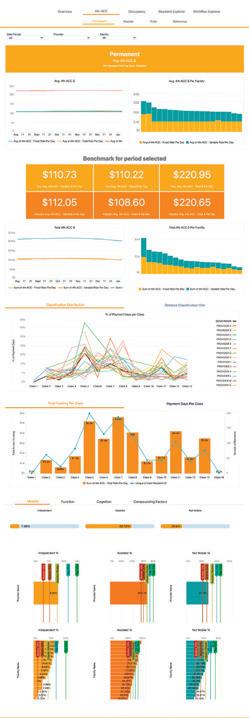
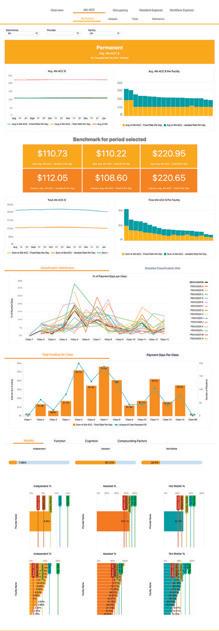
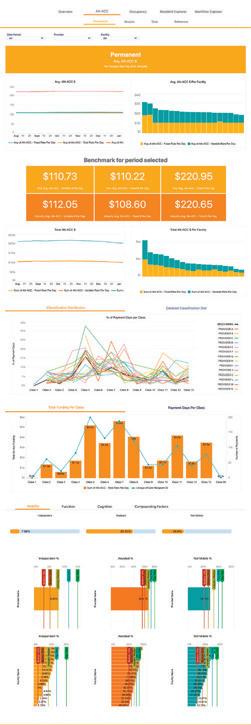
My Aged Care Data: AN-ACC Assessment Requests


Plan, review, & optimise your AN-ACC, Occupancy, Care Minutes and Government funding with our all new MyVitals Software. Clinically driven, business-minded software to ensure you’re being funded for the care you’re delivering. Track your performance over time and compare your Organisation to multiple benchmarks to find out exactly where you’re excelling and where you can improve.
Manage your Assessment & AN-ACC Workflow as Residents Enter, Depart, and require Reclassification. Stay on top of your Care Minutes targets with the comprehensive Dashboard.
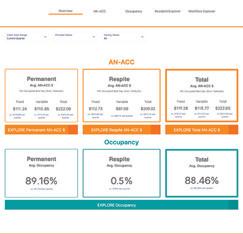
Get in touch to book a demo! team@providerassist.com.au providerassist.com.au
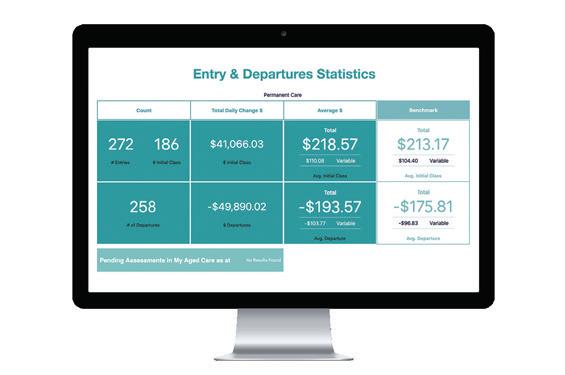
Preventing incontinence associated dermatitis
The ‘dry, clean and protected’ approach works best
blisters itchy hot lesions
cold
Over the last few years there has been an increased focus on Incontinence Associated Dermatitis (IAD) and now in particular the focus has increased with the introduction of IAD Quality Indicator reporting in residential aged care.
IAD describes the skin damage associated with exposure to urine or faeces, which can cause considerable discomfort for the care recipient and is time consuming to treat.
Poor management of incontinence such as prolonged exposure to urine and faeces to the skin with limited cleansing, non-breathable continence aids, frequent cleansing with soap or aggressive cleansing technique can contribute to IAD.
Continence aids leaking due to a poor fit or too low capacity are a common cause of IAD, as well as poor toileting routines and pad changing frequencies.
Studies conducted in Sweden and the UK have found that rates of IAD can affect between 30 to 50 per cent of people with incontinence.
With inflammation of the skin in the genital area causing considerable discomfort and being difficult to treat, preventive care is important
Signs of unhealthy skin
The condition of skin is a good indicator of its overall health. Daily observation of the perineal skin and surrounding areas alerts the caregiver to rashes that could be the early
pustules pimples
painful yellow odour flakey redmoist dry
signs of IAD to report to the healthcare professional for immediate treatment.
Regular skin observation is the key to catching potential skin issues early, and help avoid them turning into something worse.
Who is at risk
People at risk of developing IADs include anyone with incontinence, especially those with faecal incontinence. Other risk factors for IAD include: poor skin condition due to ageing, steroid use or diabetes, compromised mobility, decreased cognitive awareness, poor personal hygiene, medications (antibiotics, immunosuppressants), poor nutrition and critical illness.
IAD versus pressure injuries
Correct diagnosis of IAD ensures the person receives the right treatment and the quality indicator reporting is accurate.
It’s critical that health professionals have received the appropriate education and training in assessment and diagnosis of skin issues such as pressure injuries, IAD and skin tears.
Often something that is seen as a rash or reaction to something might be IAD, but if the person is not incontinent, it is not IAD.
Pressure injuries are ischaemic lesions with progressive tissue hypoxia and tissue death. They are considered ‘bottom-
51 HEALTH & WELLBEING
up’ injuries as they originate in the deep tissue and progress towards the surface of the skin.
IAD is an inflammatory response of the skin to prolonged exposure to urine and faeces and is considered a ‘topdown’ injury. The skin is initially intact with erythema, and can progress to vesicle formation and epidermal loss, especially when the area is also exposed to friction.
The Ghent Global IAD Categorisation Tool



The Ghent Global IAD Categorisation Tool is the assessment tool used to categorise IAD in the National Quality Indicator Program.
Registered nurses should be trained to identify the categories of IAD and must report to the doctor for further medical orders on treatment – an important feedback loop that will help support your accreditation and your level of care.


IAD prevention
Excess moisture alters the structure of the outermost skin layers and compromises the skin barrier functions which can lead to skin issues.
Absorbent products used for continence may increase the risk of IAD by creating a microclimate on the skin surface increasing temperature and humidity.
Follow a system of keeping skin dry, clean and protected, is the best approach to prevention:
■ choose breathable products that have been designed to reduce moisture on the skin and minimise the risk of IAD’s by keeping skin drier
■ use a regular hygiene routine to keep perineal and surrounding skin clean and use a trusted barrier product to keep skin protected
■ avoid using soap and water that can further irritate delicate elderly skin, use products that can be gently applied and wiped off without water
■ reduce moisture and friction with a structured continence plan and skin care regime
■ review pad prescriptions for right style, size and absorbency
■ reduce moisture and skin irritants – review wet beds, toileting and pad change routines
■ reduce friction – eliminate double padding and review use of underpads.
Karen Fuller, TENA Services Marketing Manager, Essity Australasia www.tenaprofessional.com.au
Breathe Easier and Stay Protected with AMD P2 Nano-tech Respirators!


AMD P2 Respirators, incorporating advanced nanotechnology, redefine the standards of defence, comfort and breathability for healthcare professionals. With an extraordinary particle capture capability of 0.1 microns, these respirators serve as Level 3 Surgical masks and P2 masks, providing an unbeatable shield against airborne contaminants while ensuring effortless breathing. Designed with comfort and durability in mind, AMD P2 Respirators offer a secure fit with options for both earloops and headbands.
Take your protection to new heights with AMD P2 Respirators and experience the pinnacle of nano-precision defence, trusted by healthcare professionals worldwide.
52 HEALTH & WELLBEING
Ask for a quote or register your interest for FREE SAMPLES* W: www. AussiePharmaDirect.com.au/AMDFS E: sales@aussiepharmadirect.com.au | P: 1300 783 113 *Must have an ABN and meet eligibility criteria
The Aussie way to stay safe!
AMD P2 NANO-TECH Medical Respirator Earloop | Headband | ARTG Listed | Single Use Ask about FREE SAMPLES
The value of a bidet
While not necessarily front-of-mind in renovations and new builds, bidets are becoming a common fixture in thousands of homes, corporate offices, clinical facilities and aged care homes.
Property marketers of upscale developments are choosing them for their projects including retirement villages, with bidets beneficial for a significant number of medical conditions as they provide a more hygienic form of cleansing, and an environmentally friendly choice as well.
Health and wellbeing benefits
Bidet systems have allowed thousands of people to be able to remain living at home or in retirement villages and not have to move into aged care homes, as they now can look after their own toileting.
Also supporting hygiene for nursing home residents and older people requiring personal care, bidets restore dignity to those who struggle with only toilet paper.
Bidets are super helpers for older people, people with disabilities and those with mobility issues – as well as those who care for them – providing greater autonomy and hygiene.
These devices can provide relief for many conditions, and in some cases can actually help treat the condition and prevent symptoms before they can start, as well as improve any symptoms that may present.
Some of the conditions that respond well with the extra hygiene offered by a bidet include: anal fissure, haemorrhoids, constipation, rectal prolapse, anal fistula, anal itching, ulcerative colitis, Irritable Bowel Syndrome and Crohn’s Disease.

Bidets can also support people with dwarfism or dementia, those who are obese or amputees, and people with an ostomy.
Environmental benefits
Bidets have great appeal to those interested in our environment as the use of toilet paper can become be drastically minimised or nullified.
They are energy efficient with low embodied carbon and low water consumption, leaving a very small footprint in comparison to the production, waste and physical impact of toilet paper from an environmental perspective.
With the average Australian using more than 100 rolls of toilet paper each year, bidets are environmentally friendly and support a future that moves toward more sustainability.
Operational benefits
Within aged care homes, bidets provide enormous support to the nurses, carers and staff who care for residents – improving workplace health and safety for staff both physically and mentally, and reducing workplace incident claims issues.
Because bidets use water to cleanse and wash away any leftover urine or faecal matter, there is no wiping required, and by simply pressing the rear or front cleansing button and dry button, users are less likely to get bacteria on their hands.
Some more luxurious bidet models feature self-rising toilet seats and automatic flushing, which eliminate hand-to-toilet contact altogether.
This improvement in hygiene means less risk of bacterial outbreaks within a home.
An affordable addition to bathrooms, retrofit bidet seats are easy to install and don’t take up more space than a traditional toilet, while there are cost savings as well, long-term.
With so many reasons to include a bidet in your next project or upgrade, it makes a whole lot of sense.
InteliCorp is the largest wholesaler of smart toilets and eco toileting products in Oceania, and we’d be only too happy to provide support to providers interested in finding out more.
 Craig Spence, National Business Development Manager, InteliCorp Pty Ltd www.TheBidetShop.com.au
Not just a luxury item, a bidet has many benefits for older people and providers
Choice and control
How listening to older people can prevent abuse

Lack of choice and control are two of the issues most frequently raised with OPAN’s aged care advocates.
“It’s about maintaining your own power,” says Gwenda Darling, a member of our National Older Person’s Reference Group.
“The power you have had all your life. It’s too easy for family and others to come in and take over, because they think they know what’s best – especially if you have a dementia diagnosis, like me.”
When we step older people through the Charter of Aged Care Rights during OPAN’s tailored educations sessions, they invariably stop us at No 7 – the right to have control and make choices about their care and personal and social lives, including where those choices involve personal risk.

They say, “That’s the one I like!”
Person-centred care means speaking up for – not over –older people. It means listening to them and responding to their concerns.
It’s about independence, dignity and self-respect.
Or as Val Fell, another member of our reference group puts it, “It’s an older persons’ human right to ask questions, to be involved in their own well-being.”
Contrary to ageist stereotypes, getting older does not reduce a person’s decision-making capacity.
Product training for staff
In addition to initial onsite training, regular reeducation can be provided as well as our online learning platform, excAL. We also provide an invaluable range of resources for you, your staff and your patients as a go to guide for all things medical oxygen and respiratory equipment.
Oxygen therapy products and respiratory devices
We provide a wide range of stationary and portable oxygen concentrators as well as oxygen cylinders, oxygen conserving devices, OPEP devices, suction systems and nebulisers

54 CULTURE & DIVERSITY 1 3 0 0 3 6 0 2 0 2 a l h e n q u i r i e s @ a i r l i q u i d e . c o m
Val Fell is an advocate for the rights of the older person.
But there are people – right across the age spectrum – who need support. And those with cognitive conditions, such as dementia, may require more formalised assistance.

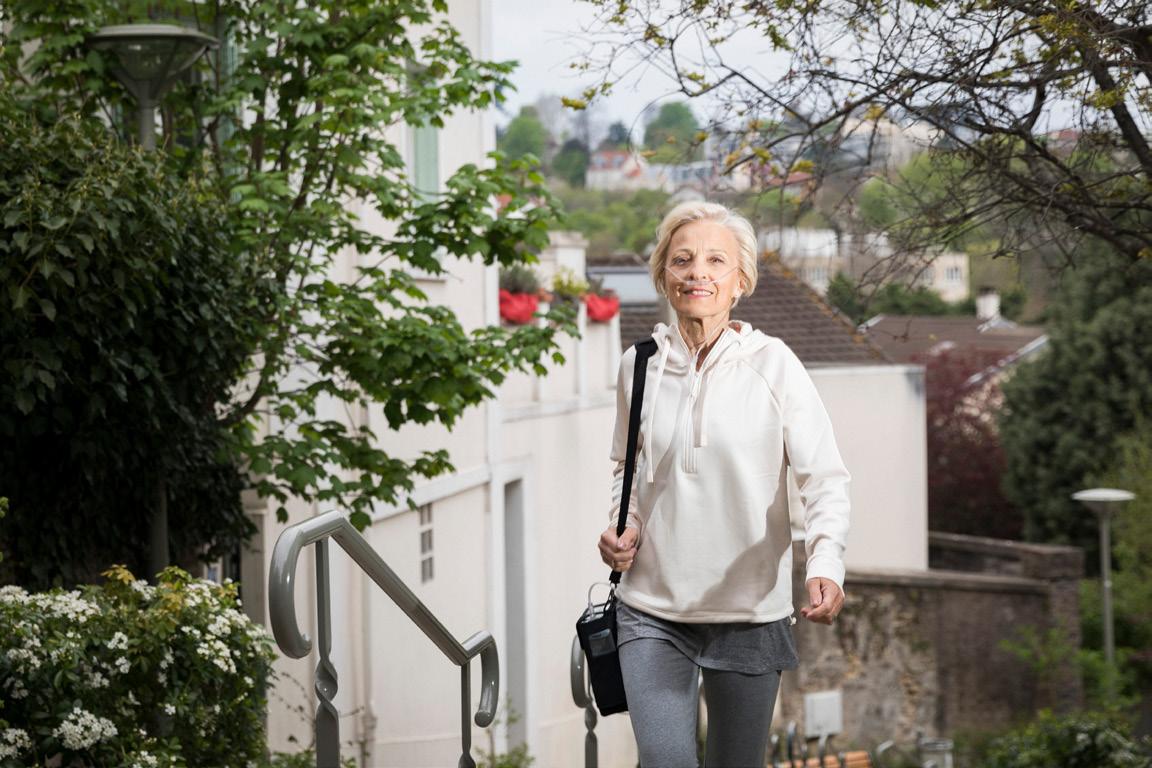
Supported decision-making, which is endorsed by the UN Convention on the Rights of Persons with Disabilities, is OPAN’s first and preferred alternative.
Under this model, which OPAN would like to see embedded into the new Aged Care Act, people are provided with the support and information they need to actively make their own choices. While we acknowledge the importance of appointing a substitute decision-maker (such as a Guardian or Power of Attorney) as part of any advanced care plan, we believe these extraordinary legal powers should only be used as a last resort, and only in accordance with the older person’s will, preferences, and rights.
There is a common misunderstanding within the community and the aged care sector that if a substitute decision-maker is appointed, an older person cannot make day-to-day decisions for themselves or participate in and be part of larger decisions relating to their lifestyle, health and wellbeing.

Aged care staff frequently take direction from Enduring Powers of Attorney or Guardians without engaging the older person in discussion about their views and preferences.
A common example of this is facility managers supporting substitute decision-makers to restrict residents from visiting or receiving visits from certain family members or friends.




While someone may not have the ability to understand the extent of, and manage, their assets, they can still make decisions about where they want to live and who they wish to spend time with.
Our network of nine state and territory advocacy organisations has first-hand experience of how the misuse of substitute decision-making powers can lead to the abuse of older people by family members, friends, health and aged care service providers.
And according to 2020-21 data released by the Queensland Elder Abuse Prevention Unit, one or more decision-makers were recorded as perpetrators of elder abuse in more than 80 per cent of cases in which a substitute decision-making arrangement was in place.
We believe the supported decision-making model maximises older people’s rights and minimises the risk of abuse. Education and training are key.
OPAN’s free education sessions (www.opan.org.au/education/ education-for-community) can provide older people with information about their aged care rights, including their right to be involved in decisions about their life, as well as how to identify and address concerns about substitute decision makers.
Craig Gear OAM, CEO, Older Persons Advocacy Network https://opan.org.au/edu-sessions

55 CULTURE & DIVERSITY
1300 36 02 02 alhenquiries@airliquide com https://au healthcare airliquide com/ To speak to a representative about tailoring a solution to meet your needs, please contact:
Take02™ Integrated Cylinder
Aerobika
(OPEP) & Aeroeclipse Nebuliser Range of Portable & Transportable Oxygen ConcentratorsInogen, Simply-Go, Zen-O & Eclipse


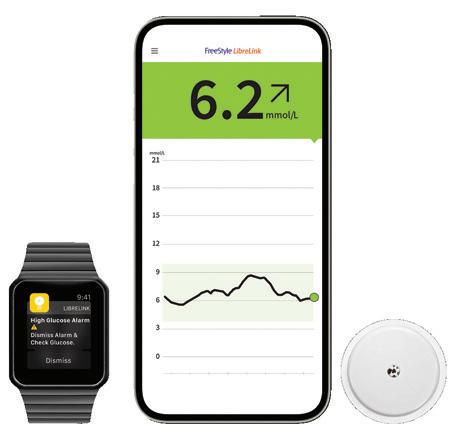
Caring for people with diabetes? hello SAY to FreeStyle Libre 2 Say goodbye to finger pricks†… and Your residents could get instant feedback on how their glucose levels respond to food, activity and insulin… all with zero finger pricks!† ALWAYS FOLLOW THE DIRECTIONS FOR USE. READ THE WARNINGS BEFORE PURCHASE. Find out more at FreeStyleLibre.com.au This product is indicated for measuring interstitial fluid glucose levels in people (aged 4 and older) with insulin-requiring diabetes. †Finger pricks are required if your glucose readings and alarms do not match symptoms or expectations *Available to new customers only. T&Cs apply: https://www.freestylelibre.com.au/freestylelibre2-trial-terms-and-conditions. FreeStyle, Libre, and related brand marks are marks of Abbott. Information contained herein is for distribution outside of the USA only. Abbott Australasia Pty. Ltd., Abbott Diabetes Care, 666 Doncaster Road, Doncaster Victoria 3108, Australia. ABN 95 000 180 389 ADC-76496 V1.0 FreeStyle Libre 2 is subsidised for Australians with type 1 diabetes. Learn more and check eligibility criteria at SubsidyChecker.com.au Limited time offer! TRIAL NOW FOR $15* Questions? Visit FreeStyleLibre.com.au or dial 1800 801 478
Supporting the needs of Australia’s veteran retirees
Honouring those who played a unique role defending our country
Earlier this year, Australians from all generations paused on Anzac Day to reflect and commemorate the selfless acts of veterans past and present, together with those currently serving as part of the armed forces.
The day 25 April is an occasion each year to be thankful for the peaceful nation in which we live, and the service that so many Australians have given and continue to give to support the freedoms we enjoy.
Another occasion fast approaching is Vietnam Veterans’ Day on 18 August, which will be marked by a national commemorative service to recognise 50 years since the end of Australian’s involvement in the Vietnam War.
More than 60,000 Australians served, with many still part of our communities and residents at our RSL LifeCare homes today.
As we prepare to commemorate this significant anniversary, the occasion provides an opportunity for all of us to reflect on the support and services that are being provided for our veterans – young and old.
The latest Census data (2021) revealed that there are just under 500,000 veterans that are retired from the armed forces, living within our communities.
Many served for decades as part of their time in the army, navy or air force and as they have transitioned out of military life into civilian communities, every one of our veterans – and their families – deserve our support, care and appreciation.
Recently, RSL LifeCare undertook its own research, canvassing more than 1,000 Australians to find out what the biggest challenges are facing our veterans. One of the leading pieces of information to come out of the research was that more than half (53 per cent) of Australians believe that better access to mental and physical health care is the most important way to support veterans.
RSL LifeCare offers various programs and initiatives aimed at supporting veterans in retirement, including our Veterans’ Home Care (VHC) program, which aims to help them remain independent and comfortable in their own homes for as long as they can, in accordance with their abilities and desire.
The program provides support with daily living activities, including personal care, respite care, home and garden maintenance.
Additionally, community-based services are available to help veterans remain independent in their own homes, including transport assistance, social outings and activities, and assistance with accessing government services. For veterans requiring more intensive support, RSL LifeCare provides residential care services, such as aged care homes, dementia care, palliative care and respite care.
Together with RSL NSW and the Australian Government, we have established four Veteran Wellbeing Centres in the Riverina, Nowra, Newcastle and Dee Why.
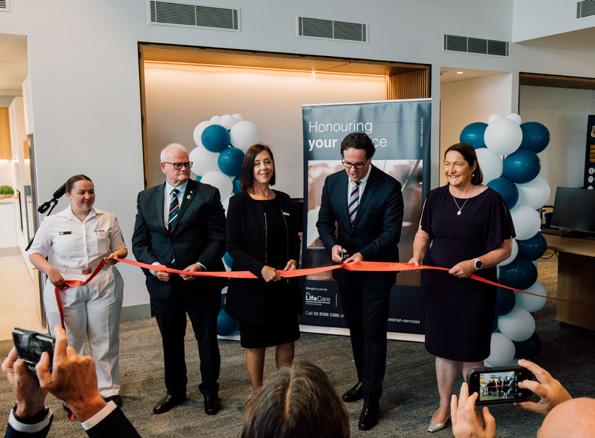
These centres offer access to vital support services for veterans and their families, with plans to expand to more locations in the future. These services include mental health support, rehabilitation and recovery help, employment and education assistance, social activities and events, and assistance with navigating government services.
At RSL LifeCare, we are committed to supporting the needs of Australia’s veteran retirees. We recognise the sacrifices they have made for our country and are dedicated to providing them with the resources and services they need to thrive in their later years.
By working together with government agencies and other community organisations, we can help ensure that veterans receive the support they deserve – now, and in the future.
Janet Muir, CEO, RSL LifeCare
57 CULTURE & DIVERSITY
The opening of the Nowra Veteran Wellbeing Centre, with Janet Muir third from the left.







The All-In-One Operations Management Software Supporting over 50,000 staff in retirement living & aged care Happier residents Saves time Greater transparency Reduced stress Integrates with clinical care Book a demo with us today 0419 892 290 information@personcentredsoftware.com.au www.personcentredsoftware.com Lifestyle Communications Maintenance & Asset Feedback & Quality Available features: Dining CRM Visitor Management Resdent & Property Scan to find out more
CALD staff and technology
Supporting staff from non-English speaking backgrounds
At the Australian Nursing Home Foundation, our facilities support older people and their families from Chinese, Southeast Asian and other culturallyspecific communities to live positively according to their priorities, choice and cultural traditions.

ANHF currently operate three nursing homes, three community homes, seven senior wellness centres, and wellness hubs for people living with dementia, including several mobile wellness hubs.
In order to support people from non-English speaking backgrounds, we employ a high proportion of native speakers of Asian descent with limited English proficiency; multilingual capability is essential for us. We also employ non-IT literate and dyslexic care workers.
Over the last few years, utilisation of digital technology in aged care has facilitated vast innovation and improvements, however, it must be suited to the carers who operate it, in order for it to have maximum benefit.
Previously, we used aged care software that was challenging to operate and was often too cumbersome to use. We wanted to improve our digital technology, with our primary goal to implement a universally understandable icon set that would be recognisable to users from all backgrounds, experiences and languages.
Since going digital with Person Centred Software’s Clinical Care System, our care team has been able to view, evidence and manage care at the point of delivery, with minimum fuss.
The technology is easy to use, and the icon-driven interface we’ve adopted is excellent for our care workers from CALD backgrounds and those who find technology challenging. The icons allow our care team to record progress notes quickly, easily and accurately, freeing them from administrative burdens, such as maintaining resident care records and paperwork.
By embracing technology, we’re able to use data to provide statistical analysis to empower our caregivers with insights into their care operations that are not immediately available. This helps to implement a memory-orientated approach to care as opposed to a task-orientated one, dedicating more time towards providing meaningful experiences to residents and ensuring each day is filled with as many enjoyable activities as possible, as opposed to writing up progress notes and ensuring fundamental tasks are completed on time.
Furthermore, more progress notes are recorded, and carers can spend more time with residents, which was our top priority when adopting the technology. On top of this, the software utilised is hosted and managed on a fully cloud-based platform, resulting in scalable, secure and reliable results. This means we can now share important care information securely with other allied health and emergency services –automatically compiling up-to-date records that can easily be shared with ambulance and hospital staff.
Additionally, our carers can now record care while performing daily duties without having to worry about a stable Internet connection; the software is ingenious and all progress notes sync to the system meaning there’s no more rushing to write them.
The upkeep of our care plans has dramatically improved, too. They are more comprehensive and person-centred, enabling staff to conduct informed assessments which feed directly into the care plans quickly and easily.
Another significant improvement to our care operation is the ability to utilise charts and graphs that are generated automatically from the evidence of care. These provide invaluable data to everyone connected to the organisation such as blood pressure, hydration levels and cardiovascular function.
For management, digital technology has provided a bird’seye view of the overall care operation, which monitors each interaction and activity associated with each resident’s care; we can see accident and incident trend analysis and have insight into valuable data, such as falls, UTIs and BMI. This enables us to monitor care delivery to ensure critical care is taking place – ensuring fluids are being given.
We are now able to measure the completeness of records and identify where they need attention, as well as monitor the handover process, occupancy statistics and other KPIs to ensure consistent quality and provide safe and responsive services.
Overall, thanks to the particular icon-driven digital technology from Person Centred Software that we’ve applied, we’re now confident that as an organisation we can offer a full ecosystem of care that places its staff and residents at the centre of its daily operations and decision-making – irrespective of their level of ability or cultural background.
Ada Cheng, CEO, Australian Nursing Home Foundation www.anhf.org.au/en/
59
CULTURE & DIVERSITY
Aged care worker Jane with Mr Woo.
Medi-Map One Solution

Why
Medi-Map?
100% paperless solution
Unique features include Syringe Driver & Offline App
Centralised oversight for your Executive & Management Team
Integration with My Health Record and Health Identifiers
Interoperability and live data feeds via our FHIR based Integration Platform
Azure Active Directory SSO available now
for all your medication management needs
Medi-Map is focused on medication management - helping you to improve patient care outcomes. Contact the friendly Medi-Map team on 1800 431 420 to hear how we can help align your medication management needs with our cloud-based solution.
Pharmacy agnostic and supports patient choice
Tackling the winter blues
Addressing loneliness and isolation in older people
Image courtesy of: jacoblund
What does winter mean for you? It could mean heading down to the local footy – or maybe cosying up by a fire with loved ones. But for some older people, the arrival of the colder months means a period of increased time alone, and can feel lonely and isolating.
If people choose to stay inside to avoid unwelcoming weather, those who live alone or in aged care homes may see less of the family and friends they rely on for social connection.
Over the past three years, there have been continued reports on the intense loneliness and isolation many older people are experiencing in aged care, exacerbated by the COVID-19 pandemic. According to the Australian Psychology Society, one in four people experienced an episode of loneliness, and one in two reported feeling lonely at least once a week.

Loneliness is intrinsically related to health and wellbeing, and can have serious impacts for older people. Studies have linked loneliness to a higher risk of mortality, depression, cognitive decline and cardiovascular disease.
The prevalence of loneliness in older people may be higher in certain groups, such as those living alone or in rural or remote areas, those living in residential aged care, those with limited access to transportation, and those who have experienced significant life changes or losses.
Changes to levels of health and mobility can also make it difficult for older people to maintain connections.
At the National Ageing Research Institute, research into loneliness and social isolation in older people is one of our key programs. There are several strategies that can support older people and reduce loneliness that aged care facilities which carers, families and communities can adopt to help people who are experiencing feelings of loneliness to feel more connected.
How can we reduce loneliness in older people?
It’s important to remember that managing loneliness takes more than a one-size-fits-all approach.
Loneliness is also not the same thing as social isolation. Loneliness refers to the feeling, or subjective experience of feeling alone or disconnected from others, even when surrounded by people. On the other hand, social isolation refers to the objective state of being physically separated from other people and not having social contacts or relationships.
While social isolation can be a cause of loneliness, it is possible to feel lonely even when surrounded by people. Similarly, a person may not feel lonely despite being socially
isolated if they have a sense of connection and belonging through other means.
Strategies reducing loneliness and increasing connectedness should be person-centred, and involve taking the time to determine what captures someone’s attention, makes them happy, and adds meaning to their lives.
The aged care sector and staff can work with family members to consider the following strategies for reducing loneliness in older people.
Support and maintain existing relationships. We can help to reduce loneliness by supporting connections and offering opportunities for connection and participation. Lifestyle programs in aged care settings, and home care workers, can assist with this aspect.
For example, it could help to schedule time – and to facilitate where necessary – each day for older people to stay in touch with their family or friends, whether that’s in person, by phone, email, social media, or even writing letters.
Support new social connections. As we get older, our social networks can change, grow or shrink. Some life events that more often occur in our later stages can lead to an increased sense of loneliness and isolation, such as family members moving away for work and education, moving into aged care facilities, or friends and family dying.
It can help to assist older people find new groups and activities to get involved in, to allow new and meaningful connections to develop. Talk to the older person about their interest in joining local community groups, the University of the Third Age, public libraries and volunteering, which can all be ways of forming relationships and increasing social networks.
Support mental health and wellbeing. Taking a more psychological approach can mean investing time into strategies which bolster an individual’s mental health. These strategies might include leading and offering mental health and wellbeing activities – such as mindfulness, enjoyable activities and exercise – which can help to prevent intense feelings of loneliness and isolation.
Recognising loneliness in aged care, and then implementing strategies to combat loneliness is a crucial aspect of providing quality aged care, with direct impact on quality of life for older people. Let’s take care of each other, and keep each other warm this winter – inside and out.
Dr Anita Goh, Senior Research Fellow, National Ageing Research Institute, & Marcia Fearn, Research Policy and Practice Fellow, National Ageing Research Institute www.nari.net.au
61 CULTURE & DIVERSITY
The Model of Care Holistic
Be ready for the new Aged Care Standards Stay ahead of the Reforms Meet the Babyboomers Expectations
This approach as been developed by the experts from Standards Wise International and Babyboomers who have joined forces to develop a leading model of care for organisations to deliver outstanding outcomes and attract talented staff.
The Holistic Model comes in an easy to implement package which we can deliver over 12 weeks or 12 months to position your organisation to achieve:

• Person Led Solutions
• Inspired staff
• Empowered consumers
• Measured Outcomes
• Compliance
Products and Services
care
• Comprehensive Onsite and Virtual Audit Service

• Whole Policy and Procedure Suites, Related Documents
• A 16 week Mentorship Program for aspiring aged care clinical leaders



• Preparation for Accreditation Support and Gap Analysis
• Return to Compliance Turn Arounds and General Consultancy
• Education and Training on the new Standards due 1st July 2024
For further information contact: Standards Wise (Australia) 26/44 Market St Sydney, NSW 2000 (02) 9089 8881 admin@standardswise.com.au www.standardswise.com.au
A consumer led model beyond person-centered
Insurance
Specialist We Provide Insurance for Residential Aged Care and Home Care Providers, Individual Carers and Other Industry Professionals: Our aged care insurance packages include Care Facility Insurance, Business Liability Insurance, Commercial Property Insurance, Professional Indemnity Insurance and Employment Disputes Insurance. 1300 650 540 ansvar.com.au Specialists in protecting residential aged care and home care providers Tailored insurance solutions Our clients have access to specialist Enterprise Risk Management Consulting and Support services Giving back to the community
Leading Aged Care
and Risk
We all have a part to play
Caring at the end of life
We all acknowledge our population is ageing and this is having many different flow-on effects in our communities and on our systems. However, while supporting healthy and positive ageing is critical and recognises the rights and contributions of older people, demand for aged care services is driven by both the size and health of the older population.
For an older person, the need for aged care services can act as a marker for them to consider decline, deterioration and death and how will this be managed. Ageing carries with it the reality of a closer proximity to death. Hence, we also need to consider how we can ensure appropriate supports and services are available to provide care in the last months and days of their lives.
The National Palliative Care Strategy has outlined six principles that should underpin palliative care for all people including older people:
■ palliative care is person-centred care
■ death is a part of life
■ carers are valued and receive the care they need

■ care is accessible
■ everyone has a role to play in palliative care
■ care is high quality and evidence based.
These principles reflect many of the aspirations embedded in aged care reform. Importantly, they also remind us that we all have a part to play in addressing ageing and end of life.
As individuals we can think about, plan and share our preferences and wishes for the care we wish to receive at the end of life. As community members we can recognise and acknowledge those who are ageing, caring, dying and grieving in our workplaces and our neighbourhoods. As families we can ensure that our responses to change and deterioration in the older person support their wishes and accept the inevitability of death.
The aged care sector must also understand and value its role. Whether in-home care or residential care, aged care staff and services will be caring for older people coming to the end of their life. A range of practical issues and considerations arise from this.
They range from advance care planning to ensure that discussions have been and are being held about wishes and preferences; recognising change and what this means for goals of care and care planning for the aged care team; considering if specialist input including from palliative care
teams is needed; looking at communication within the team and within the family; assessing and managing symptoms, dealing with worries and concerns; and ensuring that the person is living as well as can be in the time remaining.
So, how can aged care play its part? First, they can recognise that end of life is part of life and part of care and that this means services and staff must be capable and comfortable in supporting people at the end of life.
Second, they need to create a culture where it is possible to talk about death and which supports older people and families in thinking about, talking about, and planning for what is important to them.
Third, they need to ensure that staff have the necessary skills to support older people according to their needs and that systems are in place to recognise and respond to changing care needs.
Fourth, they need to be able to connect to and link with other services that may be needed such as specialist palliative care or dementia support services.
Finally, they need to be able to support families across dying and bereavement as well as recognise the self-care needs of their own teams.
Fortunately, the critical role that aged care plays in providing care to older people at the end of life has been recognised and a number of projects and resources have been developed to support the sector. You can visit palliaged.com. au to find more details.
The impacts of ageing at the population level will continue to be felt on our community for many years. As well as looking to a future where healthy and positive ageing become the norm, we also need to ensure that we recognise end of life as part of life and ensure that our care systems are well equipped to support older people to not only live well but die well.
Professor Jennifer Tieman, Director, Research Centre for Palliative Care, Death and Dying (RePaDD), Flinders University www.caresearch.com.au
63 CULTURE & DIVERSITY
What you need to know about voluntary assisted dying
New toolkit provides guidance for aged care providers
With voluntary assisted dying (VAD) operating in all Australian states by the end of November 2023, residential aged care facilities will need to be prepared for what this will mean for them, their staff and the residents in their care.
VAD is currently operating in all states except New South Wales, where it is due to commence on 28 November 2023. VAD is currently illegal in the Australian Capital Territory and Northern Territory.

Penny Neller and colleagues from the Australian Centre for Health Law Research, Queensland University of Technology, recently developed new ELDAC End of Life Law Toolkit resources on VAD and the legal rights and obligations of health professionals and aged care facilities.
“It’s important health professionals and other staff working in aged care know their legal obligations and receive education and training on these, regardless of whether their facility provides VAD, and whether or not they are involved in VAD,” said Penny.
“While a health professional or care worker can choose whether they want to participate in providing VAD, in some states, health professionals with a conscientious objection have specific legal obligations they must still comply with, such as to provide information to a resident requesting VAD.”
Laws differ between states, and to access VAD, a person receiving aged care must meet all eligibility criteria specific to the laws of the state in which they live.
“The eligibility criteria for VAD include that a resident or home care recipient must be an adult with decision-making capacity; have a disease, illness or
medical condition that will cause death within a specified period; and have a condition that is advanced and causing intolerable suffering,” said Penny.
“Generally, a person will need to make three requests for VAD and be assessed as eligible by at least two different medical practitioners who have completed mandatory training on VAD and meet other requirements.
“The request for VAD can only be made by the person and not by a family member, friend or staff member. It cannot be requested by a person in their Advance Care Directive.”
While all aged care and home care staff can provide information about VAD if the person asks for it, the rules around starting a conversation about VAD differ by state and profession.
For instance, doctors in Victoria and South Australia can’t start a discussion about VAD with a person, but doctors in other states can.
While aged care facilities can choose what level of involvement they have in VAD, in some states all facilities have legal obligations that must be followed regardless of whether they provide or object to VAD.
“In South Australia, Queensland, and New South Wales all residential aged care homes must allow residents to receive VAD information when requested, and to make a first or final request for VAD at the facility. This means allowing a medical practitioner to visit the facility so a resident can make the request. If the doctor can’t visit, the facility must transfer the resident to and from another place to make their request,” said Penny.
“If the resident is a permanent resident, the facility must allow health practitioners to visit the resident at the facility to
conduct VAD consultations and supply or administer VAD medication.”
Non-participating facilities in South Australia, Queensland and New South Wales must also clearly communicate this to residents and their families, and make sure this information is made public, for example by publishing it on the home’s website.
These legal obligations do not exist in Victoria, Western Australia or Tasmania. However, it is still good practice for non-participating facilities in all states to provide residents with support, such as the contact details for the VAD Care Navigation Service in their state.
VAD Care Navigation Services can assist not only residents and families, but also health professionals, aged care staff and management, by providing vital information and support.
“Regardless of whether a residential facility or home care service provides VAD, it’s important to have clear position statements, policies, and procedures to help individuals, staff and families understand how VAD is managed at their facility or service,” said Penny.
ELDAC is a palliative care and advance care planning project funded by the Australian Government Department of Health and Aged Care to provide access to evidence-based information and resources to support quality care at the end of life for all older Australians.
The ELDAC End of Life Law Toolkit, available on the ELDAC website, contains free resources for aged care services and staff about VAD in aged care.
Katherine Waller, Project Coordinator –Voluntary Assisted Dying Training Projects, Queensland University of Technology www.eldac.com.au
CULTURE & DIVERSITY
64
ELECTRICAL INFRASTRUCTURE SPECIALISTS


Trusted Industry Leaders, Keeping People Safe
OUR SERVICES
• Patient Area & Medical Electrical
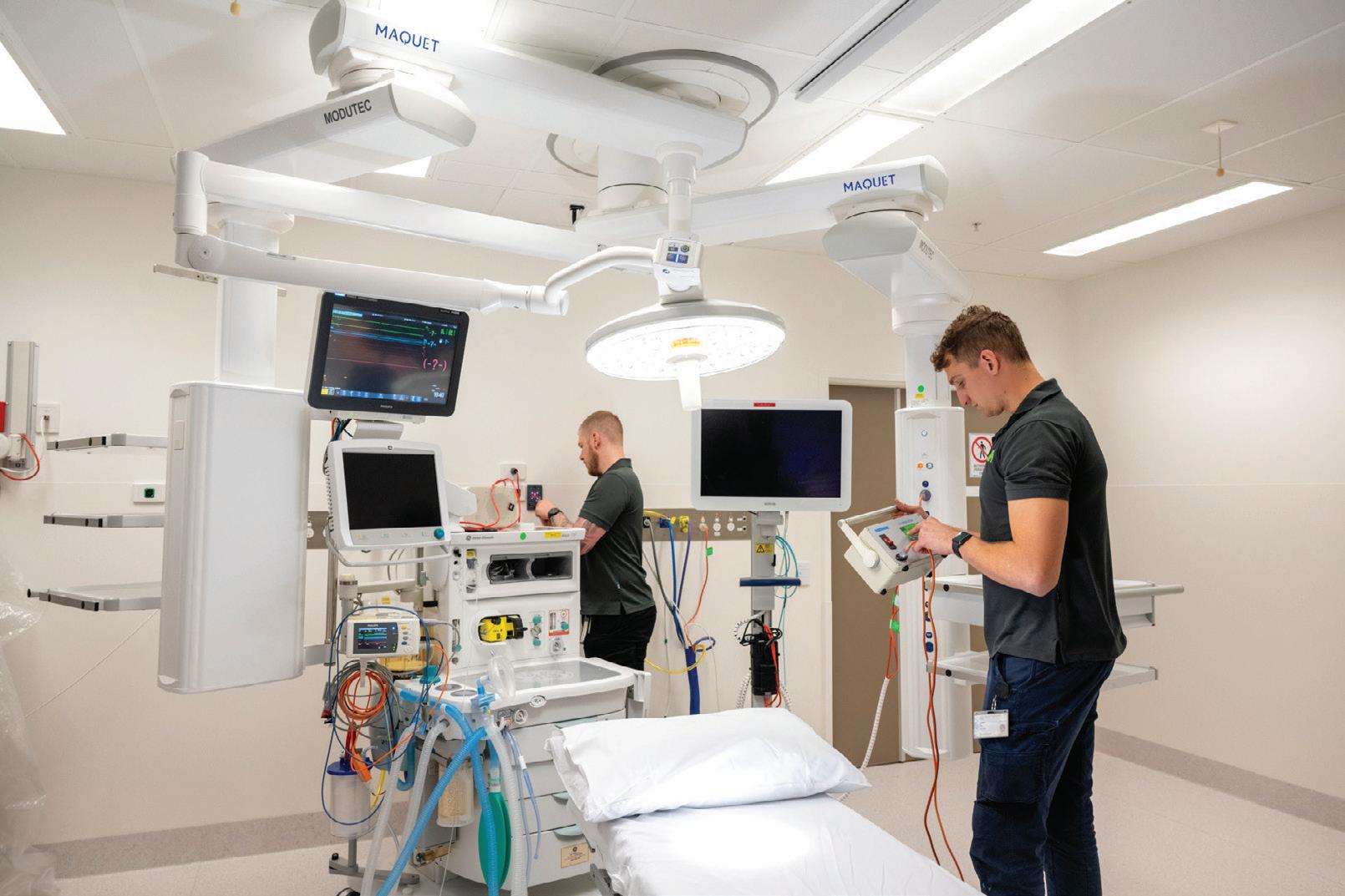
Commerical Electrical
• Service, Maintenance, Fitout & Construction
• Specialist Projects, Medical Imaging & Allied Health
• 24/7 Emergency Service & Breakdowns
Lighitng, Energy Management & Upgrades
• Communications, Fibre & Networks
• CCTV, Security & Access Control
WHY AHT?
Industry Leaders
Sensitive Environment Specialists
End to End Commitment
Audio Visual
Nurse Call
Intelligent BMS & Integrations
Consultation, Construction & Commission
Industry Best-Practice Outcomes
24/7 Metropolitan & Regional Coverage
Compliance & Maintenance
Safety of Assests, Personnel & Staff
Delivering high quality communications & electrical services
•
•
•
•
•
OUTSOURCE YOUR PAYROLL, CLAIMS AND BILLING
It pays to be with ACCPA
We are fortunate to work in a purpose-focused industry driven by quality of life and care for the people we support. But your staff don’t work for love alone. Ensuring they are paid accurately and on time is critical in keeping employees motivated and retaining quality staff.
Managing payroll effectively, as well as Residential Claims and Billings, can place a huge burden on small to medium sized organisations in the age services industry. ACCPA can help lighten the load, whilst reducing your overheads.
Trust ACCPA to manage your payroll
ACCPA has been delivering payroll services for Member organisations for over 20 years. Our team have a complete understanding of modern and older awards as well as the many varied enterprise agreements.
We offer professional, cost effective and accurate payroll processing and comprehensive reporting for each pay cycle, each month and at end-of-year.

Services include:
Costing reports
PAYG tax reports
Superannuation with clearing house
Single touch payroll
Online time and attendance & rostering
Fringe benefit payments
Pay reconciliation
Deductions
Residential Claims and Billing Services
As well as payroll services, ACCPA can also provide claims and billing services. Our team can manage your accounting function for you, to make sure you maximise your funding entitlements and your residents or clients are billed correctly.
Monthly Resident Billing Runs
Updating and Finalising Medicare claims in PRODA
Reconciliation of payment statement to maximise funding RAD/Bond Register Maintenance and Refunds
Monthly Reporting (AR Reports, Transaction Analysis, Fee and Deposit batches)
Means Tested Care Fee Reconciliations
Monthly client fees, RAD and Bond statements
Benefits of outsourcing
Reduce internal administration
Reduce your overheads
Reduce the need for people management, career development or holiday cover
Why ACCPA?
Over 20 years experience
Skilled and reliable team
We ensure accurate and timely payment, always
222 721
www.accpa.asn.au Payroll and Billing Services Accurate. Timely. Cost Effective.
1300
payroll@accpa.asn.au
People with disability in aged care
Free support for a transition to more appropriate housing
I began my role as RAC Engagement Coordinator at the Summer Foundation last year. As a newcomer to aged care, I didn’t know what to expect, as the sector is under so much pressure and I was worried my project’s mission wouldn’t be prioritised.
However, what I have seen is dedication and a willingness to support our project, which has been uplifting.
In most cases young people end up in aged care due to four key issues:
■ after being discharged from hospital
■ a sudden decline in their condition or a traumatic accident
■ they can no longer return home
■ carer burnout.
In 2021-22, 2,934 younger people (under 65 years of age) were still living in aged care, there were 553 new admissions, and 1,518 people left.
Of those that ‘left’, 49 per cent were actually people who had turned 65, 35 per cent died in aged care and another 13 per cent were no longer on the NDIS so were not counted.
This demonstrates that much needs to be done to support young people in aged care to explore, consider and access more age and disability appropriate housing options. We know only 8 per cent of those transitioning out of aged care moved to other housing and only 3 per cent to Specialist Disability Accommodation (SDA) .
Solutions lie in a community approach, where government and non-government sectors collaborate to systematically solve the issues, at a housing, healthcare and services level. This is where the Summer Foundation steps in.
Our RAC Engagement Project offers free support to residential aged care providers, in the form of providing information about principles they could adopt to support long-term
solutions and close pathways for young people into their facilities. We offer information and support to help providers stay compliant with NDIS and aged care quality standards and we can provide referrals to specialised training for their staff, so they can better provide support to their NDIS residents.

We have also partnered with the Housing Hub RAC services specialist team to provide free one-on-one support to NDIS participants living in RAC so they can consider, explore and access more age and disability appropriate housing options.
Why support this work?
We know the Australian Government is committed to reducing the number of young NDIS participants in aged care and to improving access to more age and disability appropriate housing options. By doing this, young people can exercise more choice and control and will have the opportunity to live a life equal to their peers.
The Summer Foundation’s RAC Engagement Project aims to ensure NDIS participants can access the support they need to make informed decisions about their housing goals, while creating a community of support and collaboration that will strengthen the sector and close the pathways to aged care for younger people.
We would like to acknowledge and thank the people already working with us, including Infin8care, Australian Aged Care Group, Good Shepherd Lodge, Yass Valley Aged Care, and the Aged & Community Care Providers Association.
If you are an aged care provider with NDIS participants and you would like to access our free support, please get in touch.
Together we can make sure younger people with disability have support to make decisions about the place they want to call home.
Alicia Baltra-Ulloa, RAC Engagement Coordinator, Summer Foundation www.summerfoundation.org.au/rac
67
CULTURE & DIVERSITY


Issued by H.E.S.T. Australia Ltd ABN 66 006 818 695 AFSL 235249, the Trustee of HESTA ABN 64 971 749 321. Consider whether HESTA’s products are appropriate for you by reading the relevant Product Disclosure Statement and Target Market Determination at hesta.com.au or call 1800 813 327. Past performance is not an indicator of future performance. SuperRatings 7 Year Platinum Performance 2015-2022 (MySuper). At HESTA, we believe in providing strong long-term returns while investing in what really matters to our members and the world around them. Learn more at hesta.com.au A top performing fund driving real world impact
A
smoother path for your super
Are your workers getting the best deal?
We look at some obstacles to building your retirement savings, and how by navigating them you can make a smoother path for your super.
Managing higher living costs
The price of almost everything has gone up. Fuel price spikes, supply shortages, and a tight jobs market have been putting upward pressure on living costs. With household budgets and living standards being squeezed, many people are looking to cut costs and get the most from their investments.
The current high inflation (CPI) rate of 7.8 per cent indicates the squeeze on living costs. In managing your super, a long-term approach and good diversification can help smooth fluctuations in investment returns, grow your savings, and provide enough income to help maintain your lifestyle in retirement.
Knowing how much super you need
Many people underestimate how much super they need. The rule of thumb, according to moneysmart.gov.au, is that for people who own their own home, two-thirds of their preretirement income is needed to maintain their standard of living in retirement.

The good news is that we provide tools and resources to help you understand how much super you need in retirement:
■ tools for planning your super, such as budgeting and super calculators, can help
■ combine your super so you could be paying less fees while boosting your super
■ for members closer to retirement age, understanding your full entitlements, including the Commonwealth Seniors Health Card, is a good start.
Taking the right amount of investment risk
How much risk you take on your investments depends on your individual situation. Some people can be overly
conservative in their investments in times of market volatility, rising living costs, or when they retire. This may leave them more vulnerable to fluctuating markets and lower returns.
When investing your super, we take a long-term, diversified approach. This allows us to manage risk more effectively and helps provide more stability for your super and retirement income. We give you the freedom to choose which option to invest in, and help you to:
■ explore your super investment choices
■ explore your income stream investment choices.
Taking control of your super
Taking control of your super helps you get the most from your retirement savings, whether you’re still building your super or in the income stream phase.
To help you get the best out of your super, you can make use of a wide range of tools and services, including:
■ access to one-on-one advice
■ budgeting tools
■ checking your estimated balance in retirement
■ reviewing your investments online, any time.
HESTA
www.hesta.com.au
Issued by H.E.S.T. Australia Ltd ABN 66 006 818 695 AFSL 235249, the Trustee of HESTA ABN 64 971 749 321.This information is of a general nature. It does not take into account your objectives, financial situation or specific needs so you should look at your own financial position and requirements before making a decision. You may wish to consult an adviser when doing this. The target market determination for HESTA products can be found at hesta.com.au/tmd
Before making a decision about HESTA products you should read the relevant Product Disclosure Statement (call 1800 813 327 or visit hesta. com.au for a copy), and consider any relevant risk (visit the HESTA website for more information).
69 WORKFORCE & TRAINING
SPONSORED CONTENT
A proven workforce strategy
The latest evolution in growing a sustainable workforce
Feedback from our clients attests to ongoing workforce challenges, with high levels of staff turnover, inconsistency of care and difficulty in attracting staff.
The impact on quality care is substantial, and can lead to a slip in care standards. The stark reality of filling shifts with either agency or casual staff has now become the norm as the industry tries to climb out of the shadow of COVID-19 and its lasting effects.
Even with significant efforts by most organisations in recruiting new carers, the numbers are just not meeting the demand.
Recruitment agencies report that staff are still focused on flexible working arrangements, and casual employment is still being favoured. This is not just an issue in aged care, but across the healthcare sector as well.
For existing staff, the incentives to stay in the industry are low. Reports from some of our students are that they are exhausted – not from caring but from the pressure of having a new person on each shift. The time spent to orientate them and introduce them to the residents or clients, takes away from their time to care.
Certainly, from the resident’s perspective, this is not ideal either. I have heard of a range of issues from reportable abuse to simple mistakes, just because the carer does not have the overall knowledge of the resident.
So how can we manage to deliver quality care in a system that is at breaking point? The new pay incentives will certainly help, but what can organisations do, to attract and retain a high quality workforce?
Incentivising your people
With the security of personal and annual leave no longer appearing to be a drawcard, a key to supporting the retention of staff is addressing work-life balance. As the work supply is plentiful, there is no fear of not getting a shift when they need to, so supporting flexible working hours is important.
There also needs to be a continued focus on staff wellbeing. Having a review of your current wellbeing programs is key to supporting mental health of your employees and driving retention.
Retaining Registered Nurses
Retaining staff, especially our Registered Nurses (RNs) should be a priority. Consistent with the overall trend, for RNs the

70
WORKFORCE & TRAINING
connection to the workplace has reduced and they are happy to work as casual staff, with limited commitment to the organisation.
Wellbeing programs support the RNs by offering the necessary skills in leadership and management to recommit to an organisation and a broader team, while mentorship through such a program provides the guidance of a peer to enable them to reconnect.
Building your leaders
Front line managers are key to retention. As we know, people join organisations and leave people. Your managers’ focus should be to build relationship with their team members. They are there to motivate and inspire, lead from the front, manage performance and set goals. Organisations need to support their Registered Nurses and Personal Assistant Care team leaders to achieve this through further education and training.
Driving loyalty
What can you do to drive loyalty and connection, and encourage the cultural shift for people to want to stay in an organisation?
Devising a plan based on proven techniques, is a must. At Vative Healthcare & Nursing Academy, we have worked with some of the most innovative leaders in the industry

to design the next generation in workforce planning. This proven strategy, which has bolstered carer numbers for many organisations, is helping to make a difference in terms of a sustainable, committed workforce.

By breaking down the three components of the strategy, our specialised Recruit, Train and Retain (RTR) programs and courses offer mentorship that promotes the individual organisation. This assists new staff in finding connection to the organisation and a reconnection for existing staff. Put simply, the key elements are:
■ Recruit – employ carers with our Recruitment Partners at no cost.
■ Train – education delivered to meet your needs and quality standards.
■ Retain – nurturing and growing your leaders, especially RNs.
Each organisation has its own nuances as to their needs and onboarding new staff. Our flexible solutions will not only offer the RTR program but support your organisation to meet their individual strategic workforce goals.
Carmie Walker, CEO, Vative Healthcare & Nursing Academy www.vativehealthcare.edu.au
WORKFORCE & TRAINING Do you need support developing a Wellbeing strategy? kate liddington@vativehealthcare edu au 0428 003 748
Wholly focused on medication management, BESTMED supports Aged Care through automation, intelligence and integrated cloud technology.

With limited government grant funding available, there’s never been a better time to upgrade your medication management system. bestmed.com.au
Want to know how it works? Book an obligation free demonstration:
S8 Drug Management Antimicrobial Stewardship NQI Reporting Psychotropic Assessment Tool Streamlined Pharmacy Integration ISO 27001 Certified eNRMC Conformant Round Two eNRMC Grants opens 3 July 2023! Secure up to $20,000* in grant funding per RACF. info@bestmed.com.au 02 9637 3797
time
It’s
*Criteria applies
Removing barriers for our older workforce can help us all
Benetas is encouraging retirees to re-join the workforce
Australians are now living longer than ever. Safer work environments, access to clean drinking water and sanitation, better access to healthcare and improvements in modern medicine have extended the nation’s life expectancy. However the ageing population presents a challenge for an aged care system that is already stretched thin.
A report released by the National Skills Commission last year advised the shortfall between demand for aged care services and the number of workers needed to deliver them will increase to over 210,000 workers by 2050.
The Federal Government has been exploring options to try and plug the gap. Free or subsidised courses make study more accessible, and initiatives like the Pacific Australia Labour Mobility (PALM) program try to bring in additional workers from overseas. Unfortunately these initiatives have made very little dent in the sector’s ability to meet demand.
Benetas CEO, Sandra Hills, acknowledges how challenging recruitment has been over the past few years.
“We’ve seen that traditional methods for workforce recruitment no longer work in our sector. When every single aged care provider is doing their best to attract workers from the same talent pool, it means the gap between demand and supply is only going to increase,” she said. “It also challenges us to try and find innovative solutions to attract new workers into the aged care workforce.”
Australia is seeing an increase in older workers return to the workforce. A recent survey by National Seniors Australia reports that 16 per cent of older Australians have returned to work after retirement, and another 20 per cent are considering it.
Some of the barriers to returning to work identified by the survey are as straightforward as federal restrictions on supplemental income for those on the pension. Others are more nuanced, such as ageism, the need to re-skill or difficulties adapting to changing workplace cultures and conditions.
The aged care sector can offer a positive, mutually beneficial relationship with many of our older workers. Personal care workers can easily dictate their own hours and flexibility needs and receive recognition for previous experience caring for others. Many customers also appreciate the relatability, patience and reassurance that older workers can provide.
Benetas also operate a ‘Spark’ traineeship program where people can earn a wage as they study, as well as receiving
on-the-job training with qualified staff so they receive a better understanding of the work. Older workers are more likely to have financial responsibilities so providing a wage eases some potential stress. The on-the-job training provides them with an enhanced environment for learning, as well as helping them to build confidence in their abilities.
65-year-old Benetas Care Worker, Margaret, agrees that many older workers could benefit from working in aged care. “Being a carer meant I was the best placed person in my family to take care of my mother when she needed it,” she said. “Mum was at a point where she’d had a few falls, things weren’t right, and the family agreed that she shouldn’t live on her own anymore.”
“Being a care worker gave me the flexibility to take shifts around mum’s medical appointments, but it also gave me the skills to be able to give her dignity. Small things, such as letting her control bathing and dressing, empowering her to do what she could while being supported.”
Margaret’s experience as a carer has also helped her support other family members.
“My cousin turns 80 this year,” she said. “A lot of people from her and my mum’s generation see needing help as a weakness, so I had a really gentle chat with her about the fact that it’s okay to need help. I was able to talk her through the sorts of services that a carer can provide, so she’s actually on a home care package now which is helping her restore some quality of life.”
Though Margaret is now considering semi-retirement, she enjoys her work so much that she has no desire to give up her work.
“I do want to slow down a little, and of course there are earning restrictions that come with going on the pension,” she says. “But I want to continue working and giving back to the community for as long as I can.”
Ellie Won, Senior Media and Communications Advisor, Benetas www.benetas.com.au
73 WORKFORCE & TRAINING
65-year-old Benetas Care Worker Margaret loves her job, and has no desire to give it up.
A unique aged care workforce solution
Delivering long-term benefts to aged care providers
The ageing population, and prevalence of chronic diseases, is putting increased pressure on the Australian health and aged care system. Over the next five years, growing demand for aged care, heightened quality requirements and workforce shortages are likely to contribute to increases in the costs of care, if we do not transition to new workforce and care models.
Founded in 2008 to solve nursing shortages across regional and remote Australia, Queensland-based HealthX is a leading health care workforce provider. The business is centred around attracting and employing highly skilled nurses and carers from overseas, to build long-term nursing capacity in regional and remote parts of Australia.
For over 15 years, HealthX has supported over one thousand international health and aged care workers to relocate to Australia to address our workforce gaps. In recognition of its contribution to the sector, in 2022, HealthX was awarded with the prestigious HESTA Award of Excellence for Outstanding Organisation, Aged Care.
As an approved employer of the Australian Government’s Pacific Australian Labour Mobility Scheme, (PALM) for aged care, HealthX is able to sponsor and employ job seekers from nine Pacific Island countries and Timor-Leste to work in the Australian aged care sector for up to four years.

For aged care providers, the PALM scheme delivers longterm, sustainable and affordable care solutions. For aged care residents, the natural compassion and family orientated values of our Pacific neighbours creates a uniquely warm and joyful environment.
Currently, HealthX employs over 300 PALM workers across 59 aged care homes and client partners are delighted with the quality of care that residents are receiving.
One aged care provider in New South Wales, sums it up beautifully:
“Through HealthX we have been able to secure qualified, job ready, skilled and experienced staff. HealthX supported our organisation through the entire process, keeping us fully informed. Engaging HealthX has taken the stress away from managing the recruitment of international employees including visa, transport, registrations and accommodation. In addition, HealthX has provided us ongoing support through regular check-ups and consistent communication”.
All HealthX PALM aged care employees undergo a rigorous selection process as well as training in Certificate III in Individual Support (Ageing).
To address the growing demand and simultaneously maintain the high standards it is known for, HealthX, together with PALM and partnering aged care facilities, has designed a unique model that enables early entry of trainee aged care workers into work.
Having completed a number of modules for the Certificate III in Individual Care in the Pacific, on arrival in Australia, PALM trainees attend an intensive residential course delivered through AMC Training and Consulting Pty Ltd, a Registered Training Organisation recently acquired by HealthX. The final modules of the Certificate III are then delivered on-the-job in the aged care home, with high levels of support from HealthX. The ongoing 24/7 support HealthX offers employees in relation to workplace experiences, professional and personal development, community integration and social engagement is instrumental to the success of the program and secures continuity for providers and care recipients. This in turn, improves health outcomes and experience of care. A Net Promoter Score of 74 demonstrates employee satisfaction levels significantly above industry averages.
For many aged care providers, the complexity and administrative burden for participation in the PALM scheme is overwhelming and prohibitive. Through a partnership with HealthX, operators in every state and territory, from small single-site providers to national multi-site not-for-profit providers, are able to benefit from the scheme.
For further information or to register your interest visit www.healthx.com.au
HealthX
www.healthx.com.au
74 WORKFORCE & TRAINING
PALM carers from Fiji and Kiribati, who are being supported by HealthX to fill workforce shortages in Australia.
Australia’s Leading Health Care Employer



AMH Aged Care Companion










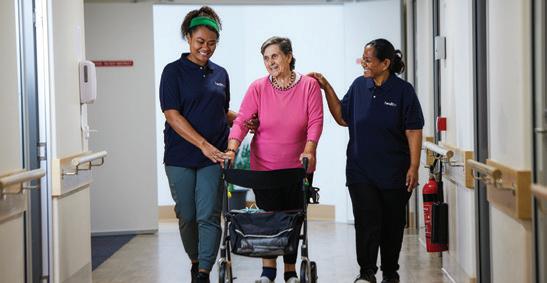
The AMH Aged Care Companion is a practical reference for health professionals working with older people. It contains evidencebased peer reviewed information on more than 70 speci c conditions that are common in older people, along with general principles when using medicines in this population. It is useful when conducting medication reviews and other activities aimed at improving patient outcomes, eg case conferencing. Available in Hard Copy or Online.

healthx.com.au
Employer
Approved
When they put their trust in you, it’s vital to have information you can trust )
Cost-effective Process Improvement & Intelligent Automation for Aged Care



Are complicated processes making day-to-day operations difficult for staff?

At we help aged care providers streamline and automate processes to unlock their full potential

Identify and dismantle bottlenecks
Increase efficiency
Long-term, sustainable results
THE FUTURE IS NOW
Phone Murtuza 0421 005 167

or Brendan 0459 391 177
process-x.com.au
More Healthcare facilities, Aged Care and Patient Transport are choosing S-7XTRA

staff manually entering data into multiple systems


We invite you to request more information and receive your FREE sample.
SIMPLER – ONE STEP CLEAN AND DISINFECT
A cleaner disinfectant reducing the need for multiple products.
SMARTER – SUPERIOR EFFICACY

Killing up to 99.9999% of pathogens including bacteria, viruses, mould, fungi, yeast, TB and Spores.
FAST KILL TIMES WITH NO WET CONTACT TIME REQUIRED
Begins to work from 30 seconds and keeps on working to achieve all kill times even when dry.
SAFER – MATERIAL COMPATIBILITY

Tested and proven compatible with a vast range of surfaces with no heavy detergent residues.

RESIDUAL AND BIOSTATIC CAPABILITIES
With 24-hour residual on touched surfaces for bacteria, COVID-19, and yeast and a further 72-hour biostatic effectiveness on bacteria and COVID-19.
S-7XTRA IS AVAILABLE IN UNSCENTED AND NEW S-7XTRA FRESH – GINGER & GREEN TEA.
Phone 02 8209 3746 info@steri-7.com.au www.steri-7.com.au
SOME OF THE SYSTEMS WE WORK WITH Technology Partner
TAFE NSW traineeships help boost aged care workforce
Fast-tracked solution to critical staff shortages
TAFE NSW is partnering with major aged care providers across the state to train a new generation of workers amid a huge demand for skilled staff within the sector.
According to a report by the Committee for Economic Development of Australia, 400,000 additional workers are needed by 2050 to meet the demand for aged care services. For those contemplating a new career or lifestyle change, an aged care traineeship can offer a pathway into fulltime employment in just 12 months with the completion of a nationally recognised Certificate III in Individual Support (Ageing) with TAFE NSW.
Major aged care providers such as BaptistCare are now offering traineeships in partnership with TAFE NSW across their state-wide operations in a bid to attract more staff.
“The message is simple: we need new workers and we are happy to train you,” BaptistCare Head of Learning and Development Consultant Kerry Martin said.
“Traineeships in residential aged care and home care are ideal because new workers can start immediately and undertake onthe-job training while completing their studies at TAFE NSW.

“Our trainees have the security of knowing they will graduate as qualified care workers with a guaranteed job.”
BaptistCare employee Victoria Luff works at the Morven Gardens Aged Care Centre in Leura after deciding to make a career change from the fitness industry. The 51-year-old mumof-three from Rouse Hill said the traineeship enabled her to upskill professionally around her family commitments.
“When the COVID-19 pandemic first hit, I got work as part of an emergency team at Morven Gardens providing support to the primary aged care workers. When the traineeship was mentioned, I jumped at the opportunity,” Victoria said.
“I was caring for my mother at the time, and then found out my father had terminal cancer. I was blessed to be able to do my traineeship and have dad at Morven Gardens, where I cared for him in his last four months of life. I love what I do –it’s an absolute privilege to work in aged care and look after people.”
TAFE NSW aged care teacher Tanya Ziermann said the partnership between the learning institute and aged care providers offered the rare combination of job satisfaction and security.
“It’s a wonderful profession for compassionate people who want a new start or a career in which there is more flexibility to choose your hours,” Ms Ziermann said.
“When you work in aged care you are making a real difference by helping someone retain dignity as they age. It’s very rewarding to help care for someone in those years and it is definitely more than just a job.”
TAFE NSW is encouraging providers interested in taking up a partnership opportunity for their trainees, to get in touch.
For more information on aged care traineeships available at TAFE NSW, please email IndustryInnovation@tafensw.edu.au or phone 131 601.
TAFE NSW www.tafensw.edu.au
77 WORKFORCE & TRAINING
Upskill your staff with free learning
Wicking Dementia Centre’s microlearning for the aged care sector
The Wicking Dementia Centre has launched a free online microlearning program – Equip Aged Care Learning – to help build capacity within the aged care sector.
Funded by the Australian Government Department of Health and Aged Care, the online program is designed to be easy to access, requiring minimal downtime to complete, while still providing essential learning to assist with the provision of quality care.
It includes 14 modules with each taking around 10 minutes to complete, and participants get a free, downloadable certificate of completion for each module.
The Equip Aged Care Learning modules cover:
■ the Australian aged care system
■ the role of nurses, personal care workers and allied health professionals working in aged care
■ the Aged Care Quality Standards
■ supporting people living with dementia
■ palliative and end-of-life care
■ person-centred care
■ Aboriginal and Torres Strait Islander cultural awareness
■ trauma-informed care
■ promoting mental health and wellbeing
■ cross cultural awareness
■ oral health promotion
■ prevention of falls
■ wound management and pressure injury prevention
■ hearing health.
As Equip Aged Care learning modules contain only essential elements of each topic, content is designed to ignite learners’ interest, consolidate key concepts, and encourage participants to continue their learning by accessing curated further learning and additional resource links contained within each module.
The learning material contained in each module has been developed in close collaboration with academic and other subject matter experts, peak bodies and expert advisory groups. The Centre for Cultural Diversity in Ageing and NATSIAACC have reviewed each module to ensure cultural appropriateness.
Equip Aged Care Learning modules have been designed to accommodate learners for whom English is not a first language and to support varying degrees of computer literacy. Downloadable and printable infographics and video transcripts are made available in each module to assist with the consolidation of learning.
Access free learning for your staff
Aged Care providers are invited to access these free resources to induct new starters, enhance workforce capability and to assist their team members to complete part of their mandatory learning.
The Equip Aged Care Learning Introductory Package offers new starters in the aged care workforce and those seeking employment in the sector, the opportunity to gain essential knowledge
to assist them to launch into their career in aged care. This package is also of benefit for volunteers, informal carers and anyone with an interest in the care of older people.
The Equip Aged Learning Refresher Package is a useful resource for aged care personnel to stay up to date with current trends in aged care and to maintain their continuing professional development.
Why encourage your team to enrol in our learning program?
■ It’s quick. Each learning module takes about 10 minutes to complete.
■ Your learning culture can be enhanced. Our microlearning modules are designed to engage participants and launch them into further learning.
■ The learning is practical. The learning in these modules can be integrated into everyday actions.
■ Easy accessibility. Learners can access Equip Aged Care Learning modules anytime and anywhere via mobile phones, tablets and computers.

■ The learning is self-paced. The modules are available on demand.
To find out more about this program please email equiplearning@utas.edu.au or phone 1800 982 600.
Wicking Dementia Research & Education Centre, University of Tasmania
www.equiplearning.utas.edu.au
78
Equip Aged Care Learning is a free online microlearning program designed to help build capacity within the aged care sector.
WORKFORCE & TRAINING
Training for osteopaths in aged care
With last year’s changes to the Australian National Aged Care Classification (AN-ACC) funding model, Vivir Healthcare recognised an opportunity to utilise a wider variety of healthcare professionals and their specific skillsets to improve services being provided to residents in aged care homes.
One approach was to review the role of osteopaths, who have been a part of Vivir’s multidisciplinary team for the last few years, supporting the delivery of pain management to residential aged care consumers under the Aged Care Funding Instrument (ACFI).
The introduction of the new AN-ACC funding model enabled Vivir Healthcare to review what additional benefits osteopaths can provide and how they can further optimise the current services being provided to their residential aged care consumers.
What osteopaths provide
Osteopaths can be crucial in enhancing health and overall wellness of aged care residents. They possess exceptional skill and expertise and are trained to assess and treat with a holistic approach to care.
Their clinical evaluations typically encompass anatomical, neurological, orthopaedic, functional and movementbased assessments.
Through their training, osteopaths are adept at identifying patterns in movement, posture and activities of daily living that may lead to pain or restricted motion over extended periods, making them an excellent fit
to support aged care residents in their day-to-day lives.
Collaborative approach
To ensure our osteopaths were appropriately prepared to deliver a variety of services to aged care residents, it was essential to ensure work would be completed within scope of practice, and that a tailored training program was established to provide an appropriate introduction to osteopaths new to the field of aged care.
Vivir Healthcare worked with focus groups composed of osteopaths and other clinicians who held a variety of experience and offered extensive insight into allied health services in aged care. Vivir collaborated with their clinicians to establish a framework that would enable the seamless delivery of their services to aged care facilities and ensure that their osteopaths are able to utilise their unique perspective and skillsets to complement the other allied health professions and a holistic approach to care.
The training program
Vivir have customised a training program for osteopaths so they can confidently deliver wellness, reablement and functional assessment services to aged care residents.
The program is made up of a theoretical and a practical component as well as competency testing to ensure all learning objectives have been achieved.
Theory component
This part of the training contains four online learning modules with the
objective to deliver a comprehensive insight into the role allied health plays in residential aged care, understanding of the various presentations found in aged care residents, as well as assessment and treatment options.
Practical component
To ensure osteopaths are familiar with the aged care environment and obtain a solid understanding of the delivery of aged care services, a number of shadow shifts are organised where the new starter is paired with an experienced clinician. This system allows extensive opportunity to learn from and connect with knowledgeable peers, as well as build connections with other team members.

Competency component
To safeguard that all learning objectives have been successfully completed, a competency check is completed by our Clinical Supervisor. This includes feedback from clinicians involved in the practical training, as well any other relevant parties involved.
Osteopaths for your care services
Engaging the services of osteopaths means giving aged care residents access to additional healthcare services, providing new perspectives and adding to their quality of life. If you would like to enhance your allied health services, Vivir Healthcare can assist in supporting residential care, home care and across the NDIS sector.
Annika Schramm, Clinical Excellence Manager, Vivir Healthcare www.vivir.com.au
79 WORKFORCE & TRAINING
The multidisciplinary approach makes a big difference to quality of life for residents
Vivr Healthcare’s trained osteopaths are an important part of a multidisciplinary approach to care.
Join a supportive group of carers, both personal and professional as you learn how to care for those affected by dementia. Study online, without tuition fees from July 2023.
Studying dementia has never been easier or more affordable, if you would like to expand your knowledge of dementia care, here’s some good news!
Take advantage of studying the Diploma of Dementia Care with zero tuition fees. For domestic students commencing study in July 2023, we’re offering the Diploma of Dementia Care with a 100% HECS waiver (conditions apply).
The course is a fully online, eight-unit program available to caregivers, aged care, community and health sector workers, and anyone with an interest in learning about dementia.
Enrich your career and make a positive difference to the lives of others – study our Diploma of Dementia Care from July 2023.
For more information or to apply scan the QR code or visit utas.edu.au/courses/m1d
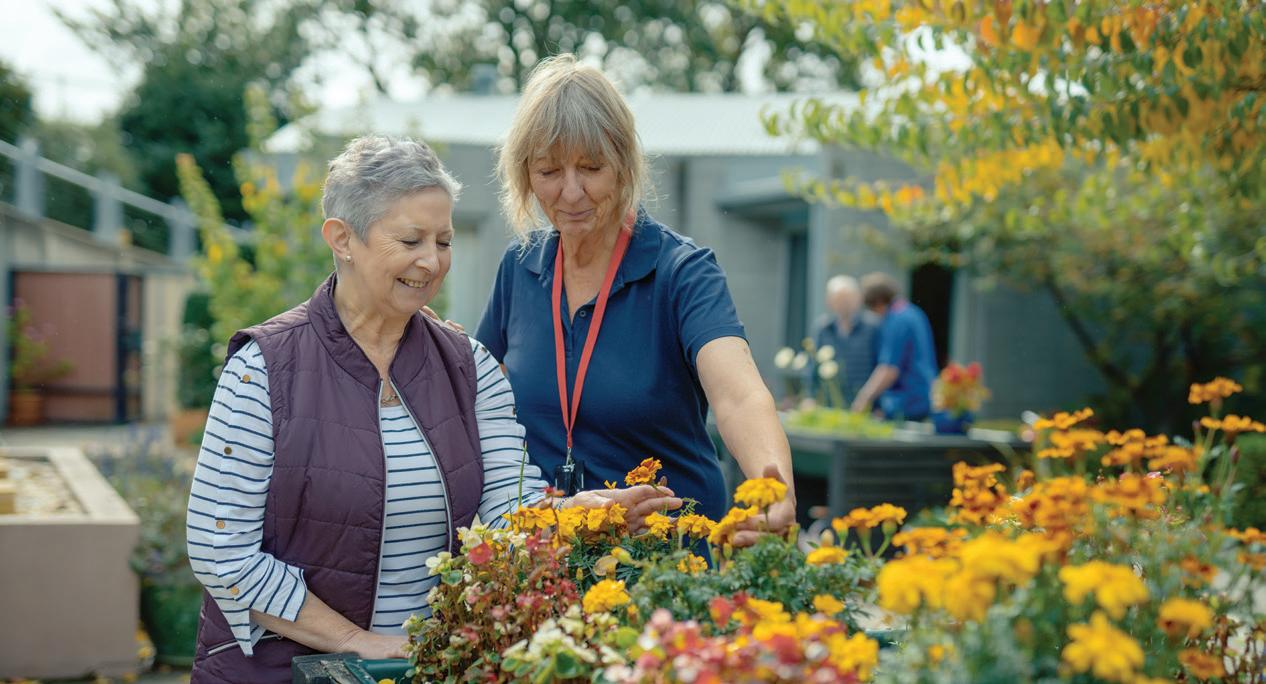
CRICOS 00586B
Are you one of the 1.5 million people that are involved in dementia care?
Visit utas.edu.au/wicking for more information on Dementia research and educational opportunities
Caregiver with resident at aged care facility.
Proof we need more staff
Demand for aged care workers almost doubles over 24-month period
As the Australian population continues to age, the need for high quality aged care services, as well as an increased demand for aged care workers, is becoming more apparent. Unfortunately, the announcement of the closure of three Wesley Mission aged care homes in New South Wales due to staffing shortages and costs has not come as a surprise to those working in the industry.
There is consistently high demand for aged care workers across all levels of roles. Previously, this demand was concentrated in regional areas, but over the past year, it has spread to metropolitan areas as well.
At Omega Medical, we have been monitoring the number of medical and allied health specialist job vacancies since February 2020 in our Omega Medical Jobs & Salary Index. Over this time, the demand for aged care workers has more than doubled.
In the last 12 months, demand in the aged care sector for nurses and aged care specialists has risen by 14.3 per cent, and by 90.0 per cent over 24 months, based on industry analysis. The last three months alone show a rise in aged care vacancies across the country by 17.6 per cent.
There are several challenges facing the aged care sector in Australia:

■ shortage of clinical skills, which has persisted following the COVID-19 pandemic
■ fewer incentives for candidates to relocate to regional areas to support aged care homes located there
■ inconsistent working conditions across the industry
■ lack of training and development opportunities
■ higher hourly rates offered to clinical staff by temporary agencies and hospitals can lure workers away from permanent roles within the sector
■ lack of investment in aged care infrastructure.
In addition, the aged care sector has also undergone significant changes, including new standards of care, a royal commission and new funding guidelines. These changes have led to increased expectations and pressures at every level of the industry.
Working conditions across the aged care sector vary widely. Many services are understaffed, which puts additional
pressure on management teams to cover hours and results in a lack of training and development for staff, particularly in specialist areas like dementia and palliative care.
While some larger organisations have budgets to pay above market rate to attract the right staff, many smaller non-profits do not have the same resources to attract and retain staff.
Aged care workers are increasingly seeking flexibility in their work-life balance, such as nine-day fortnights or part-time hours. However, for leadership roles in aged care homes, this can be challenging. Workers also want a commitment to their professional development and training from their employers. They seek transparency regarding what is happening within the service they are moving into, in order that they can make informed decisions about their career paths.
It is essential that we recognise the vital role that aged care workers play in our society and provide them with the support and resources necessary to continue to provide high quality care to our ageing citizens.
This means investing in training and education, as well as ensuring that workers are compensated fairly for the vital work they do. The recent announcement of a 15 per cent increase to minimum award rates for aged care staff, to be paid in full from 1 July 2023, is an important step.
More investment is needed into the future, to ensure our aged care sector keeps up with demand.
John Codner, Managing Director, Omega Medical www.omegamedical.com.au
81 WORKFORCE & TRAINING
Immersive training key to changing the face of ageing
Home Instead’s new CEO shares the secrets of success
When Kris Whitehead started in his new role as CEO of Home Instead earlier this year, he didn’t just head for his office and shut the door, he instead set out on a two-month immersive training experience.
The unique orientation program saw Kris spend the time in Perth at Home Instead’s largest local office where he undertook training and worked in roles including care consulting, care management, scheduling, care giving, recruitment, networking and finance.

“While initially I was keen to get straight into my CEO role, I quickly understood the benefit of spending time immersing myself in the network,” he said.
“The orientation and immersion program provided me with a comprehensive overview of the history and culture of Home Instead and enhanced my knowledge of the core functions of a Home Instead office.
“I’m excited to put this new knowledge and understanding into play in coming weeks, months, years and beyond.”
Kris, who has personal experience as a family carer, took on the CEO role after a 12-month hiatus following more than two decades working in banking and finance.
He said while he has only been in the role for a short time, he has already gained deep insight into many areas of the business.
“Having the opportunity to experience working in each role supporting our
clients has highlighted a number of critical elements, including how important every part of our business is, how much our clients rely on our care givers, and the importance of recruiting great people and retaining them,” he said.
There’s no denying the aged care sector has been faced with a number of significant challenges over the past few years.
And it’s no surprise to Mr Whitehead to hear that attracting and retaining great people was a key challenge now and going forward.
“If the COVID-19 pandemic has shown us anything, it’s that new pressures can arise suddenly and unpredictably but at the same time, the core goal of aged care remained the same – people still need quality care and services,” he said.
“More and more older Australians are choosing to stay in their own homes for as long as possible so ensuring we retain our point of difference and match our clients with like-minded care givers is vital for us an organisation.”
In a first-of-its-kind for Home Instead, the organisation has invested in establishing a training academy that aims to help alleviate Australia’s chronic aged care worker shortage.
The academy will have three training centres operating across the country which will divert from traditional clinical or classroom style learning and focus on immersive experiential learning to help care givers confidently provide in-home support.
“The immersive training style like I experienced will produce highly skilled workers who are ready to provide excellence in care from the moment they walk into a client’s home,” Kris said.
“We are driven to enhance the lives of ageing adults and their families by ensuring those who choose to remain living at home, can continue to do so in a safe and supportive environment.”
Kris said given the current reforms within the sector, it’s critically important for Home Instead to maintain its focus on being a voice for Australia’s ageing population.
“Our founders were instrumental in providing recommendations to the Royal Commission into Aged Care Quality and Safety and with my background specifically focused on leading businesses and teams through substantial change, I’m dedicated to ensuring we maintain our focus on changing the face of ageing,” he said.
Kris believes the simple roadmap to success lies in recruiting, training and retaining “wonderful” people.
“Our people are the heart of our business and industry. We hold ourselves to exceptional standards, from the care givers we carefully select and train to our office support staff,” he said.
“Our priority is to ensure the highquality, relationship-based care we are known for both locally and internationally remains at the forefront of everything we do.”
Home Instead
www.homeinstead.com.au
82 WORKFORCE & TRAINING
Kris Whitehead says immersive training gets the best results.
Improving care standards
What’s keeping you awake at night?
As Australia’s largest clinical consultancy, we understand the challenges our clients face in an industry that is constantly evolving. One of the biggest pain points we hear from our clients is in incident and risk management, and one of the most frequent questions, what is the best underlying approach?

A robust incident and risk management framework is a must. Why? Because it supports compliance with your obligations under the Aged Care Quality Standards, specifically:
■ Standard 3 – effective identification and management high-impact and high-prevalent risks.
■ Standard 6 – demonstration of open disclosure. Open disclosure can also help build stronger, more transparent relationships with consumers and their representatives.
■ Standard 8 – effective risk management strategies, systems and processes.
Risk management involves understanding, analysing and addressing risks to ensure the organisation can achieve its clinical governance objectives and effectively carry out its operational purpose.
Applying effective risk management practices enables a provider to demonstrate compliance in Commission assessment activities. Effective systems assist providers to identify high-impact risks, prevent reoccurrence and maintain consumer safety.
The importance of a risk management system
Effective incident and risk management will demonstrate a provider’s commitment to exceptional care delivery. It promotes:
■ adherence to legislative requirements and the Aged Care Quality Standards
■ proactive identification, assessment and mitigation of risk to acceptable levels
■ a culture of openness and support in which issues are identified, a root cause approach is applied and findings are shared with the team to minimise impact and prevent recurrence
■ congruent policies, procedures, checklists, workflows and processes that are designed to minimise error.
■ comprehensive and compliant reporting.
Provider governing bodies need a risk framework that includes identification and measurement of risk appetite to business activities, incorporates the National Quality Indicators, and considers clinical governance risks. Every governing body should consider their strategic plan and risk framework when identifying and communicating ownership, roles and responsibilities. Critical enablers are identified by the Commission publication ‘Effective Incident Management Systems – Best Practice Guidance’. Starting with the board or governing body, it flows through to the CEO and leadership team.
Key considerations
Providers have a responsibility to prevent and manage incidents, to notify reportable incidents to the Commission under the Serious Incident Response Scheme, and to the police where there are reasonable grounds.
They are also required to engage open disclosure conversations with consumers involved in reportable incidents, and use incident data to drive quality improvement to care and services.
An organisation-wide approach to risk offers support, connection, and
inclusivity to all people the organisation serves, while keeping the consumer at the centre of all risk management activities is key to an effective outcome.
Providers must demonstrate a committed approach to partnering with the consumer. By identifying what matters most to them, and adequately assessing, documenting and mitigating risks associated with the consumer’s choices, providers can support the consumer to live their best life.
Pillars of risk management
Health Generation’s practical experience supporting providers has shown value in the application of seven pillars of risk management:
■ Pillar 1 – Be consumer-centred.
■ Pillar 2 – Be outcomes-focused.
■ Pillar 3 – Champion open disclosure.
■ Pillar 4 – Be accountable.
■ Pillar 5 – Be clear, simple and consistent.
■ Pillar 6 – Act in a timely manner.
■ Pillar 7 – Seek continuous improvement.
Embedding a root cause mindset into organisational operations and governance functions, with precision focus on a consumer-centred approach, plays an important role in improving quality in aged care.
Health Generation supports providers to develop, implement and maintain a robust risk management approach. Our methodical and proven strategies mean we don’t just fix a problem, we eliminate it at the source. Please reach out should you need support in developing a risk management plan for your operations.
Kaye Mann, Clinical Governance, Strategy, and Innovation, Health Generation
www.healthgen.io
83

Finance Residential Clients Roster Payroll Home Care 1800 463 782 | inerva.com Aged Care. Simplified. We believe in doing one thing well. That’s why Inerva is the complete ERP software solution for Australian Aged Care. Our clients trust us to stay on top of changing industry requirements such as AN-ACC and QFR. Dynamic occupancy-based care minute targets? Quarterly Financial Report templates? We’ve got you covered. Australian-based phone support? Secure cloud environment? We do that too. Call 1800 463 782 or email sales@inerva.com to find out more!
Notices to agree, non-compliance and human resource challenges

Key insights and lessons learned
Over the last three years, Aged Care Advisory Service has assisted over 20 approved providers where the Aged Care Quality and Safety Commission (ACQSC) have identified there is a high or severe risk to consumers in their care.
Providers faced with reports of non-compliance were unaware of the deficits identified and had failed to put remedial actions in place to avoid risk to consumers. In most cases, this situation led to the providers being required to appoint an advisor to engage and guide their return to compliance. Additionally, risks identified by providers requiring remedial action were resolved effectively and within agreed timeframes by utilisation of our services.
Working with providers, we have been able to ensure the governance frameworks are managed in a way that creates connectivity between senior management and what happens in the delivery of direct care – and have also identified key insights and lessons learned for the sector as a whole.
Governance and warning signs
In our work, we have identified the top three common factors in residential aged care homes who face non-compliance and serious risk.
1. Disconnection from organisational policies and processes
This has been observed when providers deviate from established policies and practices which inform governance. Generally, checks and balances are overlooked with clinical and quality outcomes unmonitored, leading to key information being unavailable to inform governance frameworks.
2. Complaints management and effective communication
Commonly in residential aged care with non-compliance we see unresolved complaints, lack of communication and missed communication forums, including clear and transparent minutes and follow up actions being completed. The utilisation of our external consultants like our Conflict Resolution Services can support the re-establishment of trust and confidence in consumers and their representatives.
3. Familiarity with the Aged Care Quality Standards and the human factor. Unfamiliarity with the Aged Care Quality Standards, including managing restrictive practices, clinical care assessment, consultation, referrals and Serious Incident Reporting Scheme (SIRS) is common, while follow-up and corrective actions are inadequately monitored. Providers lacking consistent effective staffing and cohesive skilled teams tend to result in diminished focus on consumer care and quality services.
85
Consider the financial and reputational implications
The cost of a sanction can be a serious viability risk for providers with financial costs ranging from $500,000 to $1.5 million by the time all rectification work is completed. Costs vary based on the appointed advisor’s ability to work with the provider and the residential aged care team to build a platform for sustainability, from both a compliance and financial standpoint.
In all cases, we have seen reputational damage to the residential aged care home, which affects occupancy, and the ability to attract and retain quality staff. Aged Care Advisory Service is experienced in high profile sanctions with negative media attention, where reputational risk mitigation is critical.
Rebuilding trust and robust governance post Sanctions
Universally, consumers and their representatives become destabilised when a residential aged care home is sanctioned. Rebuilding trust and open communication with consumers is critical to ensure optimisation of the facility, embedding a culture of open transparent communication.
During any period of non-compliance, increased communication and reassurance is provided to all parties. Plans for Continuous Improvement (PCI) must be
in place and be monitored, updated and shared. Those providing governance to the service should be engaged in communication with consumers and their representatives on a regular basis.
Avoiding compliance failures and self-assessment
Ongoing self-assessment is key to making sure your aged care service is looking critically at how you are achieving the minimum Aged Care Quality Standards –and striving to exceed these and innovate with new ideas and initiatives to enhance consumer wellbeing and lifestyle.
Aged Care Advisory Service is available to support providers in many ways. We can provide external audits and reviews, which is highly recommended to ensure an independent review. Our services encompass all aspects of compliance and accreditation, self-assessment, interim management roles, roster management, external conflict resolution and outbreak and disaster management planning.
We offer individualised support to providers identified to be non-compliant or at risk of non-compliance – helping aged care providers when you need it most.
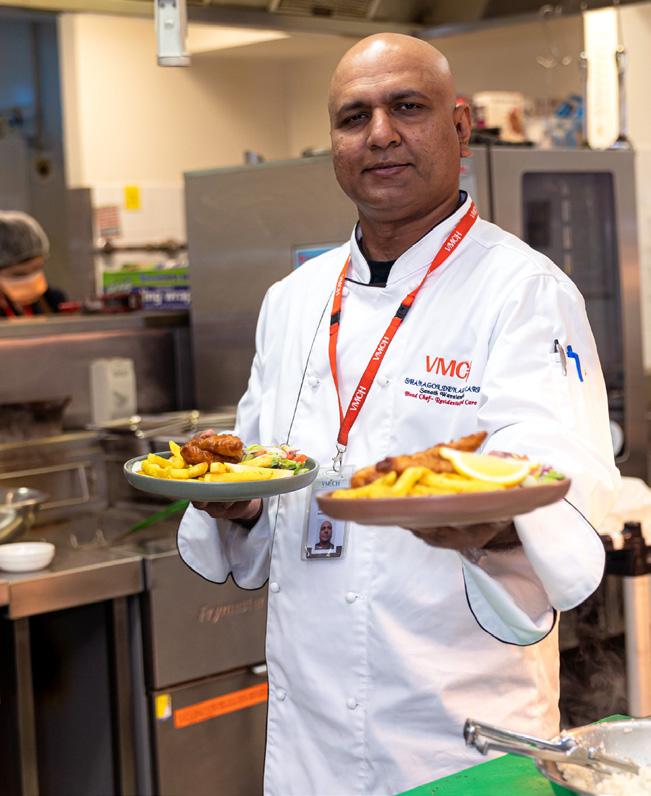 John Moore, Director and Principal Consultant, Aged Care Advisory Service www.agedcareadvisoryservice.com.au
Thanks for Caring
86 GOVERNANCE & FINANCE
Aged Care Employee Day
7 August 2023
unsung
Aged Care Employee Day and let all your workers know how much they are appreciated.
your stories, photos and videos to media@accpa.asn.au so we can celebrate your staff across our networks.
accpa.asn.au/aged-care-employee-day to find out how you can get involved.
Monday
Celebrate Australia’s
heroes this
Send
Visit
“Food is such an important part of aged care and residents should have access to the best quality food available.”
#thanksforcaring Thank s for caring Aged Care Employee Day
Sanath Wanniarachchi, Head Chef, Residential Aged Care, Villa Maria Catholic Homes.
AGED CARE ADVISORY SERVICE HAS A RANGE OF SKILLS AND EXPERTISE TO SUPPORT APPROVED PROVIDERS WHEN THEY NEED IT MOST
ADVISORY SERVICES
• Our experienced Advisory Team has been appointed to multiple aged care providers.

• Extensive experience in consulting and senior operational roles ensures we are well positioned to support residential aged care providers who are required (often at short notice) to appoint an Eligible Advisor and/or Administrator.
• Together with resolving Sanctions and Notices to Agree, we have resolved some of the largest COVID-19 outbreaks in Australia.
• All consultants are experienced and insured as appropriate, are resident focussed, and experienced in mitigating serious risk.
• Consultants and Assessors experienced in both Residential and Home and Community services, can provide Independent Audits against the Aged Care Quality Standards for Residential and Community Care providers.
• Our service is inclusive of upskilling your existing team to create sustainability and develop skills across the team from the board room to the floor.


INTERIM MANAGEMENT – CLINICAL, OPERATIONAL AND SENIOR ROLES

• Aged Care Advisory Service can support aged care providers with unforeseen vacancies. Vacancies often cause significant disruption to business, leaving your home vulnerable to compliance issues, increased unresolved issues including funding gaps, complaints and human resource issues.
• Our interim management and clinical management services provides a solution that allows providers to focus on recruitment without pressure to “fill a role”.
• Care Planning and Assessment services can provide you with experienced RN resources to rectify identified gaps, whilst transferring sustainable skills and processes to your team.
• Additionally, these services can be used to provide coaching, and mentoring should you identify a team member who needs support to step into a more senior role, or who has skills gained in a non-aged care setting.
www.agedcareadvisoryservice.com.au
Aged care and retirement living legal experts
Committed to making a difference
Russell Kennedy is a leading provider of legal services to the aged care, home care and retirement living sectors across Australia, with offices in Sydney and Melbourne.
With more than 36 years’ experience and trusted by our clients, our commitment to this sector is reflected in our longstanding relationship with ACCPA. Our lawyers are continuously recognised by Best Lawyers in Australia for expertise in Retirement Villages & Senior Living Law.

Russell Kennedy’s strength and ongoing success comes from our commitment to our not-for-profit and for-profit clients and taking the time to understand their needs.
We have the leading suite of aged and home care agreements with carefully developed guides, policies, forms and training to assist providers implement the requirements of legislative reform.
With 300+ staff, we blend large firm expertise and boutique-style personalisation. We provide value to our clients through our deep sector knowledge and a commitment to providing quality, practical advice.
For further information about our expertise across the aged care, home care and retirement living sectors, visit: russellkennedy.com.au
Refundable deposits for aged care providers
What you need to know about the new compliance requirements
Recent legislative amendments have strengthened protections for aged care residents and the Australian Government in relation to Refundable Deposits, but what does this mean for providers?

Refundable Deposits generally fund a significant portion of providers’ total assets, and impact upon providers’ financial viability. Under the Aged Care Accommodation Payment Guarantee Scheme, the Australian Government repays outstanding accommodation payment balances to aged care residents if a provider becomes insolvent or bankrupt, and is unable to repay such balances.
Accordingly, the financial viability of providers poses a significant prudential risk to the Australian Government that (as at 30 June 2022) accounted for a maximum contingent liability of $35.5 billion (in the unlikely event that all providers defaulted). For example, the Scheme was activated twice during the 2021-22 financial year at a total (including interest) of $64.8 million.
The recent amendments provide increased oversight for Government of the use of Refundable Deposits, and mitigate the risk of Refundable Deposits being used for non-permitted purposes and providers’ becoming insolvent while owing residents money.
Background
A key theme identified in the Royal Commission into Aged Care Quality and Safety was the need to strengthen prudential regulation and financial oversight in the aged care sector. The Royal Commission acknowledged prior reviews of the prudential regulatory function, and concluded that there is a need for:
■ more comprehensive financial reporting
■ more regular and timely reporting
■ liquidity and capital adequacy standards
■ improved capacity within the regulator to use the information effectively.
Consistent with the Royal Commission, the Australian Government is in the process of implementing a new Financial and Prudential Monitoring, Compliance and Intervention Framework. The Framework will implement recommendations of the Royal Commission and aims to enable more effective financial monitoring of the aged care sector and reduce the risk of provider insolvency or non-compliance.
Increased oversight of Refundable Deposits
The Framework has already overseen the introduction of new requirements for approved providers, including legislative changes to protect Refundable Deposits paid by residents.
89
GOVERNANCE & FINANCE
For example, under the changes, the the Aged Care Quality and Safety Commission is now empowered to request extensive information or documents from providers experiencing financial difficulties relating to the use of a Refundable Deposit to make a loan. Similarly, the Commission can request information and documents from persons to whom a provider has used a Refundable Deposit to make a loan.
Against this backdrop, the Commission conducted targeted reviews of approved providers’ compliance with the Prudential Standards in April 2023. A key aim of this review was to increase protection of residents’ Refundable Deposits.
It is expected that the Commission will continue to direct regulatory action toward provider compliance with the Prudential Standards. Particular scrutiny is likely for providers with more complex and opaque corporate structures and operating models, such as those forming part of a group, and or with significant intra-group or related party transactions.
This is not to say that it is unlawful for providers to sit within more complex corporate structures, but rather that the Commission’s new powers to access information or documents from providers or borrowers of loans should prompt providers to carefully consider existing loan arrangements to ensure compliance with the Prudential Standards.
In the present economic environment, the StewartBrown Aged Care Financial Performance Survey (December 2022) tells us that providers are facing concerns over financial sustainability and sustained financial operating losses.
The recent legislative amendments expanding the Commission’s powers in relation to the use of Refundable
Deposits to make loans improve the Commission’s visibility of the uses of Refundable Deposits by providers. In turn, these amendments directly address the risk of provider insolvency which – in a sector facing considerable financial and economic challenges – is ever present.
What next?
Providers should familiarise themselves with the recent changes introduced by the Framework, and stay abreast of phase 3 of the Framework. Phase 3 of the Framework will start with the introduction of the new Aged Care Act, and will include legislative arrangements around minimum liquidity and capital adequacy requirements for providers.
As foreshadowed by the Royal Commission, this will empower the Commission to identify and manage risks relating to providers that hold Refundable Deposits, to ensure that providers are able to repay those Refundable Deposits promptly as and when required. This will add another layer of oversight for the Commission in respect of the use of Refundable Deposits.
Victor Harcourt, Principal, Russell Kennedy Lawyers www.russellkennedy.com.au
Disclaimer: The information contained in this article is intended as general commentary only and should not be regarded as legal advice. Should you require specific advice on the topics discussed, please contact Russell Kennedy Lawyers directly.
ACCPA
Six two-hour workshops
Three months
Optional CILCA360 analysis
Option to ‘pick and pack’ or register for the set
Take leadership to the next level without the down-time, with the ACCPA Leadership Accelerator Program.
For emerging and established aged care leaders who are timepoor but want to equip themselves or expand their knowledge, the ACCPA Leadership Accelerator Program is the perfect solution. With the option to ‘pick and pack’ the modules that are right for you, you’ll learn practical tools and valuable insights to sustain you in times of crisis and competition.
1300 222 721

www.accpa.asn.au
90 GOVERNANCE & FINANCE
Register yourself or your leaders for existing courses or arrange for an entire leadership team to benefit from bespoke training tailored to your organisational needs in a confidential in-house setting. Leadership Accelerator Program
Registrations now open for 12 September to 21 November 2023 Reach out today and secure your future. We’re here to help.
FOR ACCPA MEMBERS
TRAINING FOR BUSY LEADERS
DISCOUNTS
Why asset management plans are not setand-forget
The benefits of continuous improvement
Having an Asset Management Plan (AMP) is essential for aged care and retirement living organisations of all sizes, as it outlines how their assets are managed, maintained and ultimately replaced.

It’s certainly a hot topic here in Australia with recent changes to NSW Legislation for retirement village operators, and many organisations are rushing to simply ‘get it done’. While it’s a great first step to create your AMP, it will only be of value to your organisation if it is carefully managed and continuously improved.
Five biggest dangers of a set-and-forget approach
1. The AMP won’t be right the first time. When you first create your AMP, you are attempting to collate retrospective information that is often unavailable of incomplete. As time goes by and new assets are added to the AMP, the quality of data and information improves. It’s only with continuous management that the AMP will provide value for the organisation.
2. Overpaying or under-servicing. Certain maintenance tasks are mandated in frequency. But for most maintenance tasks, it’s up to the organisation to determine what is best for your set of circumstances. This will vary between different facilities and assets, and it will also evolve over time as your facility and equipment ages. Data analysis and frequency analysis by someone who understands the facility and the equipment is vital to drive continuous improvement and avoid under or over servicing.
3. Health and safety risks. When assets such as fire extinguishers expire or miss a service date, risks go beyond the legislation; they put the safety of staff and residents at risk. Even tasks like gutter cleaning can seem trivial, but if your facility is in flood or fire prone areas these simple maintenance tasks are vital to minimise risks to property and people.
4. Unmanned or ‘dead’ AMPs. It’s important to understand AMPs are (or should be) live documents, with constant additions and updates to data and detail. If it’s not managed, asset data becomes inaccurate and irrelevant very quickly. If you are going to invest in implementing an AMP, you want to reap the rewards which you can only do with up-to-date data.
5. The plan does not align with the organisation goals. We ask our aged care clients to submit their property goals and broader organisational goals to us so we can integrate them
into the AMP. This way, costs can be managed and reported on, and the AMP is not wasting resources on elements that don’t align with the future of the organisation.
Top three benefits of an ongoing AMP
6. Improved performance from your assets. Plan your maintenance schedule and avoid constantly paying for urgent repairs. Waiting until something breaks is a great way to eat into the maintenance budget. In an asset heavy industry like aged care and retirement living, it’s vital to take a structured approach to asset maintenance to minimise breakdowns and prolong the longevity of your assets.
7. Data and Insights at your fingertips. Once you have your Computerised Maintenance Management System (CMMS) implemented and actively managed by a qualified facilities management professional, you get access to a whole new world of data related to your maintenance that can be measured and (most importantly) improved. With a carefully managed AMP, you know exactly what you have, what you have spent on it and when it may need to be replaced.
8. Outsourcing your AMP management can free up your team’s time. Ensure compliance and performance while freeing up your team to focus on delivering quality care and service to your residents – without worrying about failing assets or replacement cost surprises.
Who can help manage your AMP?
Most AMPs are now run through a CMMS, which sounds quick and easy. However we inform all our clients that purchasing software to manage your facility’s assets is just the beginning. Owning or subscribing to a CMMS program does not mean the AMP program is fully automated, and it won’t turn your team into maintenance experts. Ongoing resources are required across implementation, maintaining and improving the system. Ongoing investment is the best approach to get a positive return from your asset management plan.
MDFM specialises in being the end-to-end maintenance solution for our aged care clients. If you’re looking for an outsourced asset management partner with 40 years’ experience in construction, maintenance and asset management, you can turn to MDFM.
Jess Johnson, Account Director, MDFM www.mdfm.com.au
91 GOVERNANCE & FINANCE
Avoid the major derailer of a merger or acquistion
How to integrate two different cultures
Mergers and acquisitions are a real opportunity right now, but a word of caution.
Today, mergers and acquisitions provide an unparalleled opportunity to scale for growth and take advantage of increased demand for home care.
With so many small to medium providers experiencing financial distress right now, many providers are having board discussions, if not considering proposals.
But a word of warning – as many as 70 to 90 per cent of all merger deals don’t realise their expected benefits. With the number of mergers and acquisitions worldwide from last year at 62,000 with a total value of USD 5.1 trillion, a lot can be learned from other sectors.
The usual derailers include ineffective risk management, unclear operational strategy, lack of stakeholder engagement and communication, poor project management and of course integration.
Integration is key
Most mergers or acquisitions follow a simple set of steps: jointly agree on the opportunity, perform due diligence, undertake the transaction, and then enter into the posttransaction activity to integrate culture and services.
While everyone focuses on the transaction, it’s the last step, the post-transaction integration, that’s often underestimated.
This is where the hard work happens to derive the strategic synergies expected from the deal, whether it’s economies of scale in the back office or the integration of new allied health services.
Why is culture the major derailer?
When it comes to integrating culture between two organisations, there are three choices:
■ assimilate the acquisition’s people and culture into your culture
■ assimilate your people into the culture of the target
■ co-create or merge the two cultures into a brand new culture.
The last one is always complicated, while the first two choices are often seen as the easiest. However, the reality is they are not. So why is this?
The reason is that it can be painful for people who feel they have to give something up.
If the culture is more tightly disciplined or controlled, people might feel their control is threatened. If empowerment has been encouraged in the acquired organisation, employees might feel their autonomy is being threatened.
Regardless of the choice, cultural integration is much harder than you think.
Steps for success
To be successful, you should start planning culture integration early – well before the transaction closes if possible – and take action before it becomes a challenging issue.
People must be put at the centre from the start. While the process must be led from the top, with the board and executive leadership team committed to the culture integration effort, employees must be strongly engaged throughout the process.
Simply put, culture is everybody’s business; it’s not just another item on the HR to-do list.
There are three steps to start integrating culture early in the process:

1. Establish shared goals and cultural alignment up front with the leaders. This requires a deeper examination of the common values and degree of cultural alignment between the two organisations and the work to be done together for successful integration.
2. Set priorities or focus areas, then design the change. You need focus areas so you can design the steps in the process and end state at each step of the transition to ensure tangible value is achieved at each step. One of the biggest challenges we see is ‘trying to do everything all at once’ and the risk of unintended consequences such as non-compliance or workforce attrition.
3. Plan to engage everyone in the process. Employees from both organisations need to be consulted up front. Then simply explaining what the changes will be is not enough; people need to know why, how they will be engaged and what will be implemented and need a tangible role in making the change happen. Communicating openly and engaging people in the process is crucial to gaining broad acceptance and minimising the threat people feel from new ways of doing business.
GOVERNANCE & FINANCE
Get the right support
We have all heard the old adage ‘culture eats strategy for breakfast’, but it doesn’t have to be the case.
The most important means for success are your people, which often gets overlooked in the strategic planning for a merger or acquisition. While a merger is a major opportunity, there are also significant transition risks and you should get expert input.

Fire Up Solutions are experts in human-centred change and have strong experience in mergers and acquisitions, helping you take the additional steps you need to ensure you realise all your expected benefits for a successful transaction, by managing the transition risks.
We’d be only too happy to help.
Angela Frith, Co-founder, Fire up Solutions
www.fireupsolutions.com
93
GOVERNANCE & FINANCE
Navigating compliance challenges: a case study
The role of Nurse Advisory Services in home care
The following case study highlights the valuable role played by Nurse Advisory Services in supporting quality care in the home care sector, and ensuring compliance with the Aged Care Quality Standards is maintained.
Staffing Options – a company providing home care packages and private fee-for-service support to help people live independently in their own home – was facing unexpected compliance issues despite their belief that they were aligned with internal quality improvement plans.
Unaware of the existence of Nurse Advisors, the company found themselves in a predicament. While initially focused on providing NDIS support to individuals with disabilities. In 2017, they expanded their services to include aged home care clients.

However, changes in package allocations allowed clients to manage their own packages and choose their providers. After two years, an auditor highlighted documentation deficiencies. As Staffing Options aimed to improve, they adopted a software package to enhance compliance.
The problem
During a subsequent desk audit that focused on clinical aspects, Staffing Options encountered challenges due to their transition to the new software. Despite having no client complaints and a belief that they would pass the audit, they received a ‘Notice to Agree’ labelling their clients as ‘High Risk.
The notice required the appointment of a Nurse Advisor within four days, a week out from the Christmas break, leaving them feeling overwhelmed and lacking guidance.
The audit
Seeking assistance, Staffing Options approached Aged & Community Care Providers Association, which provided them with a list of Nurse Advisory Services.
CareLynx stood out as a suitable match due to shared values, and were engaged by Staffing Options to assist them with their compliance issues with a face to face meeting arranged the next day.
CareLynx reviewed the audit findings and identified gaps in clinical documentation, care plans, referral, and risk assessments.
Staffing Options realised their responsibility for clients’ clinical care, which they previously believed was solely the domain of the providers they engaged.
The solution
CareLynx, armed with extensive knowledge and experience in aged care, understood Staffing Options’ situation and formulated an action plan based on the audit report.
Their Nurse Advisors offered support with policies, procedures, education, documentation and audit tools, enabling Staffing Options to remain compliant with Aged Care Quality Standards and National Aged Care Mandatory Quality Indicator Program.
The result
As part of the ‘Notice to Agree’, meetings were conducted with the Aged Care Quality and Safety Commission, Staffing Options and CareLynx. The Commission praised the excellent relationship between Staffing Options and CareLynx.
This collaboration facilitated the implementation of new processes, improved documentation and effective client management, setting CareLynx on a path to achieving compliance.
With ongoing support from CareLynx, Staffing Options is on track to reversing the ‘Notice to Agree’ and achieving compliance.
The take-home message
Staffing Options was keen to share their story to prevent other providers from encountering similar challenges. They emphasise the importance of engaging Nurse Advisors, like CareLynx, early in the compliance journey to ensure readiness for accreditation.
By seeking professional guidance, providers can strive for the best possible results and deliver superior care to their customers.
Ruth Skinner-Smith, Commercialisation Manager, CareLynx www.carelynx.com
94
GOVERNANCE & FINANCE
AN-ACC, six months on Where are we now, and how can the data help?
We’re now six months into AN-ACC and we’re starting to get an idea of trends, which provide important information for the boards and management of aged care providers.
While AN-ACC has increased the funding overall coming into residential aged care homes and organisations, it’s clear from the many voices in the industry that it is still not enough – and it will stabilise.

There’s still work to be done to increase AN-ACC funding to be sufficient for the care that’s being delivered. Many people have assumed that, due to the external assessors, it’s out of their hands and that AN-ACC is a passive funding tool.
But AN-ACC is completely the opposite of passive. Instead, it can help providers take control of their AN-ACC funding and through the data, they can see what is working, what isn’t working, and trends to keep an eye on for reclassifications.
What is the reclassification data saying?
There are a few standout stats that tell an interesting story:
■ 73.65 per cent of reclassification requests result in an increase
■ 19.53 per cent of reclassification requests result in no change
■ 6.82 per cent of reclassification requests resulting in a decrease.
The average reclassification rate is 22.29 per cent. This means that any providers with a rate of reclassification below this, might have some room for more reclassifications to be completed.
Overall, reclassifications have resulted in an average increase of $57.20 – this is a pretty significant increase.
What is working in reclassification?
What’s also interesting is the data – My Aged Care Requests data – behind these statistics. Let’s take a sample of 12,600 beds to analyse My Aged Care data, giving us 11,864 classification and reclassification requests since 1 July 2022.
Of those requests finalised, providers waited an average of 23 days, with some waiting anywhere from 160 days to 1 day. Those that are still pending are waiting on average of 24 days, but there are some outliers that have been waiting over 100 days. Finally, residents who departed waiting for a reclassification or classification waited on average just over 20 days.
The good news is we can see that the wait time appears to have peaked in September and October 2022, and it has
been steadily decreasing since then. It has now stabilised, with an average wait time of 13 days in the first quarter of 2023. This is important for the industry as this helps remove a barrier for the reclassification of residents, and will be a metric to watch over the next six months of AN-ACC.
Tips for a successful reclassification
1. Have a reclassification strategy. Break your residents into groups, identifying the biggest wins first – that is, those residents with a change in care needs since AN-ACC Classification, full clinical assessment completed and updated care plans that support this.
2. Make it easy for assessors. Assessors have one hour per resident, so make it as easy as possible for them to find the true clinical picture. Ensure:
■ Assessments and care plans tell the story of your residents and how your team supports them based on their needs, goals and preferences.
■ You capture the areas of care that AN-ACC considers. You don’t need to use AN-ACC tools, but you do need to have information available for assessors to consider.
■ Your care team understand the care they are delivering and which components to highlight to assessors during a visit.
3. Be ready to submit for a reconsideration. If you disagree with the outcome, there is now a process in place for reconsideration. Ensure you submit this within 28 days of receiving your classification.
If you’ve enjoyed these data and insights and would like more, head to our website to see how MyVitals can help you get on top of your AN-ACC performance.
Peter Morley, CEO & Co-Owner, Provider Assist www.providerassist.com.au
95
GOVERNANCE & FINANCE
Peter Morley says AN-ACC funding still needs to be raised to a sufficient level.
Third-party cyber breaches
Why are care providers exposed?
While outsourcing products or services is part of doing business in the modern economy, there are associated cyber risks and, unlike the services rendered, the risk and liability cannot be outsourced.
For example, the aged care sector has a number of vendors and suppliers that perform daily duties, such as catering, bedding, materials, medicine and pharmaceuticals, PPE equipment for staff, contractors for property and ground maintenance.
If a third party fails to deliver or suffers a cyber breach, the organisation that utilises the vendor will face the consequences. The impact can be fiscally, operationally, reputationally and contractually significant. Data shared between external vendors (supplier, vendor, contractor or service provider) can be exposed.
In 2020, a cloud software company experienced a cyber-attack that exposed patient and donor information for millions of people. Although the healthcare organisation wasn’t breached, the attacks on their vendors and third-party suppliers had major consequences across the ecosystem. Identifying, assessing and mitigating third-party risks is critical to ensure business resilience. But what do terms like ‘third party vendors’, ‘service providers’ and ‘digital supply chain’ mean? Used interchangeably, these terms refer to the utilisation of a third party for a service, function or product.

Increasing regulatory and liability focus
In the future, we believe the focus will shift from a regulator focus on what organisations are doing with respect to their internal cyber security practices, to how they are managing external, third (and fourth) party exposure – that is, their digital supply chain.
Australian Prudential Regulation Authority (APRA)’s new operational risk standard CPS 230 is an example
of ongoing action from Australian regulators to expand the scope of privacy and cybersecurity obligations, and specifically address third-party provider risk management.
APRA is focusing on regulated entities that are placing increased reliance on third parties to undertake critical operations on their behalf. CPS 230 looks to enforce, among other obligations, ongoing monitoring, testing, and assurance of the risk management controls implemented by third-party service providers used by regulated entities.
Ongoing risk management
So, what is next for third-party risk management? How do we evolve as the utilisation of third- and fourth-parties increases, and we see large-scale breaches and hacks on a regular basis?
Fundamentally, third-party or vendor risk management is a program, not a project. It is an ongoing and constantly evolving area of risk that must be addressed as a standard part of governance and management operations. Put another way, comprehensive risk management can’t be comprehensive enough.
The relevance of risk transfer
Organisations have rightfully focused on improving their internal security posture over the last few years, however, the time is now to shift focus to improving exposure to third parties and vendors. Care providers must implement solutions to identify, mitigate and monitor their third-party or vendor exposure from a technology and contractual standpoint across three key stages:
■ ‘Inform’ involves understanding your business operations and aspirations and reliance on third parties or vendors. It is then complimented with the design of complete enterprise risk strategies to fit cyber-security risk management goals.
■ ‘Improve’ involves tailored, datadriven recommendations to improve risk posture and build resilience.
■ Finally, ‘insure’ involves developing an insurance solution that fits individualised risk, potential exposures and targeted goals. This needs to focus on implementing a plan that protects your balance sheet, preserves your reputation, and enables growth.
Focus for insurers in 2023
Insurers in 2023 have a focus on balancing long-term sustainability in the market, specifically seeking to address in various manners some key challenges faced by systemic risk.
Systemic cyber risk refers to a single cyber event that impacts multiple insureds. For example, a successful cyberattack on one part of a digital business system spreads to other companies operating on it. This is third-party risk defined.
Insurers will be specifically addressing and pricing for systemic or third-party exposures. By way of example, some markets are addressing this through specific endorsement sub-limits coverage for:
■ cloud provider outages that affect AWS, Azure, Google or IBM and last 72 consecutive hours or more
■ for ‘operating system events’ that exploit vulnerabilities in computer operating systems and that have a major detrimental impact on a sovereign state due to disruption of essential services.
Aged care providers need to review policy responses specific to this exposure, as insurers seek to sublimit, restrict coverage, or remove it in its entirety. Demonstrating how this risk is mitigated, managed and monitored will facilitate the effective implementation of an appropriate risk transfer solution.
Mark Luckin, Cyber Practice Leader, Lockton Companies Australia www.lockton.com
96
GOVERNANCE & FINANCE
The future of in-home aged care
Large-scale changes are coming to the home care sector and providers that are not prepared will risk getting left behind.
The recent delay of the introduction of the Support at Home program came as a welcome relief to the sector. However, even though the new start date of July 2025 may seem far on the horizon, there is a lot of work to be done by providers to prepare themselves for reform.
Now is the time for governing bodies and leaders to reset and reframe their organisations to prepare for all aspects of the new era. Understanding the macro and micro-operating environments and the needs and preferences of present and future consumers is fundamental to success.
A digital transformational strategy to substantially improve the operational efficiency of the organisation is vital. Assistive technology is essential to improving the quality and safety of care and services, as well as maximising consumer independence and quality of life.
Incoming reforms will fundamentally change the role of case managers. The days are numbered where case management is bundled into a package, regardless of needs.
In the future, case management will only be for clients with complex care needs, not for those who may only require domestic assistance.
To prepare case managers for the transformation of their role, service providers need to start upskilling these staff now and rethink their workforce mix around this model.
Skills will be required in several areas including health literacy, incident management, early identification of deteriorating conditions, knowledge of
clinical tasks for specific conditions and so much more.
An effective case management model is central to preparing for the new era in terms of clinical safety and quality. While the incoming reforms may feel disruptive, service providers can maximise the benefits of this transition.
The key is to become educated on new systems and ensure all employees including case managers are adequately trained and upskilled to not only remain compliant to new protocols but also excel in giving the best possible care to older Australians.
At Lorraine Poulos and Associates (LPA), we offer advice, resources and support to care providers to establish and implement policies, systems, structures and protocols to enable a smooth transition, with particular expertise in home care.
LPA frequently hosts collaborative webinars and workshops that include a range of practical strategies to competitively position and prepare organisations for the future of aged care.
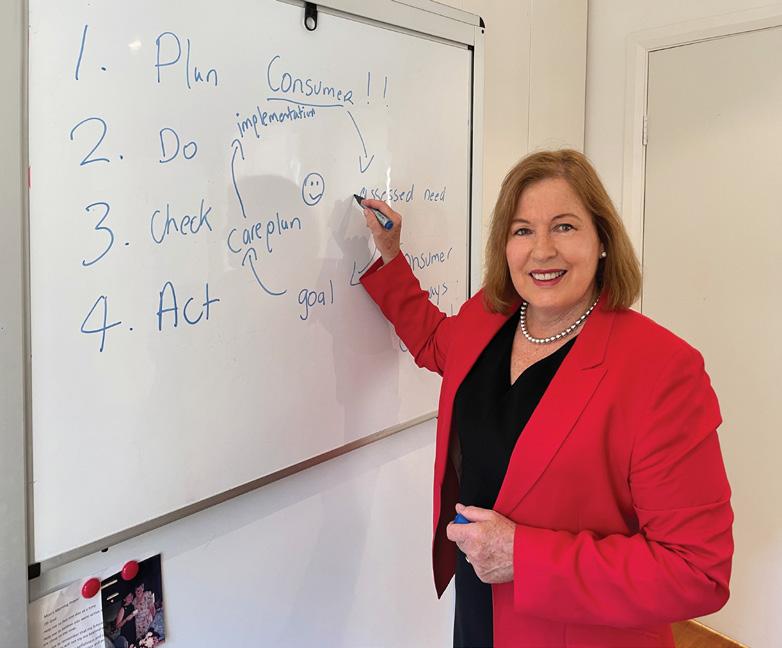
We also recently launched their Advantage Package – a premium service to develop and implement a plan of action to support organisations navigate the changing aged care environment and legislative requirements confidently.
Whatever you do, it’s important to engage the right support to help you transition into the future of home care. Those that do not plan, adjust well and have the strategies in place for continuous improvement, will be left behind.
Lorraine Poulos and Associates (LPA) www.lorrainepoulos.com.au
97 GOVERNANCE & FINANCE
Incoming reforms will fundamentally change the role of case managers
Lorraine Poulous from LPA is passionate about helping home care providers prepare and evolve into a new era of aged care.
The right technology solution
As everyone who works in the residential aged care, community and home care sector knows, data capture is not just recording information to ensure our funding is confirmed, and it’s not even just about providing care or freeing up staff time – despite these being valuable outcomes.
Rather, our use of technology is multifaceted and has to work on many levels, which means choosing the right system becomes very important.
One system should be able to easily support concurrently, episodes of care for retirement living, residential care, home and community care, palliative care and disability care settings. One person, one profile, all synchronised, and instantly available.
We need support care workers in any environment to be able to record and view information regarding the clients or residents they support, via an easy-to-use app, which covers everything they need at point-of-care, linked to a system in real time that their managers can access to provide assistance when needed.

They also need to view all alerts, tasks and events, as well as expanded details in relation to their client or resident, whenever necessary in a responsive design software program. They need to see information via a clean and clear profile page so they don’t waste time finding what is critical for their daily work.
The system needs to ensure all staff look at congruent information, know what charting is needed today, what support and goals clients or residents need addressed today, and what they need to plan for over the coming week.
We need clients, residents, their families or loved ones to be able to easily communicate back and forth with staff on all aspects of care and their goals and satisfaction. They need to be able to see all day every day, the monthly ‘mandatory
care and summary statements’ required to be sent to them this year, via an easy to use app, dynamically linked to the software used by staff.
Because staff and providers don’t have the time to create these reports, the system needs to auto create these and make them available. News and newsletters need to be autosent, feedback received in real-time, care plans viewed and consultation confirmed in real-time.
The app needs to reflect the configuration or forms or content the organisation wants to be made available – a dynamic design that auto-changes with the organisations’ needs, rather than a hard-coded app.
We need support managers, Registered Nurses and others in roles responsible for managing, to be able to view all information in an automated easy to use display that enables quality care decision making.
Care staff and managers need automated reports regarding everything – including automated handover sheets, automated advice about upcoming tasks such as expiring medications, and even 3D wound imaging that autographs all metrics and shows progress. Infection, incidents, dietary needs, vital signs, spiritual and emotional or sexual needs, auto reports and alerts, linked to the same system medication script and administration functions, reflecting on the ground real information such as vaccinations, allergies, communication barriers, swallowing difficulties – this is all essential.
The same system needs to address operational requirements such as noting suppliers, their reviews, assets, stock, continuous and quality improvement details linked to hazards, meetings and risks; credentials and education and document control systems linked to staff profiles that show who needs what support.
Auto-generated alerts regarding care processes requiring review, risks or areas needing attention and integrated notes that reflect care needs and changes instantly to act on, are also important.
Finally, managers need to be auto sent and able to view summarised information for care decision making, workforce planning, mandatory reporting to the MyAgedcare portal, AN-ACC management and income prediction.
They need Business intelligence Views showing all admission, discharge, leave metrics and system details for board submissions or just month-by-month, quarterly or annual comparisons to see how their procedures and systems are tracking, either in relation to care, risk or key performance indicators.
But they also need a system that provides PRODA Medicare B2G connectivity, AN-ACC B2G access, MyHealthRecord and IHI connectivity, ePrescribing and eNRMC functionality. A system that then auto bills and invoices, and calculates deposits considering RAD/DAP/DACs, which is configurable to your chart of accounts and charges or subsidy profile, no matter what health business area you support.
This and more is what over 1,000 organisations using the Leecare Platinum6 suite, receive. At Leecare, we are health industry experts with 30 years’ experience in Australia, New Zealand, Singapore, UK and Africa. We have built a dynamic and responsive sophisticated but simple-to-view and easy-to-use system for every role in the aged care sector. Care staff, managers, residents or clients, GPs, health professionals, support teams, ancillary staff – anyone who supports this sector is supported by us.
We would be pleased to show you this offering – because choosing the right technology solution is vital.
Leecare www.leecare.com.au
98 INNOVATION & TECHNOLOGY
Choosing an app for all your needs is vital
State of the industry report into technology in aged care
Helping providers get the insights they need to make better decisions
Over the past 14 years, the care services sector in Australia has grown and matured, and technology advancements have played a significant role in that growth – supporting essential services for Australians who need aged care or other health care.
With the rapid pace of digital innovation and advancements in technology, coupled with ongoing and significant regulatory changes, the industry is undergoing a phase of redefinition, affecting the way care is delivered and managed.
IT Integrity, in collaboration with ITAC (Innovative Technology Across Care) and ACCPA (Aged & Community Care Providers Association), have developed a State of the Industry report aimed at developing an understanding of the state of technology adoption, the key technology challenges that providers are facing, and the digital maturity in the sector.
The report is based on a series of surveys conducted with aged care providers in Australia, and covers seven key topics related to digital technology in the industry:
1. digitally enabled and skilled workforce
2. digital quality systems in aged and community care
3. integration and digitalisation of future care and support models

4. critical cybersecurity and infrastructure requirements
5. leading innovations in care and support
6. quality, safety, and efficiency reporting
7. the strategic vision for the future of quality digitally enabled care.
IT Integrity surveyed more than 800 providers at the ITAC and ACCPA National conferences, gaining insight into their interpretation of these topics, how they applied to their organisations, and their state of digital maturity.
Key insights
Responses showed that strategic alignment of technology investment is crucial, and governance should prioritise
engaging business stakeholders to underpin their organisation’s goals. They also showed that respondents believe data agility, including leveraging cross-functional data to drive insights and efficiencies, is essential. Regardless of your digital transformation maturity, you can develop insights to create a data driven culture.
A majority of respondents (70 per cent) believe the investment their organisation has made in technology is being underutilised, which indicates staff training is paramount, to ensure return on investment (through speed of adoption, proficiency and maximum utilisation).
Another alarming figure is that 81 per cent of cyber-attacks, according to respondents, were from identity theft, with 33 per cent of respondents yet to implement identity-based single sign on procedures, while only 28 per cent of respondents have a cyber response plan and even fewer have cyber insurance coverage.
Find assistance for your decision-making
The insights of the report will assist aged care provider executives to understand key focus areas, gain insights into opportunities, and avoid common pitfalls when it comes to technology adoption, while the benchmark statistics also aim to serve as a useful resource for policy makers and other industry stakeholders to inform their decision-making.
A take-home message from the report is the importance of improving the lives of care recipients through embracing relevant technology advancements. By leveraging the right technology tools, you can improve the efficiency, quality and client experience of your services, ultimately leading to better health outcomes for clients and residents.
Download the full report to gain detailed insights into the state of technology in aged care, and learn from other aged care providers based on their survey responses – to help you make the best decisions for your organisation.
Steve Iannuzzelli, Head of Sales & Marketing, IT Integrity & Scott Lawton, CEO, IT Integrity www.itintegrity.com.au/ict-state-of-the-industry-report/
99 INNOVATION & TECHNOLOGY
Building excellence in technology
Consortium wins grant to study the use of world-first sensor technology platform in residential aged care fall prevention
Talius Group and partners Whiddon, Anchor Excellence and CSIRO have been awarded an Aged Care Research and Industry Innovation Australia (ARIIA) grant with a total value of nearly $400,000 to run a feasibility study using a data analytics platform that combines sensor technology to prevent falls in residential aged care.
“The prevalence of falls is unacceptably high in residential aged care and more research is required to support quality and safer care,” said Dr Maggie Haertsch, Consulting Clinical Research Director for Talius Group.
“The ARIIA funding will be used to develop the BEST CARE Project, which will provide an excellent opportunity to be smarter in detecting functional changes early and help design care to enable older people to have timely support as their needs change.
“The aged care workforce is currently under stress and there is much that this technology can do to help. The first step toward implementation of the technology is to address how to make it easy for adoption.”

The BEST CARE Project – Building Excellence (in) Sensor Technology: Clinical Assessment Response Experience – will
test the feasibility of a world-first sensor platform called Talius, in residential aged care.
Talius incorporates an algorithm originally developed and tested in an in-home care setting by CSIRO as part of their Dementia and Aged Care Services randomised trial using the Smarter Safer Homes platform.
“The use of CSIRO’s monitored smart technologies in home care has demonstrated that for older adults with Home Care Packages, the intervention benefited their social care related quality of life,” said Marlien Varnfield, Principal Research Scientist at CSIRO’s Australian e-Health Research Centre.
“Using similar sensors and the aggregation of this data into the Talius platform for the prevention of falls in residential aged care is a logical next step.”
The study – at Whiddon Glenfield in Sydney – will explore the acceptability of these autonomous sensors and the use of an individual’s ‘sensor story’ to inform residents, their families and care staff of the older person’s wellbeing. The study will also identify any barriers to adoption and the impact of this technology on the organisation’s operations.
Innovative aged care provider, Whiddon, is among the first residential aged care services in Australia to introduce Talius
100
INNOVATION & TECHNOLOGY
to improve residents’ safety and to support staff to continue to provide high quality care.
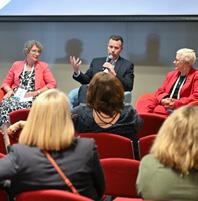
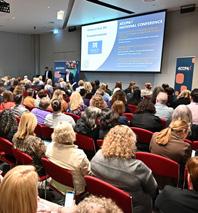
The Talius platform is the first of its kind that combines information from different types of sensors to provide real time information about residents’ care needs to mobile devices and healthcare dashboards used within the service. This state-of-the-art technology using the Internet of Things (IoT) can reliably monitor and alert staff to an older person’s changed health status.
Talius is sensor agnostic and can link any number of sensors autonomously collecting data into its platform. In this study there will be six different types of sensors with a total of 967 sensors installed throughout the home.
“The tech using sensors has been trialled by CSIRO in people‘s homes. Many aged care providers asked me if this technology could also be used in residential aged care homes as they saw how the data moved from a reactive to proactive solution. I am very pleased that we have won this grant and with the collective expertise of our partners, refine our approach,” said Graham Russelll, CEO of Talius Group.
“Using autonomous data collected through the sensors ensures dignity for older people, it is not invasive like a camera or CCTV, and can be very sensitive to help predict a change.”

Whiddon’s Executive General Manager Technology and Property, Regan Stathers, describes the grant as an exciting opportunity.

“We are excited to introduce Talius linking real-time information through a variety of the sensors into one dashboard and alerts to handheld devices. The Talius platform provides us with information that informs care and up-to-date information on the residents’ changing needs.
“Whiddon is constantly striving to improve our quality of care through innovative new approaches. This technology is like a smart sensor messaging system and we are eager to better understand the experience of our residents’ and staff experience using Talius.”
“We are delighted to be involved in this collaboration to help find solutions to the serious impact of falls. As part of this research program we will be working with the clinical team to identify high impact high prevalence risks for each resident and ways the Talius platform can send out alerts and prompts that support the team with their care,” said Cynthia Payne, Managing Director, Anchor Excellence.
“This is an area of great need in the sector and the ARIIA grant is enabling this innovation to take the next step towards implementation. We are looking forward to seeing the results and how this can support innovation across the sector.”



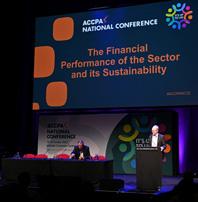

101 INNOVATION & TECHNOLOGY
Find out the latest at www.conference.accpa.asn.au Sponsorship opportunities Call for abstracts Trade exhibition bookings Delegate registration National Conference SAVE THE DATE 25-27 October 2023 Adelaide
Talius Group www.talius.com.au
A game-changer in aged care
Melbourne nurses develop the first-ever evaluated feedback app in Australia
The creation of Tell Touch, a digital communication platform designed for feedback and complaints in aged care, is a landmark development in Australia’s aged care sector.
Tell Touch’s primary goal is to elevate the quality of care delivered to recipients of aged care services by empowering providers to be more consumer-centric, and ensuring compliance with, or exceeding, the four prerequisites of Standard 6 in the Aged Care Quality Standards. (Standard 6 requires an organisation to have a system to resolve complaints.)
Developed by Melbourne nurses, Diana Cooper and Christine Brodrick, it adds a layer of sophistication to consumer feedback.
The co-founders recognised a profound disconnect in the feedback and complaints mechanism within aged care homes. Despite staff receiving feedback from residents and their families, there was a failure to genuinely comprehend their concerns.
Thus, the nurses embarked on a mission to devise a tool that would amplify the voice of residents and their families, while also delivering valuable, actionable data to management, so that they can enhance care and service delivery.
The Tell Touch product they created is today a unique global system for digital feedback and complaints, designed for residents, clients and their families to share feedback swiftly and conveniently.
The system can be accessed via a kiosk for those in residential care, an iOS and Android mobile app, or by scanning a QR code and filling in a web form. For clients who do not have access to a mobile phone or prefer not to use the app, a paper-based feedback form can be completed and submitted.
With a focus on inclusivity, Tell Touch is accessible to all residents and their families, and offers multilingual support in 80 languages. The system maintains transparency and efficiency by tracking resolution satisfaction, notifying families, and enabling managers to receive instant notifications, triage and respond rapidly.
A pilot evaluation was conducted by Swinburne and Melbourne Universities using the Technology Adoption Model
(TAM), a framework commonly used in health care settings to evaluate technology adoption.
This study, which ran from April to October 2022, was undertaken with six residential aged care homes across Victoria, with the objective of examining the effectiveness of Tell Touch as a communication platform for complaints and feedback handling.
The results demonstrated that Tell Touch has positively impacted care. Staff and residents have lauded the app’s ease-of-use. It has been instrumental in providing residents with timely responses, addressing individual needs, and customising service delivery.
For management, it enables them to identify trends, supports reporting and makes resident feedback easier to handle.
The inception of Tell Touch marks a significant stride in Australia’s aged care sector. It introduces a tool capable of bridging the gap between residents’ concerns and providers’ responsiveness.
By collecting real-time, actionable data, providers can refine their services and bolster compliance with the Aged Care Quality and Safety Commission.
For more information or a demonstration via Zoom, visit www.telltouch.com.au. Many aged care providers are already reaping the benefits, so it’s worth a look.
Tell Touch www.telltouch.com.au
102 INNOVATION & TECHNOLOGY
Entrepreneurial nurses Christine Brodrick and Diana Cooper with their innovative feedback and complaints platform.



Are you looking for Victorian or Tasmanian home workers with care in their DNA? homecarecareers We can help you find them. Register as a home care provider at homecarecareers.com.au A Feedback Management System Digital ^ THE TIME IS NOW Download an Info Pack: telltouch.com.au/info-pack or call 1300 835 586 for Residential Aged Care, Home Care, Retirement and Disability
AI in aged care Revolutionising care and operations
Over the last six months, Artificial Intelligence (AI) has launched into the public consciousness. Unlike previous tech trends that have passed the sector by, G5Strategic argue that the potential benefits to the aged care sector are worth a detailed look, even if they take us a while to get there.
Understanding AI
AI is a broad field of computer science and engineering, focusing on the development of machines and software that can perform tasks that normally require human intelligence, such as learning, reasoning, problem-solving, perception and natural language processing.
Aged care operators can benefit from different types of AI models, including:
■ Machine Learning Models. These are trained to recognise patterns in data. For example, an AI model could be taught to continuously review care recipient data to identify and flag potential infections like UTIs for follow-up by carers.
■ Deep Learning Models. These AI models find their own patterns in data, and can link seemingly unrelated data points in clinical, nurse call and sensor data to alert the team when a pattern appears that has a high chance of leading to an incident.
■ Virtual Assistants. These are specific AI models that have been trained to automate simple tasks. Unlike Siri or Alexa, a business virtual assist won’t use voice commands, instead it would automatically draft correspondence, complete tasks and improve documentation quality.
The role for AI in aged care
The team at G5Strategic have been developing data and reporting tools for aged care operators for many years and have incorporated more than one AI model over the past year and a half.
While we were initially fearful that an AI element would push the essential human aspects of care delivery into the background, our work to date has flagged AI opportunities coming our way that address real issues that are limiting the time staff can spend delivering care and support.
Using an AI supported model:
1. carers spend less of their shift writing progress notes and taking observations, and more time providing direct care and support
2. care managers receive real-time or next day reports highlighting important tasks to do and directing them toward the care recipients at highest risk of an adverse event
3. administrative processes are partially completed by software (updating care plans, drafting texts and emails, or fixing up incomplete progress notes).
In theory, these outcomes should be achievable for every aged care provider. The challenge for aged care operators is that, with a few exceptions, the sector as a whole does not have a culture of capturing, maintaining and using high quality data.
Getting results
For most aged care operators, only a few will have the systems, data and skillsets needed to launch into AI supported care models. We typically work with providers to link their data, reporting and AI strategies as part of the same change management program over the medium term.
Some easy steps to take to get AI-ready are:
Clean up your business data. Ensure that information in your current systems is up-to-date, free of errors, and shareable when needed.
Tighten up policies. Specific observation ranges and follow up tasks are more easily interpreted by AI assistants. Workforce culture. Regularly review and work with staff to improve the quality and frequency of progress notes, assessments and observations.
Automate data collection. Implement ways to collect data from sources outside of staff notes. There is a wealth of useful data in nurse call records, biometric sensors and location tracking devices.
Improve purchasing practices. Upgrade your requirements when purchasing software or devices to ensure they will capture and report information needed by AI tools.
Cost-effective implementation of AI in aged care requires a long-term strategy and a commitment to change management. Reducing paperwork and freeing up staff to provide more direct care will be worth it – and the work you do to get ready will also generate improvements in the way you provide care.
Manos Katris, Principal Consultant, G5Strategic
www.g5strategic.com.au

104 INNOVATION & TECHNOLOGY
Manos Katris says AI in aged care is worth the investment.
The benefits of technology delivered via television

A simple yet revolutionary solution for better quality of life
In recent years, technology delivered via television has become increasingly popular in residential care across Australia, with many recognising the benefits it can bring to residents – including promoting inclusivity, building a sense of community belonging, and improving residents’ overall quality of life.
One of the primary benefits of technology delivered via television is that it leverages a product that many within the aged care demographic feel comfortable using. With the television as the delivery method for specialist features and tools, in addition to content curated specifically for aged care communities provided by companies like Swift Networks, it has an important role to play in creating inclusive communities within aged care.
Swift’s products, Swift Access and Swift Broadcast, leverage proprietary technology to help residents remain connected to the outside world, as well as stay informed about what is happening within their own community.
Information such as upcoming events, menu changes, day trips and more, can be easily updated by staff and displayed on televisions across the home, ensuring residents always feel informed. This helps them feel included and valued, and it can help to combat feelings of loneliness and isolation that can be common among older people.
Another unique feature offered by Swift specifically for the aged care sector is its live streaming tool. The live streaming feature facilitates the broadcasting of activities from common areas onto a resident’s in-room television so that residents who may not feel like leaving their rooms can still feel like they are part of the community. This feature can also be used to stream external events important to a resident who may not be able to travel to attend an event, for example, a family wedding or a religious service.
Swift has also sought to leverage technology to promote inclusivity by helping families and friends stay connected with loved ones within residential care via its My Family My Community app. Families can send photos and videos directly to a resident’s in-room television, and they can also access
information on what is happening across the facility, which helps them stay connected with their loved ones.
This can be a great support for older people in residential care, enhancing their quality of life with a continual flow of photographs and updates from loved ones on a real-time basis. On the flipside, for providers, this level of transparency and openness with families about what is happening within the home and how their loved one is doing, can be a great way to build trust.
If you’re a provider looking to engage your residents with easy-to-use technology, Swift’s products leverage proprietary technology to drive an entertainment and engagement platform that delivers expectational value and positive outcomes for all stakeholders.
Swift offers technology that supports better communication via a digital notice board, live streaming and the sharing of photos to televisions, as well as technology that supports access to curated content created specifically for aged care communities – such as exercise, art and craft classes, world language radio and content to support dementia care.
What makes Swift a stand-out within the sector is the way this technology is delivered via very familiar technology, the television. Once again, the television has the potential to be revolutionary – this time, by helping aged care providers and their teams create inclusive and engaged communities and enhanced quality of life.
Julia Nocciolino, Chief Growth Officer, Swift www.swiftnetworks.com.au
105 INNOVATION & TECHNOLOGY
Technology has become an essential part of our daily lives, and we know it has the potential to revolutionise the way we care for older people living in aged care homes.
Independent study demonstrates value of fitfor-purpose technology in aged care
Humanetix ACE improves care delivery and saves time
At a time of rapid change within Australia’s aged services industry, providers are actively looking for new ways to manage tomorrow’s reform, save time and deliver consistent care each and every time to avoid non-compliance measures.
However, a recent study by Humanetix based on over 200 providers showed that there is a significant level of frustration with the current state of technology options, which can be overwhelming.
With over 250 different software technology options currently available in the Australian marketplace, making the right decision to stay with current technology or change to something different to match your operational needs, becomes difficult and can sometimes be left in the ‘too hard’ basket when it really should be a priority.
Digital transformation puts the care recipients at the centre of care, allowing them to play an active role in their health and wellbeing. It creates operational efficiencies, can improve care through real-time information about individuals, and can free-up staff to spend more time with clients and residents.
A two-year independent review of the Humanetix Aged Care Ecosystem (ACE) implementation at Jindalee Aged Care Residence has shown that having a fit- for-purpose digital system increased efficiency while improving care quality, including a 20 per cent reduction in carers’ time from a legacy system.
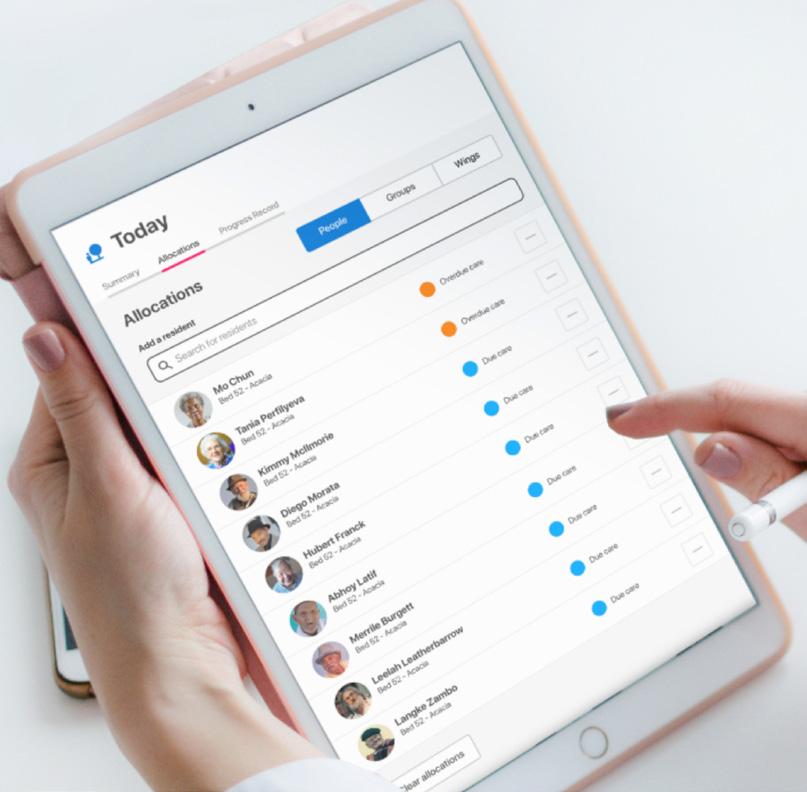
The results speak for themselves
The impressive findings of the study, conducted by Deloitte Economic Access and published in Wiley’s Journal of Clinical Nursing, provide a level of detail that will help managers understand how to shortlist potential technology partners.
Quality documentation. Humanetix ACE improved the accessibility, completeness and legibility of care documentation, in the following ways:
■ The adoption of Humanetix ACE as a collaboration with the care recipients and their families raised the degree of evaluation from 68 to 96 per cent completion.
■ Care recipients’ documentation improved from a score of 10 to 17 (out of a possible 18).
■ Care goals increased from 56 to 88 per cent completion.
■ By giving carers additional time, their efficiency increased from 31 to 88 per cent.
Efficient workflows and accurate reports. Staff members spent less time on ‘waste’ activities and improved accuracy of reporting:
■ Time spent on documenting decreased from 20.4 to 6.4 per cent, saving 20.0 per cent of their time.
■ Records’ accuracy significantly increased due to staff members filling them out as they go.
■ The handover to the following shift becomes a quick chat between incoming and outgoing staff members centred on the care recipients’ unmet requirements.
106 INNOVATION & TECHNOLOGY
Humanetix ACE resulted in time spent documenting decreasing from 20.4 to 6.4 per cent.
Staff training. All care staff, including lower-skilled employees, many of whom speak English as a second language, needed only a few hours of training due to ACE’s intuitive design. All employees trained reported that they found it easy to use, and it helped them with their work.

Proven return on investment. Higher-quality care may save between 44 and 67 per cent of hospitalisations for care recipients, according to Deloitte Access Economics research. The Australian healthcare system will be obliged to shoulder a substantial financial load due to the high number of hospitalisations brought on by substandard record keeping and neglected care. Humanetix ACE may be used to reduce this, with annual savings ranging from $382 to $1,114 per care recipient.
A true digital transformation will benefit care recipients and healthcare providers, who can leverage technology to provide better care more efficiently than ever.

Overall, digital transformation has significantly impacted operational efficiencies. As the demand for aged care services continues to grow, solutions like Humanetix will become increasingly important in ensuring that quality care is delivered efficiently and effectively.


 Mitchell McBeath, Chief Customer Officer, Humanetix www.humanetix.com.au
107
Upskill your workforce Are you looking for ongoing professional development specifically designed for people working in aged care? Aged & Community Care Providers Association (ACCPA) is proud to offer tailored support to enhance capacity in the aged care workforce. Jump online to find out about upcoming courses. Discounts available for ACCPA members. 1300 222 721 www.agedservicesworkforce.com.au www.accpa.asn.au Efficient Reliable Lawn and Garden Care Dylan’s Mowing helps 50+ leading NDIS, Home Care Package, and Affordable Housing providers maintain well over 500+ lawns and gardens on properties in SEQ. Currently servicing residential, commercial, villa complexes, and more. Make Dylan’s Mowing your trusted choice in lawn and garden care. Call Us Today 0420 214 921 dylansmowing.com
Top 10 tech tips to keep your clients at home

Home
As loved ones get older, it’s natural to worry about their safety and wellbeing, especially if they live alone. But technology can play a significant role in improving the lives of older individuals who want to continue living independently at home – as well as provide comfort to their loved ones.
The most effective approach is to combine multiple devices and systems to create a comprehensive safety net for your older relative or client.
By monitoring vital signs, detecting emergencies and providing support with daily tasks, technology can help seniors remain independent and healthy for as long as possible. Here are some top tech tips to help keep older people safe and comfortable.
1. Video doorbell
A video doorbell is an excellent security feature that allows you to see who is at the door. This is especially helpful for older individuals who might have trouble getting up and moving quickly to answer the door. With a video doorbell, they can see who might be visiting before getting up to answer.
2. Virtual Assistant
Amazon’s Echo or Google Home can make it easier for older individuals to manage their homes. These devices can be controlled with a simple voice command or a smartphone app, eliminating the need for bending, reaching or climbing. You also don’t have to understand the technology –you just need to talk to the device.
There are many ways these devices can be integrated into a home –locking doors, turning lights on and off, adjusting the thermostat or viewing
camera feeds. You can also use them to access music, news and information, including the weather. They can be connected with smart home devices like a kettle, air conditioning and even a remote vacuum cleaner.
3. Medication reminders
For older individuals who take multiple medications, it can be challenging to remember when to take each pill and in what amount. Medication reminder devices and smartphone apps can ease this burden by sending notifications to remind them of their medications, helping them stay on top of their medication schedules.
4. Telehealth
Telehealth enables people to meet with doctors and healthcare providers from the comfort of their homes, reducing the need for travel. When health questions arise, it’s easy to schedule a medical appointment via computer or smart phone. Telehealth has several advantages, including cost savings, convenience, and the ability to provide care to older adults with mobility limitations, or those without easy access to a local doctor or clinic.
5. Watches with GPS capabilities
GPS tracking technology can be especially helpful for individuals with dementia or Alzheimer’s disease. These smart watches from Apple, Garmin, FitBit and many others, can also track heart rate, blood pressure and body temperature. This technology makes it possible to monitor the person’s location in real-time, making it easier to find them. Some can also be set to alert 000 if there is a fall.
6. In-home camera systems
Monitoring systems are a series of cameras installed within the home. As
you are able to see all rooms in the house remotely – at any time, from anywhere there is a camera installed – the system can assist family members and caregivers to monitor their loved ones making sure they are safe and secure.
7. Social media platforms (virtual companionship)
Seniors living alone can feel isolated, but technology can help connect them with loved ones, caregivers and friends for remote companionship and connection. Over the past few years, technologies like Zoom, WhatsApp and Facebook have become important ways to help older adults stay connected.
8. Online grocery delivery
There are numerous services that allow groceries to brought right to the customer’s door, limiting worries about falling when out and about. Delivery also comes in handy if inclement weather or sickness keeps an older adult at home.
9. Robot vacuum cleaners
Robot vacuum cleaners can help to make household cleaning much easier if your strength and mobility are limited. Robot vacuums are low-maintenance; you simply need to make sure they’re charged and programmed to clean where you want.
10. Smart locks
Smart locks make it easy to check the status of doors, and you can lock or unlock them remotely if need be. A smart lock is especially helpful if you’re worried about a loved one who tends to wander, or if you just want to make sure the house is locked up for the night. Smart locks are equally handy if the older person forgets their keys or is expecting family, friends, neighbours, caregivers, delivery people, service providers or other visitors.
For expert assistance, Grandaids provides in-home one-on-one assistance to help solve your client’s technology challenges. We make it easier for your clients to access available technologies, ensuring they stay connected to family, community and the outside world.
Georgie Lewin, Founder, Grandaids www.grandaids.com.au
INNOVATION & TECHNOLOGY
care providers need to make the most of the latest technology
Why asset management solutions
Aged care facilities often have a huge number of assets, but with asset information often recorded across multiple siloed systems, accounting for all of them becomes time-consuming and requires a high attention to detail.
Integrated asset management software is key to spending less time managing multiple data systems and more time delivering high quality care. It also reduces operating costs and wastage, streamlines business processes and helps manage compliance through improved asset visibility, accuracy and efficiency. Systems typically feature asset tracking, work order management and maintenance scheduling, helping to improve the efficiency of operations.
From day-to-day operations to long-term asset planning, asset management software enables providers to look at the full cost and performance of every asset so resources can be put to best possible use. It can help managers understand the maintenance expenditure required to ensure assets meet statutory compliance and performance obligations, while making sustainable decisions about equipment to make sure they can continue to provide quality care.
This is particularly important as the aged services industry continues to grow and providers will likely need to construct new facilities and be able to efficiently and cohesively manage project budgets, estimations, forecasting and cost tracking.
Asset management software can help providers successfully meet long-term capital objectives on time and within budget by being able to identify projects early, and control and govern a project throughout its full lifecycle.
This provides the ability to allocate the necessary capital spend across the relevant investment portfolios to ensure the services they plan to implement get delivered as a result of the upgrade or acquisition of assets – including effective control
and management of costs across projects and delivering projects to a standard within risk profile and agreed timelines.
Asset management reporting then allows internal and external stakeholders to report on and analyse the total performance of a project, understand the lessons learned and use that for future projects.
Due to the aged services industry being so highly regulated and competitive, providers are under increasing revenue and compliance pressure. The seamless tracking, monitoring and reporting capabilities of asset management software helps providers maximise eligibility for available funding.
Australia’s leading Software as a Service ERP provider, TechnologyOne, has helped empower over 160 health and community services organisations with their software.
Our customers have found that the TechnologyOne Enterprise Asset Management solution, particularly Project Lifecycle Management, has been able to help them plan for the future, and deliver new facilities, under budget and before deadline.
The software enables aged care providers to focus on better health outcomes for patients, reduce operating costs and wastage, and manage compliance through improved visibility, accuracy and efficiency.
I have heard first-hand why there’s such a need for products like our Enterprise Asset Management. Providers tell me they will need more space, more staff, and more facilities to cater to the increase in residents, and they need it soon.
Aged care providers are already under a lot of strain, which is only going to increase as our ageing population grows. They need a solution to help alleviate administrative tasks so they can focus on delivering quality care.
 Vanessa Devine, Director – Health & Community Services, TechnologyOne www.technologyonecorp.com
109 INNOVATION & TECHNOLOGY
are a must
From supporting better care to improving operational efficiencies and contributing to compliance, using dedicated software to keep track of your assets makes a lot of sense
Home care client management, rostering, invoicing, payroll
Being highly responsive to ongoing changes and limiting downtime for staff is a key concern for home care providers, and is driving technology decisions as the sector moves towards the Support At Home Program.
With a changing environment and expanding regulatory obligations, the most important thing is to ensure continuity of service delivery, so that clients receive an uninterrupted experience that maintains the level of quality they have come to expect, and keeps your reputation intact.
Because home care workers are mobile, whatever software package you choose needs to work where you work: in the office or in the field, operating seamlessly across all Internetcapable devices.
From receiving referrals in the office to updating the care plan at a client’s home, your system should be able to streamline organisational processes, empower workers with all the information they need at their fingertips, and allow clients to sign off on service delivery at the point of care.
Compliance is essential in today’s world, so it goes without saying, you will benefit from technology that is aligned with relevant aged care standards, while also being responsive to regulatory changes.
Beyond client management and your regulatory obligations, your system should be a one-stop-shop for internal processes such as rostering, invoicing and payroll. One system means visibility across your entire business, and means less training for staff.

TurnPoint Software is a fully integrated, end-to-end care home care management solution that has been designed to improve client outcomes, drive compliance and reduce costs and through real time information sharing.
TurnPoint supports and empowers health service providers across Australia and New Zealand to utilise our suite of
powerful technology products to assist in their delivery of over six million hours of care to more than 75,000 Australians across more than 200 providers.
Compliance is a core component of the TurnPoint platform. Designed with Australian Home Care providers in mind, the ability to be responsive to regulatory changes is a key feature. Our software supports providers from care management through to invoicing and reporting across the Home Care Package (HCP), Commonwealth Home Support Program (CHSP) and DVA Veteran Home Care (VHC) programs as well as brokerage and private services.
An example of this is the HCP’s Improved Payment Arrangement measure. The TurnPoint team was able to respond in real-time to the changing advice from the department to ensure this was implemented, with a specific function built that manages the claiming and statement preparation process end-to-end.
Providers are required to follow the process to ensure that claims are inclusive of all relevant charges and are ready on time; subsidy balances stay positive; Income Tested Fee reductions versus contributions are balanced; and subsidies held by provider and by the Commonwealth are reflected correctly.
Since this process was implemented, TurnPoint Software has supported providers to lodge more than 25,000 home care package statements that are compliant with government guidelines – with the TurnPoint team on-hand to provide support.
The right technology is important for your business, because running your business simpler means you have less headaches and more time to get on with the job of providing the best care for your clients.
Joshua Hertz, Head of Customer Operations, TurnPoint Software
www.turnpointcare.com.au
110
INNOVATION & TECHNOLOGY
Your system needs to do it all
Technology designed for aged care providers
Why Allity chose AlayaCare Residential for their platform
The world of residential aged care management has never been more challenging than it is today. Providers face rising pressures from market volatility, complex legislative requirements, increased data demands, and an aged care workforce under unprecedented pressure.

Aged care providers that adopt new technologies will find themselves ahead of the rest, but it’s important to be selective.
For aged care organisations, selecting a technology platform that meets their unique requirements is a crucial decision-making process.
Platforms tailor-made for the Australian aged care sector that are designed for scalability, performance and built around the insights of customers and industry experts, will deliver the best solutions.
Allity and AlayaCare Residential
In 2021, Allity – a residential aged care provider with 44 locations in Australia – began the process of selecting a technology platform and shortlisted three potential products.
Michelle Rouillon, National Project Manager at Allity, says that of the three products they assessed, there were five key reasons why AlayaCare Residential was selected as “the standout”.
1. Graphic user interface
AlayaCare Residential’s graphical user interface was exceptional and it was just what Allity was looking for. It’s ease of use and point-and-click design were standout features.
“From a carer and from a Registered Nurse perspective, they’re really not going to struggle to find their way
around the system, as opposed to the old technology,” says Michelle.
2. Mobile capability
Another key priority for the business was the mobile capability of the product, which Michelle said had been lacking at Allity.
She explains that as part of working with AlayaCare Residential, Allity invested in iPads for all their homes and carers on the floor.
“As our staff are actually providing care and completing tasks, doing progress notes, we get rid of little post-it notes that they might carry around in their pocket. That all goes away. They can actually use the iPad to record everything in one place.”
3. Configurability
The third reason why AlayaCare Residential was selected by Allity is the configurability of the application itself. For Allity, the design studio of the product, and the ability for users to build their own assessments, forms and features, were important considerations. “We’ve taken 12 months to completely overhaul, redesign and go forward with best-practice assessments that make sense for us, whether it be in nutrition assessment, mental health and psychological assessments.”
As part of this process, Allity is incorporating national standards and best-practice based questions, and sequencing them in such a way that “will really give back time to our Registered Nurses while they’re having to do their 28day assessment plan for a new resident”.
4. Workflow and template design
Allity also “really loved” AlayaCare Residential’s workflow design and templates processes.
In the past, Allity had relied on various manual checklists across the group –from when a person was discharging from a home, to when a person had a fall.
“We’ve now predefined and pre-set all of these Allity policies and the clinical governance checklists.”
Michelle says this configurability provides the team with the guidance and prompts they need, right at their fingertips.
5. Clinical care integrations
The final point that stood out to Allity and “sold” them on AlayaCare Residential was the Pixalere Wound Management System.
“It’s an application that is separate to AlayaCare Residential, but the fact that it’s all encompassed within the one system, it’s embedded into that system, it will revolutionise the way that we provide wound care management to our residents,” she said.
While previously a Registered Nurse had to physically go to a digital camera and take a photo of the wound, go back to a laptop, try and upload to the directory structure, with AlayaCare Residential’s Pixalere Wound Management System integration, combined with the dynamic mobility capability, staff can take a photo of the wound with their iPad, and easily monitor progress.
Annette Hili, General Manager, AlayaCare Australia/New Zealand www.alayacare.com/en-au/residentialcare-software
111 INNOVATION & TECHNOLOGY
Paynters and ECCQ build a bolder future for inclusive care
Innovative design and a culturally sensitive approach at Berlasco

Berlasco Inclusive Residential Care in Queensland’s Indooroopilly, completed in December 2022, is a shining example of culturally appropriate care in a modern context. This state-of-the-art facility – designed, constructed and commissioned by Paynters for the Ethnic Community Council of Queensland (ECCQ) – is boldly changing the narrative of aged care for its residents, through both its design and operation.
Paynters has been an integral part of ECCQ’s journey to build Berlasco, providing a comprehensive turnkey service that includes expertise in design, construction and aged care operations. From the initial design phase to the construction and commissioning of the facility, Paynters was dedicated to delivering a building that is both beautiful and functional. With ECCQ’s commitment to providing culturally sensitive care, the combination of their efforts has resulted in a facility that is truly exceptional.
The facility boasts 115 beds with a range of rooms, including single rooms and suites. All rooms offer floorto-ceiling windows that provide abundant natural light and views of the surrounding area. The facility design masterfully allows a six-storey building to internally offer homes that are of an intimate scale for its residents, as well as encouraging a sense of community.
Designed with a domestic scale in mind, the residential houses are spread across five floors with three specialty houses, accommodating 10 to 12 residents each, and three larger homes, accommodating 26 to 28 residents each.

The small houses allow for a more intimate living experience, creating opportunities for socialising. Each house provides plenty of space for social activities and events on a domestic scale, facilitating opportunities to socialise and participate in the rituals of daily life. The purposeful small break-out areas also provide spaces for residents to spend time with family and friends or engage in activities and purposeful pursuits.
In this small scale environment the staff are able to customise care and daily rituals in line with a culturally sensitive model
of care designed to focus on creating culturally inclusive environments. Built environment solutions include a prayer room, flexible space for multifaith and cultural gatherings, personalised room options, clustered areas for smaller groups to meet and cultural inclusive signage. This is complimented by multilingual staff, culturally specific food options and culturally specific activities and events.
Paynters turnkey project extended to the procurement and commissioning of all furnishings, with the selection thoughtfully curated to encourage creativity, social interaction and conversation among residents and their guests –enhancing the overall aesthetic of the facility while also being functional and practical for everyday use.
112 BUILT ENVIRONMENT & DESIGN
The state-of-the-art Berlasco.
The courtyard facilitates social connections and connection with outdoors.
Furnishings include a mix of comfortable seating options, interesting artwork, and decorative items that stimulate the senses and provide opportunities for residents to express themselves, while the arrangement creates a welcoming and inviting atmosphere for residents and guests.

The equipment and back-of-house such as central kitchen, laundry and waste management functions have been thoughtfully designed and integrated into the facility to ensure seamless operations and a clutter-free environment. A dedicated storage area has been provided for equipment and supplies, keeping them out of sight while also making them easily accessible to staff.
The central courtyard is the centerpiece of the facility offering visual and physical access to nature and a vibrancy of life. The community facilities surround the courtyard, nestled on the ground floor, and include a salon, allied health room, multipurpose spaces for respite and community events, as well as a café and private dining area.
Berlasco’s domestic-scale kitchen dining areas in each of the six houses are another key feature of the facility. The induction stone countertops provide a durable and easy-to-clean surface, allowing for the easy preparation and service of food. These areas also provide a space for residents to gather and enjoy meals together, creating a sense of community and connection.
Berlasco Inclusive Residential Care is a truly exceptional facility that has been designed with the needs and comfort of residents in mind.


The full turnkey project services of Paynters and the passion and dedication of the ECCQ staff and board members has resulted in a facility that is not only beautiful but also fully equipped with everything necessary to provide culturally-specific care to its residents – a shining example of what can be achieved when two organisations work together to change the narrative of aged care design.
Rose Plater, Community, Health and Ageing Manager, Paynters www.paynters.com.au
113
BUILT ENVIRONMENT & DESIGN
Paynters achieved a home-like appeal through careful curation of furnishing.
Furnishings were carefully curated to create a sense of home.
The beautiful open kitchen offers opportunities for cooking together and socialising.
Affordable homes for life help older renters age in place
VMHC is committed to building homes for life, so that no one misses out
As Australia’s housing crisis grows, so too does the number of older Australians. By 2066, it is projected that older people in Australia will make up almost one quarter of the total population, and while most will want to age in place, there’s likely to be a lack of appropriate housing stock in the private rental market, particularly for those on lower incomes.
In a 2022 report, Anglicare Australia found that just 0.5 per cent of rentals are affordable and suitable for a retiree on the Age Pension. They also found 87 per cent of renters want to remain at home as they get older, but only 46 per cent believe their home is suitable for an older person, which can push people prematurely into residential aged care.
Late last year the Australian Government committed $350 million over five years to deliver 10,000 affordable homes from 2024, along with a $10 billion Housing Australia Future Fund to build 30,000 new social and affordable housing developments.
While this news has been welcomed by campaigners, immediate action is needed, with the community housing sector, private developers and not-for-profit organisations are stepping up to help meet demand.
Earlier this year, Catholic for-purpose aged and disability services organisation Villa Maria Catholic Homes (VMCH)
launched a unique new affordable homes development in Melbourne’s Ivanhoe, catering specifically for people aged over 55 who are on low incomes and want to age in place.
VMCH offers affordable homes to 436 older people in 21 communities across Victoria, but this is the first time the organisation has purpose-built an affordable homes development, and for intergenerational use.
Thirty-one of the 39 units at Trinity Lane are deemed ‘Gold Standard’ accessible under Livable Housing Australia’s (LHA) design guidelines, meaning younger people with disability can

114
Street view of VMCH’s affordable homes development Trinity Lane
BUILT ENVIRONMENT & DESIGN
A communal lounge gives residents, most of whom live alone, the opportunity to connection.
move into a safe, long-term and accessible affordable rental, along with older people who can age comfortably.
Features, aimed to enhance the quality of life of occupants at all stages of their life, include outstanding insulation and a 7.5 star energy rating, easy entries and exists, easy navigation and functionality within and around the apartments, ramps and walkways, and private open spaces.
Welcoming and bright communal areas (including a spacious lounge, outdoor courtyard and garden, pictured) also help to encourage social interaction and connection among residents, most of whom live alone.

Helen is one of Trinity Lane’s new residents, moving from VMCH’s outdated affordable homes site on nearby Lower Heidelberg Road. She’s also among Australia’s fastest growing cohort of people experiencing homelessness, women aged over 55.
The Property Council of Australia reports “the largest proportion of older women facing homelessness in Australia have led conventional lives … they’ve been employed, had stable homes and families” and that homelessness is “forced upon them after critical life events, like a relationship breakdown, financial troubles, or the onset of illness”. They describe these women as “the missing middle”.
Despite an affluent start to her married life, 40 years ago Helen found herself divorced and homeless following a string of bad business decisions made by her ex-husband. Decades of instability and financial strain followed, until she found VMCH in recent years.
“The opportunity that VMCH has given me to move into this beautiful place is extraordinary,” Helen said. “When I first saw this place, I was overwhelmed, it’s such a beautiful building. As soon as I got here, I thought ‘How lucky are we?’ I mean, I lost everything, and now I’m here, I feel so fortunate.”
Helen says easy accessibility to her ground floor apartment will help with her mobility issues.
“It means I won’t have to move out of this place in the future. I can be here for the rest of my life. As far as I’m concerned, this is my final home.”
VMCH Board Chairman Julien O’Connell AO says VMCH’s vision to help ease the housing struggle for those who need it most, like Helen, continues with an “absolute commitment” to invest in more affordable homes projects into the future.
“We want our residents to feel secure, safe and comforted by the fact that their tenancy here is forever, if they choose. These homes are not temporary rentals; they’re homes for life.”
Cassie Zlonzak, Communications Manager, VMCH
115
BUILT ENVIRONMENT & DESIGN
www.vmch.com.au
Trinity Lane resident Helen in her new apartment.
A beautiful and accessible courtyard encourages socialising.
Designing the future of Care Designing the future of Care Calder Flower Architects Level 2, 140 Myrtle Street, Chippendale NSW 2008 | T: 02 9698 9822 | E: email@calderflower.com.au | www.calderflower.com.au Designing the future of Care Calder Flower Architects Level 2, 140 Myrtle Street, Chippendale NSW 2008 | T: 02 9698 9822 | E: email@calderflower.com.au | www.calderflower.com.au Designing the future of Care Calder Flower Architects Level 2, 140 Myrtle Street, Chippendale NSW 2008 | T: 02 9698 9822 | E: email@calderflower.com.au | www.calderflower.com.au
New model of seniors’ living in demand
LDK’s innovative approach points to the future of aged care in Australia
In 2019, LDK Seniors’ Living began marketing their flagship village, Greenway Views in Tuggeranong, to the Canberra community. LDK founder and director Paul Browne had nearly three decades of experience in retirement living and aged care, but this was LDK’s first venture into the Canberra market. They were then a new and unknown operator and introducing an innovative new model of a retirement village offering all levels of care. Their unique One Move Promise® is a guarantee once residents call LDK home, they will never have to move again.
LDK Greenway Views welcomed their first residents in January 2020. Today, Greenway Views is home to 390 residents and has a waiting list of people keen to make their forever home in the trusted hands of LDK.
In 2019, LDK also took ownership of The Landings in North Turramurra, on Sydney’s upper north shore. The village is home to 300 residents.
In February 2023, LDK Seniors’ Living launched the construction of Amberfield, their second seniors’ living village in Canberra. Amberfield is a $250 million development comprising of 55 villas and 272 apartments in a magnificent location in Yarralumla looking out to the National Arbotetum.

LDK has seen strong demand for Amberfield, with Stage 1 comprising 52 villas sold prior to going to the open market
and a long list of people interested to purchase apartments that are currently being released in Stage 2. LDK will welcome their first Amberfield residents in early 2024.
Communities that are truly happy places
LDK stands for Love, Decency and Kindness and in three and a half years have earned their acclaimed reputation based on entrenching these values in every aspect of service delivery to residents and amongst staff. LDK villages have been described as ‘truly happy places’ with a positive vibe among residents and staff that is palpable. LDK has now proven that their model works well and that they can consistently deliver on their promises. Out of a 5-star Google review rating, Greenway Views and The Landings are at 4.8.
LDK’s villages provide expansive communal spaces that facilitate social connectedness and allow residents to enjoy a vibrant and engaged lifestyle with unparalleled access to community engagement, leisure, social interaction, healthcare and support on-site.
Greenway Views suite of on-site amenities including a gym, art and craft centre, theatre, library, hospitality outlets, village shed, barber shop, hairdresser, cafes, restaurant, private allied health consultation room, grocer and purpose-designed meeting spaces allow residents to partake in a variety of activities without having to leave the village, with a monthly program of activities inside and outside the village for social inclusion and overall wellness.
117
BUILT ENVIRONMENT & DESIGN
Artist impression of the interior of an apartment at Amberfield.
Over half (65 per cent) of residents receive some form of planned care and rest easy knowing there is 24/7 care available on-site in the event of an emergency.
LDK villages offer lifestyle-for-life through their variety of facilities, amenities and activities for both independent and non-independent residents so that they can live their lives to the fullest. The resulting benefit collectively enhances social connections, promotes social inclusion, enables greater mobility for older people, improves wellness and provides a sense of purpose, involvement and contribution to society.
Residents, family members and friends are always welcome to join in any of these activities. The groups are always growing, allowing people to constantly meet and engage with old and new friends, and it is common to see three generations of family members spending time together in the village. Similarly, Amberfield will offer unparalleled amenities, including a café, bar, restaurant, wellness centre, on-site grocer, barber, salon, gym, theatre, dog and walking parks. As with all LDK villages, it is underpinned by LDK’s One Move Promise® that assures residents access to all levels of care along their ageing journey in a seamless continuum of care model.
Big plans for future expansion
The success of LDK’s model is perhaps not surprising. Demand is strong and will only continue to grow. Seniors are increasingly more astute and discerning when looking for a community where they can maintain their independence,
remain engaged and lead a purposeful life throughout all stages of ageing.
A comment on LDK’s review page says ‘this is the standard Australia should be striving to achieve for Seniors Living and Aged Care in Australia – it’s the absolute best and we hope LDK continues to expand this model Australia wide’.

LDK has certainly made their mark, and their achievements thus far are just the start of their plans to continue innovating, improving, and growing – in Canberra and to other states in Australia. Given the positive feedback and strong demand, theirs is a clearly a model that sits well with Australians.

LDK
www.ldk.com.au
118
Artist impression of the Amberfield plaza and alfresco dining area.
BUILT ENVIRONMENT & DESIGN
Artist impression of the Amberfield exterior and porte cochere.
Housing affordability and age-appropriate design
Unlocking opportunities for social integration and wellbeing
The conversation surrounding housing affordability, social housing and age-appropriate design has gained significant media attention. Currently, the provision of social housing falls under the jurisdiction of state, territory and federal governments, with not-for-profit organisations involved in its procurement.
For many older people in Victoria, social housing serves as a crucial and often the only affordable and safe accommodation option available to them. However, the existing social housing stock is not purposefully designed and built to support agingin-place, the preferred model among the retirement living and aged care sectors.
While incorporating age-appropriate design features into social housing may incur additional costs, it is manageable for most developers. Funding structures may need to be modified to incentivise such initiatives.

Architects and developers have the opportunity to explore innovative design strategies that prioritise the safety, convenience and comfort of older people. This could involve incorporating elements like non-slip surfaces, wider doorways for wheelchair access, grab bars and well-designed communal spaces.
While addressing age-appropriate design is important, it is equally crucial to tackle issues of social isolation and limited access to a continuum of care, particularly in outer suburban or regional areas. One potential solution is to integrate social housing with community-focused establishments, such as residential aged care homes.
Architects play a pivotal role in designing mixed-use developments that seamlessly combine housing, healthcare services and community amenities.
By creating shared spaces and promoting interactions between different user groups, these integrated developments can foster a sense of belonging, improve the operational sustainability of facilities, and enhance the overall quality of life for residents.
Moreover, integrating community facilities provided by residential aged care homes with broader communities can
increase their usage and operational sustainability while bolstering social capital.
Many residential aged care homes already offer a range of social and wellness amenities accessible to the wider community. Examples include Aged Care and Housing (ACH) in Adelaide, which collaborates with South Australian Health and Flinders University to provide transitional care for older people, and Lyndoch Living in Warrnambool, Victoria, which incorporates a wellness hub serving the entire community.
Another potential model to consider is the Continuing Care Retirement Communities (CCRCs), which co-locate or integrate retirement living with aged care and provide all necessary community facilities within a single building or campus.
These developments offer retirement living apartments designed for independent lifestyles while allowing the delivery of aged care services when required. Residents who eventually require higher levels of care can seamlessly transition to the aged care section of the development. Furthermore, CCRCs can accommodate couples requiring different levels of care within the same development.
Aged care operators can explore operational models employed in CCRCs to inform the development of similar models for social housing. A few not-for-profit organisations known to have begun implementing such models include Villa Maria Catholic Homes, Baptcare, Uniting, Mercy Health and Wintringham.
Overall, the architectural interest in this context lies in exploring design strategies that promote age-appropriate features in social housing, integrating social housing with community-focused establishments, and creating wellnessfocused environments that benefit both residents and the broader community.
Patrick Ong, Principal, Seniors Living, Foreground Architecture www.foregroundarchitecture.com.au
119 BUILT ENVIRONMENT & DESIGN
Unison Fairfield by Foreground Architecture for Unison Housing, a recently completed age friendly social housing development.
Maximising the small household model
The small household residential care model, which delivers a domestic-scale, home environment for residents, is well known in Australia’s aged care sector.
However, getting the built form right only ticks one box; it’s the workforce architecture that makes the difference. It is for this reason that South Australian aged care provider ACH Group approached the Green House Project (GHP), an organisation founded in the US that seeks to create radically non-institutional aged care environments.
ACH Group is the first aged care provider in Australia to partner with the GHP and fully implement its innovative model of care. The model will be introduced at ACH Group’s first purpose-built small household residential care home Healthia, which is set to welcome its first residents in August 2023.

“ACH Group was drawn to GHP to accelerate the culture shift to person-directed care within the workforce at Healthia, the benefits for residents and staff, and the synergies with our values and purpose,” ACH Group CEO Frank Weits said.
The model does away with the top-down hierarchy of traditional care homes, shifting the culture to one where frontline care staff are empowered to contribute to many aspects of a resident’s day and operations of the home.
In line with the model, ACH Group will employ ‘Multi-skilled Workers’ – an amplification of the traditional care worker role. In addition to providing personal care – typically the key responsibility of care staff – Multi-skilled Workers will
consistently support the same small group of residents and provide a holistic range of services.
On any given day, Multi-skilled Workers may prepare meals, provide personal care, administer medication, take part in a social experience with residents, and liaise with the clinical team on changes to a resident’s needs.
“This role promotes the valuing and respect of frontline care staff. We envisage this will increase staff retention which translates to continuity of care for residents,” Frank said.
“Implementing a model where Multi-skilled Workers support residents in many aspects of their care and daily living enables a greater ability to learn residents’ care preferences and individual personalities to drive person-directed care.”
The GHP and person-directed care have strong synergies with ACH Group’s Good Lives Philosophy based on care delivering the 4Rs – right relationships, real experiences, reablement and roles.
“Right relationships are in relation to staff supporting older people while making sure the resident or customer remains the one in control,” Frank said.
“We know the roles people have in life deliver many benefits – friendships, networks, purpose – and acknowledge that when people age, their roles are often taken away. ACH Group believe in supporting people to continue in active and valued roles which are meaningful to them.”
Owned and overseen by the US-based Center for Innovation, the GHP model has been successfully implemented in nearly 400 care homes in the US since 2003.
120
ACH Group delivers Australian-first
BUILT ENVIRONMENT & DESIGN
A render of Healthia, ACH Group’s first purposebuilt small household residential care home. Image credit: Brown Falconer
Research into the efficacy of the GHP model illustrates a variety of positive outcomes for residents and staff relative to traditional care home settings:

■ Residents reported improvement in seven quality of life domains (privacy, dignity, meaningful activity, relationship, autonomy, food enjoyment and individuality) and emotional wellbeing.
■ Families were more satisfied with general amenities, meals, housekeeping, physical environment, privacy, autonomy and health care.
■ Workforce turnover was 4.5 times lower than the national average at care homes in the US.

■ High level of direct care worker familiarity with residents led to very early identification of changes in condition, facilitating timely intervention.
Frank believes leaders in aged care must design residential care as if they were going to live there.



“We know we need to reimagine residential aged care where people live a life with meaning and purpose and the priority is the older person’s preferences; this is what we aim to achieve at Healthia.”

ACH Group
www.achgroup.org.au
121
www.smithtracey.com.au
This year, smith+tracey architects celebrate 75 years of practice. During this period we have developed a major presence and awareness within the seniors living, aged care, community and education sectors.
1. St Vincent’s Care Services Kew 2. Jewish Care Carnegie 3. Chirnside Views Aged Care 4. Homestyle Tarneit 5. BASScare Morgan Glen Iris
1.
2.
3.
4.
5.
Join ACCPA - Australia’s national association for aged care. We represent and support residential care, home care and retirement living providers - because we are stronger together. Get in touch with our membership team to find out more. 1300 222 721 members@accpa.asn.au www.accpa.asn.au
Soodox™ Soothe & Protect Barrier Cream

Maintaining healthy skin is crucial for overall health and well-being. Soodox™ Soothe & Protect Barrier Cream is an excellent preventive measure against skin irritation caused by occupational exposure to irritants. This is where barrier creams are effective, now available is Soodox™ Soothe & Protect Barrier Cream which is Australian made, 100% natural, paraffin and fragrance free. It is gentle enough to use on the most sensitive areas - incontinence rash, skin folds, under breasts, bedsores, and chafing. This cream is highly recommended for use before and during work, as it forms a lubricating film on the skin, preventing water depletion in the skin’s outermost layer.
This protective effect may help prevent irritant contact dermatitis and allergic contact dermatitis, which are common conditions that often result from moisture depletion. It is essential to choose a product that is suitable for your skin type and needs, Soodox™ Soothe & Protect Barrier Cream is the perfect choice!
www.aussiepharmadirect.com.au
Industry icon evolves and enters a new era as NeRA Cloud, with features that greatly improve the resident agreement process
NeRA Cloud is the next evolution of resident agreement software, offering providers sophisticated features in a more connected, productive and secure environment.
Introduced in 2006, NeRA software set the industry benchmark by transforming the resident agreement generation process. NeRA still plays a pivotal role in helping hundreds of providers produce compliant legal agreements successfully.
The move to cloud technology marks the start of a new era. Providers can access data securely from anywhere, using either a smart device or computer. Combined with advanced functions powered by cloud technology, NeRA Cloud will have a positive impact on workplace efficiency, outcomes for residents and the provider’s bottom line.
To look at how you can keep your aged service moving forward using NeRA Cloud, visit www.e-tools.com.au or contact e-Tools Software to schedule a free online demonstration on 03 9573-3277.
UpSkill offers affordable training for aged care staff
The Summer Foundation’s UpSkill initiative, which specialises in targeted training for people working with people with disability living in aged care, is offering a 25% discount on its webinars relating to supported decision-making for readers of Aged Care Today.
In these webinars, staff will learn about:
● Risk-taking, safeguarding strategies and capacity building
● Guardianship and the complexities of dignity of risk
● Positive behaviour support and human rights
● Working with people with complex communication needs

Find out more summerfoundation.org.au/upskill-for-aged-care
Use the code WINTERED during Checkout (until 31 July 2023) to access a 25% discount on individual webinars, or the already discounted bundle. Scan the QR code to get access or visit the link below.
122 WHAT’S NEW
Delivering Evidence-Based Practice and Individualised Care - CPI Dementia Care Training
As dementia progresses, people often become more reliant on non-verbal communication, using their behaviour to express their unmet needs and concerns. A strictly medical approach to care often misreads these behaviours, at times leading to an over-reliance of antipsychotics, sedatives and restrictive practices.
Dementia-related behaviour needs to be perceived as a form of communication – with escalating behaviour a sign of a person’s increasing distress. For nurses and front-line care workers, this involves being able to recognise the different types and stages of dementia, so they can provide the best support and adjust their care to compensate for the person’s cognitive and functional deficits.
Crisis Prevention Institute (CPI) Dementia Capable Care training provides tools to be the best care partner for those living at different stages of dementia. It blends the Claudia Allen Cognitive Disabilities Model, showing you how to
Are you across everything in your organisation?
We understand the obligations and reporting requirements for aged and home care providers. This process may be difficult when there are constant disruptions and unexpected incidents within the workplace.
Get the right advice and support so you can have the best approach in and results for your core business. Our team will give you a complete insight of your business some insight and work with you to achieve the best outcomes for your consumers and staff.

Connect Care Advisory have a strong commitment to educate and train your staff with the new requirements introduced to Aged & Home care, examples of best practices and effective management of high impact or high prevalence risks associated with the care of each consumer, including identifying quality indicators.
support persons at all cognitive levels and dementia stages, with Kitwood’s model of person-centred care and CPI’s verbal de-escalation techniques – to help drive measurable positive outcomes.
Dementia Capable Care training aims to give staff the opportunity to build skills and confidence in managing challenging behaviours – through a format that suits their busy work schedule. Each of the programme’s training concepts is taught online and reinforced through virtual interactive classroom activities, so staff don’t need to take too much time away from their jobs to attend.
If you would like further information or wish to discuss the programmes in further detail, please do not hesitate to call 1300 244 674 or email information@crisisprevention.com
www.crisisprevention.com/Our-Programs/Dementia-CareTraining
1: Identifying gaps / risks
2: Placing the appropriate systems for identified gaps / risks
3: Education and training. Working together with your team across the organisation to provide education and training and making sure that they have a complete understanding of (Points 1 & 2). Our team provide face-to-face training at various times of the day / evening to accommodate your staff who working morning, afternoon and night shift.
Visit www.ccadvisory.cc or phone 0410 523 412 for more information.
Pathways Cronulla Pines Residential Aged Care Facility is putting the good news about the SUNBEAM program into action
All permanent residents who are appropriate to participate in this program are being invited to engage in a fourweek trial of enablement at THRIVE wellness centre. The experience involves twice weekly small group sessions focusing on balance and strengthening utilising HUR equipment. Residents enjoy the confidence the equipment gives them to participate in strengthening and balance challenges. Smart-card technology makes it easy to track progress within and between exercise sessions for each
For more information, please go to www.thrive-wellness.com.au
individual participant. Basic strength and balance measures are taken before and after the four-week experience help inform the decision by carers whether their loved one continues in the program. The social aspect of participating in a small group cannot be underestimated, and this makes the program even more attractive to the participating residents.
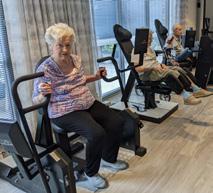
123 WHAT’S NEW