• Building Resilience: Gearing up for Hurricane Season
• HB 681 and HB 683 Pass Both Chambers
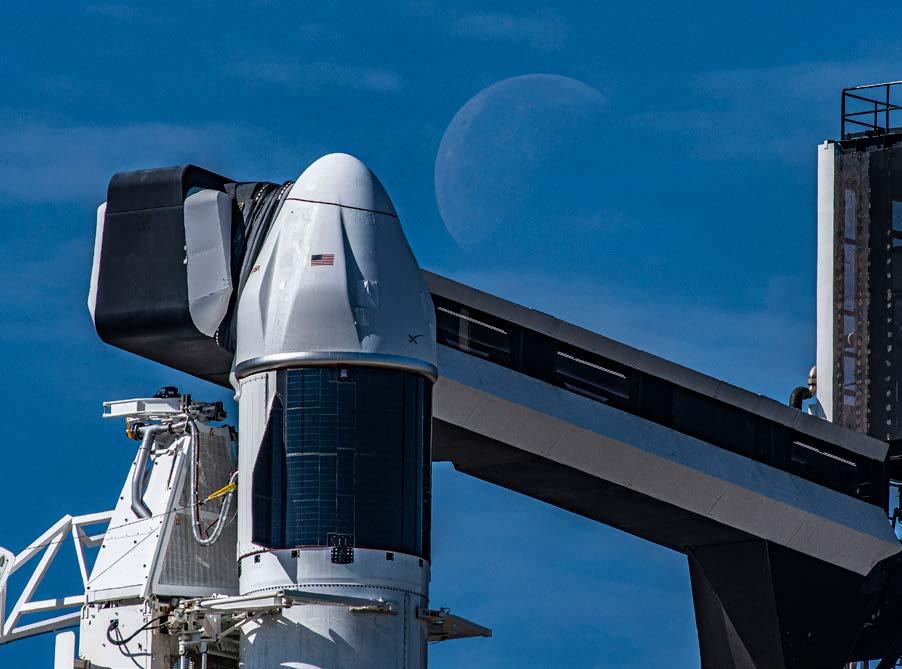
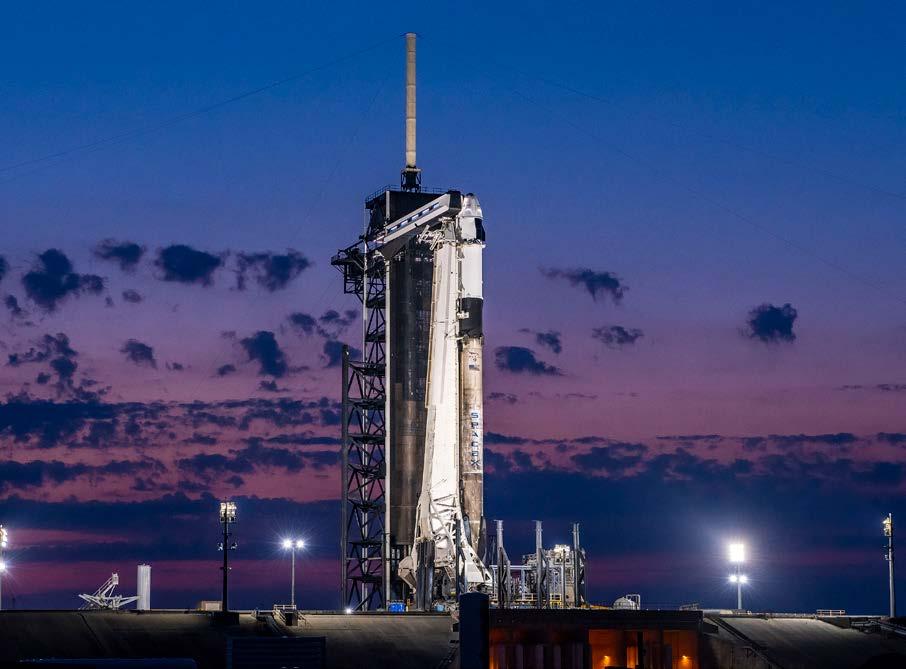
• From Rockets to Rebar: Space X
• Breaking the Silence: Prioritizing Mental Health
• Blue Cord’s Emergency Wells VA Hospital Project
COVER STORY
Orlando Health Lake Mary
IN THIS ISSUE
Building Resilience: Gearing up for Hurricane Season
Through the Turbulence
The Financial Foreman: Why Your Construction Business needs a CFO
PROJECT HIGHLIGHTS
Orlando Health Lake Mary Hospital
Blue Cord’s Emergency Wells Project
LEGISLATIVE UPDATES
8-9
HB 681 Passes Unanimously
Building Smarter: HB 683 Modernizes Florida’s Construction Regulations
EO Aims to Power Up Apprenticeships and Trade Careers
COMMUNITY DEVELOPMENT
The New Howard Frankland Bridge
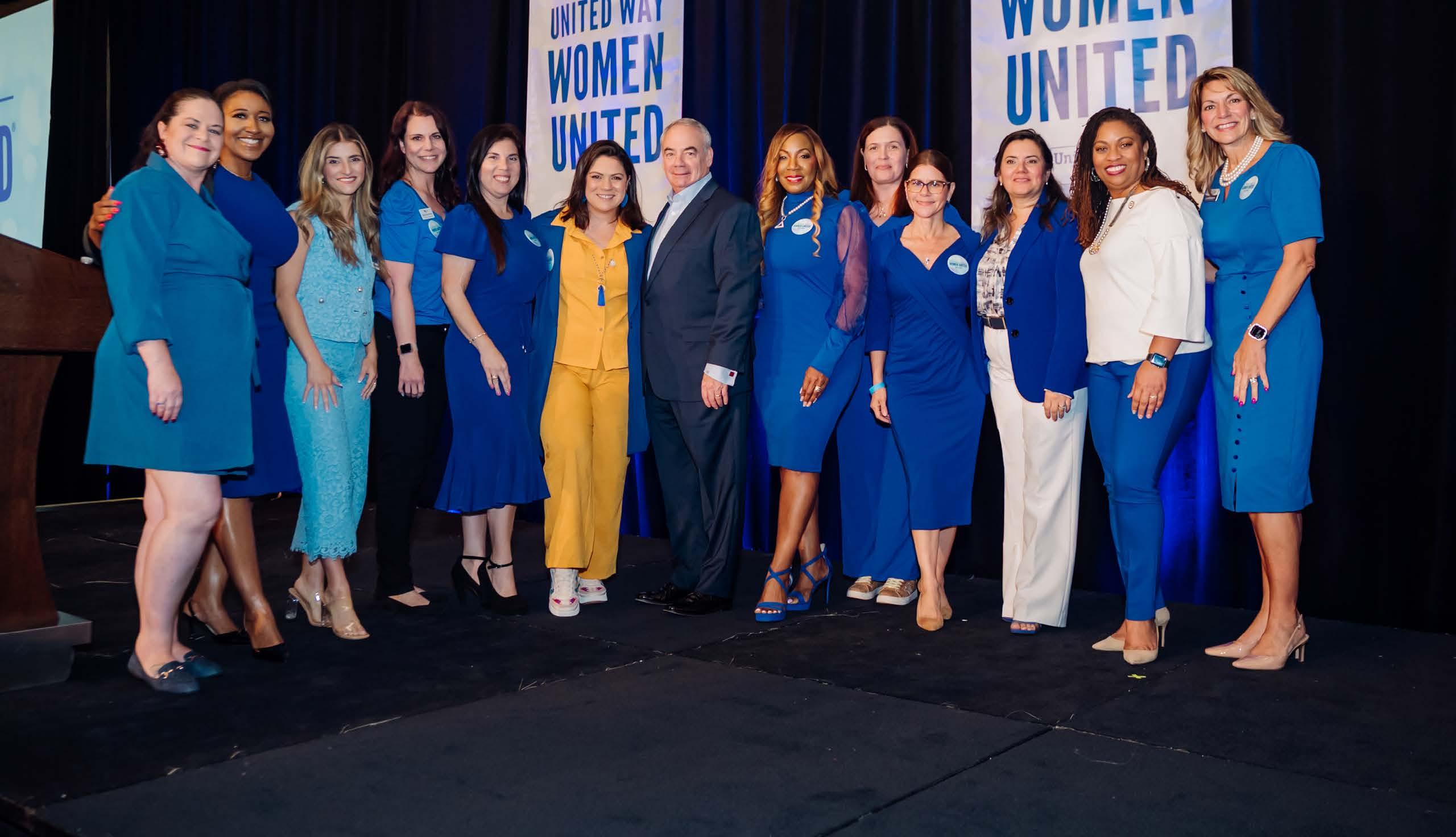
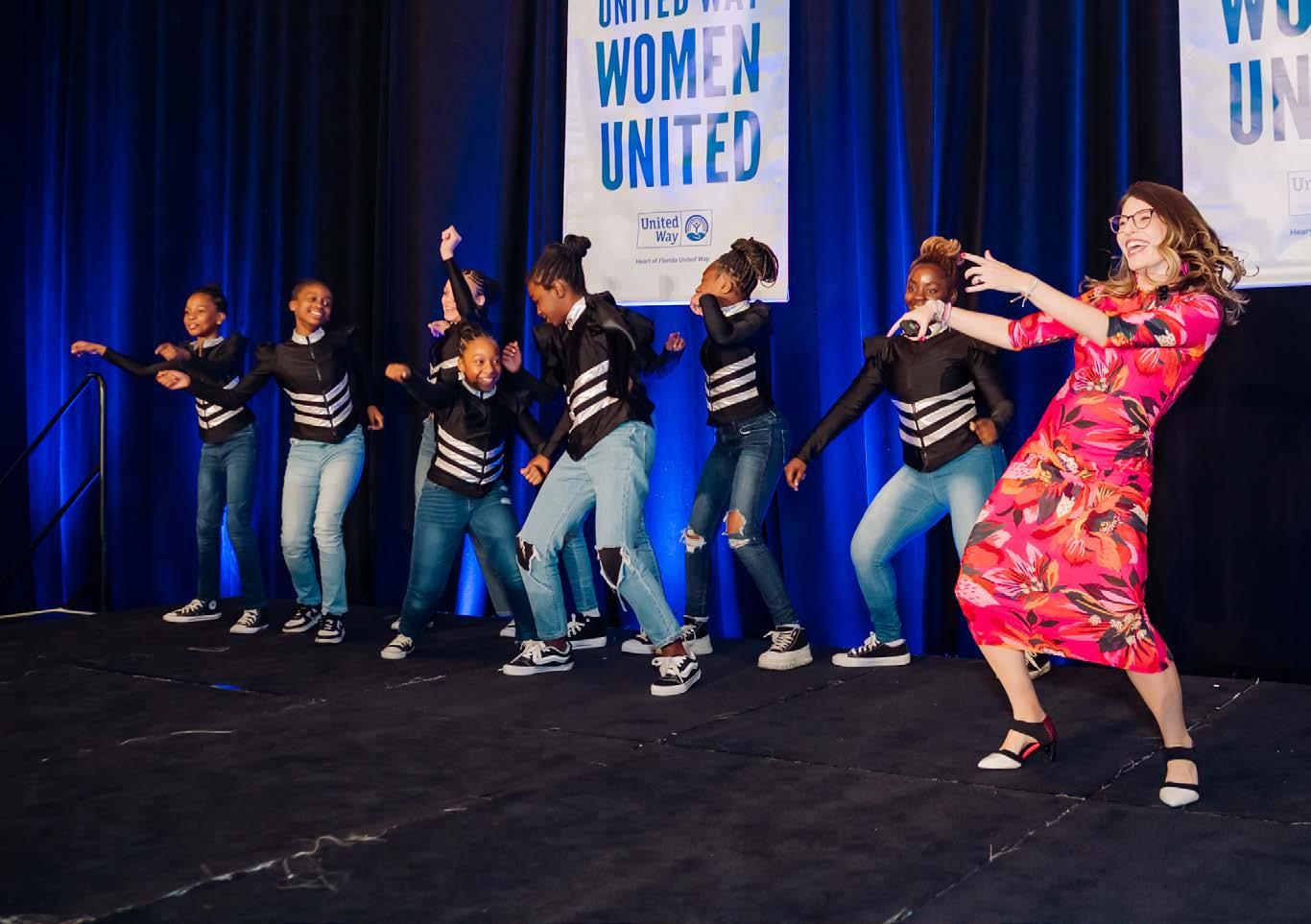
Fearless Leadership, Collective Impact: Women United Luncheon
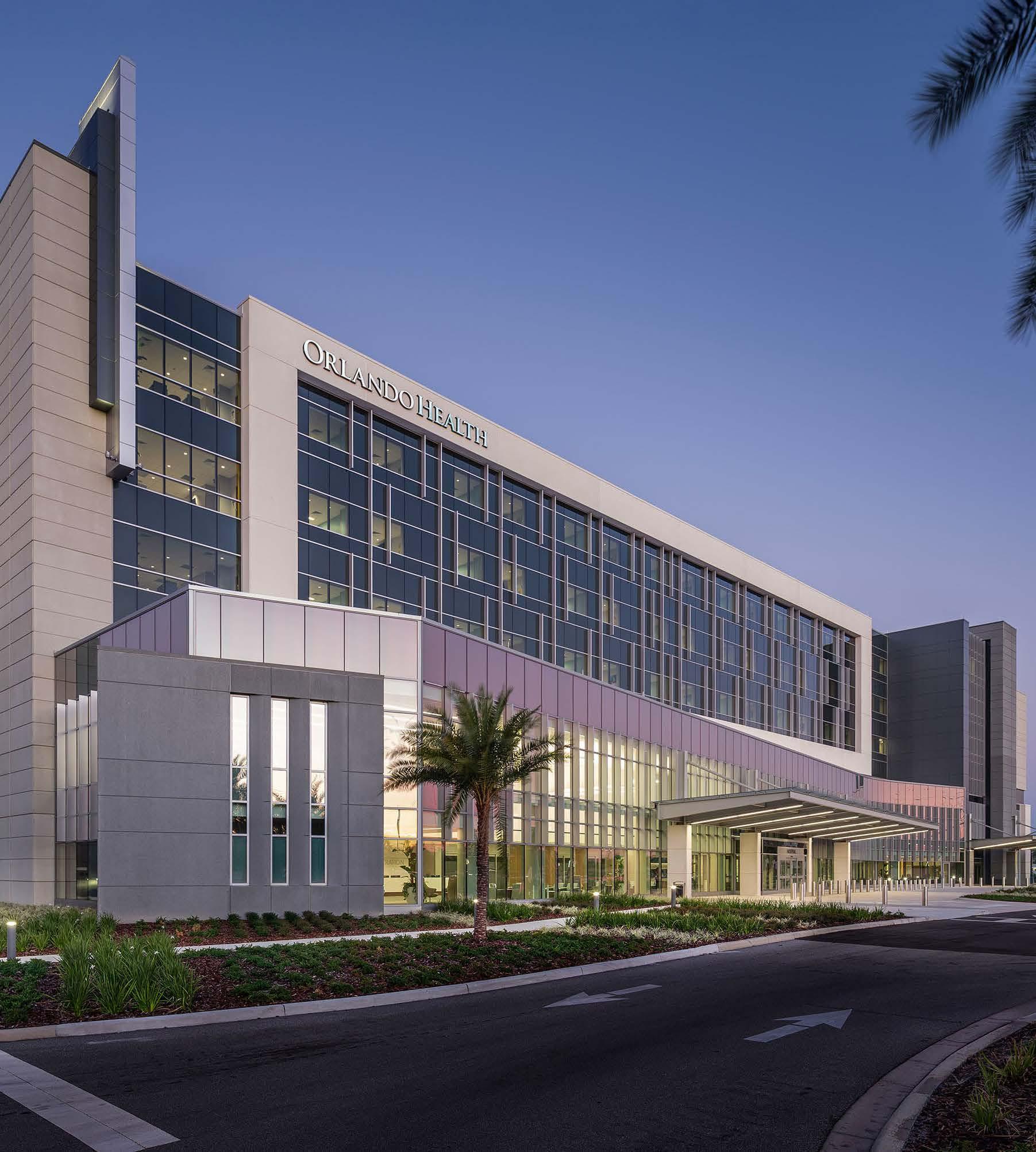
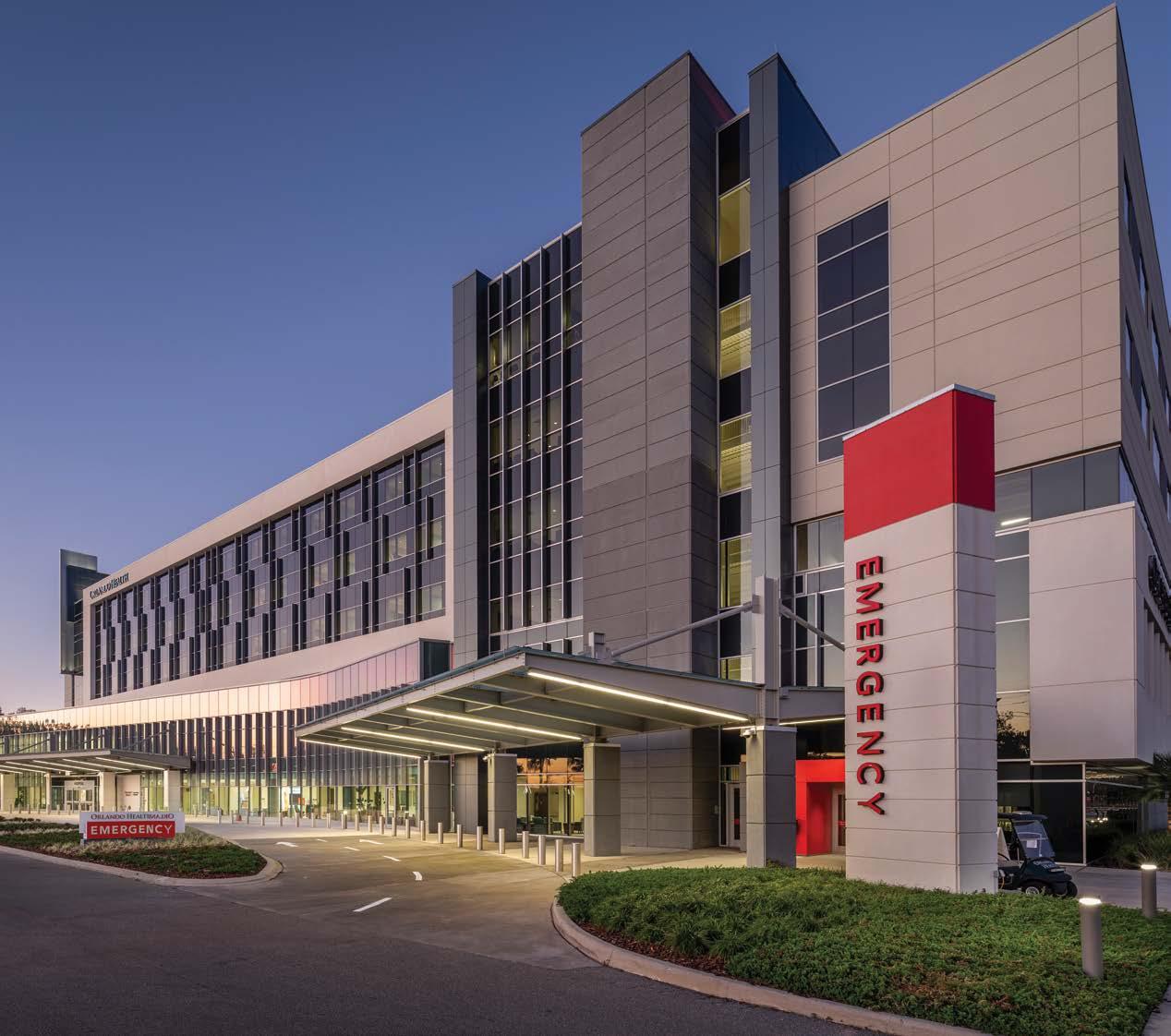
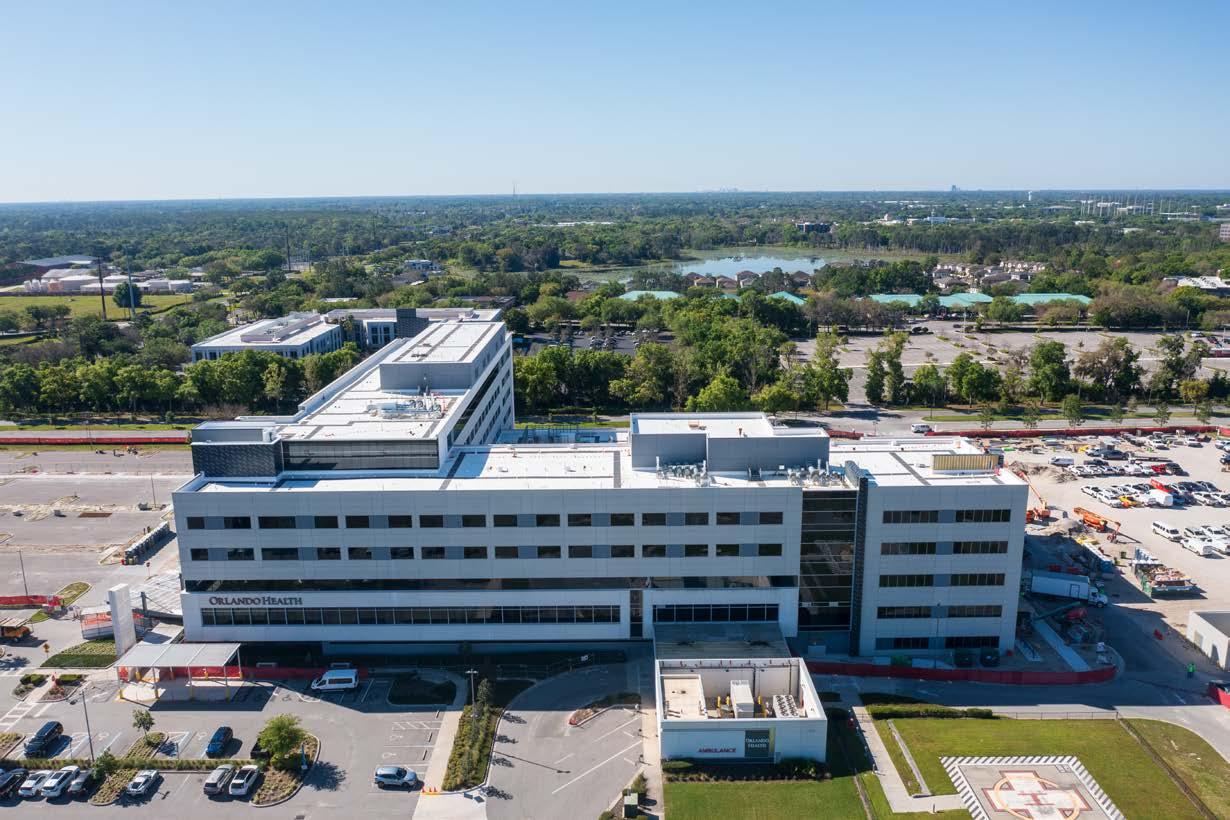
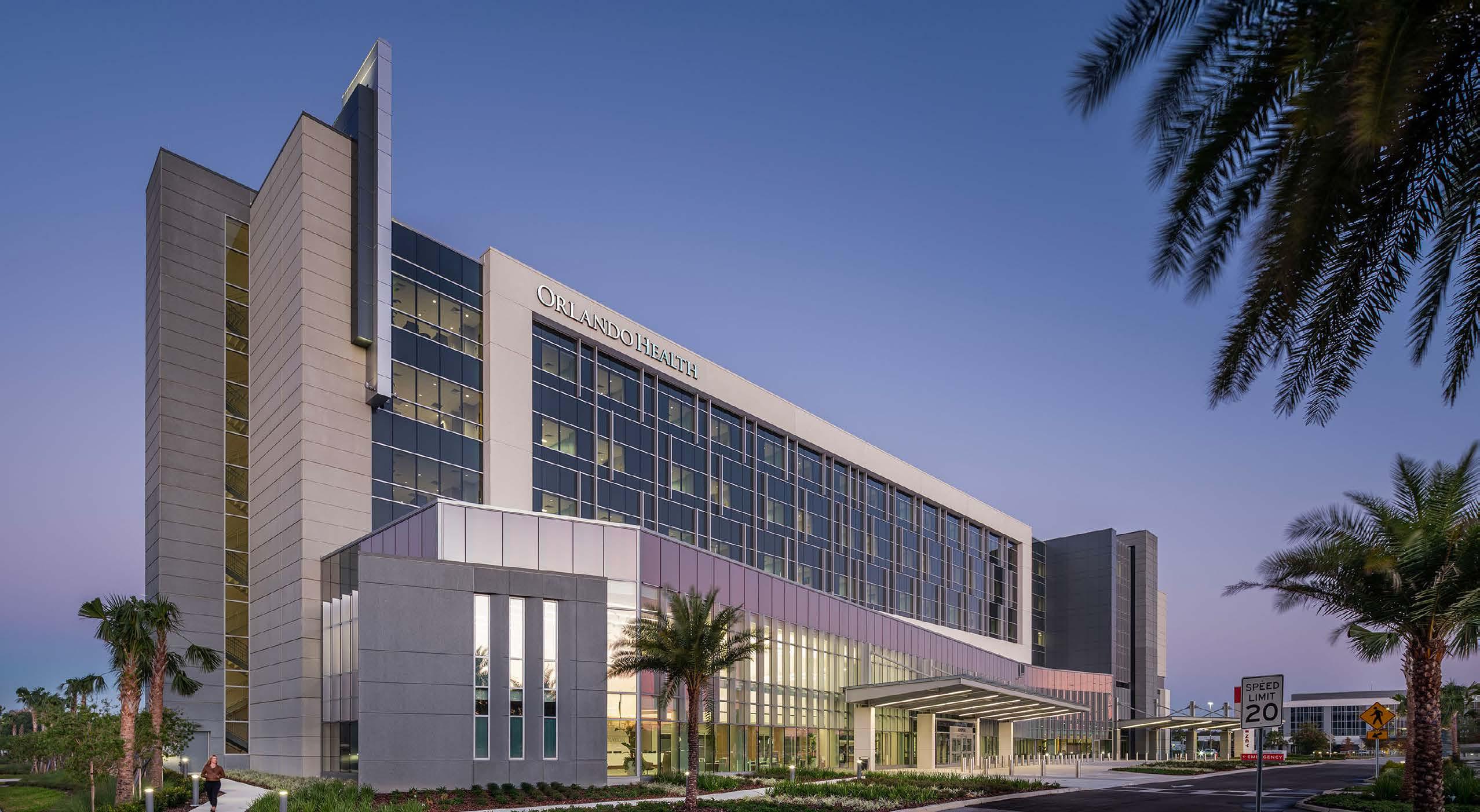
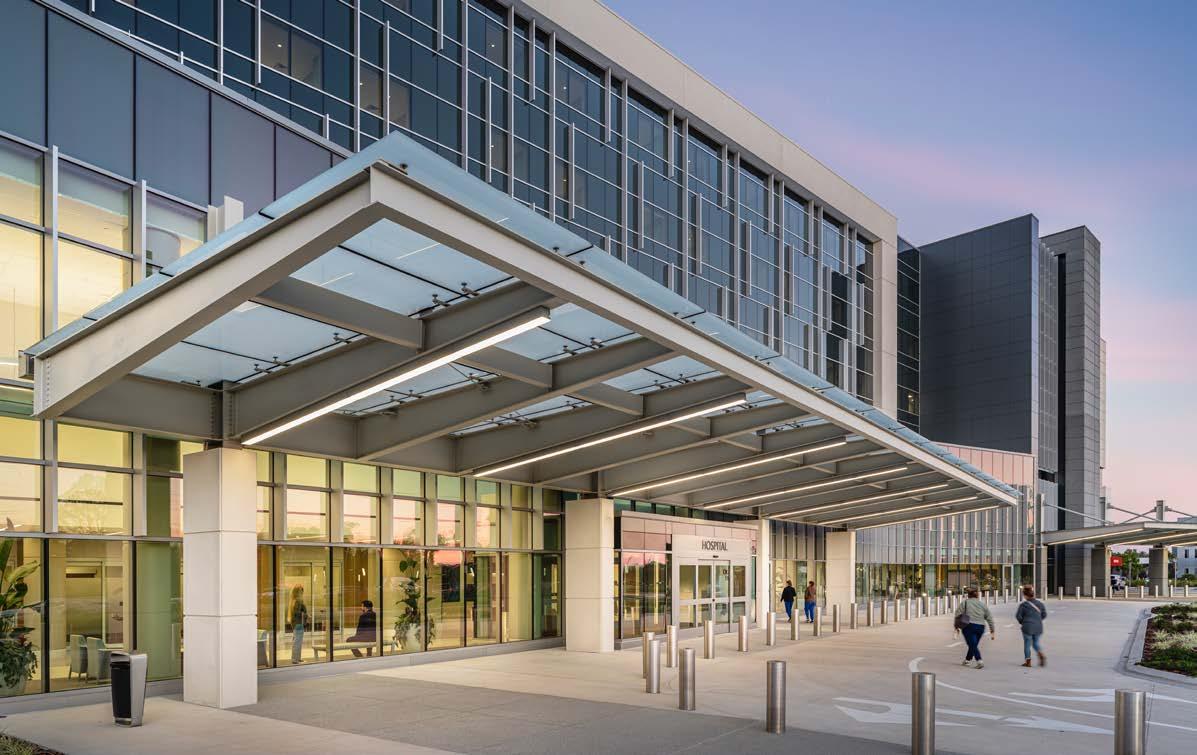
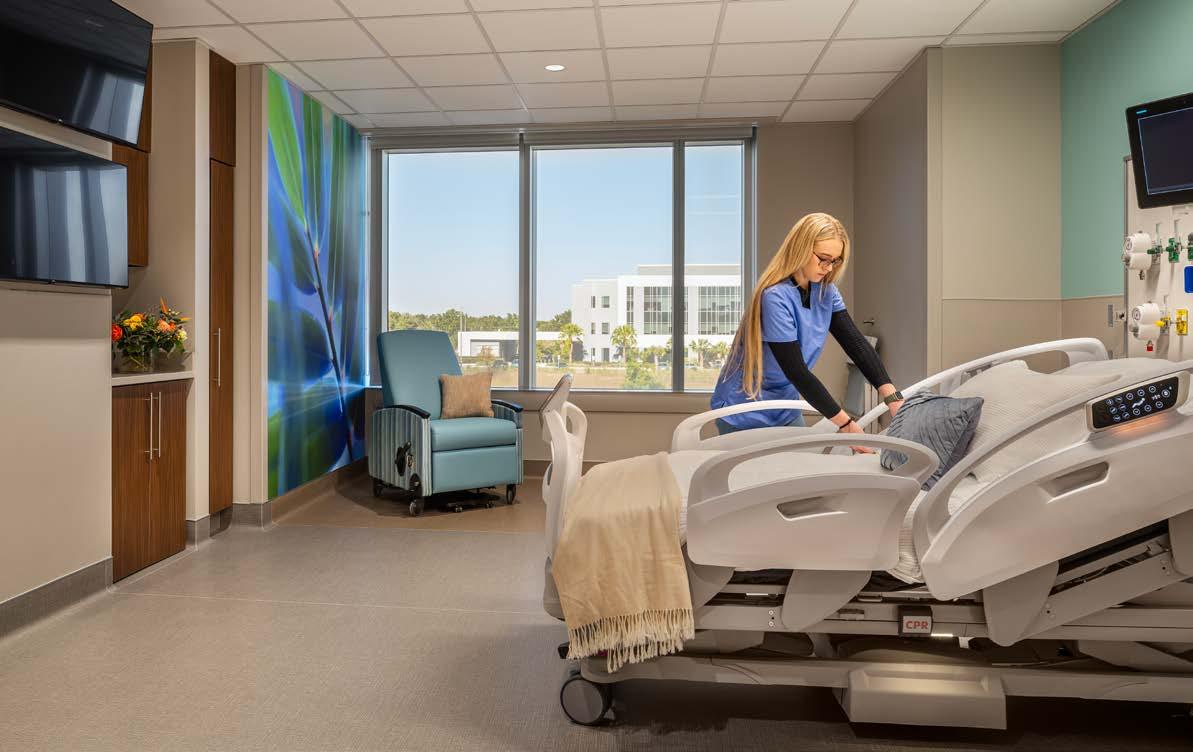
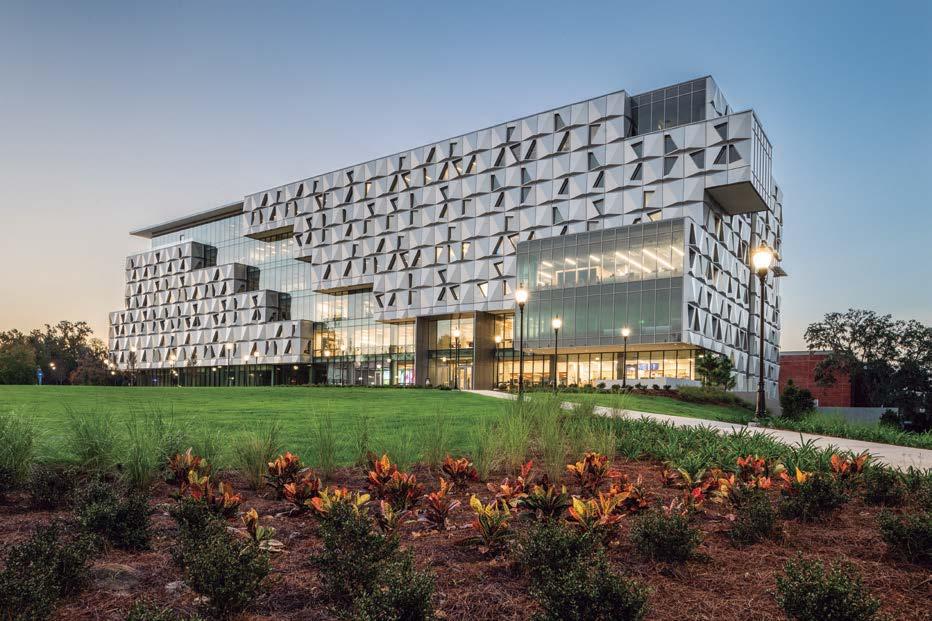
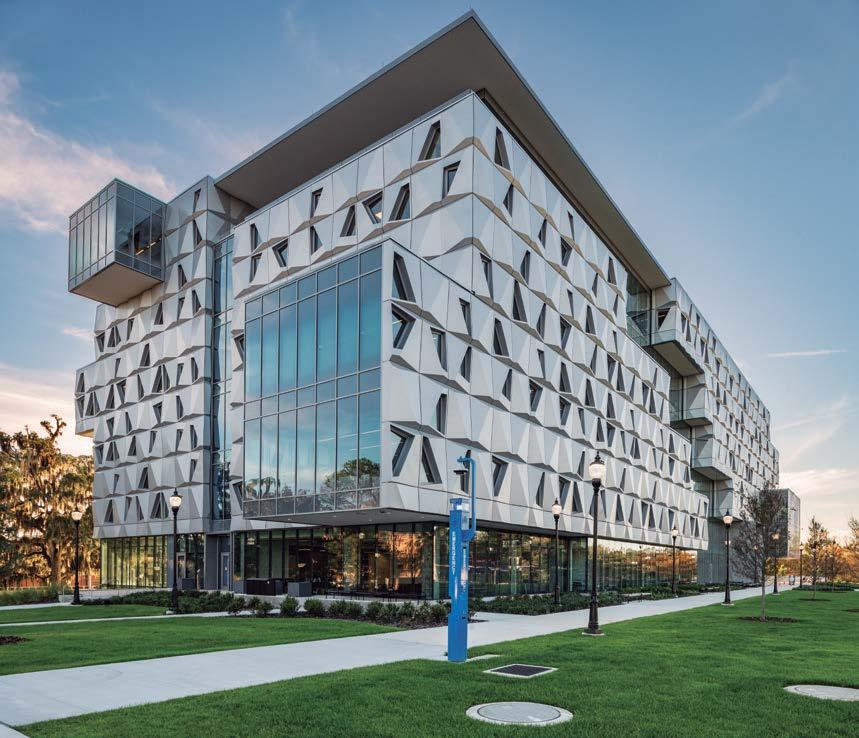
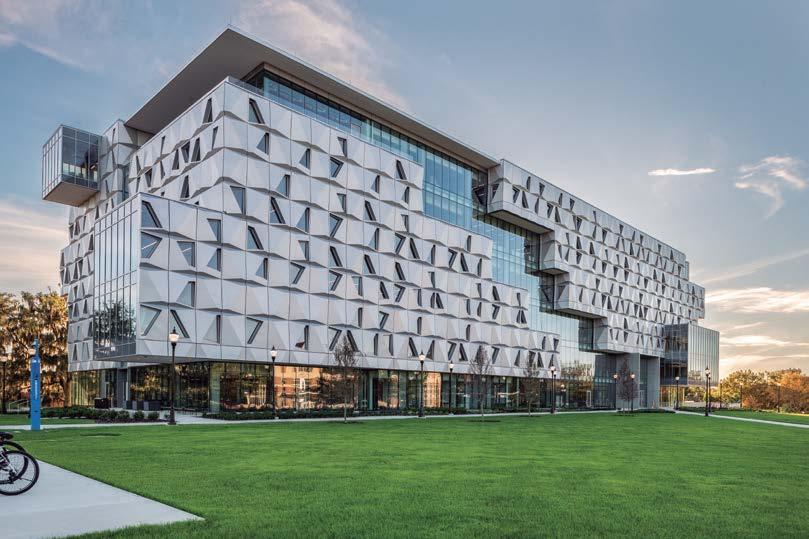
Orlando Health Lake Mary Hospital marks the next phase of growth for the expanding Lake Mary Campus. This 455,000-square-foot acute care facility features 124 beds across two six-story towers, with the ability to grow to 240 beds as the community’s needs evolve. Equipped with six state-of-the-art operating rooms and a strong emphasis on women’s health services, the new hospital is designed to deliver comprehensive, high-quality care to one of Central Florida’s fastest-growing regions.
Photos courtesy of Pavel Bendov
BUSINESS DEVELOPMENT 12-13 From Rebar to Rockets: SpaceX Talks Trades and Takeoff
The Future is You: NEXGEN Leadership Program
Upcoming Events Calendar
The Punch List
Breaking the Silence: Prioritizing Mental Health
MEMBER NEWS
4-5 New Members
14-15 ABC Central Florida’s Top Performers
35-38 Member News
ABC CENTRAL FLORIDA STAFF
PRESIDENT & CEO
Michele Daugherty ceo@abccf.org
VICE PRESIDENT & COO
Nancy Wray vp@abccf.org
ACCOUNTING accounting@abccf.org
MEMBERSHIP
Catherine Wert membership@abccf.org
MEETINGS & EVENTS
Eva Pardo meetings@abccf.org
TRAINING & DEVELOPMENT
Corey Schoenfelder training@abccf.org
SAFETY & TOTAL HUMAN HEALTH
Stephanie Kress assist@abccf.org
CHAPTER RESOURCES|GOV’T AFFAIRS|
BCF EDITOR IN CHIEF
Taylor Dupree rsvp@abccf.org
BUILDING Central Florida Magazine
Issue # - Materials Deadline
Issue 1 - FEB 12/15
Issue 2 - APR 2/15
Issue 3 - JUN 4/15
Issue 4 - SEPT 6/15
Issue 5 - OCT 8/15
Issue 6 - DEC 10/15
To submit editorial, advertisement or request information, call 407.628.2070 or email bcf@abccf.org
FROM THE PRESIDENT’S DESK
As we enter Hurricane Season 2025, the construction industry is once again called to lead with resilience—on our jobsites, in our communities, and within our workforce. From emergency preparedness and smart design to economic strategy and workforce legislation, this issue showcases how we build stronger—not just structures, but people and policy.
We begin with two major legislative victories for Florida’s construction industry:
HB 681, which passed unanimously in both chambers, brings long-overdue accountability and performance-based funding to apprenticeship programs, ensuring dollars are directed toward real training outcomes and reducing administrative waste.
HB 683 modernizes the state’s construction regulations— streamlining permits, protecting private contracts, enabling virtual inspections, and eliminating unnecessary bid volume penalties. It’s smart policy that respects your time and talent.
On the national front: On May 1, the U.S. Department of Labor announced it will pause enforcement of the 2024 Employee or Independent Contractor Classification Rule under the Fair Labor Standards Act in current enforcement matters while the agency reviews the regulation. ABC is pleased that the DOL will not apply the 2024 final rule’s analysis during this period.
This is welcome news for the many construction employers who depend on legitimate independent contractors to provide specialized skills, entrepreneurial opportunities, and stability during industry fluctuations. For additional guidance, contact the Wage and Hour Division’s helpline at 866-4US-WAGE (487-9243), and as always, we encourage ABC members to consult legal counsel regarding this important development.
These victories didn’t happen by accident. They happened because ABC members showed up, spoke up, and worked with allies in Tallahassee and Washington to drive meaningful change. Together, we’re shaping a better environment for business, jobs, and opportunity.
Speaking of opportunity, this issue also shines a light on members who are raising the bar across Florida and beyond, including two projects that demonstrate the life-saving power of construction:
Blue Cord Design & Construction’s emergency wells project for the VA hospital in Asheville, which provided a critical backup water supply—a true lifeline in moments of crisis.
The Orlando Health Lake Mary expansion, which exemplifies healthcentered growth that strengthens our region and delivers world-class care to our communities.
We’re also proud to recognize ABC National Top Performers—their commitment to excellence raises the bar for all of us and continues to elevate our chapter on the national stage. And if you missed it, SpaceX shared exciting updates at our recent Builders’ Breakfast, reminding us that the construction industry is truly reaching for the stars.
You’ll also find highlights from several ABC Central Florida members who continue to lead through innovation, growth, and community impact.
Amid all the wins, we must also continue to prioritize mental health. This issue includes an important piece from our Total Human Health initiative, underscoring that emotional wellbeing is not only compassionate—it’s essential for safety, retention, and peak performance on and off the jobsite. And don’t miss our timely feature on navigating cash flow in a tariff-driven market—a vital strategy for building resilience in today’s unpredictable economic climate.
To our new members, welcome to the ABC family. You’ve joined a powerful network of builders, leaders, and changemakers. And to all our members—thank you for continuing to shape the future of Florida’s construction industry with grit, innovation, and unwavering pride. ABC Central Florida remains committed to standing beside you as a partner, an advocate, and a champion for the merit shop philosophy.
Let’s stay safe, stay connected, and keep building boldly—together.
Warm regards,
PRESIDENT & CEO
Michele Daugherty ABC Central Florida ceo@abccf.org
Scaffold materials supply, safety training Supplier
TaylorWorks, Inc.
Jared Taylor 1435 W SR 434 Suite 109 Longwood, FL 32750 (407) 468-6600
jtaylor@taylorworks.com www.taylorworks.net
Computer services, IT consulting, cyber security Associate Sponsor: Kimberly Haas
Time Machine Florida
Fire & Flood
Tim Machuca
225 N Duncan Drive
Tavares, FL 32778 (352) 703-1326
tim@floridafireflood.com www.floridafireflood.com
Restoration and remediation contractor: water, fire, mold, storm
Subcontractor: $1M-$3M
Sponsor: Charles Bracco
Leading the Way with Innovative Solutions
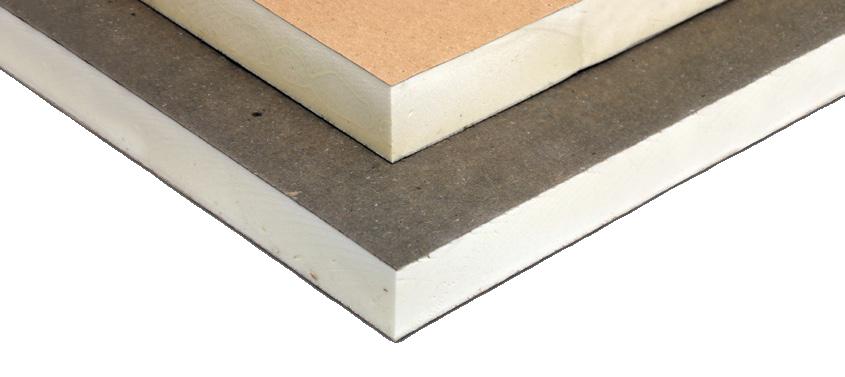
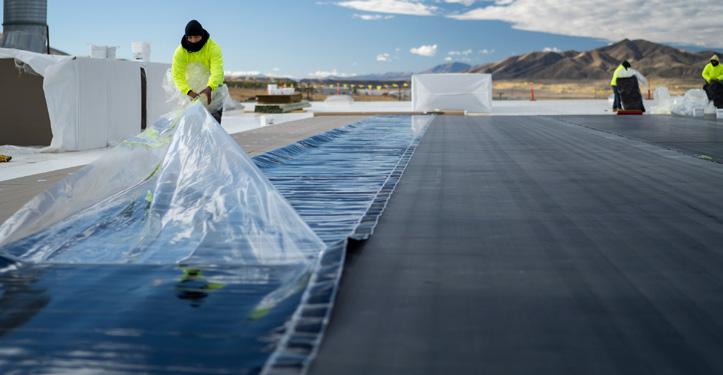
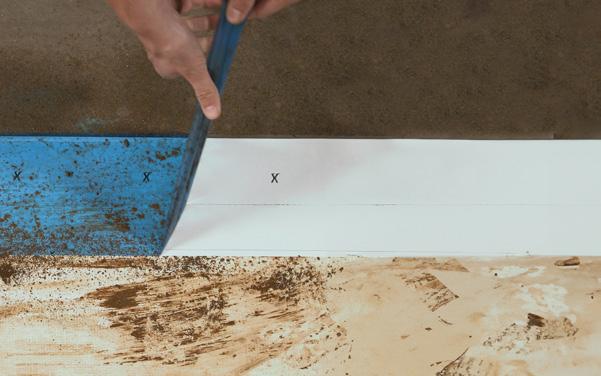
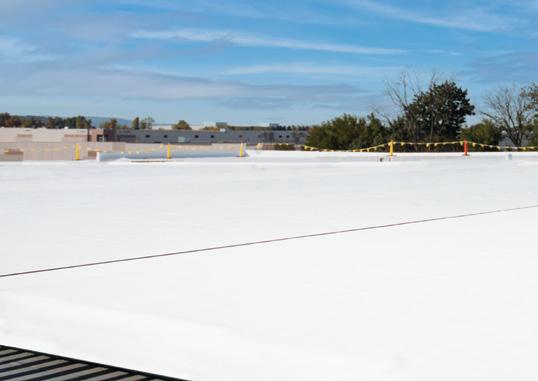
Carlisle SynTec Systems is dedicated to leading the industry by developing and manufacturing the most progressive and innovative roofing materials on the market. Every Carlisle product is designed to enhance building performance and contractor efficiency. Carlisle has pioneered productivity-boosting products such as SeamShield™ Technology, Self-Adhering Technology (SAT ™ ), Sure-Weld 16' TPO, 12' InsulBase with ReadyFlash Technology, and many others.
For more information on Carlisle’s productivity boosting products scan here
16' Membrane
A MAJOR WIN FOR FLORIDA’S WORKFORCE:
HB 681 Passes Unanimously in Both Chambers
In a resounding victory for ABC, Florida’s construction industry, and workforce development efforts, House Bill 681, focused on Apprenticeship and Pre-Apprenticeship Program Funding, has officially passed both chambers of the Florida Legislature unanimously—with a vote of 117-0 in the House and 37-0 in the Senate.
Representatives Bankson, Barnaby, Benarroch, Edmonds, Gonzalez Pittman, Kendall, López, Overdorf, Rizo, and Salzman. The bill’s effective date is set for July 1, 2025, giving stakeholders ample time to prepare for implementation.
This landmark legislation, championed by Senator Nick DiCeglie and Representative Lauren Melo, takes bold strides to overhaul how Florida funds and administers apprenticeship programs— ensuring taxpayer dollars are spent where they matter most: on training future skilled workers.
“A skilled workforce is a strong workforce,” said a spokesperson from ABC of Florida. “This bill gives us the tools to expand training opportunities and build a pipeline of talent that will power Florida’s economy for decades.”
ADDRESSING THE SKILLED LABOR SHORTAGE
Florida’s construction industry continues to face a persistent shortage of skilled labor. As the demand for infrastructure and commercial development rises, so does the need for trained workers ready to hit the ground running. HB 681 answers that call by sharpening the focus on transparency, accountability, and return on investment in workforce education.
WHAT HB 681 DELIVERS:
■ Greater Transparency: The bill mandates that the District Workforce Education Funding process be conducted in public, with opportunities for meaningful community input.
■ Funding Caps for Administrative Roles: Local Education Agencies (LEAs) that serve only an administrative function will see their funding capped at 10%, ensuring that the lion’s share of funds go directly to training programs.
■ Performance-Based Funding Allocation: LEAs and privatesector partners must now tie their share of funding to the actual services they provide, creating a more equitable and results-driven funding model.
■ DOE Tools and Templates: The Department of Education will create a standard model contract for apprenticeship partnerships and develop a new transparency tool to track funding use and program outcomes.
■ Modernized Oversight: Steering committee meetings may now be conducted via communications media technology, enhancing accessibility and flexibility.
THE LEGISLATIVE MOMENTUM
Filed by Representative Lauren Melo, the bill garnered broad bipartisan support and a host of co-sponsors, including
“I filed this bill because I recognize the vital role apprenticeship programs play in our state’s workforce,” said Rep. Melo. “This initiative reduces bureaucracy and strengthens career pathways that lead to real economic opportunity.”
A WIN FOR FLORIDA
With HB 681’s passage, Florida sends a powerful message: it is ready to invest in its people, its industries, and its future. By refining the way we support apprenticeship and preapprenticeship programs, the state is creating a system where every dollar counts and every learner thrives.
From job sites to classrooms, this legislation marks a turning point. And for the builders, educators, and future tradespeople of Florida—it’s a win worth celebrating.
BUILDING SMARTER:
HB 683 Modernizes Florida’s Construction Regulations
The 2025 Legislative Session brought a major win for Florida’s construction industry with the unanimous passage of House Bill 683, also known as the Construction Regulations Bill. Championed by Representative Griff Griffitts, a long-time legislative ally of ABC of Florida, and Senator Erin Grall, this comprehensive reform bill reflects a collaborative effort across the construction community led by ABC of Florida, to remove outdated barriers, reduce regulatory overreach, and ensure a more efficient, transparent, and fair process for construction professionals statewide.
ABC Central Florida applauds the forward-thinking leadership of Rep. Griffitts and Sen. Grall in spearheading this legislation and working alongside industry stakeholders to bring meaningful change to the jobsite and beyond.
KEY WINS IN HB 683: WHAT IT MEANS FOR CONTRACTORS
This bill addresses real-world concerns from contractors and developers, creating a more streamlined, predictable environment to support Florida’s continued growth. Among the many important provisions in the bill:
■ Timely Approval of Change Orders
Public owners must approve or deny change order cost estimates within 35 days of issuance, bringing more predictability to public projects.
Orlando Construction and Business Litigation Attorneys 1031 W. Morse Blvd. Suite 120, Winter Park, FL 32789 407-644-7161 | sasso-law.com
■ Ban on Bid Volume Penalties
Public owners can no longer disqualify or penalize contractors for securing a high volume of public work, ensuring a more open and merit-based bid process.
■ Protection of Private Contract Information
Public agencies are now prohibited from requesting contracts or proprietary information between private owners and construction teams to determine permit fees.
■ Clarification on Alarm Systems and Security Cameras
Installers of alarm systems may now also install security cameras as part of the system without requiring separate licensure.
■ Private Providers for Residential Solar Projects
HB 683 allows private providers to perform plan reviews and inspections for residential solar roofing, expanding efficiency in this growing energy sector.
■ Aerospace Construction Distinction
Construction within spaceport territories is now acknowledged as a unique category, with separate oversight from standard Florida Building Code regulations.
■ Synthetic Turf Regulations
The Department of Environmental Protection (DEP) is tasked with establishing standards for synthetic turf installations. Local governments are now prohibited from banning synthetic turf or overregulating its use in single-family residential properties.
■ Permit Streamlining and Virtual Inspections
Local governments must issue permits related to certain single-trade plan reviews within a specified timeframe. They must also allow virtual or software-based plan reviews and inspections, further modernizing the permitting process.
A VICTORY FOR THE INDUSTRY AND THE PUBLIC
HB 683 represents a significant win for Florida’s construction industry and the taxpayers it serves. The legislation balances smart regulation with the need for efficiency, transparency, and fairness across public and private construction projects. By addressing long-standing challenges and modernizing oversight, the bill strengthens the state’s construction landscape and reinforces Florida’s role as a national leader in industry reform.
By eliminating burdensome requirements, modernizing inspections, and protecting sensitive business information, HB 683 not only supports Florida’s builders but also speeds up project delivery and lowers costs for taxpayers. Most importantly, it reflects collaboration across a broad range of industry voices, proving once again that Florida is a national leader in forward-thinking construction policy.
HB 683 officially goes into effect July 1, 2025—and with it, a stronger foundation for the future of construction in the Sunshine State.
WHY CHOOSE
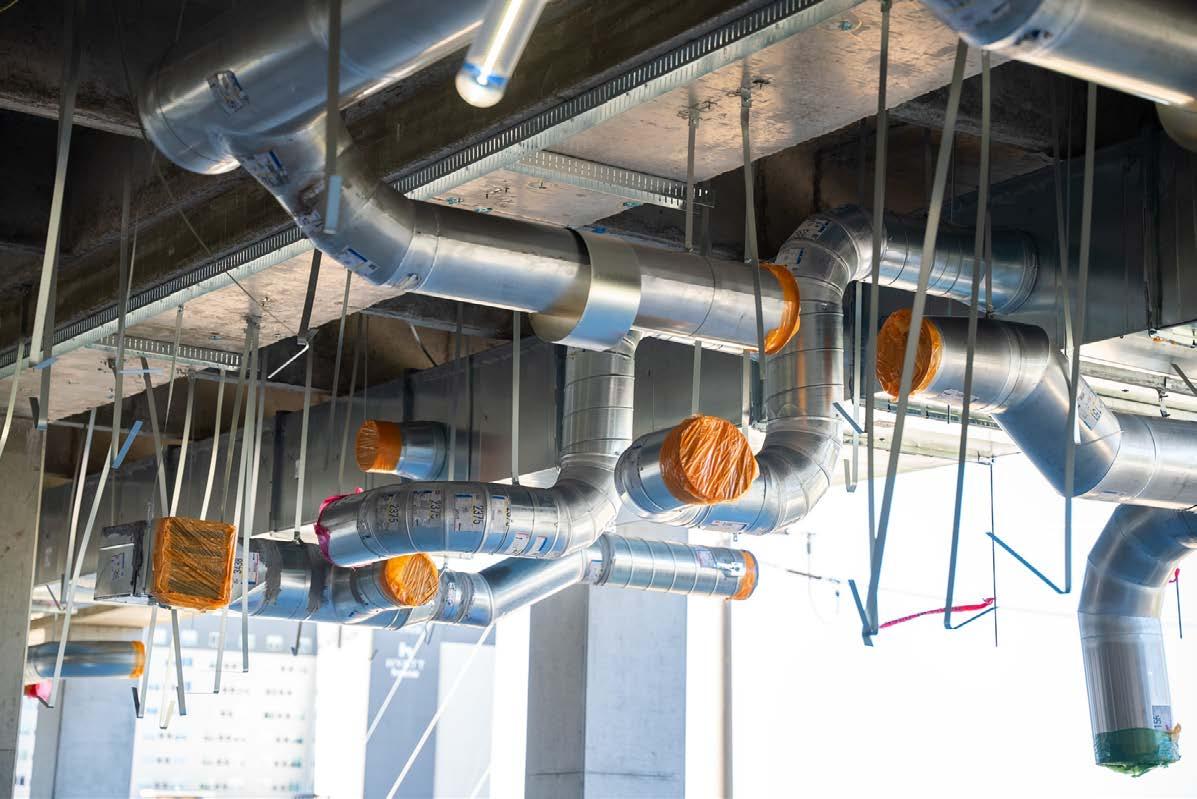
With over 65 years of commercial and industrial mechanical contracting experience throughout Florida, we understand what it takes to deliver a quality product across a multitude of market sectors. We are committed to complete client satisfaction from design to delivery. At S.I. Goldman Company, we do more than get the job done, we get it done right.
BUILDING RESILIENCE: Gearing Up for Hurricane Season 2025
As Florida braces for another potentially intense hurricane season, the construction industry once again finds itself on the front lines—not just in cleanup and rebuilding, but in leading the charge for smarter, safer, and more resilient design and preparation.
HURRICANE SEASON STARTS JUNE 1: ARE YOU READY?
Colorado State University forecasters are calling for a 92% chance that Florida will be impacted by a named storm, with a 65% chance of hurricane landfall. Their 2025 prediction includes 17 named storms, 9 hurricanes, and 4 major hurricanes—well above the 30-year average. While forecasts guide our preparation, it’s important to remember: it only takes one storm to wreak havoc on a jobsite.
Contractors still vividly recall the crane collapse during Hurricane Milton last year, when the structure toppled and lodged itself into a nearby office building—an incident that sent shockwaves across the industry and served as a stark reminder: preparedness is not optional.
STRONGER STORMS, SMARTER STRATEGIES
Emergency Preparedness and Response legislation (SB 180) is taking a big step forward to support Florida’s storm readiness. Highlights include:
■ Improved debris management and removal
■ Expanded disaster planning and emergency resource coordination
■ Requires detailed reporting of hurricane-related spending and actions by state agencies.
■ Revised hurricane shelter funding priorities including prioritizing non-school public buildings for $3M in shelter retrofit funding to reduce disruption to schools.
■ Updates to evacuation timelines in vulnerable areas like the Florida Keys
The legislation also expands opportunities for servicemembers to provide medical care and allows the Department of Environmental Protection (DEP) to waive or reduce local match requirements for certain disaster-related programs.
REBUILDING WITH LESS RED TAPE
Senator Nick DiCeglie’s SB 180 tackles post-disaster recovery delays head-on. This bill would also:
■ Simplifies the post-hurricane permitting process.
■ Requires local governments to create and post a Recovery Permitting Guide by May 1 annually.
■ Allows homeowners to rebuild homes up to 2,000 sq. ft. or 130% of original size without triggering a new property tax assessment.
■ Prohibits local governments from increasing building or inspection fees for 180 days after a declared hurricane or tropical storm emergency.
■ Mandates expedited permitting, proper staffing, multiple access points, and possible fee waivers or reductions.
DESIGNING WITH THE STORM IN MIND
Today’s construction must prioritize not only wind and flood resistance, but also passive survivability—a building’s ability to sustain life-supporting conditions without power. This includes:
■ Natural ventilation and cooling
■ High thermal mass materials like stone and concrete to regulate internal temperature
■ Solar power and battery storage systems
■ Windows and skylights to reduce dependency on artificial light
■ Flood mitigation designs to reduce urban runoff
These features align with LEED certification standards, merging sustainability and storm resilience for futureforward construction.
BE PROACTIVE, NOT REACTIVE
Contractors must take the lead in refreshing preparedness checklists, site procedures, and post-storm protocols now—not when the winds pick up. From securing cranes to reinforcing material storage, small steps taken today can prevent massive losses tomorrow.
Whether it’s through smart planning, cutting-edge design, or simply having the right conversations, Florida’s builders play a pivotal role in protecting lives, livelihoods, and the long-term health of our communities.
Hurricane season is here. Let’s build stronger, smarter, and safer—together.
FROM REBAR TO ROCKETS:
SpaceX Talks Trades and Takeoff
It was standing room only at ABC Central Florida’s latest Builders’ Breakfast, where excitement rocketed sky-high as members packed the event to hear directly from Peter Dufty, Lead of Construction Projects –Florida, at SpaceX.
By TAYLOR DUPREE, ABC Central Florida
With his candid insight, a dash of humor, and contagious enthusiasm, Dufty walked attendees through the incredible momentum SpaceX is building right here on Florida’s Space Coast. Originally from Buffalo, New York, and a former Turner Construction professional, Dufty shared how he pivoted to space-focused construction after watching a rocket land on a barge for the first time. “I saw that and thought, this is the coolest thing I’ve ever seen—I knew I had to be part of it,” he said.
That dream has since become reality. During his presentation, Dufty offered a look—via satellite images (available on Google, he specified)—at SpaceX’s ongoing and future construction initiatives. These include upgrades to Starship launch sites, launch pad expansions, and a major development known as Roberts North Expansion, where 100 acres have already been cleared for a new main campus.
Another highlight from the presentation was the Gigabay, SpaceX’s new expansive vertical integration and assembly facility that will revolutionize how the company produces and refurbishes the Starship launch system. Two of these gamechanging structures are currently under construction—one at Starbase and here at the Roberts Road campus.
The Gigabay is a next-generation production hub, engineered to support rapid launch cadence by streamlining the assembly of Super Heavy Boosters and Starship vehicles. Standing 420 feet tall, the facility will boast approximately 46.5 million CF of interior processing space and 815,000 SF of workspace, including elevated platform areas and top-floor meeting rooms. Gigabay will have the capacity to house multiple Starship vehicles at once, supporting those up to 266 feet tall.
What makes this facility even more impressive is its 24 dedicated work cells for integration and refurbishment, paired with cranes capable of lifting up to 400 tons. In comparison to SpaceX’s current Megabay facilities, Gigabay will offer over 11 times the square footage, 19 additional work cells, and double the crane lifting capacity—a monumental leap forward in construction capability.
The Gigabay, a massive, cube-like structure under construction, is necessary for processing and prep work before future manufacturing buildings can take shape. Pile drilling is underway now, with steel expected to rise before year’s end.
Dufty emphasized that SpaceX is actively hiring across all trades, underscoring the need for everything from electrical, to concrete and beyond. There’s an opportunity for everyone in the industry.
Attendees also gained practical knowledge on becoming a SpaceX vendor. The process is straightforward: interested contractors simply need to email Dufty, sign a non-disclosure agreement (NDA) and export compliance agreement (ECA), and upload basic documents like a W-9, supplier profile, and code of ethics. The most complex part of the process is worker badging—but Dufty noted that existing credentials from Kennedy Space Center or Space Force are accepted.
“It’s not unlike working in secure environments like schools or airports,” he explained. “You get used to the process.”
Dufty’s transparency extended to some of the operational quirks at SpaceX. Due to international trade restrictions, for example, the company cannot use cloud-based software hosted on non-U.S. servers. That means their scheduling and project management tools can feel slightly dated compared to industry trends—but they make it work.
When asked how to win a bid with SpaceX, Dufty was direct: “Price and schedule beat credentials.” He stressed the importance of critical path scheduling, clear scopes, and speed—a theme repeated throughout the morning. “Every SpaceX project is a one-off,” he said. “There’s no typical job in our world.”
The Builders’ Breakfast ended on a high note, with members leaving not just with inspiration, but with clear next steps on how to get involved with SpaceX’s bold vision. As a Space Coast resident himself, Dufty shared his hope for local contractors to be part of this transformative era of construction. “This is home, and I want to see it grow.”
With momentum like this, ABC Central Florida’s Builders’ Breakfast series is proving to be a must-attend event for anyone ready to build the future—on Earth and beyond.
RAISING THE BAR: ABC Central Florida’s Top Performers Shine Nationally
Each year, Associated Builders and Contractors (ABC) recognizes the best of the best in merit shop construction—and in 2025, ABC Central Florida proudly celebrates 26 local member companies that earned national recognition as ABC National Top Performers. These elite contractors stood out for their achievements in safety, quality, workforce development, project excellence, and business strength.
The ABC Top Performers list, now in its seventh year, showcases contractors across the country who embody the highest standards in the industry. Companies are ranked based on work hours and earn special distinctions through programs like ABC’s STEP Safety Management System® and Accredited Quality Contractor (AQC) credential. Together, these designations demonstrate a commitment to delivering exceptional work while fostering innovation and investing in people.
Seeing our Central Florida members featured on this prestigious list speaks volumes about their dedication not only to excellence in construction, but also to developing safer, stronger workplaces. These companies are leaders not just in their craft, but in how they grow their teams, embrace diversity, and drive meaningful impact in our communities.
WHAT MAKES A TOP PERFORMER?
To qualify, each honoree must have achieved high marks in the STEP Safety Management System, a proven framework for creating safer job sites. STEP participants consistently perform better than industry averages—reporting incident rates nearly six times safer than the U.S. Bureau of Labor Statistics average.
Many of the honorees also hold ABC’s AQC credential, which recognizes contractors that uphold excellence in safety, talent management, community engagement, and educational investment.
According to Michael Bellaman, ABC’s national president and CEO, “ABC top performers are the competitive all-stars of construction, with commonalities like ABC’s STEP Safety Management System, upskilling and education programs, leadership development, and more. They build the nation’s most enduring, innovative, high-quality construction projects and do so by attracting and retaining the best talent.”
LOCAL EXCELLENCE, NATIONAL IMPACT
Top Performers from ABC Central Florida also participate in
or have been recognized with ABC’s Excellence in Construction® Awards, Safety Excellence Awards, and Diversity Excellence Awards, earning praise for both technical prowess and cultural leadership. Whether general contractors, specialty trades, or electrical and HVAC professionals, these companies are leading from the front—and their impact is being felt across Florida and the country.
2025 ABC CENTRAL FLORIDA
The list includes a wide range of businesses—from large-scale firms to women-, veteran-, and minority-owned companies, as well as service-disabled and disadvantaged enterprises. Regardless of size or specialty, all share a commitment to building a stronger industry and a more resilient future.
A COMMITMENT TO VALUES
ABC Top Performers don’t just deliver quality projects, they live the values of merit shop construction every day. These award-winning companies:
■ Sustain and grow their businesses, financially and economically
■ Offer market-competitive compensation, benefit and retirement packages
■ Commit to industry-leading safety
■ Commit to workforce development, education and creating career opportunities
■ Commit to work environments that are inclusive and diverse
■ Develop opportunities for their employees to achieve their career dreams
■ Cultivate committed leadership
By staying true to these principles, Central Florida’s Top Performers are helping shape the future of construction—and building a stronger foundation for the next generation of industry professionals.
For a full list of 2025 Top Performers, visit abc.org/TopPerformers.
TOP PERFORMERS
Aireko
AJ Flooring
Ajax Building Company, LLC
Aladdin Construction Co., Inc.
Albu & Associates, Inc.
Austin Commercial, LP
Balfour Beatty
Blue Cord Design & Construction, LLC
Brasfield & Gorrie, LLC
Burns & McDonnell
Central Florida Waterproofing, Inc.
Competitive Edge Partners & Consulting, LLC
F. L. Crane & Sons, Inc.
Gaylor Electric, Inc.
GMF Steel Group
Hensel Phelps
Hoar Construction, LLC
KENPAT
KHS&S Contractors
Lithko Contracting LLC
LOYAL Waterproofing Construction, Inc.
MMR Constructors, Inc.
Pinkerton & Laws
R. C. Stevens Construction Company
Robins & Morton
Southeast Mechanical Contractors
The Weitz Company
W. G. Yates & Sons Construction Company
Peter
Michael
Chris
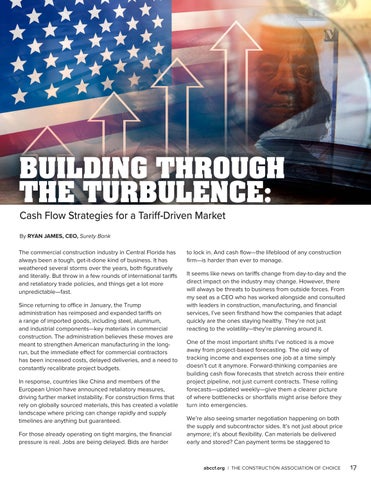
BUILDING THROUGH THE TURBULENCE:
Cash Flow Strategies for a Tariff-Driven Market
By RYAN JAMES, CEO, Surety Bank
The commercial construction industry in Central Florida has always been a tough, get-it-done kind of business. It has weathered several storms over the years, both figuratively and literally. But throw in a few rounds of international tariffs and retaliatory trade policies, and things get a lot more unpredictable—fast.
Since returning to office in January, the Trump administration has reimposed and expanded tariffs on a range of imported goods, including steel, aluminum, and industrial components—key materials in commercial construction. The administration believes these moves are meant to strengthen American manufacturing in the longrun, but the immediate effect for commercial contractors has been increased costs, delayed deliveries, and a need to constantly recalibrate project budgets.
In response, countries like China and members of the European Union have announced retaliatory measures, driving further market instability. For construction firms that rely on globally sourced materials, this has created a volatile landscape where pricing can change rapidly and supply timelines are anything but guaranteed.
For those already operating on tight margins, the financial pressure is real. Jobs are being delayed. Bids are harder
to lock in. And cash flow—the lifeblood of any construction firm—is harder than ever to manage.
It seems like news on tariffs change from day-to-day and the direct impact on the industry may change. However, there will always be threats to business from outside forces. From my seat as a CEO who has worked alongside and consulted with leaders in construction, manufacturing, and financial services, I’ve seen firsthand how the companies that adapt quickly are the ones staying healthy. They’re not just reacting to the volatility—they’re planning around it.
One of the most important shifts I’ve noticed is a move away from project-based forecasting. The old way of tracking income and expenses one job at a time simply doesn’t cut it anymore. Forward-thinking companies are building cash flow forecasts that stretch across their entire project pipeline, not just current contracts. These rolling forecasts—updated weekly—give them a clearer picture of where bottlenecks or shortfalls might arise before they turn into emergencies.
We’re also seeing smarter negotiation happening on both the supply and subcontractor sides. It’s not just about price anymore; it’s about flexibility. Can materials be delivered early and stored? Can payment terms be staggered to
Building Through the Turbulence, cont.
reduce the squeeze on both parties? These kinds of arrangements might not look perfect on paper, but they can provide much-needed breathing room.
Another lesson that keeps showing up: line up your contingency capital before you need it. Whether it’s a revolving line of credit, invoice financing, or simply building a stronger relationship with your lender, the time to secure funding is when things are calm. Once a project hits a snag or costs spike unexpectedly, the financial scramble gets a lot tougher.
Across the industry, there’s also a growing recognition that tariffs and price volatility aren’t temporary. They’re part of the new normal. That’s why successful firms are now including escalation clauses and tariff-adjustment language in their bids and contracts. Clients don’t always like to see it—but they do appreciate the transparency. Managing expectations on the front end prevents disputes (and margin erosion) on the back end.
And through it all, communication remains key. Clients understand that supply chain delays and price hikes are happening across the board. What they don’t understand is silence. When you keep project owners in the loop early—especially about potential disruptions—you preserve trust. That trust becomes your competitive edge in the long run.
There’s no sugarcoating the situation: tariff-driven volatility is making life harder for everyone in construction. But the builders who are adapting— who are tightening up forecasts, renegotiating wisely, locking in capital early, and leading with transparency—are proving that resilience can still win the day.
If the past few years have taught us anything, it’s that uncertainty doesn’t have to be paralyzing. With the right tools and mindset, it can be managed. It can even be leveraged. Central Florida’s construction industry has weathered plenty. With strong leadership and a clear-eyed approach, it will weather this, too.
THE NEW HOWARD FRANKLAND BRIDGE:
A Game-Changer for Tampa Bay
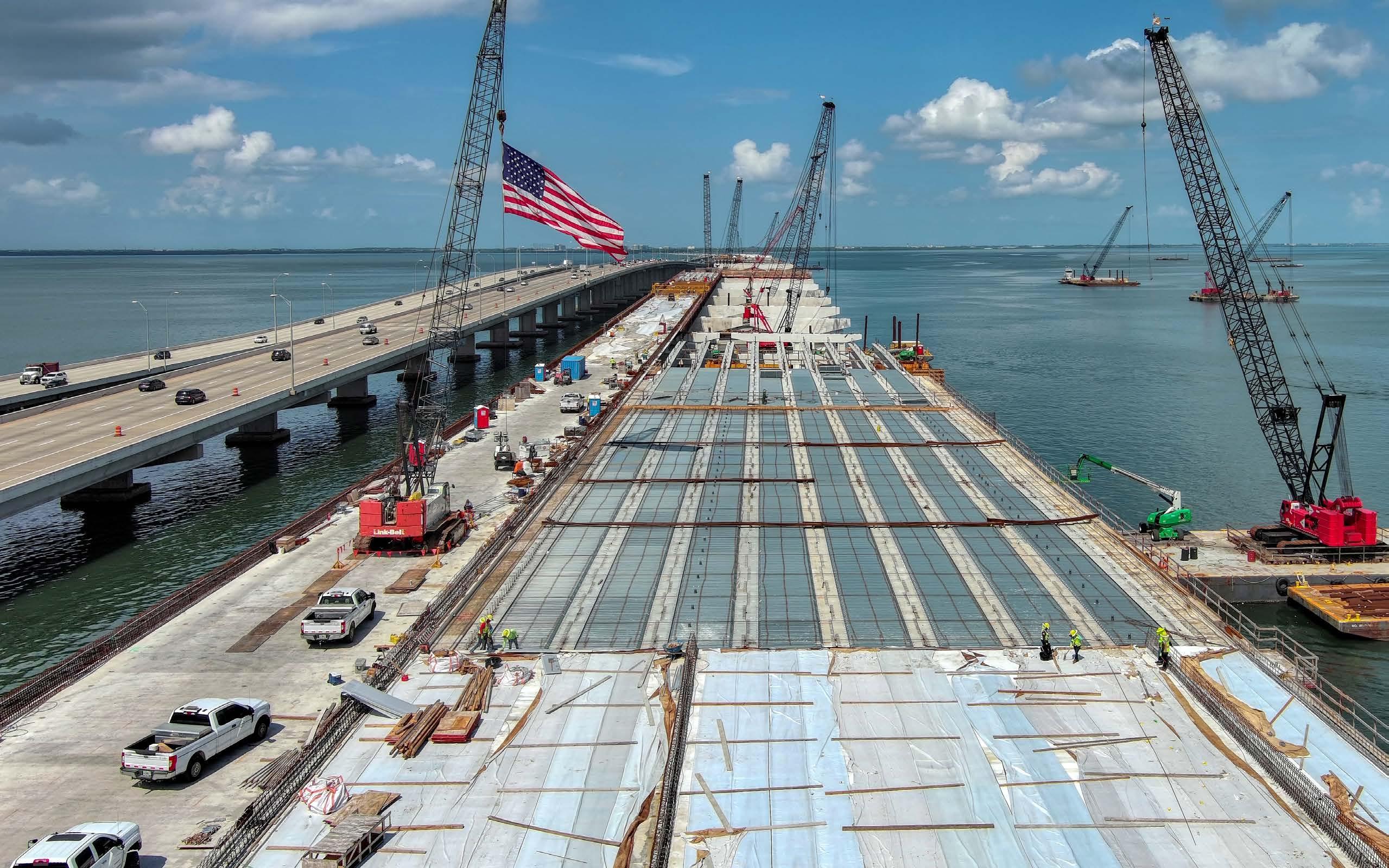
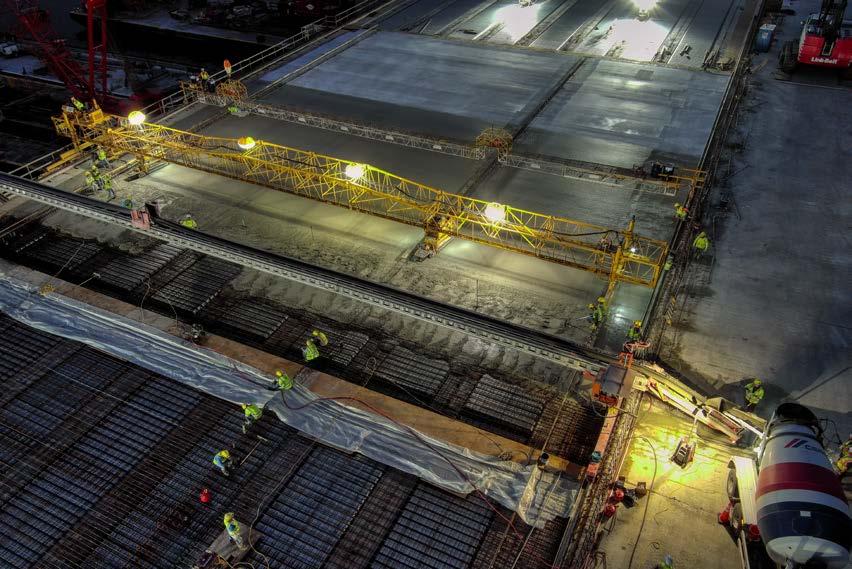
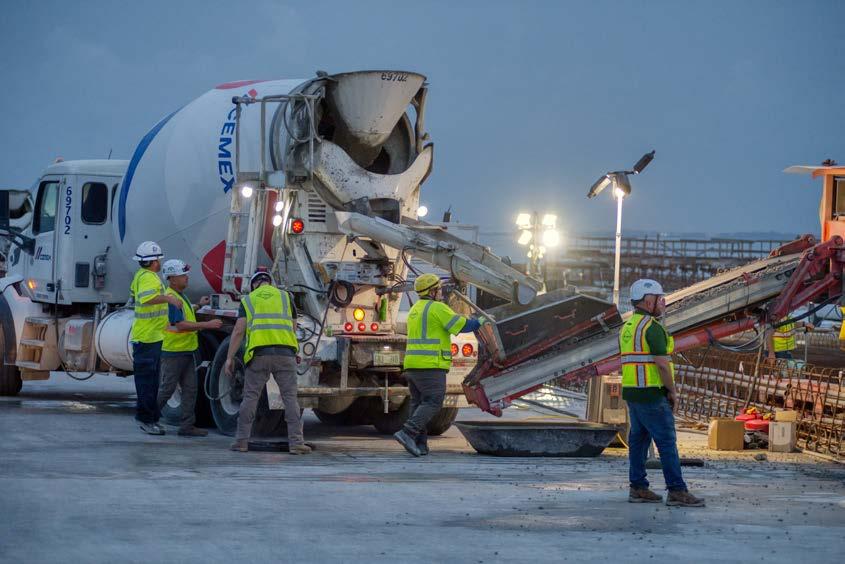
After years of anticipation, the new Howard Frankland Bridge is officially complete, bringing much-needed relief to local drivers and transforming the I-275 corridor between Hillsborough and Pinellas counties. Originally built in the 1960s, the bridge has long served as a crucial link for commuters, and its modern replacement is designed to meet the demands of the region for the next century.
This $865 million project, announced in 2017 and launched by FDOT in 2020, features eight lanes—four general-use and four express lanes—plus a dedicated pedestrian and bike path, a first for the bridge. The new structure now carries I-275 southbound traffic, while the former southbound bridge has been repurposed for northbound lanes, significantly improving traffic flow and hurricane evacuation routes.
As the largest bridge in Florida by total square footage, the Howard Frankland’s new design prioritizes longevity and resilience. CEMEX played a key role in its construction, supplying 141,000 cubic yards of concrete and 104,000 tons of aggregates to enhance the bridge’s durability. Additionally, wider concrete barriers were incorporated to protect against saltwater corrosion, ensuring a 100-year lifespan.
This milestone infrastructure project not only enhances daily commutes but also reinforces the region’s preparedness for extreme weather events, making the Howard Frankland Bridge a symbol of innovation, strength, and progress for Tampa Bay.
Photos courtesy of Trey Cambern Photography
OrlandO HealtH lake Mary HOspital
Built on Trust, Innovation, and Community
The opening of Orlando Health Lake Mary Hospital marks the beginning of a new era in healthcare for Seminole County. At 455,000 SF, this advanced, full-service acute care facility is more than just a hospital—it’s a symbol of progress, innovation, and deep community connection. Designed with the future in mind, the hospital reflects a shared vision to deliver exceptional care, meet growing demand, and build lasting infrastructure rooted in local pride.
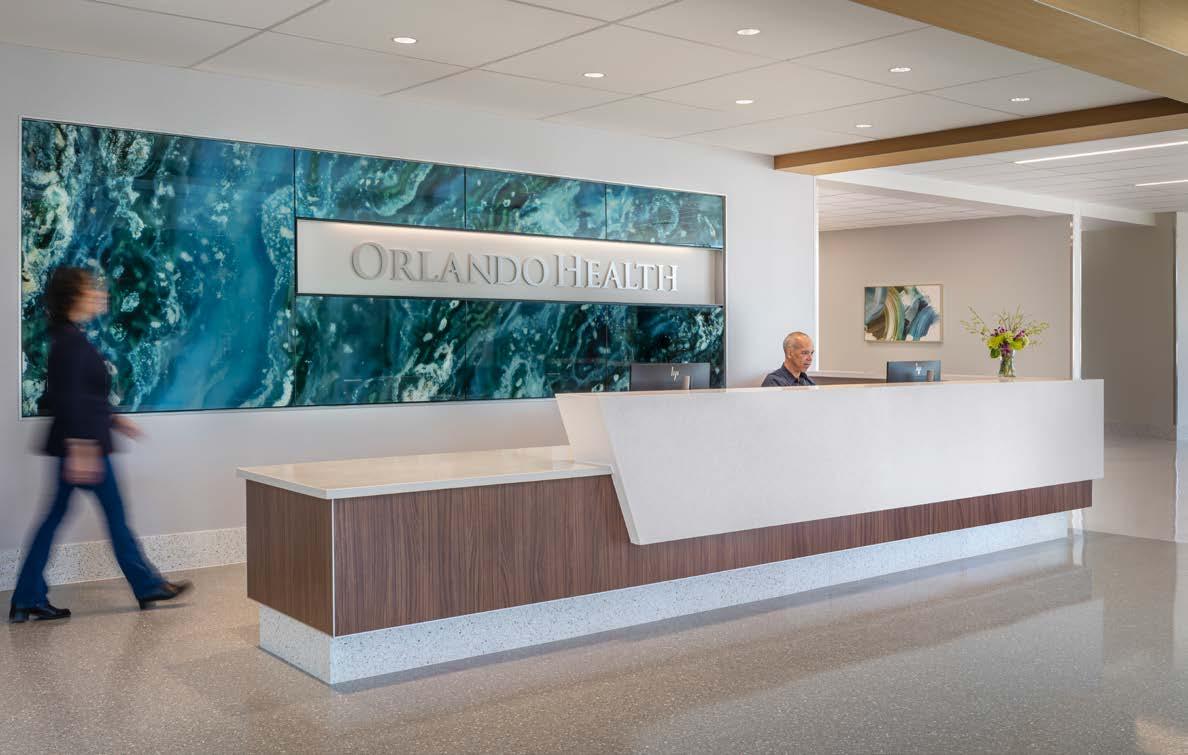
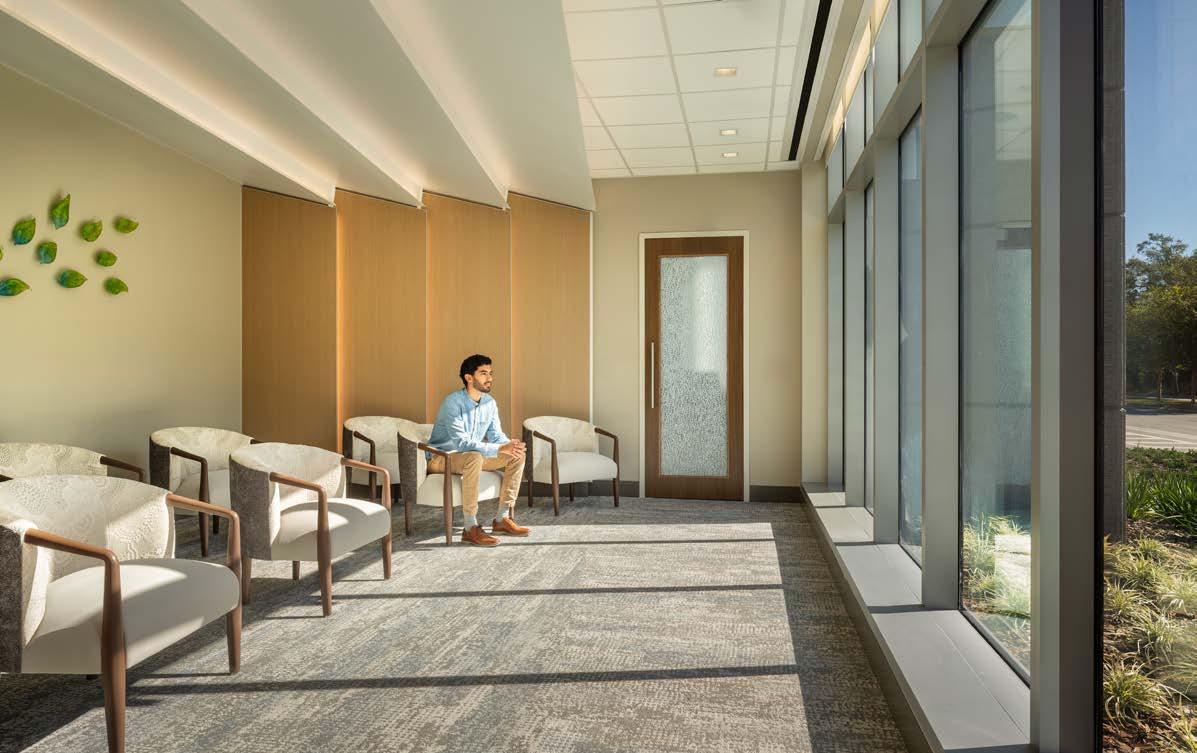
W ith 124 private beds across two six-story towers and future capacity for 240 beds, Orlando Health Lake Mary Hospital dramatically expands the region’s medical capabilities. Equipped with six state-of-the-art operating rooms, three catheterization labs—including one specifically for interventional radiology and vascular procedures—a full imaging suite, and 16 ICU beds, the facility brings world-class healthcare closer to home. Other amenities include a dedicated observation unit, dining café, chapel, and an in-house Orlando Health Scripts pharmacy—all thoughtfully integrated to create a seamless, patient-focused experience.
A COMMITMENT TO WOMEN’S HEALTH AND FAMILY-CENTERED CARE
A standout feature of the hospital is its new Women’s and Baby Center, a specialized space that combines medical excellence with compassionate, family-friendly design. From labor and delivery services to the future addition of a neonatal intensive care unit (NICU), the center underscores Orlando Health’s commitment to women’s health and to supporting growing families throughout every stage of life.
BUILT BY THE COMMUNITY, FOR THE COMMUNITY
What truly distinguishes this hospital is the team behind it. Every member of the Brasfield & Gorrie core project team were Seminole County residents—people personally invested in
building a better future for their families, friends, and neighbors. This local-first approach extended to workforce development, including hiring subcontractors and tradespeople from the area and providing internship opportunities for students from Seminole State College.
By prioritizing local hiring and engagement, the project didn’t just build a hospital—it fueled economic opportunity and created a deep sense of ownership and pride throughout the community. The result is a facility not only built for the community, but by the community, standing as a powerful legacy of inclusion and shared purpose.
INNOVATIVE CONSTRUCTION, SEAMLESS EXECUTION
Delivering a project of this scale and complexity required expert planning, innovation, and precision—qualities that Brasfield & Gorrie brought to every phase of construction. As Central Florida’s largest healthcare general contractor, the firm leveraged its unmatched experience and embraced cuttingedge construction technologies to ensure every detail was executed to the highest standard.
From the outset, the project posed logistical challenges. It involved both vertical and horizontal expansions—an uncommon approach in healthcare construction—and took place on an active hospital campus. The Emergency Department remained operational throughout, requiring intricate coordination of pedestrian and vehicle flow, temporary wayfinding, and stringent safety measures, especially with a functioning helipad nearby.
Compounding this complexity were unexpected delays that surfaced midway through construction. Faced with a potential 277-day delay, Brasfield & Gorrie launched a full project resequencing, optimizing scheduling logic, reallocating
Photos courtesy of Pavel Bendov
• Argos USA, LLC; a Summit Materials Company
• Brasfield & Gorrie, LLC
• C&C Pumping Services, Inc.
• Creative Concepts of Orlando
• Gate Precast Company
• Harper Limbach LLC
• Hartford South, LLC
• Hudson-Everly Commercial Flooring, Inc.
• Interior Specialties, Inc.
• Pece of Mind Environmental, Inc.
• Siemens Industries, IncSmart Infrastructure
• Suncoast Post Tension
• Tri-City Electrical Contractors, Inc.
• UCC Group Inc.
• Wal-Mark Contracting Group, LLC
manpower, and accelerating progress using prefabrication techniques. The result: the timeline was recovered in just 126 days—bringing the hospital online ahead of the adjusted schedule and exceeding client expectations.
TECHNOLOGY AT THE CORE OF CONSTRUCTION EXCELLENCE
A major factor in the project’s success was Brasfield & Gorrie’s strategic use of technology to enhance coordination, accuracy, and efficiency. This hospital became a benchmark for the firm’s forward-thinking construction practices.
One standout innovation was the introduction of a digital dig board—a first for Brasfield & Gorrie and a rarity in the construction industry. Traditionally a paper-based process, the dig board was digitized to manage the complex underground utility coordination surrounding the active Emergency Department and existing Medical Office Building. This real-time platform streamlined communication, minimized risk, and ensured continuous hospital operations during critical excavation work.
To address slab deflection issues, robotic field engineers were deployed to scan floor slabs using LIDAR technology. These highresolution scans produced precise elevation heat maps, allowing structural engineers to diagnose and resolve issues based on verified field data—saving both time and cost.
The Virtual Design and Construction (VDC) team also played a critical role. They modeled all sitework and concrete scopes, including concrete embeds. Prior to each pour, drone flights captured real-time site conditions, and footage was overlaid with the VDC models to confirm the exact placement of blockouts, sleeves, and embeds—significantly reducing rework and increasing construction accuracy.
In addition, virtual mockups of procedure and patient rooms were created in collaboration with clinical user groups. These immersive previews allowed hospital staff to interact with their future workspaces before construction began. Their feedback was integrated into final wall management shop drawings, ensuring that every element—from outlets to medical equipment— was precisely where it was needed.
A LASTING LEGACY
The completion of Orlando Health Lake Mary Hospital isn’t just the end of a construction project—it’s the beginning of a healthier, stronger, more connected community. It stands as a testament to what’s possible when innovation, expertise, and local heart come together.
For Orlando Health, this facility reaffirms a steadfast commitment to delivering accessible, compassionate care. For Brasfield & Gorrie, it showcases the power of partnership, advanced construction practices, and a community-first mindset. Together, we’ve not only raised the standard of healthcare in Seminole County—we’ve redefined it.
BLUE CORD’S EMERGENCY WELLS PROJECT:
A Lifeline for the VA Hospital
in Asheville
Last fall saw the devastating impact of Hurricane Helene in Asheville, NC, and the storm damage left the city completely without its domestic water supply. Without a reliable source of water to support its operations, the Charles George VA Medical Center reached out to Blue Cord for emergency assistance in the hope that our team, which was already performing construction work on site, could respond to this urgent need.
The aftermath of the storm presented significant challenges, having left the area in complete disarray. They knew that accessing the site would be difficult and local subcontracting partners would also be reeling from the devastation of Helene. Despite this, they were able to find the needed resources to mobilize on site. Blue Cord called local trade partners with histories of working at this VA to partner in expediting the work, working with vendors from both Asheville and the surrounding areas to source materials and labor.
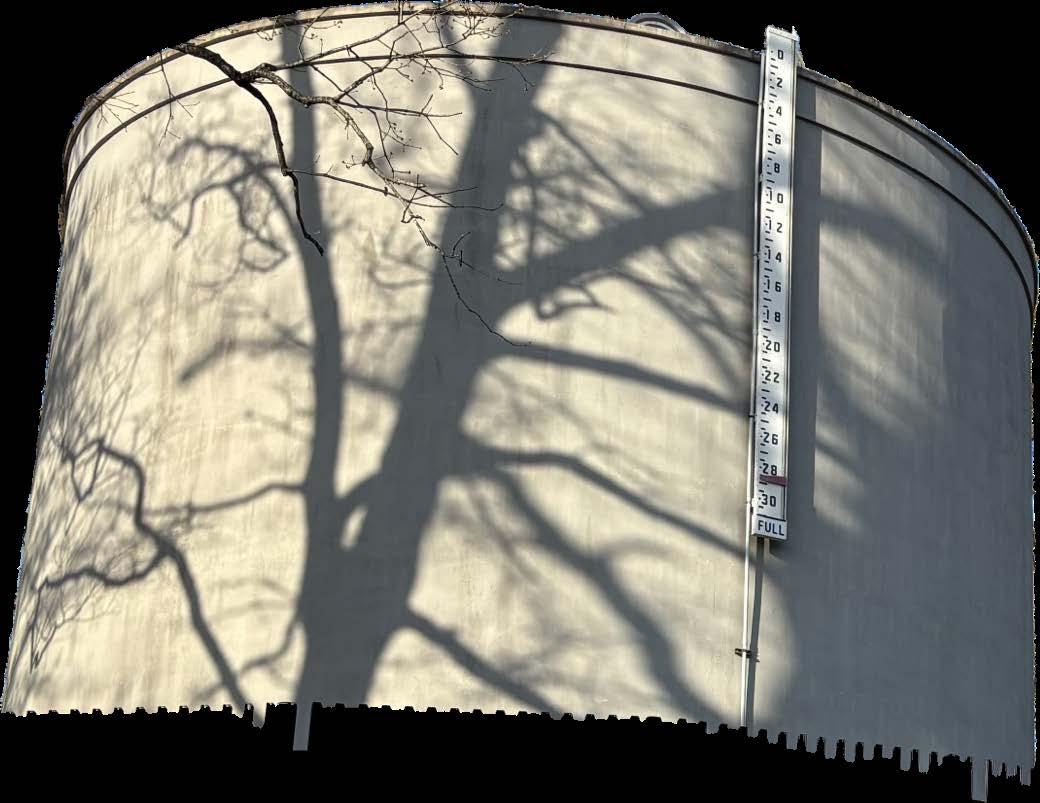
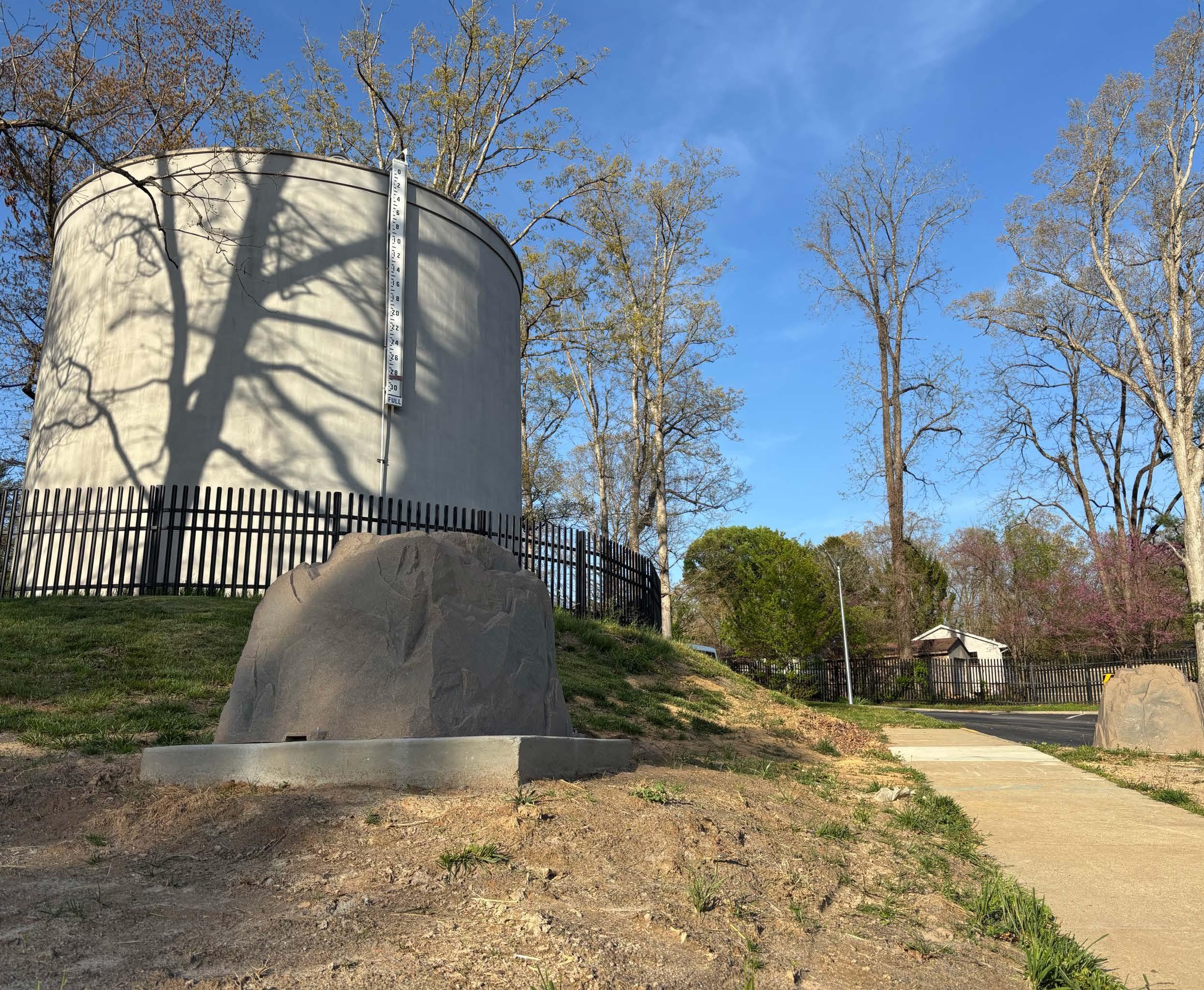
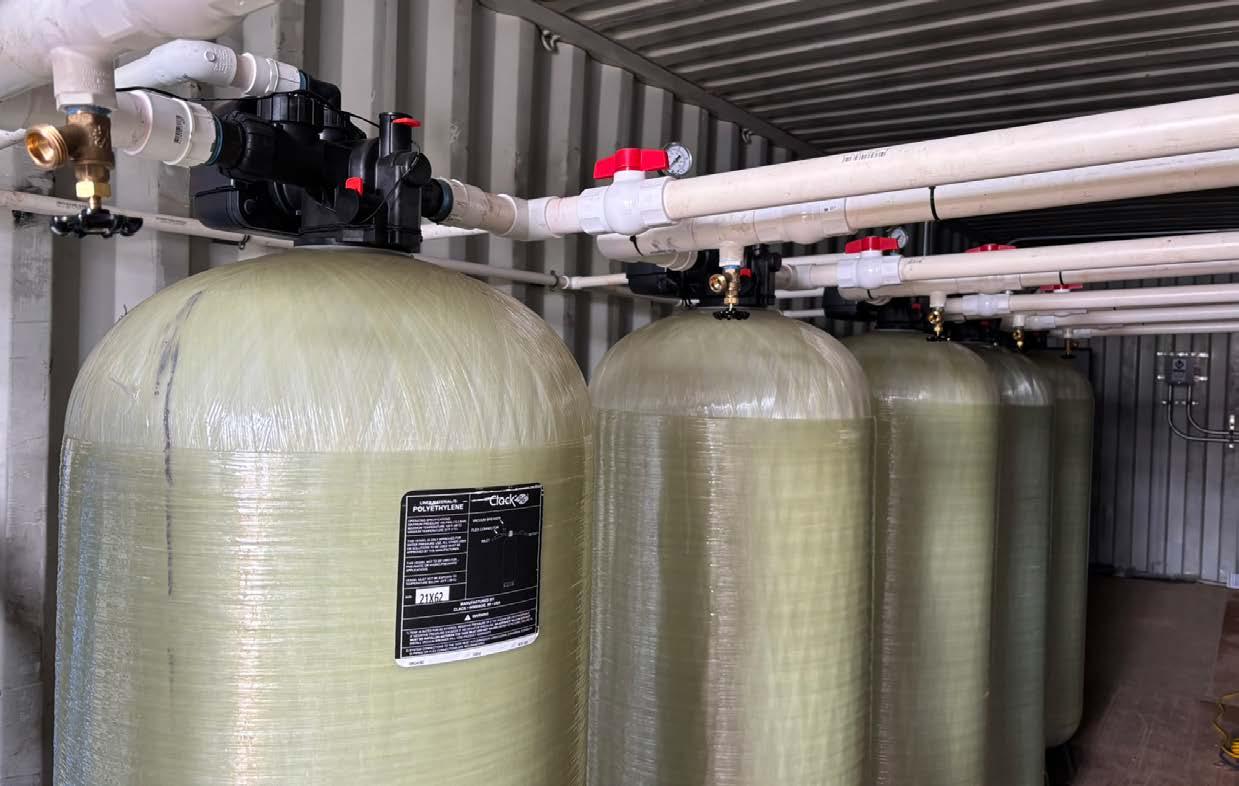
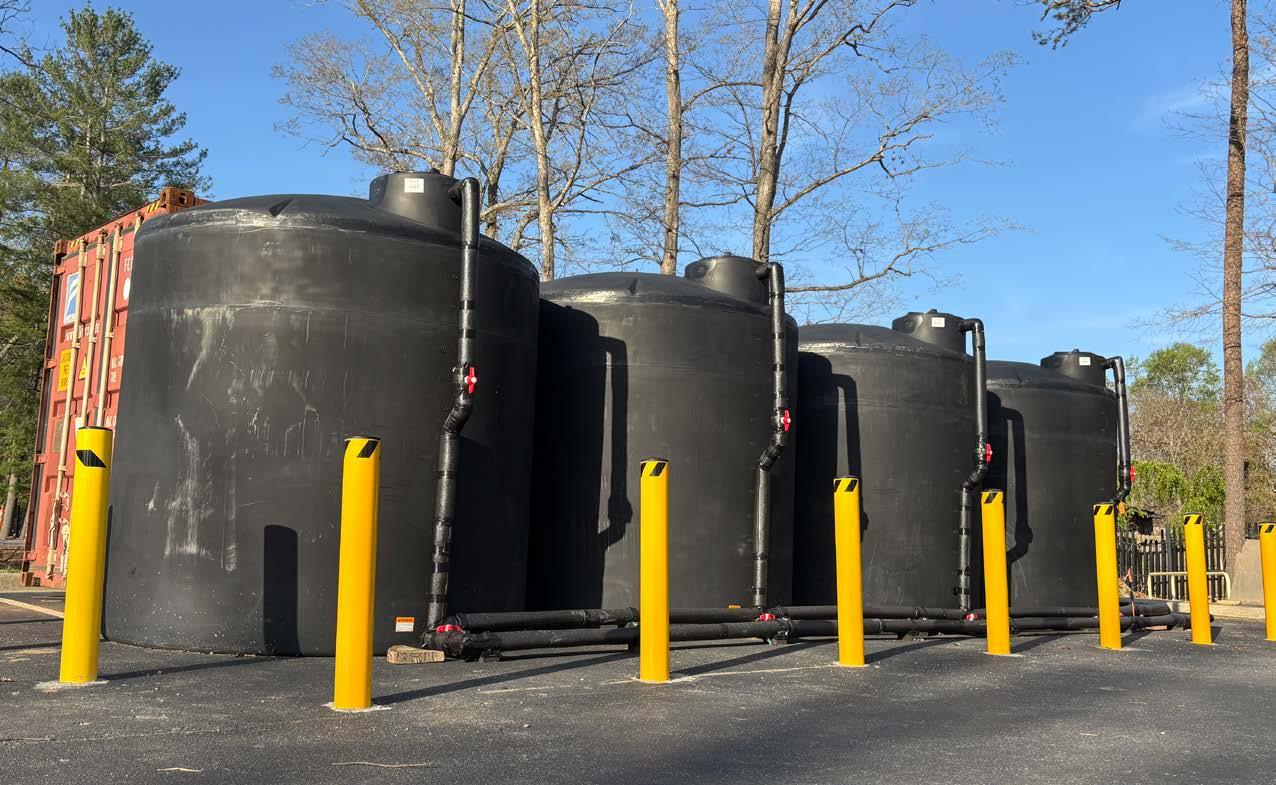
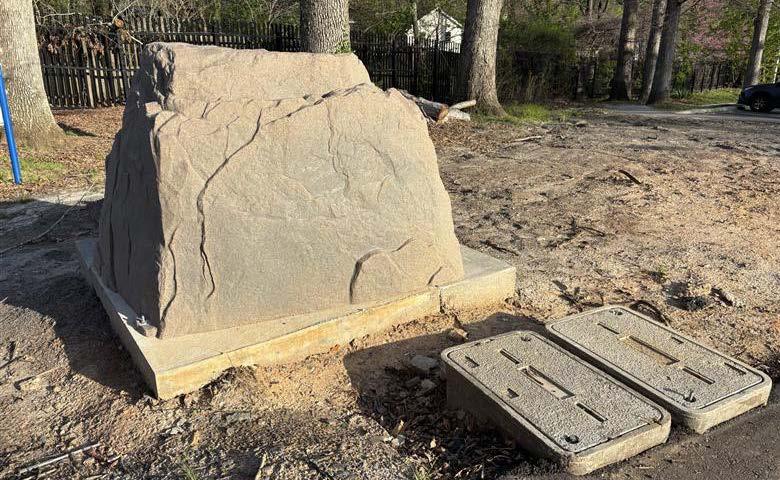
They began work with a plan to provide a temporary water supply by drilling new wells to service the hospital until the city’s supply could be reestablished. This water system was designed to connect a temporary water pumping system to a total of 14 drilled wells, including seven active wells and seven abandoned wells, ensuring a reliable water supply of 75,000 gallons per day for the hospital. The project also featured a
conex container housing seven water filters, electrical panels, and the necessary shut-off valves for operational control and maintenance.
One of the major challenges they faced was collaborating with the VA to determine the number of drill sites needed. Initially, the VA anticipated meeting their demand of 75 gallons per minute by utilizing three active wells. However, as they drilled directly into the aquifer, they encountered difficulties with some wells not producing any water and others falling short of the initial expectations. They worked with the VA and their trade partners to adjust their strategy, providing a greater number of shallower wells to produce the targeted amount. This allowed them to reduce costs and keep the project within the emergency budget while still ensuring the hospital received enough water to meet its operational needs.
Blue Cord is and always will be fully committed to their clients and the communities they serve. In spite of the devastation of Hurricane Helene, the successful completion of this project ensures the hospital and the Veterans who rely on it for care are fully supported and have the necessary water supply to maintain its operations.
Construction firms play a crucial role in providing emergency response services when disaster strikes. By going above and beyond for clients in their time of need, we can make a significant impact on community resilience. They encourage other firms to sign up with FEMA or Disaster Assistance to be prepared to offer vital support during emergencies.
THE FUTURE IS YOU:
NEXGEN Leadership Program
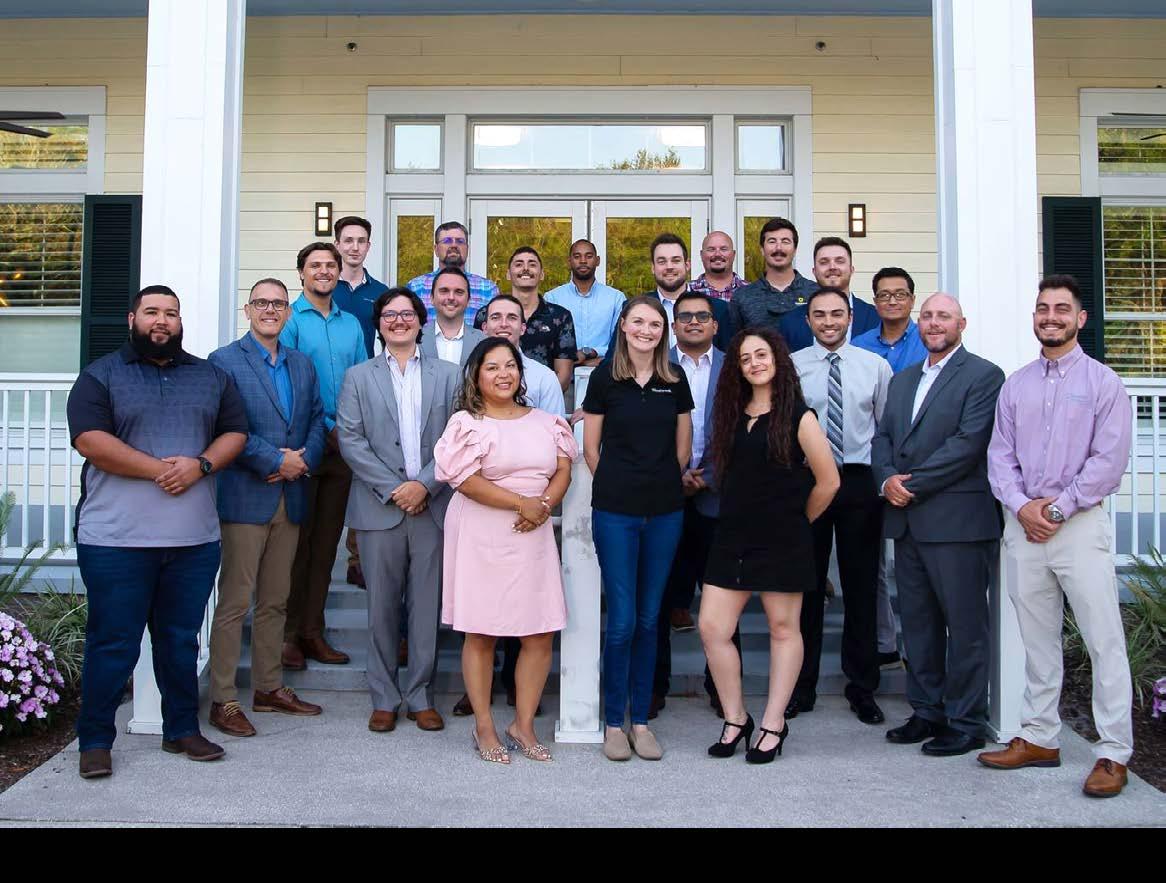
The Central Florida construction industry is evolving fast—and so is the next generation of leaders rising to shape it. If you’re ready to step forward and lead, it’s time to apply for the 2025–2026 NEXGEN Leadership Program, presented by ABC Central Florida.
More than just a leadership course, NEXGEN is a launchpad. This immersive 8-month program is designed for the doers, the thinkers, the builders—the ones who know there’s more to the job than just completing a project. It’s about vision, influence, teamwork, and building a legacy that lasts beyond the jobsite.
Why NEXGEN? Because the Industry Needs Leaders Like You
The NEXGEN Leadership Program is built to connect rising
professionals with real-world tools and the relationships they need to grow. Through interactive sessions, hands-on site visits, leadership coaching, and face time with decision-makers and design teams, participants gain far more than knowledge—they gain influence.
Each session aligns with industry shifts and is shaped by local leaders who know what Central Florida’s construction landscape needs. With the support of a strong alumni network and deep community partnerships, NEXGEN continues to develop highperforming professionals who are not just ready for leadership, but hungry for it.
What You’ll Experience
■ Leadership development and coaching with seasoned mentors
Forklift Rental Experts
■ Peer-to-peer learning and collaboration across a wide spectrum of roles and companies
■ Access to project owners, executives, and community leaders
■ Behind-the-scenes site tours that align with session topics
■ Networking events and social activities to build lasting connections
■ A graduation celebration marking your transformation from potential to powerhouse
■ From teamwork exercises to panel discussions with construction executives, NEXGEN creates unforgettable experiences that strengthen every dimension of your professional growth.
Who Should Apply?
How to Apply
“I truly enjoyed the NEXGEN Leadership Program. It equipped me with the skills and knowledge needed to navigate the complexities of the construction industry and to emerge as a confident and effective leader. I am grateful for the experience and highly recommend this program to other professionals looking to advance their careers in construction.” – Zach Ingrao, Welbro Building Corporation
NEXGEN is for up-and-coming leaders and seasoned professionals alike. Whether you’re with a general contractor, subcontractor, supplier, or associate ABC member company, if you’re passionate about construction and have at least one year in the industry and decision-making responsibilities in your company, this program is for you.
There’s no age requirement—just a mindset: dedicated, driven, and ready to lead.
■ Applications Due: June 30, 2025
■ Submit: Completed application and current resume
■ Review Period: July (screened by the NEXGEN Council)
■ Interviews: August
■ Final Selections Announced: September 1
■ Program Begins: Fall 2025
Spots are limited, and competition is strong. But if you’re ready to step up and shape the future of construction in Central Florida, now’s your moment.
Build More Than Structures— Build a Future Worth Leading
The construction industry doesn’t just need workers. It needs visionaries. Innovators. Collaborators. Leaders. The NEXGEN Leadership Program is how we identify, develop, and support those people—and it could be your first step to becoming one of them.
THE FINANCIAL FOREMAN: Why Your Construction Business Needs a CFO
By AARON MILLS, CEO of DAAXIT, Inc., Providing Fractional CFO Services for Contractors
In the construction industry, there’s pride in hard work, long days, and doing things the right way—often the way they’ve been done for generations. But times change. Projects are bigger, compliance is tighter, margins are thinner, and the business side of construction has grown more complex.
At some point, every successful contractor faces a critical crossroads: the point when keeping your books clean and your projects profitably outgrows the capabilities of your office manager, bookkeeper, or even your CPA. This is the moment you need a Chief Financial Officer—or CFO.
But what exactly does a CFO do, and how do you know if you need one?
A CFO IS NOT JUST A “FANCY BOOKKEEPER”
There’s a common misconception that a CFO is just a glorified accountant. Not true. A CFO is a strategic partner who understands the business of construction—and the business behind construction. They go beyond keeping score. They help you win the game.
Where bookkeepers record transactions and accountants prepare taxes, a CFO asks questions like:
■ Where are we bleeding cash?
■ Which jobs are most profitable—and why?
■ Can we afford to take on that big project next quarter?
■ What will it take to grow 20% next year?
■ How do we prepare for a downturn in the market?
They’re not just looking at what happened. They’re forecasting what’s coming. And in construction, where one bad estimate or late payment can put a business in the red, that kind of foresight is gold.
SIGNS IT’S TIME TO BRING IN A CFO
You may not need a full-time CFO sitting in your office—but if you recognize these signs, you need someone in the CFO seat, even if it’s on a fractional basis:
1. You’re Growing Fast but Feel Out of Control
Growth should be exciting, not stressful. If you’re taking on more work, hiring more crews, and upgrading your equipment—but you can’t confidently say how profitable you really are—your business is outpacing your financial infrastructure.
2. Cash Flow is Always Tight, Even When You’re Busy
Construction businesses often die not from lack of sales but from lack of cash flow. A CFO builds systems that help you predict, control, and optimize your cash—not just hope it works out.
3. Your CPA Talks About Last Year While You Worry About This Year
CPAs are essential, but they deal with history. A CFO deals with your future. They build models, dashboards, and tools that help you make better decisions today.
4. You’re Guessing at Your Bids
If you’re still estimating jobs with your gut, or you’re unsure which projects are profitable, a CFO can develop costtracking systems that bring clarity and confidence to your bids.
5. You Want to Exit, Sell, or Bring on a Partner Someday
Any investor, bank, or buyer will look for clean books, strategic planning, and financial intelligence. A CFO makes your business investable
THE FRACTIONAL CFO ADVANTAGE
Hiring a full-time CFO can be expensive—often $150,000 or more per year. That’s where the concept of a fractional CFO comes in. This is a seasoned financial expert who works with your business part-time, for a fraction of the cost, but brings fulltime strategy and value.
WHAT HAPPENS WHEN YOU HIRE A CFO?
When a fractional CFO is hired, companies start to see:
■ Profits improve as waste is identified and eliminated.
■ Better bidding and project pricing using real-time data.
■ Increased confidence in taking on larger projects or expanding to new markets.
■ Less stress, because there’s finally someone focused on the financial direction of the business.
In short, a CFO puts the same level of professionalism into your financials as your crew puts into every jobsite.
RESPECTING THE PAST, BUILDING THE FUTURE
The best builders are those who respect the past but aren’t afraid to invest in the future. Bringing on a CFO isn’t about changing who you are—it’s about building on what you’ve already done.
You didn’t get into this business to push numbers—you got into it to build something lasting. But without sound financial leadership, even the strongest foundations can crack.
A CFO—especially a fractional one—can be your trusted advisor, your strategic partner, and your secret weapon for building a business that lasts generations.
If you’re at that crossroads now, it’s time to stop guessing and start leading with clarity. The right CFO won’t just make your numbers better—they’ll make your future brighter.
EXECUTIVE ORDER AIMS TO POWER UP APPRENTICESHIPS AND TRADE CAREERS
On April 23, President Donald Trump signed an executive order aimed at overhauling federal workforce development efforts.
The order directs the U.S. Department of Labor, U.S. Department of Education and U.S. Department of Commerce to review and modernize federal workforce programs, focusing on administrative reforms to improve participant experiences and aligning programs with the needs of emerging industries. The agencies are directed to develop a comprehensive workforce strategy to achieve these goals within 90 days.
The executive order also includes a goal of supporting over 1 million government
apprenticeships annually by expanding apprenticeships to new industries, improving efficiency and enhancing connections between registered apprenticeships and the education system. The agencies are directed to submit a plan to do so within 120 days.
The initiative seeks to address labor shortages, specifically citing a 447,000-person workforce shortage in construction.
ABC and contractor members continue to take a leading role in upskilling the construction workforce, with chapters offering over 450 government-registered apprenticeship programs and members investing $1.6 billion in workforce training through an all-of-the-above approach.
FEARLESS LEADERSHIP, COLLECTIVE IMPACT:
Women United Luncheon Raises $180,000 for ALICE Families
On April 10, the ballroom of Hilton Orlando radiated with purpose, unity, and bold energy during the Heart of Florida United Way’s 18th Annual Women United Luncheon. The signature event drew more than 400 of Central Florida’s most dynamic women leaders, each committed to building stronger communities through service, advocacy, and strategic investment.
This year’s luncheon was chaired by Ana Carolina Salazar of BOLD Hispanic Marketing Agency and co-chaired by Lynette Jackson of JPMorgan Chase & Co. Their efforts, alongside a dedicated committee and the Heart of Florida United Way team, raised over $180,000 to support ALICE (Asset Limited, Income Constrained, Employed) families in the Central Florida region.
The Women United Luncheon is not just a gathering—it is a powerful reminder of what is possible when women come together with a shared goal of advancing their community. Attendees represented diverse sectors, including finance, government, construction, nonprofit, healthcare, and education, demonstrating how cross-sector collaboration can address real community needs.
The highlight of the day was an empowering keynote from Michelle Poler, author, entrepreneur, and founder of the Hello Fears movement. In her high-energy presentation, Poler challenged attendees to confront their fears, move out of autopilot, and lean into lives of intentional courage. “When we stop avoiding fear,” she shared, “we discover what we’re truly capable of.” Her message deeply resonated with the theme of the day—bold, fearless change led by women who uplift others.
Women United is a global network of over 55,000 women who collectively have raised over $2 billion to improve education, health, and financial stability in their communities. At the local
level, Heart of Florida United Way’s Women United continues to be a driving force for impact, rallying around programs and services that support working families living paycheck to paycheck.
The funds raised during this year’s luncheon support initiatives that help ALICE families navigate housing instability, financial strain, and limited access to resources—all critical issues in the rapidly growing Central Florida region.
As Heart of Florida United Way continues to drive impact through advocacy, fundraising, and partnerships, the message is clear: when women unite, communities thrive. Together, we are creating a Central Florida where every individual has the
JUNE
2025 UPCOMING EVENTS CALENDAR
3 NEXGEN Graduation, Harry P. Leu Gardens
11 YP bowling Tournament
27 Contractors HR Peer Group Safety Forum – Heat Illness Prevention
JULY
1 Builders’ Breakfast with University of Central Florida
12 Builders BBQ Bash
17-19 ABC State Convention, Naples Grande Resort
AUGUST
15 Casino Night Workforce Education Fundraiser, Orlando Science Center
15 Contractors HR Peer Group
19 YP Trivia Night
21 Maximize Your Membership
TBA ABC on Tap
SEPTEMBER
18 Construction Expo, Central Florida Fairgrounds 29 Fall Golf Tournament #1, Heathrow Golf Club
OCTOBER
6 Fall Golf Tournament #2, Heathrow Golf Club 10 Contractors HR Peer Group 18 EIC Awards Banquet, Hilton Orlando 30 ABC on Tap, Johnny’s Other Side
NOVEMBER 5 Committee Open House 6 Sporting Clays, Blackjack Sporting Clay
DECEMBER
4 Chili Cook Off
5 Contractors HR Peer Group
TBA Holiday Party & Toy Drive
TBA YP Winter Olympics
For more information, or to keep checking in as more events are scheduled visit: https://abccentralflorida.com/abc-events/
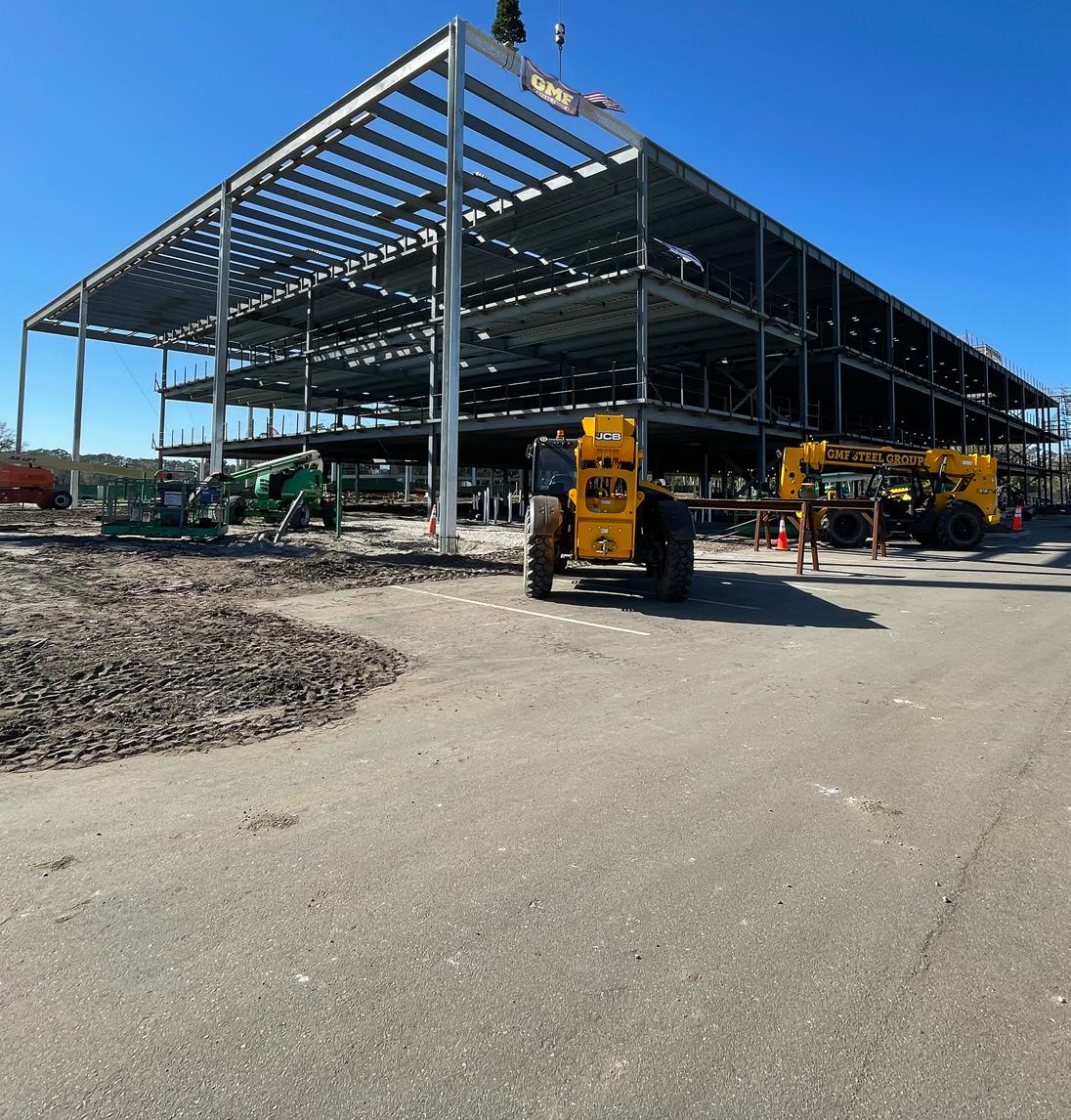
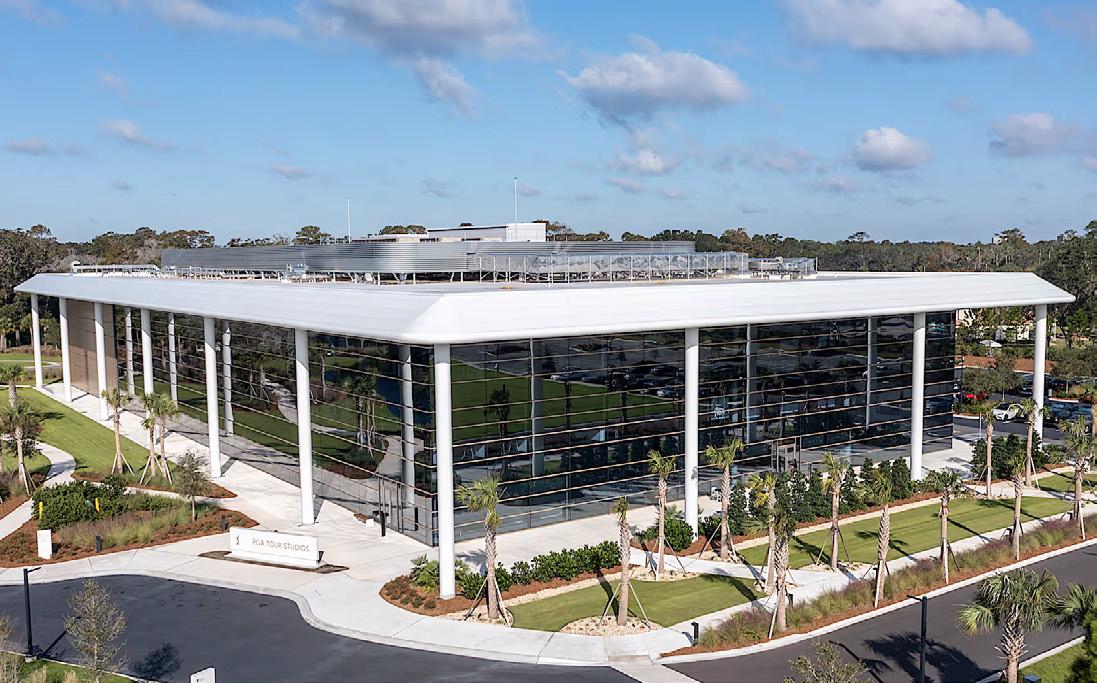
PGA TOUR STUDIOS
BREAKING THE SILENCE:
Prioritizing Mental Health in the Construction Industry
By STEPHANIE KRESS, Safety & Total Human Health, ABC Central Florida
The construction industry is the backbone of our communities, building the roads we drive on, the homes we live in, and the schools where our children learn. Yet, while physical safety is a well-established priority on job sites, there’s a vital area often left unspoken: mental health. It’s time we break the silence and confront the challenges facing the mental wellbeing of our workforce.
Construction workers face unique pressures—long hours, physical exhaustion, unpredictable work schedules, and high-risk environments. On top of that, the industry often fosters a “tough it out” culture that discourages vulnerability. These factors can contribute to high levels of stress, anxiety, depression, and substance misuse. In fact, the construction industry has one of the highest suicide rates among all occupations in the United States.
Ignoring mental health doesn’t just harm individuals; it affects entire teams, productivity, and workplace safety. When workers are mentally unwell, their focus, decision-making, and overall job performance suffer. The ripple effect can be wide-reaching—impacting morale, increasing absenteeism, and even leading to costly accidents. Mental health isn’t just a personal issue; it’s a workforce issue.
At ABC, we recognize that mental health is just as critical as physical safety. We’re committed to supporting our members in creating a culture that cares—not just from the top down, but across every level of the job site. That’s why we continue to offer a range of resources to help our members prioritize mental well-being.
ABC’s Total Human Health Initiative takes a holistic approach to health and wellness—addressing emotional, social, and
mental health along with physical safety. Whether you’re a business owner, site supervisor, or tradesperson, you can access practical tools, educational webinars, toolbox talks, and expert guidance to integrate mental health support into your workplace culture.
By using these resources, employers can foster open conversations about mental well-being, train leaders to recognize warning signs, and establish support systems that connect workers to professional help. Even small changes— such as regularly checking in with team members or offering mental health days—can make a significant difference.
Creating a mentally healthy job site is not only compassionate; it’s smart business. A workforce that feels supported and understood is more resilient, more productive, and more loyal. By investing in mental health, construction companies can strengthen their most valuable asset: their people.
The industry is changing—and it’s up to all of us to lead the way. Let’s continue to build a future where talking about mental health isn’t a sign of weakness, but a sign of strength. Let’s work together to ensure that every worker knows they’re not alone.
Associated Builders & Contractors is here to help. Visit our website to explore mental health resources, connect with experts, and take the first step toward a healthier, safer, and more supportive construction culture.
THE PUNCH LIST
Checking off what ABC Central Florida has been up to since April
If you’ve been busy on the jobsite and missed a few updates, don’t worry—we’ve got you covered. From golf swings to legislative zings, it’s been a packed spring at ABC Central Florida.
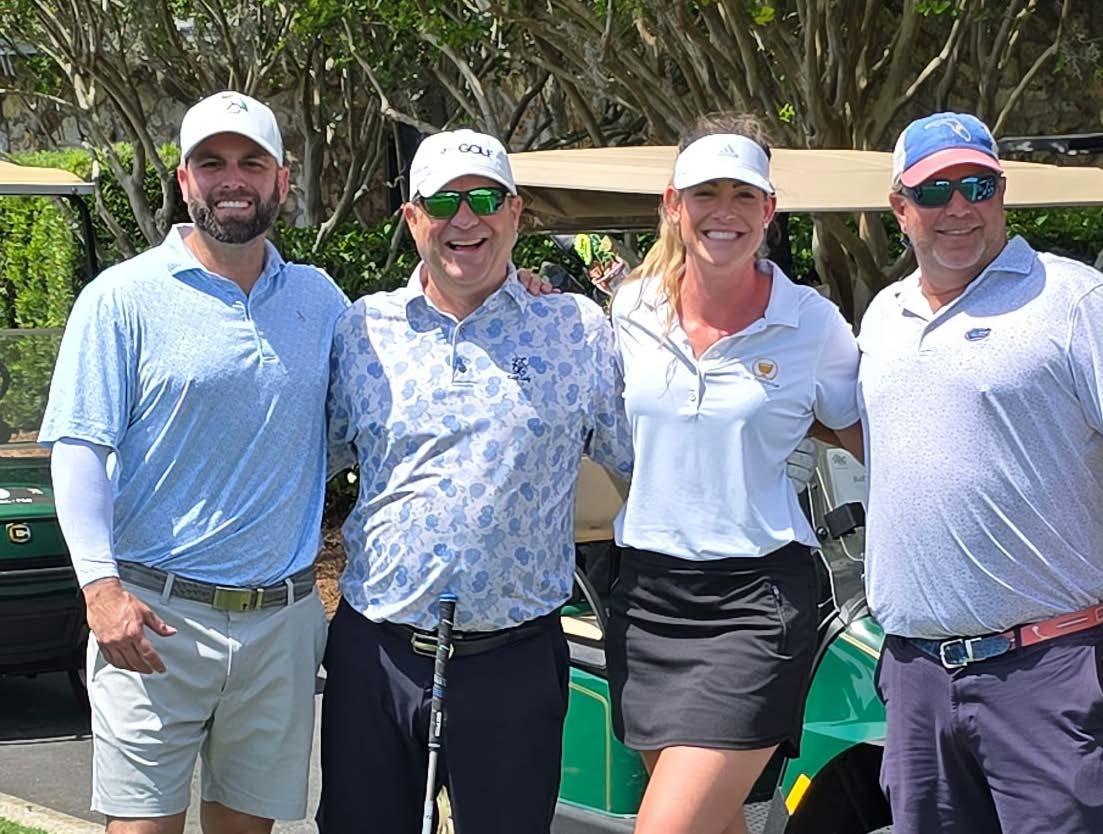
We teed off the season with two sold-out Spring Golf Tournaments at Bay Hill, where the weather was hot, the networking was hotter, and Document Crunch helped cool things down with a visit from King of Pops and their iconic popsicle cart—a true holein-one treat!
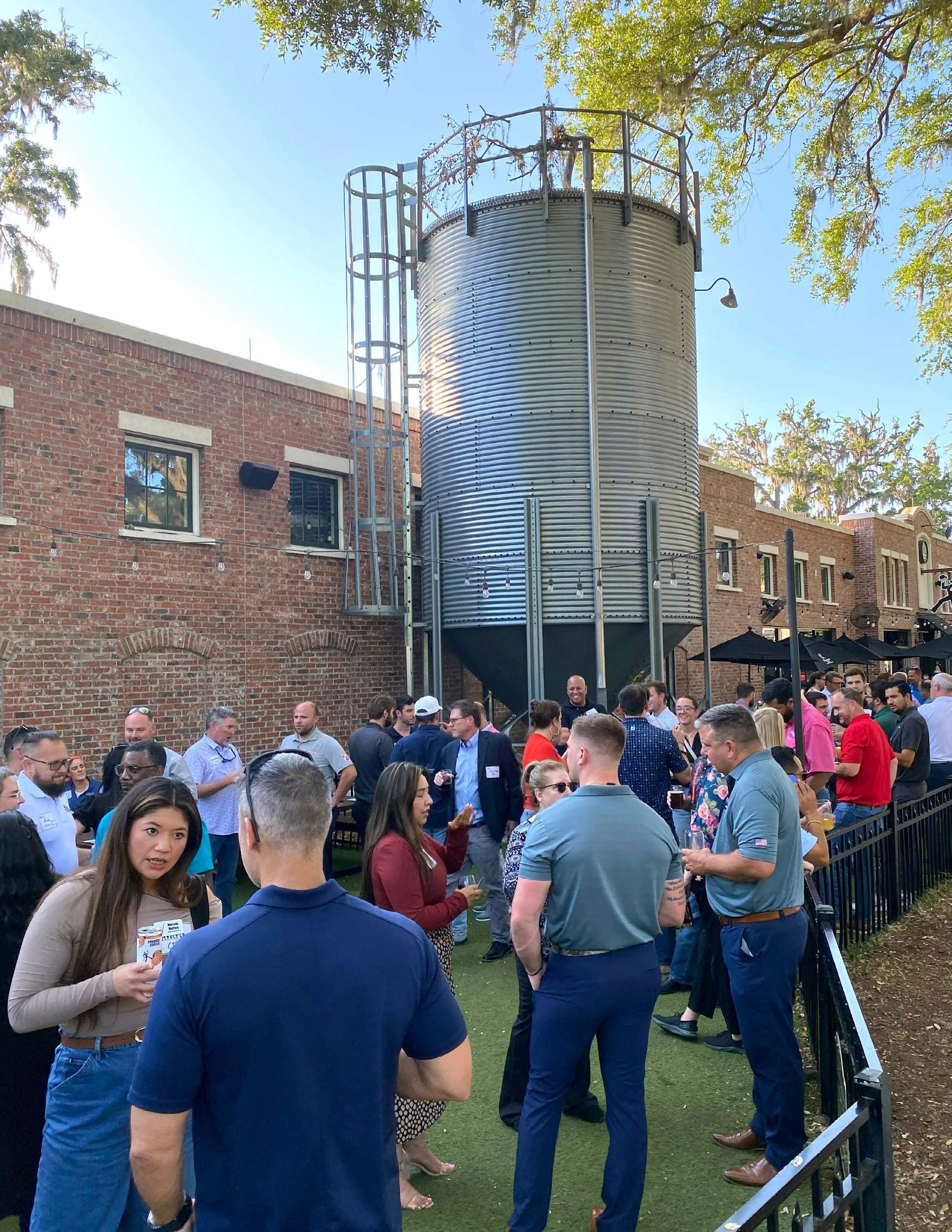
April’s ABC on Tap brought members to a new venue: Crooked Can Brewery in Winter Garden. Judging by the enthusiastic feedback, it’s safe to say this location was a crowd favorite—good brews, great conversations, and even better connections.
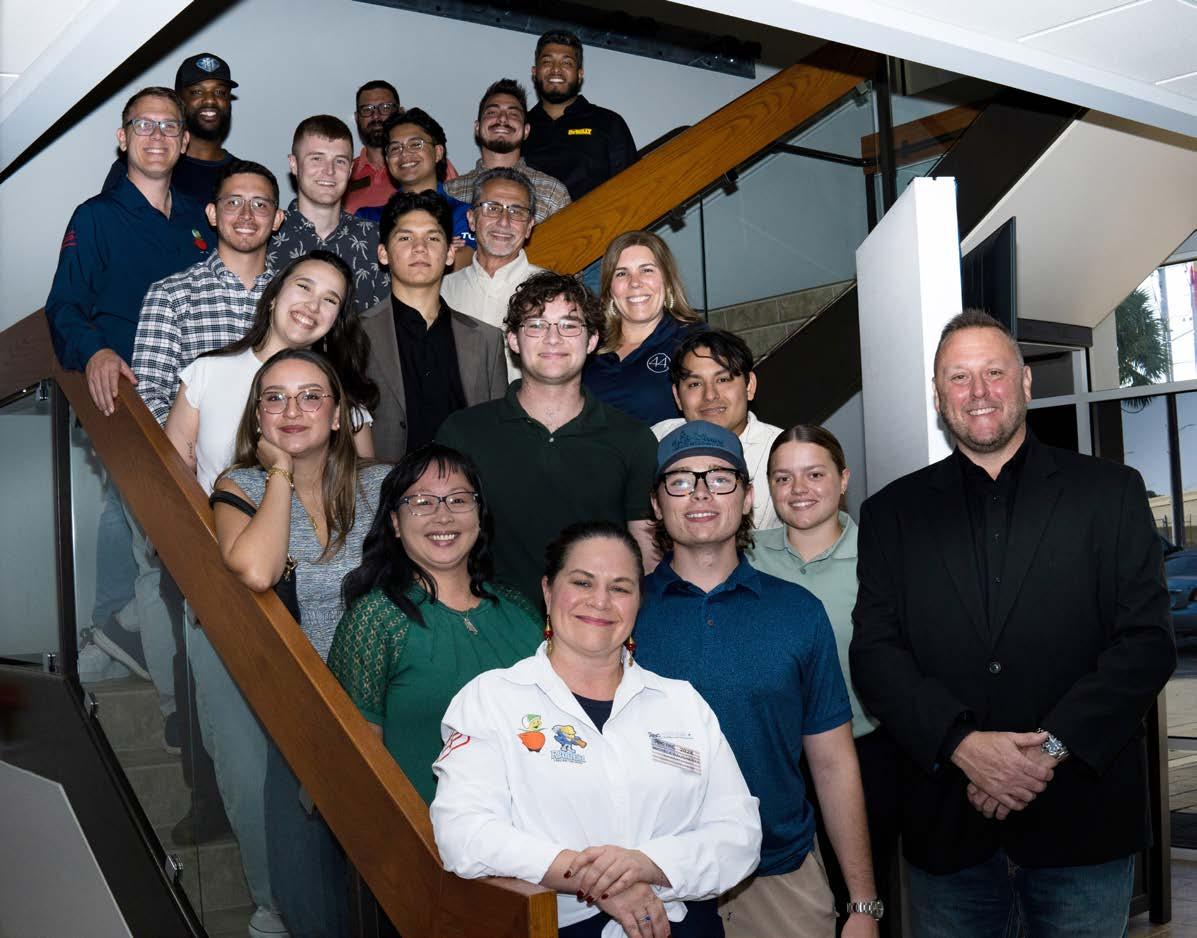
This quarter also marked a milestone for the next generation of construction professionals, as we celebrated the graduations of the PIPE apprentices and on June 3, the 2024–2025 NEXGEN class—a proud moment for ABC and the future of our industry.
And the celebrations didn’t stop there—DEWALT threw a well-deserved party for the UCF and Seminole State College Construction Management teams following their standout performances at the ABC National Construction Management Competition. It was a high-energy tribute to the students’ hard work, talent, and rising leadership in the construction field.
Things got even spicier at our Crawfish & Conversations event, a fiery twist on our annual legislative hobnob. Members, association partners, and state and local legislators gathered for serious discussions (and serious seafood) as we stirred the pot on key issues impacting the industry.
Looking ahead, the summer calendar is sizzling:
DEWALT celebrates with CMC teams.
✔ We’ll kick things off with a Builders’ Breakfast featuring the University of Central Florida—a chance to hear about upcoming campus projects and opportunities for members.
✔ Then it’s time for family fun at the Builders’ BBQ Bash on July 12 at Trotwood Park. With food, games, a splash pad, and summer vibes all around, it’s the perfect outing for everyone.
✔ We’ll wrap up the season in style with the ever-popular Casino Night Workforce Education Fundraiser at the Orlando Science Center—a night of gaming, giving back, and community building.
And in case you’ve been living under a rock (or buried under bid proposals), Universal’s new Epic Universe officially opened on May 22. The park is a stunning showcase of what our members are capable of—bringing to life thrilling experiences like Stardust Racers, Isle of Berk, and the power-packed Super Nintendo World, where guests can explore Bowser’s Castle and race through Mario’s world like never before. It’s more than a theme park—it’s a tribute to the craftsmanship, imagination, and dedication of Central Florida’s construction community.
So, what’s next? Keep your hard hats on—ABC Central Florida is just getting started.
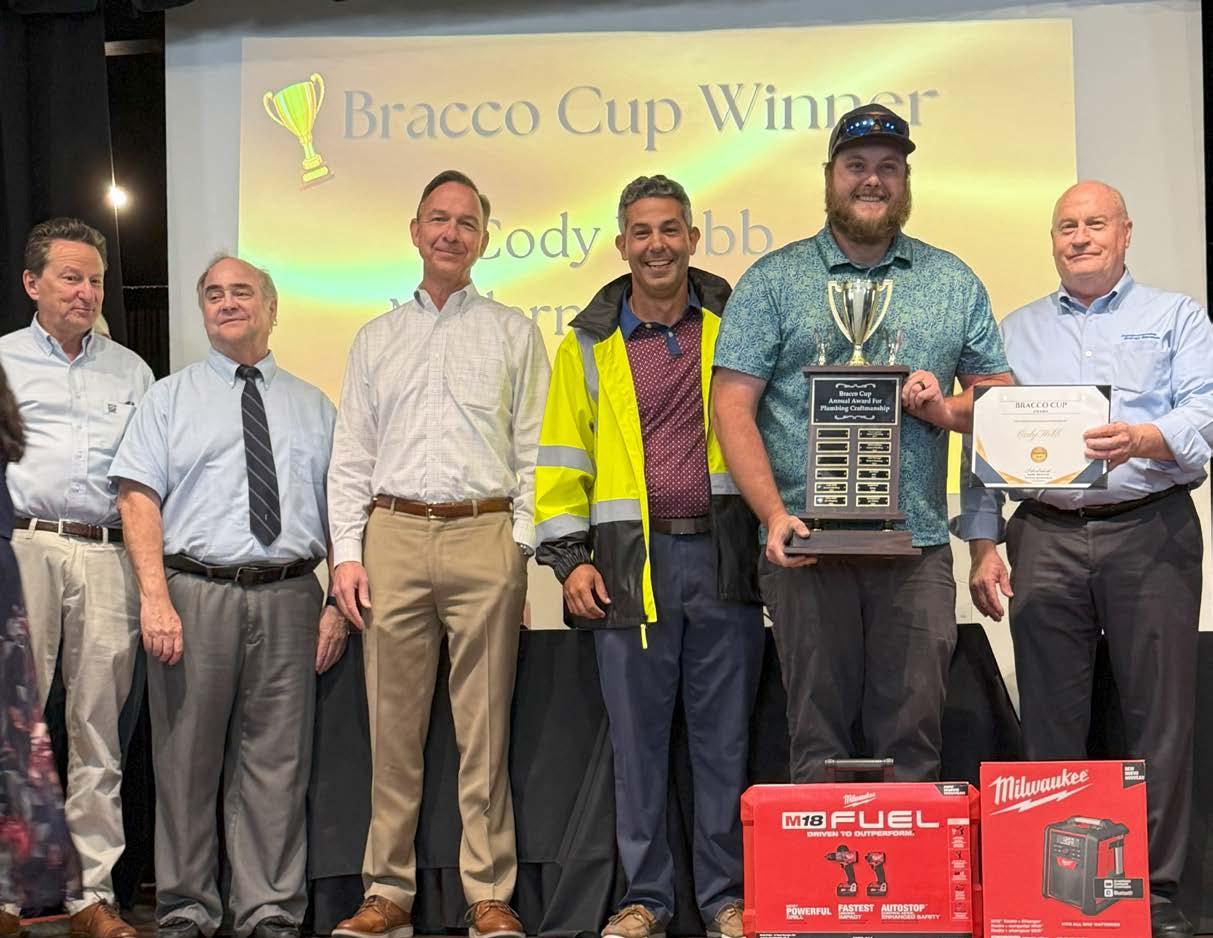
Bracco Club Winner Cody Webb accepts award at PIPE graduation.
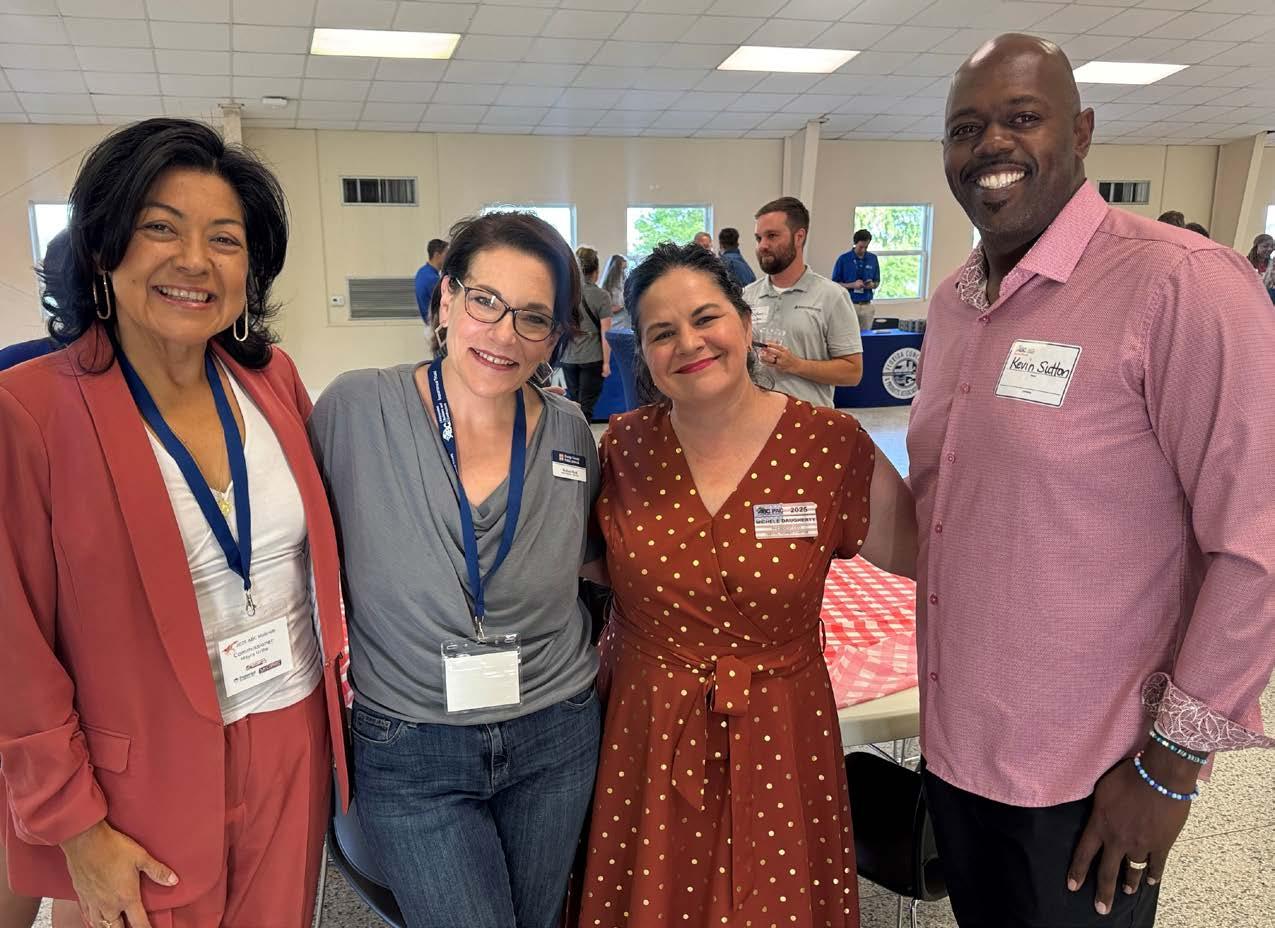
Commissioner Mayra Uribe, OCPS School Board Member Melissa Byrd, ABC President Michele Daugherty, and Kevin Sutton.
The annual Casino Night will begin with light hors d'oeuvres, followed by dinner, music, and a variety of gaming to include blackjack, roulette, craps, and poker. Proceeds will support the efforts of the Workforce Enhancement Fund which supports construction education programs and promotes careers in construction in the Central Florida area.
7:00 - 10:30 p.m.
Member News is a forum for companies to share information with the Central Florida Chapter membership, free of charge. This service is available to all member companies on a firstcome, first-serve basis, as space permits. Content should be editorial in nature, such as new contracts, finished projects, employee promotions, etc. and not promoting business products and services.
For more information send an email to: bcf@abccf.org
Scan QR code to view 2025 Media Kit. abccentralflorida.com/media/building-central-florida/ Request an ABC Member digital logo by sending an email to: logorequests@abccf.org
PHOTOS FEATURED IN THIS SECTION ARE COURTESY OF THE MEMBERS WHO HAVE SUBMITTED THE NEWS.
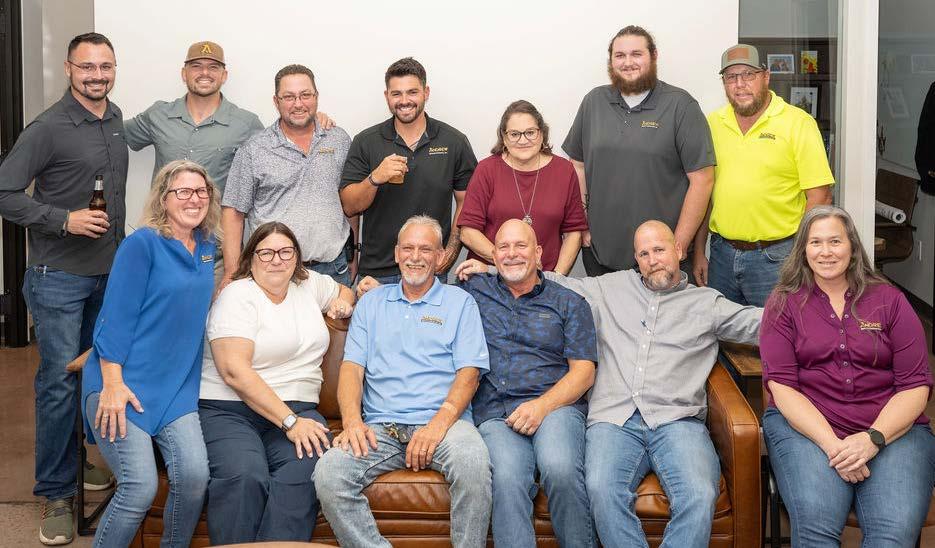
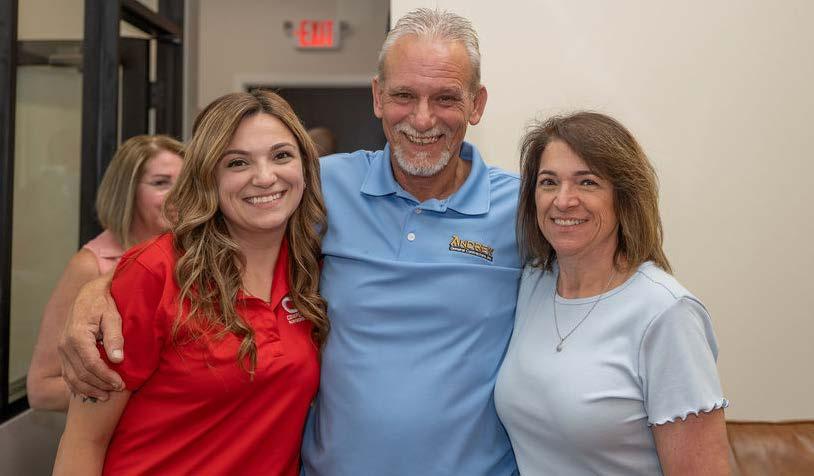
…is thrilled to celebrate a special milestone – their general superintendent, John Sokol, recently marked his 20th anniversary with Andrew General Contractors (AGC)! With over 50 years of experience in the construction industry, John’s love for the craft is as strong as ever. Growing up in a family that ran a custom home-building business, he was swinging a hammer and learning the trade by age seven. Talk about starting young!
John’s work ethic is legendary around Central Florida. His approach to life and work is built on timeless values: time management, putting in an honest day’s effort, showing respect, and, most importantly, pouring pride and passion into everything he does. For two decades at AGC, John has lived these principles, inspiring everyone around him with his enthusiasm and dedication.
Todd Andrew, AGC’s president, often says John is the heart and soul of the company’s culture. Known for his knack for connecting with everyone—from trade partners to clients—John treats people with genuine respect and makes communication feel effortless. In the office, he’s the guy checking in with everyone, spreading his signature “Have a smiley day!” cheer. No matter the challenge, John always finds the silver lining.
Out in the field, John’s a natural mentor, guiding the next generation of superintendents and even some of their trade partners. He’s got a talent for breaking things down, often sketching out a quick diagram to make a concept crystal clear. His love for teaching shines through in every interaction.
John’s 20 years with AGC have touched countless lives, and that was clear at his anniversary celebration. Family, teammates, trade partners, and even a local inspector showed up to honor him—a true testament to the relationships he’s built. John lives by his motto of pride, passion, and respect, and he shares that spirit with everyone lucky enough to cross his path.
The Collage Companies
… supports IDignity’s Mission in Central Florida. For over sixteen years, IDignity has been helping thousands in Central Florida obtain essential identification for employment, housing, healthcare, and education. To date, they have assisted over 33,000 people in Orange County with documents like birth certificates, Social Security cards, and state IDs.
Collage proudly supports IDignity as they move into their new permanent headquarters at 1115 S. Division Ave., Orlando. This new facility will enhance their ability to serve the community, providing dedicated spaces for client services and community engagement, as they continue to address identification challenges faced by many.
Here’s to you, John, for 20 incredible years and counting!
Photo credits: Gil Hildalgo Photography
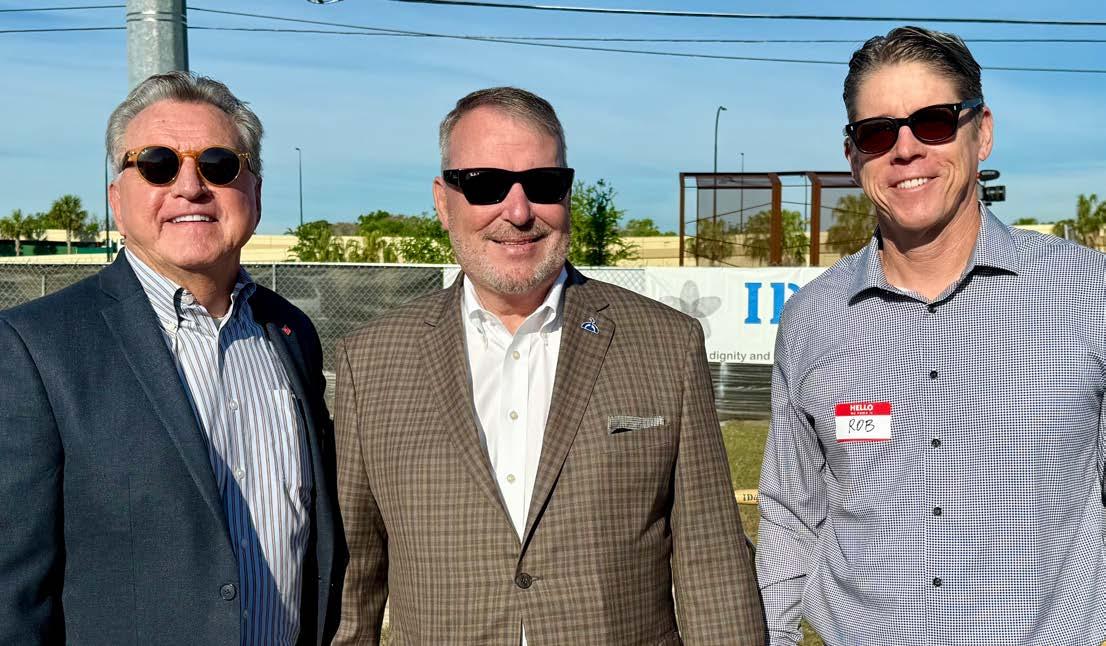
Brian Walsh, Founder, Chairman, CEO – The Collage Companies; Mayor Buddy Dyer, City of Orlando; Rob Maphis, President – The Collage Companies.
Andrew General Contractors, Inc.
…is pleased to announce the promotion of Bonnie Stapp to Chief Financial Officer (CFO). As an integral part of the company’s leadership team, Bonnie has played a key role in the financial operations of Collage. She has been instrumental in developing and implementing financial controls and processes while fostering a culture of accountability and excellence across the company.
Comfort Temp Company
… is proud to announce its 40th anniversary, marking four decades of dedicated service to the residents of North Central Florida. Founded in 1985 by Tom and Lucy Worthmann, Comfort Temp was established to meet the need for a professional and honest HVAC company in the region. The Worthmanns envisioned a company grounded in family values, extending these principles to both employees and customers.
Over the years, Comfort Temp has grown and evolved, creating a sister company, CT Mechanical. CT Mechanical is a full-service mechanical and plumbing contractor, operating under the corporate umbrella of Comfort Temp Company. Today, Comfort Temp Company is owned and operated by Erik and Christine Worthmann, who oversee all operations of both businesses.
"By surrounding ourselves with dedicated and capable individuals who embody our company’s core values, we’ve
achieved our current success." said Erik Worthmann, Owner. “Our people are the heartbeat of the company, and we couldn’t have reached this point without them."
Comfort Temp prides itself on delivering exceptional service without rushing through tasks. Each client receives the full attention of trained professionals, whether it’s a planned project, an emergency repair or a scheduled appointment for preventative maintenance. Through the quality of their work and transparent communication, Comfort Temp ensures peace of mind for its customers.
Their company has a team of 250 dedicated employees serving the Gainesville, Jacksonville, Orlando and Tampa areas. Comfort Temp continues to plan for growth and expansion, always striving to exceed customer expectations and provide top-notch service.
For more information, visit comforttemp.com.
Charles Perry Partners, Inc.
… is celebrating the completion of the latest addition to Orange County Public Schools’ technical college program. The new Orange Technical College East Campus building features specialty systems in its new Motion Capture and Hybrid Labs and exciting state-of-the-art technical programming of the Digital and Surround Sound Audio studios. The OTC East facility is now prepared to welcome new students into its technical college program, offering quality education with qualified instructors, interactive classrooms, and affordable training options.
… broke ground this past March on the School District of Osceola County’s Transportation West facility. Upon completion, this facility will include offices, training rooms, and mechanic bays for the Transportation and Maintenance teams. With a completion date
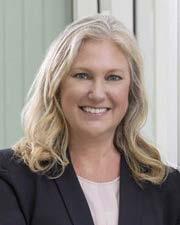
Bonnie Stapp, CFO –The Collage Companies
anticipated for mid-year 2026, this new building aims to improve travel times across the District and enhance operational efficiency.
… announces the appointment of Jeff Carter as Project Director for the Central Florida office. Jeff brings a wealth of construction industry experience and demonstrates a strong commitment to nurturing the next generation of construction professionals. He has dedicated many volunteer hours to organizations such as ACE Mentorship, Take Stock in Children, and iBuild. Furthermore, Jeff is a member of the ABC Board and serves on the Workforce Outreach Committee. We look forward to Jeff’s leadership and expertise contributing to our future success and the development of tomorrow’s leaders.
JCQ Services, Inc. and Friedrich Watkins Company, Inc.
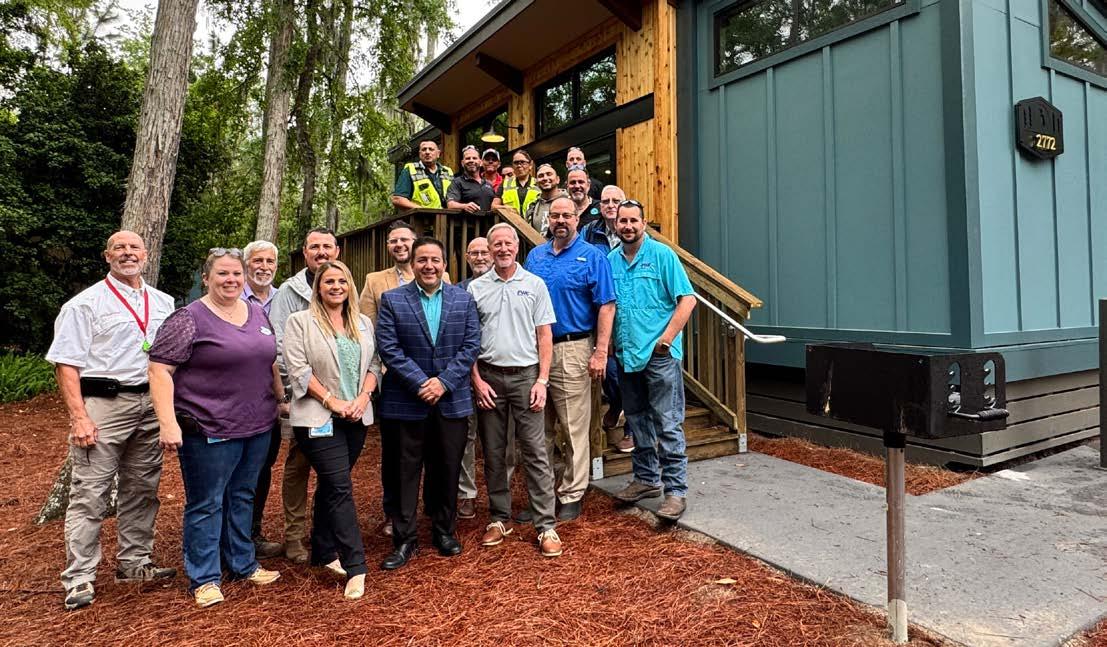
…turned in the final cabin in a groundbreaking construction initiative at Disney’s Fort Wilderness Resort & Campground, officially completing the build of 365 cabins in 365 days. The ambitious project—marked by innovation, efficiency, and collaboration—was designed in collaboration with Walt Disney
Align brings Wall Street expertise to mid-market companies in the construction industry. We can help you maximize the value of your company, whether you're looking to exit or expand.
design documents with millimeter-level precision. This enabled the rapid production of custom cold-formed steel studs directly from digital plans, significantly accelerating the framing process.
The system also minimized material waste to less than 1% and helped the team navigate supply chain delays and skilled labor shortages. The project also advanced its sustainability goals by sourcing steel coils from mills and prioritizing recycled content.
JCQ Services and FWC, headquartered in Orlando, joined forces to bring this vision to life.
“Meeting such an ambitious deadline required more than just manpower—it demanded a seamless integration of construction, warehousing, and logistics,” said Juan Quiroga, President & CEO of JCQ Services. “From pre-fabrication and material staging to onsite execution, every part of our operation was aligned to keep the project moving. I’m incredibly proud of our team and all the partners who worked around the clock to make this success a reality.”
“We were surprised to be invited to the design competition where many national firms were competing,” said Jeff Friedrich, President of FWC. “We hired a young architect and developed a concept that ultimately won us the contract. I’m very proud of the innovation, our team’s work ethic, and how well everyone came together to get the job done.”
Together, JCQ and FWC delivered not only high-quality, thoughtfully designed cabins but also set a new benchmark for what’s possible in large-scale, fast-track construction. Their collaboration underscores the strength of local businesses, partnerships, and the impact of forward-thinking solutions in shaping the future of construction.
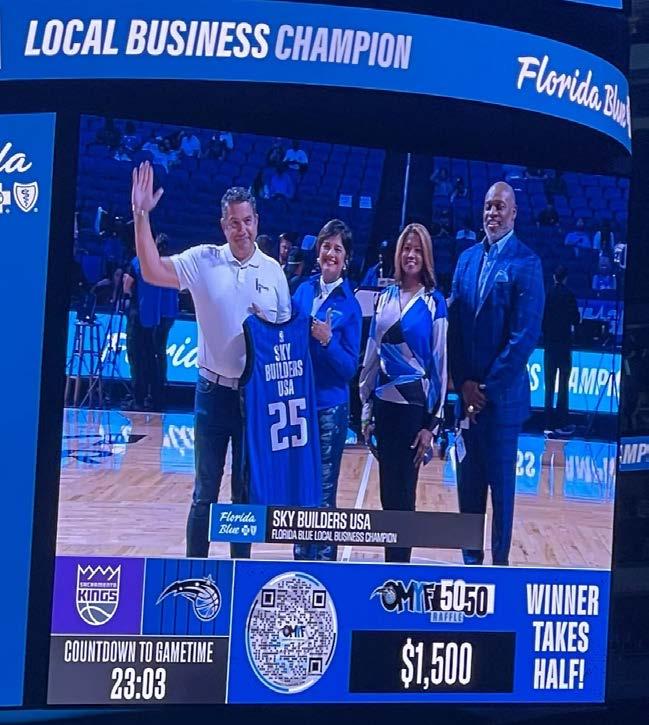
Sky Builders USA LLC
…has once again been recognized as a Florida Blue Local Business Champion by the Orlando Magic. The recognition took place during an Orlando Magic game, celebrating businesses that create a positive impact in the Central Florida community.
This is the second time SkyBuilders USA receives this prestigious honor, with their first recognition awarded in 2022. The continued acknowledgment highlights the company’s commitment to excellence, community involvement, and fostering growth in the Central Florida region.
“We are truly honored to be recognized once again as a Local Business Champion,” said Marcela Restrepo, CEO of SkyBuilders USA. “This award reflects the dedication of our team and the incredible support from our community.”
SkyBuilders USA remains focused on building strong partnerships, delivering high-quality projects, and contributing to the success of the community it proudly serves.
… is pleased to announce its business expansion with a new office in Tampa. With the addition of the Tampa office, the company now has four offices throughout the Eastern U.S. The Tampa office is led by Brian Cline, who has 17 years of experience in tilt-up construction and vertical cast-in-place projects. With the Tampa Area team, the company now has over 350 team members in four U.S. locations. “Tampa continues to grow and demand sound expertise in innovative concrete solutions,” said T&T Construction Management Group, Inc. Chief Executive Officer Rebecca Thomas. “This new office will further solidify our presence and expansion of capabilities on the west coast of Florida.”
… is honored to celebrate a major milestone of 30 years of delivering excellence in the construction industry since its founding in 1995. The company’s anniversary theme, "Building a Resilient Legacy," reflects its enduring commitment to quality, innovation, and creating long-lasting value for its people, clients and the communities it serves. Headquartered in Florida, the company has earned a reputation for technical expertise, reliability, and a customer-focused approach. Over three decades, the company has expanded its footprint and capabilities while staying true to its core values of integrity, innovation, and professionalism. “We are honored to celebrate this tremendous achievement with our team, clients, and partners,” said T&T Construction Management Group, Inc. Chief Executive Officer Rebecca Thomas. “Our company’s vision is to ensure the next 30 years are as impactful as the last.”
PRESIDENT’S CIRCLE
ELITE
PREMIER
AIT Mechanical, LLC
Baker Construction
BCI Integrated Solutions
Burr & Forman LLP
CEMEX
Central Florida Waterproofing, Inc.
Comprehensive Energy Services, Inc.
Contractors Health Coalition
Electric Services, Inc.
Energy Air, Inc.
Entech Innovative Engineering
Enterprise Fleet Management
GMF Steel Group
Hensel Phelps Jamco Inc.
Lithko Contracting LLC
LRA Insurance
Mader Southeast
Maschmeyer Concrete
McCorvey Sheet Metal Works, LP
Modular Building Systems International LLC
Power Bolt and Tool
RAMS RPG
RLH Construction, LLC
S. I. Goldman Company, Inc.
Sasso & Sasso, P.A.
Skanska USA Building Inc.
Towers Construction Company
Tucker Paving, Inc.
SELECT
Aagaard-Juergensen, LLC
ABC Insurance Trust
Ameris Bank
Brasfield & Gorrie, LLC
Bright Future Electric, LLC
DPR Construction
Fine Tune Services
Florida Aquatics Custom Pools
Gaylor Electric, Inc.
Hoar Construction, LLC
JK2 Scenic
Lake Glass & Mirror, Inc.
Mechanical Insulation & Technologies, LLC
Modern Plumbing Industries, Inc.
National Trench Safety, LLC
Quality Metals, Inc.
R. C. Stevens Construction Company
Robins & Morton
Rolling Plains Construction, Inc.
Sciens Orlando
Tavistock Development Company
Tharp Plumbing Systems, Inc.
CHOICE
Andrew General Contractors, Inc.
Certified Slings & Supply
Competitive Edge Partners & Consulting, LLC
Dean Mead Attorneys At Law
Finfrock Construction, LLC
GD Pro Services
Hartford South, LLC
MMR Communications
Saltmarsh, Cleaveland & Gund CPA’s Shutts & Bowen, LLP