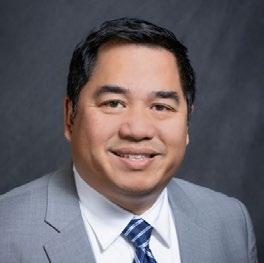
Yash Chavda, DO MBA FPD-AEMUS FAAEM, Assistant Editor
Mel Ebeling, MD, Resident Editor
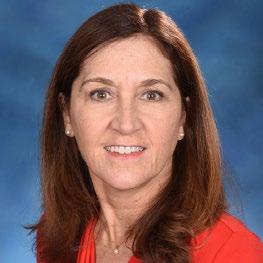
Stephanie Burmeister, MLIS, Managing Editor
Articles appearing in Common Sense are intended for the individual use of AAEM members. Opinions expressed are those of the authors and do not necessarily represent the official views of AAEM or AAEM/RSA. Articles may not be duplicated or distributed without the explicit permission of AAEM. Permission is granted in some instances in the interest of public education. Requests for reprints should be directed to AAEM, 555 East Wells Street, Suite 1100, Milwaukee, WI 53202, Tel: (800) 884-2236, Fax: (414) 276-3349, Email: info@aaem.org
AAEM is a non-profit, professional organization. Our mailing list is private.
Table of Contents
AAEM
we invite all readers of Common Sense to report any AAEM publication or activity which may restrain trade or limit competition. You may confidentially file a report at
or by calling 800-884-AAEM.
Mission Statement
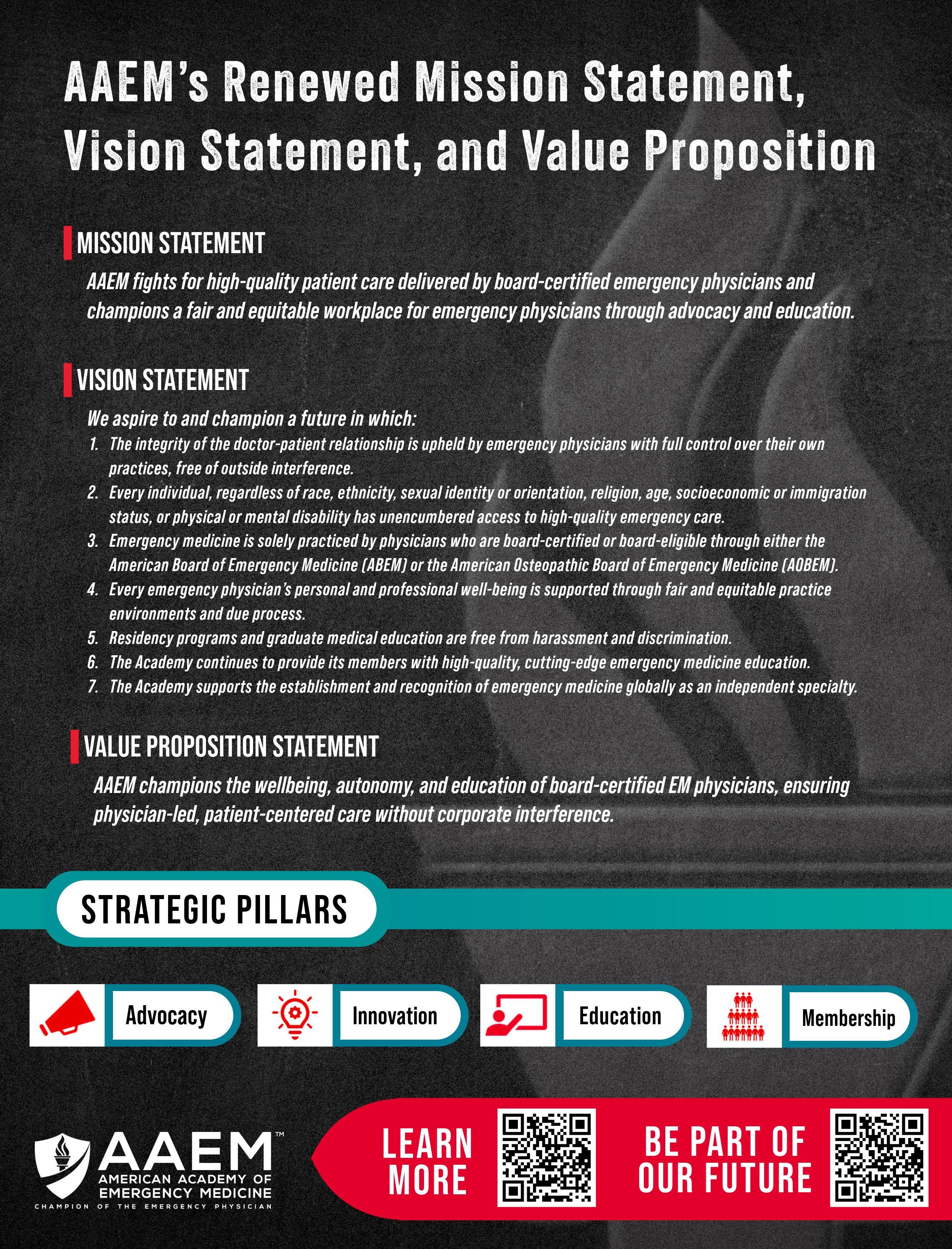
AAEM fights for high-quality patient care delivered by board-certified emergency physicians and champions a fair and equitable workplace for emergency physicians through advocacy and education.
Vision Statement
We aspire to and champion a future in which:
1. The integrity of the doctor-patient relationship is upheld by emergency physicians with full control over their own practices, free of outside interference.
2. Every individual, regardless of race, ethnicity, sexual identity or orientation, religion, age, socioeconomic or immigration status, or physical or mental disability has unencumbered access to high-quality emergency care.
3. Emergency medicine is solely practiced by physicians who are board-certified or board-eligible through either the American Board of Emergency Medicine (ABEM) or the American Osteopathic Board of Emergency Medicine (AOBEM).
4. Every emergency physician’s personal and professional well-being is supported through fair and equitable practice environments and due process.
5. Residency programs and graduate medical education are free from harassment and discrimination.
6. The Academy continues to provide its members with high-quality, cutting-edge emergency medicine education.
7. The Academy supports the establishment and recognition of emergency medicine globally as an independent specialty.
Membership Information
Fellow and Full Voting Member (FAAEM): $595* (Must be ABEM or AOBEM certified, or have recertified for 25 years or more in EM or Pediatric EM)
Associate: $195 (Limited to graduates of an ACGME or AOA approved emergency medicine program within their first year out of residency) or $295 (Limited to graduates of an ACGME or AOA approved emergency medicine program more than one year out of residency)
Fellow-in-Training Member: $95 (Must be graduates of an ACGME or AOA approved emergency medicine program and be enrolled in a fellowship)
Emeritus Member: $295 (Please visit www.aaem.org for special eligibility criteria)
International Member: $195 (Non-voting status)
Resident Member: $80 (voting in AAEM/RSA elections only)
Transitional Member: $60 (voting in AAEM/RSA elections only)
International Resident Member: $80 (voting in AAEM/RSA elections only)
Student Member: $40 (voting in AAEM/RSA elections only)
International Student Member: $30 (voting in AAEM/RSA elections only) Pay dues online at www.aaem.org or send check or money order to: AAEM, 555 East Wells Street, Suite 1100, Milwaukee, WI 53202 Tel: (800) 884-2236, Fax: (414) 276-3349, Email: info@aaem.org
COMMONSENSE
Featured Articles
2
President’s Message: Embracing a Bright Future
Over the past year, the AAEM Board of Directors worked hard and dedicated many hours examining our purpose, our actions, and the path ahead. The result is a revitalized mission statement, a reaffirmed vision, and four strategic pillars to guide our efforts in the coming years. In his President’s Message, Dr. Frolichstein shares the new mission, vision, and pillars that will guide AAEM into the future.
5
Editor’s Message: Language Matters: How POCUS Gets Undervalued in Medicalese
10
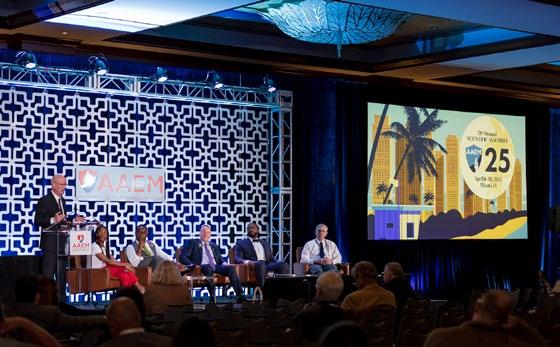
31st Annual AAEM Scientific Assembly: Thank You for Joining Us!
The 31st Annual AAEM Scientific Assembly was held in Miami, FL from April 6-10, 2025. We look forward to seeing you at AAEM26 in Seattle, WA, April 11-15, 2026!
22
Quiet Leadership: Why Introverts Can Thrive in Emergency Medicine
Have you lost count of the times you’ve heard a perfectly good ultrasound described as “just a POCUS”? or “the bedside study”? It’s a small phrase that is easily overlooked in the multitude of clinical encounters, but it carries a very diminishing undertone for those of us who rely on POCUS. In his Editor’s Message, Dr. Chavda argues that POCUS deserves the same respect as any other medical tool–not because it seeks to replace traditional imaging, but because it has already proven its worth alongside it.
Leadership has long been associated with the bold, the outspoken, and the charismatic—the “Extrovert Ideal” dominates our understanding of what makes a strong leader. Yet in the fastpaced, high-stakes environment of EM, it may be the quieter leaders who are best positioned to guide teams to success. In this article, Dr. Ortego argues being an introverted physician is not a weaknesses to overcome, but an asset to be embraced. Leadership, after all, is not about volume—it’s about vision, courage, and the ability to bring out the best in others.
27
Emergency Medical Services
Section: Navigating POV Transfers: A Practical Guide
In the realm of emergency medicine, urgent care, and medical offices, transfer of patients is quite common. Patients and healthcare personnel may choose to use privately owned vehicles to transfer between healthcare facilities but understanding when such transfers are appropriate is key. This article offers guidance on making informed decisions regarding POV transfers.
31
Student Mentorship for the Community Doc: Part Two
In part one of this series, Drs. Estes and Bowers explored the evolving role of community-based physicians as mentors in EM, along with an overview of recent changes in the EM residency match process. This second part focuses on specific aspects of mentoring such as writing impactful letters of recommendation and providing targeted guidance for special populations in the match. Drs. Estes and Bowers also share key resources to support both you and your mentee. With these tools, you can help your students navigate their unique paths to a successful EM career.
Embracing a Bright Future
Robert Frolichstein, MD FAAEM
Over the past year, the AAEM Board of Directors worked hard and dedicated many hours examining our purpose, our actions, and the path ahead. Through structured discussions we explored the essence of why AAEM exists, what we do, and how we do it. We considered these questions against the backdrop of the current state of emergency medicine and the changes we foresee. The result is a revitalized mission statement, a reaffirmed vision, and four strategic pillars to guide our efforts in the coming years.
Our new mission statement is clear and resolute: AAEM fights for high-quality patient care delivered by board-certified emergency physicians and champions a fair and equitable workplace for emergency physicians through advocacy and education.
For those who hold our original mission dear, rest assured—it endures as our Vision Statement now strengthened by a new principle.
• Every individual, regardless of race, ethnicity, sexual identity or orientation, religion, age, socioeconomic or immigration status, or physical or mental disability has unencumbered access to high-quality emergency care.
• Emergency medicine is solely practiced by physicians who are board-certified or board-eligible through either the American Board of Emergency Medicine (ABEM) or the American Osteopathic Board of Emergency Medicine (AOBEM).
• Every emergency physician’s personal and professional well-being is supported through fair and equitable practice environments and due process.
• Residency programs and graduate medical education are free from harassment and discrimination.
• The Academy continues to provide its members with high-quality, cutting-edge emergency medicine education.
• The Academy supports the establishment and recognition of emergency medicine globally as an independent specialty.
• The integrity of the doctor-patient relationship is upheld by emergency physicians with full control over their own practices, free of outside interference.
This vision articulates our aspirations for a future where every individual has unencumbered access to high-quality emergency care, where emergency medicine is practiced solely by board-certified physicians, and where the doctor-patient relationship remains free from external interference, whether from private equity, hospitals, insurance companies, or unrepresentative leadership.
Our new mission statement is clear and resolute: AAEM fights for high-quality patient care delivered by board-certified emergency physicians and champions a fair and equitable workplace for emergency physicians through advocacy and education.”
Our 2025-2027 Strategic Plan builds on this foundation with four pillars:
Advocacy: Protecting emergency physicians and patients through local, state, and national efforts.
Education: Becoming the premier destination for comprehensive professional development for practicing emergency physicians.
Innovation: Pioneering the integration of AI applications in emergency medicine.
Membership: Growing our Fellow/Full Voting membership by 10%.
These pillars have inspired the creation of our new five-council structure. Change is never easy. It challenges us to rethink familiar processes, adapt to new ways of working, and embrace the opportunities that come with growth. Yet, it’s through change that we innovate, strengthen our resolve, and advance our commitment to emergency medicine. As we examined the activities and various groups of the Academy we discovered that we could gain some efficiency and have less duplicative efforts while fostering collaboration in a council structure. Each council will incorporate the existing committees, special interest groups, sections, and chapters. There will be five councils: Advocacy Council, Vision and Ventures Council, Education Council, Membership Engagement Council, and Standards of Practice and Operations Council. This council structure was carefully designed to amplify our impact, foster collaboration, and enhance our impact to our members and our specialty.
The Advocacy Council, chaired by our Immediate Past President, will unify our efforts in government affairs, workforce advocacy, legal advocacy and regional engagement through our chapters. This council will coordinate grassroots mobilization, legislative outreach, and chapter activities to ensure emergency physicians voices are heard at every level.
The Vision & Ventures Council, led by our Secretary-Treasurer with the YPS Director as Vice Chair, will propel AAEM into the future by exploring emerging trends and fostering strategic growth. This council will spearhead initiatives in AI and innovation and forge partnerships that elevate our relevance. This council will coordinate but not control the activities of the Business Partnership Committee, the Content Creation Committee and a newly established Innovation and AI committee.
The Education Council will be chaired and vice-chaired by At-Large Board Members. Their role will not be to replace the work of existing leaders of the education committee but rather foster collaboration. The Education Council will continue to deliver world-class educational resources tailored to emergency physicians at every career stage. From planning the Scientific Assembly to overseeing board review courses and leadership training, this council ensures our CME offerings, such as the ED Operations Certification Course (EDOCC), to meet evolving needs. By fostering professional growth and maintaining high educational standards, the Education Council empowers our members to excel in their practice as it has done for years as the Education Committee.
The Membership Engagement Council, also led by At-Large Board Members, is dedicated to building a vibrant, inclusive community. This council unites sections like the Young Physicians Section, Women in Emergency Medicine, and JEDI (Justice, Equity, Diversity, and Inclusion), alongside special interest groups such as Pediatric Emergency Medicine. Through mentorship programs, international outreach, and initiatives to support diversity and professional development, this council strengthens the bonds that make AAEM a true home for emergency physicians. The focus will be on assessing the desires of our members and creating opportunities for all members to be engaged.
The Standards of Practice & Operations Council, chaired and vice-chaired by At-Large Board Members, will promote excellence in the day-to-day delivery of emergency care. By developing clinical guidelines, operational tools, and leadership in areas like critical care, EMS, and ultrasound, this council ensures consistency and quality in emergency departments nationwide. It supports specialized sections, such as Locum Tenens and Operations Management.
We understand that adapting to this new structure may bring challenges. Transitioning requires realigning committees, redefining roles, and making difficult decisions, such as merging the Medical Humanities Interest Group under Wellness. These changes, though tough, are rooted in our shared vision of making AAEM more inclusive, innovative, and impactful. We want to hear your feedback and are committed to ensuring this transition is as smooth and transparent as possible. Our Board of Directors, with the President-Elect overseeing the councils, is fully dedicated to supporting this structure while creating more opportunities for member participation and streamlining our
organization that gives it an efficiency that will make it more effective.
To make this vision a reality, we need your involvement. Join a committee, contribute to a special interest group, or share your ideas for how AAEM can continue to grow. Your expertise, passion, and dedication are the heartbeat of our orga nization, and this new structure is designed to harness that energy to create a brighter future for emergency medicine. Whether you’re advocating for policy changes, exploring AI applications, or mentoring the next generation of emergency physicians, your contributions will shape the trajectory of our specialty.
As we move forward, I’m filled with optimism about what we can achieve together. This new council structure is more than an organizational change—it’s a commitment to our mission, our vision, and our members. It’s a framework that empowers us to protect our patients, support our colleagues, and lead with courage and innovation. Change may be hard, but it’s also an opportunity to reimagine what AAEM can be and to build a stronger, more connected community.
Change is never easy…Yet, it’s through change that we innovate, strengthen our resolve, and advance our commitment to emergency medicine.”
Thank you for your trust, your unwavering commitment, and your shared passion for emergency medicine. Together, we’re not just navigating change—we’re defining it. I look forward to seeing how our collective efforts will shape the future of AAEM and the specialty we all hold dear.
Language Matters: How POCUS Gets Undervalued in Medicalese
Yash Chavda, DO MBA FPD-AEMUS
Within minutes of a patient’s arrival, I had a diagnosis—the patient presented for chest pain, but I saw a dilated aortic root and a dissection flap with a small pericardial effusion. I immediately called my consultants who said, “what does the CT or official echo show, I want an official study.”
I’ve lost count of the times I’ve heard a perfectly good ultrasound described as “just a POCUS,” or “the bedside study.” It’s a small phrase that is easily overlooked in the multitude of clinical encounters, but it carries a very diminishing undertone for those of us who rely on point-of-care ultrasound (POCUS). It implies that the images we acquire at the bedside— the ones guiding life-saving decisions in real-time—are somehow second-rate, unofficial, or temporary placeholders until a “real” scan can be performed.
Both POCUS and “bedside ultrasound” carry the same implication, subtly suggesting that because it happens in the emergency room, at the patient’s side, performed by an emergency physician rather than a technologist or consultant, it’s inherently less valid, less careful, or less important. The bedside is exactly where many of the most meaningful, clinically urgent imaging decisions happen in real time.
Language shapes value in medicine, and terms like “formal,” official,” or “bedside” unintentionally diminish the legitimacy of POCUS and the training we undergo as emergency physicians and those who go on to do emergency ultrasound.
The Language Problem
In many hospitals, we still hear phrases like “formal ultrasound” or “official study” used to distinguish departmental or radiology performed scans from those done by clinicians at the bedside. I’ve diagnosed a patient with acute cholecystitis within minutes of their arrival, only to have to delay disposition until a “formal” or “official” study showed the same thing. I’ve demonstrated significant right heart strain and identified a deep vein thrombosis, only to have consulting services avoid evaluating the patient until the “official study” was performed.
These terms don’t just reflect a workflow difference, they reinforce a hierarchy, suggesting that one type of imaging is inherently more valid or trustworthy than the other.
When clinicians call a POCUS exam “informal” by omission—or emphasize that it was done at the bedside, it’s not just semantics.
When clinicians call a POCUS exam informal by omission—or emphasize that it was done at the bedside, it’s not just semantics. It undermines the credibility of the scan, the skill of the clinician performing the scan, and the immediate clinical decisions based on it.”
It undermines the credibility of the scan, the skill of the clinician performing the scan, and the immediate clinical decisions based on it. It creates a narrative that POCUS is a temporary measure, a steppingstone to the “real thing”—and that’s a terrible misconception for patients and clinicians. It delays care, prolongs disposition, and adds unnecessary friction to time-sensitive care.
POCUS is not just a placeholder—It’s purpose-driven, evidence-based medicine
The greatness of POCUS is in its precision and focus—it’s not meant to replace a comprehensive imaging study—and it doesn’t need too. POCUS is meant to answer specific, clinically relevant questions in the moment such as: Is there a pericardial effusion? Is the inferior vena cava flat or plethoric? Is there free fluid in the abdomen?
I’ve seen numerous “official” studies miss important findings. The CT scan read that misses the dilated common bile duct that the POCUS caught. The X-ray that misses a pneumothorax, caught on POCUS but delayed in treatment while waiting for a CT. The cholecystitis with a delayed diagnosis due to “pain medication” being given and an absent Sonographic Murphy’s.
Penn State Health Emergency Medicine
About Us: Penn State Health is a multi-hospital health system serving patients and communities across central Pennsylvania. We are the only medical facility in Pennsylvania to be accredited as a Level I pediatric trauma center and Level I adult trauma center. The system includes Penn State Health Milton S. Hershey Medical Center, Penn State Health Children’s Hospital and Penn State Cancer Institute based in Hershey, Pa.; Penn State Health Hampden Medical Center in Enola, Pa.; Penn State Health Holy Spirit Medical Center in Camp Hill, Pa.; Penn State Health Lancaster Medical Center in Lancaster, Pa.; Penn State Health St. Joseph Medical Center in Reading, Pa.; Pennsylvania Psychiatric Institute, a specialty provider of inpatient and outpatient behavioral health services, in Harrisburg, Pa.; and 2,450+ physicians and direct care providers at 225 outpatient practices. Additionally, the system jointly operates various healthcare providers, including Penn State Health Rehabilitation Hospital, Hershey Outpatient Surgery Center and Hershey Endoscopy Center.
We foster a collaborative environment rich with diversity, share a passion for patient care, and have a space for those who share our spark of innovative research interests. Our health system is expanding and we have opportunities in both academic hospital as well community hospital settings.
Benefit highlights include:
• Competitive salary with sign-on bonus
• Comprehensive benefits and retirement package
• Relocation assistance & CME allowance
• Attractive neighborhoods in scenic central Pennsylvania
AAEM Foundation Contributors – Thank You!
AAEM established its Foundation for the purposes of (1) studying and providing education relating to the access and availability of emergency medical care and (2) defending the rights of patients to receive such care and emergency physicians to provide such care. The latter purpose may include providing financial support for litigation to further these objectives. The Foundation will limit financial support to cases involving physician practice rights and cases involving a broad public interest. Contributions to the Foundation are tax deductible. Levels of recognition to those who donate to the AAEM Foundation have been established. The information below includes a list of the different levels of contributions. The Foundation would like to thank the individuals below who contributed from 1/1/25 to 6/1/25.
Contributions $500-$999
Travis J. Maiers, MD FAAEM
Contributions $250-$499
Andrew P. Mayer, MD FAAEM
Brian Phillip Doyle, MD FAAEM
Eric M. Sergienko, MD FAAEM
Jamie J. Adamski, DO FAAEM
Jeffery M. Pinnow, MD FAAEM FACEP
Jeffrey A. Rey MD, MD FAAEM
John H. Kelsey, MD FAAEM
Jonathan W. Riddle, DO
Kevin Allen, MD FAAEM
Mark A. Foppe, DO FAAEM FACOEP
Mark I. Langdorf, MD MAAEM FAAEM
MHPE
Phillip L. Rice Jr., MD FAAEM
Rosa K. Gigliotti, MD FAAEM
Taylor G. Fletcher, MD FAAEM
Contributions $100-$249
Alexander Tsukerman, MD FAAEM
Alexandra Terskiy, MD PhD
Amanda Dinsmore, FAAEM
Ameer Sharifzadeh, MD FAAEM
Andrew Wilson, FAAEM
Ari Davis, FAAEM
Brendan P. Sheridan, MD FAAEM
Brian R. Potts, MD MBA FAAEM
Brian Zimmer, DO FAAEM
Daniel P. Shand, MD FAAEM
David L. Justis, MD PhD
Douglas P. Slabaugh, DO FAAEM
H. Edward Seibert, MD FAAEM
Jada Lane Roe, MD FAAEM
Jeffrey B. Thompson, MD MBA FAAEM
Justin P. Anderson, MD FAAEM
Kathleen Hayward, MD FAAEM
Kathryn Getzewich, MD FAAEM
Kesah DeLisio, MD FAAEM
Kevin C. Reed, MD, FACHE, FAAEM
Kevin S. Barlotta, MD FAAEM
LaShell K. LaBounty, DO
Lawrence A. Melniker, MD MS MBA FAAEM
Marianne Haughey, MD MAAEM FAAEM
Matthew William Carman, MD FAAEM
Paul W. Gabriel, MD FAAEM
Regan Wylie, MD FAAEM
Robert Bruce Genzel, MD FAAEM
Robert J. Feldman, MD FAAEM
Sean Wilkie, MD
Vishal Patel, FAAEM
Contributions up to $99
Alexander Guendel, MD FAAEM
Anthony Catapano, DO FACOEP FAAEM
AAEM PAC Contributors – Thank You!
Caitlin E. Sandman, DO FAAEM
Florence M. Nju Epse Fongang, MD
Jennifer A. Martin, MD FAAEM
Marc D. Squillante, DO FAAEM
Marc J. Dumas, MD FAAEM
Michael Slater, MD FAAEM
Morgan E. Hanlon
Nancy Conroy, MD FAAEM
Ryan Horton, MD FAAEM
Sachin J. Shah, MD FAAEM
Sarat Chandra Uppaluri
Shelly Birch, FAAEM
Tatiana Nunez, MD
Virgle O. Herrin Jr., MD FAAEM
Contributions $500-$999
Jeffery M. Pinnow, MD FAAEM FACEP
Contributions $250-$499
Mark E. Zeitzer, MD FAAEM
Mark A. Foppe, DO FAAEM FACOEP
Teresa Camp-Rogers, MD MS FAAEM
AAEM PAC is the political action committee of the American Academy of Emergency Medicine. Through AAEM PAC, the Academy is able to support legislation and effect change on behalf of its members and with consideration to their unique concerns. Our dedicated efforts will help to improve the overall quality of health care in our country and to improve the lot of all emergency physicians.
All contributions are voluntary and the suggested amount of contribution is only a suggestion. The amount given by the contributor, or the refusal to give, will not benefit or disadvantage the person being solicited.
Levels of recognition to those who donate to the AAEM PAC have been established. The information below includes a list of the different levels of contributions. The PAC would like to thank the individuals below who contributed from 1/1/25 to 6/1/25.
Contributions $100-$249
Andrew M. Bazakis, MD FAAEM
Brendan P. Sheridan, MD FAAEM
Brian Phillip Doyle, MD FAAEM
Brian R. Potts, MD MBA FAAEM
Jada Lane Roe, MD FAAEM
Jeffrey A. Rey MD, MD FAAEM
Jeffrey B. Thompson, MD MBA FAAEM
Justin P. Anderson, MD FAAEM
Kathleen Hayward, MD FAAEM
Kathryn Getzewich, MD FAAEM
Paul W. Gabriel, MD FAAEM
Robert Bruce Genzel, MD FAAEM
Sachin J. Shah, MD FAAEM
Sean Wilkie, MD
LEAD-EM Contributors – Thank You!
Contributions $250-$499
Jeffery M. Pinnow, MD FAAEM FACEP
Mark A. Foppe, DO FAAEM FACOEP
Contributions up to $99
Ameer Sharifzadeh, MD FAAEM
Anthony Catapano, DO FACOEP FAAEM
Jennifer A. Martin, MD FAAEM
John Havlick, FAAEM
Marc D. Squillante, DO FAAEM
Michael Slater, MD FAAEM
Virgle O. Herrin Jr., MD FAAEM
The AAEM Institute for Leadership, Education & Advancement in the Development of Emergency Medicine, Inc. (LEAD-EM) was established after the tragic and unexpected death of AAEM president, Dr. Kevin G. Rodgers.
The Kevin G. Rodgers Fund and the Institute will LEAD-EM just like Dr. Rodgers did. The funds will support important projects such as development of leadership qualities, and clinical and operational knowledge of emergency physicians with a view toward improving and advancing the quality of medical care in emergency medicine, and public health, safety and well-being overall. LEAD-EM would like to thank the individuals below who contributed from 1/1/25 to 6/1/25.
Contributions $100-$249
Ari Davis, FAAEM
Brian R. Potts, MD MBA FAAEM
Daniel P. Shand, MD FAAEM
Kathleen Hayward, MD FAAEM
Kevin C. Reed, MD, FACHE, FAAEM
Contributions up to $99
Florence M. Nju Epse Fongang, MD
Michael Slater, MD FAAEM
Sarat Chandra Uppaluri
Tatiana Nunez, MD
Virgle O. Herrin Jr., MD FAAEM
UPCOMING EVENTS:
AAEM Events & Recommended Education
Introducing the AAEM and AAEM/RSA Events Calendar — your go-to source for conferences, webinars, workshops, and more. Explore the latest opportunities to connect, learn, and grow in emergency medicine by scanning the QR code.
AAEM Events
XIIIth Mediterranean Emergency Medicine Congress
August 14-17, 2025 (Budapest, Hungary) emcongress.org/
2025 Oral Board Review Courses
Early Fall Course Dates: September 16, September 18, September 24 - Late Fall Course Dates: November 18, November 19, November 25 - aaem.org/education/ oral-boards/
13th Annual FLAAEM Scientific Assembly
November 21-22, 2025
32nd Annual Scientific Assembly
April 11-15, 2026 (Seattle, Washington)
Re-Occurring Monthly Spanish Education Series*
Jointly provided by the AAEM International Committee https://www.aaem.org/committees/international/spanish-education-series/ (*CME not provided)
AAEM CME Online
Recommended
Online CME
Rapid Response to Adverse Events of Bispecific Antibodies: Follicular Lymphoma and Diffuse Large B-Cell Lymphoma Emergency Medicine Strategies - staging. medscape.org/viewarticle/1001569
Online CME
Recognizing Life-Threatening Emergencies in People with VEDS thesullivangroup.com/TSG_UG/VEDSAAEM/
Miami Beach Point-of-Care Ultrasound Conference
July 12, 2025 – July 13, 2025 https://miamibeachultrasound.com/home/ registration/
Joy and Wholeness Summit 2025
July 23, 2025 – July 25, 2025 https://www.bethejoy.org/event-details/ joy-wholeness-summit-25
The Difficult Airway Course: EmergencyTM September 19 - 21, 2025 (Denver, CO); November 14-16, 2025 (San Diego, CA) theairwaysite.com/a-course/ the-difficult-airway-course-emergency/
20th Annual Conference Emergency Medicine Update: Hot Topics
October 20, 2025 – October 24, 2025 https://na.eventscloud.com/ereg/index. php?eventid=822782&
Explore AAEM CME Online, where we understand the fast-paced nature of emergency medicine (EM) and the need for concise, accessible education. This platform is designed to provide members of the American Academy of Emergency Medicine (AAEM) and AAEM Resident and Student Association (AAEM/RSA) with top-tier continuing medical education (CME) resources right at their fingertips. Access today!
31st Annual AAEM Scientific Assembly: Thank You for Joining Us!
Scientific Assembly Planning Work Group
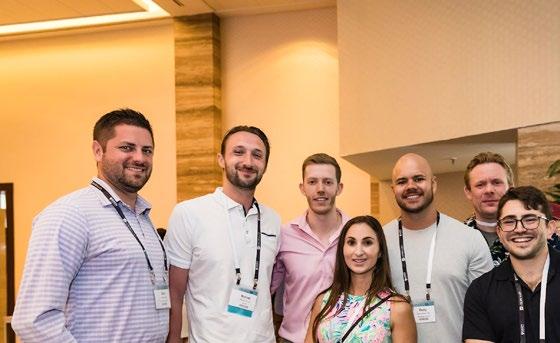
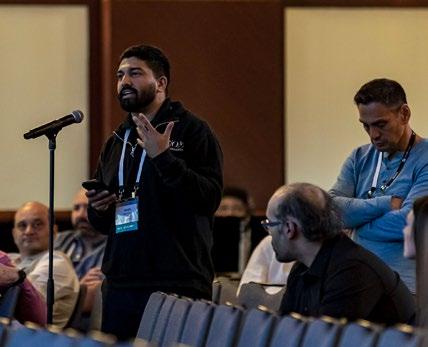
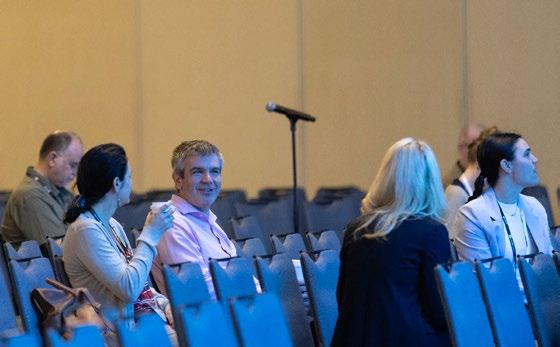
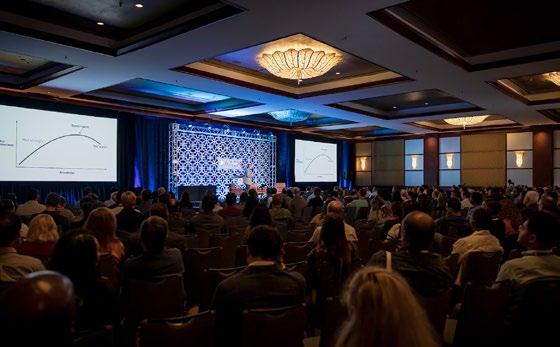
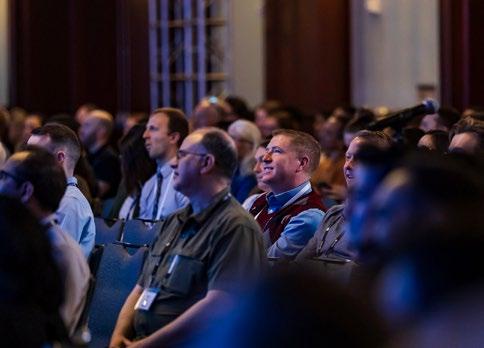
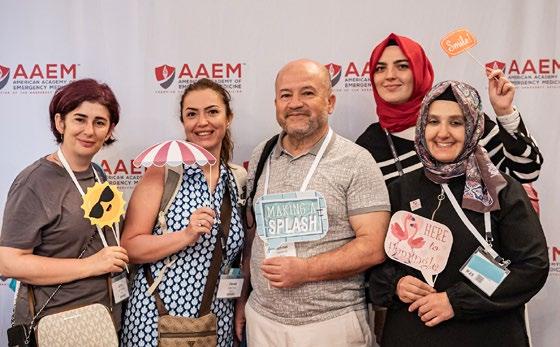
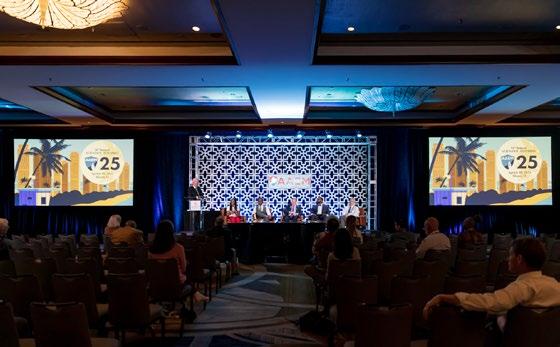
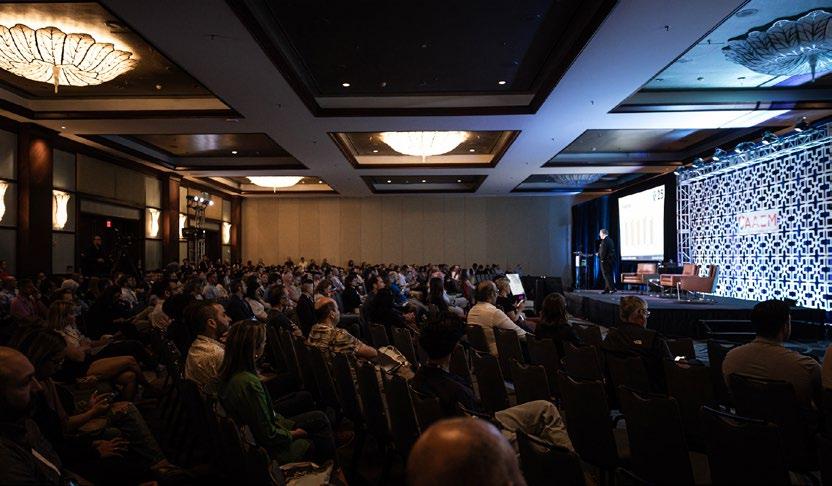
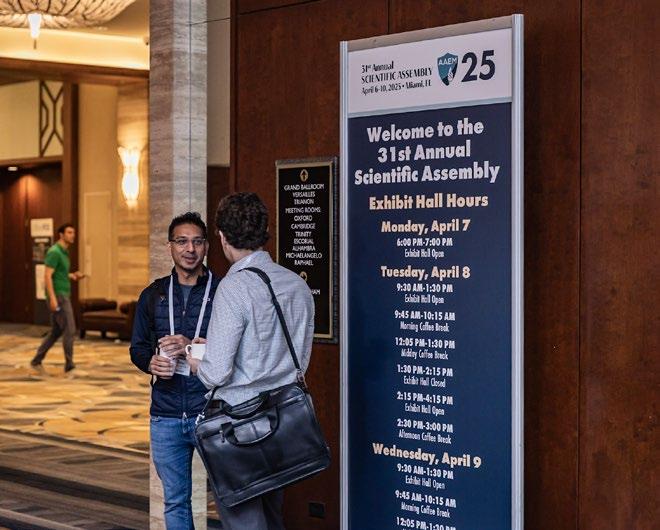
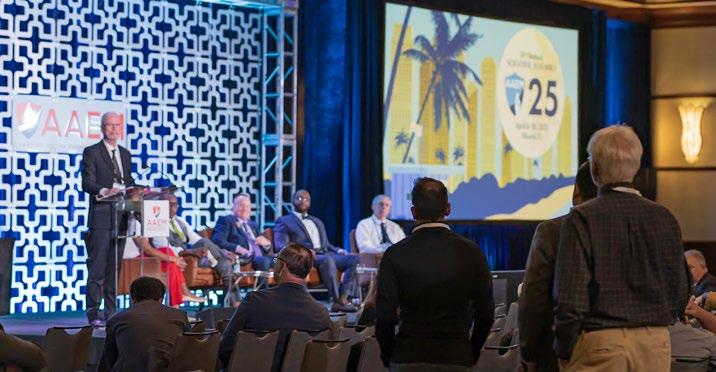
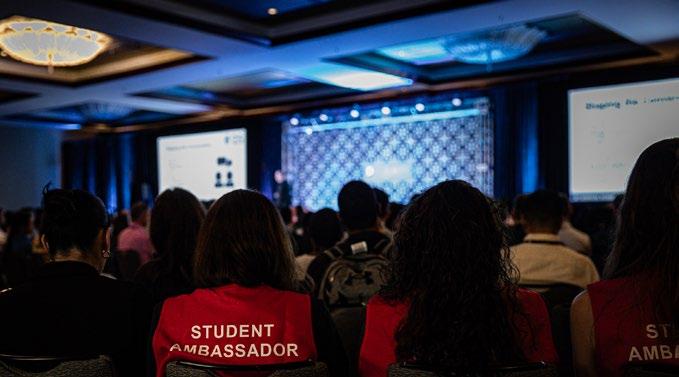
The 31st Annual AAEM Scientific Assembly was held in Miami, FL from April 6-10, 2025. Celebrating record breaking attendance numbers, this event was one of the most anticipated academic conferences of the year.
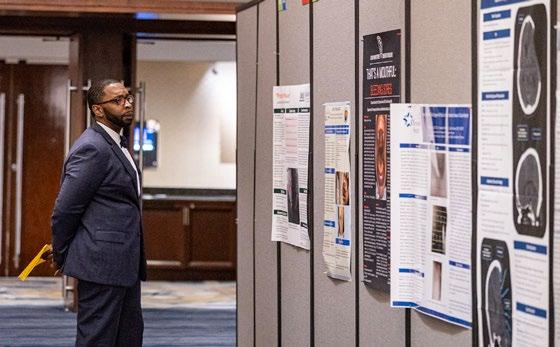
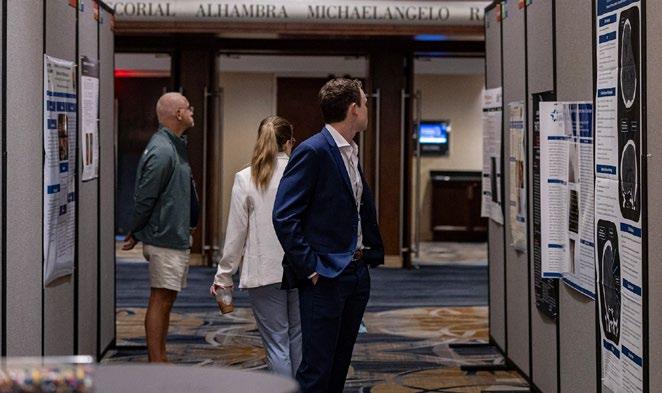
This year’s Scientific Assembly offered a dynamic and forward-thinking exploration of key issues shaping the future of emergency medicine. Attendees engaged in meaningful discussions on a wide range of topics, such as cardiology, critical care, medical-legal challenges, neurology, and the evolving landscape of emergency medicine residency. By bringing together leading experts and cutting-edge insights, Scientific Assembly served as a valuable forum for advancing knowledge and fostering progress across our specialty.
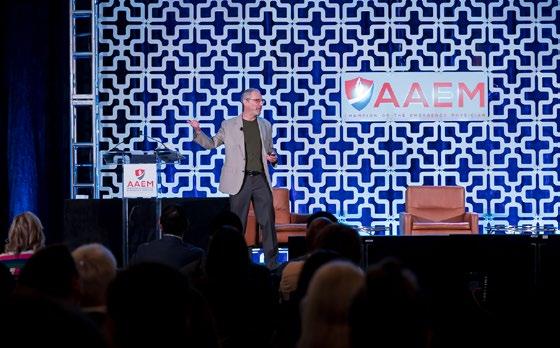
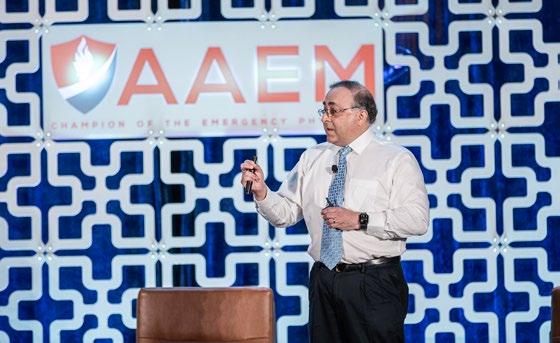
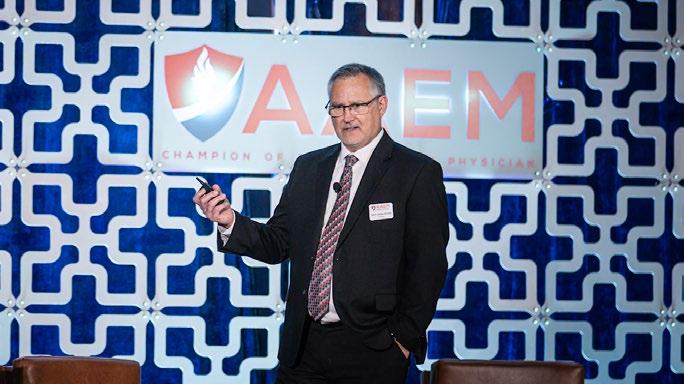
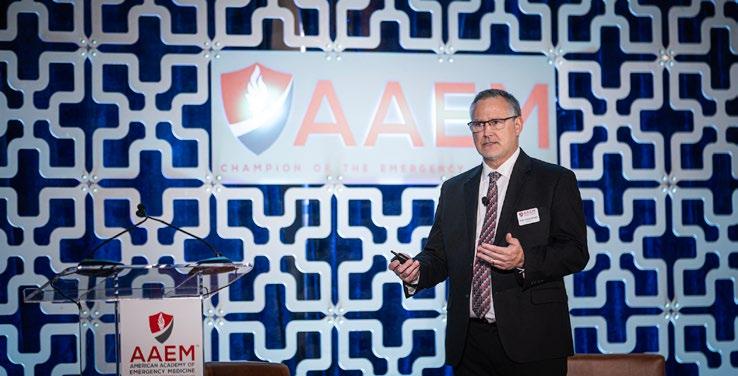
Our keynote speaker was Dr. Stuart Swadron. His dynamic presentation reflected on the history of emergency medicine education, using his own personal journey to highlight some of the triumphs and challenges that we have all faced along the way. Dr. Swadron’s uplifting message and call to action re-ignited our attendees’ passion for emergency medicine.
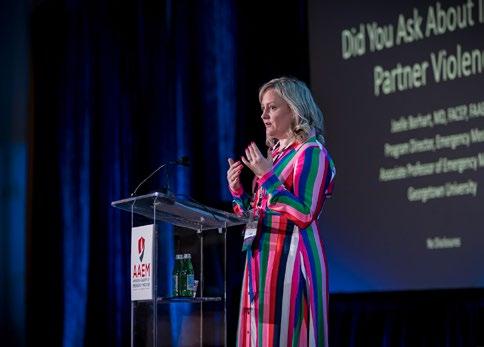
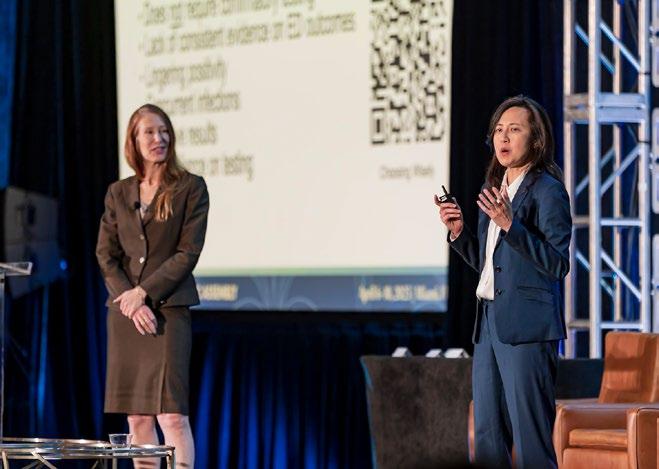
Powerhouse plenaries included Drs. Amal Mattu (Cardiology), Michael Winters and Skyler Lentz (Critical Care), Joelle Borhart (Domestic Violence), Ilene Claudius and
Mimi Lu (Pediatrics), Danyah Khoujah and Phillip Magidson (Geriatrics), Valerie Pierre, Cortlyn Brown, Italo Brown, and Kelli Robinson (Excited Delirium), Wendy Chang (Neurology) and George Willis (Wellness).
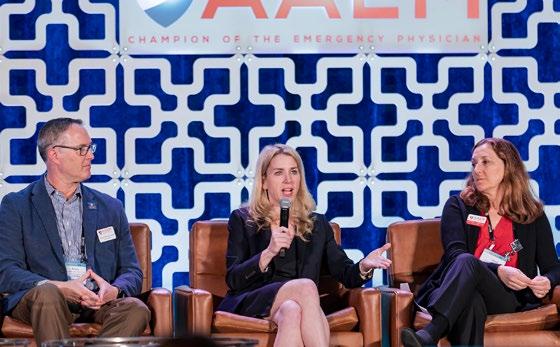
For the first time, panel discussions were held in concurrent sessions: a discussion on best practices for management of opioid use disorder; a critical care ventilation panel; a medical-legal crash course; and a simulated deposition based on a real-life case with an emergency medicine physician and two med mal attorneys in “Watch a Doctor Get Sued.”
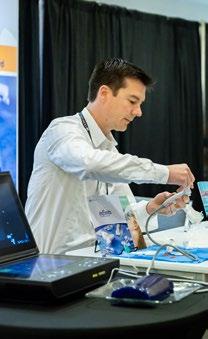
The ever-popular Breve Dulce sessions returned this year and continued to be some of the most attended sessions of AAEM25. The interactive Small Group Clinic sessions gave attendees hands-on practice in ultrasound, intubation, neonatal resuscitation, vents, and many other valuable skills.
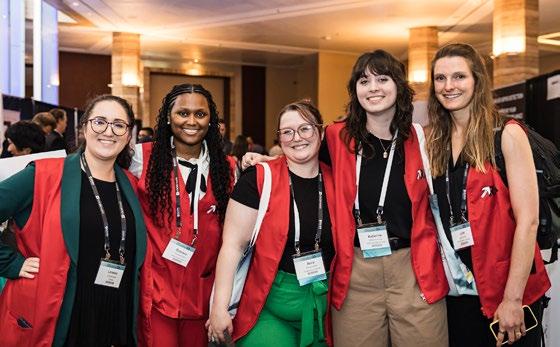
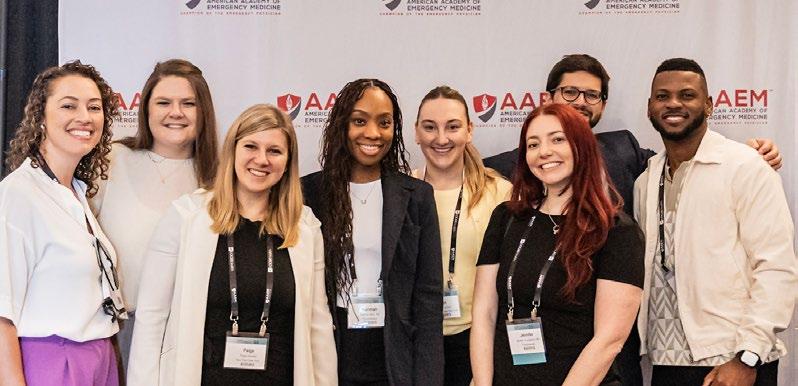
There were plenty of opportunities for residents and students. The AAEM/RSA Track prepared residents for their careers in emergency medicine with presentations on clinical topics and career success. The Medical Student Session add-on course was expanded to two half-day sessions. Several residents and students volunteered as scanning models for the ultrasound workshops. An energetic group of medical student ambassadors were omnipresent and ever helpful in keeping the conference going. Thank you, student ambassadors!
The Florida Chapter Division (FLAAEM) had a huge presence in their home state. The FLAAEM Games competition saw 14 teams of emergency medicine residents navigating intense challenges to showcase their mastery in an exhilarating blend of brains, skill, and competition. Congratulations to Team Sarasota Medical Hospital (SMH) who brought home the prestigious FLAAEM Games Kevin Rodgers Cup!
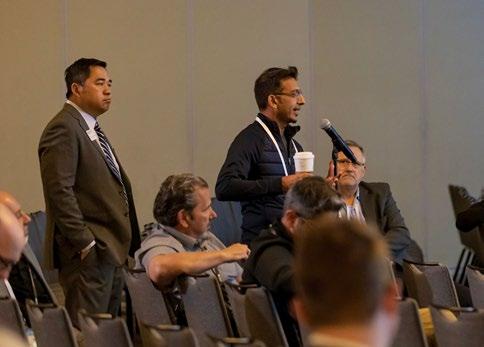
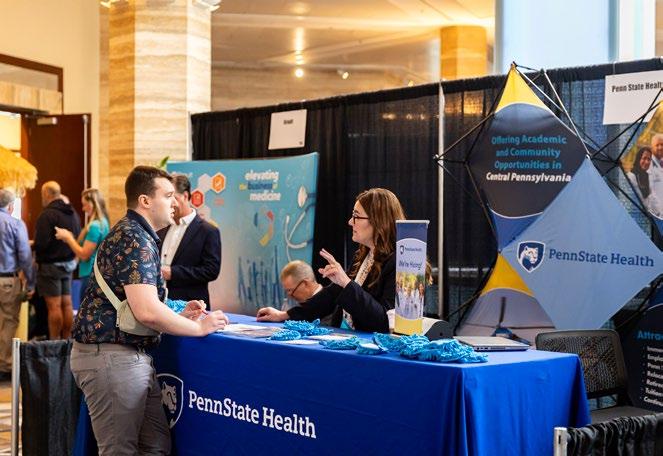
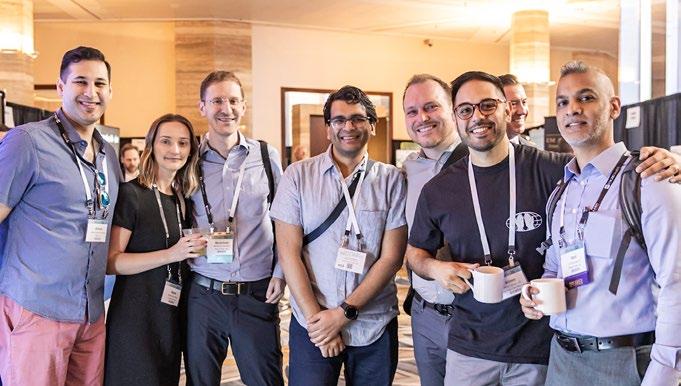
Whether in the hallways, at receptions, or near the coffee stations during breaks, the level of interaction between attendees was high. The engagEM! networking social was a novel and fun event for attendees to engage with the committees, sections, chapter divisions, and interest groups. Several AAEM groups hosted their own networking and non-CME educational events: JEDI-AAEM, EUS-AAEM, FLAAEM, WiEMS-AAEM, AAEM/RSA, EMSSAAEM, YPS-AAEM, Aging Well in Emergency Medicine Interest Group, Palliative Care Committee, Social EM & Population Health Committee, Social Media Committee, and Wellness Committee.
We hope you enjoyed Scientific Assembly this year. Our goal is to continue the tradition of bringing together your perennial favorites alongside fresh voices to keep you informed, inspired, and eager to return each year.
Please let us know your thoughts and we hope to see you in Seattle in 2026!
Co-Chair Zachary Repanshek, MD FAAEM; Co-Chair Julie Vieth, MD FAAEM; and Vice Chair Harman S. Gill, MD FAAEM
Total Attendees for AAEM25: 1443
Exhibitors: 64
Sponsors: 7
Number of speakers: 210
Number of posters: 278
Number of oral abstract presentations: 32
Number of awards awarded: 28
Number of WiEM lunch attendees: 70
Number of JEDI social attendees: 48
Number of Wellness Paint ‘N Sip participants: 26
Oral Board Examiner Dinner: 20
CCMS After Dark attendees: 75
engagEM! Social: 140
RSA Party: 250
Leadership Academy: 50
New Attendee Reception: 375
Number of FLAAEM Games participants: 12 teams of 4
Awards
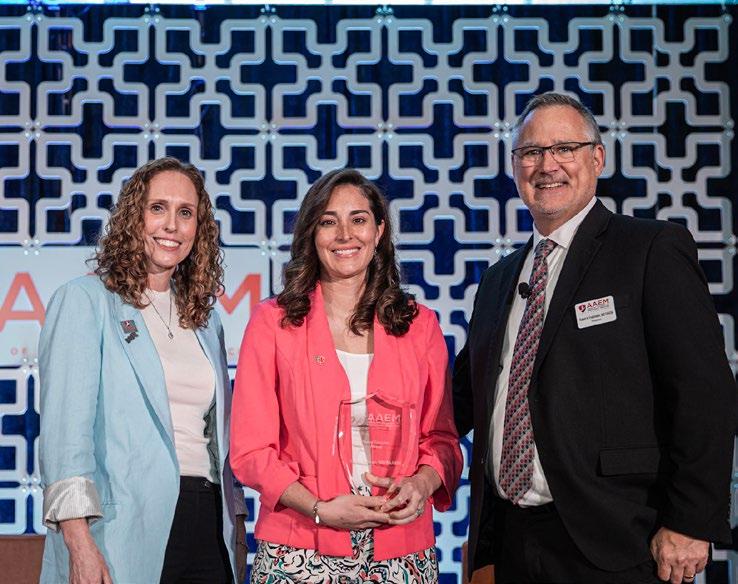
Advocate of the Year
Shanequa McLeod, MD FAAEM
David K. Wagner Award
Michelle Wiener, MD FAAEM
Joanne Williams Award
Megan Healy, MD FAAEM
Kay Whalen Strategic Ally Award
Lisa Hoffman
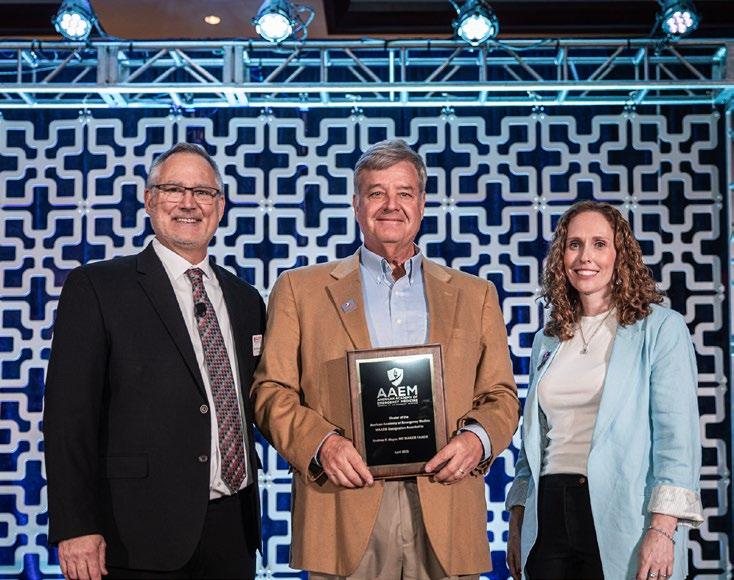
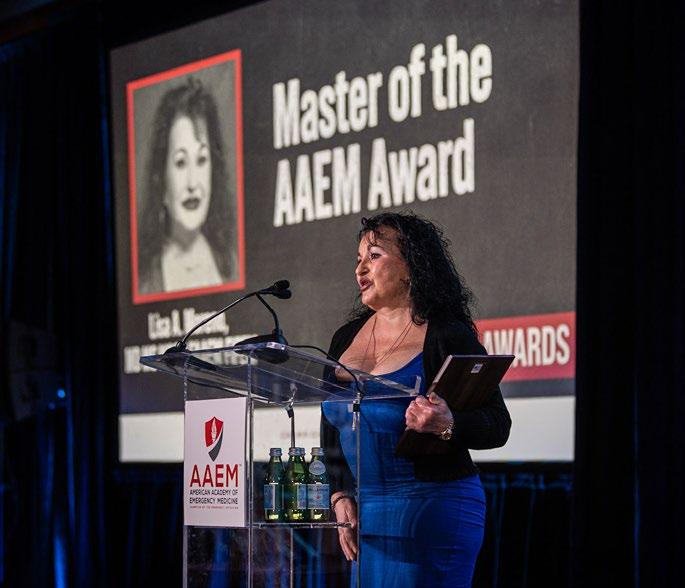
Master of the American Academy of Emergency Medicine (MAAEM)
Lisa A. Moreno, MD MS MSCR FAAEM FIFEM
Robert McNamara Award
Mark Reiter, MD MBA MAAEM FAAEM
Amin Kazzi International Emergency Medicine Leadership Award
Lisa A. Moreno, MD MS MSCR FAAEM FIFEM
James Keaney Award
Molly K. Estes, MD FAAEM
Joe Lex Educator of the Year Award
Harman S. Gill, MD FAAEM
Master of the American Academy of Emergency Medicine (MAAEM)
Andy Mayer, MD FAAEM
Resident of the Year Award
Mary Unanyan, DO
Young Educator Award
Alexis Salerno, MD FAAEM
Social Media at AAEM25
AAEM
Twitter Impressions: 2,274
Instagram Impressions: 16,471
Facebook Impressions: 2,452
LinkedIn Impressions: 1,350
AAEM/RSA
Twitter Impressions: 165
Instagram Impressions: 1,466
Facebook Impressions: 82
LinkedIn Impressions: 7
AAEM Social Media Impressions: 22,547
AAEM/RSA Social Media Impressions: 1,720
Social Media Impressions (Overall): 24,267
AAEM/JEM Resident and Student Research Competition
1st Place: Austin T. Jones, MD PhD
2nd Place: Morgan Dalm
3rd Place: Kelsey A. Clabby
AAEM/RSA & Western Journal of Emergency Medicine Population Health Research Competition
1st Place: Brianna McMonagle
2nd Place: Jenna LaColla
3rd Place: Andrew Holzman
CCMS-AAEM Breviloquent Competition
1st Place: Samantha Morrow, MD
2nd Place: Alex Cavert, MD
3rd Place: Shaylor Klein, DO
Open Mic Competition Winner
Lauren Lamparter, MD
Devin Dromgoole, DO
YPS-AAEM Research Competition
1st Place: Michael A. Vu, MD FAAEM
2nd Place: Allison Graebner, MD
3rd Place: Wayne A. Martini, MD FAAEM
Top Poster Photo Competition
1st Place: Rob Cobo, DO
2nd Place: Julie Horner, DO
3rd Place: Olivia Mann, DO
RSA Awards
Faculty Mentor of the Year
James Gragg, DO FAAEM
Program Coordinator of the Year
Janile E. Andia
Student Committee Member of the Year
Tai Donovan
Kevin G. Rodgers Program Director of the Year
Manish Garg, MD FAAEM
Northeast Regional Faculty of the Year Award
Chris Moore, MD FAAEM
AAEM/RSA at AAEM25
Almost 242 residents and medical students participated at AAEM25
16 lectures and a hands-on ultrasound workshop were presented during the AAEM/RSA Resident Track drawing resident, medical student, and attendings
50 medical students took in the lectures by engaging faculty speakers and panelists during the Medical Student Track
22 medical students competed in the AAEM/RSA & EUS-AAEM Sim Sono Sleuthing Case Challenge
16 medical students participated as Medical Student Ambassadors – THANK YOU!
Southern Regional Faculty of the Year Award|
Raymond Orthober, MD FAAEM
National Medical Student of the Year Scholarship Award
Mel Ebeling, MD
Northeast Regional Medical Student of the Year Scholarship Award
Christopher Laugier, MD
West Regional Medical Student of the Year Scholarship Award
Jake Graff, DO
International Medical Student of the Year Scholarship Award
Rishi Patel
EMIG of the Year Award University of Utah
International EMIG of the Year Award
Ross University School of Medicine
SCIENTIFIC ASSEMBLY PLANNING WORK GROUP
CO-LEADS:
Zachary Repanshek, MD FAAEM
Julie Vieth, MD FAAEM FACEP
VICE LEAD:
Harman S. Gill, MD FAAEM
MEMBERS:
Kene A. Chukwuanu, MD FAAEM
Sarah B. Dubbs, MD FAAEM
Jessica Fujimoto, MD FAAEM
Michael Gottlieb, MD FAAEM
Matthew N. Graber, MD PhD FAAEM
Andrew W. Phillips, MD MEd FAAEM
Alice Min Simpkins, MD FAAEM
Eric M. Steinberg, DO MEHP FAAEM
Kathleen M. Stephanos, MD FAAEM
AAEM/RSA REPRESENTATIVE:
Leah B. Colucci, MD MS
ADVISORS:
Laura J. Bontempo, MD MEd FAAEM
Christopher Colbert, DO FAAEM
Molly K. Estes, MD FAAEM FACEP
Joanne Williams, MD MAAEM FAAEM
George C. Willis, MD FAAEM
BREVE DULCE WORK GROUP:
Kathleen M. Stephanos, MD FAAEM
Sarah B. Dubbs, MD FAAEM
Dennis Allin, MD FAAEM
Danielle Biggs, MD FAAEM
Jason Adler, MD FAAEM
Diana K. Ladkany, MD FAAEM
Lauren Lamparter, MD
Sherri L. Rudinsky, MD FAAEM
AD HOC MEMBERS
AAEM BOARD PRESIDENT:
Robert A. Frolichstein, MD FAAEM
AAEM PRESIDENT-ELECT:
Vicki Norton, MD FAAEM
AAEM SECRETARY-TREASURER:
Phillip A. Dixon, MD MBA MPH FAAEM
CHCQM-PHYADV
AAEM IMMEDIATE PAST PRESIDENT:
Jonathan S. Jones, MD FAAEM
AAEM PAST PRESIDENTS COUNCIL
REPRESENTATIVE:
Tom Scaletta, MD MAAEM FAAEM
EDUCATION COMMITTEE CHAIR:
Michael E. Silverman, MD MBA FAAEM FACEP
EDUCATION COMMITTEE VICE CHAIR:
Kathleen M. Stephanos, MD FAAEM
EDUCATION COMMITTEE BOARD LIAISON:
Laura J. Bontempo, MD MEd FAAEM
Thanks to our 2025 Industry Partners
AAEM extends its thanks and appreciation to the following industry partners who have funded activities at the 2025 AAEM Scientific Assembly.
GOLD SPONSOR – $20,000-$49,999 SUPPORT LEVEL
• Abbott
• Inflammatix
SILVER SPONSOR – $5,000-$19,000 SUPPORT LEVEL
• Annexon Biosciences
• LogixHealth
BRONZE SPONSOR – Up to $4,999 SUPPORT LEVEL
• ConsensioHealth
• MoneyScript
• QMACS
IN-KIND SPONSORS
• Ambu, Inc.
• EchoNous, Inc.
• FUJIFILM Sonosite, Inc.
• Gaumard Scientific
• Hamilton Medical, Inc.
• Midray North America
• SonoSim, Inc.
Wellness Committee Recap of SA25 in Miami, FL!
Neha
Bhatnagar, MD*
What a week! The Wellness Committee is so grateful for everyone who participated in our many events at SA25 in Miami, FL, this past April. We had a record turnout at our revival of the annual 5K Fun Run/Walk along the beautiful Miami River Greenway. Our go-go-go hare (first place winner) boasted an impressive time of 19:10 and certainly earned his Starbucks gift card prize! Our take-the-scenic-route tortoises got to watch the sun rise over the bay and won tickets to the Skyviews Ferris wheel! Any movement, fast or slow, promotes wellness.
Our F3 (Fun, Friendship, and Food) Dinners also brought attendees together for delicious meals and meaningful conversations at multiple top restaurants, including Joe’s Stone Crab.
Our ever-popular storytelling event, rebranded as Curbside this year, was a blast yet again! Hilarious tales, heartbreaking reminiscences, and countless relatable anecdotes were shared amongst colleagues and friends.
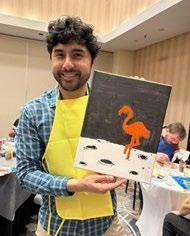
Our mental health action plan workshop allowed for intimate discussions on self-care and self-reflection. And the creatives got to express themselves again at the Paint N Sip art event, with Florida themed symbols and Miami neon colors! Ever seen a flamingo on the moon?
All in all AAEM’s Scientific Assembly 2025 was another successful endeavor for the Wellness Committee, filled with community, camaraderie, and coastal views! We can’t wait to see everyone again in Seattle next year for SA26.
References
*Guthrie Medical Group; Wellness Co-Chair
New Board of Directors
AAEM is proud to welcome the newly elected board of directors!
President Robert Frolichstein, MD FAAEM
Secretary-Treasurer
Phillip A. Dixon, MD MBA MPH FAAEM CHCQM-PHYADV
At-Large Director
Heidi Best, MD FAAEM
At-Large Director
Kimberly M. Brown, MD MPH FAAEM
At-Large Director Robert Lam, MD FAAEM
YPS Director Haig Aintablian, MD FAAEM
CEO, AAEM-PG Ex-Officio Board Member
Mark Reiter, MD MBA MAAEM FAAEM
President-Elect
Vicki Norton, MD FAAEM
Immediate Past President Jonathan S. Jones, MD FAAEM
At-Large Director
Laura J. Bontempo, MD MEd FAAEM
At-Large Director
Frank L. Christopher, MD FAAEM
At-Large Director
Kevin C. Reed, MD FAAEM
AAEM/RSA President Katy Wyszynski, DO MS
At-Large Director
Eric Brader, MD FAAEM
At-Large Director Fred E. Kency, Jr., MD FAAEM
At-Large Director
Robert E. Suter, DO MHA FAAEM
President Katy Wyszynski, DO MS
New Board of Directors
AAEM/RSA is proud to welcome the newly elected board of directors!
Immediate Past President
Mary Unanyan, DO
At-Large Board Member
Gabriela Hernandez, Rising PGY-1
At-Large Board Member
Aymane Rouchdy, Rising PGY-1
Vice President
William “Parker” Howard, MD
At-Large Board Member
Leah B. Colucci, MD MS
At-Large Board Member
Hanna Hussein, MD
Student Representative
Jake Moore
Secretary-Treasurer
Arya Hawkins-Zafarnia, MD MA
At-Large Board Member
Marykate Decker, DO MS
At-Large Board Member
Yusuke Kishimoto, MD
The Ethical Need to Stop Life Support in the Emergency Room: A Kind Approach to End-of-Life Care
Alfredo E. Urdaneta, MD FAAEM
The decision to withdraw life sustaining interventions in the emergency department (ED) is often fraught with emotional turmoil, ethical dilemmas, and complex medical considerations. However, as emergency medicine (EM) physicians, we must recognize there are circumstances in which allowing death to occur naturally, rather than prolonging suffering through aggressive interventions, is not only ethically permissible but also morally imperative. In this piece we aim to explore the ethical foundations supporting the transition of goals of care from aggressive life sustaining intervention to one of comfort focused care by withdrawal of life supporting interventions in the ED, emphasizing the principles of autonomy, beneficence, non-maleficence, and justice.
At the heart of medical ethics lies the principle of autonomy, which asserts that patients have the right to make informed decisions about their own healthcare. Autonomy is particularly relevant in end-of-life scenarios, where patients or their surrogates, may choose to withdraw or forgo life sustaining when faced with terminal medical conditions or irreversible injuries. The American Medical Association (AMA) emphasizes in its code of medical ethics that patients should be involved in decisions regarding their care, including the right to refuse treatment.1
Patients may express a desire to avoid prolonged suffering or a diminished quality of life. For example, a patient with a devastating brain injury may have previously articulated their wishes regarding end-of-life care through advance directives or conversations with family members. Respecting these wishes is a fundamental aspect of patient-centered care and aligns with the ethical obligation to honor autonomy. According to a study by Detering et al.,
advance care planning significantly improves the likelihood that patients receive care aligned with their preferences, thereby enhancing the quality of end-of-life care.2 Thus, transitioning of goals of care from aggressive life sustaining to comfort focused allowing natural death is respecting the autonomy of the patient.
The principles of beneficence and non-maleficence further support the ethical justification for withdrawing life support in the ED. Beneficence requires physicians to act in the best interest of the patient, promoting their well-being and alleviating suffering. Conversely, non-maleficence obligates physicians to avoid causing harm. In situations where aggressive life sustaining interventions are merely prolonging the dying process without any prospect of recovery, continuing the aggressive interventions can be seen as a violation of these ethical principles.
Research indicates that patients with terminal diseases who receive aggressive life-sustaining treatments in the ED often die within that hospitalization.3 This can leave to increased suffering without a corresponding benefit in quality of life. In such cases, the transitioning of care to one of comfort focused with the withdrawal of the life sustaining interventions can be viewed as an act of compassion, allowing patients to die with dignity and minimizing unnecessary suffering.
The principle of justice, which emphasizes fairness and equity in healthcare, also plays a role in the ethical considerations surrounding the transitioning of goals of care and withdrawal of life support. In an era of limited healthcare resources and ED boarding, it is essential to consider the allocation of medical interventions and use of resources like an intensive care unit (ICU) bed. Prolonging life through aggressive measures in cases where recovery is impossible may divert resources away
By respecting patients’ wishes, alleviating suffering, and ensuring the equitable allocation of resources, EM physicians can navigate the ethical landscape of end-of-life care with compassion and integrity.”
from patients who could benefit from timely interventions or limit the ED team’s ability to manage the constant flow of patients waiting to be seen as an ICU boarder takes their time, space, and energy. By allowing death to occur naturally through the withdrawal of life sustaining interventions, we can ensure that resources are utilized effectively and equitably, ultimately benefiting a greater number of patients. Furthermore, a report by the Institute of Medicine emphasizes the need for healthcare systems to prioritize patient-centered care and resource allocation that reflects the values and preferences of patients.4
Cultural beliefs and societal norms also play a significant role in shaping attitudes toward end-of-life care and the withdrawal of life sustaining interventions. In many cultures, there is a strong emphasis on preserving life at all costs, which can complicate discussions about transitioning goals of care and withdrawing life sustaining interventions. However, it is essential for EM physicians to engage in culturally sensitive conversations
that respect patients’ values and beliefs while also providing clear information about the implications of continued aggressive medical interventions to sustain life. EM physicians must be aware of and sensitive to the diverse beliefs and practices of patients and their families. By fostering open communication and understanding, physicians can help families navigate the difficult decision-making process surrounding the transitioning of goals of care and withdrawal of life support. Several articles have been
References
1. American Medical Association. (2016). Code of Medical Ethics. Retrieved from https://codemedical-ethics.ama-assn.org
2. Detering KM, Hancock AD, Reade MC, Silvester W. The impact of advance care planning on end of life care in elderly patients: randomised controlled trial. BMJ. 2010 Mar 23;340:c1345. doi: 10.1136/bmj.c1345. PMID: 20332506; PMCID: PMC2844949.
3. Quinn KL, Stukel T, Stall NM, Huang A, Isenberg S, Tanuseputro P, Goldman R, Cram P, Kavalieratos D, Detsky AS, Bell CM. Association between palliative care and healthcare outcomes among adults with terminal non-cancer illness: population based matched cohort study. BMJ. 2020 Jul 6;370:m2257. doi: 10.1136/bmj.m2257. PMID: 32631907; PMCID: PMC7336238.
EDITOR’S MESSAGE
Continued from page 5
There is significant evidence behind POCUS. When performed by trained clinicians, its accuracy, sensitivity, and specificity compete with traditional imaging, especially in emergency medicine. I’ve watched POCUS redirect a crashing patient’s management long before any radiology tech or echo tech could wheel in their machine. Even though it happens at the bedside, it’s no less meaningful—it’s often more so.
It goes without saying that, of course, POCUS requires training, standards, quality assurance and improvement, and should be reviewable. There is little to be gained from a phantom scan or “unsaved” scan. POCUS should have an interpretation and images saved.
written and provide useful refences on how to approach end of life discussions and transitions to comfort measures and withdrawal of life sustaining intervention in the ED.5 These resources can serve as effective tools for engaging family member-surrogate decision makers and ensure the appropriate and desired care is provided.
In conclusion, transitioning to comfort focused care and withdrawing life support in the ED is an ethically complex decision that requires careful consideration of the principles of
4. Institute of Medicine. (2014). Dying in America: Improving Quality and Honoring Individual Preferences Near the End of Life. Washington, DC: The National Academies Press. doi:10.17226/18748
5. Mierendorf SM, Gidvani V. Palliative care in the emergency department. Perm J. 2014 Spring;18(2):77-85. doi: 10.7812/TPP/13-103. Epub 2014 Mar 31. PMID: 24694318; PMCID: PMC4022562.
6. Triplett DP, LeBrett WG, Bryant AK, Bruggeman AR, Matsuno RK, Hwang L, Boero IJ, Roeland EJ, Yeung HN, Murphy JD. Effect of Palliative Care on Aggressiveness of End-of-Life Care Among Patients With Advanced Cancer. J Oncol Pract. 2017 Sep;13(9):e760-e769. doi: 10.1200/ JOP.2017.020883. Epub 2017 Aug 22. PMID: 28829693; PMCID: PMC5598315.
It’s Time for a Better Language
If we truly want to build a collaborative imaging culture in medicine, we need to be intentional with our language. I’ve heard competent clinicians describe excellent scans to consultants as “just a bedside ultrasound,” unintentionally diminishing their own findings.
The word “formal” should be replaced with more accurate, neutral terms like “comprehensive,” “radiology-performed,” “cardiology-performed,” or simply “consultative.” We need to stop implying that a “bedside scan” is second-class, when in fact it’s often the fastest, most relevant, and potentially life-saving or morbidity-reducing study a patient will receive.
autonomy, beneficence, non-maleficence, and justice. By respecting patients’ wishes, alleviating suffering, and ensuring the equitable allocation of resources, EM physicians can navigate the ethical landscape of end-of-life care with compassion and integrity. As we strive to provide the highest quality of care, it is imperative that we embrace the ethical imperative of allowing death to occur naturally when it aligns with the values and wishes of our patients.
7. De Palma R, Fortuna D, Hegarty SE, Louis DZ, Melotti RM, Moro ML. Effectiveness of palliative care services: A population-based study of end-of-life care for cancer patients. Palliat Med. 2018 Sep;32(8):1344-1352. doi: 10.1177/0269216318778729. Epub 2018 Jun 11. PMID: 29886795.
8. Wang D, Creel-Bulos C. A Systematic Approach to Comfort Care Transitions in the Emergency Department. J Emerg Med. 2019 Mar;56(3):267-274. doi: 10.1016/j. jemermed.2018.10.027. Epub 2018 Dec 29. PMID: 30600110.
Most importantly, let’s focus on whether the imaging was performed competently, interpreted correctly, and whether it changed management for the better. That’s what matters to our patients, and it should be what matters to us.
The next time you hear someone call a scan “just a POCUS” or downplay it “bedside ultrasound,” challenge it. To the patient whose care it guides, there’s nothing unofficial about the skill, judgement, and diagnostic information we deliver in those moments. POCUS deserves the same respect as any other medical tool – not because it seeks to replace traditional imaging, but because it has already proven its worth alongside it.
Quiet Leadership: Why Introverts Can Thrive in Emergency Medicine
Alexandra Ortego, MD
Leadership has long been associated with the bold, the outspoken, and the charismatic. From political campaigns to corporate boardrooms, the “Extrovert Ideal” dominates our understanding of what makes a strong leader. Yet in the fast-paced, high-stakes environment of emergency medicine (EM), it may be the quieter leaders—those who listen deeply, prepare thoroughly, and reflect carefully—who are best positioned to guide teams to success.
Despite societal bias, introversion is not a leadership liability. In fact, it can be a powerful strength.
Redefining Introversion
Introversion is often misunderstood. It is not shyness, social anxiety, or a dislike of people. Rather, introverts are energized by solitary reflection and smaller, more meaningful interactions. They are often excellent listeners, analytical thinkers, and highly observant—qualities critical for effective decision-making in chaotic environments like the emergency department.
However, perception does not always match performance. In “Quiet,” author Susan Cain describes the “Extrovert Ideal” as a pervasive but flawed narrative that overlooks the many strengths of introverted leaders. Historical figures like Abraham Lincoln, Rosa Parks, and Ruth Bader Ginsburg exemplify how thoughtfulness, deep conviction, and quiet resilience can shape transformative leadership.
Introverted Leaders Drive Better Outcomes
Behavioral science research suggests that introverted leadership can produce superior outcomes—especially with proactive teams.
In one study, researchers analyzed 57 stores of a national pizza chain. Managers were categorized as introverted or extroverted, and employees as proactive or passive. Over seven weeks, the researchers tracked store profitability. The results showed that stores with proactive employees with introverted managers and passive employees with extroverted managers were the most profitable.
Extroverts, by contrast, gain energy from external stimulation, thrive in large groups, and tend to think out loud. As leaders, they may excel in rallying teams, inspiring enthusiasm, and adapting quickly to dynamic situations. However, they can also be prone to overlooking input from others, favoring their own instincts over team consensus.
Effective
leadership in emergency medicine cannot be confined to a single personality type. While extroverted leaders bring energy and inspiration, introverted leaders offer depth, stability, and a collaborative spirit. Both styles are needed—and valuable—in our field.”
Importantly, most people do not fall neatly into one category. Personality exists on a spectrum, and individuals may shift along it depending on the situation or stage of life. In a 2021 survey, 52% of Americans identified as more introverted than extroverted. In medicine, where both team collaboration and individual judgment are crucial, recognizing and valuing this diversity of leadership styles is essential.
The Myth
of the Extrovert Leader
Cultural preferences for extroverted traits persist across industries. Studies have shown that extroverts are more likely to be promoted into leadership positions and perceived as effective leaders. U.S. presidents, for example, were perceived as more effective during times when they displayed more extroverted behaviors.
A second experiment reinforced these findings. Groups of students were tasked with folding as many t-shirts as possible in a limited time. Assigned leaders were primed to act introverted or extroverted and research assistants posed as either passive or proactive followers. When followers were proactive, introverted leaders achieved better team performance. Conversely, passive teams performed better under extroverted leaders.
In EM, where teams are typically proactive, adaptable, and highly skilled, introverted leadership may be uniquely well-suited. By fostering collaboration, encouraging input, and making deliberate decisions, introverted leaders can maximize team effectiveness and resilience under pressure.
Leading Authentically as an Introvert in EM
For introverted physicians aspiring to leadership, authenticity is key. Rather than mimicking extroverted behaviors, introverted leaders should embrace and leverage their natural strengths.
Value Reflection and Preparation. Introverted leaders often excel in environments that reward thoughtful analysis and strategic planning. In EM, where preparation can mean the difference between success and failure, these traits are invaluable.
EM, strong relationships based on trust and mutual respect are critical for cohesive team dynamics.
Embracing Diverse Leadership Styles
Effective leadership in emergency medicine cannot be confined to a single personality type. While extroverted leaders bring energy and inspiration, introverted leaders offer depth, stability, and a collaborative spirit. Both styles are needed—and valuable—in our field.
[Introverts] are often excellent listeners, analytical thinkers, and highly observant—qualities critical for effective decision-making in chaotic environments like the emergency department.”
Communicate with Precision. Introverted leaders often prefer written communication or smaller, focused conversations. Whether through thoughtfully crafted emails, regular one-on-one check-ins, or informal small group discussions, clear and deliberate communication builds trust, strengthens relationships, and drives team performance.
Empower Proactive Team Members. Introverted leaders often shine when they create space for others to contribute. By actively listening to ideas and incorporating feedback, they cultivate an environment of shared ownership and investment in outcomes.
Build Deep Relationships. Rather than seeking broad popularity, introverted leaders often focus on meaningful, one-on-one connections. In
For introverted physicians, the path to leadership is not about changing who you are. It is about recognizing that your quiet strengths are not weaknesses to be overcome, but assets to be embraced. Leadership, after all, is not about volume—it’s about vision, courage, and the ability to bring out the best in others.
In the unpredictable world of EM, these are the leaders who will not
only navigate chaos, but build teams that thrive within it.
References
1. Cain, S. (2012). Quiet: The power of introverts in a world that can’t stop talking. Crown Publishers/Random House.
2. Grant, A., Gino, F., & Hofmann, D. (2011). Reversing the extraverted leadership advantage: The role of employee proactivity. Academy of Management Journal, 54(3), 528–550. https://doi.org/10.5465/ AMJ.2011.61968043
3. Judge, T. A., Bono, J. E., Ilies, R., & Gerhardt, M. W. (2002). Personality and leadership: A qualitative and quantitative review. Journal of Applied Psychology, 87(4), 765–780. https://doi. org/10.1037/0021-9010.87.4.765
The Evolution of Paramedicine Community Paramedic: Bridging Gaps in Modern Healthcare
Rob Hornberger, BS OMS-IV
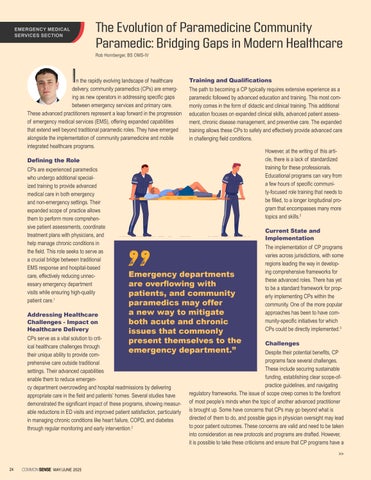
In the rapidly evolving landscape of healthcare delivery, community paramedics (CPs) are emerging as new operators in addressing specific gaps between emergency services and primary care. These advanced practitioners represent a leap forward in the progression of emergency medical services (EMS), offering expanded capabilities that extend well beyond traditional paramedic roles. They have emerged alongside the implementation of community paramedicine and mobile integrated healthcare programs.
Defining the Role
CPs are experienced paramedics who undergo additional specialized training to provide advanced medical care in both emergency and non-emergency settings. Their expanded scope of practice allows them to perform more comprehensive patient assessments, coordinate treatment plans with physicians, and help manage chronic conditions in the field. This role seeks to serve as a crucial bridge between traditional EMS response and hospital-based care, effectively reducing unnecessary emergency department visits while ensuring high-quality patient care.1
Addressing Healthcare Challenges - Impact on Healthcare Delivery
CPs serve as a vital solution to critical healthcare challenges through their unique ability to provide comprehensive care outside traditional settings. Their advanced capabilities enable them to reduce emergency department overcrowding and hospital readmissions by delivering appropriate care in the field and patients’ homes. Several studies have demonstrated the significant impact of these programs, showing measurable reductions in ED visits and improved patient satisfaction, particularly in managing chronic conditions like heart failure, COPD, and diabetes through regular monitoring and early intervention.2
Training and Qualifications
The path to becoming a CP typically requires extensive experience as a paramedic followed by advanced education and training. This most commonly comes in the form of didactic and clinical training. This additional education focuses on expanded clinical skills, advanced patient assessment, chronic disease management, and preventive care. The expanded training allows these CPs to safely and effectively provide advanced care in challenging field conditions.
However, at the writing of this article, there is a lack of standardized training for these professionals. Educational programs can vary from a few hours of specific community-focused role training that needs to be filled, to a longer longitudinal program that encompasses many more topics and skills.2
Current State and Implementation
Emergency departments are overflowing with patients, and community paramedics may offer a new way to mitigate both acute and chronic issues that commonly present themselves to the emergency department.”
The implementation of CP programs varies across jurisdictions, with some regions leading the way in developing comprehensive frameworks for these advanced roles. There has yet to be a standard framework for properly implementing CPs within the community. One of the more popular approaches has been to have community-specific initiatives for which CPs could be directly implemented.3
Challenges
Despite their potential benefits, CP programs face several challenges. These include securing sustainable funding, establishing clear scope-ofpractice guidelines, and navigating regulatory frameworks. The issue of scope creep comes to the forefront of most people’s minds when the topic of another advanced practitioner is brought up. Some have concerns that CPs may go beyond what is directed of them to do, and possible gaps in physician oversight may lead to poor patient outcomes. These concerns are valid and need to be taken into consideration as new protocols and programs are drafted. However, it is possible to take these criticisms and ensure that CP programs have a
well-defined and collaborative role that has plenty of physician-led oversight from the beginning.
As with any new initiative, more research needs to be done to demonstrate the cost-saving incentive to fund the training and implementation of CPs. Despite the current skepticism that may exist today, there is plenty of preliminary evidence that CPs can net save healthcare systems at scale.4
Future Outlook
Recent legislative developments such as the Community Paramedicine Act of 2024 demonstrate growing recognition of the role’s importance and the need for formal support structures. This bill seeks to fund more CP initiatives across the country up to $750,000. Although much would need to be done to get this bill out of committee, the recency of its introduction demonstrates the growing interest in CPs across the country.5
The future of CPs appears promising, with growing recognition of their value in modern healthcare systems. Emergency departments are overflowing with patients, and CPs may offer a new way to mitigate both acute and chronic issues that commonly present themselves to the emergency department. Their ability to provide advanced care in the field, manage chronic conditions, and facilitate appropriate healthcare utilization aligns perfectly with current healthcare reform goals.
What might be most exciting is that this new role will provide a new place for clinical advancement within the EMS community. The EMS community has long been experiencing a brain drain of talent as the best and brightest EMTs and paramedics often go on to pursue other paths in the healthcare field due to the such few opportunities for clinical progression. With hopes of one day going on to fulfill this role, there is great potential for bringing career advancement into EMS.
Conclusion
Community paramedics represent more than an evolution in emergency medical services—they embody a fundamental shift in healthcare delivery. These professionals are positioned to bridge critical gaps in care, reshaping the future of community-based healthcare. While significant obstacles remain in scaling CP programs, their demonstrated value to communities will be crucial for future advocacy. As healthcare systems confront mounting challenges, CPs are ready to meet these demands while creating new career paths for the dedicated professionals who serve their communities.
[CPs] ability to provide advanced care in the field, manage chronic conditions, and facilitate appropriate healthcare utilization aligns perfectly with current healthcare reform goals.”
References
1. Mobile Integrated Health Care and Community Paramedicine: An Emerging Emergency Medical Services Concept; https://federation.rowan. edu/shibboleth-ds/index.html?entityID=http%3a%2f%2fezproxy2.rowan. edu&return=https%3a%2f%2flogin. ezproxy.rowan.edu%2fShibboleth. sso%2fDS%3fSAMLDS%3d1%26target%3dezp.2aHR0cHM6Ly93d3cuc2NpZW5jZWRpcmVjdC5jb20vc2NpZW5jZS9hcnRpY2xlL3BpaS9TMDE5NjA2NDQxNTAwNDg1MA%2d%2d
2. A scoping review of community paramedicine: evidence and implications for interprofessional practice; https://www.tandfonline.com/doi/full/10.1080/ 13561820.2020.1732312
3. State regulation of community paramedicine programs: A national analysis. https://pubmed.ncbi.nlm.nih.gov/29023167/ Prehospital Emergency Care”
4. An examination of the emerging field of community paramedicine: a national cross-sectional survey of community paramedics; https:// bmchealthservres.biomedcentral.com/articles/10.1186/s12913-02309537-x#Sec6
5. H.R.8042 - Community Paramedicine Act of 2024; https://www.congress. gov/bill/118th-congress/house-bill/8042/text
An Open Letter to the Patient with Chronic Pain in the ED
Amy Walsh, MD MDP
To the patient who comes into the ED with pain that has been there for nine months or three years or your whole life, who has seen every specialist you were advised to see, taken every pill or shot, endured pointless surgeries on the off chance that you could be “fixed.”
I see that though your pain hasn’t changed recently to signal a physiologic emergency, that you are here with an emergency nonetheless—one of despair and desperation. Sometimes you view me as your last and best hope.
I have to admit that I have only meager offerings to feed that hope. That said, I think I have more to offer than some of my colleagues who become cruel when faced with a problem they can’t fix, because your suffering made a fool of them. The tools in our toolbox can repair a broken bone or a leaky heart valve, but we do not have the tools to repair that complex weaving of mind, body, and spirit where most suffering lies.
What do I actually have to offer? I will give you as much time as I can to help you feel seen, heard, and understood. I am well aware this does nothing for your pain. On the other hand, I’ve been told by others in your shoes that it’s more than you’ve likely been granted elsewhere.
The balm I have to soothe your pain is quite transient, but generally I can offer a little comfort here and a little troubleshooting for home. I can recheck testing that has been done, though to be honest that is mainly in service to helping you understand that I am taking you seriously.
I will talk to you about your life. Do you always put the needs of others first? Did this pain develop because you’ve been through some shit and your body is telling you it is time for a reckoning? I have no idea if this will address what brought you here. On the other hand, the only path to healing after you’ve exhausted the traditional options involves meandering through the dark forest of your whole self. Does healing look like fundamentally changing all of the relationships in your life, including with yourself? Does healing look like accepting a life that looks very different from what you dreamed or imagined? I honestly don’t know, but the risk-to-reward ratio is much more favorable than what’s been tried so far since there has been no reward.
You’ve come to the ED for long-term pain. What can I offer you? I can stop looking for the abyss within you and turn my chair, so we are both looking out at the abyss together.
Editor’s Note: To read more of Dr. Walsh’s writing about healthcare and herbalism, please visit The Nettle Witch, MD at thenettlewitchmd.substack.com
What do I actually have to offer? I will give you as much time as I can to help you feel seen, heard, and understood. I am well aware this does nothing for your pain.”
Navigating POV Transfers: A Practical Guide
Tibor R. Nagy, DO,* Matthew Bidwell, MD MPH,* and S. Tyler Constantine, MD EMT-P FACEP*
In the realm of emergency medicine, urgent care, and medical offices, transfer of patients is quite common. In emergency medicine, the regionalization of resources makes patient transfers increasingly more prevalent. Patients and healthcare personnel may choose to use privately owned vehicles (POV) to transfer between healthcare facilities. Understanding when such transfers are appropriate is key. This is particularly crucial when considering the risks and benefits associated with choosing POV over ambulance services. The goal of this article is to offer practical guidance for emergency medicine physicians and other healthcare practitioners on making informed decisions regarding POV transfers. The focus is to enhance patient safety and improve decision-making processes.
There are multiple possible benefits to POV transfer over ambulance transfer. Perhaps surprisingly, POV transfers may occur more rapidly, especially when EMS system resources are limited and wait times for an appropriate ambulance may be prolonged. POV transfers may also be more comfortable for the patient and allow them to travel in the close presence of a family member. Undoubtedly, POV transfers involve reduced cost to the patient and the healthcare system and maintain EMS resource
availability for emergency calls. However, it also has risks that are important to take into consideration.
One risk associated with POV transfers is the potential for patient deterioration. Unlike ambulances, private vehicles are not equipped with necessary medical equipment or medical personnel to manage sudden changes in the patient’s condition. This can lead to an increased risk of adverse outcomes during the POV transfer. The patient’s clinical stability and the physician’s overall impression of the risks of transport should be the first consideration. This includes evaluating the potential for sudden deterioration, the presence of unstable vital signs, and the requirement for continuous medical monitoring or interventions. Patients with conditions that are stable and unlikely to require immediate medical intervention during transfer may be considered suitable for POV transfers. For example, this may include minor fractures or those who have undergone simple treatments and are in a stable condition waiting for a bed in a different hospital. Conditions that involve cardiac instability, potential respiratory complications, psychiatric decompensation, altered mental status, or acute neurological events for example are unsuitable for POV transfers due to the heightened risk of clinical
changes that may require immediate medical attention. Patients transferring POV, whether deemed of suitably low risk of decompensation or a patient refusing ambulance transport against medical advice, should be instructed to pull over and call 911 in the event of a change in the patient’s condition.
Common concerns during patient transfers include managing intravenous (IV) lines and maintaining nil per os (NPO) status. When deciding whether to keep an IV line in place, assess the patient’s risk level. In many cases, especially with pediatric patients, it is advisable not to remove the IV line. Provide clear instructions to the patient or their caregivers on how to prevent the IV from causing injury during transport or becoming dislodged. Recommendations might include securely wrapping the IV site at your facility before departure and advising the patient and family to avoid tampering with it. Particular attention is needed for patients with untreated substance use disorders or those who may feel anxious about traveling with an IV in place. It is crucial to communicate clearly and thoughtfully about the NPO status, emphasizing the need to travel directly to the destination without any stops. Additionally, ensure the patient understands the importance of calling 911 for assistance in case of an emergency
Articulate the potential medical risks, such as the lack of immediate medical care and the possibility of health deterioration, alongside benefits such as comfort, speed, and reduced cost.”
such as an accident or unexpected deterioration in their condition. This precaution should ideally be a part of the pre-transfer screening process to minimize risks during the transfer by POV.
Legal and ethical considerations play a crucial role in decision-making about POV transfer. The recommendation of a POV transfer can expose healthcare practitioners to liability issues if the patient’s condition worsens, for example, or if the patient does not arrive at the intended destination for any number of reasons. This liability stems from the duty of care that medical professionals owe to their patients, which includes safe and adequate transportation when a transfer is necessary under the Emergency Medical Treatment and Active Labor Act (EMTALA).
Note that for emergency physicians subject to EMTALA, the referring physician is responsible for the patient until arrival at the receiving facility. To mitigate these risks, thorough documentation of the patient’s condition, the rationale for a POV transfer, and informed consent detailing the potential risks and benefits are essential. This documentation can serve as a safeguard should any questions about the decision arise later. Ethically, the decision to allow a POV transfer involves balancing patient autonomy with physician responsibility. Patients may opt for POV transfer for comfort, convenience, or cost reasons, but physicians must weigh these preferences against the potential risks and the medical necessity for specialized transport. We are tasked with ensuring that patients and families are fully informed about their transfer options and the associated risks.
Best practices for documentation include clearly recording the patient’s mental and physical state, the specific reasons for choosing a POV transfer, and detailed information provided to the patient during the consent process. Consider also adding documentation on the absence of exclusion criteria. This not only supports ethical transparency but also strengthens the legal standing of the decision to utilize a POV for patient transfer.
Effective communication is important in ensuring that patients and their families are informed about the risks and benefits of POV transfers.
POV transfer is an option that offers discrete patient-centered benefits but requires careful consideration and patient selection. Determining a patient’s suitability for POV transfer is part of our duty.”
Clear, concise, and transparent verbal and written communication will help to establish trust and facilitate informed decision-making. Articulate the potential medical risks, such as the lack of immediate medical care and the possibility of health deterioration, alongside benefits such as comfort, speed, and reduced cost. To ensure that understanding and consent are adequately achieved, employ strategies that meet cultural contexts of the patients. This includes providing interpreter services or materials in the patient’s primary language. Allow ample time for questions and discussion of the transfer with families, especially in pediatric cases where both you and the parent are advocating for the child.
Policies will help streamline processes to reduce the variability in patient care while lowering risks by ensuring that all staff members follow the same procedures. The development of these policies should begin with an internal analysis of past transfers, considering both successful outcomes and instances with opportunities for improvement. Engage your physicians, nurses, legal advisors, and patient representatives, to provide diverse perspectives and expertise. Such policies should also include informed consent documentation to be signed by the patient or representative, and printouts
which are given to the patient to provide specific instructions on the location of the receiving facility, and specific instructions for what to do upon arrival, and ‘what-if’ instructions in case of a perceived change in clinical status. Key components of these policies may include:
• Eligibility Criteria: Clearly define which patient conditions are suitable for POV transfers.
• Risk Assessment Checklist: Create a detailed checklist that includes patient stability, potential for deterioration, and specific medical needs that might require ambulance transport.
• Communication Guidelines: Outline policies for discussing transfer options with patients and their families, including how to explain the risks and benefits of POV transfers comprehensively.
• Documentation Requirements: Specify what information must be recorded to document the rationale for a POV transfer clearly, including patient consent. Consider the use of standardized language for the electronic medical record (EMR) to help facilitate this documentation.
• Quality Assurance Procedures: Establish follow-up protocols to monitor the outcome of the transfer.
Connection
Drew Remignanti, MD MPH
Ihave come to the conclusion that the patient-physician relationship provides health benefits by virtue of the same semi-mysterious mechanisms that appear to be active in other social connectedness studies, which consistently show as much as a full halving of mortality rates in settings of strong social connections. I also believe that those health benefits can be derived between each and all of us, whether we are in a medical or nonmedical setting. The authors of “Compassionomics” appear to have come to a similar conclusion when they state, “Of all the things that can impact one’s psychological health, there is something that rises to the top as one of the most, if not the most powerful thing: human connection.” They continue, “There’s simply no reason—neither moral nor scientific—whether you’re considering the art or the science of compassion, to ignore the profound benefits it confers.”
I would hate to think that our American culture is incapable of bringing all of ourselves to benefit from this well-documented phenomenon. In fact, I refuse to believe that we are incapable of demonstrating greater compassion, but then again, I’m a stubborn optimist. The difference here is that the physician-patient relationship is the only one that is, or at least can be, solely dedicated to you, the patient’s health.
On one “anything but routine” occasion, I did feel that kind of connection with a patient, and I think it very well might have been reciprocated. This particular 50ish woman came in upon the insistence of her husband, a role reversal from the usual dynamic. She reported having been intermittently and progressively short of breath over the past two weeks, to which he simply but emphatically said, “Oh yeah!”
More commonly it is the husband who is coming in under the insistence of his wife. In fact, that is so common that I’ve taken to telling men,
After yet one more, ‘How are you feeling?’ on my part, this selfless and compassionate soul, in the midst of her suffering, says to me with obvious concern, ‘Oh, I’m okay, but how are you?’
“When the woman in your life, whether it be your wife, girlfriend, partner, mother, sister, or daughter, tells you that it is time to see the doctor, there is only one proper response which is, ‘Okay.’” I usually go on to clarify that, “No, women aren’t always correct, but they are usually more cautious, and often more sensible, when it comes to health issues than we men are. When we are all done here today and if nothing serious has arisen, and then you want to turn around and say to her, ‘I told you so,’ that can be your choice…but I wouldn’t advise it.”
This may be a cross-cultural phenomenon as well. When I was in Ghana in 2002 working with the CDC/WHO polio eradication campaign, that country was just experiencing the completion of what they termed “meningitis season” and was going into “cholera season.” We were visiting the cholera ward at the public hospital one day where a woman had corralled her husband into seeking medical care. He had just become ill with cholera symptoms that morning but had refused to seek medical care. When he ultimately became too weak to object, she called a taxi and forced him inside it. Unfortunately, it had taken too long to convince him to seek medical care and by the time they had arrived he had passed away.
I was in immediate agreement with my current patient’s husband’s concerns because she had a very rapid pulse, borderline low blood pressure, and a low pulse oximetry reading, all of which were just screaming pulmonary embolism. To cut to the chase, the CAT scan of her lungs showed that she had a large saddle embolism. I had received an immediate phone call back from the radiologist after her scan reporting the embolism and adding, “Is this patient stable? Because it’s a pretty massive clot and I’m not sure how much blood is getting past it at this point.” I reported that I had been in there a second time already, and a small amount of IV fluids had improved her blood pressure, but not her heart rate, though at least her oxygen level was improved on supplemental oxygen. The radiologist then came back with, “Well, let me know if she becomes unstable, because I might have to try something interventional.”
At that particular time, we did not have any interventional protocol, or even the use of clot dissolving drugs, set up for a large life-threatening pulmonary embolism, as we subsequently did a few years later. So, I understood the radiologist to mean that if push came to shove, she would try something that she didn’t do regularly. I asked her to hold a minute while I checked on the patient a third time. She, stoical individual as she was, said she was feeling somewhat better. The radiologist then confirmed my own conclusion that the best plan was to transfer her to a nearby, larger, better-equipped hospital that was set up for specific emergency intervention in just this setting. I was then left with the dilemma of how much change for the worse constituted unstable. I stuck my head in briefly to see her cardiac monitor and vitals and say, “How are you
doing?” on my way to the secretary’s desk to have them place a call for me to arrange for a transfer.
When I was confident that was in progress, along with at least having her nurse initiate intravenous heparin to slow any further clotting, I was back in her room for a fifth time. I hadn’t wanted to get into any details with her until there was a distinct plan in place, so as not to worry her prematurely. The husband had gone to deal with some pressing home matters, so that had made it easier to not yet engage in any detailed conversation. After yet one more, “How are you feeling?” on my part, this selfless and compassionate soul, in the midst of her suffering, says to me with obvious concern, “Oh, I’m okay, but how are you?”
I don’t know what I looked like at that point, but my immediate thought was, “Damn it, Drew, you’ve failed this woman by letting her see how worried you are about her.” I felt like I was going to be standing next to this woman’s stretcher at the exact moment when she died in front of me and there was nothing further that I could do to change that. Apologies to my family and friends, but at that moment there was no person in the world who was more important to me. I would have jumped into a raging river to save her if given the opportunity just then. Instead, I could only
EMERGENCY MEDICAL SERVICES SECTION
Continued from page 28
POV transfer is an option that offers discrete patient-centered benefits but requires careful consideration and patient selection. Determining a patient’s suitability for POV transfer is part of our duty. Stability and the lack of need for potential immediate medical intervention are key criteria. POV transfer should not be considered for high-acuity medical and behavioral
References
*Atrium Health Carolinas Medical Center, Charlotte, NC
1. Critical Care in the Emergency Department: Patient Transfer: Dunn, M J G, et al. “Critical care in the emergency department: patient transfer.” Emergency Medicine Journal, BMJ, doi:10.1136/emj.2006.042044.
2. EMTALA Regulations: “Interfacility Transfers: Pearls & Pitfalls for the Emergency Physician.” emDocs.net
3. Johnson, NJ, Carr, BG, Salhi, R, et al. “Characteristics and Outcomes of Injured Patients Presenting by Private Vehicle in a State Trauma System.” The American Journal of Emergency Medicine, 2013;31(2):275-81.
try to adopt a calm that I did not feel, while explaining to her what was going on at that point, and what was going to happen next. I tried to put the gloss on it that quite soon she would be under the care of specialist doctors who had dealt with this exact problem multiple times before, as we had not, and that the IV fluids and heparin that we were giving her would get her there safely.
She was one of a handful of patients in my career for whom I made the effort to look up their medical records several months later to see if they had survived my care and had made another visit to my ED after I had taken care of them. So, I was able to reassure myself that she had indeed survived that day and had been able to visit us again. However, I was unable to learn any details of her further care of that day and beyond, and unfortunately, we never met each other again. I sometimes wonder if her caring about my welfare, seemingly as much as I cared about hers, had somehow helped her to pull through that awful experience.
Editor’s Note: To learn more about Dr. Remignanti and his writing, please visit: drewremignanti.pubsitepro.com
health conditions. It involves balancing patient autonomy with the physician’s responsibility to minimize harm and ensure safe transfer. Ensure that patients are thoroughly informed about the risks and benefits of this choice.
Documentation that details the patient’s condition, transfer rationale, and informed consent is
vital in all transfer scenarios, but even more so in POV transfers. Policies will improve the process and create a standard of care and legal protection at your institution. This comprehensive approach ensures that POV transfers are conducted safely, legally, and ethically, with patient welfare at the forefront.
doi:10.1016/j.ajem.2012.07.023.
4. Mangus, CW, Canares, T, Klein, BL, et al. “Interhospital Transport of Children With Peripheral Venous Catheters by Private Vehicle: A Mixed Methods Assessment.” Pediatric Emergency Care, 2022;38(1):e105-e110. doi:10.1097/ PEC.0000000000002167.
5. Richardson, SM, Levey, ST, Suryavanshi, JR, et al. “Interfacility Transfer of Pediatric Supracondylar Elbow Fractures: Transfer by Ambulance Shows No Advantage in Speed of Transfer or Prevention of Complications.” Journal of Pediatric Orthopedics, 2024 Nov-Dec 01;44(10):579-585. doi:10.1097/ BPO.0000000000002788.
6. Wandling, MW, Nathens, AB, Shapiro, MB, Haut, ER. “Association of Prehospital Mode of Transport With Mortality in Penetrating Trauma: A Trauma System-Level Assessment of Private Vehicle Transportation vs Ground Emergency Medical Services.” JAMA Surgery, 2018;153(2):107-113. doi:10.1001/ jamasurg.2017.3601.
7. Warren, J, Fromm, RE, Orr, RA, Rotello, LC, Horst, HM. “Guidelines for the InterAnd Intrahospital Transport of Critically Ill Patients.” Critical Care Medicine, 2004;32(1):256-62. doi:10.1097/01. CCM.0000104917.39204.0A.
Student Mentorship for the Community Doc: Part Two
Molly Estes, MD and Kaitlin Bowers, DO
In part one of this series, we explored the evolving role of community-based physicians as mentors in emergency medicine, along with an overview of recent changes in the EM residency match process. In this second part, we’ll dive deeper into specific aspects of mentoring, focusing on writing impactful letters of recommendation, providing targeted guidance for special populations (such as osteopathic students, military candidates, and couples in the match), and sharing key resources to support both you and your mentee. With these tools, you can help your students navigate their unique paths to a successful EM career.
Letters of Recommendation
Regarding letters of recommendation, the most powerful letter a student can obtain is the Standardized Letter of Evaluation (SLOE). These are a central and key component to the student’s ERAS application. There are several different versions of the SLOE form, including one designed to be completed by an EM physician/department not associated with a residency program, sub-specialty rotations (e.g. a pediatric EM rotation), and even a version to be completed by a non-emergency medicine physician. The strongest SLOE comes from a rotation experience completed in a department associated with an EM-residency program and written by a committee of individuals from that department.
Although students can complete an EM rotation anytime in their third or fourth year, it is standard practice for a SLOE to be based on a fourth year, sub-intern, one-month rotation. Comparing apples to apples, this helps calibrate expectations and therefore performance standards for the student being evaluated. Many students will complete an EM rotation in their third year, but they should also do rotations in their fourth year. Comments from their third year rotation can be included in their SLOE to show growth and progress over time.
Students will need at least one SLOE posted to their ERAS application by the time it is released to programs at the end of September. Without this, programs will not review their application. That being said, it is very common for students to add their subsequent rotation SLOEs to their ERAS application even as late as October and November. Every student should have at least two SLOEs; a third SLOE may come from a sub-specialty rotation with rare situations where a third sub-intern rotation experience SLOE may be needed for students with red flags on their application. Some examples of red flags include failure of a USMLE/COMLEX exam, failure of a preclinical course or repeating a preclinical year, failure of a clerkship, or professionalism concerns.
Special Populations
Osteopathic Students: Most osteopathic schools are in community/rural areas so it is very common for community physicians to have DO students rotating with them. Many of you probably trained in the time of two separate matches (AOA and ACGME). This is no longer the case after the merger that occurred from 2015-2020. Medical students now all participate in the ACGME match regardless of whether they attended an allopathic or osteopathic medical school. DO students have the option after residency of taking either AOBEM or ABEM boards. It is also important to note that COMLEX is becoming more widely accepted throughout the emergency medicine residency community. In recent years, osteopathic applicants have been matching at larger university programs more frequently than in the past.
Military Match: Military students apply to both military and civilian programs. In the military match, students will rank their desired specialty, a backup specialty, and civilian deferment (aka participating in the ACGME match). Each branch has different odds of obtaining civilian deferment, which is where a military-specific advisor comes in. The military match occurs in December so students who get deferment still have time to interview and participate in the ACGME match. All military students must have a solid backup plan for the civilian match. >>
Couples Match: Applicants who enter the couples match need a specialized plan based on their specific application variables. This will depend on what specialty their “couple” is applying to. General advice would include applying to more programs, being clever about geography, and finding an advisor who has experience with the couples match.
International Medical Graduates: IMG applicants have had more success matching into emergency medicine in recent years. However, given the variability of each individual’s circumstances and application, including details of how and when institutions can host different types of visas, we will not go into further detail in this article.
Resources
As a mentor, there’s no need to reinvent the wheel—numerous resources are readily available through national EM organizations to support you and your mentees. Familiarizing yourself with these tools enhances your ability to guide students through the match process and career planning, while also providing excellent aids for on-shift teaching. The list below includes some of our favorite free, open-access resources, which serve as a great foundation for enriching your mentorship and supporting your mentee’s development in emergency medicine.
Council of Residency Directors in EM (CORD)
EMRA/CORD Student Advising Guide: An Evidence-Based Approach to Matching into Emergency Medicine1
Medical Student and Advisor Resource Guides provide resources for planning fourth year and how to approach the match process geared towards specific students. Available guides include; military, couples match, IMG, osteopathic, reapplicants, at risk applicants, latecomers, and underrepresented minorities.2
Medical Student Planners provide a structured approach to planning and optimizing performance in medical school, starting from the first year. These tailored planners cater to each special populations including reapplicants, branches of the military, couples matching, international medical graduates (IMGs), and osteopathic students.3
Skill Demonstration Videos collection provides an extensive list of links to high-quality videos that demonstrate proper techniques for a wide range of emergency medicine procedures. This resource is invaluable for students to use during their rotations.6
Patient Presentations7
American Academy of Emergency Medicine (AAEM)
Road to Match Mentorship Program for third year students8
CDEM Curriculum is an excellent, free resource designed to help medical students master core emergency medicine topics. Organized by chief complaint, it offers tailored curricula for third year students, fourth year students, and pediatric emergency medicine. This curriculum serves as a valuable supplement for students during their rotations, enhancing their understanding of foundational EM concepts.9
In addition to these online resources, one of your greatest assets as a mentor is your network. Introducing your mentee to colleagues, former classmates, or other professionals with similar interests, geographic ties, or connections to specific residency programs can be invaluable. These introductions give students unique insights and special opportunities that help them build a well-rounded support system. Additionally, connecting students with local events, research opportunities, or residency fairs adds depth to their experience and prepares them for the journey ahead. By combining accessible resources, personal connections, and community events, you can empower your mentee with a strong foundation for a successful career in emergency medicine.
Mentoring in emergency medicine, especially in a community setting, is an invaluable opportunity to shape future EM physicians. By mastering the essentials of writing impactful letters of recommendation, understanding the unique needs of special student populations, and using accessible resources, you can provide your mentees with well-rounded, informed support. The insights and guidance you offer help students navigate a stressful match process and make informed career decisions. With your mentorship, they’ll not only gain the skills and confidence needed for a successful match but also a clearer vision of what it means to thrive in emergency medicine. Thank you for your dedication to shaping the future of our specialty!
Editor’s Note: Part one of this series, “Student Mentorship for the Community Doc,” can be found in the March/April issue on page 36. Scan the QR code to read now.
What values do you have that set you on a path towards continued career fulfillment and lifelong self-development? As a young physician, I reflect on what values I will focus on to keep me on this path. My goal is to make sure I continuously improve the quality of care I am providing, actively strive for the most career fulfillment, and allow for career advancement. My three values are: never stop learning, work hard, and stay humble.
Never Stop Learning
I have accepted the fact that I am not the type of person who will sit down every month and read one or more medical journals front to back. How do I embody, “never stop learning,” despite this? I take advantage of the vast array of multimedia available to us. My first job upon graduating residency was a 90-minute drive in each direction. I am not someone who particularly finds driving fun nor relaxing. Working 14 shifts a month equated to 42 hours a month driving. I rationalized with myself that I would take this opportunity to educate myself with podcasts. My favorites at that time, and currently, are EMCrit, EM:Rap, the Internet Book of Critical Care (IBCC), and the White Coat Investor (WCI). Regarding the clinical podcasts, I have heard the argument that, “listening to another individual’s interpretation of medical literature can be detrimental to the listener. The listener is less likely to read the article afterwards and the podcast producer’s interpretation of the literature may be incorrect.”
I disagree with this argument. First of all, Dr. Scott Weingart reads dozens of journals a month while creating the EMCrit podcasts. Also, Dr. Sanjay Arora and Dr. Michael Menchine of the Emergency Medicine Abstracts (EMA) category of EM:Rap review 20 articles for the listeners each month. If you are able to read this volume of literature then my advice may not be for you. Otherwise, if you
I challenge you to identify the values most important to you in emergency medicine.”
are like me, you may find yourself intrigued by their reviews and find they motivate you to read the most interesting articles on your own afterwards. On the non-clinical side, the WCI podcast has been monumental for my financial literacy and essential for my path towards financial independence. I started at the earliest WCI podcast episode and worked towards the more recent editions. I admit that all 42 hours of commute were not educational; at times when fatigue struck me, I listened to a non-educational podcast or attempted to decompress with some music.
Outside of driving, when I do find myself looking to review and advance my ECG interpretation skills, I often gravitate towards Dr. Amal Mattu’s ECGweekly.com and Dr. Stephen Smith’s ECG blog at hqmeded-ecg.blogspot.com.
Work Hard
As you may have suspected, that first job 90 minutes away from my house was not my first choice. My goal had always been to pursue a career at an urban, high volume, trauma center, where I could work with and teach emergency medicine residents. Upon graduating in 2021, the market for a new grad emergency medicine physician was not the strongest. Despite that, I gladly took the job that was available and I provided the highest quality of care in the most compassionate manner possible. I worked diligently and very much enjoyed my experience there. Being a bit more rural than my initial career goal, there were a lot more all-terrain vehicle accidents. In the year I worked there I had dozens of orthopedic reductions and the opportunity to care for a lot of sick medical and trauma patients. In hindsight, this was a great opportunity to diversify my experience and develop my skillset. After a year of working there, I obtained a job 45 minutes away from home that was higher volume, a bit more urban, but did not have the emergency medicine residency program I had hoped for.
Stay Humble
No one likes a doctor who does not value the opinions of the clinical staff or even worse, is condescending. Show appreciation for the differences in opinions on patient care expressed by nursing staff as well as your residents, students, and ED pharmacists. If you disagree with their opinion, thank them for sharing their thoughts, explain why you disagree, and ask if they still feel otherwise.
Match Madness: Advice for Students Pursuing Emergency Medicine
Mel Ebeling, MD
Highly anticipated and long-awaited, Match Day 2025 finally arrived! Emergency medicine first came into the crosshairs of my vision back in high school, so it is safe to say that this year’s Match Day was a long time coming, and I am excited to announce that I matched into emergency medicine at the University of Cincinnati! In the days leading up to and following this monumental day, I have spent a lot of time reflecting on my journey to this specialty and what factors were particularly pivotal for my development and success thus far. Joining the house of medicine as someone from a nonphysician household has been a foreign experience for me, and I have often craved the wisdom of those above me as I navigated the ups and downs of medical school. For the first-, second, or third-year medical student wanting to pursue emergency medicine, I sincerely hope the following pieces of advice help you in your journey to joining the best specialty in medicine.
1 - See Past the Match
I place this advice first because it serves as the foundation for every piece of advice that follows and believe it was the most important tenet impacting my success in pursuing emergency medicine. As you progress through your medical school years, try to see yourself as an emergency physician, and ask yourself the following question often: “What can I do now to build that person up?” While great accomplishments, medical school admissions and the residency application process are ultimately just points in the journey, not final destinations. When you keep your future self in the forefront of your mind, it is much easier to make decisions about which activities to which you devote your time; it necessitates asking yourself another question, “Would I be doing this to develop skills pertinent for my future self as an emergency physician, or am I just feeling compelled to do this merely for the sake of matching?” Time dedicated to forging yourself into the emergency physician you envision is never wasted or looked down upon poorly. The same cannot be said for “filler” activities.
2 - Prioritize Clinical Excellence
You came to medical school to become a physician—it is time to pick up those heavy books. Many of us enter medicine with either uplifting or tragic stories from our own personal or familial experiences with morbidity and mortality as motivational factors for our pursuit of physicianhood. Yet, motivation only takes us so far; being able to recognize and manage disease while alleviating suffering imposed by it simply requires a lot of work. Paramount to matching into emergency medicine is a strong work ethic and a demonstrated commitment to obtaining the knowledge required to be a
good physician at baseline. Tangibly, indicators of those include both preclinical and clinical performance (especially as described on Standardized Letters of Evaluation, or SLOEs). Investing in leadership, research, volunteering, are certainly also important; but in the grand totality of things, investing in your development as a clinician is first and foremost. It should be noted that clinical excellence extends outside of brute memorization and application of medical facts; rather, it also involves learning to seamlessly blend into teams to advance their mission, as opposed to standing out for egotistical purposes. Keep this in mind when trying to excel during your rotations.
3 - Say “Yes”
Stay with me here—I am not suggesting that you overload yourself to the point where you can no longer perform well clinically or have a life outside of medicine. What I am saying, though, is that the world is your oyster, and that there is an abundance of opportunities available out there for you professionally and extracurricularly if you make the time for them. Some of them are formal, visible, and self-explanatory. Others are not well-advertised, available only through word-of-mouth, or perhaps even somewhat of a mystery. There are also another class of opportunities that exist only through reaching out and creating them yourself. Having the courage to say “yes” and take a chance on opportunities available to you, even when the outcomes are unknown or not guaranteed, can later open a lot of doors and subsequent opportunities for you. There is no better time than medical school to try new things and get involved, and who knows, maybe one of those things will change the trajectory of your career.
If we…ask
ourselves
‘What can I do now to build that person up?’, you can be sure that working on leadership skills is always a right answer to that question. So, step up to the plate. Take a chance on being a leader! What is the worst thing that can happen? You fail?”
4 - Step Up to the Plate
Leadership skills are critical in emergency medicine. In the clinical environment, the emergency physician sets the tone and is responsible for leading teams taking care of a multitude of severely ill and injured patients each shift. If working in an academic environment, the emergency physician may also be charged with leading medical students and residents, research teams, and/or national, regional, or local committees. If we go back to number one and ask ourselves “What can I do now to build that person up?”, you can be sure that working on leadership skills is always a right answer to that question. So, step up to the plate. Take a chance on being a leader! Get involved in your school’s emergency medicine interest group leadership. Apply to serve as a committee chair or vice chair. Serve on the board of a national emergency medicine organization like AAEM/ RSA. What is the worst thing that can happen? You fail? Muster the courage to put yourself in uncomfortable situations—this is where you will grow the most.
5 - It is Never Too Early to Have a Niche
Anyone applying into emergency medicine should love clinical emergency medicine, but that does not mean you cannot have niche interests as well. Given the broad scope of emergency medicine, there are ample opportunities to get involved in a variety of subspecialty fields, even as a medical student.
ACGME-accredited fellowships available to emergency medicine residents include the following: addiction medicine, clinical informatics, critical care, emergency medical services (EMS), hospice and palliative medicine, medical toxicology, pediatric emergency medicine, sports medicine, and undersea and hyperbaric Medicine. There are also a variety of non-accredited fellowships available including, but limited to, the following: administration/operations, aerospace medicine, disaster medicine, innovation, international emergency medicine/ global health, medical education, research, simulation, social emergency medicine, tactical
medicine, telemedicine, ultrasound, and wilderness medicine.
For those interested in academic emergency medicine, engaging in activities related to a subspecialty field or niche interest within emergency medicine may inspire your future academic career, lead to research opportunities, combat burnout, and/or spark the formation of meaningful professional relationships with future colleagues. As an example, disaster medicine and simulation became areas of great passion for me during medical school, and the projects that resulted from entertaining those interests have already begun to shape my future career in emergency medicine and have allowed me to grow in my teaching and leadership skills, which will inevitably be useful in residency and attendinghood.
Leadership Academy Capstone Projects: Putting Leadership into Action
Robert P. Lam, MD FAAEM
As the final requirement of the Leadership Academy, participants completed capstone projects aimed at advancing AAEM’s mission. These projects embodied the mission of the Leadership Academy: to cultivate visionary, collaborative leaders who drive innovation and improvement in emergency medicine.
Serving as a platform to apply core leadership principles, each project addressed real-world challenges in emergency medicine. Throughout the process, participants were guided by mentors who are national leaders in emergency medicine. These mentors provided insight, support, and
Amil Badoolah, DO FAAEM – Nightshift Forum
Mel Ebeling, MD – Development of an AAEM/RSA ED “Scutsheet”
Christopher Laugier, MD – Residency Values Alignment
Michelle Romeo, MD FAAEM – Bringing the Humanities to AAEM
accountability—helping to sharpen leadership skills and ensured that each project reflected the passion and professional development of the leadership academy participant.
The outcomes were both impactful and inspiring. Many projects will improve patient care, physician well-being, education and professional fulfillment—demonstrating the powerful intersection of clinical expertise, passion and leadership excellence.
Congratulations to the 2024-2025 Leadership Academy Cohort!
Elisabeth Calhoun, MD MPH FAAEM – Mental Health and Physician Licensing by State
Jessica Fujimoto, MD FAAEM – Put Me In, Coach! Up your leadership game by developing coaching skills
Katherine Raczek, MD FAAEM FACEP FAEMS – Violence in the ER
Heath Spencer, DO MHA – AAEM Great Plains Chapter
Ashley Dailey, DO MBA – Implementation of the Save of the Month Program
Jake Graff, DO –Increase Medical Student Attendance at Scientific Assembly
Jennifer Reyes Lin, MD MPH – Addressing the Need for Primary Palliative Care Education for EMS
Christopher Tanner, MD FAAEM – Rural Problems Require Modern Solutions
Use of Capnography in Cardiac Arrest
Kenneth N. Appel, DO, David Arbona, MD, and Esteban Casasola, MD
Introduction
Capnography is a non-invasive technique utilized to measure carbon dioxide (CO2) levels during respiration, providing continuous and real-time data regarding a patient’s ventilatory status.11 This method employs an infrared beam to analyze exhaled air, producing a waveform referred to as capnography, which reflects the dynamic process of respiration.
Furthermore, capnography indirectly estimates the partial pressure of carbon dioxide (PaCO2) in the blood.9,14 Such estimations are crucial in critical care and emergency settings where direct measurement of PaCO2 through arterial blood gas (ABG) analysis may not be immediately obtainable.
Monitoring end-tidal CO2 (EtCO2) helps healthcare professionals detect changes in PaCO2 levels, identifying issues like hypoventilation, hyperventilation, or ventilation-perfusion mismatches. Although it does not replace the accuracy of ABG measurements, capnography provides a non-invasive, real-time approach for ongoing assessment, rendering it a valuable complement to other diagnostic tools.
Interpreting Capnography
The respiratory process, as monitored by capnography, is categorized into four distinct phases, each providing crucial insight into the dynamics of gas exchange, ventilation efficiency, and overall respiratory function.16 These phases are as follows:
• Phase One – Baseline (no CO2): This phase begins with the initial part of exhalation and reflects the air coming from the anatomical dead space, such as the trachea and bronchi. This air does not participate in gas exchange within the alveoli and, therefore, contains negligible or no measurable CO2. On capnography, this phase is represented by a flat baseline, as CO2 levels remain at or near zero.
• Phase Two – Expiratory Upstroke (mixing of gases): As exhalation continues, air from the anatomical dead space begins to mix with CO2-rich alveolar gas. This results in a rapid rise in CO2 levels, which is depicted as a steep upward slope on the capnography. The transition from dead space air to alveolar gas is a critical indicator of effective gas exchange. Factors such as airway obstructions or ventilation-perfusion mismatches can alter the shape or slope of this phase, providing diagnostic information about the patient’s respiratory status.
• Phase 3 – Alveolar Plateau (stable CO2 levels): This phase represents the consistent expulsion of CO2 from the alveoli. As the alveolar gas is exhaled, the capnography reaches a near-horizontal plateau, indicating stable CO2 levels. The end-tidal CO2 (EtCO2), which occurs at the end of this phase, is the maximum concentration of CO2 during the respiratory cycle and is used as a critical marker of ventilation, perfusion, and metabolic function. EtCO2 levels are
particularly valuable in assessing the adequacy of ventilation and identifying changes in respiratory or circulatory status.
• Phase Four – Inspiratory Downstroke (CO2 clearance): During inhalation, fresh atmospheric air with negligible CO2 enters the lungs, causing a rapid decline in measured CO2 levels. This phase is marked by a sharp downward slope on the capnography as the waveform returns to the baseline established in phase one. The steepness of the downstroke can also indicate the efficiency of CO2 clearance and airway dynamics.
Each of these phases provides valuable diagnostic information about respiratory and metabolic processes. By analyzing the shape, slope, and characteristics of the capnography, clinicians can detect abnormalities such as airway obstructions, ventilation-perfusion mismatches, hypoventilation, and hyperventilation. This four-phase framework allows clinicians to monitor and optimize patient care, ensuring effective gas exchange and ventilation during critical interventions. The role of capnography in improving patient safety and outcomes cannot be overstated, making it an essential tool in the emergency department.
Clinical Significance
The application of capnography extends far beyond simple monitoring. Capnography is widely used in various clinical settings, including anesthesia, intensive care, and emergency medicine, due to its ability to offer continuous, real-time, non-invasive insights into respiratory function. In emergency medicine, it is crucial for evaluating the effectiveness of cardiopulmonary resuscitation (CPR), identifying airway obstructions, and monitoring patients experiencing respiratory distress.
During resuscitation, a significant increase in EtCO2 can indicate the return of spontaneous circulation (ROSC), allowing anticipation of a pulse at the subsequent pulse check. Additionally, capnography can demonstrate decreasing EtCO2 levels during >>
CPR, suggesting ineffective compressions and signaling the need to replace the person performing the compressions.6
Capnography can be employed as a decision-making tool at the 20minute mark to determine whether to continue CPR or cease resuscitative efforts based on EtCO2 readings. Capnography offers real-time data on the patient’s ventilation/perfusion status, with a sudden absence of CO2 indicating potential endotracheal tube displacement, which can be rectified promptly to prevent patient deterioration, particularly in pediatric cases.1 Finally, in cases of refractory cardiac arrest, EtCO2 levels can inform the decision to initiate extracorporeal membrane oxygenation (ECMO).6
EtCO2 levels have demonstrated a significant correlation with cardiac output during instances of cardiac arrest, which may signal ROSC.5,10 This correlation is because EtCO2 serves as an indirect measurement of the efficiency of pulmonary blood flow, which in turn reflects cardiac function.16 During cardiac arrest, monitoring EtCO2 can provide valuable information about the effectiveness of chest compressions and the likelihood of return of spontaneous circulation.13 Furthermore, capnography’s use during CPR is supported by conclusive evidence of correct endotracheal tube placement and its potential for predicting patient survival post-cardiac arrest.6
As seen in the figures two and three, higher EtCO2 levels typically indicate better perfusion (figure 2), while lower levels may suggest inadequate blood flow (figure 3). Therefore, continuous management EtCO2 is a crucial component in the management and resuscitation efforts during cardiac emergencies.
A study examined 737 cases of out-of-hospital intubated cardiac arrest patients. After 20 minutes of advanced cardiac life support (ACLS), EtCO2 values exceeding 14.3 mmHg were found to accurately predict ROSC.7 Another study involving 150 patients experiencing cardiac arrest with pulseless electrical activity (PEA) demonstrated that an EtCO2 value of 10 or less after 20 minutes of ACLS was an accurate predictor of death.8
Challenges of Using EtCO2 Monitoring During Cardiac Arrest
A study involving 575 patients using capnography indicated that the initial presenting rhythm, the cause of the cardiac arrest, whether bystander CPR was initiated, and the duration from cardiac arrest to the setting of capnography all influenced the capnography values, which in turn affected its prognostic value.4 This study demonstrated a statistically significant increase in CO2 levels among cardiac arrest patients with a respiratory cause, as opposed to those with a primary cardiac cause.4 For patients with cardiac arrest due to pulmonary embolism, the occlusion of the pulmonary vasculature results in an increase in physiological dead space and thus show a low EtCO2 in relation to the PaCO2.12 Capnography offers significant advantages; however, it has certain limitations during resuscitation. For instance, specific ACLS medications can influence EtCO2 levels. Adrenaline may temporarily decrease EtCO2, potentially indicating suboptimal CPR quality.15 EtCO2 may rise briefly after sodium bicarbonate administration due to increased CO2 production, which should not be mistaken for ROSC.2 EtCO2 levels are also affected by ventilation, hypothermia, vasoconstriction, asphyxia duration, and CPR timing.3
Conclusion
In summary, while the use of capnography in cardiac arrest scenarios presents certain challenges, its benefits in monitoring and guiding resuscitation efforts are substantial. In the emergency room, integrating capnography into the monitoring of a cardiac arrest patient is relatively straightforward. However, clinicians must be cognizant of potential pitfalls when utilizing capnography. While EtCO2 monitoring can provide essential feedback in a cardiac arrest situation, it is important to interpret the results in context, considering other clinical signs and monitoring tools. It’s important to remember that EtCO2 values during resuscitation are not absolute indicators of prognosis and should be used as one piece of the puzzle rather than the sole determinant.
Despite these challenges, capnography serves as a valuable diagnostic tool in the resuscitation of cardiac arrest patients. By providing continuous, real-time feedback on the patient’s ventilatory status, capnography enhances the effectiveness of resuscitative measures, ensures appropriate interventions, and aids in critical decision-making processes.
References
1. Bullock, A., Dodington, J. M., Donoghue, A. J., & Langhan, M. L. (2017). Capnography use during intubation and cardiopulmonary resuscitation in the pediatric emergency department. Pediatric emergency care, 33(7), 457-461.
2. Deakin, C. D., Nolan, J. P., Soar, J., Sunde, K., Koster, R. W., Smith, G. B., & Perkins, G. D. (2010). European resuscitation council guidelines for resuscitation 2010 section 4. Adult advanced life support. Resuscitation, 81(10), 1305-1352.
3. Grmec, Š., Lah, K., & Tušek-Bunc, K. (2003). Difference in end-tidal CO 2 between asphyxia cardiac arrest and ventricular fibrillation/pulseless ventricular tachycardia cardiac arrest in the prehospital setting. Critical care, 7, 1-6.
4. Heradstveit, B. E., Sunde, K., Sunde, G. A., Wentzel-Larsen, T., & Heltne, J. K. (2012). Factors complicating interpretation of capnography during advanced life support in cardiac arrest—a clinical retrospective study in 575 patients. Resuscitation, 83(7), 813-818.
5. Jin, X., Weil, M. H., Tang, W., Povoas, H., Pernat, A., Xie, J., & Bisera, J. (2000). End-tidal carbon dioxide as a noninvasive indicator of cardiac index during circulatory shock. Critical care medicine, 28(7), 2415-2419.
6. Kodali, B. S., & Urman, R. D. (2014). Capnography during cardiopulmonary resuscitation: current evidence and future directions. Journal of emergencies, trauma, and shock, 7(4), 332-340.
7. Kolar, M., Križmarić, M., Klemen, P., & Grmec, Š. (2008). Partial pressure of end-tidal carbon dioxide successfully predicts cardiopulmonary resuscitation in the field: a prospective observational study. Critical care, 12, 1-13.
YOUNG PHYSICIANS SECTION
Continued from page 33
Additionally, when the perspective and idea of the clinical staff is beneficial, let them know. Create an environment in which everyone’s opinions are valued. This will lead to more comradery, a better working environment, and improved patient care.
A strong work ethic and personable demeanor do not go unnoticed. With the references I
8. Levine, R. L., Wayne, M. A., & Miller, C. C. (1997). End-tidal carbon dioxide and outcome of out-of-hospital cardiac arrest. New England Journal of Medicine, 337(5),
9. Nassar, B. S., & Schmidt, G. A. (2016). Capnography during critical illness. Chest, 149(2), 576-585.
10. Nickson, C. (2020, November 3). Capnography in cardiac arrest. Life in the Fast Lane • LITFL. https://litfl.com/capnography-in-cardiac-arrest/
11. Pandya, N. K., & Sharma, S. (2023). Capnography and pulse oximetry. In StatPearls [Internet]. StatPearls Publishing.
12. Rumpf, T. H., Križmarić, M., & Grmec, Š. (2009). Capnometry in suspected pulmonary embolism with positive D-dimer in the field. Critical Care, 13, 1-9.
13. Sheak, K. R., Wiebe, D. J., Leary, M., Babaeizadeh, S., Yuen, T. C., Zive, D., . . . Abella, B. S. (2015). Quantitative relationship between end-tidal carbon dioxide and CPR quality during both in-hospital and out-of-hospital cardiac arrest. Resuscitation, 89, 149-154.
14. Siobal, M. S. (2016). Monitoring exhaled carbon dioxide. Respiratory care, 61(10), 1397-1416.
15. Tang, W., Weil, M. H., Gazmuri, R. J., Sun, S., Duggal, C., & Bisera, J. (1991). Pulmonary ventilation/perfusion defects induced by epinephrine during cardiopulmonary resuscitation. Circulation, 84(5), 2101-2107.
16. Weil, M. H., Bisera, J., Trevino, R. P., & Rackow, E. C. (1985). Cardiac output and end-tidal carbon dioxide. Critical care medicine, 13(11), 907909.
obtained from my first two jobs I obtained my ideal position. I currently work in one of the busiest emergency departments in the country and I am involved in the clinical education of emergency medicine residents. I challenge you to identify the values most important to you in emergency medicine. When you encounter a streak of difficult shifts, receive negative
patient satisfaction scores despite providing high quality care, or receive an email for sepsis fallouts despite the patients having received appropriate treatment—reflecting on your values can not only help mitigate burnout but also help you strive towards self-improvement.
When the Neck Closes In: A Case Report
Gianna Liguori, OMS-III and Steven Stefancic, MD FACEP FAAEM
This patient presents in his 50s via EMS to the emergency department with right side facial and neck swelling. This has resulted in change of breathing, and speaking which corresponds directly to the facial swelling. He reports having a small lesion on the right side of his neck the day prior which has drastically grown in size overnight. 911 was called the at the time of onset, however the patient ultimately declined transport. The patient notes a personal medical history of type 2 diabetes, hypertension, hyperlipidemia, COPD, and a spinal abscess that led to a colostomy. He confirms receiving all childhood immunizations.
On physical exam, the patient’s face and neck are substantially swollen with some erythematous on the right side. Patient is alert and oriented, but answers questions with an extremely muffled voice. When looking in the mouth, oropharyngeal exam shows no visible teeth nor gingival abscess. The patient has been edentulous for quite some time. The posterior pharynx is edematous and erythematous with uvular deviation from right to left. The patient did consent to intubation and was able to notify his family (albeit with garbled speech). Unfortunately, there was no otolaryngology (ENT) coverage. Given the emergent nature of rapid progression and likely imminent deterioration, anesthesia was called for assistance with intubation. While awaiting anesthesia for assistance, the patient was given both symptom based and antibiotics treatment. In the setting of a beta-lactam allergy, vancomycin, metronidazole and levofloxacin were administered. To address an allergy or noninfectious etiology, dexamethasone, famotidine, diphenhydramine, and nebulized racemic epinephrine were simultaneously given.
On bedside evaluation by anesthesia, surgery was requested to be at beside in the event endotracheal intubation failed to proceed with an emergent anterior transcutaneous approach for airway stabilization. Given the tenuous nature of the procedure, a more controlled environment was sought due to the potentially difficult airway.
While the OR is being prepped, the patient developed SVT with a rate as high as 180 bpm. The patient was not showing decompensation with an alert mental status and stable blood pressure. In following ACLS protocol, the patient is given two doses of adenosine (6mg followed by 12mg) without conversion. IV rate control was initiated. Once improved, the patient was transported to the operating room and successfully intubated. Anesthesia noted a mass just superior to the larynx requiring airway manipulation for successful endotracheal tube placement.
Once intubated, CT scans of the patient’s neck and chest were obtained to assess the degree of soft tissue swelling and possible mediastinal involvement. Radiology identified “extensive inflammatory changes with the epicenter at the parotid and submandibular glands with tracheal deviation” these soft tissue changes were found to extend into the chest with concurrent bilateral pneumonia with lingula involvement. The patient was accepted for transfer to a facility with otolaryngology services where he could be further evaluated and treated with his airway maintained.
Otolaryngology recommended continued antibiotics and scheduled IV steroids.
Discussion
A common topic of high stress conversation among emergency physicians includes a difficult airway. Although with slight variations, emergency physicians generally have a similar algorithm for airway management. Some begin with direct laryngoscopy (DL) as a first-line approach, however
others may desire to proceed with video laryngoscopy. With the near 100% first pass success rate of video laryngoscopy (VL), and abundance of availability of recent years, it is fair to say a majority of physicians utilize this method where available as a first line approach with DL as a back-up for equipment failure. Additional methods include bougie assisted, supraglottic devices, fiberoptic bronchoscopy intubation, and as a general last resort, surgical airway.
This case resulted in the immediate consultation of additional airway experts from the initial evaluation after the patient was evaluated on the EMS stretcher. All available airway devices were at bedside, checked and ready for the procedure. Otolaryngology (ENT) was not available, or they would have been called with anesthesia. Given the significance of the neck edema and the underlying habitus of the patient, the on-call anesthesiologist requested surgery to be at bedside. The patient was ultimately intubated in a controlled environment with multiple physicians present. There was a soft tissue mass just superior to the vocal cords reported during intubation, which clinically fits the clinical picture of vocal change and concern for impending airway obstruction.
Given the rapid progression of the clinical scenario, initial imaging was deferred until airway stabilization. Once CT imaging was available to view, the edema of the soft tissue progressed to encompass the entire area around sections of the endotracheal tube (figure above). In retrospect, although initially clinically indicated, these images further support the timely intubation of rapid and progressive neck edema.
AAEM Job Bank
Promote Your Open Position
To place an ad in the Job Bank: Equitable positions consistent with the Mission Statement of the American Academy of Emergency Medicine and absent of restrictive covenants, will be published (upon approval). All ads run for a six month period or until canceled and will appear in the AAEM member magazine Common Sense and online. For pricing and more information visit www.aaem.org/membership/benefits/ job-bank.
Complete a Job Bank registration form, along with the Criteria for Advertising Section, and submit payment. If you are an outside recruiting agent, the Job Bank Criteria for Advertising must be downloaded and completed by a representative from the recruiting hospital/group.
Direct all inquiries to: www.aaem.org/membership/benefits/job-bank or email info@aaem.org.
Positions Available
For further information on a particular listing, please use the contact information listed.
Section I: Positions listed in Section I are in compliance with elements AAEM deems essential to advertising in our job bank. Fairness practices include democratic and equitable work environments, due process, no post contractual restrictions, no lay ownership, and no restrictions on residency training and have been given the AAEM Certificate of Workplace Fairness.
Section II: Positions listed in Section II are in compliance with elements AAEM deems essential to advertising in our job bank. Fairness practices include democratic and equitable work environments, due process, no post contractual restrictions, no lay ownership, and no restrictions on residency training but have not been given the AAEM Certificate of Workplace Fairness.
Section III: Positions listed in Section III are hospital, non-profit or medical school employed positions, military/government employed positions, or an independent contractor position and therefore cannot be in complete compliance with AAEM workplace fairness practices.
SECTION I: POSITIONS RECOGNIZED AS BEING IN FULL COMPLIANCE WITH AAEM’S JOB BANK CRITERIA AND GIVEN THE AAEM CERTIFICATE OF WORKPLACE FAIRNESS
SASKATCHEWAN, CANADA
The Saskatchewan Health Authority (SHA) and the University of Saskatchewan are seeking a full-time or part-time Pediatric Emergency Physician (0.50 FTE - 1.0 FTE) to join their team in Saskatoon. The successful candidate will provide pediatric emergency services at the Jim Pattison Children’s Hospital, a state-of-the-art facility located on the University of Saskatchewan campus. This academic position includes an assistant professorship with the University. Responsibilities include providing clinical care in the Pediatric Emergency Department, teaching trainees, and participating in research with the Department of Pediatrics. There are opportunities for academic and clinical advancement, as well as involvement
in research initiatives. Compensation is through an Alternate Payment Plan (APP), with the opportunity for financial benefits as an independent contractor. Physician benefits are the responsibility of the individual. Qualifications: MD degree Pediatric Emergency Medicine Fellowship Certification or Emergency Medicine Certification Eligible for licensure with the College of Physicians and Surgeons of Saskatchewan Benefits: Physician responsibility Location: Saskatoon, Saskatchewan Language of Work: English To Apply: Please submit your letter of interest and CV to Amanda Lee, Specialist Recruitment and Retention, at amanda.lee@saskhealthauthority.ca. Candidates selected for an interview will be asked for three reference letters,
CALIFORNIA
Salinas Valley Emergency Medical Group is seeking a fulltime addition to our work family. Our small, democratic group staffs a busy, high-acuity ED at a regional tertiary care/STEMI/ stroke receiving facility with ~65,000 ED visits annually and excellent subspecialty backup. We have strong relationships with administration and consultants and have maintained a stable contract for over 20 years. We care for a culturally and medically diverse population, and there are abundant leadership opportunities within the group, hospital, and broader community. 12 10-hour shifts/month for 3-year partnership track. Currently Meditech, transitioning to Epic in 2025. Scribes, Dragon. (PA 2113)
Emergency Medicine Residency Program Director with Kaiser Permanente in the California Central Valley The Permanente Medical Group, Inc. (TPMG – Kaiser Permanente Northern California) has an opening to lead our 3-year Residency Program comprised of 8 residents/class for a total of 24 residents, while overseeing 3 assistant PDs, multiple fellowship trained faculty, and GME Program support staff. Must be BC in Emergency Medicine with 5 years as a core faculty member in an ACGME-accredited residency program. View salary and
apply at: https://northerncalifornia.permanente.org/jobs/title/ emergency-medicine-residency-program-director-in-modestoca/mod-ac-2500168. Or contact: Roy Hernandez at (510) 4105813 or Roy.B.Hernandez@kp.org. We are an EOE/AA/M/F/D/V Employer. VEVRAA Federal Contractor. (PA 2136)
Hello! Eden Emergency Medical Group is a small independent group that staffs a single small hospital in the Bay Area - Eden Medical Center in Castro Valley. Some quick points about our group and hospital below: - We offer resident education: we have a resident from Highland Hospital most days with a single PGY3 or PGY4 resident shift - Comprehensive stroke center - Level 2 trauma center - High acuity patient population - Services on call: Pediatrics, OB/GYN, General Surgery/ Trauma, Orthopedics, Hand, Urology, GI, Cardiology, Neurology, Neurosurgery, ID, Heme/Onc, Renal, Podiatry, Vascular Surgery, ENT, Ophthalmology, Palliative - Hourly rate: $230/hr + $20/hr bonus for overnight shift, +$20/hr bonus for weekend shift - We offer a productivity bonus & holiday bonus - We offer a 2-year Junior Partnership track - We are a collegial and down-to-earth group of doctors, a lot of us close friends outside of work - We
including one from the Fellowship Program Director for recent graduates. SHA is committed to diversity and encourages applications from individuals who contribute to the diversity of our community. Priority will be given to Canadian citizens and permanent residents. (PA 2134) Email: amanda.lee@saskhealthauthority.ca Website: https://www.saskhealthauthority.ca/
have strong queer and women in medicine representation within our group - We have had our contract with our hospital for > 3 decades We are currently looking for either a FT or PT employee at this time. Please reach out if you are interested! (PA 2145) Email: alexei.adan@gmail.com
CALIFORNIA
Full and Part Time Positions Available in Downtown Los Angeles IEMG is a fully democratic, physician-owned emergency medicine group that has been serving the greater Los Angeles Area for over 40 years. We are looking for part time or full time BC/BE EM physicians to help launch our new site in the heart of downtown Los Angeles at PIH Good Samaritan. There are also opportunities to work in our other region in the Whittier/ Downey area at PIH Whittier and PIH Downey. - 50,000 annual volume - Designations: Primary Stroke and STEMI Receiving Center - Shifts: 8–12 hours with 24/7 APP support - Competitive compensation: $250/hr plus generous night differentialMalpractice coverage with tail - A physician-led, collaborative culture - Physician leadership that values clinical excellence and work-life balance - Shift equity with nights, weekends and holidays (PA 2152)
Email: iemgcareers@gmail.com
SECTION II: POSITIONS RECOGNIZED AS BEING IN FULL COMPLIANCE WITH AAEM’S JOB BANK CRITERIA
NEW YORK
CityMD is a network of urgent care centers dedicated to setting an unprecedented standard of care for our patients and an edifying, intuitive work environment for our employees. We are looking for board-certified Emergency and Family Practice trained physicians who thrive in an environment surrounded by highly trained and motivated individuals and operate on one of the most advanced administrative systems in healthcare today. Your responsibilities will include the diagnosis and treatment of patients of all ages and interpreting and archiving medical information. We are hiring board-certified physicians who are Emergency Medicine or Family Medicine trained to work in our state-of-the-art urgent care centers. Our facilities are staffed with highly trained and motivated individuals who operate one of the most advanced administrative systems in healthcare today. Highlights • Scribes on staff. This allows you to focus your time on direct patient care. • Advanced imaging available on a routine and STAT basis, including CT, US and MRI. • Specialist consultation allows for 48 hour turn around and same day results for urgent cases. • State-of-the-art facilities, digital X-Ray, laboratory services with modern, clean and aesthetically designed work environments. • Dedicated physician led Aftercare team following up on all aspects of patient care. • Integrated Electronic Medical Records across all CityMD locations. Our commitment to our patients and employees, along with our state-of-the-art personalized healthcare delivery system, has taken CityMD from one location on the Upper East Side to over 130 in the New York/New Jersey area including Northern/Central/Southern New Jersey and Manhattan, Brooklyn, Queens, Long Island, Rockland, and Westchester County. As a proud “People First” company, we are centered on the values of integrity, excellence, professionalism, and quality. Our Compensation package is broken down as follows: • Competitive hourly rate plus performance-based
bonus • 4 weeks of paid time off • $3000 annually in CME • Full medical, dental and vision benefits, as well as short term and long term disability benefits and company paid life insurance • Medical Professional Liability Insurance Covered • Holiday Pay & Extended Hour Site Differentials up to $45/hour on top of base • $120 - $185 per hour The provided compensation range is based on industry standards and salary determinations will be made based on numerous factors including but not limited to years of experience, individual performance, quality measures and location of position. (PA 2107)
Email: slameira@summithealth.com
Website: https://www.citymd.com
NORTH CAROLINA
Raleigh Emergency Medicine Associates (REMA) is recruiting a partnership track EM trained physician to join our outstanding group. REMA is a stable, independent, twenty-nine physician, democratic emergency medicine group that currently employs ten APPs. - UNC Rex Raleigh , 70,000 visits/yr. - UNC Rex Holly Springs, 35,000 visits/yr. REMA offers a competitive hourly rate and RVU productivity bonus with an excellent benefits package including full medical, disability, and retirement funding. Partner physicians enjoy a full fee-for-service reimbursement structure. The area offers a temperate climate, close to beaches and mountains, several major universities/medical centers, cultural activities, college and professional sports. (PA 2148)
Email: Careers@rema-em.com
Website: https://www.rema-em.com/
SASKATCHEWAN, CANADA
o The Emergency Department of Saskatoon is seeking Emergency Medicine physicians, full time and locums. The successful candidate(s) will provide services in three tertiary care facilities serving Saskatoon and Northern Saskatchewan. There will also be an opportunity and responsibility to teach
CALIFORNIA
The San Francisco VA Health Care System (SFVAHCS) is recruiting a Chief for its Emergency Medicine Section at the SFVA Medical Center. This leadership role oversees a team of approximately 12 physicians and 2 advanced practice providers, plays a key role in clinical care, education, and research. The EM section is part of the Department of Medicine and maintains a strong academic affiliation with the University of California, San Francisco (UCSF). Ideal candidates will have a record of clinical excellence, leadership, teaching, and/or scholarship. For more information, apply online: https://apptrkr.com/6162325 Contact: daniel.wheeler@ucsf.edu or josue.zapata@ucsf.edu (PA 2143)
Email: daniel.wheeler@ucsf.edu
Website: https://apptrkr.com/6162325
KENTUCKY
Join our team of 14 physicians and 8 advanced practice clinicians who welcome an average of 65,000 annual ED visits at Owensboro Health Regional Hospital in Owensboro, KY. Our 40-bed, level 3 trauma unit is located in a cutting-edge facility licensed for 477 beds, where patient experience and quality care drive every decision for the 500,000+ population we serve. • $409,500 Average Annual Base Compensation • $50,000 Potential Engagement Bonus Compensation • $75,000 Upfront Bonus • Up to $100K in student loan forgiveness ($25K/year for 4 years) • Full Benefit and retirement packages • Certified sepsis, stroke, and ACS verified trauma center (Level III) (PA 2122)
Email: jerry.price@owensborohealth.org
Website: https://www.owensborohealth.org/
KENTUCKY
We are honored with the American Psychiatric Association’s Gold Achievement Award and recognized by the National Alliance on Mental Illness for excellence in psychiatric education, top-tier clinical services, and impactful community outreach. About the Role: Primary Responsibilities: Lead as the Medical Director for both Eastern State Hospital and the EmPATH unit, providing high-quality psychiatric care to adult patients. The EmPATH (Emergency Psychiatric Assessment, Treatment, and Healing) unit is a crisis intervention center that offers a therapeutic
alternative to emergency departments for behavioral health crises. Clinical & Teaching Excellence: As part of our faculty, you will engage in a robust mix of clinical care, teaching, and research within UKHC’s state-of-the-art facilities. You’ll mentor medical students, residents, and other healthcare professionals, contributing to the continued growth of our respected psychiatric program. Our Facilities: Eastern State Hospital: A 239-bed facility with a mission of recovery-focused care, delivering inpatient mental health services across 50 counties. EmPATH Unit: A specialized, 24/7 crisis intervention unit with a welcoming environment for behavioral health, providing rapid assessment and stabilization within a dedicated space. Core Requirements: BE/BC Submit your CV and cover letter to: Sonali Patel, Senior Physician Recruiter UK HealthCare sonali.patel@uky.edu 908938-0764 (PA 2138)
Email: sonali.patel@uky.edu
Website: https://www.uky.edu/
KENTUCKY
Pediatric Emergency Medicine Physician/Faculty Role Join the University of Kentucky Pediatric Emergency Department Are you passionate about providing exceptional emergency care to children? The University of Kentucky Pediatric Emergency Department is a leading referral center for Central and Eastern Kentucky, serving as one of only two tertiary pediatric centers in the state. As a Trauma Center with over 32,000 annual pediatric ED visits, we are committed to delivering top-tier emergency care to children in need. State-of-the-Art Facilities and Comprehensive Support Our 31-bed department, with additional treatment spaces, is set to expand with a brandnew, state-of-the-art Pediatric ED in the coming years. We offer comprehensive support with 24/7 respiratory therapists, pharmacists, social workers, and dedicated Pediatric ED child life specialists. In-person interpreter services ensure that we provide comprehensive, patient-centered care. Submit your CV to: Karen Kuehn, Sr. Physician Recruiter UK Healthcare Karen. Kuehn@uky.edu 859-323-0198 (PA 2149)
residents and medical students training at the University of Saskatchewan, College of Medicine. Please visit www.saskdocs. ca for the full job postings Compensation details – Competitive, independent, Alternative Payment Plan (APP) contract Location of practice – Saskatoon, Saskatchewan Language of work - English Qualifications/Requirements of the position –The successful candidate will hold the designation of FRCPC-EM, CCFP-EM or ABEM and be eligible for licensure with the College of Physicians and Surgeons of Saskatchewan. This opportunity may be eligible to receive the Emergency Medicine Emergency Medicine Recruitment and Retention Incentive of up to $200,000! The program applies to Specialist Emergency Medicine physicians and Family Medicine Emergency Medicine physicians. Residents currently in their 4th or 5th year of residency may be eligible for a $30,000 resident bursary! If you have specific questions about this position, please contact: Dr. James Stempien Provincial Head Emergency Medicine Email: james.stempien@usask.ca (PA 2110)
Email: amanda.lee@saskhealthauthority.ca
Website: https://www.saskhealthauthority.ca/
WISCONSIN
Fox Valley Emergency Medicine in Neenah, WI is recruiting to hire a full time doc. We are a single democratic group of 8 docs. We staff a single hospital with stable contract for last 20 years. Highlights: Hospital- Thedacare in Neenah WI, trauma level II & comprehensive stroke center Patients per hour - 1.5 to 1.7 avg Compensation- 1st year: W2 rate of $250/hr, 144 hrs per month. 1 year partnership track and partners made $375+/hr. Shifts: 10 hour shifts, with a full time nocturnist. 54 hours of coverage per day. (PA 2109)
Email: srikarkaranam@gmail.com
MISSOURI
Mercy Emergency Medicine is currently seeking multiple BC/ BE Emergency Medicine or Family Medicine Physicians to join our practices in Cape Girardeau, Dexter, Lincoln, and Perryville, Missouri. These positions offer: • Competitive, shift-based model • Comprehensive, day one benefits including health, dental, vision and CME. • System-wide Epic EMR • As a not-for-profit system, Mercy qualifies for Public Service Loan Forgiveness (PSLF) • These locations are eligible for J1 and H-1B sponsorship. Find us at: Facebook | LinkedIn | Instagram | mercy.net | Mercy Careers For more information, contact: Camryn Rivenburgh, Physician Recruiter Phone: 573-902-2676 Camryn.Rivenburgh@Mercy. net | Providers - Mercy Careers AA/EEO/Minorities/Females/ Disabled/Veterans (PA 2123)
Email: sandra.jones@mercy.net
MISSOURI
Mercy is recruiting emergency physicians for Springfield Missouri, an 886-bed, level I, tertiary hospital for four states. • 90,000 annual visits • 9-hour shifts - 7 for patient care and 2 for cleanup • 13 physician shifts each day • 80-bed ED • 600 employed physicians • 24/7 in-house stroke, trauma, hospitalists, intensivists, OBGYN • Epic EMR • Excellent culture – low physician turnover, stable, employed • $100,000 recruitment bonus plus paid relocation • Springfield is the third largest city in MO with multiple fortune-500 companies, universities, national airport, and wonderful access to National Forest and Ozark Mountains Todd Vandewalker, MHA, CPRP, Senior Physician Recruiter Todd.Vandewalker@mercy.net 417-820-3606 AA/ EEO/Minorities/Females/Disabled/Veterans (PA 2125) Email: Todd.Vandewalker@mercy.net
MISSOURI
Mercy Hospital South in St. Louis, Missouri is currently seeking BC/BE Emergency Medicine or Family Medicine Physicians to join our practice. These positions offer: • Competitive, shiftbased model • Comprehensive, day one benefits including health, dental, vision and CME. • System-wide Epic EMR • As a not-for-profit system, Mercy qualifies for Public Service Loan Forgiveness (PSLF) • Annual incentive Find us at: Facebook
| LinkedIn | Instagram | mercy.net | Mercy Careers For more information, contact: Joan Humphries, Director of Physician Recruitment Phone: 314-364-3821 Joan.Humphries@Mercy. net | Providers - Mercy Careers AA/EEO/Minorities/Females/ Disabled/Veterans (PA 2126)
Temple Health is accepting applications from BC/BE emergency medicine physicians interested in joining the team as faculty. Our EM faculty covers three distinct clinical sites: Temple University Hospital (TUH) – Main Campus, a level 1 Trauma Center; the busy inner city emergency department at TUH - Episcopal Campus; and TUH - Jeanes Campus located in the northern suburbs of Philadelphia. All sites are part of the EM residency program and medical student experience so candidates should have a strong interest in clinical teaching. Clinical time distribution will be matched to the candidate’s interest and qualifications in regards to staffing needs at each. The department prides itself on transparency and equitable treatment of faculty. For additional information and/or to apply, please visit: https://bit. ly/3C4pgAY Lewis Katz School of Medicine at Temple University is an Affirmative Action/Equal Opportunity Employer and strongly encourages applications from women, minorities, veterans, and persons with disabilities. (PA 2108)
Email: Francis.Gallagher@tuhs.temple.edu
PENNSYLVANIA
Penn State Health is a multi-hospital non-profit health system serving patients and communities across 15 counties in central Pennsylvania. We are seeking exceptional BC/BE Emergency Medicine Physician to join our expanding emergency
medicine teams at various locations within our health system. Opportunities available for applicants with ultrasound focus, observation experience, or interest in leadership positions. Opportunities available at Penn State Health Milton S. Hershey Medical Center, the only Level 1 Adult and Pediatric Trauma Center in PA as well as additional opportunities at our stateof-the-art regional medical centers Penn State Health Holy Spirit and Hampden Medical Centers and Penn State Health Lancaster Medical Center - all providing exceptional care to our communities. What We’re Offering: • Competitive Salary & SignOn Bonus • Comprehensive Total Rewards package with robust retirement options • Relocation Assistance & CME • Work among highly qualified, friendly colleagues • Leadership opportunities What We’re Seeking: • MD, DO or foreign equivalent • BE/ BC by ABEM or ABOEM • Completion of ACGME accredited Emergency Medicine Residency Program • Ability to acquire medical license in the state of Pennsylvania • Observation experience or interest in ultrasound a plus What the Area Offers: Located in a safe family-friendly setting, our local neighborhoods boast a reasonable cost of living whether you prefer a more suburban setting or thriving city rich in theater, arts, and culture. Our community is rich in history and offers an abundant range of indoor and outdoor activities, arts, and diverse experiences. We’re conveniently located within a short distance to major cities such as Philadelphia, Pittsburgh, NYC, Baltimore, and Washington DC. Penn State Health is fundamentally committed to the diversity of our faculty and staff. We believe diversity is unapologetically expressing itself through every person’s perspective and lived experiences. We are an equal opportunity and affirmative action employer. All qualified applicants will receive consideration for employment without regard to age, color, disability, gender identity or expression, marital status, national or ethnic origin, political affiliation, race, religion, sex
(including pregnancy), sexual orientation, veteran status, and family medical or genetic information. (PA 2128)
Email: hpeffley@pennstatehealth.psu.edu
Website: http://www.pennstatehealth.org
TEXAS
Baylor Scott & White Health is seeking an ABEM/AOBEM board certified or eligible Emergency Medicine physician to join an outstanding employment model multispecialty group practice providing direct patient care. The ideal candidate is a hard-working team player with a favorable work and/or training history. Location/Facility: Greater Austin Region including 6 sites Specialty/Department/Practice: Emergency Medicine
Shift/Schedule: Fulltime- 132 hours per month As the largest not-for-profit healthcare system in Texas and one of the largest in the United States, Baylor Scott & White Health includes 52 hospitals, more than 1,300 health system care sites, more than 7,200 active physicians, over 57,000 employees and the Scott and White Health Plan. At Baylor Scott & White, you’ll be joining a team that’s committed to better.?Because better never settles. And neither should you.? QUALIFICATIONS: • Doctorate Degree in Medicine • Licensed to Practice Medicine in the state of Texas by the Texas Medical Board • The perspective employee shall be board certified in emergency medicine or demonstrate active pursuit of board certification as defined by the American Board of Emergency Medicine or the American Osteopathic Board of Emergency Medicine. For additional information, contact: Tara Moore, Physician Recruiter, at Tara.Moore@BSWHealth.org (PA 2150)