Low Sodium Foods Chart for a Healthier Diet
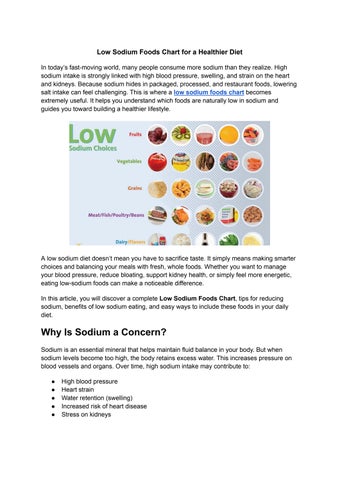
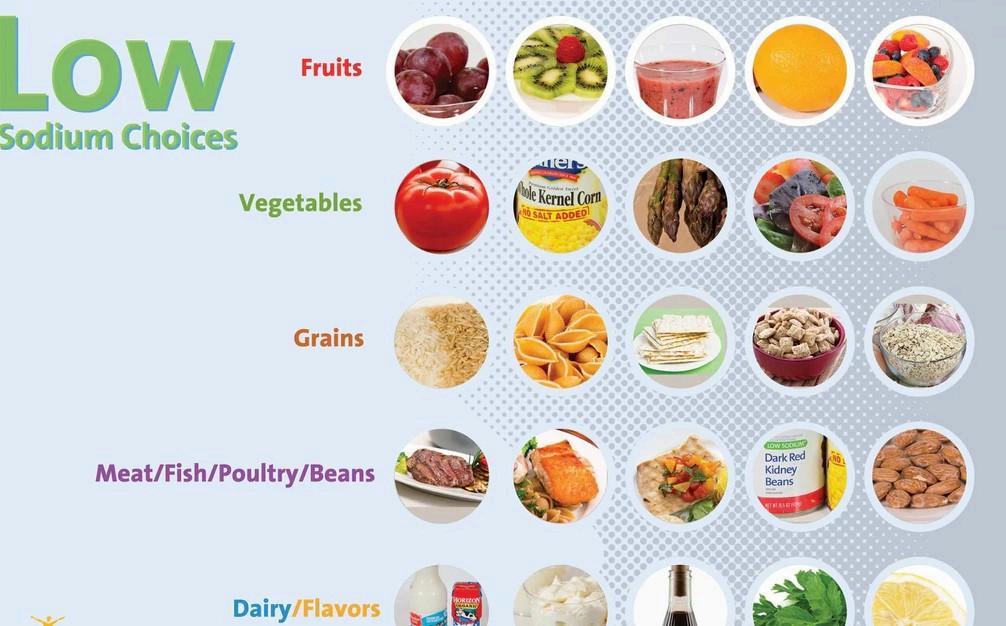
In today’s fast-moving world, many people consume more sodium than they realize. High sodium intake is strongly linked with high blood pressure, swelling, and strain on the heart and kidneys Because sodium hides in packaged, processed, and restaurant foods, lowering salt intake can feel challenging This is where a low sodium foods chart becomes extremely useful. It helps you understand which foods are naturally low in sodium and guides you toward building a healthier lifestyle
A low sodium diet doesn’t mean you have to sacrifice taste. It simply means making smarter choices and balancing your meals with fresh, whole foods Whether you want to manage your blood pressure, reduce bloating, support kidney health, or simply feel more energetic, eating low-sodium foods can make a noticeable difference.
In this article, you will discover a complete Low Sodium Foods Chart, tips for reducing sodium, benefits of low sodium eating, and easy ways to include these foods in your daily diet.
Why Is Sodium a Concern?
Sodium is an essential mineral that helps maintain fluid balance in your body But when sodium levels become too high, the body retains excess water This increases pressure on blood vessels and organs. Over time, high sodium intake may contribute to:
● High blood pressure
● Heart strain
● Water retention (swelling)
● Increased risk of heart disease
● Stress on kidneys
Experts generally recommend staying under 1500–2000 mg of sodium per day, especially for people who want to maintain heart or kidney wellness.
The good news? Switching to low sodium foods is easier than it seems
Low Sodium Foods Chart for a Healthier Diet
Below is a detailed chart of foods that are naturally low in sodium. This list helps you select healthier options whether you are cooking at home or choosing items at the store
1. Fresh Fruits (Almost Sodium-Free)
Food Item
Sodium (approx.)
Apples 1 mg
Bananas 1 mg
Papaya 3 mg
Grapes 2 mg
Watermelon 2 mg
Berries 1 mg
Pears 2 mg
Pineapple 2 mg
Why choose: Fruits are naturally low in sodium and rich in vitamins, antioxidants, and fiber They help with hydration and support overall wellness.
2. Fresh Vegetables (Natural & Low Sodium)
Food Item
Sodium (approx.)
Spinach (fresh) 24 mg
Carrots 30 mg
Cauliflower 15 mg
Broccoli 33 mg
Cucumber 2 mg
Cabbage 18 mg
Bitter Gourd 5 mg
Beans 6 mg
Why choose: Vegetables provide minerals, fiber, and natural hydration. Steaming, baking, or lightly sautéing them helps retain nutrients without adding extra salt
3. Whole Grains
Food Item
Sodium (approx.)
Oats (plain) 2 mg
Brown rice 5 mg
Millet 5 mg
Quinoa (unsalted) 13 mg
Wheat flour (atta) 2 mg
Why choose: Whole grains support digestion, energy, and heart health. Avoid pre-seasoned or packaged versions since they often contain added salt
4. Low Sodium Protein Sources
Food Item Sodium (approx.)
Eggs (one) 65 mg
Fresh chicken (unseasoned) 60–70 mg
Fresh fish (varies) 60–100 mg
Unsalted nuts
0–5 mg
Dal/lentils (cooked without salt) 5–10 mg
Why choose: Proteins are essential for building tissues, supporting metabolism, and boosting strength Always avoid salted, smoked, or processed meats
5. Dairy & Dairy Alternatives
Food Item
Milk
Curd/yogurt (plain)
Unsalted butter
(approx.)
Paneer (homemade unsalted) 20–30 mg
Why choose: These foods provide calcium and protein Choose plain, unflavored, and unsalted versions for lower sodium intake.
6. Snacks & Extras (Low Sodium Options)
Food Item Sodium (approx.)
Unsalted popcorn 2 mg
Homemade roasted chana 15 mg Fresh coconut 15 mg
Jaggery or dates (sweet alternative) 5 mg
Why choose: These satisfy hunger without adding unnecessary salt
Benefits of Following a Low Sodium Diet
A well-planned low sodium diet can lead to many positive changes in your health:
1. Better Heart Health
Low sodium intake helps maintain healthy blood pressure levels, reducing the risk of heart strain.
2. Supports Kidney Function
Kidneys work hard to process extra sodium Reducing salt gives them relief
3. Reduced Water Retention
Less sodium means less bloating, puffiness, or swelling in the body.
4. Improved Energy Levels
Balanced sodium helps maintain natural energy levels without feeling sluggish
5. Better Digestion
Many low sodium foods are rich in fiber, supporting gut health
Adopting a low sodium lifestyle doesn’t have to be difficult A few simple habits can make a big difference:
1. Avoid Processed Foods
Packaged snacks, instant noodles, and frozen foods often contain very high sodium
2. Cook with Herbs & Spices
Use turmeric, cumin, ginger, garlic, black pepper, coriander, basil, and lemon instead of salt.
3. Rinse Canned Foods
If you use canned beans or vegetables, rinse them to remove extra sodium
4. Choose "Unsalted" or "Low Sodium" Labels
Read food labels before buying
5. Limit Restaurant Food
Most restaurant meals use more salt than homemade food
6. Add Salt at the End
If you do use salt, add a tiny amount at the end of cooking so you use less overall
How to Use the Low Sodium Foods Chart in Daily Meals
Here’s how to build a simple, healthy, low sodium meal plan:
● Breakfast: Oats with fruits, boiled eggs, or low-sodium idli/dosa batter
● Lunch: Brown rice or chapati with vegetables and dal
● Snacks: Fruit bowl, unsalted popcorn, coconut slices
● Dinner: Quinoa with steamed vegetables or homemade soup
● Hydration: Coconut water, herbal tea, plain water
Mix and match according to your taste to create flavorful, satisfying meals.
Final Thoughts
Following a Low Sodium Foods Chart for a Healthier Diet is one of the easiest ways to improve your health naturally By choosing fresh, whole foods and reducing packaged and processed items, you can take control of your well-being. Whether your goal is better heart health, improved kidney function, reduced bloating, or overall wellness, lowering sodium can be a powerful step forward
Small changes create big results Use this chart as your daily guide and build a balanced, low sodium lifestyle that keeps you healthy and energized.