Health Extra Story by bailey hemphill
Celiac Disease
C
eliac
dis -
a genetic digestive disease that damages the small intestine and interferes with the absorption of nutrients from food. People with celiac disease cannot tolerate gluten, a protein in wheat, barley, and rye. Although gluten is found mainly in foods, it can also be found in everyday products such as medicines, vitamins, and lip balms. When a person with celiac disease eats foods or uses products containing gluten, their immune system responds by damaging or destroying villi—the tiny, fingerlike protrusions lining the small intestine that allow nutrients to be absorbed from food through the walls of the intestine into the bloodstream. Without healthy villi, a person becomes malnourished, no matter how much they eat. Symptoms vary from person to person and may occur in the digestive system or in the other parts of the body. Common symptoms include: • abdominal bloating and pain • chronic diarrhea • vomiting • constipation • pale, foul-smelling, or fatty stool • weight loss “A person dealing with celiac disease should eat a gluten-free diet for the rest of their life to prevent symptoms from reoccurring or to reduce long-term side effects,” says Amanda Jochum, a registered dietitian and trained wellness coach at HyVee. She explains that people with celiac disease can benefit greatly from formulating a healthy meal plan and talking with a registered dietitian about a gluten-free lifestyle. Gluten-free products are becoming more available nationwide in grocery stores, health food stores, and restaurants. Here are some local restaurants with gluten-free items on their menus: • Godfather’s Pizza • Blue Sushi • M’s Pub • Blue Planet Natural Grill • Red Mango September is National Celiac Awareness Month. For more information, visit www. csaceliacs.org for the Omaha support group, Celiac Sprue Association. ease
is
healthfocus Something wasn’t right. Her daughter urged her to see a doctor. “It was a little overwhelming When she did, blood tests revealed her blood at first, but then I started sugar was soaring at dangerously high levels of 400 and more. A normal blood sugar ranges seeing the educators at the in the 70s to 90s. Prusa’s symptoms were also Diabetes Center every week. classic of advanced diabetes. Prusa was diagnosed with acute onset of type They helped me get my 1 diabetes. Type 1 diabetes occurs in just 5 to 10 sugars under control and percent of the population and is far less common than type 2 diabetes. Type 1 diabetes results taught me how to monitor from the body’s failure to produce insulin and my carbs.” often appears in childhood. In some cases, as — Mary Prusa with Prusa, it can come on suddenly later in life. Type 2 diabetes, on the other hand, is one of the fastest growing diseases in the country and is slightly more common among women than men. It is estimated that approximately one quarter of the population is living with pre-diabetes or full-blown diabetes. Type 2 diabetes is primarily a by-product of obesity and a sedentary lifestyle. In the past, most type 2 diabetes cases did not develop until about age 40. However, because of today’s unhealthy lifestyle habits, the disease is appearing in patients at much earlier ages. Approximately one-quarter of the 2 million new cases that developed in 2010 were in ages 20 to 44, says Andjela Drincic, MD, endocrinologist and medical director of the Diabetes Center at The Nebraska Medical Center. “The good news is that since type 2 diabetes is often caused by obesity, poor diet and a sedentary lifestyle, it is also preventable,” says Drincic. “Studies have shown that the amount of weight loss needed to prevent diabetes is just 5 to 7 percent of a person’s total weight. That equates to just 10
“The good news is that since type 2 diabetes is often caused by obesity, poor diet and a sedentary lifestyle, it is also preventable” — Dr. Drincic
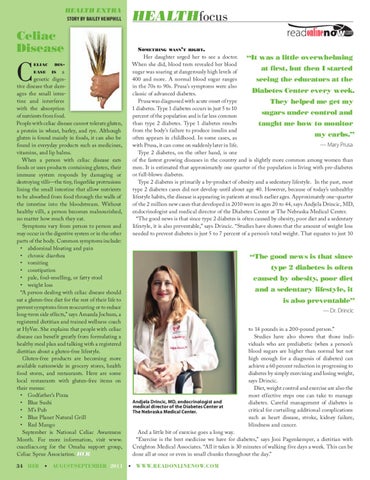
Andjela Drincic, MD, endocrinologist and medical director of the Diabetes Center at The Nebraska Medical Center.
to 14 pounds in a 200-pound person.” Studies have also shown that those individuals who are prediabetic (when a person’s blood sugars are higher than normal but not high enough for a diagnosis of diabetes) can achieve a 60 percent reduction in progressing to diabetes by simply exercising and losing weight, says Drincic. Diet, weight control and exercise are also the most effective steps one can take to manage diabetes. Careful management of diabetes is critical for curtailing additional complications such as heart disease, stroke, kidney failure, blindness and cancer.
And a little bit of exercise goes a long way. “Exercise is the best medicine we have for diabetes,” says Joni Pagenkemper, a dietitian with Creighton Medical Associates. “All it takes is 30 minutes of walking five days a week. This can be done all at once or even in small chunks throughout the day.”
34 HER • August/September 2011 • www.readonlinenow.com