

As we approach the end of 2025, we are proud to present the fourth edition of Women’s Tabloid Magazine, celebrating significant strides in gender equality, women’s leadership, and record-breaking business funding. The month of October is dedicated to Breast Cancer Awareness, and we commit to raising awareness and inspiring action.
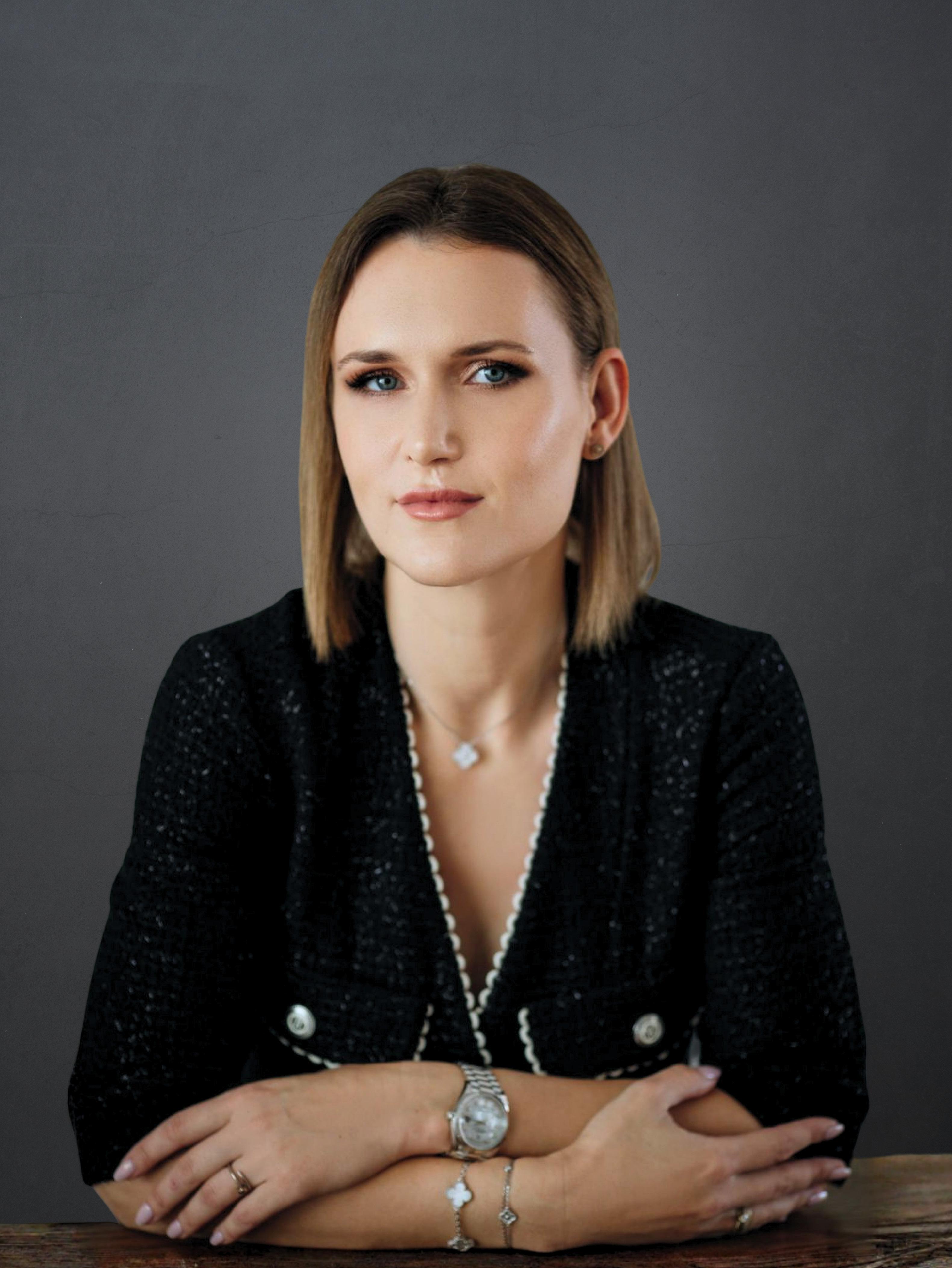
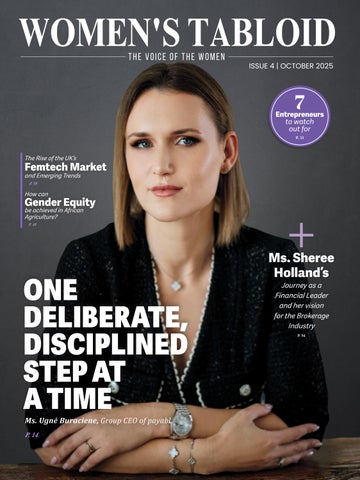
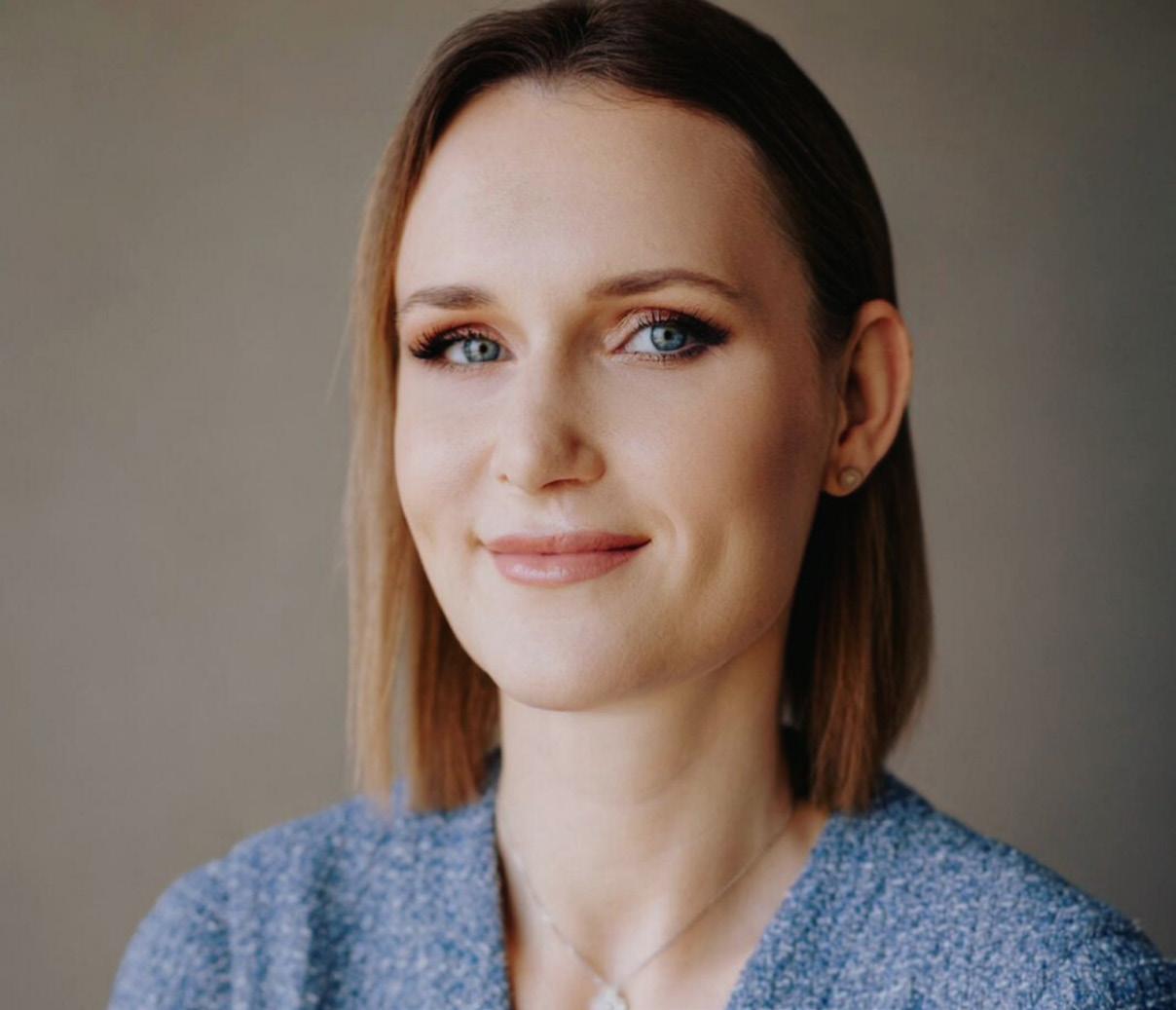
Ms. Ugnė Buraciene, Group CEO of payabl., appears on the cover page of this issue. The cover story highlights her extensive experience, strategic vision and personal dedication, which drive payabl.’s mission to simplify financial operations through sustainable growth, clarity and a strong commitment to diversity.
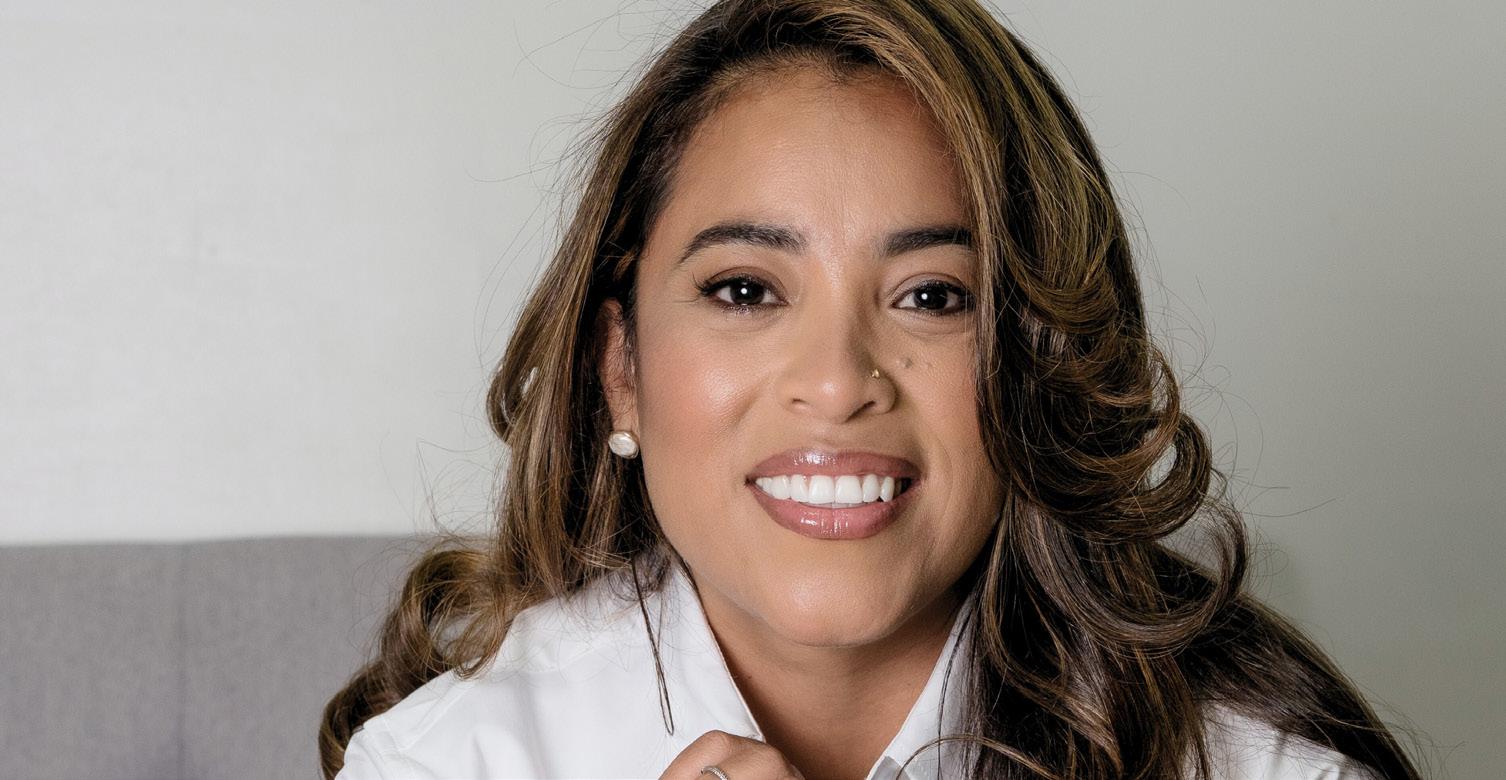
Continuing our focus on impactful leadership, this issue features a Q&A with Ms. Sheree Holland, Director and CFO at Axiory Global Limited, who discusses the evolving brokerage landscape, the role of AI in operations, and the significance of diversity and inclusion in the industry.
Additionally, we are excited to launch a new segment, ‘7 Entrepreneurs to watch out for’, highlighting seven inspiring female founders who are breaking barriers across diverse sectors such as financial services, cosmetics, femtech, augmented reality, travel, and investment. Through short Q&A sessions, they uncover their unique entrepreneurial paths and share valuable insights.
Finally, this issue features exclusive articles from our editorial team exploring women’s influence on Wall Street, African agriculture, Rwanda’s parliament and other sectors, offering fresh insights and highlighting expanding opportunities for female leadership.
This edition presents a diverse range of perspectives that reflect resilience, innovation and leadership. Women’s Tabloid remains committed to its mission: to empower, inform, and inspire women across industries and around the world.
With gratitude, The Women’s Tabloid Editorial Team

Director Anisha Divakaran
Editorial
Naina Patel, Riyah Fatima, Jyotsna Iyer
Design & Layout
Alex Jerry, Anjali Rathod
Business Analysts
Jacob George, Renny Fernandez, John Mendes
Research Analysts
Dia Fernandes, Kavitha, Pratik Mahant
Business Development Manager Daniel D’costa, Lorenshiya Franklin
Ashvin Fernandes

HOW PAYABL. IS REIMAGINING MONEY FLOW “ONE DELIBERATE, DISCIPLINED STEP AT A TIME” WITH MS. UGNĖ BURACIENE THE RISE AND RECKONING OF


7 ENTREPRENEURS TO WATCH OUT FOR




Andrew Tulloch, co-founder of AI startup Thinking Machines Lab, has left the company to join Meta Platforms. An experienced AI specialist, Tulloch previously spent over a decade at Meta and later worked at OpenAI before co-founding Thinking Machines with Mira Murati, where his contributions were key to establishing the company in its early phase. Meta reportedly offered him a package potentially worth up to $1.5 billion over at least six years, depending on bonuses and stock performance. His move forms part of Meta’s broader strategy to attract leading AI talent, having hired more than 50 researchers, engineers and specialists from firms including OpenAI, Google DeepMind, Apple, Anthropic and xAI. Meta has also restructured its AI teams under the new Superintelligence Labs division, acquiring a 49% stake in data-labeling startup Scale AI and appointing its CEO, Alexandr Wang, to lead the division.

KLARNA’S $1.37 BILLION IPO: A STRONG
Klarna, the Swedish fintech firm, successfully completed its IPO pricing on 9th September. It raised approximately $1.37 billion, with its public offering being the largest IPO of 2025 on the NYSE. The shares were priced at $40, above the expected range of $35 to $37. The company made its debut on the NYSE the next day, 10th September, and was valued at over $19 billion in its Wall Street debut. Based on Klarna’s IPO earnings, the company delivered a $2.7 billion gain to its VC investor Sequoia Capital. The BNPL lender has established itself as a competitor for credit cards and traditional banks in the region. Its growth is persistent, with an increasing number of businesses adopting Klarna as a major mode of transaction.

Francesca Bellettini was appointed as the CEO of the Italian luxury fashion brand Gucci. This appointment was announced by Kering- the parent company of Gucci, on 17 September 2025. Bellettini, in her new role, reports to Luca de Meo, CEO of Kering. Bellettini brings decades of experience in the luxury fashion industry to this role at the helm of Gucci. She joined Kering in 2003, and in 2013, she was appointed the President and CEO of Saint Laurent. In ten more years, she rose to the position of Kering Deputy CEO in charge of Brand Development, overseeing Saint Laurent, Balenciaga, and Bottega Veneta. Bellettini’s appointment comes amidst a larger organisational restructuring in Kering.
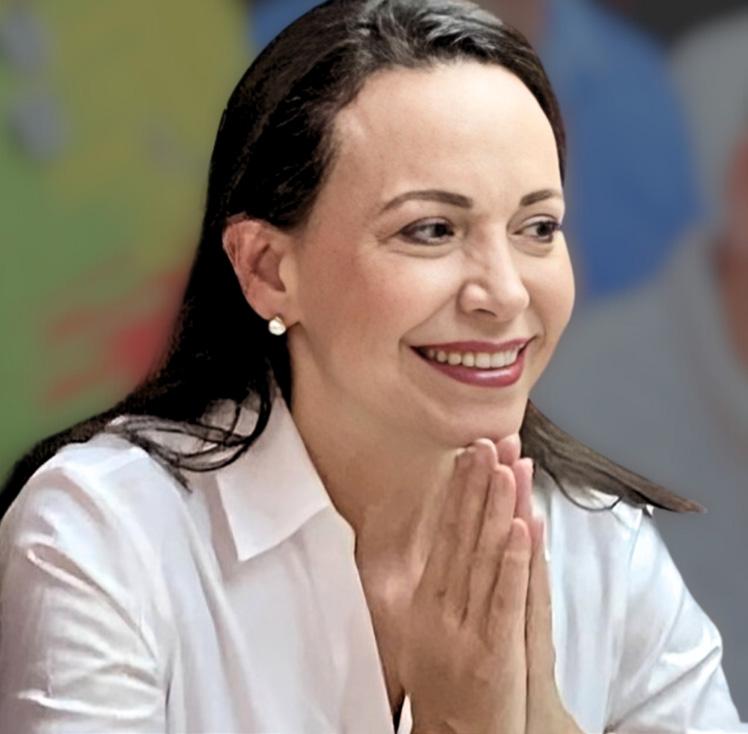
MARÍA CORINA MACHADO WINS 2025 NOBEL PEACE PRIZE
Venezuelan opposition leader and former Deputy of the National Assembly, María Corina Machado, has been awarded the 2025 Nobel Peace Prize for her efforts to promote democracy and human rights in Venezuela. The Nobel Committee recognised her role in uniting the country’s fragmented opposition and advocating for free and fair elections amid ongoing political and economic turmoil. They emphasised that the ability to vote, express opinions freely, and to have political representation is fundamental to maintaining peace both within nations and internationally. Machado’s work further reinforces the enduring importance of civic courage and democratic principles worldwide.

This October, global fashion brands are marking Breast Cancer Awareness Month 2025 with pinkthemed collections and charity collaborations to fund cancer research and education. Brands such as Ralph Lauren, APL, and Guess Watches are participating through special initiatives. Ralph Lauren celebrates 25 years of its Pink Pony campaign, donating proceeds from select apparel to the Pink Pony Fund and global charities. APL launched a limited-edition TechLoom Traveler in Fusion Pink, contributing 20% of sales to the Women’s Cancer Research Fund. Guess Watches unveiled two special-edition pink timepieces supporting The Get In Touch Foundation, reinforcing the fashion industry’s ongoing commitment to breast health awareness and cancer prevention.
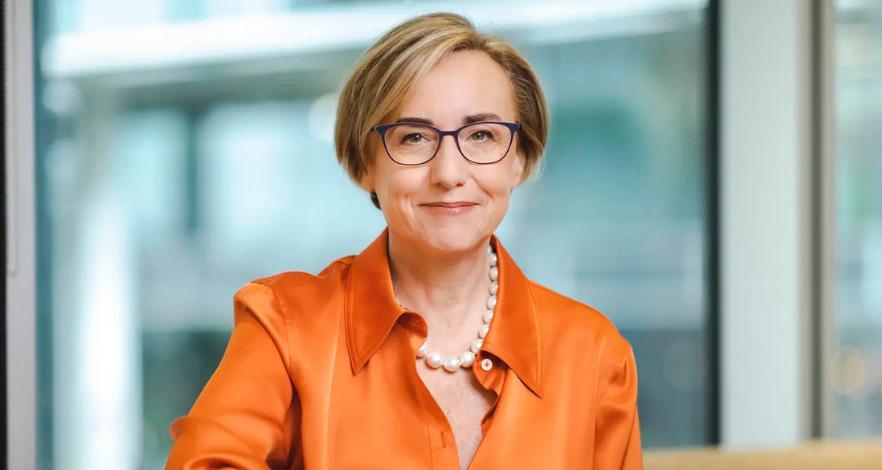
Margherita Della Valle is the Group CEO of Vodafone, a position she assumed permanently in April 2023 after serving as interim CEO since January 2023. In her early days as CEO, Valle brought in radical but necessary changes within the company, such as downsizing the workforce, selling its operations in Spain and Italy, and a merger with Three UK for its mobile operations in the country. This clarified from the very beginning that her insider status would not keep her from implementing difficult changes in her role as CEO.

SANDY RAN XU CEO, JD.COM
Sandy Ran Xu is a Chinese business leader who has served as CEO of JD.com since May 2023. She joined JD.com in 2018 as Vice President of Finance and became the company’s CFO in 2020. With a background in global finance and strategic growth, Xu’s appointment signaled JD.com’s focus on operational excellence and long-term profitability. Since stepping into the CEO role, she has steered the company through a rapidly evolving e-commerce landscape, prioritising innovation, customer experience, and sustainable growth.
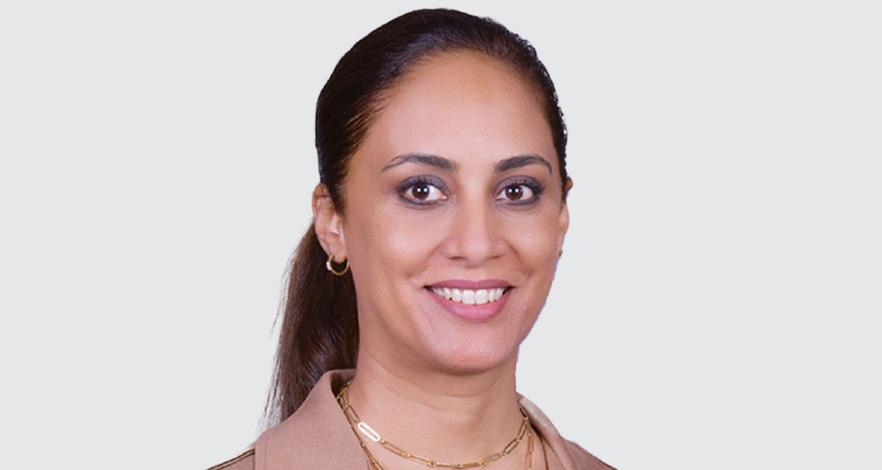
WADHA AHMAD AL-KHATEEB CEO, KUWAIT NATIONAL PETROLEUM COMPANY (KNPC) Image source: kpc.com.kw
Wadha Ahmad Al-Khateeb is a Kuwaiti oil and gas executive who has been the CEO of Kuwait National Petroleum Company (KNPC) since 2022. She has been a key force driving strategic transformation across the company. Under her leadership, KNPC has advanced major refining and sustainability initiatives, reinforcing its position as a strong player in the global energy industry. Al-Khateeb’s appointment marked a significant milestone for female leadership in the region’s energy sector, reflecting her deep expertise and forward-looking approach.

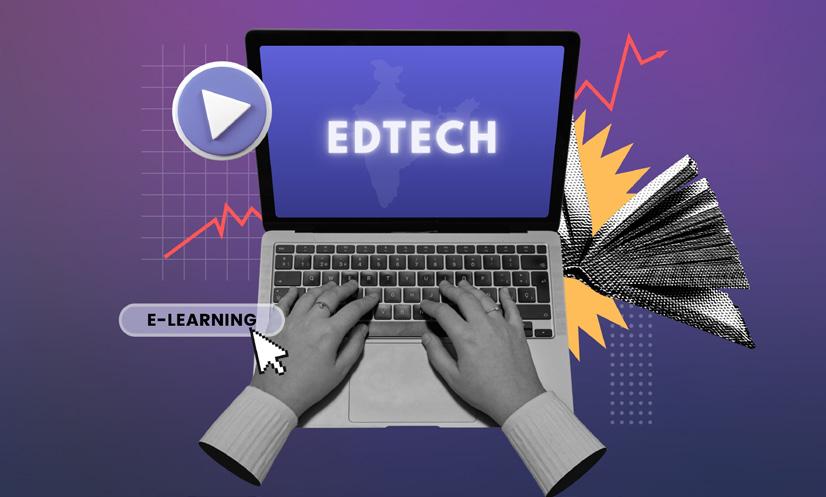
India’s EdTech sector has grown at an unprecedented pace over the past decade, driven by low-cost data, broader internet access and evolving learning models. In 2024, the market was valued at $7.5 billion, with projections of $29 billion by 2030.
The COVID-19 pandemic dramatically accelerated EdTech adoption. With 321 million students and teachers confined to their homes during lockdowns, online learning became a necessity rather than an option. Global investment in EdTech increased to $16.1 billion in 2020, up from just $500 million in 2010, highlighting the sector’s rapid growth over the decade.
Established players such as BYJU’S, Unacademy, Vedantu and upGrad scaled operations rapidly, while new entrants captured emerging niches. Even global platforms benefitted.
By 2021, India had established itself as the second-largest EdTech market in the world after the United States, attracting approximately $4.73 billion in funding that year. Indian companies also began expanding internationally, acquiring firms across the US, the Middle East, Africa and Southeast Asia to establish a global presence.
The unicorn leaders
BYJU’S: Launched in 2011 in Bangalore, BYJU’S rapidly set the benchmark for online learning in India and developed into one of the world’s most valuable EdTech companies at the time. By 2018, the platform had over 15 million registered users, of whom 900,000 paid an annual subscription fee, with an impressive 85% choosing to renew. In 2022, BYJU’S was valued at $22 billion and had become the world’s most valuable EdTech company.
Unacademy: What began in 2010 as a modest YouTube channel, soon developed into a full fledged online learning platform. As of 2021, the company was valued at $3.44 billion and had raised $860 million in funding from investors. Unacademy now is one of India’s largest online learning platforms with over 50 million active learners and more than 1500 daily live classes. The platform has built its reputation on affordability and accessibility, aiming to democratise the process of preparing for India’s toughest competitive examinations.
Vedantu: In the online education space, Vedantu has established itself as a prominent and trusted platform, delivering personalised and affordable learning solutions
for students from grades 1 to 12. Powered by its proprietary WAVE (Whiteboard Audio Video Environment) technology and supported by expert educators, it offers scalable online and offline tutoring aligned with school curricula and competitive exams. In Q4 FY25, Vedantu achieved profitability, with collections rising 67% yearon-year to ₹90 crore (approximately $11 million). The company closed FY25 with total collections of ₹284 crore (around $35 million), a 55% increase from the previous fiscal year, while reducing cash burn by 30% to ₹70 crore ($8.5 million). With a focus on accessibility, innovation and student engagement, Vedantu continues to expand its reach across India and explores opportunities in global markets.
upGrad: Founded in 2015, upGrad has emerged as a leading higher education technology platform in South Asia, empowering over 10 million learners across more than 160 countries. The platform offers over 200 industry-relevant courses in partnership with top global universities, combining data-driven learning, expert faculty and personalised career services. With a network of over 1,400 hiring partners and more than 500 career advisors, upGrad has facilitated over 450 successful career transitions. Achieving unicorn status in 2021 with a valuation of $1.2 billion, upGrad continues to shape professional learning and global workforce development. In response to declining interest in U.S. and U.K. campuses due to stricter visa regulations and rising costs, upGrad is strategically expanding its university partnerships across the Middle East and Asia-Pacific regions, including Singapore, Malaysia, Japan, Vietnam, Bangladesh, Nepal, and Sri Lanka.
Physics Wallah: Originally launched as a YouTube initiative, Physics Wallah achieved the unicorn status in 2022. It is transforming education in India through digital-first learning models that expand access for students in underserved regions. Reaching 98% of India’s pin codes currently, PW serves over 10 million learners via its app and provides educational content to more than 36 million students through 80 YouTube channels in eight vernacular languages. Renowned for its affordability and accessibility, PW exemplifies how these models are breaking barriers for students nationwide. Guided by a student-first ethos and a sharp understanding of market needs, Physics Wallah offers cost-effective learning solutions, offering learning outcomes equivalent to top traditional coaching institutes.
If we teach today as we taught yesterday, we rob our children of tomorrow. “
- John Dewey
When vision and capital transformed EdTech
When Covid-19 struck in 2020, the world was forced into an abrupt digital pivot. Education, one of the most disrupted sectors, saw schools and universities shut overnight, only to be reimagined almost instantly through the EdTech ecosystem. What had once been a niche option for the techsavvy or institutions in partnership with digital providers, now became the default mode of learning.
India, in particular, witnessed a meteoric transformation. Venture capital responded in kind; funding surged to $1.95 billion in 2020 alone, surpassing the combined total of the preceding five years. For students, affordability and accessibility made digital classrooms attractive. Quality education, interactive content and top-tier tutors were suddenly within reach across income groups
The surge reflected in numbers. By 2021, India had more than 4,000 EdTech start-ups, offering everything from adaptive learning platforms to AI-driven management systems. Unicorns became the face of this boom.
• During COVID-19 pandemic, Physics Wallah experienced significant growth, later securing $210 million in 2024 and reaching a valuation of $2.8 billion.
• upGrad’s valuation grew in 2022 to $2.25 billion reinforcing its strength in professional learning.
• BYJU’S and Unacademy dominated fundraising in 2021, raising $1.44 billion together, accounting for more than 76% of the total EdTech funding in 2021.
EdTech firms moved swiftly to expand and strengthen their market positions, reflecting a broader industry focus on growth, consolidation, and diversification of learning models. BYJU’S, for instance, made significant investments in offline education through its acquisition of Aakash Institute, while PhysicsWallah scaled its tech-enabled Vidyapeeths and Pathshalas – both proving to be strong revenue drivers. Similarly, Vedantu acquired the doubt-solving platform Instasolv, upGrad added The Gate Academy and Rekrut India to its portfolio, LEAD School
took over the gamified assessment start-up Quiznext, and Eduvanz acquired Klarity.
The surge in the investment grew stronger as a wave of new players entered the market. Reports showed that Indian start-ups raised $2.22 billion in 2020, four times more than the year before, with K–12 learning taking the largest share at almost $1.98 billion. In just one year, from 2019 to 2020, 435 new EdTech firms appeared, including:
• LearnVern (offering job courses in local languages),
• Filo (on-demand help for exam preparation) and
• BeyondSkool (live skills classes for children).
Women in India’s EdTech EdTech, is reshaping the way knowledge is delivered, making learning more inclusive, tailored, and engaging than ever before. At the forefront of this transformation are women who are not only driving innovation but also ensuring that technology adapts to the diverse needs of learners worldwide.
Divya Gokulnath, co-founder of BYJU’S, whose determination and clear sense of purpose had helped propel the company onto the global stage, turned it into a leading force in EdTech. Her dedication to delivering affordable, effective learning tools has won her recognition internationally and contributed significantly to the platform’s vast user base.
Similarly, Tanushree Nagori, co-founder of Doubtnut, has harnessed image recognition technology to provide quick and reliable solutions for students grappling with mathematics and science problems.
Akanksha Chaturvedi, through her venture Eduauraa, is reimagining the education landscape with fresh, innovative methods designed to make quality learning accessible to all.
Meanwhile, Anuradha Agarwal, founder of MultiBhashi, has focused her efforts on early-stage language acquisition. Drawing on her background in computer engineering and management, she has created a platform that helps young learners build strong foundations in communication.
Together, these women exemplify how female entrepreneurs are redefining education through technology, not just by founding companies but by shaping the very future of how students learn.

The Indian Edtech sector has faced significant turbulence in recent years, driven by high operational costs, low user retention, and increasing regulatory pressures. Many startups faltered due to poor market research, lack of patience, and a failure to differentiate between users and paying customers. In addition, the premature adoption of advanced technologies such as AI, AR, and blockchain without clear value for learners, drove up costs and created user confusion. Limited collaboration with teachers and educational institutions, alongside insufficient user training, further hindered adoption and engagement. These challenges contributed to the sector’s slowdown.
Even as companies expanded rapidly during the pandemic, the post-pandemic landscape has been particularly challenging. With the reopening of physical classrooms, the market has seen oversaturation, intense competition, and shrinking margins, leading to a dramatic reduction in funding, from a peak of $3.6 billion in 2021 to just $0.64 billion in 2024. The resulting cost-cutting measures and layoffs have affected thousands of employees, including major players such as BYJU’S, Vedantu, and Unacademy. Many smaller startups, including Stoa School and Bluelearn, have shut operations, while others struggle to maintain relevance in a more selective and competitive environment.
In response, some EdTech companies are shifting towards hybrid models that combine online and offline learning. Experts predict a consolidation phase, with success likely to favour innovation-driven and specialised firms that
complement traditional education systems rather than attempt to replace them. As investors and founders recalibrate their expectations, adaptability and tangible value are emerging as the key determinants of sustainable growth in India’s EdTech landscape.
What comes next for EdTech in India India’s EdTech sector is experiencing significant growth and transformation. The market, valued at approximately US$7.5 billion in 2024, is projected to reach US$29 billion by 2030, according to a report by the Internet and Mobile Association of India (IAMAI) and Grant Thornton Bharat. Key developments shaping the landscape include the integration of artificial intelligence (AI), immersive technologies like virtual reality (VR), augmented reality (AR) and data-driven insights. These innovations are redefining learning experiences, enabling personalized tutoring and virtual classrooms that cater to diverse learning needs. Hybrid models are bridging the gap between online and offline education, ensuring equitable access for students across urban and rural areas.
AI-powered platforms are enhancing personalisation, predictive analytics and adaptive curricula, while immersive technologies are making abstract concepts more tangible and interactive. EdTech is also addressing social-emotional learning, mental health and workforce upskilling, positioning itself as a tool not only for academic achievement but for holistic personal and professional development.
Despite these advancements, the sector faces challenges. The downfall of BYJU’S, which dominated headlines in 2024, has raised concerns about the long-term sustainability of large-scale EdTech ventures. Unacademy is navigating its own trials, expanding offline operations while improving unit economics and managing leadership turnover, with hybrid models central to its strategy. PhysicsWallah, by contrast, is emerging as a trailblazer, leveraging recent funding to expand offline centres and preparing for a $437 million IPO, signalling renewed investor confidence in niche, innovation-driven players. Generative AI adoption is accelerating, with platforms introducing AI tutors and intelligent content generation to enhance personalisation and reduce operational costs, foreshadowing a restructuring of business models across the sector.
Looking ahead, 2025 is expected to be a year of consolidation and strategic growth. Investors are prioritising
companies with proven unit economics, sustainable expansion, and demonstrable learning outcomes rather than vanity metrics such as user downloads. EdTech verticals such as study abroad, upskilling, and reskilling are gaining traction, particularly as AI and automation reshape workforce requirements. With hybrid learning, ethical AI, immersive technologies, and micro-credentialing becoming central to the sector, India’s EdTech landscape is evolving into a more mature, outcome-driven ecosystem. ■
editorial@womenstabloid.com

In 2024, the US led EdTech with a USD 74.34 billion market, followed by China (USD 15 billion), Germany (USD 11.2 billion), the UK (USD 8.1 billion), and India (USD 7.5 billion). While the US drove adoption and growth, China excelled in innovation, India in scale, and Europe in fostering dynamic startup ecosystems and digital education initiatives.






Gen Z has significantly influenced various industries, with fashion being among the most visibly transformed. Their preferences are reshaping global fashion dynamics, both commercially and culturally. Following are some of the women’s fashion trends, some new, some revived, which have been popularised by Gen Z.

Oversized apparel has become a staple of Gen Z wardrobes. From oversized T-shirts to baggy jeans, Gen Z has largely moved away from form-fitting silhouettes, favouring looser, more relaxed styles. This is seen as an expression of comfort, individuality, and straying away from strict body and shape standards from the past.
While patchwork in clothing has been a part of many fashion trends in the past, it is one of the important trends gaining traction from Gen Z. From multi-textured jackets to patched denim, Gen Z fashion has used patchwork in clothing as a form of self expression and creativity. It is not just about fixing what’s broken, but about adding a piece of oneself to one’s clothing.
From platform heels to boots and chunky train ers, many young people are gravitating towards footwear with wide soles. It fits well with the wave of casual and comfortable fashion that has swept over the generation.



One of the most noticeable features of Gen Z fashion is the trend of statement prints, from favourite television quotes to social impact slogans. Young people are embracing the culture of being bold and unapologetic about who they are and what they believe. This culture of being loud and original makes its way into Gen Z’s fashion trends with people wearing T-shirts, jackets and other apparel with statement prints.
One of the emerging trends among Gen Z is the resurgence of crochet, transforming a traditional craft into a modern fashion statement. Young consumers are adopting crochet not just for its aesthetic appeal but as a way to showcase creativity and individuality. Crocheted pieces ranging from tops and cardigans to accessories

have become a symbol of craftsmanship and personal style, reflecting a wider interest in handmade and sustainable fashion.
With Gen Z largely being digital natives, they have been exposed to a tide of information about products they consume since the early years, something which was not readily available to previous generations. This awareness has translated into more conscious consumption, particularly regarding the impact that fast fashion has on the planet. They are also a part of the generation that has inherited the world facing unprecedented environmental challenges, with heightened pollution levels, global warming and collect ing waste, and as a result, they are moving towards more sustainable fashion, ranging from slow fashion, smaller brands to thrifted clothes gaining more traction.


Gen Z has distinctly prioritized comfort in their apparel choices, reflecting a shift away from conventional fashion norms. This shift reflects a growing empha sis on individuality in fashion and a rejection of traditional body and beauty conventions. The preference for comfortable clothing is evident across various trends, from the adoption of more relaxed corporate attire to the continued popularity of oversized garments and footwear.
Gen Z has also challenged traditional norms by embracing gender-neutral and androgynous apparel, reflecting a progressive move beyond the conventional gender binary. Young consumers are redefining gendered fashion norms and broadening the scope of inclu sivity. This trend includes men adopting styles traditionally associated with femininity and female celebrities opting for tuxedos instead of dresses on the red carpet.
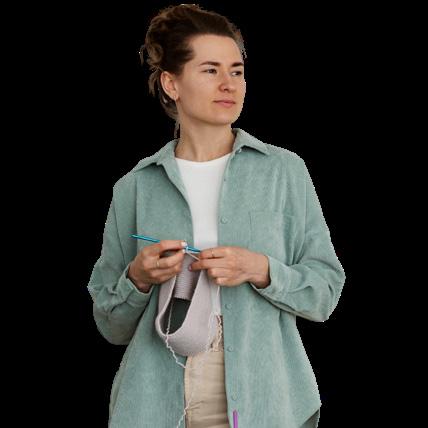
or making an entire outfit. This DIY approach signals a wider shift in the fashion industry towards personalization and authenticity.
Millennial fashion was strongly defined by minimalist aesthetics and the ‘less is more’ philosophy. This is now shifting, with Gen Z driving a resurgence of maxi malism. Rather than opting for subtle, understated styles, Gen Z gravitates towards bold, colourful, and expressive fashion – unafraid to experi ment with unconventional combinations. As a result, Gen Z wardrobes are increasingly characterised by vibrant colour pairings, statement accessories, and contrasting layers.


The revival culture is strong in Gen Z fashion. Whether through retro pop culture references or the return of vintage styles from the 1980s and 1990s, nostalgic fashion is no longer just about revisiting the past. It reflects a deeper effort to reconnect with earlier fashion eras and reinterpret their aesthetics through a contemporary lens. This generational shift has seen the resurgence of Y2K-inspired looks, 70s-style statement overcoats, bold silhouettes from the 80s, and the minimal yet distinctive appeal of 90s fashion.

There has been a noticeable surge in demand for modest fashion among Gen Z, driven by several cultural and social factors. First, a growing emphasis on comfort and a rejection of traditional body ideals has led many to favour more modest styles. Second, fashion is increasingly viewed as a means of expressing both cultural heritage and individual identity, prompting many young consumers to incorporate traditional garments into everyday wear. Third, the rise of digital platforms such as Pinterest and Instagram has expanded access to stylish, modest fashion options. As a result, modesty is no longer seen as a compromise but as a viable and fashionable choice, with a grow ing number of designers and global brands catering to this evolving consumer base.
Many Gen Z individuals are becoming increasingly self-reliant in their fashion choices, as demonstrated by trends such as crocheting and patchwork. In line with this, many are involved in designing and creating their own outfits, whether by combining separate pieces editorial@womenstabloid.com

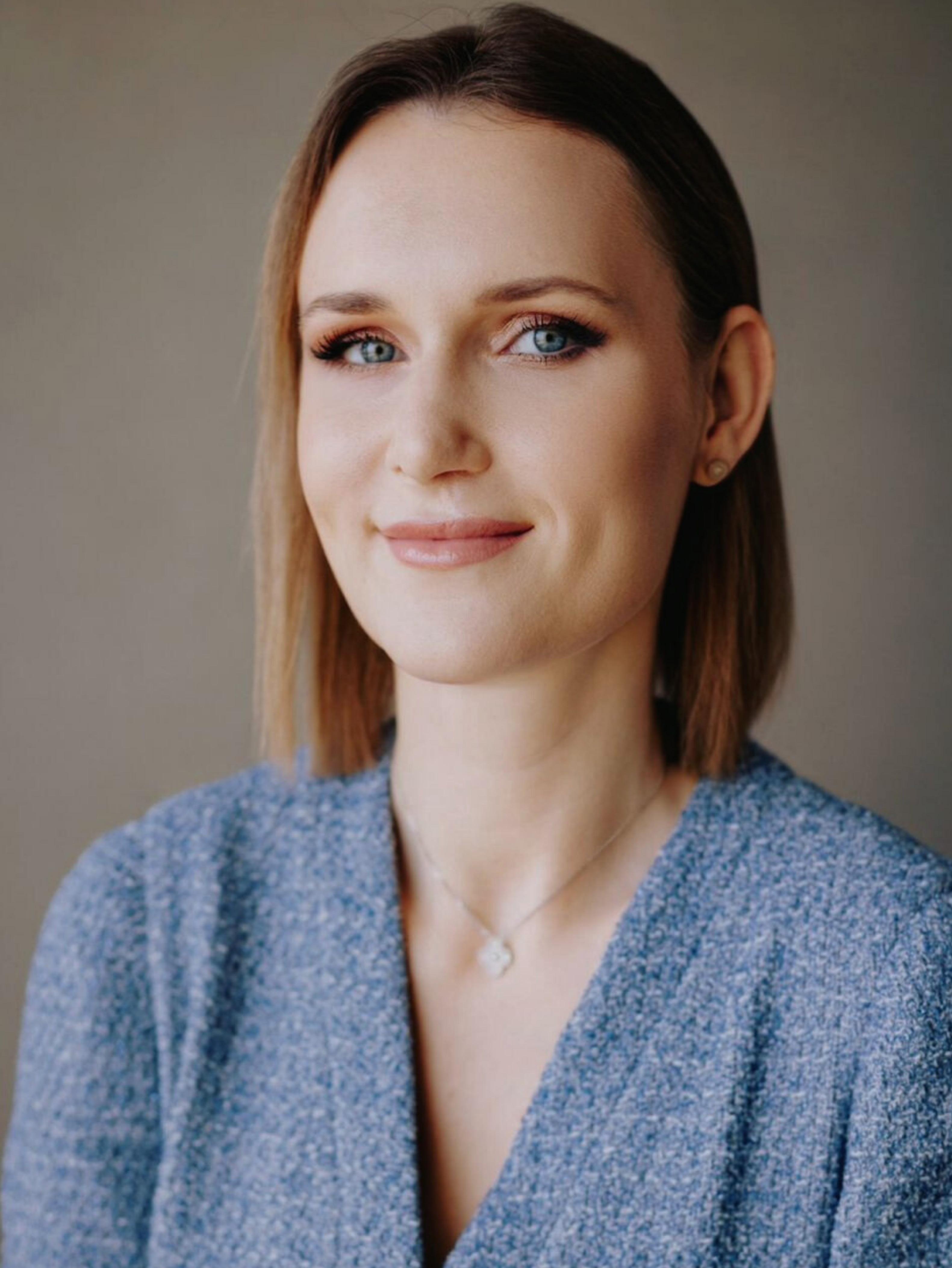
HOW PAYABL. IS REIMAGINING MONEY FLOW “ONE DELIBERATE, DISCIPLINED STEP AT A TIME” WITH MS. UGNĖ BURACIENE
~ Ms. Ugnė Buraciene, Group CEO of payabl.
As fintech continues to redefine how money moves, payabl. positions itself as the intuitive control layer for financial operations — empowering businesses to observe, follow, and direct every part of their financial ecosystem.
Founded in 2011, the European fintech innovator payabl. began with a clear mission: to help merchants take control of their money flow. Today, that mission defines a new era of financial infrastructure — one built on expertise, transparency, reliability, and control.
With Ugnė Buracienė leading as the Group CEO, payabl. is seeking to reimagine how businesses manage, move, and master their money flow.
In a world where many businesses prioritise growth at any cost, payabl. focuses on building robust systems that deliver stability, compliance, and long-term value. What sets payabl. apart is its commitment to clarity before speed. Its licensed infrastructure, combined with in-house product development, gives merchants the confidence that every transaction — whether in euros, dollars, or pounds — moves securely and efficiently.
This approach aligns closely with the perspective of Ugnė, who has publicly spoken about the importance of building operational efficiency and embedding finance infrastructure — not merely chasing the flashiest trends, but to make fintech sustainable and serviceable in the
long term. Ugnė also uses public platforms to engage with industry challenges. In her recent interviews, she has emphasised the balance between regulatory, security, and ecosystem collaboration as one of the central tasks for payment providers.
Payabl.one: A unified platform with global reach
From online payments and in-store transactions to multi-currency business accounts and card issuing, payabl. provides a unified ecosystem that supports businesses at every stage of growth. Through its flagship platform, payabl.one, companies can accept payments, manage funds, issue cards, and track settlements in real time — all within a single connected view.
In addition to the payabl.one platform, payabl. operates from several key cities including London, Amsterdam, Frankfurt, Limassol, and Vilnius, bridging the gap between local expertise and international reach. The company’s clients span sectors including retail, tech, travel, financial services and digital commerce — industries that demand precision, scalability, and resilience.
Under Ugnė’s leadership, payabl. has accelerated its growth trajectory, expanding its footprint across Europe, securing multiple EMI and regulatory licenses (including the UK), and investing heavily in technological and operational infrastructure.
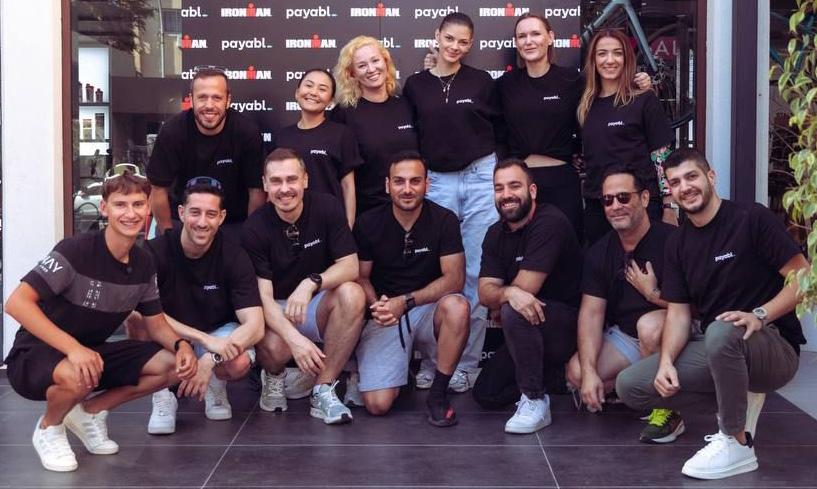
In everything she leads, Ugnė Buracienė brings the same conviction: that clarity, purpose, and perseverance are the real foundations of progress — in fintech, in leadership, and in life. Her leadership reflects a rare balance of discipline and empathy — qualities that also define her personal pursuits. Earlier this year, she and 15 colleagues at payabl. signed up for Ironman 70.3 Hawaii, a challenge that embodies her belief in endurance, resilience, and teamwork.
Ugnė’s vision is rooted in consistency: to build fintech infrastructure that not only scales, but endures. She sees payabl. not just as a payments company, but as a technology control layer — one that simplifies complexity for businesses by unifying acquiring, accounts, and card issuing. Her guiding principle: technology must serve clarity, not obfuscation.
She believes that a balance of innovation and integrity
will define the next decade of fintech. And it’s a balance that continues to guide both her leadership and payabl.’s evolution — one deliberate, disciplined step at a time.
Over nearly two decades, Ugnė has charted a career across banking, payments, and financial technology — from software and gateway platforms through to full-stack fintech. Her path illustrates not only technical mastery, but also the ability to navigate regulatory, operational, and cross-border complexity with subtlety.
Ugnė plays an active role in advancing the fintech and technology sectors across Europe. She currently serves on the Board of Directors of the CYENS Centre of Excellence — Cyprus’ leading research and innovation hub for interactive media, smart systems, and emerging technologies — where she helps strengthen collaboration between research, industry, and society. She also sits on the Board of TechIsland, a non-profit organisation promoting Cyprus as a thriving technology and innovation hub.
A passionate advocate for diversity and inclusion, Ugnė is the Cyprus Country Ambassador for the European Women Payments Network (EWPN) and a Money20/20 Europe RiseUp mentor, supporting the next generation of female leaders in fintech.
In short, Ugnė Buracienė is a leader who blends technical depth, strategic restraint, and mission-driven growth. Her journey speaks not of short-term flair, but of deliberate building — the kind that generates strength, stability, and sustained impact.
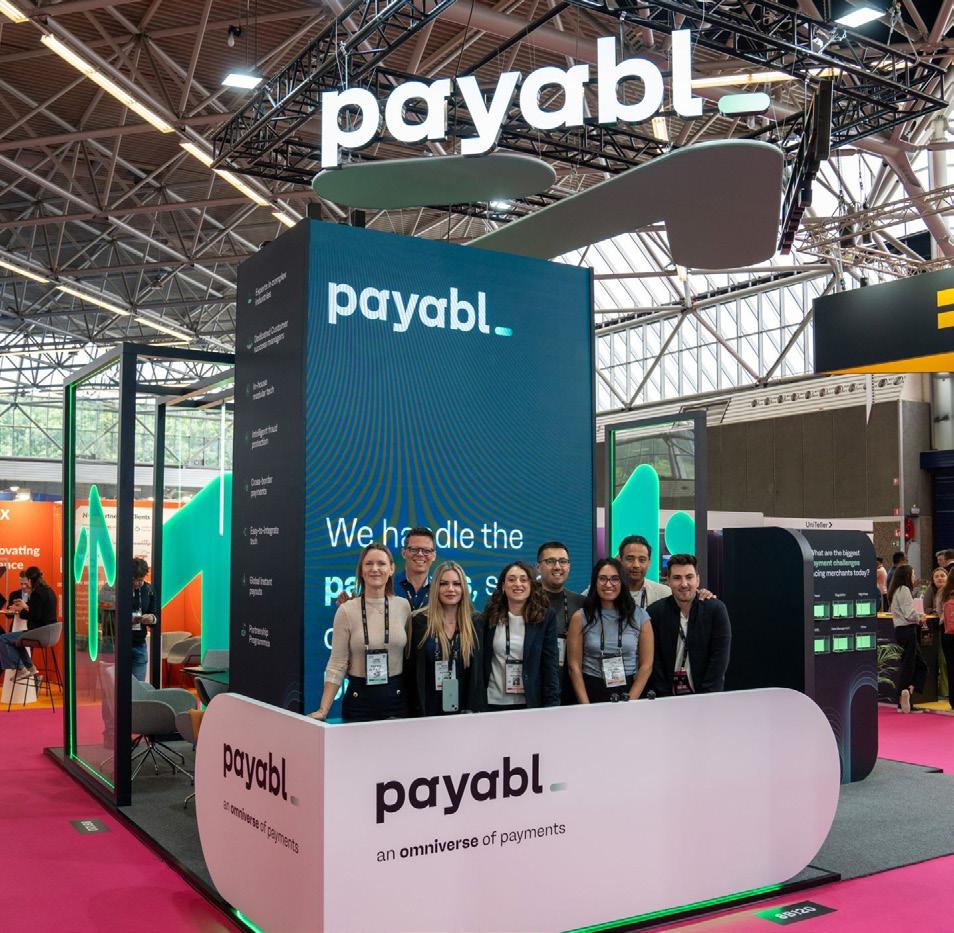
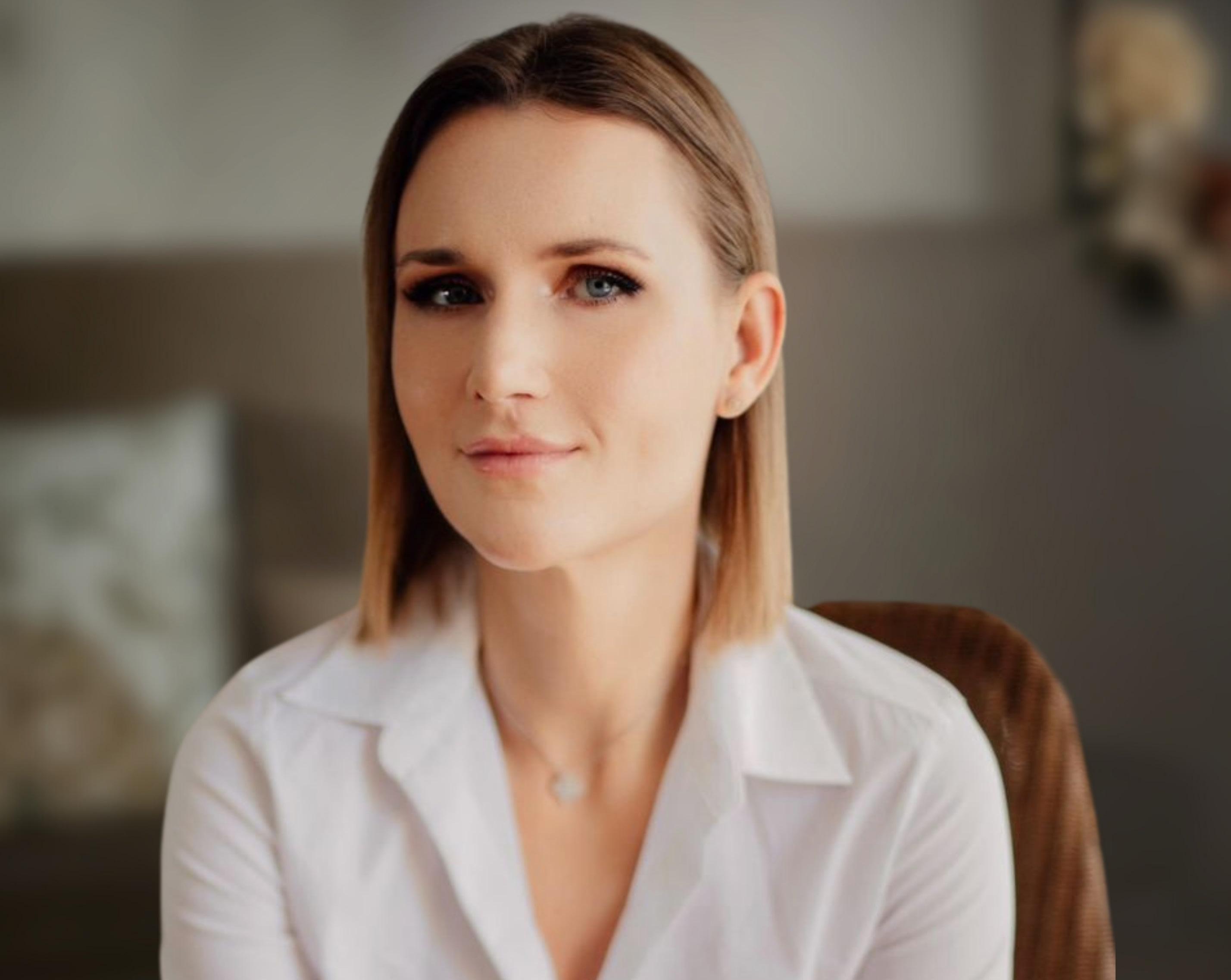
Women’s Tabloid had the opportunity to dive deeper into Ugnė’s professional journey, leadership, payabl.’s mission, and her insights about the fintech sector in the UK and beyond in an exclusive interview
Technology is reshaping every industry, including payments. You have worked in this sector for more than 15 years, which technological shifts do you believe will define the next phase of growth in payments?
Technology has always been at the heart of transformation in payments, but what’s changing now is the pace and depth of that evolution. Over the next phase, I believe growth will be defined by three interconnected shifts: embedded finance, data intelligence, and infrastructure resilience.
We’re seeing financial services move closer to where value
is created — embedded directly into digital ecosystems, from e-commerce platforms to logistics networks. This is blurring the boundaries between payments, banking, and software, and driving demand for unified platforms like payabl.one, where everything connects seamlessly.
At the same time, data is becoming a true strategic asset. The ability to interpret payment flows in real time — to detect risks, optimise conversion, or automate reconciliation — will separate leaders from laggards. Finally, as volumes and regulation increase, infrastructure resilience will matter more than speed. Fintechs that can deliver stability and compliance without sacrificing agility will lead the next chapter.
In short, the future of payments isn’t about replacing banks or card networks. It’s about creating intelligent, reliable systems that let businesses move money with clarity,

control, and confidence — anywhere in the world.
As a recognised leader in the payments industry, advising and championing new ideas, what is one fundamental insight about achieving success in fintech that you believe is often overlooked?
One thing I’ve learned over the years — and it’s something many people in fintech overlook — is that success isn’t just about innovation or speed; it’s about endurance. Building a sustainable company is not a sprint. It’s a long, demanding race that requires discipline, focus, and the ability to stay composed under pressure.
At payabl., this mindset has become part of our culture. Earlier this year, 15 of us — myself included — committed to competing in Ironman 70.3 Hawaii. It’s more than a sporting challenge; it’s a reflection of how we lead, grow, and persevere as a company. The Ironman teaches you that success comes from thousands of small, deliberate steps — not quick wins. You train consistently, push through fatigue, and trust the process. That same mindset applies to building a business.
Fintech is one of the most complex and highly regulated industries in the world. The companies that thrive are not the ones chasing every new trend, but those that combine ambition with structure, innovation with accountability, and vision with resilience.
That’s how we operate at payabl.: with focus, patience, and shared purpose. Because, in both Ironman and business, lasting success is built on endurance — not speed.
In today’s financial sector, market dynamics and technology are evolving at remarkable speed. How do you ensure payabl.’s vision remains clear and focused amid such shifts?
In a fast-moving industry like ours, clarity of vision is everything. Over the past year, we’ve gone through a complete brand and strategic revamp — not as a cosmetic
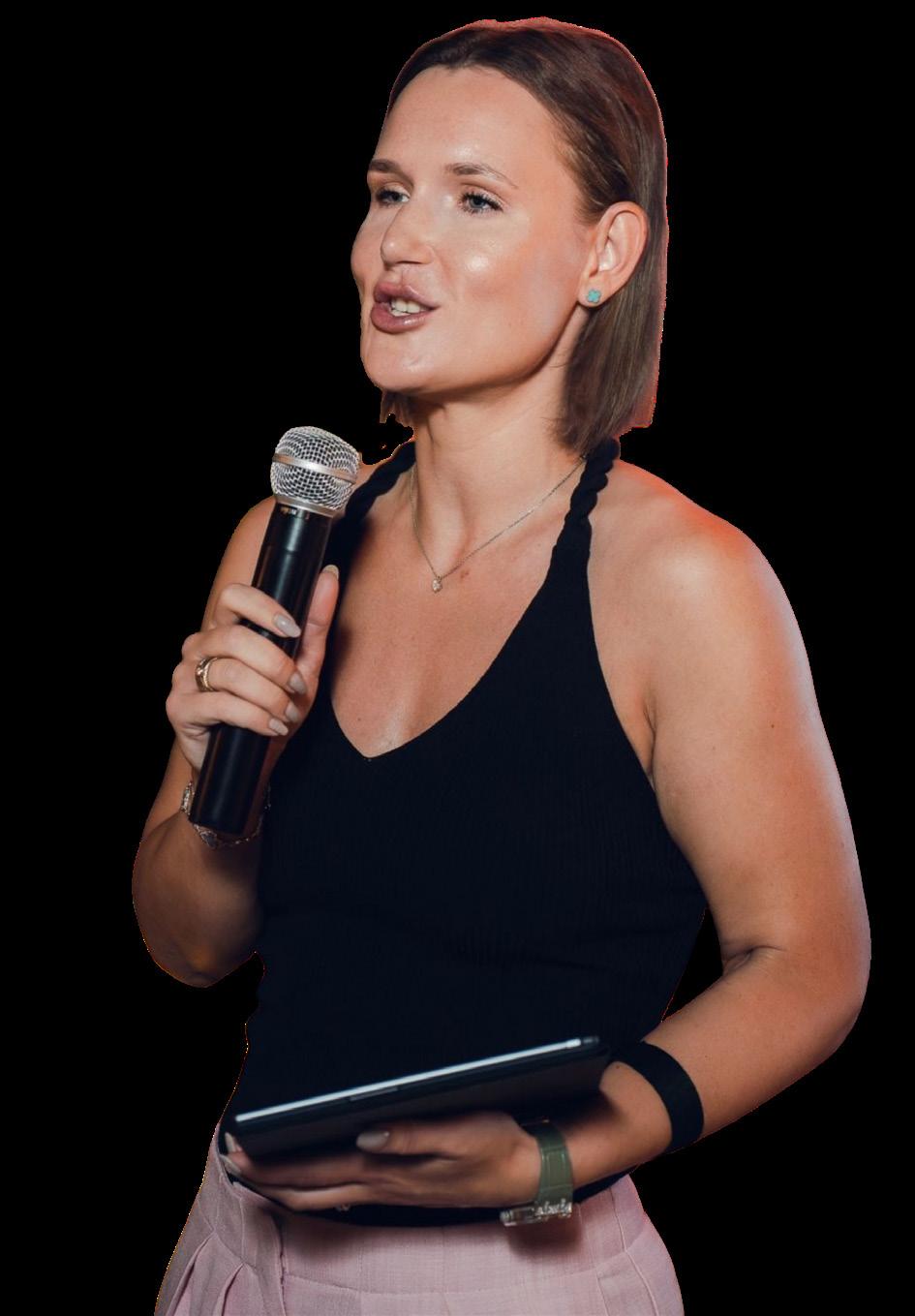

Technology should make life easier, not more complicated. Our role at payabl. is to simplify the complex — to give businesses the tools and visibility they need to move confidently through a fast-changing financial world.
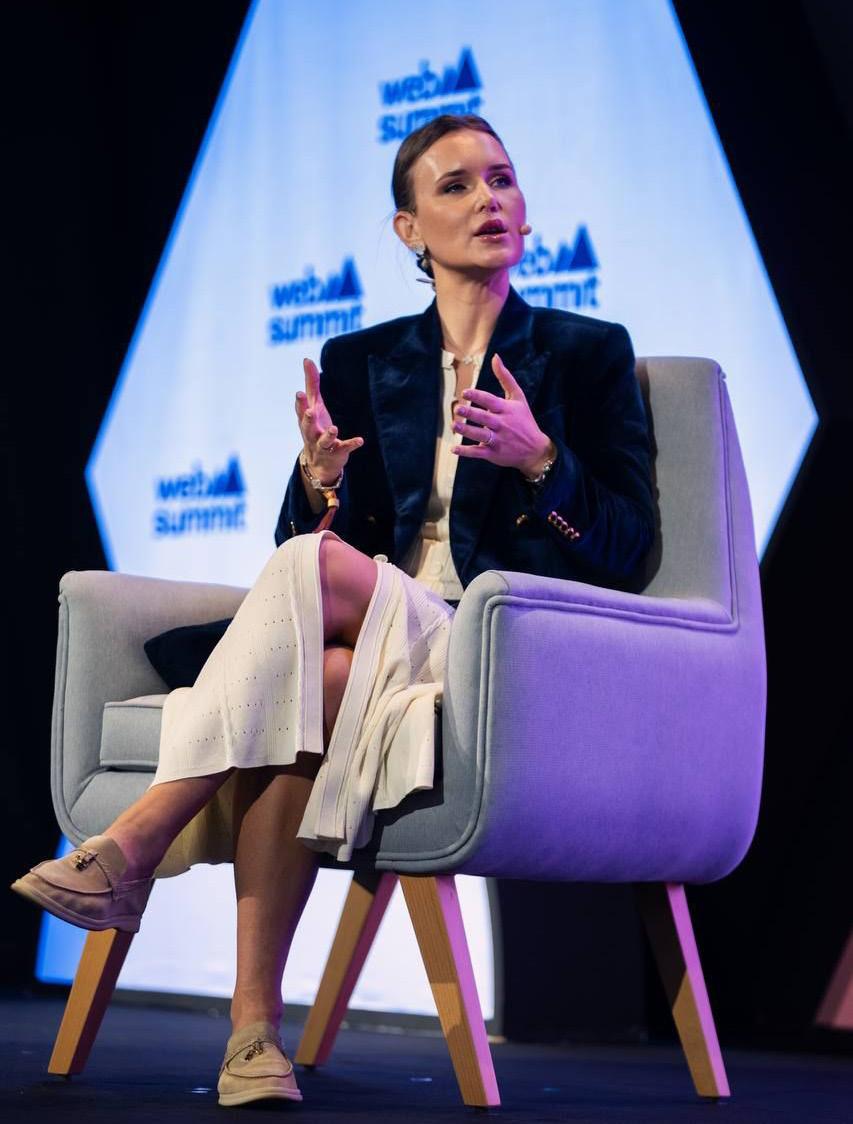
exercise, but as a way to sharpen who we are, what we stand for, and where we’re going. Our purpose is simple yet powerful: to help businesses take control of their money flow. That’s the anchor we return to, no matter how much the market changes.
We operate in an environment where technology, regulation, and customer expectations evolve daily. The only way to stay focused is to build from first principles — expertise, transparency, reliability, and control. These are not just words on a wall; they guide every product we design and every decision we make.
Our new unified platform, payabl.one, embodies that vision. It brings together acquiring, business accounts, and card issuing into one connected view — giving businesses real-time visibility and control over their operations.
So even as we evolve, the direction remains constant: we don’t chase complexity; we simplify it. We don’t react to noise; we focus on what creates lasting value. That’s how we ensure payabl.’s vision remains both steady and relevant in a changing world.
“
Ugne is a powerhouse. A brilliant executive with a no non-sense, down to earth approach that always gets results.
- Martynas Bieliauskas, Founder and CEO of Bivial AG
Your leadership team reflects gender balance. From your experience, what is one strategic action business leaders can take to cultivate inclusive teams that deliver stronger outcomes?
For me, inclusion starts with intentionality — it doesn’t happen by chance. Building gender-balanced teams requires leaders to make diversity a strategic priority, not a side initiative. It’s about designing systems that enable equal opportunity at every level, from hiring to leadership development.
At payabl., we’ve been very deliberate about this. Today, women make up half of our leadership team, and that balance didn’t happen overnight. It came from actively challenging biases in recruitment, ensuring fair evaluation processes, and creating an environment where different voices are not only heard but influential.
But inclusion goes beyond numbers. It’s also about culture — how you lead, communicate, and make decisions. Diverse teams perform better not because they look different, but because they think differently. They question assumptions, approach problems from multiple perspectives, and build more resilient solutions.
As leaders, we must set that tone. Inclusion starts at the top, with how we show up, who we empower, and how we measure success. When you build a culture that values diversity of thought, you unlock creativity, accountability, and stronger outcomes. That’s what drives both performance and progress — in business and beyond.
Scaling the payabl. team from 30 to over 300, what approaches did you take to maintain a high-performing and motivated workforce?
Scaling from 30 to over 300 people in just a few years is one of the most rewarding and challenging parts of leadership. For me, the key has been to grow with purpose — ensuring that every stage of expansion strengthens, rather than dilutes, our culture and performance.
At payabl., we focused first on clarity. Everyone, no matter their role or location, needs to understand why we exist and what we’re building. Our vision — helping businesses take control of their money flow — anchors everything we do. That shared sense of purpose unites teams across borders and functions.
The second priority was empowerment. I believe high performance comes from trust and accountability. We hire exceptional people, set clear goals, and give them ownership to deliver. Micromanagement has no place in a scaling company.
Finally, culture cannot be left to chance. We’ve invested heavily in communication, leadership training, and recog nition. We celebrate wins, learn from challenges, and make sure people see their impact on our collective success.
When you grow fast, structure and spirit must evolve together. Our progress so far proves that with the right values, communication, and trust, scale doesn’t weaken culture — it amplifies it.
In a fast-growing fintech like payabl., how ensure that growth is both sustainable and with your strategic vision?
Sustainable growth doesn’t happen by accident — it’s the result of discipline, clear priorities, and a strong sense of purpose. At payabl., we’ve always believed that growth should strengthen the organisation, not stretch it. That means expanding in a way that’s controlled, compliant, and aligned with our long-term strategy.
From the start, we built our foundation on three pillars: robust governance, scalable infrastructure, and a culture of accountability. Every new product, market, or partnership must reinforce these pillars. We don’t grow for the sake of size — we grow to create value for our merchants,
employees, and partners.
Our strategy is guided by a simple principle: clarity before speed. We take the time to understand market dynamics, anticipate regulatory shifts, and ensure that our systems, people, and processes are ready to support the next level of scale.
At the same time, we stay adaptable. The payments landscape evolves rapidly, and agility is essential. The goal is to move fast — but always on solid ground.
In short, sustainable growth means expanding with intention, not impulse. It’s about building an organisation that can endure and perform — not just this quarter, but for decades to come.
In a fast-changing payments industry, how do you ensure that the updates to payabl.one keep the platform and its merchants ahead of the curve?
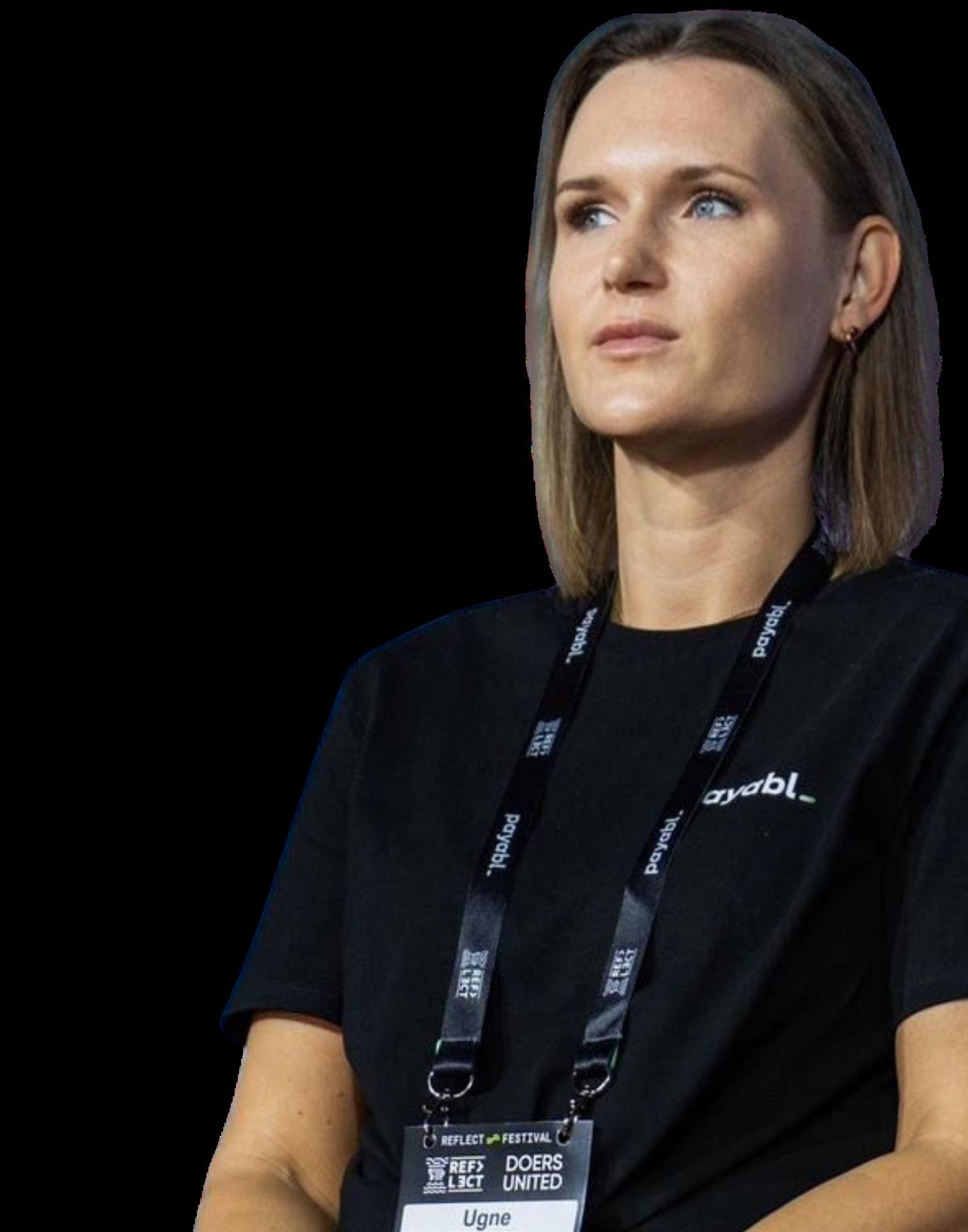
money flow, compliance, or reconciliation. That feedback loop ensures we’re not just adding features, but solving problems that matter.
We also invest heavily in in-house development. Having full control over our technology allows us to innovate faster while maintaining stability and compliance. Whether it’s integrating new payment methods, enhancing data visibility, or refining fraud controls, every update to payabl. one is built to give businesses more clarity, control, and confidence.
Finally, innovation at payabl. isn’t about chasing trends — it’s about anticipating what’s next. We stay close to regulators, networks, and industry partners to ensure our merchants are always prepared for what’s coming, not just what’s current.
That’s how we keep payabl.one evolving — not through noise, but through meaningful, lasting progress.
What guidance would you share with aspiring CEOs on navigating challenges and building a successful career in business?
The best advice I can offer is to embrace challenges as part of growth. Leadership is not about avoiding difficulty — it’s about learning to stay composed, make decisions
with clarity, and keep moving forward even when the path isn’t easy.
Every stage of my career has taught me something about balance: between confidence and humility, ambition and patience, structure and flexibility. You can’t control every circumstance, but you can control your response — and that’s where real leadership begins.
For aspiring CEOs, I’d also say: build your foundation early. Understand your business deeply — not just the vision, but the numbers, the people, and the operations. Success in leadership is 90% preparation and 10% reaction.
And finally, take care of your energy. I’ve learned through my own experiences — including training for Ironman 70.3 — that endurance, discipline, and mental strength are essential both in sport and in leadership. It’s not about being the fastest; it’s about staying focused and resilient for the long run.
A great leader doesn’t just deliver results — they build something that lasts. That’s the mindset that turns challenges into opportunities, and ambition into lasting impact. ■


Asia–Pacific contributed around 70% of global economic growth in 2023, with Micro, Small and Medium Enterprises (MSMEs) forming a core pillar of the region’s growth agenda. As economies across Asia prioritise innovation, localisation, and regional integration, MSMEs have assumed a central role in longterm development strategies. Consequently, investment from both public and private sectors in MSMEs is expanding, reflecting their essential contribution to sustainable economic growth.
Investing in MSMEs could add significantly to the continent’s overall economy MSMEs are a significant driver of economic activity across Asia. MSMEs contribute an average of 38% to national
economic output, though the figure varies depending on each country’s level of development and business formalisation. In Malaysia, MSMEs employ around 48% of the workforce, compared to 70% in Singapore. Across ASEAN as a whole, they account for 97% of private-sector enterprises, provide jobs for 85% of the labour force, generate around 45% of regional GDP and contribute between 15 and 20% of total exports. Despite their scale and impact, access to finance remains one of the sector’s biggest constraints. A study by the McKinsey Global Institute, covering 16 advanced and emerging economies, estimates that improving MSME productivity and closing financing gaps could add the equivalent of 5% to GDP in advanced economies and 10% in emerging markets.
inclusion
The World Bank estimates that around 600 million new jobs will be needed by 2030 to absorb the expanding global workforce, with small and medium-sized enterprises expected to create seven in every ten of these roles. Across Asia, this places MSME development at the centre of economic and employment planning. Beyond macroeconomic growth, the growth of MSMEs supports poverty reduction, improves access to livelihoods and drives economic empowerment at the local level. Their role is also integral to advancing the UN Sustainable Development Goals, particularly in areas of equality, inclusion, and sustainability. As key employers of women and marginalised communities, MSMEs help build resilience and drive more inclusive social progress.
MSMEs as high-growth investments
Many of today’s most valuable corporations began as small enterprises, a reminder of the long-term potential that early-stage businesses can hold. Across Asia, MSMEs are attracting increasing attention from both local and international investors because of their scalability, adaptability and capacity for innovation. Based on reports for 2024, the Asia-Pacific private equity market experienced a cautious recovery. The Bain & Company Asia-Pacific Private Equity Report 2025 noted that deal value in the region rose by 11%, while EY’s India-focused reports noted that investments of around $56 billion were recorded in India alone, with analysts highlighting growing interest in tech-enabled and sustainability-focused MSMEs across the region.
The International Finance Corporation (IFC) estimates the global finance gap for formal small and medium-sized enterprises at around $5.7 trillion, rising above $8 trillion when informal businesses are included. According to ADB, MSMEs received only 17.7% of total bank lending across Asia in 2023, equivalent to an average of 10% of regional GDP. Lending frameworks also tend to favour larger firms, leaving smaller enterprises underserved. Several structural issues contribute to this shortfall. These include:
• Limited collateral,
• Restrictive lending conditions, and
• Low financial literacy among smaller business owners
In addition to financing challenges, MSMEs face a pronounced productivity gap: in emerging Asian economies,
productivity typically stands at about 25–30% of that of large firms, constraining competitiveness and growth potential.
Key strategies to strengthen MSMEs
Access to finance
Access to funding remains the biggest challenge for small businesses in Asia. ADB and Mastercard (2024) estimate that the Asia-Pacific region accounts for nearly $2.5 trillion of the global MSME financing gap, with 43% of formal SMEs still unserved or underserved. Expanding credit availability through government-backed lending, digital credit channels, and tailored financial instruments remains essential to bridge this gap.
Private capital continues to play a crucial role in scaling MSMEs, particularly in Asia’s emerging markets where access to traditional bank lending remains limited. IFC (2025) highlights the importance of greater participation from private investors and impact funds to help close the global SME finance gap. In Asia, blended-finance models are gaining traction, combining concessional funding with private equity to expand credit for women-led and green enterprises. Regional investment platforms such as ADB Ventures and the Mastercard–ADB partnership are mobilising capital for early-stage and growth-stage businesses in sectors including clean energy, agritech and digital services.
Bringing informal enterprises into the formal economy remains a key development priority. The International Labour Organization’s Asia-Pacific Labour Market Report 2025 shows that the informal sector still represents around 68% of total employment in South and Southeast Asia. Greater formalisation would enhance access to finance, improve regulatory visibility, and strengthen protections for workers and entrepreneurs alike.
Digital adoption is increasingly linked to MSME growth across Asia. A 2024 survey in India found that 73% of small businesses in semi-urban and rural areas reported higher revenues after adopting tools such as mobile payments and online marketplaces. In Southeast Asia, nearly 90% of digital SMEs said they had expanded their sales and market reach through digitisation, reflecting the strong link between technology use and business performance.
The ADB and OECD highlight high-potential sectors for MSME-led growth including agritech, green manufacturing, logistics, and digital services. Targeting these areas through supportive policy, innovation hubs and blended finance could generate significant employment while advancing regional sustainability goals.
Investment in Asia’s MSME ecosystem continues to expand, supported by the region’s growing role in global supply chains and rapid digital transformation. Private equity buyout investments across Asia reached around $138 billion in 2024, rising by just over 8% from the previous year. Venture capital activity also remained strong driven by investor interest in technology, agritech and clean-energy enterprises.
Cross-border partnerships are also playing a larger role in MSME financing, as investors increasingly collaborate to facilitate technology transfer, innovation, and business expansion. Meanwhile, multinational corporations are increasing investment in local MSME supply chains to strengthen regional resilience and sustainability performance.
Across Asia, MSMEs have continued to expand and formalise, supported by targeted policy measures and regional partnerships. In Indonesia, the sector now contributes around 61% of GDP and employs 97% of the workforce. In Vietnam, SMEs make up over 95% of all registered enterprises, contributing more than 40% of GDP and employing around half of the national workforce. India’s MSME ecosystem has also advanced through large-scale digitisation, with over 60 million businesses now registered on the Udyam portal and the Udyam Assist Platform. Together, these enterprises contribute around 30% of India’s GDP and play a vital role in employment generation and exports.
In 2024, ADB and the Mastercard Impact Fund signed an MoU to support MSMEs across APAC, initially targeting Malaysia, Indonesia, Thailand, India, the Philippines, Vietnam, and Georgia. The initiative includes a $5 million grant to catalyse lending, particularly for women-led enterprises and climate-focused businesses, and will support up to $1 billion in ADB financing over four years through risk-reduction capital, incentives, and capacity building.
Small
businesses are the backbone of our economy, and their success is our success.
- Richard Branson
Across Asia, governments and development institutions are rolling out targeted initiatives to strengthen MSME growth and resilience. Some of the key national and regional programmes supporting MSMEs through credit, incubation, and digital transformation are listed below:
The national initiative in Singapore led by the Infocomm Media Development Authority (IMDA) to help SMEs adopt digital tools and build their capabilities. The program has assisted over 95,000 SMEs by providing grants, advisory services and access to pre-approved digital solutions to boost efficiency and market reach.
Thailand – SME Soft Loan Schemes
The Thai government continues to expand financial support for small businesses, including a THB 50 billion national SME loan initiative and a dedicated THB 15 billion scheme for southern-border provinces to help sustain operations and employment.
Philippines – Kapatid Mentor ME (KMME) Programme
This long-running initiative in the Philippines provides business coaching, mentorship and learning modules for MSMEs. It is a public-private partnership between the Department of Trade and Industry (DTI) and the Philippine Center for Entrepreneurship (PCE) or Go Negosyo. Since its launch in 2016, the program has mentored thousands of entrepreneurs nationwide.
Indonesia – PROMISE II Impact Programme
Focused on circular economy, climate innovation, and inclusive growth, this programme supports impact-driven MSMEs and encourages private-sector collaboration for sustainable scaling.
Sri Lanka – Small and Medium-sized Enterprises Line of Credit (SMELoC) Project
ADB continues to support Sri Lanka’s SME sector through
the Small and Medium-sized Enterprises Line of Credit (SMELoC) programme. The programme aims to enhance access to affordable finance for small businesses via local partner banks. The initiative prioritises underserved segments such as women-led and climate-focused enterprises. Backed by the Women Entrepreneurs Finance Initiative (We-Fi), the programme has expanded over multiple phases, including additional funding during the COVID19 period to provide working capital support and stabilise affected MSMEs.
The AIM ASEAN programme is a two-year initiative led by the ASEAN Foundation in partnership with AVPN through the AI Opportunity Fund: Asia-Pacific (Phase 2), supported by ADB and Google.org. The programme aims to train 100,000 MSMEs across all ten ASEAN Member States by providing hands-on, practical guidance
on how to use AI tools to improve business operations, increase online sales, and manage finances more effectively. Training materials are being developed and adapted with local partners to reflect the real-world challenges and goals of business owners, helping MSMEs harness AI for tangible day-to-day benefits. ■
editorial@womenstabloid.com
In recent years, circular business models have gained steady momentum among MSMEs as companies shift from the traditional “take–make–dispose” approach to practices centred on re-use, refurbishment, recycling, and sharing. By doing so, MSMEs can not only reduce their environmental footprint but also open new opportunities for cost savings, innovation, and long-term competitiveness.
For small enterprises, this shift is not simply about environmental responsibility but also about long-term economic resilience. By adopting circular practices, MSMEs can lower their dependence on volatile raw material markets, reduce costs and tap into new streams of revenue through repair, refurbishment and resale.
Globally, progress towards circularity has slowed. The Circularity Gap Report 2025 shows that only 6.9% of the world economy operates on circular principles, down from 7.2% two years earlier. Despite growing awareness, most industries still follow a linear model of production and consumption, resulting in material overuse and waste. Yet, the potential benefits remain vast. A recent PwC study estimates that full adoption of circular practices across Asia–Pacific could add $339.6 billion to regional GDP
and create up to 15 million new jobs.
At the same time, international development institutions are recognising the value of circularity in small business ecosystems. Programmes led by ADB and regional partners increasingly prioritise projects that embed environmental sustainability, climate resilience, and resource efficiency within MSME financing frameworks. Impact investors are also stepping in, offering blended-finance models that combine public funding with private capital to make circular transformation more accessible to small firms.
The path towards circularity remains complex. For many MSMEs, the main challenges lie not in intent but in capacity, from the cost of adopting new technologies to the absence of clear policy support. In many developing Asian economies, limited recycling and waste-management infrastructure continues to hinder progress.
Looking ahead, the circular economy is forecast to generate up to $4.5 trillion in global economic benefits by 2030, while cutting carbon emissions and easing pressure on natural resources. For Asia’s MSMEs, the transition presents both challenge and opportunity.


In 1792, twenty-four stockbrokers and merchants gathered beneath a buttonwood tree in lower Manhattan to sign an agreement that shaped modern finance, laying the foundation for what we now know as the New York Stock Exchange (NYSE).
More than a century later, during the Second World War, labour shortages opened the doors of the Exchange to women for the first time, as they began working as pages and reporters on the trading floor. What began as a wartime necessity became the first step towards women’s long-term inclusion in Wall Street’s financial ecosystem. In the decades that followed, their presence, once rare, grew steadily and marked a significant cultural shift in global finance.
• Muriel “Mackie” Siebert, the first woman to purchase a seat on the New York Stock Exchange. Her firm became the nation’s first discount brokerage and by 1977 she became the first female superintendent of banks for the state of New York.
• Alice Jarcho made history in 1976 by becoming the first full-time female floor broker at the New York Stock Exchange (NYSE).
• Gail Pankey became the first Black woman to become a member of the New York Stock Exchange in 1985.
A few other notable women:
Victoria Woodhull
Victoria Woodhull became the first woman to operate a brokerage firm on Wall Street, establishing Woodhull, Claflin & Co. in 1870 alongside her sister, Tennessee Claflin. In addition to her financial ventures, she co-founded Woodhull & Claflin’s Weekly, a radical publication advocating social reform. In 1872, she made political history as the first woman to stand as a candidate for presidency of the United States, decades before women had the right to vote.
Often called the “Witch of Wall Street,” built one of the largest personal fortunes of her era through shrewd, conservative investment in railways, real estate, and government bonds. Eschewing speculation, she prioritised long-term value and liquidity, a strategy that saw her estate reach an estimated equivalent of $2–4 billion today. Her disciplined approach made her one of the earliest examples of sustainable wealth-building on Wall Street.
Isabel Benham
In 1934, Isabel Benham became the first woman to work as a railroad analyst on Wall Street. She later became the first female partner at a Wall Street bond house, marking a key advancement for women in investment research.
Mary Roebling
In 1937, Mary Roebling was appointed president of Trenton Trust Company, becoming the first woman to lead a major American commercial bank. She later founded Women’s Bank N.A. in Denver, the first bank in the United States to be chartered by women. Between 1958 and 1962, Roebling also served as the first female governor of the American Stock Exchange, further consolidating her role as a pioneer in finance and governance.

Women of Wall Street today Women are taking on increasingly prominent leadership roles across Wall Street, with 2025 marking a record number of female executives in top positions at major financial institutions. The number of women CEOs in the Fortune 500 has reached an all-time high of 55, representing 11% of all companies, up from 10.4 % in 2024. This steady rise signals a broader shift in senior representation within global finance, as inclusion, transparency, and leadership diversity continue to reshape corporate culture.
By 2030, women are projected to control approximately 38% of total U.S. financial assets, estimated at around $34 trillion. On Wall Street, female leaders now oversee global banks, manage multi-trillion-dollar portfolios, lead high-profile mergers and acquisitions, and shape the strategic direction of capital markets.
This growing influence signals a long-term transformation in financial leadership, with women playing a central role in the future of Wall Street. Here are seven women who exemplify this shift, each leading major institutions and
shaping the future of finance on Wall Street.
• Jane Fraser made history in 2021 when she became the first woman to lead a major U.S. bank, taking over as CEO of Citigroup. Under her leadership, Citi reported revenues of $81.1 billion in 2024, its strongest performance since 2010, and net income of $12.7 billion, a 37% year-on-year increase. Her strategic restructuring, which included streamlining operations and exiting several international consumer markets, has positioned Citi for long-term growth. In recognition of her leadership and performance, Fraser’s total compensation for 2024 rose to $34.5 million.
• Sallie Krawcheck is the co-founder of Ellevest, a digital investment platform founded in 2014 and launched publicly in 2016 to close the gender-investing gap and improve women’s financial inclusion. Under her leadership, Ellevest grew to manage more than $2 billion in assets by early 2024, offering tailored investment and financial-planning services designed around women’s career and income patterns. In December 2024, Krawcheck announced she would step down as CEO,
moving to a board role. Although she no longer serves as CEO, she remains one of the most influential voices in women’s financial empowerment and inclusive wealth management.
• Mary Callahan Erdoes, often referred to as Wall Street’s “$1 Trillion Woman,” has served as CEO of JPMorgan Chase’s Asset & Wealth Management division since 2009. During her tenure, client assets under management have expanded from approximately $1.6 trillion to $6.4 trillion. She joined the firm in 1996 and has played a central role in scaling the division into one of the largest and most respected investment and private banking businesses globally.
• Thasunda Brown Duckett is the President and CEO of TIAA as of October 2025. She was the fourth Black woman in history to lead a Fortune 500 company when appointed in 2021. At the time of her appointment, TIAA managed $1.3 trillion in assets, which has since grown to approximately $1.4 trillion as of December 2024. The company employs around 16,500 people. Duckett remains focused on improving retirement outcomes, with particular emphasis on closing the racial and gender wealth gaps.
• Adena Friedman is the President and CEO of Nasdaq, and the first woman ever to lead a major global stock exchange. Appointed CEO in 2017, she has played a central role in transforming Nasdaq from a traditional equities exchange into a technology-driven global financial platform, focusing on data, analytics, and market infrastructure. Under her leadership, Nasdaq has expanded its footprint in digital assets and ESG data services, reinforcing its position as one of the world’s most innovative financial institutions. Friedman is widely recognised for advocating diversity in leadership and for advancing financial technology to make capital markets more transparent and accessible.
• Anu Aiyengar serves as the Global Head of Mergers & Acquisitions at JPMorgan Chase & Co., where she has advised on more than $1 trillion worth of deals across industries including technology, retail, and financial services. Having joined the firm in 1999, she became the first woman to lead JPMorgan’s global M&A division — one of Wall Street’s most competitive and highstakes environments. Known for her strategic insight and composure in complex negotiations, Aiyengar has helped
shape some of the decade’s most significant transactions. Beyond her professional achievements, she is recognised for her advocacy of diversity and mentorship in finance, supporting initiatives to improve women’s representation in senior dealmaking roles.
• Abigail P. Johnson is the Chair and CEO of Fidelity Investments, one of the world’s largest asset management and financial services firms. She assumed the role of CEO in 2014 and became Chair in 2016, marking the third generation of the Johnson family to lead the company. Under her leadership, Fidelity has strengthened its position as a global investment powerhouse, managing more than $4.5 trillion in assets. Johnson has overseen major initiatives in digital innovation, including the firm’s move into blockchain technology and digital asset management. She is recognised for modernising Fidelity’s culture and expanding its reach among a younger, more diverse generation of investors.
Women’s impact on Wall Street today
Women’s participation in financial leadership has evolved dramatically over the past century, reshaping the face of Wall Street and global finance. What began as a slow integration during the mid-20th century has now become a powerful movement toward balanced representation and inclusive decision-making.
Diverse perspectives drive performance: Research consistently shows that companies with gender-diverse leadership teams perform better financially. Recent global studies indicate that organisations in the top quartile for gender balance at the executive level are around 39% more likely to outperform their peers on profitability. The evidence strengthens the case for balanced representation, proving that diversity in leadership is not only fair but commercially beneficial.
Collaborative leadership: Leadership studies increasingly show that women tend to adopt a more collaborative and inclusive management style, encouraging open communication and stronger team cohesion. Recent data indicates that women now hold around 34% of senior management roles globally, up from just 19% two decades ago. In finance and professional services, their presence in top management has nearly doubled over the past ten years. Organisations that promote gender balance in leadership also report higher levels of employee engagement and innovation, as teams led by women are more likely
to foster trust, transparency, and shared accountability.
Rising ethical standards: Gender diversity at senior level has been closely linked to stronger governance and ethical oversight. Companies with higher female representation on their boards are around 25% more likely to adopt robust environmental, social and governance (ESG) frameworks. Research published in 2024 also found that organisations with at least 30% of women on their boards are significantly more transparent in their sustainability reporting and risk management practices. Across global stock exchanges, women now hold an average of 28% of board seats, compared with just 12% a decade ago, reflecting a growing recognition that ethical and sustainable growth depends on diverse leadership perspectives.
Improved workplace culture: As more women move into senior roles, the culture within financial institutions and corporations is shifting towards greater empathy, collaboration and balance. Organisations with higher female representation in leadership consistently report stronger employee engagement and higher staff retention. Workplaces led by women also tend to adopt more progressive policies, including flexible working arrangements, enhanced parental leave and structured mentorship programmes. These approaches not only improve employee satisfaction but also strengthen long-term loyalty and performance. Across Wall Street and beyond, this growing emphasis on inclusion and wellbeing is redefining what effective leadership looks like in modern finance.
Building future talent: Mentorship continues to play a defining role in shaping the next generation of women leaders on Wall Street. Surveys show that around 70% of women in finance credit mentoring relationships as vital to their career advancement, helping them navigate complex corporate structures and gain visibility in leadership pipelines. Several initiatives across the financial sector are addressing this need more systematically.
The Financial Women’s Association (FWA) runs structured mentoring cohorts pairing senior finance professionals with young entrants through its Wall Street Exchange Programme. Meanwhile, 100 Women in Finance’s LaunchMe initiative connects early-career professionals and students with seasoned mentors, strengthening cross-border learning and access to leadership networks. The Women in Financial Markets (WIFM) Mentorship Programme also provides targeted guidance for women
aspiring to senior roles in investment, trading, and financial management.
Women have made remarkable progress in reshaping Wall Street, transforming an institution once defined by exclusivity into a more inclusive and forward-looking financial landscape. Today, women hold close to half of entry-level positions in finance and roughly 30% of senior leadership roles across major firms. Yet representation continues to taper at the top, with only around 12% of managing directors in private equity and less than 2% of mutual fund assets managed by women.
While these figures reveal that the journey towards parity is still underway, they also highlight steady and measurable progress. Studies consistently show that greater gender balance in leadership is not only a moral imperative but also a commercial advantage, linked to stronger financial performance, greater innovation and higher employee engagement. ■
Percentage of board seats held by women in NYSE issuer boards editorial@womenstabloid.com
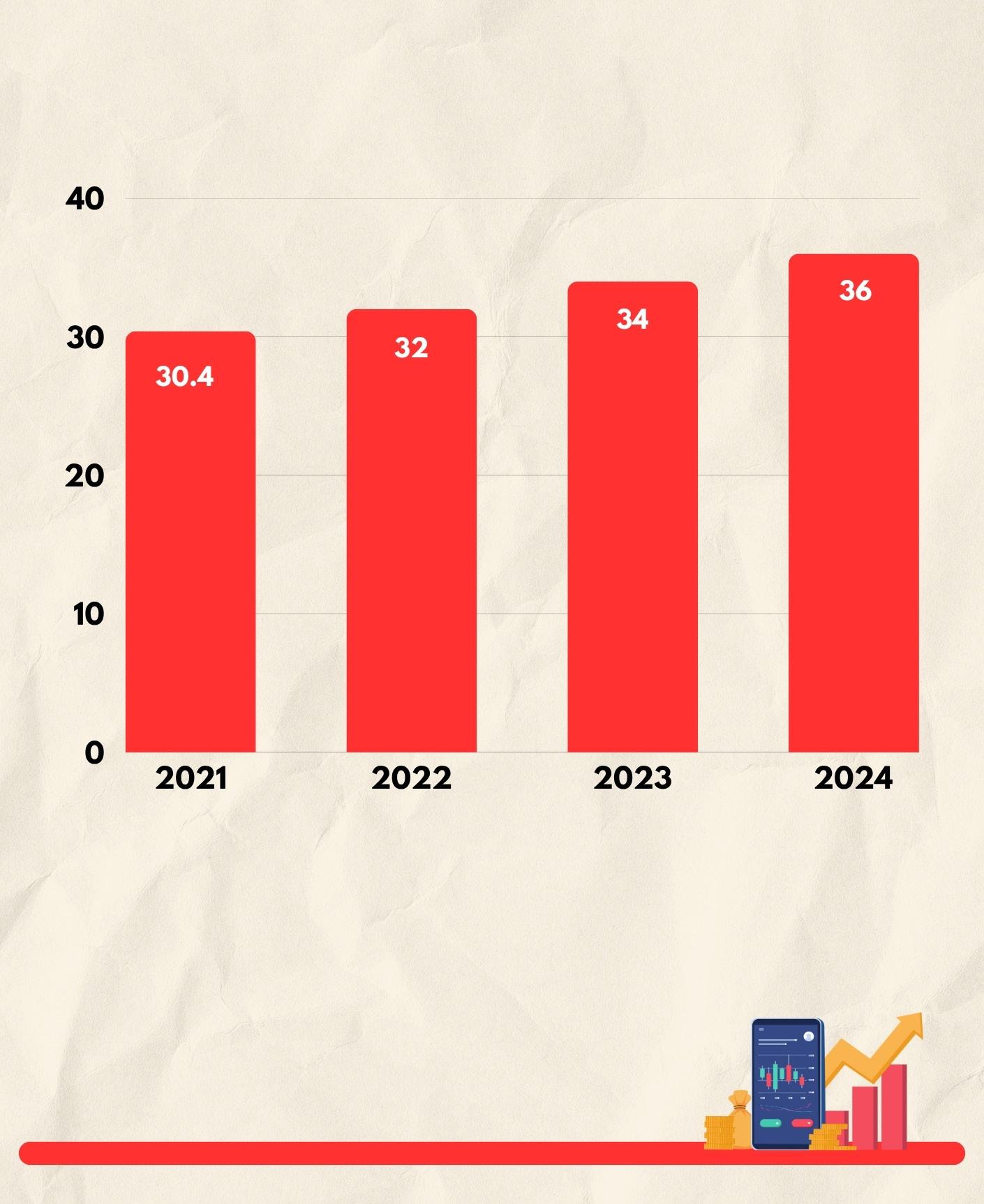
*Based on analysis of corporate leadership in the top 100 issuers by market capitalisation.
Source: Market Monitor: Gender equality in corporate leadership - G20 & Regional Analysis

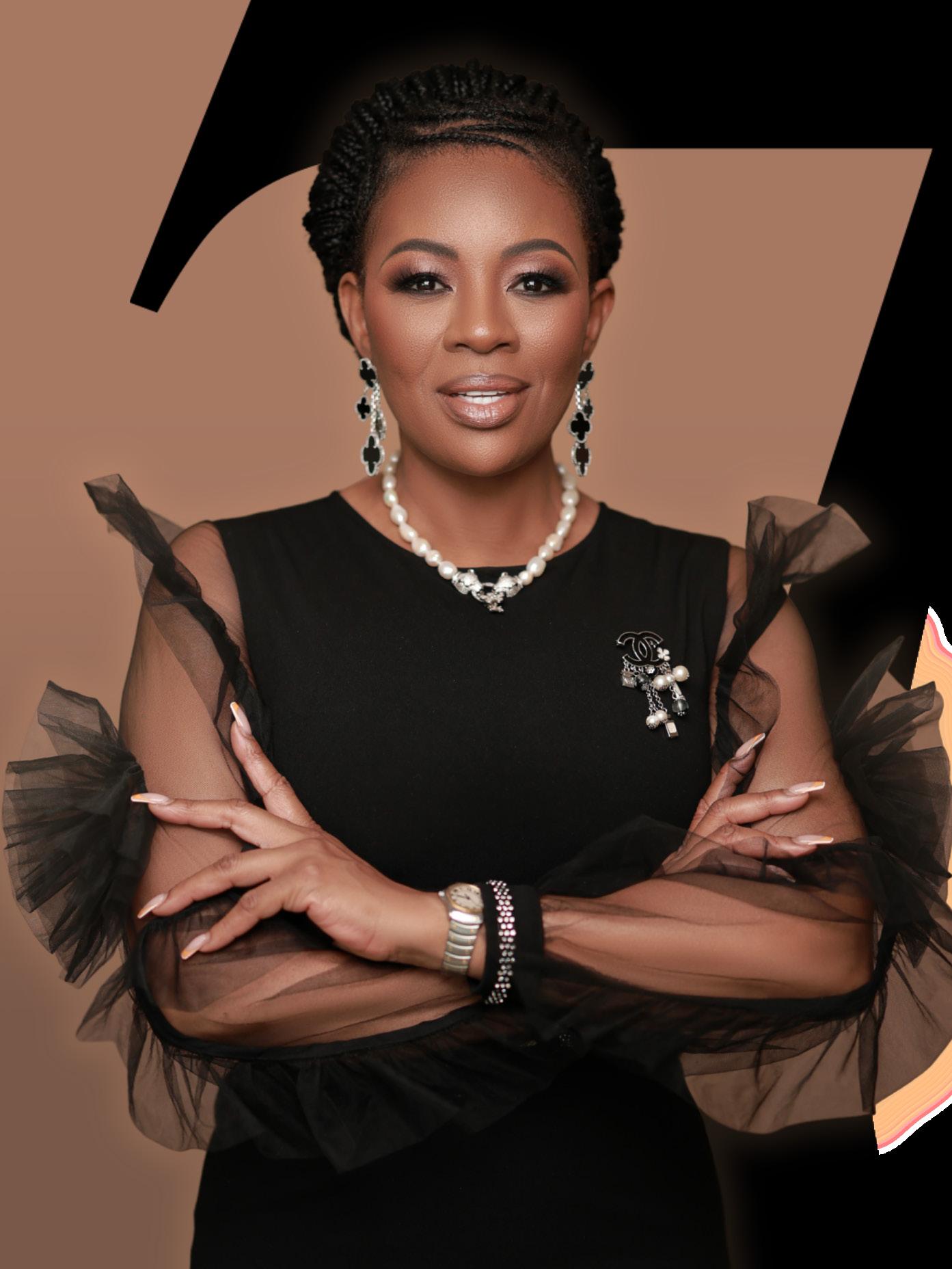
Having been in the travel and tourism industry since 1997, Ms. Johanna Makgalemele leads Travel with Flair with experience, commitment and a strong vision. As co-founder, she has transformed the company into a multi-award-winning leader in personalised corporate and leisure travel, recognised for innovation and service excellence, including the prestigious - Most Empowered Business of the Year award. A trailblazer, she became the first African to serve on the Global Tourism Board of the Association of Corporate Travel Executives,
representing the Middle East and Africa. Beyond her business achievements, Makgalemele has contributed to the media as the executive producer of Women on the Move, a television series on SABC 2 showcasing accomplished South African businesswomen and promoting economic empowerment. Deeply committed to philanthropy, she focuses on initiatives that uplift women and advance community development. Through her leadership, public speaking, media projects, and charitable work, she continues to inspire and mentor a new generation of female leaders.
With over three decades in the industry, Travel with Flair has grown to six branches and more than 700 professionals. What strategic decisions or turning points would you credit as most pivotal to the company’s sustained growth and industry leadership?
At the heart of our journey has been a bold vision: to build a travel company that reflects the excellence, innovation, and spirit of Africa. One of our earliest and most impactful decisions was to invest in our people— through our own accredited training academy—because we believed that empowered professionals are the foundation of exceptional service. Embracing technology was another game-changer; we saw it not as a threat, but as an opportunity to enhance human connection and streamline complexity. But most importantly, we led with courage— especially when others hesitated. We built partnerships, expanded across borders, and never lost sight of our purpose: to create meaningful travel experiences that move businesses forward and uplift lives.
In a sector that has faced immense pressure and transformation over recent years, what have been the core principles guiding your leadership and business resilience at Travel with Flair?
Leadership during turbulent times demands heart, humility, and hope. I’ve always led from a place of service—putting people first, listening deeply, and remaining anchored in our values. Even in the face of industry-wide uncertainty, we focused on what we could control: how we treated our teams, how we supported our clients, and how we used change as a catalyst for growth. Our resilience came from our willingness to evolve without losing our soul. We stayed agile, optimistic, and future-focused. And above all, we chose compassion over fear—because I believe that business with heart will always outlast business with ego.
The travel industry is often defined by its responsiveness to change, be it geopolitical shifts, economic pressures, or technological evolution. How does your team stay ahead of trends while maintaining operational excellence?
We have created a culture of “curiosity and courage”— where innovation is not only encouraged but expected. My team understands that excellence is not a destination, it’s a discipline. We consistently scan the horizon, anticipate trends, and stay plugged into global best practices. But what sets us apart is how we translate those insights into human impact. Whether it is through personalised
dashboards, or wellness-led itineraries, every change we implement is designed to make travel more intuitive, empowering, and meaningful. We lead not by following trends, but by shaping them.
How is Travel with Flair redefining value for clients beyond cost-saving, particularly in areas like traveller well-being, risk management, and customised service?
True value is measured not just in rands and cents, but in how a journey makes you feel. We have redefined our offering to reflect the holistic needs of modern travellers—from real-time safety alerts and 24/7 emergency support to curated wellness recommendations and traveller profiling. We understand that behind every booking is a human being—someone’s parent, colleague, or leader— and we never take that responsibility lightly. Our clients trust us not just because we’re efficient, but because we care. And in a world that is constantly shifting, that kind of care is priceless.
What key trends do you believe will shape the future of Africa’s business travel sector, and how is Travel with Flair aligning itself with these changes?
Africa is rising—and so is its travel landscape. We are seeing an exciting shift toward “pan-African mobility”, “digital-first solutions”, and “purpose-driven travel policies”. As intra-Africa trade grows and women entrepreneurs take centre stage, the business travel sector must adapt with inclusivity, sustainability, and innovation at its core. At Travel with Flair, we are aligning with this future by embracing smart tech, mentoring the next generation of industry leaders, and building partnerships that transcend borders. My hope is that African companies won’t just be users of global systems—we’ll be creators of them. And we are committed to making that vision a reality. ■
We lead not by following trends, but by shaping them.

MD, GENERAL COUNSEL & CO-FOUNDER, BILLIE
Aiga Senftleben co-founded Billie in 2016. Billie has since become a leading provider of BNPL (Buy Now, Pay Later) solutions for B2B transactions, offering innovative digital payment services. A qualified lawyer, Senftleben previously led the legal teams at Funding Circle Europe and Zencap, and held senior legal roles at PayPal and eBay. She oversees the legal, compliance, and people departments at Billie, and is known for
championing diversity, equality, and inclusive workplace culture. Her leadership has helped achieve a 46% female representation in management and close the gender pay gap within the company’s 110-strong, multicultural team. She is also a member of the Digital Finance Forum at Germany’s Federal Ministry of Finance, showing commitment to the industry beyond her entrepreneurial venture as well.
Having transitioned from a legal background with experience at companies like PayPal, eBay, Funding Circle, and Zencap, what motivated you to co-found Billie and make such a significant impact in the fintech sector, particularly in the B2B BNPL space?
My experience at PayPal revealed a clear market failure: consumer payments were seamless, while B2B transactions remained archaic. Working in SME lending at Funding Circle further highlighted the critical need for working capital among small businesses, yet the tools were slow and manual. The motivation to co-found Billie was to apply modern fintech principles—automation, realtime data, and a superior user experience—to solve this fundamental B2B challenge. We aimed to build the infrastructure for a digital “Pay by Invoice,” giving businesses the same convenience consumers enjoy. My legal and regulatory background was foundational to building a compliant, robust solution from day one, which is a critical differentiator.
BNPL is transforming how businesses manage cash flow. How is Billie using this model to empower B2B buyers and sellers, and what improvements have you observed in the overall customer experience so far?
Billie transforms cash flow by decoupling the buyer’s payment date from the seller’s payout, absorbing the associated risk. For sellers, we provide immediate payment and handle the entire collection process, fundamentally de-risking their sales. For buyers, we offer flexible payment terms via a frictionless, real-time credit approval process at the point of sale. The impact is visible at the most critical points in e-commerce: merchants using Billie eliminate credit defaults and experience a strong uplift in conversion rates and average order value. We have replaced a high-friction, manual process with a one-click digital experience.
How does Billie approach sensitive financial data and ensure customer security, especially given GDPR and other regulatory requirements in the EU?
We operate as a regulated entity, and our approach to data security is uncompromising. Under the supervision of Germany’s Federal Financial Supervisory Authority (BaFin), our security and compliance frameworks are built to banking-grade standards. Our approach has three pillars: regulatory oversight ensuring adherence to strict financial rules; data and information security by design; and embedded GDPR compliance to ensure all processing is
lawful and transparent. This robust framework is essential for operating across the EU and serving enterprise clients.
With over 180 employees from 45+ countries, Billie seems to place strong emphasis on diversity and global talent. How has your internationally diverse team influenced product development for different regional markets?
An internationally diverse team is a strategic necessity for a pan-European company which gives us a true competitive advantage that directly improves our product. Europe is not a single market; business practices, regulations, and payment behaviours differ significantly. Our team’s native insights into these local realities prevent a failing one-size-fits-all approach and accelerate our international expansion. This diversity fosters a more creative and robust problem-solving environment, challenging assumptions and leading to a more resilient product that feels local and trustworthy to users in every country we operate in.
Looking towards the future, what are your long-term goals for Billie? Are there any new technologies or trends you believe will significantly shape the next phase of growth?
Our long-term goal is to become the dominant B2B payments infrastructure for Europe, moving from a single product to a platform that powers all forms of B2B commerce. Artificial intelligence and machine learning are central to our growth, powering more sophisticated, real-time risk models to approve more buyers accurately. Furthermore, the adoption of Open Banking will allow us to leverage permissioned bank data to enhance underwriting speed and serve an even broader set of businesses. ■
“
Our long-term goal is to become the dominant B2B payments infrastructure for Europe, moving from a single product to a platform that powers all forms of B2B commerce.
FOUNDER & CEO, FALAK INVESTMENT HUB
Ms. Adwa AlDakheel is a Saudi Arabian entrepreneur, investor, musician, pilot and author, who started her inspiring journey in her teenage years. Over the years, she has become an inspiration for young people in the country by venturing into diverse fields. She started Falak Investment Hub as a way to give back to the society, creating an angel network, ecosystem builder, and investment-backed accelerator which supports entrepreneurs with strong ideas and vision, who require the support. In this interview with Women’s Tabloid, Ms. Adwa talks about the journey of starting Falak, the direction it is headed towards, the region’s investment trends
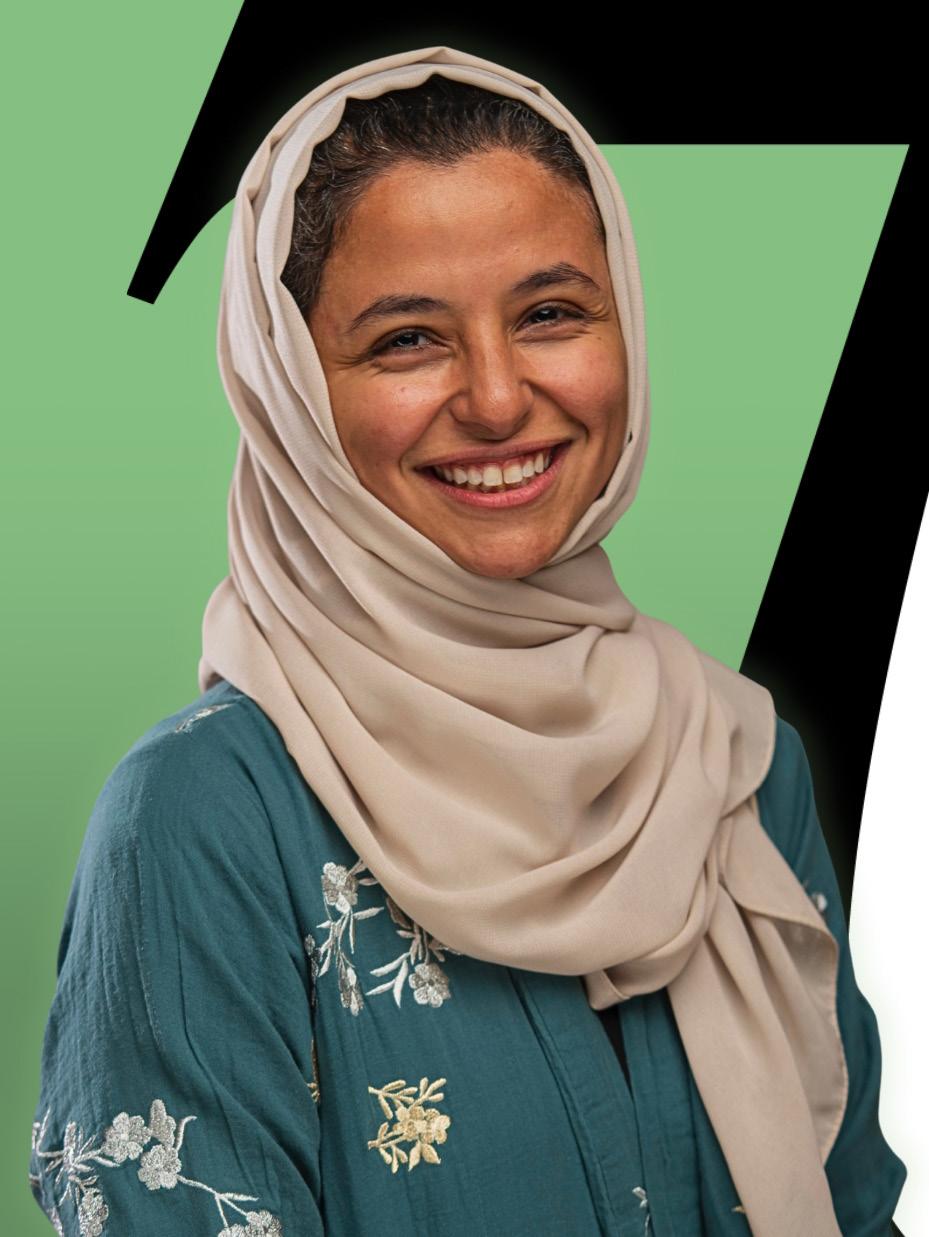
and Saudi’s Vision 2030.
How is Falak Investment Hub contributing to Saudi’s Vision 2030?
Saudi’s Vision 2030 set the foundation for a significant transformation in our economy by shifting the focus from oil dependency to innovation and diversification. Falak was created in alignment with this national momentum. Since day one, our mission has been to empower Saudi entrepreneurs to lead the future.
Through our accelerator programs, early-stage investments, and innovation-led initiatives, we have supported over 1000+ startups in the tech and innovation space. This has helped drive job creation, ecosystem value, and enabled local startups to expand regionally and globally.
Falak was never just a company, it was a commitment to unlock the potential in humanity. Vision 2030 gave us the stage, and Falak is here to build the platform.
You started Falak in 2018, exiting many of your other businesses, marking a major shift in your entrepreneurial journey. How did you navigate the challenges that came along with this change?
I had a choice between short-term and commercial wins, and long-term innovation-driven impact. It was a difficult decision on the short-term, but one I would repeat a million times over as 7 years later, Falak has reached commercial scalability with everlasting impact for economic development.
I focused on building the kind of support system I wish I had when I was starting out - one that empowers founders rather than overwhelms them. Naturally, there were challenges like operational pressure, building the right team, and overcoming resistance to entrepreneurship being seen as a core economic pillar. But when you are deeply connected to your purpose, challenges become part of the journey, not obstacles. At that point, I stopped chasing business and started building a legacy.
How has the Saudi Vision 2030 shaped the investment patterns and stock market in Saudi Arabia?
Vision 2030 completely reshaped the investment landscape. Before its launch, there was hesitation to fund non-traditional sectors. Today, there is growing interest in technology, artificial intelligence, renewable energy, and scalable innovation. We are seeing capital flow into venture capital, angel syndicates, and investment structures that were not mainstream before. More importantly, innovation has become a national priority. Institutions are now actively investing in research, development, founders, and emerging sectors. This marks a shift toward a more mature investment environment. It’s no longer about where we’ve been. It’s about where we’re bold enough to go.
Falak is a women-led angel network, ecosystem builder, and investment-backed accelerator. How does this impact the choice of startups the company supports
and the investment patterns?
Being women-led is not just a statement, it’s a perspective. It allows us to see underserved markets and overlooked talent through a different lens. However, we do not invest based on gender. We invest in mindset and potential as this is a gender-agnostic scope.
As per the current market trends, could you tell us about the industry towards which Falak is seeking to focus the majority of its investments?
At Falak, we always aim to stay ahead of the curve. Currently, we are focusing significantly on ClimateTech, Fintech, RetailTech, and AI. Not only is it a key driver of the future, but it’s also an urgent global priority. We are also investing in sectors that are transforming how we live, work, and grow. We don’t chase trends. We anticipate needs. That’s what keeps us relevant and impactful.
According to you, what is the future of angel investing in Saudi Arabia and what are the trends which will dominate the industry?
Angel investing in Saudi Arabia is evolving from being niche into becoming a structured and scalable part of the investment world. We are witnessing the rise of syndicates, investor education programs, and structured networks that are attracting first-time investors who care about value creation, not just financial return.
The future belongs to informed capital. Investors who contribute not only money, but also time, insights, and strategic value. We are focused on building this foundation, connecting investors with the broader ecosystem from universities to growth funds — because that’s where longterm impact happens. It’s not about writing the biggest cheque. It’s about writing the most meaningful story. ■
We don’t chase trends. We anticipate needs. That’s what keeps us relevant and impactful. “
CO-FOUNDER & COO, ASSEMBLR
Mrs. Gaby Wantah is an educator and entrepreneur on a mission to make learning accessible to everyone through innovative technology. As the Co-founder and COO of Assemblr, she leads a company which is leading in the Augmented Reality space. Assemblr is one of the top AR platforms in Indonesia, having partnered with the country’s Ministry of Education as an official technology partner and trusted by giants such as Google and Apple in the country. In this interview with Women’s Tabloid, Mrs. Wantah speaks about Assemblr’s growth plans, the impact of AI on Augmented Reality platforms, and her own entrepreneurial journey amongst other subjects.

As the Co-Founder and COO at Assemblr, how do you plan to build on the company’s current momentum and lead its growth in the near future?
We’ve been fortunate enough to partner with Indonesia’s Ministry of Education as an official technology partner. With this partnership, we hope to deepen our impact in the education sector by making immersive learning tools accessible to millions of students and teachers nationwide. At the same time, we’re expanding our reach globally, building relationships with schools, enterprises, and creators who see Assemblr as a bridge between ideas and engaging 3D/ AR experiences. My focus in the near future is on strengthening our product to ensure it delivers real, lasting value,
while scaling sustainably through strategic partnerships. Ultimately, our goal is to empower people everywhere to learn, teach, and create in more interactive and meaningful ways.
As an AR platform trusted by giants such as Apple and Google, Assemblr has solidified its place in the industry. Could you tell us more about Assemblr’s core mission and how it is disrupting the market in Indonesia and beyond?
At its core, Assemblr’s mission is to make 3D and AR creation accessible to everyone, with no steep learning curve or expensive equipment. Whether you’re a teacher, student, marketer, or content creator, we want to equip you with the tools to bring your ideas to life in ways that are engaging, impactful, and easy to share. In markets like Indonesia, where 3D and immersive tools have traditionally been out of reach, we’re breaking barriers by offering an easy-to-use platform that runs on everyday devices and integrates seamlessly into existing workflows. Globally, our approach disrupts the industry by shifting AR from being a niche novelty into a tool that can be used every day. By empowering our users to design and share interactive experiences in minutes, we’re not only opening new creative possibilities but also changing the way people learn, present, and connect.
How would you describe the competitive landscape of the AR market in Indonesia and Southeast Asia at large? How has this influenced Assemblr’s growth?
The AR market in Indonesia and Southeast Asia is growing quickly, with most players focusing on gaming, marketing, or niche enterprise solutions. Our approach has been different: making AR creation accessible, mobile-first, and relevant for everyday use, especially in education and training. This focus has allowed us to meet real, scalable needs in markets where accessibility and ease of use matter most. Our track record of delivering impactful solutions has built our credibility in the education space and led to a partnership with Indonesia’s Ministry of Education, enabling us to expand our reach even further. By staying committed to creating long-term value for our users, we’ve been able to stand out in a competitive market and grow sustainably while staying true to our mission.
How has the rapid evolution of Artificial Intelligence in the past few years impacted the development of Augmented Reality products?
AI has made it much easier and faster to create AR
content. Tasks that required advanced skills, like building 3D models, can now be done in minutes with AI tools. For Assemblr, this means we can help more people bring their ideas to life without needing technical expertise. At the same time, we’re mindful about finding the balance between efficiency and respecting the work of creators, ensuring that technology supports rather than replaces human creativity.
What leadership principles guide you in building and maintaining a high-performing team in a fast-evolving tech company like Assemblr?
For me, it starts with clarity and making sure everyone understands our mission, priorities, and how their work contributes to the bigger picture. I believe in giving people ownership and trusting them to make decisions, while providing the support and resources they need to succeed. Communication is key, especially in a fast-moving environment, so I try to keep feedback open, direct, and two-way. Just as important is building a culture where people feel valued beyond their output: celebrating wins, learning from mistakes, and supporting each other through challenges. When people feel both trusted and supported, performance naturally follows.
What motivated you to enter the AR space as an entrepreneur?
My background is actually not in AR but in education, but I’ve always been drawn to finding better ways to help people learn and communicate. When I met my cofounders and learned about the potentials of AR, I saw how it could apply in education and make complex ideas easier to understand and more engaging. In many parts of the world, especially in emerging markets, access to quality learning tools is still limited. AR felt like a way to bridge that gap. That belief, that technology can make learning more accessible and meaningful, is what motivated me to enter this space. ■
Globally, our approach disrupts the industry by shifting AR from being a niche novelty into a tool that can be used every day. “
CO-FOUNDER AND CGO, STORI
Ms. Marlene Garayzar is an entrepreneur revolutionising financial services in Mexico and Latin America at large. She co-founded Stori, a company with the aim to make credit cards and financial services accessible to everyone. With over 1.4 million customers in Mexico, the brand continues to strengthen its place as one of the top digital banks in Mexico. Ms. Garayzar, who leads Stori as Chief Growth Officer, speaks to Women’s Tabloid in this interview.
Stori has made history by becoming the first Mexican unicorn to be co-founded by a woman. What was the core idea behind founding Stori?
The central idea behind Stori was clear from the outset: to make financial inclusion a reality in Mexico. In 2018, when we founded the company, the country ranked fourth lowest in financial inclusion in Latin America (World Bank, 2018).
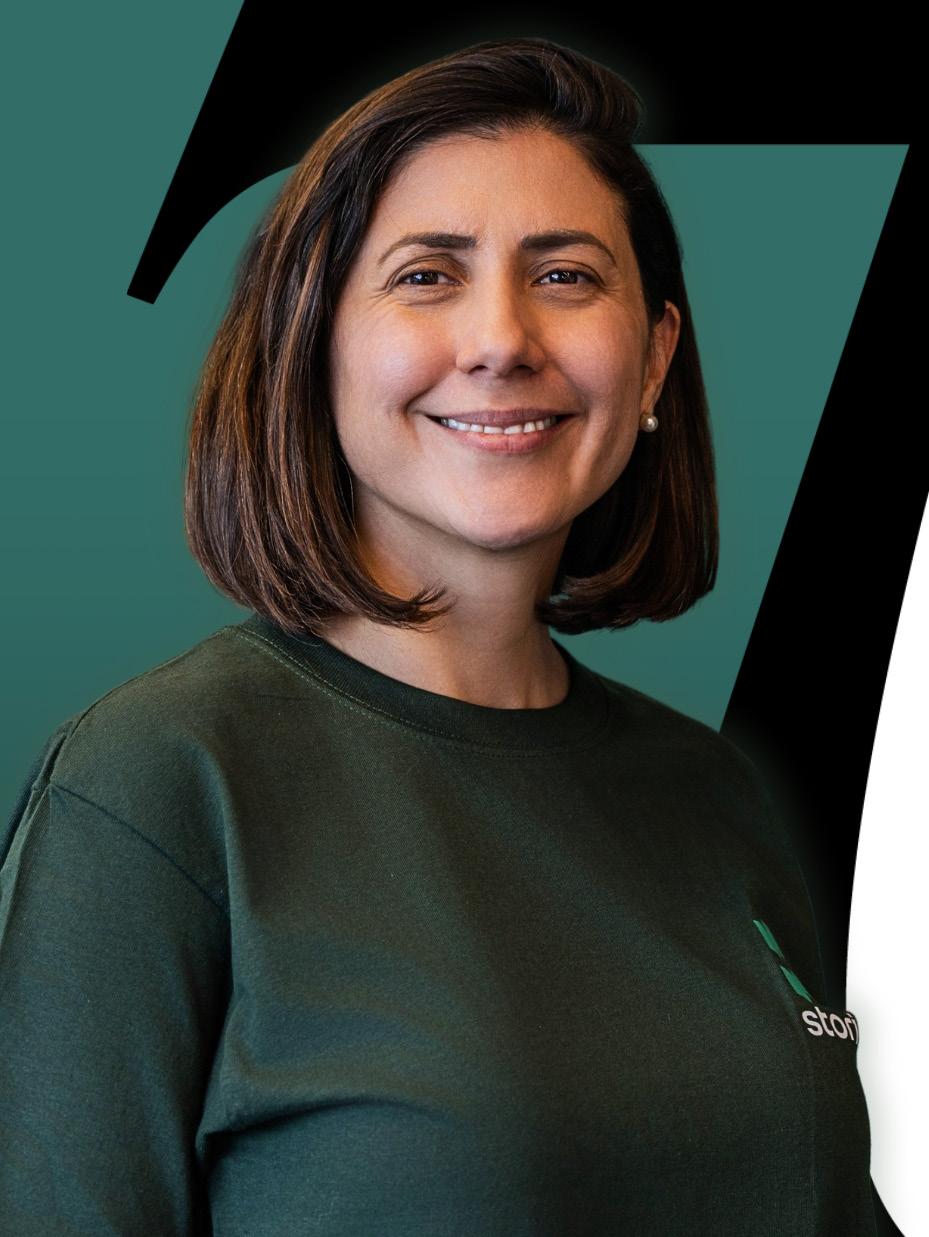
For me, that data was not just a statistic; it was a reminder of all the people who are left out of the system: students, freelancers, entrepreneurs, informal workers, real people with aspirations who could not access credit simply because they “did not fit the profile.”
That’s how Stori was born. We didn’t want to digitize what already existed, but rather reimagine how the financial system should work if it truly put people at the center. From day one, my partners and I worked with the conviction that it was possible to build something different: a system that does not discriminate based on history, income, or level of formality.
Becoming the first Mexican unicorn co-founded by a woman is a milestone. But our true success lies in the impact we are having today on 4 million people in Mexico. And this is just the beginning.
Stori has built its customer appeal through disruptive offerings such as 99% acceptance credit cards and the highest yield in the market. What was the rationale behind these particular choices?
Stori was born with a clear purpose: to say yes to those who had been excluded from the traditional financial system for years. That decision has allowed us to achieve major milestones and become a technology company with innovation in our DNA and artificial intelligence at our core.
We are able to maintain a 99% acceptance rate for our credit cards, thanks to our highly advanced credit risk assessment model that uses sophisticated algorithms and new technologies such as machine learning and artificial intelligence.
In 2023, we started the so-called “rate war” by launching, for the first time in Mexico’s history, a 15% return. Never before had Mexicans received such a high percentage simply for saving. At Stori, we made that a reality. Our goal is for more people to choose to earn with us, and to achieve that, we create options that reward their good financial habits.
Why is the mobile-first approach taken by Stori important in achieving inclusive access to credit and financial services?
Wherever there is a cell phone, there is the financial life of millions of Mexicans; being a true ally means being in the right place.
Designing a digital experience accessible from a cell phone from the outset allows us to eliminate traditional barriers such as paperwork, distant branches, or exclusionary requirements and accompany our users step by step with simple, transparent tools designed for their everyday lives.
Technology and artificial intelligence (our operational heart) are the pillars that allow us to personalize the experience, anticipate real needs, and serve each person with intention, from their context.
At Stori, we work to be the financial ally that millions of people deserve and trust. And bringing finance within reach is an essential step in building a more just and inclusive future.
How has Stori impacted the gendered gap in access to
credit and financial services in the region?
At Stori, we believe that financial inclusion is not an end in itself, but rather a powerful tool that empowers women to make decisions about their money and their future. By providing access to products such as credit cards, we open the door to building credit history, reducing economic dependence, and closing the gender gaps that still persist in the financial system.
A concrete example is our co-branded card with a retail giant. The product was mainly adopted by women entrepreneurs who bring fashion to their communities while generating their own income. Their financial behavior— paying on time and responsibly—is now the foundation that will allow them to access more robust products tomorrow, such as a mortgage or car loan.
We don’t believe in pink or purple cards. Assuming that all women need the same thing is falling into a mistaken stereotype. What we do is design products with data, empathy, and a real understanding of their context. That is the way to close the gap.
What advice would you give young entrepreneurs about building investor trust in their companies and securing funding?
Don’t start with your ideal investor. Presenting your project for the first time to the person you are most interested in can go wrong. Practice opens doors: each pitch brings lessons that help you refine your narrative, better understand your business, and recognize when you are truly ready. That doesn’t mean improvising—on the contrary— it means understanding that preparation is built along the way.
Before asking for money, build relationships. Funding is a consequence of trust, and trust cannot be improvised: it is cultivated over time, with consistency and with facts. ■
When women have more control over their finances, the entire economy is strengthened. “
Mrs. Rowena Bird is a passionate beauty entrepreneur, and one of the co-founders at Lush - a leading ethical cosmetic brand globally. Lush stands out in the industry with its innovation and commitment to sustainability. Mrs. Bird remains actively involved with the brand’s operations, contributing significantly to its stronghold on the market. Known for her wide-ranging work from sustainability practices to product innovation at Lush and beyond, Mrs. Bird spoke to Women’s Tabloid Magazine in this interview.

As Lush marks 30 years in business, is there a particular moment or turning point that, in your view, solidified the brand’s position as a disruptor in the global cosmetics industry?
I don’t think it is just one moment, I think the point is that we don’t always follow the usual or expected route which has created the disruptions over the years! Disruption by definition is challenging the status quo and introducing new ways of doing things and this is always what we’ve done.
When we started 30 years ago, we didn’t think of ourselves as being ‘disruptive’ though, we were just doing business the way we felt it should be done. We introduced solid alternatives to bottled products, sold soap by weight, and asked customers to wash their hair with a bar! Fortunately, our customers were willing to get on board, but it was certainly a different offering at the time.
Our Non-Animal Testing policy is another example of disrupting the cosmetics industry. My fellow Co-Founder and Lush CEO Mark Constantine has fought animal testing throughout his career and helped shape early policies, including those at The Body Shop in the 1980s. But as time went on, we began to feel that more needed to be done, even the fixed cut-off date wasn’t sufficient for us, so we created our own policy. Our strict non-animal testing policy requires suppliers to ensure that none of their ingredients—whether we purchase them or not—have been tested on animals, and that they are firmly committed to avoiding such testing in the future. We wanted to incentivize suppliers to stop using animal tested data, so if they agree to stop testing today and declare that they will not test in the future, then we will give them our business. The bigger we grew and the more we bought meant we could make a bigger difference.
Our campaigning is also disruptive, as we like to support grassroots groups struggling to get their voices heard. We are also the only company to come off of many major social media channels, as it did not feel right to engage on platforms that posed ethical concerns, particularly for young women. In response, we invested in our own app where we have 2.05m users and more control over how they run.
As Lush continues to grow globally, how do you stay creatively involved with the brand, especially as commercial pressures increasingly test purpose-driven principles?
We’ve never let commercial pressures test our purpose-driven principles. Our purpose is at our core and it’s inbuilt in our business. We are also part employee owned and that is mainly to maintain the ethical principles of the business. We’ve had a ‘We Believe’ statement since we started 30 years ago and they’ve been our guiding principles over the years. We’ve never changed them, only added one about freedom of movement across the world.
All the founders (except the late Liz Bennett) are still creatively involved in the brand - we invent products, design
the shops, invent new concepts, maintain customer service standards, generally guide the global business. Basically, we are all still very much in love with Lush.
From your experience as a co-founder, how crucial is it to balance innovation with ethical responsibility in the cosmetics industry?
For us it’s crucial, because it’s the whole thing we base our business on. Not because it’s marketing, but because it’s the right thing to do. Innovation is at the heart of our business. We use innovation to enhance our ethics - to move beyond sustainability to regeneration; to invent whole new product categories to meet customer needs but also to help save the planet. There is never a need to give up on your ethics as you grow, ethics first, actions accordingly.
What advice would you give to aspiring entrepreneurs in the beauty sector who want to build brands with strong ethical foundations?
If you’ve got a passion, then just do it. However, if you’re only in it for the money, then it’s not going to work as well. Put your customer first, not your dream of a big bank balance. You have to make money, but it’s not about ripping people off - you need to be doing it for genuine ethical reasons. Don’t make things cheap and charge a lot of money for it, unless you have no conscience! It’s about quality and effectiveness. Don’t sell a dream, create an effective reality. Be honest, work with a conscience and be proud of what you do. I’m very proud of everything we do. If we do make a mistake, we own up to it and make changes. We have nothing to hide. We genuinely do our best. It’s even in our mission statement that we believe in making mistakes and starting again as well as making our mums proud. ■
Don’t sell a dream, create an effective reality. Be honest, work with a conscience and be proud of what you do. “

CO-FOUNDER AND CEO, RILEY PERIOD CARE MS. FIONA PARFREY
As co-founder and CEO of Riley - a certified B-Corp company, Fiona Parfrey has directed the company to address critical gaps in period education, tackle period poverty, and provide sustainable alternatives in a historically underserved market. She leads Riley’s mission to transform the industry with products
that are sustainable, safe, and accessible, reshaping the period care landscape in the process. In this interview with Women’s Tabloid, Ms. Parfrey talks about Riley’s growing popularity in the market, the brand’s mission, marketing strategies, key partnerships, and impact, amongst other insightful subjects.
Can you tell us about Riley Period Care’s mission to ‘change the way period care has always been consumed’?
We fundamentally believe that access to period care is a basic human right, for what is a normal bodily function - periods. Period care should be treated like toilet paper, and available in every bathroom you walk into. That’s why we’re working with workplaces, hospitality groups, sports clubs, universities (you name it!) to stock period care in their bathrooms. Period products that are clean and healthy, using 100% certified organic cotton paired with biodegradable packaging.
As an entrepreneur with a background in marketing, could you tell us about some marketing strategies you applied in the company’s initial days, and how these have evolved since?
In the early days, our marketing was really simple - we told our story. We spoke about the “why” behind starting the business, we showcased the behind-the-scenes of starting a business on social media - the ups and the downs. And people were interested! We were lucky to get some great press coverage in the early days and we built up an engaged online community from the get-go. From there, we built a subscription model to make period care easier, and we focused on educating people about what’s actually in traditional products. As our business grew and pivoted to focus on expanding in workplaces, our marketing evolved to incorporate lead generation campaigns and a full sales cycle approach.
Is the pricing of your products impacted by the 100% organic model, and if so, how do you navigate this in a competitive market with mainstream brands offering different prices?
Absolutely, our commitment to 100% organic cotton does influence our pricing. Organic materials and ethical manufacturing processes come at a higher cost. However, we believe that investing in our health and the planet is invaluable. Our subscription model offers convenience, ensuring customers receive products when needed, and our B-Corp certification underscores our dedication to social and environmental responsibility. We aim to make period care as accessible and normalised as toilet paper, challenging the status quo with products that are better for both people and the planet.
Riley recently made news with some key partnerships.
Could you tell us more about these?
Recently, we’ve been teaming up with some brilliant partners to make period care more visible and accessible. In hotels, we’ve introduced organic period kits in rooms, so people don’t have to scramble at 11pm for a pharmacy run. We’ve also partnered with Shelbourne FC to provide players and supporters with products and open up honest conversations about menstruation in sport. And with companies like Salesforce, Accenture and Stripe, we’re supplying staff with free, sustainable period products to make workplaces more inclusive. For us, it’s all about normalising periods, removing stigma, and making sure people have what they need, when they need it.
Can you tell us about some of the challenges you and your co-founder faced while launching Riley? How did you overcome these challenges?
Launching Riley wasn’t without its challenges. We started in the middle of a pandemic, so managing cash flow and scaling operations were tricky, we even had to secure preseed funding within our first six months to keep things moving. At first, deliveries were all manual out of Ireland, which was exhausting, so we set up fulfillment centres in Northern Ireland and Europe to make things smoother. On a personal level, leaving my previous business to fully commit to Riley was a big leap, but necessary. Overall, we learned quickly that nothing ever goes to plan, but determination, adaptability, and a good dose of grit make all the difference.
Can you tell us about what the next big steps are for Riley Period Care- in terms of product innovation as well as social impact and sustainability focus?
We’re excited about the future, and are working on lots of things in the background - watch this space. Sustainability remains at our core; we’re committed to continuing to progress our eco-friendly practices. And ultimately we strive to make period care as accessible as toilet paper. ■
We’re determined to make a step in the right direction for social equity, starting with period care “

Women form the backbone of African agriculture, particularly in Sub-Saharan Africa, where approximately 76% of working women are employed in this sector. They constitute 49% of the agrifood systems workforce, engaging in activities ranging from production and processing to distribution and consumption. Yet their role extends well beyond manual labour. Women play a vital role in shaping agricultural knowledge systems and local sustainability practices. They act as custodians of cultural and ecological knowledge, passing down indigenous land-use practices and understanding of local crops that sustain productivity, protect biodiversity and increasingly support climate resilience. In countries like Nigeria and Somalia, women are increasingly at the forefront of climate adaptation efforts, particularly within displacement-affected communities. In Somalia, over 21,000 women-headed households have gained improved access to water and solar energy, enabling better management of drought and flood impacts. Meanwhile, in Nigeria, initiatives involving more than 32,000 women have restored degraded farmland through rainwater harvesting and improved drainage, leading to a
75% increase in crop yields. These examples are reminders of the critical role women play in enhancing environmental resilience and securing livelihoods in challenging situations.
Despite their central position in the sector, women face structural limitations in accessing land, credit, technologies and leadership roles. In today’s economy, equity isn’t optional, it is a core driver of growth and operational strength.
The pathway forward is clear. If women are to become not just participants but key drivers of agricultural transformation, Africa must prioritise structural reforms that translate commitment into tangible outcomes. This means rethinking how resources, technology, and finance are distributed, while embedding gender inclusion at every level of the agricultural value chain. Empowering women in agriculture is no longer a matter of social policy; it is an economic imperative that can unlock productivity, stimulate innovation, and strengthen food security across the continent.
The next step lies in identifying and implementing strategies that address these disparities.
Women are central to Africa’s agricultural economy, accounting for 49% of the workforce. Yet they own less than 20% of the land and receive under 10% of available agricultural credit. This imbalance is not only an issue of fairness; it is a missed economic opportunity.
Recent studies indicate that addressing gender disparities in African agriculture could lead to significant economic benefits. For instance, closing the gender gap in Nigeria’s agricultural sector is estimated to boost the country’s GDP by up to US$8.1 billion annually, representing approximately 2% of Nigeria’s GDP.
The following strategies highlight practical ways to make African agriculture more inclusive, drawing on successful initiatives and data-driven insights.
Secure land ownership is the foundation for financial independence and long-term agricultural growth. However, in Sub-Saharan Africa, only 15% of women farmers have legally registered titles. Without these rights, women are unable to use land as collateral or make investment decisions.
Rwanda’s Land Tenure Regularisation (LTR) Programme, launched in 2010, has been a landmark initiative in securing land rights and promoting gender equity. Within three years, the Rwanda Natural Resources Authority registered over 10.7 million parcels out of an estimated 11.5 million, delivering approximately 6.7 million formal titles. The reform also gave women greater influence in household and farming decisions, leading to better crop diversification and higher yields. Similar initiatives are now being implemented in Ghana and Uganda to formalise women’s land ownership and improve access to agricultural finance.
Expanding financial access
Despite their economic role, women farmers continue to face significant barriers to finance. They receive less than 10% of formal agricultural loans, forcing many to depend on informal savings groups. In South Africa and West Africa, community-led savings schemes such as stokvels
and tontines play a crucial role in financial inclusion. For example, South African stokvels involve around 11 million participants and collectively manage approximately $2.7 billion (R50 billion) annually.However, these informal systems often lack regulation, provide limited access to credit, and are vulnerable to mismanagement or loss, limiting women’s ability to scale their businesses. Recognizing these challenges, broader initiatives like the Affirmative Finance Action for Women in Africa (AFAWA) are working to bridge this gap by expanding formal financing opportunities for women across the continent.
As of March 2025, the bank through Affirmative Finance Action for Women in Africa (AFAWA), has approved $2.5 billion in financing, with over $1.2 billion already disbursed to women entrepreneurs via a network of 185 partner financial institutions across 44 African countries. To date, more than 24,000 African women have benefited from AFAWA-supported financing and capacity-building programs.
Promoting women-led agribusiness networks
Women’s leadership is increasingly recognised as central to building resilient and inclusive agricultural markets across Africa. AGRA’s VALUE4HER initiative is at the forefront of this effort, equipping women agripreneurs with the tools, networks, and market access necessary to scale their enterprises.
At the heart of the programme is VALUE4HERConnect, Africa’s first digital marketplace and intelligence platform for women-led agribusinesses. The platform now connects over 3,500 businesses across the continent, providing visibility, mentorship, financing opportunities, and market intelligence. Its structured pillars - Women 2 Market, Women 2 Finance, Socio-Capital, Knowledge & Innovation, and Supplier Networks enable women-led enterprises to transition from informal micro-businesses

The average productivity gap between men and women in African agriculture is 35%, with a significant variation in the gap between countries, from 2% in Ethiopia to 47% Nigeria.
Source: FAO, Gender gap in agricultural labour productivity: A cross-country comparison
to credible players in competitive value chains.
The initiative’s impact is reinforced by programmes such as the Women Agripreneurs of the Year Awards (WAYA), which in 2024 attracted 1,535 applicants from 44 countries, spotlighting Africa’s most innovative female agricultural leaders. By combining digital connectivity, capacity building, and advocacy, VALUE4HER is shaping the next generation of women leaders, advancing productivity, resilience, and inclusive growth across African food systems.
Digital technology has the potential to close financial gaps, yet its reach in rural Africa remains limited. Women are 20% less likely to have smartphones or internet access, limiting their digital resources. Similarly, only 30% of rural women farmers have access to agritech tools, despite over 50% of those with access reporting increased productivity. Poor network coverage, lack of digital skills, and limited trust in formal systems remain major obstacles.
Where digital inclusion has been prioritised, the results are transformative. Kenya’s M-Pesa platform has significantly increased women’s access to financial services, with over 45% of its lending directed towards women. This initiative has empowered approximately 185,000 women to transition from subsistence farming to business and retail occupations, thereby lifting them out of extreme poverty.
Additionally, M-Pesa has played a crucial role in enhancing financial inclusion in Kenya. By 2024, M-Pesa had over 66 million customers, with half of them being women. The platform’s impact is evident in the increased access to formal financial services, rising from 75% in 2016 to 84% in 2021. These outcomes highlight the profound impact of prioritizing digital inclusion, particularly in empowering women and strengthening economic growth.
Mobile money platforms like MTN MoMo, TymeBank, and Capitec have expanded women’s access to financial services in rural and semi-urban Africa, overcoming barriers such as distance, cost, and lack of documentation. These platforms enable women to save, receive remittances, run businesses, and participate in mobile savings groups, improving financial transparency and helping build formal credit histories. In Kenya and Ghana, such tools have directly supported women’s economic empowerment and household income.
AFRICAN WOMEN MAKE UP APPROXIMATELY 66% OF THE CONTINENT’S AGRICULTURAL WORKFORCE, BUT OWN ONLY ABOUT 10% OF LAND IN AFRICA.
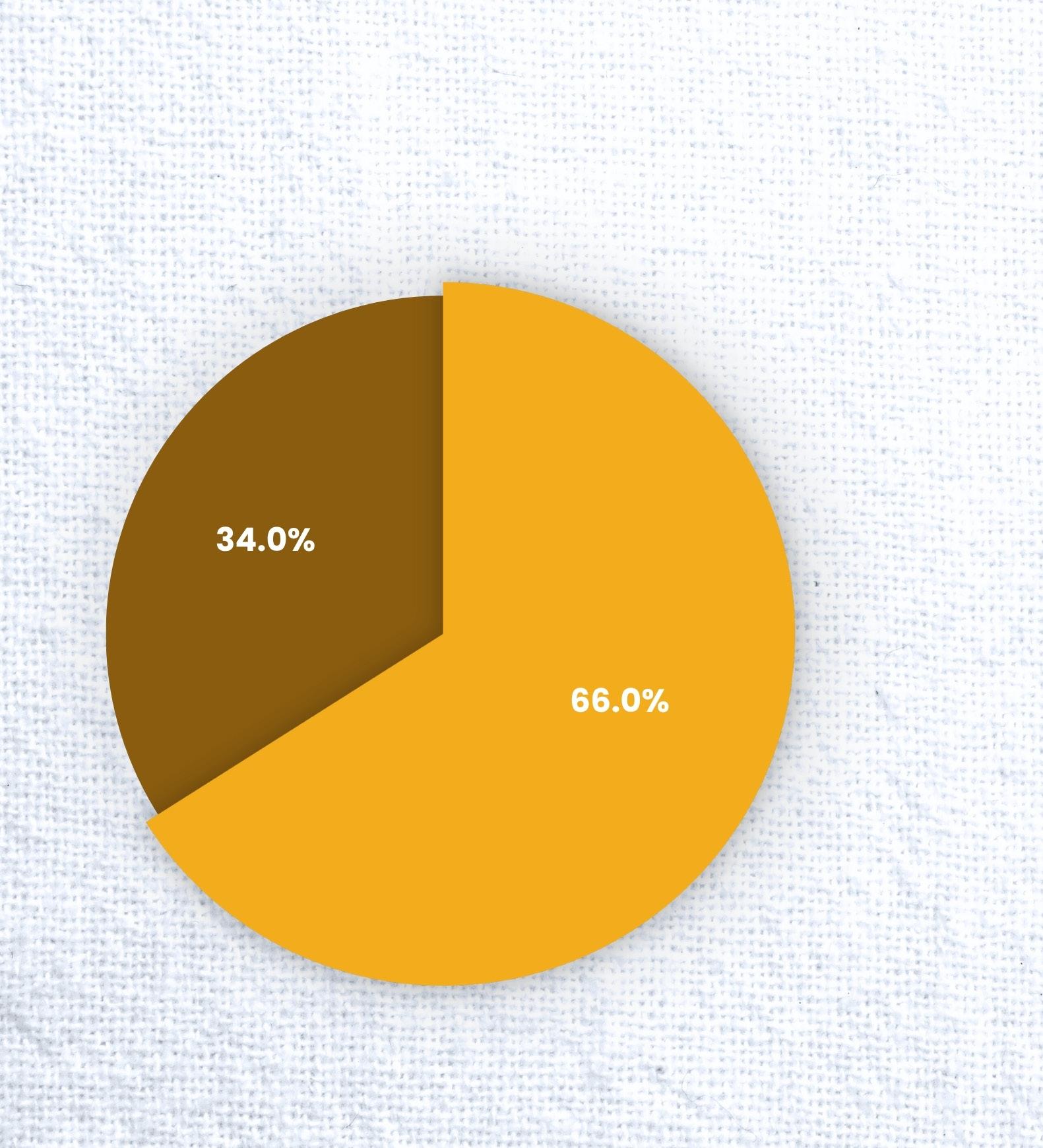
Making public–private partnerships gender responsive
Public–private partnerships (PPPs) often fail to benefit women small-scale farmers when they are not intentionally designed to address gender barriers. In South Africa’s Eastern Cape citrus project, women held 0% of cooperative board seats and 0% of PPP steering committee positions, received training but had no control over budgets, procurement, or contracts, and lacked land or collateral to access formal credit. Most relied on informal savings groups, which do not contribute to credit histories. Without gender quotas and leadership roles, PPPs risk perpetuating structural barriers, preventing women from turning skills into business growth. Tracking loans, training, and leadership by gender is crucial to ensure equitable benefits.
Women’s productivity in agriculture is heavily affected by unpaid household responsibilities. In Burundi, women work an average of 13 hours per day, with 7 hours spent on productive labor and 6 hours on unpaid care work, while men spend roughly 7 hours on paid work.
Programs like PlantwisePlus by CABI aim to strengthen agricultural systems and build capacity in plant health,

indirectly supporting women farmers by improving access to agricultural resources and knowledge. Reducing the burden of unpaid care through investment in rural infrastructure such as childcare, water supply, and energy systems can free up women’s time for productive work, boosting agricultural productivity, income, and overall economic growth.
Building skills and confidence
Access to finance alone does not guarantee success. Training and mentorship are crucial in helping women sustain and scale their businesses. Tailored entrepreneurial coaching - covering leadership, negotiation, and market strategy, builds confidence and strengthens long-term business performance.
The International Finance Corporation (IFC) partnered with the agribusiness giant Cargill to empower women with entrepreneurial and leadership training. This project, known as Coop Academy 2.0, aimed at facilitating sustainable livelihoods for female farmers in the company’s supply chain in Côte d’Ivoire. Amongst the 2029 women that were trained under this project, 77% were able to improve their monthly income. 42% of these women increased their income by selling agricultural products.
36% of women who were trained under this program were also able to lift themselves out of extreme poverty.
IFC also partnered with Grainpulse Ltd. to increase the productivity of Ugandan smallholder farmers, and half of those reached were women. As a result of this project, female smallholder farmers earned $2.8 million from their crop sales to Grainpulse, comprising 40% of the total earnings of all farmers from such sales.
A business imperative for growth
Gender equity in agriculture is increasingly viewed as an economic priority rather than a social goal. McKinsey estimates that women’s economic participation could add up to US$287 billion to Africa’s GDP, a 5% increase and create 23 million jobs.
For investors and business leaders, inclusive agribusiness models deliver tangible benefits: higher loan repayment rates, stronger governance, and better alignment with ESG goals. For policymakers, ensuring women’s equal access to land, finance, and digital tools is essential to securing Africa’s food systems and rural economies.
Women farmers are not peripheral contributors to Africa’s agricultural success—they are its driving force. Unlocking their full potential will determine not only the future of African agriculture but also the continent’s broader economic resilience. ■
editorial@womenstabloid.com
Securing women’s land rights could perhaps resolve over 50% of unequal gender power relations, economic injustice, gender-based violence, etc. among rural, urban, and indigenous communities living in poverty. “
- Esther Muiru
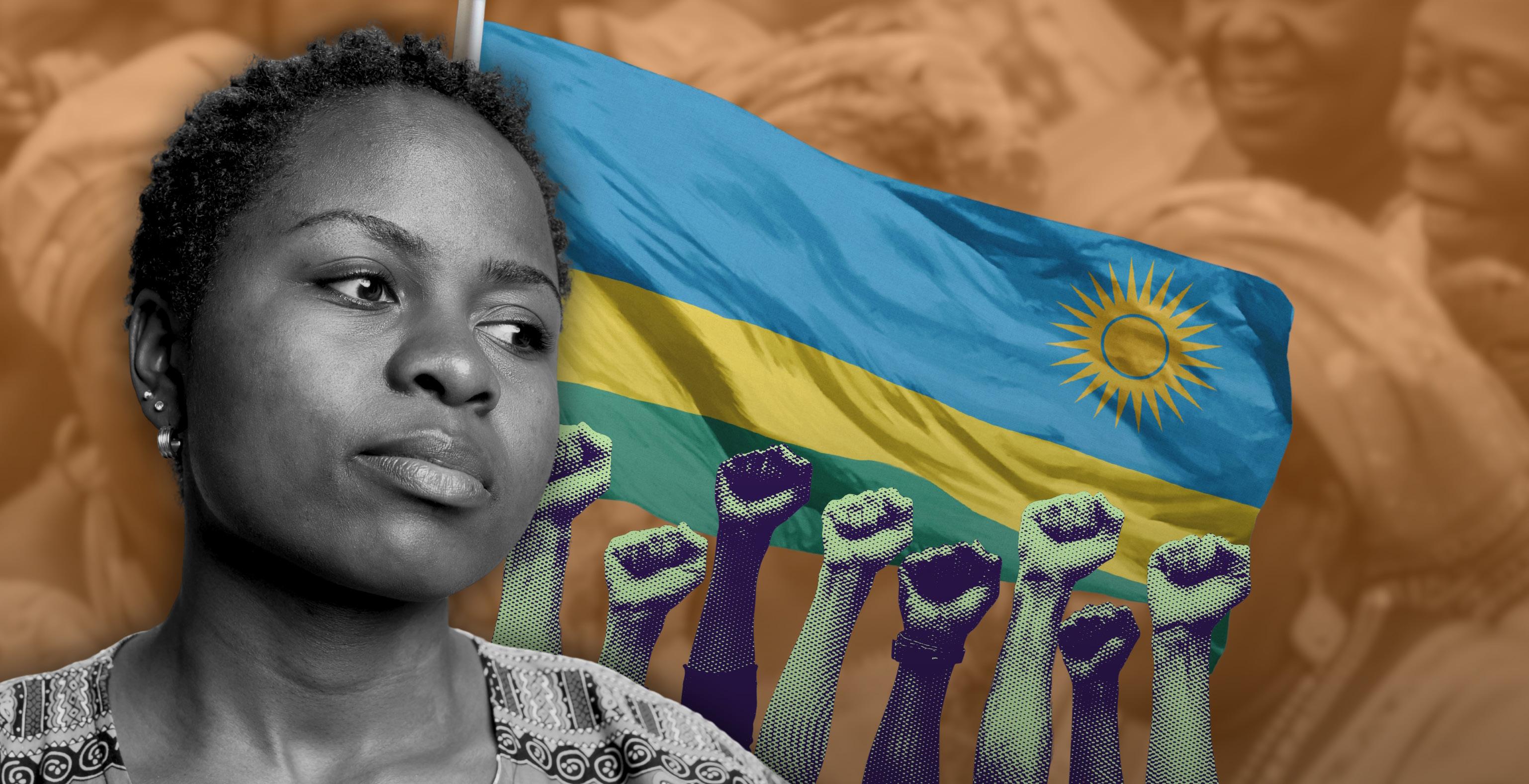
Rwanda has a calloused history, marked by the civil war and genocide of 1994. This dark period was characterised by violence, especially against the Tutsi minority, leaving a lasting scar on the nation. The post-war demographic was profoundly altered, with women making up 70% of the population, as men comprised the majority of those killed during the conflict.
While the war remains a painful chapter in Rwanda’s history, what followed is a remarkable story of resilience and nation-building. With women forming the majority of the post-war population, their empowerment and inclusion in positions of authority became essential to rebuilding the nation. Representation in governance was not a matter of choice but a necessity for recovery. As a result, women stepped into leadership roles across government, law enforcement, the judiciary, business and civil society, placing themselves at the forefront of national reconstruction.
This strategic inclusion of women has had a significant impact. By 2013, Rwanda became the first country globally to have a parliament with women in the majority – a stark contrast to the global picture, where women hold less than a quarter of political seats despite representing roughly half the population. Today, in Rwanda, female parliamentarians account for 63.75% of the lower house
(Chamber of Deputies) and 53.8% of the upper house (Senate), reflecting a sustained pattern of participation over more than a decade.
The Rwandan experience illustrates how strategic actions, combined with societal shifts, can create transformative leadership outcomes. It also provides a compelling lesson for business and policy leaders globally: diversity in leadership is not only a matter of equity but a strategic lever for resilient and inclusive governance.
Formalising gender inclusivity: The 30% quota The year 2003 marked a turning point in Rwanda’s journey towards gender equality. Under President Paul Kagame, the new constitution established a formal legal framework for women’s empowerment. Among its most significant provisions was the introduction of a 30% gender quota, requiring that at least 30% of all positions in decision-making bodies at national and subnational levels be held by women. This includes 24 of the 80 parliamentary seats reserved for female representatives. The quota has been widely recognised as a key factor in establishing Rwanda as a global leader in women’s parliamentary representation. Far from being symbolic, it has created genuine opportunities for women to participate in governance and influence policy. Rwanda has not only met the 30%
threshold but consistently surpassed it, demonstrating the lasting effectiveness of this approach.
While many countries have implemented gender quotas in administrative and decision-making roles, most have not achieved the level of impact seen in Rwanda, making their model a strong example on the global platform. The country’s model of empowering women in governance continues to stand out internationally and serves as a practical framework for nations seeking to strengthen female representation in public life.
Lessons learned from the Rwandan example Rwanda’s commitment to women’s representation, which began during a period of national rebuilding, has evolved into a lasting model for gender equality in governance and policy design. Its experience provides valuable lessons for nations aiming to strengthen inclusion.
Women’s leadership has become central to the country’s progress. According to the World Economic Forum’s Global Gender Gap Report 2024, Rwanda ranks first globally for political empowerment, with women holding more than 60% of parliamentary seats and over 40% of cabinet positions. This level of representation has contributed to more inclusive decision-making and measurable social progress.
These outcomes have been reinforced by the consistent enforcement of gender equality laws and strong civic participation. Female labour-force participation remains among the highest in Africa, and women now occupy more than half of local government leadership positions, according to Rwanda’s Gender Monitoring Office.
Women parliamentarians have also played a decisive role in advancing legislation on gender-based violence, inheritance, and parental rights. Their influence demonstrates that representation in governance is not symbolic but fundamental to sustainable and inclusive national development.
The transformation in Rwanda’s governance has proven sustainable, remaining strong long after the immediate effects of the civil war faded. The country’s gender ratio now stands at around 96 men for every 100 women, while female representation in parliament has consistently exceeded 60% for more than a decade. This sustained presence reflects deliberate policy choices and long-term
societal commitment, a pattern rarely seen even in countries with larger female populations.
Beyond representation, Rwanda’s gender policies have produced measurable results in education, healthcare and the economy. Female literacy has risen to more than 72%, up from 64% a decade ago, while women now make up nearly half of the country’s workforce, according to the National Institute of Statistics of Rwanda (2024).
Some inspiring women in Rwanda’s leadership
Mrs Jeanette Kagame - First Lady of Rwanda
Rt. Hon. Kazarwa Gertrude - Speaker of the Chamber of Deputies
Hon. Uwineza Beline - Deputy Speaker of the Chamber of Deputies in charge of Parliamentary Affairs
Hon. Mpembyemungu Winifrida, Hon. Bakundufite Christine, Hon. Mukarugwiza Judith and Hon. Uwizeye Marie Thérèse - MPs on the Committee on Economy and Trade
Women’s presence in leadership has been vital to Rwanda’s broader national development and social progress. Their participation has driven milestone policies promoting gender equality and empowerment, including laws addressing gender-based violence, equitable inheritance rights, and economic inclusion. When women are adequately represented in governance, their concerns become central to policy rather than treated as secondary issues.
Beyond advancing women’s rights, Rwanda’s women-led parliament has also prioritised child welfare, family health, and social protection. This pattern, seen both in Rwanda and internationally, shows that greater participation of women in governance often leads to more inclusive policymaking. Women legislators are statistically more likely to advocate for laws that protect children and strengthen family systems. Such outcomes highlight that women’s representation in leadership is not solely about gender equality, but about improving social development and the wellbeing of the population as a whole. ■ editorial@womenstabloid.com
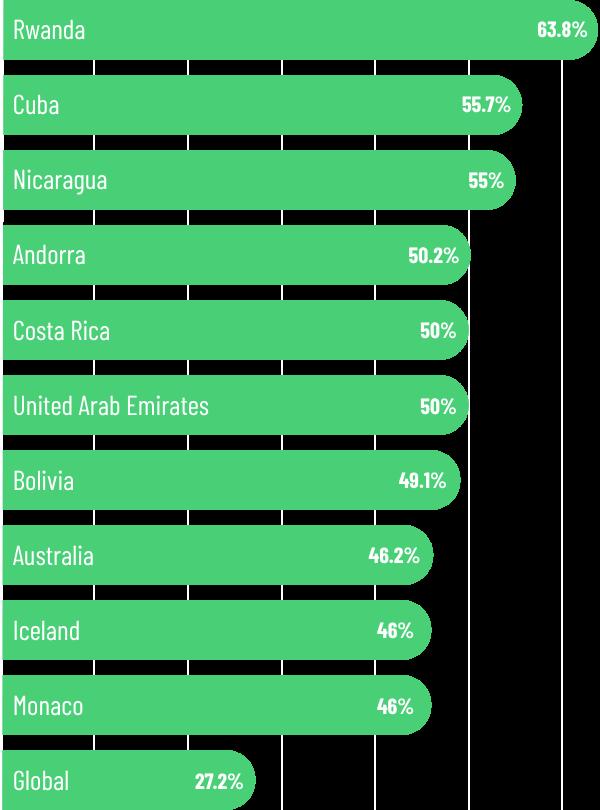
“The dynamic nature of the forex market continuously inspires me to help develop new solutions, support clients’ needs, and lead with integrity in an ever-evolving landscape.”
~ Ms. Sheree Holland - Director and CFO, Axiory Global Limited
Ms. Sheree Holland is an inspiring banking industry leader with over a decade’s experience in the sector. She brings an expertise in both local and international banking, and brings a global perspective of economies and markets. She leads Axiory Global Limited, a multi-asset brokerage that serves traders, as the Director and CFO. With a Masters Degree in International Banking, Finance and Risk Management, Ms. Holland started her journey in the finance industry early on in life. She leads Axiory Global Limited at the forefront of industry innovation with passion and integrity. Beyond her role at Axiory, Ms. Holland is an Associate member of CISI, Director at Belize International Financial Services Association, and a member of the National Risk Assessment Work Group -Belize. In this interview with Women’s Tabloid, she talks about her journey in the finance industry, market insights and trends, gender diversity in the field, and her plans for the company’s future.
What inspired you to enter the finance industry, and eventually take on the role of CFO and Director at Axiory Global Limited?
My interest in finance began as a young woman with a mix of curiosity and purpose. I was drawn to the challenge of

understanding how financial systems drive opportunity and growth, but I was equally motivated by the lack of female representation in the field. Over time, I realized that leading a financial firm required a deep understanding of markets, regulation, and modernization. My goal was to contribute to a company that promotes transparency, client success, and technological advancement. At Axiory, I saw an opportunity to help drive growth by leveraging my expertise in finance within the forex and multi-asset trading industry. Becoming CFO and Director allowed me to help shape strategic decisions, foster innovation, and ensure financial stability while adapting to industry shifts. The dynamic nature of the forex market continuously inspires me to help develop new solutions, support clients’ needs, and lead with integrity in an ever-evolving landscape.
With AI and automation reshaping industries worldwide, how do you see these technologies influencing the future of brokerage operations?
AI and automation are transforming brokerage operations by enhancing efficiency, accuracy, and customer experience. It enables real-time data analysis, helping traders make informed decisions quickly. Automated systems streamline order execution, risk management, and in many
instances reduce operational costs and errors. For brokerages, AI-driven customer support via chatbots and tailored feedback improves engagement and satisfaction. These technologies also facilitate personalized trading strategies, making advanced tools accessible to traders of all levels. While automation increases speed and reliability, human oversight remains critical to prevent errors and ethical issues. Moving forward, brokerages that adopt AI and automate responsibly will be better positioned to innovate, remain competitive, and meet evolving client expectations in an industry marked by rapid technological change.
What is your view on the future of digital assets in traditional brokerage?
Digital assets, especially cryptocurrencies, are gradually
becoming mainstream within traditional brokerages. It offers diversification, new funding channels, and innovative investment opportunities. As regulatory frameworks mature, brokers can responsibly offer digital assets alongside traditional instruments, attracting a broader client base. The integration of blockchain technology can help to improve transparency, security, and settlement speed. Digital assets also appeal to the new generation of traders seeking alternative assets beyond stocks and forex. However, volatility, cybersecurity risks, and evolving regulation pose challenges, requiring robust risk management and compliance measures. Ultimately, I believe digital assets will increasingly be incorporated into multi-asset portfolios, pushing traditional brokers to adapt and adopt new technologies. This evolution drives growth, innovation, and better service for clients seeking diversified investment options.
From your experience, what are the challenges faced by women in finance, and how did you overcome them?
Women often face barriers such as gender bias, limited leadership opportunities, and societal stereotypes. These challenges can hinder career progression and confidence. Overcoming these barriers involves resilience, continuous learning, and seeking supportive mentorship. I focused on building expertise, demonstrating results, and advocating for inclusion. Creating a network of mentors and allies helped me to navigate the industry’s informal barriers. Promoting an inclusive environment at Axiory has also been essential. My advice for women is to remain resilient, embrace lifelong learning, and seek opportunities that push boundaries. The industry benefits from diversity, and fostering inclusivity is key to operational efficiency.
Recognizing talent beyond gender helps create a richer, more innovative financial ecosystem.
As Director and CFO of Axiory Global Limited, what is your strategic vision for the company’s growth and innovation?
Our vision is to position Axiory as a leading innovator in the multi-asset trading space by integrating cutting-edge technology and customer-centric solutions. We aim to expand our global reach, develop tailored products to meet diverse client needs, and invest in advanced platforms and infrastructure. Sustainability, transparency, and regulatory compliance are at the core of our growth strategy. We also focus on fostering a skilled, innovative team to drive continuous improvement. By leveraging technology, we can deliver faster, more reliable services, and create trading environments that empower our clients with better tools and insights. Our long-term goal remains to build trust, expand our product offering, and stay ahead in a competitive, rapidly changing industry, all while maintaining a strong financial and compliant foundation.
How do you navigate the fast-changing demands of the finance industry and maintain a competitive edge in the market?
Navigating industry changes requires agility, continuous learning, and transformation. We stay ahead by actively monitoring market trends, technological advances, and regulatory updates. Embracing cutting-edge trading platforms, data analytics, and customer feedback helps us adapt our offerings quickly. Fostering a culture of innovation encourages our team to develop new features and solutions tailored to shifting client needs. Strong risk management and compliance frameworks ensure stability in volatile markets. Building strategic partnerships and investing in staff development further enhance our capacity to innovate. Ultimately, maintaining transparency, offering exceptional customer service, and leveraging technology allows us to differentiate ourselves and sustain a competitive edge in a rapidly evolving environment.
What would your advice be to young professionals in the brokerage -finance industry?
My advice to young professionals is to cultivate curiosity, resilience, and a commitment to lifelong learning. Understand the fundamentals of financial markets, risk
management, and trading platforms, but also stay open to new technologies like AI and blockchain. Building strong analytical and communication skills is essential. Seek mentorship, network actively, and don’t shy away from challenging roles—it’s through challenges that growth occurs. Stay ethical and patient, as success in finance is a long-term journey. Embrace adaptability and be willing to evolve along industry shifts. Most importantly, maintain integrity and a client-focused mindset, as trust remains the foundation of sustainable success in finance.
How do you balance financial vigour with strategic agility in such a dynamic market?
Balancing financial strength with agility involves disciplined risk management, strategic planning, and a flexible mindset. We prioritize maintaining a healthy cash reserve and strong balance sheet to ensure stability, while remaining open to innovation and market opportunities. Staying agile means continuously reviewing our strategies, embracing new technologies, and being ready to pivot when market conditions change. Clear communication, empowered teams, and a culture of innovation enable us to act swiftly without compromising financial integrity. We focus on data-driven decision-making, aligning short-term execution with long-term vision. This balance allows us to capitalize on emerging trends and adapt to disruptions while safeguarding our core business sustainability.
What is, in your opinion, the next biggest trend that will dominate the multi-asset brokerage industry?
The next significant trend is the rise of integrated, technology-driven multi-asset platforms that offer seamless access to diverse markets, including forex, equities, commodities, and digital assets. Artificial Intelligence, machine learning, and big data will revolutionize personalized trading strategies, risk assessment, and client insights. Moreover, sustainable investing and ESG (Environmental, Social, Governance) factors will become central to offerings, reflecting changing client preferences and regulatory emphasis. Crypto integration and tokenized assets will also shape the future of multi-asset platforms, providing novel investment opportunities. Firms that prioritize innovation, transparency, and user experience will lead the industry, turning fragmented markets into unified, intelligent ecosystems.
How do you see diversity and inclusion influencing the
future competitiveness of financial institutions, particularly in the brokerage space?
Diversity and inclusion are vital for innovation, better decision-making, and customer understanding. A diverse workforce brings varied perspectives, fostering creativity and enhancing problem-solving—crucial in complex markets like forex and multi-asset trading. Inclusive environments attract top talent, improve employee satisfaction, and strengthen corporate reputation. Clients increasingly prefer firms that reflect societal diversity and demonstrate social responsibility. In brokerage, diverse leadership and teams can better serve global markets, adapt to regulatory changes, and devise innovative solutions. Diversity fuels innovation, and inclusion turns that innovation into impact-without both, no brokerage can stay truly competitive.

“My
advice for women is to remain resilient, embrace lifelong learning, and seek opportunities that push boundaries. The industry benefits from diversity, and fostering inclusivity is key to operational efficiency. Recognizing talent beyond gender helps create a richer, more innovative financial ecosystem.”
The United Kingdom, alongside Germany and France, is home to some of Europe’s most prominent Femtech companies. The sector is advancing rapidly, driven by favourable government policies and growing investment in digital health solutions designed to improve women’s well-being.
Globally, the femtech market was estimated at $55.9 billion in 2024, with projections suggesting growth to around $130.8 billion by 2034, representing a compound annual growth rate (CAGR) of about 8.9%. Within Europe, the market reached approximately $8.56 billion in 2023, and the UK alone accounted for around $1.29 billion in 2023. Estimates indicate that it surpassed $1.5 billion in 2024 and is expected to grow at a CAGR of around 16.8% through 2030.
In 2024, the UK government committed £6.1 billion in funding for research and innovation across key sectors

such as biotechnology, engineering and medical sciences, a move that is expected to stimulate growth within the femtech industry.
The UK Femtech sector addresses a broad spectrum of women’s health needs. Among the most active areas of innovation and development in the UK femtech sector are:
• Menopause
• Menstrual health
• Reproductive, pregnancy, and postpartum health
• Breast health
Breast health – from diagnostics to precision surgery
Breast cancer remains one of the most prevalent health issues for women in the UK, with around 56,000 new diagnoses each year. This makes breast health technologies a critical growth area within femtech, as innovators
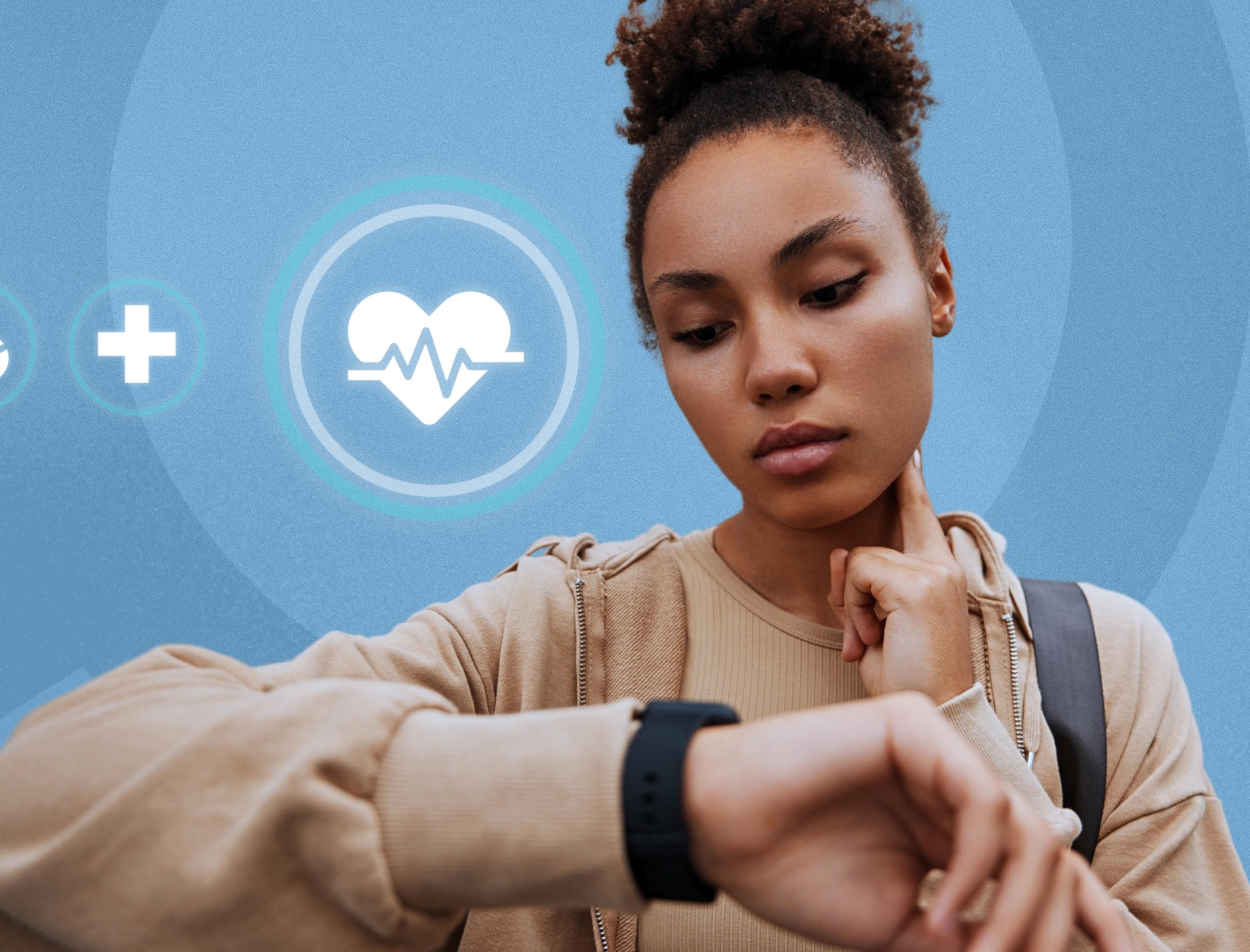
look to improve early detection, precision surgery, and recovery outcomes.
Early detection innovation: UK researchers are advancing wearable technologies that could transform breast health monitoring and early detection. At Nottingham Trent University’s Medical Technologies Innovation Facility, a smart textile is being developed to fit inside a bra and continuously monitor changes in breast tissue that may indicate cancer growth. The device uses an electrical current to detect tiny changes in fluids inside and outside breast cells, identifying variations in tissue density that could signal tumours. The collected data is sent to a smartphone, allowing both patients and clinicians to view real-time updates on breast health.
Meanwhile, UK-based medtech company Plexāā has introduced BLOOM⁴³, a wearable device designed for home use before breast surgery. While it focuses on pre-surgical
preparation rather than detection, it highlights how wearable technologies are becoming increasingly integrated into women’s breast care.
AI-powered imaging: Advanced imaging tools are reshaping how mammogram diagnostics are delivered, making screenings more accurate, efficient and consistent. UK-based company Kheiron Medical Technologies reports that its AI system Mia® enabled up to a 13% increase in cancer detection in European screening trials. Research at University Hospitals Sussex found that out of more than 12,000 scans initially reported as normal, the AI flagged just under 10% for review, leading to the discovery of five previously undetected cancers. Hologic UK has also advanced breast imaging with its Quantra™ software, which uses machine learning to provide standardised breast density scoring, while GE HealthCare continues to enhance diagnostic accuracy through AI-integrated imaging systems. Together, these innovations are showing early
promise in reducing missed cancers, improving workflow efficiency and supporting radiology teams facing rising workloads, although national adoption across the NHS is still at a developmental stage.
Surgical innovation: Technologies that enable more accurate tumour localisation and less invasive procedures are reshaping breast cancer care. For example, UK-founded Endomag’s Magseed® and Sentimag® platform supports magnetic, wire-free marker localisation for tumours and lymph nodes, allowing more precise targeting without the need for traditional wires or radioactivity. The company states that localisation has been used in over 10,000 patients and that the magnetic approach helps coordinate surgery more efficiently. In the selfcheck and early-intervention space, companies such as Dotplot provide a handheld device and smartphone app for monthly breast-tissue monitoring, while Micrima’s Mi~Scan® uses radio-wave technology to assess breast density and tissue composition. Early evidence suggests these innovations may reduce repeat surgery, improve patient experience and lower hospital logistics costs, though wide-scale deployment across the NHS is still developing.
Menopause – A growing workplace and healthcare priority
Many women spend a significant part of their lives in the post-menopausal stage, with research suggesting this can be around one third of a lifetime. This transitional
period often brings a range of physical and psychological symptoms that can significantly affect women’s working lives. The UK government recently appointed Mariella Frostrup as Menopause Employment Ambassador to lead an industry advisory group aimed at helping employers retain and support women in work. This initiative reflects a broader effort to strengthen workplace policies around women’s health. In line with this, the Equality Act 2010 recognises that employers may be required to make reasonable adjustments for employees whose menopausal symptoms have a substantial, long-term impact on their ability to work.
Start-ups such as Peppy are integrating menopause support into employee benefit programmes, offering digital consultations and tailored resources. Vira Health and other femtech firms are developing clinician-facing platforms to enhance menopause care through remote delivery. Despite these advances, recent studies reveal that only 19% of women are aware of workplace support for menopause, and one in ten working women aged 45 to 55 have left a job due to their symptoms. A 2025 survey also found that 61% of women reported losing motivation and 52% said they had lost confidence as a result of menopausal symptoms. With the UK’s femtech ecosystem now comprising over 320 start-ups, including 93 funded companies, the growing collaboration between workplace policy, women’s health technology and employer initiatives is emerging as a defining trend in the UK’s femtech market.

Menstrual health – Beyond products to ecosystem solutions
Apps at scale: The London-headquartered Flo Health became Europe’s first femtech unicorn in 2024, after its valuation surpassed US$1 billion. The app now reports more than 420 million users worldwide. What began as a simple cycle tracker has evolved into a comprehensive digital platform supporting women through ovulation, conception, pregnancy and menopause, highlighting how UK-based femtech operations are driving innovation in women’s health on a global scale.
Product innovation: Female-founded start-up Daye is redefining period care through research-driven innovation in women’s health. The company launched the world’s first pain-relieving tampon and has supported more than 75,000 women and AFAB individuals in managing period pain. Its second-generation Diagnostic Tampon enables at-home screening for vaginal infections, STIs and HPV, with UK-based research showing comparable accuracy to clinician-collected swabs. Daye is now expanding into solutions for conditions such as endometriosis and PCOS, with the aim of building a connected ecosystem for women’s gynaecological health.
Sustainability as a driver: Brands such as Freda highlight how rising consumer demand for eco-friendly period products is reshaping the market, as women increasingly seek solutions that are not only effective but also sustainable. Natracare continues to lead with its organic and plastic-free range of tampons, pads and liners that are both biodegradable and vegan-certified, while DAME promotes reusability through its award-winning reusable tampon applicators. The growing shift towards sustainable menstrual care mirrors wider consumer trends in the UK, where around half of shoppers now consider environmental issues a key factor in their purchasing decisions, and the country’s organic and sustainable health sector is valued at £3.7 billion. As women become more conscious of the environmental impact of period care, these brands are helping to redefine the market through sustainability-focused innovation.
Reproductive, pregnancy and postpartum health – Closing the care gaps
Diagnostics at home: UK-based start-up Hertility Health is transforming access to reproductive healthcare through at-home, clinical-grade hormone and fertility testing. Its 2024 ReProductive Report, based on data from
Healthcare wasn’t designed for women, so we made it our mission to change that. “
- Dr Helen O’Neill
more than 325,000 women, found that 42% of women trying to conceive do not know when their fertile window occurs. Hertility’s tests are designed to shorten the diagnostic timeline for conditions such as PCOS and other hormone-related reproductive health issues, addressing long-standing delays that can span several years in traditional care. Research shows that women in the UK wait an average of around eight years for an endometriosis diagnosis, with global studies placing the average delay at approximately 6.6 years. Many experience similar delays in identifying conditions such as PCOS.
Connected devices: Elvie, one of the UK’s best-known femtech firms, continues to reshape pregnancy and postpartum care with products such as its discreet breast pump and pelvic floor trainer. The Elvie Trainer is now available via the NHS Supply Chain, marking a growing crossover between consumer femtech and clinical healthcare. The company’s latest addition, Elvie Rise, extends support into parenting care through a bassinet designed for postpartum use. Together, these advances reflect how UK-led innovation is improving maternal and reproductive health outcomes.
Regulation gaps: Many femtech products in the UK still operate under the broad label of “wellness”, avoiding classification as medical devices and therefore escaping regulatory scrutiny. This lack of clarity continues to raise concerns over user safety and product reliability. The MHRA’s updated medical device framework, introduced in mid-2025, aims to tighten oversight through stricter post-market surveillance and clearer guidance on how digital health tools are defined. However, femtech apps that combine health tracking with diagnostic or fertility functions still fall within an unclear regulatory category, highlighting the need for consistent guidance to ensure safety and public confidence.
Data privacy concerns: Femtech apps and devices
collect highly sensitive health data, including information about fertility, menstrual cycles and sexual activity, which demands the highest level of privacy protection. The Information Commissioner’s Office (ICO) has been scrutinising fertility and period-tracking apps, and has urged developers to strengthen transparency around how user data is processed. Academic research has also raised concerns about data-sharing practices and the presence of third-party analytics in some apps. Legal cases in the United States, such as those involving the Flo app, have highlighted the reputational and legal risks that arise when health data is shared without clear consent. In the UK, the ICO continues to issue new guidance on health and smart device data, emphasising stronger consent mechanisms, limited third-party tracking and improved transparency, particularly for products used by vulnerable groups. Strengthening privacy standards will be essential for femtech companies to build public trust and integrate more closely with healthcare systems.
Scaling barriers: The UK’s femtech sector benefits from a vibrant start-up ecosystem, yet access to growth funding and NHS integration remains limited. While early-stage innovation is thriving, many companies face challenges in securing long-term investment or progressing towards large-scale adoption. The UK government’s Women’s Health Strategy has recognised femtech as a key growth area and called for greater collaboration between digital health innovators and the NHS. However, complex procurement processes and evidence requirements continue to slow adoption. Clearer pathways for validation,
alongside targeted investment and clinical partnerships, will be essential for helping femtech move from niche innovation to an established part of the UK healthcare landscape.
The next phase of the UK’s femtech growth will be defined by deeper integration with workplaces, healthcare systems and data-driven innovation. Companies such as Peppy are expanding employer-based health benefits, while others are merging diagnostics with consumer products, as seen in Daye’s at-home testing solutions. Advances in AI and personalisation, led by firms like Kheiron Medical Technologies and Flo Health, are improving both prevention and user engagement. With the government’s Women’s Health Strategy encouraging stronger NHS collaboration and new funding for digital innovation, the UK is well placed to scale its femtech ecosystem globally.
Together, these developments signal a future where femtech plays a central role in improving women’s health and strengthening the UK’s position as a global leader in digital healthcare innovation. ■
editorial@womenstabloid.com
• The global femtech market is valued at around US$ 60 billion, projected to reach US$ 130.8 billion by 2034.
• The UK government has committed £6.1 billion to research and innovation in biotechnology and medical sciences, supporting the growth of the femtech industry.
• The UK is home to over 320 femtech start-ups, making it one of Europe’s most active innovation hubs.
• 42% of women trying to conceive do not know their fertile window, highlighting gaps in reproductive health awareness.
• Women in the UK wait an average of eight years for an endometriosis diagnosis, highlighting the urgent need for faster, technology-enabled solutions.
• Elvie’s pelvic-floor trainer is now available through the NHS Supply Chain, signalling growing integration of femtech in clinical care.
• The UK’s organic and sustainable health sector is valued at £3.7 billion, reflecting rising demand for ecofriendly innovation.
• 61% of menopausal women report lost motivation at work, reinforcing the need for better workplace health support.
1st - 31st October

This Breast Cancer Awareness Month, let us come together to raise awareness, support and hope for those affected by breast cancer. Improved access to treatment, regular screening and ensuring that every individual receives the care and support they deserve can save lives.

From 4.6% to 39.2%! Back in 1972, women owned a mere 4.6% of all businesses in the United States. Fastforward to today, and that figure has soared to an impressive 39.2%, a testament to the unstoppable rise of women entrepreneurs across the nation.

Philanthropy on the Rise! Women are giving back like never before. Between 2011 and 2021, charitable donations made by women skyrocketed by 187%, leaping from £1.2 billion ($1.5B) to a remarkable £3.4 billion ($4.3B).
The term ‘femtech’ was coined in 2016 by Ida Tin, co-founder of the fertility app Clue.
A Decade of Progress in Sustainable Leadership. Over the past decade, representation in sustainability leadership has grown remarkably. As of 2025, women now hold 29% of general executive roles and an impressive 63% of sustainability leadership positions in major companies—up from just 17% in 2015. This steady progress highlights a broader shift towards more inclusive and diverse leadership in the sustainability sector.
The first woman to head the U.S. Federal Reserve was Janet Yellen in 2014, making history in the world of high finance.
Sara Blakely, founder of Spanx, was the first female billionaire to sign the Giving Pledge with Bill and Melinda Gates and Warren Buffett, promising to give away at least half of her wealth.
Women Are Shaping the Future of EdTech! Female-led EdTech startups are attracting major investor confidence, with recent funding rounds such as £4.7 million ($6M) for Zen Educate and £7 million ($9M) for Perlego. It’s clear that investors are betting big on women driving innovation in education technology.